RIVERSIDE BEHAVIORAL HEALTHCARE CENTER
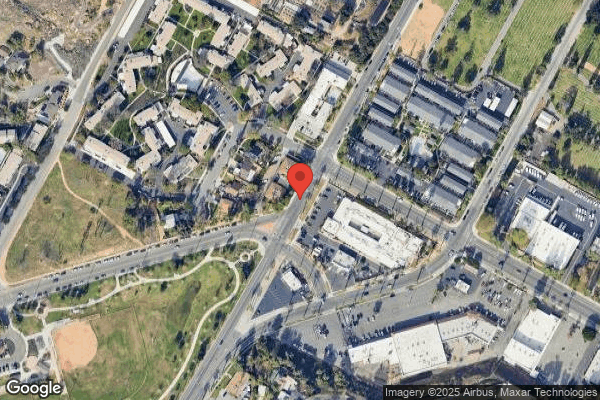
4580 PALM AVENUE, RIVERSIDE, CA 92501 (951) 684-7701
For profit - Corporation 120 Beds Independent Data: November 2025
Trust Grade
80/100
#180 of 1155 in CA
Last Inspection: November 2024

Within standard 12-15 month inspection cycle. Federal law requires annual inspections.

Overview

Riverside Behavioral Healthcare Center has a Trust Grade of B+, which means it is recommended and above average in quality. It ranks #180 out of 1,155 facilities in California, placing it in the top half, and #4 out of 53 in Riverside County, indicating it is one of the better local options. The facility is improving, with issues decreasing from 7 in 2024 to just 2 in 2025. Staffing is average with a rating of 3 out of 5 stars and a turnover rate of 42%, which is around the state average. Notably, while the facility has no fines on record, there are concerns about RN coverage, as it is lower than 83% of California facilities, meaning residents may not receive as much oversight from registered nurses. Specific incidents include failures in food safety practices, such as improperly stored food and dietary staff not checking cooking temperatures, which could risk residents' health. Overall, while there are strengths in the center's rating and improvement trend, families should be aware of the food safety concerns and staffing coverage.

Trust Score
B+
80/100
In California
#180/1155
Top 15%
Safety Record
Low Risk
No red flags
Inspections
Getting Better
7 → 2 violations
Staff Stability
○ Average
42% turnover. Near California's 48% average. Typical for the industry.
Penalties
✓ Good
No fines on record. Clean compliance history, better than most California facilities.
Skilled Nurses
⚠ Watch
Each resident gets only 11 minutes of Registered Nurse (RN) attention daily — below average for California. Fewer RN minutes means fewer trained eyes watching for problems.
Violations
⚠ Watch
27 deficiencies on record. Higher than average. Multiple issues found across inspections.
★★★★★
5.0
Overall Rating
★★★☆☆
3.0
Staff Levels
★★★★★
5.0
Care Quality
★★★★☆
4.0
Inspection Score
Stable
2024: 7 issues
2025: 2 issues

The Good

  • 5-Star Quality Measures · Strong clinical quality outcomes
  • Full Sprinkler Coverage · Fire safety systems throughout facility
  • No fines on record
  • Staff turnover below average (42%)

    6 points below California average of 48%

Facility shows strength in quality measures, fire safety.

The Bad

Staff Turnover: 42%

Near California avg (46%)

Typical for the industry

The Ugly 27 deficiencies on record

Aug 2025 1 deficiency
CONCERN (D) 📢 Someone Reported This

A family member, employee, or ombudsman was alarmed enough to file a formal complaint

Potential for Harm - no one hurt, but risky conditions existed

Quality of Care (Tag F0684)

Could have caused harm · This affected 1 resident

**NOTE- TERMS IN BRACKETS HAVE BEEN EDITED TO PROTECT CONFIDENTIALITY** Based on interview and record review, the facility failed to: a. Evaluate changes in behavior, including refusal to participate ...

Read full inspector narrative →
**NOTE- TERMS IN BRACKETS HAVE BEEN EDITED TO PROTECT CONFIDENTIALITY** Based on interview and record review, the facility failed to: a. Evaluate changes in behavior, including refusal to participate in activities, and changes in mobility and function, after a fall incident for Resident 1. This failure could delay pain recognition and intervention, causing the resident to continue experiencing pain. b. Re-evaluate interventions to address continuous complaint of pain by Resident 1. This failure has the potential to result in mobility issues, social isolation, and inability to perform daily activities. c. Promptly arrange an MRI (Magnetic Resonance Imaging- medical imaging technique used in radiology to generate pictures of the anatomy and the physiological processed inside the body) for Resident 1's right hip pain. This failure could have delayed diagnosing a fracture, leading to postponed intervention and increased pain for Resident 1.Findings: On August 19, 2025, a review of Resident 1's admission record indicated Resident 1 was admitted on [DATE], with diagnoses which included depression (loss of pleasure or interest in activities for long periods of time) and bipolar disorder (a mental health condition that causes extreme mood swings). Resident 1 was discharged from the facility July 9, 2025. A review of the History and Physical (H&P), dated July 8, 2025, indicated Resident 1 had the capacity to understand and make decisions.A review of the Functional Limitations and Range of Motion, dated June 2, 2025, indicated, .ambulation.walk 10 feet.independent.walk 50 feet.independent.resident does not use a wheelchair and/or scooter.A review of Change in Condition (COC), dated June 6, 2025, at 8:13 a.m., indicated, .client notified CNA (certified nursing assistant) staff he rolled out of his bed when sleeping.client was assessed and noted he was having difficulties taking steps and complained of pain.client asked to stay in bed.A review of the Care Plan The resident has had an actual unwitnessed fall . Date Initiated.June 6, 2025.Will have no complications from fall through review date.For no apparent acute injury, determine and address causative factors of the fall.Give PRN pain medication as ordered by MD.Medical charting Q shift x 72 hours.Follow up with MD.Monitor/document /report PRN x 72 hr. to MD for s/sx: Pain, bruises, Change in mental status, New onset: confusion, sleepiness, inability to maintain posture, agitation.Q 15 Monitoring for Safety. Xray as ordered. A review of the Post Fall Assessment, dated June 9, 2025, indicated, .client continues to c/o (complain of ) pain and difficulty ambulating.transferred to ER (emergency room) for evaluation and returned without new orders or abnormal findings.staff will continue to assist client with transfers and ambulation and medicate for c/o pain as ordered.staff checked client's bed to ensure it was set at the lowest position .encouraged to use call light as needed.A review of Resident 1's Order Summary Report, from June 1 to June 30, 2025, indicated, MRI of right hip due to c/o (complain of pain) . order date June 10, 2025.A review of the Health plan authorization dated June 16, 2025, indicated, .MRI lower extremity joint.June 16, 2025, to December 12, 2025. A review of Resident 1's progress notes from June 6, 2025, to July 9, 2025, indicated the following: 1. June 6, 2025, at 8:34 a.m., .client is c/o (complaining of) right hip pain and unable to walk. 2. June 6, 2025, at 10:31 p.m., .client heading to ER (emergency department) due to extreme pain in right lower extremities. 3. June 7, 2025, .CT (Computed tomography - a radiographic image) spine.no evidence of acute osseous abnormality of the cervical spine (neck area) .CT brain.no intracranial hemorrhage.Pelvis AP (Xray - a radiographic image) .osteopenia. 4. June 7, 2025, at 9:02 p.m., .client stated he still has pain in his right leg when he walks on it.xray tested negative for any issues.Pain scale (0-10) .pain 6/10 (6 out of 10) when walking. 5. June 8, 2025, at 9:08 p.m., .client complains of discomfort at 2/10.states.it hurts when I put weight on it or lay on it, so I just lay like this to keep it from hurting.client requested crutches. 6. June 10, 2025, .client fell out from bed since then difficulty with mobility.xray negative.able to move hip right up/down.med/lat (medially and laterally) pain.cannot bear.R hip pain.MRI. 7. June 11, 2025, at 1:59 p.m., .client said he is still in pain from his fall the other day.asked if this is why he has stopped coming to groups and getting his showers.client confirmed that is the reason. 8. June 18, 2025, at 1:46 p.m., .client said he cannot go to groups because he feels he still cannot walk. 9. July 7, 2025, .client has appointment on July 7, 2025, at 1:50 p.m. MRI of RT (right) hip. 10. July 9, 2025, at 2:42 p.m., . (name of physician) called and stated that (Resident 1) MRI results show fractured right hip.send to (acute hospital asap) . A review of the progress notes did not indicate why the MRI of the right hip ordered by physician on June 10, 2025, was not arranged until July 7, 2025, (27 days after the physician ordered the MRI). A review of the Weekly nursing notes from June to July 2025, indicated the following: a. June 11, 2025, indicated, .Pain.NO.physical functioning.independent.walk over 10 feet.behaviors.no change.acute changes this week.NO. b. June 18, 2025, indicated, .Pain.NO.physical functioning.independent .walk over 10 feet.encouraged to shower daily.behaviors.no change. c. June 25, 2025, indicated, .Pain .NO.physical functioning.independent.walk over 10 feet.encouraged to shower daily.behaviors.no change.client refused vitals. d. July 2, 2025, indicated, .Pain.NO.physical functioning.transfer.dependent.walking.resident refused.behaviors.no change.client does not walk and uses wheelchair to move around. e. July 9, 2025, indicated .Pain.NO.physical functioning.transfer. walking.dependent.behaviors.inability to cope with internal stimuli causing stress.acute changes.client sent to (name of acute hospital) due to right hip fracture. Further review of the progress notes did not indicate that the changes in mobility were assessed by the facility staff. A review of the change of condition, dated July 9, 2025, at 9:41 p.m. indicated, .ordered client be sent to (name of acute hospital) due to right hip fracture. A review of the Quarterly Risk Data Collection Tool, dated June 30, 2025, indicated, .Received PRN pain medications or was offered and declined .NO.received non-medication intervention for pain .NO.Mobility.independent-supervise ambulation-AMB (as manifested by) with 1 assist-W/C (wheelchair) independent. On August 19, 2025, at 12:02 p.m. an interview was conducted with Licensed Vocational Nurse (LVN 1), and LVN 1 stated the following: a. After a fall and a change in condition, if there was pain noted to continue during the weekly assessments the pain would need to be assessed to see if there were any other interventions necessary and the MD would need to be made aware of any new orders; b. Pain management was important to continue to assess daily so that the pain would not become worse for the residents and that they can maintain a comfortable level; c. For a resident who complained of leg pain after a fall the nurse should look for non-verbal cues such as facial grimacing guarding, inability to walk, and reassess to see if the pain medication or other interventions were working, because with behaviors it can be difficult to see how their pain tolerance is; d. If a resident had a fall and said they had pain before and they decided not to get out of bed and to not participate in activities, then nursing interventions should include a new assessment to see if the refusals were related to pain; and e. Contact the MD to explore new ways to assist the resident. On August 19, 2025, at 1:25 p.m., an interview was conducted with the Assistant Director of Nursing (ADON). The ADON stated she was aware of the fall for Resident 1 and that he was hospitalized and did not return to the facility after the physician identified a right hip fracture. A concurrent review of Resident 1's record was conducted with the ADON, and she stated the following: a. The physical condition weekly assessments indicated Resident 1 had a fall that occurred on June 6, 2025, and that the weekly assessment for June 11, 2025, did not reflect the acute change that occurred; b. Further reviews of records from June 18, 2025, to July 7, 2025, indicated Resident 1 went from independent with mobility to dependent needing a wheelchair. The ADON stated a COC should have been made on July 2, 2025, when the nurse provided a wheelchair for Resident 1 and there was no change of condition conducted. The ADON stated a change in mobility should be a change in condition and the MD should have been made aware; and c. A care plan regarding a change in physical mobility should reflect the current status of the resident's pain and mobility. On August 19, 2025, at 3:05 p.m., an interview was conducted with the Director of Nursing (DON). The DON stated Resident 1 was on monitoring for pain and a post fall review indicated Resident 1 was monitored for 72 hours post fall as indicated by the fall protocols. A concurrent record review was conducted with the DON. The DON verbalized that from June 25, 2025, to July 2, 2025, Resident 1 was noted to have made a request for a wheelchair because his mobility status had changed as he requested to use a wheelchair to mobilize because he was afraid to fall again. The DON reviewed June 18, 2025, and June 11, 2025, weekly notes and verbalized Resident 1 did not need to use a wheelchair and was independent with mobility. The DON was asked to define a change of condition based on this finding. The DON stated we did not consider this a change of condition because it was related to his fall on June 6, 2025 and that this was a behavior as it was not that he could not walk but rather he chose not too because of the reasons we are not sure but he was walking before and he was known to have similar behaviors like low participation and refusal of medications. A review of the facility policy and procedure titled, Pain Assessment and Management dated October 2022, indicated, .identify pain in the resident, and to develop interventions that are consistent with the resident's goals and needs and that address the underlying causes of pain.appropriate assessment and treatment of pain, based on professional standards of practice, the comprehensive care plan and the resident's choices related to pain management.recognizing the presence of the pain.addressing the underlying causes of the pain.observe the resident (during rest and movement) for physiologic and behavioral (non-verbal) signs of pain.negative verbalizations.changes in gait, behavior such as resisting care.decreased participation in usual physical and/or social activities.identifying cause of pain.fractures.pain management interventions shall address the underlying causes of the resident's pain. A review of the policy and procedure titled, Change in a Resident's Condition or Status dated May 2017, indicated, .significant change in the resident's physical/emotional/mental condition.refusal of treatment or medications two (2) or more consecutive times.significant change of condition is a major decline or improvement in the resident's status that.will not normally resolve itself without intervention by staff or by implementing standard interventions.impacts more than one area of the resident's health status.
Apr 2025 1 deficiency
CONCERN (D) 📢 Someone Reported This

A family member, employee, or ombudsman was alarmed enough to file a formal complaint

Potential for Harm - no one hurt, but risky conditions existed

Quality of Care (Tag F0684)

Could have caused harm · This affected 1 resident

**NOTE- TERMS IN BRACKETS HAVE BEEN EDITED TO PROTECT CONFIDENTIALITY** Based on interview and record review, the facility failed to ensure for one of two sampled residents (Resident 1), Resident 1 re...

Read full inspector narrative →
**NOTE- TERMS IN BRACKETS HAVE BEEN EDITED TO PROTECT CONFIDENTIALITY** Based on interview and record review, the facility failed to ensure for one of two sampled residents (Resident 1), Resident 1 received necessary supervision and monitoring, as required by the physician for every 15-minute checks following a downgrade from 1:1 monitoring. This failure resulted in lack of observation and documentation and had the potential to result in aggression and harm towards other residents without timely staff intervention. Findings: A review of Resident 1's admission Record dated March 18, 2025, indicated Resident 1 was admitted on [DATE], with diagnoses which included schizophrenia (a mental disorder characterized by disruptions in thought processes, perceptions, emotional responsiveness, and social interactions). A review of Resident 1's progress notes dated March 13, 2025, indicated, .may come off of 1:1 monitoring per (name of physician) and remain on q15 min behavior watch . A review of Resident 1's document titled 1:1 with staff EVERY 15 MINUTE MONITORING, dated March 13, 2025, indicated, there was no documentation Resident 1 was monitored from 1:30 p.m. to 11:45 p.m. On March 18, 2025 at 3:05 p.m., during a concurrent interview and record review of Resident 1's 1:1 with staff EVERY 15 MINUTE MONITORING form with RN 1, RN 1 stated, there was no documentation completed for Resident 1's monitoring on March 13, 2025 from 1:30 p.m. to 11:45 p.m. RN 1 stated she was unsure why it was blank and the documentation should have been completed. On March 18, 2025 at 3:25 p.m., during a concurrent interview and record review of Resident 1's 1:1 with staff EVERY 15 MINUTE MONITORING form with LVN 1, LVN 1 stated, there was no documentation completed for Resident 1's monitoring on March 13, 2025, from 1:30 p.m. to 11:45 p.m. LVN 1 stated Resident 1's monitoring had been changed from 1:1 to every 15 minutes. On March 18, 2025 at 4:05 p.m., during a concurrent interview and record review of Resident 1's 1:1 with staff EVERY 15 MINUTE MONITORING form with the ADON, the ADON stated the staff should have been made aware of Resident 1's monitoring and Resident 1 should have been monitored throughout the day. The ADON stated, on March 13, 2025, Resident 1 should have been monitored every 15 minutes and the monitoring should have been documented. On March 21, 2025 at 9:36 a.m., during an interview with CNA 1, CNA 1 stated when a resident is placed on 1:1 monitoring, the RN or charge nurse notifies the staff and provides a blue form. CNA 1 stated, when a resident is downgraded to every 15-minute monitoring, a yellow form was used. CNA 1 stated she was responsible for Resident 1 on March 13, 2025, during the morning shift, and she had not been informed of the change from 1:1 to every 15 minutes monitoring. CNA 1 stated, 15-minute monitoring should have been documented. On March 21, 2025 at 10 a.m., an interview with CNA 2 was conducted. CNA 2 stated she was responsible for Resident 1 during the afternoon shift on March 13, 2025. CNA 2 stated, she did not recall being informed of the downgrade from 1:1 to every 15-minute monitoring. CNA 2 stated she did not remember monitoring Resident 1 every 15 minutes. CNA 2 stated, 15-minute monitoring should have been documented, as staff were expected to record the resident's location and activity at the time of observation, such as whether the resident was awake or sleeping. A review of the facility's policy and procedure titled, Behavior Assessment and Monitoring: Behavior Watch, dated January 2018, indicated, .Staff will be assigned to assess and observe the client's behavior and document on the Behavior Watch monitoring record every 15 minutes .
Nov 2024 4 deficiencies
CONCERN (D)

Potential for Harm - no one hurt, but risky conditions existed

Report Alleged Abuse (Tag F0609)

Could have caused harm · This affected 1 resident

**NOTE- TERMS IN BRACKETS HAVE BEEN EDITED TO PROTECT CONFIDENTIALITY** Based on interview and record review, the facility failed to ensure an allegation of abuse was reported to the California Depart...

Read full inspector narrative →
**NOTE- TERMS IN BRACKETS HAVE BEEN EDITED TO PROTECT CONFIDENTIALITY** Based on interview and record review, the facility failed to ensure an allegation of abuse was reported to the California Department of Public Health (CDPH) immediately, and no later than two hours after the allegation was made, for two of five residents reviewed for abuse (Residents 12 and 80). This failure had the potential to delay the implementation of appropriate action and protective measures for the residents, placing them at risk for further abuse. Findings: On November 7, 2024, a review of Resident 80's admission Record, indicated, Resident 80 was admitted to the facility on [DATE], with diagnoses which included schizoaffective disorder (a mental health condition). A review of Resident 80's History and Physical, dated July 16, 2024, indicated, Resident 80 had the capacity to understand and make decisions. A review of Resident 80's Progress Notes, dated November 2, 2024, indicated, .The Change In Condition/s reported .It was reported to this nurse that while on the courtyard during a group, (Resident 80) asked a female peer (Resident 12) to return her batteries/radio she had loaned to her. The peer refused. (Resident 80) grabbed for her radio/batteries and the peer (Resident 12) held onto the radio and began to bite (Resident 80) on her right hand through her jacket . On November 6, 2024, at 1:38 p.m., during an interview with Resident 80, Resident 80 stated, last Saturday (November 2, 2024), she asked Resident 12 for the radio that Resident 12 borrowed from her. Resident 80 further stated, Resident 12 did not want to give it back, so she tried to take it and Resident 12 tried to bite her on the arm. Resident 80 stated a staff witnessed the incident. A review of Resident 12's admission Record, indicated Resident 12 was admitted to the facility on [DATE], with diagnoses which included schizoaffective disorder, bipolar type (a mental health condition where a person is expressing symptoms of both schizophrenia [hearing voices, or seeing things that are not there] and bioplar disorder [with episodes of feeling overly energetic or irritable and feeling very sad, hopeless, or lacking energy]). A review of Resident 12's Progress Notes, dated November 2, 2024, indicated, .The Change in Condition/s reported .On the courtyard during a group, a female peer (Resident 80) asked (Resident 12) to return the batteries/radio she had loaned. (Resident 12) refused; the female peer grabbed for the radio/batteries and (Resident 12) held onto it and began to bite the female peer (Resident 80) . A review of facility document regarding reporting of Suspected Dependent Adult/ Elder Abuse, dated November 2, 2024, indicated, .Resident 12 held onto the radio and then bit Resident 80 on the hand through her jacket . On November 6, 2024, at 10:50 a.m., during an interview with Resident 12, Resident 12 stated, she tried to bite someone, but did not know who. On November 6, 2024, at 2:05p.m., during an interview with the Assistant Activities Director (AAD), the AAD stated, on Saturday, November 2, 2024, Resident 80 attempted to grab the radio from Resident 12, and Resident 12 bit Resident 80 on her right arm. On November 7, 2024, at 8:45 a.m., during a concurrent interview and review of Resident 80's progress notes dated November 2, 2024, with Registered Nurse (RN1), RN 1 stated Resident 80 and Resident 12 had a physical altercation on November 2, 2024. RN 1 stated she did not report the incident to CDPH since it occured over the weekend. On November 7, 2024, at 9:50 a.m., during an interview with the Administrator (Admin), the Admin stated, the staff should report any reportable resident to resident altercation to CDPH, by phone and fax, even on the weekend. On November 7, 2024, at 10:53 a.m., during an interview with the Director of Nursing (DON), the DON stated, the timeline to report to CDPH is within 2 hours, for patient safety and to prevent further abuse. A review of the facility Policy and Procedure titled, Abuse Procedure, Client to Client Abuse Procedure, undated, indicated, .call in to report to LTC Ombudsman/ Law Enforcement and CDPH within 2 hours. Fax completed (abuse report) form to LTC Ombudsman, Law Enforcement and CDPH preferably by end of shift and no longer than 24 hours .
CONCERN (E)

Potential for Harm - no one hurt, but risky conditions existed

Deficiency F0802 (Tag F0802)

Could have caused harm · This affected multiple residents

Based on observation, interview, and record review, the facility failed to ensure dietary staff were able to carry out the functions of food and nutrition services safely and effectively when: 1. [NAM...

Read full inspector narrative →
Based on observation, interview, and record review, the facility failed to ensure dietary staff were able to carry out the functions of food and nutrition services safely and effectively when: 1. [NAME] 1 (CK) 1 did not check the cooking temperature for beef patties, fish, and chicken tenders during lunch meal preparation on November 5, 2024; 2. Dietary staff did not follow manufacturer's guidelines for testing the red bucket sanitizer; 3. Four dietary staff did not follow the facility food preparation and cleaning procedure of surfaces and stationary equipment; 4. One Dietary Aide did not know the right concentration of the red bucket sanitize; and 5. One Dietary Aide did not know the right location and could not demonstrate the correct procedure to test for dish sanitization. These failures had the potential to cause food borne illness (stomach illness acquired from ingesting contaminated food) to the residents in the facility. Findings: 1. On November 5, 2024, at 10:42 a.m., an observation was conducted with CK 1. CK 1 was observed removing a platter of cooked beef patties from oven without checking the cooking temperature. On November 5, 2024, at 10:50 a.m., an observation was conducted with CK 1. CK 1 was observed removing a platter of cooked chicken tenders and cooked fish from oven without checking the cooking temperature. On November 5, 2024, at 11:34 a.m., during an interview with CK 1, CK 1 stated she forgot to check the cooking temperatures of the beef patties, fish, and chicken tenders. She stated a temperature guide had been posted on the wall and she should have checked the temperature and referred to it. CK 1 further stated checking the temperature ensured the meats were fully cooked and at a safe serving temperature to prevent the potential for foodborne illness. On November 6, 2024, at 2:10 p.m., an interview was conducted with the Registered Dietitian (RD), the RD stated it was standard practice to check the temperature of meat after cooking to ensure minimum cooking temperature had been reached and the food had been cooked in a safe manner. The RD further stated, if the meat had not been cooked thoroughly, it could have resulted in foodborne illness for residents who had received food from the kitchen. A review of facility provided recipe titled, Hamburger: Beef/Veal, dated 2024, indicated, .Internal temperature (temp) of cooked patties should register at least 160 degrees Fahrenheit (°F - a unit of measurement) for 15 seconds at completion of cooking . A review facility provided recipe titled, Baked Fish Fillet, dated 2024, indicated, .Internal temperature of cooked fish should register at least 145 degrees F for 15 seconds at the end of cooking time . A review facility provided recipe titled, Chicken Tenders, dated 2002-2024, indicated, .Internal temperature of finished product must register at least 165 degrees F at completion of cooking time . During a review of the facility provided job description titled Cook, the job description indicated, .Position Summary .to prepare food in accordance with current applicable federal, state and local standards .Essential Duties and Responsibilities .following menus and recipes .adhering to all facility policies and procedures of the facility . 2. During a review of the Quaternary Ammonium sanitizer (Quat - sanitizing solution used for sanitizing food contact surfaces and used equipment) test strip bottle's instructions indicated, .Dip paper in quat solution .for 10 seconds . On November 5, 2024, at 10:56 a.m., a concurrent observation and interview were conducted with CK 2. CK 2 was observed demonstrating how to check the Quat sanitizer in the red bucket. CK 2 placed the test strip in the red bucket Quat sanitizer for 4 seconds. CK 2 stated she should have kept the test strip in the bucket for 10 seconds, according to the test kit instructions, to avoid cross contamination and prevent stomach issues to the residents. On November 5, 2024, at 11:21 a.m., a concurrent observation and interview were conducted with Dietary Aide (DA) 1. DA 1 was observed demonstrating how to check Quat sanitizer in the red bucket. DA1 placed the test strip in the red bucket for 6 seconds. DA 1 stated she should have kept the test strip in the bucket for 10 seconds according to the manufacturer's guidelines, to prevent cross-contamination. On November 5, 2024, at 12:09 p.m., a concurrent observation and interview was conducted with DA 2. DA 2 was observed demonstrating how to check the Quat sanitizer in the red bucket. DA 2 placed the test strip in the red bucket for 15 seconds. DA 2 stated she should have kept the test strip in the bucket for 10 seconds according to the manufacturer's guidelines. DA 2 further stated, not having the correct solution concentration could cause cross contamination and food borne illness to the residents. On November 5, 2024, at 12:19 p.m., an interview was conducted with DA 3. DA 3 stated the process for checking the Quat sanitizer in the red bucket. DA 3 stated she would place the test trip in the Quat sanitizer for 15 seconds. DA 3 stated she had not been following the proper sanitizing process and should have been placing the test strip in the sanitizer for 10 seconds. DA 3 further stated, the solution concentration should be correct to prevent food borne illness. On November 6, 2024, at 2:10 p.m., an interview was conducted with the RD. The RD stated the Quat sanitizer test strip should be dipped for 10 seconds as per the manufacturer's instructions. The RD further explained if the concentration of the sanitizing solution was not prepared properly, it could result in food borne illness to the residents. During a review of the facility provided job description titled Dietary Aide, the job description indicated, .Position Summary .to provide assistance in all functions in accordance with current applicable federal, state and local standards that govern the facility and as directed by the Dietary or other management .Essential Duties and Responsibilities .adhering to sanitation and food safety guidelines during meal preparation and clean up . A review of U.S. FDA (Food and Drug Administration) Food Code 2022, Section 4-501.114 Manual and Mechanical Ware washing Equipment, Chemical Sanitization - Temperature, pH, Concentration, and Hardness, indicated, .(C) A quaternary ammonium compound solution shall (2) Have a concentration as specified under § 7-204.11 and as indicated by the manufacturer's use directions included in the labeling . 3. During a review of U.S. FDA Food Code 2022, Section 4-603.15 Washing, Procedures for Alternative Manual Warewashing Equipment, indicated, .Some pieces of equipment are fixed or too large to be cleaned in a sink. Nonetheless, cleaning of such equipment requires the application of cleaners for the removal of soil and rinsing for the removal of abrasive and cleaning chemicals, followed by sanitization . During a review of U.S. FDA Food Code 2022, Section 4-701.10 Food-Contact Surfaces and Utensils, the food code indicated, Effective sanitization procedures destroy organisms of public health importance that may be present on wiping cloths, food equipment, or utensils after cleaning, or which have been introduced into the rinse solution. It is important that surfaces be clean before being sanitized to allow the sanitizer to achieve its maximum benefit. On November 5, 2024, at 11:34 a.m., an interview was conducted with CK 1. CK 1 stated the process for cleaning used food preparation surfaces and stationary equipment was to use the green bucket which contained a mixture of bleach and soap solution, and then sanitize with Quat sanitizer. On November 5, 2024, at 12:02 p.m., an interview was conducted with DA 4. DA 4 stated the process for cleaning used food preparation surfaces and stationary equipment was to use soap and then sanitize with Quat sanitizer. On November 5, 2024, at 12:07 p.m., an interview was conducted with DA 1. DA 1 stated the process for cleaning used food preparation surfaces and stationary equipment was to use soap from the green bucket and then sanitize with the Quat sanitizer in the red bucket. On November 5, 2024, at 12:19 p.m., an interview was conducted with DA 3. DA 3 stated the process for cleaning used food preparation surfaces and stationary equipment was to use soap first and then sanitize with Quat sanitizer. On November 6, 2024, at 2:10 p.m., an interview was conducted with the RD. The RD stated the proper steps to clean used food preparation surfaces and stationary kitchen equipment was to first wash soap and water in the green buckets, rinse in between with water, and then sanitize with the sanitizing solution in the red buckets. The RD further stated, if these steps were not followed, there could be potential cross-contamination which could result in food borne illness for residents who receive food from the kitchen. 4. On November 5, 2024, at 12:09 p.m., a concurrent observation and interview of the Quat sanitizing test with DA 2, DA 2 placed the test strip in the red bucket Quat sanitizer for 15 seconds and then compared the test strip color with the color chart on the test strip kit. DA 2 stated the blue green color of the test strip indicated the correct concentration which should be within the 400-500 parts per million (ppm - a unit measurement) range. DA 2 stated she did not follow the manufacturer's guidelines and should have double checked the concentration range. She stated, the correct concentration should show a yellow green color and be within the 200 ppm range. DA 2 further stated, if the solution did not have the proper concentration, it could lead to cross contamination and foodborne illness. On November 6, 2024, at 2:10 p.m., an interview was conducted with the RD. The RD stated the correct concentration of the Quat sanitizer solution in the red bucket should be within 200 ppm, according to the manufacturer's instructions. The RD stated the dietary staff were expected to follow the guidelines to ensure proper sanitization testing and to prevent food borne illness for the residents. During a review of the sanitizer manufacturer's instructions titled, Contact Surface Sanitization Directions, indicated, .To sanitize pre cleaned and potable water rinsed .contact surfaces .prepare 200-400 ppm active quaternary ammonium solution . During a review of the facility provided job description titled Dietary Aide, the job description indicated, .Position Summary .to provide assistance in all functions in accordance with current applicable federal, state and local standards that govern the facility and as directed by the Dietary or other management .Essential Duties and Responsibilities .adhering to sanitation and food safety guidelines during meal preparation and clean up . 5. On November 5, 2024, at 12:09 p.m., a concurrent observation and interview of the dish machine was conducted with DA 2, DA 2 placed the test strip inside the water compartment to test for the chlorine sanitation level. She stated this was the correct location to check the concentration of the sanitizer in the dish machine. DA 2 then compared the test strip with the color chart on the test strip kit and stated the range should be within 100-200 ppm. DA stated, she should have confirmed with her supervisor the proper location to test, and she should have double checked the manufacturer's guidelines for the accurate range. DA 2 further stated, not following the manufacturer's guidelines could result in the dish machine not sanitizing properly which could lead to foodborne illness. On November 6, 2024, at 2:10 p.m., an interview was conducted with the RD. The RD stated the right location to check the concentration of the chlorine sanitizer of the dish machine was to place the test strip directly on the top surface of the kitchenware that was just cleaned, not in the water compartment. The RD stated, placing the test strip in the wrong location would not give an accurate reading, and the dish machine may not have the correct chlorine sanitizer concentration which could result in the kitchenware not being properly sanitized. The RD further stated, the dish machine rinse should provide 50 ppm on the dish surface and if the staff did not follow the proper testing procedure, the kitchenware might not be sanitized properly, potentially resulting in cross-contamination and food borne illness for the residents. A review of the facility policy and procedure titled, Section F: Safety and Sanitation, dated 2020, indicated, .Daily Chlorine Testing Station, indicated, .X .Ware washing .Policy .utensils, dishes, beverage containers, pots and pans, flatware used for the preparation, service, or storage of food will be cleaned and sanitized after each use .Procedure .A .Low temp machine .rinse must provide 50 ppm hypochlorite (chlorine) on the dish surface . During a review of the facility provided job description titled Dietary Aide, the job description indicated, .Position Summary .to provide assistance in all functions in accordance with current applicable federal, state and local standards that govern the facility and as directed by the Dietary or other management .Essential Duties and Responsibilities .adhering to sanitation and food safety guidelines during meal preparation and clean up .
CONCERN (E)

Potential for Harm - no one hurt, but risky conditions existed

Infection Control (Tag F0880)

Could have caused harm · This affected multiple residents

Based on observation, interview, and record review, the facility failed to ensure four pill cutters (equipment used to cut medications) were cleaned before being stored in the medication carts (equipm...

Read full inspector narrative →
Based on observation, interview, and record review, the facility failed to ensure four pill cutters (equipment used to cut medications) were cleaned before being stored in the medication carts (equipment used to store and dispense medications). This failure had the potential to result in cross contamination (transfer of microorganism (germs) from one object to another) of medications which could lead to infection. Findings: On November 6, 2024, at 10:30 a.m., during a concurrent observation of the afternoon (PM) medication cart in nursing station 2 and an interview with the Licensed Psychiatric Technician (LPT), two blue pill cutters had green -brown grime buildup and white powder residue. The LPT stated the pill cutters should be cleaned between uses, and replaced or thrown when dirty. The LPT stated the two pill cutters were dirty and had medication residue. The LPT stated, she did not know when it was last cleaned. The LPT stated the pill cutters should have been cleaned and should not have been left in the medication cart, readily available for use, as this could cause cross contamination of resident medications and could lead to infection. On November 6, 2024, at 11:16 a.m., during a concurrent observation of the AM (morning) and PM medication carts in nursing station 1 (one) and an interview with the Assistant Director of Nursing (ADON), two blue pill cutters had white powder residue. The ADON stated the two pill cutters were dirty and had medication residue. The ADON further stated the pill cutters should have been cleaned or thrown away to prevent cross-contamination which could lead to infection. On November 6, 2024, at 2:06 p.m., during an interview with the Infection Preventionist (IP), she stated the facility medication carts should contain clean equipment for medication administration and any dirty equipment should be thrown away to prevent cross contamination which could lead to infection. The IP further stated pill cutters should be cleaned after each use and changed as needed when dirty. The IP stated the four dirty pill cutters should have been thrown away and not left in the medication carts, readily available for use. A review of the facility policy and procedure titled, Equipment and Supplies for Administering Medications, dated April 2008, indicated, .The medication nurse on duty ensures that equipment and supplies relating to medication administration are clean and orderly . A review of the facility policy and procedure titled, Infection Control, dated October 2018, indicated, .The facility's infection control policies and practices are intended to facilitate maintaining a safe, sanitary and comfortable environment and to help prevent and manage transmission of diseases and infection .
CONCERN (F)

Potential for Harm - no one hurt, but risky conditions existed

Food Safety (Tag F0812)

Could have caused harm · This affected most or all residents

Based on observation, interview, and record reviews, the facility failed to maintain a sanitary environment, prepare, and serve food in accordance with professional standards for food service safety w...

Read full inspector narrative →
Based on observation, interview, and record reviews, the facility failed to maintain a sanitary environment, prepare, and serve food in accordance with professional standards for food service safety when: 1. The two-compartment preparation sink (sink used for preparing foods) did not have an air gap (a vertical space between the end of a pipe and the top of a nearby sink that prevents the backflow of contaminated water); 2. Six out of six white storage shelves in the reach-in refrigerator labeled number 2, were found to have peeled chipped paint. 3. Three drying rack shelves (one near the handwashing sink and two by the side doorway kitchen entrance) were found to be worn and with brown grime. 4. One unlabeled cooking oil was stored in a water pitcher found in the kitchen; 5. Two cutting boards with deep indentations were found in the kitchen; and 6. Dust was found on storage shelves inside the dietary storage room and on drying racks. These failures had the potential to cause foodborne illness (stomach illness acquired from ingesting contaminated food) among the residents in the facility. Findings: 1. During a review of the professional reference U.S. FDA (Food and Drug Administration) Food Code 2022, Section 5-203.14 Backflow Prevention Device, indicated, .A plumbing system shall be installed to preclude backflow of a solid, liquid, or gas contaminant into the water supply system at each point of use at the food establishment .backflow prevention is required by law, by: (A) Providing an air gap .; or (B) Installing an approved backflow prevention device . On November 5, 2024, at 11:29 a.m., a concurrent observation in the kitchen and interview were conducted with the Dietetic Services Supervisor (DSS). A two-compartment preparation sink was observed in the kitchen without an air gap. The DSS stated dietary staff used the two-compartment sink for preparing food and there was no air gap. He further stated, the sink should have an air gap to prevent contamination of the water supply and the potential for foodborne illness among the residents. On November 6, 2024, at 2:10 p.m., an interview was conducted with the Registered Dietitian (RD), the RD stated she was unaware of the regulation requiring an air gap for the preparation sink. 2. On November 4, 2024, at 10:27 a.m., a concurrent observation and interview in the kitchen with the DSS, six of six white shelves inside the reach-in refrigerator number 2 had chipped coating, exposing brown metal. The DSS stated the chipped coating on the six shelves was worn out and should be replaced to avoid the metal corrosion, which could contaminate kitchenware or food and lead to foodborne illness. On November 6, 2024, at 2:10 p.m., an interview was conducted with the RD. The RD stated the shelves in the reach-in refrigerator should not have any chipped coating and should be replaced. The RD further stated, the shelves should not have corrosion to avoid cross-contamination and prevent food borne illness. 3. On November 4, 2024, at 9:51 a.m., a concurrent observation and interview was conducted with the DSS in the kitchen. A drying rack was observed with shelves covered in brown grime. The DSS verified the shelves had brown grime and were worn out and could potentially cause cross-contamination to the kitchen equipment being dried on them. On November 4, 2024, at 11:21 a.m., a concurrent observation and interview was conducted with the DSS in the kitchen near the side doorway. Two drying racks were observed with shelves covered in brown grime. The DSS confirmed the shelves had brown grime and stated the drying rack shelves were worn out. The DSS stated worn-out shelves could potentially cause cross contamination to the kitchen equipment being dried on them. On November 6, 2024, at 2:10 p.m., a concurrent observation and interview were conducted with the RD. After checking the drying rack shelves (one near the handwashing sink and two by the side doorway kitchen entrance), the RD stated the drying racks should not have any grime and they should be replaced to prevent cross contamination and avoid food borne illness. A review of the facility policy and procedure titled, Sanitization, dated October 2008, indicated, .All .shelves and equipment shall be kept clean, maintained in good repair and shall be free from breaks, corrosions . 4. On November 4, 2024, at 2:27 p.m., during a concurrent observation and interview in the kitchen with the DSS and CK 3, an unlabeled clear water pitcher containing yellow liquid was found on the countertop. The DSS could not identify the yellow liquid inside the pitcher. CK 3 stated, the yellow liquid was cooking oil and he should have placed a label on it. CK 3 stated he should have labeled the pitcher with its contents and the use-by date to avoid passing the expiration date and preventing food borne illness to the residents. On November 6, 2024, at 2:10 p.m., an interview was conducted with the RD. The RD stated it was not a good practice to store liquids in an unlabled pitcher. She stated all kitchen items not stored in their original containers should be labeled with the name of the contents, along with the opened and used-by dates. The RD further stated, unlabeled containers with no use-by dates could lead to the use of expired ingredients, causing foodborne illness to the residents. A review of the facility policy and procedure titled, Labeling and Dating of Food, dated January 2018, indicated, .All food will be dated, labeled, and prepared for storage to prevent contamination .opened products that cannot be stored in their original containers must be transferred to a plastic re-usable container and covered .the product should be clearly labeled and dated . A review of the U.S FDA Food Code 2022, Section 3-302.12 Food Storage Containers, Identified with Common Name of Food, indicated, .Except for containers holding food that can be readily and unmistakably recognized such as dry pasta, working containers holding food or food ingredients that are removed from their original packages for use in the food establishment, such as cooking oils, flour, herbs, potato flakes, salt, spices, and sugar shall be identified with the common name of the food . 5. During a review of the U.S FDA Food Code 2022, Section 4-501.12 Cutting Surfaces, indicated, .Cutting surfaces such as cutting boards and blocks that become scratched and scored may be difficult to clean and sanitize. As a result, pathogenic microorganisms transmissible through food may build up or accumulate. These microorganisms may be transferred to foods that are prepared on such surfaces . On November 4, 2024, at 3:15 p.m., a concurrent observation and interview was conducted with the DSS in the kitchen. Two cutting boards (brown and white color with measuring at 15 centimeters [(a unit measurement of length)] in width and 20 cm in length) were observed with deep indentations and a rough surface. The DSS stated the cutting boards had indentations and should have a smooth surface to prevent microorganisms (germs) from growing in the grooves and cause food borne illness for residents. 6. On November 4, 2024, at 11:21 a.m., during a concurrent observation and interview with the DSS in the kitchen near the side doorway kitchen entrance, two drying rack's shelves were found to have brown debris. The DSS stated the brown debris was dust. On November 4, 2024, at 3:35 p.m., during a concurrent observation and interview with the DSS in the dietary storage room, multiple shelves were found with brown debris. The DSS stated the shelves had not been cleaned and should be cleaned to prevent contamination which can lead to food borne illness. On November 6, 2024, at 2:10 p.m., an interview was conducted with the RD, the RD stated the shelves should always be kept clean and there should not be any dust in the kitchen. The RD further stated this could result in an unsanitary environment and cross contamination to the food in the storage room and kitchen. A review of the facility policy and procedure titled, Safety and Sanitization, dated 2020, indicated, .Employee responsibility for safety .Storage areas .shelves will be kept clean .Storage areas will be kept clean and free of clutter .
Oct 2024 1 deficiency
CONCERN (D) 📢 Someone Reported This

A family member, employee, or ombudsman was alarmed enough to file a formal complaint

Potential for Harm - no one hurt, but risky conditions existed

Medical Records (Tag F0842)

Could have caused harm · This affected 1 resident

**NOTE- TERMS IN BRACKETS HAVE BEEN EDITED TO PROTECT CONFIDENTIALITY** Based on interview and record review, facility staff failed to document a resident assessment, leading to the downgrading of mon...

Read full inspector narrative →
**NOTE- TERMS IN BRACKETS HAVE BEEN EDITED TO PROTECT CONFIDENTIALITY** Based on interview and record review, facility staff failed to document a resident assessment, leading to the downgrading of monitoring (decreasing level of monitoring resident by staff) from 1:1 (one staff member monitors one resident) to behavior watch every 15 minutes, for one of 10 sampled residents (Resident 1). This failure had the potential to not accurately reflect the resident's current condition and the rationale for downgrading their monitoring level, leading to a gap in the continuity of care. Findings: On October 28, 2024, at 12:50 p.m., an unannounced visit was made to the facility for a facility reported resident-to-resident altercation issue. A review of Resident 1 ' s medical records, titled, Face sheet, dated, October 15, 2024, at 10:12 (am/pm not indicated), indicated, resident was admitted to the facility on [DATE], with a diagnosis of schizophrenia (a mental disorder that affects thought, behaviors, and feelings). Further review of Resident 1's Minimum Data Set (an assessment tool) indicated, Resident 1 had a Brief Interview for Mental Status (cognitive/memory assessment) score of 15 (cognitively intact). A review of Resident 1 ' s progress notes titled, Behavior Note, dated October 14, 2024, at 7:30 p.m., indicated, . (at approximately 6:15 p.m.) while lying down in the side courtyard, (Resident 1) was hit with a ball that was kicked by peer. (Resident 1) walked over to peer and slapped peer twice . (Resident 1) placed on 1:1monitoring . A review of Resident 1 ' s monitoring sheets, dated October 14, 2024, indicated, . Physical aggression towards peer, placed on 1:1 monitoring at 6:15 p.m., thru 10:00 p.m. Further review of Resident 1's monitoring sheets indicated Resident 1 was downgraded to behavior watch every 15 minutes (BWQ15) monitoring at 10:00 pm. A review of Resident 1 ' s progress notes, indicated, no documented behavioral assessment of Resident 1 on October 14, 2024, leading to monitoring downgrade from 1:1 to BWQ15. Further review, indicated, a progress notes, dated October 15, 2024, at 6:18 a.m., . (Resident 1) continues on BWQ15 monitoring . (related to) altercation with . peer . On October 28, 2024, at 4:00 p.m., an interview was conducted with Program Manager (PM) 1, who stated, the procedure for managing an aggressor in a resident-to-resident altercation is to place the resident on 1:1 behavior precaution monitoring for their safety and the safety of others. PM 1 stated, residents on 1:1 monitoring remain on a 1:1 until assessed by nursing or PMs. PM 1 stated, if the assessment showed the resident was no longer exhibiting aggresive behaviors, the monitoring would be downgraded to behavior watch every 15 minutes. PM 1 further stated, a progress note of the resident ' s assessment should be documented in the resident ' s medical record. On October 28, 2024, at 4:30 p.m., a concurrent interview with the Director of Nursing (DON), and review of Resident 1's Monitoring Sheets and progress notes dated, October 14 & 15, 2024, were conducted. The DON stated, the process to downgrade behavioral monitoring from 1:1 to BWQ15, required a behavioral assessment by nursing or PM, followed by a progress note documenting the assessment. The DON verified, Resident 1's monitoring was downgraded from 1:1 to BWQ15 on October 14, 2024, at 10:00 p.m., and a behavioral assessment was not documented in Resident 1's progress notes and it should have been. The DON stated, the licensed nurse should document a resident 's behavioral assessment when downgrading the monitoring level, because it communicates the resident ' s behaviors at the time of the downgrade. On October 29, 2024, at 3:39 p.m., an interview was conducted with Licensed Vocational Nurse (LVN) 1, who stated, the process to downgrade a resident 's behavioral monitoring included a nursing assessment of the resident ' s current behaviors. LVN 1 stated, if the resident was assessed as no longer being aggressive towards peers, the monitoring would be downgraded from 1:1 to BWQ15. LVN 1 verified, she was the nurse who assessed Resident 1 on October 14, 2024, and downgraded their monitoring from 1:1 to BWQ15 at 10 p.m. LVN 1 further stated, she had forgotten to document her assessment in Resident 1 's progress notes. A facility Policy & Procedure, titled, Behavioral Assessment and Monitoring, undated, indicated, . Behavioral Precautions monitoring is staff assessment and observation of the client 's status on a continuous (1:1) basis. It is enacted to monitor client behavior when clients have demonstrated a significant change in behavior that places themselves or other(s) at high risk for harmful behaviors. Behavior Precautions ensures that direct care staff (are) present with the client at all times to provide constant observations . The period for Behavior Precautions monitoring ranges from a few minutes up to 72 hours . The monitoring is in place until the client can demonstrate control and verbalize a willingness to not engage in harmful behavior towards self or others . Nursing and or Program is required to document the initial behavioral episode at the time the incident occurred . Behavior Precautions status will be review (sic) by Nursing or Program staff daily . Supportive documentation by nursing or program in the client record is required when discontinuing Behavior Precautions .
Jul 2024 1 deficiency
CONCERN (D) 📢 Someone Reported This

A family member, employee, or ombudsman was alarmed enough to file a formal complaint

Potential for Harm - no one hurt, but risky conditions existed

Free from Abuse/Neglect (Tag F0600)

Could have caused harm · This affected 1 resident

**NOTE- TERMS IN BRACKETS HAVE BEEN EDITED TO PROTECT CONFIDENTIALITY** Based on interview and record review, the facility failed to ensure one of the three sampled residents (Resident 10) was free fr...

Read full inspector narrative →
**NOTE- TERMS IN BRACKETS HAVE BEEN EDITED TO PROTECT CONFIDENTIALITY** Based on interview and record review, the facility failed to ensure one of the three sampled residents (Resident 10) was free from physical abuse when a Program Counselor (PC 1) had a physical altercation with Resident 10. This failure resulted in Resident 10's sustaining superficial scratches on both cheeks and redness on the forehead. Findings: On July 11, 2024, at 9:10 a.m., an unannounced visit was made to the facility to investigate an allegation of physical abuse. A review of Resident 10's records indicated she was admitted to the facility on [DATE], with a diagnosis of schizophrenia (a mental disorder that affects a person's ability to think, feel, and behave clearly), adjustment disorder with mixed disturbance of emotions and conduct (an emotional or behavioral reaction to a stressful event or change in a person's life) A review of Resident 10's History and Physical dated January 9, 2024, indicated, .has the capacity to understand and make decisions . A review of a document titled, Post-Event Review -V 2, dated July 1, 2024, at 12:45 p.m. indicated that Resident 10 was involved in an incident between her and a staff (PC 1) .client (Resident 10) lunged at staff and claims staff had struck her. A review of Resident 10's progress note titled Behavior Note, dated July 1, 2024, at 2:34 p.m., indicated, .that resident lunged at the counselor and began to scratch her face. A review of Resident 10's progress notes titled Health Note, dated July 1, 2024, at 7:23 p.m., indicated, .that resident had scratches to bilateral cheeks and raised area to forehead with slight swelling and redness present . On July 11, 2024, at 10:35 a.m., an interview was conducted with Certified Nursing Assistant (CNA) 1. CNA 1 stated that around lunch time on July 1, 2024, she was preparing for coffee service when she noticed Resident 10 was upset while visiting Program Counselor (PC) 1 in PC 1's office inside the cafeteria. CNA 1 stated Resident 10 knocked on the door and seemed upset about something. CNA 1 stated she saw Resident 10 rushed inside the room, swinging her hands forward, and heard a loud sound. CNA 1 stated she ran inside the room and saw Resident 10 and PC 1 in a physical altercation, swinging their arms and hitting each other. CNA 1 stated she was able to hold Resident 10 back and another staff, a Registered Nurse (RN) 1, blocked PC 1 from attacking Resident 10. On July 11, 2024, at 2:30 p.m., an interview was conducted with the Program Manager (PM 1), and she stated she was notified about the incident between Resident 10 and PC 1. She stated in any emergency, staff are expected to de-escalate the situation and not harm any residents. On July 11, 2024, at 3:15 p.m., an interview was conducted with Director of Nursing (DON). The DON stated, all staff must take a required Professional Assault Crisis Training (Pro-Act - a training for professionals who work with individuals who present challenging behaviors) every 2 years. The DON stated this training prepares their staff to deal with assaultive residents. The DON further stated the staff should respond to assaultive residents based on the Pro-Act training. The DON stated that facility protocol during an emergency is that staff should stay calm and initiate Code [NAME] to get immediate assistance. The DON stated staff can guard themselves but should try to keep arms next to the body if possible. The DON stated, PC 1 did not follow the protocol. On July 15, 2024, at 9:33 a.m., an interview was conducted with Registered Nurse (RN 1), and she stated she was in the cafeteria standing near room [ROOM NUMBER] talking with CNA 1. RN 1 stated, out of nowhere and unaware of what's happening, she saw CNA 1 run quickly over to room [ROOM NUMBER]. RN 1 stated, when she got there, she saw CNA 1 pulling back Resident 10 from an altercation with PC 1. RN 1 stated she had to stand in between Resident 1 and PC 1, because PC 1 kept trying to attack. RN 1 further stated Resident 10 complained of being dizzy and sustained abrasions on her face and arms and had a reddened area on her forehead. A review of the facility policy titled, Abuse Prevention Program, dated August 2021, indicated, .Our residents have the right to be free from abuse .Protect our residents from abuse by anyone including, but not necessarily limited to .facility staff .or any other individual .Require staff training/orientation programs that include such topics as .handling verbally or physically aggressive resident behavior .
Jun 2024 1 deficiency
CONCERN (D) 📢 Someone Reported This

A family member, employee, or ombudsman was alarmed enough to file a formal complaint

Potential for Harm - no one hurt, but risky conditions existed

Quality of Care (Tag F0684)

Could have caused harm · This affected 1 resident

**NOTE- TERMS IN BRACKETS HAVE BEEN EDITED TO PROTECT CONFIDENTIALITY** Based on observation, interview, and record review, the facility failed to provide a safe resident environment for two of three ...

Read full inspector narrative →
**NOTE- TERMS IN BRACKETS HAVE BEEN EDITED TO PROTECT CONFIDENTIALITY** Based on observation, interview, and record review, the facility failed to provide a safe resident environment for two of three sampled residents (Residents 1 and 2), when Resident 1's room remained across from Resident 2 who Resident 1 had alleged abused him. This failure had the potential to result in increased mental anguish and/or emotional distress for both Resident 1 and Resident 2, who was falsely accused. Findings: On June 6, 2024, at 10:00 a.m., an unannounced visit was made to the facility to investigate an abuse allegation involving two residents. A review of Resident 1's record indicated he was admitted to the facility on [DATE], with a diagnosis which included schizoaffective disorder (mental disorder where one experiences hallucinations, embrace false beliefs, and experience depression or mania). A review of Resident 1's History and Physical, dated February 6, 2024, indicated .Has the capacity to understand and make decisions . A review of Resident 1's progress notes titled, Behavior Note, dated June 4, 2024, indicated, .this client (Resident 1) was being verbally aggressive towards a male peer (Resident 2). The male peer was unaware of the comments being directed towards him .Client appear agitated andwas (sic) stating delusional statements . A review of Resident 1's progress notes titled Behavior Note, dated June 5, 2024, indicated, .Program Counselor (PC) approached the client and asked the client why they represented the behavior and the client proceeded to say, 'the guy across my room keeps bothering me telling me to buy him snacks and MP3 player and he won't stop bugging me' .PC reminded the client if there are ever any issues with anybody/anything to use the call light in their room and to reach out to staff immediately and ask for help instead of presenting aggressiveness as it does go against facility rules. PC reminded the client to keep going to group such as self-regulation and assertive training. Client receptive . A review of Resident 1's progress notes titled, Behavior Note, dated June 5, 2024, indicated, .it was reported to staff that male peer was allegedly talking about him, giggling behind him, and putting his genitalia down his throat a couple of months ago and male peer constantly thinking about this act as well .the client was directed to keep distance from male peer and reminded he was on BWQ15 .client was directed to reach out to staff with further concerns . During an observation and interview on June 6, 2024, at 11:18 a.m., outside Resident 1's room, Resident 1 stated loudly, while pointing at the room across from his, that black guy in that room, I'm tired of him, he won't stop bugging me (expletive word), making me buy him things, I don't have money. Resident 1's room was observed to be directly across from Resident 2's room, the resident who he had alleged abused him. During an interview on June 6, 2024, at 11:25 a.m., with Program Manager (PM) 1, PM 1 stated, she should have moved Resident 1 to another room. PM 1 stated she thought Resident 1's and Resident 2's room were far from each other. PM 1 stated, she did not realize the rooms were that close and directly across from each other. During an interview on June 6, 2024, at 2:35 p.m., with Program Counselor (PC), PC stated, on June 5, 2024 at 12:15 p.m., she was doing door monitoring when Resident 1 came to her and told her that Resident 2 stuck a finger up his butt and his male genitalia up his throat. PC stated, it was not the first time that it happened. PC stated, the day prior (June 4, 2024), Resident 1 started yelling very loudly and was frustrated. PC stated Resident 1 was talking about Resident 2, who was waiting by the pay phone, near the nurses station. PC stated Resident 1 was yelling the N word to Resident 2. PC stated she was aware that Resident 1's room was across Resident 2's room. During an interview on June 6, 2024, at 3:09 p.m. with PM 2, PM 2 stated, Resident 1 was fixated on Resident 2. PM 2 stated, Resident 1 and Resident 2 had an issue the day prior (June 4, 2024), before he made an allegation of abuse on June 5, 2024. PM 2 stated, Resident 1 was upset with Resident 2. PM 2 stated when Resident 1 made the allegation of sexual abuse, they talked about moving Resident 1. PM 2 stated, she thought the other manager was taking care of the room change. PM 2 stated the room change got lost in communication and Resident 1 should have been moved to a different room right away. During an interview on June 6, 2024, at 3:45 p.m. with the Assistant Director of Nursing (ADON), the ADON stated, if there was an allegation of abuse, one way of preventing further abuse was to change the resident's room.
Nov 2023 1 deficiency
CONCERN (D) 📢 Someone Reported This

A family member, employee, or ombudsman was alarmed enough to file a formal complaint

Potential for Harm - no one hurt, but risky conditions existed

Quality of Care (Tag F0684)

Could have caused harm · This affected 1 resident

**NOTE- TERMS IN BRACKETS HAVE BEEN EDITED TO PROTECT CONFIDENTIALITY** Based on interview and record review, the facility failed to ensure for one of three residents (Resident B), received monitoring...

Read full inspector narrative →
**NOTE- TERMS IN BRACKETS HAVE BEEN EDITED TO PROTECT CONFIDENTIALITY** Based on interview and record review, the facility failed to ensure for one of three residents (Resident B), received monitoring every 15 minutes as indicated for behavior watch. This resulted in Resident B, visiting Resident A, which led to an allegation of sexual abuse. Findings: On June 23, 2023, at 10:15 a.m., an unannounced visit was made to the facility to investigate a facility reported incident. On June 23, 2023, at 11:05 a.m., an interview with Resident A was conducted. Resident A stated, Resident B came to her room and performed inappropriate sexual acts. Resident A stated, she did not press charges against Resident B because they did not have intercourse, but she had not consented to Resident B touching her, and Resident B told the police she had consented. Resident A stated, she saw Resident B the day after the incident, she feelt safe, and was not mad about the situations, but felt violated. On June 23, 2023, at 12:18 p.m., an interview with the Social Services (SS) was conducted. The SS stated, she had gone to Resident A ' s room to ask the resident about the individuals who came into Resident A ' s room uninvited, Resident A explained to the SS Resident B came in and touched her and made sexual advances. The SS stated, Resident B was put on a behavior precaution 1:1 (one to one), the police department was notified, the Ombudsman (a state certified volunteer)was notified, an incident report was filled out, and Resident A was moved to another room. The SS stated, Resident B was sexually inappropriate with the female clients at the facility, touching them, as well as the staff. The SS stated Resident B had verbalized inappropriate things to staff before this incident, Resident B has narcissistic (excessive or erotic interest in oneself, an inability or unwillingness to recognize the needs and feelings of others) tendencies (a type of behavior) and is misogynistic (strongly prejudiced against women). On June 23, 2023, at 12:42 p.m., an interview with the Program Director (PD) was conducted. The PD stated, he spoke with Resident B the day after the event, Resident B admitted going into Resident A ' s room, Resident B stated there was no intercourse, but other sexual activities occurred. The PD stated, he sees Resident B on a regular basis and Resident B is currently on a 1:1 for behavior watch, Resident B has had previous situations with other female clients in the past, but none where Resident B forced himself onto another client. The PD stated, Resident B is sexually preoccupied and has poor boundaries with female clients and the female staff. On June 23, 2023, at 1:15 p.m., an interview with Resident C was conducted. Resident C stated, she opened the door to her room and saw Resident B and Resident A on Resident A ' s bed, both were fully clothed. Resident C stated, Resident B has grabbed her from behind before and made nasty sexual comments to her and other people in the facility, Resident B may be addicted to sex, there is something wrong with him. Resident A ' s medical record was reviewed. Resident A was admitted to the facility on [DATE], with diagnoses which included Schizoaffective (a mental condition including schizophrenia and mood disorder symptoms) disorder, Bipolar (episodes of mood swings from depressive lows to manic highs) type. A review of Resident A ' s Psychiatry Progress Note, dated June 5, 2023, indicated Resident A had auditory hallucinations (hear voices or noises that don ' t exist in reality), paranoid delusions (fear and anxiety along with the loss of the ability to tell what is real and what is not), intrusive behavior (overstepping boundaries), poor insight, .has a tendency to fixate on her own needs and wants . A review of Resident A ' s Progress Notes titled Alert Note, dated June 22, 2023, at 3:23 p.m., indicated .police department dispatched .to this facility to conduct an investigation related to this client ' s allegations of abuse .client recanted her allegations, informing the officer that ' he never raped me. I don ' t want to prosecute him and I don ' t want him to go to jail ' .Client reported to her social worker she feels safe .Client was moved in room [number] closer to nursing station . Resident B ' s medical record was reviewed. Resident B was admitted to the facility on [DATE], with a diagnosis which included Schizophrenia (a disorder that affects a person ' s ability to think, feel, and behave clearly). A review of Resident B ' s document titled Suicide Watch Q (every) 15 Min (minutes), Monitoring Record, dated June 20, 2023, indicated Resident B was monitored for location and status every 15 minutes from midnight (00:00) until 11:45 p.m. (23:45). A review of Resident B ' s document titled Suicide Watch Q 15 Min, Monitoring Record, dated June 21, 2023, indicated Resident B was monitored from Midnight (00:00) until 10:30 a.m. for location and status, there was no documentation of Resident B being monitored from 10:45 a.m. through 11:45 p.m. (23:45). A review of Resident A ' s Social Service Note, dated June 22, 2023, at 5:09 p.m., indicated the allegation occurred on June 21, 2023 at 9:00 p.m. A review of Resident B ' s document titled Individual Psychotherapy Progress Note, dated June 23, 2023, indicated .met w/ (with) pt (patient) per request from program director, pt was involved in recent incident .alleging he sexually assaulted a female pt .attention preoccupied .pt denied the sexual assault allegations. Pt reported the interaction was consensual. Pt presented as guarded at times, including not answering questions directly .It is recommended pt be evaluated by psychiatry and continue 1:1 until further evaluated .grandiosity (being impressive/imposing/pompous superiority), limited insight, guarded, hx (history) of inappropriate touching of female pts and staff . Resident C ' s medical record was reviewed. Resident C was admitted to the facility on [DATE], with diagnoses which included schizoaffective disorder and Bipolar type. On October 12, 2023, at 2:10 p.m., an interview with the Assistant Director of Nursing (ADON)was conducted. The ADON stated, the monitoring records for Resident B indicated there was no documented behavior watch from 10:45 a.m. through 11:45 p.m., on June 21, 2023, there were no other records of monitoring for June 21, 2023. The ADON stated, Resident B has been on Behavior Watch Q 15 minutes for several months, if not for suicidal thoughts, may be for aggressive behavior toward other peers, when there is an incident with a client, the client will begin on behavior watch every 15 minutes. Resident B was transferred out of the facility on June 27, 2023, a few days after the incident with Resident A. Review of facility ' s Abuse Procedure, no date indicated .Whenever client to client abuse is alleged, witnessed, reported or suspected to have occurred staff will implement the following steps to assure client safety .aggressor to be placed on 1:1 Behavioral Precautions monitoring . Review of the facility ' s policy and procedure titled Sexually Active Behavior Within the Facility, dated February 7, 2022, indicated .The facility will make reasonable efforts to provide protection to its residents from sexual abuse and nonconsensual sexual activity .encourage staff and residents to report allegations of sexual abuse and potential sexual abuse .facility will implement one to one monitoring for residents with episodes of sexually inappropriate behaviors until evaluated .
Dec 2022 1 deficiency
CONCERN (D) 📢 Someone Reported This

A family member, employee, or ombudsman was alarmed enough to file a formal complaint

Potential for Harm - no one hurt, but risky conditions existed

Report Alleged Abuse (Tag F0609)

Could have caused harm · This affected 1 resident

**NOTE- TERMS IN BRACKETS HAVE BEEN EDITED TO PROTECT CONFIDENTIALITY** Based on interview and record review, the facility failed to ensure allegations of abuse was reported within two hours after the...

Read full inspector narrative →
**NOTE- TERMS IN BRACKETS HAVE BEEN EDITED TO PROTECT CONFIDENTIALITY** Based on interview and record review, the facility failed to ensure allegations of abuse was reported within two hours after the allegations were made for two of three sampled residents (Residents 1 and 2). This failure had the potential to result in further abuse. Findings: 1. On October 18, 2022, at 1 p.m., an unannounced visit to the facility was conducted to investigate an allegation of abuse. On October 18, 2022, at 2:34 p.m., Resident 1 was interviewed. She stated a week ago, Resident 2 kicked her butt when she was outside of the courtyard. Resident 1 stated she reported the incident to the activity staff. On October 18, 2022, at 3:30 p.m., the Director of Nursing (DON) was interviewed. The DON stated there was no physical altercation that happened between Resident 1 and Resident 2. The DON stated she was not aware of the incident. On November 4, 2022, at 12:32 p.m., the Activity Staff (AS) was interviewed. She stated she was aware of the incident regarding Resident 1 and Resident 2. The AS stated at around 6 p.m., Resident 1 came to her and reported Resident 2 kicked Resident 1. The AS stated she was with another staff (Certified Nursing Assistant 1) at the time the allegation was reported by Resident 1. The AS stated it was an allegation of abuse and should have been reported right away. The AS stated the process of the facility on reporting was to report to the charge nurse or supervisor, the supervisor will report it to the DON and the administrator. The AS stated she did not report Resident 1's allegation expecting the CNA reported to the charge nurse. On November 30, 2022, at 3:15 p.m., CNA 1 was interviewed. CNA 1 stated she was not aware of an incident regarding Resident 1 and Resident 2. CNA 1 stated if there was an allegation of abuse, she should report it to the charge nurse right away. CNA 1 stated any allegation of abuse should be reported within two hours. On November 30, 2022, at 3:29 p.m., the Assistant Director of Nursing (ADON) was interviewed. She stated the allegation of abuse should be reported to the administrator and the DON right away. The ADON stated she was not aware of a physical abuse allegation regarding Resident 1 and Resident 2. The ADON stated the process of the facility if there was an allegation of abuse was to report to their supervisors, the supervisor should call the adminstrator and the DON. The ADON stated the supervisors should start the investigation and should fill out the abuse form. The ADON stated the allegation of abuse should have been reported right away. On December 12, 2022, at 4:10 p.m., the Director of Nursing (DON) was interviewed. She stated if there was a physical altercation, the staff should have reported to the administrator and local state agency right away. Resident 1's record was reviewed. Resident 1 was admitted to the facility on [DATE], with diagnoses which included schizoaffective disorder, bipolar type (mental heatlh condition characterized by symptoms of psychosis [false beliefs, seeing or hearing things that others do not see or hear], cycles of mania [periods of great excitement and overactivity] and depression [persistent feeling of sadness and loss of interest]. There was no documentation Resident 1's allegation of physical abuse was reported to state agency within two hours after the allegation was made. 2. Resident 2's record was reviewed. Resident 2 was admitted to the facility on [DATE], with diagnoses which included schizoaffective disorder (a mental health disorder that is marked by hallucinations [seeing or hearing things that others do not see or hear] and mood disorder [mood is distorted or inconsistent with your circumstances and interfere with your ability to function]). A review of Resident 1's progress notes dated October 10, 2022, indicated, .On 10/10/22 (October 10, 2022) at 11:45 am, it was reported to writer .that this client had given her a written letter on 10/9/22 (October 9, 2022) at approximately 9:30 am, alleging that a female client keeps coming into my room trying to have sex with me. She did it Thursday and I feel like [NAME] get raped. She also came in to my room other days .Writer called CDPH (California Department of Public Health) on 10/10/22 at 13:44 (1:44 p.m.) On October 18, 2022, at 2:34 p.m . There was no documentation the sexual allegation was reported to state agency within two hours after the allegation was made on October 9, 2022 by Resident 2. There was no documentation Resident 2 was monitored for safety. On October 18, 2022, at 3 p.m., Program Counselor (PC) 1 was interviewed. She stated Resident 2 came to her with a note about Resident 1 going to his room and felt he was about to be raped on October 9, 2022. PC 1 stated she did not know what to do with the note. PC 1 stated she informed the charge nurse and the charge nurse told her it has to wait until Monday (the following day October 10, 2022). PC 1 stated she gave the note to the Program Director (PD) the following day (October 10, 2022). On November 30, 2022, at 3 p.m., the PD was interviewed. He stated he remembered the incident. The PD stated PC 1 informed him Resident 2 gave her a note where the resident felt he was going to be raped by Resident 1. The PD stated PC 1 should have communicated it to the staff and the staff should report to the administrator. PD stated the administrator would decide if the incident was reportable. The PD stated the PC should have reported it to the administrator right away and to CDPH within two hours. On December 12, 2022, at 4:10 p.m., in a concurrent interview and record review with the Director of Nursing (DON), the DON stated the PC should have reported to the administrator and the local state agency right away. She stated Resident 2 should have been monitored. The DON stated there was no documentation Resident 2 was monitored and the allegation was reported to the administrator on October 9, 2022. A review of the facility policy and procedure titled, Abuse Procedure, undated, indicated, .Whenever client to client is alleged, witnessed, reported or suspected to have occured staff will implement the following steps to assure client safety .Aggressor to be placed on 1:1 Behavioral Precautions monitoring. Notify your superviosr immediately. In the absence of your supervisor, notify Nursing Supervisor immediately .Victim to be placed on Behavior Watch for safety monitoring .call in report to LTC (long term care) Ombudsman/ Law Enforcement and CDPH within 2 hours .
Dec 2022 1 deficiency
CONCERN (D) 📢 Someone Reported This

A family member, employee, or ombudsman was alarmed enough to file a formal complaint

Potential for Harm - no one hurt, but risky conditions existed

Deficiency F0657 (Tag F0657)

Could have caused harm · This affected 1 resident

**NOTE- TERMS IN BRACKETS HAVE BEEN EDITED TO PROTECT CONFIDENTIALITY** Based on interview and record review, the facility failed in one of three sample residents (Resident A) to ensure that the care ...

Read full inspector narrative →
**NOTE- TERMS IN BRACKETS HAVE BEEN EDITED TO PROTECT CONFIDENTIALITY** Based on interview and record review, the facility failed in one of three sample residents (Resident A) to ensure that the care plan was revised when she was allegedly pushed on the shoulder by another resident. This failure had the potential to result in Resident A not meeting her highest physical, mental and psychosocial wellbeing. Findings: On July 6, 2022, at 12:30 p.m., an unannounced visit to the facility was conducted to investigate an allegation of abuse. Resident A 's record was reviewed, Resident A was admitted to the facility on [DATE], with diagnoses which included bipolar disorder (severe mood swings). Resident A's history and physical examination (H&P) , dated October 12, 2021, indicated, .Has the capacity to understand and make decisions . In a review of Resident A's Behavior Note, dated June 27, 2022, indicated, .Received report that during a 1:1 conversation with a PC (Program Counselor), this client alleged that a female peer pushed her on the shoulder . On July 7, 2022, at 3:40 p.m., Licensed Vocational Nurse (LVN 1) was interviewed, he stated that when there is allegation of physical abuse, he should have initiated or updated the care plan. A review of the Resident A 's Care Plan, revised date of June 28, 2022, indicated, .Focus: Resident was pushed to the shoulder by female peer .Interventions: .(about pain management ) revision date January 4, 2022 . There were no interventions to address the potential mental psychosocial effect of being physically abused by another resident. A review of the facility policy and procedure titled, Care Plans, Comprehensive Person-Centered, revised date March 2022, indicated, .Assessment of residents are ongoing and care plans are revised as information about the residents and residents' condition changes .
Nov 2022 1 deficiency
CONCERN (D)

Potential for Harm - no one hurt, but risky conditions existed

Infection Control (Tag F0880)

Could have caused harm · This affected 1 resident

**NOTE- TERMS IN BRACKETS HAVE BEEN EDITED TO PROTECT CONFIDENTIALITY** Based on interview and record review, the facility failed to ensure the facility policy and procedures for COVID-19 (a respirato...

Read full inspector narrative →
**NOTE- TERMS IN BRACKETS HAVE BEEN EDITED TO PROTECT CONFIDENTIALITY** Based on interview and record review, the facility failed to ensure the facility policy and procedures for COVID-19 (a respiratory disease caused by SARS-CoV-2, a coronavirus that spreads mainly from person to person) was implemented when residents were not screened for signs and symptoms of COVID-19. This failure had the potential for the staff to not know that residents developed COVID-19 illness. Findings: On November 22, 2022, at 12:55 a.m., the Interim Infection Preventionist (IIP) was interviewed. She stated the facility had 19 COVID-19 positive residents and three COVID-19 positive staff. The IIP stated the facility had an outbreak with COVID-19. 1. Resident 1's record was reviewed. Resident 1 was admitted to the facility on [DATE], with diagnoses which included schizoaffective disorder (a combination of symptoms of schizophrenia [a disorder that affects a person's ability to think, feel, and behave clearly] and mood disorder. There was no documentation Resident 1 was screened for signs and symptoms of COVID-19. 2. Resident 2's record was reviewed. Resident 2 was admitted to the facility on [DATE], with diagnoses which included schizophrenia. There was no documentation Resident 2 was screened for signs and symptoms of COVID-19. On November 22, 2022, at 2:57 p.m., in a concurrent interview and record review with the Assistant Director of Nursing (ADON), she stated the facility was not screening residents for signs and symptoms of COVID-19. The ADON stated the staff were screening or monitoring residents who are exposed and who were positive for COVID-19. The ADON stated Residents 1 and 2 were negative for COVID-19. In a concurrent review of Resident 1 and 2's record, the ADON stated Residents 1 and 2 were not screened for signs and symptoms of COVID-19. A review of the facility policy and procedure titled, Coronavirus Disease (COVID-19) - Testing Residents, dated April 2022, indicated, .Testing Residents During an Outbreak Investigation .During the outbreak investigation, all residents are screened at least every shift for new onset symptoms of SARS-CoV-2 infection .
Jan 2022 10 deficiencies
CONCERN (D)

Potential for Harm - no one hurt, but risky conditions existed

Notification of Changes (Tag F0580)

Could have caused harm · This affected 1 resident

**NOTE- TERMS IN BRACKETS HAVE BEEN EDITED TO PROTECT CONFIDENTIALITY** Based on observation, interview, and record review, the facility failed to ensure the physician was notified of the elevated blo...

Read full inspector narrative →
**NOTE- TERMS IN BRACKETS HAVE BEEN EDITED TO PROTECT CONFIDENTIALITY** Based on observation, interview, and record review, the facility failed to ensure the physician was notified of the elevated blood sugar, in accordance with the physician order, for one of 24 residents reviewed (Resident 270). This failure had the potential to result for the physician to not be aware of the residents' medical condition, delaying treatment and services. Findings: Resident 270's record was reviewed. Resident 270 was readmitted to the facility on [DATE], with diagnoses which included diabetes mellitus (abnormal blood sugar). The document titled, Order Summary Report, for the month of January 2022, indicated .Fingerstick via accucheck machine at 0630 and 1630 (4:30 p.m.) notify MD (physician) if BS (blood sugar) is less than 60 or greater than 200 . The Medication Administration Record indicated Resident 270 had blood sugar level of greater than 200 mg/dl (milligrams per deciliter) on the following dates: -December 15, 2021: 245; - December 16, 2021: 301; -December 17, 2021: 246; -December 18, 2021: 275; - December 19, 2021: 202 and 301; -December 21, 2021: 348; -December 22, 2021: 264; - December 23, 2021: 304; -December 24, 2021: 313; -- December 25, 2021: 235; -December 28, 2021: 217; -January 4, 2022: 217; - January 5, 2022: 215 There was no documentation the physician was notified of Resident 270's blood sugar level above 200 mg/dl. On January 6, 2022, at 2:35 p.m., in a concurrent interview and record review, Licensed Vocational Nurse (LVN) 3 stated the licensed nurse should notify the physician of the resident's blood sugar level as indicated in the physician order. She stated Resident 270 had a physician order to notify the physician for blood sugar level greater than 200 mg/dl. LVN 3 stated there was no documentation Resident 270's physician was notified. She stated the physician should have been notified. On January 7, 2022, at 10:07 a.m., the Director of Nursing (DON) was interviewed. The DON stated the licensed nurses should have notified the physician for each blood sugar level greater than 200 mg/dl. A review of the facility policy and procedure titled, Change of Condition, dated February 2021, indicated, .Our facility promptly notifies the resident's medical/mental condition and/or status .The nurse will notify the resident's attending physician or physician on call when there has been a . specific instruction to notify the physician of changes in the resident's condition .
CONCERN (D)

Potential for Harm - no one hurt, but risky conditions existed

Safe Environment (Tag F0584)

Could have caused harm · This affected 1 resident

**NOTE- TERMS IN BRACKETS HAVE BEEN EDITED TO PROTECT CONFIDENTIALITY** 2. On January 4, 2022, at 9:18 a.m., Resident 12 was observed awake and lying-in bed. The headboard of the resident's bed was ti...

Read full inspector narrative →
**NOTE- TERMS IN BRACKETS HAVE BEEN EDITED TO PROTECT CONFIDENTIALITY** 2. On January 4, 2022, at 9:18 a.m., Resident 12 was observed awake and lying-in bed. The headboard of the resident's bed was tilted upward, and there were two metal protrusions with sharp edges on the right side of the bed frame. In a concurrent interview with Resident 12, the resident stated he alerted the facility about the broken bed frame upon admission on [DATE]. Resident 12 stated he had cuts on his pants due to the metal protrusions and that sleeping at night was uncomfortable. On January 5, 2022, at 4:00 p.m., an interview and record review were conducted with the Maintenance Staff (MS). The MS stated the person responsible for the past follow ups no longer works at the facility. During a review of the complaint log with the MS, he confirmed there was an entry on the broken bedframe for Resident 12. The MS stated there was no available beds to replace any beds in the facility at that time. The MS observed the base of the bed frame was bent at the head of the bed and two protruding metal pieces on the right side of the bed frame. The MS stated they should be fixed due to possible injury for the residents, and the bed frame should not have metal sticking out. On January 6, 2022, at 10:00 a.m., an interview was conducted with the Certified Nursing Assistant (CNA) 1. CNA 1 stated if there were reports received from residents on broken equipment, the staff will be responsible to report the issue and to log the broken equipment in the maintenance log. She stated the maintenance staff will review the log regularly and address the concerns. On January 7, 2022, at 9:15 a.m., an interview was conducted with the Director of Nursing (DON). The DON stated if a request was made for nonemergency maintenance, then maintenance was expected to review logs in the morning and throughout the day. The staff were expected to follow up on reports that were not completed. The DON stated staff would call the maintenance staff and would follow up to see if and when the repairs would be made. The DON stated maintenance requests and repairs were expected to be signed off by the MS, with initials and date of completion. A review of the facility policy and procedure titled, General Maintenance Inspection, undated .It is the policy of this facility to maintain building systems in Good working order, inspecting them at intervals which comply with state federal and company to repair as necessary .each facility maintains a Maintenance Request Log .the form provides space to document completion of the request, including the initials of maintenance personnel, the date and any comments . Based on observation, interview, and record review, the facility failed to ensure the residents were provided with a clean, safe, comfortable environment when: 1. The broken cabinet used for book storage in the dining room, was not reported to the maintenance staff, in accordance to the facility policy and procedure. This failure resulted for the cabinet to remain broken, placing the residents in an unsafe environment. 2. A resident's broken bed frame was left unfixed, and still being used. This failure had the potential for the resident to be at risk for experiencing irregular and uncomfortable sleep, subject to injury, and compromise the integrity of his clothing. Findings: 1. On January 4, 2022, at 2:56 p.m., during an observation and interview with the Activity Director (AD), the cabinet used as a book storage in the dining room was broken. The hinges of the cabinet did not have screws to hold the cabinet door in place. The AD stated the cabinet had been broken for a while. On January 6, 2022, at 9 a.m., in a concurrent observation and interview, the Maintenance Staff (MS) stated he would receive reports from the staff on broken equipments. He stated there was a maintenance log that he looked at everyday for each station. The MS verified the cabinet's hinges did not have screws. The MS stated he was not aware that the cabinet was broken. He stated the staff should have communicated to him the broken cabinet, so it could be repaired. On January 7, 2022, at 7:41 a.m., Licensed Vocational Nurse (LVN) 4 was interviewed. She stated the facility had a maintenance log which the MS checked every day for broken equipment or anything that needed fixing. On January 7, 2022, at 10:22 a.m., the Activity Director (AD) was interviewed and stated she told the housekeeping staff about the broken cabinet. The AD stated it was not communicated to the MS and the cabinet was not fixed. A review of the undated facility policy and procedure titled, General Maintenance Inspection, indicated, .It is the policy of the facility to maintain building system in Good working order, inspecting them at intervals .Staff members report any broke, loose, or otherwise defective safety equipment or fixtures to their immediate supervisor and/or Administrator with the Maintenance Request Log .
CONCERN (D)

Potential for Harm - no one hurt, but risky conditions existed

Comprehensive Care Plan (Tag F0656)

Could have caused harm · This affected 1 resident

**NOTE- TERMS IN BRACKETS HAVE BEEN EDITED TO PROTECT CONFIDENTIALITY** Based on observation, interview, and record review, the facility failed to ensure a care plan was initiated to address a residen...

Read full inspector narrative →
**NOTE- TERMS IN BRACKETS HAVE BEEN EDITED TO PROTECT CONFIDENTIALITY** Based on observation, interview, and record review, the facility failed to ensure a care plan was initiated to address a resident's dental problem during the comprehensive assessment for one of 24 residents reviewed (Resident 25). This failure had the potential to not be able to address the resident's medical, physical, mental, and psychosocial needs. Findings: On January 3, 2022, at 2:37 p.m , during an observation and interview with Resident 25, she stated her teeth were pretty bad. Resident 25 was observed with missing and broken teeth. Resident 25's record was reviewed. Resident 25 was admitted to the facility on [DATE], with diagnoses which included schizoaffective disorder, bipolar type (mental health disorder characterized by combination of schizophrenia [symptoms of delusions and paranoia] and mania [extreme symptoms of wild behavior]). The Minimum Data Set (MDS - an assessment tool) annual assessment dated [DATE], indicated, .Oral/Dental Status .Obvious or likely cavity or broken natural teeth .Yes . There was no comprehensive care plan initiated for Resident 25's dental problem. On January 6, 2022, at 1:39 p.m., during an interview and record review with the Director of Nursing (DON), she stated the MDS nurse reviewed the residents' care plan on admission, annually, and quarterly. The DON stated Resident 25 had a dental problem and was triggered during the completion of the comprehensive assessment. She stated there was no care plan initiated. The DON stated there should be a care plan for the resident's dental problem. A review of the facility policy and procedure titled, Care Planning - Interdisciplinary Team, dated September 2013, indicated, .Our facility's care planning /interdisciplinary team is responsible for the development of an individualized comprehensive care plan for each resident .A comprehensive care plan for each resident is developed within seven (7) days of completion of the resident assessment .
CONCERN (D)

Potential for Harm - no one hurt, but risky conditions existed

Deficiency F0676 (Tag F0676)

Could have caused harm · This affected 1 resident

**NOTE- TERMS IN BRACKETS HAVE BEEN EDITED TO PROTECT CONFIDENTIALITY** Based on observation, interview, and record review, the facility failed to provide prompting and cueing during performance of Ac...

Read full inspector narrative →
**NOTE- TERMS IN BRACKETS HAVE BEEN EDITED TO PROTECT CONFIDENTIALITY** Based on observation, interview, and record review, the facility failed to provide prompting and cueing during performance of Activities of Daily living (ADL) for one of one resident reviewed for ADL (Resident 52). This failure would not enhance the resident's quality of life as it diminishes the resident's self-esteem and self-worth. Findings: On January 3, 2022, at 3:15 p.m., Resident 52 was observed with a quarter size hole on her right shoe. Resident 52's right big toe was exposed. Resident 52's record was reviewed. Resident 52 was admitted to the facility on [DATE], with diagnoses which included schizoaffective disorder, bipolar type (a mental health disorder characterized by combination of schizophrenia [symptoms of delusions and paranoia] and mania [extreme symptoms of wild behavior]). The document titled HISTORY AND PHYSICAL, dated April 27, 2021, indicated Resident 52 had the capacity to understand and make decisions. The Minimum Data Set (an assessment tool) dated October 25, 2021, indicated Resident 52 had no cognitive impairment. Resident 52's INVENTORY LIST, dated April 21, 2021 and September 28, 2021, indicated Resident 52 had three pairs of black tennis shoes and one pair of white shoes. Resident 52's care plan dated April 22, 2021, indicated, .The resident has an ADL (activities of daily living) Self Care Performance Deficit r/t (related to) Disease Process (Schizoaffective Disorder) .Intervention .Provide prompting and cueing as needed . On January 5, 2022, at 2:56 p.m., in an observation and interview with Certified Nursing Assistant (CNA) 2, she stated she prompted the resident every day to do ADLs. CNA 2 stated Resident 52's shoes had a hole on her right shoe. CNA 2 stated she could not do anything about it but to inform the program counselor for the resident was wearing shoes with hole. On January 6, 2022, at 8:13 a.m., Program Supervisor (PS) 1 stated she prompted and encouraged residents every day. PS 1 stated if the resident was wearing shoes with hole in it, the staff should have changed the resident's shoes right away. She stated the staff should have not let the resident walk around the facility with a hole in her shoes. PS 1 stated Resident 52 would change her shoes when prompted. On January 7, 2022, at 10:45 a.m., the Assistant Director of Nursing (ADON) was interviewed. She stated the CNAs responsibility was to prompt and encourage residents for grooming and hygiene. The ADON stated she did not have problems with Resident 52. She stated she followed the staff when prompted. A review of the facility policy and procedure titled Quality of Life - Dignity, dated August 2009, indicated, .Each resident shall be cared for in a manner that promotes and enhances quality of life, dignity, respect and individuality .Residents shall be treated with dignity and respect at all times .Treated with dignity means the resident will be assisted in maintaining and enhancing his or her self-esteem .
CONCERN (D)

Potential for Harm - no one hurt, but risky conditions existed

Deficiency F0679 (Tag F0679)

Could have caused harm · This affected 1 resident

**NOTE- TERMS IN BRACKETS HAVE BEEN EDITED TO PROTECT CONFIDENTIALITY** Based on interview and record review, the facility failed to ensure resident's preference for reading materials were provided fo...

Read full inspector narrative →
**NOTE- TERMS IN BRACKETS HAVE BEEN EDITED TO PROTECT CONFIDENTIALITY** Based on interview and record review, the facility failed to ensure resident's preference for reading materials were provided for one of one resident reviewed for activities (Resident 80). This failure had the potential for the resident to not be able to attain pleasure and comfort while staying in the facility. Findings: On January 3, 2022, at 3:43 p.m., Resident 80 was interviewed. He stated there was not much reading materials in the facility. Resident 80 stated he loves reading books and it would be better if there were books which he liked. On January 4, 2022, at 2:56 p.m., the Activity Director (AD) was interviewed. The AD stated on admission, she completed activity assessments for the residents to know their preferred activity. She stated Resident 80 preferred reading books by himself. The AD stated Resident 80 was not interested with the books in the facility. The AD stated she could not provide the books he preferred. On January 5, 2022, at 12:13 p.m., Resident 80 was interviewed. He stated he liked to read history books. On January 6, 2022, at 9:24 a.m., the AD was interviewed. The AD stated the facility had an account with (name of the company) to order books for the residents. Resident 80's record was reviewed. Resident 80 was admitted to the facility on [DATE], with diagnoses which included schizophrenia (a mental disorder in which people interpret reality abnormally). Resident 80's care plan dated November 12, 2021, indicated, .The resident has daily preferences and/or activity preference .The resident prefers to have books, newspapers, and magazines to read . Resident 80's HISTORY AND PHYSICAL, dated November 16, 2021, indicated Resident 80 is a [AGE] year old male and had the capacity to understand and make decisions. The Minimum Data Set (an assessment tool) admission assessment dated [DATE], indicated, .How important is it to you to have books, newspapers, and magazines to read .very important . The document titled, Multidisciplinary Care Conference, dated November 16, 2021, indicated, .Resident Strengths and Goals .Enjoys reading . A review of the policy and procedure titled, Activity Programs, dated August 2006, indicated, .Activity programs designed to meet the needs of each resident are available on a daily basis .Our activity programs are designed to encourage maximum individual participation and are geared to the individual resident's needs .
CONCERN (D)

Potential for Harm - no one hurt, but risky conditions existed

Quality of Care (Tag F0684)

Could have caused harm · This affected 1 resident

**NOTE- TERMS IN BRACKETS HAVE BEEN EDITED TO PROTECT CONFIDENTIALITY** Based on observation, interview, and record review, the facility failed to ensure one of the 24 residents reviewed for quality o...

Read full inspector narrative →
**NOTE- TERMS IN BRACKETS HAVE BEEN EDITED TO PROTECT CONFIDENTIALITY** Based on observation, interview, and record review, the facility failed to ensure one of the 24 residents reviewed for quality of care (Resident 89), was assessed and monitored when the resident developed rashes on his feet. This failure had the potential to result in the delay in the treatment which could affect the resident's physical, psychosocial, and mental well-being. Findings: 1. On January 4, 2022, at 8:44 a.m., a concurrent observation and interview was conducted with Resident 89. He was observed with rashes on both feet. Resident 89 stated he had rashes because of his footwear. He stated he had the rashes for less than two months ago. Resident 89's record was reviewed. Resident 89 was admitted to the facility on [DATE], with diagnoses which included traumatic brain injury (brain dysfunction caused by outside force usually a violent blow to the head). The document titled HISTORY AND PHYSICAL, dated November 9, 2021, indicated Resident 89 had the capacity to understand and make decisions. The document titled, WEEKLY NURSING PROGRESS NOTES, dated December 29, 2021, indicated .Skin Condition Comments .No new skin condition at this time . There was no documentation Resident 89's change in skin condition was assessed and monitored. On January 6, 2022, at 8:30 a.m., Certified Nursing Assistant (CNA) 1 was interviewed. She stated she would check the skin of the resident during her shift. CNA 1 stated she should report right away to the licensed nurse when there was a change in the resident's skin condition. On January 6, 2022, at 8:40 a.m., during observation and interview with the Assistant Director of Nursing (ADON), she stated Resident 89 had rashes on his feet. On January 6, 2022, at 8:41 a.m., Licensed Vocational Nurse (LVN) 1 was interviewed. She stated the facility practice when there was a change in resident's skin condition was to conduct an assessment and monitoring. LVN 1 stated she would inform the physician. On January 6, 2022, at 9:28 a.m., LVN 2 was interviewed. She stated the CNAs checked the skin of the resident and reported to the licensed nurses of the resident's change in skin condition. LVN 2 stated the licensed nurses assessed the resident's skin weekly and reported to the physician if there was a change in skin condition. A review of the facility policy and procedure titled, Change of Condition, dated February 2021, indicated, .Our facility promptly notifies the resident, his or her attending physician, and the resident representative of changes in the resident's medical/mental condition and/or status .The nurse will notify the resident's attending physician or physician on call when there has been a .significant change in the resident's physical .condition .
CONCERN (D)

Potential for Harm - no one hurt, but risky conditions existed

Deficiency F0761 (Tag F0761)

Could have caused harm · This affected 1 resident

**NOTE- TERMS IN BRACKETS HAVE BEEN EDITED TO PROTECT CONFIDENTIALITY** Based on observation, interview, and record review, the facility failed to ensure an expired medication was discarded and not st...

Read full inspector narrative →
**NOTE- TERMS IN BRACKETS HAVE BEEN EDITED TO PROTECT CONFIDENTIALITY** Based on observation, interview, and record review, the facility failed to ensure an expired medication was discarded and not stored to be available for use. This failure had the potential to result in giving a medication that was less effective and causing serious health risk. Findings: On [DATE], at 9:33 a.m., during medication inspection at Station 2 with the Assistant Director of Nursing (ADON), a half-filled bottle of liquid pain relief (Acetaminophen) was observed with an expiration date of [DATE]. In a concurrent interview, the ADON stated the bottle of Acetaminophen should not be in the medication cart available for use. She stated the medication should have been discarded. A review of the facility policy and procedure titled, Storage of Medications, dated [DATE], indicated, The facility stores all drugs and biological's in a safe, secure, and orderly manner .Discontinued, outdated, or deteriorated drugs or biological's are returned to the dispensing pharmacy or destroyed .
CONCERN (D)

Potential for Harm - no one hurt, but risky conditions existed

Food Safety (Tag F0812)

Could have caused harm · This affected 1 resident

Based on observation, interview, and record review, the facility failed to ensure the resident's food were stored in a manner to prevent contamination when a box of corn bread mix was left open and un...

Read full inspector narrative →
Based on observation, interview, and record review, the facility failed to ensure the resident's food were stored in a manner to prevent contamination when a box of corn bread mix was left open and unsealed. This failure increased the potential for food to be contaminated and cause food-borne illness to the residents of the facility. Findings: On January 3, 2022, at 8:36 a.m., during dry storage room inspection, conducted with the [NAME] (Cook 1), one box of corn bread mix was observed to be opened to air and not sealed in a protective bag. In a concurrent interview with [NAME] 1, [NAME] 1 stated the top of the corn bread mix box was not closed. [NAME] 1 further stated the seal tabs of the box of corn bread mix should have been securely closed and sealed to prevent contamination. On January 4, 2022 at 9:42 a.m., the Dietary Supervisor (DS) was interviewed. The DS stated the box of corn bread mix should have been covered with an airtight seal to prevent exposure to dust or contaminants. The facility's policy and procedure titled, Recommended Storage Practices, revised December 14, 2017, was reviewed. The policy indicated, .Dry .Store all foods .not subject to .rodents, or vermin .Label and seal all opened packages .
CONCERN (D)

Potential for Harm - no one hurt, but risky conditions existed

Room Equipment (Tag F0908)

Could have caused harm · This affected 1 resident

Based on observation, interview, and record review, the facility failed to ensure the facility equipment (dyer) was in safe operationg condition, when the dryer lint trap was observed to be covered wi...

Read full inspector narrative →
Based on observation, interview, and record review, the facility failed to ensure the facility equipment (dyer) was in safe operationg condition, when the dryer lint trap was observed to be covered with thich white lint. This failure had the potential to result in fire hazards. Findings: On January 7, 2022, at 9:07 a.m., in a concurrent observation and interview with the Housekeeping Staff (HS), she stated the entire lint trap was covered with thick white lint. She stated the staff who used the dryer should have removed the lint prior to use. She stated the dryer lint trap was checked every two hours and documented in the lint trap cleaning log. In a concurrent interview and review of the lint trap cleaning log, the HS stated there was no documentation the lint trap was checked every two hours. She stated she would not know if the lint trap was checked if there was no documentation. A review of the document titled, LINT TRAP CLEANING LOG, for the month of January 2022, indicated the lint trap was not checked on the following dates and times: - January 1, 2022, at 9 a.m., 7 p.m., and 9 p.m.; - January 2, 2022, at 9 a.m., 7 p.m., and 9 p.m.; - January 3, 2022, at 9 a.m.; - January 4, 2022, at 9 a.m. and 11 a.m.; - January 5, 2022, at 1 p.m., 3 p.m., 5 p.m., 7 p.m., and 9 p.m.; - January 6, 2022, at 9 a.m., 11 a.m., 1 p.m., 3 p.m., 5 p.m., 7 p.m., and 9 p.m. On January 7, 2022, at 9:23 a.m., the Director of Nursing (DON) was interviewed. She stated she talked to the administrator and stated the lint trap should have been checked before each use. A review of the undated facility policy and procedure titled, Laundry - Lint, indicated, .To keep lint from traveling up to the top of the dryers, near the flame, the dryers are equipped with a screen to catch the lint and hold it away from the flame. These screens will eventually be covered with lint and must be cleaned .Document on lint screen cleaning log that the dryer has been cleaned .
CONCERN (E)

Potential for Harm - no one hurt, but risky conditions existed

Infection Control (Tag F0880)

Could have caused harm · This affected multiple residents

**NOTE- TERMS IN BRACKETS HAVE BEEN EDITED TO PROTECT CONFIDENTIALITY** Based on observation, interview, and record review, the facility failed to ensure infection control practices were implemented w...

Read full inspector narrative →
**NOTE- TERMS IN BRACKETS HAVE BEEN EDITED TO PROTECT CONFIDENTIALITY** Based on observation, interview, and record review, the facility failed to ensure infection control practices were implemented when: 1. A physician was screened for COVID-19 (Coronavirus - a respiratory disease caused by a virus which mainly spreads from person to person) signs and symptoms prior to entering the facility.; This failure increased the risk of spread of infection to residents and staff. 2. A staff was observed licking his fingers in between serving the puddings to the residents in the dining room. This failure has the potential to result in transmission of infectious illnesses to the residents. 3. An annual respirator fit-testing for the staff was completed; and This failure increased the risk that staff's respirator fit had changed resulting in ineffective respiratory protection. 4. The staff who failed the N95 (a respirator used to protect the wearer from particles in the air) fit testing was offered to be fitted with a different type of respirator. This failure increased the risk for staff not to receive effective protection from respiratory hazard. Findings: 1. On January 4, 2022, at 7:18 a.m., a physician was observed entering the facility without being screened for signs and symptoms of COVID-19. The Screening log for staff and visitors were reviewed. There was no documentation the doctor was screened on January 4, 2022. On January 7, 2022, at 9:23 a.m., the Director of Nursing (DON) was interviewed. The DON stated the visitors and staff should have their temperature checked, screened for signs and symptoms of COVID-19, and asked for their vaccination status before entering the facility. In a concurrent interview and review of the screening log, the DON stated there was no documentation the physician who entered the facility on January 4, 2022, was screened for signs and symptoms of COVID-19. She stated the physician should have been screened upon entry to the facility. A review of the undated facility policy and procedure titled, Screening Staff and visitors, indicated, .it is our policy to strictly screen anyone entering our facility . 2. On January 4, 2022, at 3:31 p.m., Program Counselor (PC) 2 was observed opening a pudding and serving the pudding to the residents in the dining room. PC 2's fingers were visibly soiled with the pudding. After opening the pudding, PC 2 was observed licking his fingers in between serving the puddings to multiple residents. PC 2 was not observed performing handwashing. On January 4, 2022, at 3:42 p.m., PC 2 was interviewed. He stated he had to perform handwashing anytime he handled food. He stated he should have washed his hands when his hands were dirty. On January 7, 2022, at 9:23 a.m., the Director of Nursing (DON) was interviewed. She stated the staff should perform handwashing when their hands are soiled. A review of the facility policy and procedure titled, Infection Control Guidelines for All Nursing Procedures, dated October 2010, indicated, .Standard Precautions will be used in the care of all residents in all situations .Employees must wash their hands for ten (10) to fifteen (15) seconds using .soap and water under the following conditions .When hands are visibly dirty . 3. The facility document titled, PERSONAL FIT TEST I.D. (identification) RECORD, was reviewed. The document indicated the staff were fit tested on [DATE]. There was no documentation an annual respirator fit testing was conducted on December 2021, for all staff. On January 7, 2022, at 2:07 p.m., in a concurrent interview and review of the facility document with the Director of Nursing (DON), she stated the fit testing for the N95 was conducted on December 2020. The DON stated the facility had not conducted an annual fit testing for the N95 and should have been conducted last December 2021. A review of the Centers for Disease Control and Prevention guidance titled, Proper N95 Respirator Use for Respiratory Protection Preparedness, dated March 16, 2020, indicated, .OSHA (Occupational Safety and Health Administration) requires healthcare workers who are expected to perfom patient activities with those suspected or confirmed to be infected with COVID-19 to wear respiratory protection, such as N95 respirator .Staff that are required to use respiratory protection must undergo fit testing, medical clearance, and training which are all required elements .Fit testing is a critical component to a respiratory protection program whenever workers use tight-fitting respirators .Annual fit tests ensure that users continue to receive the expected level of protection . 4. On January 7, 2022, at 2:07 p.m., in a concurrent interview and review of the facility document for fit testing of N95 with the Director of Nursing (DON), she stated ten staff failed the fit testing conducted on December 2020. The DON stated the staff who failed were instructed to perform seal check (a procedure conducted by the respirator wearer to determine if the respirator is being properly worn) when wearing the N95. The DON stated the staff were not fit tested with other respirator masks. A review of the Centers for Disease Control and Prevention guidance titled, Proper N95 Respirator Use for Respiratory Protection Preparedness, dated March 16, 2020, indicated, .OSHA (Occupational Safety and Health Administration) requires healthcare workers who are expected to perfom patient activities with those suspected or confirmed to be infected with COVID-19 to wear respiratory protection, such as N95 respirator .Staff that are required to use respiratory protection must undergo fit testing, medical clearance, and training which are all required elements .Fit testing is a critical component to a respiratory protection program whenever workers use tight-fitting respirators .Annual fit tests ensure that users continue to receive the expected level of protection . A review of the Respiratory Protection in the Workplace - A guide for Employers by Department of Industrial Relations Division of Occupational Safety and Health, revised dated April 2021, indicated, .Fit Testing of Tight-fitting respirators .Fit testing is required .Before the initial use of a respirator in the workplace .Whenever a different respirator facepiece is used .at least annually .The employee must be given a reasonable opportunity to select a different respirator facepiece and to be retested, if the employee subsequently indicates that the fit of the respirator is unacceptable .
Jun 2019 4 deficiencies
CONCERN (D)

Potential for Harm - no one hurt, but risky conditions existed

Safe Environment (Tag F0584)

Could have caused harm · This affected 1 resident

Based on observation, interview, and record review, the facility failed to ensure a resident's room was free of a crack and a hole on the wall for one of six residents (Resident 3) reviewed for enviro...

Read full inspector narrative →
Based on observation, interview, and record review, the facility failed to ensure a resident's room was free of a crack and a hole on the wall for one of six residents (Resident 3) reviewed for environment. This failure had the potential for insects to enter the resident's room which could place Resident 3 at risk for insect bites. Findings: On June 9, 2019, at 10:55 a.m., Resident 3 was observed awake and lying in bed. The bottom area of the wall at Resident 3's head of the bed was observed with a crack approximately one and a half feet long, and a hole approximately one and one half inches in diameter. In a concurrent interview with Resident 3, Resident 3 stated he did not know when the wall had the crack and hole. Resident 3 further stated, They know about it. On June 12, 2019, at 8:51 a.m., the facility's maintenance log was reviewed with the Maintenance Assistant (MA). There was no documentated evidence the crack and the hole in Resident 3's wall was entered on the log. During a concurrent interview with the MA, he stated the staff should have written down any needed repair in the maintenance log. The MA further stated he did not receive a report about the crack and the hole in the wall of Resident 3's room. The facility policy and procedure titled, Safety Committee, revised August 2018, was reviewed. The policy indicated, .The Safety Committee oversees the Safety Services of this facility .Duties and Responsibilities of the Safety Committee include .accident prevention .workplace safety; building safety .Assuring that .the facility is maintained in a clean and safe manner . The document, ACCIDENT AND HAZARD ASSESSMENT REVIEW, attached to the policy was reviewed. The document indicated, . Walls free of damage .Inspect the assigned rooms to identify potential hazards and to ensure that conditions are not unsafe for clients.
CONCERN (D)

Potential for Harm - no one hurt, but risky conditions existed

Deficiency F0777 (Tag F0777)

Could have caused harm · This affected 1 resident

**NOTE- TERMS IN BRACKETS HAVE BEEN EDITED TO PROTECT CONFIDENTIALITY** Based on interview and record review, the facility failed to ensure the result of an electrocardiogram (EKG, ECG - a test to che...

Read full inspector narrative →
**NOTE- TERMS IN BRACKETS HAVE BEEN EDITED TO PROTECT CONFIDENTIALITY** Based on interview and record review, the facility failed to ensure the result of an electrocardiogram (EKG, ECG - a test to check the electrical activity of the heart) was reported to the physician, for one of 22 residents reviewed (Resident 367). This failure resulted in a delay in the identification and notification to the physician of an abnormal EKG result. In addition, this failure had the potential for a delay in the initiation of appropriate treatment for Resident 367. Findings: On June 11, 2019, Resident 367's record was reviewed. Resident 367 was admitted to the facility on [DATE], with diagnoses which included schizophrenia (a mental disorder) and hyperlipidemia (high level of fats in the blood). The physician's order, dated June 4, 2019, indicated, .EKG one time only until 6/4/2019 (June 4, 2019) . There was no documented evidence the EKG was completed on June 4, 2019. There was no documented evidence of the result of the EKG ordered for June 4, 2019. There was no documented evidence the physician was notified of the result of the EKG ordered for June 4, 2019. On June 11, 2019, at 9:36 a.m., Resident 367's record was reviewed with the Assistant Director of Nursing (ADON). During a concurrent interview, the ADON stated Resident 367 had an order for an EKG to be done on June 4, 2019. The ADON stated the EKG was ordered as a baseline diagnostic procedure due to Resident 367's long term use of antipsychotics (medications to treat mental disorder). The ADON was not able to find the result of the EKG ordered for June 4, 2019, in Resident 367's record. On June 11, 2019, at 11:56 a.m., an interview with the ADON was conducted. The ADON confirmed there was no documentation the EKG was done as ordered by the physician on June 4, 2019. The ADON stated the laboratory company sent a copy of the result of Resident 367's EKG, done on June 4, 2019, via fax transmission (telephonic transmission) to the facility on June 11, 2019. During a concurrent review of the faxed EKG result for Resident 367, the EKG result indicated the test was done on June 4, 2019. The EKG result indicated, .Abnormal ECG . On June 11, 2019, at 3:29 p.m., the ADON was interviewed. The ADON stated abnormal test results should be referred to the physician promptly. The ADON stated the abnormal result of the EKG, done on Resident 367 on June 4, 2019, was not reported to the physician. On June 12, 2019, at 10:51 a.m., the Director of Nursing (DON) was interviewed. The DON stated Resident 367's EKG was done on June 4, 2019, and the EKG result should have been reported to the physician. The facility policy and procedure titled, Lab (Laboratory) and Diagnostic Test Results - Clinical Protocol, revised September 2012, was reviewed. The policy indicated, .The laboratory, diagnostic radiology provider, or other testing source will report test results to the facility .A nurse will review all results .The person who is to communicate results to a physician will review and be prepared to discuss the following .other recent pertinent lab work, actions already taken to address results and treat the resident .Nursing staff will consider the following factors to help identify situations requiring prompt physician notification concerning lab or diagnostic test results .The result is something that should be conveyed to a physician regardless of other circumstances (that is, the abnormal result is problematic regardless of any other factors) .
CONCERN (E)

Potential for Harm - no one hurt, but risky conditions existed

Deficiency F0761 (Tag F0761)

Could have caused harm · This affected multiple residents

**NOTE- TERMS IN BRACKETS HAVE BEEN EDITED TO PROTECT CONFIDENTIALITY** Based on observation, interview, and record review, the facility failed to ensure medications were labeled and stored according ...

Read full inspector narrative →
**NOTE- TERMS IN BRACKETS HAVE BEEN EDITED TO PROTECT CONFIDENTIALITY** Based on observation, interview, and record review, the facility failed to ensure medications were labeled and stored according to the facility's policy and pharmacy storage recommendations when: 1. One vial of olanzapine (antipsychotic - medication to treat mental disorder) injection was expired and readily available for use; 2a. One opened vial of Humulin R insulin (regular insulin - injectable medication to decrease blood sugar) was stored past the recommended discard date and was readily available for use; and 2b. One opened vial of Lantus insulin (injectable medication to decrease blood sugar) was not labeled with an open date. These failures had the potential for the residents to receive medications with decreased efficacy. Findings: 1. On [DATE], Medication room [ROOM NUMBER] was inspected with Licensed Vocational Nurse (LVN) 1. One unopened vial of olanzapine injection for Resident 76 was found in a container labeled, PRN (as needed) IM (intramuscular) meds (medications). Resident 76's unopened vial of olanzapine had a label which indicated an expiration date of [DATE]. In a concurrent interview with LVN 1, LVN 1 stated the unopened vial of olanzapine was expired and should not have been available for use. On [DATE], Resident 76's record was reviewed. Resident 76 was admitted to the facility on [DATE], with diagnoses which included schizoaffective disorder (a mental disorder). The facility document titled, Order Summary Report, indicated a physician's order, dated [DATE], which indicated, Zyprexa (olanzapine) Inject 10 mg (milligram)/ml (per milliliter) intramuscularly as needed . The facility policy and procedure titled, MEDICATION STORAGE IN THE FACILITY, dated [DATE], was reviewed. The policy indicated, .Medications and biologicals are stored safely, securely, and properly .Outdated .medications .are immediately removed from stock, disposed of according to procedures for medication disposal . 2. On [DATE], at 9:15 a.m., the facility's medication storage refrigerator for Station Two was inspected with the Assistant Director of Nursing (ADON). The following were observed: 2a. One opened vial of Humulin R insulin for Resident 44 was labeled with an open date of [DATE]. The vial had a sticker label to discard 28 days after the open date. During a concurrent interview with the ADON, the ADON stated the Humulin R insulin should have been discarded 28 days after it was opened on [DATE] (discard by [DATE]). On [DATE], the record of Resident 44 was reviewed. Resident 44 was admitted to the facility on [DATE], with diagnoses which included diabetes mellitus (altered blood sugar levels). Resident 44's Medication Administration Record (MAR), for [DATE], indicated, Insulin Regular Insulin Human Solution Inject as per sliding scale (insulin dose to be administered based on the resident's blood sugar level) . According to an article published by [NAME] Lilly and Company, titled, Instructions for Use Humulin R, revised [DATE], .After vials have been opened: Store opened vials in the refrigerator .for up to 31 days .Throw away all opened vials after 31 days . 2b. One opened vial of Lantus insulin for Resident 38 was not labeled with the date of when it was opened. During a concurrent interview with the ADON, the ADON stated the Lantus insulin should have been labeled with the date it was opened to determine when the medication should be discarded. On [DATE], the record of Resident 38 was reviewed. Resident 38 was admitted to the facility on [DATE], with diagnoses which included diabetes mellitus. The Order Summary Report, included a physician order, dated [DATE], which indicated, Lantus Solution (Insulin Glargine- generic name) Inject 10 unit (sic) subcutaneously (under the skin) . According to Lexi-comp online (a nationally recognized drug reference), dated 2019, Lantus .Once punctured (in use) .use within 28 days . The facility policy and procedure titled, Preparation and General Guidelines .Vials And Ampules Of Injectable Medications, dated [DATE], was reviewed. The policy indicated, .The date opened and the initials of the first person to use the vial are recorded on multidose vials (on the vial label or an accessory label affixed for that purpose) .
CONCERN (F)

Potential for Harm - no one hurt, but risky conditions existed

Food Safety (Tag F0812)

Could have caused harm · This affected most or all residents

Based on observation, interview, and record review, the facility failed to ensure resident food was stored in a manner to prevent contamination when a container of dehydrated potatoes was not complete...

Read full inspector narrative →
Based on observation, interview, and record review, the facility failed to ensure resident food was stored in a manner to prevent contamination when a container of dehydrated potatoes was not completely covered. This failure increased the potential for food to be contaminated and cause food-borne illness to the residents of the facility. Findings: On June 9, 2019, at 9:25 a.m., during dry storage room inspectection, conducted with [NAME] (Cook) 1, the lid of the container of dehydrated potatoes was observed to be not completely closed. In a concurrent interview with [NAME] 1, [NAME] 1 confirmed the lid of the container of dehydrated potatoes was not closed. [NAME] 1 further stated the lid of the container of dehydrated potatoes should have been securely closed to prevent any contamination. On June 9, 2019, at 2:39 p.m., the Dietary Supervisor (DS) was interviewed. The DS stated the container of dehydrated potatoes should have been covered completely to prevent exposure to dust or any contaminant. On June 10, 2019, the facility's policy and procedure titled, Recommended Storage Practices, revised December 14, 2017, was reviewed. The policy indicated, .Dry .Store all foods .not subject to .rodents, or vermin .Label and seal all opened packages .
Understanding Severity Codes (click to expand)
Life-Threatening (Immediate Jeopardy)
J - Isolated K - Pattern L - Widespread
Actual Harm
G - Isolated H - Pattern I - Widespread
Potential for Harm
D - Isolated E - Pattern F - Widespread
No Harm (Minor)
A - Isolated B - Pattern C - Widespread

Questions to Ask on Your Visit

  • "Can I speak with families of current residents?"
  • "What's your RN coverage like on weekends and overnight?"

Our Honest Assessment

Strengths
  • • Grade B+ (80/100). Above average facility, better than most options in California.
  • • No major safety red flags. No abuse findings, life-threatening violations, or SFF status.
  • • No fines on record. Clean compliance history, better than most California facilities.
  • • 42% turnover. Below California's 48% average. Good staff retention means consistent care.
Concerns
  • • 27 deficiencies on record. Higher than average. Multiple issues found across inspections.
Bottom line: Generally positive indicators. Standard due diligence and a personal visit recommended.

About This Facility

What is Riverside Behavioral Healthcare Center's CMS Rating?

CMS assigns RIVERSIDE BEHAVIORAL HEALTHCARE CENTER an overall rating of 5 out of 5 stars, which is considered much above average nationally. Within California, this rating places the facility higher than 99% of the state's 100 nursing homes. This rating reflects solid performance across the metrics CMS uses to evaluate nursing home quality.

How is Riverside Behavioral Healthcare Center Staffed?

CMS rates RIVERSIDE BEHAVIORAL HEALTHCARE CENTER's staffing level at 3 out of 5 stars, which is average compared to other nursing homes. Staff turnover is 42%, compared to the California average of 46%. This relatively stable workforce can support continuity of care. RN turnover specifically is 60%, which is notably high. RNs provide skilled clinical oversight, so turnover in this role can affect medical care quality.

What Have Inspectors Found at Riverside Behavioral Healthcare Center?

State health inspectors documented 27 deficiencies at RIVERSIDE BEHAVIORAL HEALTHCARE CENTER during 2019 to 2025. These included: 27 with potential for harm.

Who Owns and Operates Riverside Behavioral Healthcare Center?

RIVERSIDE BEHAVIORAL HEALTHCARE CENTER is owned by a for-profit company. For-profit facilities operate as businesses with obligations to shareholders or private owners. The facility operates independently rather than as part of a larger chain. With 120 certified beds and approximately 115 residents (about 96% occupancy), it is a mid-sized facility located in RIVERSIDE, California.

How Does Riverside Behavioral Healthcare Center Compare to Other California Nursing Homes?

Compared to the 100 nursing homes in California, RIVERSIDE BEHAVIORAL HEALTHCARE CENTER's overall rating (5 stars) is above the state average of 3.2, staff turnover (42%) is near the state average of 46%, and health inspection rating (4 stars) is above the national benchmark.

What Should Families Ask When Visiting Riverside Behavioral Healthcare Center?

Based on this facility's data, families visiting should ask: "Can I visit during a mealtime to observe dining assistance and food quality?" "How do you handle medical emergencies, and what is your hospital transfer rate?" "Can I speak with family members of current residents about their experience?"

Is Riverside Behavioral Healthcare Center Safe?

Based on CMS inspection data, RIVERSIDE BEHAVIORAL HEALTHCARE CENTER has a clean safety record: no substantiated abuse findings (meaning no confirmed cases of resident harm), no Immediate Jeopardy citations (the most serious violation level indicating risk of serious injury or death), and is not on the Special Focus Facility watch list (a federal program monitoring the lowest-performing 1% of nursing homes). The facility has a 5-star overall rating and ranks #1 of 100 nursing homes in California. While no facility is perfect, families should still ask about staff-to-resident ratios and recent inspection results during their visit.

Do Nurses at Riverside Behavioral Healthcare Center Stick Around?

RIVERSIDE BEHAVIORAL HEALTHCARE CENTER has a staff turnover rate of 42%, which is about average for California nursing homes (state average: 46%). Moderate turnover is common in nursing homes, but families should still ask about staff tenure and how the facility maintains care continuity when employees leave.

Was Riverside Behavioral Healthcare Center Ever Fined?

RIVERSIDE BEHAVIORAL HEALTHCARE CENTER has no federal fines on record. CMS issues fines when nursing homes fail to meet care standards or don't correct problems found during inspections. The absence of fines suggests the facility has either maintained compliance or corrected any issues before penalties were assessed. This is a positive indicator, though families should still review recent inspection reports for the full picture.

Is Riverside Behavioral Healthcare Center on Any Federal Watch List?

RIVERSIDE BEHAVIORAL HEALTHCARE CENTER is not on any federal watch list. The most significant is the Special Focus Facility (SFF) program, which identifies the bottom 1% of nursing homes nationally based on persistent, serious quality problems. Not being on this list means the facility has avoided the pattern of deficiencies that triggers enhanced federal oversight. This is a positive indicator, though families should still review the facility's inspection history directly.