RIVERSIDE POSTACUTE CARE
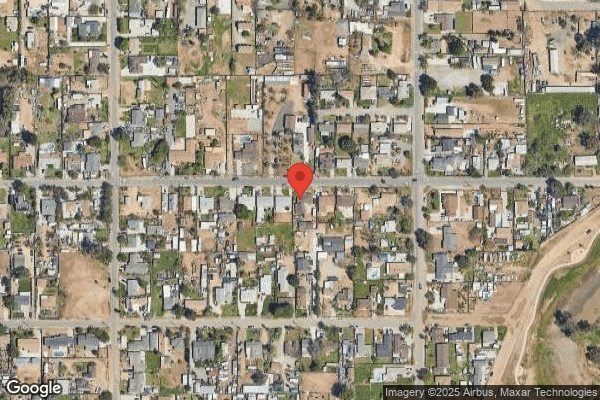
8781 LAKEVIEW AVENUE, RIVERSIDE, CA 92509 (951) 685-1531
For profit - Corporation 188 Beds RMG CAPITAL PARTNERS Data: November 2025 2 Immediate Jeopardy citations
Trust Grade
0/100
Last Inspection: March 2025

Within standard 12-15 month inspection cycle. Federal law requires annual inspections.

Overview

Riverside Postacute Care has received a Trust Grade of F, indicating significant concerns about the facility's overall care quality. Being unranked in both California and Riverside County means there are no better or worse local options to compare against, suggesting a lack of competition in the area. Although the facility's trend is improving, with issues decreasing from 80 in 2024 to 47 in 2025, the current number of problems remains high. Staffing is a concern as they have lower RN coverage than 78% of facilities in California, although their staff turnover rate is good at 0%, indicating staff stability. The facility faces $70,747 in fines, which is higher than 77% of California facilities and suggests repeated compliance issues. Specific incidents include failure to address substance use behaviors for multiple residents, unsafe discharges without proper documentation for diabetic care, and a serious lack of treatment for a resident's pressure injury, which worsened during their stay. Overall, while there are some positive aspects like low turnover, the facility has serious deficiencies that families should carefully consider.

Trust Score
F
0/100
In California
#112/223
Top 50%
Safety Record
High Risk
Review needed
Inspections
Getting Better
80 → 47 violations
Staff Stability
○ Average
Turnover data not reported for this facility.
Penalties
○ Average
$70,747 in fines. Higher than 70% of California facilities. Some compliance issues.
Skilled Nurses
⚠ Watch
Each resident gets only 17 minutes of Registered Nurse (RN) attention daily — below average for California. Fewer RN minutes means fewer trained eyes watching for problems.
Violations
⚠ Watch
172 deficiencies on record. Higher than average. Multiple issues found across inspections.
☆☆☆☆☆
0.0
Overall Rating
☆☆☆☆☆
0.0
Staff Levels
☆☆☆☆☆
0.0
Care Quality
☆☆☆☆☆
0.0
Inspection Score
Stable
2024: 80 issues
2025: 47 issues

The Good

  • Full Sprinkler Coverage · Fire safety systems throughout facility
  • No fines on record

Facility shows strength in fire safety.

The Bad

Federal Fines: $70,747

Well above median ($33,413)

Moderate penalties - review what triggered them

Chain: RMG CAPITAL PARTNERS

Part of a multi-facility chain

Ask about local staffing decisions and management

The Ugly 172 deficiencies on record

2 life-threatening 1 actual harm
Sept 2025 2 deficiencies
CONCERN (D) 📢 Someone Reported This

A family member, employee, or ombudsman was alarmed enough to file a formal complaint

Potential for Harm - no one hurt, but risky conditions existed

Free from Abuse/Neglect (Tag F0600)

Could have caused harm · This affected 1 resident

**NOTE- TERMS IN BRACKETS HAVE BEEN EDITED TO PROTECT CONFIDENTIALITY** Based on observation, interview, and record review, the facility failed to ensure all residents were free from abuse when one of...

Read full inspector narrative →
**NOTE- TERMS IN BRACKETS HAVE BEEN EDITED TO PROTECT CONFIDENTIALITY** Based on observation, interview, and record review, the facility failed to ensure all residents were free from abuse when one of five residents (Resident 168) reviewed for abuse was verbally abused by another resident (Resident 10), after Resident 168 asked Resident 10 to lower the volume of his music. Resident 10 verbally threatened Resident 168 and called him derogatory names.The facility failure resulted in Resident 168 feeling threatened by Resident 10, which could negatively impact the resident's psychosocial well-being. Findings:On September 8, 2025, at 11:11 am, a concurrent observation and interview was conducted with Resident 10 in his room. It was noted that loud music could be heard from the hallway. Resident 10 stated there was an incident with Resident 168 and acknowledged that he continues to play his music loud and does not care if it bothers anyone.A review of Resident 10's admission Record dated September 10, 2025, indicated the resident was admitted on [DATE], with diagnoses which included bipolar disorder (mental disorder).A review of Resident 10's History and Physical dated May 8, 2025, indicated that resident's decision-making capacity is intact.A review of the facility Grievance Report dated June 12, 2025, indicated .Resident [Resident 74] stated that roommate [Resident 10] has his TV too loud at night.Residents were not able to come to an agreement. Resident (Resident 74) agreed to move rooms.A review of Resident 10's Activity Note dated July 24, 2025, indicated .Activities Director (AD) spoke with resident at bedside regarding playing music at high volumes while in their room. AD asked resident if they would like headphones for their music. Resident refused and proceeded to ask who sent someone to ask me if I wanted headphones claiming that somebody already tried to talk to him regarding this matter and proceeded to say insults and curse words about them out loud. Resident proceeded to go around the building shortly after the conversation.A review of Resident 10's records indicated there were no additional interventions or care plans in place to address the resident's ongoing loud music behavior.A review of Resident 10's Minimum Data Set (MDS - an assessment tool) dated August 12, 2025, indicated a Brief Interview for Mental Status (BIMS - a tool to assess cognitive function) score was 14 (cognitively intact).On September 8, 2025, at 11:55 a.m. an interview was conducted with Resident 168 in his room. Resident 168 stated Resident 10 played his music too loud, and the loud music has been occurring for months. Resident 168 stated he felt threatened by Resident 10, who had also called him names such as retard. A review of Resident 168's admission Record dated September 10, 2025, indicated an initial admission date of July 19, 2024.A review of Resident 168's History and Physical dated May 8, 2025, indicated decision making capacity is intact.A review of Resident 168's MDS dated [DATE], indicated BIMS score of 15 (cognitively intact).A review of Resident 168's Progress Notes dated August 17, 2025, indicated, .Resident stated that (name of Resident 10) was playing music very loudly. When asked to turn down the music the resident (Resident 10) turn (sic) it up. (Name of Resident 10) turned off the music after some time and began making verbal threats to (name of Resident 168). (name of Resident 10) stated that he was going to be at (sic) (name of Resident 168) .On September 12, 2025, at 11:38 am a concurrent interview and record review were conducted with the AD. The AD stated he informed the Social Services Director (SSD) of Resident 10's refusal of headphones. The AD stated he did not know if any other interventions were implemented to address the loud volume.On September 12, 2025, at 1:10 pm, a concurrent interview and record review was conducted with the SSD. The SSD stated the Grievance Report dated June 12, 2025, addressed the issue by removing the complainant and did not address the loud volume. On September 12, 2025, at 2:46 p.m., an interview was conducted with Licensed Vocational Nurse (LVN) 3. LVN 3 stated if there was a complaint about loud music it should be addressed and care planned. LVN 3 stated it was important to know what interventions should be implemented to address the problem.On September 12, 2025, at 2:48 pm an interview was conducted with the Director of Nursing (DON). The DON stated she was aware of the grievance filed in June and the behavior of the resident (Resident 10) should have been addressed. The DON stated a care plan should have been initiated to implement interventions. The DON stated on August 17, 2025, the resident (Resident 10) played his music loudly, which led to a verbal altercation between the two residents (Resident 10 and Resident 168). The DON stated if there was an intervention or care plan, the altercation on August 17, 2025, could have been prevented.A review of the facility's policies and procedures titled, Abuse and Neglect Prohibition Policy, dated June 2022, indicated, .The following actions to prevent abuse.identifying, correcting, and intervening in situations in which abuse.is more likely to occur.care planning.of residents with needs and behaviors which might lead to conflict.
CONCERN (D) 📢 Someone Reported This

A family member, employee, or ombudsman was alarmed enough to file a formal complaint

Potential for Harm - no one hurt, but risky conditions existed

Quality of Care (Tag F0684)

Could have caused harm · This affected 1 resident

Based on interviews and record reviews, the facility failed to complete monitoring for a skin related change of condition for one of one resident (Resident 12) reviewed for quality of care.This failur...

Read full inspector narrative →
Based on interviews and record reviews, the facility failed to complete monitoring for a skin related change of condition for one of one resident (Resident 12) reviewed for quality of care.This failure resulted in inconsistent evaluation of the wound and placed Resident 12, who had diabetes (abnormal blood sugar) and peripheral vascular disease (a problem with blood flow), at risk for infection, delayed wound treatment, and worsening of the condition of the left second toe.Findings:A review of Resident 12's admission Record dated September 10, 2025, indicated an admission date of July 20, 2025 with a diagnoses which included peripheral vascular disease and diabetes mellitus.A review of Resident 12's History and Physical dated August 25, 2025, indicated resident can make needs known but cannot make medical decisions.A review of Resident 12's Minimum Data Set (MDS - an assessment tool) dated September 2, 2025, indicated a Brief Interview for Mental Status (BIMS - a tool to assess cognitive function) score was 05 (severe cognitive impairment).A review of Resident 12's Podiatric Evaluation and Treatment Report dated August 18, 2025, indicated .Peripheral Arterial Disease.Trimmed and electrical Debridement with Dremel drill.Nail removal.Left.T1 Avulsion (tearing of body part)/Removal.A review of Resident 12's N Adv - Skin Check dated August 18, 2025, indicated, .Left Dorsum 2nd Digit (Second Toe).description.Avulsion.new wound.onset.New.A review of Resident 12's N Adv - Skilled Evaluation dated August 19, 2025, and August 21, 2025, indicated, .Skin Group.no skin issues.On September 10, 2025, at 12 p.m., a concurrent interview and record review was conducted with the Treatment Nurse (TN). The TN stated Resident 12's skin avulsion on the left second toe was a new skin finding and should have been considered a change of condition. The TN further stated a change of condition should have been documented and monitored to track the progress of the wound.On September 12, 2025, at 10:58 a.m. an interview was conducted with the Director of Nursing (DON). The DON stated the left second toe avulsion was caused by the podiatry treatment on August 18, 2025. The DON stated a change of condition should have been completed right away including monitoring every shift for three days, to determine if the wound is improving or deteriorating.A review of the facility policy and procedure titled, Change in a Resident's Condition or Status, dated January 2018, indicated, .A ‘significant change' of condition.requires interdisciplinary review.The nurse will record.information relative to changes in the resident's medical.condition or status.
Jul 2025 1 deficiency
CONCERN (D) 📢 Someone Reported This

A family member, employee, or ombudsman was alarmed enough to file a formal complaint

Potential for Harm - no one hurt, but risky conditions existed

Pharmacy Services (Tag F0755)

Could have caused harm · This affected 1 resident

**NOTE- TERMS IN BRACKETS HAVE BEEN EDITED TO PROTECT CONFIDENTIALITY** Based on observation, interview, and record review, the facility failed to ensure routine Norco (narcotic pain medication) was a...

Read full inspector narrative →
**NOTE- TERMS IN BRACKETS HAVE BEEN EDITED TO PROTECT CONFIDENTIALITY** Based on observation, interview, and record review, the facility failed to ensure routine Norco (narcotic pain medication) was available for one of two residents (Resident 1), when Resident 1 did not receive four doses in June 2025, and nine doses in July 2025.This failure had the potential for Resident 1 to experience psychological distress and unmanaged pain.Findings:On July 14, 2025, at 9:40 a.m., an interview was conducted with Resident 1 in her room. Resident 1 was well-groomed and interviewable. Resident 1 stated she has been at the facility for three years. Stated she has been using Norco for three years, which has been effective for managing her arthritic pain and it is a routine medication for her. Resident 1 stated the Norco is to be ordered 4 days before it runs out and when it is delayed she was always told it's either an issue with the pharmacist, or the doctor did not sign for it. She stated in the past, Norco was pulled from the emergency kit, but it wasn't done because the doctor needed to sign for it. Within the last month, she waited for a day for the medication to arrive. She stated working with the RNA (Restorative Nursing Assistant - specially trained nursing assistant who helps the residents with exercises to improve mobility and strength) has been difficult due to not having her Norco available. She stated this has been an on-going problem.During a review of Resident 1's admission Record, dated July 14, 2025, the admission Record indicated Resident 1 was admitted to the facility on [DATE], with a diagnoses which included chronic pain syndrome, spinal stenosis (narrowing of the spinal canal), and radiculopathy of the lumbar region (compressed nerve root in the lower back).During a review of Resident 1's Minimum Data Set (MDS - an assessment tool), dated May 2, 2025, the MDS indicated a Brief Interview of Mental Status (BIMS - a tool to assess cognitive function of an individual) score of 14 (cognitively intact).During a review of Resident 1's Physician Order, dated April 16, 2025, the Physician Order indicated an order date of April 16, 2025, for Hydrocodone-Acetaminophen (Norco) Oral Tablet 10/325, give one tablet by mouth six times a day for pain management.During a concurrent interview and record review on July 14, 2025, at 10:35 a.m., with the Registered Nurse (RN), Resident 1's Medication Administration Record (MAR), dated June 2025, and July 2025, were reviewed. The MAR indicated missed doses for Hydrocodone-Acetaminophen 10/325 on the following dates and times:June 22, 2025: 0900 (9am), 1300 (1pm), 1700 (5pm), 2100 (9pm);June 23, 2025: 0100 (1am);July 3, 2025: 0900, 1300, 1700, 2100;July 4, 2025: 0100;July 9, 2025: 0900, 1300, 1700; andJuly 10, 2025: 0100The RN stated there was no documentation on the MAR for June or July that indicated Resident 1 received the Hydrocodone-Acetaminophen 10/325 on the above noted dates and times. The RN stated Resident 1's missed doses in July were due to waiting on the doctor's signature and she was unsure of the missed doses in June.The RN stated, for a narcotic, the doctor needs to sign the order, and the doctor will contact the pharmacy to electronically reorder the narcotic. The RN stated if there is a delay in reordering the nurse will call the doctor to follow up, and if the medication administration is delayed the doctor is also notified.On July 14, 2025, Resident 1's progress notes were reviewed. The progress note dated 6/22/25 at 1013 (10:13 a.m.) indicated, HYDROcodone-Acetaminophen Oral Tablet 10-325 MG Give 1 tablet by mouth six times a day for PAIN MANAGEMENT NTE 3G of Acetaminophen in 24H from all sources Medication not available now.The progress noted dated 6/22/25 at 1223 (12:23 p.m.) indicated, HYDROcodone-Acetaminophen Oral Tablet 10-325 MG Give 1 tablet by mouth six times a day for PAIN MANAGEMENT NTE 3G of Acetaminophen in 24H from all sources Medication not available now.The progress note dated 6/22/25 at 1711 (5:11 p.m.) indicated, HYDROcodone-Acetaminophen Oral Tablet 10-325 MG Give 1 tablet by mouth six times a day for PAIN MANAGEMENT NTE 3G of Acetaminophen in 24H from all sources follow up with pharmacy.The progress note dated 6/22/25 at 2129 (9:29 p.m.) indicated, HYDROcodone-Acetaminophen Oral Tablet 10-325 MG Give 1 tablet by mouth six times a day for PAIN MANAGEMENT NTE 3G of Acetaminophen in 24H from all sources follow up with pharmacy and will deliver tonight.The progress Note dated 6/23/25 at 0202 (2:02 a.m.) indicated, HYDROcodone-Acetaminophen Oral Tablet 10-325 MG Give 1 tablet by mouth six times a day for PAIN MANAGEMENT NTE 3G of Acetaminophen in 24H from all sources Medication not on hand.There was no documentation the facility notified Resident 1's physician that Resident 1 did not receive her Norco as ordered.During an interview on July 14, 2025, at 3:30 p.m., with the Pharmacist, the Pharmacist stated Hydrocodone-Acetaminophen 10/325 was reordered on June 18, 2025, and was delivered to the facility on June 22, 2025. The Pharmacist stated Hydrocodone-Acetaminophen 10/325 should have been delivered the following day (June 19, 2025) and there was no documentation indicating why the medication was delayed.Further review of Resident 1's progress notes on July 14, 2025, indicated the following:Progress Note dated 7/2/25 at 2139 (9:39 p.m.) indicated, Contacted pharmacy regarding pending Norco order placed several days ago. Pharmacy stated they are still awaiting doctor's authorization. Texted MD for sign-off and re-faxed the order to the pharmacy.Progress Note dated 7/3/25 at 1427 (2:27 p.m.) indicated, HYDROcodone-Acetaminophen Oral Tablet 10-325 MG Give 1 tablet by mouth six times a day for PAIN MANAGEMENT NTE 3G of Acetaminophen in 24H from all sources Med not on hand.Progress Note dated 7/3/25 at 1524 (3:24 p.m.) indicated, HYDROcodone-Acetaminophen Oral Tablet 10-325 MG Give 1 tablet by mouth six times a day for PAIN MANAGEMENT NTE 3G of Acetaminophen in 24H from all sources Med not on hand.Progress Note dated 7/3/25 at 1655 (4:55 p.m.) indicated, HYDROcodone-Acetaminophen Oral Tablet 10-325 MG Give 1 tablet by mouth six times a day for PAIN MANAGEMENT NTE 3G of Acetaminophen in 24H from all sources medication not on hand.Progress note dated 7/3/25 at 2051 (8:51 p.m.) indicated, HYDROcodone-Acetaminophen Oral Tablet 10-325 MG Give 1 tablet by mouth six times a day for PAIN MANAGEMENT NTE 3G of Acetaminophen in 24H from all sources medication not on hand.There was no documentation after July 2, 2025, the facility followed up with the pharmacy regarding the unavailability of Norco or notified Resident 1's physician that Resident 1 did not receive her Norco as ordered.During an interview and concurrent record review on July 14, 2025, at 2:30 p.m., with the Director of Nursing (DON), the DON stated nurses are aware to reorder medication when there is only a 5 day supply remaining. She stated narcotics tend to take a while to receive from the pharmacy because the doctor needs to sign the C2 form (form used for ordering controlled substances), so nurses are to order those earlier. Nurses will follow up with the pharmacy and if the doctor has not signed the form the nurses will notify the doctor again. The DON stated the nurses should contact the medical director if medications are not received timely to prevent delays in medication administration. Regarding accessing medication from the emergency kit (e-kit), the DON stated a doctor will need to sign an order. The pharmacy will be notified by the nurse that a doctor has signed the order, and the pharmacy will give approval for the nurse to pull medication from the e-kit.The DON further stated that according to Resident 1's progress notes, the missed doses of Norco for July 3 and 4, 2025, were due to pending authorization from the physician. The DON stated there was no documentation the medical director was notified, and stated the medication was not accessed from the e-kit. The DON stated on July 9, Norco was not available in the cart for administration and that Resident 1 received Norco from the e-kit on 7/9/25 at 9 p.m. The DON stated the missed doses were a result of pending doctor authorization, according to the progress notes. The DON stated there were no progress notes indicating the reason for the missed doses of Norco in June and there was no documentation the medical director was notified.During further interview with the DON on July 14, 2025, at 4:35 p.m., the DON stated this is the first time she has been made aware of medications being delayed. She stated that if the pharmacy is not filling medication timely the nurses are expected to call the primary doctor to inform them the medication is not received and to get an order to pull the medication from the e-kit. She stated the nurses are to contact the medical director if there are no results in getting the medications timely to prevent delays in medication administration.A review of the facility's undated policy and procedure titled, MEDICATION ORDERING AND RECEIVING FROM PHARMACY, indicated, .Medications and related products are received from the dispensing pharmacy on a timely basis.When ordering medication that requires special processing (such as Schedule II controlled substances).order at least (seven days) in advance of need.
May 2025 1 deficiency
CONCERN (D) 📢 Someone Reported This

A family member, employee, or ombudsman was alarmed enough to file a formal complaint

Potential for Harm - no one hurt, but risky conditions existed

Quality of Care (Tag F0684)

Could have caused harm · This affected 1 resident

**NOTE- TERMS IN BRACKETS HAVE BEEN EDITED TO PROTECT CONFIDENTIALITY** Based on interview and record review, the facility failed to provide wound treatment for one of two residents' (Resident 4) left...

Read full inspector narrative →
**NOTE- TERMS IN BRACKETS HAVE BEEN EDITED TO PROTECT CONFIDENTIALITY** Based on interview and record review, the facility failed to provide wound treatment for one of two residents' (Resident 4) left lower extremity open wound for three days since admission to the facility. This failure of delayed provision of wound treatment can lead to serious complications like sepsis, infection and even amputation. Findings: A review of Resident 1's admission Record, indicated the resident was re-admitted to the facility on [DATE], with diagnoses which included non-pressure ulcer of other part of the left foot and ankle and peripheral vascular disease (reduced circulation of blood to a body part). A review of Resident 4's general acute care hospital (GACH) document titled Discharge Summary, dated May 1, 2025, indicated Resident 5 was admitted on [DATE], with open wound to her lower extremity and was discharged to nursing home (skilled nursing facility) on May 1, 2025. A review of Resident 4's general acute care hospital notes (GACH) titled PATIENT PROGRESS NOTES, dated May 1, 2025, indicated Resident 4 had open wounds on her left lower and posterior leg and left foot. A review of Resident 4's skilled nursing facility (SNF) Nursing admission Assessment, dated May 1, 2025, indicated Resident 4 had a skin breakdown on her left lower leg. Further review of Resident 4's admission assessment included a Braden Skin Risk Assessment with a total score of 18, which meant Resident 4 was considered mild risk for pressure ulcer. A review of Resident 4's electronic Physician's Orders, did not indicate a wound treatment was ordered for Resident 4's left lower extremity open wound on May 1 to 3, 2025 A review of Resident 4's Treatment Administration Record (TAR), for the month of May 2025, indicated no documentation that wound treatment was provided to Resident 4's left lower extremity open wound on May 1 to 3, 2025. On May 23, 2025, at 10:16 a.m., during a concurrent interview with Treatment Nurse (TN) 1 and a record review of Resident 4's physician's orders, TN 1 stated there was no treatment order for Resident 1's left lower extremity open wound from May 1-4, 2025. TN 1 stated the admitting Registered Nurse (RN) should have done a skin assessment and communicated with TNs or charge nurses to do a follow up assessment and should have notified and clarified the treatment orders with Resident 5's physician. On May 27, 2025, at 11:23 a.m., during an interview, the Quality Assurance Nurse (QAN) stated Resident 5 was re-admitted from the GACH and the nurses did not put in a treatment order for the resident's left lower extremity open wound. The QAN stated the admitting RN should conduct a full body assessment and get a treatment order so that the other TNs can be made aware of the treatments. On June 4, 2025, at 3:04 p.m., during a telephone interview, RN 5 stated she helped re-admitting Resident 5 on May 1, 2025. RN 5 stated she assessed Resident 5's open wounds, but she did not describe the wound in the medical records. On June 6, 2025, at 2:31 p.m., during a telephone interview, the Assistant Director of Nursing (ADON) stated the RN, or the Desk Nurse were expected to confirm hospital orders with the resident's physician and carry out the orders. If they need clarification with treatment orders, they should confirm it with the physician and if they have not heard back from the physician, then nurses should endorse it to the next shift to follow up. The ADON stated a skin check is conducted for residents on the day of admission. A review of the facility's policy and procedure titled Skin Breakdown, Prevention and Management, dated December 2017, indicated, Upon admission or when a resident is identified to have a non-pressure skin discoloration and/or skin breakdown, the licensed nurse will notify the independent licensed practitioner for any sites or area that requires any form of treatment .
May 2025 1 deficiency
CONCERN (D) 📢 Someone Reported This

A family member, employee, or ombudsman was alarmed enough to file a formal complaint

Potential for Harm - no one hurt, but risky conditions existed

Free from Abuse/Neglect (Tag F0600)

Could have caused harm · This affected 1 resident

**NOTE- TERMS IN BRACKETS HAVE BEEN EDITED TO PROTECT CONFIDENTIALITY** Based on interview and record review, the facility failed to ensure a resident was free from physical abuse, when two facility s...

Read full inspector narrative →
**NOTE- TERMS IN BRACKETS HAVE BEEN EDITED TO PROTECT CONFIDENTIALITY** Based on interview and record review, the facility failed to ensure a resident was free from physical abuse, when two facility staff witnessed one Certified Nursing Assistant (CNA 1) roughly pushed one of three sampled residents (Resident 1) multiple times, to prevent resident from getting up from bed. Resident 1 has severe cognitive impairment. This failure could very likely result in Resident 1 experiencing increased anxiety and distress which negatively impact Resident 1's psychosocial, and mental well-being. Findings: On May 1, 2025, at 8:55 a.m., an unannounced visit was made to the facility to investigate an allegation of abuse. A review of Resident 1's record indicated Resident 1 was admitted to the facility on [DATE], with diagnoses which included psychosis (a severe mental condition in which thought, and emotions are so affected that contact is lost with reality), anxiety, Parkinson ' s disease (a progressive disease of the nervous system marked by tremor, muscular rigidity, and slow, imprecise movements), schizoaffective disorder (a mental illness that can affect thoughts, mood, and behavior), depression, and cognitive communication deficit. A review of Resident 1 ' s BIMS (Brief Interview for Mental Status - an assessment tool) score was 1, which meant the resident has severe cognitive (thinking) impairment. A review of Resident 1's care plan initiated on February 18, 2025, indicated: - Focus: hx (history) of anxiety mb (manifested) WANDERING WITHOUT PURPOSE; - Goal .Resident identifies strategies to reduce anxiety; - Interventions .Interact with resident in a peaceful manner . A review of Resident 1 ' s progress notes, dated April 22, 2025, indicated, Around 1930 (7:30 p.m.) two CNAs reported to RN (Registered Nurse) that they noticed the assigned sitter for (Room number of Resident 1) was allegedly not allowing resident to stand up from bed and shoving resident down. RN immediately assessed resident and noted redness to residents (sic) face. Administrator informed . On May 1, 2025, at 9:55 a.m., Resident 1 was interviewed. Resident 1 did not remember anything that happened on April 22, 2025. On May 1, 2025, at 10:21 a.m., during an interview, CNA 2 stated on April 22, 2025, around 7-7:30 pm, as he was sitting at the nursing station, directly across from Resident 1 ' s room, he witnessed Resident 1 trying to get up to stand by his bed, and CNA 1 shoved him back in bed by pushing down on his shoulders, roughly, and as a result Resident 1 fell back on his bed, on the mattress. He stated this happened a couple of times; so, he went in to see the resident. CNA 2 stated Resident 1 had redness spots on his face and his left face cheek was swollen. CNA 2 stated per facility policy no abuse was allowed towards any resident. On May 1, 2025, at 12:05 p.m., during a telephone interview, CNA 3 stated she was the sitter for Resident 1 ' s roommate on April 22, 2025. CNA 3 stated she witnessed an incident between CNA 1 and Resident 1. CNA 3 stated she witnessed CNA 1 push Resident 1 roughly and the resident fell back on his bed. CNA 3 stated Resident 1 was yelling stop and help. CNA 3 stated she saw Resident 1 with redness on his face and some swelling on the left side of the face (the cheek area). CNA 3 stated she heard slapping noises, but did not see the slapping. CNA 3 also stated Resident 1 ' s did not have redness and swelling on his face earlier in the shift. CNA 3 stated no abuse of any kind is allowed towards any resident at the facility, including roughness or physical abuse. On May 1, 2025, at 1 p.m., an interview was conducted with the facility ' s Administrator (ADM). The ADM stated the facility conducted its own follow-up investigation regarding the allegation of abuse involving Resident 1. The ADM stated the facility concluded the allegation was substantiated because CNA 1 was rough with Resident 1, as witnessed by two other CNAs. The ADM stated facility has a strict policy, and no rough handling of residents is allowed. On May 1, 2025, at 2:56 p.m., a telephone interview was conducted with the Registered Nurse (RN). The RN stated he was informed on April 22, 2025, by CNA 2 that the CNA witnessed CNA 1 being rough with Resident 1. RN 1 stated he assessed Resident 1 and observed redness on his left side of the face and redness and swelling on the left face cheek. RN 1 stated staff was not allowed to be rough or abuse residents of the facility. A review of the facility policy and procedure titled, Abuse and Neglect Prohibition Policy, dated June 2022, indicated, .It is the facility ' s policy to prohibit abuse, mistreatment .Purpose .To ensure that facility staff are doing all that is within their control to prevent occurrences of abuse, mistreatment .Abuse is defined as the willful infliction of physical pain, injury, or mental anguish, or the willful depravation by a caretaker of services which are necessary to maintain physical or mental health including the following .Physical abuse includes hitting, slapping, pinching, kicking, etc., as well as controlling behavior through corporal punishment .
Apr 2025 3 deficiencies 1 Harm
SERIOUS (G) 📢 Someone Reported This

A family member, employee, or ombudsman was alarmed enough to file a formal complaint

Actual Harm - a resident was hurt due to facility failures

Pressure Ulcer Prevention (Tag F0686)

A resident was harmed · This affected 1 resident

**NOTE- TERMS IN BRACKETS HAVE BEEN EDITED TO PROTECT CONFIDENTIALITY** Based on observation, interview, and record review, the facility failed to, for one of three sampled residents (Resident 3): 1. ...

Read full inspector narrative →
**NOTE- TERMS IN BRACKETS HAVE BEEN EDITED TO PROTECT CONFIDENTIALITY** Based on observation, interview, and record review, the facility failed to, for one of three sampled residents (Resident 3): 1. Re-assess the blister on the right elbow of Resident 3, initially observed during re-admission to the facility on April 13, 2025, and 2. Administer treatment to Resident 3's right elbow blister, when it was observed on April 13, 2025. These failures resulted in the worsening of the right elbow blister to a Stage 4 pressure injury (bed sore-full thickness skin loss with exposed or directly palpable fascia, muscle, tendon, ligament, cartilage, or bone in the ulcer). Findings: On April 23, 2025, at 9:34 a.m., during interview with Resident 3 in her room, Resident 3 stated she had wounds on her right elbow and left heel, and she acquired those in the facility. A review of Resident 3's admission Record medical record indicated the resident was re-admitted to the facility on [DATE], with diagnoses which included rheumatoid arthritis. A review of the General Acute Care Hospital (GACH) Notes indicated the following: - Wound Nurse Record, dated April 10, 2025, the resident has history of chronic wounds, and had pressure injuries on the right buttock, left buttock, coccyxx, right first toe, left heel, and purple bruising on BUE (bilateral upper extremity) with no open skin. -PA(Physician Assistant)/NP (Nurse Practitioner) Progress notes, dated April 13, 2025, discharged . Further review did not indicate open area in the right elbow. A review of Resident 3's Nursing admission Assessment, dated April 14, 2025, indicated Resident 3 did not have any pressure injury on her right elbow. Further review of the admission assessment included Braden Skin Risk Scale & Skin Assessment which indicated the following: a. Sensory Perception: Ability to respond meaningfuly to pressure-related discomfort- 4. No impairment (responds to verbal commands). b. Moisture: Degree to which skin is exposed to moisture. - 1. Constantly Moist (skin is kept moist almost constantly by perspiration, urine). c. Activity: Degree of physical activity- 2. Chairfast (ability to walk is severely limited or nonexistent). d. Mobility: Ability to change and control body position- 1. Completely immobile (does not make even slight changes in body or extremity position without assistance). e. Nutrition: Usual food intake pattern- 3. Adequate (Eats over half of most meals). f. Friction and Shear - 1. Problem (Requires moderate to maximum assistance in moving). A review of the Braden Skin Risk Assessment Scale dated April 14, 2025, has a total score of 12, which meant the resident is high risk of developing pressure injury. A review of Resident 3's Order Summary Report, active orders as of April 23, 2025, indicated, Right Elbow stage 4 pressure injury: Cleanse with Normal Saline, pat dry with gauze, apply MEDIHONEY AND CALCIUM ALGINATE, pad with ABD and wrap with kerlix for 21 days and PRN for soiled or dislodged dressing .Start date 4/15/2025 Further review of the Order Summary Report, active orders as of April 23, 2025, did not indicate any treatment orders for the blister on the right elbow, noted during re-admission on [DATE]. On April 23, 2025, at 10:38 a.m., during a concurrent wound care observation for Resident 3 and interview with Treatment Nurse (TN) 1 and Licensed Vocational Nurse (LVN) 3, TN 1 stated Resident 3 had a Stage 4 pressure injuries on her right elbow and left heel. Resident 3's right arm was offloaded on a rolled bed sheet. Resident 3 had an open wound on her right elbow, circular in shape, which measured approximately three centimeters (cm-a unit of measurement) in length and three cm in width, the wound bed was pink, and the bone was exposed. On April 23, 2025, at 12:55 p.m., during an interview, TN 1 stated he received a report from a Certified Nurse Assistant (CNA) on April 15, 2025, that Resident 3's right elbow was wrapped with a bandage. TN 1 stated he assessed Resident 3's right elbow after he removed the bandage and noted that Resident 3 had a Stage 4 pressure injury on her right elbow. TN 1 stated if Resident 3's right elbow was wrapped when she was re-admitted to the facility on [DATE], the staff should have assessed the skin underneath the bandage. On April 24, 2025, at 3:22 p.m. during a concurrent interview with Registered Nurse (RN) 4 and record review of Resident 3's medical record, RN 4 stated she was familiar with Resident 3. RN 4 stated Resident 3 was re-admitted to the facility on [DATE], and she stated the resident's right elbow was wrapped with kerlix and an ACE bandage (compression bandage). RN 4 stated Resident 3's right elbow had a blister on it, the size of a ping-pong ball. RN 4 stated she did not document it because the blister was intact. RN 4 stated she should have documented the presence of the blister, notified the doctor and she should have obtained a treatment order for the right elbow blister. On April 25, 2025, at 12:20 p.m., during an interview, RN 3 stated the licensed nurses are expected to assess residents from head to toe, upon admission or re-admission, and document skin issues. RN 3 stated if the assessment was not documented then it was not done. RN 3 stated RN 4 should have unwrapped Resident 3's bandage on the right arm, conducted an assessment, measured the pressure injury, notified the doctor, obtained a treatment order and documented in Resident 3's medical records. RN 3 stated wound care should have been provided to prevent the wound from worsening. On May 12, 2025, at 10:50 a.m., during a telephone interview, LVN 5 stated she was familiar with Resident 3. LVN 5 stated she was the TN after Resident 3 returned from the hospital. LVN 5 stated Resident 3's right arm was wrapped and had a sling, but Resident 3 did not want her to check her right elbow. On May 12, 2025, at 12:18 p.m., during a concurrent interview, TN 2 stated every licensed nurse should be able to document and describe any skin problems they identified, notify the doctor and obtain a treatment order. TN 2 stated it was important to document skin assessments to keep track of the progress of any wounds. On May 12, 2025, at 1:00 p.m., during an interview, the Director of Nursing (DON) stated if Resident 3 had a blister on her right elbow when she was re-admitted , there should be an assessment, a treatment order and a care plan. The DON stated a blister is cleansed with normal saline, patted dry and a dressing is placed over it to protect it from popping. A review of the facility's policy and procedure titled Initial Nursing Assessment and Re-Assessment dated August 2019 indicated .It is the policy to assess residents upon admission and re-admission to the facility .upon admission, the licensed nurse will conduct a head to toe assessment of resident .Any change in the patient's condition shall require an immediate reassessment with changes in the plan of care reflecting the change in condition .All data collected shall be recorded in the nursing assessment record and shall be available to all disciplines involved in the care of the patient . A review of the facility's policy and procedure titled Skin Breakdown, Prevention and Management dated December 2017 indicated .Upon admission or when a resident is identified to have a non-pressure skin discoloration or skin breakdown, the licensed nurse will contact the attending independent licensed practitioner .for any sites or area that requires any form of treatment .The licensed nurse assigned to the resident will assess, evaluate and initiated a change of condition nursing documentation .Initial wound assessment will be documented on the nursing admission assessment .
CONCERN (D) 📢 Someone Reported This

A family member, employee, or ombudsman was alarmed enough to file a formal complaint

Potential for Harm - no one hurt, but risky conditions existed

Report Alleged Abuse (Tag F0609)

Could have caused harm · This affected 1 resident

**NOTE- TERMS IN BRACKETS HAVE BEEN EDITED TO PROTECT CONFIDENTIALITY** Based on interview and record review, the facility failed to ensure an allegation of physical abuse involving one of three sampl...

Read full inspector narrative →
**NOTE- TERMS IN BRACKETS HAVE BEEN EDITED TO PROTECT CONFIDENTIALITY** Based on interview and record review, the facility failed to ensure an allegation of physical abuse involving one of three sampled resident (Resident 1) and a facility staff was reported to California Department of Public Health (CDPH - State Agency-Licensing and Certification Program) immediately or not later than two hours. The facility was made aware of the alleged physical abuse on March 5, 2025. This failure has the potential for delayed investigation which placed Resident 1 at risk for further abuse while at the facility. Findings: A review of Resident 1's admission Record, indicated the resident was admitted to the facility on [DATE], with diagnoses which included dementia (a group of symptoms affecting memory, thinking and social abilities). A review of Resident's Minimum Data Set (an assessment tool), dated December 12, 2024, indicated he had moderate cognitive impairment. A review of Resident 1's Nurses' Notes indicated the following: a. March 5, 2025, at 5:49 p.m., Resident states she kept punching me and punching me .Administrator notified . b. March 5, 2025, at 6:30 p.m., Administrator notified me (RN 1) that a Licensed Vocational Nurse alerted her of resident reporting abuse by a CNA (name of CNA) . Further review of Resident 1's Nurses' Notes, dated March 5, 2025, indicated there was no documented evidence CDPH was notified of Resident 1's allegation of abuse. On April 21, 2025, at 11:07 a.m., during an interview, Certified Nurse Assistant (CNA) 1 stated she was the CNA for Resident 1 on March 5, 2025, for the 3-11 (evening) shift and she changed him because he had a bowel movement. CNA 1 stated an hour after she provided care for him (Resident 1), the LVN informed her that Resident 1 had reported that someone punched him. On April 21, 2025, at 3:21 p.m., during an interview with Registered Nurse (RN) 1, RN 1 stated any allegations of abuse should be reported to law enforcement, Ombudsman and CDPH within two hours from when it happened. RN 1 stated LVN 1 notified the Administrator (ADM) of Resident 1's allegation involving CNA 1. RN 1 stated she could not recall why she did not fax the report on the alleged abuse involving the resident (Resident 1) to CDPH. RN 1 further stated she did not call CDPH either. On April 21, 2025, at 4:15 p.m., during an interview, the ADM stated CDPH should have been notified of the allegation of abuse on March 5, 2025, no later than 7:40 p.m. A review of the facility's policy and procedure titled Abuse and Neglect Prohibition Policy dated June 2022 indicated .When an abuse is identified, the appropriate steps to protect residents from additional abuse will be implemented immediately, which will include .Reporting the alleged violation and investigation within required timeframes .Reporting of incidents .Upon receiving information concerning a report of .alleged abuse .the Administrator or designee will perform the following .All alleged violations - Immediately but not later than .2 (two) hours - if the alleged violation involves abuse .The Licensing and Certification Program District Office is required to receive these reports .
CONCERN (D) 📢 Someone Reported This

A family member, employee, or ombudsman was alarmed enough to file a formal complaint

Potential for Harm - no one hurt, but risky conditions existed

Tube Feeding (Tag F0693)

Could have caused harm · This affected 1 resident

**NOTE- TERMS IN BRACKETS HAVE BEEN EDITED TO PROTECT CONFIDENTIALITY** Based on interview and record review, the facility failed to follow the proper procedure in removing blockage of the gastronomy ...

Read full inspector narrative →
**NOTE- TERMS IN BRACKETS HAVE BEEN EDITED TO PROTECT CONFIDENTIALITY** Based on interview and record review, the facility failed to follow the proper procedure in removing blockage of the gastronomy tube (G-tube a tube placed through the abdominal wall directly into the stomach, typically for feeding purposes), in accordance with the policy and procedure for one of three sampled residents (Resident 2). This failure had the potential to negatively impact the resident's ability to receive nutrition, hydration and medication. Findings: A review of Resident 2's medical record indicated he was admitted to the facility on [DATE], with diagnoses which included dysphagia (difficulty swallowing) with G-tube. A review of Resident 2's Nurses Note, dated April 12, 2025, at 5:03 a.m. written by Licensed Vocational Nurse (LVN) 1, indicated .Charge nurse went in to try and flush G-tube with water and when charge nurse noticed that the tubing was clogged she then attempted to unclog the tube and in the process of trying to get the tube unclogged a small bubble popped about halfway down the tubing and and (sic) ripped a hole in it. Charge nurse went and let RN know and she came and assessed the tubing and agreed to send resident out for new tubing. Charge nurse then contacted Primary Ambulance for transportation to Parkview Community hospital. EMTs did arrive 30 minutes later to pickup (sic) resident and charge nurse did call and speak to residents (sic) mother and let her know the current situation . A review of Resident 2's GACH medical record titled .History and Physical dated April 12, 2025, indicated .Patient was seen from (name of skilled nursing facility) due to them noticing holes in his G-tube . On April 18, 2025, at 11:18 a.m., during a telephone interview, Registered Nurse (RN) 2 stated LVN 1 notified her that Resident 2's G-tube was not working. RN 2 stated she notified the MD and obtained an order to transfer Resident 2 to the emergency room. On April 18, 2025, at 11:30 a.m., during a telephone interview, LVN 1 stated she was familiar with Resident 2. LVN 1 stated on the day Resident 2 was sent to the GACH, she heard an alarm and when she checked, it came from Resident 2's G-tube pump. LVN 1 stated the screen of the G-tube pump indicated the G-tube was clogged. LVN 1 stated she paused the feeding and tried to flush the tube with warm water, but it did not work. She then applied A & D ointment (skin moisturizer and protectant) to milk (removal of the contents by compressing the tube with the fingers and moving them along the course of the tube) the G-tube. LVN 1 stated as she was milking the G-tube, a small bubble formed in the tubing, it popped and resulted in a tear on the G-tube. LVN 1 stated she clamped the G-tube and notified the RN. On April 22, 2025 at 10:57 a.m., during an interview with LVN 2 and a record review of Resident 2's Nurses Note, LVN 2 stated if a resident's G-tube was clogged, he would try flushing with 50 to 100 mL (milliliter - a unit of measurement) of warm water and gently squeeze the G-tube to loosen the clog and if that did not work, he would contact the doctor and obtain an order to send the patient out to the hospital. LVN 2 stated LVN 1 forced flush Resident 2's G-tube. LVN 2 stated if a bubble formed in the G-tube while unclogging it, the nurse should stop because the G-tube might burst. On April 25, 2025, at 12:20 p.m., during an interview, RN 3 stated the licensed nurses are expected to try to unclog a G-tube by flushing with warm water using a pulsating motion. RN 3 stated they should not use force, massage the tube, or apply A&D ointment. RN 3 stated if the clog would not clear, the licensed nurses must notify the doctor and should obtain an order to send the resident to the hospital for a G-tube replacement. RN 3 stated LVN 3 should have stopped unclogging Resident 2's G-tube when the bubble appeared to prevent the G-tube from tearing. On May 12, 2025, at 1:00 p.m. during an interview, the Director of Nursing (DON) stated when a G-tube is clogged, the licensed nurses should flush it with normal saline. If that method is ineffective, they should initiate a change of condition, notify the doctor and follow the doctor's order. A review of the facility's policy and procedure titled Maintaining Patency of a Feeding Tube (Flushing) dated January 2018 indicated .If the feeding tube is clogged .Check tubing for kinks .Add 30 mL (or prescribed amount) warm water to the syringe .With water in the syringe, apply a gentle back and forth motion with the plunger to try to dislodge the clog .Report complications promptly to the supervisor and the Attending Physician .
Apr 2025 1 deficiency
CONCERN (D) 📢 Someone Reported This

A family member, employee, or ombudsman was alarmed enough to file a formal complaint

Potential for Harm - no one hurt, but risky conditions existed

Deficiency F0625 (Tag F0625)

Could have caused harm · This affected 1 resident

**NOTE- TERMS IN BRACKETS HAVE BEEN EDITED TO PROTECT CONFIDENTIALITY** Based on observation, interview, and record review, the facility failed to ensure a written notice of bed hold policy (reserving...

Read full inspector narrative →
**NOTE- TERMS IN BRACKETS HAVE BEEN EDITED TO PROTECT CONFIDENTIALITY** Based on observation, interview, and record review, the facility failed to ensure a written notice of bed hold policy (reserving a resident's bed while resident is out of the facility for therapeutic leave or hospitalization) was provided for two of three residents reviewed for hospitalization (Residents 1 and 2) when they were transferred to the general acute care hospital (GACH). This failure had the potential for Residents 1 and 2 to not be informed of their rights to hold the bed while out of the facility and the right to be readmitted back to the facility. Findings: On April 2, 2025, at 9:30 a.m., an unannounced visit was conducted at the facility to investigate an admission, transfer, and discharge rights concern. 1. On April 2, 2025, at 10:30 a.m., during a concurrent observation and interview with Resident 1 in his room, he was lying in bed, alert and conversant. Resident 1 stated he was transferred out to the hospital because of a lung problem. Resident 1 stated he could not remember discussing the bed hold policy with a facility staff when he was transferred to the GACH. A review of Resident 1's admission record indicated Resident 1 was initially admitted to the facility on [DATE], and was re-admitted on [DATE], with diagnoses which included chronic obstructive pulmonary disease (COPD-a group of lung conditions that cause breathing difficulties). A review of Resident 1's .H&P (History and Physical) Note, dated December 3, 2024, indicated the resident's decision-making capacity was intact. A review of Resident 1's Nurses Notes, written by a Registered Nurse (RN) dated March 5, 2025, indicated Resident 1 was transferred to the GACH for bacterial pneumonia (lung infection caused by bacteria). A review of Resident 1's BEDHOLD CONSENT, indicated no documented evidence the facility provided the resident a notice of bed hold when the resident was transferred to the GACH on March 5, 2025. On April 2, 2025, at 3:10 p.m., during an interview, Registered Nurse (RN) 1 stated Resident 1 was transferred to the GACH after receiving a call from the GACH ED (Emergency Department) MD (Medical Doctor) that Resident 1 had bacterial pneumonia and to send the resident back to the GACH. She stated she discussed the bed hold policy with him but did not know she had to complete the bed hold consent form upon Resident 1's transfer. 2. A review of Resident 2's admission record indicated the resident was initially admitted to the facility on [DATE], and re-admitted on [DATE], with diagnoses which included urinary tract infection (a condition when bacteria get into the urinary tract). A review of Resident 2's .H&P Note dated February 4, 2025, indicated the resident's decision-making capacity was intact. A review of Resident 2's Nurses Note dated March 6, 2025, written by RN 2 indicated Resident 2 was transferred to the GACH due to chest pain. A review of Resident 2's BEDHOLD CONSENT, indicated no documented evidence the facility provided the resident a notice of bed hold when the resident was transferred to the GACH on March 6, 2025. On April 6, 2025, at 11:49 a.m., during a telephone interview, RN 2 stated bed hold were discussed to residents upon admission and upon transfer to the GACH. She stated she was not able to discuss bed hold policy to Resident 2. RN 2 stated she thought she only had to include bed hold for seven days in the physician's order. She stated she did not know she had to complete the bed hold consent form upon transfer. On April 6, 2025, at 2:12 p.m., during an interview, the Assistant Director of Nursing (ADON) stated the nurses should be completing the CONFIRMATION OF TRANSFER AND BED HOLD PROVISION portion of the bed hold consent form upon transfer and document it in the progress notes. On April 6, 2025, at 3:25 p.m. during an interview, the Administrator (ADM) stated the nurses were supposed to notify the resident and the family member on the bed hold policy and should have completed the bed hold consent form upon transfer for Residents 1 and 2. A review of the facility's policy and procedure titled Bed-Hold, dated December 2016, indicated .Upon admission, and at time a resident is transferred to a hospital .a facility designee will provide the resident and an immediate family member .written information concerning the option to exercise the bed-hold policy .
Mar 2025 27 deficiencies
CONCERN (D)

Potential for Harm - no one hurt, but risky conditions existed

Resident Rights (Tag F0550)

Could have caused harm · This affected 1 resident

**NOTE- TERMS IN BRACKETS HAVE BEEN EDITED TO PROTECT CONFIDENTIALITY** Based on observation, interview, and record review, the facility failed to ensure meals were served at the same time, for two of...

Read full inspector narrative →
**NOTE- TERMS IN BRACKETS HAVE BEEN EDITED TO PROTECT CONFIDENTIALITY** Based on observation, interview, and record review, the facility failed to ensure meals were served at the same time, for two of three residents (Residents 101 and 127) when: 1. Resident 101 was not served his lunch meal on March 17, 2025, at the same time as the other residents at the same table; and 2. Resident 127 was not served his lunch meal on March 17, 2025, and dinner meal on March 18, 2025, at the same time as the other residents at the same table. These failures increased the potential to negatively affect Resident 101 and 127's psychosocial well-being and could place the residents at risk to not consume the food served. Findings: 1. On March 17, 2025, at 12:10 p.m., during a concurrent meal observation and interview with Resident 101 in the dining room, Resident 101 was observed sitting on a wheelchair together with three other residents in the same table. The staff were observed to serve the food to the other three residents and did not provide the meal to Resident 101. Resident 101 was observed looking at the other residents who were eating and was observed to ask the staff, Donde esta mi comida (where is my food)? On March 17, 2025, at 12:50 p.m., a follow up observation of the dining room was conducted. Resident 101 was observed to be still waiting for his lunch tray while the other three residents seated with Resident 101 at the same table were finished eating their lunch. On March 17, 2025, at 1 p.m., during an interview conducted with Resident 101, he stated his food was not yet served and he was hungry. Resident 101 stated why other residents seated next to him in the same table had their food already. On March 17, 2025, at 1:10 p.m., the staff was observed to serve the food to Resident 101. In a concurrent interview with Resident 101, he stated finally I had my food. I thought they forgot me already. On March 17, 2025, at 1:20 p.m., during an interview with Certified Nursing Assistant (CNA) 1, CNA 1 stated Resident 101 received his meal tray after an hour because the tray was prepared and placed in the last meal cart. CNA 1 stated there was no system in place on how the food was served so she did not know who needed to be served first. CNA 1 stated meals should have been served in an organized manner so no resident would be left out. CNA 1 further stated I would feel awkward and uncomfortable if that would happen to me too. On March 17, 2025, at 1:39 p.m., during an interview with Registered Nurse (RN) 1, RN 1 stated the delivery of food was not organized and she was confused on which residents were supposed to receive meals in the dining room. RN 1 stated the facility should have been more organized and have a system in place when serving food in the dining room. RN 1 further stated, I will feel bad too if there was no meal for me and the others were eating. On March 19, 2025, Resident 101's record was reviewed. Resident 101 was admitted to the facility on [DATE], with diagnoses which included diabetes mellitus (abnormal blood sugar level). A review of Resident 101's History and Physical, dated June 6, 2024, indicated Resident 101 was mentally capable of understanding. A review of Resident 101's Minimum Data Set (MDS - a resident assessment took), dated February 25, 2025, indicated Resident 101 had a BIMS (Brief Interview for Mental Status) score of 15 (cognitively intact). A review of Resident 101's Order Summary, dated July 9, 2024, indicated consistent carbohydrate diet with regular texture with regular liquid consistency. On March 20, 2025, at 4:13 p.m., during an interview with the Assistant Director of Nursing (ADON), the ADON stated she expected the staff to follow the facility's policy and procedure for resident's rights. The ADON stated all residents were equal and the rights should have been protected. The ADON further stated the staff assigned in the dining room should have considered Resident 101's feelings of not receiving and not eating his food while other residents had it. 2. On March 17, 2025 at 12:21 p.m., during a concurrent meal observation and interview with Resident 127 in the dining room, Resident 127 was observed sitting in a table together with two other residents and was watching the other residents eating their lunch meal. Resident 127 stated he was waiting for his food from staff. On March 17, 2025, at 12:52 p.m., Resident 127 was interviewed and stated, I want my food. On March 18, 2025 at 5:35 p.m., during a concurrent dinner observation and interview with Resident 127 in the dining room, Resident 127 was observed sitting at the same table with another resident. Resident 127 stated he was waiting for his meal tray for about 20 minutes and until now it was not served, while the other resident was already eating. Resident 127 further stated he was unhappy and upset to see other residents eating. On March 19, 2025, Resident 127's record was reviewed. Resident 127 was admitted to the facility on [DATE], with diagnoses which included depression, diabetes mellitus, and malnutrition. A review of Resident 127's Minimum Data Set (MDS - a resident assessment tool), dated January 3, 2025, indicated Resident 127 had a BIMS score of 12 (cognitively intact). On March 20, 2025, at 9:33 a.m., during an interview with the Registered Dietitian (RD), the RD stated the residents including Resident 127 who ate in the dining room should have been served at the same time with the other residents at the same table. The RD further stated Resident 127's dignity was not honored, which had the potential to cause Resident 127 to feel upset and might not enjoy his meal. A review of the facility's policy and procedure titled, Exercise of Residents Rights, dated November 2017, indicated, .The facility protects and promotes the rights of each resident. It is the facility's policy to ensure that the resident can exercise his or her rights without interference, coercion, discrimination, or reprisal from the facility .The facility must not .treat differentially or retaliate against a resident for exercising his/her rights . A review of the facility's policy and procedure titled, Resident Dignity & Personal Privacy, dated December 2016, indicated, .The facility provides care for residents in a manner that respects and enhance each resident's dignity .Dignity means that when interacting with the residents, staff carries out activities that assist the resident in maintaining and enhancing his or her self-esteem and self-worth .When providing care and services, staff must respect each resident's individuality, as well as honor and value their input .
CONCERN (D)

Potential for Harm - no one hurt, but risky conditions existed

Deficiency F0552 (Tag F0552)

Could have caused harm · This affected 1 resident

**NOTE- TERMS IN BRACKETS HAVE BEEN EDITED TO PROTECT CONFIDENTIALITY** Based on interview and record review, the facility failed to ensure informed consents (process in which a health care provider e...

Read full inspector narrative →
**NOTE- TERMS IN BRACKETS HAVE BEEN EDITED TO PROTECT CONFIDENTIALITY** Based on interview and record review, the facility failed to ensure informed consents (process in which a health care provider educates a patient about the risks, benefits, and alternatives of a given procedure or intervention in order to obtain agreement or permission for care, treatment, or services) were obtained prior to the initiation and administration of psychotropic medications according to the facility's policy and procedure, for two of five residents reviewed for unnecessary medications (Residents 23 and 38). This deficient practice had the potential for the residents or the responsible party (RP) not to be informed of the risk and benefits of the psychotropic medications, and to make an informed decision, before receiving the medications. Findings: 1. On March 20, 2025, Resident 23's medical record was reviewed. A review of Resident 23's admission Record, indicated the resident was admitted to the facility on [DATE], with diagnoses including insomnia (difficulty sleeping), depression, anxiety, dementia (loss of cognitive functioning, thinking, remembering and reasoning), and seizure. A review of Resident 23's Order Summary Report, included the following physician's orders: - Melatonin (medication used for insomnia) 5 mg (milligram, unit of measurement), 2 tablet by mouth at bedtime for inability to sleep, dated 9/4/2024 (September 4, 2024); and - Diphenhydramine (known as drowsy [sedating] medication used to relieve symptoms of allergy or short-term sleep problem) 25 mg, 2 capsule by mouth at bedtime for Itching, dated 9/15/2024 (September 15, 2024). Further review of Resident 23's electronic medical records reflected no informed consents were obtained from Resident 23 for the use of both Melatonin and Diphenhydramine. On March 20, 2025 at 3:44 p.m., during a concurrent interview and record review with the Director of Nursing (DON), the DON reviewed Resident 23's medical record and verified both Melatonin and Diphenhydramine had been administered to Resident 23 at bedtime since September 4, 2024. The DON looked through the electronic medical records and stated no informed consents had been obtained from Resident 23 for the use of both Melatonin and Diphenhydramine. 2. On March 19, 2025, Resident 38's medical record was reviewed. Resident 38's admission Record, indicated the resident was admitted to the facility on [DATE], with diagnoses including psychotic disorder (loss of contact with reality) with delusions (unshakeable false beliefs), anxiety, and dementia. A review of Resident 38's Order Summary Report, include the following physician's orders: - Depakote (medication used to treat mood episodes) delayed release sprinkle (a type of medication designed to delay release of a drug in the body) 125 mg, 1 capsule by mouth three times a day for labile mood manifested by uncontrollable crying and yelling, dated November 22, 2024. Further review of Resident 38's electronic medical records reflected no informed consent was obtained from the resident related to the use of Depakote. On March 20, 2025 at 3:44 p.m., during a concurrent interview and record review with the DON, the DON reviewed Resident 38's medical record and verified the last informed consent obtained for Resident 38's Depakote was in September 2023. The DON looked through the electronic medical records and stated no informed consents had been obtained for Resident 38's Depakote since September 2023. The DON stated an informed consent for the use of psychotropic medications should be renewed every six months. A review of the facility's policy and procedure (P&P) titled Psychoactive Medication Informed Consent, dated March 2024, indicated, .an informed consent is obtained for each resident's psychoactive medication .in writing by a physician for specified time period .The director of Nurses (DON) and/or its designee shall be responsible for implementation and enforcement of this policy .Prior to the administration of any psychoactive medications initiated, an informed consent for the specific medication will be obtained by the physician and verified by the nurse .Before prescribing a psychotherapeutic drug, the prescriber must personally examine the resident and obtain informed written consent signed by the resident or the resident's representative along with, the signature of the health care professional declaring the required material information has been provided .The facility shall renew the written informed consent every six months .
CONCERN (D)

Potential for Harm - no one hurt, but risky conditions existed

Grievances (Tag F0585)

Could have caused harm · This affected 1 resident

**NOTE- TERMS IN BRACKETS HAVE BEEN EDITED TO PROTECT CONFIDENTIALITY** Based on observation, interview and record review, the facility failed to ensure grievance were addressed, for one of three resi...

Read full inspector narrative →
**NOTE- TERMS IN BRACKETS HAVE BEEN EDITED TO PROTECT CONFIDENTIALITY** Based on observation, interview and record review, the facility failed to ensure grievance were addressed, for one of three residents (Resident 55), when Resident 55 notified the facility staff of missing leg prosthesis. This failure had the potential for Resident 55 to have a decline in Activities of Daily Living (ADL) and could affect psychosocial and physical well being. Findings: On March 19, 2025, Resident 55's medical record was reviewed. Resident 55 was admitted to the facility on [DATE], with diagnoses which included respiratory failure with hypoxia (lungs fail to adequately oxygenate the blood, leading to low oxygen levels), absence of left leg below the knee, blindness in both eyes. A review of the History and Physical, dated May 25, 2022, indicated the resident had a fluctuating capacity to understand and make decisions. A review of Resident 55's Minimum Data Set (MDS - a resident assessment tool), dated October 14, 2024, indicated Resident 55's Brief Interview for Mental Status (BIMS) score of 12 (moderate cognitive impairment). A review of Resident Inventory List, dated June 29, 2022, indicated left leg prothesis (an artificial device replaces a missing body part), present at Resident 55's bedside. On March 17, 2025, at 10:33 a.m., an interview was conducted with Resident 55. Resident 55 stated the facility had lost her left below the knee prosthetic leg during a room change approximately seven (7) months ago. Resident 55 further stated the left leg prothesis was left behind and later could not be found. Resident 55 stated she had notified the charge nurse, the administrator, the Director of Nursing, and Social Service Assistant and had not had any feedback or follow up since her original report. Resident 55 stated she was very distressed by the leg not being found since she could no longer get out of bed or walk with her walker since prothesis was lost. Resident 55 further stated she had felt herself getting weaker because of the lack of using that leg. On March 18, 2025, at 10:04 a.m., the Social Service Director (SSD) was interviewed. The SSD stated Resident 55's left leg prosthesis was reported missing about seven (7) months ago. The SSD stated they had searched the storage garage but was not found. The SSD stated a request for a prosthesis replacement was passed on to the case manager sometime ago. On March 18, 2025, at 10:10 a.m., an interview with the Social Service Assistant (SSA) was conducted. The SSA stated the left leg prothesis was reported missing by Resident 55 in September 2024. The SSA stated she had spoken with Resident 55's insurance about the lost prothesis and then the case was handed to the Case Manager (CM). On March 18, 2025, at 10:23 a.m.,an interview with the CM was conducted. The CM stated she had been in contact with Resident 55's insurance for Durable Medical Equipment (DME) leg prothesis replacement from January 28, 2025 immediately after the SSA informed her of the loss. The CM further stated it would cause emotional issues and a possibility of decline in the Activities of Daily Living (ADLs) for Resident 55. A review of the facility policy and procedure titled, Theft and Loss, dated April 2018 indicated, .the facility to investigate all reports of stolen items .makes report to authorities and maintains documentation .to assure .resident's properties .are safeguarded and replaced in case of loss .
CONCERN (D) 📢 Someone Reported This

A family member, employee, or ombudsman was alarmed enough to file a formal complaint

Potential for Harm - no one hurt, but risky conditions existed

Transfer Notice (Tag F0623)

Could have caused harm · This affected 1 resident

**NOTE- TERMS IN BRACKETS HAVE BEEN EDITED TO PROTECT CONFIDENTIALITY** Based on interview and record review, the facility failed to issue a written notice of discharge to the resident (or resident re...

Read full inspector narrative →
**NOTE- TERMS IN BRACKETS HAVE BEEN EDITED TO PROTECT CONFIDENTIALITY** Based on interview and record review, the facility failed to issue a written notice of discharge to the resident (or resident representative) and to the Office of the Ombudsman, for one of one resident reviewed for hospitalization (Resident 10), when the resident was discharged from the facility while still at the general acute care hospital (GACH). This failure had the potential to result in the lack of coordination of support for Resident 10 during discharge planning or after discharge to the community and had the potential for Resident 10 to be not informed of his appeal rights. Findings: On March 20, 2025, Resident 10's record was reviewed. A review of Resident 10's admission Record, indicated Resident 10 was admitted to the facility on [DATE], with diagnoses which included schizophrenia (mental disorder with disruption in thought processes), bipolar (disorder with episodes of mood swings from depression to manic highs), dementia (group of conditions that interfere with daily functioning), depression (condition with feeling of despondency) and anxiety (intensive, excessive worry and fear about every day situations). The document also indicated Resident 10 was self-responsible. A review of Resident 10's History and Physical, dated October 11,2024, indicated Resident 10 could make needs known but could not make medical decisions. A review of Resident 10's Minimum Data Set (MDS - a resident assessment tool), dated October 14, 2024, indicated Resident 10 had a Brief Interview for Mental Status (BIMS - a test of cognitve impairment) score of 11 (moderate cognitive impairment). A review of Resident 10's Progress Notes, dated March 9, 2025, at 5:48 p.m., indicated, .Resident transferred to (name of GACH) via ambulance with 3 (three) attendants . A review of Resident 10's Progress Notes, dated March 9, 2025, at 6:28 p.m., indicated, .During the medication pass, this writer observed (name of ambulance) arriving to take the resident. Asked the RN (Registered Nurse) supervisor .what had happened. This writer was informed that the resident had been yelling loudly and cursing at everyone. The resident was transferred to (name of GACH) around 17:50 (5:50 p.m.) on a gurney for further evaluation . A review of Resident 10's Notice of Transfer/Discharge, on March 9, 2025, at 5:30 p.m., indicated Resident 10 was transferred to an acute facility for assessment of change of condition and the Ombudsman was notified of the transfer and the seven (7) day bed hold was in place. A review of medical record indicated a failure to complete the Notice of Discharge from the skilled nursing facility on March 16, 2025, and notification of resident or Ombudsman was not found. On March 19, 2025, at 2:27 p.m., an interview was conducted with the Case Manager (CM). The CM stated on March 15, 2025, at around 11:38 a.m., she received a call from the GACH CM regarding Resident 10 was ready to be discharged back to the facility. The CM stated she informed the GACH CM she was informed by Resident 10's physician that Resident 10 would be transferred to a more appropriate setting because of aggressive behavior. The CM stated Resident 10's physician notified her on March 17, 2025, that an appropriate placement was found for Resident 10 and would be transferred on that day. The CM stated notification for transfer/discharge to resident and ombudsman notification of discharged from skilled nursing facility was being performed by the Social Services Director (SSD). On March 20, 2025, at 9:57 a.m., a concurrent interview and Resident 10's record review with the SSD and the Assistant Social Service Director (ASSD) was conducted. The SSD stated there was no written final discharge notice sent to Resident 10 and the Ombudsman when the 7-day bed hold was up, Resident 10 was still in the GACH and was not to be readmitted back to the facility per the facility's decision. The SSD stated she was not aware the facility had to provide the resident and the Ombudsman of a written final discharge notice if the resident was transferred to GACH and would not return to the facility. The SSD further stated the written final discharge notice was not part of the facility's process. On March 21, 2025, at 9:05 a.m., an interview and concurrent record review was conducted with the Director of Nursing (DON). The DON reviewed the facility's process for notice of transfer/discharge of resident and seven-day bed hold and release. The DON stated the facility had not been in the practice of sending notification of the end of bed hold and or to give information of options to the resident and Ombudsman. The DON stated when a resident was to be sent out of the facility for assessment at an acute care facility, the SSD would notify the resident and the Ombudsman in writing or through e-mail (electronic mail) to inform the transfer has occurred. The DON stated after reviewing SOM, the resident and Ombudsman should have been notified in writing or e-mail prior to discharge or the end of the bed hold. The DON stated it was not part of the facility's policy and procedure regarding providing the resident and the Ombudsman a written final discharge notice when a resident was discharged from the facility to the hospital and return not anticipated. A review of the facility's policy and procedure titled, Transfer & (and) Discharge, dated December 2016, indicated, .The transfer and discharge process must provide sufficient preparation and orientation to residents to ensure a safe and orderly transfer or discharge from the facility .Transfer .moving the resident from the facility to another institutional setting such as a hospital or another long term care facility, or discharge with return anticipated . A review of the facility's policy and procedure titled, Bed Hold, dated December 2016, indicated, .team members must be aware of bed hold policies as well as the requirement for communicating these .to residents .a copy of the bed hold notice must be sent with resident at time of transfer . A review of the facility's policy and procedure titled, readmission to the Facility, dated December 2016 indicated, Medical Leave of Absence with Bed Hold .once the bed hold days have been exhausted, resident should be placed on Leave of Absence without bed hold . Further review of the facility's policies and procedures did not include providing the resident and Ombudsman a written notice of transfer or discharge when the resident was transferred to GACH and return to the facility was not anticipated.
CONCERN (D)

Potential for Harm - no one hurt, but risky conditions existed

Quality of Care (Tag F0684)

Could have caused harm · This affected 1 resident

**NOTE- TERMS IN BRACKETS HAVE BEEN EDITED TO PROTECT CONFIDENTIALITY** Based on interview and record review, the facility failed to ensure medications were administered according to the physician ord...

Read full inspector narrative →
**NOTE- TERMS IN BRACKETS HAVE BEEN EDITED TO PROTECT CONFIDENTIALITY** Based on interview and record review, the facility failed to ensure medications were administered according to the physician orders, for one of 37 residents reviewed, (Resident 148). This failure had the potential to inadequately control Resident 148's blood pressure, pulse rate, and blood sugars, which could affect Resident 148's overall health condition. Findings: On March 19, 2025, Resident 148's record was reviewed. A review of Resident 148's admission Record, indicated Resident 148 was admitted to the facility on [DATE], with diagnoses which included hypertensive heart disease (heart issue that develops due to a long term high blood pressure), diabetes mellitus (abnormal blood sugar), and bradycardia (slow heart rate). A review of Resdient 148's Physician Order, dated December 12, 2024, indicated the following orders: - Clonidine HCL (a medication used to decrease blood pressure) Oral Tablet 0.1 milligrams (mg - unit measurement), Give 1 (one) tablet via PEG tube (tube inserted into stomach that brings nutrition directly to the stomach) every 8 (eight) hours for essential primary hypertension (high blood pressure). Hold if SBP (systolic blood pressure) < (less than) 110 or heart rate < (less than) 60; - Hydralazine HCL (medication used to decrease blood pressure) Oral Tablet, Give 75 mg via PEG tube three times a day for Hypertension Hold if SBP < 110 or HR <60; - Lantus Subcutaneous Solution (Insulin Glargine) Inject 15 units subcutaneously at bedtime for DM2 hold if BS < 60. A review of Resident 148's Medication Administration Record (MAR), for the months of February and March 2025, indicated, clonidine HCL was not administered to Resident 148 according to physician order on the following dates and times: - February 7, 2025, at 10 p.m.; - February 16, 2025, at 10 p.m.; - March 2, 2025, at 10 p.m.; and - March 12, 2025, at 6 a.m. In addition, clonidine was signed as administered to Resident 148 with no documented blood pressure and pulse rate readings on the following dates and times: - February 2, 2025, at 6 am, 2 p.m., and 10 p.m.; - February 3, 2025, at 2 p.m., and 10 p.m. A review of Resident 148's Medication Administration Record (MAR), for the months of February and March 2025, indicated, hydralazine was not administered to Resident 148 according to the physician's orders on the following dates and times: - February 3, 2025, at 5 p.m.; SBP was 107; - February 7, 2025, at 5 p.m.; no documentation; - February 16, 2025, at 5 p.m.; no documentation; - February 23, 2025, at 9 a.m.; pulse rate 58; and - March 9, 2025, at 1 p.m.; SBP was 106. A review of Resident 148's Medication Administration Record (MAR), for the months of February and March 2025, indicated, Lantus was not administered to Resident 148 according to the physician's orders on February 7 and 9, 2025, and on March 2, 2025. In addition, there was no documented evidence blood sugar was checked prior to administering Lantus for the months of February and March 2025. On March 20, 2025 at 4:30 p.m. an interview and concurrent record review was conducted with the Director of Nursing (DON). The DON stated medications were given if the MAR had a check with initials of the licensed nurse who administered it. The DON stated when the MAR had blank areaas where a vital sign, blood sugar or signature, then it was not done or administered to the resident. The DON stated there should be doucmented vital signs prior to administering or holding medication. The DON stated clonidine, hydralazine, and Lantus should be administered to Resident 148 according to the physician orders. A review of the facility's policy and procedure titled, Preparation and General Guidelines: Medication Administration - General Guidelines, dated 2006, indicated, .medications are administered in accordance with written orders of the attending physician .the resident's MAR is initialed by the person administering the medication, in the space provided under the date, and on the line for that specific medication dose administration. Initials on each MAR are verified with a full signature in the space provided . A review of the facility's policy and procedure titled, Medication Administration: Documentation of Medication Administration, dated, April 1, 2011, indicated, .nursing staff shal document all medications administered to each resident on the resident's Medication Administration Record (MAR) .reason(s) why a medication was withheld, not administered, or refused .signature and title of the person administering the medication .
CONCERN (D)

Potential for Harm - no one hurt, but risky conditions existed

Drug Regimen Review (Tag F0756)

Could have caused harm · This affected 1 resident

**NOTE- TERMS IN BRACKETS HAVE BEEN EDITED TO PROTECT CONFIDENTIALITY** Based on interview and record review, the facility failed to ensure the facility's Consultant Pharmacist (CP) identified irregul...

Read full inspector narrative →
**NOTE- TERMS IN BRACKETS HAVE BEEN EDITED TO PROTECT CONFIDENTIALITY** Based on interview and record review, the facility failed to ensure the facility's Consultant Pharmacist (CP) identified irregularities with medication therapy and made recommendations to the prescribing physicians during the monthly Medication Regimen Review (MRR), for three of five residents reviewed for unnecessary medications (Residents 38, 42, and 126) when: 1. Resident 38 was on duplicate Vitamin D (supplement) orders and received twice each day; 2. Resident 126 was on duplicate Omeprazole (medication for indigestion and heartburn) orders and received four times each day; and 3. Resident 42 was on routine opioid (medication for moderate to severe pain) therapy without bowel regimen. These failures resulted in Resident 38 and 126 to receive a wrong dose of medications and had the potential for Resident 42 to receive unsafe medication use and/or residents not achieving highest therapeutic outcomes. Findings: 1. On March 19, 2025, a review of Resident 38's admission Record, indicated Resident 38 was admitted to the facility on [DATE], with diagnoses which included myocardial infarction (heart attack). A review of Resident 38's Order Summary Report, included the following physician's order: - Vitamin D (Cholecalciferol) (a type of Vitamin D), Give 2000 IU by mouth in the morning for supplement, ordered on February 21, 2025, for start date of February 22, 2025; and - Vitamin D 50 mcg (microgram, unit of measurement) (2000 UT) (unit, strength or dose of vitamin D) (Cholecalciferol), Give 1 tablet by mouth in the morning for supplement, ordered on February 20, 2025, for start date of February 21, 2025. A review of Resident 38's Medication Administration Record (MAR), for the months of February 2025 and March 2025, indicated nursing staff administered two tablets of Vitamin D 2000 units to Resident 38 each day for a month from February 22, 2025, to March 19, 2025, at 0900 (9 a.m.) on the following dates: - February 23, 24, 25, 26, 27, 28 and - March 1, 2, 3, 4, 5, 6, 7, 9, 15, 16, 17, 18, 19. On March 20, 2025, at 3:44 p.m., during a concurrent interview and record review with the Director of Nursing (DON), the DON verified the Vitamin D order was duplicated with the same strength, frequency, indication, and dose scheduled time, and the duplicated amount of medication was administered to Resident 38. On March 21, 2025, at 3:15 p.m., during a telephone interview with the facility's Consultant Pharmacist (CP), the CP acknowledged she had missed identifying and reporting the irregularity related to the duplicated Vitamin D orders during her monthly MRR done for February 2025. The CP also stated she would have made a recommendation to the physician if she had identified it since the resident should have not been on the duplicated therapy with same medication and same dosing regimen. 2. On March 19, 2025, a review of Resident 126's admission Record, indicated Resident 126 was admitted to the facility on [DATE], with diagnoses which included malnutrition. A review of Resident 126's Order Summary Report, included the following physician's orders: - Omeprazole Delayed Release 20 mg (milligram, unit of measurement), Give 1 capsule by mouth two times a day for GERD (gastroesophageal reflux disease, a chronic condition where stomach acid frequently flows back into the esophagus, the tube connecting the mouth to the stomach) and causes heartburn and/or indigestion), Administer before meal, dated July 31, 2024, with dosing time scheduled for 0630 (6:30 a.m.) and 1630 (4:30 p.m.); and - Omeprazole Delayed Release 20 mg, Give 20 mg by mouth two times a day for Indigestion until 04/16/2025 (april 16, 2025), dated February 15, 2025, with dosing time scheduled for 0900 (9 a.m.) and 1700 (5 p.m.). During a review of Resident 126's Medication Administration Record (MAR), dated February 2025 and March 2025, indicated nursing staff administered 4 capsules of Omeprazole 20 mg to Resident 126 each day for a month from February 15, 2025, to March 18, 2025, on the following dates: - February 16,17, 18, 19, 20, 21, 22, 25, 26, 27, 28; and - March 2, 3, 4, 5, 7, 8, 9, 10, 11, 12, 13, 15, 16, 17 18. Further review of MAR dated March 2025 indicated the nursing staff administered 3 capsules of Omeprazole 20 mg at 6:30 a.m., 9 a.m., and 4:30 p.m. on the following dates: - March 1, 2025; and - March 6, 2025. On March 20, 2025 at 4:02 p.m., during a concurrent interview and record review with the DON, the DON verified the omeprazole order was duplicated with the same strength, frequency, and indication, and the duplicated amount of medication was administered to Resident 126. The DON stated the nurses should have contacted the physician to clarify the duplicate order of omeprazole, not continuing the same medications and documenting its administrations four times a day. On March 21, 2025, at 3:15 p.m., during a telephone interview with the facility's CP, the CP stated she had missed identifying and reporting the irregularity related to the duplicated omeprazole orders during her monthly MRR done for February 2025. The CP also stated she would have made a recommendation to the physician if she had identified it since the resident should have not been on the duplicated therapy with same medication and same dosing regimen. 3. A review of Resident 42's medical record indicated Resident 42 was admitted to facility with diagnoses including chronic pain syndrome, osteoarthritis (wear and tear joint disease that can cause pain and reduced movement), muscle spasm (muscle cramp), neuromuscular dysfunction of bladder (condition that can lead to problems with bladder control and emptying), UTI (urinary track infection, infection in urinary system), neuropathy (nerve damage that can causes pain in different parts of body), generalized muscle weakness (loss of strength in muscles), cerebral infarction (type of stroke), Depression, Insomnia (difficulty falling asleep), Alzheimer's disease with early onset (a brain disorder that slowly destroys memory and thinking skills). A review of the physician's order indicated the following: - Percocet (narcotic, opioid pain medication) 10-325 mg (Oxycodone-Acetaminophen, generic for Percocet), Give 1 tablet by mouth three times a day for Chronic Pain Syndrome, dated January 20, 2025. A review of Resident 42's care plan, physician's orders and MARs indicated there was no bowel management regimens addressed, suggested or ordered for Resident 42 although the resident had been on routine opioid therapy, Percocet, since January 20, 2025. A review of Resident 42's MAR dated March 2025 indicated Resident 42 had been compliant with her routine opioid therapy due to her pain conditions and the Percocet had been administered to the resident three times a day as scheduled. On March 20, 2025, at 4:02 p.m., during a concurrent interview and record review with the DON, the DON verified the findings with Resident 42's routine Percocet given to the resident three times a day as scheduled. The DON acknowledged the opioids could cause constipation which could significantly impact quality of life if left unmanaged. The DON also verified there had been no bowel regimen ordered for the resident's routine Percocet therapy since the Percocet was ordered on January 20, 2025. On March 21, 2025, at 3:15 p.m., during a telephone interview with the facility's CP, the CP stated she had missed identifying whether the Resident 42 had been on any bowel regimen for the resident's routine Percocet therapy. The CP also stated she would have made a recommendation with as-needed bowel regimens to the physician if she had identified the missing bowel regimen for the resident's routine opioid, Percocet, therapy. A review of the facility's policy and procedures titled, Pain Management Program, last reviewed February 3, 2025, indicated, .Monitor appropriately effectiveness and/or adverse consequences (e.g., constipation .) including defining how and when to monitor the resident's symptoms and degree of pain relief .Strategies that may be employed when establishing the medication regimen include .Reducing or preventing anticipated adverse consequences of mediations (e.g., bowel regimen to preventing constipation related to opioid analgesics) .Adverse consequence3s related to analgesics can often be anticipated and to some extent prevented or reduced. For example, opioids routinely cause constipation, which may be minimized by an appropriate bowel regimen .Pharmacist will serve as a resource to other professionals in the use of analgesics .about medication use, potential side effects . A review of the facility's policy and procedures titled, Consultant Pharmacist Reports, last reviewed February 3, 2025, indicated, .The MRR include evaluating the resident's response to medication therapy to determine that the resident maintain the highest practicable level of functioning and prevents or minimizes adverse consequences related to medication therapy .In performing medication regimen reviews, the consultant pharmacist incorporates federally mandated standards of care, in addition to other applicable professional standards .The consultant pharmacist identifies irregularities through a variety of sources including: Medication Administration Records (MARs prescribers' orders, progress notes of prescriber, nurses, and/or consultants .Potential or actual medication errors .Duplication of medication orders includes a written rationale for the duplication and evidence of monitoring for both efficacy and cumulative adverse medication effects .Resident-specific irregularities and/or clinically significant risks resulting from or associated with medications are documented in the resident's (active record) and reported to the Director of Nursing, and/or prescriber as appropriate .
CONCERN (D)

Potential for Harm - no one hurt, but risky conditions existed

Deficiency F0757 (Tag F0757)

Could have caused harm · This affected 1 resident

Based on interview and record review, the facility failed to ensure the residents were free from unnecessary medications when same medications were ordered for the same strength, frequency and indicat...

Read full inspector narrative →
Based on interview and record review, the facility failed to ensure the residents were free from unnecessary medications when same medications were ordered for the same strength, frequency and indication and not reviewed and clarified to prevent duplication of therapy, for two of five unnecessary medications sampled residents (Residents 38 and 126): 1. Resident 38 was on duplicate Vitamin D (supplement) orders and received twice each day; and 2. Resident 126 was on duplicate Omeprazole (medication for indigestion and heartburn) orders and received four times each day. These failures resulted in Resident 38 and 126 receiving excessive dose of medications and had a potential to result in accumulation of medication in the residents' body and adverse effects. Findings: 1. On March 19, 2025, a review of Resident 38's clinical record indicated Resident 38 had the following physician's orders: - Vitamin D (Cholecalciferol) (a type of Vitamin D), Give 2000 IU by mouth in the morning for supplement, ordered on February 21, 2025 for start date of February 22, 2025; and - Vitamin D 50 mcg (microgram, unit of measurement) (2000 UT) (unit, strength or dose of vitamin D) (Cholecalciferol), Give 1 tablet by mouth in the morning for supplement, ordered on February 20, 2025 for start date of February 21, 2025. During a review of Resident 38's Medication Administration Record (MAR) dated February 2025 and March 2025, it indicated nursing staff administered two tablets of Vitamin D 2000 units to Resident 38 each day for a month from February 22, 2025 to March 19, 2025 at 0900 (9 a.m.) on the following dates: - February 23, 24, 25, 26, 27, 28; and - March 1, 2, 3, 4, 5, 6, 7, 9, 15, 16, 17, 18, 19. During a concurrent interview and record review on March 20, 2025 at 3:44 p.m. with the Director of Nursing (DON), the DON verified the Vitamin D order was duplicated with the same strength, frequency, indication and dose scheduled time, and the duplicated amount of medication was administered to Resident 38. 2. On March 19, 2025, a review of Resident 126's clinical record indicated Resident 126 had the following physician's orders: - Omeprazole Delayed Release 20 mg (milligram, unit of measurement), Give 1 capsule by mouth two times a day for GERD (gastroesophageal reflux disease, a chronic condition where stomach acid frequently flows back into the esophagus, the tube connecting the mouth to the stomach, and causes heartburn and/or indigestion), Administer before meal, dated July 31, 2024 with dosing time scheduled for 0630 (6:30 a.m.) and 1630 (4:30 p.m.); and - Omeprazole Delayed Release 20 mg, Give 20 mg by mouth two times a day for Indigestion until 04/16/2025, dated February 15, 2025 with dosing time scheduled for 0900 (9 a.m.) and 1700 (5 p.m.). During a review of Resident 126's Medication Administration Record (MAR) dated February 2025 and March 2025, it indicated nursing staff administered 4 capsules of Omeprazole 20 mg to Resident 126 each day for a month from February 15, 2025 to March 18, 2025 on the following dates: - February 16,17, 18, 19, 20, 21, 22, 25, 26, 27, 28; and - March 2, 3, 4, 5, 7, 8, 9, 10, 11, 12, 13, 15, 16, 17, 18. Further review of MAR dated March 2025 indicated the nursing staff administered 3 capsules of Omeprazole 20 mg at 6:30 a.m., 9 a.m., and 4:30 p.m. on the following dates: - March 1, 2025; and - March 6, 2025. On March 20, 2025 at 4:02 p.m., during a concurrent interview and record review with the DON, the DON verified the omeprazole order was duplicated with the same strength, frequency and indication, and the duplicated amount of medication was administered to the resident 126. The DON stated the nurses should have contacted the physician to clarify the duplicate order of omeprazole, not continuing the same medications and documenting its administrations four times a day. A review of the the facility's policy and procedure titled, Preparation and General Guidelines, IIA2: Medication Administration - General Guidelines, dated February 3, 2025, indicated, .if there is any other reason to question the dosage or directions, the physician's orders are checked for the correct dosage schedule .If a dose seems excessive considering the resident's age and condition .the nurse calls .Pharmacy .for clarification prior to the administration of the medication or if necessary contacts the prescriber for clarification .
CONCERN (D)

Potential for Harm - no one hurt, but risky conditions existed

Unnecessary Medications (Tag F0759)

Could have caused harm · This affected 1 resident

Based on observation, interview, and record review, the facility failed to ensure the medication error rate during the medication administration observation was less than 5% when, the facility had a c...

Read full inspector narrative →
Based on observation, interview, and record review, the facility failed to ensure the medication error rate during the medication administration observation was less than 5% when, the facility had a cumulative medication error rate of 13.79%. Four medication errors occurred out of 29 opportunities during the medication administration, for one of three residents (Resident 154). This failure resulted in medications not given in accordance with the physician's orders and the facility's policy and procedures, which had the potential for residents not receiving the full therapeutic effects of the medications and worsening of the residents' medical conditions Findings: On March 17, 2025 at 9:13 a.m., a medication administration observation was conducted with LVN 4. LVN 4 was observed preparing and administering total of 14 medications to Resident 154. Included in the medications were one nasal spray of fluticasone propionate 50 mcg (micrograms - unit of measurement), 1 tablet of Vitamin D3 50 mcg (2000 IU [International Units]), with 11 more oral pills, and 1 unit-dose vial of inhalation solution. On March 17, 2025, a review of Resident 154's medical records indicated the following physician's orders: - Azelastine (medication used to relieve allergic nasal symptoms) Nasal Solution, 1 application in both nostrils two times a day for seasonal allergies for 10 days, dated March 1, 2025; - Fluticasone Propionate (mediation used to relieve allergic nasal symptoms) Suspension 50 mcg/act (microgram per actuation, Each actuation/pressing the pump or nozzle of the nasal spray delivers 50 mcg of fluticasone propionate), 2 sprays in each nostril every 24 hours as needed for Allergies, dated January 17, 2025; - Vitamin D3 125 mcg (5000 IU) Give 1 tablet by mouth one time a day for Supplement, dated January 20, 2025; and - Cyanocobalamin (Vitamin B12) 1000 mcg, 1 tablet by mouth one time a day for Supplement, dated February 4, 2025; On March 17, 2025, during a medication reconciliation review with the Medication Administration Record (MAR) dated March 2025, it indicated the followings medication errors: - Scheduled Azelastine nasal spray was not observed administered to Resident 154 during the medication administration. There was no documentation of administration in the MAR; - As-needed order of Fluticasone Nasal Spray for allergy was administered to Resident 154 instead of scheduled Azelastine nasal spray for seasonal allergies. The administration of Fluticasone was documented in MAR; - One tablet of Vitamin D3 2000 IU was administered to Resident 154 instead of the physician's order of Vitamin D3 5000 IU. The administration was documented in MAR for the order of Vitamin D3 5000 IU; and - Cyanocobalamin 1000 mcg order was not observed administered to Resident 154 during the medication administration. There was no documentation of administration in the MAR. On March 17, 2025, at 12:05 p.m., during a concurrent interview and record review with LNV 4, LVN 4 looked up the physician's orders, and confirmed she had administered Fluticasone nasal spray instead of Azelastine nasal spray. LVN 4 could not locate the azelastine nasal spray from her medication cart. LVN 4 stated, someone might have misplaced it, but will reorder from pharmacy, LVN 4 also was asked to check the bottle of Vitamin D3 stored in her medication cart, Then she verified she had administered Vitamin D3 2000 IU instead of Vitamin D3 5000 IU. When asked to show the bottle of Vitamin D3 5000 IU, LNV 4 stated Vitamin D3 5000 IU was not available in her medication cart and utility room, so she would need to ask the supplier to order it. LVN 4 also verified cyanocobalamin was not administered to Resident 154 during her morning medication administration. On March 17, 2025 at 12:30 p.m., during an interview with the Director of Nursing (DON), the DON stated the licensed nurse should have checked the Vitamin D3 dose shown on the MAR against the bottle of Vitamin D3 for the correct strength. The DON also stated the expectation for the licensed nurses was to check the MAR for scheduled medications, then review the medications in stock with the physician's orders during medication preparation. A review of the facility's policy and procedures titled, Preparation and General Guidelines, IIA2: Medication Administration-General Guidelines, dated February 3, 2025, indicated, .Prior to administration, the medication and dosage schedule on the resident's medication administration record (MAR) is compared with the medication label .Medications are administered in accordance with written orders of the attending physicians .The individual who administers the medication dose records the administration on the resident's MAR directly after the medication is given .At the end of each medication pass, the person administering the medications reviews the MAR to ensure necessary doses were administered and documented .
CONCERN (D)

Potential for Harm - no one hurt, but risky conditions existed

Deficiency F0760 (Tag F0760)

Could have caused harm · This affected 1 resident

**NOTE- TERMS IN BRACKETS HAVE BEEN EDITED TO PROTECT CONFIDENTIALITY** Based on observation, interview, and record review, the facility failed to ensure, for one of five residents reviewed for unnece...

Read full inspector narrative →
**NOTE- TERMS IN BRACKETS HAVE BEEN EDITED TO PROTECT CONFIDENTIALITY** Based on observation, interview, and record review, the facility failed to ensure, for one of five residents reviewed for unnecessary medications (Resident 119), was free from a significant medication error, when phenobarbital (medication used to treat seizure) was not administered to Resident 119, as evidenced by missing documentation of administration of the medication. This failure had the potential to result in seizure for the resident due to not receiving the full therapeutic effect of the medication. Findings: On March 18, 2025, a review of Resident 119's admission Record, indicated Resident 119 was admitted to the facility on [DATE] with diagnoses which included epilepsy (seizure). A review of Resident 119's Order Summary Report, included a physician's order for Phenobarbital 32.4 mg, Give 7 (seven) tablet by mouth at bedtime for seizures, give 7 (seven) tablets for a total of 226.8 mg (milligrams - unit of measurement, ordered date January 30, 2025. A review of Resident 119's Medication Administration Record (MAR), for the month of March 2025, indicated Resident 119 did not receive phenobarbital dose on March 11, 2025. There was no documentation made in Resident 119's MAR and the nursing's progress notes as to why the dose of phenobarbital was not administered to Resident 119 on March 11, 2025 and whether the resident's physician was notified. A review of Resident 119's Controlled Drug Record (CDR, an accountability sheet that tracks narcotic removal with the nurse's initial, date, and time), indicated there was no documentation made on the CDR for March 11, 2025, which indicated no phenobarbital tablet was removed from the locked medication cart on March 11, 2025. On March 18, 2025, at 4:17 p.m., during an interview with Resident 119 at the facility's dining room, Resident 119 stated he had experienced seizures when he did not get his seizure medication, phenobarbital, for 4 days in the past. Resident 119 further stated his seizure medication was not ordered by the facility although he had reminded the Licensed Vocational Nurses (LVN), previous Director of Nursing (DON), and previous Administrator to reorder his phenobarbital medication. On March 18, 2025, at 4:53 p.m., during a concurrent interview and record review with Licensed Vocational Nurse (LVN) 5, LVN 5 verified Resident 119's March 2025 MAR and the progress notes that Resident 119 did not receive phenobarbital on March 11, 2025. LVN stated she did not work on March 11, 2025, so she did not know phenobarbital dose was not given to Resident 119. LVN 5 could not find any notes from the nursing's progress note regarding Resident 119's phenobarbital administration for March 11, 2025. On March 19, 2025, at 8:47 a.m., during a concurrent interview and record review with the DON, the DON verified the findings and stated she was not aware the phenobarbital dose not given to Resident 119 on March 11, 2025. The DON confirmed no nursing's progress note was documented on March 11, 2025. The DON stated the nursing staff should have notified the Resident 119's physician if the dose was missed and documented on the progress notes with physician's responses and explanation as to why the medication was not given to Resident 119. The DON further stated Resident 119 had a seizure in the past when the resident did not get his phenobarbital medication. The DON acknowledged missing one day dose of phenobarbital could potentially cause a seizure for Resident 119. On March 22, 2025, at 3:15 p.m., during a telephone interview with the Consultant Pharmacist (CP), the CP stated if she finds any missing record of administration in the MAR, she notifies the physician and facility staff immediately so that the resident's condition can be checked. The CP also stated missing a dose of phenobarbital could cause resident to have seizure. A review of the facility's policy and procedure titled, Preparation and General Guidelines, IIA2: Medication Administration-General Guidelines, last reviewed February 3, 2025, indicated, .Medications are administered in accordance with written orders of the attending physician .At the end of each medication pass, the person administering the medications reviews the MAR to ensure necessary doses were administered and documented. In no case should the individual who administered the medications report off-duty without first recording the administration of any medications .If a dose of regularly scheduled medication is withheld, or given at other than the scheduled time, the space provided on the front of the MAR for that dosage administration is initialed and circled .
CONCERN (D)

Potential for Harm - no one hurt, but risky conditions existed

Dental Services (Tag F0791)

Could have caused harm · This affected 1 resident

**NOTE- TERMS IN BRACKETS HAVE BEEN EDITED TO PROTECT CONFIDENTIALITY** Based on observation, interview, and record review, the facility failed to ensure a dental consultation was provided, for one of...

Read full inspector narrative →
**NOTE- TERMS IN BRACKETS HAVE BEEN EDITED TO PROTECT CONFIDENTIALITY** Based on observation, interview, and record review, the facility failed to ensure a dental consultation was provided, for one of two residents reviewed for dental (Resident 38). This failure has the potential to place the resident at high risk for complications related to dental needs due to the possible delay in providing dental devices. Findings: On March 20, 2025, at 9:01 a.m., during a concurrent observation and interview with Resident 38 in her room, Resident 38 was observed touching her lower right gums while talking to a staff. Resident 38 stated she felt something in her gums and was painful to touched. Resident 38 further stated there was a bump and it hurts when she bites hard food. On March 20, 2025, Resident 38's record was reviewed. Resident 38 was admitted to the facility on [DATE], with diagnoses that included protein-calorie malnutrition (reduce protein and calories needed by the body). A review of Resident 38's Minimum Data Set (MDS - an assessment tool), dated December 21, 2024, indicated Resident 38 had a BIMS (Brief Interview of Mental Status) score of 6 (severe cognitive impairment). A review of Resident 38's Situation Background Assessment Request (SBAR-nurses note) Communication Form, dated March 4, 2025, indicated, .resident has sore/bump on lower tooth .LVN (Licensed Vocational Nurse) checked up on resident and saw a red/white bump on the resident's lower tooth (front tooth). Bump is located on the bottom of tooth and gum. Resident stated she has pain when she touches it with her tongue and it bothers her when she eats .LVN notified PCP (Primary Care Physician) .Doctor requested a dental consult . A review of Resident 38's PAIN ASSESSMENT, dated March 4, 2025, indicated, .toothache .on lower incisor .Resident stated it only hurts when area is touched and has discomfort when she eats . A review of Resident 38's Care Plan Report, dated March 4, 2025, indicated, .The resident has oral/dental health problems .bump on tooth and gum .Coordinate arrangements for dental care .as ordered . On March 20, 2025, at 9:03 a.m., during a concurrent interview and record review with Registered Nurse (RN) 1, RN 1 stated Resident 38 had a bump on her gums and complaint of pain to touch few days ago and the physician ordered to arrange for dental consult. RN 1 stated Resident 38 was not seen by the facility dentist. RN 1 further stated Resident 38 should have been arranged dental consult to prevent further dental complications. On March 20, 2025, at 9:15 a.m., during a concurrent interview and record review of the facility's Dental Visit Report, with the Social Service Director (SSD), the SSD stated the dentist was in the facility on March 14, 2025, and Resident 38 was not listed. The SSD stated Resident 38 should have been included for dental checkup or should have been arranged outside dental checkup if facility dentist was not available. The SSD further stated if a resident dental condition was not addressed, Resident 38 could suffer from pain, could not eat and may lead to weight loss. On March 20, 2025, at 9:15 a.m., during an interview with the Facility Dentist (FD), the FD stated he received dental referral from SSD and he would check all the residents that were listed. The FD stated, Mouth affects everything, Resident 38 should have been seen right away to prevent complications. The FD further stated, I'm always available, and I come right away. A review of facility's policy and procedure titled, Referrals, Social Services, dated April 2018, indicated, .Social services personnel shall coordinate most resident referrals with outside agencies .Referrals will include .dental .The Social Services (SS) Director and/or its designee shall be responsible for implementation and enforcement of this policy .
CONCERN (D)

Potential for Harm - no one hurt, but risky conditions existed

Deficiency F0801 (Tag F0801)

Could have caused harm · This affected 1 resident

Based on interview and record review, the facility failed to ensure the dietetic services supervisor had received at least six hours of dietary service in-service training as required by Title 22 of t...

Read full inspector narrative →
Based on interview and record review, the facility failed to ensure the dietetic services supervisor had received at least six hours of dietary service in-service training as required by Title 22 of the California Code of Regulations (State Agency regulations) prior to assuming full time duties as dietetic services supervisor. This failure resulted in the lack of required in-service training hours by the dietary service supervisor and could potentially affect the operations in the dietary services. Findings: On March 18, 2025, at 9:30 a.m., an interview was conducted with the Food and Nutrition Services Director (FNS) and Registered Dietitian (RD). The FSN stated she is a Certified Dietary Manager and was not aware she needed to complete six hours of in-service training specific to the California dietary service requirements contained in Title 22 of the California Code of Regulations (CCR) prior to assuming full time duties as a dietetic services supervisor at the healthcare facility. The RD stated she was aware all Certified Dietary Managers needed to have six hours of in-service training of the Title 22 of the California Code of Regulations (CCR) prior to assuming full time duties as a dietetic services supervisor but she was not aware the FSN did not have the six hours required of in-service training. A review of the facility's document titled, Job Description, dated 2023, indicated, .POSITION .Food and Nutriton Services Director .QUALIFICATIONS .Must meet the qualification of a Food and Nutriton Services Director as stated under State and Federal regulations . According to the Title 22 California Code of Regulations, published on December 25, 2015, .Dietetic Service Staff .If a registered dietitian is not employed full-time, a full-time person who meets the training requirements to be a dietetic services supervisor specified in section 1265.4(Bb) of the Health and Safety code shall be employed to be responsible for the operation of the food service . According to the California Health and Safety Code 1265.4(b), .The dietetic services supervisor shall have completed at least one of the following educational requirements .Is a graduate of a dietetic services training program approved by the Dietary Managers Association and is a certified dietary manager credentialed by the Certifying Board of the Dietary Managers Association, maintains this certification, and has received at least six hours of in-service training on the specific California dietary service requirements contained in Title 22 of the California Code of Regulations prior to assuming full-time duties as a dietetic services supervisor at the health facility .
CONCERN (D)

Potential for Harm - no one hurt, but risky conditions existed

Room Equipment (Tag F0908)

Could have caused harm · This affected 1 resident

Based on observation, interview, and record review, the facility failed to ensure equipment in the kitchen was maintained in a safe operating condition when condensation ice buildup was found on the f...

Read full inspector narrative →
Based on observation, interview, and record review, the facility failed to ensure equipment in the kitchen was maintained in a safe operating condition when condensation ice buildup was found on the fans in the reach in freezer. This failure had the potential to place 153 out of 153 residents who received food from the kitchen at risk for not receiving quality of foods. Findings: On March 17, 2025, at 10:11 a.m., an observation of the reach in freezer at kitchen was conducted. Condensation ice buildup was observed on the two fans in the reach in freezer. Puddle of ice buildup was observed on the surface of a box of cut corn located at the second shelf. On March 17, 2025, at 10:43 a.m., an interview was conducted the Food and Nutrition Services Director (FNS) and [NAME] (CK)1 in front of the reach in freezer at the kitchen. The FNS acknowledged the reach in freezer was not working properly with condensation ice buildup. CK 1 stated condensation ice buildup at the reach in freezer randomly happened in the past two (2) weeks. On March 18, 2025, at 11:27 a.m., an interview was conducted with the Engineering Plant Director (EPD). The EPD stated the reach in freezer defrost time had messed up with the daylight saving time change. The EPD further stated temperature fluctuations lead to condensation and eventually ice formation which could affect the quality of foods stored in the freezer. The EPD stated he did not receive any verbal or written work ordered from the dietary department regarding malfunction of the reach in freezer. A review of facility policy and procedure tilted, Sanitation, dated 2023, indicated, .all .equipment shall be .maintained in good repair .
CONCERN (E)

Potential for Harm - no one hurt, but risky conditions existed

Safe Environment (Tag F0584)

Could have caused harm · This affected multiple residents

**NOTE- TERMS IN BRACKETS HAVE BEEN EDITED TO PROTECT CONFIDENTIALITY** Based on observation, interview, and record review, the facility failed to ensure a safe, comfortable, and home like environment...

Read full inspector narrative →
**NOTE- TERMS IN BRACKETS HAVE BEEN EDITED TO PROTECT CONFIDENTIALITY** Based on observation, interview, and record review, the facility failed to ensure a safe, comfortable, and home like environment for the residents was provided when: 1. Comfortable temperature levels were not maintained for multiple resident rooms (Rooms 41B, 47C, and, 49B). This resulted in multiple residents feeling cold, especially at night (Residents 95, 102, and 119)and had the potential to have effect on resident's medical condition; and 2. There was no documented evidence weekly checks of laundry equipment were performed by the Maintenance Director (MD). In addition, additional laundry staff was not maintained to assist in washing and distributing personal clothing timely. This resulted in the residents' personal belongings to not be distributed timely and had the potential to affect the residents psychosocial well being; and Findings: 1. On March 17, 2025, at 11:01 a.m., a concurrent observation and interview was conducted with Resident 95 in his room. Resident 95 was in bed with multiple blankets, he stated he gets very cold especially at night, he needed to wear mittens and a beanie cap at night to get warm. On March 16, 2025, at 12 p.m., a observation and interview was conducted with Resident 102 in the dining room. Resident 102 was sitting in his gerichair with a thick blanket covering him. Resident 102 stated he gets cold in the facility. On March 16, 2025, at 12:16 p.m., an interview was conducted with Resident 119.Resident 119 stated the facility can get very cold especially at night when the weather outside is cold. On March 18, 2025, at 5 a.m., room temperatures were taken for every room in the facility using a temperature gun. The rooms with temperatures out of range (normal range is 71 to 81 degrees Fahrenheit [F - unit measurement]) were as followed: - room [ROOM NUMBER]: 67.8 degrees F; - room [ROOM NUMBER]: 70.4 degrees F; - room [ROOM NUMBER]: 70.0 degrees F; - room [ROOM NUMBER]: 68.2 degrees F; - room [ROOM NUMBER]: 67.8 degrees F; - room [ROOM NUMBER]: 67.3 degrees F; and - room [ROOM NUMBER]: 70.0 degrees F. On March 19, 2025 at 5:32 a.m., an interview was conducted with LVN 1. LVN 1 stated she always felt cold during the nighttime, she always needed to wear a jacket. On March 19, 2025, at 5:40 a.m., an interview was conducted with CNA 2. CNA 2 stated it was always cold in the facility during the nighttime, they needed to wear their jackets most of the time. On March 19, 2025, at 5:55 a.m., an interview was conducted with CNA 3. CNA 3 states it was cold during the night a lot of the residents ask for extra blankets durung the nighttime. On March 19, 2025, at 6:30 a.m., an interview was conducted with Treatment Nurse 1.Treatment Nurse 1 stated he didn't have a problem with the temperature in the facility, but a lot of the residents complain about it being too cold. On March 19, 2025, at 11:32 a.m., an interview was conducted with [NAME], Maintenance Director (MD). The MD stated he picked three random resident rooms from each station daily to check the room temperatures. He had been using the temperature range of 68 degrees F to 85 degrees F. On March 19, 2025, a record review was conducted of the temperature logs taken by the MD on February 2025 at 8:30 a.m. The temperature log indicated the temperatures in Rooms 1, 2, 3, 4, 5, 6, 7, 8, 9, 11, 15, 16, 17, 18, 19, 20, 22, 25, 27, 28, 33, 34, 37, 40, 41, 42, 47, 49, 50, 51, 53, 54, 55, 59, 61, 63, and 64, were recorded to be between 68 to 70 degrees F. On March 19, 2025, a record review was conducted of the temperature logs taken by the MD on March 2025, at 10 a.m., The temperature log indicated the temperatures in rooms [ROOM NUMBER] were recorded at 70 degrees f. A record review of the procedure and policy titled, Residents Homelike Environment, dated December 2017, indicated, .the facility staff and management shall maximize, to the extent possible, the characteristics of the facility that reflect a personalized, homelike setting. These characteristics include: Comfortable Temperatures . 2. On March 18, 2025, at 2:45 p.m., Resident 42 was interviewed. Resident 42 stated she lost two t-shirts and a pair of pants, and that the facility's washing machine broke down a month or so ago leading to a lot of misplaced belongings for the residents. Resident 42 stated she was hoping some of her clothes would still show up. A review of Resident 42's record indicated Resident 42 was originally admitted the facility on September 28, 2018, and re-admitted to the facility on [DATE], with diagnoses which included heart failure. A review of Resident 42's Minimum Data Set (MDS - a clinical assessment tool), dated January 9, 2025, indicated Resident 42 had a BIMS (Brief Interview for Mental Status) score of 14 (cognitively intact). On March 19, 2025, beginning at 2:02 p.m., an observation of the laundry room was conducted. In one corner of the folding area, on top of a table, was a pile of clothing covered with a white sheet. The Housekeeping and Laundry Supervisor (HLS) stated these were the residents' clothing which needed to be folded and distributed to them, and they would try to get to them the next morning since they were busy today. The HLS stated that pile was worst a month or so ago when the washing machine broke down. Upon observation of the clothes washers and dryers, clothes washer # (number) 1 and clothes dryer #1 were not running. The HLS stated clothes dryer #1 was not working, and they were only using clothes dryers #2, #3 and #4. The HLS further stated clothes washer #1 had not been working for 4 weeks, and only clothes washer #2 and #3 were in use. On March 19, 2025, at 2:14 p.m., Laundry Staff (LS) 2 was interviewed. LS 2 stated clothes dryer #1 had not been working since he started work at the facility three and a half months ago. On March 19, 2025, at 3:54 p.m., the Maintenance Director (MD) was interviewed. The MD stated he was overseeing maintenance of the clothes' washers and dryers, and if there were repairs beyond his scope, he would call (name of company) which services the machines, as well as the company which rents out the machines to the facility, to address needed repairs. The maintenance log was requested and concurrently reviewed with the MD. The document contained information on a monthly basis. The MD stated he checked the laundry equipment weekly on random days, and only logged findings that were not in compliance and what was done to address the issues. The MD stated he did not keep a daily or weekly log for the clothes washers or dryers. On March 20, 2025, at 11:48 a.m., a follow up observation of the laundry room was conducted. The pile of residents' clothing on top of the table in the corner of the folding area was observed uncovered and untouched. In a concurrent interview with the HLS, the HLS stated they still had not gotten to folding the clothes since there were more laundry to be dealt with today. A schedule for the day's laundry staff was requested. The HLS referred to the (Name of facility) Lint trap Log, for March 2025, and stated there was one laundry staff working currently, as indicated by the names on the column 4am-12pm Shift, and she was the second person helping out with the laundry. A review of the facility's plan of correction for a prior issue regarding lost clothing, completed February 4, 2025, indicated clothes dryer #1 and clothes washer #1 were fixed by the MD on January 10, 2025, but recent observations indicated otherwise. The plan of correction also indicated the MD would check the laundry equipment weekly to make sure equipment were in good working condition, and additional laundry staff was added to the daily schedule to help with washing and distributing clothing timely starting February 4, 2025. On March 21, 2025, at 3:36 p.m., the Administrator (ADM) was interviewed. After confirming with the MD, the ADM stated there was no weekly documentation by the MD to prove weekly check of the laundry equipment was done, and there should have been. The ADM further stated there should have been additional laundry staff to help with distribution of residents' clothing. The ADM stated there was no policy and procedure related to laundry services.
CONCERN (E) 📢 Someone Reported This

A family member, employee, or ombudsman was alarmed enough to file a formal complaint

Potential for Harm - no one hurt, but risky conditions existed

Pharmacy Services (Tag F0755)

Could have caused harm · This affected multiple residents

**NOTE- TERMS IN BRACKETS HAVE BEEN EDITED TO PROTECT CONFIDENTIALITY** Based on observation, interview, and record review, the facility failed to ensure provision of pharmacy services met the needs o...

Read full inspector narrative →
**NOTE- TERMS IN BRACKETS HAVE BEEN EDITED TO PROTECT CONFIDENTIALITY** Based on observation, interview, and record review, the facility failed to ensure provision of pharmacy services met the needs of four of four residents when: 1. The licensed nurse discarded Resident 159's non-scheduled medication waste into a regular trash bin during the preparation for the medication administration. This failure had the potential for the misuse of the medications and environmental harm; 2. The licensed nurse left Resident 159's medications unattended on the resident's bedside table during the medication administration. This failure had the potential for misuse of the medications by the residents, facility staff and/or visitors; 3. Random controlled medication audit for Residents 12 and 128 did not reconcile. The medications were signed out of the Count Sheet (a controlled drug record, an inventory sheet that keeps record of the usage of controlled medications) but not documented on the electronic Medication Administration Records (eMAR) to indicate they were administered to the residents. These failures resulted in inaccurate accountability of controlled medications and the potential for abuse or diversion of controlled medications; and 4. Hydrocodone-Acetaminophen (narcotic pain medication) was not administered to Resident 103 during the scheduled time as evidence by nursing progress notes indicating medication not on hand, pending delivery and missing documentation of administration of the medication. This failure resulted in medications not given to the resident to meet the therapeutic needs and potential for worsening of the resident's medical conditions. Findings: 1. On March 17, 2025, at 8:52 a.m., a medication administration observation was conducted with Licensed Vocational Nurse (LVN) 2. LVN 2 was observed preparing Resident 159's medications which included 1 (one) sterile unit-dose vial of Ipratropium/Albuterol (nebulizer solution, combination medication used to open the air passages to the lungs to make breathing easier) inhalation solution. When LVN 2 grabbed the medications prepared for Resident 159 at the medication cart, she was observed dropping the sterile unit-dose vial of Ipratropium/Albuterol inhalation solution on the floor. After she dropped it, she was observed grabbing the medication from the floor and throwing it into a regular trash bin attached to the medication cart. She then grabbed a new sterile vial of the medication from the medication drawer and proceeded to administer the medications to Resident 159. On March 17, 2025, at 11:58 a.m., during an interview with LVN 2, she stated she was nervous while being followed by the surveyor during her medication administration preparation and it led her to quickly put the medication into a regular trash bin. LNV 2 further stated she should have discarded the unit-dose vial of inhalation solution into the medication disposition bin located in the medication room. On March 19, 2025, at 8:47 a.m., during an interview with the Director of Nursing (DON), the DON stated the expectation was for the licensed nurse to discard the medication waste into the medication disposal bin located in the medication room and document in the medication destruction log book with the name of medication, name of the resident, the quantity of mediation discarded, prescription number assigned for the medication and signature of the licensed nurse disposing the medication. A review of the facility's policy and procedure titled, Disposal of Medications and Medication-related Supplies .Medication Destruction, dated February 3, 2025, indicated, .Ointments, creams, and similar substances are placed in trash receptable in the medication room .Tablets, capsules and liquids are .disposed of in another acceptable manner. The provider pharmacy is contacted if the facility is unsure of proper disposal methods for a medication . 2. On March 17, 2025, at 8:52 a.m., a medication administration observation was conducted with LVN 2. LVN 2 was observed administering total of five (5) medications for Resident 159. During the medication administration, LVN 2 was observed to leave the medications on Resident 159's bedside table and walked out of the resident's room to obtain supplies from the medication cart located in the hallway outside the resident's room. The following was observed: - Before starting the medication administration, LVN 2 left four (4) medications including two (2) pills, one (1) liquid oral solution, and one (1) packet of inhalation solution on Resident 159's bedside table then she went to get a cup of water; and - LVN 2 left all four (4) medications at the bedside when she went to get a nasal spray immediately after Resident 159 requested for as-needed administration. On March 17, 2025, at 11:58 a.m., during an interview with LVN 2, LVN 2 stated she had to get a cup of water and a nasal spray medication from the medication cart and left the prepared medications on the resident's bedside table. LVN 2 stated the medications should not be unattended because it could lead to risks that they could be taken by the wrong person or trashed by the resident. LVN 2 further stated she should have taken the medications with her when she had to walk out of the resident's room. On March 18, 2025, at 8:47 a.m., during an interview with the DON, the DON stated the licensed nurse should have taken the medications with her and never leave the medication unattended because the resident could have thrown the medications away or someone else could have taken the medications. A review of the facility's policy and procedure titled, Preparation and General Guidelines, IIA2: Medication Administration-General Guidelines, dated February 3, 2025, indicated, .The resident is always observed .to ensure that the dose was completely ingested . 3a. On March 18, 2025, at 10:39 a.m., medication cart was inspected with LVN 3. During a concurrent interview and record review with LVN 3, a review of Resident 12's count sheet for Norco (narcotic pain medication) 5-325 mg (milligram - unit of measurement) tablets and Medication Administration Record (MAR) for the month of March 2025 indicated the nursing staff signed out one tablet on the narcotic count sheet on March 7, 2025, at 9 a.m., and was not documented as administered on the MAR. LVN 3 verified one tablet of Resident 12's Norco 5-325 mg was unaccounted for on the March 2025 MAR for Resident 12. On March 19, 2025, Resident 12's record was reviewed. A review of Reisdent 12's admission Record, indicated Resident 12 was admitted to the the facility on January 21, 2025, with diagnoses which indicated neuralgia (sharp, shooting, or burning pain that occurs along the path of a nerve). A review of Resident 12's Medication Administration Record, included a physician's order, dated August 12, 2023, which indicated, Norco (brand name for hydrocodone-acetaminophen) 5-325 milligrams Give 1 tablet by mouth every 4 hours as needed for moderate to severe pain. Further review of Resident 12's count sheet for Norco 5-325 mg tablets and MARs, for the months of December 2024, January 2025, February 2025, indicated the nursing staff signed out one tablet on the following dates and times but did not document the administration on the MAR on the following dates and times: - December 13, 2024, at 2000 (8 p.m.); - December 21, 2024, at 1000 (10 a.m.); and - December 28, 2024, at 0400 (4 a.m.). 3b. On March 18, 2025, at 10:39 a.m., during a concurrent interview and record review with LVN 3, Resident 128's count sheet for Tramadol (narcotic pain medication) 50 mg tablets and MAR dated March 2025 indicated the nursing staff signed out one tablet but did not document the administration on the MAR on March 6, 2025, at 9:30 a.m. LVN 3 verified one tablet of Resident 128's Tramadol 50 mg was unaccounted for on the March 2025 MAR. A review of Resident 128's record indicated Resident 128 had a physician's order, dated July 30, 2024, indicated, Tramadol 50 mg, Give 1 tablet by mouth every 6 hours as needed for moderate to severe pain. On March 19, 2025, at 8:47 a.m., during an interview with the DON, the DON stated the expectation was for the licensed nurses to fill out the Controlled Drug Record after removing the controlled medication from the locked medication cart, and document on the resident's MAR after administering the controlled medication to the resident. A review of the facility's policy and procedure titled, Preparation and General Guidelines, IIa7: Controlled Medications, dated February 3, 2025, indicated, .When a controlled medication is administered, the licensed nurse administering the mediation immediately enters the following information on the accountability record and the medication administration record (MAR): Date and time of administration, Amount administered, Signature of the nurse administering the dose, completed after the medication is actually administered . 4. On March 18, 2025, at 12:08 p.m., during an interview with Resident 103 in the resident's room, the resident stated she had not received her routine Norco medications in a timely manner during March 2025. The resident further stated she was informed by nursing staff that pharmacy had sent only a few days' supply of Norco at a time which caused the late delivery of the medication on multiple days in March 2025. Resident 103 also stated she had been reminding the nurses to request refill ahead of time to receive the medication every 4 hours as scheduled. When asked which specific dates and times the Norco was not given, Resident 103 addressed she had missed her 10 p.m. dose of Norco 10-325 mg on March 11, 2025 due to sleep, then she woke up on March 12, 2025 around 12:30 a.m. and requested a dose of Norco to be given immediately. However, Resident 103 stated the license nurse told her she had to wait for 30 minutes until the next scheduled time. In addition, Resident 103 stated the facility could not provide Norco from the E-kit (Emergency Kit - an emergency storage box containing a small quantity of critical medications used in emergency situations) after her status was changed to hospice. On March 18, 2025, Resident 103's medical record was reviewed. A review of Resident 103's admission Record, indicated the resident was admitted to the facility on [DATE], with diagnoses which included chronic pain syndrome with palliative care (specialized medical care that focuses on providing relief from pain). A review of Resident 103's Order Summary Report, included a physician's order, dated January 17, 2025, for Norco (Hydrocodone-Acetaminophen) 10-325 mg, Give 1 tablet by mouth every 4 hours for moderate to severe pain. The scheduled dose time for Norco was 0200 (2 a.m.), 0600 (6 a.m.), 1000 (10 a.m.), 1400 2 p.m.), 1800 (6 p.m.), and 2200 (10 p.m.). A review of the count sheet for Norco 10-325 mg tablet confirmed Norco was not removed from the medication cart on March 11, 2025 for 2200 (10 p.m.) scheduled time. The count sheet also indicated one tablet of Norco was removed on March 12, 2025 at 0114 (1:14 a.m.). In addition, the MAR indicated the tablet removed was administered to Resident 103 at 0200 (2 a.m.) as scheduled. A review of Resident 103's eMAR for March 2025 indicated there were missing documentation of administration of routine Norco medication. The MAR for the month of March 2025 indicated Norco 10-325 mg was documented as not administered on the following dates and times. In addition, the MAR showed chart code documentation with 19= Hold as per MD (physician)/See Progress Note, or 9=Other/See Progress Note indicating as to why the medication was not administered to Resident 103: - March 2, 2025, at 1400 (2 p.m.), chart code documented as 19; - March 2, 2025, at 2200 (10 p.m.), chart code documented as 9; - March 3, 2025, at 0200 (2 a.m.), chart code documented as 19; - March 3, 2025, at 0600 (6 a.m.), chart code documented as 19; - March 13, 2025, at 1800 (6 p.m.), chart code documented as 9; and - March 13, 2025, at 2100 (9 p.m.), chart code documented as 9. A review of Resident 103's Progress Notes, to the MAR for the dates and times listed above indicated Norco 10-325 mg was out of stock and the medication was ordered from the pharmacy but the delivery was pending. On March 18, 2025, at 2:05 p.m., during a concurrent interview and record review with LNV 4, indicated the Resident 103's inventory count sheets for Norco 10-325 mg tablet indicated the medication was not removed from the locked medication cart on the dates and times listed above. This finding confirmed the medication was not administered to Resident 103. Furthermore, a review of the count sheet for Norco 10-325 mg from March 8, 2025 to March 13, 2025 indicated pharmacy had delivered 6 different count sheets with 5 tablets for each scheduled dose time. Each count sheets were written with AM, Morning, Noon, Afternoon, Evening, and Bedtime. On March 19, 2025, at 9 a.m., during a concurrent interview and record review conducted with DON, the DON verified the above findings. The DON stated the medications could have been given 1 hour before or 1 hour after from the scheduled time. The DON stated she did not know if the facility system would allow the licensed nurse to document in the MAR for early administration outside of the 1 hour before and 1 hour after window specified in the facility's policy for the medication administration. The DON stated the expectation for the licensed nurse was to contact the physician and get an approval for an early administration when the resident needed medication immediately. The DON stated the facility did not have an E-kit for hospice residents, but she would contact the hospice pharmacy and see if the facility could obtain an E-kit for the hospice residents. On March 20, 2025 at 4:29 p.m., during an interview with the DON, the DON stated the hospice pharmacy informed her the physician had only ordered 5 doses at a time for each scheduled time between March 8, 2025 and March13, 2025. The DON also stated the facility did not have policies and procedures for pain management specific for hospice residents. Further review of the pharmacy-applied label attached on one of the six count sheets indicated the physician had approved the total quantity of 30 tablets for Norco 10-325mg and it allowed only 5 tablets of supply for each dosing scheduled time. A review of the facility's policy and procedure titled, Preparation and General Guidelines, IIA2: Medication Administration-General Guidelines, dated February 3, 2025, indicated, .Medications are administered in accordance with written orders of the attending physician .At the end of each medication pass, the person administering the medications reviews the MAR to ensure necessary doses were administered and documented. In no case should the individual who administered the medications report off-duty without first recording the administration of any medications .If a dose of regularly scheduled medication is withheld, or given at other than the scheduled time, the space provided on the front of the MAR for that dosage administration is initialed and circled . A review of the facility's policy and procedure titled, Medication Ordering and Receiving from Pharmacy, IC4: Ordering and Receiving Controlled Medications, dated February 3, 2025, indicated, .Scheduled II controlled substance medications are reordered when a (seven-day) supply remains to allow for transmittal of the required original written prescription to the pharmacist .
CONCERN (E)

Potential for Harm - no one hurt, but risky conditions existed

Medication Errors (Tag F0758)

Could have caused harm · This affected multiple residents

**NOTE- TERMS IN BRACKETS HAVE BEEN EDITED TO PROTECT CONFIDENTIALITY** Based on interview and record review, the facility failed to ensure, for four of five residents reviewed for unnecessary medicat...

Read full inspector narrative →
**NOTE- TERMS IN BRACKETS HAVE BEEN EDITED TO PROTECT CONFIDENTIALITY** Based on interview and record review, the facility failed to ensure, for four of five residents reviewed for unnecessary medications (Residents 23, 38, 42, and 126) were free from unnecessary psychotropic (drug that affects brain activities associated with mental processes and behaviors) medications when there was no documented evidence of monitoring for the followings: 1. For Resident 38, Seroquel (antipsychotic medication to treat hallucinations and thought disorder), Buspirone (anti-anxiety drug, used to treat anxiety), and Depakote were ordered without a specific quantifiable monitoring for non-pharmacological interventions; 2. For Resident 126, Wellbutrin (anti-depressant, medication for depression) SR (sustained release, drug designed to release medication slowly over a period) was ordered without a specific quantifiable monitoring for target behaviors for which the medication was ordered. In addition, Wellbutrin SR, Sertraline (anti-depressant drug, used to treat depression), Buspirone, and Seroquel were ordered without a specific quantifiable monitoring for non-pharmacological interventions. Seroquel was administered to Resident 126 without monitoring for involuntary movement. In addition, there was no AIMS (Abnormal Involuntary Movement Scale, a standardized rating scale used to assess and monitor involuntary movements, a potential side effect of long-term antipsychotic medication which treats psychotic disorders) assessment conducted; 3. For Resident 42, Ambien (a sedative drug), Duloxetine (anti-depressant, anti-anxiety), Amitriptyline (anti-depressant), and Trazodone (anti-depressant, anti-anxiety) were ordered without a specific quantifiable monitoring for non-pharmacological interventions; 4. For Resident 23, Citalopram (anti-depressant), Buspirone, Xanax (anti-anxiety), Melatonin (used sleep disorder), and Diphenhydramine (used for allergy symptoms, and insomnia - difficulty sleeping) ordered without a specific quantifiable monitoring for non-pharmacological interventions. Melatonin and Diphenhydramine were ordered without a specific quantifiable monitoring for target behaviors for which the medications were ordered, and Melatonin and Diphenhydramine were administered to Resident 23 without monitoring for adverse effect. This failure had the potential for the residents to receive ineffective psychotropic medication use and/or increased risk for adverse effects. Findings: 1. On March 19, 2925, a review of Resident 38's admission Record, indicated Resident 38 was admitted to the facility on [DATE], with diagnoses which included psychotic disorder (loss of contact with reality) with delusions (unshakeable false beliefs), anxiety, and dementia (memory loss). A review of Resident 38's Order Summary Report, included the following physician's orders: - Buspirone 10 mg (milligrams - unit of measurement), two (2) tablets by mouth one time a day for Anxiety m/b (manifested by) episode of agitation m/b undressing self, give 20 mg, ordered date, September 15, 2023; - Depakote Delayed Release Sprinkles 125 mg (Divalproex Sodium, generic for Depakote), (one) 1 capsule by mouth three times a day for labile mood m/b uncontrollable crying and yelling, ordered date, November 22, 2024; and - Seroquel 50 mg (Quetiapine Fumarate, generic for Seroquel), (one) 1 tablet by mouth three times a day for psychosis m/b unconsolable screaming/yelling, ordered date, December 20, 2024. A review of Resident 38's medical record including the physician's orders and the Medication Administration Record (MAR), for the month of March 2025 indicated there was no documented evidence to show the facility implemented and monitored the non-pharmacological interventions for Resident 38's psychotropic medications Buspirone, Depakote, and Seroquel. On March 20, 2025 at 3:44 p.m., during a concurrent interview and record review with the Director of Nursing (DON), the DON looked up the electronic medical records and stated the facility had an order template for non-pharmacological intervention monitoring as one of the batch order sets but the order set was for anti-anxiety medications, not for psychotropic medications. The DON then stated the non-pharmacological interventions should have been implemented to evaluate the effectiveness of Resident 38's medications of Seroquel, Buspirone, and Depakote. 2. On March 19, 2925, a review of Resident 126's admission Record, indicated Resident 126 was admitted to the facility on [DATE], with diagnoses which included major depressive disorder, psychosis, and anxiety. A review of Resident 126's Order Summary Report, indicated Resident 126 had the following physician's orders: - Wellbutrin SR 200 mg, 1 tablet by mouth two times a day for Depression m/b hopelessness, ordered date, September 12, 2024; - Sertraline 75 mg, 1 tablet by mouth one time a day for depression m/b crying, ordered date, February 21, 2025; - Buspirone 20 mg, 1 tablet by mouth three times a day for anxiety/ feeling anxious, ordered date, December 14, 2024; and - Seroquel XR (extended-release) 150 mg, 2 tablet by mouth every 12 hours for psychosis m/b episodes of hallucinations and seeing shadows, ordered date, August 8, 2024. A review of Resident 126's physician's order of Bupropion (generic for Wellbutrin SR) dated September 6, 2024, indicated, Bupropion - Monitor episodes of verbalization of hopelessness every shift, record number of episodes behavior occurred. A review of Resident 126's physician's orders and the MAR, for the months of February 2025 and March 2025 indicated there was no physician's order implemented for monitoring the episodes of verbalization of hopelessness every shift regarding Bupropion (Wellbutrin SR). In addition, there was no documented evidence of monitoring for the target behaviors as ordered. On March 20, 2025 at 3:44 p.m., during a concurrent interview and record review with the DON, the DON stated her expectation for the licensed nurses was to monitor the resident's depression every shift when Wellbutrin SR was initiated. A review of Resident 126's medication record indicated there was no documented evidence to show the facility implemented and monitored the non-pharmacological interventions for Resident 126's psychotropic medications; Wellbutrin SR, Sertraline, Buspirone, and Seroquel. On March 20, 2025 at 3:44 p.m., during a concurrent interview and record review with the DON, the DON verified the findings and stated the non-pharmacological interventions should have been implemented to evaluate the effectiveness of Resident 126's Wellbutrin SR, Sertraline, and Buspirone, and Seroquel. A review of resident 126's Nursing Progress Note, dated January 26, 2025, indicated, .Resident is c/o (complaining of) involuntary twitching throughout her body for 2 days. Resident says it occurs intermittently and throughout the day and night. She noticed it more when she was on her phone, and it involuntarily flew out of her hand. No c/o of pain with the twitching. No s/s (signs and symptoms) of distress. MD (physician) notified. Labs ordered . A review of Resident 126's care plan, dated February 13, 2025, indicated, .is at risk for injury r/t (related to) involuntary movement .Evaluate patient's anxiety levels and emotional responses to twitching .Note the frequency, duration, location, and characteristics of the twitching (ex: rapid, rhythmic, localized, generalized) . A review of Resident 126's medical record including the physician's orders and MAR, for the months of February and March 2025 indicated there was no documented evidence to show the facility monitored Resident 126's involuntary movement before and after the resident's involuntary movement symptom occurred as addressed in the nursing progress note and the care plan. On March 20, 2025 at 3:34 p.m., during an interview with the DON, the DON stated no AIMS assessment had been conducted in the facility. The DON acknowledged the AIMS assessment was needed for resident on antipsychotic medications to monitor involuntary movement which could occur due to adverse effect of the antipsychotic medications. A review of the facility's policy and procedure titled, Psychoactive Medication Assessment, released in July 2017, last reviewed on February 3, 2025, indicated, .Nursing will complete the Abnormal Involuntary Movement Scale Test (AIMS) .for residents receiving anti-psychotic medications in conjunction with the Psychoactive Medication Assessment process. The AIMS test will be updated at a minimum semi-annually and with a change of condition or when an adverse side effect has been identified . 3. On March 20, 2025, a review of Resident 42's admission Record, indicated Resident 42 was admitted to the facility on [DATE], with diagnoses which included major depressive disorder, mood disorder, adjustment disorder with depressed mood, insomnia, Alzheimer's disease (dementia, memory loss) with early onset. A review of Resident 42's Order Summary Report, indicated Resident 42 had the following physician's orders: - Ambien 10 mg, (one) 1 tablet by mouth at bedtime for Insomnia m/b inability to sleep, ordered date, January 16, 2025; - Duloxetine delayed release 60 mg, (one) 1 capsule by mouth in the morning for depression m/b verbalization of feeling depressed, ordered date, January 17, 2025; - Amitriptyline 10 mg, (one) 1 tablet by mouth at bedtime for depression m/b feeling hopeless over health conditions, ordered date, January 16, 2025; and -Trazodone 150 mg, Give 0.5 tablet by mouth at bedtime for depression m/b inability to sleep, administer 75 mg dose, ordered date, January 20, 2025. A review of Resident 42's medical record including the physicians order and MAR indicated there was no documented evidence to show the facility implemented and monitored the non-pharmacological interventions for Resident 42's psychotropic medications, Ambien, duloxetine, amitriptyline, and trazodone. On March 20, 2025 at 3:44 p.m., during a concurrent interview and record review with the DON, the DON verified the findings and stated the non-pharmacological interventions should have been implemented to evaluate the effectiveness of Resident 42's medications, Ambien, duloxetine, amitriptyline, and trazodone. 4. On March 20, 2025, a review of Resident 23's admission Record, indicated Resident 23 was admitted to the facility on [DATE] with diagnoses that included depression, anxiety, dementia, schizoaffective disorder (mental health condition where individuals experience both psychotic symptoms like hallucinations and delusions and a mood disorder), and epilepsy (seizure). A review of Resident 23's Order Summary Report, indicated Resident 23 had the following physician's orders: - Citalopram 20 mg, 1 tablet by mouth one time a day for depression m/b lack of interest in participating in activities, ordered date, June 21, 2024; - Buspirone 10 mg, Give 2.5 tablet by mouth three times a day for anxiety m/b verbalization of feeling anxious, administer dose = 25mg, ordered date, June 20, 2024; - Xanax 0.5 mg, 1 tablet by mouth every 8 hours as needed for anxiety for 14 days m/b verbalization of feeling anxious, ordered date, March 20, 2025; - Melatonin 5 mg, 2 tablet by mouth at bedtime for inability to sleep, ordered date, September 4, 2024; and - Diphenhydramine 25 mg, 2 capsule by mouth at bedtime for Itching, ordered date, September 15, 2024. A review of Resident 23's medical record including the physician's order and MAR dated March 2025 indicated there was no documented evidence to show the facility implemented and monitored the non-pharmacological interventions for Resident 23's psychotropic medications; citalopram, buspirone, Xanax, melatonin, and diphenhydramine. On March 20, 2025 at 3:44 p.m., during a concurrent interview and record review with the DON, the DON stated the non-pharmacological intervention should have been implemented to evaluate the effectiveness of Resident 23's medications; citalopram, buspirone, Xanax, melatonin, and diphenhydramine. A review of Resident 23's medical record indicated the melatonin was ordered for Resident 23's inability to sleep, and diphenhydramine was ordered for itching. Both medications were ordered in September 2024. A review of the Medication Administration Record (MAR), dated March 2025, indicated Resident 23 has been receiving melatonin and diphenhydramine daily at bedtime, and the resident has been compliant with the medications. A review of Resident 23's medical record including the physician's orders and MARs, for the month of March 2025, indicated there was no documented evidence to show the facility monitored the target behaviors for which melatonin and diphenhydramine were ordered: - There was no documented monitoring of Resident 23's sleep durations which the melatonin was ordered for; - There was no documented monitoring of Resident 23's itching condition which the diphenhydramine was ordered for. On March 21, 2025 at 4:30 p.m., during a concurrent interview and record review with the DON, the DON could not locate any document such as nursing progress note and care plans addressing Resident 23's itching conditions for the diphenhydramine use. A review of Resident 23's medical record including the physician's orders and MARs, for the month of March 2025, indicated there was no documented evidence to show the facility monitored the adverse effect of Resident 23's melatonin and diphenhydramine. On March 21, 2025 at 4:30 p.m., during a concurrent interview and record review with the DON, the DON verified the findings and stated the adverse effect should have been monitored for both melatonin and diphenhydramine. On March 21, 2025 at 3:15 p.m., during a telephone interview with the facility's Consultant Pharmacist (CP), the CP stated the non-pharmacological interventions, target behaviors, and adverse effect of should be implemented and monitored to evaluate the effectiveness of the psychotropic medications including antipsychotics. On March 21, 2025 at 3:20 p.m., during a telephone interview with the Psychiatry Physician Assistant (PPA), the PPA stated he was not responsible for ensuring the implementation of non-pharmacological interventions, but he has been monitoring the pharmacological interventions. The PPA stated the facility's nursing staff were responsible for following up on the implementation and monitoring of the non-pharmacological interventions. The PPA stated he would not recommend the attempt of non-pharmacological interventions after the resident had already failed the non-pharmacological approaches prior to starting the psychotropic medications including antipsychotics. During the conversation on the use of non-pharmacological approaches (unless contraindicated) with monitoring of target behaviors and adverse effects of medications, how it would allow to evaluate the effectiveness of psychotropic medications, minimize the need for medications with the lowest possible dose, and allow for discontinuation of medications, when possible, the PPA stated he has been interviewing the residents on psychotropic medications and monitor how the residents respond to the medications. The PPA further stated he has been monitoring the pharmacological interventions with psychotropic medications to manage the medication therapy which was the treatment needed to those residents after the residents failed non-pharmacological interventions prior to starting the medications. A review of the National Institute of Health (NIH)'s National Library of Medicine (NLM, a nationally recognized source of medical information) indicated, .Melatonin .adverse effects have been reported .drowsiness, daytime sedation, nausea, and headaches .Melatonin should not be combined with other drugs, including benzodiazepines, zolpidem, or eszopiclone, as this combination may result in excessive sedation . A review of the manufacturer's prescribing information for Diphenhydramine indicated, most frequent adverse reactions included but not limited to, .sedation (drowsiness), sleepiness, dizziness, disturbed coordination, fatigue, confusion, restlessness, excitation, nervousness, tremor, irritability . A review of the facility's policies and procedure titled, Psychoactive Medication Assessment, released in July 2017, last reviewed on February 3, 2025, indicated, .The weekly nursing summary will include documentation that includes identifying any pharmacological and non-pharmacological interventions that have been implemented. Nursing and Social Service will document in their progress notes the interventions provided, and resident's response to treatment. Nursing and Social Service will have documented in their progress notes, the alternative and non-drug interventions that have been in successful implemented . A review of the facility's policies and procedure titled, Psychoactive Medication Management, released in July 2017, last reviewed on February 3, 2025, indicated, .Residents will be monitored for behaviors that are being presented every shift .A care plan will be completed noting .non-drug interventions .and monitoring methods .Care Plan interventions should include .non-pharmacological interventions for psychoactive management .The IDT will review the response to intervention to behavior and psychoactive medication management. The review will include re-evaluation for the medication's effectiveness, with recommendations for the continued usage, dose reduction, or discontinuance of the medications .Per physician order, nursing will document frequency of incidents of the behavior on each shift, when a resident is receiving an antipsychotic or anti-anxiety medication for a disorder which is manifested by inappropriate behaviors (The manifestations and effects of anti-depressant will be monitored when specifically ordered by the physician) .The Behavioral Intervention Monitoring Form will be used by nursing to document behaviors and non-pharmacologic interventions prior to psychoactive medication management. The Medication Administration Record (MAR) will be used by nursing staff to document the frequency of the behaviors, adverse reactions, and resident responses on each shift. The following information should be included in the MAR monitoring: Behaviors being monitored every shift, possible adverse drug reactions to be monitored .
CONCERN (E)

Potential for Harm - no one hurt, but risky conditions existed

Deficiency F0761 (Tag F0761)

Could have caused harm · This affected multiple residents

**NOTE- TERMS IN BRACKETS HAVE BEEN EDITED TO PROTECT CONFIDENTIALITY** Based on observation, interview, and record review, the facility failed to ensure proper labeling and storage of medications in ...

Read full inspector narrative →
**NOTE- TERMS IN BRACKETS HAVE BEEN EDITED TO PROTECT CONFIDENTIALITY** Based on observation, interview, and record review, the facility failed to ensure proper labeling and storage of medications in accordance with the facility policy and procedures and/or manufacturer's instructions when: 1. IV (intravenous) Mini-bag plus containers removed from or in an opened manufacturer's overwrap without beyond use dates were stored in IV Cart, Medication Cart 2, and Medication Cart 4; 2. Total of three expired medications were stored in Treatment Cart, Medication Cart 1, and Medication Cart 2; and 3. One discontinued medication was kept in stock in Medication Cart 2 along with other active medications. These failures had the potential for the residents to receive medications beyond their effective dates, receive expired medications and had the potential for residents to have access to the discontinued medications and administer it unsafely. Findings: 1a. On March 17, 2025, at 9:13 a.m., during a medication administration observation with Licensed Vocational Nurse (LVN) 4, LVN 4 was observed preparing and administering 14 medications for Resident 154 at Medication Cart 4. The medications included one tablet of Fenofibrate (medication used to lower high cholesterol levels) 48 mg (milligram - unit of measurement). The pharmacy-applied label on the fenofibrate medication card was observed with the expiration date cut off. The filled date on the label indicated 03/13/25 (March 13, 2025). On March 17, 2025, at 12:05 p.m., during an interview with LVN 4, LVN 4 verified the expiration date was cut off from the pharmacy label and she could not identify the correct expiration date on the label. LVN 4 stated she had missed checking the fenofibrate's expiration date prior to administering the medication to the resident. LVN 4 also stated she should have called the pharmacy and requested a replacement of fenofibrate medication card with a new card containing the expiration date on the pharmacy label. On March 19, 2025, at 8:47 a.m., during an interview with the Director of Nursing (DON), the DON stated the nurses were expected to check the expiration date on the pharmacy-applied prescription labels upon the delivery of medications, and the expiration date on the labels should be clearly readable. The DON stated the nurses should have called the pharmacy to request a replacement of the medication in case of any errors identified from the pharmacy labels including the missing expiration date. The DON also stated the LN should have checked the expiration date of medication prior to administering the medication to the resident. A review of the facility's policy and procedure titled, Medication Ordering and Receiving from Pharmacy IC10: Medication Labels, dated February 3, 2025, indicated, .Each prescription medication label includes .Expiration date of medication . A review of the facility's policy and procedure titled, Medication Ordering and Receiving from Pharmacy IC3: Ordering and Receiving Medications from the Dispensing Pharmacy, dated February 3, 2025, indicated, .A licensed nurse receives medications delivered to the facility .verifies medications received and direction for use with the medication order form, promptly reports discrepancies and omissions to the issuing pharmacy and the charge nurse/supervisor .Improperly or inaccurately labeled medications are rejected and returned to the dispensing pharmacy .Medication containers having .illegible labels .are returned to the dispensing pharmacy for relabeling or destroyed in accordance with the medication destruction policy . 1b. On March 18, 2025, at 8:56 a.m., during an inspection of IV Cart with the Assistant Director of Nursing (ADON), the [NAME]'s (name of manufacturer) 0.9% Sodium Chloride IV solution (sterile solution of salt and water for intravenous administration) 50 mL (milliliter - unit of measurement) MINI-BAG Plus Containers (small, sterile IV bag designed for easy mixing and administration of IV medication) and 0.9% sodium chloride IV solution 100 mL MINI-BAG Plus Containers were observed removed from the manufacturer's original package/overwrap or stored in several opened manufacturer's multi-pack overwrap. The bags were further observed not marked with beyond use date (BUD - the date a product should no longer be used) based on manufacturer recommendations. There were no labels on the bags indicating the date opened when the bags were first removed from the manufacturer's overwrap. The pharmacy-applied labels attached on the outside of the manufacturer's opened multi-pack overwrap indicated the following information: - SODIUM CHLORIDE 0.9% 100ML, NURSE TO MIX AND ACTIVATE WITH 100ML NS AND 2GM (gram, unit of measurement) VIAL OF CEFAZOLIN (antibiotic medication used to treat infection) THEN INFUSE INTRAVENOUSLY OVER 30 MINUTES EVERY 8 HOURS UNTIL 5/5/25 (May 5, 2025), Exp (expiration date): 11/12/2025 (November 12, 2025); - SODIUM CHLORIDE 0.9% 100ML, NURSE TO MIX AND ATTACH 2 GM CEFTRIAXONE (antibiotic medication used to treat infection) WITH 100 ML NS AND INFUSE INTRAVENOUSLY OVER 30 MINS EVERY 2 HOURS UNTIL 3/22/25 (March 22, 2025), Exp: 11/09/2025 (November 9, 2025); - SODIUM CHLORIDE 0.9% 50ML, NURSE TO MIX AND ACTIVATE 1 VIAL CEFEPIME (antibiotic medication used to treat infection) 2GM WITH 50ML NS AND INFUSE INTRAVENOUSLY OVER 30 MINUTES TWICE DAILY FOR 7 DAYS FOR UTI, Exp: 03/09/2026 (March 9, 2026); - SODIUM CHLORIDE 0.9% 50ML, NURSE TO MIX AND ACTIVATE CEFTRIAXONE (antibiotic medication used to treat infection) 1GM VIAL WITH 50ML NS AND INFUSE INTRAVENOUSLY OVER 30MINS (minutes) DAILY FOR UTI (urinary tract infection) FOR 6 DAYS, Exp 03/14/2026 (March 14, 2026); and - SODIUM CHLORIDE 0.9% 50ML, NURSE TO MIX AND ACTIVATE 1 VIAL ERTAPENEM (antibiotic medication used to treat infection) 1GM WITH 50ML NS AND INFUSE INTRAVENOUSLY OVER 30 MINUTES DAILY FOR 7 DAYS FOR UTI, Exp: 03/13/2026 (March 13, 2026). On March 18, 2025, at 8:56 a.m., during a concurrent interview with the ADON, the ADON stated the pharmacy had delivered the multi-pack packages containing four MINI-BAG Plus containers inside. The ADON stated she was unsure whether the multi-pack packages were delivered opened by the pharmacy, or the facility's licensed nurses (LN) had to cut the multi-pack packages to remove the bags. The ADON further stated once the LN removed the bag from the multi-pack package, the pharmacy supplied label had to be attached to the bag by the LN for resident use. The ADON stated pharmacy had also delivered the IV bags removed from the manufacturer's overwrap with resident specific pharmacy labels attached on the bags. On March 18, 2025 at 9:48 a.m., during an interview with the facility's Consultant Pharmacist (CP), the CP acknowledged that without an opened date indicated on the pharmacy labels or the bags, the LN would not be able to find out the duration of storage for how long the out-of-overwrap bags could be stored at the room temperature, and the expiration dates the bags should be discarded by. On March 21, 2025, at 10 a.m., during an interview with the DON, the DON stated the pharmacy had provided the facility with supporting document regarding the storage duration for the MINI-BAG Plus containers. A record review of the undated document received on March 21, 2025 from the pharmacy titled, Injectable Medications - Policy 20.10, Appendix D, indicated, .Stability outside of overwrap: Intravenous solutions are packaged with an overwrap that prevents evaporation through the wall of the bag. Stability of the solution can be compromised if unwrapped for a length of time prior to use. Overwrap should ideally be removed just prior to use. However, solution that have been removed from the overwrap maybe given the below beyond use dates as long as the manufacturer expiry date is not exceeded .Beyond use date once removed from overwrap for [NAME] bag size of 50 mL or less is 7 days .Beyond use date once removed from overwrap for [NAME] bag size of 100 mL or greater is 20 days .IV solution bags unwrapped should be discarded if the date opened or the do not use after date is not indicated on the bag . During a review of the facility's P&P titled, Medication Ordering and Receiving from Pharmacy IC10: Medication Labels, dated February 3, 2025, the P&P indicated, .Each infusion therapy product label contains .Date after which the mixture must not be used .improperly or inaccurately labeled medications are rejected and returned to the dispending pharmacy .Under no circumstances are unattached labels requested or accepted from the pharmacy. Only the pharmacy may place a label on the medication container . During a review of the facility's P&P titled, Medication Storage in the Facility ID2: Infusion Therapy Products Storage, dated February 3, 2025, the P&P indicated, .infusion therapy products . are stored .following the manufacturer's recommendations .Infusion therapy products' expiration dates and storage conditions are monitored by the consultant pharmacist during the inspection of medication storage areas . 1c. On March 18, 2025, at 10:39 a.m., an inspection of Medication Cart 2 and concurrent interview was conducted with LNV HB. An unused vial of Lantus (insulin medication) 100 units/mL (concentration of insulin, unit of measurement) for injection was observed stored in the medication cart without an open date. The medication's fill date on the pharmacy applied label indicated March 13, 2025. During a concurrent interview with LVN HB, LVN HB verified the Lantus vial without an open date was stored in the medication cart at a room temperature. LVN HB did not know when the vial was removed from the refrigerator and stated the LN should have written the date opened when the vial was first removed from the medication refrigerator. During an interview on March 19, 2025, at 8:47 a.m. with the DON, the DON stated the nurses were expected to date the insulin vials when first opened or removed from refrigeration. The DON further stated the insulin vial stored in the medication cart without an open date should have been discarded. During a review of the facility's P&P titled, Preparation and General Guidelines, IIA3: Vials and Ampules of Injectable Medications, dated February 3, 2025, the P&P indicated, .vials .of injectable medications are used in accordance with the manufacturer's recommendations or the provider pharmacy's directions for storage, use, and disposal .The date opened and the initials of the first person to use the vial are recorded on multidose vials (on the vial label or an accessory label affixed for that purpose) . 2a. On March 18, 2025, at 9:12 a.m., an inspection of Treatment Cart and concurrent interview was conducted with the Treatment Nurse/LVN NW. An opened package of Euroresearch's (name of manufacturer) sterile BIOPAD Collagen (dressing composed of collagen that can accelerate wound healing process, supplied sterile in a single package, for one-use only) was observed stored in the treatment cart with a half content left in the package. During a concurrent interview on March 18, 2025, at 9:32 a.m. with LVN NW, LVN NW stated the sterile package was no longer sterile once the package was opened and it should have been disposed after first opened for use. During an interview on March 19, 2025, at 8:47 a.m. with the DON, the DON stated once the sterile package was opened and used partially, the remaining contents in the package were contaminated and no longer in sterile condition, therefore, it should have been disposed properly by taking the remaining opened package to the medication room and discard it into a pharmaceutical waste bin. 2b. On March 18, 2025, at 10:09 a.m., an inspection of Medication Cart 1 located at Nursing Station 1 and concurrent interview was conducted with ADON. An opened box of Omeprazole (medication used to treat indigestion or heartburn) DR (delayed release drug designed to release the active ingredient later than immediately after administration) 20mg five tablets for house stock were observed with the manufacturer's expiration date indicated for 2025/02 (February 2025). During a concurrent interview with ADON, the ADON verified the findings and stated the medication had expired and should have been removed from the medication cart and disposed of. During an interview on March 19, 2025, at 8:47 a.m. with the DON, the DON stated the expired medication should not be stored in the medication cart and it should have been discarded properly. During a review of the facility's P&P titled, Medication Storage in the Facility ID1: Storage of Medications, dated February 3, 2025, the P&P indicated, .Outdated, contaminated, or deteriorated medications and those in containers that are .without secure closures are immediately removed from stock, disposed of according to procedures for medication disposal . 2c. On March 18, 2025, at 10:39 a.m., an inspection of Medication Cart 2 located at Nursing Station 2 and concurrent interview was conducted with LNV HB. An Lantus SoloStar (insulin medication) pen for injection was observed with an opened date written for 2/15/25 (February 15, 2025) and stored in the medication cart at a room temperature. During a concurrent interview with LVN HB, LVN HB verified the findings and stated the insulin pen should have been discarded within 28 days from the opened date indicated. LVN HB acknowledged the insulin pen had expired and should have been discarded. During an interview on March 19, 2025, at 8:47 a.m. with the DON, the DON stated LN should be checking the medications in the medication cart every shift daily. During a review of the facility's P&P titled, Preparation and General Guidelines, IIA3: Vials and Ampules of Injectable Medications, dated February 3, 2025, the P&P indicated, .injectable medications are used in accordance with the manufacturer's recommendations or the provider pharmacy's directions for storage, use, and disposal . According to the manufacturer's prescribing information for Lantus SoloStar indicated .Storage conditions .3mL single-patient-use SoloStar prefilled pen .Not in-use (unopened) Room Temperature (below 86°F [30°C]) 28 days .Once you take your SoloStar out of cool storage, for use or as a spare, you can use it for up to 28 days. Do not use it after this time . 3. On March 18, 2025, at 10:39 a.m., an inspection of Medication Cart 2 located at Nursing Station 2 and concurrent interview was conducted with LNV HB. An amber bottle of Promethazine DM (medication used reduce coughing and runny nose) syrup was observed stored in the medication cart with a direction Give 10mL by mouth every 8 hours as needed for cough/congestion until 03/04/2025 (March 4, 2025) 23:59 (11:59 p.m.). During a concurrent interview with LVN HB, LVN HB verified the findings and stated the order of promethazine DM had been discontinued and the physician reordered the same medication for the same resident. LVN HB then showed another bottle of promethazine DM stored in the same medication cart which was delivered by pharmacy for the current active order. During an interview on March 19, 2025, at 8:47 a.m. with the DON, the DON stated the nurses were expected to discard the discontinued medication and replace with a new order upon delivery. During a review of the facility's P&P titled, Disposal of Medications and Medication-related Supplies IE5: Medication Destruction, the P&P indicated, Discontinued medications .which do not qualify for return to the pharmacy for credit, are destroyed .
CONCERN (E)

Potential for Harm - no one hurt, but risky conditions existed

Deficiency F0802 (Tag F0802)

Could have caused harm · This affected multiple residents

Based on observation, interview, and record review, the facility failed to ensure the dietary staff safely and effectively carried out the functions of food and nutrition services when (Cross Referenc...

Read full inspector narrative →
Based on observation, interview, and record review, the facility failed to ensure the dietary staff safely and effectively carried out the functions of food and nutrition services when (Cross Reference F812): 1. The food service workers did not follow the manufacturer's guideline regarding the length of time for testing the red bucket Quaternary (Quat) sanitizer (sanitizing solution used for sanitizing food contact surfaces); 2. The food service workers did not know the appropriate concentration of the Quat sanitizer; 3. Diet Aides (DA) 1 and 3 were unable to demonstrate the proper steps to clean the dirty meal carts; 4. [NAME] (CK) 2 and Diet Aide 2 did not know how to calibrate the food thermometer; and 5. Diet Aides 3 and 4 did not know how long they need to submerge washed kitchen ware in the sanitizer sink. These failures had the potential to cause foodborne illness (illness caused by food contaminated with bacteria, viruses, parasites or toxins) for 153 out of 153 sampled residents who received foods from the kitchen. Findings: 1. On March 17, 2025, a review of the test strip manufacturer's guidelines indicated the test strip need to be dipped into the Quat sanitizer for 10 seconds. On March 17, 2025, at 3:59 p.m., an observation was conducted with DA 3. DA 3 was asked to demonstrate to check the concentration of the Quat sanitizer in the sanitizer bucket. DA 3 dipped the test strip into the sanitizer for 1 second, the test strip was unable to read the sanitizer concentration without showing any change in the color. DA 3 was observed the second time and DA 3 used another sanitizer bucket and dipped the test strip into the Quat sanitizer bucket for 3 seconds. On March 17, 2025, at 4:07 p.m., a concurrent observation and interview was conducted with CK 2. CK 2 was asked to demonstrate to check the concentration of Quat sanitizer in the sanitizer bucket. CK 2 stated he needed to dip the test strip into sanitizer for 15 seconds. On March 20, 2025, at 9:33 a.m., an interview was conducted with the Registered Dietitian (RD). The RD stated the test strip needed to be dipped into the Quat sanitizer for 10 seconds. The RD explained if food services workers did not follow manufacturer guideline's time length in dipping the test strip into Quat sanitizer, it could result in an inaccurate reading of the sanitizer concentration which could not ensure the effectiveness of the sanitizer. The RD explained using ineffective Quat sanitizer could result to not properly sanitize food contact surfaces which could cause cross contamination and lead to food borne illness. A review of the facility's policy and procedure titled, QUATERNARY AMMONIA LOG POLICY, dated 2023, indicated, .POLICY .The concentration of the ammonium in the quaternary (Quat) sanitizer will be tested to ensure the effectiveness of the solution . Read instructions on quaternary container and the test strips for proper concentration, length of time the strip needs to be in contact with the solution .when testing for concentration 2. On March 17, 2025, a review of the manufacturer's guidelines for Quat sanitizer posted above the three compartment sink indicated, .Testing solution should be between 200 -400 parts per million (ppm - a unit of measurement) . On March 17, 2025, at 11:53 a.m., an interview was conducted with DA 2. DA 2 was asked to test the Quat sanitizer in the sanitizer bucket. DA 2 stated Quat sanitizer needed to be between 200 -300 ppm. DA 2 stated 400 ppm was not right concentration because the concentration was too strong. On March 17, 2025, at 3:37 p.m., an interview was conducted with DA 4. DA 4 was asked to test the Quat sanitizer in the sanitizer bucket. DA 4 stated Quat sanitizer range needed to be between 200 -300 ppm. DA 4 stated 400 ppm was not right because the sanitizer was too concentrated. On March 17, 2025, at 3:59 p.m., an interview was conducted with DA 3. DA 3 was asked to demonstrate to check the concentration of Quat sanitizer in the sanitizer bucket. DA 3 stated Quat sanitizer should be only in 200 ppm. On March 17, 2025, at 4:07 p.m., a concurrent observation and interview was conducted with CK 2. CK 2 was asked to demonstrate to check the concentration of Quat sanitizer in the sanitizer bucket. CK 2 stated Quat sanitizer should be only in 200 ppm. CK 2 stated 200 - 400 was not right concentration. On March 20, 2025, at 9:33 a.m., a phone interview was conducted with the RD. The RD stated Quat Sanitizer should be between 200 - 400 ppm. and all food service workers should know the concentration range. A review of the facility's policy and procedure titled, QUATERNARY AMMONIA LOG POLICY, dated 2023, indicated, .POLICY .The concentration of the ammonium in the quaternary (Quat) sanitizer will be tested to ensure the effectiveness of the solution . Read instructions on quaternary container and the test strips for proper concentration, length of time the strip needs to be in contact with the solution .when testing for concentration 3. On March 17, 2025, at 9:59 AM, an interview was conducted with DA 1. DA 1 was asked to demonstrate how to clean used meal cart. DA 1 stated she used green bucket (soap and water) to clean the meal cart and then sanitize with sanitizer. On March 17, 2025, at 3:59 PM, an interview was conducted with DA 3. DA 3 was asked to demonstrate how to clean used meal cart. DA 3 stated he only used sanitizer to clean the used meal cart. On March 20, 2025, at 9:33 AM, an interview was conducted with the RD. The RD stated not using cleaning procedure with wash, rinse and sanitizer could result not properly sanitize the used meal cart which cause cross contamination and lead to food borne illness. A review of the facility Policy and procedure (P&P) titled, SANITATION, dated 2023, the P&P indicated, .PROCEDURE: .4. Each employee shall know how to .clean all equipment . A review of the facility's policy and procedure titled, SHELVES, COUNTERS, AND OTHER SURFACES INCLUDING .FOOD PREPARATION ., dated 2023, indicated, CLEANING PROCEDURE: 1. Remove any large debris and wash surface with a warm detergent solution .Rinse with clear water .Spray with a sanitizer . 4. On March 17, 2025, at 4:07 p.m., a concurrent observation and interview was conducted with CK 2. CK 2 was asked to demonstrate how to calibrate the thermometer used to check the temperature of the food to be served. CK 2 got a cup of ice filled with water and then put the thermometer inside. CK 2 stated he needed to calibrate the thermometer to 40 degrees Fahrenheit (°F - a unit of measurement). On March 18, 2025, at 11:11 a.m., a concurrent observation and interview was conducted with DA 2. DA 2 was asked to demonstrate how to calibrate the thermometer. DA 2 got a cup of ice filled with water and then put the thermometer inside. DA 2 stated she needed to calibrate the thermometer to 39 °F. On March 20, 2025, at 9:33 a.m., an interview was conducted with the RD and the FSN. The RD stated the thermometer needed to be calibrated to 32 °F. The FSN stated the potential risk for thermometers which were not properly calibrated by the dietary staff when they check the food temperature could cause foodborne illnesses. A review of the facility's policy and procedure titled, THERMOMETER USE AND CALIBRATION, dated 2023, the indicated, .Food thermometers are to be used properly and calibrated to ensure accurate temperature reading .If the thermometer does not read 32 °F, then the thermometer must be calibrated or discarded . A review of the professional reference retrieved from the Centers for Disease Control and Prevention (CDC) document titled, Food Safety, dated October 15, 2021, indicated, .Food is safely cooked when the internal temperature gets high enough to kill germs that can make you sick. The only way to tell if food is safely cooked is to use a food thermometer. You can't tell if food is safely cooked by checking its color and texture .Use a food thermometer to ensure foods are cooked to a safe internal temperature . 5. On March 17, 2025, a review of the manufacturer's guidelines for three compartment sink cleaning procedures posted above three compartment sink indicated, .Place items in Sanitizing Solution for 1 minute . On March 17, 2025, at 3:37 p.m., an interview was conducted with DA 4. DA 4 was asked how long he need to submerge the washed kitchen ware in the sanitizer in the sanitizing sink. DA 4 was unable to answer the question. On March 17, 2025, at 3:59 p.m., an interview was conducted with DA 3. DA 3 was asked how long he need to submerge the washed kitchen ware in the sanitizer in the sanitizing sink. DA 3 stated washed kitchen ware need to be submerged into the sanitizer for 10 seconds. On March 20, 2025, at 9:33 a.m., an interview was conducted with the RD and the FSN. Both of the RD and the FSN stated they were unsure how long washed kitchen ware needed to be submerged into the sanitizer in the sanitizing sink.
CONCERN (E)

Potential for Harm - no one hurt, but risky conditions existed

Menu Adequacy (Tag F0803)

Could have caused harm · This affected multiple residents

Based on observations, interviews and record reviews, the facility failed to ensure food were prepared according to the prescribed recipe, when: 1. [NAME] 1 did not add margarine to a fortified diet d...

Read full inspector narrative →
Based on observations, interviews and record reviews, the facility failed to ensure food were prepared according to the prescribed recipe, when: 1. [NAME] 1 did not add margarine to a fortified diet during the noon meal on March 17, 2025; 2. Food service workers did not have a system to distinguish a diet Jello for Controlled Carbohydrate Diet during the noon meal on March 17, 2025; 3. [NAME] 2 did not use the right scoop to portion salad for dinner on March 18, 2025; 4. [NAME] 2 did not use the right scoop to portion meat for dinner on March 18, 2025; and 5. Diet Aide 5 did not measure the amount of shredded cheese to be placed in cheese quesadilla on March 18, 2025. These failures had the potential to negatively impact the residents' nutritional status and further compromising the resident's medical status. Findings: 1. On March 17, 2025, a review of the facility's document titled Fortified Menu Plan (diet with added extra nutrients to increase the calories and/or protein density to promote improvement residents' nutrition status) posted next to the trayline (a system of food preparation in which trays move along an assembly line), indicated, .lunch .vegetable per menu. Extra ½ oz melted margarine On March 17, 2025, starting at 12:40 p.m. to 1:08 p.m., a concurrent observation and meal tray ticket (menu based on the resident's diet physician order and food preference) review was conducted with Resident 5, 86, 14, 83, 102, 22, and 72, at the dining room, during lunch meal observation. Resident 5, 86, 14, 83, 102, 22, and 72's meal ticket indicated, Fortified. Resident 5, 86, 14, 83, 102, 22, and 72's served lunch meal was observed without margarine served on the vegetable. On March 17, 2025, at 1:08 p.m., a concurrent observation, interview and meal tray ticket review was conducted with Resident 72 and Certified Nurse Aide (CNA) 2 at dining room. Resident 72 meal ticket indicated, Fortified. Resident 72's served lunch meal was observed, there was no margarine on served vegetable. CNA 2 confirmed there was no margarine on any food items served as entrée including the vegetable. On March 18, 2025, at 10:27 a.m., an interview was conducted with [NAME] (CK) 1. CK 1 stated during lunch, fortified diet residents should receive margarine on the served vegetable. On March 18, 2025, at 10:46 a.m., an interview was conducted with the Registered Dietitian (RD). The RD stated fortified diet residents should serve margarine on their vegetable during lunch. The RD explained fortified diet residents who had an order for fortified diet did not get the extra calories per diet menu plan which could affect their nutritional status since there was no margarine on the vegetable. A review of Resident 5, 86, 14, 83, 102, 22, and 72's physician diet order, indicated the residents had an order for fortified diet. A review of the facility's policy and procedure titled, FORTIFIED DIET, dated 2020, indicated, DESCRIPTION: The Fortified Diet is designed for residents who cannot consume adequate amounts calories and/or protein to maintain their weight or nutritional status. NUTRITIONAL BREAKDOWN: The goal is to increase the calories density of the foods commonly consumed by the resident. The amount of calories increase should be approximately 300 - 400 per day. FOODS: Examples of adding calories may include - Extra margarine or butter to food items such as vegetables . A review of the facility's policy and procedure titled, MENU PLANNING, dated 2023, indicated, .The menu are planned to meet nutritional needs of residents in accordance with .Physician's orders .PROCEDURES .Standardized recipes .used in food preparation . A review of the facility's policy and procedure titled, FACILITY REGISTERED DIETITAN APPROVAL OF MENUS, dated 2023, indicated, .The facility Registered Dietitian has reviewed the menus and spreadsheets and has agreed that the menus meet the therapeutic needs . 2. A review of the facility provided Cooks Spreadsheet (the document used to guide food service workers on food items, portions, and therapeutic diet), dated March 17, 2025, indicated, Controlled Carbohydrate Diet (CCHO) served Diet Gelatin (Jello). On March 17, 2025, at 11:30 a.m., an observation was conducted with Dietary Aide (DA) 7 at the kitchen. DA 7 was observed putting Jello on meal tray. On March 17, 2025, starting at 12:41 p.m. to 1:11 p.m., a concurrent observation and meal tray ticket review was conducted with Residents 86, 80, 83, 133, 127, 72, and 101, during lunch meal observation at the dining room. Resident 86, 80, 83, 133, 127, 72, and 101's meal ticket indicated, CCHO. Residents 86, 80, 83, 133, 127, 72, and 101, were observed to receive red colored Jello which looked the same as the regular Jello and there was no label to indicate the Jello was diet. On March 18, 2025, at 10:22 a.m., an interview was conducted with DA 7. DA 7 stated she could not distinguish which Jello was diet and which Jello was regular without a label on the Jello. On March 18, 2025, at 10:46 a.m., an interview was conducted with the RD. The RD stated the Jello needed to be labeled diet or regular. The RD stated CCHO diet residents should be served diet Jello per menu plan. The RD stated there could be a potential risk for residents with CCHO diet who consumed regular Jello could increase the resident's blood sugar level. A review of Resident 86, 80, 83, 133, 127, 72, and 101's physician diet order, indicated Residents 86, 80, 83, 133, 127, 72, and 101's were on CCHO diet. A review of the facility document titled, CONTROLLED CARBOHYDRATE DIET (CCHO), dated 2020, indicated, .CCHO, is a meal plan without specific calories levels for diabetic residents. Instead of counting calories; the carbohydrates are evenly, systematically and consistently distributed through three meals and evening snacks in an effort to maintain a stable blood sugar level throughout the day .The carbohydrates are controlled through portion control and avoiding some concentrated sweets .Provide .Diet gelatin .Diet fruits packed in water or 100% fruit juice, not syrup . A review of the facility's policy and procedure titled, MENU PLANNING, dated 2023, indicated, .The menu are planned to meet nutritional needs of residents in accordance with .Physician's orders . A review of the facility's policy and procedure titled, FACILITY REGISTERED DIETITAN APPROVAL OF MENUS, dated 2023, indicated, .The facility Registered Dietitian has reviewed the menus and spreadsheets and has agreed that the menus meet the therapeutic needs . 3. On March 18, 2025, a review of the facility provided Cooks Spreadsheet, dated March 18, 2025, indicated, . Tossed [NAME] Salad: Regular portion .1/2 cup . On March 18, 2025, at 4:42 p.m., an observation was conducted with the Food and Nutrition Services Director (FNS). The FNS was observed using the blue scoop (1/4 cup) to portion the green salad. On March 21, 2025, at 9:33 a.m., a concurrent interview and review of the Cooks Spreadsheet dated March 18, 2025 was conducted with the RD and the FSN. The FSN stated [NAME] (CK) 2 started using blue scoop to portion the green salad. The FNS stated she jumped in to help CK 2 as he was running out of time. The FSN did not realize CK 2 used the wrong scoop to portion the green salad. After reviewing the Cooks Spreadsheet, the RD and the FSN acknowledged CK 2 served half portion less than the menu plan. The RD stated Residents did not get the proper nutrition and the right amount serving size they were supposed to get per menu plan which could lead to nutritional deficit and could potentially result in weight loss. A review of the facility's policy and procedure titled, MENU PLANNING, dated 2023, indicated, .The menus are planned to meet nutritional needs of residents in accordance with established national guidelines, Physician's order and, to the extent medically possible, in accordance with the most recommended dietary allowances of the Food and Nutrition Board of the National Research Council National Academy of Sciences . A review of the facility's policy and procedure titled, FACILITY REGISTERED DIETITAN APPROVAL OF MENUS, dated 2023, indicated, .The facility Registered Dietitian has reviewed the menus and spreadsheets and has agreed that the menus meet the therapeutic needs . 4. A review of the facility provided Cooks Spreadsheet, dated March 18, 2025, the Cooks Spreadsheet indicated . Beef Teriyaki: Regular portion: number (#) 12 scoop . On March 18, 2025, at 5:21 p.m., an observation was conducted with CK 2 at trayline. CK 2 was observed using # 8 scoop (4 oz) instead of # 12 scoop (3.25 oz) per menu to portion the beef teriyaki . On March 21, 2025, at 9:33 a.m., a concurrent interview and review of the Cooks Spreadsheet dated March 18, 2025, was conducted with the RD and the FSN. After reviewing the Cooks Spreadsheet, the RD and the FSN acknowledged CK 2 served more meat per planned menu to the residents. The RD stated the residents did not get the proper nutrition and the right amount of protein serving size they were supposed to get per planned menu which could lead to excess nutrients intake and resulted to weight gain. The RD stated CK 2 gave more meat to the residents, and he might run out of meat during trayline. A review of the facility's policy and procedure titled, MENU PLANNING, dated 2023, indicated, .The menus are planned to meet nutritional needs of residents in accordance with established national guidelines, Physician's order and, to the extent medically possible, in accordance with the most recommended dietary allowances of the Food and Nutrition Board of the National Research Council National Academy of Sciences . A review of the facility's policy and procedure titled, FACILITY REGISTERED DIETITAN APPROVAL OF MENUS, dated 2023, indicated, .The facility Registered Dietitian has reviewed the menus and spreadsheets and has agreed that the menus meet the therapeutic needs . 5. On March 18, 2025, at 4:48 p.m., a concurrent observation and interview was conducted with DA 5 at the cook area. DA 5 was observed to make cheese quesadilla. DA 5 grabbed two (2) handful of shredded cheese from a plastic container without measuring and then put on the flour tortilla to make cheese quesadilla. DA 5 stated she had no idea how much shredded cheese she used to make the cheese quesadilla. DA 5 was unable to locate the cheese quesadilla recipe. On March 20, 2025, at 9:33 a.m., an interview was conducted with the RD and the FSN. The FSN stated DA 5 needed to follow the recipe and should use a scoop to measure the shredded cheese to be placed on the flour tortilla to make cheese quesadilla. The RD stated the residents could receive inconsistent nutrients needs if the recipe were not followed . A review of the facility's policy and procedure titled, MENU PLANNING, dated 2015, indicated, .PROCEDURES .Standardized recipes .used in food preparation .
CONCERN (E)

Potential for Harm - no one hurt, but risky conditions existed

Deficiency F0804 (Tag F0804)

Could have caused harm · This affected multiple residents

Based on observation, interview, and record review, the facility failed to ensure food were served at appropriate temperatures, were palatable (the taste and/or flavor of the food) and with variety of...

Read full inspector narrative →
Based on observation, interview, and record review, the facility failed to ensure food were served at appropriate temperatures, were palatable (the taste and/or flavor of the food) and with variety of foods, according to the residents' preferences and the facility's policy and procedure, for nine residents (Resident 23, 35, 52, 66, 91, 103,107, 132, and 146) out of 153 residents who receive food from the kitchen. This failure placed residents at potential risk to decrease nutritional intake and affect the resident's nutritional status. Findings: (Cross reference 805) On March 17, 2025, at 10:02 a.m., during an interview with Resident 52, Resident 52 stated, Served food is warm not hot; cold food not cold; like ice cream sometimes is melty. On March 17, 2025, at 10:20 a.m., during an interview with Resident 66, Resident 66 stated, The food mostly does not have much taste; 80 percent of the time. On March 17, 2025, at 11:30 a.m., during an interview with Resident 91, Resident 91 stated, Food served same thing day after day. The food is cold. On March 17, 2025, at 11:59 a.m., during an interview with Resident 146, Resident 146 stated, The food sucks. Somedays food is warm and somedays its cold and bland. On March 17, 2025, at 12:08 p.m., during an interview with Resident 103, Resident 103 stated, Food is not good. It is cold. On March 18, 2025, at 9:57 a.m., during an interview with Resident 35, Resident 35 stated, Every breakfast comes cold. On March 18, 2025, at 2:12 p.m., during an interview with Resident 23, Resident 23 stated, Food is bland and cold when it served. On March 18, 2025, at 2:25 p.m., during an interview with Resident 107, Resident 107 stated, A lot of times food its cold and bland. On March 18, 2025, at 3:03 p.m., during an interview with Resident 132, Resident 132 stated, Food is cold. On March 18, 2025, at 6:29 p.m., during a concurrent interview and test tray (to evaluate the quality of a meal during a meal service and identify any areas for improvement) conducted at dining room with the Food and Nutrition Service Director (FNS), a test tray was conducted to check the food temperature and palatability of the regular and puree diet meals. The following temperatures were obtained from the test tray: - Regular diet for beef teriyaki: 111 degrees Fahrenheit (°F - a unit of measurement); [NAME] bean: 100 °F; Rice: 100 °F. - Pureed diet: Mashed potatoes: 105 °F; Carrot: 104 °F. In a concurrent interview, the FNS acknowledged pureed beef teriyaki was not the right diet texture. The FNS stated pureed beef teriyaki did not have a smooth mashed potato texture with the beef fiber still intact. The FNS stated the residents could choke on it, the resident could spit out the beef which could lead to decreased intake and cause weight loss. The FNS stated [NAME] (CK) 2 needed to use ground meat or pureed the beef longer to make it smooth like mashed potato texture. The FNS admitted CK 2 prolonged boiling green beans which caused the green beans to have an olive color. The FNS acknowledged the served beef teriyaki meat for regular diet was tough and mashed potatoes taste gross. On March 20, 2025, at 9:33 a.m., during an interview with the Registered Dietitian (RD), the RD stated serving cold and unpalatable food could lead to the residents' decreased meal intake. The RD explained decreased meal intake could result in residents to not receive the proper nutrition they needed, which could cause weight loss and nutritional deficiency. A review of the facility's policy and procedure titled, MEAL SERVICE, dated 2023, indicated, .POLICY .Meals that meet the nutritional needs of the resident will be served in an accurate and efficient manner, and served at the appropriate temperatures .Temperature of the food when the resident receives it is based on palatability. The goal is to serve cold food cold and hot food hot .Recommended Temperature at Delivery to Resident .Hot Entrée more than or equal to 120 degrees Fahrenheit .Starch: more than or equal to 120 degrees Fahrenheit .Vegetables: more than or equal to 120 degrees Fahrenheit . A review of the facility's policy and procedure titled, FOOD PREPARATION, dated 2023, indicated, .POLICY: Food shall be prepared by methods that conserve nutritive value, flavor, and appearance. PROCEDURE .Prepared food will be sampled. The Food and Nutrition Services employee who prepares the food will sample it to be sure food has a satisfactory flavor and consistency .Poorly prepared food will not be served-such food is to either be improved, prepared again, or replaced with an appropriate substitution. Note that increased amounts of herbs and spices (not salt) may be added, since potency of products may vary .
CONCERN (E)

Potential for Harm - no one hurt, but risky conditions existed

Deficiency F0805 (Tag F0805)

Could have caused harm · This affected multiple residents

Based on observation, interview, and record review, the facility failed to ensure the appropriate food texture was provided when: 1. For 13 of 13 residents who received pureed diet (is a diet with foo...

Read full inspector narrative →
Based on observation, interview, and record review, the facility failed to ensure the appropriate food texture was provided when: 1. For 13 of 13 residents who received pureed diet (is a diet with food texture need to blend until smooth for residents who have difficulty chewing and/or swallowing) received pureed meat that were not smooth with meat fiber still intact for dinner on March 18, 2025; 2. For Resident 39 who had a physician order for nectar thick liquid received lumpy milk and a regular shake during lunch on March 18, 2025; 3. For Resident 85 who had physician ordered for nectar thick liquid received pudding consistency milk and Jello during lunch on March 18, 2025; and These failures had the potential to place the residents at risk of choking, aspiration (when food is breathed into the lungs), coughing and decreased meal or fluid intake. Findings: 1. On March 18, 2025, at 4:38 p.m., a concurrent observation and interview was conducted with [NAME] (CK) 2. CK 2 was observed preparing pureed meat. CK 2 stated he was preparing 18 servings of pureed meat for residents on pureed diet. On March 18, 2025, at 6:29 p.m., a test meal (to evaluate the quality of a meal during a meal service and identify any areas for improvement) was performed for palatability of the puree diet with the Food and Nutrition Services Director (FNS). The pureed beef texture was observed to have beef fiber still intact. The FNS stated pureed foods should be smooth with mashed potato texture. The FNS stated currently served pureed beef texture not smooth with fiber of meat still intact. The FNS stated CK 2 should leave the beef in the blender to be blended for a longer period to reach the smooth mashed potato texture. The FNS stated residents on pureed diet could choke with this texture and spill out the beef which lead to decrease meal intake and could potentially result in weight loss. A review of the facility document titled Diet Type Report, dated March 19, 2025, indicated Residents 1, 16, 34, 41, 39, 67, 85, 97, 117, 121, 152, 157 and 318 had physician's order for pureed diet. A review of the facility document titled, Pureed Diet, indicated, .The pureed diet is a regular diet that has been designed for residents who have difficulty chewing and/or swallowing. The texture of the food should be of a smooth and moist consistency and able to hold its shape 2. On March 17, 2025, at 11:32 a.m., a concurrent observation, interview, and record review of the instructions of making thickened liquid was conducted with Diet Aide (DA) 6. DA 6 was observed preparing nectar thick liquid. DA 6 stated he followed the chart instructions making nectar liquid. The chart instructions of making thickened liquid was reviewed, which indicated, .Measure the recommended amount of [brand (thickener)] to achieve desired consistency .Slowly add [brand (thickener)] to liquid while stirring briskly until dissolved. Liquid will thicken within 1-5 minutes. Recommended Usage: Desired Consistency: Nectar -Like .1 tablespoon per 4 fluid oz serving . DA 6 was observed add thickener and milk according to the instructions and then stirred the liquid. The thickener was observed to be still on the bottom of the cup. On March 17, 2025, at 1:20 p.m., a concurrent observation, interview, and review of Resident 39's meal ticket was conducted at Resident 39's bedside with Licensed Vocational Nurse (LVN) 6 and Certified Nurse Aide (CNA) 2. Resident 39's meal ticket indicated, Nectar thick liquid, 4 fluid ounces (oz- a unit of measurement) 2 percent (%) milk; 4 fluid oz supplement shake. The 4 fluid oz 2% milk was observed with the thickener still sit on the bottom of the cup. LVN 6 and CNA 2 acknowledged the served nectar thick milk was not mix well with lumps and still had some thickener on bottom of the cup. LVN 6 acknowledged Resident 39 received regular shake. LVN 6 stated Resident 39 could aspirate if the resident consumed the regular shake. On March 18, 2025, at 10:46 a.m., an interview was conducted with the RD. The RD stated Resident 39 should receive nectar thick shake instead of regular shake. The RD explained Resident 39 could potentially cough and aspirate with drinking regular health shake. The RD stated the residents who were on nectar thick liquid who received lumpy liquid could discourage them to drink the liquid which could lead to decreased fluid intake. A review of Resident 39's physician order, dated July 14, 2023, indicated, Diet . nectar thick liquid consistency . 3. On March 17, 2025, at 1:20 p.m., a concurrent observation, interview, and review of Resident 85's meal ticket was conducted with LVN 6. Resident 85's meal ticket indicated, Nectar thick liquid. Resident 85 was observed to receiv Jello and pudding thick consistency milk. LVN 6 stated it would discourage Resident 85 to drink the pudding consistent milk. LVN 6 stated Resident 85 was not suppose to receive Jello because Jello would melt in her mouth and could become regular liquid which could cause coughing and aspiration. On March 18, 2025, at 10:46 a.m., an interview was conducted with the RD. The RD stated Residents who were on nectar thick liquid could not have Jello because Jello would melt in mouth and could cause coughing and aspiration. The RD stated it would discourage Resident 85 to drink pudding consistency milk which could lead to decrease fluid intake. A review of Resident 85's physician order, dated February 1, 2025, indicated, .Diet . nectar thick liquid consistency . A review of the facility's policy and procedure titled, DIET ORDERS, dated 2023, indicated, .POLICY: Diet orders as prescribed by the physician will be provided by the Food and Nutrition Services Department . A review of the facility document titled, NUTRITIONAL MANAGEMENT OF THICKENED LIQUIDS, dated 2020, indicated, DESCRIPTION .Aspiration is, often, the result of Dysphagia (difficulty swallowing) and prevention of aspiration is the goal when utilizing thickened liquids. Thickened liquids help to slow the movement of liquids/drinks, allowing residents to have better control over their swallow. Dysphagia is characterized by coughing or choking after swallowing, pocketing of food in the check, excessive drooling, runny nose or eyes, gargled voice after eating, or poor tongue control .All liquids/drinks should be thickened to meet the prescribed order .Nectar thick liquids-Flows off spoon; pours slower than thin drinks; sippable; thin liquids will require thickening .Avoid foods that become liquids at room temperature e.g .gelatin (Jello) . A review of the facility's policy and procedure titled, MEAL SERVICE, dated 2023, indicated, .Meals that meet the nutritional needs of the resident will be served in an accurate and efficient manner .
CONCERN (E)

Potential for Harm - no one hurt, but risky conditions existed

Food Safety (Tag F0812)

Could have caused harm · This affected multiple residents

Based on observation, interview, and record review, the facility failed to ensure food was stored, prepared, and distributed in accordance with professional standards for food service safety when: 1. ...

Read full inspector narrative →
Based on observation, interview, and record review, the facility failed to ensure food was stored, prepared, and distributed in accordance with professional standards for food service safety when: 1. Dust was observed on several areas (dry storage room and back door frame) in the kitchen; 2. Dietary Aide (DA 4) and Engineering Plant Director (EPD) had facial hair and were not wearing a hair restraint; 3. Two opened food items were exposed to the air in the walk-in freezer; 4. The walk in refrigerator gasket was found to have black grime buildup; 5. Three baking pans of pizza were stored underneath the steam table which was near a sanitizer bucket, and with air gap; 6. Wilting produce (three cucumbers and 2 green bell peppers) were found in the walk in refrigerator; 7. The cabinet used to store kitchen ware had chipped wood; 8. Two hot waterspouts had calcium buildup; 9. Unsanitary ice bags were placed on the floor of the facility lobby; 10. Eight expired boxes of English muffins were found in dry storage pantry; 11. A dirty rag was placed on the clean coffee cart; 12. The food service workers did not follow the manufacturer's guideline regarding the length of time for testing the red bucket Quaternary (Quat) sanitizer (sanitizing solution used for sanitizing food contact surfaces); 13. The food service workers did not know the appropriate concentration of the Quat sanitizer; 14. Diet Aides (DA) 1 and 3 were unable to demonstrate the proper steps to clean the dirty meal carts; 15. [NAME] (CK) 2 and Diet Aide 2 did not know how to calibrate the food thermometer; and 16. Diet Aides 3 and 4 did not know how long they need to submerge washed kitchen ware in the sanitizer sink. The facility's failures to ensure a safe and sanitary condition had the potential to result for microorganisms (a microscopic organism, especially a bacterium, virus, or fungus) that harbor foodborne pathogens (a bacterium, virus, or other microorganism that can cause disease) to come in contact with residents' food which would cause food-borne illness to a population of 153 of 153 residents who received food from the kitchen and are medically compromised. Findings: 1. On March 17, 2025, at 9:29 a.m., a concurrent observation and interview was conducted with the Food and Nutrition Services Director (FNS) in the kitchen. Dust was observed on the doorway frames of the dry storage pantry . The FNS stated dust were found on the dry storage pantry's doorway frames. On March 17, 2025, at 9:58 a.m., a concurrent observation and interview were conducted with the FNS at the back door entrance to the kitchen. Dust was observed on the doorway frames. The FNS verified dust on the doorway frames at the entrance back door. On March 20, 2025, at 9:33 a.m., a telephone interview with the Registered Dietitian (RD) and FNS was conducted. The RD stated dust should not be in the kitchen because it could cause cross contamination. During a review of the U.S. Federal and Drug Administration (FDA) Food Code 2022, 4-602.13 Nonfood-Contact Surfaces , the Food code indicated, The presence of food debris or dirt on nonfood contact surfaces may provide a suitable environment for the growth of microorganisms which employees may inadvertently transfer to food. If these areas are not kept clean, they may also provide harborage for insects, rodents, and other pests. 2. On March 17, 2025, at 12:07 p.m., an observation was conducted with Dietary Aide (DA) 4 in the kitchen. DA 4's facial hair was observed to be not restrained while DA 4 was working in the tray line. On March 18, 2025, at 4:16 p.m., an observation and interview with the FNS was conducted in the kitchen. The EPD was observed to have facial hair and was not restrained while working in the walk-in refrigerator. The FNS stated the EPD should wear a beard net. The FNS stated the staff with facial hair, including DA 4 should wear a beard net to prevent cross contamination. On March 20, 2025, at 9:33 a.m., a telephone interview with the RD was conducted. The RD stated facial hair should be covered when in the kitchen because it could fall in the food and cause cross contamination. A review of the policy and procedure titled, Dress Code, dated 2023, indicated, .Proper Dress: If applicable, beards and mustaches (any facial hair) must wear beard restraint . 3. On March 17, 2025, at 10:14 a.m., a concurrent observation, and interview was conducted with the FNS at the reach-in freezer. One open bag of frozen carrots, and another open bag of frozen green beans were found exposed to air in the reach-in freezer. The FNS stated frozen food items should be sealed to prevent freezer-burn, and other food items from falling into the exposed frozen vegetables to prevent unappetizing taste and potential cross contamination. On March 20, 2025, at 9:33 a.m., a telephone interview with the RD was conducted. The RD stated the opened food items should be sealed in order to preserve freshness and taste. During a review of the policy and procedure titled, Procedure For Freezer Storage, dated 2023, indicated, .Procedure: Store frozen foods in an airtight moisture-resistant wrapper such as a plastic bag or freezer paper to prevent freezer burn . 4. On March 17, 2025, at 11:21 a.m., a concurrent observation and interview was conducted with the FSN in the walk-in refrigerator. Black grime build up was observed on the refrigerator door's gasket. The FNS stated the refrigerator gasket needs to be replaced to prevent cross contamination. On March 20, 2025, at 9:33 a.m., a telephone interview with the RD was conducted. The RD stated the walk-in refrigerator door's gasket not supposed to have black grime buildup which could cause cross contamination. During a review of the policy and procedure titled, SANITATION, dated 2023, indicated, .All .equipment shall be kept clean . 5. On March 17, 2025, at 3:29 p.m., a concurrent observation and interview was conducted with the FNS at the trayline. Three pans of pizza were observed at the bottom of the trayline shelf, next to the cleaning and sanitizer buckets, and with an air gap. The FNS stated We don't do that, because it can cause cross contamination. On March 20, 2025, at 9:33 a.m., a telephone interview with the RD and the FNS was conducted. The RD stated the pizza should have been placed on a higher surface, to prevent cross contamination. During a review of the policy and procedure titled, Sanitation, dated 2023, indicated, .Do not use cleaning products or sanitizer in the food preparation or food storage areas in any way that could result in contamination of exposed food items. 6. On March 17, 2025, at 11:21 a.m., a concurrent observation and interview was conducted with the FNS in the walk-in refrigerator. Three wilted cucumbers and two wilted bell peppers were observed on the refrigerator shelf. The FNS stated the refrigerator gasket needs to be replaced to prevent cross contamination. The FNS further stated the wilted vegetables need to be thrown away, so the residents could not get sick from being served spoiled vegetables. On March 20, 2025, at 9:33 a.m., a telephone interview with the RD and the FNS was conducted. The RD stated wilted vegetables should not be in the refrigerator because it can affect the freshness of other produce in the refrigerator. The RD further explained stated wilted vegetables could lead to bacteria growth and cross contamination of other produce stored in refrigerator. During a review of the facility's policy and procedure titled, Procedure for Refrigerated Storage, dated 2023, indicated, .Produce will be be .free of any wilting or spoilage . 7. On March 17, 2025, at 11:48 a.m., an observation was conducted with the FNS in the kitchen. Chipped wood werer observed on the shelves used to store kitchenware. The FNS stated the cabinets should not be chipped because it can cause cross contamination. On March 20, 2025, at 9:33 a.m., a telephone interview with the RD and the FNS was conducted. The RD stated the cabinet wood should not be chipped, because it could cause cross contamination. During a review of the facility's policy and procedure titled, Sanitation, dated 2023, indicated, .All .counters shall be .free from .chipped areas . 8. On March 17, 2025, at 11:49 a.m., an observation was conducted with the FNS in the kitchen. Calcium buildup was observed on two hot waterspouts. On March 20, 2025, at 9:33 a.m., a telephone interview with the RD and the FNS was conducted. The RD stated the calcium buildup should be removed, because it could get in the food and water and could cause cross contamination. During a review of the policy and procedure titled, Sanitation, dated 2023, indicated, .All utensils, couters, shelves, and equipment shall be kept clean, maintained in good repair and shall be free from breaks, corrosions .cracks, and chipped areas . 9. On March 18, 2025, at 8:34 a.m., an observation was conducted in the lobby. Bags of ice were observed on the floor and at the front desk. On March 18, 2025, at 11:27 a.m., an interview was conducted with the EPD. The EPD confirmed the facility had to get the ice this morning because last night someone accidentally turned off the ice machine. On March 20, 2025, at 9:33 a.m., a telephone interview with the RD and the FNS was conducted. The RD stated ice should not be on the floor or the desk, because it was not sanitary and could cause contamination of the ice. During a review of the policy and procedure titled, Sanitation, dated 2023, indicated, .Ice which is used in connection with food or drink shall be from a sanitary source and shall be handled and dispensed in a sanitary manner . 10. On March 17, 2025, at 11:50 a.m., an observation was conducted in the kitchen. A dirty rag was observed on the clean coffee cart. On March 20, 2025, at 9:33 a.m., a telephone interview with the RD and the FNS was conducted. The RD stated dirty rags should not be placed in the kitchen. The RD stated the dirty rags needed to be in a basket for soiled laundry. The RD stated dirty rags in the kitchen could cause cross contamination. During a review of the U.S. Federal and Drug Administration (FDA) Food Code 2022, 3-304.14 Wiping Cloths, Use Limitation. , the Food code indicated, .Cloths in-use for wiping counters and other EQUIPMENT surfaces shall be: (1) Held between uses in a chemical sanitizer solution at a concentration 11. On March 17, 2025, at 9:40 a.m., a concurrent observation and interview were conducted with the FNS in the kitchen. Eight boxes of English muffins, with an expiration date of March 7, 2025, were found in the dry storage pantry. The FNS stated expired food items should not be stored as the food could be served to residents and potentially cause illness. On March 20, 2025, at 9:33 a.m., a telephone interview with the RD and the FNS was conducted. The RD stated expired food should not be in the kitchen because it could harm someone. During a review of the U.S. Federal and Drug Administration (FDA) Food Code 2022, indicated, .Annex 3: Manufacturer's use-by dates .Manufacturers assign a date to products for various reasons, and spoilage may or may not occur before pathogen growth renders the product unsafe. Most, but not all, sell-by or use-by dates are voluntarily placed on food packages . Although it is a guide for quality, it could be based on food safety reasons. It is recommended that food establishments consider the manufacturer's information as good guidance to follow to maintain the quality (taste, smell, and appearance) and salability of the product. If the product becomes inferior quality-wise due to time in storage, it is possible that safety concerns are not far behind . 12. On March 17, 2025, a review of the test strip manufacturer's guidelines indicated the test strip need to be dipped into the Quat sanitizer for 10 seconds. On March 17, 2025, at 3:59 p.m., an observation was conducted with DA 3. DA 3 was asked to demonstrate to check the concentration of the Quat sanitizer in the sanitizer bucket. DA 3 dipped the test strip into the sanitizer for 1 second, the test strip was unable to read the sanitizer concentration without showing any change in the color. DA 3 was observed the second time and DA 3 used another sanitizer bucket and dipped the test strip into the Quat sanitizer bucket for 3 seconds. On March 17, 2025, at 4:07 p.m., a concurrent observation and interview was conducted with CK 2. CK 2 was asked to demonstrate to check the concentration of Quat sanitizer in the sanitizer bucket. CK 2 stated he needed to dip the test strip into sanitizer for 15 seconds. On March 20, 2025, at 9:33 a.m., an interview was conducted with the Registered Dietitian (RD). The RD stated the test strip needed to be dipped into the Quat sanitizer for 10 seconds. The RD explained if food services workers did not follow manufacturer guideline's time length in dipping the test strip into Quat sanitizer, it could result in an inaccurate reading of the sanitizer concentration which could not ensure the effectiveness of the sanitizer. The RD explained using ineffective Quat sanitizer could result to not properly sanitize food contact surfaces which could cause cross contamination and lead to food borne illness. A review of the facility's policy and procedure titled, QUATERNARY AMMONIA LOG POLICY, dated 2023, indicated, .POLICY .The concentration of the ammonium in the quaternary (Quat) sanitizer will be tested to ensure the effectiveness of the solution . Read instructions on quaternary container and the test strips for proper concentration, length of time the strip needs to be in contact with the solution .when testing for concentration 13. On March 17, 2025, a review of the manufacturer's guidelines for Quat sanitizer posted above the three compartment sink indicated, .Testing solution should be between 200 -400 parts per million (ppm - a unit of measurement) . On March 17, 2025, at 11:53 a.m., an interview was conducted with DA 2. DA 2 was asked to test the Quat sanitizer in the sanitizer bucket. DA 2 stated Quat sanitizer needed to be between 200 -300 ppm. DA 2 stated 400 ppm was not right concentration because the concentration was too strong. On March 17, 2025, at 3:37 p.m., an interview was conducted with DA 4. DA 4 was asked to test the Quat sanitizer in the sanitizer bucket. DA 4 stated Quat sanitizer range needed to be between 200 -300 ppm. DA 4 stated 400 ppm was not right because the sanitizer was too concentrated. On March 17, 2025, at 3:59 p.m., an interview was conducted with DA 3. DA 3 was asked to demonstrate to check the concentration of Quat sanitizer in the sanitizer bucket. DA 3 stated Quat sanitizer should be only in 200 ppm. On March 17, 2025, at 4:07 p.m., a concurrent observation and interview was conducted with CK 2. CK 2 was asked to demonstrate to check the concentration of Quat sanitizer in the sanitizer bucket. CK 2 stated Quat sanitizer should be only in 200 ppm. CK 2 stated 200 - 400 was not right concentration. On March 20, 2025, at 9:33 a.m., a phone interview was conducted with the RD. The RD stated Quat Sanitizer should be between 200 - 400 ppm. and all food service workers should know the concentration range. A review of the facility's policy and procedure titled, QUATERNARY AMMONIA LOG POLICY, dated 2023, indicated, .POLICY .The concentration of the ammonium in the quaternary (Quat) sanitizer will be tested to ensure the effectiveness of the solution . Read instructions on quaternary container and the test strips for proper concentration, length of time the strip needs to be in contact with the solution .when testing for concentration 14. On March 17, 2025, at 9:59 AM, an interview was conducted with DA 1. DA 1 was asked to demonstrate how to clean used meal cart. DA 1 stated she used green bucket (soap and water) to clean the meal cart and then sanitize with sanitizer. On March 17, 2025, at 3:59 PM, an interview was conducted with DA 3. DA 3 was asked to demonstrate how to clean used meal cart. DA 3 stated he only used sanitizer to clean the used meal cart. On March 20, 2025, at 9:33 AM, an interview was conducted with the RD. The RD stated not using cleaning procedure with wash, rinse and sanitizer could result not properly sanitize the used meal cart which cause cross contamination and lead to food borne illness. A review of the facility Policy and procedure (P&P) titled, SANITATION, dated 2023, the P&P indicated, .PROCEDURE: .4. Each employee shall know how to .clean all equipment . A review of the facility's policy and procedure titled, SHELVES, COUNTERS, AND OTHER SURFACES INCLUDING .FOOD PREPARATION ., dated 2023, indicated, CLEANING PROCEDURE: 1. Remove any large debris and wash surface with a warm detergent solution .Rinse with clear water .Spray with a sanitizer . 15. On March 17, 2025, at 4:07 p.m., a concurrent observation and interview was conducted with CK 2. CK 2 was asked to demonstrate how to calibrate the thermometer used to check the temperature of the food to be served. CK 2 got a cup of ice filled with water and then put the thermometer inside. CK 2 stated he needed to calibrate the thermometer to 40 degrees Fahrenheit (°F - a unit of measurement). On March 18, 2025, at 11:11 a.m., a concurrent observation and interview was conducted with DA 2. DA 2 was asked to demonstrate how to calibrate the thermometer. DA 2 got a cup of ice filled with water and then put the thermometer inside. DA 2 stated she needed to calibrate the thermometer to 39 °F. On March 20, 2025, at 9:33 a.m., an interview was conducted with the RD and the FSN. The RD stated the thermometer needed to be calibrated to 32 °F. The FSN stated the potential risk for thermometers which were not properly calibrated by the dietary staff when they check the food temperature could cause foodborne illnesses. A review of the facility's policy and procedure titled, THERMOMETER USE AND CALIBRATION, dated 2023, the indicated, .Food thermometers are to be used properly and calibrated to ensure accurate temperature reading .If the thermometer does not read 32 °F, then the thermometer must be calibrated or discarded . A review of the professional reference retrieved from the Centers for Disease Control and Prevention (CDC) document titled, Food Safety, dated October 15, 2021, indicated, .Food is safely cooked when the internal temperature gets high enough to kill germs that can make you sick. The only way to tell if food is safely cooked is to use a food thermometer. You can't tell if food is safely cooked by checking its color and texture .Use a food thermometer to ensure foods are cooked to a safe internal temperature . 16. On March 17, 2025, a review of the manufacturer's guidelines for three compartment sink cleaning procedures posted above three compartment sink indicated, .Place items in Sanitizing Solution for 1 minute . On March 17, 2025, at 3:37 p.m., an interview was conducted with DA 4. DA 4 was asked how long he need to submerge the washed kitchen ware in the sanitizer in the sanitizing sink. DA 4 was unable to answer the question. On March 17, 2025, at 3:59 p.m., an interview was conducted with DA 3. DA 3 was asked how long he need to submerge the washed kitchen ware in the sanitizer in the sanitizing sink. DA 3 stated washed kitchen ware need to be submerged into the sanitizer for 10 seconds. On March 20, 2025, at 9:33 a.m., an interview was conducted with the RD and the FSN. Both of the RD and the FSN stated they were unsure how long washed kitchen ware needed to be submerged into the sanitizer in the sanitizing sink.
CONCERN (E)

Potential for Harm - no one hurt, but risky conditions existed

QAPI Program (Tag F0867)

Could have caused harm · This affected multiple residents

Based on interview and facility record review, the facility failed to ensure a written Quality Assurance Performance Improvement (QAPI - a systematic, interdisciplinary, comprehensive, and data-driven...

Read full inspector narrative →
Based on interview and facility record review, the facility failed to ensure a written Quality Assurance Performance Improvement (QAPI - a systematic, interdisciplinary, comprehensive, and data-driven approach to maintain and improve safety, quality of care, and quality of life of the residents) plan in place to address the facility's systemic process issues related to staffing, dietary, and laundry services. These failures resulted in multiple residents to not receive appropriate services from Certified Nursing Assistant (CNA) staffing, dietary, and laundry services. In addition, these failures had the potential to place other residents residing at the facility to be at risk for not achieving their highest physical, mental, psychosocial well-being. Findings: On March 17, 2025 to March 21, 2025, during the facility's recertification survey, systemic issues were identified with sufficient nursing staff (see findings under F725), food services (see findings under F804), laundry services (see findings under F584). On March 21, 2025, at 11:30 a.m., an interview and a concurrent record review was conducted with the Administrator (ADM) to discuss the facility's QAPI program. The ADM stated the QAPI committee consisted of the ADM, the Director of Nursing, the Medical Director, the Infection Preventionist, the Pharmacy consultant, the Laboratory representative, and the heads of the facility departments. The ADM stated the facility did not have a QAPI program which identified, corrected, and improved the issues related to CNA staffing, dietary services, and laundry services for their residents. A review of facility's policy and procedure titled, Quality Assurance & Performance Improvement (QAPI) Committee, dated July 2022, indicated, .The committee develops, implements and monitors appropriate plans of action to address quality issues identified internally or by regulatory agencies .The committee collects and maintains all audits, reports, and worksheets containing confidential date and clinical issues .The QAPI Committee responsibilities include identifying and responding to quality deficiencies throughout the facility and oversight of the QAPI program when fully implemented, develop and implement corrective action and monitor performance goals or target are achieved and revising corrective action .
CONCERN (E)

Potential for Harm - no one hurt, but risky conditions existed

Infection Control (Tag F0880)

Could have caused harm · This affected multiple residents

**NOTE- TERMS IN BRACKETS HAVE BEEN EDITED TO PROTECT CONFIDENTIALITY** Based on observation, interview, and record review, the facility failed to ensure infection prevention and control practices wer...

Read full inspector narrative →
**NOTE- TERMS IN BRACKETS HAVE BEEN EDITED TO PROTECT CONFIDENTIALITY** Based on observation, interview, and record review, the facility failed to ensure infection prevention and control practices were upheld when: 1. During lunch meal observation on March 17, 2025, Resident 36's IV (intravenous- into the vein) tubing was observed touching the food on her plate; 2. Two laundry staff stated they did not routinely check the washer and dryer temperatures. In addition, they were not able to state what the temperature requirements were for washing and drying linen and clothes; and 3. One laundry staff was observed placing linen that was touched by a resident, back into an uncovered linen cart. In addition, the laundry staff covered the clean linen in a large linen bin, with a linen cover that came in contact with the floor. These failures had the potential to spread infection among the vulnerable residents of the facility. Findings: 1. On March 17, 2025, at 12:08 p.m., an observation of the lunch meal service at the dining room was conducted. Resident 36 was observed seated at a dining table. An IV access was on top of Resident 36's left hand, with the tubing loose, without an end cap, and was touching the food on her plate. On March 20, 2025,a t 9:08 a.m., Registered Nurse 1 was interviewed. RN 1 confirmed she was the licensed nurse who taped Resident 36's IV tubing onto her left hand. RN 1 stated if the IV tubing was exposed like that and was touching the food, there was a high risk for infection to occur. RN 1 further stated the IV tubing should have been taped securely in place to prevent the tubing from touching the food and getting contaminated. On March 21, 2025, at 1:56 p.m., the Infection Preventionist (IP) was interviewed. The IP stated Resident 36's IV tubing should have been taped to her hand, and maybe a netting put in place, to secure it to the hand and prevent it from touching the food on her plate, otherwise she could get an infection. A review of the facility's policy and procedure titled, PREVENTING INTRAVENOUS CATHETER-RELATED INFECTIONS, dated April 1, 2011, indicated, .The purpose of this procedure is to maximally reduce the risk of infection associated with indwelling intravenous (IV) catheters .Any time that dressing is not intact or end caps are missing, the catheter has potential of contamination . 2. On March 19, 2025, at 2:02 p.m., an observation of the laundry room was conducted in the presence of the Housekeeping and Laundry Supervisor (HLS) and Laundry Staff (LS) 1. Clothes dryers #2, #3 and #4 were on and in use, as well as clothes washers #2 and #3. In a concurrent interview, LS 1 stated she did not conduct any temperature checks for the clothes washers and dryers, but the Maintenance Director (MD) did. LS 1 stated the water temperature was automatically set for the clothes washers and they did not check them, because we might burn ourselves. LS 1 stated she knew what the wash settings were, but not the required water temperature for laundering linens and clothes. LS 1 explained the different heat settings for the dryers, stating the low setting was used for pillows, the medium setting was used for linens, and the hot setting was used for blankets. LS 1 was unable to state what the temeperatures were for each setting, as well as the minimum temperature requirement for drying linens and clothes. In a concurrent interview, the HLS was unable to state the minimum temperature requirements for both the clothes washers and dryers, and was unable to state what the temperatures were for the different clothes dryer settings. The HLS further stated she did not conduct temperature checks of the clothes washers and dryers since I do not have the thermometer to check it. On March 19, 2025, at 3:54 p.m., The MD was interviewed. The MD stated the laundry equipment did not have external temperature gauges on them, so he checked the equipment temperatures using an infrared gun. The MD further stated he did not keep a log to keep track of the equipments' temperatures to show the required temeperature standards were met. On March 21, 2025, at 10:37 a.m., the Infection Preventionist (IP) was interviewed. The IP stated the laundry staff should have been aware of the required equipment temperatures for washing and drying, to ensure potential infectious microorganisms were not spread in the facility. The IP further stated the DM should have had a way to track and ensure that proper laundry equipment temperatures were met. A review of the Washers-Extractors operation manual, dated December 2023, indicated the hot water specifciation was 185 degrees Fahrenheit (a thermal unit of measurement). A review of the Tumble Dryers, operation manual, dated July 2017, indicated dryer setting temperature settings were as follows: low= 120 degrees Fahrenheit, medium= 170 degrees Fahrenheit, and hot= 190 degrees Fahrenheit. A review of CFR 42 SS 483.2 (e) Guidelines indicated, .Recommendations for laundry processed in hot water temperatures is 160º (degrees) F (71ºC [centigrade- a thermal unit of measurement] ) for 25 minutes. 3. On March 20, 2025, at 10:26 a.m., the HS was observed removing clean linen from the emergency linen closet in Station 2, near room [ROOM NUMBER], and placing them inside an uncovered linen cart . A resident in a wheelchair was observed approaching the linen cart and picked up a clean bed liner, stating he needed it. The HLS was then observed to remove the bed liner from the resident's hands and returned the bed liner to the linen cart containing the clean linens. The HLS proceeded to restock the rest of the linen closets from the uncovered linen cart. The HLS was followed as she went to the laundry room with the uncovered linen cart that still contained some linens. Upon reaching the laundry room, the HLS stated she was going to fold clean blankets and restock the linen closets with them. The HLS placed the folded clean blankets into a large grey portable bin designated for clean laundry. The HLS then transferred the remaining linen from the uncovered linen cart that she brought back to the laundry room. The HLS proceeded to pick up the brown linen cover that was partially on the floor, and covered the grey linen bin with it. In a concurrent interview, the HLS stated she should not have put back the item that the resident grabbed, back into the clean linen cart. The HLS further stated she should not have put the linen cover that was touching the floor to cover the clean linen bin. On March 21, 2025, at 10:37 a.m., the IP was interviewed. The IP stated she expected the HLS to remove the particular linen that the resident had touched, and put it in the dirty linen bin before proceeding to restock the other linen closets. The IP stated she also expected the HLS to get a clean linen cover to use on the clean linen bin. The IP further stated whatever was on the floor could transfer to the residents if the contaminated linens were distributed. A review of the facility's policy and procedure titled, Distributing Clean and New Linen, dated November 2017, indicated, .Load clean linen onto the clean linen cart .Cover the entire cart .Transport the covered cart to the storage area .
CONCERN (E)

Potential for Harm - no one hurt, but risky conditions existed

Deficiency F0925 (Tag F0925)

Could have caused harm · This affected multiple residents

Based on observation, interview, and record review, the facility failed to maintain an effective pest control program to ensure the facility remained free of pests when four bugs, one (1) spider, and ...

Read full inspector narrative →
Based on observation, interview, and record review, the facility failed to maintain an effective pest control program to ensure the facility remained free of pests when four bugs, one (1) spider, and one (1) house fly were found in the kitchen. This failure had the potential to place 153 out of 153 residents who received food from the kitchen at risk for food borne illnesses (illness caused by food contaminated with bacteria, viruses, parasites or toxins). Findings: On March 17, 2025, at 10:30 a.m., a concurrent observation and interview with the Food and Nutrition Services Director (FNS) was conducted at the dry storage room inside the kitchen. Four bugs (brown color with wings) and one spider were observed on the ceiling. The FNS stated the kitchen should not have any pests as it could cause cross contamination (bacteria are unintentionally transferred from one substance or object to another with harmful effect) of the foods stored in dry storage and lead to food borne illnesses. On March 18, 2025, at 5:30 p.m., an observation was conducted in front of steamtable inside the kitchen. A house fly was observed to land on the window. On March 20, 2025, at 9:33 a.m., a phone interview was conducted with the Registered Dietician (RD). The RD stated the kitchen supposed to be pests free to prevent cross contamination and infection control issue. A review of the facility's policy and procedure titled, Pests Control, dated April 2018, indicated, .POLICY: It is the policy of the facility to maintain an ongoing pest control program to ensure the building premises and its grounds are kept free of insects, rodents, and other pests. PURPOSE: To ensure that facility is free of insects, rodents and other pest that could compromise the health, safety and comfort of residents, staff and visitors . A review of the facility's policy and procedure titled, MISCELLANEOUS AREAS, dated 2023, indicated, .FLY AND VERMIN CONTROL Flies are carries of disease and are a constant enemy of high standards of sanitation in the Food & Nutrition Services Department .
CONCERN (F) 📢 Someone Reported This

A family member, employee, or ombudsman was alarmed enough to file a formal complaint

Potential for Harm - no one hurt, but risky conditions existed

Deficiency F0725 (Tag F0725)

Could have caused harm · This affected most or all residents

**NOTE- TERMS IN BRACKETS HAVE BEEN EDITED TO PROTECT CONFIDENTIALITY** Based on observation, interview, and record review, the facility failed to ensure sufficient staff were provided to meet the nee...

Read full inspector narrative →
**NOTE- TERMS IN BRACKETS HAVE BEEN EDITED TO PROTECT CONFIDENTIALITY** Based on observation, interview, and record review, the facility failed to ensure sufficient staff were provided to meet the needs of the residents when: 1. For 9 of 161 residents, (Residents 42, 56, 66, 91, 103, 107, 132, 267, and 417) complained that staff failed to assist with activities of daily living (ADL- daily care activities) in a timely manner; and 2. Three (3) of nine (9) confidentially interviewed residents from the Resident Council meeting complained that call lights were not being answered timely, food was being served late, and residents were left sitting in their urine and bowel for long periods of time. These deficient practices caused feelings of frustrations and anger, among the residents, and negatively affected the quality of care for the residents. Findings: 1a. On March 17, 2025, at 10:10 a.m., during an interview with Resident 417, Resident 417 stated the facility was short of nursing staff. Resident 417 stated there were long waits for the call bell to be answered and the Certified Nursing Assistants (CNAs) were always moving and apologizing for being late. Resident 417's record was reviewed. Resident 417's admission Record, indicated the resident was admitted to the facility on [DATE], with diagnoses which included osteomyelitis of the vertebrae (bone infection that affects the spine). A review of Resident 417's history and physical, dated March 12, 2025, indicated Resident 417 had the capacity to make decisions. 1b. On March 17, 2025, at 10:20 a.m., during an interview with Resident 66, Resident 66 stated the call bell was not answered quickly and believed it was related to staffing. Resident 66 further stated the nurses needed more help, and sometimes the wait was 30 minutes or more. Resident 66's record was reviewed. Resident 66's admission Record, indicated the resident was admitted to the facility on [DATE], with diagnoses which included chronic obstructive pulmonary disease (lung diseases that block airflow), spinal stenosis (spaces inside the bones of the spine get too small), and bilateral primary osteoarthritis of hip (joint disease). Resident 66's Minimum Data Set (MDS- an assessment tool), indicated Resident 66 had a BIMS (Brief Interview for Mental Status) score of 15 (cognitively intact), and Resident 66 uses a wheelchair, and requires partial to moderate assist with toileting, shower/bathing, putting/taking off footwear, lower body dressing, positioning from sit to standing, and tub/shower transfer. 1c. On March 17, 2025, at 12:08 p.m., an interview with Resident 103 was conducted. Resident 103 stated she waited for her medicine a long time. Resident 103 further stated the facility was short staffed and did not have enough people. Resident 103's record was reviewed. Resident 103 was admitted to the facility on [DATE], with diagnoses which included heart failure (the heart does not pump blood well), lumbar radiculopathy (pinched nerve of the lower back) and spinal stenosis. A review of Resident 103's MDS, dated February 15, 2025, indicated the resident uses a wheelchair and a walker, and needs partial assistance with toileting, showering/bathing, upper and lower body dressing and personal hygiene. 1d. On March 18, 2025, at 8:49 a.m., Resident 267 was interviewed. Resident 267 stated while he was in a previous room, his roommate needed to get changed and could not get help. Resident 267 further stated the nurse stated, they would get his roommates' CNA for him. Resident 267 also stated there was a staffing issue at night. Resident 267's record was reviewed. Resident 267's admission Record, indicated the resident was admitted to the facility on [DATE], with diagnoses which included hereditary and idiopathic neuropathy (damage to surrounding nerves), ankylosis of right hand (condition where bones fuse together), and muscle weakness. A review of Resident 267's MDS, dated January 27, 2025, indicated Resident 267 had a BIMS (Brief Interview for Mental Status) score of 15 (cognitively intact). 1e. On March 18, 2025, at 2:31 p.m., Resident 107 was interviewed. Resident 107 stated it took too long to answer the call light during the day and night shifts. Resident 107's record was reviewed. Resident 107 was admitted to the facility on [DATE], with diagnoses which included atherosclerosis (fatty deposits in arteries), and spondylosis (wear and tear of the spinal disks). A review of Resident's 107's MDS, dated January 6, 2025, indicated Resident 267 had a BIMS score of 11 (moderate cognitive impact), and the resident was dependent for oral hygiene, toileting, shower/bath, upper body dressing, and personal hygiene. Resident 107's history and physical indicated the resident had intermittent capacity to make decisions. 1f. On March 18, 2025, at 2:45 p.m., Resident 42 was interviewed. Resident 42 stated every now and then the facility was short of CNA's and the residents waited 20 to 30 minutes to be attended to. Resident 42 also stated it happened mostly after the 3 o'clock shift and she heard other residents complain about waiting a long time for a CNA to come. Resident 42 further stated the CNA's do not check on them like they should, and it was bad on the weekends. Resident 42's record was reviewed. Resident 42 was admitted to the facility on [DATE], with diagnoses which included chronic respiratory failure (lungs do not get enough oxygen in the blood), generalized osteoarthritis (flexible tissue at end of bones wear down), and muscle weakness. A review of Resident 42's MDS, dated January 9, 2025, indicated Resident 42 had a BIMS score of 14 (cognitively intact). 1g. On March 18, 2025, at 3:01 p.m., an interview with Resident 56 was conducted. Resident 56 stated she agreed with Resident 42 about staff shortage issues. Resident 56 also, stated we wait a long time for CNA's to respond, or they ignore you. Resident 56's record was reviewed. Resident 56 was admitted to the facility on [DATE], with diagnoses which included parkinsonism (brain condition that causes problems with movement), rheumatoid arthritis (immune system attacks tissues lining the joints), and generalized muscle weakness. Resident 56's MDS, dated January 25, 2025, indicated the resident uses a wheelchair, and needs some help with lower extremity hip, knee, ankle, and foot. 1h. On March 18, 2025, at 3:08 p.m., an interview with Resident 132 was conducted. Resident 132 stated when he used the call light, someone would come in the room, turn off the call light and say, your CNA was busy and would be here soon. Resident 132 also stated other staff turned off the light and left the room without addressing the need. Resident 132 further stated he sat in his own bowel/stool for over 30 minutes waiting on a CNA to assist him and he felt helpless. Resident 132 stated he felt paralyzed because he could not do anything. On March 17, 2025, at 10:38 a.m., Resident 132's family member (FM) was an interviewed. The FM stated Resident 132 wore a diaper and it took a long time for staff to come clean and change him and that should not happen. Resident 132's record was reviewed. Resident 132 was admitted to the facility on [DATE], with diagnoses which included spinal stenosis, carpal tunnel syndrome (pressure on nerves in the wrist) and right and left artificial hip joints (surgical procedure that replaces hip joint). Resident 132's MDS, dated January 19, 2025, indicated Resident 132 had a BIMS score of 15 (cognitively intact). 1i. On March 19, 2025, at 8:00 a.m., an interview was conducted with Resident 91. Resident 91 stated her call light was always hidden from her. Resident 91 stated today they finally put it out. She stated it took the staff a long time to answer her call light. Resident 91's medical record was reviewed. Resident 91 was admitted to the facility on [DATE], with diagnoses which included rheumatoid arthritis (inflammation affecting small joints of hands and feet), muscle weakness, and osteoarthritis. A review of Resident 91's MDS, dated February 11, 2025, indicated Resident 91 had a BIMS score of 14 (cognitively intact), and the resident uses a wheelchair and a walker, and needs partial assistance with oral hygiene, and needs substantial/maximal assistance with toileting hygiene, showering and personal hygiene. Resident 91 was also dependent for upper and lower body dressing and putting on and taking off footwear. On March 19, 2025, at 5:04 a.m., an interview with CNA 4 was conducted. CNA 4 stated she worked the night shift from 11 p.m. to 7 a.m. CNA 4 stated she normally cared for 25 residents per shift. CNA 4 stated they were on average responsible for 23-30 residents per shift for the past 2 months. CNA 4 stated she did not feel there was not enough staff to meet the needs of the residents, and she was not able to answer the resident's call lights in a timely manner leading to the resident's complaints. CNA 4 stated CNAs were sometimes pulled from resident care to do laundry tasks. CNA 4 stated she had to work double shift (16 hours/day) for about 4 to 5 times a week because there was not enough staff to cover the other shifts. CNA 4 stated she made management aware and nothing was being done. On March 19, 2025, at 6:17 a.m., an interview with CNA 5 was conducted. CNA 5 stated the past two to three months have been terrible. CNA 5 stated they were short staff for the night shift. CNA 5 stated they did not have enough staff to efficiently do her job. CNA 5 Stated on March 3, 2025, there were four (4) CNAs on the floor and one (1) CNA as a sitter on the night shift. CNA 5 stated she discussed this with the Licensed Vocational Nurse (LVN) and was told to do what she could. CNA 5 stated she was responsible for 23-32 residents on average for the past two months. She stated last week she was assigned to 52 Residents and was not able to complete her assignments efficiently. CNA 5 stated she did not get any offer for help. CNA 5 stated she informed the Registered Nurses (RN) that she had too many residents that she could not get to change the residents and charting not done. CNA 5 stated she had voiced her concerns about resident assignment to the Director of Staff Development (DSD) during huddles. She stated she had been asked to work overtime in the past three weeks. CNA 5 stated they were understaffed on the weekends too. On March 19, 2025, at 8:28 a.m., an interview with LVN 2 was conducted. LVN 2 stated she worked from 11 p.m. to 7 p.m. LVN 2 stated last night she was assigned 50 residents. LVN 2 stated on average she have 33 patients but lately she has been assigned 50 residents. LVN 2 stated the facility was not staffed enough for her to do her job safely. LVN 2 stated CNA's had expressed to her on multiple occasions they were not able to complete their assignments. On March 20, 2025, at 10:16 a.m., an interview with CNA 6 was conducted. CNA 6 stated she worked the am shift, 7 a.m. to 3 p.m. and has an average of 10 patients. CNA 6 stated the residents complained the call light was not answered, and they waited for an hour to get pain medicine and to be cleaned. CNA 6 also stated she does not feel she had enough time to do her work assignment safely, efficiently and effectively. Stated she told the charge nurse. On March 21, 2025, at 2:19 p.m., a concurrent interview and record review was conducted with the Assistant Director of Staff Development (ADSD). The ADSD stated the facility did not have any staffing waiver, nor resident care service waivers. The ADSD stated the facility was not consistent with meeting the Nursing Hours Per Patient Days (NHPPD). The ADSD stated the DSD and the Administrator (ADM) were also aware of the workload concerns. The ADSD further stated the facility had not consistently and sufficiently provided adequate care for four to five days a week. The ADSD further stated the night shift staff averaged 27-28 residents and from her understanding the night shift should be assigned 18-20 residents. The ADSD stated from February 2025 to March 2025, the facility lost about 5 staff on the night shift. The ADSD further stated a negative outcome of the night shift being understaffed could contribute to the lack of quality of care for the residents. A concurrent review of the facility's Census and Direct Care Service Hours Per Patient Day, (DHPPD - measures the number of hours of direct care given to patients in skilled nursing facilities) records for multiple days in February and March 2025, indicated the actual CNA DHPPD were below the stated required minimum of 2.40 hours for five (5) of the 15 days reviewed. The CNA DHPPD hours ranged from 2.20 to 2.30 as follows: - February 8, 2025 (Saturday): 2.20 hrs; - February 9, 2025 (Sunday): 2.24 hrs; - February 16, 2025 (Sunday): 2.30 hrs; - February 24, 2025 (Monday): 2.20 hrs; and - February 28, 2025 (Friday): 2.30 hrs. A review of the Nursing Staff Assignment And Sign-In Sheet, for the mentioned dates indicated one CNA provided care to a number of residents that ranged as follows: - February 8, 2025 (Saturday): PM (3 p.m. to 11 p.m.) shift = 14-15 residents, and NOC (11 p.m. to 7 a.m.) shift = 24-25 residents; - February 9, 2025 (Sunday): PM shift = 11-12 residents, and NOC shift = 20-22 residents; - February 16, 2025 (Sunday): PM shift = 12-13 residents, and NOC shift = 16-17 residents; - February 24, 2025 (Monday): PM shif t= 12-13 residents, and NOC shif t= 24-25 residents; and - February 28, 2025 (Friday): PM shift = 20-21 residents, and NOC shift = 23-24 residents. A review of the Nursing Staff Assignment And Sign-In Sheet, for the months of February 2025 and March 2025, indicated the NOC shift CNA were assigned to about 20 to 33 residents each on February 8, 9, 14, 15, 16, 19, 20, 24, 26, 27, and 28, 2025, and on March 1, 3, 4, and 15, 2025. On March 21, 2025, at 4:36 p.m., an interview with the Director of Nursing DON was conducted. The DON stated the facility census impacted the staff greatly. The DON stated the facility had a higher census and not as much staff to provide care and services to the residents. The DON stated low staff could affect the safety of the residents. The DON stated the residents could not get the care they needed in a timely manner such as, not getting changed, staff not being able to address changes of condition in a timely manner, and pain not being managed. The DON stated the facility was continuing hiring efforts. The DON also stated staff informed her of the CNA shortages on NOC shift. The DON stated she was aware when the CNAs were assigned over 30 residents each during NOC shift. The DON stated they should not have had 30 residents each and that was not good. The DON stated she believed the average assigned resident for NOC shift should be 15-18 residents. The DON further stated she was aware of reports that residents were left in urine and stool. The DON stated the concern was for resident care and residents could develop skin issues and infections. The DON stated her expectations for short staff wass to be notified in a timely manner to brainstorm and get sufficient staff. The DON further stated the facility had not been safely, effectively, or sufficiently staffed in the last months. 2. On March 18, 2025, at 9:59 a.m., during a confidential resident council meeting, three (3) of nine (9) residents complained about call lights were not being answered timely, food was being served late, and residents were left sitting in their urine and bowel for long periods of time. A review of resident council meeting minutes, dated January 22, 2025, indicated the residents stated call lights were not being answered in a timely manner on all shifts. The resident council minutes also indicated the residents verbalized the CNAs were passing by a room with call light on and not answering them. A review of resident council meeting minutes, dated February 19, 2025, indicated the residents stated there was no teamwork within the CNAs, especially during breaks. The document also stated resident's medications were not being passed out on time on the NOC shift. A review of the facility's Facility Assessment, dated February 2025, indicated, .Staffing Plan .Based on resident population and their needs for care and support, the general approach to staffing to ensure adequate and sufficient staff to meet residents needs at any given time is to follow the State Mandated requirement for staffing guidelines .The State Mandated guidelines allow the following staffing guidance for direct care staff of RNs, LVNs, CNAs. However, the facility also includes follows a per patient per day staffing for other departments .The facility maintains a minimum of nursing hours per patient day (NHPPD) of 3.5 .with CNA hours is 2.4 .Certified Nursing Assistant total assigned staff .Days: 22, Evening: 15, and Nights :12. A review of the facility's policy and procedure titled, Staff Scheduling and Organization, dated July 2019, indicated .It is the facility's policy to deploy staff in sufficient number to meet performance standards of the staff and the service expectations and needs of the residents we serve .Some shifts are busier than others and therefore require more employees, while some shifts are less busy than others requiring fewer employees .Listen to employees respecting their needs as much as possible . A review of the facility's policy and procedure titled, Answering the Call Lights, dated August 2017, indicated .The purpose of the procedure is to respond to the resident's request and needs .when requests are made and when call lights are used to respond to needs at the time of use . Residents' call light will be answered as soon as possible . A review of the facility's policy and procedure titled, Certified Nursing Assistant Job Description, dated October 19, 2015, indicated under the direction of the licensed nurse, the Certified Nursing Assistant delivers efficient and effective nursing care .Answers call light or bell promptly, delivers messages .Collaborates and coordinates with other departments to provide timely effective care consistent with individual needs, choices, and preferences .Stays and works beyond scheduled shift if needed to meet state staffing requirements and/or needs of patients .
CONCERN (F)

Potential for Harm - no one hurt, but risky conditions existed

Deficiency F0809 (Tag F0809)

Could have caused harm · This affected most or all residents

Based on observation, interview, and record review, the facility failed to ensure bedtime snacks were offered and were sufficient, for 153 of 153 residents who received food from the kitchen. This fai...

Read full inspector narrative →
Based on observation, interview, and record review, the facility failed to ensure bedtime snacks were offered and were sufficient, for 153 of 153 residents who received food from the kitchen. This failure had the potential to affect the nutritional and psychosocial wellbeing of residents. Findings: On March 18, 2025, at 9:59 a.m., during the confidential resident council meeting, five out of 10 residents stated bedtime snacks were not offered and sufficient for them. On March 18, 2025, at 10:06 a.m., an interview was conducted with Resident 120. Resident 120 stated she is diabetic, and the facility did not have sugar free or diabetic evening snacks available for her. On March 18, 2025, at 7:09 p.m., a concurrent observation and interview was conducted with Dietary Aide (DA) 3 at the kitchen. There were three plastic containers observed in the walk in refrigerator. Each container stored two (2) sandwiches, 12 individual single serving package graham crackers; 10 individual single serving package saltine crackers, six (6) bananas; three (3) oranges, two (2) Jello, two (2) apple sauce and two (2) puddings. DA 3 stated the Activity staff would come to the kitchen daily around 7:00 p.m. and took those snacks to be distributed to the residents. On March 19, 2025, at 2 p.m., an interview was conducted with the Activity Assistant (AS) 1. AS 1 stated she went to the kitchen around 7 p.m. to get evening snacks and offered them to the residents. AS 1 stated she needed more evening snacks because most of the residents wanted snacks and requested more than one snack. AS 1 stated the residents love fruits, she usually did not have enough fruit offered to the residents. AS 1 stated since there were not enough snacks to distribute, there fore no snacks were left available in the station counter for those residents who missed the time period when she offered the snacks. On March 19, 2025, at 2:14 p.m., an interview was conducted with AS 2. AS 2 stated current provided evening snacks were not enough to offer to the residents. AS 2 stated she needed more snacks to distribute to the residents. On March 20, 2025, at 9:33 a.m., a phone interview was conducted with the Registered Dietician (RD). The RD stated, the facility is like a home for the residents if residents were not offered or did not get enough bedtime snacks, the residents did not feel they are at home, they feel hungry and unhappy. A review of the facility's policy and procedure titled, Nourishment Policy, dated March 2016, indicated, .bedtime snacks of a nourishing quality will be offered routinely to all residents unless contraindicated .
CONCERN (F)

Potential for Harm - no one hurt, but risky conditions existed

Garbage Disposal (Tag F0814)

Could have caused harm · This affected most or all residents

Based on observation, interview, and record review, the facility failed to dispose of garbage and refuse properly when trash and used gloves were found on the floor surrounding the dumpsters. This fa...

Read full inspector narrative →
Based on observation, interview, and record review, the facility failed to dispose of garbage and refuse properly when trash and used gloves were found on the floor surrounding the dumpsters. This failure had the potential to attract pests and cause infection control issue. Findings: On March 17, 2025, at 9:23 a.m., a concurrent observation and interview was conducted with the Food and Nutrition Services Director (FNS) outside the back kitchen at the dumpsters area. Food residual were observed on the grass near the entrance door of the kitchen. Trash and used gloves were found on the floor surrounding the dumpster area and gate area. The FNS stated the back kitchen area's floor need to be kept clean otherwise it would promote bacterial growth, attract pests, and it is infection control issue. On March 20, 2025, at 9:33 a.m., a phone interview was conducted with the Registered Dietician (RD). The RD stated the outside back kitchen floor should be kept clean. The RD explained trash, used gloves and food residual could attract pests and had potential to cause infection control issue. During a review of the facility's policy and procedure titled, MISCELLANEOUS AREAS, dated 2023, indicated, .GARBAGE AND TRASH .Trash Procedure .Garbage and trash cans must be inspected daily that no debris is on the ground or surrounding area, and that the lids are closed. TRASH COLLECTION AREA: The trash collection area is a potential feeding ground for vermin and rodents and must be kept clean .
Feb 2025 4 deficiencies
CONCERN (D) 📢 Someone Reported This

A family member, employee, or ombudsman was alarmed enough to file a formal complaint

Potential for Harm - no one hurt, but risky conditions existed

Deficiency F0567 (Tag F0567)

Could have caused harm · This affected 1 resident

**NOTE- TERMS IN BRACKETS HAVE BEEN EDITED TO PROTECT CONFIDENTIALITY** Based on observation, interview, and record review, the facility failed to ensure one of two residents, Resident 2, was provided...

Read full inspector narrative →
**NOTE- TERMS IN BRACKETS HAVE BEEN EDITED TO PROTECT CONFIDENTIALITY** Based on observation, interview, and record review, the facility failed to ensure one of two residents, Resident 2, was provided timely access to her personal funds. This failure resulted in Resident 2 being upset and had the potential to result in anxiety (feeling of uneasiness) or a feeling of loss of control impacting her overall well-being. Findings: On February 14, 2025, at 9:14 a.m., during an interview, Resident 2 stated she had a trust account (fund that holds a resident's money for their use in the nursing home) with the facility. Resident 2 stated she requested funds from her account through the Business Office Manager Assistant (BOMA) on February 13, 2025, but was given the runaround. Resident 2 stated she had still not received the money she requested. A review of Resident 2's medical record indicated she was admitted to the facility on [DATE], with diagnoses which included chronic obstructive pulmonary disease (COPD - a group of lung diseases that cause ongoing breathing difficulties). A review of Resident 2's Minimum Data Assessment (an assessment tool) dated January 30, 2025, indicated she had no cognitive impairment. On February 19, 2025, at 4:02 p.m., during an interview, the BOMA stated Resident 2 requested for money, last week, either on Wednesday (February 12, 2025) or Thursday (February 13, 2025). The BOMA stated the facility had no available funds and that the corporate office was taking forever to sign the check because the person responsible for signing was sick. She stated when she explained that to Resident 2, she got upset. The BOMA stated the facility was supposed to have funds available to residents all the time, but she had no control over it. On February 20, 2025, at 9:50 a.m., during a concurrent observation and interview, Resident 2 was in her room, lying in bed, alert and conversant. Resident 2 stated the amount of money she requested depends on the balance of her account. If she had a balance of four hundred dollars, she would request for two hundred dollars. On February 20, 2025, at 1:18 p.m., during a follow up interview, the BOMA stated Resident 2 requested two hundred dollars last week and always requested the same amount. The BOMA stated when the residents requested for money, they ususally received the money within five minutes. On February 20, 2025, at 3:00 p.m., during an interview, the Administrator (ADM) stated when residents request for their money, it should be given to the residents in a timely manner. The ADM stated the facility was holding funds for the residents so the funds should be available to them. The ADM stated she was not aware that the facility had no funds available, and Resident 2 never spoke to her about the money she requested. On February 28, 2025, at 4:43 p.m., during a telephone interview, the ADM stated the facility should provide the residents with their requested money on the same business day. The ADM stated the BOMA should have informed her immediately when she knew that the facility had no available funds so that she could have taken action to secure funds as soon as possible. A review of the facility's policy and procedure titled, Resident Trust Account dated February 2017, indicated .Provide the resident or resident representative with access to trust account funds as requested and if funds are available to the resident or resident representative .
CONCERN (D) 📢 Someone Reported This

A family member, employee, or ombudsman was alarmed enough to file a formal complaint

Potential for Harm - no one hurt, but risky conditions existed

Quality of Care (Tag F0684)

Could have caused harm · This affected 1 resident

**NOTE- TERMS IN BRACKETS HAVE BEEN EDITED TO PROTECT CONFIDENTIALITY** Based on observation, interview, and record review, the facility failed to ensure treatments ordered by the physician were admin...

Read full inspector narrative →
**NOTE- TERMS IN BRACKETS HAVE BEEN EDITED TO PROTECT CONFIDENTIALITY** Based on observation, interview, and record review, the facility failed to ensure treatments ordered by the physician were administered for two of two residents, Residents 2 and 5. This failure had the potential to result in worsening of Residents 2 and 5 ' s skin conditions. Findings: On February 14, 19, and 20, 2025, unannounced visits were conducted at the facility. 1. On February 14, 2025, at 12:35 p.m., during a concurrent observation and interview, Resident 2 was in her room, lying in bed, alert and conversant. Resident 2 stated she had tinea corporis (a fungal infection of the skin that causes circular, itchy, and scaly rashes) on her right breast and right leg, but she did not receive treatment for five days. A review of Resident 2's medical record indicated she was admitted to the facility on [DATE], with diagnoses which included chronic obstructive pulmonary disease (COPD - a group of lung diseases that cause ongoing breathing difficulties). A review of Resident 2's Minimum Data Assessment (MDS-an assessment tool) dated January 30, 2025, indicated she had no cognitive impairment. A review of Resident 2's Treatment Administration Record (TAR) for the month of February 2025 indicated multiple blanks as follows: a.Ketoconazole External Cream 2 % (Ketoconazole Day (Topical Apply to back topically every day shift for tinea corporis for 4 Weeks . with a start date of January 27, 2025, was blank on February 4 and 10, 2025; b.Ketoconazole External Cream 2 % (Ketoconazole (Topical) Apply to Buttocks topically every day shift for tinea corporis for 4 Weeks, with a start date of January 29, 2025, was blank on February 4 and 10, 2025; c.Derma-Smoothe/FS Body External Oil 0.01 % (Fluocinolone Acetonide) Apply to back topically every day shift for tinea corporis until 02/10/2025 23:59 (11:59 p.m.) Cleanse site with N.S (normal saline) pat dry apply body oil and leave to air open . with a start date of February 3, 2025, was blank on February 4 and 10, 2025; d.Derma-Smoothe/FS Body External Oil 0.01 % (Fluocinolone Acetonide) Apply to Buttocks topically every day shift for tinea corporis until 02/10/2025 23:59 Cleanse site with N.S pat dry apply body oil and leave to air open . with a start date of February 3, 2025 were blank on February 4 and 10, 2025; e.Triple Antibiotic External Ointment (Neomycin Bacitracin-Polymyxin) Apply to right upper leg topically in the morning for Skin tear for 7 Days cleanse site with normal saline, apply TAO (triple antibiotic ointment) and dry dressing . with a start date of February 9, 2025, was blank on February 10, 2025; f.Derma-Smoothe/FS Body External Oil 0.01 % (Fluocinolone Acetonide) Apply to affected area topically every day shift for Tinea for 21 Days . with a start date of February 15, 2025, were blank on February 15 and 16, 2025; and g.Right upper leg skin tear:cleanse (sic) with normal saline, pat dry, apply calmoseptine (sic)ointment, cover with dry dressing x 14 days every day shift for 14 Days with a start date of February 16, 2025 was blank on February 16, 2025. On February 19, 2025, at 10:20 a.m., during an interview, Certified Nurse Assistant (CNA) 1 stated Resident 2 did not receive treatments on Friday, Saturday, and Sunday. CNA 1 further stated the facility did not have a Treatment Nurse (TN) last Saturday and Sunday (February 15 and 16, 2025) and treatment was not provided to the residents. On February 19, 2025, at 1:07 p.m., during a concurrent interview and record review of Resident 2's TAR of the month of February 2025, Licensed Vocational Nurse (LVN) 3 stated she was the TN. LVN 3 stated there were multiple blanks on Resident 2 's TAR. She stated on February 4, 2025, she was the TN but was re-assigned to be the charge nurse because another LVN had to leave due to a family emergency. She stated she was not the TN on February 10, 14, and 15. She stated she was the TN on February 16, 2025, but was re-assigned again to be the charge nurse because another LVN called off. She stated when there was no TN, the charge nurses for each cart were responsible for providing treatment to the residents. She stated it was very hard to be a charge nurse to pass medications and provide treatments. She stated there were call offs on the days she worked, that's why treatments were not provided. She stated when Resident 2 did not receive her treatment, her itchiness would increase, and the skin tear could get larger or infected. LVN 3 further stated treatments should be administered as ordered by the physician. 2. On February 20, 2025, at 10:00 a.m., during a concurrent observation and interview, Resident 5 was in her room, awake, and lying in bed. Resident 5 stated she had a wound and received treatment today. Resident 5's responses to the rest of the interview were unclear. On February 20, 2025, at 10:08 a.m., during an interview, Certified Nurse Assistant (CNA) 2 stated Resident 5 had a wound on her left leg that was bandaged up. A review of Resident 5's medical record indicated she was admitted to the facility on [DATE], with diagnoses which included stroke with left sided weakness. A record review of Resident 5's Minimum Data Set (MDS- an assessment tool) dated February 13, 2025, indicated she had cognitive impairment. A record review of Resident 5's Treatment Administration Report (TAR) for the month of February 2025, indicated the following: a.Betadine External Solution 10 % (Povidone-lodine) Apply to Left heel topically every day shift every other day for DTI (deep tissue injury-purple or maroon localized area of discolored intact skin or blood-filled blister due to damage of underlying soft tissue from pressure and/or shear) gently cleanse area with normal saline, pat dry, apply betadine to affected area, cover with ABD (abdominal) pad, wrap with kerlix, and secure with tape until resolved . with a start date of January 4, 2025, was blank on February 11, 2025; and b.Nystatin-Triamcinolone External Ointment 100000-0.1 UNIT/GM-% (Nystatin-Triamcinolone) Apply to inner thigh topically every day and evening shift for fungal infection for 30 Days Cleanse site with N.S (normal saline) pat dry apply cream and leave to air dry . with a start date of January 19, 2025,were blank in the morning shift of February 11 and 16, 2025, and in the evening shift for February 11 and 12, 2025. On February 20, 2025, at 10:20 a.m., during an interview with LVN 4, she stated she worked on February 10 and 11, 2025, as charge nurse and did not recall being told to provide treatment to the residents. On February 20, 2025, at 11:22 a.m., during an interview, LVN 5 stated there was always a treatment nurse at the facility. On February 10 and 14, 2025, the treatment nurse may have left early but she was not sure. LVN 5 stated Resident 2 was very particular with staff, and she only preferred a specific treatment nurse. She stated she was not sure if she provided treatment to any residents on February 10 and 14, 2025. On February 20, 2025, at 11:30 a.m., during an interview, LVN 6 stated she worked on February 15, 2025, and she stated she was never told to do the treatments. She stated she does not recall providing treatment to Resident 5. On February 20, 2025, at 12:05 p.m., during a follow up interview and record of Resident 5's TAR for the month of February 2025, LVN 3 stated there were multiple blanks on Resident 5's TAR. She stated if there were multiple blanks on the TAR it means the treatment was not done. On February 20, 2025, at 12:30 p.m., during an interview, LVN 8 stated the charge nurses were responsible for providing treatment when the facility did not have a treatment nurse. LVN 8 stated it was difficult to pass medications and provide treatment to all residents for one charge nurse. On February 20, 2025, at 1:45 p.m., during an interview, the Director of Nursing (DON) stated she expected the treatments to be provided as ordered by the physician. The DON stated the facility is struggling with treatment nurses, but they have on call nurses they reach out to provide treatments. The DON stated there was no proof that the treatments were administered to Resident 2 and 5. The DON stated the charge nurse should do their own treatments when there ' s no treatment nurse. The DON stated when treatments are administered, it should be documented in the TAR. The DON stated when treatments were not administered to Residents 2 and 5, their skin condition could worsen. On February 28, 2025, at 3:25 p.m., during a telephone interview, the DON stated the facility did not have a policy indicating treatments should be provided as ordered by the physician.
CONCERN (D) 📢 Someone Reported This

A family member, employee, or ombudsman was alarmed enough to file a formal complaint

Potential for Harm - no one hurt, but risky conditions existed

Deficiency F0919 (Tag F0919)

Could have caused harm · This affected 1 resident

**NOTE- TERMS IN BRACKETS HAVE BEEN EDITED TO PROTECT CONFIDENTIALITY** Based on interview and record review, the facility failed to ensure the call light was functioning for one of three residents, R...

Read full inspector narrative →
**NOTE- TERMS IN BRACKETS HAVE BEEN EDITED TO PROTECT CONFIDENTIALITY** Based on interview and record review, the facility failed to ensure the call light was functioning for one of three residents, Resident 1. This failure had the potential to result in Resident 1 not being able to call for help. Findings: On February 14, 19, and 20, 2025, unannounced visits were conducted at the facility. On February 14, 2024, at 12:20 p.m., during an observation inside room [ROOM NUMBER], bed A, the call light was plugged into the wall but did not activate when it was pressed. On February 19, 2025, at 5:48 p.m., during a concurrent observation and interview with Resident 1 in his room, Resident 1 was sitting in bed, and eating dinner. His call light was plugged into the wall, wrapped on the bed rail by his left-hand side. Resident 1 stated it was okay to turn on the call light. The call light did not activate. Resident 1 stated nobody would know if he was dying if the call light was not functioning. On February 19, 2025, at 5:51 p.m., during a concurrent observation of Resident 1 and interview with Licensed Vocational Nurse (LVN) 1, LVN 1 was asked to check Resident 1's call light. LVN 1 stated it wasn ' t working. LVN 1 stated Resident 1's call light was supposed to be working. LVN 1 stated the charge nurse assigned to Resident 1 was responsible for making sure the call light was functioning. LVN 1 stated Resident 1 was at risk for not being able to get assistance when his call light was not working. A review of Resident 1's medical record indicated he was admitted to the facility on [DATE], with diagnoses which included end stage renal disease. A review of Resident 1's Minimum Data Set (an assessment tool) dated December 12, 2024, indicated he had moderate cognitive impairment (needs assistance with daily tasks) and he requires partial/ moderate (a level of help where a helper does less than half of the work needed to complete an activity) to substantial/ maximal (a level of assistance where a helper does more than half of the work ) assistance with most activities of daily living). A review of Resident 1's care plan titled, The resident is at risk for falls r/t (related to): confusion . initiated on December 17, 2024, included interventions such as .Be sure The (sic) resident's call light is within reach and encourage the resident to use it for assistance as needed. The resident needs prompt response to all requests for assistance . On February 20, 2025, at 1:45 p.m., during an interview, the Director of Nursing (DON) stated all direct care staff, and the department heads are responsible for ensuring call lights are functioning. The DON stated Resident 1 wouldn't be able to call for help if his call light was not functioning. The DON stated Resident 1's call light should have been functioning. A review of the facility ' s policy and procedure titled, Call Light Outage Plan dated July 2022 indicated .Report all defective lights .promptly .Staff will notify maintenance of malfunctioning call lights .
CONCERN (D) 📢 Someone Reported This

A family member, employee, or ombudsman was alarmed enough to file a formal complaint

Potential for Harm - no one hurt, but risky conditions existed

Safe Environment (Tag F0921)

Could have caused harm · This affected 1 resident

**NOTE- TERMS IN BRACKETS HAVE BEEN EDITED TO PROTECT CONFIDENTIALITY** Based on observation, interview, and record review, the facility failed to ensure the room was safe for two of two residents, Re...

Read full inspector narrative →
**NOTE- TERMS IN BRACKETS HAVE BEEN EDITED TO PROTECT CONFIDENTIALITY** Based on observation, interview, and record review, the facility failed to ensure the room was safe for two of two residents, Residents 3 and 4, when the floor tile was broken inside their room. This failure had the potential for Residents 3 and 4 to have a fall. Findings: On February 14, 19, and 20, 2025, unannounced visits were conducted at the facility. On February 14, 2025, at 10:44 a.m., during an observation in room [ROOM NUMBER], there was a broken floor tile by the restroom door. The damaged portion of the tile measured approximately three inches long and two inches wide, with black debris present in and around the area. A review of Resident 3's medical record indicated he was admitted to the facility on [DATE],with diagnoses which included chronic obstructive pulmonary disease (COPD - a group of lung diseases that cause airflow obstruction and breathing difficulties). A review of Resident 3's Mimimum Data Set (MDS - an assessment tool) dated January 15, 2025, indicated he did not have cognitive impairment. On February 14, 2025, at 10:46 a.m., during a concurrent observation and interview, Resident 3 was in his room, sitting in his wheelchair, alert and conversant. Resident 3 stated the broken floor by the restroom floor had been broken for a while, but he was not sure how long. On February 20, 2025, at 10:30 a.m., during a concurrent observation of room [ROOM NUMBER] and an interview with Licensed Vocational Nurse (LVN) 2, LVN 2 stated the floor by the restroom was broken and he did not notice it until now. LVN 2 stated Resident 4, who was blind, used the restroom more than the other residents in the room. A review of Resident 4's medical record indicated he was admitted to the facility on [DATE],with diagnoses which included diabetes mellitus (high blood sugar level) and legal blindness. A review of Resident 4's MDS dated [DATE], indicated he had no cognitive impairment. On February 20, 2025, at 10:30 a.m., during a concurrent observation of room [ROOM NUMBER] and an interview with the Maintenance Director (MTD), the MTD stated there was a broken floor tile by the restroom. The MTD stated he knew about this yesterday (February 19, 2025) and he went to the store to buy wood filler but was told that polymer clay (synthetic moldable material that can be used to fill small cracks, chips or imperfection on floor tiles) was better. The MTD stated he submitted a list of items he needed to fix the flooring in room [ROOM NUMBER] to corporate to be approved. On February 20, 2025, at 3:00 p.m., during an interview, the ADM stated she found out about the broken floor in room [ROOM NUMBER] on February 19, 2025, and she did not receive any prior reports that it was broken. On February 28, 2025, at 4:43 p.m., during a telephone interview, the ADM stated there are multiple staff that enters the residents' rooms. The ADM stated it was the responsibility of all staff to alert the MTD if there are any broken floor tiles. The ADM stated the broken floor in room [ROOM NUMBER] was a tripping hazard, and Residents 3 and 4 could trip and fall. have tripped. A review of the facility's policy and procedure titled, Maintaining Resident Rooms dated April 2017, indicated .Resident rooms are inspected and maintained on a periodic basis to ensure proper function .Check for stained, broken, or chipped floor tile or sheet vinyl .Repair or replace faulty equipment and furnishings .
Feb 2025 6 deficiencies
CONCERN (D) 📢 Someone Reported This

A family member, employee, or ombudsman was alarmed enough to file a formal complaint

Potential for Harm - no one hurt, but risky conditions existed

Safe Environment (Tag F0584)

Could have caused harm · This affected 1 resident

**NOTE- TERMS IN BRACKETS HAVE BEEN EDITED TO PROTECT CONFIDENTIALITY** Based on observation, interview, and record review, the facility failed to ensure for two of three residents, Resident 3 and 4, ...

Read full inspector narrative →
**NOTE- TERMS IN BRACKETS HAVE BEEN EDITED TO PROTECT CONFIDENTIALITY** Based on observation, interview, and record review, the facility failed to ensure for two of three residents, Resident 3 and 4, the overbed light had pull cords that were within their reach. This failure resulted in Residents 3 and 4 not having access to use the overbed lights. Findings: On February 3, 2025, at 12:11 p.m., during a concurrent observation and interview, Resident 3 was in her room, awake, lying in bed, with left sided weakness. The overbed light had a short pull cord, which was not within Resident 3 ' s reach. Resident 3 ' s responses to the interview were unclear. A review of Resident 3 ' s medical record indicated she was admitted to the facility on [DATE], with diagnoses which included stroke (a condition when blood flow to the brain is disrupted). On February 4, 2025, at 10:18 a.m., during an observation of Resident 3, Resident 3 was lying in bed, the overbed light had a short pull cord that is not within her reach. On February 5, 2025, at 10:25 a.m., during a concurrent observation of Resident 3 in her room and an interview with LVN 5, Resident 3 ' s overbed light had a short pull cord that is not within her reach. LVN 5 stated Resident 3 ' s overbed light did not have a pull cord within her reach and that she would notify the maintenance staff. On February 5, 2025, at 10:30 a.m., during an interview, the Maintenance Director stated the pull cords of the overbed lights were sometimes missing because the residents or staff tied the pull cords to the bed and when residents or staff moved the bed or raised the head of the bed, the pull cords would detach. On February 5, 2025, at 12:55 p.m., during a concurrent observation and interview, Resident 4 was lying in bed, alert and conversant. The overbed light had a short pull cord. Resident 4 stated she was unable to use the overbed light because she could not reach it. She stated if she was to reach it, she would be out of breath. Resident 4 stated that staff did not check whether she has the pull cord for her overbed light. Resident 4 further stated that she would be able to use the overbed light if the pull cord was provided. A review of Resident 4 ' s medical record indicated she was admitted to the facility on [DATE], with diagnoses which included cancer of the right breast. On February 5, 2025, at 2:18 p.m., during an interview, the Director of Nursing (DON) stated the staff, and the department heads (individuals who are in charge of managing and overseeing specific departments within the facility) conducted room rounds daily. If anything needed repair, it was reported to the maintenance staff, and the maintenance staff would fix it. The DON stated the department heads were responsible for ensuring that the residents ' overbed lights had pull cords within their reach. On February 11, 2025, at 2:01 p.m., during a follow up interview, the DON stated Residents 3 and 4 would not be able to turn on the light when the pull cords of their overbed lights were not in their reach, which would make it difficult for the residents to see. A review of the facility ' s policy titled, Maintaining Resident Rooms dated April 2027, indicated .Resident rooms are inspected and maintained on a periodic basis to ensure proper function .Check light fixtures, general lightning and overbed lighting to verify that fixtures are firmly anchored in place .Repair or replace faulty equipment and furnishings .
CONCERN (D) 📢 Someone Reported This

A family member, employee, or ombudsman was alarmed enough to file a formal complaint

Potential for Harm - no one hurt, but risky conditions existed

Deficiency F0624 (Tag F0624)

Could have caused harm · This affected 1 resident

**NOTE- TERMS IN BRACKETS HAVE BEEN EDITED TO PROTECT CONFIDENTIALITY** Based on interview and record review, the facility failed to provide and document sufficient preparation and orientation to ensu...

Read full inspector narrative →
**NOTE- TERMS IN BRACKETS HAVE BEEN EDITED TO PROTECT CONFIDENTIALITY** Based on interview and record review, the facility failed to provide and document sufficient preparation and orientation to ensure a safe and orderly discharge from the facility for one of two residents, Resident 5, when: 1. Resident 5 was discharged to (name of recuperative care center – a short-term residential program that helps people recover form an illness or injury) without a referral; 2. The facility did not arrange home health for Resident 5; and 3. There was no documented evidence that Resident 5 was assessed for needed durable medical equipment (DME) such as a wheelchair and a walker. This failure had the potential to result in an unsafe discharge of Resident 5 back into the community. Findings: On February 3, 4, and 5, 2025, unannounced visits were conducted at the facility to investigate complaint allegations. A review of Resident 5 ' s electronic health record indicated he was admitted to the facility on [DATE], with diagnoses which included status post right knee replacement. A review of Resident 5's Minimum Data Set (MDS – an assessment tool) dated October 26, 2024, indicated he had no cognitive impairment. A review of Resident 5's Physician's Order dated December 31, 2024, at 11:09 a.m., indicated .May discharged (sic) back to (address of recuperative care center) today 12/31/2024 @ (at) 12pm with all current med (medication) orders. HHPT (Home Health Physical Therapy) and RN (Registered Nurse) to follow No DME needed . A review of Resident 5's Progress Notes dated December 31, 2024, indicated Resident 5 was discharged from the facility, in stable condition, via private car at 2:45 p.m. There was no documented evidence Resident 5 was referred to (name of recuperative care center) before and on December 31, 2024. There was no documented evidence that Resident 5 was assessed for DME. On February 4, 2024, at 2:52 p.m., during an interview, the Social Service Designee (SSD) stated residents are discharged per their own request, or as ordered by the physician. The SSD stated she coordinated home health and DMEs for the residents, if needed. The SSD stated she handled discharges for residents who needed long term care placement, and the Case Manager (CM) handled discharges for residents who were at the facility for skilled rehabilitation and anticipated to stay short term at the facility. The SSD stated she discussed the Notice of Proposed Transfer/Discharge (NOPTD- a written notification that a nursing home or facility must provide to a resident before transferring or discharging them) to all residents who are discharging as soon as a discharge date is established, and home health and transportation are arranged. The SSD stated Resident 5 was discharged from the facility on December 31, 2024, and the CM coordinated his discharge. The SSD stated she provided the NOTPD to Resident 5 on December 31, 2024. On February 4, 2025, at 3:09 p.m., during an interview with the CM, the CM stated Resident 5 notified the Admissions Coordinator (AC) on December 31, 2024, that he wanted to return to (name of recuperative care center). The CM stated on January 2, 2025, she received a phone call from a case manager from Resident 5 ' s health insurance informing her that the facility should have not discharged Resident 5 to (name of recuperative care center) without a referral. The CM stated they tried reaching out to (name of recuperative center) on December 31, 2024, but they were unable to get a hold of anybody. On February 4, 2025, at 3:48 p.m., during an interview, the AC stated Resident 5 was discharged recently, and he did everything on his own. The AC stated on December 31, 2024, Resident 5 informed her that he was going to (name of recuperative care center) and that he booked his transportation himself. The AC stated Resident 5 refused help from the staff. The AC stated she notified the CM. On February 5, 2025, at 12:04 p.m., during an interview, the Director of Rehabilitation (DOR) stated Resident 5 was still receiving treatment on December 31, 2024, indicating that his discharge was unplanned. The DOR stated she became aware on January 3, 2025, that Resident 5 was discharged on December 31, 2024. The DOR stated the CM did not reach out to her if Resident 5 needed any DME. The DOR stated the CM should have reached out to her team to find out if Resident 5 needed any DME. The DOR stated she would have recommended a wheelchair and a walker for Resident 5 because he used those while he was in the facility. On February 5, 2025, at 2:04 p.m., during a follow up interview, the CM stated Resident 5 was not prepared for discharge because Resident 5 notified them he wanted to be discharged on the same day. The CM stated a safe discharge is when a resident has a place to go that is appropriate for their needs. The CM stated she did not speak to the staff of (name of recuperative care center) prior to Resident 5 ' s discharge. The CM stated Resident 5 did his own thing and arranged everything on his own. The AC tried to get more information regarding Resident 5 ' s plan but the resident got verbally aggressive. The CM stated Resident 5 had his own wheelchair, and he was discharged with it. The CM stated home health was not arranged for Resident 5. On February 5, 2025, at 2:18 p.m., during a follow up interview with the DON and a record review of Resident 5 ' s medical record, the DON stated a safe discharge is when a resident ' s discharge was coordinated with the physician, home health and DME has been arranged if needed, and the resident has a safe place to go. The DON stated determining what DME a resident needs is a collaborative effort between the rehabilitation therapists, the resident, and the physician. The DON stated there was no documented evidence Resident 5 was referred to (name of recuperative care center), to a home health agency, if he was assessed for DME or left with any DME. On February 6, 2025, at 2:44 p.m., during a telephone interview with the Referral Coordinator (RC) of (name of recuperative care center), she stated Resident 5 was currently with them after being referred by (name of general acute care hospital-GACH). The RC stated a referral from the hospital, the primary care physician or health insurance, and other documents are needed before an individual can stay with them. On February 11, 2025, at 2:09 p.m., during a telephone interview, the Administrator (ADM) stated the CM and SSD set up the discharge plan for the residents by getting the discharge order from the physician, arranging home health and any DME. The ADM stated the CM, and the SSD should speak with the rehabilitation therapists about what DME a resident will need. The ADM stated the CM set up Resident 5 ' s discharge and mentioned it during their morning meeting but she couldn ' t remember when. The ADM stated she left it up to the CM and SSD to make sure everything is done for the discharges. The ADM stated she is not sure if a referral was needed for (name of recuperative care center) and according to the CM, Resident 5 was from (name of recuperative center). The ADM stated if a referral was needed for (name of recuperative center), she expected the CM to send a referral. A review of Resident 5 ' s GACH notes titled, EMERGENCY PROVIDER REPORT dated December 31, 2024, at 9:01 p.m.(approximately six hours after discharge from the skilled nursing facility), indicated .Patient is a [AGE] year-old gentleman .presenting today initially for concerns of placement at a rehab facility .he was at a skilled nursing facility for the past 2 months however was discharged and sent to a rehab facility .he arrived at the facility via an uber .was told that social work (sic) had not made arrangements for his stay .presenting today in hopes of social work placement at rehab facility . A review of the facility ' s policy and procedure titled, Transfer and Discharge dated December 2016 indicated .Provide preparation and orientation to the resident to ensure safe and orderly transfer/discharge from the facility .Preparation and orientation includes .informing the resident where he or she is going .orienting the staff in the receiving facility to resident ' s daily patterns .making appropriate referrals .DOCUMENTATION .The progress notes must include at least the following, as they may apply .That the resident and /or representative participated in a pre-discharge orientation program .
CONCERN (D) 📢 Someone Reported This

A family member, employee, or ombudsman was alarmed enough to file a formal complaint

Potential for Harm - no one hurt, but risky conditions existed

Deficiency F0692 (Tag F0692)

Could have caused harm · This affected 1 resident

**NOTE- TERMS IN BRACKETS HAVE BEEN EDITED TO PROTECT CONFIDENTIALITY** Based on observation, interview, and record review, the facility failed to ensure for one of two residents, Resident 3, her cup ...

Read full inspector narrative →
**NOTE- TERMS IN BRACKETS HAVE BEEN EDITED TO PROTECT CONFIDENTIALITY** Based on observation, interview, and record review, the facility failed to ensure for one of two residents, Resident 3, her cup and water pitcher was within her reach. This failure had the potential to further increase Resident 3 ' s risk for dehydration. Findings: On February 3, 4, and 5, 2025, unannounced visits were conducted at the facility to investigate complaint allegations. On February 3, 2024, at 8:30 a.m., a telephone interview was conducted with Resident 3's family member (FM). The FM stated he provided a hydration bladder (a flexible, watertight container consisting of a pouch designed to transport water while also making drinking more convenient and efficient) to Resident 3 so she could sip from it without any issues. On February 3, 2025, at 12:11 p.m., during a concurrent observation and interview, Resident 3 was awake, lying in bed, with a hydration bladder with a drinking spout, and a flat call light placed by her right-hand side. A water pitcher was on top of an overbed table that was against the wall by Resident 3 ' s right-hand side and was not within her reach. The drinking spout of the hydration bladder was tucked underneath Resident 3 ' s pillow. Resident 3 was able to move her right hand and arm without any difficulty. Resident 3 was unable to move her left arm. Resident 3 ' s responses were unclear. On February 3, 2025, at 1:45 p.m., during an interview with Certified Nurse Assistant (CNA) 3, CNA 3 stated she was assigned to care for Resident 3. CNA 3 stated Resident 3 was not fully alert and required assistance with drinking and eating. CNA 3 stated Resident 3 ' s family provided the hydration bladder, but she was not sure why. CNA 3 stated she had never seen Resident 3 reach for the drinking spout of the hydration bladder. CNA 3 stated she tried to see Resident 3 at least every two hours to offer water from the water pitcher provided by the facility. On February 3, 2025, at 2:10 p.m., during a concurrent observation of Resident 3 with CNA 3, Resident 3 was lying in bed, with the hydration bladder and call light by her right hand-side, the water pitcher was on top of the overbed table and was against the wall, out of Resident 3 ' s reach. A review of Resident 3 ' s medical record indicated she was admitted to the facility on [DATE], with diagnoses which included stroke (a condition when blood flow to the brain is disrupted). A review of Resident 3 ' s Minimum Data Set (an assessment tool) dated January 10, 2025, indicated she had severe cognitive impairment. A review of Resident 3 ' s care plan titled, The resident has potential fluid deficit r/t poor intake inititated on January 4, 2025, indicated the goal was .The resident will be free of symptoms of dehydration and maintain most mucous membranes, good skin turgor . and interventions included .Ensure the resident had access to (specify type and consistency fluids .) whenever possible . On February 4, 2025, at 10:18 a.m., during an observation of Resident 3, Resident 3 was lying in bed, with the hydration bladder and call light by her right-hand side, the water pitcher was on top of the overbed table and was against the wall, out of Resident 3 ' s reach. On February 4, 2025, at 10:25 a.m., during a concurrent observation of Resident 3 and an interview with LVN 5, Resident 3 ' s water pitcher was on top of the overbed table and was against the wall, out of Resident 3 ' s reach. LVN 5 stated Resident 3 ' s water pitcher was on the overbed table, and she would struggle to reach it. On February 4, 2025, at 4:10 p.m., during an interview, the DON stated Resident 3 ' s water pitcher should be within her reach and if not, Resident 3 will be at risk for dehydration. On February 11, 2025, at 2:01 p.m., during a telephone interview, the DON stated the CNAs, and licensed nurses were responsible for making sure Resident 3 ' s water was within her reach. A review of the facility ' s policy and procedure titled Resident Hydration Services dated April 2018 indicated .Each resident shall receive adequate hydration and to prevent (sic) and treat dehydration .Nursing personnel will evaluate fluid intake in residents with, or at risk for, significant nutritional problems .Nurses Aides will provide and encourage intake of bedside, snack and meal fluids, on a daily and routine basis as part of daily care
CONCERN (D) 📢 Someone Reported This

A family member, employee, or ombudsman was alarmed enough to file a formal complaint

Potential for Harm - no one hurt, but risky conditions existed

Pharmacy Services (Tag F0755)

Could have caused harm · This affected 1 resident

**NOTE- TERMS IN BRACKETS HAVE BEEN EDITED TO PROTECT CONFIDENTIALITY** Based on observation, interview, and record review, the facility failed to ensure for one of two residents, Resident 1, received...

Read full inspector narrative →
**NOTE- TERMS IN BRACKETS HAVE BEEN EDITED TO PROTECT CONFIDENTIALITY** Based on observation, interview, and record review, the facility failed to ensure for one of two residents, Resident 1, received his IV (intravenous-giving medicines or fluids through a needle or tube inserted into a vein) medication doses as ordered by the physician. This failure resulted in Resident 1 missing two doses of daptomycin (treatment for bacterial infections) and had the potential for Resident 1 to acquire further infection. Findings: On January 28, February 3, 4, and 5, 2025, unannounced visits were conducted at the facility to investigate complaint allegations. On January 28, 2025, at 7:50 a.m., during a concurrent observation and interview with Resident 1, Resident 1 was in his room, lying in bed with a PICC (peripherally inserted central catheter - a thin, flexible tube inserted into a vein in the upper arm and threaded into a large vein above the heart used to deliver medications) line in his right upper arm. Resident 1 stated he had the PICC line because he was on IV antibiotic therapy, and it was completed. A review of Resident 1 ' s medical record indicated he was admitted to the facility on [DATE], with diagnoses which included bacteremia (a condition where bacteria are present in the bloodstream). A review of Resident 1 ' s Minimum Data Set (MDS- an assessment tool) dated January 13, 2025, indicated he had the capacity to understand make decisions. A review of Resident 1 ' s Physician ' s Orders indicated .Cubicin Solution Reconstituted 500 MG (DAPTOmycin) Use 460 mg intravenously every 24 hours for Infection until 01/13/2025 give 460 mg in sodium chloride 0.9% (NS) 50 ML IV infusion . was ordered on January 7, 2025. A review of Resident 1 ' s IV Medication Administration Record (MAR) for the month of January 2025 indicated daptomycin was initially administered on January 7, 2025, at 9:41 p.m. The MAR entry for January 12, 2025, was left blank, with no recorded administration of the medication. On January 13, 2025, the MAR indicated 19 and RN 3 ' s initials. The IV MAR further indicated .19=Hold as per MD (Medical Doctor)/See progress note . A review of Resident 1 ' s Order- Administration Note dated January 13, 2024, at 10:00 p.m., written by Registered Nurse (RN) 3, indicated Cubicin Solution .ANTTIBIOTIC (sic) NOT IN STOCK . There was no documented evidence RN 3 reached out to the pharmacy or to the physician. On January 28, 2025, at 10:29 a.m., during a concurrent interview with RN 6 and record review of Resident 1 ' s IV MAR for January 2025, RN 6 stated Resident 1 did not receive the daptomycin doses on January 12 and 13, 2025. RN 6 stated there was no documentation indicating why Resident 1 did not receive the daptomycin on January 12, 2025. RN 6 stated RN 3 documented on January 13, 2024, the daptomycin was not in stock. RN 6 stated if an IV medication is not available on hand, she would check the Emergency IV Kit to check if it ' s available, call the pharmacy to request to send it as soon as possible to the facility, and notify the doctor. RN 6 stated RN 3 should have called the pharmacy and notified Resident 1 ' s doctor when Resident 3 ' s IV medication was not available. On February 4, 2025, at 11:04 a.m., during a telephone interview, RN 3 stated if an IV medication is not available on hand during routine administration, she will look for the medication in the refrigerator because it might be there, if not then she will call the pharmacy to find out when the medication can be delivered. RN 3 stated Resident 1 missed two doses of daptomycin because there was no RN to administer it. RN 3 stated she informed the Director of Nursing (DON) and Resident 1 ' s physician about the missed doses on the morning of January 14, 2025. RN 3 stated Resident 1 ' s physician gave an order to extend the daptomycin for two more doses. RN 3 stated she does not recall documenting the daptomycin was not available in stock. On February 4, 2025, at 1:12 p.m., during a telephone interview, the Pharmacy Technician (PhT) stated the facility received five doses of Resident 1 ' s daptomycin on January 7, 2025. The PhT further stated, if an IV medication was not available at the facility, the RN should look for the IV medication in the refrigerator and if the medication cannot be found the nurse should call the pharmacy to notify them that they do not have it. On February 4, 2025, at 4:10 p.m., during an interview, the DON stated the facility should have RN coverage 24 hours a day for the safety of the residents and to administer any IV medications. The DON stated RN 5 was no show, no call, and none of the staff that worked on January 12, 2024, informed the SC, ADM, or herself about it. The DON stated RN 3 informed her that Resident 1 missed two doses of IV medications on January 14, 2024. The DON stated RN 3 should have notified Resident 1 ' s physician and should have called the pharmacy that night (January 13, 2024) she documented that the IV was not in stock to find out where the medication was. The DON further stated, Resident 3 was at risk for further infection when he did not receive his IV medications. On February 11, 2025, at 2:01 p.m., during a telephone interview, the DON stated Resident 3 ' s IV medication should have been available at the facility and should have been administered. On February 12, 2025, at 3:07 p.m., during a telephone interview, the DON stated the facility did not have a policy indicating that the nurses should call the pharmacy and the physician when an IV medication is not available.
CONCERN (E) 📢 Someone Reported This

A family member, employee, or ombudsman was alarmed enough to file a formal complaint

Potential for Harm - no one hurt, but risky conditions existed

Deficiency F0583 (Tag F0583)

Could have caused harm · This affected multiple residents

Based on observation, interview, and record review, the facility failed to protect the confidentiality of the residents ' protected health information (PHI) when two licensed nurses used their persona...

Read full inspector narrative →
Based on observation, interview, and record review, the facility failed to protect the confidentiality of the residents ' protected health information (PHI) when two licensed nurses used their personal laptops (portable computers) for med pass (administration of medications). This failure had the potential to compromise the PHI of 59 residents. Findings: On January 28, February 3, 4, and 5, 2025, unannounced visits were conducted at the facility to investigate complaint allegations. On January 28, 2025, at 11:04 a.m., during an interview, Licensed Vocational Nurse (LVN) 1 stated the laptops they used for med pass were issued by the facility. LVN 1 stated in the beginning of her employment at the facility in November 2024, she used her personal laptop for med pass because the screen was bigger. LVN 1 stated she was never told to not use her personal laptop. LVN 1 stated the Director of Nursing (DON), and the Administrator (ADM) were not aware she used her personal laptop. LVN 1 stated the facility policy was they cannot use their personal devices while they are working on the floor. On January 28, 2025, at 11:45 a.m., during a concurrent observation and interview, LVN 2 was passing medications, and a laptop was observed on top of the medication cart (med cart). LVN 2 stated she was the charge nurse for Cart 3, and she was using her personal laptop for med pass because at the beginning of her shift, the facility laptop was not charged and there were not enough laptops for the staff. LVN 2 stated she did not know if her personal laptop was HIPAA ((Health Insurance Portability and Accountability Act - a federal law that required the creation of national standards to protect sensitive patient health information from being disclosed without the patient's consent or knowledge) compliant. LVN 2 stated she was not sure if the DON or ADM knew she was using her personal laptop, but they have seen her using it and was not told she cannot use it. On January 28, 2025, at 11:50 a.m., during a concurrent observation and interview, LVN 3 was passing medications, and a laptop was observed on top of the med cart. LVN 3 stated she was the charge nurse for Cart 4, and she was using her personal laptop for med pass because the facility Wi-Fi (wireless connectivity that allows a personal computer, laptop mobile phone to connect to the internet) worked better with it. LVN 3 stated she did not know if her personal laptop was HIPAA compliant. LVN 3 stated she was not sure if the DON or ADM knew she was using her personal laptop. LVN 3 stated she maintained residents ' information private and confidential by not saving any resident information on her laptop. LVN 3 stated she can only access the residents ' information when connected to the facility ' s Wi-Fi. On January 28, 2025, at 12:26 p.m., during an interview, the DON stated the facility provided devices including laptops and cellphones for staff to use. The DON stated laptops were provided for every med cart and treatment cart. She stated each nurses ' station has a desktop computer (designed to be used in one fixed location) as well. The DON stated she assumed the laptops provided by the facility were HIPAA compliant as their IT (Information Technology) Department had checked those. The DON stated she expected the licensed nurses to use the laptops provided by the facility. The DON stated there was a possibility of a HIPAA breach when the licensed nurses used their personal laptops. A review of the facility ' s policy and procedure titled, HIPAA General Policy dated December 2016, indicated .It is the policy of the facility to protect the confidentiality of patient health information (PHI) that is created, received, disseminated, stored, disposed of, and actively maintained. The facility will ensure compliance with HIPAA Federal and State guidelines and will incorporate them into the facility policies and procedures implemented for the protection of the patient ' s right to privacy .
CONCERN (F) 📢 Someone Reported This

A family member, employee, or ombudsman was alarmed enough to file a formal complaint

Potential for Harm - no one hurt, but risky conditions existed

Deficiency F0725 (Tag F0725)

Could have caused harm · This affected most or all residents

**NOTE- TERMS IN BRACKETS HAVE BEEN EDITED TO PROTECT CONFIDENTIALITY** Based on interview and record review, the facility failed to provide Registered Nurse (RN) coverage in the facility for 24 hours...

Read full inspector narrative →
**NOTE- TERMS IN BRACKETS HAVE BEEN EDITED TO PROTECT CONFIDENTIALITY** Based on interview and record review, the facility failed to provide Registered Nurse (RN) coverage in the facility for 24 hours as indicated in their facility assessment (the foundation for the facility to assess its resident population and determine the direct care staffing and other resources to provide the required care to their residents). This failure had the potential to endanger the health and safety of all residents being cared for. In addition, this failure resulted in Resident 2 missing a scheduled IV (intravenous- giving medicines or fluids through a needle or tube inserted into a vein) on January 12, 2025. Findings: On January 28, February 3, 4, and 5, 2025, unannounced visits were conducted at the facility to investigate complaint allegations. On January 28, 2025, at 5:24 a.m., during an interview, Certified Nurse Assistant (CNA) 1 stated they do not always have an RN for 11-7 (night) shift. CNA 1 stated RN 1 arrived at the facility today between 2:00 a.m. and 3:00 a.m. CNA 1 stated the Staffing Coordinator (SC) was responsible for doing the CNA and Licensed Nurses ' schedule. On January 28, 2025, at 5:29 a.m., during an interview, Licensed Vocational Nurse (LVN) 4 stated there were times when they didn ' t have an RN for 11-7 shift. LVN 4 stated at the beginning of her 11-7 shift today, there was no RN in the building, and RN 1 came in later. On January 28, 2025, at 5:47 a.m., during an interview, Registered Nurse (RN) 1 stated the RNs in the facility were assigned 12-hour shifts, 7:00 a.m. to 7:00 p.m., for the morning (AM) shift, and 7:00 p.m. to 7:00 a.m., for the evening (PM) shift. RN 1 stated she arrived at the facility at 12:00 a.m., that day. On January 28, 2025, at 6:00 a.m., during an interview, CNA 2 stated they do not always have an RN for 11-7 shift. On January 28, 2025, at 7:50 a.m., during a concurrent observation and interview with Resident 1, Resident 1 was in his room, lying in bed with PICC (peripherally inserted central catheter - a thin, flexible tube inserted into a vein in the upper arm and threaded into a large vein above the heart used to deliver medications) line in his right upper arm. Resident 1 stated he had the PICC line because he was on IV antibiotic therapy, and it was already completed. A review of Resident 1 ' s medical record indicated he was admitted to the facility on [DATE], with diagnoses which included bacteremia (a condition where bacteria are present in the bloodstream). A review of Resident 1 ' s Minimum Data Set (an assessment tool) dated January 13, 2025, indicated he did not have any cognitive impairment. A review of Resident 1 ' s Physician ' s Orders indicated that on January 7, 2025, .Cubicin Solution Reconstituted 500 MG (DAPTOmycin - daptomycin, medication for bacterial infections) Use 460 mg (milligrams - a unit of measurement) intravenously every 24 hours for Infection until 01/13/2025 give 460 mg in sodium chloride 0.9% (NS) 50 ML (milliliters - a unit of measurement) IV infusion . was ordered by the physician. A review of Resident 1 ' s IV Medication Administration Record (MAR) for the month of January 2025 indicated Resident 2 did not receive daptomycin doses for two days, on January 12 and 13, 2025. On January 28, 2025, at 8:04 a.m., during a concurrent observation and interview, Resident 2 was in her room, sitting in her wheelchair, alert and conversant. Resident 2 stated there were times when there was no RN in the facility. Resident 2 stated a doctor visited last night (January 27, 2025) and wanted to speak to an RN but there was no RN. Resident 2 stated there was also one Sunday night when there was no RN. Resident 2 stated if there was no RN in the facility, the LVNs may not know what to say to a doctor if something happens to a resident. Resident 1 further stated that for her it was more appropriate if there was an RN in the facility all the time. A review of Resident 2 ' s medical record indicated she was admitted to the facility on [DATE], with diagnoses which included respiratory failure with hypoxia (a condition that occurs when there isn't enough oxygen in the body's tissues, cells, or blood). On January 28, 2025, at 9:04 a.m., during an interview, the SC stated the RNs worked 12-hour shifts, AM and PM shifts. The SC stated there had been call offs from RNs. RN 1, who was also the MDS (Minimum Data Set - an assessment tool) Coordinator, and RN 2, who was also the Assistant Director of Nursing (ADON), worked on the floor to help. The SC stated the facility is required to have RN coverage 24/7 (24 hours a day, 7 days a week). A review of the facility ' s document titled Nursing Staff Assignment and Sign-in Sheet indicated the following: a. On January 12, 2025, there was no RN from 7:00 p.m. to 7:00 a.m. b. On January 27, 2025, there was no RN from 7:10 p.m., to January 28, 2025, at 12:07 a.m. On February 4, 2025, at 11:04 a.m., during a telephone interview, RN 3 stated Resident 1 missed two doses of his IV antibiotic (daptomycin) because there was no RN to administer it. On February 4, 2025, at 11:59 a.m., during a concurrent interview with the SC and a record review of the facility ' s Nursing Assignment and Sign-in Sheet, the SC stated on January 12, 2025, RN 4 worked in the morning shift and RN 5 was scheduled to work the PM shift, but RN 5 did not report to work, she was a no call, no show (absence from the workforce without notifying the employer). The SC stated she was not notified about RN 5 not reporting to work until January 13, 2025. The SC stated RN 4 or the other LVNs should have notified her, the Administrator, or the Director of Nursing that RN 5 did not call or report to work on January 12, 2025. The SC stated RN 7 was scheduled to work on January 27, 2025, for the AM shift but she called off. RN 2 covered for RN 7, and RN 2 reported to work at 8:09 a.m., until 7:10 p.m. The SC stated RN 2 was supposed to work until 11:00 p.m., but she ended up having a family emergency. The SC stated RN 1 was asked to work and she reported to work on January 28, 2025, at 12:08 a.m. The SC stated there should be an RN in the facility 24 hours a day for the residents ' safety and because it was part of the regulation. The SC stated they are short on RNs for the PM shift. On February 4, 2025, at 4:10 p.m., during an interview, the Director of Nursing (DON) stated there should be an RN in the facility 24 hours daily, for the residents ' safety. The DON stated RN 5 was a no show, no call, and none of the staff that worked on January 12, 2025, informed the SC, Administrator, or herself about it. The DON stated if she was informed that RN 5 was a no show, no call on January 12, 2025, she would have gone to the facility that night to administer Resident 1 ' s IV medication. On February 11, 2025, at 2:09 p.m., during a telephone interview, the Administrator (ADM) stated there should be an RN in the facility for 24 hours daily to administer any IV medications to the residents and because the RN is the Supervisor who oversees any emergency that may come up. A review of the facility ' s document titled FACILITY ASSESMENT TOOL dated August 2024 indicated .Registered Nurses Providing Direct Care .Total Number of Staff . Days: 1 Evening: 1, Nights: 1 . On February 12, 2025, at 3:07 p.m., during a telephone interview, the DON stated, the facility did not a have a policy indicating the facility should have an RN 24/7.
Jan 2025 1 deficiency
CONCERN (D) 📢 Someone Reported This

A family member, employee, or ombudsman was alarmed enough to file a formal complaint

Potential for Harm - no one hurt, but risky conditions existed

Safe Environment (Tag F0584)

Could have caused harm · This affected 1 resident

**NOTE- TERMS IN BRACKETS HAVE BEEN EDITED TO PROTECT CONFIDENTIALITY** Based on observation, interview, and record review, the facility failed to maintain the laundry equipment in good working condit...

Read full inspector narrative →
**NOTE- TERMS IN BRACKETS HAVE BEEN EDITED TO PROTECT CONFIDENTIALITY** Based on observation, interview, and record review, the facility failed to maintain the laundry equipment in good working condition, when one washing machine and two clothes dryers were not functioning. One resident out of 15 residents reviewed (Resident 1) stated some of his personal clothes were missing. This failure had the potential to result in residents ' personal clothes not being washed, cleaned and returned timely, affecting the use of those personal belongings that support a homelike environment. Findings: On January 2, 2025, January 3, 2025, and January 7, 2025, unannounced visits to the facility were conducted to investigate complaints related to residents ' rights, quality of care and physical environment. On January 2, 2025, at 11:33 am, a concurrent observation and interview was conducted with Resident 1. Resident 1 was alert and oriented. Resident 1 was observed in bed, wearing his personal clothes. Resident 1 stated he preferred to wear his personal clothes during the day. Resident 1 stated he was blind, and his daughter told him some of his personal clothes were missing. Resident 1 ' s record was reviewed. Resident 1 was admitted to the facility on [DATE], with diagnoses which included heart disease, palliative care (medical care that focuses on quality of life for people with a serious illness), major depressive disorder, anxiety, and blindness in both eyes. On January 2, 2025, at 12:56 pm, an interview was conducted with Laundry Assistant (LA). The LA stated one washing machine was not working, and it affected how fast the laundry washed and when residents ' personal clothes were cleaned and returned to the resident. On January 2, 2025, at 1 pm, an interview was conducted with the Housekeeping and Laundry Supervisor (HLS). The HLS stated one washing machine was not working, and the facility prioritized washing of the linen for the nursing floor (bedsheets, blankets, pads, washcloths, towels, etc.) and this issue slowed down the washing, cleaning and returning of residents ' personal clothes. On January 3, 2025, at 9:53 am, a concurrent observation and interview was conducted with the HLS in the facility ' s onsite laundry room. A large pile of residents ' personal clothes was observed on a table, ready to be sorted. The HLS stated the laundry staff was not able to wash, clean and return residents ' personal clothes timely. One washing machine out of three was observed not functioning (washer labeled #3). The HLS stated washer #3 was out of order. The HLS also stated the washer labeled #1 was not working properly and she had to run a smaller volume of clothes in washer #1. Four dryers were observed in the laundry room, and two out of four dryers were observed working. The HLS stated two dryers were not functioning. The HLS stated she informed the facility Administrator about these issues. On January 3, 2025, at 10:20 am, a concurrent observation and interview was conducted with the Maintenance Supervisor (MS) in the facility ' s laundry room. The MS confirmed washing machine #3 was out of order. The MS stated he previously inspected washer #1 and could not tell what was wrong with it. The MS confirmed two out of four dryers were not working. The MS stated the facility Administrator was aware of these issues. On January 3, 2025, at 10:38 am, an interview was conducted with a Licensed Vocational Nurse (LVN). The LVN stated residents ' clothing were not being cleaned and returned timely. On January 3, 2025, at 10:58 am, a concurrent observation and interview was conducted with a Certified Nursing Assistant (CNA). The CNA was observed helping laundry staff sort residents ' personal clothing from the large pile. The CNA stated residents ' clothing were not being cleaned and returned timely. On January 3, 2025, at 11:50 am, an interview was conducted with the ADM. The ADM stated she was aware of the laundry issues. On January 7, 2025, at 9:59 am, a concurrent observation and interview was conducted with the HLS in the facility ' s laundry room. The HLS stated the washer and the dryers were not yet fixed. The facility policy and procedure titled, Laundry Services, dated November 2017, was reviewed. The policy indicated, .Purpose: To ensure that the Facility provides laundry services that meets the needs of the resident .Onsite Laundry Services .When the Facility operates its own laundry, the laundry .Has equipment that is of a suitable capacity, kept in good repair and maintained in a sanitary condition .
Dec 2024 1 deficiency
CONCERN (D) 📢 Someone Reported This

A family member, employee, or ombudsman was alarmed enough to file a formal complaint

Potential for Harm - no one hurt, but risky conditions existed

Deficiency F0553 (Tag F0553)

Could have caused harm · This affected 1 resident

**NOTE- TERMS IN BRACKETS HAVE BEEN EDITED TO PROTECT CONFIDENTIALITY** Based on record review and interview, the facility failed to ensure the resident's representative (RR) was invited and included ...

Read full inspector narrative →
**NOTE- TERMS IN BRACKETS HAVE BEEN EDITED TO PROTECT CONFIDENTIALITY** Based on record review and interview, the facility failed to ensure the resident's representative (RR) was invited and included in the interdisciplinary team (IDT) care planning meeting for one of three sampled residents (Resident 2). This failure resulted in the RR being uninformed and not being given the opportunity to participate in making decisions for Resident 2's plan of care, treatment, and healthcare goals that could affect Resident 2's care and quality of life. Findings: On December 4, 2024, at 9:22 a.m., an unannounced visit was conducted at the facility to investigate a complaint related to Resident 2's quality of care. A review of Resident 2's admission record was conducted on December 4, 2024. Resident 2 was admitted to the facility on [DATE], with diagnosis that included Alzheimer's disease (a progressive disease that destroys memory and other important mental functions), dementia (a group of thinking and social symptoms that interferes with daily functioning), encephalopathy (a group of conditions that cause brain dysfunction), and chronic obstructive pulmonary disease (a condition caused by damage to the airways or other parts of the lung). During a review of Resident 2's Nursing admission Assessment (NAA), dated October 18, 2024, at 11:50 p.m., the NAA neurological assessment (assessing mental status and level of consciousness) indicated Resident 2 was lethargic, confused, did not have the ability to understand others or to make herself understood. The screening for functional signs indicated that Resident 2 had cognitive impairment and did not have the ability to make her needs known. During a review of Resident 2's medical record a document titled Consent To Treat (a voluntary agreement to receive medical care, treatment, or services), dated October 19, 2024, indicated verbal consent obtained via phone from (RR's name). During a review of Resident 2's MDS (Minimum Data Set - an assessment tool) section C for mental status, dated October 25, 2024, Resident 2's Brief Interview for Mental Status (BIMS) indicated Resident 2 never understood and could not participate in the interview. During a review of a document titled, IDT (Interdisciplinary Team - group of healthcare professionals involved in the resident's care) Care Conference ., dated October 24, 2024, at 10:27 a.m., the document indicated that the resident did not attend the care conference. The document further indicated that no family member or resident representative were in attendance during the care conference. During a review of Resident 2's hospice (care prioritizes comfort and quality of life by reducing pain and suffering) visit note, dated November 16, 2024, the visit note indicated Resident 2 was non-verbal and could not follow directions. During an interview on December 4, 2024, at 1:39 p.m., the facility's Social Service Director (SSD) stated Resident 2 has a RR who is her son. The SSD stated that the RR should be contacted for all IDT care conference meetings. The SSD stated that the RR was not contacted for the care conference meeting that occurred on October 24, 2024. During an interview on December 4, 2024, at 2:20 p.m., Licensed Vocational Nurse (LVN) 1 stated that resident RR's are invited to attend interdisciplinary care planning meetings. LVN 1 stated Resident 2 was admitted to the facility with a one-on-one sitter to be at her bedside due to her restlessness, confusion and attempting to jump out of bed. LVN 1 verbalized that Resident 2 had cognitive impairment and was not able to make her needs known. LVN 1 further stated that Resident 2 had her son as her representative. LVN 1 stated that by not inviting the RR to the care conference meeting would result in the RR not being able to participate in the care conference or be notified of changes to the resident's care. On December 6, 2024, at 1:05 p.m., an interview was conducted with the Director of Nursing (DON). The DON stated that Resident 2 was admitted on hospice, was a safety risk, and a one-on-one sitter was assigned upon admission to the facility. The DON stated that Resident 2 could not sign a consent to treat form upon admission but verbal consent was obtained from her son, who was the RR. The DON stated Resident 2's RR was not contacted for the IDT care conference on October 24, 2024. The DON further stated without being invited, the RR would not have had the opportunity to give input on Resident 2's care. During a review of the facility's policy and procedure (P&P) titled, Care Plan Conference, dated December 2016, the P&P indicated, The interdisciplinary team in conjunction with the resident, resident's family, surrogate or representative, will develop the plan of care based on the comprehensive assessment .The facility will encourage .representative and families to participate in care planning to include their attendance at the care planning conference .
Oct 2024 1 deficiency
CONCERN (D) 📢 Someone Reported This

A family member, employee, or ombudsman was alarmed enough to file a formal complaint

Potential for Harm - no one hurt, but risky conditions existed

Report Alleged Abuse (Tag F0609)

Could have caused harm · This affected 1 resident

**NOTE- TERMS IN BRACKETS HAVE BEEN EDITED TO PROTECT CONFIDENTIALITY** Based on interview and record review, the facility failed to ensure an allegation of physical abuse was reported within two hour...

Read full inspector narrative →
**NOTE- TERMS IN BRACKETS HAVE BEEN EDITED TO PROTECT CONFIDENTIALITY** Based on interview and record review, the facility failed to ensure an allegation of physical abuse was reported within two hours to the California Department of Public Health (CDPH-State Agency-Licensing and Certification Program) for one resident reviewed (Resident 1). This failure had the potential to result in a delay of investigation and reporting of further allegations of abuse. Findings: On October 25, 2024, at 9:20 a.m., an unannounced visit to the facility was conducted to investigate a facility reported allegation of abuse that was reported to CDPH on October 22, 2024, at 9:47 a.m. On October 25, 2024, at 12:58 p.m., during an interview and record review with the Director of Nursing (DON), the DON stated Resident 1 alleged two Certified Nursing Assistants (CNAs 1 and 2) slapped her. On October 25, 2024, at 2:08 p.m., a telephone interview was conducted with CNA 1. CNA 1 stated on October 22, 2024, approximately 1 a.m., Resident 1 accused her and CNA 2 of slapping her while changer her diaper. CNA 1 stated she reported the allegation of abuse to the Licensed Vocational Nurse (LVN) immediately after they (CNA 1 and 2) left Resident 1 ' s room. On October 25, 2024, at 2:43 p.m., a telephone interview was conducted with CNA 2. CNA 2 stated on October 22, 2024, at approximately 1:30 a.m., while she and CNA 1 were changing Resident 1 ' s diaper, the resident started to scream and accused her and CNA 1 of slapping her. CNA 1 stated they left Resident 1 in the room after the diaper change and informed the charge nurse right away. Resident 1 ' s record was reviewed. Resident 1 was admitted to the facility on [DATE], with diagnoses of anxiety disorder (a mental health disorder characterized by feelings of worry or fear). There was no documented evidence the allegation of abuse was reported to CDPH within two hours of the alleged incident. On October 25, 2024, at 4:38 p.m., the Administrator (ADM) was interviewed. The ADM stated the alleged abuse happened on October 22, 2024, at around 1 a.m. She stated the Registered Nurse (RN) and the LVN on the night shift were aware of the allegation when CNA 1 and 2 immediately told them about the allegation, but did not report to CDPH within two hours. She stated all staff were given in-service on abuse and any abuse allegation should be reported regardless of the time. The facility ' s policy and procedure title, Abuse and Neglect Prohibition Policy, dated June 2022, was reviewed. The policy indicated, .When an abuse is identified, the appropriate steps to protect residents from additional abuse will be implemented immediately, which will include .Reporting the alleged violation and investigation within required timeframes .Reporting of incidents .Upon receiving information concerning a report of .alleged abuse .the Administrator or designee will perform the following .All alleged violations - Immediately but not later than .2 (two) hours - if the alleged violation involves abuse .The Licensing and Certification Program District Office is required to receive these reports .
Sept 2024 11 deficiencies
CONCERN (D)

Potential for Harm - no one hurt, but risky conditions existed

Quality of Care (Tag F0684)

Could have caused harm · This affected 1 resident

**NOTE- TERMS IN BRACKETS HAVE BEEN EDITED TO PROTECT CONFIDENTIALITY** Based on observation, interview, and record review, the facility failed to ensure the correct medically indicated urinary cathet...

Read full inspector narrative →
**NOTE- TERMS IN BRACKETS HAVE BEEN EDITED TO PROTECT CONFIDENTIALITY** Based on observation, interview, and record review, the facility failed to ensure the correct medically indicated urinary catheter (Coude catheter - a special type of urinary catheter) was available for one of 12 residents (Resident 135) reviewed with indwelling urinary catheter (a tube inserted into the bladder to collect and drain urine). This failure resulted in Resident 135's transfer to the emergency room (ER) to have his Coude catheter re-inserted after the Licensed Vocational Nurse (LVN) removed it. Findings: On September 23, 2024, at 12:26 p.m., a concurrent observation and interview was conducted with Resident 135. Resident 135 was lying in bed, awake and alert. Resident 135 was observed to have an indwelling urinary catheter attached to a drainage bag with a clear, yellow urine. Resident 135 stated he was sent to the hospital on September 21, 2024, to have his indwelling urinary catheter replaced. Resident 135 stated LVN 1 removed his indwelling catheter and did not have the Coude catheter available. Resident 135 stated he informed LVN 1 he had a Coude catheter. Resident 135's record was reviewed. Resident 135 was admitted to the facility on [DATE], with diagnoses which included benign prostatic hyperplasia (BPH - enlargement of the prostate). Resident 135's Brief Interview for Mental Status (BIMS - a screening tool to assess mental capacity), dated August 28, 2024, indicated a score of 15 (cognitively intact). On September 27, 2024, at 8:39 p.m., the Treatment Nurse (TN) was interviewed. The TN stated Resident 135 was alert and oriented. She stated Resident 135 informed her he had a Coude catheter. The TN stated she told Resident 135 she asked the central supply director to order the Coude catheter and his catheter will be changed on September 23, 2024. The TN stated she did not document the information in Resident 135's medical record regarding the Coude catheter. She stated she should have documented the information in Resident 135's medical record. On September 27, 2024, at 9:09 a.m., LVN 1 was interviewed. LVN 1 stated she checked Resident 135's current order for indwelling catheter change did not see any information Resident 135 had a Coude catheter. LVN 1 stated she found out Resident 135 had a Coude catheter when she removed the indwelling urinary catheter to change it. She stated she attempted to insert a Foley catheter (a type of indwelling urinary catheter), Fr16 (French 16 - unit of measurement/size of the catheter) as ordered and was unsuccessful. She stated she called the TN when she did not get a urine flow. She stated TN then informed her Resident 1 had a Coude catheter. On September 27, 2024, at 10 a.m., during a concurrent observation and interview with Resident 135, Resident 135 was observed in the dining area, sitting in the wheelchair. Resident 135 stated on September 20, 2024, he informed the TN she would not be able to change his catheter unless she had a Coude catheter. He stated the TN told him she will order the Coude catheter and he agreed to have his indwelling urinary catheter to be changed on September 23, 2024. Resident 135 stated on September 21, 2024, LVN 1 went to his room and informed him she will change his indwelling urinary catheter. Resident 135 stated he told LVN 1 several times he had a Coude catheter. He stated he agreed to have his urinary catheter changed. He stated he should have not agreed to it. Resident 135 stated on September 21, 2024, at approximately 1 p.m., LVN 1 removed his indwelling urinary catheter. LVN 1 attempted to insert a Foley catheter but there was no urine flow. Resident 135 stated a Registered Nurse attempted to insert a Foley catheter but failed. Resident 135 stated at approximately 3 p.m., he was informed he will be sent to the emergency room (ER) for indwelling catheter placement. Resident 135 stated he was picked up for ER transfer at about 5 p.m. Resident 135 stated on September 21, 2024, between 7:30 p.m. and 8 p.m., while he was in the ER, he started have some discomfort and felt pressure in his bladder. He stated the ER staff inserted the Coude catheter and was told 850 ml (milliliter - a unit of measurement) of urine came out. Resident 135 stated he felt like the facility did not have a good system of communication. On September 27, 2024, at 12:01 p.m., the Director of Staff Development (DSD) was interviewed. The DSD stated there was a lack of communication between the TN and LVN 1. He stated the TN had a treatment log they use to communicate with other staff. The DSD stated he was not sure why the communication log was not used. He also stated LVN 1 failed to listen to Resident 135. The facility policy and procedure titled, Quality of Care, dated November 2019, indicated, .It is the policy of the facility to provide all treatment and care to all residents .The purpose of the policy is to ensure that residents receive treatment and care in accordance with the resident's .goals for care and professional standards of practice that will meet each resident's physical, mental and psychosocial needs . The facility policy and procedure titled, Handoff Communication, dated August 2017, indicated, .It is the facility's policy that it shall provide information and communicate patient care information and recent changes in condition .PURPOSE .To provide accurate information about a patient's care, treatment or service, and their current conditions with any recent or anticipated changes when responsibilities are handed off from one care provider, healthcare team, nursing staff to another, in permanent and/or temporary situations .
CONCERN (D)

Potential for Harm - no one hurt, but risky conditions existed

Unnecessary Medications (Tag F0759)

Could have caused harm · This affected 1 resident

Based on observation, interview, and record review, the facility had a medication error rate of 7.69% when two medication errors occurred out of 26 opportunities during medication administration for t...

Read full inspector narrative →
Based on observation, interview, and record review, the facility had a medication error rate of 7.69% when two medication errors occurred out of 26 opportunities during medication administration for two out of six residents (Residents 81 and 133). This failure resulted in medications not given according to the physician's orders and had the potential for residents to not receive the full therapeutic effects of medications. Findings: 1. During a medication pass observation on September 23, 2024, at 9:32 a.m., Licensed Vocational Nurse (LVN) 4 was observed preparing and administering six medications to Resident 133. LVN 4 was observed handing the Breo Ellipta inhaler (used for chronic obstructive pulmonary disease [COPD], a lung disease causing breathing problems) to Resident 133. Resident 133 was observed taking one puff by mouth from the Breo Ellipta inhaler and was not observed rinsing mouth afterwards. LVN 4 did not offer or provide water after the medication administration. A review of Resident 133's electronic medical record indicated a physician order, dated April 15, 2024, for Breo Ellipta inhalation 100-25 micrograms (mcg - a unit of measurement) inhale one puff by mouth one time a day for COPD, Wait 1-2 minutes in between puffs. Rinse mouth with water after treatment and expectorate (spit out), do not swallow. During an interview on September 23, 2024, at 12:16 p.m., with LVN 4, LVN 4 stated Resident 133 did not rinse with water after the Breo Ellipta inhaler. LVN 4 verified she did not offer water to Resident 133 after administering the inhaler. During a concurrent interview and record review on September 24, 2024 at 4:14 p.m. with Assistant Director of Nursing (ADON), Resident 133's physician orders and medication administration record (MAR) were reviewed. The ADON stated the nurse is expected to follow the physician orders. The ADON stated the nurse is supposed to educate the resident to rinse and spit with water each time after giving the inhaler. During a review of the facility's undated policy and procedure (P&P) titled, Specific Medication Administration Procedures IIB9: Oral Inhalation Administration, the policy indicated: .Have resident rinse his/her mouth and spit out the rinse water . 2. During a medication pass observation on September 23, 2024, at 10:21 a.m., LVN 4 was observed preparing and administering seven medications to Resident 81. LVN 4 stated she was unable to administer GlycoLax (a medication used to treat constipation) to Resident 81 because the medication was out of stock. A review of Resident 81's electronic medical record indicated a physician order, dated October 9, 2022, for GlycoLax 17 gram (gm - a unit of measurement) by mouth one time a day for bowel management. During a concurrent interview and record review on September 23, 2024 at 12:10 p.m., with LVN 4, Resident 81's MAR was reviewed. LVN 4 stated she added a progress note to the MAR indicating that the GlycoLax was out of stock and the medication was ordered from the pharmacy. During a concurrent interview and record review on September 24, 2024, at 3:39 p.m., with the ADON, Resident 81's physician orders and MAR were reviewed. The ADON stated GlycoLax is a house supply medication and readily available at the facility. The ADON stated the expectation was for the nurse to go to the supply room to replace the GlycoLax. The ADON verified Resident 81 did not get GlycoLax as ordered. During a review of the facility's undated policy and procedure (P&P) titled, Preparation and General Guidelines IIA2: Medication Administration - General Guidelines, undated, the policy indicated: . Medications are administered in accordance with written orders of the attending physician .
CONCERN (E)

Potential for Harm - no one hurt, but risky conditions existed

Deficiency F0692 (Tag F0692)

Could have caused harm · This affected multiple residents

**NOTE- TERMS IN BRACKETS HAVE BEEN EDITED TO PROTECT CONFIDENTIALITY** Based on observation, interview, and record review, the facility failed to follow the policy and procedure (P&P) titled, WEIGHT ...

Read full inspector narrative →
**NOTE- TERMS IN BRACKETS HAVE BEEN EDITED TO PROTECT CONFIDENTIALITY** Based on observation, interview, and record review, the facility failed to follow the policy and procedure (P&P) titled, WEIGHT CHANGE PROTOCOL, to ensure residents with severe weight loss were assessed in a timely manner and monitored effectively of nutrition interventions for three of nine sampled residents (Resident 89, 128 and 144). 1. Resident 89 with severe weight loss of 14 pounds (lbs.) 5.6 % in one week, 21 lbs. 7.8 % in 1 month, 75 lbs. 23.2% in three months and unplanned trending weight loss 87 lbs. 27 % since first admission. 2. Resident 128 with severe weight loss of 13 lb. 9.9 % in three months and 15 lbs. 11.5 % in six months. 3. Resident 144 with severe weight loss of 24 lbs. 9.6 % in three months. These failures had the potential to result in negative health outcomes for Resident 89, 128 and 144. During a review of the facility's Policy and Procedure (P&P) titled, WEIGHT CHANGE PROTOCOL, dated 2023, the P&P indicated, Early identification of a weight problem and possible cause(s) can minimize complications. Assessment of residents experiencing weight changes should be completed in a timely manner. Resident will be weighed monthly and weekly for . those deemed to be at high risk for weight changes or according to the facility's policies.Residents who experience significant changes in weight or insidious weight loss will be assessed by the Facility Registered Dietitian (RD). The following criteria define significant .weight changes: . . 3 lbs. weight loss .in 1 week . . 5 lbs. weight loss .in 1 month . 5.0 % weight loss .in 1 month . 7.5 % weight loss .in 3 months . 10.0 % weight loss .in 6 months The facility RD will assess, nutritionally diagnosis, suggest interventions, monitor, and evaluate the success of the interventions.EVALUATION: The evaluation process is done again if there is another significant weight change. Interventions are changed if not effective. 1. During a review of Resident 89's admission Face Sheet (a summary of important information regarding a patient which include patient identification, past medical history, insurance status, care providers, family contact information and other pertinent information), indicated Resident 89 was admitted to the facility on [DATE] and readmitted on [DATE]. Resident 89's diagnoses included Type 2 Diabetes Mellitus [adult onset diabetes, when the pancreas (a large gland behind the stomach) does not produce enough insulin - a hormone that regulates the movement of sugar into your cells - and cells respond poorly to insulin and take in less sugar],Oropharyngeal dysphagia (swallowing problems occurring in the mouth and or the throat), hypothyroidism ( is a medical condition where the thyroid gland doesn't produce enough thyroid hormone), Congestive Heart Failure [(CHF) is a long term medical condition that happens when your heart cannot pump blood well enough to give your body a normal supply], Chronic Kidney disease stage 3 [(CKD) means that your kidneys are damaged and can't filter blood as they should]. During a review of Resident 89's weights (wts) showed: 5/28/24: 322 lbs. (Initial admission weight, weight loss 88 lbs. 27 % since initial admission) 6/4/24: 323 lbs. (-75 lbs., 23.2 % severe weight loss in 3 months) 6/12/24: 318 lbs. 6/18/24: 318 lbs. 6/24/24: 313 lbs. 7/15/24: 295 lbs. (readmit weight) 7/22/24: 288 lbs. 7/30/24: 272 lbs. 8/5/24: 269 lbs. (-21 lb., 7.8 % severe weight loss in 1 month) 8/8/24: 269 lbs. 8/12/24: 254 lbs. 8/19/24: 247 lbs. 8/26/24: 250 lbs. 9/2/24: 248 lbs. 9/9/24: 234 lbs. (-14 lb., 5.9 % severe weight loss in 1 week) 9/16/24: 234 lbs. Based on the weight history, Resident 89 with severe weight loss of 14 pounds (lbs.) 5.6 % in one week (9/9/24: 234 lbs. - 9/2/24: 248 lbs.), 21 lbs. 7.8 % in 1 month (8/5/24: 269 lbs. - 9/2/24: 248 lbs.), 75 lbs. 23.2% in three months (6/4/24: 323 lbs. - 9/2/24: 248 lbs.) and unplanned trending weight loss 87 lbs. 27 % since initial admission [DATE]: 322 lbs. - 9/9/24: 234 lbs.) which considered as severe weight loss for 1 week, 1 month, 3 months and initial admission. During a review of Resident 89's Minimum Data Set (MDS), a standardized assessment and care-planning tool, dated 9/3/24, the MDS indicated Resident 89' had a BIMS (Brief Interview for Mental Status) score of 6 (0-7: severely impaired cognition), and Section K: Nutritional status: loss of 5 % or more in the last month or loss of 10 % or more in last 6 months, not on physician-prescribed weight loss regimen. During a review of Resident 89 physician's orders, dated 9/25/24, the physician's order indicated, CCHO (Consistent Carbohydrate) diet, puree texture ordered dated on 7/19/24, [brand] oral nutrition supplement offered when meal intake < 50 ordered on 8/1/24, [brand] oral nutrition supplement with med pass in the morning ordered on 8/1/24 .Furosemide (water pill) 40 milligram (mg) by mouth one time a day for CHF ordered on 7/9/24 . During a review of Resident 89's IDT Interdisciplinary team (IDT-a group of health care professionals all working toward a common goal) weight meeting and Nutrition/Dietary note, dated 6/12/24, the IDT weight meeting and Nutrition/Dietary note indicated, .Skin/Edema: Hx (history) of BLE edema . Wt hx: 318 lbs. (#) (6/10/24), 323 # (6/4/24), 322# (5/28/24). Wt change: -5# (1.6%) x1wk (week). Diet: NAS (Na added salt), CCHO diet, Mechanical Soft texture .PO (oral) Intake: 10-100%, Avg (average) 64% of meals. A (assessment): RD wt review complete d/t (due to) sig (significant) wt loss -5# (1.6%) x (within) 1wk. Resident has declined in po intake, avg 64% of meals. On 1:1 assist feeding, supplement has been offered when meal intake <50%. Resident consumed 8 oz (ounce) of supplement drinks and snacks. Weight loss likely r/t (related to) declined po intake and previously BLE (bilateral lower extremities) edema. goal at this time is to improve po intake. Noted new meds Risperidone for schizoaffective disorder. Recommend continue weekly weights and reinforce 1:1 feeding. Diagnosis (D): Inadequate oral intake r/t medical condition aeb (as evidence by) meal intake avg 64%. Intervention (I): 1) Continue weekly weight 2) Reinforce 1:1 feeding. Monitor/Evaluation (M/E): RD (registered Dietitian) will monitor resident wts, po intake, and f/u (follow up) prn (as needed). Goal: Will tolerate diet and consume >75% of meals to support nutrition and hydration needs. Will not have significant changes in weight. During a review of Resident 89's IDT weight meeting, dated 6/26/24, the IDT weight meeting indicated, .Wt loss -5# (1.6%) x1 wk. Diet: NAS, CCHO diet, Mechanical Soft texture.PO Intake: 45-100%, Avg 71% of meals within 7 days. Interventions: Resident triggered continuous weight loss -5# (1.6%) x1wk. PO intake avg 71% slightly improved from last RD review. However, noted some refusals. Continues on 1:1 assist feeding. goal at this time is to improve po intake. Recommend add [brand] oral supplement QD. During a review of Resident 89's Nutrition/Dietary note, dated 7/23/24, the Nutrition/Dietary note indicated, . Skin/Edema: skin intact, no edema noted per 7/18- nursing weekly summary notes.Wt hx: 288# (7/22), 295# (7/15), 313# (6/24), 318# (6/10), 323# (6/4), 322# (5/28). Wt change: -7# (2.4%) x 1 wk. Diet: CCHO diet, Puree texture, Regular Liquids. Supplement: None applicable (n/a). Feed assist: Feed self with assistance prn. PO Intake: 30-100%, Avg 80% of meals. A: Resident had recent hospitalization with significant weight loss. Weight continues to trend down x1 wk since readmit. Weight loss likely r/t hospital stay and fluid shift. Continues on diuretics as ordered. Per chart, resident has improved po intake. Diet texture downgraded to puree. Ref (refuse) lunch today, had 100% juice. Resident able to feed self with encouragement.D: No new nutritional dx at this time. I: 1) Offer [brand] oral supplement when po intake <50%. M/E: RD will monitor resident wts, po intake, and f/u prn. Goal: Will tolerate diet and consume >75% of meals to support nutrition and hydration needs. Will not have significant changes in weight. During a review of Resident 89's Nutrition/Dietary note, dated 7/31/24, Nutrition/Dietary note indicated, . Skin/Edema: skin intact, no edema noted per 7/31- nursing weekly summary notes . Wt hx: 272# (7/30), 288# (7/22), 295# (7/15), 313# (6/24), 318# (6/10), 323# (6/4), 322# (5/28). Wt change: -16# (5.6 %) x 1wk. Diet: CCHO diet, Puree texture, Regular Liquids. Supplement: n/a. Feed assist: Feed self with assistance prn. PO Intake: 25-100%, Avg 76 % of meals.Resident 89 had recent hospitalization with significant weight loss. Weight continues to trend down weekly. Weight loss likely r/t declined po intake, hospital stay and fluid shift. Continues on diuretics as ordered. Per chart, resident has declined po intake. Resident able to feed self with encouragement.goal is to improve po intake and prevent significant weight loss. Recommend [brand] oral supplement QD (daily) in morning with med pass. D: No new nutritional dx at this time.I: 1) [brand] oral supplement QD in morning with med pass. M/E: RD will monitor resident wts, po intake, and f/u prn. Goal: Will tolerate diet and consume >75% of meals to support nutrition and hydration needs. Will not have significant changes in weight. During a review of Resident 89's IDT weight meeting, dated 8/7/24, the IDT weight meeting indicated, -3 lbs. in one week, weight: 269 # (8/5/24), current diet order: CCHO, puree texture, Supplement PRN for < 50 % Po food intake, Meal intake: 69 % avg over last week.Medication: Furosemide 40 mg contributing to weight loss .Intervention: IDT recommends no intervention at this time. During a review of Resident 89's IDT weight meeting and Nutrition/Dietary note, dated 8/14/24, the IDT weight meeting and Nutrition/Dietary note indicated, .Relevant meds: .Furosemide for CHF. Skin/Edema: skin intact, no edema noted per 8/8 - nursing weekly summary notes. Labs: 8/12: HgbAlc (is a blood test that measures the amount of glucose attached to hemoglobin over the last few months for Diabetes): 6.4 % (impaired glucose tolerance). Wt hx: 254# (8/12), 269# (8/8), 272# (7/30), 288# (7/22), 295# (7/15), 313# (6/24), 318# (6/10), 323# (6/4), 322# (5/28). Wt change: -15# (5.6%) x1wk, -28# (9.4%) x1month; -53# (16.5%) x3 months. Diet: CCHO diet, puree texture, regular liquids. Supplement: [brand] oral supplement PRN for < 50 % PO food intake. Feed assist: Feed self with assistance prn. PO Intake: 15-100%, Avg 71% of meals. A: Weight loss likely r/t declined po intake and fluid shift. Continues on diuretics as ordered. Per chart, resident has declined po intake. Resident need feed assist for better intake. Current BMI remains to be morbid obese status. However, goal is to improve po intake and prevent significant weight loss. Recommend Glucerna shake QD AM with med pass and 1:1 Feeding assist. D: No new nutritional dx at this time. I: 1) Glucerna shake QD AM with med pass. 2) 1:1 Feeding assist. M/E: RD will monitor resident wts, po intake, and f/u prn. Goal: Will tolerate diet and consume >75% of meals to support nutrition and hydration needs. Will not have significant changes in weight. During a review of Resident 89's IDT Weight Meeting, dated 9/12/24, the IDT weight meeting indicated, Monthly weight change -21lbs, weekly wt loss -14 lbs. Weight: 248 (6/2/24). Current diet order: CCHO, puree texture, .% meal intake average in the last week: 5 -100 % .Medication: Furosemide 40 mg contributing to weight loss .Intervention: Pt (patient) refuses to eat pureed. ST (speech therapy) has indicated that mechanical soft is the correct texture based on her swallowing skills. Beneficial wt loss based on obesity, but pt is not meeting estimate (est) needs. Pt does not want to eat pureed which is current texture. During a review of Resident 89's Nutrition/Dietary note, dated 9/13/24, the Nutrition/Dietary note indicated, Monthly wts: -21 lbs., weekly wt loss: -14 lbs. PO intake: 5 -100 % average (avg) over the last few weeks. Pt refuses to eat pureed. ST has indicated that mech soft is the correct texture based on her swallowing skills. Beneficial wt loss based on obesity, but pt is not meeting est needs. Pt does not want to eat pureed which is current texture. On September 26, 2024, at 12:45 p.m., a concurrent lunch observation and interview were conducted with Resident 89 at bedside. Resident 89 received CCHO diet, Puree texture. Resident 89 stated she did not want to eat because she dislike the mushy foods. On September 26, 2024, at 3:27 p.m., a concurrent interview and records review with the Assistant Director of Nurse (ADON) and RD 2 were conducted. After review facility P&P for WEIGHT CHANGE PROTOCOL and Resident 89's weight history. The ADON and RD 2 acknowledged Resident 89 had severe weight loss since admit which did not assess in timely manner per P&P for WEIGHT CHANGE PROTOCOL. The ADON and RD stated Resident 89 needed to close assess/evaluate and monitor weekly due to the severe weight loss issue. After reviewed Resident 89's IDT Weight Meeting, dated 9/12/24 with the RD 2 and ADON, both of them stated the IDT should recommend some interventions for Resident 89's weight loss instead did not do anything. The ADON and RD stated there were few interventions the IDT could recommend and monitor on weekly weight meeting to help Resident 89's weight loss like tested TSH (thyroid stimulating hormone) level due to Resident 89 with Dx: hypothyroidism, providing snacks between meals, obtained food preferences, and providing fortified diet. 2. During a review of Resident 128's admission Face Sheet indicated Resident 128 was admitted to the facility on [DATE]. Resident 128's diagnoses included Type 2 Diabetes Mellitus, Moderate Protein-Calories Malnutrition, Oropharyngeal dysphagia, and Depression. During a review of Resident 128's weights showed: 3/1/24: 131 lbs. 4/1/24: 130 lbs. 5/3/24: 128 lbs. 6/10/24: 118 lbs. (-13 lb., 9.9 % severe weight loss in three months) 7/3/24: 116 lbs. 8/7/24: 117 lbs. 9/2/24: 116 lbs. (-15 lb., 11.5 % severe weight loss in six months) Based on the weight history, Resident 128 lost 13 lb. 9.9 % in three months (3/1/24: 131 lbs. -6/10/24: 118 lbs.) and 15 lb. 11.5 % in six months (3/1/24: 131 lbs. - 9/2/24: 116 lbs.) which considered as severe weight loss. During a review of Resident 128's Minimum Data Set (MDS), a standardized assessment and care-planning tool, dated 7/5/24, the MDS indicated Resident 128's Section K- Nutritional status indicated Resident 128 loss of 5 % or more in the last month or loss of 10 % or more in last 6 months, not on physician-prescribed weight loss regimen. During a review of Resident 128 physician's orders, dated 9/25/24, the physician's order indicated, CCHO diet, Mechanical Soft texture ordered dated on 6/7/24, [brand] oral nutrition supplement shake two time a day ordered on 6/27/24, High protein snacks three time a day for supplement pudding/yogurt ordered on 6/27/24. During a review of Resident 128's Nutrition/Dietary note, dated 3/14/24, the Nutrition/Dietary note indicated, Medical Dx: COVID 19 + with acute bronchitis, DM II, Moderate Protein-Calories Malnutrition, dysphagia, depression, .Skin/Edema: skin intact, no edema per 3/10/24 nursing-weekly summary notes. Wt history: 131# (3/1/24), 137# (2/1/24), 138# (1/8/24), 141# (12/29/23). Wt change: -7 # (5.1 %) in 1 month. Diet: Fortified No Added Salt diet, CCHO, Mechanical soft texture. Supplement: n/a, Feed assist: Feed self with supervision. PO intake: 90 - 100 % most meals. RD wt review complete due to significant wt. change - 7# (5.1%) in 1 month. Resident maintains very good po intake.Weight loss likely related to acute illness due to COVID 19 with acute bronchitis.Goal is to maintain current weight. Recommend add double protein at meals and HS (evening) snacks. Noted pending CT scan for hernia. Dx: Unintentional weight loss related to acute illness as evidence by - 7# (5.1%) in 1 month. Interventions: 1) add double protein at meals. 2) HS (evening) snacks. Monitor/Evaluation: RD will monitor resident wts, po intake, and follow up prn. Goal: Will tolerate diet and consume > 90 % of meals to support nutrition and hydration needs. Will not have significant changes in weight. During a review of Resident 128's IDT weight meeting and Nutrition/Dietary note, dated 4/17/24, the IDT weight meeting and Nutrition/Dietary note indicated, .Skin/Edema: skin intact, no edema per 4/14/24 nursing-weekly summary notes. Wt history: 130# (4/1/24), 131 # (3/1/24), 137 # (2/1/24), 138 # (1/8/24), 141 # (12/29/23). Wt change: -11 # (7.8 %) in 3 months. Diet: Fortified No Added Salt diet, CCHO, Mechanical soft texture .PO intake: 75 - 100 % of meals, average 91 %. Assessment: RD wt review complete due to significant wt. change - 11 # (7.8%) in 3 months. Resident maintains very good po intake.Know for food seeking behavior. Resident ambulates around the facility. Weight loss likely related to previous acute illness and energy expenses. Weight down 1# in 1 month. Current Body Mass index (BMI= is a screening tool used to assess whether an individual's weight is within a healthy range based on their height.) is within normal range, however below desired range for age. Recommend add double protein and snacks three time (TID) per day for weight maintenance and possible weight gain towards a health BMI (23 -27). Dx: Unintentional weight loss related to acute illness as evidence by - 7# (5.1%) in 1 month. Interventions: 1) add double protein at meals. 2) Snacks between TID. Monitor/Evaluation: RD will monitor resident wts, po intake, and follow up prn. Goal: Will tolerate diet and consume > 90 % of meals to support nutrition and hydration needs. Will not have significant changes in weight. During a review of Resident 128's IDT weight meeting and Nutrition/Dietary note, dated 6/19/24, the IDT weight meeting and Nutrition/Dietary note indicated, .Skin/Edema: skin intact, no edema per 6/13/24 nursing-weekly summary notes. Wt history: 118# (6/10/24), 128# (5/3/24), 130# (4/1/24), 131 # (3/1/24), 137 # (2/1/24), 138 # (1/8/24), 141 # (12/29/23). Wt change: -10 # (7.8 %) in 1 month, -13# (9.9%) in 3 months. Diet: CCHO, Mechanical soft texture .Supplement: n/a, Feed assistance: Feed self with supervision. PO intake: 20 - 80 % of meals, average 52 %. Assessment: RD wt review complete due to significant wt. change - 10 # (7.8%) in 1 month, -13# (9.9%) in 3 months. Resident noted with multiple falls, generalized body weakness, and refused meals on 6/2 -6/4. Current meal intake 52 % in average in 7 days significant declined from baseline. Receives double protein related to previous seeking behavior. Resident ambulates in the facility, is forgetful. Like to eat pudding/yogurt. Current BMI is low end of normal limits. Weight loss is not desired. Recommend add [brand] oral supplement Shake two times per day to promote calories intake. Dx: Unintentional weight loss related to decline in po intake as evidence by meal intake 52 % and - 10# (7.8%) in 1 month, -13# (9.9%) in 3 months. Interventions: 1) [brand] Shake two times per day 2) Snacks TID -high protein pudding/yogurt. Monitor/Evaluation: RD will monitor resident wts, po intake, and follow up prn. Goal: Will tolerate diet and consume > 75 % of meals to support nutrition and hydration needs. Will not have significant changes in weight. On September 26, 2024, at 11:16 a.m., a concurrent interview and record review {[brand] shake intake and snack intake} with Licensed Vocational Nurse (LVN) 7 were conducted. LVN 7 stated she was unaware Resident 128 had history severe weight loss. LVN 7 stated Resident 128 received [brand] shake at 9:00 a.m. and 2 p.m. and she only documented a check mark indicated Resident 128 was drinking the [brand] shake in MAR (Medical Administration Record) not document the amount intake. A concurrent snack intake record review with LVN 7, she stated she document a check mark yes or no indicated Resident 128 was eating the snacks at 10 a.m. and 2 p.m. not the amount intake of snacks. LVN 7 acknowledged by putting a check mark on the [brand] shake and yes or no with snacks, it was not an effective way to monitor Resident's nutrition interventions ([[NAME] shake] and snacks). On September 26, 2024, at 6:29 p.m., a concurrent interview and record review with ADON were conducted. After reviewed the weight history and the IDT weight meeting and Nutrition/Dietary note on 3/14/24, 4/17/24 and 6/19/24, ADON acknowledged Resident 128 experienced a severe weight loss did not have assessment completed in a timely manner per weight change protocol P&P. The ADON unable to locate any IDT weight meeting note or Nutrition/Dietary note after the 6/19/24 IDT weight meeting and Nutrition/Dietary note, to address the Resident 128's severe weight loss. The ADON stated nursing supposed to document the amount intake of [brand] shake and the amount intake of snacks to monitor the effectiveness of nutrition interventions. 3. During a review of Resident 144's admission Face Sheet indicated Resident 144 was admitted to the facility on [DATE]. Resident 144's diagnoses included aftercare following joint replacement surgery, Oropharyngeal dysphagia, Type 2 Diabetes Mellitus, Congestive Heart Failure. During a review of Resident 144's weights showed: 6/13/24: 249 lbs. (admission wt.) 6/21/24: 247 lbs. 6/24/24: 236 lbs. 7/1/24: 233 lbs. 7/8/24: 228 lbs. 8/5/24: 229 lbs. 8/16/24: 233 lbs. 9/2/24: 225 lbs. (- 24 lb., 9.6 % severe weight loss in three months, severe since admission) Based on the weight history, Resident 144 lost 24 lb. 9.6 % in three months (6/13/24: 249 lbs.- 9/2/24: 225 lbs.) which considered as severe weight loss. During a review of Resident 144 physician's orders, dated 9/25/24, the physician's order indicated, NAS, CCHO diet, Regular texture ordered dated on 7/17/24 During a review of Resident 144's IDT weight meeting and Nutrition/Dietary note, dated 6/25/24, the IDT weight meeting and Nutrition/Dietary note indicated, .Skin/Edema: Left hip 8 staples intact, no edema.Wt history: 236# (6/24/24), 247# (6/21/24), 249# (6/13/24). Wt change: -11# (4.5%) in 1 week. Diet: No Added Salt diet, Mechanical soft texture . RD wt review complete due to significant wt loss -11# (4.5%) in 1 week. Resident is new admit, is tolerating current diet. Consumed 80 -100% most of the meals. Average 94 % slightly declined yet remain adequate.Weight loss likely due to new admit and increased needs. Per 6/18 RD nutrition assessment. Resident would like to have double protein and cut down sugar and carbohydrate due to pre diabetes. Agreeable to Carbohydrate Control Diet (CCHO). Will also add double protein per requests.Diagnosis (Dx): No new nutrition dx at this time. Interventions: (1) Add CCHO diet (2) Double protein portion .Monitor/Evaluation: RD will monitor resident wts, po intake, and follow up prn (as needed). Goal: Will tolerate diet and consume > 75 % of meals to support nutrition and hydration needs. Will not have significant changes in weight. During a review of Resident 144's IDT weight meeting and Nutrition/Dietary note, dated 7/3/24, the IDT weight meeting and Nutrition/Dietary note indicated, .Skin/Edema: Left hip staples removed, no edema.Wt history: 233# (7/1), 236# (6/24/24), 247# (6/21/24), 249# (6/13/24). Wt change: -3 # (1.3 %) in 1 week; -16 # (6.4%) in 1 month. Diet: No Added Salt diet, CCHO, Mechanical soft texture, double protein . Assessment: RD wt review complete due to significant wt loss -16 # (6.4%) in 1 month. May have post op orthopedic appointment on 7/8/24. Resident maintains po intake 80 -100% most of the meals. Average 93 % remains adequate.New recommendation (rec) to add CCHO and double protein portions. Informed dietary double protein order, will remind again to provide diet as per order.No new rec at this time. Continue current plan of care (POC). Dx: No new nutrition dx at this time. Interventions: Continue current POC. Monitor/Evaluation: RD will monitor resident wts, po intake, and follow up prn. Goal: Will tolerate diet and consume > 75 % of meals to support nutrition and hydration needs. Will not have significant changes in weight. During a review of Resident 144's IDT weight meeting and Nutrition/Dietary note, dated 7/10/24, the IDT weight meeting and Nutrition/Dietary note indicated, .Wt history: 228 # (7/8/24) 233# (7/1/24), 236# (6/24/24), 247# (6/21/24), 249# (6/13/24). Wt change: -5 # (2.1 %) in 1 week. Diet: No Added Salt diet, CCHO, Mechanical soft texture, double protein . Assessment: Resident continue to lose weight weekly. Resident maintains po intake 80 -100% most of the meals. Average 90 % remains adequate. Receives double protein and yogurt with meals. Current BMI is obese status, wt. loss is acceptable and resident expressed desire to lose weight.Refer to Psychiatric per IDT weight related to resident stated pain all over his body. Dx: No new nutrition dx at this time. Interventions: 1) Refer to Psychiatric per IDT weight. Monitor/Evaluation: RD will monitor resident wts, po intake, and follow up prn. Goal: Will tolerate diet and consume > 75 % of meals to support nutrition and hydration needs. Will not have significant changes in weight. On September 26, 2024, at 6:26 p.m., a concurrent interview and record reviews for weight change protocol P&P, Resident 144's weight history, Resident 144's IDT weight meeting and Nutrition/Dietary note on 6/25/24, 7/3/24 and 7/10/24 were conducted with the ADON. The ADON acknowledged Resident 144 experienced a severe weight loss 24 lb., 9.6 % severe weight loss in three months and could not locate any nutrition/dietary note or IDT weight meeting notes to address the weight loss issue. ADON admitted the facility did not follow P&P for weight change protocol.
CONCERN (E)

Potential for Harm - no one hurt, but risky conditions existed

Deficiency F0725 (Tag F0725)

Could have caused harm · This affected multiple residents

Based on interview and record review, the facility failed to provide sufficient staffing to be able to provide for the care and services for the residents of the facility. This failure caused delays i...

Read full inspector narrative →
Based on interview and record review, the facility failed to provide sufficient staffing to be able to provide for the care and services for the residents of the facility. This failure caused delays in the response to resident's call lights being answered and put residents at risk for falls and accidents. This failure also had the potentail for late provision of care or the care not being rendered at all. Findings: On September 23, 2024, at 11:53 a.m., Resident 108 was interviewed. Resident 108 stated there were some nights that her diaper was not changed. She stated the night shift (11pm-7am) were short staffed. On September 23, 2024, at 12:15 p.m., during an interview with Resident 138, Resident 138 stated it took 15 minutes or longer for the call lights to get answered. Resident 138 further stated, It could be better. On September 23, 2024, at 12:20 p.m., an interview was conducted with Resident 135. Resident 135 stated he felt the facility was short-handed. He stated he would wait for several hours before he was changed. On September 23, 2024, at 12:26 p.m., during an interview with Resident 112, she stated it took a long time for her call light to get answered. She stated it took Certified Nursing Assistants (CNAs) forever to come and help her. On September 23, 2024, at 3:29 p.m., an interview was conducted with Resident 46. Resident 46 stated it took two hours to get assistance from the staff, especially at night. He stated he had a stroke and had some weakness. He stated he needed help with diaper change and transfer to the wheelchair. He stated he always had to wait for a long time. On September 23, 2024, at 3:33 p.m., during an interview with Resident 25, Resident 25 stated she felt the facility was short of CNAs and it took a while for the staff to get the call lights answered. On September 23, 2024, at 3:40 p.m., Resident 66 was interviewed. Resident 66 stated he had a bilateral knee amputation (surgical procedure that removes both legs below the knee) and needed assistance. Resident 66 stated sometimes it took a long time for the staff to assist him. On September 24, 2024, at 10:06 a.m., during an interview with Resident 50, he stated the facility could have been staffed better. Resident 50 stated the staff have too many residents to take care of when the facility was short staffed. He stated when the facility was short staffed, the care given to the resident goes down. On September 25, 2024, at 9:51 a.m., Resident 57 was interviewed. Resident 57 stated it took an hour for a nurse to show up when he called. He stated, sometimes, the nurse never showed up. Resident 57 stated a lot of residents complained about it. On September 24, 2024, at 10:30 a.m., during the Resident Council meeting, the following statements were gathered: - For Resident 60, he stated the response to the call lights were slow and it took longer for the residents to get changed, particularly on the night shift; - For Resident 127, she stated was not able to get assistance when needed; and - For Residents 108 and 134; both residents stated it took a long time for the staff to come and assist them. On September 26, 2024, at 11:38 a.m., during an interview with CNA 1, CNA 1 stated when there was a call off (not reporting to work) and the staffing coordinator was not able to get a replacement, the assignment was adjusted, and they have more residents to take care of. CNA 1 stated it may take longer to answer the resident's call lights. On September 27, 2024, at 8:59 a.m., the Treatment Nurse (TN) was interviewed. The TN stated staffing shortages usually occurred on the weekends. The TN stated it was usually from CNAs calling off. On September 27, 2024, at 9:09 a.m., LVN 1 was interviewed. LVN 1 stated there were some days the facility was short staffed from call offs. On September 27, 2024, at 1:19 p.m., an interview was conducted with the Staffing Coordinator (SC). She stated she was responsible for adequate number of staff working (licensed nurses and CNAs) at the facility. She stated she tried to staff the facility according to the required minimum hours for NHPPD (NHPPD - Nursing Hours per Patient Day, a tool used to measure the efficiency and productivity of healthcare facilities). She stated the required minimum hours for the CNAs should be 2.4 and total hours should be 3.5 (licensed nurses and CNAs). The SC stated she attempted to do higher projections to avoid low staffing but there were higher incidences of staff call offs, mostly on weekends. During a concurrent record review with the SC, the following were indicated based on the facility NHPPD: - July 22, 2024, total hours = 3.0, CNA hours = 2.27; - July 27, 2024, total hours = 3.0, CNA hours = 2.27; - August 17, 2024, total hours = 3.37, CNA hours = 2.24; - August 18, 2024, total hours = 3.26, CNA hours = 2.14; - August 19, 2024, total hours = 3.50 CNA hours = 2.03; and - August 24, 2024, total hours = 3.26, CNA hours = 2.20. The SC stated the quality of care could be affected when there was not enough staff to work. She stated there was the possibility of staff not having enough time to complete their work and could feel stressed and burned out. On September 27, 2024, at 3:51 p.m., the Administrator (ADM) was interviewed. The ADM stated she was made aware when there was not enough staff to work. She stated insufficient staffing was an on-going problem for the facility because of call offs. The ADM stated staff would not be able to answer call lights in a timely manner and that could affect the quality of care. She also stated the staff could feel overwhelmed, tired, and that could lead to staff burn out. A review of the facility policy titled, Staffing, dated January 2018, indicated, .Our facility provides adequate staffing to meet needed care and services for our resident population .Our facility maintains adequate staffing on each shift to ensure that our resident's needs and services are met. Licensed registered nursing and licensed nursing staff are available to provide and monitor the delivery of resident care services .Certified Nursing Assistants are available on each shift to provide the needed care and services of each resident as outlined on the resident's comprehensive care plan .
CONCERN (E)

Potential for Harm - no one hurt, but risky conditions existed

Pharmacy Services (Tag F0755)

Could have caused harm · This affected multiple residents

Based on interview and record review, the facility failed to ensure accurate accountability of controlled medications (those with high potential for abuse and addiction) when the Controlled Drug Recor...

Read full inspector narrative →
Based on interview and record review, the facility failed to ensure accurate accountability of controlled medications (those with high potential for abuse and addiction) when the Controlled Drug Records (accountability records) for four out of five sampled residents (Residents 59, 67, 138, and 150) did not reconcile with the Medication Administration Records (MAR). This failure resulted in inaccurate accountability of controlled medications and the potential for abuse or diversion of controlled medications. Findings: 1. Resident 150 had a physician order, dated August 27, 2024, for oxycodone with acetaminophen (a controlled medication for pain, generic for Percocet) 10-325 milligrams (mg), Give 1 tablet by mouth every 4 hours as needed for MODERATE to SEVERE PAIN. During a concurrent interview and record review on September 23, 2024 at 12:39 p.m., with Licensed Vocational Nurse (LVN) 2, Resident 150's Percocet 10-325 mg Controlled Drug Record and September 2024, MAR were reviewed. The Controlled Drug Record indicated the nursing staff signed out one tablet on the following dates and times but did not document the administration on the MAR: - September 11, 2024 at 2:00 a.m.; - September 11, 2024 at 4:15 p.m.; - September 13, 2024 at 1:00 a.m.; - September 13, 2024 at 8:30 p.m.; - September 18, 2024 at 8:30 p.m.; - September 21, 2024 at 4:35 a.m. LVN 2 verified that six tablets of Resident 150's Percocet 10-325 mg were unaccounted for on the September 2024 MAR. 2. Resident 67 had a physician order, dated April 29, 2024, for oxycodone with acetaminophen (generic for Percocet) 10-325 mg, Give 1 tablet by mouth every 6 hours as needed for moderate to severe pain. During a concurrent interview and record review on September 23, 2024, at 12:50 p.m. with LVN 2, Resident 67's Percocet 10-325 mg Controlled Drug Record and September 2024 MAR were reviewed. The Controlled Drug Record indicated the nursing staff signed out one tablet on the following dates and times but did not document the administration on the MAR: - September 13, 2024 at 8:08 p.m.; - September 18, 2024 at 6:33 p.m.; - September 22, 2024 at 6:30 p.m. LVN 2 verified that three tablets of Resident 67's Percocet 10-325 mg were unaccounted for on the September 2024 MAR. 3. Resident 138 had a physician order, dated June 5, 2024, for oxycodone with acetaminophen (generic for Percocet) 5-325 mg, Give 1 tablet by mouth every 4 hours as needed for Moderate to Severe Pain. During a concurrent interview and record review on September 23, 2024, at 1:17 p.m. with LVN 3, Resident 138's Percocet 5-325 mg Controlled Drug Record and June 2024 MAR were reviewed. The Controlled Drug Record indicated the nursing staff signed out one tablet on the following dates and times but did not document the administration on the MAR: - June 11, 2024, at 10:00 p.m. LVN 3 verified that one tablet of Resident 138's Percocet 5-325 mg was unaccounted for on the June 2024 MAR. 4. Resident 59 had a physician order, dated May 11, 2024, for hydrocodone with acetaminophen (a controlled medication for pain, generic for Norco) 5-325 mg, Give 1 tablet by mouth every 6 hours as needed for Moderate to Severe Pain. During a concurrent interview and record review on September 23, 2024 at 1:24 p.m. with LVN 3, Resident 59's Norco 5-325 mg Controlled Drug Record and August 2024 MAR were reviewed. The Controlled Drug Record indicated the nursing staff signed out one tablet on the following dates and times but did not document the administration on the MAR: - August 30, 2024, at 11:30 a.m. LVN 3 verified that one tablet of Resident 59's Norco 5-325 mg was unaccounted for on the August 2024 MAR. During a concurrent interview and record review on September 26, 2024 at 11:36 a.m., with the acting Director of Nursing (DON)/Clinical Consultant, the Controlled Drug Records and MARs for Residents 59, 67, 138, and 150 were reviewed. The acting DON acknowledged the following controlled medications were unaccounted for: - Resident 59: one tablet of Norco 5-325 mg - Resident 67: three tablets of Percocet 10-325 mg - Resident 138: one tablet of Percocet 5-325 mg - Resident 150: six tablets of Percocet 10-325 mg The acting DON stated the expectation was for licensed nurses to fill out the Controlled Drug Record and the MAR when administering controlled medications. She stated the MAR and Controlled Drug Record should be in alignment. She stated the Controlled Drug Records should be audited daily and the audit results investigated by the DON. She stated the lack of reconciliation between the MAR and the Controlled Drug Record was not acceptable. A review of the facility's policy and procedure titled, Preparation and General Guidelines IIA7: Controlled Medications, undated, indicated: .When a controlled medication is administered, the licensed nurse administering the medication immediately enters the following information on the accountability record and the medication administration record (MAR): . Date and time of administration .Amount administered .Signature of the nurse administering the dose .
CONCERN (E)

Potential for Harm - no one hurt, but risky conditions existed

Deficiency F0761 (Tag F0761)

Could have caused harm · This affected multiple residents

**NOTE- TERMS IN BRACKETS HAVE BEEN EDITED TO PROTECT CONFIDENTIALITY** Based on observation, interview, and record review, the facility failed to ensure proper labeling and storage of medications acc...

Read full inspector narrative →
**NOTE- TERMS IN BRACKETS HAVE BEEN EDITED TO PROTECT CONFIDENTIALITY** Based on observation, interview, and record review, the facility failed to ensure proper labeling and storage of medications according to the facility policy and procedures (P&P) and/or manufacturer's specifications when: 1. Two opened foil packets of eye drops were not properly labeled in one of three sampled medication carts; 2. An opened multi-dose vial (MDV) was not properly labeled in one of three medication storage rooms; 3. One of two medication refrigerators (fridges) was discovered unlocked; 4. One of three medication carts was discovered unlocked; and 5. The actual and documented room temperature in two of three medication rooms exceeded manufacturer's labeling requirements. These deficient practices had the potential for inadequate medication monitoring, which could lead to unsafe and ineffective medications for the residents. Findings: 1. During an observation on September 23, 2024, at 12:24 p.m., at Medication Cart #1 with the Licensed Vocational Nurse (LVN) 2, two opened foil packets of timolol maleate 0.5% sterile preservative-free ophthalmic solution (eye drops to treat glaucoma, increased eye pressure) for Resident 57 were identified. LVN 2 verified that the medication packets were not labeled with the date opened. A review of the product labeling on the timolol maleate eye drop foil packet indicated Use within one month after the foil package has been opened. During an interview on September 24, 2024, at 4:29 p.m., with the Assistant Director of Nursing (ADON), the ADON stated the timolol maleate eye drops need to be labeled with the date the foil packet was opened. During a telephone interview on September 26, 2024, at 3:16 p.m., with the Consultant Pharmacist (CP), the CP stated the timolol maleate eye drops need to be discarded 30 days after opening the foil packet and should be labeled with the date opened. A review of the Prescribing Information (detailed description of a drug's uses, storage, and more that is available to clinicians) for timolol maleate sterile preservative-free ophthalmic solution, dated October 25, 2023, indicated, .Because evaporation can occur through the unprotected polyethylene [plastic] unit dose container and prolonged exposure to direct light can modify the product, the unit dose container should be kept in the protective foil overwrap and used within one month after the foil package has been opened . 2. During a concurrent observation and interview on September 23, 2024, at 3:43 p.m., with LVN 5 in Medication Storage room [ROOM NUMBER], an opened Multi DoseVial (MDV) of Aplisol (skin injection to help diagnose tuberculosis, a disease of the lungs) was observed in the medication fridge. LVN 5 verified that the opened Aplisol was not labeled with the date opened. LVN 4 stated the Aplisol vial should be labeled with the open date. During an interview on September 24, 2024, at 4:33 p.m., with the ADON, the ADON stated Aplisol should be labeled with the date opened. A review of the Prescribing Information for Aplisol, dated August 20, 2024, indicated, .Vials in use more than 30 days should be discarded due to possible oxidation (a chemical reaction when a substance comes into contact with oxygen) and degradation ( a process when a substance breaks down into smaller parts) which may affect potency . and .Once entered, vial should be discarded after 30 days . A review of the facility's undated policy and procedure titled, Preparation and General Guidelines IIA3: Vials and Ampules of Injectable Medications, indicated, .Vials and ampules of injectable medications are used in accordance with the manufacturer's recommendations .The date opened and the initials of the first person to use the vial are recorded on multidose vials . 3. During a concurrent observation and interview on September 24, 2024, at 10:22 a.m., with LVN 3 in Medication Storage room [ROOM NUMBER], the medication fridge was discovered to be unlocked. LVN 3 verified the unlocked fridge contained three boxes of lorazepam (a Schedule IV [four] controlled medication to treat anxiety) 30 milliliter (ml - a unit of measurement) oral concentrate solution and two 10 ml vials of injectable lorazepam. LVN 3 stated the fridge should be locked and controlled medications should be locked. During an interview on September 25, 2024, at 1:36 p.m., with the ADON, The ADON stated the medication fridge needs to be locked at all times when not in use. The ADON stated the medication fridge was supposed to be locked during the observation on September 23, 2024. A review of the facility's policy and procedure titled, Medication Storage in the Facility ID1: Storage of Medications, undated, indicated: .Schedule III [three] and IV [four] controlled medications are stored .in a locked drawer or compartment . 4. During a concurrent observation and interview on September 24, 2024, at 3:45 p.m. with the ADON in the hallway, the intravenous (IV, into the vein) medication cart (IV Cart) was discovered to be unlocked. The ADON verified the unlocked IV Cart contained IV medications for residents, including two vials of cefepime 1 gram (an antibiotic). The ADON verified the IV Cart should be locked. A review of the facility's undated policy and procedure titled, Medication Storage in the Facility ID1: Storage of Medications, indicated, .Medication rooms, carts, and medication supplies are locked . 5. During a concurrent observation and interview on September 23, 2024, at 3:46 p.m. with LVN 5 in Medication Storage room [ROOM NUMBER], medications for residents were observed stored in two totes on the counter and in the cabinets. LVN 5 reported the room temperature was 85 degrees Fahrenheit (ºF) and stated the room felt hot. During an observation on September 24, 2024, at 10:14 a.m. in Medication Storage room [ROOM NUMBER], the room temperature was noted to be 82ºF. During a review of the Medication Storage room [ROOM NUMBER] Med Room Temperature Log [DATE], the log indicated a temperature of 80ºF or higher on 17 of 24 days between September 1 - 24, 2024. During a concurrent observation and interview on September 24, 2024, at 4:22 p.m., with the ADON in Over-the-Counter (OTC) Medication Room, medications for house supply were observed, including one bottle of Clearlax (a medication to treat constipation) and four boxes of loperamide (a medication to treat diarrhea) tablets. The ADON reported the room temperature was 79ºF. During a review of the OTC Medication Room Med Room Temperature Log September 2024, the log indicated a temperature of 80ºF or higher on six of 24 days between September 1 - 24, 2024. The log also indicated a temperature of 78ºF on three of 24 days. A review of the Drug Label for loperamide tablets, dated September 12, 2024, retrieved from DailyMed (internet database operated by the U.S. National Library of Medicine providing labeling for prescription and nonprescription drugs), indicated, store between 20º - 25ºC (68º - 77ºF). A review of the Drug Label for Clearlax powder, dated January 20, 2024, retrieved from DailyMed, indicated, store between 20º - 25ºC (68º - 77ºF). During a telephone interview on September 26, 2024 at 3:16 p.m with the CP, the CP stated that medications need to be stored according to manufacturer's labeling. The CP agreed the temperature in the medication rooms needs to be between 68º - 77ºF for the medications requiring this temperature range. A review of the facility's undated policy and procedure titled, Medication Storage in the Facility ID1: Storage of Medications, indicated, .Medications and biologicals are stored safely, securely, and properly, following manufacturer's recommendations .
CONCERN (E)

Potential for Harm - no one hurt, but risky conditions existed

Deficiency F0805 (Tag F0805)

Could have caused harm · This affected multiple residents

Based on dietary observations, interviews, and record review, the facility failed to ensure the appropriate food texture was provided when 18 Residents (Resident 1, 15, 35, 38, 40, 62, 69, 70, 84, 89,...

Read full inspector narrative →
Based on dietary observations, interviews, and record review, the facility failed to ensure the appropriate food texture was provided when 18 Residents (Resident 1, 15, 35, 38, 40, 62, 69, 70, 84, 89, 91, 111, 119, 122, 142, 147, 357, and 557) out of 18 sampled residents who received pureed diet (is a diet with food texture need to blend until smooth for residents who have difficulty chewing and/or swallowing) received chunky dessert for dinner on 9/23/2024. This failure had the potential to place the residents at risk of choking. Findings: On September 23, 2024, at 11:02 a.m., a concurrent observation of the pureed dessert preparation and interview with the Diet Aide 1 (DA) were conducted. The DA 1 scooped out fruit cocktail from a pan into the blender and blended the fruit cocktail become pureed texture. The DA 1 stated the pureed fruit cocktail was going to serve as tonight dinner dessert for pureed diet residents. On September 23, 2024, at 4:38 p.m., a pureed fruit cocktail dessert's texture testing was perform with the Dietary Supervisor (DSS). After the DSS tried the pureed fruit cocktail, she stated the pureed fruit cocktail was not the right texture for pureed diet residents and she acknowledged there was chunks found in pureed fruit cocktail. On September 25, 2024, at 3:49 p.m., an interview with the Registered Dietitian 2 (RD) and DSS was conducted. The RD 2 stated pureed diet texture supposed to have smooth texture. The RD 2 and DSS stated the DA 1 needed to blend the fruit cocktail longer to make the pureed fruit cocktail had a smooth texture. The RD 2 stated potential risk having chunks with pureed diet was choking. A review of Resident 1, 15, 35, 38, 40, 62, 69, 70, 84, 89, 91, 111, 119, 122, 142, 147, 357, and 557 's physician diet order, dated 9/24/24, the physician diet order indicated, .Puree Texture . During a review of the facility provided, PUREED DIET, definition from diet menu, dated 2023, the diet menu indicated, DESCRIPTION: The pureed diet is a regular diet that has designed for residents who have difficulty chewing and/or swallowing. The texture of the food should be of a smooth .
CONCERN (E)

Potential for Harm - no one hurt, but risky conditions existed

Garbage Disposal (Tag F0814)

Could have caused harm · This affected multiple residents

Based on observation, interview and record review, the facility failed to dispose of garbage and refuse properly when trash were found outside on the floor surrounding the dumpsters. And the lids of t...

Read full inspector narrative →
Based on observation, interview and record review, the facility failed to dispose of garbage and refuse properly when trash were found outside on the floor surrounding the dumpsters. And the lids of the dumpsters did not close properly. This failure resulted in house flies flying around the dumpsters and had the potential to attract other pests and rodents. Findings: (Cross referred F 925) On September 23, 2024, at 9:47 a.m., an observation was conducted outside back kitchen at dumpster area. There was five dumpsters, two for recycle and another three for trash. All three trash dumpsters were overflowing. The lids of the trash dumpsters were unable to fully close due to overflowing trash. Trash was found on floor surrounding the dumpster area. House flies were observed flying and landing around the dumpsters. On September 23, 2024, at 9:58 a.m., a concurrent observation and interview were conducted with the Dietary Supervisor (DSS) outside back kitchen at dumpster area. The DSS acknowledged three trash dumpsters were overflowing with the lids were unable to fully close and there was house flies flying around dumpster area and trash surrounding dumpsters area. The DSS stated dumpsters' lids needed to close properly otherwise would attract pests. During a review of the facility's Policy and Procedure (P&P) titled, MISCELLANEOUS AREAS, dated 2023, the P&P indicated, .GARBAGE AND TRASH .Trash Procedure: .2. Garbage and trash cans must be inspected daily that no debris is on the ground or surrounding area, and that the lids are closed. TRASH COLLECTION AREA: The trash collection area is a potential feeding ground for vermin and rodents and must be kept clean.FLY AND VERMIN CONTROL: Flies are carries of disease and are a constant enemy of high standards of sanitation in the Food & Nutrition Services Department. During a review of the facility provided Pest Control Service Provider's Report dated on 7/5/2024, 7/19/24, 9/6/24 and 9/20/24 indicated, Condition: Dumpster too close to building. Recommendation: Locating the dumpster as far from the back door as possible helps in minimizing flies entering the building.
CONCERN (E)

Potential for Harm - no one hurt, but risky conditions existed

Infection Control (Tag F0880)

Could have caused harm · This affected multiple residents

**NOTE- TERMS IN BRACKETS HAVE BEEN EDITED TO PROTECT CONFIDENTIALITY** Based on observation, interview, and record review, the facility failed to ensure infection control practices were implemented w...

Read full inspector narrative →
**NOTE- TERMS IN BRACKETS HAVE BEEN EDITED TO PROTECT CONFIDENTIALITY** Based on observation, interview, and record review, the facility failed to ensure infection control practices were implemented when: 1a. Certified Nursing Assistant (CNA) 2 did not wear personal protective equipment (PPE - equipment use to protect against infection or illness) when taking care of a resident with history of Methicillin-resistant Staphylococcus aureus (MRSA - a bacteria resistant to many antibiotics [medication use to treat infections]) positive bacteremia (bacteria in the blood); 1b. The Physical Therapist (PT) (healthcare provider who performs physical movement) did not wear PPE when providing therapy to a resident with enhance barrier precaution (EBP-an infection control intervention to reduce transmission of multidrug-resistant organisms [MDRO- bacteria that have become resistant to multiple antibiotics); 2. The Treatment Nurse (TN) did not conduct proper handwashing before and after providing wound treatment to a resident; 3. The Restorative Nurse Assistant (RNA) (RNA-certified nursing assistant [CNA] with specialized training in rehabilitation technique) did not clean and disinfect (use of chemicals to reduce the number of bacteria or virus particles on surfaces) the gait belt (device used to aid in the safe movement of a patient) and standard walker (device that gives support to maintain balance or stability while walking) before and after resident use; 4. The Laundry Aide (LA) failed to follow proper handling and storage of clean linens; and 5. The Licensed Nurses failed to isolate a resident with suspected Tuberculosis infection (TB-infectious lung disease) admitted in the facility. These failures had the potential to increase the spread of pathogens (germs) and infections from staff to residents which could lead to illness or death. Findings: 1a. On September 23, 2024, at 9:48 a.m., during concurrent observation and interview with CNA 2, CNA 2 was observed not wearing PPE when providing care to Resident 457 in the bathroom. CNA 2 stated she forgot to wear PPE. CNA 2 further stated she should have worn PPE to prevent the spread of germs and protect the residents from infection. On September 25, 2024, at 11 a.m., during an interview with the Infection Prevention (IP) nurse, she stated Resident 457 was on enhance barrier precaution for MRSA positive bacteremia and had a wound. The IP further stated CNA 2 should have worn PPE before providing care to Resident 457 to prevent the spread of infection to other residents. On September 25, 2024, Resident 457's record was reviewed. Resident 457 was admitted to the facility on [DATE], with diagnoses which included urinary tract infection, MRSA bacteremia. A review of Resident 457's History and Physical, dated September 10, 2024, indicated Resident 457 had no capacity to understand and make decisions. A review of Resident 457's Order Summary, dated September 26, 2024, indicated, .Enhanced Barrier Precautions (a type of Transmission Base Precautions [TBP] - measures use to prevent the spread of infections) .for hx (history) of MRSA Bacteremia . 1b. On September 27, 2024, at 10:30 a.m., during concurrent observation and interview with the PT, the PT was observed not wearing PPE when providing therapy to Resident 135 in the rehabilitation room. The PT stated she provided physical therapy such as walking, exercise, stretching to Resident 135 and did not wear PPE. The PT further stated she should have worn PPE to prevent the spread of infection, protect herself and the facility residents from infection. On September 27, 2024, at 11:37 a.m., during an interview with the IP, she stated Resident 135 was on enhance barrier precaution for history of MDRO and Clostridium difficile (C. diff-infection that causes severe diarrhea and colitis (swelling of intestines) and had a wound actively treated. The IP further stated CNA 2 should have worn PPE before providing care to Resident 457 to prevent the spread of infection to other residents. On September 27, 2024, Resident 135's record was reviewed. Resident 135 was admitted to the facility on [DATE], with diagnoses which included enterocolitis (swelling that occurs in intestines) due to c. diff, proteus mirabilis morganii (bacteria that cause urinary tract infection). A review of Resident 135's History and Physical, dated August 12, 2024, indicated Resident 135 had capacity to understand and make decisions. A review of Resident 135's Order Summary, dated September 23, 2024, indicated, .Enhanced barrier precautions for HX of MDRO and CDIFF . On September 27, 2024, at 12:39 p.m., during an interview with the Assistant Director of Nursing (ADON), she stated the expectation was for the staff to follow the facility infection control policy and procedure. The ADON further stated CNA 2 and the PT should have worn PPE to prevent the spread of infection to the residents. A review of facility policy and procedure titled, Personal Protective Equipment-Using Gowns, dated January 2018, indicated, .use of gowns .to prevent the spread of infection .to prevent soiling of clothing with infectious material .to prevent splashing or spilling blood or body fluids onto clothing or exposed skin .and to prevent exposure .viruses from blood or body fluids .Use gowns .when indicated or as instructed .all personnel must put on the gown before treating or touching the resident . 2. On September 25, 2024, at 9:45 a.m., during a concurrent observation and interview with the TN, the TN was observed providing wound treatment to Resident 139 and did not perform hand washing before and after treatment. The TN stated, I forgot to wash my hands. She further stated she should wash her hands before and after providing treatment to prevent spread of infection to other residents. On September 26, 2024, at 9:35 a.m., the IP was interviewed. The IP stated, staff should wash their hands before and after wound treatment procedure. The IP further stated if staff will not wash their hands, it could lead to the spread of infections. On September 26, 2024, at 11 a.m., the ADON was interviewed. The ADON stated staff members were supposed to perform hand washing before and after nursing procedure. She further stated unwashed hands could transmit and spread of infection to other residents. On September 27, 2024, Resident 139's record was reviewed. Resident 139 was admitted to the facility on [DATE], with diagnoses which included MRSA infection, Extended Spectrum Beta Lactamase (ESBL - a bacteria resistant to many antibiotics [medication use to treat infections]). A review of Resident 139's History and Physical, dated August 1, 2024, indicated Resident 139 had capacity to understand and make decisions. A review of Resident 139's Order Summary, dated August 31, 2024, indicated, .Enhanced barrier precautions for wound care and HX of VRE (Vancomycin-Resistant Enterococci [type of bacteria that is resistant to antibiotics]) . A review of facility policy and procedure titled, Handwashing Hand Hygiene, dated January 2018, indicated, .All personnel shall follow the handwashing/hand hygiene procedures to help prevent the spread of infections to other personnel, residents, and visitors . 3. On September 25, 2024, at 10:30 a.m., during a concurrent observation and interview with the RNA, the RNA stated she needed to get the walker and gait belt that she had just used for the resident in room [ROOM NUMBER]. The RNA was observed coming out of room [ROOM NUMBER], proceeded to Resident 110, who was sitting in the hallway across the Nurse's Station 2, and used the gait belt and walker to assist Resident 110 to walk. The RNA did not clean or disinfect the orange gait belt and walker before and after she used it on Resident 110. The RNA stated I forgot to disinfect it. She further stated she only had one gait belt to use for all residents and that she should have disinfected the gait belt and walker to prevent the spread of infection to Resident 110 and other facility residents. On September 26, 2024, at 4 p.m., the IP was interviewed. The IP stated the RNA should disinfect or sanitize medical equipment such as the gait belt and walker before and after use between residents. On September 27, 2024, Resident 110's record was reviewed. Resident 110 was admitted to the facility on [DATE], with diagnoses which included muscle weakness, abnormalities of gait and mobility. A review of Resident 110's Order Summary, dated November 21, 2023, indicated, RNA FOR AMBULATION 5X/WEEK AS TOLERATED. A review of facility policy and procedure titled, .Environmental Cleaning, dated May 2020, indicated, .All non-dedicated, non-disposable medical equipment used for resident care should be cleaned and disinfected .ensure that environmental cleaning and disinfection procedures are followed consistently and correctly . 4. On September 26, 2024, at 3:30 p.m., during concurrent observation and interview with the Laundry Aide (LA). The LA was folding and stacking clean linens on top of the chair, that were leaned against the wall. The LA stated the chair was not disinfected and there was no available clean bin to store the linens. She further stated she should place the clean linens in a clean bin with cover and she shouldn't stack on top of the chair. She stated, The clean linens leaned against the unsanitized wall could spread infection. On September 26, 2024, at 4:15 p.m., the Housekeeping Supervisor (HS) was interviewed. The HS stated the clean linens should not touch surfaces of the wall and should be kept in a clean storage bins. She further stated, it could spread infections. On September 26, 2024, at 4:30 p.m., the IP was interviewed. The IP stated, laundry staff should practice proper handling and storage of clean linens. She further stated if laundry staff do not follow infection control policies, improper handling and storage of clean linens could cause cross contamination and spread infection. A review of facility policy and procedure titled, Linen Storage, dated November 2017, indicated, .Store clean linen in closets/carts in a manner that promotes easy lifting, distribution .clean linen storage areas should be properly identified and kept closed .clean linen carts should be covered at all times . A review of facility policy and procedure titled, Scope of Infection Control Program, dated June 2022, indicated, .the facility's infection prevention and control program (IPCP) include .Personnel handling, storing, processing and transport of linens to prevent spread of infection . 5. On September 24, 2024, at 10:25 a.m., Resident 458's record was reviewed. Resident 458 was admitted to the facility on [DATE], with diagnoses of spinal stenosis (narrowing of back bone) and kidney failure (loss of kidney function). Resident 458 shared a room with two other residents. The Laboratory Results Report dated August 30, 2024, at 3:02 p.m., indicated, .Quantiferon-TB (a blood test that helps detect tuberculosis (TB) infections) .Result .Positive . The Nurses Notes, dated August 31, 2024, at 11:05 a.m., indicated, .Residents TB test came back positive .The patient will be transferred to (name of general acute care hospital) for further evaluation . The Nurses Notes, dated August 31, 2024, at 3:59 p.m., indicated, .Patient returned back from (name of general acute care hospital) via gurney . The Nurses Notes, dated September 3, 2024, at 4:51 a.m., indicated, .Spoke with public health nurse and recommends for MD to clear resident .to have resident transferred to acute for further evaluation and clear resident of active TB . The notes indicated Resident 458 was transferred on September 3, 2024, at 7:30 p.m., to the general acute care hospital for further evaluation. The facility census from August 31, 2024 to September 3, 2024, was reviewed. The census indicated Resident 458 remained in the same room with the same two roommates until he was transferred to the hospital on September 3, 2024. On September 26, 2024, at 10:30 a.m., an interview was conducted with LVN 6. LVN 6 stated Resident 458 tested positive for TB and was sent out to the hospital for further management. She further stated if a resident with suspected TB infection is readmitted , the resident should be isolated and not placed in their previous room with roommates. On September 26, 2024, at 11:35 a.m., an interview was conducted with the IP. The IP stated Resident 458 tested positive with suspected TB infection. She stated Resident 458 should have been placed in isolation by himself to prevent exposure to other residents. She further stated, if the resident was not isolated upon admission from the hospital with suspected TB infection, there was a potential for other residents to be exposed which could lead to an outbreak of TB infection. On September 26, 2024, at 4 p.m., an interview was conducted with the ADON. The ADON stated her expectation was for licensed nurses to follow the standard of practice in infection control. The admitting nurse should have prepared a room to isolate Resident 458 with suspected TB infection or pending test results. A review of facility policy and procedure titled, Tuberculosis (TB) Control Plan, dated November 2017, indicated, .the facility will follow California Department of Health guidance instruction in the prevention, control and management of tuberculosis .Patients/residents who are .suspected to have TB disease and are hospitalized or are of other healthcare facilities may only be admitted when a formal discharge plan is approved by the local health department .resident must be isolated in his/her room .
CONCERN (E)

Potential for Harm - no one hurt, but risky conditions existed

Deficiency F0925 (Tag F0925)

Could have caused harm · This affected multiple residents

**NOTE- TERMS IN BRACKETS HAVE BEEN EDITED TO PROTECT CONFIDENTIALITY** 2. During a concurrent observation and interview on September 23, 2024 at 3:35 p.m. with Licensed Vocational Nurse (LVN) 5 in Me...

Read full inspector narrative →
**NOTE- TERMS IN BRACKETS HAVE BEEN EDITED TO PROTECT CONFIDENTIALITY** 2. During a concurrent observation and interview on September 23, 2024 at 3:35 p.m. with Licensed Vocational Nurse (LVN) 5 in Medication Storage room [ROOM NUMBER], a live cockroach was observed in the lower middle cabinets and photographed. The cockroach moved out of sight before LVN 5 could look in the cabinet. LVN 5 verified the photograph showed a cockroach in the cabinet. During an interview on September 24, 2024 at 4:40 p.m. with Assistant Director of Nursing (ADON), ADON verified the photograph showed a cockroach in the cabinet under the counter in Medication Storage room [ROOM NUMBER]. ADON stated the cockroach should not be in the medication room. During a review of the facility's Policy and Procedure (P&P) titled, Pests Control, dated April 2018, the P&P indicated, POLICY: It is the policy of the facility to maintain an ongoing pest control program to ensure the building premises and its grounds are kept free of insects, rodents, and other pests. PURPOSE: To ensure that facility is free of insects, rodents and other pest that could compromise the health, safety and comfort of residents, staff and visitors.PROCEDURE: .2. Pest Control Service Provider .IV. Submit a site-specific work plan for each area/department with recommendations on how to keep the facility pest-free; a. Department and area staff are responsible for carrying out these recommendations to prevent pests in their respective areas . During a review of the facility provided Pest Control Service Provider's Report dated on 7/5/2024, 7/19/24, 9/6/24 and 9/20/24 indicated, Condition: Dumpster too close to building. Recommendation: Locating the dumpster as far from the back door as possible helps in minimizing flies entering the building. During a review of the facility's Policy and Procedure (P&P) titled, MISCELLANEOUS AREAS, dated 2023, the P&P indicated, .FLY AND VERMIN CONTROL Flies are carries of disease and are a constant enemy of high standards of sanitation in the Food & Nutrition Services Department. Based on observation, interview, and record review, the facility failed to maintain an effective pest control program to ensure the facility remained free of pests when house flies and a roach were found in facility. This failure had the potential for bacteria to spread from flies and roach which could cause illness in a medically vulnerable population of residents. Findings: (Cross referred F 814) 1.On September 23, 2024, at 9:41 a.m., a concurrent observation and interview with the Dietary Supervisor (DSS) were conducted at DSS's office in kitchen. A house fly was flying around in front of DSS office and then landing on the DSS office. The DSS verified there was a house fly in her office. On September 23, 2024, at 9:47 a.m., an observation was conducted in kitchen. The back door which exit to the dumpster area was propped open with a black 16 quart square milk crate as a stopper. The blower on top of the back door used to prevent flies come in the kitchen was not on. On September 23, 2024, at 9:56 a.m., an interview with the DSS was conducted at the kitchen's back door. The DSS took away the milk crate and stated the back door was not supposed to be propped open because flies could fly into the kitchen. On September 23, 2024, at 12:08 p.m., a concurrent observation and interview with Resident 57 were conducted in the back dining room. A house fly was observed flying around Resident 57. Resident 57 stated he always found house flies in his room and dining room which bothering him. Resident 57 stated he had been asking the facility several times to provide him a fly swatter, but he did not get it. Resident 57 stated he had to use a towel as fly swatter to kill the flies. On September 23, 2024, at 1:21 p.m., a concurrent observation and interview with Certified Nurse Aide (CNA) 3 were conducted in the front dining room. A house fly landing on table. CNA 3 verified there was a house fly landing on the table. On September 23, 2024, at 3:48 p.m., a concurrent observation and interview with the Infection Control Nurse (IP) were conducted in the kitchen. A house fly landing on fire hood above stove. The IP stated the house fly not supposed to be found in the kitchen. On September 23, 2024, at 4:01 p.m., a concurrent observation and interview with the DSS were conducted in kitchen. A house fly landing on light cover above steam table. The DSS confirmed there was a house fly landing on the light cover above steam table. On September 23, 2024, at 4:19 p.m., a concurrent observation and interview with the Diet Aide (DA) 2 were conducted at dish washing area in kitchen. During interview a house fly landing on DA 2' face. The DA 2 shot her head to get rid of the house fly. On September 25, 2024, at 10:11 p.m., an interview was conducted with the IP. The IP stated, This facility should not have any pest because it is an infection control issue which pests could spread bacteria. On September 25, 2024, at 4:19 p.m., an interview was conducted with the Registered Dietitian (RD) 2. The RD 2 also stated the back door in the kitchen needed to remain close all the time to prevent pests come in and this facility supposed to remain free of pests.
CONCERN (F)

Potential for Harm - no one hurt, but risky conditions existed

Food Safety (Tag F0812)

Could have caused harm · This affected most or all residents

Based on observation, interview and record review, the facility failed to store, prepare, and distribute food in accordance with professional standards for food service safety when: 1. The ice machine...

Read full inspector narrative →
Based on observation, interview and record review, the facility failed to store, prepare, and distribute food in accordance with professional standards for food service safety when: 1. The ice machine located in the station 3 was not cleaned and sanitized properly per manufacturer's guidance; 2. The walk-in refrigerator's storage shelves were found unsanitary; 3. Dust was observed on several equipment in the kitchen; 4. Trash was found under the reach-in freezer; 5. Two hot water spurs found had calcium buildup; 6. Three Food and Nutrition Service employee with facial hair did not wear hair restraint while working in kitchen; 7. The dry storage room's floor found had black grime; 8. The cook was unable to properly clean used prep table; 9. The cleaned mixing bowl stored on top of sanitizer red bucket; and 10. Two food items stored at station three resident's refrigerator found unlabeled and undated. The facility's failures to ensure a safe and sanitary condition resulted in the potential for microorganisms (a microscopic organism, especially a bacterium, virus, or fungus) that harbor foodborne pathogens (a bacterium, virus, or other microorganism that can cause disease) to come in contact with residents' food which would cause food-borne illness to a population of 146 of 149 residents who received food from the kitchen and are medically compromised. Findings: 1. On September 24, 2024, at 3:59 p.m., a concurrent observation and interview were conducted with the Director of Physical Plant (DPP) at station three with the ice machine. The DPP stated residents got ice from this ice machine. The white curtain (plastic cover in front of ice maker where ice touch before travel to ice bin) inside the ice machine found have black grime. Surveyor used white paper tower went through the white curtain, white paper tower turned black color. The DPP acknowledged the ice machine was unsanitary. On September 25, 2024, at 1:31 p.m., an interview was conducted with the Maintenance Supervisor (MTS). The MTS stated he had been working in the facility for one month, he did not get proper train on how to clean the ice machine. The MTS stated when he cleaned the ice machine on September 20, 2024, he did not use any chemical per manufacturer's guidance. The MTS admitted he missed cleaning the ice machine curtain. On September 25, 2024, at 3:49 p.m., an interview was conducted with the Registered Dietitian 1 (RD), RD 2 and Dietary Supervisor (DSS). The RD 2 stated the black grime looked like black mold which could possible cross contaminate the ice. The DSS stated the black grime had been grow inside the ice machine for long time. The RD 1 stated it was the facility's maintenance and administrator responsibility to ensure the cleanness and sanitary of the ice machine. During a review of the facility Policy and Procedure (P&P) titled, SANITATION, dated 2023, the P&P indicated, POLICY: .11. All . equipment shall be kept clean .14. Ice which is used in connection with food or drink shall be from a sanitary source and shall be handled and dispensed in a sanitary manner. 2. On September 23, 2024, at 11:35 a.m., a concurrent observation and interview were conducted with the DSS, at the walk-in refrigerator. Four out of six green storage shelves found had whitish, grayish and black fuzzy particles and black grime. Different kind of produce, milk, milk products, prepared foods, and prepared beverages were observed store on the shelves. The DSS stated no Food and Nutrition Service employee was assigned to deep clean the walk in refrigerator's storage shelves. The DSS stated unsanitary storage shelves could potentially contaminate foods storage in the refrigerator. On September 23, 2024, at 3:34 p.m., an interview was conducted with the Infection Control Nurse (IP). The IP stated she never checked the walk-in refrigerator. The IP acknowledged the storage shelves at the walk-in refrigerator were unsanitary which could potential cross contaminate the foods stored at the walk-in refrigerator. On September 25, 2024, at 3:49 p.m., an interview was conducted with the RD 2. The RD 2 stated unsanitary storage shelves had the potential risk cross contaminate foods stored in the walk-in refrigerator. The RD 2 expectation was keep the walk-in refrigerator clean. A review of the facility Policy and Procedure (P&P) titled, SANITATION, dated 2023, the P&P indicated, POLICY: .11. All .shelves, . shall be kept clean . 3. On September 23, 2024, at 10:28 a.m., a concurrent observation and interview were conducted with the DSS in the kitchen. There was a fan covered with brown debris blew directly to clean meal carts. The DSS confirmed brown debris was dust on the fan. On September 23, 2024, at 11:27 a.m., a concurrent observation and interview were conducted with the DSS in the kitchen at Prep area. There was a black fan covered with brown debris blew directly to meal prep area. The DSS verified the brown debris was dust on the black fan. The DSS stated fans needed to keep clean otherwise could cause cross contaminate. On September 25, 2024, at 3:49 p.m., an interview was conducted with the RD 2. The RD 2 stated it was unacceptable to have dust in the kitchen because dust could cross contaminate with foods. During a review of the U.S. Food and Drug Administration's (FDA) Food Code 2022, Section 4-602.13 Nonfood-Contact Surfaces, the Food Code indicated, The presence of food debris or dirt on nonfood contact surfaces may provide a suitable environment for the growth of microorganisms which employees may inadvertently transfer to food. If these areas are not kept clean, they may also provide harborage for insects, rodents, and other pests. 4. On September 23, 2024, at 11:30 a.m., a concurrent observation and interview were conducted with the DSS, in front of reach-in freezer. There was trash found on the floor under reach-in freezer. The DSS stated trash was not supposed found under reach-in freezer because trash could create an environment for bacteria and virus to grow; smell and attracted pests. The DSS stated Food and Nutrition Service employee missed clean the floor under the reach-in freezer. On September 25, 2024, at 3:49 p.m., an interview was conducted with the RD 2. The RD 2 stated trash not supposed found in the kitchen due to potential attracted pests. During a review of the U.S. Food and Drug Administration's (FDA) Food Code 2022, Section 4-602.13 Nonfood-Contact Surfaces, the Food Code indicated, The presence of food debris or dirt on nonfood contact surfaces may provide a suitable environment for the growth of microorganisms which employees may inadvertently transfer to food. If these areas are not kept clean, they may also provide harborage for insects, rodents, and other pests. 5. On September 23, 2024, at 4:05 p.m., a concurrent observation and interview were conducted with the DSS in the kitchen. [NAME] material build up was observed on two hot water spurs. The DSS stated the white material build up on the hot water spurs was calcium from hard water. The DSS stated there was no Food and Nutrition Service employee assign to clean the hot water spurs. On September 25, 2024, at 3:49 p.m., an interview was conducted with the RD 2. The RD 2 stated hot water spurs not supposed to have calcium build up due to calcium could get into hot water. During a review of the facility's Policy and Procedure (P&P) titled, SANITATION, dated 2023, the P&P indicated, .11. All .equipment shall kept clean . 6. On September 23, 2024, at 4:23 p.m., a concurrent observation and interview were conducted with the Diet Aide 3 (DA) and the DSS in the kitchen. The DA 3 with facial hair without covering working in kitchen. The DSS verified the DA 3 did not wear hair restraint. On September 24, 2024, at 10:28 a.m., a concurrent observation and interview were conducted with the [NAME] and the DSS in the kitchen. The [NAME] with facial hair without covering preparing foods in kitchen. The DSS confirmed the [NAME] did not wear hair restraint while preparing foods in the kitchen. On September 24, 2024, at 4:17 p.m., a concurrent observation and interview were conducted with the DA 4 and the DSS in the kitchen. The DA 4 with mustache without covering working in kitchen. The DSS stated the DA 4 needed to cover his mustache. On September 25, 2024, at 3:49 p.m., an interview was conducted with the RD 2. The RD 2 stated her expectation was Food and Nutrition Services employees followed the facility's policy and procedure covered their facial hair while working in kitchen otherwise there might potential hair fell into foods. During a review of the facility's Policy and Procedure (P&P) titled, Dress Code, dated 2023, the P&P indicated, . beards and mustaches (any facial hair) must wear beard restraint. 7. On September 23, 2024, at 10:17 a.m., a concurrent observation and interview were conducted with the DSS at the dry storage room. There was black grime found on the floor. The DSS stated she had no idea what the black grime was. The DSS stated the floor needed to be clean and smooth. During a review of the U.S. Food and Drug Administration's (FDA) Food Code 2022, Annex 3: 6-201.12 Floors ., the Food Code indicated, Floors that are of smooth . are more easily cleaned . 8. On September 24, 2024, at 10:38 a.m., a concurrent observation and interview were conducted with the [NAME] in the kitchen at the Prep cook area. The cook was observed clean the Prep table after the DSS cut meat. The [NAME] confirmed he only used sanitizer to clean the Prep table. On September 25, 2024, at 12:46 p.m., an interview was conducted with the DSS. The DSS stated the proper steps to clean the used Prep table were removed debris, wash with detergent, rinse with water to removed detergent, and then sanitize with sanitizer. During a review of the facility Policy and Procedure (P&P) titled, SHELVES, COUNTERS, AND OTHER SURFACES INCLUDING .FOOD PREPARATION ., dated 2023, the P&P indicated, CLEANING PROCEDURE: 1. Remove any large debris and wash surface with a warm detergent solution .2. Rinse with clear water .3. Spray with a sanitizer. 9. On September 24, 2024, at 11:03 a.m., a concurrent observation and interview with the DSS were conducted at Prep area in kitchen. A cleaned mixing bowl stored on top of the sanitizer red bucket. The DSS stated that was not right because the sanitizer got into the cleaned mixing bowl. A review of the facility Policy and Procedure (P&P) titled, SANITATION, dated 2023, the P&P indicated, POLICY: .22. Do not use .sanitizer in the food preparation . in any way that could result in contamination . 10. On September 24, 2024, at 3:49 p.m., a concurrent observation and interview with Licensed Vocational Nurse (LVN) 4 were conducted in station three at the resident's refrigerator. There was two food items (an eleven ounce bottle shake and a green container with unknown food inside) without any labeled stored inside the resident's refrigerator. LVN 4 stated food items stored at the resident's refrigerator supposed labeled with resident's name, room number and received dated. LVN 4 stated without labeled, she was unable to identify those food items belong to residents or employees and how long the foods had been keep inside the refrigerator. LVN 4 stated she had no idea how long perishable foods could store in resident's refrigerator. On September 24, 2024, at 4:00 p.m., an interview was conducted with LVN 8 at station three. LVN 8 stated food items stored in resident's refrigerator supposed labeled with resident's name, room number and received dated. LVN 8 stated she would find out how long perishable food could store in resident's refrigerator. On September 24, 2024, at 4:00 p.m., an interview was conducted with LVN 8. LVN 8 stated food items stored in resident's refrigerator needed to label with resident's name, room number and received dated. LVN 8 stated perishable food could store in resident's refrigerator for 72 hours. A review of the facility Policy and Procedure (P&P) titled, FOOD FOR RESIDENTS FROM OUTSIDE SOURCES, dated 2023, the P&P indicated, .4.foods can be stored .at nurses' station with the resident's name and date of storage.5. Prepared foods, beverages, or perishable food that requires refrigeration, can be stored for the resident in .the refrigerator within nurses' station, .If opened, the food must be sealed, dated to the date opened and disposed of the 2 days after opening.
Sept 2024 2 deficiencies
CONCERN (E) 📢 Someone Reported This

A family member, employee, or ombudsman was alarmed enough to file a formal complaint

Potential for Harm - no one hurt, but risky conditions existed

Deficiency F0583 (Tag F0583)

Could have caused harm · This affected multiple residents

**NOTE- TERMS IN BRACKETS HAVE BEEN EDITED TO PROTECT CONFIDENTIALITY** Based on interview and record review, the facility failed to protect the resident ' s rights to the confidentiality of medical r...

Read full inspector narrative →
**NOTE- TERMS IN BRACKETS HAVE BEEN EDITED TO PROTECT CONFIDENTIALITY** Based on interview and record review, the facility failed to protect the resident ' s rights to the confidentiality of medical records, for six of six residents, Residents 4, 5, 6, 7, 8 and 9, when the Licensed Nurses communicated residents ' information using non-HIPAA (Health Insurance Portability and Accountability Act - a federal law that required the creation of national standards to protect sensitive patient health information from being disclosed without the patient's consent or knowledge) compliant messaging applications and Registered Nurses used their personal mobile phones and phone numbers to communicate end of shift reports. This failure had the potential to compromise Residents 4, 5, 6, 7, 8 and 9 ' s protected health information. Findings: On September 3 and 4, 2024, unannounced visits were conducted at the facility to investigate complaint allegations. On September 3, 2024, at 12:58 p.m., during an interview with Registered Nurse (RN) 2, RN 2 stated she notified Medical Doctor (MD) 1 via text message using the RN phone when Resident 4 had an allegation of abuse. RN 2 stated they use the RN phone to text the doctors. On September 4, 2024, at 10:39 a.m., during an interview with LVN 4, LVN 4 stated she ensured residents ' health information were maintained confidential and private by ensuring persons requesting for health information are legally allowed to access it, by not doing her documentation in a public space and by locking the computer screen when she must leave. LVN 4 further stated she communicated residents ' current condition or information to the doctors or family members through phone calls and fax. LVN 4 stated they also use WhatsApp (a messaging application) to contact MD 2. LVN 4 stated MD 2 preferred to use WhatsApp because it was encrypted. LVN 4 stated WhatsApp was downloaded into the RN phone. LVN 4 stated all the licensed nurses have access to the RN phone. LVN 4 stated she was not aware if text messaging was HIPAA compliant. On September 4, 2024, at 10:48 a.m., during a follow up interview with RN 2, RN 2 stated there was only one RN phone in the facility and it was always at Station 1. A review of the text messages sent to MD 1 on the RN phone was conducted with RN 2. The text messages indicated MD 1 was sent a message that included Resident 4 ' s allegation of abuse on August 30, 2024, a photo of Resident 5 ' s laboratory result and name and photo of Resident 6 ' s body part with redness on August 31, 2024. RN 2 stated the laboratory results sent to MD 1 included Resident 5 ' s name, date of birth , age, sex, patient identification number, location of the facility and room number. A review of the messages on the WhatsApp sent to MD 2 included Resident 7 ' s name and health concerns. RN 2 stated they also use regular text message and TextFree (a messaging application) to communicate with other healthcare providers and for their internal messaging. RN 2 stated there was an RN group chat on the regular text messaging and on the WhatsApp. RN 2 stated TextFree was accessible through an internet browser. A review of the TextFree with RN 2 indicated, a username and password were required to use it, RN 2 was able to log in, messages were sent to MD 1 about Resident 8's possible exposure to tuberculosis (an infectious lung disease) and MD 3 were sent messages and a photo of laboratory results of Resident 9. RN 2 stated the username was a Gmail (free electronic mail service) account and all licensed nurses used the same log in detail. RN 2 stated she was not sure if text messaging, WhatsApp, and TextFree were encrypted or HIPAA compliant. RN 2 stated she was not sure if the residents had consented to using text messaging, WhatsApp, and TextFree to share their information. RN 2 stated if text messaging, What ' s App and TextFree were not encrypted nor HIPAA compliant then, the residents ' information was not protected. On September 4, 2024, at 11:56 a.m., during an interview with the Director of Nursing (DON), the DON stated the facility landline (telephone) was used to communicate with MDs and residents ' responsible parties. The DON stated licensed nurses were not allowed to use their personal phones to communicate with MDs and residents ' responsible parties. The DON stated they use the Messaging app in the RN phone as well. The DON stated she was not aware of any other messaging applications the facility used to communicate with other healthcare providers. The DON stated the best method to communicate with MDs and other healthcare providers was by using an encrypted phone and e-mails. The DON stated she was not sure if the residents ' information were protected when the RN phone was used. On September 4, 2024, at 1:55 p.m., during an interview with the Administrator (ADM), the ADM stated the facility had an RN phone that was used to communicate with MDs and the facility team. The ADM stated there was a specific MD who liked to used WhatsApp or iMessage. The ADM stated the facility also used TextFree to communicate with other MDs. The ADM stated she believed WhatsApp, TextFree, and text messaging were encrypted. The ADM state encrypted meant secure messaging to another individual. A review of Resident 4 ' s medical record indicated Resident 4 was admitted to the facility on [DATE], with diagnoses which included breast cancer (a disease that occurs when breast cells grow out of control and form tumors). Resident 4 ' s MDS (Minimum Data Set – an assessment tool) dated August 24, 2024, indicated she had moderate cognitive impairment. A review of Resident 5 ' s medical record indicated Resident 5 was admitted to the facility on [DATE], with diagnoses which included anemia (low amount of red blood cells). Resident 5 ' s MDS dated [DATE], indicated he did not have cognitive impairment. A review of Resident 6 ' s medical record indicated Resident 6 was admitted to the facility on [DATE], with diagnoses which included depression (mental illness). Resident 6 ' s MDS dated she was cognitively intact. A review of Resident 7 ' s medical record indicated Resident 7 was admitted to the facility on [DATE], with diagnoses which included hyperlipidemia (high cholesterol level). Resident 7 ' s History of Present Illness from the general acute hospital, dared August 20, 2024, indicated .Patient was alert and oriented to self, birthday, location and situation . A review of Resident 8 ' s medical record indicated Resident 8 was admitted to the facility on [DATE], with diagnoses which included type 2 diabetes mellitus (high blood sugar level). Resident 8 ' s MDS dated [DATE], indicated he was cognitively intact. A review of Resident 9 ' s medical record indicated Resident 9 was admitted to the facility on [DATE], with diagnoses which included chronic obstructive pulmonary disorder (lung disorder). Resident 9 ' s MDS dated [DATE], indicated she was cognitively intact. On September 4, 2024, at 3:41 p.m., a review of the text and WhatsApp messages on the RN phone was conducted with the DON with the presence of the ADON. The DON stated there were text messages sent to MD 1 about Residents 4, 5, and 6 and there were WhatsApp messages sent to MD 2 about Resident 8. The DON stated there was WhatsApp on the RN phone and there was an RN group chat. The DON was asked if all the RNs were using their personal phones and phone numbers, she stated she was not sure. A comparison of RN 1 ' s personal number, given by the Staffing Coordinator, was done with the DON and RN 1 ' s personal number matched the phone number she had on WhatsApp. The ADON stated she used her personal phone and number for WhatsApp, and she knew that WhatsApp was encrypted. The DON stated she used her personal phone and number as well. The DON stated the Administrator (ADM) was also included on the RN group chat on WhatsApp. On September 4, 2024, at 4:18 p.m., an interview with the DON and a record review of an article from THE HIPAA JOURNAL titled Is WhatsAPP HIPAA Compliant? dated September 13, 2023, was conducted. The DON stated according to the article, WhatsApp is not HIPAA compliant. The DON stated they will stop using WhatsAPP and find other messaging apps that were HIPAA compliant. On September 4, 2024, at 4:43 p.m., during an interview with LVN 3, LVN 3 stated the facility was already using TextFree when he started working there four years ago. On September 5, 2024, at 3:53 p.m., during a follow up interview with the ADM, the ADM stated the facility was already using text messages, WhatsApp and TextFree prior to her starting in February 2024. The ADM stated she did not personally check if those messaging applications were HIPAA compliant. The ADM stated she was under the impression that the messaging applications was HIPAA compliant. A review of the facility ' s policy and procedure titled, NOTICE OF PRIVACY PRACTICES dated November 2021 indicated .It is the policy of this facility to maintain the privacy of individual protected health information and to protect the use and disclosure within the requirements of the HIPAA Privacy, Security, Breach and notification Rule and other state and federal regulations . A review of an online article from THE HIPAA JOURNAL titled Is WhatsAPP HIPAA Compliant? dated September 12, 2023 indicated .WhatsApp is not HIPAA compliant and should not be used for receiving, storing, or sending Protected health Information .the platform should not be used to communicate PHI because it lacks the capabilities to support compliance with the HIPAA Security Rule . there are no capabilities to terminate an individual ' s access to PHI stored on their device, monitor logins, or support emergency access to PHI if the account owner is unavailable . The article further indicated .WhatsApp will not enter into an Agreement, and notes in its Business Terms We make no representations or warranties that our services meet the needs of entities regulated by laws and regulations with heightened confidentiality requirements for personal data, such as healthcare, financial, or legal services entities .Even though all messages are encrypted, WhatsApp is not HIPAA compliant .It is important to note encryption alone does not make any software HIPAA compliant .
CONCERN (E) 📢 Someone Reported This

A family member, employee, or ombudsman was alarmed enough to file a formal complaint

Potential for Harm - no one hurt, but risky conditions existed

Accident Prevention (Tag F0689)

Could have caused harm · This affected multiple residents

**NOTE- TERMS IN BRACKETS HAVE BEEN EDITED TO PROTECT CONFIDENTIALITY** Based on observation, interview, and record review, the facility failed to ensure a safe environment for three of three resident...

Read full inspector narrative →
**NOTE- TERMS IN BRACKETS HAVE BEEN EDITED TO PROTECT CONFIDENTIALITY** Based on observation, interview, and record review, the facility failed to ensure a safe environment for three of three residents reviewed when: 1. Resident 1, who had an order for a Wanderguard (bracelet that trigger alarms on doors to alert staff if a resident leaves a safe area), eloped (when a resident leaves a healthcare facility without permission or when they are unable to make safe decisions on their own) from the facility. This failure had the potential to result in Resident 1 to sustain serious injury such as being struck by a vehicle or death; and 2. Residents 2 and 3 did not have their Wanderguard bracelets on them as ordered by the physician. This failure had the potential to result in Residents 2 and 3 to elope from the facility and have lack of access to needed health care. Findings: On September 3 and 4, 2024, unannounced visits were conducted at the facility to investigate complaint allegations. 1. A review of Resident 1 ' s medical record indicated he was admitted to the facility on [DATE], with diagnoses which included traumatic brain injury (a brain injury that is caused by an outside force). A review of the History and Physical (H&P) dated May 17, 2024, indicated he was hospitalized after being involved in a motor vehicular accident. A review of the care plan dated June 3, 2024, indicated Resident 3 was .At risk for Elopement r/t (related to) Impaired safety awareness, Resident wanders aimlessly and attempted to get outside the facility . The care plan goals included .Resident safety will be maintained daily .Resident will not leave the facility unattended daily . and interventions included .check wanderguard alarm placement qshift (every shift) . A review of the physician ' s orders indicated .Wander Gard (sic) order r/t risk of elopement . was ordered on June 24, 2024. A review of the elopement risk assessment dated [DATE], indicated Resident 3 has a moderate risk for eloping and interventions included .safety alarms, obtain wanderguard order from MD (medical doctor) and frequent monitoring . A review of the Minimum Data Set (MDS – an assessment tool) dated August 17, 2024, indicated Resident 1 had moderate cognitive impairment. On September 3, 2024, at 11:52 a.m., a concurrent interview and review of Resident 1 ' s progress notes dated August 28, 2024, was conducted with Licensed Vocational Nurse (LVN) 1. The progress note indicated Resident 1 eloped at 8:10 p.m. All rooms and the surrounding neighborhood were checked. The Administrator (ADM) and Director of Nursing (DON) and sheriff were notified. Resident 1 ' s brother called the facility and told the nurse that Resident 1 went to the gas station. The nurse and sheriff drove to the gas station but did not locate Resident 1, so they returned to the facility. Resident 1 returned to the facility, later that night, with his brother and Resident 1 signed out AMA (against medical advice-a resident ' s decision to leave the facility before their doctor recommends, they go home). LVN 1 was asked how Resident 1 can leave the facility without staff knowing about it, LVN 1 stated maybe he removed his Wanderguard bracelet. LVN 1 further stated according to the progress note, Resident 1 was able to get out of the facility without the staff knowing about it. On September 3, 2024, at 3:33 p.m., during an interview with Registered Nurse (RN) 1, RN 1 stated when a resident was identified at risk for elopement, the residents were monitored frequently, kept close to the nurses ' stations, and applied a Wanderguard bracelet. RN 1 stated she was familiar with Resident 1. RN 1 stated on August 28, 2024, she was the RN Supervisor for the 3-11 shift, she was doing her rounds and checked on Resident 1 ' s room and found that he was not there. RN 1 stated Resident 1 returned to the facility with his brother later that night but Resident 1 didn ' t want to be at the facility and he signed out AMA. RN 1 stated Resident 1 was wearing his Wanderguard bracelet prior to his elopement because she had checked it. There was no documented evidence Resident 1 ' s Wanderguard bracelet was checked for placement or functionality during the 7-3 or 3-11 shifts on August 28, 2024. On September 3, 2024, at 4:10 p.m., during an interview with LVN 2, LVN 2 stated she worked the 3-11 shift on August 28, 2024. LVN 2 stated she was familiar with Resident 1. LVN 2 stated on August 28, 2024, the last time she saw Resident 1 was after dinner between 7:00 or 8:00 p.m. LVN 2 stated he walked to the nurses ' station to get water and went back to his room. LVN 2 stated she was notified that Resident 1 was not in the building at around 8:00 p.m., when she was getting ready for the 9:00 p.m., medication pass. LVN 2 stated the Wanderguard Departure Alert System was working that night. LVN 2 stated she did not see Resident 1 leave the facility that night. On September 4, 2024, at 9:27 a.m., during an interview with the Assistant Director of Nursing (ADON), the ADON stated the licensed nurses check on the placement and functionality of wanderguard bracelets every shift and it was documented in the eMAR (electronic medication administration record). The ADON stated it was possible that Resident 1 removed his Wanderguard that night he left the facility. The ADON stated when Resident 1 eloped it was possible anything could happen. The ADON stated Resident 1 could have crossed the road and get hit by a car. Resident 2 ' s eMAR for August 2024 was reviewed with the Director of Nursing (DON). There was no documented evidence that licensed nurses checked for placement and functionality of Resident 3 ' s Wanderguard bracelet during the month of August 2024. On September 4, 2024, at 11:56 a.m., during an interview with the DON, the DON stated Resident 1 was under hospice care (a program that provides specialized care for people who are approaching the end of their lives and have chosen to stop treatment) and he got better, and he walked around the facility. The DON stated she was not aware if he had eloped previously, she only knew about the incident that occurred on August 28, 2024. The DON stated Resident 1 maybe removed the Wanderguard bracelet. The DON stated Resident 1 shouldn ' t have left the facility. On September 4, 2024, at 3:41 p.m., during a follow up interview with the ADON, the ADON stated there was no documentation Resident 1 had removed or attempted to remove his Wanderguard bracelet during the month of August 2024. There was no other documented evidence that Resident 1 had removed or attempted to remove his Wanderguard bracelet during his entire stay at the facility. 2. On September 3, 2024, at 2:55 p.m., Resident 2 was observed in the activity room, sitting in her wheelchair having a snack. Resident 2 did not respond to any interview questions. Activity Staff (AS) 1 and 2 were observed passing snacks. They were asked if Resident 2 had a Wanderguard bracelet on. AS 1 stated Resident 2 did not have a Wanderguard bracelet on her. AS 2 stated Resident 2 did not have a Wanderguard bracelet on her. On September 3, 2024, at 3:06 p.m., during a concurrent observation and interview with Resident 3, Resident 3 was observed in his room, lying in bed awake and alert. Resident 3 did not respond to any interview questions. Certified Nursing Assistant (CNA) 1 was in the same room, and she was interviewed. CNA 1 was asked if Resident 3 had a Wanderguard bracelet on. CNA 1 checked on Resident 3 and stated Resident 3 did not have a Wanderguard bracelet on him. CNA 1 stated she was not sure if he was supposed to have one on. On September 3, 2024, at 3:30 p.m., Resident 2 was observed wheeling herself in the front dining room, where Registered Nurse (RN 1) was being interviewed. RN 1 was asked if Resident 2 had a Wanderguard bracelet on. RN 2 checked on Resident 2 and stated Resident 2 did not have a Wanderguard bracelet on her. On September 3, 2024, at 3:53 p.m., an observation of Resident 3 and an interview was conducted with RN 1. Resident 3 was observed in his room, lying in bed, alert and awake, RN 1 was asked if Resident 3 had a Wanderguard bracelet on. RN 1 checked on Resident 3, and she stated Resident 3 did not have a Wanderguard bracelet on him. RN 1 stated she knew he went out on pass for a few days with his mom and the Wanderguard bracelet was removed. RN 1 stated the staff should have re-applied Resident 3 ' s Wanderguard bracelet when he returned to the facility. A review of Resident 2 ' s medical record indicated Resident 2 was admitted to the facility on [DATE], with diagnoses which included dementia a loss of brain function that affects a person's ability to think, remember, and reason) and repeated falls. Resident 2 ' s History &Physical (H&P) dated May 11, 2023, indicated .Patient on and off confusion due to dementia . Resident 2 ' s Elopement Risk assessment dated [DATE], indicated Resident 2 has a moderate risk for elopement and interventions included .Obtain order for wanderguard from MD .Nurses to check wanderguard every shift .Frequent monitoring . Resident 2 ' s care plan dated November 24, 2020, indicated Resident 2 was at risk for elopement and interventions included wanderguard alarm in place on right ankle . Resident 2 ' s physicians orders indicated Resident may have wander guard bracelet on Right Ankle, Monitor placement and functionality Q (every) shift . was ordered on August 21, 2024. A review of Resident 3 ' s medical record indicated Resident 3 was admitted to the facility on [DATE], with diagnoses which included epilepsy (a chronic brain disorder that causes seizures, which are bursts of electrical activity in the brain) and stroke (a loss of blood flow to part of the brain). Resident 3 ' s H&P indicated Resident 3 ' s .Decision Making Capacity = fluctuates . Resident 3 ' s care plan dated July 19, 2024, indicated Resident 3 would wander outside the interior of the facility unattended and interventions included .Resident will wear wanderguard . Resident 3 ' s physician ' s order indicated .Place Wanderguard for elopement risk . was ordered on July 24, 2024. On September 4, 2024, at 9:27 a.m., during an interview with the Assistant Director of Nursing (ADON), the ADON stated Resident 2 should have a Wanderguard bracelet on. A review of Resident 2 ' s eMAR (electronic medication administration record) was conducted with the ADON and indicated the licensed nurses were checking and signing for the placement and functionality of Resident 2 ' s Wanderguard bracelet. The ADON was asked if the licensed nurses were checking for placement and function then why did Resident 2 did not have the Wanderguard bracelet on her. The ADON stated it was possible Resident 2 removed it. The ADON stated Resident 3 should have the Wanderguard bracelet on him. The ADON stated there was no documented evidence that the licensed nurses checked for placement and functionality of Resident 3 ' s Wanderguard bracelet since July 24, 2024. On September 4, 2024, at 11:56 a.m., during an interview with the Director of Nursing (DON), the DON stated the licensed nurses should check every day, once a day, for the placement and functionality of the Wanderguard bracelets that were applied to the residents. The DON stated Residents 2 and 3 could have eloped when they did not have their Wanderguard bracelets on. On September 4, 2024, at 3:43 p.m., during a follow up interview with the ADON, the ADON stated there was no documentation that Resident 2 had removed or attempted to remove her Wanderguard bracelet during the month of August 2024. A review of the facility ' s policy and procedure titled, Wanderguard Bracelet Policy dated December 2016 indicated .It is the policy of this facility to keep wandering resident safe through the use of wanderguard bracelet system .complete a daily check of the wanderguard bracelet .document daily check in the medical records . exit doors to a non-safe environment will have a wanderguard alarm system attached . ensure the alarm is functioning daily .
Aug 2024 2 deficiencies
CONCERN (D) 📢 Someone Reported This

A family member, employee, or ombudsman was alarmed enough to file a formal complaint

Potential for Harm - no one hurt, but risky conditions existed

Deficiency F0569 (Tag F0569)

Could have caused harm · This affected 1 resident

**NOTE- TERMS IN BRACKETS HAVE BEEN EDITED TO PROTECT CONFIDENTIALITY** Based on interview and record review, for one of two residents reviewed (Resident 3), the facility failed to ensure the resident...

Read full inspector narrative →
**NOTE- TERMS IN BRACKETS HAVE BEEN EDITED TO PROTECT CONFIDENTIALITY** Based on interview and record review, for one of two residents reviewed (Resident 3), the facility failed to ensure the resident ' s funds were conveyed to Resident 3 within 30 days of her discharge from the facility. This failure resulted in delayed conveyance of funds and financial resources that may be necessary for the delivery of health care needs after Resident 3 was discharged from the facility. Findings: On August 20, 21, and 22, 2024, unannounced visits were conducted at the facility for an investigation of a complaint. A review of Resident 3's admission Record indicated that she was admitted to the facility on [DATE], with diagnoses which included chronic obstructive pulmonary disease (lung disease) and Guillain-Barre Syndrome (a condition in which the body ' s immune system attacks the nerves) and dementia (loss of cognitive functioning). Resident 3 was self-responsible. Resident 3's family member was also listed as a responsible party. A review of Resident 3's History and Physical, dated March 1, 2023, indicated she has fluctuating capacity to understand and make decisions. A review of the Nurses Note dated October 19, 2023, indicated Resident 3 was transferred to the general acute care hospital for continued refusal of care, medication, and nutrition. On August 20, 2024, at 11:36 a.m., during an interview with the Business Office Manager (BOM), the BOM stated residents can handle their own money or create an account, such as a trust fund, with the facility. The BOM stated when residents who had trust funds in the facility were discharged from the facility, the funds were sent back to the residents, the responsible party, or to the facility where they currently reside within 30 days from the discharge date . The BOM stated she was familiar with Resident 3. The BOM stated Resident 3 was self-responsible and did not have any power of attorney. The BOM stated Resident 3 was transferred to the hospital on October 19, 2023, and was off bed-hold on October 26, 2023. The BOM stated she received a telephone call from (name of SNF – skilled nursing facility) that Resident 3 was admitted there on October 26, 2023. The BOM stated she notified the facility corporate regarding Resident 3's admission to (name of SNF) and requested a refund of Resident 3 ' s funds. The BOM stated the facility's corporate office then informed her that they had received the request. In addition, the BOM stated that the corporate office wrote and sent the check to Resident 3. A review of Resident 3's Collections Activities indicated the BOM sent a refund request to corporate to close Resident 3's trust account on November 17, 2023. The document further indicated the BOM received confirmation the corporate office received the refund request, a check will be issued to Resident 3 as she was self-responsible and will be mailed to (name of skilled nursing facility) where she was discharged , on November 29, 2023. A review of the check sent to Resident 3 was dated April 8, 2024 (172 days since the resident ' s discharge from the facility) and it was sent via certified mail on April 19, 2024 to (name of SNF). On August 22, 2024, at 9:38 a.m., during a follow up interview with the BOM, the BOM stated, her responsibility was to request the refund of a resident ' s funds from the corporate office after she was notified about a resident's discharge from the facility. The BOM stated facility's corporate office writes and sends the check to the resident. On August 22, 2024, at 11:26 a.m., during an interview with the Administrator (ADM), the ADM stated the BOM handled the residents' finances. The ADM stated when residents get discharged , their funds should be returned within a period of time. The ADM stated she did not know the specific time frame for when residents ' funds should be returned. On August 22, 2024, at 1:18 p.m., during a follow up interview with the BOM and record review of Resident 3 records, the BOM stated Resident 3 was discharged from the facility on October 19, 2023, and the check was sent to (name of SNF) on April 19, 2024. The BOM stated it had been more than 30 days from Resident 3's discharge date when the check was written and sent to Resident 3. The BOM stated she followed up with the facility's corporate office between November 17, 2023, and November 29, 2023, but she did not document it. On August 22, 2024, at 1:22 p.m., during an interview with the Director of Nursing (DON), the DON stated the BOM returned the residents' funds to the resident or responsible party when a resident was discharged from the facility. The DON stated she did not know how soon the money should be returned. On August 22, 2024, at 2:32 p.m., during an interview with the DON, the DON stated according to the facility's policy, the refund check will be issued not more than 30 days after the discharge date . A record review of Resident 3's records was conducted with the DON. The DON stated it had been more than 30 days when Resident 3's check was written and sent to her. The DON further stated the facility's policy was not followed. A review of the facility's policy and procedure titled, Transfer and Discharge dated December 2016, indicated .the business office reconciles the resident ' s accounts . prepare and submit the necessary paperwork to initiate a refund as soon as all charges are in . if return is not anticipated and there is a credit balance on account, advise the resident and/or responsible party that a refund check will be issued per state regulation but not more than 30 days after the discharge date
CONCERN (D) 📢 Someone Reported This

A family member, employee, or ombudsman was alarmed enough to file a formal complaint

Potential for Harm - no one hurt, but risky conditions existed

Accident Prevention (Tag F0689)

Could have caused harm · This affected 1 resident

**NOTE- TERMS IN BRACKETS HAVE BEEN EDITED TO PROTECT CONFIDENTIALITY** Based on observation, interview and record review, the facility failed to ensure, for one of two residents (Resident 4), a one-t...

Read full inspector narrative →
**NOTE- TERMS IN BRACKETS HAVE BEEN EDITED TO PROTECT CONFIDENTIALITY** Based on observation, interview and record review, the facility failed to ensure, for one of two residents (Resident 4), a one-to-one sitter (1:1 sitter - a person who can provide continuous observation) was provided as ordered by the physician. As a result, Resident 4 was left unsupervised during which time Resident 4 had two fall incidents in June 2024, and sustained skin tears during both incidents. In addition, this failure had the potential for Resident 4 to sustain major injury such as a fracture (break in the bone). Findings: On August 20, 21, and 22, 2024, unannounced visits were conducted at the facility for an investigation of a complaint. A review of Resident 4 ' s admission Record indicated he was admitted to the facility on [DATE], with diagnoses which included diabetes mellitus (high blood sugar level) and cerebrovascular disease (conditions that affect blood flow to the brain). A review of Resident 4 ' s undated History and Physical Exam indicated .patient has intermittent capacity to make decisions . A review of Resident 4 ' s Fall Risk Assessment dated May 21, 2024, indicated he was a high risk for falls. A review of Resident 4 ' s IDT (Interdisciplinary Team- healthcare professionals from different disciplines) – Post – Event Note dated June 10, 2024, indicated Resident 4 had a fall on June 3, 2024, and interventions included .IDT recommending 1:1 sitter due to number of falls, risk for falls/injury . On August 21, 2024, at 1:18 p.m., during an interview with Licensed Vocational Nurse (LVN) 1, LVN 1 stated she was familiar with Resident 4. LVN 1 stated Resident 4 was confused, alert to self only, attempted to elope (resident leaving the facility without notice) and had an unsteady gait. LVN 1 stated she remembered Resident 4 having a fall during one of her shifts. LVN 1 stated it was on June 16, 2024, during shift change, when she heard a loud noise from Resident 4 ' s room and found him sitting on the floor between the bed and his closet. LVN 1 stated they were waiting for the 3-11 (evening shift) sitter to arrive. LVN 1 stated she was not aware the 7-3 (morning shift) sitter left. LVN 1 stated 1:1 sitters cannot leave the resident in the room until the reliever (a person who takes someone else ' s place) arrives. LVN 1 further stated the Staffing Coordinator (SC) assigned the sitters. On August 21, 2024, at 1;18 p.m., during a concurrent observation and interview with Resident 4, Resident 4 was in his room, lying on his bed, awake, his bed was low and Certified Nurse Assistant (CNA) 1 was sitting at his right hand-side. Resident 4 ' s responses during the interview were incoherent. Resident 4 was able to sit up on his bed with CNA 1 ' s assistance. CNA 1 was interviewed, and stated she was the 1:1 sitter for Resident 4. CNA 1 stated Resident 4 was on 1:1 because he tried to get up by himself. CNA 1 further stated Resident 4 ' s bed was on low because he tried to get up and jump from the bed. CNA 1 stated she was not sure if Resident 4 had a prior fall. On August 21, 2024, at 2:03 p.m., during an interview with the Assistant Director of Nursing (ADON), the ADON stated Resident 4 was on a 1:1 probably due to frequent falls. On August 22, 2024, at 1:07 p.m., during an interview with LVN 2 and a record review of Resident 4 ' s medical record, LVN 2 stated Resident 4 had a physician ' s order for a 1:1 sitter on May 7, 2024, and that was for every shift. LVN 2 stated Resident 4 was on a 1:1 because he was a flight risk (attempts to elope). LVN 2 stated the facility was having staffing issues and probably the 1:1 sitter was not provided for all shifts. LVN 2 stated there may be a day that a sitter may not be available. A record review of Resident 4 ' s SBAR Actual Fall and Progress Notes dated June 3 and 16, 2024 was conducted with LVN 2. LVN 2 stated Resident 4 had a fall on June 3, 2024, at 11:30 a.m. LVN 2 stated a visiting hospice staff saw him lying on the floor at the foot of his bed and he sustained a skin tear close to the left side of the neck. LVN 2 stated Resident 4 was supposedly on 1:1. LVN 2 stated there was no documented evidence that Resident 4 had a 1:1 sitter that day. LVN 2 stated Resident 4 had a fall on June 16, 2024, at 2:58 p.m., he was found on the floor at the foot of his bed and sustained three skin tears on his right forearm. LVN 2 stated there was no documented evidence Resident 4 had 1:1 sitter that day. LVN 2 further stated the expectation with 1:1 sitter was to minimize incidents of the fall; if they go on break, they should be relieved by another staff member. On April 22, 2024, at 2:00 p.m., during an interview with the SC, the SC stated she assigned the staff for a 1:1 sitter. The SC stated there may be days when a 1:1 sitter may not be available depending on the number of staff they had. The SC stated she tried her best to assign 1:1 sitters to all residents who needed them. The SC stated when a 1:1 sitter was not available, the charge nurses or RN (registered nurse) should monitor the resident needing a 1:1 sitter. A record review of the nursing assignment sheets dated June 3 and 16, 2024, was conducted with the SC. The SC stated Resident 4 did not have a 1:1 sitter during the 7-3 shift on those dates. On April 22, 2024, at 2:23 p.m., during an interview with the Director of Nursing (DON), the DON stated the 1:1 sitter would be able to observe a resident ' s behavior prior to a fall and remind the resident to slow down. A review of the Resident 4 ' s physician orders on PointClickCare (electronic health record) was conducted with the DON. The DON stated Resident 4 had a physician ' s order for a 1:1 sitter since May 7, 2024. The DON further stated if there was a physician ' s order for a 1:1 sitter then it should have been provided for Resident 4. A review of the facility ' s policy and procedure titled ' Fall Prevention Program dated December 2016, indicated .the staff, with the input of the attending physician, will identify appropriate interventions to reduce the risk of falls .
Aug 2024 3 deficiencies
CONCERN (D) 📢 Someone Reported This

A family member, employee, or ombudsman was alarmed enough to file a formal complaint

Potential for Harm - no one hurt, but risky conditions existed

Deficiency F0658 (Tag F0658)

Could have caused harm · This affected 1 resident

**NOTE- TERMS IN BRACKETS HAVE BEEN EDITED TO PROTECT CONFIDENTIALITY** Based on interview and record review, the facility failed to ensure safe standard of nursing practice was followed for one of th...

Read full inspector narrative →
**NOTE- TERMS IN BRACKETS HAVE BEEN EDITED TO PROTECT CONFIDENTIALITY** Based on interview and record review, the facility failed to ensure safe standard of nursing practice was followed for one of three residents reviewed (Resident 1) when the licensed nursing staff did not document the resident's vital signs (blood pressure, pulse, and respiratory rate) and update the plan of care after Resident 1 was found unresponsive and had left side body twitching. This failure had the potential to jeopardize the health and safety of Resident 1, and had the potential for the development of complications. Findings: On August 7, 2024, Resident 1's record was reviewed. Resident 1 was admitted to the facility on [DATE], with diagnoses which included congestive heart failure (a condition when the heart does not pump blood as well as it should) and epilepsy (a brain disorder that causes seizures which are brief episodes of involuntary movement). Resident 1 was discharged to the general acute care facility on August 5, 2024. Resident 1's Minimum Data Set (MDS - an assessment tool) dated May 9, 2024, indicated a Brief Interview of Mental Status (BIMS - a screening tool in detecting cognitive status) score of 15 (cognitively intact). The progress note dated August 3, 2024, at 1:30 a.m., documented by the Licensed Vocational Nurse (LVN) indicated .pt (patient) was found unresponsive by a staff member lying on his bed. The left side of the pt's body was twitching .pt. threw up greyish watery color liquid multiple times . The progress note dated August 3, 2024, at 1:30 a.m., documented by Registered Nurse (RN) indicated .called by the charge nurse in the room .found on the bed, resident threw up on his gown and bed sheet, resident had twitching of face muscle, turned him to side .checked v/s (vital sign) B/P (blood pressure) 189/109, P (pulse) 119, R (respiration) 22 . The progress note dated August 3, 2024, at 5:16 a.m., documented by the RN indicated .resident is sleeping, rise and fall of chest noted, v/s checked BP - 97/73, P - 73, R -18 . There was no documented evidence in Resident 1's record the resident's blood pressure was monitored between 1:30 a.m. to 5:16 a.m., on August 3, 2024. There was no documented evidence in Resident 1's record the left side body twitching activity was identified as to the type of seizure, duration, the resident's level of consciousness and other signs and symptoms after the activity. The care plan dated February 5, 2024, indicated Resident 1 had seizure activity with goals and interventions. The interventions included post seizure treatment, seizure documentation as the type of seizure, duration, level of consciousness, any incontinence .after seizure activity. The care plan was not updated and revised on August 3, 2024, after Resident 1 experienced a seizure. During a concurrent interview and record review on August 8, 2024, at 5:10 p.m., with LVN 1, LVN 1 stated she wrote Resident 1's blood pressure on a piece of paper but did not document in the progress notes. LVN 1 stated she did not described Resident 1's type of seizure, the durarion of his left side twitching, and level of consciousness. LVN 1 stated she did not update Resident 1's care plan on August 3, 2024, after the resident experienced a seizure. During a telephone interview on August 12, 2024, at 10:12 p.m, with RN 1, RN 1 stated Resident 1's vital signs and seizure activity should have been monitored hourly. She stated she checked Resident 1's vital signs four hours later. She was not aware LVN 1 did not enter resident's vital signs in the progress notes or monitoring sheet. A review of the facility's policy and procedure titled, Change in Condition, dated August 2017, indicated, .Nurse's notes will record in the resident's medical record information relative to changes in the resident's medical/mental condition or status . A review of the facility's policy and procedure titled, Quality of Care, dated November 2019, indicated, .The purpose of the policy is to ensure that residents receive treatment and care in accordance with the resident's .goals for care and professional standards of practice that will meet each resident's physical, mental, or psycholosocial needs .
CONCERN (D) 📢 Someone Reported This

A family member, employee, or ombudsman was alarmed enough to file a formal complaint

Potential for Harm - no one hurt, but risky conditions existed

Deficiency F0805 (Tag F0805)

Could have caused harm · This affected 1 resident

Based on observation, interview, and record review, the facility failed to ensure the appropriate fluid texture was provided for one of three residents (Resident 12) when kitchen staff did not have in...

Read full inspector narrative →
Based on observation, interview, and record review, the facility failed to ensure the appropriate fluid texture was provided for one of three residents (Resident 12) when kitchen staff did not have instructions for mixing thickener, and Resident 12 received nectar thick liquids instead of pudding thick liquids. This failure had the potential to place Resident 12 at risk of choking. Findings: A review of the Resident Diet List, dated August 13, 2024, indicated, Resident 12 was on a Puree texture diet (modified food for those who can not handle solid food due to chewing or swallowing difficulties), with pudding thick liquid consistency. A review of Resident 12 ' s medical record indicated he was admitted to the facility May 9, 2023, with medical diagnoses which included: multiple sclerosis (a chronic autoimmune disease of the central nervous system), schizoaffective disorder (a chronic mental illness that causes a person to experience dramatic changes in thoughts, moods, and behaviors), and dysphagia (difficulty swallowing). During an interview on August 13, 2024, at 8:05 a.m., with the Dietary Supervisor (DS), The DS stated the liquids of residents who need thickened liquids, honey consistency or pudding consistency, need to be thickened by kitchen staff. When the instructions for thickening fluids was requested, the DS could not find the instructions for how much thickener to add in the recipe binder or posted anywhere in the kitchen. The DS stated she did not know when the last in-service provided for kitchen staff on using thickener was conducted. The thickener was stored in a large white barrel and did not have the thickening instructions with it. During an interview on August 13, 2024, at 9:30 a.m., with the DS, the DS stated dietary staff did not have the instructions and were not following any recipe or thickener instructions. When asked what can happen if the fluids are not correctly thickened per diet order, the DS stated that liquids that are too thin could cause a resident to choke. During an interview on August 13, 2024, at 9:35 a.m., with Dietary Aide (DA) 1, DA 1 stated he eyeballs the fluid and mixes the thickener with the fluid to how thick it should be. He stated if the fluid is too thick, the resident might not be able to swallow it, and if the fluid is too thin, the resident could choke. During an interview on August 13, 2024, at 9:45 a.m., with DA 2, DA 2 could not provide the answer for how much thickener to use for pudding thick liquid orders. During a concurrent observation and interview on August 13, 2024, at 1:05 p.m., with the Certified Nurse ' s Aide (CNA) in Resident 12 ' s room, there was one cup with white fluid and one cup with amber fluid on the lunch tray, the lids on the cups indicated, Nectar Pudding. The CNA stated Resident 12 is supposed to have pudding thick liquids because he chokes with thinner liquids. She stated the milk was pudding thick because Resident 12 used a spoon to eat it. She stated the juice on the tray was nectar thick. During a concurrent observation and interview on August 13, 2024, at 1:20 p.m., with the DS in Resident 12 ' s room, the DS stated the juice Resident 12 received and was drinking, was nectar thick and not pudding thick. During an interview on August 13, 2024, at 1:35 p.m., with the Registered Dietician (RD), the RD stated it is her expectation kitchen staff follow instructions on containers for food additives. The RD stated she has not provided an in-service recently on the use of thickener. A review of the facility policy and procedure titled, Thickened Liquids, dated 2023, indicated, .The specific commercial thickener purchased should have directions on the label as to the proper mixture to reach the desired consistency and proper procedure for mixing .
CONCERN (E) 📢 Someone Reported This

A family member, employee, or ombudsman was alarmed enough to file a formal complaint

Potential for Harm - no one hurt, but risky conditions existed

Deficiency F0567 (Tag F0567)

Could have caused harm · This affected multiple residents

**NOTE- TERMS IN BRACKETS HAVE BEEN EDITED TO PROTECT CONFIDENTIALITY** Based on interview and record review the facility failed to implement their policy for managing Resident ' s personal funds and ...

Read full inspector narrative →
**NOTE- TERMS IN BRACKETS HAVE BEEN EDITED TO PROTECT CONFIDENTIALITY** Based on interview and record review the facility failed to implement their policy for managing Resident ' s personal funds and contact the resident family first after the physician certified the resident was no longer able to handle financial matters, for four of seven residents (Resident 7, Resident 8, Resident 9, and Resident 10), reviewed for the representative payee program (a representative payee manages Social Security funds). This failure resulted in the residents ' and the residents ' representative ' s rights regarding their financial matters not to be recognized. Findings: On August 14, 2024, at 10:00 a.m., an unannounced abbreviated survey was conducted for the investigation of a complaint. During a concurrent interview and financial record review on August 14, 2024, at 10:00 a.m., with the Business Office Manager (BOM), for Resident 7, Resident 8, Resident 9, and Resident 10. The BOM stated the facility recently received approval from the Social Security Administration (SSA) to be the representative payee for these residents. The BOM stated the physician certification was sent with the application to the SSA. A record review for Residents 7, 8, 9, and 10 was conducted on August 14, 2024. There was no copy of the physician certifications in the residents ' medical record and there were no signed consents from the residents, or their representatives, authorizing the facility to be the representative payee. During a telephone interview on August 19, 2024, at 9:30 a.m., with Resident 7 ' s family member (FM), the FM stated the facility did not contact her or other family members about being Resident 7's representative payee. She further stated she noticed the money that the resident usually had deposited on his behalf into his bank account was never deposited for the month of August and did not know what happened to it. During a telephone interview on August 19, 2024, at 9:45 a.m., with Resident 10 ' s FM, the FM stated the facility did not contact her or her sibling to discuss being Resident 10's representative payee. The FM stated she would have handled Resident 10 ' s finances if the facility would have asked. During a concurrent interview and record review on August 19, 2024, at 11:20 a.m., with the Business Office Assistant (BOA), the BOA stated Resident 7, Resident 8, Resident 9, and Resident 10 were documented as self-responsible in the medical record. She further stated the family is not notified if the resident is self-responsible. She stated the facility did not keep a copy of the physician certifications, but they were supposed to. During an interview on August 19, 2024, at 2:00 p.m., with Resident 10, Resident 10 stated the facility did not notify her until after the fact, that they were approved by the SSA to be her representative payee. Resident 10 further stated she did not want the facility to handle her finances, she wanted her family members to handle financial and medical matters. During an interview on August 19, 2024, at 2:30 p.m., with the BOM, the BOM provided the physician certification for Resident 7, Resident 8, Resident 9, and Resident 10. The BOM stated if a resident is self-responsible, the facility does not contact the family, even after the physician certified the residents are unable to handle their finances. When asked if she obtained the physician certifications for all the residents who have the facility as representative payee from the SSA office to update the residents ' medical records, she stated no. She only went to the SSA office to obtain the four records requested by the surveyor. A review of Resident 7 ' s medical record indicated, Resident 7 was admitted to the facility on [DATE], with medical diagnoses which included, stroke, end stage renal disease (kidney failure), dialysis (removal of toxins from the blood by a machine) dependent, and major depressive disorder (all-encompassing low mood). A review of Resident 7 ' s Physician ' s/Medical Officer ' s Statement of Patient ' s Capacity To Manage Benefits, dated January 15, 2024, indicated, .the resident has a dx (diagnosis) of depression and is not able to handle finances . A review of Resident 7 ' s MDS, dated January 2, 2024, indicated, the Brief Interview for Mental Status (BIMS- an assessment of attention, orientation, and recall) Score was 15, which indicates no cognitive impairment. A review of Resident 7 ' s MDS, dated August 6, 2024, indicated, the BIMS Score was 11, which indicates moderate cognitive impairment. A review of Resident 8 ' s medical record indicated, Resident 8 was admitted to the facility on [DATE], with medical diagnoses which include, prostate cancer, congestive heart failure (a long-term condition where the heart cannot pump blood well enough to meet the body ' s needs), and chronic embolism and thrombosis (blood clots). A review of Resident 8 ' s Physician ' s/Medical Officer ' s Statement of Patient ' s Capacity To Manage Benefits, dated January 15, 2024, indicated, .Patient has a history of chronic embolism and thrombosis, beginning to show signs of cognitive disfunction (sic). Patient is unable to manage financials . A review of Resident 8 ' s MDS, dated December 7, 2023, indicated the BIMS Score was 15, which indicates no cognitive impairment. A review of Resident 8 ' s MDS, dated June 13, 2024, indicated the BIMS Score was 15, which indicates no cognitive impairment. A review of Resident 9 ' s medical record indicated, Resident 9 was admitted to the facility on [DATE], with diagnoses which included hypertension (high blood pressure) and dementia (a progressive decline in cognitive function). A review of Resident 9 ' s Physician ' s/Medical Officer ' s Statement of Patient ' s Capacity To Manage Benefits, dated January 15, 2024, indicated, .Patient has diagnosis of dementia and is unable to manage her finances . A review of Resident 9 ' s MDS, dated December 15, 2023, indicated the BIMS Score was 12, which indicates moderate cognitive impairment. A review of Resident 9 ' s MDS, dated June 27, 2024, indicated the BIMS Score was 15, no cognitive impairment. A review of Resident 10 ' s medical record indicated, Resident 10 was admitted to the facility on [DATE], with diagnoses which included, depression (chronic low mood), schizophrenia (a chronic mental illness that affects behavior, thinking, and emotion), and bipolar disorder (a mental disorder characterized by periods of depression and periods of abnormally elevated mood). A review of Resident 10 ' s Physician ' s/Medical Officer ' s Statement of Patient ' s Capacity To Manage Benefits, dated January 15, 2024, indicated, .Patient has a diagnosis of bipolar disorder and does not have the capacity to manage her own finances . A review of Resident 10 ' s MDS, dated December 15, 2024, indicated the BIMS Score was 15, no cognitive impairment. A review of Resident 10 ' s MDS, dated June 28, 2024, indicated the BIMS Score was 15, no cognitive impairment. A review of the facility ' s policy and procedure titled Management of Residents ' Personal Funds, dated April 2018, indicated, .Resident funds may be managed by any of the following .The resident may manage his or her own personal funds .The resident may designate a representative to manage his or her personal funds .Should the resident elect to have the facility manage his or her personal funds, it must be authorized in writing be the resident or the resident ' s representative, and a copy of such authorization must be documented in the resident ' s medical record . A review of the Social Security Administration ' s document titled, Guide for Organizational Representative Payees, dated May 9, 2024, indicated under the heading Who Needs a Payee on page 11, .If we determine a legally competent adult is unable to manage or direct the management of their own benefits, we appoint a representative payee. When selecting a payee, we usually first consider the beneficiary ' s family and friends. For some beneficiaries .the traditional networks of support do not exist and for these we rely on state, local, or other community source to fill the need .
Aug 2024 4 deficiencies
CONCERN (D) 📢 Someone Reported This

A family member, employee, or ombudsman was alarmed enough to file a formal complaint

Potential for Harm - no one hurt, but risky conditions existed

Deficiency F0624 (Tag F0624)

Could have caused harm · This affected 1 resident

Based on interview and record review, the facility failed to document the changes in the resident's mental health status which required transfers to the hospital, and failed to notify the responsible ...

Read full inspector narrative →
Based on interview and record review, the facility failed to document the changes in the resident's mental health status which required transfers to the hospital, and failed to notify the responsible party of each transfer for one of three resident reviewed (Resident 13). This failure had the potential to result in emotional distress for Resident 13 and Resident 13's responsible party. Findings: A review of Resident 13's medical record indicated Resident 13 was admitted to the facility June 24, 2024, with diagnoses which included aphasia (inability to speak) and schizophrenia (a chronic mental illness affecting behavior, thinking, and emotion). During a concurrent interview and record review on August 1, 2024, at 1:10 p.m., with the Social Services Director (SSD), the SSD clarified the timeline of events surrounding Resident 13's transfer to Hospital 1 on July 7 and Hospital 2 on July 8, 2024, based on the progress notes entered by the Registered Nurse's (RN) and the SSD. 1. On July 7, 2024, at 5:21 p.m., the RN documented Resident 13 left through the front doors and sat on a bench. 2. On July 7, 2024, at 7:21 p.m., the RN documented Resident 13 ' s representative was contacted to try and talk to him via Facetime. 3. On July 7, 2024, at 9:19 p.m., the RN documented the Administrator tried talking to Resident 13, he started swinging, and ran into the road. At approximately 9:30 p.m., the Administrator called 911 (emergency services). There was no note entered for what time Resident 13 left the facility or who he left with for transfer to the hospital. There was no documentation the responsible party was notified at the time of transfer. 4. On July 8, 2024, at 5:45 a.m., the RN documented Hospital 1 called with report to return Resident 13 to the facility. The note indicated the Administrator spoke to Hospital 1 staff to tell them the facility was not taking Resident 13 back as he is a danger to others. Hospital 1 staff refused to take Resident 13 back. Transportation dropped Resident 13 off at the entrance of the facility. The staff asked Resident 13 to come inside the facility and he refused. The note did not indicate the time Resident 13 arrived back to the facility. There was no documentation the responsible party was notified Resident 13 had returned to the facility and was refusing to enter the facility. 5. On July 8, 2024, at 9:00 a.m., the SSD documented she was notified Resident 13 was dropped off that morning and would not enter the facility. 6. On July 8, 2024, at 10:12 a.m., the RN documented Resident 13 was refusing to enter the facility. 7. On July 8, 2024, at 12:54 p.m., the SSD documented the resident was refusing to enter the facility. The SSD made a referral to the psychiatrist and noted Resident 13 was responding to internal stimuli. 8. On July 8, 2024, at 1:07 p.m., the RN on duty obtained a physician order to transfer Resident 13 to Hospital 2 for psychiatric evaluation, and a seven-day bed hold. 9. On July 8, 2024, at 2:30 p.m., the RN documented the resident was transferred to Hospital 2 for psychiatric evaluation and left a message for the resident's representative. 10. On July 10, 2024, at 12:48 p.m., the RN documented a late entry for July 8, 2024. Resident 13 was returned from Hospital 1 by transport. Resident 13 did not get off the gurney, he was asked if he wanted to be readmitted , and he shook his head no. Transport took Resident 13 back to Hospital 1 at approximately midnight (July 9, 2024). There was no documentation the responsible party was notified of Resident 13's return to the facility, the refusal to enter the facility, or of his return to the hospital. After this entry there is no further documentation in Resident 13 ' s chart. There was no documentation Resident 13 ' s responsible party was notified of the transfer back to Hospital 1 at midnight. During an interview on August 1, 2024, at 1:52 p.m., with the Administrator, the Administrator stated Resident 13 was transferred to Hospital 1 on July 7, 2024, at approximately 9:45 p.m., in an ambulance for a psychiatric evaluation. The Administrator stated the hospital did not provide Resident 13 a psychiatric evaluation, they only performed medical clearance and returned Resident 13 to the facility. The Administrator stated the reason for the second transfer on July 8, 2024, was to get Resident 13 the psychiatric evaluation because he refused to enter the facility and when he was returned later that night, he was sent back to Hospital 1 because he refused to get off the gurney and go inside the facility. During an interview on August 1, 2024, at 3:25 p.m., with the Case Manager (CM), the CM stated the facility did not know Resident 13 was taken to Hospital 1 instead of Hospital 2 on July 8, 2024. The CM stated she did not try calling Hospital 1 or Hospital 2 to get an update on Resident 13's status.
CONCERN (D) 📢 Someone Reported This

A family member, employee, or ombudsman was alarmed enough to file a formal complaint

Potential for Harm - no one hurt, but risky conditions existed

Deficiency F0625 (Tag F0625)

Could have caused harm · This affected 1 resident

Based on interview, and record review, the facility failed to provide a notice of bed-hold for one of three residents reviewed (Resident 13) and/or the resident representative, upon transfer to the ac...

Read full inspector narrative →
Based on interview, and record review, the facility failed to provide a notice of bed-hold for one of three residents reviewed (Resident 13) and/or the resident representative, upon transfer to the acute care hospital when Resident 13 was transferred to the acute care hospital on July 7, 2024, and on July 8, 2024. This failure resulted in Resident 13 and Resident 13's respresentative not being aware of the bed-hold policy of the facility. In addition, this failure resulted in the resident not to be aware of his rights to be allowed to go back to the facility. Findings: On July 22, 2024, at 5:40 a.m., an unannounced visit to the facility was conducted to investigate an admission, transfer, and discharge issue. A review of Resident 13 ' s Physician Orders, dated July 7, 2024, indicated, .Transfer out to (Hospital 1) with police . There was no physician order documented to provide a bed-hold and no documented evidence Resident 13 or Resident 13's representative was provided a written notice of bed-hold upon transfer. A review of Resident 13's Physician Orders, dated July 8, 2024, indicated, .May transferred (sic) to (Hospital 2) for psych (psychiatric) Evaluation .May have bed hold x (times) 7 days . There was no documented evidence that Resident 13 or Resident 13's representative was provided a written notice of bed hold upon transfer. There was no documented evidence Resident 13's responsible party was notified of the bed hold. During an interview on August 1, 2024, at 3:25 p.m., with the Case Manager (CM), the CM stated she did not provide a written notice of bed-hold to Resident 13 or the responsible party when he was transferred to the hospital. During an interview on August 1, 2024, at 4:10 p.m., with the Administrator, the Administrator stated the resident does not receive a written notice of bed hold, when the resident is transferred the bed hold is automatic. She further stated that the bed hold policy is discussed with residents upon admission. When asked who would provide a written notice of bed hold, she did not know. No bed-hold notification was provided to Resident 13 or the responsible party when Resident 13 was transferred to the hospital. A review of the facility policy and procedure titled, Bed-Hold dated December 2016, indicated, .The facility provides written notification to all residents, family members and/or legal representative of the bed hold policy upon admission, and at the time of transfer, in accordance with federal and state guidelines .a facility designee will provide the resident and an immediate family member .written information concerning .the bed-hold policy .A copy of the bed-hold notice must be sent with the resident at the time of transfer .
CONCERN (D) 📢 Someone Reported This

A family member, employee, or ombudsman was alarmed enough to file a formal complaint

Potential for Harm - no one hurt, but risky conditions existed

Accident Prevention (Tag F0689)

Could have caused harm · This affected 1 resident

Based on observation, interview, and record review, the facility failed to provide a safe environment when a side exit door was propped open and the alarm turned off. This failure had the potential to...

Read full inspector narrative →
Based on observation, interview, and record review, the facility failed to provide a safe environment when a side exit door was propped open and the alarm turned off. This failure had the potential to result in residents assessed to be at risk for elopement leaving the facility without staff being aware. Findings: During an observation on July 22, 2024, at 6:12 a.m., Resident 1 was observed in a wheelchair looking out into the facility parking lot through a side door which was propped open with a washcloth and the alarm was not on. Resident 1 turned around and went to the nurse ' s station to ask for coffee. During an observation on July 22, 2024, at 6:26 a.m., a staff member approached the open side door and walked outside. During an interview on July 22, 2024, at 6:32 a.m., with Licensed Vocational Nurse (LVN) 1, LVN 1 stated she was not sure if the side doors were supposed to be propped open and the alarms turned off, because night shift always does it. During an observation on July 22, 2024, at 6:40 a.m., the side door remained propped open by the washcloth. During an interview on July 22, 2024, at 6:45 a.m., with LVN 2, LVN 2 stated the side doors are supposed to stay closed and alarmed at all times because of the risk for residents eloping. During an interview on July 22, 2024, at 7 a.m., with LVN 3, LVN 3 stated if the side doors are left open, and the alarms are turned off a resident could sneak out and wander away. During an interview on July 22, 2024, at 9:30 a.m., with the Director of Nursing (DON), the DON stated residents who wander need to be monitored, if a door is propped open and the alarm is turned off then that is a risk to the safety of the residents who have been assessed as a wander/elopement risk. A record review titled, In-Service Education: No staff going in and out side doors. All staff use front doors, dated June 12, 2024, at 3:00 p.m., was conducted by the Administrator. No night shift staff signed the in-service attendance log. A review of the facility policy titled, Elopement Behavior Management, dated December 2016, indicated, .Educate staff on the various alarm systems utilized for wandering residents. Utilize alarmed doors .
CONCERN (E) 📢 Someone Reported This

A family member, employee, or ombudsman was alarmed enough to file a formal complaint

Potential for Harm - no one hurt, but risky conditions existed

Deficiency F0645 (Tag F0645)

Could have caused harm · This affected multiple residents

**NOTE- TERMS IN BRACKETS HAVE BEEN EDITED TO PROTECT CONFIDENTIALITY** Based on observation, interview, and record review, the facility failed to implement a system and follow the facility policy and...

Read full inspector narrative →
**NOTE- TERMS IN BRACKETS HAVE BEEN EDITED TO PROTECT CONFIDENTIALITY** Based on observation, interview, and record review, the facility failed to implement a system and follow the facility policy and procedure to ensure Preadmission Screening and Resident Review (PASRR; PASARR) Level I screenings were updated for three of four residents reviewed for PASRR (Residents 13, 14, and 15) when: 1. Resident 13 did not receive a new Level I screen after spending 30 days in the facility based on the recommendations of the initial Level I screen; 2. Resident 14 did not receive a new Level I screen when there was a significant change in condition; and 3. Resident 15 did not receive a new Level I screen after admission to the facility upon the recommendation of the Level II screener, prior to admission. These failures had the potential to result in the residents not receiving the care and services required to maintain their psychosocial well being. Findings: 1. A review of Resident 13's medical record indicated the facility admitted Resident 13 on June 24, 2024. A review of Resident 13's Medical Diagnoses indicated, Resident 13 had a medical history that included diagnoses of aphasia (inability to speak) and schizophrenia (chronic mental illness that affects behavior, thinking, and emotion). A review of Resident 13's State of California - Health and Human Services Agency Department of Healthcare Services letter, dated May 24, 2024, indicated the Level I PASRR was negative, for Exempted Hospital Discharge. The letter specified if the individual remained in the nursing facility longer than 30 days, the facility should resubmit a new Level I screening on the 31st day. A review of Resident 13's Physician Orders, dated May 29, 2024, indicated, .Depakote oral tablet delayed release 500 mg (milligram- a unit of measurement) .Give 1 (one) tablet via G-tube (gastrostomy tube- a surgically placed device into the stomach to provide nutrition) two times a day for schizophrenia . A review of Resident 13's Nurse ' s Notes, dated June 23, 2024, indicated .resident continues to respond to unseen stimuli . During an interview on July 24, 2024, at 11:55 a.m., with the Administrator, the Administrator stated the Case Manager (CM) reviewed Resident 13's Level I PASRR when the hospital was requesting admission. The Administrator stated all PASRR screening is handled by the CM and Social Services Director (SSD). During an interview on July 24, 2024, at 12:28 p.m., with the SSD, the SSD stated the hospital performs Level I screening prior to admission to the facility and the CM reviews the Level I screen to check if a Level II screen was indicated and done. The SSD stated she does not see the Level I screening until the resident is admitted to the facility and the form is uploaded into Point Click Care (PCC- electronic medical record system). During an interview on July 24, 2024, at 12:40 p.m., with the Director of Nursing (DON), the DON stated the CM checks for the PASRR prior to admission. The DON further stated she was told she does not need to review the requests for admission to the facility because the CM reviews the PASRR and approves admission. The DON stated there is no process in place to review PASRR screenings for new admissions. During an interview on July 24, 2024, at 1:20 p.m., with the CM, the CM stated the state will call if a Level II screening is indicated. The CM stated she follows facility policy and training provided by the state for PASRR. 2. A review of Resident 14's medical record indicated the facility admitted Resident 14 on May 3, 2024. A review of Resident 14's Medical Diagnoses indicated, Resident 14 had a medical history that included diagnoses of unspecified mental disorder and encephalopathy (disorder or disease of the brain). A review of Resident 14's admission Minimum Data Set (MDS- an assessment tool), with an Assessment Reference Date (ARD) of May 10, 2024, indicated Resident 14 had a Brief Interview for Mental Status (BIMS) score of 15, which indicated the resident had no cognitive impairment. A review of Resident 14's Physician Orders, dated May 3, 2024, indicated, .RisperDAL Oral Tablet 3 MG (milligram- a unit of measure) .Give one tablet by mouth in the morning for behavioral Mgt (management) MB (manifested by) Auditory hallucination (hearing sounds that are not real). A review of Resident 14's Preadmission Screening and Resident Review (PASRR) Level I Screening dated 05/07/2024, indicated the resident did have a serious diagnosed mental disorder such as depression or symptoms of psychosis. The screening indicated the results of the Level I screening were negative for Exempted Hospital Discharge. A review of Resident 14's Nurse ' s Notes, dated May 24, 2024, indicated .Around 10:30 am staff heard patient screaming and cursing in the room, staff run to checked (sic) saw house keeping lady crying .she said that during mopping the floor patient suddenly stood up and punched her in the face and on her chest . A review of Resident 14's Physician Orders, dated May 25, 2024, indicated, .Resident may transfer to (Name of Hospital) for combative and aggressive behavior . During an interview on July 24, 2024, at 12:40 p.m., with the DON, the DON stated there is no clear process in place regarding PASRR Screenings. 3. A review of Resident 15's admission Record indicated the facility admitted Resident 15 on June 22, 2023. A review of Resident 15's Medical Diagnoses indicated the resident had a medical history that included diagnoses of generalized anxiety disorder (anxiety disorder characterized by excessive, uncontrollable, and often irrational worry), schizophrenia, and severe major depressive disorder with psychotic features (chronic low mood with a loss of contact with reality). A review of Resident 15's Quarterly MDS, with an Assessment Reference Date (ARD) of March 29, 2024, indicated Resident 15 had a Brief Interview for Mental Status (BIMS) score of 15, which indicated the resident had no cognitive impairment. A review of Resident 15's Preadmission Screening and Resident Review (PASRR) Level I Screening, dated June 22, 2023, indicated a positive Level I outcome. A review of Resident 15's State of California - Health and Human Services Agency Department of Healthcare Services letter, dated June 22, 2023, indicated .Unable to complete Level II Evaluation .The individual was unable to participate in the Evaluation .The case is now closed. To reopen, please submit a new Level I Screening . A review of Resident 15 ' s medical record, indicated Resident 15 was readmitted to the facility on [DATE], from an acute care hospital, no Level I PASRR screening was performed. A review of Resident 15 ' s medical record, indicated Resident 15 was readmitted to the facility on [DATE], from an acute care hospital, no Level I PASRR screening was performed. A review of Resident 15 ' s Psychosocial Note dated June 7, 2024, indicated, .SSD spoke with resident who is still exhibiting behaviors such as delusions, paranoia and hallucinations . A review of Resident 15's Psychosocial Note dated June 10, 2024, indicated, .Attempts at reality testing by SSD are met with agitation and resident distress .Resident refuses to accept care from psychiatrist .SSD will continue to monitor resident . A review of Resident 15's Physician Orders dated June 12, 2024, indicated, .May send out (Name of Hospital) on a 5150 hold (a legal provision that allows for the temporary involuntary detention and evaluation of individuals experiencing a mental health crisis) for erratic behavior towards another resident .May have bedhold . During an interview on July 24, 2024, at 12:40 p.m., with DON, the DON stated she does not check the Level I PASRR Screening when a resident is admitted . The facility policy titled, Pre-admission Screening and Resident Review (PASSR), dated December 2017, indicated, .If there has been a significant change in the individual ' s condition at any point, the individual must receive a new Level I screening .If the facility stay lasts longer than thirty (30) days, a Level I screening must be performed within forty (40) days of admission .the facility must notify the state-designated mental health .authority promptly when a resident with MD (mental disorder) experiences a significant change in mental or physical status .The facility also conducts Level I screen for current residents who experience a significant change in their condition based on MDS (Minimum Data Set) 3.0 guidelines .A negative Level I screen permits admission to proceed and ends the PASARR process, unless a possible serious mental disorder .arises later .
Jul 2024 5 deficiencies
CONCERN (D) 📢 Someone Reported This

A family member, employee, or ombudsman was alarmed enough to file a formal complaint

Potential for Harm - no one hurt, but risky conditions existed

Deficiency F0573 (Tag F0573)

Could have caused harm · This affected 1 resident

**NOTE- TERMS IN BRACKETS HAVE BEEN EDITED TO PROTECT CONFIDENTIALITY** Based on interview and record review, the facility failed to provide the resident or representative a copy of medical records fo...

Read full inspector narrative →
**NOTE- TERMS IN BRACKETS HAVE BEEN EDITED TO PROTECT CONFIDENTIALITY** Based on interview and record review, the facility failed to provide the resident or representative a copy of medical records following a written request in an acceptable timeframe, for one of three residents reviewed (Resident 2). This failure had the potential to cause undue concern and anxiety on behalf of the resident and his family member. Findings: On July 26, 29, and 30, 2024, unannounced visits were conducted at the facility. On July 26, 2024, at 9:33 a.m., during a concurrent observation and interview with Resident 2, Resident 2 was in his room, sitting on his bed, alert and conversant. Resident 2 stated his family member (FM) was having issues with requesting his medical records. Resident 2 stated he and his FM both signed the request form. Resident 2 further stated, his FM had a copy of the request form, and he allowed his FM to handle his affairs. On July 26, 2024, at 1:44 p.m., during an interview with Licensed Vocational Nurse (LVN) 1, LVN 1 stated residents or their representative were directed to the Medical Records Director (MRD) when requesting for copies of medical records. LVN 1 further stated residents and their representative can request for copies of their medical records. On July 26, 2024, at 2:16 p.m., during an interview with the MRD, the MRD stated a completed and signed request form was needed to process a medical record request. The MRD stated she had 14 to 30 days to complete and process the request. The MRD stated the requests were processed in the order it was received. The MRD stated she took over the MRD position in June 2024. The MRD stated there were medical records requests from April 2024 that has not been processed. The MRD stated Resident 2 and his FM had submitted a request form on April 26, 2024, was fulfilled on July 18, 2024, and was sent to the lawyers representing Resident 2 and his FM, via certified mail. The MRD stated it had been almost three months since the request was made. A record review of Resident 2 ' s medical record indicated he was admitted to the facility on [DATE], with diagnoses which included seizure disorder (a sudden, uncontrolled burst of electrical activity in the brain), his FM was listed as an emergency contact. A review of the History and Physical dated June 15, 2023, indicated Resident 2 ' s decision making capacity was intact. On July 30, 2024, at 11:05 a.m., during a follow up interview with the MRD, the MRD stated the acceptable timeframe to process and fulfill a medical record request was 14 to 30 days from receipt of the request form. On July 30, 2024, at 5:08 p.m., during an interview with the Administrator (ADM), the ADM stated medical record requests should be fulfilled within a certain amount of time. The ADM stated she was not aware of what their policy was. The ADM further stated three months of not fulfilling a medical records request was unacceptable. On July 31, 2024, at 8:44 a.m., during a telephone interview with the FM, the FM stated she had not received any of Resident 2 ' s medical records and it had already passed the 14-to-30-day time frame she was told about. The FM stated the request she made on April 26, 2024, was for her own use, and that she and Resident 2 signed it together; and their lawyer had made a separate request. A review of the document titled, RESIDENT / PERSONAL REPRESENTATIVE REQUEST FOR ACCESS TO PROTECTED HEALTH INFORMATION, dated April 26, 2024, was reviewed. The document indicated that Resident 2 and FM signed the form on April 26, 2024. On July 31, 2024, at 2:45 p.m., during a telephone interview with the MRD. The MRD stated there were two requests for Resident 2 ' s medical records, one from the FM and the second one from the lawyer. The MRD stated both requests were stapled together when she took over the position, and she assumed it was just one request. A review of the facility's policy and procedure titled Legal Health Record (Med Rec - medical record) and Related Policies-Procedures, dated November 2021, was reviewed. The policy did not indicate a time frame for fulfilling medical records requests.
CONCERN (D) 📢 Someone Reported This

A family member, employee, or ombudsman was alarmed enough to file a formal complaint

Potential for Harm - no one hurt, but risky conditions existed

Deficiency F0624 (Tag F0624)

Could have caused harm · This affected 1 resident

**NOTE- TERMS IN BRACKETS HAVE BEEN EDITED TO PROTECT CONFIDENTIALITY** Based on interview and record review, the facility failed to ensure, for one of two residents, Resident 3 was accepted by the as...

Read full inspector narrative →
**NOTE- TERMS IN BRACKETS HAVE BEEN EDITED TO PROTECT CONFIDENTIALITY** Based on interview and record review, the facility failed to ensure, for one of two residents, Resident 3 was accepted by the assisted living facility (ALF–a housing for people with disabilities or adults who cannot live independently) before he was discharged . This failure had the potential to result in Resident 3 to be rejected by the ALF and not receive the care he needed. In addition, this failure had the potential to result in unnecessary hospitalization. Findings: On July 26, 29, and 30, 2024, unannounced visits were conducted at the facility. A review of Resident 4 ' s medical record was conducted. Resident 4 was admitted to the facility on [DATE], with diagnoses which included osteoarthritis (inflammation of joints) of both hips, left fracture of upper arm and repeated falls. Resident 4 ' s History and Physical, indicated his decision-making capacity was intact. Resident 4 ' s Social Service Assessment, dated December 13, 2023, indicated the plan was to discharge to an assisted living when he was ready. A review of the physician ' s order on July 12, 2024, indicated that Resident 4 had an order to discharge to (name and address of ALF) with current medication orders and home health to follow. A review of the nurses ' progress notes on July 12, 2024, at 1:21 p.m., indicated all paper work was signed by Resident 4, and he was discharged to (name and address of ALF) with his belongings, seven tablets of Norco (pain medication) and left the facility in private transportation. On July 26, 2024, at 1:44 p.m., during an interview with Licensed Vocational Nurse (LVN) 1, LVN 1 stated the Case Manager (CM) notified the nurses when residents were for discharge. On July 26, 2024, at 2:49 p.m., during an interview with the Social Service Director (SSD), the SSD stated discharge planning was a team effort with the CM assisting in the process. The SSD stated when residents come to her asking about discharge, she notified the CM. The SSD stated she referred residents to the Assisted Living Waiver Program (ALWP -an alternative to long-term placement in a nursing facility) and helped residents or their family members find facilities for discharge The SSD stated she has not been able to take full control of the discharge process in the facility since she had just started in the position. The SSD stated residents should be discharged safely, with the doctor ' s approval. The SSD stated a safe discharge was when a resident has a suitable place to go to where their needs can be met including arrangement of home health services if needed. The SSD stated she was familiar with Resident 4. The SSD stated Resident 4 was discharged to an ALF in Palm Springs. The SSD stated Resident 4 inititated the discharge and she referred him to the ALWP. The SSD stated Resident 4 was accepted to the ALWP which helped him find the ALF. The SSD stated the CM sent over the documents the ALF requested. The SSD stated on July 12, 2024, Resident 4 was adamant to leave the facility AMA (against medical advice). The SSD stated he told Resident 4 that there was a place ready for him and to wait. The SSD stated she informed the CM and CM confirmed the ALF was aware of the discharge. The SSD stated Resident 4 did not have transportation benefits, so they arranged an Uber Health (a service that provides non-emergency transportation) ride for him to go to the ALF. A record review of the Resident 4 ' s Progress Notes were conducted with the SSD. The SSD stated there was no documented evidence Resident 4 was accepted by the ALF. On July 26, 2024, at 3:17 p.m., during an interview with the CM, the CM stated discharge planning was a collaboration between the interdisciplinary (IDT) members. The CM stated the IDT members discussed placement options for a resident upon admission. The CM stated she was familiar with Resident 4. Resident 4 was accepted into the ALWP, and she had been communicating with the Director Business Development (DBD) of the ALF. The CM stated she sent the documents to the ALF. The documents sent over were the Physician ' s Report for Residential Care Facilities for the Elderly (602- a required document used to assess a potential resident ' s need for ALF or board and care residency) dated July 3, 2024, and Order Summary Report dated July 12, 2024. The CM stated the SSD notified her that Resident 4 was adamant to get discharged on July 12, 2024. The CM stated she was going to confirm with the ALF if they are accepting Resident 4 and if transportation was needed. The CM stated the next thing she knew was transportation had been arranged and Resident 4 was gone. The CM stated the SSD stated Resident 4 was good to go. A record review of the e-mail (electronic mail) between the CM, SSD and the DBD from the ALF was reviewed with the CM. The email indicated on July 10, 2024, that DBD reached out to follow up on the 602 and medication list for Resident 4 and would like to move forward with his transition to the ALF once their nurse reviewed the documents. On July 12, 2024, the 602 and medication list was sent to the DBD and the DBD replied she had received the documents, she will have their nurse review, and she ' ll keep them updated. There was no other email or documented evidence that the ALF accepted Resident 4 on July 12, 2024. On July 30, 2024, at 11:16 a.m., during an interview with the Assistant Director of Nursing (ADON), the ADON stated the IDT should evaluate residents for a safe discharge and the MD must approve the discharge. The ADON stated there should be proper endorsement between facilities when a resident was for discharge. The ADON stated the CM coordinated discharges to receiving facilities such as an ALF. The ADON stated there should be an approval from the receiving facility that they are accepting the resident from our facility. A review of Resident 4 ' s medical record was conducted with the ADON. The ADON stated Resident 4 had a physician ' s order for discharge on [DATE], with home health and the CM coordinated it. The ADON stated the CM and SSD should have waited for a confirmation from the ALF before discharging him. The ADON further stated it was unacceptable if a resident was discharged to ALF without ALF approval. On July 29, 2024, at 2:29 p.m., during a follow up interview with the SSD, the SSD stated she took the CM ' s word that Resident 4 was okay to be discharged on July 12, 2024. The SSD stated there should be a confirmation from the ALF before discharging Resident 4. The SSD further stated that Resident 4 could get stuck outside the ALF if the facility was unable to accept him at that time and can also result to hospitalization. On July 30, 2024, at 3:18 p.m., during an interview with the Director of Nursing (DON), the DON stated her expectation was for either the SSD or the CM confirm the receiving facility has accepted a resident before discharging the resident. On July 30 at 5:09 p.m., during an interview with the Administrator (ADM), the ADM stated the SSD and CM coordinated the discharges. The ADM stated there should be communication between facilities when discharging residents. The ADM further stated the SSD or CM should document who they spoke to and when residents are going to be accepted in another facility.
CONCERN (D) 📢 Someone Reported This

A family member, employee, or ombudsman was alarmed enough to file a formal complaint

Potential for Harm - no one hurt, but risky conditions existed

Comprehensive Care Plan (Tag F0656)

Could have caused harm · This affected 1 resident

**NOTE- TERMS IN BRACKETS HAVE BEEN EDITED TO PROTECT CONFIDENTIALITY** Based on interview and record review, the facility failed to ensure, for two of five residents, Residents 4 and 5, plans of care...

Read full inspector narrative →
**NOTE- TERMS IN BRACKETS HAVE BEEN EDITED TO PROTECT CONFIDENTIALITY** Based on interview and record review, the facility failed to ensure, for two of five residents, Residents 4 and 5, plans of care were inititated when they were both involved in a resident-to-resident altercation. This failure had the potential to result in Resident 4 and 5's needs to be unmet and the potential for further altercations. Findings: On July 26, 29 and 30, 2024, unannounced visits were conducted at the facility. On July 26, 2024, at 10:35 a.m., during a concurrent observation and interview with Resident 5, Resident 5 was in his room, sitting in his wheelchair, alert and conversant. Resident 5 stated, through an interpreter, that Resident 4 was passing by when he was sitting outside of his room. Resident 5 stated Resident 4 dropped a piece of paper, and he told him to pick it up. Resident 5 stated Resident 4 kicked him in his right leg. On July 30, 2024, at 9:26 a.m., during an interview with Resident 4, Resident 4 was sitting in his wheelchair and agreed to be interviewed. Resident 4 stated he did not recall being involved in any altercation. Resident 4 stated he did not recall kicking another resident. Resident 4 stated he was always asked the same question and refused to continue with the interview. A review of Resident 4 ' s medical record indicated Resident 4 was admitted to the facility on [DATE], with diagnoses which included mood affective disorder (mental illness) and anxiety (mental illness). A review of the History and Physical dated June 13, 2023, indicated Resident 4 ' s decision-making capacity was intact. A review of the Nurses Notes dated July 15, 2024, at 8:40 p.m., indicated Resident 4 and another resident were arguing at the hallway at Station 3 and as the LVN was approaching the scene to intervene, Resident 4 had already kicked the other resident. Further review of Resident 4 ' s medical records did not indicate a care plan was initiated to address the behavior and incident on July 15, 2024. A review of Resident 5 ' s medical record indicated Resident 5 was admitted to the facility on [DATE], with diagnoses which included arthritis (inflammation of joints). A review of the Minimum Data Set (MDS- an assessment tool) dated June 3, 2024, indicated Resident 5 ' s cognition was intact. A review of the Nurses Notes dated July 15, 2024, at 10:33 p.m., indicated Resident 5 was kicked by Resident 4. Resident 5 did not have pain or injury. Further review of Resident 5 ' s medical records did not indicate a care plan was inititated to address that Resident 5 was involved in an altercation on July 15, 2024. On July 30, 2024, at 11:16 a.m., during an interview with the Assistant Director of Nursing (ADON), the ADON stated residents involved in an altercation should be separated from each other, assessed for pain and injury, monitored for 72 hours, to include emotional distress and care plans should be initiated. A review of Resident 4 and 5 ' s Progress Notes and Care Plans were conducted with the ADON. The ADON verified Resident 4 was involved in altercation with Resident 5 on July 15, 2024, and it was documented on their progress notes. Residents 4 and 5 did not have a care plan related to the altercation on July 15, 2024. The ADON stated there should be care plans in place for Residents 4 and 5. The ADON further stated care planning was important to be able to implement interventions that can prevent further complications and to ensure residents ' safety. On July 30, 2024, at 3:18 p.m., during an interview with the Director of Nursing (DON), the DON stated care plans should be in place for every single incident. The DON stated care planning was important because it served as a guide or a roadmap to ensure resident care needs were being met and assessed. The DON further stated care plans can be modified and revised as needed. A review of the facility ' s policy titled, Resident to Resident Altercation, dated December 2017 indicated .if two residents are involved in an altercation, staff will . review the events with the Nursing Supervisor and Director of Nursing, including interventions to try to prevent additional incidents . make any necessary changes in the care plan approaches to any or all the involved individuals . document in the resident ' s clinical record all interventions and their effectiveness .
CONCERN (D) 📢 Someone Reported This

A family member, employee, or ombudsman was alarmed enough to file a formal complaint

Potential for Harm - no one hurt, but risky conditions existed

Quality of Care (Tag F0684)

Could have caused harm · This affected 1 resident

**NOTE- TERMS IN BRACKETS HAVE BEEN EDITED TO PROTECT CONFIDENTIALITY** Based on observation, interview, and record review, the facility failed to ensure one of three residents reviewed, Resident 2, r...

Read full inspector narrative →
**NOTE- TERMS IN BRACKETS HAVE BEEN EDITED TO PROTECT CONFIDENTIALITY** Based on observation, interview, and record review, the facility failed to ensure one of three residents reviewed, Resident 2, received his anti-seizure (seizure- a sudden, uncontrolled electrical activity of the brain) medications for two days. This failure had the potential to reduce the effectiveness of Resident 2 ' s anti-seizure medication. In addition, this failure potentially caused Resident 2 to have a seizure. Findings: On July 26, 29, and 30, 2024, unannounced visits were conducted at the facility. On July 26, 2024, at 9:33 a.m., during a concurrent observation and interview with Resident 2, Resident 2 was in his room, sitting on his bed, alert and conversant. Resident 2 stated he did not receive his phenobarbital (anti-seizure medication) either in April, or May 2024. Resident 2 stated he had a seizure in the facility and was not transferred out to the hospital. A review of Resident 2 ' s medical record indicated he was admitted to the facility on [DATE], with diagnoses which included seizure. A review of Resident 2 ' s History and Physical dated June 15, 2023, indicated Resident 2 ' s decision making capacity was intact. A review of Resident 2 ' s care plan dated June 27, 2024, indicated Resident 2 has a seizure disorder related to head injury and interventions included to give the medication, phenobarbital, as ordered by doctor. A review of Resident 2 ' s April 2024 Medication Administration Record (MAR- a record of medications administered to a resident) indicated Resident 2 was ordered PHENobarbital Oral Tablet 32.4 MG (Phenobarbital) Give 7 tablet by mouth at bedtime for seizures 32.4mg give 7 tablets for a total of 226.8mg on March 12, 2024. Further review of the MAR indicated 19 on April 19 and 20, 2024, and chart codes indicated 19 = Hold as per MD (Medical Doctor) / See Progress Notes. On July 29, 2024, at 3:48 p.m., during an interview with Licensed Vocational Nurse (LVN) 4, LVN 4 stated a request for medication refill should be sent to the pharmacy when there were seven tablets left on the medication bubble pack ( a card that packages doses of medication within small, clear, or light-resistant amber-colored plastic bubbles) to ensure that residents do not run out of their medications. LVN 4 stated it should be documented on the progress notes why medications were not available. LVN 4 stated she was familiar with Resident 2. LVN 4 stated Resident 2 was receiving phenobarbital for his seizure disorder. LVN 4 stated Resident 2 can have a seizure if he did not receive the phenobarbital daily. A record review of Resident 2 ' s April 2024 MAR and Progress Notes was conducted with LVN 4. LVN 4 stated Resident 2 did not receive his phenobarbital on April 19 and 20, 2024. LVN 4 stated it was documented that on April 19, 2024, .waiting for medication from pharmacy ., and on April 20, 2024, .medication not available on hand pharmacy contacted and MD notify (sic) . LVN 4 further stated, it was documented on April 21, 2024, that a CNA reported Resident 2 had a seizure. On July 30, 2024, at 11:16 a.m., during an interview with the Assistant Director of Nursing (ADON), the ADON stated it was indicated on the medication bubble pack that if there were only seven-days ' worth of medication to request for a refill from the pharmacy. The ADON stated there should be a valid reason why medications were not available. The ADON stated the licensed nurses should call the pharmacy when medications were not available on hand and find out if medications were available on the E-kit (emergency supplies of medication). The ADON stated the licensed nurses can also reach out to the MD, manager of the pharmacy, the Administrator, Supervisor, and the Director of Nursing (DON). The ADON stated she was familiar with Resident 2. The ADON further stated it was possible that when he did not receive his anti-seizure medications, he could have a seizure episode. A record review of Resident 2 ' s progress note dated April 21, 2024, was conducted with the ADON. The ADON stated Resident 2 had a seizure. On July 30, 2024, at 3:18 p.m., during an interview with the Director of Nursing (DON), the DON stated medications should be requested from the pharmacy when there were only three to five days ' worth of medication left and licensed nurses should find out the cause why the refills were not being sent. The licensed nurses should get a hold of the pharmacy, and contact the Administrator and herself if they are having issues with refills. On July 30, 2024, at 4:47 p.m., during a concurrent interview and observation with LVN 2, LVN 2 stated there was one E-kit for the entire facility. LVN 2 stated the E-Kit they have was a Stat Safe (an electronic E-kit); each licensed nurse had their own username and password to access it. LVN 3 was able to access the Stat Safe and he checked the inventory. LVN 2 stated that phenobarbital was available in the Stat Safe. On July 31, 2024, at 9:15 a.m., during a telephone interview with the Pharmacist (PHARM), the PHARM stated the facility ' s Stat Safe had 14 tablets of phenobarbital 32.4 mg per tablet. The PHARM stated phenobarbital was a controlled medication and a physician's order to get it from the Stat safe was needed before the licensed nurses can take it out. The PHARM stated they can also call the MD to get approval for accessing phenobarbital from the Stat Safe. The PHARM stated Resident 2 ' s phenobarbital was delivered to the facility on March 31, April 10, 20, and 25, 2024. On July 31, 2024, at 5:59 p.m., during a telephone interview with the Pharmacy Technician (PhT), the PhT stated the facility had phenobarbital available in the Stat Safe on December 12, 2023, and was refilled on April 26, 2024. On August 1, 2024, at 11:49 a.m., during a telephone interview with Resident 2 ' s Attending Physician (AP), the AP stated Resident 2 would likely have a breakthrough seizure (a seizure that occurs after a person with seizure disorder has been seizure free for at least 12 months while taking medication) if he missed 2 days of his anti-seizure medications. The AP stated Resident 2 ' s breakthrough seizure may likely occur because of a low blood level of his medications. The AP stated he was aware Resident 2 had a seizure in April 2024 and from what he was informed it was a self-limiting seizure. The AP stated at that time, a hospital transfer was not indicated. A review of the facility ' s undated policy and procedure titled, MEDICATION ORDERING AND RECEIVING FROM PHARMACY, indicated .reorder medication (three to four) days in advance to assure adequate supply is on hand. When reordering medication that requires special processing (such as Schedule II controlled substances .), order at least (seven days) in advance of need . An emergency supply of medications, including emergency drugs, antibiotics, controlled substances . is supplied by the provider pharmacy in limited quantities (in portable, sealed containers) .
CONCERN (D) 📢 Someone Reported This

A family member, employee, or ombudsman was alarmed enough to file a formal complaint

Potential for Harm - no one hurt, but risky conditions existed

Accident Prevention (Tag F0689)

Could have caused harm · This affected 1 resident

**NOTE- TERMS IN BRACKETS HAVE BEEN EDITED TO PROTECT CONFIDENTIALITY** Based on interview and record review, the facility failed to ensure for, one of two residents, Resident 1, that interventions to...

Read full inspector narrative →
**NOTE- TERMS IN BRACKETS HAVE BEEN EDITED TO PROTECT CONFIDENTIALITY** Based on interview and record review, the facility failed to ensure for, one of two residents, Resident 1, that interventions to reduce falls were evaluated for effectiveness. This failure resulted for Resident 1 to have repeated falls during his stay at the facility which could have resulted in serious injury to the resident. Findings: On July 26, 29, and 30, 2024, unannounced visits were conducted at the facility. On July 26, 2024, at 1:01 p.m., during an interview with Certified Nurse Assistant (CNA) 1, CNA 1 stated he was familiar with Resident 1 ' s care. CNA 1 stated Resident 1 moved a lot and fell out of his bed. On July 26, 2024, at 1:44 p.m. during an interview with Licensed Vocational Nurse (LVN) 1, LVN 1 stated she was familiar with Resident 1 ' s care. LVN 1 stated Resident 1 had been agitated and had behaviors of putting himself on the floor. LVN 1 stated a CNA told her that listening to music with headphones helped him calm down. LVN 1 stated Resident 1 had a fall during one of her shifts and he was found sitting on the floor mats. LVN 1 stated Resident 1 was assessed immediately and did not have any injury. LVN 1 stated Resident 1 had a physician ' s order of Lorazepam (anti-anxiety medication) for agitation on an as-needed (PRN) basis. LVN 1 further stated she had given him Lorazepam which was effective to calm him down. A review of Resident 1's medical records indicated he was admitted to the facility on [DATE], with diagnoses which included chronic obstructive pulmonary disease (COPD- obstructive airflow in the lungs). A review of the Minimum Data Set (MDS - an assessment tool) dated June 12, 2024, indicated he had severe cognitive impairment. A review of the Physician's Order indicated on June 5, 2024, he was admitted to (name of hospice provider) under routine level of care. A review of the Fall Risk Assessment dated June 6, 2024, indicated he was a high risk for fall. On July 29, 2024, at 1:45 p.m., during a concurrent interview with LVN 2 and review of Resident 1 ' s medical records, LVN 2 stated residents that were identified as high risk for fall were to have a low bed and bilateral floor mats when they are in bed, activity programs were provided to keep them occupied during the day time, and place them in a room near the nurses ' station. LVN 2 stated a medication regimen review also helped in identifying the cause for a fall. LVN 2 stated Resident 1 was admitted to the facility under hospice care (end of life care) on June 5, 2024. LVN 2 stated Resident 1 had frequent falls at the facility. LVN 2 stated he remembered Resident 1 had fallen twice from his bed to the floor and Resident 1 was restless at times. LVN 1 stated he would have provided non-pharmacological interventions and if ineffective then he would give Resident 1 a dose of Lorazepam as ordered by the physician. A review of Resident 1's SBAR (Situation, Background, Assessment and Recommendation -a communication tool) Actual Fall and IDT(Interdisciplinary Team - multiple healthcare professional from different disciplines) Post (after) Event Notes was conducted with LVN 1 and indicated the following: 1. On July 6, 2024, at 1:30 p.m., Resident 1 had an unwitnessed fall. He was found sitting on the floor next to his bed. Resident 1 was moved to another bed, mattress was removed as it was slippery, bilateral floormats were kept in place, bed was at the lowest position and neuro checks (assessing mental status and level of consciousness, pupillary response, motor strength, sensation, and gait) were initiated. Interventions from the IDT dated July 6, 2024, were neuro-checks, bed at lowest position, and bilateral floor mats. 2. On July 26, 2024, at 11:33 a.m., Resident 1 was found on the ground, in the patio area. The hospice provider and family were notified. Interventions from the IDT dated June 27, 2024, indicated care plan revision, family education, resident education, recommendation of medication review from pharmacy consultant, educated use of call light and frequent rounds. 3. On July 30, 2024, at 12:15 p.m., Resident 1 had an unwitnessed fall, he was found sitting on the floor mat parallel to the right side of his bed, legs stretched towards the head of bed, bed was at lowest position. The hospice provider and family were notified. Interventions from the IDT dated June 30, 2024, were care plan revision, resident education, encourage/educate resident to use call light, frequent room rounds checks. 4. On July 9, 2024, at 1:30 p.m., Resident 1 claimed he fell the night before (July 8, 2024) and hit his head. The hospice provider was notified. Interventions from the IDT dated July 10, 2024 were care plan revision, family education, resident education. 5. On July 13, 2024 at 7:30 a.m., Resident 1 had an unwitnessed fall from bed. Resident 1 stated he tried to get out of bed. The hospice provider was notified and provided two alarms, one bed alarm and one wheelchair alarm. The wheelchair alarm was returned as it was not working. The bed alarm was installed. The IDT note opened on July 15, 2024, was blank. LVN 2 stated Resident 1 was moved to a room closer to nurses ' station on July 9, 2024. LVN 2 stated Resident 1 ' s care plans for fall had the same interventions. LVN 2 stated the care plans did not include a low bed and bilateral floor mats as interventions. LVN 2 stated there was no documented evidence that the medication regimen review was initiated. LVN 2 stated the IDT members should have had a care conference meeting with Resident 1 ' s family and hospice provider to address the frequent falls. On July 29, 2024, at 2:39 p.m., during an interview, LVN 3, who was also an MDS Nurse, stated that Resident 1 had multiple falls. LVN 3 stated that a care conference meeting was conducted with Resident 1 ' s daughter and the falls were addressed. LVN 3 stated hospice staff did not join the meeting. LVN 3 stated care plans should be updated when there are new interventions. LVN 3 stated care plans were important because it created a pathway on how to prevent minor or major injuries. On July 29, 2024, at 4:15 p.m., during an interview with the Director of Nursing (DON), the DON stated she was not aware that Resident 1 had multiple falls. The DON stated she had observed Resident 1 on a low bed and with bilateral floor mats when she passed by his room. The DON stated Resident 1 had restlessness and behavior of rolling on the floor. The DON was unable to answer if their interventions in managing Resident 1's falls were ineffective. The DON further stated they should have taken a closer look at Resident 1 ' s repeated falls, communicated with hospice to come up with a better plan, and adjust his medications. The DON further stated that Lorazepam should have been given to manage Resident 1's restlessness. On July 30, 2024, at 3:18 p.m., during a follow up interview with the DON, the DON stated the facility should have worked with the hospice provider to provide a one to one sitter ( 1:1 sitter - a person who can provide continuous observation) to Resident 1. The DON stated if hospice could not provide a sitter, the facility should have provided the 1:1 sitter. On July 30, 2024, at 5:09 p.m., during an interview with the Administrator (ADM), the ADM stated, the facility cannot prevent residents from falling. The ADM stated the facility had interventions in place to ensure residents do not get injured. The ADM stated when a resident has had repeated falls, she expected the IDT members to have care plan meetings, collaborate with the physician, and hospice provider to identify what issues were causing the falls. The ADM further stated that if interventions were ineffective she expected that a new plan of care would be developed. A review of the facility ' s policy and procedure titled, Fall Prevention Program dated December 2016, was conducted. The policy indicated, .the staff, with the input of the attending physician, will identify appropriate interventions to reduce the risk of falls .plan of care revision: a resident ' s condition and the effectiveness of the plan of care interventions will be evaluated if revisions are necessary to justify for continuing the existing plan of care . A review of the facility ' s policy and procedure titled, Fall Prevention Program Medium and High Risk Fall Prevention Interventions, dated December 2016 was conducted. The policy indicated .interventions are designed to be implemented for residents with multiple fall risk factors and those who have fallen. These interventions are designed to be implemented to reduce severity of injuries due to fall as well as to prevent falls from re-occuring . direct care staff . re assess resident with every episode of fall. Initiated effectiveness of current plan of care and revise interventions if ineffective .
Jul 2024 1 deficiency
CONCERN (E) 📢 Someone Reported This

A family member, employee, or ombudsman was alarmed enough to file a formal complaint

Potential for Harm - no one hurt, but risky conditions existed

Deficiency F0725 (Tag F0725)

Could have caused harm · This affected multiple residents

**NOTE- TERMS IN BRACKETS HAVE BEEN EDITED TO PROTECT CONFIDENTIALITY** Based on observation, interview, and record review, the facility failed to provide sufficient nursing staff to be able to provid...

Read full inspector narrative →
**NOTE- TERMS IN BRACKETS HAVE BEEN EDITED TO PROTECT CONFIDENTIALITY** Based on observation, interview, and record review, the facility failed to provide sufficient nursing staff to be able to provide for care and services for the residents of the facility. This failure had the potential to cause delay in the response to residents ' call lights being answered and put residents at risk for falls and accidents. This failure also had the potential for late provision of care or care not being rendered at all. Findings: On June 27, 2024, July 1 and July 2, 2024, unannounced visits were made to the facility to investigate three complaints and two facility reported incidents. On July 2, 2024, at 2:29 p.m., an interview was conducted with CNA 4, who stated she worked the 7am - 3:30 pm shift at the facility on June 22, 2024. CNA 4 stated she felt there was not enough time to complete her assignment for that day. CNA 4 further stated she felt rushed to provide care for residents and that at times, weekends .are very short. CNA 4 also stated the facility does have monthly meetings and promises are made about staffing that are not kept. On July 2, 2024, at 3:01 p.m., an interview was conducted with CNA 5, who stated she worked the 7am - 3:30 pm shift at the facility on June 22, 2024. CNA 5 stated sometimes she misses her break attempting to complete task for residents because there is not enough staff. On July 2, at 4:04 p.m., an interview was conducted with Resident 19, who stated the facility was short staffed, especially on weekends and holidays. Resident 19 further stated that it takes approximately 30 minutes sometimes for staff to answer the call lights. Resident 19 stated on Saturday, June 22, 2024, there were only two Certified Nurse Aides (CNAs) for the entire facility on the night shift (11:00 p.m. to 7:30 a.m.). A review of the facility census for June 22, 2024, indicated that there were 157 residents in the facility. Resident 19's facility medical record was reviewed. According to the facility's Facesheet, Resident 19 was admitted on [DATE], with diagnoses that included spinal stenosis (when the space inside the backbone is too small), morbid obesity (a chronic complex disease defined by excessive fat deposits that can impair health) due to excess calories, and chronic pain syndrome (ongoing pain lasting longer than 6 months). A review of Resident 19's MDS (Minimum Data Set - an assessment tool) dated April 2, 2024, indicated Resident 19 had a BIMS (brief interview for mental status) score of 15, which indicates Resident 19 was cognitively intact. On July 2, 2024, at 5:11 p.m., an interview was conducted with the facility Administrator (ADM). The ADM stated there were 157 residents in the facility for June 22, 2024. The ADM further stated there were three CNAs (one CNA was assigned as a one-on-one - when a CNA is assigned to one resident) working and four CNAs called-off (calling in absent for work) during the night shift (11pm - 7:30 am) on June 22, 2024. The ADM further stated she did not believe the three CNAs working night shift on June 22, 2024, was sufficient to care for 157 residents. The ADM stated the risk associated with having three CNAs working for 157 residents was that call lights could not be answered timely, rounds (checking on residents) can be delayed or not done, residents would not get repositioned and changing residents will take longer. On July 3, 2024, at 11:21 a.m., a telephone interview was conducted with CNA 6 who stated he worked the 7am - 3:30 pm shift at the facility on June 22, 2024. CNA 6 stated the facility was short staffed during that shift. CNA 6 stated some residents did miss their showers and bed baths because there were not enough staff. CNA 6 further stated the CNA staff have .to do things more faster and we don ' t have time to do everything . CNA 6 further stated, staff have to skip the showers and do bed baths when they are short like that. On July 3, 2024, at 12:28 p.m., a telephone interview was conducted with CNA 8 who stated she worked the night shift on June 22, 2024. CNA 8 stated on the night of June 22, 2024, there were only two CNAs working on the floor that night. CNA 8 further stated we had the whole building. CNA 8 stated on a regular basis, she usually has over twenty residents assigned to her but during the times when the facility is short staffed, she could have over thirty residents assigned to her. CNA 8 stated for the night of June 22, 2024, .we tried so, so hard .and there were residents that they were not able to provide care to that night. CNA 8 stated there were over one-hundred residents in the facility the night of June 22, 2024, and there were many residents they could not clean or change. On July 3, 2024, at 12:48 p.m., a telephone interview was conducted with CNA 9 who stated she worked at the facility on night shift on June 22, 2024. CNA 9 stated that she was assigned to a resident as one-on-one. CNA 9 stated she understood that there were two other CNAs working the night of June 22, 2024. CNA 9 stated when she works night shift, she is responsible for twenty-five to thirty residents for night shift and states she did not feel there was enough time to complete her assignments each day. CNA 9 further stated out of the four days (days assigned to work), three out of the four days she could not complete all of her tasks. CNA 9 stated she is asked to stay late or come in early .all the time . and has been doing doubles (two eight hour shifts one after another) back-to-back. A review of the facility policy titled, Staffing dated January 2018 was reviewed. The policy indicated .Our facility provides adequate staffing to meet needed care and services for our resident population . The policy also indicated .our facility maintains adequate staffing on each shift to ensure that our resident's needs and services are met. Licensed registered nursing and licensed nursing staff are available to provide and monitor the delivery of resident care services. The facility staffing policy further indicated .Certified Nursing Assistants are available on each shift to provide the needed care and services of each resident as outlined on the resident's comprehensive care plan .
Jun 2024 3 deficiencies
CONCERN (D) 📢 Someone Reported This

A family member, employee, or ombudsman was alarmed enough to file a formal complaint

Potential for Harm - no one hurt, but risky conditions existed

Deficiency F0557 (Tag F0557)

Could have caused harm · This affected 1 resident

**NOTE- TERMS IN BRACKETS HAVE BEEN EDITED TO PROTECT CONFIDENTIALITY** Based on observation, interview, and record review, the facility failed to ensure one of three residents reviewed (Resident 5) w...

Read full inspector narrative →
**NOTE- TERMS IN BRACKETS HAVE BEEN EDITED TO PROTECT CONFIDENTIALITY** Based on observation, interview, and record review, the facility failed to ensure one of three residents reviewed (Resident 5) was treated with respect and dignity when a Certified Nursing Assistant (CNA) told Resident 5 callate in Spanish, which meant shut up in English. This failure had the potential for Resident 5 not to feel respected and dignified which could negatively impact the resident's emotional well-being. Findings: On June 13, 2024, Resident 5's record was reviewed. Resident 5 was admitted to the facility on [DATE], with diagnoses which included Parkinson's disease (a disorder that affects movement with tremor in one hand). Resident 5's Brief Interview for Mental Status (BIMS - an assessment tool for cognition) dated May 15, 2024, was not completed. Resident 5 was rarely or was never understood. A review of Resident 5's SBAR (Situation, Background, Assessment, Recommendation - a verbal or written communication tool), dated June 12, 2024, indicated, .the assigned CNA entered the room. This is when (Resident 5) started yelling out and reaching his arms out towards the air .The CNA walked over to (Resident 5) and shouted Shut Up! The CNA then closed (Resident 5's) privacy curtain and told the patient in Spanish to Callate! multiple times . During a concurrent observation and interview on June 13, 2024, at 10:01 a.m., Resident 5 was seen lying in bed, awake. Resident 5 was not able to verbalize his needs. Resident 5 was observed making incomprehensible sounds and hand gestures. Resident 5 was heard saying mama. Resident 5 gave a thumbs up when asked how he was doing, and tried to reach out his hand when spoken to. During an interview on June 13, 2024, at 2:56 p.m., with the Quality Assurance Nurse (QA nurse), the QA nurse stated she was helping a resident in the room when the CNA entered the room. She stated Resident 5 started to scream and tried to reach and say something to the CNA. The QA nurse stated the CNA walked over to the foot of the bed of Resident 5 and told Resident 5 to shut up. The QA nurse stated the CNA pulled the privacy curtain and kept telling Resident 5 callate, meaning shut up in English. During an interview on June 17, 2024, at 2:20 p.m., with the CNA, the CNA stated she answered the call light and saw Resident 5 screaming. The CNA stated she told Resident 5 callate (a Spanish word) which meant shut up in English. The CNA stated she could have used the word calmate (a Spanish word) meaning calm down in English instead of callate. During an interview on June 17, 2024, at 5:19 p.m., with the Administrator (Adm), the Adm stated the CNA acknowledged she used the word callate to calm down Resident 5 which meant shut up in English. A review of the facility's policy and procedure (P&P) titled, Resident Dignity & Personal Privacy, dated December 2016, indicated, .The facility provides care for residents in a manner that respects and enhance each resident's dignity .Each resident has the right to be treated with dignity and respect. All activities and interactions with residents by any staff .must focus on assisting the resident in maintaining and enhancing his or her self-esteem and self-worth .
CONCERN (D) 📢 Someone Reported This

A family member, employee, or ombudsman was alarmed enough to file a formal complaint

Potential for Harm - no one hurt, but risky conditions existed

Deficiency F0657 (Tag F0657)

Could have caused harm · This affected 1 resident

**NOTE- TERMS IN BRACKETS HAVE BEEN EDITED TO PROTECT CONFIDENTIALITY** 2. On June 11 and 13, 2024, Resident 4's record was reviewed. Resident 4 was admitted to the facility on [DATE], with diagnoses ...

Read full inspector narrative →
**NOTE- TERMS IN BRACKETS HAVE BEEN EDITED TO PROTECT CONFIDENTIALITY** 2. On June 11 and 13, 2024, Resident 4's record was reviewed. Resident 4 was admitted to the facility on [DATE], with diagnoses which included psychosis (a mental disorder) and metabolic encephalopathy (brain dysfunction). A review of Resident 4's annual History and Physical (H&P), dated January 3, 2024, indicated Resident 4 was awake and alert with confusion. A review of Resident 4's Brief Interview of Mental Status (BIMS - an assessment tool), dated May 29, 2024, indicated Resident 4 had a score of 1 (severely impaired cognition). A review of Resident 4's Nurse's Notes, dated May 5, 2024, indicated, .Resident left out of the side doors in the AM shift and a CNA was able to guide him back in. Then around 2 PM he went out through the back of the facility and I found him in the front of the facility and guided him back into his bed. Multiple times today in the AM shift (name of the resident) tried to leave the facility and wander off, I notified the RN supervisor and the (name of nurse) LVN . A review of Resident 4's Quarterly Risk Assessment, dated May 23, 2024, indicated Resident 4 was at risk of elopement. The interventions listed on the assessment included, frequent monitoring, wanderguard bracelet (a security bracelet that allows sensors on doors to alarm if patients pass through them), nurses to check wanderguard every shift, and an elopement care plan. The care plan titled, (Name of Resident) is an elopement risk ., dated December 22, 2023, was reviewed. The care plan goals and interventions were initiated on December 22, 2023. Resident 4 had multiple elopement attempts on May 5, 2024. There was no documented evidence the care plan was reviewed and updated to reflect the goals were met and the interventions were effective. During a concurrent interview and record review on June 13, 2024, with the ADON, the ADON stated a care plan for elopement was initiated on December 22, 2024, for Resident 4. The ADON stated the care plan was not reviewed and updated. She stated the care plan for elopement should have been reviewed and updated when Resident 4 had multiple attempts to elope. During a concurrent interview and record review on June 17, 2024, with LVN 1, LVN 1 stated a care plan for elopement should be developed for a resident identified as a risk for elopement. LVN 1 stated the care plan should be reviewed periodically and updated to ensure the interventions were effective. A review of the facility's policy and procedure titled, Person Centered Plan of Care, dated December 2016, indicated, .It is the policy of this facility to provide each resident with a person centered plan of care developed that includes goals, measurable objectives and timetables to meet their medical, nursing, mental, psychosocial needs identified during comprehensive assessment .The person centered care plan will .Include interventions to attempt to manage risk factors .Be periodically reviewed and revised by the interdisciplinary team as changes in the resident ' s care and treatment occur .Procedure .Re-evaluate and modify care plans as necessary to reflect changes in care, service, treatment, quarterly, and with significant change in status assessment . Based on observation, interview, and record review, the facility failed to ensure the plan of care for two of five residents reviewed (Residents 1 and 4) were updated and revised when: 1. Resident 1 had an elopement (a situation when a resident leaves the facility without authorization) incident on June 3, 2024; and 2. Resident 4 had an elopement incident on June 9, 2024. This failure had the potential to result in harm and injury to Residents 1 and 4, when their person centered care plans had no specific goals, measurable interventions and timeframes to prevent the incidents of elopement. Findings: 1. A review of Resident 1's record indicated, Resident 1 was admitted to the facility on [DATE], with diagnoses which included Schizophrenia (a type of mental illness) and anxiety disorder (a type of mental health disorder with symptoms of nervousness, panic and fear). The psychiatric note dated March 15, 2024, indicated Resident 1 had episodes of .verbalizing that people do not like her. Constantly stating that some people are trying to harm her . The Minimum Data Set (MDS - an assessment too) dated March 31, 2024, indicated Resident 1 had a Brief Interview for Mental Status (BIMS - a cognitive screening tool) score of 15 (cognitively intact). The nurse's note dated June 3, 2024, entered by the Registered Nurse (RN) indicated .at around 6:10 a.m., charge nurse (CN) went to her room and didn't find her .checked everywhere .she was in the restroom [ROOM NUMBER] mins (minutes) ago .went out and saw her on the street near the park .in front of the facility .followed her .she refused to come back .Administrator informed .call the sheriff (police) .came to the park .tried to convince her but she refused .got AMA (against medical advice) paper ready but she refused to sign .wants to go back to the facility, and she came back in the facility .will continue with current plan of care . The care plan titled, At risk for Elopement History of Attempts to leave facility . dated August 8, 2023, was reviewed. The care plan goals and interventions were initiated on August 8, 2023. There was no documented evidence the care plan was periodically reviewed and updated to reflect the goals and objectives were met and interventions were effective. During a concurrent interview and record review on June 13, 2024, at 4:04 p.m., with the Assistant Director of Nursing (ADON), the ADON stated on June 3, 2024, at approximately 6 a.m., the charge nurse (CN) and the certified nursing assistant (CNA) could not find Resident 1. The ADON stated the CN and the CNA noticed the screen of the sliding window was missing. The facility report document dated June 3, 2024, initiated by the Administrator, indicated Resident 1 went out through the window and popped out the screen. The report further indicated Resident 1 heard the staff talking about her, and someone stole her shoes and she chased them to the park. Resident 1 also told the Administrator a van came to kidnap her, fell out of the window when they were kidnapping her. During a concurrent interview and record review on June 17, 2024, at 10:55 a.m., with Licensed Vocational Nurse (LVN) 1, LVN 1 stated Resident 1's care plan was not revised when Resident 1 attempted an elopement on June 3, 2024. LVN 1 stated Resident 1's care plan should have been revised with new goals and interventions. During a telephone interview on June 17, 2024, at 3:39 p.m., with RN 1, RN 1 stated she was not sure if Resident 1's care plan was updated and revised. RN 1 stated Resident 1's care plan for elopement should have been revised on June 3, 2024.
CONCERN (D) 📢 Someone Reported This

A family member, employee, or ombudsman was alarmed enough to file a formal complaint

Potential for Harm - no one hurt, but risky conditions existed

Accident Prevention (Tag F0689)

Could have caused harm · This affected 1 resident

**NOTE- TERMS IN BRACKETS HAVE BEEN EDITED TO PROTECT CONFIDENTIALITY** Based on observation, interview, and record review, the facility failed to ensure one of three residents reviewed (Resident 4) w...

Read full inspector narrative →
**NOTE- TERMS IN BRACKETS HAVE BEEN EDITED TO PROTECT CONFIDENTIALITY** Based on observation, interview, and record review, the facility failed to ensure one of three residents reviewed (Resident 4) was assessed, monitored, and supervised to prevent elopement (leaving the facility without permission). This failure resulted in Resident 4's eloping from the facility and had the potential to cause injury and harm to the resident. Findings: On June 11, 13, and 17, 2024, onsite visits were made to the facility to investigate a facility-reported incident regarding the elopement of Resident 4. On June 11 and 13, 2024, Resident 4's record was reviewed. Resident 4 was admitted to the facility on [DATE], with diagnoses which included psychosis (a mental disorder) and metabolic encephalopathy (brain dysfunction). A review of Resident 4's annual History and Physical (H&P), dated January 3, 2024, indicated, Resident 4 was awake and alert with confusion. A review of Resident 4's Brief Interview of Mental Status (BIMS - an assessment tool), dated May 29, 2024, indicated Resident 4 had a score of 1 (severely impaired cognition). A review of Resident 4's Quarterly Risk Assessment, dated May 23, 2024, indicated Resident 4 was at risk of elopement. The interventions listed on the assessment included, frequent monitoring, wanderguard bracelet (a security bracelet that allows sensors on doors to alarm if patients pass through them), nurses to check wanderguard every shift, and an elopement care plan. A review of Resident 4's Nurse's Notes, dated November 12, 2023, entered at 11:19 a.m., documented by a Licensed Vocational Nurse, indicated, Resident 4 eloped on November 12, 2024, at approximately 9:30 a.m., and was brought back to the facility by another resident's family member. Resident 4 was placed on a 1:1 sitter (a companion to watch the resident). Resident 4's record did not indicate the duration for the 1:1 sitter. A review of Resident 4's Nurse's Notes, dated May 5, 2024, at 5:07 p.m., indicated, .Resident left out of the side doors in the AM shift and a CNA was able to guide him back in. Then around 2 PM he went out through the back of the facility and I found him in the front of the facility and guided him back into his bed. Multiple times today in the AM shift (name of the resident) tried to leave the facility and wander off, I notified the RN supervisor and the (name of nurse) LVN . Resident 4's record did not reflect a wandering or elopement assessment was completed after Resident 4 attempted to elope on May 5, 2024. A review of Resident 4's Nurse's Notes, dated June 9, 2024, indicated, at around 8:30 p.m., Resident 4 was brought back to the facility by an unknown individual. The document indicated Resident 4 was confused and forgetful. Resident 4 was not able to verbalize how he ended up outside of the facility. During an observation on June 11, 2024, at 2:50 p.m., with Resident 4 in his room, Resident 4 was observed with a wanderguard bracelet on the right lower ankle and had a 1:1 sitter at the bedside. During a concurrent observation and interview on June 13, 2024, at 9:45 a.m., with Resident 4, in his room, Resident 4 was lying in bed, eyes closed, and was responsive to verbal stimuli. Resident 4 stated he was ok and was not able to recall the elopement incident. Resident 4 had a 1:1 sitter at the beside. A review of Resident 4's care plan titled At risk for Elopement ., dated December 22, 2023, indicated, Goal .Resident will not leave facility unattended .Resident safety will be maintained .Interventions .Resident has wander guard placed on rt (right) foot . During a concurrent interview and record review on June 13, 2024, at 12:36 p.m., with the Assistant Director of Nursing (ADON), the ADON stated there was no documented evidence Resident 4 had a wanderguard bracelet in place from May 8, 2024 to June 9, 2024. During a concurrent interview and record review on June 17, 2024, at 10:56 a.m., with Licensed Vocational Nurse (LVN) 1, LVN 1 stated the wanderguard bracelet should be checked for placement and functionality every shift. LVN 1 stated there should be an elopement risk assessment and an IDT (Interdisciplinary team - a group of health care professionals) meeting conducted to start or discontinue the use of wanderguard bracelet and/or the use of a sitter. During a telephone interview on June 17, 2024, at 12:14 p.m., with the Registered Nurse (RN), the RN stated between 8 p.m., and 8:30 p.m., she was in Station 1 charting when an unknown individual brought back Resident 4 to the facility. (The RN could not recall the date of the incident). The RN stated Resident 4 was not wearing a wanderguard when he was brought back to the facility. She stated Resident 4 could have removed his wanderguard bracelet since he had a history or removing his wanderguard. The RN stated the wanderguard bracelet monitoring should be documented in the Medication Administration Record (MAR) for Resident 4. The RN stated Resident 4 could have left from the side door by the smoking patio area since she was in Station 1. The RN stated she did not see Resident 4 exit from Station 1. During an interview on June 17, 2024, at 5:13 p.m., with the Administrator (Adm), the Adm stated she was not able to figure out how Resident 4 was able to leave the facility unnoticed. When asked if Resident 4 was wearing a wanderguard bracelet prior to elopement, the Adm stated the nurse should be checking on that. The Adm stated the nurse should also check the wanderguard bracelet daily for functionality. During a telephone interview on June 19, 2024, at 12:38 p.m., with LVN 2, LVN 2 stated she could not recall the date, but around 7:30 p.m., she saw Resident 4 in bed with his curtains drawn. LVN 2 stated she went on her break and when she came back at 8:30 p.m., she was told Resident 4 eloped and did not have a wanderguard bracelet on him when he returned. LVN 2 stated she saw Resident 4 wearing the wanderguard bracelet on the right leg before he eloped but she did not document in the medical record. LVN 2 stated she checked the wanderguard bracelet with the tester for functionality on June 9, 2024. Resident 4's MAR was reviewed. Resident 4's MAR from May 8, 2024 to June 9, 2024, did not indicate the wanderguard bracelet was monitored for placement and functionality. During a review of the facility's policy and procedure (P&P) titled, Elopement Behavior Management, dated December 2018, the P&P indicated, .It is the policy of this facility to ensure that each resident who is a (sic) elopement risk is identified, assessed and provided appropriate intervention, adequate supervision and assistive devices .This policy ensures that there is an interdisciplinary approach that includes an initial and ongoing risk assessments, care planning, and surrogate decision maker and staff education .Assessment and Care Planning .The assessment will be completed every quarter and with significant change of condition .Interventions .The most effective elopement prevention technology to be used shall be determined based on a given resident's wandering and elopement risk score, and implemented by staff .Residents with an elopement incident from the facility .shall be considered at highest risk for further attempts of elopement. During a review of the facility's P&P titled, Wanderguard Bracelet Policy, dated December 2016, the P&P indicted, .It is the policy of this facility to keep wandering resident safe through the use of wanderguard bracelet system .Once wandering potential is established using a wandering and elopement assessment, a wanderguard bracelet maybe apply (sic) as part of the intervention (sic) keep resident from wandering away from a safe environment .2. Complete a daily check of the wanderguard bracelet using tester to determine. 3. Document daily check in the medical records .
Jun 2024 4 deficiencies
CONCERN (D) 📢 Someone Reported This

A family member, employee, or ombudsman was alarmed enough to file a formal complaint

Potential for Harm - no one hurt, but risky conditions existed

Safe Environment (Tag F0584)

Could have caused harm · This affected 1 resident

**NOTE- TERMS IN BRACKETS HAVE BEEN EDITED TO PROTECT CONFIDENTIALITY** Based on observation, interview, and record review, the facility failed to ensure a comfortable and homelike environment was pro...

Read full inspector narrative →
**NOTE- TERMS IN BRACKETS HAVE BEEN EDITED TO PROTECT CONFIDENTIALITY** Based on observation, interview, and record review, the facility failed to ensure a comfortable and homelike environment was provided for one of seven residents reviewed (Resident 3), when Resident 3's personal belongings were placed in boxes and stored in a closet and were inaccessible to Resident 3. This failure prevented Resident 3 to enjoy her personal belongings and preferred clothing when out for an appointment, and while conducting activities at the facility. Findings: During a concurrent observation and interview on May 28, 2024, at 8:32 a.m., with Resident 3, Resident 3 was observed dressed in a hospital gown. Resident 3 stated she was not able to access her personal belongings in the closet because everything was in boxes. The resident stated she was unable to get to the closet because she is wheelchair bound and would require staff assistance to get around. She stated she relied on staff to hang the clothes, but they have not done it. The closet was observed opened, and boxes stuffed full of Resident 3's belongings were stacked on top of each other in the small space. Resident 3 stated she was unable to wear her regular clothes to go to medical appointments. During an interview on May 28, 2024, at 9:34 p.m., with the Social Services Director (SSD), the SSD stated staff are expected to assist dependent residents and should not have left Resident 3's belongings in boxes in the closet. During an interview on May 28, 2024, at 10:40 a.m., with the Administrator, the Administrator stated she expected for the staff to assist residents with personal belongings when the resident is unable to access their belongings on their own. The staff should not have left the belongings in boxes. A review of Resident 3's admission record, provided by the facility on May 28, 2024, indicated the resident was re-admitted to the facility on [DATE], with diagnoses which included muscle weakness, other abnormalities of gait and mobility, and type 2 diabetes mellitus with foot ulcer. A review of the facility's policy and procedure titled, Personal Property, dated January 2018, indicated .Resident belongings are treated with respect by facility staff, regardless of perceived value .
CONCERN (D) 📢 Someone Reported This

A family member, employee, or ombudsman was alarmed enough to file a formal complaint

Potential for Harm - no one hurt, but risky conditions existed

Abuse Prevention Policies (Tag F0607)

Could have caused harm · This affected 1 resident

**NOTE- TERMS IN BRACKETS HAVE BEEN EDITED TO PROTECT CONFIDENTIALITY** Based on interview, and record review, the facility failed to ensure the physician and the responsible party (RP) were notified ...

Read full inspector narrative →
**NOTE- TERMS IN BRACKETS HAVE BEEN EDITED TO PROTECT CONFIDENTIALITY** Based on interview, and record review, the facility failed to ensure the physician and the responsible party (RP) were notified when one of eleven sampled residents (Resident 10) alleged physical abuse against a facility staff (Certified Nursing Assistant). This failure resulted in the physician not being aware of the alleged physical abuse which delayed the provision of needed medical evaluation and treatment. In addition, the facility's failed to notify the responsible party for Resident 10, has the potential to negatively affect the psychosocial well-being of the resident. Findings: On May 30, 2024, at 11:23 a.m., an unannounced visit was conducted at the facility to investigate quality care issues. A review of Resident 10's medical records indicated the resident was admitted to the facility on [DATE], with diagnoses which included anxiety disorder (a chronic condition characterized by an excessive and persistent sense of apprehension), dementia (a chronic or persistent disorder of the mental processes caused by brain disease or injury and marked by memory disorders, personality changes, and impaired reasoning), and schizoaffective disorder (a mental illness that can affect thoughts, mood and behavior). A review of Resident 10's History and Physical, dated March 19, 2024, indicated she had intermittent capacity to make decisions. On May 31, 2024, at 1:50 p.m., an interview was conducted with Resident 10. Resident 10 stated that about a month ago, at approximately 4:30 p.m., during shower, a Certified Nursing Assistant (CNA 4) handed her a washcloth to wash her body. Resident 10 stated she was washing her chest when CNA 4 grabbed the washcloth away from her and stated, you're doing it wrong; you need to wash your c---- (a vulgar term for women's genitals) first, you don't want germs getting in there. Resident 10 stated CNA 4 put a lot of soap into the washcloth, and scrubbed her, v---- (female private part), very hard with the washcloth and was hurting her. Resident 10 stated she squirted CNA 4's feet with water to get her to stop. Resident 10 stated that CNA 4 stopped washing and stated, don't get my shoes wet and started scrubbing her v--- (female private part) with the washcloth very hard. Resident 10 asked CNA 4 to step back. Resident 10 stated she felt helpless, embarrassed, and did not know what to do. Resident 10 stated the following day, she requested not to have CNA 4 assigned to care for her. On May 31, 2024, at 2:18 p.m., an interview was conducted with the Treatment Nurse (TN). The TN stated that approximately a month ago, Resident 10 had reported to her that she did not want CNA 4 assigned to care for her because she (CNA 4) was too loud. The TN denied Resident 10 had alleged physical abuse. A review of Resident 10's SBAR Communication Form and Progress Note dated May 31, 2024, at 2:45 p.m., indicated, .resident stated that one month ago CNA rubbed her rough with wash cloth in the vaginal area per administrator statement .3a. Name of Family/Health Care Agent Notified 3b. Date and Time: .4a Reported to Primary Care Clinician (MD/NP/PA): 4b. Date and Time: . On June 3, 2024, at 12:46 p.m., an interview and concurrent record review of Resident 10's medical record was conducted with the Assistant Director of Nursing (ADON). The ADON stated when a resident alleged physical abuse, they ensure the resident would be safe, they would assess for any injuries, notify the responsible party, notify the physician, monitor the resident for 72 hours, and update the care plan. The ADON stated Resident 10's SBAR (situation, background, assessment, recommendation) indicated the date and time of family notification and physician notification were blank and were not done. A review of the facility policy and procedure titled, Abuse Investigation and Reporting, updated February 2024, indicated, .Reporting 1. All alleged violations involving abuse, neglect, exploitation, or mistreatment, including injuries of an unknown source and misappropriation of property will be reported by the facility administrator, or designee, to the following persons or agencies per regulations .c. The Resident's Representative (Sponsor) of Record .The resident's attending physician .
CONCERN (D) 📢 Someone Reported This

A family member, employee, or ombudsman was alarmed enough to file a formal complaint

Potential for Harm - no one hurt, but risky conditions existed

Report Alleged Abuse (Tag F0609)

Could have caused harm · This affected 1 resident

**NOTE- TERMS IN BRACKETS HAVE BEEN EDITED TO PROTECT CONFIDENTIALITY** Based on observation, interview, and record review, the facility failed to ensure: 1. For Resident 1, an allegation of misapprop...

Read full inspector narrative →
**NOTE- TERMS IN BRACKETS HAVE BEEN EDITED TO PROTECT CONFIDENTIALITY** Based on observation, interview, and record review, the facility failed to ensure: 1. For Resident 1, an allegation of misappropriation of funds was reported to the State Survey Agency at the mandated time frame (immediately but not later than two hours), when Resident 1 reported money was stolen from his room while he slept. The facility staff was made aware of the alleged theft on May 24, 2024. This failure had the potential to place Resident 1 and other residents at risk from harm and delayed the investigation of an allegation of misappropriation of funds. 2. An allegation of verbal abuse involving two residents (Residents 1 and 8) were reported to the State Survey Agency not later than two hours after the allegation was made. This failure had the potential to result in delayed protection of the residents, investigation of the incident, and implementation of corrective actions. Findings: 1. On May 24, 2024, at 8:30 a.m., during an interview with Resident 1, Resident 1 stated he went to the bank and withdrew money. He stated he returned to the facility, and he counted the money before he went to sleep. The resident stated when he woke up in the morning, the money was gone. Resident 1 stated that no one in the facility knew he had the money, no one saw him count it before bed, or saw him place it in his wallet. The resident stated the wallet was placed in the pocket of his jacket and the jacket was placed at the head of the bed while he slept. Resident 1 stated he told the Social Services Director (SSD) about the missing money, but nothing was done about it. Resident 1 stated it occurred on April 20, 2024. During an interview on May 24, 2024, at 10:10 a.m., with the SSD she stated she was not aware of Resident 1's allegation. She stated she did not receive any report from the staff or from Resident 1 regarding the allegation, but this was her first week working in the facility and she was still trying to review all the incidents that were reported to the previous SSD. During an interview on May 24, 2024, at 10:55 a.m., with the Administrator, the Administrator stated she was notified about Resident 1's allegation of theft by social services. The Administrator stated she investigated the allegation, but there was no proof Resident 1 had the money. She stated she did not think she had to report the allegation to the State Agency when there was no proof that the allegation occurred. On May 24, 2024, a record review was conducted for Resident 1. Resident 1 was admitted to the facility on [DATE], with diagnoses which included prostate cancer, peripheral vascular disease (diseases occurring in blood vessels outside the heart and the brain), fatty liver, chronic kidney disease, hyperlipidemia (high levels of fat in the blood), pain, gastroesophageal reflux disease (GERD digestive disorder that causes heartburn or acid indigestion), hypothyroidism (decreased function of the thyroid gland), congestive heart failure (a condition in which the heart cannot pump blood well enough to meet the body's needs), arthritis, and deep venous thromboembolism (DVT the formation of a blood clot in a deep vein). A review of the facility policy and procedure titled, Personal Property, released in January 2018, indicated, .the facility promptly investigate any complaints of misappropriation or mistreatment of resident property. A review of the facility's policy and procedure titled, Abuse Investigation and Reporting, updated February 2024, indicated, .All reports of .misappropriation of resident property .shall be promptly reported to local, state and federal agencies .and thoroughly investigated by facility management . 2. On May 24, 2024, at 5:36 p.m., the State Survey Agency (SSA) received a Facility Reported Incident (FRI) for an allegation of verbal abuse. A review of Resident 1's medical records indicated the resident was admitted on [DATE], with diagnoses of diabetes mellitus type 2 (a chronic condition that affects the way the body uses sugar. the body either resists the effects of insulin - a hormone that regulates the movement of sugar into the cells - or doesn't produce enough insulin to maintain normal sugar levels), peripheral vascular disease (condition in which arteries outside the heart become narrowed or blocked), congestive heart failure (the heart cannot pump or fill adequately), and chronic thrombosis (a blood clot in a deep vein that has lasted for at least a month), of the right femoral vein (a large blood vessel in the thigh). A review of Resident 1's History and Physical dated December 7, 2023, indicated he had the capacity to make decisions. A review of Resident 8's medical record indicated he was admitted [DATE], with diagnoses of cellulitis (infection of the skin and the tissues beneath the skin), of the buttock, venous insufficiency (occurs when leg veins don't allow blood to flow back up to the heart), chronic thrombosis of the popliteal (in the back part of the leg behind the knee joint), veins, epilepsy (a neurological disorder marked by sudden recurrent episodes of sensory disturbance, loss of consciousness, or convulsions, associated with abnormal electrical activity in the brain), gout (a complex form of arthritis caused by too much uric acid that crystallizes and is deposited in joints), and anemia (blood has a lower-than-normal amount of red blood cells). A review of Resident 8's History and Physical dated June 15, 2023, indicated he was alert and oriented to person, place, and time. On May 30, 2024, at 12:43 p.m., an interview was conducted with Resident 8. Resident 8 stated that the incident happened last Sunday. Resident 8 stated he was in the hallway and Resident 1 called him a stupid man and kept repeating that he was a stupid man. Resident 8 stated he asked Resident 1 not to speak to him that way, and when Resident 1 asked to take it outside he agreed. Resident 8 stated the nurses separated the two of them. On May 30, 2024, at 1:39 p.m., an interview was conducted with Resident 1, with the Certified Nursing Assistant (CNA 2) to translate in Spanish. Resident 1 stated on May 19, 2024, he went out into the hallway to get a snack from the nurse. Resident 1 stated Resident 8 started yelling at him. Resident 1 was unsure what Resident 8 was yelling, but felt it was because he was Mexican. Resident 1 denied calling Resident 8 a stupid man, he was talking with the nurse. On May 30, 2024, at 1:58 p.m., an interview was conducted with CNA 2. CNA 2 stated if she witnessed any abuse, she would report it to the Administrator right away, within two hours. On May 31, 2024, at 6:14 p.m., an interview was conducted with the Registered Nurse (RN). The RN stated that all allegations of abuse need to be reported within two hours to the Administrator, the police, the Ombudsman, and the SSA. On May 31, 2024, at 6:46 p.m., an interview was conducted with CNA 3. CNA 3 stated the altercation between Resident 1 and Resident 8 occurred on May 19, 2024, in the evening. CNA 3 stated that Resident 1 asked the nurse for a snack, when CNA 3 heard Resident 8 asked Resident 1 what he said to the nurse. CNA 3 stated both Resident 1 and Resident 8 started screaming at each other. CNA 3 stated she separated Resident 1 back into his room away from Resident 8. CNA 3 stated she was not assigned to Resident 1, other nurses saw the incident, and they should have reported it to the Admin. A review of Resident 1's SBAR [situation, background, assessment, recommendation] Communication Form and Progress Note dated May 24, 2024, at 11:32 p.m., indicated .Residents were arguing, and roommates were verbally abusive towards [Resident 1] Residents were calmed and reassured that everything was ok. residents made up and altercation stopped . A review of Resident 8's Nurses Notes dated May 24, 2024, at 8:27 p.m., indicated Late Entry: Per [Resident 8] another resident called him a stupid man x 2. Per [Resident 8] he verbalized to other resident not to call him a stupid man and that's (sic) the other resident asked [Resident 8] to go outside. [Resident 8] states that felt threaten (sic) when asked to go outside by other patient. A review of the facility's policy and procedure titled Abuse Investigation and Reporting revised February 2024, indicated .All reports of resident abuse .shall be promptly reported to local, state, and federal agencies (as defined by current regulations) and thoroughly Investigated by facility management . Role of the Administrator . 1. If an incident or suspected incident of resident abuse . is reported, the administrator will assign the investigation to an appropriate individual . 5. The administrator will ensure that any further potential abuse, neglect exploitation or mistreatment is prevented . Reporting . l. All alleged violations Involving abuse, neglect, exploitation, or mistreatment .will be reported by the facility administrator, or his/her designee, to the following persons or agencies per regulations: a. The State licensing/certification agency responsible for surveying/licensing the facility; b. The local/State Ombudsman; c. The Resident's Representative (Sponsor) of Record . e. Law enforcement officials; f. The resident's attending physician; and g. The facility medical director . 2. An alleged violation of abuse, neglect, exploitation, or mistreatment .will be reported to the proper agencies as guided per regulations . b. twenty-four {24) hours of the alleged violation AND has not resulted in serious bodily injury . 3. Verbal/written notices to agencies may be submitted via special carrier, fax, e-mail, or by telephone .
CONCERN (D) 📢 Someone Reported This

A family member, employee, or ombudsman was alarmed enough to file a formal complaint

Potential for Harm - no one hurt, but risky conditions existed

ADL Care (Tag F0677)

Could have caused harm · This affected 1 resident

**NOTE- TERMS IN BRACKETS HAVE BEEN EDITED TO PROTECT CONFIDENTIALITY** Based on observation, interview, and record review, the facility failed to provide grooming care, when one of eleven sampled res...

Read full inspector narrative →
**NOTE- TERMS IN BRACKETS HAVE BEEN EDITED TO PROTECT CONFIDENTIALITY** Based on observation, interview, and record review, the facility failed to provide grooming care, when one of eleven sampled residents' (Resident 9) fingernails and toenails were not kept trimmed. Resident 9 has hemiplegia (paralysis of one side of the body), and hemiparesis (weakness of one side of the body). This failure had the potential to lead to a low self-esteem which could negatively affect the psychosocial well-being of Resident 9. Findings: On May 30, 2024, at 11:23 a.m., an unannounced visit was conducted at the facility to investigate quality care issues. A review of Resident 9's medical records indicated the resident was admitted [DATE], with diagnoses of hemiplegia, and hemiparesis, following cerebral infarction, (stroke), affecting right dominant side, mild protein-calorie malnutrition, vascular dementia (a decline in thinking skills caused by conditions that block or reduce blood flow to various regions of the brain), epilepsy (seizure disorder), contracture (a condition of shortening and hardening of muscles, tendons, or other tissue, often leading to deformity and rigidity of joints), left ankle, right and left foot drop, (weakness or paralysis of the muscles involved in lifting the front part of the foot), schizophrenia (a mental illness that is characterized by disturbances in thought), major depressive disorder (a mood disorder that causes a persistent feeling of sadness and loss of interest), atherosclerotic heart disease, (develops when a sticky substance called plaque builds up inside the arteries). A review of Resident 9's History and Physical dated January 13, 2022, indicated his decision-making capacity was intact. On May 31, 2024, at 2:40 p.m., observed Resident 9 lying in bed. His fingernails and toenails were approximately ¼ inches long. On May 31, 2024, at 2:40 p.m., an interview was conducted with Resident 9. Resident 9 stated he assumed the staff would eventually clip his nails. On May 31, 2024, at 3:30 p.m., an interview was conducted with the Licensed Vocational Nurse, (LVN). The LVN stated that if a resident is diabetic then the nails cannot be clipped by the certified nursing assistant (CNA). The LVN stated Resident 9 was not diabetic, and the CNA could clip Resident 9's nails. On May 31, 2024, at 5:04 p.m., an interview was conducted with the CNA. The CNA stated she was caring for Resident 9. The CNA stated that nail care is part of the daily routine. The CNA stated if Resident 9's nails are ¼ inches long, then someone should have clipped his nails. On June 3, 2024, at 12:03 p.m., observed Resident 9 in bed. Resident 9's fingernails and toenails were still approximately ¼ inches long. On June 3, 2024, at 12:03 p.m., an interview was conducted with Resident 9. Resident 9 stated that the staff had not offered to clip his nails. Resident 9 stated he would like to have his nails clipped. On June 3, 2024, at 12:14 p.m., a concurrent observation and interview was conducted with CNA 1. CNA 1 stated he was caring for Resident 9 today. CNA 1 denied that he had seen Resident 9's nails. CNA 1 stated that activities department clips the nails of the resident, and the CNAs would clean them. CNA 1 stated that he would let activities know if the resident wanted their nails clipped. CNA 1 went to Resident 9's room, and Resident 9 held out his hands to CNA 1. CNA 1 stated they are long. Resident 9 stated I want my nails clipped. A review of Resident 9's Care Plan dated February 16, 2018, indicated [Resident 9] has an ADL, [activities of daily living] self-care . BATHING/SHOWERING: Check nail length and trim and clean on bath day and as necessary . A review of Resident 9's quarterly risk assessment, dated May 23, 2024, indicated, .In ADLs, resident requires SUPERVISION assistance with set up Eating, physical help in part of bathing, and EXTENSIVE assist with bed mobility, transfers, dressing, toileting, and hygiene. MOOD [AFFECTIVE] DISORDER. Continent of bladder/bowel r/t resident having the sensation/urge, uses urinal at times . A review of the facility's policy and procedure titled Fingernails/Toenails, Care of revised January 2018, indicated .The purposes of this procedure are to clean the nail bed, to keep nails trimmed, and to prevent infections .General Guidelines .1. Nail care includes daily cleaning and regular trimming .3. Unless otherwise permitted, do not trim the nails of diabetic residents or residents with circulatory Impairments, 4. Trimmed and smooth nails prevent the resident from accidentally scratching and injuring his or her skin .
May 2024 3 deficiencies
CONCERN (D) 📢 Someone Reported This

A family member, employee, or ombudsman was alarmed enough to file a formal complaint

Potential for Harm - no one hurt, but risky conditions existed

Resident Rights (Tag F0550)

Could have caused harm · This affected 1 resident

**NOTE- TERMS IN BRACKETS HAVE BEEN EDITED TO PROTECT CONFIDENTIALITY** Based on observation, interview, and record review, the facility failed to ensure one of five residents, (Resident 5), was treat...

Read full inspector narrative →
**NOTE- TERMS IN BRACKETS HAVE BEEN EDITED TO PROTECT CONFIDENTIALITY** Based on observation, interview, and record review, the facility failed to ensure one of five residents, (Resident 5), was treated with dignity, when Resident 5's gown was not changed when he was observed with scrambled eggs down the front of his gown. This failure had the potential for Resident 5 to feel dehumanized, (deprived of positive human qualities), and live comfortably. Findings: On May 13, 2024, at 5:39 a.m., an unannounced visit to the facility on four complaints and four facility Reported Incidents were initiated. On May 13, 2024, at 7:42 a.m., Resident 5 was observed lying in bed with the head of bed elevated at 45 degrees. His breakfast tray was on the over bed table in front of Resident 5. Resident 5 was observed feeding himself, and scrambled eggs were observed spilling onto the front of his gown. On May 13, 2024, at 11:12 a.m., Resident 5 was observed in his bed with scrambled eggs on the front of his gown and in his bed. On May 13, 2024, at 11:12 a.m., an interview was attempted with Resident 5. Resident 5's speech was barely audible, garbled, and slurred. On May 13, 2024, at 12:32 p.m., Resident 5 was observed in bed, with scrambled eggs on his gown and in his bed. On May 13, 2024, at 12:35 p.m., an interview was conducted with the Certified Nursing Assistant, (CNA9). CNA9 stated that if a resident dropped food on their gowns, they should be changed. CNA9 was asked to observe Resident 5. CNA9 stated he didn't need to check Resident 5, as he was aware that he had food on his gown and would change Resident 5's gown after lunch. On May 13, 2024, at 12:42 p.m., an interview was conducted with CNA10. CNA10 stated if a resident had spilled food on their gown at breakfast time, he wouldn't wait until after lunch, he would change the gown immediately. On May 13, 2024, at 2:59 p.m., an interview was conducted with the Director of Nursing, (DON). The DON stated that the CNA should have changed the residents' gown after breakfast and should not have waited until after lunch. The DON stated that was a dignity issue. A review of Resident 5's medical records indicated Resident 5 was admitted on [DATE], with diagnoses of heart failure, (occurs when the heart muscle doesn't pump blood as well as it should), atrial fibrillation, (irregular heartbeat), alcohol abuse, schizophrenia, (a mental illness that is characterized by disturbances in thought), dementia, (a chronic or persistent disorder of the mental processes caused by brain disease or injury and marked by memory disorders, personality changes, and impaired reasoning), and contracture (a condition of shortening and hardening of muscles, tendons, or other tissue, often leading to deformity and rigidity of joints), of muscle, multiple sites. A review of the facility's policy and procedure titled Resident Rights revised January 2018, indicated .I. Federal and state laws guarantee certain basic rights to all residents of this facility. These rights include the resident's rights to:a. a dignified existence .b. be treated with respect, kindness, and dignity .
CONCERN (D) 📢 Someone Reported This

A family member, employee, or ombudsman was alarmed enough to file a formal complaint

Potential for Harm - no one hurt, but risky conditions existed

Report Alleged Abuse (Tag F0609)

Could have caused harm · This affected 1 resident

**NOTE- TERMS IN BRACKETS HAVE BEEN EDITED TO PROTECT CONFIDENTIALITY** Based on observation, interview, and record review, the facility failed to report an allegation of abuse on April 29, 2024, was ...

Read full inspector narrative →
**NOTE- TERMS IN BRACKETS HAVE BEEN EDITED TO PROTECT CONFIDENTIALITY** Based on observation, interview, and record review, the facility failed to report an allegation of abuse on April 29, 2024, was reported in a timely manner to the State Agency (SA) as required, for two of five residents reviewed (Residents 9 and 10). This is failure to report abuse within 2 hours of incident may result in a delay in starting an investigation and securing resident safety. Findings: On May 13, 2024, at 5:30 p.m., an onsite visit to the facility was conducted to investigate a facility reported incident. On May 13, 2024, at 8:13 a.m., an observation with a concurrent interview was conducted with Resident 10. Resident 10 was observed outside his room and sitting on his wheelchair. Resident 10 was alert and interviewable. Resident 10 was asked about the physical altercation that happened between him and Resident 9. Resident stated, I tapped her on the shoulder to ask how long she's going to be on the phone. She was on it for a while, then I am on the floor. I don't want to talk about it anymore I talked to so many people about it. On May 13, 2024, Resident 10 and 9's record were reviewed. -- Resident 9 was admitted to the facility on [DATE] with diagnoses that included schizophrenia (disorder that affects a person's ability to think, feel, and behave clearly) and polyneuropathy (malfunction of nerves throughout the body); - The History and Physical, (H&P) dated June 6, 2023 indicated Resident 9 has the capacity to understand and make decisions; The SBAR (Situation, Background, Assessment and Recommendation) Communication Form, dated April 28, 2024 at 5:56 p.m., indicated Resident 9 had a physical altercation incident with Resident 10 on April 28,2024; - Resident 10 was admitted to the facility on [DATE] with diagnoses that included Transient Cerebral Ischemic (s kind of stroke) attacks and related syndromes. Major depressive disorder, alcohol abuse, generalized anxiety disorder. - The H&P dated June 13, 2023 indicated Resident 10 has the capacity to understand and make decisions. The nursing progress notes, dated April 29, 2024, indicated Resident 10 had a physical altercation incident with Resident 9 on April 28, 2024.; and The facility document titled, Send Result Report, dated April 29, 2029, indicated the resident to physical altercation Between Resident 9 and 10 were reported to the SA on April 29, 2024, at 11:20 a.m. On May 13, 2024, at 11:20 a.m. an interview with concurrent record review was conducted with the Administrator (ADM). The ADM stated Resident 9 was on the phone when Resident 10 came up to her and tapped her on her shoulder. They got into an argument, then he pulled the wheelchair and she fell out of it. He stood from his wheelchair and was arguing when she pushed him, and he fell. The ADM stated the physical altercation between Residents 9 and 10 happened on April 28, at 4 p.m. The ADM further stated the Licensed Nurse (LN) notified the SA via facsimile on April 28, 2024, at 9 pm but she could not find the facsimile information to confirm if the fax went through to the SA. In addition, the Administrator stated the LN had faxed the wrong report to the SA on April 28, 2029. The Administrator stated she notified the SA again about the physical altercation incident between Residents 9 and 10 to the SA on April 29, 2024, at 11:20 a.m. The ADM stated the incident happened between Residents 9 and 10 happened on April 28, 2024, at 4:00 p.m. The ADM stated there was no documented evidence that altercation incident was reported to the SA within 2 hours of the incident as required. The ADM stated they should have reported to SA the altercation between Residents 9 and 10 within 2 hours from the time the incident had happened. The ADM stated the timely reporting for an abuse was needed to be able to start investigation immediately, suspend an employee if an employee was involved right away to prevent further harm. The facility's policy and procedure titled, Abuse Investigation and Reporting dated February 2018 was reviewed. The policy indicated, . allegation of abuse . will be reported immediately but not later than I. two (2) hours if the alleged violation involves abuse or has resulted in serious bodily injury .
CONCERN (D) 📢 Someone Reported This

A family member, employee, or ombudsman was alarmed enough to file a formal complaint

Potential for Harm - no one hurt, but risky conditions existed

Staffing Information (Tag F0732)

Could have caused harm · This affected 1 resident

Based on observation, interview, record review, the facility failed to ensure an updated staffing information of the total number and actual hours worked by the licensed and unlicensed nursing staff w...

Read full inspector narrative →
Based on observation, interview, record review, the facility failed to ensure an updated staffing information of the total number and actual hours worked by the licensed and unlicensed nursing staff was posted in a prominent place readily accessible to residents and visitors. This failure had the potential for facility to be unable to provide and determine the actual sufficient nursing hours required in the provision of care and services for the residents in the facility. Findings: On May 13, 2024, at 6:45 a.m., an observation with a concurrent interview was conducted with the Assistant Director of Nursing (ADON). The facility's bulletin board, located in front of the Family Room/Dining Room by nurse station one was observed. On a bulletin board was a document posted and titled, Daily Nurses Shift Staffing . The document was dated May 8 and 9, 2024. In a concurrent interview, the ADON stated Daily Nurses Shift Staffing posted in the bulletin board was not current and updated. The ADON further stated the facility was required to post daily for each shift the numbers of licensed and unlicensed staff. The ADON stated The Daily Nurses Shift staffing should have been updated and posted at the beginning of each shift. On May 13, 2024, at 8:10 a.m., a follow-up interview was conducted with the ADON. The ADON stated if the NHPPD (Nursing Hours per Patient Day- tool to assess the value nursing staff provides around patient safety and care quality) will not be monitored through the posted Daily Nurses Shift Staffing form then the daily nurse staffing will may become an issue and the resident's care services will be affected as well. The ADON further stated, By knowing the NHPPD requirement, there's a better impact in the nurse services such as patient safety, increase more time to give care to residents. On May 13, 2024, at 12:10 p.m., an interview was conducted with the Assistant Director of Staff Development (ASST DSD). The ASST DSD stated the current and updated NHPPD should have been posted daily in the facility's bulletin board. The ASST ADSD stated the staff and/or licensed nurses should be made aware of the NHPPD of the day. The ASST DSD stated if the staff were trained to monitor the NHPPD especially on the weekends, staffing issues can be avoided. The ASST DSD stated the RN supervisor of the morning shift should post the current Daily Nurses Shift Staffing before the start of the shift. The ADON stated the posted Daily Nurse Shift Staffing should be monitored and updated accordingly for the required NHPPD according to the census. On May 13, 2024, at 1:30 p.m., DON was interviewed. The DON stated she was aware of the requirement that the Daily Nurse Shift Staffing should be posted in prominent place and readily available. The DON stated the policy of the facility was to post current total actual hours worked by licensed and non-licensed nursing staff who are directly responsible for resident care for each shift daily. The facility policy and procedure titled, Posting Staffing Policy, dated March 2016 was reviewed. The policy indicated .In accordance with federal and state regulations, the facility will post the census, shift hours, number of staff, and total actual hours worked by licensed and unlicensed nursing staff who are directly responsible for patient care for each shift and on a daily basis .The posting should be: 3.2 completed on a daily basis at the beginning of each shift .
Apr 2024 28 deficiencies
CONCERN (D)

Potential for Harm - no one hurt, but risky conditions existed

Deficiency F0558 (Tag F0558)

Could have caused harm · This affected 1 resident

**NOTE- TERMS IN BRACKETS HAVE BEEN EDITED TO PROTECT CONFIDENTIALITY** Based on observation, interview, and record review, the facility failed to accommodate the needs for one of one sampled resident...

Read full inspector narrative →
**NOTE- TERMS IN BRACKETS HAVE BEEN EDITED TO PROTECT CONFIDENTIALITY** Based on observation, interview, and record review, the facility failed to accommodate the needs for one of one sampled resident (Resident 17), when the call light button was observed not within reach. This failure had the potential for Resident 17 not to be able to call staff for assistance which could result in the resident's needs going unmet. Findings: On April 8, 2024, at 10:53 a.m., during an observation with Resident 17, the resident's call light button was observed at the head of the residents bed, hanging over the back of the bed. Resident 17 was observed trying to reach the call light button. The call light button was not within reach. On April 8, 2024, at 11:05 a.m., during an interview with a Licensed Vocational Nurse (LVN) 1, LVN 1 acknowledged the resident (Resident 17) was not able to reach the call light, and the call light should be within reach. LVN 1 further stated the risk of the resident not being able to reach the call light was that the resident would not be able to call for help if she was in pain, needed to use the restroom or be changed. LVN 1 further stated It could also be a fall risk, she would not be able to contact us. Resident 17's record was reviewed. Resident 17 was admitted to the facility on [DATE], with diagnoses that included metabolic encephalopathy (a disturbance of brain function), vascular dementia (a type of dementia caused by reduced blood flow to the brain) and diabetes (a chronic disease that causes elevated levels of blood sugar). A facility policy, titled, Routine Resident Checks, dated January 2018, was reviewed. The policy indicated that .staff shall . determine if the resident's needs are being met, all items are within reach, ie: water, call light, television remote, bed control etc . A facility policy titled, Answering The Call Light dated January 2017, was reviewed. The policy indicated .Some residents may not be able to use their call light. Be sure you check these residents frequently .
CONCERN (D)

Potential for Harm - no one hurt, but risky conditions existed

Safe Environment (Tag F0584)

Could have caused harm · This affected 1 resident

Based on observation, interview, and record review, the facility failed to ensure a comfortable and homelike environment was provided for one of 54 residents reviewed (Resident 63), when Resident 63's...

Read full inspector narrative →
Based on observation, interview, and record review, the facility failed to ensure a comfortable and homelike environment was provided for one of 54 residents reviewed (Resident 63), when Resident 63's overhead light was left on for several days. This failure resulted in Resident 63 not to be able to sleep comfortably at night. Findings: During a concurrent observation and interview on April 9, 2024, at 8:56 a.m., with Resident 63, Resident 63's overhead light was turned on. The string attached to the overhead light was missing. Resident 63 stated he was not able to turn off the overhead light because the string was missing. The string that was attached to the overhead light was observed on top of Resident 63's drawer. Resident 63 stated the light was turned on for two weeks and it bothered his sleep. Resident 63 stated he could not sleep well with the lights on. Resident 63 stated he informed the head of maintenance about the missing string for the overhead light. During an interview on April 10, 2024, at 3:34 p.m., with the Licensed Vocational Nurse 2 (LVN 2) , LVN 2 stated when an equipment breaks or needed maintenance, a request was made and it will be written in the maintenance log. He stated he was not aware Resident 63's overhead light was turned on all the time. During a concurrent interview and record review on April 10, 2024, at 3:36 p.m., with the Maintenance Director (MTD), the MTD stated he was not aware the overhead light was missing a string and Resident 63 was not able to turn off the overhead light. There was no request for repair found on the maintenance log for Resident 63's overhead light. During a review of the facility's policy and procedure (P&P) titled, Homelike Environment, dated January 2018, the P&P indicated, .Residents are provided with a .comfortable and homelike environment .Comfortable and adequate lighting is provided in all areas of the facility to promote a safe, comfortable and homelike environment. The lighting design emphasizes .dimming switches, where feasible .
CONCERN (D)

Potential for Harm - no one hurt, but risky conditions existed

Transfer Notice (Tag F0623)

Could have caused harm · This affected 1 resident

**NOTE- TERMS IN BRACKETS HAVE BEEN EDITED TO PROTECT CONFIDENTIALITY** Based on interview and record review the facility failed to notify the Office of the State Long Term Care Ombudsman when one of ...

Read full inspector narrative →
**NOTE- TERMS IN BRACKETS HAVE BEEN EDITED TO PROTECT CONFIDENTIALITY** Based on interview and record review the facility failed to notify the Office of the State Long Term Care Ombudsman when one of one resident (Resident 117) was transferred/discharged to the hospital on April 4, 2024. This failure had the potential for the Ombudsman not to be aware of the facility practices and activities related to resident transfer and discharge. Findings: During a review of Resident 117's medical record on April 11, 2024, the medical record indicated Resident 117 was readmitted to the facility on [DATE], with diagnoses which included cerebral infarction (stroke), hemiplegia (paralysis) and hemiparesis (weakness on one side of the body). The physician's order dated April 4, 2024, indicated, .May send out to hospital for further eval (evaluation) of wounds and all over decline . During an interview on April 12, 2024, at 8:57 a.m., with the Case Manager (CM), she stated when a resident was transferred or discharged , the resident, family or responsible party and the Ombudsman should be notified. The CM stated a notice of discharge/transfer should be done/completed, and a copy should be sent to the Ombudsman. During an interview on April 4, 2024, at 4:56 p.m., with the Social Service Director (SSD), the SSD stated he was responsible for sending out the notice of discharge and notifying the ombudsman for any resident transfer/discharge. The SSD stated the notice of transfer/discharge was completed but was not sent to the Office of the State Long-Term Care Ombudsman. The SSD stated the facility practice was to notify the Ombudsman of resident transfer or discharge as soon as practicable or within 72 hours. He stated he forgot to notify the Ombudsman. The SSD stated he should have notified the Ombudsman as soon as possible when Resident 117 was transferred to the hospital on April 4, 2024. During a review of the facility's policy and procedure (P&P) titled, Transfer or Discharge Notice, dated January 2018, the P&P indicated, .A copy of the notice will be sent to the Office of the State Long-Term Care Ombudsman as soon as practicable .
CONCERN (D)

Potential for Harm - no one hurt, but risky conditions existed

Deficiency F0676 (Tag F0676)

Could have caused harm · This affected 1 resident

**NOTE- TERMS IN BRACKETS HAVE BEEN EDITED TO PROTECT CONFIDENTIALITY** Based on observation, interview and record review, the facility failed to correctly assess vision for one of three residents (Re...

Read full inspector narrative →
**NOTE- TERMS IN BRACKETS HAVE BEEN EDITED TO PROTECT CONFIDENTIALITY** Based on observation, interview and record review, the facility failed to correctly assess vision for one of three residents (Resident 121) reviewed for vision. This failure had the potential to negatively impact the resident's quality of care and had the potential for staff to not be aware of the resident's care needs and provide appropriate treatment. Findings: On April 8, 2024, at 11:20 a.m., an observation and concurrent interview was conducted with Resident 121. Resident 121 was observed in bed, in her room. Resident 121 was alert and oriented. Resident 121 stated she needed glasses for reading and she did not have glasses or have an eye appointment since admitted at the facility. Resident 121 stated she informed the facility she needed reading glasses. On April 10, 2024, at 2:21 p.m., an observation and concurrent interview was conducted with Resident 121. Resident 121 was observed unable to read correctly from a printed page. Resident 121 stated she needed glasses for reading, for example to read a dining menu. On April 10, 2024, at 2:42 p.m., an observation and concurrent interview was conducted with the Director of Staff Development (DSD). The DSD assessed Resident 121 for vision by having the resident read a printed dining menu. Resident 121 was able to read the very large print but had difficulty reading the medium print on the bottom of the page. The DSD asked Resident 121 if she had an eye consult since admitted at the facility, and she replied no. On April 10, 2024, at 2:45 p.m., an interview and concurrent record review was conducted with the DSD. The DSD reviewed the last MDS (Minimum Data Set - an assessment tool) assessment, dated April 9, 2024, which indicated Resident 121 had adequate vision (no impairment). The DSD stated Resident 121 should have been assessed in MDS for vision difficulty (impairment). On April 10, 2024, at 3:23 p.m., an interview and concurrent record review was conducted with the Social Services Director (SSD). The SSD reviewed the same printed dining menu Resident 121 tried to read earlier. The SSD stated if Resident 121 could not read the medium print from the menu, she should have been assessed in MDS for vision impairment and have an eye consult for reading glasses. Resident 121's record was reviewed. Resident 121 was re-admitted to the facility on [DATE], with diagnoses which included metabolic encephalopathy (a brain dysfunction), and depression. The facility policy and procedure titled, Ancillary Services, dated January 2018, was reviewed. The policy indicated, .Routine and emergency ancillary services such as dental, eye .optometry, ophthalmology and other services are available to meet the resident's health needs in accordance with the resident's assessment .
CONCERN (D)

Potential for Harm - no one hurt, but risky conditions existed

ADL Care (Tag F0677)

Could have caused harm · This affected 1 resident

**NOTE- TERMS IN BRACKETS HAVE BEEN EDITED TO PROTECT CONFIDENTIALITY** Based on observation, interview, and record review, the facility failed to ensure two of two residents reviewed (Resident 28 and...

Read full inspector narrative →
**NOTE- TERMS IN BRACKETS HAVE BEEN EDITED TO PROTECT CONFIDENTIALITY** Based on observation, interview, and record review, the facility failed to ensure two of two residents reviewed (Resident 28 and 55) were provided the necessary services to maintain appropriate hygiene when: 1. Resident 28 did not receive showers since March 25, 2024; and 2. Resident 55's upper and lower dentures were found with a greenish black material on the surface. These failures had the potential to negatively impact the physiological and psychological well-being for Residents 28 and 55. Findings: 1. During a concurrent observation and interview on April 8, 2024, at 9:40 a.m., with Resident 28, Resident 28 stated he was blind. Resident 28's clothing had multiple food stains. He stated he did not have a bath for three weeks. During a concurrent interview and record review on April 10, 2024, at 12:53 p.m., Certified Nursing Assistant (CNA) 1 stated the residents should receive showers twice a week. She stated the residents have a schedule when to shower. She stated the showers were documented in the resident's electronic medical record (EMR) or in the shower/skin sheet. She stated when a resident missed a shower due to refusal, appointments, or when a resident was out on pass, it should be documented in the EMR, or the shower/skin sheet and the charge nurse should be notified. She stated the last documented shower in the EMR for Resident 28 was March 24, 2024. During a concurrent interview and record review on April 10, 2024, at 1:17 p.m., Licensed Vocational Nurse (LVN) 3 stated the residents shower twice a week. She stated the resident showers were documented in the EMR. She stated a shower/skin sheet should be used when the resident refused or missed to shower. LVN 3 stated the last shower documented in Resident 28's EMR was on March 24, 2024. During a concurrent interview and record review on April 10, 2024, at 1:50 p.m., with the Director of Nursing (DON), the DON stated the residents shower twice a week and as needed. She stated the residents shower should be documented in the EMR when given. She stated it should also be documented if the shower was missed by the resident due to refusal, or any other reason. During a review of Resident 28's record, the record indicated Resident 28 was readmitted to the facility on [DATE], with diagnoses which included end stage renal disease (ESRD - a kidney failure) and legal blindness. Resident 28's Minimum Data Set (MDS - an assessment tool) dated March 17, 2024, indicated a Brief Interview for Mental Status (BIMS - a screening tool for cognitive status) score of 14 (cognitively intact). During a review of Resident 28's care plan dated March 21, 2016, the care plan indicated, .ADL self-care performance deficit r/t (related to) Limited Mobility, blindness, Disease Process .Interventions .BATHING/SHOWERING: Provide sponge bath when a full bath or shower cannot be tolerated .The resident requires extensive by (1) staff with bathing/showering and as necessary . During a review of Resident 28's ADL (activities of daily living - tasks done on a regular basis to maintain well-being and survival) from March 12, 2024 to April 10, 2024, indicated Resident 28's last full bath was March 24, 2024. There was no documented evidence Resident 28 was given a shower/bath after March 24, 2024. During a review of the facility's policy and procedure titled, Activities of Daily Living (ADLs), Supporting, dated January 2018, indicated, .Residents will be provided with care .as appropriate to maintain or improve their ability to carry out activities of daily living (ADLs) .Residents who are unable to carry out activities of daily living independently will receive the services to maintain .grooming and personal and oral hygiene .with the consent of the resident and in accordance with the plan of care, including appropriate support and assistance with .hygiene (bathing, dressing, grooming, and oral care) . 2. During a concurrent observation and interview on April 8, 2024, at 11:20 a.m., with Resident 55, Resident 55 was lying in bed awake, alert, and able to verbalize his needs. Resident 55 was observed without teeth. Resident 55 stated he had a new set of upper and lower dentures last year, but he had not used his dentures since November 2023. He stated he had eaten meals with his new dentures twice, but the dentures would slip out while he was eating and hurt his gums. He stated the dentist was aware of it. He stated he told the speech therapist but could not recall the name of the speech therapist. He stated he kept his dentures inside the cabinet. During a concurrent observation and interview, on April 8, 2024, at 11:40 a.m., with Certified Nursing Assistant (CNA) 1, in Resident 55's room, CNA 1 was not able to locate Resident 55's dentures. CNA 1 stated she did not know where Resident 55's dentures were kept. CNA 1 stated Resident 55 did not use his dentures during breakfast. During a concurrent observation and interview on April 8, 2024, at 11:58 a.m.,with the Social Service Assistant (SSA), the dentures were observed coated with green blackish materials inside the dirty denture cup. The SSA stated Resident 55's denture cup was hidden at the bottom of the resident's travel bag. The SSA stated Resident 55's dentures were dirty. During an interview on April 8, 2024, at 12 p.m., CNA 1 stated she was not aware Resident 55 had dentures. CNA 1 stated the pm (afternoon) shift CNA would usually clean the resident's dentures and the noc (evening) shift or morning shift CNA would rinse the dentures before breakfast for resident's use. During an interview on April 8, 2024, at 3:58 p.m., with the Social Service Director (SSD), the SSD stated he was not aware Resident 55 had a problem with his dentures. During a review of Resident 55's record, the record indicated Resident 55 was readmitted to the facility on [DATE], with diagnoses which included osteomyelitis (bone infection) of the left ankle and foot and left above the knee amputation. Resident 55's dental progress note dated September 19, 2023, indicated, .Patient is in contact precaution room .SS (social service) informed .Patient new dentures given to SS . The nursing notes dated September 19, 2023, indicated, .resident seen by dentist to deliver dentures. resident is in a caution room at this time so dentures given to SSA . On April 11, 2024, at 4:04 p.m., the Administrator (ADM) was interviewed. The ADM stated the staff should have kept the resident's dentures clean and stated it was unacceptable. The facility's policy and procedure titled, Dental Services, dated January 2018, was reviewed. The policy indicated, .Direct care staff will assist residents with denture care, including removing, cleaning and storing dentures . The facility's policy and procedure titled, Dentures, Cleaning and Storing, dated January 2018, was reviewed. The policy indicated, .Provide denture care before breakfast and at bedtime. Encourage and assist the resident as needed to rinse his or her mouth after each meal .Loose or poor fitting dentures can cause gum sores and prevent the resident from chewing his or her food properly. If the resident is not chewing his or her food thoroughly, report it to your supervisor .
CONCERN (D)

Potential for Harm - no one hurt, but risky conditions existed

Quality of Care (Tag F0684)

Could have caused harm · This affected 1 resident

**NOTE- TERMS IN BRACKETS HAVE BEEN EDITED TO PROTECT CONFIDENTIALITY** Based on observation, interview and record review, the facility failed for two of ten residents reviewed (Residents 79 and 91) t...

Read full inspector narrative →
**NOTE- TERMS IN BRACKETS HAVE BEEN EDITED TO PROTECT CONFIDENTIALITY** Based on observation, interview and record review, the facility failed for two of ten residents reviewed (Residents 79 and 91) to ensure: 1. For Resident 79, a split nail injury to the right middle finger was identified and referred to the physician for treatment orders; and 2. For Resident 91, the right ingrown toenail infection was re-assessed and evaluated for the effectiveness of treatment since identified by the podiatrist on September 23, 2023. This failure has the potential to place resident 79 at high risk for complications related to the skin injuries due to the possible delay in treatment. Furthermore, this failure resulted in resident 91 acquiring recurrent infections. Findings: 1. On April 8, 2024, at 3:45 p.m., an observation with concurrent interview was conducted with Resident 79. Resident 79 was alert and interviewable. Resident 79 was observed with a band-aid applied on his right middle finger. In a concurrent interview, Resident 79 stated that a guy cut his nail this past weekend and it caused an injury and there was no current treatment being done for it. On April 9, 2024, at 11:50 a.m., an observation, interview, and concurrent record review was conducted with Licensed Vocational Nurse (LVN) 4. Resident 79 was in his room, alert and sitting on his wheelchair. Resident 79 was observed to not have a band aid covering his right middle finger. Resident 79's right middle finger had a split nail with redness. LVN 4 assessed Resident 79's middle finger and stated he had a split nail. Resident 79 was observed to pull his finger away while being assessed by LVN 4. LVN 4 stated Resident 79 did not have a current treatment order for the split nail on his right middle finger. On April 9, 2024, Resident 79's record was reviewed. Resident 79 was admitted to the facility on [DATE], with diagnoses that included diabetes (high blood sugar), chronic kidney disease, and malignant neoplasm of the prostate (prostate cancer). The Certified Nursing Assistant (CNA) shower sheet dated April 4, 2024, did not indicate Resident 79's split nail with redness on the right middle finger was identified on the skin assessment portion of the shower sheet. There was no documented evidence Resident 79's split nail on his right middle finger was identified and referred to the physician for treatment orders. On April 12, 2024, at 11:09 a.m., an interview with a concurrent record review was conducted with LVN 5. LVN 5 stated the CNAs conduct skin assessments during residents' shower days. LVN 5 stated if a new skin injury was identified by the nurses, the licensed nurse should notify the physician for treatment orders. LVN 5 stated Resident 79 was scheduled for a shower on April 4, 2024, and the shower skin assessment sheet did not indicate Resident 79 had a split nail injury on his right middle finger. LVN 5 stated there was no documented evidence Resident 79's split nail with redness on his right middle finger was identified from April 4, 2024 until April 9, 2024, when it was referred to the physician for treatment orders. 2. On April 8, 2024, at 11:45 a.m., an observation with concurrent interview was conducted with Resident 91. Resident 91 was observed awake in a semi-sitting position in bed. He was observed to have a black dried scab on the right big toe. In a concurrent interview with Resident 91, he stated the right big toe had an ingrown nail issue long ago. On April 8,2024, at 11:50 a.m., an observation with a concurrent interview and record review was conducted with LVN 4. LVN 4 described Resident 91's right big toe to have a black colored scab and appeared to be dried blood, discolored toenail, with mild pain to touch. LVN 4 further stated the skin condition on Resident 91's right big toe should have been referred to the physician for treatment orders and for further evaluation. LVN 4 stated Resident 91 did not have a current treatment order for the dried scab on the right big toe. In addition, LVN 4 stated there was no documented evidence the scab on Resident 91's right big toe was identified, assessed, and referred to the physician. LVN 4 stated if the skin breakdown on Resident 91's right big toe was not assessed, and referred to the doctor, it may result in complications such as infections. On April 12, 2024, at 12:15 p.m., Resident 91's record was reviewed, Resident 91 was admitted on [DATE], with diagnoses that included hypertension (high blood pressure), cerebrovascular disease (conditions that affect blood flow of the brain), muscle weakness, and muscle wasting. The following documents were reviewed: -The History and Physical dated October 11, 2022, indicated Resident 91 had the capacity to understand and make decisions; -The Podiatry Consult Notes dated, September 26, 2023, indicated Resident 91 was seen by a podiatrist and he was prescribed Keflex (brand name antibiotic medication) 500 milligrams (mg- unit of measurement) tablet, one tablet three times a day for 10 days for right big toe ingrown toenail. The podiatrist notes further indicated Resident 91 had painful nail borders on the right and left big toe and identified .ingrown toenail with infected RGT (right great toe) . with increased erythema (redness), pus, increased pain, and swelling . -The physician's order dated September 26, 2023, indicated Resident 91 was to receive Keflex Oral Capsule 500 mg one capsule by mouth three times a day for ingrowing nail/infection for 10 days. - The Progress Notes dated Spetember 27, 2023, indicated the Keflex antibiotic order was changed to levofloxacin (antibiotic) 500 mg once a day for ten days for ingrown nail infection. There was no documented evidence resident's right big toe ingrown toenail infection was re-assessed or evaluated after the levofoxacin antibiotic order was completed . -The Podiatry Consult Notes dated November 29, 2023, indicated Resident 91 was seen by a podiatrist with the following recommendations: .TAO (triple antibiotic ointment-medication to stop the growth of bacteria) DSD (dry dressing-protective barrier,) x (times) two weeks; begin on 11/30/2023 ., and .Bactrim DS, (double strength- used to treat wide variety of bacterial infections) 1 PO (by mouth) BID (two times a day) x 7 days for infected ingrown toenail . The podiatry notes further indicated Resident 91's right big toe had painful borders, erythema, crusty drainage, increase pain, and swelling. There was no documented evidence the podiatrist recommendation for Resident 91's right big toe ingrown toenail infection was noted and carried out by the licensed nurses. In addition, there was no documented evidence of assessment and care plan conducted by the licensed nurses on Resident 91's ingrown toenail on right big toe after it was identified by the podiatrist on November 29, 2023. -The Nursing Progress Notes dated January 25, 2024, indicated .Resident noted with dark coloration around tip of R (right) hallux (big toe) . -The Care Plan dated January 25, 2024, indicated Resident's 91 had a discoloration to his right hallux (big toe) to ingrown toenail. The care plan further indicated in the interventions Resident 91 was to be monitored for signs and complaints of pain; provide intervention as ordered; podiatry consult as ordered; treatment as indicated, and provide treatment as ordered. -The Physician's Order, dated January 31, 2024, indicated to give Levaquin Oral tablet 500 mg (antibiotic medication) one tablet by mouth in the evening for right great toe ingrown toenail infection for 10 days starting on January 31, 2024, and ending on February 9, 2024. There was no documented evidence Resident 91's ingrown toenail was re-assessed and evaluated by the licensed nurses after the Levaquin antibiotic treatment was completed on February 9, 2024. On April 12, 2024, at 2 p.m., an interview with concurrent record review was conducted with LVN 5. LVN 5 stated that the right big toe ingrown toenail infection was identified on September 26, 2023. LVN 5 stated Resident 91 was seen by the podiatrist with orders for Keflex give 1 capsule by mouth three times a day for ingrowing nail/infection for 10 days. LVN 5 stated there was no documented evidence resident's right big toe ingrown toenail infection was re-assessed or evaluated after completing the levofloxacin antibiotic order. LVN 5 stated Resident 91 was seen again by the podiatrist on November 29, 2023, with a recommendation for triple antibiotic ointment to be applied to the right big toe ingrown toenail and Bactrim DS to be given twice a day for seven days for infected right ingrown toenail. LVN 5 stated the podiatrist recommendations were not relayed to the physician and was not carried out. In addition, a care plan was not initiated to address the infected right ingrown toenail. LVN 5 stated that right big toe ingrown toenail was again identified on January 25, 2024. LVN 5 stated the physician ordered an antibiotic treatment of right big toe ingrown toenail to start on January 31, 2024, and end on February 9, 2024. LVN 5 stated Resident 91's right ingrown toenail was not re-assessed after the completion of the anitbiotic treatment on February 9, 2024. LVN 5 stated the infected ingrown toenail on the right big toe should have been re-assessed after the course of antibiotics treatments, relayed to physician for treatment orders and carried out. LVN 5 stated the care plan should have been evaluated and updated to address the ingrown toenail on the right big toe. The facility's policy and procedure titled, Change in a Resident's Condition, dated January 2018, was reviewed. The policy indicated, .The nurse will notify the residents Attending Physician or Physician on call when there has been a significant change in the resident's physical condition . The facility's policy titled, Care Plans, Comprehensive Person-Centered, dated January 2018 indicated .A Comprehensive, person-centered care plan that includes measurable objectives and timetables to meet the resident's physical, psychosocial and functional needs Is developed and implemented for each resident .The comprehensive, person-centered care plan will .include measurable objectives and timeframes .describe the services that are to be furnished to attain or maintain the resident's highest practicable physical, mental, and psychosocial well-being .Assessments of residents are ongoing and care plans are revised as information about the residents and the resident conditions change .
CONCERN (D)

Potential for Harm - no one hurt, but risky conditions existed

Deficiency F0685 (Tag F0685)

Could have caused harm · This affected 1 resident

**NOTE- TERMS IN BRACKETS HAVE BEEN EDITED TO PROTECT CONFIDENTIALITY** Based on observation, interview, and record review, the facility failed, for one of ten residents reviewed (Resident 88), to ens...

Read full inspector narrative →
**NOTE- TERMS IN BRACKETS HAVE BEEN EDITED TO PROTECT CONFIDENTIALITY** Based on observation, interview, and record review, the facility failed, for one of ten residents reviewed (Resident 88), to ensure an optometrist's (healthcare professional that provides primary vision care) recommendation for a cataract (clouding of the normally clear lens of the eyes) surgery consult was followed up. This failure had the potential for resident not to receive appropriate treatment needed to address his vision needs. Findings: On April 8, 2024, at 3:24 p.m., an observation with a concurrent interview was conducted with Resident 88. Resident 88's eyeglasses were observed on top of his bedside table. Resident 88 stated his eyeglasses were not working well and that someone came and checked his eyes and told him that the eyeglasses did not work because he had cataracts. Resident stated that there was no follow up from the staff after that. On April 9, 2024, Resident 88's record was reviewed. Resident 88 was admitted to the facility on [DATE], with diagnoses that included hypertension (high blood pressure) and dependence on supplemental oxygen. The Minimum Data Set (MDS - an assessment tool) dated February 9, 2024, indicated Resident 88 had the ability to see in adequate light (with glasses or other visual appliances). The Optometry Notes dated March 27, 2024, indicated, Resident 88 had cataracts on the both eyes and recommended . Cat (cataract) SX (surgery) consult with OMD (Ophthalmology) . There was no documented evidence Resident 88's cataract surgery consult recommendation on March 27, 2024, was referred to the physician. On April 10, 2024, at 5:09 p.m., an interview was conducted with Social Service Director (SSD). SSD stated that social services were responsible for conducting a follow-up on the recommendations from the optometry consults. SSD stated he has not reviewed the March 27, 2024, recommendations from the optometrist for Resident 88. SSD stated the optometrist recommended for a cataract surgery consult on Resident 88 and it was not followed up or referred to the physician for orders. The facility's policy and procedure titled, Ancillary services policy, dated January 2018, was reviewed. The policy indicated .Routine and emergency ancillary services such as dental, eye, podiatry, psychiatry, psychology, optometry, ophthalmology and other services are available to meet the resident's health needs in accordance with the resident's assessment and plan of care .Social services or designee will assist residents with appointments, referrals, transportation arrangements and for reimbursement of services under the state plan, if eligible. The ancillary provider will schedule the visit within 1-3 weeks of referral unless the referral is an emergency .
CONCERN (D)

Potential for Harm - no one hurt, but risky conditions existed

Respiratory Care (Tag F0695)

Could have caused harm · This affected 1 resident

**NOTE- TERMS IN BRACKETS HAVE BEEN EDITED TO PROTECT CONFIDENTIALITY** Based on observation, interview, and record review, for one of three residents reviewed for respiratory (Resident 88), the facil...

Read full inspector narrative →
**NOTE- TERMS IN BRACKETS HAVE BEEN EDITED TO PROTECT CONFIDENTIALITY** Based on observation, interview, and record review, for one of three residents reviewed for respiratory (Resident 88), the facility failed to ensure Licensed Vocational Nurse (LVN) 6 did not supervise Resident 88 during oxygen administration. This failure had the potential for the resident not to receive appropriate treatment needed to address his respiratory needs. Findings: On April 8, 2024, at 10:27 a.m., an observation with a concurrent interview was conducted with Resident 88. Resident 88 was in bed, alert and interviewable. Observed next to the Resident 88's bed was an oxygen concentrator (device that extracts oxygen from the air and filters it into purified oxygen) with the oxygen nasal canula (tube to deliver oxygen through the nose) hanging by his bedrail. Resident 88 stated he used the oxygen as needed. Resident 88 was then observed to put over his nostrils the oxygen nasal canula, reached over his bed and turned on the oxygen concentrator by himself unsupervised. The oxygen concentrator was turned on at 2.5 liters per minute (lpm). Resident 88 stated that he puts on his oxygen himself and the licensed nurses do not monitor his use, so he was able to use it anytime. On April 8, 2024, at 10:35 a.m., an observation with a concurrent interview was conducted with LVN 6. LVN 6 stated she was the charge nurse assigned to Resident 88. LVN 6 stated Resident 88 had a physician's order to use oxygen at 2-4 lpm and the licensed nurse was supposed to monitor the resident's oxygen (O2) level through the use of an oxygen saturation (O2 sat) device (device that measures the fraction of oxygen in the blood). LVN 6 stated Resident 88 will need oxygen if the oxygen saturation was below 92% on room air (normal O2 sat range 95% to 100% room air). LVN 6 stated she checked Resident 88's O2 sat earlier that morning and it was at 95% to 97%. Upon entering Resident 88's room, he was observed wearing the oxygen canula with the oxygen concentrator running at 2 lpm. LVN 6 checked Resident 88's oxygen saturation level and it was 96 % on room air. LVN 6 stated Resident 88 did not need to use the oxygen at that time of the observation. LVN 6 stated Resident 88 was not supposed to be turning the oxygen on by himself. On April 9, 2024, Resident 88's record was reviewed. Resident 88 was admitted to the facility on [DATE], with diagnoses that included pulmonary embolism (a condition in which one or more arteries in the lung become blocked by a blood clot) hypertension (high blood pressure) and dependence on supplemental oxygen. The Physician's order dated, February 15, 2024, indicated, .Administer oxygen at 2 lpm via nasal cannula, may titrate oxygen flow to 2-4 LPM to keep oxygen saturations equal or more than 92%. Monitor oxygen saturation with oxygen use. Every shift . On April 10, 2024, at 4:20 p.m., an interview with concurrent record review was conducted with the Director of Nursing (DON). The DON verified Resident 88's physician's order for oxygen. The DON stated that Resident 88's oxygen order was as needed for shortness of breath and that his oxygen saturation needs to be checked first before administering oxygen. The DON stated that it was okay for the resident to put the cannula on himself if the nurse supervised the resident. The DON stated the licensed nurse should assess the resident including checking of the oxygen saturation prior to administration of the oxygen. The DON stated that oxygen is a medication and residents cannot just administer oxygen to themselves. The facility's policy and procedure titled, Oxygen Administration, dated January 2018, was reviewed. The policy indicated, .Review the physician's orders or facility protocol for oxygen administration Review the resident's care plan to assess for any special needs of the resident .Assessment .Before administering oxygen, and while the resident is receiving oxygen therapy, assess for the following Signs or sympotms of cyanosis (i.e. blue tone to the skin and mucuous membranes) .Signs and symptoms of hypoxia (i.e.rapid breathing, rapid pulse rate, restlessness, confusion) .Signs and symptoms of oxygen toxicity (i.e. tracheal irritation, difficulty breathing, or slow, shallow rate of breathing) .Vital signs Lung Sounds .Arterial blood gases and oxygen saturation, if applicable .
CONCERN (D)

Potential for Harm - no one hurt, but risky conditions existed

Drug Regimen Review (Tag F0756)

Could have caused harm · This affected 1 resident

**NOTE- TERMS IN BRACKETS HAVE BEEN EDITED TO PROTECT CONFIDENTIALITY** Based on interview and record review, the facility failed to ensure the facility's Consultant Pharmacist (CP) identified irregul...

Read full inspector narrative →
**NOTE- TERMS IN BRACKETS HAVE BEEN EDITED TO PROTECT CONFIDENTIALITY** Based on interview and record review, the facility failed to ensure the facility's Consultant Pharmacist (CP) identified irregularities with medication therapy and made recommendations to the prescribing physicians for two residents (Resident 20 and 119). These failures had the increased potential for residents to experience adverse effect that could lead to falls. Findings: 1. On April 10, 2024, Resident 20's medical record was reviewed, and the following was noted: - The resident was [AGE] years old who was admitted on [DATE], and readmitted to the facility on [DATE], with the diagnoses that included, benign paroxysmal vertigo (dizziness) and generalized anxiety disorder (extreme worry and nervousness); - There was a physician order on September 19, 2023, for hydroxyzine (medication to treat anxiety) 25 mg with the direction to give the resident by mouth two times a day for anxiety manifested by excessive worrying; - There was a physician order on January 29, 2022, for meclizine (medication to treat vertigo) 25 mg with the direction to give the resident by mouth two times a day for dizziness related to other peripheral vertigo; - Further review of the resident's medical record indicated the resident had been on above two medications continuously for over four years. - Review of the electronic medication administration record (eMAR) for April 2024, indicated the above two medications were consistently administered to the resident. On April 11, 2024, at 3:30 p.m., in an interview, the Consultant Pharmacist (CP) stated meclizine and hydroxyzine were not recommended for use in the elderly 65 years or older because of the high risk for fall and there should have been documentation of reason for their use over other safer alternative medications. The CP stated she did not identify and make recommendations for use of meclizine and hydroxyzine that were on the Beers Criteria list of medications to avoid in the elderly. The review of the monthly CP medication regimen review (MRR) could not be performed as the facility was unable to provide the requested monthly MRR reports by the CP during the survey. According to, American Geriatrics Society 2023 updated AGS Beers Criteria for potentially inappropriate medication use in older adults by the 2023 American Geriatrics Society Beers Criteria Update Expert Panel, in the May 7, 2023's issue of Journal of the American Geriatrics Society, .The American Geriatrics Society (AGS) Beers Criteria (TM) (AGS Beers Criteria) for Potentially Inappropriate Medication (PIM) Use in Older Adults is widely used by clinicians, educators, researchers, healthcare administrators, and regulators. Since 2011, the AGS has been the steward of the criteria and has produced updates on a regular cycle. The AGS Beers Criteria is an explicit list of PIMs that are typically best avoided by older adults in most circumstances or under specific situations, such as in certain diseases or conditions . The primary target audience for the 2023 AGS Beers Criteria is practicing clinicians. The criteria are intended to support shared decision-making about pharmacologic therapy with adults [AGE] years old and older in all ambulatory, acute, and institutionalized settings of care, except hospice and end-of-life care settings. The intention of the AGS Beers Criteria is to reduce older adults' exposure to PIMs by improving medication selection; educate clinicians and patients; reduce adverse drug events; and serve as a tool for evaluating the quality of care, cost, and patterns of drugs use in older adults. Others who utilize the criteria include healthcare consumers, researchers, pharmacy benefits managers, regulators, and policymakers . A = Avoid in most elderly . H = high-risk meds in the elderly per Centers for Medicare & Medicaid Services . meclizine (A,H) .avoid combining drugs with anticholinergic effects (confusion, cognitive impairment, delirium, dry mouth, constipation, urinary retention) . hydroxyzine .(A,H) .Avoid combining drugs with anticholinergic effects . 2. On April 10, 2024, Resident 119's medical record was reviewed, and the following was noted: - The resident was [AGE] years old who was admitted on [DATE], with diagnoses that included bipolar disorder (mood disorder) and dementia (loss of memory); - There was a physician order on March 12, 2024, for donepezil (medication to treat dementia) 5 mg with the direction to give the resident by mouth at bedtime for dementia; and - There was a physician order on March 12, 2024, for risperidone (medication to treat mood and psychotic disorder) 0.25 mg with the direction to give the resident by mouth two times a day for psychosis manifested by episode of resistive to care. Review of the resident's minimum data set (MDS - a standardized assessment tool that measures health status in nursing home residents) dated, March 18, 2024, indicated the resident's BIMS (measure of cognitive decline or improvements ranging from 0 to 15 points with 15 being no impairment of cognition) score was 15; The resident's MDS also indicated the resident did not exhibit hallucinations or delusions, and the resident did not resist care; The physician's history and physical for Resident 119 dated, March 12, 2024, was reviewed, and it did not indicate the resident was newly diagnosed as having psychosis. The psychiatry note dated March 15, 2024, was reviewed, and it indicated: .Hallucination, delusions or other symptoms of psychotic process are denied [by the resident] .There have been no prior psychiatric hospitalizations .There is a diagnosis and treatment for Bipolar Disorder .There are no signs of hallucinations, delusions, or other indicators of psychotic process . On April 12, 2024, at 10:35 a.m., in an interview, the Consultant Pharmacist (CP) stated she did not make recommendations on the diagnosis and indication for which the resident was placed on risperidone during her March 2024 visit for her monthly medication regimen review. The CP also stated resistive to care was not an acceptable indication for risperidone because every resident has the right to refuse to care and there needed to be more detailed assessment and determination of the reason for resisting care by the resident. The CP also stated the indication would need to address specific behaviors related to resistive to care because the resident could have uncontrollable behaviors and be potential to cause harm to self or others. On April 12, 2024, at 2:30 p.m., in an interview, Certified Nursing Assistant (CNA) 11 stated the resident would be verbally aggressive but was not a physical danger to herself or others. On April 12, 2024, at 2:50 p.m., in an interview, CNA 12 stated the resident would be verbally aggressive but not physically dangerous to herself or to staff. CNA 36 stated the resident was able to tell the difference between what was real or not with no showing signs of seeing or hearing what was not there. On April 12, 2024, at 3:15 p.m., in an interview, LVN 9 stated the resident did not have episodes of verbal or physical abuse to others. The facility's policy and procedure titled, Medication Regimen Review (Monthly Report), last reviewed, January 25, 2024, was reviewed, and it indicated: .The consultant pharmacist performs a comprehensive medication regimen review (MRR) at least monthly. The MRR include evaluating the resident's response to medication therapy to determine that the resident maintain the highest practicable level of functioning and prevents or minimizes adverse consequences related to medication therapy . In performing medication regimen reviews, the consultant pharmacist incorporates federally mandated standards of care, in addition to other applicable professional standards . The consultant pharmacist identifies irregularities through a variety of sources including: Medication Administration Records (MARs); prescribers' orders, progress notes of prescriber, nurses, and/or consultants .The consultant pharmacist's evaluation includes .Side effects, adverse reactions, and interactions .are evaluated, and modifications or alternatives are considered . Resident-specific irregularities and/or clinically significant risks resulting from or associated with medications are documented in the resident's (active record) and reported to the Director of Nursing, and/or prescriber as appropriate . The facility's policy and procedure titled, Consultant Pharmacist Services Provider Requirements, last reviewed, January 25, 2024, was reviewed, and it indicated: .Specific activities that the consultant pharmacist performs include .Reviewing the medication regimen of each resident at least monthly .incorporating federally mandated standards of care in addition to other applicable professional standards .Communicating to the responsible prescriber and the facility leadership potential or actual problems detected and other findings relating to medication therapy orders as well as recommendations for changes in medication therapy .
CONCERN (D)

Potential for Harm - no one hurt, but risky conditions existed

Medication Errors (Tag F0758)

Could have caused harm · This affected 1 resident

**NOTE- TERMS IN BRACKETS HAVE BEEN EDITED TO PROTECT CONFIDENTIALITY** Based on interview and record review, the facility failed to ensure residents were free from unnecessary medications for one res...

Read full inspector narrative →
**NOTE- TERMS IN BRACKETS HAVE BEEN EDITED TO PROTECT CONFIDENTIALITY** Based on interview and record review, the facility failed to ensure residents were free from unnecessary medications for one resident (Resident 119) when one antipsychotic medication was ordered with inadequate indication and without a specific quantifiable monitoring behavior for which the medication was ordered. This failure had the potential for the resident to receive unnecessary medications. Findings: On April 10, 2024, Resident 119's medical record was reviewed, and the following was noted: - The resident was [AGE] years old, who was admitted on [DATE], with diagnoses that included bipolar disorder (mood disorder) and dementia (loss of memory); - There was a physician order on March 12, 2024, for donepezil (medication to treat dementia) 5 mg with the direction to give the resident by mouth at bedtime for dementia; and - There was a physician order on March 12, 2024, for risperidone (medication to treat mood and psychotic disorder) 0.25 mg with the direction to give the resident by mouth two times a day for psychosis manifested by episode of resistive to care. Review of the resident's minimum data set (MDS - a standardized assessment tool that measures health status in nursing home residents) dated, March 18, 2024, indicated the resident's BIMS (measure of cognitive decline or improvements ranging from 0 to 15 points with 15 being no impairment of cognition) score was 15. The resident's MDS also indicated the resident did not exhibit hallucinations or delusions, and the resident did not resist care. The physician's history and physical for Resident 119 dated, March 12, 2024, was reviewed, and it did not indicate the resident was newly diagnosed as having psychosis. The psychiatry note dated March 15, 2024, was reviewed, and it indicated: .Hallucination, delusions or other symptoms of psychotic process are denied [by the resident] .There have been no prior psychiatric hospitalizations .There is a diagnosis and treatment for Bipolar Disorder .There are no signs of hallucinations, delusions, or other indicators of psychotic process . On April 12, 2024, at 10:35 a.m., in an interview, the Consultant Pharmacist (CP) stated she did not make recommendations on the diagnosis and indication for which the resident was placed on risperidone during her March 2024 visit for her monthly medication regimen review. The CP also stated resistive to care was not an acceptable indication for risperidone because every resident has the right to refuse to care and there needed to be more detailed assessment and determination of the reason for resisting care by the resident. The CP also stated the indication would need to address specific behaviors related to resistive to care because the resident could have uncontrollable behaviors and be potential to cause harm to self or others. On April 12, 2024, at 2:30 p.m., in an interview, Certified Nursing Assistant (CNA) 11 stated the resident would be verbally aggressive but was not a physical danger to herself or others. On April 12, 2024, at 2:50 p.m., in an interview, CNA 12 stated the resident would be verbally aggressive but not physically dangerous to herself or to staff. CNA 36 stated the resident was able to tell the difference between what was real or not with no showing signs of seeing or hearing what was not there. On April 12, 2024, at 3:15 p.m., in an interview, LVN 9 stated the resident did not have episodes of verbal or physical abuse to others. The facility's policy and procedure titled, Consultant Pharmacist Reports, last approved, January 25, 2024, was reviewed, and it indicated: .The consultant pharmacist identifies irregularities through a variety of sources including: Medication Administration Records (MARs); prescribers' orders; progress notes of prescriber, nurses, and/or consultants; the Resident Assessment Instrument (RAI) .The consultant pharmacist's evaluation includes .A written diagnosis, indication, or documented objective findings support each medication order .Indication for use and therapeutic goals are consistent with current medical literature and clinical practice guidelines .
CONCERN (D)

Potential for Harm - no one hurt, but risky conditions existed

Unnecessary Medications (Tag F0759)

Could have caused harm · This affected 1 resident

Based on observation, interview, and record review, the facility failed ensure residents were free from medication error rate greater than 5 % during medication pass observation when: - Only one table...

Read full inspector narrative →
Based on observation, interview, and record review, the facility failed ensure residents were free from medication error rate greater than 5 % during medication pass observation when: - Only one tablet of docusate (medication for constipation) 100 mg (milligram - unit of measurement) was given to Resident 613 instead of two tablets; and - One tablet of divalproex (medication to treat seizure or mood) ER (extended-release) 250 mg was crushed and administered to Resident 44. These failures had the potential for inadequate medication treatment that could cause the resident to experience constipation and uncontrolled seizure management. The medication error rate was 6.06 percent. Findings: - On April 8, 2024, at 8:20 a.m., during a medication pass observation with the Licensed Vocational Nurse (LVN) 4, it was observed, the LVN prepared and administered, for Resident 613, her morning medications, that included one tablet of docusate 100 mg. On April 8, 2024, the medical record of Resident 613 was reviewed, and the following was noted: There was a physician order on March 22, 2024, for docusate 100 mg with the direction to give the resident by mouth two capsules two times a day for bowel management; and The electronic medication administration record (eMAR) for April 2024, indicated the morning dose of docusate 100 mg was documented as administered to the resident. On April 8, 2024, at 3:30 p.m., in an interview, LVN 4 acknowledged only one tablet of docusate 100 mg was administered instead of two tablets. - On April 8, 2024, at 10:55 a.m., during a medication pass observation with the Registered Nurse (RN) 1, it was observed, RN 1 crushed all the resident's morning medications that included one tablet of divalproex 250 mg ER. On April 8, 2024, the medical record of Resident 44 was reviewed, and the following was noted: There was a physician order on October 31, 2023, for divalproex 250 mg ER to give the resident one tablet by mouth three times a day for uncontrollable crying and yelling; There was a physician order on March 1, 2024, May crush all crushable medications if not contraindicated; and The eMAR for April 2024 indicated the morning dose of divalproex 250 mg ER was documented as administered to the resident. On April 8, 2024, at 1:25 p.m., in an interview, RN 1 stated extend release tablets should not be crushed and the divalproex ER tablet should not have been crushed. The facility's policy and procedure titled, Medication Administration - General Guidelines, last reviewed, January 25, 2024, was reviewed, and it indicated: .Medications are administered in accordance with written orders of the attending physician . Long-acting or enteric-coated dosage forms should generally not be crushed; an alternative should be sought . The facility's policy and procedure titled, Administering Medications, dated, January 2018, was reviewed, and indicated: .The individual administering the medication checks the label THREE (3) times to verify the right resident, right medication, right dosage .before giving the medication . According to the manufacturer's prescribing information for divalproex ER tablets: .Divalproex sodium extended-release tablets are an extended-release product intended for once-a-day oral administration. Divalproex sodium extended-release tablets should be swallowed whole and should not be crushed or chewed .
CONCERN (D)

Potential for Harm - no one hurt, but risky conditions existed

Deficiency F0761 (Tag F0761)

Could have caused harm · This affected 1 resident

The undated facility policy and procedure titled, MEDICATION STORAGE IN THE FACILITY, was reviewed. The policy indicated, .Medications and biologicals are stored safely, securely, and properly followi...

Read full inspector narrative →
The undated facility policy and procedure titled, MEDICATION STORAGE IN THE FACILITY, was reviewed. The policy indicated, .Medications and biologicals are stored safely, securely, and properly following manufacturer's recommendations . Based on observation, interview, and record review, the facility failed to ensure: For two of twenty-eight Residents reviewed (Residents 91 and 57): 1. For Resident 91, three bottles of over-the-counter medication were stored by bedside; and 2. For Resident 57, two 100 milliliters (ml-unit of measurement) bottles of sodium chloride 0.9% (medication used to clean wound), were stored by bedside. 3. One medication was properly stored in accordance with the manufacturer's instructions; and 4. discharged and discontinued medications were not kept in stock in the medication carts along with other active medications. These failures have the potential for the residents to inadvertently receive ineffective medication treatment, receive medication unsafely and had the potential for other residents to have access to the medication and administer it unsafely. Findings: 1. On April 8, 2024, at 11 a.m., an observation with a concurrent interview was conducted with Resident 91. Observed on top of Resident 91's bedside dresser, stored inside a clear zip lock bag labeled with Resident 91's name, were the following medications used to treat constipation: - One unopened bottle of Senokot Berry Gummies (brand name); - One unopened bottle of Metamucil (brand name) Fiber gummies; and - One unopened bottle of Equate (brand name) Laxative gummies. In a concurrent interview, Resident 91 stated the three bottles of medications by his bedside were his. Resident 91 further stated the three bottles of medication were brought in by a friend. On April 8,2024, at 11 a.m., an observation with a concurrent interview was conducted with the LVN 4. Observed next to Resident 91's bedside dresser were the three bottles of medication in a zip-lock bag. LVN 4 was then observed to have collected the medication in the zip lock bag and stated there should not be any medications stored or left at a resident's bedside. LVN 4 further stated if the medication came from the resident's family, the licensed nurses should collect the medication, notify the physician, get an order for the medication. LVN 4 further stated the medication should be stored in a proper storage such as the medication cart. LVN 4 stated Resident 91 did not have a physician's order for the three bottles of medications found by the resident's bedside. 2. On April 8, 2024, at 10:45 a.m., an observation was conducted in Resident 57's room. Resident 57 was in bed alert and was non-interviewable. On top of his bedside table on the right side of the bed were two unopened bottles of clear liquid labeled as 100 ml, sodium chloride 0.9%. On April 8, 2024, at 11:12 a.m., an observation with a concurrent interview was conducted with SSD (Social Service Director). Still observed on top of the bedside table were the two unopened 100 ml bottles of sodium chloride 0.9%. The SSD was observed to have collected the two bottles from the bedside table. The SSD stated the two 100 ml bottles of sodium chloride were used by the licensed nurses for treatment of gastric (stomach) tube site and it should not be placed or left on top of the resident's bedside table when not in use. The SSD stated the sodium chloride bottle 0.9% should have been kept in the treatment cart. LVN 2 stated if the medication was not kept in a proper storage area, there is a possibility that other residents might accidentally take it orally and may potentially affect the health of the involved resident. 3. On April 9, 2024, at 10:55 a.m., during inspection of Medication Cart #4, located at Nursing Station 3, with LVN 6, there were three unit-dose vials of ipratropium-albuterol (medication to treat shortness of breath) 0.5-2.5 milligram (ml - unit of measurement) per 3 ml (milliliter - unit of measurement), stored outside the opened manufacturer's aluminum foil pouch. The foil pouch had no open date. The pharmacy label indicated the medication belonged to Resident 27. The manufacturer's instruction on the foil pouch indicated: Storage Conditions: Protect from Light. Unit-dose vials should remain stored in the protective foil pouch at all times. Once removed from the foil pouch, the individual vials should be used within two weeks . In a concurrent interview, LVN 6 confirmed the manufacturer's instruction for the medication to be protected the medication from light and to remain stored in the foil pouch. Storage of Medications, last reviewed, January 25, 2024, was reviewed, and indicated: .Medications biologicals are stored safely, securely, and properly, following manufacturer's recommendations or those of the supplier . 4. - On April 9, 2024, at 10:55 a.m., during inspection of Medication Cart #4, located at Nursing Station 3 with LVN 6, there was a blister pack containing tizanidine (medication to treat stiff or rigid muscles) 2 mg tablets for Resident 82 filled on October 30, 2023. In a concurrent interview, LVN 6 stated the medication was discontinued on February 29, 2024. LVN 6 stated discontinued and discharged medications should not even be in the medication cart and needed to be removed, stored in the dedicated area of the medication room for expired medications. - On April 9, 2024, at 3:40 p.m., during inspection of Medication Cart #1 at Nursing Station 1 with LVN 7, there was a blister pack containing naproxen (medication for pain) 250 mg tablets for Resident 89 filled on September 28, 3023. In a concurrent interview, LVN 7 stated the medication was discontinued and it needed to be taken out of the medication cart and stored in the box in the medication room for destruction. The facility's policy and procedure titled, Discontinued Medications, approved, January 25, 2024, was reviewed, and indicated: .Medications awaiting disposal or return are stored in a locked secure area designated for that purpose until destroyed or picked up by pharmacy. Medications are removed from the medication cart immediately upon receipt of an order to discontinue (to avoid inadvertent administration) .
CONCERN (D)

Potential for Harm - no one hurt, but risky conditions existed

Deficiency F0773 (Tag F0773)

Could have caused harm · This affected 1 resident

**NOTE- TERMS IN BRACKETS HAVE BEEN EDITED TO PROTECT CONFIDENTIALITY** Based on observation, interview, and record review, the facility failed to ensure the resident's laboratory result of Dilantin (...

Read full inspector narrative →
**NOTE- TERMS IN BRACKETS HAVE BEEN EDITED TO PROTECT CONFIDENTIALITY** Based on observation, interview, and record review, the facility failed to ensure the resident's laboratory result of Dilantin (medication used for seizure disorder - epilepsy) level was reported to the physician timely for one of one resident reviewed (Resident 114). This failure resulted in the delay of treatment for Resident 114's seizure disorder management when the Dilantin level was less than 2.5 mcg/ml (microgram/milliliter - a unit of measurement) on April 4, 2024. Findings: On April 8, 2024, at 1:03 p.m., Resident 114 was observed eating his lunch in his room, with the head of the bed elevated. Residen114, was able to feed himself without assistance. On April 10, 2024, at 10 a.m., Resident 114, was observed asleep in bed. During a review of Resident 114's record, the record indicated Resident 114 was readmitted to the facility on [DATE], with diagnoses which included cerebrovascular disease (a condition that affect blood flow to the tissues and brain) affecting the left side, contractures, and seizure disorder. The Minimum Data Set (MDS - an assessment tool) dated February 22, 2024, indicated a Brief Interview of Mental Status (BIMS - a screening tool for cognitive status) Score of 13 (cognitively intact). The electronic Medication Administration Record (eMAR) for the month of March 1 to 31, 2024, indicated the following: - .Phenytoin (Dilantin) Oral Suspension 125 MG/5 ML (Milligram/Milliliter - a unit of measurement). Give 10 ml by mouth two times a day for seizure, to start on 12/2/2023 at 0900 and D/C (discontinue) Date 03/11/2024 1900; - Phenytoin Oral Suspension 125 MG/5ML. Give 10 ml by mouth two times a day for Seizure. Start Date 03/12/2024 . The nurse's note dated March 3, 2024, indicated, .MD made aware of missed Dilantin level draw supposedly last month. Agreed to draw routine level this week and resume every 3 months level draw moving forward . During a concurrent interview and record review on April 10, 2024, at 3:05 p.m., with Licensed Vocational Nurse (LVN) 5, in the nurse's station, LVN 5 stated the Dilantin level blood draw for Resident 114 was scheduled on February 27, 2024. The blood draw was missed. LVN 5 stated the Dilantin level was drawn on March 4, 2024. The physician's order dated March 4, 2024, indicated the Dilantin level blood draw scheduled every three months for May, August, November and February, starting on the 27th for three months was changed to April, July, October and January, one time a day every 90 days. LVN 5 stated he did not know the result of the Dilantin level that was drawn on April 4, 2024. There was no documented evidence in the nursing progress notes that the Dilantin level was relayed to the physician on March 4, 2024. During a concurrent interview and record review on April 10, 2024, at 4:16 p.m., with LVN 5, the Dilantin level result indicated the level was less than 2.5 mcg/ml (reference range is 10.0 -20.0 mcg/ml). LVN 5 stated the Dilantin level result was electronically submitted to the facility on March 4, 2024, at 10:30 p.m. There was no documented evidence the physician was notified of the abnormal Dilantin level on March 4, 2024. LVN 5 stated the licensed staff texted the physician on March 9, 2024, of the Dilantin level result. LVN 5 acknowledged the physician was notified five days later. He stated the licensed staff should have notified the physician immediately when the result was obtained electronically on March 4, 2024. On April 11, 2024, at 9:20 a.m., the Director of Nuring (DON) was interviewed. The DON stated the noc shift supervisor was responsible in reviewing all the laboratory results everyday. The DON stated the physician should have been notified immediately when the Dilantin level of Resident 114 was obtained. The facility policy and procedure titled, Test Results, dated January 2018, was reviewed. The policy indicated, .The resident's attending physician will be notified of the results of diagnostic tests .Should the results be provided to the facility, the attending physician shall be promptly notified of the results .
CONCERN (D)

Potential for Harm - no one hurt, but risky conditions existed

Deficiency F0790 (Tag F0790)

Could have caused harm · This affected 1 resident

**NOTE- TERMS IN BRACKETS HAVE BEEN EDITED TO PROTECT CONFIDENTIALITY** Based on observation, interview, and record review, the facility failed for two of three residents reviewed (Residents 152 and 8...

Read full inspector narrative →
**NOTE- TERMS IN BRACKETS HAVE BEEN EDITED TO PROTECT CONFIDENTIALITY** Based on observation, interview, and record review, the facility failed for two of three residents reviewed (Residents 152 and 84) to identify, refer, and follow up the denture needs for both residents. These failures have the potential to place the residents at high risk for complications related to dental and nutritional needs due to the possible delay in providing dental devices. Findings: 1.On April 8, 2024, at 2:55 p.m., an observation with concurrent resident interview was conducted with Resident 152. Resident 152 was observed in his room and was interviewable. Resident 152 was observed with missing and broken upper and lower teeth. Resident 152 stated he needed dentures. He stated he had not been seen by a dentist since admission. On April 9, 2024, Resident 152's record was reviewed. Resident 152 was admitted to the facility on [DATE], with diagnoses that included dysphagia (difficulty swallowing) and diabetes mellitus (a condition that results in too much sugar in the blood). The Minimum Data Set (MDS - an assessment tool) dated January 18, 2024, indicated Resident 152 had Obvious or likely cavity or broken natural teeth. The care plan dated January 18, 2024, indicated, The resident has oral/dental health problems r/t (related to) Poor oral hygiene, has some natural teeth in bad condition and multiple missing .instruct resident to obtain regular dental check ups and followups. On April 10, 2024, at 1:26 p.m., an interview and concurrent record review was conducted with the Social Service Director (SSD). The SSD stated Resident 152's MDS assessment on January 18, 2024, indicated resident had broken area/tooth or teeth very worn down. The SSD stated Social Services initiate the dental referrals. The SSD stated that a dental referral was not done for Resident 152, which should have been done right away. 2. On April 8, 2024, at 11:20 a.m., an observation with a concurrent interview was conducted with Resident 84. Resident 84 was observed to have no upper and lower teeth. Resident 84 stated he had dentures but did not remember the last time he used them. On April 9, 2024, at 11:48 a.m., an interview was conducted with the SSD. The SSD stated Resident 84 stated he had his dentures in April, 2023, when he was at another facility. The SSD stated that he searched for Resident 84's dentures but could not find it in his room. On April 9, 2024, Resident 84's record was reviewed. Resident 84 was admitted to the facility on [DATE], with diagnoses that included hyperlipidemia (high level of fats in the blood), dysphagia (difficulty swallowing) and cerebral infarction (reduced blood flow to the brain due to narrowing or occlusion of a brain blood vessel). On April 10, 2024, at 1:41 p.m., an interview with the SSD was conducted. The SSD stated that he had searched for resident's dentures but did not find them. The SSD stated Social Services initiates the denture referrals to a dentist. The SSD stated the denture referral for Resident 84 was not done. The SSD stated it should have been done right away. On April 12, 2024, at 11:55 am, an interview was conducted with Licensed Vocational Nurse (LVN) 5. LVN 5 stated Social Services were responsible for the dental needs of the residents. LVN 5 stated Social Services should have arranged a dental consult for Resident 84. LVN 5 stated there was no dental consult initiated prior to April 10, 2024, when it was noted that Resident 84 did not have his dentures. The facility's policy titled .Ancillary Services Policy, dated January 2018, was reviewed. The policy indicated, .Routine and emergency ancillary services such as dental, eye, podiatry, psychiatry, psychology, optometry, ophthalmology, and other services are available to meet the resident's health needs in accordance with the resident's assessment and plan of care .Social services or designee will assist residents with appointments, referrals, transportation arrangements and for reimbursement of services under the state plan, if eligible. The ancillary provider will schedule the visit within 1-3 weeks of referral unless the referral is an emergency .
CONCERN (D)

Potential for Harm - no one hurt, but risky conditions existed

Infection Control (Tag F0880)

Could have caused harm · This affected 1 resident

**NOTE- TERMS IN BRACKETS HAVE BEEN EDITED TO PROTECT CONFIDENTIALITY** 2. On April 8, 2024, at 10:27 a.m., an observation with a concurrent interview was conducted with Resident 88. Resident's 88's o...

Read full inspector narrative →
**NOTE- TERMS IN BRACKETS HAVE BEEN EDITED TO PROTECT CONFIDENTIALITY** 2. On April 8, 2024, at 10:27 a.m., an observation with a concurrent interview was conducted with Resident 88. Resident's 88's oxygen nasal canula was observed hanging on the right-side rail near a trash can. Resident 88 stated he hangs his oxygen cannula on the bedrail when not in use. Resident 88 stated he did not have a plastic bag container to use as storage for his oxygen nasal canula when not in use. On April 8, 2024, at 10:35 a.m., an observation and a concurrent interview was conducted with Certified Nursing Assistant (CNA) 2. CNA 2 stated, Resident 88 should have a plastic bag container near his oxygen machine to store his oxygen nasal canula when not in use. CNA 2 stated Resident 88 did not have one. On April 9, 2024, Resident 88's record was reviewed. Resident 88 was admitted to the facility on [DATE], with diagnoses that included pulmonary embolism ( blood clot that traveled to the lung), hypertension (high blood pressure) and dependence on supplemental oxygen. On April 11, 2024, at 10:30 a.m. an interview was conducted with Licensed Vocational Nurse (LVN) 5. LVN 5 stated there should be a plastic bag container placed near or on the oxygen concentrator (device that takes air and filters it into purified oxygen) where the oxygen nasal cannula should be stored when not in use to prevent cross-contamination. LVN 5 stated the facility's protocol was to change the cannula, the plastic container bag, the humidifier (device that adds moisture to the air) and all tubings attached to the oxygen concentrator once a week. LVN 5 stated that changing the oxygen tubings, bag and humidifier every week is important for infection control to prevent organism growth and infection. 3. During an observation on April 11, 2024, at 10:11 a.m., RN 2 entered an isolation room of a resident with C-diff. RN 2 exited the isolation room, doffed (removed) her PPE (Personal Protective Equipment such as gloves and gown) and used the alcohol- based hand sanitizer. RN 1 did not wash her hands with soap and water. An isolation sign was posted by the isolation room's door indicating the use of appropriate PPE and washing hands with soap and water. During an interview on April 11, 2024, at 10:37 a.m., RN 2 stated she used the alcohol-based hand sanitizer. RN 2 stated she did not wash her hands with soap and water. During an interview on April 11, 2024, at 10:46 a.m., with the Physical Therapy Assistant (PTA), the PTA stated for residents with C-diff, the staff should wash their hands with soap and water after each the resident care. During an interview on April 11, 2024, at 3:53 p.m., with the Infection Preventionist (IP), the IP stated the staff should wear the appropriate PPE when they enter the isolation room and wash their hands with soap and water after they care for a resident with C-diff. The IP also stated there was an isolation sign posted specific for C-diff before entering the resident's room indicating to wash hands. During a review of the facility's policy and procedure (P&P) titled, Clostridium Difficile, dated January 2018, the P&P indicated, .Measures are taken to prevent occurrence of Clostridium difficile infections (CDI) among residents. Precautions are taken while caring for residents with C. difficile to prevent transmission to other residents .The primary reservoirs for C. difficile are infected people and surfaces. Spores can persist on resident-care items and surfaces for several months and are resistant to some common cleaning and disinfection method .Steps toward prevention .include .FREQUENT HAND WASHING WITH SOAP AND WATER BY STAFF AND RESIDENTS .When caring for residents with CDI (Clostridium Difficile Infecrion), staff is to maintain vigilant hand hygiene. Hand washing with soap and water is superior to ABHR (alcohol based hand rub) for the mechanical removal of C. difficile spores from hands . Based on observation, interview, and record review, the facility failed: 1. For one of four residents reviewed (Resident 84), to ensure a two step TB (tuberculosis-a type of contagious respiratory infection) skin test (test used to diagnose TB) was conducted upon admission as ordered by the physician; 2. For one of four residents reviewed (Resident 88) to ensure the oxygen cannula (a plastic device that delivers oxygen through a tube and into the nose) was stored in an appropriate container or bag when not in use; and 3. To ensure Registered Nurse (RN) 2, conducted proper handwashing after leaving the room of a resident who tested positive for Clostridium Difficile (C.Diff - highly contagious bacterial infection that causes diarrhea). These facility failures increased the potential for the spread of infection to an already medically compromised resident population of 147 residents. Findings: 1. On April 10, 2024, Resident 84's record was reviewed. Resident 84 was admitted to the facility on [DATE], with diagnoses that included hypertension (high blood pressure); heart failure; diabetes (high blood sugar); and chronic obstructive pulmonary disease (type of lung disease). The History and Physical, dated October 19, 2022, indicated Resident 84 had the capacity to understand and make decisions. The Physician's Order, dated March 6, 2024, indicated to administer a two step TB Testing on admission for Resident 84. The electronic Medical Administration Record (eMAR) dated March 1 to 31, 2024, indicated , the two step TB skin test was supposed to be administered to Resident 84 on March 6, 2024 (first step) and March 16, 2024 (second step). There was no documented evidence in the March eMar the two step TB test was administered to Resident 84 on March 6 and March 16, 2024. On April 10, 2024, at 3:15 p.m., an interview with a concurrent record review, was conducted with RN 1. RN 1 stated Resident 84 was supposed to receive the two step TB skin test upon admision. RN 1 stated Resident 84 was supposed to receive the first step on March 6 and the second step on March 16. RN 1 further stated there was no documented evidence Resident 84 received the two step TB skin test as ordered. In additon, there was no documented evidence Resident 84 refused to receive the two step TB skin test. RN 1 stated a two step TB skin test was required on newly admitted residents to screen and make sure they were not exposed to the disease (tuberculosis) prior to their admission to the facility. RN 1 stated Resident 84's physician order for two step TB skin test on admission was not done. The facility's policy and procedure titled, Tuberculosis, Screening Residents for, dated January 2018, was reviewed. The policy indicated, .This facility shall screen all residents for tuberculosis infection and disease (TB). Individuals identified with active TB shall be isolated from other residents and ancillary staff, and transported to an appropriate care facility as soon as possible .
CONCERN (E)

Potential for Harm - no one hurt, but risky conditions existed

Pressure Ulcer Prevention (Tag F0686)

Could have caused harm · This affected multiple residents

**NOTE- TERMS IN BRACKETS HAVE BEEN EDITED TO PROTECT CONFIDENTIALITY** 5. On April 8, 2024, at 12:19 p.m., an observation with a concurrent interview was conducted with Resident 21. Resident 21 was o...

Read full inspector narrative →
**NOTE- TERMS IN BRACKETS HAVE BEEN EDITED TO PROTECT CONFIDENTIALITY** 5. On April 8, 2024, at 12:19 p.m., an observation with a concurrent interview was conducted with Resident 21. Resident 21 was observed awake in a semi-sitting position using a low air loss mattress (bed that is used to provide a flow of air to manage heat and humidity of the skin). Resident 21 stated he had a wound on his ankle. Resident 21 stated he was not sure if his wound remained the same or better or if he was receiving treatment on weekends. On April 12, 2024, Resident 21's record was reviewed, Resident 21 was admitted on [DATE], with diagnoses that included disorder of brain, seizures( uncontrolled burst of electrical activity in the brain), chronic (constantly recurring) pain, diabetes mellitus (a chronic disease that causes elevated levels of blood sugar) with other skin ulcer (break in the skin), peripheral vascular disease (circulation disorder caused by narrowing, blockage or spasms in a blood vessel). The following documents were reviewed: -The History and Physical dated September 5, 2022, indicated Resident 21 had the capacity to understand and make decisions; -The Physician Order dated February 19, 2024, indicated, .Santyl External Ointment 250 UNIT/GM, apply to left ankle .then abdominal gauze pad (used to absorb fluid) and then wrap with kerlix (bandage) every day and as needed if soiled . - The Physician's order of Santyl External Ointment 250 UNIT/GM to apply on left ankle for February 19, 2024 was started on February 19, 2024 and ended on March 19,2024. -The Physicians' Order of Santyl External Ointment 250 UNIT/GM to apply on left ankle for March 20, 2024 started on March 20, 2024 and ended on April 9, 2024. -The care plan dated February 20, 2024, indicated Resident's 21 had unstageable pressure ulcer to his left foot-ankle. The care plan further indicated in the interventions to monitor Resident 21 for changes in skin status, appearance, color, wound healing, infection, treatment as indicated and provide treatment as ordered. -The electronic Treatment Administration Record (eTAR) dated March 1, 2024, to March 31, 2024, indicated there was no documented evidence of wound treatment conducted on Resident 21's left ankle vascular ulcer on March 2, 23 ,25, 29, 30, 31, 2024. - The eTAR, dated April 1, 2024, to April 30, 2024, indicated there was no documented evidence of wound treatment conducted on Resident 21's left ankle on April 7, 2024. On April 12, 2024, at 3:37 p.m., an interview with a concurrent record review was conducted with LVN 2. LVN 2 stated he is one of the treatment nurses (person that performs wound treatment) in the facility. LVN 2 stated that if he was assigned to work on a med cart, he did not do skin treatments on residents because he did not have time to do it. LVN 2 stated on March 2, 23, 25, 29, 30, 31, 2024 and April 7, 2024, the treatment order for Resident 21's left ankle was not signed. LVN 2 further stated that if the treatment was not signed it was not done. 6. During a review of Resident 18's admission record, it indicated Resident 18 was admitted to the facility on [DATE], with diagnosis that included kidney failure (when kidneys stop working), nontraumatic intracranial hemorrhage (bleeding into the brain tissue), hemiplegia (one-sided paralysis) and hemiparesis (one-sided muscle weakness). During a review of Resident 18's medical record dated February 21, 2024, indicated Resident 18's .skin .is clean and intact . During a review of Resident 18's medical record dated March 9, 2024, indicated .skin Issue Location: Right Hip Pressure Ulcer/Injury (wounds caused by prolonged pressure on the skin) Stage: Unstageable (wound is covered by a layer of dead tissue and the wound base cannot be seen) .Resident seen during skin sweep and noted to have open area to right hip . A review of Resident 18's Change of Condition record, dated March 9, 2024, indicated, .Right hip open area . Resident is under hospice care and does refuse to reposition on right side. When resident is placed off right side resident turns right back. Risks and benefits explained, Resident states he understands but still prefers right side. Treatment orders in place . A review of Resident 18's physician order dated March 9, 2024 indicated .Medi-honey [a type of medical grade honey used to promote wound healing] .Apply to Right hip topically every day shift for Pressure Injury for 30 Days Cleanse with n.s, pat dry, apply medihoney and then calcium alginate [a fluid-absorbing agent for wounds] and then cover with dry dressing, qd [daily] and prn [as needed] if soiled x [for] 30 days . Further review of Resident 18's medical record indicated no care plan for the right hip pressure injury for March 9, 2024. On April 11, 2024, at 3:25 p.m., an interview and concurrent record review with LVN 2 was conducted. Resident 18's treatment administration record indicated physician ordered wound care treatments were not completed on March 10th, 11th, 12th, 23rd, 25th, 29th, 30th and 31st, 2024 and April 7, 2024. LVN 2 stated the treatment administration record was not signed for these days. LVN 2 further stated if the treatment administration record was not signed, it was either the treatment was not done, or the nurse forgot to sign. LVN 2 stated he did work on March 12th, 23rd, 29th, and 30th and was re-assigned from working as the treatment nurse to working on the medication cart. LVN 2 stated he did not administer Resident 18's treatments when he worked on the medication cart because he did not have time. LVN stated Resident 18's treatment administration record documentation for April 7, 2024, was missing. LVN 2 further stated for the ordered treatment for April 7, 2024, the treatment administration record was not documented. LVN 2 also stated he was unable to find a care plan for Resident 18's right hip wound and stated the care plan should have been done the same day it was identified. LVN 2 further stated the purpose of a care plan is to verify the facility is taking the proper measures to resolve resident issues. 7. During a concurrent observation and interview on April 8, 2024, with Resident 132, Resident 132 was seen lying in bed. Resident 132 was awake and alert. Resident 132 stated he had wounds on his buttocks and got them from the street. He stated treatment of his wounds were done every three days. He stated he received his treatment for his wounds from the nurse three days ago. A clean, dry dressing was seen on Resident 132's right hip. During a concurrent interview and record review with LVN 5, LVN 5 stated Resident 132 was re-admitted with multiple diabetic ulcers (open sores that developed as a common complication of diabetes) to his lower extremities and a deep tissue injury (a severe pressure injury that developed when soft tissue is damaged by a pressure or a sheer) to the right hip. LVN 5 stated Resident 132 was receiving treatment for his right hip pressure injury. LVN 5 stated Resident 132's TAR had blank spaces on March 17, 24, 25, 29, 30, 31, 2024 and on April 7, 2024. LVN 5 stated when the TAR was left blank, treatment was not administered. He stated when treatment was not given, it should be documented in the resident's electronic medical record (EMR). During a concurrent interview and record review on April 11, 2024, at 2:16 p.m., with LVN 2, LVN 2 stated Resident 132 was re-admitted to the facility with a Stage 4 pressure injury (a pressure sore with full thickness tissue loss, exposed bones, tendon or muscle). LVN 2 stated Resident 132 had a current treatment for his right hip pressure injury. He stated the TAR for March 17, 24, 25, 29, 30, 31 and April 7, 2024, were left blank. He stated it was not indicated if the treatment order was done or not. LVN 2 stated he worked on March 29 and March 30, 2024, as a charge nurse. He stated he did not do treatments on March 29 and March 30, 2024. Resident 132's record was reviewed. Resident 132 was readmitted to the facility on [DATE], with diagnoses which included diabetes (high blood sugar), hypertension (high blood pressure) and schizophrenia (a mental disorder). Resident 132's Minimum Data Set (an assessment tool), dated January 6, 2024, indicated a brief interview for mental status (BIMS - a cognitive assessment) score of 12 (moderately impaired). Resident 132's physician order, dated February 19, 2024 and March 20, 2024, indicated, .Santyl External Ointment 250 UNIT/GRAM (Collagenase) [collagenase - an enzyme that breaks down collagen in damaged tissue and helps healthy tissue to grow] Apply to Right hip topically every day shift for Pressure injury for 30 Days Cleanse with n.s. [normal saline - a solution used for cleansing wounds] pat dry, apply santyl ointment and then calcium alginate [a type of wound dressing] and then cover with dry dressing, qd [daily] and prn [as needed] if soiled x 30 days . Resident 132's TAR indicated he did not receive treatment for his wounds on March 17, 24, 25, 29, 30, 31, 2024, and on April 7, 2024. 8. During a concurrent observation and interview on April 9, 2024, with Resident 97, Resident 97 was seen lying in bed. Resident 97 was awake and alert. Resident 97 stated he had a Stage 4 pressure injury to his buttock. Resident 97 stated he was admitted to the facility with a Stage 4 pressure injury to his buttocks and there was no improvement. During a concurrent interview and record review on April 10, 2024, at 2:16 p.m., with LVN 2, he stated Resident 97 admitted to the facility with a Stage 4 pressure injury to his sacro-coccyx (bones at the bottom of the spine). LVN 2 stated Resident 97 had a current daily treatment for his sacro-coccyx pressure injury. He stated the TAR for March 6, 17, 20, 24, 25, 29, 30, 31 and April 7, 2024, were left blank. He stated it was not indicated if the treatment order was done or not. LVN 2 stated he worked on March 30, 2024, as a charge nurse because the facility was short staffed. He stated the charge nurse should do their own treatments in the absence of a treatment nurse. During a concurrent interview and record review on April 11, 2024, at 4:25 p.m., with the DON, the DON stated Resident 97 was admitted to the facility with a Stage 4 pressure injury to his sacro-coccyx. She stated the facility had two treatment nurses. The DON stated one treatment nurse (TN) worked every day except on Mondays and the other TN worked every day except on Sundays. She stated there were some days when the TN would get an assignment and will work as a CN. She stated the TN was pulled to work as a staff because of being short staffed. She stated in the absence of a TN, the CN should provide their own treatments. She stated the TAR indicated empty boxes for March 6, 17, 20, 25, 29, 30, 31, and April 7, 2024. She stated the empty boxes indicated the treatments were not rendered on those dates. The DON stated medical records conduct the audit for her to follow-up. The DON stated the missing dates were not brought to her attention. The DON stated the nurses were not able to do their medication pass and the wound treatment. Resident 97's record was reviewed. Resident 97 was admitted to the facility on [DATE], with diagnoses which included diabetes, schizophrenia, and pressure injury of sacral region, Stage 4. Resident 97's MDS, dated [DATE], indicated a BIMS score of 1 (cognitively intact). Resident 97's physician order, dated February 19, 2024 and March 12, 2024, indicated, .pressure injury to sacrococcyx, cleanse with n.s. pat dry, apply calcium alginate with silver, and then abd pad, qd and prn if soiled x 30 days . Resident 97's TAR indicated he did not receive treatment for his wounds on March 6, 17, 20, 25, 29, 30, 31, 2024, and on April 7, 2024. During a review of the facility's policy and procedure (P&P) titled, Wound Care, dated, January 2018, the P&P indicated, .Process .Verify that there is a physician's order .The following information should be recorded in the resident's medical record .The type of wound care given .The date .the wound care was given .The name and the title of the individual performing the wound care .If the resident refused the treatment and the reason(s) why .The signature and title of the person recording the data . A review of the facilities policy titled Pressure Ulcers/Skin Breakdown - Clinical Protocol dated January 2018, indicated .the nursing staff and practitioner will assess and document an individual's significant risk factors for developing pressure ulcers . A review of the facility's policy titled Care Plans, Comprehensive Person-Centered dated January 2018 indicated .A Comprehensive, person-centered care plan that includes measurable objectives and timetables to meet the resident's physical, psychosocial and functional needs Is developed and implemented for each resident. The policy further indicates .The comprehensive, person-centered care plan will .include measurable objectives and timeframes .describe the services that are to be furnished to attain or maintain the resident's highest practicable physical, mental, and psychosocial well-being .Assessments of residents are ongoing and care plans are revised as information about the residents and the residents' conditions change. 3. On April 11, 2024, at 3:39 pm, an interview and concurrent record review was conducted with LVN 2. LVN 2 stated Resident 24 had a Stage 4 wound (a pressure sore with full thickness tissue loss, exposed bone, tendon, or muscle) on her right ischium (one of the bones that make up the pelvis - in the hip area), which was resolved on April 2, 2024, and currently had a Stage 4 wound on her left ischium. A review of Resident 24's TAR indicated the wound treatment for the left ischium for April 7, 2024, was not signed in the TAR. In addition, the TAR indicated the wound treatment for March 15, 17, 23, and 31, 2024 was not signed in the TAR. LVN 2 stated if the wound treatment was not signed, it was not done. LVN 2 stated due to short staffing, he worked as a medication nurse on March 15, 2024 and March 23, 2024, and not as a wound treatment nurse. Resident 24's record was reviewed. Resident 24 was admitted to the facility on [DATE], with diagnosis which included Fournier gangrene (a rare but deadly infection of genital and perineum [area between vagina and anus]), paraplegia (paralysis of the legs and lower body), Stage 4 pressure ulcer of right and left buttock, infection of the skin and subcutaneous (under the skin) tissue, and above the knee amputation of right and left legs. 4. On April 11, 2024, at 3:39 pm, an interview and concurrent record review was conducted with LVN 2 . LVN 2 stated Resident 142 had gangrene (decomposition of body tissue) on all five left and right toes and left hip pressure ulcer on admission. A review of Resident 142's TAR indicated the three wound treatments had charting gaps for March 7, 11, 12, 13, 14, 15, 2024. LVN 2 stated he did not do treatments on March 11,12, and 13, 2024. Resident 142's record was reviewed. Resident 142 was admitted to the facility on [DATE], with diagnosis which included osteomyelitis (inflammation of bone tissue that results in infection) of left and right ankle and foot, cellulitis (deep infection of the skin) of both lower limbs, and mononeuropathy (damage to the nerves) of both lower limbs. Based on observation, interview, and record review, the facility failed to ensure wound treatments were provided as ordered by the physician for eight of nine residents reviewed (Residents 77, 663, 24, 142, 21, 18, 97 and 132), on multiple days in March 2024, and April 7, 2024. In addition for Residents 77, 18, and 21, the care plans were not initiated when the wounds were identified. These failures had the potential to result in the delay of the necessary care and services for residents' wound management and had placed the residents at risk for infection and other complications. Findings: 1. During a concurrent observation and interview on April 11, 2024, at 10:30 a.m., with Resident 77 in his room, Resident 77 was observed awake, lying on his side with dressings (a piece of material placed on a wound to protect it) on both feet. Resident 77 stated the dressings on his feet had been changed today. He denied any discomfort and closed his eyes. During a review of Resident 77's record, the record indicated Resident 77 was readmitted to the facility on [DATE], with diagnoses which included pressure ulcer (an injury to the skin and underlying tissue resulting from prolonged pressure on the skin) on the left hip, left and right heels. The Minimum Data Set (MDS - an assessment tool) dated April 3, 2024, indicated Resident 77 had a Brief Interview for Mental Status (BIMS - a screening tool in detecting cognitive status) score of 15 (cognitively intact). Physician's orders dated March 4, 2024, indicated the following: - .Betadine External Solution (Povidone-Iodine) Apply to left heel topically every shift for Pressure Injury for 30 days. Cleanse with n.s. (normal saline), pat, dry, apply betadine and then abd (abdominal) pad and the wrap with kerlix (gauze) qd (every day) and prn (as needed) if soiled x 30 days; - Betadine External Solution (Povidone-Iodine) Apply to right heel topically every shift for Pressure Injury for 30 days. Cleanse with n.s., pat, dry, apply betadine and then abd pad and then wrap with kerlix, qd and prn if soiled x 30 days; - Betadine External Solution (Povidone-Iodine) Apply to Right 5th metatarsal very day shift for pressure Injury for 30 days. Cleanse with n.s., pat, dry, apply betadine and then abd pad and then wrap with kerlix, qd and prn if soiled x 30 days; and - Medihoney (a type of medical grade honey used to promote wound healing) HCS Wound/Burn External Pad (Wound Dressings). Apply to Left Hip topically everyday shift for Pressure Injury for 30 Days. Cleanser with n.s., pat, dry, apply medihoney and then calcium algenate (used to provide a moist wound environment and for draining wounds) and then cover with dry dressing, qd and prn if soiled x 30 days . The physician order dated April 9, 2024, indicated a new wound treatment of Santyl External Ointment (used to remove damaged tissue from chronic skin ulcer) 250 UNIT/GRAM (unit of measurement) .Apply to left hip topically every day shift for Pressure Injury for 30 Days. Cleanse with n.s. pat, dry, apply santyl ointment and then cover with dry dressing, qd and prn if soiled x 30 days. The facility's document titled, Treatment Administration Record (TAR), for the month of March 2024, indicated March 3, 4, 5, 6, 7, 8, 9, 10, 11,17, 24, 29, and 31, were missing the licensed staff signatures. The TAR for April 7, 2024, was also missing the licensed staff signature. During a concurrent interview and record review on April 11, 2024, at 3:30 p.m., with Licensed Vocational Nurse (LVN) 2, in the conference room, LVN 2 stated Resident 77 had pressure ulcers on the left hip, right and left heels and the 5th metatarsal (toe) of the right foot. He acknowledged the TAR for the month of March 2024, was missing multiple days of licensed staff signatures and on April 7, 2024. He verified Resident 77's pressure ulcers were identified on March 4, 2024, and a care plan should have been developed. LVN 2 verified he worked on March 3, 5, 6, 7, 8, 9, and 29, but was probably working in medication cart doing medication pass. He stated he did not have time to do the treatment. 2. During a concurrent observation and interview on April 11, 2024, at 10:25 a.m., with Resident 663 in her room, Resident 663 was awake, alert, and able to verbalize her needs. Resident 663 was observed with a dressing on her right heel area. During a review of Resident 663's record on April 11, 2024, indicated Resident 663 was admitted to the facility on [DATE], with diagnoses which included seizure, fall and pressure induced deep tissue damage of the right heel. The nursing assessment dated [DATE], indicated Resident 663 had a scab on her right heel. The Treatment Administration Record (TAR) for the month of March 2024, indicated an order for .BetadineExternal Solution (Povidone-Iodine). Apply to right heel topically every day shift for DTI (deep tissue injury) for 30 days, cleanse with normal saline, pat, dry, apply, cover with abd (abdominal) pad and wrap with kerlix. Start Date of 03/21/24 . The TAR for the month of March 2024, indicated March 24, 29, and 31, 2024, were blank, missing the licensed staff signatures. The TAR for the month of April 2024, indicated a new treatment order of .Medihoney Wound/Burn Dressing External Gel (Wound Dressing). Apply to Right heel topically every day shift for Pressure Injury for 30 days. Cleanse with n.s. (normal saline), pat, dry, apply medihoney and then calcium alginate and then wrap with Kerlix, qd (every day) and prn if soiled x 30 days . The TAR for the month of April 2024, indicated April 7, 2024, was blank, missing the licensed staff signature. During a concurrent interview and record review on April 11, 2024, at 12:25 p.m., with the Director of nursing (DON), the DON acknowledged the TAR for the months of March 2024, were missing the licensed staff signatures on multiple days and on April 7, 2024. The DON stated if the TAR was not signed, the treatment was not done. She stated the treatment nurse or the charge nurse who performed the treatment should have signed the TAR.
CONCERN (E)

Potential for Harm - no one hurt, but risky conditions existed

Pharmacy Services (Tag F0755)

Could have caused harm · This affected multiple residents

**NOTE- TERMS IN BRACKETS HAVE BEEN EDITED TO PROTECT CONFIDENTIALITY** Based on observation, interview, and record review, the facility failed to ensure pharmacy services were provided to meet the ne...

Read full inspector narrative →
**NOTE- TERMS IN BRACKETS HAVE BEEN EDITED TO PROTECT CONFIDENTIALITY** Based on observation, interview, and record review, the facility failed to ensure pharmacy services were provided to meet the needs of the residents when: 1. Routine, maintenance medications were not administered as evidenced by missing documentation of administration of medications for multiple residents reviewed (Residents 41,43, 46, 55, 66, 107, 118, 130, 145, and 157); 2. One medication with a hold parameter was not administered according to the physician order for one resident (Resident 613); 3. Four residents' medication administration records did not accurately reflect all doses of controlled substances (CSs) removed from the locked medication carts. (Residents 12, 132, 134, and 158); and 4. Two medications, Diflucan and apixaban, were not administered during the scheduled time with no documentation for one resident (Resident 46). These failures had the potential for residents to receive inadequate, ineffective, and prolonged medication treatment, and to receive care by impaired staff. Findings: 1. On April 10, 2024, Resident 55's medical record was reviewed. The resident was [AGE] years old, who was admitted on [DATE], with diagnoses that included adult-onset diabetes (disease that causes high blood sugar), alcoholic cirrhosis of liver (diseased liver from alcohol consumption), chronic obstructive pulmonary disease (disease that causes difficulty breathing), muscle weakness, malnutrition, neuropathy (nerve pain), anxiety disorder, depression, hypertension (high blood pressure), and spine degeneration. Review of the resident's electronic medication administration record (eMAR) for March 2024 indicated there were missing documentation of administration for the following medications: Each dose of Vitamin C 500 mg (milligram - unit of measurement), aspirin chewable 81 mg, docusate (medication to treat constipation) 250 mg, Ferrous sulfate (iron supplement) 325 mg, fluoxetine (medication for depression) 60 mg, multivitamin with minerals dose, Tamsulosin (medication for enlarged prostate gland) 0.4 mg, Artificial Tears (eye drop for dry eyes), lorazepam (medication for anxiety) 0.5 mg, metformin (medication for diabetes) 1000 mg, and pregabalin (medication for nerve pain) 50 mg (two doses) on March 3; Review of the resident's electronic medication administration record (eMAR) for February 2024 indicated there were missing documentation of administration for the following medications: Vitamin C 500 mg dose on February 4, 6, 7, 8, 14, 16, and 20; Aspirin chewable 81 mg dose on February 4, 6, 7, 8, 14, 16, and 20; Atorvastatin (medication for high cholesterol) 10 mg dose on February 7, 8, and 20; Docusate 250 mg dose on February 4, 6, 7, 8, 14, 16, and 20; Enoxaparin (injectable blood thinner) 40 mcg (microgram - unit of measurement) dose on February 20; Ferrous sulfate 325 mg, one dose on 14 and 20, two doses on 4 and 6, three doses on February 7 and 8; Fluoxetine 60 mg dose on February 4, 6, 7, 8, 14, 16, and 20; Multivitamin with minerals dose on February 4, 6, 7, 8, 14, 16, and 20; Pepcid (stomach acid reducer) 20 mg dose on February 8 and 16; Senna (medication for constipation) dose on February 7, 8, 16, and 20; Tamsulosin (medication to treat enlarged prostate gland) 0.4 mg dose on February 4, 6, 7, 8, 14, 16, and 20; Lorazepam (medication to treat anxiety) 0.5 mg, one dose on February 4, 6, 14, 16, and 20, and two doses on 7 and 8; Metformin (medication to treat high blood sugar) 1000 mg, one dose on 4 February, 6, 11, and 16, and two doses on 7 and 8; Pregabalin 50 mg, one dose on February 15, 17, 18, two doses on 4, 6, 14, 16, 20, three doses on 7 and 8; and Dextran 70-Hypromellose doses for dry eye on February 4, 6, 7, 8, 14, 15, 16, and 20. Additional review of multiple resident's eMARs was conducted because of concerns of not receiving medications expressed by the residents that attended the resident counsel meeting with the surveyors on April 10, 2024. Resident 145's eMAR indicated following medications were missed multiple times in February 2024: Allopurinol (medication to treat gout) 100 mg dose two times; Allopurinol 200 mg dose four times; Vitamin B-Complex dose five times; Claritin (for allergies) 10 mg dose three times; Cyanocobalamin (Vitamin B12 supplement) 1000 mcg dose five times; Vitamin D (supplement) 50000 Unit dose one time; Folic Acid (supplement) dose five times; Iron 325 mg dose four times; Lasix (water pill) 40 mg dose four times; Multivitamin with minerals dose four times; Phenobarbital (medication for seizures) 32.4 mg dose two times; Vitamin C 500 mg dose five times; Clonidine (blood pressure medication) 0.1 mg five times; Colchicine (medication for gout) 0.6 mg dose four times; Pantoprazole (medication for heartburn) 40 mg dose four times; Potassium (supplement) ER (extended release) 10 MEq (milliequivalent - unit of measurement) dose four times Voltaren (topical pain medication) topical dose five times; Xarelto (blood thinner) 15 mg dose two times; Acetaminophen (pain medication) 500 mg dose nine times; Gabapentin (medication for seizures) 300 mg nine times; Magnesium (supplement) 400 mg dose nine times. Resident 145's eMAR for March 2024 also had multiple missing administration for following medications: Doses for Claritin 10 mg, Cyanocobalamin 1000 mcg, Ergocalciferol 50000 Unit, Folic Acid, Lasix 40 mg, Multivitamin with minerals, Tamiflu (medication for flu) 75 mg, Clonidine 0.1 mg, Pantoprazole 40 mg, Potassium ER 10 MEq, Voltaren Gel 1%, Xarelto 15 mg, Acetaminophen 500 mg, and Gabapentin 300 mg. Resident 43's eMAR indicated following doses of medications were missed multiple times in February 2024: Cyanocobalamin 500 mcg, Folic Acid 1 mg, Iron 325mg, Niacin (supplement) 250 mg, Omeprazole (medication for heartburn) 40 mg on February 6, 15, 16, and 20; Gabapentin 300 mg on February 20; Melatonin 3 mg, Trazodone (medication for depression) 100 mg on February 14 and 20; and Humalog (medication to lower blood sugar in diabetic patient) 8 Units on February 14, 15, 16, 17, 20, and 21. Resident 43's eMAR indicated following doses of medications were missed multiple times in March and April 2024: Insulin Glargine (medication to lower blood sugar in diabetic patient) 20 Units on March 17 and April 4, and Humalog 8 Units on March 3, 4, 17 and April 4. Resident 107's eMAR for March 2024 had multiple missing administration for following medications: Lantus (medication to lower blood sugar in diabetic patient) 10 Unit dose on March 18, 27, and 30; Gabapentin 300 mg dose on March 10; Glipizide (medication for diabetes) 5 mg dose on March 10, 18, and 27; and Insulin Lispro 5 Unit dose and sliding scale dose on March 10, 18, 27, and 30. Resident 46's eMAR for February and March 2024 had multiple missing administration for following medications: Alogliptin (medication for diabetes) 6.25 mg dose, Aripiprazole (medication for depression) 5 mg dose, Bupropion (medication for depression) 100 mg dose, Cholecalciferol (Vitamin D supplement) 1000 Unit dose; Escitalopram (medication for depression) 20 mg dose; Lasix 20 mg dose, Lantus 40 Unit dose, and Apixaban (blood thinner) 5 mg dose on February 27; Glycolax (medication for constipation) 17-gram (unit of measurement) powder dose, Magnesium 400 mg dose, Meloxicam (pain medication) 15 mg dose, and Lamotrigine (medication for mood disorder) 100 mg dose, and Baclofen (muscle relaxant) 10 mg dose on February 22 and 27; and Alogliptin 6.25 mg dose, Lantus 40 Unit dose, Ozempic (medication for diabetes) 0.25 mg dose, Baclofen 10 mg dose on March 15. Resident 66's eMAR for February and March 2024 had multiple missing administration for following medications: Aspirin Chewable 81 mg dose, Docusate 250 mg dose, Lasix 40 mg dose, Multivitamin dose, and Spironolactone (water pill) 25 mg dose on February 4, 6, 15, 16, and 20; Latanoprost 0.005% (eye drop for glaucoma) eye drop dose, and Melatonin 5 mg dose on February 14 and 20; and Lopressor (blood pressure medication) 50 mg dose on February 4, 6, 14, 15, 16, 17, and 20. Resident 130's eMAR for February and March 2024 had multiple missing administration for following medications: Atorvastatin 40 mg dose, Melatonin 5 mg, Sertraline (medication for depression) 50 mg dose, Trazodone 50 mg dose, Metformin 1000 mg dose, Metoprolol ER 25 mg dose, Buspirone (medication for anxiety) 15 mg dose, Gabapentin 600 mg dose, and Ibuprofen (pain medication) 600 mg dose on February 14; and Glipizide ER 5 mg dose on March 15. Resident 118's eMAR for February and March 2024 had multiple missing administration for following medications: Gabapentin 600 mg dose, Hydralazine (blood pressure medication) 50 mg dose, and Isosorbide dinitrate (medication for congestive heart failure) 10 mg dose on February 9 and March 22. Resident 41's eMAR for March 2024 had missing administration for following medications: Pantoprazole 40 mg dose and Metoprolol 25 mg dose on March 15. On April 9, 2024, at 3:35 p.m., in an interview, the DON stated blank boxes on the eMAR meant documentation of administration was not done and no documentation on eMAR meant the medication was not given. On April 11, 2024, at 2:15 p.m., in an interview, the DON stated she was not made aware of missing documentation on residents' eMARs. On April 11, 2024, at 2:50 p.m., in an interview, the Medical Records Director (MRD) stated she had been doing the daily audit of holes in the eMAR and the written report of missing documentations on eMAR was given to the DON and the Nurse Supervisor. On April 12, 2024, at 10:15 a.m., the DON stated she did not receive daily reports on missing documentation of administration from the MRD. The facility's policy and procedure titled, Medication Administration - General Guidelines, last approved, January 25, 2024, was reviewed, and it indicated: .At the end of each medication pass, the person administering the medications reviews the MAR to ensure necessary doses were administered and documented. In no case should the individual who administered the medications report off-duty without first recording the administration of any medications . If a dose of regularly scheduled medication is withheld, or given at other than the scheduled time, the space provided on the front of the MAR for that dosage administration is initialed and circled . 2. On April 8, 2024, Resident 613's medical record was reviewed, and the following was noted: The [AGE] year-old resident was admitted on [DATE], with diagnoses that included heart failure, hypotension (low blood pressure). There was a physician order on March 22, 2024 for midodrine (medication to treat a sudden drop in blood pressure upon standing from a sitting) 5 mg with the direction to give the resident by mouth every eight hours for hypotension (low blood pressure) and hold if SBP (systolic blood pressure - indicates how much pressure your blood is exerting against your artery walls when the heart contracts) is greater than 120 mmHg (milliliter of mercury - unit of blood pressure measurement). The electronic medication administration record (eMAR) for April 2024 indicated the dose of midodrine was administered four times even when SBP was over 120 mmHg. On April 8, 2024, at 3:30 p.m., in an interview, LVN 4 acknowledged the physician order was not followed and dose should have been held when SBP was over 120. The facility's policy and procedure titled, Administering Medications, dated, January 2018, was reviewed, and indicated: .The individual administering the medication checks the label THREE (3) times to verify the right resident, right medication, right dosage .before giving the medication . 3. On April 9, 2024, at 11:30 a.m., during inspection of Medication Cart #4 with LVN 26, blister cards containing CSs stored in the locked drawer of the cart were audited to determine the accuracy of CS use documentation. There were discrepancies in the documentation of administration of the CSs removed from the residents' CS blister cards as follows: - Resident 12's Controlled Drug Record (CDR) for hydrocodone/APAP (narcotic pain medication which also contains Tylenol) 5-325 mg indicated 12 doses were removed from the resident's CS blister card during April 2024. Resident 12's eMAR indicated eight doses were documented as administered in April 2024. - Resident 132's CDR for morphine sulfate (narcotic pain medication) 0.25ml (5 mg) doses indicated one dose was removed from the medication bottle on March 5, March 28, and April 8, 2024. Resident 132's eMAR did not indicate the removed doses were documented as administered on those dates. - Resident 134's CDR for hydrocodone/APAP 5-325 mg indicated one dose was removed from the resident's CS blister card on April 1, 2024. Resident 134's eMAR did not have documentation it was administered on April 1, 2024. On April 9, 2024, at 4:10 p.m., during inspection of Medication Cart #3 with LVN 8, blister cards containing CSs stored in the locked drawer of the cart were audited to determine the accuracy of CS use. There were discrepancies in the documentation of administration of the CSs removed from Resident 158's CS blister card as follows: - The resident's CDR for hydrocodone/APAP 10-325 mg indicated 11 doses were removed from the resident's CS blister card during in during April 2024. The resident's eMAR indicated eight doses were documented as administered during April 2024. On April 9, 2024, at 11:30 a.m., in an interview, LVN 6 stated when CSs were removed from the resident's blister cards, there needed to be documentation of administration in the eMAR. The facility's policy and procedure titled, Controlled Medications, last approved, January 15, 2024, was reviewed, and it indicated: .When a controlled medication is administered, the licensed nurse administering the medication immediately enters the following information on the accountability record and the medication administration record (MAR) .Date and time of administration .Amount administered .Signature of the nurse administering the dose, completed after the medication is actually administered . 4. On April 10, 2024, at 3:30 p.m., Resident 46's medical record was reviewed, and the following was noted: The resident was [AGE] years old who was admitted on [DATE], with the diagnoses that included, atherosclerotic heart disease of native coronary artery without angina pectoris (hardening of the heart vessel without chest pain), long term use of anticoagulants (blood thinner), heart failure, severe obesity, and type 2 diabetes mellitus (disease that causes high blood sugar) There was a physician order on April 9, 2024, for Diflucan (antimicrobial medication for infection) 150 mg to be given to the resident by mouth one time a day for fungal rash for seven days, starting on April 10, 2024; There was a physician order on March 12, 2024, for apixaban (blood thinner) 5 mg to be given to the resident by mouth two times a day for CVA (cerebrovascular accident - stroke) prevention; and The resident's electronic medication administration record (eMAR) for April 2024 was missing documentation for the morning doses of Diflucan and apixaban scheduled for 9 a.m. On April 10, 2024, at 3:55 p.m., in an interview, RN 1 confirmed there was no documentation of administration for the morning doses of apixaban and Diflucan and no reason for not administering the medications. On April 10, 2024, at 4 p.m., it was observed there were three doses of Diflucan 150 mg for the resident in the medication cart. The label on the medication also indicated the pharmacy delivered three doses on April 10, 2024. On April 10, 2024, at 4 p.m., in an interview, LVN 4 stated she was waiting for the delivery of the medication from the pharmacy and did not see the medication in the morning as she was expecting a cream for the resident's rash instead of an oral medication. LVN 25 stated she did not get a chance to complete the documentation in the morning. The facility's policy and procedure titled, Administering Medications, dated, January 2018, was reviewed, and indicated: .Medications are administered within (60 minutes) of scheduled time . .The individual who administers the medication dose records the administration on the resident's MAR directly after the medication is given. At the end of each medication pass, the person administering the medications reviews the MAR to ensure necessary doses were administered and documented. In no case should the individual who administered the medications report off-duty without first recording the administration of any medications .
CONCERN (E)

Potential for Harm - no one hurt, but risky conditions existed

Deficiency F0802 (Tag F0802)

Could have caused harm · This affected multiple residents

**NOTE- TERMS IN BRACKETS HAVE BEEN EDITED TO PROTECT CONFIDENTIALITY** Based on dietetic service observations, dietary staff interviews and dietary document reviews the facility failed to ensure that...

Read full inspector narrative →
**NOTE- TERMS IN BRACKETS HAVE BEEN EDITED TO PROTECT CONFIDENTIALITY** Based on dietetic service observations, dietary staff interviews and dietary document reviews the facility failed to ensure that dietary staff safely and effectively carried out the functions of food and nutrition services when 1. Food service workers did not follow manufacture's guideline time length for testing the red bucket Quaternary (Quat) sanitizer (sanitizing solution used for sanitizing food contact surfaces); This failure had the potential to cause foodborne illness for 144 out of 147 sampled residents who received foods from the kitchen. 2. Diet Aide and the Registered Dietitian were unable demonstrate the proper steps to clean the kitchen equipment; This failure had the potential to cause foodborne illness for 144 out of 147 sampled residents who received foods from the kitchen. 3. Diet Aide did not follow recipe to make pureed salad during the noon meal on 4/9/2024. (Cross referred 803); and This failure had the potential risk of compromised residents' nutrition status for 18 out of 18 sampled residents (Resident 1, 19, 39, 44, 47, 68, 76, 77, 84, 94, 109, 117, 129, 136, 147, 151, 614, and 615) who received pureed diet from the kitchen. 4. Diet Aide did not follow the Cooks spreadsheet (the menu document used to guide dietary staff on food items, portions, texture of foods and therapeutic diet) to make Mechanical Soft Broccoli salad during the noon meal on 4/8/24. (Cross referred 805) This failure had the potential risk of choking for five residents (Resident 25, 63, 88, 106, and 463) who received mechanicals soft diet from the kitchen. Findings: 1. A review of the test strip manufacturer's guidelines indicated the test strip need to dip into Quat sanitizer for 10 seconds. On April 8, 2024, at 10:13 a.m., a concurrent interview and test strip manufacturer's guideline review was conducted with the Dietary Aide 3 (DA 3) and the Dietary Manager (CDM). The DA 3 and the CDM were asked how long they needed to dip test strip into the Quat sanitizer bucket to test sanitizer concentration. The DA 3 stated she needed to dip test strip into sanitizer bucket for 50 seconds. The CDM stated she needed to dip test strip into sanitizer bucket for 60 seconds. After concurrent review test strip manufacturer's guideline with the DA 3 and the CDM, both of them stated they needed to dip test strip into [NAME] sanitizer bucket for 10 seconds. On April 8, 2024, at 1:22 p.m., an interview was conducted with the Registered Dietitian (RD). The RD stated the test strip needed to dip into Quat sanitizer for 10 seconds. The RD explained if food services workers did not follow manufacturer guideline's time length dipping test strip into [NAME] sanitizer, it could result inaccurate reading sanitizer concentration. On April 9, 2024, at 10:19 a.m., a concurrent observation and interview was conducted with the DA 4. The DA 4 was asked to test the Quat sanitizer in the sanitizer bucket. The DA 4 dipped the test strip into the [NAME] sanitizer bucket for 1 second and stated she needed to dip the test strip into the [NAME] sanitizer for 1 second to check the concentration. During a review of the facility's Policy and Procedure (P&P) titled, QUATERNARY AMMONIA LOG POLICY, dated 2023, the P&P indicated, POLICY: The concentration of the ammonium in the quaternary (Quat) sanitizer will be tested to ensure the effectiveness of the solution. *Read instructions on quaternary container and the test strips for proper concentration, length of time the strip needs to be in contact with the solution .when testing for concentration. 2. During a review of the U.S. FDA (Food and Drug Administration) Food Code 2022, Annex 3 Section 4-501.18 Warewashing Equipment, Clean Solutions, the Food Code indicated, Failure to maintain clean wash, rinse, and sanitizing solutions adversely affects the warewashing operation. Equipment and utensils may not be sanitized, resulting in subsequent contamination of food. On April 8, 2024, at 10:33 a.m., an interview with the Diet Aide 1 (DA1) and the CDM was conducted. The DA 1 was asked to demonstrate how to clean the used stationary mixing bowl. The DA 1 stated she cleaned the used stationary mixing bowl with wiping down sanitizer towel. The CDM explained the proper steps to clean the used stationary mixing bowl were wash, rinse and sanitize with sanitizer. On April 10, 2024, at 2:10 p.m., an interview with the RD was conducted. The RD was asked to demonstrate how to clean used kitchen's stationary large equipment. The RD stated the steps to clean kitchen stationary large equipment were wash and sanitizer. A review of the facility's document titled, Agreement to Provide Consultant Services, indicated, .II. Responsibilities of the consultant. The Registered Dietitian will provide Consultation as follows.9. Reviews sanitation in accordance with current regulatory standards. A review of the facility Policy and procedure (P&P) titled, SANITATION, dated 2023, the P&P indicated, .PROCEDURE: .4. Each employee shall know how to .clean all equipment . 3. On April 9, 2024, at 11:32 a.m., a concurrent observation of the pureed salad preparation for lunch and interview with the Diet Aide 5 (DA 5) was conducted. The DA 5 added nectar thick liquid while preparing pureed salad without follow recipe. On April 10, 2024, at 2:10 p.m., an interview was conducted with the RD and the CDM. The RD and the CDM acknowledged the DA 5 not supposed add nectar thick water into pureed salad. The RD explained adding nectar thick water into pureed salad could cause incorrect consistency and dilute the nutrition value of the pureed salad. The CDM further explained by adding water into pureed salad also could affect the quality and taste of the pureed salad. The RD stated her expectation was dietary staff should follow the recipe. A review of the facility Policy and Procedure (P&P) titled, MENU PLANNING, dated 2015, the P&P indicated, .PROCEDURES: .4. Standardized recipes .used in food preparation. 4. A review of the facility provided Cooks Spreadsheet, dated 4/8/24, the Cooks Spreadsheet indicated .Mechanical soft: Broccoli Salad: Chopped ½ inch. On April 8, 2024, at 12:53 p.m., a dining meal observation was conducted at dining room. There was 5 residents (Resident 25, 63, 88, 106, and 463) who were on mechanical soft diet received approximate 1 inch broccoli salad. On April 8, 2024, at 1:22 p.m., a concurrent observation and interview with the RD was conducted. The RD used the spoon checked the served Mechanical Soft broccoli salad and then acknowledged current served broccoli salad for Mechanical Soft bigger than ½ inch. The RD stated Mechanical Soft diet residents who received broccoli larger than ½ inch were at risk of choking. The RD expectation was the dietary staff should follow menu, spreadsheet and recipe when preparing meals. A review of the facility Policy and Procedure (P&P) titled, MENU PLANNING, dated 2015, the P&P indicated, .PROCEDURES: .4. Standardized recipes .used in food preparation.
CONCERN (E)

Potential for Harm - no one hurt, but risky conditions existed

Menu Adequacy (Tag F0803)

Could have caused harm · This affected multiple residents

Based on dietary observation, dietary staff interview and record review, the facility failed to ensure the Diet Aide follow the pureed salad recipe on 4/9/2024 lunch. This failure had the potential ri...

Read full inspector narrative →
Based on dietary observation, dietary staff interview and record review, the facility failed to ensure the Diet Aide follow the pureed salad recipe on 4/9/2024 lunch. This failure had the potential risk of compromised residents' nutrition status for 18 out of 18 sampled residents (Resident 1, 19, 39, 44, 47, 68, 76, 77, 84, 94, 109, 117, 129, 136, 147, 151, 614, and 615) who received pureed diet from the kitchen. Findings: (Cross referred F 802) On April 9, 2024, at 11:32 a.m., a concurrent observation of the pureed salad preparation for lunch and interview with the Diet Aide 5 (DA 5) was conducted. The DA 5 placed 16 serving salad into the blender then blended the salad. The pureed salad turned out running/watery. Then the DA 5 added some nectar thick water into pureed salad and blended the salad again. The DA 5 stated she added approximate 4 cups nectar thick water into the pureed salad. Final step the DA 5 did was added approximate 12 tablespoons thickener to make the pureed salad with applesauce consistency. On April 10, 2024, at 2:10 p.m., an interview was conducted with the Registered dietitian (RD) and the Dietary Manager (CDM). The RD and the CDM acknowledged the DA 5 not supposed add nectar thick water into pureed salad. The RD explained adding nectar thick water into pureed salad could cause incorrect consistency and dilute the nutrition value of the pureed salad. The CDM further explained by adding water into pureed salad also could affect the quality and taste of the pureed salad. The RD stated her expectation was dietary staff should follow the recipe. A review of the facility's document titled, The facility Diet Type Report, dated April 9, 2024, indicated, 18 Residents (Resident 1, 19, 39, 44, 47, 68, 76, 77, 84, 94, 109, 117, 129, 136, 147, 151, 614, and 615) were on a Pureed diet. A review of the facility's Policy and Procedure (P&P) titled, MENU PLANNING, dated 2015, the P&P indicated, .4. The menu are planned to meet nutritional needs of residents in accordance with Physician's orders .PROCEDURES: .4. Standardized recipes .used in food preparation. A review of the facility's document titled, RECIPE: PUREED SALAD, undated, the recipe indicated, DIRECTIONS: 1.Measure out the total number of portions .needed for puree diets. 2.Puree on low speed, adding stabilizer where needed. There is no direction in recipe indicated dietary staff needed adding nectar thick water into pureed salad.
CONCERN (E)

Potential for Harm - no one hurt, but risky conditions existed

Deficiency F0804 (Tag F0804)

Could have caused harm · This affected multiple residents

**NOTE- TERMS IN BRACKETS HAVE BEEN EDITED TO PROTECT CONFIDENTIALITY** Based on observation, interview, and record review, the facility failed to follow its policy on Food Temperature to provide appe...

Read full inspector narrative →
**NOTE- TERMS IN BRACKETS HAVE BEEN EDITED TO PROTECT CONFIDENTIALITY** Based on observation, interview, and record review, the facility failed to follow its policy on Food Temperature to provide appetizing food at appropriate temperatures, palatability (refers to the taste and/or flavor of the food) and variety of foods according to residents' preferences for nine of 144 sampled residents. This failure placed residents at potential risk to decrease nutritional intake and affect the resident's nutrition status. Findings: On April 8, 2024, at 10:30 a.m., an interview with Resident 156 was conducted. Resident 156 stated, Foods don't taste good, cold, no variety, same food for several days, no food selection. On April 8, 2024, at 10:33 a.m., an interview with Resident 71 was conducted. Resident 71 stated, Food does not taste good especially ground beef and soup. On April 8, 2024, at 10:42 a.m., an interview with Resident 43 was conducted. Resident 43 stated Cold foods served; no variety food served; given the same food for several days and alternate menu was bad. On April 8, 2024, at 11:15 a.m., an interview with Resident 121 was conducted. Resident 121 stated she received cold foods. On April 8, 2024, at 12:09 p.m., an interview with Resident 106 was conducted. Resident 106 stated provided foods sometimes did not taste good, and no variety food served on menu. On April 8, 2024, at 3:24 p.m., an interview with Resident 49 was conducted. Resident 49 stated received cold foods. On April 8, 2024, at 3:36 p.m., an interview with Resident 145 was conducted. Resident 145 stated provided foods taste bad. On April 8, 2024, at 4:01 p.m., an interview with Resident 20 was conducted. Resident 20 stated there was no variation served food and she got the same food almost every day. On April 8, 2024, at 4:07 p.m., an interview with Resident 51 was conducted. Resident 51 stated she received cold foods. On April 9, 2024, at 1:05 p.m., an observation with the Dietary Manager (CDM) was conducted. The meal cart leaving kitchen with test tray (to evaluate the quality of a meal during a meal service and identify any areas for improvement) inside to dining room. At dining room, the Licensed Vocational Nurse 2 (LVN 2) checked each of the meal trays in the meal cart. On April 9, 2024, at 1:12 p.m., an observation with the CDM was conducted. After LVN 2 finished check the meal cart with the test tray inside, the meal cart moved to station 3 hallway outside room [ROOM NUMBER]. Another nurse opened the meal cart tried to check the meal trays again. The CDM stopped the nurse and stated the meal cart already checked by another nurse in dining room. CNAs moved two meal trays and then send to residents. At 1:14 p.m., the meal cart with test tray inside moved to another hallway outside room [ROOM NUMBER]. CNAs opened the meal cart moved two meal trays and then send back the meal cart with test tray inside to station 3 hallway outside room [ROOM NUMBER]. Last meal tray from the meal cart was delivered to the resident with feeding assistance at 1:20 p.m. On February 2, 2022, at 1:21 p.m., a concurrent a test tray was performed for food temperature and palatability of the regular and puree diet meals with the CDM was conducted at station three. The following temperatures were obtained from the test tray: Regular diet for Meatballs and gravy: 100 degrees Fahrenheit (Fahrenheit unit of measurement), Spinach: 118 degrees Fahrenheit, Pasta: 92 degrees Fahrenheit, milk:52.5 degrees Fahrenheit , Nectar thick milk: 60 degrees Fahrenheit. The CDM acknowledged Regular diet was cold. The CDM stated the meatball should be soft and moist, pasta was very dry, pureed meat and pasta needed to add more broth for smoother and moister. On April 10, 2024, at 2:10 p.m., an interview with the Registered Dietitian (RD) and the CDM was conducted. The RD stated serving cold foods, unpalatability foods and not variety foods to residents could cause residents decreased meal intake. The RD and the CDM acknowledged the facility did not have much alternate menu to offer. The CDM recognized the temperature of the served foods cold because the CNAs/nurses kept opened the meal cart and traveled unnecessary distance in hallway. A review of the facility's policy MEAL SERVICE, dated 2015, indicated POLICY: Meals that meet the nutritional needs of the resident will be served in an accurate and efficient manner, and served at the appropriate temperatures.6. Temperature of the food when the resident receives it is based on palatability. The goal is to serve cold food cold and hot food hot.Recommended Temperature at Delivery to Resident .Milk: 45 degrees Fahrenheit, .Hot Entrée more than or equal to 120 degrees Fahrenheit, .Starch: more than or equal to 120 degrees Fahrenheit .Vegetables: more than or equal to 120 degrees Fahrenheit , . A review of the facility's document title, Spring 2024 Meal Service Alternatives, indicated, Chef's Salad, Chicken Quesadilla, Grilled Cheese Sandwich only 3 alternate menu offered.
CONCERN (E)

Potential for Harm - no one hurt, but risky conditions existed

Deficiency F0805 (Tag F0805)

Could have caused harm · This affected multiple residents

Based on dietary observations, dietary interviews, and record review, the facility failed to ensure the appropriate food texture was provided when five Residents (Resident 25, 63, 88, 106, 463) out of...

Read full inspector narrative →
Based on dietary observations, dietary interviews, and record review, the facility failed to ensure the appropriate food texture was provided when five Residents (Resident 25, 63, 88, 106, 463) out of 15 sampled residents who received Mechanicals Soft diet (a diet with food texture need to chop up or ground into small piece for residents who have limited chewing and swallowing ability) received Broccoli salad more than ½ inch for lunch on 4/8/2024. This failure had the potential to place the residents at risk of choking. Findings: (Cross reference 802) On April 8, 2024, at 12:48 p.m., a concurrent dining room observation with Resident 63 and Resident 106's Meal Tray Ticket (menu based on the resident's diet physician order and food preference), dated 4/8/24 review was conducted. The Meal Tray Ticket indicated Resident 106, and Resident 63 had a diet order for Mechanical Soft diet. Resident 63 and 106's lunch meal were observed to have broccoli salad with some broccoli length of approximate 1 inches (unit of measurement). On April 8, 2024, at 12:53 p.m., a concurrent dining room observation with Resident 25, Resident 88 and Resident 463's Meal Tray Ticket, dated 4/8/24 review was conducted. The Meal Tray Ticket indicated Resident 25, Resident 88, and Resident 463 had a diet order for Mechanical Soft diet. Resident 25, 88 and 463's lunch meal were observed to have broccoli salad with chuck of broccoli's length more than 1/2 inches. A review of the facility provided Cooks Spreadsheet (the document used to guide dietary staff on food items, portions, and therapeutic diet), dated 4/8/24, the Cooks Spreadsheet indicated .Mechanical soft: Broccoli Salad: Chopped ½ inch. On April 8, 2024, at 12:59 p.m., a concurrent observation and interview with the Dietary Manager (CDM) was conducted. The CDM used the fork checked the served Mechanical Soft diet broccoli salad and stated the served broccoli salad supposed to be chop more to make it smaller pieces. On April 8, 2024, at 1:22 p.m., a concurrent observation and interview with the Registered Dietitian (RD) was conducted. The RD used the spoon checked the served Mechanical Soft broccoli salad and then acknowledged current served broccoli salad for Mechanical Soft diet bigger than ½ inch. The RD stated Mechanical Soft diet residents who received broccoli larger than ½ inch were at risk of choking. The RD expectation was the dietary staff should follow menu, spreadsheet and recipe when preparing meals. A review of Resident 25, 63, 88, 106 and 463 's physician diet order, dated 4/9/24, the physician diet order indicated, . Mechanical Soft Texture . During a review of the facility provided, REGULAR MECHANICAL SOFT DIET, definition from diet menu, dated 2020, the diet menu indicated, DESCRIPTION: The Mechanical Soft diet is designeded for residents who experience chewing or swallowing limitations. The regular diet is modified in texture to a soft, chopped or ground consistency as per foods below.FOODS: Raw Vegetables. ALLOWED: Chopped salads. (Chopped = to cut or chop into very small pieces, less than ½ inch).
CONCERN (E)

Potential for Harm - no one hurt, but risky conditions existed

Deficiency F0809 (Tag F0809)

Could have caused harm · This affected multiple residents

Based on observation, interview and record review, the facility failed to follow its policy on Nourishment to ensure bedtime snacks were offered to all residents. This failure had the potential to aff...

Read full inspector narrative →
Based on observation, interview and record review, the facility failed to follow its policy on Nourishment to ensure bedtime snacks were offered to all residents. This failure had the potential to affect the nutritional and psychosocial wellbeing of residents. Findings: On April 9, 2024, at 10 a.m., during the resident council meeting ten out of ten residents (Resident 22, 41, 46, 58, 66, 107, 118, 124, 134, 157) stated bedtime snacks were not sufficient. On April 9, 2024, at 8:04 p.m., during an observation, bedtime snacks were brought to nursing station three by the dietary staff. Some of the snacks were labeled with resident names and there was a zip log bag without resident names. Additional snacks were observed in a ziplog back which included six graham crackers, two saltine crackers and two half sandwiches inside. On April 9, 2024, at 8:08 p.m., during a concurrent observation and interview with the Certified Nurse Aide (CNA) 13, CNA 13 was observed taking out some snacks from the zip lock bag and give it to the residents who requested a snack. The CNA 13 stated bedtime snacks were provided per resident request at the nursing station, and they do not go from room to room to offer snacks to each resident. On April 9, 2024, at 8:15 p.m., during an interview with Resident 113 at his bedside, Resident 113 stated he got snacks occasionally and wished he could get a bedtime snack every day. On April 9, 2024, at 8:17 p.m., during an interview with Resident 17 at her bedside, Resident 17 stated nobody offered her a bedtime snack and it would be nice if she was offered bedtime snack daily. On April 9, 2024, at 8:23 p.m., during an interview, Licensed Voacational Nurse (LVN) 3 stated the bedtime snacks sent by the kitchen were not enough. LVN 3 stated there was only six graham crackers, two saltine crackers and half a sandwich left, which was not enough if more residents requested for snacks during the night. LVN 3 stated they needed more snacks and a variety to offer all the residents. On April 10, 2024, at 2:42 p.m., during an interview with the Certified Dietary Manager (CDM), the CDM confirmed not enough snacks were offered to residents. On April 10, 2024, at 2:46 p.m., during an interview with the Registered Dietician (RD), the RD stated if residents were not offered bedtime snacks they had the potential for weight loss, dehydration, and malnutrition. On April 10, 2024, at 2:47 p.m., during an interview with the Administrator (ADM), the ADM stated bedtime snacks was also a comfort thing for the residents. A review of the facility policy titled Nourishment Policy dated March 2016, indicated, .bedtime snacks of a nourishing quality will be offered routinely to all residents unless contraindicated .
CONCERN (E)

Potential for Harm - no one hurt, but risky conditions existed

Food Safety (Tag F0812)

Could have caused harm · This affected multiple residents

Based on observation, interview, and record review, the facility failed to ensure safe and sanitary food preparation and storage practices in the kitchen when: 1. Dust was observed on several areas i...

Read full inspector narrative →
Based on observation, interview, and record review, the facility failed to ensure safe and sanitary food preparation and storage practices in the kitchen when: 1. Dust was observed on several areas in the kitchen; 2. Trash were found in multiple areas in the kitchen; 3. Diet Aide with facial hair did not wear hair restraint; 4. Rust found on several equipment in the kitchen; 5. An opened food item was exposed to the air in the walk-in freezer; 6. Several equipment in the kitchen found to have buildup; 7. Seven out of 12 cutting boards were worn out; 8. Sanitizer red bucket stored too closed to clean equipment; and 9. Spilled dessert found in kitchen. These failures had the potential to cause foodborne illness (stomach illness acquired from ingesting contaminated food) in a medically vulnerable population of 144 out of 147 residents who received food prepared in the kitchen. Findings: 1. On April 8, 2024, at 9:46 a.m., a concurrent observation and interview with the Dietary Manager (CDM) was conducted, in the kitchen at Prep area. The CDM confirmed brown debris was Dust on the wall under the fan. On April 8, 2024, at 9:49 a.m., a concurrent observation and interview with the CDM was conducted, in the kitchen. The CDM confirmed behind convention oven and grilled range was dusty. On April 8, 2024, at 11:11 a.m., a concurrent observation and interview with the CDM was conducted, in the walk-in refrigerator. The CDM confirmed fans' grids were covered with dust. On April 8, 2024, at 1:22 p.m., an interview with the Registered Dietitian (RD) was conducted. The RD stated dust not supposed found in kitchen because dust potentially could cause cross contamination. During a review of the U.S. Food and Drug Administration's (FDA) Food Code 2022, Section 4-602.13 Nonfood-Contact Surfaces, the Food Code indicated, The presence of food debris or dirt on nonfood contact surfaces may provide a suitable environment for the growth of microorganisms which employees may inadvertently transfer to food. If these areas are not kept clean, they may also provide harborage for insects, rodents, and other pests. 2. On April 8,2024, at 3:23 p.m., a concurrent observation and interview with the CDM was conducted, in front of reach-in refrigerator. There was trash found on the floor at the corner under reach-in refrigerator. The CDM confirmed trash found on the floor under the reach-in refrigerator. On April 8,2024, at 4:02 p.m., a concurrent observation and interview with the CDM was conducted, at [NAME] Prep area. The CDM verified trash, dirty tower, a mug, a dinner roll, and dirt found on floor under steam table. The CDM stated the dietary staff should keep the floor clean because dirty floor could attract pests. On April 10 ,2024, at 2:10 p.m., an interview was conducted with the RD. The RD stated dietary staff should keep the kitchen floor clean daily otherwise could potentially attract pests. During a review of the U.S. Food and Drug Administration's (FDA) Food Code 2022, Annex 3: 4-402.12 Fixed Equipment, Elevation or Sealing, the Food Code indicated, The inability to adequately or effectively clean areas under equipment could create a situation that may attract insects and rodents and accumulate pathogenic microorganisms that are transmissible through food. A review of the facility's Policy titled, GENERAL CLEANING OF FOOD AND NUTRITION SERVICES DEPARTMENT, the Policy indicated, Floors must be scheduled for routine cleaning . 1. Floors must be mopped at least once per day. 2. Sweep the floor, pushing all debris forward. Use a dust pan to remove and dispose of debris as it accumulates.8. Mop under and around equipment, along the walls and in corners. 3. On April 8, 2024, at 9:58 a.m., a concurrent observation and interview was conducted with the Diet Aide 2 (DA 2) and the CDM in the kitchen. The DA 2 with facial hair without covering working in kitchen. The CDM verified the DA 2 did not wear hair restraint. On April 10, 2024, at 2:10 p.m., an interview was conducted with the RD. The RD stated DA 2 should wear hair restraint while working in the kitchen otherwise there might potentially hair fell into foods. The RD expectation was dietary staff needed to wear hair restraint while working in kitchen. During a review of the facility's Policy and Procedure (P&P) titled, Dress Code For Women and Men, revised dated 2015, the P&P indicated, .Men: .8. Beards and Mustaches which are not closely cropped and neatly trimmed should be covered. During a review of the U.S. FDA (Food and Drug Administration) Food Code 2022, Section 2-402.11 Hair Restraints Effectiveness, the Food code indicated, FOOD EMPLOYEES shall wear hair restraints such as hats, hair coverings or nets, beard restraints, and clothing that covers body hair, that are designed and worn to effectively keep their hair from contacting exposed FOOD; clean EQUIPMENT, UTENSILS, and LINENS. 4. On April 8,2024, at 10:30 p.m., a concurrent observation and interview with the CDM was conducted, in Prep area. The silver shelves used to store clean kitchenware had brown stain. The CDM stated the brown stain on the silver shelves might turned to be rust. On April 8,2024, at 11:11 a.m., a concurrent observation and interview with the CDM was conducted, in walk-in refrigerator. The walk-in refrigerator's fan grids had brown grime resembling rust. The CDM verified the brown grime on fan grids was rust. On April 8,2024, at 11:35 a.m., a concurrent observation and interview with the CDM was conducted, in dry storage room. Two silver shelves used to store foods had brown grime resembling rust. The CDM confirmed the brown grime on the silver shelves was rust. On April 8,2024, at 3:59 p.m., a concurrent observation and interview with the CDM was conducted, in dish washing area. Two silver shelves used to air dry clean kitchenware had brown grime resembling rust. The CDM admitted the brown grime on the two silver shelves at dish washing area was rust. On April 9,2024, at 5:58 p.m., a concurrent observation and interview with the Maintenance Director (MTD) was conducted, in front of ice machine at the kitchen. There was a screw in ice bin had brown grime. The MTD confirmed the brown grime was rust. The MTD stated it was not good to have a rusting screw in ice bin. On April 10, 2024, at 2:10 p.m., an interview was conducted with the RD. The RD stated kitchen equipment not supposed to have rust because rust could potentially cause cross contamination. A review of the facility Policy and Procedure (P&P) titled, SANITATION, the P&P indicated, POLICY: .All equipment shall be maintained as necessary and kept in working order.11. All utensils, counters, shelves, and equipment shall be kept clean, maintained in a good repair and shall be free from breaks, corrosions, open seam, cracks, and chipped areas. 5. On April 8, 2024, at 11:25 a.m., a concurrent observation and interview was conducted with the CDM, at walk-in freezer. There was a box of opened pizza dough. Inside the box, there was a piece of pizza dough in a plastic bag was exposed to the air. The CDM stated opened food items in freezer needed to be sealed otherwise it could cause freezer burn. On April 10, 2024, at 2:10 p.m., an interview was conducted with the RD. The RD stated opened food items in freezer should be close or sealed. The RD explained having the foods exposed to the air in the freezer could potentially cause freezer burn and affect the quality and taste of the foods. During a review of the facility's Policy and Procedure (P&P) titled, PROCEDURE FOR FREEZER STORAGE, undated, the P&P indicated, .5. Store frozen foods in an airtight moisture-resistant wrapper such as a plastic bag or freezer paper to prevent freezer burn. 6. On April 8, 2024, at 9:40 a.m., a concurrent observation and interview was conducted with the CDM, in front of the juice machine. There was black sticky grime buildup on the silver shelves which placed opened juice boxes. The CDM stated the black grime buildup was the dripping leftover juices from juice boxes or juice connectors. The CDM explained when dietary staff changed the empty juice boxes, they needed to clean up the dripping juices right aways. The CDM stated if dietary staff leave the dripping juice on silver shelves for long time, the dripping juice turned to black sticky grime buildup on the silver shelves which could attract pests. On April 8, 2024, at 9:55 a.m., a concurrent observation and interview was conducted with the CDM, in Prep area. The can opener based had buildup black grime. The CDM stated the can opener based not supposed to have buildup black grime because it could potentially cause cross contamination. On April 8, 2024, at 10:33 a.m., a concurrent observation and interview was conducted with the CDM, in Prep area. The stationary mixing bowl had buildup on the side of bowl holder and on the top of the mixer. The CDM stated dietary staff should wash, rinse and sanitizer the stationary mixer to get rid of the buildup. On April 8, 2024, at 10:50 a.m., a concurrent observation and interview with the CDM was conducted in front of walk-in refrigerator. The walk-in refrigerator door's gasket (a rubber lining seal at refrigerator's door helps keeping the refrigarator at right temperature range) had black and brown grime buildup. The CDM stated the refrigerator's gasket not supposed to have black and brown grime because it could potetially cause cross contamination. On April 10, 2024, at 2:10 p.m., an interview was conducted with the RD. The RD stated the kitchen equipment not supposed to have buildup because it could potentially cause cross contamination. During a review of the U.S. Food and Drug Administration's (FDA) Food Code 2022, 4-602.13 Nonfood-Contact Surfaces , the Food code indicated, The presence of food debris or dirt on nonfood contact surfaces may provide a suitable environment for the growth of microorganisms which employees may inadvertently transfer to food. If these areas are not kept clean, they may also provide harborage for insects, rodents, and other pests. During a review of the U.S. Food and Drug Administration's (FDA) Food Code 2022, indicated, Cleanliness of the food establishment is important to minimize attractants for insects and rodents, aid in preventing the contamination of food and equipment, and prevent nuisance conditions. A review of the facility Policy and Procedure (P&P) titled, SANITATION, the P&P indicated, POLICY: .16. The kitchen staff is responsible for all the cleaning . 7. During a review of the U.S. FDA (Food and Drug Administration) Food Code 2022, Section 4-501.12 Cutting Surfaces, the FDA Food Code indicated, Cutting surfaces such as cutting boards and blocks that become scratched and scored may be difficult to clean and sanitize. As a result, pathogenic microorganisms transmissible through food may build up or accumulate. These microorganisms may be transferred to foods that are prepared on such surfaces. On April 8, 2024, at 9:51 a.m., a concurrent observation and interview was conducted with the CDM. Seven out of 12 cutting boards worn out. The CDM verified the worn out cutting boards and stated cutting board's surface need to be smooth otherwise bacteria could stuck in the cutting boards. On April 10, 2024, at 2:10 p.m., an interview was conducted with the RD. The RD stated using worn out cutting boards in the kitchen could potentially cause foodborne illness and cross contamination. On April 10, 2024, at 3:14 p.m., an interview was conducted with the ADM. The ADM stated no Policy and procedure for Cutting board. 8. On April 8, 2024, at 11:03 a.m., a concurrent observation and interview with the CDM was conducted at Prep area. The Quat sanitizer (sanitizing solution used for sanitizing food contact surfaces) red bucket stored very close to clean kitchenware under the Prep table. The CDM stated the sanitizer red bucket needed to store far apart from the clean kitchenware otherwise cross contamination could happen. A review of the facility Policy and Procedure (P&P) titled, SANITATION, the P&P indicated, POLICY: .22. Do not use .sanitizer in the food preparation in any way that could result in contamination . 9. On April 8, 2024, at 4:02 p.m., a concurrent observation and interview was conducted with the CDM in the kitchen. There was black grime at the corner on the floor under the reach-in refrigerator. The CDM asked dietary staff move the reach-in refrigerator forward and checked the corner. The CDM stated the black grime was spilled dessert leave at the corner for a while and turned to black color. The CDM stated leave spilled dessert on floor could result grow mold, cross contamination and attracted pests. On April 10, 2024, at 2:10 p.m., an interview with the RD was conducted. The RD stated dietary staff should put more effort to keep the floor clean to prevent potential cross contamination. During a review of the U.S. Food and Drug Administration's (FDA) Food Code 2022, Annex 3: 4-402.12 Fixed Equipment, Elevation or Sealing, the Food Code indicated, The inability to adequately or effectively clean areas under equipment could create a situation that may attract insects and rodents and accumulate pathogenic microorganisms that are transmissible through food. A review of the facility Policy and Procedure (P&P) titled, SANITATION, the P&P indicated, POLICY: .16. The kitchen staff is responsible for all the cleaning . A review of the facility's Policy titled, GENERAL CLEANING OF FOOD AND NUTRITION SERVICES DEPARTMENT, the Policy indicated, Floors must be scheduled for routine cleaning . 1. Floors must be mopped at least once per day.8. Mop under and around equipment, along the walls and in corners.12. Wipe up all spills as the occur.
CONCERN (E)

Potential for Harm - no one hurt, but risky conditions existed

Room Equipment (Tag F0908)

Could have caused harm · This affected multiple residents

Based on observation, interview, and record review the facility failed to ensure equipment in the kitchen was clean and maintained in a safe operating condition when: 1. A torn gasket was found in the...

Read full inspector narrative →
Based on observation, interview, and record review the facility failed to ensure equipment in the kitchen was clean and maintained in a safe operating condition when: 1. A torn gasket was found in the walk-in refrigerator; 2. Foam was used as a gasket along the door frame in walk-in refrigerator; 3. Ice buildup was found on the black pipes in walk-in freezer; 4. Foam was used as a gasket along the door frame in-walk in freezer; 5. Broken tiles found under in dry storage room and under Prep sink; and 6. Chipped paint was found on the walls of the kitchen These failures had the potential to place residents at risk for food borne illnesses. Findings: 1. On April 8, 2024, at 10:50 a.m., during a concurrent observation and interview with the Certified Dietary Manager (CDM), the gasket (a mechanical rubber seal between refrigerator's door and refrigerator's door frame) to the walk-in refrigerator door was observed torn with black and brown grime build up. The CDM confirmed it was torn. The CDM stated the function of a gasket prevents air from getting in and out of the walk-in refrigerator. The CDM also stated the torn gasket on the walk-in refrigerator door was at risk of maintaining the right temperature in the walk-in refrigerator. On April 8, 2024, at 1:22 p.m., during an interview the Registered Dietician (RD), the RD stated a torn gasket had the potential to store food at an incorrect temperature. A review of facility policy tilted, Sanitation, dated 2023, indicated .all .equipment shall be kept clean, maintained in good repair . During a review of the U.S. Food and Drug Administration's (FDA) Food Code 2022, Annex 3: 4-501.11 Good Repair and Proper Adjustment, the Food Code indicated, Proper maintenance of equipment to manufacturer specifications helps ensure that it will continue to operate as designed. Failure to properly maintain equipment could lead to violations of the associated requirements of the Code that place the health of the consumer at risk. For example, refrigeration units in disrepair may no longer be capable of properly cooling or holding time/temperature control for safety foods at safe temperatures. 2. On April 8, 2024, at 10:50 a.m., during a concurrent observation and interview with the CDM, torn foam lining was observed on the door frame of the walk-in refrigerator. The CDM stated foam was not the right material to be used as a liner on the door frame. On April 9, 2024, at 10:07 a.m., during an interview, the Maintenance Director (MTD) stated the same rubber gasket should be used on the door frame and on the door of the walk-in refrigerator. On April 10, 2024, at 2:10 p.m., during an interview was conducted with the RD. The RD stated foam was not an appropriate material to use as gasket which was potential risk of not keeping the right temperature of walk-in refrigerator. During a review of facility policy titled, Physical Plant Interior Maintenance, release date January 2018, indicated .interior maintenance of the physical plant is an essential function of the preventative maintenance program to assure employee and resident safety . During a review of the U.S. Food and Drug Administration's (FDA) Food Code 2022, Annex 3: 4-501.11 Good Repair and Proper Adjustment, the Food Code indicated, Proper maintenance of equipment to manufacturer specifications helps ensure that it will continue to operate as designed. Failure to properly maintain equipment could lead to violations of the associated requirements of the Code that place the health of the consumer at risk. For example, refrigeration units in disrepair may no longer be capable of properly cooling or holding time/temperature control for safety foods at safe temperatures. 3. On April 8, 2024, at 11:25 a.m., during a concurrent observation and interview with the CDM, ice buildup was observed on the black pipe in the walk-in freezer with food storage boxes underneath the pipe. One of the boxes underneath the pipe had buildup of ice. The CDM stated there should not be ice buildup in the walk-in freezer. On April 8, 2024, at 1:22 p.m., during an interview, the RD stated walk-in freezer was not supposed to have ice buildup, and this may indicate the walk-in freezer was not functioning properly. On April 10, 2024, at 12:59 p.m., during an interview, the MTD stated the buildup of ice in walk-in freezer could be due to condensation (when water collects as droplets on a cold surface when air is humid) and a proper functioning walk-in freezer should not have ice buildup. During a review of facility policy tilted, Sanitation dated 2023 indicated .all .equipment shall be .maintained in good repair . During a review of facility policy titled, Physical Plant Interior Maintenance, release date January 2018, indicated .interior maintenance of the physical plant is an essential function of the preventative maintenance program to assure employee and resident safety . 4. On April 9, 2024, at 5:50 p.m., during an observation the door frame to the walk-in freezer had a foam lining. On April 9, 2024, at 5:58 p.m., during an interview, the MTD confirmed that a foam was used as a liner instead of a gasket on the door of the walk-in freezer. The MTD stated foam should not be used as a liner. On April 10 ,2024, at 2:10 p.m., during an interview, the RD stated foam was not an appropriate material to use as gasket which at potential risk unable to properly keep the right temperature of walk-in freezer. A review of the facility policy tilted, Sanitation, dated 2023, indicated, .all .equipment shall be .maintained in good repair . A review of facility policy titled, Physical Plant Interior Maintenance, release date January 2018, indicated .interior maintenance of the physical plant is an essential function of the preventative maintenance program to assure employee and resident safety . 5. On April 8, 2024, at 11:35 a.m., during a concurrent observation and interview with the CDM, two cracked tiles were observed in the dry storage room and one cracked tile was observed under the prep sink. The CDM stated cracked tiles are a potential to attract pests. On April 10, 2024, at 2:14 p.m., during an interview, the RD stated the kitchen should not have broken tiles. The RD explained cracked tiles could accumulate dust and hard to clean which could result in attracting pests. A review of the facility policy titled, Physical Plant Interior Maintenance, release date January 2018, indicated .interior maintenance of the physical plant is an essential function of the preventative maintenance program to assure employee and resident safety .check all areas of ceramic/vinyl flooring for repairs and cleanliness . During a review of the U.S. Food and Drug Administration's (FDA) Food Code 2022, Annex 3: 6-201.12 Floors, Walls, and Ceilings, Utility Lines, the Food Code indicated, Floors that are of smooth, durable construction and that are nonabsorbent are more easily cleaned. Requirements and restrictions regarding floor coverings, utility lines, and floor/wall junctures are intended to ensure that regular and effective cleaning is possible, and that insect and rodent harborage is minimized. 6. On April 8, 2024, at 10:39 a.m., during a concurrent observation and interview with the CDM, chipped paint was observed on the wall next to the ice machine and knife rack. The CDM stated chipped paint should not be there, it was a potential for cross contamination. On April 10, 2024, at 2:15 p.m., during an interview, the RD stated chipped paint could peel off and cause cross contamination. A review of the facility policy titled, Walls, Ceilings, and Light Fixtures, dated 2023, indicated, .walls and ceilings must be free of chipped and/ or peeling paint .
CONCERN (E)

Potential for Harm - no one hurt, but risky conditions existed

Safe Environment (Tag F0921)

Could have caused harm · This affected multiple residents

2. During an observation on April 8 - 9, 2024, the blinds in the residents' windows and glass sliding doors were damaged and multiple sections of the blinds were missing for several residents (Residen...

Read full inspector narrative →
2. During an observation on April 8 - 9, 2024, the blinds in the residents' windows and glass sliding doors were damaged and multiple sections of the blinds were missing for several residents (Residents 43, 20, 63, 28, 132, 156, 158, 125, 105, 92, 127, 137, 12, 99, 95, 13 and 110). A concurrent observation and interview on April 9, 2024, at 8:56 a.m., was conducted with Resident 63. A large section from Resident 63's glass door blinds were observed missing. Two nails were observed on the wall on top of the blinds. Resident 63 stated the missing blinds bothered him because it gets bright, hot and uncomfortable. Resident 63 stated staff would hang a towel blanket to cover the sliding glass door. He stated the staff were aware of the missing section of the blinds because they hung a blanket to cover the sunlight from coming through the glass sliding door. During a concurrent observation and interview on April 9, 2024, at 9:26 a.m., with Resident 13, Resident 13 stated there were missing sections from the window blinds since she was admitted to the facility. Resident 13 stated she did not complain about the broken blinds. Resident 13 stated she was aware people could see her through the glass window and she has no privacy. Resident 13's room was located where the inside of her room could be seen from the street. The facility's policy and procedure titled, Homelike Environment, dated January 2018, was reviewed. The policy indicated, .Residents are provided with a safe, clean, and comfortable and homelife environment .comfortable (minimum glare) yet adequate .lighting .comfortable and safe temperatures .reduction in glare . Based on observation, interview, and record review, the facility failed to provide a comfortable homelike environment to the residents when the window blinds in residents' rooms were damaged and the multiple sections of the blinds were missing for 26 of 54 residents reviewed (Residents 106, 55, 25, 123, 83, 66, 96, 126, 90, 43, 20, 63, 28, 132, 156, 158, 125, 105, 92, 127, 137, 12, 99, 95, 13, and 110). This failure resulted in residents feeling uncomfortable with the warm temperature from the sun and affecting the privacy of the residents, when the blinds did not completely cover the residents' windows and sliding doors in their rooms. Findings: 1.a. During a concurrent observation and interview on April 8, 2024, at 11:20 a.m., with Resident 55, in his room, the window blinds were missing multiple sections and did not completely cover the window facing the patio. Resident 55 was alert, and able to verbalize his needs. Resident 55 stated some sections of the blinds had been missing since he was admitted to the room. He stated the blinds needed to be replaced. He stated at summer time it gets hot and the blinds does not cover the whole window. Residents 106 and 25 were in the dining room attending activities. During a concurrent observation and interview on April 8, 2024, at 3:30 p.m., with the Maintenance Director (MTD) in the residents' rooms, the window blinds were observed. The MTD stated he was aware about the condition of the window blinds in the resident's rooms. He stated the blinds needed to be replaced. b. On April 8, 2024, at 12:27 p.m., Resident 123, was observed sitting in his wheelchair, alert, oriented and able to verbalize his needs. The room's vertical window blinds was observed missing approximately 11 sections. Resident 66's bed was next to the window facing the street and the smoking patio of the facility. Resident 123 stated the window blinds had been in that condition, since he was in the room. On April 10, 2024, at 1:40 p.m., Resident 66 was interviewed. He stated the window blinds had been missing multiple sections for almost two months since he was in this room. He stated he used a black eye fold cover so the light would not bother him when he laid down in his bed next to the window. c. On April 8, 2024, at 12:36 p.m., Resident 96 was observed lying in bed., Resident 126 was attending activities in the dining room. Resident 90 was observed ambulating inside the room. Resident 90 stated the window blinds had been missing some sections which left the window uncovered. She stated it got hot in summer time, especially her bed was next to the window. On April 10, 2024, at 3:40 p.m., the Administrator (ADM) was interviewed. The ADM stated she was aware the residents' window blinds were missing multiple sections or were damaged. She stated the window blinds needed to be replaced.
CONCERN (F) 📢 Someone Reported This

A family member, employee, or ombudsman was alarmed enough to file a formal complaint

Potential for Harm - no one hurt, but risky conditions existed

Deficiency F0725 (Tag F0725)

Could have caused harm · This affected most or all residents

Based on observation, interview, and record review the facility failed to provide sufficient nursing staff to be able to provide for care and services for the residents of the facility. This failure ...

Read full inspector narrative →
Based on observation, interview, and record review the facility failed to provide sufficient nursing staff to be able to provide for care and services for the residents of the facility. This failure had resulted in multiple residents (Resident's 77, 18, 21, 132, 663, 97, 142, and 24) not receiving wound care treatments on multiple days (refer to F686). In addition, this failure caused delays in the response to multiple residents' call lights which had the potential to put residents at risk for falls, accidents, late provision of care or care not being rendered at all. Findings: On April 8, 2024, at 9:51 a.m., an interview was conducted with Resident 146, who stated that the nurses are hard to get a hold of, the Certified Nurse Assistants (CNAs) have no coverage on the weekends and are very short staffed. On April 8, 2024, at 10:33 a.m., during an interview Resident 71stated the facility is short staffed at night and weekends for CNAs and that it takes a long time for staff to respond to the call light. On April 8, 2024, at 11:18 a.m., an interview was conducted with Resident 53, who stated that nursing staff was understaffed. Resident 53 further stated that it took about one hour for staff to come when the call light was pressed. On April 8, 2024, at 11:26 a.m., an interview was conducted with Resident 73, who stated when he pressed his call light it depended on who was on service. Resident 73 further stated that one time they came right away and another time it took an hour. On April 8, 2024, at 12:12 p.m., an interview was conducted with Resident 10, who stated that sometimes they are a little slow because they were shorthanded. Resident 10 further stated that it took a while for people to come and answer call lights and other days was very quick that they would come right away. On April 8, 2024, at 3:16 p.m., a concurrent observation and interview was conducted with Resident 49. Resident 49 was alert and oriented. Resident 49 stated facility was short staffed on Easter Sunday weekend (March 29-31, 2024) on p.m. shift (3:00 p.m. to 11:00 p.m.), when four CNAs worked for the whole facility. Resident 49 further stated one night shift during the same Easter weekend, there was just one CNA who provided care for all the residents. Resident 49 also stated the lack of staff that weekend affected her call light response time and had to wait approximately three hours to be cleaned and changed. On April 8, 2024, at 3:54 p.m., a follow-up interview was conducted with Resident 49 who stated the facility was short staffed mostly on the weekends and that she was in constant contact with the Ombudsman (a person who assists residents in long-term care facilities with issues related to day-to-day care) because of the staffing issues. On April 9, 2024, at 5:54 a.m., an interview was conducted with CNA 2, who stated the facility was short staffed. CNA 2 further stated when the facility was short staffed, she had 26 to 30 residents to provide care for. CNA 2 also stated in her experience this happened about two times per week. On April 9, 2024, at 5:55 a.m., an interview with CNA 4 was conducted. CNA 4 stated there were instances recently when night shift was short staffed of CNAs. CNA 4 further stated sometimes when short, and four or five CNAs are on the floor they had to take care of 30-32 residents and it affects patient care and response to call lights. CNA 4 also stated the facility did not use registry (temporary staffing) CNAs. On April 9, 2024, at 6:05 a.m., an interview was conducted with CNA 5, who stated that there was one night that there were three CNAs for the entire (night) shift. CNA 5 further stated she had seen when CNAs come in to work and they do not like their assignment, they leave the facility. On April 9, 2024, at 6:16 a.m., an interview was conducted with CNA 6, who stated the past four months the facility had been consistently short. CNA 6 also stated because of the lack of staff, it has been more extreme and there have been times that CNA staff have said we can't do it and we have to walk out. CNA 6 further stated there was not enough time to complete the required assignment; this happened on night shift the most. On April 9, 2024, at 6:38 a.m., an interview was conducted with CNA 7 who stated the facility was short on weekdays and weekends. CNA 7 further stated they have had people that are newly hired and orientating (the process of giving new employees information about their workplace) in resident care areas and then they quit. CNA 7 also stated she works overtime on average of twice per week because they asked her to work a double shift. April 9, 2024, at 6:18 a.m., an interview with CNA 8 was conducted. CNA 8 stated the facility was short staffed on night shift and weekends for CNAs. CNA 8 also stated CNAs had to take care of 27 residents per shift. CNA 8 further stated when short staffed, it affected residents care and response to call light. April 9, 2024, at 6:40 a.m., an interview with CNA 9 was conducted. CNA 9 stated the facility is short staffed at night for CNAs. CNA 9 further stated the facility was short staffed at night on Thursday, April 4, 2024. He stated there were four CNAs and he had to take care of 30 residents. CNA 9 also stated it affected residents care and the response to the call light. On April 9, 2024, at 7:49 a.m., an interview was conducted with the facility Administrator (ADM) and the Director of Nursing (DON). The ADM stated there have been multiple call-offs (staff not reporting to work). The ADM further stated the call-offs happen more on the weekends and that it was a mix of licensed staff and CNAs. The DON stated she did pad the schedule (over staff the schedule) with additional staff on holidays and weekends to cover the call-offs. The ADM stated on March 31, 2024, there was only one CNA on the floor on Saturday night March 31, 2024, into Sunday morning. The ADM further stated, there were eight call offs for night shift on March 31, 2024. The DON stated she had to come in and work as a clinical nurse on several shifts when the facility was short staffed, including on the night of March 31, 2024. On April 9, 2024, at 8:58 a.m., an interview was conducted with Resident 143, who stated some staff said they have a large assignment and could not get to her to do something. Resident 143 further stated when she pressed her call light on night shift, it has taken up to an hour when she needed breathing treatments and pain medications. On April 9, 2024, at 10:00 a.m. during a Resident Council meeting, ten out of ten residents who attended the meeting stated they had to wait too long for staff to answer call lights. Resident 66 stated during the meeting that answering call lights was one of the major issues, specifically night shift, and that staffing was also an issue in the facility for all shifts. On April 9, 2024, at 12:04 p.m., Resident 46 was interviewed. Resident 46 stated the facility was shorthanded with CNAs on nights and weekends. Resident 46 further stated she uses the call light for various reasons and had to wait about one hour after she pressed the call light until a staff member came in and it had happened several times, especially on nights and weekends. On April 10, 2024, at 6:15 a.m., a telephone interview with CNA 10 was conducted. CNA 10 stated she was the only CNA in the facility during night shift on March 31, 2024, because many staff members called off that shift. CNA 10 further stated I could not do everything myself and there was another CNA sitting one-on-one with a resident that required constant monitoring. On April 10, 2024, at 1:21 PM an interview was conducted with LVN 2 who stated he was one of the treatment nurses in the facility. On April 10, 2024, at 2:16 p.m. an interview with concurrent record review was conducted with LVN 2. LVN 2 stated some days he had to work as a charge nurse and pass medications because the facility was short staffed. LVN 2 stated the facility was short staffed especially on weekends. On April 11, 2024, at 10:25 a.m., an interview with concurrent record review was conducted of Resident 663's record with the DON. The DON stated the plan of care was not followed and further stated treatment nurse was pulled to the cart, and unable to keep up with the treatment orders, due to short staff. On April 12, 2024, at 10:54 a.m., a follow-up interview was conducted with the ADM and DON. The ADM stated the risk associated with insufficient staffing were resident call lights do not get answer timely, residents do not get repositioned and changing residents will take longer. A review of the facility policy titled Staffing dated January 2018 was reviewed. The policy indicated .Our facility provides adequate staffing to meet needed care and services for our resident population . The policy also indicated .our facility maintains adequate staffing on each shift to ensure that our resident's needs and services are met. Licensed registered nursing and licensed nursing staff are available to provide and monitor the delivery of resident care services. The facility staffing policy further indicated .Certified Nursing Assistants are available on each shift to provide the needed care and services of each resident as outlined on the resident's comprehensive care plan .
CONCERN (F)

Potential for Harm - no one hurt, but risky conditions existed

Administration (Tag F0835)

Could have caused harm · This affected most or all residents

Based on interview, and record review, facility administration failed to ensure state requirements were met related to staffing on multiple days. This failure resulted in multiple residents (Resident'...

Read full inspector narrative →
Based on interview, and record review, facility administration failed to ensure state requirements were met related to staffing on multiple days. This failure resulted in multiple residents (Resident's 77, 18, 21, 132, 663, 97, 142, and 24) not receiving wound care treatments on multiple days (refer to F686). In addition, this failure caused delays in the response to multiple residents' call lights which had the potential to put residents at risk for falls, accidents, late provision of care, or care not being rendered at all (refer to F725). Findings: A record review of state required staffing Per Patient Day (PPD - calculations are determined by the number of residents in a skilled nursing facility and the number of clinical staff) indicated the facility did not meet the PPD minimums for skilled nursing facilities (3.5 hours PPD staffing requirement of which 2.4 hours PPD must be performed by Certified Nursing Assistants - CNAs). On April 12, 2024, at 10:54 a.m., an interview and concurrent record review was conducted with the Administrator (ADM) and the Director of Nursing (DON). The ADM and the DON stated the facility did not provide the minimum number of clinical staff to be able to provide care to the residents on the following days: March 4, 2024, the PPD was 2.64 the CNA PPD was 2.09 hours; March 9, 2024, the PPD was 3.26 and the CNA PPD was 2.21 hours; March 10, 2024, the PPD was 3.12 and the CNA PPD was 2.24 hours; March 11, 2024, the PPD was 3.21 and the CNA PPD was 1.94 hours; March 17, 2024, the PPD was 3.14 and the CNA PPD was 2.14 hours; March 24, 2024, the PPD was 2.72 and the CNA PPD was 1.87 hours; March 30, 2024, the PPD was 3.22 and the CNA PPD was 2.22 hours; March 31, 2024, the PPD was 2.28 and the CNA PPD was 1.40 hours; April 1, 2024, the PPD was 2.67 and the CNA PPD was 1.33; and April 7, 2024, the PPD was 2.30 and the CNA PPD was 1.51. A review of the facility policy titled, Staffing, dated January 2018, was reviewed. The policy indicated, .Our facility provides adequate staffing to meet needed care and services for our resident population . The policy also indicated, .our facility maintains adequate staffing on each shift to ensure that our resident's needs and services are met. Licensed registered nursing and licensed nursing staff are available to provide and monitor the delivery of resident care services. The facility staffing policy further indicated .Certified Nursing Assistants are available on each shift to provide the needed care and services of each resident as outlined on the resident's comprehensive care plan .
CONCERN (F)

Potential for Harm - no one hurt, but risky conditions existed

QAPI Program (Tag F0867)

Could have caused harm · This affected most or all residents

Based on interview and record review, the facility failed to have a written Quality Assurance Performance Improvement (QAPI - a systematic, interdisciplinary, comprehensive, and data-driven approach t...

Read full inspector narrative →
Based on interview and record review, the facility failed to have a written Quality Assurance Performance Improvement (QAPI - a systematic, interdisciplinary, comprehensive, and data-driven approach to maintain and improve safety, quality of care, and quality of life of the residents) plan in place to address the facility's systemic process issues related to missed wound treatments for pressure injuries (PIs) and timely response to call lights. These failures resulted in multiple residents not receiving appropriate care and treatment for pressure injuries and delayed response to residents' call lights. In addition, these failures had the potential to place other residents residing in the facility at risk to not achieve their highest physical, mental, psychosocial well-being. Findings: During the facility's re-certification survey, systemic issues were identified with sufficient nursing staff (see findings under F725 and F835), missed wound treatments for PI (see findings under F686), and timely response to residents' call lights (see findings under F725). On April 12, 2024, at 12 p.m., an interview and a concurrent record review with the Administrator (ADM) and the Director of Nursing (DON) was conducted to discuss the facility's QAPI program. The ADM stated the QAPI committee consisted of the ADM, DON, Medical Director, Infection Preventionist, Pharmacy, Laboratory, and the heads of the facility departments. The ADM stated the facility did not have a QAPI program which identified, corrected, and improved the issues related to pressure injuries and timely response to call lights for their residents. A review of the facility document titled, Quality Assurance and Performance Improvement (QAPI) Plan, dated January 2018, indicated, .This facility shall develop, implement, and maintain an ongoing, facility-wide QAPI Plan designed to monitor and evaluate the quality and safety of resident care, pursue methods to improve care quality, and resolve identified problems . The objectives of the QAPI Plan are to .Provide a means to identify and resolve present and potential negative outcomes related to resident care and services .Provide structure and processes to correct identified quality and/or safety deficiencies .Establish and implement plans to correct deficiencies, and to monitor the effects of these action plans on resident outcome .
Mar 2024 1 deficiency
CONCERN (D) 📢 Someone Reported This

A family member, employee, or ombudsman was alarmed enough to file a formal complaint

Potential for Harm - no one hurt, but risky conditions existed

Comprehensive Care Plan (Tag F0656)

Could have caused harm · This affected 1 resident

**NOTE- TERMS IN BRACKETS HAVE BEEN EDITED TO PROTECT CONFIDENTIALITY** Based on interview and record review the facility failed to initiate a care plan for weight loss, poor oral intake and use of an...

Read full inspector narrative →
**NOTE- TERMS IN BRACKETS HAVE BEEN EDITED TO PROTECT CONFIDENTIALITY** Based on interview and record review the facility failed to initiate a care plan for weight loss, poor oral intake and use of antidepressant for one of two residents, Resident 1. This failure had the potential for Resident 1 not to receive appropriate interventions tailored to her needs. Findings: On March 12, 2024, an unannounced visit was conducted at the facility for an investigation of a complaint. A review of Resident 1's records was conducted. Resident 1 was admitted to the facility on [DATE] with diagnoses which included cerebrovascular accident (stroke), type 2 diabetes mellitus (high blood sugar level), anxiety (mental illness), depression (mental illness) and failure to thrive (a state of decline in overall health). Resident 1 was transferred to (name of hospital) on March 8, 2024, for hypoglycemia (low blood sugar level). A review of Resident 1's Weights and Vital Summary, indicated she weighed as follows: 1/27/2024 . 174 Lbs (lbs. -pounds) 2/5/2024 . 168 lbs. (weight loss of 6 lbs. for one week) 2/12/2024 . 162 lbs. (weight loss of 6 lbs. for one week) 2/19/2024 . 159 lbs. (weight loss of 3 lbs. for one week) 2/26/2024 . 155 lbs. (weight loss of 4 lbs. for one week) 3/4/2024 . 150 lbs. (weight loss of 5 lbs. for one week) A review of Resident 1's Physician's Orders, indicated Mirtazapine (an anti-depressant) oral tablet 7.5mg . give 1 tablet by mouth at bedtime for DEPRESSION manifested by Poor meal (PO) (poor oral) intake was ordered on February 22, 2024. On March 12, 2024, at 5:20 p.m., a concurrent interview with Registered Dietician (RD) and record review of Resident 1's records were conducted. The RD stated Resident 1 had poor oral intake and total weight loss of 20 lbs. The RD stated he recommended Remeron (mirtazapine) on February 19, 2024. The RD further stated Resident 1 was also admitted for hospice care. In addition, the RD stated he was not aware if the nurses have to inititate care planning for weight loss. A review of RD Recommendations dated February 19, 2024, indicated . -6 lbs (weight loss of 6 lbs.) in wkly wts (weekly weights). Refused multiple meals Please give Remeron 7.5mg . There was no documented evidence a care plan was initiated to address Resident 1's weight loss, poor oral intake and use of anti-depressant. On March 12, 2024, at 6:00 p.m., an interview was conducted with the Director of Nursing (DON). The DON stated weight loss should be care planned. On March 15, 2024, at 11:00 a.m., a concurrent interview with the DON and record review of Resident 1's records were conducted. The DON stated Resident 1 had weight loss every week since January 27, 2024, and had poor oral intake. The DON stated Resident 1 was also on mirtazapine. The DON stated mirtazapine was part of the facility's intervention for Resident 1's weight loss. The DON stated there were no care plan initiated to address Resident 1's poor oral intake, weight loss and use of antidepressant. The DON further stated care plans should have been initiated to address Resident 1's poor oral intake, weight loss and use of antidepressant A review of the facility's policy and procedure, titled Weight Assessment and Intervention, dated January 2018 was reviewed. The policy indicated . care planning for weight loss . will be a multidisciplinary effort . individualized care plans shall address to the extent possible: a. the identified caused of weight loss; goals and benchmarks for improvement and time frames and parameters for monitoring and reassessment . A review of the facility ' s policy and procedure, titled Care Plan - Comprehensive, dated January 2018 was reviewed. The policy indicated . care plans are revised as changes in the resident's condition dictate .
Mar 2024 3 deficiencies
CONCERN (E) 📢 Someone Reported This

A family member, employee, or ombudsman was alarmed enough to file a formal complaint

Potential for Harm - no one hurt, but risky conditions existed

Quality of Care (Tag F0684)

Could have caused harm · This affected multiple residents

**NOTE- TERMS IN BRACKETS HAVE BEEN EDITED TO PROTECT CONFIDENTIALITY** Based on observation, interview, and record review the facility failed to ensure five of five sampled residents (A, B, C, D, F) ...

Read full inspector narrative →
**NOTE- TERMS IN BRACKETS HAVE BEEN EDITED TO PROTECT CONFIDENTIALITY** Based on observation, interview, and record review the facility failed to ensure five of five sampled residents (A, B, C, D, F) received treatment and care in accordance with professional standards of practice. This failure has the potential to result in negative outcome for these five residents ' physical, mental, or psychosocial well-being. Findings: On January 30, 2024, at 1:00 p.m., an unannounced visit was conducted at the facility to investigate a quality of care issue. On January 30, 2024, at 1:45 p.m., an interview were conducted with Resident A. Resident A stated, she was wondering why there were not enough Certified Nursing Assistants (CNAs) over the weekend to help. Resident A stated breakfast was very late one of the mornings, and they did not receive their breakfast trays. Resident A stated she is able to move around on her own without assistance, so she went to the meal tray cart in the hallway and got her meal tray and of her roommate ' s (Resident D). Resident A stated the food was cold, she had eggs and they did not taste good cold. On January 30, 2024, at 1:48 p.m., during an interview with Resident B. Resident B stated, on Monday, January 29, 2024; she was in a wet diaper at 12:30 p.m., she asked a CNA to change her brief, and the CNA stated, no, she is going home. Resident B stated she did not get her diaper changed until 4:00 p.m. Resident B stated her bottom is red and does not feel she gets very good care in the facility. Resident B stated she is able to reposition herself in bed, but would need assistance with incontinence care. A review of Resident B ' s medical record indicated she was admitted to the facility on [DATE], with diagnoses which included diabetes mellitus (a group of diseases that result in too much sugar in the blood). A review of Resident B ' s Care Plans indicated .high risk for recurrent urinary discomfort AEB (as evidence by) bedridden, decreased mobility . dated December 22, 2022, .Interventions .monitor urine for color, odor q (every) shift .provide peri care from front to back at all times q (every) shift . A review of Resident B ' s Bladder-Urine Output Tasks for January 2024, indicated no documentation of assessment for incontinence or care provided on the following dates: > On January 1, 2024, at 1900 (7:00 p.m.) until January 2, 2024, at 0700 (7:00 a.m.) for 12 hours. > On January 3, 2024, at 1500 (3:00 p.m.) until January 4, 2024, at 0500 (5:00 a.m.) for 14 hours. > On January 10, 2024, at 0700 (7:00 a.m.) until January 11, 2024, at 1300 (1:00 p.m.) for 18 hours. > On January 14, 2024, at 1700 (5:00 p.m.) until January 15, 2024, at 0500 (5:00 a.m.) for 12 hours. > On January 15, 2024, at 1500 (3:00 p.m.) until January 16, 2024, at 0500 (5:00 a.m.) for 14 hours. > On January 20, 2024, at 1500 (3:00 p.m.) until January 21, 2024, at 0500 (5:00 a.m.) for 14 hours. > On January 22, 2024, at 0100 (1:00 a.m.) until 1300 (1:00 p.m.) for 12 hours. No documentation of assessment for incontinence or care provided on January 27, 2024, January 28, 2024, January 29, 2024, and January 30, 2024. On January 30, 2024, at 4:45 p.m., during an interview with Resident D. Resident D stated this past weekend the facility was understaffed, on Friday (January 26, 2024) and Saturday (January 27, 2024). Resident D stated on January 29, 2024, the breakfast trays were not passed. She stated she would usually receive her tray about 7:45 a.m. to 8:00 a.m. Resident D stated one of the residents (Resident A), brought her a breakfast tray. Resident D stated on January 29, 2024, the dinner trays were passed late, she called the front desk twice and complained trays were not out. She stated dinner trays are normally served between 5:45 p.m. and 6:00 p.m., the trays did not get delivered until 6:20 p.m. and the food was cold. Resident D further stated, the facility is always understaffed, there is not enough staff to care for us. On February 2, 2024, at 3:00 p.m., an interview was conducted with Resident F. Resident F stated, he prefers to take bed baths, he does not like using the showers in the facility. Resident F stated with a bed bath, he knows he will get it, but sometimes with a shower, the staff miss a day, and he likes to be clean. Resident F stated, last weekend there was definitely something going on. Resident F stated last Saturday, on January 27, 2024, he was in bed all day. Resident F stated four CNAs came in for their scheduled shifts and found out only a few people were here to take care of the whole building. On February 2, 2024, at 3:40 p.m., during an interview with Resident C. Resident C stated, on Saturday night (January 27, 2024), she was only changed once the entire evening, she does not know when her diaper is wet, and does not like to ask the staff to change her. She stated the staff come when they feel like, she wished they would come in more often to care for her. A review of Resident C ' s medical record indicated; she was admitted to the facility January 13, 2018, with diagnoses which included Congestive Heart Failure (a condition in which the heart does not pump blood as well as it should) and Alzheimer ' s (a progressive disease that destroys memory and other important mental functions). A review of Resident C ' s Care Plans indicated: .The resident is continent of bladder and bowel r/t (related to) having the sensation/urge to use the toilet .but she chooses/prefers to go on her brief instead ., dated March 4, 2023, .Interventions .Check and change Q (every) 2 hours and as required r/t resident preferring to use brief . .The resident has an ADL (Activity of Daily Living) self-care performance deficit r/t (related to) generalized muscle weakness, limited mobility ., dated December 5, 2022, .Interventions .personal hygiene .The resident needs extensive assistance from 1(one) staff member .toilet use: the resident requires extensive assistance by 1 staff . .The resident has a communication problem r/t (related to) respiratory impairment . , dated December 5, 2022, .Interventions: Anticipate and meet needs .Learn resident needs and pay attention to nonverbal cues . A review of the facility ' s policy titled Pressure Ulcer/Injury Risk Assessment, dated January 2018, indicated .risk factors that increase a resident ' s susceptibility to develop or to not heal PU/PIs include .impaired/decreased mobility .exposure of skin to urinary and fecal incontinence .diabetes mellitus .cognitive impairment .Develop the resident-centered care plan and interventions based on the risk factors identified in the assessments . A review of the facility ' s policy titled Activities of Daily Living (ADLs), Supporting, dated January 2018, indicated .Residents will be provided with care, treatment, and services .to maintain or improve their ability to carry out Activities of Daily Living (ADLs). Residents who are unable to carry out activities of daily living independently will receive the services necessary to maintain .grooming and personal . hygiene . elimination (toileting) .
CONCERN (E) 📢 Someone Reported This

A family member, employee, or ombudsman was alarmed enough to file a formal complaint

Potential for Harm - no one hurt, but risky conditions existed

Deficiency F0725 (Tag F0725)

Could have caused harm · This affected multiple residents

**NOTE- TERMS IN BRACKETS HAVE BEEN EDITED TO PROTECT CONFIDENTIALITY** Based on observation, interview, and record review, the facility failed to ensure there was a sufficient number of nursing staff...

Read full inspector narrative →
**NOTE- TERMS IN BRACKETS HAVE BEEN EDITED TO PROTECT CONFIDENTIALITY** Based on observation, interview, and record review, the facility failed to ensure there was a sufficient number of nursing staff to provide care for five (Resident A, B, C, D, F) out of six residents reviewed. This resulted in a delay of care to meet the needs of Residents A, B, C, D, and F, which could negatively affect the Residents ' rights, physical, mental, and psychosocial well-being. Findings: On January 30, 2024, at 1:00 p.m., an unannounced visit was conducted at the facility to investigate a quality of care and staffing issues. On January 30, 2024, at 1:45 p.m., an interview were conducted with Resident A. Resident A stated, she was wondering why there were not enough Certified Nursing Assistants (CNAs) over the weekend to help. Resident A stated breakfast was very late one of the mornings, and they did not receive their breakfast trays. Resident A stated she is able to move around on her own without assistance, so she went to the meal tray cart in the hallway and got her meal tray and of her roommate ' s (Resident D). Resident A stated the food was cold, she had eggs and they did not taste good cold. On January 30, 2024, at 1:48 p.m., during an interview with Resident B. Resident B stated, on Monday, January 29, 2024; she was in a wet diaper at 12:30 p.m., she asked a CNA to change her brief, and the CNA stated, no, she is going home. Resident B stated she did not get her diaper changed until 4:00 p.m. Resident B stated her bottom is red and does not feel she gets very good care in the facility. Resident B stated she is able to reposition herself in bed, but would need assistance with incontinence care. A review of Resident B ' s medical record indicated she was admitted to the facility on [DATE], with diagnoses which included diabetes mellitus (a group of diseases that result in too much sugar in the blood). A review of Resident B ' s Care Plans indicated .high risk for recurrent urinary discomfort AEB (as evidence by) bedridden, decreased mobility . dated December 22, 2022, .Interventions .monitor urine for color, odor q (every) shift .provide peri care from front to back at all times q (every) shift . A review of Resident B ' s Bladder-Urine Output Tasks for January 2024, indicated no documentation of assessment for incontinence or care provided on the following dates: > On January 1, 2024, at 1900 (7:00 p.m.) until January 2, 2024, at 0700 (7:00 a.m.) for 12 hours. > On January 3, 2024, at 1500 (3:00 p.m.) until January 4, 2024, at 0500 (5:00 a.m.) for 14 hours. > On January 10, 2024, at 0700 (7:00 a.m.) until January 11, 2024, at 1300 (1:00 p.m.) for 18 hours. > On January 14, 2024, at 1700 (5:00 p.m.) until January 15, 2024, at 0500 (5:00 a.m.) for 12 hours. > On January 15, 2024, at 1500 (3:00 p.m.) until January 16, 2024, at 0500 (5:00 a.m.) for 14 hours. > On January 20, 2024, at 1500 (3:00 p.m.) until January 21, 2024, at 0500 (5:00 a.m.) for 14 hours. > On January 22, 2024, at 0100 (1:00 a.m.) until 1300 (1:00 p.m.) for 12 hours. No documentation of assessment for incontinence or care provided on January 27, 2024, January 28, 2024, January 29, 2024, and January 30, 2024. On January 30, 2024, at 1:55 p.m., during an interview with Licensed Vocational Nurse (LVN) 1. LVN 1 stated, we do not always have a Registered Nurse (RN) on the day shift. LVN 1 stated, depending on the staffing, the DON is here, we have not had an RN on day shift the past two days she has worked. A review of Staff Assignments indicated the following: a. Dated January 28, 2024, indicated LVN 1 had called off, the RN supervisor scheduled to work, was assigned to work as the medication and charge nurse for station #1, four additional LVNs called off, and three CNAs called off on the day shift, this left a total of two LVNs and one RN for 169 residents. b. Dated January 29, 2024, indicated LVN 1 worked her scheduled shift, no RN on shift noted, the RN Supervisor scheduled to work had called off and the Assistant Director of Nursing (ADON) had called off, in addition to five LVNs, and CNAs on the day shift. c. Dated January 30, 2024, indicated LVN 1 was working her scheduled shift, and the RN supervisor scheduled had called off. On January 30, at 2:20 p.m., during an interview with the Director of Nursing (DON). The DON stated she worked the weekend (January 27, and January 28, 2024), due to numerous call offs. The DON stated she came in to performed Intravenous (IV-medication infused through a vein) orders and treatments. The DON stated, she was also completing the orders for IV medications and treatments today. On January 30, 2024, at 4:45 p.m., during an interview with Resident D. Resident D stated this past weekend the facility was understaffed, on Friday (January 26, 2024) and Saturday (January 27, 2024). Resident D stated on January 29, 2024, the breakfast trays were not passed. She stated she would usually receive her tray about 7:45 a.m. to 8:00 a.m. Resident D stated one of the residents (Resident A), brought her a breakfast tray. Resident D stated on January 29, 2024, the dinner trays were passed late, she called the front desk twice and complained trays were not out. She stated dinner trays are normally served between 5:45 p.m. and 6:00 p.m., the trays did not get delivered until 6:20 p.m. and the food was cold. Resident D further stated, the facility is always understaffed, there is not enough staff to care for us. On February 2, 2024, at 3:00 p.m., an interview was conducted with Resident F. Resident F stated, he prefers to take bed baths, he does not like using the showers in the facility. Resident F stated with a bed bath, he knows he will get it, but sometimes with a shower, the staff miss a day, and he likes to be clean. Resident F stated, last weekend there was definitely something going on. Resident F stated last Saturday, on January 27, 2024, he was in bed all day. Resident F stated four CNAs came in for their scheduled shifts and found out only a few people were here to take care of the whole building. On February 2, 2024, at 3:40 p.m., during an interview with Resident C. Resident C stated on Saturday night (January 27, 2024), she was only changed once the entire evening, she does not know when her diaper is wet, and does not like to ask the staff to change her. She stated the staff come when they feel like, she wished they would come in more often to care for her. On February 2, 2024, at 3:50 p.m., during an interview with CNA 2. CNA 2 stated, he has worked at the facility for about a year and works both the evening and night shifts. CNA 2 stated, he was one of the CNAs scheduled to work on Saturday night (January 27, 2024), and left after one hour on the evening shift, he got anxious and knew he could not work again short staffed, there were not enough CNAs to care for a census of 167. CNA 2 stated, there was one CNA for every 40 residents, he has worked understaffed almost every weekend, the CNAs have complained it is too much work for us to the RN supervisor on duty many times. CNA 2 further stated they have called the DON, and expressed their concerns to the administrator and staffing has not improved; he knows leaving was wrong, he enjoys the residents and usually works double shifts, but he stated he was frustrated with the lack of staff and cannot continue to work that way. An interview and concurrent record review were conducted on February 2, 2024, at 4:40 p.m., with the Staffing Coordinator (SC). The SC stated, she has no certifications or license, has been with the facility for 11 years, and helps with staffing and payroll. The SC reviewed the census and the facility's Direct Care Service Hours Per Patient Day (DHPPD) from January 26, 2024, through January 29, 2024. The facility's DHPPD indicated the facility was below the state ' s minimum staff-to-patient ratio of no less than 3.5 hours as indicated: a. On, January 26, 2024, scheduled DHPPD was 3.56 and 2.58 for CNAs with a census of 163, actual DHPPD was 3.56 and 2.33 for CNAs with a census of 164. b. On January 27, 2024, scheduled DHPPD was 3.67 and 2.65 for CNAs, with a census of 166, actual DHPPD was 2.84 and 1.75 for CNAs, with a census of 166. c. On January 28, 2024, scheduled DHPPD was 3.51 and 2.50 for CNAs, with a census of 168, actual DHPPD was 2.67 and 1.96 for CNAs, with a census of 169. d. January 29, 2024, scheduled DHPPD was 3.58 and 2.50 for CNAs, with a census of 169, actual DHPPD was 3.14 and 1.96 for CNAs with a census of 168. The SC stated, the facility is unable to meet the state standards or the ideal staffing ratios set by the facility, the facility does not have enough staff to schedule. A review of the facility ' s policy titled Pressure Ulcer/Injury Risk Assessment, dated January 2018, indicated .risk factors that increase a resident ' s susceptibility to develop or to not heal PU/PIs include .impaired/decreased mobility .exposure of skin to urinary and fecal incontinence .diabetes mellitus .cognitive impairment .Develop the resident-centered care plan and interventions based on the risk factors identified in the assessments . A review of the facility ' s policy titled Activities of Daily Living (ADLs), Supporting, dated January 2018, indicated .Residents will be provided with care, treatment, and services .to maintain or improve their ability to carry out Activities of Daily Living (ADLs). Residents who are unable to carry out activities of daily living independently will receive the services necessary to maintain .grooming and personal . hygiene . elimination (toileting) .
CONCERN (F) 📢 Someone Reported This

A family member, employee, or ombudsman was alarmed enough to file a formal complaint

Potential for Harm - no one hurt, but risky conditions existed

Infection Control (Tag F0880)

Could have caused harm · This affected most or all residents

**NOTE- TERMS IN BRACKETS HAVE BEEN EDITED TO PROTECT CONFIDENTIALITY** Based on observation, interview, and record review, the facility failed to implement proper infection prevention and control pra...

Read full inspector narrative →
**NOTE- TERMS IN BRACKETS HAVE BEEN EDITED TO PROTECT CONFIDENTIALITY** Based on observation, interview, and record review, the facility failed to implement proper infection prevention and control practices when: a. Appropriate State department was not contacted regarding the positive cases, b. Masking was not mandated to control the spread of Covid, and c. Follow up testing was not performed per CDC (Center for Disease Control and Prevention) and CDPH (California Department of Public Health) guidelines. These failures resulted in inadequate source control and monitoring of the facility ' s vulnerable population it cared for. Findings: On January 30, 2024, at 1:00 p.m., an unannounced visit was conducted for the investigation of quality of care issues. An observation and concurrent interview on February 1, 2024, at 11:20a.m., was conducted with Housekeeper (HK) 1. HK 1 was observed cleaning isolation room [ROOM NUMBER], a Covid positive room, wearing a gown, a N-95 mask, gloves, but no face shield. HK 1 stated she did not use a face shield while cleaning the Covid positive isolation room, because there were no face shields available in the PPE (personal protective equipment) cart, the top drawer of the cart was opened, and face shields were in the top drawer. HK 1 had completed cleaning the room, removed all PPE, gloves, N-95 mask, and gown, but did not put on another mask. HK 1 stated, she took off her N-95 mask after cleaning the room and did not put a regular surgical mask on because none were available in the PPE cart, a drawer in PPE cart was found to contain surgical masks. HK 1 stated, she did not have to wear a mask unless in an isolation room cleaning. On February 1, 2024, at 12 p.m., HK 2 was observed by the doorway of room [ROOM NUMBER]. The HK was observed cleaning the door with a rag, no gloves, wearing her mask around her chin while talking to a resident by Bed A. On February 1, 2024, at 12:50 p.m., with the Director of Housekeeping (DOH). The DOH stated, there are four housekeepers in the facility during the day shift, the housekeepers know to clean isolation rooms last. The Housekeepers should wear an isolation gown, gloves, a N-95 mask (if required), and a face shield, while cleaning isolation rooms. The DOH stated the housekeepers are not required to wear a mask, unless in an isolation room, and all housekeepers are required to wear gloves when cleaning at all times, in all resident rooms, they are not allowed to clean without gloves. The DOH stated, HK 2 should not have cleaned without gloves. On February 1, 2024, at 2:50 p.m., during an interview with the facility ' s Infection Preventionis ( IP). The IP stated, all employees were screened for Covid and tested negative, on January 23, 2024. The IP stated, the facility uses passive screening for the staff coming into work, the staff is encouraged to fill out the checklist for Covid symptoms on the Covid Screening Log but are not required to. The IP stated, face masks are not required but encouraged, surgical or N-95s, and not enforced. The IP stated, they had a staff member, Certified Nursing Assistant (CNA) 1, call off after testing positive for Covid on January 23, 2024, she was going on vacation and has not returned to work. The IP stated, she alerted the county public health department regarding the Covid positive residents and staff member, on January 23, 2024, however; she did not alert the state department. The IP stated, if staff test positive for Covid, they can return to work on the third day, with a negative test, no symptoms, and would be required to wear a N-95 mask until the 10th day. The IP stated, the staff can test themselves and send the results to the IP or be tested by the IP or a licensed nurse, and if negative the staff member may work their scheduled shift. The IP stated, Resident H tested positive for Covid on day five from his admission date, the first and third day he tested negative. The IP stated, there is no protocol for documenting when a resident has a negative Covid test, there is no documentation for Resident H ' s negative Covid tests results. The IP stated, if new admits are positive and still has symptoms after 10 days, the facility will call the physician and extend isolation until asymptomatic. The IP stated, the facility uses rapid antigen tests for staff and residents, the facility does not use PCR (Polymerase Chain Reaction-a type of testing for Covid-19, considered the gold standard) testing anymore. The IP stated, staff was tested on ce on January 23, 2024, and were not tested again unless they became symptomatic (having signs of Covid), the residents that are exposed to a staff member with Covid or a resident with Covid and are asymptomatic (no signs of Covid) are not tested again. The IP stated, residents with suspected or known exposure to Covid are not tested on days three or five, the facility follows CDC guidelines for exposure testing. The IP stated no one was tested again after January 23, or January 24, 2024, no one was symptomatic, staff were not tested on days three or five, only on January 23 or January 24, 2024. The IP stated, masks are encouraged in the facility but not required, unless going into an isolation room requiring masking. The IP continued, residents who are Covid positive on admission, would be isolated for 10 days from their positive results (acute care or facility), and if asymptomatic are not tested again and off isolation. The IP stated, the Facility ' s Mitigation Plan for Covid/Respiratory illness guidelines indicate to test for outbreaks, cohort (group of people with similarities) residents together, monitor for changes of condition (COC) in residents, continue Covid testing for 14 days, masking would be enforced because of the outbreak, and if in two weeks there are no positive staff or residents, the facility can stop testing as often, during an outbreak, there is no communal dining, and to implement CDPH or CDC guidelines as recommended. The IP stated, yes, two residents and one staff member testing positive for Covid is considered an outbreak, and the facility should be following their mitigation plan at this time. The IP stated, there is enough PPE in the facility at this time to help with source control. The IP stated, all staff members are only fitted for one N-95 mask it ' s the BYD, staff with beards, are not fit tested and are not to enter Isolation rooms if masking is required. The IP further stated, all staff members should be wearing source control (N-95 masks), the facility has a Covid outbreak, and we have not implemented proper infection prevention practices. On February 2, 2024, at 1:30 p.m., an interview was conducted with the IP. The IP stated, she spoke with [name] public health and was advised, all staff are to wear N-95 masks due to the high numbers of Covid positive residents in the facility. The IP stated, one resident and one staff member tested positive last night, and the resident was moved to another room and the staff member was sent home. A Review of CNA 1 ' s schedule indicated she tested positive on January 23, 2024, all residents were tested for Covid on January 23 and January 24, 2024, and three of the residents CNA 1 cared for in the past week, on January 19, January 20, and January 22, 2024, tested positive for Covid on January 23, 2024. A review of the facility ' s document, dated January 23, 2024, indicated, it was reported to the NHSN (National Healthcare Safety Network), a total of two residents had tested positive in the facility, however three residents had tested positive. A review of the IP ' s email, dated February 1, 2024, indicated the IP informed [name] Public Health Department of the Covid outbreak, which had occurred on January 23, 2024. A review of the facility ' s policy titled Infection Prevention and Control for Covid-19 Infection, dated June 2023, indicated This facility follows current guidelines and recommendations for the prevention and control of Covid-19 .Residents suspected or confirmed Covid-19 infection will be placed on transmission-based precautions .Suspend large group activities and discontinue communal dining as indicated or advised .On-going staff education on Covid-19 prevention, symptoms .PPE (personal protective equipment) donning and doffing, cough etiquette, and recent guidelines from DPH (department of public health) and CDC (centers for disease control and prevention) .Infection Preventionist shall track suspected and confirmed respiratory infections .Report to local Public Health at least one laboratory confirmed case .of Covid-19 of a resident who has resided in your facility for at least 7 (seven) days .PUI (person under investigation)/Suspected cases .shall be tested immediately .HCP (health care personnel) .During an outbreak HCP will be included in the testing .The passive screening shall be recorded on the HCP screening log. The completed screening logs will be kept for 6 months .DON (Director of Nursing) or IP will ensure the local health department reporting and HCP .recommendations are followed as indicated .Testing .the facility will monitor CDPH testing guidance .testing for residents and staff .facility shall perform contact tracing to identify any Residents or HCP who may have had high-risk close contact .Testing is required .if negative again 48 hours after first negative test and if negative again 48 hours after the second negative test .for three times (3X), day one, day three, and day five .Outbreak-HCP will be included in the response testing pool during an outbreak .response testing if a single positive Covid-19 case is identified among either staff or residents, the facility must conduct comprehensive testing on all residents and staff .tested every 3-5 days or bi-weekly or weekly as advised by public health .All staff must wear a well fitted surgical mask or KN95 mask or N95 respirator in all areas in the non-covid area .during Covid-19 outbreak, all staff must wear a well fitted N95 respirator in all areas in the Covid isolation area or non-Covid care rooms when caring for any resident or in a resident care area . A review of the California Department of Public Health ' s (CDPH) Healthcare-Associated Infections Program, dated December 2023, indicated .The SNF (skilled nursing facility) Infection Preventionist (IP) leads and monitors implementation with the assistance and support of facility leadership .consider source control masking for residents while in common areas .educate HCP on self-screening for signs and symptoms of respiratory illness before reporting to work .in the event of an outbreak, institute active symptom screening upon reporting to work .if HCP develop symptoms while at work, instruct them to put on a mask, notify their supervisor, leave promptly, and obtain testing .follow routine return-to-work guidance for ill HCP .HCP should not return to work until afebrile (no fever) >24 hours without antipyretic (medication used to prevent or reduce a fever) treatment and with improvement of respiratory symptoms .if a rapid antigen test for SARS-CoV-2 or influenza is used to test a symptomatic individual and the test is negative, obtain confirmatory testing with a molecular test .In the event of an outbreak, consider temporarily pausing communal dining and other group activities until control measures have been instituted .Consult with the local health department to determine if the facility should limit new admissions during an outbreak . A review of the CDCs article titled Viral Respiratory Pathogens Toolkit for Nursing Homes, dated September 28, 2023, indicated .Ensure everyone, including residents, visitors, and HCP (health care personnel), are aware of recommended IPC (Infection Prevention Control) actions are being implemented in response to new infections in the facility .it is important to take rapid action to prevent the spread to others in the facility .test anyone with respiratory illness signs or symptoms, selection of diagnostic tests will depend on the suspected cause of the infection .at a minimum, testing should include SARS-CoV-2 and influenza viruses with consideration for other causes .perform active surveillance to identify any additional ill residents or HCP using symptom screening and evaluating potential exposures .review of symptoms among residents and HCP and manage people who were exposed or infected .work restriction for HCP, use of transmission-based precautions .
Feb 2024 4 deficiencies
CONCERN (D) 📢 Someone Reported This

A family member, employee, or ombudsman was alarmed enough to file a formal complaint

Potential for Harm - no one hurt, but risky conditions existed

Deficiency F0551 (Tag F0551)

Could have caused harm · This affected 1 resident

**NOTE- TERMS IN BRACKETS HAVE BEEN EDITED TO PROTECT CONFIDENTIALITY** Based on interview and record review, the facility failed to ensure the resident representative's rights were respected, for one...

Read full inspector narrative →
**NOTE- TERMS IN BRACKETS HAVE BEEN EDITED TO PROTECT CONFIDENTIALITY** Based on interview and record review, the facility failed to ensure the resident representative's rights were respected, for one of four residents reviewed (Resident 4), when Resident 4's resident representative (RR) requested the facility to manage Resident 4 ' s benefit payments (representative (rep)-payee). This failure caused Resident 4 ' s facility payments to go unpaid and had the potential to cause Resident 4 ' s resident representative (RR) to experience undue financial stress. Findings: On February 12, 2024, the department received a letter indicating Resident 4 ' s RR was billed over $20,000 by the facility for unpaid services from [DATE]-[DATE]. On February 14, 2024, at 10:40 a.m., an unannounced visit was conducted at the facility. On February 14, 2024, Resident 4 ' s record was reviewed. Resident 4 was admitted to the facility on [DATE], with diagnoses which included Parkinson ' s disease (a disorder of the central nervous system that affects movement), dementia (impairment of the brain which causes memory loss and affects judgement), and cardiac arrhythmia (irregular heart rhythm). Resident 4 ' s physician history and physical indicated Resident 4 was admitted on hospice services (end of life care services provided by an outside agency). The history and physical indicated Resident 4 was confused, but able to express her needs. Resident was pronounced deceased [DATE]. Review of Resident 4 ' s IDT (inter-disciplinary team, a group of health care providers who work together to coordinate care) Care Conference Version 2-V2 dated [DATE], at 11:12 a.m., indicated, .Resident ' s son request for facility to be resident ' s rep payee for her Social Security benefits. Business Office Manager state, it is in the process for the facility to be rep payee . Review of Resident 4 ' s Social Service Quarterly note, dated [DATE], at 9:34 a.m., indicated, .Resident ' s son request for facility to be resident ' s rep payee for her Social Security benefits. Business Office Manager state, it is in the process for the facility to be rep payee . Review of Resident 4 ' s Social Service Quarterly note, dated [DATE], at 4:04 p.m., indicated, .Resident ' s son request for facility to be resident ' s rep payee for her Social Security benefits. Business Office Manager state, it is in the process for the facility to be rep payee . Review of Resident 4 ' s Social Service Quarterly note, dated [DATE], at 3:59 p.m., indicated, .Resident ' s son request for facility to be resident ' s rep payee for her Social Security benefits. Business Office Manager state, it is in the process for the facility to be rep payee . On February 21, 2024, at 9:50 a.m., a return visit was conducted at the facility. On February 21, 2024, at 10:40 a.m., an interview was conducted with the Social Service Designee (SSD). The SSD stated when an IDT meeting was conducted the wishes of the resident and the resident ' s representative were addressed. The SSD stated when a RR requested the facility to become the rep payee the facility should act upon those requests as soon as possible and not delay. The SSD stated when the facility became the rep payee the expenses incurred at the facility would have been paid by the facility and the RR would not have been liable. The SSD stated he was unaware of how long it took for the facility to become rep payee but stated it should be done before the next IDT meeting or Social Service Quarterly. During a concurrent record review, the SSD stated Resident 4 ' s RR requested the facility to become the rep payee at the IDT meeting on [DATE]. The SSD stated the note indicated it was in the process and should have been done timely. The SSD stated the Social Service notes on June and [DATE], both indicated Resident 4 ' s RR was still requesting for the facility to become rep payee, and it had not been done and was still in the process. The SSD stated Resident 4 ' s RR request for the facility to be rep payee was not honored and it should have been. On February 21, 2024, at 11:07 a.m., an interview was conducted with the Business Office Manager (BOM). The BOM stated the process of the facility becoming the rep payee when a resident or RR requested took about one month. The BOM stated paperwork was filed and even with a delay, it should not take longer than a month or two. The BOM stated when there was a delay there should be documentation indicating what was needed and why, to the resident or RR. During a concurrent record review, the BOM stated Resident 4 was admitted under hospice services and the facility expenses were paid by the hospice. The BOM stated Resident 4 had a share of cost expense added in [DATE], that was not covered by hospice. The BOM stated the facility document which included Resident 4 ' s account history on [DATE], at 7:06 p.m., indicated .he has never had access to her finances and cannot pay the share of cost . [DATE], at 11:58 a.m., .Faxed Rep-Payee application [DATE] . February 27, 2023, at 4:39 p.m., .he cannot apply for representative payee, that he would need our assistance . The BOM stated the next documented note was [DATE], at 1:53 p.m. (4 months after Resident 4 ' s RR requested assistance). The BOM stated the RR ' s request to have the facility become the rep payee should have been acted upon timely. The BOM stated the facility never obtained rep payee for Resident 4 ' s expenses as requested by the RR. The BOM stated Resident 4 ' s RR request was not honored and should have been. On February 21, 2024, at 11:35 a.m., an interview was conducted with the Director of Nursing (DON). The DON stated when a resident ' s RR requested something at an IDT or even before it should be acted upon timely. During a concurrent record review, the DON stated Resident 4 ' s RR requested the facility become the rep payee. The DON stated the IDT notes [DATE], and the Social Service notes March, June, and [DATE] all indicated the facility was in the process of becoming rep payee but had not completed the process. The DON stated Resident 4 ' s RR wishes were not honored timely, and they should have been. The facility document titled Resident Rights dated [DATE], indicated, .basic rights to all residents of this facility .appoint a legal representative .have the facility manage his or her funds . The facility document titled Billing and Collections: Private Pay dated [DATE], indicated, .Follow the steps below to obtain Representative Payee status .Obtain and complete the correct form .Mail immediately but retain a copy of the completed form for follow-up .Once Representative Payee status is granted to the facility, arrange for direct deposit .
CONCERN (D) 📢 Someone Reported This

A family member, employee, or ombudsman was alarmed enough to file a formal complaint

Potential for Harm - no one hurt, but risky conditions existed

Deficiency F0582 (Tag F0582)

Could have caused harm · This affected 1 resident

**NOTE- TERMS IN BRACKETS HAVE BEEN EDITED TO PROTECT CONFIDENTIALITY** Based on observation, interview and record review, the facility failed to inform the resident of the share of cost (SOC) and the...

Read full inspector narrative →
**NOTE- TERMS IN BRACKETS HAVE BEEN EDITED TO PROTECT CONFIDENTIALITY** Based on observation, interview and record review, the facility failed to inform the resident of the share of cost (SOC) and the amount of charges for the items and services not covered by Medicare (federal health insurance for anyone aged 65 and older)/Medicaid (federal and state program that gives health coverage to some people with limited income and resources), for one of four residents reviewed (Resident 3). This failure had the potential to result in the resident to not be informed about the potential liability for payment. Findings: On February 14, 2024, at 10:50 a.m., an unannounced visit was conducted at the facility. On February 14, 2023, at 11:20 a.m., Resident 3 was observed sitting on her bed, watching TV. During a concurrent interview, Resident 3 stated she had been at the facility for about four years. Resident 3 stated someone from the facility came into her room recently and informed her that she owed the facility $5,000-$7,000. Resident 3 stated this was the first time she received notice of payment due. Resident 3 stated there was no name on the bill or any signatures, just a notice that she owed money. Resident 3 stated she was not aware of any share of cost (SOC) she had at the facility and thought her Medicare covered it all. On February 14, 2024, Resident 3 ' s record was reviewed. Resident 3 was admitted to the facility on [DATE], with diagnoses which included chronic obstructive pulmonary disease (COPD- a lung condition that makes breathing difficult), hemiplegia/hemiparesis (weakness to one side of the body), diabetes mellitus (abnormal sugar in the blood), and cerebral infarction (stroke). The physician history and physical indicated Resident 3 was alert and oriented x 3 (aware of person, place, and time). There was no documentation in Resident 3 ' s medical record that she was informed regarding a change in her Medicare coverage. On February 21, 2024, at 9:50 a.m., a return visit was conducted at the facility. On February 21, 2024, at 10:40 a.m., an interview was conducted with the Social Service Designee (SSD). The SSD stated residents should be notified in writing when there was a change in the Medicare benefits or SOC added. The SSD stated business office notified residents regarding a change in their benefits. The SSD stated residents needed to be notified as soon as the benefits changed so they were aware of any billing expenses. The SSD stated Resident 3 had a SOC change, but he was unaware when Resident 3 was notified. On February 21, 2024, at 11:07 a.m., an interview was conducted with the Business Office Manager (BOM). The BOM stated insurance eligibility was checked by business office monthly. The BOM stated when eligibility changed, and a SOC was added the resident and/or resident representative were notified as soon as possible. The BOM stated the resident and/or resident representative did not sign anything just a notification letter was given. The BOM stated the resident and/or representative should receive monthly billing statements. During a concurrent review of the untitled facility document which included the account activity and log activity for Resident 3 ' s billing information, the BOM stated Resident 3 had a change in SOC of $749 per month in March of 2023. The BOM stated there was no documentation Resident 3 and/or her representative were notified regarding the SOC. The BOM stated the first documentation Resident 3 was notified regarding her SOC was August 28, 2023, six months after Resident 3 ' s SOC was identified. There was no documentation Resident 3 received a monthly billing statement regarding her outstanding bill. The BOM stated the next documented evidence Resident 3 was notified regarding her outstanding balance was January 12, 2024, when someone from business office spoke to Resident 3. On February 21, 2024, at 11:35 a.m., an interview was conducted with the Director of Nursing (DON). The DON stated when a resident had a change in benefits and a SOC was added the resident and/or representative should be notified immediately. During review of Resident 3 ' s untitled facility document with the account activity and log activity the DON stated Resident 3 should have been notified of her SOC in March 2023. The DON stated the facility should have notified Resident 3 as soon as the facility became aware and not six months later when Resident 3 had a substantial bill. The DON stated there was no documentation Resident 3 and/or her representatives were notified regarding her change of benefits with a SOC of $749 per month. Review of the facility document titled, Form instructions Skilled Nursing Facility Advanced Beneficiary Notice of Non-coverage (SNFABN) Form CMS-10055 (2018) undated, indicated, .The SNFABN provides information to the beneficiary so that s/he can decide whether or not to get the care that may not be paid for by Medicare and assume financial responsibility .The beneficiary or their authorized representative must sign the signature box to acknowledge that they read and understood the notice . Review of the facility document titled Billings dated January 2018, indicated, .Each resident receives an itemized statement for services rendered during the billing cycle .Residents are billed monthly .The resident will be notified in writing at least 60 days prior to changes in the cost of non-covered items and services . Review of the facility document titled, Billing and Collections: Private Pay revised March 2006, indicated, .All balances that are due privately must be billed on a monthly basis .Billing will ensure all billing is timely .
CONCERN (D) 📢 Someone Reported This

A family member, employee, or ombudsman was alarmed enough to file a formal complaint

Potential for Harm - no one hurt, but risky conditions existed

Deficiency F0658 (Tag F0658)

Could have caused harm · This affected 1 resident

**NOTE- TERMS IN BRACKETS HAVE BEEN EDITED TO PROTECT CONFIDENTIALITY** Based on interview, and record review the facility failed to ensure, for one of four residents reviewed (Resident 1), profession...

Read full inspector narrative →
**NOTE- TERMS IN BRACKETS HAVE BEEN EDITED TO PROTECT CONFIDENTIALITY** Based on interview, and record review the facility failed to ensure, for one of four residents reviewed (Resident 1), professional standards of practice were followed when the physician was not contacted for orders for a lung biopsy when requested by Resident 1 ' s Representative (RR) on February 8, 2024. This failure had the potential for care and services for Resident 1 to be delayed. Findings: On February 14, 2024, at 10:40 a.m., an unannounced visit was conducted at the facility. On February 14, 2024, Resident 1 ' s record was reviewed. Resident 1 was admitted to the facility on [DATE], with diagnoses which included carotid artery syndrome (narrowing of the blood vessels in the neck restricting blood flow to the brain), peripheral vascular disease (narrowed blood vessels restricting blood flow to the limbs), and chronic obstructive pulmonary disease (COPD-lung condition that makes breathing difficult. Review of Resident 1 ' s General Acute Care Records Pulmonary Consult Note dated January 19, 2024, at 6:57 a.m., , indicated, .Will need a biopsy. Recommend make an appointment with (name of physician) as outpatient to schedule the biopsy . Review of Resident 1 ' s nursing progress note dated February 8, 2024, at 4:51 p.m., indicated, .Daughter ask for the upcoming lung biopsy of the mom. RN notified Case manager re (regarding) the the (sic) concern .Case Manager will work fort (sic) he (sic) authorization tomorrow . Review of the physician order summary indicated there was no order received from the physician for Resident 1 ' s RR requested lung biopsy. On February 14, 2024, at 2:45 p.m., an interview was conducted with Licensed Vocational Nurse (LVN) 1. LVN 1 stated when a family requested medical tests to be done the physician would be contacted for orders. LVN 1 stated the orders were then put into place and the Case Manager (CM) notified for follow up. LVN 1 stated family requests should be acted upon timely, the physician notified for orders, and the CM notified so there was not a delay in care. On February 14, 2024, at 3:32 p.m., an interview was conducted with Registered Nurse (RN) 1. RN 1 stated when a family member requested medical tests and/or procedures, the physician should be notified for orders. RN 1 stated the orders were then input and the CM notified for follow up, making appointments or getting authorization referrals as needed. During a concurrent record review, RN 1 stated Resident 1 ' s RR requested a lung biopsy on February 8th per the nursing progress note at 4:51 p.m. RN 1 stated there were no physician orders for Resident 1 to have a referral for lung biopsy. RN 1 stated when Resident 1 ' s RR requested a lung biopsy, Resident 1 ' s physician should have been notified for orders, with documentation done, and the CM notified to get any needed referrals or authorization within 24 hours of Resident 1 ' s RR request. On February 14, 2024, at 4:10 p.m., an interview was conducted with the CM. The CM stated when families or residents requested tests and/or medical procedures, an order was obtained from the physician by the nurse and she was notified to get any needed referrals or authorization. The CM stated the nurse receiving the request was responsible for notifying the physician for orders and then contacting her. During a concurrent record review, the CM stated Resident 1 had a note from the hospital records indicating an outpatient biopsy needed to be done. The CM stated Resident 1 ' s RR inquired about the biopsy on February 8, 2024, at 4:51 p.m., per the nursing note, and that she was notified regarding the request. The CM stated she was unaware of Resident 1 ' s RR request. The CM stated there was no order placed for Resident 1 to have a referral for biopsy. The CM stated when Resident 1 ' s RR requested a biopsy to be done, the physician should have been contacted for an order and she should have been notified, and she was not. The CM stated by not getting a physician order for the biopsy and not contacting her for referrals could have delayed Resident 1 ' s care.
CONCERN (E) 📢 Someone Reported This

A family member, employee, or ombudsman was alarmed enough to file a formal complaint

Potential for Harm - no one hurt, but risky conditions existed

Pharmacy Services (Tag F0755)

Could have caused harm · This affected multiple residents

**NOTE- TERMS IN BRACKETS HAVE BEEN EDITED TO PROTECT CONFIDENTIALITY** Based on interview, and record review, the facility failed to ensure pharmaceutical services were provided to meet the needs of ...

Read full inspector narrative →
**NOTE- TERMS IN BRACKETS HAVE BEEN EDITED TO PROTECT CONFIDENTIALITY** Based on interview, and record review, the facility failed to ensure pharmaceutical services were provided to meet the needs of a resident when the physician ordered medications were not acquired by the facility timely and available for use, for one of four residents reviewed (Resident 1). This failure had the potential to result in the delay of treatment and care for the resident. Findings: On February 14, 2024, at 10:40 a.m., an unannounced visit was conducted at the facility. On February 14, 2024, Resident 1 ' s record was reviewed. Resident 1 was admitted to the facility on [DATE], with diagnoses which included carotid artery syndrome (narrowing of the blood vessels in the neck restricting blood flow to the brain), peripheral vascular disease (narrowed blood vessels restricting blood flow to the limbs), and chronic obstructive pulmonary disease (COPD-lung condition that makes breathing difficult. Review of Resident 1 ' s Physician Order Summary indicated the following medications ordered January 31, 2024: -Celebrex (pain medication) .Give 1 capsule by mouth one time a day . -Clopidogrel Bisulfate (medication used to prevent strokes/heart attacks) .Give 1 tablet by mouth one time a day . -Diclofenac Sodium External Gel (gel medication used for pain relief) .one time a day . -Duloxetine HCL (antidepressant and nerve pain medication) .Give 1 capsule by mouth 1 time a day . -Lasix (medication used to reduce swelling and fluid in the body) .Give 1 tablet by mouth one time a day . -Lyrica Capsule (medication used to treat seizures and for pain) .Give 1 capsule by mouth two times a day .and -Montelukast Sodium (medication used to improve breathing) .Give 1 tablet by mouth one time a day. Review of Resident 1 ' s electronic medication administration record (eMAR) for February 2024, indicated: - February 1st and 2nd code 19=Hold as per MD/See progress note for the medications: Celebrex, Clopidogrel, Diclofenac, Duloxetine, Lasix, Montelukast, and Lyrica-two doses; - February 3rd code 2=Resident exercise right not take med (medication)-offered x3 was marked for the medications: Celebrex, Clopidogrel, Diclofenac, Duloxetine, Lasix, Montelukast, and Lyrica for 9 a.m. dose, code 19 was marked at 5 p.m.; and -February 4 was blank with no documentation for any of the above medications given. The first documented dose of Celebrex, Clopidogrel, Diclofenac, Duloxetine, and Lasix, was February 5th, five days after Resident 1 ' s admission to the facility. The first documented dose of Lyrica was February 9th, nine days after Resident 1 ' s admission. Review of Resident 1 ' s Nursing admission Assessment dated January 31, 2024, at 9:18 p.m., indicated .Date and Time of arrival .1/31/2024 18:00 (6 p.m.) . Review of Resident 1 ' s nursing progress note dated February 2, 2024, at 12:43 a.m., indicated, .Meds reconciled. Orders sent to (name) pharmacy . Review of Resident 1 ' s nursing note dated February 1, 2024, at 8:04 p.m., indicated, .Lyrica .medication unavailable; awaiting pharmacy delivery . There was no documentation regarding Resident 1 ' s other medication that was coded 19 in the eMAR for February 1st. Review of Resident 1 ' s nursing progress note dated February 2, 2024, at 12:45 p.m., indicated .not available. will (sic) follow up with pharmacy . Resident 1 ' s nursing progress note dated February 2, 2024, at 1:23 p.m., indicated, .new admission pending medication delivery . Resident 1 ' s nursing progress note dated February 2, 2024, at 10:13 p.m., indicated, .Lyrica .medication unavailable; awaiting pharmacy delivery . There was no documentation the pharmacy was contacted, and the physician notified regarding Resident 1 ' s missing medications. Review of Resident 1 ' s nursing progress note dated February 3, 2024, at 5:13 p.m., indicated, .Lyrica .waiting for RX (prescription) . There were no documented refusals of the medication by Resident 1 as indicated by the Code 2 listed in the eMAR. There was no documentation the physician was notified regarding the missing and/or refused doses. There was no documentation the pharmacy was notified regarding the missing medications. Review of Resident 1 ' nursing progress note dated February 4, 2024, at 7:38 p.m., indicated, .Lyrica .Not on hand; waiting for pharmacy delivery . Review of Resident 1 ' s nursing progress note dated February 8, 2024, at 8:39 p.m., indicated, .Lyrica .medication unavailable; awaiting pharmacy delivery . There was no documentation the physician was contacted about Resident 1 ' s missing medications. There was no documentation the pharmacy was contacted to verify the delivery of Resident 1 ' s medication. On February 14, 2024, at 2:45 p.m., an interview and concurrent record review was conducted with Licensed Vocational Nurse (LVN) 1. LVN 1 stated after a resident was admitted the medication lists were sent to the pharmacy and should be available within four hours. LVN 1 stated for evening/night admissions, the pharmacy delivered at 4 a.m., for the morning doses. LVN 1 stated when a code such as 19 or 2 were used in the eMAR there should be documentation in the nursing progress notes to coincide with the code and why the medication was held and/or refused. LVN 1 stated Resident 1 was admitted [DATE], in the evening and her medication should have been available for the routine doses on February 1st. LVN 1 stated Resident 1 did not receive her routine medication as ordered by the physician until February 5, 2024, five days after she was admitted . LVN 1 stated Resident 1 did not receive her Lyrica until February 9th, nine days after she was admitted . LVN 1 stated there was no documentation the physician was notified regarding Resident 1 ' s missed doses. LVN 1 stated there was no documentation the pharmacy was contacted to obtain Resident 1 ' s medication. LVN 1 stated it as important for residents to receive their medications as ordered by the physician timely and Resident 1 did not. On February 14, 2024, at 3:21 p.m., an interview and concurrent record review was conducted with LVN 2. LVN 2 stated after a resident was admitted to the facility, the medication lists were sent to the pharmacy and should be available for resident use within a couple of hours. LVN 2 stated when the medication was not delivered or available the pharmacy should be contacted, and the physician notified. LVN 2 stated when a code was entered into the eMAR there should be documentation regarding the code as to why the medication was not given or held. LVN 2 stated Resident 1 was admitted on [DATE]. LVN 2 stated the progress notes indicated her medication was reconciled and sent to the pharmacy on February 1st at 12:43 a.m. LVN 2 stated Resident 1 ' s medication should have been available for her routine doses on February 1, at 9 a.m. LVN 2 stated when the medication was not available the physician should have been notified and the pharmacy contacted, with documentation done. LVN 2 stated there was no documentation Resident 1 ' s physician was notified and/or the pharmacy contacted regarding Resident 1 ' s missing medication doses. LVN 2 stated it was important for Resident 1 to receive her medication timely to prevent clots, breathing issues, and to prevent pain. On February 14, 2024, at 3:32 p.m., an interview and concurrent record review was conducted with Registered Nurse (RN) 1. RN 1 stated when a resident admitted on evening shift the routine medications should be available for the morning doses. When the medication was not available the pharmacy should be contacted, and the physician notified. RN 1 stated when putting codes in the eMAR for missed doses there should be documentation in the nursing progress notes regarding why the medications were held and/or missed. RN 1 stated medications should be given as ordered to prevent complications. RN 1 stated Resident 1 was admitted on [DATE], and should have had her medications available on February 1. RN 1 stated there was no documentation why Resident 1 ' s medications were not given. RN 1 stated there was no documentation Resident 1 ' s physician was notified and/or the pharmacy contacted to verify why Resident 1 ' s medications were not delivered to the facility timely. RN 1 stated Resident 1 should have had her medications available for use timely. RN 1 stated there should be documentation Resident 1 ' s physician was contacted regarding her missing doses and there was not. On February 14, 2024, at 3:52 p.m., an interview was conducted with the Director of Nursing (DON). The DON stated medications should be delivered by the pharmacy and available for resident use within 24 hours of admission. The DON stated when the medication was delayed and/or not available staff should notify the resident ' s physician, with documentation in the chart. The DON stated staff needed to contact the pharmacy to verify where the medication was and determine what needed to be done to obtain the medication timely not just chart medication not available or pending. Review of the facility document titled, Pharmacy Services-Role of the Provider Pharmacy dated January 2018, indicated, .The facility shall have a written agreement with a provider pharmacy to provide regular and reliable pharmacy services to residents .Provide routine pharmacy services seven days a week and emergency pharmacy service 24 hours per day, seven days a week . Review of the facility document titled, Administering Medications dated January 2018, indicated, .Medications shall be administered in a safe and timely manner, and as prescribed .
Feb 2024 2 deficiencies
CONCERN (D) 📢 Someone Reported This

A family member, employee, or ombudsman was alarmed enough to file a formal complaint

Potential for Harm - no one hurt, but risky conditions existed

Accident Prevention (Tag F0689)

Could have caused harm · This affected 1 resident

**NOTE- TERMS IN BRACKETS HAVE BEEN EDITED TO PROTECT CONFIDENTIALITY** Based on observation, interview, and record review, the facility failed to ensure a safe environment for one of three sampled re...

Read full inspector narrative →
**NOTE- TERMS IN BRACKETS HAVE BEEN EDITED TO PROTECT CONFIDENTIALITY** Based on observation, interview, and record review, the facility failed to ensure a safe environment for one of three sampled residents (Resident 2) when Resident 2 left the facility without the staff ' s knowledge. This failure resulted in Resident 2 eloping (leaving a facility without notice) from the facility and had the potential to cause injury and harm to the resident. Findings: A review of Resident 2's record indicated, Resident 2 was admitted to the facility on [DATE], with a diagnosis of encephalopathy (a problem in the brain caused by a chemical imbalance in the blood), vascular dementia (problems with reasoning, planning, judgment, memory and other thought processes caused by brain damage from impaired blood flow to your brain), diabetes mellitus (a metabolic disease, involving inappropriately elevated blood glucose levels). The Minimum Data Set (MDS - an assessment tool) dated December 7, 2023, indicated, a Brief Interview for Mental Status (BIMS) score of 10, which indicates moderate cognitive impairment. During a review of the document titled, Nurses Note, dated December 15, 2023, at 11:30 p.m., a Licensed Vocational Nurse (LVN) indicated, When making my shift rounds noted resident not in his bed . resident was not seen since 3/11 [3 p.m. to 11:00 p.m.]. During a review of the document titled, Nurses Note dated December 16, 2023, at 8:41 a.m., a Registered Nurse (RN) indicated, Making rounds on morning shift and notified by LVN resident has not been seen all night. Immediately nursing staff searched facility, outside and around parameter (sic) .Hospitals called but resident is not at either hospital .Police Dept called and notified; Resident's sister .notified. During a review of the document titled, Nurses Note dated December 16, 2023, at 2:01 p.m., a LVN indicated, Resident has been found safely in (name of hospital) in stable condition since 8:35 a.m. this morning MD is aware . During an observation on December 26, 2023, at 8:46 a.m., nurse ' s station one is located adjacent to the reception desk. The front exit door can be seen from both the reception desk and nurse station one. During an interview with Resident 2 on December 26, 2023, at 3:43 p.m., Resident 2 was asked why he left the facility. Resident 2 stated, they said to go ahead and go. Resident was unable to recall the name or description of who he stated told him he could leave. Resident 2 stated, I had another stroke, so I went to the hospital. During an interview on December 27, 2023, at 2:36 p.m., a Receptionist (RCP) stated, The reception desk hours are 5:00 a.m. to 9:00 p.m.We let station one know that we are leaving for the day or when it is our break time. When leaving for the evening, we inform the nursing staff at station one if there are any issues or any reports on any events such as an unruly visitor or if we notice the patient trying to leave. During an interview on December 27, 2023, at 3:23 p.m., LVN 1 stated the nurse ' s station (station one) is located near the reception desk. You can see the front door from station one. LVN 1 also stated, There are usually two people at the desk unless they are called away. LVN 1 stated, We had five admissions that night so there were many EMT (emergency medical technician transporting residents) coming and going, also the pharmacy was in and out delivering. LVN 1stated the risk associated with Resident 2 ' s elopement is that he could injure himself because he was not familiar with the area. He would not receive his medications or care. During an interview on December 27, 2023, at 4:39 p.m., the Director of Nursing (DON) stated, Safety checks should be completed every two hours on the residents . Leaving the facility without our knowledge, the risk to him could be from a minor situation to him being hurt in a major way . During an interview on December 27, 2023, at 5:47 p.m., Registered Nurse (RN) 2, who was assigned to work on December 15, 2023, from 6:00 pm to 7:15 a.m., stated, I did not hear about this elopement until the following morning when they called me to ask me if I received report on a missing patient .I should have been notified by the staff when they discovered he was not here. RN 2 stated the risk associated with Resident 2 ' s elopement was he would not know where he is, and he could have been hurt. He could also have fallen, and he would not be able to get his medication or any care. During an interview on January 16, 2024, at 1:52 p.m., the facility Administrator (ADM) stated, We searched the premises inside and out the building, notified the ombudsman, police, California Department of Public Health, physician, and the family as soon as possible. They searched the building and could not find him and gave me a call in the morning at approximately 8:30 a.m. During a review of the facility policy and procedure titled, Safety and Supervision of Residents, dated January 2018, the policy indicated, .Our faciity strives to make the environment as free from accident hazards as possible. Resident safety and supervision and assistance to prevent accidents are facility-wide priorities .
CONCERN (D) 📢 Someone Reported This

A family member, employee, or ombudsman was alarmed enough to file a formal complaint

Potential for Harm - no one hurt, but risky conditions existed

Deficiency F0697 (Tag F0697)

Could have caused harm · This affected 1 resident

**NOTE- TERMS IN BRACKETS HAVE BEEN EDITED TO PROTECT CONFIDENTIALITY** Based on interview and record review, the facility failed to ensure an appropriate pain management was provided for one of three...

Read full inspector narrative →
**NOTE- TERMS IN BRACKETS HAVE BEEN EDITED TO PROTECT CONFIDENTIALITY** Based on interview and record review, the facility failed to ensure an appropriate pain management was provided for one of three sampled residents'(Resident 1) complaint of pain to right knee and leg after an altercation with another resident on December 13, 2023. This failure increased the risk for having continuous pain which could impair mobility and function for Resident 1. Findings: On December 26, 2023, at 8:13 a.m., an unannounced visit was made for the investigation of an alleged abuse. A review of Resident 1's facility medical record was conducted. Resident 1 was originally admitted to the facility on [DATE], and was readmitted on [DATE], with diagnoses which included metabolic encephalopathy (problem in the brain caused by imbalance in the blood), Parkinson's disease (disorder that affects movement), paranoid schizophrenia (pattern of behavior where a person feels distrustful and suspicious of other people) and anxiety disorder (mental disorder with a feeling of worry or fear that are strong enough to interfere with one's daily activities). A review of Resident 1's facility document tilted, History and Physical, dated November 18, 2023, indicated the resident has the capacity to make decisions. A review of Resident 1's facility document titled, Progress notes, dated December 13, 2023, by Licensed Vocational Nurse (LVN 1) indicated, resident verbalized his right knee and leg hurt. The document did not indicate intervention to address the resident's complaint of pain to his right knee and leg. A review of Resident 1's facility document titled, Pain Assessment, by LVN 1 indicated resident had a right knee sharp pain and was rated as an 8 on the pain scale (pain score of 1-10 where 1 is mild pain and 10 is worst pain possible). The document further indicated the MD (medical doctor) was notified and was pending orders. On December 29, 2023, at 10:02 a.m., a phone interview was conducted with LVN 1. LVN 1 stated she offered Tylenol (medication to treat minor aches and pains) to Resident 1 on December 13, 2023, and the resident refused the medication. LVN 1 stated she did the pain assessment, notified the physician but forgot to document that the resident was offered Tylenol and the resident refused. LVN 1 further stated she should have documented that Resident 1 refused the Tylenol. A review of the nurse's notes on December 13, 2023, did not indicate whether other interventions were provided to manage Resident 1's right knee and leg pain. On December 27, 2023, at 2:35 p.m., a phone interview was conducted with the Director of Nursing (DON). The DON was asked about the documentation of offering Tylenol to Resident 1 and failure to document in Resident 1's medical record. The DON stated LVN 1 should have followed through and documented in Resident 1's medical record, resident had refused Tylenol. The DON stated Tylenol is a medication and needs a doctor's order to be administered to a resident. The DON further stated nonpharmacological (which is not based on medication) interventions should have been initiated if a resident is in pain. A review of the facility policy titled, Pain Assessment and Management, release date 2021, indicated, .implement the medication regimen as ordered, carefully documenting the results of the intervention .non-pharmacological interventions may be appropriate alone or in conjunction with medications.
Jan 2024 2 deficiencies
CONCERN (D) 📢 Someone Reported This

A family member, employee, or ombudsman was alarmed enough to file a formal complaint

Potential for Harm - no one hurt, but risky conditions existed

Deficiency F0558 (Tag F0558)

Could have caused harm · This affected 1 resident

Based on observation, interview, and record review, the facility failed to ensure the call light (devices that produce a tone and light up indicating the location of the call, used by the residents to...

Read full inspector narrative →
Based on observation, interview, and record review, the facility failed to ensure the call light (devices that produce a tone and light up indicating the location of the call, used by the residents to signal a need for assistance from facility staff) were answered promptly for one of three sampled residents, (Resident 1). This failure increased the potential for delayed nursing and medical management as well as actual unmet care needs. Findings: On December 7, 2023, an unannounced visit to the facility was conducted to investigate a complaint. On December 7, 2023, at 9:39 a.m., an observation with a concurrent interview was conducted with Resident 1. Resident 1 was in her room, alert and conversant. Resident 1 ' s call light button was turned on because she wanted to ask the staff who was the Certified Nursing Assistant (CNA) assigned to her. The following were observed: At 9:45 a.m., Restorative Nursing Assistant (RNA) 1 entered the room, turned off Resident 1 ' s call light button and informed Resident 1 she will find out who was the CNA assigned to her that morning; At 9:49 a.m., RNA 1 returned and stated CNA 1 was assigned to her and that she was next door and would be coming shortly. Resident 1 stated she urinated in her incontinence pad and she needed to be changed; At 10:24 a.m., Resident 1 turned on the call light button the second time for CNA 1; and At 10:40 a.m., CNA 1 entered the room and asked Resident 1 what she would like to wear and proceeded to assist Resident 1 with her morning care. Resident 1 had to wait for assistance from her CNA from 9:49 a.m. to 10:40 a.m. On December 7, 2023, at 4:40 p.m., an interview was conducted with CNA 1. CNA 1 stated the reason she was not able to get to the resident quicker this morning was because she was next door providing care to two other residents and it required a lot of time. CNA 1 stated it was not acceptable for Resident 1 ' s call light to be answered after an hour wait. She further stated the expectation was if she was busy with another resident, someone else should have helped Resident 1. On December 7, 2023, Resident 1 ' s record was reviewed. Resident 1 was admitted to the facility December 17, 2019, with diagnoses that included acute respiratory failure and with hypoxia (condition where you don't have enough oxygen in the tissues in your body) and contracture (shortening and hardening of muscles, tendons, or other tissue)of multiple sites: left knee, right ankle, right and left upper arm. The History and Physical, dated February 10, 2022, indicated Resident 1 had the capacity to understand and make decisions. On December 7, 2023, at 5:05 p.m., an interview was conducted with the Director of Nursing (DON). DON stated it was not acceptable for CNA 1 to respond to Resident 1 ' s call light after an hour wait. The DON further stated the expectation was everyone is responsible to answer and responde to the residents' call lights. If the residents needs nursing then they can go find any nurse to assist the resident if assigned nurse is busy. The facility ' s policy and procedure titled, Answering the Call Light dated January 2018, was reviewed, The policy indicated, .The purpose of this procedure is to ensure timely responses to the resident's requests and needs .If the resident needs assistance indicate the approximate time it will take for you to respond .If the resident ' s request requires another staff member, notify the individual .If the residents request is something you can fulfill, complete the task within 5 minutes if possible .If you are uncertain as to whether or not a request can be fulfilled or if you cannot fulfill the residents request ask the nurse supervisor for assistance .
CONCERN (D) 📢 Someone Reported This

A family member, employee, or ombudsman was alarmed enough to file a formal complaint

Potential for Harm - no one hurt, but risky conditions existed

Deficiency F0658 (Tag F0658)

Could have caused harm · This affected 1 resident

Based on interview and record review the facility failed to ensure services provided met professional standards for one of three sampled residents (Resident 1) when Resident 1 ' s medications were not...

Read full inspector narrative →
Based on interview and record review the facility failed to ensure services provided met professional standards for one of three sampled residents (Resident 1) when Resident 1 ' s medications were not given on time as ordered by the physician. This failure had the potential to place Resident 1 at risk for delay in treatment medical complications and further decline in their overall physical well-being. Findings: On December 7, 2023, an unannounced visit to the facility was conducted to investigate a complaint. On December 7, 2023, at 9:39 a.m., an observation with a concurrent interview was conducted with Resident 1. Resident 1 was observed in her room, alert and oriented. At 10: 50 a.m. Resident 1 stated I have not had my morning medication and I am almost an hour late. On December 7, 2023, at 11:04 a.m. an interview was conducted with Licensed Vocational Nurse (LVN) 1. LVN 1 was the licensed nurse assigned to Resident 1 in the morning shift of December 7, 2023. LVN 1 stated she was not done passing the residents' morning medications because she had an emergency that morning. On December 7, 2023, Resident 1 ' s record was reviewed. Resident 1 was admitted to the facility December 17, 2019, with diagnoses that included acute respiratory failure and with hypoxia (condition where you don't have enough oxygen in the tissues in your body) and contracture (shortening and hardening of muscles, tendons, or other tissue)of multiple sites: left knee, right ankle, right and left upper arm. The History and Physical, dated February 10, 2022, indicated Resident 1 had the capacity to understand and make decisions. The electronic Medication Administration Record (eMAR) audit report, dated December 2023, indicated, Resident 1 had the following medications on December 7, 2023, that were not given at 8 a.m. and 9 a.m., as ordered by the physician: - Amlodipine besylate (medication used for hypertension {high blood pressure}) 2.5 milligrams (MG-unit of measurement) one tablet to be given by mouth once a day for hypertension (Start Date January 21, 2023) , documented as administered at 1: 37 p.m.; - Cymbalta oral capsule (medication used for nerve pain) 30MG) give 1 capsule by mouth one day for neuropathic pain (nerve pain) (Start date August 18, 2023) , documented administered at 1: 38 p.m.; - Emtricitabine tenofovir AF tab (medication used treat human immunodeficiency virus (a virus that attacks the body's protection system (HIV) infection.) 200-25MG give 1 tablet by mouth (Start Date January 21, 2023), documented as administered at 1: 38 p.m.; - Flonase suspension (medication used relieve nasal inflammation) 50 MCG/ACT two sprays each nostril in the morning for allergic rhinitis. (start Date January 21, 2023), documented as administered at 1: 38 p.m.; - Folic acid tablet (medication used to low levels of vitamin B9) 1MG give one tablet by mouth in the morning for supplement (Start Date January 21, 2023), documented as administered at 1: 38 p.m.; - Senna oral tablets (medication used for constipation/infrequent bowel movements) 8.6 MG give two tablets by mouth one time a day for bowel management (Start Date (January 29, 2023) documented as administered at 1: 38 p.m.; - Famotidine tablet (medication used to treat stomach sore) 20 MG give one tablet two times a day for GERD (Gastroesophageal reflux disease occurs when stomach acid repeatedly flows back into the tube connecting your mouth and stomach (esophagus)) (Start Date January 21, 2023), documented as administered until 1: 37 p.m.; - Metoprolol tartrate tablet (medication used for high blood pressure) 25MG give one tablet by mouth two times a day for hypertension(the pressure in your arteries when your heart beats) Start Date November 11, 2023), documented as administered at 1: 39 p.m.; and - Albuterol sulfate HFA aerosol solution (medication used for asthma a disease that affects your lungs) 108/90 base MCG ACT 2 puffs inhale orally four times a day for PNA(Pneumonia is a viral or bacterial infection of the lungs) wait one to two minutes in between puffs at 8:00 a.m. (Start Date January 21, 2023), documented as administered at 1: 37 p.m.; On December 8, 2023, at 3:00 p.m. , and interview was conducted with LVN 1, LVN 1 stated she cannot recall what time she gave Resident 1 morning medications December 7, 2023. LVN 1 stated medications ordered to be given at 9 a.m., should have been given at 9 a.m. LVN 1 stated it was not acceptable to pass medication past the required time frame (1 hour before or one hour after medication is due). LVN 1 stated Resident 1 was supposed to get her medications at 9 am as ordered by the physician but did not receive it until after 10:55 a.m. On December 08, 2023, at 4:00 p.m. an interview with a concurrent record review of Resident 1 ' s eMAR was conducted with the Administrator. The Administrator verified Resident 1 ' s morning medications on December 7, 2023, were not given until after 1:30 p.m The facility ' s policy and procedure dated, January 2018, was reviewed. The policy indicated, .Medications shall be administered in a safe and timely manner, and as prescribed .Medications must be administered in accordance with the orders, including any required time frame .Medications must be administered within one (1) hour of their prescribed time, unless otherwise specified (for example, before and after meal orders) .
Dec 2023 1 deficiency
CONCERN (D) 📢 Someone Reported This

A family member, employee, or ombudsman was alarmed enough to file a formal complaint

Potential for Harm - no one hurt, but risky conditions existed

Quality of Care (Tag F0684)

Could have caused harm · This affected 1 resident

Based on interview and record review, for one (Resident 3) of eight residents, the facility failed to ensure weight loss (13 pounds/lbs.) recorded on November 20, 2023, was referred to the physician w...

Read full inspector narrative →
Based on interview and record review, for one (Resident 3) of eight residents, the facility failed to ensure weight loss (13 pounds/lbs.) recorded on November 20, 2023, was referred to the physician when it was identified during IDT weight variance meeting on November 24, 2023. The facility failure had resulted for an additional 4 lbs. weight loss a week later on November 27, 2023, when the physician was not notified and interventions were not put in place to prevent and halt further weight loss. Findings: On November 28, 2023, at 8:10 a.m., an unannounced visit was conducted to investigate a complaint made on behalf of the facility residents that weight variance monitoring was not being conducted. On November 28, 2023, the IDT Weekly Weight Variance record was inspected. The record indicated that Resident 3 had been identified with a 13 lbs. weight loss. Further review of Resident 3 ' s record indicated weight losses as follows: * November 27, 2023, 185 lbs.; * November 20, 2023, 189 lbs.; * November 13, 2023, 202 lbs.; and * November 6, 2023, admission weigh of 204 lbs. On November 28, 2023, at 12:30 p.m., the Dietary Supervisor (DS) was interviewed. The DS stated she attended weight variance meetings weekly and work with the Registered Dietitian (RD) for recommendation which in turn is submitted to Director of Nursing (DON) for review and consideration by the physician. On November 28, 2023, at 3:30 p.m., the DON was interviewed and a concurrent record review was conducted regarding the weight variance monitoring for Resident 3. DON verified they did Interdisciplinary Team (IDT) meet on November 21, 2023 and had identified 13 lbs. weight loss for 1 week on 11/20/2023. DON was unable to provide documented evidence the physician was notified and weight loss was reviewed, nor care plan was revised and updated. DON stated IDT meeting identified issue was related to depressive mood and no intervention was put in place, nor health and vitamin supplements were considered. Latest weight on 11/27/2023, was 185 lbs, with 4 lbs additional weight lost. DON stated further weight losses could have been prevented if the original weight loss was referred and addressed by the physician, care plan updated and revised, more supervision with meals provided, and health supplement and vitamin was provided. Further discussed issues with DON her documentation that resident had been yelling and screaming for help, was a new admit and symptom could be an indication that resident was ill and needed to be assessed for underlying health condition that could be impacting her nutritional intake (48% average intakes per RD). On November 28, 2023, at 4:06 p.m., the Minimum Data Set (MDS- a resident assessment tool) Care Planner produced the Nutritional Care Plan for Resident 3 for review. The record indicated it was put in place on November 22, 2023, but care plan had no effective intervention in place addressing the weight lost. Resident 3 ' s depressive mood was not addressed, MD was not made aware of weight loss until issue was discussed with DON on November 28, 2023. Care Planner was in agreement that there were 4 lbs. additional weight lost on November 27, 2023, which could have been prevented if weight loss was addressed the first time it was noted on November 20, 2023. On December 6, 2023, at 8:00 a.m., the facility was revisited for follow up investigation. On December 6, 2023, at 10:30 a.m., DS was interviewed and a concurrent review of the IDT Weight Variance Monitoring was conducted regarding Resident 3. Reviewed with DS Resident 3 ' s records as follows: November 24, 2023, IDT Weight Variance Review of weekly weight indicated, Resident 3 ' s weight was 189 lbs. admission weight on November 6, 2023, was 204 lbs. IDT identified 13 lbs weight lost in 1 week. Average PO (Per Orem/Oral) intake was 48%, and December 1, 2023, IDT Weight Variance Review of weekly weight indicated, November 27, 2023, weight was 185 lbs. IDT identified Additional 4 lbs. weight lost in 1 week. Average PO intake was 41%. Care plan was reviewed with DS. Intervention was not revised and updated when weight losses were identified during the IDT meet. DS stated they had appropriately came out with recommendations but nursing failed to refer it to the doctor where it can be addressed and intervention put in place to prevent and halt Resident 3 ' s weight losses. A review of the facility policy titled, Weight Assessment and Intervention, dated January 2017, indicated, Policy. The multidisciplinary team will strive to prevent, monitor, and intervene for undesirable weight loss for our residents. Process. Weight Assessment. 1. The nursing staff will measure resident weights on admission, the next day, and weekly for two weeks thereafter. If no weight concerns are noted at this point, weight will be measured monthly thereafter .3. The Dietitian will review the unit Weight Record .to follow individual weight trends .Negative trends will be evaluated by the treatment team whether or not the criteria for significant weight change has been met .Analysis .3. Care Planning for weight loss or impaired nutrition will be a multidisciplinary effort and will include the Physician, nursing staff, the Dietitian, the Consultant Pharmacist, and the resident or resident ' s legal surrogate . A review of the facility policy titled, Change in a Resident ' s Condition dated January 2018, indicated, Policy. Our facility shall promptly notify the resident, his or her Attending Physician, and representative (sponsor) of changes in the resident ' s medical/mental condition and/or status .Process. 1. The nurse will notify the resident ' s Attending Physician or physician on call when there has been a(an): .d. significant change in the resident ' s physical/emotional/mental condition; e. need to alter the resident ' s medical treatment significantly; .h. specific instruction to notify the Physician of changes in the resident ' s condition. 2. A significant change of condition is a major decline or improvement in the resident ' s status that: 1. Will not normally resolve itself without intervention by staff or by implementing standard disease-related clinical interventions (is not self-limiting); or b. Impacts more than one area of the resident ' s health status .5. Except in medical emergencies, notifications will be made within twenty-four (24) hours of a change occurring in the resident ' s medical/mental condition or status.
Dec 2023 1 deficiency
CONCERN (D) 📢 Someone Reported This

A family member, employee, or ombudsman was alarmed enough to file a formal complaint

Potential for Harm - no one hurt, but risky conditions existed

Pharmacy Services (Tag F0755)

Could have caused harm · This affected 1 resident

**NOTE- TERMS IN BRACKETS HAVE BEEN EDITED TO PROTECT CONFIDENTIALITY** Based on interview and record review the facility failed to ensure for one of three Residents, Resident 1 ' s phenobarbital medi...

Read full inspector narrative →
**NOTE- TERMS IN BRACKETS HAVE BEEN EDITED TO PROTECT CONFIDENTIALITY** Based on interview and record review the facility failed to ensure for one of three Residents, Resident 1 ' s phenobarbital medication (medication to control and prevent seizure- a sudden, uncontrolled burst of electrical activity in the brain that can cause changes in behavior, movements, feelings and levels of consciousness) was made readily available for administration. The facility's failure to make the medication readily available had resulted for Resident 1 to miss one day of Phenobarbital medication. Findings: On December 5, 2023, at 7:56 a.m., an unannounced visit was conducted to investigate a complaint on behalf of Resident 1 for an allegation of Quality of Care/Treatment for issues with medications that had not been administered because they were not delivered by pharmacy. On December 5, 2023, Resident 1's record was reviewed. The record indicated Resident 1 was [AGE] year-old gentleman, admitted to the facility on [DATE], for Arthritis (Inflammation of one or more joints, causing pain and stiffness) due to bacteria to left knee. Diagnosis included Gout (severe pain, redness and tenderness in joints), Venous Insufficiency (improper functioning of the vein in the leg, causing swelling and skin changes), Epilepsy (disorder in which nerve cell activity in the brain is disturbed, causing seizures), morbid obesity (excessive body fat that increases the risk for health problems), hypertension (force of the blood against the artery walls is too high). On December 5, 2023, at 8:24 a.m., Resident 1 was interviewed. Resident 1 stated he had not received his Phenobarbital medication for three days. Resident 1 stated he got Phenobarbital for his seizures and if he went without the medication, he could have a seizure. On December 7, 2023, at 10:30 a.m., an interview was conducted over-the-phone with LVN 1 regarding Resident 1's order for Phenobarbital Oral Tablet 32.4 mg at bedtime. LVN 1 stated Phenobarbital was not administered to Resident 1 on November 11, 2023, as the medication was not available. He also stated he did not inform the physician that the dose was not given. LVN 1 stated Phenobarbital was medication for treatment and management for seizure disorder. LVN 1 stated Resident 1 could have a seizure if medication was not given. LVN 1 stated that there should always be at least a week ' s worth of medication supply and medication should be readily available for administration. On December 7, 2023, at 10:40 a.m., an interview was conducted over-the-phone with Pharmacy Technician (PT) of Star Pharmacy regarding Resident 1's order for Phenobarbital Oral Tablet 32.4 mg at bedtime. PT stated Phenobarbital for Resident 1 was not delivered on November 11, 2023. PT stated one of the reasons it may not have been delivered, if the pharmacy did not have the medication in stock. On December 6, 2023, at 2:32 p.m., a concurrent interview and record review was conducted with the Director of Nursing (DON) regarding Resident 1's order for Phenobarbital Oral Tablet 32.4 mg at bedtime which was not administered on November 11, 2023. DON stated Phenobarbital is an anti-seizure medication and if not administered Resident 1 could be adversely affected and have a seizure. DON stated that a nurse should order medications at least when they are down to five doses. A review of Policy and Procedure provided by the facility titled, Medication Ordering and Receiving from Pharmacy indicated, under Procedures: reorder medication three to four days in advance of need as directed by the pharmacy order and delivery schedule, to assure an adequate supply is on hand .the refill order is called in, faxed, sent electronically or otherwise transmitted to the pharmacy .
Dec 2023 1 deficiency
CONCERN (D) 📢 Someone Reported This

A family member, employee, or ombudsman was alarmed enough to file a formal complaint

Potential for Harm - no one hurt, but risky conditions existed

Free from Abuse/Neglect (Tag F0600)

Could have caused harm · This affected 1 resident

**NOTE- TERMS IN BRACKETS HAVE BEEN EDITED TO PROTECT CONFIDENTIALITY** Based on interview, and record review, the facility failed to ensure one of five residents reviewed (Resident 1) was free from v...

Read full inspector narrative →
**NOTE- TERMS IN BRACKETS HAVE BEEN EDITED TO PROTECT CONFIDENTIALITY** Based on interview, and record review, the facility failed to ensure one of five residents reviewed (Resident 1) was free from verbal abuse when the Activities Assistant (AA) called Resident 1 an inappropriate name. This failure had the potential for Resident 1 to experience emotional distress. Findings: On December 12, 2023, at 9:55 a.m., an unannounced visit was made to the facility to investigate an allegation of verbal abuse. During a review of Resident 1's admission Record (AR), the AR indicated Resident 1 was admitted to the facility on [DATE], with diagnoses which included depressive disorder (mood disorder that causes a persistent feeling of sadness and loss of interest). During a review of Resident 1's History and Physical (H&P), dated December 19, 2022, the H&P indicated Resident 1 had the capacity to make decisions. During a review of Resident 1's Brief Interview of Mental Status (BIMS - an assessment tool), dated September 25, 2023, the BIMS indicated Resident 1 had a score of 15 (cognitively intact). During an interview on December 7, 2023, 10:24 a.m., with Resident 1, in the activities room, Resident 1 stated the AA was rude to her and told her she acted like an asshole. Resident 1 stated the AA told her she always had an opinion on everything. Resident 1 stated this was the third time the AA was rude to her, but she did not report it to anyone until now. During an interview on December 7, 2023, at 1:13 p.m., with the Social Service Director (SSD), the SSD stated he was called to the administrator's office at around 10 a.m., on December 6, 2023. The SSD stated Resident 1 was crying and told him and the Administrator (ADM) she was called an asshole by the AA. During an interview on December 7, 2023, at 1:28 p.m., with the ADM, the ADM stated Resident 1 went to her office on December 6, 2023, at 10:15 a.m. The ADM stated Resident 1 was upset with the AA. Resident 1 told the ADM, the AA called her an asshole. The ADM stated Resident 1 told her the AA was rude and was laughing when Resident 1 told the AA that she called her an asshole. The ADM stated Resident 1 told her this was not the first time the AA treated her that way, but she did not report it until now. The ADM stated the AA was no longer employed by the facility. During a review of the facility's policy and procedure (P&P) titled, Abuse Prevention Program, dated January 2018, the P&P indicated, .Our residents have the right to be free from abuse .This includes but is not limited to freedom from .verbal .abuse .Process .As part of the resident abuse prevention, the administration will .Protect our resident from abuse by anyone, including, but not necessarily limited to .facility staff .
Nov 2023 1 deficiency
CONCERN (D) 📢 Someone Reported This

A family member, employee, or ombudsman was alarmed enough to file a formal complaint

Potential for Harm - no one hurt, but risky conditions existed

Safe Transfer (Tag F0626)

Could have caused harm · This affected 1 resident

**NOTE- TERMS IN BRACKETS HAVE BEEN EDITED TO PROTECT CONFIDENTIALITY** Based on interview and record review, the facility failed to ensure the admission agreement was honored, for one of three sample...

Read full inspector narrative →
**NOTE- TERMS IN BRACKETS HAVE BEEN EDITED TO PROTECT CONFIDENTIALITY** Based on interview and record review, the facility failed to ensure the admission agreement was honored, for one of three sampled residents (Resident 1). The facility failed to allow Resident 1 readmission to the facility while Resident 1 was on a 7 day bedhold. Findings: On October 25, 2023, at 11:05 a.m., an unannounced visit was conducted to investigate an allegation on behalf of Resident 1 for issues of Admission, Transfer and Discharge Rights. Review of the medical record on October 25, 2023, indicated Resident 1 was sent to the hospital for an infected wound on September 2, 2023. The medical record indicated there was a physicians order to tranfer Resident 1 for treatment of the wound on September 2, 2023. The medical record also indicated there was a physician's order for a 7 day bed hold in place. On October 25, 2023, Resident 1 ' s record was reviewed. The document titled, admission AGREEMENT signed for by Resident 1 on August 30, 2022, indicated, V11. Bed Holds and readmission: If you must be transferred to an acute hospital for seven days or less, we will notify you or your representative that we are willing to hold your bed .If Medi-Cal is paying for your care, then Medi-Cal will pay for up to seven days for us to hold the bed for you .If we do not follow the notification procedure described above, we are required by law (Title 22 California Code of Regulations Sections 72520( c ) and 73504 ( c )) to offer you the next available appropriate bed in our Facility. You should also note that, if our Facility participates in Medi-Cal and you are eligible for Medi-Cal, if you are away from our Facility for more than seven days due to hospitalization or other medical treatment, we will readmit you to the first available bed in a semi-private room if you need the care provided by our Facility and wish to be readmitted . A review of the Discharge Minimum Data Set (MDS, a resident assessment tool) dated September 2, 2023, indicated resident was, Discharge Return Anticipated. Further review of Resident 1 ' s PointClickCare (PCC-a cloud-based, integrated Electronic Health Record (EHR) for patient care documentation) Census List, indicated Resident 1 ' s effective date of discharge STOP BILLING, was September 10, 2023. On October 25, 2023, at 12:49 p.m., a concurrent record review and interview was conducted with the Case Manager (CM). Reviewed with CM the bed capacity of the facility (188), Census on September 7, 2023, when bed was requested for Resident 1 was 149. Reviewed also with CM the facility documentation under Census that indicated they had the resident on bed-hold for September 10, 2023. CM stated they have a bed available and should have opened a bed for admission. Reviewed further the communication between the facility and (name of hospital) that indicated on September 13, 2023, Resident 1 was declined and was not being admitted back to the facility. CM stated she was told they have no bed and admission was declined. On October 25, 2023, at 1:05 p.m., the personnel responsible for admissions (admission Coordinator-AC) was interviewed regarding the 35 empty bed available for admission on [DATE]. AC stated there were four (4) residents on bed-hold on September 7, 2023, and one of them was Resident 1. AC was asked if Resident 1 is on bed-hold, and if she should have been allowed to come back. AC stated, Yes, Resident 1can come back if they are able to accommodate her needs. The correspondence between AC and (name of hospital) was reviewed. AC stated that on September 7, 2023, at 2:02 p.m., she had informed (name of hospital) that, No. Not at this time. AC stated Resident 1 was declined admission because the facility had no bed for isolation. AC stated this is the resident ' s home. AC stated resident should have been allowed to come back. On October 25, 2023, at 1:46 p.m., the Interim Director of Nursing (IDON) was interviewed regarding Resident 1 ' s discharge on [DATE], while she was on bed-hold until September 10, 2023. IDON stated Resident 1 should have been allowed to come back based on their bed-hold policy. IDON stated the facility is considered Resident 1 ' s home. IDON stated discharge should have been done safe and orderly, and according to the resident ' s needs. IDON stated infection and isolation requirement is not a criteria to refuse or decline the resident ' s readmission to the facility. A review of the facility ' s policy titled, Bed-Holds and Return, dated January 2018, indicated, POLICY: Prior to transfers and therapeutic leaves, residents or resident representatives will be informed in writing of the bed-holds and return policy. PROCESS: 1. Residents may return to and resume residence in the facility after hospitalization or therapeutic leave as outlined in this policy. 2. The current bed-hold and return policy established by the state (if applicable) will apply to Medicaid residents in the facility .5. If a Medicaid resident exceeds the state bed-hold period, upon resident and/or resident representative request, resident may return (sic) facility immediately upon the first availability of a bed provided that the resident: a. Requires the services of the facility; and b. Is eligible for Medicare skilled nursing services or Medicaid nursing .
Oct 2023 3 deficiencies
CONCERN (D) 📢 Someone Reported This

A family member, employee, or ombudsman was alarmed enough to file a formal complaint

Potential for Harm - no one hurt, but risky conditions existed

Notification of Changes (Tag F0580)

Could have caused harm · This affected 1 resident

**NOTE- TERMS IN BRACKETS HAVE BEEN EDITED TO PROTECT CONFIDENTIALITY** Based on observation, interview, and record review, the facility failed to document a change of condition, for one of five resid...

Read full inspector narrative →
**NOTE- TERMS IN BRACKETS HAVE BEEN EDITED TO PROTECT CONFIDENTIALITY** Based on observation, interview, and record review, the facility failed to document a change of condition, for one of five residents reviewed (Resident 1) when Resident 1 had an X-ray (picture of the inside of the body), CT scan (computerized tomography-series of x-rays taken from different angles around the body), and stool sample (laboratory [lab] test used to determine if bacteria and/or virus are detected in the stool) ordered by the physician with no documented indication. This failure had the potential for confusion of care to occur for Resident 1. Findings: On October 10, 2023, at 9:52 a.m., an unannounced visit was conducted at the facility for a complaint investigation. On October 10, 2023, at 10:52 a.m., Resident 1 was observed lying in her bed. During a concurrent interview Resident 1 stated she been having abdominal pain and gas for over a month. Resident 1 stated she had had x-rays, a CT scan and a stool sample done recently. On October 10, 2023, Resident 1's record was reviewed. Resident 1 was admitted to the facility on [DATE], with diagnoses which included chronic obstructive pulmonary disease (COPD-lung disease that makes breathing difficult), morbid obesity, and spinal stenosis (narrowing of the spinal column that can put pressure on the nerves). Review of Resident 1's Physician Order Summary indicated: - .Resident to have repeat KUB (kidney, ureter, and bladder x-ray) on 8/28/23 .dated July 31 - .May have CT abdominal pelvis .d/t (due to) abd (abdomen) pain .dated August 2; - .Resident has appointment August 8, 2023, at (name) Radiology CT .dated August 2; - .Appointment on August 4, 2023, at (name) Radiology .dated August 4; - .Appointment on August 10, 2023, at 11:45 am at (name) Radiology .dated August 4; and - .residents (sic) may have h. pylori (Helicobacter pylori-a type of bacteria that grows in the stomach that can cause stomach upset and pain) stool sample .dated September 9, 2023. Review of Resident 1's nursing progress notes, assessments, change of conditions, and care plan, indicated there was no documentation why Resident 1 was having the above x-ray, CT scan and lab. On October 10, 2023, at 1:38 p.m., an interview and concurrent record review was conducted with Licensed Vocational Nurse (LVN) 1. LVN 1 stated she was unaware of any concerns regarding Resident Review of Resident 1's physician order summary, LVN 1 stated Resident 1 had an x-ray, CT scan, and stool sample ordered. LVN 1 stated there was no documentation why Resident 1 needed the tests. Review of Resident 1's nursing progress notes and assessment, LVN 1 stated there was no change of condition for Resident 1. LVN 1 stated the only change of conditions documented for Resident 1 were exposure to Covid and a skin condition. LVN 1 stated she was informed by Resident 1's family she had had abdominal pain, but stated there was no documentation in Resident 1's record. LVN 1 stated when Resident 1 complained of abdominal pain and tests were ordered, there should be documentation in the record, and there was not. On October 10, 2023, at 2:02 p.m., an interview and concurrent record review was conducted with the Registered Nurse Supervisor (RNS). The RNS stated she was unaware of any concerns regarding Resident 1. The RNS stated she was unaware Resident 1 had complained of abdominal pain. During review of Resident 1's physician order summary the RNS stated Resident 1 had x-rays, CT scan and stool samples ordered but was unsure why. During review of Resident 1's nursing progress notes and assessments, the RNS stated there was no documentation regarding Resident 1's complaint of abdominal pain or a change of condition. The RNS stated the only change of conditions documented for Resident 1 were exposure to Covid and a skin condition. The RNS stated there should be documentation and a change of condition created for Resident 1's complaint which included a care plan and monitoring and there was none. On October 10, 2023, at 3:18 p.m., an interview and concurrent record review was conducted with the interim Director of Nursing (iDON). The iDON stated when the physician ordered tests that were not considered routine there should be documentation to indicate why the tests were done, and the resident's condition. The iDON stated a CT scan and a stool sample were not generally routine tests. During a review of Resident 1's physician order summary the iDON stated Resident 1 had orders for x-ray, CT scan, and stool sample. The iDON stated the CT scan was ordered due to complaint of abdominal pain. The iDON stated there was no documentation in Resident 1's record to indicate she had complaints of abdominal pain. The iDON stated there was no change of condition created for Resident 1's complaint. The iDON stated there should be documentation including a change of condition, care plan updated, and the nursing progress notes should indicate monitoring of Resident 1's abdominal pain. The iDON stated there was no documentation for Resident 1, which could cause confusion of care. Review of the facility document titled, Change in a Resident's Condition dated January 2018, indicated, .a significant change of condition is a major decline or improvement in the resident's status that .Will not normally resolve itself without intervention by staff .the nurse will make observations and gather relevant and pertinent information .including (for example) information prompted by the SBAR (situation, background, assessment, recommendation) Communication Form .The nurse will record in the resident's medical record information relative to changes in the resident's medical/mental condition or status .a comprehensive assessment of the resident's condition will be conducted .
CONCERN (D) 📢 Someone Reported This

A family member, employee, or ombudsman was alarmed enough to file a formal complaint

Potential for Harm - no one hurt, but risky conditions existed

Laboratory Services (Tag F0770)

Could have caused harm · This affected 1 resident

**NOTE- TERMS IN BRACKETS HAVE BEEN EDITED TO PROTECT CONFIDENTIALITY** Based on interview, and record review, the facility failed to ensure a physician ' s order for stool sample (laboratory [lab] te...

Read full inspector narrative →
**NOTE- TERMS IN BRACKETS HAVE BEEN EDITED TO PROTECT CONFIDENTIALITY** Based on interview, and record review, the facility failed to ensure a physician ' s order for stool sample (laboratory [lab] test used to determine if bacteria and/or virus are detected in the stool) was completed timely, for one of five residents reviewed (Resident 1). This failure had the potential to result in the delay of diagnoses and necessary treatments for Resident 1. Findings: On October 10, 2023, at 9:52 a.m., an unannounced visit was conducted at the facility for a complaint investigation. On October 10, 2023, at 10:52 a.m., Resident 1 was observed lying in her bed. During a concurrent interview Resident 1 stated she been having abdominal pain and gas for over a month. Resident 1 stated she had done a stool sample recently to rule out an infection. On October 10, 2023, Resident 1 ' s record was reviewed. Resident 1 was admitted to the facility on [DATE], with diagnoses which included chronic obstructive pulmonary disease (COPD-lung disease that makes breathing difficult), morbid obesity, and spinal stenosis (narrowing of the spinal column that can put pressure on the nerves). Review of Resident 1 ' s Physician Order Summary indicated, .residents (sic) may have h. pylori (Helicobacter pylori-a type of bacteria that grows in the stomach that can cause stomach upset and pain) stool sample . dated September 9, 2023. Review of Resident 1 ' s Lab Results Report dated October 10, 2023, indicated, .Collection date .10/7/23 .Received Date .10/9/23 .HPYLORI .STOOL . (four weeks after the stool sample was ordered by the physician). Review of the facility tasks which included bowel movements (stool) for the past 30 days indicated Resident 1 had multiple bowel movements after the physician ordered for a sample to be collected on September 9, 2023, and sent to the lab. On October 10, 2023, at 1:38 p.m., an interview and concurrent record review was conducted with Licensed Vocational Nurse (LVN)1. LVN 1 stated lab should be done timely. LVN 1 stated when there was an order for a stool sample, the sample should be collected with the resident ' s next bowel movement and documented. LVN 1 stated Resident 1 had an order on September 9, to obtain a stool sample for h. pylori. LVN 1 stated Resident 1 did not have the sample obtained and sent to the lab until October 7, almost one month after it was ordered by the physician. LVN 1 stated Resident 1 had regular bowel movements and the stool should have been collected when ordered. On October 10, at 2:02 p.m., an interview and concurrent record review was conducted with the Registered Nurse Supervisor (RNS). The RNS stated lab work should be done as soon as possible. The RNS stated stool samples needed to be obtained with the next bowel movement and sent to the lab. The RNS stated Resident 1 had a physician order for a stool sample on September 9, and the stool sample was not collected until October 7. The RNS stated the stool sample should have been done sooner, since Resident 1 had regular bowel movements. On October 10, 2023, at 3:18 p.m., an interview and concurrent record review was conducted with the interim Director of Nursing (iDON). The iDON stated lab should be done timely and a stool sample should be obtained within one-two days of receiving the order. The iDON stated Resident 1 had physician order for a stool sample on September 9 and it was not collected until October 7, to be sent to the lab. The iDON stated the stool sample should have been obtained sooner as Resident 1 had regular bowel movements. The iDON stated the facility did not obtain the stool sample timely as ordered by the physician. Review of the facility document titled, Lab and Diagnostic Test Results-Clinical Protocol dated January 2018, indicated, .The physician will identify and order diagnostic and lab testing based on diagnostic and monitoring needs .The staff will process test requisitions and arrange for tests .
CONCERN (E) 📢 Someone Reported This

A family member, employee, or ombudsman was alarmed enough to file a formal complaint

Potential for Harm - no one hurt, but risky conditions existed

Deficiency F0558 (Tag F0558)

Could have caused harm · This affected multiple residents

**NOTE- TERMS IN BRACKETS HAVE BEEN EDITED TO PROTECT CONFIDENTIALITY** Based on observation, interview, and record review, the facility failed to provide the residents with the proper size of briefs ...

Read full inspector narrative →
**NOTE- TERMS IN BRACKETS HAVE BEEN EDITED TO PROTECT CONFIDENTIALITY** Based on observation, interview, and record review, the facility failed to provide the residents with the proper size of briefs (adult diaper-a disposable garment used to absorb urine, usually worn under clothes), for two of five residents reviewed (Resident 1 and Resident 5) when Resident 1 and 5 complained the facility briefs caused irritation to the resident's thighs due to being too small. This failure caused Resident 1 and 5 to purchase their own proper sized adults briefs causing unnecessary expenses to the residents and/or their families. Findings: On October 10, 2023, at 9:52 a.m., an unannounced visit was conducted at the facility for a complaint investigation. On October 10, 2023, at 10:52 a.m., Resident 1 was observed lying in her bed. During a concurrent interview Resident 1 stated she used an adult brief. Resident 1 stated the facility brief cut into her thighs, causing irritation. Resident 1 stated her family had to purchase adult briefs for her use, so she would not get skin irritation. Resident 1 stated she refused to wear the facility briefs because she did not want any wounds, and they were too small. Resident 1 stated the facility had provided the correct sized adult brief in the past but stopped several months ago. Resident 1 stated the facility measured her for the accurate size of brief and they stated were going to provide them, but that was months ago, and nothing had happened since. On October 10, 2023, Resident 1's record was reviewed. Resident 1 was admitted to the facility on [DATE], with diagnoses which included chronic obstructive pulmonary disease (COPD-lung disease that makes breathing difficult), morbid obesity, and spinal stenosis (narrowing of the spinal column that can put pressure on the nerves). On October 10, 2023, at 1:10 p.m., an interview was conducted with Certified Nursing Assistant (CNA) 1. CNA 1 stated the facility was responsible to provide briefs to the residents who needed them. CNA 1 stated Resident 1 and 5 needed size 5XL briefs. CNA 1 stated the facility did not usually carry briefs in that size. CNA 1 was then observed to walk to the supply closet. CNA 1 stated there was no 5XL briefs available. CNA 1 stated the largest briefs available were 3-4XL and not 5XL. CNA 1 stated the facility did not have the correct size of brief for Resident 1 and 5. On October 10, 2023, at 1:15 p.m., the Maintenance Director (MntD) was interviewed. The MntD stated the facility did not provide briefs for Residents 1 and 5. The MntD stated Residents 1 and 5 had to buy their own briefs. The MntD stated the facility briefs were too small and narrow. The MntD stated the facility was working with a vendor to provide the residents with the appropriately sized brief, but the facility had not provided them. The MntD stated the facility should provide the correct size of brief for Residents 1 and 5. On October 10, 2023, at 1:20 p.m., Resident 5 was observed lying on her bed. During a concurrent interview, Resident 5 stated she had to purchase her own adult briefs because the facility brief cut into her thighs causing irritation, because they were too small. Resident 5 stated she was measured awhile back, but nothing had come of it, and she was still purchasing her own briefs. Resident 5 stated it was very expensive to purchase the briefs for her use. On October 10, 2023, at 1:27 p.m., an interview was conducted with CNA 2. CNA 2 stated the facility had a few residents who needed 5XL briefs. CNA 2 stated the facility briefs were too small and cut into the resident's thighs. CNA 2 stated the residents who needed the larger briefs were buying their own briefs for their use. CNA 2 stated it was the facilities responsibility to provide the needed supplies for the resident's care. CNA 2 stated the facility did not have the correct briefs for Residents 1 and 5. On October 10, 2023, at 1:47 p.m., an interview was conducted with Restorative Nursing Assistant (RNA) 1. RNA 1 stated Residents 1 and 5 were buying their own briefs because the facility briefs were not big enough. RNA 1 stated the facility should provide the correct sized briefs so the residents did not have to buy their own. On October 10, 2023, at 2:02 p.m., an interview was conducted with the Registered Nurse Supervisor (RNS). The RNS stated briefs should be provided by the facility for resident use. The RNS stated residents should not have to purchase briefs because the facility did not have the correct size. On October 10, 2023, at 2:13 p.m., an interview was conducted with Central Supply (CS-department responsible for medical supplies). The CS stated the facility did not purchase briefs larger than 3-4XL. The CS stated residents were purchasing their own briefs for use because the facility did not carry their correct size. The CS stated the residents were measured and the corporate office was to find a vendor to provide the residents with the correct brief. The CS stated the facility had not obtained authorization to purchase the briefs for Resident 1 and 5, from another vendor. The CS stated it was the facilities responsibility to provide the correct sized brief for the residents. The CS stated the residents should not have to purchase on their own briefs. On October 10, 2023, Resident 5's record was reviewed. Resident 5 was admitted to the facility on [DATE], with diagnoses which included spinal stenosis and morbid obesity. On October 10, 2023, at 3:18 p.m., an interview was conducted with the interim Director of Nursing (iDON). The iDON stated the facility should provide all needed supplies for resident use. The iDON stated residents who require extra-large briefs should have them provided and the briefs should fit comfortably without irritation. The iDON stated residents should not have to purchase their own briefs due to lack of supplies by the facility. Review of the facility policy titled, Resident Rights dated January 2018, indicated, .certain basic rights to all residents of this facility. These rights include .equal access to quality care .
Oct 2023 1 deficiency
CONCERN (D) 📢 Someone Reported This

A family member, employee, or ombudsman was alarmed enough to file a formal complaint

Potential for Harm - no one hurt, but risky conditions existed

Accident Prevention (Tag F0689)

Could have caused harm · This affected 1 resident

**NOTE- TERMS IN BRACKETS HAVE BEEN EDITED TO PROTECT CONFIDENTIALITY** Based on observation, interview, and record review, the facility failed to ensure the resident environment was free of accident ...

Read full inspector narrative →
**NOTE- TERMS IN BRACKETS HAVE BEEN EDITED TO PROTECT CONFIDENTIALITY** Based on observation, interview, and record review, the facility failed to ensure the resident environment was free of accident hazards for two residents reviewed for accidents, when Resident 1 hit Resident 2 with a broom left out by housekeeping staff. This failure resulted in Resident 2 being physically hit and could potentially result in serious injuries. Findings: On October 5, 2023, at 11:15 a.m., an interview and observation with Resident 1 was conducted. Resident 1 stated she hit Resident 2 with a broom she found nearby on the outdoor patio of the facility. On October 5, 2023, at 11:30 a.m., an interview and observation with Resident 2 was conducted. Resident 2 was deaf and not able to talk, and through sign language and written communication indicated he was hit by Resident 1 on his left arm. On October 5, 2023, at 12 p.m., an interview with the Housekeeping Director (HD) was conducted. The HD stated housekeepers should not leave housekeeping supplies out, where residents can reach them, because it was dangerous for the residents. The HD stated the broom used by Resident 1 to hit Resident 2 was left out by housekeeping on the outdoor patio. The HD stated the broom should not have been left out by housekeeping staff, in order to prevent accidents. On October 5, 2023, at 1:35 p.m., an interview with the facility's Administrator was conducted. The Administrator stated the incident where Resident 1 hit Resident 2 with a broom could have been avoided if Resident 1 did not have access to the broom housekeeping left out on the patio. On October 25, 2023, at 8:55 a.m., an interview with the Registered Nurse (RN) was conducted. The RN stated on September 27, 2023, around midnight she witnessed Resident 1 hit Resident 2 on his arm with a broom. The RN stated Resident 1 told her she got the broom from the outside patio of the facility. The RN stated housekeeping should not have left out a tool that can be hazardous and can cause accidents. On October 25, 2023, Resident 1's record was reviewed. Resident 1 was admitted to the facility on [DATE], with diagnoses which included: major depressive disorder with psychotic symptoms; schizophrenia; anxiety disorder. On October 25, 2023, Resident 2's record was reviewed. Resident 2 was admitted to the facility on [DATE], with diagnoses which included: major depressive disorder; schizoaffective disorder; bipolar disorder; hearing loss. A review of the policy and procedure titled, Altercations, dated July 2017, indicated, .The facility acts promptly and conscientiously to prevent and address altercations .
Oct 2023 3 deficiencies 1 IJ
CRITICAL (J) 📢 Someone Reported This

A family member, employee, or ombudsman was alarmed enough to file a formal complaint

Immediate Jeopardy (IJ) - the most serious Medicare violation

Deficiency F0624 (Tag F0624)

Someone could have died · This affected 1 resident

**NOTE- TERMS IN BRACKETS HAVE BEEN EDITED TO PROTECT CONFIDENTIALITY** Based on interview and record review, the facility failed to provide and document sufficient preparation and orientation to ensu...

Read full inspector narrative →
**NOTE- TERMS IN BRACKETS HAVE BEEN EDITED TO PROTECT CONFIDENTIALITY** Based on interview and record review, the facility failed to provide and document sufficient preparation and orientation to ensure a safe and orderly discharge from the facility for two of six residents reviewed (Resident 1 and 2), when the residents were discharged to an undisclosed location, and there was no documentation in Resident 1's record of diabetic teaching and diabetic supplies being given to Resident 1 prior to discharge. This failure resulted in the unsafe discharge for Resident 1 and 2 back into the community. Findings: On September 18, 2023, at 12:10 p.m., an unannounced visit was conducted at the facility for an unsafe discharge. Review of the discharge list of residents dated September 1-18, 2023, indicated Resident 1 and Resident 2 were discharged home on September 13, 2023. Review of Resident 1's record indicated, Resident 1 was admitted to the facility on [DATE], with diagnoses which included diabetes mellitus (abnormal sugar in the blood), and hypertension (elevated blood pressure). Resident 1's physician history and physical indicated Resident 1 had capacity to make decisions. Review of Resident 1's Physician Order Summary indicated, .May go home with meds (medication) . dated September 13, 2023.Blood Sugar checks three times a day before meals and Notify MD (medical doctor) if BS (blood sugar) less than 60 or greater than 300 . dated August 5, 2023, and .Insulin (diabetic medication used to help the body regulate sugar) Lispro Solution 100 UNIT/ML (milliliter- dosage) Inject 10 units subcutaneously (under the skin) before meals . dated July 8, 2023. Review of Resident 1's nursing progress note dated September 13, 2023, at 10 p.m., indicated, .MD ordered may go home with meds, he came in made the rounds today . Review of Resident 1's IDT (interdisciplinary team- a group of healthcare professionals who work together to coordinate resident care) Discharge Summary dated September 13, 2023, at 10:01 p.m., indicated a list of medication given to Resident 1. There was no documentation of insulin, diabetic supplies, or diabetic education given to Resident 1. Review of Resident 1's Notice of Transfer/Discharge dated September 13, 2023, at 10:07 p.m., indicated Resident 1 discharged to his previous address. There was no further documentation in Resident 1's record indicating when, where, how, who accompanied Resident 1 when Resident 1 discharged , or an assessment done. There was no documented evidence Resident 1 received discharge instructions and/or diabetic teaching and supplies. Review of Resident 1's Psycho-social note undated, indicated, Wednesday September 13, 2023. (Name of Resident 1) made the decision to leave the facility, Dr. (name of physician) gave the orders .A bed at another facility was arranged for resident, resident waited too long in the day to be discharged so alternate accommodations were arranged and the bed at the other facility was available the next day .(Name of Resident 2) was discharged from the facility and told to contact the facility for assistance transportation the next day, if needed. Thursday September 14, 2023 .Resident reached out to this writer and decided he didn't want to go to the new facility until Friday Friday September 15, 2023 .Resident contacted this writer and he was now ready to go to the other facility . Review of Resident 2's record indicated Resident 2 was admitted on [DATE], with diagnoses which included altered mental status, umbilical hernia (weakening in the abdominal muscle wall), and history of alcohol (ETOH) abuse. Resident 2's physician history and physical indicated Resident 2 had capacity. Review of Resident 2's Physician Order Summary indicated, .May go home with meds . dated September 13, 2023. Review of Resident 2's IDT Discharge Summary dated September 13, 2023, at 7:26 p.m., indicated, .IF PROBLEMS ARISE DURING DISCHARGE, PLEASE CONTACT THE FOLLOWING INDIVIDUAL(S) AT THE NURSING FACILITY . There were no names or numbers were entered on the form. Review of Resident 2's nursing progress note dated September 13, 2023, at 9:28 p.m., indicated, .resident left facility at approx. (approximately) 9:15 pm . There was no further documentation in Resident 2's record indicating where, how, who accompanied Resident 2 when Resident 2 discharged , or an assessment done. Review of Resident 2 Psycho-social note undated, indicated, Wednesday September 13, 2023. (Name of Resident 2) made the decision to leave the facility, Dr. (name of physician) gave the orders .A bed at another facility was arranged for resident, resident waited too long in the day to be discharged so alternate accommodations were arranged and the bed at the other facility was available the next day .(Name of Resident 2) was discharged from the facility and told to contact the facility for assistance transportation the next day, if needed. Thursday September 14, 2023 .Resident reached out to this writer and decided he didn't want to go to the new facility until Friday Friday September 15, 2023 .Resident contacted this writer and he was now ready to go to the other facility . On September 18, 2023, at 3:09 p.m., an interview was conducted with the Social Service Assistance (SSA) and the Social Service Director (SSD) concurrently. The SSA and the SSD stated for a safe discharge, the resident must meet discharge criteria, have a discharge plan, and have an assessment to ensure the resident needs and requirements, such as home health and any medical equipment were addressed. The SSA and the SSD stated resident referrals needed to be made as well. The SSA and SSD stated education regarding medications, wound care, and any other resident needs, needed to be provided before discharge. The SSA and SSD stated residents who took insulin needed discharge education on fingerstick blood sugars and on the use of insulin, along with any medical equipment needed to perform the blood sugar checks. The SSA and the SSD stated documentation needed to be done regarding discharge teaching, medications and education done, transportation used, where the resident was discharged too, time the resident was discharged , who accompanied the resident, and who the resident's care takers would be. The SSD stated residents who were homeless should not be discharged without proper placement. During a concurrent record review of Resident 1's physician order summary, the SSA and the SSD stated Resident 1 required insulin three times a day with fingerstick blood sugars. They stated there was no documentation Resident 1 received discharge education regarding his diabetes, received diabetic supplies, or his insulin and/or a prescription for insulin. The SSA and the SSD stated the Notice of Transfer/Discharge indicated Resident 1 returned to his previous address, but they stated Resident 1 did not discharge to that address. The SSA and the SSD stated Resident 1's nursing progress note indicated he had an order to discharge but there was no documentation indicating Resident 1 was assessed prior to discharge, education or teaching done, when Resident 1 discharged , where Resident 1 was discharged , and how Resident 1 left the facility. The SSA and the SSD stated the psycho-social note indicated Resident 1 went to an alternate accommodation until a bed was available. The SSA and the SSD stated Resident 1 should not have discharged until the other arranged bed was available and he should have stayed in the facility. The SSA stated she was not sure where Resident 1 was discharged too and had not been able to contact him to verify he was safe. On September 18, 2023, at 3:15 p.m., Resident 2's record was reviewed with the SSA and the SSD. The SSA and the SSD stated the Transfer/Discharge notice indicated Resident 2 was discharged home. The SSA and the SSD stated Resident 2 was homeless, and there was no documentation where Resident 2 was discharged too. The SSA and the SSD stated Resident 2 should have not been discharged until the receiving facility confirmed the bed was available and Resident 2 should have remained at the facility. The SSA and SSD stated Resident 1 and Resident 2 were not discharged safely from the facility. On September 18, 2023, at 4:15 p.m., a telephone interview was conducted with the Registered Nurse Supervisor (RNS). The RNS stated resident discharge education began with the charge nurse when the discharge was discussed, usually the day before discharge. The RNS stated he was working the evening Residents 1 and 2 were discharged . The RNS stated he returned from his dinner break and was notified Residents 1 and 2 were being discharged . The RNS stated he did not provide any discharge education to Residents 1 and 2. The RNS stated the charge nurses provided him with Resident 1 and 2's medications, he reconciled it, and filled out the Discharge Summaries. The RNS stated he did not recall giving Resident 1 any insulin or equipment for monitoring his blood sugar. The RNS stated he did not provide any education to Resident 1 regarding his diabetes. The RNS stated when he questioned the residents as to where they were discharging, both stated home. The RNS stated he was unaware of where home was, and just put Resident 1's previous address and (name of city) for Resident 2 since Resident 2 was homeless. The RNS stated he was unaware of discharge plans for Resident 1 and 2's until the evening of September 13. The RNS stated he was notified of the discharges around 8 p.m. in the evening and was rushed to complete their discharges. The RNS stated he contacted the physician to verify the discharges were ordered. He stated when the physician confirmed Residents 1 and 2 were able to be discharged , he discharged the residents shortly after. The RNS stated he was not sure where Residents 1 and 2 were discharged too. On September 18, 2023, at 5:20 p.m., an interview was conducted with Licensed Vocational Nurse (LVN) 1. LVN 1 stated he provided care to Resident 2 on September 13, 2023. LVN 1 stated he noted Resident 2 packing up his belongings, when he questioned Resident 2, Resident 2 stated he was in the parking lot when the [NAME] President (VP) saw him at a visitor's car. LVN 1 stated Resident 2 told him the VP thought he was buying drugs and was discharging him home. LVN 1 stated he gathered Resident 2's medication and briefly educated him about them before he left. LVN 1 stated Resident 2 was homeless and did not have a home to return too. LVN 1 stated Resident 2 should not have been discharged without confirming his bed was available at the alternate location. LVN 1 stated he was unaware where Resident 2 was discharged too, what the alternate accommodations were, and what facility he was to transfer too when the bed was available. On September 18, 2023, at 5:45 p.m., an interview was conducted with LVN 2. LVN 2 stated she provided care for Resident 1 on September 13, 2023, until about 8 p.m., before she went home ill. LVN 2 stated Residents 1 and 2 were ordered to be discharged , and within 30 minutes were being sent out. LVN 2 stated she asked Resident 1 where he was discharging to, and Resident 1 stated he was being discharged to a local hotel. LVN 2 stated the discharge did not make sense to her, seemed fishy. LVN 2 stated she questioned the VP about it. LVN 2 stated the VP said there were physician orders to discharge the residents and they needed to be discharged now. LVN 2 stated the VP then stated to her that with the right amount of cash you can kick anyone out, no questions. LVN 2 stated she did not feel good about the discharges of Residents 1 and 2, and it was making her physically ill. LVN 2 stated she contacted the RNS and she went home before the residents were discharged . LVN 2 stated the discharges seemed rushed and were not safe. LVN 2 stated the VP would not indicate where the residents were being transferred to or why. LVN 2 stated Residents 1 and 2 had been previously accused of illicit drug activity. LVN 2 stated Residents 1 and 2 were given a large sum of money, and sent to a local hotel, with their medications, some of which were narcotics. LVN 2 stated she did not feel comfortable discharging the residents with a known drug history to a hotel, and with a large amount of cash and narcotics. On September 19, 2023, at 10:45 a.m., the investigation was continued at the facility. On September 19, 2023, at 11:40 a.m., an interview was conducted with the Director of Nursing (DON). The DON stated discharge instructions needed to be specific and include; where the resident was discharging too, when the resident discharged , an assessment of the resident needs, current assessment of the resident's condition, and any needed medical equipment or referrals needed. The DON stated a planned discharge also included notification to the Ombudsman, the appeal process, along with an IDT discharge summary conducted within 72 hours before discharge, not at discharge. During a concurrent record review of Resident 1's record, the DON stated Resident 1 had no documentation where he was being discharged too. The DON stated Resident 1's Transfer/Discharge Notice stated Resident 1 was discharged to ' home on September 13, 2023. The DON stated there was no documentation where Resident 1 was discharged too, no address or location, when, how, discharge planning or education regarding his diabetes and insulin use, an assessment of his needs, outside referrals made, his right to appeal his discharge, or Resident 1's current condition. The DON stated Resident 1's IDT discharge summary was completed at his discharge. The DON stated Resident 1 used insulin three times a day and needed to check his blood sugars three times a day. The DON stated Resident 1 had the potential risk of hyperglycemia (elevated blood sugar) and/or hypoglycemia (low blood sugar) either could be very dangerous for Resident 1. The DON stated the psycho-social note for Resident 1 indicated ' alternate accommodations' were made until the bed was available at another facility. The DON stated Resident 1 should not have been discharged until the receiving facility bed was available for Resident 1. On September 19, 2023, at 11:45 a.m., Resident 2's record was reviewed. The DON stated Resident 2 was homeless and did not have a home to discharge too. The DON stated there were no outside referrals made for Resident 2, no address listed where Resident 2 discharged too, and how Resident 2 left the facility. The DON stated the discharge instructions were vague and did not address Resident 2's ETOH and drug addictions for referrals. The DON stated Resident 2's psycho-social note was the same as Resident 1's and did not indicate an address where the residents were discharging and why. The DON stated Resident 2 was being followed by psychology for his addiction and there was no documentation a referral or outside contacts were given to Resident 2. The DON stated Resident 2 should not have been discharged until the other facilities bed was available. The DON stated Resident 1 and Resident 2 were unsafely discharged from the facility. On September 19, 2023, at 1:25 p.m., a telephone interview was conducted with the Case Manager (CM). The CM stated to have a safe facility discharge, the facility must start the discharge planning 72 hours before. The CM stated residents needed outside referrals, medical equipment needed to be provided and/or arranged, home health services needed to be acquired if needed, family and support arranged, education regarding medication and home use, and notification of the appeals process. The CM stated when the resident discharged , documentation needed to include information regarding where the resident went with the address, how the resident discharged i.e . private car or transport, who accompanied the resident, an assessment of the resident, medication given along with education on use, medical equipment needed, and list of outside referrals made or needed. The CM stated she was notified around 5 p.m., on September 13, 2023, Residents 1 and 2 were being discharged . The CM stated she asked where the residents were being discharged too and was told Residents 1 and 2 were going home. The CM stated Resident 2 had no funds to provide for himself and was homeless. The CM stated the discharges were very chaotic and rushed. The CM stated when she left for the evening both residents were at the facility. The CM stated when she returned the next morning September 14, 2023, both residents were no longer at the facility and had been discharged during the night. The CM stated she was unaware of the location of Residents 1 and 2 and had not been able to contact them. The CM stated she had heard Residents 1 and 2 were sent to a local hotel when she returned to work on September 14. The CM stated the residents should not have been discharged to a hotel but rather stay at the facility until alternate accommodations were arranged with confirmation of acceptance of the residents. The CM stated Residents 1 and 2 were discharged unsafely. On September 19, 2023, at 1:57 p.m., during an interview with the Adm, an immediate jeopardy (IJ- a situation in which immediate corrective action is necessary) was called in the presence of the Administrator (Adm), DON, and the facility consultant, for unsafe discharge of Residents 1 and 2 to an undisclosed location with no discharge planning, assessments or outside referrals. Resident 1 was discharged without his needed insulin and/or medical supplies to check his blood sugar. On September 20, 2023, at 11:14 a.m., a telephone interview was conducted with Resident 2. Resident 2 stated a facility big wig approached him and told him that he could help transfer himself and Resident 1 to another ' better' facility. Resident 2 stated the ' big wig' offered him $2500 dollars to leave. Resident 2 stated the facility wrote him a check first, but he would be unable to cash it, so the facility gave him cash. Resident 2 stated he packed up his belongings and went to a local hotel in the area. Resident 2 stated he got his medication and left. Resident 2 stated this all happened ' quickly' on the night of September 13, 2023. Resident 2 stated he did not receive any referrals for outside counseling or drug addiction. Resident 2 stated once he got to the hotel, he went to the liquor store and bought alcohol and drugs. Resident 2 stated he got a call Thursday from ' someone at the facility' who said they (Resident 1 and 2) needed to transfer to Los Angeles (LA). Resident 2 stated he told the facility he was unable to transfer to LA because of his insurance. He stated the ' person' then said there would be a facility available for him to transfer to on Friday and a driver would contact him in the morning. Resident 2 stated he had not heard from the facility or anyone since. Resident 2 stated he and Resident 1 had checked out of the hotel and had moved to another because it was too expensive, and the money was almost gone. Resident 2 stated he had $60 left. Resident 2 stated he did not think it was smart for the facility to give a known drug addict $2500 cash and put him in a hotel where he had access to drugs and alcohol. Resident 2 stated he did not have anywhere to go now and would be homeless after tonight. On September 20, 2023, at 11:20 a.m., During the telephone interview with Resident 2, Resident 1 got on Resident 2's telephone. Resident 1 stated he was staying with Resident 2. Resident 1 stated he was approached by the big wig (someone who he thought was from the facility business office or corporate) on Monday September 11, 2023. Resident 1 stated the big wig told him he and Resident 2 were ' liabilities' to the facility and needed to discharge. Resident 1 stated he was willing to comply but wanted to wait until a medical prosthesis (a medical equipment used to help the body perform better) arrived for his leg. Resident 1 stated he was told the facility would give him money and set him up at another facility, similar to where he was. Resident 1 stated on Wednesday September 13, 2023, he and Resident 2 were told they were discharging today and were discharged to a local hotel with cash. Resident 1 stated it was in the evening sometime but was unsure when. Resident 1 stated he got his medications from the RNS and when he asked about his insulin, Resident 1 stated was told he could not have needles, due to the allegation of drug use. Resident 1 stated he did not get any insulin, medical supplies to monitor his sugar, or a prescription for insulin. Resident 1 stated he did not get any information for clinics to visit to help monitor his blood sugar. Resident 1 stated he knew if he got tired, he needed to eat, and could tell when his sugar was high but had no way to monitor his blood sugars or treat them. Resident 1 stated the facility called Thursday September 14, 2023, and offered to transfer him to LA, but Resident 1 stated he did not want to go to LA due to a prior history there and preferred to go somewhere locally. Resident 1 stated he was told someone would be picking himself and Resident 2 up Friday morning to transfer them to another facility, but no one ever called or showed up. Resident 1 stated he then called the ' new' facility they were to transfer too, and the facility had no record of them coming or being admitted . Resident 1 stated he kept his end of the deal with the facility and left, but the facility did not keep their end and left them with no place to go. Resident 1 stated he and Resident 2 would be homeless soon. On September 20, 2023, at 1:40 p.m., a telephone interview was conducted with Sales and Admissions from the number given by the facility as the potential location for Residents 1 and 2 to be transferred to on September 13, 2023. The Sales and Admissions stated they had not been in contact with any local facility for new admissions. The Sales and Admissions stated they would not accept residents without a thorough screening process and were a memory care unit for the elderly. The Sales and Admissions stated Resident 1's name was familiar, but they were contacted by a hospice looking for a potential bed, and not a skilled nursing facility. The Sales and Admissions stated they were not contacted to admit Residents 1 and 2 to their facility, no prices were discussed, and no contracts were drawn up. On September 20. 2023, at 2:20 p.m., a telephone interview was conducted with the owner from the number given as proposed facility number 2 for Residents 1 and 2 transfer. The owner stated he had not been contacted by any skilled nursing facility recently for admissions. The owner stated his facility was a room and board and had two beds available, until a few days ago. The owner stated he did receive a call about a potential admission maybe two weeks ago and a name was given (Resident 1). The owner stated no paperwork was started, no pricing was discussed, and no contracts were signed. The owner stated he would be the only contact person and no one else at his room and board. The owner stated he had one inquiry about a potential need for a bed, but no other information was given, and no further contact was done. Review of the facility policy titled, Transfer or Discharge Notice dated January 2018, indicated, .Our facility shall provide a resident and/or the resident's representative (sponsor) with a thirty (30)-day written notice of an impending transfer or discharge .The resident and/or representative (sponsor) will be notified in writing of the following information .The reason for the transfer or discharge .The effective date of the transfer of discharge .The location to which the resident is being transferred or discharged .A statement of the resident's right to appeal the transfer or discharge .The reasons for the transfer or discharge will be documented in the resident's medical record . On September 22, 2023, at 8:55 a.m. the corrective plan was submitted by the facility Adm and was accepted. The corrective plan indicated how the facility will ensure that no resident will be negatively affected by being discharged to a low level of care or to a community living situation: Implementation & Completion date: 09/21/2023. Started in-service 09/21/23, will be completed on 09/22/23. · Upon admission to the facility the IDT team will attempt to evaluate the prior living situation of the resident and the resident's discharge potential. · During the resident's stay here at the facility the IDT will ensure that the prior living situation is appropriately can meet the resident's needs and is the desired placement for discharge for the resident, and if the prior living situation is determined to not be able to appropriately meet the needs of the resident or is not the desired discharge location of the resident, then the facility will, o Upon determination of the resident's date of discharge the IDT team will evaluate and confirm that the resident's anticipated needs post-discharge. o This facility will reach out to the planned discharge location confirming the location can safely meet the resident's post-discharge needs. o This facility will ensure the name of the location, the address of the planned discharge location, the name of the receiving party, and the telephone number of the location are properly documented. o An appropriate receiving party/facility will be documented in the resident's medical record with the following information: Name of receiving party/facility, the name of the discharge location (if applicable), the address of the receiving party/facility, and the phone number of the receiving party/location. This will be documented by the SSD/SSA or the case manager of this facility. o This facility will ensure that an appropriate discharge order is received from the resident's physician and is charted in the resident's medical record and is carried out as ordered. o The IDT team will assess the resident's post-discharge care needs and care goals. o The IDT team will assess if resident needs any DME or home health services, and if needed, orders will be obtained from the resident's physician and documented in the resident's medical record by SSD/SSA or the case manager of this facility. o All medications will be reviewed prior to discharge and confirmed by this facility that the medication list is accurate the facility will ensure that appropriate medication administration teaching is offered and provided as requested to the resident/resident's representative or the receiving party prior to the discharge of the resident. o The facility nurse will document the list of medications provided to the resident upon discharge, listing the preferred pharmacy provided. o This facility will document in the resident's medical record that the education was offered to and given to the resident/resident representative or receiving party for all discharge medication. o The SSD/SSA and/or CM will make any follow-up appointments and/or referrals to the primary care physician. o The facility will assess and provide to the resident/resident's representative and receiving party any needed training for post-discharge care needed, and this will be documented in the resident's medical record. o The facility will arrange or verify safe and appropriate transportation for the resident and the resident's belongings and all pertinent information regarding discharge transportation will be documented in the resident's chart. o The facility will use the DISCHARGE CHECKLIST created and attached to ensure the process for discharge is carried out in compliance with the regulatory requirements and the administrator or designee will sign off on the document and it will be provided to the resident/resident's responsible party and receiving party placed in the resident's medical record prior to discharge. On September 22, 2023, at 8:55 a.m., a visit to the facility was conducted to ensure the corrective action plan was put into place and verified through observations, interviews, and record review. On September 22, 2023, at 3:43 p.m., the Adm and DON were informed that the IJ had been lifted.
CONCERN (D) 📢 Someone Reported This

A family member, employee, or ombudsman was alarmed enough to file a formal complaint

Potential for Harm - no one hurt, but risky conditions existed

Deficiency F0660 (Tag F0660)

Could have caused harm · This affected 1 resident

**NOTE- TERMS IN BRACKETS HAVE BEEN EDITED TO PROTECT CONFIDENTIALITY** Based on interview and record review, the facility failed to ensure, for one of six residents (Resident 1), an effective trainin...

Read full inspector narrative →
**NOTE- TERMS IN BRACKETS HAVE BEEN EDITED TO PROTECT CONFIDENTIALITY** Based on interview and record review, the facility failed to ensure, for one of six residents (Resident 1), an effective training and education regarding insulin (medication to control high blood sugar levels) administration and durable medical equipment needed to perform fingerstick blood sugars to monitor Resident 1's diabetes (abnormal sugar in the blood) were provided prior to discharge. This failure had the potential for Resident 1 to experience hyper and/or hypoglycemic (blood sugar levels are too high or low for the body to function) episodes which could be life threatening. Findings: On September 18, 2023, at 12:10 p.m., an unannounced visit was conducted at the facility for an unsafe discharge. Review of the discharge list of residents indicated Resident 1 was discharged home on September 13, 2023. Review of Resident 1's record indicated, Resident 1 was admitted to the facility on [DATE], with diagnoses which included diabetes mellitus and hypertension (elevated blood pressure). Resident 1's physician history and physical indicated Resident 1 had capacity to make decisions. Review of Resident 1's Physician Order Summary indicated, .May go home with meds (medication) . dated September 13, 2023.Blood Sugar checks three times a day before meals and Notify MD if BS (blood sugar) less than 60 or greater than 300 . dated August 5, 2023, and .Insulin (diabetic medication used to help the body regulate sugar) Lispro Solution 100 UNIT/ML (milliliter- dosage) Inject 10 units subcutaneously (under the skin) before meals . dated July 8, 2023. Review of Resident 1's nursing progress note dated September 13, 2023, at 10 p.m., indicated, .MD ordered may go home with meds, he came in made the rounds today . Review of Resident 1's IDT Discharge Summary dated September 13, 2023, at 10:01 p.m., indicated what medication was given to Resident 1 upon discharge, there was no documentation of insulin, and diabetic supplies given to Resident 1. There was no documented evidence Resident 1 received discharge instructions and/or diabetic teaching prior to his discharge. On September 18, 2023, at 3:09 p.m., an interview was conducted with the Social Service Assistance (SSA) and the Social Service Director (SSD) concurrently. The SSA and the SSD stated for a safe discharge, the resident must meet discharge criteria, have a discharge plan, and have an assessment to ensure the resident needs and requirements, such as home health and any medical equipment needed were addressed. The SSA and SSD stated residents needed education regarding medications, wound care, and any other resident needs, prior to discharge. The SSA and SSD stated residents who took insulin needed discharge education on fingerstick blood sugars and on the use of insulin, along with any medical equipment needed to perform the blood sugar checks. The SSA and the SSD stated documentation needed to be done regarding the discharge teaching, medications, and education done. During a concurrent record review of Resident 1's record, the SSA and the SSD stated Resident 1 required insulin three times a day with fingerstick blood sugars. They stated there was no documentation Resident 1 received discharge education regarding his diabetes, received diabetic supplies, or his insulin and/or a prescription for insulin. On September 18, 2023, at 4:15 p.m., a telephone interview was conducted with the Registered Nurse Supervisor (RNS). The RNS stated resident discharge education began with the charge nurse when the discharge was discussed, usually the day before discharge. The RNS stated he was working the evening Residents 1 was discharged . The RNS stated he returned from his lunch break and was notified Resident 1 was being discharged . The RNS stated he did not provide any discharge education to Resident 1. The RNS stated the charge nurse provided him with Resident 1's medications, he reconciled it, and filled out the Discharge Summary. The RNS stated he did not recall giving Resident 1 any insulin or equipment for monitoring his blood sugar. The RNS stated he did not provide any education to Resident 1 regarding his diabetes. On September 19, 2023, at 10:45 a.m., the investigation was continued at the facility. On September 19, 2023, at 11:40 a.m., an interview was conducted with the Director of Nursing (DON). The DON stated discharge instructions needed to be specific and include; where the resident was discharging too, when the resident discharged , an assessment of the resident needs, current assessment of the resident's condition, discharge education, and any needed medical equipment or referrals needed. The DON stated Resident 1 used insulin three times a day and needed to check his blood sugars three times a day. The DON stated there was no documentation Resident 1 received diabetic education, insulin, and medical equipment needed to check his blood sugar. The DON stated Resident 1 had the potential risk of hyperglycemia (elevated blood sugar) and/or hypoglycemia (low blood sugar) either could be very dangerous for Resident 1. On September 20, 2023, at 11:14 a.m., a telephone interview was conducted with Resident 1. Resident 1 stated he did not get any insulin, medical supplies to monitor his sugar, or a prescription for insulin. Resident 1 stated he did not get any information for clinics to visit to help monitor his blood sugar. Resident 1 stated he knew if he got tired, he needed to eat, and could tell when his sugar was high but had no way to monitor his blood sugars or treat them.
CONCERN (E) 📢 Someone Reported This

A family member, employee, or ombudsman was alarmed enough to file a formal complaint

Potential for Harm - no one hurt, but risky conditions existed

Medical Records (Tag F0842)

Could have caused harm · This affected multiple residents

**NOTE- TERMS IN BRACKETS HAVE BEEN EDITED TO PROTECT CONFIDENTIALITY** Based on interview, and record review, the facility failed, for four of six residents reviewed (Resident 1, 2, 4 and 5), to main...

Read full inspector narrative →
**NOTE- TERMS IN BRACKETS HAVE BEEN EDITED TO PROTECT CONFIDENTIALITY** Based on interview, and record review, the facility failed, for four of six residents reviewed (Resident 1, 2, 4 and 5), to maintain accurate medical records in accordance with accepted professional standards and practice when the residents' discharge was not documented clearly. This failure could increase the potential for confusion to occur in the safe and orderly discharge of the residents. Findings: On September 18, 2023, at 12:10 p.m., an unannounced visit was conducted at the facility for an unsafe discharge. Review of the discharge list of residents indicated Resident 1 and Resident 2 were discharged home on September 13, 2023. Resident 4 discharged [DATE], and Resident 5 discharged [DATE]. 2023. Review of Resident 1's record indicated, Resident 1 was admitted to the facility on [DATE], with diagnoses which included diabetes mellitus (abnormal sugar in the blood), and hypertension (elevated blood pressure). Review of Resident 1's Physician Order Summary indicated, .May go home with meds (medication) . dated September 13, 2023. Review of Resident 1's nursing progress note dated September 13, 2023, at 10 p.m., indicated, .MD ordered may go home with meds, he came in made the rounds today . There was no further documentation in Resident 1's record indicating when, where, how, and who if any accompanied Resident 1 when he discharged . There was no documented evidence Resident 1 received discharge instructions. Review of Resident 2's record indicated Resident 2 was admitted on [DATE], with diagnoses which included altered mental status, umbilical hernia (weakening in the abdominal muscle wall), and history of alcohol (ETOH) abuse. Review of Resident 2's Physician Order Summary indicated, .May go home with meds . dated September 13, 2023. Review of Resident 2's nursing progress note dated September 13, 2023, at 9:28 p.m., indicated, .resident left facility at approx. (approximately) 9:15 pm . There was no further documentation in Resident 2's record indicating where, how, who if any accompanied Resident 2 when he discharged , an assessment done, and/or education on medication useage. Review of Resident 4's record indicated, Resident 4 was admitted to the facility on [DATE], with diagnoses which included shortness of breath, human immunodeficiency virus (HIV-virus that attacks the body's ability to fight infection and disease), and dementia (impairment of memory and judgement). Review of Resident 4's Physician Order Summary indicated, .May discharged patient to (address) . dated September 1, 2023. Review of Resident 4's nursing progress note dated September 1, 2023, at 6:04 p.m., indicated, .AMR (American Medical Response [ambulance service]) arrived at approx. (approximately) 1724 (5:24 p.m.) stated pt (patient) was AAOX4 (alert and oriented to person, place, time and current event) .AMR unable to complete call d/t (due to) current state, pt stated to Amr she wants to go AMA (against medical advice) and signed paperwork with AMR to go AMA . Review of Resident 4's IDT Discharge Summary dated September 1, 2023, at 6:15 p.m., indicated, .(Address listed on order) .Contact .(name) .Phone # .(number listed of facility) . There was no further documentation in Resident 4's record indicating where, when, how, and who if any accompanied Resident 4 when she discharged , or an assessment done. Review of Resident 5's record indicated Resident 5 was admitted to the facility on [DATE], with diagnoses which included alcohol dependence, alcohol abuse, and multiple fractures of the ribs. Review of Resident 5's Physician Order Summary indicated, .Resident to be discharged .(address and name .) dated September 3, 2023. Review of Resident 5's nursing progress note dated September 2, 2023, at 10:51 a.m., indicated, .skin assessment for discharge done now . There was no further documentation in Resident 5's record indicating when, how, and who if any accompanied Resident 5 when he discharged , or an assessment done. On September 18, 2023, at 3:09 p.m., an interview was conducted with the Social Service Assistance (SSA) and the Social Service Director (SSD) concurrently. The SSA and the SSD stated documentation needed to be done regarding discharge teaching, medications and education done, transportation used, where the resident was discharged too, time the resident was discharged , who accompanied the resident, and who the resident's care takers would be. During a concurrent record review of Resident 1, 2, 4 and 5's records, the SSA and the SSD stated the documentation was not clear regarding the Resident's discharges. The SSA and the SSD stated the documentation did not accurately reflect the discharges of the Residents and was confusing. On September 18, 2023, at 4:15 p.m., a telephone interview was conducted with the Registered Nurse Supervisor (RNS). The RNS stated the charge nurse should document when the resident discharged , where the resident discharged to, and who was with the resident. The RNS stated documentation needed to be specific and detailed. On September 19, 2023, at 10:45 a.m., the investigation was continued at the facility. On September 19, 2023, at 11:40 a.m., an interview was conducted with the Director of Nursing (DON). The DON stated discharge instructions needed to be specific and include; where the resident was discharging too, when the resident was to be discharged , an assessment of the resident needs, current assessment of the resident's condition, and any needed medical equipment or referrals needed. During a concurrent record review of the Resident's records the DON stated there was no documentation where the residents discharged to, when the Residents discharged , how they discharged , who accompanied them, any discharge education done, and there were no documented discharge assessments done. The DON stated the nursing progress notes were vague and not accurate to reflect the Resident's discharges. Review of the facility policy titled Charting & Documentation dated January 2018, indicated, .All services provided to the resident .shall be documented in the resident's medical record. The medical record should facilitate communication between the interdisciplinary team regarding the resident's condition and response to care .
Oct 2023 1 deficiency
CONCERN (D) 📢 Someone Reported This

A family member, employee, or ombudsman was alarmed enough to file a formal complaint

Potential for Harm - no one hurt, but risky conditions existed

Resident Rights (Tag F0550)

Could have caused harm · This affected 1 resident

**NOTE- TERMS IN BRACKETS HAVE BEEN EDITED TO PROTECT CONFIDENTIALITY** Based on observation, interview, and record review, the facility failed to ensure one resident was treated with dignity and resp...

Read full inspector narrative →
**NOTE- TERMS IN BRACKETS HAVE BEEN EDITED TO PROTECT CONFIDENTIALITY** Based on observation, interview, and record review, the facility failed to ensure one resident was treated with dignity and respect, when a Restorative Nursing Assistant (RNA) forcefully fed Resident 1. This failure resulted in not ensuring residents' rights to be treated with dignity and respect and could potentially result in negative physical or psychosocial outcomes, such as choking, or changes in mood and/or behavior. Findings: On October 5, 2023, at 10:28 a.m., an interview with the Registered Nurse (RN) was conducted. The RN stated Resident 1 was on an RNA feeding program, she was assisted by the RNA with meals. The RN stated nurses and staff at the facility were not allowed to force feed a resident who does not want to eat. On October 5, 2023, at 10:40 a.m., an interview with Certified Nursing Assistant (CNA) 1 was conducted. CNA 1 stated on September 25, 2023, she witnessed the Restorative Nursing Assistant (RNA) force feeding Resident 1. CNA 1 stated Resident 1 told the RNA no indicating she did not want to be fed. Resident 1 tried to push away the spoon from the RNA's hand. The RNA then lowered Resident 1's wrist and tried to force feed her with a spoon. CNA 1 stated facility staff was not allowed to forcefully feed a resident and every resident has the right to be treated with dignity and respect by the staff. CNA 1 stated even with RNA feeding program, Resident 1 should be able to feed herself, with supervision. On October 5, 2023, at 1:14 p.m., an interview with CNA 2 was conducted. CNA 2 stated on September 25, 2023, he witnessed the RNA force feeding breakfast to Resident 1. Resident 1 told the RNA no. Resident 1 tried to stop the RNA with her hand. The RNA put Resident 1's hand down and continued to try to feed her, despite Resident 1's opposition. CNA 2 stated no facility staff was allowed to forcefully feed residents, and every resident has the right to be treated with dignity and respect by the staff. On October 5, 2023, at 1:35 p.m., an interview with the facility's Administrator was conducted. The Administrator stated CNA 1 and CNA 2 witnessed the RNA force feeding the Resident 1. The Administrator stated the RNA was terminated. The Administrator stated staff at the facility are not allowed to force feed a resident, and all residents should be treated with dignity and respect. Resident 1's record was reviewed. Resident 1 was admitted to the facility on [DATE], with diagnoses which included, cerebral infarction (damage to the brain), malnutrition, dementia, and dysphagia (difficulty swallowing). Resident 1's care plan initiated May 22, 2020, indicated, .RNA feeding program .Goal .Will be able to feed self with minimal supervision . A review of the policy and procedure titled, Assisting the Impaired Resident with In-Room Meals, dated January 2018, indicated, .The purpose of this procedure is to provide appropriate support for residents who need assistance with eating .Review the resident's care plan and provide for any special needs of the resident . A review of the policy and procedure titled, Restorative Nursing Services, dated January 2018, indicated, .Residents will receive restorative nursing care as needed to help promote optimal safety and independence .Restorative goals may include, but are not limited to supporting and assisting the resident in .Adjusting or adapting to changing abilities .developing, maintaining or strengthening his/her physiological and psychological resources .Maintaining his/her dignity, independence and self-esteem . A review of the policy and procedure titled, Quality of Life - Dignity, dated January 2018, indicated, .Each resident shall be cared for in a manner that promotes and enhances quality of life, dignity, respect and individuality .Residents shall be treated with dignity and respect at all times .Treated with dignity means the resident will be assisted in maintaining and enhancing his or her self-esteem and self-worth .
Oct 2023 1 deficiency
CONCERN (D) 📢 Someone Reported This

A family member, employee, or ombudsman was alarmed enough to file a formal complaint

Potential for Harm - no one hurt, but risky conditions existed

Safe Environment (Tag F0921)

Could have caused harm · This affected 1 resident

**NOTE- TERMS IN BRACKETS HAVE BEEN EDITED TO PROTECT CONFIDENTIALITY** Based on observation, interview, and record review, the facility failed to provide a safe, functional and sanitary environment f...

Read full inspector narrative →
**NOTE- TERMS IN BRACKETS HAVE BEEN EDITED TO PROTECT CONFIDENTIALITY** Based on observation, interview, and record review, the facility failed to provide a safe, functional and sanitary environment for the residents, staff and public, when one of 15 residents' (Resident 15) room had a leak on the ceiling. In addition, there was an opened ceiling adjacent to room [ROOM NUMBER]. This failure could result for water from the rain to actively drip down and could leave puddles causing accidents to residents and staff, and a potential for fungal spores to be dispersed in the environment. Findings: On August 21, 2023, at 12 p.m., an unannounced visit to the facility was conducted to investigate physical environment issues. A review of Resident 15's medical record indicated she was admitted to the facility on [DATE], with diagnoses of encephalopathy, (any diffuse disease of the brain that alters brain function or structure), schizoaffective disorder, (a chronic mental health condition that involves symptoms of disturbances in thought and mood swings), hypothyroidism, (a condition resulting from decreased production of thyroid hormones), and dementia, (a chronic or persistent disorder of the mental processes caused by brain disease or injury and marked by memory disorders, personality changes, and impaired reasoning). Resident 15's History and Physical dated March 29, 2023, indicated she was alert and oriented. On August 21, 2023, at 4:48 p.m., an interview was conducted with the Maintenance Director, (MD). The MD stated that during the rain on Saturday and Sunday, Rooms 37, 38, 41, and 54 had leaks in the ceiling above the bed or space closest to the windows. The MD stated he was waiting for it to dry before patching the ceilings. On August 21, 2023, at 5:01 p.m., observed room [ROOM NUMBER] with the door opened, there was yellow caution tape on the door. Observed Resident 15 laying in the bed closest to the window, and a Certified Nursing Assistant was sitting in a chair in the room. During a concurrent interview with Resident 15, the resident was asked if she knew this room was closed due to the ceiling leak. Resident 15 stated she was too tired and to talk to her son about it. On August 21, 2023, at 5:23 p.m., observed an opening in the ceiling adjacent from room [ROOM NUMBER]. There was a intravenous supply cart and treatment cart against the wall, not directly under the opened ceiling, but close enough where water could splatter and contaminate the carts. On August 21, 2023, at 5:34 p.m., an interview was conducted with the Licensed Vocational Nurse, (LVN 2). LVN 2 stated that they tried to redirect Resident 15 out of room [ROOM NUMBER]. LVN 2 stated that Resident 15's family was aware that she is in the room after they closed it. On August 21, 2023, at 5:47 p.m., an interview was conducted with the MD. The MD stated Resident 15 was not supposed to be in the room, she had a history of being aggressive. The MD stated they should have requested that she leave the room but could not force her out. The MD was asked about why the ceiling hole adjacent from room [ROOM NUMBER] was not contained. The MD stated that he was hoping that it would not be noticed. The MD stated it should have been contained and proceeded to contain the hole with a plastic barrier and duct tape. A review of the facility's policy and procedure titled Construction and Renovation – Role of the Administrator or Designee dated January 2018, indicated .The Administrator or designee(s) shall plan, implement, and supervise Infection control practices during construction, renovation, remediation, repair, and/or demolition of the facility in accordance with recommendations of the Centers for Disease Control and Prevention (CDC), the Healthcare Infection Control Practices Advisory Committee (HICPAC), and state or local requirements . To reduce resident and employee exposure to potentially Infectious agents released into the environment due to construction, renovation, remediation, repair and demolition or related activities .2. Prior to beginning any construction related projects, the Administrator or designee(s) will perform an infection control risk assessment (ICRA) to define the scope of the project and the need for dust control procedures and barrier measures. 3. The Administrator or designee(s) will monitor dust control procedures and barriers and other infection control measures during internal and external construction .5. The Administrator or designee(s) will provide to construction workers and healthcare staff educational materials and In-services, as needed, regarding the following issues: b. Dispersal of fungal spores and other dust-borne or airborne Infectious agents during construction projects; and c. Methods to control the dissemination of dust-borne or airborne Infectious agents . A review of recommendations from The Centers for Disease Control and Prevention (CDC) and the Healthcare Infection Control Practices Advisory Committee (HICPAC), titled Guidelines for Environmental Infection Control in Health-Care Facilities revised July 2019, indicated . Environmental disturbances caused by construction and/or renovation and repair activities (e.g., disruption of the above-ceiling area, . and structural repairs) in and near health-care facilities markedly increase the airborne Aspergillus spp. spore counts in the indoor air of such facilities, thereby increasing the risk for health-care associated aspergillosis among high-risk patients .Problems .Water-damaged building materials .Consequences . Water leaks can soak wood, wall board, insulation, wall coverings, ceiling tiles, and carpeting. All of these materials can provide microbial habitat when wet. This is especially true for fungi growing on gypsum board .Possible Solutions . 1. Replace water-damaged materials . 3. Test for all moisture and dry in less than 72 hours. Replace if the material cannot dry within 72 hours . The three major topics to consider before initiating any construction or repair activity are as follows: a. design and function of the new structure or area, b. assessment of environmental risks for airborne disease and opportunities for prevention, and c. measures to contain dust and moisture during construction or repairs . Containment measures for dust and/or moisture control are dictated by the location of the construction site . Containment of dust and moisture generated from construction inside a facility requires barrier structures (either pre-fabricated or constructed of more durable materials as needed) .
Oct 2023 2 deficiencies
CONCERN (D) 📢 Someone Reported This

A family member, employee, or ombudsman was alarmed enough to file a formal complaint

Potential for Harm - no one hurt, but risky conditions existed

Quality of Care (Tag F0684)

Could have caused harm · This affected 1 resident

**NOTE- TERMS IN BRACKETS HAVE BEEN EDITED TO PROTECT CONFIDENTIALITY** Based on observation, interview, and record review, to provide phenobarbital medication (to control and prevent seizure- a sudde...

Read full inspector narrative →
**NOTE- TERMS IN BRACKETS HAVE BEEN EDITED TO PROTECT CONFIDENTIALITY** Based on observation, interview, and record review, to provide phenobarbital medication (to control and prevent seizure- a sudden, uncontrolled burst of electrical activity in the brain that can cause changes in behavior, movements, feelings, and levels of consciousness) on August 11, 12, and 13, 2023, in accordance with the physician order for one of three sampled residents (Resident 1). The facility failure to administer Resident 1's Phenobarbital medication had the potential for the resident to experience a seizure and complication. Findings: On August 15, 2023, at 9:00 a.m., an unannounced visit was conducted to investigate a complaint on quality-of-care issue. On August 15, 2023, Resident 1's record was reviewed. The record indicated Resident 1 admitted to the facility on [DATE], with diagnoses which included epilepsy (two or more seizures that occurs at least 24 hours apart), deep vein thrombosis (DVT-blood clot in the legs) and pulmonary embolism (PE-blood clot in the lungs). On August 15, 2023, at 10:00 a.m., Resident 1 was interviewed. Resident 1 stated he had not received his phenobarbital medication for three days on August 11, 12, and 13, 2023. Resident 1 stated he was afraid he could end up with seizure because his medication was on back order . On August 15, 2023, at 11:15 a.m., the Pharmacy Technician (PT) was interviewed over-the-phone in the presence of the Unit Manager (UM) regarding Resident 1's phenobarbital medication. The PT stated that pharmacy sent a refill of phenobarbital for Resident 1 on July 27, 2023, for 14 doses. The PT acknowledged being aware the resident had run out and was not able to get his dose on August 11, 12, and 13, 2023. The PT explained the delay was because the physician had not given authorization and he did not respond when he was contacted. The PT stated phenobarbital was for management of seizure and if medication was not taken and maintained, the resident could have the possibility of experiencing a complication (seizure). On August 15, 2023, at 12:55 p.m., a concurrent interview and record review was conducted with Licensed Vocational Nurse (LVN)1. LVN 1 stated that he worked on August 11, 2023, and had made a Medication Record (MAR) entry that phenobarbital was not available and was not administered that day because it was on back order . LVN 1 stated the medication was to prevent seizure. LVN 1 stated Resident 1 could have a seizure if medication was not given and the drug therapeutic level in his system drops low. LVN 1 stated that there should always be at least a week's worth of medication supply and medication should be readily available for administration. On August 15, 2023, at 12:32 p.m., a concurrent record review and interview was conducted with the Registered Nurse Supervisor (RNS). The RNS verified the MAR indicated that on August 11, 12, and 13, 2023, Resident 1's phenobarbital was not administered. The RNS stated seizure disorder had to be monitored and medications had to be given on time. The RNS stated the delay in acquiring the medication was an issue in getting the authorization to refill the medication. The RNS stated there should always be a seven days-worth of medication on hand ready and available for administration. On August 16, 2023, at 10:40 a.m., the Director of Nursing (DON) was interviewed regarding the pharmacy's failure to refill the Phenobarbital medication because the physician had not been reached and they were not able to get the authorization. The DON stated the nurses were able to request for a refill on time, but the delay happened because of the failure of the physician to provide the pharmacy the authorization they need to dispense the medication. The DON stated Phenobarbital is an anti-seizure medication. The DON stated it was the resident's maintenance medication and if not given and administered as scheduled, the therapeutic level could drop, and a possibility of seizure can occur. The DON stated the resident may potentially have a seizure if not provided his medication. A review of the undated facility provided document titled, ORGANIZATIONAL ASPECTS , indicated, PROVIDER PHARMACY REQUIREMENTS. Policy: Regular and reliable pharmaceutical service is available to provide residents with prescription and nonprescription medications, services, and related equipment and supplies .Procedures: The provider pharmacy agrees to perform the following pharmaceutical services .6) Providing routine and timely pharmacy service seven days per week and emergency pharmacy service 24 hours per day, seven days per week .a. Emergency or stat medications are available for administration no more than (2) hour(s) after the order is received by the pharmacy. b. All other new medication orders are received and available for administration on the day they are ordered by the physician or before the time the first dose would ordinarily be administered .
CONCERN (D) 📢 Someone Reported This

A family member, employee, or ombudsman was alarmed enough to file a formal complaint

Potential for Harm - no one hurt, but risky conditions existed

Pharmacy Services (Tag F0755)

Could have caused harm · This affected 1 resident

**NOTE- TERMS IN BRACKETS HAVE BEEN EDITED TO PROTECT CONFIDENTIALITY** Based on interview, and record review, the facility failed to ensure the routine phenobarbital medication (medication to control...

Read full inspector narrative →
**NOTE- TERMS IN BRACKETS HAVE BEEN EDITED TO PROTECT CONFIDENTIALITY** Based on interview, and record review, the facility failed to ensure the routine phenobarbital medication (medication to control and prevent seizure- a sudden, uncontrolled burst of electrical activity in the brain that can cause changes in behavior, movements, feelings and levels of consciousness) was made readily available for administration, for one (Resident 1) of three residents. The facility failure to make the medication readily available had resulted for Resident 1 to missed three days of Phenobarbital medication. Findings: On August 15, 2023, at 9:00 a.m., an unannounced visit was conducted to investigate a complaint on quality-of-care issue. On August 15, 2023, Resident 1's record was reviewed. The record indicated Resident 1 admitted to the facility on [DATE], with diagnoses which included epilepsy (two or more seizures that occurs at least 24 hours apart), deep vein thrombosis (DVT-blood clot in the legs) and pulmonary embolism (PE-blood clot in the lungs). On August 15, 2023, at 10:00 a.m., Resident 1 was interviewed. Resident 1 stated he had not received his phenobarbital medication for three days on August 11, 12, and 13, 2023. Resident 1 stated he was afraid he could end up with seizure because his medication was on back order . On August 15, 2023, at 11:15 a.m., the Pharmacy Technician (PT) was interviewed over-the-phone in the presence of the Unit Manager (UM) regarding Resident 1's phenobarbital medication. The PT stated that pharmacy sent a refill of phenobarbital for Resident 1 on July 27, 2023, for 14 doses. The PT acknowledged being aware the resident had run out and was not able to get his dose on August 11, 12, and 13, 2023. The PT explained the delay was because the physician had not given authorization and he did not respond when he was contacted. The PT stated phenobarbital was for management of seizure and if medication was not taken and maintained, the resident could have the possibility of experiencing a complication (seizure). On August 15, 2023, at 12:55 p.m., a concurrent interview and record review was conducted with Licensed Vocational Nurse (LVN)1. LVN 1 stated that he worked on August 11, 2023, and had made a Medication Record (MAR) entry that phenobarbital was not available and was not administered that day because it was on back order . LVN 1 stated the medication was to prevent seizure. LVN 1 stated Resident 1 could have a seizure if medication was not given and the drug therapeutic level in his system drops low. LVN 1 stated that there should always be at least a week's worth of medication supply and medication should be readily available for administration. On August 15, 2023, at 12:32 p.m., a concurrent record review and interview was conducted with the Registered Nurse Supervisor (RNS). The RNS verified the MAR indicated that on August 11, 12, and 13, 2023, Resident 1's phenobarbital was not administered. The RNS stated seizure disorder had to be monitored and medications had to be given on time. The RNS stated the delay in acquiring the medication was an issue in getting the authorization to refill the medication. The RNS stated there should always be a seven days-worth of medication on hand ready and available for administration. On August 16, 2023, at 10:40 a.m., the Director of Nursing (DON) was interviewed regarding the pharmacy's failure to refill the Phenobarbital medication because the physician had not been reached and they were not able to get the authorization. The DON stated the nurses were able to request for a refill on time, but the delay happened because of the failure of the physician to provide the pharmacy the authorization they need to dispense the medication. The DON stated Phenobarbital is an anti-seizure medication. The DON stated it was the resident's maintenance medication and if not given and administered as scheduled, the therapeutic level could drop, and a possibility of seizure can occur. The DON stated the resident may potentially have a seizure if not provided his medication. A review of the undated facility provided document titled, ORGANIZATIONAL ASPECTS , indicated, PROVIDER PHARMACY REQUIREMENTS. Policy: Regular and reliable pharmaceutical service is available to provide residents with prescription and nonprescription medications, services, and related equipment and supplies .Procedures: The provider pharmacy agrees to perform the following pharmaceutical services .6) Providing routine and timely pharmacy service seven days per week and emergency pharmacy service 24 hours per day, seven days per week .a. Emergency or stat medications are available for administration no more than (2) hour(s) after the order is received by the pharmacy. b. All other new medication orders are received and available for administration on the day they are ordered by the physician or before the time the first dose would ordinarily be administered .
Oct 2023 2 deficiencies
CONCERN (D) 📢 Someone Reported This

A family member, employee, or ombudsman was alarmed enough to file a formal complaint

Potential for Harm - no one hurt, but risky conditions existed

Quality of Care (Tag F0684)

Could have caused harm · This affected 1 resident

**NOTE- TERMS IN BRACKETS HAVE BEEN EDITED TO PROTECT CONFIDENTIALITY** Based on observation, interview, and record review, the facility failed to ensure skin redness was identified and accurately doc...

Read full inspector narrative →
**NOTE- TERMS IN BRACKETS HAVE BEEN EDITED TO PROTECT CONFIDENTIALITY** Based on observation, interview, and record review, the facility failed to ensure skin redness was identified and accurately documented, water was offered and at bedside, and the residents were offered get out of bed, for one of five residents reviewed, (Resident 1), when: 1. Resident 1 had redness and irritation to her left neck that was not identified or assessed; 2. There was no water pitcher or water observed at Resident 1's bedside; and 3. Resident 1 stated she would like to go to activities and/or the dining room for meals but was not assisted up. This failure had the potential to result in the delay of the necessary care and treatment needed for Resident 1 and had the potential for Resident 1 to experience dehydration, and a diminished quality of life. Findings: On August 17, 2023, at 10:35 a.m., an unannounced visit was conducted at the facility for a quality-of-care complaint. On August 17, 2023, at 10:55 a.m., Resident 1 was observed lying in her bed, redness was noted to the left side of her neck. A family member (FM) was seated at her bedside. During a concurrent interview, Resident 1 stated she would like to get up for meals in the dining room and go to activities. Resident 1 stated the facility had placed a wheelchair (w/c) in her room for her to use but had removed it. Resident 1 stated there was no water at her bedside, or a water pitcher for her to use. There was no observed water and/or pitcher at Resident 1's bedside. On August 17, 2023, at 11:10 a.m., Licensed Vocational Nurse (LVN) 1 was observed to come into Resident 1's room. LVN 1 stated there was no water pitcher at Resident 1's bed. LVN 1 stated Resident 1 should have water available at her bedside, and there was not. LVN 1 was observed exiting the room and returned with a water pitcher and cup for Resident 1. On August 17, 2023, at 11:15 a.m., while interviewing Resident 1, the FM stated Resident 1 was not getting up to activities and/or going to the dining room for meals. The FM stated he had requested staff assist Resident 1 to get up out of bed, but they had not. The FM stated Resident 1 had a history of skin issues and had been complaining of irritation to her neck and treatment was not being done. On August 17, 2023, at 11:30 a.m., an interview was conducted with Certified Nursing Assist (CNA) 1. CNA 1 stated all residents should have water available at their bedside. CNA 1 stated the water pitcher was changed daily and water offered. CNA 1 stated staff should offer to get residents up out of bed every shift. On August 17, 2023, at 12:02 p.m., an interview was conducted with CNA 2. CNA 2 stated residents needed to have water available at bedside and water should be changed daily. CNA 2 stated staff should offer to get residents up daily. On August 17, 2023, at 12:07 p.m., an interview was conducted with CNA 3. CNA 3 stated residents should be encouraged to get out of bed every shift. CNA 3 stated Resident 1 refused to get up and go to the dining room or activities, but staff should be offering to get Resident 1 up every shift and documenting. CNA 3 stated the treatment nurse provided care to Resident 1's redness on her neck. CNA 3 stated all residents should have water available at their bedside. On August 17, 2023, at 12:13 p.m., CNA 4 was interviewed. CNA 4 stated all residents needed water at the bedside to keep them hydrated. CNA 4 stated residents should be encouraged to get up out of bed every shift. CNA 4 stated when the resident refused to get up, they were not forced, but staff should offer to get the residents up out of bed later. On August 17, 2023, Resident 1's record was reviewed. Resident 1 was admitted to the facility on [DATE], with diagnoses which included congestive heart failure (CHF-heart disease in which the heart does not pump blood adequately), rheumatoid arthritis (RA-chronic inflammation of the joints which CNA cause deformities), and contractures (hardening of the joint limiting movement) of the left hand and knee. Review of Resident 1's Physician History and Physical indicated Resident 1 had fluctuating capacity to understand and make decisions. Review of Resident 1's Minimum Data Set (MDS-an assessment tool used to communicate care needs) Section G Functional Status dated June 3, 2023, indicated, .ADL (activities of daily living-eating, dressing, bathing, etc.) Self-Performance .Bed mobility .Self-Performance .3 (Extensive assistance) .Support 3 (Two+ persons physical assist) .Transfer .Self-Performance .4 (total dependence) .Support 3 . Review of Resident 1's Physician Order Summary indicated there were no documented orders for wound care for Resident 1's neck. Review of Resident 1's electronic Treatment Administration Record (eTAR) for August 2023, indicated there was no treatment scheduled or documented for Resident 1's redness to her neck. Review of Resident 1's Skin Weekly Condition dated August 12, 2023, indicated no documentation of Resident 1's neck redness. Review of Resident 1's Care Plan indicated, .Focus .At risk for .Dehydration .Interventions .Encourage fluid intake . dated June 18, 2021, and updated June 9, 2023.Focus .The resident has a current diagnosis of cellulitis to left side of neck .Goal .resident will not have further episodes . dated February 16, 2023. Review of Resident 1's ADL-transferring tasks for the past 30 days dated July 30-August 17, 2023, indicated, ' .How resident moves between surfaces including to or from: bed, chair, wheelchair . Not Applicable was marked for 23 out of 33 entries. On August 17, 2023, at 1:06 p.m., a follow up interview was done with Resident 1. Resident 1 stated she would refuse to get up when staff asked in the morning. Resident 1 stated after she had her pain medication, she wanted to get up, but staff never came back to offer. On August 17, 2023, at 2:10 p.m., an interview was conducted with CNA 5. CNA 5 stated resident skin was assessed daily, and when skin conditions were observed the charge nurse and/or the wound care nurse was notified. CNA 5 stated when a resident refused to get up, staff should document refused and notify the charge nurse. CNA 5 stated when the resident refused, they should be offered to get up later. CNA 5 stated Resident 1 frequently refused to get out of bed. During a concurrent record review CNA 5 stated Resident 1's documentation did not indicate Resident 1 refused to get up but rather it was not applicable. On August 17, 2023, at 2:23 p.m., the Activities Assistants (AA) 1 and 2, were interviewed concurrently. AA 1 stated Resident 1 did not come to activities. AA 1 stated Resident 1 preferred in room visits. AA 2 stated Resident 1 needed a ' lift' to get her out of bed and it could be time consuming for staff to get her up. AA 1 stated Resident 1 would refuse to get up in the morning but had expressed that she would like to get up later and staff did not go back and offer to get her up later. AA 1 stated Resident 1's family had requested Resident 1 to get up out of bed and go to activities, but she does not. On August 17, 2023, at 2:36 p.m., an interview was conducted with the wound care/treatment nurse (TxN). The TxN stated when new skin conditions were identified the charge nurse and/or the treatment nurse was notified for assessment, and notification to the physician for orders. The TxN stated he was unaware of any skin conditions to Resident 1's neck, and no treatments were currently being done for Resident 1. At 2:39 p.m., the TxN was observed going to Resident 1's room. The TxN was observed assessing Resident 1's neck on the left side. During a concurrent interview, Resident 1 stated to the TxN that her neck had been bothering her for about a week. The TxN stated Resident 1 appeared to have redness and irritation to the left side of her neck. The TxN stated someone should have notified him about Resident 1's skin condition and they did not. The TxN stated the physician needed to be notified and orders received. The TxN stated Resident 1 used to get up frequently, but he had not seen her out of bed for some time. The TxN stated getting Resident 1 up out of bed would help with the neck redness as sitting up in a w/c would keep Resident 1's neck straight and avoid moisture build up that caused the inflammation. On August 17, 2023, at 2:53 p.m., an interview was conducted with the Director of Nursing (DON). The DON stated all residents should have water available at the bedside to avoid dehydration. The DON stated staff should offer to get residents up out of bed every shift. During a concurrent record review, the DON stated Resident 1's transfer to w/c or chair task indicated ' Not Applicable and did not indicate Resident 1 refused and/or staff offered again to get Resident 1 up out of bed. The DON stated staff should offer and document Resident 1's offer and/or refusal to get up and notify the charge nurse so the resident could be offered to get up later in the shift. The DON stated skin assessments were done daily and new identified skin conditions needed to be reported so treatment orders could be given. The DON stated Resident 1's redness to her neck was not identified or assessed and treatment was not started. On August 17, 2023, at 3:09 p.m., an interview was conducted with the Administrator (Adm). The Adm stated residents should always have water available at their bedside. The Adm stated Resident 1 was alert and able to express a change in her condition. The Adm stated Resident 1 should have had the redness on her neck, identified and assessed for treatment. During a concurrent record review, the Adm stated Resident 1's documentation for up out of bed indicated ' not applicable' and did not indicate Resident 1 refused and/or was offered to get up again later in the shift. The Adm stated Resident 1 should be getting up out of bed when requested. Review of the facility document titled Resident Hydration and Prevention of Dehydration dated January 2018, indicated, .The facility will endeavor to provide Fluids . Review of the facility document titled Activities of Daily Living (ADLs), Supporting dated January 2018, indicated, .Residents will be provided with care, treatment and services as appropriate to maintain or improve their ability to carry out activities of daily living (ADLs). Residents who are unable to carry out activities of daily living independently will receive the services necessary to maintain food nutrition, grooming and personal and oral hygiene .Appropriate care and services will be provided for residents who are unable to carry out ADLs independently .including .mobility (transfer and ambulation, including walking) . Review of the facility document titled Wound Care dated January 2018, indicated, .The purpose of this procedure is to provide guidelines for the care of wounds to promote healing .
CONCERN (E) 📢 Someone Reported This

A family member, employee, or ombudsman was alarmed enough to file a formal complaint

Potential for Harm - no one hurt, but risky conditions existed

Deficiency F0558 (Tag F0558)

Could have caused harm · This affected multiple residents

**NOTE- TERMS IN BRACKETS HAVE BEEN EDITED TO PROTECT CONFIDENTIALITY** Based on observation, interview, and record review, the facility failed to ensure the call lights (devices that emit a tone and ...

Read full inspector narrative →
**NOTE- TERMS IN BRACKETS HAVE BEEN EDITED TO PROTECT CONFIDENTIALITY** Based on observation, interview, and record review, the facility failed to ensure the call lights (devices that emit a tone and light up indicating the location of the call, used by the residents to signal a need for assistance from facility staff), were plugged in and operational, when three out of five residents (Residents 1, 2, and 4), who required assistance from staff with activities of daily living (ADLs), verbalized their concerns of facility staff not answering their call lights and/or attending to their needs in a timely manner. This failure had the potential for delayed medical management and unmet care needs. Findings: On August 17, 2023, at 10:35 a.m., an unannounced visit was conducted at the facility for a quality-of-care complaint. On August 17, 2023, at 10:55 a.m., Resident 1 was observed lying in her bed. A family member (FM) was seated at her bedside. During a concurrent interview, Resident 1 stated her call light occasionally did not work. At 11:04 a.m., Resident 1 was observed to push the call light. No audible sound was heard, no light was illuminated over Resident 1's door. At 11:07 a.m., the Maintenance Director (MD) was observed walking past Resident 1's room and was called into the room to verify the call light was not functioning. The MD stated he did not see or hear Resident 1's call light from the hallway but came into the room because he was verbally asked. The MD then proceeded to the wall plug behind Resident 1's head of bed and stated the call light was not properly plugged into the wall and would not activate. The MD stated the call light cord needed to be fully plugged into the wall plug to be operational. The MD stated Resident 1's call light was slightly pulled from the wall and not fully plugged in. The MD stated bed B's (Resident 2) call light was also pulled slightly from the wall and not operational. The MD was observed to push both call light cords into the wall plug. Resident 1's call light was then pushed by the MD, and an audible sound was heard, and a light illuminated over Resident 1's door. On August 17, 2023, at 11:10 a.m., Licensed Vocational Nurse (LVN) 1 was observed entering Resident 1's room. LVN 1 stated she came into the room because Resident 1's call light had been activated. LVN 1 stated the call lights indicated the resident needed assistance. LVN 1 stated all staff should check to see that the call lights were working properly, and not pulled from the wall. LVN 1 stated call lights needed to work for staff to be aware of the resident's needs. On August 17, 2023, at 11:30 a.m., an interview was conducted with Certified Nursing Assistant (CNA) 1. CNA 1 stated call lights should be plugged in and functional. CNA 1 stated maintenance checked daily to verify the call lights were plugged in and operational. On August 17, 2023, at 11:42 a.m., Resident 3 was observed sitting on her bed. During a concurrent interview, Resident 3 stated she did not have any issues with the call light. While interviewing Resident 3, Resident 4 (roommate) was heard calling out for assistance. Resident 4 was observed lying in her bed. During a concurrent interview, Resident 4 stated she had spilled her drink and her bed was wet. Resident 4 stated she had pushed her call light, but no one was coming. Resident 4's call light cord was observed pulled slightly from the wall, no sound was heard, and the light was not illuminated over Resident 4's door. Resident 4 was observed to push the call light again. At 11:49 a.m., LVN 2 was verbally called to Resident 4's room as she passed by. LVN 2 stated she came into Resident 4's room because she was verbally called and not because she saw Resident 4's call light. LVN 2 was observed to walk to the wall plug behind Resident 4's head of bed, and stated the call light cord was not fully plugged into the wall and was not functional. LVN 2 stated the call light needed to be functional, so residents get the care they need. LVN 2 then proceeded to plug in Resident 4's call light, pushed the call light, and a sound was audible and the light over Resident 4's room illuminated. On August 17, 2023, at 12:02 p.m., CNA 2 was interviewed. CNA 2 stated staff should check the call lights at the beginning of their shift to verify they were plugged in and in working order. CNA 2 stated it was important the call lights worked properly so staff would be aware of the residents' needs. On August 17, 2023, at 12:07 p.m., CNA 3 was interviewed. CNA 3 stated staff should check call lights were working and properly plugged in at the start of their shift. CNA 3 stated the call lights should be working properly to address the residents' needs and to prevent falls. On August 17, 2023, at 12:13 p.m., CNA 4 was interviewed. CNA 4 stated call lights notified staff which residents needed assistance. CNA 4 stated the call lights should be checked to verify they were in working order and plugged in at the start of each shift. CNA 4 stated she did not check the call lights for the residents on her assignment today. CNA 4 stated there were call lights found unplugged and not activated on her assignment. CNA 4 stated she should have verified the call lights were working, and she did not. On August 17, 2023, Resident 1's record was reviewed. Resident 1 was admitted to the facility on [DATE], with diagnoses which included congestive heart failure (CHF-heart disease in which the heart does not pump blood adequately), rheumatoid arthritis (RA-chronic inflammation of the joints which can cause deformities), and contractures (hardening of the joint limiting movement) of the left hand and knee. On August 17, 2023, Resident 2's record was reviewed. Resident 2 was admitted to the facility on [DATE], and re-admitted on [DATE], with diagnoses which included multiple sclerosis (MS-a progressive disease that involves the nerve cells causing numbness, impairment of speech and movement), Parkinson's disease (a disorder of the nervous system that affects movement, often causing tremors) and diabetes mellitus (abnormal sugar in the blood). On August 17, 2023, Resident 4's record was reviewed. Resident 4 was admitted to the facility on [DATE], with diagnoses which included diabetes mellitus, rhabdomyolysis (a breakdown of the muscle tissue resulting in a release of damaging protein in the blood), and metabolic encephalopathy (a chemical imbalance in the blood that affects the brain). On August 17, 2023, at 2:53 p.m., an interview was conducted with the Director of Nursing (DON). The DON stated call lights needed to be checked every shift to make sure they were plugged in properly and in working order. The DON stated it was important for the safety of the residents that the call lights were plugged in properly and working. The DON stated the call lights were used by the residents to communicate their needs. The DON stated call lights should not be unplugged from the wall. On August 17, 2023, at 3:09 p.m., an interview was conducted with the Administrator (Adm). The Adm stated resident call lights should be checked every shift by staff to ensure they were plugged in and in working order. The Adm stated the call lights should not be unplugged from the wall. The Adm stated the call lights were used by the residents to communicate their needs. Review of the facility policy titled, Answering The Call Light dated January 2018, indicated, .The purpose of this procedure is to respond to the resident's requests and needs .Be sure that the call light is plugged in at all times .Report all defective call lights to the nurse supervisor promptly .
Sept 2023 5 deficiencies 1 IJ (1 affecting multiple)
CRITICAL (K) 📢 Someone Reported This

A family member, employee, or ombudsman was alarmed enough to file a formal complaint

Immediate Jeopardy (IJ) - the most serious Medicare violation

Deficiency F0740 (Tag F0740)

Someone could have died · This affected multiple residents

**NOTE- TERMS IN BRACKETS HAVE BEEN EDITED TO PROTECT CONFIDENTIALITY** Based on observation, interview, and record review, the facility failed to address the individualized needs related to substance...

Read full inspector narrative →
**NOTE- TERMS IN BRACKETS HAVE BEEN EDITED TO PROTECT CONFIDENTIALITY** Based on observation, interview, and record review, the facility failed to address the individualized needs related to substance use behavior, (SUB - continually using drugs or alcohol even though it is causing or adding to physical or psychological problems), for seven of 13 residents reviewed, (Resident 1, Resident 2, Resident 3, Resident 4, Resident 5, Resident 8, and Resident 9), who had history of substance use prior to admission and had been suspected of illegal drug use while at the facility. In addition, the facility failed to increase monitoring and supervision of the seven residents suspected of illegal drug use as well as the 136 residents not involved. These failures had the potential to cause serious harm such as accidental death to the seven residents and could seriously affect the health and safety of the facility's 136 vulnerable residents not involved in the illegal drug use. Findings: On August 15, 2023, at 2:58 p.m., an unannounced visit to the facility was initiated for two complaints regarding resident rights. A review of Resident 1's Facesheet indicated he was admitted to the facility on [DATE], with diagnoses of diabetes mellitus type 2, (a chronic condition that affects the way the body uses sugar. The body either resists the effects of insulin — a hormone that regulates the movement of sugar into the cells — or doesn't produce enough insulin to maintain normal sugar levels), benign prostatic hyperplasia, (BPH - enlargement of the prostate gland), stimulant dependence, and depression, (a mood disorder that causes a persistent feeling of sadness and loss of interest). A review of Resident 1's History and Physical dated July 28, 2022, indicated he had decision making capacity. A review of Resident 2's Facesheet indicated she was admitted to the facility on [DATE], with diagnoses of quadriplegia, (paralysis from the neck down, including the trunk, legs, and arms), major depressive disorder, and anxiety disorder, (a chronic condition characterized by an excessive and persistent sense of apprehension). A review of Resident 2's History and Physical dated May 11, 2023, indicated she had the capacity to understand and make decisions. A review Resident 3's Facesheet indicated he was admitted to the facility on [DATE], with diagnoses of psychoactive abuse with intoxication, depression, alcohol abuse with intoxication, and schizophrenia, (a mental illness that is characterized by disturbances in thought). A review of Resident 3's History and Physical dated September 20, 2022, indicated he had decision making capacity. A review of Resident 4's Facesheet indicated he was admitted to the facility on [DATE], with diagnoses of diabetes mellitus type 1, (a chronic, disease characterized by elevated levels of blood sugar), vascular dementia, (a chronic or persistent disorder of the mental processes caused by brain disease or injury and marked by memory disorders, personality changes, and impaired reasoning), major depressive disorder, and stroke. A review of Resident 4's History and Physical dated January 10, 2023, indicated he had the capacity to understand and make decisions. A review of Resident 5's Facesheet indicated he was admitted to the facility on [DATE], with diagnoses of chronic pain syndrome, peripheral vascular disease, (PVD - is a slow and progressive circulation disorder), major depressive disorder, and cirrhosis of the liver, (a late stage of scarring of the liver). A review of Resident 5's History and Physical dated October 14, 2021, indicated decision making capacity was intact. A review of Resident 8's Facesheet indicated she was admitted to the facility on [DATE], with diagnoses of schizophrenia, chronic pain syndrome, anxiety disorder, and diabetes mellitus type 2. Resident 8's History and Physical dated June 22, 2023, indicated she had the capacity to make decisions. A review of Resident 9's Facesheet indicated she was admitted to the facility on [DATE], with diagnoses of HIV, dementia, anxiety, major depression, chronic pain. A review of Resident 9's History and Physical dated September 29, 2022, did not indicate if she had the capacity to make decisions. On August 15, 2023, at 3:52 p.m., an interview was conducted with the Social Services Assistant, (SSA). The SSA stated the facility Administrator and staff conducted a consented room search for Resident 3, Resident 8, and Resident 9. The police confiscated the drugs and paraphernalia and tested the substances to see what kind of drugs they had. The SSA stated On August 2, 2023, Resident 2 willingly opened the drawer and surrendered liquid speed, (methamphetamine) in syringes, (a medical device with a needle attached to a hollow cylinder that is fitted with a sliding plunger used to inject fluid into the body). The SSA stated on August 11, 2023, the facility did consented room searches with police present for Resident 1, Resident 2, Resident 4, and Resident 5. The SSA stated they found drugs, and drug paraphernalia. The SSA stated the police confiscated the drugs and paraphernalia and tested the substances to see what kind of drugs they had. On August 15, 2023, at 4:25 p.m., an interview was conducted with the facility Administrator, (ADMIN). The ADMIN stated the police have been coming out all week to confiscate the drugs and paraphernalia they found in resident rooms. The ADMIN stated that the Director of Nursing, (DON 1), was notified that Resident 1 was receiving drugs through his room window and distributed the drugs to certain residents. The ADMIN stated the room searches were consented and done on two separate occasions. The ADMIN stated the first search was conducted on August 2, 2023, and the police came out twice on August 2, 2023. The ADMIN stated on August 11, 2023, the room searches were conducted in front of police presence, and the drugs and drug paraphernalia were confiscated by the police. On August 15, 2023, at 5:45 p.m., an interview was conducted with Resident 1. Resident 1 stated he consented to the room search on August 11, 2023. Resident 1 stated the police were there, but the staff did the search. Resident 1 stated the staff found a pipe that wasn't his. Resident 1 stated the police were there and did not do anything. On August 21, 2023, at 1:09 p.m., an interview was conducted with the Director of Nursing, (DON 1). DON 1 stated on August 2, 2023, he got a report from staff that there were drugs in the facility. The DON 1 stated they got resident consent to search the rooms, and when they found drugs, the police confiscated the drugs. On August 21, 2023, at 1:50 p.m., an interview was conducted with Resident 2. Resident 2 stated her room was not searched; the drugs were sitting out. Resident 2 stated she was not offered substance abuse counseling, and that she was independent and did things for herself and did not require supervision. On August 21, 2023, at 2:27 p.m., an interview was conducted with the Certified Nursing Assistant, (CNA 4). CNA 4 denied that residents were caught with drugs in their rooms. On August 21, 2023, at 2:31 p.m., an interview was conducted with CNA 5. CNA 5 stated they did not supervise residents who go out on pass and denied that residents were caught with drugs in the facility. On August 30, 2023, at 12:08 p.m., observed that Resident 1 was not in his room, or in the facility. On August 30, 2023, at 12:11 p.m., an interview was conducted with CNA 6. CNA 6 stated she was assigned to Resident 1. CNA 6 stated she was not sure where Resident 1 was at this time. CNA 6 stated Resident 1 might be out on pass or at an appointment. CNA 6 stated the last time she saw Resident 1 was on the smoking patio during breakfast trays. On August 30, 2023, at 12:39 p.m., an interview was conducted with Licensed Vocational Nurse, (LVN 4). LVN 4 stated she had not been to an in-service regarding residents doing illegal drugs or finding illegal drugs in resident rooms. A review of Resident 1's IDT-Meeting dated August 11, 2023, at 3:51 p.m., indicated SSA was notified by the DON that he had called the police because resident was seen passing drugs of some sort to another resident. And (sic) was notified that he sells drugs out of the window of his room. Residents room is adjacent to the street and smoking patio. Officer notified resident that his belongings were to be searched and resident agreed .Resident was previously spoken to on August 2, 2023, about possession of contraband in his room. IDT entered the room with the officer while the officer searched resident's belongings and there was cracked filled pipes and also marijuana in his possession. Resident stated he did not know where that come (sic) from. The officer stated (sic) I was standing here when they searched your things and this was found in the black and grey bag that is in your possession Resident denied that it was his. Resident stated he was leaving then heading out of the building and left without signing AMA or obtaining order from MD . A review of Resident 2's IDT – Meeting dated August 2, 2023, at 1:53 p.m., indicated .she opened a pouch with a white substance, and liquid filled syringes . Resident 2's Drug Screen, Urine collected August 4, 2023, at 9 a.m., indicated positive results for amphetamine and Opiates. Resident 2's IDT-Meeting dated August 11, 2023, at 4:12 p.m., indicated .DON was notified that resident was under the influence of some substance .DON, ADM, MDS, SSD, with police went to residents' room where there was liquid filled needle with methamphetamine also marijuana . A review of Resident 3's IDT-Meeting dated August 2, 2023, at 1:35 p.m., indicated .DON was notified that resident was distributing drugs throughout the faculty (sic) .DON asked resident if he had drugs he then started pulling things out of his drawer an (sic) it as Marijuana (sic) also Methamphetamine (sic) filled needles. DON asked who's (sic), box was at the top of the closet he stated not [NAME] (sic) inside the box there were several needles filled with liquid Methamphetamine resident verbalized I don't know were (sic) that came from resident appeared to be high not acting himself . A review of Resident 3's CPAC – Nursing – SBAR, (Situation, Background, Assessment, Recommendation), Communication Form and progress note dated August 3, 2023, at 3:19 p.m., indicated .Suspected drug use due to substance found in room .At approximately 1500, IDT team began to search res room, (sic) Upon search, IDT team found powdered substance, liquid filled needles, powder meth, and PCP. Illegal substances and drug paraphernalia was (sic) confiscated. MD made aware . A review of Resident 3's Drug Screen Panel, Urine collected August 3, 2023, at 6 p.m., was positive for Amphetamines, Opiates, and Cannabinoids. A review of Resident 3's Drug Screen Panel, Urine collected August 25, 2023, at 4:20 a.m., was positive for Amphetamines, Opiates, and Cannabinoids. A review of Resident 3's Progress Notes dated August 27, 2023, at 6:20 p.m., indicated Resident appeared to be under the influence, speech was garbled, pale in color, noted to be laying in the bed half on the ground, unresponsive to verbal stimuli or touch . A review of Resident 4's IDT Meeting dated August 11, 2023, at 4:06 p.m., indicated .DON was notified there was drugs being distributed from resident room. IDT entered resident's room after police was (sic) called. Resident was found to have marijuana, also white powdered substance in a plastic bag, as well as crack pipes and marijuana filled vapes (sic) resident was advised of the facility policy and that he was out of compliance (sic) resident also verbalized he would like to go to a lower level of care (sic) SSD assured him that he would be places (sic) as soon as possible. Resident is alert and able to make needs known . Resident 4 had no orders for a drug screen and no documentation of supervision. A review of Resident 5's IDT Meeting dated August 11, 2023, at 4:14 p.m., indicated . 8/11/23 .DON was notified there was suspicion of drugs in residents (sic) room. IDT met with residents room it was found that resident was in possession of a sock full (sic) methadone ready to be distributed, also marijuana, and crack pipe with substance inside also liquor .Resident verbalized that it was wrong and that he would not do it again . A review of Resident 8's IDT – Meeting dated August 4, 2023, at 3:10 p.m., indicated IDT met with resident in regard to closing her door. Notified (sic) resident the door is to remain open due to recent noted substance use/ (sic) and having illegal substances while staying at facility. Resident (sic) verbalized understanding . A review of Resident 8's Drug Screen – Urine collected on August 8, 2023, at 9 p.m., was positive for amphetamines. A review of Resident 9's SBAR Communication Form and progress note dated August 2, 2023, at 3 p.m., indicated .IDT team began to search res. Room. Upon search, IDT team found a powder substance and liquid filled needles. Illegal substances and drug paraphernalia was confiscated. MD made aware . A review of Resident 9's Progress Notes dated August 13, 2023, at 5:54 p.m., indicated Resident noted to be possibly under the influence of a substance. Resident speaking erratically, pupils dilated, stating my insides itch really bad, I need a Benadryl to make my insides stop itching . A review of Resident 9's Progress Notes dated August 28, 2023, at 5:45 p.m., indicated Approx 1725 while on med pass, CN (charge nurse) received a page from IP to station one. On getting there the CN noted res on EMT gurney .Res noted with deviation from baseline, disoriented, and appears to be possibly under the influence of unknown substance . A review of Resident 9's Progress Notes dated August 28, 2023, at 11:40 p.m., indicated .received by RN .via (name of hospital), .was seen for AMS, (altered mental status), urine drug screen performed-positive for amphetamines and opiates . Resident 1, Resident 2, Resident 4, Resident 5, Resident 8, and Resident 9 had no documentation of supervision. A review of the facility's policy and procedure titled Safety and Supervision of Residents dated January, 2018, indicated .Our facility-oriented approach to safety addresses risks for groups of residents .Safety risks and environmental hazards are identified on an ongoing basis through a combination of employee training, employee monitoring, and reporting processes .The Interdisciplinary care team shall analyze information obtained from assessments, and observations to identify any specific .risks for individual residents .The care team shall target interventions for individual residents related to hazards in the environment, including adequate supervision . A review of the facility's policy and procedure titled Resident Drug & Alcohol Abuse undated, indicated .To Provide a safe and drug-free environment for residents while at the facility . The Facility has a zero tolerance policy for the use or possession of Illegal drugs (Including marijuana) or any type of drug apparatus In the Facility or on the grounds of the Facility. All illegal drugs and/or drug paraphernalia will be confiscated from the resident and/or their room .The only drugs permissible at the Facility and/or on Facility grounds are those for which there is an Attending Physician order .The facility has a zero tolerance policy for the use of alcohol in the Facility or on the ground of the Facility without a physician order .Any resident found In violation of the policy will be discharged to a more appropriate setting for care . a. Social Services Staff or designee may provide residents with this policy in the following circumstances: If the resident has a history of substance abuse .if the resident is at risk for post-acute withdrawal symptoms .If the resident is at risk for behavior disturbance .If the resident has a Substance Abuse Care Plan .If the resident has brought Illegal drugs or alcohol Into the Facility .If IDT feels it is appropriate to provide the resident with the policy . After the Social Worker or designee provides the resident with the policy, the resident will be asked to sign this document - Resident Drug & Alcohol Abuse Policy Acknowledgement, stating that they are aware of the Facility's zero tolerance policy on the use or possession of illegal drugs and alcohol abuse . On August 30, 2023, at 5:45 p.m. an immediate jeopardy (IJ - a situation in which immediate corrective action is necessary because the provider's noncompliance with one or more requirements has caused, or is likely to cause, serious injury, harm, impairment, or death to an individual receiving care in a facility), situation was identified and called in the presence of the Administrator and the Director of Nursing (DON 2) due to the facility's failure to address the individualized needs related to the substance use behavior, (Continually using drugs or alcohol even though it is causing or adding to physical or psychological problems), of seven residents, Residents 1, 2, 3, 4, 5, 8, and 9 who had history of substance use prior to admission and had been suspected of illegal drug use while at the facility. In addition, the facility failed to increase monitoring and supervision of the seven residents suspected of illegal drug use as well as the 136 residents. These failures had the potential to cause serious harm such as accidental death to the seven residents and could seriously affect the health and safety of the facility's 136 vulnerable residents not involved in illegal drug use. On September 1, 2023, at 1:05 p.m., the facility submitted an acceptable removal plan which indicated: 1. Residents 1. 2. 3. 4.5 and 7, 8, 9 and who have been affected by this deficient practice will be closely supervised by nursing staff. 2. Effective August 30, 2023, and ongoing Resident #3 went on a 1:1 on August 31, 2023. Resident #1 went on a 1:1 on August 31, 2023. Each will have a 1:1 until appropriate discharge takes place. 3. Effective August 31, 2023, and ongoing: a. Nursing staff RN's and LVN's will closely monitor every shift for those identified residents 1. 2. 3. 4., and 7, 8, 9, for suspected illegal drug use and under the Influence of drugs. RN's and LVN's will closely monitor for any unusual behavior, activity, signs, and symptoms of withdrawal, change in level of consciousness, LOC increased lethargy, slurred speech, and confusion and aggressiveness displayed. b. Licensed staff will immediately Notify MD and facility Administrator along with Sheriff's department for any residents that are suspected of doing drugs or under the Influence of illegal drugs. c. Nursing staff assigned to carts 1.2.3.4.5 will monitor residents if they are closely in contact with the above residents to ensure those residents are safe and are not participating in the use of illegal drugs. For residents 1, 2, 3, 4, 5, 7, 8, and 9 monitoring will be documented in the systems MAR. Monitoring for the above signs and symptoms will start immediately. 4. On August 31, 2023, at 7:15 a.m. and 3:45 p.m., and September 1, 2023, Administrator in serviced current working staff in the building. The following departments attended; Dietary, Housekeeping, Nursing, Maintenance, Department Heads, and Receptionist. In service consisted of the following information: Resident Supervision and what the responsibilities are when working during their daily shifts. They are to be alert and observe and monitor [NAME] any suspicious activity of residents 1. 2. 3. 4.5 and 7 ,8, 9 closely. Focus on any suspected drug use or suspicion of being under the influence of illegal drugs and notify Nursing and Administrator Immediately. 5. Facility Pharmacist will be in today August 31, 2023, to sit down and review with each resident identified 1, 2, 3, 4, 5, 7, 8, and 9. Pharmacist will review all current medications with each resident and discuss the negative interactions of those prescribed medications when mixed with illegal drugs occur. Documentation is in IDT notes. 6. All residents 1, 2, 3, 4, 5, 7, 8, and 9 have be seen by psychiatric services and orders in place in each resident chart to help with behavior management during their stay in the facility to help with safe facility discharge. 7. OOP (out on pass) orders will be on hold Effective August 31, 2023, and ongoing. 8. SSD will work with MD to initiate immediate safe and appropriate discharge plans for residents 1, 2, 3, 4, 5, 7, 8, and 9, effective August 31, 2023. 9. Visitors of the above residents will be closely supervised by shift RN and 1:1 throughout the evenings. Resident families will be asked to enter into a behavior agreement prior to visiting to help with above listed residents 1, 2, 3, 4, 5, 7, 8, and 9 behaviors. Resident visitors will be notified prior to visiting and subject to searches before any visits take place. Effective August 31, 2023, and ongoing. 10. Residents above that are involved in Illegal activity will be searched if they go out of the facility. Once they return. If any above stated resident refuses search, staff will immediately notify local [NAME] department for further assistance Effective August 31, 2023, and ongoing. 11. Residents MD will be informed of all incidents related to illegal drugs purchase/sale and resident suspected under the influence of illegal drugs. Effective August 31, 2023, and ongoing. 12. SSD will reach out to outside resources such as AA, Counseling and behavior health and have residents attend If accepted. Effective September 1, 2023, and ongoing. 13. RN will be responsible for rounding inside and outside of facility until Security guard is in place. Effective August 31, 2023, and ongoing. 14. Security guards will be employed by September 5, 2023, and in place from the hours of 5 p.m. to 5 a.m. Those security guards will be responsible for the exterior and interior visual inspections of the facility. Monitoring windows, doors, and visitors, and people coming onto the property. Contract secured effective August 31, 2023, security to start Effective September 5, 2023, and ongoing. 15. All admissions will be closely screened for appropriateness, Effective August 31, 2023, and ongoing. 16. CDPH will be notified of all incidents related to this deficient practice. Effective August 31, 2023, and ongoing. 17. Facility DON will conduct frequent rounding daily to Increase the monitoring of resident's safety Effective August 31, 2023, and ongoing. 18. Administrator will conduct frequent daily rounding to ensure resident safety. Effective August 31, 2023, and ongoing. 19. The administrator will meet with the security guard once employed, to review and discuss nightly reports. Effective September 1, 2023, and ongoing. 20. Administrator will ensure facility compliance and the monitoring of residents 1, 2, 3, 4, 5, 7, 8, and 9. Effective August 31, 2023, and ongoing. On September 1, 2023, at 1:14 p.m., a visit to the facility was conducted to ensure the corrective action plan was put into place. On September 1, 2023, at 5:30 p.m., the ADMIN, DON 2, and consultant were informed that the immediate jeopardy, (IJ), had been lifted after supervisor approval.
CONCERN (D) 📢 Someone Reported This

A family member, employee, or ombudsman was alarmed enough to file a formal complaint

Potential for Harm - no one hurt, but risky conditions existed

Report Alleged Abuse (Tag F0609)

Could have caused harm · This affected 1 resident

**NOTE- TERMS IN BRACKETS HAVE BEEN EDITED TO PROTECT CONFIDENTIALITY** Based on observation, interview, and record review, the facility failed to report an allegation of illegal drugs paraphernalia, ...

Read full inspector narrative →
**NOTE- TERMS IN BRACKETS HAVE BEEN EDITED TO PROTECT CONFIDENTIALITY** Based on observation, interview, and record review, the facility failed to report an allegation of illegal drugs paraphernalia, and illegal drug use in the facility to the California Department of Public Health Licensing and Certification, (CDPH L&C) within 24 hours. This failure had the potential for continued use and abuse of illegal drugs in the facility. Findings: On August 15, 2023, at 2:58 p.m., an unannounced visit to the facility was initiated for two complaints regarding resident rights. On August 15, 2023, at 3:52 p.m., an interview was conducted with the Social Service Assistant, (SSA). The SSA stated that on August 2, 2023, they searched resident rooms and found methamphetamines, marijuana, and drug paraphernalia. On August 15, 2023, at 4:25 p.m., an interview was conducted with the facility's Administrator, (ADMIN). The ADMIN stated all week long we have been finding methamphetamines, marijuana, PCP, and drug paraphernalia in resident rooms. The ADMIN stated the police came and confiscated the illegal substances. The ADMIN stated they did not report the illegal drugs to our department. On August 21, 2023, at 1:09 p.m., the Director of Nursing, (DON 1) was interviewed. DON 1 stated that on August 2, 2023, he had a report that Resident 1 was receiving packaged drugs through his room window. DON 1 stated Resident 1 was distributing the drugs to other residents. DON 1 stated they did not report this to the department. A record review of Resident 3's medical record indicated he was admitted on [DATE], with diagnoses of psychoactive abuse with intoxication, depression, (a mood disorder that causes a persistent feeling of sadness and loss of interest), alcohol abuse with intoxication, and schizophrenia, (a mental illness that is characterized by disturbances in thought). His History and Physical dated September 20, 2022, indicated he had decision making capacity. A review of Resident 3's IDT-Meeting dated August 2, 2023, at 1:35 p.m., indicated .DON was notified that resident was distributing drugs throughout the faculty (sic) .DON asked resident if he had drugs he then started pulling things out of his drawer an (sic) it as Marijuana (sic) also Methamphetamine (sic) filled needles. DON asked who's (sic) box was at the top of the closet he stated not [NAME] (sic) inside the box there were several needles filled with liquid Methamphetamine resident verbalized I don't know were (sic) that came from resident appeared to be high not acting himself . A review of Resident 8's medical record indicated she was admitted on [DATE], with diagnoses of schizophrenia, chronic pain syndrome, anxiety disorder, (a chronic condition characterized by an excessive and persistent sense of apprehension), and diabetes mellitus type 2, (a chronic condition that affects the way the body uses sugar. The body either resists the effects of insulin — a hormone that regulates the movement of sugar into the cells — or doesn't produce enough insulin to maintain normal sugar levels). Resident 8's History and Physical dated June 22, 2023, indicated she had the capacity to make decisions. A review of Resident 8's IDT – Meeting dated August 2, 2023, at 1:47 p.m., indicated .DON was notified that the resident was offering drugs to other residents .Activities assisted DON to ask resident (sic) show us if she had drugs (sic) at first she said no then she stated I got them from J. (sic). Then resident opened her purse and pulled out a white powder in a zip lock bag .Non (sic) emergency police was (sic) called and came out to the facility .officer confiscated the drugs. Resident was notified that there is (sic) no drugs allowed in the facility . A review of Resident 2's IDT – Meeting dated August 2, 2023, at 1:53 p.m., indicated .she opened a pouch with a white substance, and liquid filled syringes . A review of Resident 2's Drug Screen, Urine collected August 4, 2023, at 9 a.m., indicated positive results for amphetamine and Opiates. A review of Resident 2's IDT-Meeting dated August 11, 2023, at 4:12 p.m., indicated .DON was notified that resident was under the influence of some substance .DON, ADM, MDS, SSD, with police went to residents' room where there was liquid filled needle with methamphetamine also marijuana . A review of Resident 9's medical record indicated she was admitted on [DATE], with diagnoses of HIV, dementia, (a chronic or persistent disorder of the mental processes caused by brain disease or injury and marked by memory disorders, personality changes, and impaired reasoning), anxiety, major depression, and chronic pain. Resident 9's SBAR Communication Form and progress note dated August 2, 2023, at 3 p.m., indicated .IDT team began to search res. Room. Upon search, IDT team found a powder substance and liquid filled needles. Illegal substances and drug paraphernalia was (sic) confiscated . A review of Resident 1's medical record indicated he was admitted on [DATE], with diagnoses of diabetes mellitus type 2, stimulant dependence, and depression. Resident 1's History and Physical dated July 28, 2022, indicated he had decision making capacity. Resident 1's IDT-Meeting dated August 11, 2023, at 3:51 p.m., indicated SSA was notified by the DON that he had called the police because resident was seen passing drugs of some sort to another resident. And (sic) was notified that he sells drugs out of the window of his room. Residents room is adjacent to the street and smoking patio. Officer notified resident that his belongings were to be searched and resident agreed .Resident was previously spoken to on August 2, 2023, about possession of contraband in his room. IDT entered the room with the officer while the officer searched resident's belongings and there was cracked filled pipes and also marijuana in his possession. Resident stated he did not know where that come (sic) from. The officer stated (sic) I was standing here when they searched your things (sic) and this was found in the black and grey bag that is in your possession Resident denied that it was his . A review of Resident 4's medical record indicated he was admitted [DATE], with diagnoses of diabetes mellitus type 1, (a chronic, disease characterized by elevated levels of blood sugar), vascular dementia, major depressive disorder, and stroke. Resident 4's History and Physical dated January 10, 2023, indicated he had the capacity to understand and make decisions. Resident 4's IDT Meeting dated August 11, 2023, at 4:06 p.m., indicated .DON was notified there was drugs being distributed from resident room. IDT entered resident's room after police was (sic) called. Resident was found to have marijuana, also white powdered substance in a plastic bag, as well as crack pipes and marijuana filled vapes . A review of the facility's policy and procedure titled Reporting Suspicion of a Crime dated January 2018, indicated The Administrator, Director of Nursing, or any other designated individual will report (within the required time frames) suspicion of a crime against a resident to the state Survey Agency and local law enforcement agency . d. Examples of crimes that would be reportable in any jurisdiction include but are not limited to . 7. Drug diversion for personal gain or use; . The timing of reporting will be based on the events that cause suspicion and will be as follows . b. If the event does not result in serious bodily injury, the suspicion will be reported not more that twenty-four hours after the individual first suspects that a crime has occurred .
CONCERN (D) 📢 Someone Reported This

A family member, employee, or ombudsman was alarmed enough to file a formal complaint

Potential for Harm - no one hurt, but risky conditions existed

Deficiency F0776 (Tag F0776)

Could have caused harm · This affected 1 resident

**NOTE- TERMS IN BRACKETS HAVE BEEN EDITED TO PROTECT CONFIDENTIALITY** Based on observation, interview, and record review, the facility failed to ensure a diagnostic procedure was provided in a timel...

Read full inspector narrative →
**NOTE- TERMS IN BRACKETS HAVE BEEN EDITED TO PROTECT CONFIDENTIALITY** Based on observation, interview, and record review, the facility failed to ensure a diagnostic procedure was provided in a timely manner, for one of fourteen residents reviewed (Resident 3), when an x-ray (procedure used to create images of the structures inside the body, used to assess for broken bones) order was not obtained from the physician, when Resident 3 complained of a sore wrist with swelling and redness after a fall on August 27, 2023. This failure had the potential for the delay in the treatment and care for Resident 3. Findings: On August 30, 2023, at 10:10 a.m., an unannounced visit was conducted at the facility. On August 30, 2023, at 11:48 a.m., Resident 3 was observed dressed sitting on the edge of his bed. During a concurrent interview, Resident 3 stated he fell out of bed a few nights ago when his side rail broke. Resident 3 stated he sustained a bump to his right forearm and staff indicated he would be getting an x-ray. Resident 3 was observed to have a lump approximately the size of a golf ball on his right forearm, no redness noted. Resident 3 stated he had not had an x-ray and was still waiting. On August 30, 2023, at 12:25 p.m., an interview was conducted with Licensed Vocational Nurse (LVN) 1. LVN 1 stated during medication pass, Resident 3 indicated he had a fall the previous evening. LVN 1 stated he did not mention any injuries, and LVN 1 stated he did not see any injuries. LVN 1 was then observed to walk to Resident 3's room. Resident 3 was observed to lift his right arm and show LVN 1 the lump to his right forearm. LVN 1 stated Resident 3 had a large lump to his right forearm which should have been assessed and x-rays done. A record review was then conducted with LVN 1, LVN 1 stated the nursing progress note on August 27, 2023, at 9:06 p.m., indicated Resident 3 slid to the floor. LVN 1 stated there was no documentation an x-ray was ordered after swelling and redness to Resident 3's right wrist was identified on August 28, 2023, per the IDT (interdisciplinary team-a group of healthcare workers who work together to discuss resident care and treatment) note at 4:37 p.m. LVN 1 stated Resident 3 should have had an x-ray to evaluate his injury. On August 30, 2023, Resident 3's record was reviewed. Resident 3 was admitted to the facility on [DATE], with diagnoses which included altered mental status, depression, alcohol abuse, and schizophrenia (mental disorder which affects a person's ability to think, feel, and behave clearly). Resident 3's physician History and Physical indicated Resident 3 had decision making capacity. Review of the Physician Order Summary indicated .Pt (patient) may have one time xray (sic) 2 views of elbow, d/t (due to) post fall) . dated August 30, 2023 (after interview with LVN 1). There was no other documented order for x-ray of Resident 3's right forearm prior to August 30, 2023. Review of Resident 3's nursing progress note dated August 27, 2023, at 9:06 p.m., indicated, .Resident reported at approx. (approximately) 2000 (8 p.m.) that when resident roused, resident slid from side of bed to floor, landing on his bottom . Review of Resident 3's IDT note dated August 28, 2023, at 4:37 p.m., indicated, .resident stated he was asleep when he rolled over towards the bed rail and leaned on in and it broke causing him to fall from his bed to the floor .resident had swelling and redness to his right wrist .Indicated Injury .swelling/bump to right wrist . On August 31, 2023, at 11:10 a.m., a return visit was conducted at the facility. On August 31, 2023, at 4:10 p.m., an interview was conducted with LVN 2. LVN 2 stated she provided care to Resident 3 on the night he fell. LVN 2 stated when Resident 3 fell to the floor, she went to the room to assess him. LVN 2 stated Resident 3 was verbally abusive and threatening to her, so she did not do a physical assessment to look for injuries. LVN 2 stated if Resident 3 had hurt himself an x-ray should have been ordered to assess for broken bones. On August 31, 2023, at 5:25 p.m., an interview and concurrent record review was conducted with the Director of Nursing (DON) 2. The DON 2 stated Resident 3 had a fall on August 27, 2023, and during the IDT meeting on August 28, 2023, at 4:37 p.m., Resident 3 was identified with redness and swelling to his right wrist. The DON 2 stated the physician should have been notified and an x-ray ordered when the injury was identified, and it was not. Review of the facility policy titled, Lab and Diagnostic Test Results-Clinical Protocol released January 2018, indicated, .The physician will identify and order diagnostic and lab testing based on diagnostic and monitoring needs .A nurse will identify the urgency of communicating with the Attending Physician based on .the seriousness of any abnormality, and the individual's current condition .
CONCERN (D) 📢 Someone Reported This

A family member, employee, or ombudsman was alarmed enough to file a formal complaint

Potential for Harm - no one hurt, but risky conditions existed

Room Equipment (Tag F0908)

Could have caused harm · This affected 1 resident

**NOTE- TERMS IN BRACKETS HAVE BEEN EDITED TO PROTECT CONFIDENTIALITY** Based on observation, interview, and record review, the facility failed to ensure the resident's bed was in safe working conditi...

Read full inspector narrative →
**NOTE- TERMS IN BRACKETS HAVE BEEN EDITED TO PROTECT CONFIDENTIALITY** Based on observation, interview, and record review, the facility failed to ensure the resident's bed was in safe working condition for one out of fourteen residents reviewed (Resident 3), when Resident 3's right upper side rail was broken on his bed. This failure resulted in Resident 3 falling from his bed to the floor when the side rail broke and had the potential for Resident 3 to sustain further injury when the bed rail was not repaired timely. Findings: On August 30, 2023, at 10:10 a.m., an unannounced visit was conducted at the facility. On August 30, 2023, at 11:48 a.m., Resident 3 was observed dressed sitting on the edge of his bed. During a concurrent interview, Resident 3 stated he fell out of bed a few nights ago when his side rail broke. Resident 3 stated he sustained a bump to his right forearm. Resident 3 was observed to have a lump approximately the size of a golf ball on his right forearm, no redness was noted. On August 30, 2023, at 12:11 p.m., Certified Nursing Assistant (CNA) 1 was interviewed. CNA 1 stated broken equipment was logged in the maintenance binder, located in the nursing station. CNA 1 stated repairs should be logged as soon as they were noticed, so the equipment could be fixed. On August 30, 2023, at 12:15 p.m., an interview was conducted with CNA 2. CNA 2 stated broken equipment needed to be logged for maintenance to repair. CNA 2 stated a broken side rail needed to be repaired right away. On August 30, 2023, at 12:20 p.m., the maintenance binder was reviewed for Resident 3's room. There was no documentation the side rail was broken for Resident 3 and listed for repair. During a concurrent interview with Licensed Vocational Nurse (LVN) 1. LVN 1 stated there was no documentation in the maintenance binder for Resident 3's broken side rail. On August 30, 2023, at 12:25 p.m., LVN 1 was observed to walk to Resident 3's room. Resident 3 was observed to lift his right arm and show LVN 1 the lump to his right forearm. LVN 1 stated Resident 3 had a large lump to his right forearm. Resident 3 then proceeded to remove the broken side rail from under his bed and showed it to LVN 1. LVN 1 stated the side rail should have been reported as broken when the resident fell, so it could be repaired. On August 30, 2023, at 12:36 p.m., an interview was conducted with the Maintenance Director (MD). The MD stated the repair logs were checked up to four times a day, so repairs could be done promptly. The MD stated there was no documentation in the maintenance log for repairs to Resident 3's side rail. On August 30, 2023, Resident 3's record was reviewed. Resident 3 was admitted to the facility on [DATE], with diagnoses which included altered mental status, depression, alcohol abuse, and schizophrenia (mental disorder which affects a person's ability to think, feel, and behave clearly). Resident 3's physician History and Physical indicated Resident 3 had decision making capacity. Review of Resident 3's nursing progress note dated August 27, 2023, at 9:06 p.m., indicated, .Resident reported at approx. (approximately) 2000 (8 p.m.) that when resident roused, resident slid from side of bed to floor, landing on his bottom . Review of Resident 3's IDT (interdisciplinary team-group of healthcare professionals who work together for resident care) note dated August 28, 2023, at 4:37 p.m., indicated, .resident stated he was asleep when he rolled over towards the bed rail and leaned on in and it broke causing him to fall from his bed to the floor .resident had swelling and redness to his right wrist . Review of the facility policy titled, Maintenance Service dated January 2018, indicated, .Maintenance service shall be provided to all areas of the building, grounds, and equipment .The Maintenance Department is responsible for maintaining .equipment in a safe and operable manner at all times .
CONCERN (E) 📢 Someone Reported This

A family member, employee, or ombudsman was alarmed enough to file a formal complaint

Potential for Harm - no one hurt, but risky conditions existed

Safe Environment (Tag F0584)

Could have caused harm · This affected multiple residents

**NOTE- TERMS IN BRACKETS HAVE BEEN EDITED TO PROTECT CONFIDENTIALITY** Based on observation, interview, and record review, the facility failed to exercise reasonable care for the protection of the re...

Read full inspector narrative →
**NOTE- TERMS IN BRACKETS HAVE BEEN EDITED TO PROTECT CONFIDENTIALITY** Based on observation, interview, and record review, the facility failed to exercise reasonable care for the protection of the resident's property from theft or loss to occur, when: 1. Resident belongings were not inventoried and accurate for 3 out of 14 residents (Residents 1, 3, and 7), and; 2. Resident 7 left the facility against medical advice (AMA) and his belongings were disposed of before Resident 7 could retrieve them. This failure resulted in the violation of the resident's rights of having a safe environment, ensuring the protection of personal property and/or belongings and had the potential to cause emotional distress for the residents and/or family. Findings: On August 30, 2023, at 10:10 a.m., an unannounced visit was conducted at the facility. On August 30, 2023, at 11:15 a.m., Resident 1's room was observed empty, Resident 1 was not in his room. Resident 1's room was observed with multiple personal belongings on the bed, overbed table, nightstand, and on the floor. On August 30, 2023, at 11:48 a.m., Resident 3 was observed sitting dressed on his bed. Resident 3's room was observed with multiple personal belongings. Resident 3 stated he had been at the facility about 1 year and had multiple belongings with him. Resident 3 stated he was not sure his belongings were inventoried and recorded. Resident 3 stated staff did not inform him to write his name on his belongings for identification if lost. Resident 3 stated he had lost 2 cell phones while in the facility, but he never put them on the inventory list, because he was unaware to do so. On August 30, 2023, at 12:11 p.m., Certified Nursing Assistant (CNA) 1 was interviewed. CNA 1 stated resident inventory was done on admission, and when resident's added new belongings. On August 30, 2023, at 12:15 p.m., CNA 2 was interviewed. CNA 2 stated resident inventory was done on admission. CNA 2 stated all belongings were accounted for and documented on the inventory sheet. CNA 2 stated when items are brought to the facility, they should be added to the inventory. On August 30, 2023, at 12:25 p.m., an interview was conducted with Licensed Vocational Nurse (LVN) 1. LVN 1 stated resident inventory was done on admission and when new items were brought to the facility. LVN 1 stated the CNAs were responsible for documenting inventory. On August 30, 2023, at 12:44 p.m., CNA 3 was interviewed. CNA 3 stated inventory was done on admission and when new items were brought to the facility. CNA 3 stated the Charge Nurse was responsible for documenting resident belongings. On August 30, 2023, at an interview was conducted with the Maintenance Director (MD). The MD stated residents who had multiple belongings, storage was available outside in the facility shed. The MD stated Resident 1 had multiple belongings in the facility shed. On August 30, 2023, Resident 1's record was reviewed. Resident 1 was admitted to the facility on [DATE], with diagnoses which included diabetes mellitus (abnormal sugar in the blood) with foot ulcer, and hypertension (high blood pressure). Review of Resident 1's inventory list undated, indicated, .Resedet (sic) Does Not up date (sic) his inventory . Resident 1's inventory was observed blank with no belongings listed. On August 30, 2023, Resident 3's record was reviewed. Resident 3 was admitted to the facility on [DATE], with diagnoses which included altered mental status, umbilical hernia (a condition in which the intestine protrudes through the abdominal muscles), and schizophrenia (mental condition which CNA affect behavior and actions). Review of Resident 3's inventory sheet dated September 16, 2022, indicated, .No belongings on admission . On August 30, 2023, Resident 7's record was reviewed. Resident 7 was admitted to the facility on [DATE], and discharged AMA on August 11, 2023. Resident 7 diagnoses included hypertension, hepatitis C (viral infection that attacks the liver), and diabetes mellitus. Review of Resident 7's inventory list dated July 5, 2022, indicated, .1 .Shoes .Pair .1 Socks .Pair .1 Underwear/Panties .Pair .1 .Other .T Shirt .upon admission .NO Personal Belongings was handwritten across the form . Review of Resident 7's nursing progress note dated August 11, 2023, at 12:30 p.m., indicated, .Resident .took 2 pairs of Nike shoes .Resident continued walking towards the main exit doors . 2. On August 30, 2023, at 12:15 p.m., CNA 2 stated when a resident left the facility AMA, staff collected up their belongings and gave them to Social Services to hold until the resident returned to pick them up. On August 30, 2023, at 12:25 p.m., LVN 1 was interviewed. LVN 1 stated Resident 7 left the facility AMA. LVN 1 stated after Resident 7 left the facility his belongings were packed up and given to Social Services to hold. On August 30, 2023, at 12:44 p.m., CNA 3 was interviewed. CNA 3 stated Resident 7's belongings were packed up and given to Social Services to hold. On August 30, 2023, at 1:15 p.m., the MD was interviewed. The MD stated he asked Resident 7, as he was leaving the building, if he wanted his belongings. The MD stated Resident 7 stated he did not want his belongings. The MD stated Resident 7's belongings were disposed of, and Resident 7's wallet was placed in the facility safe. The MD stated usually belongings were held onto for 30 days, but Resident 7's belongings were disposed of before the 30 days. On August 31, 2023, at 11:10 a.m., a follow up visit was conducted at the facility. On August 31, 2023, at 11:40 a.m., the Administrator (ADMIN) was interviewed. The ADMIN stated Resident 7 retrieved his wallet yesterday, August 30, 2023. The ADMIN stated Resident 7's wallet was the only belonging at the facility for Resident 7. The ADMIN stated there were no clothing or other personal items for Resident 7. Review of the facility policy titled, Personal Property dated March 2023, indicated, .The resident's personal belongings and clothing shall be inventoried and documented upon admission and as such items are replenished . Review of the facility policy titled, Investigating Incidents of Theft and/or Misappropriation of Resident Property dated January 2018, indicated, .Residents have the right to be free from theft and/or misappropriation of personal property .Misappropriation of resident property is defined as the deliberate misplacement, exploitation, or wrongful, temporary or permanent use of a resident's belongings .without consent .
Sept 2023 1 deficiency
CONCERN (D) 📢 Someone Reported This

A family member, employee, or ombudsman was alarmed enough to file a formal complaint

Potential for Harm - no one hurt, but risky conditions existed

Safe Transfer (Tag F0626)

Could have caused harm · This affected 1 resident

**NOTE- TERMS IN BRACKETS HAVE BEEN EDITED TO PROTECT CONFIDENTIALITY** Based on interview and record review, the facility failed to ensure one of three sampled residents (Resident 1) were allowed rea...

Read full inspector narrative →
**NOTE- TERMS IN BRACKETS HAVE BEEN EDITED TO PROTECT CONFIDENTIALITY** Based on interview and record review, the facility failed to ensure one of three sampled residents (Resident 1) were allowed readmission to the facility following hospitalization. The resident was not permitted to return to the facility since the resident was found to be positive of Candida Auris (a type of yeast that can cause severe illness and spreads easily among patients). The resident was not re-admitted back to the facility until August 4, 2023. This failure had resulted for the resident to have an unnecessary stay at the hospital from [DATE] to August 4, 2023. Findings: On July 31, 2023, an unannounced visit was conducted at the facility to investigate an admission, transfer, and discharge issue. On August 1, 2023, Resident 1's record was reviewed. The record indicated Resident 1 was re-admitted to the facility on [DATE], and subsequently discharged back to the hospital on June 21, 2023, for treatment and management of abdominal pains. On August 1, 2023, at 11:35 a.m., during an interview with the admission Coordinator (AC) and the Case Manager (CM), and concurrent review of the current census, admission criteria (the current number of individuals a facility is providing care for at a time) on July 10, 2023, and the documented evidence of exchanges between the facility and the hospital which indicated that the hospital had requested a bed on July 3 through 10, 2023, to return the resident to the facility. The exchanges indicated the CM and AC had declined the resident's return to the facility because she had Candida Auris, and was requiring an isolation room (a special room utilized to separate an individual with medical condition to prevent and control transmission of infection). The AC and CM acknowledged the exchanges that they did not have a room for isolation when the census indicated the facility had 32 empty available bed and they (CM and AC) had declined readmission. On August 1, 2023, at 11:54 a.m., the Infection Preventionist Nurse (IPN) was interviewed. The IPN stated staff were comfortable in providing care for residents on isolation precaution, and they were able to handle cases of infection. The IPN stated that if she was informed that a resident was coming in need of an isolation room, she would have initiated room changes. The IPN stated, I will make accommodation available if needed and when instructed. On August 1, 2023, at 4:15 p.m., the Director of Nursing (DON) was interviewed regarding Resident 1 being declined re-admission to the facility. The DON stated the staffs received ongoing training and in services and could take care of residents with multi-resistant drug infections. The DON stated they had beds and should have made an isolation room readily available for Resident 1's re-admission when requested. On August 1, 2023, at 4:29 p.m., the Administrator (ADM) was interviewed. The ADM stated they were capable of handling residents with multi-resistant drug infection and should have made a bed available for Resident 1's re-admission. A review of the facility policy titled, admission Criteria , dated January 2019, indicated, POLICY: Our facility admits only residents whose medical and nursing care needs can be met. PROCESS: 1. The objectives of our admission criteria policy are to: a. provide uniform criteria for admitting residents to the facility; b. admit residents who can be cared for adequately by the facility; .4. Prior to admission, the resident or representative is informed of any service limitations .13. The administrator, through the admissions department, ensures that the resident and the facility follow applicable admission policies.
Sept 2023 1 deficiency
CONCERN (E)

Potential for Harm - no one hurt, but risky conditions existed

Infection Control (Tag F0880)

Could have caused harm · This affected multiple residents

3. On September 1, 2023, at 10:15 a.m., an observation with a concurrent interview was conducted with Certified Nursing Assistant (CNA) 2. CNA 2 was observed wearing two surgical masks (double-masking...

Read full inspector narrative →
3. On September 1, 2023, at 10:15 a.m., an observation with a concurrent interview was conducted with Certified Nursing Assistant (CNA) 2. CNA 2 was observed wearing two surgical masks (double-masking - one surgical mask to be worn over another surgical mask) and was seen standing outside the room of a Covid (+) resident. In a concurrent interview, CNA 2 stated he was the sitter (1:1 monitoring on a resident) for a Covid (+) resident. CNA 2 stated that he failed his N95 Fit testing (N95 respirator mask fit test- performed to verify a respirator is comfortable and correctly fits the user to provide protection from being infected by small viruses), conducted January 6, 2023, due to his facial hair. CNA further stated the Infection Preventionist (IP) instructed him to wear two surgical masks, gown, and gloves when he assisted a Covid (+) resident. CNA further stated he was aware he had to wear an N95 respirator mask when caring for Covid (+) residents or entering a cohort room (cohort room contains a resident/s who tested Covid (+), and a roommate that was exposed to Covid virus, but has tested negative for Covid infection). On September 1, 2023, at 11:00 a.m., an interview was conducted with the IP. The IP stated for staff members who did not pass the N95 fit testing, they can double mask with a regular surgical mask. The IP stated it was based on a Center for Disease Control (CDC) guidance. The IP was not able to provide the facility's policy and procedure on N95 fit testing upon request. The IP stated that the staff has to wear an N95 respirator when caring for a Covid (+) resident or being in a cohort room, but since CNA 2 failed his N95 fit testing he had to double mask. On September 1, 2023, at 5:25 p.m., an observation with a concurrent interview was conducted with Licensed Vocational Nurse (LVN) 2. LVN 2 was observed wearing one regular surgical mask while preparing medication outside a resident room in the hallway. In a concurrent interview, LVN 2 stated he administered medications to residents who are Covid (+) and cohorted residents. LVN 2 stated he failed his N95 fit testing on January 6, 2023 due to facial hair and he was instructed by the IP to double mask. LVN 2 further stated he provided care and administered medications to both Covid (+) and Covid negative (-) residents throughout the shift and he was not worried about transmission. The facility's policy and procedure titled, Interim Infection Prevention and Control for Covid-19 Infection, dated June 2023, was reviewed. The policy indicated, . During Covid-19 outbreak, all staff must wear a well fitted N95 respirators in all areas in the Covid isolation area or non-Covid care or quarantine room/s when caring for any resident or when in resident care areas . All staff must wear fit tested NIOSH-approved N95 respirators in any indoor space where there are residents who are in isolation (COVID care Cohort or isolating in place . According to the CDC Guideline, titled, Interim Infection Prevention and Control Recommendation for Healthcare Personnel During the Coronavirus Disease 2019 (COVID-19) Pandemic, dated May 8, 2023, . Implement Universal Use of Personal Protective Equipment for HCP (Health Care Professional) . As SARS-Cov-2 transmission in the community increases, the potential for encountering asymptomatic or pre-symptomatic patients with SARS-Cov-2 infection also likely increases. In these circumstances, healthcare facilities should consider implementing broader use of respirators and eye protections by HCP during patient care encounters . Personal Protective Equipment . HCP who enter the room of a patient with suspected or confirmed SARS-Cov-2 infection should adhere to Standard Precautions and use a NIOSH Approved particular respirator with N95 filters or higher . Respirators should be used in the context of a comprehensive respiratory protection program, which includes medical evaluators, fit testing and training in accordance with the Occupational Safety and Health Administration's (OSHA) Respiratory Protection Standard . According to the Occupational Safety and Health Administration's (OSHA) Respiratory Protection Standard (29 CFR 1910.134), .A respirator shall be provided to each employee when such equipment is necessary to protect the health of such employee. The employer shall provide the respirators which are applicable and suitable for the purpose intended. The employer shall be responsible for the establishment and maintenance of a respiratory protection program, which shall include the requirements outlined in paragraph (c) of this section. The program shall cover each employee required by this section to use a respirator . This paragraph requires the employer to develop and implement a written respiratory protection program with the required worksite- specific procedures and elements for required respirator use. The program must be administered by a suitably trained program administrator. In addition, certain program elements may be required for voluntary to prevent potential hazards associated with the use of the respirator . Based on observation, interview, and record review, the facility failed, for four of 11 employees reviewed to ensure infection control policy and procedures were followed when: 1. Certified Nursing Assistant (CNA) 1 and Licensed Vocational Nurse (LVN) 1 failed to change their N95 Respirator masks (type of respirator that protects both resident and staff from the transfer of microorganisms and help prevent transmission of infection) after exiting the room of a resident who was infected with the Covid-19 virus (a highly infectious respiratory virus) and entering a different resident room. This failure had the potential to increase staff and resident exposure and transmission of the Covid-19 virus resulting in illness. 2. The facility's Infection Preventionist (IP) failed to implement the facility's Covid-19 Infection Surveillance policy on staff compliance during a facility Covid-19 outbreak. This failure has the potential for residents and staff to be exposed to viral cross-contamination and experience potential Covid-19 infection. 3. CNA 2 and LVN 2 failed to wear N95 respirator masks as required while providing care for Covid positive (+) (a resident that tested positive for the Covid-19 virus) and Covid negative (-) residents. These failures have the potential to increase staff and resident exposure and transmission of Covid-19 virus resulting in illness. Findings 1. On August 30, 2023, at 9:44 a.m., an observation with a concurrent interview was conducted with CNA 1. CNA 1 was observed exiting the room of a Covid (+) resident without changing her N95 respirator mask. In a concurrent interview, CNA 1 stated she just exited a room of a resident that is Covid (+). CNA 1 stated she did not change her N95 respirator mask when she exited the room. CNA 1 stated she should have changed her N95 respirator mask when she exited the resident's room. On September 1, 2023, at 10:02 a.m., an observation was conducted with LVN 1. LVN 1 was observed exiting another resident room that had a Covid (+) resident. LVN 1 was observed to have doffed (take off ) her Personal Protective Equipment (PPE- mask, gown, gloves) except for her N95 respirator mask. On September 1, 2023, at 10:24, an observation with a concurrent interview was conducted with LVN 1. LVN 1 was preparing medications by her medication cart. LVN 1 wore an N95 respirator mask. LVN 1 was asked about the process with regards to donning (put on PPE) and doffing PPE before and after providing care to a Covid (+) resident. LVN 1 stated she was supposed to change her N95 respirator mask when doffing but she did not. LVN 1 stated she provided care to Covid (+) and Covid (-) residents during her shift. LVN 1 further stated she kept the same mask all day. LVN 1 stated she should have changed her N95 mask between resident care. On September 1, 2023, 11:00 a.m., an interview was conducted with the IP. Discussed with the IP the observations conducted with CNA 1 and LVN 1. The IP stated the staff were instructed to change the N95 mask after caring for all Covid (+) patients in the room. The IP stated they (the staff) must change the N95 mask when going into a new room. The facility's policy and procedure, titled, Interim Infection Prevention and Control for COVID-19 Infection, dated June 2023 was reviewed. The policy indicated, .N95 respirators when used for respiratory protection for residents in isolation for suspected and confirmed cases must be replaced between close contact with the resident. Staff may wear N95 respirators in an extended time if they are not interacting with confirmed or suspect cases of Covid-19 . According to the CDC's (Center for Disease Control) Core infection and Prevention Practices for Safe Healthcare Delivery in All Settings, dated November 29, 2022, .If a respirator is used, it should be removed and discarded (or reprocessed if reusable) after leaving the patient room or care area and closing the door . 2. On September 1, 2023, at 2:42 p.m., a record review with a concurrent interview was conducted with the IP. The IP stated the facility's Covid-19 outbreak began on August 24, 2023, and was still ongoing as of September 1, 2023. The IP was requested to provide a copy of the facility's Covid -19 infection prevention surveillance plan for staff compliance. The IP stated she did not have a surveillance monitoring for the facility staff compliance with the infection prevention measures since the facility Covid-19 outbreak began on August 24, 2023. The IP stated she did not have the time to start the surveillance. The IP further stated she should have started the surveillance monitoring for the staff as soon as the outbreak happened to ensure the staff is following infection control protocols. The facility's policy and procedure titled, Infection Prevention and Control Program, dated February 2022, was reviewed. The policy indicated, .Process surveillance (adherence to infection prevention and control practices) and outcome (incidence and prevalence of healthcare acquired infections) are used as measures of the IPCP effectiveness . Surveillance tools are used for recognizing the occurrence of infections, recording their number and frequency, detecting outbreaks and epidemics, monitoring employee infection, monitoring adherence to infection prevention and control practices, and detecting unusual pathogens with infection control implications .and used to assess the effectiveness of established infection prevention and control practices . According to the CDC's (Center for Disease Control) Core infection and Prevention Practices for Safe Healthcare Delivery in All Settings, dated November 29, 2022, .Education and Training of Healthcare Personnel on Infection Prevention .Core Practices .Identify and monitor adherence to infection prevention practices and infection control requirements . Provide prompt regular feedbacks on adherence and related outcomes to healthcare personnel and facility leadership . Train performance monitoring personnel and use standardized tools and definitions .
Aug 2023 1 deficiency
CONCERN (D) 📢 Someone Reported This

A family member, employee, or ombudsman was alarmed enough to file a formal complaint

Potential for Harm - no one hurt, but risky conditions existed

Pharmacy Services (Tag F0755)

Could have caused harm · This affected 1 resident

Based on observation, interviews, and record review, the facility failed to ensure for one of three sampled residents (Resident 2), the medication Methadone (a medication used to treat severe pain an...

Read full inspector narrative →
Based on observation, interviews, and record review, the facility failed to ensure for one of three sampled residents (Resident 2), the medication Methadone (a medication used to treat severe pain and opioid addiction) was provided in a timely manner as ordered by the physician. This failure resulted in Resident 2 to not receive six doses of Methadone and had the potential to cause physical withdrawal symptoms and psychosocial harm (anxiety, anger, mental distress). Findings: On August 16, 2023, an unannounced visit to the facility was conducted to investigate the reported incident. On August 16, 2023 a review of Resident 2 ' s record indicated Resident 2 was admitted to the facility on September 16, 2022, with diagnosis of acute psychoactive substance abuse (drug addiction), depression (a persistent feeling of sadness), insomnia (a condition where a person has trouble falling asleep or staying asleep), alcohol abuse and a stress fracture (a small crack in a bone, or severe bruising within a bone) of the right ankle. The physician ' s order dated August 11, 2023, indicated to give Methadone 10 mg by mouth three times a day for pain management. The electronic Medical Administration Record (eMAR) dated August 2023 indicated Methadone was not administered to Resident 2 on the following dates and time: - August 13, 2023, at 5:00 p.m.; - August 14, 2023, at 9:00 a.m.; - August 14, 2023, at 1:00 p.m.; - August 15, 2023, at 9:00 a.m.; - August 15, 2023, at 1:00 p.m.; - August 15, 2023, at 5:00 p.m. The documents titled, Order Administration Note, indicated the following: - On August 13, 2023, at 4:40 p.m., the medication Methadone was pending delivery; - On August 14, 2023, at 11:33 a.m., indicated, .awaiting for pharmacy to deliver medication.; - On August 14, 2023, at 12:29 p.m., indicated, .Methadone 10mg (milligrams, a unit a measurement) give 1 tablet by mouth three times a day for pain management .is waiting for doctor to sign Rx(prescription) .; - On August 15, 2023, at 8:03 a.m., indicated, .awaiting pharmacy to deliver MD made aware, okay to hold until available, alternative offered res (Resident) stated not needed at this time .; and - On August 15, 2023, at 10:59 p.m., indicated, .awaiting pharmacy delivery . On August 16, 2023, at 1 p.m., an interview with a concurrent observation was conducted on Resident 2's medication Methadone supply, with Licensed Vocational Nurse (LVN) 1. LVN 1 stated Resident 2 did not have the medication methadone available. On August 16, 2023, at 1:25 p.m., an interview with concurrent record review was conducted with the Director of Nursing (DON). The DON stated that Resident 2 had an order for Methadone on August 11, 2023. The DON stated the medication Methadone was not given from August 13, 2023, until August 15, 2023, because it was not available. The DON stated the risk of not receiving methadone as ordered and scheduled increased Resident 2 ' s risk of potential withdrawal symptoms, which can include upset stomach and nausea, increased anxiety, fever, tremors, and restlessness. The DON further stated the order for methadone was not signed or authorized by the physician and the pharmacy cannot process the orders without a physician authorization. The DON stated that Resident 2 ' s medication methadone was delayed because of the late signing of the authorizations of the prescriptions. The DON stated it should have been given as ordered and scheduled by the physician. On August 22, 2023, at 10:47 p.m., an interview was conducted with the Assistant Director of Nursing ' s (ADON). The ADON stated the licensed nursing staff should have followed up on this missing medication. The ADON further stated they were expected to call the pain management doctor to remind them, and the licensed nurses follow up with the pharmacy. The ADON stated the licensed nurse responsible for providing care on the resident has the responsibility to follow it up with the pharmacy and the doctor. On August 22, 2023, at 12:37 p.m., an interview with the Administrator (ADM) was conducted. The ADM stated the licensed nurse should have followed up when the medication was unavailable. The ADM stated Resident 2 ' s methadone should have been given as ordered and the licensed nurse has to follow up right away as soon as they identified there was a missing medication. A review of facility policy titled Administering Medications dated January 2018 was reviewed. The policy indicated, .medications must be administered in accordance with the orders, including prescribed time, unless otherwise specified .
Aug 2023 2 deficiencies
CONCERN (E) 📢 Someone Reported This

A family member, employee, or ombudsman was alarmed enough to file a formal complaint

Potential for Harm - no one hurt, but risky conditions existed

Quality of Care (Tag F0684)

Could have caused harm · This affected multiple residents

**NOTE- TERMS IN BRACKETS HAVE BEEN EDITED TO PROTECT CONFIDENTIALITY** Based on observation, interview and record review, the Facility failed to ensure: 1) a clean water pitcher was available for Re...

Read full inspector narrative →
**NOTE- TERMS IN BRACKETS HAVE BEEN EDITED TO PROTECT CONFIDENTIALITY** Based on observation, interview and record review, the Facility failed to ensure: 1) a clean water pitcher was available for Resident 3, as the water pitcher's clear straw, had red and brown marks throughout the inside of it, and a black substance was observed on the inside rim of the water pitcher. 2) The facility failed to date the Oxygen tubing and Humidifier distilled water containers for 3 Residents (Residents 4, 5 & 6) out of 151 residents. This failure could have resulted in Resident 3 drinking unhealthy water, which could cause a sickness or disease, and could have negatively impacted the health of Resident's 4, 5, & 6, by the continued use of outdated oxygen tubing and humidified distilled water. Findings: 1) On June 23, 2023, an unannounced visit was made to the facility to investigate a Quality-of-Care issue. On June 23, 2023, at 10:04 a.m., and interview was conducted with CNA1. CNA1 stated, (Filling resident water pitchers are) part of (Staff's) morning, and afternoon routine. We make sure (The Residents) have ice water, and a pitcher. If a pitcher is at the (Resident's) bedside, we take of the lid off, and fill the pitcher (with ice water). CNA1 further stated, the resident's water pitchers, Are not dated. On June 23, 2023, at 10:21 a.m., an interview was conducted with the facility's Interim Director of Nursing (IDON). The IDON stated, resident water pitchers are changed out everyshift. We used to use different colored water pitchers for AM & PM shifts (to ensure the water pitcher are changed daily), but currently we are out of the (Colored water pitchers), so we are using the (Clear large water cups with a straw). IDON further stated, the resident's water pitchers are not dated, and (Staff) honestly, don't know if (The water pitchers) are changed out daily, because (The water pitchers) are not dated. On June 23, 2023, at 11:38 a.m., an observation of Resident 3's bedroom, indicated there was a Clear water pitcher with a straw inside of it, sitting on the bedside dresser. Observation of (Resident 3's) water pitcher's straw indicated, red and brown marks throughout the inside of the straw. After opening (Resident 3's water pitcher's) lid, black particales were observed around the inside edges of the water pitcher. A review of medical records, indicated, Resident 3 was admitted to the facility on [DATE], with a diagnosis of mild malnutrition (Lack of proper nutrition), abnormalities of gait, and supraventricula tachycardia (Irregularly fast or abnormal heartbeat), and a Brief Interview for Mental Status (BIMS) score of 12. On June 23, 2023, at 11:40 a.m., an interview was conducted with the facility's Director of Staff Development (DSD), who stated, Resident 3's water pitcher, Looks like it's dirty ; I'm not sure what the discoloration is (Inside Resident 3's water pitcher), but It appears to be dirt or mold. DSD further stated, I wouldn't want to drink out of that (water pitcher), it's dirty. On June 23, 2023, at 12:07, an additional interview was conducted with the facility's DSD. DSD stated, Noc shift staff gather all water pitchers, and replaces them with clean ones by 7 a.m. the next morning DSD further stated, the facility staff, Really don't know, if the resident's water pitchers are clean, because they are not dated. On June 23, 2023, at 3:42 p.m., a concurrent observation and interview was conducted with the facility's Administrator (Admin). A picture of Resident 3's water pitcher was observed by Admin and IDON. Admin stated, (Resident 3's) water pitcher looks dirty, and, Shouldn't be used by (Resident 3). Admin further stated, (Resident 3's water pitcher), Should be removed, from their room. The facility's Policy, titled, Serving Drinking Water, dated January 2018, was reviewed with the IDON. The IDON verified, there is not a time frame regarding, changing out resident water pitchers daily. IDON verified, It's our facility's policy to change the Resident's water pitchers daily. On June 23, 2023, at 1:05 p.m., an interview and concurrent record review was conducted with the facility's IDON. IDON stated, An in-service was provided for staff this morning, to review the use of (Resident) water pitchers. A copy of the in-service, titled, H2O/Pitchers, dated, June 23, 2023, untimed, indicated, .In-Service Minutes . Summary of Lecture: Night shift will pick up and distribute water pitchers and other shifts to refresh water. Temporary (Styrofoam) cups to be labeled with (The days) date. Once color coordinated (Water Pitchers) arrive they will switch off to (the) new water pitchers . 2. On June 23, 2023, the medical records of Resident 4 were reviewed, and indicated, Resident 4 was admitted to the facility on [DATE], with a diagnosis of Chronic Obstructive Pulmonary Disease (COPD) (A disease that cause airflow and breathing problems), Resipratory failure (A condition which makes it difficult to breath), upper resipratory infection, and a BIMS score of 15. On June 23, 2023, at 9:55 a.m., a concurrent observation of Resident 4, and an interview with LVN 1 was conducted. LVN 1 observed Resident 4's Oxygen tubing and humidifyer's distilled water, and stated, the (Oxygen tubing & distilled water) are missing a date. LVN 1 further stated, The facility, Changes and dates, the oxygen tubing weekly, on Thursdays, and should have dated (Resident 4's) oxygen tubing at that time. LVN 1 further stated, the humidifyer's distilled water is changed out, and dated, When the water gets low, and Resident 4's distilled water, Should have been dated. On June 23, 2023, at 11:45 a.m., the medical records of Resident 5 were reviewed, and indicated, Resident 5 was admitted to the facility on [DATE], with a diagnosis or COPD, respiratory failure and heart failure (Heart doesn't pump enough blood for the body's needs), with a BIMS score of 01. On June 23, 2023, at 11:49 a.m., a concurrent observation of Resident 5, and interview with the facility's IDON was performed. The IDON observed Resident 5's oxygen tubing, and humidifyer's distilled water, and stated, These (Resident 5's oxygen tubing and distilled water) are missing a date (on them). On June 23, 2023, the medical records of Resident 6 were reviewed, and indicated, Resident 6 was admitted to the facility on [DATE], with a diagnosis of Parkinson's disease (A brain disorder that causes unintentional movements), hypertension (High blood pressure), cardiac arrhythmia (An irregular heartbeat), and a BIMS score of 05. On June 23, 2023, at 11:55, a concurrent observation of Resident 6, and interview with the IDON was performed. The IDON observed Resident 6's oxygen tubing and humidifyer distilled water, and stated, (Resident 6), is missing a date on their (oxygen) tubing and (humidifyer's distilled) water too. On June 23, 2023, at 11:49 IDON further stated, the facility changes the resident's oxygen tubing on Thursdays, then dates the tubing. The resident's humidifyer distilled water, should be changed out, when the water gets low, and should be dated at the time, the humidifyer water is opened. A review of the facility's Policy, titled, Oxygen Therapy, dated, January 2018, indicated, . Policy: The purpose of this procedure is to guide prevention of infection associated with respiratory therapy tasks and equipment . Infection Control Considerations Related to Oxygen Administration . 4. [NAME] bottle (distilled water) with date upon opening . 5. Change oxygen cannula and tubing every seven (7) days, or as needed .
CONCERN (E) 📢 Someone Reported This

A family member, employee, or ombudsman was alarmed enough to file a formal complaint

Potential for Harm - no one hurt, but risky conditions existed

Deficiency F0919 (Tag F0919)

Could have caused harm · This affected multiple residents

**NOTE- TERMS IN BRACKETS HAVE BEEN EDITED TO PROTECT CONFIDENTIALITY** Based on interview, observation and record review, the facility failed to ensure the call light system was working for all resid...

Read full inspector narrative →
**NOTE- TERMS IN BRACKETS HAVE BEEN EDITED TO PROTECT CONFIDENTIALITY** Based on interview, observation and record review, the facility failed to ensure the call light system was working for all residents, as Resident's 1 and 2's call lights were unplugged from the wall, and did not work, when pushed. This failure had the potential to negatively impact the health and safety of Resident's 1 and 2, as they did not have call lights to alert nurisng staff of their needs. Findings: On June 22, 2023, at 9:10am an unannounced visit was made to the facility for a Quality-of-Care (QOC) issue. On June 22, 2023, Resident 1's medical records were reviewed, and indicated Resident 1 was admitted to the facility on [DATE], with a diagnosis of fracture of the spine and right leg, blind in right eye, and history of falls, with a BIMS (Brief Interview for Mental Status, a cognitive test) score of 06. On June 22, 2023, Resident 2's medical records were reviewed, and indicated Resident 2 was admitted to the faciliy on August 8, 2022, with a diagnosis of mild protein malnutrition, high blood pressure, irregular heartbeat, heart failure (heart doesn't pump enough blood), and dementia (Loss of thinking, remembering and reasoning), with a BIMS score of 02. On June 22, 2023, at 9:35 a.m., a concurrent observation was made of Resident 1 and 2's bedroom. Resident 1 was observed lying in bed resting. Resident 1's call light was pushed, indicating it did not light up, and did not work. Resident 2 was then observed lying in bed sleeping. Resident 2's call light was pushed, indicating, the call light did not light up, or work. On June 22, 2023, at 9:50 a.m., a concurrent observation and interview with LVN 1 was conducted. LVN 1 was asked to test Resident 1 and 2's call lights. LVN 1 was observed pushing the call lights of both Resident 1 & 2, and stated, The (Call lights) aren't working. LVN 1 then observed the plug of both, Resident 1 & 2's call lights at the wall, and stated, (The call lights are) unplugged. LVN 1 then pushed both call light plugs into the wall, retested the call lights, and both Resident 1 & 2's call lights were then working. LVN 1 stated, (Resident 1 & 2's call lights) were unplugged, that's why they weren't working. On June 22, 2023, at 3:31 p.m. an interview was conducted with the Interim Director of Nursing (IDON), she was informed of Resident 1 & 2's Unplugged, call lights. IDON stated, That is unacceptable, The call lights should always be plugged into the wall, and working so residents can call for help. Review of the facility's policy and procedure titled, Answering The Call Light, dated, January 2017, indicated, Policy: The pupose of this procedure is to respond to the resident's requests and needs . General Guidelines: 4. Be sure that the call light is plugged in at all times .
Jul 2023 2 deficiencies
CONCERN (D) 📢 Someone Reported This

A family member, employee, or ombudsman was alarmed enough to file a formal complaint

Potential for Harm - no one hurt, but risky conditions existed

Accident Prevention (Tag F0689)

Could have caused harm · This affected 1 resident

**NOTE- TERMS IN BRACKETS HAVE BEEN EDITED TO PROTECT CONFIDENTIALITY** Based on observation, interview, and record review, for one of 15 sampled residents (Resident 10), the facility failed to superv...

Read full inspector narrative →
**NOTE- TERMS IN BRACKETS HAVE BEEN EDITED TO PROTECT CONFIDENTIALITY** Based on observation, interview, and record review, for one of 15 sampled residents (Resident 10), the facility failed to supervise and monitor Resident 10 while he had a Gastrostomy feeding (G-Tube, a tube inserted through the belly that brings nutrition directly to the stomach) infusing on June 18, 2023, during the hours of 11:00 p.m. to June 19, 2023, at 4:00 a.m., when a nurse failed to show up to work. The facility failure to provide supervision for Resident 1 had the potential to result to aspiration and complication related to GTube feeding, and may compromise Resident 10 ' s over-all health and safety. Findings: On June 19, 2023, at 3:58 a.m., an unannounced visit was conducted to investigate an allegation for short staffing at night. On June 19, 2023, at 4:58 a.m. Licensed Vocational Nurse 1 (LVN) was interviewed. LVN 1 stated nobody was assigned to room [ROOM NUMBER] where Resident 10 was residing. LVN 1 stated Resident 10 had a tube feeding infusing. LVN 1 stated if Resident 10 was not supervised, Resident 10 could potentially aspirate and pass away. On June 19, 2023, at 5:10 a.m., LVN 2/ Minimum Data Set (MDS-a resident assessment tool) was interviewed. LVN 2/MDS stated, if rooms were not assigned to Certified Nursing Assistants (CNA) and nurses, care cannot be provided especially for residents who cannot call for help and assistance. LVN 2/ MDS stated they will not know what ' s going on with the patients if they are not supervised. On June 19, 2023, at 5:21 a.m., Registered Nurse Supervisor 1 (RNS) was interviewed. RNS 1 stated that from 11:00 p.m. to 4:00 a.m., there was no specific nurse assigned to Rooms 45-B to 49-C where Resident 10 was residing. RNS 1 stated if Resident 10 was not supervised, tube feeding complication can happen and he can aspirate. RNS 1 stated it is important for G-Tube feeders to be supervised. On June 19, 2023, at 6:27 a.m., LVN 3/ Treatment Nurse (TN) was interviewed. LVN 3/TN stated she came in early at 4 a.m. to assume care for residents in Rooms 45-B to 49-C. LVN 3/TN stated the RNS 1 should have taken over the residents care. If a resident on tube feeding is not supervised and monitored, they could aspirate, develop pneumonia, fluid overload, and can die. On June 19, 2023, at 10:34 a.m., the Administrator (ADM) and Interim Director of Nursing (IDON) were interviewed. ADM and IDON both indicated that if Rooms 45 – 49 was not assigned to a dedicated staff, resident's over-all health could be compromised and they won ' t be able to see the residents and intervene on time if they should need help. IDON stated if Resident 10 was not supervised and monitored while on G-Tube feeding, Resident 10 could possibly aspirate. Be short of breath or patient may decline. A review of the facility policy titled, Safety and Supervision of Residents, dated January 2018, indicated, Policy: Our Facility strives to make the environment as free from accident hazards as possible. Resident safety and supervision and assistance to prevent accidents are facility-wide priorities. Process: Facility-Oriented Approach to Safety; 1. Our facility-oriented approach to safety addresses risks for groups of residents. 2. Safety risks and environmental hazards are identified on an ongoing basis through a combination of employee training, employee monitoring, and reporting processes .Individualized-Resident-Centered Approach to Safety; 1. Our individualized, resident-centered approach to safety addresses safety and accident hazards for individual residents .3. The care team shall target interventions to reduce individual risks related to hazards in the environment, including adequate supervision .4. Implementing interventions to reduce accident risks and hazards shall include the following: a. Communicating specific interventions to all relevant staff; b. Assigning responsibility for carrying out interventions; c. Providing training, as necessary; d. Ensuring that interventions are implemented; and e. Documenting interventions .Systems Approach to Safety: Resident supervision is a core component of the systems approach to safety. The type and frequency of resident supervision is determined by the individual resident ' s assessed needs and identified hazards in the environment .
CONCERN (E) 📢 Someone Reported This

A family member, employee, or ombudsman was alarmed enough to file a formal complaint

Potential for Harm - no one hurt, but risky conditions existed

Deficiency F0725 (Tag F0725)

Could have caused harm · This affected multiple residents

**NOTE- TERMS IN BRACKETS HAVE BEEN EDITED TO PROTECT CONFIDENTIALITY** Based on observation, interview, and record review, for 15 of 152 residents (Resident 1, 2, 3, 4, 5, 6, 7, 8, 9, 10, 11, 12, 13,...

Read full inspector narrative →
**NOTE- TERMS IN BRACKETS HAVE BEEN EDITED TO PROTECT CONFIDENTIALITY** Based on observation, interview, and record review, for 15 of 152 residents (Resident 1, 2, 3, 4, 5, 6, 7, 8, 9, 10, 11, 12, 13, 14, and 15), the facility failed to ensure necessary services for supervision and close monitoring were provided on June 18, 2023, from 11 p.m. to 4 a.m., when the facility did not assign a dedicated Certified Nursing Assistant (CNA) and Nurse for Rooms 45-B to 49-C. The facility failure had the potential to compromise the resident ' s health and safety for lack of supervision and neglect of necessary services needed by vulnerable residents who are unable to communicate their needs. Findings: On June 19, 2023, at 3:58 a.m., an unannounced visit was conducted to investigate an allegation that the facility had very short staffing at night and the staff there had the tendency to disappear for hours on their shift. On June 19, 2023, at 4:42 a.m., certified Nursing Assistant 1 (CNA) was interviewed. CNA 1 stated she was assigned to Rooms 39-B to 45-A (total 18 residents). When CNA 1 was asked who was taking care of the back area, CNA 1 stated nobody was assigned to Rooms 45-B to 49-C. CNA 1 stated an employee did not show up to cover her run (assigned area). CNA 1 stated she answers and attend to the call light but it is hard when they are short staffed. On June 19, 2023, at 4:58 a.m., Licensed Vocational Nurse 1 (LVN) was interviewed. LVN 1 stated an employee did not show up and nobody specific was assigned to Rooms 45-B to 49-C. LVN 1 stated, if the rooms are not assigned, patients won ' t get changed. LVN 1 stated, Registered Nurse Supervisor (RNS) should have moved, assigned, divide the assignment equally to the CNAs to make sure all residents are taken cared off. On June 19, 2023, at 5:21 a.m., RNS 1 was interviewed. RNS 1 stated she tried to split the assignment but the staff said, No. They are tired and not going to do it. RNS 1 stated they are always short staff because of the call offs. RNS 1 stated if residents were not supervised, complications can happen. RNS 1 stated, it is important residents had to be supervised. On June 19, 2023, at 10:34 a.m., the Interim Director of Nursing 1 (IDON) and Administrator (ADM) were interviewed. ADM stated RNS 1 could have prioritized the staffing assignment better to ensure all the rooms were supervised, monitored, and taken cared off. ADM explained the RNS 1 could have reached out and informed them of the call offs. ADM and IDON stated if room [ROOM NUMBER]-B – 49-C were not assigned to a dedicated nurse and CNA, over-all health could be compromised, and they won ' t be able to see the residents and intervene on time if they should need help. A review of the facility policy titled, Safety and Supervision of Residents, dated January 2018, indicated, Policy: Our Facility strives to make the environment as free from accident hazards as possible. Resident safety and supervision and assistance to prevent accidents are facility-wide priorities. Process: Facility-Oriented Approach to Safety; 1. Our facility-oriented approach to safety addresses risks for groups of residents. 2. Safety risks and environmental hazards are identified on an ongoing basis through a combination of employee training, employee monitoring, and reporting processes .Individualized-Resident-Centered Approach to Safety; 1. Our individualized, resident-centered approach to safety addresses safety and accident hazards for individual residents .3. The care team shall target interventions to reduce individual risks related to hazards in the environment, including adequate supervision .4. Implementing interventions to reduce accident risks and hazards shall include the following: a. Communicating specific interventions to all relevant staff; b. Assigning responsibility for carrying out interventions; c. Providing training, as necessary; d. Ensuring that interventions are implemented; and e. Documenting interventions .Systems Approach to Safety: Resident supervision is a core component of the systems approach to safety. The type and frequency of resident supervision is determined by the individual resident ' s assessed needs and identified hazards in the environment .
Jul 2023 1 deficiency
CONCERN (D) 📢 Someone Reported This

A family member, employee, or ombudsman was alarmed enough to file a formal complaint

Potential for Harm - no one hurt, but risky conditions existed

Deficiency F0624 (Tag F0624)

Could have caused harm · This affected 1 resident

Based on interview and record review, for one of four residents (Resident 1), the facility failed to provide services to ensure Resident 1 ' s safety when he was prematurely discharged AMA (Against Me...

Read full inspector narrative →
Based on interview and record review, for one of four residents (Resident 1), the facility failed to provide services to ensure Resident 1 ' s safety when he was prematurely discharged AMA (Against Medical Advise) on June 5, 2023, after he failed to return to the facility when he was sent out unaccompanied for his clinic appointment. The facility ' s AMA order had resulted to failure to investigate, follow through the disposition of the missing resident, and conduct welfare check that compromised Resident 1 ' s health and safety. Findings: On June 8, 2023, at 10:20 a.m., an unannounced visit was conducted to investigate a complaint on behalf of Resident 1 for allegation the resident was sent out unaccompanied on June 5, 2023, for an appointment and failed to come back. On June 8, 2023, Resident 1 ' s record was reviewed. Progress Note record, written by LVN 1 indicated, Resident 1 left on June 5, 2023, at 6:30 a.m., for a surgical clinic appointment. A follow up Progress Note, written by LVN 2 on June 5, 2023, at 3:51 p.m., indicated, Upon arriving to shift, res (resident) was out of the building and out to scheduled appointment per outgoing nurse. During noon med pass, CN (charge nurse) noticed that res has not yet returned from scheduled appointment. CN called (name of the hospital clinic) and asked if res had been seen by MD (medical doctor). Per operator, res has been seen in Plastics and was given discharge paperwork at 0830. Designated transportation (name of transportation company), was called and they stated they have not yet received a pick up request for res. (Name of hospital clinic) was called again attempting to reach receptionist desk to inquire if res may be out in the lobby waiting for transport but was unable to be connected. RN supervisor (Registered Nurse Supervisor) made aware. DON made aware. Staff member was sent to see if they can locate res. Upon arriving to clinic, front lobby of clinic stated that res went to appointment with no paperwork so they called (Name of insurance) scheduled a transport pick up. Res. was picked up from (name of hospital) and dropped off at an address that was provided by (name of insurance). Staff member went to address provided by (name of insurance) where res was not able to be located. DON and RN updated on situation. Progress Note dated June 6, 2023, at 00:11 a.m., written by RN 1 indicated, Patient has not been back at midnight. Has been AMA (Against Medical Advice) since 12 midnight. A Physician Order dated June 6, 2023, carried out by RN 1 indicated, May go AMA, not back from outside appointment. On June 8, 2023, at 1:49 p.m., Licensed Vocational Nurse 3 (LVN) / Unit Manager (UM) was interviewed. LVN 3 / UM stated that when a resident goes missing, it is a reportable incident. LVN 3 / UM stated, if a resident made his intention to leave and decided not to come back, it is considered AMA, but for Resident 1, he is considered a missing person. LVN 3/UM stated, Unless you specifically spoke to Resident 1 and he stated he does not want to come back, then and only then he can be considered AMA. On June 8, 2023, at 2:13 p.m., The Interim Director of Nursing 1 (IDON) was interviewed. The IDON 1 stated the police department report was not followed up and they had not initiated an official investigation. IDON 1 stated they notified the doctor of the event and he stated that if the resident did not come back by midnight, he would be AMA. On June 8, 2023, the policy Discharging a Resident without a Physician ' s Approval, was reviewed with IDON 1. The policy indicated If a resident .insist upon being discharged without the approval of the Attending Physician, the resident .must sign a Release of Responsibility form. IDON 1 stated, We were not able to contact the resident. IDON 1 was asked if she knows where the resident was, IDON 1 stated, No. When IDON 1 was asked if he knows if resident was safe, IDON stated, No Resident 1 ' s disposition unknown, IDON 1 stated they had reported him to the police to have not returned from his appointment, whereabouts unknown. On July 6, 2023, at 10:55 a.m., the policy titled, Discharging a Resident without Physician's Approval, dated January 2018, was reviewed with IDON 2. IDON 2 stated the resident should have made his intention to leave known before he can be considered discharged AMA according to their policy.
Jul 2023 2 deficiencies
CONCERN (D) 📢 Someone Reported This

A family member, employee, or ombudsman was alarmed enough to file a formal complaint

Potential for Harm - no one hurt, but risky conditions existed

Quality of Care (Tag F0684)

Could have caused harm · This affected 1 resident

**NOTE- TERMS IN BRACKETS HAVE BEEN EDITED TO PROTECT CONFIDENTIALITY** Based on interview and record review, the facility failed to ensure assessments, and monitoring were done and accurately documen...

Read full inspector narrative →
**NOTE- TERMS IN BRACKETS HAVE BEEN EDITED TO PROTECT CONFIDENTIALITY** Based on interview and record review, the facility failed to ensure assessments, and monitoring were done and accurately documented, for one of four residents reviewed, (Resident 1), when Resident 1 was identified with seizures related to epilepsy (disorder of the nerve cells in the brain which can cause seizures) upon admission. These failures had the potential to result in the delay of the necessary care and treatment needed for Resident 1. Findings: On June 27, 2023, at 10:20 a.m., an unannounced visit was conducted at the facility for a quality-of-care complaint. On June 27, 2023, Resident 1's record was reviewed. Resident 1 was admitted to the facility on [DATE], with diagnoses which included epilepsy, diabetes mellitus (DM- abnormal sugar in the blood), and chronic respiratory failure. Review of Resident 1's Physician Order Summary indicated, .Lyrica Capsule (medication used to treat seizures) 50 MG (milligrams-dosage) .Give 1 capsule by mouth three times a day for Seizures related to EPILEPSY . dated October 6, 2022. Review of Resident 1's electronic medication administration record (eMAR) was done. There was no documented monitoring or assessments of Resident 1's seizure activity and/or non-pharmacological interventions attempted for Resident 1's potential for seizure activity. Review of Resident 1's plan of care indicated, .Focus .uses Lyrica r/t (related to) Epilepsy .Goal .Resident will remain free from .Interventions .Give medications as ordered . and .Focus .The resident has a seizure disorder .Goal .will remain free from injury related to seizure activity .Intervention .Ask resident/resident about presence/absence of aura prior to seizure . dated October 6, 2022. On June 27, 2023, at 1:57 p.m., an interview was conducted with Licensed Vocational Nurse (LVN) 1. LVN 1 stated seizure activity was monitored in the eMAR. LVN 1 stated when a resident was receiving medication such as Lyrica for seizures, the resident needed to be monitored, and assessed for seizure activity. LVN 1 stated Resident 1 was on Lyrica for seizures. During a concurrent record review, LVN 1 stated there was no documented assessment or monitoring for Resident 1's seizure activity. LVN 1 stated there should be assessments and monitoring of Resident 1's seizures and there was not. On June 27, 2023, at 2:45 p.m., an interview was conducted with the Registered Nurse Supervisor (RNS). The RNS stated seizures should be monitored and assessed with documentation in the eMAR. The RNS stated it was important to monitor and assess for seizure activity. During a concurrent review of Resident 1's record, the RNS stated there was no documented assessments or monitoring of Resident 1's seizures, and there should be. On June 27, 2023, at 4:08 p.m., an interview was conducted with the Interim Director of Nursing (IDON). The IDON stated seizure activity needed to be assessed and documented in the eMAR. During a concurrent review of Resident 1's record, the IDON stated Resident 1 had epilepsy and needed to be assessed and monitored for seizures. The IDON stated there was no documentation Resident 1 was assessed and monitored, and there should have been. Review of the facility document titled, Seizure and Epilepsy-Clinical Protocol dated January 2018, indicated, .As part of the initial assessment .staff will help identify individuals who have had a seizure or epilepsy .seizures and epilepsy are not identical .staff will identify and report individuals who may be having a seizure .symptoms include .confusion, visual or auditory hallucinations, difficulty speaking or understanding speech, severe dizziness, loss of consciousness, loss of balance or coordination, sudden numbness, tingling, or weakness of the face or in an arm or leg; sudden headache, without another identifiable cause. Generalized tonic/clonic activity may or may not be present .
CONCERN (E) 📢 Someone Reported This

A family member, employee, or ombudsman was alarmed enough to file a formal complaint

Potential for Harm - no one hurt, but risky conditions existed

Pharmacy Services (Tag F0755)

Could have caused harm · This affected multiple residents

**NOTE- TERMS IN BRACKETS HAVE BEEN EDITED TO PROTECT CONFIDENTIALITY** Based on interview, and record review, the facility failed to ensure pharmaceutical services were provided to meet the needs of ...

Read full inspector narrative →
**NOTE- TERMS IN BRACKETS HAVE BEEN EDITED TO PROTECT CONFIDENTIALITY** Based on interview, and record review, the facility failed to ensure pharmaceutical services were provided to meet the needs of a resident when the physician ordered medications were not acquired by the facility timely and available for use, for two of four residents reviewed (Resident 1 and 2). This failure had the potential to result in the delay of treatment and care for the residents. Findings: On June 27, 2023, at 10:20 a.m., an unannounced visit was conducted at the facility for a quality-of-care complaint. On June 27, 2023, Resident 1's record was reviewed. Resident 1 was admitted to the facility on [DATE], with diagnoses which included epilepsy (disorder of the nerve cells in the brain which can cause seizures), diabetes mellitus (DM- abnormal sugar in the blood), and chronic respiratory failure. Review of Resident 1's Physician Order Summary indicated, .Lyrica Capsule (medication used to treat seizures) 50 MG (milligrams-dosage) .Give 1 capsule by mouth three times a day for Seizures related to EPILEPSY . dated October 6, 2022. Review of Resident 1's plan of care indicated, .Focus .uses Lyrica r/t (related to) Epilepsy .Interventions .Give medications as ordered . dated October 6, 2022. Review of Resident 1's electronic medication administration record (eMAR) for June 2023, indicated Lyrica 50 MG three times a day, from June 4 at 1 p.m. - June 13, 9 a.m. dose, .19=Hold as per MD/See progress note . for a total of 26 doses not given/missed. Review of Resident 1's nursing progress notes indicated; -June 4, at 12:02 p.m.Lyrica .not available, will follow up with pharmacy . -June 5, at 8:59 a.m., .Lyrica . -June 5, at 1:01 p.m., .Lyrica . -June 5, at 4:33 p.m., .Lyrica .n/a (not available) pending pharmacy delivery . -June 6, at 8:26 a.m., and 1:25 p.m., .Lyrica .not available, will follow up with pharmacy . -June 6, at 1:25 p.m., .Lyrica .not available, on order . -June 6, at 4:27 p.m., .Lyrica .not available, will follow up with pharmacy . -June 7, at 9:37 a.m., .Lyrica pending auth (authorization) .MD made . -June 7, at 1:44 p.m., .Lyrica pending auth .MD is aware . -June 8, at 2:08 p.m., .medication not available. contacted pharmacy .still pending MD authorization . -June 8, at 4:30 p.m., .Lyrica .not available. on order . -June 9, at 2:58 p.m., .medication pending MD authorization . -June 9 at 4:34 p.m., .Lyrica .pending MD authorization . -June 10, at 1:23 p.m., .medication pending Md authorization. MD notified . -June 10, at 4:35 p.m., .Lyrica .not available, on order . -June 11, at 2:40 p.m., .pending md authorization per pharmacy. MD notified again . -June 11, at 4:24 p.m., .Lyrica .pending md authorization per pharmacy. MD notified again . -June 12, at 9:01 a.m., .Lyrica .pending refill at this time. MD made aware for auth . -June 12, at 1:06 p.m., .Lyrica .MD aware auth is needed at this time . and -June 12, at 4:25 p.m., .Lyrica pending md authorization per pharmacy. MD notified again . On June 27, 2023, Resident 2's record was reviewed. Resident 2 was admitted to the facility on [DATE], with diagnoses which included diabetes mellitus, chronic obstructive pulmonary disease (COPD-a lung disorder that makes breathing difficult), and atrial fibrillation (irregular heart rhythm). Review of Resident 2's Physician Order Summary indicated, .Augmentin (penicillin antibiotic) Oral Tablet .Give 1 tablet by mouth every 12 hours for Upper resp (respiratory) tract infection . dated June 20, 2023. Review of Resident 2's eMAR for June 2023, indicated Resident 1's Augmentin was not given/missed June 23, at 9 p.m., June 25 & 26, both 9 a.m., and 9 p.m., for a total of five not given/missed doses. Review of Resident 2's nursing progress notes indicated; -June 23, at 9:01 p.m., .Augmentin .meds (medication) not available . -June 25, at 9:27 a.m., and 10:36 p.m., .Augmentin .pending pharmacy . -June 26, at 8:30 a.m., .Augmentin .pending pharmacy . -June 26, at 10:22 p.m., .Augmentin .Medication not availble (sic) . and -June 27, at 9:17 a.m., .Augmentin pulled from e-kit (emergency medication kit) . Review of the e-Kit sign out log indicated, .6/20 .(Resident 2's name) .Augmentin 500 .On Hand .11 .Taken .1 .6/24 .(Resident 2's name) .Augmentin .On Hand 10 .Taken 1 . and .6/27 .(Resident 2's name) .Augmentin 500 .On Hand 9 .Taken 1 . for a total of 3 doses removed for Resident 2's usage. On June 27, 2023, at 1:57 p.m., an interview was conducted with Licensed Vocational Nurse (LVN) 1. LVN 1 stated medication was provided by the pharmacy and input into a system for delivery. LVN 1 stated medication was delivered within 24 hours. LVN 1 stated when the medication was not delivered timely, staff should follow up with the pharmacy to determine what was wrong. LVN 1 stated some medication needed authorization from the physician before it would be delivered. LVN 1 stated when that occurred the physician should be notified to obtain authorization. LVN 1 stated when medication continued to be delayed the Registered Nurse Supervisor (RNS), and/or the Director of Nursing (DON) should be notified to follow up with the medication delay. LVN 1 stated certain medications were available in the e-kit and could be used when needed. LVN 1 stated the facility should not run out of routine prescribed medication for resident use. LVN 1 stated seizure medication and antibiotics were important medications to give consistently and not be missed. During a concurrent record review of Resident 1's physician order's LVN 1 stated Resident 1 had an order for Lyrica for seizures to be given three times a day. After review of Resident 1's eMAR and progress notes, LVN 1 stated Resident 1 did not receive the Lyrica as ordered from June 4-13, due to the medication not being available. LVN 1 stated Resident 1 missed 26 doses of his seizure medication. Review of Resident 2's record, LVN 1 stated Resident 2 had an order for Augmentin for respiratory infection. LVN 1 stated Resident 2 missed her prescribed medication due to the medication not being available. LVN 1 stated Resident 2's medication should have been available, and staff should not have had to use the medication from the e-kit. On June 27, 2023, at 2:45 p.m., an interview was conducted with the RNS. The RNS stated the pharmacy needed time to process medication orders so medication should be re-ordered when there was seven days left before the medication ran out. The RNS stated medication should always be available for resident use. The RNS stated when medication needed authorization from the physician staff needed to follow up with the physician, verify the order, and ask about substitute/comparable medication that would be acceptable for use. The RNS stated when medication was not delivered staff should notify the RNS and/or DON to follow up regarding the delay. During a concurrent record review of Resident 1's physician order summary, the RNS stated Resident 1 was to take Lyrica three times a day for seizures. Review of Resident 1's eMAR and nursing progress notes, the RNS stated Resident 1's Lyrica was not available for usage from June 4-13, and Resident 1 missed 26 doses of the prescribed medication. The RNS stated the physician was notified June 7 and 11, but no orders or interventions were done for the missing medication. The RNS stated it was unacceptable for Resident 1 to miss 26 doses of his prescribed medication. Review of Resident 2's physician order summary, the RNS stated Resident 2 had an order for Augmentin for respiratory infection. Review of Resident 2's eMAR and nursing progress notes, the RNS stated Resident 2 missed several doses of the Augmentin due to the medication not being available from pharmacy. Review of the e-kit log, the RNS stated three doses of the Augmentin were used for Resident 2. The RNS stated the Augmentin should have been available for Resident 2, and staff should have followed up with the pharmacy to verify why the medication was not delivered. On June 27, 2023, at 4:08 p.m., an interview and concurrent record review was conducted with the interim DON (IDON). The IDON stated medication should be available for resident use. The IDON stated medication should be re-ordered when the medication only had three days left. The IDON stated when medication required authorization from a physician, the staff should contact the physician for authorization and/or alternative medications. When medication was delayed due to authorization the DON needed to be notified to follow up with the pharmacy and the physician to expedite the delivery. Review of Resident 1's physician order, the IDON stated Resident 1 was to take Lyrica for seizures three times a day. Review of Resident 1's eMAR and nursing progress notes, the IDON stated it was unacceptable for Resident 1 to miss 26 doses of the Lyrica due to medication not being available. The IDON stated the physician should have been notified sooner and recommendations received and documented. Review of Resident 2's physician order, the IDON stated Resident 2 had an order for Augmentin daily. The IDON stated the pharmacy had sent three days of the medication but no more. The IDON stated staff should have notified the physician when the Augmentin was not available for Resident 2's use. The IDON stated Resident 2 did receive Augmentin from the e-kit but should have had the medication available. Review of the facility document titled Pharmacy Services Overview release date January 2018, indicated, .The facility shall accurately and safely provide or obtain pharmaceutical services, including the provision of routine and emergency medications .Pharmacy services are available to residents 24 hours a day, 7 days a week .Residents have sufficient supply of their prescribed medications .Nursing staff communicate prescriber orders to the pharmacy and are responsible for contacting the pharmacy if a resident's medication is not available for administration .
Jun 2023 1 deficiency
CONCERN (D) 📢 Someone Reported This

A family member, employee, or ombudsman was alarmed enough to file a formal complaint

Potential for Harm - no one hurt, but risky conditions existed

Deficiency F0573 (Tag F0573)

Could have caused harm · This affected 1 resident

**NOTE- TERMS IN BRACKETS HAVE BEEN EDITED TO PROTECT CONFIDENTIALITY** Based on interview and record review, the facility failed to provide access to the medical records in a timely manner upon oral ...

Read full inspector narrative →
**NOTE- TERMS IN BRACKETS HAVE BEEN EDITED TO PROTECT CONFIDENTIALITY** Based on interview and record review, the facility failed to provide access to the medical records in a timely manner upon oral and/or written request, for one of three residents reviewed (Resident 3), when the facility did not provide the requested medical records to the resident's health care agent within two working days. This failure had to potential to affect the resident's right to access her personal and medical record. Findings: On May 17, 2023, at 8 a.m., an unannounced visit was conducted to investigate a complaint. On May 17, 2023, Resident 3's record was reviewed. Resident 3 was admitted to the facility on [DATE], and discharged on November 15, 2022. A review of the facility document titled, Records Request, for the month of March 2023, indicated the facility received a request for release of Resident 3's records on March 24, 2023. The facility document indicated the request was forwarded to the facility corporate department on March 27, 2023, and that the corporate department would be providing the resident's records to the resident's health care representative. The facility document did not indicate when it was released to Resident 3's representative. A review of a facility provided email written by the Medical Record Director (MRD) addressed to the Adminsitrator and corporate department, dated April 28, 2023 (35 days from date of written request), regarding request of records for Resident 3, indicated, .please let me know if we can send this records by next week . On May 17, 2023, at 8:37 a.m., the Medical Record Assistant (MRA) was interviewed. The MRA stated requested copies of records should be provided to the requesting party within 30 days of the written request. The MRA stated she was unsure if the facility had released copies of Resident 3's record yet. On June 29, 2023, at 9:55 a.m., the Interim Director of Nursing (IDON) was interviewed. The IDON stated the facility should provide copies of resident's medical records timely as specified in the regulations and the facility policy. A review of the facility's policy and procedure titled, Access to Personal and Medical Records, dated January 2018, indicated, .Each resident has the right to access and/or obtain copies of his or her personal and medical records upon request .The resident may obtain a copy of his or her personal or medical records as soon as practicable up to 30 days from the date of written request .
Jun 2023 1 deficiency
CONCERN (D) 📢 Someone Reported This

A family member, employee, or ombudsman was alarmed enough to file a formal complaint

Potential for Harm - no one hurt, but risky conditions existed

Quality of Care (Tag F0684)

Could have caused harm · This affected 1 resident

**NOTE- TERMS IN BRACKETS HAVE BEEN EDITED TO PROTECT CONFIDENTIALITY** Based on observation, interview and record review, the facility failed to consistently check and document blood sugar (BS) level...

Read full inspector narrative →
**NOTE- TERMS IN BRACKETS HAVE BEEN EDITED TO PROTECT CONFIDENTIALITY** Based on observation, interview and record review, the facility failed to consistently check and document blood sugar (BS) level prior to insulin administration for one of three residents (Resident 1). Resident 1 received routine insulin for high blood sugar before meals and at bedtime. The facility failure had the potential for Resident 1 to experience complications related to hypoglycemia (a condition in which your blood sugar level is lower than the standard range). Findings: On June 6, 2023, at 9:15 a.m., an unannounced visit was conducted at the facility to investigate a quality care issue. On June 6, 2023, Resident 1's record was reviewed. Resident 1 was on home oxygen and had diagnoses which included chronic obstructive pulmonary disease exacerbation (COPD-a group of lung diseases that block airflow and make it difficult to breath) and diabetes mellitus (DM-inability of the body to maintain a normal blood sugar due to inability to produce or respond to insulin). On June 7, 2023, at 10:10 a.m., the facility was revisited for a follow up investigation. On June 7, 2023, at 10:47 a.m., a concurrent record review of Resident 1's Medication Administration Record (MAR), and interview with Licensed Vocational Nurses 1 and 2 (LVN 1 and 2) were conducted. LVNs 1 and 2 verified there were no documented evidence BS monitoring was consistently checked and documented for Resident 1. Both LVN 1 and 2 stated BS had to be checked and monitored before giving insulin, and documented in the resident's medical record. LVN 1 stated Resident 1's physician's order was to administer Humalog (an injectable insulin to treat diabetes) 4 units (unit of measurement) before meals at 6:30 a.m., 11:30 a.m., and 4:30 p.m., and Lantus (an injectable insulin to treat diabetes) 8 units at bedtime, at 9 p.m. LVN 2 stated the nurses had to check the BS and document. Otherwise, if BS was not checked, they could give a dose of insulin without knowing whether the BS was low, which could further cause for the BS to drop. LVN 2 explained the resident could become unresponsive depending on how low the BS was. Both LVNs stated the order for BS monitoring should be made on admission or when insulin was initially ordered. LVN 1 stated nurses had to order BS monitoring before administering insulin. On June 7, 2023, at 11:45 a.m., a concurrent record review and interview was conducted with Registered Nurse (RN) 1. RN 1 stated insulin orders had to be taken from the physician, and blood sugar monitoring had to be included in the initial order. RN 1 was unable to provide documented evidence an order was made to monitor the blood sugar for Resident 1, since the resident (Resident 1) was initially admitted to the facility on [DATE]. RN 1 had verified Resident 1 had received insulin Humalog 4 units before meals and Lantus 8 units at bedtime. RN 1 stated BS monitoring was done for safety purposes. RN 1 stated that if nurses had to give insulin, blood sugar had to be checked first. RN 1 stated BS had to be maintained within the range or parameter as ordered by the physician. RN 1 stated BS could drop if resident was given an insulin without knowing the baseline. On June 7, 2023, at 1:13 p.m., the Assistant Director of Nursing (ADON) was interviewed. The ADON stated that if a resident was on insulin on admission, the RN or the desk nurse should input order for BS monitoring. The ADON further stated that if the nurses had to give insulin, they should use the physician's parameter. The ADON stated if BS was not monitored and insulin was given, the resident might become hypoglycemic and the resident could get into a coma. The ADON stated it was important for the nurses to monitor BS before giving insulin. On June 7, 2023, at 1:58 p.m., the Interim Director of Nursing (IDON) was interviewed regarding insulin administration and BS monitoring. The IDON stated that BS monitoring order should be made on admission if a resident was on insulin. The RN or desk nurse should put the order in. The IDON stated a resident receiving insulin without BS monitoring could lead to hypoglycemia. They could get symptoms like sweating, lightheadedness, changes in vision, and could become altered when BS was too low. The IDON stated resident could turn out unresponsive. A review of the facility's policy titled, Diabetes – Clinical Protocol , dated January 2018, indicated, The Physician will order appropriate lab tests ( .finger sticks or A1C) and adjust treatments based on these results and other parameters such as glycosuria, weight gain or loss, hypoglycemic episodes, etc .3. For the resident receiving insulin .monitor blood glucose levels .if on insulin(for example, before breakfast and lunch and as necessary); monitor 3 to 4 times a day if on intensive insulin therapy or sliding-scale insulin .The staff will incorporate such parameters into the Medication Administration Record and Care Plan .
May 2023 1 deficiency
CONCERN (E) 📢 Someone Reported This

A family member, employee, or ombudsman was alarmed enough to file a formal complaint

Potential for Harm - no one hurt, but risky conditions existed

Safe Environment (Tag F0921)

Could have caused harm · This affected multiple residents

**NOTE- TERMS IN BRACKETS HAVE BEEN EDITED TO PROTECT CONFIDENTIALITY** Based on observation, interview, and record review, for seven (Resident 1, 2, 3, 4, 5, 6, and 7) out of 36 residents in a univer...

Read full inspector narrative →
**NOTE- TERMS IN BRACKETS HAVE BEEN EDITED TO PROTECT CONFIDENTIALITY** Based on observation, interview, and record review, for seven (Resident 1, 2, 3, 4, 5, 6, and 7) out of 36 residents in a universe of 156 residents, the facility failed to ensure residents were moved out of their room when the facility ceiling leaked during a heavy rain that fell on March 15, 2023. The facility failure had compromised 7 resident ' s health and safety when the ceiling and roof integrity was saturated from heavy rain and had the potential to weaken, cave in, and fall on top of the 7 residents on March 15, 2023. Findings: On March 15, 2023, a report was received on behalf of the facility residents with allegation that the facility ' s Roof/ceiling was leaking and the patio drain was clogged and had caused flooding to the rooms surrounding the patio. On March 15, 2023, at 2:07 p.m., an unannounced visit was conducted for complaint investigation. Initially on arrival during the visit, the flooding had already receeded and the floor was observed clean and dry on inspection. On March 15, 2023, at 2:21 p.m., a facility tour observation and concurrent interview was conducted with the Maintenance Supervisor (MS). MS stated he was called in on March 15, 2023, at around 3:39 a.m., due to heavy rain, and arrived at 4:40 a.m., to the facility to respond to patio drain flooding and leaking ceiling. During the tour with MS, room [ROOM NUMBER] was inspected. room [ROOM NUMBER] had Two (2) residents (Resident 1 and 3, Resident 2 was at the time out of the room) observed in the room. A large water mark and leaking ceiling was noted in between bed B & C. Resident 3 stated, the facility had tried to patch the leaking roof/ceiling last Thursday but indicated the roof and ceiling had already been leaking since Saturday. Resident 3 inspected the water container from the leaking ceiling and stated, Dripping filthy water. Resident 3 stated, one does not know what can happen when there ' s a leak. On March 15, 2023, at 3:22 p.m., room [ROOM NUMBER] was inspected with MS. Resident 4 A stated, he feels like there ' s water everywhere early in the morning. Resident 4 stated he was disappointed, I was not expecting it. A water mark was noted in bed C ceiling and a container was placed to contain the water leak. MS stated the resident in bed C had been occupying bed B temporarily. On March 15, 2023, at 3:25 p.m., room [ROOM NUMBER] was inspected with MS. room [ROOM NUMBER] was observed with 2 residents occupying bed A and B. MS stated resident in bed C had already been moved out. The ceiling in bed C had water marks and a container on the floor to contain the water leaking out of the ceiling. MS was asked why residents had been left in the room with leaking ceiling and what could potentially happen. MS stated that if it continues to rain, ceiling will continue to leak and become saturated with water. MS stated the ceiling could cave in, the dry wall can fall on the patients. MS stated, They (Residents) should have been moved out for safety reason. On March 16, 2023, at 8:45 a.m., the facility was visited for follow up inspection. On March 16, 2023, at 9:28 a.m., the Assistant Director of Nursing (ADON) was interviewed. ADON stated it could rain heavily again and the roof and ceiling could weaken and cave in. ADON stated residents in the rooms with leaking ceiling should have been moved out early on March 15, 2023. On April 27, 2023, at 2:43 p.m., the DON and Administrator were interviewed regarding what could potentially happen to the integrity of the ceiling if the roof continue to leak. The Administrator stated the ceiling could become fragile. The Administrator stated they have now been conducting maintenance and monthly check on the roofing to prevent water damage. A review of the policy titled, Maintenance Service, dated January 2018, indicated, POLICY. Maintenance service shall be provided to all areas of the building, ground, and equipment. PROCESS. 1. The Maintenance Department is responsible for maintaining the building, grounds, and equipment in a safe and operable manner at all times. 2. Functions of maintenance personnel include, but not limited to: a. Maintaining the building in compliance with current federal, state, and local laws, regulations, and guidelines. B. Maintaining the building in good repair and free from hazards .d. Maintaining the .plumbing fixtures .in good working order. i. Providing routinely scheduled maintenance service to all areas. J. Others that may become necessary or appropriate.
May 2023 1 deficiency
CONCERN (D) 📢 Someone Reported This

A family member, employee, or ombudsman was alarmed enough to file a formal complaint

Potential for Harm - no one hurt, but risky conditions existed

Quality of Care (Tag F0684)

Could have caused harm · This affected 1 resident

**NOTE- TERMS IN BRACKETS HAVE BEEN EDITED TO PROTECT CONFIDENTIALITY** Based on interview and record review, for one of five residents (Resident 1), the facility failed to ensure: 1. Resident 1 was i...

Read full inspector narrative →
**NOTE- TERMS IN BRACKETS HAVE BEEN EDITED TO PROTECT CONFIDENTIALITY** Based on interview and record review, for one of five residents (Resident 1), the facility failed to ensure: 1. Resident 1 was immediately sent to the hospital when she was found with head injury (back of head laceration) sustained from a fall, at 7:40 p.m., on February 10, 2023. The facility failure had resulted in a delay of needed emergency treatment necessary to promote Resident 1's physical, mental and psychosocial well-being. 2. Resident 1 did not receive an immediate head to toe assessment prior to being assisted back to bed when she was found with head injury (back of head laceration) sustained from a fall, at 7:40 p.m., on February 10, 2023. The facility failure had the potential for further injuries to result from unseen complications from the fall. Findings: 1. On February 13, 2023, and February 15, 2023, two (2) reports were received on behalf of Resident 1 with allegations the facility took 2 hours to send the resident out to the hospital after a head laceration injury sustained from a fall because she was hospice (Focuses on providing supportive care to terminally ill patient and attending to their emotional and spiritual needs at the end of life) and a DNR (Do-Not-Resuscitate, a medical order that instructs healthcare providers not to do cardiopulmonary resuscitation if a patient's breathing or patient's heart stops). Concern was voiced regarding Resident 1's terminal condition, that she had already been in pain, and the unfortunate experience had made it worse for her. On February 26, 2023, at 12:15 p.m., an unannounced visit was conducted for complaint investigation. On February 26, 2023, Resident 1's record was reviewed. Resident 1 was a 45 years-old female admitted to the facility on [DATE], from the hospital for treatment and management of abdominal pains and fullness S/P (status post) therapeutic paracentesis (a procedure used to remove fluids from the peritoneal cavity (abdomen). Diagnoses included peritoneal carcinomatosis and malignant ascites (stems from abdominal cancers with build up of fluids in the peritoneum) secondary to metastatic breast cancer (Classified as Stage 4 cancer. The cancer had spread to other parts of the body). On April 12, 2023, at 2:59 p.m., a concurrent interview and record review was conducted with Licensed Vocational Nurse 1 (LVN) regarding her Progress Note entry dated, February 10, 2023, at 10:58 p.m., and 11:04 p.m. The record indicated Resident 1 had fallen around 7:40 p.m. and it was already 8:58 p.m., a delay of one hour and eighteen minutes, by the time 911 arrived and responded. LVN 1 stated, that was a long time . LVN stated she came at a point where md (medical doctor) had already been contacted by the supervisor. LVN 1 stated, 911 should have been here immediately as soon as possible to respond to a head injury with laceration. LVN 1 further stated that if Resident 1 was not sent to the hospital, there could be delay in intervention, an injury or internal bleeding that they might not see. LVN 1 was asked if being a hospice patient reason enough to withhold necessary emergency treatment for injuries sustained from accidents. LVN 1 stated, No, I don't think we should withhold treatment to anybody, hospice resident or not. LVN 1 stated hospice care was all about addressing the resident pains and bleeding. Providing comfort to alleviate their pains. On April 12, 2023, at 3:30 p.m., the Registered Nurse 1 (RN) was interviewed regarding timelines and the hour and eighteen minutes delay in calling for emergency assistance for Resident 1. RN 1 stated he had to call the hospice first because Resident 1 was under hospice and a DNR. Reviewed with RN 1 what hospice care is all about. RN 1 stated hospice care is all about providing comfort and supportive care at their end of life. RN 1 stated the injuries sustained by the resident from the fall was not related to why she was under hospice care and had to be addressed and emergency treatment had to be provided. 2. On February 26, 2023, Resident 1's record was reviewed. LVN 1's Progress Note entry dated February 10, 2023, at 11:04 p.m., indicated, RN supervisor informed CN (Charge Nurse) that res (resident) was found on floor with laceration on the back of her head around 7:40 pm. A CNA (Certified Nursing Assistant) confirmed to CN that she observed res on the floor slight away from the resident's bed. It appears res was going to the bathroom when she fell. CNA reported that when she asked why she did not use the call light to call for help, resident stated she can do it by herself . CNA with the assistance of another CNA gently assisted resident back to bed .Res appears lethargic, weak. RN supervisor initiated 911 protocol. EMR arrived approximately 8:58 and transported res to (name of hospital) for evaluation. Res left facility .at 9:04 pm. MD and family notified' On April 12, 2023, at 2:59 p.m., LVN 1 was interviewed. LVN 1 was asked about the identity of the CNA and what processes should have been followed after a resident was found on the floor, bleeding and with injury to the head. LVN 1 stated she does not remember who assisted Resident 1 back to bed but resident was supposed to be checked by the nurse first. Examine the patient visually, ask for pain, check bleeding to determine how to escalate the situation, and what proper intervention to take. LVN 1 stated CNA was not supposed to move the resident until the nurse responded and conducted her assessment. LVN 1 further explained that if not assessed, the resident might have an injury like broken head. There's a way of moving patient that can be done safely. LVN 1 stated, there had to be a licensed nurse before they can move a patient. If there is a head injury, you have to check for level of consciousness, head injury, they can be incoherent, or they may not be able to interact. Then it need to be escalated. LVN 1 stated that residents rely on the staff to keep themselves safe and on their best of health while residing in the facility. On April 12, 2023, at 3:30 p.m., RN 1 was interviewed. RN 1 stated that when he responded, Resident 1 was already on the bed. RN 1 stated, unfortunately , he can no longer recollect who the CNA was that assisted Resident 1 back to bed. RN 1 stated that the CNA should have informed the CN and the RN before moving the resident off the floor. RN 1 stated that he need to assess Resident 1 for potential injury otherwise the CNA might add injury to it . RN 1 stated he saw the pillow was full of blood, saw the laceration, put pressure on the wound, and wrapped her head with a bandage. On April 12, 2023, at 4:10 pm, the Director of Nursing (DON) and Administrator (ADM) were interviewed and timelines of the incident of fall as verified by LVN 1 and RN 1 was reviewed. DON stated that the best practice when a resident is found on the floor by a CNA, CNA had to call the CN and RN supervisor before they can move the resident off the floor. DON further stated, RN had to assess the resident to make sure there is no injury before they can pick up the resident off the floor. DON stated that if there is bleeding, they have to conduct an assessment, determine how far was the injury with regards to Resident 1's head laceration and bleeding. DON stated in most times, if it needed urgent attention, resident had to be sent to the hospital. For RN's point of view, if there is minimal bleeding, cannot see the internal injury, then call the physician, and send them out. DON stated, staff had to use their clinical judgement. A review of the facility policy titled Hospice Program , dated January 2018, indicated, In general, it is the responsibility of the facility to meet the resident's personal care and nursing needs in coordination with the hospice representative, and ensure that the level of care provided is appropriately based on the individual resident's needs. These include .Administering prescribed therapies, including those therapies determined appropriate .Notifying the hospice about .significant change in the resident's physical, mental, social, or emotional status .Clinical complications that suggest a need to alter the plan of care .A need to transfer the resident from the facility for any condition .in order to maintain the resident's highest practicable physical, mental, and psychosocial well-being .
Apr 2023 2 deficiencies
CONCERN (D) 📢 Someone Reported This

A family member, employee, or ombudsman was alarmed enough to file a formal complaint

Potential for Harm - no one hurt, but risky conditions existed

Quality of Care (Tag F0684)

Could have caused harm · This affected 1 resident

Based on observation, interview, and record review, the facility failed to ensure antibiotic (a medication that inhibits the growth of or destroys microorganisms that can cause infection) medications ...

Read full inspector narrative →
Based on observation, interview, and record review, the facility failed to ensure antibiotic (a medication that inhibits the growth of or destroys microorganisms that can cause infection) medications were administered on time as ordered for two of nine sampled residents ( Residents 8 and 9), when: 1. For Resident 8, CefTRIAXone (Antibiotic) Sodium Solution to be given Intravenously (IV) for UTI (Urinary Tract Infection), scheduled dose for 9 a.m., on February 22, 2023, was administered at 3:01 p.m. ; 2. For Resident 9, Doxycycline (Antiobiotic) Hydrate Intravenous Solution for pneumonia, first dose scheduled for 9 a.m., on February 19, 2023, was administered at 1 p.m.; and 3. For Resident 9, Cefepime-Dextrose (Antiobiotic) to be given intravenously for pneumonia, scheduled dose for 9 a.m., on February 20, 2023, was administered at 2:26 p.m. The facility failure to administer IV antibiotic medications as ordered had the potential for Residents 8 and 9's infections to worsen which could negatively affect their already compromised health status. Findings: On February 13, 2023, at 6:10 a.m., and February 26, 2023, at 12:15 p.m., an unannounced visit was conducted to investigate a quality care issue. On February 13, 2023, at 8:58 a.m. Registered Nurse (RN) 2 was interviewed. RN 2 stated there were days that there were no RN coverage over-the-weekends to administer IV medications. RN 2 stated IV antibiotic medications were not as effective if not administered on time because the infection can get worst instead of better. On February 13, 2023, at 11:15 a.m., RN 3 was interviewed. RN 3 stated residents' IV antibiotic medications should be made readily available for administration. RN 3 explained that resident's antibiotics if not administered as ordered could result to low therapeutic level and is less effective in treating resident's condition. On April 12, 2023, at 2:20 p.m., RN 1 was interviewed regarding Resident 9's Doxycycline IV antibiotic medication scheduled on February 19, 2023, at 9:00 a.m., which she documented administered at 1:00 p.m. RN 1 stated the first dose was not given at 9:00 a.m. as scheduled and as ordered. RN 1 stated Doxycycline IV antibiotic was available in the STAT-Safe (e-Kit, medication storage dispenser). RN 1 stated she had no access in the STAT-Safe medication dispenser and had to ask for assistance. When RN 1 was asked why she had no access, RN 1 stated that she had previously quit, came back 2-3 years ago and she never asked for access to the STAT-Safe medication dispenser because she can always ask somebody to help her. A concurrent record review was conducted with RN 1. The Medication Administration Record (MAR) audit trail indicated Resident 9's Doxycycline, scheduled for February 19, 2023, at 9:00 a.m., was documented administered by RN 1 on February 19, 2023, at 1:00 p.m. On April 12, 2023, at 3:30 p.m., during a phone interview with RN 3 in the presence of the Director of Staff Development (DSD), regarding Resident 8's CeFTRIAXone IV antibiotic medication which was scheduled to be administered for February 22, 2023, at 9:00 a.m., was recorded as administered at 3:01 p.m. RN 3 stated the medication was not administered on time and as ordered. RN 3 stated the medication was readily available in the STAT-Safe medication dispenser for administration. RN 3 stated CeFTRIAXone is an IV antibiotic for treatment of Resident 8's UTI. RN 3 stated antibiotic had to be administered on time as ordered because if not, they may not work, or be as effective. A concurrent record review was conducted with RN 3 and DSD. The MAR audit trail indicated Resident 8's CeFTRIAXone, scheduled on February 22, 2023, at 9:00 a.m., was documented administered by RN 3 on February 22, 2023, at 3:01 p.m. On April 12, 2023, at 4:10 p.m., the Director of Nursing (DON) and Administrator (ADM) were interviewed regarding Resident 9's Cefepime IV antibiotic medication scheduled on February 20, 2023, at 9:00 a.m., administered at 2:26 p.m. by RN 5. DON stated RN 5 was from Registry (Staffing Agency) who no longer work for the facility. The DON acknowledged that first dose IV antibiotic are available in the STAT-Safe medication dispenser and had to be administered as ordered. The DON further stated residents in the facility are depending on the staff to keep themselves on their best of health while they are in the facility. A review of the facility policy titled, Administering Medications , dated January 2018, indicated, POLICY: Medications shall be administered in a safe and timely manner, and as prescribed. PROCESS .3. Medications must be administered in accordance with the orders, including any required time frame. 4. Medications must be administered within one (one) hour of their prescribed time, unless otherwise specified (for example, before and after meal orders) .19. The individual administering the medication must initial the resident's MAR after giving each medication and before administering the next ones. 20. As required or indicated for a medication, the individual administering the medication will record in the resident's medical record: a. The date and time the medication was administered; b. The dosage; c. The route of administration; d. The injection site (if applicable); e. Any complaints or symptoms for which the drug was administered; f. Any result achieved and when those results were observed; and g. The signature and title of the person administering the drug. A review of the facility policy titled, Antibiotic Stewardship - Orders for Antibiotics , dated January 2018, indicated, Policy: Antibiotics will be prescribed and administered to residents under the guidance of the facility's Antibiotic Stewardship and in conjunction with the facility's general policy for Medication Utilization and Prescribing. Process: .If an antibiotic is indicated .provide complete antibiotic orders including .a. Drug name; b. Dose; c. Frequency of administration; d. Duration of treatment; (1) Start and stop date, or (2) Number of days of therapy; e. Route of administration; and f. Indication of use .
CONCERN (D) 📢 Someone Reported This

A family member, employee, or ombudsman was alarmed enough to file a formal complaint

Potential for Harm - no one hurt, but risky conditions existed

Medical Records (Tag F0842)

Could have caused harm · This affected 1 resident

**NOTE- TERMS IN BRACKETS HAVE BEEN EDITED TO PROTECT CONFIDENTIALITY** Based on interview, and record review, the facility failed to ensure an antibiotic (drug used to treat infection) administration...

Read full inspector narrative →
**NOTE- TERMS IN BRACKETS HAVE BEEN EDITED TO PROTECT CONFIDENTIALITY** Based on interview, and record review, the facility failed to ensure an antibiotic (drug used to treat infection) administration was accurately recorded as administered on February 11, 2023, at 6:00 a.m.; for one of nine sampled residents(Resident 1). The facility failure had the potential for duplication of medication administration which could negatively affect the resident's already compromised health status. Findings: On February 13, 2023, at 6:10 a.m., an unannounced visit was conducted at the facility to investigate quality care issues. On February 13, 2023, at 8:58 a.m. Registered Nurse (RN) 2 was interviewed. RN 2 stated there were days that there were no RN coverage over-the-weekends to administer medications. RN 2 stated IV (within a vein) medications were not as effective if not administered on time because the infection can get worst instead of better. On February 13, 2023, at 9:10 a.m., Resident 3 was interviewed. Resident 3 stated he was admitted on [DATE], to recuperate from colon surgery and he was there for IV therapy (medical technique that administers fluids, medications and nutrients directly into a person's vein) On February 13, 2023, Resident 3's physician's order was reviewed. The record indicated, Zosyn (Antibiotic - medication to treat infection) Intravenous Solution 3-0.375 GM/50 ML (Gram/Milliliter) .Use 3.375 gram intravenously every 8 hours for Diverticulitis (an inflammation or infection in one or more small pouches in the digestive tracts) for 8 Days. On February 13, 2023, at 11:15 a.m., RN 3 was interviewed regarding Resident 3's Zosyn medication administration records (MAR). The MAR indicated an empty slot on February 11, 2023, at 6:00 a.m., in the morning, where signature had to be affixed after the medication is administered. RN stated that a slot for signature left blank could mean a lot of things. RN 3 stated Resident 3 was admitted on [DATE], at 6:15 p.m. RN 3 further stated the first dose scheduled at 6:00 a.m., on February 11, 2023, should be made readily available for administration. RN 3 explained that Zosyn if not administered as ordered could result to low therapeutic level and is less effective in treating Resident 3's condition. On February 13, 2023, at 12:05 p.m., RN 4 was interviewed. RN 4 stated she worked on February 10, 2023, from 11:00 p.m. to 7 a.m. RN 4 stated she missed to affix her signature indicating she gave Resident 1's Zosyn medication scheduled for 6:00 a.m., on February 11, 2023. RN 4 stated it is important to affix one's signature after medication is administered. RN 4 stated this is for accuracy of records, and to correctly verify and document that medications were administered as ordered. On April 12, 2023, at 4:10 p.m., The Director of Nursing (DON) and the Administrator (ADM) were interviewed regarding MAR left blank with staff not affixing their initials after administering the scheduled medication for administration. The DON and The ADM were in agreement with the importance of medical record timely documentation for accuracy of records especially with medication administration. A review of the facility policy titled, Documentation of Medication Administration , dated January 2018, indicated, The facility shall maintain medication administration record to document all medications administered. PROCESS: 1. A Nurse .shall document all medications administered to each resident on the resident's medication administration record (MAR). 2. Administration must be documented immediately after (never before) it is given . A review of the facility policy titled, Reconciliation of Medications on admission , dated January 2018, indicated, Purpose: The purpose of this procedure is to ensure medication safety by accurately accounting for the resident's medications, routes and dosages upon admission or readmission to the facility. General Guideline .2. Medication reconciliation reduces medication errors and enhances resident safety by ensuring that the medications the resident needs and has been taking continue to be administered without interruption, in the correct dosages and routes, during the admission/transfer process .
Feb 2023 1 deficiency
CONCERN (D) 📢 Someone Reported This

A family member, employee, or ombudsman was alarmed enough to file a formal complaint

Potential for Harm - no one hurt, but risky conditions existed

Deficiency F0625 (Tag F0625)

Could have caused harm · This affected 1 resident

**NOTE- TERMS IN BRACKETS HAVE BEEN EDITED TO PROTECT CONFIDENTIALITY** Based on interview, and record review, the facility failed to provide a notice of bed-hold for one of six residents (Resident 1)...

Read full inspector narrative →
**NOTE- TERMS IN BRACKETS HAVE BEEN EDITED TO PROTECT CONFIDENTIALITY** Based on interview, and record review, the facility failed to provide a notice of bed-hold for one of six residents (Resident 1) reviewed, upon transfer to the acute care hospital. Resident 1 was transferred to the acute care hospital on November 3, 2022. This failure resulted in Resident 1 not being aware of the bed-hold policy of the facility. In addition, this failure resulted in the resident not to be aware of his rights to be allowed to go back to the facility. Findings: On November 23, 2022, at 11:05 a.m., an unannounced visit to the facility was conducted to investigate an admission, transfer and discharge issue. A review of Resident 1's record indicated Resident 1 was admitted to the facility on [DATE], with diagnoses which included diagnoses such as cerebrovascular disease (stroke-when blood flow to a part of the brain is stopped either by blockage or the rupture of a blood vessel), diabetes mellitus (DM- a chronic condition that affects the way the body processes blood sugar), traumatic brain injury (TBI-injury that affects how the brain works), schizophrenia (disorder that affects a person's ability to think, feel, and behave clearly), dementia (condition characterized by impairment of at least two brain function, such as memory loss and judgement), bipolar disorder (disorder associated with episodes of mood swings ranging from depressive lows to manic highs). A review of the progress notes dated November 3, 2022, indicated, .the patient became very angry, stood up from his wheelchair and quickly kicked, grabbed the sitter's arm and punched her on the face .the sitter yelled for help and another CNA came and pulled the pt. out, and right away the patient moved back forward the sitter and started to kick her again .Police put the patient on a 5150 hold .transported patient to (name of acute care hospital). There was no documented evidence that Resident 1 was provided a notice of bed-hold. On December 20, 2022, at 2:26 p.m., during an interview with the Social Service Director (SSD) in the presence of the Director of Staff Development (DSD), the SSD stated that a proper discharge planning is in order, to discharge a resident. However, she stated she was not responsible in approving the return and re-admission of Resident 1 to the facility. The SSD stated that notice of bed hold is usually issued to hold a resident's bed to come back to. The SSD stated it secures the bed for seven days until a resident return to the facility. On December 20, 2022, the Administrator (ADM) was interviewed in the presence of the DSD. The ADM stated there was no notice of bed hold because when Resident 1 was discharged , there was no order for bed hold from the physician. There was no documented evidence the facility had informed the hospital on November 3, 2022, that they have no intention to readmit the resident until the hospital called to return the resident back. On December 20, 2022, at 4:05 p.m., the Director of Nursing (DON) was interviewed. The DON stated she just came back from the hospital and found the resident in the emergency room (ER) hallway. The DON stated she informed the Case Manager (CM) that they are not getting the resident back. A review of the facility policy titled, Bed-Holds and Returns , dated January 2018, indicated, POLICY: Prior to transfers and therapeutic leaves, resident representatives will be informed in writing of the bed-hold and return policy. PROCESS: 1. Residents may return to and resume residence in the facility after hospitalization or therapeutic leave as outlined in this policy. 2 The current bed-hold and return policy established by the state (if applicable) will apply to Medicaid residents in the facility. 3. Written information will be given to the residents and the resident and/or resident representatives that explain in detail: a. The rights and limitations of the resident regarding bed-holds; b. The reserve bed payment policy as indicated by the state plan (Medicaid residents); c. The facility per diem rate required to hold a bed (non-Medicaid residents), or to hold a bed beyond the state bed-hold period (Medicaid residents); and 4. Medicaid residents who exceed the state's bed hold limit and/or non-Medicaid residents who request a bed-hold are responsible for the facility's basic per diem rate while his or her bed is held. 5. If a Medicaid resident exceeds the state bed-hold period, upon resident and/or resident representative request, resident may return facility immediately upon the first availability of a bed provided that the resident: a. Requires the services of the facility; and b. Is eligible for Medicare skilled nursing services or Medicaid nursing services.
Feb 2023 1 deficiency
CONCERN (E) 📢 Someone Reported This

A family member, employee, or ombudsman was alarmed enough to file a formal complaint

Potential for Harm - no one hurt, but risky conditions existed

Deficiency F0725 (Tag F0725)

Could have caused harm · This affected multiple residents

Based on observation, interview, and record review, the facility failed to provide sufficient nursing staff for three out of seven residents reviewed for sufficient staffing, when the facility did not...

Read full inspector narrative →
Based on observation, interview, and record review, the facility failed to provide sufficient nursing staff for three out of seven residents reviewed for sufficient staffing, when the facility did not respond timely to the call lights of Resident 1 and Resident 2 and did not provide a sitter for safety for Resident 5. This failure increased the potential for the residents to not receive timely and necessary care and services to maintain their highest practicable physical, mental, and psychosocial well-being. Findings: On January 9, 2023, at 4:45 a.m., an unannounced visit was conducted at the facility to investigate complaints. On January 9, 2023, at 5:10 a.m., Certified Nursing Assistant (CNA) 1 was interviewed. CNA 1 stated staffing was short on Saturday night shift (11pm-7am), January 7, 2023. CNA 1 stated she had 41 residents and it affected her timely response to call lights of the residents. On January 9, 2023, at 5:40 a.m., CNA 2 was observed sitting (for safety) with two female residents in one room (Resident 3 and Resident 4). CNA 2 stated the facility was short staffed on the night shift of January 9, 2023, because the CNA who was scheduled to sit (for safety) with a male resident (Resident 5) did not show up for work. CNA 2 stated she had to sit with Residents 3 and 4 and also observe Resident 5. CNA 2 stated Resident 5 woke up confused during the night shift and she had to assist him, leaving Residents 3 and Resident 4 unattended. CNA 2 stated the facility did not have another sitter for Resident 5. CNA 2 stated the Registered Nurse Supervisor (RNS) was aware of the short staffing for January 9, 2023. During a concurrent observation, Resident 5 walked out of his room into the hallway. CNA 2 redirected him to his bed, leaving Residents 3 and 4 temporarily unattended. On January 9, 2023, at 6:05 a.m., Resident 1 was interviewed. Resident 1 was alert and oriented. Resident 1 stated one night he had to wait about 30 minutes to get help after he pressed the call light. Resident 1 also stated another night he observed, from the hallway, residents call lights were not answered timely. Resident 1 stated the facility was short staffed on night shift at times. On January 9, 2023, at 6:23 a.m., CNA 3 was interviewed. CNA 3 stated staffing was short sometimes on night shift and it affected his timely response to residents call lights. On January 9, 2023, at 6:32 a.m., Resident 2 was interviewed. Resident 2 was alert and oriented. Resident 2 stated she needed some ice and used the call light. Resident 2 stated it took too long for CNA 3 to respond. Resident 2 stated the facility was short staffed at times on PM shift (3-11pm) and on nightshift, because it took too long to answer her call light. On January 9, 2023, at 6:50 a.m., an interview and concurrent record review was conducted with the RNS. The RNS reviewed the staffing assignment and night shift sign-in sheet log. The RNS confirmed that Resident 5 did not have a sitter assigned to him due to no other staff were available. On January 9, 2023, at 7:50 a.m., CNA 4 was interviewed. CNA 4 stated staffing was short sometimes on weekends and it affected his timely response to residents call lights. On January 9, 2023, at 8:32 a.m., an interview was conducted with the Director of Nursing (DON). The DON stated on December 31, 2022, she had to work as a CNA on night shift. The DON also stated on January 1, 2023, she had to take some duties as a licensed nurse on night shift. The DON stated in both instances the facility was short staffed. On January 9, 2023, at 8:50 a.m., an interview was conducted with the Director of Staff Development (DSD). The DSD stated on December 31, 2022, the facility was short staffed, and she had to help with nursing duties. On January 10, 2023, at 8:50 a.m., an interview was conducted with Licensed Vocational Nurse (LVN) 1. LVN 1 stated the facility was short staffed at times, and it affected his response time to call lights from residents.
Jan 2023 4 deficiencies
CONCERN (D) 📢 Someone Reported This

A family member, employee, or ombudsman was alarmed enough to file a formal complaint

Potential for Harm - no one hurt, but risky conditions existed

Deficiency F0557 (Tag F0557)

Could have caused harm · This affected 1 resident

**NOTE- TERMS IN BRACKETS HAVE BEEN EDITED TO PROTECT CONFIDENTIALITY** Based on observation, interview, and record review, the facility failed to ensure the residents' rights to be treated with digni...

Read full inspector narrative →
**NOTE- TERMS IN BRACKETS HAVE BEEN EDITED TO PROTECT CONFIDENTIALITY** Based on observation, interview, and record review, the facility failed to ensure the residents' rights to be treated with dignity and respect were honored for two of six residents reviewed (Resident 1 and Resident 6) when the facility briefs (adult diaper-a disposable garment used to absorb urine, usually worn under clothes) were less absorbent, and would easily leak. This failure had the potential to result in the resident's clothes to be wet which could have a negative impact on the residents' emotional and psychosocial well-being. Findings: On November 29, 2022, at 10:18 a.m., an unannounced visit was conducted at the facility for a complaint investigation. On November 29, 2022, at 10:39 a.m., Resident 1 was observed lying on her bed. During a concurrent interview, Resident 1 stated the current facility briefs were too small and would easily leak. Resident 1 stated the facility got new briefs about three weeks ago and the new brief did not hold the urine as well as the previous brief. Resident 1 stated when she ambulates in the halls, the brief would leak and her clothes would become wet. On November 29, 2022, Resident 1's record was reviewed. Resident 1 was admitted to the facility on [DATE], with diagnoses which included spinal stenosis (a narrowing of the spinal canal which can cause pain, numbness, and muscle weakness), morbid (severe) obesity, and chronic pain. On November 29, 2022, at 1:07 p.m., an interview was conducted with the Administrator (Adm). The Adm stated the facility had recently changed brands of adult briefs, due to the other brand being on back order. The Adm stated she was aware Resident 1 did not like the current facility brief. On November 29, 2022, at 1:22 p.m., an interview was conducted with Certified Nursing Assistant (CNA) 1. CNA 1 stated she provided care to Resident 1. CNA 1 stated Resident 1's new briefs leaked causing the bed and her clothing to be wet. On November 29, 2022, at 1:26 p.m., an interview was conducted with Licensed Vocational Nurse (LVN) 1. LVN 1 stated briefs that leaked through the clothing would be a dignity concern for some residents, especially those who were ambulatory. On November 29, 2022, at 1:50 p.m., Resident 6 requested an interview in his room. Resident 6 was observed lying on his bed. During a concurrent interview, Resident 6 stated the facility briefs were on back order for about one month. He stated the current briefs would easily leak. He stated the current briefs were smaller and not as absorbent. Resident 6 stated he had expressed his concerns but there had been no change. On November 29, 2022, Resident 6's record was reviewed. Resident 6 was admitted to the facility on [DATE], with diagnoses which included hemiplegia/hemiparesis (paralysis on one side of the body) and diabetes (abnormal sugar in the blood). On November 29, 2022, at 2:10 p.m., an interview was conducted with the Director of Nursing (DON). The DON stated she was aware Resident 1 did not like the current brief being used by the facility. She stated the new brief appeared smaller in size and leaked. The DON stated the facility was trying to find alternate briefs with another provider. On November 29, 2022, at 3:37 p.m., an interview was conducted with the Case Manager (CM). The case manager stated Resident 1 did not like the new briefs and had complained the briefs leaked. The CM stated the briefs were cut differently and when they leaked would be a dignity issue for residents. Review of the facility policy titled Resident Rights dated January 2018, indicated, .These rights include the resident's right to a dignified existence .
CONCERN (D) 📢 Someone Reported This

A family member, employee, or ombudsman was alarmed enough to file a formal complaint

Potential for Harm - no one hurt, but risky conditions existed

Medical Records (Tag F0842)

Could have caused harm · This affected 1 resident

**NOTE- TERMS IN BRACKETS HAVE BEEN EDITED TO PROTECT CONFIDENTIALITY** Based on observation, interview, and record review, the facility failed to maintain accurate medical records in accordance with ...

Read full inspector narrative →
**NOTE- TERMS IN BRACKETS HAVE BEEN EDITED TO PROTECT CONFIDENTIALITY** Based on observation, interview, and record review, the facility failed to maintain accurate medical records in accordance with the accepted professional standards and practice when the electronic medication record (eMAR) did not accurately reflect the pain medication given to one of six residents reviewed (Resident 1). This failure could increase the potential for confusion to occur in the provision of care for Resident 1 and had the potential for medication diversion. Findings: On November 29, 2022, at 10:18 a.m., an unannounced investigation was conducted at the facility for a complaint investigation. On November 29, 2022, at 10:39 a.m., Resident 1 was observed lying on her bed. During a concurrent interview Resident 1 stated she was not getting her pain medication. Resident 1 stated she was to get Norco (a narcotic pain medication) every 6 hours for pain. She stated she was to get the pain medication before physical therapy or walking with RNA (restorative nursing assistants-staff trained to promote or improve functional mobility) so she could ambulate easier. Resident 1 stated a facility staff informed her the pain medication was not available because the physician had not signed the order. On November 29, 2022, Resident 1's record was reviewed. Resident 1 was admitted to the facility on [DATE], with diagnoses which included spinal stenosis (a narrowing of the spinal canal which can cause pain, numbness, and muscle weakness), morbid (severe) obesity, and chronic pain. A review of Resident 1's physician order summary indicated, .Norco Tablet 5-325 MG (milligrams-dosage) (HYDROcodone-Acetaminophen) Give 1 tablet by mouth every 6 hours related to CHRONIC PAIN SYNDROME . dated April 12, 2022. A review of Resident 1's November eMAR indicated Norco 5-325 mg was given on November 20, 2022; at 6 p.m., November 21, 2022; at 6 a.m., November 22, 2022; at 12 a.m., November 24, 2022; at 12 a.m., November 24, 2022; at 6 a.m., and November 28, 2022; at 6 a.m. A review of Resident 1's nursing progress notes indicated: -November 20, 2022, at 6:41 a.m.Norco Tablet 5-325 MG .called pharmacy for f/u (follow-up) . -November 20, 2022, at 12:21 p.m., .Norco Tablet 5-325 MG .pending delivery for norco (sic) 5/325 at this time . There was no documentation in the nursing progress notes indicating the medication was pulled from the e-kit (emergency medication kit) for the November 20, dose documented as given at 6 p.m. There was no documentation in the nursing progress notes indicating the medication was pulled from the e-kit for the November 21, dose documented as given at 6 a.m. -November 21, 2022, at 5:36 p.m., .Norco Tablet 5-325 MG .pending MD authorization per pharmacy, pulled 1 tab from e-kit . There was no documentation in the nursing progress notes indicating the medication was pulled from the e-kit for the November 22, dose documented as given at 12 a.m. -November 22, 2022, at 12:06 p.m., .Norco Tablet 5-325 MG .refill pending MD (name of physician) sign off . -November 22, 2022, at 7:06 p.m., .Norco Tablet 5-325 MG .still waiting MD (name of physician) sign off per pharmacy . -November 23, 2022, at 12:44 a.m., .Norco Tablet 5-325 MG .No authorization from Dr. (name of physician), yet. Unable to retrieve E-kit code . -November 23, 2022, at 6:18 a.m., .Norco Tablet 5-325 MG .Awaiting on authorization from Dr. (name of physician) . -November 23, 2022, at 12:54 p.m., .Norco Tablet 5-325 MG .medication unavailable. Contacted pharmacy for code to pull from ekit. Per pharmacy, emergency doses are unavailable . -November 23, 2022, at 5:01 p.m., .Norco Tablet 5-325 MG .awaiting pharmacy to deliver . -November 24, 2022, at 12:31 a.m., .Norco Tablet 5-325 MG .medication pending per pharmacy . (medication was documented in the eMAR as given) There was no documentation in the nursing progress notes indicating the medication was pulled from the e-kit for the November 24, dose documented as given at 6 a.m. -November 25, 2022, at 12:35 a.m., .Norco Tablet 5-325 MG .med (medication) pending MD (name of physician) authorization . -November 25, 2022, at 11:54 a.m., .Norco Tablet 5-325 MG .medication unavailable . -November 25, 2022, at 5 p.m., .Norco Tablet 5-325 MG .med still pending MD authorization per pharmacy . -November 26, 2022, at 5:45 p.m., .Norco Tablet 5-325 MG .tylenol (sic) given .due to pending norco (sic) delivery at this time . -November 27, 2022, at 7:04 p.m., .Norco Tablet 5-325 MG .still awaiting MD authorization and delivery . -November 28, 2022, at 6:03 a.m., .Norco Tablet 5-325 MG .waiting for pharmacy to deliver . (medication was documented as given in the eMAR) -November 28, 2022, at 12:42 p.m., .Norco Tablet 5-325 MG .Medication currently unavailable .medication can not (sic) be pulled from ekit . -November 28, 2022, at 7:30 p.m., .Norco Tablet 5-325 MG .waiting for pharmacy to deliver . -November 29, 2022, at 1 a.m., .Norco Tablet 5-325 MG .Pending pharmacy delivery . -November 29, 2022, at 5:27 a.m., .Norco Tablet 5-325 MG .Pending pharmacy delivery . On November 29, 2022, at 1:36 p.m., an interview was conducted with Licensed Vocational Nurse (LVN) 1. LVN 1 stated medication should be given as ordered, including pain medication. LVN 1 stated on the eMAR a check mark indicated the medication was given. During a concurrent record review, LVN 1 stated Resident 1 had a physician order for Norco tablet 5-325 mg to be given every 6 hours for pain. LVN 1 stated Resident 1 did not have Norco available for Resident 1 to take from November 20-29, 2022. LVN 1 stated Resident 1's Norco was received today (November 29) from the pharmacy. On November 29, 2022, at 2:10 p.m., an interview was conducted with the DON. The DON stated medication should be given as ordered, including pain medication. The DON stated in the eMAR a check mark indicated the medication was given. During a concurrent record review, the DON stated Resident 1 had an order for Norco 5-325 mg every 6 hours. The DON stated from November 20-29, 2022(9 days) the facility did not have the Norco available for Resident 1 to take. She stated the eMAR indicated Resident 1 received the Norco when there was none available for Resident 1. The DON stated a code needed to be given by the pharmacy to access the e-kit, and there should be documentation in the nursing progress notes. The DON stated Norco was considered a controlled substance and documentation needed to be accurate to avoid drug diversion. The DON stated medication documentation needed to be accurate. A review of the facility policy titled, Medication Orders undated, indicated, .The prescriber is contacted for direction when delivery of a medication will be delayed or the medication is not or will not be available .
CONCERN (E) 📢 Someone Reported This

A family member, employee, or ombudsman was alarmed enough to file a formal complaint

Potential for Harm - no one hurt, but risky conditions existed

Quality of Care (Tag F0684)

Could have caused harm · This affected multiple residents

**NOTE- TERMS IN BRACKETS HAVE BEEN EDITED TO PROTECT CONFIDENTIALITY** Based on interview, and record review, the facility failed to ensure, routine pain medication was given as ordered, for one of s...

Read full inspector narrative →
**NOTE- TERMS IN BRACKETS HAVE BEEN EDITED TO PROTECT CONFIDENTIALITY** Based on interview, and record review, the facility failed to ensure, routine pain medication was given as ordered, for one of six residents reviewed (Resident 1), This failure had the potential for Resident 1 to have increased pain which could impair mobility and function. Findings: On November 29, 2022, at 10:18 a.m., an unannounced investigation was conducted at the facility for a complaint investigation. On November 29, 2022, at 10:39 a.m., Resident 1 was observed lying on her bed. During a concurrent interview Resident 1 stated she was not getting her pain medication. Resident 1 stated she was to get Norco (a narcotic pain medication) every 6 hours for pain. She stated she was to get the pain medication before physical therapy or walking with RNA (restorative nursing assistants-staff trained to promote or improve functional mobility) so she could ambulate easier. Resident 1 stated the facility staff informed her the pain medication was not available because the physician had not signed the order. On November 29, 2022, Resident 1's record was reviewed. Resident 1 was admitted to the facility on [DATE], with diagnoses which included spinal stenosis (a narrowing of the spinal canal which can cause pain, numbness, and muscle weakness), morbid (severe) obesity, and chronic pain. A review of Resident 1's physician order summary indicated, .Norco Tablet 5-325 MG (milligrams-dosage) (HYDROcodone-Acetaminophen) Give 1 tablet by mouth every 6 hours related to CHRONIC PAIN SYNDROME . dated April 12, 2022. A review of Resident 1's IDT (interdisciplinary team-group of health care individuals who work to promote resident well-being) Pain Meeting dated October 13, 2022, indicated, .Current Medication .Norco Tablet 5-325 MG .Medication and/or behavioral interventions are considered effective? .YES .IDT team recommends to continue with current pain medication as it is effective at managing pain . A review of Resident 1's nursing progress notes indicated: -November 20, 2022, at 6:41 a.m.Norco Tablet 5-325 MG .called pharmacy for f/u (follow-up) . -November 20, 2022, at 12:21 p.m., .Norco Tablet 5-325 MG .pending delivery for norco (sic) 5/325 at this time . -November 21, 2022, at 12:48 a.m., .Norco Tablet 5-325 MG .resident is sleeping . -November 21, 2022, at 5:36 p.m., .Norco Tablet 5-325 MG .pending MD authorization per pharmacy, pulled 1 tab from e-kit (emergency medication kit) . -November 21, 2022, at 5:03 a.m., .Norco Tablet 5-325 MG .Held medication as ordered, patient asleep . -November 22, 2022, at 12:06 p.m., .Norco Tablet 5-325 MG .refill pending MD (name of physician) sign off . -November 22, 2022, at 7:06 p.m., .Norco Tablet 5-325 MG .still waiting MD (name of physician) sign off per pharmacy . -November 23, 2022, at 12:44 a.m., .Norco Tablet 5-325 MG .No authorization from Dr. (name of physician), yet. Unable to retrieve E-kit code . -November 23, 2022, at 6:18 a.m., .Norco Tablet 5-325 MG .Awaiting on authorization from Dr. (name of physician) . -November 23, 2022, at 12:54 p.m., .Norco Tablet 5-325 MG .medication unavailable. Contacted pharmacy for code to pull from ekit. Per pharmacy, emergency doses are unavailable . -November 23, 2022, at 5:01 p.m., .Norco Tablet 5-325 MG .awaiting pharmacy to deliver . -November 24, 2022, at 12:31 a.m., .Norco Tablet 5-325 MG .medication pending per pharmacy . -November 25, 2022, at 12:35 a.m., .Norco Tablet 5-325 MG .med (medication) pending MD (name of physician) authorization . -November 25, 2022, at 11:54 a.m., .Norco Tablet 5-325 MG .medication unavailable . -November 25, 2022, at 5 p.m., .Norco Tablet 5-325 MG .med still pending MD authorization per pharmacy . -November 26, 2022, at 5:45 p.m., .Norco Tablet 5-325 MG .tylenol (sic) given .due to pending norco (sic) delivery at this time . -November 27, 2022, at 7:04 p.m., .Norco Tablet 5-325 MG .still awaiting MD authorization and delivery . -November 28, 2022, at 6:03 a.m., .Norco Tablet 5-325 MG .waiting for pharmacy to deliver . -November 28, 2022, at 12:42 p.m., .Norco Tablet 5-325 MG .Medication currently unavailable .medication can not (sic) be pulled from ekit . -November 28, 2022, at 7:30 p.m., .Norco Tablet 5-325 MG .waiting for pharmacy to deliver . -November 29, 2022, at 1 a.m., .Norco Tablet 5-325 MG .Pending pharmacy delivery . -November 29, 2022, at 5:27 a.m., .Norco Tablet 5-325 MG .Pending pharmacy delivery . A review of Resident 1's electronic medication administration record (eMAR) for November 2022, indicated Norco tablet 5-325 mg was not given from November 20-29, 2022, a total of 31 out of 40 opportunities. On November 29, 2022, at 1:36 p.m., an interview was conducted with Licensed Vocational Nurse (LVN) 1. LVN 1 stated medication should be given as ordered, including pain medication. LVN 1 stated when pain medication was not given it could cause the resident to have increased pain and could limit physical therapy. During a concurrent record review, LVN 1 stated Resident 1 had a physician order for Norco tablet 5-325 mg to be given every 6 hours for pain. LVN 1 stated Resident 1 did not receive several doses of the Norco. LVN 1 stated Resident 1 did not have Norco available for Resident 1 to take from November 20-29, 2022. LVN 1 stated there should have been medication available for Resident 1 to take as ordered and there was not. On November 29, 2022, at 2:10 p.m., an interview was conducted with the Director of Nursing (DON). The DON stated medication should be given as ordered, including pain medication. The DON stated when the medication started to run low, the facility should order more for the resident. She stated there should not be a delay in giving the residents medication, and the facility should not run out of medication. During a concurrent record review, the DON stated Resident 1 had an order for Norco 5-325 mg every 6 hours. The DON stated from November 20-29, (9 days) the facility did not have the Norco available for Resident 1 to take. She stated Resident 1 should have had the medication available. A review of the facility policy titled, Medication Orders undated, indicated, .The prescriber is contacted for direction when delivery of a medication will be delayed or the medication is not or will not be available . Review of the facility policy titled, Pain Assessment and Management dated January 2018, indicated, .Review the resident's treatment record or recent nurses' notes to identify any situations or interventions where and increase in the resident's pain may be anticipated, for example .Ambulation or physical therapy .Strategies that may be employed when establishing the medication regimen include .Administering medications around the clock rather than PRN (as needed) .
CONCERN (E) 📢 Someone Reported This

A family member, employee, or ombudsman was alarmed enough to file a formal complaint

Potential for Harm - no one hurt, but risky conditions existed

Pharmacy Services (Tag F0755)

Could have caused harm · This affected multiple residents

**NOTE- TERMS IN BRACKETS HAVE BEEN EDITED TO PROTECT CONFIDENTIALITY** Based on observation, interview and record review the facility failed to ensure pharmaceutical services were provided to meet th...

Read full inspector narrative →
**NOTE- TERMS IN BRACKETS HAVE BEEN EDITED TO PROTECT CONFIDENTIALITY** Based on observation, interview and record review the facility failed to ensure pharmaceutical services were provided to meet the needs of a resident when hydrocodone-acetaminophen (Norco-a pain medication used for severe pain) was not provided by the facility timely, for one of six residents reviewed (Resident 1). This failure had the potential to result in the delay of treatment and management of pain for Resident 1. Findings: On November 29, 2022, at 10:18 a.m., an unannounced investigation was conducted at the facility for a complaint investigation. On November 29, 2022, at 10:39 a.m., Resident 1 was observed lying on her bed. During a concurrent interview Resident 1 stated she was not getting her pain medication. Resident 1 stated she was to get Norco (a narcotic pain medication) every 6 hours for pain. She stated she was to get the pain medication before physical therapy or walking with RNA (restorative nursing assistants-staff trained to promote or improve functional mobility) so she could ambulate easier. Resident 1 stated staff informed her the pain medication was not available because the physician had not signed the order. On November 29, 2022, Resident 1's record was reviewed. Resident 1 was admitted to the facility on [DATE], with diagnoses which included spinal stenosis (a narrowing of the spinal canal which can cause pain, numbness, and muscle weakness), morbid (severe) obesity, and chronic pain. A review of Resident 1's physician order summary indicated, .Norco Tablet 5-325 MG (milligrams-dosage) (HYDROcodone-Acetaminophen) Give 1 tablet by mouth every 6 hours related to CHRONIC PAIN SYNDROME . dated April 12, 2022. A review of Resident 1's IDT (interdisciplinary team-group of health care individuals who work to promote resident well-being) Pain Meeting dated October 13, 2022, indicated, .Current Medication .Norco Tablet 5-325 MG .Medication and/or behavioral interventions are considered effective? .YES .IDT team recommends to continue with current pain medication as it is effective at managing pain . A review of Resident 1's nursing progress notes indicated: -November 20, 2022, at 6:41 a.m.Norco Tablet 5-325 MG .called pharmacy for f/u (follow-up) . -November 20, 2022, at 12:21 p.m., .Norco Tablet 5-325 MG .pending delivery for norco (sic) 5/325 at this time . -November 21, 2022, at 5:36 p.m., .Norco Tablet 5-325 MG .pending MD authorization per pharmacy, pulled 1 tab from e-kit (emergency medication kit) . -November 22, 2022, at 12:06 p.m., .Norco Tablet 5-325 MG .refill pending MD (name of physician) sign off . -November 22, 2022, at 7:06 p.m., .Norco Tablet 5-325 MG .still waiting MD (name of physician) sign off per pharmacy . -November 23, 2022, at 12:44 a.m., .Norco Tablet 5-325 MG .No authorization from Dr. (name of physician), yet. Unable to retrieve E-kit code . -November 23, 2022, at 6:18 a.m., .Norco Tablet 5-325 MG .Awaiting on authorization from Dr. (name of physician) . -November 23, 2022, at 12:54 p.m., .Norco Tablet 5-325 MG .medication unavailable. Contacted pharmacy for code to pull from ekit. Per pharmacy, emergency doses are unavailable . -November 23, 2022, at 5:01 p.m., .Norco Tablet 5-325 MG .awaiting pharmacy to deliver . -November 24, 2022, at 12:31 a.m., .Norco Tablet 5-325 MG .medication pending per pharmacy . -November 25, 2022, at 12:35 a.m., .Norco Tablet 5-325 MG .med (medication) pending MD (name of physician) authorization . -November 25, 2022, at 11:54 a.m., .Norco Tablet 5-325 MG .medication unavailable . -November 25, 2022, at 5 p.m., .Norco Tablet 5-325 MG .med still pending MD authorization per pharmacy . -November 26, 2022, at 5:45 p.m., .Norco Tablet 5-325 MG .tylenol (sic) given .due to pending norco (sic) delivery at this time . -November 27, 2022, at 7:04 p.m., .Norco Tablet 5-325 MG .still awaiting MD authorization and delivery . -November 28, 2022, at 6:03 a.m., .Norco Tablet 5-325 MG .waiting for pharmacy to deliver . -November 28, 2022, at 12:42 p.m., .Norco Tablet 5-325 MG .Medication currently unavailable .medication can not (sic) be pulled from ekit . -November 28, 2022, at 7:30 p.m., .Norco Tablet 5-325 MG .waiting for pharmacy to deliver . -November 29, 2022, at 1 a.m., .Norco Tablet 5-325 MG .Pending pharmacy delivery . -November 29, 2022, at 5:27 a.m., .Norco Tablet 5-325 MG .Pending pharmacy delivery . On November 29, 2022, at 1:36 p.m., an interview was conducted with Licensed Vocational Nurse (LVN) 1. LVN 1 stated medication should be given as ordered, including pain medication. LVN 1 stated when pain medication had six to seven doses left, the staff should contact the physician, the physician would sign the order, and send it to the pharmacy. She stated the facility should not run out of pain medication. During a concurrent record review, LVN 1 stated Resident 1 had a physician order for Norco tablet 5-325 mg to be given every 6 hours for pain. LVN 1 stated Resident 1 did not receive several doses of the Norco. LVN 1 stated Resident 1 did not have Norco available for Resident 1 to take from November 20-29, 2022. LVN 1 stated the Director of Nursing (DON) and Quality Assurance were aware Resident 1 did not have the Norco as ordered. LVN 1 stated there should have been medication available for Resident 1 to take as ordered and there was not. LVN 1 stated Resident 1's Norco arrived today (November 29) from the pharmacy. On November 29, 2022, at 2:10 p.m., an interview was conducted with the DON. The DON stated medication should be given as ordered, including pain medication. The DON stated when the medication started to run low, the facility should order more for the resident. She stated there should not be a delay in giving the residents medication, and the facility should not run out of medication. During a concurrent record review, the DON stated Resident 1 had an order for Norco 5-325 mg every 6 hours. The DON stated from November 20-29, 2022 (9 days) the facility did not have the Norco available for Resident 1 to take. She stated the physician had been contacted several times regarding Resident 1's pain medication but the order was not signed. The DON stated Resident 1 should have had the medication available and she did not. A review of the facility policy titled, Medication Orders undated, indicated, .The prescriber is contacted for direction when delivery of a medication will be delayed or the medication is not or will not be available . A review of the facility policy titled, Organizational Aspects .Provider Pharmacy Requirements undated, indicated, .Regular and reliable pharmaceutical service is available to provide residents with prescription and nonprescription medications .Providing routine and timely pharmacy service seven days per week and emergency pharmacy service 24 hours per day, seven days per week .
Jan 2023 1 deficiency
CONCERN (D) 📢 Someone Reported This

A family member, employee, or ombudsman was alarmed enough to file a formal complaint

Potential for Harm - no one hurt, but risky conditions existed

Deficiency F0624 (Tag F0624)

Could have caused harm · This affected 1 resident

**NOTE- TERMS IN BRACKETS HAVE BEEN EDITED TO PROTECT CONFIDENTIALITY** Based on interview and record reviews, the facility failed to assess the resident's needs prior to discharge, for one of six res...

Read full inspector narrative →
**NOTE- TERMS IN BRACKETS HAVE BEEN EDITED TO PROTECT CONFIDENTIALITY** Based on interview and record reviews, the facility failed to assess the resident's needs prior to discharge, for one of six residents reviewed (Resident 1), when Resident 1 had no transportation or Home Health (HH) services arranged for her discharge date and had to remain in the facility two extra days. This failure had the potential for Resident 1 to experience an unsafe transition to the community and to spend extra days in the facility. Findings: On November 29, 2022, at 10:18 a.m., an unannounced visit was conducted at the facility for a complaint investigation. On November 29, 2022, Resident 1's record was reviewed. Resident 1 was admitted to the facility on [DATE], with diagnoses which included cellulitis (bacterial skin infection), diabetes mellitus (abnormal sugar in the blood), and foot ulcer (open sore or lesion). A review of Resident 1's Physician Order Summary for November 2022, indicated, .LCD skilled 11/18/22 discharged to HOME 11/19/22 with HHPT (Home Health Physical Therapy)and NSG (nursing) DME (durable medical equipment) . dated November 18, 2022, and .discharged to HOME today . dated November 21, 2022. A review of Resident 1's Discharge summary dated [DATE], at 8:53 a.m., indicated, .RESPONSIBLE PARTIES .self .Needs assist with ADLS (activities of daily living-[bathing, dressing etc .]) .Date 11/21/2022 A review of Resident 1's Nursing Progress note dated November 21, 2022, at 12:51 p.m., indicated, .Patient was discharged to home . On November 29, 2022, at 2:10 p.m., an interview and concurrent record review was conducted with the Director of Nursing (DON). The DON stated Resident 1's last coverage day (LCD-date that reflects when insurance will no longer pay for expenses) was November 18, 2022. The DON stated Resident 1 was scheduled to discharge home on November 19, 2022, but did not actually discharge until November 21, 2022. The DON stated there was no documentation why Resident 1 did not discharge on [DATE], as ordered. On November 29, 2022, at 2:45 p.m., a follow up interview was conducted with the DON. The DON stated Resident 1 was not discharged on November 19, 2022, as ordered because HH was not set up to receive Resident 1. The DON stated Resident 1 needed to remain at the facility until November 21, 2022, in order to be safely discharged . On November 29, 2022, at 3:37 p.m., an interview was conducted with the Case Manager (CM). The CM stated the facility Case Managers helped to set up discharge. She stated Resident 1's LCD was November 18, 2022, and discharge date was November 19, 2022. The CM stated Resident 1 informed staff on November 18, 2022, that she did not have transportation home and needed it to be arranged. The CM stated when the facility attempted to contact the transportation company, no one was available to make the arrangements until Monday November 21, 2022. The CM stated on Monday November 21, 2022, transportation and HH services were arranged for Resident 1 to be discharged . On December 27, 2022, at 2:30 p.m., a telephone interview was conducted with the Administrator (Adm). The Adm stated the residents would receive notice of their LCD three days prior to the LCD date. She stated at that time, discharge planning was discussed with the resident and/or the family. She stated transportation should be discussed along with HH services needed. The Adm stated staff should not have waited until November 18, 2022, to discuss transportation options and HH services needed for Resident 1. She stated transportation and HH should have been arranged prior and not at the last minute to ensure for a safe discharge. A review of the facility policy titled Discharging the Resident released January 2018, indicated, .The resident should be consulted about the discharge . A review of the facility policy titled Transfer or Discharge, Preparing a Resident for released January 2018, indicated, .When a resident is scheduled for transfer or discharge, the business office will notify nursing services of the transfer or discharge so that appropriate procedures can be implemented .A post-discharge plan is developed for each resident prior to his or her transfer or discharge. This plan will be reviewed with the resident, and/or his or her family, at least twenty-four (24) hours before the resident's discharge .Nursing services is responsible for .the recommended discharge services and equipment .assisting with transportation as applicable
Understanding Severity Codes (click to expand)
Life-Threatening (Immediate Jeopardy)
J - Isolated K - Pattern L - Widespread
Actual Harm
G - Isolated H - Pattern I - Widespread
Potential for Harm
D - Isolated E - Pattern F - Widespread
No Harm (Minor)
A - Isolated B - Pattern C - Widespread

Questions to Ask on Your Visit

  • "What changes have you made since the serious inspection findings?"
  • "What safeguards are in place to prevent abuse and neglect?"
  • "Can I speak with families of current residents?"
  • "What's your RN coverage like on weekends and overnight?"

Our Honest Assessment

Strengths
  • • Licensed and certified facility. Meets minimum state requirements.
Concerns
  • • Multiple safety concerns identified: Federal abuse finding, 2 life-threatening violation(s), Special Focus Facility, 1 harm violation(s), $70,747 in fines, Payment denial on record. Review inspection reports carefully.
  • • 172 deficiencies on record, including 2 critical (life-threatening) violations. These warrant careful review before choosing this facility.
  • • $70,747 in fines. Extremely high, among the most fined facilities in California. Major compliance failures.
  • • Grade F (0/100). Below average facility with significant concerns.
Bottom line: This facility has a substantiated abuse finding. Extreme caution advised. Explore alternatives.

About This Facility

What is Riverside Postacute Care's CMS Rating?

RIVERSIDE POSTACUTE CARE does not currently have a CMS star rating on record.

How is Riverside Postacute Care Staffed?

Detailed staffing data for RIVERSIDE POSTACUTE CARE is not available in the current CMS dataset.

What Have Inspectors Found at Riverside Postacute Care?

State health inspectors documented 172 deficiencies at RIVERSIDE POSTACUTE CARE during 2023 to 2025. These included: 2 Immediate Jeopardy (the most serious level, indicating potential for serious harm or death), 1 that caused actual resident harm, and 169 with potential for harm. Immediate Jeopardy findings are rare and represent the most serious regulatory concerns. They require immediate corrective action.

Who Owns and Operates Riverside Postacute Care?

RIVERSIDE POSTACUTE CARE is owned by a for-profit company. For-profit facilities operate as businesses with obligations to shareholders or private owners. The facility is operated by RMG CAPITAL PARTNERS, a chain that manages multiple nursing homes. With 188 certified beds and approximately 173 residents (about 92% occupancy), it is a mid-sized facility located in RIVERSIDE, California.

How Does Riverside Postacute Care Compare to Other California Nursing Homes?

Comparison data for RIVERSIDE POSTACUTE CARE relative to other California facilities is limited in the current dataset.

What Should Families Ask When Visiting Riverside Postacute Care?

Based on this facility's data, families visiting should ask: "What changes have been made since the serious inspection findings, and how are you preventing similar issues?" "What safeguards and monitoring systems are in place to protect residents from abuse or neglect?" "Can I visit during a mealtime to observe dining assistance and food quality?" "How do you handle medical emergencies, and what is your hospital transfer rate?" These questions are particularly relevant given the facility's Immediate Jeopardy citations and the substantiated abuse finding on record.

Is Riverside Postacute Care Safe?

Based on CMS inspection data, RIVERSIDE POSTACUTE CARE has documented safety concerns. The facility has 1 substantiated abuse finding (meaning confirmed case of resident harm by staff or other residents). Inspectors have issued 2 Immediate Jeopardy citations (the most serious violation level indicating risk of serious injury or death). The facility is currently on the Special Focus Facility watch list (a federal program monitoring the lowest-performing 1% of nursing homes nationwide). The facility has a 0-star overall rating and ranks #100 of 100 nursing homes in California. Families considering this facility should ask detailed questions about what corrective actions have been taken since these incidents.

Do Nurses at Riverside Postacute Care Stick Around?

RIVERSIDE POSTACUTE CARE has not reported staff turnover data to CMS. Staff turnover matters because consistent caregivers learn residents' individual needs, medications, and preferences. When staff frequently change, this institutional knowledge is lost. Families should ask the facility directly about their staff retention rates and average employee tenure.

Was Riverside Postacute Care Ever Fined?

RIVERSIDE POSTACUTE CARE has been fined $70,747 across 2 penalty actions. This is above the California average of $33,786. Fines in this range indicate compliance issues significant enough for CMS to impose meaningful financial consequences. Common causes include delayed correction of deficiencies, repeat violations, or care failures affecting resident safety. Families should ask facility leadership what changes have been made since these penalties.

Is Riverside Postacute Care on Any Federal Watch List?

RIVERSIDE POSTACUTE CARE is currently on the Special Focus Facility (SFF) watch list. This federal program identifies the roughly 1% of nursing homes nationally with the most serious and persistent quality problems. SFF facilities receive inspections roughly twice as often as typical nursing homes. Factors in this facility's record include 2 Immediate Jeopardy findings, a substantiated abuse finding, and $70,747 in federal fines. Facilities that fail to improve face escalating consequences, potentially including termination from Medicare and Medicaid. Families considering this facility should ask for documentation of recent improvements and what specific changes have been made since the designation.