RIVERWALK POST ACUTE
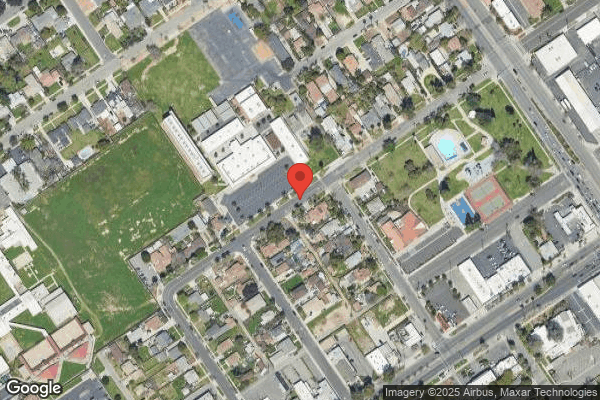

4000 HARRISON STREET, RIVERSIDE, CA 92503 (951) 785-6060
For profit - Limited Liability company 146 Beds PACS GROUP Data: November 2025
Trust Grade
35/100
#894 of 1155 in CA
Last Inspection: October 2024

Within standard 12-15 month inspection cycle. Federal law requires annual inspections.

Overview

Riverwalk Post Acute in Riverside, California, has a Trust Grade of F, indicating significant concerns about the facility's quality and care. It ranks #894 out of 1155 facilities in California, placing it in the bottom half of nursing homes statewide, and #43 out of 53 in Riverside County, suggesting limited better options. While the facility is showing improvement, reducing issues from 13 in 2024 to 8 in 2025, it still has a low overall rating of 2 out of 5 stars. Staffing is considered a strength, with a turnover rate of 33% which is better than the state average, but the facility has concerningly less RN coverage than 93% of California facilities, which can affect the quality of care. Specific incidents include issues with food safety and nutrition, such as staff not following proper procedures for preparing food which could lead to contamination or inadequate nutrition for residents. Overall, while there are some positive aspects, families should weigh these against the significant concerns highlighted in the facility's history.

Trust Score
F
35/100
In California
#894/1155
Bottom 23%
Safety Record
High Risk
Review needed
Inspections
Getting Better
13 → 8 violations
Staff Stability
○ Average
33% turnover. Near California's 48% average. Typical for the industry.
Penalties
✓ Good
No fines on record. Clean compliance history, better than most California facilities.
Skilled Nurses
⚠ Watch
Each resident gets only 15 minutes of Registered Nurse (RN) attention daily — below average for California. Fewer RN minutes means fewer trained eyes watching for problems.
Violations
⚠ Watch
57 deficiencies on record. Higher than average. Multiple issues found across inspections.
★★☆☆☆
2.0
Overall Rating
★★☆☆☆
2.0
Staff Levels
★★★★☆
4.0
Care Quality
★★☆☆☆
2.0
Inspection Score
Stable
2024: 13 issues
2025: 8 issues

The Good

  • 4-Star Quality Measures · Strong clinical quality outcomes
  • Full Sprinkler Coverage · Fire safety systems throughout facility
  • No fines on record
  • Staff turnover below average (33%)

    15 points below California average of 48%

Facility shows strength in quality measures, fire safety.

The Bad

2-Star Overall Rating

Below California average (3.1)

Below average - review inspection findings carefully

Staff Turnover: 33%

13pts below California avg (46%)

Typical for the industry

Chain: PACS GROUP

Part of a multi-facility chain

Ask about local staffing decisions and management

The Ugly 57 deficiencies on record

Jul 2025 1 deficiency
CONCERN (D) 📢 Someone Reported This

A family member, employee, or ombudsman was alarmed enough to file a formal complaint

Potential for Harm - no one hurt, but risky conditions existed

Deficiency F0602 (Tag F0602)

Could have caused harm · This affected 1 resident

**NOTE- TERMS IN BRACKETS HAVE BEEN EDITED TO PROTECT CONFIDENTIALITY** Based on interview and record review, the facility failed to keep one of five residents reviewed (Resident 1) belongings safe fr...

Read full inspector narrative →
**NOTE- TERMS IN BRACKETS HAVE BEEN EDITED TO PROTECT CONFIDENTIALITY** Based on interview and record review, the facility failed to keep one of five residents reviewed (Resident 1) belongings safe from theft or loss after the resident passed away in the facility.This failure resulted in Resident 1's belongings being lost and not available to the family.Findings:On [DATE], at 10:20 a.m., an unannounced visit was conducted to investigate an allegation of missing personal items.On [DATE], Resident 1's record was reviewed. Resident 1 was admitted to the facility on [DATE], with diagnoses which included cerebrovascular disease (loss of blood flow to part of the brain), cerebral infarction (where part of the brain tissue dies due to a lack of blood supply), anemia (not have enough healthy red blood cells), and palliative care (similar to hospice, medical care focused on improving the patient's and their family's quality of life by managing symptoms and stress related to the serious illness). On [DATE], at 1:20 p.m., a concurrent interview and record review was conducted with the Social Worker (SW). The SW stated after Resident 1 expired (passed away) at the facility, his family called on [DATE], to report the following belongings missing: one radio/CD player; one jazz CD, one pair of pajama pants and one pair of reading glasses. The SW stated Resident 1 had an inventory of his belongings completed on admission.Resident 1's record, titled Inventory of Personal Effects, dated [DATE], indicated Resident 1 had one pair of brown pajamas and one pair of glasses.The SW stated the facility searched for Resident 1's belongings, but did not find the items. The SW stated the facility lost Resident 1's belongings. The SW also stated facility staff should update the belongings list of a resident when new items are brought in by family. The SW stated the facility staff did not update Resident 1's admission belongings list. The SW stated the belongings could have sentimental value for the family of Resident 1.On [DATE], at 3:50 p.m., an interview with the Director of Nursing (DON) was conducted. The DON stated facility should update the admission belongings list when the family brings in new items. The DON stated the lost belongings can have sentimental value for the grieving family of the deceased resident.The facility policy and procedure titled, Personal Property, revised August, 2022, indicated, .Resident belongings are treated with respect by facility staff, regardless of perceived value.The resident's personal belongings and clothing are inventoried and documented upon admission and updated as necessary .The facility policy and procedure titled, Investigating Incidents of Theft and/or Misappropriation of Resident Property, revised [DATE], was reviewed. The policy indicated, .Residents have the right to be free from exploitation, theft and/or misappropriation of personal property .
Jun 2025 2 deficiencies
CONCERN (D) 📢 Someone Reported This

A family member, employee, or ombudsman was alarmed enough to file a formal complaint

Potential for Harm - no one hurt, but risky conditions existed

Quality of Care (Tag F0684)

Could have caused harm · This affected 1 resident

**NOTE- TERMS IN BRACKETS HAVE BEEN EDITED TO PROTECT CONFIDENTIALITY** Based on interview and record review, the facility failed to ensure an antihypertensive medication was held in accordance with t...

Read full inspector narrative →
**NOTE- TERMS IN BRACKETS HAVE BEEN EDITED TO PROTECT CONFIDENTIALITY** Based on interview and record review, the facility failed to ensure an antihypertensive medication was held in accordance with the physician order for one of two sampled residents (Resident 1). In addition, the facility facility failed to ensure the physician was notified that Resident 1's antihypertensive medication was not administered in accordance with the physician order. These failures had the potential to negatively affect the resident's medical condition. Findings: On July 19, 2025, at 10:36 a.m., during an interview, Resident 1 stated a nurse did not give her blood pressure (BP) medication last week. A review of Resident 1's admission Record, indicated she was admitted to the facility on [DATE], with diagnoses which included hypertension (HTN-high blood pressure). A review or Resident 1's History and Physical, dated May 5, 2025, indicated the resident had decision-making capacity. A review of Resident 1's Order Summary Report, dated June 19, 2025, indicated, Losartan Potassium-HCTZ (losartan-hctz – a BP medication) Tablet 50-12.5 MG Give 1 tablet by mouth one time a day for HTN Hold if SBP (systolic blood pressure) less than 110 or pulse less than 60 . was ordered on April 28, 2025. A review of Resident 1's Medication Administration Record (MAR), for the month of June 2025 indicated that on June 12, 2025, at 9:00 a.m., Resident 1's SBP was 119 and losartan was held due to vital signs outside of parameter. Further review of Resident 1's medical record indicated there was no documented evidence that Resident 1's physician was notified when LVN 1 held Resident 1's losartan-hctz. On June 19, 2025, at 1:39 p.m., during a concurrent interview with Licensed Vocational Nurse (LVN) 1 and record review of Resident 1's MAR for the month of June 2025, LVN 1 stated a resident's blood pressure was held depending on the parameter ordered by the physician and depending on the resident's condition. LVN 1 stated she would hold blood pressure medication when a resident SBP is less than 120 to avoid the resident's blood pressure to go low. LVN 1 stated she was familiar with Resident 1, and she held the losartan once last week because her SBP was less than 120. LVN 1 stated she did not want her blood pressure to drop. LVN 1 stated the physician's order was to hold Resident 1's losartan if SBP was less than 110. When LVN 1 was asked if she followed the physician's order, LVN 1 stated she used her nursing judgement because Resident 1's SBP was low. On June 20, 2025, at 11:21 a.m., during a concurrent interview with the Director of Nursing (DON) and a record review of Resident 1's MAR for the month of June 2025, the DON stated blood pressure medications are held depending on what the physician's order was, if the order indicated to hold if SBP is less than 110 then the licensed nurses should hold the blood pressure medication. The DON stated LVN 1 did not follow the physician's order. The DON stated there was no documentation on July 12, 2025, that LVN 1 notified the Resident 1's physician that she held the losartan. On June 20, 2025, at 12:30 p.m., the DON stated that they do not have a specific policy on holding blood pressure medications but that if she was LVN 1 she would have written a progress note and notified Resident 1's physician that she held the losartan when her SBP was 119.
CONCERN (D) 📢 Someone Reported This

A family member, employee, or ombudsman was alarmed enough to file a formal complaint

Potential for Harm - no one hurt, but risky conditions existed

Deficiency F0808 (Tag F0808)

Could have caused harm · This affected 1 resident

**NOTE- TERMS IN BRACKETS HAVE BEEN EDITED TO PROTECT CONFIDENTIALITY** Based on observation, interview, and record review, the facility failed to provide food in accordance with the physician's order...

Read full inspector narrative →
**NOTE- TERMS IN BRACKETS HAVE BEEN EDITED TO PROTECT CONFIDENTIALITY** Based on observation, interview, and record review, the facility failed to provide food in accordance with the physician's order for one of two sampled residents (Resident 1). This failure has the potential to result in poor intake, leading to weight loss. Findings: On July 19, 2025, at 10:36 a.m., during interview, Resident 1 stated she was allergic to gluten (a protein found in the wheat plant and some other grains), but the facility kept serving her food with gluten. Resident 1 stated when she eats gluten, it upsets her stomach. A review of Resident 1's admission Record, indicated she was admitted to the facility on [DATE], with diagnoses which included hypertension (HTN-high blood pressure), and she was allergic to gluten. A review or Resident 1's History and Physical, dated May 5, 2025, indicated the resident had the capacity to make decisions. A review of Resident 1's Order Summary Report, dated June 19, 2025, indicated .Fortified, NAS diet Regular texture, thin liquids consistency, gluten free diet . was ordered on May 20, 2025. On July 19, 2025, at 12:30 p.m., during observation, a Certified Nurse Assistant (CNA) served Resident 1's meal tray in the resident's room, and Resident 1's meal ticket indicated .Allergies .Gluten . The meal tray included ham with glaze, broccoli, potatoes and a serving of cornbread. On July 19, 2025, at 12:41 p.m., during a concurrent observation and interview with Resident 1 in her room, she was sitting in bed and looking at her meal. Resident 1 stated she could not eat the cornbread because it has gluten. Resident 1 stated she would only eat the vegetables. On July 22, 2025, at 9:44 a.m., during an interview with the Dietary Supervisor (DS), the DS stated she was familiar with Resident 1, and she was allergic to gluten. The DS stated there is a policy and spreadsheet they follow to be able to accommodate Resident 1's gluten allergy. The DS stated they do not have a specific recipe for cornbread. The DS stated they only use one kind of cornbread mix in the facility and they follow the recipe that is indicated on the label. The DS showed a five-pound cornbread mix, and the label indicated .Ingredients: Bleached Wheat Flour .Wheat Gluten . The DS stated she did not know why Resident 1 was served cornbread for lunch yesterday. On July 22, 2025, at 11:21 a.m., during an interview, the Director of Nursing stated the dietary staff should ensure that residents allergic to gluten are not getting any gluten. A review of the facility policy titled Gluten-Restricted Diet, dated 2023 indicated .Gluten is a general name given to the storage proteins present in wheat, rye, barley and oats. Intolerance to gluten can result in the inability of the small intestine to digest and absorb nutrients. It is important to review labels of all commercial, processed and pre-breaded food items .Avoid .cornbread . all products made from .wheat . A review of the facility policy titled Food Allergies and Intolerances, dated August 2017 indicated .Residents with food allergies and/or intolerances are identified upon admission and offered food substitutions of similar appeal and nutritional value. Steps are taken to prevent resident exposure to allergen(s) .
Jun 2025 1 deficiency
CONCERN (D) 📢 Someone Reported This

A family member, employee, or ombudsman was alarmed enough to file a formal complaint

Potential for Harm - no one hurt, but risky conditions existed

Quality of Care (Tag F0684)

Could have caused harm · This affected 1 resident

**NOTE- TERMS IN BRACKETS HAVE BEEN EDITED TO PROTECT CONFIDENTIALITY** Based on interview and record review, the facility failed to follow their weight management policy for one of five residents (Re...

Read full inspector narrative →
**NOTE- TERMS IN BRACKETS HAVE BEEN EDITED TO PROTECT CONFIDENTIALITY** Based on interview and record review, the facility failed to follow their weight management policy for one of five residents (Resident 2), when Resident 2 was not weighed weekly after severe weight loss was noted on January 8, 2025. This failure had the potential to lead to continued unmonitored weight loss which could negatively impact Resident 2's health condition. Findings: On April 29, 2025, at 8:45 a.m., an unannounced visit was conducted at the facility to investigate a quality care concern. A review of Resident 2's, admission Record, indicated the resident was admitted to the facility on [DATE], and re-admitted to the facility on [DATE], with diagnoses which included muscle wasting and atrophy (a breakdown of muscle tissue). A review of Resident 2 ' s, Weights and Vitals Summary, indicated the following: 12/10/2024 139 lbs., (pounds) 01/08/2025 122 lbs., (17 lbs. weight loss in a month); and 02/04/2025 109 lbs. (13 lbs. weight loss in a month). A review of eInteract SBAR summary for Providers, dated February 2, 2025, indicated, .The change in Condition .Food and/or fluid intake .Weight: W 122.0 lb. – 1/8/2025 . A review of the weight and vital summary did not indicate documentation of weekly weight monitoring after the resident had a weight loss of 17 lbs. on January 8, 2025, and 13 lbs. on February 4, 2025. On April 29, 2025, at 2 p.m., an interview was conducted with the Director of Nursing (DON). The DON stated that, per policy, Resident 2 should have been weighed, at least, weekly after the severe weight loss from December 2024-January 8, 20252025, was observed. A review of the facility ' s policy titled, Weight Assessment and Intervention, indicated, .The nursing staff will measure resident weights on admission, the next day, and weekly for two weeks thereafter. If no weight concerns are noted at this point, weights will be measured monthly thereafter .Any weight change of 5% or more since the last weight assessment will be retaken the next day for confirmation .
Apr 2025 1 deficiency
CONCERN (D) 📢 Someone Reported This

A family member, employee, or ombudsman was alarmed enough to file a formal complaint

Potential for Harm - no one hurt, but risky conditions existed

Safe Environment (Tag F0921)

Could have caused harm · This affected 1 resident

**NOTE- TERMS IN BRACKETS HAVE BEEN EDITED TO PROTECT CONFIDENTIALITY** Based on observation and interview and record review, the facility failed to ensure residents' rooms were maintained clean and c...

Read full inspector narrative →
**NOTE- TERMS IN BRACKETS HAVE BEEN EDITED TO PROTECT CONFIDENTIALITY** Based on observation and interview and record review, the facility failed to ensure residents' rooms were maintained clean and comfortable when: 1. room [ROOM NUMBER] had adhesive residue, chipped paint and black horizontal lines across the wall in front of the residents' bed, chipped baseboards and the floor had yellow and black stains; and 2. room [ROOM NUMBER] had adhesive residue, chipped paint and black horizontal lines across the wall in front of the residents' bed. This failure had the potential to negatively impact the psychosocial well-being of Residents 1, 2, 3, 4, 5 and 6. Findings: On March 27, 2025, at 10:54 a.m., during an observation in room [ROOM NUMBER], there were three residents, Residents 1, 2 and 3. The wall in front of them had adhesive residue, chipped paint, black horizontal lines and chipped baseboard. The floor had yellow and black stains. On March 27, 2025, at 10:58 a.m., during an observation in room [ROOM NUMBER], there were three residents, Residents 4, 5 and 6. The wall in front of them of them had adhesive residue, chipped paint and black horizontal lines. On March 27, 2025, at 11:35 a.m., during a concurrent interview with the Maintenance Director (MTD) and observation of room [ROOM NUMBER], the MTD stated the black horizontal lines and chipped baseboard were from when the residents' bed or wheelchair touched the wall. The MTD stated the chipped paint and adhesive residue were from when he moved the electrical outlets up behind the televisions. The MTD stated the floor was old, had stains on it and was not clean. The MTD stated they tried to clean the floor, but the stains were not removed. The MTD stated the floor should be changed. On March 27, 2025, at 11:40 a.m., during a concurrent interview with the MTD and observation of 49, the MTD stated there were adhesive residue, chipped paint and black horizontal lines on the wall. The MTD stated the black horizontal lines were from when the residents' bed or wheelchair touched the wall; and the chipped paint and adhesive residue were from when he moved the electrical outlets up behind the televisions. The MTD stated they started renovating the facility including residents' rooms three years ago. There are still some rooms that needed to be renovated including rooms [ROOM NUMBERS], but the residents did not want to move out. The MTD stated he cannot do any repairs or renovations if there are residents in the rooms. On March 27, 2025, at 12:06 p.m. during an interview with the Director of Nursing (DON), the DON stated they have started renovating the residents' rooms little by little but there are residents and their families who did not want to be moved. The DON stated they must explain to the resident and their families why they need to do room changes so that the rooms can be renovated. On March 27, 2025, at 2:48 p.m., during a telephone interview with the ADM, the ADM stated maintaining residents' rooms is a team effort but is mainly the responsibility of the MTD and he oversee it. The ADM stated the stained floor, adhesive residue and black lines should not be in the residents' rooms. The ADM stated every resident should be comfortable in their rooms and the rooms should be well kept. The ADM stated the condition of rooms [ROOM NUMBERS] may be off-putting to the residents. A review of the facility's policy and procedure titled Maintenance Service dated December 2009 indicated .Maintenance service shall be provided to all areas of the building, grounds, and equipment .The Maintenance Department is responsible for maintaining the buildings, grounds, and equipment in a safe and operable manner at all times .Functions of maintenance personnel include .maintaining the building on compliance with current federal, state and local laws, regulations, and guidelines .maintaining the building in good repaired and free from hazards .
Mar 2025 3 deficiencies
CONCERN (D) 📢 Someone Reported This

A family member, employee, or ombudsman was alarmed enough to file a formal complaint

Potential for Harm - no one hurt, but risky conditions existed

Deficiency F0551 (Tag F0551)

Could have caused harm · This affected 1 resident

**NOTE- TERMS IN BRACKETS HAVE BEEN EDITED TO PROTECT CONFIDENTIALITY** Based on interview and record review, the facility failed to ensure for one of two residents, Resident 1, the power of attorney ...

Read full inspector narrative →
**NOTE- TERMS IN BRACKETS HAVE BEEN EDITED TO PROTECT CONFIDENTIALITY** Based on interview and record review, the facility failed to ensure for one of two residents, Resident 1, the power of attorney (POA-someone who is legally authorized to act on the resident's behalf) was notified when Resident 1 ' s physician ordered lorazepam (an anti-anxiety medication). This failure resulted in Resident 1 ' s POA to be unaware of his overall condition. Findings: On February 21, 2024, at 3:09 p.m., during an interview with Resident 1 ' s POA, the POA stated Resident 1 was administered lorazepam, and she was not notified about it. On March 3, 4, and 5, 2025, unannounced visits were conducted at the facility. A review of Resident 1 ' s medical record indicated he was admitted to the facility on [DATE], with diagnoses which included obstructive uropathy (blockage of urine flow) and he had a POA. A review of Resident 1 ' s Nurse ' s Note dated November 22, 2024, written by Licensed Vocational Nurse (LVN) 1, indicated, Received new order from MD (medical doctor) for resident to start Ativan (lorazepam) for anxiety and restlessness. Also gave order for psych eval. Orders noted and carried out, communicated with staff . A review of Resident 1 ' s Physician ' s Orders indicated .LoRazepam Tablet 1 MG Give 1 tablet by mouth every 4 hours as needed for anxiety . was ordered on November 22, 2024. There was no documented evidence that Resident 1 ' s POA was notified of the physician ' s orders on November 22, 2024. On March 5, 2025, at 1:13 p.m., during an interview with LVN 2 and record review of Resident 1 ' s medical record, LVN 2 stated the resident and his or her representative should be notified for all changes in condition and any new orders. LVN 2 stated there was no documented evidence in Resident 1 ' s medical record that the POA was notified of the physician ' s orders on November 22, 2024. On March 5, 2025, at 3:40 p.m., during an interview with the Assistant Director of Nursing (ADON) and the Director of Nursing (DON), the DON stated LVN 2 should have notified the POA when she received the orders for lorazepam. On March 12, 2025, at 2:20 p.m., during a telephone interview, Licensed Vocational Nurse (LVN) 1 stated she could not recall Resident 1. LVN 1 stated she was at the facility, and she was asked to review Resident 1 ' s medical record. LVN 1 stated she wrote a progress note on November 22, 2024, indicating she received new orders of lorazepam. LVN 1 stated she could not recall if she notified Resident 1 ' s POA about the orders. A review of the facility ' s policy and procedure titled, Resident Representative dated February 2021, indicated, .The resident representative has the right to exercise the resident ' s rights to the extent those rights are delegated to the representative .The facility will treat the decisions of a resident representative as the decisions of the resident to the extent required by the court or authorized by the resident (in accordance with applicable laws) . A review of the facility ' s policy and procedure titled, Change in a Resident ' s Condition or Status dated February 2021, indicated, .Our facility promptly notifies the resident, his or her attending physician, and the resident representative of changes in the resident's medical/mental condition and/or status ( e.g., changes in level of care, billing/payments, resident rights, etc.) .
CONCERN (D) 📢 Someone Reported This

A family member, employee, or ombudsman was alarmed enough to file a formal complaint

Potential for Harm - no one hurt, but risky conditions existed

Deficiency F0692 (Tag F0692)

Could have caused harm · This affected 1 resident

**NOTE- TERMS IN BRACKETS HAVE BEEN EDITED TO PROTECT CONFIDENTIALITY** Based on observation, interview, and record review, the facility failed to ensure, weight loss for two of three residents review...

Read full inspector narrative →
**NOTE- TERMS IN BRACKETS HAVE BEEN EDITED TO PROTECT CONFIDENTIALITY** Based on observation, interview, and record review, the facility failed to ensure, weight loss for two of three residents reviewed was evaluated (Residents 1 and 2). This failure had the potential for Residents 2 and 3 to experience further weight loss and not have their nutritional needs met. Findings: On March 3, 4, and 5, 2025, unannounced visits were conducted at the facility. A review of Resident 1 ' s medical record indicated he was admitted to the facility on [DATE], with diagnoses which included obstructive uropathy (a condition in which the flow of urine is blocked). A review of Resident 1 ' s care plan titled Malnutrition: Resident is at risk for malnutrition . initiated on November 19, 2024, included interventions which included .Notify the physician of weight loss .Refer to RD (Registered Dietician) as needed . A review of Resident 1 ' s Weights tab in PointClickCare (an electronic health care software) indicated Resident 1 weighed: a. 168 lbs. (pounds – unit of measurement) on November 20, 2024. This entry was crossed out on January 9, 2025; b. 153 lbs. on December 4, 2024 (total weight loss of 15 lbs. or 8.9% for two weeks); c. 150 lbs. on December 17, 2024; d. 155 lbs. on December 23, 2024; and e. 151 lbs. on January 8, 2025. A review of Resident 1 ' s NUTRITIONAL RISK ASSESSMENT (ADMISSION/ANNUAL) completed by the RD, dated November 25, 2024, indicated Resident 1 weighed 168 lbs. on November 20, 2024, and his usual body weight was 170 lbs. There was no documented evidence that Resident 1 ' s physician or the RD was notified of Resident 1 ' s weight loss of 15 lbs. or 8.9% on December 4, 2024. In addition, there was no documented evidence that interventions for weight loss were inititated. On March 4, 2025, at 11:06 a.m., during an interview, the Restorative Nurse Assistant (RNA) stated the RNAs obtained the weight of the residents in the facility upon admission then weekly for four weeks then monthly. The RNA stated if a resident was noted with weight loss, the resident ' s weight was monitored weekly again for two to three weeks. The RNA stated when she noted there is weight loss, she notifies Licensed Vocational Nurse (LVN) 3, the Assistant Director of Nursing (ADON) and Director of Nursing (DON). On March 5, 2025, at 3:15 p.m., during a telephone interview, the RD stated she was familiar with Resident 1. The RD stated Resident 1 was underweight when he was admitted . The RD stated she did not believe that Resident 1 weighed 168 lbs. on admission and that the weight may have been referenced from the hospital which can be inaccurate. The RD stated she assessed Resident 1 on November 25, 2025, and made recommendations because he was already underweight. The RD stated she struck out his weight on admission because it was an outlier and after monitoring Resident 1 ' s weight for four weeks, he weighed between 150 to 155 lbs. On March 5, 2025, at 3:40 p.m., during an interview with the ADON and DON, the ADON stated she documented Resident 1 ' s weight on November 20, 2025, of 168 lbs. because that was the information provided to her by the RNA. The ADON reviewed Resident 1 ' s GACH (general acute care hospital) notes and she stated Resident 1 weighed 170 lbs. on November 13, 2024 (7 days before Resident 1 ' s weight was obtained at the facility). The ADON stated Resident 1 had a 15-lb. weight loss between November 20, 2024, and December 4, 2024. The ADON and DON stated they did not know why the RD crossed out Resident 1 ' s initial weight of 168 lbs. The DON stated the RD should not have struck it out without letting her know. On March 5, 2025, at 4:37 p.m., the DON called the RD on speaker phone. The DON asked the RD about Resident 1 ' s weight. The RD stated she struck out the weight because Resident 1 will continue to falsely trigger for weight loss. 2. A review of Resident 2 ' s medical record indicated Resident 2 was admitted to the facility on [DATE], with diagnoses which included diabetes mellitus (high blood sugar level). A review of Resident 2 ' s Physician History and Physical dated February 6, 2025, indicated he had the capacity to make decisions. A review of Resident 2 ' s Weights tab in PointClickCare (an electronic health care software) indicated Resident 2 weighed: a. 225 lbs. on February 6, 2025; b. 200 lbs. on February 18, 2025 (total weight loss of 25 lbs. or 11% for two weeks); c. 191 lbs. on February 25, 2025; and d. 184 lbs. on March 5, 2025. On March 3, 2025, at 1:10 p.m., during an interview, LVN 3 stated Resident 3 was admitted with edema (a condition where excess fluid accumulates in the body's tissues, causing swelling) on both legs. LVN 3 stated Resident 2 had 25 lb. weight loss on February 18, 2025, and she notified the Physician ' s Assistant verbally, but she did not document. LVN 3 further stated a change of condition report, monitoring every shift for 72 hours, and a care plan for Resident 2 should have been initiated on February 18, 2025. On March 3, 2025, at 2:11 p.m., during a concurrent observation and interview, Resident 2 was in his room, sitting in bed and he was alert and conversant. Resident 2 stated he was aware that he was losing weight because the staff told him about his weight during the weigh-ins. Resident 2 stated both of his legs were swollen after hospitalization. Resident 2 was asked why he was losing weight, he stated he was not eating all his food because the food at the facility tasted different from home. Resident 2 stated no one had spoken to him about his weight loss or any plan regarding his nutrition. On March 5, 2025, at 3:15 p.m., during a telephone interview, the RD stated she was notified of Resident 2 ' s weight loss on February 18, 2025. She was informed that Resident 2 would be re-weighed but no one updated her. There was no documented evidence that Resident 2 ' s physician was notified of the weight loss and no documentation that interventions for weight loss were initiated. On March 5, 2025, at 3:40 p.m., during an interview with the ADON and DON, the ADON stated Resident 2 had a 25-lb. weight loss between February 6, 2025, and February 18, 2025, and the physician and the family should have been notified and that Resident 2 should have been monitored as well. A review of the facility ' s policy and procedure titled Weight Assessment and Intervention, dated March 2022 indicated .Any weight change of 5% or more since the last weight assessment is retaken the next day for confirmation .If the weight is verified, nursing will immediately notify the dietitian in writing .
CONCERN (D) 📢 Someone Reported This

A family member, employee, or ombudsman was alarmed enough to file a formal complaint

Potential for Harm - no one hurt, but risky conditions existed

Medication Errors (Tag F0758)

Could have caused harm · This affected 1 resident

**NOTE- TERMS IN BRACKETS HAVE BEEN EDITED TO PROTECT CONFIDENTIALITY** Based on interview and record review, the facility failed to ensure behavior of anxiety (feelings of worry, unease, and tension)...

Read full inspector narrative →
**NOTE- TERMS IN BRACKETS HAVE BEEN EDITED TO PROTECT CONFIDENTIALITY** Based on interview and record review, the facility failed to ensure behavior of anxiety (feelings of worry, unease, and tension) was evaluated and monitored prior to obtaining a PRN (as necessary) lorazepam (an anti-anxiety medication), for one of two sampled residents, Resident 1. This failure had the potential for unnecessary medication use. Findings: On March 3, 4, and 5, 2025, unannounced visits were conducted at the facility. A review of Resident 1 ' s medical record indicated he was admitted to the facility on [DATE], with diagnoses which included obstructive uropathy (occurs when urine cannot drain through the urinary tract). A review of Resident 1 ' s Nurse ' s Note dated November 22, 2024, indicated .Received new order from MD for resident to start Ativan (lorazepam) for anxiety and restlessness. Also gave order for psych eval. Orders noted and carried out, communicated with staff . A review of Resident 1 ' s Physician ' s Orders indicated .LORazepam Tablet 1 MG Give 1 tablet by mouth every 4 hours as needed for anxiety . was ordered on November 22, 2024. There was no documented evidence Resident 1 was assessed and evaluated by the licensed nurse on the manifested anxiety behavior, and non-pharmacological interventions were attempted, prior to obtaining the PRN lorazepam order. There was no documented evidence a physician ' s order was obtained to monitor for the targeted behavior and side-effects of the lorazepam use. On March 3, 2025, at 1:13 p.m., during a concurrent interview with Licensed Vocational Nurse (LVN) 2 and a review of Resident 1 ' s medical record, LVN 2 stated when a resident was noted with behavior, the resident ' s behavior will be monitored, nonpharmacological interventions will be initiated, and the physician will be notified. LVN 2 stated if the physician gave an order for lorazepam, there should be an order for monitoring the behavior and side-effect of lorazepam use. LVN 2 stated there was no documented monitoring of the behavior and side effect of lorazepam use. On March 3, 2025, at 3:40 p.m., during a concurrent interview with the Assistant Director of Nursing (ADON) and Director of Nursing (DON) and a record review of Resident 1 ' s medical record, the ADON stated there were no orders for monitoring of behavior and side effects. The DON stated LVN 2 should place an order to monitor for frequency of behavior and monitoring for side effects of lorazepam use. March 12, 2025, at 2:20 p.m., during a telephone interview, Licensed Vocational Nurse (LVN) 1 stated she could not recall Resident 1. LVN 1 stated she was at the facility, and she was asked to review Resident 1 ' s record. LVN 1 stated she wrote a progress note on November 22, 2024, indicating she received new orders of Lorazepam and psych eval. LVN 1 stated she was re-assigned to be a desk nurse and was told she would be running the orders from the physicians. LVN 1 stated she received the orders and carried it out. LVN 1 stated she was not aware that there should be monitoring of behaviors and side effects for any psychotropic medications (antidepressants, anti-anxiety medications, stimulants, antipsychotics, and mood stabilizers). A review of the facility ' s undated policy and procedure titled Psychoactive/Psychotropic Medication Use indicated .Psychoactive (also known as Psychotropic) medications may be administered following federal and state regulations if the medication is necessary to treat a specifically diagnosed condition and is appropriately documented in the medical record. Additionally, behavioral interventions, unless contraindicated, will be used to meet the individual needs of the resident . Psychotropic medication management for the resident will involve .indication and clinical need for medication .adequate monitoring for efficacy and adverse consequences .
Dec 2024 1 deficiency
CONCERN (D) 📢 Someone Reported This

A family member, employee, or ombudsman was alarmed enough to file a formal complaint

Potential for Harm - no one hurt, but risky conditions existed

Pressure Ulcer Prevention (Tag F0686)

Could have caused harm · This affected 1 resident

**NOTE- TERMS IN BRACKETS HAVE BEEN EDITED TO PROTECT CONFIDENTIALITY** Based on observation, interview, and record review, the facility failed to follow its policy and procedure for prevention of pre...

Read full inspector narrative →
**NOTE- TERMS IN BRACKETS HAVE BEEN EDITED TO PROTECT CONFIDENTIALITY** Based on observation, interview, and record review, the facility failed to follow its policy and procedure for prevention of pressure injuries, for one of two residents, Resident 1, when a dressing (a covering put on a wound to protect it while it heals) was placed on Resident 1's right hip and no further assessment or follow up was conducted. After removal of the dressing, Resident 1 was found to have an unstageable pressure injury (a sore that is covered by slough [tan, yellow or green debris] or eschar [thick black or brown scab or crust]) to his right hip. This failure resulted in Resident 1's wound to not be properly assessed and treated. Findings: A review of Resident 1's medical records indicated the following: a. Resident 1 was admitted to the facility on [DATE], with diagnoses including cerebral palsy (a chronic condition that affects a person's ability to move and maintain balance and posture) and unspecified local infection of the skin and subcutaneous (beneath or under, all the layers of the skin) tissue. b. Resident 1's History and Physical dated September 19, 2024, indicated he did not have the capacity to understand and make decisions. c. Resident 1's care plan titled Skin initiated on September 19, 2024, indicated he was at risk for developing skin breakdown and interventions included .Check skin daily during care provisions . d. Resident 1's BRADEN SCALE FOR PREDICTING PRESSURE SORE RISK dated October 4, 2024, indicated he had moderate risk for developing a pressure injury. A review of Resident 1's Order Summary and Treatment Administration Record (TAR) for the period of November 1 to December 18, 2024, indicated he received treatment for a surgical wound on his back. Further review of Resident's 1 medical record indicated there was no other documented evidence that Resident 1 had other skin problems. On December 18, 2024, at 12:12 p.m., during an interview with Certified Nurse Assistant (CNA) 1, CNA 1 stated Resident 1 had a wound on his right hip and right lower back. CNA 1 stated when she provided care to Resident 1 last week, both areas were covered with a dressing. CNA 1 further stated if the wound was covered with a dressing it was being treated. On December 18, 2024, at 12:39 p.m., during a concurrent interview and record review of Resident 1's medical record with Treatment Nurse (TN) 1, TN 1 stated if a resident has a skin problem, she will evaluate the resident, notify the resident and family, and notify the resident's medical doctor to obtain a treatment order. TN 1 stated Resident 1 was admitted with an abscess (enclosed collection of pus in tissues, organs, or confined spaces in the body) on his right lower back which was being treated and the resident was being followed by a wound specialist weekly. TN 1 stated Resident 1 did not have any other wounds. On December 18, 2024, at 1:00 p.m., during an observation of Resident 1 with CNA 1 and TN 1, Resident 1 was observed with a wound on his right lower back covered with a brown dressing, a pimple-like skin condition in his midline back that was uncovered, and a brown dressing over his right hip. TN 1 was asked to remove the dressing from the right hip. Resident 1 had a yellow wound on his right hip about the size of a pencil eraser. The skin around the wound was pale in color. TN 1 stated it was the first time she had seen the wound on Resident 1's right hip. On December 18, 2024, at 1:30 p.m., during a follow up interview with TN 1, TN 1 stated Resident 1's wound on his right hip was identified when they did the wound rounds with the wound nurse practitioner earlier that morning, and they put a dressing over it. TN 1 stated Resident 1's wound on the right hip had slough on it so she will classify it as an unstageable pressure injury. A review of Resident 1's (name of wound specialist) Progress Note dated December 18, 2024, indicated there was no documentation Resident 1's wound on the right hip was addressed. A review of Resident 1's Order Summary Report indicated, .Treatment: R (right) Hip- Cleanse w/ (with) NS (normal saline - salt water), pat dry, apply honey paste (medical-grade honey), and cover w/ dry dressing every day shift for unstageable pressure injury for 14 Days . was ordered on December 19, 2024. On December 30, 2024, at 4:01 p.m., during a telephone interview, TN 2 stated the following: a. The CNAs notified her when residents have new skin problems. She also checks the residents' skin while providing treatment. b. She applies foam dressings to the resident's skin problem that could develop into wounds. c. When a resident has an actual wound, she contacts the doctor for a treatment order and documents it. d. Only the licensed nurses are allowed to apply dressings over wounds. e. If a resident has a dressing on, it could either be for padding or for treating a wound. f. She applied foam dressings to Resident 1's right arm, right knee, and right hip two days after he had a fall (October 31, 2024), because she noticed Resident 1 was leaning on his right side when he was up in his wheelchair, causing friction. She informed the CNAs and licensed nurses about the foam dressings she applied to Resident 1 and to notify her for any changes. g. She was not aware of Resident 1 having any wound on his right hip. h. She should have obtained a doctor's order to apply the foam dressing as padding to avoid missed skin issues and to prevent confusion among the nurses. On January 2, 2024, at 1:59 p.m., during a telephone interview with the Director of Nursing (DON), the DON stated TN 2 informed her that she placed a foam dressing over Resident 1's right hip on December 17, 2024, because a CNA reported skin redness and that TN 2 informed the other treatment nurses because she would be off duty. The DON stated when the TNs or licensed nurses received a report that a resident has skin redness, she expected them to assess the resident's skin, notify the medical doctor, write a treatment order in the resident's medical record, and notify the other licensed nurses or herself (DON) when they do not have enough time to complete it. A review of the facility's policy and procedure dated April 2020 titled Prevention of Pressure Injuries indicated .Inspect the skin on a daily basis when performing or assisting with personal care or ADLs .identify any signs of developing pressure injuries .inspect pressure points .evaluate, report and document potential changes in the skin .
Nov 2024 1 deficiency
CONCERN (D) 📢 Someone Reported This

A family member, employee, or ombudsman was alarmed enough to file a formal complaint

Potential for Harm - no one hurt, but risky conditions existed

Medical Records (Tag F0842)

Could have caused harm · This affected 1 resident

**NOTE- TERMS IN BRACKETS HAVE BEEN EDITED TO PROTECT CONFIDENTIALITY** Based on interview and record review, the facility failed to ensure the medical record was complete, for one of one resident, Re...

Read full inspector narrative →
**NOTE- TERMS IN BRACKETS HAVE BEEN EDITED TO PROTECT CONFIDENTIALITY** Based on interview and record review, the facility failed to ensure the medical record was complete, for one of one resident, Resident 1, when a care conference meeting was not documented in the medical record. This failure had the potential to impact Resident 1 ' s plan of care by not having a clear understanding of the resident ' s needs, preferences, and any changes in the care plan. In addition, this failure had the potential to create miscommunication among the care team, Resident 1, and Resident 1 ' s caregiver. Findings: On November 1, 2024, at 9:55 a.m., an unannounced visit was conducted at the facility to investigate a complaint. On November 1, 2024, a review of Resident 1's medical record indicated she was admitted to the facility on [DATE], with diagnoses which included fracture of the right tibia (shinbone), mild intellectual disability and cerebral palsy (a group of neurological disorder that permanently affect body movement and muscle coordination). A review of Resident 1's History and Physical dated September 8, 2024, indicated she was .alert and oriented x 4. Follows commands . Resident 1 was discharged to (name of board and care) on October 29, 2024. On November 1, 2024, at 2:42 p.m., during an interview with Licensed Vocational Nurse (LVN) 1, who was also the Minimum Data Set Nurse, LVN 1 stated care conferences are conducted quarterly and are documented in PointClickCare (PCC-an electronic health record). LVN 1 stated they conducted a care conference for Resident 1, but she could not recall the exact date. A record review of Resident 1 ' s medical record was conducted with LVN 1. LVN 1 stated the care conference was not documented. LVN 1 stated during care conferences she writes her notes on paper then will transfer it later to PCC. LVN 1 stated the SSD (Social Service Director) will open the care conference note in PCC and then the rest of the interdisciplinary team (IDT- a group of professionals who plan, coordinate, and deliver personalized health care) members, who attended the meeting will document their notes after. On November 1, 2024, at 4:33 p.m., during an interview with the Director of Nursing (DON), the DON stated care conferences were scheduled with residents and families to discuss their concerns, problems, diet, diagnosis, discharge planning and to give an update on the resident ' s current condition. The DON stated care conferences should be documented. When the DON was asked to review if Resident 1 ' s care conference was documented on PCC, the DON asked the Assistant Director of Nursing (ADON) to review it. The ADON stated care conferences were conducted five days after admission and it should be documented in PCC. The ADON stated there was no documented care conference notes in PCC. The ADON stated the SSD opens the care conference note in PCC on the day of the conference and the last IDT member to document, locks the note. On November 6, 2024, at 2:44 p.m., during an interview with the SSD, the SSD stated the care conference for Resident 1 was conducted on September 13, 2024, via telephone call. The SSD stated Resident 1 ' s caregiver and the Administrator of (name of board and care) where Resident 1 lived, attended the care conference. The SSD stated she was responsible for opening the care conference note but she was not able to open it. On November 12, 2024, at 2:55 p.m., during a follow up telephone interview with the DON, the DON stated the facility did not have a policy about care conferences being documented. The DON stated she expected the IDT members to document the care conferences because if it was not documented, then it was not done.
Oct 2024 3 deficiencies
CONCERN (D) 📢 Someone Reported This

A family member, employee, or ombudsman was alarmed enough to file a formal complaint

Potential for Harm - no one hurt, but risky conditions existed

Deficiency F0558 (Tag F0558)

Could have caused harm · This affected 1 resident

**NOTE- TERMS IN BRACKETS HAVE BEEN EDITED TO PROTECT CONFIDENTIALITY** Based on observation, interview, and record review, the facility failed to accommodate the needs for one of 27 sampled residents...

Read full inspector narrative →
**NOTE- TERMS IN BRACKETS HAVE BEEN EDITED TO PROTECT CONFIDENTIALITY** Based on observation, interview, and record review, the facility failed to accommodate the needs for one of 27 sampled residents (Resident 126), when the call light button was observed not within reach. This failure had the potential for Resident 126 not to be able to call staff for assistance which could result in needs of the resident not being met as well as the delay in the provision of care. Findings: On October 21, 2024, at 10:24 a.m., during an observation and concurrent interview with Resident 126, the resident's call light button was observed on the floor behind the resident's bed. Resident 126 stated he was not sure where the call light was and he could not reach his call light for assistance. Resident 126's record was reviewed. Resident 126 was admitted to the facility on [DATE], with diagnoses that included urinary tract infection, obstructive uropathy (condition in which the flow of urine is blocked) and diverticulosis (a condition in which you have small pouches in your colon). A review of Resident 126's Minimum Data Set (MDS - a standardized comprehensive assessment and care planning tool) dated October 3, 2024, indicated Resident 126's BIMS (brief interview for mental status, ranges from 0 to 15) score was 12, which indicated moderate cognitive impairment. A review of Resident 126's History and Physical dated September 30, 2024, indicated Resident 126 had the capacity to make his own decisions. On October 21, 2024, at 10:32 a.m., an observation and concurrent interview was conducted with Certified Nursing Assistant (CNA) 1. CNA 1 agreed the Resident 126 was not able to reach the call light, and stated the call light should be within the resident's reach. CNA 1 stated that the call light should not be on the floor behind the bed. CNA 1 further stated Resident 126 could fall, have an emergency, or not be able to get assistance if he needed it. On October 21, 2024, at 10:41 a.m., an interview was conducted with Licensed Vocational Nurse (LVN) 1. LVN 1 acknowledged that call light should not be on the floor and should be within reach of the resident. LVN 1 stated if Resident 126's call light was not within reach, it increases his risk of fall and would cause a delay in the resident receiving assistance. On October 24, 2024, at 7:59 a.m., an interview was conducted with the Director of Nursing (DON). The DON stated that it is the practice of the facility to keep the resident's call light within reach. The DON further stated not having the resident's call light within reach could delay his care and the resident could have a medical emergency, fall, or need assistance. A review of the facility's policy and procedure titled Answering the Call Light, revised October 2010 indicated .The purpose .is to respond to the resident's request and needs .be sure that the call light is within easy reach of the resident .
CONCERN (D) 📢 Someone Reported This

A family member, employee, or ombudsman was alarmed enough to file a formal complaint

Potential for Harm - no one hurt, but risky conditions existed

Quality of Care (Tag F0684)

Could have caused harm · This affected 1 resident

**NOTE- TERMS IN BRACKETS HAVE BEEN EDITED TO PROTECT CONFIDENTIALITY** 2. On October 22, 2024, at 9:29 am Resident 101 was interviewed. Resident 101 was alert and oriented. Resident 101 stated he was...

Read full inspector narrative →
**NOTE- TERMS IN BRACKETS HAVE BEEN EDITED TO PROTECT CONFIDENTIALITY** 2. On October 22, 2024, at 9:29 am Resident 101 was interviewed. Resident 101 was alert and oriented. Resident 101 stated he was on dialysis. Resident 101 stated staff did not follow the fluid restriction ordered by his physician and gave him more fluids than he was allowed per day. On October 22, 2024, Resident 101's record was reviewed. Resident 101 was admitted to the facility on [DATE], with diagnoses which included congestive heart failure (CHF - fluid build-up in the body because the heart cannot pump well enough), chronic kidney disease (kidneys are damaged and excess fluid and waste remain in the body), and dependence on renal (kidney) dialysis. The physician's order dated August 27, 2024, indicated, .1500ml (milliliters - a unit of measurement) fluid restrictions. 960 ml from the dietary .540ml from nursing . The care plan, initiated August 28, 2024, indicated, .At risk for .edema (swelling caused by fluid retention) .weight fluctuations secondary to ESRD (End-Stage Renal Disease) with dependence on dialysis, chronic kidney failure .Fluids as ordered. Restrict or give as ordered .Fluid Restriction 1500 ml .960ml from the Dietary .540ml from nursing . The fluid intake record (a record indicating the total amount of fluid per day) for the month of September 2024, indicated Resident 101 had 2100 ml on September 29, 2024. The fluid intake record for the month of October 2024, indicated Resident 101 had 1600 ml on October 2, 2024, 1900 ml on October 10, 2024, 3100 ml on October 14, 2024, 2700 ml on October 15, 2024, 1715 ml on October 16, 2024, 2071 ml for October 17, 2024, 2020 ml on October 20, 2024, exceeding the physician's order of 1500 ml per day. On October 23, 2024, at 3:11 pm, a concurrent interview and record review was conducted with Licensed Vocational Nurse (LVN) 4. LVN 4 stated the physician's order for fluid restrictions was not followed. LVN 4 stated the fluid restrictions should have been followed, as ordered by the physician. On October 23, 2024, at 3:53 p.m., a concurrent interview and record review was conducted with the Director of Nursing (DON). The DON confirmed the physician's order for fluid restrictions was not followed. The DON stated the fluid restrictions should have been followed, as ordered by the physician. The facility policy and procedure titled, Encouraging and Restricting Fluids, revised October 2010, was reviewed. The policy indicated, .The purpose of this procedure is to provide the resident with the amount of fluids necessary to maintain optimum health. This may include encouraging or restricting fluids .Verify that there is a physician's order for this procedure .Follow specific instructions concerning fluid intake or restrictions . 3. On October 21, 2024, at 3:39 p.m., during a concurrent observation and interview with Resident 32, Resident 32 was observed sitting on his bed, alert and oriented. The resident was observed to have discoloration on both lower legs and his skin was scaly and dry. The resident stated his legs have been very dry and itchy, and further stated, no one has checked them. On October 22, 2024, at 11:03 a.m., a concurrent observation and interview was conducted with Certified Nurse Assistant (CNA) 2. CNA 2 stated Resident 32 was able to take showers by himself and she had not checked his legs. CNA 2 stated they use a shower sheet that each CNA fills out every shift to report abnormal findings to the licensed nurses. On October 22, 2024, at 11:18 a.m., a concurrent observation and interview was conducted with the Treatment Nurse (TN). The TN observed Resident 32's lower legs and stated his skin was very dry. The TN stated she was not aware of Resident 32's leg skin condition and no one had reported it to her. The TN stated Resident 32's legs should have been assessed and the resident offered lotion or ointment. The TN further stated the dry skin can cause Resident 32 to have skin breakdown and lead to infection. On October 23, 2024, at 2:33 p.m., an interview was conducted with the Director of Staff Development (DSD). The DSD stated CNAs are expected to report abnormal findings to the licensed nurses so that they can make an assessment on the resident. The DSD stated Resident 32's legs should have been assessed and monitored to avoid skin breakdown. On October 23, 2024, at 2:45 p.m., an interview was conducted with the Director of Nursing (DON). The DON stated CNAs should report changes in resident's condition, including their skin. The DON stated Resident 32's legs should have been assessed and the dryness should have been treated to prevent skin breakdown and other complications. A review of Resident 32's record indicated the resident was admitted to the facility on [DATE], with diagnoses that included Atrial-fibrillation (abnormal heartbeat), tachycardia (heart rate beats faster than normal), CHF, and abnormal gait (how a person walks) and mobility. A review of Resident 32's care plan, initiated on April 28, 2024, indicated .Risk for Skin Breakdown .Check skin during daily care provisions .notify physician of abnormal findings . A review of Resident 32's care plan, initiated on April 28, 2024, indicated .Resident is on anticoagulant (blood thinner) therapy for deep vein thrombosis (DVT - blood clots) .Daily skin inspection .Report abnormalities to the nurse . The facility policy and procedure titled, Body Skin Evaluation, dated January 2023, indicated .It is the policy of this facility to monitor the resident's skin condition daily and provide documented licensed nurse evaluations on an as needed .Nursing assistant will check resident's skin on schedules shower days and shall report any skin integrity impairment to the licensed nurse for follow up . Based on observation, interview, and record review, the facility failed for three of eight residents reviewed (Resident 183, 101, and 32) to ensure: 1. For Resident 183, the central dialysis catheter was identified, assessed and monitored; This failure had the potential to delay the necessary care and services Resident 183 may need if complications developed with the central dialysis catheter; 2. For Resident 101, the physician order for fluid restriction was followed; This failure had the potential to result in fluid overload and a decline in Resident 101's health condition; and 3. For Resident 32, a skin condition was identified, assessed, monitored, and necessary treatment was implemented. This failure had the potential to result in Resident 32's development of skin breakdown and other skin complications. Findings: 1. On October 21, 2024, at 11:38 a.m. Resident 183 was observed lying in bed with his eyes closed not responsive to verbal call. Resident 183 was on oxygen at two liters per minute through nasal cannula (a plastic tubing with two prongs that delivers oxygen through the nose). A Ziploc bag labeled Dialysis Kit was taped on the wall above the resident's bed. . On October 21, 2024, at 4:05 p.m., Resident 183 was out for hemodialysis treatment (a process that uses a machine to filter out waste and fluid from the body when the kidneys are no longer functiong adequately). During a concurrent observation and interview on October 22, 2024, at 4:45 p.m., with Licensed Vocational Nurse (LVN) 2, LVN 2 stated Resident 183's hemodialysis access catheter was on his left upper chest. The catheter was observed wrapped with white gauze (a soft dressing). LVN 2 stated Resident 183 goes to his dialysis treatment on Mondays, Wednesdays, and Fridays. During a review of Resident 183's record on October 23, 2024, the record indicated prior to admission to the skilled nursing facility, Resident 183 was admitted to the acute hospital on September 13, 2024, for emergent acute dialysis due to lack of an available dialysis center. The hospital chest X-ray dated September 13, 2024, indicated Resident 183 had a left chest tunneled catheter (a type of dialysis catheter that allows for high blood flows during dialysis) in position. Resident 183 was admitted to the skilled nursing facility on [DATE], with diagnoses which included End Stage Renal Disease (ESRD - a kidney disease), and on hemodialysis. The nursing admission assessment dated [DATE], indicated Resident 183 had a Left AV shunt (a surgically created connection between vein and artery to allow access to the bloodstream for dialysis). Physician orders for the months of September 2024 and October 2024, indicated .Resident has AV Fistula located on LUA (left upper arm). Monitor for the presence of bruit (a whoosing sound heard by using a stetoscope .and thrill (a vibration felt by placing your fingers over the shunt) .Monitor Q Shift for bleeding, drainage .swelling .start date 9/30/24 . There was no documented evidence the left upper chest central dialysis catheter was identified, assessed, and monitored when Resident 183 was admitted to the facility on [DATE]. There was no documented evidence a care plan for Resident 183's central dialysis catheter and access site on the left upper chest was initiated upon admission. The document titled, HEMODIALYSIS COMMUNICATION RECORD, completed by the licensed nurse prior to the scheduled dialysis and completed by the dialysis center licensed nurse indicated that on September 30, 2024, October 11, 14, 16, 18, 2024, the access site of Resident 183's dialysis was located on his left upper chest. The receiving and accepting licensed nursing staff at the facility indicated Resident 183 had an AV Shunt with bruit and thrill. There was no assessment of the left upper chest central dialysis catheter since September 30, 2024, pre (before) and post (after) dialysis on Mondays, Wednesdays and Fridays. The nurse's notes from September 28, 2024 to October 21, 2024, did not identify the central dialysis catheter on Resident 183's left upper chest. There was no documented evidence Resident 183's central dialysis catheter on the left chest was assessed and monitored on every nursing shift. During a concurrent observation and interview on October 23, at 3:35 p.m., with the Assistant of Director Of Nursing (ADON) in Resident 183's room, the ADON stated Resident 183's hemodialysis access catheter was on the left upper chest. On October 23,2024, at 3:47 p.m., a concurrent interview and record review was conducted with the ADON. The ADON stated Resident 183's left upper chest dialysis access was not identified and assessed on admission. She stated there was no monitoring of the left upper chest dialysis catheter. She stated the licensed staff should have identified the left upper chest dialysis upon admission and monitored the central dialysis catheter and the dialysis access site on every shift. On October 24, 2024, at 9:40 a.m., a concurrent observation and interview was conducted with Licensed Vocational Nurse (LVN) 3. LVN 3 stated Resident 183 was being dialyzed using the upper chest dialysis catheter. He stated he would also check Resident 183's left upper arm AV Fistula. He stated the central dialysis catheter on resident's left upper chest was not monitored on the MAR (Medication Administration Record). On October 24, 2024, at 10:30 a.m., a concurrent interview with the ADON and record review of the document titled Hemodialysis Communication Record was conducted. The ADON stated the licensed staff were monitoring the left upper arm AV shunt. The ADON verified that the left AV shunt had no thrill or bruit, and stated that was the previous site of Resident 183's hemodialysis access, which was being monitored. A review of the facility's policy and procedure titled, admission Assessment, dated September 2012, indicated, .The purpose of this procedure is to gather information about the resident's physical, emotional, cognitive, and psychological condition upon admission for the purpose of managing the resident, initiating the care plan . A review of the facility's policy and procedure titled, End-Stage Renal Disease, Care of a Resident with, dated September 2010, indicated, .Residents with end-stage renal disease (ESRD) will be cared for according to currently recognized standards of care .Staff caring for residents with ESRD, including residents receiving dialysis care outside the facility, shall be trained in the care and special needs of these residents .Education and training of staff includes .the type of assessment data that is to be gathered about the resident's condition on a daily or per shift basis .
CONCERN (D) 📢 Someone Reported This

A family member, employee, or ombudsman was alarmed enough to file a formal complaint

Potential for Harm - no one hurt, but risky conditions existed

Infection Control (Tag F0880)

Could have caused harm · This affected 1 resident

**NOTE- TERMS IN BRACKETS HAVE BEEN EDITED TO PROTECT CONFIDENTIALITY** 2. On October 23, 2024, at 3:15 p.m., Resident 39 was observed in her room awake and lying on the bed. There was a wound vacuum ...

Read full inspector narrative →
**NOTE- TERMS IN BRACKETS HAVE BEEN EDITED TO PROTECT CONFIDENTIALITY** 2. On October 23, 2024, at 3:15 p.m., Resident 39 was observed in her room awake and lying on the bed. There was a wound vacuum device and tubing with brown colored sediment observed on Resident 39's bedside table. On October 23, 2024, at 3:50 p.m., during a concurrent observation and interview with the Treatment Nurse (TN), the TN verified the device and tubing were on Resident 39's bedside table. The TN stated she provided a wound dressing change to Resident 39 and did not discard the used wound VAC tubing after the procedure. The TN stated, I forgot to throw the tubing away. She stated she should have thrown it right away and disinfected the wound VAC machine to prevent the spread of germs or infections to the residents. On October 24, 2024, at 10:31 a.m., the Infection Preventionist (IP) was interviewed. The IP stated, the TN should have discarded the used tubing right away after providing treatment and should have disinfected the wound vacuum. The IP further stated if the TN did not discard the supplies used after wound treatment, germs can spread through cross contamination on the bed side table and potentially spread infection to the residents. On October 24, 2024, at 11:13 a.m., the Director of Nursing (DON) was interviewed. The DON stated the TN should have checked the surroundings before and after providing treatment and discarded the used supplies. She further stated any break in infection control can result in cross contamination and germs can spread to the residents. On October 24, 2024, Resident 39's record was reviewed. Resident 39 was admitted to the facility on [DATE], with diagnoses which included pressure ulcer (skin injury) sacral region (tail bone) and history of urinary tract infections. A review of Resident 39's physician order dated April 19, 2024, indicated, .Cleanse coccyx (tail bone) with wound cleanser, apply black foam and attach to wound vac .set at 125mmhg (unit of measurement) continuous pressure every day shift .Enhanced barrier precautions related to chronic wound every shift . A review of facility policy and procedure titled, Wound Care, dated October 2010, indicated, .Discard disposable items in the designated container .Wipe reusable supplies with alcohol as indicated . A review of facility policy and procedure titled, Infection Prevention and Control Program, dated October 2018, indicated, .Prevention of Infection .educating staff and ensuring that they adhere to proper techniques and procedures . Based on observation, interview, and record review, the facility failed to ensure infection prevention and control program practices were implemented for two of seven residents reviewed (Residents 48 and 39) when: 1. For Resident 48, the oxygen nasal cannula (a plastic tube with two prongs that deliver oxygen through the nose) was left exposed on top of the resident's bed; and 2. For Resident 39, the wound vacuum, also known as vacuum-assisted closure (VAC - a machine that uses suction to help the wound heal more quickly) was left at the bedside table. These failures had the potential to increase the spread and the development of infection and would have placed Resident 39 and 48 at risk for illnesses and other complications. Findings: 1. On October 21, 2024, at 1:19 p.m., Resident 48 was not in her room. Resident 48's oxygen nasal cannula tubing was observed lying on top of her bed. The oxygen was on at three liters (a unit of measurement) per minute. On October 21, 2024, at 2 p.m., Resident 48's oxygen nasal cannula tubing remained on top of the resident's bed. On October 21, 2024, at 2:15 p.m., a concurrent observation and interview was conducted with Licensed Vocational Nurse (LVN) 3. LVN 3 stated the resident's oxygen nasal cannula tubing should not be on the top of resident's bed. He stated the oxygen tubing should be kept inside the plastic bag when not in use to prevent contamination and risk for infection. On October 21, 2024, at 3:46 p.m., a concurrent observation and interview was conducted with Resident 48. Resident 48 was observed sitting at the side of her bed with oxygen on at three liters per minute through nasal cannula. She stated she left her oxygen tubing on top of her bed when she left her room. On October 23, 2024, Resident 48's record was reviewed. Resident 48 was admitted to the facility on [DATE], with diagnoses which included Chronic Obstructive Pulmonary Disease (COPD - a lung disease). The physician orders for the month of October 2024, included .Oxygen at 2-5 LPM (liters per minute) via nasal cannula PRN (as needed) . During an interview on October 24, 2024, at 2:35 p.m., with the Director Of Nursing (DON), the DON stated the oxygen nasal cannula tubing should be kept in the plastic bag when not in use to prevent the risk for infection. A review of the facility's policy and procedure titled, Prevention of Infection Respiratory Equipment, dated November 2011, indicated, .The purpose of this procedure is to guide prevention of infection associated with respiratory therapy task and equipment among residents and staff .Store the circuit in plastic bag, marked with date and resident's name .
Jul 2024 4 deficiencies
CONCERN (D) 📢 Someone Reported This

A family member, employee, or ombudsman was alarmed enough to file a formal complaint

Potential for Harm - no one hurt, but risky conditions existed

Transfer Requirements (Tag F0622)

Could have caused harm · This affected 1 resident

**NOTE- TERMS IN BRACKETS HAVE BEEN EDITED TO PROTECT CONFIDENTIALITY** Based on interview and record review, the facility failed to document that the discharge from the facility was necessary for one...

Read full inspector narrative →
**NOTE- TERMS IN BRACKETS HAVE BEEN EDITED TO PROTECT CONFIDENTIALITY** Based on interview and record review, the facility failed to document that the discharge from the facility was necessary for one of three sampled residents (Resident 4), even after Resident 4 was cleared and the psychiatric hold was discontinued during hospitalization. This failure has the potential to negatively affect the resident's psychosocial well-being, who considered the facility as her home. Findings: On [DATE], at 11:45 a.m., an unannounced visit was conducted to investigate issues of Admission, Transfer and Discharge Rights. A review of Resident 4's medical record on [DATE], indicated Resident 4 was admitted to the facility on [DATE], with diagnoses which included spinal tumor resection, hemiplegia (paralysis) and hemiparesis (weakness on one side of the body), major depressive disorder (persistent low mood), and generalized anxiety disorder (excessive, uncontrollable worry). A review of records indicated a Notice of proposed 30- day discharge, dated [DATE], was effective the same day it was provided to the resident. The notice indicated the resident will be discharged to a board and care or preferred setting. A review of Resident 4 ' s records titled, Notice of Transfer/ Discharge, dated [DATE], indicated the transfer was effective on [DATE], and the resident would be transferred to the general acute care hospital (GACH) due to the needs of the resident could not be met at the facility. A review of the medical record indicated Resident 4 was sent to the hospital for a psychiatric evaluation and a 5150 hold on [DATE]. The medical record further indicated there was a physician ' s order to transfer Resident 4 for treatment of violent and aggressive behaviors on [DATE]. Further review of Resident 4's records indicated the discharge to the board and care or preferred setting for [DATE], did not push thru since the resident was transferred to the GACH the same day for psychiatric evaluation. A review of Resident 4 ' s Interdisciplinary Team Meeting (IDT), dated [DATE], indicated, Per H&P, Resident has capacity to make decisions. (FULL CODE) No Advanced Directives in place at the moment, however previously offered. IDT members met with resident to conduct a care plan meeting. IDT members proceeded to introduce themselves and each department involved in meeting. Resident proceeded to play Spanish music on her IPAD device. Administrator informed resident of meeting, informed resident due to her previous incidents with her electric wheelchair on [DATE], the facility will provide a regular wheelchair to prevent anymore incidents with other residents or staff members, for safety purposes. Administrator provided resident with a 30-day notice and informed resident the process of 30-day notice and also options for discharges. Resident refused to sign notice and stated in Spanish, I will leave before the time, All because of this son of a bitch. you stupid black bitch. No wonder your mother died. Resident was referring to DON. Throughout discussion resident refused to acknowledge or listen to administrator, continued to play Spanish music. Administrator informed resident she was issued a 51/50 order per psychiatrist to evaluate her. Resident was disrespectful towards IDT members and stated in Spanish Everyone is stupid. Resident had no questions at the time. IDT members will continue to follow up with resident, as needed. During an interview on [DATE], at 2:10 pm, with the Director of Nursing (DON) and Administrator, they stated Resident 4 has been abusive toward everyone in the facility since admission and they have tried to redirect and provide interventions as ordered without effect. On [DATE], the facility provided a 30-day discharge notice to Resident 4 and obtained orders to transfer Resident 4 to the hospital for a psychiatric evaluation after the resident refused to speak with the psychiatrist in the facility. On [DATE], at 2:30 p.m., during an interview, the Social Services Director (SSD), stated after the hospital cleared Resident 4 to return to the facility, the facility did not issue a new Notice of Discharge to Resident 4 or the Ombudsman. On [DATE], at 2:50 p.m. during an interview, the Psychiatrist stated Resident 4 was abusive and would refused to seek help or treatment for the behavioral issues, despite multiple attempts by facility staff to stop violent behavior. On [DATE], at 3:45 p.m., during an interview, the Discharge Planner (DP) stated the only Notice of Discharge provided to Resident 4 was the initial 30-day Notice of Discharge. ([DATE], the day of transfer to the GACH). A review of the GACH record dated [DATE], indicated, .Psychiatrist assessed patient and discontinued psychiatric legal hold. No longer on a psychiatric hold .Psychiatrist considers patient ' s symptoms to be more medically related . (Skilled Nursing Facility name) has informed that the patient is unable to return back due to ongoing behavior for the last 3-years . A review of facility records did not indicate the facility re-evaluated the resident's current behavior or condition after the resident was cleared and was no longer on psychiatric legal hold at the GACH, to ascertain whether the facility would not be able to provide same level of care provided at the GACH, or the same level of care provided to the resident prior to the GACH hospitalization. A review of Resident 4's records did not indicate a written documentation justifying why the resident was discharged and not permitted to return to the skilled nursing facility (SNF) after a therapeutic hospitalization. A review of the facility policy and procedure titled, Transfer or Discharge Notice, dated [DATE], indicated, .Residents are permitted to stay in the facility and not be transferred or discharged unless .the transfer is necessary for the resident ' s welfare and the resident ' s needs cannot be met in the facility .Under the following circumstances .notice is given as soon as it is practicable but before the transfer or discharge .the safety of individuals in the facility would be endangered .the health of individuals in the facility would be endangered .if the information in the notice changes prior to the transfer or discharge, the recipients of the notice are updated as soon as possible . Review of the facility policy and procedure titled, Bed-Holds and Returns, dated [DATE], indicated, .If the facility determines that a resident cannot return, the facility must comply with the requirements for facility-initiated discharges .Residents are not discharged unless . the resident ' s clinical or behavioral status endangers the safety of individuals in the facility .the resident ' s clinical or behavioral status endangers the health of individuals in the facility .Following a hospitalization, residents whom staff are concerned about permitting to return due to their clinical/behavioral condition at the time of transfer are evaluated based on their current condition, not their condition when originally transferred .
CONCERN (D) 📢 Someone Reported This

A family member, employee, or ombudsman was alarmed enough to file a formal complaint

Potential for Harm - no one hurt, but risky conditions existed

Transfer Notice (Tag F0623)

Could have caused harm · This affected 1 resident

**NOTE- TERMS IN BRACKETS HAVE BEEN EDITED TO PROTECT CONFIDENTIALITY** Based on interview and record review the facility failed to provide a notice of discharge for one of three sampled residents (Re...

Read full inspector narrative →
**NOTE- TERMS IN BRACKETS HAVE BEEN EDITED TO PROTECT CONFIDENTIALITY** Based on interview and record review the facility failed to provide a notice of discharge for one of three sampled residents (Resident 4), when the facility made the determination not to accept the resident back to the facility while the resident was still at the general acute care hospital (GACH). In addition, the facility failed to provide a copy of Resident 4's updated notice of discharge to the representative of the Office of the State Long Term Care (LTC) Ombudsman. These failures had the potential for the resident and the resident's representative not to fully understand the reason for not being able to return to the facility which was her home since 2015; and could delay the Ombudsman in advocating for the resident. Findings: A review of Resident 4's medical record on June 26, 2024, indicated Resident 4 was admitted to the facility on [DATE], with diagnoses which included spinal tumor resection, hemiplegia (paralysis) and hemiparesis (weakness on one side of the body), major depressive disorder (persistent low mood), and generalized anxiety disorder (excessive, uncontrollable worry). A review of records indicated a Notice of proposed 30- day discharge date d June 18, 2024, with the effective of the same day was provided to the resident. The notice indicated the resident will be discharged to a board and care or preferred setting. A review of Resident 4' records titled, Notice of Transfer/ Discharge, dated June 18, 2024, indicated the transfer was effective on June 18, 2024, and the resident would be transferred to the GACH due to the needs of the resident could not be met at the facility. A review of the physician's order dated June 18, 2024, indicated, .May transfer to [Name of Hospital] for psychiatrist (a doctor who diagnoses and treats mental, emotional, and behavioral disorders) evaluation per [Name of Doctor] order . On June 27, 2024, at 2:10 p.m., during an interview, the Administrator stated he told the Long-Term Care Ombudsman the facility was not going to readmit the resident. The Administrator stated the facility sent the Notice of Transfer and the 30-day Notice of Discharge to the Ombudsman. On July 11, 2024, at 2:30 p.m., during an interview, the Social Service Director (SSD), stated the Discharge Planner (DP) was responsible for sending out the notice of discharge and notifying the ombudsman for any resident transfer/discharge. The SSD stated a second Notice of Transfer/Discharge was not completed after Resident 4 was seen and treated at the hospital. The SSD stated the facility practice was to notify the Ombudsman of resident transfer or discharge as soon as practicable or within 72 hours. She stated the only notice sent to the Ombudsman was on the day Resident 4 was transferred to the hospital (June 18, 2024). On July 11, 2024, at 3:25 p.m., during an interview, the Director of Nursing (DON) stated she has not received any updates from the hospital and did not send a second Notice of Transfer/Discharge to the ombudsman. The DON stated that the only discharge notice provided to the resident and the ombudsman was the 30-Day Notice of Discharge, dated June 18, 2024. On July 11, 2024, at 3:45 p.m., during an interview, the DP stated she only sent one Notice of Transfer to the ombudsman, which was when Resident 4 was transferred to the GACH. She stated if an updated Notice of Transfer/Discharge needs to be sent when the resident was discharged while the resident is at the hospital, the SSD must complete the form and send the notification to the Ombudsman. During an interview on July 11, 2024, at 4:00 p.m., the Marketing Director (MD) stated she spoke with two of the case managers at the hospital, and explained the reasons the facility was not readmitting Resident 4 and offered placement assistance. The MD stated she did not send an updated Notice of Transfer/Discharge to the ombudsman. A review of the GACH record dated June 20, 2024, indicated, .Psychiatrist assessed patient and discontinued psychiatric legal hold. No longer on a psychiatric hold .Psychiatrist considers patient's symptoms to be more medically related . (Skilled Nursing Facility name) has informed that the patient is unable to return back due to ongoing behavior for the last 3-years . A review of Resident 4's record did not indicate whether a new notice of discharge was provided to the resident or the Ombudsman when the resident was discharged and determined not to be re-admitted back to the facility after the resident's psychiatric hold was discontinued at the GACH. A review of the facility's policy and procedure titled, Transfer or Discharge Notice, dated March 2021, indicated, .Under the following circumstances, the notice is given as soon as practicable but before the the transfer or discharge: a. The safety of individuals in the facility would be endangered, b. The health of individuals in the facility would be endangered .5. A copy of the notice is sent to the State Long Term Care Ombudsman at the same time the notice of transfer or discharge is provided to the resident and the representative .8. If the information in the notice changes prior to the transfer or discharge, the recipients of the notice are updated as soon as practicable .
CONCERN (D) 📢 Someone Reported This

A family member, employee, or ombudsman was alarmed enough to file a formal complaint

Potential for Harm - no one hurt, but risky conditions existed

Deficiency F0625 (Tag F0625)

Could have caused harm · This affected 1 resident

**NOTE- TERMS IN BRACKETS HAVE BEEN EDITED TO PROTECT CONFIDENTIALITY** Based on interview, and record review, the facility failed to provide a notice of bed-hold for one of three residents (Resident ...

Read full inspector narrative →
**NOTE- TERMS IN BRACKETS HAVE BEEN EDITED TO PROTECT CONFIDENTIALITY** Based on interview, and record review, the facility failed to provide a notice of bed-hold for one of three residents (Resident 4) reviewed, upon transfer to the acute care hospital. Resident 4 was transferred to the acute care hospital on June 18, 2024. This failure resulted in Resident 4 not being aware of the bed-hold policy of the facility. In addition, this failure resulted in the resident not to be aware of her rights to be allowed to go back to the facility. Findings: On June 26, 2024, at 11:45 a.m., an unannounced visit to the facility was conducted to investigate an admission, transfer, and discharge issue. A review of Resident 4's record indicated Resident 4 was admitted to the facility on [DATE], with diagnoses which included diagnoses including major depressive disorder (all-encompassing low mood) and generalized anxiety disorder (long lasting anxiety). A review of the progress notes dated June 18, 2024, indicated, . Patient is seen for a comprehensive psychiatric evaluation at request of facility due to aggressive behavior and making threats .Despite unstable mood and increasing aggression, pt (patient) refuses all psychiatry services and psychotropic medication. Pt most recently had incident with staff and another resident, threatening the life and safety of others. Due to immediate risk for harm to others, pt placed on 5150 hold DTO. Per staff report, pt has become increasingly more aggressive and hostile with staff and other residents. Pt had incident with another resident and threatened life and safety. Pt unwilling to engage with staff or providers with failed attempts at redirecting and de-escalation. Pt is unpredictable and immediate danger to others . A review of Resident 4' records titled, Notice of Transfer/ Discharge, dated June 18, 2024, indicated the transfer was effective on June 18, 2024, and the resident would be transferred to the GACH due to the needs of the resident could not be met at the facility. A review of the physician's order dated June 18, 2024, indicated, .May transfer to [Name of Hospital] for psychiatrist (a doctor who diagnoses and treats mental, emotional, and behavioral disorders) evaluation per [Name of Doctor] order . There was no documented evidence that Resident 4 was provided a notice of bed-hold. On July 11, 2024, at 9:30 a.m., during an interview with the Social Services Director (SSD), the SSD stated Resident 4 should have a bed-hold on file because that is her right as a resident. On July 11, 2024, at 2:20 p.m., during an interview with the Director of Nursing (DON), the DON stated Resident 4 was not offered a bed hold because she was transferred out as a 5150 for danger to others and the facility had already issued Resident 4 a 30-day Notice of Discharge due to behavioral concerns. On July 11, 2024, at 4:05 p.m. during an interview with the DON, the DON stated she was not aware of the requirement to issue Resident 4 a notice of bed hold, there was no order for bed hold from the physician. A review of the facility policy titled, Bed-Holds and Returns , dated October 2022, indicated, .All residents/representatives are provided written information regarding the facility and state bed-hold policies, which address holding or reserving a resident's bed during periods of absence (hospitalization or therapeutic leave) .The requirement that residents be permitted to return to the facility following hospitalization .applies to all residents .
CONCERN (D) 📢 Someone Reported This

A family member, employee, or ombudsman was alarmed enough to file a formal complaint

Potential for Harm - no one hurt, but risky conditions existed

Safe Transfer (Tag F0626)

Could have caused harm · This affected 1 resident

**NOTE- TERMS IN BRACKETS HAVE BEEN EDITED TO PROTECT CONFIDENTIALITY** Based on interview and record review, the facility failed to ensure one of three sampled residents' (Resident 4) clinical behavi...

Read full inspector narrative →
**NOTE- TERMS IN BRACKETS HAVE BEEN EDITED TO PROTECT CONFIDENTIALITY** Based on interview and record review, the facility failed to ensure one of three sampled residents' (Resident 4) clinical behavior or condition was re-evaluated for re-admission to the facility after a therapeutic hospitalization. Resident 4 was cleared and the psychiatric hold was discontinued on [DATE], but was refused re-admission at the facility. This failure had the potential for Resident 4 not to be provided the opportunity to return to the facility she considered home since 2015, which could negatively affect the psycho social well-being of Resident 4. Findings: On [DATE], at 11:45 a.m., an unannounced visit was conducted to investigate issues of Admission, Transfer and Discharge Rights. A review of Resident 4's medical record on [DATE], indicated Resident 4 was admitted to the facility on [DATE], with diagnoses which included spinal tumor resection, hemiplegia (paralysis) and hemiparesis (weakness on one side of the body), major depressive disorder (persistent low mood), and generalized anxiety disorder (excessive, uncontrollable worry). A review of records indicated a Notice of proposed 30- day discharge, dated [DATE], was effective the same day it was provided to the resident. The notice indicated the resident will be discharged to a board and care or preferred setting. A review of Resident 4's records titled, Notice of Transfer/ Discharge, dated [DATE], indicated the transfer was effective on [DATE], and the resident would be transferred to the general acute care hospital (GACH) due to the needs of the resident could not be met at the facility. A review of the medical record indicated Resident 4 was sent to the hospital for a psychiatric evaluation and a 5150 hold on [DATE]. The medical record further indicated there was a physician's order to transfer Resident 4 for treatment of violent and aggressive behaviors on [DATE]. Further review of Resident 4's records indicated the discharge to the board and care or preferred setting for [DATE], did not push thru since the resident was transferred to the GACH the same day for psychiatric evaluation. A review of Resident 4 ' s Interdisciplinary Team Meeting (IDT) , dated [DATE], indicated, Per H&P, Resident has capacity to make decisions. (FULL CODE) No Advanced Directives in place at the moment, however previously offered. IDT members met with resident to conduct a care plan meeting. IDT members proceeded to introduce themselves and each department involved in meeting. Resident proceeded to play Spanish music on her IPAD device. Administrator informed resident of meeting, informed resident due to her previous incidents with her electric wheelchair on [DATE], the facility will provide a regular wheelchair to prevent anymore incidents with other residents or staff members, for safety purposes. Administrator provided resident with a 30-day notice and informed resident the process of 30-day notice and also options for discharges. Resident refused to sign notice and stated in Spanish, I will leave before the time, All because of this son of a bitch. you stupid black bitch. No wonder your mother died. Resident was referring to DON. Throughout discussion resident refused to acknowledge or listen to administrator, continued to play Spanish music. Administrator informed resident she was issued a 51/50 order per psychiatrist to evaluate her. Resident was disrespectful towards IDT members and stated in Spanish Everyone is stupid. Resident had no questions at the time. IDT members will continue to follow up with resident, as needed. On [DATE], at 2:10 p.m., during an interview, the Administrator stated he received a phone call from the Ombudsman the day after Resident 4 was transferred to [Name of Hospital] and told the Ombudsman the facility had no intention of readmitting Resident 4 back into the facility due to Resident 4's violent, aggressive, non-compliant behaviors towards others. The Administrator stated he was trying to protect the other residents from further harm. On [DATE], at 2:30 p.m., during an interview, the Social Services Director (SSD), stated after the hospital cleared Resident 4 to return to the facility, the facility did not issue a new Notice of Discharge to Resident 4 or the Ombudsman. On [DATE], at 2:50 p.m. during an interview, the Psychiatrist stated Resident 4 was abusive and would refused to seek help or treatment for the behavioral issues, despite multiple attempts by facility staff to stop violent behavior. On [DATE], at 3:45 p.m., during an interview, the Discharge Planner (DP) stated the only Notice of Discharge provided to Resident 4 was the initial 30-day Notice of Discharge. ([DATE], the day of transfer to the GACH). A review of the GACH record dated [DATE], indicated, .Psychiatrist assessed patient and discontinued psychiatric legal hold. No longer on a psychiatric hold .Psychiatrist considers patient's symptoms to be more medically related . (Skilled Nursing Facility name) has informed that the patient is unable to return back due to ongoing behavior for the last 3-years . A review of facility records did not indicate the facility re-evaluated the resident's current behavior or condition after the resident was cleared and was no longer on psychiatric legal hold at the GACH, to ascertain whether the facility would not be able to provide same level of care provided at the GACH, or the same level of care provided to the resident prior to the GACH hospitalization. A review of Resident 4's records did not indicate a written documentation justifying why the resident was not permitted to return after a therapeutic hospitalization. A review of the facility policy and procedure titled, Transfer or Discharge Notice , dated [DATE], indicated, .Residents are permitted to stay in the facility and not be transferred or discharged unless .the transfer is necessary for the resident's welfare and the resident's needs cannot be met in the facility .Under the following circumstances .notice is given as soon as it is practicable but before the transfer or discharge .the safety of individuals in the facility would be endangered .the health of individuals in the facility would be endangered .if the information in the notice changes prior to the transfer or discharge, the recipients of the notice are updated as soon as possible . Review of the facility policy and procedure titled, Bed-Holds and Returns , dated [DATE], indicated, .If the facility determines that a resident cannot return, the facility must comply with the requirements for facility-initiated discharges .Residents are not discharged unless . the resident's clinical or behavioral status endangers the safety of individuals in the facility .the resident's clinical or behavioral status endangers the health of individuals in the facility .Following a hospitalization, residents whom staff are concerned about permitting to return due to their clinical/behavioral condition at the time of transfer are evaluated based on their current condition, not their condition when originally transferred .
Mar 2024 1 deficiency
CONCERN (E) 📢 Someone Reported This

A family member, employee, or ombudsman was alarmed enough to file a formal complaint

Potential for Harm - no one hurt, but risky conditions existed

Transfer Notice (Tag F0623)

Could have caused harm · This affected multiple residents

**NOTE- TERMS IN BRACKETS HAVE BEEN EDITED TO PROTECT CONFIDENTIALITY** Based on interview and record review, the facility failed to ensure the notice of transfer or discharge was sent to the Office o...

Read full inspector narrative →
**NOTE- TERMS IN BRACKETS HAVE BEEN EDITED TO PROTECT CONFIDENTIALITY** Based on interview and record review, the facility failed to ensure the notice of transfer or discharge was sent to the Office of the Long-Term Care (LTC) Ombudsman prior to the transfer or discharge of three sampled residents (Residents 1, 2, and 3). In addition, the facility failed to maintain consistent documentation that the notice was sent to the Ombudsman. This failure has the potential for the Ombudsman not to be able to advocate for the residents in protecting their rights form inappropriate transfer and discharge. Findings: On February 15, 2024, at 9:45 a.m., an unannounced visit was made to the facility to investigate a transfer and discharge issue. On February 15, 2024, at 8:33 a.m., an interview was conducted with the Ombudsman. The Ombudsman stated the facility staff were sending via fax the resident's discharge notices, on the day of their discharge and not at the time the resident were notified of their discharge. The Ombudsman further stated, she did not have the opportunity to contact the resident prior to their discharge from the facility. A review of Resident 1's admission face sheet, dated February 15, 2024, at 3:35 p.m., indicated the resident was admitted to the facility on [DATE], with a diagnosis which included neuropathy (Diseased or nerve damage causing numbness or weakness). A review of Resident 1's Brief Interview of Mental Status (BIMS- A test used to assess mental cognition), dated December 19, 2023, indicated a score of 14 (cognitively intact). A review or Resident 1's Notice of Transfer/Discharge, dated December 19, 2023, indicated, .Notification date (Date resident was notified they would be discharging from the facility) November 15, 2023 . Effective date: December 19, 2023 . On February 15, 2024, at 8:33 a.m., an interview was conducted with the Ombudsman. She stated she received a Notice of Transfer/Discharge, for Resident 1 on December 19, 2023, the day resident was discharged from the facility and not on November 15, 2023, the day resident was notified of the discharge. A review of Resident 2's admission face sheet, dated, February 15, 4:16 p.m., indicated the resident was admitted to the facility on [DATE], with a diagnosis which included Stage 4 (Moderate to severe kidney disease). A review of Resident 2's BIMS, dated December 21, 2023, indicated a score of 9 (Moderate cognitive impairment). A review of Resident 2's Notice of Transfer/Discharge, indicated a notification date of January 01, 2024, with an effective date of February 10, 2024. A review of Resident 3's admission face sheet, dated, February 15, 2024, at 4:16 p.m., indicated, the resident was admitted to the facility on [DATE], with a diagnosis which included muscle wasting and atrophy (decrease in the size of muscle). A review of Resident 3's BIMS, dated, January 6, 2024, indicated a score of 13 (cognitively intact). A review of Resident 3's, Notice of Transfer/Discharge, indicated a notification date of February 5, 2024, with an effective date of February 13, 2024. On February 15, 2024, at 1:09 p.m., during an interview, the facility Discharge Planner stated the notification date on the Notice of Transfer/Discharge form, as the actual date the resident was discharged from the facility. The discharge planner verified they faxed the copy of the notice to the Ombudsman after the resident signs the notice, on the day of the discharge. On February 15, 2024, at 2:18 p.m., during an interview, the Director of Nursing (DON) stated the process to maintain evidence that the discharge notice was sent to the Ombudsman office would include for the desk/or discharge nurse faxing a copy of the notice to the Ombudsman office, placing a copy of the fax confirmation in the Social Services (SS) basket, and for the SS keeping a copy of the fax confirmation for their records. On February 15, 2024, at 2:56 p.m., during an interview, the Social Services Director (SSD) stated the signed copy of the notice is kept in a SS discharge binder after a copy was faxed to the Ombudsman. On February 15, 2024, at 3:48 p.m., during an interview, the facility discharge planner verified she did not have a binder containing the copy of faxed resident's notice of transfer and discharge to the Ombudsman office. The facility discharge planner stated she did not realize she was to maintain evidence that a copy of the Notice of Transfer/Discharge was sent to the Ombudsman office after resident was discharged from the facility. On February 15, 2024, at 4:05 p.m., during an interview, the SSD verified the facility discharge planner has not maintained evidence of the faxed confirmation for the Ombudsman notification of the resident's transfer and discharge, since she started her position four months prior. A review of the facility Policy & Procedure, titled, Transfer or Discharge Notice, revised March 2021, indicated, .Policy interpretation and Implementation . 3. Except as specified below, the resident and his or her representative are given a thirty (30)-day written notice of an impending transfer or discharge from this facility. 4. Under the following circumstances, the notice given as soon as it is practicable but before the transfer or discharge: e. The resident has not resided in the facility for thirty (30) days . 6. A copy of the notice is sent to the Office of the State Long-Term Care Ombudsman at the same time the notice of transfer or discharge is provided to the resident and representative .
Jan 2024 2 deficiencies
CONCERN (D) 📢 Someone Reported This

A family member, employee, or ombudsman was alarmed enough to file a formal complaint

Potential for Harm - no one hurt, but risky conditions existed

Quality of Care (Tag F0684)

Could have caused harm · This affected 1 resident

**NOTE- TERMS IN BRACKETS HAVE BEEN EDITED TO PROTECT CONFIDENTIALITY** Based on interview and record review, the facility failed to follow the physician's order for fluid restrictions for one residen...

Read full inspector narrative →
**NOTE- TERMS IN BRACKETS HAVE BEEN EDITED TO PROTECT CONFIDENTIALITY** Based on interview and record review, the facility failed to follow the physician's order for fluid restrictions for one resident (Resident 1). This failure had the potential to result in fluid overload and decline in the resident's health condition. Findings: On January 24, 2024, Resident 1's record was reviewed. Resident 1 was admitted to the facility on [DATE], with diagnoses which included chronic congestive heart failure (CHF - fluid build-up in the body because the heart cannot pump well enough) and chronic kidney disease (kidneys are damaged and excess fluid and waste remain in the body). The physician's order dated December 12, 2023, indicated, .Fluid Restriction 1200 cc (or milliliters [a unit of measurement]/24 hrs . The care plan, initiated December 18, 2023, indicated, .At risk for impaired cardiac function and complications related to CHF .Fluid Restrictions as ordered 1200 CC/24 HRS . The I&O (intake and output) record (a record indicating the total amount of fluid per day) for the month of December 2023, indicated Resident 1 had 1400 ml/24 hours on December 14, 2023, and on December 18, 2023, exceeding the physician 's order of 1200 ml/24 hours. On January 24, 2024, at 2 p.m., a concurrent interview and record review was conducted with Licensed Vocational Nurse (LVN) 1. LVN 1 stated the physician 's order for fluid restrictions was not followed. LVN 1 stated the fluid restrictions should have been followed, as ordered by the physician. On January 24, 2024, at 2:20 p.m., a concurrent interview and record review was conducted with the Director of Nursing (DON). The DON confirmed the physician 's order for fluid restrictions was not followed. The DON stated the fluid restrictions should have been followed, as ordered by the physician. The facility policy and procedure titled, Encouraging and Restricting Fluids, revised October 2010, was reviewed. The policy indicated, .The purpose of this procedure is to provide the resident with the amount of fluids necessary to maintain optimum health. This may include encouraging or restricting fluids .Verify there is a physician 's order for this procedure .Follow specific instructions concerning fluid intake or restrictions .
CONCERN (E) 📢 Someone Reported This

A family member, employee, or ombudsman was alarmed enough to file a formal complaint

Potential for Harm - no one hurt, but risky conditions existed

Free from Abuse/Neglect (Tag F0600)

Could have caused harm · This affected multiple residents

**NOTE- TERMS IN BRACKETS HAVE BEEN EDITED TO PROTECT CONFIDENTIALITY** Based on observation, interview, and record review, the facility failed to provide an environment free from abuse, for three of ...

Read full inspector narrative →
**NOTE- TERMS IN BRACKETS HAVE BEEN EDITED TO PROTECT CONFIDENTIALITY** Based on observation, interview, and record review, the facility failed to provide an environment free from abuse, for three of four residents reviewed (Residents 1, 2, and 3), when Certified Nursing Assistant (CNA) 1 used a cellular telephone to record a video of CNAs 2, 3, 4, and 7, providing resident care. In addition, CNA 1 distributed the video via group text (a text communication between several individuals) to persons not employed at the facility. This failure had the potential to negatively impact the residents psychosocial and mental well-being. Findings: On December 28, 2023, at 1:05 p.m., the department received a facility reported incident indicating CNA 1 had posted a video on social media (network interactions among people where ideas and information are exchanged, examples include: Facebook, Tik Tok, Instagram, etc .) of three residents (Residents 1, 2, and 3). On December 29, 2023, at 12:55 p.m., an unannounced visit was conducted at the facility to investigate the reported incident. On December 29, 2023, at 1:03 p.m., an interview was conducted with the Director of Nursing (DON). The DON stated the Administrator (Adm) received an anonymous call/text on December 28, 2023, stating CNA 1 videotaped Residents 1, 2, and 3, while CNAs 2, 3, and 4 were providing care. The DON stated she and the Social Services (SS) had spoken with the residents involved. On December 29, 2023, at 1:32 p.m., a concurrent observation and interview with Resident 1 was conducted. Resident 1 was observed lying in bed. Resident 1 stated he was informed by staff that a CNA made a video tape of him and his roommates while the CNAs were providing care. Resident 1 stated he was told the video was posted to social media. Resident 1 stated he felt angry and humiliated. On December 29, 2023, at 1:37 p.m., a concurrent observation and interview with Resident 2 was conducted. Resident 2 was observed lying in bed. Resident 2 stated he was unaware of a video but if someone did make a movie, it would be against his privacy and make him mad. On December 29, 2023, at 1:42 p.m., Resident 3 was observed lying in bed. Resident 3 did not respond to questions. On December 29, 2023, at 1:45 p.m., CNA 5 was interviewed. CNA 5 stated residents should not be videotaped. CNA 5 stated videotaping would be an invasion of privacy and would be abuse. On December 29, 2023, at 1:49 p.m., CNA 6 was interviewed. CNA 6 stated staff should not video tape residents. CNA 6 stated it would be a violation of HIPPA (Health Insurance Portability and Accountability Act-a federal law that requires protective standards for sensitive patient information from being disclosed without patient consent or knowledge) and would also be considered abuse. CNA 6 stated resident information should never be posted to social media. On December 29, 2023, at 1:54 p.m., an interview was conducted with Licensed Vocational Nurse (LVN) 1. LVN 1 stated staff should not video tape residents. LVN 1 stated it would be a HIPPA violation and a form of abuse. On December 29, 2023, at 2:09 p.m., an interview was conducted with LVN 2. LVN 2 stated residents should not be videotaped due to HIPPA violations. LVN 2 stated videotaping a resident/s would be a form of abuse. LVN 2 stated videos of residents should never be posted to social media. On December 29, 2023, the medical record of Resident 1 was reviewed. Resident 1 was admitted to the facility on [DATE], with diagnoses which included hemiplegia/hemiparesis (paralysis on one side of the body), and cerebral infarction (disruption of blood flow to the brain that deprives the cells of oxygen causing parts of the brain to die). The physician History and Physical indicated Resident 1 had capacity to make decisions. Review of Resident 1 ' s nursing progress note dated December 28, 2023, at 12:16 p.m., indicated, .Around 12:10 pm the administrator received an anonymous call from a male person reporting an Allegation of invasion of privacy. The male stated that one of our employee (sic) took videos of few resident 's (sic) and three other cna 's (sic) while they were in the room providing care. At 12:30pm 4 cna 's (sic) was (sic) called-in to investigate the allegation, one cna admitted taking video while the other three said they were in the room but denied knowledge that the other staff was taking video .Incident reported to the residents (sic) responsible party . On December 29, 2023, the medical record of Resident 2 was reviewed. Resident 2 was admitted to the facility on [DATE], with diagnoses which included hemiplegia/hemiparesis, and metabolic encephalopathy (a chemical imbalance in the brain caused by illness). The physician History and Physical indicated Resident 2 was alert and oriented to time (an assessment of someone to determine if they are aware of person, place, time, and events). Review of Resident 2 's nursing progress note, dated December 28, 2023, at 12:15 p.m., indicated, .Around 12:10 pm the administrator received an anonymous call from a male person reporting an Allegation of invasion of privacy. The male stated that one of our employee (sic) took videos of few resident 's (sic) and three other cna 's (sic) while they were in the room providing care. At 12:30pm 4 cna 's (sic) was (sic) called-in to investigate the allegation, one cna admitted taking video while the other three said they were in the room but denied knowledge that the other staff was taking video .Incident reported to the residents (sic) responsible party . On December 29, 2023, the medical record of Resident 3 was reviewed. Resident 3 was admitted to the facility on [DATE], with diagnoses which included dementia (a group of conditions characterized by an impairment of at least two brain functions such as memory loss and judgement) and diabetes mellitus (abnormal sugar in the blood). The physician History and Physical indicated Resident 3 was a poor historian and did not indicate if Resident 3 had capacity to make decisions. Review of Resident 3 's nursing progress note, dated December 28, 2023, at 12:15 p.m., indicated, .Around 12:10 pm the administrator received an anonymous call from a male person reporting an Allegation of invasion of privacy. The male stated that one of our employee (sic) took videos of few resident ' s (sic) and three other cna 's (sic) while they were in the room providing care. At 12:30pm 4 cna 's (sic) was (sic) called-in to investigate the allegation, one cna admitted taking video while the other three said they were in the room but denied knowledge that the other staff was taking video .Incident reported to the residents (sic) responsible party . On December 29, 2023, at 3:05 p.m., a follow up interview was conducted with the DON. The DON stated the facility investigation was on-going and CNA 1 admitted to videotaping the residents and other staff without their knowledge. On January 3, 2024, at 4:05 p.m., a telephone interview was conducted with CNA 1. CNA 1 stated he was asked to help the other CNAs provide care. CNA 1 stated he went to the resident 's room; the other CNAs were done providing care and pulling up the blankets. CNA 1 stated he videotaped the staff and the residents with his personal cellular telephone and sent it via group text. CNA 1 stated the residents and other CNAs were unaware he videotaped them. CNA 1 stated he should not have videotaped the residents and it would be considered abuse. CNA 1 stated it was stupid to videotape the residents. On January 8, 2024, at 10:28 a.m., a return visit was conducted at the facility to complete the investigation. On January 8, 2024, an interview was conducted with the DON. The DON stated the video was requested by Adm for viewing, the DON stated the anonymous caller informed them the video was deleted. On January 8, 2024, at 12:24 p.m., a telephone interview was conducted with CNA 3. CNA 3 stated he had no idea he was being videotaped while performing resident care. CNA 3 stated he and CNA 2 were providing care to Resident 2. CNA 3 stated CNA 1 should not have videotaped the residents and would be considered a form of abuse. On January 8, 2024, at 12:48 p.m., the Director of Staff Development (DSD) was interviewed. The DSD stated she was notified by the DON that a video was taken of the residents. The DSD stated she had not seen the video but was told a CNA took the video while other staff were providing care. The DSD stated CNA 1 admitted to videotaping the residents and other staff with his cellular telephone without their knowledge. On January 8, 2024, at 12:55 p.m., a telephone interview was conducted with CNA 4. CNA 4 stated he and CNA 7 went to provide care to Resident 3. CNA 4 stated CNAs 1, 2, and 3 were in the room providing care to Resident 2. CNA 4 stated he was unaware CNA 1 had videotaped the residents. CNA 4 stated videotaping the residents would be a form of abuse and a HIPPA violation. On January 8, 2024, at 1:55 p.m., a telephone interview was conducted with CNA 7. CNA 7 stated he was assisting CNA 4 with Resident 3 's care. CNA 7 stated the other CNAs were assisting Resident 2. CNA 7 stated he was not aware CNA 1 videotaped the residents and staff while providing care. CNA 7 stated CNA 1 should not have videotaped the residents and it would be a form of abuse. Review of the facility policy titled, Abuse Prevention dated December 31, 2015, indicated, .Each resident has the right to be free from verbal, sexual, physical and mental abuse .Residents must not be subjected to abuse by anyone, including, but not limited to, facility staff .
Jan 2024 1 deficiency
CONCERN (E) 📢 Someone Reported This

A family member, employee, or ombudsman was alarmed enough to file a formal complaint

Potential for Harm - no one hurt, but risky conditions existed

Deficiency F0558 (Tag F0558)

Could have caused harm · This affected multiple residents

**NOTE- TERMS IN BRACKETS HAVE BEEN EDITED TO PROTECT CONFIDENTIALITY** Based on interview, and record review, the facility failed to ensure the call lights (devices that emit a tone and light up indi...

Read full inspector narrative →
**NOTE- TERMS IN BRACKETS HAVE BEEN EDITED TO PROTECT CONFIDENTIALITY** Based on interview, and record review, the facility failed to ensure the call lights (devices that emit a tone and light up indicating the location of the call, used by the residents to signal a need for assistance from facility staff), were answered timely, when four out of four residents (Residents 1, 2, 3, and 4), who required assistance from staff with activities of daily living (ADLs), verbalized their concerns of facility staff not answering their call lights and/or attending to their needs in a timely manner. This failure had the potential for delayed medical management and unmet care needs. Findings: On December 15, 2023, at 10:40 a.m., an unannounced visit was conducted at the facility for two linked complaints. On December 15, 2023, at 11:10 a.m., Resident 1 was observed dressed, sitting on the edge of his bed. During a concurrent interview, Resident 1 stated he had been at the facility for about one month. Resident 1 stated it could take up to one hour or longer for call light response. Resident 1 stated he would sit in soiled briefs (adult diaper) while waiting for the call light to be answered. On December 15, 2023, at 11:17 a.m., Resident 2 was observed lying in bed. During a concurrent interview, Resident 2 stated she had been at the facility for about three years. Resident 2 stated call light response could be up to one hour. Resident 2 stated the morning shift was better at answering call lights, but it varied depending on staff providing care. Resident 2 stated her only concern at the facility was call light response. On December 15, 2023, at 11:20 a.m., an interview was conducted with Certified Nursing Assistant (CNA) 1. CNA 1 stated call lights should be answered as soon as possible. CNA 1 stated it was unacceptable for residents to wait an hour to have their needs met. CNA 1 stated when busy assisting other residents, the CNA should explain to the resident that they were needed else where and return as soon as possible. On December 15, 2023, at 11:27 a.m., Resident 3 was observed dressed sitting in a wheelchair beside her bed. During a concurrent interview, Resident 3 stated she had been at the facility about three years. Resident 3 stated call light response time varied, and she had waited over an hour for staff to come to help her. Resident 3 stated her only concerns at the facility was call light response time. On December 15, 2023, at 1:40 p.m., Resident 4 was observed lying in bed. Resident 4 stated he had been at the facility for a few weeks. Resident 4 stated the staff did not answer call lights timely and could take up to one hour for a response. Resident 4 stated he would call for assistance when he had a soiled brief and would sit dirty for too long until staff came. On December 15, 2023, at 1:55 p.m., an interview was conducted with Licensed Vocational Nurse (LVN) 1. LVN 1 stated call lights were all staff ' s responsibility, not just the CNAs. LVN 1 stated call lights should be answered timely, and residents should not have to wait an hour to have their needs met. LVN 1 stated when call lights were not answered timely residents could have a fall or have an increased risk of skin breakdown due to sitting in soiled briefs too long. On December 15, 2023, at 2:04 p.m., an interview was conducted with CNA 2. CNA 2 stated call lights should be answered within five minutes. CNA 2 stated all staff were responsible to answer resident call lights. CNA 2 stated when call lights were not answered timely residents could fall. CNA 2 stated soiled briefs could lead to skin breakdown if left unattended too long. On December 15, 2023, at 2:06 p.m., an interview was conducted with CNA 3. CNA 3 stated call lights should be answered as soon as possible to prevent falls. CNA 3 stated all staff were responsible to answer the resident call lights. CNA 3 stated accidents could occur, and urinary tract infections (UTIs) could increase when soiled briefs were not changed timely. CNA 3 stated residents should not wait an hour to have their call light answered. On December 15, 2023, at 2:10 p.m., an interview was conducted with CNA 4. CNA 4 stated all staff should help with the call lights. CNA 4 stated it was unacceptable for residents to wait an hour to have their call lights answered. CNA 4 stated for some residents they would push the call light and then state it had been an hour for response, when actually it was 15 minutes, but residents may attempt to get up and fall when the call light was not answered timely. CNA 4 stated call lights needed to be answered as soon as possible. On December 15, 2023, Resident 1 ' s record was reviewed. Resident 1 was admitted to the facility on [DATE], with diagnoses which included fracture of the right femur (leg bone), sepsis (infection of the blood that can cause organ failure), diabetes mellitus (abnormal sugar in the blood) and history of falling. Review of Resident 1 ' s Physician History and Physical indicated resident had capacity to make decisions. Resident 2 ' s record was reviewed. Resident 2 was admitted to the facility on [DATE], and re-admitted on [DATE], with diagnoses which included transient cerebral ischemic attacks (TIA ' s-stroke that only lasts for a few minutes, occurs when blood supply to the brain is cut off briefly), muscle weakness, and hemiplegia/hemiparesis (paralysis of one side of the body). Review of Resident 2 ' s Physician History and Physical indicated Resident 2 had capacity to make decisions. Resident 3 ' s record was reviewed. Resident 3 was admitted to the facility on [DATE], with diagnoses which included muscle wasting, diabetes mellitus, shortness of breath, and muscle weakness. Review of Resident 3 ' s Physician History and Physical indicated Resident 3 had capacity to make decisions. Resident 4 ' s record was reviewed. Resident 4 was admitted to the facility on [DATE], with diagnoses which included muscle wasting, epilepsy (injury in the brain that can cause seizures), diabetes mellitus, sepsis, and history of brain cancer. Review of Resident 4 ' s Physician History and Physical indicated Resident 4 had fluctuating capacity to make decisions. On December 15, 2023, at 2:45 p.m., an interview was conducted with the Director of Nursing (DON). The DON stated call lights should be answered timely and residents should not have to wait to prevent accidents. Review of the facility policy titled, Answering the Call Light revised October 2010, indicated, .The purpose of this procedure is to respond to the resident ' s request and needs .Answer the resident ' s call as soon as possible .If you have promised the resident you will return .do so promptly . Review of the facility policy titled, Activities of Daily Living (ADLs), Supporting revised March 2018, indicated, .Residents who are unable to carry out activities of daily living independently will receive the services necessary to maintain good nutrition, grooming and personal and oral hygiene .
Oct 2023 1 deficiency
CONCERN (D) 📢 Someone Reported This

A family member, employee, or ombudsman was alarmed enough to file a formal complaint

Potential for Harm - no one hurt, but risky conditions existed

Medical Records (Tag F0842)

Could have caused harm · This affected 1 resident

**NOTE- TERMS IN BRACKETS HAVE BEEN EDITED TO PROTECT CONFIDENTIALITY** Based on interview and record review, the facility failed to ensure a discharge order was transcribed into the resident's electr...

Read full inspector narrative →
**NOTE- TERMS IN BRACKETS HAVE BEEN EDITED TO PROTECT CONFIDENTIALITY** Based on interview and record review, the facility failed to ensure a discharge order was transcribed into the resident's electronic medical record (EMR) for one of three residents (Resident 1). This failure had the potential to affect Resident 1's overall health and well well-being. Findings: On October 10, 2023, at 8:05 a.m., an unannounced visit to the facility was conducted to investigate a complaint regarding admission, transfer and discharge. A review of Resident 1's record indicated, Resident 1 was admitted to the facility on [DATE], with diagnoses which included hypertension (high blood pressure). During a review of Resident 1's Minimum data Set (MDS- an assessment tool), dated September 17, 2023, the MDS indicated a Brief Interview for Mental Status (an evaluation aimed at evaluating aspects of cognition in patients) score of 10 (moderately impaired cognition). A review of Resident 1's Nurse's Note, dated August 23, 2023, indicated, .Resident discharged home with transport and 3 personal . A review of Resident 1's Discharge Summary, dated August 23, 2023, indicated, .Resident and family plan is to return home as per discharge . There was no documented evidence a physician order for discharge was present in Resident 1's medical records. On October 10, 2023, at 10:05 a.m., during an interview and record review of Resident 1's medical records with the Social Service Director (SSD), the SSD stated, there was no discharge order from the physician in Resident 1's medical record. The SSD further stated there should have been a discharge order prior to Resident 1 discharging from the facility. The SSD stated it is important to have a physician discharge order prior to residents leaving the facility to make sure residents are safe and stable medically for discharge. On October 10, 2023, at 10:40 a.m., during an interview and record review of Resident 1's medical records with the Case Manager (CM), the CM stated, Resident 1 should have a physician order prior to leaving the facility. The CM stated, there was no physician order for discharge in Resident 1's medical record. The CM further stated, Resident 1 should have a physician discharge order to make sure Resident 1 is safe and stable medically prior to discharge. On October 10, 2023, at 11:00 a.m., during an interview and record review of Resident 1's medical records with the Assistant Director of Nursing (ADON), the ADON stated, the CM, SSD and Nursing shared the responsibility to make sure a physician discharge order was in place prior to a resident leaving the facility. The ADON stated, Resident 1 did not have a physician discharge order. The ADON further stated, Resident 1 should have a physician order for discharge prior to leaving the facility. The ADON stated, a physician order for discharge is to make sure the physician is in agreement with the discharge plan and the resident is safe and medically stable to be discharged . On October 10, 2023, at 12:00 p.m., during an interview with License Vocational Nurse (LVN 1), LVN 1 stated, the discharge process was handled by the Case Manager, DON, SSD. LVN 1 further stated, Nursing, SSD, and Case Management were to make sure the discharge order was in place. LVN 1 stated, the physician agreed with the discharge plan and the resident was safe and medically stable for discharge. On October 12, 2023, at 8:40 a.m., during an interview with the Medical Records Director (MRD), the MRD stated, any written paper orders should be transcribed in Point Click Care (PCC - a type of electronic medical record) within 72 hours as best practice. The MRD further stated, Resident 1's written paper discharge orders were not transcribed in PCC within 72 hours. The MRD stated, Resident 1's written paper discharge orders should have been transcribed in Resident 1's medical record within 72 hours after Resident 1 was discharged from the facility. The MRD further stated, the facility did not follow the discharge policy. A review of the facility policy and procedure titled, Discharging a Resident without a Physician's Approval, .dated October 2022, indicated, .A physician order is obtained for discharged .An order for an approved discharged must be signed and dated by a physician and recorded in the resident's medical record no later than 72 hours after the discharge .
Oct 2023 1 deficiency
CONCERN (D) 📢 Someone Reported This

A family member, employee, or ombudsman was alarmed enough to file a formal complaint

Potential for Harm - no one hurt, but risky conditions existed

Deficiency F0558 (Tag F0558)

Could have caused harm · This affected 1 resident

**NOTE- TERMS IN BRACKETS HAVE BEEN EDITED TO PROTECT CONFIDENTIALITY** Based on observation, interview, and record review, the facility failed to ensure one of seven residents, (Resident 3), had the ...

Read full inspector narrative →
**NOTE- TERMS IN BRACKETS HAVE BEEN EDITED TO PROTECT CONFIDENTIALITY** Based on observation, interview, and record review, the facility failed to ensure one of seven residents, (Resident 3), had the call light within reach. This failure had the potential for Resident 3 to have unmet needs and assistance. Findings: On August 25, 2023, at 10:35 a.m., an unannounced visit to the facility was conducted for two complaint investigations regarding resident rights. A review of Resident 3 ' s medical record indicated she was admitted to the facility on [DATE], with diagnoses of hemiplegia, (paralysis of one side of the body), and hemiparesis, (weakness of one side of the body), following a stroke, type 2 diabetes mellitus, (a chronic condition that affects the way the body uses sugar. The body either resists the effects of insulin - a hormone that regulates the movement of sugar into the cells - or doesn't produce enough insulin to maintain normal sugar levels), epilepsy, , (a neurological disorder marked by sudden recurrent episodes of sensory disturbance, loss of consciousness, or convulsions, associated with abnormal electrical activity in the brain), muscle wasting and atrophy, (weakening, shrinking, and loss of muscle), and urinary tract infection, (infection in the bladder). A review of Resident 3 ' s History and Physical dated June 4, 2023, indicated she was alert and oriented x 2, (refers to a person ' s level of awareness of self, and place, but not aware of time and situation). On August 25, 2023, at 11:48 a.m., observed Resident 3 in bed, the call light was wrapped around the left upper siderail, dangling out Resident 3 ' s reach. On August 25, 2023, at 11:55 a.m., an interview was conducted with Resident 3. Resident 3 stated she did not know where her call light was. On August 25, 2023, at 12:05 p.m., an interview was conducted with the Certified Nursing Assistant, (CNA). The CNA stated Resident 3 ' s call light should have been placed on the bed within reach. A review of the facility ' s policy and procedure titled Answering the Call Light revised October 2018, indicated .5. When the resident is in bed or confined to a chair be sure the call light is within easy reach of the resident . Based on observation, interview, and record review, the facility failed to ensure one of seven residents, (Resident 3), had the call light within reach. This failure had the potential for Resident 3 to have unmet needs and assistance. Findings: On August 25, 2023, at 10:35 a.m., an unannounced visit to the facility was conducted for two complaint investigations regarding resident rights. A review of Resident 3's medical record indicated she was admitted to the facility on [DATE], with diagnoses of hemiplegia, (paralysis of one side of the body), and hemiparesis, (weakness of one side of the body), following a stroke, type 2 diabetes mellitus, (a chronic condition that affects the way the body uses sugar. The body either resists the effects of insulin — a hormone that regulates the movement of sugar into the cells — or doesn't produce enough insulin to maintain normal sugar levels), epilepsy, , (a neurological disorder marked by sudden recurrent episodes of sensory disturbance, loss of consciousness, or convulsions, associated with abnormal electrical activity in the brain), muscle wasting and atrophy, (weakening, shrinking, and loss of muscle), and urinary tract infection, (infection in the bladder). A review of Resident 3's History and Physical dated June 4, 2023, indicated she was alert and oriented x 2, (refers to a person's level of awareness of self, and place, but not aware of time and situation). On August 25, 2023, at 11:48 a.m., observed Resident 3 in bed, the call light was wrapped around the left upper siderail, dangling out Resident 3's reach. On August 25, 2023, at 11:55 a.m., an interview was conducted with Resident 3. Resident 3 stated she did not know where her call light was. On August 25, 2023, at 12:05 p.m., an interview was conducted with the Certified Nursing Assistant, (CNA). The CNA stated Resident 3's call light should have been placed on the bed within reach. A review of the facility's policy and procedure titled Answering the Call Light revised October 2018, indicated .5. When the resident is in bed or confined to a chair be sure the call light is within easy reach of the resident .
Sept 2023 1 deficiency
CONCERN (D) 📢 Someone Reported This

A family member, employee, or ombudsman was alarmed enough to file a formal complaint

Potential for Harm - no one hurt, but risky conditions existed

Deficiency F0558 (Tag F0558)

Could have caused harm · This affected 1 resident

Based on interview and record review, for one (Resident 1) of five residents, the facility failed to accommodate Resident 1's reasonable request for assistance to arrange to visit his significant othe...

Read full inspector narrative →
Based on interview and record review, for one (Resident 1) of five residents, the facility failed to accommodate Resident 1's reasonable request for assistance to arrange to visit his significant other on May 28, 2023, at 7:00 p.m. The facility failure to extend assistance had resulted to Resident 1 to miss his opportunity to spend the remaining time left to be with his significant other and pay his last respect. Findings: On August 29, 2023, at 10:30 a.m., an unannounced visit was conducted to investigate a complaint for violation of resident rights. A review of Resident 1's Progress Notes , dated May 28, 2023, at 7:38 p.m., by Licensed Vocational Nurse 1 (LVN) indicated, resident received phone call at approx. (approximately) 2010 (8:10 p.m.) that his (name of significant other) had passed away, resident is emotional, crying, will provided support for resident as he navigates through grieving process, will encourage to express emotions and monitor for any changes, requesting to see her before they pick up her body from (name of Skilled Nursing Facility/SNF), spoke to (name of friend) who is requesting transport for resident. On August 29, 2023, at 12:04 p.m., the Treatment Nurse (TXN) was interviewed. TXN stated Resident 1 had to be accompanied to go for his request to go Out-On-Pass (OOP) on a weekend at 7:00 p.m., in the evening. Preferably, at that time of the day. The staff had to call the Director of Nursing (DON) or Administrator (ADM) for instruction on what steps to take. On August 29, 2023, at 1:56 p.m., the Social Services Director (SSD) was interviewed regarding Resident 1's request for assistance to visit his significant other to pay his last respect. SSD stated that if it happened on the weekday and she was around, she would have offered to arrange for him to see his significant other. SSD stated she does not know exactly what had occurred over-the-weekend but Registered Nurse Supervisor (RNS) usually makes the call or at least they are expected to consult the DON or ADM. SSD stated that definitely, Resident 1 should have been accommodated specially since the other facility was just a few miles away. A review of Resident 1's Progress Notes , dated April 2, 2023, at 1:43 p.m., indicated a standing instruction from the doctor that stated, From now on, please keep a standing order for any patient who wants to go out without asking/informing me please. I am a medical doctor I decide (sic) they're medical treatment and treat them. Whether they start or not is not my decision. They are free to go anytime for however long they want. This is a snf not a prison. just follow your snf policy. ASK YOUR ADMIN SINCE ITS NOT A MEDICAL QUESTION . On August 30, 2023, at 10:29 a.m., LVN 1 was interviewed in the presence of the Assistant Director of Nursing (ADON). LVN 1 stated she had text messaged the ADM and relayed the message for the request for assistance with transportation. LVN 1 stated she had not heard back and made the RNS aware but he was occupied at the time. On August 30, 2023, at 10:48 a.m., the Registered Nurse Supervisor (RNS) was interviewed. RNS stated he worked May 28, 2023, at 3-11 shift. RNS stated the charge nurse should have followed up and discussed things with him. RNS stated that if he was made aware, he could have followed up that assistance was provided in making the necessary arrangement for Resident 1. On August 30, 2023, at 11:05 a.m., the Director of Nursing (DON) was interviewed. DON stated they have no problem sending the resident out and getting him the transportation he needs. DON stated they have private transportation they can call for any emergency. DON stated that if the staff had reached out, she could have gotten approval and transportation could have been arranged. DON stated it was a case of miscommunication. A review of the facility's policy titled Resident Rights , dated February 2021, indicated, Policy Statement: Employees shall treat all residents with kindness, respect, and dignity. Policy Interpretation and Implementation: Federal and state laws guarantee certain basic rights to all residents of this facility. These rights include the resident's right to: a. a dignified existence; .f. communication with and access to people and services, both inside and outside the facility; .aa. Visit and be visited by others from outside the facility .
Aug 2023 1 deficiency
CONCERN (E) 📢 Someone Reported This

A family member, employee, or ombudsman was alarmed enough to file a formal complaint

Potential for Harm - no one hurt, but risky conditions existed

Deficiency F0725 (Tag F0725)

Could have caused harm · This affected multiple residents

Based on observation, interview and record review, on June 25, 2023 and July 3 and 4, 2023, the facility failed to allocate sufficient nursing staff to cover 54 residents for Station 1 Hallways A and ...

Read full inspector narrative →
Based on observation, interview and record review, on June 25, 2023 and July 3 and 4, 2023, the facility failed to allocate sufficient nursing staff to cover 54 residents for Station 1 Hallways A and B. The facility failure had a potential for the 54 residents to receive poor quality of care from the nurse who had limited time to attend to the residents. Findings: On July 3, 2023, at 4:06 a.m., an unannounced visit was conducted to investigate an allegation of staffing shortage at 11:00 p.m. to 7:00 a.m. shift. On July 3, 2023, at 4:23 a.m., Licensed Vocational Nurse 1 (LVN) was interviewed. LVN 1 stated she usually had to handle 32 residents for Station 1 Hallway B. LVN stated she had enough time but not for over 50 residents which usually happen 3 x a week when she had to handle both hallways, A and B on Station 1. On July 3, 2023, at 4:29 a.m., LVN 2 was interviewed. LVN 2 stated he had 42 residents, just enough time to attend to the residents but had at one time been assigned in Station 1 when he had to take care of hallways A and B. LVN 2 stated over 50 residents was hard to manage at the same time. On July 3, 2023, at 4:44 a.m., LVN 3 was interviewed. LVN 3 stated he usually handles 29 residents and he had just enough time to provide patient care. LVN 3 stated there were times when he had to handle Station 1 Hallways A and B at the same time with over 50 residents. LVN 3 stated that tonight, there were only 3 nurses again and that would mean he had to cover Station 1's both hallways, A and B. LVN 3 stated, It was definitely hard. Not enough time to take care of the residents. It jeopardizes our license. On July 3, 2023, at 4:53 a.m., LVN 1 was re-interviewed. LVN 1 disclosed she took care of Station 1 Hallways A and B on June 25, 2023. LVN 1 stated she had to really start very early to check Blood Sugar and Blood Pressures. LVN 1 stated, It does get tiresome. LVN 1 stated It was supposed to be all about patient care but taking care of over 50 residents, it compromises their health and safety, and put their licenses at stake. LVN 1 stated if she had to send resident to the hospital, which can happen off hours, she had to stop her medication pass and she ends up extending her shift just to catch up. LVN 1 stated, It is not safe. On July 3, 2023, at 5:04 a.m., the Registered Nurse Supervisor 1 (RNS) was interviewed. RNS 1 verified she worked June 25, 2023, and so did LVN 1 on June 25, 2023, and LVN 3 other days, where they had to handle Station 1 and took care of both carts Hallways 1 A and B. RNS 1 stated, it was not safe because the LVNs ends up running back and forth to cover both Hallways 1 A and B to pass their medications and attend to the feeders. RNS 1 stated that when the LVNs had an emergency, even with RN assisting, they had to stop their medication pass, they run out of time and they had to extend their shift to finish up. RNS 1 stated LVNs had complained their licenses were compromised. RNS 1 stated the LVNs say they fear for their license because they could end up doing a medication error. RNS 1 stated the LVNs complained it is difficult to take care of both Station 1 A and B's carts with over 50 patients. On July 3, 2023, at 7:16 a.m., a concurrent interview and record review was conducted with the Administrator. Administrator stated he usually have 1 RN and 4 LVNs on the night shift. Reviewed with Administrator assignments of Station 1 LVNs when they had to handle Hallways 1 A and B, totaling over 50 residents to check blood sugar and blood pressures, and give medications to. Administrator also given a scenario when a resident condition can go bad, the LVNs end up staying late to catch up with their work. Administrator acknowledged the staffing difficulty and stated, Staffing for 4 is better. Administrator stated they do try to staff the facility for 4 LVNs. Reviewed with Administrator July 3 and 4, 2023, schedule that indicated they only have 3 LVNs each night and that this usually occur 3 x a week in the facility. Administrator stated they usually have at least 3 LVNs on the floor which was what they usually have before he started working for the facility. On July 3, 2023, at 8:14 a.m., a concurrent interview and record review was conducted with the Director of Nursing (DON) regarding staffing issues in the facility on June 25, 2023, where the nurse had to take care of over 50 resident for covering Station 1 Hallways A and B, and staffing assignment arranged for by DSD for July 3 and 4, 2023, again, with only 3 LVNS for the nightshift. DON stated it came to her attention about the staffing issues where the nurses had been fearful that their licenses had been compromised. DON stated she knows how difficult it was to work with 3 because they don't have a back-up and patient condition can change at any time. DON stated the RNS and LVNs just had to have enough number of residents to take care of to adequately provide each and every residents the time and care they needed, and she completely agrees with the nurses on this. A review of the facility's policy titled, Staffing, Sufficient and Competent Nursing, dated August 2022, indicated, Policy Statement. Our facility provides sufficient numbers of nursing staff with the appropriate skills and competency necessary to provide nursing and related care and services for all residents .Policy Interpretation and Implementation; Sufficient Staff .6. Staffing numbers and the skill requirements of direct care staff are determined by the needs of the residents based on each resident's plan of care, the resident assessments and the facility assessment. 7. Factors considered in determining appropriate staffing ratios and skill include an evaluation of the diseases, conditions, physical or cognitive limitations of the resident population, and acuity. 8. Minimum staffing requirement imposed by the state, if applicable, are adhered to when determining staff ratios but are not necessarily considered a determination of sufficient and competent staffing .
Aug 2023 1 deficiency
CONCERN (D) 📢 Someone Reported This

A family member, employee, or ombudsman was alarmed enough to file a formal complaint

Potential for Harm - no one hurt, but risky conditions existed

Medication Errors (Tag F0758)

Could have caused harm · This affected 1 resident

**NOTE- TERMS IN BRACKETS HAVE BEEN EDITED TO PROTECT CONFIDENTIALITY** Based on interview and record review, the facility failed to ensure, for one of three residents reviewed (Resident 1), a consist...

Read full inspector narrative →
**NOTE- TERMS IN BRACKETS HAVE BEEN EDITED TO PROTECT CONFIDENTIALITY** Based on interview and record review, the facility failed to ensure, for one of three residents reviewed (Resident 1), a consistent monitoring of anxiety behaviors and monitoring of the effectiveness of the medication lorazepam (anti-anxiety medication; generic name for Ativan) was conducted after lorazepam was administered to Resident 1 on May 18, 19, 21, 23, 25, 26, and 29, 2023. This failure had the potential for Resident 1 to receive unnecessary psychotropic medication. Findings: On June 19, 2023, Resident 1's record was reviewed. Resident 1 was admitted to the facility on [DATE]. The Social Service Director (SSD) progress note dated May 12, 2023, at 4:48 p.m., indicated Resident 1 was calm and was in no apparent distress. The SSD progress note further indicated Resident 1 denied any feeling of depression or history of anxiety but worried about her situation. The Psychiatry progress note dated May 15, 2023, indicated Resident 1 was seen by the Physician Assistant (PA). The PA ordered lorazepam 0.5 milligrams (mg- unit of measurement) orally every eight hours as needed (PRN) for anxiety, manifested by (m/b) verbalizations of anxiety. The PA's progress notes further indicated Resident 1 had been reporting that she had some bouts of anxiety and would like to take a medication to help ease her symptoms of anxiousness. The physician orders dated, May 15, 2023, indicated, .Lorazepam tablet 0.5 mg. Give 1 tablet by mouth every 8 hours as needed for anxiety m/b verbalization of feeling anxious for 14 days ., and; Behavior monitoring for Ativan (brand name for lorazepam). Monitor for anxiety m/b verbalization of feeling anxious. At the end of each shift, record the # (number) of behaviors- Q (every) shift . The electronic Medical Administration Record (eMAR) for May 2023 indicated that Resident 1 did not have verbalizations of anxiety but was given a dose of lorazepam 0.5 mg on the following dates: May 18, 2023, at 3:50 p.m.; May 19, 2023, at 9:39 p.m.; May 21, 2023, at 10:42 p.m.; May 23, 2023, at 8:29 p.m.; May 25, 2023, at 5:00 p.m.; May 26, 2023, at 8:57 p.m.; and May 29, 2023, at 3:36 p.m. In addition, there was no documented evidence non-pharmacological interventions were attempted or provided by the staff prior to the administration of lorazepam and there was no documented evidence the effectiveness of the lorazepam was evaluated by the licensed nurse after it was administered on May 18, 19, 21, 23, 25, 26, and 29, 2023. On June 22, 2023, at 4: 35 p.m., an interview with the Director of Nursing (DON) was conducted. The DON stated the licensed nurses provide non-pharmacological interventions before administering PRN (as needed) medications. The DON further stated the licensed nurses observe and document the effectiveness of the medication and monitoring on the eMAR and progress notes. On July 6, 2023, at 9:00 a.m., the DON was interviewed. The DON stated she spoke with the afternoon licensed nurses regarding the administration of PRN Ativan between May 15 and May 29, 2023, for Resident 1. The DON stated the licensed nurses did not document the reason for giving the PRN Ativan to Resident 1 on May 18, 19, 21, 23, 25, 26, and 29, 2023. The DON stated the reason for giving the medication and behaviors (target symptoms such as the verbalization of anxiety) should have been documented in the eMAR or progress notes when the licensed nurses gave the PRN Ativan on those dates. The DON further stated she had reviewed Resident 1's anxiety behavioral monitoring in the eMAR from May 15 to 29, 2023, and acknowledged that the licensed nurse's documentation was inconsistent and stated she could not justify why it was not done. The facility's policy and procedure titled, Psychotropic Medication Use, dated July 2022 was reviewed. The policy indicated, .Residents will not receive PRN doses of psychotropic medications unless medication is necessary to treat a specific condition documented in the clinical record .The staff will observe, document, and report to the attending physician information regarding effectiveness of any interventions, including psychotropic medications .
May 2023 1 deficiency
CONCERN (D) 📢 Someone Reported This

A family member, employee, or ombudsman was alarmed enough to file a formal complaint

Potential for Harm - no one hurt, but risky conditions existed

Quality of Care (Tag F0684)

Could have caused harm · This affected 1 resident

**NOTE- TERMS IN BRACKETS HAVE BEEN EDITED TO PROTECT CONFIDENTIALITY** Based on observation, interview, and record review, for one (Resident 1) of two residents, the facility failed to ensure service...

Read full inspector narrative →
**NOTE- TERMS IN BRACKETS HAVE BEEN EDITED TO PROTECT CONFIDENTIALITY** Based on observation, interview, and record review, for one (Resident 1) of two residents, the facility failed to ensure services provided meet professional standard of care when: 1. Resident 1 was not weighed for a month after she was admitted on [DATE]. The facility failure had the potential for Resident 1 to not be accurately monitored for potential weight gains and losses thus compromising Resident 1 ' s health and safety for treatment and management of Resident 1 health condition i.e. congestive heart failure (CHF-the heart doesn ' t pump blood as well as it should). 2. Resident 1 care plan conference was not conducted a month after resident was admitted to the facility on [DATE]. The facility failure had the potential for Resident 1 not to meet the services she needs when Interdisciplinary Team (IDT) failed to arrange a meeting to confer with the resident and family about life in the facility- meals, activities, therapies, personal schedule, medical and nursing care, and psychosocial needs to promote the highest quality of care and services in the facility. Findings: 1. On March 20, 2023, at 12:30 p.m., an unannounced visit was conducted to investigate quality care issues. On March 20, 2023, Resident 1 ' s record was reviewed. The record indicated Resident 1 was a [AGE] years old female admitted to the facility on [DATE], Status Post hospitalization for treatment and management of acute on chronic CHF and Chronic Obstructive Pulmonary Disease (COPD-a group of lung diseases that block airflow and make it difficult to breath) exacerbation. On March 20, 2023, at 3:45 p.m., Licensed Vocational Nurse (LVN) 1 was interviewed regarding missing weight documentations in the medical record. LVN 1 stated that the first initial weigh taken should have been within 24-72 hours upon resident admission. LVN 1 stated weight is an assessment tool. LVN 1 stated if weight was not taken on admission day, then they do not have a baseline weight to base their assessments on. A concurrent record review was conducted with LVN 1. The record indicated that Resident 1 had been documented with +1 pitting edema to bilateral lower extremities (BLE) that progressed to +4 pitting edema on March 19, 2023. LVN 1 stated daily weight should have been done as ordered, physician made aware of results, and treatment orders modified as indicated. LVN 1 explained that potential complications can occur like exacerbation of CHF which was what Resident 1 was recently been hospitalized for. On March 20, 2023, at 4:05 p.m., the Director of Nursing (DON) was interviewed. The DON stated that weight monitoring should have been conducted for each and every residents. Two (2) Restorative Nursing Assistant (RNA) were called and both verified with the DON that weight had not been taken for Resident 1 since admission on [DATE]. A month of missed opportunity for the facility to be able to get the resident's baseline weight to better assess and manage the resident ' s responses to treatment in place for leg swelling, and potential fluid retentions that could compromise and exacerbate the resident ' s health condition. 2. On March 20, 2023, at 2:22 p.m., the Social Services Director (SSD) was interviewed. The SSD stated she failed to organize Resident 1 ' s care conferences. The SSD explained Resident 1 should have already been seen for an IDT care conference which usually was held 14 days after admission. The SSD stated care conferences was a meeting held when they tell the resident and family the resident ' s progress, discuss their orders, medications, any concerns they may have in the facility, issues with dietary regarding food if any, activity preferences and what they can offer, and discharge planning. The SSD stated care conference was when the resident gets notified and updated of their progress. The SSD stated they can do better next time if they can be more proactive in care conferences so they can meet the resident ' s needs and make the family feel reassured and contented with the plan of care for a safe orderly discharge. On March 20, 2023, at 2:51 p.m., the Minimum Data Set Coordinator (MDS- a resident assessment tool) was interviewed. The MDS Coordinator stated she was new to the facility and she does not have a calendar made for when care planning was supposed to be held for the residents in the facility. The MDS Coordinator stated that Care Conference was all about the resident, their need, their care and discharge plans. Interdisciplinary Team meeting includes the patient and family and is all about the care and services that they require to meet their needs while they reside in the facility. On March 20, 2023, at 4:05 p.m., the DON was interviewed. The DON stated that a care conference should have been conducted for Resident 1. DON stated care conference with IDT was to discuss the resident care to better manage and meet the resident need for services offered in the facility. A review of the Vocational Nursing Practice Act dated July 31, 2015, indicated, Scope of Vocational Nursing Practice: The licensed vocational nurse performs services requiring technical and manual skills which include the following: (a) Uses and practices basic assessment (data collection), participates in planning, executes interventions in accordance with the care plan or treatment plan, and contributes to evaluation of individualized interventions related to the care plan or treatment plan. (b) Provides direct patient/client care by which the licensee: (1) Performs basic nursing services as defined in subdivision (a); (2) Administers medications; (3) Applies communication skills for the purpose of patient/client care and education; and (4) Contributes to the development and implementation of a teaching plan related to self-care for the patient/client It further indicated, .Performance Standards: (a) A licensed vocational nurse shall safeguard patients'/clients' health and safety by actions that include but are not limited to the following: .(2) Documenting patient/client care in accordance with standards of the profession . A review of the Business and Professions Code, Division 2, Chapter 6. Nursing, Article 2. Scope of Regulation, amended 1974, indicated, .(b) The practice of nursing within the meaning of this chapter means those functions, including basic health care, that help people cope with difficulties in daily living that are associated with their actual or potential health or illness problems or the treatment thereof, and that require a substantial amount of scientific knowledge or technical skill, including all of the following: (1) Direct and indirect patient care services that ensure the safety, comfort, personal hygiene, and protection of patients; and the performance of disease prevention and restorative measures. (2) Direct and indirect patient care services, including, but not limited to, the administration of medications and therapeutic agents, necessary to implement a treatment, disease prevention, or rehabilitative regimen ordered by and within the scope of licensure of a physician .
Apr 2023 1 deficiency
CONCERN (D) 📢 Someone Reported This

A family member, employee, or ombudsman was alarmed enough to file a formal complaint

Potential for Harm - no one hurt, but risky conditions existed

Deficiency F0624 (Tag F0624)

Could have caused harm · This affected 1 resident

**NOTE- TERMS IN BRACKETS HAVE BEEN EDITED TO PROTECT CONFIDENTIALITY** Based on interview and record review, for one (Resident 1) of 4 residents, the facility failed to ensure Resident 1's safety whe...

Read full inspector narrative →
**NOTE- TERMS IN BRACKETS HAVE BEEN EDITED TO PROTECT CONFIDENTIALITY** Based on interview and record review, for one (Resident 1) of 4 residents, the facility failed to ensure Resident 1's safety when he was discharged AMA (against medical advice) while he was OOP (out on pass) and not able to return as arranged after 4 hours on February 25, 2023. The facility failed to ensure a safe orderly discharge when Resident 1 was discharged AMA and without notifying law enforcement to conduct a welfare check to ensure Resident 1's health and safety the night he was not able to return on February 25, 2023. Findings. On March 1, 2023, at 9:35 a.m., the facility was visited for complaint investigation for two (2) allegations made on behalf of Resident 1 for issues regarding unsafe transfer and discharge. On March 1, 2023, Resident 1's record was reviewed. Resident 1 was a [AGE] years old gentleman, admitted to the facility on [DATE], S/P (status post) mechanical fall with injury to cervical spine (C3 C6). A concurrent record review of Resident 1's MDS (Minimum Data Set- a Resident Assessment tool) dated December 8, 2022) indicated, he was alert and oriented, BIMS (Brief Interview for Mental Status) was 13 (12 – 15 adequate cognitive skills). On March 1, 2023, at 2:45 p.m., Licensed Vocational Nurse 1 (LVN) was interviewed. LVN 1 stated that he was told to watch out for Resident 1 to come back around 6 - 8 p.m., on February 25, 2023, from a four (4) hour OOP. LVN 1 stated that LVN 2 informed him that they tried to call him a few times but he never responded back. LVN 1 stated that he called the Physician's Assistant (PA) (name of PA), and at that point, the PA gave the order to discharge Resident 1 AMA with the understanding that he was instructed he cannot stay out overnight. LVN 1 stated they were talking of calling the police, but the Registered Nurse (RN) indicated that if they call the police to report a missing person, it would take them 24 hours to act on the missing person report. It would take them that long before they would consider Resident 1 a missing person. LVN 1 stated, I don't think personally that it was necessary to make a police report because he is alert x 4, he's able to ambulate, and he made the decision to leave the facility on his own volition. When LVN 1 was asked if he knows for certain that Resident 1 was safe during the period of time that they were trying to call him and he had not replied to return those calls, LVN 1 stated, No . LVN 1 stated that they should have called the police to report a missing person and for the police to decide if they should pursue or defer to look for the missing resident after 24 hours of absence, this way they have done what was best for the resident under the circumstances. On March 1, 2023, at 3:31 p.m., LVN 2 was interviewed. LVN 2 stated that she tried to reach out to everybody on Resident 1's emergency contact list. LVN 2 stated, I don't know what else to do beyond that . LVN 2 stated Resident 1 had been out before but never this long. LVN 2 stated, the next step should have been to call the police. LVN 2 stated that if it was her family, that would have been what she would do. LVN 2 stated that it was a learning lesson for her. LVN 2 stated, We may not be able to help him but the next person can get better help from us, and definitely would benefit from what we have learned. On March 1, 2023, at 3:53 p.m., the Social Service Director (SSD) was interviewed on what should have been the best course of action when Resident 1's disposition was unknown while he was OOP on February 25, 2023, and had not been heard of until early morning on February 26, 2023. SSD stated that the next step should have been to call the law enforcement just to report that the resident is not responding to the call, just to make sure that he is safe. On March 1, 2023, Resident 1's record was reviewed. The Progress Notes , dated February 26, 2023, at 11:26 p.m., from the PA indicated, Patient was allowed to leave on pass yesterday, for four hours. Did not return. Patient appeared this morning, belligerent with staff. He was notified that because he did not return within the allocated time, he is considered an elopement/AMA. Police called on patient and he was escorted out. Patient was aware of the rules that go along with outpaces (sic), (1) he is to return within the allowed time frame, (2) if he does not return, that is considered an AMA . On April 24, 2023, at 12:48 p.m., the Director of Nursing (DON) was interviewed and policies were requested for residents in the facility that goes missing, and what processes they should be taking to ensure the missing residents are accounted for. DON stated they had never considered Resident 1 missing despite not being accounted for, nor his disposition known for 12 - 16 hours after he left OOP at 2:30 p.m. on February 25, 2023. DON was not able to provide for policy and procedure on how to manage a resident that went missing and unaccounted for the duration of time after he went OOP. A review of five facility provided policy titled, Signing Residents Out , Discharging a Resident Against Medical Advice , Transfer or Discharge, Emergency , Transfer or Discharge Notice , and Resident Rights , had not indicated a resident can be considered AMA if unable to return on time after 4 hours as indicated by the PA.
Mar 2023 2 deficiencies
CONCERN (D) 📢 Someone Reported This

A family member, employee, or ombudsman was alarmed enough to file a formal complaint

Potential for Harm - no one hurt, but risky conditions existed

Report Alleged Abuse (Tag F0609)

Could have caused harm · This affected 1 resident

**NOTE- TERMS IN BRACKETS HAVE BEEN EDITED TO PROTECT CONFIDENTIALITY** Based on interview and record review, for one of five residents reviewed (Resident 1), the facility failed to ensure Resident 1'...

Read full inspector narrative →
**NOTE- TERMS IN BRACKETS HAVE BEEN EDITED TO PROTECT CONFIDENTIALITY** Based on interview and record review, for one of five residents reviewed (Resident 1), the facility failed to ensure Resident 1's allegation that Certified Nursing Assistant (CNA) 1 allegedly took Resident 1's $200 for personal use, was reported to the appropriate state agency immediately or within 2 hours. The facility failure resulted in a delay of the state agency to immediately respond to advocate on Resident 1's behalf to promote her safety and well-being. Findings: On January 18, 2023, at 10:05 a.m., the facility was visited for complaint investigation. On January 18, 2023, Resident 1's record was reviewed. Resident 1 was admitted to the facility on [DATE], status post (S/P) hospitalization for treatment and management of Cerebrovascular Disease (CVA- a disorder in which an area of the brain is temporarily or permanently affected by ischemia or bleeding, affects brain tissue and may cause a stroke). Diagnoses included COPD (chronic obstructive pulmonary disease- a lung disease that blocks airflow and make it hard to breathe), Parkinson's Disease (a disorder of the central nervous system that affects movement), and Bipolar Disorder (disorder associated with episodes of mood swings ranging from depressive lows to manic highs). The History and Physical dated, December 1, 2022, indicated, Resident 1 was, Alert .has fluctuating capacity to understand and make decisions . On January 18, 2023, at 1:38 p.m., the Social Service Director (SSD) was interviewed. The SSD stated that on December 13, 2022, Resident 1 approached her to report that she gave CNA 1 $200 to buy her a cigarette. The SSD stated she had not conducted a full investigation and she should have because an amount of $50 and above had to be reported to the police for investigation for allegation of exploitation of resident funds. On January 18, 2023, at 4:25 p.m., The Director of Nursing (DON) was interviewed. The DON stated the incident had not been reported to her because if she had knowledge of it, she would have addressed it. The DON stated the staff were not supposed to receive any money from the residents. The DON stated the allegation had to be investigated and it would had been reported to the state if she'd known about it. The DON stated the police had to be involved because it had to be investigated so they can rule it out if a crime had been committed. On February 6, 2023, at 10:19 a.m., the SSD was interviewed. The SSD stated she is a mandated reporter and the reporting requirement or timeframe for reporting the allegation of a suspected violation was 24 to 72 hours. A review of the facility's policy titled, Abuse Prevention , Dated December 31, 2015, indicated, .Each resident has the right to be free from verbal, sexual, physical , and mental abuse, corporal punishment .To ensure the resident's rights are protected by providing a method for the prevention, reporting and investigation of any type of alleged resident abuse .REPORTING .Any mandated reporter who .has observed or has knowledge of an incident that reasonably appears to be .financial abuse .or reasonably suspects abuse shall report known or suspected abuse .All mandated reporters are required by law to report incidents of known or suspected abuse .The facility is required to report all allegations of abuse, including .misappropriation of resident property . must report even if no reasonable suspicion within 2 hours .
CONCERN (D) 📢 Someone Reported This

A family member, employee, or ombudsman was alarmed enough to file a formal complaint

Potential for Harm - no one hurt, but risky conditions existed

Investigate Abuse (Tag F0610)

Could have caused harm · This affected 1 resident

**NOTE- TERMS IN BRACKETS HAVE BEEN EDITED TO PROTECT CONFIDENTIALITY** Based on interview and record review, for one of five residents reviewed (Resident 1), the facility failed to ensure an allegati...

Read full inspector narrative →
**NOTE- TERMS IN BRACKETS HAVE BEEN EDITED TO PROTECT CONFIDENTIALITY** Based on interview and record review, for one of five residents reviewed (Resident 1), the facility failed to ensure an allegation of misappropriation of property was promptly addressed and investigated when it was reported by the resident on December 13, 2022. This failure resulted in a delay in the resolution of the allegation reported by Resident 1 that on December 13, 2022, Certified Nursing Assistant (CNA) 1 allegedly took Resident 1's $200 for personal use. Findings: On January 18, 2023, at 10:05 a.m., the facility was visited for a complaint investigation. On January 18, 2023, Resident 1's record was reviewed. Resident 1 was admitted to the facility on [DATE], status post (S/P) hospitalization for treatment and management of Cerebrovascular Disease (CVA- a disorder in which an area of the brain is temporarily or permanently affected by ischemia or bleeding, affects brain tissue and may cause a stroke). Diagnoses included COPD (chronic obstructive pulmonary disease- a lung disease that blocks airflow and make it hard to breathe), Parkinson's Disease (a disorder of the central nervous system that affects movement), and Bipolar Disorder (disorder associated with episodes of mood swings ranging from depressive lows to manic highs). The History and Physical dated, December 1, 2022, indicated, Resident 1 was, Alert .has fluctuating capacity to understand and make decisions . On January 18, 2023, at 1:38 p.m., the Social Service Director (SSD) was interviewed. The SSD stated that on December 13, 2022, Resident 1 approached her to report that she gave CNA 1 $200 to buy her a cigarette. The SSD stated that she filled out the Grievance Report but had failed to fully indicate the identity of the alleged perpetrator. The SSD stated she did not know the last name of CNA 1. The SSD stated she should have included pertinent information and names of persons involved in the allegation. The SSD stated she had not conducted a full investigation and she should have because an amount of $50 and above had to be reported to the police for investigation for allegations of exploitation of resident funds. On January 18, 2023, at 4:25 p.m., The Director of Nursing (DON) was interviewed. The DON stated the incident had not been reported to her because if she had knowledge of it, she would have addressed it. The DON stated the allegation had to be investigated. The DON further stated the police had to be involved because it had to be investigated so they can rule it out if a crime had been committed. A review of the facility policy titled, Investigating Incident of Theft and/or Misappropriation of Resident Property , dated April 2021, indicated, .All reports of exploitation, theft or misappropriation of resident property are promptly and thoroughly investigated .Residents have the right to be free from exploitation, theft and/or misappropriation of personal property .Our facility exercises reasonable care to protect the resident from property loss or theft, including .implementing policies that strictly prohibit, and pursue to the full extent of the law, staff or employee theft or misappropriation of resident property .promptly responding to and investigating complaints of theft or misappropriation of property .
Feb 2023 1 deficiency
CONCERN (E) 📢 Someone Reported This

A family member, employee, or ombudsman was alarmed enough to file a formal complaint

Potential for Harm - no one hurt, but risky conditions existed

Accident Prevention (Tag F0689)

Could have caused harm · This affected multiple residents

Based on observation, interview, and record review, the facility failed to provide an environment free from residents possessing personal smoking materials. The facility failed to follow its policy an...

Read full inspector narrative →
Based on observation, interview, and record review, the facility failed to provide an environment free from residents possessing personal smoking materials. The facility failed to follow its policy and procedures on smoking, as three of four residents reviewed (Residents 1, 2 and 3) were in possession of the smoking materials, cigarettes and/or lighters. This failure had the potential to start a fire, as flammable materials and oxygen use was present throughout the facility. Findings: On January 26, 2023, at 11:00 a.m., Resident 1 was observed sitting in a wheelchair next to her bed. A pack of cigarettes and a lighter were observed on her bedside table. During a concurrent interview, Resident 1 stated she kept her lighters and cigarettes in her bedroom. On January 26, 2023, at 11:45 a.m., with Resident 1's permission, the Activity Director (AD) was observed opening Resident 1's dresser drawer and found 7 unopened packs of cigarettes. Resident 1 confirmed they were her cigarettes. During a concurrent interview, the AD stated residents should not have a personal lighter or cigarettes in their possession per facility smoking policy and procedures. On January 26, 2023, at 11:34 a.m., Resident 2 was observed in his room lying in bed. Two lighters were observed on top of his dresser. During a concurrent interview, Resident 2 confirmed the two lighters on his dresser were his and stated that he also kept his cigarettes in his room. On January 26, 2023, at 12:02 p.m., an interview was conducted with Resident 3. Resident 3 stated, We carry our own cigarettes and lighters. Resident 3 pointed to his shirt pocket and stated, We carry our own lighter. On January 26, 2023, at 1:35 p.m., during an interview, the Director of Nursing stated according to the facility's smoking policy and procedures residents are not permitted to keep smoking materials on them, or in their rooms. The facility's policy and procedure, titled Smoking Policy and Procedure, with a handwritten date of 1/26/2023, was reviewed. The policy indicated, .No lighting materials (e.g., Matches, lighters), tobacco products or smoking devices will be allowed to be kept in the possession of the residents .
Jan 2022 10 deficiencies
CONCERN (D)

Potential for Harm - no one hurt, but risky conditions existed

Deficiency F0554 (Tag F0554)

Could have caused harm · This affected 1 resident

**NOTE- TERMS IN BRACKETS HAVE BEEN EDITED TO PROTECT CONFIDENTIALITY** Based on observation, interview, and record review, the facility failed to ensure an assessment was conducted, for one of thirty...

Read full inspector narrative →
**NOTE- TERMS IN BRACKETS HAVE BEEN EDITED TO PROTECT CONFIDENTIALITY** Based on observation, interview, and record review, the facility failed to ensure an assessment was conducted, for one of thirty-five residents reviewed (Resident 55), to safely self-administer medication. This failure had the potential for unsafe medication administration practices which could result in resident injury or death. Findings: On January 3, 2022, at 12:00 p.m., a concurrent observation and interview was conducted with Resident 55. Resident 55 was observed awake, alert, and oriented. Observed on his bedside table was a medicine cup that contained a white cream-like substance. Resident 55 stated it was a medicated lotion ordered by his doctor for his dry eyelids and he applied it three times a day. Resident 55 further stated he asked the licensed nurse to give him the medicated lotion and leave it at his bedside. On January 3, 2022, at 12:35 p.m., Resident 55's record was reviewed. Resident 55 was admitted to the facility on [DATE], with diagnoses which included seborrheic dermatitis (a type of skin disease that causes an itchy rash with flaky scales). The History and Physical, dated January 18, 2021, indicated Resident 55 had the capacity to understand and make decisions. The physician's order, dated December 20, 2021, indicated Resident 55 had an order for Ketoconazole Cream (a medication to treat fungal infection) to be applied to both eyelids two times a day for seborrheic dermatitis for 14 days to start on December 21, 2021 and end on January 4, 2022. There was no documented evidence Resident 55 had a current physician's order to self-administer medications. In addition, there was no documented evidence a self-medication administration assessment was conducted on Resident 55 to determine if he was capable of self-administering medications. On January 3, 2022, at 1:38 p.m., a concurrent interview and record review was conducted with Licensed Vocational Nurse (LVN 1). LVN 1 stated Resident 55 had a current treatment order for Ketoconazole cream to be applied to both eyelids topically (a medicine applied on the surface area being treated) for seborrheic dermatitis for 14 days. LVN 1 further stated the treatment nurse should administer the ketoconazole cream to Resident 55. She also verified there was no documentation an assessment was conducted for Resident 55 to safely self-administer medications. On January 3, 2022, at 2 p.m., a concurrent observation and interview was conducted with LVN 1. LVN 1 saw the medicine cup with lotion on Resident 55's bedside table. She verified it was the ketoconazole cream and stated it should not have been left at the resident's bedside. On January 6, 2022, at 4:30 p.m., a concurrent interview and record review was conducted with the Director of Nursing (DON). The DON verified there was no self-administration of medication assessment conducted for Resident 55. The DON further stated Resident 55 should have had an assessment for self-administration of medication, a physician's order, and a care plan for self-administration of medication. The DON stated the ketoconazole cream should not have been left at Resident 55's bedside table nor given by the licensed nurse to the resident to self-administer. A review of the facility's policy and procedure titled, Self-Administration of Medications, dated February 2021 was reviewed. The policy indicated, .Residents have the right to self-administer medications if the interdisciplinary team (IDT - a group of healthcare professionals) has determined .it is appropriate and safe for the resident to do so .The IDT assess resident's cognitive and physical abilities to determine .self-administration is safe .this is documented in the medical record and the care plan .re-assessed periodically based on resident's medical and/or decision-making status .Self-administered medications are stored in a safe and secured place .not accessible by other residents .
CONCERN (D)

Potential for Harm - no one hurt, but risky conditions existed

Deficiency F0685 (Tag F0685)

Could have caused harm · This affected 1 resident

**NOTE- TERMS IN BRACKETS HAVE BEEN EDITED TO PROTECT CONFIDENTIALITY** Based on observation, interview, and record review, the facility failed to provide vision consult, for one of two residents revi...

Read full inspector narrative →
**NOTE- TERMS IN BRACKETS HAVE BEEN EDITED TO PROTECT CONFIDENTIALITY** Based on observation, interview, and record review, the facility failed to provide vision consult, for one of two residents reviewed for vision (Resident 61). This failure had the potential for Resident 61 to not receive the necessary treatment timely to maintain effective vision. Findings: On January 3, 2022, at 12:06 p.m., Resident 61 was observed awake and lying in bed. In a concurrent interview, Resident 61 stated his vision was getting worse, and he was unable to see well with his right eye. Resident 61 stated he did not have eyeglasses and told staff about it, but there was no follow-up. On January 5, 2022, at 11:40 a.m., Resident 61's record was reviewed. Resident 61 was admitted to the facility on [DATE], with diagnoses which included glaucoma (group of eye conditions which could cause blindness) and cataract (medical condition resulting in blurred vision). The physician's order dated April 30, 2021, indicated, .ENT (Eyes, Nose and Throat) Consult and Tx (treatment) as indicated . A review of the care plan titled, .Alteration in vision patterns secondary to glaucoma, cataract left eye, macular degeneration (a medical condition resulting in loss of central vision) ., dated May 1, 2021, indicated, .Goal .Will be free from eye discomfort .Interventions .Assist with eye consult as needed . The History and Physical, dated May 3, 2021, indicated Resident 61 had fluctuating capacity to understand and make decisions. The Minimum Data Set (MDS- an assessment tool), indicated Resident 61 had impaired vision on the following dates: - May 3, 2021; - August 3, 2021; and - November 3, 2021. The MDS assessment indicated Resident 61 did not have eyeglasses. There was no documented evidence a referral for vision consult was done, after impaired vision was identified on May 3, 2021. On January 6, 2022, at 9:50 a.m., a concurrent interview and record review was conducted with Licensed Vocational Nurse (LVN) 2. LVN 2 stated the facility's process was to have a vision consult to be initiated by Social Services once a vision problem was identified. LVN 2 verified Resident 61's care plan for impaired vision, dated May 1, 2021, included an intervention for eye consult as needed. On January 6, 2022, at 3 p.m., a concurrent interview and record review was conducted with the Social Service Assistant (SSA). The SSA stated the facility's process was to notify the Social Services Department of the need for vision consult and Social Services staff would arrange for an appointment. The SSA stated Social Services Department was not aware Resident 61 had vision problem. The SSA confirmed there was no referral for vision consult for Resident 61 since May 3, 2021. On January 7, 2022, at 3:30 p.m., a concurrent interview and record review was conducted with the Director of Nursing (DON). Resident 61's care plan regarding impaired vision was reviewed with the DON. The DON stated a vision referral should have been made to monitor progression of Resident 61's vision problem. The facility's policy and procedure titled, Referrals, Consults, dated December 2008, was reviewed. The policy indicated, .Social services personnel shall coordinate .resident referrals with outside agencies or providers .Referrals for medical services must be based on physician evaluation of resident need .Social services or designee will collaborate with nursing staff or other pertinent disciplines to arrange for services that have been ordered by the physician .Staff will document referral in resident's medical record .
CONCERN (D)

Potential for Harm - no one hurt, but risky conditions existed

Accident Prevention (Tag F0689)

Could have caused harm · This affected 1 resident

**NOTE- TERMS IN BRACKETS HAVE BEEN EDITED TO PROTECT CONFIDENTIALITY** Based on observation, interview, and record review, the facility failed to ensure a safe environment was provided according to t...

Read full inspector narrative →
**NOTE- TERMS IN BRACKETS HAVE BEEN EDITED TO PROTECT CONFIDENTIALITY** Based on observation, interview, and record review, the facility failed to ensure a safe environment was provided according to the facility's policy and procedure, for one of one resident reviewed for smoking (Resident 117), when a pack of cigarettes and lighter were observed in Resident 117's possession. This failure had the potential to increase Resident 117's risk for smoking related injuries and accidental fires. Findings: On January 3, 2022, at 11:05 a.m., Resident 117 was observed awake and sitting in a wheelchair at the designated smoking area. Resident 117 was observed taking out a lighter and a pack of cigarettes from her jacket's pocket. On January 3, 2022, at 11:15 a.m., an interview was conducted with the Activities Assistant (AA). The AA stated she supervised residents during smoke breaks. The AA stated she distributed and lighted cigarettes for the residents. The AA stated residents were not supposed to keep their own cigarettes and lighters, according to the facility's policy and procedure. On January 3, 2022, at 12:30 p.m., an interview was conducted with Resident 117. Resident 117 stated she was not aware she could not keep the cigarettes and lighter with her. On January 5, 2021, Resident 117's record was reviewed. Resident 117 was admitted to the facility on [DATE], with diagnoses which included muscle weakness. The History and Physical Examination, dated December 3, 2021, indicated Resident 117 had the capacity to understand and make decisions. The care plan titled .Resident has potential injury related to smoking ., dated January 4, 2022, indicated, .Cigarettes and lighter will be stored in the nurses' station . On January 7, 2022, at 8:04 a.m., an interview was conducted with the Administrator (ADM). The ADM stated residents should not keep cigarettes and lighters with them. On January 7, 2022, at 8:30 a.m., an interview was conducted with the Activities Director (AD). The AD stated residents should not keep the cigarettes and lighters with them, according to the facility's policy and procedure. The undated facility policy and procedure titled, Smoking Policy, was reviewed. The policy indicated, .No lighting materials ( .lighters), tobacco products .will be allowed to be kept in the possession of the residents .
CONCERN (D)

Potential for Harm - no one hurt, but risky conditions existed

Incontinence Care (Tag F0690)

Could have caused harm · This affected 1 resident

**NOTE- TERMS IN BRACKETS HAVE BEEN EDITED TO PROTECT CONFIDENTIALITY** Based on observation, interview, and record review, the facility failed to ensure the use of straight catheter (a soft, thin tub...

Read full inspector narrative →
**NOTE- TERMS IN BRACKETS HAVE BEEN EDITED TO PROTECT CONFIDENTIALITY** Based on observation, interview, and record review, the facility failed to ensure the use of straight catheter (a soft, thin tube inserted into the bladder to pass urine) during self-catheterization (procedure of inserting the catheter into the bladder) was monitored, for one of two residents reviewed for urinary tract infection (Resident 77). This failure placed the resident at risk for complications of catheter use. Findings: On January 4, 2022, at 12:24 p.m., Resident 77 was observed awake and lying in bed. In a concurrent interview with Resident 77, she stated she would perform self-catheterization when needed. Resident 77 stated she was not being monitored by the licensed nurse when she would perform self-catheterization. She stated she did not know if the licensed nurses would document in her record each time she self-catheterized. On January 6, 2022, Resident 77's record was reviewed. Resident 77 was admitted to the facility on [DATE] with diagnoses including paraplegia (paralysis of the legs and lower body) and neuropathic bladder (lack of bladder control due to a brain, spinal cord, or nerve condition). The Initial History and Physical, dated November 11, 2021, indicated Resident 77 had the capacity to understand and make decisions. The physician's order, dated November 14, 2021, indicated, .May self straight cath (catheterize) PRN (as needed) for neurogenic bladder (lack of bladder control) as needed . The care plan, dated November 24, 2021, indicated, .Focus .Resident is incontinent of bowel and bladder r/t (related to) paraplegia, neurogenic bladder, needs assistance with toileting. Resident may self straight cath PRN . There was no documented evidence Resident 77 was monitored by the licensed nurses during self-catheterization. On January 6, 2022, at 2:07 p.m., a concurrent interview and record review was conducted with Licensed Vocation Nurse (LVN) 3. LVN 3 stated Resident 77 had an order for self-catheterization and the resident performed self-catheterization. LVN 3 stated they did not document Resident 77's episodes of self-catheterization or the results from self-catheterization. On January 7, 2022, at 8:20 a.m., the Director of Nursing (DON) was interviewed. The DON stated an initial assessment of the resident's capability to perform the procedure safely should be conducted. She stated the episodes of self-catheterization should be documented in the Treatment Administration Record (TAR). A concurrent record review was conducted with the DON. The DON stated Resident 77 had a physician's order for self-catheterization. The DON confirmed there was no documentation Resident 77 was monitored for episodes of self-catherization. She stated Resident 77 should have been monitored during self-catheterization. The facility policy and procedure titled, Self-Catherization, Intermittent, Female Resident, dated October 2010, was reviewed. The policy indicated, .Documentation .The following information should be recorded in the resident's medical record: .The staff to verify the date and time the procedure was performed by the resident .The approximate amount of urine drained .verify with resident character, clarity and color of urine .observe for any change in the resident's condition .any problems or complaints made by the resident related to the procedure .
CONCERN (D)

Potential for Harm - no one hurt, but risky conditions existed

Respiratory Care (Tag F0695)

Could have caused harm · This affected 1 resident

**NOTE- TERMS IN BRACKETS HAVE BEEN EDITED TO PROTECT CONFIDENTIALITY** Based on observation, interview, and record review, the facility failed to provide respiratory care and treatment according to t...

Read full inspector narrative →
**NOTE- TERMS IN BRACKETS HAVE BEEN EDITED TO PROTECT CONFIDENTIALITY** Based on observation, interview, and record review, the facility failed to provide respiratory care and treatment according to the physician's order, for two of two residents reviewed for oxygen (Residents 49 and 321). This failure had the potential to result in ineffective oxygen therapy, respiratory distress, and decline in the resident's health condition for Residents 49 and 321. Findings: 1. On January 3, 2022, at 1:12 p.m., Resident 49 was observed in bed with a nasal cannula (N/C - a tube used to deliver oxygen through the nose) connected to an oxygen concentrator (a machine which delivers oxygen). The oxygen concentrator was observed to have a rate at five (5) liters per minute (LPM) - unit of measurement). In a concurrent interview with Resident 49, she stated she was supposed to be on two (2) LPM of oxygen at all times except at night. On January 3, 2022, Resident 49's record was reviewed. Resident 49 was admitted to the facility on [DATE], and re-admitted to the facility on [DATE], with diagnoses which included chronic obstructive pulmonary disease (a disease that causes obstructed airflow from the lungs). The physician's order, dated February 2, 2016, indicated, .O2 (oxygen) @ (at) 2 (two) LPM to 4 (four) LPM PRN (as needed) to maintain a Sat (saturation) above 92% via N/C or mask . On January 3, 2022, at 1:18 p.m., a concurrent observation and interview was conducted with Licensed Vocational Nurse (LVN) 4. LVN 4 verified Resident 49's oxygen level was at five (5) LPM. LVN 4 stated the oxygen level should have been between two and four LPM, according to the physician's order. LVN 4 further stated the physician's order should have been followed. 2. On January 4, 2022, at 4:10 p.m., Resident 321 was observed lying in bed and sleeping. Resident 321 was observed wearing a N/C connected to an oxygen concentrator at bedside at four (4) LPM. On January 5, 2022, Resident 321's record was reviewed. Resident 321 was admitted to the facility on [DATE], with diagnoses which included COVID-19 (in infectious respiratory illness). The Initial History and Physical, dated December 30, 2021, indicated Resident 321 did not have the capacity to understand and make decisions. The physician's order, dated December 28, 2021, indicated, O2@2LPM via nasal cannula PRN (as needed) per concentrator/tank . On January 6, 2022, at 9:15 a.m., a concurrent observation and interview was conducted with LVN 4. LVN 4 was observed checking the flow rate on the oxygen concentrator. LVN 4 stated the oxygen flow rate was at three (3) LPM. LVN 4 stated Resident 321 had a physician's order to receive oxygen at two (2) LPM. She stated Resident 321 should have received oxygen at two (2) LPM. On January 7, 2022, at 8:48 a.m., an interview was conducted with the Registered Nurse (RN). The RN stated licensed nurses should follow the physician's order when administering oxygen to the resident. On January 7, 2022, at 2:35 p.m., an interview was conducted with the Director of Nursing (DON). The DON stated the physician's order for oxygen administration for Resident 321 should have been followed. The facility's policy and procedure titled, Oxygen Administration, dated October 2010, was reviewed. The policy indicated, .The purpose of this procedure is to provide guidelines for safe oxygen administration .Verify that there is a physician's order for this procedure. Review the physician's orders or facility protocol for oxygen administration .
CONCERN (D)

Potential for Harm - no one hurt, but risky conditions existed

Deficiency F0697 (Tag F0697)

Could have caused harm · This affected 1 resident

**NOTE- TERMS IN BRACKETS HAVE BEEN EDITED TO PROTECT CONFIDENTIALITY** Based on observation, interview, and record review, the facility failed to ensure pain assessment was conducted before pain medi...

Read full inspector narrative →
**NOTE- TERMS IN BRACKETS HAVE BEEN EDITED TO PROTECT CONFIDENTIALITY** Based on observation, interview, and record review, the facility failed to ensure pain assessment was conducted before pain medication was administered, for two of two residents reviewed for pain (Residents 34 and Resident 221). This failure had the potential for the residents to have ineffective pain management. Findings: 1. On January 6, 2022, at 9:40 a.m., a medication administration observation was conducted with Licensed Vocational Nurse (LVN) 5. LVN 5 was observed administering scheduled morning medications to Resident 221, which included Percocet (a narcotic pain medication) 10-325 milligram (mg - a unit of measurement) tablet. LVN 5 was not observed to conduct pain assessment before administering Percocet to Resident 221. A concurrent interview was conducted with LVN 5. LVN 5 stated the licensed nurse should conduct a pain level assessment before administering the pain medication. LVN 5 stated she did not conduct a pain assessment before administering Percocet to Resident 221. LVN 5 stated she should have done a pain assessment before administering the pain medication to Resident 221. On January 6, 2022, Resident 221's record was reviewed. Resident 221 was admitted to the facility on [DATE], with diagnoses which included left hip fracture (a break in the hip bone). The physician's order, dated December 23, 2021, indicated, .Percocet tablet 10-325 mg (Oxycodone-Acetaminophen) Give 1 tablet by mouth every 4 hours as needed for severe pain . 2. On January 6, 2022, at 10:00 a.m., a medication administration observation was conducted with LVN 5. LVN 5 was observed administering scheduled morning medications to Resident 34, which included Norco (a narcotic pain medication) 5-325 mg tablet. LVN 5 was observed not to conduct a pain assessment before administering the Norco to Resident 34. A concurrent interview was conducted with LVN 5. LVN 5 stated she forgot to conduct a pain assessment before administering pain medications to Resident 34. LVN 5 stated she should have conducted a pain assessment before administering Norco to Resident 34. On January 6, 2022, Resident 34's record was reviewed. Resident 34 was admitted to the facility on [DATE], with diagnoses which included neuropathy (nerve pain). The physician's order, dated July 3, 2021, indicated, .Norco (Hydrocodone-Acetaminophen) 5-325 mg give 1 tablet by mouth every 6 hours as needed for pain management . On January 6, 2022, at 3:30 p.m., the Director of Nursing (DON) was interviewed. The DON stated a pain assessment which included the pain location, pain intensity, and description of pain) should be conducted before and after administering pain medications. The DON stated LVN 5 should have performed a pain assessment before administering the pain medications. The facility's policy and procedure titled, Pain Assessment and Management, dated March 2020 was reviewed. The policy indicated, .The purposes of this procedure are to help the staff identify pain in the resident and to develop interventions that are consistent with the resident's goals and needs .Assess pain using a consistent approach and a standardized pain assessment instrument appropriate to the resident's cognitive level .Document the resident's reported level of pain with adequate detail .as necessary in accordance with the pain management program .
CONCERN (D)

Potential for Harm - no one hurt, but risky conditions existed

Deficiency F0761 (Tag F0761)

Could have caused harm · This affected 1 resident

**NOTE- TERMS IN BRACKETS HAVE BEEN EDITED TO PROTECT CONFIDENTIALITY** Based on observation, interview, and record review, the facility failed to ensure medications were properly stored, disposed and...

Read full inspector narrative →
**NOTE- TERMS IN BRACKETS HAVE BEEN EDITED TO PROTECT CONFIDENTIALITY** Based on observation, interview, and record review, the facility failed to ensure medications were properly stored, disposed and/or discarded when: 1) Multiple medications for two discharged residents were not disposed timely and were still stored in the medication cart readily available for use. This failure had the potential for the medications to be administered to other residents; and 2) One opened insulin quick pen (medication to treat diabetes mellitus [DM - abnormal blood sugar]) without a proper label was stored in the medication cart readily available for use. This failure increased the possibility for residents to receive medications unsafely. Findings: On [DATE], at 10:46 a.m., an inspection of the medication cart was conducted with Licensed Vocational Nurse (LVN) 6. 1. The following medications of two discharged residents were observed stored in the medication cart and readily available for use: - One used bubble pack of Hydralazine (a medication used to treat high blood pressure) 25 milligram (mg - a unit of measurement) tablets; - One opened bottle of Lactulose Solution (a medication used to treat constipation and liver disease); - One used bubble pack of loperamide (a medication used to treat diarrhea) 2 mg tablets; - One used bubble pack of ondansetron (a medication used to treat nausea and vomiting) 4 mg tablets; - One used bubble pack of docusate sodium (stool softener) 100 mg soft gel capsules; - One used bubble pack of sodium bicarbonate (a medication used to reduce stomach acid) 100 mg tablets; - One used bubble pack of hyoscyamine (a medication used to treat abdominal cramps) 0.125 mg tablets; and - One used bubble pack of pantoprazole (a medication used to reduce stomach acid) 40 mg tablets. In a concurrent interview with LVN 6, she stated the medications were for the two discharged residents. LVN 6 stated the medications of the discharged residents should have been removed from the medication cart to prevent other licensed staff from administering the medications to other residents. On [DATE], at 2:16 p.m., an interview with the Director of Nursing (DON) was conducted. The DON stated if a medication was discontinued, expired, and/or a resident was discharged , all medications should be removed from the medication cart to prevent licensed staff from administering the medications to other residents. 2. One opened insulin quick pen was observed stored in the medication cart without a proper label. In a concurrent interview with LVN 6, she verified one insulin pen was opened and unlabeled. LVN 6 stated the insulin pen should have a label indicating the resident's name, name of medication and dosage instructions. She stated the insulin should not have been stored in the medication cart if it did not have the proper label. On [DATE], at 2:16 p.m., an interview with Director of Nursing (DON) was conducted. The DON stated the insulin pen should have had a label to indicate the resident's name, name of medication and dosage instructions. The facility's policy and procedure titled, Storage of Medications, dated [DATE], was reviewed. The policy indicated, .The facility shall store all drugs and biologicals in a safe, secure, and orderly manner .Drug containers that have missing, incomplete, or incorrect labels shall be returned to the pharmacy for proper labeling before storing .The facility shall not use discontinued, expired, or deteriorated drugs or biologicals. All drugs shall be returned to the dispensing pharmacy or destroyed .
CONCERN (D)

Potential for Harm - no one hurt, but risky conditions existed

Laboratory Services (Tag F0770)

Could have caused harm · This affected 1 resident

**NOTE- TERMS IN BRACKETS HAVE BEEN EDITED TO PROTECT CONFIDENTIALITY** Based on interview and record review, the facility failed to ensure the physician's order for HgbA1C (a laboratory test to check...

Read full inspector narrative →
**NOTE- TERMS IN BRACKETS HAVE BEEN EDITED TO PROTECT CONFIDENTIALITY** Based on interview and record review, the facility failed to ensure the physician's order for HgbA1C (a laboratory test to check blood sugar level) was completed as ordered by the physician, for one of 35 residents reviewed (Resident 67). This failure had the potential to result in a delay in the care and treatment of abnormal blood sugar levels for Resident 67. Findings: On January 7, 2022, Resident 67's record was reviewed. Resident 67 was admitted to the facility on [DATE], with diagnoses which included diabetes mellitus (DM- abnormal blood sugar). The physician's order included the following medications to treat DM: - .Humalog Solution 100 unit/ml (Insulin Lispro) (an injectable medication to treat DM) Inject 10 unit subcutaneously (administering medication under skin) three times a day .Give 10 units before meals ., order date February 4, 2021; - .Humalog Solution 100 unit/ml (Insulin Lispro) Inject as per sliding scale (dose of insulin medication based on blood sugar level) .subcutaneously before meals and at bedtime ., order date November 29, 2020; - .Insulin Glargine Solution (a type of insulin medication for DM) 100 unit/ml Inject 20 unit subcutaneously two times a day ., order date November 19, 2021; and - .Metformin HCL (an oral medication to treat DM) Tablet 500 mg Give 500 mg by mouth two times a day ., order date October 18, 2019. The physician's order dated November 17, 2021, indicated, .HbA1C (HgbA1C) for December 2nd (December 2, 2021) . A review of Resident 67's care plan titled, Resident at risk for hyper/hypoglycemia (abnormal high and low blood sugar level) d/t (due to) dx (diagnosis) of DM use of insulin and oral medications, has periods of refusal of insulin, dated January 31, 2019, indicated, .Goal .Resident will have no complications related to diabetes .Interventions .Obtain lab work as ordered and report abnormal findings to MD (physician) . There was no documented evidence the physician's order for HgbA1C was done on December 2, 2021. On January 7, 2022, at 3:52 p.m., a concurrent interview and record review was conducted with the Infection Prevention Consultant (IPC). The IPC stated Resident 67 had a physician's order for HgbA1C to be done on December 2, 2021. The IPC stated there was no documentation the order for HgbA1C was completed on December 2, 2021. The IPC further stated the HgbA1C order should have been completed as ordered by the physician. The facility's policy and procedure titled, Lab and Diagnostic Test Results-Clinical Protocol, dated September 2012, was reviewed. The policy indicated, .Physician will identify, and order diagnostic and lab testing based on diagnostic and monitoring needs .The staff will process test requisition and arrange for test .
CONCERN (D)

Potential for Harm - no one hurt, but risky conditions existed

Infection Control (Tag F0880)

Could have caused harm · This affected 1 resident

**NOTE- TERMS IN BRACKETS HAVE BEEN EDITED TO PROTECT CONFIDENTIALITY** 2. On January 4, 2022, at 9:25 a.m., a concurrent observation and interview was conducted with Resident 76. A urinal was observe...

Read full inspector narrative →
**NOTE- TERMS IN BRACKETS HAVE BEEN EDITED TO PROTECT CONFIDENTIALITY** 2. On January 4, 2022, at 9:25 a.m., a concurrent observation and interview was conducted with Resident 76. A urinal was observed hanging on the side rail of Resident 76's bed. The urinal was observed to be uncovered and unlabeled. The urinal had yellowish stains around the [NAME] and had brown matters inside the urinal bottle. In a concurrent interview with Resident 76, he stated he used the urinal several times a day. Resident 76 stated he did not remember when the nursing staff provided the urinal. On January 4, 2022, at 9:55 a.m., a concurrent observation and interview was conducted with Licensed Vocational Nurse (LVN) 7. LVN 7 stated the urinal should have been labeled with the resident's name. LVN 7 stated the urinal was dirty and should have been changed as it could be a source for bacterial growth. On January 7, 2022 at 11:43 a.m., an interview was conducted with the Infection Preventionist (IP). The IP stated the urinal should have a lid cover and labeled with the resident's name. He stated the urinal should have been changed as needed when visibly dirty to prevent bacterial growth. The facility's policy and procedure titled, Bedpan/Urinal, Offering/Removing, dated February 2018, was reviewed. The policy indicated, .If the resident prefers to keep a urinal at his bedside, check it frequently. Empty and clean it as necessary .Be sure that it is clean and dry .Ensure .urinal is labeled with resident's name . Based on observation, interview, and record review, the facility failed to ensure infection control and prevention practices were observed when: 1. For Resident 77, a used straight catheter (a soft, thin tube used to pass urine from the body, used one time and then thrown away) was observed on top of the resident's over bed table, together with grooming materials and eating utensils. In addition, the straight catheter was being reused multiple times by Resident 77 to self-catheterize (inserting a catheter into the bladder). This failure had the potential to cause urinary tract infection (UTI - a bladder infection) for Resident 77; and 2. A yellow stained urinal (a bottle used for urination) was observed uncovered and unlabeled at Resident 76's bedside. This failure had the potential to increase the risk for bacterial growth, cross-contamination and spread of infection. Findings: 1. On January 4, 2022, at 12:24 p.m., Resident 77 was observed awake and lying in bed. In a concurrent interview with Resident 77, she stated she performed self-catheterization and would reuse the straight catheter because there was not enough supplies given to her to use. On January 6, 2022, at 2:07 p.m., LVN 3 was interviewed. LVN 3 stated Resident 77 had a physician's order for self-catheterization and was performing the procedure herself. LVN 3 stated he provided Resident 77 with the catheterization supplies, including straight catheters, only when Resident 77 asked for them. LVN 3 stated he was not aware Resident 77 had been reusing the same catheter to self-catheterize. On January 6, 2022, Resident 77's record was reviewed. Resident 77 was admitted to the facility on [DATE] with diagnoses which included paraplegia (paralysis of the legs and lower body) and neuropathic bladder (lack of bladder control due to a brain, spinal cord, or nerve condition). The Initial History and Physical, dated November 11, 2021, indicated Resident 77 had the capacity to understand and make decisions. The physician's order, dated November 14, 2021, indicated, .May self straight cath (catheterize) PRN (as needed) for neurogenic bladder (lack of bladder control) as needed . The care plan, dated November 26, 2021, indicated, .Focus .At risk for infection r/t (related to) .self straight catheterization r/t neurogenic bladder, history of UTI .Goals .Will remain free from signs and symptoms of infection .Interventions .Educate resident .regarding infection control precautions .Practice good hand washing and good hygiene . On January 7, 2022, at 8:20 a.m., the Director of Nursing (DON) was interviewed. The DON stated Resident 77 had a physician's order for self catheterization. The DON stated straight catheters were to be used one time use and should not be reused. The DON stated if Resident 77 was self catheterizing, the facility should have provided enough supplies on a regular basis and Resident 77 should not have been reusing the straight catheter. On January 7, 2022, at 10:48 a.m., a follow up observation and interview was conducted with Resident 77. Resident 77 was awake and lying in bed. One used red, French 16 (urinary catheter size) straight catheter, together with a razor, hairbrush, and eating utensils placed on top of Resident 77's over bed table. In a concurrent interview with Resident 77, she stated it was the straight catheter she had been reusing because she had not received new supplies since four days ago. On January 7, 2022, at 11:25 a.m., a concurrent observation and interview was conducted in Resident 77's room with the DON and the Infection Prevention Consultant (IPC). The DON and IPC confirmed the presence of the used straight catheter on Resident 77's over bed table together with the grooming materials and eating utensils. The DON stated the straight catheter should not have been reused. On January 7, 2022, at 2:35 p.m., the IPC was interviewed. The IPC stated the used straight catheter should not have been at Resident 77's bedside, should not have been reused, and should have been discarded after each use to prevent infection and cross contamination. The facility's policy and procedure titled, Self-Catherization, Intermittent, Female Resident, dated October 2010, was reviewed. The policy indicated, .The purpose of this procedure is to provide guidelines for the aseptic (free from contamination by harmful bacteria, viruses or other microorganisms) insertion of an intermittent catheter .Steps in the Procedure .Remove the catheter form its packaging being careful to keep it very clean .
CONCERN (E)

Potential for Harm - no one hurt, but risky conditions existed

Food Safety (Tag F0812)

Could have caused harm · This affected multiple residents

Based on observation, interview, and record review, the facility failed to ensure sanitary conditions were maintained in the food and nutrition services and food were stored in accordance with profess...

Read full inspector narrative →
Based on observation, interview, and record review, the facility failed to ensure sanitary conditions were maintained in the food and nutrition services and food were stored in accordance with professional standards for food service safety, when: 1. Unlabeled/undated food item was observed stored in the refrigerator, readily available for use; and 2. Frozen meat was not properly labeled and thawed. These failures had the potential to result in foodborne illness to an already vulnerable facility population. Findings: On January 3, 2022, at 9:15 a.m., an initial tour of the kitchen was conducted with the Cook. The following were observed stored inside Refrigerator #1: - One piece of thawed, precooked turkey, approximately three pounds (lbs.), wrapped in plastic foil, was observed in Refrigerator #1, readily available for use. The turkey meat had no label with the preparation date or use by date. - A 10 lbs pack of uncooked ground beef was observed being thawed and wrapped in its original plastic. The plastic wrapping was observed to have multiple holes punctured in several places of the wrapped ground beef. The ground meat was observed protruding through the plastic wrapping and had a brownish-black color. The ground beef was observed to have a label which indicated Received Dec. (December) 27, 2021. There was no use by date observed on the ground beef. In a concurrent interview with the [NAME] and the Assistant [NAME] (AC), they stated the precooked turkey piece should have had a label with a date when it was first used or a date when to discard, and the item should not have been stored in the refrigerator readily available for use. They stated the precooked turkey meat should have been discarded. The [NAME] and the AC stated the ground beef should not be readily available for use because the ground meat had portions protruding out of the original packaging where it was not good for consumption. The [NAME] and the AC stated the beef should not have been in the refrigerator and should have been discarded. On January 3, 2022, at 9:40 a.m., an interview with the Dietary Supervisor (DS) was conducted. The DS stated the unlabeled turkey meat and the ground beef should not have been stored in the refrigerator, readily available to be used, and should have been discarded. The undated facility policy and procedure titled, Refrigerated Storage Guide, was reviewed. The policy indicated, .Meat Taken From Freezer to Thaw .ground meat .Maximum Refrigeration Time Once Meat Has Thawed .2 (two) days .Leftover cooked meats .Maximum Refrigeration Time .3 (three) days . The undated facility's policy and procedure titled, Food Preparation was reviewed. The policy indicated, .Food Storage .Thawing of meats .Label defrosting meats with pull and use by date . The facility's policy and procedure titled, Procedure for Refrigerated Storage, dated 2018, was reviewed. The policy and procedure indicated, .Frozen foods should be left in a refrigerator to thaw .Once thawed, uncooked meat is to be used within 2 days .
May 2019 16 deficiencies
CONCERN (D)

Potential for Harm - no one hurt, but risky conditions existed

Deficiency F0558 (Tag F0558)

Could have caused harm · This affected 1 resident

**NOTE- TERMS IN BRACKETS HAVE BEEN EDITED TO PROTECT CONFIDENTIALITY** Based on observation, interview, and record review, the facility failed, for one of 29 sampled residents (Resident 39) to ensure...

Read full inspector narrative →
**NOTE- TERMS IN BRACKETS HAVE BEEN EDITED TO PROTECT CONFIDENTIALITY** Based on observation, interview, and record review, the facility failed, for one of 29 sampled residents (Resident 39) to ensure the call light was within the resident's reach. This failure resulted in Resident 39 not to have a means of contacting the staff for assistance. Findings: On May 10, 2019, at 11:33 a.m., an observation with a concurrent interview was conducted with Resident 39. Resident 39 was observed lying in bed, alert, and awake. Resident 39 stated he did not know where his call light button was located. On May 10, 2019, at 11:40 a.m., an interview and observation was conducted with Certified Nursing Assistant (CNA) 1. CNA 1 found Resident 39's call light button hanging down behind the headboard . CNA 1 stated, the call light button should have been within Resident 39's reach. On May 10, 2019, at 11:50 a.m., an interview was conducted with the Assistant to the Director of Nursing (ADON). The ADON stated all staff when leaving the resident's rooms need to make sure call lights buttons were within reach. On May 10, 2019, Resident 39's record was reviewed. Resident 39 was admitted to the facility on [DATE], with diagnoses that included muscle weakness. The care plan dated September 25, 2016, indicated Resident 39 was at risk for falls or injury related to general weakness. The care plan further indicated Resident 39's call light button should be within reach and answered promptly. The facility's policy and procedure titled, Answering the Call Light, dated March 14, 2019, was reviewed. The policy indicated, .when the resident is in bed .be sure the call light is within easy reach of the resident .
CONCERN (D)

Potential for Harm - no one hurt, but risky conditions existed

Deficiency F0578 (Tag F0578)

Could have caused harm · This affected 1 resident

**NOTE- TERMS IN BRACKETS HAVE BEEN EDITED TO PROTECT CONFIDENTIALITY** 2. On May 8, 2019, Resident 72's record was reviewed. Resident 72 was admitted to the facility on [DATE], with diagnoses that in...

Read full inspector narrative →
**NOTE- TERMS IN BRACKETS HAVE BEEN EDITED TO PROTECT CONFIDENTIALITY** 2. On May 8, 2019, Resident 72's record was reviewed. Resident 72 was admitted to the facility on [DATE], with diagnoses that included vascular dementia (worsening decline in mental processes caused by problems in the blood supply to the brain). Resident 72's history and physical examination, completed by the physician on December 5, 2018, indicated Resident 72 did not have capacity to understand and make decisions. Resident 72's records indicated a family member was the responsible party (RP). On May 10, 2019, at 10:26 a.m., a concurrent interview and record review was conducted with the Director of Social Services (SSD).The SSD stated there was no documented evidence Resident 72 had an Advance Directive (AD). The SSD further stated the formulation of an AD was not discussed with the resident's family member upon admission on [DATE]. The facility's policy and procedure titled, ADVANCE DIRECTIVES, dated March 14, 2019, was reviewed. The policy indicated.written information will be provided to residents and/or surrogates upon admission .Verify with the resident/family member that the forms reflect current wishes .Assist in executing new forms if the form was not executed in compliance with State requirements . Based on interview and record review, the facility failed to ensure, for two of 22 residents reviewed (Residents 66 and 72), for Advance Directive (AD- a written instruction related to the provision of health care when the resident is no longer able to make decisions), when: 1. For Resident 66, the facility failed to assist the resident's responsible party's request to formulate an AD since December 2, 2018; and 2. For Resident 72, the facility failed to provide written information to the resident and/or resident's representative concerning their rights to accept or refuse to formulate an AD. In addition, the facility failed to provide the resident and/or resident's representative written description of the facility's policy to implement an AD. These failures had the potential for the residents not to receive their pre-planned treatments and services in the event they were incapacitated and/or unable to speak for themselves. Findings: 1. On May 8, 2019, Resident 66's record was reviewed. Resident 66 was admitted to the facility on [DATE], with diagnoses that included encephalopathy (a disease in which functioning of the brain is affected by an agent or a condition) and vascular dementia (worsening decline in mental processes caused by problems in the blood supply to the brain). The history and physical dated December 3, 2018, indicated Resident 66 did not have the capacity to understand and make decisions. Resident 66's family member was the responsible party for his care. On May 9, 2019, at 10:15 a.m., Resident 66's record was reviewed with the Admissions Coordinator (AC). The admission Agreement Continuation Acknowledgement (AACA) form, signed and dated by Resident 66's responsible party on December 2, 2018, was reviewed with the AC. The AACA form indicated Resident 66's responsible party was interested in formulating an AD. During a concurrent interview, the AC stated if the resident and/or resident's responsible party have expressed their interest in formulating an AD, the resident and/or resident's responsible party should have been referred to the Social Services Department. On May 9, 2019, at 11:12 a.m., the Social Services Director (SSD) was interviewed. The SSD acknowledged the AACA form indicated Resident 66's responsible party was interested in formulating an AD. The SSD stated there was no documented evidence Resident 66's responsible party was assisted in formulating an AD. The SSD further stated Resident 66's responsible party should have been assisted in formulating an AD. The facility's policy and procedure titled, Advance Directive, dated March 14, 2019, was reviewed. The policy indicated, Written information will be provided to residents and/or surrogates upon admission .Social Services will assist if the resident has a desire to fill out a directive .
CONCERN (D)

Potential for Harm - no one hurt, but risky conditions existed

Deficiency F0645 (Tag F0645)

Could have caused harm · This affected 1 resident

**NOTE- TERMS IN BRACKETS HAVE BEEN EDITED TO PROTECT CONFIDENTIALITY** Based on interview and record review, the facility failed to ensure, for one of two residents reviewed (Resident 78), the Preadm...

Read full inspector narrative →
**NOTE- TERMS IN BRACKETS HAVE BEEN EDITED TO PROTECT CONFIDENTIALITY** Based on interview and record review, the facility failed to ensure, for one of two residents reviewed (Resident 78), the Preadmission Screening and Resident Review (PASRR- Preadmission screening for individuals with a mental disorder and individuals with intellectual disability) were completed and processed accurately. This failure had the potential for Resident 78 not to receive the necessary mental healthcare services in an appropriate mental healthcare setting. Findings: On May 8, 2019, Resident 78's record was reviewed. Resident 78 was admitted to the facility on [DATE], with diagnoses that included vascular dementia (worsening decline in mental processes caused by problems in the blood supply to the brain) and psychotic disorder (a severe mental disorder in which thought and emotions are so impaired that contact is lost with external reality). The history and physical dated March 22, 2019, indicated Resident 78 did not have the capacity to understand and make decisions. Resident 78's family member was the responsible party for his care. The physician's order indicated, RisperiDONE Tablet (a medication for psychotic disorder) 1 MG (milligram- a unit of measurement) Give 1 tablet by mouth two times a day for Psychosis M/B (manifested by) auditory hallucinations (hearing one or more talking voices) .Order Date 03/20/2019 . Resident 78's PASRR for the Initial Preadmission Screening (PAS), dated March 19, 2019, was reviewed. The physical diagnosis at the time of transfer/admission to the nursing facility, did not indicate the diagnoses to include vascular dementia and psychotic disorder. The PASRR question number 19, did not indicate Resident 78 had a diagnosis of dementia. The PASRR question number 26, did not indicate Resident 78 had a diagnosis of psychosis. The PASRR question number 28, did not indicate Resident 78 was receiving Risperidone, a mediation for psychosis. The PASRR Level I screening result indicated, Negative .Reason Code: No - MI/ID/DD/RC/Dementia (mental illness/intellectual disability/developmental disability/related condition/dementia . On May 10, 2019, at 2:46 p.m., the PAS for PASRR, dated March 19, 2019, was reviewed with the Director of Nursing (DON). The DON stated she conducted and completed the PASRR screening for Resident 78 on March 19, 2019. The DON acknowledged the PAS for PASRR was not completed accurately. The DON stated Resident 78 had a diagnosis of psychosis, dementia, and had been prescribed with Risperidone, a medication for psychosis. The DON further stated these information should have been documented in the completion of the PASRR for Resident 78. The facility's policy and procedure titled, admission Criteria, dated March 14, 2019, was reviewed. The policy indicated, .All new admissions and readmissions are screened for mental disorder (MD), intellectual disabilities (ID) or related disorders (RD) per the Medicaid Pre-admission Screening and Resident Review (PASARR) process .
CONCERN (D)

Potential for Harm - no one hurt, but risky conditions existed

Comprehensive Care Plan (Tag F0656)

Could have caused harm · This affected 1 resident

**NOTE- TERMS IN BRACKETS HAVE BEEN EDITED TO PROTECT CONFIDENTIALITY** Based on observation, interview, and record review, the facility failed, for one of two residents reviewed (Resident 334) for no...

Read full inspector narrative →
**NOTE- TERMS IN BRACKETS HAVE BEEN EDITED TO PROTECT CONFIDENTIALITY** Based on observation, interview, and record review, the facility failed, for one of two residents reviewed (Resident 334) for non-pressure related skin breakdowns, to ensure a care plan was developed and initiated to address the multiple skin discoloration on both upper extremities, identified from admission. This failure had the potential for the resident to not receive the appropriate care and services needed to help prevent complications of the multiple skin discolorations. Findings: On May 7, 2019, at 10:30 a.m., an observation with a concurrent interview was conducted on Resident 334 with Certified Nursing Assistant (CNA) 2. Resident 334 was observed in bed, alert, and had just returned from a shower. Resident 334 was observed to have scattered multiple skin discolorations on both hands and right forearm. The skin discolorations varied in size and were dark purple to reddish purple in color. Resident 334 was unable to recall since when she had the skin discolorations on both hands and her right forearm. CNA 2 stated the multiple skin discolorations on Resident 334's hands and right foreram had been there and the licensed nurses were aware of it. On May 8, 2019, Resident 334's record was reviewed. Resident 334 was admitted to the facility on [DATE], with diagnoses that included history of falling. The Skin/Wound Note dated April 14, 2019, indicated the licensed nurse had conducted an admission skin assessment on the resident. The notes further indicated the licensed nurse documented, BUE (Bilateral Upper Extremities) diffused (spread over wide area) purplish discolorations. The Skin/Wound Note did not indicate an assessment on the identified scattered purplish discolorations on Resident 334's upper extremities. In addition, there was no documented evidence a care plan was developed and/or initiated to address the identified scattered purplish discolorations on the resident's upper extremities. On May 9, 2019, at 3:42 p.m., Resident 334's record was reviewed with the Director of Nursing (DON). The DON verified there was no documented evidence the licensed nurse had initiated a care plan when the scattered skin discoloration on both upper extremities were identified on April 14, 2019. The DON stated she had no way of knowing if the multiple skin discolorations on the Resident 334's hands and right forearm, identified on May 7, 2019, were the same ones that she had from her admission on [DATE]. On May 10, 2019, at 2:18 p.m., Licensed Vocational Nurse (LVN) 1 was interviewed. LVN 1 stated she was the licensed nurse who had conducted the admission skin assessment on Resident 334 on April 14, 2019. LVN 1 stated she had identified the mutliple skin discolorations on the resident's upper extremities and it was the same ones that were identified on May 7, 2019. LVN 1 stated she had not conducted a further assessment nor has she initiated a care plan to address it. LVN 1 stated she should have initiated a care plan for the skin discolorations on the upper extremities so Resident 334 can be monitored for complications.
CONCERN (D)

Potential for Harm - no one hurt, but risky conditions existed

Quality of Care (Tag F0684)

Could have caused harm · This affected 1 resident

**NOTE- TERMS IN BRACKETS HAVE BEEN EDITED TO PROTECT CONFIDENTIALITY** 2. On May 8, 2019, at 8 a.m., Resident 85 was observed in bed, asleep, with an oxygen (O2) through nasal cannula (NC-a plastic t...

Read full inspector narrative →
**NOTE- TERMS IN BRACKETS HAVE BEEN EDITED TO PROTECT CONFIDENTIALITY** 2. On May 8, 2019, at 8 a.m., Resident 85 was observed in bed, asleep, with an oxygen (O2) through nasal cannula (NC-a plastic tubing device used to deliver supplemental oxygen to the nostrils). The NC tubing was attached directly to the O2 concentrator (a device used to deliver O2) which was turned off. On May 8, 2019, at 8:52 a.m., an interview was conducted with Licensed Vocational Nurse (LVN) 2. LVN 2 verified Resident 85's O2 concentrator was turned off. LVN 2 further stated Resident 85 could experience shortness of breath (SOB- difficulty breathing) if the O2 concentrator was turned off. On May 8, 2019, at 9 a.m., LVN 3 was interviewed. LVN 3 stated she did not know why the O2 concentrator was turned off. LVN 3 further stated the O2 concentrator should have not been turned off. On May 8, 2019, Resident 85's record was reviewed. Resident 85 was admitted to the facility on [DATE], with diagnoses that included artherosclerotic heart disease (plaque build up inside the arteries). The physician's order dated March 23, 2019, indicated, O2 @ (at) 2 LPM (liters per minute) via nasal cannula continuous per concentrator every shift for SOB (shortness of breath). The care plan dated June 4, 2018, indicated, Administer O2 as ordered . The facility's policy and procedure titled, Oxygen Administration , revised March 14, 2019, was reviewed. The policy indicated .Review the physician's orders .review the resident's care plan .adjust the oxygen delivery so that it is comfortable for the Resident and the proper flow of oxygen is being administered . Based on observation, interview, and record review, the facility failed for two of 29 residents reviewed (Residents 133 and 85), to ensure: 1. For Resident 113, a wheelchair footrest was provided for good body alignment and support. This failure had the potential to result in poor posture and development of potential contracture (a condition of shortening and hardening of muscles, tendons, or other tissue often leading to deformity and rigidity of joints) to the lower extremities; and 2. For Resident 85, the oxygen therapy was administered as ordered by the physician. This failure had the potential for the resident not to receive the desired therapeutic effect of the oxygen therapy. Findings: 1. On May 8, 2019, the following were observed on Resident 113: - At 8:55 a.m., Resident 113 was observed sitting on her wheelchair in the dining room. Resident 113 was alert with episodes of confusion. Resident 113's feet were observed to be dangling from the wheelchair and were not touching the floor. - At 9:28 a.m., Certified Nursing Assistant (CNA) 3 was interviewed. CNA 3 stated he was the nurse assigned to render care on Resident 113. CNA 3 stated the RNA (Restorative Nurse Assistant) had gotten up Resident 334 in her wheelchair earlier this morning. CNA 3 left for a few minutes to check on Resident 113 in the dining room. When CNA 3 returned, he stated Resident 113 did not need anything at that time. - At 11:35 a.m., Resident 113 was still observed in the dining room sitting in her wheelchair with both feet dangling and not touching the floor. On May 9, 2019, at 11:10 a.m., Resident 113 was observed in the dining room sitting on her wheelchair. Resident 113 was alert and conversant. Resident 113's feet were observed to be dangling again and were not touching the floor. On May 9, 2019, at 11:11 a.m., CNA 4 as interviewed. CNA 4 as in the dining room supervising other residents. CNA 4 as asked if Resident 113 was positioned properly in her wheelchair. CNA 4 ooked at Resident 113 and stated she needed footrests. CNA 4 stated the CNA who had gotten the resident up this morning should have applied the footrests on the resident's wheelchair so she can be positioned properly. On May 9, 2019, Resident 113's record was reviewed. Resident 113 was admitted to the facility on [DATE], with diagnoses that included muscle weakness, blindness, and dementia (progressive disease that destroys memory and other mental function). The Rehab- Joint Mobility Screen, notes, dated September 9, 2018, indicated Resident 113 had severe impairment (25% or less of full ROM{Range of Motion}) of joint mobility on both ankles. On May 10, 2019, at 9:46 a.m., the Rehab Director was interviewed. The Rehab Director stated Resident 113 used footrests on her wheelchair for positioning since she was not able to use her feet in propelling self in her wheelchair. The Rehab Director further stated Resident 113 had limitations (do not have a full ROM) in both ankles. The Rehab Director stated residents who were not able to use their feet to propel self in their wheelchair automatically needed to have footrests for positioning and transport. The Director of Rehab stated she assumed the nurses who got the residents up in their wheelchair should apply the footrests. On May 10, 2019, at 10:40 a.m., the Physical Therapist (PT) was interviewed. The PT stated Resident 113 had limited ROM in her ankles. The PT stated Resident 113 needed the footrests in her wheelchair so her feet will not be dangling and affect the circulation in her lower extremities. On May 10, 2019, at 10:54 a.m., the Director of Rehab was interviewed. The Director of Rehab stated she was not sure if all the residents who needed the footrests in their wheelchair were applied. The Director of Rehab stated the facility did not have a specific system in place to ensure the residents who needed the footrests in their wheelchair were applied at all times. The Director of Rehab stated they only communicate verbally to nursing if the residents needed to use wheelchair footrests. On May 10, 2019, at 11 a.m., CNA 1 was interviewed. CNA 1 stated she was the nurse assigned to render care on Resident 113 on May 8, 2019, during the morning shift. CNA 1 stated she did not apply the wheelchair footrests on Resident 113 because she sometimes observed the resident was able to move forward and propel herself in her wheelchair. CNA 1 stated she had rendered care on Resident 113 previously and she had not been applying the footrests in her wheelchair. The facility's policy and procedure titled, Resident Mobility and Range of Motion, dated March 14, 2019 was reviewed. The policy indicated, .Residents with limited mobility will receive appropriate services, equipment and assistance to maintain or improve mobility unless reduction in mobility is unavoidable .Interventions may include therapies, the provision of necessary equipment, and/or exercise and will be based on professional standards of practice and be consistent with state laws and practice acts .
CONCERN (D)

Potential for Harm - no one hurt, but risky conditions existed

Pharmacy Services (Tag F0755)

Could have caused harm · This affected 1 resident

**NOTE- TERMS IN BRACKETS HAVE BEEN EDITED TO PROTECT CONFIDENTIALITY** Based on observation, interview, and record review, the facility failed, for four of four residents reviewed (Residents 9, 17, 3...

Read full inspector narrative →
**NOTE- TERMS IN BRACKETS HAVE BEEN EDITED TO PROTECT CONFIDENTIALITY** Based on observation, interview, and record review, the facility failed, for four of four residents reviewed (Residents 9, 17, 31, and 125), to provide evidence of accountability for narcotic (controlled drug that induces stupor, coma, or insensibility to pain) pain medications Norco and Tramadol (narcotic pain medications) when: 1. For Resident 9, the medication Norco was signed out from the narcotic count sheet and was not documented as administered on the electronic Medication Administration Record (eMAR) on May 3, 2019; 2. For Resident 17, the medication Norco was signed out from the narcotic count sheet and was not documented as administered on the eMAR on March 5 and 12, 2019, and April 18, 2019; 3. For Resident 31, the medication Tramadol was signed out from the narcotic count sheet and was not documented as administered on the eMAR on March 10 and 28, 2019; and 4. For Resident 125, the medication Norco was signed out from the narcotic count sheet and was not documented as administered on the eMAR on May 1, 2019. These failures resulted to the delay in the identification of drug discrepancies and possible medication diversion of controlled medications. Findings: 1. On May 9, 2019, at 11:16 a.m., a narcotic medication reconciliation and a record review was conducted with Licensed Vocational Nurse (LVN) 4. LVN 4 stated the licensed nurse should sign out the narcotic PRN (as needed) pain medication from the narcotic count sheet, and document in the eMAR if the narcotic pain medication was administered to the resident. On May 9, 2019, Resident 9's record was reviewed. Resident 9 was re-admitted to the facility on [DATE]. The physician's order with a start date of April 9, 2019, indicated to give one tablet of Norco 10-325 mg (milligrams) every eight hours as needed for moderate to severe pain. The narcotic count sheet for Norco 10-325mg indicated the licensed nurse had signed out the Norco medication on May 3, 2019 at 4 p.m. There was no documented evidence the licensed nurse had documented in Resident 9's May 2019 eMAR, the Norco medication was administered to the resident on May 3, 2019, at 4 p.m. In a concurrent interview, LVN 4 verified there was no documented evidence the licensed nurse had administered the Norco signed out from the narcotic count sheet on May 3, 2019, at 4 p.m. LVN 4 further stated the licensed nurse should have documented in the eMAR if the medication was administered to Resident 9 on that date and time. 2. On May 9, 2019, at 11:16 a.m., a narcotic medication reconciliation and a record review was conducted with Licensed Vocational Nurse (LVN) 4. LVN 4 stated the licensed nurse should sign out the narcotic PRN (as needed) pain medication from the narcotic count sheet, and document in the eMAR if the narcotic pain medication was administered to the resident. On May 9, 2019, Resident 17's record was reviewed. Resident 17 was admitted to the facility on [DATE], with diagnoses that included fracture of the right femur (thigh bone). The physician's order dated January 17, 2019, indicated to give one tablet of Norco 5-325 milligram (mg - unit of measurement) by mouth every six hours as needed for pain. The narcotic count sheet for Norco 5-325 mg indicated the licensed nurse had signed out the Norco on March 5 and 12, 2019, at 4 p.m. There was no documented evidence the licensed nurse had documented in Resident 17's March 2019 eMAR, the Norco medication was administered to the resident on those dates. In a concurrent interview, LVN 4 verified there was no documented evidence the licensed nurse had administered the Norco signed out from the narcotic count sheet on March 5 and 12, 2019, at 4 p.m. LVN 4 further stated the licensed nurse should have documented in the eMAR if the medication was administered to Resident 17 on those dates. 3. On May 9, 2019, at 1:46 p.m., a narcotic medication reconciliation and a record review was conducted with the Assitant to the Director of Nursing (ADON). The ADON stated the licensed nurse should sign out the narcotic PRN (as needed ) pain medication from the narcotic count sheet, and document in the eMAR if the narcotic pain medication was administered to the resident. On May 9, 2019, Resident 31's record was reviewed. Resident 31 was admitted to the facility on [DATE]. The physician's order dated March 28, 2019, indicated to give one tablet of Tramadol 50 milligrams (mg- unit of measurement) every six hours as needed for pain. The narcotic count sheet for Tramadol indicated the licensed nurse had signed out the medication Tramadol on March 10, 2019, at 1:44 p.m., and March 28, 2019, at 9:36 a.m. There was no documented evidence the licensed nurse had documented in Resident 31's March 2019 eMAR, the Tramadol medication was administered to the resident on those dates. In a concurrent interview, the ADON verified there was no documented evidence the licensed nurse had administered the Tramadol signed out from the narcotic count sheet on March 10, 2019, at 1:44 p.m., and March 28, 2019, at 9:36 a.m. The ADON further stated the licensed nurse should have documented in the eMAR if the medication was administered to Resident 31 on those dates. 4. On May 9, 2019, at 2:22 p.m , a narcotic medication reconciliation and a record review was conducted with the Assistant to the Director of Nursing (ADON). The ADON stated the licensed nurse should sign out the narcotic PRN (as needed ) pain medication from the narcotic count sheet, and document in the eMAR if the narcotic pain medication was administered to the resident. On May 9, 2019, Resident 125's record was reviewed. Resident 125 was admitted to the facility on [DATE]. The physician's order, with a start date of April 17, 2019, indicated to give one tablet of Norco 5-325 milligrams (mg- a unit of measurement) every six hours as needed for pain. The narcotic count sheet for Norco indicated the licensed nurse had signed out the medication Norco on May 1, 2019, at 4:26 p.m. There was no documented evidence the licensed nurse had documented in Resident 125's May 2019 eMAR, the Norco medication was administered to the resident on May 1, 2019, at 4:26 p.m. In a concurrent interview, the ADON verified there was no documented evidence the licensed nurse had administered to Resident 125, the Norco signed out from the narcotic count sheet on May 1, 2019, at 4:26 p.m. The ADON further stated the licensed nurse should have documented in the eMAR if the medication was administered to Resident 125 on that date and time. On May 9, 2019, at 3:40 p.m., Residents 9, 17, 31, and 125's records were reviewed with the Director of Nursing. The DON stated the licensed nurses who had signed out the narcotic pain medications from the narcotic count sheets should have documented in the residents' eMAR if these medications were administered to the residents. The facility's policy and procedure titled, Med Pass Policy and Procedure, dated March 14, 2019, was reviewed. The policy indicated, .The Director of Nursing and the consultant pharmacist maintain the facility's compliance with federal and state laws and regulations in the handling of controlled medications . When a controlled medication is administered, the licensed nurse administering the medication immediately enters the following information on the accountability record . Date and time of administration .Amount administered .Signature of the nurse administering the dose, completed after the medication is actually administered .
CONCERN (D)

Potential for Harm - no one hurt, but risky conditions existed

Deficiency F0757 (Tag F0757)

Could have caused harm · This affected 1 resident

**NOTE- TERMS IN BRACKETS HAVE BEEN EDITED TO PROTECT CONFIDENTIALITY** Based on observation, interview, and record review, the facility failed, for one of four residents reviewed (Resident 37), to en...

Read full inspector narrative →
**NOTE- TERMS IN BRACKETS HAVE BEEN EDITED TO PROTECT CONFIDENTIALITY** Based on observation, interview, and record review, the facility failed, for one of four residents reviewed (Resident 37), to ensure monitoring for the adverse consequences (such as signs and symptoms of bleeding) of Eliquis(an anticoagulant medication- medication that reduce or prevent blood from clotting). This failure had the potential for Resident 37 to experience the adverse effects of the anticoagulant medication without being monitored. Findings: On May 9, 2019, Resident 37's record was reviewed with the Director of Nursing (DON). Resident 37 was admitted to the facility on [DATE], with diagnoses that included deep vein thrombosis (DVT- a blood clot in a deep vein usually the lower extremities) of the right lower extremity. The physician's order dated February 10, 2019, indicated to give Eliquis 5 MG (milligrams-a unit of measurement) one tablet by mouth two times a day for DVT of the right lower extremity. The undated care plan indicated Resident 37 was at risk for bruising and bleeding for the use of an anticoagulant. The care plan further indicated, .Daily body checks for changes in skin integrity .bruises will be minimized daily through review daily . During a concurrent interview, the DON acknowledged there was no documented evidence Resident 37 was monitored for the adverse effects of Eliquis. The DON stated there should have been monitoring for the adverse effects of Eliquis for Resident 37. The facility's policy and procedure titled, Anticoagulation-Clinical Protocol, dated March 14, 2019, was reviewed. The policy indicated, .The staff and physician will monitor for possible complications in individuals who are being anticoagulated (using anticoagulants) .
CONCERN (D)

Potential for Harm - no one hurt, but risky conditions existed

Deficiency F0761 (Tag F0761)

Could have caused harm · This affected 1 resident

**NOTE- TERMS IN BRACKETS HAVE BEEN EDITED TO PROTECT CONFIDENTIALITY** Based on observation, interview, and record review, the facility failed to ensure discontinued medications for two of two reside...

Read full inspector narrative →
**NOTE- TERMS IN BRACKETS HAVE BEEN EDITED TO PROTECT CONFIDENTIALITY** Based on observation, interview, and record review, the facility failed to ensure discontinued medications for two of two residents reviewed (Residents 53 and 74), were not stored in the medication cart readily available for use. This failure had the potential for the licensed nurses to use and administer the discontinued medications to the other residents. Findings: 1. On May 9, 2019, at 11:16 a.m., an inspection of the medication cart and a record review was conducted with Licensed Vocational Nurse (LVN) 4. LVN 4 stated all medications stored in the medication cart were readily available for use. A box containing 30 patches of Lidocaine 5% (type of medication used for pain and applied topically on the skin) labeled for use on Resident 53, was stored in the bottom drawer. In a concurrent interview, LVN 4 stated Resident 53 was discharged to the hospital and did not return to the facility. LVN 4 further stated the box of Lidocaine patches should have been removed from the medication cart. On May 9, 2019, Resident 53's record was reviewed. Resident 53 was readmitted to the facility on [DATE], and was transferred to the hospital on April 19, 2019. The records indicated Resident 53 was discharged from the facility on April 26, 2019. 2. On May 9, 2019, at 11:16 a.m., an inspection of the medication cart and a record review was conducted with Licensed Vocational Nurse (LVN) 4. LVN 4 stated all medications stored in the medication cart were readily available for use. A small ziplock bag containing four packets of Valtessa powder (medication used to treat high potassium level) 8.4 GM (gram - a unit of measurement), labeled for use on Resident 74, was observed stored on the medication cart's top drawer. In a concurrent interview, LVN 4 stated Resident 74 did not have an active order for the Valtessa medication. LVN 4 further stated the medication was discontinued and it should have been removed from the medication cart. LVN 4 stated the discontinued medications of the Residents 74 should have been removed from the medication cart so it will not be used on someone else. On May 9, 2019, Resident 74's record was reviewed, Resident 74 was re-admitted to the facility on [DATE], with diagnoses that included hyperkalemia (high level of electrolyte potassium in the blood). The physician's order, dated February 25, 2019, indicated to give the Valtessa Powder 8.4 GM (gram) one packet by mouth one time a day. The physician's order for the Valtessa Powder was discontinued on March 3, 2019. On May 9, 2019, at 3:18 p.m., the Director of Nursing (DON) was interviewed. The DON stated when a resident was transferred and/or discharged to the acute hospital, the medications should have been removed from the medication cart within 24 hours from discharge. The DON further stated discontinued medications of the residents should have been removed from the medication cart immediately so the licensed nurses will not do the mistake of giving the medication to another resident. The facility's policy and procedure titled, .DISPOSAL OF NON-CONTROLLED MEDICATIONS, dated March 14, 2019, was reviewed. The policy indicated, Drugs discontinued by a physician order and outdated drugs that cannot be returned to the pharmacy for credit are to be properly marked and disposed of in accordance with the California Medical Management Act . If a physician discontinues a non-controlled drug or controlled drug, the drug container is to be flagged with a Discontinued Drug sticker, a Not in Current Use sticker or similar, as well as the date the drug was discontinued . Discontinued or outdated non-controlled drugs that cannot be returned to the pharmacy for credit are to be stored in a secured area designated for that purpose . The facility's policy and procedure titled, .DISCHARGE MEDICATIONS, dated March 4, 2019, was reviewed. The policy indicated, .Medications remaining in the facility after the time of discharge will be disposed of in accordance with the state and federal regulations .
CONCERN (D)

Potential for Harm - no one hurt, but risky conditions existed

Deficiency F0806 (Tag F0806)

Could have caused harm · This affected 1 resident

Based on observation, interview and record review, the facility failed to provide residents with alternatives that maintain a similar nutritive value to the entrée served when Resident 39, who ...

Read full inspector narrative →
Based on observation, interview and record review, the facility failed to provide residents with alternatives that maintain a similar nutritive value to the entrée served when Resident 39, who was on regular texture, Consistent Carbohydrate (a diet that has the same amount of sugar in each meal and is usually given to diabetics), Large Protein, no added salt, half portion of carbohydrates, Vegetarian, was served portions different from what the menu indicated. This failure had the potential for 107 residents who could be served a grilled cheese alternate out of a facility census of 136. Findings: A review of the undated document titled, Meal Service Alternatives Spring, 2019, showed the alternative meals available to the all residents in place of the regular menu served included chef's salad, chicken nuggets, cheese quesadilla, and soup of the day. On May 7, 2019, at 11:30 a.m., during an observation of the tray line meal service, [NAME] 3 made sandwiches she stated were for grilled cheese alternates. There were more than 10 sandwiches made and she stated all the sandwiches had two slices of cheese. In a concurrent interview the Dietary Supervisor (DS) confirmed the grilled cheese sandwich had two slices of cheese. She stated that was what the recipe called for. During tray line service, [NAME] 1 was observed serving the tray for Resident 39. Resident 39's tray ticket showed his diet was a regular texture, Consistent Carbohydrate, Large Protein, No added salt, half portion of carbohydrates, Vegetarian. [NAME] 1 served Resident 39 one grilled cheese and a piece of garlic bread. Resident 39 also received four ounces of pasta. The grilled cheese was served in place of Resident 39's entrée as an alternate. [NAME] 1 was asked if Resident 39 was supposed to receive garlic bread and one grilled cheese. [NAME] 1 stated she served the bread in addition to one grilled cheese because the menu stated double protein. On May 7, 2019, at 12:20 p.m., an observation and concurrent interview with the DS and Registered Dietician (RD) 1, showed that Resident 39, was served one grilled cheese sandwich. The DS stated this resident should receive one grilled cheese that included two ounces of protein. RD 1 stated large and double portion diets should receive three to four slices of cheese on the grilled cheese sandwich instead of two slices. RD 1 stated the bags that held the sandwiches were to be labeled if they had extra protein. It was observed that none of the grilled cheese sandwich bags were labeled to show they had extra protein. Review of the Policy and Procedure titled Portion Sizes dated 2015, showed large portion servings will be served as printed on the cook's spreadsheet for every meal. Review of the Cooks Spreadsheet titled Spring Cycle Menus dated Week 1 Tuesday 3/12/19, 4/9/19, 5/7/19, and 6/4/19, and was observed used for lunch on May 7, 2019, showed large portion diets received one serving of lasagna. Review of the recipe for Zesty Lasagna dated Week One Tuesday, showed one portion of lasagna contained three ounces of protein. Review of the recipe for Grilled Two-Cheese Sandwich, dated Week One Saturday, showed one grilled cheese sandwich contained 2 ounces of protein, which did not equal the three ounces of protein served for the lasagna entrée that day.
CONCERN (D)

Potential for Harm - no one hurt, but risky conditions existed

Deficiency F0808 (Tag F0808)

Could have caused harm · This affected 1 resident

**NOTE- TERMS IN BRACKETS HAVE BEEN EDITED TO PROTECT CONFIDENTIALITY** Based on observation, interview, and record review, the facility failed to follow the therapeutic diet (diet ordered by a physic...

Read full inspector narrative →
**NOTE- TERMS IN BRACKETS HAVE BEEN EDITED TO PROTECT CONFIDENTIALITY** Based on observation, interview, and record review, the facility failed to follow the therapeutic diet (diet ordered by a physician) for one of 2 residents reviewed (Resident 90), when Resident 90 received double entrée portion instead of a small entrée portion as ordered by a physician. This failure had the potential for Resident 90 not to receive the appropriate nutrition as prescribed by the physician and worsen his medical condition. Findings: On May 8, 2019, at 1:30 p.m. during tray line observation. Resident 90's tray was observed being served. [NAME] 1 served two pieces of regular potion lasagna and double the regular portion of vegetables for Resident 90. Resident 90's meal ticket was reviewed during tray line. Ticket meal indicated regular, CCHO (consistent or controlled carbohydrate; a diet with the same amount of sugar content in each meal and usually prescribed to diabetics), no starch, double vegetables, double protein. In a concurrent observation and interview with the RD, the RD stated the portions served for Resident 90 were correct and she did not consider the lasagna starches. She stated she was familiar with the resident and the no starch was for a concern regarding the resident's blood sugars, not his weight. On May 8, 2019, at 2:50 p.m., the DS was interviewed. She stated there were no new orders to change diets for any of the residents since May 6, 2019. On May 9, 2019, at 2:31 p.m., Resident 90's record was reviewed. The resident was initially admitted on [DATE] with diagnoses that included disease of pancreas (an organ that helps in digestion and that regulates blood sugar), type 2 diabetes (a chronic condition that affects the way the body processes blood sugar). Resident 90 was transferred to an acute hospital for a planned pancreatic mass and distal CBD (common bile duct) stricture s/p hepaticoduodenostomy [the surgical formation of a communication between a hepatic duct and the duodenum (part of the intestine)], and biopsy of pancreatic head mass surgery procedure on April 23, 2019, and returned to the facility on May 4, 2019, with diagnoses that include Type 2 diabetes and disease of pancreas. Last diet order with large portion was discontinued on April 30, 2019. A new diet order with small portions was ordered on May 6, 2019. New diet order ordered on May 6, 2019, at 4:28 p.m. indicated CCHO diet Regular texture, Thin liquids consistency, small portion. On May 10, 2019, at 12:02 p.m., in a concurrent interview with RD 1, RD 2, and the DS, the DS was asked regarding Resident 90's diet, the DS stated when a diet is changed the nurse was responsible for bringing the new order to the kitchen, and that she had not received any new diet orders. RD 1 stated she recommended the diet change to small portions do to the resident's pancreatic surgery and current medical condition. RD 1 on May 10, at 12:07 p.m. stated Resident 90's new diet should have been followed and it should have started that day or the next meal served. On May 10, 2019, at 2:32 p.m., the Director of Nurses (DON) was interviewed. The DON stated the process to communicate the kitchen of a new diet starts with the nurse who obtained the order from the physician, usually the desk nurse or charge nurse. The nurse puts a copy of the diet order in the DS box. The DS is responsible for checking her box for new orders every day. An interview with Licensed Vocational Nurse (LVN) 1 was conducted on May 10, 2019, at 3:04 p.m. LVN 1 stated she received Resident 90's orders on May 6, 2019 and that she placed a copy of the diet order on the DS box around 8:00 p.m. that night. The facility policy and procedure titled, Therapeutic Diets revised on March, 2019, was reviewed. The policy indicated, .therapeutic diets are prescribed by the attending physician to support the resident's treatment and plan of care in accordance with his or her goals and preferences. The facility did not provide a policy and procedure regarding the process of submitting a diet order to the kitchen.
CONCERN (D)

Potential for Harm - no one hurt, but risky conditions existed

Infection Control (Tag F0880)

Could have caused harm · This affected 1 resident

**NOTE- TERMS IN BRACKETS HAVE BEEN EDITED TO PROTECT CONFIDENTIALITY** Based on observation, interview, and record review, the facility failed to ensure for three of 29 residents reviewed (Residents ...

Read full inspector narrative →
**NOTE- TERMS IN BRACKETS HAVE BEEN EDITED TO PROTECT CONFIDENTIALITY** Based on observation, interview, and record review, the facility failed to ensure for three of 29 residents reviewed (Residents 70, 125, and 185) infection control practices were followed when: 1. For Resident 70, the BIPAP mask (Bilevel Positive Airway Pressure - a device that helps with breathing using a mask), tubing, and BIPAP machine (a machine used to supply pressurized air into the airways that keeps the throat muscles from collapsing and reducing obstructions) were not cleaned and maintained according to the facility's policy and procedure; 2. For Resident 125, the nebulizer (a drug delivery device used to administer medication in the form of a mist inhaled into the lungs) mask and tubing was left on top of the side table and was not stored inside the set-up bag after use; and 3. For Resident 185, the nebulizer mask and tubing inside the set-up bag dated April 26, 2019, were not changed timely according to the facility's policy and procedure. These failures had the potential for the vulnerable residents to be exposed to bacterial cross-contamination and the development of infection. Findings: 1. On May 7, 2019, at 12:30 p.m., an observation of Resident 70's room was conducted. A BIPAP mask and tubing inside the plastic bag dated April 26, 2019, and the BIPAP machine were on top of Resident 70's bedside table. On May 7, 2019, at 12:35 p.m., an observation and concurrent interview was conducted with the Director of Nursing (DON). The DON acknowledged the plastic bag containing the BIPAP mask and tubing was dated April 26, 2019. The DON stated the BIPAP machine, mask, tubing, and bag should have been maintained every Friday. On May 7, 2019, at 3:30 p.m., Resident 70 was observed asleep in bed with oxygen on at 2L/MIN (two liters per minute) through nasal cannula (a plastic tubing used to deliver oxygen through the nose). On May 7, 2019, Resident 70's record was reviewed. Resident 70 was readmitted to the facility on [DATE], with diagnoses including obstructive sleep apnea (a condition of intermittent airflow blockage during sleep). The physician's order for the month of May 2019, indicated, May have BIPAP at bedside during hours of sleep .for Sleep Apnea . On May 8, 2019, at 10:30 a.m., a concurrent observation and interview was conducted with Resident 70. Resident 70 was observed sitting on the side of his bed. Resident 70 was alert, oriented, and was able to verbalize his needs. Resident 70 stated he used his BIPAP machine at night before going to sleep and the machine helped him breath easier. On May 8, 2019, at 10:45 a.m., a concurrent interview was conducted with the Director of Nursing (DON). The DON stated after the licensed nurse had cleaned the BIPAP mask and the machine, the tubing should have been discarded, replaced, and stored in a clean plastic bag. The DON stated the licensed nurses should have followed the facility's policy and procedure in maintaining Resident 70's BIPAP set up. The facility's policy and procedure titled, CPAP (Continuous Positive Airway Pressure - a method of delivering pressurized air through a mask to the patient's airway)/BiPAP Support, dated March 14, 2019, was reviewed. The policy indicated, .Specific cleaning instructions are obtained from the manufacturer/supplier of the PAP (Positve Airway Pressure (a type of non-invasive ventilation used for breathing support) device .Once a week the CPAP mask will be soaked in a solution of 1 part white vinegar 3 parts water for approximately 15-20 minutes before rinsing thoroughly with distilled water .Machine cleaning: Wipe machine with warm soapy water and rinse at least once a week and as needed .Bag: Place equipment such as tubing and mask in bag. Bag to be change every 7 days and as needed . 2. On May 7, 2019, at 11:36 a.m., Resident 125 was observed lying in bed, with an oxygen on at 2 liters per minute through nasal cannula (a plastic tubing used to deliver oxygen through the nostrils). A nebulizer mask with the tubing was observed on top of Resident 125's side table, and was not stored in the plastic bag. On May 7, 2019, at 11:45 a.m., an observation and concurrent interview was conducted with the Assistant Director of Nursing (ADON). The ADON acknowledged the nebulizer set up was lying on top of Resident 125's side table, and was not stored in a plastic bag after use. The ADON stated the licensed nurse who administered the breathing treatment should have stored the nebulizer set up and tubing inside the plastic bag after use. On May 7, 2019, at 11:50 a.m., Licensed Vocational Nurse (LVN) 5 was interviewed. LVN 5 stated she had administered Resident 125's breathing treatment at 9 a.m., and could not remember if she had put the nebulizer mask and tubing inside the plastic bag after the treatment. LVN 5 acknowledged she should have put the nebulizer mask and tubing inside the plastic bag after treatment. On May 7, 2019, Resident 125's record was reviewed. Resident 125 was admitted to the facility on [DATE], with diagnoses including heart failure (a condition in which the heart does not pump blood as well as it should). The physician's orders for the month of May 2019, indicated an order for Ipratropium-Albuterol Solution (a type of breathing treatment) 0.5-2.5 MG (milligram- a unit of measurement)/(per) 3 ML (milliliter- a unit of measurement), 3 ML inhale orally via nebulizer every 4 hours for SOB (shortness of breath) every 4 hours . The facility's policy and procedure titled, Prevention of Infection Respiratory Equipment, dated March 14, 2019, was reviewed. The policy indicated, .Take care not to contaminate internal nebulizer tubes .Store . in plastic bag . 3. On May 7, 2019, at 9:27 a.m., an observation of resident's room was conducted. A nebulizer machine was observed on top of Resident 185's bedside table. The nebulizer mask connected to a tubing inside the plastic bag was dated April 26, 2019. On May 7, 2019, at 9:42 a.m., an observation and concurrent interview was conducted with the Assistant Director of Nursing (ADON). The ADON acknowledged the tubing and the nebulizer mask inside the plastic bag was dated April 26, 2019. The ADON stated the nebulizer tubing, mask, and plastic bag should have been changed once a week every Friday. On May 7, 2019, at 9:52 a.m. an interview was conducted with the Central Supply Staff (CCS). The CSS stated he was in charge of changing the oxygen tubings, nebulizer mask with tubings and bags. The CSS stated he did not see the nebulizer machine for Resident 185 and must have missed it. On May 7, 2019, at 10:05 a.m., an observation and concurrent interview was conducted with Resident 185. Resident 185 was observed with oxygen on at 3 liters per minute through nasal cannula. Resident 185 stated he used the oxygen continuously and the nebulizer treatment as needed. On May 8, 2019, Resident 185's record was reviewed. Resident 185 was admitted to the facility on [DATE], with diagnoses including congestive heart failure (a condition in which the heart does not pump blood as well as it should). The physician's order dated April 17, 2019, indicated an order for Flovent HFA Aerosol (a type of breathing treatment) 110 MCG (microgram - a unit of measurement/ . 1 spray inhale orally as needed for SOB (shortness of breath) PRN (as needed) BID (twice a day). The facility's policy and procedure titled, Prevention of Infection Respiratory Equipment, dated March 14, 2019, was reviewed. The policy indicated, .Infection Control Consideration Related to Medication Nebulizers/Continuous Aerosol .Store . in plastic bag, marked with date and resident's name and replace tubing and plastic bag once a week .
CONCERN (E)

Potential for Harm - no one hurt, but risky conditions existed

Accident Prevention (Tag F0689)

Could have caused harm · This affected multiple residents

**NOTE- TERMS IN BRACKETS HAVE BEEN EDITED TO PROTECT CONFIDENTIALITY** Based on observation, interview, and record review, the facility failed for one of 29 residents reviewed (Resident 22), to super...

Read full inspector narrative →
**NOTE- TERMS IN BRACKETS HAVE BEEN EDITED TO PROTECT CONFIDENTIALITY** Based on observation, interview, and record review, the facility failed for one of 29 residents reviewed (Resident 22), to supervise and monitor the resident's whereabouts when she went Out On Pass (OOP) on multiple occasions with her friend for the months of April to May 2019. This failure had the potential for the resident to be at risk for accidents and health related complications while out of the facility. Findings: On May 7, 2019, at 9:44 a.m., an observation with a concurrent interview was conducted on Resident 22 and her friend. Resident 22 was being wheeled in the hallway by her friend. Resident 22 was alert but had an impaired speech. Resident 22's friend stated he came everyday to visit Resident 22 and he took the resident OOP on multiple occasions. Resident 22's friend further stated he took the resident OOP last May 5, 2019. Resident 22's friend stated they left at around 9 a.m., and came back at around 3:30 p.m. Resident 22's friend further stated Resident 22 did not get her blood sugar checked at 11:30 a.m. on that day because the licensed nurse gave her an insulin shot in the morning. On May 8, 2019, Resident 22's record was reviewed. Resident 22 was re-admitted to the facility on [DATE], with diagnoses that included hemiplegia (muscle weakness or partial paralysis on one side of the body) left side and diabetes mellitus (high blood sugar). The history and physical completed by the physician and was dated April 22, 2019, indicated Resident 22 had fluctuating capacity to understand and make decisions. The electronic Medication Administration Record (eMAR) for May 2019, indicated the licensed nurse documented the resident was unavailable for the 11:30 a.m. blood sugar check on May 5, 2019. There was no documented evidence the resident went OOP on May 5, 2019. On May 8, 2019, at 10:01 a.m., Resident 22's record was reviewed with Licensed Vocational Nurse (LVN) 4. LVN 4 stated he was the licensed nurse assigned to Resident 22 on May 5, 2019, during the morning shift. LVN 4 stated he was aware the resident went OOP with her friend on that day. LVN 4 stated he documented on the eMAR a the 11:30 a.m. blood sugar check and diet order the resident was unavailable on that day and time. LVN 4 stated there should be a physician's order if the resident wanted to go OOP. LVN 4 stated the licensed nurse should also document in the progress notes when the resident goes OOP and comes back. LVN 4 stated it was important to document when a resident goes OOP in case something happens to the resident while on OOP they will have a baseline status. On May 8, 2019, a further review of Resident 22's record was conducted. The document titled Resident's Absence Log, indicated Resident 22's friend took the resident OOP 22 times between April 1, 2019 to May 8, 2019. The log further indicated Resident 22's friend did not document what time they left the facility and the time they returned. On May 8, 2019, at 2:08 p.m., the Director of Nursing (DON) was interviewed. The DON stated a resident needed a physician's order for authorization each time they go OOP unless it was a medical appointment or transfer to the hospital. The DON further stated Resident 22's friend had been taking the resident OOP by just signing her out at the front lobby. The DON further stated she did not know for how long Resident 22's friend had been taking the resident OOP without the facility's knowledge. On May 9, 2019, at 2:49 p.m., Resident 22's record was reviewed with LVN 4. LVN 4 stated on May 5, 2019, at around 10:30 a.m., he looked for Resident 22 but he did not see her. LVN 4 stated he assumed she went OOP. LVN 4 stated he did not check if there was a physican's order for Resident 22's OOP on May 5, 2019. LVN 4 stated he should have checked for the order. LVN 4 verified Resident 22 did not have a physician's order when she went OOP with her friend on May 5, 2019. The facility's policy and procedure titled, Signing Resident Out, dated January 14, 2019, was reviewed. The policy indicated, .Each resident leaving the premises (excluding transfers/discharges) must have an order from the doctor . A sign-out register is located at the reception desk. Register must indicate the resident's expected time of return . Staff observing a resident leaving the premises and having doubts about the resident being properly signed out, should notify their supervisor at once . .Residents must be signed in upon return to the facility .
CONCERN (F)

Potential for Harm - no one hurt, but risky conditions existed

Deficiency F0801 (Tag F0801)

Could have caused harm · This affected most or all residents

Based on observation, interview, and facility document review, the facility failed to ensure the competency of supervisory Food and Nutrition staff as well as sufficient supervision of the kitchen sta...

Read full inspector narrative →
Based on observation, interview, and facility document review, the facility failed to ensure the competency of supervisory Food and Nutrition staff as well as sufficient supervision of the kitchen staff when multiple safety and sanitation issues, staff competency issues, and issues with staff following the menu and recipes were identified throughout the annual Federal Certification survey conducted from May 7, 2019 - May 10, 2019. This failure had the potential to result in contamination of food leading to food borne illness and food served that was not palatable and not meeting the nutritional needs of the residents for 129 residents who received food from the kitchen, out of a facility census of 136. Findings: Upon review of the Agreement to Provide Dietetic Consultation Services dated February 12, 2018, the contract included the Food and Nutrition Services Director, may or may not be a dietitian and is responsible for the total operation of the Food and Nutrition Services Department. All Food and Nutrition service is performed under their direction. This is contract was in conflict with CMS regulation. Per CMS regulations, it is the responsibility of the Registered Dietitian (RD) to oversee the budget and purchasing of food supplies, food preparation, service and storage. The RD can delegate some duties but the RD is still responsible for overseeing the entire operation of Food and Nutrition Services. In addition, multiple issues were identified in areas for which supervisory staff were responsible for overseeing, including the safety and sanitation of food storage, preparation, and service (Cross-reference F812), following the menus (Cross-reference F803), serving adequate nutrients (Cross-reference F-806), and the competency of kitchen staff (Cross-reference F812). Furthermore, issues with the competency of the Dietary Supervisor (DS) were identified when she was not aware that staff cooked TCS (Time/Temperature for Safety) food (foods that have a higher likelihood of growing harmful bacteria causing food borne illness) and used it the next day without following cool down procedures (Cross-reference F802, 4 and F812, 2), she did not provide the proper guidance to kitchen staff for reheating TCS Food (Cross-reference F812, 10), she was not able to calibrate a thermometer according to procedure guidelines (Cross-reference F802, 3), she was not able to state the correct procedures for using the 2-compartment sink and there were multiple facility guidelines posted that did not match and did not match the facility policy and procedures (Cross-reference F802, 1), and she did not provide documentation to show kitchen staff were competent for the inservices she provided. On May 9, 2019, at 10 a.m., a review of the inservices provided by the DS showed an outline of the class provided and a blank copy of a post-test that corresponded with each inservice. The DS was not able to provide documents to show that the post-tests were conducted by kitchen staff that took part in the inservices as evidence that staff understood the training. Review of the job description titled Dietary Services Supervisor dated 2014, showed the DS was responsible for supervising dietary staff, directing and participating in food preparation and service of food that is safe and appetizing and is of the quality and quantity to meet each resident's needs in accordance with physicians order in compliance with approved menus; maintains equipment for dietary services in good repair, clean, and sanitary; maintain kitchen and food storage areas in a safe and sanitary manner, document and notify the RD of any menu changes.
CONCERN (F)

Potential for Harm - no one hurt, but risky conditions existed

Deficiency F0802 (Tag F0802)

Could have caused harm · This affected most or all residents

**NOTE- TERMS IN BRACKETS HAVE BEEN EDITED TO PROTECT CONFIDENTIALITY** Based observation, interview, and facility document review, the facility failed to ensure the competency of dietary staff when: ...

Read full inspector narrative →
**NOTE- TERMS IN BRACKETS HAVE BEEN EDITED TO PROTECT CONFIDENTIALITY** Based observation, interview, and facility document review, the facility failed to ensure the competency of dietary staff when: 1. A cook did not demonstrate appropriate procedures for the use of the 2-compartment sink; 2. A dietary assistant did not demonstrate the appropriate procedures for the use of the sanitizer to sanitize equipment surfaces; 3. A cook and the Dietary Supervisor did not demonstrate appropriate procedures for calibrating a thermometer; 4. A cook did not know the appropriate procedures for cooling Time/Temperature Control for Safety (TCS) Food; 5. A cook did not demonstrate appropriate procedures for taking temperatures of food; and 6. Cook's did not follow recipes for menu items. These failures had the potential for contamination of food served to the residents resulting in food borne illness as well as residents receiving food that was unappetizing, flavorless, and not meeting the nutritional needs of the residents for 129 residents who received food from the kitchen out of a facility census of 136. Findings: 1. On May 8, 2019, at 3:02 p.m. an interview with [NAME] 2 regarding the process for cleaning cooking utensils in the 2-compartment sink was conducted. [NAME] 2 stated she used the 2-compartment sink to wash, rinse, and sanitize. She described the procedure and stated in the first sink she scrubbed the food particles on the utensils and cookware with a soapy scouring pad. She demonstrated the procedure and grabbed a scouring pad and scrubbed a pan under running water in sink 1. A plastic container located on the counter of the 2-compartment sink was observed with green scouring pads and metal scouring pads inside the container. The container also contained a blue liquid and the scouring pads were half ware submerged in the liquid. The scouring pads had yellow residue stuck to the surface that resembled food particles. [NAME] 2 stated the blue liquid the scouring pads sat in was detergent. [NAME] she scrubbed the pan with the soapy scouring pad, here was no plug in the drain to hold the water. Then she stated she rinsed the utensils in sink 1. She demonstrated by running water over the pan in sink 1. Again, the sink was not plugged and water ran down the drain as she rinsed the pan. Finally, she filled the second sink with quaternary ammonium sanitizer solution that dispensed from a hose above the sink. She stated the third step was to sanitize and she demonstrated by placing the pan in the sanitizer. She left the pan in the sanitizer and did not say how long she had to keep the pan in the sanitizer. On May 8, 2019, at 3:10 p.m., in an interview and concurrent observation with the DS, the DS described washing dishes using the 2-compartment sink method. She stated sink 1 was used for soaking and washing dishes with the sink filled with soapy water. Then then sink 1 was drained and the cookware was rinsed in the sink. Then the third step in sink 2 involved sanitizing the items by filling the sink with the sanitizer solution. She stated staff had to follow the directions for using the 2-compartment sink posted above the sink and pointed to the document titled Dishwashing. She stated this is the process. An observation on May 8, 2019, at 3:15 p.m., showed [NAME] 2 washed a large knife and a cutting board in the 2-compartment sink. In the first compartment she quickly scrubbed the knife with the soapy scouring pad under running water. Then in the first compartment she rinsed the knife under running water. Next, in the second compartment that was filled with sanitizing solution, she quickly dipped the knife in and out of the sanitizing solution. Then she repeated the process when she washed the cutting board. First she scrubbed with a soapy scouring pad under running water, then rinsed under running water in the first sink. In the second sink, when she did the sanitize step, she rinsed one side of the cutting board with sanitizer by splashing the sanitizer on the board with her hand then turned it around and did the same on the other side. The cutting board was never fully submerged in the sanitizer and the entire sanitizing process took 10 seconds. Two documents that described the process for washing using the compartment sink were observed posted above the 2-compartment sink. One undated document titled Manual Pot and Pan Procedure described the method for washing using a 3-compartment sink. It showed the first step was to fill the first sink with soapy, hot water. Then fill the second sink with hot rinse water. The third sink fill with a sanitizer solution. Items were washed in the first sink, rinsed in the second sink, and in the third sink submerged in the sanitizer solution for one minute or as specified by product labels. The other posted undated document titled Dishwashing described the process for washing in a 2-compartment sink. In sink 1, fill sink with a detergent solution and wash. Then rinse with clean water in sink 1. Then in sink 2 sanitize. The document stated dishes must be sanitized for 45 seconds if a chemical sanitizer was used and it showed the chemical sanitizers included quaternary ammonium. On May 8, 2019, at 3:20 p.m. an interview with the DS was conducted. The surveyor asked the DS how long items had to be submerged in the sanitizer for the 2-compartment sink. She stated 2 to 3 seconds. Then surveyor pointed out that the two documents posted above the 2-compartment sink showed different information regarding the amount of time items had to be sanitized. She confirmed the Dishwashing document showed 45 seconds and the Manual Pot and Pan Wash Procedure showed one minute. The surveyor asked which document staff should follow. She stated the one from the company that provided the sanitizer, the Manual Pot and Pan Wash Procedure document. The undated facility document titled, PROCEDURE FOR WASHING AND SANITIZING DISHES, POTS/PANS BY HAND IN A TWO SINK SYSTEM was reviewed. The document indicated: 1. Fill sink (#1) to premeasured water level with hot water (110 degrees or more) and add detergent. 2. Fill sink (#2) with clear hot water for rising. Wash all pots/pans in sink (#1) and rinse in sink (#2). Set rinsed dishes, pots/pans on a rack until all dishes are rinsed. 3. Empty sink (#2) and fill with cool to warm water to premeasured water level. Add Quaternary sanitizer. Check quaternary solution to be within the proper concentration (150-400). Some quaternary systems are set up so that the water and quat [quaternary] are dispensed at the same time to provide the correct concentration. Testing of the water/solution is still required. 4. Immerse already washed and rinsed dished, pots/pans in sanitizer solution for 1-2 minutes and place in racks to air dry . 2. On May 8, 2019, at 2:55 p.m., an observation and concurrent interview with Dietary Assistant 1 (DA 1), Dietary Assistant 1 (DA 1) stated she filled and used the sanitizer solution in the red buckets. DA 1 demonstrated the process for preparing the red bucket with the sanitizer solution for use. She filled the bucket with a quaternary ammonium solution that was dispensed from a hose at the 2-compartment sink. Then she placed the bucket in the dishmachine area and stated that was where she kept the sanitizer bucket. When the surveyor asked if there was any other step before using the sanitizer, she stated not that she was aware of. In an interview on May 8, 2019, at 3:10 p.m., the DS stated after a red bucket was filled with sanitizer, it had to be tested before using and it should be tested right after filling the bucket. Review of the facility Policy and Procedure titled Quaternary Ammonium Log Policy, dated 2018, read The food & [and] nutrition worker will place the solution in the appropriate bucket labeled for its contents and will test the concentration of the solution. 3. On May 7, 2019, at 11:37 a.m., in an observation and concurrent interview with [NAME] 1, [NAME] 1 measured temperatures of food to serve on tray line using a digital thermometer. She said the thermometer was broken because the temperature read too low. Then she used a different digital thermometer and again she said the thermometer was not working because the temperature was very low. The DS asked [NAME] 1 if the thermometer was on the Fahrenheit (F; a unit of measuring temperature usually used in the United States) mode, and [NAME] 1 stated yes. It was observed that both thermometers were switched to Celsius (a unit for measuring temperature, not commonly used in the United States.) The supervisor showed [NAME] 1 how to change the thermometer to take the temperature in Fahrenheit. On May 7, 2019, at 3:33 p.m., in an observation and concurrent interview, [NAME] 1 stated she calibrated thermometers as part of her job then she demonstrated how to calibrate thermometers. [NAME] 1 placed cubed ice in a cup, so the cup was a little over half full. Then she added water. The ice floated up so there was more than 2 inches of water at the bottom of the cup where there was no ice. [NAME] 1 placed 2 digital thermometers in the ice water and watched the temperature for over 5 minutes. The end of the thermometer probes rested on the bottom of the cup where there was no ice. The temperatures on thermometer number 1 fluctuated between 33.9 to 37 degrees F. As [NAME] 1 watched thermometer 1, she stated it's just back and forth, back and forth. Thermometer number 2 fluctuated between 41.3 to 42.2 degrees F. [NAME] 1 stated the thermometers were not working and had to be thrown away because they had to read 32 degrees F in the ice water. The surveyor asked [NAME] 2 to fill the cup completely with ice and when she did and measured the thermometers again, thermometer number 1 read 32.5 degrees F and thermometer number 2 read 32 degrees F. On May 7, 2019, at 4:08 p.m., in an observation and concurrent interview with the DS, the DS demonstrated how to calibrate a thermometer. She used the same thermometers that [NAME] 1 used to demonstrate calibration. The DS placed cubed ice in a cup and added water. One of two of the thermometers read 37.9 degrees F, then the temperature started to increase. The tip of the probe of the thermometer was in a pocket of water where there was no ice. The DS stated she had to discard the thermometer because the temperature was too high. The surveyor asked the DS to fill the cup with more ice to prevent pockets of water without ice. When she added more ice to the cup and re-measured the temperature of the thermometer, the temperature read 32.9 degrees F. Review of the undated facility Policy and Procedure titled Thermometer Calibration, showed to calibrate a thermometer to 1. Fill a large glass with crushed ice and add clean tap water until the glass is full. Stir the mixture well. 2. Put the thermometer or probe stem into the ice water so that the sensing area is completely submerged (a dimple marks the end of the sensing area). Do not let the stem touch the bottom or sides of the glass. Wait 30 seconds . 4. On May 8, 2019, at 11:10 a.m., [NAME] 1 was interviewed about the cool down process for Time/Temperature Control for Safety Food (food that has a higher likelihood of growing harmful bacteria causing food borne illness.) She stated when she cooked meat and cooled it down, she placed it in an ice bath. She said the temperature had to be between 40 or 41 degrees F within 6 hours. [NAME] 1 then said she took the temperature every 2 hours. When the surveyor asked if the temperature dropped from 135 degrees F to 85 degrees F in 2 hours, what would she do. She stated 85 degrees F was too warm and she had to keep cooling the food. Then the surveyor asked if for some reason the food was still 85 degrees after 4 hours what would she do. She stated the temperature was not okay and had to keep cooling. When the surveyor asked if she could reheat the food, she stated she could reheat up to two times to 185 degrees F before discarding the food. When the surveyor asked if she cooled any foods, she stated she cooled chicken on 5/6/19 and roast beef on 4/30/19. On May 8, 2019, at 10:44 a.m., an observation of the cool down log was conducted with the DS. Two cool down entries were documented, one for roast beef made on April 30, 2019 and one for chicken made on May 6, 2019. The DS confirmed there was no other documentation for cool down for the past 6 months. The cool down documentation for the chicken showed the starting temperature was 170 degrees F and after 2 hours, the temperature was 75 degrees F. The documentation showed the chicken was allowed to cool for another 4 hours and at the 6 hour mark the chicken was 40 degrees F. There was no documentation for corrective action taken. The documentation for the roast beef showed the starting temperature was 174 degrees F and after 2 hours the roast beef was 75 degrees F. The documentation showed the roast beef cooled for another 4 hours and at the 6-hour mark, the roast beef was 41 degrees F. Documentation showed that there was no corrective action taken. Review of the facility document titled Cooling and Reheating Potentially Hazardous, dated 2015, read When potentially hazardous cooked food will not be served right away it must be cooled as quickly as possible. The method is: The Two-Stage Method - Cool cooked food from 140 degrees F to 70 degrees F within two hours - Then cool from 70 degrees F to 41 degrees F or less in an additional four hours for a total cooling time of 6 hours Method of Reheating Food .2) Do not reheat cooked foods more than one time . Corrective Action [space] Corrective action is to be taken when the first cool-down process was not done correctly . Reheat cooked, hot food to 165 degrees F for 15 seconds and start the cooling process again using a different cooling method when the food is: Above 70 degrees F and 2 hours or less into the cooling process . Discard cooked, hot food immediately when the food is: Above 70 degrees F and more than 2 hours into the cooling process . Note any corrective action taken on the Cool Down Log . The dietary Supervisor will visually monitor the food service employee during his shift and review and sign all logs prior to filing. 5. On May 8, 2019, at 11:30 a.m., An observation and concurrent interview with [NAME] 2, showed [NAME] 2 removed a pan of sliced turkey from the oven. The turkey was cut into slices ¼ inch to a ½ inch thick. She measured the temperature of the meat. When she measured the temperature she stuck the probe through several pieces and the tip of the probe touched the bottom of the pan. The temperature measured 181 degrees F. She stated it was hot enough to serve on tray line. The surveyor asked [NAME] 2 to take the temperature through the side of the turkey to ensure the thermometer was measuring the inside of the turkey slice. When she did this the temperature on the thermometer read 139 degrees F. She put the pan of turkey back in the oven. She took the turkey out of the oven the measured the temperature again. This time she put her thermometer in the turkey slice at an angle and stated the temperature was 189 degrees F. The surveyor checked underneath the turkey slice and the tip of the thermometer was sticking outside of the turkey and was in the juice the turkey sat in. Then the surveyor asked [NAME] 2 to take the temperature of the same slice of turkey through the side and ensure the probe and tip was inside the turkey slice. When she did this, the temperature on the thermometer read 166 degrees F. According to the 2017 Federal Food Code, poultry is to be cooked until all parts are 165 degrees F or above. In addition, foods that are reheated for hot holding shall be cooked to 165 degrees or above for 15 seconds. 6. During two observations of the tray line meal service on May 7, 2019 and May 8, 2019, recipes were not followed for pureed lasagna and green beans (both regular and pureed versions). On May 7, 2019, at 9:13 a.m., [NAME] 1 was interviewed regarding the pureed lasagna. [NAME] 1 stated she did not puree the already made lasagna for lunch service. [NAME] 1 stated she pureed meat, noodles and sauce. An observation on May 7, 2019, at 11:37 a.m., showed [NAME] 1 prepared green beans. She sprinkled Italian seasoning from a large plastic container into the beans and did not measure the seasoning. On May 7, 2019, at 1:35 p.m., the surveyor asked the RD for the pureed lasagna recipe. [NAME] 3 and the RD looked for the recipe book for 5 minutes. Then the RD found an undated recipe titled Puree Casserole and stated there was not a specific recipe for pureed lasagna and the cooks used the Puree Casserole recipe instead. On May 7, 2019, at 1:37 p.m., the surveyor asked to look at the Zesty Lasagna recipe served for lunch that day. Review of the Recipe titled Zesty Lasagna dated Week One Tuesday, showed the directions for preparing the Lasagna for Regular diets. Then for Pureed, the Zesty Lasagna recipe showed to puree the Regular lasagna prepared from the recipe. It was also noted the recipe said to use ground turkey. [NAME] 3 stated she used ground beef instead of ground turkey because the recipe stated she could use either. When [NAME] 3 looked at the recipe, she confirmed it did not say to use ground beef, only ground turkey. [NAME] 3 stated she was told to switch to beef. [NAME] 3 further stated she used ground beef because the residents complained when they used ground turkey for the lasagna. On May 7, 2019, at 1:50 p.m., a test tray of the regular lasagna, pureed lasagna, regular green beans and pureed green was conducted with the DS and Certified Nursing Assistant (CNA) 6. The lasagna had a distinct different flavor according to 3 surveyors. The regular and pureed green beans were tasted. The green beans were bland and no seasoning was tasted. The DS confirmed the regular green beans only tasted like green beans without seasoning. The DS stated she thought she could detect some seasoning in the pureed green beans but not garlic. CNA 6 also stated the regular and the pureed lasagna tasted different in comparison of each other. On May 7, 2019, at 2:13 p.m., [NAME] 1 was interviewed regarding further details about the pureed lasagna. [NAME] 1 stated she pureed the sauce then added the meat and other ingredients. [NAME] 1 stated she did not puree the regular lasagna. [NAME] 1 stated she used whatever [NAME] 3 left for her. [NAME] 1 stated [NAME] 3 did not leave enough lasagna for her to puree the cooked lasagna so she had to use the sauce she left and had to cook her own noodles. Then [NAME] 1 stated she followed the recipe for Zesty Lasagna when she made the pureed lasagna and followed the ingredient portions for 120 portions even though she had 22 residents that received pureed. She pointed to the column for 120 portions on the recipe and stated that was what she followed. [NAME] 1 stated she changed the portion of the ingredients. For instance, she stated she used two cups of pasta even though the recipe stated to use six pounds four ounces' pasta for 120 servings and for the spices, she only used one Tablespoon for each spice when the recipe for 120 portions stated to use from 1 and one fourth teaspoons (Cayenne pepper) to over one cup (for oregano) for the five spices added. The recipe showed ingredients for 24 servings but [NAME] 1 did not state she referred to the 24 serving directions. The recipe showed for 24 servings one pound four ounces of pasta was to be used and the spice measurements ranged from one fourth teaspoon (Cayenne pepper) to three Tablespoons (Oregano). Cook 1 stated when she made the green beans she added butter and Italian seasoning. [NAME] 1 further stated she did not measure the Italian seasoning and she did not add garlic. [NAME] 1 stated when the green beans ran out on tray line, [NAME] 3 made more green beans. On May 7, 2019, in a concurrent interview with [NAME] 3, she stated when she made more green beans tray line, she only added Italian seasoning and did not add garlic. Review of the recipe titled Italian [NAME] Beans dated Week one Tuesday, showed ingredients for the green beans included Italian seasoning and garlic (minced or garlic powder), and gave measurements for these ingredients based on the servings made. The recipe also showed to make the pureed green beans, to puree the green beans made from the regular recipe. In a concurrent interview on May 7, 2019, at 2:13 p.m., the DS stated there was no recipe for pureed lasagna, the cooks had to follow the pureed meat recipe instead. The DS showed the surveyor and undated recipe titles Pureed Meat in the recipe binder. When the surveyor showed the DS the Zesty Lasagna recipe and it contained directions for making pureed lasagna, the DS stated cooks had to follow what was on the Zesty Lasagna recipe for making the pureed lasagna. In an interview on May 8, 2019, at 9:03 a.m., [NAME] 3 stated she made enough cooked lasagna to puree for lunch on May 7, 2019. She stated she did not know what ingredients [NAME] 1 used to make pureed lasagna because she used all of her sauce and meat for the lasagna she cooked and did not have any left over to give to [NAME] 1 to make pureed lasagna. In an interview on May 9, 2019, at 8:54 a.m., the DS stated if a food item was substituted because the kitchen ran out of an item, it was documented in the substitution log and the RD was notified. If the RD was not available, the cook would make the decision about what food item to substitute then the RD was notified. The DS stated if the kitchen knew in advance about an item that was going to be substituted, such as the beef substituted for turkey in the Zesty Lasagna, it was documented in the substitution log book. The DS also stated for her oversite for staff following recipes was the cooks told her if they were out of ingredients. She stated the cooks have the correct measuring devices to use for measuring ingredients and she expected them to use them. Review of the undated Policy and Procedure titled Food Substitutions, read the cook is to record the name of the item substituted on spreadsheet (front or back) with the temperature it is to be served at. On May 9, 2019, at 9:35 a.m., an observation and concurrent interview with the DS, showed the substitution log book contained 2 entries. The DS confirmed there were only two entries for food items substituted on the menu in the past year. One of the entries was dated 5/7 and showed beef was substituted in turkey lasagna. The DS stated beef was substituted more than once for the cycle menu in the past year and confirmed the documentation for the prior substitution was not documented. She stated the reason why the beef was substituted for the turkey was because the lasagna made with turkey was not a good product and the residents complained. She stated the RD might have documentation in her log book. In an interview on May 9, 2019, at 9:45 a.m., RD 1 confirmed by phone that all the log books were located in the kitchen. Then the DS stated her expectation was for cooks to log the beef substituted for turkey in the log book located in the kitchen. The surveyor asked the DS for documentation that the residents complained about the turkey lasagna, and documentation was not provided. On May 10, 2019, at 12:14 p.m., Registered Dietician (RD) 2 was interviewed. RD 2 stated the expectation was recipes were followed. She also stated if there was a permanent change to the menu, for instance beef substituted for turkey in the lasagna, there should be a permanent change to the menu and she was not aware that the residents did not like turkey lasagna. Review of the undated facility Policy and Procedure titles Food Preparation, read 1. The facility will use approved recipes, standardized to meet the resident census .2. Recipes are specific as to portion yield, method of preparation, amounts of ingredients .
CONCERN (F)

Potential for Harm - no one hurt, but risky conditions existed

Menu Adequacy (Tag F0803)

Could have caused harm · This affected most or all residents

Based on observation, interview, and facility document review, the facility failed to follow the menu and ensure the menu met the nutritional needs of the residents when: A. The Menu was not followed ...

Read full inspector narrative →
Based on observation, interview, and facility document review, the facility failed to follow the menu and ensure the menu met the nutritional needs of the residents when: A. The Menu was not followed including portion sizes and texture of food; And; B. Vegetarian (a diet that does not include meat, and sometimes other animal products) menu options were not made for residents who had a vegetarian diet ordered. These failures had the potential for 129 residents who received food from the kitchen to receive inadequate and/or excessive nutrients for their prescribed diet that could lead to nutritional related health complications out of a facility census of 136. Findings: A. On May 7, 2019, at 11:30 A.m., an observation of tray line and consecutive interviews with [NAME] 1, the Dietary Supervisor (DS), and Registered Dietitian (RD) 1, showed [NAME] 1 placed chicken nuggets, rice, and honey on the tray for Resident 21. The tray ticket for Resident 21 showed that she was on a Regular, Large Portion, No Added Salt (NAS), Renal diet. The dislikes on the Resident's tray ticket, did not indicate that she did not like beef patties or noodles which were on the menu for the Renal diet. Cook 1 stated she served the resident chicken nuggets because the tray ticket stated she disliked sausage patties. [NAME] 1 did not give an answer to why she placed rice on the Resident 21's plate instead of noodles. When the surveyor asked the DS to confirm what Resident 21 was to receive on her tray, she stated a beef patty and noodles. Review of the menu titled Spring Menus dated Week One Tuesday 3/12/19, 4/9/19, 5/7/19, 6/4/19 and was used for lunch on May 7, 2019, showed a Regular, Large Portion, NAS, Renal diet received a meat patty and wheat pasta with margarine. On May 7, 2019, as tray line continued, there were two serving scoops of different sizes in the green beans. [NAME] 1 used the scoops to place green beans on resident plates. For small portion diets, [NAME] 1 used the smaller scoop. She stated the scoop size was 4 ounces. When the surveyor asked the DS to confirm the size of the scoop, the DS stated it was a 2-ounce scoop and confirmed it was the wrong portion for small portion diets. Review of the menu titled Spring Menus dated Week One Tuesday 3/12/19, 4/9/19, 5/7/19, 6/4/19 and was used for lunch on May 7, 2019, showed small portion diets received 4 ounces of green beans. On May 7, 2019, as tray line continued, two serving scoops of different sizes were used by [NAME] 1 to serve pureed lasagna. She stated the green scoop was three ounces and the blue scoop a number 16 (#16) scoop. [NAME] 1 then said the #16 scoop was for small portions and the 3-ounce scoop was for regular portions. The surveyor asked the DS to confirm if the scoop sizes were correct and she stated they were both incorrect according to the menu. Review of the menu titled Spring Menus dated Week One Tuesday 3/12/19, 4/9/19, 5/7/19, 6/4/19 and was used for lunch on May 7, 2019, showed a regular portion of pureed lasagna was eight ounces, and a small portion was served with a number six scoop. A review of the undated document titled Scoop Measurement Color Guide showed a number six scoop was five ounces. On May 7, 2019, as tray line continued, [NAME] 1 used one scoop to serve bread to all pureed diets. [NAME] 1 stated the scoop was 12 ounces. The surveyor asked RD 1 to verify if the scoop size for the pureed bread was correct. RD 1 confirmed the scoop was a number 12. RD 1 stated the pureed bread should be served with a number 24 scoop for small portion pureed diets and a number 16 scoop for regular portion diets. Review of the menu titled Spring Menus dated Week One Tuesday 3/12/19, 4/9/19, 5/7/19, 6/4/19 and was used for lunch on May 7, 2019, showed small portion pureed diets received a scoop of bread with a number 24 scoop and all diets that received 1 slice of bread such as regular pureed diets, received a scoop of pureed bread with a number 16 scoop. A review of the undated document titled Scoop Measurement Color Guide showed a number 12 scoop was two and one half to three-ounce portion, a number 24 scoop was one and one half to one and three quarter ounce portion, and a number 16 scoop was two to two and one quarter ounce portion. On May 7, 2019, as tray line continued, [NAME] 1 served two slices of lasagna to large portion diets. When the surveyor asked the DS to confirm if this portion was correct, the DS stated large portion diets only received one slice of lasagna according to the menu. Review of the menu titled Spring Menus dated Week One Tuesday 3/12/19, 4/9/19, 5/7/19, 6/4/19 and was used for lunch on May 7, 2019, showed large portion diets received one serving of lasagna. On May 7, 2019, as tray line continued, [NAME] 1 served one half of a beef patty to residents on a Renal, CCHO diet. [NAME] 1 stated diabetics received half the amount of protein. When the surveyor asked the DS to confirm if this was correct, she stated a Renal, CCHO diet received a full beef patty according to the menu. Review of the menu titled Spring Menus dated Week One Tuesday 3/12/19, 4/9/19, 5/7/19, 6/4/19 and was used for lunch on May 7, 2019, showed CCHO diets received the same serving of an entrée as the regular diets and Renal diets received a two-ounce meat patty. On May 7, 2019, as tray line continued, [NAME] 1 served half a slice of bread and one half slice of lasagna to Regular, CCHO diets. [NAME] 1 stated diabetics received half. Review of the menu titled Spring Menus dated Week One Tuesday 3/12/19, 4/9/19, 5/7/19, 6/4/19 and was used for lunch on May 7, 2019, showed Regular CCHO diets received a full slice of bread and one serving of lasagna. On May 7, 2019, as tray line continued, [NAME] 1 served a piece of lasagna from the side of the pan where the edges of the lasagna were very browned, to a resident on a Mechanical Soft diet (a diet usually prescribed to residents that have difficulty with chewing). The surveyor asked RD 1 to verify if the browned edges were hard or soft. RD1 used a fork and determined the edges of the lasagna were hard. RD 1 stated for a Mechanical Soft diet, the [NAME] should have served a piece of lasagna from the middle of the pan so the edges would be soft. Review of the menu titled Spring Menus dated Week One Tuesday 3/12/19, 4/9/19, 5/7/19, 6/4/19 and was used for lunch on May 7, 2019, showed Mechanical Soft diets were not supposed to receive lasagna with hard edges. On May 7, 2019, throughout the observation on tray line, it was noted that [NAME] 1 did not have a Cook's Spreadsheet Menu posted close to the steamtable to refer to from where she stood while food was served. The Spreadsheet was located above a steamtable (that was not in use) and was not at a distance that was readable from where the cook stood to serve food. When the [NAME] had to refer to the menu in cases when the surveyors asked questions, she had to stop tray line service and walk over to the spreadsheet to refer to. On May 8, 2007, at 12:40 p.m., an observation of tray line and a concurrent interview, with [NAME] 2 and RD 1, showed [NAME] 2 used two different sized serving scoops to serve yams. The scoop with a gray handle was served to residents on regular diets and the scoop with a blue handle was served to CCHO diets and small portion diets. Cook 2 stated diabetics diets received a two-ounce portion with the blue handles scoop (which she also confirmed was a #16 scoop), and the regular diets received a four-ounce portion (one half cup) from the gray scoop. The surveyor asked RD 1 to verify if the scoop sizes were correct. RD 1 looked at the menu and stated the yam serving size for regular diets and the CCHO diets were one third cup. RD 1 looked at the scoops [NAME] 2 used and told [NAME] 2 to serve one third cup of yams to Regular diets on half cup portion [NAME] 2 served and gave her a number 12 scoop. RD 1 did not tell the [NAME] 2 to serve one third cup or use the number 12 scoop for CCHO diets. Cook 2 continued to serve a #16 scoop of yams to CCHO diets. When the surveyor asked [NAME] 2 to verify by the menu if the #16 scoop was correct, [NAME] 2 looked at the menu for three minutes, then she stated no, that CCHO diets received a number 12 scoop of yams. A review of the menu titled Spring Cycle Menus dated Week One Wednesday 3/13/19, 4/10/19, 5/8/19, 6/5/19 and was used for lunch on May 8, 2019, showed Regular and Regular CCHO diets received one third cup of sweet potatoes (or yams). Review of the undated document titled Scoop Measurement Color Guide showed a number 12 scoop equaled one third of a cup or two and one half to three ounces, a number 16 scoop equaled one fourth cup or two to two and one quarter ounces, and the number eight scoop equaled one half cup or four ounces. On May 8, 2019, throughout the observation on tray line, it was noted that [NAME] 1 did not have a Cook's Spreadsheet Menu posted close to the steamtable to refer to from where she stood while food was served. The Spreadsheet was located above a steamtable (that was not in use) and was not at a distance that was readable from where the cook stood to serve food. When the [NAME] had to refer to the menu in cases when the surveyors asked questions, she had to stop tray line service and walk over to the spreadsheet to refer to. In an interview on 5/9/19, at 8:55 a.m., the DS stated before Cooks started to serve trays, cooks were responsible for ensuring the correct scoop sizes were set up in the foods. The DS further stated the kitchen staff were responsible for making sure the correct foods were on the tray before leaving the kitchen. The DS also confirmed on the May 7, and 8, 2019, there was not a person assigned to checking the trays for accuracy before they left the kitchen. The DS stated there is usually a fourth person assigned to that role but she was not sure if she had a policy and procedure explaining the process. The DS stated she usually checked the trays for accuracy if she was available. It was noted that RD 1 and the DS were in the kitchen during lunch tray line service on May 7, and 8, 2019, and were not checking the trays for accuracy unless the surveyor asked them to verify something the surveyor identified. It was also noted the facility did not provide a policy and procedure for ensuring trays were accurate before they left the kitchen. Review of the undated Policy and Procedure titled Meal Service, reviewed March 14, 2019, read Meals that meet the nutritional needs of the resident will be served in an accurate and efficient manner . B. During two observations of the tray line meal service on May 7, 2019, and May 8, 2019, the vegetarian options were not made available for Resident 39, who was on a Regular, CCHO, Large Protein, NAS, Small/half carbohydrate, and Vegetarian diet. The Vegetarian Alternatives: Spring Menus 2019 Week 1, was reviewed. The vegetarian alternatives menu indicated the vegetarian alternative for Zesty Lasagna served for Tuesday lunch was Cheese and Vegetable Lasagna. The vegetarian alternatives menu further indicated the vegetarian alternative for Roast Turkey for Béarnaise Sauce served for Wednesday lunch was Grilled Tofu with Mushroom Sauce. On May 7, 2019, during the tray line service that started at 11:30 a.m., Resident 39's tray was observed. Resident 39's tray ticket showed his diet order was Regular, CCHO, Large Protein, NAS, Small/half carbohydrate, and Vegetarian. Resident 39's tray ticket did not indicate he had likes or dislikes to any foods. Resident 39 received one grill cheese sandwich, one garlic bread, one serving of noodles, one serving of green beans, one serving of gravy. Vegetarian lasagna was not observed as one of the foods available on the tray line. On May 8, 2019, during the tray line service, Resident 39's tray ticket did not change and his tray was observed to have received two cheese quesadillas and grilled tofu with mushroom sauce was not observed as one of the foods available on tray line. In an interview on May 9, 2019, at 8:55 a.m., the DS stated there was a vegetarian menu that was to be followed. In an interview on May 9, 2019, at 9:35 a.m., [NAME] 2 stated there was only one resident on a vegetarian diet so the cooks made his preferences instead of following the vegetarian menu. In an interview on May 9, 2019, at 11 a.m., Certified Nursing Assistant (CNA) 5 stated he cared for Resident 39 and was familiar with his eating habits. CNA 5 stated that Resident 39 had periods of confusion but he was not a picky eater. CNA 5 stated Resident 39 just ate what he was given and did not ask for preferences or substitutions. CNA 5 stated he saw resident 39 receive grilled cheese sandwiches and quesadillas but never saw foods such as garden or veggie burgers, or tofu. On May 10, at 10:43 a.m., in an interview with RD 1, RD 2, and the DS, confirmed Resident 39 did not have any likes or dislikes documented on his tray card.
CONCERN (F)

Potential for Harm - no one hurt, but risky conditions existed

Food Safety (Tag F0812)

Could have caused harm · This affected most or all residents

Based on observation, interview, and record review, the facility failed to store, prepare, handle, and serve food, in accordance with professional standards for food service safety for a highly vulner...

Read full inspector narrative →
Based on observation, interview, and record review, the facility failed to store, prepare, handle, and serve food, in accordance with professional standards for food service safety for a highly vulnerable population of 136 residents when: 1. The ice machine was dirty; 2. A cool down process for left over rice and chicken was not followed; 3. Thawing meat was not stored in the refrigerator in a way to prevent the potential for cross-contamination; 4. Cookware and food foodservice items were not air dried; 5. Cookware and foodservice items were stored dirty; 6. Ready to eat food was handled with bare hands; 7. Appropriate procedures were not followed for towel use; 8. A handle of the thermometer was dipped in cooked food; 9. Personal items were stored under clean cooking equipment; 10. Pureed lasagna was not reheated to the minimum required temperature; 11. Temperatures of food were not measured prior to serving; 12. Cooking equipment was not in good condition; and 13. Staff had long acrylic nails and helped prepare food without gloves. These failures had the potential to result in cross contamination and cause food borne illnesses in a highly medically vulnerable population of 129 residents who consumed food from the kitchen out of a facility census of 136 residents. Findings: 1. During an observation of the ice machine in the kitchen with the Maintenance Supervisor (MS) on May 8, 2019, at 3:22 p.m., MS was asked to open the ice machine to observe the inside. The inside surface of the lid that covered the evaporator plates (the area of the ice machine where ice is formed) was removed. The compartment with the evaporator plates had water running down and the plastic walls were covered with condensation. The inside surface of the cover that was removed had a significant amount black and pink dots of residue. The surface of the plastic walls on either side of the evaporator plate also had a significant amount of black dotted and pink residue. When the surveyor wiped the residue with a paper towel, the residue was easily removed and was visible on the paper towel. Then the plastic chute inside the machine from where ice dropped into the bin was wiped with a clean paper towel and a slimy, gray residue came off onto the paper towel. MS confirmed there was residue inside the chute. In a concurrent interview with the MS and Dietary Supervisor (DS), MS stated the ice machine had to be cleaned based on the appearance of the inside. The DS confirmed this was the facilities only ice machine and residents received ice from the ice machine in their ice water. Review of the undated facility policy and procedure titled Sanitation, stated Ice which is used in connection with food or drink shall be from a sanitary source and shall be handled and dispensed in a sanitary manner. According the 2017 Federal Food Code food contact surfaces are to be clean to sight and touch and non-food contact surfaces are to be kept free of an accumulation of residue and are to be cleaned at a frequency to prevent accumulation of residue. 2. On the initial tour of the kitchen done on May 7, 2019 at 8:55 a.m., the reach-in refrigerator 2 was inspected. The following was observed: - chicken salad dated May 5, 2019; and - brown rice dated May 5, 2019. On May 8, 2019, at 10:30 a.m. interview with [NAME] 2, [NAME] 2 stated she made chicken salad dated 5/5 the surveyors observed in the refrigerator the day before. She stated she made chicken salad at least two to three times per week because there were so many residents that ate it such as residents on dialysis. She said she usually cooked the chicken the day before and used it to make chicken salad the next day. [NAME] 2 stated she made the chicken salad on May 5, 2019 with chicken that she cooked on May 4, 2019. [NAME] 2 stated she put the chicken in the refrigerator and did not document the cool down for the chicken on May 4, 2019. She also stated she did not document the cool down of any of the chicken she cooked to make chicken salad the next day. In an interview on May 8, 2019 at 10:44 a.m., the DS stated she did not know who cooked the left-over rice found in the refrigerator dated May 5, 2019. The DS stated the cool down process for the rice and the chicken should be documented in the log and there should not be rice in the refrigerator at all. Concurrently, on May 8, 2019 at 10:44 a.m., an observation of the cool down log was conducted with the DS. Two cool down entries were documented, one for roast beef made on April 30, 2019 and one for chicken made on May 6, 2019. The DS confirmed there was no other documentation for cool down for the past 6 months. She also verified there was no cool down documented for the left over rice in the refrigerator dated May 5, 2019 and chicken cooked on May 4, 2019 to make chicken salad on May 5, 2019. Furthermore, DS stated she thought the cooks used canned chicken to make chicken salad and she was not aware the cooks made cooked chicken in order to make chicken salad at least two to three times per week. When the surveyor asked if there was canned chicken available for the cooks to use, she stated no. On May 10, 2019, at 12:14 p.m., a follow-up interview was conducted with Registered Dietitian (RD) 1. RD 1 stated the expectation was that meat cooked and not served right away, should be cooled down and documented on the log. The facility policy and procedure titled, COOLING AND REHEATING POTENTIALLY HAZARDOUS FOODS, revised March 14, 2019, was reviewed. The policy indicated, . Cooked potentially hazardous foods shall be cooled and reheated in a method to ensure food safety .the list includes meat .cooked rice .when potentially hazardous cooked food will not be served right away it must be cooled as quickly as possible .when cooling down food, use the Cool Down Log to document proper procedure . 3. On May 8, 2019, at 10:30 a.m., the reach-in refrigerator one was inspected. Multiple pans were observed covered with foil on the bottom shelf. The pans contained thawing raw fish, raw chicken, raw diced beef, and raw ground beef. A pan large pan of thawing chicken was stored directly next to the pan of thawing raw fish. There was a tear in the foil that covered the large pan of chicken. On top of the large pan of chicken was another smaller pan of thawing chicken that was next to and above the pan of fish. In a concurrent observation of the refrigerator 1 with the DS, the she stated it was appropriate for all thawing meat to be on bottom shelf including fish, beef, chicken, and ground beef. On May 8, 2019, at 10:59 a.m., another observation of refrigerator 1 showed a pan labeled pureed salad stored directly on top of the pan covered with foil on the bottom shelf. The pan covered with foil contained raw, thawed fish. A concurrent interview with cook 3 was conducted. [NAME] 3 stated she made the pureed green salad for the resident lunch that day and she placed the it on top of the pan of raw fish on the bottom shelf because there was no more room in the refrigerator. [NAME] 3 stated it was not right to place salad next to the thawing meats and should be on the shelf above. In an interview with the DS on May 8, 2019, at 11:02 a.m., the she stated it was not right to keep salad on the bottom shelf of the refrigerator, the bottom shelf should be used only for thawing meat. On May 10, 2019, at 12:14 p.m., a follow-up interview was conducted with RD 2. RD 2 stated only thawing meats should be on bottom of shelf of the refrigerator, side by side, labeled and dated. The facility policy and procedure titled, Food Preparation, revised March, 2019, was reviewed. the policy indicated, .store raw meat, poultry and fish separately from cooked and ready-to-eat food to prevent cross contamination .stored cooked or ready-to-eat food above raw meat, poultry, and fish .this will prevent raw-product juices from dripping onto the prepared food and causing food borne illness . A document titled Refrigerator for Safety dated 2017, was provided by the facility and showed a picture diagram of the inside of a refrigerator. The diagram said to store food according to internal cooking temperatures and showed the order of how food should be stored on the refrigerator shelving. The order from top to bottom was ready to eat food, on the shelf below cooked fruits and vegetables with an internal cooking temperature of 135 degrees Fahrenheit (F), on the next shelf below whole beef, pork, and seafood with an internal cooking temperature of 145 degrees F, on the next shelf below ground beef or pork, fish nuggets or sticks, cubed or Salisbury steak with an internal cooking temperature of 155 degrees F, and on the bottom shelf poultry, stuffed beef, pork, and seafood stuffed pasta with an internal cooking temperature of 165 degrees F. 4. On May 7, 2019, at 8:45 a.m., during kitchen initial tour, the following cooking and food service items were observed stored and stacked wet on top of one another: - 33 serving trays; - 5, 1/4 hotel pans; - 2, 1/2 hotel pans; - 10 full hotel pans; and - 6 large muffin pans. During concurrent observation and interview with DS, she confirmed the items were stacked and stored wet and the pans were used to serve food on tray line. She stated the items should be air dried before stacking and storing. On May 7, 2019, at 8:45 a.m., as the initial tour of the kitchen continued, a storeroom was observed with large plastic bins that were filled with plastic water pitchers. On top of one of the filled bins was a large plastic bag filled with wet water pitchers. The bag was closed and the inside surface of the bag was wet. The bag contained over 20 water pitchers the DS stated were used for residents. In addition, a small plastic bag was observed filled with plastic lids for cups the DS stated were for fluid restriction residents. The lids inside the plastic bag were wet and stacked within one another. In a concurrent interview with the DS, she stated the pitchers and the lids for the cups should not be in plastic bags stored when and should be air dried before storing. A follow-up interview with RD 1 and RD 2 was conducted on May 10, 2019. the RD 1 stated the expectations were to air dry all items. RD 2 stated she was not aware of that issue, and the items would not air dry in a closed plastic bag, or if they did they would take longer. According to the 2017 federal FDA food code, equipment and utensils are to be air dried after cleaning and sanitizing. The undated facility policy and procedure titled, dish washing was reviewed. the policy indicated, .5. dishes are to be air dried in racks before stacking and storing . 5. On May 7, 2018, at 10:00 a.m. the following cookware and food service items were found stored in clean areas: - 7 serving trays with food particles; - 1 serving tray with a plastic wrap stuck to the surface; - 2 pans with food particles on the inside surface; - 2 full hotel pans with food particles on the inside surface; and - 1 large muffin pans with black residue and food particles on the inside surface. On May 7, 2019., at 10:10 a.m., the DS stated the staff performing the dishwashing had to check the items were clean without food particles and other debris after they were removed from the dish machine or washed in the 2-compartment sink. She stated if items were found unclean, the items had to be re-run through the dish machine. The DS confirmed the items observed were stored dirty and had food particles and residue on the surface. A follow-up interview with RD 1 and RD 2 was conducted on May 10, 2019, at 12:28 p.m. Both RDs stated it was not correct to store cookware and food service items with food particles and debris. According to the 2017 Federal Food Code, food-contact surfaces are to be clean to sight and touch and food-contact surfaces of cooking equipment and pans are to be kept free of soil accumulations. In addition, nonfood-contact surfaces of equipment are to be kept free of an accumulation food residue and other debris. 6. On May 7, 2019, at 1:35 p.m., during the observation of the lunch tray line, RD 1 was asked to confirm the size of a serving scoop that was used for the pureed bread. The RD asked the surveyor if the scoop size was on the scoop. The RD washed her hands then took the scoop from the pureed bread pan located on the steam table tray line. With bare hands, the RD wiped the pureed bread off the scoop to look for the size stamp. The pureed bread that the RD wiped off fell back into the pan of pureed bread that was served. She wiped pureed bread into the bread that was being served two consecutive times. A follow up interview was conducted on May 10, 2019, at 1:13 p.m. with RD 1 and RD 2. RD 1 stated it was not acceptable to touch ready to eat food with bare hands. According to the 2017 Federal FDA Food Code, except when washing fruits and vegetables, ready to eat food is not to be touched with bare hands and utensils or single-use gloves are to be used when dispensing or handling ready to eat food. 7. On May 8, 2019, at 11:55 a.m., a tray line observation was conducted. [NAME] 2 kept a dry cloth towel wedged between the side of the steam table and the plate warmer. The towel rested on a large yellow electrical cord. The cord surface was covered with a black residue. While [NAME] 2 plated food she used the dry towel to wipe the wood counter located in front of the steam table where she placed the plates. She also used the towel to hold a pan of yams and the towel dipped into the yams. On May 8, 2019 at 12:40 p.m., an observation and concurrent interview with the DS showed the same towel used by [NAME] 2, hung on the side of the steam table and touched the yellow cord with black residue. The DS stated the towel should not be stored at the side of the steam table and could cause cross-contamination. The DS asked [NAME] 2 not to keep her towel in that area. On May 8, 2019 at 12:50 p.m., [NAME] 2 continued to keep the towel at the side of the steamtable. She used the towel to take a pan of turkey out of the oven and placed the pan on the tray line. The towel went into the pan and came into contact with the turkey and the turkey juice. Then [NAME] 2 used the towel to wipe food off the side of a plate of food before she put the plate on the serving cart. On May 9, 2019 at 9:40 a.m., an interview and observation of the yellow electrical cord at the side of the steam table was conducted with the DS. She confirmed the cord was covered with a black residue and said the cord was not clean. According to the 2017 Federal FDA Food Code, soiled wiping cloths can become breeding grounds for pathogens that could be transferred to food. If a cloth is used for wiping up food spills from tableware as food is served, the cloth is not to be used for other purposes and is to maintain dry. If a cloth is used for wiping counters and other equipment, the cloth is to be held in a chemical sanitizer solution between uses. In addition, nonfood-contact surfaces of equipment are to be kept free on an accumulation of dust, dirt, food residue, and other debris and are to be cleaned at a frequency necessary to prevent the accumulation of soil residues. 8. On May 8, 2019, at 11:10 a.m., an observation showed [NAME] 2 took the temperatures of the food prior to tray line food service. When [NAME] 2 took the temperature of the food she let the handle of the thermometer dip inside the pureed cauliflower and peas. Over one inch of the thermometer's handle dipped inside the pureed vegetables. When [NAME] 2 finished taking the temperature, she took off her gloves, wiped the thermometer with a sanitizer wipe handling the handle of the thermometer with bare hands, then placed the thermometer in a pouch located in the temperature log binder. In a concurrent interview, when [NAME] 2 was asked if it was okay for the handle of the thermometer to touch the food, she stated no, because we cannot wash the thermometer, it is not waterproof. On May 8, 2019 at 11:30 a.m., an observation showed [NAME] 2 took the thermometer out of the thermometer storage pouch and wiped the probe of the thermometer with a sanitizer wipe. The handle was not wiped. She took the temperature of yams and the end of the thermometer handle went into the yams. The handle of the thermometer probe had a seem on each side where the two sides of the thermometer handle attached. Yams were wedged into the seam of the thermometer. A follow up interview with the DS was conducted on May 8, 2019, at 11:30 a.m. The DS stated the handle of the thermometer should not touch cooked food because only the probe was cleaned with an alcohol swab, not the handle. According to the 2017 Federal FDA Food Code, food contact surfaces are to be smooth and free of open seems and cracks and are to be sanitized before use. In addition, food that comes into contact directly with surfaces that are not clean and sanitized is liable to contamination. The handles of utensils, even if manipulated with gloved hands, are particularly susceptible to contamination. During food preparation and dispensing of food, handles of utensils are to be above the food. 9. During the initial tour of the kitchen on May 7, 2019 at 10:24 a.m., an observation and concurrent interview with the DS, showed a black cloth purse was found under a cooking pot in a clean cookware storage area located under a preparation table. The purse contained a cellphone and currency. The DS stated it belonged to a cook and it should not be stored there. On May 8, 2019 at 2:20 p.m., the DS stated that kitchen staff could store personal items in her office. On May 8, 2019, at 9:19 a.m., [NAME] 3 was interviewed. [NAME] 3 stated the purse found under the pot was hers. She said she placed it under the pot since there were no lockers or a safe place to put her belongings when her shift started at 5:00 a.m. She said the DS's office was locked that early in the morning and she did not feel safe keeping her purse in her car. She also said that some staff keep personal belongings in the staff breakroom but there were no lockers to safely store items there either. A follow up interview with RD 1 and RD 2 on May 10, 2019 was conducted. RD 2 stated she identified storing personal belongings in the kitchen in the past and has done informal inservices. Both RDs stated staff should store their personal belongings anywhere but in the kitchen preparation area and staff could always use the DS office to keep their belongings or use lockers in the breakroom. They were not aware the lockers were removed. It was noted upon review of the facility Policy and Procedure titled Employee Personal Items dated 2015, the policy stated Personal items brought in by staff from outside will not be kept in the kitchen and that these items will be kept in personal vehicle or DSS office. Verbiage personal vehicle or DSS office was hand written in the space that specified for the Dietary Supervisor to fill in. According to the 2017 Federal FDA Food Code, .Dressing Areas and Lockers .Street clothing and personal belongings can contaminate food, food equipment, and food-contact surfaces. Proper storage facilities are required for articles such as purses, coats, shoes, and personal medications . 10. On May 7, 2019, at 11:30 a.m., an observation and concurrent interview with [NAME] 1 showed [NAME] 1 took the temperatures of a cooked pureed lasagna made with ground beef that was held on tray line prior to food service. [NAME] 1 measured the temperature with a calibrated thermometer and stated the temperature was 124.5 degrees Fahrenheit (F). [NAME] 1 stated the pureed lasagna was not hot enough and placed it back in the oven to reheat it. She removed the lasagna and measured the temperature and stated it was 158 F. When [NAME] 1 was interviewed, she stated she had to reheat to 180 F. Then the DS stated to [NAME] 1 the temperature range should be 140 F to 180 F. So [NAME] 1 placed the pureed lasagna on the tray line to serve that was reheated to 158 degrees F. The facility policy and procedure titled, COOLING AND REHEATING POTENTIALLY HAZARDOUS FOODS During Meal Service (Trayline), dated 2015, was reviewed. The policy indicated, potentially hazardous foods shall be served and held at the required temperatures on the tray line or during meal service. If hot food is below 140 degrees F, corrective action shall be taken. The policy describes potentially hazardous foods as inclusive of meat, pasta, and milk products. The procedures included, hot foods will be prepared per recipe and cooked to specific temperature. Food will be kept for service at greater than 140 degrees F. If the temperature drops below 140 degrees F, stop food service and reheat. When HOT PUREED, GROUND . FOOD DROPS BELOW 135 DEGREES F, THE MECHANICALLY ALTERED FOOD MUST BE REHEATED TO 165 DEGREES F FOR 15 SECONDS. 11. On May 8, 2019, at 11:55 a.m., an observation showed [NAME] 2 took temperatures of hot cooked foods on the steam table to serve on tray line. [NAME] 2 did not take the temperatures of the all of the foods served. The foods served without a temperature taken were held on the stove top and included: - gravy; - diced vegetables; - chopped turkey; - rice; and - carrots and celery. On May 8, 2019, at 1:03 p.m., in an interview with [NAME] 2 and the RD, [NAME] 2 confirmed she did not document the temperatures of these food items. The RD sated she expected the cook to take the temperature of all foods before food service and write the food temperatures down on the temperature log immediately. An observation on May 8, 2019 at 1:05 p.m., showed food temperature log titled Prepared Food Temperature Record 'Breakfast and Lunch', included a total of 4 recorded food temperatures for lunch on May 8. The foods recorded were a meat, meat alternate, starch, and starch alternate. The rows titled vegetables, puree meat, puree starch, puree vegetable, and gravy were blank and were foods that were observed on tray-line. There were no rows titled chopped meat or chopped vegetables which were also food observed on tray-line. There was no temperature documentation on the back of the temperature log sheet. In an interview on May 9, 2019 at 8:54 a.m., the DS stated the expectation was to take temperatures of all food items to be served and document them before the start of serving. If there was not enough space on the log, the cooks should document the temperatures on the back of the log sheet. On May 9, 2019 at 9:35 a.m., [NAME] 2 was interviewed about documenting food temperatures for tray line in the temperature log book. She stated if she had more than one food per row on the log book, she only documented the temperature of one of the foods. For instance, if she had two different types of vegetables she only documented one because she only had space on the log to document the temperature of one vegetable. A follow-up interview with RD 1 and RD 2 was conducted on May 10, 2019, at 12:56 p.m., The RDs stated she expected the cook to take the temperatures of all foods before food service and write the temperatures down on the temp log immediately. RD 1 stated if there were two different types of food of the same food group, for example, two types of vegetables, she expected the temperatures of both foods measured and documented because different vegetables have different shapes and consistencies and could heat/cook at different rates. Review of the undated Policy and Procedure titled Meal Service stated the cook or dietary supervisor will take temperatures of food prior to meal service. The food temperatures will be served on tray line at the recommended temperatures and recorded on the daily therapeutic menu in the temperature column and next to the food item under the therapeutic diet column of each food served or on a temperature log. 12. An observation on May 7, 2019, at 10:22 a.m., during the initial kitchen tour, showed a large pot with a significant amount of a dried orange/brown residue that resembled rust on the inside surface. The pot was stored in the clean cookware storage area located under a preparation table. In a concurrent interview with [NAME] 1 and the DS, [NAME] 1 stated the pot was used to make gravy. [NAME] 1 stated it was not good anymore. The DS confirmed there was a brownish orange residue on the inside surface of the pot and stated the cooks should notify her when an item was not in good condition. The undated facility document titled SANITATION, was reviewed. The documented indicated, .9. All utensils . and equipment shall be kept clean, maintained in good repair and shall be free from . corrosions . According to the 2017 Federal Food Code, food-contact surfaces and utensils are to be clean to sight and touch and food-contact surfaces of cooking equipment and pans shall be kept free of soil accumulation. 13. An observation on May 7, 2019, at 11:50 a.m., showed the DS helping with food preparation including stirring food on the stove top. The DS had long, artificial nails, with polish and she did not wear gloves. On a subsequent interview with the DS on May 10, 2019, at 10:12 a.m., the DS stated her nails were acrylic nails (nail enhancements made by combining a liquid acrylic product with a powdered acrylic product) and they were approximately one-inch-long. The DS stated kitchen staff should not have long nails but it was acceptable for her because she did not prepare food. On a follow up interview with RD 1 and RD 2 on May 10, 2019, at 12:41 p.m., RD 2 stated if staff had long nails and or nail polish and were in contact with any type of food, the staff should wear gloves. The facility policy and procedure titled, DRESS CODE revised March 14, 2019, was reviewed. The policy indicated, Personal hygiene and appropriate dress are a very important part of the total appearance of the Food and Nutrition Services department .the following recommendations are made: .4. Fingernails kept short and well groomed. 5. No nail polish . According to the Centers for Disease Control and Prevention, under Hand Hygiene in Healthcare Settings, last updated on June 25, 2018. Germs can live under artificial fingernails both before and after using an alcohol-based hand sanitizer and handwashing. According to the 2017 Federal FDA Food Code, unless a food employee is wearing intact gloves in good repair, the employee may not wear fingernail polish or artificial fingernails when working with exposed food.
Understanding Severity Codes (click to expand)
Life-Threatening (Immediate Jeopardy)
J - Isolated K - Pattern L - Widespread
Actual Harm
G - Isolated H - Pattern I - Widespread
Potential for Harm
D - Isolated E - Pattern F - Widespread
No Harm (Minor)
A - Isolated B - Pattern C - Widespread

Questions to Ask on Your Visit

  • "What safeguards are in place to prevent abuse and neglect?"
  • "Can I speak with families of current residents?"
  • "What's your RN coverage like on weekends and overnight?"

Our Honest Assessment

Strengths
  • • No fines on record. Clean compliance history, better than most California facilities.
  • • 33% turnover. Below California's 48% average. Good staff retention means consistent care.
Concerns
  • • Multiple safety concerns identified: Federal abuse finding. Review inspection reports carefully.
  • • 57 deficiencies on record. Higher than average. Multiple issues found across inspections.
  • • Grade F (35/100). Below average facility with significant concerns.
Bottom line: This facility has a substantiated abuse finding. Extreme caution advised. Explore alternatives.

About This Facility

What is Riverwalk Post Acute's CMS Rating?

CMS assigns RIVERWALK POST ACUTE an overall rating of 2 out of 5 stars, which is considered below average nationally. Within California, this rating places the facility higher than 0% of the state's 100 nursing homes. A rating at this level reflects concerns identified through health inspections, staffing assessments, or quality measures that families should carefully consider.

How is Riverwalk Post Acute Staffed?

CMS rates RIVERWALK POST ACUTE's staffing level at 2 out of 5 stars, which is below average compared to other nursing homes. Staff turnover is 33%, compared to the California average of 46%. This relatively stable workforce can support continuity of care.

What Have Inspectors Found at Riverwalk Post Acute?

State health inspectors documented 57 deficiencies at RIVERWALK POST ACUTE during 2019 to 2025. These included: 57 with potential for harm. While no single deficiency reached the most serious levels, the total volume warrants attention from prospective families.
Who Owns and Operates Riverwalk Post Acute?

RIVERWALK POST ACUTE is owned by a for-profit company. For-profit facilities operate as businesses with obligations to shareholders or private owners. The facility is operated by PACS GROUP, a chain that manages multiple nursing homes. With 146 certified beds and approximately 139 residents (about 95% occupancy), it is a mid-sized facility located in RIVERSIDE, California.

How Does Riverwalk Post Acute Compare to Other California Nursing Homes?

Compared to the 100 nursing homes in California, RIVERWALK POST ACUTE's overall rating (2 stars) is below the state average of 3.1, staff turnover (33%) is significantly lower than the state average of 46%, and health inspection rating (2 stars) is below the national benchmark.

What Should Families Ask When Visiting Riverwalk Post Acute?

Based on this facility's data, families visiting should ask: "What safeguards and monitoring systems are in place to protect residents from abuse or neglect?" "Can you walk me through typical staffing levels on day, evening, and night shifts?" "Can I visit during a mealtime to observe dining assistance and food quality?" "How do you handle medical emergencies, and what is your hospital transfer rate?" These questions are particularly relevant given the substantiated abuse finding on record and the below-average staffing rating.

Is Riverwalk Post Acute Safe?

Based on CMS inspection data, RIVERWALK POST ACUTE has documented safety concerns. The facility has 1 substantiated abuse finding (meaning confirmed case of resident harm by staff or other residents). The facility has a 2-star overall rating and ranks #100 of 100 nursing homes in California. Families considering this facility should ask detailed questions about what corrective actions have been taken since these incidents.

Do Nurses at Riverwalk Post Acute Stick Around?

RIVERWALK POST ACUTE has a staff turnover rate of 33%, which is about average for California nursing homes (state average: 46%). Moderate turnover is common in nursing homes, but families should still ask about staff tenure and how the facility maintains care continuity when employees leave.

Was Riverwalk Post Acute Ever Fined?

RIVERWALK POST ACUTE has no federal fines on record. CMS issues fines when nursing homes fail to meet care standards or don't correct problems found during inspections. The absence of fines suggests the facility has either maintained compliance or corrected any issues before penalties were assessed. This is a positive indicator, though families should still review recent inspection reports for the full picture.

Is Riverwalk Post Acute on Any Federal Watch List?

RIVERWALK POST ACUTE is not on any federal watch list. The most significant is the Special Focus Facility (SFF) program, which identifies the bottom 1% of nursing homes nationally based on persistent, serious quality problems. Not being on this list means the facility has avoided the pattern of deficiencies that triggers enhanced federal oversight. This is a positive indicator, though families should still review the facility's inspection history directly.