THE GROVE CARE AND WELLNESS
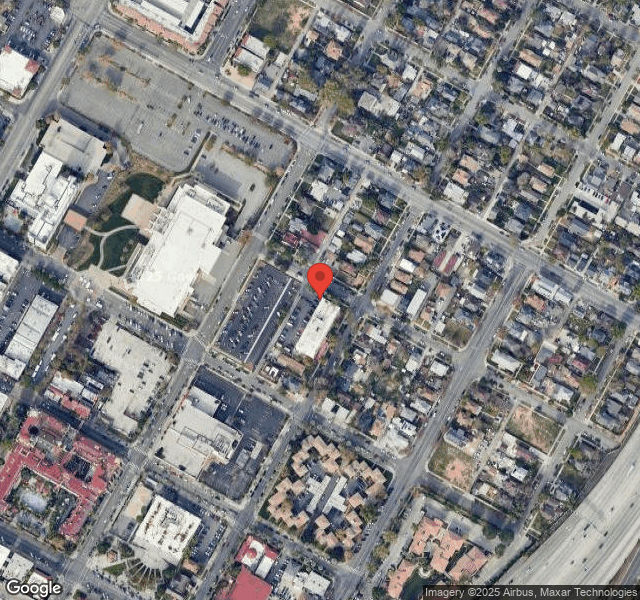
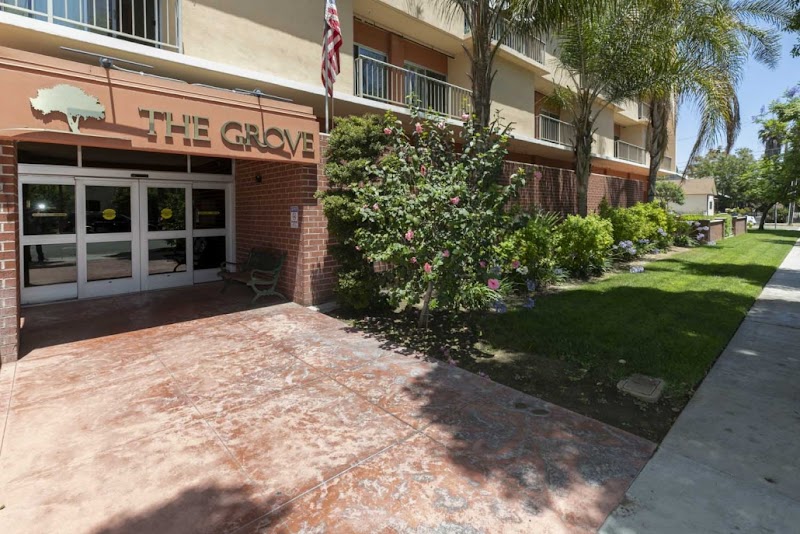
3401 LEMON STREET, RIVERSIDE, CA 92501 (951) 686-8202
For profit - Corporation 38 Beds THE ENSIGN GROUP Data: November 2025
Trust Grade
85/100
#223 of 1155 in CA
Last Inspection: January 2025

Within standard 12-15 month inspection cycle. Federal law requires annual inspections.

Overview

The Grove Care and Wellness has a Trust Grade of B+, indicating it is above average and recommended for families looking for care. It ranks #223 out of 1,155 facilities in California, placing it in the top half, and is #7 out of 53 in Riverside County, suggesting it is one of the better local options. However, the facility is facing a troubling trend as issues have increased from 2 in 2024 to 9 in 2025. Staffing is relatively strong, with a rating of 4 out of 5 stars and a turnover rate of 22%, significantly lower than the state average, which means staff members are likely to be familiar with the residents. On the downside, the facility had no fines, which is a positive sign; however, recent inspections revealed several concerning incidents, such as unsafe food storage practices and the presence of pests in the kitchen, which could pose health risks to residents.

Trust Score
B+
85/100
In California
#223/1155
Top 19%
Safety Record
Low Risk
No red flags
Inspections
Getting Worse
2 → 9 violations
Staff Stability
✓ Good
22% annual turnover. Excellent stability, 26 points below California's 48% average. Staff who stay learn residents' needs.
Penalties
✓ Good
No fines on record. Clean compliance history, better than most California facilities.
Skilled Nurses
○ Average
Each resident gets 31 minutes of Registered Nurse (RN) attention daily — about average for California. RNs are the most trained staff who monitor for health changes.
Violations
⚠ Watch
22 deficiencies on record. Higher than average. Multiple issues found across inspections.
★★★★★
5.0
Overall Rating
★★★★☆
4.0
Staff Levels
★★★★★
5.0
Care Quality
★★★★☆
4.0
Inspection Score
Stable
2024: 2 issues
2025: 9 issues

The Good

  • 4-Star Staffing Rating · Above-average nurse staffing levels
  • 5-Star Quality Measures · Strong clinical quality outcomes
  • Low Staff Turnover (22%) · Staff stability means consistent care
  • Full Sprinkler Coverage · Fire safety systems throughout facility
  • No fines on record
  • Staff turnover is low (22%)

    26 points below California average of 48%

Facility shows strength in staffing levels, quality measures, staff retention, fire safety.

The Bad

Chain: THE ENSIGN GROUP

Part of a multi-facility chain

Ask about local staffing decisions and management

The Ugly 22 deficiencies on record

Mar 2025 1 deficiency
CONCERN (D) 📢 Someone Reported This

A family member, employee, or ombudsman was alarmed enough to file a formal complaint

Potential for Harm - no one hurt, but risky conditions existed

Comprehensive Care Plan (Tag F0656)

Could have caused harm · This affected 1 resident

**NOTE- TERMS IN BRACKETS HAVE BEEN EDITED TO PROTECT CONFIDENTIALITY** Based on interview and record review, the facility failed to develop a plan of care (POC) with specific goals and objectives to ...

Read full inspector narrative →
**NOTE- TERMS IN BRACKETS HAVE BEEN EDITED TO PROTECT CONFIDENTIALITY** Based on interview and record review, the facility failed to develop a plan of care (POC) with specific goals and objectives to address the injury, for one of four sampled residents (Resident 4) when Resident 4's rib fracture was identified. This failure had the potential for Resident 4 not to receive appropriate interventions tailored to her needs. Findings: On March 3, 2025, at 8:51 a.m., an unannounced visit to the facility was conducted to investigate a facility reported incident related to an injury of unknown origin concerns. On March 3, 2025, Resident 4 ' s record was reviewed. Resident 4 was admitted to the facility on [DATE], with diagnoses which included osteomyelitis (infection of the bone) and osteoporosis (bone disease prone to fracture). A review of Resident 4 ' s History and Physical, dated February 7, 2025, indicated Resident 4 was mentally incapable of understanding. A review of Resident 4's Order Summary Report, dated February 11, 2025, indicated, .Alendronate Oral Tablet 70 MG (milligrams-unit of measurement) .Give 1 tablet by mouth in the morning every Mon (Monday) for OSTEOPOROSIS . A review of Resident 4 ' s Change of Condition, dated February 18, 2025, indicated, .Acute fractures to Right ribs 8th and 9th costochondral junction [joint between ribs and cartilage (surface that protects bones)] . On March 3, 2025, at 10:20 a.m., a concurrent interview and record review of Resident 4's records were conducted with the Licensed Vocational Nurse (LVN). The LVN stated on February 17, 2025, Resident 4 complaint of flank pain and had a change of condition that was relayed to physicianto order an X-ray (bone image). The LVN stated on the same day, the night shift nurse received a report that Resident 4 obtain a rib fracture. The LVN stated, the licensed nurse on night duty Should have been created a care plan for fracture. The LVN further stated, if care plan was not developed, the nurses would not been guided for treatment and intervention to prevent possible further injury. There was no documented evidence a care plan was initiated to addressed Resident 4's rib fracture. On March 3, 2025, at 11 a.m., a concurrent interview and record review was conducted with the Director of Nursing (DON). The DON stated Resident 4 had rib fracture and licensed nurses did not initiate care plan. The DON stated she expected to all licensed nurses should have been created and developed care plan for fracture as soon as they identified Resident 4 ' s condition. The DON further stated care plan was a tool for communication to staff to addressed issues or problems. A review of the facility's policy and procedure titled, Comprehensive Person-Centered Care Planning, dated February 2025, indicated, .It is the policy of this facility that the interdisciplinary team (IDT) shall develop a comprehensive person-centered care plan for each resident that includes measurable objectives and timeframes to meet a resident ' s medical, nursing, mental, and psychosocial needs that are identified in the comprehensive assessment .to provide effective and person-centered care that meet professional standards of quality care .The resident ' s comprehensive plan of care will be reviewed and/or revised by the IDT .
Jan 2025 7 deficiencies
CONCERN (D)

Potential for Harm - no one hurt, but risky conditions existed

Comprehensive Care Plan (Tag F0656)

Could have caused harm · This affected 1 resident

**NOTE- TERMS IN BRACKETS HAVE BEEN EDITED TO PROTECT CONFIDENTIALITY** Based on observation, interview, and record review, the facility failed to ensure a care plan was developed and implemented to a...

Read full inspector narrative →
**NOTE- TERMS IN BRACKETS HAVE BEEN EDITED TO PROTECT CONFIDENTIALITY** Based on observation, interview, and record review, the facility failed to ensure a care plan was developed and implemented to address a personal monitoring device used to measure blood glucose levels, for one of 15 residents (Resident 14). This failure had the potential for staff to not be aware of Resident 14 care needs and provide appropriate treatment related to the blood sugar monitoring device. Findings: On January 28, 2025, at 3:20 p.m., Resident 14 was observed at the nurse's station trying to get the attention of the nursing staff due to his Dexcom (brand name of a blood glucose monitoring device inserted under the skin) monitor showing an increase in blood sugar. On January 29, 2025, at 4:30 p.m., an interview was conducted with Resident 14. Resident 14 stated he would show the staff his personal blood glucose monitor when his blood sugar would increase or decrease. Resident 14 stated his blood sugar increased and licensed nursing staff would not give insulin (medication that helps regulate blood sugar levels) until the licensed nurse performed the blood sugar check at 4:30 p.m. Resident 14 stated he had a personal blood glucose monitoring device inserted under the skin that could monitor the blood glucose levels. Resident 14 stated the device would alarm if the blood sugars increased or decreased. Resident 14 stated he should get the blood glucose device inserted under his skin every 10 days. On January 29, 2025, a review of Resident 14's admission Record, indicated, Resident 14 was admitted to the facility on [DATE], with diagnoses which included diabetes mellitus (the body has trouble controlling blood sugar). A review of Residents 14's Medication Administration Record, included a physician order, dated January 8, 2025, which indicated, .Dexcom G7 Sensor Miscellaneous (Continuous Glucose System Sensor) Inject 1 application subcutaneously in the evening every 10 day(s) for blood sugar checks. Change Dexcom G7 Sensor every 10 days . Further review of Resident 14's record indicated there was no care plan developed to address the use of the personal blood glucose monitoring device. On January 29, 2025, at 5:40 p.m., an interview was conducted with the Director of Nursing (DON). The DON stated the licensed nurses should compare the blood sugar results from Resident 14's Accu-Check with the Dexcom monitor reading. The DON stated there was no care plan for the use of the Dexcom . The DON stated there should be a care plan to address the use of the Dexcom device for Resident 14. A review of the policy and procedure titled Comprehensive Resident Centered Care Plan, dated January 2022, indicated, .It is the policy of this facility that the interdisciplinary team (IDT - a group of healthcare professionals) shall develop a comprehensive person-centered care plan for each resident that includes measurable objectives and timeframe to meet a resident's medical, nursing, mental and psychosocial needs that are identified in the comprehensive assessment .within 48 hours of the resident's admission, the facility will develop and implement a baseline care plan that includes instructions needed to provide effective and person centered care .the baseline care plan will include the minimum healthcare information necessary to properly care for the resident including, but not limited to: initial goals based on admission orders .physician orders .dietary orders .therapy orders .social services orders .and PASARR recommendations, if applicable .the residents comprehensive plan of care will be reviewed and/or revised by the IDT after each assessment, including both the comprehensive and quarterly review assessments .
CONCERN (D)

Potential for Harm - no one hurt, but risky conditions existed

Quality of Care (Tag F0684)

Could have caused harm · This affected 1 resident

**NOTE- TERMS IN BRACKETS HAVE BEEN EDITED TO PROTECT CONFIDENTIALITY** Based on observaton, interview, and record review, the facility failed to ensure care and treatment was provided according to th...

Read full inspector narrative →
**NOTE- TERMS IN BRACKETS HAVE BEEN EDITED TO PROTECT CONFIDENTIALITY** Based on observaton, interview, and record review, the facility failed to ensure care and treatment was provided according to the physicians orders and plan of care, for two of 15 residents (Residents 14 and 286) when: 1. For Resident 14 and 286, the blood sugar levels were outside of the parameters and; 2. For Resident 14, the blood pressure (B/P - force exerted by blood against the walls of the arteries) was not monitored prior to administering the medication to treat high blood pressure. These failures had the potential for a delay in care and treatment and could cause a decline in the residents overall health condition. Findings: 1a. On January 28, 2025, at 3:20 p.m., Resident 14 was observed at the nurses station trying to get the attention of the nursing staff due to his Dexcom (brand name of a blood glucose monitoring device inserted under the skin) monitor showing an increase in blood sugar. On January 29, 2025, at 4:30 p.m., an interview was conducted with Resident 14. Resident 14 stated he would show the staff his personal blood glucose monitor when his blood sugar would increase or decrease. Resident 14 stated his blood sugar increased and licensed nursing staff would not give insulin (medication to help regulate blood sugar levels) until the licensed nurse performed the blood sugar check at 4:30 p.m. Resident 14 stated he had a personal blood glucose monitoring device inserted under the skin that could monitor the blood glucose levels. Resident 14 stated the device would alarm if the blood sugars increased or decreased. A review of Resident 14's admission Record, indicated, Resident 14 was admitted to the facility on [DATE], with diagnoses which included, diabetes mellitus (the body has trouble controlling blood sugar). A review of Resident 14's Minimum Data Set (MDS - a resident assessment tool), indicated Resident 14 had a Brief Interview for Mental Status (BIMs - short cognitive screening test) score of 15 (cognitively intact). A review of Resident 14's Medication Administration Record, included a physician order, dated January 14, 2025, which indicated, .Insulin Lispro (medication which regulates blood sugar) Injection Solution 100 unit/ml (milliliter - unit measurement), insulin Lispro Inject as per sliding scale: if 150 - 200 = 2 units; 201-250 = 4 units; 251- 300 = 6; 301- 350 = 8; 351- 400 = 10; 401- 450 = 12; 451- 500 = 14 units over 500 administer 14 units and notify md (physician), subcutaneously (beneath the skin) before meals and at bedtime for diabetes mellitus . A review of Resident 14's Progress Notes, for the month of January indicated, a blood sugar level of 500 on January 14, 2025, at 4:30 p.m. A further review of Resident 14's record indicated, there was no notification provided to the physician on January 14, 2025 at 4:30 p.m. when Resident 14's blood sugar level was 500. On January 30, 2025, at 4:06 p.m., a concurrent interview and record review was conducted with the Director of Nursing (DON). The DON stated the blood sugar of 500 on January 14, 2025, at 4:30 p.m., was not reported to Resident 14's physician and should have been. 1b. A review of Resident 286's admission Record, indicated Resident 286 was admitted to the facility on [DATE], with diagnoses which included diabetes mellitus. A review of Resident 286's Minimum Data Set (MDS - a resident assessment tool), dated January 27, 2025, indicated Resident 286 had a Brief Interview for Mental Status (BIMS) score of 14 (cognitively intact). A review of Resident 286's Physician Order, dated January 23, 2025, indicated, .Insulin Aspart (medication used to decrease blood sugar levels) Injection Solution (Insulin Aspart) Inject as per sliding scale: if 70 - 150 = 0; 151 - 200 = 2U; 201-250 = 4U; 251-300 = 6U; 301-400 = 10U BS (blood sugar) over 400 call Medical Doctor (MD - physician) subcutaneously before meals and at bedtime for diabetes mellitus . A review of Resident 286's Medication Administration Record, for the month of January 2025, indicated a blood sugar level of 442, on January 23, 2025, at 9 p.m. Further review of Resident 286's record indicated there was no documented evidence the physician was notified of Resident 286's blood sugar level of 442 (above 400), on January 23, 2025, at 9 p.m. On January 30, 2025, at 5:02 p.m., an interview and concurrent record review was conducted with the DON. The DON stated if the blood glucose level is above 400, the licensed nurse should give 10 units of insulin and notify the physician. The DON further stated the physician was not contacted when Resident 286 blood sugar level was 442 on January 23, 2025, at 9 p.m. A review of the policy and procedure titled, Diabetes Mellitus - Resident Management, revised January 2025, indicated, .medication management .follow physician's order for glucose monitoring .specific resident need .notify the residents physician when blood sugars are out of range per orders . 2. A review of Resident 14's admission Record, indicated Resident 14 was admitted to the facility on [DATE], with diagnoses which included heart failure. A review of Resident 14's Physician Order, dated December 27, 2024, indicated, Lisinopril (medication used to treat high blood pressure) Oral Tablet 20mg (milligram - unit of measurement). Give 1 tablet by mouth in the evening for Hypertension (pressure in blood vessels is to high) HOLD if SBP (systolic blood pressure) is < (less than) 110. A review of the Medication Administration Record, dated January 2025, indicated, Resident 14 SBP was not taken prior to administering Lisinopril on January 2, 5, 10, 11, 13, 14, 15, 16, 18, 19, 20, 21, 22, 25, 26, 27, 28, and 30, 2025 (18 days). On January 30, 2025, at 5:58 p.m., an interview and concurrent record review was conducted with the DON. The DON stated licensed nurse should check and document the resident's blood pressure prior to administering lisinopril for Resident 14. The DON stated licensed nursing need to follow the physician orders to know if it was appropriate to administer the medication according to the parameters ordered by the physician. The DON stated if lisinopril was given when the blood pressure is below the parameters, the resident could experience adverse effects from a low blood pressure. A review of the policy and procedure titled Medication Administration, dated January 2025, indicated .administering unit doses and previously prepared drugs .take vital signs if required .hold drugs if indicated .
CONCERN (D)

Potential for Harm - no one hurt, but risky conditions existed

Pharmacy Services (Tag F0755)

Could have caused harm · This affected 1 resident

Based on observation, interview, and record review, the facility failed to ensure provision of pharmacy services met the needs of the residents, when Resident 18 was missing documentation for the admi...

Read full inspector narrative →
Based on observation, interview, and record review, the facility failed to ensure provision of pharmacy services met the needs of the residents, when Resident 18 was missing documentation for the administration of a controlled substance (CS - those with high potential for abuse and addiction) medications, during the medication cart inspection. The CS medication was signed out of the Controlled Medication Count Sheet (an inventory sheet that keeps record of the usage of controlled medications) but not documented on the Medication Administration Records (MAR) to indicate it was administered to the resident. Additionally, the CS medication was wasted (not administered to the resident and discarded) without two licensed nurses' documentation on the count sheet according to the facility's policy for Resident 18. These failures resulted in inaccurate accountability of CS medications, which had the potential for misuse or diversion. Findings: On January 27, 2025, Resident 18's record was reviewed. Resident 18 had a physician's order, dated November 16, 2024, for hydrocodone-acetaminophen (Norco, a potent controlled medication for pain) 5/325 mg, 1 tablet by mouth every 8 hours as needed for severe pain. On January 27, 2025 at 10:53 a.m., during an interview with Licensed Vocational Nurse (LVN) 1, she stated the facility's process for CS medication administration was as follows: - Ask the resident about pain location; - Check the Count Sheet to find out when pain medication was last given; - Pour pain medication (remove from locked drawer of medication cart); - Sign Count Sheet and MAR at the same time; and - If the pain medication was not given or refused by a resident, need to waste with another nurse witness and both nurses needed to sign the Count Sheet. On January 27, 2025, at 10:58 a.m., during a concurrent interview and record review with LVN 1, a review of Resident 18's Controlled Medication Count Sheet, for Norco 5/325 mg and the Medication Administration Record, for the months of November and December 2024, indicated Norco was signed out from the count sheet but was not documented as administered on the MAR on the following dates and times: - November 29, 2024, at 20:57 (8:57 p.m.); - December 8, 2024 at 21:15 (9:15 p.m.); - December 18, 2024 at 21:24 (9:24 p.m.); - December 20, 2024 at 21:04 (9:04 p.m.); and - December 26, 2024 at 05:20 (5:20 a.m.). In a concurrent interview, LVN 1 acknowledged one Norco 5/325 mg tablet for Resident 18 was unaccounted in November 2024 and four Norco 5/325 mg tablets were unaccounted in December 2024. Additionally, Resident 18's Count Sheet for Norco 5/325 mg indicated one tablet was wasted on December 21, 2024 at 21:04 (9:04 p.m.) and did not have a second nurse witness documented on the Count Sheet. LVN 1 stated the nurse should have had another nurse sign on the Count Sheet as a witness for the wasted Norco 5/325 mg tablet. On January 28, 2025 at 2:08 p.m. during an interview with the Director of Nursing (DON), the DON stated the expectation during CS medication administration was for the nursing staff to have immediately document on the count sheet and in the MAR. The DON confirmed the discrepancies and acknowledged the missing documentations in the MAR for the dates and times as listed above for Resident 18. The DON stated the administrations should have been documented on the MAR. Additionally, the DON stated the expectation for wasting CS medications was for two licensed nurses to co-sign. The DON stated nursing staff must document wasted on the Count Sheet with two licensed nurse initials every time. The DON said, [Nurses] Cannot destroy [CS medication] without a witness. The DON confirmed and acknowledged the Norco 5/325 mg tablet was wasted without two licensed nurses' initials on December 21, 2024, at 21:04 (9:04 p.m.) for Resident 18. The DON stated documentation of CS medication was important to prevent diversion and to ensure residents received the medication but not double dosed if too soon to be given. The DON stated following the process for wasting CS medication was important for accountability and transparency to prevent diversion. A review of the facility's policy and procedure titled Medication Administration, dated August 2021, indicated, .The staff administering the medication must record such information on the resident's MAR before administering the next resident's medication . During a review of the facility's P&P, titled Controlled Medications - Storage and Reconciliation, dated January 2022, the P&P indicated, When a controlled medication is administered, the licensed nurse administering the medication immediately enters all of the following information on the accountability record: date and time of administration; amount administered; signature of the nurse administering the dose, completed after the medication is actually administered .When a dose of a controlled medication is removed from the container for administration but refused by the resident or not given for any reason, it is not placed back in the container. It must be destroyed in the presence of two licensed nurses and the disposal documented on the accountability record, on the line representing that dose .
CONCERN (D)

Potential for Harm - no one hurt, but risky conditions existed

Drug Regimen Review (Tag F0756)

Could have caused harm · This affected 1 resident

**NOTE- TERMS IN BRACKETS HAVE BEEN EDITED TO PROTECT CONFIDENTIALITY** Based on interview and record review, the facility failed to ensure the Consultant Pharmacist (CP) identified and reported irreg...

Read full inspector narrative →
**NOTE- TERMS IN BRACKETS HAVE BEEN EDITED TO PROTECT CONFIDENTIALITY** Based on interview and record review, the facility failed to ensure the Consultant Pharmacist (CP) identified and reported irregularities during the monthly medication regimen review (MRR), for one of five residents reviewed for unnecessary medications (Resident 10), when Resident 10 received sertraline (brand name for Zoloft, medicatuion used to treat depression) without an appropriate indication and/or clinical justification for its use. This failure had the potential for medications not being optimized for best possible health outcome, and unnecessary or prolonged use of medications which could lead to medication adverse effects for the residents. Finding: On January 29, 2025, a review of Resident 10's clinical record indicated Resident 10 was initially admitted to the facility on [DATE] and recently readmitted on [DATE] with diagnoses which includes major depressive disorder (depression). A review of Resident 10's medical record indicated she had received sertraline prescribed for depression on December 7, 2021 to November 5, 2024. A review of Resident 10's medical record included a physician's order, dated November 6, 2024, which indicated sertraline 150 milligrams (mg - unit of measurement) by mouth one time a day for chronic pain. A review of Resident 10's medical record indicated a current physician's order dated January 23, 2025 for sertraline 150 mg by mouth one time a day every Monday, Wednesday, Friday, Sunday for chronic pain and one time a day every Tuesday, Thursday, Saturday for chronic pain. On January 29, 2025 at 4:07 p.m., during a concurrent interview and record review with the Director of Nursing (DON). The DON stated the physician orders indicated sertraline was initially prescribed for depression on December 7, 2021 to November 5, 2024 and the indication was changed to chronic pain on November 6, 2024 to January 23, 2025. When asked if there was documentation of the clinical justification for the new indication chronic pain, the DON stated she would follow-up. During the same interview, the DON stated the facility's psychotropic medication administration and monitoring process was as follows: - Upon admission of a resident with psychotropic medications, the facility needed to ensure the resident had a physician's order for the psychotropic medication with an accurate diagnosis and corresponding behavior manifestation; - If the physician's order was unclear, nursing staff needed to clarify with the physician; - Psychotropic medications were reviewed monthly, or more often if needed, by the Interdisciplinary team (IDT) which included the Social Services Director, the DON or designee, the Activities Director, and other staff involved in the residents' care; and - All psychotropic medications were reviewed by a psychiatric provider and the Consultant Pharmacist (CP). A review of the CP's monthly MRRs for Resident 10 on November 25, 2024, December 31, 2024, and January 18, 2025, indicated there were no recommendations from the CP related to the sertraline indication change from depression to chronic pain. On January 29, 2025 at 5:33 p.m., during a follow-up interview with the DON, the DON confirmed there was no documentation in Resident 10's medical record of the clinical justification for the new sertraline indication of chronic pain on November 6, 2024 and stated there should have been documentation. Additionally, the DON stated the CP should have identified the indication change and reported the irregularities during the MRRs on November 25, 2024, December 31, 2024, and January 18, 2025. On January 30, 2025 at 2:33 p.m., during a telephone interview with the CP, the CP stated the MRR process was as follows: - Medications for all residents were reviewed monthly, including review of the MAR, laboratory results, diagnoses, and documentation of clarifications; and - If medication changes or adjustments were needed, the CP sent the documented recommendations to the facility. During the same telephone interview, the CP stated she did not identify or report when the sertraline indication was changed from depression to chronic pain for Resident 10 during the MRRs on November 25, 2024, December 31, 2024, and January 18, 2025. The CP acknowledged the irregularity should have been identified and reported. A review of the facility's policy and procedure titled Medication (Drug) Regimen Review (MRR), revised January 2022, indicated, .The MRR includes identification of irregularities, medication-related errors, adverse consequences, and use of unnecessary drugs .Unnecessary drug is defined as medications ordered .without adequate indications for its use .
CONCERN (D)

Potential for Harm - no one hurt, but risky conditions existed

Medication Errors (Tag F0758)

Could have caused harm · This affected 1 resident

**NOTE- TERMS IN BRACKETS HAVE BEEN EDITED TO PROTECT CONFIDENTIALITY** Based on interview and record review, the facility failed to ensure, one of five residents reviewed for unnecessary medications ...

Read full inspector narrative →
**NOTE- TERMS IN BRACKETS HAVE BEEN EDITED TO PROTECT CONFIDENTIALITY** Based on interview and record review, the facility failed to ensure, one of five residents reviewed for unnecessary medications (Resident 10), was free from unnecessary psychotropic (drugs that affects brain activities associated with mental processes and behavior) medications when Resident 10 was administered sertraline (brand name Zoloft, used to treat depression) without an appropriate indication and/or clinical justification for its use. This failure resulted in unnecessary medications for Resident 10, which increased the potential for medication interactions, adverse reactions, and unidentified risks associated with the use of sertraline that included but not limited to sexual dysfunction, diarrhea, nausea, and seizures. Finding: On january 29, 225, a review of Resident 10's clinical record indicated she was initially admitted to the facility on [DATE] and recently readmitted on [DATE] with diagnoses including major depressive disorder (depression). A review of Resident 10's medical record indicated she had received sertraline prescribed for depression on December 7, 2021 to November 5, 2024. A review of Resident 10's medical record included a physician's order, dated November 6, 2024, for sertraline 150 milligrams (mg - unit of measurement) by mouth one time a day for chronic pain. A review of Resident 10's medical record indicated a current physician's order dated January 23, 2025 for sertraline 150 mg by mouth one time a day every Monday, Wednesday, Friday, Sunday for chronic pain and one time a day every Tuesday, Thursday, Saturday for chronic pain. On January 29, 2025 at 4:07 p.m., during a concurrent interview and record review with the Director of Nursing (DON), Resident 10's medical record and sertraline physician orders, dated December 7, 2021 to January 23, 2025, were reviewed. The physician orders indicated sertraline was initially prescribed for depression on December 7, 2021 to November 5, 2024 and the indication was changed to chronic pain on November 6, 2024 to January 23, 2025. When asked if there was documentation of the clinical justification for the new indication chronic pain, the DON stated she would follow-up. During the same interview, the DON stated the facility's psychotropic medication administration and monitoring process was as follows: - Upon admission of a resident with psychotropic medications, the facility needed to ensure the resident had a physician's order for the psychotropic medication with an accurate diagnosis and corresponding behavior manifestation; - If the physician's order was unclear, nursing staff needed to clarify with the physician; - Psychotropic medications were reviewed monthly, or more often if needed, by the Interdisciplinary team (IDT) which included the Social Services Director, DON or designee, the Activities Director, and other staff involved in the residents' care; and - All psychotropic medications were reviewed by a psychiatric provider and the Consultant Pharmacist. On January 29, 2025 at 5:33 p.m., during a follow-up interview with the DON, the DON confirmed there was no documentation in Resident 10's medical record of the clinical justification for the new sertraline indication chronic pain on November 6, 2024 and stated there should have been documentation. On January 30, 2025 at 10:33 a.m., during an interview with the Social Services Director (SSD), the SSD stated the facility's psychotropic medication review process was as follows: - The day after an admission, any resident with psychotropic medications were reviewed to ensure the appropriate medication orders were obtained; and - Psychiatric consults were scheduled with the appropriate provider if needed. During the same interview, the SSD reviewed Resident 10's medical record and sertraline orders dated December 7, 2021 to January 23, 2025. The SSD acknowledged sertraline was initially prescribed for depression on December 7, 2021, and the indication was changed to chronic pain on November 6, 2024. The SSD stated there was no documentation of an initial psychiatric assessment on November 5, 2024 (the day the resident was admitted ) or on November 6, 2024 (the day after admission). Additionally, the SSD reviewed the LN [Licensed Nurse] - Psychoactive Medication Evaluation, dated November 6, 2024 and confirmed the evaluation did not indicate why sertraline indication was changed to chronic pain. The SSD stated there should have been documentation in Resident 10's medical record of the clinical justification for the new sertraline indication chronic pain on November 6, 2024. The SSD stated the Interdisciplinary Team (IDT) had a meeting on December 16, 2024 to review Resident 10's reported issues from the weekend and did not discuss the sertraline indication change from depression to chronic pain. On January 30, 2025, at 2:21 p.m., during a follow-up interview with the DON, she stated it was important for psychotropic medications to have a clear indication and documented clinical justification for use to ensure appropriate monitoring for effectiveness and to ensure the resident was provided the correct medication. A review of the facility's policy and procedure titled Psychotropic Drug Use, dated August 2017, indicated, .The Licensed Nurses shall review the classification of the drug, the appropriateness of the diagnosis, and its indication/behavior monitors and related adverse side effects prior to verification of admission orders the Attending Physician .Upon initial comprehensive assessment, the Social Services designee shall review new admissions for any psychiatric, mood or behavior disorders, mental and psychosocial difficulties, and/or physician's orders for psychotropic medications. These residents will be referred to the facility's Psychotropic Drug Review Committee and/or the Psychiatrist to ensure .Psychotropic medication was prescribed to treat a specific diagnosed condition as documented in the clinical record . A review of the Prescribing Information (PI, detailed description of a drug's uses, dosage range, side effects, drug-drug interactions, and contraindications that is available to clinicians) for sertraline, revised August 2023, indicated, Indications and Usage .indicated for the treatment of .Major depressive disorder (MDD) in adults .Obsessive-compulsive disorder (OCD) in adults and pediatric patients 6 years and older .
CONCERN (D)

Potential for Harm - no one hurt, but risky conditions existed

Infection Control (Tag F0880)

Could have caused harm · This affected 1 resident

Based on observation, interview, and record review the facility failed to ensure infection control practices were followed when the Certified Nursing Assistant (CNA) was observed not to perform hand h...

Read full inspector narrative →
Based on observation, interview, and record review the facility failed to ensure infection control practices were followed when the Certified Nursing Assistant (CNA) was observed not to perform hand hygiene prior to and after passing out lunch trays. This failure had the potential for staff to spread infection to residents who are already medically compromised. Findings: On January 29, 2025, at 11:48 a.m., CNA 1 was observed passing out lunch trays without washing or sanitizing his hands. On January 29, 2025, at 12:00 p.m., an interview was conducted with CNA 1. CNA 1 stated he should have washed and sanitized his hands prior to touching the lunch tray and after placing the tray with the resident. On January 30, 2025, at 10:23 a.m., an interview was conducted with the Infection Preventionist (IP). The IP stated during meal distribution prior to touching plates, staff should wash or sanitize their hands before and after handling each tray and after every three residents, the staff should wash their hands. A review of the policy and procedure titled Hand Hygiene, 2023, indicated, .use an alcohol-based hand rub containing at least 62% alcohol; or alternatively, soap (antimicrobial or non-antimicrobial) and water for the following situations: before and after direct contact with residents .before and after entering isolation precaution settings .before and after eating or handling food .before and after assisting a resident with meals .
CONCERN (E)

Potential for Harm - no one hurt, but risky conditions existed

Food Safety (Tag F0812)

Could have caused harm · This affected multiple residents

Based on observation, interview, and record review, the facility failed to ensure safe and sanitary food practices were provided, when: 1. Lettuce and stalks of celery were found in the walk-in refri...

Read full inspector narrative →
Based on observation, interview, and record review, the facility failed to ensure safe and sanitary food practices were provided, when: 1. Lettuce and stalks of celery were found in the walk-in refrigerator, open to air; 2. A small container of elbow macaroni was not dated or labeled; and 3. One tin container was placed on top of another tin container touching cut up watermelon. These failures had the potential to cause growth of harmful bacteria in food served to a medically compensated population. Findings: 1. On January 27, 2025, at 9:47 a.m., during the initial kitchen tour with the Dietary Manager (DM), small heads of lettuce and stalks of celery were found in unsealed plastic bags observed to be open to air stored in the walk-in refrigerator. On January 27, 2025, at 10:20 a.m., an interview was conducted with the Dietary Manager (DM). The DM stated the lettuce and celery were in the walk-in refrigerator exposed to air and should not be exposed to air. A review of the facility's policy and procedure titled Storing Produce, dated 2023, indicated, .When storing vegetables that should remain crisp, such as lettuce and other leafy greens, fresh herbs, celery, green peppers, broccoli, and asparagus, they will stay fresh longer if you place them in a sealed bag or container .keeping fresh vegetables tightly wrapped with as little air in the bag/container as possible will keep them fresh longer . 2. On January 27, 2025, at 10:34 a.m. an observation was conducted in the dry storage area where a small container of elbow macaroni was found undated and unlabeled. On January 27, 2025, at 10:36 a.m., an interview with the DM was conducted. The DM stated all the containers should be dated and labeled. A review of the policy and procedure titled Labeling and Dating of Foods, 2023, indicated, .All food items in the storeroom, refrigerator, and freezer need to be labeled and dated based on established procedures for either food safety or product rotation .the individual opening or preparing a food shall be responsible for date marking at the time of processing and/or storage .the use by date will incorporate the open date .the use by date signifies the date in which food must be consumed or discarded . 3. On January 29, 2025, at 10:15 a.m., during a follow up observation in the kitchen, the dietary aide was observed preparing fruit for lunch. The Dietary Aide (DA) was observed cutting watermelon and putting in a tin container. The DA was observed to stack another tin container with whole fruit inside on top of the tin container with watermelon and was touching the watermelon. On January 29. 2025, at 10:15 a.m., an interview was conducted with the DA. The DA stated one container fell inside the container with the watermelon. On January 29, 2025, at 10:19 a.m., an interview was conducted with the Certified Dietary Manager (CDM) who stated the watermelon was contaminated and needed to be discarded. A record review of the policy and procedure titled Food Preparation, 2023, indicated, .consider all raw product as contaminated .handle it with methods designed to reduce existing contamination or to prevent cross contamination to other products .keep raw and cooked foods separate .use separate cleaned and sanitized cutting boards, utensils, and knives when moving between working with raw and cooked foods .
Jan 2025 1 deficiency
CONCERN (D) 📢 Someone Reported This

A family member, employee, or ombudsman was alarmed enough to file a formal complaint

Potential for Harm - no one hurt, but risky conditions existed

Report Alleged Abuse (Tag F0609)

Could have caused harm · This affected 1 resident

Based on observation, interview, and record review, the facility failed to report an allegation of abuse to the State Agency (SA) as required within two hours, for one of two residents reviewed (Resid...

Read full inspector narrative →
Based on observation, interview, and record review, the facility failed to report an allegation of abuse to the State Agency (SA) as required within two hours, for one of two residents reviewed (Resident 2). This failure had the potential to put residents at risk for further abuse. Findings: On January 17, 2025, at 8:30 a.m., an unannounced visit was made to the facility for an allegation of abuse. On January 17, 2025, at 9:23 a.m., an observation with a concurrent interview was conducted with Resident 2. Resident 2 was in his room, alert, and interviewable. Resident 2 stated he had an incident with Resident 1, he did not recall the date, but it was around 4:00 a.m. Resident 2 stated he had an argument with Resident 1 and he pushed him on the arm by the elevator door. Resident 2 stated he did not sustain injuries. On January 17, 2025, Resident 2 ' s record was reviewed. Resident 2 was admitted to the facility on , with diagnoses including urinary tract infection, unspecified heart failure, other acute kidney failure, Klebsiella Pneumoniae, other symptoms and signs concerning food and fluid intake, chronic idiopathic constipation, Type 2 Diabetes Mellitus without complications, other abnormalities of gait and mobility, and need for assistance with personal care. The progress notes dated, January 2, 2025 indicated Resident 2 had an altercation with Resident 1 on January 2, 2025 at 4:00 a.m. On January 17, 2025, at 4:33 p.m., an interview was conducted with Licensed Vocational Nurse (LVN) 1. LVN 1 stated on January 2, 2025, at around 4:00 a.m., he heard the yelling between Resident 1 and 2 but he did not actually witness the incident. LVN 1 stated Resident 2 was already on the floor by the time he arrived on the scene. LVN 1 stated he reported the incident to the Administrator on January 2, 2025, at around 7:00 a.m. LVN 1 stated he should have reported the incident to the Administrator immediately. On January 17, 2025, at 4:48 p.m., an interview was conducted with Certified Nursing Assistant (CNA) 1. CNA 1 stated she worked on January 2, 2025, and at around 4:00 a.m., she had witnessed the incident between Residents 1 and 2. CNA 1 stated she had reported the incident to LVN 1, who was already present by then. CNA 1 stated she also reported it to the Administrator around three hours later from the time the incident had occurred. CNA 1 stated the incident should have been reported within two hours. On January 22, 2025, at 8:33 a.m., an interview was conducted with the Administrator. The Administrator stated the incident between Residents 1 and 2 was reported to him on January 2, 2025, at around 9:00 a.m., the Administrator stated the incident was reported to the SA via facsimile about an hour or so. The Administrator stated the incident between Residents 1 and 2 should have been reported to the SA within two hours. The Administrator further stated facility staff should be able to report abuse incidents to the SA via phone call or fax the completed SOC 341 (form used to report allegations of abuse to the elderly). The Administrator stated instructions on how to report an abuse is available at the nursing station. The facility ' s policy and procedure titled, Abuse: Prevention of and Prohibition Against, dated November 28, 2017, indicated, .each resident has the right to be free from abuse .the Facility will provide oversight and monitoring to ensure that its staff, who are agents of the Facility, deliver care and services in a way that promotes and respects the rights of the residents to be from abuse .allegations of abuse .will be reported outside the Facility and to the appropriate State or Federal agencies in the applicable timeframes, as per this policy and applicable regulations .
Nov 2024 1 deficiency
CONCERN (D) 📢 Someone Reported This

A family member, employee, or ombudsman was alarmed enough to file a formal complaint

Potential for Harm - no one hurt, but risky conditions existed

Pressure Ulcer Prevention (Tag F0686)

Could have caused harm · This affected 1 resident

**NOTE- TERMS IN BRACKETS HAVE BEEN EDITED TO PROTECT CONFIDENTIALITY** Based on interview and record review the facility failed to ensure necessary treatment and services to promote healing of pressu...

Read full inspector narrative →
**NOTE- TERMS IN BRACKETS HAVE BEEN EDITED TO PROTECT CONFIDENTIALITY** Based on interview and record review the facility failed to ensure necessary treatment and services to promote healing of pressure injuries (a localized area of skin damage caused by prolonged or intense pressure on the skin, often over bony parts of the body) are provided in a timely manner, for one of three residents (Resident A), when: - The pressure injury on the sacral area (lower portion of spinal column) was not identified on admission and treatment orders not initiated timely; and - Treatment orders were not administered as ordered by the physician. These failures had the potential in the delay in care and treatment of Resident A's pressure injury which could affect healing. Findings: On November 6, 2024, at 12: 30 p.m., an unannounced visit to the facility was conducted to investigate complaints and facility reported incident of quality of care and neglect. On November 6, 2024, at 1:30p.m., an interview and concurrent record review was conducted with the Treatment Nurse (TN). The TN stated when Resident A was admitted to the facility, it was hard to notice the wound on the resident's sacrum, due to the resident ' s dark skin tone. The TN stated Resident A came from the hospital with a scaral wound which was unable to stage because of presence of necrotic tissue (black dead tissue) and was difficult to see and took two people to examine her sacral area because the resident had loose skin around her bottom, it. The TN stated she forgot to document a description of the sacral wound bed on Resident A's skin assessment note, dated October 22, 2024. The TN stated Resident A's sacral wound bed had an eschar (dark colored leathery dead tissue) present when she assessed it on October 15, 2024. The TN stated the facility's protocol for prevention of pressure injury which includes a wound consult. The TN stated usually a wound consultant comes in and would document an assessment of the wound weekly and would give any treatment recommendations for the licensed nurse to implement, but there was no wound consult done. The TN stated she last worked on October 29, 2024, and returned to work on November 5, 2024. On November 6, 2024, at 4:00 p.m., an interview was conducted with the Director of Nursing (DON). The DON stated Resident A did not have an order for a wound care consult upon identification of the pressure injuries. The DON stated but Resident A did not see a wound care consultant. On November 6, 2024, a review of Resident A ' s medical record was conducted. Resident A was admitted to the facility on [DATE], with diagnoses which included a urinary tract infection (bladder infection) and dementia (problems with thinking and remembering). A review of Resident A's Initial admission Record, dated October 14, 2024, indicated, .Patient had dry skin on lower extremities and red heel, has edema (swelling) at both lower extremities and her left upper arm. Has pressure injury on sacrum .Signed date: 11/04/2024 (November 4, 2024) . A review of Resident A's Audit Report .admission Assessment, dated November 12, 2024, indicated documentation on the pressure injury on the sacrum was added on November 4, 2024, and not on admission on [DATE]. A review of Resident A's care plan, dated October 14, 2204, indicated, .has pressure ulcer development r/t (related to) poor mobility, requires assistance with adls (Activities of Daily Living) .pt (patient) admitted with left heel P/I .sacrum p/i .right heel p/i .Interventions .Administer treatments as ordered and monitor its effectivenesss .Assess/record/monitor wound healing. Measure length, width and depth where possible. Assess and document status of wound perimeter, wound bed and healing progress . A review of Resident A's Order Summary Report, indicated the following physician's order: - .(L)(left) heel P/I (pressure injury): Cleanse with NS (normal saline) pat dry apint (sic) with betadine cover with DD (dry dressing) every day shift for 21 days ., date ordered October 15, 2024; - .(R)(right) heel P/I: with NS pat dry apint (sic) with betadine cover with DD (dry dressing) every day shift for 21 days ., date ordered October 15, 2024; - .Sacrum P/I: Cleanse with NS pat dry apply xeroform cover with DD every day shift for 21 days ., date ordered October 15, 2024; and - .Sacrum P/I: Cleanse with NS pat dry paint with beetadine cover with DD every day shift for 21 days ., date ordered October 19, 2024. A review of Resident A ' s Treatment Administration Records (TAR), indicated all treatment orders were completed on the day the treatment was scheduled for October 2024. A review of Resident A's Administration Audit Report, indicated the following: - Left heel treatment scheduled for October 15, 2024, was documented as administered on October 19, 2024; - Sacrum pressure injury treatment scheduled for October 16, 17, and 18, 2024, was documented as administered on October 19, 2024; - Right heel treatment scheduled for October 16, 17, 18, and 19, 2024, was documented as administered on October 22, 2024. - Sacrum P/I scheduled for October 19 and 21, 2024, was documented as administered on October 23, 2024; - Sacrum P/I scheduled for October 20, 2024, was documented as administered on October 24, 2024. A review of Resident A's Skin Pressure Ulcer Weekly, dated October 29, 2024, indicated documentation of Resident A's pressure injuries completed by the TN on November 4, 2024. A review of Resident A's Progress Notes, indicated the following: - November 3, 2024, at 9:44 a.m., indicated, .Foul odor wound at sacrum . - November 3, 2024, at 3:27 p.m., indicated, .Obtained order from (name of physician) to have Rocephin (brand of antibiotic) for wound infection and do wound culture (laboratory test to check presence of bacteria on the wound) . - November 3, 2024, at 5:34 p.m., indicated, .Resident continues to have malodor to the coccyx wound, large amount of purulent (containing pus) exudate (fluid that leaks out of blood vessels into nearby tissues) noted . - November 4, 2024, at 3:42 p.m., indicated, .patient was transferred to hospital . On November 12, 2024, at 1:05 p.m., an interview was conducted with the Licensed Vocational Nurse (LVN). The LVN stated the admission nurse was responsible for completing a head to toe assessment on admission. On November 12, 2024, at 1:55 p.m., an interview was conducted with the Minimal Data Set (MDS) nurse. The MDS stated she does fill in when needed as the treatment nurse. The MDS stated she performed a skin evaluation on Resident A on October 30, 2024, but did not complete the note. The MDS stated she did not feel confident with wound care notes and did not measure Resident A ' s sacral wound or document the wound description. The MDS stated she usually would leave that for the treatment nurse to complete. On November 12, 2024, at 2:30 p.m. an interview and concurrent record review was conducted with the TN. The TN stated the admission nurse was to complete the initial assessment on a new resident and one of the assessments to be completed including the skin. The TN stated she does not remember why she did not complete her initial skin assessment note for Resident A on October 15, 2024, she made changes to her documentation on October 18 and 22, 2024, but she should not have waited to complete her documentation. The TN sated she did Resident A's treatment to her heels and sacrum starting on October 15, 2024, and did not document consistently or daily as her audit report indicated, she should be signing off treatments the day they were completed not two or three days after. On November 12, 2024, at 4:30 p.m., an interview and concurrent record review was conducted with the Registered Nurse (RN). The RN stated the initial admission assessment included a full body skin check, and after the assessment, we notify the doctor with our findings, and ask for orders. The RN stated she forgot to put Resident A ' s sacral pressure injury on the initial assessment, she forgot to document it on October 14, 2024 and when she remembered she added it on November 4, 2024. A review of the facility ' s undated policy titled, Change of Condition Reporting, indicated, .all changes in resident condition will be communicated to the physician .timely notification of a change in resident condition .change in a resident ' s condition manifested by a marked change in physical or mental behavior will be communicated to the physician with a request for physician visit .or acute care evaluation .document resident change of condition and response in nursing progress notes per policy and update resident care plan, as indicated . comprehensive care plan completed . A review of the facility ' s policy and procedures titled, Skin Management System, dated December 2023, indicated, .Residents will have a head to toe skin assessment by a licensed nurse at the time of admission. Any skin lesions will be documented on the Nursing admission Assessment. A treatment order will be obtained from the attending physician for areas requiring treatment .A plan of care will be initiated to address areas of actual skin breakdown. The plan of care will be reviewed and revised as needed. Resident will have ongoing head to toe assessment done weekly, incorporated into the LN Weekly Summary review .report of all wounds and their progress will be updated by the treatment nurse weekly .
Nov 2024 1 deficiency
CONCERN (D) 📢 Someone Reported This

A family member, employee, or ombudsman was alarmed enough to file a formal complaint

Potential for Harm - no one hurt, but risky conditions existed

Quality of Care (Tag F0684)

Could have caused harm · This affected 1 resident

**NOTE- TERMS IN BRACKETS HAVE BEEN EDITED TO PROTECT CONFIDENTIALITY** Based on interview and record review the facility failed to ensure a change in cognitive status was addressed, for one of three ...

Read full inspector narrative →
**NOTE- TERMS IN BRACKETS HAVE BEEN EDITED TO PROTECT CONFIDENTIALITY** Based on interview and record review the facility failed to ensure a change in cognitive status was addressed, for one of three residents reviewed (Resident A), when Resident A exhibited hallucinations (a perception of having seen, heard, touched, tasted, or smelled something that wasn't actually there) and increasing confusion. In a addition, there was no plan of care developed to address Resident A's hallucinations and confusion. This failure resulted in a delay in the care and treatment for Resident A when the resident was transferred to the general acute hospital three days after onset of hallucinations and increasing confusion. Findings: On November 1, 2024, at 9:30 a.m., an unannounced visit to the facility was conducted to investigate a complaint. On November 1, 2024, a review of Resident A ' s medical record was conducted. Resident A was admitted to the facility on [DATE], with diagnoses which included a left foot amputation and diabetes mellitus (abnormal blood sugar). A review of Resident A's Minimum Data Set (MDS - an assessment tool), dated October 7, 2024, indicated Resident A had a BIMS (Brief Interview of Mental Status) score of 11 (moderate cognitively intact). A review of Resident A's Progress Notes, indicated Resident A had episodes of confusion on October 7 to 12, 2024, and was started on antibiotic (medication to treat infection) due to elevated white blood cell count (WBC - found in the blood, part of the body ' s immune system, helps fight infections) . There was no documented evidence Resident A exhibited hallucinations on October 7 to 12, 2024. A review of Resident A ' s care plan, dated October 7, 2024, indicated, Resident A .has elevated WBC 16.7 (normal range 4.5 to 11) .interventions .Monitor/document/report to MD (medical doctor) s/sx (signs and symptoms) of delirium (serious disturbance in mental abilities resulting in confused thinking and reduced mental awareness); changes in behavior, altered mental status, wide variation in cognitive functions throughout the day, communication decline, disorientation, periods of lethargy (lack of energy), restlessness and agitation, altered sleep cycle . A review of Resident A's Progress Notes, dated October 13, 2024, at 11:47 a.m., indicated .patient is alert and verbally responsive .patient had increase confusion saying he seen his wife in the room, even though, wife not present .had tremors and jittering. Dr. [name] notified and order to send patient to hospital for increased confusion . On November 1, 2024, at 2:30 p.m., an interview was conducted with Resident B. Resident B stated he was roommates with Resident A from October 1 to 13, 2024, until Resident A was transferred to the hospital. Resident B stated Resident A was a different person from the time he was admitted to the facility, until he was sent out to the hospital, Resident A was deteriorating, he was not doing well. Resident B stated about three nights before Resident A was sent to the hospital, Resident A kept grabbing at the curtains, and talking to people who were not there, saying he sees spirits, Resident A knocked over a food tray one night, and the staff came in to see what happened, it made a lot of noise when it fell. Resident B stated someone finally evaluated Resident B and sent him to the hospital. Resident B stated Resident A began to get tremors, his hands were shaking, Resident A was normally talkative, watched television or was talking on his phone, but two days before Resident A went to the hospital, he was quiet, the television was not on, and was not talking on the phone, this was not normal for Resident A. On November 1, 2024, at 2:40 p.m., and interview and a concurrent record review was conducted with the Registered Nurse (RN). The RN reviewed Resident A ' s medical record and stated Resident A had increased confusion over the past three days and hallucinations prior to being sent out. The RN stated Resident A was acting confused, talking to himself, seeing his [family member] in the room but was not there, Resident A was hallucinating. The RN stated, the doctor was aware, but no change of condition was documented, no SBAR (situation, background, assessment, recommendation- a communication tool used by healthcare workers when there is a change of condition among the residents) form was completed, and no care plan was updated to include confusion, ALOC (altered level of consciousness), or hallucinations. The RN stated Resident A should have been re-evaluated when the resident exhibited hallucinations and increasing confusion three days prior to being sent out. A review of the facility ' s undated policy and procedure titled Change of Condition Reporting, indicated, .all changes in resident condition will be communicated to the physician .timely notification of a change in resident condition .change in a resident ' s condition manifested by a marked change in physical or mental behavior will be communicated to the physician with a request for physician visit .or acute care evaluation .Symptoms and unusual signs will be communicated to the physician promptly .document resident change of condition and response in nursing progress notes per policy and update resident care plan, as indicated .comprehensive care plan completed .
Dec 2023 7 deficiencies
CONCERN (D)

Potential for Harm - no one hurt, but risky conditions existed

Quality of Care (Tag F0684)

Could have caused harm · This affected 1 resident

**NOTE- TERMS IN BRACKETS HAVE BEEN EDITED TO PROTECT CONFIDENTIALITY** Based on interview and record review, the facility failed to ensure a resident was sufficiently prepared for a scheduled colonos...

Read full inspector narrative →
**NOTE- TERMS IN BRACKETS HAVE BEEN EDITED TO PROTECT CONFIDENTIALITY** Based on interview and record review, the facility failed to ensure a resident was sufficiently prepared for a scheduled colonoscopy (a procedure in which a flexible fiber-optic instrument is inserted through the anus in order to examine and take pictures of large intestines), for one of 12 residents reviewed (Resident 5), when the bowel preparation medications were not administered according to the physician's orders. This failure resulted in Resident 5 not being adequately clear of her bowels, prompting the family member (FM) to cancel the scheduled colonoscopy, resulting in a delay of care for the resident. Findings: On December 4, 2023, at 12:49 p.m., an interview was conducted with Resident 5's FM. Resident 5's FM stated the resident was scheduled for a colonoscopy on November 13, 2023, but she ended up cancelling the appointment because Resident 5 was not clear enough. The FM stated the colonoscopy was ordered by Resident 5's physician in relation to chronic diarrhea (watery stool). On December 6, 2023, Resident 5's record was reviewed. Resident 5 was admitted to the facility on [DATE], with diagnoses which included protein-calorie malnutrition and diabetes mellitus (abnormal blood sugar). Resident 5's Progress Notes, dated November 9, 2023, at 4:28 p.m., indicated, .spoke with (name of clinic staff) from gi (gastrointestinal) clinic for clarification to post op instructions .pt (patient) to take milk of magnesium Saturday (November 11, 2023) and sunday (November 12, 2023) at night to help clear out stool .if pt has color (sic) stool staff to cal (sic) clinic and teport (sic) stool . The physician's order for the month of November 2023 included the following: - .DR (name of doctor, telephone number) COLONOSCOPY PROCEDURE. 11/13/2023 (November 13, 2023) TIME TBD (to be determined). SURGERY CENTER (address of facility) ., order date November 7, 2023; - .Laxative Prep (preparation- medication to stimulate bowel movement) # (number) 1: November 11, 2023 Sat (Saturday) morning fill the container with water to the indicated line on the side of the bottle and shake well. Half of the prep is to be taken at 10 am, and drink 8 ounces every 10 minutes until the container is half empty, and the other half is to be taken at 4 pm drink 8 ounces every 10 minutes until the container is empty .Order Date 11/7/2023 . - .Laxative Prep #2: November 12, 2023 Sun (Sunday) morning fill the container with water to the indicated line on the side of the bottle and shake well. Half of the prep is to be taken at 6pm on the night prior to the procedure drink 8 ounces every 10 minutes until the container is half empty, and the other half is to be taken 6 to 8 hours prior to the scheduled time of the procedure drink 8 ounces every 10 minutes until the container is empty .Order Date 11/12/2023 . - Administer milk of magnesia (a laxative) on November 9, 10 and 11, 2023 to .start in the morning and finish by the evening: Take one bottle of 8-ounce milk of magnesia over the counter mint or original flavor (No cherry flavor) . The Medication Administration Record (MAR) for November 2023 was reviewed. The document indicated the following: - .Laxative Prep #2: November 12, 2023 Sun morning fill the container with water to the indicated line on the side of the bottle and shake well. Half of the prep is to be taken at 6pm on the night prior to the procedure drink 8 ounces every 10 minutes until the container is half empty, and the other half is to be taken 6 to 8 hours prior to the scheduled time of the procedure drink 8 ounces every 10 minutes until the container is empty . There was one licensed nurse (LN) initial each on November 12, 2023 PM (afternoon) and NOC (night) shifts, and one LN initial on November 13, 2023 AM (morning) shift, signifying the laxative preparation solution was administered during these shifts. - .GOLYTELY (brand name for a type of laxative preparation) ORAL SOLUTION RECONSTITUED 227.1 GM (gram- unit of measurement) USE AS DIRECTED ON THE DAY BEFORE COLONOSCOPY ON 11/11/23,11/12/23 every shift for 1 Day -Order Date- 11/12/2023 . There was no documented evidence the Golytely solution was administered to Resident 5 on November 11, 2023. There was no documented evidence the milk of magnesia was administered to Resident 5 on November 9, 10, and 11, 2023, according to the physician's orders. Resident 5's Progress Notes, dated November 13, 2023, at 6:45 a.m., indicated, .Patient continued to have dark watery stools noted when patient's daughter [NAME] came in the morning at 6am (6 a.m.) prior to her appointment. Patient had taken most of the [NAME] (sic) medication but refused after a certain point in the night to take more. Per the daughter there was no point in going to the appointment due to the dark stools as the (sic) should be clear according to (name of doctor). Patient's daughter called to cancel the colonoscopy appointment . On November 6, 2023, at 4:59 p.m., a concurrent interview and review of Resident 5's record was conducted with the Director Nursing (DON). The DON stated there was no documented evidence the milk of magnesia was administered to Resident 5 on November 9, 10 and 11, 2023, nor was there documented evidence the Golytely solution was administered to Resident 5 on November 11, 2023. The DON stated the bowel preparation medications should have been administered to Resident 5 as ordered by the physician, and should have been documented as given to the resident. The facility policy and procedure titled, Administration of Drugs/Treatment, revised May 2007, was reviewed. The policy indicated, .It is the policy of the facility that medications .shall be administered as prescribed by the attending physician .Procedures: .Medications .must be administered in accordance with the written orders of the attending physician .The nurse administering the medications must initial the resident's eMAR (electronic MAR) .on the appropriate line and date for that specific day .
CONCERN (D)

Potential for Harm - no one hurt, but risky conditions existed

Deficiency F0698 (Tag F0698)

Could have caused harm · This affected 1 resident

**NOTE- TERMS IN BRACKETS HAVE BEEN EDITED TO PROTECT CONFIDENTIALITY** Based on observation, interview, and record review, the facility failed to ensure a resident who was receiving dialysis (the pro...

Read full inspector narrative →
**NOTE- TERMS IN BRACKETS HAVE BEEN EDITED TO PROTECT CONFIDENTIALITY** Based on observation, interview, and record review, the facility failed to ensure a resident who was receiving dialysis (the process of removing waste products and excess fluid from /the body when the kidneys are not able to adequately filter the blood) received more than the prescribed fluid per day, for one of two sampled residents reviewed for dialysis (Resident 285) (Cross Reference F656). This failure placed Resident 285's care needs to go unmet and had the potential to result in fluid overload. Findings: On December 3, 2023, at 12:15 p.m., a concurrent lunch meal observation, interview, and record review was conducted with Resident 285 at the bedside. Resident 285's meal tray ticket was reviewed and indicated .Renal diet .4 ounces (oz - a unit of measurement) (120 ml [milliliter - unit of measurement]) cranberry juice, 4 oz (120 ml) milk Resident 285's meal ticket did not indicate if the resident required fluid restriction. Resident 285 was observed being served 120 ml cranberry juice and 120 ml milk with her lunch tray. In a concurrent interview, Resident 285 stated she had poor appetite. On December 3, 2023, at 12:32 p.m., Resident 285 was observed to have eaten only 75% of the dessert and did not touch the beverages served on her lunch meal tray. On December 3, 2023, Resident 285's record was reviewed. Resident 285's admission Record, indicated Resident 285 was admitted to the facility on [DATE], with diagnoses which included end stage renal disease (ESRD - a disease with kidney failure) and dependence on renal dialysis. Resident 285's Order Summary Report, included a physician's order, dated November 23, 2023, which indicated, .1500 ml fluid restriction breakdown as follows .AM/Dietary: 240 ml .Lunch meal dietary 120 ml .Dinner 240 ml . On December 4, 2023, at 12:35 p.m., Resident 285 was observed to have 4 oz (120 ml) of cranberry juice and 4 oz milk. The meal ticket indicated Resident 285 was to receive 4 oz of cranberry juice and 4 oz milk during lunch. On December 4, 2023, at 12:53 p.m., Registered Dietitian (RD) 1 was interviewed. RD 1 verified Resident 285 was served 4 oz milk and 4 oz cranberry juice. On December 5, 2023, at 9:40 a.m., a concurrent interview and record review was conducted with Licensed Vocational Nurse (LVN) 1. She stated Resident 285 has a physician order for 1500 ml fluid restriction with specific fluid breakdown with each meal and ordered to the kitchen. She stated the physician order indicated Resident 285 was to receive 120 ml fluid during lunch meal. Resident 285's meal ticket was concurrently reviewed with LVN 1, she stated Resident 285 received 120 ml of cranberry juice and 120 ml of milk during lunch. She stated Resident 285 received extra 120 ml of fluid during lunch. LVN 1 stated the physician order for fluid restriction breakdown was not transferred into Resident 285's meal tray ticket. LVN 1 stated there was a potential risk for Resident 285 to receive extra fluid than the physician ordered and could lead to fluid overload. On December 5, 2023, at 10:47 a.m., a concurrent interview and record review was conducted with the Director of Nursing (DON). She stated Resident 285 had a physician order for 1500 ml fluid restriction with specific breakdown per meal the kitchen should give and how much nursing staff could give per shift. The DON stated the Certified Dietary Manager (CDM) was supposed to receive the dietary communication slip regarding Resident 285's physician ordered for fluid restriction and each meal fluid breakdown on November 23, 2023. She stated after comparing Resident 285's meal ticket and physician order, the DON acknowledged Resident 285 received extra 120 ml with breakfast and 120 ml for lunch and totally extra 240 ml fluid per day. The DON stated there could be potential risk for Resident 285 to get extra fluid and could worsen the kidney functions and fluid overload. The DON expectation was for the nursing staff to check the physician fluid restriction ordered and the dietary staff should serve the amount of fluid as prescribed by the physician on each meal tray. On December 5, 2023, at 12:02 p.m., a concurrent interview and record review was conducted with the CDM. The CDM admitted she was unable to locate the dietary communication slip regarding physician ordered for fluid restriction and each meal fluid breakdown for Resident 285 on November 23, 2023. The CDM stated Resident 285's meal tray ticket did not indicate the breakdown for the ordered fluid restriction. The CDM stated, Maybe I misplaced the order. On December 5, 2023, at 3:36 p.m., Registered Dietitian (RD) 1 was interviewed. RD 1 stated she was in charge to breakdown Resident 285's fluid restriction and nursing was in charge to call the doctor to get approval for the RD recommendation. She stated a dietary communication slip was to be given to the kitchen indicating the fluid restriction breakdown ordered for each meal. RD 1 stated the CDM was in charge to put the fluid restriction breakdown with each meal into the tray card system (computer program). She stated the tray card system would generate the amount of fluids as per physician order in the meal tray tickets. She stated the dietary staff then would serve the amount of fluid as indicated in the meal tray tickets to the residents. RD 1 stated there could be potential risk for fluid overload, affect the dialysis treatment, hydration status, and kidney function, when prescribed fluids were not followed. RD 1 stated her expectation was the dietary staff should have followed the fluid restriction ordered by the physician. A review of the facility's policy and procedure titled Physician Orders, revised May 2015, indicated, .It is the policy of this facility that all physician orders must be followed by the facility licensed nurses or authorized personnel . A review of the facility's undated policy and procedure titled Fluid Restrictions, indicated, .The Physician will order the fluid restriction in total cc's (ml's) per 24 hours .Nursing will provide a diet order communication form for all fluid restriction orders . A review of the facility's undated policy and procedure titled Tray Card System, indicated, .Each meal tray at breakfast, lunch and dinner will have a tray card (meal tray ticket) which designates the resident's name, diet .The Food and Nutrition Director (CDM) is responsible for the tray card system .
CONCERN (D)

Potential for Harm - no one hurt, but risky conditions existed

Deficiency F0761 (Tag F0761)

Could have caused harm · This affected 1 resident

**NOTE- TERMS IN BRACKETS HAVE BEEN EDITED TO PROTECT CONFIDENTIALITY** Based on observation, interview, and record review, the facility failed to ensure there were no expired intravenous (IV- within ...

Read full inspector narrative →
**NOTE- TERMS IN BRACKETS HAVE BEEN EDITED TO PROTECT CONFIDENTIALITY** Based on observation, interview, and record review, the facility failed to ensure there were no expired intravenous (IV- within a vein) supplies in the IV cart. This failure had the potential to expose residents to bloodborne pathogens (infectious germs in the blood) and diseases. Findings: On [DATE] at 3:17 p.m., an IV cart observation was conducted with the Registered Nurse (RN). The following expired IV supplies were observed inside the IV cart: - One 20 Gauge IV catheter needle (a tube that allows medication or fluids to be directly administered through the veins), with an expiration date of [DATE]; and - One Medtronic quick-set tubing (brand name of IV tubing), with an expiration date of [DATE]. In a concurrent interview with the RN, she stated the IV catheter needle and the Medtronic quick-set tubing were both expired and should have been removed from the IV cart. On [DATE], at 3:25 p.m., an interview was conducted with the Director of Nursing (DON). The DON saw the IV catheter and the Medtronic quick-set tubing and stated both the tubing and the IV catheter were expired and should have been removed from the IV cart. The facility's policy and procedure titled Equipment and Supplies, dated [DATE], was reviewed. The policy indicated, .Intravenous therapy and supplies if facility provides such services .If .supplies are expired must be discarded .
CONCERN (E)

Potential for Harm - no one hurt, but risky conditions existed

Deficiency F0802 (Tag F0802)

Could have caused harm · This affected multiple residents

**NOTE- TERMS IN BRACKETS HAVE BEEN EDITED TO PROTECT CONFIDENTIALITY** Based on observations, interviews, and record reviews the facility failed to ensure dietary staff were able to carry out the fun...

Read full inspector narrative →
**NOTE- TERMS IN BRACKETS HAVE BEEN EDITED TO PROTECT CONFIDENTIALITY** Based on observations, interviews, and record reviews the facility failed to ensure dietary staff were able to carry out the functions of food and nutrition services safely and effectively when: 1. Dietary Aide (DA) 1 did not follow manufacturer's guideline time length for testing the red bucket Quaternary (Quat) sanitizer (sanitizing solution used for sanitizing food contact surfaces). 2. Certified Dietary Manager (CDM) was unable to accurately verbalized how long the [NAME] test strip need to dip into the red bucket Quat sanitizer for testing the concentration of Quat sanitizer. 3. DA 3 did not follow manufacturer's guideline time length for placing kitchen wares into sanitizing solution in sanitizer sink. 4. DA 3 was unable to accurately test the sanitizing solution in sanitizer sink. 5. Registered Dietitian (RD) and CDM were unable to accurately verbalized how long kitchen wares need to place into the sanitizing solution in sanitizer sink. 6. Dietary staff did not use proper method to defrost meat. (Cross Referred F812) These failures had the potential to cause foodborne illness for 35 out of 35 sampled residents who received foods from the kitchen. 1. On December 3, 2023, at 9:56 a.m., a concurrent observation and interview was conducted with DA 1. DA 1 was observed to test the red bucket Quat sanitizer with the Quat sanitizer test strip. DA 1 was observed to only dipped the Quat test strip in the Quat sanitizer for 5 (five) seconds. In a concurrent interview, DA 1 stated she needed to dip the Quat sanitizer test strip in the Quat sanitizer solution for 16 seconds for testing the concentration. On December 4, 2023, at 3:01 p.m., RD 1 was interviewed. RD 1 stated the Quat sanitizer test strip needed to dip in Quat sanitizer solution for 10 seconds for testing the concentration. RD 1 stated a false reading of the concentration of Quat sanitizer could happen if the manufacturer's guideline time length for testing concentration of Quat sanitizer was not followed properly. RD 1 further explained food contact surfaces could not be properly sanitize if the Quat sanitizer is not in the right concentration and could lead to food born illness and cross contamination. RD 1 stated her expectation was for the dietary staff to follow the manufacturer instructions for testing the Quat sanitizer solution. A review of the undated facility's Quat sanitizer test strip container's instructions, indicated, .Dip paper in quat solution .for 10 (ten) seconds . A review of the facility's policy and procedure titled, Quaternary Ammonium Log Policy, indicated, .The concentration of the ammonium in the Quaternary sanitizer will be tested to ensure the effectiveness of the solution .Read instructions on Quaternary container and test strips for .length of time the strip needs to be in contact with the solution .Follow container and test strip instructions . A review of the facility's document titled, Job Description Dietary Aide, dated December 27, 2021, indicated, . Position Summary: To provide assistance in all dietary functions in accordance with current applicable federal, state, and local standards, guidelines and regulations .The assurance that quality nutritional service are provided on a daily basis and that the dietary department is maintained in a clean, safe and sanitary manner . 2. On December 3, 2023, at 10:08 a.m., a concurrent interview and record review with the CDM was conducted. The CDM stated she agreed with DA 1 statement regarding the Quat test strip needed to be dipped for 16 seconds to test the Quat sanitizer concentration in the red bucket. Reviewed the Quat sanitizer test strip container's instructions with the CDM. The CDM read the instructions and stated, Dip paper in quat solution .for 10 seconds . On December 4, 2023, at 3:01 p.m., an interview with RD 1 was conducted. RD 1 stated the Quat sanitizer test strip needed to be dipped in the Quat sanitizer for 10 seconds for testing the concentration. RD 1 stated a false reading of the concentration of Quat sanitizer could happen if the manufacturer's guideline time length for testing concentration of Quat sanitizer was not followed properly. RD 1 further explained food contact surfaces could not be properly sanitize if the Quat sanitizer is not in the right concentration and could lead to food born illness and cross contamination. RD 1 stated her expectation was for the dietary staff to follow the manufacturer instructions for testing the Quat sanitizer solution. A review of the facility's policy and procedure titled, Quaternary Ammonium Log Policy, indicated, .The concentration of the ammonium in the Quaternary sanitizer will be tested to ensure the effectiveness of the solution .Read instructions on Quaternary container and test strips for .length of time the strip needs to be in contact with the solution .Follow container and test strip instructions . A review of the facility's document titled, Job Description Dietary Supervisor, dated December 27, 2021, indicated, . Position Summary: To provide assistance in all dietary functions in accordance with current applicable federal, state, and local standards, guidelines and regulations .The assurance that quality nutritional service are provided on a daily basis and that the dietary department is maintained in a clean, safe and sanitary manner . 3. On December 3, 2023, at 11:31 a.m., a concurrent observation of the 3-compartment sinks (three sinks used for cleaning kitchen wares, one for washing, one for rinsing and one for sanitizing) was conducted with DA 3. DA 3 was observed to use the 3-compartment sinks to clean the kitchen wares. DA 3 was observed to dip the kitchen wares into the sanitizing solutions in the sanitizer sink for 1 (one) second. In a concurrent interview, DA 3 stated she needed to place the kitchen wares into the sanitizing solutions in sanitizer sink for 1 (one) minute and she admitted she did not place the kitchen wares into sanitizing solutions for 1 minute. On December 4, 2023, at 3:01 p.m., an interview was conducted with RD 1, RD 2, and the CDM. RD 2 stated the dietary staff needed to place the kitchen wares into the sanitizing solution in the sanitizer sink for 1 (one) minute. RD 1 explained placing kitchen wares less than manufacturer's instructions time length could cause for the kitchen wares to be not properly sanitized. RD 1 expectation was for the dietary staff to follow the manufacturer guidelines time length to place the kitchen wares into the sanitizing solution. According to the USDA Food Code 2022, Section 4-501.114 Manual and Mechanical Ware washing Equipment, Chemical Sanitization -Temperature, pH, Concentration, and Hardness, (C) A quaternary ammonium compound solution shall (2) Have a concentration as specified under § 7-204.11 and as indicated by the manufacturer's use directions included in the labeling. A review of the undated sanitizer manufacturer's use directions for 3-compartment sink cleaning procedures posted above the 3-compartment sinks, indicated, .Sanitize .Place items in sanitizing solutions for 1 minute . A review of the undated facility's policy and procedure titled, 3-Compartment procedure for manual dishwashing, indicated, .The third compartment is for sanitizing .Immerse all washed items for 1 minute . A review of the facility's document titled, Job Description Dietary Aide, dated December 27, 2021, indicated, .Position Summary: To provide assistance in all dietary functions in accordance with current applicable federal, state, and local standards, guidelines and regulations .The assurance that quality nutritional service are provided on a daily basis and that the dietary department is maintained in a clean, safe and sanitary manner . 4. On December 3, 2023, at 11:35 a.m., a concurrent observation of the 3 compartment sinks and interview with DA 3 was conducted. DA 3 was observed to check the sanitizing solution in the sanitizer sink. DA 3 was observed to dip the test strip into the sanitizing solution and compared the test strip with the ppm (parts per million -a unit of measurement) reference colors on the test strip container. In a concurrent interview, DA 3 stated the ppm should be between 0 -100 ppm. On December 3, 2023, at 12:04 p.m., the CDM was interviewed. She stated the ppm range should read between 200 -400 ppm when the sanitizing solution at the sanitizer sink was to be tested. According to the USDA Food Code 2022, Section 4-501.114 Manual and Mechanical Ware washing Equipment, Chemical Sanitization -Temperature, pH, Concentration, and Hardness, (C) A quaternary ammonium compound solution shall (2) Have a concentration as specified under § 7-204.11 and as indicated by the manufacturer's use directions included in the labeling. A review of the undated sanitizer manufacturer's use directions for 3 compartment sink cleaning procedures posted above the 3-compartment sinks, indicated, .Sanitize .Test to assurance proper solution strength 200 ppm - 400 ppm . A review of the undated facility's policy and procedure titled, 3-Compartment procedure for manual dishwashing, indicated, .The third compartment is for sanitizing .Must read 200 ppm . A review of the facility's document titled, Dietary Department Inservice/Education, dated August 11, 2023, indicated, .Manual ware washing and proper drying procedures. The document showed DA 3 was in attendance of the inservice training. A review of the facility's document titled, Job Description Dietary Aide, dated December 27, 2021, indicated, .Position Summary: To provide assistance in all dietary functions in accordance with current applicable federal, state, and local standards, guidelines and regulations .The assurance that quality nutritional service are provided on a daily basis and that the dietary department is maintained in a clean, safe and sanitary manner . 5. On December 4, 2023, at 3:01 p.m., an interview with RD1, RD 2, and the CDM was conducted. RD 1 stated the kitchen wares needed to be placed in the sanitizing solution for 30 seconds in the sanitizer sink. In the other hand, the CDM did not know how long the kitchen wares needed to be placed in the sanitizing solution in the sanitizer sink. RD 2 stated the kitchen wares needed to be placed into the sanitizing solution in the sanitizer sink for 1 (one) minute. RD 1 stated the placing kitchen wares less than the manufacturer's instructions time length could cause for the kitchen wares to be not properly sanitized. RD 1 expectation was for the dietary staff to follow the manufacturer's guidelines time length to place the kitchen wares into the sanitizing solution. According to the USDA Food Code 2022, Section 4-501.114 Manual and Mechanical Ware washing Equipment, Chemical Sanitization -Temperature, pH, Concentration, and Hardness, (C) A quaternary ammonium compound solution shall (2) Have a concentration as specified under § 7-204.11 and as indicated by the manufacturer's use directions included in the labeling. A review of the undated sanitizer manufacturer's use directions for the 3-compartment sink cleaning procedures posted above the 3-compartment sinks, indicated, .Sanitize .Place items in sanitizing solutions for 1 minute . A review of the undated facility's policy and procedure titled, 3-Compartment procedure for manual dishwashing, indicated, .The third compartment is for sanitizing .Immerse all washed items for 1 (one) minute . A review of the facility's document titled, Job Description Consultant Registered Dietitian, revised [DATE], indicated, .Conduct kitchen inspections for safety and sanitation . A review of the facility's document titled, Job Description Dietary Supervisor, dated December 27, 2021, indicated, . Position Summary: To provide assistance in all dietary functions in accordance with current applicable federal, state, and local standards, guidelines and regulations .The assurance that quality nutritional service are provided on a daily basis and that the dietary department is maintained in a clean, safe and sanitary manner . 6. On December 3, 2023, at 10:34 a.m., the two-compartment Prep sinks (sinks used for food production) was observed to have a 10 pound (lb. - a unit of measurement) roast beef defrosting under running water in a 2-inch shallow pan. The roast beef was observed to be partially submerged (about 1/4) into the water. On December 3, 2023, at 10:41 a.m., a concurrent observation of the two-compartment Prep sinks and interview with the CDM was conducted. The CDM verified using a 2-inch shallow pan to defrost a 10-pound roast beef was not the appropriate method. The CDM stated the dietary staff should use a big, deep bowl to fully submerge the roast beef into the water to defrost the meat. On December 4, 2023, at 3:01 p.m., an interview with RD 1 was conducted. RD 1 stated the dietary staff should put the roast beef into a large deep pan fully submerge the meat into the water to properly defrost the meat. RD 1 stated not defrosting meat the right way could cause residents to get sick. RD 1 expectation was for the dietary staff to follow the correct procedures to defrost meat. A review of the facility's policy and procedure titled, Thawing of Meats, revised 2023, indicated . Thawing meat properly .Submerge under running, portable water .with a sufficient pressure to flush away loose particles .
CONCERN (E)

Potential for Harm - no one hurt, but risky conditions existed

Infection Control (Tag F0880)

Could have caused harm · This affected multiple residents

**NOTE- TERMS IN BRACKETS HAVE BEEN EDITED TO PROTECT CONFIDENTIALITY** Based on observation, interview and record review the facility failed to maintain the cleanliness of their reusable equipment, w...

Read full inspector narrative →
**NOTE- TERMS IN BRACKETS HAVE BEEN EDITED TO PROTECT CONFIDENTIALITY** Based on observation, interview and record review the facility failed to maintain the cleanliness of their reusable equipment, when seven clean oxygen concentrators (a medical device that gives patients extra oxygen) and two Intravenous (IV) poles (a medical device used to hang medicine to administer to patients) were observed partially covered and found in the soiled linen room. This failure had the potential for the transmission of microorganisms from the contaminated linen to residents during the delivery of care. Findings: On December 6, 2023, at 10:31 a.m., an observation of the soiled linen room was conducted with the Housekeeper (HK). There were seven oxygen concentrators observed to be partially covered with plastic bags (top part covered with plastic). In addition, there two IV poles also observed to be partially covered with plastic bags. There was a clean sign taped observed against the wall above the oxygen concentrators and red tape on the floor demarcating the clean area where the equipment was stored. Directly next to the clean equipment were two large open containers with several bags of soiled linens. Across the soiled linen containers is the garbage chute (a passage where garbage is carried to a receptacle at the bottom of a building). In a concurrent interview with the HK, the HK stated the oxygen concentrators were cleaned, covered, and brought into the room. The HK further stated the soiled linen were bagged and brought through the entrance past the clean concentrators, and placed in the soiled linen containers. She stated the garbage was to be brought into the room past the clean oxygen concentrators then disposed of through the garbage chute. On December 6, 2023, at 10:47 a.m., a concurrent observation and interview was conducted with the Director of Nursing (DON) in the soiled linen room. The DON stated the clean oxygen concentrators and IV poles were next to the open soiled linen containers and were partially covered with plastic bags. The DON stated the oxygen concentrators and IV pole should be fully covered with plastic bags after being disinfected. On December 6, 2023, at 3:10 p.m., a concurrent observation and interview was conducted with the Infection Preventionist (IP) in the soiled linen room. The IP stated the oxygen concentrators were partially covered and they should be fully covered. The IP stated the facility did not have a written policy for it. On December 6, 2023, at 5:42 p.m., a concurrent observation and interview was conducted in the soiled linen room with Licensed Vocational Nurse (LVN) 2. LVN 2 stated the oxygen concentrators were not fully covered and there was a potential for contamination with the soiled linen and garbage coming in and out of the room. There was no facility policy for appropriate storing of reusable equipment in relation to infection pevention. A review of an article titled Care Cleaning and Disinfection of Oxygen Concentrators Between Patients, published by the World Health Organization (WHO - a United [NAME] agency dedicated to global health and safety), dated January 2022, indicated, .Ensure cleaned oxygen concentrator is stored in an area where there is low risk of contamination between uses .
CONCERN (F)

Potential for Harm - no one hurt, but risky conditions existed

Food Safety (Tag F0812)

Could have caused harm · This affected most or all residents

Based on observation, interview, and record review, the facility failed to ensure safe, sanitary food preparation and storage practices were followed in the kitchen when: 1. Clean water pitchers were...

Read full inspector narrative →
Based on observation, interview, and record review, the facility failed to ensure safe, sanitary food preparation and storage practices were followed in the kitchen when: 1. Clean water pitchers were stored on dirty grey plastic shelves; 2. Dust was observed in several kitchen and storage areas, equipment, and ventilation vents; 3. Four rusting silver storage shelves were found in the disposable item storage room; 4. One roast beef was observed defrosting in a shallow two-inch pan; 5. Two Dietary Aides (DA) were observed with their hair not fully covered with hair net; and 6. Several open packages of food items were observed in the walk-in-freezer. These failures had the potential to cause food-borne illnesses in a highly susceptible resident population. Findings: 1. On December 3, 2023, at 10:09 a.m., an observation with the Certified Dietary Manager (CDM) was conducted in the kitchen. One set of grey plastic shelves, where clean water pitchers were stored, showed brown grime on the shelves. During a concurrent interview with the CDM, she stated the grey plastic shelves were dirty. The CDM further stated cross contamination could happen with clean water pitchers stored on the dirty shelves. On December 4, 2023, at 3:01 p.m., during an interview with Registered Dietitian (RD) 1, RD 1 stated clean water pitchers stored on the dirty shelves posed a potential risk for cross contamination. RD 1's expectation was that the shelves used to store clean water pitchers should be clean, with no dust and no dirt accumulated. The facility's policy and procedure titled Sanitation, revised 2023, was reviewed. The policy indiated .all .shelves .shall be kept clean . 2. On December 3, 2023, at 9:14 a.m., an observation of the walk-in refrigerator was conducted with the CDM. There was a cooling ventilator observed mounted under the ceiling, containing two black plastic fan coves on the front, and metal ventilation intake (used to allow air to enter into ventilation spaces) grids on the back. The cooling ventilator wa observed to have accumulation of grey and black debris. During a concurrent interview with the CDM, she stated the grey and black debris on the front and back of the ventilator was dust. The CDM further stated, it was not good to have dust on the cooling ventilator because dust could contaminate food stored in the refrigerator. On December 3, 2023, at 9:23 a.m., an observation of the clean kitchenware storage room was conducted with the CDM. Grey and black debris was observed on the ventilation intake on the ceiling. In addition, the storage shelves, used store clean kitchenware, were covered with brown debris. Durign a concurrent interview, the CDM stated the grey, black, and brown debris was dust. On December 3, 2023, at 9:27 a.m., a kitchen observation was conducted with the CDM. The silver-colored spice holding shelves were observed to have grey and black debris accumulated. In a concurrent interview, the CDM stated the spice storage shelves were covered with dust and were not clean. On December 3, 2023, at 9:37 a.m., a kitchen observation was conducted with CDM. The cart used to store clean baking sheets, clean large plastic containers and plastic lids, was covered with grey particles after the surveyor touched the shelves. During a concurrent interview conducted the CDM stated the cart was dusty. On December 3, 2023, at 9:53 a.m., an observation was conducted with the CDM in the dish washing area. The silver-colored storage shelves, used to store clean kitchenwares, were observed to becovered with black and brown debris. During a concurrent interview with the CDM, the CDM stated the black and brown debris was dust. On December 3, 2023, at 10:25 a.m., an observation of the ice machine was conducted with the CDM. The wall behind the ice machine was covered with grey and black debris. During a concurrent interview, the CDM states the dust should be cleaned. On December 3, 2023, at 10:47 a.m., an observation of the juice area was conducted with the CDM. Thre were open juice boxes on the storage shelves near the juice machine that were sticky. In addition, the shelves were covered with grey and black debris. During a concurrent interview, the CDM stated the shelves should be clean. On December 4, 2023, at 3:01 p.m., an interview was conducted with RD 1. RD 1 stated all areas in the kitchen should be clean and free from dust to prevent cross contamination. The facility's policy and procedure titled, Sanitation, revised 2023, was reviewed. The policy indicated .all .shelves .shall be kept clean . A review of the Federal and Drug Administration (FDA) Food Code 2022, 4-602.13 Nonfood-Contact Surfaces, indicated, .the presence of food debris or dirt on non-food contact surfaces may provide a suitable environment for the growth of microorganisms which employees may inadvertently transfer to food. If these areas are not kept clean, they may also provide harborage for insects, rodents, and other pests . 3. On December 3, 2023, at 10:25 a.m., an observation of the disposable items storage room was conducted with the CDM. Four silver-colored storage shelves were observed to have brown colored grime. During a concurrent interview, the CDM stated the brown colored grime was rust. The CDM further stated rust on food storage shelves could potentially cause cross contamination, and they needed to be replaced or painted. The facility's policy and procedure titled, Sanitation, revised 2023, was reviewed. The policy indicated .All equipment shall be maintained as necessary and kept in working order .all .shelves .shall remain in good repair and shall be kept clean, free from breaks and corrosion . 4. On December 3, 2023, at 10:34 a.m., a ten-pound (lb- a unit of measurement) roast beef was observed defrosting under running water, in a two-inch shallow pan with only a quarter of the meat submerged into water at the two-compartment sink (sink used for food preparation). On December 3, 2023, at 10:41 a.m., an observation and concurrent interview was conducted with the CDM. The CDM stated the use of a two-inch shallow pan to defrost the ten-pound roast beef was not an appropriate method. The CDM further stated staff should use a big, deep bowl to fully submerge the roast beef into the water to defrost the meat. On December 4, 2023, at 3:01 p.m., an interview was conducted with RD 1. RD 1 stated dietary staff were supposed to put the roast beef into a large, deep pan to fully submerge the meat into water to properly defrost the meat. RD 1 further stated not defrosting meat the right way can cause residents to get sick. RD 1 expected the staff to follow the correct procedures to defrost meat. The facility's policy and procedure titled, Thawing of Meats, revised 2023, was reviewed. The policy indicated, .Thawing meat properly .Submerge under running, portable water .with a sufficient pressure to flush away loose particles . 5. On December 3, 2023, at 11:31 a.m., an observation was conducted with DA 3 in front of the three-compartment sink (three sinks used for cleaning kitchenware, one for washing, one for rinsing and one for sanitizing). DA 3's hair was not fully covered with a hair net. On December 3, 2023, at 12:03 p.m., DA 3 was observed with the CDM at the three-compartment sink. During a concurrent interview, the CDM stated DA 3's hair was not fully covered by hair net. The CDM further stated all hair should be fully covered with a hair net. On December 4, 2023, at 3:01 p.m., an interview was conducted with RD 1. RD 1 stated dietary staff were expected to have their hair fully covered while working in the kitchen since there was potential risk that hair might get into foods and cause cross contamination. RD 1 expected the dietary staff's hair to be fully covered while working in the kitchen. The facility's policy and procedure titled, Dress Code, revised 2023 was reviewed. The policy indicated, .Hat for hair, if hair is short, which completely covers the hair. Hair net for hair if hair is long (over ears or longer) . 6. On December 3, 2023, at 9 a.m., an observation of the walk-in freezer was conducted with the CDM. The following food items were found open without appropriate covering and exposed to air: - One half box of cod; - One half box of turkey franks; and - One box with eight donuts. In a concurrent interview, the CDM stated all opened food items needed to be sealed and stored in airtight containers or bags to prevent freezer burn. On December 4, 2023, at 3:01 p.m., an interview was conducted with RD 1. RD 1 stated opened food items in the freezer needed to be fully covered and sealed to prevent freezer burn. The facility's policy and procedure titled, Procedure for Freezer Storage, revised 2023, was reviewed. The policy indicated, .Store frozen foods in an airtight moisture resistant wrapper .to prevent freezer burn .
CONCERN (F)

Potential for Harm - no one hurt, but risky conditions existed

Deficiency F0925 (Tag F0925)

Could have caused harm · This affected most or all residents

Based on observation, interview, and facility document review, the facility failed to follow the policy and procedure to provide an environment free of pests, when fruit flies and one mosquito were ob...

Read full inspector narrative →
Based on observation, interview, and facility document review, the facility failed to follow the policy and procedure to provide an environment free of pests, when fruit flies and one mosquito were observed flying and landing in the kitchen. This failure had the potential to lead to food borne illnesses (illness caused by food contaminated with bacteria, viruses, parasites, or toxins) in the facility residents who eat food prepared in the kitchen. Findings: On December 3, 2023, at 10:22 a.m., an observation was conducted with the Certified Dietary Manager (CDM) in the kitchen. Six black flies were observed landing on the wall in front of the CDM's office, and two black flies landed in the dish washing area. In a concurrent interview with the CDM, the CDM stated those flies were fruit flies. In addition, the CDM stated it was not OK to have fruit flies or any kind of pests in the kitchen because pests could go onto the food. On December 3, 2023, at 10:24 a.m., during the kitchen observation with the CDM, one fruit fly landed on the wall by the window of the dry storage room. In a concurrent interview, the CDM stated it was another fruit fly. On December 3, 2023, at 10:35 a.m., the CDM and surveyors observed one fruit fly flying around the juice machine. The CDM stated it was a fruit fly. On December 3, 2023, at 10:38 a.m., during a kitchen observation with the CDM, one fruit fly was observed on the wall above the two compartment sink. In a concurrent interview with DA 2, DA 2 described the fruit fly landing above the two-compartment sink as a bug. On December 3, 2023, at 10:54 a.m., during an observation with the CDM in the disposable item storage room, one mosquito was observed flying around. The CDM stated there was a mosquito. On December 4, 2023, at 11:10 a.m., during an observation with the Maintenance Director (MTD), two flies landed above the exit door to the dining area. A concurrent interview the MTD stated those flies were fruit flies. In addition, MTD stated he was not aware there were fruit flies in the kitchen and no staff had reported them to him. On December 4, 2023, at 9:10 a.m., an interview with the Infection Preventionist (IP) was conducted. The IP stated she was not aware of any pest problem in kitchen. The IP's expectation was the kitchen should be pest free, as pests could introduce possible contamination of foods provided to residents. On December 4, 2023, at 9:21 a.m., an interview was conducted with the Administrator (ADM). The ADM stated she was not aware of any fruit flies in the kitchen. The ADM further stated there had been a mosquito issue in the kitchen area a month ago. The ADM's expectation was there should be no pests in the facility. On December 4, 2023, at 3:01 p.m., an interview was conducted with Registered Dietician (RD) 1. RD 1 stated the kitchen was expected to be pest free to prevent cross contamination of residents' foods. The facility's policy and procedure titled, Pest Control, revised May 2022, was reviewed. The policy indicated, .It is the policy of this facility to provide an environment free of pests .
Oct 2023 1 deficiency
CONCERN (D) 📢 Someone Reported This

A family member, employee, or ombudsman was alarmed enough to file a formal complaint

Potential for Harm - no one hurt, but risky conditions existed

Quality of Care (Tag F0684)

Could have caused harm · This affected 1 resident

**NOTE- TERMS IN BRACKETS HAVE BEEN EDITED TO PROTECT CONFIDENTIALITY** Based on observation, interview, and record review the facility failed to evaluate the status and to document weekly assessments...

Read full inspector narrative →
**NOTE- TERMS IN BRACKETS HAVE BEEN EDITED TO PROTECT CONFIDENTIALITY** Based on observation, interview, and record review the facility failed to evaluate the status and to document weekly assessments for one of three sampled residents' (Resident 1) right big toe discoloration, in accordance with the facility's policy and procedures. This failure led to facility staff being unaware of the changes in the condition of Resident 1's right big toe, which could delay the provision of the appropriate treatment resulting in worsening of the resident's wound. Findings: On September 21, 2023, 10:42 a.m., an unannounced visit was made to the facility to investigate a quality care issue. A review of Resident 1's medical records was conducted, and indicated the resident was admitted to the facility on [DATE], with diagnoses which included type 2 diabetes mellitus (disease which causes elevated blood sugar levels, which can result in circulatory problems). A review of Resident 1's admission Skin Assessment, by the admission Nurse dated December 31, 2022, indicated, R (Right) Greater Toe Discoloration. A review of admission Skin Assessment, dated January 2, 2023, by the Treatment (Tx) Nurse, indicated (Right) Great Toe Discoloration. A review of Resident 1's weekly skin evaluation indicated no weekly skin assessments of Resident 1's right big toe discoloration was documented between his admission date of December 31, 2022, and discharge date of January 26, 2023. A review of Resident 1's physician order dated January 2, 2023, indicated, . (Right) GREAT TOE DISCOLORATION: MONITOR FOR SKIN INTEGRITY FOR ANY BREAKDOWN REPORT TO MD (Medical Doctor) every day shift for 21 days . A review of Resident 1's Treatment Administration Record (TAR), for the month of January 2023, indicated, Resident 1's right great toe was being monitored for discoloration daily between the dates of January 3, 2023, to January 23, 2023. The TAR indicated initials were entered by the Tx nurse. A review of the Interdisciplinary Team's (IDT) Meeting notes dated January 5, 2023, at 2:08 p.m., was conducted, and indicated, . 7c. Special Treatments, Procedures and Devices . MONITOR FOR SKIN INTEGRITY FOR ANY BREAKDOWN REPORT TO MD every day shift for 21 day (Right) GREAT TOE . A review of Resident 1's care plans indicated there was no care plan initiated for Discoloration of right great toe, after being identified during the admission process on December 31, 2022, and January 2, 2023, when the new orders to monitor Resident 1's right great toe skin issue. A review of Resident 1's Change of Condition (COC), dated, January 22, 2023, at 7:00 p.m., was conducted, and the COC indicated, Resident 1's .Right Big Toe (had) discoloration and bleeding to toenail bed . started January 22, 2023. A review of Resident 1's progress notes, indicated resident was being monitored for a COC . Right Big Toe discoloration and bleeding to toenail bed . identified on January 22, 2023, at 7:00 p.m. Further review indicated the following: - January 23, 2023, at 02:35 a.m., . Resident (1) continues to have no new changes noted with (Right) Big Toe necrosis . · January 23, 2023, at 6:05 p.m., . (Continued) (sic) to be monitor for Right Big Toe necrosis . · January 23, 2023, at 10:04 a.m., .being monitored for right big toe discoloration . · January 23, 2023, at 10:35 p.m., . being monitored for RIGHT BIG TOE NECROSIS . · January 24, 2023, at 01:00 a.m., . being monitored for (Right) 1st (Big) TOE NECROSIS . · January 24, 2023, at 10:39 a.m., . being monitored for (Right) 1st (Big) TOE NECROSIS . · January 24, 2023, at 2:57 p.m., . being monitored for right big toe necrosis . · January 24, 2023, at 7:05 p.m., . on monitoring for (right) big toe necrosis . · January 25, 2023, at 2:13 a.m., . Resident continues to have no new complications from (Right) toe necrosis . · January 25, 2023, at 8:52 a.m., . being monitored for right big toe discoloration . The review of the progress notes from January 23, 2023, to January 25, 2023, did not clearly indicate whether there was necrosis or just discoloration on the right big toe. On September 21, 2023, at 11:13 a.m., during an interview with the Tx Nurse, the Tx Nurse stated the process for admitting a new resident with impaired skin integrity included completing a head-to-toe assessment by the admission nurse to identify any type of skin impairments, discolorations, or wounds. The admission nurse would then report the assessment findings to the physician for wound care orders, then document their assessment in the resident's medical records. The Tx Nurse stated the next day the Tx nurse would conduct a head-to-toe assessment to further identify any skin impairments, and notify the physician of new findings, if any, and obtain orders for wound care. The Tx Nurse further stated it is the facility's policy to perform weekly skin assessments on all residents with identified skin impairments, and she is responsible for documenting the skin assessments in the resident's medical records. She stated the assessment would be documented under Skin Evaluation - PRN/Weekly (Skin evaluation), on Tuesdays. On September 21, 2023, at 3:35 p.m., a concurrent interview with the Tx Nurse, and record review of Resident 1's Skin evaluation, was conducted, and the Tx Nurse verified, her weekly assessments of Resident 1's right big toe discoloration was not documented between the dates of December 31, 2023, and January 26, 2023. She stated, The weekly assessments should be there, and she stated she not sure why she did not document her weekly assessments. On September 21, 2023, at 3:45 pm, a concurrent interview was conducted with the Director of Nursing (DON), and record review of Resident 1's Skin evaluations was conducted. The DON verified Resident 1's right big toe weekly assessments were not documented on Tuesdays by the tx nurse. She stated, The assessments should have been documented weekly, per facility's policy. On October 25, 2023, at 11:01 a.m., a concurrent interview with the DON, and record review of Resident 1's nursing progress notes was conducted. The DON verified, There is a discrepancy in the documentation on right big toe on whether it is necrotic or just discolored. The DON stated Resident 1's right great toe was documented on separated occasions by several different nursing staff. The DON further stated if the resident's toe was truly necrotic, her expectation would be for the staff to notify the physician. The DON stated, she believed the toe was not necrotic but could be just a discrepancy in documentation. A review of the facility's P&P, titled, Significant Change in Conditions, monitoring for, reviewed, June 2019, indicated, . Procedures: 1. If, at any time, it is recognized by any one of the team members that the care needs of the resident have changed, the Nurse Supervisor should be made aware of, and he/she will monitor. 2. An attempt to identify the cause for decline, when it occurs . will be monitored . A review of the facility policy and procedure (P&P) Wound Care & Treatment Guidelines, dated January 2023, was conducted. P&P stated, . Procedures: 1. A weekly assessment should be done on all wounds requiring treatment. This should include measurement and a description .14. The care plan should reflect the current status of the wound and appropriate goals . A review of the facility P&P, Wound Management, dated November 2021, was conducted. The P&P indicated, . Procedures: 1. A weekly wound assessment will be completed on all residents and documented in the nurse's notes .
Aug 2023 1 deficiency
CONCERN (E) 📢 Someone Reported This

A family member, employee, or ombudsman was alarmed enough to file a formal complaint

Potential for Harm - no one hurt, but risky conditions existed

Infection Control (Tag F0880)

Could have caused harm · This affected multiple residents

Based on interview and record review, the facility failed to ensure appropriate infection control practices in preventing the transmission of the coronavirus infection (COVID-19 - illness caused by a ...

Read full inspector narrative →
Based on interview and record review, the facility failed to ensure appropriate infection control practices in preventing the transmission of the coronavirus infection (COVID-19 - illness caused by a virus that can be transmitted from person to person) were implemented in accordance with the facility's policy and procedure and Center of Disease Control (CDC) guideline, when: 1. Healthcare Personnels (HCP/staff) were not tested for COVID-19 timely; and 2. COVID-19 outbreak (one or more confirmed positive case either resident or staff) was not reported to the state agency within the required timeline. These failures had the potential for the spread of infection to the residents and staff in the facility. Findings: On August 25, 2023, at 4:32 p.m., the Administrator reported via e-mail (electronic mail) to the California Department of Health (CDPH) of five residents confirmed to have COVID-19 while at the facility. On August 30, 2023, at 9 a.m., an unannounced visit to the facility to conduct a Focused Infection Control Survey and a complaint investigation. On August 30, 2023, at 9:05 a.m., an interview was conducted with the Administrator (ADM). She stated several residents tested positive for COVID-19 on August 23, 2023. She stated facility conducted testing for all residents immediately on August 23, 2023. However, she stated testing for staff was not done until August 28, 2023. On August 30, 2023, 9:20 a.m., an interview was conducted with the Housekeeper (HK). She stated on August 23, 2023, she had fever and body aches, tested herself for COVID-19 at home prior to coming to work and was positive. She stated she worked in the facility on August 21 to 22, 2023 and cleaned the resident's rooms for the entire facility. She stated she was not wearing any mask when she cleaned the resident's rooms on August 21 to 22, 2023. On August 30, 2023, at 9:22 a.m., an interview was conducted with Licensed Vocational Nurse (LVN) 1. She stated on August 23, 2023, an outbreak of COVID-19 among residents occurred. She stated she was not tested for COVID-19 not until August 28, 2023 (five days after COVID -19 outbreak started). She also stated she worked and cared for residents who were COVID-19 positive prior to and after August 23, 2023. On August 30, 2023, at 9:45 a.m., an interview was conducted with LVN 2. She stated she worked as a treatment nurse and cared for residents who were COVID-19 positive prior to and after August 23, 2023. She stated she had not been tested yet for COVID-19 since her shift started this morning. On August 30, 2023, at 10:31 a.m., an interview was conducted with Certified Nursing Assistant (CNA) 1. He stated he worked and cared for residents on August 23 to 25, of 2023. He stated he was off for several days after August 25, 2023, and returned to work today. He stated he had not been tested for COVID-19 when he worked on August 23 to 25, 2023, and since he started his shift this morning. On August 30, 2023,at 10:45 a.m., the Infection Preventionist (IP) was interviewed. She stated the facility had COVID-19 outbreak started on August 23, 2023. She stated a line listing of residents and staff who were exposed to the COVID-19 positive residents and staff should have been initiated to prioritize testing for COVID-19. She stated there was no documentation a line listing of exposed staff was initiated after the onset of COVID-19 on August 23, 2023. She stated the facility's current COVID-19 testing plan for staff and residents was to be done twice weekly which started on August 28, 2023. The current CDC guidance for testing of staff after an outbreak was identified was reviewed with the IP. In a concurrent interview witht the IP, she stated the staff should have been tested for COVID-19 24 hours after exposure to a COVID-19 positive case, 3rd day post exposure and another one on the 5th day post exposure. On August 30, 2023, at 11 a.m., an interview was conducted with CNA 2. She stated she worked and cared for residents who were COVID-19 positive prior and after August 23, 2023. She stated she got tested for COVID -19 on August 28, 2023. On August 30, 2023, a review of the undated document titled COVID-19 Testing Information, was conducted. The documented indicated the following: · Residents A, B, C, D, and E tested positive for COVID-19 on August 23, 2023. · Resident F tested COVID-19 positive on August 24, 2023. There was no documented evidence testing for healthcare personnel was conducted after August 23 or 24, of 2023. On August 30, 2023, an interview was conducted with the Director of Nursing (DON) and the Infection Preventionist (IP). The DON and the IP stated the HK tested positive for COVID-19 on August 23, 2023 and worked several days prior to testing positive. The DON stated one or more confirmed positive case of COVID-19 either for residents or staff must be reported to the California Department of Public Health (CDPH) within 24 hours from the time the outbreak in the facility was identified. The DON stated this was not done according to the facility's policy and or according to the state requirement for reporting of an outbreak in the facility. The DON and IP stated testing for healthcare personnel was not done until August 28, 2023 (five days after initial outbreak in the facility on August 23, 2023). The DON and IP stated testing of healthcare personnel (HCP) should have been started immediately and 24 hours from the time outbreak in the facility was identified. The DON and IP stated this was not done according to the facility's policy of adhering to the current CDC's guideline for testing requirements for HCP during COVID-19 outbreak. The facility's policy and procedure titled, Infection Prevention and Control Program, dated May 2023, indicated, .Reporting: When and to whom possible incident of communicable disease or infections should be reported. It is the policy that the facility will follow state reporting requirements on which communicable disease will be reported to the local/state authorities . The facility's policy and procedure titled, COVID-19 Testing, dated October 2022, was reviewed. The document indicated, .It is the policy of this facility to provide or obtain laboratory testing services for residents and staff to assist in the identification and management of SARS-CoV-2 (COVID-19) infections and/or outbreaks. This testing will be performed according to current to current local/state health departments and Centers for Disease Control and Prevention guidelines . According to the Center of Disease Control (CDC) guideline titled, Interim Infection Prevention and Control Recommendations for Healthcare Personnel During the Coronavirus Disease 2019 (COVID-19) Pandemic, dated May 8, 2023, indicated, .Responding to a newly identified SARS-CoV-2-infected HCP or resident .A single new case of SARS-CoV-2 infection in any HCP or resident should be evaluated to determine if others in the facility have been exposed .Perform testing for all residents and HCP identified as close contacts or on the affected unit(s) if using a broad approach, regardless of vaccination status. Testing is recommended immediately (but not earlier than 24 hours after exposure) and, if negative, again 48 hours after first negative test and, if negative again, again in 48 hours after the second negative test. This will typically be at day 1 (where day of exposure is day 0), day 3, and day 5.
Nov 2022 2 deficiencies
CONCERN (F)

Potential for Harm - no one hurt, but risky conditions existed

Food Safety (Tag F0812)

Could have caused harm · This affected most or all residents

Based on observation, interview, and record review, the facility failed to ensure sanitary conditions were maintained and food was stored in accordance with professional standards for food service saf...

Read full inspector narrative →
Based on observation, interview, and record review, the facility failed to ensure sanitary conditions were maintained and food was stored in accordance with professional standards for food service safety when: 1. Food items were not appropriately labeled with the use by date; and 2. Expired food items were available for use. These failures had the potential for the growth of harmful microorganisms which may result in food-borne illnesses in a medically vulnerable population of 34 residents. Findings: On November 1, 2022, at 8:56 a.m., the initial kitchen tour was conducted with [NAME] 1. The continuation of the initial kitchen tour was conducted with the Dietary Supervisor (DS) at 9:15 a.m. On November 1, 2022, at 9:22 a.m., the DS was interviewed. She stated the received date, open date, and use by date should be listed on the outside of the plastic bag of the dried food items. She stated the expired date or use by date should be placed on a sticker and placed on the outside of the plastic bag of the kitchen items. On November 1, 2022, at 9:39 a.m., one container of liquid eggs was observed in one of the refrigerators with a preparation date of October 31, 2022, and the Use By date on the label was left blank. During a concurrent interview with the DS, she stated the liquid eggs in the refrigerator were to be used within three days or 72 hours of the preparation date of October 31, 2022. (The Use By date would be November 3, 2022). She stated the use by date should be indicated on the label for the staff to be aware when it should be discarded if not used. On November 1, 2022, at 9:50 a.m., an observation was made of one bottle of Allspice Ground, located in the kitchen area and available for use, with an expiration date of September 1, 2022 (61 days prior to survey date). During a concurrent observation, one bottle of Sysco Imperial Basil Leaves had a received date of July 11, 2022, but an open date of June 29, 2022, listed on the container. (The open date of June 29, 2022 was 13 days prior to the received date of July 11, 2022). One box of Diamond [NAME] Fine Kosher Salt also was observed with a received date of August 19, 2022, and an open date of August 1, 2022, listed on the box. (The open date of August 1, 2022 was 18 days prior to the received date of August 19, 2022). During a concurrent interview with the DS, she stated the kitchen staff should list the correct received date, open date, and use by date, in addition to checking the expiration date of the kitchen items. On November 2, 2022, at 10:37 a.m., an interview was conducted with the Registered Dietician (RD). She stated potentially hazardous food (PHF) which were refrigerated should have a Use By date listed and should be used in three days or 72 hours according to their policy. On November 3, 2022, at 2:39 p.m., two boxes of arginine powder (protein powder supplement) were observed stored at the nurse's station with an expiration date of October 4, 2022. The Director of Nursing (DON) was concurrently interviewed. She stated the two boxes of arginine powder were expired and should be removed from the stockroom. The facility's policy and procedure titled, Labeling and Dating of Foods, dated 2022, was reviewed. The policy indicated, .All food items in the storeroom, refrigerator, and freezer need to be labeled and dated .For foods that are prepared by the facility, held greater than 24 hours and stored cold shall be clearly marked to indicate the date by which the food shall be consumed or discarded - Use By .Once individually portioned or combined, a facility prepared food will follow the Leftover Policy .3 days or 72 hours .the Dry Storage Guidelines [(p. 6.7 - 6.8) .Do check expiration dates on boxes of foods to be sure the length of time is correct] .In addition, if the manufacturer dating shows a product is either kept longer or shorter time frame the facility will consider that date as the Use by . According to the 2017 FDA (Food and Drug Administration) Food Code, in section 3-501.17, titled, Ready-to-Eat, Time/Temperature Control for Safety Food, Date Marking, indicated, .refrigerated .prepared and held in a FOOD ESTABLISHMENT for more than 24 hours shall be clearly marked to indicate the date or day by which the FOOD shall be consumed .
CONCERN (F)

Potential for Harm - no one hurt, but risky conditions existed

Garbage Disposal (Tag F0814)

Could have caused harm · This affected most or all residents

Based on observation, interview, and record review, the facility failed to ensure the trash containers were not overfilled and the lids were kept securely closed to prevent the potential attraction of...

Read full inspector narrative →
Based on observation, interview, and record review, the facility failed to ensure the trash containers were not overfilled and the lids were kept securely closed to prevent the potential attraction of pests and vermin (nuisance animals that could spread diseases). This facility failure increased the potential for attracting insects and vermin, which could result in food-borne illnesses in a highly susceptible population of 34 residents. Findings: During the initial kitchen tour on November 1, 2022, at 9:15 a.m., an observation of the trash bin recycle container was conducted with the Dietary Supervisor (DS). The trash bin recycle container was observed to have an open inlet on top of the lid where trash were being placed. The trash bin container was observed to have the left lid open and stuck on the white securing bar. In a concurrent interview, the DS stated the recycle container lid should be completely closed and secured. On November 1, 2022, at 5:36 p.m., the trash bin container was observed to have overflowing trash bags and the lid was not securely closed. On November 2, 2022, at 8:50 a.m., an observation was made of two trash containers with four lids which were unsecured and unable to be closed with overflowing trash contents inside both trash containers. The recycle trash container had been observed to have cardboard items protruding from the inlet spaces on the top of the container. On November 3, 2022, at 1:52 p.m., an observation of bees were present during a concurrent interview with the Maintenance Director (MD) by the trash containers outside. He stated the recycle and trash containers were being picked up daily, and he sometimes needed to contact the disposal company to have them pick up the overfilled recycle and trash containers. He stated the lids on the recycle and trash containers should be closed securely, with the metal bar across both lids. The facility policy and procedure titled, Miscellaneous Areas, dated 2018, was reviewed. The policy indicated, .Garbage and trash cans must be inspected daily .The trash collection area is a potential feeding ground for vermin and rodents and must be kept clean .Flies are carriers of disease and are a constant enemy of high standards of sanitation in the Food & Nutrition Services Department . According to the 2017 FDA (Food and Drug Administration) Food Code, in section 5-501.113, part A (2) and B, titled, Covering Receptacles, indicated, Receptacles and waste handling units for refuse, recyclables, and returnables shall be kept covered: (2) After they are filled; and (B) With tight-fitting lids or doors if kept outside the food establishment.
Understanding Severity Codes (click to expand)
Life-Threatening (Immediate Jeopardy)
J - Isolated K - Pattern L - Widespread
Actual Harm
G - Isolated H - Pattern I - Widespread
Potential for Harm
D - Isolated E - Pattern F - Widespread
No Harm (Minor)
A - Isolated B - Pattern C - Widespread

Questions to Ask on Your Visit

  • "Can I speak with families of current residents?"
  • "What's your RN coverage like on weekends and overnight?"

Our Honest Assessment

Strengths
  • • Grade B+ (85/100). Above average facility, better than most options in California.
  • • No major safety red flags. No abuse findings, life-threatening violations, or SFF status.
  • • No fines on record. Clean compliance history, better than most California facilities.
  • • 22% annual turnover. Excellent stability, 26 points below California's 48% average. Staff who stay learn residents' needs.
Concerns
  • • 22 deficiencies on record. Higher than average. Multiple issues found across inspections.
Bottom line: Generally positive indicators. Standard due diligence and a personal visit recommended.

About This Facility

What is The Grove Care And Wellness's CMS Rating?

CMS assigns THE GROVE CARE AND WELLNESS an overall rating of 5 out of 5 stars, which is considered much above average nationally. Within California, this rating places the facility higher than 99% of the state's 100 nursing homes. This rating reflects solid performance across the metrics CMS uses to evaluate nursing home quality.

How is The Grove Care And Wellness Staffed?

CMS rates THE GROVE CARE AND WELLNESS's staffing level at 4 out of 5 stars, which is above average compared to other nursing homes. Staff turnover is 22%, compared to the California average of 46%. This relatively stable workforce can support continuity of care.

What Have Inspectors Found at The Grove Care And Wellness?

State health inspectors documented 22 deficiencies at THE GROVE CARE AND WELLNESS during 2022 to 2025. These included: 22 with potential for harm.
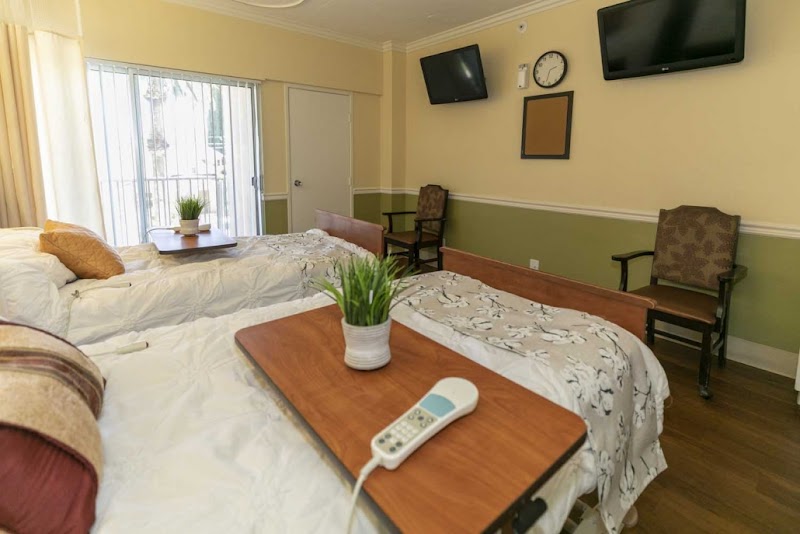
Who Owns and Operates The Grove Care And Wellness?

THE GROVE CARE AND WELLNESS is owned by a for-profit company. For-profit facilities operate as businesses with obligations to shareholders or private owners. The facility is operated by THE ENSIGN GROUP, a chain that manages multiple nursing homes. With 38 certified beds and approximately 34 residents (about 89% occupancy), it is a smaller facility located in RIVERSIDE, California.

How Does The Grove Care And Wellness Compare to Other California Nursing Homes?

Compared to the 100 nursing homes in California, THE GROVE CARE AND WELLNESS's overall rating (5 stars) is above the state average of 3.2, staff turnover (22%) is significantly lower than the state average of 46%, and health inspection rating (4 stars) is above the national benchmark.

What Should Families Ask When Visiting The Grove Care And Wellness?

Based on this facility's data, families visiting should ask: "Can I visit during a mealtime to observe dining assistance and food quality?" "How do you handle medical emergencies, and what is your hospital transfer rate?" "Can I speak with family members of current residents about their experience?"

Is The Grove Care And Wellness Safe?

Based on CMS inspection data, THE GROVE CARE AND WELLNESS has a clean safety record: no substantiated abuse findings (meaning no confirmed cases of resident harm), no Immediate Jeopardy citations (the most serious violation level indicating risk of serious injury or death), and is not on the Special Focus Facility watch list (a federal program monitoring the lowest-performing 1% of nursing homes). The facility has a 5-star overall rating and ranks #1 of 100 nursing homes in California. While no facility is perfect, families should still ask about staff-to-resident ratios and recent inspection results during their visit.

Do Nurses at The Grove Care And Wellness Stick Around?

Staff at THE GROVE CARE AND WELLNESS tend to stick around. With a turnover rate of 22%, the facility is 24 percentage points below the California average of 46%. Low turnover is a positive sign. It means caregivers have time to learn each resident's needs, medications, and personal preferences. Consistent staff also notice subtle changes in a resident's condition more quickly.

Was The Grove Care And Wellness Ever Fined?

THE GROVE CARE AND WELLNESS has no federal fines on record. CMS issues fines when nursing homes fail to meet care standards or don't correct problems found during inspections. The absence of fines suggests the facility has either maintained compliance or corrected any issues before penalties were assessed. This is a positive indicator, though families should still review recent inspection reports for the full picture.

Is The Grove Care And Wellness on Any Federal Watch List?

THE GROVE CARE AND WELLNESS is not on any federal watch list. The most significant is the Special Focus Facility (SFF) program, which identifies the bottom 1% of nursing homes nationally based on persistent, serious quality problems. Not being on this list means the facility has avoided the pattern of deficiencies that triggers enhanced federal oversight. This is a positive indicator, though families should still review the facility's inspection history directly.