WINDSOR CYPRESS GARDENS
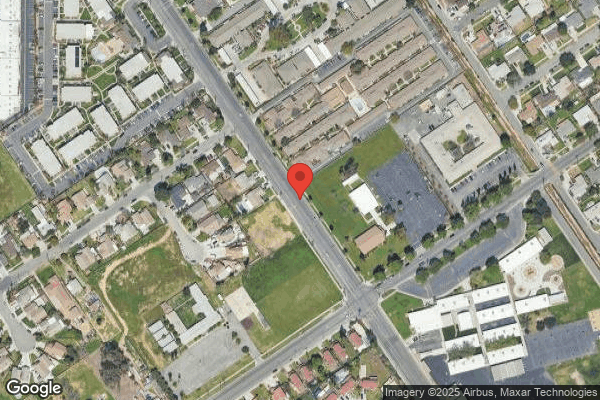

9025 COLORADO AVENUE, RIVERSIDE, CA 92503 (951) 688-3643
For profit - Limited Liability company 120 Beds WINDSOR Data: November 2025 1 Immediate Jeopardy citation
Trust Grade
28/100
#1154 of 1155 in CA
Last Inspection: October 2024

Within standard 12-15 month inspection cycle. Federal law requires annual inspections.

Overview

Windsor Cypress Gardens has received a Trust Grade of F, indicating poor performance with significant concerns about the care provided. It ranks #1154 out of 1155 facilities in California, placing it in the bottom half, and #53 out of 53 in Riverside County, meaning there are no better local options available. While the facility's trend is improving, as the number of reported issues decreased from 17 in 2024 to 9 in 2025, it still has a long way to go. Staffing is a weak point here, with a 2/5 rating and a turnover rate of 43%, which is about average for the state but suggests instability. Although there have been no fines, which is a positive sign, the facility has had critical issues, including unsafe smoking practices that led to residents suffering cigarette burns and concerns about food safety in the kitchen, raising serious questions about the overall quality of care.

Trust Score
F
28/100
In California
#1154/1155
Bottom 1%
Safety Record
High Risk
Review needed
Inspections
Getting Better
17 → 9 violations
Staff Stability
○ Average
43% turnover. Near California's 48% average. Typical for the industry.
Penalties
✓ Good
No fines on record. Clean compliance history, better than most California facilities.
Skilled Nurses
⚠ Watch
Each resident gets only 16 minutes of Registered Nurse (RN) attention daily — below average for California. Fewer RN minutes means fewer trained eyes watching for problems.
Violations
⚠ Watch
74 deficiencies on record. Higher than average. Multiple issues found across inspections.
★☆☆☆☆
1.0
Overall Rating
★★☆☆☆
2.0
Staff Levels
★★★☆☆
3.0
Care Quality
★☆☆☆☆
1.0
Inspection Score
Stable
2024: 17 issues
2025: 9 issues

The Good

  • Full Sprinkler Coverage · Fire safety systems throughout facility
  • No fines on record
  • Staff turnover below average (43%)

    5 points below California average of 48%

Facility shows strength in fire safety.

The Bad

1-Star Overall Rating

Below California average (3.1)

Significant quality concerns identified by CMS

Staff Turnover: 43%

Near California avg (46%)

Typical for the industry

Chain: WINDSOR

Part of a multi-facility chain

Ask about local staffing decisions and management

The Ugly 74 deficiencies on record

1 life-threatening
Aug 2025 2 deficiencies
CONCERN (E) 📢 Someone Reported This

A family member, employee, or ombudsman was alarmed enough to file a formal complaint

Potential for Harm - no one hurt, but risky conditions existed

Deficiency F0658 (Tag F0658)

Could have caused harm · This affected multiple residents

**NOTE- TERMS IN BRACKETS HAVE BEEN EDITED TO PROTECT CONFIDENTIALITY** Based on interviews and record reviews, it has been determined that the facility did not ensure that wound and skin documentatio...

Read full inspector narrative →
**NOTE- TERMS IN BRACKETS HAVE BEEN EDITED TO PROTECT CONFIDENTIALITY** Based on interviews and record reviews, it has been determined that the facility did not ensure that wound and skin documentation accurately reflected the conditions of the residents during daily and weekly assessments, in accordance with current professional standards of practice, for all four sampled residents (Residents 1, 2, 3, and 4). This failure had the potential to result in inadequate monitoring of wounds and skin integrity. missed changes in condition, and delayed interventions, placing residents at risk for complications and worsening existing conditions. Findings: On July 31, 2025, a review of Resident 1's record was conducted. Resident 1 was admitted to the facility on [DATE], and discharged on June 30, 2025, with diagnoses which included cerebral infarction (portion of the brain with debilitated or weakened function) and unspecified convulsions (uncontrolled shaking of the body). A review of the History and Physical, dated June 29, 2025, indicated Resident 1 has the capacity to make decisions.A review of Resident 1's Body Check indicated:-June 27, 2025, .completed with skin issues.scab to right antecubital 0.5 cm x 0.5 cm (centimeters - unit of measurement) .scab to right dorsal foot.discoloration to right buttock.right deficit r/t (related too) CVA (cerebral vascular accident) .scar tissue to right anterior forearm.; and -July 11, 2025, .MASD (moisture associated skin damage-skin irritation caused by prolonged exposure to moisture, leading to inflammation and potential skin breakdown) to buttocks-ongoing tx (treatment) administered.redness to right antecubital.self-inflicted scratches to right upper back. Scabbed 100%. No bleeding. No redness.A review of Resident 1's Weekly Documentation, dated July 8, 2025 (for July 5, 2025), and July 19, 2025 (for July 19,2025), indicated no skin issues. In addition, there was no documented evidence that the weekly documentation identified an ongoing status of the residents' skin condition. A review of Resident 1's Daily Documentation from July 1, 2025, to July 19, 2025, indicated the following: .July 6, 2025.skin integrity.resident has a wound.YES.see current Tx (treatment) .July 7, 2025.skin integrity.resident has a wound.YES.see Tx plan.July 12, 2025.skin integrity.resident has a wound.YES.see Tx records.7/26/2025.skin integrity.resident has a wound.No.No comments There was no documentation that the nurse's daily documentation identified current skin conditions with ongoing treatments. A review of Resident 1's Change of Condition, (COC) dated July 4, 2025, at 9:57 p.m., indicated, .resident noted with open area to coccyx. No discharge noted. Resident denies pain.provider recommendations.monitor.A review of Resident 1's Order Summary Report dated July 4, 2025, indicated: .cleanse coccyx open area with NS (normal saline solution). Pat dry. Apply TAO [Triple antibiotic ointment]. Leave open to air every shift for 14 days.; and .monitor discoloration to right buttocks x 14 days. Then re-eval. Notify MD of any new COC .Further review of Resident 1's nursing documentation did not consistently mention the coccyx wound noticed on July 4, 2025.On July 31, 2025, at 12:20 p.m., during observation and interview, Resident 3 was alert and lying in bed with his left leg resting on the bed. Resident 3 mentioned he was recently admitted after foot surgery and that he had his first wound treatment from the wound specialist. He noted that nurses were not yet treating his wounds, but he was receiving mobility therapy. The left foot had several metal pins and a stabilization device, with clean and dry wound edges, showing no signs of bleeding or drainage. A review of Resident 3's record was conducted. Resident 3 was admitted to the facility on [DATE], with diagnosis which included fracture (broken) left foot with routine healing, non-pressure chronic ulcer of other parts of unspecified foot with unspecified severity. A review of Resident 3's Minimum Data Set (MDS - an assessment tool), dated July 30, 2025, indicated a BIMS (Brief Interview of Mental Status) score of 15 (cognitively intact). A review of Resident 3's Body Check dated July 17, 2025, indicated, Resident 1 had multiple wound issues, including a diabetic foot ulcer (DFU - open sore or wound on the foot) to the left great toe and an external fixation device with pins. A review of Resident 3's Daily Documentation from July 30, 2025, indicated No wound, with no descriptive notes. There was no documentation that the nurse's daily documentation identified current skin conditions with ongoing treatments. A review of Resident 3's Care Plan initiated July 29, 2025, indicated: .LLE ste [site] with multiplanar external fixation device 25 pins.interventions.administer treatments as ordered by MD [medical doctor] .treatment nurse to evaluate every week.keep site clean and dry.report any signs of infection to MD.DFU treatments to left great toe. interventions.administer treatments as ordered by MD.treatment nurse to evaluate every week.keep site clean and dry.report any signs of infection to MD.Further review of Resident 3's record indicated there was no evidence in daily documentation that the current wounds and treatment were consistently recorded.On July 31, 2025, at 12:30 p.m., during observation and interview, Resident 2 was found lying upright in bed with gauze fabric wrapped around both her left and right feet. Resident 2 stated she was receiving wound treatments daily. A review of Resident 2's record indicated Resident 2 was admitted to the facility on [DATE], with diagnosis which included, encounter for orthopedic aftercare following surgical amputation (removal of a part of a limb or portion of the body), Diabetes Mellitus type 2 (inability to regulate blood glucose (sugar) in the body). A review of the History and Physical dated July 17, 2025, indicated that Resident 2 has the capacity to understand and make decisions. A review of Resident 2's admission Progress Note July 16, 2025, at 11:30 p.m. indicated, .Surgical sites on both lower extremities. Bruising on left arm from hospital stay. Scabs present from self-report of acne. Excoriations underneath bilateral breast. A review of Resident 2's Body Check dated July 17, 2025, indicated, . Amputation tma (Trans metatarsal amputation - surgically removing the front part of the foot) right foot 17 staples mild dehiscence (small opening) noted slight drainage with discoloration noted.DFU to left heel 15 x 1.5 x utd (depth unknown) dry skin noted 3 x 4 masd (moisture associated skin damage - skin irritation or breakdown caused by moisture on the skin) to all bilateral folds/bilateral axillary abscess (a pocket of pus that forms under the skin) mid abdominal 1.5 x .5. A review of Resident 2's Weekly Documentation, for July 23, 2025, and July 30, 2025, indicated: .7/23/2025.skin integrity.resident has skin issues.NO. Prevention.Offloading turning and positioning.7/30/2025.skin integrity .resident has skin issues.No. Prevention.Offloading turning and positioning.A review of Resident 2's Daily Documentation, from July 26, 2025, to July 31, 2025, indicated the following: .7/31/2025.skin integrity.resident has a wound.No.No other notes .7/30/2025.skin integrity.resident has a wound.No.No comments .7/29/2025.skin integrity.resident has a wound.No.No comments.7/28/2025.skin integrity.resident has a wound No.No comments.7/26/2025.skin integrity.resident has a wound.No.No comments A review of Resident 2's Care Plan initiated July 22, 2025, indicated, .DFU L plantar (foot).resident will have no further complications.administer treatment as ordered by md (physician).tx (treatment) nurse to evaluate every week.keep site clean and dry.report any signs of infection to md.TMA to right foot with slight dehiscence.resident will have no further complications. administer treatment as ordered by md (physician).tx nurse to evaluate every week.keep site clean and dry.report any signs of infection to md.DFU to left great toe. resident will have no further complications. administer treatment as ordered by md (physician).tx nurse to evaluate every week.keep site clean and dry.report any signs of infection to md.Further review of Resident 2's record indicated daily, and weekly nursing notes did not reflect the progress of wounds or the interventions in place. On July 31, 2025, at 1:06 p.m. during an interview, Resident 4 was alert and stated he had a skin ‘thing' with his ear and was receiving treatments.A review of Resident 4's record was conducted. Resident 4 was admitted to the facility on [DATE], with diagnosis which included, acute kidney failure and osteoporosis (weakening of the bone density),A review of the History and Physical dated March 10, 2025, indicated that Resident 4 has the capacity to understand and make decisions. A review of the Body Check documentation from July 11, 2025, to July 25, 2025, indicated the following: .July 25, 2025. Ongoing tx administered. no new skin alterations noted at this time. Body check completed with skin issues. (no additional description of the skin).July 18, 2025. Ongoing tx administered. no new skin alterations noted at this time. Body check completed with skin issues. (no additional description of the skin).July 11, 2025.Ongoing tx in place, no new skin issues noted. Body check completed with skin issues. (no additional description of the skin).A review of body check documentation did not describe the current status of the skin for ongoing treatments.A review of the physician orders summary indicated the following: .Active.July 30, 2025. Treatment to scab right ear cleanse with n/s (normal saline) pat dray apply betadine lota x 14 days reassess notify Md if any coc. start date 7/30/2025.Active.July 15, 2025.Maintenance to right buttocks cleans with n/s pat dry and apply Calmoseptine x 14 days and reassess. Notify md of any further changes everyday shift for 21 days until finished start dated 7/15/2205.A review of the Weekly Documentation was reviewed for July 8, 2025, and July 29, 2025, indicated the following: .7/8/2025.Skin integrity.resident has skin issues .No.no additional information).7/15/2025.Skin integrity .resident has skin issues.No. no additional information.7/22/2025.Skin integrity .resident has skin issues.No is checked. no additional information.7/29/2025.Skin integrity .resident has skin issues.No is checked. no additional information There was no documented evidence that the Weekly Documentation identified an ongoing status of the resident's skin condition.A review of Resident 4's Care Plan revised dated July 14, 2025, indicated:- Has higher risk/potential for pressure ulcer development r/t: impaired mobility.risk for skin impairment.interventions.monitor/document/report to MD (physician) PRN (as needed) changes in skin status: appearance, color, wound healing, s/sx of infection, wound size (length x width x depth, stage.) - Maintenance Excoriation to right buttocks .resident will have no further complication.interventions.treatment as ordered.reposition every 2 hours.keep site clean and dry.notify MD or change in condition.monitor for pain.- Resident may have open lesion on right ear .resident will be free from any further complications.interventions.monitor resident pain level.treatment as ordered. On July 31, 2025, at 1:33 p.m. an interview was conducted with Licensed Vocational Nurse (LVN 2). LVN 2 stated she was a treatment nurse. LVN 2 explained the duty of the treatment nurse is to conduct a thorough body assessment each week for residents with treatment orders, document in the medical record, note and report changes. LVN 2 stated the nurses assigned to the residents should check the Braden scale (skin breakdown risk), body check assessments and conduct their own assessments each shift and document in the medical record. LVN 2 stated The section for skin integrity for the skilled daily and weekly charting should reflect the current treatments and skin status because that shows there was a head-to-toe body assessment was completed. During a concurrent review of sample resident records with LVN 2, she said that all orders should be clarified if there are changes in skin assessments, as seen with Resident 1. LVN 2 mentioned that skin condition updates should align with appropriate treatments and reflect the current skin status. Additionally, LVN 2 observed that the weekly summaries and daily documentation for sampled residents did not accurately reflect their skin conditions.On July 30, 2025, at 2:53 p.m. an interview was conducted with the Assistant Director of Nursing (ADON), and The ADON stated the following:a. The nurses were expected to document the wounds and the current skin status;b. The physician's orders should reflect the wounds;c. The daily and weekly documentation should reflect the current skin conditions as indicated in the skin sections of the assessments. d. There was a risk for residents not to receive accurate assessments, treatments, changes and monitoring of the skin if the current skin conditions were not reflected in the nurses' charting, which could cause a change or worsening of a skin condition.e. The nurses should be charting to match the current conditions with full head to toe assessments that accurately reflect the conditions of the resident which included the skin. f. All nurses are provided with training for skin care competencies and should provide the services according to the training received.A review of the facility document titled, Licensed nurse orientation checklist (Licensed Nurse Training module), undated, indicated, .Skin Delivery Care Process.skin assessment (upon admission then weekly x 4) .skin care plan with revision, review, resolve.pressure injury staging guide.wound terminology guide.weekly wound MD rounds and recommendations.writing orders for skin problems/wound.A review of the facility policy and procedure titled, Nursing Documentation dated, June 2022, indicated, .Purpose.to communicate patient's status and provide complete, comprehensive, and accessible accounting of care and monitoring provided.documentation.clear, concise, pertinent, and accurate based on the resident's/patient's condition, situation, and complexity.nursing assessment and interventions.evaluation of the patient's outcomes.
CONCERN (E) 📢 Someone Reported This

A family member, employee, or ombudsman was alarmed enough to file a formal complaint

Potential for Harm - no one hurt, but risky conditions existed

Deficiency F0700 (Tag F0700)

Could have caused harm · This affected multiple residents

**NOTE- TERMS IN BRACKETS HAVE BEEN EDITED TO PROTECT CONFIDENTIALITY** Based on observation, interview and record review the facility failed to conduct an ongoing monitoring and supervision for use o...

Read full inspector narrative →
**NOTE- TERMS IN BRACKETS HAVE BEEN EDITED TO PROTECT CONFIDENTIALITY** Based on observation, interview and record review the facility failed to conduct an ongoing monitoring and supervision for use of bed rails for four of six residents reviewed, (Residents 1, 2, 5 and 6)This had the potential to cause Residents 1, 2, 5, and 6 to be at risk for entrapment or injury for falls.Findings:On July 31, 2025, Resident 1's record was reviewed. Resident 1 was admitted to the facility on [DATE], readmitted [DATE], and discharged on July 22, 2025, with a diagnosis which included hemiplegia and hemiparesis following cerebral infarction (loss of function of one side of the body with brain dysfunction) affecting the right dominant side, and traumatic brain injury.A review of the History and Physical dated March 13, 2025, indicated, .Resident 1 does not have capacity to understand and make decisions.A review of the Physicians order dated June 14, 2023, indicated, .side rail one half x 2 up in bed as enabler to assist with bed mobility -nonrestraint.active.A review of the Bed safety assessment dated July 21, 2023, indicated, .Res currently has 1/4 rails for mobility and positioning.A review of assessments records for Resident 1 did not indicate documented bed safety assessment for Resident 1 after July of 2023 or prior to his discharge on [DATE].A review of the Change of Condition dated July 14, 2025, indicated, .07/14/2025 3:15 a.m., .Resident seen sitting on side of bed with (R) arm inside rail. RN (Registered Nurse) supervisor provided head to toe assessment with excoriation noted to (R) side of back upper and lower & (R) arm.MD (physician) notified with orders in place.Recommendation is for resident to have bed in low position for safety measures and cont. (continue) with call light within reach.A review of the Nurse Progress Note, dated July 15, 2025, at 3:15 a.m. indicated, .resident was found on the floor in his room. this writer immediately proceeded to resident's room to assess the situation.3:17 upon entry, resident was observed lying on the floor next to his bed on the right side. The resident was found in a semi-fetal position with his right arm caught within the side rail. environmental safety checks performed: bed observed in low position with right side rail up, left side rail down. floor free of clutter or liquid. lighting adequate. The call light was on the bed but not activated by resident. call light noted on in room for resident's roommate.3:19 rn supervisor initiated head-to-toe assessment.noted superficial excoriations to the right lateral arm and right mid-back region. no active bleeding. no hematoma, swelling, or visible deformities noted. resident denied pain verbally and also responded nonverbally by shaking head no when asked if he had pain to back, arm, hips, or head.3:22 range of motion assessment conducted.resident able to move lue (left upper extremity) and lle (left lower extremity) extremities within baseline with no signs of guarding, facial grimace, or vocal complaints of pain. passive range of motion provided to rue (right upper extremity) and rle (right lower extremity) no signs of guarding, facial grimace, or vocal complaints of pain. no decrease in strength noted outside of resident's baseline. neurologically, resident alert and oriented to self and place within place. skin warm and dry. respirations even and unlabored.3:25 hours: vital signs obtained. (vital signs were within normal limits according to the record) .3:27: pa (physician assistant) notified of incident.neurologic monitoring protocol per fall policy. fall risk precautions maintained.3:30.resident safely assisted back to bed. repositioned for comfort. call light placed within reach. bed in lowest position, brakes engaged. floor mats are implemented for safety. resident remains without signs of distress at this time. no signs of acute change in condition.3:35 responsible party and spouse.notified via phone of fall incident and current condition.5:04 . provider responded with new orders for stat xrays to rt (right) forearm, rt shoulder and pelvis.A review of the IDT (interdisciplinary team) meeting notes, dated July 14, 2025, indicated, .Cognitive changes since last review: No.Communication/speech/hearing pattern changes since last review: No.Physical functioning changes since last review: No. Spouse present. New or interim disease/conditions/infections that impact the resident's ability to care for self and adds a risk for care/treatment: fall 7/14/25 minor injury 7/11/2025. Rehab Screen note. Rehab Screen: Current Therapy Orders or Restorative Programs: Restorative Program.Areas reviewed: No changes in function since last assessment.Comments: RNA has reported R hip pain in Pt but family has not expressed any concerns and states pain is chronic. Pt has no active ROM of RUE and RLE and may be at baseline function. There is no need for therapy at this time as pt maintains RNA program.Evaluation order requested: No evaluation indicated.Further review of the IDT notes indicated no documentation that the IDT discussed the need for an assessment and/or evaluation of the use of side rails for Resident 1 for the year of 2024, and after the fall that occurred on July 14, 2025.A review of the Care Plan, Risk for injury related to side rail use, initiated April 20, 2021, revision July 11, 2023, and then again December 7, 2023, indicated, .Goal. Resident will not have side rail injury through review date. May have 1/4 side rails to assist with bed mobility and repositioning.A review of the Care Plan, Resident using side rails for enablers, initiated September 9, 2019, revised May 1, 2025, indicated, .Interventions. Assess and reassess the need for side rails at least quarterly. Remind resident to call for assistance. Instruct the resident not to try to get out of bed while side rails are in use.A review of the Care Plan, The resident is Moderate risk for Falls r/t confusion, gait/balance problems incontinence, initiated January 20, 2022, indicated, .The resident will not sustain serious injury through the review date.Revision May 1, 2025. Interventions. Anticipate and meet the residents needs. Be sure the residents call light is within reach and encourage the resident to use it. Resident needs prompt response to all requests for assistance.Educate family resident caregivers about safety reminders and what to do if a fall occurs.Follow facility fall protocol evaluate and treat as ordered PRN (as needed), Resident needs working call light, bed in low position, Side Rails as ordered, handrails on walls, personal items within reach.A review of the Operative Note, for Resident 1 dated July 16, 2025, indicated, .proposed primary procedure.closed reduction internal.patient presented to the ED (emergency department) after being found down at his nursing facility.imaging studies demonstrated an acute right displaced intertrochanteric hip fracture.risks and benefits explained.operative findings. displaced intertrochanteric hip fracture.Resident 2's record was reviewed. Resident 2 was admitted to the facility on [DATE], with diagnosis which included osteoporosis (bone deterioration)A review of Resident 2's The Bed safety assessment, dated January 5, 2023, indicated, .Res currently has 1/4 rails for mobility and positioning.A review of Resident 2's Physicians order dated May 24, 2023, indicated, active.side rails one quarter x 2 up in bed as enabler to assist with bed mobility-non-restraint.A review of Resident 2's assessments indicated no documentation of an ongoing assessment and evaluation for the use of side rails.Resident 5's record was reviewed. Resident 5 was admitted to the facility on [DATE], with a diagnosis which included hemiplegia (loss of use of one side of the body). Resident 5's Physicians order dated August 19, 2023, indicated, active.side rails one quarter x 2 up in bed as enabler to assist with bed mobility-non-restraint.The Bed safety assessment dated August 19, 2023, indicated, .Res currently has one quarter x 2 rails for mobility and positioning.A review of Resident 5's assessments indicated no documentation of an ongoing assessment and evaluation for the use of side rails. Resident 6's record was reviewed. Resident 6 was admitted to the facility on [DATE], with diagnosis which included, dementia (cognitive decline in memory).Resident 6's Physicians order dated August 1, 2023, indicated, active.side rails one quarter x 2 up in bed as enabler to assist with bed mobility-non-restraint.The Bed safety assessment dated August 1, 2023, indicated, .Res currently has one quarter x 2 rails for mobility and positioning.A review of Resident 6's assessments indicated no documentation of an ongoing assessment and evaluation for the use of side rails.On August 15, 2025, at 1:18 p.m. an interview and record review were conducted with the Director of Nursing (DON) and the Assistant Director of Nursing (ADON). A review of the Bed Rail policy was conducted along with a full review of the sampled resident bed rail assessments for Residents 1, 2, 5 and 6. The ADON stated the current policy for bed rails was updated as of February of 2025. The ADON stated the process regarding bed rails was that upon admission a bed rail evaluation would indicate the use of the rails as enablers for mobility and should have an MD order, consent for use, and appropriate according to the manufacturer's specifications. The ADON stated the bed rail evaluation would be done during a change in condition and during the quarterly IDT meetings. The ADON indicated the previous policy was for the bed rails to be reviewed quarterly but that there were new annual changes to that protocol that were not indicated in the policy.A concurrent record review with the ADON for Resident 1 was conducted. The ADON stated Resident 1 did not have a bed rail assessment since 2023 and should have to determine the need and safety for use of bed rails. The ADON stated the side rails were not discussed in the IDT meeting after the fall that occurred on July 14, 2025, and should have been. The ADON stated, The side rails were not in the right position which would have placed the resident at risk for a fall during that time when the fall occurred. The ADON stated there was a potential for a fall if the side rails were not in the proper position. Further review of the bed rail assessments was conducted for Residents 2, 5 and 6 were conducted with the ADON. The ADON further stated Residents 1, 2, 5 and 6 did not have updated bed rail assessments since 2023 and the care plans for the use of side rails were not updated to reflect the current use of the side rails and they should have to prevent the risk of falls and injury.A review of the facility policy titled Bed Rails dated February 21, 2025 indicated, .Bed rails.utilize a person-centered approach when determining the use of bed rails.variety of types one-half, one quarter.bed rails, side rails, safety rails, grab bars and assist bars.as part of the comprehensive assessment, the IDT will review and determine the residents needs, and whether or not the use of bed rails meets those needs.acute medical or surgical interventions.risk for falling.the facility will continue to provide necessary treatment and care to the resident who has bed rails in accordance with professional standards of practice.
Jun 2025 1 deficiency
CONCERN (D) 📢 Someone Reported This

A family member, employee, or ombudsman was alarmed enough to file a formal complaint

Potential for Harm - no one hurt, but risky conditions existed

Deficiency F0805 (Tag F0805)

Could have caused harm · This affected 1 resident

**NOTE- TERMS IN BRACKETS HAVE BEEN EDITED TO PROTECT CONFIDENTIALITY** Based on interview and record review, the facility failed to ensure that food provided to a resident on a puree diet ( a type of...

Read full inspector narrative →
**NOTE- TERMS IN BRACKETS HAVE BEEN EDITED TO PROTECT CONFIDENTIALITY** Based on interview and record review, the facility failed to ensure that food provided to a resident on a puree diet ( a type of texture-modified diet where all foods are blended to a smooth, pudding-like consistency) was given as ordered by the physician, when a cotton candy was given for consumption for one of three sampled residents (Resident 1). This failure had the potential to place Resident 1 at risk for choking or aspiration. Findings: On May 13, 2025, Resident 1's record was reviewed. Resident 1 was admitted to the facility on [DATE], with diagnoses which included dysphagia (difficult swallowing). A review of Resident 1's History and Physical dated March 15, 2024, indicated, Resident 1 had the capacity to understand and make decisions. A review of Resident 1's Physician Order, dated June 13, 2024, indicated, Fortified diet [additional nutrients have been added to foods] Puree texture, Nectar/Mildly Thick Liquids consistency, LARGE PORTIONS. A review of Resident 1's Care Plan, dated June 13, 2025, indicated, .swallowing difficulty requiring altered texture diet: pureed foods, thickened liquids .Goal .Resident will safely consume prescribed diet with no signs of aspiration .Interventions .Offer choices within diet .Provide diet per order . A review of Resident 1's Nurses Progress Note, dated May 5, 2025, indicated, .STAFF NOTED THAT RESIDENT WAS CONSUMING COTTON CANDY, SPOKE WITH RESIDENT THAT RES IS CURRENTLY REGULAR DIET WITH PUREE TEXTURE AND MILD THICKENED FLUID . A review of Resident 1's Dietary Profile dated May 5, 2025, indicated, .Diet Texture .PUREE TEXTURE .RESIDENT IS TO REMAIN ON AN FORTIFIED DIET, PUREE TEXTURE . On May 13, 2025, at 11:19 a.m., Licensed Vocational Nurse (LVN) 1 was interviewed. LVN 1 stated, she worked on May 5, 2025, at around 1:30 p.m., and saw Resident 1 eating cotton candy, and the container was about half full. LVN 1 stated, Resident 1 was on a puree diet and was at high risk for aspiration. LVN 1 stated, the Business Manager gave the cotton candy to the resident and had done so in the past. On May 13, 2025, at 1:44 p.m., Resident 1 was interviewed. Resident 1 stated, he was eating cotton candy when a staff took it away. On May 13, 2025, at 2:34 p.m., the Business Office Manager (BOM ) was interviewed. The BOM stated she had asked the previous Director of Nursing (DON) if the resident could eat cotton candy and was told he could. The BOM stated, she gave Resident 1 the cotton candy. On May 13, 2025, at 3:25 p.m., the Registered Dietitian (RD) was interviewed. The RD stated Resident 1's diet was fortified puree nectar thick liquid. The RD stated Resident 1 should not be given cotton candy. On June 18, 2025, at 3:31 p.m., the Assistant Director of Nursing (ADON) was interviewed. The ADON stated, the staff should communicate with nursing before giving any treats or snacks to residents. The ADON stated, Resident 1 was on a puree diet as prescribed and should have not been given cotton candy. The ADON stated, the diet was prescribed to prevent injury and reduce the risk of choking. A review of the facility policy and procedure titled Therapeutic Diets, undated, indicated, .Therapeutic diets are prescribed by the Attending Physician to support the resident's treatment and plan of care in accordance with his or her goals and preferences .Snacks will be compatible with the therapeutic diet .
May 2025 1 deficiency
CONCERN (D) 📢 Someone Reported This

A family member, employee, or ombudsman was alarmed enough to file a formal complaint

Potential for Harm - no one hurt, but risky conditions existed

Deficiency F0558 (Tag F0558)

Could have caused harm · This affected 1 resident

**NOTE- TERMS IN BRACKETS HAVE BEEN EDITED TO PROTECT CONFIDENTIALITY** Based on observation, interview and record review, the facility failed to ensure that reasonable accommodation were made for one...

Read full inspector narrative →
**NOTE- TERMS IN BRACKETS HAVE BEEN EDITED TO PROTECT CONFIDENTIALITY** Based on observation, interview and record review, the facility failed to ensure that reasonable accommodation were made for one of three sampled residents reviewed (Resident A), when the call light was placed on the weaker side. This failure had the potential to result in Resident A being unable to request assistance, leading to unmet needs and possible delays in care. Findings: On April 9, 2025, at 9:20 a.m., an unannounced visit to the facility was conducted to investigate an allegation of neglect. On April 11, 2025, at 11:38 a.m., Resident A's call light was observed clipped to the bedrails on the left side. A review of Resident A's admission Record, indicated Resident A was admitted to the facility on [DATE], with diagnoses which included cerebral infarction- stroke- death of brain tissue due to inadequate blood supply) and contracture (tightening of muscles and tendon causing shortening and stiffness of joints) left upper arm. A review of Resident A's Minimum Data Set (an assessment tool) dated April 9, 2025, indicated Brief Interview of Mental Status (score of 14 (cognitively intact). On April 11, 2025, at 11:40 a.m., during an interview with Certified Nurse Assistant (CNA), CNA stated, she placed the call light on Resident A's left side which is the weaker side. The CNA stated, she should have placed the call light button on her strong side, which is the right side. On April 11, 2025 at 12 p.m., during an interview with Licensed Vocational Nurse (LVN), LVN stated Resident A was not able to call for help, when the call light was not placed on her strong side. A review of Resident A's Care plan indicated .Focus: Moderate risk for fall; Intervention .Follow facility fall protocol .a reachable call light . A review of the facility policy and procedure titled, Answering Call Lights, dated October 24, 2024, indicated, .Ensure that the call light is accessible to the resident when in bed .
Mar 2025 1 deficiency
CONCERN (D) 📢 Someone Reported This

A family member, employee, or ombudsman was alarmed enough to file a formal complaint

Potential for Harm - no one hurt, but risky conditions existed

Safe Environment (Tag F0584)

Could have caused harm · This affected 1 resident

Based on observation, interview, and record review, the facility failed to provide adequate linens for two of three residents (Resident 2 and 3). This failure had the potential to delay care and unmet...

Read full inspector narrative →
Based on observation, interview, and record review, the facility failed to provide adequate linens for two of three residents (Resident 2 and 3). This failure had the potential to delay care and unmet needs for Resident 2 and 3. Findings: On February 13, 2025, at 11:05 a.m., during an interview with Resident 2, she stated she had to wait to be changed or showered due to facility had no linens, washcloths and towels available. Resident 2 further stated it gets frustrating, but the staff do what they can and try to find linens. On February 13, 2025, at 11:25 a.m., during an interview with Resident 3, she stated the facility do not have linens, washcloths and towels and she had to wait to be changed or showered until linens become available. On February 13, 2025, at 11:39 a.m., during a concurrent observation and interview of the linen closets in nursing stations one and two, with Licensed Vocational Nurse (LVN) 1, inside the linen closets, there were no linens, washcloths, and towels. LVN 1 stated he had received multiple complaints from Certified Nurse Assistants (CNA's) about not being able to provide resident care due to the lack of linen, towels, and washcloths. LVN 1 further stated this issue has been ongoing for one or two months and had been reported to the Administrator and Director or Nursing (DON). LVN 1 stated the residents had to wait for care until laundry services provided clean linens. LVN 1 further stated the facility should have enough linens to provide care to the residents and prevent delay in care. On February 13, 2025, at 12 p.m., during an interview with LVN 2, she stated the facility had ongoing linen shortage and reported receiving complaints from CNAs about the inability to care for residents without adequate linens. LVN 2 stated the facility should have linens, towels, washcloths to care for residents to prevent delay in care. On February 13, 2025, at 12:39 p.m., during an interview with CNA 2, she stated the linen shortage had been ongoing, causing residents to wait for changes and care. On February 13, 2025, at 12:45 p.m., during an interview with CNA 3, she stated acquiring linens had been difficult, leading to delays in resident care. On February 13, 2025, at 1:18 p.m., during a concurrent observation and interview inside the laundry room's extra linen closet with the Housekeeping Manager (HM), the closet had no linens, washcloths, and towels. The HM stated the facility did not have extra linens, towels or washcloths and the staff had been reporting shortages for about a month. The HM further stated what linen we get from the facility will be washed, folded and delivered for use. On February 13, 2025, at 1:42 p.m., during a concurrent interview and record review with the Central Supply (CS), he stated he placed an order for additional linens two weeks ago but had no invoice or receipt for the order. On February 13, 2025, at 2:27 p.m., during an interview with the DON, she stated, the facility had limited availability of linens, towels, and washcloths and staff had reported shortages over a month ago. The DON stated, the CS ordered for more linens one a half weeks prior but lacked a receipt for the order. The DON further stated linens should have been ordered after the facility was made aware of the shortage to provide timely and quality care to residents and prevent delay in treatment and care. The DON stated the facility does not have a specific policy regarding linen quantity, but the expectation was to have sufficient linens and supplies to provide care to residents. A review of the facility policy and procedure titled, Homelike Environment, dated February 2021, indicated .Residents are provided with .comfortable and homelike environment .to the extent possible .The facility staff and management maximizes, to the extent possible the characteristics of the facility that reflect personalized, homelike setting .
Feb 2025 2 deficiencies
CONCERN (D) 📢 Someone Reported This

A family member, employee, or ombudsman was alarmed enough to file a formal complaint

Potential for Harm - no one hurt, but risky conditions existed

Deficiency F0698 (Tag F0698)

Could have caused harm · This affected 1 resident

**NOTE- TERMS IN BRACKETS HAVE BEEN EDITED TO PROTECT CONFIDENTIALITY** Based on interview and record review, the facility failed to complete a post-dialysis (a medical treatment that removes waste, e...

Read full inspector narrative →
**NOTE- TERMS IN BRACKETS HAVE BEEN EDITED TO PROTECT CONFIDENTIALITY** Based on interview and record review, the facility failed to complete a post-dialysis (a medical treatment that removes waste, excess fluids, and toxins from the blood when the kidneys are no longer able to function properly) assessments on December 27, 2024, and December 31, 2024, for one of three sampled residents (Resident 1). This failure had the potential to result in an increased risk of undetected complications post hemodialysis and delayed medical interventions. Findings: A review of Resident 1's, admission Record indicated Resident 1 was admitted to the facility on [DATE], with diagnoses which included end stage renal disease (an irreversible kidney failure) and diabetes mellitus (abnormal blood sugar level). A review of Resident 1's Dialysis Communication Record, dated December 27, 2024, and December 31, 2021, indicated no post hemodialysis assessments were completed on December 27, 2024 , and December 31, 2024. On January 29, 2025, at 2:10 p.m., during a concurrent interview and record review of Resident 1's Dialysis Communication Record Binder with Licensed Vocational Nurse (LVN). The LVN stated the post hemodialysis assessments were missing on December 27, 2024, and December 31, 2024 for Resident 1. The LVN stated failing to complete the assessments could result in staff being unaware of critical health changes in the resident. On January 29, 2025, at 4:57 p.m., during a concurrent interview and record review with the Assistant Director of Nursing (DON). The ADON stated, post dialysis assessment form should be completed to document the resident's condition after coming back from dialysis treatment. The ADON stated, Resident 1's dialysis communication record should be completed as it was a form of communication and the licensed nurses' assessment of Resident 1's post hemodialysis treatment. A review of the facility's policy and procedures (P&P) titled, Dialysis Care, dated August 25, 2021, indicated, .Communication and Collaboration .the Nursing Staff, Dialysis Provider Staff, and the attending Physician will collaborate on a regular basis concerning the resident's care as follows: .Nursing staff may use Hemodialysis communication record .the Nursing staff will send a dialysis communication form to the dialysis center every time a resident is scheduled for offsite dialysis .documentation will be maintained in the resident's medical record .
CONCERN (D) 📢 Someone Reported This

A family member, employee, or ombudsman was alarmed enough to file a formal complaint

Potential for Harm - no one hurt, but risky conditions existed

Infection Control (Tag F0880)

Could have caused harm · This affected 1 resident

**NOTE- TERMS IN BRACKETS HAVE BEEN EDITED TO PROTECT CONFIDENTIALITY** Based on observation, interview, and record review, the facility failed to provide hand hygiene before a meal to one of three sa...

Read full inspector narrative →
**NOTE- TERMS IN BRACKETS HAVE BEEN EDITED TO PROTECT CONFIDENTIALITY** Based on observation, interview, and record review, the facility failed to provide hand hygiene before a meal to one of three sampled residents (Resident 1). This failure had the potential to expose Resident 1 to bacterial contamination from unclean hands and increasing the risk of infection. Findings: A review of Resident 1's, admission Record indicated Resident 1 was admitted to the facility on [DATE], with diagnoses which included end stage renal disease (an irreversible kidney failure), blind right and left eye category, and osteomyelitis (inflammation of bone). On January 29. 2025 at 1:01 p.m., during an observation of lunch service in Resident 1's room, the CNA was observed serving lunch to Resident 1. The CNA held Resident 1's hand, which had red residue under the fingernails. The CNA had Resident 1 touched the food to identify the meal served. The CNA did not offer or provide hand wipes or hand hygiene before Resident 1 touched and ate his food. On January 29, 2025, at 1:10 p.m., during an interview, CNA stated, she had not provided hand hygiene to Resident 1. The CNA stated she should have provided Resident 1 with hand wipes to clean his hands before serving the lunch tray. The CNA further stated it had been the facility's process for residents to perform hand hygiene before meals to prevent the spread of germs and infection. On January 29, 2025, at 3:30 p.m., during an interview with the Assistant Director of Nursing (ADON), the ADON stated the staff should have offered residents hand hygiene before providing their meals to prevent the spread of infection. The facility policy and procedure titled, Handwashing/Hand Hygiene, dated September 18, 2023, indicated .the facility considers hand hygiene the primary means to prevent the spread of infections .all personnel shall follow the handwashing/hand hygiene procedures to help prevent the spread of infections to other personnel, residents, and visitors .
Jan 2025 2 deficiencies
CONCERN (D) 📢 Someone Reported This

A family member, employee, or ombudsman was alarmed enough to file a formal complaint

Potential for Harm - no one hurt, but risky conditions existed

Staffing Information (Tag F0732)

Could have caused harm · This affected 1 resident

Based on observation, interview, and record review, the facility failed to ensure that staffing information was accesible to residents and visitors. This failure had the potential for residents and v...

Read full inspector narrative →
Based on observation, interview, and record review, the facility failed to ensure that staffing information was accesible to residents and visitors. This failure had the potential for residents and visitors from being able to view the level of care provided, including the number of certified nursing assistants, licensed nurses, and other available staff to assist. Findings: On January 2, 2025, at 9:15 a.m., an unannounced visit to the facility was conducted to investigate an allegation regarding a nursing service staffing issue. On January 2, 2025, at 9:20 a.m., during observation at the reception area, the staffing information was found hidden, having fallen between the front glass window and the receptionist desk. On January 2, 2025, at 9:25 a.m., during an interview with the Director of Staff Development (DSD), the DSD stated the staffing information should be posted in a visible area daily at the start of shift. The DSD further stated the posted staffing information did not reflect the current date. The DSD further stated, the Census and Direct Care Service Hours Per Patient Per Day (DHPPD - a metric used to measure the amount of direct care provided to patients or resident by nursing staff within a 24-hour period) was dated December 31, 2024. The DSD stated the staffing information should have been current and visibly posted. it should be current and should be visible. A review of the facility policy and procedure titled, Posting Direct Care Daily Staffing Numbers, dated August 20, 2022, indicated .Within 2 hours of the beginning of each shift the number of licensed nurses (RN,s LPNs and LVNs) and the number of unlicensed nursing personnel (CNAs and NAs) directly responsible for resident care is posted in prominent location (accessible to residents and visitors) .
CONCERN (D) 📢 Someone Reported This

A family member, employee, or ombudsman was alarmed enough to file a formal complaint

Potential for Harm - no one hurt, but risky conditions existed

Deficiency F0806 (Tag F0806)

Could have caused harm · This affected 1 resident

**NOTE- TERMS IN BRACKETS HAVE BEEN EDITED TO PROTECT CONFIDENTIALITY** Based on interview and record review, the facility failed to ensure the food preferences of one of three residents (Resident A) ...

Read full inspector narrative →
**NOTE- TERMS IN BRACKETS HAVE BEEN EDITED TO PROTECT CONFIDENTIALITY** Based on interview and record review, the facility failed to ensure the food preferences of one of three residents (Resident A) were honored when pork loin was served on Resident A's dinner tray. This failure had the potential in the resident eating less or skipping meals, leading to weight loss. Findings: On January 2, 2025, at 9:15 a.m., an unannounced visit to the facility was conducted to investigate an allegation of a dietary service issue. On January 2, 2025, at 9:15 a.m., during an interview with Resident A, Resident A stated that on December 20, 2024, his evening meal tray included pork loin, eventhough his meal ticket clearly indicated in large letters NO PORK. Resident A further stated that his was not an isolated incident and had occurred multiple times in the past. Resident A stated he kept the meal ticket from the days he was served pork. On January 2, 2025, during a review of Resident A ' s admission Record, it indicated Resident A was admitted to the facility on [DATE], with diagnoses which included depression. A review of Resident A ' s Nutritional Assessment, dated September 23, 2024, indicated .cultural, religious, ethnic preferences .No Pork . A review of Resident A ' s History and Physical examination dated December 5, 2024, indicated Resident A has the capacity to make decision . A review of Resident A ' s evening meal ticket on December 11 and December 20, 2024 indicated .Evening Meal .Pork Loin .Dislikes: NO PORK OF ANY KIND .Assist Instructions .NO PORK. On January 2, 2025, at 11:04 a.m., during an interview with the Registered Dietitian (RD), the RD indicated it is the facility's practice to honor the preferences of residents. The RD stated if Resident A specifies no pork, Resident A should not have been served pork. On January 6, 2025, at 1:30 p.m., during an interview with the Cook, the [NAME] stated he was unaware that the resident disliked pork. The [NAME] stated, he served what was read to him from the meal ticket. The [NAME] stated it was possible that the dietary staff read it as pork, instead of no pork. On January 6, 2025, at 13:05 p.m., during an interview with the Dietary Service Supervisor (DSS), the DSS stated what appears in the meal ticket is what is served. The DSS further stated if the resident ' s meal ticket indicated no pork, the resident should not have been served pork. On January 3, 2025, during a review of the facility policy and procedure titled, Resident Food Preference, dated July 2017, indicated .The Dietary Department will provide residents with meal consistent with their preferences .
Oct 2024 14 deficiencies
CONCERN (D)

Potential for Harm - no one hurt, but risky conditions existed

Resident Rights (Tag F0550)

Could have caused harm · This affected 1 resident

2. On October 14, 2024, at 12:33 p.m., an observation was conducted in the dining room for Resident 27. Resident 27 was observed to be seated at a table with two other residents, who were served their...

Read full inspector narrative →
2. On October 14, 2024, at 12:33 p.m., an observation was conducted in the dining room for Resident 27. Resident 27 was observed to be seated at a table with two other residents, who were served their meals and began eating. Resident 27 did not receive his lunch for approximately twenty minutes and was watching the other two residents eat. On October 14, 2024, at 12:34 p.m., an interview was conducted with Resident 27. Resident 27 stated I don't know where my lunch is, looking at the other resident food makes me feel more hungry. On October 14, 2024, at 12:36 p.m., an interview was conducted with LVN 1. LVN 1 stated Resident 27's meal was not served along with the other residents' meals and that food should be served to residents sitting at the same table, so that they are not watching other residents eat and to preserve their rights and dignity. LVN 1 stated Resident 27 should have been served with the other residents. On October 16, 2024, at 12:09 p.m., an interview was conducted with the Registered Dietitian (RD). The RD stated residents seated together are expected to receive their meals at or around the same time to maintain their preferences and dignity. The RD stated serving meals separately could make residents feel left out and affect their sense of dignity. A review of the facility Policy and Procedure titled, Quality of Life - Dignity, dated February 2020, indicated, .Each resident shall be cared for in a manger that promotes and enhances his or her sense of well-being, level or satisfaction with life, feeling of self-worth and self esteem .Residents are treated with dignity and respect at all times . Based on observation, interview, and record review, the facility failed to ensure dignity was provided for two of two residents reviewed for dignity (Residents 2 and 27) when: 1. The Certified Nursing Assistant (CNA) did not provide assistance and allowed Resident 2 to soil herself; and 2. Resident 27's lunch tray was not provided at the same time as the other residents. These failures had the potential to affect Residents 2 and 27's self-worth and self-esteem. Findings: 1. On October 16, 2024, at 4 p.m., during an observation inside Resident 2's room, Resident 2 stated, she needed assistance to go to the bathroom. CNA 1 came in and Resident 2 requested assistance to go to the bathroom. CNA 1 told Resident 2 to use her incontinence pad and he would change it later. On October 16, 2024, a review of Resident 2's admission Record indicated, Resident 2 was admitted to the facility August 16, 2021, with diagnoses which included Alzheimer's disease (a brain disorder that affects memory). On October 16, 2024, a review of Resident 2's Care plan indicated .Focus- The Resident has Bowel incontinence r/t (related to) Dementia (forgetfulness), cognitive impairment .Interventions .Provide bedpan/bedside commode . On October 17, 2024, at 3:22 p.m., during an interview with CNA 1, CNA 1 stated, when Resident 2 asked for assistance to go to the bathroom, the expectation was to offer toileting and or provide a bed pan to Resident 2. CNA 1 stated he should have assisted Resident 2 to the bathroom or offered the resident a bed pan, rather than telling her to soil in her incontinence pad. On October 17, 2024, at 3:49 p.m., during an interview with the Assistant Director of Nursing (ADON), the ADON stated the staff providing continence care should first offer the resident assistance to use the toilet or to offer a bedside commode or a bedpan. The ADON stated allowing the resident to soil herself in her incontinence pad, was a dignity issue.
CONCERN (D)

Potential for Harm - no one hurt, but risky conditions existed

Report Alleged Abuse (Tag F0609)

Could have caused harm · This affected 1 resident

**NOTE- TERMS IN BRACKETS HAVE BEEN EDITED TO PROTECT CONFIDENTIALITY** Based on interview and record review, the facility failed to report an allegation of physical abuse involving Residents 30 and 3...

Read full inspector narrative →
**NOTE- TERMS IN BRACKETS HAVE BEEN EDITED TO PROTECT CONFIDENTIALITY** Based on interview and record review, the facility failed to report an allegation of physical abuse involving Residents 30 and 310 to the California Department of Public Health (CDPH) immediately, and no later than two hours after the allegation was made, for two of two residents reviewed for abuse (Residents 30 and 310). This failure had the potential to delay the implementation of appropriate action and protection for the residents, placing them at risk for further abuse. Findings: On October 14, 2024, a review of Resident 310's admission Record, indicated, Resident 310 was admitted to the facility on [DATE], with diagnoses which included anxiety (feeling of fear, dread, and uneasiness). During a review of Resident 310's Change in Condition, dated October 13, 2024, indicated, .Resident stated another resident (Resident 30) .allegely (sic) bumped into her wheelchair with her walker intentionally. Resident she feels threatened by this resident and due to this incident, resident is now undergoing emotional distress . On October 17, 2024, at 2:41 p.m., during an interview, with Registered Nurse (RN) 1, RN 1 stated over the weekend, Resident 310 approached her and reported that Resident 30 had looked at her and purposefully hit her with her wheelchair. RN 1 stated she then reported the incident to the Director of Nursing (DON) and the Administrator. On October 17, 2024, at 6:49 p.m., during a concurrent interview and review of Resident 310's Change in Condition with the Assistant Director of Nursing (ADON), the ADON stated Residents 30 and 310 had an alleged physical altercation on October 13, 2024. The ADON stated that all staff were mandated reporter, and they should have reported the incident immediately, within 2 hours. During a review of facility policy and procedure titled, ABUSE PROHIBITION & PREVENTION POLICY AND PROCEDURE, dated August 2022, indicated .Reporting .The facility will report allegations of abuse .Immediately-no later than 2 hours .to State Survey Agency .
CONCERN (D)

Potential for Harm - no one hurt, but risky conditions existed

Deficiency F0657 (Tag F0657)

Could have caused harm · This affected 1 resident

**NOTE- TERMS IN BRACKETS HAVE BEEN EDITED TO PROTECT CONFIDENTIALITY** Based on observation, interview and record review, the facility failed to ensure the plan of care (POC) was updated for one of 2...

Read full inspector narrative →
**NOTE- TERMS IN BRACKETS HAVE BEEN EDITED TO PROTECT CONFIDENTIALITY** Based on observation, interview and record review, the facility failed to ensure the plan of care (POC) was updated for one of 21 residents reviewed (Resident 83). This failure resulted in the licensed nurse being unaware of Resident 83's current condition and POC. Findings: On October 16, 2024, at 8:09 a.m., during the medication administration observation with Licensed Vocational Nurse (LVN) 4 a Contact Precaution (measures used to prevent the spread of infections) sign was observed outside Resident 83's room. LVN 4 entered and exited the room, provided care, and administered oral medications to Resident 83 without donning (putting on) and doffing (taking off) PPE (Personal Protective equipment - equipment worn to prevent exposure and spread of illness and infection) On October 16, 2024, at 9:35 a.m., during an interview with LVN 4, she stated she did not know the reason Resident 83 was on contact precautions. On October 16, 2024, Resident 83's record was reviewed. Resident 83 was admitted to the facility on [DATE], with diagnosis which included sepsis (life threatening complication of an infection). A review of Resident 83's History and Physical, dated July 24, 2024, indicated Resident 83 had the capacity to understand and make decisions. A review of Resident 83's Progress Notes, dated October 7, 2024, indicated, .Res (sic) (resident) .Readmit from (name of hospital) .Res admitted back to (name of facility) .(name of provider) made aware regarding res arrival and order to carry out all discharge order from hospital . A review of Resident 83's Hospital Records indicated the following: - Dated October 6, 2024, indicated, .Discharge Summary: DC (discharge) Dx (diagnosis) .Klebsiella CRE (Carbapenem Resistant Enterobacteriacaeae - a bacteria resistant to antibiotics [medication use to treat infections])) Bacteremia . - Dated October 2, 2024, indicated, .Culture Urine .Result: .Carbapenem Resistant Enterobacteriacaeae (CRE) Detected .Patient requires Contact Isolation . A review of Resident 83's Care Plan dated October 7, 2024, indicated Resident 83's POC was not updated or revised to address the new diagnosis of CRE Bacteremia in the Urine. On October 16, 2024, at 10:43 a.m., during an interview and review of Resident 83's medical records with the Infection Preventionist (IP), she stated a POC should be updated whenever residents had changes in condition, receives new orders or returns from the hospital. The IP stated the POC should be updated to reflect specific concerns and interventions, for staff to provide appropriate care. The IP stated Resident 83 was hospitalized on [DATE] and readmitted back in the facility on October 7, 2024, with new diagnosis of CRE in the urine and a physician order to place resident on contact isolation. The IP stated she did not update Resident 83's POC upon resident readmission. The IP further stated she should have updated Resident 83's POC upon readmission and should have been revised. On October 16, 2024, at 12:34 p.m., during an interview and review of Resident 83's medical records with the Director of Nursing (DON), she stated, the IDT (Interdisciplinary Team - a group of people from different disciplines who work together to plan care for a resident) was responsible to update the POC to reflect a resident's specific areas of concerns and for staff to know what patient-centered care and intervention to provide the resident. The DON stated the IP and IDT should have updated Resident 83's POC upon readmission to the facility on October 7, 2024. A review of the facility policy and procedure titled, Care Plan Comprehensive, dated August 25, 2021, indicated, .The Interdisciplinary Team is responsible for evaluation and updating of care plans .When the resident has been readmitted to the facility from hospital stay .
CONCERN (D)

Potential for Harm - no one hurt, but risky conditions existed

Quality of Care (Tag F0684)

Could have caused harm · This affected 1 resident

**NOTE- TERMS IN BRACKETS HAVE BEEN EDITED TO PROTECT CONFIDENTIALITY** 2. On October 14, 2024 at 10:30 a.m., during a concurrent observation and interview in Resident 55's room, Resident 55 was obser...

Read full inspector narrative →
**NOTE- TERMS IN BRACKETS HAVE BEEN EDITED TO PROTECT CONFIDENTIALITY** 2. On October 14, 2024 at 10:30 a.m., during a concurrent observation and interview in Resident 55's room, Resident 55 was observed sitting in his wheelchair. A bottle of Eye Drops medication was observed on Resident 55's bedside table. Resident 55 stated, a friend brought in the eye drops and he used it multiple times a day for dry eyes while in the facility. On October 14, 2024, Resident 55's medical records were reviewed. Resident 55 was admitted to the facility on [DATE]. During a review of Resident 55's Minimum Data Set (MDS - an assessment tool), dated September 4, 2024, indicated Resident 55 had a Brief Interview for Mental Status (BIMS) score of 15 (cognitively intact). A review of Resident 55's Order Summary Report, for the month of October 2024, indicated Resident 55 did not have an order for the eye drops medication. On October 14, 2024 at 10:35 a.m., during a concurrent observation, interview, and review of Resident 55's Order Summary Report, with the Director of Nursing (DON), she stated Resident 55 had a bottle of eye drops on the bedside table. The DON stated Resident 55 did not have a physician order for eye drops and the medication. The DON stated the eye drops should have a physician order prior to administration. A review of the facility policy and procedure titled, .Medication Administration-General Guidelines ., dated October 2017, indicated, .Medications are administered in accordance with written orders of the attending physician . Based on observation, interview, and record review, the facility failed to ensure that two out of three residents reviewed for quality of care (Residents 34 and 55) had a physician's order for medication administration. This failure had the potential to result in medical complications and unforeseen side effects related to unprescribed medications. Findings: 1. On October 14, 2024, at 9:25 a.m., during a concurrent observation and interview inside Resident 34's room. Resident 34 was observed sitting in bed. Two clear cups containing a clear gel was observed on top of Resident 34's bedside table. Resident 34 stated the clear gel was an A&D ointment (medication used to treat minor skin irritations). Resident 34 further stated he self-administered the ointment for his scratches on his arms, and the licensed nurses were aware. On October 14, 2024, at 11:00 a.m., Resident 34's record was reviewed. Resident 34 was admitted to the facility on [DATE]. Further review of Resident 34's Order Summary Report, for the month of October 2024, indicated Resident 34 did not have a physician order for A&D ointment. On October 14, 2024, at 3:50 p.m., Licensed Vocational Nurse (LVN 2) was interviewed. LVN 2 stated there should be a physician order for the ointment. LVN 2 stated Resident 34's A&D ointment did not have a physician order.
CONCERN (D)

Potential for Harm - no one hurt, but risky conditions existed

Accident Prevention (Tag F0689)

Could have caused harm · This affected 1 resident

**NOTE- TERMS IN BRACKETS HAVE BEEN EDITED TO PROTECT CONFIDENTIALITY** Based on observation, interview, and record review, the facility failed to ensure the care plan intervention for fall was implem...

Read full inspector narrative →
**NOTE- TERMS IN BRACKETS HAVE BEEN EDITED TO PROTECT CONFIDENTIALITY** Based on observation, interview, and record review, the facility failed to ensure the care plan intervention for fall was implemented for one of one resident reviewed for fall (Resident 209). This failure had the potential to increase the risk of further falls or injury for Resident 209. Findings: On October 16, 2024, at 11:30 a.m., during an observation, Resident 209 was inside his room, lying in bed with no floor mat in place. A review of Resident 209's admission Record, indicated, Resident 209 was admitted to the facility on [DATE], with diagnoses that included altered mental status and unsteadiness on feet. A review of Resident 209's care plan, dated June 30, 2024, indicated, Resident is at risk for falls r/t (related to) history of falls .Interventions: fall mats (equipment used to protect patients from serious injuries) . On October 16, 2024, at 12:15 p.m., during a concurrent observation and interview with Licensed Vocational Nurse (LVN) 3, LVN 3 stated Resident 209 was a fall risk and had an order and care plan intervention for a floor mat. LVN 3 stated Resident 209 did not have a floor mat placed at the bedside. On October 17, 2024, at 3:15 p.m., during an interview with the Registered Nurse (RN) 2. RN 2 stated following Resident 209's previous falls, a floor mat was implemented as one of the interventions. RN 2 further stated Resident 209 should have a floor mat at the bedside to prevent injury in the event of a fall. The facility policy and procedure, titled, Care Plan Comprehensive dated August 25, 2021, indicated, .the comprehensive care plan includes the following .the services that are to be furnished to attain or maintain the residents highest practicable physical, mental, and psychosocial well-being .identifying problem areas and their causes and developing interventions that are targeted and meaningful to the resident .
CONCERN (D)

Potential for Harm - no one hurt, but risky conditions existed

Respiratory Care (Tag F0695)

Could have caused harm · This affected 1 resident

**NOTE- TERMS IN BRACKETS HAVE BEEN EDITED TO PROTECT CONFIDENTIALITY** Based on observation, interview, and record review, the facility failed to ensure that proper care and treatment services for ox...

Read full inspector narrative →
**NOTE- TERMS IN BRACKETS HAVE BEEN EDITED TO PROTECT CONFIDENTIALITY** Based on observation, interview, and record review, the facility failed to ensure that proper care and treatment services for oxygen (O2) were provided for two of three sampled residents (Residents 34 and 59) when: 1. Oxygen tubing for Residents 34's and 59's was not date-labeled. 2. Resident 59 did not have a physician's order for oxygen therapy. These failures had the potential to place Residents 34 and 59 at risk of respiratory infection and unnecessary respiratory care. Findings: 1a. On October 14, 2024, at 10:18 a.m., Resident 34 was observed sitting in bed with a nasal cannula (a device used to deliver oxygen) attached to his nose with oxygen set at two liters per minute (LPM- unit of measurement). Resident 34's nasal cannula tubing was not date-labeled. A review of Resident 34's Order Summary Report for the month of October 2024, indicated, May have PRN (as needed) O2 on 2L (two liters) for SOB as needed. On October 14, 2024, at 3:30 p.m., during an observation and interview with the Licensed Vocational Nurse (LVN 2) in Resident 34's room, LVN 2 stated Resident 34's NC tubing was not date-labeled. LVN 2 further stated that she did not know when the NC tubing was last replaced. 1b. On October 14, 2024, at 11:07 a.m., during an observation, Resident 59 was observed lying in bed with a NC attached to a running oxygen concentrator (medical device used to deliver oxygen) set at 1 LPM. On October 14, 2024, at 4:20 p.m., during an observation and interview with LVN 4 in Resident 59's room, LVN 4 stated Resident 59's NC tubing was not labeled with the date. LVN 4 stated the NC tubing should be date-labeled, for infection control. On October 17, 2024, at 3:09 p.m., during an interview with the Assistant Director of Nursing (ADON), the ADON stated, the oxygen tubing should be dated, for infection control, that's the expectation. 2. On October 14, 2024, at 11:07 a.m., during an observation, Resident 59 was observed lying in bed with a NC attached to a running oxygen concentrator set at 1 LPM. On October 14, 2024, at 11:07 a.m., during an interview with Resident 59, Resident 59 stated she used oxygen as needed to help her with her breathing. A review of Resident 59 admission Record, indicated, Resident 59 was admitted to the facility on [DATE], with multiple diagnoses that included asthma (a chronic lung disease making it difficult to breathe) and anxiety (a feeling of fear, dread, and uneasiness). A review of Resident 59's record, Order Summary Report, for the month of October 2024, indicated, Resident 59 did not have a physician's order for the use of oxygen. On October 14, 2024, at 4:08 p.m., during an interview with LVN 2, LVN 2 stated she could not find a physician's order for oxygen in Resident 59's records and there should be one. On October 17, 2024, at 3:15 p.m., during an interview with the Assistant Director of Nursing (ADON). The ADON stated, there should be a physician's order for the use of oxygen. A review of the facility's policy and procedures titled, Oxygen Administration, dated April 2007, indicated, .verify that there is a physician's order for this procedure. Review the physician's order for oxygen administration .
CONCERN (D)

Potential for Harm - no one hurt, but risky conditions existed

Deficiency F0813 (Tag F0813)

Could have caused harm · This affected 1 resident

Based on observation, interview, and record review, the facility failed to ensure that food brought by visitor and family members was not expired and was safe for consumption. This failure had the pot...

Read full inspector narrative →
Based on observation, interview, and record review, the facility failed to ensure that food brought by visitor and family members was not expired and was safe for consumption. This failure had the potential for the residents to be exposed to foodborne illness. Findings: On October 16, 2024, at 8:40 a.m., a concurrent observation of residents' food refrigerator and interview with Assistant Director of Nursing (ADON) were conducted. Food items in a freezer bag, belonging to Resident 26 were observed in residents' food refrigerator. The following food items were noted: a. Eight cooked hot dogs placed in four ziplock bags, not date-labeled; b. One piece of croissant bread with a discard date of August 30, 2024; c. One turkey provolone and pesto ciabatta sandwich, labeled enjoy by August 31, 2024; and d. One egg sandwich with a discard date of July 20, 2024. The ADON stated, these food items should have been discarded and it would be unsafe to serve the food to the resident due to potential for foodborne illness. During a review of undated facility policy and procedure titled Foods Brought by Family/Visitors indicated .Food brought to the facility is permitted. Facility staff will strive to balance resident choice and a homelike environment with the nutritional and safety needs of residents .Perishable foods are stored in resealable containers . Containers are to be labeled with resident's name, the item and the 'use by' date. The nursing staff will discard perishable foods on or before the 'use by' date .
CONCERN (D)

Potential for Harm - no one hurt, but risky conditions existed

Medical Records (Tag F0842)

Could have caused harm · This affected 1 resident

**NOTE- TERMS IN BRACKETS HAVE BEEN EDITED TO PROTECT CONFIDENTIALITY** Based on interview and record review, the facility failed to ensure a physician order was transcribed into the resident's electr...

Read full inspector narrative →
**NOTE- TERMS IN BRACKETS HAVE BEEN EDITED TO PROTECT CONFIDENTIALITY** Based on interview and record review, the facility failed to ensure a physician order was transcribed into the resident's electronic medical record (EMR) for one of 21 residents reviewed (Resident 83). This failure had the potential to affect Resident 83's overall health and well-being. Findings: Resident 83's admission Record was reviewed. Resident 83 was admitted to the facility on [DATE], with diagnosis which included sepsis (life threatening complication of an infection). A review of Resident 83's Order Summary Report for the month of October 2024, indicated Resident 83 did not have a physician order for contact isolation (a type of precaution to prevent the spread of infectious agents that can be transmitted through direct or indirect contact). On October 16, 2024, at 10:43 a.m., during an interview and review of Resident 83's Order Audit Report with the Infection Preventionist (IP), she stated, upon receipt of a physician order, the order should be transcribed into the resident medical record at the time the order was received. The IP stated she spoke with the physician on October 7, 2024, and received an order to place Resident 83 on Contact Isolation for CRE ( Carbepenem-resistant Enterobacteriaceae - a group of bacteria that are resistant to a class of antibiotics [to treat severe infection]) in the urine. The IP further stated she did not transcribe the physician order in the resident's medical records. The IP stated she should have transcribed the physician order in a timely manner to ensure staff were aware of the current orders for resident care. On October 16, 2024, at 12:34 p.m., during an interview and review of Resident 83's medical records with the Director of Nursing (DON), she stated, physician orders should be reflected and transcribed in the resident medical records at the time the order was received or within four hours. The DON further stated the IP should have transcribed the physician order on October 7, 2024 after receipt of the physician order. A review of the facility policy and procedure titled, Physician Orders, dated March 22, 2022, indicated, .This will ensure that all physician orders are complete and accurate .The order is transcribed onto the physician order form at the time the order is taken .
CONCERN (D)

Potential for Harm - no one hurt, but risky conditions existed

Deficiency F0919 (Tag F0919)

Could have caused harm · This affected 1 resident

Based on observation, interview, and record review, the facility failed to ensure the resident's call light was functioning at all times, for one of two residents reviewed for environment (Resident 67...

Read full inspector narrative →
Based on observation, interview, and record review, the facility failed to ensure the resident's call light was functioning at all times, for one of two residents reviewed for environment (Resident 67). This failure had the potential for Resident 67 to not be able to call for assistance when needed. Findings: On October 17, 2024, at 9:09 a.m., during a concurrent observation and interview of Resident 67 in his room, Resident 67 stated his call light was not working. Resident 67 pressed the call button, the light near the bed did not activate nor the dome light found outside the resident room. On October 17, 2024, at 9:10 a.m., during a concurrent observation and interview with Certified Nurse Assistant (CNA) 2. CNA 2 tested Resident 67's call light and stated the resident's call light was not working. CNA 2 stated Resident 67 used his call light to request for assistance and the call light should be fixed right away. During a review of facility policy and procedure titled Answering the Call Light, dated September 2022, indicated .Be sure that the call light is .functioning at all times .
CONCERN (E)

Potential for Harm - no one hurt, but risky conditions existed

Deficiency F0554 (Tag F0554)

Could have caused harm · This affected multiple residents

**NOTE- TERMS IN BRACKETS HAVE BEEN EDITED TO PROTECT CONFIDENTIALITY** Based on observation, interview, and record review, the facility failed to follow and conduct a self-administration assessment f...

Read full inspector narrative →
**NOTE- TERMS IN BRACKETS HAVE BEEN EDITED TO PROTECT CONFIDENTIALITY** Based on observation, interview, and record review, the facility failed to follow and conduct a self-administration assessment for one of two residents reviewed for self-administration of medication (Residents 34). This failure had the potential to result in an unsafe administration of medication for Resident 34. Findings: 1.On October 14, 2024, at 9:25 a.m., during a concurrent observation and interview inside Resident 34's room. Resident 34 was observed sitting in bed. Two clear cups containing a clear gel was observed on top of Resident 34's bedside table. Resident 34 stated the clear get was an A&D ointment (medication used to treat minor skin irritations). Resident 34 further stated he self-administered the ointment for his scratches on his arms, and the licensed nurses were aware. On October 14, 2024, at 11:00 a.m., Resident 34's record was reviewed. Resident 34 was admitted to the facility on [DATE]. Further review of Resident 34's medical records indicated Resident 34 was not assessed for self-administration of medication. On October 14, 2024, at 3:50 p.m., during an interview with Licensed Vocational Nurse (LVN 2), LVN 2 stated Resident 34 should have been assessed for self-administration of medication before he is allowed to self-administer. A review of the facility policy and procedure titled, Self-Administration of Medication, dated February 2021, indicated, .Residents have the right to self-administer medications .upon the request of the resident, the interdisciplinary team (IDT) assesses each resident's cognitive and physical abilities to determine whether self-administering medications is safe and clinically appropriate for the resident .
CONCERN (E)

Potential for Harm - no one hurt, but risky conditions existed

Deficiency F0761 (Tag F0761)

Could have caused harm · This affected multiple residents

Based on observation, interview, and record review, the facility failed to ensure expired medications were discarded and not readily available for use when multiple oral medications were observed in t...

Read full inspector narrative →
Based on observation, interview, and record review, the facility failed to ensure expired medications were discarded and not readily available for use when multiple oral medications were observed in the medication cart. This failure had the potential to result in the administration of expired medications to residents. Findings: On October 16, 2024, at 2:42 p.m., during a concurrent observation and interview with Licensed Vocational Nurse (LVN) 5 of the medication cart in Station One, the following were observed: - Gabapentin (medication use to treat nerve pain and seizures) 100 mg (milligram - unit of measurement) capsule with an expiration date of May 21, 2024. - Tramadol HCL (Narcotic - a drug that can cause insensibility or stupor) 50 mg tablet with an expiration date of October 9, 2024. - Dicyclomine (medication use to treat abdominal pain and spasm) 20 mg tablet with an expiration date of October 12, 2024. LVN 5 stated expired medication should be removed from the medication cart and destroyed or given to the Director of Nursing (DON) for disposal if the medication is a narcotic. LVN 5 stated Gabapentin, Tramadol and Dicyclomine medications were expired and should have been discarded, for resident safety. On October 16, 2024, at 4:45 p.m., during an interview with the Assistant Director of Nursing (ADON), she stated expired medications should be removed from the medication carts, not readily available for use, and disposed of in the destruction bucket. The ADON stated, licensed nurses should check the medication carts each shift to remove expired medication, ensuring resident safety and preventing the administration medications, which could lead to adverse reactions. The facility's policy and procedures titled, Medication Storage in the Facility, dated April 2008, indicated, .Outdated, contaminated or deteriorated medication .are immediately removed .disposed of according to procedures for medication disposal .
CONCERN (E)

Potential for Harm - no one hurt, but risky conditions existed

Deficiency F0802 (Tag F0802)

Could have caused harm · This affected multiple residents

Based on observation, interview, and record review, the facility failed to ensure two dietary staff members were able to provide proper nutrition services for a population of 95 residents who eat in t...

Read full inspector narrative →
Based on observation, interview, and record review, the facility failed to ensure two dietary staff members were able to provide proper nutrition services for a population of 95 residents who eat in the facility when: 1. The Dietary Aide was unable to accurately demonstrate the concentration of the chlorine sanitizing solution (solution used killing bacteria on food contact surfaces); and 2. The [NAME] was unable to verbalize proper cool down process for food. These failures had the potential to expose residents to foodborne illnesses (illnesses resulting from eating contaminated food). Findings: 1. On October 16, 2024, at 9:09 a.m., a concurrent observation, interview, and review of the manufacturer's instruction for the chlorine test paper were conducted with the Dietary Aide (DA). The DA was observed testing the concentration of the chlorine sanitizing solution. The DA obtained a test strip from the chlorine test paper container, dipped the strip into the chlorine sanitizing solution for five seconds, and then compared the strip to a color chart on the container. The DA read the color chart and stated the concentration was 200 ppm (parts per million - unit of measurement). The DA stated the normal chlorine concentration should be at 50 -100 ppm. The DA stated the manufacturer's instructions were to dip and remove quickly, blot immediately with paper towel and compare to color chart at once. The DA further stated she did not follow the instructions on the chlorine test strip label. On October 17, 2024, at 8:37 a.m., during an interview with the Registered Dietician (RD), the RD stated when the kitchen staff should follow the manufacturer's instructions for testing the sanitizing solution, and if not followed, there was a potential for foodborne illness. The RD further stated the dietary staff should have followed the manufacturer's instruction. During a review of facility document titled SANITIZATION, dated November 2022, indicated .Dishwashing. Low Temperature Dishwasher (Chemical Sanitization) .The chemical solution is maintained at the correct concentration, based on periodic testing .according to manufacturer's guidelines . 2. On October 16, 2024, at 3:42 p.m., during an interview with the Cook, the [NAME] stated the cool down process involved placing warm food directly into the refrigerator for five hours. The [NAME] stated the cool down process should reduce the food temperature from 140 to 70 degrees Fahrenheit (°F) in 3 hours and from 70 to 40 degrees °F in two hours, for a total of five hours. The [NAME] stated, he asked the DM regarding the cool down process and confirmed that he was not able to verbalize the proper cool down process for both warm and ambient temperature foods. On October 16, 2024, at 3:55 p.m., during an interview with the Dietary Manager (DM) stated the cool down process should reduce the food temperature from 140 to 70 degrees °F within two hours and from 70 to 40 degrees °F in four hours. The DM stated if the cool down process is not conducted correctly there is a potential for food borne illness. The DM further stated he expected the staff to know the cool down process. During a review of the facility undated policy and procedure titled Food Preparation and Service indicated .Food and nutrition services employees prepare distribute and serve food in a manner that complies with safe food handling practices .Rapid Cooling .Potentially hazardous foods are cooled rapidly. This is defined as cooling from 135 °F- 70 °F within 2 hours and then to a temperature of 41 °F or below within the next 4 hours. The total cooling time between 135 °F and 41 °F is not to exceed 6 hours .
CONCERN (E)

Potential for Harm - no one hurt, but risky conditions existed

Infection Control (Tag F0880)

Could have caused harm · This affected multiple residents

**NOTE- TERMS IN BRACKETS HAVE BEEN EDITED TO PROTECT CONFIDENTIALITY** 3. Resident 83's admission record was reviewed. Resident 83 was admitted to the facility on [DATE], with diagnosis which include...

Read full inspector narrative →
**NOTE- TERMS IN BRACKETS HAVE BEEN EDITED TO PROTECT CONFIDENTIALITY** 3. Resident 83's admission record was reviewed. Resident 83 was admitted to the facility on [DATE], with diagnosis which included sepsis (life threatening complication of an infection). A review of Resident 83's History and Physical, dated July 24, 2024, indicated Resident 83 had the capacity to understand and make decisions. A review of Resident 83's Order Summary, dated October 7, 2024, indicated, .May have Contact Isolation Precaution (measures use to prevent the spread of infections) q (sic) (every) shift .Dx (Diagnosis): CRE (Carbapenem Resistant Enterobacterales - a bacteria resistant to antibiotics [medication use to treat infections]) Bacteria in urine . A review of Resident 83 Care Plan, revised October 16, 2024, indicated, .Patient .has an actual .infection with .CRE bacteremia in urine culture .Interventions: Contact Precautions: PPE (gown and gloves), put on before every room entry and remove before exit . On October 16, 2024, at 8:09 a.m., during the medication administration observation with License Vocational Nurse (LVN) 4, a Contact Precaution sign was observed outside Resident 83's room. LVN 4 entered and exited the room, provided care, and administered oral medications to Resident 83 without donning (putting on) PPE. On October 16, 2024, at 9:35 a.m., during an interview with LVN 4, she stated Resident 83 was on contact precaution and she did not know the reason. LVN 4 further stated she provided care and administered medication to Resident 83 and did not wear PPE. LVN 4 stated she should have worn gloves and gown (PPE) to prevent the spread of pathogens (germs) and protect the facility residents from infection. On October 16, 2024, at 9:52 a.m., during an interview and review of Resident 83's Order Summary, with the Infection Preventionist (IP), she stated Resident 83 was on contact isolation precaution for CRE in the urine. The IP further stated LVN 4 should have worn PPE before providing care to Resident 83 to prevent the spread of infection to other residents in the facility. A review of policy and procedure titled, Isolation - Categories of Transmission-Based Precautions, dated September 2022, indicated, .Contact Precautions .Staff and visitors wear gloves when entering the room .Staff and visitors wear a disposable gown upon entering the room . A review of policy and procedure titled, Infection Prevention and Control Program, dated September 18, 2023, indicated, .Is established and maintained to provide a safe, sanitary and comfortable environment and to help prevent the development and transmission of communicable diseases and infections . Based on observation, interview, and record review, the facility failed to ensure proper infection control measures were implemented when: 1. The Licensed Vocational Nurse (LVN 1) did not change gloves and perform hand hygiene during wound care for one of one resident reviewed for pressure injury (Resident 67). 2. Two clean linen closets were not kept clean. 3. A licensed nurse did not wear PPE (Personal Protective Equipment- equipment use to protect against infection or illness) in transmission based precaution room (room used to isolate residents). These failures had the potential to result in cross-contamination, increasing the spread of infection to an already vulnerable population of residents in the facility. Findings: On October 15, 2024, at 9:45 a.m., during a wound care observation in Resident 67's room, with LVN 1, LVN 1 removed and discarded the soiled wound dressing (a type of bandage used to cover a wound) and proceeded to clean Resident 67's wound with normal saline (a sterile solution of salt in water). LVN 1 did not change gloves and perform hand hygiene during the procedure. On October 15, 2024, at 10:35 a.m., during an interview with LVN 1. LVN 1 stated, he did not change his gloves or perform hand hygiene after discarding the soiled wound dressing and before cleaning Resident 67's wound. LVN 1 stated he should have changed gloves and washed his hands after removing the soiled dressing. LVN 1 further stated he did not follow proper infection control practices. On October 17, 2024, at 3:10 p.m., during an interview with the Assistant Director of Nursing (ADON), she stated, LVN 1 should have changed gloves and performed hand hygiene after removing Resident 67's soiled wound dressing to prevent cross-contamination and infection. A review of Resident 67's admission Record indicated Resident 67 was admitted to the facility on [DATE], with diagnoses which included Stage 4 pressure ulcer (bed sore over bony areas that goes through the skin and deeper layers reaching muscle, tendons or even bone) of left hip. The facility Policy and Procedure titled, Wound Care, dated April 2, 1996, indicated, .the purpose of this procedure is to provide guidelines for the care of wounds to promote healing .wash and dry your hands thoroughly .put on exam gloves .remove soiled dressing .pull gloves over dressing and discard .wash and dry your hands .put on gloves .clean the wound according to the order .apply treatment as indicated . 2. On October 15, 2024, at 9:15 a.m., during a concurrent observation and interview with the House Keeping Laundry Supervisor (HLS), the following were observed: a. Inside Clean Linen Closet #1, the floor contained two unused adult diapers, a towel, a gown, a pad, and a pillowcase. b. Inside Clean Linen Closet #2, the floor was littered with a mask, towel, pencil, pillowcases, bedsheet, body lotion bottle, two dirty gloves, hangers, and three pieces of paper. The HLS stated, this is a clean area; the clean linen closets are used to store laundered linens and should be kept clean and tidy, with nothing on the floor. On October 17, 2024, at 3:15 p.m., during an interview with the Assistant Director of Nursing (ADON), the ADON stated Clean Linen Closets #1 and #2 should be clean and organized, for infection prevention. A review of the facility policy and procedure titled, Infection Prevention and Control Program, dated September 18, 2023, indicated, .an infection prevention and control program are established and maintained to provide a safe, sanitary and comfortable environment and to help prevent the development and transmission of communicable diseases and infections .
MINOR (B)

Minor Issue - procedural, no safety impact

Deficiency F0911 (Tag F0911)

Minor procedural issue · This affected multiple residents

**NOTE- TERMS IN BRACKETS HAVE BEEN EDITED TO PROTECT CONFIDENTIALITY** Based on observation, interview, and record review, the facility failed to ensure one bedroom (room [ROOM NUMBER]) did not accom...

Read full inspector narrative →
**NOTE- TERMS IN BRACKETS HAVE BEEN EDITED TO PROTECT CONFIDENTIALITY** Based on observation, interview, and record review, the facility failed to ensure one bedroom (room [ROOM NUMBER]) did not accommodate more than four residents. This failure had the potential to affect the health and safety of the residents residing in this room. Findings: On October 14, 2024, at 9:43 a.m., during the initial tour of the facility, room [ROOM NUMBER] was observed to have five residents (Residents 37, 51, 76, 78, 210) assigned to the room. A record of the facility's room size was reviewed and indicated room [ROOM NUMBER] measured 440.94 square feet (sq ft) (length-in feet X width-in feet), 20 feet and 9 inches by 21 feet and 2 inches. The square footage allows 88.18 sq ft per resident. During the facility survey from October 14, 2024, to October 17, 2024, no adverse effects that would affect the quality of life of the residents were observed. Residents in room [ROOM NUMBER], who were interviewable, stated they were comfortable in the room and no desire to change rooms. A continuation of room waiver is recommended.
Jul 2024 2 deficiencies
CONCERN (D) 📢 Someone Reported This

A family member, employee, or ombudsman was alarmed enough to file a formal complaint

Potential for Harm - no one hurt, but risky conditions existed

Deficiency F0551 (Tag F0551)

Could have caused harm · This affected 1 resident

**NOTE- TERMS IN BRACKETS HAVE BEEN EDITED TO PROTECT CONFIDENTIALITY** Based on interview and record review, the facility failed to notify the Resident Representative (a person assigned by the reside...

Read full inspector narrative →
**NOTE- TERMS IN BRACKETS HAVE BEEN EDITED TO PROTECT CONFIDENTIALITY** Based on interview and record review, the facility failed to notify the Resident Representative (a person assigned by the resident to make medical decisions in the event the resident is unable), when a new medication Lorazepam (a medication used to manage feelings of anxiety [feeling of worry, nervousness, or unease about something]) was added to the resident's medication regimen, for one of three sampled residents (Resident 1). This failure had the potential for the Resident 1's Representative to be unaware of Resident 1's care which could affect the resident's health and safety. Findings: On July 23, 2024, at 8:20 a.m., an unannounced visit was made to the facility to investigate a resident rights issue. On July 23, 2024, at 12:35 p.m., an interview was conducted with Resident 1's Representative (RR), who stated, the resident appeared drugged, when she visited him, and was concerned the resident was being over medicated. The RR further stated, at that time, she had not been notified by the facility that Resident 1 was started on new medications. A review of Resident 1's medical record, titled, Face Sheet, indicated, the resident was re-admitted to the facility on [DATE], with a diagnosis of kidney cancer, under hospice (End of life) care, with a Brief Interview for Mental Status (a cognitive assessment) score of 06 (severely cognitively impaired). Further review of Resident 1's record, indicated, Resident 1 had appointed a representative as a health care decision maker. A review of Resident 1's Physician Orders, dated June 2, 2024, indicated, .LORazepam Oral Tablet 1 MG (milligram) (Lorazepam) Give 1 tablet by mouth every 4 hours as needed for anxiety . A review of Resident 1's PSYCHOTROPIC (medication that affects the mind, emotions, and behavior) MEDICATION ADMINISTRATION DISCLOSURE, dated June 2, 2024, indicated, Resident 1 signed the form, consenting to Lorazepam being added to his medication regimen. Further review of Resident 1's record indicated, there was no documented evidence Resident 1's Representative was notified. On June 24, 2024, at 1:28 p.m., an interview was conducted with the Assistance Director of Nursing (ADON), who stated, if a resident has appointed a representative, and a new medication is added to the resident's medication regimen, the facility should notify the representative of the new medication orders. On June 25, 2024, at 11:56 a.m., a concurrent interview and review of Resident 1's Ativen consent form with the Director of Nursing (DON) were conducted. The DON stated, resident had an appointed representative, in the event he was deemed incapacitated to make his own medical decisions. The DON further stated, there was no documentation Resident 1's Representative was notified of resident's new anti-anxiety medication Ativan, after resident consented to adding the medication to his regimen, on June 2, 2024. A review of the facility's Policy & Procedure, titled, Health, Medical Condition and Treatment Options Informing Residents of, revised February 2021, indicated, . 1. Each resident is informed of his/her total health status and medical condition, including diagnosis treatment recommendations and prognosis, in advance of treatment and on an on-going basis. If a resident has an appointed representative, the representative is also informed .
CONCERN (D) 📢 Someone Reported This

A family member, employee, or ombudsman was alarmed enough to file a formal complaint

Potential for Harm - no one hurt, but risky conditions existed

Deficiency F0849 (Tag F0849)

Could have caused harm · This affected 1 resident

Based on interview and record review, the facility failed to follow-up on a Letter of Agreement ({LOA}- an agreement of provided services between the facility and an uncontracted company), for hospice...

Read full inspector narrative →
Based on interview and record review, the facility failed to follow-up on a Letter of Agreement ({LOA}- an agreement of provided services between the facility and an uncontracted company), for hospice (End of life care) for one of three sampled residents (Resident 1). This failure resulted in the inability for Resident 1 to change hospice services, to a hospice of their choice. Findings: On July 23, 2024, at 8:20 a.m., an unannounced visit was made to the facility to investigate a resident rights issue. On July 23, 2024, at 12:35 p.m., an interview was conducted with Resident 1's Representative (RR - a person assigned to make medical decisions in the event the resident is unable), who stated, the resident was on hospice care at the facility. The RR stated the facility told them they could use any hospice of their choice. The RR stated, they found a new hospice and they wished to change Resident 1's care too. The RR stated, the new hospice had reached out to the facility for approval, and representative/new hospice had not received a response from the facility. The RR stated it had been over a month since the request. A review of Resident 1's medical record, titled, Face Sheet, indicated, resident was re-admitted to the facility from GACH (General Acute Care Hospital) on June 1, 2024, with a diagnosis of kidney cancer, under hospice care. Resident 1 had a Brief Interview for Mental Status (a cognitive assessment) score of 7 (severe cognitive impairment). On July 23, 2024, at 1:24 p.m., an interview was conducted with the Director of Nursing (DON), who stated, residents can choose the services of any hospice they prefer. The DON stated, if the hospice is not contracted with the facility, a LOA from the uncontracted hospice, would be sent to the facility's corporate office for approval. The DON further stated, she did not know the status of Resident 1's LOA, as the Administrator (Admin) is responsible for following-up on the approval of the LOA with facility's corporate office. A review of Resident 1's progress notes, dated, June 13, 2024, at 9:56 a.m., by the Social Services Assistant (SSA), indicated, . SSA received a call from (Resident 1's) (Representative) stating she would like to change (Resident's) hospice company . SSA will make SSD (Social Services Director) aware . On July 23, 2024, at 3:51 p.m., an interview was conducted with the SSD, who stated, approximately one month prior, SSA had reported to her, that Resident 1's Representative wanted to change hospice companies. The SSD stated she reported this to Admin, who is responsible for sending, and following up, on a LOA. The SSD further stated, she did not document her conversation with Admin, and did not know the status of LOA. On July 24, 2024, at 1:50 p.m., an interview was conducted with Admin, who stated, the process for a resident to change hospice care to an uncontracted hospice, requires an approved LOA from corporate. The Admin stated, he is responsible for sending and following up on LOA's with corporate. The Admin verified, he sent Resident 1's LOA to corporate office on approximately, June 15, 2024, and had not followed-up on the LOA, until July 23, 2024. The Admin stated, he had been out of the country part of that time, he had not designated the task to other staff members in his absence. The Admin further stated, To be honest, I hadn't thought about it. A review of the facility's Policy & Procedure, titled, Hospice Program, revised, 2017, indicated, . Our facility has designated (Social Service), to coordinate care provided to the resident by our facility staff and the hospice staff . 14. Coordinated care plan will reflect the resident's goals and wishes, as stated in his or her advance directives and during ongoing communication with the resident or representative, including: a. Palliative goals and objectives .
Jan 2024 1 deficiency
CONCERN (D) 📢 Someone Reported This

A family member, employee, or ombudsman was alarmed enough to file a formal complaint

Potential for Harm - no one hurt, but risky conditions existed

ADL Care (Tag F0677)

Could have caused harm · This affected 1 resident

**NOTE- TERMS IN BRACKETS HAVE BEEN EDITED TO PROTECT CONFIDENTIALITY** Based on observation, interview, and record review, the facility failed to provide care and services to maintain good personal h...

Read full inspector narrative →
**NOTE- TERMS IN BRACKETS HAVE BEEN EDITED TO PROTECT CONFIDENTIALITY** Based on observation, interview, and record review, the facility failed to provide care and services to maintain good personal hygiene when one of four sampled residents' (Resident 2) fingernails were not cleaned as part of daily grooming. The resident was observed to have dark brown debris under her fingernails on her right hand. This failure had the potential to negatively affect the resident's physical and psychosocial well-being. Findings: On January 16, 2024, at 10 a.m., an unannounced visit was conducted at the facility for the investigation of a quality-of-care complaint. On January 16, 2024, at 10:29 a.m., Resident 2 was observed lying in bed. Resident 2 was observed with dark brown debris under the fingernails on her right hand. Resident 2 stated, her fingernails were not clean. On January 16, 2024, at 10:48 a.m., an interview was conducted with Restorative Nursing Assistant (RNA- a certified nursing assistant that has been trained in range of motion and exercises) 1. RNA 1 stated, resident fingernails should be checked daily by the Certified Nursing Assistants (CNAs). RNA 1 stated, when fingernails were noted to have dirt or debris under them, they should be cleaned. RNA 1 stated, some residents had been known to have feces (human waste-bowel movement) under their fingernails. RNA 1 stated, dirty fingernails could lead to infection. On January 16, 2024, at 11:14 a.m., an interview was conducted with CNA 1. CNA 1 stated, resident fingernails were checked daily, and dirty nails should be cleaned. CNA 1 stated, dirty fingernails could lead to infection from the material under the nails, which could be feces. CNA 1 stated, dirty fingernails should be cleaned right away. CNA 1 was then asked to go to Resident 2's room. CNA 1 was observed to inspect Resident 2's fingernails. CNA 1 stated, Resident 2's nails on her right hand had a dark brown debris under them. CNA 1 stated, Resident 2 used her hands to eat her meals. CNA 1 stated, Resident 2's fingernails should be clean. On January 16, 2024, at 11:23 a.m., and interview was conducted with the Director of Nursing (DON). The DON stated, resident fingernails needed to be assessed and cleaned daily. During a concurrent observation of Resident 2's fingernails, the DON stated, Resident 2 had brown debris under her fingernails on her right hand. The DON stated, Resident 2's fingernails should be clean and not have brown debris under them. On January 16, 2024, at 11:23 a.m., CNA 2 was observed entering Resident 2's room. During a concurrent interview, CNA 2 stated, she was told to clean Resident 2's fingernails. CNA 2 stated, resident fingernails should be checked daily and cleaned when debris was noted under the fingernails. CNA 2 stated, Resident 2's right hand fingernails had dark brown debris under them. CNA 2 stated, Resident 2 used her hands to eat. CNA 2 stated, the presence of dark brown debris beneath the fingernails of Resident 2 was unhygienic and could possibly lead to infection. On January 16, 2024, Resident 2's medical record was reviewed. Resident 2 was admitted to the facility on [DATE], with diagnoses which included dementia (an impairment of brain functions such as memory and judgement), repeated falls, and cerebral infarction (disruption of blood flow to the brain which deprives the brain of oxygen and causes parts of the brain to die). During a review of Resident 2's Physician History and Physical (H&P), dated September 1, 2023, the H&P indicated, Resident 2 was not competent. During a review of Resident 2's Plan of Care, dated October 5, 2023, the plan of care indicated, .Focus .The resident has an ADL Self Care Performance Deficit .Interventions .The resident requires (1) staff participation with personal hygiene . On January 16, 2024, at 12:55 p.m., an interview was conducted with the Administrator (Adm). The Adm stated, staff should check resident nails daily as part of the morning grooming. The Adm stated, Resident 2 was on hospice care (external care provided for residents who have a terminal diagnosis or need extra care) but staff should also check the resident's nails and clean as needed. A review of the facility policy titled, Fingernails/Toenails, Care of revised February 2018, indicated, .The purposes of this procedure are to clean the nail bed, to keep nails trimmed, and to prevent infections .Nail care includes daily cleaning and regular trimming .
Nov 2023 1 deficiency
CONCERN (E) 📢 Someone Reported This

A family member, employee, or ombudsman was alarmed enough to file a formal complaint

Potential for Harm - no one hurt, but risky conditions existed

Safe Environment (Tag F0921)

Could have caused harm · This affected multiple residents

**NOTE- TERMS IN BRACKETS HAVE BEEN EDITED TO PROTECT CONFIDENTIALITY** Based on observation, interview and record review, the facility failed to provide a clean and safe environment, as: 1) 3 out of...

Read full inspector narrative →
**NOTE- TERMS IN BRACKETS HAVE BEEN EDITED TO PROTECT CONFIDENTIALITY** Based on observation, interview and record review, the facility failed to provide a clean and safe environment, as: 1) 3 out of 10 residents ' toilets were observed to be dirty with a black ring inside the toilet bowl at the water line. 2) The entrance/exit to nursing station1 was blocked with a trash can, and 20-gallon console, to prevent RN1 ' s puppy from exiting the nursing station. This failure had the potential to spread microorganisms and infections to the residents from the dirty toilets, and could result in a delay of care to the Residents if a staff member was unable to reach a Resident in a timely manner in the event of an emergency due to a blocked doorway at the nurses station. Findings: On October 05, 2023, at 8:40 a.m., an unannounced visit was made to the facility for a Quality-of-Care issue. On October 05, 2023, at 12:02 p.m., an interview was conducted with the Housekeeping Laundry Manager (HLM). HLM indicated, resident toilets Should be white and clean inside and out. 1) On October 5, 2023, at 12:22 p.m., an observation of facility Station 1, bathrooms 47, 49 & 57 was conducted concurrently with an interview of HLM. In room [ROOM NUMBER] ' s bathroom, HLM verified the toilet had a black line around the inside of the bowl at the water line. HLM verified, the toilet looked, Dirty, and The (black) stain is not something that would build-up over night, In bathroom [ROOM NUMBER], HLM verified the inside of the toilet had a blackline around the bowl at the water line. HLM stated, It ' s clear I have to in-service my staff on how to properly clean a toilet, They have to scrub a little harder. HLM used a toilet bowl brush, and started to clean off the black line inside the toilet bowls, with a hard scrub; Black flakes were then noted in the toilet water, as the black water line became visibly lighter. On October 5, 2023, at 1:57 p.m., an interview with the facility ' s Administrator (Admin) and a cuncurrent observations of room [ROOM NUMBER] ' s toilet was conducted. Admin observed the Black ring at the toilets water line, and stated, That looks like a dirty toilet, It (toilet) should be cleaner. Admin further stated, I guess we ' ll have to talk to our cleaning staff about cleaning the toilets better. Admin verified, the dirty toilet, was not up to facility standards. On October 5, 2023, at 2:54 p.m., and interview was conducted with HLM, who stated. I spoke to station 1 housekeeper (EVS), and she stated she had already cleaned the toilets (In rooms 47, 49 & 59 prior to observation), and (EVS) stated her (Toilet) brush bristles were not working well, so she wasn ' t able to get the black marks off (the inside of the toilet bowl at the water line), so she just moved on (stopped cleaning the toilet). HLM stated, she gave EVS A new brush to clean the toilets, and she cleaned all the black out of (them). On October 5, 2023, at 3:00 p.m., an observation of rooms 47, 49 and 57, indicated a clean water line, with no black line inside the bowl noted. On October 30, 2023, at 3:04 p.m., a facility policy and procedure titled, Environmental Services Infection Prevention & Control, revised 01/10/2019, indicated, .It is the policy of the Care Center that effective environmental sanitation is required to reduce the hazards of exposure to contaminated air, dust, furnishings, equipment and other fomites. Effective maintenance of a good hygienic environment will assist in reducing the number of microorganisms which might cause these hazards. The care center will implement effective systems of environmental sanitation, includng a regular cleaning schedule of all areas . Procedure for Cleaning: 6. Thouroughly clean resident treatment areas, bathroom fixtures, hand washing facilities and service sinks with a detergent germicide solution every day . 2) On November 15, 2023, at 8:25 a.m., an unannounced visit was made to the facility to continue a Quality-of-Care investigation. On November 15, 2023, at 8:30 a.m., a concurrent observation of nursing station1, and interview with RN1 was conducted. Nursing station1 ' s entrance/exit pathway was observed blocked with a small trash can and 20-gallon console, RN1 was observed holding a small dog inside of the nursing station, and a small dog crate was observed under the nursing station back desk. RN1 stated, she is the owner of the dog, and the nursing station entrance/exit was blocked off because, she Just got back from a bathroom break outside, with the dog, and she was getting ready to put the dog back in its crate. RN1 further stated, , It ' s not (facility) policy, to block the entrance/exit of the nursing station, It could get in the way in an emergency. On November 15, 2023, an interview was conducted with the Director of Nursing DON. The DON stated, she did not know the entrance/exit of nursing station1 was being blocked for the dog. The DON verified, No that ' s not the facilities policy (to block the nursing station entrance/exit). A facility Policy & Procedure (P&P), titled, Exits or Means of Egress, revised, January 2019, indicated, . All personnel shall keep exits clear at all times. Exit doors should never be blocked, even briefly .
Nov 2023 1 deficiency
CONCERN (E) 📢 Someone Reported This

A family member, employee, or ombudsman was alarmed enough to file a formal complaint

Potential for Harm - no one hurt, but risky conditions existed

Quality of Care (Tag F0684)

Could have caused harm · This affected multiple residents

**NOTE- TERMS IN BRACKETS HAVE BEEN EDITED TO PROTECT CONFIDENTIALITY** Based on interview and record review, the facility failed to provide the following in accordance with the physician order: 1. Fo...

Read full inspector narrative →
**NOTE- TERMS IN BRACKETS HAVE BEEN EDITED TO PROTECT CONFIDENTIALITY** Based on interview and record review, the facility failed to provide the following in accordance with the physician order: 1. For Resident B, the morning long-acting insulin; and 2. For Resident C the injectable Humira. These failures increased the risk of complication for Residents B and C's current medical condition. Findings: On June 27, 2023, at 11:00 a.m., an unannounced visit was conducted to investigate a facility reported incident. 1. A review of Resident B's medical record indicated, Resident B was admitted to the facility on [DATE], with diagnoses which included Type 1 Diabetes Mellitus (a condition where the pancreas produces little to no insulin). A review of Resident B's Order Summary Report, dated June 27, 2023, indicated the following: -Tresiba Flex Touch Insulin (used to regulate the body's energy supply) Solution, inject 22 units (a type of measurement) Subcutaneous (SQ- applied under the skin) in the morning; and -Dexcom G-6 (continuous glucose monitoring system), change site every 10 days. On June 27, 2023, at 3:20 p.m., an interview with Resident B was conducted. Resident B stated, she has not been receiving her long-acting insulin in the morning as ordered, it has happened twice. She stated instead of getting the insulin at 6:00 a.m., she received it once at 5:30 p.m. and another time at 6:30 p.m. and it can take up to 4 days for her blood sugar levels to be under control. Resident B stated, when she did not get her insulin in the morning, she knew her blood glucose level will get too high, she can feel it in her body, she has a Dexcom monitor, and she can look on her phone to see what her current blood sugar level is. Resident B stated, she would check her blood sugar in the morning to make sure her Dexcom is calibrated correctly and matches close to her finger stick blood sugar number, her blood sugar was 495 because of the missed dose of long-acting Insulin (Tresiba). Resident B stated the nurse gave her 6 units of regular insulin, until her other insulin (Tresiba) came in from the pharmacy, the facility never seemed to have an extra Tresiba Flex Touch Insulin Pen on hand to give her the insulin she needed every morning. A review of Resident B's Medication Administration Record (MAR), date June 26, 2023, indicated Tresiba Flex Touch insulin was not given and the nurse's notes indicated, .at 5-6 a.m. long-acting dose of insulin was due, charge nurse NOC (night) shift stated the insulin was not available and on order from pharmacy. AM (morning) Charge Nurse gave Lispro (short-acting insulin) as ordered for 7-8 a.m. dose to manage blood sugar, MD (medical doctor) aware . A review of Resident B's SBAR (situation, background, appearance, review and notify) Communication Form, dated June 26, 2023, indicated .one time dose of insulin .Resident was noted with a BS (blood sugar) of 495, And Dexcom reading ' high', MD made of [sic] aware .clinician called at 9:35 a.m. one time dose of 6 units of insulin according to sliding scale . A review of Resident B's Progress Notes dated June 26, 2023, at 8:11 p.m., indicated Resident B's insulin from pharmacy received, resident refused insulin. There was no documentation to give missed dose to Resident B when it arrived from pharmacy. 2. A review of Resident C's medical record indicated Resident C was admitted to the facility on [DATE], with diagnoses which include Multiple Sclerosis (MS-disease in which the immune system eats away at the protective covering of the nerves) and Rheumatoid Arthritis (affects joint linings in the body and causes painful swelling). A review of Resident C's Order Summary Report dated June 27, 2023, indicated an order for Humira (medication used to suppresses the immune system) Pen SQ injector kit 40 mg (milligrams-a type of measurement)/0.4 ml (milliliters-a type of measurement), inject one time a day every 14 days related to rheumatoid arthritis. On June 27, 2023, at 12:34 p.m., an interview was conducted with Resident C. Resident C stated, the facility was out of her MS and rheumatoid arthritis medicines a lot and she does not get her shots when she was supposed to get them. Resident C stated, when she misses her shots, she experiences more pain, and her joints swell up. A review of Resident C's MAR, for June 2023, indicated on June 14, 2023, there was no documentation for Resident C's 9:00 a.m. doses of Gabapentin, aspirin, Claritin, Lisinopril, Lasix, Labetalol, Lidocaine patch, Zoloft, Xanax, Plaquenil, Meloxicam, Potassium Chloride, Advair and Ventolin aerosol inhalers, and no documentation for Resident C's 1:00 p.m. dose of Humira injected every 14 days, nor an indication of why the medications were not documented. A review of Resident C's care plans, dated June 23, 2022, indicated .Resident (risk for acute/chronic pain r/t (related to) Arthritis, Depression, MS .interventions .anticipate the resident's need for pain relief and respond immediately to any complaint of pain .Monitor/document for probable cause of each pain episode. Remove/limit causes where possible . On October 25, 2023, at 2:41 p.m., an interview with the Assistant Director of Nursing (ADON) was conducted. The ADON stated, when there is a blank box on an MAR, and it is for a medication given on a regular basis, it cannot be confirmed if the medication was administered, it may have been missed since there was no documentation to confirm the medication was given as ordered. The ADON stated, she could not find documentation pertaining to Resident C's Humira injection on June 14, 2023, and if it is not documented, it has not been given. The ADON stated, an omission for Resident C's Humira can lead to adverse consequences for the resident, such as an increase in pain. The ADON stated, Resident B did miss her dose of Tresiba long-acting insulin 22 units at 6:30 a.m. on June 26, 2023, a change of condition was written, and Resident B was assessed for a BS of 495. The ADON stated, Resident B is a type 1 diabetic, and a missed dose of long-acting insulin will lead to hyperglycemia (high blood sugar) and other problems may develop. The ADON stated there was an issue with the pharmacy and receiving Resident B's medications in a timely manner, it was a nursing issue also, and the nurses were not re-ordering medications in a systematic or timely manner. A review of the facility's policy and procedure titled Medication Administration , dated October 2017, indicated .Medications are administered in accordance with written orders of the attending physician .Medications are administered within 60 minutes of scheduled time .Unless otherwise specified by the prescriber, routine medications are administered according to the established medication administration schedule for the facility .Residents are allowed to self-administer medications when specifically authorized by the attending physician and in accordance with procedures for self-administration of medications .For residents in their rooms or otherwise unavailable to receive medication on the pass, the MAR is flagged. After completing the medication pass, the nurse returns to the missed resident to administer the medication .At the end of each medication pass, the person administering the medications reviews the MAR to ensure necessary doses were administered and documented .If a dose of regularly schedule medication is withheld, refused, or given at other than the scheduled time (the resident is not in the facility at the scheduled dose time .), the space provided on the front of the MAR for that dosage administration is initialed and circled. An explanatory note is entered on the reverse side of the record provided for the PRN documentation. Documentation procedures may be revised based on electronic MAR protocol . A review of the facility's policy and procedure titled Nursing Care of the Resident with Diabetes Mellitus , dated December 2015, indicated .Type I (Insulin-Dependent Diabetes Mellitus) .help the resident control their diabetes with .insulin (as ordered) .prevent recurrent hyperglycemia .document the treatment of complications commonly associated with diabetes .Diabetic Ketoacidosis (DKA) .high blood sugar .Diabetic Ketoacidosis is a life-threatening emergency that needs immediate medical attention .hyperglycemia is considered anything above target reference ranges .Insulin is required for individuals with Type I diabetes .documentation should reflect the carefully assessed diabetic resident .
Oct 2023 1 deficiency
CONCERN (E) 📢 Someone Reported This

A family member, employee, or ombudsman was alarmed enough to file a formal complaint

Potential for Harm - no one hurt, but risky conditions existed

Infection Control (Tag F0880)

Could have caused harm · This affected multiple residents

Based on observation, interview, and record review, the facility failed to ensure an outbreak was reported on September 6, 2023, when a staff and a resident was reported with symptoms and had tested p...

Read full inspector narrative →
Based on observation, interview, and record review, the facility failed to ensure an outbreak was reported on September 6, 2023, when a staff and a resident was reported with symptoms and had tested positive for COVID-19 infection (an infectious disease caused by SARS-CoV-2 Virus). The facility failure had delayed early intervention to monitor and prevent virus spread and proliferation as reporting was intended to facilitate timely intervention. Findings: On September 15, 2023, at 1:25 p.m., an unannounced visit was conducted to investigate allegation of COVID-19 Outbreak. On September 15, 2023, the facility record was reviewed. The LTC (Long Term Care) Respiratory Surveillance Line List , for residents had a total 13 residents that turned positive for COVID-19 on September 6, 2023 through September 15, 2023, and the staff had 11 that contacted COVID-19 on September 6, 2023 through September 13, 2023. On September 15, 2023, at 2:53 p.m., the Director of Nursing (DON) was interviewed. The DON stated they had notified the county of the COVID-19 Outbreak but had not reported it to their Licensing and Certification District Office. On September 18, 2023, at 2:10 p.m., the Infection Preventionist Nurse (IPN) was interviewed. The IPN stated a staff and a resident had tested positive COVID-19 on September 6, 2023, when they showed sign and symptoms. IPN stated she was the responsible person that reported to the county. IPN stated she just started working for the facility and will from now on moving forward will report also to the Licensing and Certification District Office so they can advocate for the residents. A review of the facility document titled, Coronavirus Disease (COVID-19) - Testing Residents during an Outbreak Investigation , dated September 2022, indicated, 1. Any outbreak response to a known case is coordinated with the local health department or public health authority. 2. An outbreak investigation is initiated when a single new case of COVID-19 occurs among residents or staff to determine if others have been exposed .4. Viral Testing of all residents (regardless of vaccination status) is conducted if there is an outbreak in the facility. 5. Source control is worn by all individuals .6. If outbreak testing has been triggered and asymptomatic resident refuses testing, vigilant precautions are taken to ensure the resident maintains appropriate distance from other residents, wears a face covering, and practices effective hand hygiene until the procedure for outbreak testing have been completed .
Oct 2023 1 deficiency
CONCERN (E) 📢 Someone Reported This

A family member, employee, or ombudsman was alarmed enough to file a formal complaint

Potential for Harm - no one hurt, but risky conditions existed

Deficiency F0558 (Tag F0558)

Could have caused harm · This affected multiple residents

**NOTE- TERMS IN BRACKETS HAVE BEEN EDITED TO PROTECT CONFIDENTIALITY** Based on interview, and record review, the facility failed to ensure the call lights (devices that emit a tone and light up indi...

Read full inspector narrative →
**NOTE- TERMS IN BRACKETS HAVE BEEN EDITED TO PROTECT CONFIDENTIALITY** Based on interview, and record review, the facility failed to ensure the call lights (devices that emit a tone and light up indicating the location of the call, used by the residents to signal a need for assistance from facility staff), were answered timely, when four out of four residents (Residents 1, 2, 3, and 4), who required assistance from staff with activities of daily living (ADLs), verbalized their concerns of facility staff not answering their call lights and/or attending to their needs in a timely manner. This failure had the potential for delayed medical management and unmet care needs. Findings: On August 21, 2023, at 9:20 a.m., an unannounced visit was conducted at the facility for a staffing complaint. On August 21, 2023, at 11:48 a.m., Resident 1 was observed lying in bed. During a concurrent interview, Resident 1 stated he had been at the facility since July 2023. Resident 1 stated call light response was sometimes over 30 minutes. Resident 1 stated night shift seemed to be the slowest with the call light response. On August 21, 2023, at 12:02 p.m., Resident 2 was observed lying dressed on her bed. During a concurrent interview, Resident 2 stated she had been at the facility for awhile. Resident 2 stated call light time varied, and staff seemed short, usually on the weekends. Resident 2 stated the staff seemed to be very busy. On August 21, 2023, at 12:04 p.m., Resident 3 was observed dressed lying on his bed. During a concurrent interview, Resident 3 stated he had been at the facility since December 2022. Resident 3 stated call light time varied, and was slow, but the staff tried they're best. Resident 3 stated staff seemed short, and they seemed to run all shift. On August 21, 2023, at 12:10 p.m., an interview was conducted with Certified Nursing Assistant (CNA) 1. CNA 1 stated the facility was short staffed on weekends. CNA 1 stated when they were short staffed, she had less time to provide care to the residents. On August 21, 2023, at 12:12 p.m., Resident 4 was observed lying in her bed. During a concurrent interview, Resident 4 stated she had been at the facility four days. Resident 4 stated call light times varied, with the evening and night shift taking the longest to answer her light. Resident 4 stated she had waited over one hour to be changed from a wet brief (an adult diaper). On August 21, 2023, at 12:20 p.m., CNA 2 was interviewed. CNA 2 stated resident workloads (number of residents' staff are assigned to provide care to) varied. CNA 2 stated on weekends the resident workloads were increased. CNA 2 stated it was hard to provide good care in a timely manner when the workload was high. CNA 2 stated sometimes the residents had to wait to receive care. On August 21, 2023, at 12:30 p.m., an interview was conducted with CNA 3. CNA 3 stated the usual resident workload was 8-10 residents. CNA 3 stated when the workload number increased it was hard to provide good quality care to the residents. CNA 3 stated call lights were not always answered timely when the workload was high. On August 21, 2023, Resident 1's record was reviewed. Resident1 was admitted to the facility on [DATE], with diagnoses which included Parkinson's disease (a disorder of the central nervous system that affects movement, often causing tremors/shakes), cerebral infarction (stroke- a disruption of blood flow to the brain which can cause parts of the brain to die) and fracture of the left femur (broken leg). Review of Resident 1's Minimum Data Set (MDS-an assessment of residents to identify care needs) Section G (functional status) dated July 5, 2023, indicated, .ADL (activities of daily living-bathing, dressing, walking, etc.) Self-Performance .Transfer-how resident moves between surfaces .2 (Limited assistance) .Support .2 (One person physical assist) .Toilet use .Self-Performance .2 .Support .2 . On August 21, 2023, Resident 2's record was reviewed. Resident 2 was admitted to the facility on [DATE], with diagnoses which included asthma (lung condition which can make breathing difficult), hypertensive heart and chronic kidney disease with heart failure (high blood pressure affecting the heart and kidneys) and tremors. Review of Resident 2's MDS-Section G dated July 24, 2023, indicated, .Transfer .Self-Performance .3 (extensive assistance) .Support .3 (Two+ persons physical assist) .Toilet use .Self-Performance .2 .Support .2 . On August 21, 2023, Resident 3's record was reviewed. Resident 3 was admitted to the facility on [DATE], with diagnoses which included cerebral infarction, diabetes mellitus (abnormal sugar in the blood), and hemiplegia/hemiparesis (weakness and/or no movement to one side of the body). Review of Resident 3's MDS Section G dated April 30, 2023, indicated, .Transfer .Self-Performance .3 .Support .3 .Toilet use .Self-Performance .3 .Support .3 . On August 21, 2023, Resident 4's record was reviewed. Resident 4 was admitted on [DATE], with diagnoses which included urinary tract infection, and unspecified lack of coordination. Resident 4's MDS was in progress. On August 21, 2023, at 1:23 p.m., an interview was conducted with Licensed Vocational Nurse (LVN) 1. LVN 1 stated the CNAs were short staffed at times and affected call light response. LVN 1 stated residents have complained about the call light response time and waiting too long. On August 21, 2023, at 1:26 p.m., an interview was conducted with LVN 2. LVN 2 stated staffing seemed to be an issue on weekends due to call-offs (staff calling off work). LVN 2 stated residents have voiced concerns over waiting too long for the call lights to be answered. On August 21, 2023, at 2:15 p.m., an interview was conducted with the Director of Nursing (DON). The DON stated call light response should be less than five minutes. The DON stated it was important to answer the call light promptly to address the needs of the residents, and to prevent falls or accidents. Review of the facility policy titled, Call Light, Answering revised April 1, 2019, indicated, .resident call light will be answered in a reasonable and timely manner to meet the needs of the residents .
Jul 2023 14 deficiencies
CONCERN (D)

Potential for Harm - no one hurt, but risky conditions existed

Resident Rights (Tag F0550)

Could have caused harm · This affected 1 resident

**NOTE- TERMS IN BRACKETS HAVE BEEN EDITED TO PROTECT CONFIDENTIALITY** Based on observation, interview, and record review, the facility failed to promote dignity and independence while dining, for on...

Read full inspector narrative →
**NOTE- TERMS IN BRACKETS HAVE BEEN EDITED TO PROTECT CONFIDENTIALITY** Based on observation, interview, and record review, the facility failed to promote dignity and independence while dining, for one of one resident reviewed for dignity (Resident 21), when the resident was provided a disposable plastic spoon. This failure had the potential to affect Resident 21's self-esteem and psychosocial wellbeing. Findings: On July 9, 2023, at 9:45 a.m., Resident 21 was interviewed. Resident 21 stated, this morning, at breakfast, he was provided a plastic spoon. Resident 21 stated he informed the staff. On July 9, 2023, at 12:59 p.m., during a concurrent observation and interview with Resident 21, during lunchtime, in the resident's room, Resident 21 was served with disposable plastic spoon. Resident 21 stated, the staff served him again with a plastic spoon. Resident 21 stated, he used the silverware spoon to cut meat to small pieces. Resident 21 stated, he could not cut the meat with disposable spoon compared to silverware spoon. During a review of Resident 21's meal ticket (undated), the meal ticket indicated .NO PLASTIC UTENSILS . A review of Resident 21's medical record indicated, Resident 21 was admitted to the facility on [DATE], with diagnoses which included diabetes (high blood sugar). During a review of Resident 21's Minimum Data Set (MDS - an assessment tool), dated May 6, 2023, the MDS indicated Resident 21 had no cognitive impaitment. On July 9, 2023, at 1:05 p.m., during an interview with the Certified Nurse Assistant (CNA) 1 in Resident 21's room, CNA 1 stated, the staff served Resident 21 with a plastic spoon. CNA 1 stated, the resident should have been served silverware instead of plastic utensils. A review of the facility policy and procedure titled, Serving Foods, dated January 2013, indicated, .Use diet tray cards to ensure tray accuracy, and that resident preferences are provided .Use proper utensils .
CONCERN (D)

Potential for Harm - no one hurt, but risky conditions existed

Deficiency F0558 (Tag F0558)

Could have caused harm · This affected 1 resident

**NOTE- TERMS IN BRACKETS HAVE BEEN EDITED TO PROTECT CONFIDENTIALITY** Based on observation, interview, and record review, the facility failed to ensure the call light button was within reach of the ...

Read full inspector narrative →
**NOTE- TERMS IN BRACKETS HAVE BEEN EDITED TO PROTECT CONFIDENTIALITY** Based on observation, interview, and record review, the facility failed to ensure the call light button was within reach of the resident, for one of two residents reviewed for accommodation of needs (Resident 25). This failure placed Resident 25 at risk for not being able to contact staff for assistance when needed. Findings: On July 9, 2023, at 11:09 a.m., during a concurrent observation and interview with Resident 25, Resident 25 stated he needed a diaper change. Resident 25 was observed looking for his call light button and could not find it. Resident 25's call light was observed at the head of the bed, tied to the bed frame. Resident 25's call light was observed not within Resident 25's reach. On July 11, 2023, at 11:11 a.m., during a concurrent observation and interview with Licensed Vocational Nurse (LVN) 1 in Resident 25's room, LVN 1 stated, the call light button should be in front of Resident 25. LVN 1 stated, Resident 25's call light should be within the resident's reach. A review of Resident 25's medical record indicated, Resident 25 was admitted to the facility on [DATE], with diagnoses which included chronic obstructive pulmonary disease (a respiratory problem). During a review of Resident 25's History and Physical (H&P), dated December 15, 2022, indicated, .has fluctuating capacity to make decisions . During a review of Resident 25's Minimum Data Set (MDS - an assessment tool), dated May 26, 2023, the MDS indicated, Resident 25 required extensive assistance (resident performed part of the activity) with activities of daily living (daily self-care activities). During a review of Resident 25's Care Plan (CP), dated December 14, 2022, the CP indicated, .The resident is risk for fall r/t (related to) Deconditioning (a complex process of physiological change following a period of inactivity, bedrest or sedentary lifestyle), Gait /balance problem .Interventions .Be sure The resident's call light is within reach . A review of the facility policy and procedure titled, CALL LIGHT, ANSWERING, dated April 1, 2019, indicated, .Make sure call cords are placed within resident's reach .
CONCERN (D)

Potential for Harm - no one hurt, but risky conditions existed

Deficiency F0658 (Tag F0658)

Could have caused harm · This affected 1 resident

**NOTE- TERMS IN BRACKETS HAVE BEEN EDITED TO PROTECT CONFIDENTIALITY** Based on observation, interview, and record review, the facility failed for two of 24 residents reviewed for quality of care (Re...

Read full inspector narrative →
**NOTE- TERMS IN BRACKETS HAVE BEEN EDITED TO PROTECT CONFIDENTIALITY** Based on observation, interview, and record review, the facility failed for two of 24 residents reviewed for quality of care (Residents 48 and 72) to ensure Residents 48 and 72s' medications at bedside had a physician's order. This failure had the potential for Residents 48 and 72 to receive medications without appropriate monitoring for side effects. Findings: 1a. On July 9, 2023, at 09:53 a.m., during a concurrent observation and interview with Resident 48, Resident 48 was observed lying in bed. On Resident 48's bedside table, a bottle of Bio-[NAME] Stem Cell Nutrition (a dietary supplement) was observed. Resident 48 stated, a family member brought in the medications from home. Resident 48 stated, he was taking the dietary supplement twice a day while in the facility. On July 11, 2023, Resident 48's medical records were reviewed. Resident 48 was admitted to the facility on [DATE], with diagnoses which included diabetes mellitus (abnormal blood sugar levels). During a review of Resident 48's Minimum Data Set (MDS - an assessment tool), dated June 29, 2023, the MDS indicated Resident 48 had a Brief Interview for Mental Status (BIMS) score of 15 (cognitively intact). Further review of Resident 48's physician order indicated, Resident 48 did not have a physician order to self-administer Bio-[NAME] Stem Cell Nutrition dietary supplement. On July 9, 2023, at 10:10 a.m., during a concurrent observation, interview, and record review, inside Resident 48's room with License Vocational Nurse (LVN) 4, LVN 4 observed Resident 48 had a bottle of dietary supplement at bedside. LVN 4 stated, Resident 48's medication should not be left at bedside. LVN 4 stated, Resident 48 did not have a physician order for Bio-[NAME] Stem Cell Nutrition dietary supplement. LVN 4 stated, the dietary supplement should have a physician order prior to administration. The facility's policy and procedure titled, .Medication Administration-General Guidelines ., dated October 2017, was reviewed. The policy indicated, .Medications are administered in accordance with written orders of the attending physician . The facility's policy and procedure titled, .Medications Brought to the Facility by a Resident or Family Member ., dated August 2014, was reviewed. The policy indicated, .Use of medications brought to the facility by a resident or family member from home is allowed only when .The prescription label and the physical description of the medication have been verified by a pharmacist or a physician . 1b. On July 9, 2023, at 09:58 a.m., during a concurrent observation and interview with Resident 72, Resident 72 was observed lying in bed. Resident 72 was observed to have three vials of Ipratropium Bromide - Albuterol Sulfate (medication used to help control lung diseases) 0.5mg/3mg (milligram- unit of measurement) per 3ml (milliliters - unit of measurement) at her bedside table. Resident 72 stated, she was taking the medication for her asthma (breathing condition that makes it hard to move air in and out of the lungs) and chronic obstructive pulmonary disease (COPD- lung disease that causes airflow blockage and breathing problems). On July 10, 2023, a review of Resident 72's records indicated, Resident 72 was admitted to the facility on [DATE], with diagnoses which included COPD. During a review of Resident 72's Minimum Data Set (MDS), dated May 16, 2023, the MDS indicated Resident 72 had a BIMS score of 13 (cognitively intact). During a review of Resident 72's Order Summary Report, dated July 1, 2023, indicated, .Ipratropium-Albuterol Solution 0.5-2.5 (3) mg/3ml 1(one) inhalation, inhale orally every 6(six) hours for shortness of breath (SOB) . Further review of Resident 72's physician order indicated Resident 72 did not have a physician order to keep the Ipratropium-Albuterol Solution at bedside. On July 9, 2023, at 10:35 a.m., during an observation, interview, and record review, inside Resident 72's room with LVN 4. LVN 4 observed the Ipratropium-Albuterol Solution vials at bedside. LVN 4 stated, the medications should not be kept at Resident 72's bedside for safety. LVN 4 stated, there was no physician order to keep the medication at bedside. The facility's policy and procedure titled, .Bedside Medication Storage ., dated April 2008, was reviewed. The policy indicated, .Bedside medication storage is permitted .upon the written order of the prescriber .A written order for the bedside storage of medication is present in the Residents medical record .The manner of storage prevents access by other residents .
CONCERN (D)

Potential for Harm - no one hurt, but risky conditions existed

Deficiency F0679 (Tag F0679)

Could have caused harm · This affected 1 resident

**NOTE- TERMS IN BRACKETS HAVE BEEN EDITED TO PROTECT CONFIDENTIALITY** Based on observation, interview, and record review, the facility failed to provide the activity that met the interest for one of...

Read full inspector narrative →
**NOTE- TERMS IN BRACKETS HAVE BEEN EDITED TO PROTECT CONFIDENTIALITY** Based on observation, interview, and record review, the facility failed to provide the activity that met the interest for one of two residents reviewed for activities (Resident 62), when resident was not offered his preferred activity of music. This failure had the potential to result in a decline in the physical, and emotional well-being of Resident 62. Findings: Resident 62 was observed to be lying in bed and was not observed listening to music on the following dates and times: a. On July 9, 2023, at 10:35 a.m.; b. On July 10, 2023, at 11:18 a.m.; and c. On July 11, 2023 at 1:15 p.m. A review of Resident 62's record indicated, Resident 62 was admitted to the facility on [DATE] and readmitted on [DATE], with diagnoses which included paraplegia (The inability to have movement of the legs and lower body, typically caused by spinal injury or disease). During a review of Resident 62's History and Physical (H&P), dated July 6, 2023, the H&P indicated Resident 62 is competent to make medical judgements. During a review of Resident 62's Minimum Data Set (MDS - an assessment tool), dated February 16, 2023, the MDS indicated .Section F .Interview for Activity Preference .How important is it to you to listen to music .Very Important .How important is to you to do your favorite activity .Very important . On July 10, 2023, at 3:36 p.m., during an interview with Resident 62, with Certified Nurse Assistant (CNA) 3 at resident's bedside as interpreter. Resident 62 stated, she loves reading her bible and listening to music. Resident 62 stated, music was her favorite thing. Resident 62 stated, she had never been offered music to listen to during her stay in the facility. Resident 62 stated, she would feel happier if she had her favorite music to listen to. On July 11, 2023, at 9:51 a.m., an interview was conducted with the Activities Aide (AA) 1. AA1 stated, she was unsure about music preferences for Resident 62. During a review of Resident 62's Activity assessments, dated February 2, 2023, May 2, 2023, and June 2, 2023, the activity assessments indicated .Resident enjoys .music entertainment . During further review of Resident 62's medical record, there was no indication the activity staff offered the resident his preferred activity of music during her admission to the facility. A review of the facility document titled, Activities/Recreation Program, date revised, June 2022, indicated, .The Activity/Recreation Director and staff will provide for ongoing Activity/Recreation programs to meet the needs and interests of the residents. This changes the idea of age-appropriate activities, to promoting person-appropriate activities .To base individualized interventions upon assessment of the resident's history, preferences, strengths and needs .Recreation programs are based on the interest and needs of the residents expressed through the Activity/Recreation Assessment .For a resident who prefers to stay in his/her own room or is unable to leave his/her room .Access to technology of interest (computer, DVD, handheld video games, preferred radio programs/stations, audio books) .
CONCERN (D)

Potential for Harm - no one hurt, but risky conditions existed

Deficiency F0697 (Tag F0697)

Could have caused harm · This affected 1 resident

**NOTE- TERMS IN BRACKETS HAVE BEEN EDITED TO PROTECT CONFIDENTIALITY** Based on observation, interview, and record review, the facility failed to ensure residents were assessed before and after admin...

Read full inspector narrative →
**NOTE- TERMS IN BRACKETS HAVE BEEN EDITED TO PROTECT CONFIDENTIALITY** Based on observation, interview, and record review, the facility failed to ensure residents were assessed before and after administering pain medications for two of six residents reviewed for pain (Residents 3 and 151). This failure had the potential for Residents 3 and 151's pain not adequately managed leading to adverse physical, mental, and psychosocial outcome. Findings: 1.On July 11, 2023, at 9:50 a.m., during observation of medication administration, Resident 3 was complaining of pain on her right hand and right leg. Resident 3 stated, the pain scale (PS- an assessment tool to determine the level of pain-0-no pain ; 10- worst pain) was 6-7. On July 11, 2023, at 10 a.m., the Licensed Vocational Nurse (LVN) 5 gave one tablet of Norco (hydrocodone / acetaminophen is a combination opioid [are powerful pain-reducing medications that include oxycodone, hydrocodone, and morphine], medication used to manage pain). Gabapentin (medication taken for nerve pain [condition that can happen after an injury]) was not given. Resident 3's record was reviewed. Resident 3 was admitted to the facility on [DATE], with diagnoses which included repeated falls and dementia (memory loss). During a review of Resident 3's Minimum Data Set (MDS - an assessment tool), dated August 28, 2022, the MDS indicated, Resident 3 had a Brief Interview for Mental Status (cognitive screening measure) score of 10 (cognitively impaired). During a review of Resident 3's Care Plan (CP)(undated), the CP indicated .The Resident has risk for acute/chronic pain r/t (related to) s/p (status/post-after) hip fx (fracture) .Interventions .Notify physician if interventions are unsuccessful or if current complaint is a significant change from resident past experience of pain .medication per orders . A review of Resident 3's Order Summary Report, indicated: - Dated June 26, 2023, .Gabapentin Oral Capsule 100 MG (milligram-unit of measurement) .Give 1 capsule by mouth every 6 hours as needed for nerve pain . - Dated January 30, 2022, .HYDROcodone-AcetaminophenTablet 5-325 MG .Give 1 tablet by mouth every 4 hours as needed for mod (moderate) - severe pain . On July 12, 2023, at 10:50 a.m., the Pharmacy Consultant (PC) was interviewed. The PC stated, the Gabapentin should have been given together with Norco per physician's order when Resident 3 complained of pain. On July 12, 2023, at 1:03 p.m., LVN 1 was interviewed. LVN 1 stated, if a resident complains of pain, the licensed nurse should ask about the nature and location of the pain. In a concurrent review of Resident 3's record, LVN 1 stated, the licensed nurse did not evaluate Resident 3's pain. LVN 1 stated, there should be a proper pain assessment and gabapentin should have been administered if the pain is determined to be nerve pain. LVN 1 further stated, there was no documentation Resident 3 was assessed again after receiving pain medication. On July 12, 2023, at 1:21 p.m., LVN 5 was interviewed. LVN 5 stated, she should have assessed what was the cause and character of pain before giving the Norco. LVN 5 stated, Resident 3's pain could be nerve pain. LVN 5 stated, Resident 3 was not given gabapentin. A review of the Facility's Policy and Procedure titled, PAIN MANAGEMENT, dated November 18, 2017, indicated, .When pain is identified, assessment and documentation includes pain scale rating, location, duration, intensity, and character . 2. On July 9, 2023, at 12:36 p.m., Resident 151 was interviewed. Resident 151 stated he had a terrible headache and have it all throughout the day. Resident 151's record was reviewed. Resident 151 was admitted to the facility on [DATE], with diagnoses which included Hemiplegia (paralysis on one side [left] of the body) and hemiparesis (loss of strength on one side of the body), following cerebral infarction (stroke- occurs when the blood supply to part of the brain is interrupted or reduced), and repeated falls. During a review of Resident 151's Minimum Data Set (MDS - an assessment tool), dated July 3, 2023, the MDS indicated, .J300 (Pain Presence)-Yes .J600 (Pain Intensity)- moderate . A review of Resident 151's Order Summary Report, for the month of July 2023, indicated: - .TraMADol HCl (Hydrochloride) Oral Tablet 50 MG (milligram- unit of measurement) .Give 1 tablet by mouth every 8 hours as needed for pain (4-6) . - .TraMADol HCl (Hydrochloride) Oral Tablet 50 MG (milligram- unit of measurement) .Give 2 tablet by mouth every 8 hours as needed for PAIN level 7-10 . - .Tylenol Oral Tablet 325 MG (Acetaminophen) Give 1 tablet by mouth every 6 hours as needed for mild pain (1-3) . During a review of Resident 151's Medication Administration Record (MAR), for the month of July 2023, the MAR indicated that on July 10, 2023, at 11:40 a.m., Resident 151 had pain scale (an assessment tool to determine pain level) of 7 (severe). Resident 151 was administered Tylenol 325 mg 1 tablet. On July 10, 2023, at 9:14 a.m., Resident 151 was interviewed. Resident 151 stated, the licensed nurse did not ask him if he still had pain after receiving the pain medication. On July 12, 2023, at 10 a.m., Registered Nurse (RN) 1 was interviewed. RN 1 stated, the licensed nurse should have reassessed Resident 151 after administering the pain pill, if there was pain relief. RN 1 stated, if the PRN (as needed) pain medication was requested frequently, the IDT (Interdisciplinary Team) should be reassessing the pain management and consider making revisions. During a concurrent record review, RN 1 stated, there was no documentation indicating Resident 151 was reassessed after taking Tylenol, to determine its effectiveness. On July 12, 2023, at 1:03 p.m., Licensed Vocational Nurse 1 was interviewed. LVN 1 stated, after a pain medication is administered there should be a follow up assessment by the licensed nurse if the pain medication was effective in relieving the pain. The facility's policy and procedure titled PAIN MANAGEMENT, dated November 28, 2017, indicated, .The facility recognizes patient's right to be free of pain and promotes pain relief through the use of Pain Management Plan during stay of duration in the facility .A Pain Management Plan provides an organized mechanism for the assessment .includes .Manage or prevent pain, consistent with the comprehensive assessment and plan of care .Patient assessment begins at admission by the licensed nurse and reassessments are performed throughout patient length of stay .
CONCERN (D)

Potential for Harm - no one hurt, but risky conditions existed

Garbage Disposal (Tag F0814)

Could have caused harm · This affected 1 resident

Based on observation, interview and record review, the facility failed to dispose of garbage and refuse properly when trashes were found surrounding the dumpsters. This failure had the potential to a...

Read full inspector narrative →
Based on observation, interview and record review, the facility failed to dispose of garbage and refuse properly when trashes were found surrounding the dumpsters. This failure had the potential to attract pests and rodents. Findings: During a concurrent observation and interview on 7/9/23, at 9:36 a.m. with Maintenance Director (MD), outside facility back parking lot area, there was 2 dumpsters. Trashes were observe surrounding both dumpsters. MD confirmed there was trashes surrounding both dumpsters. MD stated, surrounding dumpsters not supposed to have trashes. MD claimed, it should keep surrounding dumspters area clean to prevent attract pests. During an interview on 7/9/23, at 10:07 a.m., with Dietary Supervisor (CDM). CDM stated, it supposed to be no trash around dumpsters, otherwise trash was going to attract pest. During a review of the facility's policy and procedure (P&P) titled, Food Handling Practices, Revised January 2013, the P&P indicated, Purpose: Food service employees .use proper food handling techniques to prevent the occurrence of food borne illness.12. Follow proper food waste disposal practice.Keep outside dumpster area clean. During a review of the facility's policy and procedure (P&P) titled, Miscellaneous, Revised December 2008, the P&P indicated, Policy Statement: Miscellaneous Area will follow procedure to maintain a clean and sanitary condition.Procedure for Trash Collection Area: 1. The trash collection area is a potential feeding ground for vermin and rodents and must be kept clean.
CONCERN (D)

Potential for Harm - no one hurt, but risky conditions existed

Medical Records (Tag F0842)

Could have caused harm · This affected 1 resident

**NOTE- TERMS IN BRACKETS HAVE BEEN EDITED TO PROTECT CONFIDENTIALITY** Based on interview and record review, the facility failed to ensure physician's orders were written in accordance with professio...

Read full inspector narrative →
**NOTE- TERMS IN BRACKETS HAVE BEEN EDITED TO PROTECT CONFIDENTIALITY** Based on interview and record review, the facility failed to ensure physician's orders were written in accordance with professional standards of practice, for one of three residents (Resident 11), when a wound care order was transcribed incorrectly for the wrong wound site. This failure had the potential to negatively impact Resident 11's care and delay in wound healing. Findings: On July 10, 2023, Resident 11's record was reviewed. Resident 11 was admitted to the facility on [DATE], with diagnoses which included paraplegia (paralysis of the legs and lower body). A Review of Resident 11's physician order summary for the month of July 2023, indicated: - Order dated July 10, 2023, .TREATMENT FOR REOPENING STAGE 3 COCCYX (a sore that has gone through all layers of skin into the fat tissue): CLEANSE WITH NS (normal saline - mixture osodium chloride and water), PAT DRY, APPLY COLLAGEN/ZINC OXIDE (medications used to treat bedsore) 20%, COVER WITH DD (dry dressing) every shift for 14 days . - Order dated July 11, 2023, Treatment- Perianal fissure; cleanse with normal saline, pat dry, apply Hibiclens (cleansing solution), Collagen, and Zinc, cover with DD x (for) 14 days and cover dry . Review of Resident 11's Progress Notes indicated: - Dated June 21, 2023, Resident 11's stage 3 pressure ulcer to the coccyx had healed. - Dated July 11, 2023, Resident 11's perianal fissure measured 0.1 cm (centimeter- a unit of measurement) in length, 0.5 cm in width, 0.2 cm in depth. On July 12, 2023, at 3:19 p.m., an interview was conducted with Treatment Nurse (TN) 1. TN 1 stated, the weekend treatment nurse had transcribed the treatment order incorrectly. TN 1 stated, the physician order was in reference to the perianal fissure. TN 1 stated there was no reopening of the stage 3 pressure ulcer to the coccyx of Resident 11. During a eview of the facility's policy and procedure (P&P) titled, Physician Orders, Accepting, Transcribing and Implementing (Noting), dated November 2012, the P&P indicated .Licensed nursing personnel will ensure that telephone and verbal orders will be recorded and implemented. All physician orders are to be complete and clearly defined to ensure accurate implementation .Licensed nursing shall verify each order for completeness, clarity and appropriateness .
CONCERN (D)

Potential for Harm - no one hurt, but risky conditions existed

Infection Control (Tag F0880)

Could have caused harm · This affected 1 resident

**NOTE- TERMS IN BRACKETS HAVE BEEN EDITED TO PROTECT CONFIDENTIALITY** Based on observation, interview, and record review, the facility failed to ensure infection control practices were implemented f...

Read full inspector narrative →
**NOTE- TERMS IN BRACKETS HAVE BEEN EDITED TO PROTECT CONFIDENTIALITY** Based on observation, interview, and record review, the facility failed to ensure infection control practices were implemented for two of 24 residents reviewed (Residents 72 and 300) when: 1. Resident 72's nebulizer mask (device used to administer breathing medications) was undated and not stored in a bag; and, 2. Resident 300's peripheral intravenous line (IV- device used to give medication and or fluids to a person through their veins) dressing was not changed according to facility's policy and procedure. These failures had the potential to increase the risk of infection, and affect the overall health and wellbeing for Residents 72 and 300 . Findings: 1a. On July 9, 2023, at 09:58 a.m., during an observation and interview with Resident 72, Resident 72 was observed lying in bed. Resident 72 was observed to have a nebulizer machine (device that turns liquid breathing medication into mist that will be inhaled through a mask) at her bedside table with an undated nebulizer mask that was on top of food and trash. Resident 72 stated, she used the nebulizer mask to take her beathing medication for asthma (breathing condition that makes it hard to move air in and out of the lungs) and chronic obstructive pulmonary disease (COPD- lung disease that causes airflow blockage and breathing problems). On July 10, 2023, a review of Resident 72's records indicated, Resident 72 was admitted to the facility on [DATE], with diagnoses which included COPD. During a review of Resident 72's Minimum Data Set (MDS - an assessment tool), dated May 16, 2023, the MDS indicated Resident 72 had a Brief Interview for Mental Status score of 13 (cognitively intact). During a review of Resident 72's Order Summary Report, dated July 1, 2023, indicated, .Ipratropium-Albuterol Solution 0.5-2.5 (3) mg (milligram- unit of measurement) per 3ml (milliliters - unit of measurement) 1 (one) inhalation, inhale orally every 6 (six) hours for shortness of breath (SOB) . During a review of Resident 72's Medication Administration Record (MAR), dated July 1, 2023, to July 10, 2023, the MAR indicated Resident 72 received Ipratropium-Albuterol Solution every 6 (six) hours. On July 9, 2023, at 10:35 a.m., an observation with a concurrent interview was conducted inside Resident 72's room with Licensed Vocational Nurse (LVN) 4. LVN 4 stated, Resident 72's nebulizer mask did not have a label and was unsure of when it was last changed. LVN 4 further stated, the facility process is to change the nebulizer mask weekly to prevent bacterial growth. LVN 4 stated the nurses should have labeled Resident 72's nebulizer mask to indicate the day it was changed. LVN 4 stated the nebulizer mask should not be placed on top of food and trash. LVN 4 stated the nebulizer mask should have been cleaned and placed in a clean bag after use to prevent infection and bacterial growth. On July 11, 2023, at 10:25 a.m., an interview was conducted with the Infection Preventionist (IP). The IP stated the nebulizer mask needed to be cleaned, labeled, and placed in a clean bag after each use. The IP stated the nebulizer mask should be changed weekly to prevent bacterial growth and infection. On July 11, 2023, at 3:48 p.m., an interview was conducted with the Director of Nursing (DON). The DON stated, the facility does not have a policy for the care and storage of nebulizer mask. She further stated, the facility adheres to standards of practice (rules or definition of what it means to provide competent care). The DON stated she expected the nurses to clean the nebulizer mask after use and placed in a clean bag. The DON stated, the nurses should label and replace the nebulizer mask on a weekly basis to prevent accumulation of bacteria and infection. 2a. On July 9, 2023, at 3:13 p.m., an observation with a concurrent interview was conducted with Resident 300. Resident 300 was observed lying in bed. Resident 300 had a transparent dressing on his left upper arm which was dated June 25, 2023. Resident 300 stated he was receiving antibiotics (medications use to treat infection) through the IV line. On July 11, 2023, Resident 300's records were reviewed. Resident 300 was admitted to the facility on [DATE], with diagnoses which included Methicillin Resistant Staphylococcus Aureus (a type of bacteria that resist several antibiotics). During a review of Resident 300's MDS, dated June 26, 2023, the MDS indicated Resident 300 had a BIMS score of 13 (cognitively intact). On July 9, 2023, at 3:13 p.m., an observation with a concurrent interview was conducted inside Resident 300's room with Registered Nurse (RN) 1. RN 1 stated, the licensed nurses had not changed the IV dressing for Resident 300. RN 1 stated, Resident 300's IV dressing was dated June 25, 2023. RN 1 stated the facility protocol requires changing IV dressings every 48 to 72 hours or as ordered by the physician. RN 1 further stated, Resident 300's IV dressing should have been changed to prevent infection. On July 11, 2023, at 10:25 a.m., an interview was conducted with the IP. The IP stated IV dressings should be changed every 48-72 hours to prevent infection. On July 11, 2023, at 1:13 p.m., an interview was conducted with Assistant Director of Nursing (ADON). The ADON stated the licensed nurses were responsible for assessing, monitoring, and changing the IV dressing every 48 to 72 hours or as ordered by the physician in order to prevent infection. The facility's policy and procedure titled, .Peripheral Catheter Dressing Change ., dated June 2018, was reviewed. The policy indicated, .Transparent dressing are changed with each site rotation .Change every 48 hours or if the integrity of the dressing is compromised .
CONCERN (D)

Potential for Harm - no one hurt, but risky conditions existed

Deficiency F0911 (Tag F0911)

Could have caused harm · This affected 1 resident

**NOTE- TERMS IN BRACKETS HAVE BEEN EDITED TO PROTECT CONFIDENTIALITY** Based on observation, interview, and record review, the facility failed to ensure one bedroom (room [ROOM NUMBER]) did not accom...

Read full inspector narrative →
**NOTE- TERMS IN BRACKETS HAVE BEEN EDITED TO PROTECT CONFIDENTIALITY** Based on observation, interview, and record review, the facility failed to ensure one bedroom (room [ROOM NUMBER]) did not accommodate more than four residents. This failure had the potential to affect the health and safety of the residents residing in this room. Findings: On July 9, 2023, at 9:30 a.m., during the initial tour of the facility, room [ROOM NUMBER] was observed to have five residents (41, 43, 44, 47, 251) assigned to the room. A record of the facility's room size was reviewed and indicated room [ROOM NUMBER] measured 440.94 square feet (sq ft) (length-in feet X width-in feet), 20 feet, 9 inches X 21 feet, 2 inches. The square footage allows 88.18 sq ft per resident. During the facility survey from July 9, 2023, to July 12, 2023, no adverse effects that would affect the quality of life of the residents were observed. Residents in room [ROOM NUMBER], who were interviewable, stated they were comfortable in the room and no desire to change rooms. A continuation of room waiver is recommended.
CONCERN (E)

Potential for Harm - no one hurt, but risky conditions existed

Unnecessary Medications (Tag F0759)

Could have caused harm · This affected multiple residents

Based on observation, interview, and record review, the facility failed to ensure the facility was free from a medication error rate of 5% or greater when two medication errors were observed out of 34...

Read full inspector narrative →
Based on observation, interview, and record review, the facility failed to ensure the facility was free from a medication error rate of 5% or greater when two medication errors were observed out of 34 opportunities. The Licensed Vocational Nurse (LVN) administered Ipratropium-Albuterol inhalation solution (medication that help control the symptoms [wheezing and shortness of breath] caused by a lung disease) instead of budesonide inhalation suspension (steroid - help prevent the symptoms and decrease the number and severity of asthma [lung disease] attacks) for one of five residents reviewed during medication administration (Resident 500). This failure resulted in medication error rate of 5.88%. Findings: On July 11, 2023, at 9 a.m., during a medication administration observation with Licensed Vocational Nurse (LVN) 2, in Resident 500's room, LVN 2 administered the ipratropium-albuterol inhalation solution to Resident 500. LVN 2 did not administer budesonide inhalation suspension to Resident 500. During a review of Resident 500's Order Summary Report, for the month of July 2023, indicated: - .Ipratropium-Albuterol Inhalation solution 0.5-2.5 (3) MG (milligram - unit of measurement)/3ML (milliliter - unit of measurement) 1 vial inhale orally every 4 hours as needed for Copd (chronic obstructive pulmonary disease - lung disease that block airflow and make it difficult to breathe) . - .Budesonide Inhalation Suspension 1 MG/2ML .1 vial inhale orally two times a day for Copd . On July 11, 2023, at 2:18 p.m., LVN 1 was interviewed. LVN 1 stated, she could not find the budesonide inhalation suspension in the medication cart. LVN 1 stated, she administered the ipratropium-albuterol inhalation solution medication in place of the budesonide. LVN 1 stated, the budesonide scheduled at 9 a.m. was not administered. LVN 1 stated my mistake, she should have not given the ipratropium-albuterol inhalation. On July 12, 2023, at 10:03 a.m., Registered Nurse (RN) 1 was interviewed. RN 1 stated the as needed Ipratropium-albuterol inhalation solution should not be given if there was no indication. The facility's policy and procedure titled MEDICATION ADMINISTRATION - GENERAL GUIDELINES, dated October 2017, was reviewed. The policy indicated, .Medications are administered as prescribed in accordance with good nursing principles and practices .Administration .Medications are administered in accordance with written orders of the attending physician .
CONCERN (E)

Potential for Harm - no one hurt, but risky conditions existed

Deficiency F0802 (Tag F0802)

Could have caused harm · This affected multiple residents

Based on observation, interview and record review, the facility failed to ensure that Dietary staff safely and effectively carried out the functions of food and nutrition services when: 1. Two Dietar...

Read full inspector narrative →
Based on observation, interview and record review, the facility failed to ensure that Dietary staff safely and effectively carried out the functions of food and nutrition services when: 1. Two Dietary Aide did not know the proper procedures using 2 compartment sinks to clean kitchen wares. 2. One Diet Aide did not know the right location to test sanitizer of dish machine and unable to accurately test the concentration of dish machine chlorine. These failures had the potential to cause foodborne illness (stomach illness acquired from ingesting contaminated food), negatively impact the residents' nutritional status and further in a medically compromised 94 out of 101 sample residents who received foods from the kitchen. 1. During a concurrent observation, interview, and record review on 7/9/23, at 11:30 a.m., with the Dietary Aide (DA) 1, in front of 2 compartment sinks (sinks used for manual washing kitchen ware. 1st (first) sink is for wash, 2nd (second) sink is for rinse and reused 2nd sink again for sanitizer), DA 1 was observed washed the kitchen wares with the 1st sink without filling hot water and detergent, rinse kitchen wares in 2nd sink directly from water faucet without filling water in 2nd sink. And then DA 1 sanitized kitchen wares directly rinse through from sanitizer without checking the concentration. 2 compartment sinks Sanitizing procedure posted above 2 compartment sinks was reviewed with DA 1. The 2 compartment sinks Sanitizing procedure indicated, 1. Scrap excess debris from utensils to be wash. 2. Add detergent 8-ounce (oz- a unit of measurement) liquid detergent to wash tank # (number) 1 fill with 120 °F hot water. 3. Fill tank # 2 with 120 °F hot water. 4. Wash utensil in # 1 sink. 5. Rinse with fresh water tank # 2 place and drain board. 6.Refilled # 2 tank with water and sanitizer .7. Test sanitizer to 200 ppm. 8. Dip wash items into sanitizer . After DA 1 read the 2 compartment sinks Sanitizing procedure and she admitted she basically did not follow all the procedures. During a concurrent observation, interview, and record review on 7/9/23, at 3:22 p.m., with Dietary Supervisor (CDM) and the DA 2, in front of 2 compartment sinks. DA 2 was observed wash the kitchen wares with the guidances from CDM. DA 2 washed kitchen wares in the 1st sink with hot water and detergent, rinse kitchen ware in 2nd sink filled with water and then DA 2 let the used rinse water out of 2nd sink. DA 2 filled 2nd sink with sanitizer, checked the concentration of sanitizer and then sanitized kitchen ware in 2nd sink for 2 seconds. CDM reviewed the sanitizer DIRECTIONS FOR USE on the bottle and stated, DA 2 supposed to sanitize kitchen ware in sanitizer at least 60 seconds according to the manufacturer guideline. During a review of the facility's policy and procedure (P&P) titled, Food Handling Practices, Revised January 2013, the P&P indicated, s .Procedure: Clean and sanitize all utensils .according to facility policy and per chemical manufacturer's directions. 2. During a concurrent observation, interview, and record review on 7/9/23, at 11:21 a.m., with the Diet Aide (DA) 1. DA 1 was observed checking the chlorine concentration of dish machine. DA 1 held the test strip in the dish machine drain. DA 1 compared the strip with the ppm reference colors on the test strip bottle and stated the strip was 100 ppm (parts per million - a unit of measurement) and that was the right color and the concentration to be. When asked what the acceptable range for the test strip ppm was, DA 1 stated 100-200 ppm was acceptable. Reviewed Low Temperature Dish Machine procedure provide by chlorine vendor posted on the wall above dish machine with DA 1. DA 1 read the Low Temperature Dish Machine procedure and stated she did not place the test strip on a wet area of dishes that just came out of machines and the test strip must show a minimum 50 - 100 ppm not 100 -200 ppm. During an interview on 7/11/23 at 1:36 p.m. with CDM. CDM stated, the right location to place the test strip was when the clean dishes coming out from dish machine and the acceptable concentration range was 50 -100 ppm. During a review of the facility's policy and procedure (P&P) titled, Dish washing, Revised January 2013, the P&P indicated, Policy Statement: All dishes will be properly sanitized through the dishwasher.Low temperature machine .The Chlorine should read 50 - 100 ppm -the proper chlorine is crucial in sanitizing the dishes.
CONCERN (E)

Potential for Harm - no one hurt, but risky conditions existed

Menu Adequacy (Tag F0803)

Could have caused harm · This affected multiple residents

Based on dietary observation, interview and record review, the facility failed to follow its policy on Menus to served planned menu for four of 101 sampled residents (Resident 11, 21, 56, 84). This fa...

Read full inspector narrative →
Based on dietary observation, interview and record review, the facility failed to follow its policy on Menus to served planned menu for four of 101 sampled residents (Resident 11, 21, 56, 84). This failure had the potential to negatively impact the residents' nutritional status and further compromising resident's medical status. Findings: During a concurrent noon meal plating observation and interview on 7/09/23, at 12:00 p.m., with [NAME] 1 in front of steam table. Baked chicken, rice and carrot were observed place on steam table. [NAME] 1 stated, he served the baked chicken, rice, and carrot as lunch for residents. During a concurrent observation, interview, and record review on 7/09/23, at 12:35 p.m., with Resident 56 and Dietary supervisor (CDM) in dining room. Resident 56 meal ticket was reviewed. Resident 56 meal tray ticket indicated, Roast Beef. Resident 56 was served chicken and he did not touch the chicken at all. Resident 56 stated, I do not like chicken. CDM confirmed Resident 56 received chicken and meal ticket indicated Roast Beef. CDM offered Resident 56 Hamburger. During a consequence follow up observation on 7/09/23, at 12:42 p.m., with Resident 56 in dining room. Resident 56 was observe enjoying Hamburger. During a concurrent observation, interview, and record review on 7/09/23, at 12:45 p.m., with Resident 84 in dining room. Resident 84 meal ticket was reviewed. Resident 84 meal ticket indicated, Roast Beef. Resident 84 was served chicken. Resident 84 stated, That was surprise. I expect to have Roast Beef During a Resident Council meeting on 7/10/23, at 10:14 a.m., Resident 11 stated, It is frustrating menus are not being followed. During an interview on 7/10/23, at 10:21 a.m., with Resident 21, Resident 21 stated, he did not like the changed menu yesterday from beef to chicken. Resident 21 stated, he had broken teeth he could not chew the served chicken yesterday. During an interview on 7/11/23 at 1:36 p.m., with CDM. CDM stated, planned menu should try to follow as much as possible. During a review of the facility's policy and procedure (P&P) titled, Menu, Revised January 2013, the P&P indicated, Purpose: Menu are written and approved by Registered Dietitians to: .Incorporate resident likes and preferences.Fundamental Information: Menus must: .be followed.
CONCERN (E)

Potential for Harm - no one hurt, but risky conditions existed

Deficiency F0804 (Tag F0804)

Could have caused harm · This affected multiple residents

Based on observation, interview, and record review, the facility failed to follow its policy on Serving Foods and Dining Service to provide appetizing food at appropriate temperatures according to res...

Read full inspector narrative →
Based on observation, interview, and record review, the facility failed to follow its policy on Serving Foods and Dining Service to provide appetizing food at appropriate temperatures according to residents' preferences for Nine of 101 sampled residents (Resident 5, 11, 33, 51, 53, 67, 83, 93, 500). This failure had the potential risk to decrease nutritional intake and affect the residents' nutritional status and further compromising residents' medical status. Findings: During an interview on 7/9/23, at 10:25 a.m., with Resident 83. Resident 83 stated, Scramble egg is runny and cold. During an interview on 7/9/23, at 10:46 a.m., with Resident 500. Resident 500 stated, Provided foods sucks and nasty. During an interview on 7/9/23, at 10:48 a.m., with Resident 33. Resident 33 stated, Food is nasty and cold. During an interview on 7/9/23, at 10:54 a.m., with Resident 51. Resident 51 stated, Food does not taste good. During an interview on 7/9/23, at 10:58 a.m., with Resident 93. Resident 93 stated, Food is horrendous like dog food. No fresh veggies and fruits During an interview on 7/9/23, at 11:15 a.m., with Resident 67. Resident 67 stated, Food is horrible. Food is cold and taste bad. During an interview on 7/9/23, at 11:33 a.m., with Resident 53. Resident 53 stated, I am not picky eater but provided food here is not good. During an interview on 7/9/23, at 11:40 a.m., with Resident 5. Resident 5 stated, Food is horrible, cold, overcooked, burnt and mushy. During a Resident Council meeting on 7/10/23, at 10:14 a.m., Resident 11 stated, Food is cold. Weekend meals are served on Styrofoam and plastic utensils During an interview on 7/11/23 at 1:36 p.m. with the Registered Dietitian (RD) 1, RD 2 and Dietary Supervisor (CDM) regarding what potential risk(s) for providing cold and unappetizing foods for residents. RD 1, RD 2 and CDM remained silent with this question. During a review of the facility's policy and procedure (P&P) titled, Serving Foods, Revised January 2013, the P&P indicated, Purpose: Serve food at the proper temperature, attractively, and under sanitary conditions. Preparation: .Serve on a regular dinner plates. During a review of the facility's policy and procedure (P&P) titled, Dining Service, Revised 2-18-2020, the P&P indicated, I. Dining Service Overview: The importance of a pleasant dining experience cannot be overstressed in the long term care setting. Meal time is a main event in the resident's day. In keeping with the important of good customer service and emphasizing that dignity of all clients will be maintained, it is important that meals provide satisfaction of our customer's (the resident) needs and wants.The dining experience for residents should be one enhances the resident's quality of life and is supportive of the resident's needs.Offering customers, a variety of appetizing, flavorful meals in a warm, congenial setting served in a courteous manner should be the ultimate goal of a long-term care facility. II. Meal Times Overview: Policy: The Food and Nutrition Service Department will provide .consistent meal service with nutritious and attractive food served at the appropriate temperature .
CONCERN (F)

Potential for Harm - no one hurt, but risky conditions existed

Food Safety (Tag F0812)

Could have caused harm · This affected most or all residents

**NOTE- TERMS IN BRACKETS HAVE BEEN EDITED TO PROTECT CONFIDENTIALITY** Based on observation, interview, and record review, the facility failed to ensure safe and sanitary food preparation and storage...

Read full inspector narrative →
**NOTE- TERMS IN BRACKETS HAVE BEEN EDITED TO PROTECT CONFIDENTIALITY** Based on observation, interview, and record review, the facility failed to ensure safe and sanitary food preparation and storage practices in the kitchen when: 1. The ice machine was dirty. 2. The two compartment prep sink did not have an air gap. 3. Dust found on the following areas: a) Silver storage shelves stored clean kitchen wares in juice area. b) Door stopper in juice area. c) Walk in refrigerator: [NAME] color food storage shelves; wall, above door; copper pipe behind ventilator, black pipe behind ventilator. d) Silver storage shelves stored clean kitchen wares next to stove. e) Cart stored clean kitchen wares. f) Under steam table where stored clean serving pans. g) Cabinet under steam table which stored clean pot and pans. h) Three ventilator funs inside Reach in refrigerator. 4. The kitchen's cutting boards surface was heavily marred. 5. Walk in refrigerator two green food storage shelves had chipped paint. 6. The ventilator above stove had peeling and chipped paint. 7. Both ovens had black grime. 8. The microwave in station 1 was unsanitary. 9. Unlabeled food items found in station 1 resident's refrigerator. 10. Several areas in kitchen floor found trashes, dust and food items. 11. Broken tiles found at walk in refrigerator's floor and under dish wash machine. 12. One Diet Aide hair not fully covered. 13. Several open food items (California veggies blend, beef patty, chicken nugget, oatmeal raisin cookie dough, dinner roll, biscuit and doughs sheets) found exposed to the air in walk in Freezer. The facility's failures to ensure a safe and sanitary condition resulted in the potential for microorganisms (a microscopic organism, especially a bacterium, virus, or fungus) which could cause food-borne illness to a highly susceptible resident population of 94 out of 101 sampled residents that consume food prepped in the kitchen. 1. During a concurrent observation and interview on 7/10/23 at 9:49 a.m. with Maintenance Director (MD) in front of the ice machine in station 1, there was yellow slime build up on sump (a rectangle white plastic tray under the ice maker where all incoming water source accumulated before it travelled up to ice maker) and black substances build up on the grey pipes. There was yellow slime build up around ice maker. MD confirmed yellow slime build up on sump and around ice maker, black substances on the grey pipes. MD stated, the sump and ice maker not supposed to have yellow slime buildup and black substances should not be on the grey pipes. MD stated, the water in the sump became contaminated with yellow slime and black substances before it travelled up to the ice maker. MD stated, he cleaned the top part of ice machine where ice maker, sump and grey pipe located one time per month last service was on June 28, 2023. MD stated he was the only person in charge cleaned the top part and bottom part of ice machine monthly. MD stated, the ice machine in station 1 is the only ice machine in the building. During a concurrent observation and interview on 7/10/23 at 9:55 a.m. with the Administrator (ADM), Infection Preventionist (IP). The ADM and IP confirmed yellow slime build up on sump and around ice maker, black substances on the pipes. IP stated, she checked the ice machine but only ice machine ice storage bin on [NAME] part not the top part of ice machine. During an interview on 7/10/23 at 10:03 a.m. with Registered Dietitian (RD) 1 in front ot the ice machine. RD 1 looked the ice machine and stated the ice machine needed to increase the frequency of cleaning. During a concurrent observation and interview on 7/10/23 at 10:36 a.m. with Charge Nurse in nursing station two. There was an ice chest in station 2 nurse station. Charge nurse stated, every morning around 6 a.m., Central supply in charge personnel would go to station one ice machine filled out the ice chest with ice. And those ice was using for residents' water pitchers. During an interview on 7/10/23 at 10:40 a.m. with Certified Nurse Assistant (CNA) 5. CNA 5 stated, he filled ice for residents from the ice chest in station 2 nurse station for residents every day during meals, when passed water pitchers and when resident request ice water. During an interview on 7/10/23 at 11:52 a.m., with Dietary Supervisor (CDM). CDM stated, he only in charge wiped exterior ice machine and cleaned ice scoop daily. CDM stated, he checked the cleanness of ice machine by using white paper tower wiping the ice storage bin 2 times per week. CDM stated, he never checked the top part of ice machine. During a review of the facility's policy and procedure (P&P) titled, Ice Machine Cleaning, Revised 11/ 2016, the P&P indicated, Policy: The ice machine is to be cleaned every 2 weeks or more frequently if needed by Maintenance and Dietary personnel. During a review of the facility's policy and procedure (P&P) titled, Sanitation, Revised January 2013, the P&P indicated, Policy Statement: The Dietary service shall have equipment of the type and in the amount necessary for the proper preparation, serving and storing of food.Procedure: .12. Ice which is used in connection with food or drink shall be form a sanitary source and shall be handled and dispensed in a sanitary manner. 2. During a concurrent observation and interview on 7/9/23 at 10:01 a.m. with [NAME] 1 in front of two compartment sink in the kitchen, the two compartment sink was observed and did not have an air gap (an air gap refers to a fixture that provides back-flow prevention). [NAME] 1 stated, dietary staff used this two compartment sink as a prep sink (sinks used for washed produces). [NAME] 1 confirmed there was no air gap for the two compartment prep sink. During an interview on 7/9/23 at 10:07 a.m. with CDM in front of two comportment prep sink. CDM confirmed there was no air gap for the two compartment prep sink. During a review of the Federal and Drug Administration (FDA) Food Code 2022, Section 5-203.14 Backflow Prevention Device, the Food Code indicated, A PLUMBING SYSTEM shall be installed to preclude backflow of a solid, liquid, or gas contaminant into the water supply system at each point of use at the FOOD ESTABLISHMENT, including on a hose [NAME] if a hose is attached or on a hose [NAME] if a hose is not attached and backflow prevention is required by LAW, by: (A) Providing an air gap .; or (B) Installing an APPROVED backflow prevention device . 3. During a concurrent observation and interview on 7/9/23 at 10:05 a.m. with CDM in the kitchen, there was brown debris was observed on the silver storage shelves which used to stored clean kitchen wares in juice area. CDM confirmed the brown debris was dust on the silver storage shelves and there was clean kitchen wares stored on the shelves. During a concurrent observation and interview on 7/9/23 at 10:18 a.m. with CDM in the kitchen, there was brown/black debris was observed on door stopper in juice area. CDM confirmed the brown/black debris was dust on door stopper in juice area. During a concurrent observation and interview on 7/9/23 at 10:35 a.m. with CDM in walk in refrigerator. There was brown/black debris were observed above refrigerator's door, on wall, on copper pipe behind ventilator, on black pipe behind ventilator, on green color food storage shelves. CDM stated, brown/black debris was dust. CDM verified dust were above refrigerator's door, on wall, on copper pipe, on black pipe, on green color food storage shelves. CDM stated, dust was not supposed found in walk in refrigerator because dust could get into produces and foods. During a concurrent observation and interview on 7/9/23 at 11:02 a.m. with CDM in the kitchen, there was brown debris observed on the silver storage shelves which used to stored clean kitchen wares next to stove. CDM confirmed the brown debris was dust on the silver storage shelves and there were clean kitchen wares stored on the shelves. During a concurrent observation and interview on 7/9/23 at 11:03 a.m. with CDM in the kitchen, there was brown debris was observed on the silver cart which used to stored clean kitchen wares. CDM confirmed the brown debris was dust on the silver cart and there was clean kitchen wares stored on the silver cart. During a concurrent observation and interview on 7/9/23 at 11:10 a.m. with CDM in the kitchen, there was brown debris was observed under steam table shelf which used to stored clean serving pans. CDM verified the brown debris was dust under the steam table shelf which used to stored clean serving pans. During a concurrent observation and interview on 7/9/23 at 11:12 a.m. with CDM in the kitchen, there was brown debris was observed in a cabinet under steam table which used to stored clean pot and pans. CDM confirmed the cabinet under steam table which used to stored clean pot and pans had dust. During a concurrent observation and interview on 7/9/23 at 2:54 p.m., with CDM, there was black debris was observed covering the three fans inside reach in refrigerator. CDM stated, the black debris on the three funs was dust. CDM stated, dust not supposed found in the three fans and in the kitchen. CDM stated, the kitchen need to maintain clean to prevent cross contamination. During a review of the facility's policy and procedure (P&P) titled, Sanitation, Revised January 2013, the P&P indicated, Policy Statement: The Dietary service shall have equipment of the type and in the amount necessary for the proper preparation, serving and storing of food.Procedure: .9. All .equipment shall be kept clean . 4. During a concurrent observation and interview on 7/9/23 at 2:54 p.m. with CDM. There was two heavily marred cutting boards (Green color and brown Color) were found in the kitchen. CDM stated, the cutting boards needed to be replaced. During a review of the Federal and Drug Administration (FDA) Food Code 2022, Section 4-501.12 Cutting Surfaces, the Food code indicated, Cutting surfaces such as cutting boards and blocks that become scratched and scored may be difficult to clean and sanitize. As a result, pathogenic microorganisms transmissible through food may build up or accumulate. These microorganisms may be transferred to foods that are prepared on such surfaces. 5. During a concurrent observation and interview on 7/9/23 at 10:47 a.m. with CDM, in the walk in refrigerator. There was two green color storage shelves used to store foods were rough and had chipped paint. CDM verified two green color food storage shelves were rough and had chipped paint. During an interview on 7/11/23 at 1:36 p.m. with RD 1 and CDM. RD 1 and CDM stated, both green storage shelves need to replace. During a review of the facility's policy and procedure (P&P) titled, Sanitation, Revised January 2013, the P&P indicated, Policy Statement: The Dietary service shall have equipment of the type and in the amount necessary for the proper preparation, serving and storing of food.Procedure: .9. All .shelve .shall be kept clean, maintained in good repair and shall be free from breaks, corrosions, open seam, cracks, and chipped areas. 6. During a concurrent observation and interview on 7/10/23 at 11:14 a.m. with CDM, in front stove. The ventilator above stove was observed had peeling and chipped paint. CDM confirmed the ventilator above stove had peeling and chipped paint. CDM stated, the peeling paint had potential falling into stove while cooking. During a review of the facility's policy and procedure (P&P) titled, Walls and Ceilings, Revised December 2008, the P&P indicated, Policy Statement: Walls and ceilings must be free of chipped and/or peeling paint. Procedure: .2. It is important to repair peeling paint areas as soon as they appear. 7. During a concurrent observation and interview on 7/9/23 at 2:54 p.m. with CDM, in front of both ovens. Both ovens had black grime on bottom shelf. CDM verified both ovens had black grime on bottom shelf. CDM stated, the black grime was spilled from cooking and not supposed to be there. During a review of the facility's policy and procedure (P&P) titled, Sanitation, Revised January 2013, the P&P indicated, Policy Statement: The Dietary service shall have equipment of the type and in the amount necessary for the proper preparation, serving and storing of food.Procedure: .9. All .equipment shall be kept clean . 8. During an observation and interview on 7/09/23, at 3:55p.m., with Certified Nurse Assistant (CNA) 3, in station 1. The microwave was observed had yellow and black grime inside top of microwave. CNA 3 stated, this microwave was used to reheat resident foods and the yellow and black grime looked like splash from the foods. During an interview on 7/11/23 at 1:36 p.m., with CDM. CDM stated, microwave need to be keep clean otherwise cross contamination could happen. During a review of the facility's policy and procedure (P&P) titled, Sanitation, Revised January 2013, the P&P indicated, Policy Statement: The Dietary service shall have equipment of the type and in the amount necessary for the proper preparation, serving and storing of food.Procedure: .9. All .equipment shall be kept clean . 9. During an observation and interview on 7/09/23, at 3:51p.m., with Certified Nurse Assistant (CNA) 3, in station 1 Resident's refrigerator. There was a bottle of 25 fluid Ounce (oz- a unit of measurement) Vitamin water and 2 tamales inside a plastic sandwich bag without labeled resident's name and date. CNA 3 verified the Vitamin water and tamales did not label with Resident's name and received dated. CNA 3 stated, food items stored in Resident's refrigerator needed to label with the resident's name and received date. During an interview on 7/11/23 at 1:36 p.m., with CDM. CDM stated, food items stored in Resident's refrigerator should label with Resident's name and received dated. CDM stated, the reason labeled received date was because it could track how long the food items stored in the refrigerator. CDM also explained without labeled Resident's name, facility staff did not know who the foods belong to. During a review of the document provided by the Administrator titled, PERSONAL FOOD STORAGE posted outside Resident's refrigerator, undated, the PERSONAL FOOD STORAGE indicated, All opened food items, or any food item is unopened and does not contain a manufacturer's expiration date, shall be labeled the resident's name and date then placed into the refrigerator. 10. During a concurrent observation and interview on 7/9/23 at 9:41 a.m. with Diet Aide (DA) 3, in walk in freezer. A block of ice was observed on the floor in the middle entrance door. Trashes and brown debris were observed on the floor. DA 3 confirmed there was a block of ice on the floor in the middle entrance door, trashes and dust on the floor. DA 3 stated, ice constantly buildup on the floor around entrance door. DA 3 stated, it was dangerous to have ice buildup on the floor around entrance door. DA 3 stated, traches and dust not supposed found on floor. During a concurrent observation and interview on 7/9/23 at 10:07 a.m. with CDM, in walk in freezer. CDM confirmed there was a block of ice on the floor in the middle entrance door, trashes and dust found on the floor. CDM stated, the floor not supposed to have ice buildup for safety issue. CDM admitted the floor was dirty and need to be swept and mop. During a concurrent observation and interview on 7/9/23 at 10:27 a.m. with CDM, next to juice machine. Black color residuals was observed on the floor next to juice machine. CDM stated black color residuals on floor was dried up juices. CDM stated, the black color residuals not supposed found on the floor because it was sugary which could attract pests. During a concurrent observation and interview on 7/9/23 at 10:35 a.m. with CDM, in walk in refrigerator. Under storage shelves found trashes, dust, food items: a potatoes, a tomatoes, a can 4 ounce soda. CDM verified there was trashes, dust, food items: a potatoes, a tomatoes, a can 4 ounce soda found on the floor. During a review of the Federal and Drug Administration (FDA) Food Code 2022, 4-602.13 Nonfood-Contact Surfaces , the Food code indicated, The presence of food debris or dirt on nonfood contact surfaces may provide a suitable environment for the growth of microorganisms which employees may inadvertently transfer to food. If these areas are not kept clean, they may also provide harborage for insects, rodents, and other pests. 11. During a concurrent observation and interview on 7/9/23 at 10:53 a.m. with CDM, in walk in refrigerator, 9 broken tiles found on the floor. CDM confirmed the broken tiles. During a concurrent observation and interview on 7/10/23 at 11:14 a.m. with CDM, under dish machine. A broken tile was observed under dish machine. CDM verified the broken tile under dish machine. During an interview on 7/11/23 at 1:36 p.m., with RD1 and CDM. RD 1 and CDM stated, broken tiles need to be replace for pest control and safety. During a review of the Federal and Drug Administration (FDA) Food Code 2022, Section 6-201 Cleanability, the Food code indicated, Except as specified under § 6-201.14 and except for antislip floor coverings or applications that may be used for safety reasons, floors, floor coverings, walls, wall coverings, and ceilings shall be designed, constructed, and installed so they are SMOOTH and EASILY CLEANABLE 12. During a concurrent observation and interview on 7/09/23, at 3:31 p.m., with CDM and Diet Aide (DA) 2 [NAME] in kitchen. DA 2 was observed her hair not fully covered. CDM confirmed DA 2 hair not fully covered. During a review of the facility's policy and procedure (P&P) titled, Dress Code, Revised January 2013, the P&P indicated, Policy Statement: The Dietary Department Employees adhere to a health care center dress code that facilitates safe, sanitary meal production and service and presents a professional appearance.Women: .6. Hair net or hat which completely covers the hair. 13. During a concurrent observation and interview on 7/9/23, at 9:41 a.m., with Diet Aide (DA) 3, at walk in freezer. There was several opened food items were observed exposed to the air. The food items were a box of opened California vegetable blend, a box of beef patty, a bag of chicken nugget, a box of oatmeal raisin cookie dough, a box of dinner roll, a box of biscuit, a box of doughs sheets. DA 3 confirmed opened food items (California vegetable blend, beef patty, chicken nugget, oatmeal raisin cookie dough, dinner roll, biscuit, doughs sheets). DA 3 stated, opened food items need to be seal. During an interview on 7/9/23, at 10:07 a.m., with CDM. CDM stated, opened food items in freezer supposed to be covered not exposed to the air. During a review of the facility's policy and procedure (P&P) titled, Storing Frozen Foods, Revised January 2013, the P&P indicated, Purpose; Safely and sanitarily store frozen foods.Procedure: 1. Store frozen food items .in moisture -proof wrapping, .to prevent freezer burn.
Jun 2023 1 deficiency
CONCERN (D) 📢 Someone Reported This

A family member, employee, or ombudsman was alarmed enough to file a formal complaint

Potential for Harm - no one hurt, but risky conditions existed

Quality of Care (Tag F0684)

Could have caused harm · This affected 1 resident

**NOTE- TERMS IN BRACKETS HAVE BEEN EDITED TO PROTECT CONFIDENTIALITY** Based on interview and record review the facility failed to ensure that one of five residents reviewed, (Resident 1), was weighe...

Read full inspector narrative →
**NOTE- TERMS IN BRACKETS HAVE BEEN EDITED TO PROTECT CONFIDENTIALITY** Based on interview and record review the facility failed to ensure that one of five residents reviewed, (Resident 1), was weighed weekly when Resident 1 had measurable had measurable weight loss. This failure had the potential to result in the overall decline in Resident 1's physical well-being. Findings: On March 28, 2023, at 11:15 a.m., an unannounced visit to the facility on a complaint investigation was initiated. A review of Resident 1's medical records indicated he was admitted on [DATE], and passed away on April 5, 2023, with diagnoses of urinary tract infection, (infection in the bladder), chronic obstructive pulmonary disease, (COPD - a chronic inflammatory lung disease that causes obstructed airflow from the lungs), ulcerative colitis, protein-calorie malnutrition, , (PCM - a nutritional status in which reduced availability of nutrients leads to changes in body composition and function), gastrostomy, (the surgical formation of an opening through the abdominal wall into the stomach), gastro-esophageal reflux disease, (GERD- occurs when stomach acid frequently flows back into the tube connecting the mouth and stomach), dysphagia, (difficulty swallowing), kidney failure, dementia, (a chronic or persistent disorder of the mental processes caused by brain disease or injury and marked by memory disorders, personality changes, and impaired reasoning), schizophrenia, (a mental illness that is characterized by disturbances in thought), and pressure ulcer of sacral region, stage 4, (full thickness tissue loss with exposed bone, tendon, or muscle). His History and Physical dated November 30, 2022, indicated he had fluctuating capacity to make competent decisions. A review of Resident 1's weights indicated on February 3, 2023, he weighed 134 pounds; on March 5, 2023, he weighed 122 pounds; and on April 3, 2023, he weighed 112 pounds. On June 13, 2023, at 1:36 p.m., an interview was conducted with the Director of Nursing, (DON). The DON stated that Resident 1 should have been weighed weekly. A record review of the facility's policy and procedure titled Weight Management revised November 2022, indicated .2. Weekly weights will be obtained on all new admissions, residents who experience a significant weight change, and residents with new or changed enteral orders for a minimum of 4 consecutive weeks .
Jun 2023 1 deficiency
CONCERN (D) 📢 Someone Reported This

A family member, employee, or ombudsman was alarmed enough to file a formal complaint

Potential for Harm - no one hurt, but risky conditions existed

Quality of Care (Tag F0684)

Could have caused harm · This affected 1 resident

**NOTE- TERMS IN BRACKETS HAVE BEEN EDITED TO PROTECT CONFIDENTIALITY** Based on interview and record review, the facility failed to perform an assessment and monitoring of one of three residents (Res...

Read full inspector narrative →
**NOTE- TERMS IN BRACKETS HAVE BEEN EDITED TO PROTECT CONFIDENTIALITY** Based on interview and record review, the facility failed to perform an assessment and monitoring of one of three residents (Resident 1), following his transfer from the Emergency Department, back to the facility. This failure had the potential to result in delay of care and treatment for Resident 1. Findings: On February 2, 2023, at 9:47 a.m., an unannounced visit was conducted at the facility, for the investigation of an allegation of abuse. A review of Resident 1's record indicated, Resident 1 was admitted to the facility on [DATE], with diagnoses which included aphasia (loss of ability to understand or express speech), hemiplegia and hemiparesis (paralysis of one side of body) following a cerebral infarction (also called a stoke, disrupted blood flow to the brain). During a review of Resident 1's progress notes titled, Alert Note , dated January 21, 2023, indicated, at 12:33 p.m., Resident 1 was transferred to an acute care hospital via Emergency Medical Services (EMS) due to left shoulder pain. During further review of Resident 1's progress note, dated January 21, 2023, indicated, Resident 1 was in his room at 3:15 p.m. There were no further progress notes indicating the date and time of Resident 1's return to the facility, following his Emergency Department (ED) transfer for evaluation. There was no documentation Resident 1 was assessed and monitored. On February 2, 2023, at 3:00 p.m., a concurrent interview and record review with LVN 2 was conducted. LVN 2 stated, he was working the day of Resident 1's transfer to the ED. LVN 2 stated, Resident 1 was picked up by the paramedics and brought back two to three hours later. LVN 2 stated, protocol for a resident's return to the facility following an ED visit, includes receiving report, an assessment with vital signs, and addressing new orders. LVN 2 stated Resident 1 was transferred back to the facility on January 21, 2023. LVN 2 stated he did not see any notes regarding Resident 1's return to the facility. LVN 2 further stated, the licensed nurse who took the resident after the transfer must have forgotten to follow the facility's protocol for resident returns. On February 2, 2023, at 3:12 p.m., an interview with CNA 4 was conducted. CNA 4 stated, she worked the day Resident 1 was transferred to ED and when she came on shift at 3:00 p.m., Resident 1 was in his room. On February 2, 2023, at 4:00 p.m., the Director of Nursing (DON) was interviewed. The DON stated, upon the resident's return from the ED, the licensed nurse should receive a report from the transporter, assist resident back to bed, and notify the physician. The DON stated, the licensed nurse should monitor the resident for 72 hours. The DON stated 72 hour monitoring was not done on Resident 1 per facility's protocol. On February 3, 2023, at 3:22 p.m., an interview with LVN 4 was conducted. LVN 4 stated that she saw Resident 1 returned to the facility. LVN 4 stated, she did not go into his room to assess Resident 1 because RN 1 was in the room with the resident. On February 6, 2023, at 12:00 p.m., an interview with RN 1 was conducted. RN 1 stated, she was the RN supervisor on the day Resident 1 was transferred to the ED. RN 1 stated, she filled out the forms for Resident 1's transfer to the ED and called the physician, but does not remember performing an assessment for Resident 1 upon his return from the ED. A review of the facility's policy and procedure titled, Change of Condition, Resident, revised November 2017, indicated, .Document assessments and interventions on the clinical record through the use of E (electronic) CIC (Change in Condition) .Continue to monitor and document resident's condition at a minimum of every shift for 72 hours and as needed . A review of the facility's policy and procedure titled admission of Residents, dated November 2012, indicated .Receiving the Resident on the unit .readmission Within 7 Days of Transfer to Acute Health Care Facility .The admitting licensed nurse will complete a re-admission assessment note, which includes condition on re-admit, findings of body assessment, vital signs, confirmation of physician orders including new and continuing orders, and update of diagnosis if necessary .
Jun 2023 1 deficiency
CONCERN (D) 📢 Someone Reported This

A family member, employee, or ombudsman was alarmed enough to file a formal complaint

Potential for Harm - no one hurt, but risky conditions existed

Pharmacy Services (Tag F0755)

Could have caused harm · This affected 1 resident

**NOTE- TERMS IN BRACKETS HAVE BEEN EDITED TO PROTECT CONFIDENTIALITY** Based on interview and record review, the facility failed to ensure pharmaceutical services were provided to meet the needs of a...

Read full inspector narrative →
**NOTE- TERMS IN BRACKETS HAVE BEEN EDITED TO PROTECT CONFIDENTIALITY** Based on interview and record review, the facility failed to ensure pharmaceutical services were provided to meet the needs of a resident, when Lyrica (medication to treat nerve pain) was not obtained and administered timely by the facility as ordered by the physician, for one of three residents reviewed (Resident A). This failure resulted in Resident A not to receive the Lyrica medication as ordered by the physician which could further compromise the overall health condition of Resident A. Findings: On [DATE], at 11:40 a.m., an unannounced visit to the facility to investigate one complaint regarding quality of care. On [DATE], at 1:43 p.m., Resident A was observed lying in bed, awake, and alert. Resident A stated she did not get her Lyrica medication on February 12, 2023. She stated she takes the Lyrica medication three times a day and had been on this medication for several years. She further stated the facility did not have the medication in stock and was not able to take her medication for several days. On [DATE], Resident A's record was reviewed. Resident A was admitted to the facility on [DATE], with diagnoses which included polyneuropathy (multiple nerves are damage) and paraplegia (inability to move the lower parts of the body). A review of Resident A's physician orders, dated [DATE], indicated, .Lyrica Capsule 75 mg (milligram-unit of measurement) Give 75 mg by mouth every 8 hours for Neuropathy . A review of Resident A's Medical Administration Records (MAR), for the month of February 2023, indicated Lyrica 75 mg was not administered to Resident A on the following dates and times: - February 12, 2023; 2 p.m. and 9 p.m.; and - February 13, 2023, at 2 p.m. and 9 p.m. A review of Resident A's Progress Notes, indicated the following: - February 12, 2023, at 1:03 p.m., .Lyrica Capsule .medication unavailable (sic) .; - February 12, 2023, at 2:23 pm., .Called pharmacy in regards (sic) to pt (patient) Lyrica, pharmacy is putting in the order for STAT (immediately) delivery and states it will be here sometime tomorrow morning .; - February 12, 2023, at 10:11 p.m., .Lyrica Capsule 75 m .Per pharmacy will be delivered tomorrow. Med (medication) not on cart .; - February 13, 2023, at 11:20 a.m., Spoke to (name of staff) from (name of pharmacy) in regard to incorrect Lyrica medication that was sent. She stated she will be sending the correct medication STAT (as soon as possible) .; - February 13, 2023, at 7:02 p.m., .(name of physician) notified that patient is asking for her Lyrica 75 mg. Which is not available (sic) .patient wants to take Lyrica 50mg. that we have, till (sic) we get the 75 mg tomorrow, new order obtain from MD (medical doctor); for Lyrcia 50mg one time dose .; - February 13, 2023, at 9:06 p.m., .Medication on order, awaiting for the pharmacy to deliver, Lyrica 50 mg given as order x1 (times one) .; - February 14, 2023, at 7:59 a.m., .spoke to (name of pharmacy) rep (representative), they stated theyre (sic) still waiting on MD to sign authorization form. Requested pharmacy to fax authorization form. Authorization from received and sent to (name of doctor) .; and - February 14, 2023, at 10:57 a.m., .MD ordered resident to take 50 mg of Lyrica until pharmacy sends 75mg dose . In further review of Resident A's progress notes, there were no documented evidence facility had made attempts to reorder the medication for Lyrica 75 mg from the pharmacy, prior to February 12, 2023. A review of the document titled, Antibiotic or Controlled Drug Record, indicated Lyrica 75 mg had a count of one pill left on February 12, 2023, at 6 a.m. On [DATE], at 10:25 a.m., an interview with the Pharmacy Representative (PR) at (name of pharmacy) was conducted. She stated on February 12, 2023, at around 2 p.m., a facility staff called and requested to reorder the medication for Lyrica 75 mg for Resident A. She stated the pharmacy could not send the medication since Lyrica needed an authorization from the doctor because the previous authorization had expired. The PR further stated the facility and the physician were notified of the need for an authorization from the physician to reorder the Lyrica medication from [DATE]th to 11th, 2023. She stated there were no further follow up received from the facility until February 12, 2023, when Resident A had depleted all her medications for Lyrica. She stated the facility should request to refill medication within three to five days before running out of the medication. On [DATE], at 1:30 p.m., an interview with Licensed Vocational Nurse (LVN) 1 was conducted. She stated she was familiar with Resident A. She stated Resident A was taking the medication Lyrica 75 mg three times a day for nerve pain and has been on this medication for several years. She stated Lyrica medication was a medication which required authorization from the physician before it can be reordered from the pharmacy. She stated per facility's policy, she should reorder medications for a resident five days in advance before resident completely runs out of medication. On [DATE], at 1:48 p.m., an interview with LVN 2 was conducted. She stated on February 12, 2023, there was an issue in obtaining the authorization from the doctor for the Lyrica 75 mg when facility reordered the medication from the pharmacy. In concurrent record review with LVN 2, she stated a licensed nurse called the pharmacy on February 12, 2023, regarding the medication for Lyrica and indicated resident was out of the medication. LVN 2 was not able to provide any documentation Lyrica 75 mg was reordered from the Pharmacy or facility had made attempts to renew the authorization from the doctor prior to February 12, 2023. She stated it's a team effort from the pharmacy, the facility, and the physician to ensure all medications were administered timely as ordered. On [DATE], at 1:50 p.m., an interview with LVN 3 was conducted. He stated Lyrica medication required an authorization in order to reordered from the pharmacy. He stated per their policy, license nurse should reorder the medication from the pharmacy and obtained the authorization 5 days in advance prior to Resident A running out of the medication. In concurrent review of Resident A's MAR with LVN 3, he stated Resident A's Lyrica 75 mg medication, he stated the reason the medication was placed on hold was because the medication for Lyrica was not given to Resident A for the dates and times mentioned above. He stated the progress notes indicated a license nurse called pharmacy on February 12, 2023, to reorder the medication for Lyrica 75 mg from the pharmacy when Resident A had no medication in stock. LVN 3 was not able to provide any documentation whether the facility had made attempts to reorder the medication from the pharmacy and obtain the authorization for Lyrica 75 mg prior to February 12, 2023. He stated the pharmacy did not deliver the medication for Lyrica until February 14, 2023. Therefore, Resident A was not able get her medication for 2 pm and 9 pm dose for February 12 and 13, 2023. LVN 3 further stated if the license nurse reordered the medication five days in advance prior to Resident A running out of the medication per their policy, then the pharmacy would have had time to process and deliver the medication on time without having Resident A missing several doses of the Lyrica medication. On [DATE], at 2:12 p.m., an interview with the Director of Nursing (DON) was conducted. The DON stated medication should be reordered five days in advance with the pharmacy to allow time for processing and delivery. In addition, she stated there should have been further follow up with the pharmacy and the physician regarding getting the new authorization for Lyrica medication prior to February 12, 2023. She stated Resident A should have gotten her medication on time as ordered by the physician if the facility had reordered the medication in advance per their policy. The facility's policy and procedure titled, MEDICATION ORDERING AND RECEIVING FROM PHARMACY, dated [DATE], was reviewed. The policy indicated, .ORDERING AND RECEIVING MEDICATIONS FROM THE DISPENSING PHARMACY .Medications and related products are received from the dispensing pharmacy on a timely basis .Ordering Medications from the dispensing pharmacy .Reorder medication five days in advance of need to ensure adequate supply is on hand .
May 2023 1 deficiency
CONCERN (D) 📢 Someone Reported This

A family member, employee, or ombudsman was alarmed enough to file a formal complaint

Potential for Harm - no one hurt, but risky conditions existed

Deficiency F0558 (Tag F0558)

Could have caused harm · This affected 1 resident

Based on observation, interview, and record review, the facility failed to ensure the call lights (devices that emit a tone and light up indicating the location of the call, used by the residents to s...

Read full inspector narrative →
Based on observation, interview, and record review, the facility failed to ensure the call lights (devices that emit a tone and light up indicating the location of the call, used by the residents to signal a need for assistance from facility staff) were answered promptly for one of five residents (Resident 5). This failure had the potential for delayed medical management and unmet care needs. Findings: On March 28, 2023, at 11:15 a.m., an unannounced visit to the facility was conducted to investigate quality care issues. On March 28, 2023, at 1:19 p.m., an interview was conducted with Resident 5. Resident 5 stated sometimes he waited two hours to have his call light answered. On March 28, 2023, at 1:33 p.m., observed Resident 5 pushed his call light, and the call light illuminated above the door to his room. On March 28, 2023, at 1:47 p.m., Resident 5 yelled out to the Dietary Manager (DM) that he wanted to speak with him, as the DM was outside of Resident 5 ' s room. On March 28, 2023, at 1:54 p.m., observed the DM come into Resident 5 ' s room. The DM was observed asking Resident 5 what he needed. On March 28, 2023, at 1:54 p.m., the DM was interviewed and asked if he came in to answer the call light. The DM stated, no I came in because Resident 5 yelled at me to come into the room. On March 28, 2023, at 1:56 p.m., observed a Certified Nursing Assistant (CNA) came into Resident 5 ' s room to answer the call light. On March 28, 2023, at 4:06 p.m., an interview was conducted with the facility Administrator (ADMIN). The ADMIN stated Resident 5 ' s call light should have been answered promptly. A review of the facility ' s policy and procedure titled Call Light, Answering revised April 1, 2019, indicated .It is the policy of Windsor Healthcare that each resident call light will be answered in a reasonable and timely manner to meet the needs of the residents .3. All staff will promptly attend to residents requesting assistance. If the assigned nurse/aide is caring for another resident, another co-worker will answer the residents ' light .4. Turn off the call light .6. Listen to the resident ' s request .
May 2023 1 deficiency
CONCERN (E) 📢 Someone Reported This

A family member, employee, or ombudsman was alarmed enough to file a formal complaint

Potential for Harm - no one hurt, but risky conditions existed

Deficiency F0919 (Tag F0919)

Could have caused harm · This affected multiple residents

Based on observation and interview, the facility failed to ensure that the call light system was working when the audible signal to alert staff was noted to be broken. This failure had the potential t...

Read full inspector narrative →
Based on observation and interview, the facility failed to ensure that the call light system was working when the audible signal to alert staff was noted to be broken. This failure had the potential to cause delays in response to residents requiring assistance. Findings: On April 27, 2023, at 5:20 a.m., three lights were observed to be on, outside of the resident rooms, but no audible alarm was noted. On April 27, 2023, at 05:25 a.m., Certified Nursing Assistant (CNA) 1, was interviewed. CNA 1 stated the call light comes on, when a resident pushes it. The CNA stated a light above their door and a small light at one of the two the nursing stations lights up. CNA 1 stated there was no alarm that sounds, she would need to be in the hallway or at the nursing station to see it. On April 27, 2023, at 05:38 a.m. Resident 1 was interviewed. Resident 1 stated he waited long periods of time for his call light to be answered. On April 27, 2023, at 6:30 a.m., The Minimum Data Set (MDS) nurse was interviewed. The MDS nurse stated, the call light system used to have an audible alarm, but it does not work anymore. On April 27, 2023, at 06:00 a.m., Resident 2 was interviewed. Resident 2 stated the staff take a long time to answer his call light. Resident 2 further stated, sometimes he waits up to 30 minutes. On April 27, 2023, at 7:15 a.m., The Maintenance Director (MD) was interviewed. The MD stated, the call light system used to have an alarm to alert the staff but it stopped working about three years ago. The MD further stated, he is not sure why it does not work. On April 27, 2023, at 09:00 a.m., The Administrator (ADM) was interviewed. The ADM stated, the Maintenance Director had informed him the call light system should have an audible alarm to alert staff when a resident is calling for help.
Apr 2023 1 deficiency
CONCERN (E) 📢 Someone Reported This

A family member, employee, or ombudsman was alarmed enough to file a formal complaint

Potential for Harm - no one hurt, but risky conditions existed

Notification of Changes (Tag F0580)

Could have caused harm · This affected multiple residents

**NOTE- TERMS IN BRACKETS HAVE BEEN EDITED TO PROTECT CONFIDENTIALITY** Based on interview and record review, the facility failed to ensure the physician was notified when the resident's systolic bloo...

Read full inspector narrative →
**NOTE- TERMS IN BRACKETS HAVE BEEN EDITED TO PROTECT CONFIDENTIALITY** Based on interview and record review, the facility failed to ensure the physician was notified when the resident's systolic blood pressure (SBP – measured when the heart beats, when blood pressure is at its highest) was below 100, for one of three sampled residents (Resident A). This failure had the potential to result in delay in treatment which could lead to further decrease in the resident's blood pressure. Findings: On February 2, 2023, at 10:10 a.m., an unannounced visit to the facility was conducted to investigate a quality of care issue. A review of Resident A's record indicated, Resident A was admitted to the facility on [DATE], with diagnoses which included cardiac arrhythmia (irregular heartbeat) and hypertension (high blood pressure). A review of Resident A's Order Summary Report for the month of January 2023, indicated, .Monitor abnormal signs/symptoms q (every) shift .If 1 (one) of the following .SBP below 100 .Report changes to MD (physician) immediately . A review of Resident A's Medication Administration Record for the months of December 2022 and January 2023, indicated: - On December 23, 2022, during the morning shift, the resident's SBP was 80; - On December 23, 2022, during the afternoon shift, the resident's SBP was 91; - On December 23, 2022, during the night shift, the resident's SBP was 91; - On December 24, 2022, during the afternoon shift, the resident's SBP was 99; - On December 24, 2022, during the night shift, the resident's SBP was 99; - On January 9, 2023, during the day shift, the resident's SBP was 99; - On January 20, 2023, during the night shift, the resident's SBP was 98; and - On January 21, 2023, during the evening shift, the resident's SBP was 87. There were no documentations indicating the physician was notified when Resident A's blood pressure was below 100 on multiple occasions. On February 24, 2023, at 9:52 a.m., Licensed Vocational Nurse (LVN ) 1 was interviewed. She stated if the physician's order indicated to call MD for blood pressure less than 100, the licensed nurse should call the physician. LVN 1 stated each time that resident's blood pressure was below 100, the physician should have been notified. On April 13, 2023, at 9:54 a.m., during a concurrent interview and record review of Resident A's record with the Director of Nursing (DON), the DON stated the resident's blood pressure on December 23, 24, 2022, and January 9, 20, 21, 2023, were below 100. The DON stated the licensed nurse should have notified the physician when Resident A's blood pressure was below 100.
Apr 2023 2 deficiencies 1 IJ (1 affecting multiple)
CRITICAL (K) 📢 Someone Reported This

A family member, employee, or ombudsman was alarmed enough to file a formal complaint

Immediate Jeopardy (IJ) - the most serious Medicare violation

Accident Prevention (Tag F0689)

Someone could have died · This affected multiple residents

**NOTE- TERMS IN BRACKETS HAVE BEEN EDITED TO PROTECT CONFIDENTIALITY** Based on observation, interview, and record review the facility failed to follow their policy for smoking for 13 of 14 residents...

Read full inspector narrative →
**NOTE- TERMS IN BRACKETS HAVE BEEN EDITED TO PROTECT CONFIDENTIALITY** Based on observation, interview, and record review the facility failed to follow their policy for smoking for 13 of 14 residents who smoke. This failure resulted in Residents 1 & 2 receiving cigarette burns resulting in treatment and had the potential to jeopardize the health and safety of the facility's 14 vulnerable smokers resulting in an immediate jeopardy situation. On December 19, 2022, at 6:20 p.m., an Immediate Jeopardy (IJ-a crisis in which the health and safety of individuals are at risk) was identified and called in the presence of the Administrator (ADM) due to lack of supervision and safety measures per the facility's policy to ensure the safety of the facility's smokers. On December 20, 2022, 8:09 a.m., the facility submitted an acceptable removal plan which indicated: The facility failed to provide an environment free from accident hazards F689 Accidents The following plan of action outlines immediate interventions employed by the facility to abate any further concerns surrounding the above issue: 1. Resident #1 and #2 have been reassessed for smoking safety and adaptive smoking equipment. The care plans for each resident have been reviewed, revised, and updated to reflect their level of supervision and assistive equipment. 2. The facility has identified residents that currently smoke. Each resident is currently being reassessed to ensure that a current smoking assessment and care plan reflects their current status, level of supervision, and need for adaptive equipment i.e. cigarette extenders assist with lighting/holding cigarettes safely) 3. The facility has initiated staff education for all departments. The education includes the facility's policy related to smoking, smoking times, designated smoking areas, smoking assessments, care planning, smoking safety, supervision, designated smoking areas, smoking assistive equipment, and the reporting of adverse smoking events. Staff education/in-servicing began during the evening shift of 12/19/2022. Inservice education for all departments continues today, 12/20/2022, to include all scheduled staff as well as conducting phone calls to those staff not scheduled. Phone calls with be made to those staff members to ensure they receive the updated education on 12/20/2022. (Any staff member out on vacation, out ill, or out on extended leave will receive the in-service education upon returning to the active schedule). 4. The facility will conduct a smoking meeting on 12/20/2022 with residents who currently smoke to ensure that the smoking policy and expectations are communicated and clarified to ensure resident safety and supervision accordingly. 5. The activities department will bear primary responsibility for the smoking program. Additional departments may participate in the smoking program as required. Please accept this letter as our credible allegation of compliance for the Notice of Determination of Immediate Jeopardy verbally issued on December 19, 2022. Observation, interviews, and record reviews were conducted to ensure the removal plan was implemented. On December 20, 2022, at 3:45 p.m., the immediate jeopardy was removed in the presence of the Director of Operations (DoO), Director of Nursing (DON), and the ADM. Findings: A review of the facility's list of residents who smoke indicated the facility had 17 residents (3 discharged ) who smoke. 1. On December 16, 2022, at 2:15 p.m., during a concurrent observation and interview with Resident 1, Resident 1 was observed smoking on the facility's patio in her wheelchair. No facility staff member was noted to be providing supervision on the patio. Resident 1 stated she smokes when she wants and not according to a schedule. No smoking apron noted on the resident. She further stated smoking is not supervised. No smoking aprons, fire extinguisher, nor smoking blankets were noted on the patio. On December 19, 2022, at 2:46 p.m., during an interview with Resident 1, she stated she burned herself while smoking alone at the facility. She further stated it required treatment from the facility's staff. A review of Resident 1's records indicated the resident was admitted to the facility on [DATE], with diagnoses which included neuropathy (damage to nerves outside of brain & spinal cord), schizophrenia (a serious mental disorder in which people interpret reality abnormally), and absence of legs (bilateral) above the knee. A review of Resident 1's Brief Interview for Mental Status (BIMS), dated November 28, 2022, indicated the resident had a score of 15 (no cognitive impairment). A review of Resident 1's Change in Condition Evaluation (CoC), dated May 25, 2022, indicated, Resident requested treatment nurse for skin assessment to left upper extremity .(resident) stated her cigarette .fell on her arm and caused a small burn to her arm .Treatment orders received and carried out. The CoC further indicated the resident sustained a burn on her right lateral elbow under the section titled Skin Status Evaluation . A review of Resident 1's care plan titled Resident is identified as a SMOKER, dated May 26, 2022, (after Resident 1's burn) indicated interventions including provide constant and/or frequent supervision when resident is smoking. A review of Resident 1's May 2022 physician orders indicated an order for Burn: right elbow: cleanse with NS (normal saline), pat dry, cover with DD (dry dressing) x 14 days . every day shift dated May 26, 2022. A review of Resident 1's care plan entry titled The resident has .impairment to skin integrity at right elbow r/t (related to) burn ,dated May 26, 2022, including interventions which included follow facility protocols for treatment of injury . A review of Resident 1's Treatment Administration Record (TAR) for May 2022 indicated the resident received wound treatment for Burn; right elbow . from May 26, 2022 to May 31, 2022. On December 19, 2022, at 2:30 p.m., during an interview with Certified Nursing Assistant (CNA1), she stated the facility previously permitted smoking during designated times, but the facility now allows any resident who smokes to go outside independently to smoke when they wish. She further stated in the past the facility observed designated times so a staff member could supervise the residents. On December 19, 2022, at 3:50 p.m., during an interview with Licensed Vocational Nurse (LVN1), he stated during his new employee orientation he was instructed that staff are to supervise smokers. On December 19, 2022, at 4:00 p.m., during an interview with the Registered Nurse Supervisor (RNS), she stated she is unaware of the facility's smoking practice. She further stated smoking residents should be supervised by staff. She stated if she observes a resident going to smoke, she attempts to get a CNA to go supervise the resident. She stated she is unaware if there are designated smoking times for the facility. On December 19, 2022, at 4:18 p.m., during a concurrent interview and review of the facility's smoking policy with the Administrator (ADM), he stated residents who smoke get smoking assessments upon admission to the facility. He stated the activities department are aware of the facility's smokers. He stated smokers requiring supervision are to be supervised by a CNA or other staff. He stated the facility has a fire extinguisher, smoking blankets, and smokeless ashtrays. He stated residents assessed as independent smokers can smoke without a staff member present. The ADM reviewed the facility's smoking policy indicating all smoking is to be supervised and stated the facility was not following the policy. A review of the facility's policy and procedure titled Smoking Policy revised October 24, 2017 indicated, Resident smoking is only allowed during scheduled times. The designated supervised smoking schedule will be discussed with the residents .All smoking sessions will be supervised by Facility Staff members only .Residents who smoke shall wear a ' smoking apron' .if they are found not to be safe .Smoking apron, fire blanket and fire extinguishers will be available in the designated smoking area. 2. On December 19, 2022, at 1:40 p.m., during a concurrent observation and interview with Resident 2, the resident was noted to be sitting up in bed. The resident appeared alert and oriented. The resident stated she does smoke. She stated she smokes whenever she wants to smoke. She stated she calls staff for assistance to smoke. She stated she is supervised when she smokes. The resident stated she has burned herself smoking while in the facility. A review of Resident 2's records indicated the resident was admitted to the facility on [DATE] and readmitted on [DATE] with diagnoses which included hypertension (high blood pressure) and kidney failure. A review of Resident 2's Brief Interview for Mental Brief Status (BIMS), dated December 5, 2022, indicated the resident had a score of 3 (severe cognitive impairment). A review of Resident 2's Functional Status Assessment, dated December 5, 2022, indicated the resident had bilateral impairment to both upper extremities (arms). A review of Resident 2's care plan entry titled The resident is a smoker , revised September 17, 2019, indicated interventions including, staff will provide smoke breaks, smoking apron .instruct resident about the facility's policy on smoking: locations, times .the resident requires supervision while smoking A review of Resident 2's Change of Condition (CoC), dated October 19, 2022, indicated the resident sustained a burn to her right index finger while smoking. The CoC further indicated, Another resident gave her a cigarette and the resident burned herself. The resident is a supervised smoker and should not be smoking alone. Explained to other resident to not give resident anything to smoke if nobody is out there to watch her. A review of Resident 2's smoking assessment, dated April 22, 2022, indicated the resident is a supervised smoker who needs assistance while smoking to assure safe smoking. A review of Resident 2's November 2022 Treatment Administration Record (TAR) indicated the resident began to receive treatment .to R (right) 2nd digit topically every day shift for burn . beginning November 30, 2022. On December 19, 2022, at 2:30 p.m., during an interview with Certified Nursing Assistant (CNA1), she stated the facility previously permitted smoking during designated times, but the facility now allows any resident who smokes to go outside independently to smoke when they wish. She further stated in the past the facility observed designated times so a staff member could supervise the residents. On December 19, 2022, at 3:50 p.m., during an interview with Licensed Vocational Nurse (LVN1), he stated during his new employee orientation he was instructed that staff are to supervise smokers. On December 19, 2022, at 4:00 p.m., during an interview with the Registered Nurse Supervisor (RNS), she stated she is unaware of the facility's smoking practice. She further stated smoking residents should be supervised by staff. She stated if she observes a resident going to smoke, she attempts to get a CNA to go supervise the resident. She stated she is unaware if there are designated smoking times for the facility. On December 19, 2022, at 4:18 p.m., during a concurrent interview and review of the facility's smoking policy with the Administrator (ADM), he stated residents who smoke get smoking assessments upon admission to the facility. He stated the activities department are aware of the facility's smokers. He stated smokers requiring supervision are to be supervised by a CNA or other staff. He stated the facility has a fire extinguisher, smoking blankets, and smokeless ashtrays. He stated residents assessed as independent smokers can smoke without a staff member present. The ADM reviewed the facility's smoking policy indicating all smoking is to be supervised and stated the facility was not following the policy. The ADM stated he was aware of Resident 2's burn from smoking. He stated Resident 2 should have been supervised while smoking. A review of the facility's policy and procedure titled Smoking Policy revised October 24, 2017 indicated, Resident smoking is only allowed during scheduled times. The designated supervised smoking schedule will be discussed with the residents .All smoking sessions will be supervised by Facility Staff members only .Residents who smoke shall wear a ' smoking apron' .if they are found not to be safe .Smoking apron, fire blanket and fire extinguishers will be available in the designated smoking area. 3. On December 19, 2022, at 1:30 p.m., during a concurrent observation and interview with Resident 3, the resident was observed smoking on the facility patio unsupervised. He stated he smokes whenever he wants to smoke. He stated he has not been assessed to determine if it is safe for him to smoke independently. A review of Resident 3's records indicated the resident was admitted to the facility on [DATE], with diagnoses which included asthma, dementia (impaired ability to remember, think, or make decisions), and Alzheimer's disease (a brain disorder that slowly destroys memory and thinking skills). A review of Resident 3's Brief Interview for Mental Status (BIMS), dated September 11, 2022, indicated the resident had a score of 6 (moderate cognitive impairment). A review of Resident 3's smoking assessment, dated October 21, 2022, indicated, .Resident needs assist while smoking to ensure safety smoking policies. On December 19, 2022, at 2:30 p.m., during an interview with Certified Nursing Assistant (CNA1), she stated the facility previously permitted smoking during designated times, but the facility now allows any resident who smokes to go outside independently to smoke when they wish. She further stated in the past the facility observed designated times so a staff member could supervise the residents. On December 19, 2022, at 3:50 p.m., during an interview with Licensed Vocational Nurse (LVN1), he stated during his new employee orientation he was instructed that staff are to supervise smokers. On December 19, 2022, at 4:00 p.m., during an interview with the Registered Nurse Supervisor (RNS), she stated she is unaware of the facility's smoking practice. She further stated smoking residents should be supervised by staff. She stated if she observes a resident going to smoke, she attempts to get a CNA to go supervise the resident. She stated she is unaware if there are designated smoking times for the facility. On December 19, 2022, at 4:18 p.m., during a concurrent interview and review of the facility's smoking policy with the Administrator (ADM), he stated residents who smoke get smoking assessments upon admission to the facility. He stated the activities department are aware of the facility's smokers. He stated smokers requiring supervision are to be supervised by a CNA or other staff. He stated the facility has a fire extinguisher, smoking blankets, and smokeless ashtrays. He stated residents assessed as independent smokers can smoke without a staff member present. The ADM reviewed the facility's smoking policy indicating all smoking is to be supervised and stated the facility was not following the policy. A review of the facility's policy and procedure titled Smoking Policy revised October 24, 2017 indicated, Resident smoking is only allowed during scheduled times. The designated supervised smoking schedule will be discussed with the residents .All smoking sessions will be supervised by Facility Staff members only . Residents who smoke shall wear a ' smoking apron' .if they are found not to be safe .Smoking apron, fire blanket and fire extinguishers will be available in the designated smoking area. 4. On December 16, 2022, at 2:15 p.m., during a concurrent observation and interview with Resident 4, Resident 4 was observed smoking on the facility's patio. No facility staff member was noted on the patio. Resident 4 stated he smokes when he wants and not according to a schedule. He stated smoking is not supervised. A review of Resident 4's records indicated the resident was admitted to the facility May 22, 2019 and readmitted on [DATE] with diagnoses which included congestive heart disease (a weakness of the heart that leads to a buildup of fluid) and diabetes mellitus (body's inability to regulate blood sugar). A review of Resident 4's Brief Interview for Mental Status (BIMS), dated October 19, 2022, indicated the resident had a score of 12 (mild cognitive impairment). On December 19, 2022, at 2:30 p.m., during an interview with Certified Nursing Assistant (CNA1), she stated the facility previously permitted smoking during designated times, but the facility now allows any resident who smokes to go outside independently to smoke when they wish. She further stated in the past the facility observed designated times so a staff member could supervise the residents. On December 19, 2022, at 3:50 p.m., during an interview with Licensed Vocational Nurse (LVN1), he stated during his new employee orientation he was instructed that staff are to supervise smokers. On December 19, 2022, at 4:00 p.m., during an interview with the Registered Nurse Supervisor (RNS), she stated she is unaware of the facility's smoking practice. She further stated smoking residents should be supervised by staff. She stated if she observes a resident going to smoke, she attempts to get a CNA to go supervise the resident. She stated she is unaware if there are designated smoking times for the facility. On December 19, 2022, at 4:18 p.m., during a concurrent interview and review of the facility's smoking policy with the Administrator (ADM), he stated residents who smoke get smoking assessments upon admission to the facility. He stated the activities department are aware of the facility's smokers. He stated smokers requiring supervision are to be supervised by a CNA or other staff. He stated the facility has a fire extinguisher, smoking blankets, and smokeless ashtrays. He stated residents assessed as independent smokers can smoke without a staff member present. The ADM reviewed the facility's smoking policy indicating all smoking is to be supervised and stated the facility was not following the policy. A review of the facility's policy and procedure titled Smoking Policy revised October 24, 2017 indicated, Resident smoking is only allowed during scheduled times. The designated supervised smoking schedule will be discussed with the residents .All smoking sessions will be supervised by Facility Staff members only . Residents who smoke shall wear a ' smoking apron' .if they are found not to be safe .Smoking apron, fire blanket and fire extinguishers will be available in the designated smoking area. 5. On December 27, 2022, at 1:35 p.m., during an interview with Resident 5, he stated he did smoke whenever he wanted to smoke. He stated he is an independent smoker. He stated he is supervised now. He stated he did not require supervision. A review of Resident 5's records indicated the resident was admitted to the facility on [DATE] with diagnoses which included right sided hemiplegia (weakness) and heart failure. A review of Resident 5's Brief Interview for Mental Status (BIMS), dated October 26, 2022, indicated the resident scored 15 (no cognitive impairment). A review of Resident 5's smoking assessment, dated October 21, 2022, indicated, .Resident is able to smoke independently. On December 19, 2022, at 2:30 p.m., during an interview with Certified Nursing Assistant (CNA1), she stated the facility previously permitted smoking during designated times, but the facility now allows any resident who smokes to go outside independently to smoke when they wish. She further stated in the past the facility observed designated times so a staff member could supervise the residents. On December 19, 2022, at 3:50 p.m., during an interview with Licensed Vocational Nurse (LVN1), he stated during his new employee orientation he was instructed that staff are to supervise smokers. On December 19, 2022, at 4:00 p.m., during an interview with the Registered Nurse Supervisor (RNS), she stated she is unaware of the facility's smoking practice. She further stated smoking residents should be supervised by staff. She stated if she observes a resident going to smoke, she attempts to get a CNA to go supervise the resident. She stated she is unaware if there are designated smoking times for the facility. On December 19, 2022, at 4:18 p.m., during a concurrent interview and review of the facility's smoking policy with the Administrator (ADM), he stated residents who smoke get smoking assessments upon admission to the facility. He stated the activities department are aware of the facility's smokers. He stated smokers requiring supervision are to be supervised by a CNA or other staff. He stated the facility has a fire extinguisher, smoking blankets, and smokeless ashtrays. He stated residents assessed as independent smokers can smoke without a staff member present. The ADM reviewed the facility's smoking policy indicating all smoking is to be supervised and stated the facility was not following the policy. A review of the facility's policy and procedure titled Smoking Policy revised October 24, 2017 indicated, Resident smoking is only allowed during scheduled times. The designated supervised smoking schedule will be discussed with the residents .All smoking sessions will be supervised by Facility Staff members only . Residents who smoke shall wear a ' smoking apron' .if they are found not to be safe .Smoking apron, fire blanket and fire extinguishers will be available in the designated smoking area. 6. A review of Resident 6's record indicated the resident was admitted to the facility on [DATE] with diagnoses which included cerebral palsy (a condition marked by impaired muscle coordination) and leukemia (cancer that starts in blood-forming tissue). A review of Resident 6's Brief Interview for Mental Status (BIMS), dated November 16, 2022 ,indicated the resident scored 9 (moderate cognitive impairment). A review of Resident 6's smoking assessment, dated October 21, 2022, indicated, .Resident is able to smoke by self . On December 19, 2022, at 2:30 p.m., during an interview with Certified Nursing Assistant (CNA1), she stated the facility previously permitted smoking during designated times, but the facility now allows any resident who smokes to go outside independently to smoke when they wish. She further stated in the past the facility observed designated times so a staff member could supervise the residents. On December 19, 2022, at 3:50 p.m., during an interview with Licensed Vocational Nurse (LVN1), he stated during his new employee orientation he was instructed that staff are to supervise smokers. On December 19, 2022, at 4:00 p.m., during an interview with the Registered Nurse Supervisor (RNS), she stated she is unaware of the facility's smoking practice. She further stated smoking residents should be supervised by staff. She stated if she observes a resident going to smoke, she attempts to get a CNA to go supervise the resident. She stated she is unaware if there are designated smoking times for the facility. On December 19, 2022, at 4:18 p.m., during a concurrent interview and review of the facility's smoking policy with the Administrator (ADM), he stated residents who smoke get smoking assessments upon admission to the facility. He stated the activities department are aware of the facility's smokers. He stated smokers requiring supervision are to be supervised by a CNA or other staff. He stated the facility has a fire extinguisher, smoking blankets, and smokeless ashtrays. He stated residents assessed as independent smokers can smoke without a staff member present. The ADM reviewed the facility's smoking policy indicating all smoking is to be supervised and stated the facility was not following the policy. A review of the facility's policy and procedure titled Smoking Policy revised October 24, 2017 indicated, Resident smoking is only allowed during scheduled times. The designated supervised smoking schedule will be discussed with the residents .All smoking sessions will be supervised by Facility Staff members only . Residents who smoke shall wear a ' smoking apron' .if they are found not to be safe .Smoking apron, fire blanket and fire extinguishers will be available in the designated smoking area. 7. On December 27, 2022, at 3:00 p.m., during an interview with Resident 7, she stated she smokes whenever she wants. She stated she is an independent smoker, has smoked for years, and does not need supervision. She stated she smokes alone. She further stated she likes to smoke at night because she worked nightshift for years. She will read a book and smoke outside. A review of Resident 7's record indicated the resident was admitted to the facility on [DATE] with diagnoses which included heart failure and chronic obstructive pulmonary disease (a chronic inflammatory lung disease that causes obstructed airflow from the lungs). A review of Resident 7's Brief Interview for Mental Status (BIMS), dated November 19, 2022, indicated the resident had a score of 15 (no cognitive impairment). A review of Resident 7's smoking assessment, dated October 21, 2022, indicated, .Resident is safe to smoke independently . On December 19, 2022, at 2:30 p.m., during an interview with Certified Nursing Assistant (CNA1), she stated the facility previously permitted smoking during designated times, but the facility now allows any resident who smokes to go outside independently to smoke when they wish. She further stated in the past the facility observed designated times so a staff member could supervise the residents. On December 19, 2022, at 3:50 p.m., during an interview with Licensed Vocational Nurse (LVN1), he stated during his new employee orientation he was instructed that staff are to supervise smokers. On December 19, 2022, at 4:00 p.m., during an interview with the Registered Nurse Supervisor (RNS), she stated she is unaware of the facility's smoking practice. She further stated smoking residents should be supervised by staff. She stated if she observes a resident going to smoke, she attempts to get a CNA to go supervise the resident. She stated she is unaware if there are designated smoking times for the facility. On December 19, 2022, at 4:18 p.m., during a concurrent interview and review of the facility's smoking policy with the Administrator (ADM), he stated residents who smoke get smoking assessments upon admission to the facility. He stated the activities department are aware of the facility's smokers. He stated smokers requiring supervision are to be supervised by a CNA or other staff. He stated the facility has a fire extinguisher, smoking blankets, and smokeless ashtrays. He stated residents assessed as independent smokers can smoke without a staff member present. The ADM reviewed the facility's smoking policy indicating all smoking is to be supervised and stated the facility was not following the policy. A review of the facility's policy and procedure titled Smoking Policy revised October 24, 2017 indicated, Resident smoking is only allowed during scheduled times. The designated supervised smoking schedule will be discussed with the residents .All smoking sessions will be supervised by Facility Staff members only . Residents who smoke shall wear a ' smoking apron' .if they are found not to be safe .Smoking apron, fire blanket and fire extinguishers will be available in the designated smoking area. 8. On December 27, 2022, at 2:35 p.m., during an interview with Resident 8, the resident stated he smokes. The resident then did not or could not answer any further questions. A review of Resident 8's record indicated the resident was admitted to the facility on [DATE] with diagnoses which included malnutrition (lack of proper nutrition) and kidney failure. A review of Resident 8's Brief Interview for Mental Status (BIMS), dated November 2, 2022, indicated the resident had a score of 7 (moderate cognitive impairment). A review of Resident 8's smoking assessment, dated October 21, 2022, indicated, .resident can light cigarette by self, but may need help at time example, like if he just got out of dialysis. On December 19, 2022, at 2:30 p.m., during an interview with Certified Nursing Assistant (CNA1), she stated the facility previously permitted smoking during designated times, but the facility now allows any resident who smokes to go outside independently to smoke when they wish. She further stated in the past the facility observed designated times so a staff member could supervise the residents. On December 19, 2022, at 3:50 p.m., during an interview with Licensed Vocational Nurse (LVN1), he stated during his new employee orientation he was instructed that staff are to supervise smokers. On December 19, 2022, at 4:00 p.m., during an interview with the Registered Nurse Supervisor (RNS), she stated she is unaware of the facility's smoking practice. She further stated smoking residents should be supervised by staff. She stated if she observes a resident going to smoke, she attempts to get a CNA to go supervise the resident. She stated she is unaware if there are designated smoking times for the facility. On December 19, 2022, at 4:18 p.m., during a concurrent interview and review of the facility's smoking policy with the Administrator (ADM), he stated residents who smoke get smoking assessments upon admission to the facility. He stated the activities department are aware of the facility's smokers. He stated smokers requiring supervision are to be supervised by a CNA or other staff. He stated the facility has a fire extinguisher, smoking blankets, and smokeless ashtrays. He stated residents assessed as independent smokers can smoke without a staff member present. The ADM reviewed the facility's smoking policy indicating all smoking is to be supervised and stated the facility was not following the policy. A review of the facility's policy and procedure titled Smoking Policy revised October 24, 2017 indicated, Resident smoking is only allowed during scheduled times. The designated supervised smoking schedule will be discussed with the residents .All smoking sessions will be supervised by Facility Staff members only . Residents who smoke shall wear a ' smoking apron' .if they are found not to be safe .Smoking apron, fire blanket and fire extinguishers will be available in the designated smoking area. 9. On December 27, 2022, at 2:20 p.m., during an interview with Resident 9, she stated she has not smoked since November 11, 2022. She stated staff will take her out to smoke when she can get one to do so. She stated the staff do not stay while she smokes. A review of Resident 9's record indicated the resident was admitted to the facility on [DATE] with diagnoses which included chronic obstructive pulmonary disease (a chronic inflammatory lung disease that causes obstructed airflow from the lungs) and diabetes mellitus (body's inability to regulate blood sugar). A review of Resident 9's Brief Interview for Mental Status (BIMS), dated October 4, 2022, indicated the resident had a score of 11 (mild cognitive impairment). A review of Resident 9's smoking assessment, dated October 21, 2022, indicated, .Resident need assist while smoking to assure safe smoking. On December 19, 2022, at 2:3[TRUNCATED]
CONCERN (E) 📢 Someone Reported This

A family member, employee, or ombudsman was alarmed enough to file a formal complaint

Potential for Harm - no one hurt, but risky conditions existed

Infection Control (Tag F0880)

Could have caused harm · This affected multiple residents

**NOTE- TERMS IN BRACKETS HAVE BEEN EDITED TO PROTECT CONFIDENTIALITY** Based on observation, interview, and record review the facility failed to follow proper infection prevention and control measure...

Read full inspector narrative →
**NOTE- TERMS IN BRACKETS HAVE BEEN EDITED TO PROTECT CONFIDENTIALITY** Based on observation, interview, and record review the facility failed to follow proper infection prevention and control measures when: 1. One direct resident care staff had acrylic nails with nail polish and one direct care staff with slightly long nails with nail polish. 2. Direct care staff failed to don (put on) proper Personal Protective Equipment (PPE) while providing care for residents on Contact/Droplet transmission-based precautions These failures had the potential for transmission of infectious agents to the facility's vulnerable resident population. Findings: 1. On December 21, 2022, at 11:43 a.m., a concurrent interview and record review with the Director of Staff Development (DSD) was conducted. The DSD was observed to have long nails with nail polish. The DSD stated her nails were acrylics. She stated, I should have not worn them. On December 21, 2022, at 3:26 p.m., the Treatment Nurse (TN) was interviewed. The TN was observed to have a slightly long, painted nails. The TN stated the nails were not acrylics. She stated the Administrator (ADM) allowed the staff to paint their nails for the holiday festivities for the week. On December 21. 2022, at 4:29 p.m., the Director of Nursing (DON) was interviewed. The DON stated she was not able to find a policy and procedure for staff use of acrylics. She stated as per the employee handbook, .For safety and infection control purposes artificial nails or nail polish may not be worn by any dietary or direct care staff .Any deviations from these guidelines must be approved by the Administrator . The DON further stated the staff were allowed to have nail polish for the Christmas festivities by the Administrator (ADM). She stated under normal operations, the acrylics and nail polish were not allowed for direct care staff. On December 21, 2022, at 5:10 p.m., the ADM was interviewed. The ADM stated he approved the staff to have long nails and nail polish only for the week during the facility's Christmas festivities. A review of the facility's policy and procedure titled, Hand Hygiene P & P, dated January 10, 2019, indicated, .Artificial Nails .Employees providing direct care are not permitted to wear acrylic or silk artificial nails. These nails have been shown to harbor germs . 2. On December 16, 2022, at 1:15 p.m., during an interview with the Administrator (ADM), he stated the facility had 8 covid-19 positive residents. On December 16, 2022, at 1:42 p.m., during a concurrent observation and interview with Certified Nursing Assistant (CNA2), outside of isolation room [ROOM NUMBER], observed CNA2 providing care to the room's resident and handling dirty linen with only a n95 mask donned. During an interview with CNA2, she confirmed the room is an isolation room and stated she should be wearing an isolation gown and face shield. A review of the facility's signage posted outside of the isolation room titled [Facility] Droplet/Contact Precautions indicated, wear fluid resistant mask with face shield or eye protection when entering room, wear gown when entering room, wear gloves when entering room . On December 16, 2022, at 1:55 p.m., during a concurrent observation and interview with LVN2, outside of isolation room [ROOM NUMBER], observed Licensed Vocational Nurse (LVN2) at a resident's bedside with only a n95 mask in use. During an interview with LVN2, he confirmed the room is an isolation room and stated he should wear an isolation gown and face shield. A review of the facility's signage posted outside of the isolation room titled [Facility] Droplet/Contact Precautions indicated, wear fluid resistant mask with face shield or eye protection when entering room, wear gown when entering room, wear gloves when entering room . On December 16, 2022, at 2:00 p.m., during an interview with the Infection Preventionist (IP), she stated isolation rooms with droplet/contact isolation signs require the staff to don a mask, gown, and goggles or face shield. She stated a nurse entering one of the isolation rooms without the proper personal protective equipment is not appropriate for the type of isolation. On December 20, 2022, at 4:30 p.m., during an interview with the interim Director of Nursing (DON), she stated the facility's infection control policies are per the CDC. On December 21, 2022, at 3:45 p.m., during an interview with the (DON), she stated the expectations for staff for the isolation rooms in the facility currently is posted on the signage. She stated she expects staff to perform hand hygiene, wear a n95 mask because the residents are people under investigation (PUIs), don a face shield, and gowns. Upon exit from the isolation room, she expects staff to remove gown and gloves followed by hand hygiene. She stated a staff going into one of isolation rooms with only a n95 mask is not in correct. A review of the facility's policy and procedure titled General Infection Prevention & Control Policies dated January 10, 2019 indicated, The Care Center practices Standard Precautions and utilizes Droplet or Contact precautions in addition to Standard Precautions . A review of the facility's COVID-19 Mitigation Plan revised April 25, 2022 indicated, Facility will cohort all unknown asymptomatic and untested residents in the yellow zone .Residents in yellow zone will be treated with contact and droplet precautions .Facility will follow CDC guidance for all essential healthcare personnel and visitors when using Personal Protective Equipment . A review of CDC Transmission-Based Precautions reviewed January 7, 2016 indicated for contact precautions, .Use personal protective equipment (PPE) appropriately, including gloves and gown. Wear a gown and gloves for all interactions that may involve contact with the patient or the patient's environment. Donning PPE upon room entry and properly discarding before exiting the patient room is done to contain pathogens .
Mar 2023 2 deficiencies
CONCERN (D) 📢 Someone Reported This

A family member, employee, or ombudsman was alarmed enough to file a formal complaint

Potential for Harm - no one hurt, but risky conditions existed

Deficiency F0573 (Tag F0573)

Could have caused harm · This affected 1 resident

Based on interview and record review, the facility failed to ensure residents were provided copies of their medical records within two working days according to facility policy and procedure, for thre...

Read full inspector narrative →
Based on interview and record review, the facility failed to ensure residents were provided copies of their medical records within two working days according to facility policy and procedure, for three of five sampled residents (Residents 1, 2 and 3). This failure had the potential for the residents to not be able to have knowledge of their disease conditions, track progress of their health conditions. Findings: On January 23, 2023, at 8:57 a.m., the Resident Representative (RR) was interviewed. She stated she requested a copy of Resident 1's records on January 6, 2023, and received the copies on January 12, 2023 (after 4 working days). On January 23, 2023, at 1:06 p.m., the Medical Records Director (MRD) 1 was interviewed. The MRD stated when a resident requested copies of medical records, she would send corporate the request and the corporate would send the approval to release the records. The MRD stated once she got the approval, she would provide the resident copies of his or her medical record. On February 22, 2023, at 2:39 p.m., in a concurrent interview and record reviews with MRD 2, she stated the facility did not provide copies of medical records requested by the resident representatives within two working days. Resident 1's record was reviewed. Resident 1's representative requested copies of medical record on January 4, 2023. There was no documentation of the date Resident 1 recieved the medical records from the facility. Resident 2's record was reviewed. Resident 2's representative requested copies of medical record on December 19, 2022. The records requested was sent to the resident representative on January 23, 2023 (18 working days from the date of request). Resident 3's record was reviewed. Resident 3's representative requested copies of medical record on September 26, 2022. The records requested was sent to the resident representative on October 5, 2022 (7 working days from the date of request). A review of the facility policy and procedure titled, Resident Access to PHI (Patient Health Information), dated September 3, 2015, indicated, .If the resident and/or their personal representative requests a copy of the resident's medical record, the HIPAA Privacy Officer will provide the resident and/or their personal representative with a copy of the medical record within two (2) working days after receiving the written request .
CONCERN (D) 📢 Someone Reported This

A family member, employee, or ombudsman was alarmed enough to file a formal complaint

Potential for Harm - no one hurt, but risky conditions existed

Quality of Care (Tag F0684)

Could have caused harm · This affected 1 resident

**NOTE- TERMS IN BRACKETS HAVE BEEN EDITED TO PROTECT CONFIDENTIALITY** Based on interview and record review, the facility failed to ensure treatment and services were provided according to profession...

Read full inspector narrative →
**NOTE- TERMS IN BRACKETS HAVE BEEN EDITED TO PROTECT CONFIDENTIALITY** Based on interview and record review, the facility failed to ensure treatment and services were provided according to professional standard of practice for one of three sampled residents (Resident 1) when: 1. Keppra (medication to treat seizure [sudden uncontrolled body movements and changes in behavior]) level was not completed as planned. This failure had the potential to result in not knowing the level of Keppra to control the resident's seizures; and 2. Resident 1 was diagnosed with diabetes mellitus, the licensed nurse did not verify with the physician regarding monitoring and treatment of resident's blood sugar. This failure had the potential to result in not knowing the resident's blood sugar level and for resident's blood sugar not being managed. Findings: On January 23, 2023, at 10:15 a.m., an unannounced visit was conducted to investigate resident's rights. Resident 1's record was reviewed. Resident 1 was admitted to the facility on [DATE], with diagnoses which included seizures. A review of Resident 1's HISTORY AND PHYSICAL, dated June 29, 2022, indicated .ASSESSMENT/PLAN .Check Keppra levels . There was no documentation Resident 1's Keppra level was checked. A review of Resident 1's Physician Discharge Summary, dated July 12, 0222, indicated, .Condition on Discharge .Seizure .Follow-Up Instructions .Sent out to the hospital for further evaluation and treatment . On February 2, 2023, at 3:02 p.m., during a concurrent interview and record review of Resident 1's record with the Interim Director of Nursing (IDON), she stated there was no Keppra level completed for Resident 1. She stated the physician should have informed the licensed nurses to check the Keppra levels. The IDON stated the practice of the facility was for the physician to give a verbal order to the licensed nurses and the licensed nurses should put in the order. The IDON stated the practice of the facility was for the interdisciplinary team to check physician progress notes in the morning. She stated it was a way of the facility to not miss any order from the physician. The IDON stated on July 1, 2022, the plan to check keppra level was again indicated in Resident 1's physician progress notes. The IDON stated the facility should have verified from the physician. The IDON stated the plan to check the Keppra level was missed. On February 24, 2023, at 2:11 p.m., the Physician Assistant (PA) was interviewed. He stated he communicated with the licensed nurses if he had an order for a resident. The PA stated he had planned to check Resident 1's Keppra level for her well-being. On February 28, 2023, at 5:15 p.m., Registered Nurse Supervisor (RNS) 2 was interviewed. She stated if a phyisican indicated in Resident 1's progress notes the plan to check keppra level, the physician should have communicated to the licensed nurses. She stated she would not be able to know if it would not be communicated to the licensed nurses. 2. Resident 1's record was reviewed. Resident 1 was admitted to the facility on [DATE], with diagnoses which included diabetes mellitus (a condition that result in too much sugar in the blood). There was no monitoring and treatment of Resident 1's blood sugar. A review of Resident 1's discharge summary from acute hospital, dated June 29, 2022, indicated, .Active Problems .DM (diabetes mellitus) .Recommendations .Check Fingerstick blood sugars AC (before meals) and HS (at bedtime) if Diabetic .At bedtime, ONLY use sliding scale if blood sugar greater than 200, then recheck blood sugar in two hours .Sliding Scale Coverage . 201-250 2 units regular insulin (short acting insulin [used to treat diabetes mellitus]) 251-300 4 units 301-350 6 units 351-399 8 units >=400 call MD . On January 23, 2023, at 12:40 p.m., Registered Nurse Supervisor (RNS)1 was interviewed. RNS 1 stated if a resident was diabetic and there was no order for blood sugar check or medication, she should verify with the physician. On February 2, 2023, at 3:02 p.m., in a concurrent interview and review of Resident 1's record with the Interim Director of Nursing (IDON), she stated Resident 1 had a diagnosis of diabetes mellitus. The IDON stated there was no treatment and monitoring of resident's blood sugar. The IDON stated the licensed nurses should verify with the physician for guidance. On February 24, 2023, at 10:35 p.m., in a concurrent interview and review of Resident 1's record, the IDON stated there was no documentation in the admission packet that Resident 1 should be given insulin. The IDON stated there was no documentation Resident 1's blood sugar should be checked. She stated the licensed nurse should call the physician to verify. On March 1, 2023, at 5:01 p.m., RNS 2 was interviewed. She stated when admitting a resident, she should verify the orders with the physician before putting in the physician orders. RNS 2 stated it the resident was diabetic and there was no treatment and blood sugar checks, the interdisciplinary team during review of the resident's admission record, should verify and should call the physician. A review of the facility policy and procedure titled, admission of Residents, dated November 2012, indicated, .Licensed Nurse Procedure for admission .Review resident records, verify, complete, note and implement physician orders .
Mar 2023 3 deficiencies
CONCERN (D) 📢 Someone Reported This

A family member, employee, or ombudsman was alarmed enough to file a formal complaint

Potential for Harm - no one hurt, but risky conditions existed

Safe Environment (Tag F0584)

Could have caused harm · This affected 1 resident

Based on observation, interview, and record review, the facility failed to provide resident with clean, comfortable, and homelike environment for one of three sampled residents (Resident 3), when the ...

Read full inspector narrative →
Based on observation, interview, and record review, the facility failed to provide resident with clean, comfortable, and homelike environment for one of three sampled residents (Resident 3), when the shower room being used by the resident was not cleaned. This failure had the potential for the resident to stay in an environment that was not welcoming and comfortable. Findings: On February 2, 2023, at 9:45 a.m., an unannounced visit was conducted to investigate an abuse allegation. On February 2, 2023, at 1:05 p.m., Resident 3 was interviewed. She stated she showered in a filthy shower room. Resident 3 stated there were bandages and gauze on the floor. On February 2, 2023, at 1:09 p.m., an observation was conducted in the shower room. The shower room was observed with used washcloths, used tissues, and used gloves on the floor. In addition, there was a bedside commode inside the shower room. On February 2, 2023, at 1:21 p.m., Certified Nursing Assistant (CNA) 1 was interviewed. CNA 1 stated after using the shower room, he should clean and removed the used washcloth, dirty stuff in the shower room. On February 2, 2023, at 1:48 p.m., the Housekeeping Director (HD) was interviewed. She stated the CNAs should clean the shower room after each use. In a concurrent observation of the shower room, she stated the shower room was dirty. The HD stated the shower room should not have used washcloths, used gloves, and trash.
CONCERN (D) 📢 Someone Reported This

A family member, employee, or ombudsman was alarmed enough to file a formal complaint

Potential for Harm - no one hurt, but risky conditions existed

Menu Adequacy (Tag F0803)

Could have caused harm · This affected 1 resident

Based on observation, interview, and record review, the facility failed to ensure planned menu was followed for two of five sampled residents (Residents 1 and 2). This failure had the potential to res...

Read full inspector narrative →
Based on observation, interview, and record review, the facility failed to ensure planned menu was followed for two of five sampled residents (Residents 1 and 2). This failure had the potential to result in not meeting the needs of the resident which could cause decrease in appetite and affecting oral intake. Findings: On February 2, 2023, at 12:01 p.m., Resident 2 was interviewed. She stated the facility served a meal that was different from the menu. On February 2, 2023, at 12:34 p.m., Resident 1 was interviewed. Resident 1 stated the menu provided to him was different from the menu served. Resident 1 stated he knew his lunch should be meatball marinara, spaghetti, and tossed salad. In a concurrent observation of Resident 1's lunch tray, the meal served was turkey pot pie, Caesar salad, and roll. He stated the menu changed a lot, not only today. A review of facility document titled SNF (name of the facility) CYCLE 1 2023), from January 29, 2023 to February 4, 2023, indicated, .Noon .Thursday (February 2, 2023) .MEATBALLS/MARINARA .SPAGHETTI .TOSSED SALAD/DRSG (dressing) .GARLIC BREAD STICK .ICE CREAM .BEVERAGE .MILK WHOLE . On February 2, 2023, at 12:50 p.m., during observation and interview with Resident 2, she stated the menus posted in the room was not updated. Resident 2 stated her meal ticket indicated Caesar salad. Resident 2's meal tray was observed with turkey pot pie, okra, and a roll. On February 2, 2023, at 2:05 p.m., the Dietary Supervisor (DS) was interviewed. The DS stated there was a change in the menu yesterday, February 1, 2023. The DS stated he should have notified the residents when the menu was changed. He stated the practice of the facility was to inform the residents by posting the menu in the room and informing the residents during resident council meetings. He stated the residents were not notified when he changed the menu. A review of the facility policy and procedure titled, Menu, dated January 2013, indicated, .Menu must .be followed .Menu for the current and the following week for regular and therapeutic diets must be posted in a prominent location accessible to the public . A review of the facility policy and procedure titled, Menu Changes, dated January 2013, indicated, .Menus may be changed to meet the preferences of the facility's population .Modify posted menus to reflect menu changes .Keep substitutions to a minimum to ensure the integrity of the menu .
CONCERN (E) 📢 Someone Reported This

A family member, employee, or ombudsman was alarmed enough to file a formal complaint

Potential for Harm - no one hurt, but risky conditions existed

Deficiency F0697 (Tag F0697)

Could have caused harm · This affected multiple residents

**NOTE- TERMS IN BRACKETS HAVE BEEN EDITED TO PROTECT CONFIDENTIALITY** Based on interview and record review, the facility failed to ensure the physician was notified when Lidocaine patch (medication ...

Read full inspector narrative →
**NOTE- TERMS IN BRACKETS HAVE BEEN EDITED TO PROTECT CONFIDENTIALITY** Based on interview and record review, the facility failed to ensure the physician was notified when Lidocaine patch (medication to relieve nerve pain) was not administered for one of three sampled residents (Resident 3). This failure had the potential to result in ineffective pain management. Findings: On January 2, 2023, at 1:05 p.m., Resident 3 stated she did not get her pain medication. Resident 3 stated the medication was not available. Resident 3's record was reviewed. Resident 3 was admitted to the facility on [DATE], with diagnoses which included multiple sclerosis (disabling disease of the brain and the spinal cord) and rheumatoid arthritis (chronic condition that affects the joints). A review of Resident 3's physician order dated June 16, 2022, indicated, Lidocaine Patch 5% (percent) Apply to LEFT KNEE topically in the morning for PAIN MANAGEMENT . A review of Resident 3's Medication Administration Record (MAR) indicated the following: - For the month of January 2023, Resident 3 was not administered Lidocaine patch (skin patch to relieve nerve pain) on January 21, 22, 23, 24, 25, 26, 28, 29, 30 and 31, 2023. - For the month of February 2023, Resident 3 was not administered Lidocaine patch from February 1 and 2, 2023. A review of Resident 3's progress notes indicated Resident 3's medication Lidocaine patch was pending delivery from pharmacy. There was no documentation the physician was notified when the resident's medication was not available and was not administered to Resident 3 for eight days . On January 2, 2023, at 2:34 p.m., Licensed Vocational Nurse (LVN) 1 was interviewed. He stated Resident 3's lidocaine patch was not administered due to awaiting pharmacy delivery. On January 2, 2023, at 3:34 p.m., the Interim Director of Nursing (IDON) was interviewed. She stated licensed nurses should have informed the physician that the Lidocaine was not administered to the resident due to authorization issue. In a concurrent review of Resident 3's record, The IDON stated there was no documentation the physician was notified when Lidocaine was not administered to the resident. A review of the facility policy and procedure titled, Medication and Treatment Administration Record, dated November 2017, indicated, .Medications and treatments shall be administered as prescribed by the physician and shall be recorded by the responsible licensed nurse as themedication and/or treatment is provided. The attending physician shall be notified in the event an order cannot be administered as prescribed .
Mar 2023 1 deficiency
CONCERN (D) 📢 Someone Reported This

A family member, employee, or ombudsman was alarmed enough to file a formal complaint

Potential for Harm - no one hurt, but risky conditions existed

Quality of Care (Tag F0684)

Could have caused harm · This affected 1 resident

**NOTE- TERMS IN BRACKETS HAVE BEEN EDITED TO PROTECT CONFIDENTIALITY** Based on interview, and record review, the facility failed to monitor for signs and symptoms of bleeding for one of two resident...

Read full inspector narrative →
**NOTE- TERMS IN BRACKETS HAVE BEEN EDITED TO PROTECT CONFIDENTIALITY** Based on interview, and record review, the facility failed to monitor for signs and symptoms of bleeding for one of two residents, (Resident 1) reviewed, when Resident 1 was on anticoagulants (medication used to prevent the formation of blood clots and to maintain open blood vessels). This failure had the potential for Resident 1 to experience life threatening bleeding. Findings: On January 3, 2023, at 12:34 p.m., an unannounced visit to the facility was conducted to investigate a quality care issue. A review of Resident 1's medical records indicated he was admitted to the facility on [DATE], with diagnoses of paraplegia (partial or complete paralysis of the lower half of the body with involvement of both legs), transient ischemic attack (TIA - a temporary period of symptoms similar to a stroke) and peripheral vascular disease (PVD - a blood circulation disorder that causes the blood vessels outside of your heart and brain to narrow, block, or spasm). Resident 1's History and Physical dated September 23, 2022, indicated he had the capacity to understand and make decisions. A review of Resident 1's Order Summary Report, dated September 21, 2022, indicated the following orders: Aspirin Tablet Chewable 81 MG Give 1 tablet by mouth one time a day for CVA (stroke) prophylaxis and Clopidogrel Bisulfate Tablet 75 MG Give 1 tablet by mouth one time a day for CVA prophylaxis . A review of Resident 1's Care Plan indicated Focus .Risk for skin discoloration and bleeding due to anticoagulant therapy .Interventions .Monitor for any bruises or skin discoloration .Monitor/document/report PRN, (as needed), s/sx, (signs and symptoms), of anemia, (a low number of red blood cells) . On January 3, 2023, at 3:10 p.m., an interview was conducted with the Licensed Vocational Nurse (LVN). The LVN stated Resident 1 was on anticoagulants and should have been monitored for signs and symptoms of bleeding. The LVN stated that the assessments are documented in the Medication Administration Record (MAR) . A review of Resident 1's MAR indicated no documentation of assessments for signs and symptoms of bleeding. On January 3, 2023, at 3:15 p.m., an interview was conducted with the facility's Director of Nursing (DON). The DON stated that Resident 1 should have been monitored for signs and symptoms of bleeding.
Feb 2023 1 deficiency
CONCERN (D) 📢 Someone Reported This

A family member, employee, or ombudsman was alarmed enough to file a formal complaint

Potential for Harm - no one hurt, but risky conditions existed

Pharmacy Services (Tag F0755)

Could have caused harm · This affected 1 resident

**NOTE- TERMS IN BRACKETS HAVE BEEN EDITED TO PROTECT CONFIDENTIALITY** Based on observation, interview and record review, the facility failed to provide or obtain sufficient supply of a routine medic...

Read full inspector narrative →
**NOTE- TERMS IN BRACKETS HAVE BEEN EDITED TO PROTECT CONFIDENTIALITY** Based on observation, interview and record review, the facility failed to provide or obtain sufficient supply of a routine medication, Xanax (alprazolam- a medication used to treat anxiety disorders and panic disorders), within a timely manner, for one of three residents reviewed (Resident A), when multiple doses of the medication for anxiety were not received by Resident A. This delayed acquisition of anti-anxiety medications had the potential to impede the timely administration and relief of anxiety, which could adversely affect Resident A ' s condition. Findings: On December 6, 2022, an unannounced visit was conducted at the facility for the investigation of one complaint. On December 6, 2022, Resident A ' s clinical record was reviewed. Resident A was admitted to the facility on [DATE], with diagnoses that included multiple sclerosis (a nervous system disease that affects the brain and spinal cord), depression, and anxiety disorder. Resident A was alert and oriented, and self-responsible for her care. Resident A ' s minimum data set (MDS- a comprehensive assessment tool), dated September 23, 2022, was reviewed. Resident A has a BIMS Score (Brief Interview of Mental Status- an assessment tool for cognition [thinking process]) of 15 (cognitively intact). Resident A ' s functional status indicated she required supervision with setup help only, in bed mobility, transfers, walking, and bathing, and with one person assist in dressing, eating, toilet use and personal hygiene. The physician ' s Order Summary Report, for December 2022, was reviewed. The physician ' s order, dated November 19, 2022, indicated the following medications: - .Xanax Tablet 0.25 MG (milligram- a unit of measurement) (ALPRAZolam- generic name) Give 1 tablet by mouth every 8 hours for Anxiety manifested by restlessness and pacing (walking back and forth as an expression of anxiety) Give with Xanax 0.25mg tab (tablet); and -Xanax Tablet 0.5 MG (ALPRAZolam) Give 1 tablet by mouth every 8 hours for Anxiety manifested by restlessness and pacing Give with Xanax 0.25mg tab . Resident A ' s Medication Administration Record (MAR), for December 2022, was reviewed. The following medications were not administered to Resident A: - .December 2, 2022, 0800, 1400, and 2200 : Xanax Tablet 0.25 MG (ALPRAZolam) Give 1 tablet by mouth every 8 hours for Anxiety manifested by restlessness and pacing Give with Xanax 0.5mg tab, Code 9 (Other/See Nurses Notes); and -December 2, 2022, 0800, 1400, 2200, Xanax Tablet 0.5 MG (ALPRAZolam) Give 1 tablet by mouth every 8 hours for Anxiety manifested by restlessness and pacing Give with Xanax 0.25mg tab . The Progress Notes for December 2022, were reviewed. Multiple licensed nurses documented the following: .12/2/2022, 06:55 eMar (electronic MAR) – Medication Administration Note, Xanax Tablet 0.25 MG (ALPRAZolam) Give 1 tablet by mouth every 8 hours for Anxiety manifested by restlessness and pacing Give with Xanax 0.5mg tab, Med (medication) not on site; -12/2/2022, 06:56, eMar – Medication Administration Note, Xanax Tablet 0.5 MG (ALPRAZolam) Give 1 tablet by mouth every 8 hours for Anxiety manifested by restlessness and pacing Give with Xanax 0.25mg tab, Med not on site; -12/2/2022, 13:15, eMar – Medication Administration Note, awaiting delivery from pharmacy; -12/2/2022, 13:15, eMar – Medication Administration Note, awaiting delivery from pharmacy; -12/2/2022, 21:37, eMar – Medication Administration Note, On order from pharmacy; and -12/2/2022, 21:37, eMar – Medication Administration Note, On order from pharmacy . On December 6, 2022, a concurrent interview and record review was conducted with the Director of Nursing (DON) 1 (former DON). DON 1 stated Code 9 indicated the medication was not given and to see the Progress Notes. The DON stated the MAR indicated Xanax was a routine medication and should have been given as ordered. The facility should have not run out of Resident A ' s Xanax medications. On February 9, 2022, at 9:50 a.m., Resident A was interviewed. Resident A stated there were times when she needed her medications for anxiety and the facility had run out of her Xanax medications. Resident A was unable to indicate the dates when she run out of her Xanax medications. On February 9, 2023, at 12:25 p.m., a telephone interview was conducted with Licensed Vocational Nurse (LVN) 1. LVN 1 stated she documented in the Progress Notes when Resident A ' s Xanax medication had run out in December 2022, and the medication refills did not arrive on time. LVN 1 stated Xanax refills requires signature and approval from the physician, before the pharmacy can deliver the refills for Xanax. LVN 1 stated the bubble pack for Xanax had 30 tablets, good for only 10 days supply, and the last 4 tablets in the bubble pack are shaded blue, indicating time to request for refills. LVN 1 stated Resident A's Xanax medication was ordered as routine at 3 times a day. LVN 1 stated the last 4 tablets in the bubble pack are only good for one day plus 1 dose for the next day. LVN 1 stated the pharmacy have difficulty in getting the physician ' s signature and approval for the Xanax refills within a timely manner. On February 9, 2023, the delivery receipt for Resident A ' s Xanax medication was reviewed. The (name of pharmacy) delivery receipt, dated December 3, 2022, at 1:08 a.m., indicated: - .ALPRAZOLAM 0.254 MG TAB, Quantity 30, Status Delivered; and -ALPRAZOLAM 0.5 MG TAB, Quantity 30, Status Delivered . On February 9, 2023, at 11:30 a.m., a concurrent interview and record review was conducted with DON 2 (the current DON). The MAR for December 2022 was reviewed, and DON 2 confirmed Resident A was not administered with her Xanax medications as ordered on December 2, 2022, because the pharmacy had not delivered the medications within a timely manner. DON 2 stated medications ordered as routine by the physician should not have a missed dose because the pharmacy has not delivered yet. DON 2 stated reorder for Resident A ' s Xanax medications should be done days in advance and in a timely manner. The facility policy and procedure titled, ORDERING AND RECEIVING MEDICATIONS FROM THE DISPENSING PHARMACY, dated April 2008, was reviewed. The policy indicated, Medications and related products are received from the dispensing pharmacy on a timely basis. The facility maintains accurate records of medication order and receipt .Reorder medication five days in advance of need to assure an adequate supply is on hand .The refill order is called in, faxed, or otherwise transmitted to the pharmacy .If needed before the next regular delivery, inform pharmacy of the need for prompt delivery. The emergency kit or emergency drug supply as applicable is used when the resident needs a medication prior to pharmacy delivery .A licensed nurse: Receives medications delivered to the facility and documents that the delivery was received and was secure on the medication delivery receipt .
Jan 2023 2 deficiencies
CONCERN (D) 📢 Someone Reported This

A family member, employee, or ombudsman was alarmed enough to file a formal complaint

Potential for Harm - no one hurt, but risky conditions existed

Comprehensive Care Plan (Tag F0656)

Could have caused harm · This affected 1 resident

**NOTE- TERMS IN BRACKETS HAVE BEEN EDITED TO PROTECT CONFIDENTIALITY** Based on interview and record review, the facility failed to develop a care plan with interventions for one of three sampled res...

Read full inspector narrative →
**NOTE- TERMS IN BRACKETS HAVE BEEN EDITED TO PROTECT CONFIDENTIALITY** Based on interview and record review, the facility failed to develop a care plan with interventions for one of three sampled residents (Resident 1) identified as an elopement (unauthorized exit from the facility) risk. This failure had the potential to result in Resident 1, a vulnerable resident, eloping from the facility. Findings: A review of Resident 1 ' s records indicated the resident was initially admitted to the facility on [DATE] and readmitted on [DATE] with diagnoses which included bipolar disorder (a mental health condition that causes extreme mood swings), schizophrenia (a serious mental disorder in which people interpret reality abnormally), and cirrhosis of liver (scarring of the liver). The record further indicated the resident was his own representative. A review of Resident 1 ' s BIMS dated December 8, 2022 indicated the resident's score was 14 (cognitively intact). A review of Resident 1 ' s History and Physical dated December 2, 2022 indicated the resident has fluctuating capacity to understand and make decisions. A review of Resident 1's Wandering Risk assessment dated [DATE] indicated the resident had a moderate risk of wandering. A review of Resident 1's Wandering Risk assessment dated [DATE] indicated the resident had a high risk of wandering. A review of Resident 1 ' s Change of Condition Evaluation dated December 4, 2022 at 10:09 a.m. indicated the resident's condition change was behavioral. The evaluation further indicated the resident displayed physical and verbal aggression while .in lobby began throwing lamp on floor and yelling. The evaluation further indicated the resident wanted to get a ' Slurpee ' (a commercially available frozen beverage), CNA (Certified Nursing Assistant) went outside of the building and attempt to get resident back inside .(inside) resident began being verbally and physically aggressive with staff .911 was called and came to talk to resident . The evaluation indicated the physician was notified and Resident 1 is his own representative. A review of Resident 1's nursing note dated December 5, 2022 at 1:40 p.m. indicated, follow up for behavioral issues .no attempt to leave facility. A review of Resident 1 ' s care plan indicated no care plan entry to address Resident 1 ' s elopement risk. On December 8, 2022 at 2:26 p.m., during an interview with Licensed Vocational Nurse (LVN1), she stated Resident 1 was observed by the facility ' s receptionist exiting the facility on December 7, 2022. She further stated she left the facility in her vehicle to locate the Resident 1. She stated she located Resident 1 in his wheelchair outside of the facility and he appeared to be unharmed. On December 8, 2022 at 3:20 p.m., during an interview the Registered Nurse Supervisor (RNS), she stated she was informed by staff Resident 1 wanted to leave the facility to purchase some items. She stated she informed staff to watch Resident 1 because the resident could not leave the facility without a staff member. She stated Resident 1 was informed leaving the facility would be considered leaving against medical advice. She further stated Resident 1 left the facility and refused to sign the facility ' s against medical advice form. She stated if the resident is alert, oriented, wishes to leave, and is self-responsible, the facility cannot hold the resident. On December 8, 2022, at 3:55 p.m., during an interview with the Social Services Director (SSD), she stated on December 7, 2022, she saw Resident 1 down the street from the facility. On December 8, 2022, at 4:38 p.m., during an interview with the RNS, she stated the facility ' s wandering risk is an elopement assessment. She stated it is conducted on admission and quarterly. She stated If a resident is determined to be at high risk for wandering, the staff are in-serviced and alerted. She stated there should be a care plan developed for a high-risk wandering resident with interventions. On December 8, 2022, at 4:55 p.m., during an interview with LVN1, she stated wandering assessments are done on admission. She stated the wandering risk is an elopement risk assessment. She stated staff are informed during change of shift huddles (meetings). She stated the Medical Doctor (MD) is informed and there is a care plan created to address the elopement risk. On December 9, 2022, at 12:20 p.m., during a concurrent interview and record review with the Director of Nursing (DON), she stated the standard of practice for elopements is to assess the resident and develop a care plan at a minimum. She reviewed the Resident 1's record and confirmed the elopement assessment dated [DATE] indicating Resident 1 was assessed as high risk for elopement. She also, reviewed Resident 1 ' s care plan, she confirmed the lack of a care plan addressing Resident 1 ' s elopement risk. She stated the facility did not put interventions in place to address Resident 1's risk of elopement. She stated there should be a care plan in place for Resident 1's elopement risk. A review of the facility ' s policy and procedure titled, Elopement Prevention revised November 2012 indicated, .[Facility] recognized elopement as any resident escape/unauthorized departure, without staff knowledge, from the facility. A ' wandering resident ' is recognized as one who is actively/purposely looking to leave the facility as well as one who may inadvertently attempt to leave the facility due to a cognitive impairment .If the resident is determined to be at risk for elopement .the facility will have their care plan updated with a goal with approaches to ensure safety .
CONCERN (D) 📢 Someone Reported This

A family member, employee, or ombudsman was alarmed enough to file a formal complaint

Potential for Harm - no one hurt, but risky conditions existed

Medication Errors (Tag F0758)

Could have caused harm · This affected 1 resident

**NOTE- TERMS IN BRACKETS HAVE BEEN EDITED TO PROTECT CONFIDENTIALITY** Based on interview and record review, the facility failed to monitor for side effects and behaviors for one of three sampled res...

Read full inspector narrative →
**NOTE- TERMS IN BRACKETS HAVE BEEN EDITED TO PROTECT CONFIDENTIALITY** Based on interview and record review, the facility failed to monitor for side effects and behaviors for one of three sampled residents (Resident 1) receiving psychotropic medications. This failure had the potential to jeopardize the health and safety of Resident 1, a vulnerable resident. Findings: A review of Resident 1 ' s records indicated the resident was initially admitted to the facility on [DATE] and readmitted on [DATE] with diagnoses which included bipolar disorder (a mental health condition that causes extreme mood swings), schizophrenia (a serious mental disorder in which people interpret reality abnormally), and cirrhosis (scarring) of the liver. The record further indicated the resident was his own representative. A review of Resident 1 ' s BIMS (Brief Interview for Mental Status) dated December 8, 2022 indicated the resident's score was 14 (cognitively intact). A review of Resident 1 ' s History and Physical dated December 2, 2022, indicated the resident has fluctuating capacity to understand and make decisions. A review of Resident 1 ' s physician orders indicated the resident had the following orders: Duloxetine (an antidepressant) Capsule Delay Release 60 mg (milligrams- a unit of measurement) oral daily for depression dated December 2, 2022 at 12:42 a.m. Risperdal (mood stabilizer) Tablet 1 mg oral daily for schizophrenia manifest by disorganized thinking/striking out dated December 2, 2022 at 12:43 a.m. Risperdal Tablet 2 mg oral daily for schizophrenia manifest by disorganized thinking/striking out dated December 4, 2022 at 11:24 a.m. Seroquel (mood stabilizer) Tablet 200 mg oral three times daily for schizophrenia manifested by disorganized behavior with anger outbursts dated December 2, 2022 at 12:43 a.m. A review of Resident 1 ' s Medication Administration Record (MAR) for December 2022 indicated the resident received the following: Duloxetine Capsule Delayed Release 60 mg oral daily on December 3, 2022 through December 7, 2022 Risperdal Tablet 2 mg oral daily on December 5, 6, & 7, 2022 Seroquel Tablet 200 mg oral three times daily on December 3, 2022 through December 7, 2022. A review of Resident 1 ' s MAR for December 2022 indicated no monitoring for side effects and behaviors for the psychotropic/antipsychotic medications. A review of Resident 1 ' s care plan entry titled The resident uses psychotropic medications use of risperidone (Risperdal) . indicated interventions including, Administer medications are ordered. Monitor/document for side effects and effectiveness . A review of Resident 1 ' s care plan entry titled, Black Box Warning for use of Seroquel . indicated a goal of the resident will not experience side effects/interactions . No other care plan entries noted for the use of Seroquel. A review of Resident 1 ' s care plan entry titled, The resident has depression manifested by verbalization of feeling sad with interventions which included, Administer medications as ordered. Monitor/document for side effects and effectiveness .Duloxetine HCL Capsule Delayed Release . A review of Resident 1 ' s care plan entry titled, Resident has risk of behavioral problem . with interventions including Administer medications per MD orders, monitor for behaviors and ASE (adverse side effects) . On December 8, 2022 at 3:20 p.m., during an interview the Registered Nurse Supervisor (RNS), she stated if a resident is having behaviors such as spitting or striking out at staff, The facility will try other nonpharmacological methods prior to getting a physician order for psychotropics/antipsychotics. She further stated if the non-pharmacological interventions do not work, the Medical Doctor (MD) is notified. She stated a psychological consult will be ordered and then the psychotropic/antipsychotic medication is ordered. She stated the facility will give the medication and monitor for side effects and behaviors. The MD will give provide a diagnosis for the medication. There will be an informed consent form indicating the medication, diagnosis, and indication i.e., manifested by. She stated side effects and behaviors are documented in the resident ' s MAR. On December 9, 2022, at 2:20 p.m., during a concurrent interview and record review with the Director of Nursing (DON), she stated psychiatry reviews psychotropic/antipsychotic medications monthly. She stated the facility may attempt to do a gradual dose reduction (GDR) based on the review. She stated the GDR is based on the resident ' s behaviors and input from other disciplines in the facility. She stated there is a care plan put in place for the medication and the resident is monitored for side effects and behaviors and followed by psychiatry. She reviewed Resident 1 ' s physician orders and stated there were no orders in place for monitoring for side effects and behaviors. She stated the monitoring was not done. A review of the facility ' s policy and procedure titled Psychotropic Medication Management revised October 24, 2017 indicated, .Medication effects will be monitored and documented on the medication administration record, to include targeted behavior monitoring and monitoring of adverse effects when the medications are used .
Dec 2022 1 deficiency
CONCERN (D) 📢 Someone Reported This

A family member, employee, or ombudsman was alarmed enough to file a formal complaint

Potential for Harm - no one hurt, but risky conditions existed

Deficiency F0657 (Tag F0657)

Could have caused harm · This affected 1 resident

**NOTE- TERMS IN BRACKETS HAVE BEEN EDITED TO PROTECT CONFIDENTIALITY** Based on interview and record review, the facility failed in one of three residents reviewed (Resident A), to update care plan f...

Read full inspector narrative →
**NOTE- TERMS IN BRACKETS HAVE BEEN EDITED TO PROTECT CONFIDENTIALITY** Based on interview and record review, the facility failed in one of three residents reviewed (Resident A), to update care plan for the altercation with another resident (Resident B) per facility policy and procedure. This failure had the potential for the recurrence of the incident and the root cause of the altercation not addressed. Findings: On July 14, 2022, at 137 p.m., an unannounced visit to the facility was conducted to investigate an allegation of abuse. In a review of Resident A's record indicated, Resident A was admitted to the facility on [DATE], with diagnoses which included schizophrenia (mental disorder). Resident A's History and Physical, dated May 6, 2022, indicated, . (Resident A) is Alert & oriented x4 (refers to someone who is alert and oriented to person, place, time and event) . A review of Resident A's Progress Note, dated June 24, 2022, to July 3, 2022, indicated, there were no documented altercation incident, furthermore, there were no care plan initiated for altercation incident that happened. On July 14, 2022, at 5:20 p.m., in a concurrent interview and record review with the Director of Nursing (DON), the DON stated the care plan for altercation for Resident A was not in the resident record, she stated there was no risk management done that is there was no care plan updated. A review of the facility document titled, CARE PLAN GOALS AND OBJECTIVES, with revised date of Novemberv 2012, indicated, .Care Plans will incorporate goals and objectives which leads to the resident's highest obtainable level of function .Goals and/or are reviewed and revised .when there has been a significant change in resident's condition .
Nov 2022 6 deficiencies
CONCERN (D) 📢 Someone Reported This

A family member, employee, or ombudsman was alarmed enough to file a formal complaint

Potential for Harm - no one hurt, but risky conditions existed

Deficiency F0557 (Tag F0557)

Could have caused harm · This affected 1 resident

**NOTE- TERMS IN BRACKETS HAVE BEEN EDITED TO PROTECT CONFIDENTIALITY** Based on observation, interview, and record review, the facility failed to ensure for one of six residents reviewed (Resident 4)...

Read full inspector narrative →
**NOTE- TERMS IN BRACKETS HAVE BEEN EDITED TO PROTECT CONFIDENTIALITY** Based on observation, interview, and record review, the facility failed to ensure for one of six residents reviewed (Resident 4) that the urinary drainage bag (a bag connected to the urinary catheter to collect urine) was covered with a dignity bag. This failure had the potential to result in the resident feeling embarrassed or humiliated. Findings: On November 14, 2022, at 1:56 p.m., an unannounced visit to the facility was initiated for a complaint investigation. On November 14, 2022, at 3:10 p.m., Resident 4 was observed lying in bed. Resident 4 ' s urinary catheter bag was hanging on the left side of the bed frame, the privacy bag was observed off the urinary bag and on the floor. On November 14, 2022, at 3:14 p.m., an interview was conducted with a Certified Nursing Assistant (CNA 3). CNA 3 stated that Resident 4 ' s privacy bag should have been covering the urinary bag. On November 14, 2022, a review of Resident 4 ' s medical records indicated she was admitted to the facility on [DATE], with diagnoses of presence of urethral implants (a bulking agent is implanted (injected) into the walls of the urethra to help treat stress urinary incontinence), urinary tract infection (UTI - infection in the bladder), and neuromuscular dysfunction of bladder (the nerves that carry messages back-and-forth between the bladder and the spinal cord and brain don't work the way they should). A review of Resident 4 ' s History and Physical, dated October 11, 2022, indicated she had fluctuating capacity to understand. A review of Resident 4 ' s Order Summary, dated September 5, 2022, indicated .Monitor: Foley catheter 18 fr. every shift monitor placement and drainage .
CONCERN (D) 📢 Someone Reported This

A family member, employee, or ombudsman was alarmed enough to file a formal complaint

Potential for Harm - no one hurt, but risky conditions existed

Deficiency F0558 (Tag F0558)

Could have caused harm · This affected 1 resident

**NOTE- TERMS IN BRACKETS HAVE BEEN EDITED TO PROTECT CONFIDENTIALITY** Based on observation, interview, and record review, the facility failed to accommodate the needs for two of six sampled resident...

Read full inspector narrative →
**NOTE- TERMS IN BRACKETS HAVE BEEN EDITED TO PROTECT CONFIDENTIALITY** Based on observation, interview, and record review, the facility failed to accommodate the needs for two of six sampled residents (Resident 2 and Resident 6) when: 1) Resident 2 ' s call light was observed on the wall behind the bed and Resident 2 was observed in a seated position on the ground on the floor mat on the left side of the bed. This failure resulted in Resident 2 to be unable to call staff for assistance which potentially resulted in Resident 2 to fall. 2) Resident 6 was unable to reach the call light. This failure had the potential for Resident 6 to be unable to call staff for assistance which could result in unmet needs for Resident 6. Findings: On November 14, 2022, at 1:56 p.m., an unannounced visit to the facility was initiated for a complaint investigation. 1) On November 14, 2022, at 2:26 p.m., Resident 2 was observed in a seated position on the ground on the floor mat on the left side of the bed. Resident 2 ' s call light was hanging on the wall behind Resident 2 ' s bed. On November 14, 2022, at 2:29 p.m., an interview was conducted with Resident 2. Resident 2 answered yes and no questions. Resident 2 knew that he had fallen, but he did not know why or how he fell. Resident 2 did not know where his call light was, and did not know how to use his call light. On November 14, 2022, at 2:40 p.m., an interview was conducted with the Director of Nursing (DON). The DON stated that Resident 2 was unable to use his call light due to his inability to push the button, and the facility should have had a bell to ring or a push pad. On November 14, 2022, at 2:48 p.m., an interview was conducted with the Treatment Nurse (TN). The TN stated that the call light should have been clipped to Resident 2 ' s bed sheets or his gown. The TN stated that if Resident 2 was unable to use the call light an alternate, such as a push pad should have been in place. On November 14, 2022, a review of Resident 2 ' s medical records indicated he was admitted to the facility on [DATE], with diagnoses of diabetes mellitus type 2 (chronic condition that affects the way the body uses sugar), schizophrenia (mental illness that is characterized by disturbances in thought), and anxiety disorder (chronic condition characterized by an excessive and persistent sense of apprehension). A review of Resident 2 ' s History and Physical, dated May 25, 2021, indicated he had fluctuating capacity to make decisions. A review of Resident 2 ' s Care Plan, initiated May 21, 2021, indicated, The resident is (high) risk for falls r/t (related to), Confusion, Deconditioning, Gait/balance problems, Incontinence, Unaware of safety need .November 7, 2021: Unwitnessed fall .November 8, 2021: Unwitnessed fall, slid out of wheelchair .November 14, 2022: Unwitnessed fall .Interventions .Be sure the residents call light is within reach and encourage resident to use it . 2) On November 14, 2022, at 4:27 p.m., Resident 6 was observed in her bed, her hands were outreached, and she was speaking in Vietnamese. Resident 6 ' s call light was on top of the bedside table to the right side of Resident 6 ' s bed, out of her reach. On November 14, 2022, at 4:31 p.m., an interview was conducted with the Restorative Nurse Aid (RNA). The RNA stated that Resident 6 was not able to use her call light, she was deaf and spoke Vietnamese. On November 14, 2022, a review of Resident 6 ' s medical record indicated she was admitted to the facility on [DATE], with diagnoses of stroke, and anxiety disorder. A review of Resident 6 ' s History and Physical, dated November 2, 2022, indicated she did not have the capacity to understand and make decisions. A review of Resident 6 ' s Care Plan, initiated November 4, 2022, indicated .Focus .Resident has an ADL Self Care Performance Deficit .Interventions included Encourage the Resident to use call bell for assistance . A review of Resident 6 ' s Care Plan, initiated November 4, 2022, indicated .Focus .The resident has a communication problem .Interventions .Provide translator to communicate with the resident . A review of the facility ' s policy and procedure titled Call Light, Answering, revised April 1, 2019, indicated .Make sure the call light cords are placed within the residents reach at all times .When indicated obtain or provide adaptive or alternate call light device, (i.e. paddle-type, larger sized button, etc.) .
CONCERN (D) 📢 Someone Reported This

A family member, employee, or ombudsman was alarmed enough to file a formal complaint

Potential for Harm - no one hurt, but risky conditions existed

Comprehensive Care Plan (Tag F0656)

Could have caused harm · This affected 1 resident

**NOTE- TERMS IN BRACKETS HAVE BEEN EDITED TO PROTECT CONFIDENTIALITY** Based on interview and record review the facility failed to develop and implement comprehensive person-centered care plans for o...

Read full inspector narrative →
**NOTE- TERMS IN BRACKETS HAVE BEEN EDITED TO PROTECT CONFIDENTIALITY** Based on interview and record review the facility failed to develop and implement comprehensive person-centered care plans for one of six sampled residents (Resident 6). This failure occurred when a comprehensive care plan was not implemented to encourage Resident 6 to use the call bell for assistance and provide a translator to communicate with Resident 6. This failure had the potential for Resident 6 to have unmet needs. Findings: On November 14, 2022, at 1:56 p.m., an unannounced visit to the facility was initiated for a complaint investigation. On November 14, 2022, at 4:27 p.m., Resident 6 was observed in her bed, her hands were outreached, and she was speaking in Vietnamese. Resident 6 ' s call light was on top of the bedside table to the right side of Resident 6 ' s bed, out of her reach. On November 14, 2022, at 4:31 p.m., an interview was conducted with the Restorative Nurse Aid (RNA). The RNA stated that Resident 6 was not able to use her call light, she was deaf and spoke Vietnamese. A review of Resident 6 ' s medical record indicated she was admitted to the facility on [DATE], with diagnoses of stroke, and anxiety disorder. A review of Resident 6 ' s History and Physical, dated November 2, 2022, indicated she did not have the capacity to understand and make decisions. A review of Resident 6 ' s Care Plan, initiated November 4, 2022, indicated .Focus .Resident has an ADL Self Care Performance Deficit .Interventions included Encourage the Resident to use call bell for assistance . A review of Resident 6 ' s Care Plan initiated November 4, 2022, indicated .Focus .The resident has a communication problem .Interventions .Provide translator to communicate with the resident .
CONCERN (D) 📢 Someone Reported This

A family member, employee, or ombudsman was alarmed enough to file a formal complaint

Potential for Harm - no one hurt, but risky conditions existed

Deficiency F0658 (Tag F0658)

Could have caused harm · This affected 1 resident

**NOTE- TERMS IN BRACKETS HAVE BEEN EDITED TO PROTECT CONFIDENTIALITY** Based on observation, interview, and record review, the facility failed, for one of six residents reviewed (Resident 2), to prov...

Read full inspector narrative →
**NOTE- TERMS IN BRACKETS HAVE BEEN EDITED TO PROTECT CONFIDENTIALITY** Based on observation, interview, and record review, the facility failed, for one of six residents reviewed (Resident 2), to provide care and services that meet professional standards of practice, when Resident 2 had a physician's order for bilateral floor mats and the order was not implemented. This failure had the potential to increase the risk for injury during an incident of fall for Resident 2. Findings: On November 14, 2022, at 1:56 p.m., an unannounced visit to the facility was initiated for a complaint investigation. On November 14, 2022, at 2:26 p.m., Resident 2 was observed in a seated position on the ground on top of the floor mat. There was no floor mat on the right side of the bed. On November 14, 2022, at 2:29 p.m., an interview was conducted with Resident 2. Resident 2 answered yes and no questions. Resident 2 knew he had fallen but did not know how or why he fell. On November 14, 2022, at an interview was conducted with the Director of Nursing (DON). The DON stated Resident 2 was unable to use his call light and only fell on the left side. On November 14, 2022, at 2:48 p.m., an interview was conducted with the Treatment Nurse (TN). The TN stated Resident 2 should have had a floor mat on the right side. A review of Resident 2 ' s medical records indicated he was admitted to the facility on [DATE], with diagnoses of diabetes mellitus type 2 (chronic condition that affects the way the body uses sugar), schizophrenia (mental illness that is characterized by disturbances in thought), and anxiety disorder (chronic condition characterized by an excessive and persistent sense of apprehension). A review of Resident 2 ' s History and Physical, dated May 25, 2021, indicated he had fluctuating capacity to make decisions. A review of Resident 2 ' s Order Summary, dated May 27, 2021, indicated .bilateral floor mats . A review of the Vocational Nursing Practice Act indicated, Scope of Vocational Nursing Practice: The licensed vocational nurse performs services requiring technical and manual skills which include the following: (a) Uses and practices basic assessment (data collection), participates in planning, executes interventions in accordance with the care plan or treatment plan, and contributes to evaluation of individualized interventions related to the care plan or treatment plan . It further indicated, .Performance Standards: (a) A licensed vocational nurse shall safeguard patients'/clients' health and safety by actions that include but are not limited to the following .(2) Documenting patient/client care in accordance with standards of the profession .
CONCERN (D) 📢 Someone Reported This

A family member, employee, or ombudsman was alarmed enough to file a formal complaint

Potential for Harm - no one hurt, but risky conditions existed

Accident Prevention (Tag F0689)

Could have caused harm · This affected 1 resident

**NOTE- TERMS IN BRACKETS HAVE BEEN EDITED TO PROTECT CONFIDENTIALITY** Based on observation, interview, and record review, the facility failed to ensure bilateral floor mats were in place for one of ...

Read full inspector narrative →
**NOTE- TERMS IN BRACKETS HAVE BEEN EDITED TO PROTECT CONFIDENTIALITY** Based on observation, interview, and record review, the facility failed to ensure bilateral floor mats were in place for one of six residents reviewed (Resident 2). This failure had the potential to increase the risk for injury during an incident of fall for Resident 2. Findings: On November 14, 2022, at 1:56 p.m., an unannounced visit to the facility was initiated for a complaint investigation. On November 14, 2022, at 2:26 p.m., Resident 2 was observed in a seated position on the ground on top of the floor mat. There was no floor mat on the right side of the bed. On November 14, 2022, at 2:29 p.m., an interview was conducted with Resident 2. Resident 2 answered yes and no questions. Resident 2 knew he had fallen, but did not know how or why he fell. Resident 2 did not know where his call light was, or did not know how to use his call light. On November 14, 2022, at 2:40 p.m., an interview was conducted with the Director of Nursing (DON). The DON stated that Resident 2 was unable to use his call light and only fell on the left side. On November 14, 2022, at 2:48 p.m., an interview was conducted with the Treatment Nurse (TN). The TN stated Resident 2 should have had a floor mat on the right side. On November 14, 2022, a review of Resident 2 ' s medical records indicated he was admitted to the facility on [DATE], with diagnoses of diabetes mellitus type 2, (chronic condition that affects the way the body uses sugar), schizophrenia, (mental illness that is characterized by disturbances in thought), and anxiety disorder (chronic condition characterized by an excessive and persistent sense of apprehension). A review of Resident 2 ' s History and Physical, dated May 25, 2021, indicated he had fluctuating capacity to make decisions. A review Resident 2 ' s Order Summary, dated May 27, 2021, .bilateral floor mats . A review of Resident 2 ' s Care Plan, initiated May 21, 2021, indicated The resident is (high) risk for falls r/t, (related to), Confusion, Deconditioning, Gait/balance problems, Incontinence, Unaware of safety need .November 7, 2021: Unwitnessed fall .November 8, 2021: Unwitnessed fall, slid out of wheelchair .November 14, 2022: Unwitnessed fall .
CONCERN (D) 📢 Someone Reported This

A family member, employee, or ombudsman was alarmed enough to file a formal complaint

Potential for Harm - no one hurt, but risky conditions existed

Infection Control (Tag F0880)

Could have caused harm · This affected 1 resident

**NOTE- TERMS IN BRACKETS HAVE BEEN EDITED TO PROTECT CONFIDENTIALITY** Based on observation, interview, and record review, the facility failed to ensure nebulizers (a device that turns the liquid med...

Read full inspector narrative →
**NOTE- TERMS IN BRACKETS HAVE BEEN EDITED TO PROTECT CONFIDENTIALITY** Based on observation, interview, and record review, the facility failed to ensure nebulizers (a device that turns the liquid medicine into a mist which is then inhaled through a mouthpiece or a mask), was stored to prevent contamination when one of six residents reviewed (Resident 3), nebulizer mask was stored on top of the bedside table uncovered. This failure had the potential for Resident 3 to be exposed to bacterial pathogens. Findings: On November 14, 2022, at 1:56 p.m., an unannounced visit to the facility was initiated for a complaint investigation. On November 14, 2022, at 2:49 p.m., Resident 3 was observed in bed, his nebulizer machine was on, and his nebulizer mask was on top of the over bed table. On November 14, 2022, at 2:50 p.m., an interview was conducted with Resident 3. Resident 3 stated that his nebulizer treatment was done, and he wanted the machine turned off. On November 14, 2022, at 2:53 p.m., Resident 3 was observed pushing his call light button. On November 14, 2022, at 2:54 p.m., a staff member was observed entering Resident 3 ' s room. The staff member turned the nebulizer machine off, and placed the nebulizer mask on top of the nebulizer machine, which was sitting on the bedside table next to Resident 3 ' s bed. On November 14, 2022, at 3:07 p.m., the Licensed Vocational Nurse (LVN 1), was interviewed. LVN 1 stated that Resident 3 ' s nebulizer mask was not stored correctly and that it should be in a clear plastic bag. On November 14, 2022, a review of Resident 3 ' s medical record indicated he was admitted to the facility on [DATE], with diagnoses of chronic respiratory failure (condition that occurs when the lungs cannot get enough oxygen into the blood or eliminate enough carbon dioxide from the body), diabetes mellitus type 2(chronic condition that affects the way the body uses sugar), and pneumonia (infection in the lungs). A review of Resident 3 ' s History and Physical, dated August 12, 2022, indicated he was competent to make decisions. A review of Resident 3 ' s Order Summary, dated July 22, 2022, indicated Pulmicort suspension 0.5 MG/2ML (Budesonide) 0.5 mginhale orally two times a day for SOB (shortness of breath). A review of the guidelines titled Pulmonary Disease Aerosol Delivery Devices A Guide for Physicians, Nurses, Pharmacists, and Other Health Care Professionals 3rd Edition, dated 2017, indicated .Cleaning instructions for the jet nebulizer .Once completely dry, store the nebulizer cup and mouthpiece in a zip lock bag .
Nov 2022 1 deficiency
CONCERN (D) 📢 Someone Reported This

A family member, employee, or ombudsman was alarmed enough to file a formal complaint

Potential for Harm - no one hurt, but risky conditions existed

Deficiency F0573 (Tag F0573)

Could have caused harm · This affected 1 resident

**NOTE- TERMS IN BRACKETS HAVE BEEN EDITED TO PROTECT CONFIDENTIALITY** Based on interview and record review, for one of three residents reviewed (Resident 1), the facility failed to ensure it release...

Read full inspector narrative →
**NOTE- TERMS IN BRACKETS HAVE BEEN EDITED TO PROTECT CONFIDENTIALITY** Based on interview and record review, for one of three residents reviewed (Resident 1), the facility failed to ensure it released Resident 1's medical records timely when requested on September 2, 2022. This facility failure had the potential to delay Resident 1's access to review his medical records. Findings: On September 15, 2022, at 10:15 a.m., an unannounced visit was conducted at the facility for the investigation of a complaint. On September 15, 2022, Resident 1's record was reviewed. Resident 1 was [AGE] years old and was admitted to the facility on [DATE], from the hospital for treatment and management of acute cerebrovascular accident (stroke). Diagnoses included asthma, morbid obesity, lack of coordination, and hypertension (high blood pressure). On September 15, 2022, at 2:00 p.m., the Administrator was interviewed. The Administrator stated that corporate and his Medical Record Director/Health Information Manager (MRD/HIM) took care of the request for Resident 1's records and that the records were sent within 24 hours. No documented evidence was provided that indicated the records had been sent as requested on September 2, 2022. On September 15, 2022, at 2:34 p.m., the MRD/HIM was interviewed. The MRD/HIM stated that she had received the facsimile transmission on September 2, 2022, at 10:01 a.m. for the request of Resident 1's records. The MRD/HIM stated she sent the request to their corporate and the Certified Legal Nurse Consultant (CLNC) took over the transfer of records with the complainant. The MRD/HIM was not able to provide documented evidence that the requested records were released to the complainant when requested on September 2, 2022. On September 15, 2022, a copy of the facility's correspondence between the MRD/HIM, Compliance Director (CD), and Certified Legal Nurse Consultant (CLNC) dated September 6, 7, 8, and 15, 2022, were reviewed. The records indicated the MRD/HIM, CD and CLNC were working on gathering the records requested by the law firm representing Resident 1. There was no documented evidence the records requested were provided on a timely basis. A review of the facility's policy and procedure titled, Resident Access to PHI (Protected Health Information), dated September 3, 2015, indicated, Policy: 1. The Facility recognizes the resident's right to have access to his/her PHI .11. All requests for access must be in writing. 111. Residents will be permitted to have access to their PHI .Procedure: B .1. A resident who requests access to his or her PHI shall be given a copy of HP-08-Form A- Resident Request for Access to Protected Health Information. The Facility may accept a written request submitted in an alternative form. 11. The resident does not need to specify the reason they wish to see their record .Facility will provide the resident with access for inspection of the PHI, a copy of the PHI, or both .
Oct 2019 5 deficiencies
CONCERN (D)

Potential for Harm - no one hurt, but risky conditions existed

Deficiency F0657 (Tag F0657)

Could have caused harm · This affected 1 resident

**NOTE- TERMS IN BRACKETS HAVE BEEN EDITED TO PROTECT CONFIDENTIALITY** Based on observation, interview, and record review, the facility failed to ensure the plan of care was revised and implemented w...

Read full inspector narrative →
**NOTE- TERMS IN BRACKETS HAVE BEEN EDITED TO PROTECT CONFIDENTIALITY** Based on observation, interview, and record review, the facility failed to ensure the plan of care was revised and implemented when the hip abduction splint was not initiated for one of 20 residents (Resident 7). This failure had the potential for Resident 7 not to achieve the measurable goals and objectives necessary to prevent further contractures. Findings: On October 21, 2019, at 12:30 p.m., Resident 7 was observed awake and alert lying on his back with low air loss mattress in bed. Restorative Nursing Assistant (RNA) 1 was at the bedside. An observation and concurrent interview was conducted with RNA 1 for Resident 7. Resident 7 was observed with contractures of the right hip, right knee, left hip, left knee, and left upper and lower arm and hand. Resident 7 was observed with one pillow in between his contracted knees. Resident 7 was not wearing a splint or other orthotic device (an appliance used to stabilize or immobize a body part, improve alignment and prevent deformities). RNA 1 stated Resident 7 was on RNA service previously and currently receiving physical therapy. On October 21, 2019, at 1:04 p.m., Resident 7 was observed in semi-Fowlers position (head of the bed raised at 30 degrees), eating his lunch (Fortified Puree Nectar thick Liquid) in divided plate, using his right hand. Resident was alert and able to respond to questions appropriately. Resident 7 was was not wearing any orthotic device. On October 22, 2019, Resident 7's record was reviewed. Resident 7 was admitted to the facility on [DATE], with diagnoses including cerebrovascular accident (CVA - also called stroke, a damage to the brain from interruption of blood supply) with left sided weakness, and multiple sclerosis (a disease resulting in nerve damage). Resident 7 was readmitted on [DATE], for pneumonia (lung infection). The physical therapy evaluation dated August 10, 2018, was reviewed. The evaluation indicated Resident 7, was admitted with left upper extremity contractures and bilateral hip contractures. The physician's order dated September 17, 2019, indicated the following: - Elbow splint to left elbow to prevent further contacture (a condition of shortening and hardening of muscles, tendons, or other tissues, often leading to deformity and rigidity of joints); and - Bilateral knee extension splint and hip abduction splint and orthotic consult. On October 22, 2019, at 9:44 a.m., Resident 7 was observed in the Physical Therapy (PT) department. Resident 7 was sitting in a geri chair awake and alert. Resident 7 was wearing a left elbow splint. On October 22, 2019, at 9:48 a.m., a concurrent observation and interview was conducted with Physical Therapist (PT) 1. PT 1 discussed treatment goals and objectives for the resident's contractures. PT 1 stated Resident 7 currently has 90% extension deficit. PT 1 demonstrated the extension exercises for resident's lower extremeties. Resident was observed with regular pillow in between the knees and legs. PT 1 stated the hip abduction splint had not been initiated. On October 22, 2019, at 11:12 p.m., a concurrent record review and interview was conducted with the Director of Nursing (DON). The DON was not able to locate documented evidence the hip abduction splint was initiated. The care plan for Resident 7 was reviewed. There was no documented evidence the care plan was revised when the order for hip abduction splint was not initiated. The DON stated the physical therapist staff was responsible to revise the care plan for resident 7's treatments. On October 23, 2019, at 8:57 a m., a concurrent interview and record review was conducted with PT 2. PT 2 stated Resident 7 had been using the bilateral knee extension splint for the maximum of 4 hours as documented in her note dated October 1, 2019. PT 2 stated resident's hip abduction splint had not been initiated. PT 2 stated Resident 7 had severe contractures on bilateral hips and knees so the hip abduction splint may not be an appropriate devise to use. PT 2 stated an abductor pillow was being used instead of the hip abduction splint. PT 2 stated she should have revised the physical therapy treatment plan and care plan for Resident 7. The facility's policy and procedure titled, Care Plan, Episodic, dated November 2012, was reviewed. The policy indicated, .Acute short term changes in resident's routine care will be documented on the episodic care plan form. Entries will be realistic and have measurable goals and time tables, periodicity and responsibility for meeting the specific goals. Episodic care plans will be reviewed, revised and updated by the licensed staff weekly.
CONCERN (D)

Potential for Harm - no one hurt, but risky conditions existed

Deficiency F0688 (Tag F0688)

Could have caused harm · This affected 1 resident

**NOTE- TERMS IN BRACKETS HAVE BEEN EDITED TO PROTECT CONFIDENTIALITY** Based on observation, interview, and record review, the facility failed to ensure the hip abduction splint was initiated, reasse...

Read full inspector narrative →
**NOTE- TERMS IN BRACKETS HAVE BEEN EDITED TO PROTECT CONFIDENTIALITY** Based on observation, interview, and record review, the facility failed to ensure the hip abduction splint was initiated, reassessed, and evaluated for hip contractures (a condition of shortening and hardening of muscles, tendons, or other tissues, leading to deformity and rigidity of joints) for one of 20 residents reviewed (Resident 7). This failure had the potential for Resident 7 not to receive the appropriate device necessary for the prevention of further muscle deconditionong (lack of use due resulting in muscle use) and contractures. Findings: On October 21, 2019, at 12:30 p.m., Resident 7 was observed awake and alert lying on his back with low air loss mattress in bed. Restorative Nursing Assistant (RNA) 1 was at the bedside. An observation and concurrent interview was conducted with RNA 1 for Resident 7. Resident 7 was observed with contractures of the right hip, right knee, left hip, left knee, and left upper and lower arm and hand. Resident 7 was observed with one pillow in-between the contacted knees. Resident was not wearing splint or other orthotic devices (an appliance applied to the body to stabilized or immobizes a body part, improve alignment and prevent deformities). RNA 1 stated Resident 7 was on RNA service previously and currently receiving physical therapy. On October 21, 2019, at 1:04 p.m., Resident 7 was observed in semi-Fowlers position (head of the bed raised at 30 degrees), eating his lunch (Fortified Puree Nectar thick Liquid) in a divided plate, using his right hand. Resident 7 was alert and able to respond to questions appropriately. Resident 7 was not wearing any orthotic device. On October 21, 2019, at 3:15 p.m., Resident 7 was observed in his room asleep, lying on his left side. Resident 7 was not wearing any orthotic devices. On October 22, 2019, Resident 7's record was reviewed. Resident 7 was admitted to the facility on [DATE], with diagnoses including cerebrovascular accident (CVA - also called stroke, a damage to the brain from interruption of blood supply) with left sided weakness, and multiple sclerosis (a disease resulting in nerve damage). Resident 7 was readmitted on [DATE], for pneumonia (lung infection). The physical therapy evaluation dated August 10, 2018, was reviewed. The evaluation indicated Resident 7, was admitted with left upper extremity contractures and bilateral hip contractures. The physician's order dated September 17, 2019, indicated the following: - Elbow splint to left elbow to prevent further contacture (a condition of shortening and hardening of muscles, tendons, or other tissues, often leading to deformity and rigidity of joints); and - Bilateral knee extension splint and hip abduction splint and orthotic consult. On October 22, 2019, at 9:44 a.m., Resident 7 was observed in the Physical Therapy (PT) department. Resident 7 was sitting in a geri chair awake and alert. Resident 7 was wearing a left elbow splint. On October 22, 2019, at 9:48 a.m., an interview was conducted with Physical Therapist (PT) 1. PT 1 discussed treatment goals and objectives for the resident's contractures. PT 1 stated resident currently has 90% extension deficit. PT 1 demonstrated the extension exercises for resident's lower extremeties. Resident was observed with regular pillow in between the knees and legs. PT 1 stated the hip abduction splint had not been initiated. On October 22, 2019, at 11:12 p.m., a concurrent record review and interview was conducted with the Director of Nursing (DON). The DON was not able to locate documented evidence the hip abduction splint was initiated. On October 23, 2019, at 8:57 a m., a concurrent interview and record review was conducted with PT 2. PT 2 stated Resident 7 had been using the bilateral knee extension splint for the maximum of 4 hours as documented in her note dated October 1, 2019. PT 2 stated resident's hip abduction splint had not been initiated. PT 2 stated Resident 7 had severe contractures on bilateral hips and knees the hip abduction splint may not be an appropriate devise to use. PT 2 stated an abductor pillow was being used instead of the hip abduction splint. PT 2 stated she should have revised the physical treatment plan and contacted the physician. The facility was not able to provide policy and procedure related to contacture management.
CONCERN (D)

Potential for Harm - no one hurt, but risky conditions existed

Deficiency F0757 (Tag F0757)

Could have caused harm · This affected 1 resident

**NOTE- TERMS IN BRACKETS HAVE BEEN EDITED TO PROTECT CONFIDENTIALITY** Based on interview, and record review, the facility failed, for two of 20 residents reviewed for unnecessary medications (Reside...

Read full inspector narrative →
**NOTE- TERMS IN BRACKETS HAVE BEEN EDITED TO PROTECT CONFIDENTIALITY** Based on interview, and record review, the facility failed, for two of 20 residents reviewed for unnecessary medications (Residents 162 and 80), to ensure monitoring for adverse consequences (such as signs and symptoms of bleeding and/or bruising) of anticoagulant medications (Heparin Sodium and Plavix- medications that reduce or prevent blood from clotting), when: 1. For Resident 162, there was no documented evidence of monitoring for the adverse effects of Heparin Sodium (Porcine) ordered on August 31, 2019; and 2. For Resident 80, there was no documented evidence of monitoring for the adverse effects of Plavix (clopidogrel) since ordered on September 26,. 2019. Findings: 1. On October 23, 2019, Resident 162's record was reviewed. Resident 162 was admitted to the facility on [DATE], with diagnoses which included peripheral vascular disease (PVD- disorder of the circulatory system). The physician's order dated August 31, 2019, indicated, .Heparin Sodium (Porcine) Solution 5000 units/ML (milliliter - a unit of measurement) Inject 1 ml subcutaneosly (under the skin) every twelve hours . The care plan dated August 23, 2019, indicated, .Focus .The resident on anticoagulant therapy .Goal .The resident will be free from discomfort or adverse reactions related to anticoagulant use .Intervention .Daily skin inspection .Monitor/document/report .adverse effect of anticoagulant therapy:blood tinged or blood in urine, black tarry stool .bruising . There was no documented evidence Resident 162 was monitored for the adverse effects of Heparin. On October 24, at 9:34 a.m., an interview and concurrent record review was conducted with Licensed Vocational Nurse (LVN) 1. LVN 1 confirmed there was no documented evidence Resident 162 was monitored for the adverse effects of Heparin. LVN 1 further stated Resident 162 should have been monitored for bruising or bleeding and documented in the resident's record. On October 25, 2019, at 9:30 a.m., an interview was conducted with the Director of Nursing (DON). The DON confirmed the anticoagulant monitoring was not done for Resident 162. 2. On October 23, 2019, Resident 80's clinical record was reviewed. Resident 80 was admitted to the facility on [DATE], with diagnoses which included acute embolism and thrombosis (blood clot formed in the veins). The physician's order dated September 26, 2019, indicated, .Clopidogrel Bisulfafe Tablet 75 milligram (mg) via Gastrostomy tube at bedtime for anti-coagulant . Resident 80's care plan dated September 25, 2019, indicated, .Focus:The resident has an alteration in hematologic status related to anticoagulant use Plavix .Goals .The resident will remain free of complications .Interventions .Monitor/document/report as needed following sign and symptom of .discoloration, bruising . There was no documented evidence Resident 80 was monitored for the adverse effects of Plavix. On October 23, 2019, at 12:34 p.m., an interview and concurrent record review was conducted with Registered Nurse (RN) 1. RN 1 confirmed there was no documented evidence Resident 80 was monitored for the adverse effects of Plavix. RN 1 further stated Resident 1 should have been monitored for bruising or bleeding and documented in the resident's record. On October 24, 2019, at 10:04 a.m., the Director of Nurses (DON) verified and stated there was no documented evidence in the clinical record of monitoring for adverse effects while Resident 80 was on Plavix. The DON further stated Resident 80 should have been monitored for adverse effects of Plavix.
CONCERN (E)

Potential for Harm - no one hurt, but risky conditions existed

Quality of Care (Tag F0684)

Could have caused harm · This affected multiple residents

**NOTE- TERMS IN BRACKETS HAVE BEEN EDITED TO PROTECT CONFIDENTIALITY** 6. On October 24, 2019, Resident 32's record was reviewed. Resident 32 was admitted on [DATE], with diagnoses which included, a...

Read full inspector narrative →
**NOTE- TERMS IN BRACKETS HAVE BEEN EDITED TO PROTECT CONFIDENTIALITY** 6. On October 24, 2019, Resident 32's record was reviewed. Resident 32 was admitted on [DATE], with diagnoses which included, an unstagable pressure injury (localized area of tissue death that typically develops when soft tissue is compressed between a boney area for a long period of time) on the coccyx (tail bone) . The Physician's Order dated October 21, 2019, indicated Prostat 30 ML (milliliter), by mouth two times a day for supplement. On October 24, 2019, at 9:30 a.m., a concurrent interview and record review of the Medication Administration Record (MAR) for the month of October 2019, was conducted with Licensed Vocational Nurse (LVN) 1. LVN 1 stated Resident 32 refused Prostat 23 times on the evening shift, during the month of October 2019. She stated the licensed nurses should have notified the physician. LVN 1 further stated there was no documented evidence in Resident 32's medical record, the attending physician was notified. On October 24, 2019, at 11:45 a.m., a concurrent interview and record review was conducted with the Director of Nursing (DON). The DON stated Resident 32 refused the Prostat 23 times during the month of October 2019. The DON also stated the licensed nurses should have notified the attending physician when Resident 32 refused the Prostat. The DON further stated it was the policy of the facility to notify the attending physician when a resident refuses a medication for two consecutive days. The facility policy and procedure titled Refusal of Treatments, dated November 2012, indicated, .The nurse will notify the attending physician of 2 or more consecutive refusals of a vital medication or treatment . 4. On October 22, 2019, at 10:30 a.m., Resident 16 stated she did not receive her medication Plavix (a blood thinner) on multiple occasions. On October 23, 2019, Resident 16's record was reviewed. Resident 16 was admitted to the facility on [DATE], with diagnoses that included acute embolism (a blood clot in a blood vessel) and thrombosis (a blood clot) of the lower extremities. The physician's orders dated February 25, 2018, indicated, Plavix tablet 75 mg (a unit of measurement) give one tablet by mouth one time a day for prophylaxis (to prevent) for DVT {deep vein thrombosis (a clot in a vein)}. The MAR (Medication Administration Record) for the month of October 2019, was reviewed, it indicated on October 7,8,9 and 19, 2019, the medication Plavix was not available to be administered due to waiting for pharmacy delivery. On October 24, 2019 at 9:34 a.m., the MDS coordinator (minimal data set coordinator) was interviewed. The MDS coordinator stated when medication Plavix was not available, the licensed nurses should have called the pharmacy immediately. On October 24, 2019, at 9:44 a.m., an interview and record review was conducted with the Director of Nursing (DON). The DON stated there were issues obtaining medications from pharmacy. There was no documentation the physician was notified when the Plavix was not available for Resident 16. She further stated the resident could be at risk for developing a CVA (cardiovascular accident) or a blood clot (coagulated blood inside a vein). The facility Policy and procedure titled Preparation and general guidelines dated October 2017, was reviewed. The policy indicated .Medications are administered as prescribed in accordance with good nursing principles and practices .medications are administered in accordance with written orders of the attending physician . 5. On October 21, 2019, at 12:14 p.m., Resident 27 stated he did not receive Xanax (medication for anxiety) and Temazepam (medication for sleep) for several days; there was a problem with pharmacy and he did not feel well for one day when not getting the Xanax and Temazepam. He stated he could not sleep and was anxious. On October 22, 2019, Resident 27's record was reviewed. Resident 27 has been receiving Temazepam since ordered on July 10, 2019. The physician's order indicated; Temazepam capsule 7.5 MG (a unit of measurement) Give one capsule by mouth at bedtime for insomnia on July 10, 2019. Xanax tablet 0.5 MG Give 1 tablet by mouth two times a day for Anxiety M/B ( manifested by) verbalization of feeling anxious (0630, 1630) ** consent obtained by (name of the physician) from Resident 27. Resident 27 was admitted to the facility on [DATE], with diagnoses that included anxiety disorder . A review of the MAR indicated the medication Temazepam was not administered from September 1, 2019, to September 14, 2019, and on October 6, 19, and 20, 2019. The medication Xanax was not administered to Resident 27 on September 19, 20, 21, and 22, and on October 18,19, and 22, on the evening shift (a total of 3 tablets). It was noted on the back of the MAR (medication administration record), the facility was waiting for the medication from pharmacy and the doctor was notified a consent was needed. On October 24, 2019, at 9:52 a.m., an interview and record review was conducted with the Director of Nursing (DON). The DON stated there were issues obtaining the medication from pharmacy. She stated there was no documentation on Resident 27's record the physician was contacted. The DON stated if the resident did not receive the medication for sleep he could have difficulty sleeping and be anxious. On October 29, 2019, at 2:40 p.m., a phone interview was conducted with the pharmacy Manager of Operations (MOO). The MOO indicated Temazepam was requested by the facility on September 6, 2019, and delivered on September 14, 2019, (8 days later). The MOO stated the order for Temazepam and Xanax were invalid because the order did not have the physician signature when the pharmacy received the order. The MOO stated the facility failed to administer the medications as order by the physician and did not contact the pharmacy when the medications were not available. On an interview with the facility Administrator (ADM) on October 29. 2019, at 8:35 a.m., the ADM acknowledged there was a miscommunication on obtaining orders from the physician and ordering medications from pharmacy. The facility Policy and procedure Preparation and general guidelines dated October 2017, was reviewed . The policy indicated, Medications are administered as prescribed in accordance with good nursing principles and practices .Medications are administered in accordance with written orders of the attending physician . Based on observation, interview, and record review, the facility failed, for seven of 20 residents reviewed (Residents 80, 64, 78, 16, 27, 32, and 70), to ensure; 1. For Resident 80, the licensed nurses identified, assessed, monitored, and referred to the physician the multiple skin discolorations identified on the resident's bilateral arms on October 21, 2019; This failure had the potential for the resident to not be monitored for complications related to the multiple skin discolorations such as bleeding, skin tears, and infection; 2. For Resident 64, the licensed nurses identified, assessed, monitored, and referred to the physician the skin tear on the resident's right index finger on October 23, 2019; This failure had the potential for the resident to not be monitored for complications related to the skin tear such as bleeding, and infection; 3. For Resident 78, the facility failed to provide feeding assistance, as ordered by the physician. Resident 78 was observed eating a bowl of dry cereal unassisted on October 21, 2019; This failure had the potential for Resident 78 to have complications such as aspiration and choking including hospitalization.; 4. For Resident 16, the facility failed to administer the Plavix (anticoagulant) for 4 days as ordered by the physician; This failure had the potential for Resident 16 to have complications such bleeding, blood clots and pain; 5. For Resident 27, the facility failed to follow physician's orders to administer Ativan (antianxiety medication) and Temezepam (medication for sleep) on multiple occasions; This failure had the potential for Resident 27 to develop complications related to anxiety and insomia such as restlessness and psychological issues. 6. For Resident 32, the facility failed to notify the physician's when the resident refused 23 doses of Prostat (a protein supplement) in the month of October 2019; and This failure had the potential for Resident 32 to not receive adequate nutrition. 7. For Resident 7, the facility failed to monitor resident's oxygen saturation every shift as ordered by the physician. This failure had the potential for the resident to not be monitored for complications such as shortness of breath and low oxygenation content in the blood. Findings: 1. On September 21, 2019, at 11:01 a.m., an observation was conducted for Resident 80. Resident 80 was lying in bed with multiple bluish skin discolorations on resident's bilateral arms. On October 23, 2019, at 12:34 p.m., an observation and interview was conducted with Registered Nurse (RN) 1. RN 1 confirmed Resident 80 had multiple bruises on the resident's bilateral arms. On October 23, 2019, at 12:40 p.m., Resident 80's record was reviewed with RN 1. Resident 80 was admitted to the facility on [DATE], with diagnoses which included acute embolism and thrombosis (blood clot formed in the veins). The physician's order dated September 26, 2019, indicated, .Clopidogrel Bisulfafe (Plavix) Tablet 75 milligram (mg) via Gastrostomy tube at bedtime for anti-coagulant . In a concurrent interview, RN 1 stated if a skin discoloration, skin trauma, or injury was identified on a resident, the resident should be assessed and the physician should be notified for treatment orders. RN 1 further stated a care plan should have been developed and initiated to prevent complications related to the skin injury. RN 1 stated there was no documented evidence the multiple skin discolorations on Resident 80's bilateral arms were addressed and identified by the licensed nurses. On October 24, 2019, at 10:04 a.m., an interview was conducted with the Director of Nurses (DON). The DON stated the discolorations on Resident 80's bilateral arms should have been identified, assessed, and care planned by the licensed nurses. The DON further stated Resident 80's, physician and responsible party should have been notified by the licensed nurses. 2. On September 23, 2019, at 09:20 a.m., an observation and interview was conducted of Resident 64. Resident 64 was observed lying in bed. A skin tear on his right index finger. Resident 64 stated his right index finger got hit on the bedside table two days ago. Resident further stated the nurses were aware of the skin tear. On October 23, 2019, at 9:30 a.m., an observation and interview was conducted with Licensed Vocational Nurse (LVN) 1. LVN 1 confirmed Resident 64 had a skin tear on his right index finger. LVN 1 stated she was unaware of Resident 64's skin tear on his right index finger. On October 23, 2019, at 11:37 a.m., Resident 64's record was reviewed with the Director of Nurses (DON). Resident 64 was admitted to the facility on [DATE], with diagnoses which included anemia (iron deficiency). In a concurrent interview, the DON stated if a skin discoloration, skin trauma, or injury was identified on a resident, the resident should be assessed and the physician should be notified for treatment orders. The DON further stated a care plan should have been developed and initiated to prevent complications related to the skin injury. The DON stated there was no documented evidence the skin tear on Resident 64's right index finger was addressed and identified by the licensed nurses. The DON stated Resident 64's, physician and responsible party should have been notified by the licensed nurses. The facility's policy and procedure titled, Skin Care Bruise Guidelines, dated June 2018, was reviewed. The policy indicated, .A bruise present as a localized discoloration .evaluation should indicate location , size, color, and description .Implement preventive intervention to prevent further bruising .Assess for pain and medicate as indicated .Initiate a care plan .Identification of new bruising .Notification of Medical Doctor and responsible party . 3. On October 21, 2019, at 12:49 p.m, an observation was conducted with Resident 78. Resident was observed eating a bowl of cold cereal unassisted. Resident 78 was not able to respond verbally. Resident 78 continued to feed himself unassisted. There was no facility staff observed providing feeding assistance to Resident 78. On October 21, 2019, at 1:06 pm an observation and interview was conducted with Licensed Vocational Nurses (LVN) 2. LVN 2 confirmed Resident 78 was eating unassisted. LVN 2 further stated Resident 78 should have been assisted when eating. On October 21, 2019, at 1:12 p.m., Certified Nursing Assistant (CNA) 1 was interviewed. CNA 1 stated she had taken care of Resident 78 today and multiple occasions in the past. CNA 1 stated she had not provided assistance during meals to Resident 78, since taking care of him. CNA 1 stated she was not aware Resident 78 needed assistance with his meals as ordered by the physician. On October 23, 2019, at 11:37 a.m., Resident 78's record was reviewed with the DON. Resident 78 was admitted to the facility on [DATE], with diagnoses which included dysphagia (difficulty swallowing). The physician's order dated October 4, 2019, indicated, .Regular diet Mechanical Soft Texture .assisted diner . The Minimum Data Set (MDS - an assessment tool) dated September 26, 2019, was reviewed. Resident 78 required total dependence with one-person physical assist in eating. In a concurrent interview, DON stated Resident 78 should have been assisted when eating as ordered by the physician. 7. On October 21, 2019, at 12:01 p.m., Resident 70 was observed awake in bed. Certified Nursing Assistant (CNA) staff was at the bedside getting ready to transfer the resident out of bed to the wheelchair using a hoyer lift (a device used to lift and transfer a person in and out of bed). An oxygen concentrator (a device used to deliver oxygen), a suction machine, and oxygen cannula tubing inside the plastic bag were observed on the top of the bedside table. On October 21, 2019, at 12:49 p.m., Resident 70 was observed sitting in his wheelchair with oxygen on at three liters per minute through nasal cannula (a plastic tubing used to deliver oxygen through the nose). Family members were present at the bedside. On October 21, 2019, at 12:55 p.m., an interview was conducted with a family member (FM). The FM stated Resident 70 had started using the oxygen when the resident developed chest congestion and cough. On October 22, 2019, at 10:27 a.m., Resident 70 was observed sitting in his wheelchair in the dining room attending an activity with other residents. Resident 70 was observed with eyes closed and was having mouth breathing. Resident 70 was not using his oxygen. Resident 70 was observed with Licensed Vocational Nurse (LVN) 4 in the dining room. Resident 70's oxygen saturation indicated 89% at room air. Resident 70 was arousable when LVN 4 called his name. On October 22, 2019, Resident 70's record was reviewed. Resident 70 was admitted to the facility on [DATE], with diagnoses including dysphagia (difficulty in swallowing) and dementia (memory loss). The nurse's notes from October 9 through October 19, 2019, were reviewed. The notes indicated the following: - October 9, 2019, at 9 a.m., resident sounded congested; - October 11, 2019, at 8:56 p.m., physician ordered Albuterol (a breathing treatment) 1 unit dose through hand held nebulizer every six hours for shortness of breath/wheezing. Chest X-ray in the morning; - October 13, 2019, Chest X-ray result showing patchy infiltrates in right mid and lower left lung. The physician order dated October 19, 2019, was reviewed. The order indicated, Oxygen at three liters via (through) NC (nasal cannula) PRN (as needed) to maintain Oxygen > (greater than) 92% (percent) every shift. The Medication Administration Record (MAR) for the month of October, 2019, was reviewed. There was no documented evidence in the MAR indicating Resident 70's oxygen saturation was monitored every shift. On October 23, 2019, at 10:40 a.m., a concurrent interview and record review was conducted with the Director of Nurses (DON). The DON was not able to locate documented evidence of Resident 70's oxygen saturation monitoring every shift in the MAR since October 19, 2019. The DON stated Licensed Nurses should have monitored Resident 70's oxygen saturation every shift as ordered by the physician. The facility's policy and procedure titled, Pulse Oximetry, Monitoring of Residents, dated November 2012, was reviewed. The policy indicated, .Physician is to be notified if resident shows saturation less than prescribed level with concurrent change in vital signs and respiratory status. Frequency of checking SaO2 (oxygen saturation) measurements and parameters to notify physician, will be ordered by a physician and the results will be documented on the clinical record .)
MINOR (B)

Minor Issue - procedural, no safety impact

Deficiency F0911 (Tag F0911)

Minor procedural issue · This affected multiple residents

**NOTE- TERMS IN BRACKETS HAVE BEEN EDITED TO PROTECT CONFIDENTIALITY** Based on observation, interview, and record review, the facility failed to ensure one bedroom (room [ROOM NUMBER]) did not accom...

Read full inspector narrative →
**NOTE- TERMS IN BRACKETS HAVE BEEN EDITED TO PROTECT CONFIDENTIALITY** Based on observation, interview, and record review, the facility failed to ensure one bedroom (room [ROOM NUMBER]) did not accommodate more than four residents. This failure had the potential to affect the health and safety of the residents admitted to this room. Findings: During initial tour of the facility on October 21, 2019, at 12:30 p.m., room [ROOM NUMBER] was observed with five beds and four residents assigned to the room. An observation and a concurrent interview conducted with the two residents in room [ROOM NUMBER] (Residents 7 and 71). - room [ROOM NUMBER] A, was unoccupied bed. - room [ROOM NUMBER] B, Resident 7 was observed awake and alert. Resident was non ambulatory. Resident 7 stated he was comfortable and had no concerns about his room. - room [ROOM NUMBER] C, Resident 60 was out of the room. - room [ROOM NUMBER] D, Resident 71 was observed awake, alert and oriented, sitting in his wheelchair. Resident stated the room had adequate space for him to transfer from the bed to his wheelchair. No concerns about propelling his wheelchair out of the room. - room [ROOM NUMBER] E, Resident 9 was observed non ambulatory, being assisted out of bed by staff and was using a wheelchair. Resident 9 was not interviewable. The record of the facility's room size was reviewed. room [ROOM NUMBER]'s measurement was 440.94 square feet (20 feet, 9 inches x 21 feet, 2 inches). This square footage allowed 88.18 square feet per resident. room [ROOM NUMBER] had no bariatric equipment or other multiple medical equipment needed for the residents and resident's personal items were not in excess of the space provided. On October 25, 2019, the Administrator requested a continued room waiver for room [ROOM NUMBER] to accommodate five residents. During the survey days from October 21 to October 25, 2019, no negative impact to the health, safety, and comfort of the residents was observed. Residents residing in room [ROOM NUMBER] who were interviewable stated they were comfortable in room [ROOM NUMBER]. The survey team recommended the room variance to continue provided a yearly room waiver was requested and the health and safety of the residents were not adversely affected.
Understanding Severity Codes (click to expand)
Life-Threatening (Immediate Jeopardy)
J - Isolated K - Pattern L - Widespread
Actual Harm
G - Isolated H - Pattern I - Widespread
Potential for Harm
D - Isolated E - Pattern F - Widespread
No Harm (Minor)
A - Isolated B - Pattern C - Widespread

Questions to Ask on Your Visit

  • "What changes have you made since the serious inspection findings?"
  • "Can I speak with families of current residents?"
  • "What's your RN coverage like on weekends and overnight?"

Our Honest Assessment

Strengths
  • • No fines on record. Clean compliance history, better than most California facilities.
  • • 43% turnover. Below California's 48% average. Good staff retention means consistent care.
Concerns
  • • Multiple safety concerns identified: 1 life-threatening violation(s). Review inspection reports carefully.
  • • 74 deficiencies on record, including 1 critical (life-threatening) violation. These warrant careful review before choosing this facility.
  • • Grade F (28/100). Below average facility with significant concerns.
Bottom line: Trust Score of 28/100 indicates significant concerns. Thoroughly evaluate alternatives.

About This Facility

What is Windsor Cypress Gardens's CMS Rating?

CMS assigns WINDSOR CYPRESS GARDENS an overall rating of 1 out of 5 stars, which is considered much below average nationally. Within California, this rating places the facility higher than 0% of the state's 100 nursing homes. A rating at this level reflects concerns identified through health inspections, staffing assessments, or quality measures that families should carefully consider.
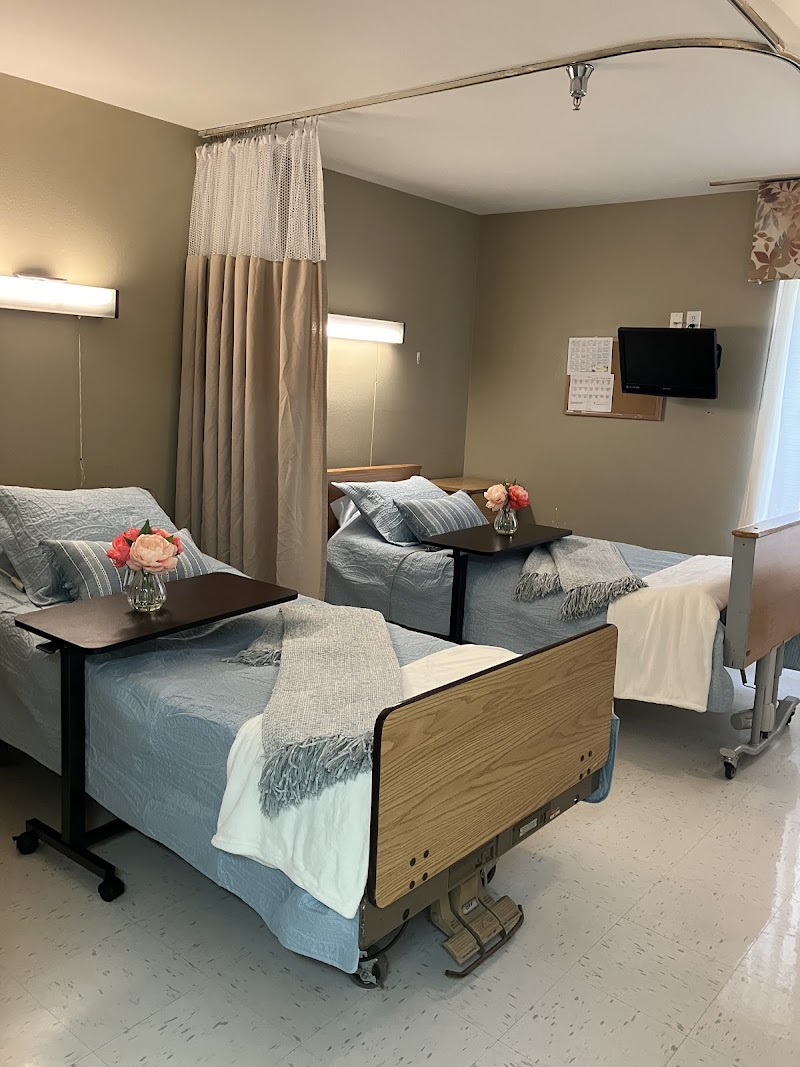
How is Windsor Cypress Gardens Staffed?

CMS rates WINDSOR CYPRESS GARDENS's staffing level at 2 out of 5 stars, which is below average compared to other nursing homes. Staff turnover is 43%, compared to the California average of 46%. This relatively stable workforce can support continuity of care. RN turnover specifically is 67%, which is notably high. RNs provide skilled clinical oversight, so turnover in this role can affect medical care quality.

What Have Inspectors Found at Windsor Cypress Gardens?

State health inspectors documented 74 deficiencies at WINDSOR CYPRESS GARDENS during 2019 to 2025. These included: 1 Immediate Jeopardy (the most serious level, indicating potential for serious harm or death), 71 with potential for harm, and 2 minor or isolated issues. Immediate Jeopardy findings are rare and represent the most serious regulatory concerns. They require immediate corrective action.
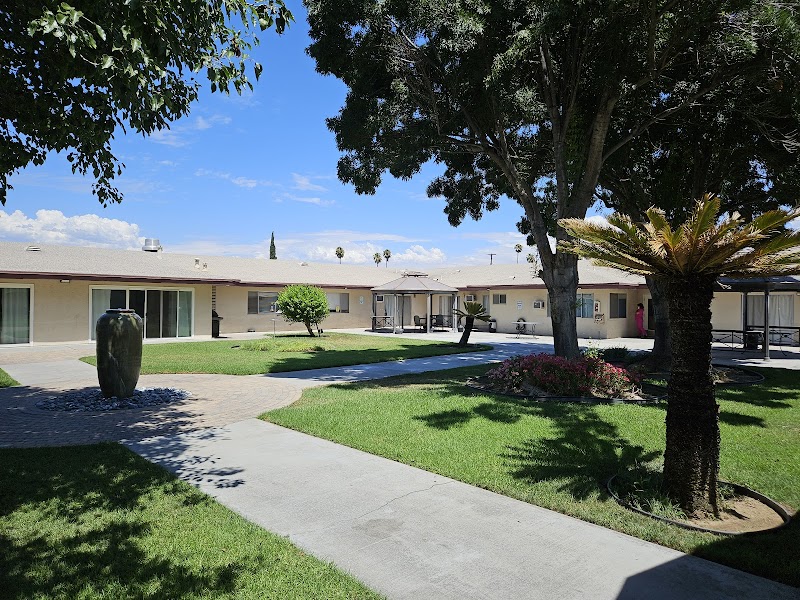
Who Owns and Operates Windsor Cypress Gardens?

WINDSOR CYPRESS GARDENS is owned by a for-profit company. For-profit facilities operate as businesses with obligations to shareholders or private owners. The facility is operated by WINDSOR, a chain that manages multiple nursing homes. With 120 certified beds and approximately 110 residents (about 92% occupancy), it is a mid-sized facility located in RIVERSIDE, California.
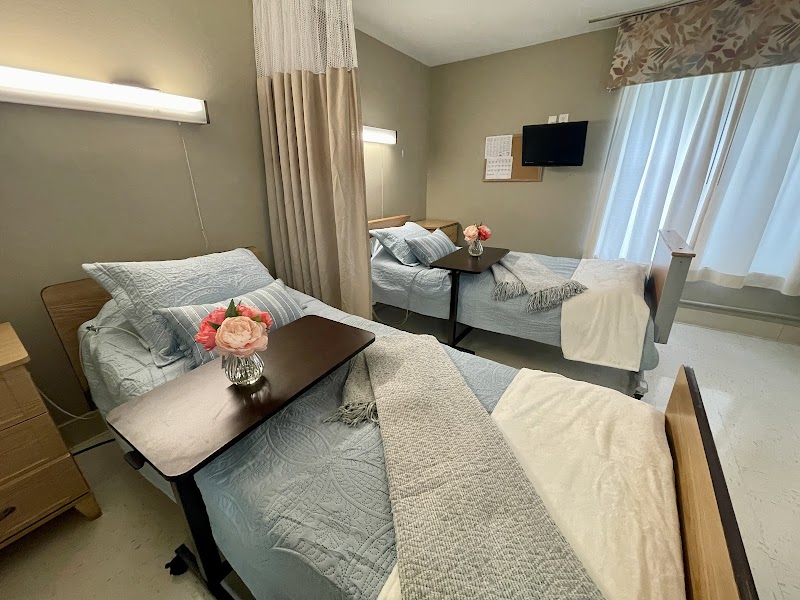
How Does Windsor Cypress Gardens Compare to Other California Nursing Homes?

Compared to the 100 nursing homes in California, WINDSOR CYPRESS GARDENS's overall rating (1 stars) is below the state average of 3.1, staff turnover (43%) is near the state average of 46%, and health inspection rating (1 stars) is much below the national benchmark.

What Should Families Ask When Visiting Windsor Cypress Gardens?

Based on this facility's data, families visiting should ask: "What changes have been made since the serious inspection findings, and how are you preventing similar issues?" "Can you walk me through typical staffing levels on day, evening, and night shifts?" "Can I visit during a mealtime to observe dining assistance and food quality?" "How do you handle medical emergencies, and what is your hospital transfer rate?" These questions are particularly relevant given the facility's Immediate Jeopardy citations and the below-average staffing rating.

Is Windsor Cypress Gardens Safe?

Based on CMS inspection data, WINDSOR CYPRESS GARDENS has documented safety concerns. Inspectors have issued 1 Immediate Jeopardy citation (the most serious violation level indicating risk of serious injury or death). The facility has a 1-star overall rating and ranks #100 of 100 nursing homes in California. Families considering this facility should ask detailed questions about what corrective actions have been taken since these incidents.

Do Nurses at Windsor Cypress Gardens Stick Around?

WINDSOR CYPRESS GARDENS has a staff turnover rate of 43%, which is about average for California nursing homes (state average: 46%). Moderate turnover is common in nursing homes, but families should still ask about staff tenure and how the facility maintains care continuity when employees leave.

Was Windsor Cypress Gardens Ever Fined?

WINDSOR CYPRESS GARDENS has no federal fines on record. CMS issues fines when nursing homes fail to meet care standards or don't correct problems found during inspections. The absence of fines suggests the facility has either maintained compliance or corrected any issues before penalties were assessed. This is a positive indicator, though families should still review recent inspection reports for the full picture.

Is Windsor Cypress Gardens on Any Federal Watch List?

WINDSOR CYPRESS GARDENS is not on any federal watch list. The most significant is the Special Focus Facility (SFF) program, which identifies the bottom 1% of nursing homes nationally based on persistent, serious quality problems. Not being on this list means the facility has avoided the pattern of deficiencies that triggers enhanced federal oversight. This is a positive indicator, though families should still review the facility's inspection history directly.