WOODCREST POST ACUTE & REHABILITATION
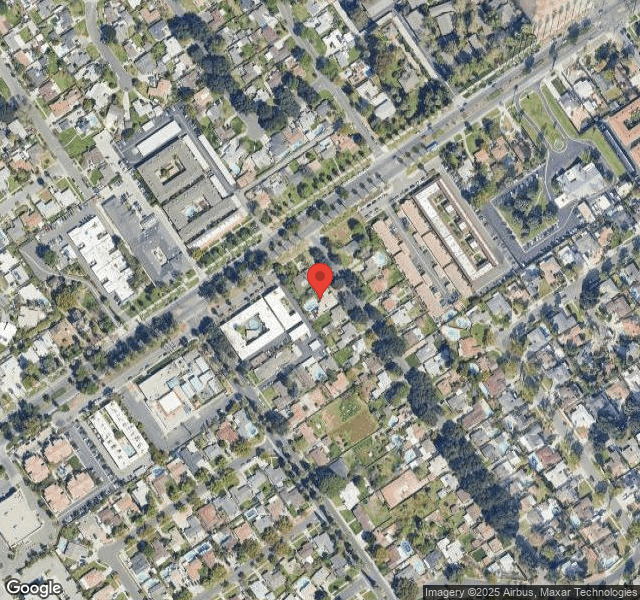

8133 MAGNOLIA AVENUE, RIVERSIDE, CA 92504 (951) 688-4321
For profit - Corporation 120 Beds NAHS Data: November 2025
Trust Grade
40/100
#728 of 1155 in CA
Last Inspection: October 2024

Within standard 12-15 month inspection cycle. Federal law requires annual inspections.

Overview

Woodcrest Post Acute & Rehabilitation in Riverside, California, has a Trust Grade of D, indicating below-average performance with some concerns. It ranks #728 out of 1,155 facilities in California, placing it in the bottom half, and #30 out of 53 in Riverside County, meaning there are only a few local options that are better. The facility is showing signs of improvement, with reported issues decreasing from 20 in 2024 to just 3 in 2025. Staffing is a concern, with a rating of 2 out of 5 stars and a high turnover rate of 59%, which is significantly above the California average of 38%. The facility has accrued $45,539 in fines, a troubling figure that is higher than 77% of California facilities, suggesting ongoing compliance issues. While RN coverage is average, it is important to note specific incidents like a resident suffering a broken hip after falling from a loose toilet seat that had not been repaired, and another resident falling from their wheelchair due to a lack of supervision. These incidents highlight significant safety concerns alongside the facility's strengths in quality measures, which received a 4 out of 5 star rating.

Trust Score
D
40/100
In California
#728/1155
Bottom 37%
Safety Record
Moderate
Needs review
Inspections
Getting Better
20 → 3 violations
Staff Stability
⚠ Watch
59% turnover. Above average. Higher turnover means staff may not know residents' routines.
Penalties
✓ Good
$45,539 in fines. Lower than most California facilities. Relatively clean record.
Skilled Nurses
⚠ Watch
Each resident gets only 21 minutes of Registered Nurse (RN) attention daily — below average for California. Fewer RN minutes means fewer trained eyes watching for problems.
Violations
⚠ Watch
69 deficiencies on record. Higher than average. Multiple issues found across inspections.
★★★☆☆
3.0
Overall Rating
★★☆☆☆
2.0
Staff Levels
★★★★☆
4.0
Care Quality
★★★☆☆
3.0
Inspection Score
Stable
2024: 20 issues
2025: 3 issues

The Good

  • 4-Star Quality Measures · Strong clinical quality outcomes
  • Full Sprinkler Coverage · Fire safety systems throughout facility
  • No fines on record

Facility shows strength in quality measures, fire safety.

The Bad

3-Star Overall Rating

Near California average (3.1)

Meets federal standards, typical of most facilities

Staff Turnover: 59%

12pts above California avg (46%)

Frequent staff changes - ask about care continuity

Federal Fines: $45,539

Above median ($33,413)

Moderate penalties - review what triggered them

Chain: NAHS

Part of a multi-facility chain

Ask about local staffing decisions and management

Staff turnover is elevated (59%)

11 points above California average of 48%

The Ugly 69 deficiencies on record

2 actual harm
Aug 2025 1 deficiency
CONCERN (D) 📢 Someone Reported This

A family member, employee, or ombudsman was alarmed enough to file a formal complaint

Potential for Harm - no one hurt, but risky conditions existed

Quality of Care (Tag F0684)

Could have caused harm · This affected 1 resident

**NOTE- TERMS IN BRACKETS HAVE BEEN EDITED TO PROTECT CONFIDENTIALITY** Based on interview and record review, for one of five residents reviewed (Resident 50), the facility failed to ensure a change o...

Read full inspector narrative →
**NOTE- TERMS IN BRACKETS HAVE BEEN EDITED TO PROTECT CONFIDENTIALITY** Based on interview and record review, for one of five residents reviewed (Resident 50), the facility failed to ensure a change of condition was identified when Resident 5 had a decline in Activities of Daily Living (ADL) requiring total assistance in eating on July 18 and 19, 2025, and the meal intake was 50% or below on July 19, 2025.This failure had the potential to contribute to a delay in the care and treatment to address Resident 5's change of condition and affect the resident's overall health condition. Findings:On August 11, 2025, at 10:21 a.m., an unannounced visit was conducted at the facility to investigate a complaint regarding quality of care issue.On August 12, 2025, Resident 5's record was reviewed. Resident 5's admission Record, indicated Resident 5 was admitted to the facility on [DATE], with diagnoses which included chronic obstructive pulmonary disease (lung disease), diabetes mellitus (abnormal blood sugar) and heart failure.A review of Resident 5's Progress Notes, documented by the physician, on July 17, 2025, indicated Resident 5 had the capacity to understand and make decisions. A review of Resident 5's Minimum Data Set (MDS - a resident assessment tool, dated July 19, 2025, indicated the following:-BIMS (Brief Interview of Mental Status) score of 12 (cognitively intact); and-Required supervision or touching assistance in eating.A review of Resident 5's care plan, dated July 16, 2025, indicated,- .Self care deficit related to inability to independently perform ADL's.Legend.S=Supervision.Eating.S.;- .Altered Nutrition.Goal: will eat greater than 75% .Interventions.Assist/feed resident.A review of Resident 5's Nutrition Amount Eaten Documentation Survey Report, indicated the following amount eaten:- .July 17, 2025.7 am.100% .;- .July 17, 2025.12 pm.100% .;- .July 17, 2025.5 pm.100% .;- .July 18, 2025.7 am.75% .;- .July 18, 2025.12 pm.75% .;- .July 18, 2025.5 pm.100% .;- .July 19, 2025,.7 am.50% .; and .July 19, 2025.12 pm.25% .A review of Resident 5's SBAR (Situation Background Assessment Record) Communication Form and Progress Note, dated July 19, 2025, at 10:52 p.m., indicated, .the change in condition.Resident unable to answer simple questions.unable to get words out.lethargic (a state of feeling tired, sluggish, and lacking energy).started on July 19, 2025 at 5:00 pm.Resident noted to have reduced movement, reduced alertness, cannot speak or get words out.resident unable to answer stroke (a medical emergency that occurs when blood flow to the brain is interrupted).MD (physician) notified, ordered to send out for eval (evaluation).A review of Resident 5's Order Summary Report, dated July 19, 2025, at 11:29 p.m., indicated, .Resident sent out (name of general acute hospital).rule out Stroke.A review of Resident 5's MDS section GG, indicated the following self-performance level in eating for the following dates:- July 17, 2025.8:21 am.independent.;- July 18, 2025.5:07 pm.set up assistance.;- July 19, 2025.12:20 pm.dependent.; and- July 19, 2025.2:41 pm.dependent.On August 12, 2025, at 4:15 p.m., during an interview conducted with Certified Nursing Assistant (CNA) 1, she stated she was assigned to Resident 5 on July 19, 2025, 3 p.m. to 11 p.m. CNA 1 stated resident 5 was quiet, and not talkative, and had family visiting that evening. CNA 1 stated she went on her lunch break and returned around 7:30 p.m., and the paramedics were there to transfer her to the hospital.On August 12, 2025, at 5:30 p.m., a concurrent interview and record review of Resident 5's record was conducted with the Director of Nursing (DON). The DON stated when they notice a change of condition, the CNA should report it to the charge nurse. The DON stated if there is a change of condition from day shift it should be endorsed to the following shift. The DON stated Resident 5 had a decrease in meal intake or meal percentage on July 19, 2025, starting at breakfast meal at 50% and 25%, respectively for breakfast and lunch.the DON stated Resident 5 was dependent in eating, started on July 18, 2025, which was a decline when she was initially admitted on [DATE]. The DON stated the decrease in Resident 5's food intake and decline in ADL need in eating would be considered a change of condition and the doctor should have been notified.On August 18, 2025, at 12:32 p.m., during a phone interview conducted with Licensed Vocational Nurse (LVN) 1, LVN 1 stated she was the Licensed Nurse (LN) assigned to Resident 5 on July 19, 2025, from 3 p.m. to 11 p.m. LVN 1 stated there was no endorsement from the morning shift LN of any changes with Resident 5. LVN 1 stated when she was passing the medications and reached Resident 5's room, the resident was observed to be lethargic. LVN 1 stated the vital signs were stable, but Resident 5 was not able to answer questions. LVN 1 stated she verified with the family member present at bedside if that was normal for the resident, and the family member stated that was not normal for the resident. LVN 1 stated she was not sure of the time she was able to send out Resident 5 to the acute hospital. LVN 1 stated the physician should have been notified when Resident 5 had a decrease in meal intake as this was a change of condition. On August 18, 2025, at 4:55 p.m., during a phone interview with LVN 2, LVN 2 stated she was the LN assigned to the resident the morning shift of July 19, 2025. LVN 2 stated she did not recall the CAN notifying her of Resident 5's decrease in food intake. LVN 2 stated she did not recall Resident 5's family member reporting to her that Resident 5 was not her usual self. LVN 2 stated the physician should have been notified if the resident had a poor food intake or a decrease from previous meals. A review of the facility's policy and procedure titled, Acute Condition Changes- Clinical Protocol, revised date March 2023, indicated, .Direct care staff .including nursing assistants .recognizing subtle .significant changes .decrease in food intake .how to communicate .to the nurse . and, before contacting a physician .with an acute change of condition .nursing staff .collect pertinent details .to report to the physician .
Jul 2025 1 deficiency
CONCERN (E) 📢 Someone Reported This

A family member, employee, or ombudsman was alarmed enough to file a formal complaint

Potential for Harm - no one hurt, but risky conditions existed

Pharmacy Services (Tag F0755)

Could have caused harm · This affected multiple residents

**NOTE- TERMS IN BRACKETS HAVE BEEN EDITED TO PROTECT CONFIDENTIALITY** Based on observation, interview, and record review, the facility failed to ensure medications were administered in accordance wi...

Read full inspector narrative →
**NOTE- TERMS IN BRACKETS HAVE BEEN EDITED TO PROTECT CONFIDENTIALITY** Based on observation, interview, and record review, the facility failed to ensure medications were administered in accordance with the facility's policy and procedures and physician's order, for four of four residents (Residents 1, 2, 3, and 4).This failure has the potential to result in reduced effectiveness of Residents 1, 2,3, and 4's medications.On July 16, 2025, at 5:06 a.m., an unannounced visit was conducted at the facility to investigate quality of care issues.On July 16, 2025 at 5:23 a.m., during an interview with Licensed Vocational Nurse (LVN) 1, she stated she started the 6 a.m. and 6:30 a.m. medication pass (med pass - the process through which medication is administered to residents) at 4:20 a.m. LVN 1 stated she should start med pass at 5 a.m. but she started 40 minutes early because there were a lot of blood sugar checks, medications to be administered through G-tubes (gastrostomy tube - a tube inserted to the stomach used to give food and medications) and documentation to complete. LVN 1 stated she had just administered levothyroxine (medication to treat low thyroid hormone level) and omeprazole (medication to treat acid reflux) to Resident 1. LVN 1 stated she also administered insulin (medication to treat diabetes mellitus [abnormal blood sugar] to Resident 2 at 5:05 a.m.Resident 1's electronic Medication Administration Report (e-MAR), was concurrently reviewed with LVN 1. LVN 1 stated Resident 1's levothyroxine and omeprazole were scheduled at 6:30 a.m. LVN 1 further stated the facility's electronic health record system (PCC - Point Click Care) would not allow her to sign that she administered those medications earlier than 5:30 a.m. LVN 1 stated Resident 1 could have nausea or a little discomfort when her medications were given early.A review of Resident 2's e-MAR was conducted with LVN 1. LVN 1 stated Resident 2's long actin insulin was scheduled at 6:30 a.m. LVN 1 stated she administered Resident 2's insulin at 5:05 a.m LVN 1 stated Resident 2's blood sugar could drop when her insulin was administered early. LVN 1 stated they were not providing quality of care because medication administration was started early.On July 16, 2025, at 5:43 a.m., during a concurrent observation and interview with Resident 3 in her room, Resident 3 was alert lying in bed and watching TV. Resident 3 stated she received her thyroid medication at 4:30 a.m.A review of Resident 3's admission Record indicated the resident was re-admitted to the facility on [DATE], with diagnoses which included hypothyroidism (low thyroid hormone level). A review of Resident 3's Order Summary Report, included a physician's order, dated January 9, 2025, which indicated, .Levothyroxine sodium Tablet 125 MCG (microgram - unit of measurement) Give 1 (one) tablet by mouth in the morning .Administer on an empty stomach, 30 minutes before breakfast . A review of Resident 3's Minimum Data Set (MDS - a resident assessment tool), dated May 12, 2025, indicated Resident 3 had a BIMS (Brief Interview for Mental Status) score of 15 (cognitively intact).On July 16, 2025, at 6:02 a.m., Resident 4 was observed awake and alert lying in bed. In a concurrent interview, Resident 4 stated she was supposed to receive her insulin before each meal. Resident 4 stated there was a time when she received her insulin between 5 a.m. to 5:15 a.m. and breakfast was being served between 8:15 a.m. to 8:30 a.m. Resident 4 stated her blood sugar could drop if insulin is being administered earlier than ordered by the physician. A review of Resident 4's admission Record, indicated Resident 4 was admitted to the facility on [DATE], with diagnoses which included diabetes mellitus. A review of Resident 4's MDS, dated [DATE], indicated a BIMS score of 15. A review of Resident 4's Order Summary Report, included a physician's order, dated July 11, 2025, which indicated, .Novolog (short acting insulin) Injection solution 100 UNIT/ML .Inject 3 (three) unit .before meals .On July 16, 2025, at 6:30 a.m., during an interview with LVN 2, she stated she started 6:30 a.m. med pass at 4:30 a.m. because she would not be able to finish med pass on time before her shift ends. LVN 2 stated they used to have four (4) LVNs for med pass with 27 - 29 residents each but now they only have three (3) LVNs and had 36 - 38 patients each. LVN 2 stated when they had four LVNs, they were able to start and finish on time for medication pass.On July 16, 2025, at 6:47 a.m., during an interview with Registered Nurse Supervisor (RNS), he stated the LVNs would start their medication pass at around 4:30 a.m. so they could finish on time. On July 16, 2025, at 8:14 a.m., a follow up interview was conducted with LVN 1, she stated when medications were administered earlier than scheduled times, the physician should have been notified. On July 16, 2025, at 8:28 a.m., during a concurrent observation and interview, Resident 2 was in her room, lying in bed and awake. Resident 2 did not respond to interview questions. Resident 2's breakfast tray was observed on the overbed table. A review of Resident 2's admission Record, indicated Resident 2 was admitted to the facility on [DATE], with diagnoses which indicated diabetes mellitus. A review of Resident 2's Order Summary Report, included a physician's order, dated July 2, 2025, indicated, .Insulin Glargine .Inject 25 unit .in the morning .On July 16, 2025, at 8:32 a.m., during a concurrent observation and interview with Resident 1 in her room, alert, awake and sitting in her wheelchair. Resident 1 stated she received medications at 4 a.m., but she did not know which medication it was, and she could not remember when it happened.A review of Resident 1's admission Record, indicated Resident 1 was admitted to the facility on [DATE], with diagnoses which included hypothyroidism and gastric ulcer (an open sore or raw area in the lining of the stomach). A review of Resident 1's Order Summary Report, included the following physician's order:-Omeprazole Capsule Delayed Release 20 MG (milligram - unit of measurement), Give 2 (two) capsule by mouth in the morning .Administer on an empty stomach, 30 minutes before breakfast ., date ordered December 28, 2024; and-Synthroid (thyroid medication) Oral Tablet 25 MCG .Give 1 (one) tablet by mouth in the morning ., date ordered December 31, 2024.A review of Resident 1's MDS, dated [DATE], indicated a BIMS score of 12 (cognitively intact).On July 16, 2025, at 9:30 a.m., during a concurrent interview with the Director of Staff Development (DSD) and record review of Resident 1, 2, and 4's physician's orders, the DSD stated if a medication was scheduled to be given at a certain time, it should be administered at the specified time. The DSD stated PCC would not allow the charge nurses to sign for med pass too early or too late. On July 16, 2025, at 10:01 a.m., during an interview with the Assistant Director of Nursing (ADON), she stated if a medication was scheduled to be administered at 6:30 a.m., the charge nurses should administer the medication one hour before or one hour after. The ADON stated if the charge nurse gave a medication earlier than what was allowed, the charge nurse needs to notify the physician. The ADON stated the charge nurses were not allowed to decide to give a medication early just because they have a lot to do.On July 16, 2025 at 12:42 p.m., during an interview with the Nurse Consultant (NC) and the Administrator (ADM), the NC stated the RN should be assessing if the LVNs were late with their med pass and step in to alleviate the pressure and the LVNs should administer the medications as ordered by the physician within the scheduled time, an hour before and an hour after.A review of the facility's policy and procedure titled Medication Administration Schedule, dated July 2024, indicated, .Scheduled medications are administered within one (1) hour of their prescribed time, unless otherwise specified .The exact time of medication administration is documented in the MAR. If medication is administered early .the reason is also documented .
Apr 2025 1 deficiency
CONCERN (D) 📢 Someone Reported This

A family member, employee, or ombudsman was alarmed enough to file a formal complaint

Potential for Harm - no one hurt, but risky conditions existed

Deficiency F0661 (Tag F0661)

Could have caused harm · This affected 1 resident

**NOTE- TERMS IN BRACKETS HAVE BEEN EDITED TO PROTECT CONFIDENTIALITY** Based on interview and record review the facility failed to ensure one of three sampled residents (Resident A) received a post-d...

Read full inspector narrative →
**NOTE- TERMS IN BRACKETS HAVE BEEN EDITED TO PROTECT CONFIDENTIALITY** Based on interview and record review the facility failed to ensure one of three sampled residents (Resident A) received a post-discharge plan of care, which contained the necessary information for the continuation of care after discharge. This failure resulted in Resident A ' s family calling the facility for advice and sending Resident A to the emergency room, within 24 hours of his discharge from the facility. Findings: On March 28, 2025, at 9:50 a.m., an unannounced visit to the facility was conducted to investigate quality of care concern and discharge rights. On March 28, 2025, at 1 p.m., an interview was conducted with the Social Service Assistant (SSA). The SSA stated the case managers and social service director are the ones who help the residents plan for discharge and follow up care. The SSA stated Resident A was discharged on March 18, 2025, and she called Resident A twice following his discharge, but she did not speak with Resident A. On March 28, 2025, at 1:10 p.m., an interview was conducted with the Case Manager (CM). The CM stated Resident A was discharged from the facility on March 18, 2025, she had ordered home health, a safety evaluation from physical therapy and occupational therapy, and wound care. The CM stated Resident A was receiving wound care when he was at the facility and the care should continue after he leaves. The CM stated a family member of Resident A ' s called about Resident A ' s leg being swollen and the CM told the family member if Resident A ' s leg was red and swollen, he may need to go to the hospital. The CM stated she called and spoke with the home health agency and asked when they would be out to evaluate Resident A. The CM stated she does provide discharge planning and speaks with the residents, and the nurse reviews all the information with the residents at the time of discharge and provides a handwritten discharge summary for their reference. On March 28, 2025, at 1:55 p.m., a review of Resident A ' s record was conducted. Resident A was admitted to the facility on [DATE], with diagnoses which included a left above the knee amputation, COPD (chronic obstructive pulmonary disease- a group of lung conditions that damage the airways and lungs), and cirrhosis of the liver (chronic damage leading to scarring and failure) with ascites (a complication of cirrhosis causing a buildup of fluid in the abdominal cavity). Resident A ' s order summary indicated: -Follow up with [name] Cardiology (focuses on the heart and blood vessels) in one week, ordered March 4, 2025. -Abdominal x-ray due to abdominal distention (bloating and swelling of the belly), ordered March 11, 2025. -Follow up with [name] gastroenterology/Hepatology (medical specialty focusing on the digestive system and the liver) clinic one week, ordered March 4, 2025. A review of Resident A ' s Wound Evaluation and Treatment, dated March 10, 2025, indicated .+2 edema (a moderate level of swelling, where an indentation remains after pressing the skin for a few seconds) RLE (right lower extremity) .Rec (recommend) artena [sic] (arterial); and venous doppler (a non-invasive imaging test that uses sound waves to visualize blood flow in the arteries and veins) RLE. Elevate RLE .Site 003 .right dorsal (the part of the foot that faces upwards while standing) foot .venous ulcer (a wound on the leg or ankle caused by damaged or abnormal vein function) with fat layer exposed .measurement (LxWxD) (length x width x depth): 11.0 x 8.0 x 0.1cm (centimeter-a unit of measurement) .100% epithelial (packed cells lining a body surface) tissue .treatment Plan: cleanse with sterile normal saline (a fluid with 0.9% sodium) pat dry apply betadine (a topical antiseptic) cover with roll gauze dressing change dressing daily and PRN (as needed) for loss of integrity/soiling . A review of Resident A ' s Case Management Notes: -dated March 5, 2025, at 10:29 a.m., indicated .he lives alone .DME (Durable Medical Equipment-medical supplies) at home include W/C (wheelchair), walker, shower chair, power chair, prosthesis (artificial replacement for a body part) .patient states his discharge plan is to return home under [insurance name] ( name of program of all-inclusive care for the elderly) Program . -dated March 18, 2025, indicated .Spoke with .[insurance name] regarding transport not arriving as arranged for scheduled discharge on [DATE] (March 18, 2025) .will reschedule transport .attempted to reach [family member] .message left regarding change in discharge date s .[insurance name] aware of HH (home health), PT (physical therapy)/OT (occupational therapy) as well as needed visit for primary, hepatology, and cardiology . -dated March 19, 2025, indicated .family member has concerns of patients [sic] leg ' being swollen ' .advise patient to go to ER for evaluation .call placed to [care coordinator at insurance] in order to expedite home health visit, as well as scheduling F/U [follow up] with primary MD as soon as possible . A review of Resident A ' s Discharge Summary indicated, .diagnosis (identified cause of a disease or injury) during stay: COPD . There was no documentation found for discharge diagnosis or prognosis (predication of how a disease, injury, or illness will progress over time). A review of Resident A ' s Post DC (discharge) Plan of Care, indicated no documentation found for responsible party, relationship to patient, or phone number, Resident A ' s activity levels, equipment/supplies, home health agency or phone number, home health referrals for rehabilitation, what treatments/ supplies are needed for wounds, state ombudsman information and phone number, follow up appointments with dates and times, as well as pharmacy information on form. On March 28, 2025, at 3:00 p.m., and interview was conducted with the Licensed Vocational Nurse (LVN). The LVN stated she was the nurse who went over Resident A ' s discharge instructions. The LVN stated his discharge summary was reviewed, the resident had expressed an understanding, a copy was given to resident at discharge. On April 9, 2025, at 3:30 p.m., an interview was conducted with the CM. The CM stated Resident A had orders for follow up appointments with cardiology and GI/hepatology, Resident A has [insurance name] and their process is to contact them, they arrange the approval for follow up appointments and transportation. The CM stated she spoke with the Care Coordinator [name], on March 5, 2025, and gave them Resident A ' s follow up appointment orders, and called again, on March 7, 2025, to follow up. The CM stated she did not speak with Care Coordinator [name] again until March 18, 2025, when arranging Resident A ' s discharge from the facility, and again on March 19, 2025, when Resident A ' s family had called with a concern. The CM stated she did not make the follow up appointments for Resident A per the orders, nor discussed the possibility of applying for Medi Cal to receive additional services and resources, Resident A may not be receiving with only Medi Care services. On April 10, 2025, at 11:40 a.m., an interview was conducted with the CM. The CM stated she spoke with the Social Services Director (SSD), the SSD stated she did not speak with Resident A about applying for additional services and resources through Medi Cal. The CM stated she had spoke with Resident A ' s Care Coordinator at [name] multiple times, and no appointments had been made while Resident A was in the facility. On April 10, 2025, at 11:55 a.m., an interview was conducted with the Care Coordinator (CC) for Resident A ' s insurance. The CC stated Resident A was in the skilled nursing facility (SNF) from March 4th until March 18, 2025, Resident A has no follow up appointments pending at this time. The CC stated she had received orders for Resident A on March 7, 2025, from the SNF, the orders were sent to Resident A ' s primary doctor for approval. The CC stated she was notified by the SNF on March 12, 2025, that Resident A would need home health and wound care services upon discharge. The CC stated Resident A had wound care follow up appointments on March 24, and March 26, 2025, but Resident A was admitted to the hospital, and the appointments were cancelled. On April 10, 2025, at 12:10 p.m., an interview was conducted with the Registered Nurse Supervisor (RNS) at [name]. The RNS stated Resident A was sent to the emergency room and admitted to the hospital on [DATE]. The RNS stated while Resident A was in the SNF receiving care, the SNF has control over the care, makes the decisions when assisting the resident, and is responsible for all follow up appointments, and additional care needs ordered. The RNS stated our program can assist by providing transportation if requested. The RNS stated the program will resume care once the resident is released from the SNF. On April 10, 2025, at 12:25 p.m., an interview was conducted with the Director of Nursing (DON). The DON stated she was made aware Resident A had missing information on his discharge summary and Plan of Care, which should have been in the documents. A review of the facility ' s job descriptions for Case Manager indicated .is responsible for communicating care requirements to the facility care team and coordinating healthcare benefits for patients .ensures that the care needs of patients and residents within the facility are met in a competent, safe, and consistent manner and in accordance with current federal, state and local regulations .participates in patient/resident care plan meetings and follows-up as directed .educates patients/residents and their families of their benefits as needed .continuing communication with the interdisciplinary team and insurance providers .acts as a liaison/coordinator with insurance and other alternative .providers .participates in regular meetings for management of Medi Care/managed care patients and residents as needed . A review of the facility ' s policy titled Transfer or Discharge, Preparing a Resident for, dated December 2023, indicated .When a resident is scheduled for transfer or discharge, the business office will notify nursing services of the transfer or discharge so that appropriate procedure can be implemented .a post-discharge plan is developed for each resident prior to .transfer or discharge .Nursing services is responsible for .preparing the discharge summary and post-discharge plan .providing the resident or representative (sponsor) with required documents .
Nov 2024 1 deficiency
CONCERN (D) 📢 Someone Reported This

A family member, employee, or ombudsman was alarmed enough to file a formal complaint

Potential for Harm - no one hurt, but risky conditions existed

Resident Rights (Tag F0550)

Could have caused harm · This affected 1 resident

**NOTE- TERMS IN BRACKETS HAVE BEEN EDITED TO PROTECT CONFIDENTIALITY** Based on observation, interview, and record review, the facility failed to treat with respect and dignity, for two of five resid...

Read full inspector narrative →
**NOTE- TERMS IN BRACKETS HAVE BEEN EDITED TO PROTECT CONFIDENTIALITY** Based on observation, interview, and record review, the facility failed to treat with respect and dignity, for two of five residents (Residents A and B), when the facility left a deceased resident (Resident C) in the same room with Residents A and B for approximately 12 hours, before removing the body. This failure resulted in Residents A and B ' s experiencing negative psychosocial (a person ' s well-being- mental, emotional, social, and spiritual health) outcomes. Findings: On [DATE], at 9:05 a.m., an unannounced visit to the facility was conducted to investigate a complaint of resident rights. On [DATE], at 9:50 a.m., Resident C's bed was observed to be not made up and the sheets were dirty. Two wheelchair footrests were observed on top of the bed. On [DATE], at 10:00 a.m., an interview was conducted with Resident B. Resident B stated Resident C passed away early in the morning of [DATE], and the Resident C's body was left in the room until 7:30 p.m., that night. Resident B stated, it was a very traumatic day, things should have been handled differently, anyone who came in the room, did not acknowledge us (Resident A and B), the staff went to Resident C ' s bed, and then would walk out of the room. Resident B stated her family came in to visit her during dinner time and asked the staff if Residents A and B could eat our meals in another room, because Resident C's body was starting to smell. Resident B stated she did not eat very much as it was difficult to eat with a dead body next to her. Resident B stated the employees kept walking in and out of the room, not knocking on the door, it was disrespectful. Resident B stated all she could think about was she did not want to end up like Resident C, left dead in a room, no dignity. On [DATE], a review of Resident C ' s medical records was conducted. Resident C was admitted to the facility on [DATE], with diagnoses which included kidney disease and high blood pressure. A review of Resident C ' s Daily Nurses Note, dated [DATE], at 12 p.m., indicated, . At 7:28 a.m. CNA (certified Nursing Assistant) went into provide care for resident and she was unresponsive .CPR (cardiopulmonary resuscitation- an emergency procedure that involves chest compressions and rescue breathing) was started .fire department came in at 7:40 a.m. and took over . pronounce dead at 8:57 a.m. A review of Resident C ' s Social Service Note, dated [DATE], at 7:30 p.m., indicated, .residents remains (a dead body) picked up by (name of mortuary) . On [DATE], a review of Resident B ' s medical records was conducted. Resident B was admitted to the facility on [DATE], with diagnoses which included, fracture of the pubis (broken pelvis) and respiratory failure (difficulty with breathing). Resident B ' s history and physical, dated [DATE], indicated Resident B has the capacity to understand and make decisions. A review of Resident B ' s Trauma Evaluation, dated [DATE], at 9:53 a.m., indicated, .identify the worst event .witnessed roommate passing away and time it took for next steps after death .how much were you bothered by the event .quite a bit .feeling or acting as if the stressful experience was actually happening again .a little bit .felling very upset .quite a bit .having strong physical reactions .a little bit .avoiding external reminders .quite a bit .blaming yourself or someone else for the stressful experience .moderately .feeling jumpy or easily startled .a little bit .trouble falling or staying asleep .quite a bit . A review of Resident B ' s Social Service Notes, dated [DATE], at 12:12 p.m., indicated, .discussed recent passing of roommate and how resident is coping. Resident verbalized she is having a hard time. SSD (Social Service Director) offered to make a referral to psychology so that resident can discuss and process her feelings .resident agreeable. SSD offered room change, resident was interested . On [DATE], at 10:30 a.m., the Licensed Vocational Nurse (LVN) was interviewed. The LVN stated she was the nurse assigned to Resident C when she passed away on the morning of [DATE]. The LVN was observed to enter Resident C's room and stated the resident's bed was not cleaned since Resident C had passed away yesterday. The LVN stated Resident C's bed should have cleaned up after the resident was picked up by the mortuary. On [DATE], at 10:40 a.m., the Administrator (ADM) was interviewed. The ADM stated a resident's dead body would be removed from the room as soon as possible after the family arrives and given time to grieve. On [DATE], at 1:15 p.m., an interview was conducted with the Social Services Director (SSD). The SSD stated she followed up with Residents A and B, regarding the death of Resident C, and offered them both room changes. The SSD stated normally the facility would contact the family after a death, and if the family does not have a mortuary picked out, we can give them information, to make arrangements and to have the body be picked up as soon as possible. The SSD stated she understands there was a smell from the Resident C ' s body being left in the room for so long, the staff should have offered a room change to Residents A and B. On [DATE], at 1:40 p.m., an interview with the Staffing Coordinator (SC) was conducted. The SC stated he had been a Certified Nursing Assistant (CNA) and when a resident had died, and there are roommates, we may take the resident who had died out of the room, or we take the roommate(s) out. The SC stated once a resident had died, it would take about two or three hours until the mortuary picks up the body. The SC stated 12 hours was an unusual amount of time to have a resident who had died, remain in the facility, the roommates should not have to stay in the room with a dead resident. On [DATE], at 2:10 p.m., an interview was conducted with the Licensed Vocational Nurse (LVN). The LVN stated it was not discussed with her about moving Resident C out of the room, after she died or Resident A and B out of the room. The LVN stated before leaving at 3:30 p.m., she understood Resident C ' s family was making arrangements, and the Registered Nurse (RN) was going to call and have the mortuary pick up the body. The LVN stated the dead body was to be removed from the facility within two hours after a resident ' s death. Resident A or B did not say anything to her, about moving rooms, and the Registered Nurse said she will deal with it. On [DATE], at 2:25 p.m., an interview was conducted with the CNA. The CNA stated she felt bad for Residents A and B and thought it would be traumatic to have a dead body in your room. The CNA stated Resident C's body should have been removed from the room. On [DATE], at 3:45 p.m., a review of Resident A ' s medical record was conducted. Resident A was admitted to the facility on [DATE]. 2024, with diagnoses which included Chronic Obstructive Pulmonary Disease (COPD- a group of lung problems that block airflow and make it difficult to breathe) and Fibromyalgia (a condition that involves widespread pain and tiredness). Resident A ' s history and physical, dated [DATE], indicated Resident A had the capacity to understand and make decisions. On [DATE], at 4:25 p.m., an interview was conducted with Resident A. Resident A stated the staff did not ask her if she wanted to move to another room after Resident C died. Resident A stated she was very angry about the way things were handled. Resident A ' s family stated he was upset Resident A had to stay in the room with a dead body for so many hours, it was very inappropriate. On [DATE], at 4:35 p.m., an interview was conducted with the Director of Nursing (DON). The DON stated the RN should have let her know Resident C had died, the body was in the facility too long. The DON stated the staff should have offered to move Residents A and B to another room. The DON stated the situation was not handled in an efficient way, the circumstances were not appropriate, and the expectations of the staff were not followed through well. A review of the facility ' s policy titled, Quality of Life-Dignity, dated February 2020, indicated, .each resident will be cared for in a manner that promotes and enhances his or her sense of well-being .Residents are treated with dignity and respect at all times .Staff are expected to knock and request permission before entering residents ' rooms .standards of care that compromise dignity are prohibited. Staff are expected to promote dignity and assist residents . A review of the facility ' s undated policy titled, Resident Self Determination and Participation, indicated, .respects and promotes the right of each resident .what the resident considers to be important .facilitate resident choices .Residents are encouraged to make choices about aspects of their lives in the facility .
Nov 2024 1 deficiency
CONCERN (E) 📢 Someone Reported This

A family member, employee, or ombudsman was alarmed enough to file a formal complaint

Potential for Harm - no one hurt, but risky conditions existed

Deficiency F0558 (Tag F0558)

Could have caused harm · This affected multiple residents

**NOTE- TERMS IN BRACKETS HAVE BEEN EDITED TO PROTECT CONFIDENTIALITY** Based on observation, interview and record review, the facility failed to answer the call light within a reasonable time for thr...

Read full inspector narrative →
**NOTE- TERMS IN BRACKETS HAVE BEEN EDITED TO PROTECT CONFIDENTIALITY** Based on observation, interview and record review, the facility failed to answer the call light within a reasonable time for three of three residents reviewed (Residents 5, 6, and 7). This failure had the potential to result in needs not to be met efficiently for Residents 5, 6, and 7. Findings: 1.On October 13, 2024, Resident 5 ' s electronic record was reviewed. Resident 5 was admitted on [DATE], with diagnoses which included osteoarthritis- right hip (type of arthritis when the cartilage that lines the joint is worn down), muscle wasting and atrophy (loss of muscle tissue and strength) and history of falling. On November 13, 2024, at 3:36 p.m., a telephone interview was conducted with Resident 5's family representative (FR 3). The FR stated Resident 5 called the family some weeks ago and stated she (Resident 5) pushed her call light button for assistance to the restroom and no one responded. 2. On November 13, 2024, Resident 6 ' s electronic record was reviewed. Resident 6 was admitted on [DATE], with diagnoses which included fracture (a break in a bone) of left lower leg, hypertension (high blood pressure), and difficulty walking. Resident 6 was awake, alert, and oriented and able to make decision for himself. On November 13, 2024, at 2:51 p.m., while in hallway of station 2, observe call lights activated in Resident 6's room and Resident 7's room. Observed several staff members walking up and down the hall, and no one checked with the residents for their needs. On November 13, 2024, at 3:10 p.m., a concurrent observation and interview with Resident 6 was conducted. Observed Resident 6's call light was on, with Resident 6 lying in bed, wearing a fall risk bracelet with a cast to his left lower leg. Resident 6 stated he pushed his call light over 10 minutes ago and no one has come in. Resident 6 stated this morning he waited over an hour for someone to empty his urinal; and the resident stated he found it upsetting to wait. 3. On November 13, 2024, Resident 8 ' s electronic record was reviewed. Resident 7 was admitted on [DATE], with diagnoses which included metabolic encephalopathy (chemical imbalance of the blood that affects the brain), osteoarthritis (type of arthritis when the cartilage that lines the joint is worn down) of both knees, and hypertension (high blood pressure). Resident 7 had a Brief Interview for Mental Status (BIMs) of 7 which indicated moderate cognitive impairment. On November 13, 2024, a concurrent observation and interview with Resident 7 was conducted. Observed Resident 7 ' s call light was on, and Resident 7 was awake, lying in his bed. The resident stated he needed to be changed, and he activated his call light over 15 minutes ago and no one has answered. Resident 7 stated did not complain to anyone, since nothing will be done. On November 13, 2024, at 3:26 p.m. during an interview, Certified Nursing Assistant (CNA) 1 stated she was not the nurse for Resident 7. CNA 1 stated the facility ' s policy is to answer the call lights right away. CNA 1 further stated everyone is responsible for answering the call lights, even if the residents were not assigned to them. On November 13, 2024, at 4:14 p.m. during an interview, CNA 2 stated the facility ' s process for answering call lights is to answer as soon as possible and it does not matter if you are not assigned to the resident. CNA 2 stated she had an in-service for call lights often this year, because of the complaints about the call lights. CNA 2 further stated the biggest complaint she gets from residents was, they feel no one is there for them. On November 13, 2024, at 4:41 p.m. during an interview with the Director of Nursing (DON), she stated her expectation is that call lights should be within reach of the residents and the staff should answer the call lights as soon as possible. The DON stated everyone is responsible for answering the call lights to ensure residents' needs are met. A review of the facility policy and procedure titled, Answering the Call Light, dated March 2021, indicated, The purpose of this procedure is to ensure timely response to the resident ' s requests and needs .
Oct 2024 3 deficiencies
CONCERN (D)

Potential for Harm - no one hurt, but risky conditions existed

PASARR Coordination (Tag F0644)

Could have caused harm · This affected 1 resident

Based on record review and interview, the facility failed to notify the appropriate state-designated authority after a resident was diagnosed with a new mental illness for 1 (Resident #59) of 2 sample...

Read full inspector narrative →
Based on record review and interview, the facility failed to notify the appropriate state-designated authority after a resident was diagnosed with a new mental illness for 1 (Resident #59) of 2 sampled residents reviewed for preadmission screening and resident review (PASARR) requirements. Findings included: An admission Record revealed the facility admitted Resident #59 on 12/15/2023. According to the admission Record, the resident had a medical history that included diagnoses of psychosis (onset 12/15/2023) and major depressive disorder (onset 12/15/2023). The admission Record revealed the resident received a diagnosis of schizophrenia on 12/29/2023. An quarterly Minimum Data Set (MDS), with an Assessment Reference Date (ARD) of 09/22/2024, revealed Resident #59 had a Brief Interview for Mental Status (BIMS) score of 15, which indicated the resident had intact cognition. The MDS indicated the resident had active diagnoses to include psychotic disorder and schizophrenia. Resident #59's care plan included a focus area initiated 12/25/2023, that indicated the resident had a mood problem related to admission to the facility, depression, psychosis, and a history of schizophrenia. Interventions directed staff to schedule behavioral health consultations as needed (initiated 12/25/2023), administer medications as ordered (initiated 12/25/2023), and report to the physician any signs or symptoms of depression, anxiety, or sad moods (initiated 12/25/2023). The care plan also indicated a focus area initiated 04/04/2024, that indicated the resident was at risk for increased confusion and disordered thought, secondary to schizophrenia. The care plan indicated the schizophrenia diagnosis was given by a psychiatrist on 12/29/2023. Interventions directed staff to provide psychiatry and psychology consultations as needed (initiated 04/04/2024). The care plan also revealed a focus area initiated 06/25/2024, that indicated the resident had psychosis behavior manifested by auditory hallucinations. Resident #59's medical record revealed no evidence that indicated a referral was made to the appropriate state-designated authority following the resident's new diagnosis of schizophrenia on 12/29/2023. During an interview on 10/02/2024 at 1:25 PM, Social Services (SS) #7 stated she was not necessarily responsible for PASARR screenings. She stated the Level I screenings were usually done at the hospital prior to the resident's admission, and once it was received, a resident could be admitted . SS #7 stated if a resident had a change in condition, whether physical or mental, the facility would do a review and if needed, a new Level I screening would be completed. SS #7 stated Resident #59's psychosis diagnosis was temporary, and when the psychiatrist saw Resident #59, the psychiatrist determined that the resident had schizophrenia. SS #7 stated the resident's mental status did not change, and the resident did not have a change in condition, so that information would not necessarily need to be on the Level I screening. SS #7 stated that if there was a change in a resident's condition, Registered Nurse (RN) #8 was responsible for completing another Level I screening, and if RN #8 was not able to, then she would complete it. During an interview on 10/02/2024 at 2:06 PM, RN #8 stated she worked together with an MDS coordinator and a social worker on the PASARR process. She stated that when a PASARR screening was received, a resident would come into the facility, and it was uploaded into the resident's electronic health record. RN #8 stated that she believed she would not do a new Level I screening for a new diagnosis, but would for a new order of psychotropic medication. RN #8 stated that she would complete the new Level I screening and if she did not, another member of the team would complete it.
CONCERN (D)

Potential for Harm - no one hurt, but risky conditions existed

Unnecessary Medications (Tag F0759)

Could have caused harm · This affected 1 resident

Based on observation, interview, record review, and facility policy review, the facility failed to ensure the medication error rate was 5% or less. This was evidenced by two medication errors out of 3...

Read full inspector narrative →
Based on observation, interview, record review, and facility policy review, the facility failed to ensure the medication error rate was 5% or less. This was evidenced by two medication errors out of 33 opportunities, which resulted in a medication error rate of 6.06%, that affected 2 (Resident #10 and Resident #39) of 5 residents observed for medication administration. Findings included: A facility policy titled, Administering Oral Medications, revised in 09/2023, revealed, The purpose of this procedure is to provide guidelines for the safe administration of oral medications. The policy further revealed, Steps in the Procedure included 5. Select the drug from the unit dose drawer or stock supply. 6. Check the label on the medication and confirm the medication name and dose with the MAR [medication administration record]. 1. An admission Record revealed the facility admitted Resident #10 on 01/10/2024. According to the admission Record, the resident had a medical history that included a diagnosis of unspecified anemia. An annual Minimum Data Set (MDS), with an Assessment Reference Date (ARD) of 09/16/2024, revealed Resident #10 had a Brief Interview for Mental Status (BIMS) score of 15, which indicated the resident had intact cognition. Resident #10's care plan included an undated focus area that indicated the resident had an altered nutrition need related to diagnoses that included anemia. Interventions directed staff to administer ferrous fumarate (initiated 01/16/2024). Resident #10's Order Summary Report, which listed active orders as of 10/01/2024, revealed an order dated 01/31/2024, for ferrous fumarate oral tablet 324 milligrams (mg), one tablet by mouth three times a day for a supplement. During an observation of medication administration on 10/01/2024 at 8:16 AM, Licensed Vocation Nurse (LVN) #6 prepared and administered a ferrous sulfate 325 mg tablet to Resident #10. 2. An admission Record revealed the facility admitted Resident #39 on 09/02/2024. According to the admission Record, the resident had a medical history that included diagnoses of adult failure to thrive, unspecified dementia, and follicular lymphoma. A Minimum Data Set (MDS), with an Assessment Reference Date (ARD) of 09/16/2024, revealed Resident #39 had a Brief Interview for Mental Status (BIMS) score of 9, which indicated the resident had moderate cognitive impairment. Resident #39's care plan included a focus area initiated 09/04/2024, that indicated the resident was at risk for constipation due to a diagnosis of chronic constipation. Interventions directed staff to administer medication as ordered (initiated 09/04/2024). Resident #39's Order Summary Report, which listed active orders as of 10/01/2024, revealed an order dated 09/03/2024, for Senna-S (sennosides-docusate sodium, a combination of a laxative medication and a stool softener medication) oral tablet 8.6 milligram (mg) - 50 mg, give two tablets by mouth two times a day for constipation; hold for loose stools. During an observation of medication administration on 10/01/2024 at 8:55 AM, Licensed Vocational Nurse (LVN) #6 prepared and administered medications to Resident #39, including one Geri-kot (sennosides) 8.6 mg tablet and one docusate sodium 100 mg capsule. During an interview on 10/02/2024 at 2:28 PM, the Director of Nursing (DON) stated she expected nurses to administer medications per the physician's orders, and to give the right medications. The DON stated that if a medication was unavailable as ordered, she expected the nurse to either call the physician to get another order, or come to her so the facility could make the correct medications available. During an interview on 10/02/2024 at 2:40 PM, the Administrator stated that he expected the nurses to pay attention and know the medications. The Administrator stated that he expected staff to stay below a 5% medication error rate, ideally at 0%.
CONCERN (F)

Potential for Harm - no one hurt, but risky conditions existed

Deficiency F0645 (Tag F0645)

Could have caused harm · This affected most or all residents

2. An admission Record revealed the facility admitted Resident #59 on 12/15/2023. According to the admission Record, the resident had a medical history that included diagnoses of psychosis (onset 12/1...

Read full inspector narrative →
2. An admission Record revealed the facility admitted Resident #59 on 12/15/2023. According to the admission Record, the resident had a medical history that included diagnoses of psychosis (onset 12/15/2023), major depressive disorder (onset 12/15/2023). An admission Minimum Data Set (MDS), with an Assessment Reference Date (ARD) of 12/22/2023, revealed Resident #59 had a Brief Interview for Mental Status (BIMS) score of 15, which indicated the resident had intact cognition. The MDS indicated the resident had active diagnoses to include depression and psychotic disorder. Resident #59's care plan included a focus area initiated 12/25/2023, that indicated the resident had a mood problem related to admission to the facility, depression, psychosis, and a history of schizophrenia. Interventions directed staff to schedule behavioral health consultations as needed (initiated 12/25/2023), administer medications as ordered (initiated 12/25/2023), and report to the physician any signs or symptoms of depression, anxiety, or sad moods (initiated 12/25/2023). Resident #59's Preadmission Screening and Resident Review Level I Screening, dated 12/15/2023, revealed the resident did not have serious diagnosed mental disorder such as depressive disorder, anxiety disorder, panic disorder, schizophrenia/schizoaffective disorder, or symptoms of psychosis, delusions, and/or mood disorder. During an interview on 10/02/2024 at 1:25 PM, Social Services (SS) #7 stated a resident's Level I screening was usually completed at the hospital prior to admission, and once it was received, a resident could be admitted . SS #7 stated that a review of the screening was not completed for accuracy upon admission because the facility relied on the hospital to do their due diligence to make sure the documents were accurate. SS #7 stated that Resident #59's Level I screening was completed on the same day the resident discharged from the hospital, and the facility staff would have anticipated the information on the screening to be accurate. S #7 stated that the hospital staff should have placed the resident's psychosis diagnosis on the Level I screening that was completed on 12/15/2023. During an interview on 10/02/2024 at 2:06 PM, Registered Nurse (RN) #8 stated that the diagnosis of psychosis should have been on Resident #59's Level I screening completed on 12/15/2023. During an interview on 10/02/2024 at 2:20 PM, the Director of Nursing (DON) stated that Level I screenings were completed at the hospital and sent to the facility before a resident was accepted, and it was then uploaded into the resident's electronic health record. The DON stated that the importance of the Level I screening being completed was for residents that had a mental illness to get a second screening to ensure the resident got all the proper services they needed. The DON stated that PASARRs were not reviewed for accuracy, but if the Level I screening triggered a Level II evaluation, the facility would request that before the resident came. The DON stated that she did a review of Resident #59's Level I screening and it was inaccurate. During an interview on 10/02/2024 at 2:34 PM, the Administrator stated that the hospital completed the Level I screenings and the facility staff were not to accept any residents without one. The Administrator stated that the PASARR screening evaluated the mental capacity of a resident. The Administrator stated that during review of the Level I screenings, staff looked to make sure the resident did not require a Level II evaluation. The Administrator stated that he felt that when a Level I screening was inaccurate, it would mislead the facility about the resident. Based on record review, interview, and facility policy review, the facility failed to ensure the accuracy of Level I preadmission screening and resident review (PASARR) for 2 (Resident #3 and Resident #59) of 2 sampled residents reviewed for PASARR requirements. Findings included: A facility policy titled, admission Criteria, revised in 09/2023, revealed, 9. All new admissions and readmissions are screened for mental disorders (MD), intellectual disabilities (ID) or related disorders (RD) per the Medicaid Pre-admission Screening and Resident Review (PASARR) process. The policy revealed, a. The facility will ensure PASARR screen has been completed by hospitals or facility of origin for all potential admissions, regardless of payer source, to determine if the individual meets the criteria for a MD, ID or RD. 1. An admission Record revealed the facility admitted Resident #3 on 06/16/2024. According to the admission Record, the resident had a medical history that included diagnoses of dementia (onset 06/16/2024), schizophrenia (onset 06/16/2024), and major depressive disorder (onset 06/16/2024). An admission Minimum Data Set (MDS), with an Assessment Reference Date (ARD) of 06/23/2024, revealed Resident #3 had severe impairment in cognitive skills for daily decision making and short-term and long-term memory problems per a Staff Assessment for Mental Status (SAMS). Resident #3's care plan revealed a focus area initiated 08/16/2024, that indicated the resident required antipsychotic medication for schizophrenia. Interventions directed staff to administer medications as prescribed by the physician (initiated 08/16/2024) and to monitor for behaviors every shift (initiated 08/16/2024). The care plan revealed a focus area initiated 06/17/2024, that indicated the resident needed antidepressant medication. Interventions directed staff to administer medications as ordered (initiated 06/17/2024) and to monitor for side effects (initiated 06/17/2024). Resident #3's Preadmission Screening and Resident Review Level I Screening, dated 06/14/2024, revealed the resident did not have serious diagnosed mental disorder such as depressive disorder, anxiety disorder, panic disorder, schizophrenia/schizoaffective disorder, or symptoms of psychosis, delusions, and/or mood disorder. During an interview on 10/02/2024 at 1:25 PM, Social Services #7 stated Resident #3's Level I screening was inaccurate. During an interview on 10/02/2024 at 2:06 PM, Registered Nurse #8 stated Resident #3's Level I screening was inaccurate because it did not indicate the resident's mental illness diagnoses. During an interview on 10/02/2024 at 2:20 PM, the Director of Nursing stated Resident #3's Level I screening was not accurate. During an interview on 10/02/2024 at 2:35 PM, the Administrator stated Resident #3's Level I screening was inaccurate.
Aug 2024 1 deficiency
CONCERN (E) 📢 Someone Reported This

A family member, employee, or ombudsman was alarmed enough to file a formal complaint

Potential for Harm - no one hurt, but risky conditions existed

Pharmacy Services (Tag F0755)

Could have caused harm · This affected multiple residents

**NOTE- TERMS IN BRACKETS HAVE BEEN EDITED TO PROTECT CONFIDENTIALITY** Based on observation, interview, and record review, the facility failed to ensure medications were administered on time as presc...

Read full inspector narrative →
**NOTE- TERMS IN BRACKETS HAVE BEEN EDITED TO PROTECT CONFIDENTIALITY** Based on observation, interview, and record review, the facility failed to ensure medications were administered on time as prescribed by the physician and according to the facility ' s policy for three of three residents reviewed (Residents 1, 2, and 3). This failure had the potential to result in an increased risk of changes of condition to Residents 1, 2 and 3. Findings: On August 12, 2024, at 9:20 a.m., an unannounced visit was conducted at the facility to investigate a complaint. On August 12, 2024, at 9:49 a.m., during a concurrent observation and interview with Resident 1, Resident 1 was in his room, sitting on his wheelchair by the door, alert and conversant. Resident 1 stated he received his medications on time, but he looked for the nurse when it ' s time for his pain medication. On August 12, 2024, at 10:04 a.m., during a concurrent observation and interview with Resident 2, Resident 2 was lying on his bed, watching television, alert and conversant. Resident 2 stated he received his medications and that he took a lot of it. Resident 2 stated he did not even know what those medications were for. On August 12, 2024, at 10:50 a.m., Licensed Vocational Nurse (LVN 1) was observed passing medications. LVN 1 stated he was not done with med pass and still has three more rooms to go. On August 12, 2024, at 11:42 a.m., LVN 1 was observed passing medications. LVN 1 stated he was still passing medications that were due at 9:00 a.m. On August 12, 2024, at 12:03 p.m., during an interview with LVN 2, LVN 2 stated med pass (medication pass) should be completed in two hours from the scheduled time. LVN 2 stated for medications due at 9:00 a.m., med pass can be started at 8:00 a.m. up to 10:00 a.m. LVN 2 stated if medications were given outside that two-hour time frame, the effectiveness of the medications can be affected. On August 12, 2024, at 12:15 p.m., during a follow up interview with LVN 1, LVN 1 stated, for the 9:00 a.m. med pass, medications can be administered between 8:00 a.m. to 10:00 a.m. LVN 1 further stated if medications were given outside the two hour period, there can be medication interactions and a blood pressure given too early or too late may cause an uncontrolled low or high blood pressure to a resident. On August 12, 2024, at 12:55 p.m., during an interview with LVN 3, LVN 3 stated med pass can be started one hour before and one hour after the scheduled time. LVN 3 stated when medications were not given on time, she would notify the Medical Doctor and ask if the medications should still be given, LVN 3 stated licensed nurse should pour (prepare the medications), pass (administer the medications) and then sign (document after medications were administered) for each resident. A review of Resident 3 ' s AR indicated he was admitted to the facility on [DATE], with diagnoses which included status post amputation of the right foot trans metatarsal (bones between the ankle and toes), DM (diabetes mellitus) and HTN (hypertension). A review of Resident 3 ' s H&P dated July 24, 2024, indicated Resident 3 had the capacity to understand and make decisions. A review of Resident 3 ' s Progress Notes dated August 1, 2024, indicated he was discharged to home per request. A record review of Resident 3 ' s July 2024 electronic Medication Administration Record (eMAR) – administration details on PointClickCare (PCC – an electronic health care record) was conducted with LVN 3. LVN 3 stated the following medications ordered by the physician were administered as follows: 1. Aspirin (lowers risk of heart attack) was due at 9:00 a.m. and it was administered on July 25, 2024, at 10:02 a.m., on July 26, 2024, at 11:33 a.m., July 28, 2024, at 1:39 p.m., on July 29, 2024, at 2:59 p.m. and on July 31, 2024, at 10:51 a.m. 2. Atenolol (treat high blood pressure) was due at 9:00 a.m. and it was administered on July 26, 2024, at 10:33 a.m., on July 28, 2024, at 1:37 p.m., on July 29, 2024, at 12:00 p.m. and on July 31, 2024, at 10:57 a.m. 3. Clopidogrel (prevents heart attack) was due at 9:00 a.m. and it was administered on July 26, 2024, at 11:33 a.m., on July 28, 2024, at 1:38 p.m., on July 29, 2024, at 2:59 p.m. and on July 31, 2024, at 10:57 a.m. 4. Fish Oil (lowers cholesterol level) was due at 9:00 a.m. and it was administered on July 26, 2024, at 11:33 a.m., on July 28, 2024, at 1:38 p.m., on July 29, 2024, at 2:59 p.m. and on July 31, 2024, at 10:51 a.m. 5. Lisinopril (treat high blood pressure) was due at 9:00 a.m. and it was administered on July 26, 2024, at 10:33 a.m., on July 28, 2024, at 1:39 p.m., on July 29, 2024, at 12:01 p.m. and on July 31, 2024, at 10:57 a.m. 6. Senna-Plus (treat constipation) was due at 9:00 a.m. and it was administered on July 26, 2024, at 10:33 a.m., on July 28, 2024, at 1:39 p.m., on July 29, 2024, at 12:01 p.m. and on July 31, 2024, at 10:57 a.m. 7. Atorvastatin (lowers cholesterol and fat levels) was due at 9 p.m. and was administered on July 31, 2024, at 11:27 p.m. There was no documentation of the reason Resident 3 ' s medications were administered late. On August 12, 2024, at 2:57 p.m., during an interview with the Director of Nursing (DON), the DON stated the licensed nurses have one hour before and one hour after the scheduled medications to give the residents ' medications. The DON stated it was hard to say if there will be any outcome on residents when medications were administered late and that it depends on what kind of medication and how frequent it was supposed to be given. A review of Resident 1 ' s admission RECORD (AR) indicated he was admitted to the facility on [DATE], with diagnoses which included hypertension (HTN – high blood pressure) and hyperlipidemia (HLD- high cholesterol level). A review of Resident 1 ' s History and Physical (H&P), dated June 26, 2024, indicated Resident 1 has the capacity to understand and make decisions. On August 12, 2024, at 4:35 p.m., record review of Residents 1 ' s July 2024 eMAR administration details on PCC were conducted with LVN 3. LVN 3 stated the following medications ordered by the physician were administered as follows: 1. Imatinib (treats different types of cancer) was due at 8:00 a.m. and was administered on July 25, 2024, at 11:53 a.m., on July 27, 2024, at 9:16 a.m., on July 30, 2024, at 9:55 a.m., and on July 31, 2024 at 9:06 a.m. 2. Acetaminophen was due at 9:00 a.m., 1:00 p.m. and 5:00 p.m. and the 9:00 a.m. doses were administered on July 25, 2024, at 11:53 a.m. and on July 31, 2024, at 10:24 a.m., the 1:00 p.m. doses were administered on July 29, 2024, at 2:12 p.m. and on July 30 at 2:53 p.m.; the 5:00 p.m. doses were administered on July 23, 2024 at 7:24 p.m., on July 25, 2024 at 7:27 p.m., on July 26, 2024 at 7:06 p.m., on July 29, 2024 at 6:28 p.m., and on July 30, 2024 at 7:07 p.m. 3. Aspirin was due at 9:00 a.m. and was administered on July 25, 2024, at 11:53 a.m. 4. Budesonide (treatment for asthma – lung disease) was due at 9:00 a.m., and at 5:00 p.m.; the 9:00 a.m. doses were administered on July 5, 2024, at 11:55 a.m. and on July 25, 2024, at 1:14 p.m. and the 5:00 p.m. doses were administered on July 23, 2024, at 8:24 p.m., on July 25, 2024, at 7:28 p.m., on July 26, 2024, at 7:06 p.m. and 5:28 p.m. 5. Clopidogrel was due at 9:00 a.m. and was administered on July 25, 2024, at 11:53 a.m. 6. Cetirizine (allergy medications) was due at 9:00 a.m. and was administered at 11:53 a.m. 7. Duloxetine (treats depression or nerve pain) was due at 9:00 a.m. and 5;00 p.m., the am doses were administered on July 25, 2024, at 11:53 a.m.; the 5:00 p.m. doses were administered on July 25 at 7:28 p.m., on July 26, 2024, at 7:11 p.m., on July 29, 2024, at 6:32 p.m. and on July 30, 2024, at 7:07 p.m. 8. Furosemide (treats hypertension) was due at 9:00 a.m. and was administered on July 25, 2024, at 11:54 a.m. and on July 31, 2024, at 12:56 p.m. 9. Lidoderm Patch (pain medication) was due at 9:00 a.m. and was administered on July 25, 2024, at 11:55 a.m., on July 27, 2024, at 10:42 a.m., on July 29, 2024, at 2:12 p.m. 10. Polyethylene Glycol (prevents constipation) was due at 9:00 a.m. and was administered on July 25, 2024, at 11:53 a.m. 11. Multiple Vitamins-Mineral (prevents vitamin and mineral deficiency) was due at 9:00 a.m. and was administered at 11:53 a.m. 12. Potassium (supplement for low potassium level) was due at 9:00 a.m. and was administered at 11:53 a.m. 13. Pregabalin (treats nerve pain) was due at 9:00 a.m. 1:00 p.m. and 5;00 p.m.; the 9:00 am dose on July 25, 2024, was administered at 11:53 a.m.; the 1:00 p.m. doses were administered on July 26, 2024, at 2:46 p.m., on July 29, 2024, at 2:12 p.m., on July 30, 2024, at 3:01 p.m.; the 5:00 p.m. doses were administered on July 25, 2024, at 7:28 p.m., on July 26, 2024, at 7:11 p.m., on July 29, 2024, at 6:34 p.m. and on July 30, 2024 at 7:07 p.m. 14. Spiriva (treatment for asthma) was due at 9:00 a.m. and was administered on July 25, 2024, at 11:53 a.m. and on July 26, 2024, at 1:14 p.m. 15. Vitamin D3 (supplement) was due at 9:00 a.m. and was administered on July 25, 2024, at 11:53 am. 16. Ascorbic Acid (supplement) was due at 8:00 a.m. and 5:00p.m.; the 8:00 a.m. dose was administered on July 25, 2024, at 11:53 a.m.; the 5:00 p.m. doses were administered on July 25, 2024, at 7:28 p.m., on July 29, 2024, at 6:29 p.m. and on July 30, 2024, at 7:07 p.m. There was no documentation of the reason Resident 1 ' s medications were administered late. A review of Resident 2 ' s AR indicated he was admitted to the facility on [DATE], with diagnoses which included diabetes mellitus (DM- high blood sugar level) and HLD. A review of Resident 2 ' s H&P dated December 14, 2023, indicated Resident 2 has the capacity to understand and make decisions. A record review of Residents 2 ' s July 2024 eMAR administration details on PCC were conducted with LVN 3. LVN 3 stated the following medications ordered by the physician were administered as follows: 1. Ascorbic Acid was due at 9:00 a.m. and was administered on July 26, 2024, at 12:08 p.m., on July 28, 2024, at 1:59 p.m. 2. Folic Acid (supplement) was due at 9:00 a.m. and was administered on July 26, 2024, at 12:08 p.m., on July 28, 2024, at 1:59 p.m., on July 29, 2024, at 11:14 a.m. and on July 31, 2024, at 1:36 p.m. 3. Metformin (treats high blood sugar level) was due at 9:00 a.m. and 5;00 p.m.; the 9:00 a.m. doses were administered on July 26, 2024, at 12:08 p.m., on July 28, 2024, at 2:00 p.m., on July 29, 2024, at 11:15 a.m.; on July 31, 2024, at 1:36 p.m. 4. Multi-Vitamin was due at 9:00 a.m. and was administered on July 26, 2024, at 12:08 p.m., on July 28, 2024, at 2:02 p.m., on July 30, 2024, at 11;15 a.m. and on July 31, 2024, at 1:36 p.m. 5. Ditropan (treats loss of bladder control) was due at 9:00 a.m. and 5:00 p.m.; the 9:00 a.m. doses were administered on July 26, 2024, at 12:08 p.m., on July 28, 2024, at 2:01 p.m., on July 29, 2024, at 11:15 a.m., on July 31, 2024, at 1:36 p.m. and the 5:00 p.m. doses were administered on July 23, 2024, at 6:42 p.m., on July 25, 2024, at 10:29 p.m., on July 26, 2024, at 6:14 p.m., on July 28, 2024 at 6:49 p.m., on July 30, 2024 at 6:37 p.m., on July 31, 2024 at 7:23 p.m. 6. Pantoprazole (reduces the amount of acid in the stomach) was due at 9:00 a.m. and was administered on July 26, 2024, at 12:08 p.m., on July 28, 2024, at 2:01 p.m., on July 31,2024 at 1:36 p.m. 7. Vitamin D3 was due at 9:00 a.m. and was administered on July 26, 2024, at 12:08 p.m., on July 28, 2024, at 2:02 p.m., on July 29, 2024, at 11:15 a.m. and on July 31, 2024, at 1:36 p.m. 8. Hydralazine (treats high blood pressure) was due at 6:00 a.m., 2:00 p.m. and 10 p.m.; the 6:00am dose was administered on July 25, 2024, at 7:23 a.m., the 2:00 p.m. doses were administered on July 29, 2024, at 3:58 p.m., on July 30, 2024, at 3:52 p.m., July 31, 2024 at 1:36 p.m.; the 10 p.m. doses were administered on July 24, 2024 at 11:22 p.m., on July 29, 2024 at 12:29 a.m. and on July 31, 2024 at 11:56 p.m. There was no documentation of the reason Resident 1 ' s medications were administered late. A review of the facility ' s policy and procedure titled, Medication Administration Schedule, dated November 2020 indicated .medications are administered according to the following routine schedule . qid (four times daily) 9 a.m. / 1 a.m. / 5 p.m. / 9p.m . tid (three times daily) 9 a.m./ 1 p.m./ 5 p.m . bid (two times daily) 9 a.m. / 5 p.m. Daily 9 a.m. Every morning 9 a.m. scheduled medications are administered within one (1) hour of their prescribed time, unless otherwise specified . if medication is administered early, late (beyond the allowable interval), or is omitted, the reason is also documented .
Jul 2024 1 deficiency
CONCERN (E) 📢 Someone Reported This

A family member, employee, or ombudsman was alarmed enough to file a formal complaint

Potential for Harm - no one hurt, but risky conditions existed

Deficiency F0725 (Tag F0725)

Could have caused harm · This affected multiple residents

**NOTE- TERMS IN BRACKETS HAVE BEEN EDITED TO PROTECT CONFIDENTIALITY** Based on observation, interview, and record review, the facility failed to provide sufficient nursing staffing to provide care a...

Read full inspector narrative →
**NOTE- TERMS IN BRACKETS HAVE BEEN EDITED TO PROTECT CONFIDENTIALITY** Based on observation, interview, and record review, the facility failed to provide sufficient nursing staffing to provide care and services for the residents of the facility. This failure had the potential to cause residents in the facility to experience delays and inadequate care. Findings: On July 23, 2024, at 5:06 a.m., an unannounced visit was conducted at the facility. On July 23, 2024, at 5:26 a.m., during an interview with Certified Nurse Assistant (CNA) 1, CNA 1 stated the facility needed more staffing so they can be able to do their work effectively for the residents. On July 23, 2024, at 5:58 a.m. during an interview with Licensed Vocational Nurse (LVN) 1, LVN 1 stated there had been staffing issues at the facility. LVN 1 stated there was one night shift (11-7) when there was only four CNAs on the floor. LVN 1 stated they tried to get coverage, but nobody wanted to work. LVN 1 further stated that they are always short-staffed, weekday or weekend. On July 23, 2024, at 5:50 a.m. during an interview with CNA 2, CNA 2 stated she's had 26-27 residents, and that was unmanegable. CNA 2 stated, other CNAs were calling off and not having any CNAs. On July 23, 2024, at 6:30 a.m., during an interview with LVN 2, LVN 2 stated that there had been one night shift when there was only four CNAs and the licensed nurses helped on the floor. On July 23, 2024, at 8:50 a.m., during an interview with Resident 4, Resident 4 stated the facility did not have enough staff. Resident 4 stated the staff were always saying they were busy and were short-handed. Resident 4 stated staff do not answer his call button. Resident 4 stated there was one time when he asked to be changed at 3:30 p.m., and a CNA changed him at 9:00 p.m. Resident 4 further stated that he had not been showered since May 28, 2024. Resident 4 stated he received a bed bath, but he preferred showers. Resident 4 stated he did not bother to ask staff to give him a shower because he knew they were always short on staff. On July 23, 2024, at 10:19 a.m., during an interview with the Staffing Coordinator (SC), the SC stated the required Direct Care Service Hours per Patient Day (DHPPD- a tool to assess the value nursing staff provides around patient safety and care quality) was 3.5 and the CNA DHPPD was 2.4. The SC stated there should be 12 to 14 CNAs in the morning shift (7-3), 10 to 12 CNAs in the evening shift (3-11), and nine to 10 CNAs in the night shift and it depends on the census (number of residents in the facility). A review of the DHPPD and nursing assignment sheets conducted with the SC, indicated the following: 1. On July 13, 2024, the census (number of residents in the facility) was 104, the actual DHPPD was 3.8 and actual CNA DHPPD hours was 2.12; there were four CNAs for the night shift. The SC stated the four CNAs were assigned 26 residents each. 2. On July 14, 2024, the census was 105, the actual DHPPD hours was 2.88 and CNA DHPPD hours was 1.31. 3. On July 19, 2024, the census was 102, the actual DHPPD hours was 4.10 and CNA DHPPD hours was 2.31. 4. On July 20, 2024, the census was 104, the actual DHPPD hours was 3.47 and CNA DHPPD hours was 1.91. 5. On July 21, 2024, the census was 103, the actual DHPPD hours 2.29 and CNA DHPPD hours was 1.10. The SC stated proper care is not provided to the residents when the required DHPPD hours were not met and when CNAs had 26 resident each. The SC also stated the facility staff had more workload which interfered with providing quality care. Further review of the nursing assignment sheet dated July 13, 2024, indicated that LVN 1, and LVN 2 worked the night shift and there was only four CNAs. A review of Resident 4 ' s medical record indicated Resident 4 was admitted to the facility on [DATE], with diagnoses which included end stage renal disease (a medical condition in which a person ' s kidneys stopped functioning on a permanent basis). Resident 4 ' s History and Physical dated June 12, 2024, indicated Resident 4 had the capacity to understand and make decisions. Resident 4 ' s care plan dated January 20, 2024, indicated Resident 4 had a self-care deficit related to inability perform activities of daily living (ADL) and he required total assist with bathing. There was no documented evidence that Resident 4 refused showers nor that he had a preference of a bed bath. On July 23, 2024, at 12:05 p.m., during an interview with Registered Nurse (RN) 1, RN 1 stated if a resident wanted to shower then staff should provide the shower. RN 1 stated there may be times when showers are offered but residents would decline. A concurrent review of Resident 4 ' s medical record was conducted with RN 1. RN 1 stated Resident 4 ' s care plan did not indicate any refusal of shower nor preference of bed bath. RN 1 stated Resident 4 ' s ADL Bathing Sheet indicated that he did not receive a shower between June 25, 2024, and July 22, 2024. On July 23, 2024, at 12:50 p.m., during an interview with the Director of Nursing (DON), the DON stated the required DHPPD hours was 3.5 and CNA DHPPD hours was 2.4. The DON stated the facility staffed beyond the requirement. The DON stated some staff are asked to work additional hours, partial or double shifts and they were actively recruiting more staff through job postings and referrals. The DON stated there could be resident dissatisfaction, delay in answering call lights, somethings may get missed when the facility is not adequately staffed and when four CNAs had 26 residents each. On July 23, 2024, at 2:19 p.m., during a follow up interview with the SC, the SC stated for a facility census of 104, there should be 12 CNAs in the morning shift, nine CNAs in the evening shift and seven to eight CNAs in the night shift. A review of the facility's policy and procedure, titled Staffing, dated September 2019, indicated .our facility provides sufficient numbers of staff with the skills and competency necessary to provide care and services for all residents . licensed nurses and certified nursing assistants are available 24 hours a day to provide direct resident care services .staffing numbers and the skill requirements of direct care staff are determined by the needs if the residents based on each resident's plan of care .
Jul 2024 1 deficiency
CONCERN (D) 📢 Someone Reported This

A family member, employee, or ombudsman was alarmed enough to file a formal complaint

Potential for Harm - no one hurt, but risky conditions existed

Staffing Information (Tag F0732)

Could have caused harm · This affected 1 resident

Based on observation, interview, and record review, the facility failed to ensure updated staffing information of the total number and actual hours worked by the licensed and unlicensed nursing staff ...

Read full inspector narrative →
Based on observation, interview, and record review, the facility failed to ensure updated staffing information of the total number and actual hours worked by the licensed and unlicensed nursing staff was posted in a prominent place readily available to residents and visitors. This failure had the potential for the facility not to be able to provide and determine the actual nursing hours required for the provision of care and services for the residents in the facility. Findings: During an observation on July 15, 2024, at 9:34 a.m., the facility document titled, Census and Direct Care Service Hours Per Patient Day (DHPPD - used to measure the duration of care residents receive in a day) was posted on the wall of the facility lobby next to the receptionist's desk. The DHPPD information was not updated. The DHPPD forms did not indicate the actual total direct care service hours, actual total CNA (certified Nursing Assistant) direct care service hours, the average patient census, the actual DHPPD and the actual CNA DHPPD on multiple dates. During a concurrent interview and record review on July 15, 2024, at 12 p.m., with the Staffing Coordinator (SC), he stated the Interim Director of Staff Development (IDSD) was responsible for calculating the actual DHPPD. He stated the IDSD should enter the information for the actual direct care services and the DHPPD on the form. During a concurrent interview and record review on July 15, 2024, at 2:20 p.m., with the IDSD, she stated she was responsible for calculating the actual direct care service hours and DHPPD and placing the information on the facility document for posting. The IDSD stated the actual direct care service hours and DHPPD calculations were done on a weekly basis when she received the data from payroll. She stated she did not have access to payroll and could not calculate the actual hours. She stated the facility documents titled, Census and Direct Care Service Hours Per Patient Day (DHPPD), from July 1 to July 14, 2024, were not updated. The documents did not indicate the actual direct care service hours and DHPPD. During an interview on July 15, 2024, at 2:45 p.m., with the Administrator (ADM), the ADM stated the facility document titled, Census and Direct Care Service Hours Per Patient Day (DHPPD) was posted but did not include the actual hours provided by the nursing staff. The facility's policy and procedure titled, Posting Direct Care Daily Staffing Numbers, dated July 2016, indicated, .Our facility will post, on a daily basis for each shift, the number of nursing personnel responsible for providing direct care to residents .Within two (2) hours of the beginning of each shift, the number of licensed nurses (RNs [Registered Nurses], LPNs [Licensed Practical Nurses], and LVNs [Licensed Vocational Nurses] and the number of unlicensed nursing personnel (CNAs) directly responsible for resident care will be posted in a prominent location (accessible to residents and visitors) and in a clear and readable format .Shift staffing information shall be recorded on the Nursing Staff Directly Responsible for Resident Care form for each shift. The information recorded on the form shall include the following .The actual time worked during tht shift for each category and type of nursing staff .Total number of licensed and non-licensed nursing staff working for the posted shift .
Jun 2024 3 deficiencies
CONCERN (D) 📢 Someone Reported This

A family member, employee, or ombudsman was alarmed enough to file a formal complaint

Potential for Harm - no one hurt, but risky conditions existed

Resident Rights (Tag F0550)

Could have caused harm · This affected 1 resident

**NOTE- TERMS IN BRACKETS HAVE BEEN EDITED TO PROTECT CONFIDENTIALITY** Based on observation, interview and record review, the facility failed to ensure, for one of three residents, Resident 2, had th...

Read full inspector narrative →
**NOTE- TERMS IN BRACKETS HAVE BEEN EDITED TO PROTECT CONFIDENTIALITY** Based on observation, interview and record review, the facility failed to ensure, for one of three residents, Resident 2, had the call light within her reach. This failure had the potential to result for Resident 2 to not be able to call for help. Findings: On June 24 and 25, 2024, unannounced visits were conducted at the facility. On June 24, 2024, at 2:25 p.m., during a concurrent observation and interview with Resident 2, Resident 2 was lying in bed and alert. Resident 2 was mouthing words and her responses were unclear. Resident 2 was observed moving her left hand towards her right side. Resident 1 nodded her head up and down when asked if she needed help. Resident 2 ' s call light was found hanging on the TV mount of her roommate by Resident 2 ' s right hand-side. On June 24, 2024, at 2:27 p.m., during an interview with Certified Nurse Assistant (CNA) 1, CNA 1 stated Resident 2 ' s call light was not within her reach. CNA 1 stated, Resident 2 will not be able to ask for help if the call light was not within her reach. CNA 1 further stated, Resident 2 ' s call light should be within her reach. A review of Resident 2 ' s medical record indicated Resident 2 was admitted to the facility on [DATE], with diagnoses which included stroke (a condition when blood flow to the brain is blocked) with right sided weakness and aphasia (loss of ability to understand or express speech). Resident 2 ' s care plan indicated Resident 2 had a self-care deficit related to her inability to independently perform activities of daily living and interventions included .call light within reach . On June 25, 2024, at 10:18 a.m., during a follow up interview with CNA 1, CNA 1 stated Resident 2 required substantial assistance (helper does more than half the effort) with activities of daily living except for eating. On June 25, 2024, at 10:48 a.m., during an interview with Licensed Vocational Nurse (LVN) 1, LVN 1 stated Resident 2 was able to use the call light. LVN 1 stated that Resident 2 ' s call light should always be within her reach. On June 25, 2024 at 3:30 p.m., during an interview with the Director of Nursing (DON), the DON stated call lights should be within reach of the residents. The DON further stated when a call light is not within reach of a resident, there would be a delay in responding to the care and the resident wouldn ' t be able to call for help. A review of the facility ' s policy titled, Answering Call Lights, dated March 2021 indicated .when the resident is in bed . be sure the call light is within easy reach of the resident . On June 25, 2024 at 6:29 p.m., during a follow up interview with the DON with a concurrent record review of their Answering Call Lights policy, the DON stated the policy was not followed when Resident 2 ' s call light was not within her reach.
CONCERN (D) 📢 Someone Reported This

A family member, employee, or ombudsman was alarmed enough to file a formal complaint

Potential for Harm - no one hurt, but risky conditions existed

Notification of Changes (Tag F0580)

Could have caused harm · This affected 1 resident

**NOTE- TERMS IN BRACKETS HAVE BEEN EDITED TO PROTECT CONFIDENTIALITY** Based on interview and record review, the facility failed to ensure, for one of two residents, Resident 1, that the responsible ...

Read full inspector narrative →
**NOTE- TERMS IN BRACKETS HAVE BEEN EDITED TO PROTECT CONFIDENTIALITY** Based on interview and record review, the facility failed to ensure, for one of two residents, Resident 1, that the responsible party (RP) was notified when Resident 1 had a change of condition (COC) and was transferred out to a general acute care hospital (GACH). This failure resulted in Resident 1 ' s RP to not be aware of Resident 1 ' s health condition. Findings: On June 24 and 25, 2024, unannounced visits were conducted at the facility. On June 25, 2024, at 10:48 a.m., during an interview with Licensed Vocational Nurse (LVN) 1, LVN 1 stated the doctor, family members or responsible party were notified when a resident had a COC. On June 25, 2024, at 3:30 p.m., during an interview with the Director of Nursing (DON), the DON stated the staff should notify the doctor and RP when a resident had a COC. The DON stated the RP should be notified as well when a resident was sent out to the hospital. A review of Resident 1 ' s admission Record indicated Resident 1 was initially admitted to the facility on [DATE], and (name of family member) was the responsible party. A review of Resident 1 ' s History and Physical Examination (H&P) dated July 10, 2023, indicated Resident 1 had diagnoses which included supraventricular tachycardia (irregular heartbeat) and hypertension (high blood pressure). The H&P further indicated Resident 1 .can make needs known but cannot make medical decisions . A review of Resident 1 ' s Daily Nurses Note, dated July 15, 2023, at 8:50 p.m. indicated, .Pt back from ER (emergency room) in stable condition . no c/o (complaints of) chest pain at this time. RN (Registered Nurse) contacted MD (Medical Doctor) to notify that resident is back from ER visit . A review of Resident 1 ' s ER Patient admission Record, indicated Resident 1 was admitted at (name of GACH) on July 15, 2023, at 11:03 a.m., for chest pain. There was no documented evidence in Resident 1's chart that Resident 1 was transferred out to a GACH for chest pain on July 15, 2023, and that the RP was notified. On June 25, 2024, at 6:10 p.m., a concurrent interview with Medical Records staff (MR) and record review of Resident 1 ' s record was conducted. The MR stated there was no documentation in Resident 1 ' s chart that she left the faciity on July 25, 2023. The MR further stated there were no other documentation that Resident 1 ' s RP was notified. A review of the facility ' s policy and procedure titled, Changes of Condition, dated December 2023, indicated .a nurse will notify the resident ' s representative when . there is a significant change in the resident ' s physical, mental or psychosocial status . it is necessary to transfer the resident to a hospital/treatment center . the nurse will record in the resident ' s medical record information relative to changes in the resident ' s medical/mental condition or status . On June 25, 2024, at 6:29 p.m., during a follow up interview with the Director of Nursing (DON) and record review of Resident 1 ' s record, the DON stated Resident 1 ' s RP should have been notified when she was transferred out of the hospital. The DON further stated that the facility did not follow their policy.
CONCERN (D) 📢 Someone Reported This

A family member, employee, or ombudsman was alarmed enough to file a formal complaint

Potential for Harm - no one hurt, but risky conditions existed

Deficiency F0849 (Tag F0849)

Could have caused harm · This affected 1 resident

**NOTE- TERMS IN BRACKETS HAVE BEEN EDITED TO PROTECT CONFIDENTIALITY** Based on interview and record review, the facility failed to ensure, for one of one resident, Resident 1, that a physician ' s o...

Read full inspector narrative →
**NOTE- TERMS IN BRACKETS HAVE BEEN EDITED TO PROTECT CONFIDENTIALITY** Based on interview and record review, the facility failed to ensure, for one of one resident, Resident 1, that a physician ' s order for physical therapy was communicated with the hospice (care that focuses on the comfort and quality of life rather than curing a disease) provider. This failure resulted for Resident 1 not receiving physical therapy as ordered by the physician. In addition, this failure resulted for the hospice provider to not be fully aware of Resident 1 ' s overall condition. Findings: On June 24 and 25, 2024, unannounced visits were conducted at the facility. On June 24, 2024, at 2:01 p.m., during a concurrent observation and interview with Resident 1, Resident 1 was observed in her room, lying in bed, alert and conversant. Resident 1 stated she required assistance with activities of daily living. A review of Resident 1 ' s medical record was conducted. Resident 1 was initially admitted to the facility on [DATE], with diagnoses which included supraventricular tachycardia (irregular heartbeat) and rheumatoid arthritis (disorder that affects the joints). A review of Resident 1 ' s physician orders, indicated she was under hospice care on November 29, 2023. A review of Resident 1 ' s Daily Progress Notes, dated December 5, 2023, indicated Resident 1 went to an orthopedic appointment and returned to the facility with an order of PT (Physical therapy) for gait training/ROM (range of motion) 2x 6 weeks (sic). There was no documented evidence that the physician ' s order for PT on December 5, 2023 was communicated to the hospice provider. On June 25, 2024, at 1:36 p.m., an interview with the Director of Rehabilitation (DOR) and a concurrent record review of Resident 1 ' s record was conducted. The DOR stated nurses communicated with him when there was any physician ' s order for rehabilation therapy. The DOR stated Resident 1 received physical and occupational therapies on the following dates: July 9 to 28, 2023, August 20 to 31, 2023 and September 11 to September 27, 2023. On June 25, 2024, at 2:49 p.m., a follow up interview with the DOR and a concurrent record review of Resident 1 ' s record was conducted. The DOR stated there was a physician ' s order for physical therapy two times per week for six weeks for Resident 1 on December 5, 2023. The DOR stated the physician's order was not communicated with him. The DOR stated the physician's order should have been communicated with him. On June 25, 2024, at 3:30 p.m., during a concurrent interview with the Director of Nursing and record review of Resident 1 ' s medical record, the DON stated, Resident 1 was under hospice care. The DON stated hospice managed everything for residents who were under hospice care. The DON stated the hospice provider must have declined the physical therapy for Resident 1. A review of the facility ' s policy and procedure titled, Hospice Program, dated July 2017, was reviewed. The policy indicated .in general, it it ' s the responsibility of the facility to meet the president ' s personal care and nursing needs in coordination with the hospice representative . these responsibilities include the following: administering prescribed therapies, including those therapies determined appropriate by the hospice and delineated in the hospice plan of care . communicating with the hospice provider (and documenting such communication) to ensure that the needs of the resident and met 24 hours per day . On June 25, 2024, at 6:29 p.m., during a follow up interview with the DON and a concurrent record review of their Hospice Program policy, the DON stated the physician ' s order for physical therapy on December 5, 2023, should have been communicated to the hospice provider.
Jun 2024 1 deficiency
CONCERN (D) 📢 Someone Reported This

A family member, employee, or ombudsman was alarmed enough to file a formal complaint

Potential for Harm - no one hurt, but risky conditions existed

Deficiency F0678 (Tag F0678)

Could have caused harm · This affected 1 resident

**NOTE- TERMS IN BRACKETS HAVE BEEN EDITED TO PROTECT CONFIDENTIALITY** Based on interview and record review, the facility failed to provide cardiopulmonary resuscitation (CPR - a way to help a person...

Read full inspector narrative →
**NOTE- TERMS IN BRACKETS HAVE BEEN EDITED TO PROTECT CONFIDENTIALITY** Based on interview and record review, the facility failed to provide cardiopulmonary resuscitation (CPR - a way to help a person who has stopped breathing, and whose heart may have stopped beating, to stay alive) for one of two sampled residents (Resident 1), when Resident 1 was found unresponsive. This failure resulted in Resident 1 not receiving the necessary life saving measures. Findings: On [DATE], and 10, 2024, unannounced visits were conducted at the facility to investigate an allegation of neglect. A record review of Resident 1's medical record indicated Resident 1 was initially admitted to the facility on [DATE], with diagnoses which included atrial fibrillation and hypertension. A review of Resident 1's History and Physical indicated that Resident 1 has the capacity to understand and make decisions. A review of Resident 1's Minimum Data Set (MDS - an assessment tool) dated [DATE], indicated Resident 1 was a full code (full support which includes cardiopulmonary resuscitation-CPR, if the patient has no heartbeat and is not breathing). Further review of Resident 1's Progress Note indicated Resident 1 was transferred to (name of general acute care hospital) on [DATE], for bloody sputum and Resident 1 came back to the facility on [DATE]. On [DATE], at 1:47 p.m., during an interview with Licensed Vocational Nurse (LVN) 1, LVN 1 stated if a resident was a full code and found unresponsive, CPR should be initiated, 911 (universal emergency number) should be called and the medical doctor (MD) should be informed. On [DATE], at 2:04 p.m., during an interview with Registered Nurse (RN) 1, RN 1 stated if a resident was a full code and was found unresponsive, with no pulse and no respirations, CPR should be initiated. RN 1 stated other tasks such as calling 911, notifying the doctor and family are delegated to other staff members. On [DATE], at 11:27 a.m., during an interview with LVN 2, LVN 2 stated she was the charge nurse for Resident 1. LVN 2 stated on [DATE], Resident 1 had just been re-admitted to the facility. LVN 1 stated she gave Resident 1 medications that were due at 5:00 p.m., and Resident 1 took the medications with no difficulty. LVN 2 stated at 8:48 p.m. she came to Resident 1's room to check her blood sugar but Resident 1 did not respond, was without a pulse and was not breathing. LVN 2 stated Resident 1's body was already cold and stiff. LVN 2 stated Resident 1 did not have a completed POLST in her chart making her a full code. LVN 2 stated she did not initiate CPR because Resident 1's body was cold and already stiff. LVN 2 stated she should have initiated CPR. On [DATE], at 11:45 a.m., during an interview with Certified Nurse Assistant (CNA) 1, CNA 1 stated she was assigned to Resident 1 on [DATE]. CNA 1 stated she was with Resident 1 between 6:30 p.m. and 7:00 p.m. CNA 1 stated that was the last time she saw Resident 1 alive. CNA 1 stated she took her break from 7:30 p.m. and 8:00 p.m., and when she returned from her break, she saw two CNAs changing Resident 1. CNA 1 stated she found out Resident 1 had passed away when the Director of Nursing (DON) spoke to her later that night. On [DATE], at 12:02 p.m., during an interview with RN 2, RN 2 stated she was the Supervisor at the facility for the 3-11 shift on [DATE]. RN 2 stated LVN 2 informed her Resident 1 had passed away at 8:58 p.m. RN 2 stated Resident 1 had no pulse, no respirations, no signs of life and body was already cold and not so stiff. RN 2 stated LVN 2 did not want to do CPR; and RN 2 stated she did not want to do CPR because Resident 1's body was already cold and there was nothing else could be done to revive her. RN 2 stated she called the physician within five minutes and informed him of Resident 1's condition. RN 2 stated, the physician pronounced Resident 1 dead. RN 2 further stated performing CPR would have been adding more insult to injury and not allowing Resident 1 to die with dignity. On [DATE], at 5:25 p.m. during an interview with RN 3, RN 3 stated she would perform CPR, get the crash cart, call 911 if a resident was full code, found unresponsive with no pulse, no respirations and body was cold and stiff. RN 3 stated she heard that there was an unresponsive resident in the facility that was a full code, but CPR was not initiated. RN 3 stated CPR should have been initiated on that resident. On [DATE], at 7:44 p.m., during an interview with the DON, the DON stated they do not have a written policy for CPR. The DON stated staff follows the POLST of residents in their charts. The DON stated if a resident was found unresponsive, staff should assess, check the POLST, page code blue (a code that someone has gone into respiratory or cardiac arrest) three times, initiate CPR if resident was full code and call 911. The DON stated she was notified on [DATE], between 9:20 pm and 9:30 p.m. that Resident 1 passed away. The DON stated LVN 2 and RN 2 were terminated on [DATE], because of lack of judgment when they did not perform CPR to Resident 1. The DON stated LVN 2, or RN 2 should have initiated CPR on Resident 1. A review of the facility policy and procedure titled, Emergency Procedure- Cardiopulmonary Resuscitation, revised February 2018, indicated, Policy Statement. Personnel have completed training on the initiation of cardiopulmonary resuscitation (CPR) and basic life support (BLS), including defibrillation, for victims of sudden cardiac arrest. General Guidelines .If the resident's DNR status is unclear, CPR will be initiated until it is determined that there is a DNR or a physician's order not to administer CPR .Emergency Procedure. 1. If an individual is found unresponsive, briefly assess for abnormal or absence of breathing. If sudden cardiac arrest is likely begin, CPR: a. Instruct a staff member to activate the emergency response system (code) and call 911 .c. Verify or instruct a staff member to verify the DNR or code status of the individual. d. Initiate the basic life support (BLS) sequence events .8. Continue with CPR/BLS until emergency medical personnel arrive.
May 2024 1 deficiency
CONCERN (D) 📢 Someone Reported This

A family member, employee, or ombudsman was alarmed enough to file a formal complaint

Potential for Harm - no one hurt, but risky conditions existed

Pharmacy Services (Tag F0755)

Could have caused harm · This affected 1 resident

Based on observation, interview, and record review, the facility failed to ensure pharmacy services were provided to meet the needs of the residents when four medications were not administered during ...

Read full inspector narrative →
Based on observation, interview, and record review, the facility failed to ensure pharmacy services were provided to meet the needs of the residents when four medications were not administered during the scheduled time with no documentation for one of five residents reviewed (Resident 1). This failure had the potential for Resident 1 to receive inadequate, ineffective medication treatment. Findings: On May 24, 2024, at 9:35 a.m., Resident 1 was interviewed. Resident 1 was alert and oriented. Resident 1 stated she had missed some medication doses of apixaban (Eliquis - an anticoagulant) and amiodarone (for arrhythmias - irregular heartbeats). On May 24, 2024, at 9:35 a.m., Resident 1's medical record was reviewed. Resident 1 was re-admitted at the facility on January 10, 2024, with diagnoses which included tachycardia (fast, irregular heart rate), cardiac arrest, severe obesity, and hyperlipidemia (high cholesterol). There was a physician order dated January 30, 2024, for the following medications to be given to Resident 1: amiodarone 200 mg by mouth every 12 hours for arrhythmia (irregular heartbeats); apixaban 5 mg by mouth two times a day for DVT (deep vein thrombosis - blood clot) prophylaxis (prevention); ascorbic acid 250 mg by mouth two times a day; and atorvastatin 40 mg by mouth at bedtime for hyperlipidemia (high cholesterol). The Medication Administration Record (MAR) for the month of May 2024, indicated the 9 pm dose of amiodarone was not given (blank space on the documentation) on May 3, 4, and 12, 2024. The MAR indicated the 5 pm dose of apixaban was not given on May 4, 2024. The MAR also indicated the 5 pm dose of ascorbic acid (Vitamin C) was not given on May 4, 2024, and the 9 pm dose of Atorvastatin (Lipitor - for high cholesterol) was not given on May 3, 4, and 12, 2024. On May 24, 2024, at 11:55 a.m., an interview and a concurrent record review was conducted with the Director of Staff Development (DSD). The DSD stated there was no documentation of administration for the missed doses of amiodarone, apixaban, ascorbic acid and atorvastatin, and no reason was documented for not administering the medications to Resident 1. The DSD stated the medications should have been administered as ordered by the physician, and there should have been a reason documented on the MAR when a medication was not given. On May 24, 2024, at 1:20 p.m., an interview and a concurrent record review was conducted with the Director of Nursing (DON). The DON stated there was no documentation of administration for the missed doses of amiodarone, apixaban, ascorbic acid and atorvastatin for Resident 1. The DON stated there should not be a blank space for a scheduled dose of medication and there should be a reason documented for not administering the medications. The DON stated the medications should have been administered as ordered by the physician. The facility's policy and procedure titled, Documentation of Medication Administration, revised, April 2007, was reviewed. The policy indicated, .The facility shall maintain a medication administration record to document all medications administered .A nurse .shall document all medications administered to each resident on the resident's medication administration record (MAR) .Documentation must include .reason(s) why a medication was withheld, not administered, or refused .
Apr 2024 2 deficiencies 1 Harm
SERIOUS (G) 📢 Someone Reported This

A family member, employee, or ombudsman was alarmed enough to file a formal complaint

Actual Harm - a resident was hurt due to facility failures

Accident Prevention (Tag F0689)

A resident was harmed · This affected 1 resident

**NOTE- TERMS IN BRACKETS HAVE BEEN EDITED TO PROTECT CONFIDENTIALITY** Based on observation, interview, and record review, the facility failed to ensure the safety of one of three sampled residents (...

Read full inspector narrative →
**NOTE- TERMS IN BRACKETS HAVE BEEN EDITED TO PROTECT CONFIDENTIALITY** Based on observation, interview, and record review, the facility failed to ensure the safety of one of three sampled residents (Resident 3) reviewed for falls, when the facility failed to repair a loose toilet seat being used by Resident 3 after it was reported to staff as needing repair on April 2, 2024. This failure resulted in Resident 3 falling off the loose toilet seat and sustaining a broken hip that required surgical repair at the general acute care hospital (GACH). Findings: On April 23, 2024, at 12:37 p.m., a concurrent observation and interview was conducted with Resident 3. Resident 3 was in his room, lying in bed, alert and conversant. Resident 3 stated, he fell in the restroom on April 3, 2024, at approximately 2:30 p.m. Resident 3 stated he was going to use the toilet, and as he was sitting down, he placed one of his hands on the toilet seat and the toilet seat moved sideways which caused him to fall to the ground. Resident 3 stated he had spoken to the Social Service Assistant (SSA) about the loose toilet seat the day before he fell (April 2, 2024). Resident 3 stated he was assessed by a Registered Nurse, and two Licensed Vocational Nurses (LVNs) helped him from the ground to the bed, and then he was transferred to the hospital. Resident 3 stated he had just returned from the hospital after having surgery on his left hip. Resident 3 stated his goal was to be able to walk again at least with a walker. Resident 3 stated he was in pain, had lost his self-respect because he now had to use a commode (portable toilet) and he needed assistance with toileting. A review of Resident 3 ' s medical record was conducted. Resident 3 was initially admitted to the facility on [DATE]. A review of Resident 3 ' s Minimum Data Assessment (MDS- an assessment tool) dated February 10, 2024, indicated Resident 3 ' s cognition (the ability to make decision and produce appropriate response) was intact, and Resident 3 was independent with toilet transfer (the ability to get on and off a toilet or commode – a portable toilet) and independent with walking 150 feet. The MDS further indicated that Resident 3 had diagnoses which included hypertension (high blood pressure) end stage renal disease (a permanent kidney failure that requires a regular course of dialysis - a procedure to remove waste products and excess fluid from the blood when the kidneys stop working properly) and stroke (loss of blood flow to a part of the brain). A review of Resident 3 ' s care plan dated June 21, 2023, indicated Resident 3 .was at risk for falls and interventions included .maintain safe environment . A review of Resident 3 ' s Daily Nurses Note dated April 3, 2024, indicated Resident 3 .was trying to use the toilet but the toiled (sic) lid (sic) was lose (sic) and when he sit (sic) the toilet the sit (sic) moved and he ended on the floor .pt complain (sic) of pain 10/10 (a score of 0 means no pain, and 10 means the worst pain) . 911 (emergency telephone number) was called .pt was taking (sic) to hospital at 3:25 p.m. A review of Resident 3's GACH notes titled, Trauma – History and Physical, dated April 3, 2024, indicated, [AGE] year-old male .presents from skilled nursing facility after ground level fall early this morning . trauma surgery consulted for left hip fracture .he notes that his toilet seat has been loose for several days and had not been fixed. He sat on the toilet seat, and it slipped, and he fell onto his left side .extremities . LLE (left lower extremity) shortened and externally rotated .ROM (range of motion) limited due to pain . Further review of Resident 3 ' s medical record indicated Resident 3 was re-admitted to the facility on [DATE], with diagnoses which included fracture of the left femoral neck (a break in the left hip bone), status post left hemiarthroplasty (received a partial left hip replacement), and history of stroke with left hemiparesis (left sided weakness). A review of Resident 3 ' s IDT (interdisciplinary team - group of health care professionals with various areas of expertise who work together) - Incident Review dated April 10, 2024, indicated that Resident 3 had a fall incident on April 3, 2024, at 3:00 p.m. The IDT Incident Review indicated description of incident .denies hit his head. pt (patient) states was trying to use the toilet and the seat was lose (sic) which lid (sic) to fall . The IDT Incident Review further indicated .contributing factors/root cause analysis (the process of discovering the root cause of a problem) were diagnosis/comorbidities (two or more diseases present at once) and environmental . A review of Resident ' s 3 PT (Physical Therapy) Evaluation & (and) Plan of Treatment, dated April 11, 2024, indicated .Pt has significant deficits in functional mobility due to recent L (left) hip arthroplasty (surgical reconstruction or replacement of a joint) . Pt requires increased time to perform tasks due to pain and weakness .Pt is currently functioning below previous baseline and requires skilled PT intervention to restore safe functional mobility . On April 23, 2024, at 1:12 p.m., an interview was conducted with LVN 1. LVN 1 stated on April 3, 2024, during the change of shift between 7-3 (am) and 3-11 (pm), she was rounding (visiting the residents) with another LVN, when they found Resident 3 on the restroom floor inside his room. LVN 1 stated Resident 3 stated the toilet seat went sideways when he sat down and caused him to fall. LVN 1 stated she had not received any reports from Resident 3 or any other residents about a loose toilet seat. LVN 1 stated if Resident 3 had told her, she would have reported it to the maintenance department right away. On April 23, 2024, at 1:20 p.m., an interview with the Maintenance Assistant (MA) was conducted. The MA stated there were maintenance logs at each station where staff can record broken equipment. The MA stated he reviewed the maintenance logs every day, in the morning, to check what needed to be fixed. The MA stated he was informed about the loose toilet in Resident 3's restroom on April 4, 2024 (the day after Resident 3 ' s fall). A review of the facility ' s maintenance logs for April 2024, at Station 1, 2 and 3 was conducted. There was no information written on the maintenance logs for April 1, 2 and 3, 2024. On April 23, 2024, at 2:06 p.m., an interview was conducted with the SSA. The SSA stated if there was broken facility equipment, she would write it on the maintenance log. The SSA stated she was not initially aware that there were maintenance logs at each nurse ' s station. The SSA stated Resident 3 told her about the loose toilet seat the day before he was transferred to the hospital (April 2, 2024). The SSA stated she reported it to her supervisor, the Social Service Designee (SSD). The SSA stated the SSD told her that there were maintenance logs at each nurse ' s station. The SSA stated she was able to locate the maintenance logs, but she did not record the loose toilet seat in Resident 3 ' s restroom. On April 23, 2024, at 3:20 p.m., an interview was conducted with the Director of Nursing (DON). The DON stated there were maintenance logs in each nurse ' s station. The DON stated the staff can record on the logs what needs to be fixed. The DON stated the maintenance department checked the logs every day and the maintenance director attended the morning meeting. The DON stated Resident 3 fell on April 3, 2024, and he mentioned that the toilet seat was loose in his restroom. The DON stated the maintenance department was notified right away and the loose toilet seat was fixed the same day. The DON stated she was not aware that the SSA knew about the loose toilet seat in Resident 3 ' s restroom before Resident 3 fell. The DON stated the SSA should have written it down on the maintenance log and alerted the maintenance staff verbally when she knew about it. The DON stated a loose toilet seat was an accident hazard. On April 23, 2024, at 4:43 p.m., an interview with the Administrator (ADM) was conducted. The ADM stated when staff noticed broken facility equipment or a loose toilet seat, they should record it on the maintenance log. A review of the facility ' s policy and procedure titled, Safety and Supervision of Residents dated November 2023 was reviewed. The policy indicated, .resident safety and supervision and assistance to prevent accidents are facility-wide priorities .employees shall be trained on potential accident hazards and demonstrate competency on how to identify and report accident hazards, and try to prevent avoidable accidents .
CONCERN (D) 📢 Someone Reported This

A family member, employee, or ombudsman was alarmed enough to file a formal complaint

Potential for Harm - no one hurt, but risky conditions existed

Deficiency F0624 (Tag F0624)

Could have caused harm · This affected 1 resident

**NOTE- TERMS IN BRACKETS HAVE BEEN EDITED TO PROTECT CONFIDENTIALITY** Based on interview and record review, the facility failed to ensure an adequate preparation and orientation for a safe and order...

Read full inspector narrative →
**NOTE- TERMS IN BRACKETS HAVE BEEN EDITED TO PROTECT CONFIDENTIALITY** Based on interview and record review, the facility failed to ensure an adequate preparation and orientation for a safe and orderly discharge was afforded to one of two sampled residents (Resident 2) and her family member. Resident 2 was living with a family member, who was not provided adequate preparation and orientation prior to the planned discharge. This failure had the potential for Resident 2 to have an increased risk of accidents and rehospitalization if she was discharged from the facility. Findings: On April 23, 2024, at 10:45 a.m., an unannounced visit was conducted at the facility to investigate an issue on discharge and transfer. On April 23, 2024, at 10:53 a.m., a concurrent interview and observation was conducted with Resident 1. Resident 1 was sitting on her wheelchair, watching television, alert, and conversant. Resident 1 stated she told the staff she wanted to go home by the end of February 2024. Resident 1 stated she was not able to go home last February 29, 2024, because her family member was not ready for her. Resident 1 stated she was also given a notice in February 2024, indicating that she had 30 days until she can leave the facility because she owed them money. Resident 1 stated she did not know if her family members were aware of the notice. On April 26, 2024, at 10:48 a.m., an interview was conducted with the Certified Nurse Assistant (CNA). The CNA stated he was always assigned to Resident 1. The CNA stated Resident 1 was capable of going to the restroom by herself, but most of the time required assistance with personal hygiene. The CNA stated Resident 1 can transfer from bed to chair and vice versa by herself. The CNA stated Resident 1 can ambulate, but her balance was not good. Furthermore, the CNA stated it would be better for Resident 1 to have assistance if she was to be discharged home. A review of Resident 1 ' s records indicated she was admitted to the facility on [DATE], with diagnoses which included encephalopathy (damage or disease that affects the brain), cerebrovascular accident (stroke) with left sided weakness, type 2 diabetes (high blood sugar) and chronic kidney disease (kidneys have been damaged overtime). A review of Resident 1 ' s History and Physical, dated May 8, 2023, indicated she has the capacity to understand, make decisions, and the surrogate decision maker was one of her family members (FM). A review of the Minimum Data Set (MDS – an assessment tool) dated February 14, 2024, indicated Resident 1 required supervision with eating, oral hygiene, toileting hygiene, and shower. The MDS indicated Resident 1 required partial/moderate assistance (helper lifts, holds trunk or limbs but provides less than half the effort) with upper body dressing, hygiene and rolling left and right. In addition, the MDS indicated Resident 1 required substantial/maximal assistance (helper lifts, holds trunk or limbs but provides more than half the effort) with sit to lying. A review of Resident 1 ' s care plan dated May 6, 2023, indicated Resident 1 prefers to discharge to home where she lives with her FM, and interventions included review and discuss discharge plan with resident/family as appropriate. A review of records indicated Resident 1 was issued a notice of transfer / discharge on [DATE], due to non-payment of her stay in the facility. The notice was effective on March 10, 2024, and the notice indicated Resident 1 will be discharged to her home. The notice indicated Resident 1 refused to sign. Further review of records indicated no documentation that Resident 1 ' s FM was notified on February 9, 2024. In addition, there was no documented evidence of other discharge preparations with Resident 1 and her FM between February 9, 2024, and February 27, 2024. On April 26, 2024, at 11:37 am, a concurrent interview with the SSD and record review of Resident 1 ' s record was conducted. The SSD stated Resident 1 was issued a notice of transfer/discharge on [DATE], due to non-payment and the resident requested to go home at the end of February 2024. The SSD stated Resident 1 ' s Physician Assistant was aware and there was a physician ' s order relative to the discharge. The SSD stated the resident was self-responsible. The SSD stated she received a call from Resident 1 ' s FM on February 27, 2024, to discuss the discharge plan. The SSD stated Resident 1 ' s FM requested for more time to make arrangements at Resident 1 ' s home. The SSD stated Resident 1's post discharge plan was provided by informing her of the personalized resources on March 8, 2024, set up home health, transportation, and pharmacy referrals, as they were covered by her insurance. However, other services required private pay, and Resident 1 needed to agree to the expenses. The SSD stated the three-day period between March 8 to 10, 2024, was sufficient for Resident 1 to arrange private caregivers and other options she would like to have. Resident 1 was not discharged from the facility on March 10, 2024, because her FM filed an appeal on March 9, 2024. The SSD stated if Resident 1 ' s FM did not appeal, Resident 1 would still have been discharged to her home. The SSD stated Resident 1 can manage toileting and transferring on her own and had been provided with ample information during her stay. On April 26, 2024, at 1:52 p.m., a concurrent interview with Licensed Vocational Nurse (LVN) 2 and record review of Resident 1 ' s consent forms was conducted. LVN 2 stated that Resident 3 ' s FM signed the medical treatment, bed hold notification, pneumonia vaccine consent forms, physician orders for life sustaining treatment and informed consent for psychotropics and that the FM was the responsible party. LVN 2 further stated, Resident 3 ' s FM should be aware of Resident 3 ' s plan of care because she signed the forms. A review of the physician order dated February 29, 2024, indicated .Discharge resident to home on 3/10/2024 (March 10, 2024) per resident request with meds, including narcotics, controlled substances home health, PT eval, OT eval, wound care . On April 26 at 2:11 p.m., an interview was conducted with the Administrator (ADM). The ADM stated preparing the residents for discharge included multiple things such as issuing a notice, finding out the resident ' s needs, consultation with therapy, ensuring residents ' equipment will be at home, provide resources based on the clinical need and get physician ' s orders. The ADM stated Resident 1 was self-responsible. The ADM stated the staff asked Resident 1 if they can share information with her FM and she said no. The ADM further stated they have to respect her wishes. A review of the facility ' s policy and procedure titled, Transfer or Discharge, Preparing, a Resident for, dated December 2023, was reviewed. The policy indicated .residents will be prepared in advance for discharge . a post discharge plan is developed for each resident prior to his or her transfer or discharge .
Apr 2024 1 deficiency
CONCERN (D) 📢 Someone Reported This

A family member, employee, or ombudsman was alarmed enough to file a formal complaint

Potential for Harm - no one hurt, but risky conditions existed

Deficiency F0551 (Tag F0551)

Could have caused harm · This affected 1 resident

**NOTE- TERMS IN BRACKETS HAVE BEEN EDITED TO PROTECT CONFIDENTIALITY** Based on interview and record review, the facility failed to ensure the family member (FM), who was designated as the Power of A...

Read full inspector narrative →
**NOTE- TERMS IN BRACKETS HAVE BEEN EDITED TO PROTECT CONFIDENTIALITY** Based on interview and record review, the facility failed to ensure the family member (FM), who was designated as the Power of Attorney (POA- a legal document that allows someone else to act on your behalf), was notified about a change of condition, for one of two residents, Resident 2. This failure resulted for Resident 2's FM to not be aware of Resident 2's change in condition and the inability to fulfill POA duties effectively. Findings: On April 4, 2024, an unannounced visit was conducted at the facility for an investigation of a complaint. A review of Resident 2's records was conducted. Resident 2 was admitted to the facility on [DATE]. Resident 2 passed away at the facility on February 17, 2024. Resident 2's, History and Physical (H&P), dated August 21, 2023 indicated Resident 2 had diagnoses which included type 2 diabetes mellitus (high blood sugar level) with ulcer (break on the skin) of right foot , end stage renal disease (a permanent kidney failure) on dialysis (a procedure to remove waste products and excess fluid from the blood when the kidneys stop working properly) and Alzheimer's disease (impaired ability to remember, think, or make decisions). The H&P further indicated .Healthcare Decision Maker Status: Designated and documented . Resident 2's face sheet (a document that contains a summary of a patient's personal and demographic information) indicated Resident 2 was self-responsible and had a FM as the POA for care. On April 4, 2024, at 1:33 p.m., an interview was conducted with the Licensed Vocational Nurse (LVN). The LVN stated that when a resident had a change of condition, the responsible party was notified. On April 4, 2024, at 4:40 p.m., an interview was conducted with the Director of Nursing (DON). The DON stated if a resident had a POA, the POA was notified for any changes of condition and plan of care. On April 8, 2024, at 10:35 a.m., a concurrent interview with the Director of Staff Developement (DSD) and record review of Resident 2's POA was conducted. The DSD stated, Resident 2 had a FM as the POA. The DSD further stated that FM should be notified of Resident 2's changes in condition. A review of Resident 2's SBAR (Situation, Background, Assessment Recommendation - a structure communication framework), dated February 6, 2024, indicated Resident 2 had a deteriorating right heel diabetic ulcer. The SBAR further indicated, .(name of doctor) made aware with new order noted and carried out .resident self-responsible notified . A review of Resident 2's POA for Healthcare, indicated that a FM was designated as Resident 2's agent to make healthcare decisions for her on September 16, 2022. The document further indicated EFFECTIVE DATE effective immediately and shall continue in effect upon my disability or legal incapacity . On April 8, 2024, at 11:00 a.m., an interview was conducted with the Treatment Nurse (TN). The TN stated that Resident 2 had a deteriorating right heel diabetic ulcer on the right foot on February 6, 2024, and he notified Resident 2's physician. The TN stated that Resident 2 was notified of the current condition of the wound and the physician's orders. The TN stated he was not aware that Resident 2 had a POA. The TN further stated he should have notified Resident 2's FM as well because she was the POA. On April 8, 2024, at 4:20 p.m., a concurrent follow up interview with the DON and record review of Resident 2's POA were conducted. Resident 2's POA was reviewed. The POA indicated that a FM was appointed as Resident 2's agent, effective immediately on September 16, 2022. The POA further indicated .EFFECTIVE DATE .effective immediately and shall continue in effect upon my disability or legal incapacity . The DON stated Resident 2 was self-responsible and had the capacity to make some decisions for herself. The DON stated Resident 2's POA would have been effective when she can no longer make decisions for herself. The DON further stated, she did not know why the TN did not notify the FM when Resident 2 had a change of condition. A review of the facility's policy and procedure titled, Resident Representative, dated February 2022 was reviewed. The policy indicated, .a resident who has not been found to be incompetent by the stated court has the right to appoint a resident representative who may exercise the resident's rights to the extent provided by state and federal law .the term resident representative is defined as . an individual chosen by the resident to act on behalf of the resident . a person authorized by state or federal low (including but not limited to agents under power of attorney .) .to act on behalf of the resident in order to support the resident in decision-making .or receive notifications .
Mar 2024 1 deficiency
CONCERN (E) 📢 Someone Reported This

A family member, employee, or ombudsman was alarmed enough to file a formal complaint

Potential for Harm - no one hurt, but risky conditions existed

Quality of Care (Tag F0684)

Could have caused harm · This affected multiple residents

**NOTE- TERMS IN BRACKETS HAVE BEEN EDITED TO PROTECT CONFIDENTIALITY** Based on observation, interview, and record review, the facility failed to ensure residents received care according to professio...

Read full inspector narrative →
**NOTE- TERMS IN BRACKETS HAVE BEEN EDITED TO PROTECT CONFIDENTIALITY** Based on observation, interview, and record review, the facility failed to ensure residents received care according to professional standards of practice for Resident 1 and 2, when the facility failed to: 1. Initiate a care plan, document a Change of Condition (COC), and complete a weekly skin assessment, for Resident 1 ' s stage 2 (shallow, open), coccyx (tailbone), Pressure Injury (PI – Damaged skin integrity due to prolonged pressure). 2. a) Complete a weekly skin assessment on Resident 2 ' s stage 2, coccyx PI; b) Carry over a doctor ' s (Dr ' s) order of Calmoseptine cream (Moisture barrier that helps heal skin) to Residents 2 ' s Treatment Administration Record (TAR); and c) Follow-up on Resident 2 ' s urine culture results from the General Acute Care Hospital (GACH) following treatment for sepsis related to a UTI (Urinary Tract Infection). These failures had the potential for changes in Resident 1 and 2 ' s PIs to go unidentified and the potential for a delay of treatment for Resident 1 and 2's PI's, and Resident 2's UTI. Findings: On February 5 and 29, 2024, unannounced visits were made to the facility to investigate a Quality-of-Care issue. 1. A review of Resident 1 ' s admission records indicated Resident 1 was admitted to the facility on [DATE], with a diagnosis of lung cancer, under hospice care (End of life care). Resident 1 passed away at the facility on January 14, 2024. A review of Resident 1 ' s Dr ' s orders indicated the following wound care orders, dated, December 12, 2023: .Unstageable (wound covered by a layer of dead skin, unable to determine stage) PI to coccyx: cleanse with NS (Normal Saline) pat dry, apply Medi honey, cover with foam dressing 3 times a week and PRN (as needed) if soiled or dislodged. facility nurse ok to perform in absence of hospice nurse. every day shift every (Monday, Wednesday, Friday) for 21 Days until finished . A review of Resident 1 ' s December 2023 TAR indicated Resident 1 received coccyx PI treatments every other day starting December 12, 2023 through December 31, 2024. A review of Resident 1 ' s January 2024 TAR indicated Resident 1 received treatments to his coccyx PI every other day starting January 1, 2024, through January 12, 2024. On February 5, 2023, at 3:08 p.m., an interview with the Treatment (Tx) nurse was conducted. The Tx nurse stated resident ' s PI ' s are monitored daily during treatments, re-assessed by Tx nurse weekly (description of PI and measurements), with findings documented on the Skin Observation Tool, (in the resident ' s medical record). A review of Resident 1 ' s, Skin Observation Tools, between the dates of December 12, 2023, and January 14, 2024, indicated one assessment was completed on January 12, 2024. On February 5, 2024, at 3:08 p.m., a concurrent interview with the Tx nurse, and a record review of Resident 1 ' s skin assessments was conducted. The Tx nurse verified Resident 1 ' s medical record was missing a weekly skin observation tool nursing assessments from December 12, 2023 to January 12, 2024. On February 12, 2024, at 10:45 a.m., a concurrent interview with the Director of Staff Development (DSD), and a record review of Resident 1 ' s weekly Skin Observation Tool assessments, care plans, and COC ' s was conducted. The DSD stated, A COC is required for new skin conditions, weekly nursing assessments (Skin Observation Tool) documented by the Tx nurse, and a care plan should be initiated or updated. The DSD verified a Dr ' s order was written on December 12, 2023, to treat Resident 1 ' s coccyx PI, and no COC or care plan was completed by nursing staff. The DSD further verified Resident 1 ' s medical record was missing weekly skin assessments between the dates of December 12, 2023 and January 12, 2024. On February 12, 2024, at 3:45 p.m., a concurrent interview with the Director of Nursing (DON), and record review of Resident 1 ' s weekly skin assessments was conducted. The DON verified, one Skin Observation Tool, was completed by the Tx nurse, between the dates of December 12, 2023 and January 12, 2024. The DON stated, she would expect her (Nursing) staff to complete a Weekly Skin Observation Tool, assessment on PI ' s, whether the resident was on hospice care or not. A review of the facility ' s Policy & Procedure (P&P) titled, Acute Condition Changes – Clinical Protocol, revised, March 2023, indicated, .Treatment/Management 1. The physician will help identify and authorize appropriate treatments . Monitoring and Follow-Up 1. The staff will monitor and document the resident/patient ' s progress and responses to treatment, and the physician will adjust treatment accordingly . A review of the facility ' s P&P, titled, Care Plans, Comprehensive Person-Centered, revised March 2023, indicated, Policy Statement: A comprehensive, person-centered care plan that includes measurable objectives and timetables to meet the resident ' s physical, psychosocial and functional needs is developed and implemented for each resident .11. Assessments of resident are ongoing and care plans are revised as information about the residents and the residents ' conditions change . A review of the facility ' s policy, titled, Wound Care, revised October 2022, indicated, .Purpose: The purpose of this procedure is to provide guidelines for the care of wound to promote healing . Preparation: 1. Verify that there is a physician ' s order for this procedure. 2. Review the resident ' s care plan to assess for any special needs of the resident . Documentation: The following information should be recorded in the resident ' s medical record: 4. Any change in the resident ' s condition. 5. All assessment data (i.e., would bed color, size, drainage, etc.) obtained when inspecting the wound . 2. a) A review of Resident 2 ' s admission records indicated Resident 2 was admitted to the facility under hospice care on February 4, 2024, with a diagnosis of hypertensive (high blood pressure) heart disease with heart failure, sepsis (blood infection), and urinary tract infection (UTI). Resident 2 ' s History and Physical (H&P) indicated, resident .Can make needs known but cannot make medical decisions . A review of Resident 2 ' s Dr ' s orders indicated Resident 2 had the following wound care orders dated February 4, 2024: .Cleanse affected area at sacrum/coccyx (lower back/tailbone) stage 2 (shallow opening with loss of skin) (1centimeter{cm - a unit of measure} by 1cm) with NS (normal saline), pat dry, apply Zinc oxide, cover with Dry Dressing (every) day . . Coccyx stage 2 PI: Cleanse with NS pat dry apply (wound care ointment) . cover with (Dry dressing) (everyday and as needed) . then re-evaluate every day shift . On February 5, 2023, an interview with the Treatment (Tx) nurse was conducted. The Tx nurse stated resident PI ' s are monitored daily during treatments, re-assessed by the Tx nurse weekly, with findings documented on the Skin Observation Tool. A review of Resident 2 ' s February 2024, TARS indicated Resident 2 started receiving PI coccyx treatments daily starting February 6th, 2024. A review of Resident 2 ' s initial, weekly Skin Observation Tools, for February 2024, indicated the following: February 05, 2024, . Coccyx: stage 2 PI (No measurements provided) . (with) no signs of infection . February 08, 2024, . Coccyx (PI) 3cm (by) 4cm, depth UTD (Undetermined – covered by a layer of dead skin) . stage II . No other Skin Observation Tools were documented during the month of February 2024. On February 29, 2024, at 1:22 p.m., an interview was conducted with the Tx nurse, who stated the measurements (of Resident 2 ' s coccyx PI) were missing from her skin observation tool on February 5, 2024, because she did not document the measurement, stating, I thought the hospice nurse documented the measurements. The Tx nurse further verified she had not measured Resident 2 ' s coccyx PI, since February 8, and that PI wounds should be measured weekly (every 7 days). The Tx nurse stated, I ' ve been trying to assess (PI ' s weekly) on Fridays, but it ' s just me, and I ' ve been really busy. The Tx nurse verified Resident 2 was missing documentation of weekly coccyx PI assessments for the weeks of February 15 and 22, 2024. On February 29, 2024, at 2:40 p.m., an interview was conducted with the DON, who stated she expected the Tx nurse to document (skin) assessments weekly (on PI ' s), to show improvement in (PI ' s). The DON verified the Tx nurse, Missed (did not complete) the weekly (skin assessment) documentation, on Resident 2 ' s coccyx PI between the dates of February 15 through February 29, 2024. A review of the facility ' s policy titled, Wound Care, revised, October 2022, indicated, .Purpose: The purpose of this procedure is to provide guidelines for the care of wound to promote healing . Preparation: 1. Verify that there is a physician ' s order for this procedure. 2. Review the resident ' s care plan to assess for any special needs of the resident . Documentation: The following information should be recorded in the resident ' s medical record: 4. Any change in the resident ' s condition. 5. All assessment data (i.e., would bed color, size, drainage, etc.) obtained when inspecting the wound . 2. b) A review of Resident 2 ' s admitting (Dr ' s) orders, dated, February 4, 2024, indicated, the following order: .May apply Calmoseptine cream to redness at bottom (buttocks) (every) shift (as needed) . A review of Resident 2 ' s February 2024 TAR indicated the Calmoseptine treatment was not present on the TAR. On February 29, 2024, at 2:45 p.m., a concurrent interview with the DON, and the DSD, and a record review of Resident 2 ' s Dr ' s orders, and February 2024 TARs was conducted. The DON verified Resident 2 ' s Calmoseptine cream order was not on the February 2024 TAR, and the order should have been. The DON stated, the process of transcribing Dr ' s treatment orders starts with the nurse receiving and noting the Dr ' s order; the nurse transcribes (copies the order) into the resident ' s medical record; the treatment order is carried over to the resident ' s TAR; the nurse can then see the order on the resident ' s TAR and offer the treatment to the resident. The DSD verified the Calmoseptine treatment order was not carried over to Resident 2 ' s February 2024 TAR because the nurse who transcribed the order failed to hit the right button, which would have carried the order over to the resident ' s TAR. 2. c) A review of Resident 2 ' s Infection Control Note, by the Infection Preventionist (IP) nurse, dated February 4, 2024, at 10:36 a.m., indicated, .admitted from (GACH) (Dr ' s) noted document Urine positive Sepsis urine culture pending, follow up on (GACH urine) culture results will continue to monitor . A review of Resident 2 ' s care plans, started February 4, 2024, indicated, resident had the following care plan: Infection related to sepsis, UTI. A review of Resident 2 ' s Dr ' s notes, dated February 12, 2024, at 5:45 p.m., indicated, .2. Sepsis: (February 2, 2024) UTI . 3. UTI: (Treatment) at (GACH) . Unclear if complete resolution (of UTI) . On February 29, 2024, at 12:30 p.m., an interview was conducted with the IP nurse. The IP nurse stated, Once a resident (is admitted to the facility) I review (GACH) records, and make sure resident has no infectious diseases requiring isolation. The IP nurse verified, she did not follow up on Resident 2 ' s urine culture results pending at (GACH), stating, I should have followed-up (on urine culture results) and did not. On March 5, 2024, an interview was conducted with the DON, who stated the IP nurse should have followed up on Resident 2 ' s (GACH) urine culture (results) for an update on the resident ' s UTI. A review of the facility ' s Policy & Procedure titled, Lab (Laboratory) order and Diagnostic Test Results – Clinical Protocol, revised November 2022, indicated, .Review by Nursing Staff . 2. Before contacting the physician, the person who is to communicate results to a physician will gather, review, and organize the information . 4. Why the lab and diagnostic test were obtained (for example, . follow-up; (sic) to assess a condition change or recent onset of signs and symptoms . Determining the reason for Testing: 1 .nursing staff will review why the test was obtained, as well as the resident ' s current clinical status including the presence of any signs and symptoms .
Feb 2024 1 deficiency
CONCERN (D) 📢 Someone Reported This

A family member, employee, or ombudsman was alarmed enough to file a formal complaint

Potential for Harm - no one hurt, but risky conditions existed

Pressure Ulcer Prevention (Tag F0686)

Could have caused harm · This affected 1 resident

**NOTE- TERMS IN BRACKETS HAVE BEEN EDITED TO PROTECT CONFIDENTIALITY** Based on interview and record review, the facility failed to ensure one of five sampled residents (Resident 1) was being reposit...

Read full inspector narrative →
**NOTE- TERMS IN BRACKETS HAVE BEEN EDITED TO PROTECT CONFIDENTIALITY** Based on interview and record review, the facility failed to ensure one of five sampled residents (Resident 1) was being repositioned in accordance with the care plan. In addition, the facility failed to ensure treatment for the left heel pressure injury was provided in accordance with the physician order. These failures had the potential for Resident 1 to develop pressure injury or can result in worsening of an existing pressure injury. Findings: On December 28, 2023, at 10:30 a.m., an unannounced visit to the facility was conducted to investigate quality of care issues. A review of Resident 1's medical records indicated he was admitted on [DATE], with diagnoses which included pneumonia, (infection in the lungs), atrial fibrillation, (irregular heartbeat), acute respiratory failure, (a serious condition that develops quickly without warning when the lungs can ' t get enough oxygen into the blood), type 2 diabetes mellitus, (a chronic condition that affects the way the body uses sugar. The body either resists the effects of insulin — a hormone that regulates the movement of sugar into the cells — or doesn't produce enough insulin to maintain normal sugar levels), anemia, seizures, benign prostatic hyperplasia, (BPH - enlargement of the prostate gland), and dementia, (a chronic or persistent disorder of the mental processes caused by brain disease or injury and marked by memory disorders, personality changes, and impaired reasoning). A review of Resident 1 ' s History and Physical dated November 6, 2023, indicated he did not have the capacity to understand and make decisions. On December 28, 2023, at 12:26 p.m., an interview was conducted with the Treatment Nurse (TN). The TN stated that on December 9, 2023, Resident 1 developed a deep tissue injury (DTI - a form of bed sore a localized area of tissue damage that develop because of the pressure of a bony prominence) to his sacrum due to being up in a geriatric chair (a large, padded chair that is designed to help seniors with limited mobility), for too long or more than two hours. On December 28, 2023, at 2:03 p.m., the Certified Nursing Assistant (CNA) was interviewed. The CNA stated that she assisted residents up in geriatric chairs. The CNA stated they should sit up in the geriatric chair for no more than two hours to prevent bed sores. A review of Resident 1 ' s SBAR, (situation, background, assessment, recommendation) dated December 9, 2023, at 1:14 p.m., indicated Sacrum DTI, (deep tissue injury - a form of bed sore a localized areas of tissue damage that develop because of the pressure of a bony prominence), . as treatment nurse rendered care. (sic) resident family reported patient have discoloration on patient bottom. treatment nurse assess the area. (sic) patient noted to have sacrum DTI .deep maroon bogy to touch. peri wound, (tissue surrounding the wound), dry no drainage, potential for further break down . A review of Resident 1 ' s Care Plan initiated November 3, 2023, indicated .Focus .At risk for skin breakdown .Interventions . Reposition at least Q2H, (every two hours) . On December 28, 2023, at 3:09 p.m., a concurrent interview and record review was conducted with the TN. The TN verified that the Treatment Administration Record (TAR), indicated that November 5th, 11th, 12th, 18th, and 23rd, had no entries, and indicated the treatment was not done. A review of Resident 1 ' s Order Summary, dated November 4, 2023, at 7 a.m., indicated .[treatment ] left heel DTI : cleanse with NS pat dry apply betadine and cover with DD. QD x21 days , then re-evaluate. (sic) every day shift for 21 Days until finished . A review of Resident 1 ' s Treatment Administration Record, for November 2023, indicated no entries for the treatment for left heel DTI on the following dates: November 5, 11, 12, 18, and 23, 2023. A review of the facility ' s policy and procedure titled Prevention of Pressure Injuries revised April 2020, indicated .Reposition resident as indicated on the care plan . A review of the facility ' s policy and procedure titled Wound Care revised April 2020, indicated Documentation .The following information should be recorded in the resident's medical record . 1. The type of wound care given 2. The date and time the wound care was given 4. The name and title of the individual performing the wound care . The signature and title of the person recording the data .
Jan 2024 2 deficiencies
CONCERN (D) 📢 Someone Reported This

A family member, employee, or ombudsman was alarmed enough to file a formal complaint

Potential for Harm - no one hurt, but risky conditions existed

Transfer Requirements (Tag F0622)

Could have caused harm · This affected 1 resident

**NOTE- TERMS IN BRACKETS HAVE BEEN EDITED TO PROTECT CONFIDENTIALITY** Based on interview and record review, the facility failed to ensure the basis for discharge of a resident endangering others wer...

Read full inspector narrative →
**NOTE- TERMS IN BRACKETS HAVE BEEN EDITED TO PROTECT CONFIDENTIALITY** Based on interview and record review, the facility failed to ensure the basis for discharge of a resident endangering others were documented as necessary by one of three sampled residents' (Resident 1) physician. This failure has the potential to place the resident at risk for inappropriate discharge which could negatively affect the psychosocial needs of Resident 1. Findings: On December 6, 2023, at 9:15 a.m., an unannounced visit was conducted at the facility for the investigation of a complaint. A review of Resident 1's admission record indicated the resident was admitted to the facility on [DATE], with diagnoses which included chronic obstructive pulmonary disease (a group of lung diseases that block airflow and make it difficult to breathe), hyperlipidemia (elevated cholesterol and/or triglycerides) and unspecified dementia (a group of symptoms affecting memory, thinking and social abilities). A review of Resident 1's History and Physical, dated August 2, 2023, indicated the resident can make needs known but cannot make medical decisions. A review of Resident 1's medical record titled, Psychiatry Notes, dated September 29, 2023, indicated, .He continues to be sexually focused and inappropriate with staff, attempting to grope, grab or kiss them. He has been spoken to by staff many times about this, though he appears dismissive and unconcerned about his assaultive behaviors that greatly upset the well-being of others .Patient is stable in nursing home. Per staff, no behavioral issues reported .Will attempt to monitor for worsening behaviors as the staff report it is manageable with environmental and non-pharmacological interventions for now. A review of Resident 1's Notice of Transfer/Discharge, dated October 6, 2023, indicated, .Effective Date: November 5, 2023 .Discharge to: Home .This notice is to inform you that the transfer/discharge is necessary for the following reason .the safety of individuals in the facility is endangered due to your clinical or behavioral status . The notice indicated a message was left and mailed to the resident's representative. A review of Resident 1's physician order October 18, 2023, indicated, Resident may discharge on [DATE] 10 am (name of assisted living facility) . A review of the notice from the Office of the Administrative Hearing and Appeals (OAHA)dated October 13, 2023, indicated a hearing will be conducted concerning the involuntary discharge of Resident 1, on October 24, 2023. The notice indicated the facility may not involuntarily transfer or discharge the resident while the appeal is pending unless the failure to transfer or discharge would endanger the health and safety of the residents or other individuals in the facility. A review of Resident 1's Nurses Notes, indicated the following: a. On October 26, 2023, .pt. (patient) appears to be in good spirits .; b. On October 31, 2023, at 13:38 (1:38 p.m.) .resident has been in room asleep .; c. On October 31, 2023, at 18:44 (6:44 p.m.) Resident stayed in his room throughout the shift .Did not roam around the facility .; d. On November 1, 2023, at 03:21, asleep in bed .stays in bed the whole night .no behavior noted, or agitation noted .; e. On November 1, 2023, at 18:59 (6:59 p.m.), .Resident stayed in bed the whole shift. Resident did not wander around the facility . f. On November 2, 2023, at 03:02, .patient stays (sic) in the room the whole night asleep. no agitation noted .; g. On November 2, 2023, at 19:05 (7:05 p.m.), .Resident stayed in the room most of the time .Resident did not roam around the facility . Further review of daily nurses' notes dated November 3, 4, 5, 6, 11, and 12, 2023, did not indicate any unwanted or inappropriate behaviors. A review of Resident 1's Order Summary Report, for November 2023, indicated the resident was transferred to the general acute care hospital (GACH) on November 12, 2023, due to increased lethargy (a state of tiredness, sleepiness, weariness, fatigue, sluggishness, or lack of energy) and elevated temperature. A review of the notice from OAHA dated November 14, 2023, indicated the final decision and order on the appeal. The notice indicated there was no evidence presented during the hearing that indicated a physician or nurse practitioner documented that Resident 1 ' s behavior endangered the safety of other residents in the facility due to clinical or behavioral status of Resident 1. The notice further indicated, The facility must prove that the reasons for the discharge have been documented in the resident ' s medical record and that the pre-transfer/discharge planning is also properly documented in the resident ' s medical record. Failure to meet these requirements makes the involuntary transfer/discharge improper and the facility must follow a general policy of allowing the resident to remain in the facility. On December 6, 2023, at 1:39 p.m. during concurrent interview and record review with the Director of Nursing (DON), the DON verified there was no documentation from the physician that specifically indicated that the resident was a danger to others. A review of facility policy and procedure titled, Transfer and Discharge, dated December 2020, indicated, .should the resident be transferred or discharged for any of the following reasons, the basis for the transfer or discharge will be documented in the resident ' s clinical record by a physician: a. The safety of individuals in the facility is endangered due to the clinical or behavioral status of the resident, or b. The health of individuals in the facility would otherwise be endangered.
CONCERN (D) 📢 Someone Reported This

A family member, employee, or ombudsman was alarmed enough to file a formal complaint

Potential for Harm - no one hurt, but risky conditions existed

Safe Transfer (Tag F0626)

Could have caused harm · This affected 1 resident

**NOTE- TERMS IN BRACKETS HAVE BEEN EDITED TO PROTECT CONFIDENTIALITY** Based on interview and record review, the facility failed to ensure one of three sampled residents (Resident 1) was permitted to...

Read full inspector narrative →
**NOTE- TERMS IN BRACKETS HAVE BEEN EDITED TO PROTECT CONFIDENTIALITY** Based on interview and record review, the facility failed to ensure one of three sampled residents (Resident 1) was permitted to return following hospitalization unless the needs cannot be met, or the resident's behavior posed a danger to other residents at the facility. This failure had the potential to affect continuity of care for a resident who lived and received services from staff familiar to his needs. The resident has a diagnosis of dementia (a group of symptoms affecting memory, thinking and social abilities). The resident had to be placed to another skilled nursing facility. Findings: On December 6, 2023, at 9:15 a.m., an unannounced visit was conducted at the facility for the investigation of a transfer and discharge concern. A review of Resident 1's admission record indicated the resident was admitted to the facility on [DATE], with diagnoses which included chronic obstructive pulmonary disease (a group of lung diseases that block airflow and make it difficult to breathe), hyperlipidemia (elevated cholesterol and/or triglycerides) and unspecified dementia. A review of Resident 1's History and Physical, dated August 2, 2023, indicated the resident can make needs known but cannot make medical decisions. A review of Resident 1's care plan on discharge plan dated November 20, 2020, indicated, Focus: Resident or family discharge plan: active discharge planning is in place rto obtain placement or to return home with his wife. Unknown or uncertain at this time. Goal: Resident will remain long term care in this facility. Intervention: Interdisciplinary Team (IDT) will re-evaluate discharge plan and discuss with resident/family every 3 months . A review of Resident 1's Nurses Notes, indicated the following: a. On October 26, 2023, .pt. (patient appears to be in good spirits .; b. On October 31, 2023, at 13:38 (1:38 p.m.) .resident has been in room asleep .; c. On October 31, 2023, at 18:44 (6:44 p.m.) Resident stayed in his room throughout the shift .Did not roam around the facility .; d. On November 1, 2023, at 03:21, asleep in bed .stays in bed the whole night .no behavior noted, or agitation noted .; e. On November 1, 2023, at 18:59 (6:59 p.m.), .Resident stayed in bed the whole shift. Resident did not wander around the facility . f. On November 2, 2023, at 03:02, .patient stays (sic) in the room the whole night asleep. no agitation noted .; g. On November 2, 2023, at 19:05 (7:05 p.m.), .Resident stayed in the room most of the time .Resident did not roam around the facility . Further review of daily nurses' notes dated November 3, 4, 5, 6 and 11, and 12, 2023, did not indicate any unwanted or inappropriate behaviors. A review of Resident 1's medical record titled, Psychiatry Notes, dated September 29, 2023, indicated, .He continues to be sexually focused and inappropriate with staff, attempting to grope, grab or kiss them. He has been spoken to by staff many times about this, though he appears dismissive and unconcerned about his assaultive behaviors that greatly upset the well-being of others .Patient is stable in nursing home. Per staff, no behavioral issues reported .Will attempt to monitor for worsening behaviors as the staff report it is manageable with environmental and non-pharmacological interventions for now. A review of a Psychiatric Progress notes, dated November 2, 2023, provided by the facility Administrator on December 8, 2023, indicated, .I reviewed the progress note done by the Nurse Practitioner (NP) (name of the NP) .In her note dated 05/30/2023, she also indicated that the patient is still having sexually inappropriate behavior. His behavior continues to be out of control. At this time, we agreed that his Depakote should be increased, but also highly recommending seeking different placement for the patient since his current placement is not appropriate. On December 4, 2023, at 11:40 a.m., the Case Manager (CM) was interviewed. She stated the Interdisciplinary Team (IDT) met on October 12, 2023, to discuss the incident involving Resident 1. The CM stated the resident inappropriately touched another resident. She stated the facility provided a sitter on October 12, 2023. A review of the daily nurses' notes dated October 26, 31, 2023; November 1, 2, 3, 4, 5, 6, 11, and 12, 2023; did not indicate the resident had inappropriate sexual behavior. A review of the care plan on inappropriate sexual behavior dated November 20, 2022; February 28, 2023; April 22, 2023; and July 13, 2023; and July 19, 2023; did not reflect an incident of inappropriate behavior referencing to the incident discussed during the IDT meeting on October 12, 2023. A review of Resident 1's Order Summary Report for November 2023, indicated, the resident was transferred to the general acute care hospital (GACH) on November 12, 2023, due to increased lethargy (a state of tiredness, sleepiness, weariness, fatigue, sluggishness, or lack of energy) and elevated temperature. On December 6, 2023, at 1:39 p.m. during concurrent interview and record review with the Director of Nursing (DON), the DON verified there was no documentation from the physician that specifically indicated that the resident was a danger to others. She stated there were beds available on November 21, 2023, since the facility has not been in full census around that time. On December 6, 2023, at 11:05 a.m., Resident 1's representative was interviewed. She stated the resident was transferred to another skilled nursing facility since the facility the resident previously lived refused to re-admit the resident. The representative stated she had not seen the resident after the hospital discharged the resident to another skilled nursing facility. The resident's representative stated she could not drive, and she was not familiar with this facility the resident is currently staying. A review of the GACH case management notes dated November 13, 2023, indicated, .Case Manager called (name of the skilled nursing facility where Resident 1 lived prior to hospitalization) (name of the SNF Assistanct Administrator [AA]) to confirm pt. (patient-Resident 1) came from their SNF. Per (Name of the AA) yes, pt. came from (name of the SNF) but they are not taking pt back .Pt. has 100 days Medicare as skilled. (Name of the SNF) has not used. Pt. is walking, talking, inappropriate with other residents, had to put a sitter in room to protect other residents . A review of facility policy and procedure titled Transfer and Discharge, dated December 2020, indicated, .should the resident be transferred or discharged for any of the following reasons, the basis for the transfer or discharge will be documented in the resident ' s clinical record by a physician: a. The safety of individuals in the facility is endangered due to the clinical or behavioral status of the resident, or b. The health of individuals in the facility would otherwise be endangered. A review of the facility policy and procedure titled, Bed holds and Returns, dated March 2022, indicated, .Policy Interpretation and Implementation .4. Medicaid residents who exceed the state's bed-hold limit and/or non-Medicaid residents who requests a bed-hold are responsible for the facility's basic per diem rate while his or her bed is held. 5. If a Medicaid resident exceeds the state bed-hold period, he or she will be permitted to return to the facility, to his or her previous room (if available) or immediately upon the first availability of a bed in a semi-private room provided that the residnet requires the services of the facility and is eligible for the Medicare skilled nursing services or Meidcaid nursing services .
Oct 2023 1 deficiency
CONCERN (D) 📢 Someone Reported This

A family member, employee, or ombudsman was alarmed enough to file a formal complaint

Potential for Harm - no one hurt, but risky conditions existed

Free from Abuse/Neglect (Tag F0600)

Could have caused harm · This affected 1 resident

**NOTE- TERMS IN BRACKETS HAVE BEEN EDITED TO PROTECT CONFIDENTIALITY** Based on observation, interview, and record review, the facility failed to ensure one of five residents reviewed (Resident 1) wa...

Read full inspector narrative →
**NOTE- TERMS IN BRACKETS HAVE BEEN EDITED TO PROTECT CONFIDENTIALITY** Based on observation, interview, and record review, the facility failed to ensure one of five residents reviewed (Resident 1) was free from abuse when Resident 2 grabbed her breast. This failure had the potential for other residents in the facility to experience inappropriate sexual behavior from Resident 2. Findings: On October 9, 10, and 26, 2023, unannounced visits were conducted to investigate a facility reported incident. During a review of Resident 1's admission Record (AR), the AR indicated Resident 1 was admitted to the facility on [DATE], with diagnoses which included dementia (memory loss) and hypertension (high blood pressure). During a review of Resident 1's History and Physical (H&P), dated August 4, 2023, the H&P indicated Resident 1 did not have the capacity to understand and make decisions. During a review of Resident 2's AR, the AR indicated Resident 2 was admitted to the facility on [DATE], with diagnoses which included dementia and hypertension. During a review of Resident 2's H&P, dated August 15, 2023, the H&P indicated the resident had a fluctuating capacity to understand and make decisions. During a review of Resident 2's Psychiatry Notes (PN), dated September 29, 2023, the PN indicated the resident continued to be sexually focused and inappropriate with staff, attempting to grope, grab or kiss them, and was dismissive and unconcerned about his assaultive behaviors. During a concurrent observation and interview on October 9, 2023, at 9:55 a.m., with Resident 2, Resident 2 stated he admired all women but denied touching anyone. During a concurrent observation and interview on October 9, 2023, at 11:30 a.m., with Resident 1, Resident 1 stated she could not recall anyone grabbing her breast. During an interview on October 9, 2023, at 11:45 a.m., with Activities Assistant (AA) 1, AA 1 stated on October 6, 2023, she was coming from the kitchen and saw Resident 1 sitting in a wheelchair, propelling herself out of the activities room. AA 1 stated she saw Resident 2, seated in a chair by the door, stand up and grab Resident 2's breast. During an interview on October 9, 2023, at 12:07 p.m., with AA 2, AA 2 stated he did not see the incident. AA 2 stated he was busy preparing the cups for the coffee to be distributed to the residents present in the activity room. He stated he was not facing Resident 2 and heard AA 1 said no, to Resident 2. During an interview on October 9, 2023, at 12:25 p.m., with the Licensed Vocational Nurse (LVN), the LVN stated Resident 2 had a history of inappropriately touching other female residents. During an interview on October 10, 2023, at 10:45 a.m., with the Registered Nurse (RN), the RN stated Resident 2 should be monitored to ensure the safety of the residents. During an interview on October 10, 2023, at 11:43 a.m., the Social Service Director (SSD) stated Resident 2 had a prior sexual abuse incident with another resident and remained under visual monitoring. The SSD stated Resident 2 was on psychiatric care for dementia and sexual behavior. During an interview on October 26, 2023, at 9:41 a.m., with AA 1, AA 1 stated Resident 2 was not left alone and was not seated near a female resident during activities. The AA stated she did not expect Resident 2 to grab a female resident's breast in the presence of the staff. During an interview on October 26, 2023, at 11:35 a.m., with the Director of Nursing (DON), the DON stated the facility tried everything to ensure the safety of the female residents from sexual abuse and did not leave Resident 2 alone during activities. The DON stated as per the AA she did not expect Resident 2 to grab a female resident's breast when there were people around and in the presence of the staff. During a review of the facility's policy and procedure (P&P) titled, Abuse Prevention Program, revised March 2022, the P&P indicated, .Our residents have the right to be free from abuse .Our facility is committed to protecting our residents from abuse by anyone including, but not necessarily limited to .other residents .Identification of occurrences and patterns of potential mistreatments/abuse .
Oct 2023 1 deficiency
CONCERN (D) 📢 Someone Reported This

A family member, employee, or ombudsman was alarmed enough to file a formal complaint

Potential for Harm - no one hurt, but risky conditions existed

Abuse Prevention Policies (Tag F0607)

Could have caused harm · This affected 1 resident

**NOTE- TERMS IN BRACKETS HAVE BEEN EDITED TO PROTECT CONFIDENTIALITY** Based on observation, interview, and record review, the facility failed to implement their policy and procedure on abuse investi...

Read full inspector narrative →
**NOTE- TERMS IN BRACKETS HAVE BEEN EDITED TO PROTECT CONFIDENTIALITY** Based on observation, interview, and record review, the facility failed to implement their policy and procedure on abuse investigation when a Certified Nursing Assistant (CNA) 1 was not suspended after an allegation of verbal abuse was made by one of three residents reviewed (Resident 1). This failure resulted in CNA 1 to continue caring for other residents exposing residents at risk for potential harm. Findings: On October 12, 2023, at 10:06 a.m., an unannounced visit was conducted to the facility to investigate one Facility Reported Incident related to an allegation of abuse by Resident 1 on CNA 1. During a review of Resident 1's record on October 12, 2023, the record indicated Resident 1 was admitted to the facility on [DATE], with diagnoses which included schizophrenia (a mental illness) and depressive disorder. Resident 1's history and physical dated July 28, 2023, indicated resident was able to make her needs known and able to care for herself. The Minimum Data Sheet (MDS - an assessment tool) dated August 24, 2023, indicated Resident 1's Brief Interview for Mental Status (BIMS) Score of 12, a moderate cognitive impairment. The functional status indicated supervision of activities of daily living. Resident 1 was ambulatory without impairment of both upper and lower extremities. Resident 1 was being managed by a psychiatrist (a medical doctor who specializes in mental health) who recommended to continue the two antipsychotic medications for schizophrenia manifested by auditory hallucinations (hearing voices in the absence of an external stimulus) and for depression. During an interview on October 12, 2023, at 3:21 p.m., with the Registered Nurse Supervisor (RNS), she stated on October 4, 2023, approximately 9 p.m., a facility staff informed her Resident 1 was having an angry outburst in her room. The RNS stated Resident 1 alleged CNA 1 hurt her with her mouth and CNA 1 said something to Resident 1, but could not remember what CNA 1 had said. The RNS stated before she could talk to CNA 1 regarding Resident 1's allegation, CNA 1 had clocked out for her shift. She stated Resident 1 was transferred to the acute hospital by the police under a 5150 hold (a placement issued by an officer after interaction or sees the person pose a danger to themselves or others). During an interview on October 12, 2023, at 3:39 p.m., with CNA 1, she stated she was not aware of Resident 1's allegation until she returned to work. She stated she worked on October 5, and October 6, 2023, from 3 p.m. to 11 p.m. CNA 1 stated no one called her about Resident 1's allegation and did not received instruction from the facility not to return until the investigation of abuse was completed. She further stated she was not aware of the facility's policy and procedure when a resident alleged abuse on staff. During an interview with the RNS on October 12, 2023, at 3:59 p.m., the RNS stated she did not call CNA 1 not to return to work after Resident 1 had made an allegation of abuse. She stated she was not sure of CNA 1's returning to work since Resident 1 was transferred out of the facility. She further stated facility's Administrative staff should have informed CNA 1 of not coming to work until abuse investigation was completed. During a review of CNA's schedule and payroll time sheet, the documents indicated CNA 1 worked on October 4, October 5, and October 6, 2023. The time card indicated the following: - Wednesday October 4, 2023, In at 2:20 PM Out 10:34 PM; - Thursday October 5, 2023, In at 2:21 PM Out 10:53 PM; and - Friday October 6, 2023, In at 11:22 AM, OUT 10:54 PM. During a concurrent interview and review of the facility's policy and procedure on abuse investigation, on October 12, 2023, at 4:20 p.m., with the Administrator (ADMIN), she stated CNA 1 was not placed on suspension since Resident 1 was transferred out to the acute hospital on October 4, 2023. The ADMIN acknowledged CNA 1 should have been placed on administrative leave pending investigation of allegation of abuse by Resident 1 on CNA 1. She further stated the DON, the Human Resources Director/Staff or herself should have contacted CNA 1 regarding the facility's policy and procedure on the investigation process of abuse allegation of resident to staff. The ADMIN acknowledged the facility did not follow the abuse investigation policy. During a review of facility's policy and procedure titled, Abuse Prevention Program, dated August 2006, indicated, .Abuse investigative Protocol .All reports of resident abuse, neglect, injuries of unknown source, resident to resident abuse and resident to staff abuse are promptly and thoroughly investigated by the facility management .The Administrator will provide to the person in charge of the investigation a completed copy of the Resident Abuse Report Form and any supporting documents relative to the incident .Employees of this facility who have been accused of resident abuse will be removed from their care duties by suspension until the administrator has reviewed the results of the investigation .
Sept 2023 1 deficiency
CONCERN (D) 📢 Someone Reported This

A family member, employee, or ombudsman was alarmed enough to file a formal complaint

Potential for Harm - no one hurt, but risky conditions existed

Report Alleged Abuse (Tag F0609)

Could have caused harm · This affected 1 resident

**NOTE- TERMS IN BRACKETS HAVE BEEN EDITED TO PROTECT CONFIDENTIALITY** Based on interview, and record review, the facility failed to report an allegation of missing money to the State Survey Agency w...

Read full inspector narrative →
**NOTE- TERMS IN BRACKETS HAVE BEEN EDITED TO PROTECT CONFIDENTIALITY** Based on interview, and record review, the facility failed to report an allegation of missing money to the State Survey Agency within 24 hours for one of four residents, (Resident 2). This failure increased the risk for further misappropriation due to delayed notification to respond and advocate on behalf of Resident 1. Findings: On August 2, 2023, at 11:48 a.m., an unannounced visit to the facility was conducted to investigate an allegation of misappropriation of property. Resident 2 ' s History and Physical dated October 24, 2022, indicated he could make needs known but could not make medical decisions. On August 2, 2023, at 2:13 p.m., an interview was conducted with Resident 2. Resident 2 stated his wallet went missing and $400.00 was stolen. Resident 2 was unable to recall the date or time this occurred. Resident 2 stated the police came to investigate, and again was unable to recall the date or time. On August 2, 2023, at 4:05 p.m., an interview was conducted with the Licensed Vocational Nurse, (LVN). The LVN stated if a resident reported missing money, the incident would need to be reported as abuse. On August 2, 2023, at 4:37 p.m., an interview was conducted with the Case Manager, (CM). The CM stated that if a resident reported missing money, they would do an investigation and report the incident to the State Survey Agency. On August 2, 2023, at 4:46 p.m., an interview was conducted with the Director of Nursing, (DON). The DON stated Resident 2 ' s allegation of missing $400.00 was not reported to the State Survey Agency because it was unsubstantiated. A review of Resident 2 ' s medical record indicated he was admitted [DATE], with diagnoses which included urinary tract infection, (UTI - infection in the bladder), Acute pyelonephritis, (bacterial infection causing inflammation of the kidneys), stroke, and diabetes mellitus type 2, (a chronic condition that affects the way the body uses sugar. The body either resists the effects of insulin - a hormone that regulates the movement of sugar into the cells - or doesn't produce enough insulin to maintain normal sugar levels). A review of Resident 2 ' s Social Service Note dated July 12, 2023, at 12:11 p.m., indicated .spoke with resident .Resident was not able to comprehend and then started claiming that he was missing $400. The SSD reviewed inventory with resident and noted that $400 is not on his inventory .Resident was offered if he would like to file a police report and resident stated he would call the police himself. A review of Resident 2 ' s Social Service Note dated July 12, 2023, at 2:53 p.m., indicated Officer .came to facility to conduct an investigation and spoke with resident. A review of Resident 2 ' s Social Service Note dated July 21, 2023, at 5:53 p.m., indicated .(Name of County) Police Department, Officer . arrived at facility reporting that resident called the police department that his wallet went missing. Upon further investigation .SS (social services) have (sic) taken resident ' s wallet for safe keeping and preventative measures today. Resident was aware of (name of employee), taking his wallet to put it away in the safe .Per (name of employee), resident has accused (sic) multiple occasion that his money is missing but resident did not have any cash in his wallet. Per social service family is aware of the incident . A review of the facility reported incident indicated the DON phoned in the allegation to the State Survey Agency, (SSA) on August 2, 2023, at 6:10 p.m. A review of the facility ' s policy and procedure titled Abuse, Neglect, Exploitation, and Misappropriation of Property revised April 2021, indicated .8. Identify and investigate all possible incidents of abuse, neglect, mistreatment, or misappropriation of resident property .9. Investigate and report any allegations within timeframes required by federal requirements .
Sept 2023 1 deficiency
CONCERN (D) 📢 Someone Reported This

A family member, employee, or ombudsman was alarmed enough to file a formal complaint

Potential for Harm - no one hurt, but risky conditions existed

Deficiency F0645 (Tag F0645)

Could have caused harm · This affected 1 resident

**NOTE- TERMS IN BRACKETS HAVE BEEN EDITED TO PROTECT CONFIDENTIALITY** Based on interview and record review, the facility failed to accurately complete the Preadmission Screening and Resident Review ...

Read full inspector narrative →
**NOTE- TERMS IN BRACKETS HAVE BEEN EDITED TO PROTECT CONFIDENTIALITY** Based on interview and record review, the facility failed to accurately complete the Preadmission Screening and Resident Review (PASRR - a federal requirement to help ensure that individuals who have a mental disorder or intellectual disabilities are not inappropriately placed in nursing homes for long term care) for one of four residents (Resident 1), when Resident 1's diagnosis of mental illness and the use of psychotropic (medication capable of affecting the mind, emotions, and behavior) medications were not reflected in the PASRR. This failure had the potential for Resident 1 to not receive services she required in an appropriate setting as determined by the State agency. Findings: On August 2, 2023, at 11:48 a.m., an unannounced visit to the facility was conducted to investigate an allegation of abuse. On August 2, 2023, at 4:55 p.m., an interview was conducted with the Assistant Director of Nursing (ADON). The ADON stated she was not responsible for the PASRR screening until three weeks ago. The ADON stated previously they were not filling out the PASRR screening if there were diagnoses of mental illness, such as depression, psychosis, schizoid-affective disorders. The ADON stated prior, they were not filling in the PASRR screening if the resident took antipsychotics, therefore, the PASRR screening was not triggered for a PASRR II. A review of Resident 1's medical record indicated she was admitted [DATE], and discharged on December 8, 2023, with diagnoses which included pneumonia, (infection in the lungs), chronic obstructive pulmonary disease (COPD - a chronic inflammatory lung disease that causes obstructed airflow from the lungs), anxiety disorder, (a chronic condition characterized by an excessive and persistent sense of apprehension), and schizoaffective disorder (a mental illness that can affect thoughts, mood and behavior). A review of Resident 1's Order Summary dated November 30, 2022, indicated .Lorazepam 0.5 mg. oral tablet. Give one tablet by mouth every six hours as needed for anxiety disorder for 14 days M/B, (manifested by), verbalization of anxious (sic) . A review of Resident 1's Order Summary, dated November 30, 2022, indicated .Olanzapine oral tablet 5 mg. Give 0.5 tablet by mouth at bedtime for psychosis m/b auditory hallucinations . Resident 1's Preadmission Screening and Resident Review (PASSR) Level I Screening dated November 30, 2022, indicated .Section III - Serious Mental Illness - Definition .10. Does the individual have a serious diagnosed mental disorder such as Depressive Disorder, Anxiety Disorder, Schizophrenia/Schizoaffective Disorder or symptoms of Psychosis, Delusions, and/or Mood Disturbance .No .12. The individual has been prescribed psychotropic medications for mental illness .no .Level I - Negative .LII - Not Required .Reason Code: No Serious Mental Illness . A record review of the facility's policy and procedure titled Preadmission Screening & Resident Review (PASRR), revised December 11, 2020, indicated .1.The facility will obtain/ complete a Preadmission Screening and Resident Review (PASRR) timely: a. Filed in the electronic or manual health record according to the time frames requited for all recipients initially entering a nursing facility to determine if they have a Mental or have Intellectual or Developmental Disability (ID/DD); b. Notify the state mental health authority or state intellectual disability authority, as applicable, promptly after a significant change in the mental or physical condition of a resident who has mental illness or intellectual disability for resident review .
May 2023 1 deficiency
CONCERN (D) 📢 Someone Reported This

A family member, employee, or ombudsman was alarmed enough to file a formal complaint

Potential for Harm - no one hurt, but risky conditions existed

Report Alleged Abuse (Tag F0609)

Could have caused harm · This affected 1 resident

**NOTE- TERMS IN BRACKETS HAVE BEEN EDITED TO PROTECT CONFIDENTIALITY** Based on interview and record review, the facility failed to ensure an alleged violation involving abuse for one resident (Resid...

Read full inspector narrative →
**NOTE- TERMS IN BRACKETS HAVE BEEN EDITED TO PROTECT CONFIDENTIALITY** Based on interview and record review, the facility failed to ensure an alleged violation involving abuse for one resident (Resident 1) was reported to the California Department of Public Health (CDPH) no later than two hours of becoming aware of the allegation of sexual abuse. This failure resulted in the alleged incident of abuse to go unreported to CDPH within two hours which placed Resident 1 and other residents in the facility at risk for potential harm from possible abuse. Findings: An unannounced visit was conducted on November 23, 2023, at 10:00 a.m., to investigate a facility reported incident regarding a sexual abuse allegation involving Resident 1. The facility reported an allegation of sexual abuse involving Resident 1 that had occurred on November 20, 2022, at 7:00 p.m. The facility reported the alleged sexual abuse to CDPH on November 21, 2022, at 5:40 p.m. A record review for Resident 1 was conducted on November 23, 2022. Resident 1 was admitted to the facility on [DATE], with diagnoses including severe dementia (confused about time and place). The Minimum Data Set (MDS- an assessment tool) dated November 7, 2022, indicated a Brief Interview for Mental Status (BIMS - cognitive assessment) score of 3 (A BIMS score of 0-7 show severe impairment to a person's cognition). A record review of a report taken by the Registered Nurse indicated on November 20, 2022, at 7:00 p.m., Resident 2 was seen in Resident 1's room sitting on the bed next to Resident 1 fondling her breasts. An interview was conducted with Resident 1 on November 23, 2022, at 11:30 a.m., she was confused and did not remember the alleged sexual abuse. A record review for Resident 2 was conducted on November 23, 2022. Resident 2 was admitted to the facility on [DATE], with diagnoses including unspecified dementia (a condition in which a person loses their ability to think, remember, and make decisions). The MDS dated [DATE], indicated a BIMS score of 10 (A BIMS score of 8 to 12 show moderate impairment to a person's cognition). An interview was conducted with Resident 2 on November 23, 2022, at 11:55 a.m., he would not respond to any questions. A telephone interview was conducted with the Director of Nursing (DON) on May 17, 2023, at 3:06 p.m., he stated, the allegation of sexual abuse was not reported to CDPH within two hours from the time of the alleged incident. A record review of the policy and procedure titled, Abuse Investigation and Reporting, revised July 2017, indicated, .All alleged violations involving abuse .will be reported by the facility Administrator, or his/her designee to the following persons or agencies .The State licensing/certification agency (CDPH) .An alleged violation of abuse .will be reported immediately, but not later than .Two (2) hours if the alleged violation involves abuse .
Apr 2023 1 deficiency
CONCERN (D) 📢 Someone Reported This

A family member, employee, or ombudsman was alarmed enough to file a formal complaint

Potential for Harm - no one hurt, but risky conditions existed

Deficiency F0692 (Tag F0692)

Could have caused harm · This affected 1 resident

**NOTE- TERMS IN BRACKETS HAVE BEEN EDITED TO PROTECT CONFIDENTIALITY** Based on interview and record review, the facility failed to ensure adequate nutritional services were provided for one of six r...

Read full inspector narrative →
**NOTE- TERMS IN BRACKETS HAVE BEEN EDITED TO PROTECT CONFIDENTIALITY** Based on interview and record review, the facility failed to ensure adequate nutritional services were provided for one of six residents (Resident 1 ), when Resident 1 had significant weight losses identified on [DATE], [DATE], and [DATE]. The facility had failed to implement measures to halt and prevent further weight losses that contributed to Resident 1's hospitalization on [DATE]. Findings: On [DATE], at 10:35 a.m., the facility was visited for a complaint investigation for allegation made on behalf of Resident 1 for weight losses sustained while residing in the facility from [DATE], to [DATE]. On [DATE], Resident 1's record was reviewed. Resident 1 was admitted to the facility on [DATE]. The HISTORY AND PHYSICAL EXAMINATION , dated [DATE], indicated a PMHX (past medicaL history) MRSA UTI (Methicillin-Resistant Staphylococcus Aureus-group of gram-positive bacteria .responsible for difficult-to-treat infections in humans) (Urinary Tract Infection), Urethral Stenosis (narrowing), Bladder CA (cancer) . On [DATE], at 2:16 p.m., the Assistant Director of Nursing (ADON) was interviewed. The ADON was asked if 23 lbs (pounds) was a lot of weight to be lost in a month. The ADON stated, Yes and continued to state that Resident 1 could become weak, may display agitation, he can have low immunity, develop serious condition, and he could get dehydrated. The ADON stated it is important to speak with the family about Resident 1's weight losses. That they need to know what is going on with their loved one. The ADON stated weight loss should be discussed because if the patient does not eat, she would probably have to send him out if he should become dehydrated and weak. The ADON stated Resident 1 may need to be sent to the hospital for evaluation and possible G-tube (Gastrostomy Tube-an alternative means of providing nutrition and hydration through placement of a feeding tube through the skin and the stomach wall) placement consideration. The ADON stated Resident 1 lost a total of 35 lbs in less than 2 months. Considerable weight lost can result to dehydration and malnutrition, and eventually he could potentially die. A review of two latest Registered Dietitian 1 (RD), Nutrition/Dietary Note , indicated: * PO (per Orem-taken through the mouth) intake 42% average of 9 meals w/ (with) multiple refusals x3d (day) .intake not adequate . , dated [DATE]; and * PO intake 62% average of 9 meals .Wt loss unexpected .Will continue to monitor wt and PO intake . , dated [DATE]. Further review of Resident 1's record indicated that on [DATE], the blood analysis conducted indicated an elevated BUN 72 and Creatinine 2.1 (normal BUN (blood urea nitrogen) was 7-20 mg/dL, milligrams per deciliter and Creatinine 0.7-1.3 mg/dL. Elevated results may signify compromised kidney function and hydration. The Weight and Vitals Summary indicated, Resident 1's admitting weight on [DATE], was 160 lbs. Subsequent weight taken were as follows: · [DATE], 156 lbs; · [DATE], 155 lbs; · [DATE], 137 lbs; · [DATE], 132 lbs; and · [DATE], 125 lbs. There was no documented evidence IDT (Interdisciplinary Team- comprised of head of departments including resident and their significant family members) collaboration was made to address and halt further weight losses, and discuss with resident and significant family members alternative measures acceptable to reverse potential malnutrition and dehydration on [DATE], [DATE], and [DATE]. For a total 35 lbs. weight losses recorded in less than 2 months, from [DATE], to five days prior to Resident 1's hospitalization on [DATE]. On February 9, 2023, copy of Interdisciplinary Team (IDT) - Care Conference , dated [DATE], and Physician Orders for Life-Sustaining Treatment (POLST), dated [DATE], were reviewed. The documents both indicated, A. Attempt Resuscitation/CPR (Cardiopulmonary Resuscitation) .B. Full Treatment - primary goal of prolonging life by all medically effective means .C. Trial period of artificial nutrition, including feeding tubes. The facility was not able to provide for documented evidence, alternative means of nutrition/hydration was discussed with the resident and significant family member to prevent further weight losses. On February 9, 2023, at 4:36 p.m., the Director of Nursing (DON) was interviewed. The DON stated Resident 1's weight losses were significant. The DON explained that the residents in the facility rely on the nurses, starting with the charge nurse, to the IDT, to keep themselves safe and in their best of health, and if weight losses were not addressed, the resident's general health may decline. On February 13, 2023, at 11:00 a.m., the facility was revisited for complaint follow up investigation. On February 13, 2023, at 11:10 a.m., Registered Dietitian 2 (RD) was interviewed regarding Resident 1's weight losses recorded on [DATE], [DATE], and [DATE]. RD 2 stated that RD 1, according to the record, saw Resident 1 on [DATE], seven days after the significant weight losses was reported on [DATE]. RD explained that was not their usual standard of care because they usually visit the facility twice weekly on Wednesday and Thursdays' of the week. The RD noted the down trending weights recorded and stated that the interventions in place had not stopped the weight losses. The RD stated that if she see that resident had already had significant losses, diet and supplements had not been doing anything, then at this point she would have started talking to the patient, DON, and the family member to discuss alternative means of nutrition because interventions had not been working timely or effectively. The RD stated, Resident 1's weight losses was severe and he was dehydrated as indicated by his lab results. The RD stated, About time to discuss alternative means of nutrition. On [DATE], Resident 1's (name of hospital) record was reviewed. The record indicated Resident 1 was admitted to the hospital with PMHX, .Arrived from (name of facility) with c/o (complaint of) sob (shortness of breath) sats (saturation) 60 (normal 94 - 100 % - percent) & (and) on RA (Room Air) .intubate pt (patient) .foley catheter (a flexible tube that a clinician passes through the urethra and into the bladder to drain urine) with gross hematuria (presence of blood in the urine) .Impressions: Acute Respiratory Failure .Dehydration . Pertinent laboratory results were as follows, WBC (white blood count) 31.8 (H-high), normal acceptable range 4.6 - 10.2, BUN 61 (H), Creatinine 2.1 (H), indicating presence of infection and dehydration. On [DATE], at 1:55 p.m., the facility was revisited and the DON was reinterviewed. The DON stated that Resident 1 weighed 160 lbs. when admitted on [DATE], was discharged [DATE], came back and readmitted [DATE] where weight was not taken and recorded. The policy was reviewed with DON that indicated, Measure weight on admission, reweigh the next day, and weekly for two weeks, if stable, then weigh monthly . DON stated Resident 1 was not weighed and monitored according to their policy. Weight monitoring was reviewed with the DON where losses were observed on [DATE], [DATE], and [DATE]. The DON stated the weight losses were significant and interventions in place did not stop the weight losses. The DON stated the RD saw the resident on [DATE], and RD's come once a week. The RD visit was conducted seven days after the initial 23 lbs weight lost was identified on [DATE]. The DON was asked of their processes of when the RD had to be consulted for weight losses. The DON stated, depends on the date. The RD comes usually on a Wednesday or Thursday of the week. The DON stated she does not know if RD can come any sooner even for a drastic weight lost. It all depends on the RD's availability. The DON stated, as far as G-Tube, No, it was not discussed but had at the time brought the discussion about hospice which the family had previously refused. The POLST and IDT conference dated [DATE], were reviewed with the DON. The DON stated that there is a possibility that the resident and family might agree to alternative nutrition but No , they did not approach the resident and family about alternative means of meeting the resident's nutrition and hydration needs when weight losses were identified on [DATE], [DATE], and on [DATE]. A review of the facility's policy titled, Weight Assessment and Intervention, dated, [DATE], indicated, Policy Statement: The multidisciplinary Team will strive to prevent, monitor, and intervene for undesirable weight loss for our residents. Policy Interpretation and Implementation: Weight Assessment .6. The threshold for significant and undesired weight loss will be based on the following criteria .a. 1 month - 5% weight loss is significant; greater than 5% is severe, b. 3 months - 7.5 % weight loss is significant; greater that 7.5% is severe, c. 6 months - 10% weight loss is significant; greater than 10% is severe. Interventions: .a. Resident choice and preferences, b. Nutrition and hydration needs of the resident .g. The use of supplementation and/or feeding tubes, and h. End of life decisions and advance directives .
Feb 2023 1 deficiency
CONCERN (D) 📢 Someone Reported This

A family member, employee, or ombudsman was alarmed enough to file a formal complaint

Potential for Harm - no one hurt, but risky conditions existed

Medical Records (Tag F0842)

Could have caused harm · This affected 1 resident

**NOTE- TERMS IN BRACKETS HAVE BEEN EDITED TO PROTECT CONFIDENTIALITY** Based on interview and record review, for one of six residents (Resident 1) reviewed, the facility failed to ensure the belongin...

Read full inspector narrative →
**NOTE- TERMS IN BRACKETS HAVE BEEN EDITED TO PROTECT CONFIDENTIALITY** Based on interview and record review, for one of six residents (Resident 1) reviewed, the facility failed to ensure the belongings inventory was accurately accounted for and documented when Resident 1 was transferred to the hospital on November 29, 2022. This facility failure resulted in misplaced belongings and a delay in the return of Resident 1's wallet, cards, cell phone, and the rest of Resident 1's personal effects on December 5, 2022, the pre-arranged day of pick up, of Resident 1's belongings. Findings: On December 15, 2022, at 11:55 a.m., the facility was visited for a complaint investigation. During the visit, Resident 1's record was reviewed. Resident 1 was admitted to the facility on [DATE], for treatment and management of bilateral lower extremity swelling and congestive heart failure (CHF-a chronic condition in which the heart doesn't pump blood as well it should). Diagnoses included Myasthenia Gravis (breakdown in communication between nerves and muscles causing weakness and fatigue of muscles under voluntary control), Addison's Disease (a disease in producing insufficient amount of hormone cortisol- a steroid hormone that regulates vital processes in the body), and COPD (chronic obstructive pulmonary disease- a chronic lung condition that blocks airflow and makes it difficult to breathe). The Progress Note, dated December 5, 2022, at 12:25 p.m., indicated the Case Manager (CM) wrote, .(name of family member/FM) of resident (Resident 1) came to pick up belongings of resident .wanting to know where brothers (sic) phone, phone charger and wallet are .CM informed (name of FM) that on the inventory list it clearly says .were taken with resident to the hospital . Resident 1's INVENTORY OF PERSONAL EFFECTS , signed and dated December 2, 2022, by Certified Nursing Assistant (CNA) 1 indicated, He took him (sic) to the Hospital. 1 gray Wallet, 1 Drivers (sic) license, (name of insurance) healthcare (sic) card, white (name of card) debit card, and (name of card). The belonging inventory was unsigned by the resident or responsible party, and completed after Resident 1 already left the faciity on November 29, 2022. On December 15, 2022, at 3:02 p.m., CNA 2 was interviewed. CNA 2 stated an accurate belonging inventory had to be made on discharge day to verify the list of what resident is going home with. CNA 2 stated she had to sign the paper, the nurse signs, and the resident or the family signs for the belongings that they are taking back with them. On December 29, 2022, at 3:39 p.m., the Social Services Director (SSD) was interviewed. The SSD stated the CNA's complete the belonging inventory on admission and discharge from the facility. The SSD stated CNA's should be accurately filling out the inventory list of what possessions the resident came in and left with accurately. A review of the facility's policy titled, HEALTH INFORMATION RECORD MANUAL , dated May 11, 2022, indicated, Guidelines 1 .The record will contain sufficient information to identify the resident .support the resident's rights and for reimbursement .contain an accurate and functional representation of the actual experience of the individual in the facility .3. The health record will be accurate, timely, and authenticated manually .Possessions List/Inventory/Valuables (Clothing & Valuables Listings) .
Jan 2023 1 deficiency 1 Harm
SERIOUS (G) 📢 Someone Reported This

A family member, employee, or ombudsman was alarmed enough to file a formal complaint

Actual Harm - a resident was hurt due to facility failures

Accident Prevention (Tag F0689)

A resident was harmed · This affected 1 resident

**NOTE- TERMS IN BRACKETS HAVE BEEN EDITED TO PROTECT CONFIDENTIALITY** Based on observation, interview, and record review, the facility failed to provide supervision consistent with the resident's ne...

Read full inspector narrative →
**NOTE- TERMS IN BRACKETS HAVE BEEN EDITED TO PROTECT CONFIDENTIALITY** Based on observation, interview, and record review, the facility failed to provide supervision consistent with the resident's needs, goals, care plan, and current professional standards of practice, in order to eliminate the risk of an accidental fall, to one of three residents reviewed (Resident A), when Resident A was left unattended while in a wheelchair at Station 3 lobby. This failure resulted in the resident getting up unassisted from the wheelchair, and falling face down to the floor, for the second time in 38 days, sustaining a right frontal subdural hematoma (SDH-a pool of blood between the brain and its outermost covering). Resident A was transferred to the acute care hospital for evaluation. Findings: On [DATE], at 8:15 a.m., an unannounced visit was conducted at the facility to investigate a quality of care issue. On [DATE], a review of Resident A's record indicated the resident was admitted to the facility on [DATE], with diagnoses that included encephalopathy (a brain disease that alters the brain function or structure), dementia (impaired ability to remember, think, or make decisions that interferes with doing everyday activities), bipolar disorder (mood swings), and unsteady gait (abnormal or uncoordinated walking). A review of Resident A's history and physical dated [DATE], indicated Resident A did not have the capacity to understand and make decision. A review of Resident A's Minimum Data Set (an assessment tool) dated [DATE], indicated that Resident A had a BIMS (Brief Interview of Mental Status- a screening tool) Score of 02 (severe impairment in cognition [thinking process]). Resident A had exhibited physical and behavioral symptoms directed towards others, and rejection of care. Resident A's functional status required extensive assistance with one-person physical assist in most of his activities of daily living (ADLs) and used wheelchair for mobility device. The assessment further indicated Resident A's balance was not steady and only able to stabilize with staff assistance. A review of Resident A's Quarterly Fall Risk Assessment, dated [DATE], indicated a score of 17 (high risk for fall). A review of Resident A's care plan, initiated on [DATE], indicated, Focus: At risk for fall R/T (related to) Use of BP meds (blood pressure medications), Balance problem, ASE (adverse side effects) from medication, agitation, dementia, poor safety awareness, does not call for assistance prior to getting up from safe position, incontinence .Interventions: .Position resident closer to activity personnel when in activity room for closer supervision .Prompt resident to adjust his placement in his wheelchair when he appears too close to the edge to prevent him from sliding off. Assist as needed .Call light within reach and staff to answer promptly .Encourage resident to call for assistance if needed .Maintain safe environment, room free of clutter . A review of the SBAR (Situation, Background, Assessment, Recommendation- a communication tool between nurses and prescribers) Communication Form, dated [DATE], indicated an unwitnessed fall incident on [DATE], at 1:26 p.m. The Nursing Notes indicated, Resident sitting on patio in wheelchair. Resident tried to stand up and fell and hit his head. Resident A sustained abrasion on the right forehead and treatment was conducted at the facility. A review of the Care Plan, titled Unwitnessed fall, dated [DATE], indicated, Goal: Resident may have bilateral floor mats in place with bed in lowest position and call light and belongings within reach, to prevent falls X (for) 30 days .Interventions: Maintain safe environment, bed in lowest position, frequent checks on resident, call light and belongings all left within reach .Neuro checks X 72 hours . The care plan developed related to unwitnessed fall of Resident A dated [DATE], did not address the fall incident while the resident was out in the patio area. The Fall Risk Assessment, dated [DATE], was reviewed. The assessment indicated a score or 16 (high risk for fall). A review of the IDT (Interdisciplinary Team)-Incident Review, dated [DATE], indicated Resident A, has not had any prior incident of getting up unattended. It is noted that resident recently has been having changes in condition and there might be some increase in confusion associated with it. The IDT's Interventions/Recommendations indicated, Resident is currently on PT (physical therapy) for rehab (rehabilitation) and will continue to address safety and therapeutic exercises. Will also alert rehab staff not to allow resident to go to the patio unattended by staff outside . A review of the SBAR Communication Form, dated [DATE], indicated Resident A had another unwitnessed fall on [DATE], approximately 38 days after the first fall. The Nursing Notes documented, Resident was found on floor beside of wheelchair, with head on floor .Redness and swelling above right eyebrow, no other injuries noted .Resident sent out to (name of hospital) for evaluation due to falling and hitting head . A review of the IDT-Incident Review, dated [DATE], indicated Resident A had a fall on [DATE], at 12:10 p.m.The Description of the Incident documented, About 12:00pm, resident was up on his reclining wheelchair with the high back slightly tilted back, situated at the (sic) station 3 lobby with a couple of other residents .At 12:10pm, Staffer heard a thud as she was walking towards the nurse's station at station 3 .she found resident lying on the floor, face down, in front of his wheelchair . On [DATE], at 11:45 a.m., an observation was conducted in the areas where Resident A had the fall incidents. The patio area, where Resident A's first fall incident happened on [DATE], had cemented floor and located adjacent to the rehabilitation gym (formerly the activity room). The front lobby area, where Resident A's second fall incident happened on [DATE], had carpeted floor and located across Nurse Station. During a concurrent interview with the Director of Nursing (DON), the DON stated Resident A was taken out from his room on [DATE], at around 12:00 noon, to be brought to the Dining Room for the lunch feeding assistance program. He stated Resident A required feeding assistance from the staff, and the resident (Resident A) was sitting in his reclining wheelchair in front of Nurse Station 3 with two other residents, while waiting to be brought by the staff to the Dining Room. The DON stated he had a brief conversation with Resident A at the front lobby just before the fall incident happened. The DON stated there was a staff at Nurse Station 3, who had briefly left the nurse station to assist another resident in the hallway. The DON stated there was no staff in the nurse station to supervise the resident around the time of the fall. At around 12:10 p.m., as the staff was walking back to Nurse Station 3, the staff heard a noise, like a thud, and saw Resident A on the floor, face down, in front of his reclining wheelchair. Resident A was assessed by the licensed nurses and noted abrasion with redness and swelling above the resident's right eyebrow. A neuro check and vital signs were conducted, and it was within normal limits. Resident A was sent to the hospital for further evaluation and treatment. On [DATE], at 12:01 p.m., Licensed Vocational Nurse (LVN) 1 was interviewed. LVN 1 stated she was the charge nurse for Nurse Station 2 on [DATE], where Resident A's room was located. LVN 1 stated Resident A's functional status had declined rapidly in August to [DATE]. The resident's physician had indicated that Resident A's dementia was getting worse, and he became forgetful, combative, and noncompliant with his care and medications. LVN 1 stated Resident A was placed in front of Nurse Station 3 in the front lobby, around noontime on [DATE], while waiting to be brought to the Dining Room for the feeding assistance program. LVN 1 stated the staff in Nurse Station 3 would usually monitor residents that are placed in the front lobby, while waiting to be brought to the Dining Room. On [DATE], at 3:40 p.m., a telephone interview was conducted with the DON. The DON clarified the documented IDT's Intervention/Recommendation, dated [DATE], .not to allow resident to go to the patio unattended by staff . would include any areas within the facility building and not just the patio area. The DON stated Resident A was assessed as high risk for fall and a Falling Leaf flag was attached in his reclining wheelchair, so that the staff can frequently monitor the resident. The DON stated the staff at Nurse Station 3 had briefly left Resident A unattended, because she went to the hallway to assist another resident. As the staff was walking back to Nurse Station 3, it was at the same time when Resident A got up from his wheelchair without staff assistance, and fell to the floor. The staff heard a sound of a thud and found Resident A lying on the floor, face down, in front of his reclining wheelchair. The DON acknowledged there was a failure by the facility to implement the IDT's Intervention/Recommendation, not to allow the resident to be left unattended by the staff. A review of the history of present illness at the acute care hospital dated [DATE], indicated, .presents as fall from wheelchair. Patient does not participate in the interview as he in non verbal. There is no reported usage of blood thinners. He was able to move all four extremities. Pupils appear to be equal; however, the patient becomes combative when testing for pupil reactivity. CT (computed tomography-diagnostic imaging procedure) scan of the head shows 2mm (millimeter-unit of measurement) right frontal SDH with no midline shift or mass effect . A review of the acute care hospital record titled, deceased Discharge Summary, dated [DATE], indicated, .Preliminary cause of death: R (right) frontal SDH after fall . A review of Resident A's death certificate, indicated, .date of death ([DATE]) .Cause of Death. Subdural Hematoma .Blunt Force Head Trauma .Place of Injury .Rehabilitation Facility .Describe How injury Occurred .Unwitnessed Mechanical Fall . A review of the facility's policy and procedure titled, Falls and Fall Risk, Managing, dated [DATE], indicated Based on previous evaluations and current data, the staff will identify interventions related to the resident's specific risks and causes to try to prevent the resident from falling and to try to minimize complications from falling .The staff, with the input of the attending physician, will implement a resident-centered fall prevention plan to reduce the specific risk factor(s) of falls for each resident at risk or with a history of falls .The staff will monitor and document each resident's response to interventions intended to reduce falling or the risks of falling .If the resident continues to fall, staff will re-evaluate the situation and whether it is appropriate to continue or change current interventions .
Sept 2021 15 deficiencies
CONCERN (D)

Potential for Harm - no one hurt, but risky conditions existed

Deficiency F0578 (Tag F0578)

Could have caused harm · This affected 1 resident

**NOTE- TERMS IN BRACKETS HAVE BEEN EDITED TO PROTECT CONFIDENTIALITY** Based on interview and record review, for two of seven residents reviewed for Advance Directives (AD - a written instruction reg...

Read full inspector narrative →
**NOTE- TERMS IN BRACKETS HAVE BEEN EDITED TO PROTECT CONFIDENTIALITY** Based on interview and record review, for two of seven residents reviewed for Advance Directives (AD - a written instruction regarding the provision of health care when the individual is incapacitated) (Residents 86 and 65), the facility failed to ensure: 1. For Resident 86, a follow up with the resident's representative (RR) was conducted regarding obtaining a copy of the resident's AD; and 2. For Resident 65, written information regarding formulating an AD was provided to the resident and/or the (RR). These failures had the potential to result in not determining and/or following the residents' wishes related to the provision of medical treatment and health care services when the residents become unable to make decisions for themselves. Findings: 1. On September 22, 2021, Resident 86's record was reviewed. Resident 86 was admitted to the facility on [DATE], with diagnoses which included chronic obstructive pulmonary disease (lung disease). The History and Physical Examination, dated May 28, 2021, indicated Resident 86 did not have the capacity to understand and make decisions. The Physician Orders for Life-Sustaining Treatment (POLST - a written medical order from a health practitioner which specifies the medical treatment an individual want to receive during serious illness), dated November 21, 2020, indicated Resident 86 had an AD dated February 2016, and was signed by the resident's RR. There was no documented evidence a copy of Resident 86's AD was obtained by the facility from the RR. On September 23, 2021, at 12:07 p.m., a concurrent interview and record review was conducted with the Social Services Director (SSD). She stated she would ask the resident or the RR upon admission if the resident had an AD. She stated if the resident had an AD, a copy of it should be obtained and placed in the resident's record. The SSD stated Resident 86's POLST signed by the resident's RR on November 21, 2020, indicated Resident 86 had an AD dated February 2016. She stated there was no documented evidence a copy of Resident 86's AD was obtained from the resident's RR. She stated she should have followed up with Resident 86's RR for a copy of the AD.2. On September 21, 2021, Resident 65's record was reviewed. Resident 65 was admitted to the facility on [DATE], with diagnoses which included cerebral infarction (stroke), hepatic failure (liver failure), and end stage renal disease (kidney failure). The History and Physical Examination, dated August 27, 2021, indicated Resident 65 had the capacity to understand and make decisions. The undated facility document titled, POLST (Physician Order for Life-Sustaining Treatment), was left blank. There was no documented evidence written information regarding formulating the AD was provided to Resident 65 or the RR. On September 21, 2021, at 10:15 a.m., Resident 65's record was reviewed with the Director of Nursing (DON). During a concurrent interview, the DON stated the AD should be listed/uploaded under miscellaneous in the computer and if not in the computer, Social Services would have a copy. On September 24, 2021, at 8:55 a.m., an interview with Resident 65 was conducted. Resident 65 stated he had not spoken with anyone upon admission regarding preparing an AD. He stated he would like to execute an AD to indicate he would like life sustaining measures to be taken. On September 24, 2021, at 9:53 a.m., an interview was conducted with the SSD. She stated Resident 65 was admitted from the hospital and had not filled out the AD form nor the POLST. The facility's policy and procedure titled, Advanced Directive, revised December 2019, was reviewed. The policy indicated, .If the resident is incapacitated and unable to receive information about his or her right to formulate an advanced directive, the information may be provided to the resident's legal representative . Prior to or upon admission of a resident, the Social Services Director or designee will inquire of the resident, his/her family members and/or his or her legal representative, about the existence of any written advance directives . Information about whether or not the resident has executed an advanced directive shall be displayed prominently in the medical record .
CONCERN (D)

Potential for Harm - no one hurt, but risky conditions existed

Deficiency F0661 (Tag F0661)

Could have caused harm · This affected 1 resident

**NOTE- TERMS IN BRACKETS HAVE BEEN EDITED TO PROTECT CONFIDENTIALITY** Based on interview and record review, for one of three residents reviewed (Resident 89), the facility failed to ensure a post-di...

Read full inspector narrative →
**NOTE- TERMS IN BRACKETS HAVE BEEN EDITED TO PROTECT CONFIDENTIALITY** Based on interview and record review, for one of three residents reviewed (Resident 89), the facility failed to ensure a post-discharge plan of care was completed and provided to the resident upon the resident's discharge from the facility. This failure had the potential for the resident and care giver to not receive the necessary medical information needed for the continuity of care of the resident upon discharge to home. Findings: On September 24, 2021, Resident 89's record was reviewed. Resident 89 was admitted to the facility on [DATE], with diagnoses which included endocarditis (life-threatening inflammation of the inner lining of your heart's chambers and valves) and protein-calorie malnutrition. There was no documented evidence a post-discharge plan of care was completed in the resident's clinical record. Furthermore, there were no notes indicating discharge instructions were given to Resident 89. On September 24, 2021, at 10:42 a.m., an interview was conducted with Licensed Vocational Nurse (LVN 1). She stated that an LVN or RN may discharge the resident. She stated the discharge packet is to be given to the resident or the resident representative, which includes, the medication list, post discharge plan of care, notice of transfer, and physician discharge summary. LVN 1 stated the discharge forms have carbon copies and are placed in the chart. She stated that licensed nurses would also print the medication list from the electronic health record system for the resident. She stated there was no documentation of the post-discharge plan of care in Resident 89's chart. On September 24, 2021 at 11:12 a.m., an interview was conducted with the Director of Case Management (DCM) regarding the discharge process. He stated the discharge plan is discussed with case manager to determine resident needs. He stated documentation is done in the electronic health record system then documents are given to the resident or the resident representative. He stated these discharge documents provide information about equipment, home health and medication list for the resident. The facility's policy and procedure titled, Discharging the Resident, revised December 2016, was reviewed. The policy indicated, .If the resident is being discharged home, ensure that resident and/or responsible party receive teaching and discharge instructions .
CONCERN (D)

Potential for Harm - no one hurt, but risky conditions existed

ADL Care (Tag F0677)

Could have caused harm · This affected 1 resident

**NOTE- TERMS IN BRACKETS HAVE BEEN EDITED TO PROTECT CONFIDENTIALITY** Based on observation, interview, and record review, the facility failed to ensure necessary services to maintain personal hygien...

Read full inspector narrative →
**NOTE- TERMS IN BRACKETS HAVE BEEN EDITED TO PROTECT CONFIDENTIALITY** Based on observation, interview, and record review, the facility failed to ensure necessary services to maintain personal hygiene were provided for one of one resident reviewed for Activities of Daily Living (ADL) (Resident 27). This failure had the potential to result in poor personal hygiene which could negatively affect Resident 27's physical well-being. Findings: On September 20, 2021, at 2:50 p.m., Resident 27 was observed awake and lying in bed. In a concurrent interview with Resident 27, he stated he did not get a shower last Saturday (September 18, 2021), according to his shower schedule of Wednesdays and Saturdays. He stated there were only two Certified Nursing Assistants (CNAs) assigned to their unit instead of six who were scheduled for that morning shift. He stated the facility was always short staffed. On September 23, 2021, Resident 27's record was reviewed. Resident 27 was admitted to the facility on [DATE], with diagnoses which included chronic obstructive pulmonary disease (lung disease). The History and Physical Examination, dated December 31, 2020, indicated Resident 27 had the capacity to understand and make decisions. The plan of care, dated January 15, 2021, indicated, .Self care deficit related to inability to independently perform ADLs .Will be clean, dry and odor free daily . Shower as scheduled . The Minimum Data Set (MDS - an assessment tool), dated July 13, 2021, indicated Resident 27 had a BIMS (Brief Interview for Mental Status) score of 15 (cognitively intact). The MDS indicated Resident 27 required physical help in bathing. The Shower Schedule, indicated Resident 27's shower schedule was on Wednesdays and Saturdays. The Documentation Survey Report, for September 2021, indicated, Resident 27 was not showered on September 18, 2021 (Saturday). On September 24, 2021, at 12:06 p.m., a concurrent interview and record review was conducted with the Director of Nursing (DON). She stated there were eight CNAs scheduled for the morning shift and four CNAs came to work on September 18, 2021. She stated there should be four to five CNAs assigned in Station 3 but only two CNAs came to work. She stated two registry CNAs came in later to work on September 18, 2021, at 11 a.m. The DON stated Resident 27 did not have a shower on Saturday because there were only two CNAs present on September 18, 2021, from 7 a.m. to 11 a.m. She stated if the staff were not able to provide showers on the assigned schedule, then it should be offered and provided the next shift or the next day. The facility's policy and procedure titled, Bath, Shower/Tub, dated February 2018, was reviewed. The policy indicated, .The purposes of this procedure are to promote cleanliness, provide comfort to the resident and to observe the condition of the resident's skin . Documentation .The date and time the shower/tub bath was performed .
CONCERN (D)

Potential for Harm - no one hurt, but risky conditions existed

Accident Prevention (Tag F0689)

Could have caused harm · This affected 1 resident

**NOTE- TERMS IN BRACKETS HAVE BEEN EDITED TO PROTECT CONFIDENTIALITY** Based on observation, interview, and record review, the facility failed to ensure an environment free of accident hazards was pr...

Read full inspector narrative →
**NOTE- TERMS IN BRACKETS HAVE BEEN EDITED TO PROTECT CONFIDENTIALITY** Based on observation, interview, and record review, the facility failed to ensure an environment free of accident hazards was provided, for one of five residents reviewed for falls (Resident 6), when the resident did not have a fall/tab alarm placed to prevent falls according to the physician's order and plan of care. This failure resulted to Resident 6 sustaining another fall incident on September 21, 2021. In addition, this failure had a potential to result for further falls and sustain injuries for Resident 6. Findings: On September 20, 2021, at 2:49 p.m., Resident 6 was observed sleeping and lying in bed. Resident 6's bed was observed to be in the lowest position with two floor mats on each side of the bed. There was no fall/tab alarm placed on the resident. On September 21, 2021, Resident 6's record was reviewed. Resident 6 was admitted to the facility on [DATE], with diagnoses which included dementia (memory loss). The plan of care, dated November 6, 2020, indicated, .At risk for fall .Will reduce the risk for falls x (times) 90 days .Alarm as ordered, monitored (sic) placement and functionality . The Order Summary Report, dated September 24, 2021, included a physician's order which indicated, .Apply tab alarm at all times to alert staff when resident needs assistance ., dated November 23, 2020. The Minimum Data Set (MDS - an assessment tool), dated July 1, 2021, indicated Resident 6 had severely impaired cognitive status. The MDS indicated Resident 6 required extensive assistance with one to two staff for bed mobility and transfers. The Progress Notes, dated September 21, 2021, at 2:31 p.m., indicated, .Resident had an unwitnessed fall from the (sic) on right side of bedrail up. Resident found sitting upright on floor mat. No head injury found nor skin tear or skin discolorations, resident denies pain noted . The Progress Notes, dated September 22, 2021, at 4:29 a.m., indicated, .Apply tab alarm at all times to alert staff when resident needs assistance .Tab alarm not available. Will endorse to AM (morning) Nurse to F/U (follow up) and obtain . On September 24, 2021, at 8:45 a.m., Resident 6 was observed lying on the bed and sleeping. There was no tab/fall alarm observed present at bedside or attached to the resident. On September 24, 2021, at 8:47 a.m., Resident 6 was observed with Registered Nurse Supervisor (RNS) 2. RNS 2 stated the resident required low bed with side mattresses because Resident 6 was a fall risk. RNS 2 was observed to check esident 6 if she had a fall alarm attached to her or a bed alarm underneath her. He stated Resident 6 did not have a tab/fall alarm attached to her or a bed alarm underneath her. He stated a tab or bed alarm was to be used to alert the staff if a resident would be moving and at risk of falling. He stated he was not aware if Resident 6 required a tab alarm to prevent falls. On September 24, 2021, at 8:51 a.m., Certified Nursing Assistant (CNA) 2 was interviewed. She stated Resident 6 did not have a tab alarm since she had provided care for resident. She stated she was not aware Resident 6 had a recent fall and required a tab alarm to prevent her from falling. On September 24, 2021, at 8:56 a.m., Licensed Vocational Nurse (LVN) 3 was observed looking for Resident 6's tab alarm in her room. In a concurrent interview, she stated Resident 6 had a yellow tab alarm. She stated Resident 6 required to have a tab alarm in her bed. She was observed to find a blue tab alarm inside the resident's closet but was not working as the batteries were dead. She stated the licensed nurses and CNAs should check at the start of the shift if a resident required the use of tab alarm and ensure the tab alarm was functioning. On September 24, 2021, at 9:59 a.m., a concurrent interview and record review was conducted with the Director of Nursing (DON). She stated the licensed nurse would inform the CNAs when a resident had recent falls and what fall precautions were to be implemented to prevent further falls. She stated Resident 6 should have a tab alarm attached to her to alert staff to prevent further falls. The facility's policy and procedure titled, Falls - Clinical Protocol, dated March 2018, was reviewed. The policy indicated, .The staff will evaluate and document falls that occur while the individual is in the facility; for example, when and where they happen, any observations of the events .Based on the preceding assessment, the staff and physician will identify pertinent interventions to try to prevent subsequent falls and to address the risks of clinically significant consequences of falling .
CONCERN (D)

Potential for Harm - no one hurt, but risky conditions existed

Respiratory Care (Tag F0695)

Could have caused harm · This affected 1 resident

**NOTE- TERMS IN BRACKETS HAVE BEEN EDITED TO PROTECT CONFIDENTIALITY** Based on observation, interview, and record review, the facility failed to ensure respiratory care and treatment in accordance w...

Read full inspector narrative →
**NOTE- TERMS IN BRACKETS HAVE BEEN EDITED TO PROTECT CONFIDENTIALITY** Based on observation, interview, and record review, the facility failed to ensure respiratory care and treatment in accordance with the physician's order was provided, for one of one resident reviewed for oxygen use (Resident 34). In addition, the facility failed to ensure infection control measures were implemented when the oxygen tubing and nasal cannula (NC - a device used to deliver supplemental oxygen) were observed to be on the floor. These failures had the potential to result in ineffective oxygen therapy, respiratory distress, infection, and/or decline in the health condition for Resident 34. Findings: On September 22, 2021, at 10:46 a.m., Resident 34 was observed sleeping in bed. The oxygen machine was observed running at 3.5 LPM (liters per minute - unit of measurement). Resident 34 was observed not wearing the nasal cannula. The nasal cannula and oxygen tubing were observed on the floor. On September 22, 2021, at 10:56 a.m., a Certified Nursing Assistant was observed entering the room and provided care to Resident 34's roommate and left the room after. On September 22, 2021, Resident 34's record was reviewed. Resident 34 was admitted to the facility on [DATE], with diagnoses which included chronic kidney disease. A physician's order, dated September 14, 2021, indicated, .OXYGEN VIA (through) NC AT 2LPM CONTINUOUSLY, MAY TITRATE (adjusting the amount of substance slowly to the desired dose) TO KEEP O2 ABOVE 92% . The plan of care, dated September 14, 2021, indicated, .Breathing patterns impaired . OXYGEN THERAPY . Will be free from shortness of breath daily for 90 days .Oxygen as ordered . There was no documented evidence the resident's oxygen saturation levels decreased below 92% for a need of titration to a higher rate. On September 22, 2021, at 11:13 a.m., a concurrent interview and record review was conducted with Registered Nurse Supervisor (RNS) 2. He stated Resident 34 had a physician's order for continuous oxygen therapy at two LPM and may titrate depending on the oxygen saturation (oxygen level in the blood). Resident 34 was concurrently observed with RNS 2. Resident 34 was observed not receiving oxygen as the nasal cannula and tubing were on the floor. In a concurrent interview with RNS 2, he stated Resident 34's oxygen machine was running at three LPM. He stated Resident 34 should receive continuous oxygen at two LPM and the nasal cannula and tubing should have been off the floor. The facility's policy and procedure titled, Oxygen Administration, dated October 2010, was reviewed. The policy indicated, .The purpose of this procedure is to provide guidelines for safe oxygen administration .Verify that there is a physician's order for this procedure. Review the physician's orders or facility protocol for oxygen administration . The facility's policy and procedure titled, Departmental (Respiratory Therapy) - Prevention of Infection, dated November 2011, was reviewed. The policy indicated, .The purpose of this procedure is to guide prevention of infection associated with respiratory therapy tasks and equipment, including ventilators, among residents and staff .Keep the oxygen cannulae and tubing used PRN in a plastic bag when not in use .
CONCERN (D)

Potential for Harm - no one hurt, but risky conditions existed

Medication Errors (Tag F0758)

Could have caused harm · This affected 1 resident

**NOTE- TERMS IN BRACKETS HAVE BEEN EDITED TO PROTECT CONFIDENTIALITY** Based on observation, interview, and record review, the facility failed to ensure the episodes of behavior related to the use of...

Read full inspector narrative →
**NOTE- TERMS IN BRACKETS HAVE BEEN EDITED TO PROTECT CONFIDENTIALITY** Based on observation, interview, and record review, the facility failed to ensure the episodes of behavior related to the use of lorazepam (medication for mood disorder) were properly monitored, for one of five residents reviewed for unnecessary medication (Resident 6). This failure had the potential for Resident 6 to receive unnecessary psychotropic medications (medications used to treat mood disorder). Findings: On September 20, 2021, at 8:46 a.m., Resident 6 was observed sitting up in bed, yelling, and crying. On September 23, 2021, Resident 6's record was reviewed. Resident 6 was admitted to the facility on [DATE], with diagnoses which included dementia (memory loss). The plan of care, dated March 4, 2021, indicated, .Resident has diagnosis of Anxiety m/b (manifested by) restlessness .Will have less episodes of restlessness . Assessed (sic) for s/s (signs and symptoms) of anxiety/restlessness . The Medication Administration Record (MAR), for the month of August 2021, included a physician's order, dated August 16, 2021, which indicated, .LORazepam Solution 2 MG/ML (milligram/milliliter - unit of measurement) Give 0.25 ml sublingually (under the tongue) every 6 (six) hours as needed for anxiety (mood disorder) .m/b yelling and crying . The Liquid Controlled Drug Receipt/Record/Disposition Form, indicated lorazepam was administered to Resident 6 on August 15, 16 (two times), 25, and 27, 2021 (total of five times). The MAR indicated lorazepam was administered to Resident 6 on August 25 and 27, 2021. The MAR for the month of September 2021, included a physician's order, dated September 13, 2021, which indicated, .LORazepam Tablet 0.5 MG Give 1 (one) tablet by mouth every 6 (six) hours as needed for anxiety .m/b episode of yelling . The Drug Control Receipt/Record/Disposition Form, indicated lorazepam was administered to Resident 6 on September 14, 16, and 22, 2021 (total of three times). The MAR indicated lorazepam was administered to Resident 6 on September 22, 2021. On September 24, 2021, at 3:51 p.m., a concurrent interview and record review was conducted with the Director of Nursing (DON). She stated the facility monitored the targeted behavior for a PRN (as needed) psychotropic medication each time the PRN psychotropic medication was documented as administered in the MAR. The DON stated the narcotic count sheet indicated lorazepam was administered to Resident 6 three times from September 14 to 24, 2021. She stated the MAR indicated lorazepam was administered to Resident 6 one time on September 22, 2021. She stated the documentation in the MAR did not reflect an accurate monitoring of the targeted behavior of yelling for Resident 6. The facility's policy and procedure titled, Behavioral Assessment, Intervention and Monitoring, dated March 2019, was reviewed. The policy indicated, .The facility will provide and residents will receive behavioral health services as needed to attain or maintain the highest practicable physical, mental and psychosocial well-being in accordance with the comprehensive assessment and plan of care . When medications are prescribed for behavioral symptoms, documentation will include .Specific target behavior and expected outcomes . If the resident is being treated for altered behavior or mood, the IDT (Interdisciplinary Team - a group of professionals) will seek and document any improvements or worsening in the individual's behavior, mood, and function .
CONCERN (D)

Potential for Harm - no one hurt, but risky conditions existed

Unnecessary Medications (Tag F0759)

Could have caused harm · This affected 1 resident

**NOTE- TERMS IN BRACKETS HAVE BEEN EDITED TO PROTECT CONFIDENTIALITY** Based on observation, interview, and record review, the facility failed to ensure the medication error rate was below five perce...

Read full inspector narrative →
**NOTE- TERMS IN BRACKETS HAVE BEEN EDITED TO PROTECT CONFIDENTIALITY** Based on observation, interview, and record review, the facility failed to ensure the medication error rate was below five percent when there were six medication errors out of 38 opportunities observed, for two of five sampled residents (Residents 58 and 15). This failure resulted in a medication error rate of 15.79% and could result in the residents' not receiving the full therapeutic effect of the medications. Findings: 1. On September 23, 2021, at 9:13 a.m., medication administration observation was conducted for Resident 58 with Licensed Vocational Nurse (LVN) 4. LVN 4 was observed placing the following medications in the medication cup: - One tablet of iron supplement 325 milligram (mg - unit of measurement); - One capsule of Florastor (probiotic); - One tablet of multivitamins with minerals; - One tablet of calcium carbonate (calcium supplement) 750 mg; - One soft gel of docusate sodium (stool softener) 250 mg; - One tablet of vitamin C 500 mg; - One tablet of folic acid (medication to treat anemia [low hemoglobin count]) 1 mg; - One tablet of divalproex sodium (medication to treat seizures) 500 mg; - One tablet of carbamezepine (medication to treat seizures) 200 mg; - One soft gel of calcitriol (vitamin D supplement) 0.25 mcg (microgram - unit of measurement); and - One tablet of benztropine mesylate (medication to treat seizures) 2 mg. LVN 4 was observed administering the above medications to Resident 58. On September 23, 2021, Resident 58's record was reviewed. Resident 58 was admitted to the facility on [DATE]. A review of Resident 58's physician order indicated the following medications were to be given at 9 a.m.: - Ascorbic Acid (Vitamin C) Tablet Give 500 mg by mouth one time a day ., date ordered on February 9, 2021; - Benztropine Mesylate Tablet 2 MG Give 1 (one) tablet by mouth two times a day ., date ordered February 9, 2021; - Calcitriol Capsule 0.25 MCG Give 1 capsule by mouth one time a day ., date ordered February 9, 2021; - Calcium Carbonate Tablet Give 500 mg by mouth three times a day ., date ordered March 7, 2021; - carBAMazepine Tablet 200 MG Give 1 tablet by mouth three times a day ., date ordered February 9, 2021; - Colace Capsule 100 MG (Docusate Sodium) Give 1 capsule by mouth two times a day ., date ordered February 9, 2021; - Divalproex Sodium Tablet Delayed Release 500 MG Give 1 tablet by mouth three times a day ., date ordered February 9, 2021; - Ferrous Sulfate Tablet (iron supplement) 325 .MG Give 1 tablet by mouth one time a day ., date ordered February 9, 2021; - Folic Acid Tablet 1 (one) MG Give 1 tablet by mouth one time a day ., date ordered February 9, 2021; and - Probiotic Capsule (Probiotic Product) Give 1 capsule by mouth one time a day ., date ordered February 19, 2021. On September 23, 2021, at 10:23 a.m., a concurrent interview and record review was conducted with LVN 4. He stated he administered one tablet of calcium carbonate 750 mg to Resident 58. He stated he should have administered one tablet of calcium carbonate 500 mg. He stated he administered one soft gel of docusate sodium 250 mg to Resident 58. He stated he should have administered one tablet of docusate sodium 100 mg to Resident 58. 2. On September 23, 2021, at 9:25 a.m., medication administration observation was conducted for Resident 15 with LVN 4. LVN 4 was observed drawing the medication solution from an insulin (medication to treat diabetes mellitus [DM]) pen. The insulin pen had a label Lantus solostar pen 15 units give at meals . The syringe was observed to have 15 units of Lantus insulin. LVN 4 was observed to inject the 15 units of lantus insulin to Resident 15's abdomen. LVN 4 was observed placing the following medications in the medication cup: - One soft gel of docusate sodium 250 mg; - Two tablets of vitamin D 1,000 IU (international units - unit of measurement) 0.25 mcg; - One tablet of amlodipine besylate (medication to treat high blood pressure) 10 mg; - One tablet of amiodarone HCl (medication to treat high blood pressure) 200 mg; - One tablet eliquis (blood thinner) 2.5 mg; - One tablet of tamsulosin HCl (hyrdochloric Acid- a type of solution) (medication to treat prostate enlargement) 0.4 mg; - One tablet of folic acid 1 mg; - One tablet of hydroxyzine HCl (medication to treat itchiness) 25 mg; - One tablet of renavite (vitamin supplement); and - One tablet of ropinorole (medication to treat muscle cramps) 1 mg. LVN 4 was observed preparing one patch of lidocaine 5% and fluticasone 50 mcg nasal spray. The nasal spray had a label which indicated, Fluticasone 50 mcg 1 spray in each nostril . LVN 4 was observed handing out the fluticasone nasal spray to Resident 15. Resident 15 was observed self-administering two sprays of fluticasone to each nostrils. LVN 4 was observed applying the lidocaine patch to Resident 15's back. In a concurrent interview with LVN 4, he stated the cyclosporine eye drops (medication to treat dry eyes) were not available and he ordered for the medication to be refilled on September 15, 2021 from the pharmacy. He stated he had not received the eye drops since he re-ordered it on September 15, 2021. On September 23, 2021, Resident 15's record was reviewed. Resident 15 was admitted to the facility on [DATE]. A review of Resident 15's physician order indicated the following medications were to be given at 9 a.m.: - Amiodarone HCL Tablet 200 MG Give 200 mg by mouth one time a day ., date ordered September 12, 2020; - AmLODIPine Besylate Tablet 10 MG Give 1 tablet by mouth one time a day ., date ordered September 12, 2020; - Calcitriol (Vitamin D) Capsule 0.25 MCG Give 2 (two) capsule by mouth one time a day ., date ordered March 10, 2021; - CycloSPORINE Emulsion 0.05 % Instill 1 drop in both eyes every 12 hours ., date ordered September 12, 2020; - Docusate Sodium Capsule 100 MG Give 1 capsule by mouth two times a day ., date ordered September 12, 2020; - Eliquis Tablet 2.5 MG (Apixaban) Give 1 tablet by mouth two times a day ., date ordered September 12, 2020; - Flomax Capsule 0.4 MG (Tamsulosin HCl) Give 1 capsule by mouth one time a day ., date ordered September 12, 2020; - Flonase Allergy Relief Suspension 50 MCG/ACT (Fluticasone Propionate) 1 spray in both nostrils one time a day ., date ordered December 24, 2020; - Folic Acid Tablet 1 (one) MG Give 1 tablet by mouth one time a day ., date ordered September 16, 2020; - hydrOXYzine HCl Tablet 25 MG Give 1 tablet by mouth one time a day ., date ordered March 10, 2021; - Lantus Solution 100 UNIT/ML .Inject 15 unit .two times a day .give at meals (SIC) time ., date ordered April 17, 2021; - Lidoderm Patch 5 % (Lidocaine) Apply to pain site topically one time a day ., date ordered September 14, 2020; - Nephro-Vite (Renavite) Tablet 0.8 MG .Give 1 tablet one time a day ., date ordered September 16, 2020; and - rOPINIRole HCl Tablet 1 (one) MG Give 1 tablet by mouth one time a day ., date ordered January 5, 2021. On September 23, 2021, at 10:23 a.m., a concurrent interview and record review was conducted with LVN 4. He stated Resident 15 had breakfast around 7:30 a.m. to 8 a.m. He stated Lantus insulin injection should have been administered with breakfast to Resident 15 as ordered by the physician. He stated Resident 15 administered two sprays of fluticasone to each nostril. He stated only one spray of fluticasone should have been administered to each nostril. He stated he administered 250 mg of docusate sodium to Resident 15. He stated he should have administered only 100 mg of docusate sodium to Resident 15. The facility's policy and procedure titled, Administering Medications, dated April 2019, was reviewed. The policy indicated, .Medications are administered in a safe and timely manner, and as prescribed .The individual administering the medication checks the label THREE (3) times to verify the right resident, right medication, right dosage, right time and right method (route) of administration before giving the medication .
CONCERN (D)

Potential for Harm - no one hurt, but risky conditions existed

Deficiency F0761 (Tag F0761)

Could have caused harm · This affected 1 resident

Based on observation, interview, and record review, the facility failed to ensure medications were stored according to the facility's policy and procedure and per state and federal requirements when c...

Read full inspector narrative →
Based on observation, interview, and record review, the facility failed to ensure medications were stored according to the facility's policy and procedure and per state and federal requirements when controlled medications (regulated and classified medications that can cause physical and mental dependence, and have restrictions on how they can be filled and refilled) were not stored in separately locked compartments and were mixed with non-controlled medications. This failure had the potential for the controlled medications to be accessed by unauthorized personnel, which could potentially lead to diversion or misappropriation of restricted medications. Findings: On September 22, 2021, at 11:59 a.m., Station 2 Medication Room was inspected with Registered Nurse Supervisor (RNS) 2. The following controlled medications were observed stored together with non-controlled medications inside the medication refrigerator: - A box containing an opened bottle of lorazepam solution (medication to treat anxiety [mood disorder]) labeled for Resident 31; and - A box containing an opened bottle of lorazepam solution labeled for Resident 34. The medication refrigerator was observed to not have a lock and the two bottles of lorazepam were not stored in a separate locked compartment from the non-controlled medications. In a concurrent interview with RNS 2, he stated he was not sure of their policy regarding storage of controlled medications in the refrigerator. On September 23, 2021, at 10:58 a.m., the Director of Nursing (DON) was interviewed. She stated only Schedule II narcotic medications were to be stored in a locked compartment. She stated lorazepam solution was considered a Schedule IV (controlled) medication. The DON was not aware that Schedule IV medications (low potential for abuse relative to the drugs in schedule 3) still needed to be stored in a separately locked compartment from non-controlled medications. The undated facility's policy and procedure titled, Storage of Medications, was reviewed. The policy indicated, .The facility stores all drugs and biologicals in a safe, secure, and orderly manner .Compartments (including, but not limited to, drawers, cabinets, rooms, refrigerators, carts, and boxes) containing drugs and biologicals are locked when not in use . Schedule II-V (two to five) controlled medications are stored in separately locked, permanently affixed compartments. Access to controlled medication is separate from access to non-controlled medications . The facility's policy and procedure titled, Controlled Substances, dated April 2019, was reviewed. The policy indicated, .The facility complies with all laws, regulations, and other requirements related to handling, storage, disposal, and documentation of controlled medications .Controlled substances are stored in the medication room in a locked container, separate from containers for any non-controlled medications .
CONCERN (D)

Potential for Harm - no one hurt, but risky conditions existed

Laboratory Services (Tag F0770)

Could have caused harm · This affected 1 resident

**NOTE- TERMS IN BRACKETS HAVE BEEN EDITED TO PROTECT CONFIDENTIALITY** Based on interview and record review, the facility failed to ensure the basic metabolic panel (BMP - a laboratory test to measur...

Read full inspector narrative →
**NOTE- TERMS IN BRACKETS HAVE BEEN EDITED TO PROTECT CONFIDENTIALITY** Based on interview and record review, the facility failed to ensure the basic metabolic panel (BMP - a laboratory test to measure electrolyte levels) was completed, as ordered by the physician, for one of 25 residents reviewed (Resident 38). This failure had the potential for an abnormal electrolyte level to not be identified timely and could potentially result in the delay in care and treatment for Resident 38. Findings: On September 20, 2021, at 1:35 p.m., Resident 38 was observed sitting at the side of the bed eating her lunch. She stated she had lost weight since she came to the facility five months ago. On September 21, 2021, Resident 38's record was reviewed. Resident 38 was admitted to the facility on [DATE], with diagnoses which included end stage renal disease (kidney disease). The History and Physical Examination, dated April 27, 2021, indicated Resident 38 had the capacity to understand and make decisions. The Lab (Laboratory) Results Report, dated July 16, 2021, indicated Resident 38 had a low potassium (electrolyte necessary for normal heart rhythm, nerve and muscle function) level of 2.9 (normal level = 3.5 - 5.1). The Order Details, dated July 16, 2021, included a physician's order which indicated, .repeat BMP on 07/18/2021 (July 18, 2021) . There was no documented evidence the physician's order for BMP for Resident 38 was completed on July 18, 2021. On September 24, 2021, at 2:46 p.m., a concurrent interview and record review was conducted with the Director of Nursing (DON). She stated Resident 38 had a low potassium level of 2.9 on July 16, 2021. She stated Resident 38 had loose stools prior to July 16, 2021. She stated there was no documentation the BMP was completed as ordered by the physician on July 18, 2021. She was observed to ask Registered Nurse Supervisor (RNS) 1 to call the laboratory if the BMP for Resident 38 was drawn on July 18, 2021. RNS 1 was observed to tell the DON that the laboratory could not find any record the BMP for Resident 38 was completed on July 18, 2021 or any other date after that. On September 24, 2021, at 4:45 p.m., RNS 2 was interviewed. He stated the licensed nurse would place in the request for the laboratory order at the laboratory portal, and the laboratory request would be drawn on the day it was requested. He stated according to the progress notes, dated September 24, 2021 (late entry) for July 18, 2021, Resident 38 refused the BMP and the physician was not notified. On September 24, 2021, at 4:49 p.m., the Laboratory Representative was interviewed. She stated the BMP request was put in the portal for July 18, 2021 for Resident 38. She stated the BMP was not drawn on July 18, 2021 because the facility did not call it in to be completed on that weekend. She stated if a resident refused any laboratory draw, documentation of refusal would be indicated in the laboratory request. She stated there was no documentation Resident 38 refused the blood draw for July 18, 2021 as it was not called in by the facility staff and no laboratory staff went to the facility on July 18, 2021. On September 24, 2021, at 5:49 p.m., Licensed Vocational Nurse (LVN) 5 was interviewed. She stated when the physician ordered a laboratory test, the licensed nurse would put in the request in the laboratory portal. She stated if the laboratory test was to be drawn on a weekend, the licensed nurse should call the laboratory for the test to be done on a specific day. She stated if a resident would refuse the blood draw, the laboratory technician would have the licensed nurse sign the laboratory request indicating the refusal. She stated the physician should be notified of the resident's refusal for blood draw. LVN 5 stated she remembered Resident 38 refused the blood draw on July 18, 2021 and she notified the physician through a text message from the facility cell phone. On September 24, 2021, at 6:01 p.m., LVN 5 showed the text messages from the facility to the physician and the text messages seen from the facility phone only went back from August 2021. There was no text message found on the facility cell phone regarding the physician being notified of Resident 38's refusal for the BMP on July 18, 2021. LVN 5 was not able to explain why there was no text message to the physician on July 18, 2021. The facility's policy and procedure titled, Lab and Diagnostic Test Results - Clinical Protocol, dated November 2018, was reviewed. The policy indicated, .The physician will identify and order diagnostic and lab testing based on the resident's diagnostic and monitoring needs .The staff will process test requisitions and arrange for tests .The laboratory, diagnostic radiology provider, or other testing source will report test results to the facility .
CONCERN (E)

Potential for Harm - no one hurt, but risky conditions existed

Quality of Care (Tag F0684)

Could have caused harm · This affected multiple residents

**NOTE- TERMS IN BRACKETS HAVE BEEN EDITED TO PROTECT CONFIDENTIALITY** 5. On September 21, 2021, at 4:16 p.m., Resident 44 was observed in bed awake and alert. Resident 44 was able to answer question...

Read full inspector narrative →
**NOTE- TERMS IN BRACKETS HAVE BEEN EDITED TO PROTECT CONFIDENTIALITY** 5. On September 21, 2021, at 4:16 p.m., Resident 44 was observed in bed awake and alert. Resident 44 was able to answer questions with a Yes or No. He stated he had fallen on the side of his bed but was not able to provide the exact time and date. On September 21, 2021, at 4:20 p.m., Resident 44's roommate (Resident 26) verbalized that Resident 44 had fallen on the side of his bed. He also was not able to provide the exact time and date of the fall, but he stated it happened about a month ago. On September 24, 2021, a review of Resident 44's medical record was conducted. Resident 44 was admitted to the facility on [DATE], with diagnoses which included vascular dementia (a brain disease causing memory loss) The Minimum Data Set (MDS-an assessment tool), dated August 5, 2021, indicated Resident had a BIMS (Brief Interview for Mental Status) score of 4 (severely impaired). The Fall Risk Assessment, dated August 5, 2021, indicated Resident 44 had a score of 13 (high risk for fall). The Daily Nurses Notes indicated Resident 44 was noted for discoloration of the left shoulder and left upper arm on the following dates: August 6, 2021 through August 9, 2021. There was no documented evidence the facility completed a skin assessment, change of condition form and/ or an investigation of the cause of the discoloration on Resident 44's left shoulder and left upper arm. There was also no documented evidence the facility notified the physician or the family members of the skin discoloration. On September 24, 2021, at 11:16 a.m., an interview with Licensed Vocational Nurse (LVN) 1 was conducted. LVN 1 stated Resident 44 was alert at most times but with periods of confusion. She stated Resident 44 required assistance with bed transfers and toileting. She also stated Resident 44 had incidents of getting out of bed on his own and had to be monitored closely. In concurrent record review with LVN 1, the daily nurses notes indicated Resident 44 was noted with discoloration of the left shoulder and left upper arm from August 6, 2021 - August 9, 2021. LVN 1 validated there were no documentation of a skin assessment or change of condition form was completed after August 6, 2021 when the discolorations were initially noted in the system. She verified there was no documentation the facility investigated the cause of the discolorations on Resident 44. She stated per facility protocol, any change of conditions such as discoloration of an unknown cause must be further investigated. She stated the licensed nurse who initially noted the discolorations on Resident 44 should have completed a change of condition form and a skin assessment, in addition to the daily nurses' notes. She stated the physician and family member should have been notified. On September 24, 2021, at 6:30 p.m., an interview with the Director of Nursing (DON) was conducted. She stated any change of condition such as skin discolorations of any unknown cause must be further investigated. She stated a change of condition along with a skin assessment form must be completed after the initial date it was identified, per the facility's protocol. She stated the facility's protocol was not followed given the incident involving Resident 44's discoloration on his left shoulder and left upper arm. The facility's policy and procedure, titled Acute Condition Changes - Clinical Protocol, dated March 2018, was reviewed. The policy indicated .Direct care staff .will be trained in recognizing subtle but significant changes in the resident .changes in skin color or condition .The physician will help identify medications and medication combinations that are associated with adverse consequences that could cause changes in condition . Based on observation, interview, and record review, the facility failed to ensure necessary care and services to achieve and maintain the highest practicable physical, mental, and psychosocial well-being were provided, for five of 25 residents reviewed, when: 1. For Resident 68, Ozempic (an injectable medication to treat diabetes mellitus [DM - abnormal blood sugar]) was not administered as ordered by the physician. This failure had the potential for Resident 68 to have uncontrolled blood sugar levels; 2. For Resident 31, morphine sulfate (a narcotic pain medication) was not administered as ordered by the physician. This failure had the potential for Resident 31 to experience pain and discomfort; 3. For Resident 86, licensed staff did not complete the neurological assessment (neurocheck) after the resident had unwitnessed fall incidents on September 10 and 16, 2021. This failure had the potential for delayed medical interventions. 4. For Resident 38, the physician was not notified when the blood sugar level was out of parameters. In addition, Resident 38's uncontrolled blood sugars were not evaluated and referred to the physician for appropriate management. This failure had the potential for Resident 38 to be at risk for complications related to diabetes mellitus; and 5. For Resident 44, the bluish discolorations on the left shoulder and upper arm were not investigated. In addition, the physician and the resident representative (RR) were not notified when Resident 44 had the skin discolorations. This failure had the potential to result in a delay in the care and treatment which could affect the resident's overall health. Findings: 1. On September 22, 2021, at 11:59 a.m., Station 2 Medication Room was inspected with Registered Nurse Supervisor (RNS) 2. The medication refrigerator was observed to contain a box of Ozempic pen injectable medication labeled for Resident 68. The medication label indicated .Ozempic 0.25-0.5 MG (milligram - unit of measurement)/DOSE PEN .QTY (quantity): 1.5 .Inject 0.25 MG SUB-Q (subcutaneous [through the fatty tissue]) AT BEDTIME EVERY FRI (Friday) . The Ozempic injectable pen had an opened date of August 20, 2021. The Ozempic medication was observed to be full. On September 22, 2021, Resident 68's record was reviewed. Resident 68 was admitted to the facility January 22, 2021, with diagnoses which included diabetes mellitus. The Order Summary Report, dated September 22, 2021, included a physician's order, dated January 22, 2021, which indicated, .Ozempic (0.25 or 0.5 MG/DOSE) Solution Pen-Injector 2 MG/1.5 ML . Inject 0.25 mg subcutaneously at bedtime every Fri (Friday) . The Medication Administration Record (MAR), for the months of August and September 2021, indicated Ozempic was administered to Resident 68 on August 20, 27, 2021 and September 3, 9, and 17, 2021 (total of five doses). On September 22, 2021, at 12:58 p.m., the Ozempic injectable medication was inspected with RNS 1. In a concurrent interview, she stated the Ozempic injectable pen contained 2 (two) mg in a 1.5 ml solution and would have eight (8) doses of the medication in a pen. She stated the Ozempic medication was documented to be administered five times since August 20, 2021. She stated if Resident 68 received five out of eight doses of the Ozempic medication, the injectable pen should be at least half of the solution in the container. She stated the Ozempic pen appeared to be full. She stated the Ozempic medication was not administered as ordered. 2. On September 22, 2021, at 1:40 p.m., Resident 31's record was reviewed with the Infection Preventionist (IP). Resident 31 was admitted to the facility on [DATE], with diagnoses which included intracerebral hemorrhage (stroke). The Order Summary Report, dated September 22, 2021, included a physician's order, dated September 18, 2021, which indicated, .Morphine Sulfate (Concentrate) Solution 20 MG/ML (milligram/milliliter - unit of measurement) Give 0.5 ml sublingually (under the tongue) every 4 (four) hours for Shortness of Breath; Pain management, moderate to severe pain . The Controlled Drug Record, indicated morphine sulfate was not administered to Resident 31 on the following dates and time: - September 19, 2021, at 8 p.m. - September 20, 2021, at 12 p.m. - September 21, 2021, at 12 p.m. - September 22, 2021, at 4 a.m. - September 22, 2021, at 8 a.m.; and - September 22, 2021, at 12 p.m. In a concurrent interview with the IP, she stated the morphine sulfate medication should have been administered to Resident 31 as ordered by the physician. The facility's policy and procedure titled, Administering Medications, dated April 2019, was reviewed. The policy indicated, .Medications are administered in a safe and timely manner, and as prescribed .Medications are administered in accordance with the prescriber orders, including any required time frame . 3. On September 23, 2021, Resident 86's record was reviewed. Resident 86 was admitted to the facility on [DATE], with diagnoses which included dementia (memory loss). The History and Physical Examination, dated May 28, 2021, indicated Resident 86 did not have the capacity to understand and make decisions. The Minimum Data Set (MDS - an assessment tool), dated August 25, 2021, indicated Resident 86 required total assistance with bed mobility. The SBAR (Situation Background Assessment Request) Communication Form and progress note, dated September 10, 2021, indicated, .change in condition .fall/found on floor .09/10/2021 (September 10, 2021) . resident found on floor, assessed pt .redness to forehead noted .MD (physician) gave order for 72 hour neurological assessment . The 72 Hour Neurological Assessment, dated September 10 to 12, 2021, indicated Resident 86 was not assessed for neurological changes on the following dates and times: - September 10, 2021, at 7:41 p.m.; - September 10, 2021, at 7:51 p.m.; - September 10, 2021, at 8:16 p.m.; - September 10, 2021, at 8:31 p.m.; - September 10, 2021, at 8:46 p.m.; - September 10, 2021, at 9:06 p.m.; - September 10, 2021, at 9:36 p.m.; - September 10, 2021, at 10:06 p.m.; and - September 10, 2021, at 10: 36 p.m. The SBAR Communication Form and progress note, dated September 16, 2021, indicated, .change in condition .unwitnessed fall .09/16/2021 (September 16, 2021) .was found approx (approximately) 0800 (8 a.m.) on the floor on left side .per facility protocol call 72 hour neuro check in place . The 72 Hour Neurological Assessment, dated September 16 to 19, 2021, indicated Resident 86 was not assessed for neurological changes on the following dates and times: - September 17, 2021, at 3 a.m. - September 18, 2021, at 3 a.m. - September 18, 2021, at 7 p.m.; and - September 19, 2021, at 3 a.m. On September 24, 2021, at 9:07 a.m., a concurrent interview and record review was conducted with the IP. She stated the licensed nurse should conduct 72-hour neurocheck on a resident after each unwitnessed fall incident. She stated Resident 86 had unwitnessed falls on September 10 and 16, 2021. She stated neurochecks were not conducted consistently on Resident 86 after she fell on September 10 and 16, 2021. She stated neurochecks should have been completed within 72 hours after Resident 86 had two unwitnessed falls in September 2021. The facility's policy and procedure titled, Neurological Assessment, dated October 2010, was reviewed. The policy indicated, .The purpose of this procedure is to provide guidelines for a neurological assessment .upon physician order .when following an unwitnessed fall .Take temperature, pulse, respirations, blood pressure .Check pupil reaction .Determine motor ability .Determine sensation in extremities .The following information should be recorded in the resident's medical record .All assessment data obtained during the procedure . 4. On September 24, 2021, Resident 38's record was reviewed. Resident 38 was admitted to the facility on [DATE], with diagnoses which included DM. The Order Summary Report, dated September 24, 2021, included a physician's order, dated April 22, 2021, which indicated, .HumaLOG (insulin - injectable medication to treat DM) Solution 100 UNIT/ML (Insulin Lispro) Inject as per sliding scale: 70 - 150 = 0 NO COVERAGE; 151 - 200 = 1 (one); 201 - 250 = 2 (two); 251 - 300 = 3 (three); 301 - 350 = 4 (four) BS (blood sugar) < (less than) 70 AND > (more than) 350 GIVE 5 (five) UNITS AND CALL MD . The plan of care, dated April 30, 2021, indicated, .At risk for hyperglycemia (elevated BS level) or hypoglycemia (low blood sugar level) r/t (related to Diabetes Mellitus . Blood sugar will be within normal range daily . Medication/insulin as ordered . Monitor BS per MD order . The Lab (Laboratory) Results Report, dated September 7, 2021, indicated Resident 38 had a HgbA1C (hemoglobin A1C - a blood test to measure amount of sugar attached to hemoglobin) level of 8.1 (normal range 4.6 - 5.6). The document indicated, ADA (American Diabetic Association) recommended HbA1c goals in treatment of diabetes: Adults: <7.0% . The MAR for September 2021, indicated Resident 38 had BS levels above 350 mg/dl (milligram/deciliter - unit of measurement) on the following dates and times: - September 12, 2021, at 11:30 a.m.; 477 mg/dl; and - September 13, 2021, at 6:30 a.m.; 448 mg/dl. The Progress Notes, dated September 12, 2021, at 12:06 p.m., indicated Resident 38's BS level was 477 and five units of insulin was administered and the physician was paged. The Progress Notes, dated September 12, 2021, at 1:45 p.m., indicated there was no call back from the physician regarding the BS level above 350 mg/dl. There was no documented evidence the licensed nurse followed up with the physician regarding the BS level above the parameters. There was no documented evidence the physician was notified when Resident 38 had a BS level above 350 mg/dl on September 13, 2021. The MAR for August and September 2021 indicated Resident 38 had multiple episodes of elevated BS starting August 16 to September 24, 2021. There was no documented evidence the multiple episodes of elevated BS was evaluated and referred to the physician. On September 24, 2021, at 3:22 p.m., a concurrent interview and record review was conducted with the DON. She stated the physician was not notified, according to the physician's order, when the BS level was above 350 mg/dl. She stated Resident 38's multiple episodes of elevated BS was not evaluated and referred to the physician for appropriate orders. She stated the physician should have been notified when Resident 38's BS level was above the parameters and had multiple episodes of elevated BS level. The facility's policy and procedure titled, Diabetes - Clinical Protocol, dated November 2020, was reviewed. The policy indicated, .Based on the preceding assessment, including causes and complications, the Physician will order appropriate interventions, which may include .Insulin . If short-acting insulin has to be administered frequently, the physician should consider initiating or adjusting the dose of an intermediate- or long-acting insulin .The Physician will follow up on any acute episodes associated with a significant sustained change in blood sugars . As indicated, the Physician will order appropriate lab tests . periodic finger sticks or A1C) and adjust treatments based on these results . The Physician will order desired parameters for monitoring and reporting information related to blood sugar management .The staff will incorporate such parameters into the Medication Administration Record and care plan .
CONCERN (E)

Potential for Harm - no one hurt, but risky conditions existed

Deficiency F0725 (Tag F0725)

Could have caused harm · This affected multiple residents

**NOTE- TERMS IN BRACKETS HAVE BEEN EDITED TO PROTECT CONFIDENTIALITY** Based on interview and record review, the facility failed to ensure sufficient nursing staff was provided, when: 1. Necessary s...

Read full inspector narrative →
**NOTE- TERMS IN BRACKETS HAVE BEEN EDITED TO PROTECT CONFIDENTIALITY** Based on interview and record review, the facility failed to ensure sufficient nursing staff was provided, when: 1. Necessary services to maintain personal hygiene was not provided, for one of one resident reviewed for Activities of Daily Living (ADL) (Resident 27); 2. During the confidential Resident Council (RC- independent group of long-term care facility residents who typically meet regularly to discuss concerns and suggestions in the facility and to plan activities that are important to them) interview, 12 out of 18 residents in attendance stated there was a delay in the staff's response to call lights, and that there was not enough Certified Nursing Assistants (CNA) during night shifts and weekends; and 3. The facility was staffed below the minimum state requirements for direct care service hours per patient day on multiple dates. These findings had the potential for the residents in the facility to not receive necessary care and related services in a timely manner. In addition, these failures had the potential to compromise resident's safety and the inability for residents to attain or maintain the highest practicable, physical, mental, and psychosocial well-being. Findings: 1. On September 20, 2021, at 2:50 p.m., Resident 27 was observed awake and lying in bed. In a concurrent interview with Resident 27, he stated he did not get a shower last Saturday (September 18, 2021) according to his shower schedule of Wednesdays and Saturdays. He stated there were two CNAs assigned to their unit instead of six who were scheduled for the morning shift. He stated the facility was always short staffed. On September 23, 2021, Resident 27's record was reviewed. Resident 27 was admitted to the facility on [DATE], with diagnoses which included chronic obstructive pulmonary disease (lung disease). The History and Physical Examination, dated December 31, 2020, indicated Resident 27 had the capacity to understand and make decisions. The plan of care, dated January 15, 2021, indicated, .Self care deficit related to inability to independently perform ADLs .Will be clean, dry and odor free daily . Shower as scheduled . The Minimum Data Set (MDS - an assessment tool), dated July 13, 2021, indicated Resident 27 had a BIMS (Brief Interview for Mental Status) score of 15 (cognitively intact). The MDS indicated Resident 27 required physical help in bathing. The Shower Schedule, indicated Resident 27's shower schedule was on Wednesdays and Saturdays. The Documentation Survey Report, for September 2021, indicated, Resident 27 was not showered on September 18, 2021 (Saturday). On September 24, 2021, at 12:06 p.m., a concurrent interview and record review was conducted with the Director of Nursing (DON). She stated there were eight CNAs scheduled for the morning shift and four CNAs came to work on September 18, 2021. She stated there should be four to five CNAs assigned in Station 3 but only two CNAs came to work. She stated two registry CNAs came in later to work on September 18, 2021, at 11 a.m. The DON stated Resident 27 did not have a shower on Saturday because there were only two CNAs present on September 18, 2021, from 7 a.m. to 11 a.m. She stated if the staff were not able to provide showers on the assigned schedule, then it should be offered and provided the next shift or the next day. The facility's policy and procedure titled, Bath, Shower/Tub, dated February 2018, was reviewed. The policy indicated, .The purposes of this procedure are to promote cleanliness, provide comfort to the resident and to observe the condition of the resident's skin . Documentation .The date and time the shower/tub bath was performed . 2. On September 21, 2021, at 10:37 a.m., a confidential RC meeting was conducted. There were 18 residents in attendance, in which 12 out of 18 stated the staff's responses to call lights were not being answered timely. The 12 residents further stated it would take 30 minutes for staff to answer the call light and additional one hour or more to get the tasks completed. All 12 residents verbalized that the facility was short of staff during the night shifts and weekends. 3. On September 24, 2021, a review of the facility's form titled, Census and Direct Care Service Hours Per Patient Day (DHPPD, a state required form which reflects the facility's total number of nursing hours and nursing hours performed by direct caregivers per patient per day) for the month of August and September of 2021, were conducted. The DHPPD for August 2021 indicated the facility was below the minimum state requirements of 2.4 hours per patient per day for direct care service hours performed by CNAs for 3 of 31 days of the month (August 18, 21, and 25). The DHPPD for September 2021 indicated the facility was below the minimum state requirements of 2.4 hours per patient per day for direct care service hours performed by CNAs for 5 of 31 days of the month (September 11, 12, 15, 17, and 19). On September 24, 2021, at 6:05 p.m., an interview with the Director of Staff Development (DSD) was conducted. She stated the facility was aware of the residents' complaints of not having enough staff on the weekends but stated they had been having difficulties finding staff on the weekends as there are many call offs (staff not coming to work) or staff refused to work on the weekends. She stated 14 staff resigned for the month of September and 14 out of 40 CNA resigned from the facility. On September 24, 2021, at 6:53 p.m., an interview with the Administrator (ADM) was conducted. The ADM stated that he was aware of the facility's current staffing issues and the high turnover rate of employees. According to Title 22 California Code of Regulations §72329.2(a) Each facility, except those skilled nursing facilities that are a distinct part of a general acute care facility or a state-owned hospital or developmental center, shall employ sufficient nursing staff to provide a minimum of 3.5 direct care service hours per patient day, except as set forth in Health and Safety Code section 1276.9. Skilled nursing facilities shall have a minimum of 2.4 hours per patient day for certified nurse assistants to meet the requirements of this subdivision. The facility's policy and procedure titled, Staffing, dated April 2007, indicated, Our Facility provides adequate staffing to meet needed care and services for our resident population . Our facility maintains adequate staffing on each shift to ensure that our resident's needs and services are met. Certified Nursing Assistants are available on each shift to provide the needed care and services of each resident .
CONCERN (E)

Potential for Harm - no one hurt, but risky conditions existed

Pharmacy Services (Tag F0755)

Could have caused harm · This affected multiple residents

**NOTE- TERMS IN BRACKETS HAVE BEEN EDITED TO PROTECT CONFIDENTIALITY** Based on observation, interview, and record review, the facility failed to ensure pharmaceutical services in accordance with pro...

Read full inspector narrative →
**NOTE- TERMS IN BRACKETS HAVE BEEN EDITED TO PROTECT CONFIDENTIALITY** Based on observation, interview, and record review, the facility failed to ensure pharmaceutical services in accordance with professional standards of practice were provided to meet the needs of the residents when: 1. Multiple opened emergency kits (e-kit - an emergency storage box containing small quantity of critical medications used in emergent situations) were not replaced within seventy-two hours according to the facility's policy and procedure. In addition, the opened e-kits did not match the medications taken out from it. These failures had the potential to result in a delay in the administration of medications and potential for medication diversion (transfer of a controlled substance or other medication from a lawful to an unlawful channel of distribution or use) to occur; 2. Cyclosporine eye drops (medication for dry eyes) was not acquired by the facility timely, for one of 25 residents reviewed (Resident 15). In addition, the physician was not notified the cyclosporine eye drops was not administered to Resident 15, as ordered by the physician. These failures had the potential to result in a delay in the treatment and/or the development of complications for Resident 15; and 3. Multiple residents' controlled medications (narcotic medications) were not properly accounted and documented, for nine of nine residents reviewed (Residents 31, 18, 79, 57, 20, 337, 50, and 52). This failure had the potential for narcotic medication diversion to occur. Findings: 1. On September 22, 2021, at 11:59 a.m., Medication Room Station 2 was inspected with Registered Nurse Supervisor (RNS) 2. He stated the black ties on the e-kits meant the e-kits were opened and accessed. He stated the licensed nurse (LN) should document on the e-kit form to indicate what medications were taken, amount of medication, and for which resident the medication was administered to. He stated the e-kits should be replaced by the pharmacy within 72 hours after being opened. The following e-kits were observed opened: a. Antibiotic (medication to treat infection) e-kit was initially opened on August 24, 2021. On September 8, 2021, three tablets of Levaquin (antibiotic) 250 milligram (mg - unit of measurement) were documented as taken from the e-kit for Resident 31. The e-kit form indicated there were four tablets of Levaquin supplied in the e-kit before it was opened. There were no tablets of Levaquin left in the e-kit. In a concurrent interview with RNS 2, he stated the e-kit should have been replaced within 72 hours when it was initially opened on August 24, 2021. He stated there should have been one tablet of Levaquin left in the e-kit; b. Narcotic e-kit # 1 was opened on September 19, 2021, and one tablet of lorazepam (medication to help with sleep and/or anxiety) 1 mg was taken out for Resident 53. The e-kit was stocked with four tablets of lorazepam 1 mg. There was one tablet of lorazepam 1 mg tablet remaining in the e-kit. In a concurrent interview with RNS 2, he stated there should have been three tablets of lorazepam 1 mg left in the e-kit; c. Narcotic e-kit # 2 was opened on September 16, 2021, and one tablet of lorazepam 1 mg was taken from the e-kit for Resident 31. The e-kit was stocked with four tablets of lorazepam 1 mg. The e-kit contained two remaining tablets of lorazepam 1 mg. In a concurrent interview with RNS 2, he stated there should have been three tablets of lorazepam 1 mg left in the e-kit. He stated the e-kit should have been replaced within 72 hours when it was opened on September 16, 2021. d. Narcotic e-kit # 3 was opened on September 10, 2021, and one capsule of temazepam (medication to help with sleep) 15 mg was taken out for Resident 237. In a concurrent interview with RNS 2, he stated the e-kit should have been replaced within 72 hours when it was opened on September 10, 2021. The undated facility's policy and procedure titled, Emergency Pharmacy Service and Emergency Kits, was reviewed. The policy indicated, .Emergency needs for medication are met by using the facility's approved emergency medication supply . An emergency supply of medications, including emergency drugs, antibiotics, controlled substances and products for infusion are supplied by the provider pharmacy in limited quantities in portable, sealed containers, in compliance with applicable state regulations .As soon as possible, the nurse records the medication taken from the E kit using the enclosed form and calls the pharmacy for replacement of the E kit; seals the E kit with a color-coded lock to indicate need for replacement of the E kit. Use of the emergency medication is noted on the resident's medication administration record (MAR) . Exchanging kits, opened kits are replaced (sic) 72 hours of opening . 2. On September 23, 2021, at 9:25 a.m., a medication administration observation was conducted with Licensed Vocational Nurse (LVN) 4 for Resident 15. In a concurrent interview with LVN 4, he stated the cyclosporine eye drops for Resident 15 was not available for administration. He stated he ordered the eye drops from the pharmacy on September 15, 2021, and had not yet received it. On September 23, 2021, Resident 15's record was reviewed. Resident 15 was admitted to the facility on [DATE], with diagnoses which included end stage renal disease (kidney disease) and diabetes mellitus (abnormal blood sugar). A physician's order, dated September 12, 2020, indicated, .CycloSPORINE Emulsion 0.05 % Instill 1 (one) drop in both eyes every 12 hours for dry eyes due to inflammation . The plan of care, dated November 10, 2020, indicated, .Risk for eye pain/discomfort secondary to dry eyes .Will be free from eye discomfort/pain daily through next review date . Eye drops as ordered . The MAR for the month of September 2021 indicated cyclosporine eye drops was signed as 9 on 9 a.m. of September 13 - 17, 20 - 23, 2021, and on 9 p.m. of September 19 and 21, 2021. The 9 symbol indicated to See Progress Notes. The Progress Notes, indicated the following regarding cyclosporine medication not being administered: - September 13, 2021, at 9:29 a.m.; .pharmacy made aware .; - September 14, 2021, at 10:58 a.m.; .pharmacy made aware .; - September 15, 2021, at 11:36 a.m.; .pharmacy made aware .; - September 16, 2021, at 11:03 a.m.; .pharmacy made aware .; - September 17, 2021, at 11:08 a.m.; .pharmacy made aware .; - September 19, 2021, at 10:21 p.m.; .Medication not available .; - September 20, 2021, at 10:29 a.m.; .pharmacy made aware .; - September 21, 2021, at 10:05 a.m.; .pharmacy made aware .; - September 21, 2021, at 8:46 p.m.; .awaiting from pharmacy .; - September 22, 2021, at 9:39 a.m.; .pharmacy made aware .; and - September 23, 2021, at 9:39 a.m.; .pharmacy made aware . On September 23, 2021, at 10:54 a.m., a concurrent interview and record review was conducted with RNS 1. She stated the licensed nurse should call the pharmacy if a medication was not available to be administered. She stated the physician should be notified if an ordered medication was not administered to a resident. RNS 1 stated the MAR indicated cyclosporine was not administered on the above dates and time but was documented as administered on September 13 - 18, 20, 22, 2021, at 9 p.m., and September 18 - 19, 2021, at 9 a.m. to Resident 15. On September 23, 2021, at 12:38 p.m., a follow-up interview was conducted with RNS 1. She stated according to the pharmacy staff, cyclosporine was last delivered on July 24, 2021. She stated the pharmacy staff informed her the cyclosporine eye drop medication was not covered by the insurance and needed authorization from the facility. She stated the licensed nurse should have followed-up with the pharmacy about the status of the medication and should be administered as ordered by the physician. She stated the physician should have been notified of the cyclosporine eye medication that was not administered to Resident 15. She stated she did not know where the licensed nurse got the cyclosporine eye drop medication when they signed off as administered on those days as there was no supply of the medication in the cart. The facility's policy and procedure titled, Administering Medications, dated April 2019, was reviewed. The policy indicated, .Medications are administered in a safe and timely manner, and as prescribed . Medications are administered in accordance with prescriber orders, including any required time frame . 3. On September 22, 2021, at 1:40 p.m., the narcotic medications in the medication cart were inspected with the Infection Preventionist (IP). In a concurrent interview, she stated when a narcotic medication was taken out from the narcotic box to be administered to a resident as PRN (as needed) medication, the licensed nurse should document in the narcotic count sheet and the MAR, the date, time, and reason for administering the medication. The following residents' record were concurrently reviewed with the IP: a. Resident 31 was admitted to the facility on [DATE], with diagnoses which included end stage renal disease (kidney disease). A physician's order, dated September 17, 2021, indicated, LORazepam Tablet 0.5 MG Give 1 (one) tablet by mouth every 4 (four) hours as needed . The Controlled Drug (tablet, capsule) Administration Record, indicated two tablets of lorazepam 0.5 mg were documented as taken out from the bubble pack. The document did not indicate the date and time the two tablets of lorazepam were taken out of the bubble pack. There was no documentation in the September MAR when the two tablets of lorazepam 0.5 mg were administered to Resident 31. In a concurrent interview with the IP, she stated the licensed nurse who took the lorazepam from the bubble pack should have documented the date and time the medication was taken out for administration. She stated the LN should have documented in the MAR when the lorazepam was administered to Resident 31. b. Resident 18 was admitted to the facility on [DATE], with diagnoses which included paraplegia (paralysis of the legs and lower body). A physician's order, dated September 1, 2021, indicated, Percocet (pain medication) Tablet 10-325 MG (oxyCODONE-Acetaminophen) Give 1 (one) tablet by mouth every 4 (four) hours as needed . The Medication Count Sheet, indicated Percocet was taken out from the bubble pack at the following dates and time and was not documented in the MAR as administered to Resident 18: - September 18, 2021, at 11 a.m.; - September 19, 2021, at 8:20 a.m.; - September 19, 2021, at 12:20 p.m.; - September 20, 2021, at 4:30 a.m.; - September 20, 2021, at 9:30 a.m.; - September 20, 2021, at 1:10 p.m.; - September 21, 2021 at 12:12 a.m.; - September 21, 2021, at 5 a.m.; - September 21, 2021, at 9 a.m.; - September 21, 2021, at 9 p.m.; - September 22, 2021, at 1 a.m.; - September 22, 2021, at 5 a.m.; and - September 22, 2021, at 1 p.m. In a concurrent interview with the IP, she stated the LN should have documented in the MAR when the Percocet was taken out from the bubble pack and was administered to Resident 18. On September 23, 2021, at 10:30 a.m., the following residents' records were reviewed with RNS 3: c. Resident 79 was admitted to the facility on [DATE], with diagnoses which included kidney failure. The telephone order, dated September 13, 2021, included a physician's order which indicated, .oxyCODONE HCl (pain medication) Tablet 5 MG Give 1.5 tablet by mouth every 6 (six) hours as needed . The Medication Count Sheet, indicated oxycodone 5 mg was taken out from the bubble pack at the following dates and time and was not documented in the MAR as administered to Resident 79: - September 12, 2021, at 5:21 a.m.; - September 12, 2021, at 3:35 p.m.; - September 13, 2021, at 5:39 a.m.; - September 13, 2021, at 1:40 p.m.; - September 14, 2021, at 2:20 a.m.; - September 15, 2021, at 8:30 p.m.; - September 16, 2021, at 1:30 p.m.; - September 17, 2021, at 7:50 a.m.; - September 17, 2021, at 1:31 p.m.; - September 18, 2021, at 3 p.m.; - September 21, 2021, at 6:30 a.m.; and - September 22, 2021, at 5 a.m. d. Resident 57 was admitted to the facility on [DATE], with diagnoses which included paraplegia. The telephone order, dated July 27, 2021, included a physician's order which indicated, .traMADol HCl (pain medication) Tablet 50 MG Give 1 (one) tablet by mouth every (six) hours as needed . The telephone order, dated August 26, 2021, included a physician's order which indicated, .Norco (pain medication) Tablet 10-325 MG (HYDROcodone-Acetaminophen) Give 1 (one) tablet by mouth every 6 (six) hours as needed . The Medication Count Sheet, indicated tramadol was taken out from the bubble pack on the following dates and time and was not documented in the MAR as administered to Resident 57: - September 17, 2021, at 12:15 p.m.; - September 18, 2021, at 11:30 a.m.; - September 20, 2021, at 1:21 a.m.; and - September 22, 2021, at 3 a.m. The Medication Count Sheet, indicated Norco was taken out from the bubble pack on the following dates and times and was not documented in the MAR as administered to Resident 57: - September 15, 2021, 11:33 p.m.; - September 16, 2021, at 10:25 a.m.; - September 17, 2021, at 12 a.m.; - September 18, 2021, at 4 a.m.; - September 19, 2021, at 2:38 a.m.; - September 20, 2021, at 8 a.m.; - September 20, 2021, at 9:38 p.m.; - September 21, 2021, at 8 a.m.; - September 21, 2021, at 4:20 p.m.; - September 22, 2021, at 9:30 a.m.; and - September 22, 2021, at 11:45 p.m. In a concurrent interview with RNS 3, she stated the narcotic medications taken out from the bubble pack for Residents 79 and 57 were not consistently documented in the MAR when it was administered to the residents. She stated if the narcotic medications were not documented in the MAR, she was not certain if it was administered to the residents. On September 23, 2021, at 12:19 p.m., the following residents' records were reviewed with the IP: e. Resident 20 was admitted to the facility on [DATE], with diagnoses which included muscle wasting. The Order Summary Report, dated September 23, 2021, included the following physician's order, dated August 10, 2021: - .Norco Tablet 10-325 MG .Give 1 (one) tablet by mouth every 8 (eight) hours as needed .; - .Norco Tablet 5-325 MG .Give 1 tablet by mouth every 8 hours as needed .; and - .Norco Tablet 7.5-325 MG .Give 1 tablet by mouth every 8 hours as needed . The Medication Count Sheet, indicated Norco 10-325 mg was taken out from the bubble pack on the following dates and time and was not documented in the MAR as administered to Resident 20: - September 8, 2021, at 8:45 a.m.; - September 9, 2021, at 10 a.m.; - September 10, 2021, at 9:45 a.m.; - September 13, 2021, at 10 a.m.; - September 14, 2021, at 9 a.m.; - September 16, 2021, at 9:50 a.m.; - September 17, 2021, at 9:30 a.m.; - September 20, 2021, at 9 a.m.; - September 21, 2021, at 9:20 a.m.; and - September 23, 2021, at 10 a.m. The Medication Count Sheet, indicated Norco 5-325 mg was taken out from the bubble pack on the following dates and time and was not documented in the MAR as administered to Resident 20: - September 1, 2021, at 12:45 a.m.; - September 2, 2021, at 10 a.m.; - September 5, 2021, at 8 a.m.; - September 6, 2021, at 10 a.m.; and - September 8, 2021, at 4:30 p.m. The Medication Count Sheet, indicated Norco 7.5-325 mg was taken out from the bubble pack on the following dates and time and was not documented in the MAR as administered to Resident 20: - September 13, 2021, at 6 p.m.; - September 14, 021, at 5 p.m.; - September 18, 2021, at 6:08 a.m.; - September 21, 2021, at 5:40 p.m.; and - September 22, 2021, at 5:20 p.m. f. Resident 337 was admitted to the facility on [DATE], with diagnoses which included Parkinsonism (muscle rigidity). A physician's order, dated September 10, 2021, indicated, .Ativan (medication to anxiety [mood disorder]) Tablet 0.5 MG (LORazepam) Give 0.5 mg by mouth every 24 hours as needed . The Medication Count Sheet, indicated Ativan was taken out from the bubble pack on the following dates and time and was not documented in the MAR as administered to Resident 337: - September 11, 2021, at 8:20 a.m.; - September 17, 2021, at 10 a.m.; and - September 17, 2021, at 6:30 p.m. In a concurrent interview with the IP, she stated the narcotic medications for Residents 20 and 337 were not consistently documented in the MAR when it was administered to the residents. She stated the LN should have documented on the residents' MAR when the narcotic medication was taken out from the bubble pack and administered to the residents. On September 23, 2021, at 11:54 a.m., the following records were reviewed with the DON: g. Resident 50 was admitted to the facility on [DATE], with diagnoses which included breast cancer. A physician's order, dated November 23, 2020, indicated, .Tylenol with Codeine #3 (narcotic pain medication) Tablet 300-30 MG (Acetaminophen-Codeine) Give 1 (one) tablet by mouth every 8 (eight) hours as needed . The Medication Count Sheet, indicated Acetaminophen-Codeine #3 was taken out from the bubble pack on July 25, 2021, and was not documented in the MAR as administered to Resident 50. h. Resident 52 was admitted to the facility on [DATE], with diagnoses which included paraplegia. The Order Summary Report, dated September 23, 2021, included a physician's order, dated July 27, 2021, which indicated, .Percocet Tablet 10-325 MG (oxyCODONE-Acetaminophen) Give 1 (one) tablet by mouth every 4 (four) hours as needed . The Medication Count Sheet, indicated oxycodone-acetaminophen 10-325 was taken out from the bubble pack on the following dates and time, and was not documented in the MAR as administered to Resident 52: - September 21, 2021, at 12 a.m.; - September 21, 2021, at 6:30 a.m.; - September 21, 2021, at 5:20 p.m.; - September 22, 2021, at 6 a.m.; - September 22, 2021, at 1:10 p.m.; - September 22, 2021, at 4:30 p.m.; and - September 23, 2021, at 6 a.m. In a concurrent interview with the DON, she stated the narcotic medications taken out from the bubble pack should have been documented in the MAR as administered to Residents 50 and 52. The facility's policy and procedure titled, Controlled Substances, dated April 2019, was reviewed. The policy indicated, .The facility complies with all laws, regulations, and other requirements related to handling, storage, disposal, and documentation of controlled medications . Controlled substances are reconciled upon receipt, administration, disposition, and at the end of each shift .The nurse administering the medication is responsible for recording .name of the resident receiving the medication .name, strength and dose of the medication .time of administration .
CONCERN (E)

Potential for Harm - no one hurt, but risky conditions existed

Food Safety (Tag F0812)

Could have caused harm · This affected multiple residents

2. On September 20, 2021, at 1:35 p.m., during the lunch observation, Resident 38 was observed sitting at the side of the bed, eating lunch. A fruit plate and a ham and cheese sandwich with lettuce an...

Read full inspector narrative →
2. On September 20, 2021, at 1:35 p.m., during the lunch observation, Resident 38 was observed sitting at the side of the bed, eating lunch. A fruit plate and a ham and cheese sandwich with lettuce and tomatoes were observed on Resident 38's table. The ham and cheese sandwich was observed with a label, dated September 17, 2021, and use-by date of September 19, 2021. In a concurrent interview with Resident 38, she stated she did not like the menu served for lunch and she requested for ham and cheese sandwich. She stated the Certified Nursing Assistant (CNA) gave the ham and cheese sandwich to her. On September 20, 2021, at 1:51 p.m., Registered Nurse Supervisor (RNS) 1 was interviewed. She stated the CNA got the sandwich from the kitchen and served it to Resident 38 per the resident's request. RNS 1 stated the ham and cheese sandwich was not good anymore because it was past the use-by date and should have not been served to Resident 38. The facility's policy and procedure titled, Labeling and Dating of Foods, dated 2020, was reviewed. The policy indicated, .All food items in the storeroom, refrigerator, and freezer need to be labeled and dated . Food delivered to facility needs to be marked with a received date . Newly opened food items will need to be closed and labeled with an open date and used by date . All prepared foods need to be covered, labeled, and dated. Items can be dated individually or in bulk stored on a tray with masking tape if going to be used for meal service . Produce is to be dated with received date . According to the 2017 Food Code, .Storing the FOOD in packages, covered containers, or wrappings .Time/Temperature Control for Safety Food, Date Marking .refrigerated .prepared and held in a FOOD ESTABLISHMENT for more than 24 hours shall be clearly marked to indicate the date or day by which the FOOD shall be consumed . Based on observation, interview, and record review, the facility failed to ensure sanitary conditions were maintained and food was stored in accordance with professional standards for food service safety when: 1. During the initial kitchen tour on September 20, 2021, multiple food items were stored past the use-by date (the last day that the manufacturer vouches for the product's quality); and 2. During dining observation, on September 20, 2021, a ham and cheese sandwich was served to Resident 38 with the use-by date of September 19, 2021. These failures had the potential for the growth of harmful microorganisms which may result in food-borne illnesses in a medically vulnerable population. Findings: 1. On September 20, 2021, at 7:10 a.m., an initial kitchen tour was conducted with [NAME] 1. One container of baking powder was observed in the dry storage area with a received date of December 24, 2020, and a use-by date of June 24, 2021. During a concurrent interview with [NAME] 1, she stated the container's contents should have been discarded and not readily available for use. One container of cayenne pepper was observed in the dry storage area with an opened date of August 3, 2020, and a use-by date of February 3, 2021. During a concurrent interview with [NAME] 1, she stated the container should have been discarded and replaced with a newly opened container. One zip lock bag of oregano was observed in the dry storage area with a received date of June 7, 2021, and a use-by date of September 12, 2021. During a concurrent interview with [NAME] 1, she stated the zip lock bag should have been discarded and replaced with a new delivery of oregano. One zip lock bag of bran muffin mix was observed in the dry storage area with a received date of May 10, 2021, opened date of May 11, 2021, and a use-by date of September 10, 2021. During a concurrent interview with [NAME] 1, she stated the zip lock bag should have been discarded and replaced with a new delivery of bran muffin mix. On September 20, 2021, at 7:32 a.m., one package of whole baby carrots was observed in the freezer with a manufacturer date stamp of March 18, 2021, and there was no observable received date and/or used by date listed on the package of the whole baby carrots. During a concurrent interview with [NAME] 1, she stated the package of carrots should have a received, opened, and a use-by date listed on the package since the carrots are useable for six months (used by date should be listed September 18, 2021). On September 20, 2021, at 8:07 a.m., an interview with the Dietary Supervisor (DS) was conducted. He confirmed and stated the expired items should have been discarded prior to the use-by expiration date. On September 23, 2021, at 8:58 a.m., an interview with the Registered Dietician (RD) was conducted. She stated the staff will need to check the use-by date so the items are not used beyond the expiration date and discard any expired items prior to the use-by date. The facility's policy and procedure titled, Dry Goods Storage Guidelines, dated 2018, was reviewed. The policy indicated, .Baking powder .Opened on Shelf .3 (three) months .Herbs .Opened on Shelf .6 (six) months .Muffin mix .Opened on Shelf .6 months . The facility's policy and procedure titled, Produce Storage Guidelines, dated 2018, was reviewed. The policy indicated, .Carrots .Refrigerator .2 (two) weeks .Freezer Storage Guidelines .All foods which need to be kept in the freezer can be stored frozen for six months .
CONCERN (E)

Potential for Harm - no one hurt, but risky conditions existed

Infection Control (Tag F0880)

Could have caused harm · This affected multiple residents

**NOTE- TERMS IN BRACKETS HAVE BEEN EDITED TO PROTECT CONFIDENTIALITY** Based on observation, interview, and record review, the facility failed to ensure proper infection control measures were impleme...

Read full inspector narrative →
**NOTE- TERMS IN BRACKETS HAVE BEEN EDITED TO PROTECT CONFIDENTIALITY** Based on observation, interview, and record review, the facility failed to ensure proper infection control measures were implemented when: 1. For Resident 287, the urinary catheter (indwelling catheter - a hollow, flexible tube that collects urine from the bladder) drainage bag was observed on the floor. This failure had the potential for Resident 287 to develop urinary tract infection due to inappropriate placement of the urinary catheter drainage bag; 2. The blood pressure apparatus was not disinfected in between residents' use. This failure had the potential to result in the transmission of infection to the residents in the facility; 3. For Resident 28, who was a PUI (Person Under Investigation - patient with potential exposure to Covid-19 [(a highly contagious respiratory illness caused by the novel corona virus that can be spread from person to person)]newly admitted resident), did not wear facial mask covering while outside of his room. In addition, Resident 18, who no longer required isolation precautions, was observed inside Resident 28's isolation room. Furthermore, a facility staff was also observed inside Resident 28's isolation room without wearing appropriate PPE. These failures had the potential to result in the transmission of Covid-19 to residents and staff in the facility. Findings: 1. On September 20, 2021, at 1:00 p.m., Resident 287 was observed sitting in bed. She was observed to have a urinary catheter (Foley) with the drainage bag on the floor below her bed. On September 20, 2021, at 3 p.m., an interview with Licensed Vocational Nurse (LVN 2) and Certified Nursing Assistant (CNA) 1 was conducted. She stated the urinary catheter bag should be hanging on the bed and not on the floor. She stated the urinary catheter bag did not have the hook needed to hang it from the bed. She further stated there was only a rope that can be used to hang the urinary catheter bag from the bed, and when it became full the bag would fall. During a concurrent interview with CNA 1, he stated there were no other urinary catheter bags in the supply room to change Resident 287's bag. On September 20, 2021, Resident 287's record was reviewed. Resident 287 was admitted to the facility on [DATE], with diagnoses which included history of Covid-19 and acute respiratory failure. The care plan titled, At risk for infection related to usage of indwelling catheter ., dated September 18, 2021, indicated, .Prevent urine from Back flowing in the catheter . The Initial History and Physical, dated September 20, 2021, indicated, .F/C (Foley catheter) in place . The facility's policy and procedure titled, Catheter Care, Urinary, revised September 2014, indicated, .The purpose of this procedure is to prevent catheter-associated urinary tract infections .be sure the catheter tubing and drainage bag are kept off the floor .2. On September 23, 2021, at 9:13 a.m., a medication pass observation was conducted with Licensed Vocational Nurse (LVN) 3. LVN 3 was observed to take Resident 58's blood pressure (BP) using a wrist BP apparatus (device used to measure blood pressure levels) before preparing the resident's medications. LVN 3 was observed placing the BP apparatus on top of the medication cart. LVN 3 was observed not disinfecting the BP apparatus after use. On September 23, 2021, at 9:25 a.m., LVN 3 was observed to take Resident 15's BP using the wrist BP apparatus. LVN 3 did not disinfect the BP apparatus before using it for Resident 15. On September 23, 2021, at 9:49 a.m., LVN 3 was interviewed. He stated he did not disinfect the BP apparatus before or after use between Residents 58 and 15. He stated he should have disinfected the BP apparatus in between resident use. The facility's policy and procedure titled, Administering Medications, dated April 2019, was reviewed. The policy indicated, .Staff follows facility infection control procedures (e.g., handwashing, antiseptic technique, gloves, isolation precautions, etc.) for the administration of medications, as applicable . 3. On September 20, 2021, at 12:55 p.m., Resident 28 was observed inside his room, lying in bed. Resident 28 had two other roommates, lying in their beds. The room was observed to have a sign outside the door which indicated residents inside the room required droplet precautions (measures to prevent transmission of respiratory infection). On September 21, 2021, at 11:05 a.m., during the Resident Council meeting, Resident 28 was observed being wheeled into the room by a Certified Nursing Assistant. Resident 28 was observed not wearing a facial covering. On September 21, 2021, at 4:55 p.m., Resident 18 (resident who was not on isolation precautions) was observed inside Resident 28's room talking to the resident. There was a staff inside room [ROOM NUMBER]'s room talking to Residents 28 and 18, and was not wearing an isolation gown. The staff was not observed to redirect Resident 18 outside of Resident 28's room. On September 22, 2021, Resident 28's record was reviewed. Resident 28 was admitted to the facility on [DATE], with diagnoses which included sepsis (serious infection in the blood or other tissues). The plan of care, revised on September 4, 2021, indicated, .At risk for infection and/or significant change of condition related to Novel Corona Virus (COVID-19) pandemic .Resident's risk for Coronavirus infection will be mitigated daily and potential spread will be prevented X(times) 90 DAYS .Droplet isolation precautions r/t (related to re-admission .Continue to offer and provide face mask for resident to wear when out of the room as tolerated . Creation and implementation of facility mitigation plan on prevention and management of COVID-19 .Place under observation (observation room or unit) for 14 days from admission or from time of known exposure .Wear appropriate PPE as indicated . The physician's order, dated September 14, 2021, indicated, DROPLET PRECAUTIONS R/T re-admission . On September 22, 2021, at 9:32 a.m., Resident 28 was observed being wheeled out of his room by a Certified Nursing Assistant. Resident 28 was observed not wearing a face mask when he went out of his room. On September 22, 2021, at 10:07 a.m., the Infection Preventionist (IP) was interviewed. She stated newly-admitted residents and residents re-admitted past 24 hours should be placed in the PUI room. She stated residents placed in the PUI room should require droplet and contact precautions. She stated staff should wear the appropriate personal protective equipment (PPE - equipment worn to prevent transmission of infection) such as N95 respirator mask, gloves, isolation gown, and face shield when entering the PUI rooms. She stated residents who needed to go out of their rooms should wear facial covering/mask. She stated other residents should not go inside the PUI rooms. On September 22, 2021, at 10:25 a.m., Resident 28 was interviewed. He stated when he went of his room, he was not wearing a facial covering or mask. He stated he should wear a mask when he would go out of his room. He stated Resident 18 was inside his room yesterday. He stated he was not aware of the isolation precautions he needed to observe related to COVID-19. On September 22, 2021, at 11:57 a.m., Certified Nursing Assistant (CNA) 3 was interviewed. She stated she brought Resident 28 outside of his room and the resident was not wearing a facial covering/mask. She stated Resident 28 should be wearing a facial covering/mask when he goes out of his room. The facility's COVID-19 Mitigation Plan, updated September 21, 2021, was reviewed. The document indicated, .COHORTING UNKNOWN CASES .For new admission facility will request the hospital to test the resident for COVID-19 prior to resident's transfer, if they test negative, they will be quarantined for 14 days and then retested .In case the hospital is not able to complete the COVID-19 test prior to transfer the resident, the facility will complete the test upon admission and initiated (sic) quarantine till results are available based on current CDC guidance for symptomatic/asymptomatic residents .Residents are to wear face mask (as they are able to tolerate) whenever they leave their rooms or are around others .All staff will wear recommended PPE while in the building per current CDPH PPE guidance . According to the web article from Centers for Disease Control and Prevention (CDC) titled, Interim Infection Prevention and Control Recommendations for Healthcare Personnel During the Coronavirus Disease 2019 (COVID-19) Pandemic, dated September 10, 2021, .Implement Source Control Measures .Source control refers to use of respirators or well-fitting facemasks or cloth masks to cover a person's mouth and nose to prevent spread of respiratory secretions when they are breathing, talking, sneezing, or coughing .Source control and physical distancing .are recommended for everyone in a healthcare setting. This is particularly important for individuals, regardless of their vaccination status .HCP (healthcare personnel) who enter the room of a patient with suspected or confirmed SARS-CoV-2 infection should adhere to Standard Precautions and use a NIOSH-approved N95 or equivalent or higher-level respirator, gown, gloves, and eye protection .
MINOR (B)

Minor Issue - procedural, no safety impact

Deficiency F0912 (Tag F0912)

Minor procedural issue · This affected multiple residents

Based on observation, interview, and record review, the facility failed to meet the required 80 square feet per resident in 11 resident rooms, (Rooms 29, 30, 31, 32, 33, 34, 35, 36, 37, 38, and 39). F...

Read full inspector narrative →
Based on observation, interview, and record review, the facility failed to meet the required 80 square feet per resident in 11 resident rooms, (Rooms 29, 30, 31, 32, 33, 34, 35, 36, 37, 38, and 39). Findings: On September 20, 2021, at 9:40 a.m., an entrance conference was held with the Administrator. The Administrator was interviewed regarding the room sizes for resident rooms 29, 30, 31, 32, 33, 34, 35, 36, 37, 38, and 39. The Administrator stated the rooms, listed above, did not meet the space requirement of at least 80 square feet per resident. The Administrator stated the facility had a waiver for these rooms and would be requesting for a renewal of the waiver. The document titled, CLIENT ACCOMMODATIONS ANALYSIS, dated September 20, 2021, indicated the rooms were set up as three-bed rooms, measuring 214 square feet or 71 square feet per resident (214 square feet divided by 3 = 71 square feet. During the survey dates of September 20, 21, 22, 23, and 24, 2021, the above-listed rooms were observed at different times of the day. There were no adverse effects that impacted the quality of life of the residents who resided in these rooms observed during the survey dates. The survey team recommended a continuation of the room waiver.
Feb 2020 23 deficiencies
CONCERN (D)

Potential for Harm - no one hurt, but risky conditions existed

Deficiency F0558 (Tag F0558)

Could have caused harm · This affected 1 resident

**NOTE- TERMS IN BRACKETS HAVE BEEN EDITED TO PROTECT CONFIDENTIALITY** Based on observation, interview, and record review, the facility failed to ensure needs were accommodated for one resident revie...

Read full inspector narrative →
**NOTE- TERMS IN BRACKETS HAVE BEEN EDITED TO PROTECT CONFIDENTIALITY** Based on observation, interview, and record review, the facility failed to ensure needs were accommodated for one resident reviewed for accommodation of needs (Resident 17) when he was not given an appropriate call light that he was able to use. This failure had the potential for Resident 17 to not receive the care and services he needed in a timely manner. Findings: On February 3, 2020, at 1:31 p.m., Resident 17 was observed in his room lying in bed. Resident 17 was awake, alert and conversive. Resident 17 was observed to have contractures (shortening and hardening of muscles and tendons, causing deformity and rigidity of joints) of both arms and both hands. Resident 17 was observed to have a push button call light. In a concurrent interview, Resident 17 stated he could not use his call light. Resident 17 stated when he was in his previous room he had a flat call light and he could push it with his hand. Resident 17 stated when he came to this room, he asked for a flat call light like he had in his previous room, but the maintenance staff told him it would have to be installed. Resident 17 stated he had to ask his roommate to use his call light to call for assistance for him. Resident 17 stated he would love to have a flat call light like he had before so he could call for help when he needed it. Resident 17 stated sometimes he had to yell out for help. On February 6, 2020, at 10:30 a.m., an interview was conducted with the Assistant Director of Environmental Services (ADES). The ADES stated Resident 17 had a soft touch call light in his previous room, which was appropriate for him due to his quadriplegia (paralysis of both arms and both legs). The ADES stated Resident 17 requested a soft touch call light in his current room and confirmed Resident 17 needed a soft touch call light. On February 7, 2020, at 10:21 a.m., an interview was conducted with Certified Nursing Assistant (CNA) 3. CNA 3 stated when Resident 17 needed assistance, he asks his roommate to use his call light or he just calls out for help. On February 7, 2020, at 2:20 p.m., Resident 17's record was reviewed. Resident 17 was admitted to the facility on [DATE], with diagnoses including quadriplegia and anxiety disorder (persistent feeling of fear and nervousness). On February 7, 2020, at 5:01 p.m., an interview was conducted with the Assistant Director of Nursing (ADON). The ADON confirmed the facility should have installed a call light appropriate for Resident 17. The facility policy and procedure titled, Quality of Life - Accommodation of Needs, revised October 2009, was reviewed. The policy indicated, .The resident's individual needs and preferences, including the need for adaptive devices and modifications to the physical environment, shall be evaluated .on an ongoing basis .In order to accommodate individual needs and preferences, adaptations may be made to the physical environment .
CONCERN (D)

Potential for Harm - no one hurt, but risky conditions existed

Deficiency F0578 (Tag F0578)

Could have caused harm · This affected 1 resident

**NOTE- TERMS IN BRACKETS HAVE BEEN EDITED TO PROTECT CONFIDENTIALITY** 2. On February 4, 2020, Resident 51's record was reviewed. Resident 51 was admitted to the facility on [DATE], with diagnoses th...

Read full inspector narrative →
**NOTE- TERMS IN BRACKETS HAVE BEEN EDITED TO PROTECT CONFIDENTIALITY** 2. On February 4, 2020, Resident 51's record was reviewed. Resident 51 was admitted to the facility on [DATE], with diagnoses that included esophageal obstruction (esophagus- a tube that connects the throat and the stomach) and status-post gastrostomy tube (a feeding tube that is inserted through the abdomen into the stomach to feed patients who cannot eat normally). The history and physical indicated Resident 51's family member was the health care decision maker. The untitled document regarding Advance Health Care Directive, signed by Resident 51 and dated February 8, 2019, was reviewed. The document indicated Resident 51 had an existing AD and would provide the AD to the facility. On February 5, 2020, at 11:46 a.m., an interview and concurrent record review were conducted with the Social Services Director (SSD). The SSD confirmed the untitled document regarding AD, dated February 8, 2019, indicated Resident 51 had an existing AD and would provide the AD to the facility. On February 5, 2020, at 2:26 p.m., the SSD was interviewed. The SSD stated she was not able to locate Resident 51's AD. The SSD stated she had not followed-up with Resident 51 or her family member to provide the facility with a copy of the AD. The facility's policy and procedure titled, Advance Directives, revised February 2014, was reviewed. The policy indicated, .Prior to or upon admission of a resident .the Social Service Director or designee will provide written information to the resident concerning his/her .right to formulate advanced directives . The policy did not indicate where the AD was to be kept once it was received from the facility. Based on interview and record review, the facility failed to ensure there was documented evidence Advance Directive (AD-written instruction related to the provision of health care when the resident is no longer able to make decisions) information was provided to the resident and/or responsible party (RP), for two of two residents reviewed (Resident 65 and 51). This failure had the potential for Residents 65 and 51 not to be able to exercise their rights to formulate an Advance Directive. Findings: 1. On February 5, 2020, Resident 65's record was reviewed. Resident 65 was admitted to the facility on [DATE]. The record indicated a family member was Resident 65's responsible party. The physician history and physical dated January 2, 2020, indicated Resident 65 did not have the capacity to understand and make decisions. A review of the MDS (Minimum Data Set - an assessment tool) dated January 6, 2020, was conducted. The MDS indicated Resident 65 had a BIMS (Brief Interview for Mental Status - an assessment for cognitive status) score of 7, indicating Resident 65 was cognitively impaired. The Social Service notes dated January 2, 2020, through January 29, 2020, were reviewed. There was no documented evidence the facility provided information to Resident 65's RP regarding their right to formulate an AD for Resident 65. On February 5, 2020, at 10:35 a.m., Resident 65's record was reviewed with the Social Service Director (SSD). The SSD confirmed there was no documented evidence the facility provided information to Resident 65's RP regarding formulating an AD, or that the facility offered to assist Resident 65's RP in the formulation of an AD. The Social Service Designee stated an AD should have been discussed and offered to Resident 65's RP upon admission to the facility.
CONCERN (D)

Potential for Harm - no one hurt, but risky conditions existed

Deficiency F0583 (Tag F0583)

Could have caused harm · This affected 1 resident

Based on interview and record review, the facility failed to ensure personal mail was delivered to residents promptly (within 24 hours) when residents personal mail delivered from the postal service t...

Read full inspector narrative →
Based on interview and record review, the facility failed to ensure personal mail was delivered to residents promptly (within 24 hours) when residents personal mail delivered from the postal service to the facility on Saturdays was not delivered to residents until Mondays. This failure caused residents to not receive personal mail on Saturdays. Findings: On February 4, 2020, at 10:49 a.m., a confidential meeting was held with a group of residents of the facility. One of the residents stated there was no mail service on Saturdays in the facility. The resident stated she was told Saturday's mail service had to wait until Mondays. The resident stated she would like to receive her personal mail on Saturdays. On February 7, 2020, at 1:57 p.m., an interview was conducted with the Activities Director (AD). The AD stated the facility's practice was to hold the residents' personal mail received by the facility on Saturdays and deliver it to the residents on Mondays. The facility's policy and procedure titled, MAIL DISTRIBUTION, revised October 2019, was reviewed. The policy did not include the requirement to deliver residents' personal mail on the day it was received.
CONCERN (D)

Potential for Harm - no one hurt, but risky conditions existed

MDS Data Transmission (Tag F0640)

Could have caused harm · This affected 1 resident

**NOTE- TERMS IN BRACKETS HAVE BEEN EDITED TO PROTECT CONFIDENTIALITY** Based on interview and record review, the facility failed to ensure Minimum Data Set (MDS - an assessment tool) annual assessmen...

Read full inspector narrative →
**NOTE- TERMS IN BRACKETS HAVE BEEN EDITED TO PROTECT CONFIDENTIALITY** Based on interview and record review, the facility failed to ensure Minimum Data Set (MDS - an assessment tool) annual assessments were submitted in a timely manner for one of two residents reviewed for resident assessment (Residents 2). This failure resulted in the facility's non-compliance with the Center for Medicare and Medicaid Services (CMS) MDS submission requirement. Findings: On February 7, 2020, Resident 2's record was reviewed. Resident 2 was admitted to the facility on [DATE]. On February 7, 2020 at 9:15 a.m., the MDS assessment for Resident 2 was reviewed with the MDS Coordinator (MDSC). Resident 2's MDS annual (comprehensive) assessment was completed on November 23, 2019, and was transmitted on December 12, 2019, (17 days after the assessment was completed). In a concurrent interview with the MDSC, the MDSC stated the annual assessment for Resident 2 should have been transmitted within 14 days after the completion date to CMS. The MDSC stated it was not transmitted on time. On February 7, 2020, at 9:19 a.m., the Assistant Director of Nursing (ADON) was interviewed. The ADON stated the former MDSC resigned before transmitting the MDS annual assessment for Resident 2. The facility's policy and procedure titled, MDS Transmission and Submission Timeframe's, revised October 2010, was reviewed. The policy indicated, .Transmission Date .completion date + 14 days calendar .
CONCERN (D)

Potential for Harm - no one hurt, but risky conditions existed

Deficiency F0655 (Tag F0655)

Could have caused harm · This affected 1 resident

**NOTE- TERMS IN BRACKETS HAVE BEEN EDITED TO PROTECT CONFIDENTIALITY** Based on observation, interview, and record review, the facility failed to ensure a baseline care plan was developed and initiat...

Read full inspector narrative →
**NOTE- TERMS IN BRACKETS HAVE BEEN EDITED TO PROTECT CONFIDENTIALITY** Based on observation, interview, and record review, the facility failed to ensure a baseline care plan was developed and initiated within 48 hours of admission for one of two residents reviewed (Resident 182). This failure had the potential for Resident 182's immediate care needs not being met. Findings: On February 3, 2020, at 11:11 a.m., Resident 182 was observed in her room lying in bed with the head of the bed elevated. Resident 182 was alert, conversant, and oriented. Resident 182 was observed breathing rapidly, with oxygen at 2 liters per minute via nasal cannula (tubing used to deliver oxygen through the nose). In a concurrent interview, Resident 182 stated she needed to be on continuous oxygen because she always experienced shortness of breath. On February 4, 2020, Resident 182's record was reviewed. Resident 182 was admitted to the facility on [DATE], with diagnoses which included COPD (chronic obstructive pulmonary disease - a lung disease that makes it difficult to breathe) exacerbation (worsening). There was no documentation indicating a baseline care plan was developed and initiated within 48 hours after admission for Resident 182. On February 5, 2020, at 9:18 a.m., Resident 182's record was reviewed with the Minimum Data Set Coordinator (MDSC). The MDSC confirmed there was no documentation indicating a baseline care plan was developed and initiated for Resident 182. In a concurrent interview, the MDSC stated a baseline care plan should have been develop within 48 hours after Resident 182's was admitted . The facility's policy and procedure titled, Care Plans - Preliminary, revised August 2006, was reviewed. The policy indicated, .To assure that the resident's immediate care needs are met and maintained, a preliminary care plan will be develop within twenty-four (24) hours of the resident's admission . A request was made for a policy regarding Baseline Care Plan, the facility was not able to provide a policy.
CONCERN (D)

Potential for Harm - no one hurt, but risky conditions existed

Comprehensive Care Plan (Tag F0656)

Could have caused harm · This affected 1 resident

**NOTE- TERMS IN BRACKETS HAVE BEEN EDITED TO PROTECT CONFIDENTIALITY** 2. On February 3, 2020, at 1:31 p.m., Resident 17 was observed in his room lying in bed, alert and conversive. On February 7, 2...

Read full inspector narrative →
**NOTE- TERMS IN BRACKETS HAVE BEEN EDITED TO PROTECT CONFIDENTIALITY** 2. On February 3, 2020, at 1:31 p.m., Resident 17 was observed in his room lying in bed, alert and conversive. On February 7, 2020, at 9:06 a.m., Resident 17's record was reviewed. Resident 17 was re-admitted to the facility on [DATE], with diagnoses including quadriplegia (paralysis of both arms and both legs), anxiety disorder (persistent fear and nervousness), and epilepsy (sudden uncontrolled electrical disturbance in the brain causing muscle contractions). The document titled, admission ORDERS, dated October 21, 2019, was reviewed. The document indicated, .Valium (medication used to treat muscle spasms) .PO (by mouth) Q8 (every eight hours) .DX (diagnosis) .Seizure . The document titled, Physician Order, for the month of February 2020, indicated, .10/21/19 .DIAZEPAM (Valium) 1 MG (milligram)1 TAB (tablet) PO Q8HOURS FOR MUSCLE SPASMS . There was no documentation indicating seizures or muscle spasms were included in Resident 17's comprehensive plan of care when the medication Valium was ordered for seizures on October 21, 2019, and for muscle spasms on December 24, 2019. On February 7, 2020, at 9:40 a.m., an interview and concurrent review of Resident 17's record were conducted with the DON. The DON confirmed there was no documentation indicating seizures or muscle spasms were included in Resident 17's comprehensive plan of care. The DON confirmed seizures and muscle spasms should have been included in Resident 17's comprehensive plan of care. The facility's policy and procedure titled, Care Plans - Comprehensive, dated October 2010, was reviewed. The policy indicated, .Each resident's comprehensive care plan is designed to .Incorporate identified problem areas .Incorporate risk factors associated with identified problems .Reflect treatment goals, timetables and objectives .Identify the professional services that are responsible for each element of care .Aid in preventing or reducing declines in the resident's functional status and/or functional levels . Based on observation, interview, and record review, the facility failed to ensure comprehensive care plans were developed for two of nineteen residents reviewed for comprehensive care plans (Residents 51 and 17) when: 1. For Resident 51, there was no care plan for range of motion (ROM - the full mobility of a joint); and 2. For Resident 17, there was no care plan for seizures or muscle spasms when he was receiving Valium (medication for muscle spasms) for seizures and muscle spasms according to the physician's order. This failure had the potential to result in a reduction of Resident 51's ROM in her lower extremities, and a potential for Resident 17's seizures and muscle spasms to not be treated effectively. Findings: 1. On February 4, 2020, at 11:42 a.m., Resident 51 was observed inside her room, lying in bed, awake and alert. During a concurrent interview, Resident 51 stated she was unable to walk due to the pain and limitation in the ROM in her lower extremities. Resident 51 stated she received ROM exercises performed by the Restorative Nursing Assistant (RNA- a type of nursing assistant trained to help restore mobility in patients), but not regularly. On February 4, 2020, Resident 51's record was reviewed. Resident 51 was admitted on [DATE], with diagnoses that included age-related osteoporosis (weakening of the bones) and adult failure to thrive (loss of appetite, loss of weight, and less active than normal). The Minimum Data Set (MDS- an assessment tool) dated, December 24, 2019, was reviewed. The MDS indicated Resident 51 had ROM impairment of the lower extremities. On February 5, 2020, at 2:36 p.m., a concurrent interview and record review were conducted with the Physical Therapist (PT). The PT stated he conducted the ROM assessment on Resident 51 on October 24, 2019. The PT stated he recommended for Resident 51 to receive ROM exercises on her upper and lower extremities. The physician's orders dated October 24, 2019, and January 29, 2020, were reviewed. Both physician's orders indicated, RNA Program PROM/AAROM (Passive Range of Motion/Active Assistive Range of Motion) BLE (Bilateral Lower Extremities) 3x/week (three times per week) X (times) 90 days as tolerated. On February 5, 2020, at 2:45 p.m., a concurrent interview and record review were conducted with RNA 1. The RNA Record indicated Resident 51 had been receiving RNA exercises three times a week. On February 5, 2020, at 3:02 p.m., a concurrent interview and record review were conducted with the Director of Nursing (DON). Resident 51's record did not indicate a comprehensive plan of care was developed for the resident's limited ROM in her lower extremities. The DON stated Resident 51 had been receiving RNA exercises, but acknowledged there was no comprehensive plan of care developed to address the resident's limited ROM. The DON stated a comprehensive plan of care should have been developed to address Resident 51's limited ROM. The facility's policy and procedure titled, Rehabilitative Nursing Care, dated April 2013, was reviewed. The policy indicated, .Our facility has an active program of rehabilitative nursing which is developed and coordinated through the resident's care plan .
CONCERN (D)

Potential for Harm - no one hurt, but risky conditions existed

Quality of Care (Tag F0684)

Could have caused harm · This affected 1 resident

**NOTE- TERMS IN BRACKETS HAVE BEEN EDITED TO PROTECT CONFIDENTIALITY** Based on observation, interview, and record review, the facility failed to ensure a physician's order was obtained for the use o...

Read full inspector narrative →
**NOTE- TERMS IN BRACKETS HAVE BEEN EDITED TO PROTECT CONFIDENTIALITY** Based on observation, interview, and record review, the facility failed to ensure a physician's order was obtained for the use of oxygen for two of two residents (Residents 182 and 184) reviewed for respiratory care. This failure had the potential for Resident's 182 and 184 to receive the wrong dose of oxygen or to receive unnecessary oxygen therapy. Findings: 1. On February 3, 2020, at 11:11 a.m., Resident 182 was observed in her room lying in bed with the head of the bed elevated. Resident 182 was alert, conversant, and oriented. Resident 182 was observed breathing rapidly, with oxygen at 2 liters per minute via nasal cannula (tubing used to deliver oxygen through the nose). In a concurrent interview, Resident 182 stated she needed to be on continuous oxygen because she always experienced shortness of breath. On February 4, 2020, Resident 182's record was reviewed. Resident 182 was admitted to the facility on [DATE], with diagnoses which included COPD (chronic obstructive pulmonary disease - a lung disease that makes it difficult to breathe) exacerbation (worsening). On February 4, 2020, at 4:10 p.m., the physician's order was reviewed with Registered Nurse (RN) 1. RN 1 confirmed there was no physician's order for the use of oxygen for Resident 182. In a concurrent interview, RN 1 stated there should be a physician's order for Resident 182's oxygen use. 2. On February 3, 2020, at 1:24 p.m., Resident 184 was observed in his room lying in bed. Resident 184's family member (FM) was at bedside. Resident 184 was alert and conversive. Resident 184 was observed with oxygen at 2 liters per minute via nasal cannula. In a concurrent interview, Resident 184 stated he was not sure the reason he was on oxygen. Resident 184's FM stated, He don't need it. On February 4, 2020, Resident 184's record was reviewed. Resident 184 was admitted to the facility on [DATE]. On February 4, 2020, at 4:05 p.m., the physician's order was reviewed with Registered Nurse (RN) 1. RN 1 confirmed there was no physician's order for the use of oxygen for Resident 184. On February 6, 2020, at 8:39 a.m., the Director of Nursing (DON) was interviewed. The DON stated a physician's order was required for the use of oxygen. The facility's policy and procedure titled, Oxygen Administration, revised October 2010, was reviewed. The policy indicated, .Verify that there is a physician order .Review the physician's orders or facility protocol for oxygen administration .
CONCERN (D)

Potential for Harm - no one hurt, but risky conditions existed

Deficiency F0692 (Tag F0692)

Could have caused harm · This affected 1 resident

**NOTE- TERMS IN BRACKETS HAVE BEEN EDITED TO PROTECT CONFIDENTIALITY** Based on observation, interview, and record review, the facility failed to ensure adequate nutritional services were provided to...

Read full inspector narrative →
**NOTE- TERMS IN BRACKETS HAVE BEEN EDITED TO PROTECT CONFIDENTIALITY** Based on observation, interview, and record review, the facility failed to ensure adequate nutritional services were provided to one of 13 residents reviewed for nutrition (Resident 21) when Resident 21 had significant weight loss and was not provided dietary changes or supplements. This failure increased the potential for Resident 21 to experience continued weight loss. Findings: On February 3, 2020, at 8:34 a.m., Resident 21 was observed in his room, lying in bed, asleep. On February 4, 2020, Resident 21's record was reviewed. Resident 21 was admitted to the facility on [DATE], with diagnoses including heart failure (the heart muscle does not pump blood effectively). The document titled, Physician Orders, for the month of February 2020, was reviewed. The document indicated, .10/25/19 .REGULAR DIET WITH THIN LIQUIDS . The document titled, admission WEIGHT FORM, was reviewed. The document indicated Resident 21's weights were as follows: - October 26, 2019 = 155 pounds; - October 31, 2019 = 149 pounds; and - November 7, 2019 = 146 pounds. Resident 21 lost 9 pounds (5.8% percent) from October 25, 2019, to November 7, 2019 (three weeks). The document titled, NUTRITIONAL ASSESSMENT, dated October 25, 2019, was reviewed. The document indicated the Registered Dietician (RD) assessed Resident 21 on November 5, 2019, and on November 14, 2019. The document included an entry by the RD dated November 14, 2019, which indicated, .downward wt (weight) trend with 9 lbs (pounds) lost (5.8%) in less than 1 month . On February 7, 2020, at 3:39 p.m., an interview and concurrent review of Resident 21's record were conducted with the Director of Food Services (DFS). The DFS acknowledged Resident 21 had experienced significant weight loss and confirmed there was no documentation in Resident 21's record indicating Resident 21 was offered dietary changes or nutritional supplements. On February 7, 2020, at 4:03 p.m., an interview and concurrent review of Resident 21's record were conducted with the Assistant Director of Nursing (ADON). The ADON confirmed from October 26, 2019, to November 7, 2019, Resident 21 lost 9 pounds which was 5.8%. The ADON confirmed Resident 21's weight loss was considered significant weight loss. The ADON confirmed there was no documentation indicating Resident 21 was offered dietary changes or nutritional supplements. The ADON confirmed dietary changes or nutritional supplements should have been offered to Resident 21 when he had significant weight loss of 5.8% from October 26, 2019, to November 7, 2019. The facility policy and procedure titled, Weight Assessment and Interventions, revised April 2012, was reviewed. The policy indicated, .The multidisciplinary team will strive to prevent, monitor and intervene for undesirable weight loss for our residents .The threshold for significant unplanned undesired weight loss will be based on the following criteria .1 month - 5% weight loss is significant .greater than 5% is severe .
CONCERN (D)

Potential for Harm - no one hurt, but risky conditions existed

Deficiency F0761 (Tag F0761)

Could have caused harm · This affected 1 resident

Based on observation, interview, and policy review, the facility failed to ensure controlled medications were stored in a separately locked compartment. This failure had the potential for unauthorize...

Read full inspector narrative →
Based on observation, interview, and policy review, the facility failed to ensure controlled medications were stored in a separately locked compartment. This failure had the potential for unauthorized access to the controlled medications and the potential for drug diversion. Findings: During the medication storage inspection on February 7, 2020, at 1:37 p.m., with Registered Nurse (RN) 1, one sealed plastic container labeled, CONTROLLED EMERGENCY KIT, was observed not stored in a separate locked compartment. The CONTROLLED EMERGENCY KIT, contained the following medications: - four tablets of APAP/CODEINE (narcotic pain medication) [Schedule III (Schedule-controlled drugs categorized into groups based upon their medical use and potential for abuse)]; - four tablets of DIPHENOXYLATE/ATROPINE (Schedule V medication to treat diarrhea); - eight tablets of HYDROCODONE/APAP (Schedule II narcotic pain medication ) 10/325MG (milligrams); - eight tablets of HYDROCODONE/APAP 5/325MG; - eight tablets of HYDROCODONE/APAP 2MG; - four vials of HYDROCODONE/APAP 2MG/ML (milliliter) INJ (injectable); - eight tablets of LORAZEPAM (Schedule IV medication to treat anxiety) 0.5MG; - four vials of MORPHINE (Schedule II narcotic pain medication) 10MG/ML INJ; - four tablets of MORPHINE SULFATE (Schedule II narcotic pain medication) IR (immediate release) 15MG; - four tablets of OXYCODONE/APAP (Schedule II narcotic pain medication) 5/325MG; - four tablets of TEMAZEPAM (Schedule III medication for sleep) 7.5MG CAP (capsule); - four tablets of TRAMADOL (Schedule IV narcotic pain medication) 50MG; and - four tablets of ZOLPIDEM (Schedule IV medication for sleep) 5MG. In a concurrent interview with the RN 1. RN 1 stated the controlled emergency kit should have been double locked. On February 7, 2020,at 1:40 p.m., the Director of Nursing (DON) was interviewed. The DON stated all controlled drugs should be double locked. The undated facility policy and procedure titled, CONTROLLED SUBSTANCE STORAGE. was reviewed. The policy indicated, .Schedule [II-V] medications and other medications subject to abuse or diversion are stored in a permanently affixed, double-locked compartment separate from all other medications or per state regulation .
CONCERN (D)

Potential for Harm - no one hurt, but risky conditions existed

Deficiency F0849 (Tag F0849)

Could have caused harm · This affected 1 resident

**NOTE- TERMS IN BRACKETS HAVE BEEN EDITED TO PROTECT CONFIDENTIALITY** Based on observation, interview, and record review, the facility failed to ensure care and services were coordinated with the ho...

Read full inspector narrative →
**NOTE- TERMS IN BRACKETS HAVE BEEN EDITED TO PROTECT CONFIDENTIALITY** Based on observation, interview, and record review, the facility failed to ensure care and services were coordinated with the hospice agency for one of two residents reviewed for hospice (Resident 21) when the facility staff did not know when the hospice aide (HA) was coming to the facility, or what care the HA was providing to Resident 21. This failure increased the potential for Resident 21 to not receive the necessary personal hygiene care and services for optimal comfort and well being. Findings: On February 3, 2020, at 8:34 a.m., and on February 4, 2020, at 8:57 a.m., Resident 21 was observed in his room, lying in bed, asleep. Resident 21's hair looked greasy and his facial hair was not shaven. On February 6, 2020, at 2:36 p.m., an interview was conducted with Resident 21's family member (FM). The FM stated the facility staff were not really providing bathing and hygiene for Resident 21. On February 7, 2020, at 11 a.m., Resident 21's record was reviewed. Resident 21 was admitted to the facility on [DATE], under hospice care, with diagnoses including heart failure (the heart muscle is unable to pump blood effectively). The document titled, .LONG TERM CARE PLAN, dated October 25, 2019, was reviewed. The document indicated, Shower as scheduled . The document titled, NURSING ASSIGNMENTS . dated February 7, 2020, was reviewed. The document indicated Resident 21 was scheduled to receive a shower every Tuesday and Friday. On February 7, 2020, at 2:14 p.m., an interview and concurrent review of Resident 21's record were conducted with the Assistant Director of Nursing (ADON). The documents titled, CNA - ADL (daily personal care activities) TRACKING FORM, for the months of November and December of 2019, and January and February of 2020, were reviewed. The documents indicated Resident 21 did not receive showers from October 25, 2019, to February 7, 2020. The ADON confirmed Resident 21 did not receive showers as scheduled during the months of November and December of 2019, and January and February of 2020. On February 7, 2020, at 2:29 p.m., an interview and concurrent review of Resident 21's record were conducted with the ADON and CNA 4. CNA 4 stated she did not know when the HA had come to provide care to Resident 21 or what care the HA provided. The ADON stated she did not know when the HA had come or what care the HA provided to Resident 21. The hospice document titled, INITIAL PLAN OF CARE, dated October 21, 2019, was reviewed. The document indicated, .Anticipated Frequency .HHA (Home Health Aide) 3x/week (three times per week) . The ADON stated the documentation did not indicate what days the HA was scheduled to come. The ADON confirmed the facility staff should know what days the HA was scheduled to come and what care the HA was supposed to provide to Resident 21. The facility policy and procedure titled, Hospice Program, revised February 2014, was reviewed. The policy indicated, .When a resident participates in the hospice program, a coordinated plan of care between the facility, hospice agency and resident/family will be developed .
CONCERN (D)

Potential for Harm - no one hurt, but risky conditions existed

Infection Control (Tag F0880)

Could have caused harm · This affected 1 resident

Based on interview and record review the facility failed to ensure their laundry policy was updated at least annually. This failure had the potential for the residents of the facility to not receive ...

Read full inspector narrative →
Based on interview and record review the facility failed to ensure their laundry policy was updated at least annually. This failure had the potential for the residents of the facility to not receive care and services consistent with the most current infection control standards. Findings: On February 7, 2020, at 9:20 a.m., a tour of the facility's laundry was conducted with the Assistant Director of Environmental Services (ADES). On February 7, 2020, the facility's policy and procedure titled Laundry Policy & Procedure was reviewed The policy indicated the last review date was May 13, 2015. On February 7, 2020, at 9:15 a.m., the policy and procedure was reviewed with the Director of Environmental Services (DES) and the Director of Staff Development / Infection Control Preventionist (DSD/ICP), both confirmed the infection control policy and procedure was not reviewed annually. The undated policy titled, Administrative Policies was reviewed. The policy indicated .Written administrative policies are reviewed and revised as needed at least annually .
CONCERN (E)

Potential for Harm - no one hurt, but risky conditions existed

Deficiency F0657 (Tag F0657)

Could have caused harm · This affected multiple residents

**NOTE- TERMS IN BRACKETS HAVE BEEN EDITED TO PROTECT CONFIDENTIALITY** 2. On February 3, 2020, at 8:34 a.m., and on February 4, 2020, at 8:57 a.m., Resident 21 was observed in his room, lying in bed,...

Read full inspector narrative →
**NOTE- TERMS IN BRACKETS HAVE BEEN EDITED TO PROTECT CONFIDENTIALITY** 2. On February 3, 2020, at 8:34 a.m., and on February 4, 2020, at 8:57 a.m., Resident 21 was observed in his room, lying in bed, asleep. On February 7, 2020, at 11 a.m., Resident 21's record was reviewed. Resident 21 was admitted to the facility on [DATE], with diagnoses including heart failure (the heart muscle is unable to pump blood effectively) and palliative care (comfort care). The document titled, Physician Orders, for the month of February 2020, was reviewed. The document indicated, .10/25/19 .REGULAR DIET WITH THIN LIQUIDS . The document titled, admission WEIGHT FORM, was reviewed. The document indicated Resident 21's weights were as follows: - October 26, 2019 = 155 pounds; - October 31, 2019 = 149 pounds; - November 7, 2019 = 146 pounds; and - November 14, 2019 = 143 pounds. Resident 21 lost 12 pounds (7.7% (percent)) from October 26, 2019, to November 14, 2019 (four weeks). The document titled, NUTRITIONAL CARE PLAN, dated October 25, 2019, was reviewed. The care plan did not indicate any revisions were made after Resident 21 lost 12 pounds (7.7%) from October 26, 2019, to November 14, 2019. On February 7, 2020, at 4:03 p.m., an interview and concurrent review of Resident 21's record were conducted with the Assistant Director of Nursing (ADON). The ADON confirmed from October 26, 2019, to November 14, 2019, Resident 21 lost a total of 12 pounds which was 7.7%. The ADON confirmed Resident 21's plan of care was not revised when he had significant weight loss. The ADON confirmed Resident 21's plan of care should have been revised when he had significant weight loss. The facility's policy and procedure titled, Care Plans - Comprehensive, revised October 2010, was reviewed. The policy indicated .Assessments of residents are ongoing and care plans are revised as information about the resident and the resident's condition change .The Care Planning/Interdisciplinary Team (group of staff working together for the benefit of the resident) is responsible for the review and updating of care plans .When there has been a significant change in the resident's condition . Based on observation, interview, and record review, the facility failed to revise the comprehensive care plan for two of 19 residents reviewed for comprehensive care plans (Resident 65 and 21), when: 1. Resident 65 had multiple incidents of falls; and 2. Resident 21 had significant weight loss. This failure increased the potential for Resident 65 to experience further falls and possible injury. This failure placed Resident 21 at risk for continued weight loss. Findings: 1. On February 3, 2020, at 12:44 p.m., an observation and a concurrent interview were conducted with Resident 65. Resident 65 was alert and awake. Resident 65 was lying in bed with half side rails elevated on both sides of the bed. Resident 65 had an alarm attached to her clothes. When asked about the alarm Resident 65 stated, I don't know. On February 5, 2020, Resident 65's record was reviewed. Resident 65 was admitted to the facility on [DATE], with diagnoses including Parkinson's disease (disorder of the brain that results in shaking, impaired muscle co-ordination, and difficulty walking), and history of a fall. The MDS (Minimum Data Set - an assessment tool) dated January 6, 2020, was reviewed. The MDS indicated Resident 65 had a BIMS (Brief Interview for Mental Status - an assessment for cognitive status) score of seven, indicating Resident 65 was cognitively impaired. The physician history and physical dated January 2, 2020, was reviewed. The document indicated Resident 65 did not have the capacity to understand and make decisions. The documents titled, FALL RISK ASSESSMENT, dated December 31, 2019, January 21, 2020, and January 25, 2020, indicated Resident 65's score was 18 (a high risk for falls). The facility document titled, NURSING CARE NOTES, was reviewed. The document indicated the following: - On December 31, 2019, Resident 65 fell from the bed; - On January 21, 2020, Resident 65 slid from the wheelchair to the floor and sustained a skin tear to her arm; and - On January 25, 2020, Resident 65 was found sitting on the floor beside her bed. Resident 65's comprehensive care plan titled, PATIENT CARE PLAN: FALL RISK, dated December 31, 2019, was reviewed. There was no documentation indicating the care plan was revised when Resident 65 had repeated falls on January 21, 2020, and January 25, 2020. On February 5, 2020, at 2:46 p.m., Resident 65's record was reviewed with the Assistant Director of Nursing (ADON) 1. The ADON confirmed there were no new interventions added to the plan of care when Resident 65 had repeated falls on January 21, 2020, and January 25, 2020. On February 5, 2020, at 3:54 p.m., the Director of Nursing (DON) was interviewed. The DON stated the comprehensive fall care plan for Resident 65 should have been revised with new interventions to reduce Resident 65's risk for falls and injury each time the resident fell. The facility's policy and procedure titled, Falls and Fall Risk, Managing, revised December 2007, was reviewed. The policy indicated .If the resident continues to fall, staff will re-evaluate the situation and whether it is appropriate to continue or change current interventions .If underlying causes cannot be readily identified or corrected, staff will try various interventions, based on assessment of the nature or category of falling, until falling is reduced or stopped .
CONCERN (E)

Potential for Harm - no one hurt, but risky conditions existed

ADL Care (Tag F0677)

Could have caused harm · This affected multiple residents

**NOTE- TERMS IN BRACKETS HAVE BEEN EDITED TO PROTECT CONFIDENTIALITY** Based on observation, interview, and record review, the facility failed to ensure personal hygiene care was provided for two of ...

Read full inspector narrative →
**NOTE- TERMS IN BRACKETS HAVE BEEN EDITED TO PROTECT CONFIDENTIALITY** Based on observation, interview, and record review, the facility failed to ensure personal hygiene care was provided for two of four residents reviewed for activities of daily living (ADL's - daily self care activities) (Residents 73 and 21) when: 1. For Resident 73, showers and shaving were not provided as scheduled and requested; and 2. For Resident 21, showers were not provided as scheduled. These failures caused Resident 73 and Resident 21 to not receive the care and services necessary for optimal comfort and well being. Findings: 1. On February 3, 2020, at 11:48 a.m., Resident 73 was observed in his room, lying in bed, alert and oriented. Resident 73 was observed to have facial hair. In a concurrent interview, Resident 73 stated he would like a shower. Resident 73 stated it had been ten days since he had a shower. Resident 73 also stated he used to get shaved every day but since Tuesday of last week he had not been shaved. Resident 73 stated he liked to be shaved daily. On February 4, 2020, Resident 73's record was reviewed. Resident 73 was admitted to the facility on [DATE]. Resident 73 had diagnoses including left leg below the knee amputation, cauda equina syndrome (damage to the nerves at the end of the spine causing pain and incontinence), bed confinement status (unable to get out of bed without assistance), diabetes (elevated level of sugar in the blood), and stage 4 pressure ulcer (bed sore - a wound to the depth of muscle, tendon or bone). On February 5, 2020, at 10:52 a.m., an interview and concurrent review of Resident 73's record were conducted with Licensed Vocational Nurse (LVN) 5. LVN 5 stated Resident 73 was supposed to receive a shower every Tuesday and Friday. LVN 5 stated Resident 73 was very oriented and able to say if he doesn't want a shower. On February 6, 2020, at 8:18 a.m., an interview was conducted with Certified Nursing Assistant (CNA) 5. CNA 5 stated Resident 73 was assigned to receive a shower every Tuesday and Friday. CNA 5 stated residents were supposed to receive a shower, not a bed bath. CNA 5 stated if a resident refused a shower, the CNA was supposed to document the refusal. On February 6, 2020, at 9:41 a.m., an interview was conducted with CNA 6. CNA 6 stated, He (Resident 73) likes to be shaved every day. On February 6, 2020, at 10:05 a.m., an interview and concurrent review of Resident 73's record were conducted with the Assistant Director of Nursing (ADON). The ADON confirmed Resident 73 was supposed to receive showers every Tuesday and Friday. The ADON confirmed Resident 73 was supposed to receive showers and not bed baths. The documents titled, CNA - ADL TRACKING FORM, for the months of December 2019, January 2020, and February 2020, were reviewed. The ADON confirmed the documentation indicated Resident 73 did not receive showers on the following days: - From December 7, 2019, and January 4, 2020 (28 days); - From January 7 and 14, 2020 (seven days); - From January 17 and 24, 2020 (seven days); and - From January 27 and February 5, 2020 (nine days). The ADON confirmed there was no documentation indicating Resident 73 refused any showers during the months of December 2019, January 2020, and February 2020. The ADON stated Resident 73 should have received showers every three to four days during the months of December 2019, January 2020, and February 2020. The ADON stated Resident 73 was not showered every three to four days for the months of December 2019, January 2020, and February 2020. The ADON also stated she was unable to determine, based upon the documentation, if Resident 73 was shaved every day for the months of December 2019, January 2020, and February 2020. The document titled, .LONG TERM CARE PLAN, dated January 4, 2020, was reviewed. The ADON confirmed the care plan indicated, .Shower as scheduled .Assist w/(with) ADL (sic) as needed . 2. On February 3, 2020, at 8:34 a.m., and on February 4, 2020, at 8:57 a.m., Resident 21 was observed in his room, lying in bed, asleep. Resident 21's hair looked greasy and he had facial hair. On February 6, 2020, at 2:36 p.m., an interview was conducted with Resident 21's family member (FM). The FM stated the facility staff were not really providing bathing and hygiene for Resident 21. On February 7, 2020, at 11 a.m., Resident 21's record was reviewed. Resident 21 was admitted to the facility on [DATE], with diagnoses including heart failure (the heart muscle is unable to pump blood effectively) and palliative care (comfort care). The document titled, .LONG TERM CARE PLAN, dated October 25, 2019, was reviewed. The document indicated, Shower as scheduled . The document titled, NURSING ASSIGNMENTS ., dated February 7, 2020, was reviewed. The document indicated Resident 21 was scheduled to receive a shower every Tuesday and Friday. On February 7, 2020, at 2:14 p.m., an interview and concurrent review of Resident 21's record were conducted with the ADON. The documents titled, CNA - ADL TRACKING FORM, for the months of November and December of 2019, and January and February of 2020, were reviewed. There was no documentation indicating Resident 21 received showers from October 25, 2019, to February 7, 2020. The ADON confirmed Resident 21 did not receive showers as scheduled during the months of November and December of 2019, and January and February of 2020. The ADON confirmed Resident 21 was supposed to be showered and not receive bed baths unless he refused a shower. On February 7, 2020, at 2:29 p.m., an interview and concurrent review of Resident 21's record were conducted with the ADON and CNA 4. The ADON and CNA 4 confirmed the only documentation indicating Resident 21 refused a shower was on November 5, 2019. The facility policy and procedure titled, Shower ., revised October 2010, was reviewed. The policy indicated, .The purposes of this procedure are to promote cleanliness, provide comfort to the resident .The following information should be recorded on the resident's ADL record and/or in the resident's medical record .If the resident refused the shower .the reason(s) why and the intervention taken .
CONCERN (E)

Potential for Harm - no one hurt, but risky conditions existed

Deficiency F0725 (Tag F0725)

Could have caused harm · This affected multiple residents

Based on interview and record review, the facility failed to ensure sufficient nursing staff was provided, when: 1. Multiple residents (Residents 51, 3, 4, 181, 76, 6, 50) stated there was a delay wit...

Read full inspector narrative →
Based on interview and record review, the facility failed to ensure sufficient nursing staff was provided, when: 1. Multiple residents (Residents 51, 3, 4, 181, 76, 6, 50) stated there was a delay with the staff's response time to call lights, and there was a shortage of Certified Nursing Assistants (CNAs) on various shifts, and one resident (Resident 73) stated he had not had a shower for ten days; 2. During the confidential Resident Council (RC) interview, five out of 13 residents in attendance stated there was a delay in the staff's response to call lights, and there was a shortage of CNAs on various shifts; and 3. The facility was staffed below the minimum State requirements on multiple dates. These failures had the potential for the residents in the facility to not receive timely and necessary nursing care and related services, to assure the residents' safety, and attain or maintain the highest practicable physical, mental, and psychosocial well-being. Findings: 1a. On February 3, 2020, at 9:35 a.m., Resident 51 was interviewed. Resident 51 stated the staff's responses to call lights were usually slow on any shift of the day, and sometimes it took up to two hours to receive assistance. Resident 51 further stated staff would come in just to turn off the call light, but did not come back within a timely manner. 1b. On February 3, 2020, at 9:20 a.m., Resident 3 was interviewed. Resident 3 stated the call light responses were very slow on various shifts of the day. Resident 3 stated it took about an hour for the staff to respond. Resident 3 stated the facility did not have enough staff to respond to call lights in a timely manner. 1c. On February 3, 2020, at 9:45 a.m., Resident 4 was interviewed. Resident 4 stated call light responses were usually very slow on various shifts. Resident 4 stated at times it took an hour for the staff to respond to a request for a diaper change. 1d. On February 3, 2020, at 10:43 a.m., Resident 181 was interviewed. Resident 181 stated it took 20 to 30 minutes for the staff to respond to the call light. 1e. On February 3, 2020, at 9:50 a.m., Resident 76 was interviewed. Resident 76 stated the care he received in the facility was not good because call light responses for assistance were slow, especially during night shift. Resident 76 stated the facility did not have enough staff. 1f. On February 3, 2020, at 10:30 a.m., Resident 6 was interviewed. Resident 6 stated sometimes it took up to two hours for the call light to be answered. Resident 6 stated the slow responses to call light usually happened at night or early morning. 1g. On February 3, 2020, at 11:45 a.m., Resident 50's responsible party (RP) was interviewed. Resident 50's RP stated call light responses were usually slow during the night shift. 1h. On February 3, 2020, at 12:35 p.m., Resident 73 was interviewed. Resident 73 stated he had not had a shower for ten days and had not been shaved for two days. Resident 73 stated this was because multiple nursing and nursing aide staff had quit recently and the facility did not have enough staff. Resident 73 stated this had happened before, especially beginning November 2019. 2. On February 4, 2020, at 10:28 a.m., a confidential Resident Council (RC) meeting was conducted with 13 residents. Five of the 13 residents stated the call lights were not answered in a timely manner, and it took up to two hours for the staff to respond. The residents stated the facility was short of staff during various shifts. 3. According to Title 22 California Code of Regulations §72329.2(a) Each facility, except those skilled nursing facilities that are a distinct part of a general acute care facility or a state-owned hospital or developmental center, shall employ sufficient nursing staff to provide a minimum of 3.5 direct care service hours per patient day, except as set forth in Health and Safety Code section 1276.9. Skilled nursing facilities shall have a minimum of 2.4 hours per patient day for certified nurse assistants to meet the requirements of this subdivision. On February 7, 2020, at 1:57 p.m., an interview and concurrent record review was conducted with the Director of Staff Development (DSD) and the Human Resources Director. The form titled, Census and Direct Care Service Hours Per Patient Day (DHPPD, a state required form which reflects the facility's total number of nursing hours and nursing hours performed by direct caregivers per patient per day) for the months of October 2019, November 2019, December 2019, and January 2020, were reviewed. The DHPPD for October 2019, indicated the facility was below the minimum requirement of 2.4 hours per patient per day for direct care service hours performed by CNAs for 15 of 31 days of the month (October 4, 5, 7, 10, 12, 13, 15, 16, 18, 20, 21, 22, 26, 27, and 28). The DHPPD for November 2019, indicated the facility was below the minimum requirement of 3.5 direct care service hours for two of 30 days of the month (November 23 and 24), and below the minimum requirement of 2.4 hours per patient per day for direct care service hours performed by CNAs for 18 of 30 days of the month (November 2, 3, 4, 9, 10, 11, 12, 16, 17, 18, 19, 22, 23, 24, 25, 28, 29, and 30). The DHPPD for December 2019, indicated the facility was below the minimum requirement of 3.5 direct care service hours for six of 31 days of the month (December 1, 8, 14, 15, 21, and 22), and below the minimum requirement of 2.4 hours per patient per day for direct care service hours performed by CNAs for 26 of 31 days of the month (December 1, 2, 3, 5, 6, 7, 8, 9, 10, 11, 12, 13, 14, 15, 16, 17, 19, 21, 21, 22, 23, 26, 27, 28, 30, and 31). The DHPPD for January 2020, indicated the facility was below the minimum requirement of 3.5 direct care service hours for 3 of 31 days of the month (January 1, 12, and 26), and below the minimum requirement of 2.4 hours per patient per day for direct care service hours performed by CNAs for 13 of 31 days of the month (January 1, 5, 12, 14, 16, 17, 18, 20, 24, 25, 26, 28, and 30). On February 7, 2020, at 1:57 p.m., an interview was conducted with the Director of Staff Development (DSD). The DSD stated the facility had a nurse staffing issue. The DSD stated the facility had high turnover rates for the nursing staff. The DSD stated there was a large number of nursing staff that had resigned and had not been replaced. The DSD stated the facility had been using registry (temporary staff) nursing staff because they did not have enough staff. On February 10, 2020, at 9:37 a.m., the Director of Nursing (DON) was interviewed. The DON stated the facility had a nurse staffing issue. The DON stated the facility had a shortage of CNAs. The DON stated the facility did not have enough CNAs and they were using registry staff to fill the open positions on a daily basis. On February 10, 2020, at 9:43 a.m., the Administrator was interviewed. The Administrator stated the facility had a shortage of nursing staff employees. The facility's policy and procedure titled, Staffing, dated April 2007, was reviewed. The policy indicated, .Our facility maintains adequate staffing on each shift to ensure that our resident's needs and services are met. Licensed registered nursing and licensed nursing staff are available to provide and monitor the delivery of resident care and services. Certified Nursing Assistants are available on each shift to provide the needed care and services of each resident as outlined on the resident's comprehensive care plan .
CONCERN (E)

Potential for Harm - no one hurt, but risky conditions existed

Drug Regimen Review (Tag F0756)

Could have caused harm · This affected multiple residents

**NOTE- TERMS IN BRACKETS HAVE BEEN EDITED TO PROTECT CONFIDENTIALITY** Based on observation, interview, and record review, the facility failed to ensure medications were being administered safely for...

Read full inspector narrative →
**NOTE- TERMS IN BRACKETS HAVE BEEN EDITED TO PROTECT CONFIDENTIALITY** Based on observation, interview, and record review, the facility failed to ensure medications were being administered safely for three of nine residents reviewed for unnecessary medications (Residents 17, 42, and 21) when: 1. For Resident 17, the pharmacist did not conduct a drug regimen review for the month of January 2020; 2. For Resident 42, the pharmacist did not conduct a drug regimen review for the months of November 2019, and January 2020; and 3. For Resident 21, the pharmacist did not conduct a drug regimen review for the month of November 2019. These failures had the potential for Residents 17, 42, and 21 to receive medications unsafely which could cause medical complications. Findings: During an interview with the Minimum Data Set Coordinator (MDSC) on February 6, 2020, at 9:08 a.m., the MDSC stated the facility's drug regimen review reports were stored in the Director of Nursing (DON) office. 1. On February 3, 2020, at 1:31 p.m., Resident 17 was observed in his room, lying in bed, awake and conversive. On February 7, 2020, at 9:06 a.m., Resident 17's record was reviewed. Resident 17 was re-admitted to the facility on [DATE], with diagnoses including quadriplegia (paralysis of both arms and both legs), anxiety disorder (persistent fear and nervousness), hypertension (high blood pressure), ileus (intestinal obstruction), and epilepsy (sudden uncontrolled electrical disturbance in the brain causing muscle contractions). On February 7, 2020, at 2:50 p.m., an interview was conducted with the Assistant Director of Nursing (ADON) regarding Resident 17's drug regimen review. The ADON stated there was no documentation indicating the pharmacist conducted a drug regimen review for Resident 17 for the month of January 2020. The ADON confirmed the pharmacist should have conducted a drug regimen review for Resident 17 for the month of January 2020. 2. On February 10, 2020, Resident 42's record was reviewed. Resident 42 was admitted to the facility on [DATE], with diagnoses including chronic obstructive pulmonary disease (a disease of the lungs causing difficulty breathing), hypertension, atrial fibrillation (irregular heart beat), depressive disorder (persistent feeling of depression), and anxiety disorder. On February 10, 2020, at 4:43 p.m., an interview was conducted with the ADON regarding Resident 42's drug regimen review. The ADON stated there was no documentation indicating the pharmacist conducted a drug regimen review for Resident 42 for the month of November 2019. The ADON stated the pharmacist should have conducted a drug regimen review for Resident 42 for the month of November 2019. 3. On February 3, 2020, at 8:34 a.m., Resident 21 was observed in his room, lying in bed, asleep. On February 7, 2020, at 1:55 p.m., the ADON was interviewed regarding Resident 21's drug regimen review. The ADON stated there was no documentation indicating the pharmacist conducted a drug regimen review for Resident 21 for the months of November 2019, and January 2020. The ADON stated the pharmacist should have conducted a drug regimen review for Resident 21 for the months of November 2019, and January 2020. The facility policy and procedure titled, Medication Therapy, revised April 2007, was reviewed. The policy indicated, .The Consultant Pharmacist shall review each resident's medication regimen monthly .
CONCERN (E)

Potential for Harm - no one hurt, but risky conditions existed

Deficiency F0757 (Tag F0757)

Could have caused harm · This affected multiple residents

**NOTE- TERMS IN BRACKETS HAVE BEEN EDITED TO PROTECT CONFIDENTIALITY** 4. On February 3, 2020, at 1:10 p.m., Resident 29 was observed in her room sitting in a wheelchair, alert and conversive. Reside...

Read full inspector narrative →
**NOTE- TERMS IN BRACKETS HAVE BEEN EDITED TO PROTECT CONFIDENTIALITY** 4. On February 3, 2020, at 1:10 p.m., Resident 29 was observed in her room sitting in a wheelchair, alert and conversive. Resident 29 stated she had a fall in the past and she had bleeding from her head. On February 5, 2020, at 2:34 p.m., Resident 29's record was reviewed. Resident 29 was admitted to the facility on [DATE]. Resident 29 had diagnoses including kidney failure (kidneys no longer filter toxins from the blood effectively). The document titled, Physician Orders, for the month of February 2020, was reviewed. The document indicated, .11/16/19 .COUMADIN 5 MG PO QHS (every night) . The document titled, .PATIENT CARE PLAN .ANTI-COAGULANT (blood thinning) ., dated June 9, 2018, was reviewed. The care plan indicated, .Coumadin therapy .Monitor ASE from medication . There was no documentation indicating Resident 29 was monitored for ASE related to the use of Coumadin, such as bleeding or bruising, from November 16, 2019, to January 27, 2020. On February 6, 2020, at 8:52 a.m., an interview and concurrent review of Resident 29's record were conducted with the DON. The DON stated when a resident was on Coumadin therapy, they were supposed to be monitored for ASE every day. On February 6, 2020, at 9:08 a.m., an interview and concurrent review of Resident 29's record were conducted with the DON. The DON confirmed Resident 29 had a physician's order for Coumadin dated November 16, 2019. The DON confirmed Resident 29 had a care plan dated June 19, 2019, which indicated the need to monitor for ASE related to Coumadin therapy. The DON confirmed there was no documentation indicating Resident 29 was monitored for ASE related to Coumadin therapy from November 16, 2019, to January 27, 2020. The DON stated Resident 29 should have been monitored every day for ASE related to Coumadin therapy from November 16, 2019, to January 27, 2020. 5. On February 3, 2020, at 1:31 p.m., Resident 17 was observed in his room, lying in bed, alert and conversive. On February 7, 2020, at 9:06 a.m., Resident 17's record was reviewed. Resident 17 was re-admitted to the facility on [DATE], with diagnoses including quadriplegia (paralysis of both arms and both legs), anxiety disorder (persistent fear and nervousness), and epilepsy (sudden uncontrolled electrical disturbance in the brain causing muscle contractions). The document titled, Physician Orders, for the month of February 2020, was reviewed. The document indicated, .12/24/19 .VALIUM 1 MG PO BID @ (at) PT (patient) REQUEST (i.e. PRN - as needed) .1/30/20 .Valium 1 mg po BID/PRN muscle spasms . The physician's orders did not include the indications for the use of Valium from December 24, 2019, to January 30, 2020. On February 7, 2020, at 9:40 a.m., an interview and concurrent review of Resident 17's record were conducted with the DON. The DON confirmed the physician's order dated December 24, 2019, should have included the indications for the use of PRN Valium. 6. On February 10, 2020, at 3:09 p.m., Resident 42's record was reviewed. Resident 42 was admitted to the facility on [DATE]. The document titled, Physician Orders, for the month of February 2020, was reviewed. The document indicated, .11/24/19 .ELIQUIS 5 MG PO BID . There was no documentation indicating Resident 42 was monitored for ASE related to the use of Eliquis from November 24, 2019, to February 10, 2020. On February 10, 2020, at 4:43 p.m., an interview and concurrent review of Resident 42's record were conducted with the Assistant Director of Nursing (ADON). The ADON confirmed Resident 42 had a physician's order for Eliquis on November 24, 2019. The ADON stated there was no documentation indicating Resident 42 was monitored for ASE related to the use of Eliquis. The ADON stated Resident 42 should have been monitored for ASE related to the use of Eliquis. The facility's policy and procedure titled, Anticoagulation - Clinical Protocol, dated April 2013, was reviewed. The policy indicated, .The staff and physician will monitor for possible complications in individuals who are being anticoagulated, and will manage related problems . The facility policy and procedure titled, Medication Utilization and Prescribing - Clinical Protocol, revised December 2012, was reviewed. The policy indicated, .When a medication is prescribed .the physician and staff will identify the indications (condition or problem for which it is being given, or what the medication is supposed to do or prevent) . Based on observation, interview, and record review, the facility failed, for six of 12 residents (Residents 61, 55, 30, 29, 42, and 17) reviewed for unnecessary medications, to ensure medications were administered safely when: 1. For Resident 61, there was no monitoring for adverse side effects (ASE) for the use of Lovenox (a blood thinning medication); 2. For Resident 55, there was no monitoring for ASE for the use of Lovenox; 3a. For Resident 30, there was no monitoring for ASE for the use of Eliquis (a blood thinning medication); 3b. For Resident 30, there were two physician orders with different doses of the same pain medication and with the same indications for use; 4. For Resident 29, there was no monitoring for ASE for the use of Coumadin (a blood thinning medication); 5. For Resident 42, there was no monitoring for ASE for the use Eliquis; and 6. For Resident 17, there was no indication for the use of Valium (a medication used to treat anxiety). These failures had the potential for the Residents 61, 55, 30, 29, 42, and 17 to receive unnecessary medications, and to experience ASE such as bleeding, bruising, headache, dizziness, weakness, and drowsiness. Findings: 1. On February 4, 2020, at 9 a.m., Resident 61 was observed lying in bed, awake and alert, while watching television. On February 4, 2020, Resident 61's record was reviewed. Resident 61 was admitted on [DATE], with diagnoses that included dementia (memory loss) and gastrointestinal hemorrhage (bleeding). On February 4, 2020, at 4:13 p.m., a concurrent interview and record review were conducted with Licensed Vocational Nurse (LVN) 1. The physician's order dated, November 8, 2019, indicated, LOVENOX 30 MG/0.3 ML (milligrams per milliliter- unit of measurements) INJECT 0.3 ML SQ (subcutaneous) QD (once daily) (DVT) (deep vein thrombosis- blood clot) **DOCUMENT & (and) ROTATE SITE**. There was no documentation indicating Resident 61 was monitored for adverse side effects for the use of Lovenox. During a concurrent interview, LVN 1 stated there was no documentation indicating Resident 61 was monitored for adverse side effects for Lovenox. On February 7, 2020, at 10:36 a.m., the Director of Nursing (DON) was interviewed. The DON stated there was no documentation indicating Resident 61 was monitored for adverse side effects for Lovenox. 2. On February 3, 2020, at 10:40 a.m., Resident 55 was observed inside her room, awake and alert. Resident 55 was observed with skin discoloration on her left and right mid-forearms. During a concurrent interview, Resident 55 stated she had observed bruises on her skin from time to time. Resident 55 stated she had been taking a blood thinning medication. On February 3, 2020, Resident 55' s record was reviewed. Resident 55 was admitted on [DATE], with diagnoses that included paroxysmal atrial fibrillation (abnormal heart beat), hypertension (high blood pressure), and history of cerebral infarction (brain stroke). On February 5, 2020, at 3:58 p.m., a concurrent interview and record review were conducted with Licensed Vocational Nurse (LVN) 2. The physician's order dated, August 21, 2017, indicated LOVENOX 30 MG SQ (DVT) PROPHYLAXIS [action taken to prevent disease]). LVN 2 stated there was no documentation indicating Resident 55 was monitored for adverse side effects for Lovenox. On February 7, 2020, at 9:55 a.m., the DON was interviewed. The DON stated there was no documentation indicating Resident 55 was monitored for adverse side effects for Lovenox. 3a. On February 3, 2020, at 10 a.m., Resident 30 was observed inside his room, awake and alert, while sitting in his wheelchair. During a concurrent interview, Resident 30 stated he had been taking a blood thinning medication. He stated he had observed skin bruises occasionally, but not currently. On February 3, 2020, Resident 30's record was reviewed. Resident 30 was admitted to the facility on [DATE], with diagnoses that included atrial fibrillation. On February 5, 2020, at 11:10 a.m., a concurrent interview and record review was conducted with Licensed Vocational Nurse (LVN) 3. The physician's order dated May 15, 2019, indicated, ELIQUIS 2.5 MG PO (by mouth) BID (twice a day) (AFIB) (atrial fibrillation). There was no documentation indicating Resident 30 was monitored for adverse side effects for Eliquis. During a concurrent interview, LVN 3 stated there was no documentation indicating Resident 30 was monitored for adverse side effects for Eliquis. On February 7, 2020, at 9:02 a.m., the DON was interviewed. The DON stated there was no documentation indicating Resident 55 was monitored for adverse side effects for Eliquis. 3b. On February 3, 2020, at 10 a.m., Resident 30 was observed inside his room, awake and alert, while sitting in his wheelchair. During a concurrent interview, Resident 30 stated he had some pain in his right knee and left hip. Resident 30 stated he had been taking pain medications. On February 3, 2020, Resident 30's record was reviewed. Resident 30 was admitted to the facility on [DATE], with diagnoses that included atrial fibrillation and generalized muscle weakness. On February 5, 2020, at 4:26 p.m., a concurrent interview and record review was conducted with Licensed Vocational Nurse (LVN) 4. The physician's order, dated, May 20, 2019, indicated, NORCO 5/325 MG PO Q8 (every 8 hours) PRN (as needed) (SEVERE PAIN). Another physician's order, dated July 31, 2019, indicated, NORCO 10/325 MG PO Q6 (every 6 hours) PRN (SEVERE PAIN). LVN 4 stated both physician's orders for Norco PRN had the same indication for severe pain. LVN 4 stated the licensed nurses had been administering the Norco 10/325 mg medication each time Resident 30 requested for pain medication. On February 7, 2020, at 9:24 a.m., the DON was interviewed. The DON acknowledged both PRN orders for Norco 5/325 mg and Norco 10/325 mg had the same indication for severe pain. The DON stated there was no clear indication when to administer which dose of Norco, since both Norco PRN orders had the same indication for severe pain. The facility's policy and procedure titled, Pain Assessment and Management, dated October 2010, was reviewed. The policy indicted, .Assess pain using a consistent approach and a standardized pain assessment instrument appropriate to the resident's cognitive level .Pain management interventions shall reflect the sources, type and severity of pain .The physician and staff shall establish a treatment regimen based on the consideration of .Nature, severity, and cause of pain .Starting with lower doses and titrating upward as necessary .
CONCERN (E)

Potential for Harm - no one hurt, but risky conditions existed

Deficiency F0801 (Tag F0801)

Could have caused harm · This affected multiple residents

Based on observation, interview, and record review, the facility failed to ensure the Director of Food Services was competent and qualified to carry out the functions of the food and nutrition service...

Read full inspector narrative →
Based on observation, interview, and record review, the facility failed to ensure the Director of Food Services was competent and qualified to carry out the functions of the food and nutrition services in a safe and sanitary manner when: 1. The Director of Food Services did not possess the qualification and meet the requirements for the position; 2. The Director of Food Services failed to ensure the dietary staff was competent and safe and sanitary food handling practices were followed (cross refer to F802 and F812); and 3. The Director of Food Services failed to ensure the dietary staff followed the menu appropriately for residents with CCHO (Consistent Carbohydrate) diet (a diet used in the treatment for diabetes) (cross refer to F803). These failures had the potential to result in contamination of food leading to food borne illness for 89 out 89 residents who received food from the kitchen, and result compromising the medical and nutrition status of 21 out of 21 residents with CCHO diet. Findings: 1. On February 3, 2020, at 8:34 a.m., an interview was conducted with the Director of Food Services (DFS) regarding his qualifications to run the food and nutrition department. The DFS stated he was currently in school to obtain his Certified Dietary Manager (CDM) certificate. He stated he was an assistant dietary supervisor for three years at other facility before current position in this facility, and he started current position as Director of Food Services since last year. During an interview on February 3, 2020, at 4:35 p.m., the Administrator 2 (ADM 2) stated he was not aware that the DFS was did not possess the qualification for his position. During an interview on February 3, 2020, at 9:25 a.m., the Registered Dietician (RD) stated she was aware the DFS was currently in school for CDM certificate but she did not know the DFS was not qualified for his current position. On February 3, 2020, a review of the personnel file of the DFS, showed the DFS was enrolled the CDM certification classes online and the completion date would be on May 23, 2020. A review of facility job description titled, Director of Food Service, revised 1994, showed .education .be a graduate of an accredited course in dietetic training approved by the American Dietetic Association .Specific requirements: must be registered as a food service director in this state . 2. During the survey from February 3 to February 5, 2020 the follow practices were identified that were not consistent with safe food handling standards of practices: a. On February 3, 2020, at 10:11 a.m., an observation of the ice machine and interview was conducted with the Director of Environmental Services (DES). The ice baffle (a panel which directs the flow of the ice stored in the ice bin) had a significant amount of orange and brown slimy residue that was easily removed with a white paper towel. The ice chute (area where the ice is dispensed) had a large amount of blue, grainy and slimy residue, and the areas around the ice chute had a significant amount of black and brown residue that were easily removed with white paper towel. The DES confirmed the ice baffle and chute were not clean and the ice should not be used (cross refer to F812, finding 1). There was no indication the Director of Food Services independently evaluated the cleanliness of the ice machine. b. On February 3, 2020, at 8:45 p.m., during an observation of the drain pipe leading from the food preparation sinks was without an air gap per 2017 Federal Food Code requirements (cross refer to F812, finding 2). c. During an observation on February 3, 2020, at 10:44 a.m. in the kitchen, Dietary Aid (DA) 1 was sanitizing the meal carts with sanitizer from the red bucket (it is a standard of practice to use red color bucket for sanitizer solution). DA 1 demonstrated testing the sanitizer and stated the strip read the sanitizer concentration was between 100 and 150 parts per million (ppm). DA 1 stated the sanitizer concentration should be at least 150 ppm to be effective. She stated the sanitizer was filled in the morning around 5:30-6:00 a.m. During an interview on February 3, 2020, at 10:44 a.m., the Director of Food Service (DFS) stated the sanitizer should be at least 200 ppm to be effective (cross refer to F812, finding 3 and F802). d. During an observation on February 3, 2020, at 9:25 a.m. in the kitchen, there were several metal pans and plastic buckets in various sizes that were stacked and stored wet. During an interview on February 3, 2020, at 9:25 a.m., the Director of Food Service (DFS) stated they were wet and stacked together in a way that prevented them from air drying in the clean area. The DS stated they should be completely air-dried before being stored away (cross refer to F812, finding 4). e. During an observation on February 3, 2020, at 8:59 a.m. in the walk-in refrigerator, there were perishable food items stored at the metal racks and shelves. The metal racks and shelves were covered with brown and orange residue and black pieces chipped off in some areas. During an interview on February 3, 2020, at 8:59 a.m., the DFS stated the racks and shelves were not clean. During an interview on February 4, 2020, at 4:04 p.m., the facility Registered Dietician (RD) stated the chipped off areas were not suitable for storing perishable food and might create physical contamination to the food (cross refer to F812, finding 5). f. During an observation on February 3, 2020, at 8:39 a.m. in the kitchen, showed the interior of four drawers with chipped paint and black residue and they were used to store the clean utensils and wiping cloths. During an interview on February 3, 2020, at 8:39 a.m., the DFS stated the condition of those four drawers were not suitable to store clean utensils and the wiping cloths for cleaning and sanitizing the food contact areas. During an observation on February 3, 2020, at 9:22 a.m. in the kitchen, there were two pieces of utensils and cooking tools which were covered with food residue stored together with clean utensils and cooking tools in the drawer. The drawer used to store the utensils and cooking tools was not clean. During an interview on February 3, 2020, at 9:22 a.m., the DFS stated those two pieces of the utensils and cooking tools should not be stored together with the clean ones and they should be clean. He stated the drawer was not clean and not suitable to store the clean utensils and cooking tools (cross refer to F812, finding 6). g. During an observation on February 3, 2020, at 8:59 a.m.in the walk-in refrigerator, there were multiple bags of thawing meat that were not in their original bags and were not labeled to identify the items. Those bags of thawing meat had received dates and opened dates were written instead of pulled and used-by date. During an interview on February 3, 2020, at 8:59 a.m., the Director of Food Service (DFS) stated those thawing meats were not from original package should have label for easy identification. The DFS also stated the staff used the wrong dating system and they should have used the pulled and used-by date system (cross refer to F812, finding 7). h. During an observation on February 3, 2020, at 9:47 a.m. in the dry storage room, there were two opened bags of dry cereal that were not tightly sealed with opened dates written on them. During an interview on February 3, 2020, at 9:47 a.m., the DFS stated the kitchen staff should tightly seal the opened bags of dry cereal or use the ziplock bag to store them (cross refer to F812, finding 8). i. During an observation on February 3, 2020, at 8:59 a.m. in the walk-in refrigerator, there were three boxes of supplement shakes (drinks that provides additional nutrients) that were thawed. The nutritional shakes did not have dates to show what dates they were thawed and no dates to show what dates they should be used or discarded. During an interview on February 3, 2020, at 8:59 a.m., the Director of Food Service (DFS) agreed the dating system was not correct and he could not determine when the supplement shakes were thawed and when they must be used by (cross refer to F812, finding 9). 3. On February 3rd, 2020 beginning at 12:31 p.m. during lunch meal service, it was noted residents with CCHO diet received a whole piece (two inches by 2 inches square) instead of half of piece of cornbread. During a concurrent review of the departmental document titled, Winter Menu: Week 1 Monday, undated, showed CCHO diet should receive half of a piece of cornbread. During an interview on February 3, 2020, at 12:31 p.m., the Director of Food Service (DFS) stated the residents with CCHO diet should have received a half of piece of cornbread. The DFS stated he was not aware that the kitchen staff did not prepare servings of half piece of cornbread for residents who were on CCHO diet. It indicated the kitchen staff did not prepare the meals in accordance the physician ordered diet (cross refer to F803).
CONCERN (E)

Potential for Harm - no one hurt, but risky conditions existed

Deficiency F0802 (Tag F0802)

Could have caused harm · This affected multiple residents

Based on observation, interview, and record review, the facility failed to ensure one food service personnel was able to safely and effectively carry out the functions of the food and nutrition servic...

Read full inspector narrative →
Based on observation, interview, and record review, the facility failed to ensure one food service personnel was able to safely and effectively carry out the functions of the food and nutrition services when Dietary Aide (DA) 1 was unable to demonstrate and verbalize how to check the concentration of the sanitizer used to sanitize food contact surfaces to ensure effective sanitation. This failure had a potential to result in ineffective sanitation and cause food borne illness in a high risk population of 89 out of 89 residents who consumed food from kitchen. Findings: On February 3, 2020, at 10:44 a.m. during an observation in the kitchen, DA 1 was sanitizing the meal carts with the sanitizer from the red bucket (the standard of practice is to use red colored buckets for sanitizer). In a concurrent interview and observation with DA 1, she stated the way to confirm the sanitizer in the red bucket to be effective was to use a Quaternary Ammonia (quat) test strip and the test strip reading should be at least 150 parts per million (ppm). DA 1 to demonstrated how to test the concentration of the sanitizer in the red bucket. DA 1 used a test strip to test the concentration of the sanitizer. DA 1 dipped the test strip in the sanitizer solution for more than 17 seconds. DA 1 then compared the test strip to the color chart which showed the concentration was between 100-150 ppm. DA 1 stated the test strip should be dipped for 15 seconds. During a concurrent review of the quat test strip instructions printed on the test strip box with DA 1, she stated the instructions showed the test strip dipping time was 10 seconds. DA 1 demonstrated testing the sanitizer concentration. She dipped the test strip in the sanitizer for 10 seconds and still read 100-150 ppm. DA 1 stated she usually changed the sanitizer after every shift, or when the sanitizer was cloudy, or as needed. DA 1 stated she prepared the sanitizer solution since this morning when she started her shift around 5:30-6:00 a.m. During a review of Quaternary Ammonium Log, for the entry dated February 3, 2020, it indicated the red bucket concentration was 200 ppm when it was prepared in the morning. During an interview on February 3, 2020, at 10:48 a.m., the Director of Food Service (DFS) stated the quat test strip should read at least 200 ppm to show the sanitizer to be effective. The DFS verified the sanitizer in the red bucket that DA 1 used for the sanitizing the meal carts was not effective and the sanitizer should have been changed. During an interview on February 4, 2020, at 4:04 a.m., the facility Registered Dietician (RD) stated she expected the kitchen staff to use the quat test strip to measure the effectiveness of the sanitizer in the red bucket before they used the sanitizer. The RD further stated she also expected the kitchen staff to know the test strip reading should be at least 200 ppm to show the sanitizer was effective because that was their daily task. On February 5, 2020, at 8:35 a.m., a review of departmental document titled, Food and Nutrition: Competency Checklist, completed in 2019, showed DA 1 was determined to be competent on the knowledge of sanitizing solution (preparation, test concentration and record results, and when to replace solution) by demonstration. During an interview on February 5, 2020, at 8:35 a.m., the DFS stated he checked DA 1's competency on the checklist and showed that DA 1 was knowledgeable on the sanitizing solution. During a review of departmental document titled, Quaternary Ammonium Log Policy, dated 2018, showed the concentration of the ammonium in the quaternary sanitizer should be tested to ensure the effectiveness of the solution and the solution used for sanitizing clean work surfaces in the kitchen. It also indicated the solution would be replaced when the reading is below 200 ppm.
CONCERN (E)

Potential for Harm - no one hurt, but risky conditions existed

Menu Adequacy (Tag F0803)

Could have caused harm · This affected multiple residents

Based on observation, interview and record review, the facility failed to ensure the planned menu was followed for residents with a physician ordered CCHO (Consistent Carbohydrate) diet (a diet used i...

Read full inspector narrative →
Based on observation, interview and record review, the facility failed to ensure the planned menu was followed for residents with a physician ordered CCHO (Consistent Carbohydrate) diet (a diet used in the treatment for diabetes) who received a whole piece instead half of a piece of cornbread (per the planned menu) during lunch meal on February 3, 2020. (Cross refer to F801) This failure had the potential to result in increased blood glucose levels of 21 out of 21 residents with CCHO diet. Findings: During an observation of lunch service on February 3rd, 2020 beginning at 12:31 p.m., it was noted residents with CCHO diet received a piece (two inches by 2 inches square) of cornbread. A concurrent review of the departmental document titled, Winter Menu: Week 1 Monday, undated, showed CCHO diet should receive half of a piece of cornbread. A concurrent interview was conducted with the Director of Food Service (DFS) who stated the residents with CCHO diet should receive a half of piece of cornbread. The DFS stated he was not aware that the kitchen staff did not prepare servings of half piece of cornbread for residents who were on CCHO diet. During an interview with the facility Registered Dietician (RD) on February 4, 2020, at 4:04 p.m., she stated the kitchen staff failed to follow the menu. The RD stated the size of the cornbread was portion control for CCHO diet which may affect the residents' medical conditions. On February 5, 2020, a review of facility document titled, Physician Orders List, dated February 4, 2020, indicated there were 21 residents were on CCHO diet. On February 5, 2020, a review of departmental document titled, Menu Planning, dated 2020, indicated the menus were planned to meet residents' nutritional and medically needs in accordance with national guidelines and physician's orders.
CONCERN (E)

Potential for Harm - no one hurt, but risky conditions existed

Deficiency F0865 (Tag F0865)

Could have caused harm · This affected multiple residents

Based on interview and facility record review, the facility failed to have a written Quality Assurance Performance Improvement (QAPI) plan in place to address the facility's issue of insufficient nurs...

Read full inspector narrative →
Based on interview and facility record review, the facility failed to have a written Quality Assurance Performance Improvement (QAPI) plan in place to address the facility's issue of insufficient nursing staff. This failure had a potential to cause all residents residing in facility to not achieve their highest physical, mental, and psychosocial well being. Findings: On February 10, 2020, at 9:14 a.m., a review of the Quality Assessment and Assurance (QAA) and Quality Assurance and Performance Improvement (QAPI) Plan was conducted with Administrator (ADM) 1. The facility did not have a written QAPI plan addressing how the committee would identify and correct the facility's issue of insufficient nursing staff. A review of the facility document titled, Facility Assessment, was conducted. The document indicated, A minimum of 4.2 nursing staffing ratio is always the goal of this facility . In a concurrent interview with ADM 1, ADM 1 confirmed that the facility did not develop a QAPI plan to address and correct the facility's issue of insufficient nursing staff. ADM 1 stated the facility should have developed a QAPI plan regarding insufficient nursing staff. See findings under F725. The undated facility's policy and procedure titled, Quality Assurance Performance Improvement Plan, was reviewed. The policy indicated, .The QAPI committee will submit the area of concern project and proposed solutions. The administrator will review the feasibility of the solution for the committee .
CONCERN (F)

Potential for Harm - no one hurt, but risky conditions existed

Food Safety (Tag F0812)

Could have caused harm · This affected most or all residents

Based on observation, interview, and record review, the facility failed to ensure food was prepared, stored, served or distributed in accordance with professional standards of food serve safety when: ...

Read full inspector narrative →
Based on observation, interview, and record review, the facility failed to ensure food was prepared, stored, served or distributed in accordance with professional standards of food serve safety when: 1. There were orange and brown slimy residue, blue gelatinous residue, and black and brown residue found inside the ice machine (cross refer to F801); 2. There was no air gap (air space used to separate a water-supply outlet from any potentially contaminated source to prevent backflow) for the food preparation sink per 2017 federal food code requirements (Cross refer to F801); 3. The meal carts were not sanitized appropriately (cross refer to F801, F802); 4. Metal pans and plastic buckets were stacked and stored wet (cross refer to F801); 5. Metal racks and shelves stored perishable food in the walk-in refrigerator were covered with brown and orange residue and some areas were decayed with pieces chipped off (cross refer to F801); 6. The drawers for clean utensils and supplies were covered with residues and not well maintained, and unclean (covered with food residue) and clean utensils and supplies stored together (cross refer to F801); 7. Improper labeling and dating of food items in walk-in refrigerator (cross refer F801); 8. Improper storage for opened bags of dry cereal in dry storage room (cross refer to F801) 9. Three boxes of supplement shakes (drinks that provide additional nutrients) were not dated to show when they were to be used or discarded in the walk-in refrigerator (cross refer to F801); and These failures had potential to cause food-borne illness in a highly susceptible population of 89 out of 89 residents who received food from the kitchen. Findings: 1. During an observation on February 3, 2020 at 10:11 a.m. of the ice machine, there were significant amount of orange and brown slimy residue easily removed with a white paper towel on the ice baffle (a panel used to direct the flow of the ice stored in the ice bin). Upon taking off the ice baffle, there was large amount of blue, grainy and slimy residue, and black and brown residue which were easily removed with a white paper towel at the ice chute (area where the ice is dispensed). During a concurrent interview with the Director of Environmental Service (DES), he stated the ice machine was not clean and it was not acceptable. The DES stated he was responsible to clean and sanitize the ice machine every six months per the manufacturer recommendation. The DES explained the steps of the cleaning and sanitizing of the ice machine. The DES stated he would take the parts apart to clean the components and then to clean the interior of the ice machine and the ice storage bin with the cleaning solution. He stated after all those cleaned then he would dilute around 16 fluid ounce of Brand A cleaning solution with three gallons of water and ran through the water tank for at least 30 minutes. He further explained after ran through the cleaning solution, then to dilute 1.5 fluid ounce of manufacturer's brand sanitizing solution with three gallons of water and ran through the water tank for other 30 minutes. He stated he would change the filter at the same time. The DES showed the ice machine service manual and stated he followed its instructions to clean and sanitize the ice machine. He also showed the products, Brand A cleaning solution and manufacturer's brand sanitizing solution, for cleaning and sanitizing. During a review of ice machine service manual, dated 2006, indicated the ice machine had to use the manufacturer brand cleaning solution for the cleaning procedure. During a phone interview with ice machine manufacturer technician on February 4, 2020, at 8:39 a.m., he stated the Brand A cleaning solution that the DES used was not food grade and was not suitable for ice machine cleaning. He further stated the DES needed to use the manufacturer brand cleaning solution for cleaning the ice machine. During an interview on February 4, 2020, at 9:01 a.m., the DES stated he was not aware that Brand A cleaning solution was not suitable for cleaning the ice machine. According to the 2017 Federal Food Code, equipment such as ice bins and ice machines shall be cleaned at a frequency necessary to preclude accumulation of soil or mold. 2. During an observation on February 3, 2020, at 8:45 a.m. in the kitchen, showed the drain pipe without air gap for the food preparation (prep) sink. During an interview with the Director of Food Service (DFS) on February 3, 2020, at 8:45 a.m., he stated he was not aware of there was no air gap and the Director of Environmental Service (DES) was responsible for the drain pipes and air gap. During an interview on February 4, 2020, at 9:16 a.m., the DES stated he was not aware of it and he thought the air gap was not needed since the drain pipe connected to the garbage disposal on the other side of the sink. According to 2017 Federal Food Code, an air gap between the water supply inlet and the flood level rim of the plumbing fixture, equipment, or nonfood equipment shall be at least twice the diameter of the water supply inlet and may not be less than 25 mm (1 inch). The air gap provided must provide sufficient space to prevent unsanitary water from the sewage blowing back into the sink with potable (safe for consumption) water. 3. During an observation on February 3, 2020, at 10:44 a.m. in the kitchen, the Dietary Aide (DA) 1 was sanitizing the meal carts by using the sanitizer from the red bucket (red buckets are used as a standard of practice to contain sanitizer solution). DA 1 demonstrated how to test the concentration of the sanitizer in the red bucket. DA 1 used a test strip to test the concentration of the sanitizer. DA 1 dipped the test strip in a sanitizer solution for more than 17 seconds. DA 1 then compared the test strip to the color chart which showed the concentration was between 100 and 150 parts per million (ppm). DA 1 stated the test strip should be dipped for 15 seconds. During a concurrent review of the test strip instructions printed on the test strip box with DA 1, she stated the instructions showed the test strip dipping time should be 10 seconds. DA 1 demonstrated testing the sanitizer concentration. She dipped the test strip in the sanitizer for 10 seconds and it still read 100-150 ppm. DA 1 stated she usually changed the sanitizer after every shift, or when the sanitizer was cloudy, or as needed. DA 1 stated she prepared the sanitizer solution this morning when she started her shift around 5:30-6:00 a.m. During a review of Quaternary Ammonium Log, for the entry dated February 3, 2020, it indicated the red bucket concentration was 200 ppm when it was prepared in the morning. During an interview on February 3, 2020, at 10:48 a.m., the Director of Food Service (DFS) stated the test strip should read at least 200 ppm to show the sanitizer to be effective. The DS verified the sanitizer in the red bucket that DA 1 used for the sanitizing the meal carts was not effective and the sanitizer should have been changed. During a review of departmental document titled, Quaternary Ammonium Log Policy dated 2018, read Procedure .the concentration will be tested at least every shift or when the solution is cloudy. The solution will be replaced when the reading is below 200 ppm. The replacement solution will be tested prior to usage . 4. During an observation on February 3, 2020, at 9:25 a.m. in the kitchen, there were seven plastic buckets and 12 metal pans of various sizes were wet, stacked inside of each other, and stored in the clean storage area. During a concurrent interview, the Director of Food Service (DFS) stated those plastic buckets and metal pans should be air dried and confirmed that the buckets and pans were wet. The DFS confirmed the buckets and pans were used for resident food. During an interview on February 4, 2020, at 4:04 p.m., the facility Registered Dietician (RD) stated the kitchen staff should let the buckets and pans completely air-dried before store in the clean storage areas. During a review of departmental document titled, Dish Washing, dated 2018, showed dishes were to be air dried in racks before stacking and storing. It was essential for air drying due to wetness of dishes created moist, warm environment provided good conditions for bacterial to grow. 5. During an observation on February 3, 2020, at 8:59 a.m. in the walk-in refrigerator, there was perishable food stored on the metal racks and shelves which were covered with brown and orange residue and some areas were decayed with black pieces chipped off when touched. During a concurrent interview, the DS stated he was not aware of the residue and he verified that some areas with black pieces chipped off. During an interview on February 4, 2020, at 4:04 p.m., the RD stated the metal racks and shelves with brown and orange residue and black pieces chipped off in some areas were not suitable for storing perishable food and might create physical contamination to the food. 6. During an observation on February 3, 2020, at 8:39 a.m. in the kitchen, showed the interior of four drawers with chipped paint and black residue and the drawers were to store clean utensils and clean wiping cloths. During a concurrent interview, the DFS stated the four drawers were not suitable for storing clean utensils and the wiping cloths for cleaning and sanitizing food contact areas. During an interview on February 4, 2020, at 4:04 p.m., the RD stated those four drawers were not appropriate for storing the clean utensils and wiping cloths. She further stated the kitchen should have better maintenance plan for those drawers. During an observation on February 3, 2020, at 9:22 a.m. in the kitchen, showed one measuring cup and one ice cream scoop were covered with food residue stored together with other clean cooking tools. During a concurrent interview, the DFS stated the measuring cup and ice cream scoop should bed scrape more and they were considered not clean and should not be stored together with the clean cooking tools. During an interview on February 4, 2020, at 4:04 p.m., the RD stated utensils and cooking tools should be free from food residue and the kitchen staff needed to inspect them before storing in the clean areas. During an observation on February 3, 2020, at 9:22 a.m. in the kitchen, showed the inside of a drawer under the food preparation table was not cleaned with dried liquid residue. During a concurrent interview, the DFS stated that drawer was to store clean cooking tools and it should keep clean. During an interview on February 4, 2020, at 4:04 p.m., the RD stated the drawer need to be cleaned and not acceptable for storing clean utensils or cooking tools. During a review of departmental document titled, Cleaning and Sanitizing, undated, showed non-food contact surfaces should keep free of an accumulation of dust, dirt, food residue, and other debris. 7. During an observation on February 3, 2020, at 8:59 a.m. in the walk-in refrigerator, there were multiple bags of meat that were not in their original packages were thawing without names to identified the products, and each item was dating with received dates and opened dates. During a concurrent interview, the Director of Food Service (DFS) stated those thawing meats were not label with name were precooked turkey breast, hot dogs, precook turkey slices, roast beef, three packages of ground beef and raw chicken. He agreed those thawing meats were out of original package were not easily identified and the kitchen staff should label the food items. He stated the dating for those thawing meats were not correct, and the kitchen staff should put the dates when the meats pulled out from the freezer and the dates when the meats were used by. During an interview on February 4, 2020, at 4:04 p.m., the RD stated the thawing meats should have the date when they were pulled from the freezer and the dates when they used by, and also needed proper label of the food identification. During a review of departmental document titled, Food Preparation: Thawing of meats, dated 2018, showed the thawing meat should be labeled with pull and use by date. 8. During an observation On February 3, 2020, at 9:47 a.m. in the dry storage, there were two bags of opened dry cereals that were not tightly closed with opened dates written on. During a concurrent interview, the DFS stated those two bags of dry cereal should be tightly sealed or used a ziplock bag. During an interview on February 4, 2020, at 4:04 p.m., the RD stated for the dry foods were opened should be resealed or used a ziplock bag to store the open bag. During a review of departmental document titled, Storage of Food and Supplies, dated 2018, showed .Dry food items which have been opened .dry cereal .will be tightly closed, labeled and dated . 9. During an observation in the walk-in refrigerator on February 3, 2020, at 8:59 a.m., there were three boxes of supplement shakes with written opened dates and received dates on the outside of the boxes. During a concurrent interview, the Director of Food Service (DFS) stated he could not determine when the kitchen staff started thawing the shakes with received and opened dating system. He further stated the shakes could be used within 14 days after pulled out from the freezer and he could not tell when was the used by date for the shakes with this dating system. He stated those shakes should have pulled date and used-by date and the current dating system could not identify when they could be used by. During an interview on February 4, 2020, at 4:04 p.m., the RD stated the received and opened dating system did not work for the thawing supplement shakes and agreed the kitchen did not have a system to track the shakes since the shakes should be used within 14 days after pulled from the freezer. The RD stated the kitchen staff should be trained on a system of pulled date and used-by date to make sure the shakes would not be used after 14 days of thawing. During a review of instructions located on the carton of the supplement shake, showed the supplement shakes had to store frozen and once thawed in the refrigerator to use within 14 days. It was noted there was no date to show what date they were thawed, to be used or discarded.
CONCERN (F)

Potential for Harm - no one hurt, but risky conditions existed

Deficiency F0813 (Tag F0813)

Could have caused harm · This affected most or all residents

Based on observation, interview and facility policy and procedure review, the facility failed to: 1. Educate facility staff regarding proper storage and ensure safe food handling of food for resident ...

Read full inspector narrative →
Based on observation, interview and facility policy and procedure review, the facility failed to: 1. Educate facility staff regarding proper storage and ensure safe food handling of food for resident brought to the facility by family and visitors; and 2. Have a policy on Food for Residents from Outside Sources that included provisions on how they would provide family and visitors with information on safe food handling practices. These failures had potentials to cause contamination in the resident's food brought from the outside and limit resident rights to have food brought in by the family and visitor and store by the facility for later consumption. Findings: 1. On February 3, 2020, a review of departmental policy and procedure titled, Food for Residents from Outside Sources, dated 2018, showed prepared foods, beverages, or perishable food that required refrigeration can be stored for the resident in the facility kitchen, nursing station's refrigerator or in the residents' personal refrigerator. It also showed the food for residents from outside could be stored in the employee lounge refrigerator with employees' food. During an interview on February 3, 2020, at 1:20 p.m., Resident 10 stated she was not aware she could bring food from outside and facility could refrigerate the food for her. When asked where the facility would refrigerate her food if she had food from outside, and she stated she assumed her food could store in the kitchen. During an interview on February 3, 2020, at 1:25 p.m., Licensed Vocational Nurse (LVN) 7 stated she was not sure where to keep residents' food brought by family or visitors. LVN 7 stated she was not sure there was a designated refrigerator for the residents. LVN 7 stated residents' food from outside could be stored in refrigerator in the staff lounge. She further stated she was not aware of the policy and procedure for resident's food from outside source. During an interview on February 3, 2020, at 1:27 p.m., Certified Nurse Assistant (CNA) 7 stated she did not know where to store residents' food brought in from outside. She stated the residents' food should be kept in the kitchen refrigerator and the kitchen staff could label and date the food. CNA 7 further stated she was not aware of the policy and procedure for resident's food from an outside source. During an interview on February 3, 2020, at 1:31 p.m., LVN 8 stated she was not sure where to store the residents' food from outside. During an interview on February 3, 2020, at 1:32 p.m., CNA 8 stated residents' food brought by family or visitors could be put in staff refrigerator located in the staff lounge stored with staff's food. CNA 8 further stated residents' food should be label with residents' names and date. She further stated the facility encouraged family to bring in food for residents that could be enough for one meal and discouraged them to keep leftovers. During an interview on February 3, 2020, at 1:35 p.m., the Director of Nursing (DON) stated the facility has no designated refrigerator for residents' food from outside. She stated the staff would store residents' food in the staff refrigerator and usually throw away within 24 hours. She stated yes when asked if residents' food could comingle and stored with staff food. The DON further stated the facility encouraged the family or visitors to bring in smaller portion and discouraged to keep leftovers. During an interview on February 4, 2020, at 9:45 a.m., the Director of Food Service (DFS) stated residents who had perishable food from the outside needed to consume the food right the way and not keep any leftover. He stated for prepackaged food, the nurses would bring them to the kitchen and the [NAME] would label the food with residents' last names, room numbers, and the received dates. He stated the nurses would store the labeled food in the staff refrigerator located in the staff lounge, and the kitchen staff would check the freshness of residents' food every week. During an interview on February 4, 2020, at 4:04 p.m., the facility Registered Dietician (RD) stated she was aware of the Policy and Procedure (P & P) for the resident's food from outside source but she was not sure if the whole facility was aware it. She stated she and the DS were planning to educate the nurses about the P & P but had not started yet. There was no indication that the facility staff had knowledge on the policy regarding residents' food brought from outside and limited resident rights to enjoy their food later. The facility staff did not provide proper storage for residents' food from outside to prevent cross contamination with staff's food in the refrigerator that belonged to the staff. 2. On February 3, 2020, a review of the Form CMS-672 titled, Resident Census and Conditions of Residents, completed by the facility dated February 3, 2020, showed 89 out of 89 residents could eat. On February 3, 2020, a review of the facility Policy and Procedure (P & P) title, Food for Residents from Outside Sources, dated 2018, did not include provisions on how the facility planned to educate family and visitors about safe food handling practices. It also did not indicated how staff would practice safe food handling when assisting family or visitors with reheating. During an interview on February 4, 2020, at 4:04, the Director of Food Service (DFS) stated they staff would bring residents' food from outside to the staff microwave to reheat the food for the residents. He stated he was not sure if the nurses got any education about safe food handling and reheating food procedure from the facility. The DS was not aware of the staff gave any education at all for the resident, family and visitors regarding the safe food handling. A concurrent interview with the facility Registered Dietician (RD) stated she was not aware the facility P & P missed the provisions for the facility to provide safe food handling education for the family and visitors, and as well as to the staff. On February 5, 2020, at 8:55 a.m., an observation and a concurrent interview was conducted with Resident 183's visitor who brought in food for Resident 183. Resident 183's visitor stated she had not receive any education of safe food handling for cooking and bring food for Resident 183. When asked if the facility assisting the reheating process, she stated the facility told her they did not keep leftover and there was no place to store them, therefore they did not reheat any of her food brought in for Resident 183. During an interview on February 5, 2020, at 9:15 a.m., Certified Nurse Assistant (CNA) 9 stated she had not received any educated from the facility regarding the safe food handling and the reheating procedure for the residents' food from outside. During an interview on February 5, 2020, at 9:26 a.m., the Director of Nursing (DON) stated she was not aware the current P & P for Resident food from outside source was lacking the education for the family and visitors about safe food handling and also the education for the staff about safe food handling for reheating procedure. The DON stated she and the administration would responsible to review the regulation and revise the P & P. She further stated the Director of Staff Development (DSD) would responsible for the education for the staff regarding the safe food handling and all the staff needed to work together and being educated at the same level.
MINOR (B)

Minor Issue - procedural, no safety impact

Deficiency F0912 (Tag F0912)

Minor procedural issue · This affected multiple residents

Based on observation, interview, and record review, the facility failed to meet the required 80 square feet per resident in 11 resident rooms, (Rooms 29, 30, 31, 32, 33, 34, 35, 36, 37, 38, and 39). F...

Read full inspector narrative →
Based on observation, interview, and record review, the facility failed to meet the required 80 square feet per resident in 11 resident rooms, (Rooms 29, 30, 31, 32, 33, 34, 35, 36, 37, 38, and 39). Findings: On February 3, 2020, at 9:24 a.m., an entrance conference was held with the Administrator. The Administrator was interviewed regarding the room sizes for resident rooms 29, 30, 31, 32, 33, 34, 35, 36, 37, 38, and 39. The Administrator stated the rooms, listed above, did not meet the space requirement of at least 80 square feet per resident. The Administrator stated the facility had a waiver for these rooms and would be requesting for a renewal of the waiver. The document titled, CLIENT ACCOMMODATIONS ANALYSIS, dated February 11, 2019, indicated the rooms were set up as three-bed rooms, measuring 214 square feet or 71 square feet per resident (214 square feet divided by 3 = 71 square feet. During the survey dates of February 3, 4, 5, 6, 7,and 10, 2020, the above listed rooms were observed at different times of the day. There were no adverse effects that impacted the quality of life of the residents who resided in these rooms observed during the survey dates. The team recommended a continuation of the room waiver.
Understanding Severity Codes (click to expand)
Life-Threatening (Immediate Jeopardy)
J - Isolated K - Pattern L - Widespread
Actual Harm
G - Isolated H - Pattern I - Widespread
Potential for Harm
D - Isolated E - Pattern F - Widespread
No Harm (Minor)
A - Isolated B - Pattern C - Widespread

Questions to Ask on Your Visit

  • "Why is there high staff turnover? How do you retain staff?"
  • "Can I speak with families of current residents?"
  • "What's your RN coverage like on weekends and overnight?"

Our Honest Assessment

Strengths
  • • Licensed and certified facility. Meets minimum state requirements.
Concerns
  • • 69 deficiencies on record, including 2 serious (caused harm) violations. Ask about corrective actions taken.
  • • $45,539 in fines. Higher than 94% of California facilities, suggesting repeated compliance issues.
  • • Grade D (40/100). Below average facility with significant concerns.
  • • 59% turnover. Above average. Higher turnover means staff may not know residents' routines.
Bottom line: Trust Score of 40/100 indicates significant concerns. Thoroughly evaluate alternatives.

About This Facility

What is Woodcrest Post Acute & Rehabilitation's CMS Rating?

CMS assigns WOODCREST POST ACUTE & REHABILITATION an overall rating of 3 out of 5 stars, which is considered average nationally. Within California, this rating places the facility higher than 0% of the state's 100 nursing homes. This mid-range rating indicates the facility meets federal standards but may have areas for improvement.
How is Woodcrest Post Acute & Rehabilitation Staffed?

CMS rates WOODCREST POST ACUTE & REHABILITATION's staffing level at 2 out of 5 stars, which is below average compared to other nursing homes. Staff turnover is 59%, which is 12 percentage points above the California average of 46%. High turnover can affect care consistency as new staff learn residents' individual needs.

What Have Inspectors Found at Woodcrest Post Acute & Rehabilitation?

State health inspectors documented 69 deficiencies at WOODCREST POST ACUTE & REHABILITATION during 2020 to 2025. These included: 2 that caused actual resident harm, 65 with potential for harm, and 2 minor or isolated issues. Deficiencies causing actual harm indicate documented cases where residents experienced negative health consequences.
Who Owns and Operates Woodcrest Post Acute & Rehabilitation?

WOODCREST POST ACUTE & REHABILITATION is owned by a for-profit company. For-profit facilities operate as businesses with obligations to shareholders or private owners. The facility is operated by NAHS, a chain that manages multiple nursing homes. With 120 certified beds and approximately 107 residents (about 89% occupancy), it is a mid-sized facility located in RIVERSIDE, California.

How Does Woodcrest Post Acute & Rehabilitation Compare to Other California Nursing Homes?

Compared to the 100 nursing homes in California, WOODCREST POST ACUTE & REHABILITATION's overall rating (3 stars) is below the state average of 3.1, staff turnover (59%) is significantly higher than the state average of 46%, and health inspection rating (3 stars) is at the national benchmark.

What Should Families Ask When Visiting Woodcrest Post Acute & Rehabilitation?

Based on this facility's data, families visiting should ask: "How do you ensure continuity of care given staff turnover, and what is your staff retention strategy?" "Can you walk me through typical staffing levels on day, evening, and night shifts?" "Can I visit during a mealtime to observe dining assistance and food quality?" "How do you handle medical emergencies, and what is your hospital transfer rate?" These questions are particularly relevant given the facility's high staff turnover rate and the below-average staffing rating.

Is Woodcrest Post Acute & Rehabilitation Safe?

Based on CMS inspection data, WOODCREST POST ACUTE & REHABILITATION has a clean safety record: no substantiated abuse findings (meaning no confirmed cases of resident harm), no Immediate Jeopardy citations (the most serious violation level indicating risk of serious injury or death), and is not on the Special Focus Facility watch list (a federal program monitoring the lowest-performing 1% of nursing homes). The facility has a 3-star overall rating and ranks #100 of 100 nursing homes in California. While no facility is perfect, families should still ask about staff-to-resident ratios and recent inspection results during their visit.

Do Nurses at Woodcrest Post Acute & Rehabilitation Stick Around?

Staff turnover at WOODCREST POST ACUTE & REHABILITATION is high. At 59%, the facility is 12 percentage points above the California average of 46%. High turnover means new staff may not know residents' individual needs, medications, or preferences. It can also be disorienting for residents, especially those with dementia who rely on familiar faces. Families should ask: What is causing the turnover? What retention programs are in place? How do you ensure care continuity during staff transitions?

Was Woodcrest Post Acute & Rehabilitation Ever Fined?

WOODCREST POST ACUTE & REHABILITATION has been fined $45,539 across 2 penalty actions. The California average is $33,534. While any fine indicates a compliance issue, fines under $50,000 are relatively common and typically reflect isolated problems that were subsequently corrected. Families should ask what specific issues led to these fines and confirm they've been resolved.

Is Woodcrest Post Acute & Rehabilitation on Any Federal Watch List?

WOODCREST POST ACUTE & REHABILITATION is not on any federal watch list. The most significant is the Special Focus Facility (SFF) program, which identifies the bottom 1% of nursing homes nationally based on persistent, serious quality problems. Not being on this list means the facility has avoided the pattern of deficiencies that triggers enhanced federal oversight. This is a positive indicator, though families should still review the facility's inspection history directly.