OAK RIDGE HEALTHCARE CENTER
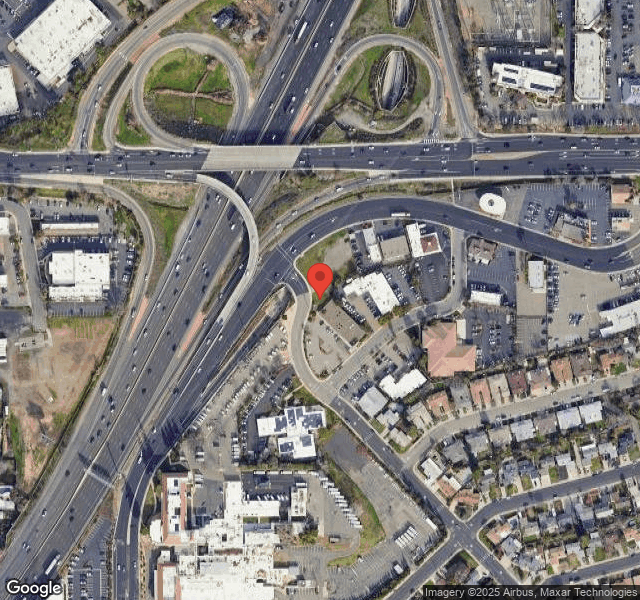

310 OAK RIDGE DRIVE, ROSEVILLE, CA 95661 (916) 782-3188
For profit - Limited Liability company 67 Beds CYPRESS HEALTHCARE GROUP Data: November 2025
Trust Grade
80/100
#148 of 1155 in CA
Last Inspection: February 2025

Within standard 12-15 month inspection cycle. Federal law requires annual inspections.

Overview

Oak Ridge Healthcare Center in Roseville, California has a Trust Grade of B+, indicating it is above average and recommended for families considering care options. It ranks #148 out of 1155 facilities in California, placing it in the top half, and #1 out of 10 in Placer County, meaning it is the best local choice. However, the facility is experiencing a worsening trend, with issues increasing from 3 in 2024 to 10 in 2025. Staffing is generally stable, with a rating of 4 out of 5 stars and an average turnover of 39%, meaning staff are relatively familiar with the residents. Notably, the facility has no fines, which is a strong point, but there are concerns about food safety practices, including improperly stored food and a lack of qualified oversight in food services. Additionally, there is a risk due to delayed replacement of emergency medications, which could impact residents' health in critical situations. Overall, while Oak Ridge has strengths in its rankings and staffing, families should be aware of the recent issues highlighted in inspections.

Trust Score
B+
80/100
In California
#148/1155
Top 12%
Safety Record
Low Risk
No red flags
Inspections
Getting Worse
3 → 10 violations
Staff Stability
○ Average
39% turnover. Near California's 48% average. Typical for the industry.
Penalties
✓ Good
No fines on record. Clean compliance history, better than most California facilities.
Skilled Nurses
○ Average
Each resident gets 31 minutes of Registered Nurse (RN) attention daily — about average for California. RNs are the most trained staff who monitor for health changes.
Violations
⚠ Watch
21 deficiencies on record. Higher than average. Multiple issues found across inspections.
★★★★★
5.0
Overall Rating
★★★★☆
4.0
Staff Levels
★★★★★
5.0
Care Quality
★★★★☆
4.0
Inspection Score
Stable
2024: 3 issues
2025: 10 issues

The Good

  • 4-Star Staffing Rating · Above-average nurse staffing levels
  • 5-Star Quality Measures · Strong clinical quality outcomes
  • Full Sprinkler Coverage · Fire safety systems throughout facility
  • No fines on record
  • Staff turnover below average (39%)

    9 points below California average of 48%

Facility shows strength in staffing levels, quality measures, fire safety.

The Bad

Staff Turnover: 39%

Near California avg (46%)

Typical for the industry

Chain: CYPRESS HEALTHCARE GROUP

Part of a multi-facility chain

Ask about local staffing decisions and management

The Ugly 21 deficiencies on record

Aug 2025 1 deficiency
CONCERN (D) 📢 Someone Reported This

A family member, employee, or ombudsman was alarmed enough to file a formal complaint

Potential for Harm - no one hurt, but risky conditions existed

Infection Control (Tag F0880)

Could have caused harm · This affected 1 resident

Based on observation, interview, and record review, the facility failed to maintain infection control practices for one of four sampled residents (Resident 1) when Enhanced Barrier Precautions (EBP, i...

Read full inspector narrative →
Based on observation, interview, and record review, the facility failed to maintain infection control practices for one of four sampled residents (Resident 1) when Enhanced Barrier Precautions (EBP, involves use of gown and gloves during high contact resident care designed to reduce transmission of Multi Drug Resistant Organisms [MDRO, bacteria resistant antibiotics]) were not in place or used during care.This failure increased the risk of higher infection rates, outbreaks, and potential resident harm in the 67-certified bed facility.Findings:Resident 1 was admitted to the facility mid 2025 with diagnosis which included kidney failure, kidney stones and difficulty urinating.During a review of Resident 1's Care Plan Report [CP], dated 8/24/25, the CP indicated, The resident has Indwelling Catheter [a thin, flexible tube that is inserted into the bladder to continuously drain urine].During an observation on 8/27/25 at 10:34 a.m. of Resident 1 in therapy room, Resident 1 was transferred to the wheelchair by the Physical Therapy Assistant (PTA). The PTA was in close contact with Resident 1 and was not wearing a gown. Resident 1 had an indwelling catheter.During an interview on 8/27/25 at 10:50 a.m. with the PTA, the PTA stated Resident 1 was on Enhanced Barrier Precautions because of the indwelling catheter and confirmed he should have worn a gown when he worked with Resident 1.Review of the facility's policy and procedure (P&P) titled, Enhanced Barrier Precautions, dated 6/2024, the P&P indicated, Enhanced Barrier Precautions [EBPs] are utilized to prevent the spread of multi-drug resistant organisms [MDROs].EBP employ targeted gown and glove use during high contact resident care activities when contact precautions do not otherwise apply.Examples of high-contact resident care activities requiring the use of gown and gloves for EBPs include.transferring.EBPs are indicated.for residents with wounds and/or indwelling medical devices regardless of MDRO colonization.Examples of indwelling medical devices include: indwelling urinary catheters.During an observation on 8/27/25 at 11:31 a.m. of Resident 1's room. There was no signage outside the room that indicated Resident 1 was on EBP.During a concurrent observation and interview on 8/27/25 at 11:40 a.m. of Resident 1's room with the Infection Preventionist Nurse (IP), the IP confirmed there was no signage outside the room. The IP stated EBP included residents with indwelling catheters, and a sign should have been placed outside of the resident's room to inform staff of the precautions, We need to keep up with the EBP to keep infections from spreading .During an interview on 8/27/25 at 3 p.m. with the Director of Nursing (DON), the DON stated she expected residents with an indwelling catheter to have EBP to prevent the spread of infection.
Feb 2025 9 deficiencies
CONCERN (D)

Potential for Harm - no one hurt, but risky conditions existed

Resident Rights (Tag F0550)

Could have caused harm · This affected 1 resident

Based on interview and record review, the facility failed to ensure one of 18 sampled residents (Resident 1) was treated with dignity and respect when Licensed Nurse 3 (LN 3) was disrespectful to Resi...

Read full inspector narrative →
Based on interview and record review, the facility failed to ensure one of 18 sampled residents (Resident 1) was treated with dignity and respect when Licensed Nurse 3 (LN 3) was disrespectful to Resident 1 during blood draw. This failure reduced the facility's potential to treat Resident 1 with respect. Findings: During a record review of Resident 1's admission Record (AR), printed on 2/27/25, indicated, Resident 1 was admitted to the facility in February 2025 with diagnoses which included infection and inflammatory reaction due to internal right knee prosthesis, chronic systolic heart failure (CHF-a heart disorder which causes the heart to not pump the blood efficiently, sometimes resulting in leg swelling,) and weakness. During a review of Resident 1's Minimum Data Set (MDS, an assessment tool) dated 2/7/25, the record indicated Resident 1 had intact cognition. During an interview on 2/25/25 at 9:24 a.m. with Resident 1, Resident 1 stated, on 2/12/25 she had a lab draw scheduled for a vancomycin trough level (vancomycin [used to treat infections caused by bacteria] levels are typically obtained before or after the 4th dose of the drug and then monitored at least once weekly) when the Phlebotomy Technician (PT- medical professional who draws blood from patients) entered the room with LN 3, LN 3 refused to perform a central venous access device blood draw (CVAD- a long, flexible tube inserted into a large vein near the heart, allowing for direct access to the bloodstream to administer medications, fluids, nutrition, or draw blood samples) stating she had many other tasks to complete. Resident 1 stated, LN 3 was rough with her when handling the lab draw. After an unsuccessful attempt, Resident 1 requested that LN 3 try the other lumen of the central line, but LN 3 refused. During a review of the facility's document titled Investigation Interview Form (IIF) with interview date of 2/17/25, the IIF indicated RN (registered nurse) was rude to the lab tech that came out, and stated that the nurse then started . yelling at her 'like it was my fault' that the lab came so late . that the nurse pulled on her IV (intravenous) port, stating that it hurts when she pulls on the port .said that the nurse made her cry . During a telephone interview on 2/27/25 at 4:32 p.m. with PT 1, PT 1 stated, LN 3 was rude to Resident 1 and witnessed LN 3 spoke rudely and was blaming Resident 1 for the scheduled blood draw and continued being rude to Resident 1. PT 1 emphasized that she was concerned about how LN 3 treated Resident 1, which made her very uncomfortable, leading her to report the incident. During an interview on 2/28/25 at 8:40 a.m. with DON, DON stated, only RNs are permitted to draw blood from a CVAD/PICC line (peripherally inserted central catheter line is a long, thin, flexible tube that's inserted into a vein in the arm.) DON also stated that she expects her nurses to be kind, polite, professional, and respectful when interacting with residents. During a concurrent interview and record review on 2/28/25 at 9:59 a.m. with DON, LN 3's Employee Performance Review (EPR) dated 2/21/25 was reviewed. The DON stated, LN 3's EPR indicated LN 3's communication needed improvement, as she could be punitive. The DON confirmed that she conducted LN 3's performance evaluation. During a review of the facility's policy and procedure (P&P) titled, Dignity, dated February 2021, the P&P indicated, residents are treated with dignity and respect at all times . the facility culture supports dignity and respect for residents by honoring resident goals, choice, preferences . staff speak respectfully to residents at all times .
CONCERN (D)

Potential for Harm - no one hurt, but risky conditions existed

Deficiency F0554 (Tag F0554)

Could have caused harm · This affected 1 resident

Based on observation, interview and record review, the facility failed to follow the policy and procedure of medication self-administration for two (Resident 29 and Resident 43) of 18 sampled resident...

Read full inspector narrative →
Based on observation, interview and record review, the facility failed to follow the policy and procedure of medication self-administration for two (Resident 29 and Resident 43) of 18 sampled residents when: - There were no assessments for safe medication self-administration and storage of medication at the bedside for Resident 29 and Resident 43. - The facility did not obtain physician's orders for medication self-administration and storage of medications at the bedside for Resident 29 and Resident 43. - The facility did not ensure safe labeling of medication stored at the bedside for Resident 29. - The facility did not ensure safe storage of beside medication for Resident 29. - The facility did not ensure that self-administration of medication at the bedside is documented accurately. These failures had the potential for unsafe medication administration, duplicate and overuse of medication administration and the potential for accidental access by other residents to self-administer the medications. Findings: During a review of Resident 29's face sheet (front page of the chart that contains a summary of basic information about the resident), indicated, Resident 29 was admitted to the facility February 2025 with multiple diagnoses which included Parkinson's disease (a progressive disease of the nervous system marked by tremor, muscular rigidity, and slow, imprecise movements) and sepsis (a life-threatening blood infection). During a review of Resident 29's medication administration records (MAR - a daily documentation record used by a licensed nurse to document medications and treatments given to a resident), the MAR indicated, [brand name for calcium carbonate] oral tablet .give 1 tablet by mouth every 4 hours as needed for antacid. During an observation in Resident 29's room on 2/25/25 at 10:20 a.m., an unlabeled bottle of tablets was observed on the bedside table. During a concurrent observation and interview on 2/26/25 at 9:34 a.m., Resident 29 confirmed that he had [brand name for calcium carbonate] stored at bedside because he had acid reflux. During a review of the Resident 29's medical records, there was no documented evidence of assessment for self-administration of medication, no documented evidence of assessment for safe storage of medication at the bedside, and no physician's order for self-administration of medication stored at the bedside. Resident 29's medical record further indicated, there were no documented progress notes indicating staff had confirmed resident's self-administration of [brand name for calcium carbonate]. During a review of Resident 43's face sheet, indicated, Resident 43 was admitted to the facility April 2023 with multiple diagnoses which included asthma and chronic respiratory failure. During a review of Resident 43's MAR, the MAR indicated, [Brand name] Aerosol solution .[albuterol sulfate] 2 puff inhale orally every 4 hours as needed for asthma May self-administer per MD [medical doctor] and IDT [Interdisciplinary Team]. During a concurrent observation and interview on 2/26/25 at 9:21 a.m. in Resident 43's room, Resident 43 confirmed that her inhaler was in a bag at her bedside. The inhaler was not in the original packaging and unlabeled for self-administration. Resident 43 stated, she doesn't always remember to inform staff everytime she self-administers the inhaler. During a review of the Resident 43's medical records, there was no documented evidence of assessment for self-administration of medication, no documented evidence of assessment for safe storage of medication at the bedside. Resident 43's medical record further indicated no documented evidence of progress notes indicating that staff had confirmed resident's self-administration of [Brand name] prior to 2/26/25. During a concurrent interview and record review on 2/26/25 at 2:23 p.m. with Licensed Nurse 1 (LN 1), Resident 29's and Resident 43's MAR were reviewed. LN 1 confirmed, there were no orders for Resident 29 to self-administer medications at the bedside. LN 1 also confirmed, there should be orders for residents to keep medications at the bedside and that medications kept at the bedside should be in locked containers. LN 1 further confirmed, Resident 29's and Resident 43's medications stored at the bedside were not labeled or in their original packaging. LN 1 confirmed and acknowledged, they were not able to determine when a resident had self-administered medication and what medication was in an unlabeled container. During an interview on 2/27/25 at 1:44 p.m. with the Pharmacist Consultant (PC), the PC confirmed self-administration of medication and storage of medication at the bedside should be specified in a physician's order, and pharmacy labeling should specify if self-administered medication will be stored at the bedside or in the medication cart. PC stated the risks of unreported self-administration of Resident 43's inhaler in addition to daily scheduled nebulizer treatments had the potential to cause rapid heart rate and additional shortness of breath. During an interview on 2/28/25 at 9:17 a.m. with the Director of Nursing (DON), the DON stated, the expectation was that bedside medications require an evaluation of resident's ability to self-administer medication, an evaluation of safe medication storage at the bedside, a physician's order for self-administration of medication and storage at bedside and appropriate pharmacy labeling of medication. DON stated, staff should be asking residents if they have self-administered medication when they go into resident's room, and stated I don't think they do it 100 percent of the time. During a review of the facility's policy and procedure (P&P), titled Self-Administration of Medications, dated March 2018, the P&P indicated, Residents who desire to self-administer medications are permitted to do so if the facility determined that the practice is safe .an assessment is conducted by the facility .recorded in the resident's medical record . During a review of the facility's P&P, titled Bedside Medication Storage, dated March 2018, the P&P indicated, A written order for the bedside storage of medications is present in the resident's medical record .the manner of storage prevents access by other residents .medications provided to the resident for bedside storage are kept in the containers dispensed by the pharmacy or in the original container if nonprescription medication .instruction and evaluation is documented in the resident's medical record .at least once during each shift, the nursing staff checks for usage .
CONCERN (D)

Potential for Harm - no one hurt, but risky conditions existed

Deficiency F0658 (Tag F0658)

Could have caused harm · This affected 1 resident

**NOTE- TERMS IN BRACKETS HAVE BEEN EDITED TO PROTECT CONFIDENTIALITY** Based on interview and record review, the facility failed to follow physician orders for one of 18 sampled residents (Resident 3...

Read full inspector narrative →
**NOTE- TERMS IN BRACKETS HAVE BEEN EDITED TO PROTECT CONFIDENTIALITY** Based on interview and record review, the facility failed to follow physician orders for one of 18 sampled residents (Resident 35), when nursing staff did not accurately document medications administered to Resident 35 on the medication administration records (MAR - a daily documentation record used by a licensed nurse to document medications and treatments given to a resident). This failure had the potential for Resident 35 to receive more medications than ordered and experience side effects including kidney injury and respiratory depression. Findings: During a review of Resident 35's face sheet (front page of the chart that contains a summary of basic information about the resident), indicated, Resident 35 was admitted to the facility [DATE] with multiple diagnoses which included infection of the right hip. During a review of Resident 35's Order Summary Report, dated 2/10/25 and 2/13/25 respectively, the Order Summary Report, indicated, Vancomycin .Use 750 mg .every 12 hours .[and] Oxycodone .15 mg .give 1 tablet every 4 hours as needed . During a review of Resident 35's MAR, dated 2/19/25, the MAR indicated no licensed staff initials in the box which indicated Resident 35 did not receive the 8:00 p.m. dose of Vancomycin. During an interview on 2/27/25 at 1:20 p.m. with the Director of Nursing (DON), DON stated the nurse working the evening of 2/19/25 confirmed the 8:00 p.m. dose of Vancomycin was administered. DON acknowledged the MAR should have been signed to indicate the medication was given as ordered. During a review of Resident 35's MAR, dated 2/18/25, the MAR, indicated Resident 35 did not receive any doses of Oxycodone that day. During an interview on 2/27/25 at 2:04 p.m. with Assistant Director of Nursing (ADON), ADON stated Resident 35 received Oxycodone on 2/18/25 but it was not documented in the MAR . ADON further stated the expectation was administered medications should be documented in MAR. ADON further stated there was a risk for miscommunication between nursing staff when medications that were administered were not documented in the MAR. During an interview on 2/28/25 at 8:45 a.m. with DON, DON stated the expectation was for licensed staff to sign and label the MAR when administering medications to reduce risk of inaccurate and unsafe medication administration. DON further stated there was a risk for resident receiving a double dose of medications if the MAR was not filled out accurately. During a review of the facility's policy and procedure (P&P), titled Medication Administration, dated March 2018 the P&P indicated, .individuals who administers the medication dose records the administration on the resident's MAR directly after the medication is given .the resident's MAR is initialed by the person administering the medication, in the space provided under the date, and on the line for the specific medication dose administration . During a review of the undated document titled, Nursing Practice Act Rules and Regulations, the document indicated, Article 2. Scope of Regulation 2725 (b). The practice of nursing within the meaning of this chapter means those functions, including basic health care, that help people cope with difficulties in daily living that are associated with their actual or potential health or illness problems or the treatment thereof, and that require a substantial amount of scientific knowledge or technical skill, including all of the following: (1) Direct and indirect patient care services that ensure the safety, comfort, personal hygiene, and protection of patients; and the performance of disease prevention and restorative measures. (Nursing Practice Act Rules and Regulations Issued by Board of Registered Nursing- Stated of California Department of Consumer Affairs).
CONCERN (D)

Potential for Harm - no one hurt, but risky conditions existed

Deficiency F0679 (Tag F0679)

Could have caused harm · This affected 1 resident

**NOTE- TERMS IN BRACKETS HAVE BEEN EDITED TO PROTECT CONFIDENTIALITY** Based on observation, interview, and record review, the facility failed to ensure two of 18 sampled residents (Resident 39 and R...

Read full inspector narrative →
**NOTE- TERMS IN BRACKETS HAVE BEEN EDITED TO PROTECT CONFIDENTIALITY** Based on observation, interview, and record review, the facility failed to ensure two of 18 sampled residents (Resident 39 and Resident 33) were offered activities that meet their interests and preferences when Resident 39 and Resident 33 were not offered activities according to care plan and assessment. This failure had the potential to affect the residents' physical, mental, and psychosocial well-being. Findings: During a review of Resident 39's face sheet (front page of the chart that contains a summary of basic information about the resident), indicated, Resident 39 was admitted to the facility January 2025 with multiple diagnoses which included fracture of the right femur (thigh bone that extends from hip to knee). During a concurrent observation and interview on 2/25/24 at 11:48 a.m., in Resident 39's room with Certified Nursing Assistant 1 (CNA 1), Resident 39 was lying in bed. CNA 1 stated Resident 39 did not participate in activities in the dining room because of her fracture. CNA 1 further stated she had not seen activities offered to Resident 39 in Resident 39's room. During a review of Resident 39's Order Summary Report, dated 1/16/25, the Order Summary Report indicated, .may participate in activities of choice . During a review of Resident 39's care plan, initiated 1/20/25, the care plan indicated, .encourage involvement in activities of interest .promote interaction and socialization with peers in and out of room . During a review of Resident 39's Activity Note, dated 1/20/25, the Activity Note indicated, .we will do 1x1 social room visits as often as possible . There were no other activity notes or activity log. During a review of Resident 39's Minimum Data Set (MDS - a federally mandated resident assessment tool), dated 1/23/25, the MDS indicated it was very important to Resident 39 to participate in her favorite activities. During an interview on 2/27/25 at 8:58 a.m., with the Activities Director (AD), AD confirmed Resident 39 received one visit for activities since admission in January 2025. AD acknowledged one activity visit in five weeks was not sufficient to meet resident needs. During a review of Resident 33's face sheet, indicated, Resident 33 was admitted to the facility March 2020 with multiple diagnoses which included Alzheimer's Disease (a disease characterized by a progressive decline in mental abilities) and major depressive disorder (a mood disorder that causes a persistent feeling of sadness and loss of interest). During a review of Resident 33's annual MDS, dated [DATE], the MDS indicated staff assessment of resident mood of .sleeping too much was present 12-14 days [nearly every day ]. During a review of Resident 33's Alzheimer's care plan, undated, one of the interventions indicated, Post activity schedule and make sure that resident gets to activities .involve in group activities .socialization visits if resident stays in bed or room .1:1 visit . During an observation on 2/25/25 at 9:12 a.m. and 11:32 a.m., in Resident 33's room, Resident 33 was lying on her bed, eyes were closed. Resident 33 did not respond to greetings. During an observation on 2/26/25 at 9:28 a.m., 11:48 a.m. and 3:30 p.m., in Resident 33's room, Resident 33 was again lying on her bed, eyes closed. Resident 33 again did not respond to greetings. During an observation on 2/27/25 at 12:45 p.m., in Resident 33's room, Resident 33 was awake in bed and speaking with nursing staff while being fed her lunch. During a review of Resident 33's Activity progress notes, dated 11/13/24, 1/2/25, and 2/27/25 respectively, indicated Social room visit - Asleep. Resident 33's progress notes indicated, no documented evidence Resident 33 was provided with 1:1 activities. During an interview on 2/27/25 at 11:29 a.m. with AD, AD stated she visited Resident 33 but resident was always asleep. AD further stated that staff do not get her up for group activities. AD confirmed that the dates in the Activity progress notes were the only times she went in the room but Resident 33 was asleep. During an interview on 2/28/25 at 8:48 a.m. with Director of Nursing (DON), DON stated the expectation was for AD to go to resident rooms (based on care plan and assessment) and provide 1:1 visits at least 3-4 times per week. DON acknowledged one activity visit in five weeks did not meet resident physical, mental, and psychosocial needs. During a review of the facility's policy and procedure (P&P) titled, Activity Programs, revised June 2018, the P&P indicated, .the activities program is provided to support the well-being of resident and to encourage both independence and community interaction .includes .individual activities .are scheduled 7 (seven) days a week and residents are given an opportunity to contribute .
CONCERN (E)

Potential for Harm - no one hurt, but risky conditions existed

Pharmacy Services (Tag F0755)

Could have caused harm · This affected multiple residents

Based on observation, interview, and record review the facility failed to adequately maintain pharmacy services for a census of 60 residents when emergency medications (E-kit-a box with the supply of ...

Read full inspector narrative →
Based on observation, interview, and record review the facility failed to adequately maintain pharmacy services for a census of 60 residents when emergency medications (E-kit-a box with the supply of medications that may be used for residents when the pharmacy is not available) were removed and not replaced in timely manner. This failure had the potential to make emergency medications unavailable to residents when needed, for not meeting resident's therapeutic or cause a worsening medical condition. Findings: During a concurrent observation and interview on 2/25/25 at 1:40 p.m. in the medication room with Licensed Nurse (LN) 3, there was a red E-kit with a broken seal and an expiration date of 1/30/26. A review of the E-Kit log showed the following medications had been removed: Vancomycin 125 mg (milligram, a unit of measurement) tablet removed 2/21/25 for Resident 270 Vancomycin 125 mg tablet removed 2/20/25 for Resident 270 Potassium KCL 10 meq (milliequivalent, a unit of measurement) tablet removed 2/14/25 for Resident 4 Levofloxacin 750 mg tablet removed 2/14/25 for Resident 4 Doxycycline 100 mg tablet removed 2/11/25 for Resident 271 LN 3 confirmed the above removed medications and stated the process was that when a medication is taken from the E-kit the pharmacy should be notified and the medications should be replaced usually the next day. During a concurrent observation and interview on 2/26/25 at 12:40 p.m. in the medication room with the Director of Nursing (DON), the DON reviewed the E-kit log and confirmed that the medications were removed several days ago and had not been replaced. The DON stated that either the Licensed Nurse did not notify the pharmacy that the medications needed to be replaced, or the pharmacist did not replace them, and the expectation is the medications be replaced within 24 hours. Review of the facility policy titled, Emergency Pharmacy Services and Emergency, dated March 2018, indicated, .If replacing used medications, the replacement doses are added to the kit within 72 hours.
CONCERN (E)

Potential for Harm - no one hurt, but risky conditions existed

Menu Adequacy (Tag F0803)

Could have caused harm · This affected multiple residents

Based on observation, interview and record review, the facility failed to ensure the menu was followed for the therapeutic diet (a modification of a regular diet, tailored to fit the nutritional needs...

Read full inspector narrative →
Based on observation, interview and record review, the facility failed to ensure the menu was followed for the therapeutic diet (a modification of a regular diet, tailored to fit the nutritional needs of a particular person - may be part of a treatment or medical condition and usually prescribed by a physician) during the lunch meals on 2/25/25 and 2/26/25 when: A. During a dining observation on 2/25/25: 1. Two residents (Resident 46 and 56) with CCHO (Consistent Carbohydrate) diet (a therapeutic diet to manage diabetic disease and/or to stabilize blood sugar level) received one slice of garlic bread instead of half (1/2) slice. B. During a meal service distribution on 2/26/25: 1. Six residents (Resident 6, 26, 31, 37, 38, and 50) with fortified (add extra calories and nutrients) diet (diet designs for residents who cannot consume adequate amounts of calories and/or protein to maintain their weight or nutritional status) did not receive extra one ounce (oz.) of shredded cheese as fortified food. 2. Five residents (Resident 3, 22, 23, 57, and 220) with 2 g (gram) Na (sodium) diet (restricted sodium 2-2.5 g/day in diet to manage heart disease, renal disease, and hypertension) received one serving of dessert instead of ½ serving. 3. Five residents (Resident 3, 5, 17, 60, and 61) with mechanical soft (ms) diet (diet is modified by mechanically altering, by chopping or grinding. It is designed for residents who experience chewing or swallowing limitations) received regular dessert instead of ms dessert. 4. Four residents (Resident 1, 31, 55, and 56) with regular diet received ms dessert instead of regular dessert. These deficient practices had the potential to result in compromising the medical and nutritional status of 19 residents for a census of 60 who consumed meals from the facility kitchen. Findings: A. During dining observation on 2/25/25, at 12:32 p.m. and 12:35 p.m. in the dining room: 1. It was noted Resident 46 and Resident 56 with CCHO diet received one slice of garlic bread on their lunch meals. A concurrent review of the facility spreadsheet (a menu excel sheet that indicated what items and portions to be served for each prescribed diet) titled, Winter menus, Week 1 Wednesday, indicated CCHO diet should receive a half slice of garlic bread. During an interview with the Registered Dietitian (RD) on 2/25/25, at 3:25 p.m., RD reviewed the spreadsheet and stated residents with CCHO diet should receive ½ slice of garlic bread. B. During the lunch meal distribution on 2/26/25 beginning at 12:07 p.m., it was noted as follows: 1. Six residents (Resident 6, 26, 31, 37, 38, and 50) with fortified diet die not receive extra one oz. of shredded cheese on the broccoli as fortified food. A concurrent review of undated facility document titled, Week 1 - Fortified Breakfast, Fortified Lunch, Fortified Dinner - Winter 2024-2025, indicated fortified diet should give extra one oz. of shredded cheese for lunch 2/26/25. 2. Five residents (Resident 3, 22, 23, 57, and 220) with 2 g Na diet received one serving of dessert (cherry and cream square). A concurrent review of facility spreadsheet titled, Winter Menus, Week 1 Wednesday, indicated 2 g Na diet should receive ½ serving of dessert. 3. Five residents (Resident 3, 5, 17, 60, and 61) with ms diet received regular dessert (cherry pieces on top of the cherry and cream square). A concurrent review of facility spreadsheet titled, Winter Menus, Week 1 Wednesday, indicated ms diet should receive ms dessert (puree cherry filling (no cherry pieces) on the top of the cherry and cream square). 4. Four residents (Resident 1, 31, 55, and 56) with regular diet received ms dessert. A concurrent review of facility spreadsheet titled, Winter Menus, Week 1 Wednesday, indicated regular diet should receive regular dessert. During an interview with Dietary Manager (DM) on 2/26/25, at 1:21 p.m., DM acknowledged and confirmed the findings above. DM reviewed the spreadsheet and stated the residents with fortified diet should get extra one oz. of shredded cheese as fortified food. He further stated the residents with regular diet should receive regular dessert (with cherry pieces on top) and for the residents with ms diet should receive ms dessert (with puree cherry filling on top). DM further stated the residents with 2 g Na diet should receive ½ serving of dessert. He stated he had a brief meeting with the staff before the meal distribution and reviewed the spreadsheet. DM stated the staff needed to pay more attention and they needed to follow the menu or spreadsheet to be compliant with the therapeutic diets as ordered. During an interview with RD on 2/27/25, at 10:41 a.m., RD acknowledged the findings during the meal observation on 2/26/25. She pointed out the fortified diet was for the residents who needed more calories yet small enough not overwhelming with big portions of food. She added the fortified diets for the residents who needed to stabilize weights and prevent further weight loss. RD stated the dietary staff needed to be re-educated to read the spreadsheet effectively. She stated the staff needed to follow the menu/spreadsheet to meet the residents' nutrition needs. A review of facility document titled, Job Description: Director of Food and Nutrition (Dietary Manager), dated 2/2018, indicated, .essential job functions .supervise preparation of food and service of residents' meals and nourishments in accordance with recipes and posted menus for both regular, modified and therapeutic diets . A review of the facility document titled, Menu Planning, dated 2023, indicated, .the facility's diet manual and the diets ordered by the physician should mirror the nutrition care provided by the facility .
CONCERN (E)

Potential for Harm - no one hurt, but risky conditions existed

Infection Control (Tag F0880)

Could have caused harm · This affected multiple residents

Based on observation, interview, and record review, the facility failed to ensure proper infection control practices were implemented when: 1.Four meal trays with dessert not covered were transported ...

Read full inspector narrative →
Based on observation, interview, and record review, the facility failed to ensure proper infection control practices were implemented when: 1.Four meal trays with dessert not covered were transported from the dining room. 2.A shared glucometer was not cleaned and sanitized in between resident use. 3.Resident 170's foley catheter (thin, flexible tube inserted into the bladder to drain urine) collection bag was observed on the floor. These failures had the potential to compromise resident's health and safety, and potentially lead to the spread of communicable illnesses. Findings: 1.During a concurrent observation and interview on 2/25/25 at 12:37 p.m. in the dining room, with Certified Nursing Assistant (CNA) 3, CNA 3 had four meal trays in a utility cart and transported it from the dining room through the hallways leading to the hallway where rooms 9-20 were, on the meal tray were bowls of dessert that did not have covers on them. CNA 3 confirmed that there were no covers on the dessert bowls. During an interview on 2/25/25 at 12:42 p.m. with Dietary Manager (DM), DM stated that if meal trays were being transported from the dining room to a resident's room using a cart other than the meal delivery cart (These carts are used to transport food trays from the kitchen to patient rooms. They can be made of different materials, such as aluminum, stainless steel, or poly) from the kitchen, the food items should be covered. DM stated that it was important for food items to be covered to prevent contamination and maintain cleanliness and sanitation, he explained that if food was not served in this manner, there was a risk of foodborne illness. During an interview on 2/28/25 at 8:05 a.m. with Infection Preventionist (IP), IP stated that when transporting food trays from one area to another, food items should be covered to prevent contamination, as uncovered food could lead to infection or illness. During a review of facility's policy and procedure (P&P) titled, Covering Food During Transport, dated 2023, the P&P indicated, all foods will be covered on trays if not in an enclosed or covered cart .if tray leaves the dining room and is being delivered to patient rooms, all food on the tray needs to be covered. 2.During a review of Resident 221's face sheet (front page of the chart that contains a summary of basic information about the resident), indicated, Resident 221 was admitted to the facility February 2025 with multiple diagnoses which included type 2 diabetes mellitus (DM-a disorder characterized by difficulty in blood sugar control and poor wound healing). During a review of Resident 220's face sheet, indicated, Resident 220 was admitted to the facility February 2025 with multiple diagnoses which included type 2 diabetes mellitus. During a concurrent observation and interview on 02/26/25 at 11:36 a.m. in hallway with Licensed Nurse 1 (LN 1), LN 1 was observed checking Resident 221's blood sugar level with a glucometer (A device that reads blood sugar levels by placing a drop of blood from the resident's finger on a tab inserted in the device). LN 1 used the glucometer to obtain a blood sugar reading from Resident 221. LN 1 placed the glucometer inside the medication cart. LN 1 proceeded to use the same glucometer and obtained a blood sugar level from Resident 220. LN 1 confirmed he did not sanitize the glucometer in between resident use and stated the glucometer should be cleaned between each resident use. LN 1 confirmed that failing to clean the glucometer between each resident use had the potential for infection control issue. During an interview on 02/27/25 at 12:21p.m. with IP, IP stated that glucometers should be sanitized in between resident use. During a review of the facility's P&P, titled Obtaining a Fingerstick Glucose Level, dated October 2011, the P&P indicated, .Always ensure that blood glucose meters intended for reuse are cleaned and sanitized between use . 3.During a review of Resident 170's face sheet (front page of the chart that contains a summary of basic information about the resident), indicated, Resident 170 was admitted to the facility February 2025 with multiple diagnoses which included fracture of lumbar vertebrae (lower back). During a review of Resident 170's Order Summary Report, dated 2/17/25, the Order Summary Report indicated Resident 170 had a foley catheter. During a concurrent observation and interview on 2/25/25 at 9:46 a.m., in Resident 170's room with CNA 4, Resident 170's foley catheter collection bag was lying on floor next to his bed. CNA 4 stated the bag should not be on the floor. CNA 4 further stated the collection bag should have been hooked onto the bed rail. During an interview on 2/9/25 at 8:47 a.m. with Director of Nursing (DON), DON stated the expectation is for infection control procedures to be followed. DON further stated there was a risk for infection when the foley catheter collection bag touches the floor. During a review of the facility's P&P titled, Catheter Care, Urinary dated 2001, the P&P indicated, .infection control .make sure catheter tubing and drainage bags are kept off the floor .
CONCERN (F)

Potential for Harm - no one hurt, but risky conditions existed

Deficiency F0801 (Tag F0801)

Could have caused harm · This affected most or all residents

Based on observation, interview and record review, the facility failed to ensure the full-time Director of Food and Nutrition Services (Dietary Manager-DM) met the state's education qualification requ...

Read full inspector narrative →
Based on observation, interview and record review, the facility failed to ensure the full-time Director of Food and Nutrition Services (Dietary Manager-DM) met the state's education qualification requirements, as required per federal regulation, to be in the DM to carry out the functions of the food and nutrition while the Registered Dietitian (RD) was on site as part-time consulting basis. As a result, there were lapses in the delivery of food and nutrition services associated with meal distribution accuracy (cross refer to F803), and safe food handling and sanitation (cross refer to F812), which lacked the benefit of a qualified Food and Nutrition Services Director (DM) responsible for the day-to-day food service operation for the skilled nursing facility. In addition, the facility lacked the benefit of the expertise of RD input when there was not sufficient oversight over the food service operations with part-time consulting basis. There was a total of 60 out of 60 census residents receiving meals from the facility kitchen. Findings: During the annual recertification survey from 2/25/25 to 2/28/25, multiple issues surrounding the delivery of dietetic services were identified: 1. Meal distribution accuracy - The menu/spreadsheet were not followed including the serving sizes were not served correctly different and fortified food did not provide to the residents who had the orders, and 2. Safe food handling and sanitation: a. The ice machine in the kitchen was not clean; b. Several sizes metal sheet pans were stacked wet and brown sticky food liquid stored at the clean and ready-to-use storage areas; c. Two boxes of frozen turkey deli meat stored in the walk-in refrigerator upon receiving from the delivery; d. The clean dishes splashed with water during hand washing procedure caused cross contamination due to the handwashing sink was located adjacent to the clean side of the dishwashing machine; e. One [NAME] did not perform proper handwashing between food preparation tasks, and she did not use the designated handwashing sink for handwashing during preparing puree food for lunch meal on 2/26/25, and f. One Dietary Aide was not able to verbalize the correct process of manual dishwashing with 2-compartment sink. During an initial kitchen tour and concurrent interview with the DM on 2/25/25 at 8:38 AM, DM stated he started worked in the facility as a full-time dietary manager three months ago. He stated he did not have credential as CDM (Certified Dietary Manager) or DSS (Dietary Services Supervisor). DM further stated he was planning to enroll the training program to become a CDM. During an interview with the Administrator (ADM) on 2/25/25 at 11:20 AM, ADM stated he was aware DM did not have CDM or DSS certified. ADM further stated DM had experience as dietary manager from other healthcare facility, and he had ServSafe (an educational course for food handling practices from the National Restaurant Association (NRA), which is recommended but would not satisfy the state requirement to be the qualified personnel to oversee the dietary department) certificate. Made ADM aware that the qualified personnel to oversee the day-to-day operation of the dietary department would follow the Health and Safety Code (H & SC) 1265.4 guideline. ADM stated DM worked as full-time basis to oversee the dietary department, and Registered Dietitian (RD) was in-house RD consultant, and her work hours split between two facilities, and she worked as part-time for this facility. He further stated he would need to adjust the schedule for RD to be full-time in this facility until DM completed the CDM courses and passed the exam to become qualified. During an interview with RD on 2/25/25, at 12:26 PM, RD stated she was hired as full-time RD consultant with [company name] management group but she shared her days between facilities and worked in this facility two to three days per week. RD further stated she knew DM was in the process of applying the CDM courses. She stated she knew DM had manager experience prior working in the facility, but she was not aware he was not qualified to the DM position. During a review of DM's employee file on 2/26/25 at 9:54 AM, it indicated DM with hire date on 11/11/24 and was ServSafe certified. The filed resume indicated DM had high school diploma (year of 2014), with four-year experience as a dietary manager at the healthcare facility that he previous worked and had the California State Six-hour Title 22 course completed. A review of Job Description for Director of Food and Nutrition (Dietary Manager), dated 2018, indicated, Qualifications/Requirements .Education: Hight School graduate or equivalent, License: Completion of Certified Dietary Manager (CDM) through Association of Nutrition Professionals and completion of the California State Title 22 six-hour course .active ServSafe Certification . A review of the state's qualifying pathways listed in the Health and Safety Code (H & SC) 1265.4, 72035. Dietetic Service Supervisor. Dietetic service supervisor means a person who has completed the training requirements specified in section 1265.4(b) of the Health and Safety Code .
CONCERN (F)

Potential for Harm - no one hurt, but risky conditions existed

Food Safety (Tag F0812)

Could have caused harm · This affected most or all residents

Based on observation, interview, and record review, the facility to prepare, store, serve, and distribute food in accordance with professional standards of food service safety when: 1. The ice machine...

Read full inspector narrative →
Based on observation, interview, and record review, the facility to prepare, store, serve, and distribute food in accordance with professional standards of food service safety when: 1. The ice machine was not clean; 2. Several various kitchenware in the clean and ready-to-use storage areas: a. Were stacked and stored wet b. Had brown sticky liquid; 3. Found two boxes of slice turkey deli meat required frozen upon receiving from delivery that stored in the walk-in refrigerator; 4. The clean dishes splashed with water during handwashing procedure caused cross contamination since the handwashing sink was adjacent to the clean side of the dishwashing machine; 5. [NAME] (CK) 1 was not practiced sanitary manner during puree making when: a. She washed her hands at the prep sink (sink food preparation, such as washing vegetable) b. She did not perform proper handwashing in between tasks, and 6. Dietary Aide (DA) 1 was not unable to verbalize the correct process of manual dishwashing with a 2-compartment sink. These failures had the potential to cause food contamination which could cause illness in the 60 out of 60 medically vulnerable residents who consumed food from the facility kitchen. The census was 60. Findings: 1. A concurrent observation of the ice machine and interview with Dietary Manager (DM) and Maintenance Supervisor (MS) was conducted on 2/25/25 at 9:44 AM. DM stated the maintenance department was responsible for the deep cleaning (clean and sanitize the top machinery part and the ice storage bin and run the cleaning and sanitizing cycles with cleaner and sanitizer respectively) of the ice machine monthly. Maintenance Supervisor (MS) stated he was responsible for the deep cleaning of the ice machine that included the top (machinery) part and the ice storage bin. MS opened the top part of the ice machine panel. Upon the water curtain (a plastic cover rests on the ice making panel to redirect the ice to the ice storage bin during ice making) and the water trough (a plastic tray under the evaporator unit) dissembled, there were significant black substances found on the bottom of the evaporator unit. The black substances were sticky and rough to touch, and hard to remove with paper towel. MS and DM confirmed the findings and agreed the ice machine was dirty. A concurrent review of the undated facility document titled, Ice Machine Cleaning Log, indicated the last deep cleaning was completed on 2/3/25. MS explained the process of deep cleaning of the ice machine by using descaler solution (cleaner) and sanitizer solution. He stated he also used the brush to clean the surfaces inside of the top part of the machine. MS further stated the water filter changed annually. During a follow up interview with DM on 2/25/25 at 10:34 AM, DM stated he did not check the ice machine after the MS completed the deep cleaning of the ice machine each time. He further stated he should double check to make sure the machine was clean and ready to use. A review of the undated kitchen ice machine manufacturer manual, indicated, .Clean and sanitize ice machine every six months .if the ice machine requires more frequent cleaning and sanitizing, consult a qualified service company .an extremely dirty ice machine must be taken apart for cleaning and sanitizing .ice machine cleaner is used to remove lime scale or other mineral deposits .use sanitizer to remove algae or slime . A review of a facility P&P titled, Sanitation, dated 2023, indicated, .Ice which is used in connection with food or drink shall be from a sanitary source and shall be handled and dispensed in a sanitary manner . According to 2022 FDA (Food and Drug Administration) Food Code, on section 4-602.11 Equipment Food-Contact Surface and Utensils, it stated equipment like ice makers and ice bins must be cleaned on a routine basis to prevent the development of slime, mold, or soil residues that may contribute to an accumulation of microorganisms (a living thing that is so small it must be viewed with a microscope, such as bacteria or algae). In addition, on Section 4-202.11 Food-Contact Surfaces, it stated, .The purpose of the requirements for multiuse food-contact surfaces is to ensure that such surfaces are capable of being easily cleaned and accessible for cleaning. Food-contact surfaces that do not meet these requirements provide a potential harbor for foodborne pathogenic organisms. Surfaces which have imperfections such as cracks, chips, or pits allow microorganisms to attach and form biofilms. Once established, these biofilms can release pathogens to food. Biofilms are highly resistant to cleaning and sanitizing efforts . and .Multiuse Food-Contact Surfaces shall be: 1. Smooth; 2. Free of breaks, open seams, cracks, chips, inclusions, pits . 2. During a concurrent observation and interview on 2/25/25 at 8:48 AM and 9:10 AM with DM, DM confirmed several and various sizes of metal sheet pans were stored away at the clean and ready-to-use storage areas stacked wet and with black sticky liquid as followed: -one full sheet metal pan (brown and sticky liquid on the pan) -eight of one-sixth (1/6) sheet metal pans (stacked wet) -three of full sheet metal pans (stacked wet) DM stated the brown and sticky liquid found on the full sheet metal pan was food liquid and it should be clean before stored away. He further stated the dishes, pots and pans should be completely dried before stored away, and the staff who put the dishes away was responsible to check them before stored in the ready-to-use areas. During an interview with RD on 2/27/25 at 10:41AM, RD stated the staff should check the dishes if they were clean and completely air-dried before stored away. She further stated if the dishes were not dried, the wetness would promote bacteria growth. A review of a facility policy and procedure (P&P) titled, Sanitation, dated 2023, indicated, .All utensils, counters, shelves, and equipment shall be kept clean and in good repair . A review of a facility P&P titled, Storage of Food and Supplies, dated 2023, indicated, .All food and food containers are to be stored .on clean surfaces in a manner that protects it from contamination . A review of a facility P&P titled, Dishwashing, dated 2023, stated, .Gross food particles shall be removed by careful scraping and pre-rinsing in running water .Dishes are to be air dried in racks before stacking and storing . According to 2022 FDA Food Code, on section 4-601.11 Equipment, Food-Contact Surfaces, Nonfood-Contact Surfaces, and Utensils, the document indicated, (A) Equipment food-contact surfaces and utensils shall be clean to sight and touch (C) Non-food-contact surfaces of equipment shall be kept free of an accumulation of dust, dirt, food residue, and other debris . 3. A concurrent observation in walk-in refrigerator and interview with DM at 2/25/25 at 9:30 AM was conducted. There were two boxes of packages of sliced turkey deli meats and both boxes with labels stated Keep frozen at 0-degree Fahrenheit (F) or below stored on the shelf in the walk-in refrigerator. DM stated the turkey deli meats were not for thawing when asked. He stated, No, it (the turkey meat) got delivered yesterday (2/24/25), and we had turkey meats for dinner last night. He further stated the person who was responsible for receiving for the delivery did not store the turkey meats in the freezer as the instruction stated on the boxes. DM confirmed and stated the frozen turkey meats should store in the freezer and took out enough to thaw in the refrigerator for later use. During an interview with RD on 2/27/25 at 10:41 AM, RD stated the frozen products indicated keep frozen upon delivery and the receiving staff should store those products in the freezer. A review of facility P&P titled, Procedure for Freezer Storage, dated 2023, indicated, .Frozen food should be immediately stored in the freezer upon delivery. The freezer should be maintained at a temperature of 0-degree F or lower . 4. During an observation of the handwashing practice on 2/25/25 at 8:51 AM, it was noted the water splashed on the clean dishes located on the clean side of the dishwashing machine during handwashing and water dripping off on the clean dishes while reaching out for the paper towel for drying hands. The handwashing sink was located adjacent to the clean side of dishwashing machine. A concurrent interview with DM, DM confirmed and agreed the water splashed on the clean dishes. He further stated the water splashes would contaminate the clean dishes. During an interview with RD on 2/27/25 at 10:41 AM, RD stated she was not aware of the water splashed on the clean dishes during handwashing. She agreed and stated the water splashes may have a potential for cross contamination. According to 2022 FDA Food Code, Annex 5. Conducting Risk-Based Inspections, indicated, .3. Assessing Contaminated Equipment and Potential for Cross-Contamination . If handwashing sinks and fixtures are located where splash may contaminate food contact surfaces or food, then splash guards should be installed or food-contact surfaces should be relocated to prevent cross-contamination . 5. During an observation of puree making by [NAME] (CK) 1 on 2/26/25 at 10:53 AM, observed CK 1 washed her hands at the prep sink between tasks (tasks involved touching drawer getting utensils, then prepping food; touching oven handle, then prepping food; touching container from the stove, then prepping food, etc.) during preparing puree food for the lunch meal. For the prep sink, there were no accommodation of soap dispenser and paper towel dispenser for proper handwashing. Observed CK 1 washed her hands at 11:01 AM, 11:24 AM, and 11:26 AM at the prep sink and wiped her hands on her shirts and pants, then continued to prepare the puree food. During an interview with DM on 2/26/25 at 1:36 PM, DM acknowledged about CK 1 used the prep sink for handwashing and did not perform proper handwashing practices during puree making observation. DM stated handwashing with prep sink was not acceptable and should use handwashing sink. During an interview with RD on 2/27/25 at 10:41 AM, RD stated CK 1 should perform handwashing at the handwashing sink, not the prep sink. She stated kitchen staff should not dry their hands on their cloths which was improper. She further explained proper handwashing should wash hands with water and soap, scrub for 20 seconds and rinse with water, then dry hands with paper towel. A review of facility P&P titled, Sanitation, dated 2023, indicated, .All Food & Nutrition Services staff shall know the proper hand washing technique. The FNS Director is responsible for the proper hand washing training of this. The hand washing sink shall have running hot and cold water, soap, paper toweling, and appropriate receptacles for waste paper . A review of facility P&P titled, Hand Washing Procedure, dated 2023, indicated, Hand washing is important to prevent the spread of infection .Procedure .use warm running water and soap .add soap and rub hands .palms, back of the hands, the fingers, between the fingers and fingernail area, and above the wrist area for 20 seconds .when hands need to be washed .4. Before and after handling foods with the hands (cutting, peeling, mixing, etc.) . 6. During an initial kitchen tour, an interview with DA 1 regarding manual dishwashing process by 2-compartment sink on 2/25/25 at 9:04 AM, DA 1 verbalized the process of wash and rinse procedure using the first and second compartment sinks with cueing by DM. Then she stated they used a big plastic tub to perform sanitizing procedure. she stated the dishes would immerse into the sanitizer solution for 10 seconds and the concentration of the sanitizer should be at least 200 ppm (parts per million - a measure unit for sanitizer solution). A concurrent confirmation with DM, he stated the dishes should immerse in the sanitizer solution at least 60 seconds (one minute) by reviewing the compartment sink washing instruction poster on the wall. During an interview with RD on 2/27/25 at 10:41 AM, RD stated the dishwasher or kitchen staff should know the proper procedure of manual dishwashing because in case the dishwashing machine was not working. A review of facility P&P titled, 3-Compartment Procedure for Manual Dishwashing, dated 2023, showed to immerse all washed items for 60 seconds in the sanitizer compartment sink or tub.
Jan 2024 3 deficiencies
CONCERN (D)

Potential for Harm - no one hurt, but risky conditions existed

Deficiency F0645 (Tag F0645)

Could have caused harm · This affected 1 resident

Based on interviews, record review, and facility policy review, the facility failed to ensure a Level I Preadmission Screening and Resident Review (PASRR) reflected accurate mental health diagnoses fo...

Read full inspector narrative →
Based on interviews, record review, and facility policy review, the facility failed to ensure a Level I Preadmission Screening and Resident Review (PASRR) reflected accurate mental health diagnoses for 1 (Resident #35) of 1 sampled resident reviewed for PASRR requirements. Findings included: A review of a facility policy titled Pre-admission Screening and Resident Review (PASRR), revised in November 2023, revealed, 2. All new admissions and readmissions are screened for mental disorders (MD), intellectual disabilities (ID) or related disorders (RD) per the Medicaid Pre-admission Screening Resident Review (PASRR) process. a. The transferring acute care hospital conducts a Level I PASRR screen for all residents prior to admission to the facility, regardless of payer source, to determine if the individual meets the criteria for a MD, ID, or RD. b. The facility will request a copy of the Level I PASRR from the transferring acute care hospital prior to the resident [sic] admission to the facility. c. If the Level I screen indicates that the individual may meet the criteria for a MD, ID, or RD, he or she is referred to the state PASRR representative for the Level II (evaluation and determination) screening process. A review of Resident #35's electronic health record (EHR) revealed the Clinical information screen reflected the facility admitted the resident on 08/20/2021. According to the resident's EHR, the resident had a medical history that included diagnoses of major depressive disorder (dated 07/05/2021) and bipolar disorder (dated 08/20/2021). A review of Resident #35's Preadmission Screening and Resident Review (PASRR) Level I Screening, dated 08/20/2021, revealed the resident had No Serious Mental Illness. The screening question regarding whether the resident had a diagnosed mental disorder such as depression, anxiety, panic, schizophrenia/schizoaffective disorder, psychotic, delusional, and/or mood disorder was answered, No. The resident's diagnoses of major depressive disorder and bipolar disorder were not reflected. During an interview on 01/30/2024 at 1:58 PM, the Director of Nursing (DON) indicated that at the time Resident #35's Level I PASRR Screening was completed, she was responsible for PASRRs. The DON stated the Level I PASRR Screening for Resident #35 did not reflect the correct diagnoses, including bipolar disorder and depression. During an interview on 01/31/2024 at 1:27 PM, the Administrator stated that PASRRs were reviewed to make sure they reflected the residents' documented diagnoses. The Administrator further stated he expected that in the event diagnoses needed to be corrected or updated, staff would complete a new PASRR and ensure its accuracy.
CONCERN (D)

Potential for Harm - no one hurt, but risky conditions existed

Deficiency F0761 (Tag F0761)

Could have caused harm · This affected 1 resident

Based on observation, interviews, record reviews, and facility policy review, the facility failed to ensure that a single bottle of ophthalmic solution (eye drops) was not labeled for use by two separ...

Read full inspector narrative →
Based on observation, interviews, record reviews, and facility policy review, the facility failed to ensure that a single bottle of ophthalmic solution (eye drops) was not labeled for use by two separate residents. This deficient practice was observed during 1 of 25 medication pass opportunities and had the potential to affect 2 (Resident #8 and Resident #15) of 2 residents reviewed with orders for ophthalmic solutions. Findings included: A review of a policy titled Medication Labels, effective in March 2018, revealed, Procedures A. Labels are permanently affixed to the outside of the prescription container. No medication is accepted with the label inserted into a vial. If a label does not fit directly onto the product, e.g. [exempli gratia, for example], eye drops, the label may be affixed to an outside container or carton, but the resident's name, at least, must be maintained directly on the actual product container. A review of Resident #8's electronic health record (EHR) revealed the Clinical information screen reflected the facility admitted the resident on 06/08/2023. According to the resident's EHR, the resident had a medical history that included a diagnosis of glaucoma. A review of Resident #8's Order Summary Report, listing active orders as of 01/31/2024, revealed an order dated 11/22/2023 for ultra lubricating eye drops ophthalmic solution (polyethylene glycol-propylene glycol) 0.4-0.3 percent (%), one drop in both eyes three times a day for dry eyes. A review of Resident #15's EHR revealed the Clinical information screen reflected the facility admitted the resident on 03/20/2022. According to the resident's EHR, the resident had a medical history that included a diagnosis of seasonal allergic rhinitis. A review of Resident #15's Order Summary Report, listing active orders as of 01/31/2024, revealed Resident #15 was also prescribed ultra lubricating eye drops ophthalmic solution (polyethylene glycol-propylene glycol) 0.4-0.3 %, one drop in both eyes every morning and at bedtime for dry eyes, on 11/22/2023. During an observation and interview on 01/30/2024 at 8:58 AM, Licensed Vocational Nurse (LVN) #1 was observed administering medication to Resident #8. While preparing the medication, LVN #1 discovered a single bottle of ultra lubricating eye drops labeled with the names of both Resident #8 and Resident #15. LVN #1 said each resident should have their own bottle of eye drops. LVN #1 did not know how the bottle of eye drops was labeled with the names of both residents. During an interview on 01/30/2024 at 9:04 AM, the Director of Nursing (DON) and Nurse Consultant (NC) confirmed eye drops were for individual use and should not be shared between multiple residents. The DON confirmed both residents had an order for the same eye drops. The NC verified there were two names listed on the bottle of ultra lubricating eye drops and stated that should not happen. During an interview on 01/30/2024 at 3:11 PM, the Infection Preventionist (IP) stated eye drops were resident-specific and should not be shared. During an interview on 01/31/2024 at 1:34 PM, the Administrator stated that staff should follow standard practices of nursing care for the labeling and administration of medications. During a follow-up interview on 01/31/2024 at 4:15 PM, the IP stated she spoke with the pharmacist, who indicated the best practice was to designate a bottle of eye drops for each resident.
CONCERN (E)

Potential for Harm - no one hurt, but risky conditions existed

Deficiency F0804 (Tag F0804)

Could have caused harm · This affected multiple residents

Based on observations, record reviews, interviews, and facility document review, the facility failed to ensure that pureed meat was prepared in a manner that preserved nutritional value. This had the ...

Read full inspector narrative →
Based on observations, record reviews, interviews, and facility document review, the facility failed to ensure that pureed meat was prepared in a manner that preserved nutritional value. This had the potential to affect 5 (Residents #20, #30, #32, #35, and #45) of 5 residents who had physician's orders for pureed diets. Findings included: A review of a Diet Type Report dated 01/30/2024 revealed five residents, Residents #20, #30, #32, #35, and #45, had physician's orders for a pureed diet. Resident #45's order specified the resident was to be served large protein portions. A review of an undated facility document titled Recipe: Pureed Meats, revealed, Warm fluid such as gravy, or low sodium broth. If the meat is moist, you can start with only a few ounces of liquid. These amounts are only an average and may vary. For six servings, the policy indicated 6-12 ounces of fluid should be used. Directions: 1. Complete regular recipe. Measure out the total number of portions (based on the portion size indicated on the cook's spreadsheet) needed for puree diets. 2. Puree on low speed to a paste consistency before adding any liquid. 3. Gradually add warm liquid (low sodium broth or gravy). See above for recommended amounts of liquid, starting with the smaller amount and adding in more as needed to achieve the desired consistency. 4. Puree should reach a consistency slightly softer than whipped topping. May add more liquid if needed to reach this consistency. Taste and adjust seasoning (without salt), as needed. 5. Add stabilizer to increase the density of the pureed food if needed. A review of the facility's Winter Menus, which reflected the planned menu items for 01/30/2024, revealed that herb-crusted beef roast was to be served for the noon meal. The menu indicated the pureed herb-crusted beef roast was to be served with a #8 scoop, to equal a serving size of pureed meat in the amount of one-half cup. During an observation on 01/30/2024 at 10:48 AM, [NAME] #1 placed six servings of beef roast into a blender pitcher. [NAME] #2 then poured approximately five cups of hot beef broth into the pitcher. [NAME] #1 blended the mixture, and once blended, the mixture was a liquid consistency. [NAME] #1 then added two to two and a half cups of thickener to the blended beef mixture. The pureeing process resulted in approximately six cups (12 servings) of pureed beef mixture. On 01/30/2024, beginning at 11:41 AM, the Certified Dietary Manager (CDM) was observed serving the noon meal for all residents. Five pureed diets, one of which included a double portion of the pureed beef roast, were served. After all residents with pureed diets were served, the pan of pureed beef roast contained at least one cup of the pureed meat mixture, and another cup was on a plate set to the side from a plating error during meal service, resulting in four extra serving of leftover pureed beef roast. During an interview on 01/30/2024 at 2:19 PM, [NAME] #1 stated that for the pureed beef roast for the noon meal, she had placed six portions of beef roast into the blender pitcher, and [NAME] #2 had added approximately five cups of hot beef broth into the pitcher. During an interview with the CDM and the Registered Dietician (RD) on 01/31/2024 at 9:00 AM, the surveyor reviewed the above observation of the pureeing process for the beef roast. The CDM verified five residents had a physician's order for a pureed diet, one of which was to be served a double portion of protein. The CDM reviewed the recipe for the pureed beef roast and stated the recipe indicated a few ounces of liquid should be used initially and more added if necessary. She then pointed out the recipe indicated thickener should be used to stabilize the pureed meat. She stated she understood the nutritional value of the beef roast had been diluted with the use of large amounts of beef broth and thickener. The RD stated the cook should have started with a few ounces of beef broth and added additional broth as needed to accomplish the correct puree texture. The RD stated the beef roast they served had been depleted of nutrients. During an interview on 01/31/2024 at 1:12 PM, the Administrator stated they expected dietary staff to prepare food in a manner that preserved nutritional value.
Nov 2023 1 deficiency
CONCERN (D) 📢 Someone Reported This

A family member, employee, or ombudsman was alarmed enough to file a formal complaint

Potential for Harm - no one hurt, but risky conditions existed

Deficiency F0676 (Tag F0676)

Could have caused harm · This affected 1 resident

Based on observation, interview and record review the facility failed to ensure one of three sampled residents (Resident 3), who required assistance with activities of daily living (ADL), was provided...

Read full inspector narrative →
Based on observation, interview and record review the facility failed to ensure one of three sampled residents (Resident 3), who required assistance with activities of daily living (ADL), was provided the scheduled twice weekly showers/baths. This failure had the potential for Resident 3 to experience a feeling of neglect and negatively impact his psychosocial well-being. Findings: A review of Resident 3's History and Physical (H&P) indicated Resident 3 was admitted in 10/2023 with diagnoses including peripheral vascular disease (PVD, a progressive systemic circulation disorder of peripheral, near the surface, blood vessels) and an unspecified injury to shoulder and upper arm. Non-ambulatory was wheelchair bound. A review of Resident 3's Order Summary Report for November 2023, indicated the resident had the capacity to understand choices and make own healthcare decisions. During a review of Resident 3's Minimum Data Set (MDS, a comprehensive assessment and screening tool), dated October 26, 2023, the MDS indicated the resident was cognitively intact, had functional limitations to bilateral lower extremities and required help from another person to complete bathing, dressing, using the toilet. A review of Resident 3's care plan, dated 10/20/23, indicated the resident requires assistance with ADL functions: bed mobility, transfer, toilet use, bladder &bowel care, locomotion, and bathing. The interventions specified set-up and assist with personal hygiene, and to receive showers at least two times a week. A review of the facility's resident shower schedule showed Resident 3 was listed to receive showers/baths on Wednesdays and Saturdays, AM shift (morning shift). During a phone interview on 11/13/23 at 10:37 a.m. with Resident 3, Resident 3 stated he did not get a shower while at the facility. During an interview on 11/13/2023 at 3:30 p.m. with Director of Staff Development 1 (DSD 1), DSD 1 stated all Certified Nurse Assistants (CNAs) were in-serviced/trained on how to give proper showers to residents including the correct documentation. The DSD 1 also indicated it is a must for the CNAs to completely fill out a shower sheet [shower day skin inspection] and log it in the CNA task in the computer. DSD 1 stated, If the shower sheet was not done, then the shower was not given. During a concurrent interview and record review on 11/13/23 at 4:50 p.m. with DSD 2, DSD 2 stated she was not able to find the shower sheets for Resident 3 on Wednesday, 10/25/23, and Saturday, 10/28/23. The CNA shower task log in the computer was marked not applicable only. DSD 2 verified she was not sure if a shower was given to Resident 3 on those dates. During an interview on 11/13/23 at 5:10 p.m. with the Director of Nursing (DON), DON stated she expects all the CNAs to provide showers to residents as scheduled and for them to document the care given by completing a shower sheet and logging it in the computer for the supervisors to know if the care was provided. DON confirmed if the CNAs do not document the showers properly then the task was not completed. During a review of the facility's Policy and Procedure (P&P) titled Activities of Daily Living (ADL), Supporting revised March 2018, the P&P indicated Appropriate care and services will be provided for residents who are unable to carry out ADLs independently with the consent of the resident and in accordance with the plan of care, including appropriate support and assistance with: a. hygiene (bathing, dressing, grooming, and oral care) .
Jan 2023 1 deficiency
CONCERN (D) 📢 Someone Reported This

A family member, employee, or ombudsman was alarmed enough to file a formal complaint

Potential for Harm - no one hurt, but risky conditions existed

Medical Records (Tag F0842)

Could have caused harm · This affected 1 resident

Based on interview and record review, the facility failed to ensure one of three sampled resident's (Resident 1) medical record was accurate when Resident 1 had a change of condition which was not doc...

Read full inspector narrative →
Based on interview and record review, the facility failed to ensure one of three sampled resident's (Resident 1) medical record was accurate when Resident 1 had a change of condition which was not documented. This failure had the potential to result in confusion regarding Resident 1's clinical status and resulted in an inaccurate medical record. Findings: According to the Resident Face Sheet, Resident 1 was admitted in late 2022 with diagnoses including fracture of the upper end of the left humerus (upper arm bone) and generalized muscle weakness. A review of Resident 1's clinical record included the following documents: A MDS (Minimum Data set, an assessment tool), dated 12/4/22, indicated Resident 1 had severe memory impairment and did not have an indwelling catheter. An Order Summary Report, dated 1/25/23 included the following orders: 1. 12/17/22- Collect UA (urinalysis, urine sample for testing) for C/S (culture and sensitivity, a test to identify bacteria causing a urinary tract infection) if indicated. 2. 12/17/22- Indwelling urinary catheter due to diagnosis of inability to void. No documented evidence of a change in condition on 12/17/22 could be found in Resident 1's clinical record. In an interview, on 1/25/23 at 1:09 p.m., the Director of Nursing (DON) stated it was her expectation when a resident experienced a change in condition nursing staff documented it on an Interact SBAR (Status, Background, Assessment, Recommendation) communication form or nursing note. The DON stated this documentation included an assessment of the resident, notification of the physician (MD) and the resident's family of the changes and measures taken to address the change. The DON stated nursing staff had phoned the MD on 12/17/22 and obtained orders for a UA and indwelling urinary catheter due to the resident's inability to void but, had not documented this in a nursing note or Interact form. The DON confirmed this was a change in condition for Resident 1 and the record was inaccurate because the documentation was missing. A review of the facility's policy titled, Change in a Resident's Condition or Status, last revised 2/21, stipulated, Our facility promptly notifies .the resident representative of changes in the resident's medical/mental condition and/or status .Prior to notifying the physician or healthcare provider, the nurse will make detailed observations and gather relevant and pertinent information for the provider, including [for example] information prompted by the Interact SBAR Communication form .The nurse will record in the resident's medical record information relative to changes in the resident's medical/mental condition or status.
May 2021 6 deficiencies
CONCERN (D)

Potential for Harm - no one hurt, but risky conditions existed

Tube Feeding (Tag F0693)

Could have caused harm · This affected 1 resident

Based on observation, interview, and record review, the facility failed to measure gastric residual volume for Resident 41 before administering medications via gastrostomy tube (G-tube, a tube inserte...

Read full inspector narrative →
Based on observation, interview, and record review, the facility failed to measure gastric residual volume for Resident 41 before administering medications via gastrostomy tube (G-tube, a tube inserted directly into the stomach through the abdominal wall for administration of food, fluids, and medications) for a census of 55. This failure placed the resident at risk for vomiting, aspiration pneumonia, and potential tube obstruction. Findings: Resident 41 was recently admitted to the facility with diagnoses including dementia, memory deficit, and difficulty swallowing. Resident 41 had a G-tube. During the medication administration observation on 5/11/21 starting at 9:05 a.m., Licensed Nurse 1 (LN 1) prepared Resident 41's morning medications. Before administering the medications, LN 1 checked the resident's G-tube placement, however, without checking gastric fluid and stomach content, LN 1 started to administer 30 milliliters of water followed by his morning medications. In an interview on 5/12/21 at 8:35 a.m., LN 1 acknowledged she did not check Resident 41's G-tube residual volume prior to the medication administration on 5/11/21. LN 1 acknowledged excessive gastric residual could cause the resident tube-associated complications such as vomiting, aspiration pneumonia, or potentially a tube obstruction. Review of the facility's 4/2014 policy and procedure, Enteral Feeding-Safety Precautions, stipulated to assure the safe and effective administration of enteral formulas and medications via enteral tubes, Check enteral tube placement prior to each feeding and administration of medication .Check gastric residual volume . In an interview on 5/12/21 at 8:40 a.m., the Director of Nursing (DON) stated the facility expectations for LNs were to check G-tube residual volume upon enteral feeding and each medication administration. The DON acknowledged checking the gastric residual volume was necessary to ensure proper function of the G-tube and to prevent potential tube-associated complications.
CONCERN (D)

Potential for Harm - no one hurt, but risky conditions existed

Medication Errors (Tag F0758)

Could have caused harm · This affected 1 resident

Based on observation, interview, and record review, the facility failed to identify specific target behaviors for 1 of 14 sampled residents (Resident 3) during use of psychotropic (any drug that affec...

Read full inspector narrative →
Based on observation, interview, and record review, the facility failed to identify specific target behaviors for 1 of 14 sampled residents (Resident 3) during use of psychotropic (any drug that affects behavior, mood, thoughts, or perception) medications when: a. There were no specific target behaviors during use of Seroquel (antipsychotic, drug that affects brain activities); and, b. There was no specific target behavior for aggressive behaviors and/or mood swings during clozapine use. This failure could potentially increase Resident 3's use of unnecessary medications. Findings: A review of Resident 3's clinical record indicated he had a diagnosis of dementia (impairment in memory and judgment) with behavioral symptoms. A review of Resident 3's physician's active orders as of 5/13/21, indicated the following medications were ordered: a. Physician's order, dated 4/23/20, indicated, Clozapine tablet, 50 mg (milligram, unit of measurement), give 50 mg by mouth one time a day and give 100 mg by mouth at bedtime for aggressive behavior related to psychotic disorder with hallucinations due to known physiological condition. The physician's order did not specify which aggressive behaviors. b. Physician's order, dated 4/23/20, indicated, Seroquel tablet (antipsychotic) 50 mg, give 50 mg by mouth one time a day and give 100 mg by mouth at bedtime for aggressive behavior related to psychotic disorder with hallucinations due to known physiological condition. The physician's order did not specify which aggressive behaviors. A review of the Medication Administration Record (MAR) for the month of April 2021, indicated no documentation identified specific target behaviors regarding aggressive behaviors and/or mood swings for Seroquel or clozapine. During an observation and interview on 5/10/21 at 10:28 a.m., Resident 3 was in bed, alert, calm and responded to questions. There was no behavior observed. In another observation and interview, on 05/12/21 at 12:11 p.m., Resident 3 was in bed, alert, cooperative, and verbalized he had never been aggressive to anyone. In an interview, on 5/12/21 at 12:11 p.m., Certified Nurse Assistant 1, who was in the room at that time and attended to the needs of Resident 3, indicated Resident 3 had never been aggressive to her. During an interview and MAR review, on 5/12/21 at 11:39 a.m., Licensed Nurse 4 (LN 4) acknowledged the MAR should have indicated what specific targeted behaviors licensed nurses should monitor during use of clozapine and Seroquel. LN 4 acknowledged aggressive behaviors and/or mood swings were not specific target behaviors. In another interview and MAR review, on 5/13/21 at 8:54 a.m., LN 5 acknowledged Resident 3's aggressive behaviors and mood swings were not defined. LN 5 indicated she was not sure what to monitor or document about Resident 3's aggressive behaviors and mood swings as none were included in the MAR. In an interview on 5/13/21 at 9:34 a.m., the Consultant Pharmacist (CP) indicated he expected the licensed nurses to document and monitor specific behavioral symptoms, side effects, and risk versus benefits assessment. In an interview and record review, on 5/13/21 at 10 a.m., the Director of Nursing indicated the MAR should contain specific targeted behaviors for the licensed nurses to monitor and document, but there were none. A review of the facility's policy titled, Antipsychotic Medication Use, revised 12/16, indicated, Residents will only receive antipsychotic medications when necessary to treat specific conditions for which they are indicated and effective. A review of the facility's policy titled, Behavioral Assessment, Intervention and Monitoring, revised 12/16, indicated, . when medications are prescribed for behavioral symptoms, documentation will include . specific target behaviors and expected outcomes.
CONCERN (D)

Potential for Harm - no one hurt, but risky conditions existed

Unnecessary Medications (Tag F0759)

Could have caused harm · This affected 1 resident

Based on observation, interview, and record review, the facility failed to ensure medication administration error rates were 5 percent or less when two medication errors occurred in 25 opportunities w...

Read full inspector narrative →
Based on observation, interview, and record review, the facility failed to ensure medication administration error rates were 5 percent or less when two medication errors occurred in 25 opportunities which resulted in an 8 percent medication error rate for a census of 55. This failure increased the risk for tube-associated complications for Resident 41 and ineffective medication therapy for Resident 41 and Resident 13. Findings: a. During the medication administration observation on 5/11/21 starting at 9:05 a.m., Licensed Nurse 1 (LN 1) prepared Resident 41's morning medications and a nutritional supplement to administer via the resident's gastrostomy tube (G-tube, a tube inserted directly into the stomach through the abdominal wall for administration of food, fluids, and medications) as follows: 1. Eliquis 5 mg (milligram), 1 tablet for irregular heart rate 2. Meclizine HCL (Hydrochloric acid) 12.5 mg, 1 tablet for salivary secretion 3. Midodrine HCL 19 mg, 1 tablet for orthostatic hypotension (low blood pressure when moved into an upright position) 4. Sinemet 25/100 mg, 1 tablet for Parkinson's Disease (a central nervous system disorder affecting movement) 5. Acidophilus, 1 tablet for nutritional supplement (probiotics) LN 1 was observed crushing each medication individually, then mixing each of them with water in 5 separate medication cups. Then, LN 1 flushed the G-tube with 30 milliliters of water prior to medication administration and began to administer each medication consecutively without administering water between each medication. When the medication administration was completed, LN 1 flushed 30 mls of water via G-tube and closed the tube feeding port. In a concurrent interview on 5/11/21 starting at 9:05 a.m., LN 1 verified she did not administer water between the medications since there was no physician order to do so. Review of the facility's 3/2018 policy and procedure, Enteral Tube Medication Administration, to ensure the safe and effective administration of medication, stipulated, The enteral tubing is flushed with at least five (5) mls. of water between each medication to avoid physical interaction of the medications. In an interview on 5/12/21 at 8:40 a.m., the Director of Nursing (DON) stated the facility policy was to administer at least 5 mls of water via G-tube between medications unless the resident was on fluid restriction. The DON acknowledged LN 1 should have given 5 mls of water after each medication to prevent tube-associated complications such as tube obstruction or adverse medication interactions. The DON acknowledged not flushing the tube between medications was a medication error. Review of the physician orders for May, 2021, Order Summary Report, indicated Resident 41 was not on fluid restriction. b. During the medication administration observation on 5/11/21 starting at 9:30 a.m., LN 1 administered Resident 13's oral medications including one tablet of aspirin 81 mg with water. Review of Resident 13's physician order, dated 5/24/18, indicated to administer aspirin with food, Aspirin 81 MG Give 1 tablet by mouth one time a day for CVA (Cerebrovascular accident, stroke) .**GIVE WITH FOOD*. In an interview on 5/11/21 at 10:45 a.m., LN 1 verified the physician order for aspirin to give with food. LN 1 acknowledged aspirin was administered without food and stated aspirin should have been given with food or snack although the resident had breakfast that morning. In an interview on 5/11/21 at 10:55 a.m., LN 4, the MDS Coordinator (Minimum Data Set, an assessment tool) stated Resident 13 had all three meals at the communal dining hall daily and stated the dining hall served breakfast at around 6:45 a.m. and the resident finished the meal by 7:30 a.m. at the latest. Review of the facility's 3/2018 policy and procedure, Medication Administration-General Guidelines, indicated, Medications are administered in accordance with written orders of the attending physician. In an interview on 5/12/21 at 8:40 a.m., the Director of Nursing stated when the physician ordered giving aspirin with food, LNs were to give the medication with food such as Med Pass (fortified nutritional shakes), crackers or something with the medication.
CONCERN (D)

Potential for Harm - no one hurt, but risky conditions existed

Room Equipment (Tag F0908)

Could have caused harm · This affected 1 resident

Based on observation, interview, and record review, the facility failed to maintain its kitchen equipment in a safe and sanitary manner for a census of 55 when: 1. A large amount of burnt food debris ...

Read full inspector narrative →
Based on observation, interview, and record review, the facility failed to maintain its kitchen equipment in a safe and sanitary manner for a census of 55 when: 1. A large amount of burnt food debris was found on the bottom of both ovens, and the hinges were caked with crumbs and a greasy film; and 2. A toaster had a yellow greasy film on its front exterior surface. These failures had the potential to negatively impact food quality and resident safety. Findings: In an observation, on 5/10/21 at 8:10 a.m., the facility's two ovens were opened and inspected. Both ovens were found to have large areas of built up burnt food debris on their bottom surfaces and doors. The hinges of both ovens were observed to have food crumbs and a greasy film on them. The stainless steel toaster's front surface was observed to have large areas covered with a yellowish greasy film. In a concurrent observation and interview, on 5/12/21 at 9:45 a.m., the Dietary Manager (DM) opened the facility's ovens and described that the ovens had large blackened areas with build up of foods burnt on them and a greasy buildup with crumbs in the hinges of the doors. The DM also confirmed the toaster had a buildup of greasy film on its exterior. The DM agreed the equipment was not clean. A review of the facility's policy titled, Equipment and Supplies, dated 2018, indicated cleaning meant the removal of soil, particles and debris adherent to equipment surfaces. The policy stipulated ovens were to be cleaned, Weekly, and as often as necessary, and the toaster's case was to be cleaned if greasy to ensure safe wholesome food.
CONCERN (E)

Potential for Harm - no one hurt, but risky conditions existed

Pharmacy Services (Tag F0755)

Could have caused harm · This affected multiple residents

Based on observation, interview, and record review, the facility failed to replace the emergency medications kits (e-kits) in a timely manner for a census of 55. This failure increased the risk for e...

Read full inspector narrative →
Based on observation, interview, and record review, the facility failed to replace the emergency medications kits (e-kits) in a timely manner for a census of 55. This failure increased the risk for emergency medications being inaccessible when residents needed them. Findings: During the medication storage room check on 5/11/21 starting at 2:07 p.m., accompanied by Licensed Nurse 2 (LN 2) with LN 3 present, two e-kits were observed to be secured with red color coded plastic tags: a narcotic e-kit and an injectable/sublingual/oral medications e-kit. LN 2 explained the red tags indicated tampering of the e-kits . Review of the e-kit log in the medication storage room indicated the oral medication e-kit was last opened on 5/6/21 at 5:05 p.m. to dispense one tablet of potassium chloride 30 meq (milliequivalent, a unit of measurement) to Resident 23. In the same log, it was indicated that the narcotic e-kit was tampered with on 5/8/21 at 8:30 p.m. to dispense one tablet of alprazolam 0.25 milligram, an anxiolytic (drug used to reduce anxiety) medication to Resident 211. In a concurrent interview on 5/11/21 starting at 2:07 p.m., LN 2 verified the e-kit log entries and the tampered e-kits. LN 2 stated the facility policy was for the LN who opened the e-kit to document in the e-kit log and fax the e-kit sticker to the pharmacy immediately so the e-kits were replaced the same day or within 24 hours. LN 2 stated the stickers were not removed from the e-kits therefore it appeared the pharmacy was not notified of e-kits replacement. LN 2 acknowledged the oral medication e-kit had not been replaced for 5 days and the narcotic e-kit for 3 days. Review of the facility's 3/2018 policy and procedure, Emergency Pharmacy Service and Emergency Kits, stipulated, As soon as possible, the nurse .notifies the pharmacy for replacement of the kit .indicating the first dose was used from the kit. The nurse flags the kit with a red color-coded lock to indicate need for replacement of kit. In an interview on 5/12/21 at 8:40 a.m., the Director of Nursing (DON) explained the facility e-kit policy and stated LNs should have faxed the pharmacy when they opened the e-kits. The DON stated the pharmacy replaced the e-kits within 24 hours once notified to ensure the facility had accessibility to the emergency medications at all time, should the residents need them.
CONCERN (E)

Potential for Harm - no one hurt, but risky conditions existed

Deficiency F0761 (Tag F0761)

Could have caused harm · This affected multiple residents

Based on observation, interview, and document review, the facility failed to ensure medications were accurately labeled and safely stored for a census of 55 when: 1. A medication label was inaccurate ...

Read full inspector narrative →
Based on observation, interview, and document review, the facility failed to ensure medications were accurately labeled and safely stored for a census of 55 when: 1. A medication label was inaccurate for Resident 13; 2. Expired medications were available for use in the medication refrigerator; and, 3. A multi-dose vial had no open date. These failures placed the residents at risk for receiving wrong medications or expired medications and increased the potential for medication errors. Findings: 1. During the medication administration observation on 5/11/21 starting at 9:30 a.m., Licensed Nurse 1 (LN 1) administered Resident 13's morning medications including one tablet of Micro-K (Klor-Con) 8 meq (a potassium supplement; 8 milliequivalent, a unit of measurement). Review of Resident 13's physician order, dated 1/10/19, indicated to administer Klo-Con Extended Release, a drug formulated to release for a prolonged period of time as opposed to an immediate release, Klo-Con Tablet Extended Release 8 MEQ (Potassium Chloride ER). In an interview on 5/11/21 at 10:45 a.m., LN 1 verified the physician order for Resident 13 for Klo-Con was extended release and stated the medication label on the Micro-K (Klor-Con) bottle did not indicate they were extended release. In an interview on 5/11/21 at 2:55 p.m., LN 1 stated the facility pharmacist clarified that Resident 13 received Klo-Con ER 8 meq as ordered but the medication label was inaccurate since it did not indicate they were ER. LN 1 acknowledged the inaccurate label should have been identified by LNs who administered the medication and should have been corrected. Review of the facility's 3/2018 Medication Storage in the Facility policies and procedures stipulated, All drugs obtained by prescription shall be labeled in compliance with .laws .No person other than the dispenser of the drug shall alter any prescription label. In an interview on 5/12/21 at 8:40 a.m., the Director of Nursing (DON) acknowledged LNs who administered the potassium for Resident 13 should have identified the discrepancy between the physician order and the medication label on the bottle. The DON stated LNs should have notified the pharmacist to provide the accurate medication label for Resident 13. 2. During the medication storage check on 5/11/21 starting at 2:07 p.m., accompanied by LN 2, expired medications were available for use in the medication refrigerator as follows: a. Omeprazole Suspension 2 g/ml (2 gram/milliliter, a liquid medication for stomach and intestine problems) with the expiration date of 4/30/21 for [Resident Name], who expired. b. Three bags of Vancomycin 500 mg/100 NS (an antibiotic 500 milligram added to 100 ml of Normal Saline, a mixture of salt and water that is similar to body fluids) for Resident 57 with the expiration date of 4/30/21. c. Two bags of Vancomycin 750 mg/250 NS for Resident 57 with the expiration date of 5/1/21. In a concurrent interview on 5/11/21 starting at 2:07 p.m., LN 2 verified the expired medications and stated these medications should have been removed from the refrigerator and stored in the medication destruction basket. Review of the facility's 3/2018 policies and procedures, Medication Storage in the Facility stipulated, Drugs shall not be kept in stock after the expiration date on the label .Outdated .medications .are immediately removed from stock, disposed of according to procedures for medication disposal . In an interview on 5/12/21 at 8:40 a.m., the DON stated that the facility policy was for LNs to remove all expired and discontinued medications from the medication carts or from the medication refrigerator to the designated area for medication destruction. The DON stated the availability of expired medications increased the chance for medication errors. 3. During the medication storage check on 5/11/21 starting at 2:07 p.m., accompanied by LN 2, an open half-used, multi-dose Tubersol 5 TU/0.1 ml vl (5 Tuberculin Unit/0.1 ml vial) for TB (Tuberculosis) test was stored in the medication refrigerator available for use with no open date. The container bag of the vial indicated, Short Exp. date. Discard 30 days after opening. In a concurrent interview on 5/11/21 starting at 2:07 p.m., LN 2 verified the Tubersol vial had no open date and stated it should have been dated when opened so it could be discarded 30 days after. Review of the facility's 3/2018 policy and procedure, Vials and Ampules of Injectable Medications, stipulated, Medication in Multi-dose (injection) vials need to be dated when opened and discarded after 28 days unless the manufacturer recommends shorter expiration date. In an interview on 5/12/21 at 8:40 a.m., the DON stated the multi-dose vials should have been dated when LN opened so that it could be discarded per manufacturer's instructions.
Understanding Severity Codes (click to expand)
Life-Threatening (Immediate Jeopardy)
J - Isolated K - Pattern L - Widespread
Actual Harm
G - Isolated H - Pattern I - Widespread
Potential for Harm
D - Isolated E - Pattern F - Widespread
No Harm (Minor)
A - Isolated B - Pattern C - Widespread

Questions to Ask on Your Visit

  • "Can I speak with families of current residents?"
  • "What's your RN coverage like on weekends and overnight?"

Our Honest Assessment

Strengths
  • • Grade B+ (80/100). Above average facility, better than most options in California.
  • • No major safety red flags. No abuse findings, life-threatening violations, or SFF status.
  • • No fines on record. Clean compliance history, better than most California facilities.
  • • 39% turnover. Below California's 48% average. Good staff retention means consistent care.
Concerns
  • • 21 deficiencies on record. Higher than average. Multiple issues found across inspections.
Bottom line: Generally positive indicators. Standard due diligence and a personal visit recommended.

About This Facility

What is Oak Ridge Healthcare Center's CMS Rating?

CMS assigns OAK RIDGE HEALTHCARE CENTER an overall rating of 5 out of 5 stars, which is considered much above average nationally. Within California, this rating places the facility higher than 99% of the state's 100 nursing homes. This rating reflects solid performance across the metrics CMS uses to evaluate nursing home quality.

How is Oak Ridge Healthcare Center Staffed?

CMS rates OAK RIDGE HEALTHCARE CENTER's staffing level at 4 out of 5 stars, which is above average compared to other nursing homes. Staff turnover is 39%, compared to the California average of 46%. This relatively stable workforce can support continuity of care.

What Have Inspectors Found at Oak Ridge Healthcare Center?

State health inspectors documented 21 deficiencies at OAK RIDGE HEALTHCARE CENTER during 2021 to 2025. These included: 21 with potential for harm.

Who Owns and Operates Oak Ridge Healthcare Center?

OAK RIDGE HEALTHCARE CENTER is owned by a for-profit company. For-profit facilities operate as businesses with obligations to shareholders or private owners. The facility is operated by CYPRESS HEALTHCARE GROUP, a chain that manages multiple nursing homes. With 67 certified beds and approximately 63 residents (about 94% occupancy), it is a smaller facility located in ROSEVILLE, California.

How Does Oak Ridge Healthcare Center Compare to Other California Nursing Homes?

Compared to the 100 nursing homes in California, OAK RIDGE HEALTHCARE CENTER's overall rating (5 stars) is above the state average of 3.2, staff turnover (39%) is near the state average of 46%, and health inspection rating (4 stars) is above the national benchmark.

What Should Families Ask When Visiting Oak Ridge Healthcare Center?

Based on this facility's data, families visiting should ask: "Can I visit during a mealtime to observe dining assistance and food quality?" "How do you handle medical emergencies, and what is your hospital transfer rate?" "Can I speak with family members of current residents about their experience?"

Is Oak Ridge Healthcare Center Safe?

Based on CMS inspection data, OAK RIDGE HEALTHCARE CENTER has a clean safety record: no substantiated abuse findings (meaning no confirmed cases of resident harm), no Immediate Jeopardy citations (the most serious violation level indicating risk of serious injury or death), and is not on the Special Focus Facility watch list (a federal program monitoring the lowest-performing 1% of nursing homes). The facility has a 5-star overall rating and ranks #1 of 100 nursing homes in California. While no facility is perfect, families should still ask about staff-to-resident ratios and recent inspection results during their visit.

Do Nurses at Oak Ridge Healthcare Center Stick Around?

OAK RIDGE HEALTHCARE CENTER has a staff turnover rate of 39%, which is about average for California nursing homes (state average: 46%). Moderate turnover is common in nursing homes, but families should still ask about staff tenure and how the facility maintains care continuity when employees leave.

Was Oak Ridge Healthcare Center Ever Fined?

OAK RIDGE HEALTHCARE CENTER has no federal fines on record. CMS issues fines when nursing homes fail to meet care standards or don't correct problems found during inspections. The absence of fines suggests the facility has either maintained compliance or corrected any issues before penalties were assessed. This is a positive indicator, though families should still review recent inspection reports for the full picture.

Is Oak Ridge Healthcare Center on Any Federal Watch List?

OAK RIDGE HEALTHCARE CENTER is not on any federal watch list. The most significant is the Special Focus Facility (SFF) program, which identifies the bottom 1% of nursing homes nationally based on persistent, serious quality problems. Not being on this list means the facility has avoided the pattern of deficiencies that triggers enhanced federal oversight. This is a positive indicator, though families should still review the facility's inspection history directly.