PINE CREEK CARE CENTER
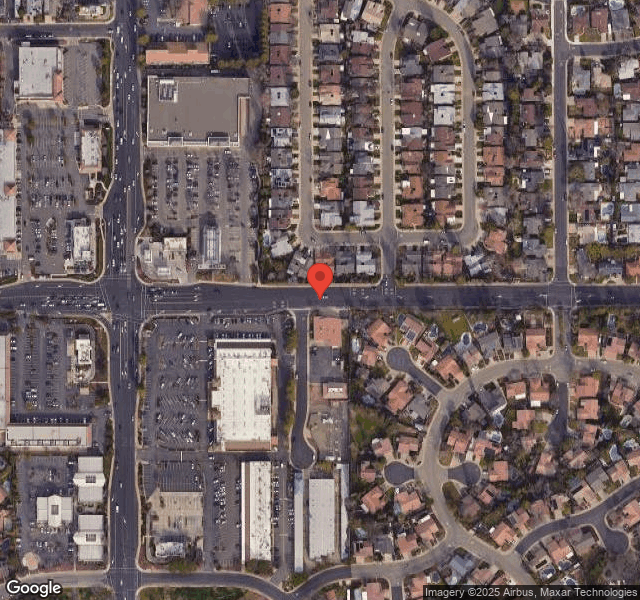
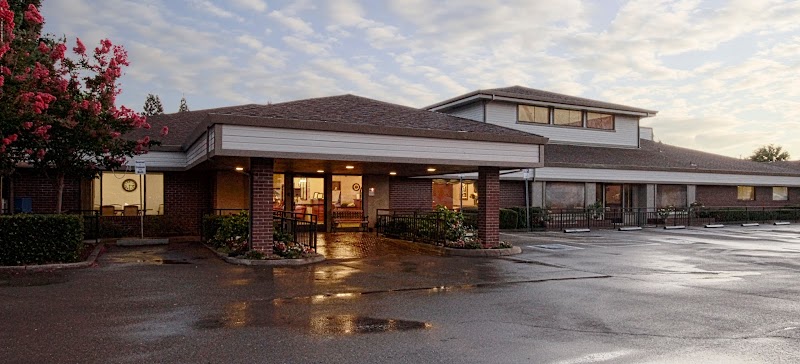
1139 CIRBY WAY, ROSEVILLE, CA 95661 (916) 782-7007
For profit - Corporation 99 Beds PACS GROUP Data: November 2025
Trust Grade
80/100
#165 of 1155 in CA
Last Inspection: April 2025

Within standard 12-15 month inspection cycle. Federal law requires annual inspections.

Overview

Pine Creek Care Center has a Trust Grade of B+, which means it is recommended and performs above average compared to other facilities. It ranks #165 out of 1,155 in California, putting it in the top half of state facilities, and #2 out of 10 in Placer County, indicating that only one local option is better. However, the facility's trend is worsening, with issues increasing from 8 in 2024 to 9 in 2025. Staffing is a concern here, with a rating of 2 out of 5 stars and a turnover rate of 54%, significantly higher than the California average, suggesting that staff may not be as stable. On the positive side, there have been no fines, which is good, and there is a concerning lack of RN coverage compared to 75% of California facilities, which is important as RNs can catch issues that CNAs might miss. Specific incidents noted include failures in food safety practices, such as improperly labeled opened food items and inadequate food storage, which could lead to foodborne illnesses. Additionally, there were concerns about care quality, as some residents did not receive necessary medical devices for their conditions, and two residents were found with untrimmed nails and unclean skin, impacting their hygiene and dignity. Overall, while Pine Creek Care Center has strengths in its ranking and absence of fines, the staffing issues and care deficiencies present significant weaknesses that families should consider.

Trust Score
B+
80/100
In California
#165/1155
Top 14%
Safety Record
Low Risk
No red flags
Inspections
Getting Worse
8 → 9 violations
Staff Stability
⚠ Watch
54% turnover. Above average. Higher turnover means staff may not know residents' routines.
Penalties
✓ Good
No fines on record. Clean compliance history, better than most California facilities.
Skilled Nurses
⚠ Watch
Each resident gets only 21 minutes of Registered Nurse (RN) attention daily — below average for California. Fewer RN minutes means fewer trained eyes watching for problems.
Violations
⚠ Watch
25 deficiencies on record. Higher than average. Multiple issues found across inspections.
★★★★★
5.0
Overall Rating
★★☆☆☆
2.0
Staff Levels
★★★★★
5.0
Care Quality
★★★★☆
4.0
Inspection Score
Stable
2024: 8 issues
2025: 9 issues

The Good

  • 5-Star Quality Measures · Strong clinical quality outcomes
  • Full Sprinkler Coverage · Fire safety systems throughout facility
  • No fines on record

Facility shows strength in quality measures, fire safety.

The Bad

Staff Turnover: 54%

Near California avg (46%)

Higher turnover may affect care consistency

Chain: PACS GROUP

Part of a multi-facility chain

Ask about local staffing decisions and management

The Ugly 25 deficiencies on record

Jul 2025 1 deficiency
CONCERN (D) 📢 Someone Reported This

A family member, employee, or ombudsman was alarmed enough to file a formal complaint

Potential for Harm - no one hurt, but risky conditions existed

Deficiency F0628 (Tag F0628)

Could have caused harm · This affected 1 resident

Based on interview and record review, the facility failed to follow the discharge process for one of three sampled residents (Resident 1), when Resident 1 was transferred to an acute hospital and Resi...

Read full inspector narrative →
Based on interview and record review, the facility failed to follow the discharge process for one of three sampled residents (Resident 1), when Resident 1 was transferred to an acute hospital and Resident 1's Responsibility Party (RP) was not informed of intent to discharge the resident or provided with notice of bed-hold.This failure resulted in Resident 1 being denied return to the facility causing disruption of care. A review of Resident 1's admission Record indicated Resident 1 was admitted to the facility in June 2025 with multiple diagnoses including metabolic encephalopathy (a change in brain function due to a systemic illness affecting the body's metabolism), dementia with behavioral disturbance (loss of memory and brain function with symptoms including agitation, aggression, psychotic symptoms, and mood changes), and enterocolitis due to clostridium difficile (bacterial infection of the bowel that can cause inflammation and diarrhea). A review of Resident 1's Minimum Data Set (MDS- federally mandated assessment tool), Cognitive Patterns, dated 7/4/25, indicated Resident 1 had Brief Interview for Mental Status (BIMS- tool to assess cognition) of 4 out of 15, that indicated Resident 1 had severe cognitive impairment. A review of Resident 1's MDS, Behavior, dated, 7/4/25, indicated Resident had delusions (belief that is persistently held but is untrue) and had behavioral symptoms including hitting, scratching, rummaging, smearing bodily wastes that put Resident 1 at risk for physical injury, interfered with care, and put others at risk for injury. A review of Resident 1's Order Summary Report indicated order dated 7/18/25 .Send Resident to acute on 7/18/25 due to increased behaviors resulting in concerns for safety . A review of Resident1's Order Summary Report indicated order dated 7/12/25 .Please call [Resident 1's RP] if patient refuses labs or medication, or becomes agitated or combative . A review of Resident 1's Order Summary Report indicated order dated 6/27/25 .Seroquel [antipsychotic medication used to improve mood, thoughts and behaviors] .Give 6.25 mg [milligrams] by mouth at bedtime for hospital delirium [change in mental abilities resulting in lack of awareness of surroundings] MB [manifested by] agitation/inability to sleep causing distress to self . A review of Resident 1's Change in Condition Evaluation, dated 7/18/25 indicated .patient has been combative, not following directions, not cooperative with care; patient wondered [sic] into other patients' rooms, eating their food or took their drink; patient wonders [sic] into nurses station and starts to open peoples' hand bags and takings thingsout [sic] .Recommendations of Primary Clinician(s) . [name of physician] and management are informed with order to send patient to acute care. Management stated that [RP] has been informed about the transfer .A review of Resident 1's Notice of Proposed Transfer/Discharge, dated 7/18/25, indicated .Transfer/Discharge Reasons .The transfer or discharge is necessary for the resident . A review of Resident 1's Progress Notes, Type: Physician Progress Note, dated 7/18/25, indicated .The patient was very agitated and screaming and shouting at the nursing staff, and case was discussed with the [RP] also that we increase the dose of Seroquel, but the patient was non-compliant and the daughter was also refusing any interventions. So it was suggested that the patient is not safe here and need to go to acute care facility because of safety concerns. So the patient was sent to acute care facility as the patient was non-compliant and the [RP] was also non-compliant with the treatment plan .With underlying cognitive impairment with dementia .Patient and family both refusing to increase the dose of Seroquel. Patient need to go to acute care facility for further evaluation . A review of Resident 1's Progress Note, Type: Nurse's Note, dated 7/18/25 at 12:55 p.m., indicated .Received orders from [name of physician] to increase patients Seroquel from 6.25mg to 12.5mg due to increased behavioral issues. Patient has been combative, hitting care staff, throwing things at other patients, eating other patients food and hard to reorient and redirect. Patient's [RP] notified by charge nurse of increasing agitation this morning .called patient's [RP] to relay doctors order . writer notified her of .order to increase Seroquel from 6.25mg to Seroquel 12.5mg . or send patient to acute for increasing agitation and combativeness for patients/care staff safety if family not agreeable to medication changes. [RP] refused medication changes and was notified patient would be sent to acute for safety purposes . A review of Resident 1's Progress Note, Type: Nurse's Note dated 7/18/25 at 10:27 a.m., indicated .Called [RP] back at 10:42am .and explained to her .resident is still agitated and hitting staff members and going into other Resident's rooms . a safety risk -for our residents and our staff . [RP] was agreeable at this time and said she will be in the facility shortly to help with agitation and well as speak with [name of physician] of the POC [plan of care] going forward .Called [name of physician] .informed him of the above behaviors-he stated we could either 1-Increase Seroquel to 12.5 mg per dose. 2- Send resident out to acute for further evaluation due to increased agitation . [RP] was not agreeable to all options. Send out to acute was initiated due to safety concerns .' A review of Resident 1's Care Plan, The resident has a behavior problem r/t [related to] increased agitation, initiated 7/12/25, indicated . Goal .The resident will have fewer episodes of behavior by review date Target Date 9/25/25 . Interventions .Anticipate and meet The resident's needs .Caregivers to provide opportunity for positive interaction, attention .Praise any indication of The resident's progress/improvement in behavior . A review of Resident 1's Care Plan, [Resident 1] was noted with increased combativeness/ agitation 7/12/25 .revised 7/14/25, indicated .Interventions .Approach in a calm, reassuring manner .Encourage family visits and interactions .Monitor for signs and symptoms of decreased psychosocial well-being, adjustment issues, emotional distress, ineffective coping skills, poor impulse control, adverse effects on function, mental, physical, social, or spiritual wellbeing and report abnormal findings to physician .Reorient and redirect as necessary .A review of Resident 1's Care Plan, Psychosocial Behavior: Exhibits or is at risk for behavioral symptoms (i.e. striking out, grabbing others, combative, verbally, or physically abusive, inappropriate disrobing, smears/throws food/feces/objects due to delirium .initiated 7/2/25 . Goal Will be compliant with nursing care .Will not harm self-and/or others secondary to socially inappropriate and/or disruptive combative behavior . Target Date 9/25/25, .Interventions .Administer medication as ordered .Document and record behavioral episodes .Maintain a calm, slow, understandable approach . During a telephone interview on 7/22/25 at 11:45 a.m. with Resident 1's RP, Resident 1's RP stated she was notified in the morning of 7/18/25 that Resident 1 did not take her medications and was having behavior issues. The RP stated the facility wanted to double her Seroquel medication. The RP stated she was told that if you do not agree to Seroquel dosage increase, then the facility will send her to the acute hospital. Resident 1's RP stated she asked the facility not to send Resident 1 out until she arrived at the facility and she was on her way. Resident 1's RP stated she wanted to review with the physician the increase in medication before agreeing to increase. She stated she was called and notified that Resident 1 had been sent to the acute hospital. When asked if Resident 1's RP had been offered a bed- hold, the RP stated a bed-hold was never mentioned. During a joint interview on 7/23/25 at 9:50 a.m. with the Administrator (ADM) and the Director of Nursing (DON), the DON reviewed the process for resident transfer to acute hospital. The DON stated process is to receive physician's order for transfer, notify resident or RP, call ambulance for transport, and provide report to hospital. The DON stated Notice of Proposed Transfer/ Discharge is provided to resident or RP and sent to the ombudsman. The DON stated a bed hold option is offered to resident or RP, but it may be a private pay bed hold. The ADM and DON stated Resident 1 was sent to acute hospital on 7/18/25 due to increased behaviors, combativeness, direct threat to residents, wandering into patients' rooms, throwing things at residents, and was non-redirectable. The DON stated the provider wanted to increase the Seroquel but Resident 1's RP refused, and Resident 1's RP was informed Resident 1 would be sent to the acute hospital. The ADM stated if the Resident 1's RP had agreed to the medication change, would have tried that out to see if effective and Resident 1 would not have been sent out that day. During an interview on 7/23/25 at 2:25 p.m. with Licensed Nurse (LN) 1, LN 1 stated Resident 1 started having increased behaviors including hitting and punching staff, threatening residents and families, and became non-redirectable. LN 1 stated when transferring a resident to the hospital the Notice of Proposed Transfer/Discharge is completed to notify family of hospital transfer. During a subsequent joint interview on 7/23/25 at 4:10 p.m. with the ADM and DON, ADM stated that Resident 1's RP was not offered bed- hold because the determination had already been made that Resident 1 was not appropriate for the facility. The ADM stated it was an unplanned discharge due to severity of behavior. During a telephone interview on 7/23/25 with the Medical Doctor [MD], the MD stated Resident 1 was sent to the acute hospital on 7/18/25 due to behaviors. The MD stated Resident 1 had become more agitated, more combative, was going into residents' rooms, and had risky behavior. The MD stated Resident 1's RP was given option to increase dose of Seroquel, but did not agree to the increase, so was sent to the acute hospital.During a concurrent telephone interview and record review on 7/30/25 at 9:53 a.m. with the ADM, the ADM stated Resident 1 was discharged , not transferred, from the facility on 7/18/25. Reviewed Resident 1's Progress Notes from 7/18/25 and that there was no documentation that Resident 1's RP was notified it was a facility discharge and not an acute transfer. The ADM stated it was communicated to Resident 1's RP it was a discharge, and the Notice of Proposed Transfer/Discharge was given as a notice of discharge. The ADM stated a bed hold was not offered because the facility knew they were not accepting Resident 1 back. When asked how the facility determined that upon the transfer to acute hospital on 7/18/25, that Resident 1 would not return to the facility if behaviors were able to be managed, the ADM stated Resident 1 had escalating behaviors and the MD made the decision she was not safe in the facility. Reviewed with the ADM, facility policy Bed-Holds and Returns that indicated residents are provided written bed-hold information at the time of transfer and that residents be permitted to return to the facility following hospitalization. The ADM stated Resident 1's RP had not been agreeable to interventions prior to acute transfer so MD made decision she would not be safe in facility after hospitalization. A review of the facility's Policy and Procedure (P&P) titled Bed-Holds and Returns, revised 10/22, indicated .Residents and/or representatives are informed (in writing) of the facility and state (if applicable) bed-hold policies .All residents/representatives are provided written information regarding the facility and state bed-hold policies, which address holding or reserving a resident's bed during periods of absence (hospitalization or therapeutic leave). Residents, regardless of payer source, are provided written notice about these policies at least twice .notice 2: at the time of transfer (or, if transfer was an emergency, within 24 hours) .The written bed-hold notices provided to the residents/ representatives explain in detail .the facility return policy .The requirement that residents be permitted to return to the facility, following hospitalization or therapeutic leave applies to all residents regardless of payer source .A review of the facility's P&P titled Transfer or Return, revised 3/25, indicated .Once admitted to the facility, residents have the right to remain in the facility. Transfers and discharges must meet specific criteria and require resident/ representative notification, orientation, and documentation in the medical record .Transfer refers to the movement of a resident from a bed in one certified facility to a bed in another certified facility when the resident expects to return to the original facility .When the facility transfers or discharges a resident, the following information is documented in the medical record .That an appropriate notice was provided to the resident and/or legal representative .
Apr 2025 8 deficiencies
CONCERN (D)

Potential for Harm - no one hurt, but risky conditions existed

Comprehensive Care Plan (Tag F0656)

Could have caused harm · This affected 1 resident

Based on observation, interview, and record review the facility failed to develop and implement a Care Plan (CP, a detailed document outlining a person's healthcare needs, goals, and the specific care...

Read full inspector narrative →
Based on observation, interview, and record review the facility failed to develop and implement a Care Plan (CP, a detailed document outlining a person's healthcare needs, goals, and the specific care and support they will receive) for one out of 27 sampled residents (Resident 79). This failure had the potential for Resident 79 to not receive the highest practible level of care for her health and wellness. Findings: A review of Resident 79's admission Record indicated Resident 79 was admitted to the facility in December 2024 with diagnoses which included dysphagia (difficulty swallowing) and partial paralysis to the left side. During a concurrent observation and interview on 4/8/25 at 10:11 a.m. with Resident 79, in the resident's room, Resident 79 stated, It'd be great if I could get this G-tube [a surgically placed feeding tube inserted through the abdomen directly into the stomach] out. Resident 79 lifted her shirt to where the G-tube was observed. A review of Resident 79's Order Summary Report (OSR, physician orders) did not indicate Resident 79 had an order for a G-tube. A review of Resident 79's CP which included current and resolved items did not indicate Resident 79 had a care plan implemented or resolved for a G-tube. During a concurrent interview and record review on 4/9/25 at 1:10 p.m. with Licensed Nurse (LN) 3, Resident 79's OSR and CP was reviewed. LN 3 acknowledged Resident 79 had a G-tube in place, but did not have a current physician's order or a CP for one. During an interview on 4/10/25 at 9:56 a.m. with the Nurse Practitioner (NP), the NP acknowledged there should still be a current order for Resident 79's G-tube and a CP for the care and treatment of the device. During a concurrent interview and record review on 4/11/25 at 10:18 a.m. with the Director of Nursing (DON), Resident 79's OSR and CP was reviewed. The DON acknowledged there were no current orders for the placement, care and treatment of the G-tube and a CP had not been developed, revised or resolved for Resident 79's G-tube. The DON acknowledged the CP should include the resident's diagnoses, medications and medical devices. A review of the facility's policy and procedure (P&P) titled, Care Plans, Comprehensive, reviewed October 2024, indicated, A comprehensive care plan that includes measurable objectives .to meet the resident's physical, psychosocial and functional needs is developed and implemented for each resident .The comprehensive care plan will: describe the services that are to be furnished to attain or maintain the resident's highest practicable physical, mental and psychosocial well-being.
CONCERN (D)

Potential for Harm - no one hurt, but risky conditions existed

Deficiency F0811 (Tag F0811)

Could have caused harm · This affected 1 resident

Based on observation, interview and record review the facility failed to provide one resident out of 27 sampled residents (Resident 79) with appropriate supervision and assistance during meals. This ...

Read full inspector narrative →
Based on observation, interview and record review the facility failed to provide one resident out of 27 sampled residents (Resident 79) with appropriate supervision and assistance during meals. This failure had the potential for Resident 79 to experience malnutrition and an increased risk of choking during meals. Findings: A review of Resident 79's admission Record indicated Resident 79 was admitted to the facility in December 2024 with diagnoses which included dysphagia (difficulty swallowing) and partial paralysis to the left side. A review of Resident 79's Order Summary Report (physician orders) indicated an order with a start date of 3/1/25 for 1:1 supervision for meals, cue resident to slow rate, pre-cut food into bite sized pieces with meals. During a concurrent observation and interview on 4/8/25 at 12:37 p.m. with Resident 79, in her room, Resident 79 was sitting up in bed, leaned over to the right side, unattended. Resident 79 acknowledged staff bring the meal trays, sit her up to eat and then leave. During a follow-up observation on 4/09/25 at 7:33 a.m. in Resident 79's room, Resident 79 was sitting up in bed with her eyes closed and her breakfast tray in front of her uncovered and unattended. A review of Resident 79's point of care electronic record indicated Resident 79 was to be provided with 1:1 supervision for meals. There was no data recorded for the last 30 days. A policy and procedure (P&P) which included the definitions of various levels of meal assistance was requested on 4/9/25 at 10:50 a.m. from the Administrator. A P&P was not provided. During an interview on 4/10/25 at 9:56 a.m. with the Nurse Practitioner (NP), the NP stated she expected nursing staff to follow resident orders as written. The NP stated, Orders are written for the safety of the resident, or for a specific diagnosis and treatment. A review of the facility's P&P titled, Assistance with Meals, revised October 2023, the P&P indicated, Residents will receive assistance with meals in a manner that meets the individual needs of each resident. A review of the facility's P&P titled, Physician Orders, reviewed October 2024, the P&P indicated, Prescribed medication and treatment orders will be carried out in accordance with the physician/nurse practitioner order .the licensed staff shall carry out physician/nurse practitioners' orders as prescribed.
CONCERN (E)

Potential for Harm - no one hurt, but risky conditions existed

Deficiency F0658 (Tag F0658)

Could have caused harm · This affected multiple residents

Based on observation, interview, and record review, the facility failed to provide care and services for three (3) of 27 sampled residents (Resident 82, Resident 25 and Resident 67) according to accep...

Read full inspector narrative →
Based on observation, interview, and record review, the facility failed to provide care and services for three (3) of 27 sampled residents (Resident 82, Resident 25 and Resident 67) according to accepted standards of clinical practice when: 1. Resident 82's order for Thrombo-Embolic Deterrent, (TED stockings, also known as anti-embolism stockings, to prevent blood clots and swelling in the legs, particularly after surgery) and lymphatic compression device (devices that work by inflating sleeves around the legs to mimic muscle contractions, helping blood flow back to the heart) were not applied as ordered; and, 2. Resident 25 and Resident 67's TED hose were not applied as ordered. This failure decreased the facility's ability to provide a clear and consistent picture of the residents's conditions, treatment responses, outcomes, and risk factors to improve residents' health and safety. Findings: 1. A review of Resident 82's admission Record (AR) indicated he was admitted in February 2025 with diagnoses which included endocarditis (serious infection and inflammation of the inner lining of the heart chambers and heart valves) and generalized muscle weakness. A review of Resident 82's Physician's Order (PO) dated 2/13/25, indicated, TED Hose: apply TED hose [every] [morning] and remove [every] [afternoon] every day and evening shift; and PO dated 2/28/25, indicated Offer Lymphatic Compression Device (used to help prevent blood clots in the deep veins of the legs) for [BLE, bilateral lower extremities] after meals every shift. A review of Resident 82's Minimum Data Set (MDS, a federally mandated resident assessment tool) dated 2/14/25 indicated he had mental capacity to make healthcare decisions. During a concurrent observation and interview on 4/10/25 at 2:03 p.m., inside Resident 82's room, he stated he was wearing regular socks not TED stockings and had not been using the compression device. Resident 82 confirmed he did not like what the compression device effect to his body, that he did not like to wear it and no one had offered it to him. During a concurrent observation, interview, record review, on 4/10/25 at 2:03 p.m., with Licensed Nurse 4 (LN 4), LN 4 confirmed Resident 82 had on order to use TED stocking in the morning and remove in the evening and to offer to wear the compression device after meal time. LN 4 confirmed Resident 82 was wearing black-colored regular socks and the compression device was out of sight and inside Resident 82's room cabinet. LN 4 confirmed she had not applied those devices as ordered. During a concurrent interview and record review on 4/11/25 at 10 a.m., with the Director of Nursing (DON), Resident 82's medical record was reviewed. The DON confirmed Resident 82 had an order for TED hose and compression device due to swelling. The DON stated her expectation was for the nurses to follow physician's order and document Resident 82's response to treatment. 2. A review of Resident 25's AR indicated Resident 25 was admitted to the facility in December 2024 with diagnoses which included congestive heart failure (fluid buildup in the body, especially the lower extremities) and muscle weakness. A review of Resident 25's Order Summary Report (OSR, physician orders) indicated an order for: a. Compression stocking during AM shift every day shift, for edema off at nighttime, with a start date of 3/31/25; and, b. Daily weights, with a start date of 12/11/24. During a concurrent observation and interview with Resident 25 on 4/8/25 at 9:56 a.m. in the resident's room, Resident 25 was laying in bed, wearing a facility gown. Resident 25 confirmed she was not wearing compression stockings. During a concurrent observation and interview on 4/10/25 at 10:34 a.m. with LN 6, in Resident 25's room, LN 6 confirmed Resident 25 was not wearing compression stockings. A review of Resident 25's weight summary from 12/6/24 to 4/11/25 indicated Resident 25 was not weighed daily as ordered. During a concurrent interview and record review on 4/11/25 at 9:59 a.m. with the Director of Staff Development (DSD), Resident 25's OSR and weight log was reviewed. The DSD acknowledged Resident 25 had an order for daily weights and confirmed daily weights for Resident 25 were not completed. A review of Resident 67's AR indicated Resident 67 was admitted to the facility in March 2025 with diagnoses which included muscle weakness and multiple sclerosis (autoimmune disorder where the immune system mistakenly attacks the body's own tissues). A review of Resident 67's OSR/Physician's Order (PO) indicated Resident 67 had an order for TED hose: apply in the morning and remove at bedtime, with a start date of 3/29/25. During a concurrent observation and interview on 4/9/25 at 10 a.m. with Resident 67 and the Physical Therapy Assistant (PTA), in Resident 67's room, Resident 67 was observed laying in bed, in her own gown, without TED hose on. Resident 67 stated she has never been fitted for TED hose while at the facility. The PTA acknowledged the license nurses supply the TED hose for the resident. The PTA checked through Resident 67's belongings and closet and confirmed there were no TED hose available. During an interview on 4/10/25 at 9:56 a.m. with the Nurse Practitioner (NP), the NP stated she expected nursing staff to follow resident orders as written. The NP stated, Orders are written for the safety of the resident, or for a specific diagnosis and treatment. During a concurrent observation, interview and record review on 4/10/25 at 1:57 p.m. with LN 6, in Resident 67's room, Resident 67's OSR was reviewed. LN 6 acknowledged Resident 67 had an order for TED hose and confirmed they were not applied. During a concurrent interview and record review on 4/11/25 at 10:18 a.m. with the DON, Resident 25 and Resident 67's OSR was reviewed. The DON stated she expected staff to follow physician orders as written for the residents at the facility. A review of the facility's P&P titled, Physician Orders, reviewed October 2024, the P&P indicated, Prescribed medication and treatment orders will be carried out in accordance with the physician/nurse practitioner order .the licensed staff shall carry out physician/nurse practitioners' orders as prescribed.
CONCERN (E)

Potential for Harm - no one hurt, but risky conditions existed

ADL Care (Tag F0677)

Could have caused harm · This affected multiple residents

Based on observation, interview, and record review, the facility failed to provide two (2) of 27 sampled residents (Resident 30 and Resident 38) proper hygiene when: 1. Resident 30 and Residents 38's ...

Read full inspector narrative →
Based on observation, interview, and record review, the facility failed to provide two (2) of 27 sampled residents (Resident 30 and Resident 38) proper hygiene when: 1. Resident 30 and Residents 38's fingernails were untrimmed, jagged and had black substances underneath the nailbeds; 2. Resident 30's skin on right foot was dry and scaly; 3. Resident 38's skin on right and left feet were dry and scaly; and, 4. Resident 30 and Resident 38's traced of colored-liquid, old and dry food residue stacked in between their beards. This failure decreased the facility's ability to maintain Resident 30 and Resident 38's overall health, comfort, and a sense of dignity. Findings: A review of Resident 30's admission Record (AR) indicated he was admitted in June 2024 with diagnoses which included osteoarthritis (a degenerative joint disease where cartilage breaks down, causing pain, stiffness, and reduced movement) generalized muscle weakness and left below the knee amputation (LBKA). A review of Resident 30's revised Care Plan (CP) dated 2/7/25, titled ADL(activities of daily living- routine tasks/activities such as bathing, dressing and toileting a person performs daily to care for themselves)/MOBILITY: indicated, Resident 30 is at risk for ADL/mobility decline and requires assistance . During an observation on 4/8/25 at 8:56 a.m. and on 4/9/25 at 11:07 a.m., Resident 30's fingernails were untrimmed, jagged with a black substance underneath the nailbeds, his right foot skin was dry and scaly, and there were traces of colored-liquid and old, dry food residue stacked in between his beard. A review of Resident 38's AR indicated he was admitted in January 2025 with diagnoses which included Parkinsons disease (PD, progressive neurological disorder primarily affecting movement) and dementia (a progressive state of decline in mental abilities). A review of Resident 38's CP initiated on 2/27/25, indicated, Resident 38's ADL/MOBILITY: Resident 38 is at risk for ADL/mobility decline and requires assistance . During an observation on 4/8/25 at 9:12 a.m. and on 4/9/25 at 12:11 p.m., Resident 38's fingernails were untrimmed, jagged, and had black substance underneath the nailbeds. Skin on his left and right feet were dry and scaly and there were traces of colored-liquid and old, dry food residue stacked in between his beard. During concurrent observations and interviews on 4/10/25 at 9:05 a.m., with the Treatment Nurse (TN), the TN confirmed the findings: Resident 30 and Resident 38's fingernails were untrimmed, jagged and had black substances underneath their nailbeds; their skin were dry and scaly; and traces of colored-liquid, and, old and dry food residue stacked in between their beards. The TN stated he would not like Resident 30 and Resident 38 to look dirty and unkempt for dignity and infection control issues. The TN stated accumulated food residue in facial beard can lead to unpleasant odors and even skin irritation. The TN stated Resident 30 and Resident 38 should have been cleaned and properly groomed but they were not. During an interview on 4/10/25 at 2:43 p.m., with the Assistant Director of Nursing (ADON), the ADON stated Resident 30 and Resident 38 should be groomed and clean at all times. The ADON stated a lack of hygiene could facilitate the spread of infections and could lead to more health problems such as skin complaints and could cause residents' discomfort, low self-esteem, and embarrassment. During an interview and record review on 4/11/25 at 8:24 a.m., with the Director of Nursing (DON), Resident 30 and Resident 38's medical records were reviewed. The DON confirmed Resident 30 and Resident 38's functional capability for ADL's required staff assistance. The DON stated her expectations required Resident 30 and Resident 38 and all residents to be cleaned and groomed. The DON confirmed unkempt residents' fingernails could potentially cause skin irritation, discomfort and affect the residents' dignity. The DON also stated residents' skin should be lotioned and moistiorized, due to when residents get older, skin gets thinner and drier, so, it is prone to damage. A review of the facility's policy and procedure (P/P) titled, :ACTIVITIES OF DAILY LIVING, SUPPORTING, revised 10/24, indicated, Residents will be provided with care. treatment, and services as appropriate to enable to carry out activities of daily living .appropriate care and services will be provided for residents who are unable to carry out ADLs independently .
CONCERN (E)

Potential for Harm - no one hurt, but risky conditions existed

Pharmacy Services (Tag F0755)

Could have caused harm · This affected multiple residents

**NOTE- TERMS IN BRACKETS HAVE BEEN EDITED TO PROTECT CONFIDENTIALITY** Based on interview and record review, the facility failed to ensure controlled medications (medications that the use and possess...

Read full inspector narrative →
**NOTE- TERMS IN BRACKETS HAVE BEEN EDITED TO PROTECT CONFIDENTIALITY** Based on interview and record review, the facility failed to ensure controlled medications (medications that the use and possession of are controlled by the federal government) for three residents (Resident 30, Resident 38, and Resident 51) of a census of 95 were accurately accounted for on the Medication Administration Record (MAR - a daily documentation record used by a licensed nurse to document medications given to a resident) and Controlled Drug Record (CDR - a log for tracking dispensing of controlled substances to ensure compliance with relevant regulations). This failure decreased the facility's potential to ensure accurate accountability for residents' controlled medications and prevent their misuse. Findings: A review of Resident 30's admission record indicated he was readmitted on [DATE] with a diagnosis of orthopedic (medical care pertaining to bone injuries or deformities) aftercare following surgical amputation (surgical removal of a body part, usually a limb) and osteoarthritis (degeneration of joint cartilage and underlying bone). A review of Resident 30's Order Summary Report, dated 4/15/25, indicated an order for hydrocodone-acetaminophen (an opioid medication used to treat pain) 5/325 milligrams (mg; a unit of measurement), one tablet every six hours as needed for pain management. A review of Resident 30's CDR and MAR, dated 3/2025, indicated hydrocodone-acetaminophen was given on 3/2/25 at 2:30 p.m. in the CDR and not noted as given in the MAR. A review of Resident 38's admission record indicated he was admitted to the facility on [DATE] with a diagnosis of femur (thigh bone) fracture and subsequent surgical repair. A review of Resident 38's Order Summary Report, dated 4/15/25, indicated an order for hydrocodone-acetaminophen 5/325 milligrams, one tablet every four hours as needed for moderate to severe pain. A review of Resident 38's CDRs and MARs, dated 3/2025 and 4/2025, indicated hydrocodone-acetaminophen was given on 3/29/25 at 5 p.m. in the CDR, but not listed as administered in the MAR. The CDR also indicated the medication was given on 3/30/25 at 5:12 p.m. and 4/6/25 at 8 p.m. and were not listed as given in the MAR. A review of Resident 51's admission record indicated she was admitted to the facility on [DATE] with a diagnosis of thoracic vertebrae (the interlocking bones in the middle section of the spine) fracture. A review of Resident 51's Order Summary Report, dated 4/15/25, indicated there was an order for hydrocodone-acetaminophen 5/325 mg, one tablet every eight hours as needed for moderate to severe pain. A review of Resident 51's CDR and MAR, dated 3/2025, indicated a hydrocodone-acetaminophen dose was given on 3/29/25 - the CDR denoted the dose was given at 5:30 p.m., and the MAR displayed an administration time of 3:04 p.m. During interviews on 4/11/25 at 12:29 p.m. and 3:10 p.m. with the Director of Nursing (DON), the inaccuracies of Resident 30's, 38's, and 51's CDRs and MARs were discussed. DON stated correct documentation was important for controlled drug accountability. Incorrect records of doses could be associated with medication misuse and drug diversion. A review of the facility's policy and procedures titled, Controlled Medications, revised 9/2024, indicated, When a controlled medication is administered, the licensed nurse administering the medication immediately enters the following information on the accountability record and the medication administration record . Date and time of administration . Amount administered . Signature of the nurse administering the dose, completed after the medication is actually administered.
CONCERN (E)

Potential for Harm - no one hurt, but risky conditions existed

Deficiency F0761 (Tag F0761)

Could have caused harm · This affected multiple residents

**NOTE- TERMS IN BRACKETS HAVE BEEN EDITED TO PROTECT CONFIDENTIALITY** 3. During a concurrent observation and interview on [DATE] at 12:39 p.m. with Licensed Nurse (LN 5) in the hallway by medication...

Read full inspector narrative →
**NOTE- TERMS IN BRACKETS HAVE BEEN EDITED TO PROTECT CONFIDENTIALITY** 3. During a concurrent observation and interview on [DATE] at 12:39 p.m. with Licensed Nurse (LN 5) in the hallway by medications cart #3, the medications cart was inspected, and one round, white unlabeled tablet was found at the bottom of one of the drawers that stored blister packs of medications. LN 5 disposed the medication in the medication disposal container and stated that medication carts should be free of loose or unlabeled medications. During a review of the facility's P&P titled, Storage of Medications, revised [DATE], the P&P indicated, Drugs and biologicals are stored in the packaging, containers or other dispensing systems in which they are received. 2. During an observation on [DATE] at 12:05 p.m. at Nursing Station 1, one medication cart was observed unlocked and unattended by staff. During a concurrent observation and interview on [DATE] at 12:09 p.m. with LN 3, LN 3 observed and acknowledged the medication cart was unlocked and unattended at Nursing Station 1. LN 3 stated, .it's [the medication cart] supposed to be locked .it's a safety concern. During an interview on [DATE] at 11:15 a.m. with the DON, the DON acknowledged the medication carts should be locked when unattended. The DON stated, Yes, I expect the medication carts to be locked when unattended, that's a safety concern. During a review of the facility's Policy and Procedure (P&P) titled, Storage of Medications, revised [DATE], the P&P indicated, The facility stores all drugs and biologicals in a safe, secure and orderly manner .compartments (including, but not limited to drawers, cabinets, rooms, refrigerators, carts, and boxes) containing drugs and biologicals are locked when not in use .unlocked medication carts are not left unattended. Based on observation, interview, and record review, the facility failed to ensure that: 1. Discontinued medications were not available for resident use; 2. Medications were stored locked in medication cart; and, 3. Medications were stored in original packaging with pharmacy approved labels. These deficient practices had the potential for unsafe medication storage and administration for a census of 95. Findings: A review of Resident 29's Face Sheet indicated she was admitted to the facility on [DATE] with diagnoses which included acute respiratory failure with hypoxia (not enough oxygen in the blood), and chronic obstructive pulmonary disease (a condition of lung damage which makes it hard to breathe). A review of Resident 29's Order Summary Report indicated she was prescribed Arformoterol Tartrate Inhalation Nebulization Solution 15 micrograms/2 milliliter (mcg/ml - units of measure) (a medication used for maintenance of air flow blockage in the lungs) on [DATE]. A review of Resident 29's Discharge summary, dated [DATE], indicated Resident's discharge date and time was [DATE] at 11 a.m. During a concurrent observation and interview on [DATE] at 12:28 p.m. with Licensed Nurse (LN) 1 in Medication room [ROOM NUMBER], the prescription drug Arformoterol Tartrate Inhalation Nebulization Solution 15 mcg/2 ml, was found in the medication refrigerator next to active medications. LN 1 stated Resident 29 was discharged from the facility days earlier, and the inhaler should have been removed from the medication refrigerator immediately upon the resident's discharge. He took the discontinued medication out of the refrigerator, placed it in a locked cabinet in the medication room for disposal. He stated discontinued medications should be locked there until they can be properly disposed of. During an interview on [DATE] at 9:32 a.m. with the Director of Nursing (DON), DON stated discontinued medications should not be located next to active, current medications. DON stressed that it is the responsibility of the nurse performing resident discharge to set aside remaining discontinued medications for disposal. She stated an inexperienced nurse could possibly give the discontinued medication to another patient if the nurse doesn't read the label accurately or misinterprets the resident's name. During an interview on [DATE] on 12:29 p.m. with DON, she stated that discharged residents' discontinued medications should be discarded the day of the patients' release. If not done the same day, it should be done immediately after - the next day. DON stated this medication should not have remained in the medication refrigerator six days after the resident went home. She and the Assistant Director of Nursing (ADON) stop by the units weekly to pick up expired or discontinued medicines for disposal. A review of facility policy titled, Storage of Medications, revised [DATE], indicated, Discontinued, outdated, or deteriorated drugs or biologicals are placed in designated appropriate bins for destruction.
CONCERN (E)

Potential for Harm - no one hurt, but risky conditions existed

Deficiency F0807 (Tag F0807)

Could have caused harm · This affected multiple residents

**NOTE- TERMS IN BRACKETS HAVE BEEN EDITED TO PROTECT CONFIDENTIALITY** Based on observation, interview and record review, the facility failed to provide sufficient hydration for four residents (Resid...

Read full inspector narrative →
**NOTE- TERMS IN BRACKETS HAVE BEEN EDITED TO PROTECT CONFIDENTIALITY** Based on observation, interview and record review, the facility failed to provide sufficient hydration for four residents (Resident 13, Resident 298, Resident 299, Resident 300) of a census of 95, when staff did not deliver bedside water pitchers for two days. This failure had the potential to cause dehydration (a harmful reduction in the amount of water in the body) to the residents. Findings: A review of all four residents' care plans (Resident 13, Resident 298, Resident 299, Resident 300) indicated they were at risk for dehydration due to their medical conditions. A review of Resident 13's face sheet indicated she was admitted to the facility on [DATE] with diagnoses including urinary tract infection (an illness in the urinary system-kidneys, bladder, or urethra-typically caused by bacteria), type 2 diabetes mellitus (a disease in which the body's inability to produce or respond to the hormone insulin is impaired - symptoms include thirst and frequent urination) and high blood pressure. A review of Resident 13's Order Summary Report indicated her primary physician did not put her on fluid intake restrictions (medically prescribed regime limiting the amount of daily fluid consumption to assist in preventing fluid build-up in the body) when her diet was ordered on 3/10/25. Resident 13 also had a medication order for furosemide 20 milligram (mg-unit of measure), which is a diuretic (a medication that helps reduce fluid buildup in the body, prescribed for high blood pressure or heart problems. Side effects include dry mouth, increased thirst and frequent urination.) A review of Resident 13's Minimum Data Set (MDS - a federally mandated resident assessment tool), dated 3/17/25, indicated her BIMS (Brief Interview for Mental Status-an assessment tool used by facilities to screen and identify memory, orientation, and judgement status of the resident) score was 11 out of 15, indicating she had moderate cognitive impairment. During a concurrent observation and interview on 4/8/25 at 11:37 a.m., Resident 13 had no water pitcher on her bedside table or nightstand. There was a partially filled cup of water on her bedside table. Resident 13 stated she was unsure why the Certified Nursing Assistants (CNAs) were not giving her a daily water pitcher, but she would have liked one as she gets thirsty during the day. During an observation on 4/9/25 at 3:48 p.m. in Resident 13's room, no water pitcher was on the bedside table. Resident 13 told Licensed Nurse (LN) 2 she was very thirsty and asked for water. Resident 13's Fluid Intake sheet indicated that on 4/8/25, her fluid intake was 680 milliliters (ml-unit of volume measure), and on 4/9/25, her fluid intake was 330 ml. The average fluid intake for the rest of the month was 1070 ml per day. A review of Resident 298's face sheet indicated he was admitted to the facility on [DATE], with a diagnosis of type 2 diabetes mellitus. A review of Resident 298's Order Summary Report indicated that the facility physician did not order fluid restrictions on 3/31/25 when the physician prescribed the resident's diet. A review of Resident 298's Minimum Data Set, dated [DATE], showed that his BIMS score was 8 out of 15, indicating he had moderate cognitive impairment. During a concurrent observation and interview with Resident 298 on 4/8/25 at 11:22 a.m. in his room, no water pitcher was found at his bedside. Resident 298 stated the CNAs will bring a cup of water to him at mealtimes. During an observation 4/9/25 at 4:03 p.m., it was noted there was no pitcher of water on resident's bedside table. A review of Resident 299's face sheet indicated he was admitted to the facility on [DATE]. A review of Resident 299's Order Summary Report indicated his diet was prescribed on 4/3/25, without fluid intake restrictions. According to the Medical Records Administrator on 4/9/25, Resident 299's BIMS score was yet to be entered in his records since he had been recently admitted . The MDS and BIMS score was not available at the time of survey exit. During a concurrent observation and interview with Resident 299 on 4/8/25 at 11:28 a.m. in his room, his bedside table had no water pitcher. He denied being on fluid restrictions. During a subsequent observation on 4/9/25 at 4 p.m. in Resident 299's room, no pitcher of water was found on resident's bedside table. A review of Resident 300's face sheet indicated she was admitted to the facility on [DATE]. A review of Resident 300's Order Summary Report stated her physician ordered her diet on 4/2/25, with no fluid restrictions. A review of Resident 300's BIMS score on 4/5/25 (care plan) denoted she scored 9 out of 15, indicating she was moderately cognitively impaired. Her MDS report was not available at time of survey exit. During an observation of Resident 300 on 4/8/25 at 11:48 a.m. in her room, it was observed that the resident did not have a water pitcher at her bedside table. During an observation on 4/9/25 at 3:57 p.m. with Resident 300, no water pitcher was found on resident's bedside table. During an interview with Licensed Nurse (LN) 2 on 4/9/25 at 3:50 p.m., LN 2 stated that Resident 13 vomited earlier that day and needed to drink fluids. LN 2 confirmed that Resident 13's water pitcher was missing and would bring one to her. She stated all patients are supposed to have water pitchers on their bedside table. She added that even if a resident is on fluid restrictions, they are still given a pitcher with the restricted amount of water, so every resident should have a water pitcher at their bedside. During an interview with Certified Nursing Assistant (CNA) 1 on 4/9/25 at 3:55 p.m., CNA 1 stated the night shift is supposed to provide fresh water pitchers for the residents on their bedside tables. The CNA stated that if the day shift CNAs do not see pitchers on the bedside tables, they put a new pitcher on the bedside table. She had not noticed any missing pitchers that day. During an interview on 4/10/25 at 8:25 a.m. with LN 2, LN 2 stated that the outcome of patients not having a water pitcher by the bedside could have an adverse consequence like dehydration in a resident who is already medically compromised. During an interview with the Director of Nursing (DON) on 4/10/25 at 9:32 a.m., DON stated that limiting residents' fluid intake by not giving them water pitchers could result in not getting enough fluids, putting them at risk for dehydration. A review of facility document titled, Hydration, dated September 2024, indicated, The staff will monitor the individual's current hydration status .The staff will provide supportive measures such as supplemental fluids and adjusting environmental temperature, where indicated. A review of facility job description titled, Certified Nursing Assistant, undated, indicated, Keep residents' water pitchers clean and filled with fresh water (on each shift), and within easy reach of the resident .Record the resident's food/fluid intake.
CONCERN (E)

Potential for Harm - no one hurt, but risky conditions existed

Medical Records (Tag F0842)

Could have caused harm · This affected multiple residents

2. A review of Resident 25's AR indicated Resident 25 was admitted to the facility in December 2024 with diagnoses which included congestive heart failure (fluid buildup in the body, especially the lo...

Read full inspector narrative →
2. A review of Resident 25's AR indicated Resident 25 was admitted to the facility in December 2024 with diagnoses which included congestive heart failure (fluid buildup in the body, especially the lower extremities) and muscle weakness. A review of Resident 25's Order Summary Report (OSR, physician orders) indicated an order for compression stockings (TED hose) during the morning shift every day, for edema, and off at nighttime, with a start date of 3/31/25. During a concurrent observation and interview with Resident 25 on 4/8/25 at 9:56 a.m. in the resident's room, Resident 25 was in bed, wearing a facility gown. Resident 25 confirmed she was not wearing compression stockings and she had not been since being admitted to the facility. During a concurrent observation, interview and record review on 4/10/25 at 10:34 a.m. with LN 6, in Resident 25's room, Resident 25's April 2025 Medication Administration Record (MAR) was reviewed. LN 6 confirmed Resident 25 was not wearing compression stockings. LN 6 acknowledged her initials on the April 2025 MAR and she had documented that Resident 25's TED hose had been applied on 4/4/25 and 4/6/25 when she had not applied the TED hose. LN 6 acknowledged she documented a treatment she did not administer, and she should not document something she did not do. A review of Resident 67's AR indicated Resident 67 was admitted to the facility in March 2025 with diagnoses which included muscle weakness and multiple sclerosis (autoimmune disorder where the immune system mistakenly attacks the body's own tissues). A review of Resident 67's OSR/(PO-physician orders) indicated Resident 67 had an order for TED hose: apply in the morning and remove at bedtime, with a start date of 3/29/25. During a concurrent observation and interview on 4/9/25 at 10 a.m. with Resident 67 and the Physical Therapy Assistant (PTA), in Resident 67's room, Resident 67 was observed laying in bed, in her own gown, without TED hose on. Resident 67 stated she has never been fitted for TED hose while at the facility. The PTA acknowledged the license nurses supply the TED hose for the resident. The PTA checked through Resident 67's belongings and closet and confirmed there were no TED hose available. During a concurrent observation, interview and record review on 4/10/25 at 1:57 p.m. with LN 6 and Resident 67, in Resident 67's room, Resident 67's OSR and April 2025 MAR were reviewed. LN 6 acknowledged Resident 67 had an order for TED hose and confirmed her initials were on the April 2025 MAR that indicated she had applied the TED hose on 4/4/25, 4/6/25 and 4/10/25. LN 6 observed Resident 67 was not wearing the TED hose. Resident 67 acknowledged she was not wearing TED hose and retrieved them from her bedside table. LN 6 admitted she documented something she did not do. 3. A review of Resident 249's AR indicated Resident 249 was admitted to the facility in April 2025 with diagnoses including pseudomonas aeruginosa (a bacterial infection) and cystitis (an infection in the bladder). A review of Resident 249's OSR indicated an order for 2 grams of ceftriaxone sodium (antibiotic) intravenously one time a day for sepsis. A review of Resident 249's April 2025 MAR indicated LN 7 had administered Resident 249's IV antibiotics on 4/6/25 and 4/8/25. During a concurrent interview and record review on 4/9/25 at 4:20 p.m. with LN 7, Resident 249's April 2025 MAR was reviewed for the administration of IV antibiotics. LN 7 stated a Registered Nurse needs to administer IV antibiotics and the staff member who administers the medication or treatment documents the action in the medical record. LN 7 confirmed her initials were on the MAR for the administration of IV antibiotics on 4/6/25 and 4/8/25. LN 7 agreed those entries in Resident 249's MAR were inaccurate and she should not document something she did not do. During a concurrent interview and record review on 4/10/25 at 11:15 a.m. with the DON, Resident 25's, Resident 67's and Resident 249's records were reviewed. The DON acknowledged LN 6 and LN 7 had documented entries in the Residents' MAR that were inaccurate, and staff should not sign off on something they did not do. A review of the facility's policy and procedure (P&P) titled, Charting and Documentation, revised 2024, indicated, Services provided to the resident shall be documented in the resident's medical record .documented information in the in a resident medical record can include: .medications administered .treatments or services performed .Entries may only be recorded in the resident's clinical record by licensed personnel .in accordance with state law and facility policy .Documentation of procedures and treatments may include .The name and title of the individual(s) who provided the care. 4. During a concurrent observation and interview of the kitchen dishwashing on 04/11/25 09:39 a.m. with the kitchen Dishwasher (DW) employee, the DW was observed scraping the leftover breakfast food from the trays into the garbage container. The contents of the garbage was observed to contain scraped food items, and further observation of the garbage container it was observed there were other resident's meal tickets at the bottom of the garbage container. There were two meal tickets observed on the top portion of the garbage which were within reach. There were two meal tickets obtained from the garbage which were identified for Random Resident 1 and Random Resident 32. Further observation, the two meal tickets were printed with the resident's name, room number, allergies to food, food likes and dislikes. During the interview with the DW, she confirmed in preparation for washing the dishes she must first scrape off the food and the meal tickets are disposed in the garbage. During an interview with the Dietary Manager (DM) on 4/11/25 at 9:41 a.m., the DM was shown the meal tickets obtained from the garbage can. The DM confirmed they were the residents meal tickets from the breakfast meal. The DM stated the current practice were for the food scraps and meal tickets to be disposed of together into the regular garbage. Further interview with the DM confirmed the printed meal tickets had the resident's name, room number, diet, likes and dislikes and allergies. The DM confirmed the printed meal tickets contained resident's confidential information, and should be disposed of in the confidential shredding bin and not into the regular garbage. Record review of the facility Policy and Procedure Confidentiality of Information and Personal Privacy revised 10/24 indicated: .Our facility will protect and safeguard resident confidentiality and personal privacy .1. The facility will safeguard the personal privacy and confidentiality of all resident personal and medical records .4. Access to resident personal and medical records will be limited to authorized staff and business associates . Record review of facility Policy Retention of Medical Records and Destruction dated 2001 indicated: .Facility is contracted with [Name of Medical Record Destruction Company] for the destruction of records . 5. During a record review of Resident 48's AR indicated he was admitted to the facility with diagnoses of dementia (the loss of cognitive functioning, thinking, remembering, and reasoning), anxiety disorder (persistent and excessive anxiety and worry about activities or events, even ordinary or routine), and depression. Review of Resident 48's OSR/PO indicated on 4/7/25 the physician ordered the medication . Brexpiprazole (an antipsychotic medication used to treat major depressive disorder (MDD) and agitation associated with dementia) 0.5 mg (milligram, a unit of measure) tablet by mouth one time a day for dementia with behaviors and psychosis (where an individual experiences a significant loss of touch with reality) agitation for 7 days manifested by auditory hallucinations. Further review of Resident 48's OSR indicated the medication Brexpiprazole was to be administered beginning 4/8 through 4/15/25. Before administering of the medication could begin, an informed consent (IC) must be obtained from the resident or the Responsible Party (RP). Record review of Resident 48's IC with an effective date of 4/7/25 at 1:33 p.m. the IC verification section of the document indicated the licensed nurse obtained a verbal/phone consent on 4/7/27 at 5:40 p.m. as evidenced by two (2) Licensed Nurses (LN) signatures. Further review of the IC document's line 1b indicated: .Name of person giving verbal or phone consent was left blank it did not indicate the name from whom the LNs obtained the consent from. During an interview with the Assistant Director of Nursing (ADON) on 4/11/25 at 12:25 p.m., the IC for the use of Brexipiprazole 0.5 mg was reviewed with the Assistant Director of Nursing (ADON) and he confirmed that the informed consent for Brexpiprazole was signed and witnessed by two (2) LNs and was complete. The ADON stated he also signed and confirmed the IC obtained was complete before administering Brexpiprazole. The ADON was asked to review the consent. The ADON after reviewing the document stated the IC was inaccurate as it did not document the name of the RP giving the consent. He stated the RP name must be confirmed and verified. Review of the facility Policy and Procedure Psychotropic Medication Use dated 10/23 indicated: .4. The licensed nursing staff will verify that an informed consent was obtained by the prescribing licensed healthcare practitioner from the resident or resident's authorized representative prior to administration of psychotropic medications and every six (6) months. Based on observation, interview, and record review, the facility failed to accurately document and secure the care and treatment provided for five of 27 sampled residents (Resident 82, Resident 25, Resident 67, Resident 249, and Resident 48) when: 1. Licensed Nurse 4 (LN4) documented she had applied Resident 82's Thrombo-Embolic Deterrent, (TED stockings, also known as anti-embolism stockings, designed to prevent blood clots and swelling in the legs, particularly after surgery) and lymphatic compression device (helps the trapped lymph fluid to move and flow through the lymph vessels) when she had not; 2. Resident 25 and Resident 67's administration records indicated TED hose had been applied daily by the LNs, when LN's had not; 3. Resident 249's intravenous antibiotics (IV, a type of antibiotic administered directly into a vein to treat infections) was documented as administered by a Licensed Vocational Nurse (LVN), which was not within the scope of practice; 4. Residents' meal tickets were disposed of in the regular garbage bin; and 5. Resident 48's Informed Consent (IC, voluntary agreement to accept treatment and/or procedures after receiving education regarding the risks, benefits, and alternatives offered) for the use of psychoactive medications (affecting the mind or behavior) was inaccurate. These failures decreased the facility's ability to provide a clear and consistent picture of the patient's conditions, treatment responses, outcomes, and risk factors to improve patients' health and safety and the potential to expose multiple residents health information by persons not involved in the residents' care for a census of 95 residents. Findings: 1. A review of Resident 82's admission Record (AR) indicated he was admitted in February 2025 with diagnoses which included endocarditis (serious infection and inflammation of the inner lining of the heart chambers and heart valves) and generalized muscle weakness. A review of Resident 82's Physician's Order (PO) dated 2/13/25, the PO indicated, TED Hose: apply TED hose [every] [morning] and remove [every] [afternoon] and offer Lymphatic Compression Device for bilateral lower extremities (BLE) after meals every shift. A review of Resident 82's Minimum Data Set (MDS, a federally mandated resident assessment tool) dated 2/14/25 indicated he had mental capacity to make healthcare decisions. During a concurrent observation and interview on 4/10/25 at 2:03 p.m., Resident 82 stated he was wearing regular socks and not TED stockings and had not been using the compression device. Resident 82 confirmed he did not like what the compression device had effect to his body, that he did not like to wear it and no one had offered it to him. During a concurrent observation, interview, record review, on 4/10/25 at 2:03 p.m., with Licensed Nurse 4 (LN 4), LN 4 confirmed Resident 82 had on order to use TED stocking in the morning and remove in the evening and to offer to wear the compression device after meal time. Inside the room, LN 4 confirmed Resident 82 was wearing black-colored regular socks and the compression device was out of sight inside Resident 82's room cabinet. LN 4 confirmed she had not applied those devices as ordered. LN 4 stated she should not document in the treatment administration record (TAR, a daily documentation record used by a licensed nurse to document medications and treatments given to a resident) that she had applied those devices when she had not. During a concurrent interview and record review on 4/11/25 at 10 a.m., with the Director of Nursing (DON), Resident 82's medical record was reviewed and confirmed Resident 82 had an order for TED hose and compression device due to swelling. The DON stated her expectation was for the nurses to follow physician's order and document Resident 82's response to treatment. The DON stated nurses should document accurately when care and treatment were provided and/or not provided. A review of the facility's Policy and Procedure (P/P), titled, Physician's Order, revised 10/24, the P/P indicated, Prescribed medications and treatment orders will be carried out in accordance with the physicians/nurse practitioner's order.
Apr 2024 8 deficiencies
CONCERN (D)

Potential for Harm - no one hurt, but risky conditions existed

Assessment Accuracy (Tag F0641)

Could have caused harm · This affected 1 resident

**NOTE- TERMS IN BRACKETS HAVE BEEN EDITED TO PROTECT CONFIDENTIALITY** 2. A review of Resident 301's admission record indicated Resident 301 was admitted to the facility in January 2024, with diagnos...

Read full inspector narrative →
**NOTE- TERMS IN BRACKETS HAVE BEEN EDITED TO PROTECT CONFIDENTIALITY** 2. A review of Resident 301's admission record indicated Resident 301 was admitted to the facility in January 2024, with diagnoses which included muscle weakness, fracture of the left lower arm and chronic respiratory failure. During a review of Resident 301's MDS dated [DATE] and 2/3/24, the bladder and bowel section indicated Resident 301 was receiving intermittent catheterization. A review of Resident 301's Order Summary Report (OSR, physician orders) indicated there was no order for intermittent catheterization. During a concurrent interview and record review on 4/18/24 at 1 p.m. with the MDSC and LN 5, Resident 301's MDS and OSR were reviewed. The MDSC and LN 5 confirmed the MDS was inaccurate and there were no orders for intermittent catheterization for Resident 301. The LN 5 stated, There needs to be an accurate assessment to be able to provide the proper care for the resident. The MDSC additionally stated, That's incorrect coding on the MDS. During an interview on 4/19/24 at 2:36 p.m. with the Director of Nursing (DON), the DON stated the expectation was resident assessments should be accurate. During a review of the facility's policy and procedure titled, Resident Assessments, revised October 2023, indicated, A comprehensive assessment of each resident is completed .the resident assessment coordinator is responsible for ensuring .appropriate resident assessments .attesting to the accuracy of such information . Based on observation, interview, and record review, the facility failed to ensure accurate assessments for two residents (Resident 15 and Resident 301) of 24 sampled residents when: 1. Resident 15's Minimum Data Sheet (MDS, an assessment tool) indicated one side lower extremity impairment; and, 2. Resident 301's MDS indicated intermittent catheterization (a catheter used drain urine from the bladder on a temporary basis). These failures resulted in inaccurate assessments that did not reflect the residents' status and care needs. Findings: 1. A review of an admission record indicated Resident 15 was admitted to the facility in late 2022 with multiple diagnoses including hemiplegia and hemiparesis (body paralysis and weakness) after stroke and general muscle weakness. During an observation during the initial tour and concurrent interview on 4/16/24 at 9:50 a.m., in Resident 15's room, Resident 15 was in bed lying facing the right side of the room with both knees contracted. Resident 15's left knee was bent and positioned over his bent right knee. Resident 15 reported a pain intensity level of 8 out of 10 and confirmed both his legs were contracted. During a concurrent observation and interview on 4/16/24 at 9:55 a.m., in Resident 15's room, the Certified Nursing Assistant 3 (CNA 3) was repositioning Resident 15 to face the left side of the room. Resident 15's face grimaced and he verbalized pain during the repositioning. The CNA 3 confirmed both Resident 15's knees were contracted. During an interview on 4/16/24 at 10:08 a.m., with Licensed Nurse 4 (LN 4), the LN 4 confirmed both Resident 15's knees were contracted. During a concurrent interview and record review on 4/18/24 at 11:42 a.m., with the MDS Coordinator (MDSC), Resident 15's MDS dated [DATE] was reviewed. The MDS indicated, .Lower extremity (hip, knee, ankle, foot) - impairment on one side . The MDSC confirmed the MDS assessment was inaccurate and should have indicated impairment on both sides. The MDSC further stated an inaccurate assessment could affect the resident's plan of care.
CONCERN (D)

Potential for Harm - no one hurt, but risky conditions existed

Deficiency F0655 (Tag F0655)

Could have caused harm · This affected 1 resident

**NOTE- TERMS IN BRACKETS HAVE BEEN EDITED TO PROTECT CONFIDENTIALITY** Based on observation, interview, and record review the facility failed to develop and implement an accurate baseline care plan f...

Read full inspector narrative →
**NOTE- TERMS IN BRACKETS HAVE BEEN EDITED TO PROTECT CONFIDENTIALITY** Based on observation, interview, and record review the facility failed to develop and implement an accurate baseline care plan for three residents (Resident 297, Resident 301 and Resident 307) out of 24 sampled residents when: 1. Resident 297's and Resident 301's did not have a care plan for their urinary catheter; and, 2. Resident 307 did not have a care plan for his urinary catheter, peripherally inserted central catheter (PICC, a long, thin tube inserted through a vein in the upper arm and passed through to the larger veins near the heart, used for long term fluids or treatments), abdominal binder (a wide compression belt that encircles the abdomen) and thrombo-embolic deterrent hose (TED hose, stockings used to help prevent blood clots and swelling in the legs). These failures decreased the facility's potential to implement effective, person-centered care for residents. Findings: 1. A review of Resident 297's admission record indicated admission to the facility on 4/14/24, with diagnoses which included fracture of the left hip, fracture of the left ankle and muscle weakness. During a concurrent observation and interview on 4/16/24 at 9:50 a.m. in Resident 297's room, Resident 297 was sitting up in bed and a urinary catheter was observed hanging from the side of the bed. Resident 297 was aware she had the urinary catheter in place but was not sure how long she would need it. A review of Resident 297's Order Summary Report (OSR, physician orders) dated 4/14/24 indicated Resident 297 had a urinary catheter in place due to urinary retention. During a review of Resident 297's care plan, initiated on 4/14/24, there was no documented evidence the resident had a care plan for a urinary catheter. A review of Resident 301's admission record indicated she was readmitted to the facility on [DATE] with diagnoses which included muscle weakness, fracture of the left lower arm and chronic respiratory failure. A review of Resident 301's OSR, dated 1/25/24, indicated Resident 301 had a urinary catheter. During a review of Resident 301's care plan initiated on 1/25/24 there was no documented evidence the resident had a care plan for a urinary catheter. 2. A review of Resident 307's admission record indicated admission to the facility on 4/8/24, with diagnoses which included lymphoma (cancer that begins in cells of the lymph system), benign prostatic hyperplasia (enlarged prostate gland) and muscle weakness. During a concurrent observation and interview on 4/16/24 at 12:30 p.m. in Resident 307's room, Resident 307 was sitting in the wheelchair next to his bed after having physical and occupational therapy sessions. A urinary catheter bag was observed hanging off the side of the bed and a PICC line was observed in Resident 307's upper right arm. When asked if he had an abdominal binder and TED hose for use when he was out of bed, Resident 307 stated the abdominal binder was on the shelf in his closet; however, he did not know what or why he would wear the TED hose. Resident 307 confirmed he was not wearing an abdominal binder or TED hose nor had staff offered them to him. A review of Resident 307's OSR indicated the following orders: - an indwelling urinary catheter with a start date of 4/8/24; - for staff to change the PICC dressing on the right arm with a start date of 4/9/24; and, - for the use of TED hose and an abdominal binder when out of bed during every shift for orthostatic hypotension (low blood pressure which occurs when changing position from sitting or lying down to standing up) with a start date of 4/11/24. A review of Resident 307's Care Plan, initiated 4/8/24, indicated there was no documented evidence the resident had a care plan for a urinary catheter, PICC, abdominal binder or TED hose. During a concurrent interview and record review on 4/19/24 at 9:23 a.m. with Director of Nursing (DON), Resident 297's, Resident 301's, and Resident 307's care plans were reviewed. The DON confirmed the missing care plans for Resident 297, Resident 301 and Resident 307. The DON stated, The baseline care plan needs to include the resident's primary diagnoses and seven basic topics; including the resident's bowel and bladder status and skin conditions or concerns. These care plans need to be completed within the first 24-48 hours of a resident's admission. A request for the facility's policy and procedure (P&P) regarding Baseline Care Plans was requested on 4/18/24 and 4/19/24. The facility was unable to provide a P&P for Baseline Care Plans.
CONCERN (D)

Potential for Harm - no one hurt, but risky conditions existed

Deficiency F0657 (Tag F0657)

Could have caused harm · This affected 1 resident

Based on observation, interview and record review the facility failed to revise a care plan for one resident (Resident 310) out of 24 sampled residents when Resident 310's care plan was not updated to...

Read full inspector narrative →
Based on observation, interview and record review the facility failed to revise a care plan for one resident (Resident 310) out of 24 sampled residents when Resident 310's care plan was not updated to reflect the placement of an elopement management bracelet (a bracelet that triggers alarms on doors to prevent the resident leaving unattended). This failure decreased the facility's potential to provide consistent nursing interventions for residents. Findings: A review of Resident 310's admission record indicated admission to the facility on 4/4/24, with diagnoses which included left hip fracture, dysphagia (difficulty swallowing), and dementia without behavioral disturbance (memory loss and difficulty with communication, reasoning, and problem solving). During a concurrent observation and attempted interview on 4/16/24 at 11:08 a.m. in Resident 310's room, Resident 310 was observed laying in her bed wearing a facility gown, watching television. When questioned about her stay at the facility Resident 310 responded with mumbled incoherent speech. During an observation on 4/17/24 at 8:19 a.m. in Resident 310's room, Resident 310 was observed laying in bed wearing a facility gown. At 11:43 a.m. Resident 310 was observed laying in bed under the covers. During an observation on 4/18/24 at 9:37 a.m. in Resident 310's room, Resident 310 had a elopement management bracelet on the left ankle. During a concurrent observation and interview on 4/18/24 at 9:53 a.m. with Certified Nursing Assistant 5 (CNA 5) in Resident 310's room, CNA 5 stated, That's news to me, when asked what the bracelet on Resident 310's ankle was for. During a concurrent interview and record review on 4/18/24 at 11:44 a.m. with the Assistant Director of Nursing (ADON), Resident 310's care plan dated 4/4/24 - 4/18/24 was reviewed. The ADON confirmed Resident 310's care plan was not updated to reflect the use of the elopement management bracelet. The ADON stated, It [care plan] should have been updated yesterday. During a concurrent interview and record review on 4/19/24 at 9:23 a.m. with the Director of Nursing (DON), Resident 310's care plan dated 4/4/24 - 4/18/24 was reviewed. The DON confirmed Resident 310's Care Plan was not updated to reflect the use of the elopement management bracelet. The DON stated, Care plans need to be updated as soon as possible, if there's a change or update to the treatment plan. During a review of the facility's policy and procedure titled, Care Plan Revision, revised April 2023, indicated, Care plans shall be reviewed/revised to incorporate goals and objectives to meet resident's individual needs.
CONCERN (D)

Potential for Harm - no one hurt, but risky conditions existed

Deficiency F0658 (Tag F0658)

Could have caused harm · This affected 1 resident

Based on observation, interview and record review the facility failed to ensure services provided met nursing professional standards for two residents of 24 sampled residents when: 1. Resident 307's p...

Read full inspector narrative →
Based on observation, interview and record review the facility failed to ensure services provided met nursing professional standards for two residents of 24 sampled residents when: 1. Resident 307's physician's order was not implemented for the use of thrombo-embolic deterrent hose (TED hose, stockings used to help prevent blood clots and swelling in the legs) and an abdominal binder (a wide compression belt that encircles your abdomen) to prevent orthostatic hypotension (low blood pressure which occurs when changing position from sitting or lying down to standing up); 2. Resident 307's peripherally inserted central catheter (PICC, a long, thin tube inserted through a vein in the upper arm and passed through to the larger veins near the heart, used for long term fluids or treatments) was not assessed for patency and covered with an appropriate dressing; and, 3. An elopement management bracelet was applied to Resident 310 without a physician's order. These failures decreased the facility's potential to ensure physician's orders were carried out for residents. Findings: 1. A review of Resident 307's admission record indicated admission to the facility on 4/8/24 with diagnoses which included lymphoma (cancer that begins in cells of the lymph system), benign prostatic hyperplasia (enlarged prostate gland) and muscle weakness. During a concurrent observation and interview on 4/16/24 at 12:30 p.m. in Resident 307's room, Resident 307 was sitting in the wheelchair next to his bed. Resident 307 stated his abdominal binder was on the shelf in his closet and he did not know what TED hose were or why he would wear them. Resident 307 confirmed he was not wearing an abdominal binder or TED hose when out of bed. A review of Resident 307's Order Summary Report (OSR) indicated the following orders: -change PICC dressing on right arm by cleansing site using dressing kit with a chlorhexidine patch (a disinfectant used to prevent infection) and waterproof transparent dressing as needed starting on 4/9/24 -apply TED hose and abdominal binder when out of bed every shift to prevent orthostatic hypotentsion starting on 4/11/24. During a concurrent interview and record review on 4/18/24 at 11:44 a.m. with the Assistant Director of Nursing (ADON), Resident 307's OSR and treatment record, dated April 2024, was reviewed. The ADON stated the floor nurse was responsible for ensuring the resident had the abdominal binder and TED hose on when out of bed. The ADON also stated the treatment was expected to be documented in the resident's TAR (Treatment Administration Record). The ADON reviewed Resident 307's TAR and confirmed there were six of 13 shifts which were not documented as executed for the order of TED hose while out of bed. The ADON stated, We have to follow the MD [physician] orders as is and of course, document appropriately. 2. During a concurrent observation, interview, and record review on 4/19/24 at 12:21 p.m. with the Licensed Nurse 8 (LN 8), Resident 307's PICC dressing was observed. The LN 8 stated she spoke to LN 7 about changing Resident 307's PICC dressing because changing the dressing was not within her scope of practice. The LN 8 stated there should be a physician order to monitor the PICC dressing every shift but there was not. The LN 8 confirmed there was only a physician's order to change the dressing as needed. During a concurrent observation, interview, and record review on 4/19/24 at 12:24 p.m. with LN 7, the LN 7 confirmed Resident 307's PICC dressing was not intact and needed to be changed. The LN 7 stated PICC dressings should be changed every seven days or if soiled or displaced. The LN 7 stated the PICC should be checked for patency daily. During a review of the facility's policy and procedure (P&P) titled, Central Venous Catheter/Peripherally Inserted Central Catheter Dressing Changes, revised April 2023, stipulated, Change transparent semi-permeable membrane (TSM) dressings at least every 7 days and PRN (when wet, soiled or not intact). 3. A review of Resident 310's admission record indicated admission to the facility on 4/4/24 with diagnoses which included left hip fracture, dysphagia (difficulty swallowing), and dementia without behavioral disturbance (memory loss and difficulty with communication, reasoning, and problem solving). During a concurrent observation and attempted interview on 4/16/24 at 11:08 a.m. in Resident 310's room, Resident 310 was observed laying in her bed wearing a facility gown, watching television. When questioned about her stay at the facility Resident 310 responded with mumbled incoherent speech. During an observation on 4/17/24 at 8:19 a.m. in Resident 310's room, Resident 310 was observed laying in bed wearing a facility gown. At 11:43 a.m. Resident 310 was observed laying in bed under the covers. During an observation on 4/18/24 at 9:37 a.m. an elopement management bracelet was observed on Resident 310's left ankle. During a concurrent observation and interview on 4/18/24 at 9:53 a.m. with Certified Nursing Assistant 5 (CNA 5) in Resident 310's room, CNA 5 stated, That's news to me, when asked what the bracelet on Resident 310's ankle was for. When questioned about Resident 310's behaviors, CNA 5 stated, [Resident 310] never attempts to get out of bed, but she will attempt to stand up when she's in the wheelchair .If you watch her in the wheelchair, she doesn't really go anywhere. A review of Resident 310's elopement risk observation and assessment, dated 4/4/24, indicated Resident 310 was not at risk for elopement. A review of Resident 310's psychiatry diagnostic interview note, dated 4/12/24, showed no indication Resident 310 displayed any behavioral problems. A review of Resident 310's progress notes between 4/15/24 and 4/18/24 were reviewed and indicated the following: -On 4/17/24 at 3:56 p.m. indicated, [Resident 310] was trying to get out of bed unassisted .[nurse] transfer [sic] the pt [patient]to wheelchair and brought to nursing station to keep pt busy. Pt has an anxiety and agitated [sic]. NP [Nurse Practitioner] was notified about pt's behavior. -On 4/17/24 at 5:19 p.m. indicated, New order for pt to put [elopement management bracelet] placed to Left Ankle .monitor functioning and intactness due to confusion. Order carried out. -On 4/17/24 at 5:25 p.m. indicated, .observed a patient trying to enter rooms and walking down the hallway unassisted .CNA did keep her up in WC [wheelchair] with her in the hall while she charted .Also let nursing supervisors know that she would likely need [elopement management bracelet] as well, which was obtained and placed on resident. During a concurrent interview and record review on 4/19/24 at 9:38 a.m. with LN 6, the staff and physician communication binder was reviewed. The LN 6 stated verbal or telephone orders were not accepted, everything needed to be written down for the physician to review and sign. The LN 6 confirmed there was no communication documented between nursing staff and the physician in the communication binder regarding Resident 310 between 4/15/24 and 4/18/24. During a concurrent interview and record review on 4/19/24 at 12:14 p.m. with the NP, the communication binder was reviewed. The NP stated, If a verbal or telephone order is given there must be written documentation of that order for the provider to sign, that document is then placed in the communication binder for us to review. The NP confirmed there was no documentation or communication regarding Resident 310 in the communication binder. During an interview on 4/19/24 at 2:43 p.m. with the Medical Doctor (MD) stated he was unaware of an order for Resident 310's elopement management bracelet. The MD confirmed phone orders were rare and were always followed up with a written order. A review of the facility's P&P titled, Physician Services, revised April 2023, indicated, The resident's attending physician participates in the resident's assessment and care planning, monitoring changes in a resident's medical status, providing consultation or treatment when called by the facility, and overseeing a relevant plan of care for the resident.
CONCERN (D)

Potential for Harm - no one hurt, but risky conditions existed

Deficiency F0676 (Tag F0676)

Could have caused harm · This affected 1 resident

Based on observation, interview and record review, the facility failed to ensure one resident (Resident 28) of 24 sampled residents was assisted to an upright position while eating lunch. This deficie...

Read full inspector narrative →
Based on observation, interview and record review, the facility failed to ensure one resident (Resident 28) of 24 sampled residents was assisted to an upright position while eating lunch. This deficient practice decreased the facility's potential to prevent food aspiration (breathing food and fluid into the lungs) and aspiration pneumonia (severe infection of the lungs) for Resident 28. Findings: A review of Resident 28's admission record indicated admission to the facility in November of 2023 with diagnoses that included history of stroke (when the blood supply to the brain is reduced and causes brain cells to die), dysphagia (difficulty swallowing), and generalized muscle weakness. A review of Resident 28's Minimum Data Set (MDS, an assessment tool), dated 3/9/24 indicated Resident 28 had moderately impaired cognition and required set up assistance for meals. A review of Resident 28's ADL (Activities of Daily Living)/Mobility care plan, dated 3/29/24, indicated, .Resident has .ADL/mobility decline and requires assistance .Goal: Will have needs anticipated and met by staff . During a concurrent observation and interview on 4/16/24 at 12:53 p.m. in Resident 28's room, Resident 28 was lying in bed while eating a bowl of soup during lunch. When asked if resident chose to eat in a lying down position, Resident 28 shook her head no and stated, It is not the best position to eat. During a concurrent observation and interview on 4/16/24 at 12:57 p.m. in Resident 28's room, the Certified Nursing Assistant 2 (CNA 2) acknowledged Resident 28 was, laying back too much and should be sitting up to eat. The CNA 2 raised the head of the bed (HOB) until Resident 28 was in an upright seated position. Resident 28 did not express any discomfort with sitting upright in bed. The CNA 2 stated it was important to ensure the resident was sitting up while eating so the resident did not choke. In an interview on 4/19/24 at 7:48 a.m., the Director of Staff Development (DSD) stated residents who eat in bed should have the HOB raised so the resident is sitting upright. The DSD added if a resident is laying back while eating, they could choke. The DSD stated when staff deliver the meal trays to residents in their rooms, she expected them to also ensure the resident is in a position ready to eat safely. In an interview on 4/19/24 at 8:08 a.m., the Restorative Nursing Assistant Supervisor (RNAS) stated it is important for staff to ensure the HOB is up and the resident is fully sitting up. The RNAS added a resident could choke if she is not sitting up while eating. In an interview on 4/19/24 at 12:21 p.m., the Director of Nursing (DON) stated residents should be sitting up as tolerated for eating and added a resident who is lying back when eating would be at risk for choking. A review of facility policy and procedure titled, Activities of Daily Living (ADLs), supporting, revised March 2018, indicated, .Residents who are unable to carry out activities of daily living independently will receive the services necessary to maintain good nutrition .Appropriate care and services will be provided for residents who are unable to carry out ADLs independently, with the consent of the resident and in accordance with the plan of care, including appropriate support and assistance with .Dining (meals and snacks) . A review of a BioMed Central research article titled, Interventions to prevent aspiration in older adults with dysphagia living in nursing homes: a scoping review, published 7/17/21, indicated, Dysphagia is highly prevalent condition in older adults living in nursing homes. There is also evidence indicating that aspiration is one of the major health risks for these older adults, which is more likely to result in respiratory infection, aspiration pneumonia .The aim of this scoping review is to describe the current spread of interventions to prevent or reduce aspiration in older adults with dysphagia with a specific focus on those who reside in nursing homes .Appropriate posture .For those who can get out of bed, caregivers should help them sit upright when eating .For those who are not able to get out of bed, it is important to raise the head of the bed by at least 30 degrees .
CONCERN (D)

Potential for Harm - no one hurt, but risky conditions existed

Deficiency F0761 (Tag F0761)

Could have caused harm · This affected 1 resident

Based on observation, interview, and record review, the facility failed to ensure all drugs were properly labeled for a census of 91 residents when a medication stored in a medication cart did not hav...

Read full inspector narrative →
Based on observation, interview, and record review, the facility failed to ensure all drugs were properly labeled for a census of 91 residents when a medication stored in a medication cart did not have an identification label. This failure reduced the facility's potential to ensure safe medication administration. Findings: During a concurrent observation and interview on 4/17/24 at 3 p.m., at the nursing station 1 with Licensed Nurse 3 (LN 3), at the medication cart 1, an aerosol medication used to treat breathing problems was observed inside a disposable plastic cup without identifying labels. The LN 3 confirmed the medication did not have identification labels on it and she was unable to determine which resident the medication belonged to. The LN 3 stated all medications were expected to be labeled. During an interview on 4/17/24 at 3:19 p.m., with Regional Nurse Consultant (RNC) 1, RNC 1 confirmed the [brand name] inhalation aerosol medication placed in a disposable plastic cup did not have identification labels. When asked if the medication should have been labeled, RNC 1 stated, Yes. During an interview on 4/18/24 at 3:59 p.m. with the Assistant Director of Nursing (ADON), the ADON stated nurses would not be able to identify which resident a medication was to be used for if the medication was not labeled. The ADON stated she expected medication without a label to be discarded due to safety issues. A review of the facility's policy and procedure titled Medication Labeling, revised February 2023, indicated, Medications are labeled in accordance with .federal and state requirements and .includes, at a minimum .resident's name .medication name .prescribed dose .route of administration; and .appropriate instructions and precautions .
CONCERN (E) 📢 Someone Reported This

A family member, employee, or ombudsman was alarmed enough to file a formal complaint

Potential for Harm - no one hurt, but risky conditions existed

Infection Control (Tag F0880)

Could have caused harm · This affected multiple residents

**NOTE- TERMS IN BRACKETS HAVE BEEN EDITED TO PROTECT CONFIDENTIALITY** 5. In an observation on 4/16/24 at 10:10 a.m., in Resident 36's room, Resident 36 wore an oxygen (O2) nasal cannula (NC, a devic...

Read full inspector narrative →
**NOTE- TERMS IN BRACKETS HAVE BEEN EDITED TO PROTECT CONFIDENTIALITY** 5. In an observation on 4/16/24 at 10:10 a.m., in Resident 36's room, Resident 36 wore an oxygen (O2) nasal cannula (NC, a device to deliver oxygen through the nose) with a label attached to the O2 tubing with illegible writing. During a concurrent observation and interview on 4/16/24 at 10:19, in Resident 36's room, the LN 9 inspected Resident 36's O2 tubing and label and confirmed the label was illegible. The LN 9 added resident equipment should be labeled with a date to know how long it has been used. In an observation on 4/16/24 at 10:32 a.m. in Resident 6's room, Resident 6 was wearing an O2 NC without a label attached to indicate the date it was placed. During a concurrent observation and interview on 4/16/24 at 10:35 a.m., in Resident 6's room, the LN 9 inspected Resident 6's O2 tubing and confirmed it was not labeled with the date it was placed. The LN 9 stated the tubing should be labeled with a date. In an observation and interview on 4/16/24 at 10:44 a.m., in Resident 95's room, Resident 95 was wearing an O2 NC without a label to indicate the date it was placed. During a concurrent observation and interview on 4/16/24 at 10:50 a.m., in Resident 95's room, the LN 9 inspected Resident 95's O2 tubing and confirmed it was not labeled with the date it was placed. The LN 9 stated the tubing should be labeled with a date. In an interview on 4/19/24 at 7:48 a.m., the Director of Staff Development (DSD) stated she expected O2 tubing to be replaced weekly and to be labeled with the date the tubing had been replaced for infection control purposes. In an interview on 4/19/24 at 9:18 a.m., the LN 10 stated O2 tubing should be changed weekly and should have a sticker indicating what date the tubing had been changed for infection control purposes. In an interview on 4/19/24 at 12:21 p.m., the DON stated she expected O2 tubing should be changed weekly and labeled with the date it was changed. The DON stated undated O2 tubing could potentially cause the tubing to not be changed timely which could lead to a buildup of microorganisms (tiny living things such as bacterium, fungus, virus, and molds). A review of the facility's policy and procedure title, Oxygen administration, revised October 2023, indicated, .the oxygen tubing is changed at least weekly, labeled with the date it was changed, and stored in and Anti-microbial [kill or slow the spread of microorganisms] bag which is changed at least every 30 days . 6. In an observation on 4/16/24 at 10:32 a.m. in Resident 6's room, Resident 6's nebulizer mask was sitting on a stack of newspapers on top of the resident's nightstand and the nebulizer tubing did not have a label indicating the date it was placed. During a concurrent observation and interview on 4/16/24 at 10:35 a.m., in Resident 6's room, the LN 9 inspected Resident 6's nebulizer mask and tubing and confirmed the nebulizer tubing had no date indicated. The LN 9 stated the tubing should be labeled with a date. The LN 9 stated the nebulizer mask should also be stored in a bag to protect it. In an interview on 4/19/24 at 7:48 a.m., the DSD stated she expected the nebulizer tubing to be replaced weekly and to be labeled with a date the tubing had been replaced for infection control purposes. The DSD added the mask and tubing was expected to be placed in an anti-microbial bag when not in use for infection prevention purposes. In an interview on 4/19/24 at 9:18 a.m., the LN 10 stated nebulizer tubing should be changed weekly and should have a sticker indicating what date the tubing had been changed for infection control purposes. The LN 10 added nebulizer masks should be stored in an anti-microbial bag for infection control purposes. In an interview on 4/19/24 at 12:21 p.m., the DON stated she expected nebulizer tubing to be changed weekly and labeled with the date it was placed. The DON stated nebulizer tubing not labeled with a date could potentially cause the tubing to not be changed timely which could lead to buildup of microorganisms. The DON stated she expected nebulizer masks to be placed in a bacteriostatic (stops bacteria from growing) bag when not in use. 7. In an observation on 4/16/24 at 10:32 a.m. in room [ROOM NUMBER], there were two beds in the room. Resident 7's bed, Bed A (the bed closest to the door), had two urinals hanging off the side of the bed. Neither of the urinals was labeled to identify which resident the urinals belonged to. Resident 6's bed, Bed B (the bed closest to the window), had one urinal hanging off the side of the bed which was not labeled to identify which resident the urinal belonged to. During a concurrent observation and interview on 4/16/24 at 10:35 a.m., in Resident 6's room, the LN 9 inspected the urinals and confirmed the urinals did not have labels to indicate who they belonged to. The LN 9 added the urinals should be labeled with the room number and which bed to identify which urinal belongs to which resident. In an interview on 4/19/24 at 7:48 a.m., the DSD stated when two residents in the room use urinals, she expected staff to label the urinals with the resident's name to identify who the urinal belongs to. In an interview on 4/19/24 at 8:08 a.m., the Restorative Nurse Assistant Supervisor (RNAS) stated when there are multiple residents in a room using urinals, she expected the urinals to be labeled with the name of the resident it belongs to. The RNAS added urinals are labeled for infection control, [staff] wouldn't want A bed to use B bed's urinal .it could spread infections. In an interview on 4/19/24 at 12:21 p.m., the DON stated when residents share a room the urinals should be labeled with the resident's name on it. The DON added if the urinals are not labeled, it could cause the other resident to use the wrong urinal which would be a concern for cross-contamination. A review of the facility's policy and procedure titled, Urinal Assistance, revised April 2024, indicated, .ensure the urinal being used belongs to the resident . Based on observation, interview and record review, the facility failed to follow infection control standards of practice when: 1. A shower chair with brown substance on its surface was observed stored in the hallway, and staff did not follow recommended minimum disinfectant contact time for sanitation of the chair; 2. Staff did not sanitize the exterior surface of the washing machine including the door handle after loading dirty laundry; 3. Staff did not perform hand hygiene prior to donning and after doffing personal protective equipment (PPE, example: gowns, gloves, mask) during medication administration; 4. Staff did not disinfect the vital signs (VS, example: blood pressure, pulse, etc.) machine in between resident use and after use; 5. Oxygen tubing (used for oxygen delivery) was not labeled with a date for Residents 6, 36, and 95; 6. Nebulizer (a device that changes medication from liquid to a mist for inhalation) equipment not labeled with a date or stored in anti-microbial bag for Resident 6; and, 7. Urinal (a container used to collect urine) was not labeled with resident identifiers for Resident 6 and 7. These failures decreased the facility's potential to prevent the spread of infection. Findings: 1. During an observation on 4/17/24 at 8:50 a.m. in facility's hallway near room [ROOM NUMBER], a shower chair with a few brown chunky splatters was observed stored against the wall directly next to an ice chest. There were no staff observed in or around the hallway and there were no residents in the shower room. During a concurrent observation and interview on 4/17/24 at 9:52 a.m. with Certified Nursing Assistant 4 (CNA 4) in the hallway near room [ROOM NUMBER], CNA 4 confirmed the presence of brown splattered substance on the shower chair and stated all equipment should be cleaned after use and prior to storage in the hallway. The CNA 4 took the shower chair back to the shower room and used water and a wash rag to remove the splattered brown substance from the surface of the chair. After the stains were removed, she wiped down the chair using a bleach-containing product and rinsed the rag with water for approximately 30 seconds. After rinsing the rag, she immediately used the rag to wipe the bleach-containing product off of the surface of the chair. The CNA 4 then pushed the shower chair back into the hallway for storage. The CNA 4 was asked how long the bleach-containing product was supposed to be on the surface in order for it to properly disinfect. The CNA 4 confirmed the bleach-containing product was supposed to be left on the surface for at least 3 minutes. The CNA 4 admitted she wiped it off with water before the required 3 minutes. In an interview on 4/19/24 at 12:21 p.m. the Director of Nursing (DON) stated equipment stored in the hallway should be clean, and staff should follow manufacturer's recommended treatment time for sanitation depending on the product used. Storing dirty equipment in the hallway and not following recommended treatment time increases the risk of cross-contamination. A review of facility's policy titled Cleaning and Disinfection of Resident-Care Items, Surfaces and Equipment, revised October 2021, indicated, Reusable items, including environmental surfaces will be cleaned and/or disinfected between residents and when surfaces are visibly soiled .Reusable resident care equipment will be cleaned and disinfected between residents according to manufacturer's instructions. 2. During a concurrent observation and interview on 4/17/24 commencing at 10:24 a.m. in the facility's laundry room with the laundry attendant (LA), the LA put on a gown and gloves to handle dirty laundry and loaded it into the washing machine. After completing the loading process, she closed the washer door, removed the gloves and gown, and washed her hands at the sink located in the room. The LA then placed her back against the door of the washer to speak with the surveyor and she touched the washer door handle with her elbow. The LA then moved to the clean side of the room to fold clean linens. The LA was not observed to sanitize the exterior surface of the washing machine including washer door handle. The LA stated she usually cleans the laundry room and the equipment at the end of her shift. In an interview on 4/17/24 at 10:48 a.m. the LA acknowledged she should have disinfected the outside surface of the washing machine after handling dirty laundry but she forgot to do it. The LA confirmed the exterior surface of the washing machine needed to be cleaned in-between loads. In an interview on 4/19/24 at 12:21 p.m. the DON stated her expectation was for staff to clean the outside surface of the washing machine after the dirty laundry has been loaded; not cleaning it would increase the risk of cross contamination. A review of the facility's policy titled Departmental (Environmental Services)- Laundry and Linen, revised January 2024, indicated, Separate soiled and clean linen at all times .Wash hands after handling soiled linen and before handling clean linen . Handle linen using standard precaution. 3. During a medication administration observation on 4/17/24 at 8:52 a.m., near room [ROOM NUMBER], a posted sign on the wall indicated, .Enhanced Standard Precautions .EVERYONE MUST: Perform hand hygiene before entering the room . The Licensed Nurse (LN) 1 was observed to prepare Resident 5's antibiotic medication to be administered via a peripherally inserted central catheter (PICC, a long, thin invasive tube inserted through a vein in the arm and passed through to the larger veins in the heart), entered room [ROOM NUMBER], and donned PPE without performing hand hygiene. The LN 1 grabbed two paper towels from the wall dispenser, set them on a side table and set the intravenous (IV) medication and equipment on top of the paper towels, without disinfecting the side table. Without changing gloves and performing hand hygiene, LN 1 then proceeded to access Resident 5's PICC line and administer the antibiotic medication. During an observation on 4/17/24 at 9:06 a.m., the LN 1 was obtained Resident 16's Vital Signs (VS), doffed her gloves, and without performing hand hygiene donned a new pair of gloves and proceeded to administer Resident 16's medications. During an interview on 4/17/24 at 9:35 a.m., the LN 1 acknowledged she did not perform proper infection control practices during medication administration. 4. During an observation on 4/18/24 at 7:20 a.m., in the nursing station 1 hallway, the CNA 1 entered room [ROOM NUMBER] and obtained the residents' VS. Without performing hand hygiene and disinfecting the VS machine, the CNA 1 immediately entered room [ROOM NUMBER] and obtained Resident 30's VS. The CNA 1 exited room [ROOM NUMBER] and stored the VS machine in the hallway without performing hand hygiene and disinfecting the VS machine. During an interview on 4/18/24 at 7:23 a.m., Resident 30 stated, The CNA did not wipe down the [VS] machine before and after using it on me. During an interview on 4/18/24 at 7:23 a.m., the CNA 1 said she obtained VS from rooms [ROOM NUMBER] A. The CNA 1 confirmed she had not performed hand washing/hand hygiene and had not disinfect the VS machine in-between and after resident use. The CNA 1 stated she was supposed to wash her hands and wipe down the machine in-between resident use to minimize cross contamination. During an interview on 4/18/24 at 7:34 a.m., the LN 3 said staff were expected to disinfect the VS machine before using it, after using it, and in between resident use. The LN 3 further said staff were expected to practice hand hygiene before and after resident care. During an interview on 4/18/24 at 7:42 a.m., with the Infection Preventionist (IP), the IP said the expectation for staff who provide care for residents with a PICC line and enhanced standard precautions (such as residents with indwelling catheter, wound, or IV) need to perform hand hygiene prior to donning PPE and after doffing PPE. The IP further said staff should perform hand hygiene and sanitize the VS equipment before using it, in-between resident use, and after using it. The IP considered it an infection control issue. During an interview on 4/19/24 at 2:36 p.m., with the DON stated staff were expected to perform hand hygiene prior to entering the resident room and right before leaving the room. The DON also expected staff to perform hand hygiene prior to donning and after doffing PPE. During a review of the facility's policy and procedure titled, Handwashing/Hand Hygiene, revised October 2023, indicated, Hand hygiene is performed to prevent the spread of .infections .Personnel are expected to adhere to hand hygiene policies and practices to help prevent the spread of infections to other personnel, residents, and visitors .Hand hygiene is indicated .prior to care .before .handling an invasive medical device .after care .after touching the resident's environment .Use an alcohol-based hand rub .was hands with soap and water . During a review of an undated facility's policy and procedure titled, CONTINUOUS ADMINISTRATION OF SOLUTION VIA CENTRAL VENOUS CATHETER, indicated, .To provide guidelines for the safe administration of prescribed solution intravenously through a central line catheter .Wash hands . During a review of the facility's policy and procedure titled, Cleaning and Disinfecting of Resident-Care Items, Surfaces and Equipment, revised October 2021, indicated, Resident-care equipment, including reusable items and durable medical equipment .including environmental surfaces will be cleaned and/or disinfected between residents and .before reuse by another resident .
CONCERN (F)

Potential for Harm - no one hurt, but risky conditions existed

Food Safety (Tag F0812)

Could have caused harm · This affected most or all residents

Based on observation, interview, and record review, the facility failed to meet food storage and service practices that met professional standards for food service safety when: 1. There were opened fo...

Read full inspector narrative →
Based on observation, interview, and record review, the facility failed to meet food storage and service practices that met professional standards for food service safety when: 1. There were opened food packages found with no opened date label; 2. There were foods found removed from their original packaging without labels; 3. There was food stored in unsealed packaging; and, 4. The sanitizer solution was below the effective range. These failures decreased the facility's potential to prevent food borne illness for 89 residents who ate facility prepared foods. Findings: 1. During a concurrent observation and interview on 4/16/24 at 8:20 a.m. with the Food and Nutrition Assistant (FNA) during the initial kitchen tour, in the walk in refrigerator a bottle of barbecue sauce found opened with no label indicating what date it had been opened. The FNA acknowledged the barbecue sauce did not have an opened date labeled. The FNA stated she expected opened packages of food items should be labeled with the date they were opened to determine when they should be thrown away based on storage guidelines. The FNA pointed to documents posted in kitchen titled Dry Goods Storage Guidelines. During a concurrent observation and interview on 4/16/24 at 8:56 a.m. with the Food and Nutrition Director (FND) during the initial kitchen tour, containers of: dried basil, Italian seasoning, and Hungarian paprika found opened without labels indicating the date each seasoning was opened. The FND acknowledged the seasonings were not labeled and he expected the seasonings to have a label to indicate the opened date. During a review of the facility's policy and procedure titled, Labeling and Dating Foods, revised 5/30/23, indicated, .all food items in the storeroom, refrigerator, and freezer need to be labeled and dated .Dry storage guidelines are to be used to determine the .opened on shelf and opened and refrigerated use by date . During a review of a facility document titled, Dry Goods Storage Guidelines, dated 2023, indicated, .BBQ [barbecue] sauce .opened, refrigerated .4 months .Spices, ground .opened on shelf .2 years .spices, whole .opened on shelf .3 years . 2. During a concurrent observation and interview on 4/16/24 at 8:20 a.m. with the FNA during the initial kitchen tour, three packs of frozen waffles, one bin of bulk white granular substance, and two bins of brown grain substance had been removed from their original packaging and were missing labels which indicated what the items were. The FNA acknowledged three packs of waffles had no labels, a bin of white granular substance was sugar and was missing a legible identification label, and two bins of brown grain substance were brown rice which were also missing identifying labels. The FNA stated foods removed from their original packaging should be labeled to indicate what the product was. A review of the facility's policy and procedure titled, Labeling and Dating Foods, revised 5/30/23, indicated, .all food items in the storeroom, refrigerator, and freezer need to be labeled and dated . A review of the U.S. Food and Drug administration's Food Code, dated 2022, indicated, .Preventing food and ingredient contamination .Food Storage Containers, Identified with Common Name of Food .working containers holding FOOD or FOOD ingredients that are removed from their original packages for use in the FOOD ESTABLISHMENT .shall be identified with the common name of the FOOD . 3. During a concurrent observation and interview on 4/16/24 at 8:20 a.m. with the FNA during the initial kitchen tour, opened boxes which had opened and unsecured packages of meatless meatballs, meatless breaded wings, and oatmeal cookie dough were found inside the freezer. The FNA acknowledged the boxes were opened and the plastic bags inside the box were not sealed. The FNA stated she expected the bags to be sealed to prevent cross contamination. In an interview on 4/16/24 at 8:56 a.m., the FND stated bags of food stored in boxes in the freezer need to be securely closed. The FND added if the bags were not securely closed, the food could become freezer burned and the food could be, ruined. A review of the facility's policy and procedure titled, Food Receiving and Storage, undated, indicated, .all foods stored in the refrigerator or freezer will be covered, labeled, and dated .Wrappers of frozen foods must stay intact until thawing . A review of U.S. Food and Drug administration's Food Code, dated 2022, indicated, .Preventing food and ingredient contamination .Packaged and Unpackaged Food - Separation, Packaging, and Segregation .FOOD shall be protected from cross contamination by .storing the food in packages, covered containers, or wrappings . 4. During a concurrent observation and interview on 4/16/24 at 8:56 a.m. with the FND during the initial kitchen tour, the FND stated the kitchen uses quaternary ammonium (chemical used to kill bacteria, viruses, and mold) sanitizer soaked towels for sanitizing surfaces throughout the kitchen. The FND pointed out the red buckets found at food preparation areas in the kitchen with towels fully submerged in the sanitizer solution. The FND stated kitchen staff is expected to change the sanitizer solution in the red buckets every two hours or as needed when the sanitizer solution becomes cloudy or is below the 200 to 400 parts per million (ppm, a unit of measure for concentration of solution) of sanitizer solution. At the three compartment sink, the FND retrieved a sanitizer solution test strip from a dispenser mounted to the wall, the FND dipped the test strip into the red bucket of sanitizer solution and compared the color of the test strip to the test strip packaging. The FND stated the test strip color indicated the sanitizer solution was at 100 ppm and added, we need to change it. The FND added when the solution is too low it is not effective at sanitizing. In an interview on 4/17/24 at 10:51 a.m., the FND stated kitchen staff including the cooks and dietary aides are responsible for changing the sanitizer solution every 2 hours or as needed. The FND denied there is a schedule or a timer to trigger when the sanitizer solution should be checked and changed. During a concurrent observation and interview on 4/17/24 at 10:56 a.m., the Dietary Aide 1(DA 1) tested the sanitizer solution in the red bucket at the three compartment sink. The DA 1 removed a test strip from the dispenser mounted on the wall, dipped the test strip in the red bucket of sanitizer solution and compared the color of the test strip to the test strip packaging. The DA 1 stated the test strip color indicate the sanitizer solution was between 100 and 200 ppm. The DA 1 looked at the sanitizer solution log on the wall and stated the sanitizer solution needed to be changed every two hours or as needed and the sanitizer solution should be at 400 ppm. An interview on 4/17/24 at 10:57 a.m., the FND confirmed the sanitizer solution should have been between 200 and 400 ppm and the solution needed to be changed. The FND added the DA was too nervous to recite the expected range of the sanitizer solution. During a concurrent observation and interview on 4/19/24 at 9:13 a.m. at the dishwashing area, the FNA retrieved a sanitizer solution test strip, dipped it in the red bucket sanitizer solution, removed the test strip and compared it to the test strip packaging, and stated the sanitizer solution reading was at 150 ppm. FNA stated the sanitizer solution needed to be changed as it should be between 200 and 400 ppm. During a review of the facility's policy and procedure titled, Quaternary Ammonium Log Policy, undated, indicated, The concentration of the ammonium in the quaternary sanitizer will be tested to ensure the effectiveness of the solution .the solution will be replaced when the reading is below 200 ppm [parts per million] .
Oct 2023 1 deficiency
CONCERN (D) 📢 Someone Reported This

A family member, employee, or ombudsman was alarmed enough to file a formal complaint

Potential for Harm - no one hurt, but risky conditions existed

Deficiency F0658 (Tag F0658)

Could have caused harm · This affected 1 resident

**NOTE- TERMS IN BRACKETS HAVE BEEN EDITED TO PROTECT CONFIDENTIALITY** Based on interview and record review, the facility failed to ensure services provided by the facility met professional standards...

Read full inspector narrative →
**NOTE- TERMS IN BRACKETS HAVE BEEN EDITED TO PROTECT CONFIDENTIALITY** Based on interview and record review, the facility failed to ensure services provided by the facility met professional standards of practice for one of six sampled residents (Resident 1) when: 1. A physician's (MD) order for carbidopa-levodopa (an anti-Parkinson's medication) 25-100 mg. (milligrams, a unit of measurement) tablet, 1 tablet every 6 hours was discontinued on 6/23/23 at 6:32 a.m., and not reordered until 6/23/23 at 12 p.m., causing Resident 1 to go without a dose of her medication for 11 hours; and, 2. One dose of the medication on 6/22/23, two doses of the medication on 6/25/23, and one dose on 7/1/23 were administered late. These failures had the potential to result in Resident 1 suffering negative side effects of the missed and late doses such as worsening tremors, increased rigidity and pain. Findings: A review of Resident 1's admission record indicated she was admitted on [DATE], with diagnoses including Parkinson's disease (a disorder of the central nervous system that affects movement, often including tremors). A review of Resident 1's clinical record included the following documents: 1. A Medication Administration Record (MAR), dated 6/1- 6/30/23, indicated the following MD orders: a. Carbidopa-levodopa 25-100 mg. tablet, 1 tablet every 6 hours for Parkinson's disease at 2 a.m., 8 a.m., 2 p.m. and 8 p.m. The order's start date was 6/22/23 at 8 p.m. and the end date was 6/23/23 at 6:32 a.m. b. Carbidopa-levodopa 25-100 mg. tablet, 1 tablet every 6 hours for Parkinson's disease at 12 a.m., 6 a.m., 12 p.m. and 6 p.m. The order's start date was 6/23/23 at 12 p.m. and the end date was 1:40 p.m. c. Carbidopa-levodopa 25-100 mg. tablet, 1 tablet every 6 hours for Parkinson's disease at 12 a.m., 6 a.m., 12 p.m. and 6 p.m. The order's start date was 6/23/23 at 6 p.m. and the end date was 7/2/23 at 12:01 a.m. A Medication Administration Audit Report (MAAR), dated 6/1- 6/30/23, indicated Resident 1 had received the 2 a.m. dose at 1:01 a.m. on 6/23/23 and the 12 p.m. dose at 12:05 p.m. 11 hours later. 2. The MAAR also indicated Resident 1's carbidopa-levodopa 25-100 mg. doses were administered on the following dates and times: 6/22/23- 8 p.m. dose was administered at 11:25 p.m. 6/25/23- 12 a.m. dose was administered at 1:19 a.m. 6/25/23- 6 p.m. dose was administered at 7:18 p.m. A MAAR, dated 7/1- 7/31/23, indicated Resident 1's carbidopa-levodopa 25-100 mg. 6 p.m. dose was administered at 7:29 p.m. on 7/1/23. In an interview, on 10/19/23 at 12:02 p.m., the Assistant Director of Nursing (ADON) stated she knew that giving carbidopa-levodopa doses on time and at regular intervals was important for a resident with Parkinson's disease and agreed if not, the resident could potentially experience side effects. The ADON stated it was her expectation medications were administered from one hour prior to one hour after the scheduled time to be considered as administered on time. The ADON confirmed the 6/22/23 8 p.m. dose, the 6/25/23 12 a.m. and 6 p.m. doses and the 7/1/23 6 p.m. doses of carbidopa-levodopa were administered late to Resident 1. The ADON further confirmed due to the change in the medication's ordered time on 6/22/23 at 6:32 a.m. Resident 1 missed a morning dose of the medication. The ADON stated this had not met her standards of nursing care for Resident 1. A review of the facility's policy titled, Administering Medications, revised 4/19, stipulated, Medications are administered within one (1) hour of their prescribed time .
Aug 2023 1 deficiency
CONCERN (D) 📢 Someone Reported This

A family member, employee, or ombudsman was alarmed enough to file a formal complaint

Potential for Harm - no one hurt, but risky conditions existed

Resident Rights (Tag F0550)

Could have caused harm · This affected 1 resident

Based on observation, interview and record review, the facility failed to ensure residents' dignity were promoted for three residents (Resident 1, Resident 2, and Resident 3) for a census of 98 when R...

Read full inspector narrative →
Based on observation, interview and record review, the facility failed to ensure residents' dignity were promoted for three residents (Resident 1, Resident 2, and Resident 3) for a census of 98 when Resident 1 and Resident 3 were left in urine-soaked briefs and Resident 2 lay in a wet brief on the transfer lift sling (a mesh or padded fabric material with belt straps to attach to the lift hooks) in bed. This failure resulted in Resident 1 staying in a cold brief and feeling insignificant, and increased the potential for developing skin issues for the residents who were confused. Findings: During a phone interview on 8/7/23 at 8:45 a.m., the complainant stated on 7/25/23, when she began her shift, the residents in her care had not been changed, but left soaked wet in urine when she started her night shift duty. The complainant stated the previous shift Certified Nurse Assistant (CNA) 1, who was from a registry agency, did not change the residents' briefs or answer the residents call lights during the PM shift. In an interview on 8/7/23 starting at 11:10 a.m., the Director of Staff Development /Assistant Director of Nursing (DSD/ADON), with the Staffing Coordinator (SC) present, stated the wet briefs issue was brought up to Licensed Nurse (LN) 1, the PM shift nurse on 7/25/23. The DSD stated LN 1 and LN 2, the night shift nurse, immediately checked on the residents that CNA 1 had been assigned to and found almost all residents were not changed and had been left in wet briefs. The SC stated most of the residents were confused or fairly confused in the section; therefore, there were no complaints from the residents about the wet briefs. However, the SC stated the facility took it as residents' dignity and care issue. In an interview on 8/7/23 at 12:52 p.m., in the activity room, Resident 1 was in her wheelchair among other residents. Resident 1 stated recently she was left in a soaking wet brief for a long period during the night. Resident 1 stated she used the call light for help, but no one answered so she had to stay in a wet brief. Resident 1 stated the wet brief felt cold and waiting for help in a wet brief made her feel insignificant. Review of Resident 1's clinical record, care plan for Skin: At risk for skin breakdown ., reviewed 6/12/23, included interventions to Keep the call light within reach and encourage resident to call for assistance .Monitor for incontinence and provide pericare every shift and after each incontinence episode. In a telephone interview on 8/7/23 at 3:37 p.m., LN 1 stated she worked the PM shift on 7/25/23 with CNA 1. LN 1 stated she was supposed to sign CNA 1 off at the end of the shift as she was from a registry company but was not able to locate her when the shift changed. LN 1 stated, She [CNA 1] was gone. LN 1 recounted that the night shift CNA complained to her at around midnight that the residents had not been changed during the PM shift. LN 1 went room to room and checked the residents and found Resident 2 was in a wet brief and laying on the transfer lift sling in her bed. LN 1 stated CNAs were supposed to remove the sling after the resident was transferred back in bed, but the sling was not removed. LN 1 indicated Resident 2 was confused and unable to tell staff to remove the sling underneath her and stated had she not checked the resident, Resident 2 could have been laying on the transfer sling all night. LN 2 stated, That was unacceptable .That was not right .they were dignity issues. Review of the facility's policy and procedure, Dignity, revised February 2021, stipulated, Each resident shall be care for in a manner that promotes and enhances his or her sense of well-being, level of satisfaction with life, and feelings of self-worth and self-esteem .Residents are treated with dignity and respect at all times.
Nov 2022 1 deficiency
CONCERN (D) 📢 Someone Reported This

A family member, employee, or ombudsman was alarmed enough to file a formal complaint

Potential for Harm - no one hurt, but risky conditions existed

Medical Records (Tag F0842)

Could have caused harm · This affected 1 resident

**NOTE- TERMS IN BRACKETS HAVE BEEN EDITED TO PROTECT CONFIDENTIALITY** Based on interview, record review and facility policy review, the facility failed to maintain medical records for 1 of 3 sampled...

Read full inspector narrative →
**NOTE- TERMS IN BRACKETS HAVE BEEN EDITED TO PROTECT CONFIDENTIALITY** Based on interview, record review and facility policy review, the facility failed to maintain medical records for 1 of 3 sampled residents (Resident 1) that are complete and accurately documented when information from another resident was written in Resident 1's medical record. This failure had the potential to result in the physician and staff being unable to respond to the changing needs and care of the resident due to information belonging to another resident. Findings: Review of Resident 1's medical record indicated she was an [AGE] year-old female admitted to the facility in late 2022 with diagnoses that included acute kidney failure (kidneys can't filter waste from the blood) and Alzheimer's Disease. Resident 1's Quarterly MDS (Minimum Data Set-an assessment tool) dated 10/29/22 described Resident 1 as usually able to make herself understood and usually able to understand others. Resident 1's BIMS (a brief screening that aids in detecting cognitive impairment) score was 3 which indicates severe impaired. Review of Resident 1's Progress Notes contained an entry by a Nurse Practitioner that belonged to another resident. The Progress Note dated 10/28/22 at 2:09 p.m. indicated it was regarding a 92 year male admitted to Pine Creek care center in mid 2022 for long term care . During an interview with the Assistant Director of Nursing (ADON) on 11/22/22 at 9:44 a.m. she confirmed the Nurse Practitioner Note dated 10/28/22 at 2:09 a.m. did not belong to Resident 1. The ADON could not identify which male resident the progress note belonged to. Review of the facility's policy, Charting and Documentation dated July 2017 indicated Documentation in the medical record will be objective (not opinionated or speculated), complete, and accurate.
Apr 2022 5 deficiencies
CONCERN (D)

Potential for Harm - no one hurt, but risky conditions existed

Comprehensive Care Plan (Tag F0656)

Could have caused harm · This affected 1 resident

Based on interview and record review, the facility failed to ensure a care plan was developed for the use of a lymphedema compression pump (a device used to help move sluggish fluid out of the immune ...

Read full inspector narrative →
Based on interview and record review, the facility failed to ensure a care plan was developed for the use of a lymphedema compression pump (a device used to help move sluggish fluid out of the immune and circulatory system in the body) for one resident (Resident 62) of 19 sampled residents for a census of 89. This failure decreased the facility's potential to provide safe application and use of medical equipment for Resident 62. Findings: A review of Resident 62's clinical record indicated he was admitted in 2018 with diagnoses which included morbid obesity and peripheral autonomic neuropathy (occurs when the nerves that control involuntary bodily functions are damaged). A review of a hospital's history and physical, dated 10/9/18, indicated Resident 62 had chronic lower extremity edema (swelling) and chronic numbness on both legs up to the thighs. A review of a hospital progress note by the facility on 3/18/22, dated 3/15/22, indicated, .Lymphedema pump and compression garment orders .Apply [compression system] to bilateral lower legs .set to 20-30 mmHg [millimeter(s) of mercury, a unit of measurement of pressure], apply [orthopedic shoe] to bilateral feet. Must remove with lymphedema pump use .lymphedema pump can be used 1-2 times daily, remove compression garments. Remove urinal and place .undergarment. Position call light and machine within easy reach of [patient]. [Patient] instructed to discontinue if [has signs and symptoms] of [shortness of breath]. Please replace compression garments afterwards. There was no documented evidence a lymphedema compression pump care plan was developed for Resident 62. A review of the facility's nurses notes indicated staff applied the lymphedema compression pump to Resident 62 on the following dates: 3/30/22 at 10:53 a.m., 3/31/22 at 9:45 a.m., and 4/1/22 at 2:02 p.m. In an interview and concurrent record review on 4/14/22 at 11:49 a.m., the Licensed Nurse 2 (LN 2) confirmed the lymphedema compression pump was received by the facility and was applied to Resident 62. The LN 2 confirmed there was no care plan for the use of the lymphedema pump and acknowledged there should have been one. In an interview and concurrent record review on 4/15/22 at 11:31 a.m., the Regional Director of Clinical Services (RDCS) stated she expected the facility nurses to develop a lymphedema compression pump care plan. The RDCS confirmed there was no care plan developed for Resident 62's use of the lymphedema compression pump. A review of the facility's policy, Care Planning- Interdisciplinary Team, revised 1/11, indicated, Facility's care planning/interdisciplinary team is responsible for the development of an individualized comprehensive care plan for each resident.
CONCERN (D)

Potential for Harm - no one hurt, but risky conditions existed

Quality of Care (Tag F0684)

Could have caused harm · This affected 1 resident

Based on observation, interview, and record review, the facility failed to ensure effective and person-centered care was provided for one resident, (Resident 62) of 19 sampled residents, when the faci...

Read full inspector narrative →
Based on observation, interview, and record review, the facility failed to ensure effective and person-centered care was provided for one resident, (Resident 62) of 19 sampled residents, when the facility did not notify the physician Resident 62's medical device was broken and did not obtain an alternate intervention. These failures increased Resident 62's risk for progression of diagnosis and deterioration of well-being. Findings: A review of Resident 62's clinical record indicated he was admitted in 2018 with diagnoses which included morbid obesity and peripheral autonomic neuropathy (occurs when the nerves that control involuntary bodily functions are damaged). A review of a hospital's history and physical, dated 10/9/18, indicated Resident 62 had chronic lower extremity edema (swelling) and chronic numbness on both legs up to the thighs. A review of Resident 62's Minimum Data Set (MDS, an assessment tool), dated 1/21/22, indicated he had no memory problems. A review of a hospital document titled, Medical Record .Wound Care/Treatment, dated 3/15/22, and faxed to the facility on 3/18/22, indicated Resident 62 had surgery to remove a tumor. The document also indicated, .Lymphedema pump and compression garment orders .Apply [compression system] to bilateral lower legs .lymphedema pump can be used 1-2 times daily .Facility will coordinate time when appropriate staff (at least 3 people) can be trained in its use with this [patient] to provide treatment twice daily. A review of a progress note, dated 4/4/22 at 3:00 p.m., indicated, [The Licensed Nurse 2 (LN 2)] went to place lymphedema pumps in patient this [morning], writer noticed that there was a section of the garment was missing/broken .[LN 2] reached out to [distribution company] .[LN] boxed garment up and placed a sticky note on it saying, 'For [mail carrier] pickup .' There was no documented evidence Resident 62's physician was notified the lymphedema pump was broken. There was no documented evidence licensed staff requested an alternative intervention while the pump was being fixed. During an observation and concurrent interview on 4/14/22 at 11:22 a.m., Resident 62 was in bed and stated he was not wearing the compression pump because it was broken. Resident 62 also stated he did not have a spare because the compression pump was expensive. Resident 62 stated the pump helps him get the excess fluid out of his body and was a very important piece of equipment. Resident 62 validated he did not use it for several days now because it was not yet fixed. Resident 62 stated he should be using the compression pump daily for his lymphedema. During an interview and concurrent record review on 4/14/22 at 11:49 a.m., the LN 2 validated Resident 62 had a lymphedema compression pump he was supposed to wear twice a day everyday. The LN 2 stated Resident 62 used it for about a week. The LN 2 stated she inspected the garment and found there was evidence of damage. The LN 2 confirmed the broken pump was put in a box and the facility was still waiting for the supplier to pick it up. The LN 2 validated there was no alternative intervention in place while the compression pump was being fixed. During an interview and concurrent record review on 4/15/22 at 11:31 a.m., the Regional Director of Clinical Services (RDCS) validated there was no alternative intervention in place while the pump was broken. The RCDS stated she expected licensed nurses to notify the physician whether the lymphedema was improving and obtain an alternative intervention while the compression pump was being fixed. A review of the facility's policy titled, Change in a Resident's Condition or Status revised 5/17, indicated, Facility shall promptly notify .his or her Attending Physician of changes in the resident medical .condition and/or status .Prior to notifying the Physician or healthcare provider, the nurse will make detailed observation and gather relevant and pertinent information for the provider . The American Nurses Association (ANA)'s Nursing Scope and Standards of Practice, 3rd Ed, defined nursing as, Nursing is the protection, promotion, and optimization of health and abilities, prevention of illness and injury, facilitation of healing, alleviation of suffering through the diagnosis and treatment of human response, and advocacy in the care of individuals .
CONCERN (D)

Potential for Harm - no one hurt, but risky conditions existed

Unnecessary Medications (Tag F0759)

Could have caused harm · This affected 1 resident

**NOTE- TERMS IN BRACKETS HAVE BEEN EDITED TO PROTECT CONFIDENTIALITY** Based on observation, interview, and record review, the facility failed to ensure the medication error was less than 5 percent (...

Read full inspector narrative →
**NOTE- TERMS IN BRACKETS HAVE BEEN EDITED TO PROTECT CONFIDENTIALITY** Based on observation, interview, and record review, the facility failed to ensure the medication error was less than 5 percent (%) for a census of 89, when two medications out of 30 opportunities were not administered as prescribed to Resident 284. This failure resulted in a medication error rate of 6.67% for the facility. Findings: A review of an admission record indicated Resident 284 was admitted to the facility on [DATE] with diagnoses including diabetes mellitus (DM, a disorder that causes blood sugar levels to be abnormally high) with chronic kidney disease, diabetic polyneuropathy (diabetes complication characterized by progressive death of nerve fibers), and diabetic retinopathy (diabetes complication that affects eyes). A review of Resident 284's prescription order, dated 4/7/22, indicated, glipizide [a medication that helps control blood sugar levels] tablet .10 mg [milligrams, a unit of measure] .amt [amount] 2 tablets; oral [by mouth] twice a day .[7 a.m.] and [4 p.m.] For DM, 'give no more than 30 minutes before the meal'. A review of Resident 284's prescription order, dated 4/7/22, indicated, [regular] .insulin [a short-acting insulin that decreases blood sugar levels within 30 minutes] .amt: Per Sliding Scale .before meals and at bedtime .[7:30 a.m., 11:30 a.m., 5 p.m., 8 p.m.] .for DM. A review of Resident 284's DM care plan, dated 4/7/22, indicated, .at risk for ill effects such as .hyperglycemia [high blood sugar] .related to: DM. The care plan also indicated, blood sugar [to be] check [ed] as ordered [and to administer] medication as ordered. A review of the facility's meal service schedule, undated, for station II (two) indicated breakfast was served between 7:10 a.m. and 7:20 a.m. On 4/13/22 the following concurrent observations and interviews were conducted with LN 1: -At 8:14 a.m., LN 1 checked Resident 284's blood sugar level and the LN 1 stated it was 211; -At 8:19 a.m., LN 1 administered two tablets of glipizide, 10 mg each tablet, to Resident 284; and, -At 8:30 a.m., LN 1 administered four units of short-acting insulin into Resident 284's abdomen. During an interview on 4/13/22 at 8:35 a.m., the LN 1 stated, Yes, [Resident 284] ate his breakfast already. I'm late [to check his blood sugar and administer his medications]. During an interview on 4/13/22 at 2:27 p.m., the LN 1 stated, glipizide [was] given at 8:19 [a.m.]. During an interview on 4/15/22 at 12:27 p.m., the Director of Nursing (DON) stated, .the best practice is [for blood sugar levels] to be [checked] before meals .glipizide per pharmacy, must be given no more than 30 minutes before meals .[licensed nurses] can't [give short-acting insulin] before meals .It may cause hypoglycemia [a condition in which the blood sugar level is lower than normal]. A review of the facility's policy and procedure (P&P) titled, Medication Administration Schedule, revised April 2007, indicated, Medications are administered according to the following routine schedule .ac (before meals at) 7 a.m.; 11 a.m.; and 5 p.m .Insulin (daily) .7 a.m Insulin (twice daily) .7 a.m. and 5 p.m. A review of the facility's P&P titled, Administering Medications revised 3/22/18, indicated, Medications must be administered in accordance with the orders, including any required time frame .must be administered within one (1) hour of their prescribed time, unless otherwise specified (for example, before and after meal orders) .
CONCERN (D)

Potential for Harm - no one hurt, but risky conditions existed

Deficiency F0760 (Tag F0760)

Could have caused harm · This affected 1 resident

**NOTE- TERMS IN BRACKETS HAVE BEEN EDITED TO PROTECT CONFIDENTIALITY** Based on observation, interview, and record review, the facility failed to ensure one resident (Resident 284) of a census of 89,...

Read full inspector narrative →
**NOTE- TERMS IN BRACKETS HAVE BEEN EDITED TO PROTECT CONFIDENTIALITY** Based on observation, interview, and record review, the facility failed to ensure one resident (Resident 284) of a census of 89, was free from significant medication errors when insulin was administered late. This failure increased Resident 284's risk of complications of diabetes (a chronic (long-lasting health condition that affects how your body turns food into energy). Findings: A review of an admission record indicated Resident 284 was admitted to the facility on [DATE] with diagnoses including diabetes mellitus (DM, a disorder that causes blood sugar levels to be abnormally high) with chronic kidney disease, diabetic polyneuropathy (diabetes complication characterized by progressive death of nerve fibers), and diabetic retinopathy (diabetes complication that affects eyes). A review of Resident 284's prescription order, dated 4/7/22, indicated, glipizide [a medication that helps control blood sugar levels] tablet .10 mg [milligrams, a unit of measure] .amt [amount] 2 tablets; oral [by mouth] twice a day .[7 a.m.] and [4 p.m.] For DM, 'give no more than 30 minutes before the meal'. A review of Resident 284's prescription order, dated 4/7/22, indicated, [regular] .insulin [a short-acting insulin that decreases blood sugar levels within 30 minutes] .amt: Per Sliding Scale .before meals and at bedtime .[7:30 a.m., 11:30 a.m., 5 p.m., 8 p.m.] .for DM. A review of Resident 284's DM care plan, dated 4/7/22, indicated, .at risk for ill effects such as .hyperglycemia [high blood sugar] .related to: DM. The care plan also indicated, blood sugar [to be] check [ed] as ordered [and to administer] medication as ordered. A review of the facility's meal service schedule, undated, for Resident 284's nurse's station indicated breakfast was served between 7:10 a.m. and 7:20 a.m. On 4/13/22 the following observations and concurrent interviews were conducted with LN 1: -At 8:14 a.m., the LN 1 checked Resident 284's blood sugar level and the LN 1 stated it was 211; -At 8:19 a.m., the LN 1 administered two tablets of glipizide, 10 mg each tablet, to Resident 284; and, -At 8:30 a.m., the LN 1 administered four units of short-acting insulin into Resident 284's abdomen. During an interview on 4/13/22 at 8:35 a.m., the LN 1 stated, Yes, [Resident 284] ate his breakfast already. I'm late [to check his blood sugar and administer his medications]. During an interview on 4/13/22 at 2:27 p.m., the LN 1 stated, glipizide [was] given at 8:19 [a.m.]. During an interview on 4/15/22 at 12:27 p.m., the Director of Nursing (DON) stated, .the best practice is [for blood sugar levels] to be [checked] before meals .glipizide per pharmacy, must be given no more than 30 minutes before meals .[licensed nurses] can't [give short-acting insulin] before meals .It may cause hypoglycemia [a possible life threatening condition in which the blood sugar level is lower than normal]. A review of the facility's policy and procedure (P&P) titled, Medication Administration Schedule, revised April 2007, indicated, Medications are administered according to the following routine schedule .ac (before meals at) 7 a.m.; 11 a.m.; and 5 p.m .Insulin (daily) .7 a.m Insulin (twice daily) .7 a.m. and 5 p.m. A review of the facility's P&P titled, Administering Medications revised 3/22/18, indicated, Medications must be administered in accordance with the orders, including any required time frame .unless otherwise specified (for example, before and after meal orders) . A review of Diabetic Medicine's article titled Optimal prandial timing of bolus insulin in diabetes management: a review, dated 10/12/17, indicated, .In patients treated with multiple daily injections of insulin, both the dose and timing of meal-related rapid-acting insulin are key factors .studies of rapid-acting insulin .suggest that administering these 15-20 min before food would provide optimal postprandial [after meal] glucose control .Importantly, there was also a greater risk of postprandial hypoglycemia when patients took rapid-acting analogues [insulin] after eating compared with before eating A review of the Center for Disease Control and Prevention, reviewed 3/9/22, indicated, .diabetes health complications include heart disease, chronic kidney disease, nerve damage, and other problems with feet, oral health, vision, hearing, and mental health . A review of the Institute for Safe Medication Practices (ISMP) article titled .2007 Survey on HIGH-ALERT Medications: Differences Between Nursing and Pharmacy Perspectives Still Prevalent, dated 5/17/07, indicated 85% of quality/risk/safety managers considered insulin administered subcutaneously (in a layer of fat under the skin) was a high-alert medication.
CONCERN (E)

Potential for Harm - no one hurt, but risky conditions existed

Food Safety (Tag F0812)

Could have caused harm · This affected multiple residents

Based on observations, interviews, and facility record review, the facility failed to follow safe food preparation and handling practices when: 1. The facility's ice machine was not maintained in a sa...

Read full inspector narrative →
Based on observations, interviews, and facility record review, the facility failed to follow safe food preparation and handling practices when: 1. The facility's ice machine was not maintained in a sanitary condition; 2. Resident 27's food item was unlabeled and stored in the Nursing Station nourishment refrigerator; and 3. The sanitizing procedure for the dishwasher was not followed. These failures had the potential to cause food borne illnesses among residents for a census of 89. Findings: 1. On 4/13/22 at 9:58 a.m. an inspection of the facility's ice machine was conducted at Nursing Station 2 accompanied by the Maintenance Supervisor (MS). The MS confirmed there was only one ice machine for the entire facility. The MS stated he usually cleans the ice machine once a month and uses a sanitizer for the machine. The MS was asked to provide the sanitizer used to clean and sanitize the ice machine. A review of the sanitizer was conducted on 4/13/22 with the MS at 10:05 a.m. The label on the sanitizer bottle indicated the chemicals used were mainly, .Dimethyl Benzyl Ammonium Chloride .Dimethyl Ammonium Chloride .Dioethyl Ammonium Chloride . A review of the instructional manual for the ice machine, revised 2/27/09, indicated, .To prevent injury to individuals and damage to the icemaker, do not use ammonia type cleaners .Sanitizing Procedure- Following Cleaning Procedure .Dilute a 5.25% sodium hypochlorite solution (chlorine bleach) with warm water. In an interview on 4/13/22 at 10:09 a.m., the MS confirmed the sanitizer he was using on the ice machine was ammonia based. The MS stated he must use a chlorine type cleaner and sanitizer as indicated in the instruction manual. 2. During an observation of the Nursing Station 2 unit refrigerator on 4/13/22 at 10 a.m. with the Licensed Nurse 3 (LN 3), a plastic container with a brownish, white colored cupcake was found in the refrigerator. The container was labeled with Resident 27's name and room number. The LN 3 stated resident food stored in the refrigerator must have a name, time, and date the food was stored in the refrigerator. The LN 3 confirmed the plastic food container which contained the cupcake did not have a time and date when it was stored in the refrigerator. The LN 3 further stated food stored in the refrigerator is usually thrown out after 2 days. The LN 3 stated she cannot confirm how long the food item had been stored in the refrigerator nor when the food item should be tossed out. A review of the facility census, dated 4/13/22, indicated Resident 27 was discharged from the facility on 3/1/22. A review of the facility's policy and procedure titled Food for Residents From Outside Sources, dated 2018, indicated, .Prepared foods, beverages, or perishable food that require refrigeration can be stored in the facility kitchen, nursing station's refrigerator .If opened, the food must be sealed, dated to the date opened and disposed of in 2 days after opening. 3. An observation and concurrent interview with the Registered Dietitian (RD), the Food Service Manager, and the kitchen Dishwasher Technician (DT) was conducted in the facility kitchen. The DT was unable to demonstrate how to determine if the sanitizer was the correct concentration by using a test strip. The DT was unable to state what chemical was used to sanitize the dishes. During an interview on 4/14/22 at 10:15 a.m., the RD stated the DT was unable to demonstrate the chlorine solution test because the DT was nervous and flustered. A review of the specification sheet from the manufacturer of the test strips, dated 7/6/18, indicated, .Directions .dip the strip into the chlorine sanitizing solution, blot with paper towel, and then instantly compare the resulting color with the enclosed color chart which matches chlorine concentrations of 10-50-100-200 ppm [parts per million, a unit of measure].
Understanding Severity Codes (click to expand)
Life-Threatening (Immediate Jeopardy)
J - Isolated K - Pattern L - Widespread
Actual Harm
G - Isolated H - Pattern I - Widespread
Potential for Harm
D - Isolated E - Pattern F - Widespread
No Harm (Minor)
A - Isolated B - Pattern C - Widespread

Questions to Ask on Your Visit

  • "Can I speak with families of current residents?"
  • "What's your RN coverage like on weekends and overnight?"

Our Honest Assessment

Strengths
  • • Grade B+ (80/100). Above average facility, better than most options in California.
  • • No major safety red flags. No abuse findings, life-threatening violations, or SFF status.
  • • No fines on record. Clean compliance history, better than most California facilities.
Concerns
  • • 25 deficiencies on record. Higher than average. Multiple issues found across inspections.
Bottom line: Generally positive indicators. Standard due diligence and a personal visit recommended.

About This Facility

What is Pine Creek's CMS Rating?

CMS assigns PINE CREEK CARE CENTER an overall rating of 5 out of 5 stars, which is considered much above average nationally. Within California, this rating places the facility higher than 99% of the state's 100 nursing homes. This rating reflects solid performance across the metrics CMS uses to evaluate nursing home quality.
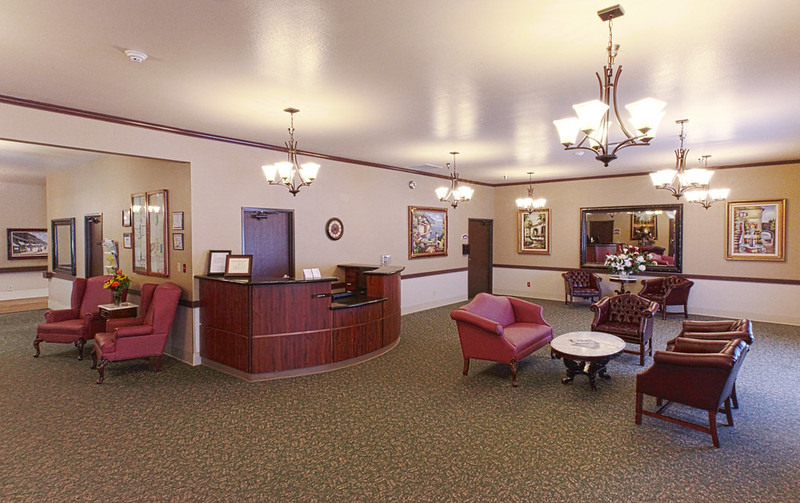
How is Pine Creek Staffed?

CMS rates PINE CREEK CARE CENTER's staffing level at 2 out of 5 stars, which is below average compared to other nursing homes. Staff turnover is 54%, compared to the California average of 46%. RN turnover specifically is 67%, which is notably high. RNs provide skilled clinical oversight, so turnover in this role can affect medical care quality.

What Have Inspectors Found at Pine Creek?

State health inspectors documented 25 deficiencies at PINE CREEK CARE CENTER during 2022 to 2025. These included: 25 with potential for harm.
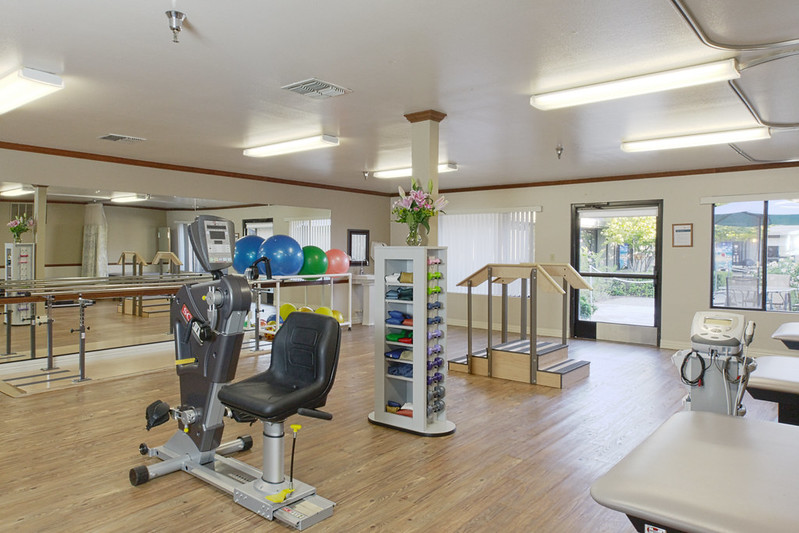
Who Owns and Operates Pine Creek?

PINE CREEK CARE CENTER is owned by a for-profit company. For-profit facilities operate as businesses with obligations to shareholders or private owners. The facility is operated by PACS GROUP, a chain that manages multiple nursing homes. With 99 certified beds and approximately 94 residents (about 95% occupancy), it is a smaller facility located in ROSEVILLE, California.
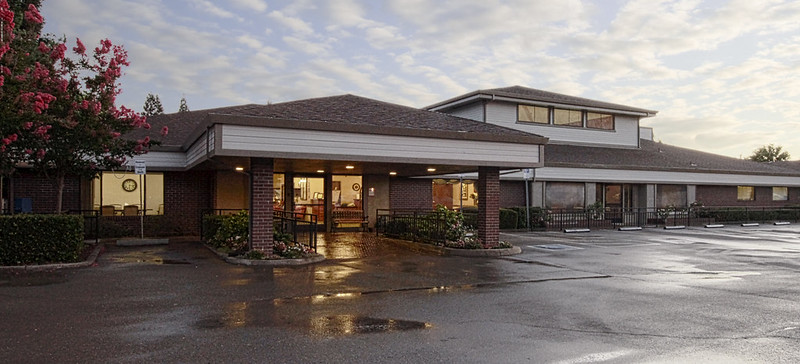
How Does Pine Creek Compare to Other California Nursing Homes?

Compared to the 100 nursing homes in California, PINE CREEK CARE CENTER's overall rating (5 stars) is above the state average of 3.2, staff turnover (54%) is near the state average of 46%, and health inspection rating (4 stars) is above the national benchmark.

What Should Families Ask When Visiting Pine Creek?

Based on this facility's data, families visiting should ask: "Can you walk me through typical staffing levels on day, evening, and night shifts?" "Can I visit during a mealtime to observe dining assistance and food quality?" "How do you handle medical emergencies, and what is your hospital transfer rate?" "Can I speak with family members of current residents about their experience?" These questions are particularly relevant given the below-average staffing rating.

Is Pine Creek Safe?

Based on CMS inspection data, PINE CREEK CARE CENTER has a clean safety record: no substantiated abuse findings (meaning no confirmed cases of resident harm), no Immediate Jeopardy citations (the most serious violation level indicating risk of serious injury or death), and is not on the Special Focus Facility watch list (a federal program monitoring the lowest-performing 1% of nursing homes). The facility has a 5-star overall rating and ranks #1 of 100 nursing homes in California. While no facility is perfect, families should still ask about staff-to-resident ratios and recent inspection results during their visit.

Do Nurses at Pine Creek Stick Around?

PINE CREEK CARE CENTER has a staff turnover rate of 54%, which is 8 percentage points above the California average of 46%. Moderate turnover is common in nursing homes, but families should still ask about staff tenure and how the facility maintains care continuity when employees leave.

Was Pine Creek Ever Fined?

PINE CREEK CARE CENTER has no federal fines on record. CMS issues fines when nursing homes fail to meet care standards or don't correct problems found during inspections. The absence of fines suggests the facility has either maintained compliance or corrected any issues before penalties were assessed. This is a positive indicator, though families should still review recent inspection reports for the full picture.

Is Pine Creek on Any Federal Watch List?

PINE CREEK CARE CENTER is not on any federal watch list. The most significant is the Special Focus Facility (SFF) program, which identifies the bottom 1% of nursing homes nationally based on persistent, serious quality problems. Not being on this list means the facility has avoided the pattern of deficiencies that triggers enhanced federal oversight. This is a positive indicator, though families should still review the facility's inspection history directly.