ROSEVILLE CARE CENTER
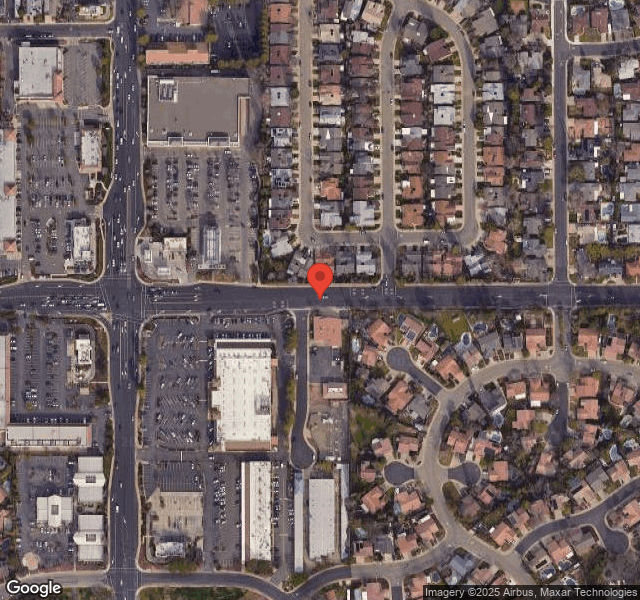
1161 CIRBY WAY, ROSEVILLE, CA 95661 (916) 782-1238
For profit - Limited Liability company 210 Beds PACS GROUP Data: November 2025
Trust Grade
58/100
#673 of 1155 in CA
Last Inspection: June 2025

Inspected within the last 6 months. Data reflects current conditions.

Overview

Roseville Care Center has a Trust Grade of C, meaning it is average and falls in the middle of nursing home rankings. It ranks #673 out of 1155 facilities in California, putting it in the bottom half, and #7 out of 10 in Placer County, indicating only a few local options are better. The facility is improving, with issues decreasing from 24 in 2024 to 17 in 2025. Staffing is average with a 39% turnover rate, which is close to the state average, and it has an average RN coverage. However, the center has faced some concerning incidents, such as failing to maintain proper dishwashing procedures that could lead to food contamination, and not keeping a log of resident grievances, which may violate their rights. While there are strengths, such as excellent quality measures, these weaknesses are important to consider for potential residents and their families.

Trust Score
C
58/100
In California
#673/1155
Bottom 42%
Safety Record
Low Risk
No red flags
Inspections
Getting Better
24 → 17 violations
Staff Stability
○ Average
39% turnover. Near California's 48% average. Typical for the industry.
Penalties
✓ Good
$9,750 in fines. Lower than most California facilities. Relatively clean record.
Skilled Nurses
⚠ Watch
Each resident gets only 25 minutes of Registered Nurse (RN) attention daily — below average for California. Fewer RN minutes means fewer trained eyes watching for problems.
Violations
⚠ Watch
50 deficiencies on record. Higher than average. Multiple issues found across inspections.
★★★☆☆
3.0
Overall Rating
★★★☆☆
3.0
Staff Levels
★★★★★
5.0
Care Quality
★★☆☆☆
2.0
Inspection Score
Stable
2024: 24 issues
2025: 17 issues

The Good

  • 5-Star Quality Measures · Strong clinical quality outcomes
  • Full Sprinkler Coverage · Fire safety systems throughout facility
  • No fines on record
  • Staff turnover below average (39%)

    9 points below California average of 48%

Facility shows strength in quality measures, fire safety.

The Bad

3-Star Overall Rating

Near California average (3.1)

Meets federal standards, typical of most facilities

Staff Turnover: 39%

Near California avg (46%)

Typical for the industry

Federal Fines: $9,750

Below median ($33,413)

Minor penalties assessed

Chain: PACS GROUP

Part of a multi-facility chain

Ask about local staffing decisions and management

The Ugly 50 deficiencies on record

Jul 2025 1 deficiency
CONCERN (D) 📢 Someone Reported This

A family member, employee, or ombudsman was alarmed enough to file a formal complaint

Potential for Harm - no one hurt, but risky conditions existed

Free from Abuse/Neglect (Tag F0600)

Could have caused harm · This affected 1 resident

Based on observation, interview, and record review the facility failed to provide supervision to protect two residents (Resident 1 and Resident 2) from abuse when Resident 1 and Resident 2 had a physi...

Read full inspector narrative →
Based on observation, interview, and record review the facility failed to provide supervision to protect two residents (Resident 1 and Resident 2) from abuse when Resident 1 and Resident 2 had a physical altercation. This failure had the potential to result in physical injury or emotional distress for both Resident 1 and Resident 2. Findings: A review of Resident 1's admission Record indicated Resident 1 was admitted to the facility in April 2024 with multiple diagnoses including dementia (a condition characterized by impairment of brain functions, including memory loss and judgment), diabetes (too much glucose in the blood), osteoarthritis (the flexible tissue at the end of the bones, cartilage, wears down causing pain and decreased mobility). A review of Resident 1's Minimum Data Set (MDS-federally mandated assessment tool), Cognitive Patterns, dated 4/29/25, indicated Resident 1 had a Brief Interview for Mental Status (BIMS-tool to assess cognition) score of 3 out of 15 that indicated Resident 1 had severe cognitive impairment. A review of Resident 1's MDS, Functional Abilities, dated 4/29/25, indicated Resident 1 used a wheelchair for mobility and had no impairment to upper and lower extremities. A review of Resident 1's Order Summary Report, indicated .Resident does not have the capacity to make her decisions . A review of Resident 1's Progress Notes, dated 7/8/25 at 12:59 p.m., indicated .At approx. [approximately] 1250 [12:50 p.m.] resident was on her wc [wheelchair] at the hallway by A-1 nurses station. This nurse observed resident and another resident hitting each other . [Resident 1] bump into [Resident 2] wc. [Resident 1] hit [Resident 2] by R [right] forearm, [Resident 2] hit her back hitting her to her L [left] forearm. This writer removed immediately [Resident 1] from the situation d/t [due to] resident confusion and orientation only to herself, apparently doesn't comprehend what is going on .This writer asked some questions regarding incident, but resident is unable to recall incident . A review of Resident 1's Progress Notes, dated 7/8/25 at 1:54 p.m., indicated .On 07/08/2025 at around 12:30 [p.m.], SS [Social Services] was notified by the DON [Director of Nursing] and nurse in charge that [Resident 1] and [Resident 2] were fighting in the A-1 hallway, both patient's were in a w/c. [Resident 1] hit the R arm of the victim first, victim hit back, they were both hitting each other's arms .Nurse in charge separated them, making sure they are both away from each other, both patient's refuse room change . A review of Resident 1's Progress Notes, dated 7/8/25 at 9:57 p.m., indicated .Per CNA [Certified Nursing Assistant], the resident around 1900 [7:00 p.m.] tried to hit resident [resident in a different room] but couldn't reach him, CNA moved this resident immediately away . A review of Resident 2's admission Record indicated Resident 2 was admitted to the facility in September 2012 with multiple diagnoses including hemiplegia (paralysis on one side of the body) and hemiparesis (weakness on one side of the body) following cerebrovascular disease (condition that impacts the blood flow to the brain), depressive disorder (mental health disorder characterized by depressed mood or loss of interest in activities), and epilepsy (seizure disorder). A review of Resident 2's MDS, Cognitive Patterns, dated 6/4/25, indicated Resident 2 had a BIMS score of 12 out of 15 that indicated Resident 2 had moderate cognitive impairment. A review of Resident 2's MDS, Functional Abilities, dated 6/4/25, indicated Resident 2 used a wheelchair for mobility and had no impairment to upper and lower extremities. A review of Resident 2's Order Summary Report indicated .Resident has capacity to make his/her decisions . A review of Resident 2's Progress Notes, dated 7/8/25 at 1:23 p.m., indicated .At approx. 1250 [12:50 p.m.] resident was on his wc at the hallway by A-! nurses station. This nurse observed resident and another resident hitting each other . [Resident 1] bump into [Resident 2] wc. [Resident 1] hit [Resident 2] first hitting him to R forearm, [Resident 2] hit her back, hitting to her left forearm . This writer asked resident what happened, resident stated I wanted to go outside to smoke, and she was on the way, blocking the hallway, she hit me first . During a joint interview on 7/9/25 at 1:19 p.m. with the Administrator (ADM) and the Director of Nursing (DON), the DON stated she was present during the incident between Resident 1 and Resident 2 on 7/8/25 in hallway A. The DON stated both residents were in their wheelchairs near the nursing station. The DON stated Resident 1 accidentally hit Resident 2's wheelchair when she was trying to pass by Resident 2. The DON stated Resident 1 hit Resident 2 on the arm and Resident 2 hit her back. The DON stated when she asked Resident 1 about the incident, Resident 1 stated she did not remember. The DON stated that Resident 2 stated, If someone is hitting me, will hit back. That's how it's done if you grew up on the streets. During an interview on 7/9/25 at 2:08 p.m. with the Social Services Director (SSD), the SSD stated Resident 1 and Resident 2 were side by side in the hallway when the incident occurred. The SSD stated Resident 2 does not like to be touched and wants his own space. The SSD stated Resident 1 hit Resident 2 on the arm and then both residents started throwing their arms at each other. During an interview on 7/9/25 at 2:45 p.m. with Licensed Nurse (LN) 1, LN 1 stated she was sitting at the nurse's station on 7/8/25 when incident occurred between Resident 1 and Resident 2. LN 1 stated Resident 1 and Resident 2 were in their wheelchairs beside each other when Resident 2 tried to pass by Resident 1 and bumped into Resident 1's wheelchair. LN 1 stated Resident 1 hit Resident 2 on the forearm and Resident 2 hit Resident 1 back and each resident hit back two to three times. LN 1 moved Resident 1 back to her room and asked her what happened. LN 1 stated Resident 1 did not know what happened. LN 1 stated she asked Resident 2 what happened, and he replied, She hit me first. She did it first, so I have to do something. LN 1 stated Resident 1 can be aggressive and tried to hit someone else that same evening. LN 1 stated Resident 1 has been physically aggressive towards staff and has hit and kicked staff. LN 1 stated Resident 2 had her Ativan (medication to treat anxiety) dose increased yesterday after second incident of trying to hit someone because the prior dose was not working. During an interview on 7/9/25 at 2:54 p.m. with CNA 1, CNA 1 stated Resident 1 can be resistive to care and will strike out at staff. CNA 1 stated Resident 2 sometimes gets angry, but CNA 1 was not aware of any physical aggression. During an interview on 7/9/25 at 3:00 p.m. with Resident 1, Resident 1 stated she did not recall any incident with Resident 2 or any other resident. When asked if anyone had hit her, Resident 1 stated she did not remember. During an interview on 7/9/25 at 3:08 p.m. with Resident 2, Resident stated he recalled incident with Resident 2 on 7/8/25. Resident 2 stated he was in his wheelchair and was trying to squeeze by Resident 1 in the hallway and Resident 1 moved her wheelchair and banged into him. Resident stated he quietly asked Resident 1, Do you understand why you shouldn't sit at the intersection where there are too many people. Resident 2 stated Resident 1 yelled No and started hitting him with both her arms. When asked if he hit back, Resident 2 stated, [Expletive] right. World I grew up in, if someone hits you, you have the perfect right to hit him back. If she is a mental case this place should not have her here. [Expletive] right I hit her back. Had no choice, then I hit her twice back. Staff finally woke up and moved her away from me which is what I was trying to do anyway. Hit back a couple of times and was done with the crazy .Wanted to go on with the rest of my day. Resident 2 stated he has not had any incidents with any other residents, only her mental case, an active menace. A review of the facility's Policy and Procedure (P&P) titled Abuse Prevention Program, revised 12/16, indicated .Our residents have the right to be free from abuse .This incudes but is not limited to freedom from .physical abuse .As part of the resident abuse prevention, the administration will: .Protect our residents from abuse by anyone including .other residents .Identify and assess all possible incidents of abuse .Protect residents during abuse investigations . A review of the facility's P&P titled Resident-to-Resident Altercations, revised 10/17, indicated .All altercations, including those that may represent resident-to-resident abuse, shall be investigated .Facility staff will monitor residents for aggressive/ inappropriate behavior towards other residents .or to the staff .If two residents are involved in an altercation, staff will .Identify what happened, including what might have led to aggressive conduct on the part of one or more of the individuals involved in the altercation .Review the events with the Nursing Supervisor and Director of Nursing and possible measures to try and prevent additional incidents .
Jun 2025 15 deficiencies
CONCERN (D)

Potential for Harm - no one hurt, but risky conditions existed

Deficiency F0605 (Tag F0605)

Could have caused harm · This affected 1 resident

Based on interview and record review the facility failed to ensure that two of 52 sampled residents (Resident 82 and Resident 9) were free from unnecessary drugs including chemical restraints when med...

Read full inspector narrative →
Based on interview and record review the facility failed to ensure that two of 52 sampled residents (Resident 82 and Resident 9) were free from unnecessary drugs including chemical restraints when medications were administered without specific target behaviors and diagnoses to support indication for use of these drugs. This failure resulted in the administration of medications without adequate indication for use. Findings: 1a. During a review of Resident 82's clinical record, the record indicated Resident 82 was admitted in late 2022 with multiple diagnoses including bipolar disorder (a mental condition manifested by extreme mood swings) and anxiety disorder (a mental condition manifested by worry, fear, or nervousness that is excessive, persistent, and interferes with daily life). A review of Resident 82's Minimum Data Set (MDS- a federally mandated assessment tool), Cognitive Patterns, dated 3/21/25, indicated Resident 82 had a Brief Interview for Mental Status (BIMS- tool to assess cognition) score of 10 out of 15 that indicated Resident 82 had moderately impaired cognition. During a review of Resident 82's physician's order dated 2/19/25, the order indicated, . ARIPiprazole Oral Tablet 10 MG (mg- milligram, a unit of measurement) Give 1 tablet by mouth at bedtime for Bipolar disorder M/B [sic. Manifested by] impulsive behaviors . During a review of Resident 82's physician orders dated 2/19/25, the order indicated, . Olanzapine Oral Tablet 5 MG Give 1 tablet by mouth at bedtime for bipolar disorder M/B [sic. manifested by] manic phases . During a review of the facility's Medication Regimen Review (MRR) for Resident 82, the record indicated, .Please clarify the indication for aripiprazole & olanzapine .it was being used for bipolar disorder. Antipsychotics are not typically used for depression, especially when the manifestation is manic phases . During a concurrent interview and record review on 6/27/25 at 3:13 p.m. with Director of Nursing (DON) and Assistant Director of Nursing 1 (ADON 1) of Resident 82's clinical record, the DON and ADON 1 confirmed Resident 82's MRR was reviewed by the physician and facility. ADON 1 reviewed symptoms experienced by Resident 82. ADON 1 and DON further acknowledged the resident order needed specific behaviors to monitor the resident accurately. 1b. During a review of Resident 9's clinical record, the record indicated Resident 9 was admitted in late 2024 with multiple diagnoses including Dementia (a decline in mental ability severe enough to interfere with daily life with symptoms including difficulty thinking and memory loss). A review of Resident 9's Minimum Data Set (MDS- a federally mandated assessment tool), Cognitive Patterns, dated 5/31/25, indicated Resident 9 had a Brief Interview for Mental Status (BIMS- tool to assess cognition) score of 12 out of 15 that indicated Resident 9 had moderately impaired cognition. During a review of Resident 9's physician orders, dated 12/12/2024 the order indicated, . Depakote Tablet Delayed Release 500 MG (milligram- a unit of measurement) . Give 1 tablet by mouth in the evening for behaviors m/b [sic. Manifested by] dementia . During a review of the facility Medication Regimen review (MRR) dated 6/1/25 through 6/9/25 indicated, . The resident has an order for Depakote for behaviors m/b dementia. This is not a sufficient indication of manifestation for use of Depakote . During a review of the facilities (MRR) dated 6/1/2025 and 6/9/2025, the MRR indicated that, .The resident has an order for Depakote for behaviors m/b dementia. This is not a sufficient indication or manifestation for the use of Depakote During a concurrent interview and record review on 6/27/25 at 3:13 p.m. with DON and ADON 1 of Resident 9's clinical record, ADON 1 confirmed the order and MRR was reviewed by the physician and facility clinical staff. ADON 1 further acknowledged the recommendation from the MRR for Resident 9's Depakote order manifested by Dementia and stated the order needed to have specific target behaviors. ADON 1 further stated the recommendation was missed due to Resident 9 being in the hospital. ADON 1 further stated when Resident 9 was out in the hospital, the orders were put on hold. ADON acknowledged that she missed this pharmacy recommendation to update the order with behaviors despite physician having reviewed it. During a review of facility policy and procedure (P&P) titled, Psychotropic Medication Use, dated October 2024, the P&P indicated, . The physician/Nurse Practitioner will identify, evaluate, and document, with input from other disciplines as needed, symptoms that may warrant the use of psychotropic medications .
CONCERN (D)

Potential for Harm - no one hurt, but risky conditions existed

Assessment Accuracy (Tag F0641)

Could have caused harm · This affected 1 resident

**NOTE- TERMS IN BRACKETS HAVE BEEN EDITED TO PROTECT CONFIDENTIALITY** Based on interview and record review, the facility failed to ensure accurate assessments were completed for two of 52 sampled re...

Read full inspector narrative →
**NOTE- TERMS IN BRACKETS HAVE BEEN EDITED TO PROTECT CONFIDENTIALITY** Based on interview and record review, the facility failed to ensure accurate assessments were completed for two of 52 sampled residents (Resident 170 and Resident 176) when: 1. Resident 170's Minimum Data Set (MDS- a federally mandated resident assessment tool) did not indicate the correct number of pressure ulcer or pressure injury (PU or PI) present on admission; and, 2. Resident 176's MDS did not reflect the resident's status at the time of discharge from the facility. These failures increased the potential for Resident 170 not to receive consistent care and for Resident 176 not to receive referral for necessary services in the community. Findings: 1. A review of the admission Record indicated Resident 170 was admitted early part of June 2025 with diagnoses including rhabdomyolysis (breakdown of muscle tissue) and unstageable pressure ulcer (or pressure injury [PI], base of wound covered by a layer of dead tissue that may be yellow, brown or black and stage is unclear) of other site. A review of Resident 170's admission MDS dated [DATE] indicated Resident 170 had five (5) unstageable pressure ulcers and four (4) of these pressure ulcers were present on admission. In an interview on 6/25/25 at 11:54 a.m., the Treatment Nurse 1 (TN 1) stated Resident 170 was admitted with five (5) PI. The TN 1 further stated Resident 170 had no new PI since admission. In an interview on 6/26/25 at 9:16 a.m., the MDS Assistant Coordinator 1 (MDSA 1) stated when she did the admission Assessment for Resident 170, she did not verify the number of PI from the TN 1. A concurrent interview and record review was conducted on 6/26/25 at 9:23 a.m. with the MDS Coordinator (MDSC). The MDCS confirmed Resident 170's MDS assessment dated [DATE] did not indicate the correct number of PI present on admission. The MDSC stated all information in the MDS should be accurate for resident to receive consistent care. In an interview on 6/27/25 at 12:06 p.m., the Director of Nursing (DON) stated her expectation was for the licensed staff doing the assessments to be careful with entering information for the accuracy of MDS Assessments. A review of the facility's policy & procedure revised October 2024 and titled, Resident Assessments indicated, .The resident assessment coordinator is responsible for ensuring that the interdisciplinary team conducts timely and appropriate resident assessments . Assessments are completed by staff members who are knowledgeable about the resident's needs .Persons who have completed any portion of the MDS resident assessment form must sign the document attesting to the accuracy of such information. 2. A review of the admission Record indicated Resident 176 was admitted early May 2025 after hospitalization for hip surgery from a fall at home. Resident 176 was admitted for rehabilitation and physical therapy. The goal was to discharge home with Home Health Physical Therapy. Resident 176 was discharged home on 6/1/25. A review of Resident 176's closed record reflected, Nurse's Notes dated 6/1/25 that indicated, Discharge papers reviewed by nurse in charge and resident 176 nurse explained all medication and all discharge summary. Resident 176 agree and all discharge papers signed by resident. Left the facility with improved condition via wheelchair with Resident 176 family member .Discharge to home. Record review of resident 176's MDS section A dated 6/1/25 indicated, a discharge status of 04. Short Term General Hospital (acute hospital). In an interview and concurrent record review with MDSA 1 on 6/25/25 at 3:15 p.m., MDSA 1 reviewed Resident 176's records and confirmed the resident was discharged home on 6/1/25. MDSA 1 further reviewed Resident 176's MDS section 04 and confirmed it was an incorrect discharge status. MDSA 1 stated Resident 176 did not discharge to Acute Care facility. She also stated that inaccurate documentation can affect CMS (Centers for Medicare and Medicaid) documentation and data. A review of the facility's policy & procedure revised October 2024 and titled, Resident Assessments indicated, .The resident assessment coordinator is responsible for ensuring that the interdisciplinary team conducts timely and appropriate resident assessments . Assessments are completed by staff members who are knowledgeable about the resident's needs .Persons who have completed any portion of the MDS resident assessment form must sign the document attesting to the accuracy of such information.
CONCERN (D)

Potential for Harm - no one hurt, but risky conditions existed

Quality of Care (Tag F0684)

Could have caused harm · This affected 1 resident

**NOTE- TERMS IN BRACKETS HAVE BEEN EDITED TO PROTECT CONFIDENTIALITY** Based on observation, interview and record review, the facility failed to protect one of 52 sampled residents (Resident 160) fro...

Read full inspector narrative →
**NOTE- TERMS IN BRACKETS HAVE BEEN EDITED TO PROTECT CONFIDENTIALITY** Based on observation, interview and record review, the facility failed to protect one of 52 sampled residents (Resident 160) from further injury when they did not implement specified interventions from the care plan to prevent skin tears. This failure resulted in Resident 160 sustaining additional skin tears to her left leg. Findings: A review of Resident 160's admission record indicated she was admitted on [DATE] after a syncopal episode with a ground level fall resulting in a left femur (thigh bone) and left humerus (upper arm bone) fractures. A review of Resident 160's change of condition (COC) note, dated 6/7/25, indicated Resident 160 had sustained a new skin tear to left lower leg during a wheelchair transfer with a Certified Nursing Assistant (CNA). A review of Resident 160's Potential for Skin Tears care plan, initiated on 6/7/25, indicated interventions to prevent skin tears were to keep her nails trimmed and short, pad the wheelchair arms and legs, wear protective sleeves, use a pressure relief mattress, bunny boots, and caution during transfers. A review of Resident 160's COC note, dated 6/22/25, indicated a new skin tear to left knee when transferring from bed to wheelchair. During an observation on 6/24/25 with Resident 160 at 4:15 p.m, a large skin tear was noted to her left knee and there was another healing skin tear to her left lower leg. During an observation on 6/26/25 with Resident 160 at 1:45pm, Resident 160 was seen lying in bed, with no sleeves on, nails were very long and unkept, and her wheelchair arms and legs were not padded. During a concurrent observation and interview on 6/26/25 at 3:35 p.m with Licensed Nurse 2 (LN2), LN 2 stated, No, I do not see any padding on the wheelchair, she does not have sleeves on, and her nails are very long and need attention. During an interview on 6/27/25 with the Assistant Director of Nursing 2 (ADON 2) at 1:24 p.m, the ADON 2 stated, If there are interventions on the care plan it is the responsibility of both the CNA's and the LN's to ensure they are being completed. If the resident had orders for short, trimmed nails, sleeves and padding to wheelchair arms and legs to prevent skin tears then it should have been implemented. A review of the facility's policy and procedure titled Care Plans, Comprehensive dated 10/2024 at number (5) section (a) indicated that, the comprehensive care plan will describe the services that are to be furnished to attain or maintain the resident's highest practicable physical, mental, and psychosocial well-being.
CONCERN (D)

Potential for Harm - no one hurt, but risky conditions existed

Incontinence Care (Tag F0690)

Could have caused harm · This affected 1 resident

Based on observation, interview, and record review, the facility failed to provide services that met professional standards of quality for one of 52 sampled residents (Resident 731), when the facility...

Read full inspector narrative →
Based on observation, interview, and record review, the facility failed to provide services that met professional standards of quality for one of 52 sampled residents (Resident 731), when the facility did not follow a physician order for straight catheterization (a thin, flexible tube is inserted into the urethra to drain urine and removed immediately) when the resident complained of inability to urinate and inserted a Foley catheter (a flexible plastic tube inserted into the bladder) to provide continuous urinary drainage. This failure had the potential to result in urinary tract infection. Findings: A review of the admission Record indicated Resident 731 was admitted to the facility in June 2025 with multiple diagnoses which included aftercare following joint replacement surgery and retention of urine (inability to urinate). A review of the physician order for Resident 731, dated 6/21/25, indicated,If patient is unable to urinate after 6 hours, bladder scan [a portable medical device to measure how much urine the bladder has]. If bladder scan and RV [residual volume] greater than 450 [milliliters, ml, a unit of measurement], straight cath [catheterize] as needed. During an observation and interview with Resident 731 on 6/24/25, at 12:48 p.m., the resident was sitting upright in his bed dressed in hospital gown. An indwelling catheter in dark privacy bag was attached to the frame of the bed. The resident was awake, alert and oriented. Resident 731 explained that he was admitted to facility without Foley catheter. Resident 731 stated he was not able to urinate for the entire night and added, My bladder was full .hurt like hell. A review of Resident 731's clinical records failed to reveal a physician order for Foley catheter and there was no order for catheter care. There was no documented date and time when the catheter was inserted. Resident 731's record had no care plan initiated to address Foley catheter. A review of nursing progress notes dated 6/24/25, at 3:28 p.m., indicated, .daughter came and complain [sic] about Foley catheter she stated she did not want Foley if my dad is retaining do straight cath [catheterization] this writer explain [sic] patient retained a lot last night and complain [sic] for pain and tenderness .this writer handed a communication note to PA [physician assistant] about family concern and waiting for orders. During a concurrent interview and record review with Licensed Nurse (LN 6) on 6/26/25, at 9:40 a.m., LN 6 acknowledged that there was no physician order for Foley catheter insertion. During an interview on 6/26/25, at 2:35 p.m., the Director of Nursing (DON) stated the nursing staff did not follow physician's order for straight catheterization and inserted Foley catheter instead. The DON confirmed that Resident 731 did not have a physician order for Foley catheter insertion. A review of facility's 'Physician Orders' policy dated 10/24, indicated, Prescribed medication and treatment orders will be carried out in accordance with the physician/nurse practitioner order .Phone or written orders must be recorded in the resident's chart by the person receiving the order and must include the prescriber's last name, credentials, the date, and the time of the order.
CONCERN (D)

Potential for Harm - no one hurt, but risky conditions existed

Deficiency F0692 (Tag F0692)

Could have caused harm · This affected 1 resident

**NOTE- TERMS IN BRACKETS HAVE BEEN EDITED TO PROTECT CONFIDENTIALITY** Findings: A review of Resident 732's admission Record indicated the facility admitted the resident recently after hospitalizatio...

Read full inspector narrative →
**NOTE- TERMS IN BRACKETS HAVE BEEN EDITED TO PROTECT CONFIDENTIALITY** Findings: A review of Resident 732's admission Record indicated the facility admitted the resident recently after hospitalization for lung infection. Resident 732's multiple diagnoses included muscle weakness and unsteadiness on feet. A review of the 'Order Summary Report' contained a physician's order dated 6/8/25 indicating that Resident 732 had capacity to make healthcare decisions. A review of Resident 732's care plan titled Malnutrition: Resident is at risk for malnutritioninitiated on 6/8/25, indicated resident's goal was to maintain adequate nutritional status as evidenced by stable weight. The care plan interventions indicated, Assist with meals/fluids as needed, encourage adequate nutrition and hydration, encourage position [sic] of choice of meals. The care plan did not contain resident's food preferences, weight monitoring, and was not updated with new interventions addressing Resident 732's weight loss. A review of Resident 732's clinical records contained a Nutritional Risk Assessment dated 6/13/25. The assessment included resident's height and weight and laboratory results, and did not indicate the resident's weight goal and if the resident desired to loose weight. During an observation and interview on 6/25/25, at 11:36 a.m., Resident 732 was observed laying in her bed. Resident 732 was alert and answered all questions appropriately. When the resident was asked if she had any concerns, the resident replied, Food sucks, not appetizing, not tasteful, I eat because I need to eat. During continued interview Resident 732 stated nobody asked her about her food preferences, likes and dislikes and nobody explained about menus choices and the alternatives. The resident added, Alternatives - no varieties, only peanut butter jelly sandwiches. Whenever I ask, they offer peanut butter jelly sandwich. Resident 732 stated she had lost some weight since admission to facility and had not have anyone from dietary to come and discuss her weight loss. A review of the clinical record indicated Resident 732 weighed 171 pounds upon admission and currently weighed 164 pounds, a 7 pounds weight loss in 17 days. Resident 732's 'Weights and Vitals Summary' indicated the resident was progressively loosing weight. A review of Resident 732's clinical record contained no documented evidence the facility addressed the resident's weight loss and communicated the weight loss to RD or physician. During an observation on 6/25/25, at approximately 12:20 p.m., Resident 732 was sitting in bed with lunch meal tray in front of her. Resident 732 consumed less than 50% of her meal and stated she did not like the food. Resident 732 stated she did not ask for alternate food and added, No point, they will offer peanut butter jelly sandwich. During an interview on 6/26/25, at 1:54 p.m., Certified Nursing Assistant (CNA 3) stated Resident 732 was eating independently. CNA 3 was asked what was the process if the resident did not like their food. CNA 3 explained, Resident can check the menu and if something that they don't like, they can ask to substitute. CNA 3 stated that kitchen staff distributed menus upon resident's admission and the facility had menus posted in each nursing stations where residents could see what food will be served. CNA 3 added that if resident was unable to see the menu at the nursing station, they could ask and the staff will bring the menu to them. CNA 3 stated she could not recall if she offered Resident 732 menu or alternate meals and if Resident 732 asked for menu. During a concurrent interview and records review with RD on 6/27/25, at 9:38 a.m., the RD stated she reviewed residents' clinical records and if noted any concerns with weight loss or if resident was not eating adequately to meet their nutritional needs, she would re-assess the resident, identify the reason for weight loss, and if needed update food preferences. Upon a review of Resident 732's records, the RD acknowledged that resident's record did not contain food preferences, likes and dislikes. The RD confirmed that Resident 732 had lost 7 pounds in less than 3 weeks. The RD acknowledged that on 6/13/25 and 6/17/25 Resident 732 experienced 3 pounds weight loss within 24 hours, and had lost 2 pounds within 24 hours on other occasions. The RD stated she was not aware of the resident's weight loss and was not able to find any documentation that the facility addressed Resident 732's weight loss. The RD stated the facility conducted weekly weight variance Interdisciplinary Team Meetings (IDT - a group of professionals all working collaboratively toward a common goal), where they discussed resident's weight loss and recommended interventions. The RD stated Resident 732's weight loss was not addressed at any of the IDT meetings. A review of the facility policy titled, Weight Assessment and Intervention, dated 2023, indicated, The multidisciplinary team will strive to decrease the risk, monitor, and intervene for undesirable weight loss for our residents .Care planning for weight loss or impaired nutrition will be a multidisciplinary effort .Interventions for undesirable weight loss shall be based on careful consideration of .resident choice and preferences .Interventions for undesired weight .loss should be considered preferences and rights. During and interview and record review with Director of Nursing (DON) on 6/27/25, 10:35 a.m., the DON reviewed Resident 732's clinical record and acknowledged that the resident had a weight loss of 7 pounds since admission to the facility. The DON explained, Normally the physician gives us a guidance to notify him/her if weight loss out of parameters. The DON was unable to find any physician notes addressing Resident 732's weight loss. The DON added, We bring resident's weight loss in weekly IDT weight meetings. When we see a trend of continuous weight loss, we bring to IDT. The DON validated that Resident 732's weight loss was not addressed during 6/25/25 IDT meeting. Based on observation, interview, and record review, the facility failed to recognize, evaluate, and address nutritional needs for two of 52 sampled residents (Resident 147 and Resident 732) who had progressive weight loss. This failure resulted in Resident 732 losing seven (7) pounds (lbs) in less than three weeks and Resident 147 losing 17 lbs since admission (approximately 8 weeks) jeopardizing the health status of both residents. Findings: A review of Resident 147's medical record indicated Resident 147 was admitted to the facility in March of 2025 with diagnoses of Fusion of Spine (a surgical procedure to stabilize the spine), Protein-Calorie Malnutrition and Anemia (a condition of not having enough healthy red blood cells). Resident 147's Minimum Data Set (MDS, a federally mandated resident assessment tool) indicated Resident 147 had moderate cognitive impairment. During a medical record review on 6/25/25, Resident 147's weights were as follows: 3/28/25 weight 132 lbs 3/30/25 weight 131 lbs 4/07/25 weight 128 lbs 4/08/25 weight 127 lbs 5/08/25 weight 113 lbs 5/25/25 weight 115 lbs During a record review of Resident 147's medical record, there were no noted records of weight documented after 5/25/25. The medical records revealed in Resident 147's weight and height record, dated 5/25/25, indicated resident measured 70 inches tall (5 feet and 10 inches) and weighed 115 lbs. Resident 147 had a 14 lb weight loss during the time frame of 4/8/25 to 5/8/25. As of 5/25/25, Resident 147 had a 17 lb weight loss since his admission on [DATE]. During an observation and interview on 6/24/25 at 1:37 p.m. with Resident 147, Resident 147 appeared emaciated (abnormally thin or weak, especially because of illness or lack of food). Resident 147 stated he had concerns with his weight loss. Resident 147 stated, . lost 20 pounds . I was 140 . now 120 pounds . During an interview on 6/26/25 at 12:30 p.m. with the Director of Nursing (DON), the DON stated, [Registered] Dietician (RD) will review all weights monthly or weekly .the dietician will look at all the weights and find out what is significant, that would trigger an IDT [Interdisciplinary Team]. The DON acknowledged that an 11% weight loss is considered a significant weight loss. When the DON was asked about her expectations, the DON stated, . expectation is to follow Title 22 and P&P . in IDT we come up with interventions that we proposed to MD [Medical Doctor]. The DON stated that if the interventions proposed by the IDT were ineffective, the IDT would bring the residents back to IDT to implement new interventions and update the care plan. The DON further stated that a resident with an 11% weight loss in a month would need more frequent weights in a month to ensure that the interventions were working. During an interview on 6/26/25 at 1:00 p.m. with Licensed Nurse 3 (LN 3) when asked about treatment for residents with weight loss, LN 3 stated that, If significant weight loss, it'll pop up on eMAR [electronic medical administration record] like a regular order .it will say notify MD if patient is losing weight, we would write a note to the MD with before and after weight .the MD would order a boost, ensure or MedPass or sometimes both .as a LN we could notify the MD if we see the supplement is not helping to improve weight gain. During a concurrent record review and interview on 6/27/25 at 1:17 p.m. with LN 4, LN 4 was unable to locate a nurse's assessment of a change of condition for Resident 147 after the weight measured on 5/25/25. Furthermore, LN 4 was unable to locate a weekly nurses note that addressed Resident 147 having significant weight loss as of 5/25/25. LN 4 was also unable to locate a document that indicated that the doctor was notified of Resident 147's significant weight loss. During a concurrent medical record review and interview on 6/26/25 1:42 p.m. with the RD, the RD noted the IDT documentation dated 5/29/25 at 12:25 p.m. titled, IDT NOTE showed, RD: Weight 5/25 115# [pounds] BMI 16.5 (underweight/cachexic [a general state of health involving great weight loss and muscle loss]). -17# or -12.9% wt loss within 2 months, addressed in weight change note on 5/8 and IDT - weight variance assessment on 4/30 . No dietary issues/interventions at this time. RD to follow up as needed. RD further acknowledged that Resident 147 had a significant weight loss of 11% in one month and stated, . he should have been on weekly weights . RD acknowledged that they failed to place Resident 147 on weekly weights after IDT and that there were no weights recorded after 5/25/25. RD acknowledged that this failure could have resulted in harm to Resident 147. A review of the facility's Policy and Procedure (P&P) titled, Weight Assessment and Intervention revised 2023, the P&P indicated, The multidisciplinary team will strive to decrease the risk, monitor and intervene for undesirable weight loss for our residents.
CONCERN (D)

Potential for Harm - no one hurt, but risky conditions existed

Tube Feeding (Tag F0693)

Could have caused harm · This affected 1 resident

**NOTE- TERMS IN BRACKETS HAVE BEEN EDITED TO PROTECT CONFIDENTIALITY** Based on observation, interview, and record review, the facility failed to ensure safety for one of 52 sampled residents (Reside...

Read full inspector narrative →
**NOTE- TERMS IN BRACKETS HAVE BEEN EDITED TO PROTECT CONFIDENTIALITY** Based on observation, interview, and record review, the facility failed to ensure safety for one of 52 sampled residents (Resident 100) with gastrostomy tube (G-tube, a surgical opening fitted with a device to allow feedings to be administered directly to the stomach common for people with swallowing problems) when the facility did not follow the physician's order to keep Resident 100's head of bed (HOB) elevated at 30 degrees during tube feeding. This failure increased the risk for Resident 100 to experience aspiration (inhaling liquid, vomit or saliva) and develop pneumonia or lung infection. Findings: A review of the admission Record indicated Resident 100 was readmitted [DATE] with diagnoses including dysphagia (difficulty swallowing) and paralytic syndrome (loss of muscle function). A review of Resident 100's care plan revised 1/13/25 indicated resident requires tube feeding related to swallowing problem. The goal of care was for resident to be free of aspiration. The interventions included, The resident needs HOB elevated 45 degrees during and thirty minutes after tube feeding. A review of Resident 100's physician order dated 4/23/25 indicated Enteral [use of feeding tube]- Elevate HOB 30-45 Degrees At all Times During Feedings & for 30 Minutes Post-Administration Of Feedings. A review of Resident 100's Physician History and Physical (H & P) dated 4/25/25 indicated Resident 100 was treated with a course of antibiotics for aspiration pneumonia and he was discharged with nothing by mouth (NPO) order. A concurrent observation and interview was conducted on 6/26/25 at 12:15 p.m. inside Resident 100's room. Resident was lying in bed with continuous G-tube feeding and HOB was less than 30 degrees. Resident 100 stated the G-tube was inserted in the hospital when he was not able to swallow. In an interview on 6/26/25 at 12:20 p.m., Licensed Nurse 3 (LN 3) stated Resident 100's HOB should be 30 degrees or higher because he had a feeding tube. In a subsequent observation and interview on 6/26/25 at 12:22 p.m. with LN 3, LN 3 stated Resident 100's HOB was not 30 degrees. LN 3 further stated Resident 100's HOB was elevated around 15 to 20 degrees. LN 3 added Resident 100 was not able to adjust the HOB since he was paralyzed from neck down. In a follow up interview on 6/26/25 at 12:26 p.m., LN 3 stated she saw Resident 100 around 9:30 a.m. and HOB was at 45 degrees. LN 3 further stated Resident 100 can aspirate if HOB was not elevated to 45 degrees. A concurrent interview and record review was conducted on 6/26/25 at 1:42 p.m., with the Director of Nursing (DON) and Assistant Director of Nursing 1 (ADON 1). The DON stated Resident 100 was transferred to the hospital on [DATE] due to a change in condition and he came back on 1/10/25 with a G-tube. The ADON 1 stated Resident 100 was transferred to the hospital on 4/11/25 due to shortness of breath and resident was readmitted with diagnosis of silent aspiration pneumonia. In a follow up interview on 6/27/25 at 12:09 p.m., the DON stated her expectation was for the Certified Nursing Assistant to notify licensed nurse (LN) when a resident refused to be positioned per physician's order, the LN will document the refusal and inform the physician. The DON further stated the order to elevate the HOB from 30 to 45 degrees was to prevent aspiration. A review of the facility's policy & procedure (P & P) revised September 2024 and titled Enteral Feedings- Safety Precautions indicated the purpose of the P & P, To ensure the safe administration of enteral nutrition .Preventing aspiration .Elevate the head of bed (HOB) at least 30 [degrees] during tube feeding and at least 30 minutes after feeding.
CONCERN (D)

Potential for Harm - no one hurt, but risky conditions existed

Respiratory Care (Tag F0695)

Could have caused harm · This affected 1 resident

Based on observation, interview, and record review, the facility failed to ensure one of 52 sampled residents (Resident 82) was provided with respiratory care when Resident 82 was not provided with a ...

Read full inspector narrative →
Based on observation, interview, and record review, the facility failed to ensure one of 52 sampled residents (Resident 82) was provided with respiratory care when Resident 82 was not provided with a functioning continuous positive airway pressure (CPAP, a breathing machine designed to increase air pressure, keeping the airway open when the person breaths in) machine. This failure had the potential to result in Resident 82 experiencing respiratory distress. Findings: During a review of Resident 82's clinical record, the record indicated Resident 82 was admitted in late 2022 with multiple diagnoses including sleep apnea (a sleep disorder where the individual stops breathing for short periods when sleeping) and obstructive sleep apnea (a sleep disorder where the throat muscles relax and block the airway). A review of Resident 82's Minimum Data Set (MDS- a federally mandated assessment tool), Cognitive Patterns, dated 3/21/2025, indicated Resident 82 had a Brief Interview for Mental Status (BIMS- tool to assess cognition) score of 10 out of 15 that indicated Resident 82 had moderately impaired cognition. During a concurrent observation and interview on 6/26/25 at 10:31 a.m. with Resident 82, Resident 82 stated she has not had a CPAP machine in her room in over 2 months, no oxygen concentrator was observed in Resident 82's room. Resident 82 stated the facility was aware her CPAP was broken and had not been replaced. Resident 82 stated it was hard for her to breathe at night and without her machine she had trouble sleeping. A review of Resident 82's progress note dated 4/10/25, indicated . order from PA, as follows . Order CPAP (QHS [at bedtime]) for replacement . Facility could not provide copy of original order on 6/27/25 at 4:32 p.m. Emailed facility on 7/1/25 requesting missing documentation and were not received. During a concurrent observation and interview on 6/26/25 at 12:58 p.m. with Certified Nurse Assistant 2 (CNA 2), CNA 2 confirmed there was not a working CPAP machine in Resident 82's room. During a concurrent interview and record review on 6/26/25 at 1 p.m. with Licensed Nurse 5 (LN 5), LN 5 confirmed Resident 82 had no functional CPAP machine for a period greater than 2 months. LN 5 further confirmed a physician order dated 4/10/25 for CPAP replacement. LN 5 reviewed electronic medication administration record and confirmed entries from 4/10/25 through 6/21/25 of CPAP being broken and having missing parts. LN 5 further confirmed it could be harmful for Resident 82 to not have their machine and could experience respiratory distress during sleep hours. LN 5 confirmed there were no specific interventions ordered to monitor Resident 82 during sleep hours while waiting for the CPAP replacement machine to arrive. During an interview on 6/27/25 at 10:18 a.m. with Director of Nursing (DON), the DON confirmed that the facility and provider were aware that Resident 82's CPAP has been broken since April 2025. During a review of the facility's policy and procedure (P&P), titled Assistive Devices and Equipment, dated October 2024, the P&P indicated, . devices and equipment will be maintained . Defective or worn devices will be discarded or repaired .
CONCERN (D)

Potential for Harm - no one hurt, but risky conditions existed

Deficiency F0697 (Tag F0697)

Could have caused harm · This affected 1 resident

Based on observation, interview, and record review, the facility failed to ensure pain management was provided consistent with professional standards of practice for one of 52 residents (Resident 15) ...

Read full inspector narrative →
Based on observation, interview, and record review, the facility failed to ensure pain management was provided consistent with professional standards of practice for one of 52 residents (Resident 15) when doses of Resident 15's PRN (as needed) pain medications were given without indication. This failure had the potential to increase Resident 15's risk of exposure to side effects and dependence to pain medication. Findings: During a review of Resident 15's admission records, the records indicated Resident 15 was admitted in May 2025 with diagnoses that included Lumbar Spondylosis (the degeneration of bones in the lower back), rheumatoid arthritis (a chronic inflammatory disorder affecting small joints in the hands and feet), lumbosacral radiculopathy (a condition where a nerve root in the lower back is compressed or irritated), and fibromyalgia (causes pain in muscles and soft tissues all over the body). Resident 15's Minimum Data Set (MDS, a federally mandated resident assessment tool indicated Resident 15 had moderate cognitive impairment. During a review of Resident 15's physician order, dated 5/15/25, the order indicated, Oxycodone [medication to treat moderate to severe pain] . 5 MG [milligrams, a unit of measurement] .1 tablet by mouth every 6 hours as needed for moderate (4-7) to severe (8-10) pain. During a review of Resident 15's physician order, dated 5/15/25, the order indicated, Tylenol [medication to treat mild pain] Tablet 325 MG .Give 2 tablets by mouth every 6 hours as needed for Pain mild (1-3) . During a review of Resident 15's care plan, revised 5/29/25, the care plan indicated, Resident is at risk for discomfort, and disturbance of daily living related to pain .Administer medications as ordered . During a review of Resident 15's Medication Administration Record (MAR) for June 2025, the MAR indicated that on 6/6/25, oxycodone was given for pain level 7/10 and Tylenol was given for pain level 4/10, both at the same time at 8:58 a.m. The MAR further indicated oxycodone was administered on 6/11/25 at 12:49 a.m. with pain level 0/10 (no pain). During a concurrent interview and record review on 6/27/25 with the Director of Nursing (DON), the DON verified Resident 15 had orders for oxycodone for moderate to severe pain, and Tylenol for mild pain. The DON confirmed Tylenol was given for pain level 4/10 on 6/6/25 and was given at the same time as oxycodone. The DON also confirmed oxycodone was given for 0/10 pain on 6/11/25. The DON stated, Expectation is to follow the pain scale order .Maybe the resident didn't need it . During a review of the facility's policy and procedure (P&P) titled Pain Assessment and Management, revised 10/2024, the P&P indicated, The purpose of this procedure is to help the staff identify pain in the resident, and to develop interventions that are consistent with the resident's goals and needs and that address the underlying causes of pain in a practicable manner .4. Implement the medication regimen as ordered .
CONCERN (D)

Potential for Harm - no one hurt, but risky conditions existed

Deficiency F0698 (Tag F0698)

Could have caused harm · This affected 1 resident

2. During a review of Resident 579's admission records, the records indicated Resident 579 was admitted in June 2025 with diagnoses that included end stage renal disease and dependence on renal dialys...

Read full inspector narrative →
2. During a review of Resident 579's admission records, the records indicated Resident 579 was admitted in June 2025 with diagnoses that included end stage renal disease and dependence on renal dialysis. Resident 579's MDS indicated Resident 579 had intact cognition. During a review of Resident 579's care plan, initiated 6/7/25, the care plan indicated, Dialysis: Resident Requires Hemodialysis .and has an AV Fistula (shunt) (left arm) .Avoid taking blood pressure .on the AV site extremity . During a review of Resident 579's physician order, dated 6/12/25, the order indicated, Avoid taking BP [blood pressure] on Left Arm . During a review Resident 579's Weights and Vitals Summary, the summary indicated blood pressures were taken on Resident 579's left arm twice on 6/9/25 and once on 6/19/25. During a concurrent interview and review on 6/27/25 at 8:56 a.m. with the Director of Nursing (DON), the DON stated, .They are not supposed to check bp on the arm with fistula .not on that arm . The DON confirmed Resident 579 had an order to avoid taking BP on left arm and confirmed BP was taken on Resident 579's left arm twice on 6/9/25 and once on 6/19/25. The DON stated, The expectation is to make sure that they don't take BP on the arm they are not supposed to .Because you can damage the fistula if you use it . During a review of the facility's policy and procedure (P&P) titled End-Stage Renal Disease, Care of a Resident with, revised 10/2024, the P&P indicated, Residents with end-stage renal disease (ESRD), including residents receiving dialysis care outside the facility, will be cared for according to currently recognized standards of care . Based on observation, interview, and record review, the facility failed to provide care consistent with professional standards of practice for two residents (Resident 107 and Resident 579) of 52 sampled residents when: 1. Resident 107's arm with an atrioventricular fistula (AVF- a connection surgically created between an artery and vein that allows blood flow between the two used for dialysis treatments [a procedure of removing toxins from the body]) was used for blood pressure assessments; the facility did not obtain a physician's order to avoid the use of Resident 107's left arm [the site of her AVF] for blood pressure, and 2. Resident 579's arm with an AVF was used for blood pressure assessments. These deficient practices had the potential to damage Resident 107's and Resident 579's AVF which could delay dialysis treatment and require hospitalization. Findings: 1. A review of Resident 107's admission record indicated she was admitted in May 2024 with a diagnosis of end stage renal disease (the final stage of chronic kidney disease [CKD], where the kidneys have lost most of their ability to function, requiring dialysis for survival). A review of Resident 107's Minimum Data Set (MDS- a federally mandated resident assessment tool), dated 6/3/25, indicated Resident 107 had no cognitive impairment. A review of Resident 107's order summary report indicated an active order as of 6/27/25 for, DIALYSIS UPDATED .dialysis schedule is 2 times per week normally on Mondays and Fridays . A review of Resident 107's care plan initiated on 6/18/2024 indicated, Dialysis: [Resident 107] has AV shunt LUA [left upper arm] and is at risk for clotting and infection . [staff were expected to] No B/P [blood pressure] on affected arm/site. A review of Resident 107's weights and vitals summary dated 6/27/25, indicated blood pressure was taken on her left arm once on 6/22/25, 6/17/25, 6/12/25, 6/10/25, 6/7/25, and twice on 6/3/25 and 6/14/25. During an observation on 6/24/25 at 10:20 a.m., in Resident 107's room, a visible sign was posted on the wall behind the resident's head of bed indicating, No BP or blood draw on LEFT arm. During a concurrent interview and record review on 6/27/25 at 10:21 a.m. with Licensed Nurse 9 (LN 9), LN 9 confirmed blood pressure should not be taken on the same arm as an AVF. LN 9 stated the pressure from the cuff could damage the fistula, and dialysis may need to be postponed. LN 9 confirmed Resident 107 had no physician order to not use the left arm for blood pressure. LN 9 stated, The resident [Resident 107] should have one [an order not to use the left arm for blood pressure] so staff know not to use the left arm. During a concurrent interview and record review on 6/27/25 at 11:34 a.m. with the Assistant Director of Nursing 1 (ADON 1), the ADON 1 stated if a resident has an AVF, the expectation is to have an order to avoid the use of that arm. The ADON 1 stated if the AVF was damaged, the resident would need to go to the hospital and they [the resident] would not be able to get dialysis. ADON 1 confirmed the documentation of nine incidents of Resident 107's blood pressure taken on the left arm. ADON 1 confirmed Resident 107 had no physician orders to not take blood pressure on her left arm. During a review of the National Kidney Foundation website, titled, Hemodialysis Access, dated 2025, the website indicated, Here are some tips you should follow to help keep your fistula or graft working longer: do not let anyone use a blood pressure cuff on your access arm, do not carry anything heavy or do anything that would put pressure on the access, and do not let anyone draw blood from your access arm
CONCERN (E)

Potential for Harm - no one hurt, but risky conditions existed

Deficiency F0658 (Tag F0658)

Could have caused harm · This affected multiple residents

Based on observation, interview, and record review, the facility failed to ensure services provided met professional standards of quality for two of 52 sampled residents (Resident 170 and Resident 15)...

Read full inspector narrative →
Based on observation, interview, and record review, the facility failed to ensure services provided met professional standards of quality for two of 52 sampled residents (Resident 170 and Resident 15) when: 1. Resident 170's LAL (low air loss, designed to prevent and treat pressure ulcers by reducing and redistributing pressure on the body) mattress was not followed as ordered; and 2. Resident 15's blood pressure medication was not administered as ordered. These failures increased the potential for Resident 170 to develop new pressure ulcers and for Resident 15 to experience complications. Findings: 1. A review of the admission Record indicated Resident 170 was admitted early part of June 2025 with diagnoses including rhabdomyolysis (breakdown of muscle tissue) and unstageable pressure ulcer (or pressure injury [PI], base of wound covered by a layer of dead tissue that may be yellow, brown or black and stage is unclear) of other site. A review of Resident 170's physician order dated 6/4/25 indicated treatment orders for five (5) PIs and an order for LAL mattress. During an observation on 6/24/25 at 9:24 a.m., Resident 170 was in bed and had a regular mattress. A concurrent observation and interview was conducted on 6/25/25 at 11:54 a.m. with the Treatment Nurse 1 (TN 1). The TN 1 confirmed Resident 170 had no LAL mattress. The TN 1 further confirmed Resident 170 had an order for LAL mattress dated 6/4/25. A concurrent interview and record review was conducted on 6/26/25 at 9:43 a.m., with the Minimum Data Set Assistant Coordinator 2 (MDSA 2). The MDSA 2 confirmed Resident 170's Medication Administration Record (MAR) indicated the LAL mattress was signed as present on 6/24/25 and 6/25/25. In an interview on 6/27/25 at 11:58 a.m., the Director of Nursing (DON) stated Resident 170 was moved to another room on 6/23/25 and unfortunately the staff did not move the LAL mattress with the resident. The DON stated her expectation was for nurses to check the LAL mattress and document in the Medication Administration Record (MAR). The DON further stated if LAL mattress was not available the staff should notify the Housekeeping Manager. The DON added Resident 170 had wounds and the LAL mattress was for offloading. A review of the facility's policy and procedure (P & P) revised October 2024 and titled, Pressure Ulcers indicated, .The licensed nurse will examine the skin of newly admitted residents for evidence of existing pressure ulcers .The physician/NP [nurse practitioner] will order pertinent wound treatments, including pressure reduction surfaces . A review of the facility's P & P revised October 2024 and titled, Physician Orders indicated, .The licensed staff shall carry out physician/nurse practitioner's orders as prescribed. 2. During a review of Resident 15's admission records, the records indicated Resident 15 was admitted in May 2025 with diagnoses that included hypertension (high blood pressure) and atrial fibrillation (irregular, often rapid heart rate that causes poor blood flow). During a review of Resident 15's physician order, dated 5/15/25, the order indicated, Metoprolol Tartrate [medication to treat hypertension] .1 tablet by mouth two times a day for HTN [hypertension] Hold for SBP [systolic blood pressure - the pressure in the arteries when the heart beats] <100 or HR [heart rate] <60. During a review of Resident 15's Medication Administration Record (MAR), the MAR indicated the following: - Vital signs (measurements that reflect essential body functions) were not taken before holding or administering Metoprolol on the following dates: 5/23/25, 6/7/25, 6/14/25, 6/15/25, 6/24/25, and 6/25/25; - Metoprolol was given for BP: 96/51 mmHg [millimeters of mercury, a unit of pressure measurement] on 6/22/25; and, - Metoprolol was not given on the following dates with BP within limits: 5/18/25 - 102/56 mmHg 5/27/25 - 104/62 mmHg 5/30/25 - 104/51 mmHg 5/31/25 - 105/57 mmHg 6/1/25 - 106/50 mmHg 6/4/25 - 106/72 mmHg 6/10/25 - 107/66 mmHg 6/17/25 - 103/56 mmHg 6/24/25 - 104/60 mmHg During a concurrent interview and record review on 6/26/25 at 10:44 a.m. with Licensed Nurse 11 (LN 11), LN 11 confirmed Resident 15 had an order of Metoprolol twice a day and to hold dose if systolic blood pressure was less than 100 mmHg and heart rate was less than 60 beats per minute (bpm). LN 11 stated Resident 15's blood pressure will drop if Metoprolol was given outside the hold parameters. The LN 11 stated, It's important to check vital signs first before giving for the same reason. The LN 11 confirmed doses were also held for vital signs that were within the hold parameters and stated, I don't know why they held it .I'm not sure why they documented that .Resident BP can go up if we don't give it. During a concurrent interview and record review on 6/27/25 at 8:56 a.m. with the DON, the DON confirmed Resident 15 had an order for Metoprolol with hold parameters. The DON confirmed there were no vitals signs taken before administering or holding Resident 15's Metoprolol on 5/23/25, 6/7/25, 6/14/25, 6/15/25, 6/24/25, and 6/25/25, and stated, All the vitals need to be there whether you hold it or not. The DON further confirmed Resident 15's Metoprolol was administered on 6/22/25 for BP of 96/51 mmHg and that there were nine scheduled dates where Resident 15's Metoprolol doses were held even though the vitals signs were within parameters, and stated, This is not following the doctor's hold parameters .they [staff] are holding it even when residents bp is not low, the HR might go faster . During a review of the facility's policy and procedure (P&P) titled Administering Medications, revised 10/2024, the P&P indicated, .Medications are administered in a safe and timely manner, and as prescribed .2. Medications are administered in accordance with prescriber orders, including any required time frame .8. The following information is checked/verified for each resident prior to administering medications: .b. Vitals signs, if necessary .
CONCERN (E)

Potential for Harm - no one hurt, but risky conditions existed

Pharmacy Services (Tag F0755)

Could have caused harm · This affected multiple residents

**NOTE- TERMS IN BRACKETS HAVE BEEN EDITED TO PROTECT CONFIDENTIALITY** Based on observation, interview, and record review, the facility failed to implement pharmaceutical policies and procedures to m...

Read full inspector narrative →
**NOTE- TERMS IN BRACKETS HAVE BEEN EDITED TO PROTECT CONFIDENTIALITY** Based on observation, interview, and record review, the facility failed to implement pharmaceutical policies and procedures to meet the needs of each resident and ensure that these procedures were consistent with standards of practice, when: 1. A medication for Resident 76 was not administered as prescribed by physician; 2. A prescribed medication was not available at the time of administration for Resident 529; 3. Resident 731 did not receive prescribed ointment treatment for multiple days; 4. Resident 68 received medication beyond the expiration date; 5. A loose unidentified medication was stored in the drawer with controlled substances, and 6. A loose pink pill was observed on the floor in hallway. These failures had the potential for worsening of resident's condition from receiving the smaller dose that was ordered, not receiving important medication and treatment as prescribed, receive medication with unsafe or reduced potency from being used past their expiration date, and diversion or misuse of controlled drugs and substances. Findings: 1. During a medication pass observation on 6/26/25, at 7:24 a.m., with Licensed Nurse 6 (LN 6), LN 6 was observed preparing Resident 76's morning medications, which included Flomax (a medication used to relax bladder muscle), 0.4 milligram (mg, dose of measurements). LN 6 placed one capsule of medication into a small plastic cup containing other medications and administered to Resident 76. The bubble pack label (a sealed package that holds the individual medications securely) indicated, Administer 2 capsule and give 30 minutes after the same meal each day. A review of Resident 76's physician order, dated 6/4/25, indicated, Flomax 0.4 mg, Give 2 capsule by mouth one time a day for benign prostatic hyperplasia (enlargement of prostate gland) 30 minutes after the same meal each day. During a follow up interview on 6/26/25, at 9:40 a.m., LN 6 acknowledged that she administered one capsule to Resident 76, and validated it was a wrong dose. LN 6 stated the the physician instructions directed nursing to administer Flomax medication 30 minutes after the meal and Resident 76 received all of his medications before the breakfast was served. A review of the facility's 'Administering Medications' policy dated 10/24 indicated, Medications are administered in a safe and timely manner, and as prescribed .Medications are administered in accordance with prescriber orders, including any required time frame .The individual administering the medication checks the label THREE (3) times to verify the right resident, right medication, right dosage, right time .before giving the medication. 2. During a medication pass observation on 6/26/25, at 7:45 a.m., with LN 7, LN 7 prepared Resident 529's morning medications and informed that one of the resident's medication Valsartan (a medication to control high blood pressure) 320 mg was not available for administration. LN 7 explained that the nurses faxed the refill request for Valsartan, but apparently there was a delay with pharmacy delivering the medication. LN 7 stated she will follow up with pharmacy regarding missing medication. A review of Resident 529's physician orders, dated 6/12/25, indicated that Valsartan 320 mg tablet was to be administered orally one time a day for high blood pressure. A review of Resident 529's Medication Administration Record (MAR) on 6/26/25 at 2:30 p.m., indicated that morning dose of Valsartan 320 mg scheduled for 8 a.m., had not been administered. During an interview on 6/26/25, at 2:35 p.m., the blood pressure medication not available for administration for Resident 529 was discussed with the Director of Nursing (DON). The DON stated the pharmacy delivered medications three times a day and the expectation was that there should be no delays with administering resident's medications. The DON acknowledged that sometimes there were issues with pharmacy delivering medications. A review of the 'Administering Medications' policy dated 10/24 indicated, Medications are administered in a safe and timely manner .in accordance with prescriber orders, including any required time frame. A review of facility's policy titled Medication Re-Ordering, dated 10/24 indicated, Medication refills are ordered by peeling the reorder strip from the label and placing it in the appropriate area on the order form provided by pharmacy. The licensed nurse notifies the pharmacy and provider if a medication is not filled on time and a medication is unavailable. 3. A review of the admission Record indicated the facility admitted Resident 731 in June 2025 with multiple diagnoses which included aftercare following a joint replacement surgery. A review of Resident 731's Order Summary Report (OSR) contained an order for Terbinafine (a cream used to treat fungal infections) 1%, directing nurses to apply to groin and buttocks topically (directly to the surface of the skin) two times a day for fungal infection for 2 weeks. A review of Resident 731's MARs indicated the resident did not receive treatment for fungal infection on 6/21/25, 6/22/25, 6/23/25, 6/24/25, and 6/25/25 dosages scheduled for 8 p.m., and 6/23/25, 6/24/25, and 6/25/25 dosages scheduled for 8 a.m. A review of the nursing progress notes dated 6/21/25 at 9:04 p.m., indicated the Terbinafine was not administered. The nurse documented, awaiting pharmacy to deliver. A review of the nursing progress notes dated 6/22/25, at 7:30 p.m., indicated the Terbinafine was not administered. The nurse documented, Unable to locate OTC [over the counter], ordered from Central Supply. A review of the nursing progress notes dated 6/25/25, at 7:58 a.m., indicated the Terbinafine was not administered. The nurse documented, Waiting for supply. A review of the nursing progress notes dated 6/25/25, at 7:11 p.m., indicated the Terbinafine was not administered. The nurse documented, Awaiting for supply. During a concurrent interview and record review on 6/26/25, commencing at 10:50 a.m., the DON acknowledged that Resident 731 had not received treatment for fungal infection for multiple days. The DON stated the nursing staff waited for antifungal medication delivery from pharmacy and yesterday the pharmacy informed the facility that the medication should come from house supply. The DON stated the expectation was that the nurses called the pharmacy and followed up on delivery; asked why it was not delivered and requested to deliver as soon as possible. The DON added, If not administered, a physician should be notified and then we go by his recommendation .If the medication is not available, the physician can prescribe another medication. The DON was unable to locate any records indicating that the nurses notified the physician that the resident had not been receiving prescribed untifungal medication for multiple days. A review of 'Administering Medications' policy dated 10/24 indicated, Medications are administered in a safe and timely manner .Medications are administered in accordance with prescriber order .Medication administration times are determined by resident needs and benefit. 4. During an inspection of Med Cart #2 on Station B and interview with LN 8 on 6/26/25, at 10:57 a.m., an inhaler medication Advair Discus (used to treat asthma) 500 microgram (mcg, a unit of measurement)/50 mcg was observed inside of the drawer. The date on the inhaler indicated it was removed and opened from the package on 5/11. LN 8 stated that she administered Advair medication to Resident 68 earlier this morning around 8 a.m. LN 8 stated that per manufacturer instructions, Advair medication should be discarded 30 days after the package was opened. LN 8 stated the nurses were to check the medication expiration date every time they administered medication to the resident and the expired medications should not be kept in medication cart and available for use. During an interview with DON on 6/26/25, commencing at 10:50 a.m., the DON stated nursing staff were expected to check expiration dates of all medications during medication administration and should never administer expired medications. The DON stated the nursing staff should have reordered Advair from pharmacy ahead of time and discarded the expired medication as indicated by manufacturer's instruction. A review of 'Administering Medications' policy dated 10/24 indicated, Medications are administered in a safe .manner .The expiration/beyond use date on the medication label is checked prior to administering. 5. During an inspection of Med Cart #2 on Station A with LN 10 on 6/27/25, at 10:45 a.m., LN 10 opened the drawer containing narcotics medications (strong medications administered for pain with a high potential for abuse and diversion), grabbed a small plastic medication cup with one white long tablet, opened the bottle containing of drug buster (a special container containing liquid for destruction of wasted or refused medications), and attempted to drop the medication into the bottle. The writing on the cup with medication inside indicated 'waste,' however had no medication name on it and did not contain resident's name for whom it was prescribed. LN 10 explained that the medication was Norco (narcotic medication to control pain) and needed to be wasted. LN 10 stated he accidentally popped out a wrong medication for Resident 133 and was waiting for another nurse to witness the medication destruction. A review of Resident 133's 'Controlled Drug Record,' indicated that Norco 5-325 mg was removed 6/27/25 at 9:50 a.m., and the left side of the document next to the date and time indicated 'wasted' and on the right side there were two initials confirming the waste. LN 10 stated the narcotic medication destruction had to be witnessed by another nurse and was unable to explain why the medication was not placed into buster container at the time another nurse initialed the waste and why he attempted to empty the cup with medication earlier without another nurse present. During an interview with DON on 6/26/25, commencing at 10:50 a.m., the DON stated the nurse should have another nurse to witness the medication destruction while it was placed into drug buster container as soon as possible. Discussed with the DON that the unidentified medication sitting in medication cup and a nurse attempting to destroy Norco without other nurse present. The DON explained the process and stated that controlled substances could not be destroyed without another nurse present who needed to co-sign the medication destruction at the same time it was wasted. A review of facility's policy titled, Discarding and Destroying Medications, dated 9/24, indicated, Medications will be disposed of in accordance with federal, state, and local regulations governing management of .controlled substances. 6. During an observation on 6/27/25 at 10:44 a.m. in the facility back hallway, a pink unidentified loose pill was observed on floor in the hallway outside of room [ROOM NUMBER] while a resident was observed passing by in their wheelchair. During a concurrent observation and interview on 6/27/25 at 10:47 a.m. with Licensed Nurse (LN 1), LN 1 confirmed pink unidentified medication on floor in hallway. LN 1 stated that pill should not be on the floor, another resident could take it and it could be harmful to them leading to a drug reaction. During an interview on 6/27/25 at 12:51 p.m. with DON, the DON acknowledged the medication on the facility floor via photograph. The DON stated nursing staff are expected to wait for the resident to swallow the medication and then document it was given. The DON further stated if medication is found in hallway someone may pick it up and take it and this could be harmful to them if they were allergic.
CONCERN (E)

Potential for Harm - no one hurt, but risky conditions existed

Menu Adequacy (Tag F0803)

Could have caused harm · This affected multiple residents

Based on observation, interview, and record review, the facility failed to ensure the planned menu spreadsheet (a menu excel sheet that indicated what items and portions to be served for each prescrib...

Read full inspector narrative →
Based on observation, interview, and record review, the facility failed to ensure the planned menu spreadsheet (a menu excel sheet that indicated what items and portions to be served for each prescribed diet) and recipes (a set of instructions for preparing a particular dish, including a list of the ingredients required) were followed for the therapeutic diets during the lunch meal distribution on 6/25/25 when: 1.Resident 14 with low fat and low cholesterol diet (a diet designed to lower elevated levels of cholesterol and other fats in the blood to reduce the risk of heart disease) received tartar sauce (a cold sauce, typically eaten with fish, consisting of mayonnaise) instead of a lemon slice for the lunch. 2.Four residents (Resident 36, 110, 147 and 152) with a fortified diet (a diet designed for residents who cannot consume adequate amounts of calories or proteins to maintain their weight or nutritional status) did not receive fortified food with their meals. 3.Three residents (Resident 62, 85 and 89) with mechanical soft texture diet (a diet designed with modified texture for residents who experience chewing and/or swallowing limitations) received the fish in dysphagia (difficulty swallowing) mechanical soft texture (food textures that are moist and mechanically altered, such as blended, grinded, chopped or mashed, to limit chewing and easier to swallow). 4.Five residents (Resident 17, 70, 109, 134 and 149) with dysphagia mechanical soft diet received dysphagia mechanical soft texture fish which did not follow the recipe. These deficient practices had the potential to result in 13 out of 172 residents who received meals from the facility kitchen not having meals which would meet their nutritional needs and the food textures for the prescribed diets. Findings: During a concurrent observation of lunch meal distribution and spreadsheet review on 6/25/25 beginning at 11:58 a.m., it was noted as followed: 1.Resident 14 with a low fat and low cholesterol diet received tartar sauce for the fish in the entrée. A concurrent review of the facility spreadsheet titled, Summer Menus, Week 4 Wednesday, indicated low fat and low cholesterol diet should receive a lemon slice for the fish. During an interview with Registered Dietitian (RD) on 6/26/25 at 10:42 a.m., RD stated the staff missed it and confirmed low fat/low cholesterol diet should get a lemon slice instead of tartar sauce. 2.Four residents (Resident 36, 110, 147 and 152) with a fortified food with their diets did not receive an extra one ounce (oz., unit of measurement) of margarine on the vegetables as fortified food with their meals. During an interview with RD on 6/26/25 at 10:42 a.m., RD confirmed the staff need to pay more attention during the meal distribution. She further stated the fortified foods were given for different reasons and usually for the residents who needed extra calories and sometimes as the intervention for weight loss. 3.Three residents (Resident 62, 85 and 89) with mechanical soft texture diet were served the fish that was prepared for dysphagia mechanical soft texture diet. It was noted the fish was grinded with small pieces of tomatoes. A concurrent review of Summer Menus, Week 4 Wednesday, indicated mechanical soft diet should serve flaked/moist fish with soft tomatoes. During an interview with RD on 6/26/25 at 10:42 a.m., RD reviewed the spreadsheet and stated the whole fish fillet was soft enough for mechanical soft texture. She further stated that mechanical soft texture and dysphagia mechanical soft texture should be different. RD stated the staff should follow the menu or spreadsheet. A review of facility document titled, Recipe: Fish Italiano, indicated, Mechanical Soft: Flake each portion of fish prior to serving .Top with cream sauce or broth to be sure fish is moist. Tomatoes should be soft . 4.Five residents (Resident 17, 70, 109, 134 and 149) with dysphagia mechanical soft texture diet who received dysphagia mechanical soft fish, and observed the fish was grinded with small pieces of tomatoes. A concurrent review of the Summer Menus, Week 4 Wednesday, indicated the fish for dysphagia mechanical soft diet should be grinded and moist and added one tablespoon (tbsp) of pureed tomatoes. During a concurrent review of the recipe and interview with RD on 6/26/25 at 10:42 a.m., RD agreed and stated the [NAME] did not prepare the fish for dysphagia mechanical soft diet correctly according to the recipe. The tomato should be pureed but not in pieces. She further stated the [NAME] may be misunderstood the instruction of the recipe. A review of facility document titled, Recipe: Fish Italiano, indicated the fish for dysphagia mechanical soft diet should be grinded with onions and moistened with pureed tomatoes (like tomato sauce) and seasonings. A review of the facility policy and procedure (P&P) titled, Menus revised October 2024, policy statement Menus are developed and prepared to meet the resident .needs .while following the established national guidelines and for nutritional adequacy . A review of facility document titled, Job Description: Cook, dated 2/2024, showed, .Ability to follow prepared menus . and ability to prepare special diets accurately . A review of facility document titled, Job Description: Dietary Supervisor, dated 2/2024, showed, .Check trays for accuracy before they are delivered . A review of facility document titled, Job Description: Registered Dietitian, dated 2/2024, showed, .Monitor food services control systems such as . portion control, preparation methods . in order to ensure that food is prepared and presented in an acceptable manner .Inspect diet trays for conformance to physician's diet orders prior to delivery .
CONCERN (E)

Potential for Harm - no one hurt, but risky conditions existed

Infection Control (Tag F0880)

Could have caused harm · This affected multiple residents

**NOTE- TERMS IN BRACKETS HAVE BEEN EDITED TO PROTECT CONFIDENTIALITY** Based on observation, interview, and record review, the facility failed to implement infection prevention and control measures t...

Read full inspector narrative →
**NOTE- TERMS IN BRACKETS HAVE BEEN EDITED TO PROTECT CONFIDENTIALITY** Based on observation, interview, and record review, the facility failed to implement infection prevention and control measures to prevent the introduction and spread of infections to residents, when: 1. The nursing staff did not implement EBP (enhanced barrier precautions) for Resident 731; 2. The housekeeping staff did not wear appropriate PPE (personal protective equipment) while cleaning inside a room on EBP; 3. Resident 25's nebulizer mask (a face mask that fits over the nose and mouth to deliver medication into the lungs) was not stored properly; and 4. Treatment Nurse provided care to an open wound and did not wear adequate PPE per EBP standards. These failures had the potential to spread infections among residents, staff and visitors. Findings: During an observation and interview with Resident 731 on 6/24/25, at 12:48 p.m., the resident was sitting upright in his in bed dressed in hospital gown. The resident was awake, alert and oriented. An indwelling Foley catheter (a flexible plastic tube inserted into the bladder to provide continuous urine drainage) in dark privacy bag was attached to the frame of the bed. Resident 731 stated he also had a drain placed after his surgery for left hip. There was no EBP precaution sign posted next to the entrance to resident's room and there was no PPE's available for use when caring for Resident 731's drain and Foley catheter. A review of Resident 731's 'Enhanced Barrier Precautions' [EBP] care plan initiated 6/22/25 indicated that the resident required enhanced barrier precautions during high-contact care activities due the presence of indwelling wound vacuum (a medical device that helps wound heal by applying suction and drawing out excess fluid). One of the interventions indicated, Utilize PPE [personal protective equipment] gown and gloves; face-shield as indicated) during high-contact resident activities, [including] dressing, bathing .hygiene .device care, wound care. During a follow up observation on 6/24/25, at 4:08 p.m., there was no EBP sign posted on the wall next to Resident 731's room entrance. Upon entering the resident's room, observed a partially closed curtain and the nurse working with drainage canister. The nurse had gloves on but did not utilize a protective gown and/or face protection. During a concurrent observation and interview with Treatment Nurse 2 (TN 2), on 6/24/25, at 4:10 p.m., TN 2 stated he finished providing care to Resident 731's wound vacuum and replaced the drain canister. TN 2 stated he did not utilize any other PPE, except gloves while providing wound vacuum care. TN 2 stated he was not sure if the resident was on EBP. TN 2 pointed to resident's name on the wall and explained, If resident on EBP, there will be a purple dot next to his name and we keep PPEs in a little caddy inside the door. TN 2 stated there was no EBP sign posted and no purple dot next to resident's name. During an interview with DON on 6/27/25, at 9:50 a.m., the DON explained, Indwelling catheter and wound drain are automatically qualify for EBP. Should have sign EBP by the door, guidance of PPE donning/doffing, and PPE caddy inside the room on the inner side of the door. The DON added, Expect staff wearing PPE every time directly dealing with wounds, Foley care and drain care. 2. During an observation on 6/26/25 at 9:46 a.m. in room [ROOM NUMBER], Housekeeping Staff 1 (HS 1) was observed cleaning and mopping the room. Rooms 325 had a signage posted by the indicating the room is on enhanced barrier precaution (EBP) and HS 1 was observed wearing a mask but no gown. During an interview on 6/26/25 at 9:48 a.m. with HS 1, HS 1 confirmed room [ROOM NUMBER] was on EBP and stated she forgot to wear the gown while cleaning the room. HS further stated wearing proper PPE (Personal Protective Equipment) was important to protect her and the residents. HS 1 stated she will wear the gown but there was no gown available in the room and had to get a pack of gown from the supply room. During an interview on 6/27/25 at 8:56 a.m. with the Director of Nursing (DON), the DON stated, Expectation is to follow the assigned guidance [on EBP] .They [staff] might spread infection if you don't follow the precaution .Everybody that enters the door, even housekeeping . During a review of the facility's policy and procedure (P&P) titled Infection Prevention and Control, revised 8/2024, the P&P indicated, .11. Prevention of Infection .a. Important facets of infection prevention include: .(3) educating staff and ensuring that they adhere to proper techniques and procedures; .(7) implementing appropriate isolation precautions when necessary .d. The facility provides personal protective equipment, checks for its proper use, and provides appropriate means of disposal. 3. Resident 25's nebulizer mask (a face mask that fits over the nose and mouth to deliver medication into the lungs) was not stored properly. During a review of Resident 25's admission Record (AR), the AR indicated, Resident 25 was admitted on [DATE] with diagnoses which included morbid obesity (severe form of having too much body fat) and obstructive sleep apnea (sleep disorder that occurs when the airway becomes blocked while sleeping). During a review of Resident 25's Order Summary Report (OSR), dated 7/1/25, the OSR indicated Resident 25 had Ipratropium-Albuterol Solution (medication used to treat air flow blockage) . inhale orally via nebulizer every 6 hours for increased cough for 1 Week. During a concurrent observation and interview on 6/24/25 at 10:28 a.m. with LN 8 in Resident 25's room, Resident 25's nebulizer mask was observed on the nightstand uncovered next to a blue mesh bag. LN 8 stated Should be in a bag, should have been put in bag after use. LN 8 further stated that it could be a source of infection. During an interview on 6/27/25 at 10:48 a.m. with ADON 2, ADON 2 stated that nebulizer mask, when not in use should be stored in a bag as it is part of their infection control practices to prevent spread of infection and bacteria. During a review of the facility's P&P titled, Departmental (Respiratory Therapy)-Prevention of Infection, revised November 2024, the P&P indicated, Infection Control Considerations Related to Medication Nebulizers: store the circuit in plastic bag, marked with resident's name, between uses . 4. A review of Resident 41's admission record indicated she was admitted on [DATE] with diagnoses of a fracture of her right pubis (a break in the pelvic bone) and a pressure-induced deep tissue damage of sacral region (tailbone). A review of Resident 41's most recent Skin and Wound Evaluation, dated 6/24/25, indicated the pressure injury to sacral/coccyx region now measured, 2.2 cm in length, 1.6 cm in width, no depth is documented, and wound bed was now 30% granulated tissue (healthy beefy red tissue) and 70% slough ( dead tissue that is usually yellow, tan, grey, or green in color, usually moist and stringy texture, that may be found in wounds) . A review of Resident 41's EBP Care Plan, last updated on 6/25/25 indicated that she continued to be on EBP for a chronic wound. During a concurrent observation and interview on 6/25/25 at 1:20 p.m. with Treatment Nurse 1(TN 1), TN 1 was observed putting gloves and a mask on before entering Resident 41's room and providing wound care. Outside Resident 41's room was a sign that indicated Resident 41 was on EBP and what personal protective equipment (PPE-clothing and equipment that is worn or used to provide protection against hazardous substances and/or environments) staff should wear when providing direct care. After wound care was completed, TN 1 stated, Yes, she is on EBP, that is the sign to the left of the door. The expectation is that we put on gloves, a gown, and a mask if indicated. TN 1 stated, I did not wear a gown while providing wound care to Resident 41, and confirmed that she should have. During an interview on 6/26/25 with the Assistant Director of Nursing 2 (ADON 2) at 3:45p.m, the ADON 2 stated if a resident was on EBP and had an open wound she would expect the nurse to wear a gown, gloves and a mask. The ADON 2 also stated, If a treatment nurse did not wear a gown while completing wound care this would not meet my expectation. A review of the facility door sign titled, The Six Moments of Enhanced Standard Precautions, shows a picture of steps to follow for these precautions as follows: hand hygiene, gloves, and gowns for morning and evening care, toileting, caring for medical devices, wound care, mobility assistance and cleaning the environment. A review of the facility's policy titled, Multidrug-Resistant Organisms; Infection Precaution and Enhanced Standard Precautions, indicated that effective 4/1/24 in compliance with CMS, that EBP employs targeted gown and glove use during high contact resident care activities including wound care.
CONCERN (E)

Potential for Harm - no one hurt, but risky conditions existed

Safe Environment (Tag F0921)

Could have caused harm · This affected multiple residents

Based on observation, interview, and record review, the facility failed to ensure the laundry was maintained in a sanitary manner and in good repair when the contaminated linen area was found dirty, a...

Read full inspector narrative →
Based on observation, interview, and record review, the facility failed to ensure the laundry was maintained in a sanitary manner and in good repair when the contaminated linen area was found dirty, and a window screen was damaged. This failure had the potential to result in the facility not providing safe and sanitary handling of laundry items used by residents for a census of 175. Findings: During a concurrent observation and interview on 6/26/25 at 9 a.m. with the Housekeeping and Laundry Supervisor (HLS) in the contaminated linen area in the laundry room, dust particles were observed on laundry supplies and racks. The windows in the area were also observed with dust particles on the screens, and one of the window screens was damaged and had a hole in it. The HLS confirmed the observations and stated, .it [laundry room] should be clean all the time because of infection. During an observation and interview on 6/26/25 at 9:26 a.m. with the Maintenance Worker 1 (MW 1) in the contaminated linen area in the laundry room, the MW 1 confirmed the window screen had a hole, there was dust on the windows and the storage rack was dirty. During a follow-up interview on 6/26/25 at 9:31 a.m. with the HLS, the HLS stated the contaminated linen area is cleaned once a week and the clean linen area is cleaned every shift. The HLS was not able to provide cleaning logs for both areas of the laundry room. During an interview on 6/27/25 at 11:33 a.m. with the Assistant Director of Nursing 2 (ADON 2), the ADON 2 stated, Expectation is like what I want with my house, I want everything to be clean .Even the soiled linen area should be cleaned, no dust particles, and should be kept clean . When photos of the hole on the window screen were shown, the ADON 2 stated, .we don't want animals or rodents to come in, that's not good for anybody .It's a way to prevent infection. During an interview on 6/27/25 at 1:53 p.m. with the Administrator (ADM), the ADM stated, Expectation is to fix anything that we are aware of in a timely manner .We want the building and the residents to have things that they need and for the building to function the way it should. During a review of the facility's policy and procedure (P&P) titled Physical Environment and Accommodations Policy, undated, the P&P indicated, .(a) The facility shall be clean, safe, sanitary and in good repair at all times. Maintenance shall include provision of maintenance services and procedures for the safety and well-being of residents, employees, and visitors .(c) All window screens shall be clean and maintained in good repair .
CONCERN (F)

Potential for Harm - no one hurt, but risky conditions existed

Food Safety (Tag F0812)

Could have caused harm · This affected most or all residents

Based on observation, interview and record review, the facility failed to ensure the proper dishwashing process and sanitary conditions were maintained in the dietetic services when: 1. Two serving me...

Read full inspector narrative →
Based on observation, interview and record review, the facility failed to ensure the proper dishwashing process and sanitary conditions were maintained in the dietetic services when: 1. Two serving metal pans with debris particles stacked together were found stored in a clean and ready-to-use storage area. 2. Dietary Aide (DA) 1 was not able to verbalize and/or demonstrate: -The practice of measuring the water temperatures for the automated dishwashing and -The knowledge of the temperatures and sanitation concentrations for the manual dishwashing by 3-compartment sink procedure. 3. The wash and rinse temperatures log and instructions of the dishwashing machine did not match the manufacturer's guidance. These failures had the potential to result in food contamination which could cause illness in 172 out of 172 medically vulnerable residents who received and consumed food from the facility kitchen. Findings: 1. A kitchen initial tour observation and concurrent interview with Dietary Supervisor (DS) on 6/24/25 at 9:08 a.m. was conducted. There were two of the one-third (1/3) sheet metal pans (pans that hold the food for meal distribution) found with brown sticky substances. DS confirmed and stated the substances were food particles. She further stated the metal pans should be cleaned and checked before being stored away. During a follow up interview on 6/26/25 at 10:42 a.m. with Registered Dietitian (RD), RD stated the dishes should be clean and the staff should check them before storing away. A review of facility policy and procedure (P&P) titled, Sanitation, revised October 2024, indicated, .Utensils .shall be kept clean, maintained .Equipment .and utensils shall be washed to remove or loosen soil by using the manual or mechanical means necessary and sanitized using hot water and/or chemical sanitizing solutions . A review of facility P&P titled, Dishwashing, dated 2023, indicated, .Gross food particles shall be removed by careful scraping and pre-rinsing in running water .Dishes are to be air dried in racks before stacking and storing . A review of facility document titled, Job Description: Dietary Supervisor (DS), dated 2/2024, showed, .Maintain Kitchen . in a safe, orderly, clean and sanitary manner. 2. A concurrent observation of dishwashing process by the dishwashing machine and interview with DA 1 and DS on 6/24/25 at 9:33 a.m. was conducted. DA 1 explained the process but she was not able to verbalize the water temperatures of the dishwasher for the final wash and final rinse cycles. A concurrent review of undated facility document titled, Low Temperature Dish Machine Log, June 2025, showed, the wash water temperature recorded 135 degrees Fahrenheit (F) and the rinse water temperature recorded 110 degrees F on 6/24/25. DA 1 stated the wash and rinse water temperatures recorded on the log were at the correct range. DS confirmed and stated both the wash and rinse temperatures should be at least 120 degrees F. During an interview with DA 1 on 6/24/25 at 10:39 a.m., DA 1 stated she would start to wash dishes manually with the 3-compartment sink if the dishwasher was not working. DA 1 explained the process and stated the first sink was for wash, second sink was for rinse, and there was a big bucket used as third compartment for sanitizer to sanitize. DA 1 was not able to answer the proper water temperatures for the steps of wash and rinse, and the immersion time for the dishes in the sanitizer for the sanitizing step. DA 1 was not able to answer the concentration of the sanitizer (quaternary ammonium (quat), a type of chemical agent for sanitizing). A concurrent interview with DS for immersion time of the sanitizer, she read the posted instruction Steps for 3-Compartment Wash at the station and stated 30 seconds, and the concentration would be 200 ppm (part per million, a unit of measurement). A concurrent review of the quat solution instructions on the bottle label with DS, it indicated the immersion time was 60 seconds and the final concentration should be in the range of 200-400 ppm. During a follow up interview on 6/26/25 at 10:42 a.m. with RD, RD stated the dietary staff, especially the dishwasher, should have a good knowledge of both the automated and manual procedures for dishwashing. A review of a facility document titled, Food and Nutritional Services In-Service, Topic: Cleaning and Sanitizing of Dishes, Utensils, Pots and Pans, completed on 3/29/25 by DS and Assistant Dietary Supervisor (ADS). DS confirmed DA 1 attended the in-service. A review of facility P&P titled, Dishwashing, dated 2023, indicated low temperature machine, .use the machine at a range of 120-140 degrees F . A review of undated facility document titled, Log Temperature Dish Machine Log, it indicated, .Directions .wash & rinse temperatures should be equal to or greater than 120 degrees F, or follow manufacturer's recommendations .if temperature or chlorine levels are incorrect, discontinue use and notify supervisor immediately . A review of facility P&P titled, 3-Compartment Procedure for Manual Dishwashing, revised October 2024, it stated, .The first compartment is for washing .hot water (110-120 degrees F) .Second compartment is for rinsing . clear hot water (110-120 degrees F) .The third compartment is for sanitizing .Test the concentration with the appropriate test strip, which is dipped in the sanitizer solution 10 seconds before reading Must read 200-400 ppm. Immerse all washed items for 60 seconds . 3. During a record review and a concurrent interview on 6/24/25 at 9:33 a.m. with DS, the temperature log of the dishwasher with a recorded entry on 6/24/25 for A.M. (morning) shift, stated a final wash at 138 degrees F and a final rinse at 110 degrees F. DS confirmed and stated both final wash and rinse temperatures should be at least 120 degrees F. During an interview, and concurrent record review on 6/26/25 at 10:42 a.m. with RD, RD acknowledged dishwasher DA 1 recorded a few times the final rinse temperature of 110 degrees F in the Dishwashing Machine Log for June 2025. RD reviewed the log and stated both the final wash and rinse temperature should be at least 120 F. During a concurrent interview and record review on 6/26/25 at 3:20 p.m. with Maintenance Supervisor (MS), MS confirmed the recommended wash and rinse temperatures visualized and posted on the dishwashing machine. The posted manufacturer's guideline stated for the chemical sanitizing dishwashing procedure, the minimum of 140 degrees F for the wash tank temperature and the minimum of 120 degrees F for the final rinse temperatures. During a concurrent interview and record review on 6/26/25 at 3:40 p.m. with DS and RD, DS and RD agreed they were not aware of the manufacturer's guidelines with the minimum wash temperature of 140 degrees F and rinse temperature of 120 degrees F that was posted on the facility's dishwashing machine. A concurrent review of the dishwasher temperature log for May and June of 2025, DS and RD confirmed most of the wash temperature were below 140 degrees F and some rinse temperatures were below 120 degrees F. RD and DS agreed the documented entries were not at manufacture's recommendations. RD and DS confirmed the directions of the dishwasher temperature log regarding the wash and rinse temperatures should be at least 120 degrees F were not at manufacturer's recommendations. A review of facility document titled, Low Temperature Dish Machine Log dated May 2025, stated, .Directions .1. Record wash and rinse temperatures and chlorine test before starting dishes. 2. Wash and rinse temperatures should be equal to or greater than 120 degrees F or follow manufacture's recommendations . 4. If temperature or chlorine levels are incorrect discontinue use and notify supervisor immediately . A review of facility P&P titled, Dishwashing, dated 2023, indicated, .Low-Temperature machine: If you do not have the manufacturer's recommendations, use the machine at a range of 120 degrees F to 140 degrees F . A review of facility P&P titled, Sanitization, revised October 2024, stated, .8. Dishwashing machines are operated using Low-Temperature Dishwashers (Chemical Sanitization). Wash temperature (120 degrees F), final rinse with 100-200 ppm .liquid sanitizer . A review of facility document titled, Job Description: Dietary Supervisor (DS), dated 2/2024, showed, .Maintain Kitchen .in a safe, orderly, clean and sanitary manner. A review of facility document titled, Job Description: Registered Dietitian (RD), dated 2/2024, showed, .Monitor food service operations to ensure conformance to .safety, sanitation and quality standards .
Jan 2025 1 deficiency
CONCERN (D) 📢 Someone Reported This

A family member, employee, or ombudsman was alarmed enough to file a formal complaint

Potential for Harm - no one hurt, but risky conditions existed

Pressure Ulcer Prevention (Tag F0686)

Could have caused harm · This affected 1 resident

**NOTE- TERMS IN BRACKETS HAVE BEEN EDITED TO PROTECT CONFIDENTIALITY** Based on interview and record review, the facility failed to ensure professional standards of practice, to prevent pressure ulce...

Read full inspector narrative →
**NOTE- TERMS IN BRACKETS HAVE BEEN EDITED TO PROTECT CONFIDENTIALITY** Based on interview and record review, the facility failed to ensure professional standards of practice, to prevent pressure ulcers (localized, pressure-related damage to the skin and/or underlying tissue usually over a bony prominence) for one of five sampled residents (Resident 1) when: 1) Daily skin checks were not documented, 2) Bowel and bladder care were not provided at regular intervals. These failures resulted in Resident 1 developing Stage 2 pressure ulcers (partial-thickness loss of skin, presenting as a shallow open sore or wound) on Resident 1's left and right buttocks. Findings: During a review of Resident 1's face sheet (front page of the chart that contains a summary of basic information about the resident), the face sheet indicated, Resident 1 was admitted to the facility December 2024 with multiple diagnoses which included Diabetes Mellitus (DM-a disorder characterized by difficulty in blood sugar control and poor wound healing). During a review of Resident 1's admission Comprehensive Skin Assessment/Evaluation, dated 12/5/24, the Comprehensive Skin Assessment/Evaluation, indicated, .buttocks .clear of any skin breakdown .additional care .incontinence (loss of bowel and bladder control) management . During a review of Resident 1's care plan, initiated 12/5/24, the care plan indicated, .Resident at risk for skin breakdown .check skin daily .notify physician of abnormal findings .keep skin clean and dry to the extent possible . During a review of Resident 1's Minimum Data Set (MDS – a federally mandated resident assessment tool), dated 12/11/24, the MDS indicated Resident 1 was at risk for developing pressure ulcers and did not have any pressure ulcers. During an interview with the Director of Nursing (DON) on 1/15/25 at 10:09 a.m., the DON stated Resident 1 obtained two facility acquired Stage 2 pressure ulcers while residing in the facility. The DON further stated the pressure ulcers were preventable. During a concurrent interview and record review on 1/15/25 at 10:38 a.m. with the Director of Staff Development (DSD), Resident 1's Bowel Continence and Bladder Continence logs dated 12/17/24 through 12/25/24 were reviewed. The Bowel Continence and Bladder Continence logs indicated, On 12/17/24 bowel and bladder care were not provided to Resident 1 from 10:58 a.m. to 6:41 p.m. On 12/18/24 bowel and bladder care were not provided to Resident 1 from 12:23 p.m. to 8:52 p.m. On 12/20/24 bowel and bladder care were not provided to Resident 1 from 10:15 a.m. to 8:53 p.m. On 12/21/24 bowel and bladder care were not provided to Resident 1 after 6:23 p.m. On 12/22/24 bowel and bladder care were not provided to Resident 1 after 8:26 a.m. On 12/23/24 bowel and bladder care were not provided to Resident 1 from 5:56 a.m. to 12:13 p.m. On 12/24/24 bowel and bladder care were not provided to Resident 1 from 3:44 p.m. to 10:03 p.m. On 12/25/24 bowel and bladder care were not provided to Resident 1 from 3:44 p.m. to 9:58 p.m. The DSD acknowledged providing bowel and bladder care only once per shift put Resident 1 at risk for skin breakdown. The DSD stated the expectation was for residents to receive bowel and bladder care every two hours. The DSD confirmed there was no documentation indicating daily skin checks were being performed for Resident1. During a review of Resident 1's Communication to Physician , dated 12/28/24, the Communication to Physician indicated, .Pt (patient) has stage II PI (Stage 2 pressure ulcer) to bilateral (both sides) buttocks . During a review of Resident 1's MDS, dated [DATE], the MDS indicated Resident 1 had two Stage 2 pressure ulcers. During a review of the facility's policy and procedure (P&P) titled, Prevention of Pressure Ulcers , dated April 2020, the P&P indicated, .for existing pressure injury risk factors .repeat risk assessment weekly .inspect skin on a daily basis .inspect pressure points .keep the skin clean .clean promptly after episodes of incontinence .
Aug 2024 1 deficiency
CONCERN (D) 📢 Someone Reported This

A family member, employee, or ombudsman was alarmed enough to file a formal complaint

Potential for Harm - no one hurt, but risky conditions existed

Deficiency F0712 (Tag F0712)

Could have caused harm · This affected 1 resident

**NOTE- TERMS IN BRACKETS HAVE BEEN EDITED TO PROTECT CONFIDENTIALITY** Based on interview and record review, the facility failed to ensure one out of three sampled residents (Resident 3) in a census ...

Read full inspector narrative →
**NOTE- TERMS IN BRACKETS HAVE BEEN EDITED TO PROTECT CONFIDENTIALITY** Based on interview and record review, the facility failed to ensure one out of three sampled residents (Resident 3) in a census of 179 was seen by their physician as required. This failure had the potential for a delay in services and treatment of the resident. Findings: A review of an admission record indicated Resident 3 was admitted to the facility in the winter of 2013 with diagnoses including dementia (a degenerative disorder that affects the mind, memory and behavior), epilepsy (a disorder that causes seizures), depression, cerebellar ataxia (a disorder that causes inability to control muscle movement, which can cause problems with balance and walking) anxiety, hydrocephalus (a buildup of fluids in the brain), and history of falls. During a review of Resident 3 ' s BRIEF INTERVIEW FOR MENTAL STATUS [BIMS] ., dated 8/1/24, the BIMS indicated she had moderate memory loss. During a concurrent interview and record review on 8/16/24 at 8:48 a.m. with the Licensed Vocational Nurse (LVN), the LVN was unable to locate Resident 3 ' s physician progress notes (PPN) for 1/24 and 3/24 in the facility electronic health record ([NAME]) and stated, The facility does not keep paper PPN, only electronic. During an interview on 8/16/24 at 9:41 a.m. with Physician Assistant (PA), the PA said, Every other month the doctor is supposed to see long-term residents . PPN were requested from 11/23 through 5/24. The months of 1/24 and 3/24 were missing. During an interview on 8/16/24 between 12:48 p.m. and 1:21 p.m. with Medical Records (MR), MR verified There was no note [in PCC] in January and March of 2024 from [name of physician]. MR verified with the PA that the Medical Doctor (MD) did not have PPN in the provider EHR system for January or March of 2024. During an interview on 8/16/24 at 1:28 p.m. with the Director of Nurses (DON), the DON was asked her expectations for physician visits and indicated visits should happen per policy and procedure. A review of the facility ' s policy and procedure (P&P) titled, Physician Visits, dated 4/13, indicated, The Attending Physician must visit his/her patients at least once every thirty (30) days for the first ninety (90) days following the resident ' s admission, and then at least every sixty (60) days thereafter.
Aug 2024 1 deficiency
CONCERN (E) 📢 Someone Reported This

A family member, employee, or ombudsman was alarmed enough to file a formal complaint

Potential for Harm - no one hurt, but risky conditions existed

Deficiency F0760 (Tag F0760)

Could have caused harm · This affected multiple residents

Based on interview and record review, the facility failed to ensure residents were free from significant medication errors for one of four sampled residents (Resident 1) when Resident 1 received Isavu...

Read full inspector narrative →
Based on interview and record review, the facility failed to ensure residents were free from significant medication errors for one of four sampled residents (Resident 1) when Resident 1 received Isavuconazonium Sulfate Capsule (an antifungal medication- used to treat lung infections) every eight hours when the physician's order from the hopsital was to receive the medication one time per day. This failure resulted in Resident 1 receiving 32 extra doses of medication, which increased the potential for adverse systemic effects and jeopardized Resident 1's health. Resident 1 was admitted to the facility in mid-2024 with diagnoses which included allergic bronchopulmonary aspergillosis (a fungal infection of the lung), chronic obstructive pulmonary disease (lung disease that damages the airway and other parts of the lung making it difficult to breath) and chronic kidney disease (damage to the kidneys that occurs over time). During a review Resident 1's MEDICATION SUMMARY FOR PATIENT TRANSFER, dated 7/22/24, the medication summary indicated, ISAVUCONAZONIUM SULFATE CAP [capsule], ORAL 372 MG [mg = milligram, unit of measurement] PO [by mouth] .Note: Starting on 7/23, 372 mg .ONCE daily . During a review Resident 1's Order Summary Report [OSR], Active Orders As Of 7/23/24, the OSR indicated, Isavuconzonium Sulfate Oral Capsule 186 MG .Give 2 capsules orally every 8 hours for Fungal Infection . During a review of Progress Notes [PN] Type: Physician's Order Note, dated 7/22/24 at 5:40 p.m., the PN indicated, Note text: This order is outside of the recommended dose of frequency .Isavuconazonium Sulfate Capsule .the daily dose of 6 capsules exceeds theusual [sic] dose .the frequency of 3 times per day exceeds the usual frequency of every 7 days to daily . During a review of Resident 1's Medication Administration Record (MAR), dated 7/1/24-7/31/24, the MAR indicated, Isavuconzonium Sulfate Oral Capsule 186 MG .Give 2 capsules orally every 8 hours for Fungal Infection . Resident 1 received 18 more doses than ordered by the physician from 7/23-7/31/24. During a review of Resident 1's Medication Administration Record (MAR), dated 8/1/24-8/31/24, the MAR indicated, Isavuconzonium Sulfate Oral Capsule 186 MG .Give 2 capsules orally every 8 hours for Fungal Infection . Resident 1 received 14 more doses than ordered by the physician from 8/1-8/7/24. During a review of PN Type: Physician's Order Note, dated 8/8/24 at 12:18 p.m., the PN indicated, .this writer .investigated and found the medication [Isavuconzonium Sulfate] as to be give [sic] once per day. the [sic] order was put into the system as 2 cap Q 8 hr [hour] .the discharge summary states that the medication is to be daily starting on 7/23/24 . During a review of PN Type: Nurse's Note, dated 8/8/24 at 4:15 p.m., the PN indicated, Patient is his own RP [responsible party] and has been informed about the medication error regarding the incorrect dosing. Order has been changed and physician ordered CMP [Comprehensive Metabolic Panel, blood test to screen for a range of potential health problems] and liver function test . During a review of the manufactures insert and recommendations for Isavuconzonium Sulfate titled, HIGHLIGHTS OF PRESCRIBING INFORMATION, undated, the recommendations indicated, Recommended Dosage .in adult patients .Two 186 mg capsules [372 mg] orally once daily OVERDOSAGE: During clinical studies the total daily CRESEMBA [brand name of Isavuconzonium Sulfate] doses higher than the recommended dose regimen were associated with an increased rate of adverse reactions. At supratherapeutic doses [three times the recommended maintenance dose] .there were proportionally more treatment-emergent adverse reactions than in the therapeutic dose . During a concurrent interview and record review on 8/14/24 at 11:07 a.m. with the Assistant Director of Nursing (ADON) of Resident 1's electronic health record (EHR), the ADON confirmed the admission hospital orders indicated Isavuconazonium was to be administered once a day. The ADON confirmed the MAR indicated Isavuconazonium had been administered every eight hours. When asked if Resident 1's orders were correctly entered into the EHR, the ADON stated, No. When asked if Resident 1 received the incorrect dosage of medication from 7/23/24 until 8/8/24, the ADON stated, Yes. During an interview on 8/14/24 at 11:32 a.m. with the DON, the DON confirmed Resident 1's physician orders from the hospital for Isavuconazonium were not correctly entered or followed. The DON confirmed Resident 1 received the wrong dose of medication. When asked why it was important to give the correct dose of medication the DON stated, .you need to give the right dose to cure .make sure you are not overdosing because it can lead to adverse effects . During an interview on 8/14/24 at 11:44 a.m. with the Pharmacist (PHARM) 1, the PHARM 1 was able to access Resident 1's physician orders and confirmed the orders indicated the medication was entered into the MAR to be administered every eight hours from 7/23/24 until 8/8/24. The PHARM 1 was asked about recommended dosing for Isavuconazonium. PHARM 1 stated, The initial dose was 372 mg every eight hours for six doses and then 372 mg once daily .the dose for [Resident 1] was higher than the recommended dose. During a concurrent interview and record review on 8/14/24 at 12:25 p.m. with the ADON, the ADON was asked to review the PN Type: Physician's Note for Resident 1, dated 7/22/24 which indicated, .This order is outside of the recommended dose of frequency .Isavuconazonium Sulfate Capsule . The ADON stated the Physician Note was, .an automated system generated warning from [charting program]. When asked if there was any follow up to the note regarding the medication amount being outside the recommended dose, the ADON stated, No one acted upon it. There was no follow up. During an interview on 8/15/24 at 12:41 p.m. with the Physician's Assistant (PA), the PA was asked about the PN Type: Physician's Note for Resident 1 on 7/22/24. The PA stated, .as a provider we don't see those notes . During a review of the facility's policy and procedure (P&P) titled, Adverse Consequences and Medication Errors, dated 2/23, the P&P indicated, .Residents receiving medications are monitored for adverse consequences .When a resident receives a new medication order, review the following .the dose .and monitoring are in agreement with current clinical practice, clinical guidelines, and/or manufacturer's specifications for use . During a review of the facility's P&P titled, Reconciliation of Medications on Admission, dated 7/17, the P&P indicated, .The purpose of this procedure is to ensure medication safety by accurately accounting for the resident's medications, routes and dosages upon admission or readmission to the facility .Medication reconciliation helps to ensure that medications, routes and dosages have been accurately communicated to the Attending Physician and care team .If there is a discrepancy or conflict in medications, dose, route or frequency, determine the most appropriate action to resolve the discrepancy .
Jul 2024 1 deficiency
CONCERN (D) 📢 Someone Reported This

A family member, employee, or ombudsman was alarmed enough to file a formal complaint

Potential for Harm - no one hurt, but risky conditions existed

Incontinence Care (Tag F0690)

Could have caused harm · This affected 1 resident

Based on observation, interview, and record review, the facility failed to provide care according to professional standards for one of three sampled residents (Resident 1) with an indwelling urinary c...

Read full inspector narrative →
Based on observation, interview, and record review, the facility failed to provide care according to professional standards for one of three sampled residents (Resident 1) with an indwelling urinary catheter (a thin tube that is inserted into the bladder, held in place by a soft balloon, and used to drain urine) when: 1. There was no active physician order for an indwelling urinary catheter nor was the presence of the catheter included in the plan of care or weekly summary notes. 2. There was no documented evidence of care and management of the urinary catheter and drainage bag according to professional standards. 3. Resident 1's urine collection bag was observed lying on the floor with no privacy cover. These failures, individually and collectively, had the potential for Resident 1 to develop a urinary tract infection (an infection in the system of organs that make urine) which can result in pain, fever, and confusion. Findings: A review of Resident 1's admission record indicated Resident 1 was admitted in September 2023 with diagnoses including dementia (impaired ability to remember, think, or make decisions), senile degeneration of the brain (progressive decline in memory, language, and problem-solving skills), and type 2 diabetes (a disease that affects the way the body processes sugar). During a review of Resident 1's Minimum Data Set (MDS, an assessment tool), dated 4/11/24, the MDS indicated Resident 1 had moderate cognitive impairment (difficulty remembering things, making decisions, concentrating, or learning). The MDS indicated Resident 1 had no indwelling urinary catheter and was frequently incontinent of urine. During a review of Resident 1's Medication Administration Record (MAR), dated July 2024, the MAR indicated an MD order on 7/2/24, for catheterization one-time for retention and to collect a urine specimen. Administration notation indicated that the order was held on 7/3/24 at 9:23 p.m., and to see nurse notes per administration key. During a review of Resident 1's Nurse's Note (NN), dated 7/3/24 at 6:37 a.m., the NN indicated a licensed nurse offered to place a catheter three times, and the resident refused. During a review of Resident 1's NN, dated 7/3/24 at 12:23 p.m., the NN indicated that a Foley catheter (type of indwelling urinary catheter) with a balloon was inserted, and a sample of urine was obtained. During a review of Resident 1's care plan, last revised 7/11/2024, the care plan did not indicate that Resident 1 had an indwelling urinary catheter, and did not include interventions to manage an indwelling urinary catheter according to professional standards to prevent a urinary tract infection. The care plan did not indicate any updates to Resident 1's focus area of mixed bladder incontinence (lack of control over emptying the bladder). During a review of Resident 1's Nursing Weekly Summary Notes, dated 7/13/24 and dated 7/20/24, the Nursing Weekly Summary Notes indicated that Resident 1 was incontinent and in briefs. There was no documented evidence of an indwelling urinary catheter. During an observation on 7/22/24, at 9:50 a.m., in Resident 1's room, the urinary drainage bag, which was connected to the indwelling urinary catheter was on the floor. This increases the potential for dirt and germs to enter the bag through the drainage spout. The urine drainage bag was without a privacy cover, which is used to conceal the draining urine from public view and protect the dignity of the resident. During an interview on 7/22/24, at 9:55 a.m., with Certified Nurse Assistant (CNA), CNA confirmed that the bag was on the floor and stated, The bag should be covered. During an interview on 7/22/24, at 11:10 a.m., with the Infection Preventionist (IP), the IP stated that the indwelling urinary catheter bag should be covered, never be above the bladder, and should never rest on the floor. IP stated that these practices were needed to prevent urinary tract infections. During an observation and interview on 7/22/24 at 11:45 a.m., in Resident 1's room, Resident 1's urinary drainage bag had a privacy cover but was still resting on the floor. During an interview on 7/22/24, at 12:01 p.m., with Licensed Nurse (LN), LN confirmed Resident 1 had an indwelling urinary catheter. LN listed the care required for a resident with an indwelling urinary catheter as monitoring urinary output, cleaning around the catheter with soap and water every shift, and if leaking or clogged, flushing or replacing it. When asked to find these orders for the catheter, LN could not find them and stated, [Resident 1] doesn't have an order. Strange. LN stated that she could not find documentation of care or monitoring provided for Resident 1's indwelling urinary catheter. LN further stated that the urine collection bags should be covered and should not be on the floor. LN stated that if care was not completed as stated, the resident could develop an infection. During an interview and record review of Resident 1's medical record on 7/22/24, at 12:12 p.m., with the Director of Nursing (DON), the DON stated there was no active physician order for an indwelling urinary catheter for Resident 1. In addition, the DON stated that the indwelling urinary catheter was not in Resident 1's care plan and that there was no documentation of care and monitoring of the catheter. The DON stated that inserting and maintaining an indwelling urinary catheter required a physician order. The DON stated that the initial catheter order would trigger a set of orders to address the care and monitoring of the catheter. The DON stated that urinary catheter bags should be covered and never on the floor. The DON stated that failure to follow these practices can lead to increased risk for infection. During a review of the facility's policy and procedure (P&P) titled, Indwelling Catheter Insertion, Female Resident, dated August 2022, the P&P indicated, Verify that there is a Physician's order, and, Report information in accordance with facility policy and professional standards of practice. During a review of the facility's policy titled, Care Plans, Comprehensive Person-Centered, dated March 2022, the policy indicated, .care plans are revised as information about the residents and the residents' conditions change.
Jun 2024 1 deficiency
CONCERN (D) 📢 Someone Reported This

A family member, employee, or ombudsman was alarmed enough to file a formal complaint

Potential for Harm - no one hurt, but risky conditions existed

Report Alleged Abuse (Tag F0609)

Could have caused harm · This affected 1 resident

Based on interview and record review the facility failed to report allegations of abuse to the Department on a timely manner for one of four sampled residents (Resident 1) when the Department received...

Read full inspector narrative →
Based on interview and record review the facility failed to report allegations of abuse to the Department on a timely manner for one of four sampled residents (Resident 1) when the Department received the report of alleged abuse the day after the incident occurred. This failure resulted in a delay in the abuse investigation and decreased the facility's potential to protect the resident from harm. Findings: A review of an admission Record for Resident 1 indicated she was admitted in March 2024 with diagnoses including post-traumatic stress disorder (PTSD) and unspecified psychosis. A review of Resident 1's Minimum Data Set (MDS, an assessment tool used for care), dated 6/11/24, indicated a Brief Interview of Mental Status (BIMS, an assessment tool) score of 12 out of 15 with memory problems. During a concurrent interview and record review on 6/24/24 at 12 p.m. with the Social Services Director (SSD) Resident 1's Progress Notes were reviewed, SSD confirmed a nurses' note that indicated an alleged abuse incident involving Resident 1 occurred on 6/18/24 but was reported to the Department, Ombudsman and Law Enforcement on 6/19/24, a day after it happened. In an interview on 6/24/24 at 3:03 p.m. with Licensed Nurse 2 (LN 2), LN 2 verified Resident 1 reported the alleged abuse incident to her on 6/18/24. LN 2 then notified the Assistant Director of Nursing (ADON) that day, and LN 2 confirmed she did not make a nurses' note or file a report notifying the proper agencies of the alleged incident. In an interview on 6/24/24 at 3:30 p.m. with the Director of Nursing (DON) the DON acknowledged that an alleged incident of abuse was reported to her on 6/18/24 at around 5:30 p.m. and the Department was only notified the next day on 6/19/24 because according to what they know the required reporting time for an allegation of an abuse was within 24 hours depending on its nature. A review of the facility's Policy and Procedure (P&P) titled Abuse, Neglect, Exploitation or Misappropriation-Reporting and Investigating revised 9/2022 the P&P stipulated The administrator or the individual making the allegation immediately reports his or her suspicion to the following persons or agencies: The state licensing/certification agency responsible for surveying/licensing the facility; The local/state ombudsman; Law Enforcement officials .Immediately is defined as: within two hours of an allegation involving abuse .
May 2024 16 deficiencies
CONCERN (D)

Potential for Harm - no one hurt, but risky conditions existed

Deficiency F0554 (Tag F0554)

Could have caused harm · This affected 1 resident

**NOTE- TERMS IN BRACKETS HAVE BEEN EDITED TO PROTECT CONFIDENTIALITY** Based on observation, interview, and record review the facility failed to follow its own policy for medication self-administrati...

Read full inspector narrative →
**NOTE- TERMS IN BRACKETS HAVE BEEN EDITED TO PROTECT CONFIDENTIALITY** Based on observation, interview, and record review the facility failed to follow its own policy for medication self-administration for one of 36 sampled residents (Resident 422) when the facility did not obtain a physician's order for Resident 422 to self-administer medications. This failure had the potential to result in an unsafe medication self-administration. Findings: A review of Resident 422's admission Record indicated she was admitted [DATE] with diagnoses including the presence of intraocular lens to both eyes. During a concurrent observation and interview on 5/6/24 at 8:40 a.m. inside Resident 422's room, observed Resident 422 instill own eye drops after Licensed Nurse 16 (LN 16) handed her the vial of a single use eye drop. Resident 422 was not instructed to do hand hygiene before administration and stated she wanted to reuse the used vial. A review of Resident 422's Order Summary Report, dated 4/26/24, indicated an order for cyclosporine emulsion 0.05% (eye drop medication for dry eyes due to inflammation) one drop to both eyes twice a day for dry eyes. There was no documented order for medication self-administration. In a concurrent interview and record review on 5/7/24 at 9 a.m. with LN 16, a Physician Order was reviewed for Resident 422. LN 16 acknowledged Resident 422 administered her own eye drops without a doctor's order and proper assessment. In an interview on 5/9/24 at 10:10 a.m. with the Director of Nursing (DON), the DON stated Resident 422 should have been assessed if she's capable to administer her own medication safely and a doctor's order should have been obtained before she was allowed to administer her own medications. A review of the facility's Policy and Procedure (P&P) titled Administering Medications revised 4/23, stipulated, Residents may self-administer their own medications only if the Attending Physician, in conjunction with the Interdisciplinary Planning Team, has determined that they have the decision-making capacity to do so safely.
CONCERN (D)

Potential for Harm - no one hurt, but risky conditions existed

Deficiency F0637 (Tag F0637)

Could have caused harm · This affected 1 resident

Based on interview and record review the facility failed to ensure a Significant Change of Status Assessment (SCSA) was completed within 14 days after discharging from Hospice Care (end of life care) ...

Read full inspector narrative →
Based on interview and record review the facility failed to ensure a Significant Change of Status Assessment (SCSA) was completed within 14 days after discharging from Hospice Care (end of life care) for one of 36 sampled residents (Resident 97). This failure decreased the facility's potential of providing appropriate care and services to Resident 97 based on his current status. Findings: A review of Resident 97's admission Record indicated he was admitted in 2/24 with diagnoses including bladder cancer. A review of Resident 97's Order Summary Report, dated 4/10/24, indicated Resident 97 was admitted to Hospice Care due to bladder cancer. A review of Resident 97's Minimum Data Set (MDS, an assessment tool) dated 4/14/24, indicated an SCSA was initiated and completed due to admission to Hospice Care and a change in cognition. A review of a document titled, Revocation of the Election of Hospice Care, dated 4/15/24, indicated Resident 97's family decided to discontinue his enrollment from Hospice Care. A review of Resident 97's MDS assessments indicated no SCSA had been initiated 14 days or sooner after discharge from Hospice Care on 4/15/24. In an interview on 5/8/24 at 11 a.m. with the MDS Coordinator (MDSC), the MDSC confirmed Resident 97 was discharged from Hospice Care per family request and an SCSA should have been generated. In an interview on 5/8/24 at 2:35 p.m. with the MDS Consultant (MDS Con) the MDS Con stated an SCSA should have been developed and completed for Resident 97 when his family elected to discontinue Hospice Care. The MDS Con stated as a general rule, an SCSA should be done whenever a resident is admitted or discharged from Hospice Care to reflect their current status. A review of the facility's Policy and Procedure (P&P) titled, Resident Assessments revised 10/23, indicated The resident assessment coordinator is responsible for ensuring that the interdisciplinary team conducts timely and appropriate resident assessments.
CONCERN (D)

Potential for Harm - no one hurt, but risky conditions existed

Assessment Accuracy (Tag F0641)

Could have caused harm · This affected 1 resident

**NOTE- TERMS IN BRACKETS HAVE BEEN EDITED TO PROTECT CONFIDENTIALITY** 2. A review of Resident 88's admission Record indicated she was admitted in March 2024 with diagnoses including chronic respirat...

Read full inspector narrative →
**NOTE- TERMS IN BRACKETS HAVE BEEN EDITED TO PROTECT CONFIDENTIALITY** 2. A review of Resident 88's admission Record indicated she was admitted in March 2024 with diagnoses including chronic respiratory failure (a long-term condition that inhibits the body from exchanging oxygen and carbon dioxide effectively) and infection of a dehisced wound to the back of the neck. During an observation and interview on 5/6/24 at 9:31 a.m., Resident 88 was seen in bed using oxygen. According to Resident 88, she used oxygen all the time. A review of an Order Summary Report for 5/24 indicated Resident 88 had an order for the continuous use of oxygen 2 liters per minute via nasal cannula due to shortness of breath. In a concurrent interview and record review on 5/8/24 at 11 a.m. with the MDS Coordinator (MDSC), MDSC acknowledged the MDS assessment completed for Resident 88 on 3/28/24 was inaccurate, and that Resident 88's use of oxygen should have been coded accordingly. 3. A review of an admission Record for Resident 143 indicated he was originally admitted first week of 3/24 with diagnoses including difficulty in walking and muscle weakness. A review of Resident 143's Order Summary Report for 5/24 indicated he was admitted with a stage 3 pressure ulcer (PU) to the coccyx (full thickness wound to the tailbone) and an unstageable wound to the mid back. A review of the MDS Discharge assessment dated [DATE] indicated Resident 143 was sent to the general acute care hospital for further evaluation. A review of both MDS admission Assessment (AA) dated 3/5/24 and Discharge Assessment (DA) on 3/16/24 for Resident 143 it indicated a discrepancy on how the PUs were coded. The AA indicated only one stage 3 PU present on admission. The DA indicated there were two stage 3 PUs present on admission. In an interview on 3/8/24 at 11 a.m. with the MDSC, she stated Resident 143's MDS wound assessments on admission [DATE]) and discharge (3/16/24) were not coded accurately, there should have been only one stage 3 PU present on admission not two. In an interview on 5/9/24 at 10:10 a.m. with the DON, the DON stated she expects all the staff members who are assigned in assessing the residents should be thorough, should complete the assessments properly and on time to make sure the residents are receiving the care they needed. A review of the facility's Policy and Procedure (P&P) titled Resident Assessments revised 10/23, indicated, The resident assessment coordinator is responsible for ensuring that the interdisciplinary team conducts timely and appropriate resident assessments .Assessments are completed by staff members who are knowledgeable about the resident's needs. Based on observation, interview, and record review, the facility failed to accurately assess three of 36 sampled residents (Resident 101, Resident 88, and Resident 143), when: 1. Resident 101's Minimum Data Set (MDS; an assessment tool) indicated restorative nursing program (RNA; a program to maintain a person's highest level of physical, mental, and psychosocial function) was not performed; 2. Resident 88's MDS assessment did not reflect continuous oxygen use; and, 3. Resident 143's MDS wound assessment was coded inaccurately. These failures decreased the facility's potential to identify residents' care needs accurately. Findings: 1. A review of Resident 101's admission Record, indicated Resident 101 was admitted to the facility in May 2022 with diagnoses including lumbar (lower back) region spondylosis (age-related wear and tear of the spinal disks), muscle weakness and abnormalities of gait and mobility. A review of Resident 101's MDS, dated [DATE], indicated RNA program was not performed in the last seven calendar days for Resident 101. A review of Resident 101's Nursing-RNA Weekly Summary, dated 11/23/23, indicated Resident 101 was seen twice by RNA in the last week and was provided with active range of motion (ROM) exercises for bilateral upper and lower extremities. The RNA Weekly Summary further indicated gentle stretches were provided to Resident 101 prior to active ROM to bilateral lower extremities using omnicycle (advanced therapeutic exercise system) for 15 minutes. A review of Resident 101's Order Listing Report, dated 5/9/24, indicated Resident 101 started on 9/7/23 to receive RNA program exercises twice a week for her bilateral upper and lower extremities. A review of Resident 101's Care Plan, dated 9/5/23, indicated Resident 101 required RNA for bilateral upper and lower extremities. During an interview on 5/9/24 at 9:18 a.m. with MDS Coordinator (MDSC), MDSC confirmed Resident 101's MDS was inaccurate and stated Resident 101 received RNA and MDS data should have been accurate because it could have impacted Resident 101's plan of care. During an interview on 5/9/24 at 9:43 a.m. with Director of Nursing (DON), DON confirmed Resident 101's MDS was inaccurate and stated an inaccurate MDS might impact the plan of care. A review of the facility's policy titled, Resident Assessments, dated 10/23, indicated Persons who have completed any portion of the MDS resident assessment form must sign the document attesting to the accuracy of such information.
CONCERN (D)

Potential for Harm - no one hurt, but risky conditions existed

Comprehensive Care Plan (Tag F0656)

Could have caused harm · This affected 1 resident

Deficiency Text Not Available

Read full inspector narrative →
Deficiency Text Not Available
CONCERN (D)

Potential for Harm - no one hurt, but risky conditions existed

Deficiency F0657 (Tag F0657)

Could have caused harm · This affected 1 resident

Deficiency Text Not Available

Read full inspector narrative →
Deficiency Text Not Available
CONCERN (D)

Potential for Harm - no one hurt, but risky conditions existed

Deficiency F0658 (Tag F0658)

Could have caused harm · This affected 1 resident

**NOTE- TERMS IN BRACKETS HAVE BEEN EDITED TO PROTECT CONFIDENTIALITY** 4. A record review of Resident 525's admission record indicated Resident 525 was admitted in early May 2024 for aftercare follow...

Read full inspector narrative →
**NOTE- TERMS IN BRACKETS HAVE BEEN EDITED TO PROTECT CONFIDENTIALITY** 4. A record review of Resident 525's admission record indicated Resident 525 was admitted in early May 2024 for aftercare following right hip replacement surgery. A review of Resident 525's OSR for active orders as of 5/9/2024, indicated Resident 525 was prescribed, [Oxycodone] Oral Tablet 5 MG [milligram a unit of measure] .Give 3 tablet by mouth every 4 hours as needed for severe pain . start date 5/2/2024 . An interview on 5/8/24 at 4:07 p.m., LN 12 stated when giving a resident a controlled drug (drugs that can cause physical and mental dependence), nurses are expected to document the time and how many tablets/pills given to the resident on the controlled drug record form as well as document in the resident's electronic health record (EHR). LN 12 added the EHR will indicate the accurate time when the controlled drug was administered to the resident. During a concurrent interview and record review on 5/9/24 at 8:34 a.m. with LN 13 and the DON, Resident 525's EHR and progress notes, dated 5/5/24, were reviewed. LN 13 confirmed Resident 525's EHR indicated 3 pills of Oxycodone 5mg had been given at 3:17 a.m. and again at 5:36 a.m. LN 13 stated the order for Oxycodone indicated it should be given at least four hours apart and that the record indicated it had been given about two and a half hours apart. LN 13 added she would have expected to see a progress note indicating the doctor was contacted and approved the drug to be administered earlier than the four hours. LN 13 reviewed Resident 525's progress notes and stated there was no progress note indicating a reason for Resident 525 to be administered Oxycodone early. The DON confirmed Resident 525 had been administered Oxycodone before at least four hours had elapsed. The DON added the nurse who administered the Oxycodone was not following doctor's orders, was not handling controlled drugs per the facility's policy, and put Resident 525 at an increased risk for respiratory depression (when breathing slows). A review of the facility's P&P titled, controlled Medication, reviewed September 2023, indicated, .when a controlled medication is administered, the licensed nurse administering the medication enters the following information on the accountability record and the medication administration record (MAR): 1) date and time of administration 2) amount administered 3) the signature of the nurse administering the dose, completed after the medication is administered . A review of the facility's P&P titled, Physician Orders revised October 2023, indicated, Prescribed medication and treatment orders will be carried out in accordance with the physician/nurse practitioner/physician assistant order . medication and treatments shall be administered only upon the order of a person duly licensed and authorized to prescribe such medications and treatments . 3. A review of Resident 88's admission Record indicated she was admitted in 3/24 with diagnoses including infection of a dehisced wound (reopened wound) to the back of the neck. On 5/7/24 at 9:40 a.m. inside Resident 88's room, Licensed Nurse 2 (LN 2) was observed administering Resident 88's intravenous antibiotic (IV antibiotic). LN 2 stated the IV antibiotic was ordered to be given every eight hours around the clock for Resident 88's wound at the back of the neck. A review of Resident 88's Order Summary Report, dated 5/3/24, indicated an order for Meropenem (intravenous medication used to treat complicated skin infections) 1 gram (gm, unit of measurement) to be given intravenously every 8 hours for infection until 5/10/24. A review of a May 2024 Medication Administration Record (MAR) for Resident 88 indicated Meropenem 1 gram IV should be given every 8 hours, at 12 midnight, 8 a.m., and 4 p.m. In an interview on 5/7/24 at 10 a.m. with LN 2, LN 2 acknowledged that she administered the IV antibiotic late. In an interview on 5/9/24 at 11 a.m. with the Director of Nursing (DON), the DON agreed that LN 2 was late administering Resident 88's IV antibiotic. It should have been given an hour before or an hour after its scheduled time of administration. A review of the facility's P&P titled Administering Medications revised 4/23, stipulated Medications are administered in a safe and timely manner as prescribed .Medications are administered within one (1) hour before and (1) hour after the prescribed time, unless otherwise specified. 2. A review of Resident 43's admission Record, indicated she was admitted to the facility on [DATE] with diagnoses including dysphagia (difficulty swallowing). A review of Resident 43's Minimum Data Set (MDS; an assessment tool), dated 3/16/24, indicated Brief Interview of Mental Status (BIMS) score was 12 of 15 with some memory problems. During a concurrent observation and interview on 5/6/24 at 12:38 p.m. with Activities Director (AD) in the facility's dining room, Resident 43 was eating her lunch and drinking from a cup using a straw. Resident 43's meal tray ticket placed on the dining table indicated Adaptive Equipment: No Straws. AD confirmed Resident 43 was drinking using a straw and her meal tray ticket indicated Adaptive Equipment: No Straws. During a concurrent observation and interview on 5/7/24 at 12:17 p.m. with Resident 43 in the facility's dining room, Resident 43 was eating her lunch and drinking from a cup using a straw. Resident 43 stated she was drinking hot tea. During an observation on 5/7/24 at 11 a.m. in Resident 43's room, water pitcher was placed at bedside with a straw. During an interview on 5/8/24 at 10:15 a.m. with Certified Nursing Assistant 1 (CNA 1), CNA 1 stated Resident 43 had been drinking water from her pitcher using a straw since she had been taking care of her for a while. A review of Resident 43's Order Listing Report, dated 5/8/24, indicated Resident 43 should have no straw with her regular diet and thin liquids. A review of Resident 43's Annual Nutritional Risk Assessment, dated 12/30/23, indicated Resident 43's diet order was regular with thin liquids consistency and no straw. A review of Resident 43's Nutrition Care Plan, dated 9/25/23, indicated diet as ordered. During an interview on 5/8/24 at 9:55 a.m. with Speech Therapist (ST), ST stated she did not know why Resident 43 had a physician order indicating not to provide her with a straw. ST further stated Resident 43's order and care plan were not followed before she formally assessed Resident 43. During an interview on 5/8/24 at 11:11 a.m. with DON, DON stated Resident 43's physician order and care plan were not followed which could have potentially increased Resident 43's risk for aspiration. A review of the facility's policy titled, Physician Orders, dated 10/23, indicated The licensed staff shall carry out physician .orders as prescribed. Based on observation, interview, and record review, the facility failed to provide services according to professional standards of quality for four of 36 sampled residents (Resident 223, Resident 43, Resident 88, and Resident 525), when: 1. Resident 223 was not monitored after an unwitnessed fall as indicated in the physician's order; 2. Resident 43's diet order was not followed as indicated in physician's order; 3. Resident 88's intravenous (IV, delivered into a vein by injection or through a catheter) antibiotic order was not administered on time; and, 4. Resident 525's Oxycodone (a medication to treat pain) order was not followed as indicated in physician's order. These failures decreased the facility's potential to safely implement the physician's orders. Findings: 1. A review of Resident 223's Clinical Record indicated Resident 223 was admitted to the facility in April 2024 with diagnoses that included unspecified fracture of facial bones, muscle weakness, nontraumatic subarachnoid hemorrhage (bleeding within the brain) and history of falling. During a review of Resident 223's Minimum Data Set (MDS; an assessment tool), dated 4/25/24, Cognitive Patterns Section C, indicated a score of eleven of fifteen, meaning moderate mental impairment. A review of Resident 223's Progress Notes, dated 5/5/24, indicated, @ [at] 0615 am Resident has unwitnessed fall ., patient complain [sic] he was trying to go to toilet. A review of Resident 223's Progress Notes, dated 5/5/24, indicated the on-call doctor ordered to evaluate and monitor Resident 223 for 72 hours after the fall as follows: Every 15 minutes for 4 times; every 30 minutes for 4 times; every hour for 4 times; every 4 hours for 2 days. A review of Resident 223's NAF (Neurological Assessment Flowsheet) tool, initiated on 5/5/24, showed nurses monitored Resident 223 every 15 minutes for 4 times; every 30 minutes for 2 times; every hour for 2 times; every 2 hours for 2 times; every 4 hours for 4 times and every 8 hours for 6 times. During a concurrent observation and interview on 5/8/24 at 10 a.m., with LN 14, LN 14 stated, We must perform 72 hours assessment after head injury using the NAF tool and monitor the resident especially when they suffered from unwitnessed falls, and yes, we should follow the physician's order. During a concurrent observation and interview on 5/8/24 at 10:25 a.m., with LN 9, LN 9 confirmed Resident 223 had an unwitnessed fall on 5/5/24 during night shift, the NAF sheet was completed, and the medical record staff had collected the sheet. During a concurrent observation and interview on 5/8/24 at 10:30 a.m., with the Medical Record Assistant (MRA), the MRA acknowledged she collected Resident 223's NAF sheet and was about to scan and file it in the resident's EHR. During an observation and interview on 5/8/24 at 12:15 p.m., with the Director of Nursing (DON) at her office, the DON confirmed and acknowledged that based on the physician's order documented in the progress note dated 5/5/24 at 3:02 p.m., the frequency and duration done in the NAF sheet showed the nurses did not follow the physician's order. The DON further stated the nurses should have informed the physician about the ongoing NAF and started a new set of assessment based on the physician's order. During a review of the facility's policy and procedure (P&P) titled, Physician Orders, dated October 2022, indicated, . The license staff shall carry out physician/nurse practitioner's order as prescribed .
CONCERN (D)

Potential for Harm - no one hurt, but risky conditions existed

Tube Feeding (Tag F0693)

Could have caused harm · This affected 1 resident

**NOTE- TERMS IN BRACKETS HAVE BEEN EDITED TO PROTECT CONFIDENTIALITY** Based on observation, interview, and record review the facility failed to provide proper care and services to one of 36 sampled ...

Read full inspector narrative →
**NOTE- TERMS IN BRACKETS HAVE BEEN EDITED TO PROTECT CONFIDENTIALITY** Based on observation, interview, and record review the facility failed to provide proper care and services to one of 36 sampled residents (Resident 420) when Resident 420's order for enteral feeding (a method of providing nutrient directly to the stomach or small bowel using a tube) did not include the kind of feeding formula to be infused, its duration, and the mechanism of administration. This failure had the potential to cause an error during administration of the feeding. Findings: A review of an admission Record for Resident 420 indicated he was admitted [DATE] with diagnoses including cancer of the tonsils and the presence of a feeding tube. On 5/6/24 at 11 a.m. during an observation inside Resident 420's room, a half-filled bottle of enteral feeding formula was hanging by the side of the bed, which indicated the formula was hung on 5/5/24 at 3:32 p.m. A review of Resident 420's Order Summary Report (OSR) for 5/2/24 indicated an incomplete order for an enteral feeding; the order did not include the following components an enteral feeding order should have: what kind of formula to use, when to start and end the feeding, the duration of the feeding, how much caloric value the resident should have, and the manner of administration. In a concurrent interview and record review on 5/6/24 at 11 a.m. the OSR was reviewed with Licensed Nurse 16 (LN 16). LN 16 confirmed Resident 420 had a feeding tube placed recently and an order to start enteral feeding was just initiated. LN 16 agreed that the enteral feeding order for Resident 420 was incomplete and inaccurate and further stated the order should have been modified so that the LNs would be able to know the right kind of formula to give, when to start the feeding, and how many liters per hour should be infused. In an interview on 5/9/24 at 11 a.m. with the Director of Nursing (DON), the DON stated the order developed for Resident 420's enteral feeding was incomplete. The nursing staff should have transcribed and followed the doctor's order accordingly. A review of the facility's Policy and Procedure titled Enteral Feedings reviewed 9/23, indicated Check the enteral nutrition label against the order before administration. Check the following information: a. Resident name, ID and room number; b. Type of formula; c. Route of delivery; d. Access site; e. Method (pump, gravity, syringe): and Rate of administration (ml/hour).
CONCERN (D)

Potential for Harm - no one hurt, but risky conditions existed

Unnecessary Medications (Tag F0759)

Could have caused harm · This affected 1 resident

Based on observation, interview and record review, the facility did not ensure the medication error rate was less than 5% when a medication was not available for one resident, an extended release medi...

Read full inspector narrative →
Based on observation, interview and record review, the facility did not ensure the medication error rate was less than 5% when a medication was not available for one resident, an extended release medication was crushed, and a chewable aspirin was given and not the delayed release medication. This failure resulted in 3 errors out of 28 opportunities during an observation of medication administration, which resulted in an error rate of 10.71 % for the faclility. Findings: During a medication pass observation on 5/6/24 at 8:26 a.m., with LN 1 (Licensed Nurse), LN 1 was observed preparing Resident's morning medicaions which did not include Phenazopyridine. In an interview with LN 1 on 5/6/24 at 8:30 am, LN 1 stated that the morning dose of phenazopyridine (medication used to treat pain experienced during urination) was not available to be administered with Resident 97's other medications. A review of Resident 97's physician orders, dated 4/10/24, indicated that phenazopyridine 100 mg tablets (mg = milligram, a unit of measure), 1 tablet was to be given every eight hours for dysuria (pain with urination). During an interview with the Director of Nursing (DON), on 5/9/24 at 7:58 a.m., the DON stated that if a medication is not available the LN should call the pharmacy. If the pharmacy can't provide the medication, the LN should call the doctor and get an alternative order if possible. DON further stated they would need to investigate to see why the mediation was not delivered. During a review of the facility's policy titled, Administering Medications revised April 2023, indicated, Medications are to be administered in accordance with prescriber orders, including any required time frame. During a medication pass observation on 5/6/24 at 8:46 am, LN 2 was observed crushing several medications for Resident 620, including a bupropion XL (an antidepressant medication) 300 mg tablet. In an interview LN 2 on 5/6/24 at 8:50 am, LN 2 acknowledged she crushed the medication, and stated she should not have crushed it since it was extended release (a medication that is released into the body over a specific duration gradually). She stated crushed extended-release medications can affect GI (relating to stomach) issues. She verified that the pharmacy placed an axillary label that stated Do not Crush on the medication package. During a review of Residents 620's physician's orders, dated 4/24/24, bupropion XL 300 mg tablet indicated to give 1 tablet by mouth daily for depression manifested by verbalization of sadness. The order stated may crush medications unless contraindicated. During an interview with the DON in 5/9/24 at 2:10 pm she stated that she did have an issue with the crushing of bupropion. Her expectation is that the LN follow the doctor's orders for administering medications. During a review of the facility policy titled, Administering Medications, revised April 2023, indicated, Medications shall only be crushed when it is appropriate and safe to do so. During a medication pass observation on 5/6/24 at 9:45 am. LN 3 was observed to administer Chewable Aspirin (a medication used for maintenance of cardiovascular issues by decreasing the blood's ability to clot) 81 mg to Resident 621. In a concurrent interview and record review with LN 3 on 5/6/24 at 12:11 pm, LN 3 stated that there are two different aspirin bottles, one for chewable aspirin which has an orange label, and one for delayed release (delayed release; the medication is coated to prevent absorption in the stomach which can cause ulcerations) which has a green label. LN 3 confirmed that she gave the chewable aspirin instead of the delayed release. She verified the physician order which showed the delayed release tablet was ordered. A review of Resident 621's physician orders, dated 5/5/24, indicated that Aspirin 81 mg Delayed Release, 1 tablet was to be given daily for DVT (deep vein thrombosis; blood clots) prophylaxis (prevention). During an interview with the DON, on 5/9/24 at 7:57 a.m., she stated that her expectation is that LNs follow the 6-7 rights for medication administration (right patient, right medication, right dose, right route, right time and right documentation). There may be a reason the physician prescribed the delayed release medication such as the resident may have GI (gastrointestinal, referring to system that digests food) issues. During a review of the facility's policy titled, Administering Medications revised April 2023, indicated, The individual administering medication checks the label to verify the right resident, right medication, right dosage, right time and right method before giving the medication.
CONCERN (D)

Potential for Harm - no one hurt, but risky conditions existed

Medical Records (Tag F0842)

Could have caused harm · This affected 1 resident

Based on observation, interview and record review the facility failed to protect the residents' protected health information (PHI, such as individuals' health, treatment and payment information) visib...

Read full inspector narrative →
Based on observation, interview and record review the facility failed to protect the residents' protected health information (PHI, such as individuals' health, treatment and payment information) visible and accessible to the public when the Kiosk/computer located between resident's room and storage room was left unattended and the computer screen showed information for the census of 179 residents. This failure had the potential for the public to access unauthorized residents' PHI and cause a breach of confidentiality. Findings: During a concurrent observation and interview on 5/6/24 at 2:35 p.m., with Licensed Nurse 15 (LN 15), LN 15 confirmed the Kiosk/computer screen was turned on, left unattended and showing the resident's PHI. LN 15 stated, residents' information should be protected at all times to prevent unauthorized accessed to their personal information which can be used to other peoples' advantage. LN 15 further stated, We should adhere to the Health Insurance Portability and Accountability Act (HIPAA, federal regulatory standards defining the lawful use protected health information to protect our residents. During an interview on 5/6/24 at 2:40 p.m., with Certified Nursing Assistant 2 (CNA 2), CNA 2 acknowledged she was using the Kiosk/computer and had to leave to attend to another resident. CNA 2 confirmed the Kiosk/computer was left turned on and unattended with the resident's PHI displayed on the screen. She further stated, I should not have left it unattended to avoid other people from looking into it. A review of the facility's policy and procedure titled, Confidentiality of Information and Personal Privacy, dated October 2021, indicated . The facility will safeguard the personal privacy and confidentiality of all resident ad personal and medical records .
CONCERN (E)

Potential for Harm - no one hurt, but risky conditions existed

Deficiency F0583 (Tag F0583)

Could have caused harm · This affected multiple residents

Based on observation, interview, and record review, the facility failed to ensure the protection of residents' personal information for census of 179, when tray tickets were thrown into the trash and ...

Read full inspector narrative →
Based on observation, interview, and record review, the facility failed to ensure the protection of residents' personal information for census of 179, when tray tickets were thrown into the trash and outside dumpsters. This failure had the potential to place resident personal information at risk for misuse. Findings: During a concurrent observation and interview on 5/6/24 at 8:47 a.m. with Dietary Aide 1 (DA 1) and Assistant Dietary Services Supervisor (ADSS) in the kitchen, the DA 1 was observed stripping the breakfast trays. The DA 1 was throwing the meal tickets into the regular trash along with food scraps. The meal tickets contained the resident's name, resident's ID (medical record number), room number, diet order, food allergies, food preferences, and special instructions. The ADSS stated this was their process for disposing of the meal tickets . During an interview on 5/6/24 at 8:55 a.m. with the Dietary Services Supervisor (DSS) in the kitchen, the DSS stated there was no other method of disposing of meal tickets. During an interview on 5/8/24 at 3:04 p.m., with the Director of Nursing (DON), the DON stated for privacy and confidentiality concerns, all meal tickets should be shredded after recording the intake information. During a review of the facility's policy and procedure (P&P) titled, Confidentiality of Information and Personal Privacy, dated September 2023, the P&P indicated, .The facility will safeguard the personal privacy and confidentiality of all residents personal and medical records .
CONCERN (E)

Potential for Harm - no one hurt, but risky conditions existed

Pharmacy Services (Tag F0755)

Could have caused harm · This affected multiple residents

Based on observation, interview, and record review the facility failed to adequately maintain pharmacy services for 3 out of a census of 185 when: 1. An injectable Emergency medication box with a fill...

Read full inspector narrative →
Based on observation, interview, and record review the facility failed to adequately maintain pharmacy services for 3 out of a census of 185 when: 1. An injectable Emergency medication box with a fill date of 2/29/24 was found to be opened and unsealed without proper documentation and not replaced within 72 hours; 2. An Emergency medication E-kit (a box with a supply of medications that may be used for residents when pharmacy services are not available) in the refrigerator was accessed and used without proper documentation when one used lorazepam (a medication used to treat mood disorders) injectable medication was not documented; 3. Prescription medication for 3 residents (Resident 97, Resident 114, and Resident 7) were not available at the time of administration; and, 4. A dose of lacosamide (a medication given for seizures) was given and not signed on out by the LN (Licensed Nurse). This failure had the potential to cause inaccurate accountability of controlled medications, unauthorized individuals' access to controlled medications and worsening of the resident's clinical condition. 1. In a concurrent observation and interview in Station B2 medication room on 5/6/24 at 2:24 p.m. with LN 4, there was an E-kit #057 that had been opened with a filled date of 2/29/24. This E-kit included several injectable (medications given using a needle and syringe), nasal, and oral suspension (a medication containing solid particles of active ingredients dispersed in liquid) medications. LN 4 acknowledged that the E-kit had a date of 2/29/24. LN 4 stated the E-kit should have been replaced. In an interview with the DON (Director of Nursing) on 5/7/24 at 2:10 p.m., the DON stated her expectation is the LNs (Licensed Nurses) sign out a medication on the E-kit log at the time they take the medication. She stated the LN did not follow the process. She acknowledged that the pharmacy was not contacted to replace the E-kit. In a review of facility policy tilted, Emergency Kits dated May 2023, it indicated, As soon as possible, the nurse records the medication use and if exchanging kits, opened kits exchanged within 72 hours of opening. 2. In an observation of Station B2 medication room on 5/6/24 at 2:35 p.m. with LN 4, There was an E- kit #081. The E-kit had been opened. In a review of the Emergency Kit Log, it showed a lorazepam vial was signed out on 5/6/24 at 12:50 pm. There was one vial of Lorazepam that was missing and no emergency kit log slip record documenting who took out the medication. LN 4 acknowledged that one Lorazepam vial was missing and should have been recorded in the medication log. In an observation on 5/6/24 at 3:05 p.m. with LN 4, four other medication rooms throughout the facility were checked for the missing log slip from E-kit #081. The log slip was not located. In an interview on 5/6/24 at 3:09 p.m. with LN 10, LN 10 stated that the medical record department would have a record of the missing of slip from E-kit #081. In an interview on 5/8/24 at 3:07 p.m. with the medical records director, she stated that she not find a record of the missing log slip from E-kit #081. She stated that if is is not there, it didn't exist, and the nurses did not fill one out. In an interview on 5/7/24 at 2:10 p.m. with the DON, she stated she thought that LN 4 took the Lorazepam from for Resident 103-that was having a seizure (a condition where the brain sends message to the body resulting in involuntary movements) and got an order to give another dose if she was still having a seizure. In a record review of Resident's 103 E-MAR (electronic medication administration record) dated 5/6/24 indicated that Resident 103 was given Lorazepam 0.5 ml at 12:56 pm. In an interview on 5/7/24 at 2:20 p.m. with the DON, the DON stated her expectation that the LN notify the pharmacy and sign the medication out when LN takes it. The DON stated there needs to be accurate record of E-kit medications. In a review of facility's policy titled, Emergency Kits, revised May 2023, it indicated, As soon as possible, the nurse records medication use. 3. In a concurrent observation and interview of medication pass on 5/6/24 at 8:16 a.m. with LN 1, LN stated he had all his medications needed for his medication pass today. In an interview on 5/6/24 at 8:26 a.m. with LN 1, LN stated he did not have the following medications for his morning medication pass the following residents: Resident 97-phenazopyridine, Resident 114-rivaroxaban and Resident 7- escitalopram. During a review of Resident 97's admission record, the review indicated that Resident 97 was admitted in the winter of 2024 with multiple diagnoses including multiple neoplasm of the bladder (bladder cancer), infection and inflammation (swelling) reaction due to nephrostomy catheter (a tube inserted into the kidney to help drain urine) and cystitis (swelling of the bladder) unspecified without hematuria (blood in the urine). During a review of Resident 97 physician orders, dated 4/10/24, indicated that phenazopyridine (a medication used to relive pain with urination) 100 mg (unit of measurement) tablets, 1 tablet was to give every eight hours for dysuria (pain with urination). An order summary review dated 5/7/23, indicated Resident 97 was prescribed Phenazopyridine HCL oral tablet 100 mg-to be given by mouth every 8 hours for dysuria on 2/2/14. In an interview with LN 1 on 5/6/24 at 8:30 a.m., LN stated the medication was not given. During a review of Resident 114's order summary report dated 5/7/24, the review indicated that Resident 114 was admitted to the facility in the winter of 2023 with multiple diagnoses including: Other pulmonary embolism without acute cor pulmonale (heart condition) and hypertension (high blood pressure). During a review of Resident 114's order summary report dated 5/7/24, the review indicated that Resident 114 was prescribed: rivaroxaban (a medication used to treat and prevent blood clots) oral tablet 10 mg- 1 tablet was to be given by mouth one time a day for A-fibrillation (abnormal heartbeat). A review of an order summary dated 5/7/24 indicated Resident 114 was prescribed rivaroxaban oral tablet 10 mg-give 1 tablet by mouth one time a day for a-fib (abnormal heartbeat). In an interview with LN 1 on 5/6/24 at 8:30 a.m., LN stated the medication was not given. During a review of Resident 7's order summary report dated 5/7/24, the review indicated that Resident 7 was admitted to the facility in the spring of 2016 with several diagnoses including: Major depressive disorder, single episode, unspecified (an illness causing long term sadness) on 6/23/23. During a review of Resident 7's order summary report dated 5/7/24, the review indicated that Resident 7 was prescribed escitalopram (a medication used to treat problems with mood) tablet 10 mg-one tablet was to be given by mouth one time a day related to major depressive disorder as manifested by verbalization of sadness on 10/12/22. A review of Resident 7's order summary review dated 5/7/24, indicated Resident 7 was prescribed escitalopram 10 mg tablet-give one time a day related to depressive disorder manifested by verbalization of sadness. During an interview with the Director of Nursing (DON) on 5/9/24 at 7:58 a.m., the DON stated that is a medication is not available the LN should call the pharmacy. If the pharmacy can't provide the medication, the LN should call the doctor and get an alternative order if possible. DON stated they would need to investigate to see why the mediation was not delivered. A review of the facility's policy titled, Administering Medications revised April 2023, indicated, Medications are to be administered in accordance with prescriber orders, including any required time frame. 4. In an observation of medication cart, A-1 with LN 5 on 5/7/24 at 10:09 a.m., LN 5 took a dose of lacosamide out for a resident but did not record it in the controlled medication binder. In an interview with LN 5 on 5/27/24 at 10:15 am, LN 5 stated that she gave the dose of the medication at 9:05 am and should have signed it out in the binder. During an interview with the Director of Nursing (DON) on 5/7/24 at 2:26 p.m., the DON stated her expectation is that the LN should have logged the medication on the Narcotic Sheet before giving the medication. she further stated a failure to do so could result in an incorrect count.
CONCERN (E)

Potential for Harm - no one hurt, but risky conditions existed

Deficiency F0761 (Tag F0761)

Could have caused harm · This affected multiple residents

**NOTE- TERMS IN BRACKETS HAVE BEEN EDITED TO PROTECT CONFIDENTIALITY** Based on observation, interview, and record review the facility failed to ensure medications were properly stored and labeled, w...

Read full inspector narrative →
**NOTE- TERMS IN BRACKETS HAVE BEEN EDITED TO PROTECT CONFIDENTIALITY** Based on observation, interview, and record review the facility failed to ensure medications were properly stored and labeled, when: 1. A partially used Multi dose inhaler was found without an open date label in a medication cart; 2. Two partially used glucose test strips containers without an open date label were found in two medication carts; 3. An intravenous IV antibiotic bag was found on one of the medication carts in the narcotic binder, accessible to residents and unauthorized individuals; 4. A medication cart was left unlocked with one of the drawers open, with four medication blister packs on top accessible to residents and unauthorized individuals; 5. The medication refrigerator was left unlocked with an unlocked medications box inside for controlled medications; and, 6. Five loose pills were found in three medication carts. This failure had the potential for residents to receive medications with unsafe or reduced potency from being used past their discard date or improper storage, and misuse of medications from not being securely stored in the medication carts. Findings: 1. During a concurrent observation and interview of medication cart B2-1 with Licensed Nurse (LN) 7 on 5/7/24 at 10:40 a.m., a box with fluticasone,-umeclidin, and -vilanter (combination of three medications used to help a person with lung problems to improve their breathing) was opened and not dated with an open date. LN 7 verified that it had no open date and stated it should be dated. In an interview on 5/9/24 at 1:50 p.m. with the DON (Director of Nursing), the DON stated that if an inhaler is opened it should be dated. The DON stated that the inhalers are only good for a certain amount of time, and if it is not dated the LN may be using a medication that is not effective. 2. During a medication pass observation with LN 2 on 5/6/24 at 8:46 a.m., a container of glucometer test strips (a device used to measure blood sugar) was opened and being used for Resident 620 and had no open date. LN 2 stated she did not date them because she opened a new container of test strips each day. LN 2 stated they should have an open date to know when they expire. During a concurrent observation and interview of medication cart A1-1 with LN 5 on 5/7/24 at 10:09 a.m., a container of glucometer test strips was opened and showed no open date. LN 5 stated they should have had an expiration date because they should be used within 6 months of opening. A review of product specific instructions, it stated that are test strips are effective 6 months after the date they are opened. In an interview on 5/7/24 at 2 p.m. with the DON, she stated her expectation was that LNs put on open date on the container of glucometer test strips when they are opened. 3. During a medication pass observation on 5/6/24 at 9:18 a.m. with LN 2 on medication cart C3-1, a bag of ceftriaxone (a medication used for infections) IV (medication given in a vein) was observed to be stored inside of the narcotic binder on the medication cart. LN 2 stated she took it from the refrigerator at 7 a.m. and was warming it up. She acknowledged that she should not have left it in the binder and that someone could have taken it. In a review of the ceftriaxone label on 5/6/24 at 9:20 a.m., it indicated the medication should be refrigerated. In an interview on 5/7/24 at 1:58 p.m. with the DON, she stated that the LN should not have left the medication unattended in the binder. She acknowledged that someone could have taken it. She further stated it was not a proper way to warm the medication. Review of the facility policy titled, Storage of Medications dated September 2023, indicated During administration of medication .No medications are kept on the top of the cart. 4. In a concurrent observation and interview on 5/6/24 at 8:16 a.m., a medication cart was observed outside of room [ROOM NUMBER]. The cart was unattended with four blister packs of medication and a medication drawer left open. In an interview with LN 1, LN 1 stated that he should not have left the medication drawer open with four blister packs on the cart. In an interview with the DON on 5/7/24 at 1:45 p.m., the DON stated that the LN should not have left the medications on the medication cart with the drawer unlocked. The DON stated the LN should have put the medications away and locked the cart because a resident or someone else could have taken the medications. Review of facility's policy titled, Storage of Medications dated September 2023, indicated unlocked medication carts are not to be left unattended. 5. In a concurrent observation and interview of medication room A1 with LN 4 on 5/6/24 at 2:22 p.m., a black box in a refrigerator in the medication room was observed. The black box and the refrigerator were not locked. The black box contained eleven syringes for one resident and two other syringes for two other residents. LN 4 verified that the refrigerator and the black box should both have been locked. In an interview with the DON on 5/7/24 at 2:27 p.m., she stated that the black box and refrigerator should be locked, and an LN is assigned the key for each shift. She acknowledged that her concern was that it may be easier for an unauthorized staff member to access narcotics. Review of the facility policy titled, Storage of Medications dated September 2023, indicated, drugs and biologicals used in the facility are stored in locked compartments/areas, and medications requiring refrigeration, including vaccines, are stored in a refrigerator locked at the nurse's station. 6. In a concurrent observation and interview of medication cart A1-1 with LN 5 on 5/7/24 at 10:09 a.m., two loose pills were observed at the back of the bottom drawer. LN 5 acknowledged that LNs could pick up a loose pill by mistake and confirmed that loose pills should not be on the cart. In a concurrent observation and interview of medication cart B2-1 with LN 6 on 5/7/24 at 10:40 a.m., a loose pill was observed at the back of the second drawer. LN 6 confirmed that loose pills should be placed in the drug buster (a solution used to destroy medications). In a concurrent observation and interview of medication cart D4-2 with LN 9 on 5/7/24 at 11:31 a.m., loose pills were found in the cart. One whole and several half tablets were found that were different pills. She stated if she found loose pills, she would have put them in the drug buster. In an interview with the DON on 5/7/24 at 2:04 a.m., she stated that there should be no loose pills on the medication carts. She stated the medications carts are cleaned monthly by housekeeping and it was the responsibility of the LN to remove any loose medications before the carts are cleaned. She stated that any of these pills should be disposed of in the drug buster. Review of the facility policy titled, Storage of Medications' dated September 2023, indicated, Discontinued, outdated, or deteriorated drugs or biologicals are placed in appropriate bins for destruction.
CONCERN (E)

Potential for Harm - no one hurt, but risky conditions existed

Deficiency F0804 (Tag F0804)

Could have caused harm · This affected multiple residents

Based on observation, interview, and record review, the facility failed to conserve the nutritive value and flavor of pureed foods for 17 out of 179 residents (Resident 1, Resident 2, Resident 17, Res...

Read full inspector narrative →
Based on observation, interview, and record review, the facility failed to conserve the nutritive value and flavor of pureed foods for 17 out of 179 residents (Resident 1, Resident 2, Resident 17, Resident 26, Resident 30, Resident 37, Resident 52, Resident 56, Resident 69, Resident 74, Resident 86, Resident 133, Resident 470, Resident 570, Resident 571, Resident 572, and Resident 573) when the recipes were not followed. This failure had the potential for malnutrition, weight loss, slow wound recovery, and vulnerability to diseases. Findings: During a concurrent observation and interview on 5/7/24 at 9:45 a.m. with the [NAME] in the kitchen, the [NAME] was observed preparing the pureed foods for the lunch, including pasta and meat balls. No recipe or measuring tools were seen on the counter as the [NAME] set food items into the blender. During the preparation of pureeing the pasta, the cook added an unmeasured amount of pasta and pasta water to the blender before mixing. During the preparation of pureeing the meatballs, the cook added an unmeasured amount of meat and the cooking juices plus an unmeasured amount of salt and spices to the blender before mixing. During an interview on 5/7/24 at 2:30 p.m. with the Dietary Services Supervisor (DSS), the DSS agreed that [NAME] did not measure the food portions and did not use measuring tools to add liquids, salt, and spices to the food items. During an interview on 5/8/24 at 2:05 p.m. with the Registered Dietitian (RD), the RD stated the recipes should be followed when preparing pureed foods to maintain the nutritive value of food. During a review of facility's undated recipe titled Recipe: Pureed Starch (Rice, Pasta, Potatoes) from Healthcare Menus Direct, indicated, .Measure out the total number of portions (based on the portion size indicated on the cook's spreadsheet) needed for puree diets. Puree . to paste consistency before adding any liquid. Gradually add warm milk .recommended amounts . starting with smaller amount and adding in more as needed to the desired consistency . A review of Facility's undated recipe titled Recipe: Pureed Meats from Healthcare Menus Direct indicated, .Complete regular recipe . Measure out the total number of portions (based on the portion size indicated on the cook's spreadsheet) . Puree . to paste consistency before adding any liquid. Gradually add warm liquid (low sodium broth or gravy) . recommended amounts . starting with smaller amount and adding in more as needed to achieve the desired consistency .
CONCERN (E)

Potential for Harm - no one hurt, but risky conditions existed

Food Safety (Tag F0812)

Could have caused harm · This affected multiple residents

Based on observation, interview, and record review, the facility failed to store, prepare, and distribute food in accordance with professional standards for food service safety for a total of 179 resi...

Read full inspector narrative →
Based on observation, interview, and record review, the facility failed to store, prepare, and distribute food in accordance with professional standards for food service safety for a total of 179 residents who received facility prepared foods when: 1. Milk and eggs were stored only 1.5 above floor level; 2. Opened food items were not sealed in the dry storage area; 3. Food products were not labeled to ensure food safety; 4. Kitchen floors contained build-up of black grime, broken tile, and walls with chipped paint; 5. Unsafe kitchenware stored and available for use; 6. Emergency food was not monitored to ensure safety; and, 7. Resident refrigerator log in C3 showed two days of recordings above safe food storage range without corrective actions. These failures had the potential to lead to contamination and/or food borne illness. Findings: 1. During a concurrent observation and interview on 5/6/24 during the initial kitchen tour at 8:15 a.m., the walk-in refrigerator contained a ledge consisting of two stacked wooden slats sitting approximately 1.5 above the floor, running along the length of the wall. This ledge stored two boxes of milk cartons and a box of eggs. During a concurrent interview, the Dietary Services Supervisor (DSS) stated she was not sure of the required height for food storage above the floor. During an interview with the Registered Dietitian (RD) on 5/8/24 at 1:00 p.m., she stated that the height required depended on the food type. A review of the facility-provided policy titled Storage of Food and Supplies (Healthcare Menus Direct, 2023) indicated that food was to be stored 6 off the floor and on clean surfaces in a manner that protects it from contamination. 2. During concurrent observation and interview on 5/6/24 at 9:05 a.m. in the dry food storage room, multiple food items were found exposed to the air. This included an opened bag of cake mix stored in a plastic bag that was not shut; an opened box of vanilla wafers with an inner bag of wafers that were left exposed to the air; and a dietetic instant vanilla pudding mix pouch that was stored in a plastic storage bag, which was not zipped closed. The DSS stated these three items should be tightly closed to prevent contamination and proceeded to discard. A review of the facility-provided policy titled Storage of Food and Supplies (Healthcare Menus Direct, 2023) indicated that, Loose cookies and crackers should be placed in containers or bins . Dry bulk foods should be stored in seamless metal or plastic containers with tight covers . if using plastic bags for dry bulk food storage, food grade bags must be used . Bins/containers are to be labeled, covered and dated . 3. During concurrent observation and interview on 5/6/24 at 9:05 a.m., it was noted that the opened vanilla wafers box and dietetic instant vanilla pudding were unlabeled. The DSS concurred that these items lacked the needed label to ensure safety. The spice rack in the cook's station contained a bottle of ground ginger with 3/22 written on it. The DSS stated that it should have been 3/22/24, which she wrote on the ginger bottle. She further explained that spices and seasonings were considered fresh for one year after opening. During an interview on 5/8/24 at 4:00 p.m., the Assistant Dietary Services Supervisor (ADSS) stated that the labels should include a month, day, and year so that staff would be able to identify when food products were no longer safe. A review of facility provided policy titled Labeling and Dating of Foods, (Healthcare Menus Direct, 2023) indicated that .Newly opened food items will need to be closed and labeled with an open date . A review of the facility provided policy titled Storage of Food and Supplies (Healthcare Menus Direct, 2023) indicated that .All food will be dated - month, day, year . 4. During a concurrent observation and interview on 5/6/24 at 9:05 a.m., the flooring in the dry goods storage room displayed black grime, smudges and streaks surrounding beneath the metal food storage shelves. Several tiles by the exterior door were cracked, and the walls had areas of chipped beige and green paint. During an interview on 5/6/24 at 9:10 a.m. interview with the DSS and ADSS, the DSS stated the Maintenance team is responsible for cleaning the dry goods storage room. During an interview on 5/6/24 at 9:20 a.m. with the Maintenance Supervisor (MS), he stated the housekeeping team would oversee cleaning of the floors. During an interview on 5/7/24 at 10:25 a.m. with the Supervisor for Housekeeping, Laundry, Janitorial (SHLJ), he stated his staff would strip and wax only the office space within dry good storage area. During an interview with the RD on 5/8/24 at 1 p.m., she indicated that she had noted the dirty floors during her monthly audits and had reported her findings to the dietary supervisor and administrator. During an interview with the DSS and ADSS on 5/8/24 at 4:32 p.m., they both acknowledged that uncleaned floors could lead to contamination of food. When asked when the floors in the dry storage room had last undergone a deep cleaning, neither was aware when it had happened. The DSS stated it has been a minute. During an interview with the Food Services Efficiency Consultant on 5/8/24 at 5:00 p.m., he stated the company is in the process of formulating a deep cleaning policy. He further explained that he was in the process of trying to find a company to paint the kitchen. A review of facility provided policy titled General Cleaning of Food & Nutrition Services Department (Healthcare Menus Direct, 2023) indicated that Floors must be mopped at least once per day. A review of facility provided policy titled Storage of Food and Supplies (Healthcare Menus Direct, 2023) indicated The storeroom should be . clean at all times . All shelves and storage racks should be in accordance with state and federal regulations to . promote easy and regular cleaning . Routine cleaning . procedures should be developed and followed . Review of the US Department of Agriculture Food Code, 2022 indicated in section 6-501.11 that Physical facilities shall be maintained in good repair. Section 6-501.12 further indicated that (A) PHYSICAL FACILITIES shall be cleaned as often as necessary to keep them clean. (B) Except for cleaning that is necessary due to a spill or other accident, cleaning shall be done during periods when the least amount of food is exposed such as after closing. 5. During a concurrent observation and interview on 5/6/24 at 9:47 a.m. with the DSS in the kitchen, two non-stick cooking pans with worn out interior cooking surfaces (more than one third of the cooking surface), were found stored wet. The DSS stated the kitchen utensils should not be stored wet. During a concurrent observation and interview on 5/6/24 at 9:56 a.m. with DSS in the cook's area of the kitchen, one green cutting board was found stored with three deep cuts on its surface. Both pans and cutting board were available for use. The DSS stated she was not aware of the damaged pans and cutting board. Upon asking when equipment should be replaced, the DSS took both the pans and the cutting board and stated now. A review of the facility's undated policy and procedure (P&P) titled, Dish Washing (Healthcare Menus Direct, LLC. 20123), the P&P indicated, . Dishes are to be air dried in racks before stacking and storing . The US Department of Agriculture Food Code, 2022, section 4-901.11, subtitle Equipment and Utensils, Air-Drying Required indicated, Items must be allowed to drain and to air-dry before being stacked or stored. Stacking wet items such as pans prevents them from drying and may allow an environment where microorganisms can begin to grow. Cloth drying of equipment and utensils is prohibited to prevent the possible transfer of microorganisms to equipment or utensils. A review of the facility's policy and procedure (P&P) titled, Sanitation (Healthcare Menus Direct, LLC., 2023), the P&P indicated, . All utensils . and equipment shall be kept clean, maintained in good repair and shall be free from breaks, corrosions . cracks and chipped areas . Review of the US Department of Agriculture Food Code, 2022, section 4-501.12, subtitle Cutting Surfaces, indicated, Cutting surfaces such as cutting boards and blocks that become scratched and scored may be difficult to clean and sanitize. As a result, pathogenic microorganisms transmissible through food may build up or accumulate. These microorganisms may be transferred to foods that are prepared on such surfaces. 6. A concurrent observation and interview on 5/6/24 at 9:37 a.m. with the DSS, the emergency food storage room was observed. There was not a thermometer for monitoring room temperature, nor air conditioning or other temperature control. The DSS stated she did not know that the emergency food storage needed temperature monitoring. During an interview on 5/8/24 at 2:05 p.m. with the Registered Dietitian (RD), the RD stated food was to be stored in cool place. She was not aware of that the emergency food storage room lacked a thermometer and a temperature log. A review of the facility's policy and procedure (P&P) titled, Storage of Food and Supplies (Healthcare Menus Direct, LLC., 2023), the P&P indicated, The storeroom should be well-lighted, well ventilated, cool, dry, and clean at all times. Thermometers should be placed in all storage areas and checked frequently. Recommended temperature is 50-85-degree Fahrenheit . 7. During a concurrent observation and interview on 5/6/24 at 3:12 p.m. with Licensed Nurse (LN) 11 in Station C-3, the residents' food refrigerator was observed with food packages labeled from 5/3/24 to 5/5/24. On the side of refrigerator, a temperature log showed recorded temperatures for May 2024. Two days (5/5/24 and 5/6/24) had entries of 42-degrees Fahrenheit (a unit of measurement) out of six days. LN 11 stated Residents' food (from home or outside) was stored for three days in this refrigerator. During an interview on 5/7/24 at 8:45 a.m. with the Director of Nursing (DON), the DON stated food could be stored for three days and refrigerator temperature should be maintained as required for food safety. The DON also stated when the refrigerator was found out of range, the food should have been monitored for safe temperature. If it was high, the food should be discarded. If the food temperature was within the safe range, it should be transferred to another refrigerator until the C-3 refrigerator temperature was back into the correct range. She expected this information would be included on the log where the elevated temperatures were found. The Temperature Log titled, Roseville Care Center Refrigerator Temperature Log dated May 2024, indicated, Temperature must be within 36-41 degree.
CONCERN (E)

Potential for Harm - no one hurt, but risky conditions existed

Infection Control (Tag F0880)

Could have caused harm · This affected multiple residents

2. In a concurrent observation and interview during a medication pass on 5/6/24 at 8:46 a.m. on with LN 2, LN 2 used the glucometer on Resident 620. LN 2 stated the resident wanted her blood sugar re-...

Read full inspector narrative →
2. In a concurrent observation and interview during a medication pass on 5/6/24 at 8:46 a.m. on with LN 2, LN 2 used the glucometer on Resident 620. LN 2 stated the resident wanted her blood sugar re-checked and cleaned the glucometer (a device used to measure blood sugar). LN 2 cleaned the glucometer with an alcohol preparation pad. LN 2 stated she just wiped it down and did not do it for any certain amount of time. A record review of Resident 620's admission record, dated 5/6/24, indicated Resident 620 was admitted in April 2024 with several diagnoses including Type 2 Diabetes Mellitus (problems with controlling blood sugar). In an interview on 5/7/24 at 2:06 p.m. with the Director of Nursing (DON), the DON stated that when cleaning the glucometer after use the facility follows manufacture instructions. It needs to wipe down with a bleach wipe with a dwell time of 3 minutes. She stated the LN 2 should have followed this process. In an interview on 5/9/24 at 10:34 a.m. with the Infection Preventionist (IP), the IP stated that the LN 2 should put a barrier down and used a bleach wipe because there is a risk of spread of blood borne pathogens if it is not cleaned properly. In a review of facility policy tilted, Obtaining a Finger Glucose level dated October 2023, it indicated, clean and disinfect reusable equipment between uses according to the manufacturer's instructions and current infection control standards of practice. In a review of an untitlted document titled, Even Care Glucometer User's Guide, it indicated, to disinfect your meter, clean the meter surface with one of the approved disinfecting wipes. The following products have been approved for cleaning and disinfecting the Even Care G3 meter: cleaning wipes or bleach wipes. Based on observation, interview, and record review the facility failed to maintain an effective infection control program when: 1. Certified Nurse Assistant 3 (CNA 3) did not wear the proper Personal Protective Equipment (PPE) while giving care to Resident 12 who was on Enhanced Barrier Precautions (EBP) and did not perform hand hygiene in between tasks of providing care and collecting garbage; and, 2. Licensed Nurse 2 (LN 2) did not disinfect the glucometer (a device used to measure blood sugar) according to manufacturer's recommendation during a medication pass observation. These failures increased the risk of spreading infection at the facility. Findings: A review of Resident 12's admission Record indicated she was originally admitted to the facility in November 2021 with diagnoses including type 2 diabetes (adult-onset diabetes characterized by high blood sugar and insulin resistance) with chronic foot ulcer. A review of an Order Summary Report dated 1/22/24 indicated Resident 12 was on Enhanced Barrier Precautions (EBP, an infection control intervention designed to reduce transmission of multi-drug resistant organisms) due to history of Methicillin Resistant Staphylococcus Aureus (MRSA, an infection that is difficult to treat because of resistance to some antibiotics) in her wound. During an observation on 5/6/24 at 9:25 a.m. inside Resident 12's room, CNA 3 was observed not wearing a gown while giving care to Resident 12. In an interview on 5/6/24 at 9:40 a.m. with Resident 12, she stated only a few of the staff wears a gown when giving care to her, and the CNA 3 who assisted her for morning care was not wearing one. During an observation on 5/6/24 at 10:15 a.m. inside Resident 12's room CNA 3 did not perform hand hygiene in between tasks of assisting Resident 12 and collecting garbage. CNA 3 stated there was no need to sanitize her hands because she was wearing gloves and changed it two times while handling the garbage. CNA 3 also acknowledged she was not aware that she should have used a gown while giving care to Resident 12. In an interview on 5/9/24 at 11 a.m. with the Director of Nursing (DON), the DON confirmed all the staff received trainings in infection control and prevention practices and should be able to properly follow it to prevent the spread of infection in the facility. A review of the facility's Policy and Procedure (P&P) titled Infection Prevention and Control Program revised 10/18 it stipulated An infection prevention and control program (IPCP) is established and maintained to provide a safe, sanitary and comfortable environment and to help prevent the development and transmission of communicable diseases and infections. A review of the facility's P&P titled Multidrug-Resistant Organisms, Infection Precaution & Enhanced Standard Precautions revised 8/19 it indicated Enhanced Barrier Precaution (EBP) will be integrated in the care of residents with chronic wounds or indwelling medical devices during high contact resident care activities . EBP is used in conjunction with standard precautions and expand the use of PPE to donning of gown and gloves during high contact resident care activities .
CONCERN (F)

Potential for Harm - no one hurt, but risky conditions existed

Deficiency F0801 (Tag F0801)

Could have caused harm · This affected most or all residents

Deficiency Text Not Available

Read full inspector narrative →
Deficiency Text Not Available
Apr 2024 2 deficiencies
CONCERN (D) 📢 Someone Reported This

A family member, employee, or ombudsman was alarmed enough to file a formal complaint

Potential for Harm - no one hurt, but risky conditions existed

Accident Prevention (Tag F0689)

Could have caused harm · This affected 1 resident

Based on observation, interview and record review, the facility failed to ensure one of three sampled residents (Resident 2's) safety when, the resident's bed locks were not completely secured in plac...

Read full inspector narrative →
Based on observation, interview and record review, the facility failed to ensure one of three sampled residents (Resident 2's) safety when, the resident's bed locks were not completely secured in place. This failure had the potential to contribute to Resident 2's fall and placed the resident at a greater risk for avoidable accidents. Findings: Review of the clinical record for Resident 2, the admission Record indicated Resident 2 was a short-term resident in the facility for aftercare of surgery with diagnoses that included spine and thoracic (upper and middle part of the back) region fusion, thoracic vertebra (bones) fracture and morbid obesity. In a concurrent observation and interview on 4/16/24 at 10:38 a.m., Resident 2 was in a wheelchair in his room and stated he had two back surgeries and had come to the facility from the hospital for rehabilitation. Resident 2 reported he fell on his back the previous night because the bed was not secured. The resident recounted the fall incident; he stated he decided to get out of the bed to grab a blanket for himself that was placed at the end of his bed. The resident indicated he could not reach the blanket from his lying or sitting position, so he had to get out of the bed. The resident explained that first he got up, out of the bed and held the bedframe for his balance and security as he took steps sideways to the foot of the bed to reach the blanket; however, he lost his balance, and the bed was rolling towards him as he was falling on his back because the bed was not locked. The resident rehearsed pulling the bed from his wheelchair and the upper half of the bed swung towards the resident. The resident voiced that he was scared when he fell on his back because he just had surgery and was angry that his bed was not securely locked and said his fall could have been prevented. The resident indicated he was sent to the hospital emergency room after the fall, and the doctor re-stapled his incision site as a few surgical staples were lost when he fell. It was observed there were two red bed lock pedals at the foot of the bed on the wheels that were placed downward which indicated they were in a locked position; however, the two metal prong shape locks at the head of the bed were in an upward position and the wheels moved freely. Review of Resident 2's clinical record, eINTERACT SBAR, dated 4/15/24, indicated, Resident was on the floor. Unable to stand and transferred back to bed .Call [Name of Ambulance company] and 4 paramedics came in. Sent resident to [Name of Hospital]. In an observation and concurrent interview on 4/16/24 at 10:42 a.m., at Resident 2's room, Licensed Nurse (LN 1), verified Resident 2 had a fall the previous day and checked the locks on resident's bed and acknowledged the locks for the wheels at the head of the bed were not secured as she was able to swing the bed easily. LN 1 attempted to lock the head of the bed locks but was unable to lock the bed. LN 1 stated she did not know how to lock the head of the bed because they were different from the foot lock pedals. LN 1 indicated she did not recall if she had been in-serviced for securing locks on the bed and stated it was unsafe when the bed was unlocked as it rolled easily and posed a great risk for resident safety. In an observation and concurrent interview on 4/16/24 at 10:55 a.m., in Resident 2's room, Maintenance Staff (MS 1) and MS 2 acknowledged the head of the bed wheel locks of the resident's bed were not in a locked position. MS 1 explained the metal prong locks should be lowered and aligned the wheels with the middle prong. In an interview on 4/16/24 at 10:57 a.m., Resident 2's roommate stated he heard a thud and witnessed the resident fell on his back on the floor the previous day. In a concurrent observation and interview on 4/16/24 at 11 a.m., in Resident 2's room, Certified Nurse Assistant (CNA 1) attempted to lock the resident's bed in the presence of MS 1 and MS 2. CNA 1 checked the head and foot of the bed a couple of times and stated there was no red pedal lock at the head of the bed. After attempting several times, CNA 1 was able to lock one of the two head of the bed wheel locks and stated the bed was locked then and left the room. MS 1 pulled the resident's bed and placed the remaining lock on the left wheel and stated all four locks needed to be put on to secure the bed. Review of the facility's policy and procedure, Bed Safety and Bed Rails, revised August 2022, stipulated, The facility's education and training activities will include instructions about risk factors for resident injury due to beds, and strategies for reducing risk factors for injury . In an interview on 4/16/24 at 1:50 p.m., in the Director of Nursing's office, the Director of Staff Development (DSD), with the Assistant Director of Nursing (ADON) present, acknowledged the facility had not provided staff in-services on how to lock the resident's bed. The ADON indicated it was the facility practice that all bed wheels are to be locked at all times unless the bed needed to be moved and stated Resident 2's bed should have been locked to ensure safety. The ADON stated the resident's fall could have been prevented had the bed been locked securely. Both ADON and DSD agreed that unlocked bed wheels posed a safety concern for residents.
CONCERN (D) 📢 Someone Reported This

A family member, employee, or ombudsman was alarmed enough to file a formal complaint

Potential for Harm - no one hurt, but risky conditions existed

Deficiency F0697 (Tag F0697)

Could have caused harm · This affected 1 resident

Based on interview and record review, the facility failed to manage one of three sampled residents (Resident 1's) pain timely when staff had incongruent (inconsistent) communication regarding the resi...

Read full inspector narrative →
Based on interview and record review, the facility failed to manage one of three sampled residents (Resident 1's) pain timely when staff had incongruent (inconsistent) communication regarding the resident's complaint of pain. This failure resulted in Resident 1 having uncontrolled pain and a hospital transfer. Findings: Review of Resident 1's clinical record, the admission Record indicated the resident was admitted to the facility for aftercare of hip replacement surgery in March 2024. Review of Resident 1's clinical record, Nurse's Notes, dated 3/26/24, documented by Licensed Nurse (LN 2) indicated the resident complained of uncontrolled pain that occurred during physical therapy (PT) that morning. The Nurse's Note documented, [Resident 2] stated he heard a crack and has been hurting since then [PT in the morning]. Called [Name of Doctor] but call failed twice around 1700 [5 p.m.] .Resident and wife wanted him to go to [Name of hospital] .Resident was transferred to [Name of hospital] at 1725 [5:25 p.m.]. Review of Resident 1's clinical record, Medication Administration Record (MAR) for March 2024 indicated the resident had his routine pain medications, morphine (narcotic) 15 milligram (mg, medication dose) 1 tablet and pregabalin (a nerve/muscle pain medication) 75 mg 1 tablet, at 8 a.m. prior to PT at 9:30 a.m. The MAR indicated the resident had Tylenol 500 mg 2 tablets at noon on 3/26/24. Resident 1 did not have an order for any breakthrough pain medication. In a concurrent interview and record review on 4/16/24 at 12:40 p.m. in the physical therapy room, the Physical Therapy Assistant (PTA) stated, on 3/26/24, he and a Certified Occupational Therapy Assistant (COTA) provided therapy concurrently for Resident 1 in the resident's room at around 9:30 a.m. The PTA stated the therapy goal for Resident 1 that morning was supine (lying face upward) to stand but the resident was unable to get out of the bed due to a severe pain. The PTA stated Resident 1 said, I heard a pop on my back .I heard, I heard. When the PTA assisted the resident with sit to stand, the resident complained of pain to his right leg. During the interview, the PTA initially stated the therapy session that morning was about for 5 to 10 minutes because of the resident's pain and after reviewing his notes, the PTA then restated the therapy was provided about 25 to 30 minutes that morning during which the resident was sitting at the edge of the bed. The PTA stated the therapy was discontinued because the resident requested to get back to bed due to the pain and indicated he and the COTA stopped the therapy and put the resident back to bed. The PTA stated he personally notified the resident's morning nurse that Resident 1 was in pain. In an interview on 4/16/24 at 1:13 p.m., the COTA, in the presence of the PTA, in the physical therapy room, stated on 3/26/24 Resident 1 said, I heard a little pop when the resident was changing the position from lying to sitting. The COTA stated the resident did not complain of pain other than having said he heard a pop. The COTA stated the therapy session ended after 25-30 minutes because the resident was not able to sit to stand due to pain, otherwise, the COTA stated that the therapy should have been provided for 45 minutes to one hour, had the resident had no pain. Review of the facility's policy and procedure, Pain Assessment and Management, revised October 2022, stipulated, Acute pain (or significant worsening of chronic pain) should be assessed every 30 to 60 minutes after the onset and reassessed as indicated until relief is obtained. Review of Resident 1's clinical record included no documented evidence that LNs addressed Resident 1's new acute pain identified during the PT on 3/26/24 prior to the hospital transfer at 5:25 p.m. There was no documented evidence the physician was contacted, or any new orders obtained from the doctor to relieve the resident's pain. In a telephone interview on 4/17/24 at 10:43 a.m., LN 1 stated she was the morning nurse for Resident 1 on 3/26/24 but did not recall the PTA reporting to her that Resident 1 was in pain, or the pop crack that occurred during the PT that morning, otherwise she would have contacted the doctor who was on the premise. LN 1 stated she did not contact the doctor because there was no complaint of pain from the resident during her shift. In a telephone interview on 4/17/24 at 3:02 p.m., LN 2 recounted that around 5 p.m. on 3/26/24, when she entered Resident 1's room for his blood glucose check before dinner, Resident 1 yelled that he was in pain since that morning when he heard a pop during the PT session. LN 2 stated that Resident 1 said that he reported to PT and his nurses that his leg popped, and he was in pain, but nothing had happened. LN 2 stated Resident 1 was moaning in pain, and she immediately reached out to the doctor, but the doctor was not in the building at that time and failed to get a hold of the doctor. LN 2 stated the resident called his spouse in and when she came to the facility, she and the resident both requested to call 911 and to send the resident to a hospital because the resident was experiencing uncontrolled pain since that morning.Based on interview and record review, the facility failed to manage one of three sampled residents (Resident 1's) pain timely when staff had incongruent communication regarding the resident's complaint of pain. This failure resulted in Resident 1 having uncontrolled pain and a hospital transfer. Findings: Review of Resident 1's clinical record, admission Record, indicated the resident was admitted to the facility aftercare for hip replacement surgery and diabetes in March 2024. Review of Resident 1's clinical record, Nurse's Notes, dated 3/26/24, documented by Licensed Nurse (LN 2) indicated the resident complained of uncontrolled pain that occurred during physical therapy (PT) that morning. The Nurse's Note documented, [Resident 2] stated he heard a crack and has been hurting since then [PT in the morning]. Called [Name of Doctor] but call failed twice around 1700 [5 p.m.] .Resident and wife wanted him to go to [Name of hospital] .Resident was transferred to .at 1725 [5:25 p.m.]. Review of Resident 1's clinical record, Medication Administration Record (MAR) for March 2024 indicated the resident had his routine pain medications, morphine (narcotic) 15 milligram (mg, medication dose) 1 tablet and pregnable (a nerve/muscle pain medication) 75 mg 1 tablet, at 8 a.m. prior to PT at 9:30 a.m. The MAR indicated the resident had Tylenol 500 mg 2 tablets at noon on 3/26/24. Resident 1 did not have any order for as needed basis breakthrough pain medication. In a concurrent interview and record review on 4/16/24 at 12:40 p.m. at the physical therapy room, the Physical Therapy Assistant (PTA) stated, on 3/26/24, he and a Certified Occupational Therapy Assistant (COTA) provided therapy concurrently for Resident 1 in the resident room at around 9:30 a.m. The PTA stated the therapy goal for Resident 1 that morning was supine (lying face upward) to stand but the resident was unable to get out of the bed due to a severe pain. The PTA stated Resident 1 said, I heard a pop on my back .I heard, I heard when the resident was sitting up from lying position and did not complain any pain and the resident was able to sit at the edge of the bed. When the PTA assisted the resident with sit to stand, the resident complained pain to his right leg then. During the interview, the PTA initially stated the therapy session that morning was about for 5 to 10 minutes because the resident's pain and after reviewing his notes, the PTA then restated the therapy was provided about 25 to 30 minutes that morning during which the resident was sitting at the edge of the bed. The PTA stated the therapy was discontinued because the resident requested to get back to bed due to the pain and indicated he and the COTA stopped the therapy and put the resident back to bed. The PAT stated he personally notified the resident's AM LN that Resident 1 was in pain. In an interview on 4/16/24 at 1:13 p.m., the COTA, in the presence of the PTA, in the physical therapy room, stated on 3/26/24 Resident 1 said, I heard a little pop when the resident was changing the position from lying to sitting. The COTA stated the resident did not complain of pain other than having said he heard a pop. The COTA stated the therapy session ended after 25-30 minutes because the resident was not able to sit to stand due to pain, otherwise, the COTA stated that the therapy should have been provided for 45 minutes to one hour, had the resident had no pain. The COTA stated the therapy hours were inclusive the time spent in communicating with LNs regarding the resident pain or pain medication administration prior to therapy. The COTA stated Resident 1's COTA and PTA hours were 64 minutes and 55 minutes respectively on 3/25/24. Review of the facility's policy and procedure, Pain Assessment and Management, revised October 2022, stipulated, Acute pain (or significant worsening of chronic pain) should be assessed every 30 to 60 minutes after the onset and reassessed as indicated until relief is obtained. Review of Resident 1's clinical record included no documented evidence that LNs addressed Resident 1's new acute pain identified during the PT on 3/26/24 prior to the hospital transfer at 5:25 p.m. There was no documented evidence the physician was contacted or any new orders obtained from the doctor to relieve the resident's pain. In a telephone interview on 4/17/24 at 10:43 a.m., LN 1 stated she was the AM nurse for Resident 1 on 3/26/24 but did not recall the PTA reported her that Resident 1 was in pain or the pop crack occurred during the PT that morning, otherwise she would have contacted the doctor who was on the premise. LN 1 stated she did not contact the doctor because there was no complaint of pain from the resident during her shift. In a telephone interview on 4/17/24 at 3:02 p.m., LN 2 recounted at around 5 p.m. on 3/26/24 Resident 1 yelled that he was in pain since that morning when he heard a pop during the PT when she entered Resident 1's room for his blood glucose check for dinner. LN 2 stated that Resident 1 said that he reported to PT and his nurses that his leg popped and was in pain but nothing had happened. LN 2 stated Resident 1 was moaning in pain and she immediately reached out to the doctor but the doctor was not in the building at that time and failed to get hold of the doctor. LN 2 stated the resident called his spouse in and when she came to the facility, she and the resident both requested to call 911 and to send the resident to a hospital because the resident having uncontrolled pain since that morning.
Apr 2024 1 deficiency
CONCERN (D) 📢 Someone Reported This

A family member, employee, or ombudsman was alarmed enough to file a formal complaint

Potential for Harm - no one hurt, but risky conditions existed

Accident Prevention (Tag F0689)

Could have caused harm · This affected 1 resident

**NOTE- TERMS IN BRACKETS HAVE BEEN EDITED TO PROTECT CONFIDENTIALITY** Based on observation, interview, and record review, the facility failed to provide an environment free of hazards when one of fi...

Read full inspector narrative →
**NOTE- TERMS IN BRACKETS HAVE BEEN EDITED TO PROTECT CONFIDENTIALITY** Based on observation, interview, and record review, the facility failed to provide an environment free of hazards when one of five sampled residents, (Resident 1)'s, bed malfunctioned and the head of bed dropped suddenly. This failure resulted in Resident 1 experiencing neck pain. Findings: A review of Resident 1's admission Record indicated Resident 1 was admitted to the facility in February 2023 with multiple diagnoses including wedge compression fracture of T11-T12 vertebra (a fracture in the the front of the vertebra located on the thoracic spine) and abnormalities of gait and mobility (difficulty walking). A review of Resident 1's Minimum Data Set (MDS- an assessment tool), Cognitive Patterns, dated 3/3/23, indicated she had a Brief Interview for Mental Status (BIMS- tool to assess cognition) score of 11 out of 14 that indicated she was moderately cognitively impaired. Further review of Resident 1's MDS, Functional Status, dated 3/3/23, indicated she required limited assistance by staff to guide limbs for transfers and bed mobility. A review of Resident 1's Treatment Encounter Note, date of service 3/14/23, indicated Pt [Patient] c/o [complaining of] posterior neck and back pain. Pt said on friday her head bang on bed due to bed malfunction and since then having severe pain, x-ray reports came out negative A review of Resident 1's Weekly Summary Notes, dated 3/19/23, indicated .Went for MRI [magnetic resonance imaging- an imaging test] of the neck due to c/o pain related to jarring of the bed with result of strained neck per resident report . A review of Resident 1's Physician Progress Note (Narrative), dated 3/15/23, indicated .F/u [follow up] vertebral fracture/neck pain/ER [emergency room] visit. Was sent to the ER per her request due to worsen left sided neck pain. MRI showed multilevel degenerative changes of the cervical spine without central canal stenosis or neural foraminal narrowing [spaces of the bones of the spine become smaller] . A review of Resident 1's Nurse's Note, dated 3/14/23, indicated [Provider] ordered send to ER for MRI of C-S [cervical spine] C/O worsening pain . A review of Resident 1's Radiology Interpretation, date of exam 3/13/23, indicated .Impression: Minor djd [degenerative joint disease] with straightening and disc djd in lower C [cervical] spine . A review of Resident 1's result of X ray of cervical spine done at ER, dated 3/14/23, indicated .No definite acute fractures . A review of Resident 1's result of MRI of cervical spine done at ER, dated 3/15/23l, indicated .Multilevel degenerative changes of the cervical spine [deterioration of the discs of the spine] A review of Resident 1's After Visit Summary, dated 3/15/23, from ER visit, indicated .Diagnosis Neck pain .Imaging Tests MRI Cervical Spine .XR Cervical Spine .Read the attached information Cervical Sprain [a stretch or tear in one or more of the ligaments of the neck] . During an interview on 4/10/24 at 11:30 a.m. with the Administrator (ADM), the ADM stated Resident 1 was admitted to the facility for vertebral fracture and rib fractures after a motor vehicle accident. The ADM stated he was not aware of Resident 1's complaint of bed malfunction until several months after discharge when she contacted the facility. The ADM stated if a piece of equipment malfunctions the staff notifies the maintenance department. The staff can input into the maintenance log kept at the nurse's station or can notify maintenance staff in person. The ADM stated that the reporting documentation in the maintenance log of equipment malfunction is not retained. During an interview on 4/10/24 at 12:43 p.m. and a subsequent interview at 1:10 p.m. with the Maintenance Director (MD), the MD stated he is notified of equipment malfunction by staff writing in the maintenance log or by notifying him verbally. When an item is repaired it is signed and dated as repaired in the maintenance log. When asked if he recalled Resident 1's bed malfunctioning, the MD stated he did not recall the specific incident, but the bed would have been switched out. Reviewed the maintenance log for March 2023 with the MD. The maintenance log did not reflect any report of bed malfunction. The MD stated if it was verbally reported to him, it would not have been recorded in the maintenance log and there would not be a record of it. During a telephone interview on 4/10/24 at 1:03 p.m. with Resident 1, Resident stated that her bed had malfunctioned when the head rest crashed down. Resident 1 stated she had left neck pain due to this. She stated a Certified Nursing Assistant (CNA) and Licensed Nurse (LN) were aware of the incident. Resident stated she requested an x ray and requested to be sent to the ER. During an interview on 4/10/24 at 2:51 p.m. with the Physician Assistant (PA), the PA stated that Resident 1 was sent to the ER on [DATE] when she complained of neck pain. The PA stated Resident 1 told her the bed malfunctioned, dropped so quickly, neck hurts. The PA stated the MRI done only showed chronic changes. During an interview on 4/10/24 at 3:42 p.m. with LN 2, LN 2 stated that if equipment malfunctions it is put in the maintenance log at the nursing station or maintenance is called. LN 2 stated if a bed malfunctions, maintenance is called and the bed is replaced. During an interview on 4/10/24 at 3:46 p.m. with CNA 2, the CNA stated if a bed is not working, she will unplug it and plug it back in to see if it will start working. CNA 2 stated also puts it in the maintenance log and notifies maintenance right away. During a telephone interview on 4/12/24 at 10:24 a.m. with LN 3, LN 3 stated she recalled that Resident 1's head of bed fell and Resident 1 complained of neck pain. LN 3 stated this happened about 9:00 p.m. while the CNA was assisting Resident 1 in bed. The CNA reported to LN 3 that the head of the bed fell down. LN 3 stated she tried to raise the head of the bed up, but it would not stay up. LN 3 requested a new bed and it was replaced. Resident 1 complained of neck and upper back pain. LN 3 stated she contacted the physician and obtained an order for an x ray. LN 3 stated she does not recall if she put it in the maintenance log. LN 3 stated, Should have been a progress note. May not have been because I was new and not sure if I did everything correctly. LN 3 stated Resident 1 still complained of neck pain after that night and had lingering pain for two weeks. When asked if Resident 1 had harm from the bed malfunction, LN 3 stated, I'm sure she did. Hurt her neck. Complained about it for a while. Equipment Maintenance and Accident Prevention Policies were requested but not provided. A review of the facility's Policy and Procedure (P&P) titled Accidents and Incidents-Investigating and Reporting, revised 7/17, indicated All accidents or incidents involving residents, employees, visitors, vendors, etc, occurring on our premises shall be investigated and reported to the Administrator .The Nurse Supervisor/Charge Nurse and/or the department director or supervisor shall promptly initiate and document investigation of the accident or incident .The Nurse Supervisor/Charge Nurse and/or the department director or supervisor shall complete a Report of Incident/Accident Form and submit the original to the Director of Nursing Services within 24 hours of the incident or accident .Incident/Accident reports will be reviewed by the Safety Committee for trends related to accident or safety hazards in the facility . A review of the facility's P&P titled Bed Safety and Bed Rails, revised 8/22, indicated .Maintenance staff routinely inspects all beds and related equipment to identify risks and problems .Any worn or malfunctioning bed system components are repaired or replaced using components that meet manufacturer specifications .
Feb 2024 1 deficiency
CONCERN (D) 📢 Someone Reported This

A family member, employee, or ombudsman was alarmed enough to file a formal complaint

Potential for Harm - no one hurt, but risky conditions existed

Comprehensive Care Plan (Tag F0656)

Could have caused harm · This affected 1 resident

**NOTE- TERMS IN BRACKETS HAVE BEEN EDITED TO PROTECT CONFIDENTIALITY** Based on interview and record review, the facility failed to develop a comprehensive person-centered care plan for one of three ...

Read full inspector narrative →
**NOTE- TERMS IN BRACKETS HAVE BEEN EDITED TO PROTECT CONFIDENTIALITY** Based on interview and record review, the facility failed to develop a comprehensive person-centered care plan for one of three sampled residents (Resident 1) when the resident specific health condition and the pertinent care needs and services were not identified and addressed. This failure placed the resident at risk for unmet care needs and resulted in lack of coordination of Resident 1's care with the agency responsible for the protection and advocacy for residents living with developmental disability (DD). Findings: Resident 1 was a long term resident in the facility with developmental disorder and diagnoses that included altered mental status. In a telephone interview on [DATE] at 9:32 a.m., the regional care agency for nursing home residents with DD complained the facility failed to notify them when Resident 1 had changes in condition and/or upon her death. The regional care agency indicated the facility was to coordinate special care and services needed for the residents living with DD but the facility did not notify them about the resident's changes in health status. Review of Resident 1's clinical record, Progress Notes, indicated the resident had a change of condition on [DATE] at 11:45 a.m. and expired on [DATE] at midnight. There was no documented evidence the facility notified the agency regarding the resident's health status. Review of Resident 1's clinical record indicated there was no person-specific care plan developed for the resident addressing the resident's special needs for DD. There were no goals or specific interventions implemented to meet the resident's DD special needs in the clinical record. Resident 1's clinical record had no documented evidence the facility coordinated care with the regional agency indicating the agency's mailing address, phone numbers or the contact information of its service coordinator, to facilitate notification of the resident's change of condition. In a concurrent interview and record review on [DATE] at 11:21 a.m., the Social Service Director (SSD) stated she communicated with (Name of Agency) when the agency requested Resident 1's medical records. However, the SSD was unable to locate when and what kind of documents were requested or sent to the agency in the resident's medical records. The SSD verified there was no person-centered comprehensive care plan for Resident 1 addressing the resident's special care needs related to DD. The SSD stated Resident 1's had special needs and the facility should have developed a person-specific care plan to meet the needs including the agency's contact information. In an interview on [DATE] at 12:05 p.m., the Assistant Director of Nursing (ADON) indicated the facility was aware Resident 1 had special care needs and stated DD was a specific care area and a care plan should have been developed addressing the needs and the (Name of Agency) contact information.
Jul 2023 1 deficiency
CONCERN (D) 📢 Someone Reported This

A family member, employee, or ombudsman was alarmed enough to file a formal complaint

Potential for Harm - no one hurt, but risky conditions existed

Report Alleged Abuse (Tag F0609)

Could have caused harm · This affected 1 resident

Based on interview and record review, the facility failed to report allegations of abuse to the Department timely for one of four sampled residents (Resident 1), when allegations of sexual abuse were ...

Read full inspector narrative →
Based on interview and record review, the facility failed to report allegations of abuse to the Department timely for one of four sampled residents (Resident 1), when allegations of sexual abuse were not reported within 2 hours. This failure decreased the facility's potential to protect vulnerable residents and provide a safe environment. Findings: A review of Resident 1's admission Record, indicated Resident 1 was admitted in the summer of 2023. A review of Resident 1's Minimum Data Set (MDS, an assessment tool), dated 7/5/23, indicated Resident 1 had intact cognition. During an interview on 7/11/23 at 1:37 p.m., Director of Nursing (DON) stated she was made aware of an allegation of abuse around 12 to 1 p.m. on 7/8/23 between Resident 1 and a staff member. DON stated the Department was made aware of the allegation at 5:25 p.m. DON stated the required reporting time for allegation of abuse to the department was four hours . During an interview on 7/11/23 at 4:38 p.m., Administrator stated, my understanding is 4 hours for reporting allegations of abuse to the department. A review of the facility's policy and procedure titled, Abuse, Neglect, Exploitation or misappropriation - Reporting and Investigating, revised 9/22, indicated, If resident abuse . is suspected, the suspicion must be reported immediately to the administrator and to other officials according to state law . Immediately is defined as: a. within two hours of an allegation involving abuse .
Dec 2022 1 deficiency
CONCERN (E) 📢 Someone Reported This

A family member, employee, or ombudsman was alarmed enough to file a formal complaint

Potential for Harm - no one hurt, but risky conditions existed

Infection Control (Tag F0880)

Could have caused harm · This affected multiple residents

Based on observation, interview, and record review, the facility failed to prevent the spread of Coronavirus disease 2019 (COVID-19, an infectious disease that causes respiratory illness) among a cens...

Read full inspector narrative →
Based on observation, interview, and record review, the facility failed to prevent the spread of Coronavirus disease 2019 (COVID-19, an infectious disease that causes respiratory illness) among a census of 52, when: 1. A housekeeper (HK 1) did not follow hand hygiene practices after leaving Resident 3's room, who was placed on contact precautions (intended to prevent the spread of infection), and before entering other residents' rooms. 2. A licensed nurse (LN 2) did not wear proper personal protective equipment (PPE) before entering Resident 3's room. This failure increased the potential of transmitting COVID-19 infection to vulnerable residents. Findings: A review of an admission record indicated Resident 3 was admitted to the facility in late summer and acquired COVID-19 on 11/22/22. A review of Resident 3's Positive COVID-19 Care Plan, dated 11/22/22, indicated Resident 3 was placed under strict droplet/contact precaution . During an interview with the Director of Staff Development (DSD), on 12/1/22 at 1:53 p.m., the DSD stated .[staff] are supposed to have a gown and gloves. When they go in [isolation rooms], they first sanitize, put all that [PPE] on them, then go inside. If it's a room with two patients, then they deal with one patient only, so they take off their stuff in the room, come out, use hand sanitizer, or wash their hands and then they can go in for the second patient if they have to go back. 1. During an observation on 12/1/22 at 10:59 a.m., in hall A1, HK 1 took off her PPE and left Resident 3's room without washing her hands or sanitizing them. During an observation on 12/1/22 at 11:01 a.m., in hall A1, HK 1 applied new gloves and entered another residents' room without washing her hands or sanitizing them. At 11:09 a.m., HK 1 took off her gloves and left the room without washing her hands or sanitizing them. During an observation on 12/1/22 at 11:10 a.m., in hall A1, HK 1 applied new gloves and entered a third residents' room without washing her hands or sanitizing them. During an interview with HK 1 on 12/1/22 at 11:14 a.m., HK 1 stated they did not wash or sanitize their hands prior to entering or exiting resident rooms. HK 1 further stated she had an allergy to sanitizer but acknowledged she was still required to sanitize her hands between resident rooms. During an interview with the Housekeeping Supervisor (HKS) on 12/1/22 at 11:18 a.m., HKS stated [HK 1] is expected to follow the proper procedures. If there is a room under isolation, then she has to follow the proper PPE before cleaning and then taking them out properly and then sanitizes her hands to avoid spreading COVID to another residents. With such practices she can spread the infection to other residents. If she has allergy to sanitizer, then she could do hand washing. During an interview with the Director of Nursing (DON) on 12/1/22 at 12:56 p.m., the DON stated, With [HK 1's] practice there's a risk for harming other residents and spreading the infection and it's unacceptable. A review of the facility's Policy and Procedure (P&P), titled Handwashing/Hand Hygiene, revised on 8/19, indicated .All personnel shall follow the handwashing/hand hygiene procedures to help prevent the spread of infections to other .residents .Use an alcohol-based hand rub .or .soap .and water .after removing gloves [and] before and after entering isolation precaution settings .The use of gloves does not replace hand washing/hand hygiene .Perform hand hygiene before applying non-sterile gloves . A review of the facility ' s P&P, titled Standard Precautions, revised on 9/22, indicated .Hand hygiene is performed .after contact with items in the resident's room; and after removing gloves .After gloves are removed, hands are washed immediately to avoid transfer of microorganisms to other residents or environments . 2. During an observation on 12/1/22 at 11:56 a.m., in hall A1, LN 2 entered Resident 3's room without wearing an isolation gown. During an interview with the LN 2 on 12/1/22 at 12:11 p.m., LN 2 stated they were supposed to wear a gown, before and after each patient care to avoid the spread of infection .I was not wearing a gown .I just forgot. During an interview with the DON on 12/1/22 at 12:56 p.m., the DON stated The charge nurse [LN 2] is supposed to wear a gown when going inside the isolation room. With this [current] practice, there is a risk for spreading infection. A review of the Centers for Disease Control and Prevention ' s (CDC's) guideline, titled Interim Infection Prevention and Control Recommendations for Healthcare Personnel [HCP] During the .COVID-19 Pandemic, dated 2/2/22, indicated, HCP who enter the room of a patient with suspected or confirmed .[COVID-19] infection should adhere to standard precautions and use a .gown . A review of the facility's P&P, titled Standard Precautions, revised on 9/22, indicated Standard precautions apply to the care of all residents in all situations regardless of suspected or confirmed presence of infectious diseases .Standard precautions include .gowns .
Jun 2021 7 deficiencies
CONCERN (D)

Potential for Harm - no one hurt, but risky conditions existed

Deficiency F0744 (Tag F0744)

Could have caused harm · This affected 1 resident

Based on observation, interview, and record review, the facility failed to develop and implement a care plan for Dementia (a general term to describe a group of symptoms related to loss of memory, jud...

Read full inspector narrative →
Based on observation, interview, and record review, the facility failed to develop and implement a care plan for Dementia (a general term to describe a group of symptoms related to loss of memory, judgment, language, complex motor skills, and other intellectual function) for one resident (Resident 117), that was person-centered and supportive of Resident 117's needs. The facility failed to develop care plan interventions to reduce Resident 117's confusion, which had the potential to cause the resident anxiety and an inability to achieve her highest level of functioning. Findings: During a review of Resident 117's Electronic Medical Record (EMR) on 6/24/2021 at 8:50 a.m., she had the following diagnoses: History of strokes (when blood supply to part of your brain is interrupted or reduced, preventing brain tissue from getting oxygen and nutrients); Dementia with behavioral disturbances; and Alzheimer's disease (an irreversible, progressive brain disorder that slowly destroys memory and thinking skills and, eventually, the ability to carry out the simplest tasks). She also had a BIMS (Brief Interview for Mental Status- a test used to evaluate cognitive function) score of 5, which indicated, severe impairment. During a concurrent interview and observation with Resident 117's Responsible Party (RP) on 6/24/2021 at 10:10 a.m., in Resident 117's room, she stated Resident 117 had dementia with short term memory loss. She stated she visited every morning and helped staff encourage her to participate in activities of daily living and therapy. Resident 117 was sitting upright in her wheelchair by her bed when RP introduced her to the Surveyor. Resident 117 was slow to speak and respond to dialogue. RP stated she made Resident 117's needs known to staff regarding her dementia and instructed staff how to administer her medications, toilet her, and communicate effectively. RP stated she was not there all hours to ensure care was provided this way. During an interview on 6/24/2021 at 11:30 a.m., less than two hours from initial interaction, with Resident 117, she asked if the Surveyor was her doctor. She then thought the Surveyor was her great-grandson. Resident confirmed she did not recognize the Surveyor from the earlier introduction. During a review of Resident 117's EMR on 6/24/2021 at 9 a.m., there was no documented care plan related to her dementia diagnosis. During a concurrent interview and record review with Licensed Nurse 1 on 6/24/2021 at 9:05 a.m., she confirmed there was no specific care plan related to Resident 117's dementia diagnosis and that it was only mentioned as a contributing factor for other, unrelated care plans. During an interview with the Director of Nursing (DON) on 6/24/2021 at 9:10 a.m., she acknowledged a dementia care plan should have been created for Resident 117. During an interview with MDS Consultant 1 on 6/24/2021 at 9:20 a.m., she stated that it was not possible to create care plans for every diagnosis a resident may have and having dementia mentioned as a contributing factor for other care-planned issues was sufficient enough. She stated that mentioning dementia in other care-planned issues was an appropriate way to measure goals and outcomes specific to a dementia diagnoses. During a review of the facility's policy and procedure titled, Care Planning - Interdisciplinary Team, revised January 2011, indicated, Our facility's Care Planning/Interdisciplinary Team is responsible for the development of an individualized comprehensive care plan for each resident.
CONCERN (D)

Potential for Harm - no one hurt, but risky conditions existed

Pharmacy Services (Tag F0755)

Could have caused harm · This affected 1 resident

**NOTE- TERMS IN BRACKETS HAVE BEEN EDITED TO PROTECT CONFIDENTIALITY** Based on observation, interview, and record review, the facility failed to provide pharmaceutical services to meet the needs of ...

Read full inspector narrative →
**NOTE- TERMS IN BRACKETS HAVE BEEN EDITED TO PROTECT CONFIDENTIALITY** Based on observation, interview, and record review, the facility failed to provide pharmaceutical services to meet the needs of two residents (Resident 34 and Resident 144) in a census of 139 when: 1. Resident 34's prescription for lorazepam (a medication used to treat an active seizure) was expired and available for use in the medication refrigerator; and, 2. Resident 144 did not receive his morning dose of finasteride (a medication used to treat urinary retention) due to the medication not being available. These failures had the potential to result in Resident 34 receiving a medication that was no longer effective at treating his seizures, and Resident 144 experiencing discomfort. Findings: 1. Review of Resident 34's admission Record indicated he was admitted to the facility in 2014 with diagnoses, which included epilepsy (a neurological disorder marked by sudden recurrent episodes of sensory disturbance, loss of consciousness, or seizure, associated with abnormal electrical activity in the brain). Review of Resident 34's physician orders indicated an order for lorazepam 1 mg (milligram, a unit of measurement) that was to be injected into a muscle whenever Resident 34 experienced a prolonged seizure or postictal state (period between the end of a seizure and the return to normal state). The order for lorazepam indicated a start date of [DATE]. Review of Resident 34's medication administration records for [DATE] to [DATE] indicated Resident 34 received lorazepam 1 mg injection on [DATE], [DATE], and [DATE] for seizure activity. During an observation on [DATE], at 11:45 a.m., of a medication room with the Unit Manager (UM), the medication refrigerator was inspected. The contents inside the refrigerator included a multi-dose vial of lorazepam with the name of Resident 34 on the label. The label included an open date, which indicated [DATE]. The UM verified the observation. Review of a facility's undated pharmacy policy and procedure titled Dating of Containers When Opened, indicated, Medication in Multi-dose (injection) vials: are to be dated when opened and discarded after 28 days unless the manufacturer recommends shorter expiration date . 2. Review of Resident 144's admission Record indicated Resident 144 was admitted to the facility in the Winter of 2021 with diagnoses, which included kidney disease, a benign enlarged prostate gland, and obstructive and reflux uropathy (the flow of urine is obstructed and flows back up into the kidneys). Review of Resident 144's physician orders indicated an order for finasteride 5 mg tablet once a day at 8 a.m. for urinary retention. The order indicated a start date of [DATE]. Review of a facility document titled REFILL ORDER FORM (not for new orders), dated [DATE], showed seven prescription labels, which included Resident 144's prescription label for finasteride. The document indicated the pharmacy received the faxed document on [DATE] at 12:51 p.m. Review of a pharmacy document titled Claim Rejection Detail, dated [DATE], indicated Resident 144's prescription re-fill order for finasteride was rejected. During a concurrent observation and interview with Licensed Nurse (LN) 2 during medication administration on [DATE], at 7:40 a.m., LN 2 was preparing medications for Resident 144. LN 2 found the packet of finasteride empty, and stated she did not have a new packet of finasteride available in her medication cart. LN 2 pointed to the missing prescription label on the empty packet and stated someone must have submitted a re-fill order to the pharmacy. LN 2 stated she would notify the provider of Resident 144's missed dose of finasteride. Review of Resident 144's medication administration record for finasteride on [DATE], at 8 a.m., indicated LN 2 did not administer finasteride and indicated Drug/Item unavailable. Comment: f/u [follow up] with pharmacy, MD [medical doctor] aware, ok to give when arrives. During an interview with the facility's Consultant Pharmacist (CP) on [DATE], at 11:25 a.m., the CP stated the pharmacy made daily deliveries to the facility. The CP stated he expected the delivery turnaround time for re-supply of prescription medications would be within 24 to 48 hours with a maximum of 72 hours. During an interview with the UM on [DATE], at 12:30 p.m., the UM stated she spoke to the pharmacy manager regarding the delay in the delivery of Resident 144's finasteride. The UM stated the pharmacy manager confirmed he did not follow their protocol to notify the facility about the delay in refilling Resident 144's prescription. Review of the facility's Pharmaceutical Services Agreement, dated [DATE], indicated, Medications and supplies will be available 365 days/year, 24 hours a day and be delivered to Facility in a timely manner to comply with State and Federal Regulations.
CONCERN (E)

Potential for Harm - no one hurt, but risky conditions existed

Safe Environment (Tag F0584)

Could have caused harm · This affected multiple residents

**NOTE- TERMS IN BRACKETS HAVE BEEN EDITED TO PROTECT CONFIDENTIALITY** Based on observation, interview, and record review, the facility failed to ensure a safe environment for residents, staff, and t...

Read full inspector narrative →
**NOTE- TERMS IN BRACKETS HAVE BEEN EDITED TO PROTECT CONFIDENTIALITY** Based on observation, interview, and record review, the facility failed to ensure a safe environment for residents, staff, and the public, when carpet throughout the facility was damaged. This failure had the potential to cause fall related injuries to residents. Findings: During an observation on 6/22/2021 at 2:00 p.m., the carpet at the intersection between the 300 and the 400 room hallways was ripped and frayed which created an uneven surface. During an observation on 6/24/2021 at 9:20 a.m., the carpet at the intersection of Nursing Station 1 was ripped and frayed with gray duct tape on some of the surrounding carpet which created an uneven surface, and the carpet at the intersection of the main entrance and the dining room was ripped which created an uneven surface. During an observation on 6/24/2021 at 12:30 p.m., the carpet was bulging up at the entrance of room [ROOM NUMBER] and between rooms [ROOM NUMBERS]. During an interview with Licensed Nurse 3 (LN 3) on 6/24/2021 at 11:22 a.m., LN 3 stated, I have tripped over this carpet several times. LN 3 also stated that the carpet presents a safety concern in the facility. A record review of the facility's policy titled Cleaning/Repairing Carpeting and Cloth Furnishings last revised on 12/2009, indicated that the carpeting shall be repaired promptly. During an interview with the Maintenance Director (MD) on 6/24/2021 at 12:43 p.m., MD confirmed that the carpet has been a safety concern and needs to be replaced.
CONCERN (E)

Potential for Harm - no one hurt, but risky conditions existed

Deficiency F0761 (Tag F0761)

Could have caused harm · This affected multiple residents

Based on observation, interview, and record review, the facility failed to store medications in accordance with their policy and federal laws when: 1. An unlocked and unmonitored refrigerator, which c...

Read full inspector narrative →
Based on observation, interview, and record review, the facility failed to store medications in accordance with their policy and federal laws when: 1. An unlocked and unmonitored refrigerator, which contained an expired biological product, was found in a conference room; and 2. A drawer used to store controlled medications for disposition did not have a lock that sufficiently secured the drawer to prevent diversion. These failures had the potential for residents to have received a biological product that was less potent and increased the risk of unauthorized people having access to controlled medications with a high probability for abuse. Findings: 1. During an observation on 6/22/21, at 9:12 a.m., in the facility conference room, there was an unlocked mini refrigerator. The refrigerator contents were as follows: a multi-dose vial of Tuberculin (a biological product used to test for tuberculosis; a bacterial infection) with an opened date of 1/26/21; two containers of Med Pass (a nutritional supplement); one container of lemon flavored thickened water, one bottle of Glucerna (a meal replacement for people with diabetes); one container of Vita Shake (a nutritional supplement), four bottles of water; two containers of unidentifiable and unlabeled food items. The refrigerator had a thermometer inside, which read 26° Fahrenheit (F). There was no evidence of a temperature monitoring log located at or near the refrigerator. During a concurrent observation and interview with the Unit Manager (UM) on 6/22/21, at 11:36 a.m., the UM stated she did not know why there was a refrigerator inside of the conference room. The UM looked inside the refrigerator and confirmed the contents were as follows: a multi-dose vial of Tuberculin, Med Pass, thicken water, nutritional supplement shakes, water bottles and two unlabeled containers of food items. The UM looked at the thermometer and stated the temperature reading was 28° Fahrenheit. The UM looked at the label on the vial of Tuberculin and confirmed the label indicated an opened date of 1/26/21, and manufacturer instructions to store the vial within a temperature range of 36° to 45° F. During a follow-up interview with the UM on 6/23/21, at 11:50 a.m., the UM stated the staff used the conference room and the mini refrigerator for medication storage during a quarantine period of the adjacent unit. The UM stated the quarantine ended approximately a week ago. During an interview with the Director of Nursing (DON) on 6/24/21, at 11:10 a.m., the DON stated she considered nutritional supplements as medications and staff could store the nutritional supplements along with other medications in a medication refrigerator. The DON stated she did not permit staff to use a medication refrigerator to store their personal food items. The DON stated she expected nurses to monitor the temperature of the medication refrigerator, and if found to be out-of-range, she expected the nurses to discard the medications, and report the out-of-range temperature to the maintenance department. During an interview with the facility's Consultant Pharmacist (CP) on 6/24/21, at 11:15 a.m., the CP stated when a medication refrigerator was at a lower than recommended temperature, the integrity of the medications inside could be jeopardized. The CP stated, when this happened, the staff should assume the medications were no longer good. Review of a facility's undated pharmacy policy and procedure titled Dating of Containers When Opened, indicated, .Medication in Multi-dose (injection) vials: are to be dated when opened and discarded after 28 days unless the manufacturer recommends shorter expiration date. Review of a facility policy and procedure titled Storage of Medications, dated 4/07, indicated, The facility shall not use .outdated .drugs or biologicals .Compartments (including, but not limited to, .refrigerators .) containing drugs and biologicals shall be locked when not in use .Medications requiring refrigeration must be stored in a refrigerator located in a secure area . Review of the packet insert for Tuberculin indicated Store at .35° to 46° F .Do not freeze. Discard product if exposed to freezing .A vial of [Tuberculin] which has been entered and in use for 30 days should be discarded . 2. During a concurrent observation and interview on 6/24/21, at 2:30 p.m., with the DON in her office, the DON pointed to a large two-drawer lateral filing cabinet with a single key lock, and stated the bottom drawer was where she stored the facility's controlled medications for disposition. The DON stated the top drawer contained her work files. The DON stated she kept the key to the file cabinet in her desk drawer, which she locked. The file cabinet was not permanently affixed to the wall or floor, and when attempting to open the locked drawers with minimal effort, the corner of the drawers would partially open, which created the opportunity to easily pry open the drawer. The DON stated she did not think anyone knew what was in the drawers because she did not label the drawers. When asked who shared her office, the DON stated the Assistant Director of Nursing (ADON) and the Unit Manager. During an interview with the Maintenance Director (MD) on 6/25/21, at 9:40 a.m., when asked who had a key to the DON's office, the MD stated himself, the Administrator, the DON, and the ADONs. Review of a facility policy and procedure titled Discarding and Destroying Medications, dated 4/19, indicated, All unused controlled substances shall be retained in a securely locked area with restricted access until disposed of.
CONCERN (F)

Potential for Harm - no one hurt, but risky conditions existed

Grievances (Tag F0585)

Could have caused harm · This affected most or all residents

Based on observation, interviews and record review, the facility failed to maintain evidence of the results of any grievances for all residents in a census of 139 when: No record of grievances nor res...

Read full inspector narrative →
Based on observation, interviews and record review, the facility failed to maintain evidence of the results of any grievances for all residents in a census of 139 when: No record of grievances nor resolutions were retained by facility. This failure had the potential to violate the residents rights to file grievance and have it resolved. Findings: During an interview on 6/23/2021 at 11:25 a.m., the Social Service Assistant (SSA) stated that the Social Service Director (SSD) was the one who kept the Grievance log. SSA stated that SSA only kept the log for missing items. The missing items log was arranged alphabetically and filed one binder per year. During a concurrent interview and record review on 6/23/2021 at 1:50 p.m., the SSD stated that they never kept a grievance log. SSD stated that they resolved all the issues from the residents immediately, so they never kept a log. The SSD then stated that they kept the grievance log and the missing items record together. The SSD showed a binder for 2019. Inside the binder were blank grievance forms. There was no documentation of grievances in that binder. During an interview on 6/25/2021 at 7:40 a.m., the DON stated that the SSD was in charge of the Grievance log. Stated that the SSD was the Grievance Officer of the facility. During an interview on 6/25/2021 at 9:02 a.m., the Administrator stated that he had not seen the policy for filing grievance nor the Grievance log. The Administrator confirmed that there was no grievance log in the facility. During a review of policy titled Grievances/Complaints Filing revised April 2017, the policy indicated .All grievances .will be considered .actions on such issues will be responded to in writing including a rationale for the response .the Grievance Officer will review and investigate the allegations and will submit a written report .to the Administrator within 5 working days .a written summary of the investigation will be provided to the resident .the results of the grievance files investigated and reported will be maintained on file for a minimum of three years from the issuance of the grievance decision .
CONCERN (F)

Potential for Harm - no one hurt, but risky conditions existed

Food Safety (Tag F0812)

Could have caused harm · This affected most or all residents

Based on observation, interview and facility policy review, the facility failed to ensure food was stored and prepared under sanitary conditions when: 1. Kitchen staff unable to explain the manual th...

Read full inspector narrative →
Based on observation, interview and facility policy review, the facility failed to ensure food was stored and prepared under sanitary conditions when: 1. Kitchen staff unable to explain the manual three-part sink dish washing steps; 2. Dusty fan by window with sill that had build-up of gray/black particles, leaving black smudge on finger when wiped; 3. Screen for kitchen window found with gap, allowing pest entry; 4. Dented cans found in canned good section for use.Food not properly cooled; 5. Floor under shelves in dry food storage with grayish, black build-up and was rough to touch; 6. Kitchen floor found with broken tiles; 7. Dishwasher not found with air gap; 8. Food not properly cooled. These failures had the potential to increase the risk of food borne illness for 139 residents receiving food from the kitchen. Findings: 1. During an observation, interview and record review on 6/22/21 at 9:55 a.m., during initial tour, the Dietary Aide 1 (DA 1) was unable to explain the sanitation steps in the manual dish washing process. The Director of Dietary Services (DDS) acknowledged that the staff member had difficulty explaining this process and pointed to the steps listed in a poster on the wall. A review of the facility policy titled, 3 Compartment Procedure for Manual Dishwashing dated 2018, from RDs For Healthcare, Inc., indicated: Step 1: Clean and sanitize all work surfaces. Set up area for air . Step 2. Rinse, scrape, or soak all items before washing. Use . Step 3: The first compartment is for washing. Fill . Step 4: the second compartment is . Step 5; The third compartment is for sanitizing. Fill . Immerse all washed items for 30 sec (note time). 2. During an observation and record review on 6/22/21 at 10:08 a.m., a portable fan and windowsill it sat on were found with a build-up of gray/black particles, leaving black smudge on finger when wiped. The DDS acknowledged the fan was dirty and took it away, stating it has not been used since the cooler had been set up in the kitchen. A review of the facility policy titled Miscellaneous Areas dated 2018, from RDs for Healthcare, Inc., indicated: 3. The Food & Nutrition Services Department must be kept free of soil and clutter. 3. During an observation, interview and record review on 6/22/21 at 10:15 a.m., during the initial kitchen tour, a screen for the kitchen window was found misshapen which created a gap of approximately 1 inch by 1 inch. The DDS acknowledged this gap. A review of the facility policy titled, Miscellaneous Areas dated 2018, from RDs For Healthcare, Inc., indicated: Flies are carriers of disease . Nutrition Services Department. 1. All doors and windows must be properly screened. 4. During an observation, interview and record review on 6/22/21 at 10:20 a.m., it was observed that the canned good rack intended for kitchen use had two dented cans. DDS acknowledged the dented cans on the shelf. A review of the facility policy titled, Food Storage-Dented Cans dated 2018, from RDs For Healthcare, Inc., indicated: All dented cans . return to purveyor for refund. All leaking cans are to be disposed of immediately. 5. During an observation and interview on 6/22/21 at 10:40 a.m., it was observed the floor under the shelves in dry food storage had grayish, black build-up and was rough to the touch. DDS acknowledged that it was a build-up of strip and wax. Review of the FDA Food Code 2017 cleanability standards 6-201.11 include Floors that are of smooth, durable construction and that are nonabsorbent are more easily cleaned Requirements and restrictions regarding floor . intended to ensure that regular and effective cleaning is possible, and that insect and rodent harborage is minimized. The Food Code also includes that . floor, . with no roughness or projections that render it difficult to clean. 6. During an observation on 6/22/21 at 12:30 p.m., the kitchen floor was noted to be lifting and had two 4-inch broken tiles near dish machine. The DDS said the maintenance was aware and investigating. During an interview on 6/24/21 at 9:12 a.m., with the Maintenance Director (MD), he stated that he was in the process of finding matching tiles. Review of the FDA Food Code 2017, 6-501.11 on repairing, Physical Facilities shall be maintained in good repair. Nonfood-contact surfaces shall be free of unnecessary ledges, projections, and crevices, and designed and constructed to allow easy cleaning and to facilitate maintenance. 7. During an observation and interview on 6/22/21 at 4:10 p.m., the dishwasher was found with no air gap. During subsequent interview the DDS acknowledged that an air gap was not present. Review of the Food and Drug Administration (FDA) Food Code 2017, which sets standards of practice within the foodservice industry a dish washer air gap prevents contaminated water from re-entering the dishwasher from the drain via backflow. The air gap between the water supply inlet (drain pipe) and the flood level rim of the plumbing fixture (floor sink drain), equipment or non-food equipment shall be at least twice the diameter of the water supply inlet and may not be less than one inch. During periods of extraordinary demand, drinking water systems may develop negative pressure in portions of the system. If a connection exists between the system and a source of contaminated water during times of negative pressure, contaminated water may be drawn into and foul the entire system. (2017 FDA Food Code). 8. During an observation, interview and record review on 6/23/21 at 11:25 a.m., a large container of macaroni salad was found in the refrigerator. It was measured at 54° Fahrenheit (F, a unit of measurement). The DDS stated, and food cooling log confirmed, that the salad had been made at 5:30 a.m. that morning. The DDS acknowledged the high temperature and stated it should have been placed on a bowl of ice for quicker cooling. A review of the facility policy titled, Ambient Temperature Foods dated 2018, from RDs For Healthcare, Inc., indicated: Potentially hazardous foods shall be cooled within 4 hours to 41° F or less .
CONCERN (F)

Potential for Harm - no one hurt, but risky conditions existed

Garbage Disposal (Tag F0814)

Could have caused harm · This affected most or all residents

Based on observation and interview, the facility failed to dispose of garbage and refuse properly in order to prevent the harborage of pests when the dumpster lid was left open. This failure increased...

Read full inspector narrative →
Based on observation and interview, the facility failed to dispose of garbage and refuse properly in order to prevent the harborage of pests when the dumpster lid was left open. This failure increased the risk of an unsanitary environment due to the potential for flies and rodents on facility grounds. Findings: During an observation and interview on 6/22/21 at 4:04 PM, the dumpster lid was propped open with the stick, though no one was throwing away garbage. The DDS stated that the kitchen trash was left on a trolley outside of the kitchen for housekeeping, as housekeeping had responsibility over the dumpsters. During an interview on 6/24/21 at 9:38 AM, the Housekeeping Supervisor (HS) stated that the expectation was the dumpster lids were kept shut when trash was being stored. Review of the Food and Drug Administration 2017 Food Code, outside receptacles must be constructed with tight-fitting lids or covers to prevent the scattering of the garbage or refuse by birds, the breeding of flies, or the entry of rodents . Storing Refuse, Recyclables, and Returnable further explains that refuse, recyclables, and returnable shall be stored in receptacles or waste handling units so that they are inaccessible to insects and rodents.
Understanding Severity Codes (click to expand)
Life-Threatening (Immediate Jeopardy)
J - Isolated K - Pattern L - Widespread
Actual Harm
G - Isolated H - Pattern I - Widespread
Potential for Harm
D - Isolated E - Pattern F - Widespread
No Harm (Minor)
A - Isolated B - Pattern C - Widespread

Questions to Ask on Your Visit

  • "Can I speak with families of current residents?"
  • "What's your RN coverage like on weekends and overnight?"

Our Honest Assessment

Strengths
  • • No major safety red flags. No abuse findings, life-threatening violations, or SFF status.
  • • 39% turnover. Below California's 48% average. Good staff retention means consistent care.
Concerns
  • • 50 deficiencies on record. Higher than average. Multiple issues found across inspections.
  • • Grade C (58/100). Below average facility with significant concerns.
Bottom line: Mixed indicators with Trust Score of 58/100. Visit in person and ask pointed questions.

About This Facility

What is Roseville's CMS Rating?

CMS assigns ROSEVILLE CARE CENTER an overall rating of 3 out of 5 stars, which is considered average nationally. Within California, this rating places the facility higher than 0% of the state's 100 nursing homes. This mid-range rating indicates the facility meets federal standards but may have areas for improvement.

How is Roseville Staffed?

CMS rates ROSEVILLE CARE CENTER's staffing level at 3 out of 5 stars, which is average compared to other nursing homes. Staff turnover is 39%, compared to the California average of 46%. This relatively stable workforce can support continuity of care. RN turnover specifically is 59%, which is notably high. RNs provide skilled clinical oversight, so turnover in this role can affect medical care quality.

What Have Inspectors Found at Roseville?

State health inspectors documented 50 deficiencies at ROSEVILLE CARE CENTER during 2021 to 2025. These included: 50 with potential for harm.

Who Owns and Operates Roseville?

ROSEVILLE CARE CENTER is owned by a for-profit company. For-profit facilities operate as businesses with obligations to shareholders or private owners. The facility is operated by PACS GROUP, a chain that manages multiple nursing homes. With 210 certified beds and approximately 175 residents (about 83% occupancy), it is a large facility located in ROSEVILLE, California.
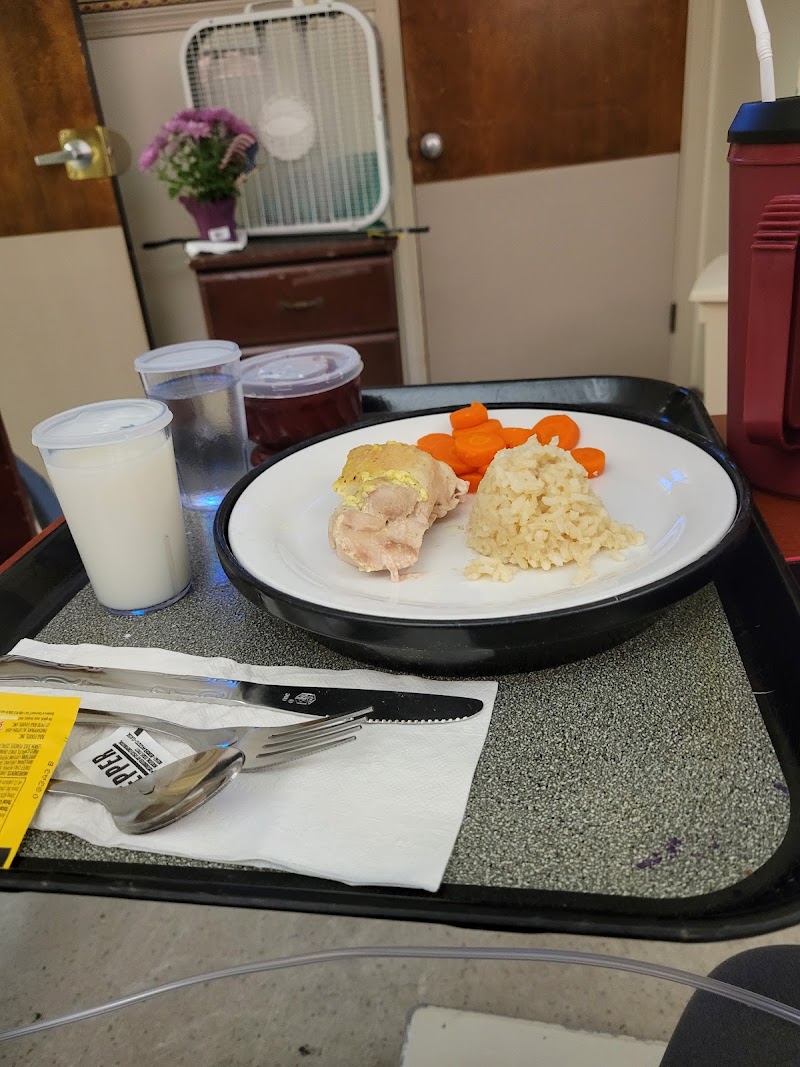
How Does Roseville Compare to Other California Nursing Homes?

Compared to the 100 nursing homes in California, ROSEVILLE CARE CENTER's overall rating (3 stars) is below the state average of 3.1, staff turnover (39%) is near the state average of 46%, and health inspection rating (2 stars) is below the national benchmark.

What Should Families Ask When Visiting Roseville?

Based on this facility's data, families visiting should ask: "Can I visit during a mealtime to observe dining assistance and food quality?" "How do you handle medical emergencies, and what is your hospital transfer rate?" "Can I speak with family members of current residents about their experience?"

Is Roseville Safe?

Based on CMS inspection data, ROSEVILLE CARE CENTER has a clean safety record: no substantiated abuse findings (meaning no confirmed cases of resident harm), no Immediate Jeopardy citations (the most serious violation level indicating risk of serious injury or death), and is not on the Special Focus Facility watch list (a federal program monitoring the lowest-performing 1% of nursing homes). The facility has a 3-star overall rating and ranks #100 of 100 nursing homes in California. While no facility is perfect, families should still ask about staff-to-resident ratios and recent inspection results during their visit.

Do Nurses at Roseville Stick Around?

ROSEVILLE CARE CENTER has a staff turnover rate of 39%, which is about average for California nursing homes (state average: 46%). Moderate turnover is common in nursing homes, but families should still ask about staff tenure and how the facility maintains care continuity when employees leave.

Was Roseville Ever Fined?

ROSEVILLE CARE CENTER has been fined $9,750 across 1 penalty action. This is below the California average of $33,176. While any fine indicates a compliance issue, fines under $50,000 are relatively common and typically reflect isolated problems that were subsequently corrected. Families should ask what specific issues led to these fines and confirm they've been resolved.

Is Roseville on Any Federal Watch List?

ROSEVILLE CARE CENTER is not on any federal watch list. The most significant is the Special Focus Facility (SFF) program, which identifies the bottom 1% of nursing homes nationally based on persistent, serious quality problems. Not being on this list means the facility has avoided the pattern of deficiencies that triggers enhanced federal oversight. This is a positive indicator, though families should still review the facility's inspection history directly.