ROSEVILLE POINT HEALTH & WELLNESS CENTER
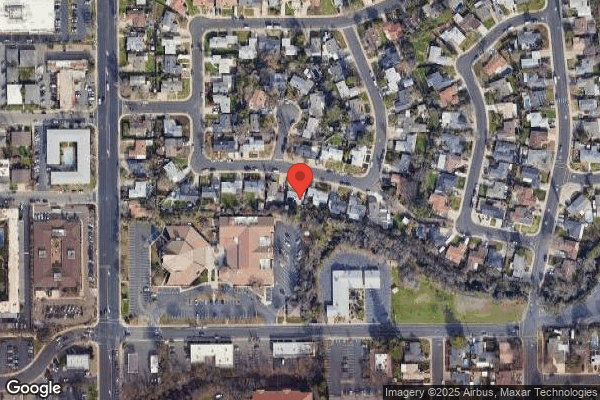
600 SUNRISE AVENUE, ROSEVILLE, CA 95661 (916) 782-3131
For profit - Corporation 98 Beds SOL HEALTHCARE Data: November 2025
Trust Grade
8/100
#1096 of 1155 in CA
Last Inspection: October 2024

Within standard 12-15 month inspection cycle. Federal law requires annual inspections.

Overview

Roseville Point Health & Wellness Center has a Trust Grade of F, indicating significant concerns about the facility's quality and care. It ranks #1096 out of 1155 nursing homes in California, placing it in the bottom half of facilities in the state, and #10 out of 10 in Placer County, meaning there are no better local options available. The facility is trending towards improvement, with issues decreasing from 38 in 2024 to 12 in 2025. While staffing is average with a 3/5 rating and a turnover rate of 52%, which is concerning compared to the state average of 38%, the facility does have good RN coverage, exceeding that of 96% of California facilities. However, there are serious incidents reported, including a staff member taking over $12,000 from a resident's bank account without consent and failures in providing necessary medical care during a resident's respiratory distress, highlighting both the strengths and weaknesses of the care provided.

Trust Score
F
8/100
In California
#1096/1155
Bottom 6%
Safety Record
High Risk
Review needed
Inspections
Getting Better
38 → 12 violations
Staff Stability
⚠ Watch
52% turnover. Above average. Higher turnover means staff may not know residents' routines.
Penalties
✓ Good
$16,232 in fines. Lower than most California facilities. Relatively clean record.
Skilled Nurses
✓ Good
Each resident gets 91 minutes of Registered Nurse (RN) attention daily — more than 97% of California nursing homes. RNs are the most trained staff who catch health problems before they become serious.
Violations
⚠ Watch
111 deficiencies on record. Higher than average. Multiple issues found across inspections.
★☆☆☆☆
1.0
Overall Rating
★★★☆☆
3.0
Staff Levels
★★★☆☆
3.0
Care Quality
★☆☆☆☆
1.0
Inspection Score
Stable
2024: 38 issues
2025: 12 issues

The Good

  • Full Sprinkler Coverage · Fire safety systems throughout facility
  • No fines on record

Facility shows strength in fire safety.

The Bad

1-Star Overall Rating

Below California average (3.1)

Significant quality concerns identified by CMS

Staff Turnover: 52%

Near California avg (46%)

Higher turnover may affect care consistency

Federal Fines: $16,232

Below median ($33,413)

Minor penalties assessed

Chain: SOL HEALTHCARE

Part of a multi-facility chain

Ask about local staffing decisions and management

The Ugly 111 deficiencies on record

3 actual harm
Sept 2025 1 deficiency 1 Harm
SERIOUS (G) 📢 Someone Reported This

A family member, employee, or ombudsman was alarmed enough to file a formal complaint

Actual Harm - a resident was hurt due to facility failures

Deficiency F0602 (Tag F0602)

A resident was harmed · This affected 1 resident

Based on observation, interview, and record review, the facility failed to protect one of five sampled residents (Resident 1) from misappropriation of property and exploitation by a staff member that ...

Read full inspector narrative →
Based on observation, interview, and record review, the facility failed to protect one of five sampled residents (Resident 1) from misappropriation of property and exploitation by a staff member that took money from Resident 1's personal bank accounts without consent. This failure resulted in financial loss totaling to $12,773 and emotional distress to Resident 1.Findings:During a review of Resident 1's admission records, the records indicated Resident 1 was admitted to the facility in February 2024 with diagnoses that included major depressive disorder (a mood disorder that causes a persistent feeling of sadness and loss of interest), adult failure to thrive (a decline caused by chronic diseases and functional impairments which can cause weight loss, decreased appetite, poor nutrition, and inactivity), and problems related to housing and economic circumstances. Resident 1's Minimum Data Set (MDS, a federally mandated resident assessment tool) indicated Resident 1 had moderate cognitive impairment (noticeable memory problems).During a review of Resident 1's Theft/Loss Report, dated 9/9/25 and completed by Resident 1's cousin, the report indicated, Description of Missing Item(s): wallet w/ [with] ID [identification card], ATM card [automated teller machine card, a card that enables access to financial accounts through a bank machine].Facility Action Taken to Find Missing Item:.SS [Social Services] ask [Resident 1] where and when the last [sic] [Resident 1] saw her wallet. [Resident 1] mentioned the money.During a review of Resident 1's SBAR (situation, background, assessment, recommendation - a communication tool used by healthcare workers when there is a change of condition among the residents), dated 9/9/25, the SBAR indicated, .1. [Resident 1] alleged staff [MRC - Medical Records Coordinator] took her wallet. 2. [Resident 1] Alleged a staff [MRC] borrowed money from [Resident 1] and never paid [Resident 1] back.During a review of Resident 1's Interdisciplinary Team (IDT) Notes, dated 9/10/25, the notes indicated, .On 9/9/25 at about 2:30pm, [Resident 1's] cousin reported to SSD [Social Services Director] that allegedly one of the staff [MRC] borrowed $2000 from [Resident 1] and did not pay [Resident 1] back.During a review of Resident 1's Psychosocial Note, dated 9/10/25, the note indicated, .[Resident 1's cousin] went on to tell [SS] that he believed a staff member [MRC] borrowed $2000 and promised repayment.[SS] interview [sic] [Resident 1] to confirm the cousin report. [Resident 1] agreed with the statement [Resident 1's] cousin made. While talking about its [sic] [Resident 1] started to cry.During a review of Resident 1's Psychosocial Note, dated 9/11/25, the note indicated, .[SS] went with [Resident 1] to the Bank to get the bank statements. while at the bank [Resident 1] started to breakdown and started crying. [Resident 1] got the statement, and it shows that someone has been taking money from [Resident 1's] account for that past 6 months.During a review of Resident 1's Psychosocial Note, dated 9/12/25, the note indicated, .This morning, SS checked in with [Resident 1] to see how [Resident 1] was doing. [Resident 1] became emotional and began to cry.During a review of Resident 1's Physician Note, dated 9/12/25, the note indicated, .I [physician] was notified of an incident about employee [MRC] stealing patient money. [Resident 1] tells me [Resident 1] trusted the employee and believed [MRC] was helping [Resident 1]; however, [Resident 1] found out [MRC] was taking [Resident 1's] money without her permission.During a telephone interview on 9/12/25 at 12:27 p.m. with MRC, MRC stated, I gave [Resident 1] a black wallet because [Resident 1] was holding the cards on [Resident 1's] hands.I gave it around May for [Resident 1's] birthday. The MRC further stated, .[Resident 1] has it [wallet] and doesn't want to show it to the cousin because [cousin] will take it. The MRC stated that she never owed money to Resident 1, and Resident 1 did not give her access to Resident 1's wallet, online accounts, cards or PIN numbers (personal identification number, a secret numerical code used to verify identity for secure transactions and access to accounts).In contrast to MRC's statement that she did not have access to Resident 1's bank accounts, a review of Resident 1's savings account bank statement, dated 2/19/25 to 3/19/25, indicated MRC's name withdrawing money from Resident 1's account. The statement indicated the following withdrawal dates with MRC's name with the corresponding amount withdrawn, with a total of $8,530:- 2/20/25 - $200- 2/21/25 - $200- 2/21/25 - $500- 2/21/25 - $100- 2/21/25 - $300- 2/24/25 - $300- 2/24/25 - $400- 2/24/25 - $500- 2/24/25 - $500- 2/24/25 - $500- 2/24/25 - $1,000- 2/24/25 - $500- 2/24/25 - $500- 2/26/25 - $500- 2/26/25 - $500- 2/27/25 - $500- 3/3/25 - $300- 3/3/25 - $500- 3/3/25 - $200- 3/3/25 - $500- 3/7/25 - $30During a review of Resident 1's checking account bank statement, dated 2/25/25 to 3/25/25, the following withdrawals were identified indicating MRC's name with the corresponding amount withdrawn, with a total of $1,560:- 2/27/25 - $300- 3/3/25 - $500- 3/3/25 - $300- 3/3/25 - $300- 3/5/25 - $100- 3/6/25 - $60During a review of Resident 1's checking account bank statement, dated 3/26/25 to 4/24/25, the following withdrawals were identified indicating MRC's name with the corresponding amount withdrawn, with a total of $2,683:- 3/26/25 - $50- 3/26/25 - $10- 4/3/25 - $1,350- 4/3/25 - $600- 4/3/25 - $650- 4/7/25 - $23During a concurrent interview and bank statements record review on 9/12/25 at 1:12 p.m. with the SSD, the SSD stated that Resident 1's cousin reported on 9/9/25 that Resident 1's wallet was missing. The SSD stated that he spoke with Resident 1 and was told that MRC borrowed $2000 from Resident 1. The SSD stated he went with Resident 1 to the bank and requested bank statements. The SSD confirmed that based on the bank statements, money was being sent to MRC online and that MRC had access to Resident 1's online banking. When asked how the SSD confirmed that MRC was transferring money from Resident 1's account to MRC's own account, the SSD stated, .because [MRC] name was there [on the bank statements] . The SSD stated Resident 1 cried upon seeing the bank statements and that Resident 1 denied that Resident 1 was aware of the transactions.During a concurrent observation and interview on 9/12/25 at 2:39 p.m. with Resident 1 in her room, Resident 1 stated, Somebody told me that they've taken some money from my account.I thought that they are going to give it back but they didn't.It was a girl named [MRC's name].[MRC] worked here.I [Resident 1] got close to [MRC], [MRC] found my wallet in my purse, and [MRC] told me [MRC] had it and that [MRC] took some of the money and [MRC] took the card.[MRC] said she would pay me back but [MRC] didn't.It happened a few months ago.[MRC] said she needed it and that [MRC] would give it back. When asked how she felt about what happened, Resident 1 stated, Not good. Resident further stated, [MRC] told me [MRC] had some of the money and that [MRC] would return it.Spoke with the bank, they thought it was me [Resident 1] withdrawing the money.I was stupid. Resident 1 was observed crying and stated, I feel like I can't stop crying.During an interview on 9/12/25 at 2:53 p.m. with the Administrator (ADM), the ADM stated she saw the bank statements and confirmed that the staff member's name was in the transactions. The ADM stated, .they [staff] know that they cannot receive gifts from residents.it was happening since February. The ADM further stated Resident 1 was crying and Resident 1 cannot accept that Resident 1 trusted MRC and stated, .[Resident 1] trusted the individual [MRC].according to [Resident 1], [Resident 1] had a debit card and shared the pin to [MRC]. The ADM further stated, .we have zero tolerance that will involve residents in a disadvantaged position.expectation is to ensure residents are free from any type of abuse.During an interview on 9/12/25 at 3:22 p.m. with the Director of Nursing (DON), the DON stated she was told by Resident 1 that MRC borrowed money from Resident 1 by debit card a couple of months ago. The DON was told by Resident 1 that Resident 1 gave the card and pin number, and that Resident 1 made a mistake and did not know MRC was .going to take that much . The DON stated Resident 1 was consistent with her allegations. The DON further stated Resident 1 cried when Resident 1 saw the bank statements. The DON stated, This is very unfortunate.The expectation is to protect the residents from any type of abuse including financial abuse.During a review of the facility's policy and procedure (P&P) titled P-AN01 Abuse Prevention and Management, revised 5/30/24, the P&P indicated, .i. Exploitation is defined as taking advantage of a resident for personal gain, using manipulation, intimidation, threats, or coercion.k. Misappropriation of resident property and financial abuse are defined as the deliberate misplacement, exploitation, or wrongful, temporary, or permanent use of a resident's belongings or money without the resident's consent.During a review of the facility's P&P titled AN01 Abuse Prevention and Management, revised 5/30/25, the P&P indicated, The Facility does not condone any form of resident abuse, neglect, misappropriation of resident property, exploitation, and/or mistreatment.
Sept 2025 3 deficiencies
CONCERN (D) 📢 Someone Reported This

A family member, employee, or ombudsman was alarmed enough to file a formal complaint

Potential for Harm - no one hurt, but risky conditions existed

Free from Abuse/Neglect (Tag F0600)

Could have caused harm · This affected 1 resident

**NOTE- TERMS IN BRACKETS HAVE BEEN EDITED TO PROTECT CONFIDENTIALITY** Based on interview and record review, the facility failed to ensure one of six sampled residents (Resident 2) was free from abus...

Read full inspector narrative →
**NOTE- TERMS IN BRACKETS HAVE BEEN EDITED TO PROTECT CONFIDENTIALITY** Based on interview and record review, the facility failed to ensure one of six sampled residents (Resident 2) was free from abuse, when Resident 3 touched Resident 2's groin area. This failure decreased the facility's potential to maintain Resident 2's highest practicable physical, mental, and psychosocial well-being.Findings:A review of an admission record indicated Resident 2 was admitted to the facility in July 2024 with diagnoses including cognitive communication deficit (difficulty communicating) and dementia (a progressive decline in memory, thinking, reasoning, executive function). A review of Resident 2's Minimum Data Set (MDS, a federally mandated resident assessment tool), dated 8/21/25, indicated a Brief Interview of Mental Status (BIMS, an assessment tool used by facilities to screen and identify memory, orientation, and judgement status of the resident) score of five out of 15 with memory problems and severe cognitive impairment. A review of an admission record indicated Resident 3 was admitted to the facility in October 2024 with diagnoses including aphasia (a disorder that makes it difficult to speak) and hemiplegia (total paralysis of the arm, leg, and trunk on the same side of the body).A review of Resident 3's MDS, dated [DATE], indicated a BIMS score of 14 out of 15 with intact cognition.During an interview on 9/2/25 at 2:20 p.m. with Activity Assistant (AA), AA stated while she was conducting facility activities in the activity room on 9/1/25 around 10 a.m., she observed Resident 3 touching with his left hand Resident 2's lap near the groin area. AA immediately gestured Resident 3 to stop and separated him from Resident 2. During an interview on 9/2/25 at 3:30 p.m. with the Administrator (ADM), ADM confirmed Resident 3 touched Resident 2's lap near the groin area and stated the incident was witnessed by AA. A review of the facility's policy titled, Abuse Prevention and Management, dated 6/12/24, indicated, The Facility does not condone any form of resident abuse, neglect, misappropriation of resident property, exploitation, and/or mistreatment.
CONCERN (D) 📢 Someone Reported This

A family member, employee, or ombudsman was alarmed enough to file a formal complaint

Potential for Harm - no one hurt, but risky conditions existed

Report Alleged Abuse (Tag F0609)

Could have caused harm · This affected 1 resident

Based on interview and record review, the facility failed to report immediately to the Department an alleged incident of sexual abuse for one of six sampled residents (Resident 2), when the Department...

Read full inspector narrative →
Based on interview and record review, the facility failed to report immediately to the Department an alleged incident of sexual abuse for one of six sampled residents (Resident 2), when the Department received the facility's report of alleged sexual abuse after two hours of occurrence. This failure had the potential to cause a delayed response by enforcement agencies to ensure Resident 2's safety.Findings:A review of an admission record indicated Resident 2 was admitted to the facility in July 2024 with diagnoses including cognitive communication deficit (difficulty communicating) and dementia (a progressive decline in memory, thinking, reasoning, executive function). A review of an admission record indicated Resident 3 was admitted to the facility in October 2024 with diagnoses including aphasia (a disorder that makes it difficult to speak) and hemiplegia (total paralysis of the arm, leg, and trunk on the same side of the body). During an interview on 9/2/25 at 2:20 p.m. with Activity Assistant (AA), AA stated while she was conducting facility activities in the activity room on 9/1/25 around 10 a.m., she observed Resident 3 touching with his left hand Resident 2's lap near the groin area. AA immediately gestured Resident 3 to stop and separated him from Resident 2. AA further stated she did not report the incident to proper agencies or notify her supervisor. A review of a document titled, Report of Suspected Dependent Adult/Elder Abuse (SOC 341), dated 9/2/25, indicated on 9/1/25 around 10 a.m. Resident 3 was seen sitting next to Resident 2 and moving his hand up and down touching Resident 2's private area. The report further indicated staff told Resident 3 to stop and escorted him out of the room. A review of a document titled, Fax Log, dated 9/2/25, indicated the facility faxed the SOC 341 to the Department on 9/2/25 at 9:59 a.m. During an interview on 9/2/25 at 3:30 p.m. with the Administrator (ADM), ADM stated the expectation was to report the alleged sexual abuse incident immediately within two hours. A review of the facility's policy titled, Abuse Prevention and Management, dated 6/12/24, indicated, The facility will report all allegations of abuse and criminal activity as required by law and regulations to the appropriate agencies . Reports of resident abuse, mistreatment, neglect, exploitation, injuries of an unknown source, and any suspicion of crimes are promptly reported and thoroughly investigated.
CONCERN (D) 📢 Someone Reported This

A family member, employee, or ombudsman was alarmed enough to file a formal complaint

Potential for Harm - no one hurt, but risky conditions existed

Infection Control (Tag F0880)

Could have caused harm · This affected 1 resident

Based on observation, interview, and record review, the facility failed to follow infection control practices for one of six sampled residents (Resident 6), when the Housekeeper did not apply the requ...

Read full inspector narrative →
Based on observation, interview, and record review, the facility failed to follow infection control practices for one of six sampled residents (Resident 6), when the Housekeeper did not apply the required Personal Protective Equipment (PPE, gloves, gown, and/or goggles/face shield if risk of splash and spray) while cleaning Resident 6's room. This failure had the potential to spread infection among vulnerable residents.Findings: A review of an admission record indicated Resident 6 was admitted to the facility in June 2022 with a diagnosis of stage 4 pressure ulcer (a severe deep open wound that extends through the skin and into the muscle, bone or tendons) to the sacrum (triangular shaped bone located at the base of the spine). During an observation on 9/2/25 at 10:31 a.m. inside Resident 6's room, the Housekeeper was observed not wearing the proper PPE while cleaning the room. Housekeeper stated he was aware that Resident 6 was on Enhanced Barrier Precaution (EBP, infection control intervention to reduce transmission of resistant organisms). During a concurrent observation and interview on 9/2/25 at 10:40 a.m. with Licensed Nurse 1 (LN 1) inside Resident 6's room, LN 1 confirmed there was a sign outside Resident 6's room indicating he was placed on EBP and the Housekeeper was not wearing a gown while cleaning Resident 6's room. LN 1 stated staff should follow the EBP when providing care to Resident 6. During a concurrent interview and record review on 9/2/25 at 12:35 p.m. with the Director of Staff Development (DSD), Resident 6's Physician Order was reviewed. DSD confirmed Resident 6 was placed on EBP due to his pressure ulcer. DSD stated the Housekeeper should have followed infection prevention and control practices by donning gloves and gown while cleaning Resident 6's room to prevent the spread of infection and decrease putting other residents at risk. A review of the facility's policy titled, Enhanced Barrier Precautions, revised in October 2024, indicated, . Enhanced Barrier Precautions . will be used in the facility . EBP is employed for resident care . at risk of transmission . include residents with chronic wound . Use of EBP by Environmental Services . EVS personnel should use gown and gloves while cleaning and disinfecting the environment around residents on EBP . cleaning and disinfecting high touch surfaces such as bed rails . bed side tables or stands on or near the resident's space.
Aug 2025 1 deficiency
CONCERN (D) 📢 Someone Reported This

A family member, employee, or ombudsman was alarmed enough to file a formal complaint

Potential for Harm - no one hurt, but risky conditions existed

Deficiency F0583 (Tag F0583)

Could have caused harm · This affected 1 resident

Based on observation, interview, and record review the facility failed to maintain resident's right to privacy and confidentiality of personal and medical records for a census of 79 when documents wit...

Read full inspector narrative →
Based on observation, interview, and record review the facility failed to maintain resident's right to privacy and confidentiality of personal and medical records for a census of 79 when documents with resident's personal information were found outside the facility unsecured.This failure had the potential for unauthorized access to residents' personal and medical information.Findings:During an observation on 8/25/25 at 9:22 a.m. by the facility's back patio, boxes of documents with resident's personal information were found on top of two carts unattended and unsecured.During a concurrent observation and interview on 8/25/25 at 11:25 a.m. with the Director of Nursing (DON), DON confirmed the documents laying outside by the back patio belonged to residents. DON stated the documents should have been secured, shredded, and properly disposed of to protect the residents' right to privacy.A review of the facility's policy titled, Resident's Rights-Quality of Life, revised in March 2017, indicated, The facility shall maintain an environment in which confidential clinical information is protected .A review of the facility's policy titled, Notice of Privacy Practices, revised in December 2012, indicated, The Facility has adopted a Notice of Privacy Practices . the use . of Protected Health Information (PHI) at the Facility, and the resident's rights regarding PHI.
Aug 2025 1 deficiency
CONCERN (D) 📢 Someone Reported This

A family member, employee, or ombudsman was alarmed enough to file a formal complaint

Potential for Harm - no one hurt, but risky conditions existed

Deficiency F0658 (Tag F0658)

Could have caused harm · This affected 1 resident

**NOTE- TERMS IN BRACKETS HAVE BEEN EDITED TO PROTECT CONFIDENTIALITY** Based on interview and record review, the facility failed to ensure Resident 1 received care which met professional standards wh...

Read full inspector narrative →
**NOTE- TERMS IN BRACKETS HAVE BEEN EDITED TO PROTECT CONFIDENTIALITY** Based on interview and record review, the facility failed to ensure Resident 1 received care which met professional standards when there was no documentation:1. Resident 1 received wound treatments as ordered;2. Resident 1's coccyx wound was assessed; 3. Resident 1's pain was assessed every shift;4. Resident 1's pain medication was given as ordered; and 5. Resident 1's weight loss was assessed.These failures had the potential to result in unmet needs for Resident 1.Resident 1 was admitted to the facility on [DATE] with diagnoses that included severe protein-calorie malnutrition and palliative care (care that provides symptom relief, comfort and support for someone with a serious illness).1. Resident 1's clinical record contained a physician's order, dated 5/24/24 for coccyx (buttock) wound treatment every day shift.During a review of Resident 1's Treatment Administration Record (TAR) for May 2024, the TAR indicated no documentation, as evidenced by the Licensed Nurse (LN) initials, that Resident 1's coccyx wound care was completed on 5/25/24 and 5/27/24.During a review of Resident 1's TAR for June 2024 indicated no documentation, as evidenced by the LN's initials, that Resident 1's coccyx wound care was completed as ordered on 6/2/24, 6/5/24, and 6/12/24.During a concurrent interview and record review on 8/5/25 at 11:06 a.m. with the Director of Nursing (DON), Resident 1's clinical record was reviewed. The DON confirmed there was no documentation Resident 1's coccyx wound care was completed on the above dates. The DON confirmed she would expect the nurses to complete the wound care and document their initials on the TAR.During a review of the facility's policy and procedure (P&P) titled, Skin Integrity Management, effective date 11/14/23 indicated, Treatments administered will be documented in the resident medical record.2. During a review of Resident 1's clinical record, the record indicated a Weekly Skin/Wound Assessment was completed on 5/23/24 and 5/31/24. There was no documentation that a Weekly Skin/Wound Assessment was completed after 5/31/24.During a concurrent interview and record review on 8/5/25 at 11:06 a.m. with the DON, Resident 2's clinical record was reviewed. The DON confirmed a Weekly/Skin Wound Assessment was not completed the following weeks, 6/7/24, 6/14/24, 6/21/24, and 6/28/24. She also confirmed there was no documentation of the status of Resident 1's coccyx wound upon her discharge from the facility on 7/3/24. The DON confirmed she would expect the nurses to complete a Weekly Skin/Wound Assessment.During a review of the facility's P&P titled, Skin Integrity Management, effective date 11/14/23 indicated, A licensed nurse will complete the skin assessment weekly .License Nurses will document the effectiveness of current treatment for skin integrity problems in the resident's medical record on a weekly basis. 3. Resident 1's clinical record contained a physician's order, dated 5/23/25 for Assess for pain every shift and chart intensity of pain.During a review of Resident 1's Medication Administration Record (MAR) for May 2024, the MAR indicated no documentation, as evidenced by the LN initials, that Resident 1's pain was assessed on 5/27/24 day shift.During a review of Resident 1's MAR for June 2024, the MAR indicated no documentation, as evidenced by the LN initials, that Resident 1's pain was assessed on 6/6/24 evening shift, 6/7/24 day shift, 6/8/24 day shift and night shift, 6/21/24 night shift, 6/28/24 night shift and 6/29/24 night shift.During a concurrent interview and record review on 8/5/25 at 10:23 a.m. with the DON, Resident 1's clinical record was reviewed. The DON confirmed there was no documentation Resident 1's pain was assessed on the above dates and shifts. The DON confirmed she would expect the nurses to assess Resident 1's pain and document it on the MAR.During a review of the facility's P&P titled, Pain Management, effective 5/26/23 indicated, The Licensed Nurse will assess the resident for pain and document results on the MAR each shift. 4a. Resident 1's clinical record contained a physician's order, dated 6/5/24 for Norco (pain medication) one tablet by mouth every six hours for pain.During a review of Resident 1's MAR for June 2024, the MAR indicated no documentation, as evidenced by the LN initials, that Resident 1's Norco was given as ordered on 6/6/24 at 6 p.m., 6/9/24 at 12 a.m. and 6 a.m., and 6/22/24 at 6 a.m.During a concurrent interview and record review on 8/5/25 at 10:23 a.m. with the DON, Resident 1's clinical record was reviewed. The DON confirmed there was no documentation Resident 1's Norco was given as ordered on the above dates and times. The DON confirmed she would expect the nurses to administer the pain medication as ordered.During a review of the facility's P&P, Pain Management, effective 5/26/23 indicated, The Licensed Nurse will administer pain medication as ordered and document medication administered on the Medication Administration Record (MAR).4b. Resident 1's clinical record contained a physician's order, dated 6/24/24 for Norco one tablet by mouth every four hours for severe pain.During a review of Resident 1's MAR for June 2024 indicated no documentation, as evidenced by the LN initials, that Resident 1's Norco was given as ordered on 6/29/24 at 2 a.m. and 6 a.m. and 6/30/24 at 2 a.m. and 6 a.m.During a concurrent interview and record review on 8/5/25 at 10:23 a.m. with the DON Resident 1's clinical record was reviewed. The DON confirmed there was no documentation Resident 1's Norco was given as ordered on the above dates and times. The DON confirmed she would expect the nurses to administer the pain medication as ordered.During a review of the facility's P&P titled, Pain Management, effective 5/26/23 indicated, The Licensed Nurse will administer pain medication as ordered and document medication administered on the Medication Administration Record (MAR).5. During a review of Resident 1's Weights and Vitals Summary, indicated Resident 1's weight on 5/27/24 was 157.8 lbs. and her weight on 6/12/24 was 114.4 lbs., a weight loss of 43.4 lbs. in 16 days.During a review of Resident 1's hospital record, [NAME]/Sonoma Skilled Nursing Placement Referral, dated 5/21/25 indicated Resident 1's weight was 120 lbs.During a concurrent interview and record review on 8/5/25 at 9:09 a.m. with the DON, Resident 1's clinical record was reviewed. The DON confirmed there was no documentation that Resident 1's weight loss of 43.4 lbs. was evaluated by the IDT (Interdisciplinary Team). The DON concluded Resident 1's weight documented on 5/27/24 was possibly inaccurate due to Resident 1's weight was 120 lbs. on 5/21/25.During a review of the facility's P&P titled, Evaluation of Weight & Nutritional Status, revised 4/21/22 indicated, Any resident weight that varies from the previous reporting period by 5% in 30 days, 7 in 90 days, 10% in 180 days, will be evaluated by the IDT- Nutrition & Weight Variance Committee to determine the cause of weight loss/gain and the intervention(s) required.
Jun 2025 1 deficiency
CONCERN (D) 📢 Someone Reported This

A family member, employee, or ombudsman was alarmed enough to file a formal complaint

Potential for Harm - no one hurt, but risky conditions existed

Free from Abuse/Neglect (Tag F0600)

Could have caused harm · This affected 1 resident

Based on observation, interview, and record review, the facility failed to ensure one of three sampled residents (Resident 1) was free from physical abuse, when Resident 2 punched Resident 1 ' s leg i...

Read full inspector narrative →
Based on observation, interview, and record review, the facility failed to ensure one of three sampled residents (Resident 1) was free from physical abuse, when Resident 2 punched Resident 1 ' s leg in the activity room. This failure decreased the facility ' s potential to maintain Resident 1 ' s highest practicable physical, mental, and psychosocial well-being. Findings: A review of Resident 1 ' s admission Record, dated 6/17/25, indicated, Resident 1 was admitted to the facility in 2025 with a diagnosis of anxiety (a feeling of worry, nervousness, or unease). A review of Resident 1 ' s clinical record included the following documents: A Minimum Data Set (MDS, an assessment tool), dated 5/16/25, indicated, Resident 1 had a Brief Interview for Mental Status (BIMS, an assessment tool used by facilities to screen and identify memory, orientation, and judgement status of the resident) scored 14 out of 15 with no memory impairment. A Progress Notes, dated 6/11/25 and written by Activities Director (AD), indicated, [Resident 1] was in the activity room when another resident [Resident 2] was wheeling by and rammed his wheelchair into [Resident 1 ' s] wheelchair. [Resident 2] then started punching [Resident 1] in the leg. A Progress Notes, dated 6/11/25 and written by Social Services Director (SSD), indicated, ss [Social Service] interview [Resident 1] he stated he is scared to go back into the activities room when the resident [Resident 2] who attack him is in there. A review of Resident 2 ' s admission Record, dated 6/17/25, indicated, Resident 2 was admitted to the facility in 2021 with diagnoses including dementia (a progressive state of decline in mental abilities) and depression (a common mental health condition characterized by persistent feelings of sadness, hopelessness, and loss of interest in activities previously enjoyed). A review of Resident 2 ' s clinical record included the following documents: An MDS, dated 5/11/25, indicated Resident 2 had a BIMS scored three out of 15 with memory impairment. A Progress Notes, dated 6/11/25 and written by Doctor of Nursing Practice, indicated, [Resident 2] had a physical altercation with another resident [Resident 1] today. He was in the activity room and was found to be punching the other resident . [because] the other resident was on his way. A Progress Notes, dated 6/11/25 and written by AD, indicated, This resident [Resident 2] . rammed his wheelchair into the other resident ' s [Resident 1 ' s] wheelchair then started punching the other resident in the leg. During an interview on 6/17/25 at 10:08 a.m. with Resident 1, Resident 1 stated he remembered the incident when a male resident punched his left leg in the activity room. Resident 1 stated he felt unsafe while being in the facility and scared of someone will hit him again. During an interview on 6/17/25 at 10:26 a.m. with the Activity Assistant (AA), AA stated Resident 2 was wheeling himself toward Resident 1 while Resident 1 was watching television. Then, Resident 2 punched Resident 1 ' s leg four times. Next, Resident 2 tried to hit the AA too. During an interview on 6/17/25 at 2:25 p.m. with the Director of Nursing (DON), DON confirmed Resident 2 punched Resident 1 ' s leg and stated the activities assistant witnessed the altercation. A review of the facility ' s policy titled, Abuse Prevention and Management, revised on 5/30/24, indicated, Physical abuse is defined as, but not limited to, hitting, slapping, punching, and/or kicking. The policy further indicated, The administrator or designated representative will provide for a safe environment for the resident .
Jun 2025 1 deficiency
CONCERN (D) 📢 Someone Reported This

A family member, employee, or ombudsman was alarmed enough to file a formal complaint

Potential for Harm - no one hurt, but risky conditions existed

Free from Abuse/Neglect (Tag F0600)

Could have caused harm · This affected 1 resident

**NOTE- TERMS IN BRACKETS HAVE BEEN EDITED TO PROTECT CONFIDENTIALITY** Based on interview and record review, the facility failed to ensure one of three sampled residents (Resident 1) was protected fr...

Read full inspector narrative →
**NOTE- TERMS IN BRACKETS HAVE BEEN EDITED TO PROTECT CONFIDENTIALITY** Based on interview and record review, the facility failed to ensure one of three sampled residents (Resident 1) was protected from verbal abuse and neglect when the resident was told, You will stay on the floor until the end of the f*cking shift and Certified Nursing Assistant (CNA) 1 placed a pillow under his head and placed a blanket on him and then left. This failure had the potential to negatively impact the resident's psychosocial well-being. Findings: Review of Resident 1's admission record indicated his original admission date was 3/6/25 with diagnoses that included aphasia (difficulty speaking) following cerebral infarction, cognitive communication deficit, and acute and chronic respiratory failure with hypoxia (low levels of oxygen). Review of Resident 1's admission Minimum Data Set (MDS- a federally mandated resident assessment tool), dated 3/26/25, indicated Resident 1 had short and long-term memory problems, severely impaired cognitive skills for daily decision making, and no delirium or behavioral symptoms. The MDS indicated Resident 1 was dependent upon staff for oral hygiene, toileting hygiene, showering and bathing, upper and lower body dressing and personal hygiene. During a review of Resident 1's Progress Note dated 5/24/2025 at 7:50 a.m., Resident was found on the floor in supine position on top of the floor mat, yelling out, Get me off the floor. Resident unable to verbalize why he's on the floor. CNA went to get the assigned CNA for the resident. The CNA that she did not ask for help, went to the room and started yelling, He just needs to stay on the floor. She then told him, You will stay on the floor until the end of the f*cking shift. The resident's roommate said, Hey, you don't need to talk to him like that, he doesn't know what he's doing. She then replied, Yes he does. He knows what he is doing. She placed a pillow under his head and placed a blanket on him and left. During a review of the facility's Summary of Investigation, dated 5/28/25 indicated on 5/24/25, it was reported by the Charge Nurse ([NAME], RN) that CNA 1 allegedly abused Resident 1 by responding to him who was on the floor stating he should remain on the floor until the end of the shift. When the resident's roommate, Resident 2, objected to her tone, she responded inappropriately and dismissed the concern. She then placed a pillow and blanket on the resident and left the room. During a review of the facility's Summary of Investigation, dated 5/28/25 indicated CNA 1 was interviewed on 05/26/2025 at around 11:40AM. CNA 1 stated that on 05/24/2025, during the early morning hours, RN 1 used the intercom multiple times to call for a CNA to assist. She approached the room and suggested making resident comfortable until assistance was available, as she was in the middle of rounds and could not leave her assigned side unattended. CNA 1 admitted to using profanity aloud in the presence of residents and staff. She speci?cally stated, in reference to the resident, We are about to make his f*cking ass comfortable. This was said in front of the resident's roommate. The facility investigation report indicated on 05/27/25, Social Services Director (SSD) visited Resident 1. Resident 1 stated that he had a fall that early morning of 05/24/2025 and that a CNA not assigned to him, entered the room yelling and called him mother****r and threw and pillow and a blanket and said, You will sleep on the ?oor. A review of the facility investigation report dated 5/28/25 indicated, Resident 2, Resident 1's roommate, was interviewed on 5/27/25. Resident 2 stated that Resident 1 fell out of bed and began calling for help. A CNA who was not assigned entered the room and began yelling using inappropriate language, calling the Resident 1 stupid mother****r and telling him to sleep on the floor, put a pillow and a blanket and left. During a review of the facility's Summary of Investigation, dated 5/28/25 indicated, Based on the information gathered from staff and resident interviews, there is credible evidence to support that [CNA 1] engaged in inappropriate, unprofessional, and verbally abusive behavior toward [Resident 1] on the morning of 05/24/2025. Both the resident and his roommate independently corroborated the use of profane and demeaning language, as well as the neglectful response to the resident's fall. [CNA 1] herself admitted to the use of profanity in the presence of residents, citing frustration, though this does not excuse the behavior observed. Resident 1 was unable to be interviewed because he was discharged from the facility on 6/3/25. During an interview on 6/1/25 at 10:10 a.m., with Resident 2, Resident 2 stated he heard Resident 1 fall out of bed and was calling out. He overheard a CNA (CNA 1) state something like, I'm tired of this shit and He (Resident 1) can stay on the f*ing floor. Resident 2 stated he was unable to see anything due to the privacy curtain was closed but was able to recognize the CNA's voice and stated it was CNA 1. During an interview on 6/1/25 at 10:28 a.m. with the Assistant Director of Nursing (ADON), she confirmed CNA 1was unprofessional and used profanity. The ADON confirmed the facility substantiated the allegation and CNA 1 was terminated. During a review of the facility's policy and procedure titled, Resident Rights-Quality of Life, revised March 2017 indicated, Each resident shall be cared for in a manner that promotes and enhances the quality of life, dignity, respect, individuality and receives services in a person-centered manner, as well as those that support the resident in attaining or maintaining his/her highest practicable well-being .Facility Staff speaks respectfully to residents at all times .Demeaning practices and standards of care that compromise dignity are prohibited. Facility Staff promote dignity and assist residents as needed .Facility Staff treats cognitively impaired residents with dignity and sensitivity.
Apr 2025 1 deficiency
CONCERN (D) 📢 Someone Reported This

A family member, employee, or ombudsman was alarmed enough to file a formal complaint

Potential for Harm - no one hurt, but risky conditions existed

Accident Prevention (Tag F0689)

Could have caused harm · This affected 1 resident

**NOTE- TERMS IN BRACKETS HAVE BEEN EDITED TO PROTECT CONFIDENTIALITY** Based on interview and record review, the facility failed to ensure two of four sampled residents (Resident 1 and Resident 2) we...

Read full inspector narrative →
**NOTE- TERMS IN BRACKETS HAVE BEEN EDITED TO PROTECT CONFIDENTIALITY** Based on interview and record review, the facility failed to ensure two of four sampled residents (Resident 1 and Resident 2) were free of accident hazards, when care provided was not consistent with care plan intervention and facility fall management policy. This failure resulted in delay of care for an unwitnessed fall of Resident 1, which potentially caused Resident 1's hip fracture, and had the potential for Resident 1 and Resident 2 to have repeat falls. Findings: During a review of Resident 1's face sheet (front page of the chart that contains a summary of basic information about the resident), the face sheet indicated, Resident 1 was admitted to the facility September 2019 with multiple diagnoses which included dementia (a progressive state of decline in mental abilities). During a review of Resident 1's care plan, initiated 11/29/22, the care plan indicated, . [Resident 1] is at risk for falls .goal .resident will be free of falls .resident will not sustain any injury if fall happens again .interventions .follow facility fall protocol . During a review of Resident 1's fall risk evaluation, dated 2/26/25, the fall risk evaluation was not fully completed and did not have a fall risk score. During a review of Resident 1's Progress Note, dated 3/25/25, the Progress Note indicated, . Patient is having acute pain on his right hip .it looks like patient might have a femur (thigh bone) fracture .no report of falls was noted .Patient .might have fell .will send him to ER for further evaluation . During a review of Resident 1's Progress Noted, dated 3/26/25, the Progress Note indicated, .Spoke to [NAME] RN from Sutter .he stated that resident will be admitted for right femoral neck (bone that connects hip joint to thigh bone) fracture . During a review of a facility document, dated 4/1/25, the facility document indicated, .Based on interviews among staff members, it was revealed that the resident was found on the floor at the hallway sometime about 2 weeks ago . During a review of Resident 1's fall risk evaluation, dated 4/3/25, the fall risk evaluation was not fully completed, did not have a fall risk score, and was not signed. During an interview on 4/9/25 at 10:34 a.m., with Licensed Nurse 1 (LN 1), LN 1 stated she worked on the day that Resident 1 fell, approximately 2-3 weeks ago. LN 1 further stated, the day Resident 1 fell, he was found on the hallway floor by a Certified Nursing Assistant (CNA) during the evening shift. LN 1 further stated she assisted with helping Resident 1 get back in his wheelchair. LN 1 further stated she did not do an assessment of the resident or notify the physician. During a review of Resident 1's Progress Notes from 2/26/25 through 3/24/25, there were no documented evidence of falls including any post fall assessments or post fall follow up. During an interview on 4/9/25 at 11:44 a.m. with Director of Nursing (DON), the DON acknowledged facility protocol was not followed when Resident 1's unwitnessed fall was not documented or reported, which led to delay in care and risk for repeat falls. During a review of the facility's policy and procedure (P&P) titled, Fall Management Program, revised 3/13/21, the P&P indicated, .As part of the admission Assessment, the licensed nurse will complete a fall risk evaluation .a licensed nurse will conduct a new fall risk evaluation .post fall and as needed .Following every resident fall, the licensed nurse will perform a post-fall evaluation and update .for an unwitnessed fall .the license nurse will complete neurological checks for 72 hours following the fall incident .the attending physician will be informed .the licensed nurse will notify the Director of Nursing .Administrator regarding the fall incident as soon as possible .within 15-20 minutes after the fall, the licensed nurse will initiate a Post-Fall Huddle .the license nurse will immediately update the care plan with recommendations .the IDT (Interdisciplinary Team) will investigate the fall . During a review of Resident 2's face sheet, the face sheet indicated, Resident 2 was admitted to the facility March 2025 with multiple diagnoses which included Pulmonary Embolism (blood clot in the lung). During a review of Resident 2's care plan, initiated 3/23/25, the care plan indicated, .Risk for Falls .Goal .Resident Will Be Free of Falls Interventions .initiate fall risk precautions . During a review of Resident 2's progress note, dated 3/23/25, the progress note indicated Resident 2 fell in the bathroom. During a review of Resident 2's progress note, dated 3/26/25, the progress note indicated Resident 2 fell out of his bed. The facility was unable to provide a facility fall risk precaution document when asked. During a concurrent observation and interview on 4/9/25 at 11:04 a.m. with LN 2, in Resident 2's bedroom, Resident 2 was lying in bed. Resident 2's bed was not in the lowest position and the fall mat was not next to the bed. LN 2 confirmed Resident 2 was a fall risk. LN 2 further stated fall precautions should have been in place for resident including bed in lowest position and fall mat next to bed. LN 2 further stated there was a risk for injury when fall precautions were not observed. During an interview on 4/9/25 at 11:44 a.m. with DON, DON stated the expectation was for fall precautions to be followed to prevent risk of falls and injury. During a review of the facility's P&P, titled Fall Management Program revised 3/13/21, the P&P indicated, .purpose .to provide residents a safe environment that minimizes complications associated with falls .policy .providing an environment free from fall hazards .
Mar 2025 2 deficiencies
CONCERN (D) 📢 Someone Reported This

A family member, employee, or ombudsman was alarmed enough to file a formal complaint

Potential for Harm - no one hurt, but risky conditions existed

Free from Abuse/Neglect (Tag F0600)

Could have caused harm · This affected 1 resident

Based on interview and record review, the facility failed to ensure one of four sampled residents (Resident 1) was free from abuse when Certified Nursing Assistant 1 (CNA 1) hit Resident 1 on the back...

Read full inspector narrative →
Based on interview and record review, the facility failed to ensure one of four sampled residents (Resident 1) was free from abuse when Certified Nursing Assistant 1 (CNA 1) hit Resident 1 on the back. This failure had the potential for Resident 1 to obtain physical injuries and have a negative impact on his psychosocial well-being. Findings: A review of Resident 1's admission record indicated he was originally admitted in September 2019 with diagnoses including unspecified dementia (a progressive state of decline in mental abilities). A review of Resident 1's Minimum Data Set (MDS- a federally mandated assessment tool), dated 11/26/24, indicated Resident 1's Brief Interview for Mental Status (BIMS- an assessment tool used by facilities to screen and identify memory, orientation, and judgement status of the resident) score was 0 out of 15 with an inability to express ideas and wants, and behaviors which included wandering. A review of Resident 1's care plan, dated 3/27/23 and revised on 5/21/24, indicated impaired cognitive function/dementia or impaired thought processes. A review of Resident 1's progress note, dated 2/19/25 at 9:20 p.m., written by Licensed Nurse 1 (LN 1), indicated CNA 2 reported he saw CNA 1 hit Resident 1 on his back after Resident 1 knocked over and spilled a food tray. During telephone interview on 3/6/25 at 10:45 a.m. with CNA 2, CNA 2 stated on 2/19/25, during dinner time, that section of the hallway had no feeder help, and went to that hallway to assist with feeding residents. CNA 2 stated I went into the [residents' room] to help Bed B .Bed A [Resident 1] has dementia. He rolled over [in a wheelchair] to B's bed and turned over his dinner tray .he [CNA 1] got upset, I saw him slap Bed A fast on the back, like 1,2,3. During a telephone interview on 3/6/25 at 11:15 a.m. with CNA 1, CNA 1 stated he had a similar incident with two other residents back in January. CNA 1 stated on 2/19/25, I was standing in hallway near [resident room], passing out dinner trays, [CNA 2] went over to Bed B to help feed him. Bed A [Resident 1] has dementia. Bed A pushed Bed B's tray, heard [CNA 2] in room talking about the pushed over tray and I went in. I stood behind him [Resident 1] and locked his wheelchair, tapped him on the shoulder and told him that he couldn't do that. Next thing I knew I was told to come to office . suspended me for 3 days. During telephone interview on 3/6/25 at 3 p.m. with CNA 2, CNA 2 stated I was the only witness. I know the difference between tapping and slapping, tapping is up and down and slapping is a side-to-side motion. A review of Resident 1's interdisciplinary team (IDT) note, dated 2/20/25 at 10:37 a.m., indicated that Resident 1 was assessed after the incident, and there was no redness, no bruising, and no apparent injury. During an interview on 3/6/25 at 4:50 p.m. with Administrator (ADM) and Director of Nursing (DON), they stated they unsubstantiated the allegation of abuse because there were no witnesses. They stated the incident was he said he said, which brought about their decision to unsubstantiate the incident. ADM stated expectations are to make sure that resident is safe, free from harm, expect staff to know what to do, separate staff from resident .follow the abuse policy. During a review of the facility's policy titled, Abuse Prevention and Management, revision date 5/30/24, the policy stipulated, The Facility does not condone any form of resident abuse, neglect, misappropriation of resident property, exploitation, and/or mistreatment. The Facility develops policies, procedures, training programs, and screening and prevention systems.
CONCERN (D) 📢 Someone Reported This

A family member, employee, or ombudsman was alarmed enough to file a formal complaint

Potential for Harm - no one hurt, but risky conditions existed

Report Alleged Abuse (Tag F0609)

Could have caused harm · This affected 1 resident

Based on interview and record review, the facility failed to ensure that allegations of abuse were reported within the required timeframe for one of four sampled residents (Resident 2) when the allega...

Read full inspector narrative →
Based on interview and record review, the facility failed to ensure that allegations of abuse were reported within the required timeframe for one of four sampled residents (Resident 2) when the allegations of abuse were not reported within two hours to the Department. This failure had the potential to cause a delayed response by enforcement agencies to ensure resident safety. Findings: A review of Resident 2's admission record indicated she was admitted in December 2024, with diagnoses including bipolar disorder (sometimes called manic-depressive disorder; mood swings that range from the lows of depression to elevated periods of emotional highs). A review of Resident 2's Minimum Data Set (MDS- a federally mandated assessment tool), dated 12/23/24, indicated Resident 2's Brief Interview for Mental Status (BIMS- an assessment tool used by facilities to screen and identify memory, orientation, and judgement status of the resident) score was 15 out of 15 with good memory. A review of a facility document presented from the Administrator (ADM) on 3/6/25 at 4:50 p.m., for Resident 2, indicated on 2/20/25 at 4:28 p.m., the SOC 341 was faxed to the Department. The one-page document presented did not have Resident 2's name, nor any other identifier associated with Resident 2 listed on it. The Department received 11 pages of the SOC 341, related to Resident 2, from the Social Services Director (SSD) on 2/20/25 at 4:28 p.m. The SSD documented time of notification from Resident 2 on 2/19/25 at 6 p.m., indicating allegation of suspected staff to resident abuse. During a concurrent interview and policy review on 3/6/25 at 5:30 p.m. with the Administrator (ADM), regarding abuse reporting to the Department, the ADM stated, By regulation, I go by the book .Within 2 hours if serious bodily injury and 24 hours if no injury .from the state operations manual. The facility Abuse Prevention and Management policy was reviewed with ADM, and she stated, we will need to have that changed to the state operations manual. A review of the facility's policy titled, Abuse Prevention and Management, revision date 5/30/24, stipulated, .7. Notification of Outside Agencies for All Allegations of Abuse. The Administrator or designated representative will notify law enforcement, by telephone immediately, or as soon as practicably possible, but no longer than (2) hours of an initial report AND send a written SOC341 report to the Ombudsman, Law Enforcement, and CDPH Licensing and Certification within (2) hours.
Feb 2025 1 deficiency
CONCERN (D) 📢 Someone Reported This

A family member, employee, or ombudsman was alarmed enough to file a formal complaint

Potential for Harm - no one hurt, but risky conditions existed

Deficiency F0576 (Tag F0576)

Could have caused harm · This affected 1 resident

**NOTE- TERMS IN BRACKETS HAVE BEEN EDITED TO PROTECT CONFIDENTIALITY** Based on interview and record review, the facility failed to maintain privacy of communication for one of four sampled residents...

Read full inspector narrative →
**NOTE- TERMS IN BRACKETS HAVE BEEN EDITED TO PROTECT CONFIDENTIALITY** Based on interview and record review, the facility failed to maintain privacy of communication for one of four sampled residents (Resident 1), when Resident 1 ' s mail was opened without consent by the Business Office Manager (BOM). This failure decreased the facility ' s potential to protect Resident 1 ' s communications privacy. Findings: A review of Resident 1 ' s Face Sheet, indicated she was admitted to the facility on [DATE]. During an interview on 2/25/25 at 11:32 a.m. with BOM, BOM stated in January 2025 she opened a letter with an envelope containing an electronic benefit transfer (EBT) card and the letter belonged to Resident 1. BOM further stated if mails, including EBT cards, addressed a resident, then staff, mainly the Activities Director, would deliver it directly to residents and would not be opened by BOM. During an interview on 2/25/25 at 1:25 p.m. with the Administrator (ADM), ADM stated the business office personnel should have not opened Resident 1 ' s mail without consent, because it would infringe on the resident ' s privacy rights. A review of the facility ' s policy and procedure (P&P) titled, Resident Rights-Mail, revised 1/1/2012, indicated, Residents are allowed to communicate privately with individuals of their choice and may send and receive personal mail unopened. The P&P further indicated, Mail is delivered to the resident unopened . Facility staff will not open mail for the resident unless the resident requests them to do so.
Dec 2024 1 deficiency
CONCERN (D) 📢 Someone Reported This

A family member, employee, or ombudsman was alarmed enough to file a formal complaint

Potential for Harm - no one hurt, but risky conditions existed

Deficiency F0553 (Tag F0553)

Could have caused harm · This affected 1 resident

Based on interview and record review, the facility failed to ensure three of four sampled residents (Resident 1, Resident 4, and Resident 5) participated in their care planning, when care conferences ...

Read full inspector narrative →
Based on interview and record review, the facility failed to ensure three of four sampled residents (Resident 1, Resident 4, and Resident 5) participated in their care planning, when care conferences for Resident 1, Resident 4, and Resident 5 were not conducted quarterly as scheduled. This failure decreased the facility ' s potential to enable residents to exercise their right to participate in care plan meetings. Findings: A review of an admission record, indicated Resident 1 was admitted to the facility in October 2022 with a diagnosis of quadriplegia (paralysis from the neck down, including legs, and arms, usually due to a spinal cord injury). A review of Resident 1 ' s Minimum Data Set (MDS, federally mandated resident assessment tool), indicated Resident 1 ' s Brief Interview of Mental Status (BIMS) score was 15 out of 15 with full understanding and capacity to make health care decisions. During an interview on 12/24/24 at 9:26 a.m. with Resident 1, Resident 1 stated his care conference that was scheduled for 12/18/24 did not take place as guaranteed by staff. During an interview on 12/24/24 at 1:10 p.m. with the Director of Nursing (DON), DON confirmed Resident 1 ' s care conference was scheduled on 12/18/24 as agreed in the last care meeting on 9/18/24. DON stated Resident 1 ' s care conference did not happen on 12/18/24 as scheduled quarterly. A review of Resident 4 ' s admission Record, indicated Resident 4 was admitted to the facility in March 2024 with a diagnosis of quadriplegia. A review of Resident 4 ' s MDS, indicated Resident 4 ' s BIMS score was 15 out of 15 with no memory problem. A review of the facility ' s MDS assessment calendar for December 2024, indicated Resident 4 was scheduled for a care conference on 12/19/24. During an interview on 12/24/24 at 11:30 a.m. with Resident 4, Resident 4 stated he did not have a care conference for the month of December and the Social Services Director (SSD) did not speak to him about scheduling a care conference. Resident 4 further stated staff were not consistent with care plan meetings. A review of an admission record indicated Resident 5 was admitted to the facility in March 2023 with a diagnosis of multiple sclerosis (MS- a chronic, progressive disease involving damage to the nerve cells in the brain and spinal cord). A review of Resident 5 ' s MDS indicated, Resident 5 had intact cognition to make own health care decision with no memory problem. A review of the facility ' s MDS assessment calendar for December 2024, indicated Resident 5 was arranged to have a care conference on 12/18/24. During an interview on 12/24/24 at 12:05 p.m. Resident 5 stated it has been a long time since she had a care conference and stated she did not attend a care conference in December 2024. During a concurrent interview and record review on 12/24/24 at 1:10 p.m. with the DON, the MDS assessment calendar and Inter Disciplinary Team (IDT) notes were reviewed. DON confirmed Resident 4 and Resident 5 were both scheduled to have a care conference this December according to the MDS assessment calendar. DON stated no IDT notes can be found for both residents that will tell a care conference was conducted and both Resident 4 and Resident 5 did not have a care conference for the month of December as per schedule. DON also stated care conferences should have been done as scheduled to make sure the residents were all updated and able to make choices about their care. A review of the facility ' s policy titled, Comprehensive Person-Centered Care Planning, revised in November 2018, stipulated, The facility must provide the resident and representative . notice of care planning conferences to enable resident and representative participation. The facility will notify the resident and his or her representative . to schedule care planning meetings . The care planning meeting will be documented on IDT conference record. A review of the facility ' s policy titled, Social Services Program, revised in December 2013, indicated, . The Director of Social Services will communicate with the resident and/or the resident ' s family members and invite them to participate in the resident ' s care planning meetings.
Oct 2024 13 deficiencies
CONCERN (D)

Potential for Harm - no one hurt, but risky conditions existed

Deficiency F0552 (Tag F0552)

Could have caused harm · This affected 1 resident

Based on observation, interview, and record review, the facility failed to obtain an informed consent for one of 24 sampled residents (Resident 34), when Resident 34's representative did not sign a co...

Read full inspector narrative →
Based on observation, interview, and record review, the facility failed to obtain an informed consent for one of 24 sampled residents (Resident 34), when Resident 34's representative did not sign a consent for the use of bilateral mittens. This failure had the potential to deprive the representative from making decisions regarding Resident 34's care. Findings: A review of Resident 34's admission Record, indicated he was admitted in July 2024 with diagnoses including chronic respiratory failure and anxiety disorder. During a concurrent observation and interview on 10/8/24 at 9 a.m. with Licensed Nurse 9 (LN 9), Resident 34 was wearing soft mittens on both hands while in bed. LN 9 stated staff put the mittens daily to prevent Resident 34 from pulling out his tracheostomy (a tube inserted into the windpipe from outside the neck to help air and oxygen reach the lungs) tube. A review of Resident 34's Order Summary Report, dated 9/27/24, indicated an order for the daily application of bilateral soft mittens and removal when family was present. During a concurrent interview and record review on 10/9/24 at 1 p.m. with LN 2, Resident 34's clinical records were reviewed. LN 2 stated the informed consent for Resident 34's use of mittens was not completed, did not have the name of the prescriber, the name of the representative was not indicated, and was not signed. During a concurrent interview and record review on 10/10/24 at 11 a.m. with the Director of Nursing (DON), Resident 34's informed consent was reviewed. DON confirmed Resident 34's informed consent for use of hand mittens was not signed. DON stated it should have been signed by his representative before its implementation to make sure Resident 34's representative was well informed and could actively participate in Resident 34's care. A review of the facility's policy and procedure titled, Restraints, revised 2012, indicated, Before any type of restraint is used, the Licensed Nurse will verify that informed consent was obtained . If the resident lacks medical decision-making capacity . informed consent was obtained from the resident's surrogate.
CONCERN (D)

Potential for Harm - no one hurt, but risky conditions existed

Deficiency F0625 (Tag F0625)

Could have caused harm · This affected 1 resident

Based on interview and record review, the facility failed to provide a written bed hold agreement for one of 24 sampled residents (Resident 40) or his representative before and upon transfer to hospit...

Read full inspector narrative →
Based on interview and record review, the facility failed to provide a written bed hold agreement for one of 24 sampled residents (Resident 40) or his representative before and upon transfer to hospital. This failure had the potential for Resident 40 or his representative to be unaware of their right to return to the facility after hospitalization. Findings: A review of Resident 40's admission Record, indicated he was admitted in August 2021 with diagnoses including traumatic brain injury (TBI-a disruption in the normal function of the brain that can be caused by a bump, blow, or jolt to the head). A review of Resident 40's Minimum Data Set (MDS - a federally mandated resident assessment tool), dated 8/7/24, indicated Resident 40 was admitted back to the hospital on the same date for further evaluation. During a concurrent interview and record review on 10/9/24 at 1 p.m. with Licensed Nurse 2 (LN 2), Resident 40's clinical records were reviewed. LN 2 confirmed Resident 40 was sent to the hospital on 8/7/24 due to low oxygen saturation. LN 2 stated he could not find a copy of the completed bed hold policy agreement signed by Resident 40 or his representative. During an interview on 10/10/24 at 11 a.m. with the Director of Nursing (DON), DON stated if a copy of Resident 40's bed hold policy agreement was not available then Resident 40 or his representative did not receive a notice and were not notified of the transfer. DON stated Resident 40, or the representative should have been given the notice of bed hold policy so they became aware of their rights while out on therapeutic leave. A review of the facility's policy and procedure titled, Bed Hold, revised 7/2017, indicated, The facility notifies the resident and/or representative in writing of the bed hold option, any time the resident is transferred to an acute care hospital .
CONCERN (D)

Potential for Harm - no one hurt, but risky conditions existed

Assessment Accuracy (Tag F0641)

Could have caused harm · This affected 1 resident

Based on interview and record review, the facility failed to ensure an accurate Minimum Data Set (MDS - a federally mandated resident assessment tool) for one of 24 sampled residents (Resident 27), wh...

Read full inspector narrative →
Based on interview and record review, the facility failed to ensure an accurate Minimum Data Set (MDS - a federally mandated resident assessment tool) for one of 24 sampled residents (Resident 27), when Resident 27's prior level of function (PLOF) on admission was inaccurately coded. This failure increased Resident 27's risk for inadequate care planning. Findings: A review of Resident 27's admission Record, indicated she was admitted in August 2024 with diagnoses including lung cancer which required dependence to a ventilator (a medical device to help support or replace breathing). A review of Resident 27's comprehensive MDS assessment, dated 8/26/24, indicated Resident 27's PLOF was independent with indoor/outdoor mobility and transfers but used a mechanical lift. During a concurrent interview and record review on 10/9/24 at 2:45 p.m. with the MDS Coordinator (MDSC), Resident 27's comprehensive MDS assessment was reviewed. MDSC confirmed Resident 27 was independent with mobility and transfers and did not use any device to aid her during transfers. MDSC verified the comprehensive assessment was coded inaccurately and would need modification. During an interview on 10/10/24 at 11 a.m. with the Director of Nursing (DON), DON stated the facility had no specific MDS policy and stated she expected her staff to accurately complete MDS assessments to assist them in providing appropriate care to residents.
CONCERN (D)

Potential for Harm - no one hurt, but risky conditions existed

Deficiency F0657 (Tag F0657)

Could have caused harm · This affected 1 resident

**NOTE- TERMS IN BRACKETS HAVE BEEN EDITED TO PROTECT CONFIDENTIALITY** Based on observation, interview and record review, the facility failed to revise and review a person-centered comprehensive care...

Read full inspector narrative →
**NOTE- TERMS IN BRACKETS HAVE BEEN EDITED TO PROTECT CONFIDENTIALITY** Based on observation, interview and record review, the facility failed to revise and review a person-centered comprehensive care plan for two of 24 sampled residents (Resident 2 and Resident 44), when: 1. Resident 2 had recurrent falls; and, 2. Resident 44's tracheostomy (a surgical procedure that creates an opening in the neck to provide an airway and facilitate breathing) was removed. This failure decreased the facility's potential to maintain the residents' psychosocial, physical, and mental well-being. Findings: 1. A review of Resident 2's admission Record, indicated Resident 2 had diagnoses including Parkinson's disease (a progressive disease of the nervous system marked by tremor, muscular rigidity, and slow, imprecise movements) and repeated falls. A review of Resident 2's History and Physical, dated 9/22/24, indicated Resident 2 was hospitalized from [DATE] to 6/9/24 for recurrent falls. A review of Resident 2's fall care plan, dated 6/9/24, indicated it was not revised or modified to indicate new interventions to prevent recurrent falls. During a concurrent interview and record review on 10/9/24 at 3:26 p.m. with the Minimum Data Set (MDS - a federally mandated resident assessment tool) Coordinator (MDSC), Resident 2's record was reviewed. MDSC validated Resident 2's fall care plan was not reviewed and revised to include new safety interventions to address recurrent falls. MDSC stated the fall care plan should have been reviewed and revised. 2. A review of Resident 44's admission Record, indicated he had diagnoses including quadriplegia (paralysis from the neck down, including legs, and arms, usually due to a spinal cord injury). A review of Resident 44's MDS, dated [DATE], indicated Resident 44 had mental capacity. During an observation on 10/7/24 at 9:16 a.m., Resident 44 had no tracheostomy in place. During a concurrent interview and record review on 10/7/24 at 3:38 p.m. with Licensed Nurse 5 (LN 5), Resident 44's record was reviewed. LN 5 stated the most recent care plan dated 8/24 showed tracheostomy care plan with interventions. LN 5 stated Resident 44's care plan was not current and should have been revised with the new change of condition so Resident 44 could receive appropriate care. During an interview on 10/8/24 at 9:10 a.m. with Resident 44, Resident 44 stated he felt frustrated because he kept reminding staff to update his record regarding tracheostomy removal (removed in May 2024). Resident 44 stated new staff had no idea what was going on with him because the care plan was never updated as things changed. During an interview on 10/8/24 at 9:26 a.m. with the Director of Nursing (DON), DON stated the care plan had to be referenced daily and updated periodically to provide proper care for resident's needs even if conditions had improved. DON acknowledged Resident 44's care plan, dated 8/24, should have been reviewed and revised as necessary. A review of the facility's policy and procedure titled, Comprehensive Person-Centered Care Planning, revised 8/24/23, indicated, The comprehensive care plan will be periodically reviewed and revised at the following times . change of condition . onset of new problems .
CONCERN (D)

Potential for Harm - no one hurt, but risky conditions existed

Deficiency F0658 (Tag F0658)

Could have caused harm · This affected 1 resident

2. A review of an admission record indicated Resident 45 was admitted to the facility on 1/24 with diagnoses including traumatic brain injury (TBI-a disruption in the normal function of the brain that...

Read full inspector narrative →
2. A review of an admission record indicated Resident 45 was admitted to the facility on 1/24 with diagnoses including traumatic brain injury (TBI-a disruption in the normal function of the brain that can be caused by a bump, blow, or jolt to the head) , persistent vegetative state (when a person is awake but showing no signs of awareness), and quadriplegia (paralysis from the neck down, including legs, and arms, usually due to a spinal cord injury). During an observation on 10/7/24 at 11:32 a.m., in Resident 45's room, a container of Jevity 1.5 CAL (a calorically dense, fiber-fortified therapeutic nutrition) tube feeding, dated 10/3, was attached to an undated tubing and was hanging on a pole connected to a feeding pump. During an interview on 10/7/24 at 11:39 a.m. with LN 3, LN 3 confirmed the date on the bottle indicated 10/3 and stated the container needed to be changed every 24 hours because it can put Resident 45 at risk for getting sick and increased risk of infection. During an interview on 10/9/24 at 11:57 a.m. with the Director of Staff Development (DSD), DSD stated her expectations were if the tube feeding and tubing were hung for 24 hours then it should have been discarded. During an interview on 10/9/24 at 2:13 p.m. with DON, DON stated her expectations were the tube feeding containers and tubing should have been changed every 24 hours. A review of the manufacturer's guidelines for the use of Jevity 1.5 CAL, dated 7/22/24, indicated, . hang for no more than 24 hours. A review of the facility's policy and procedure titled, Enteral Feeding - Closed, dated 1/1/12, indicated, Change feeding formula and tubing every 24-48 hours or as required by manufacturer guidelines. Based on observation, interview, and record review, the facility failed to provide services which meet professional standards of quality for two of 24 sampled residents (Resident 9 and Resident 45) when: 1.The tube feeding (TF, a tube inserted to the stomach to provide nutrition, fluid and medicine to people who are unable to eat or drink safely by mouth) was left connected to Resident 9 after its completion and the residual volume was not properly documented in the Medication Administration Record (MAR) to show it had been monitored as ordered; and, 2. An empty container of a TF was left hanging for more than 24 hours for Resident 45. These failures decreased the facility's potential to safely follow the physician's order to meet residents' needs. Findings: 1. A review of Resident 9's admission Record, indicated she was admitted in May 2022 with diagnoses including dysphagia (difficulty swallowing). A review of Resident 9's Order Summary Report, dated 8/20/24, indicated an order for a continuous tube feeding 70 milliliters per hour (ml/hr.; a unit of measurement) for a total of 1400 ml to run for 20 hours a day, patency and residual volume should be checked, feeding should be held if residual was more than 60 ml. During a concurrent observation and interview on 10/7/24 at 9:14 a.m. with Licensed Nurse 8 (LN 8), LN 8 verified the tube feeding was still connected to Resident 9 after the feeding was completed at 8 a.m. LN 8 stated the practice was nurses would leave the tubing connected to the resident until it was time to turn it on again. LN 8 also stated the only time nurses would disconnect the tube was when the resident got out of bed. During a concurrent interview and record review on 10/8/24 at 12:25 p.m. with LN 9, Resident 9's MAR was reviewed. LN 9 confirmed Resident 9's MAR did not show the amount of residual volume assessed, because nurses only signed the order without documenting the amount in ml as ordered. During a concurrent interview and record review on 10/10/24 at 11 a.m. with the Director of Nursing (DON), Resident 9's MAR was reviewed. DON acknowledged the order was incomplete and written incorrectly and stated the residual volume should have been checked and documented to prove the doctor's order was followed. DON also stated the tubing should have been disconnected promptly from Resident 9 once the feeding was completed to minimize intolerance. A review of the facility's policy and procedure titled, Physician Orders, revised 11/2022, indicated, The licensed nurses will confirm that physician orders are clear, complete, and accurate .
CONCERN (D)

Potential for Harm - no one hurt, but risky conditions existed

Deficiency F0688 (Tag F0688)

Could have caused harm · This affected 1 resident

**NOTE- TERMS IN BRACKETS HAVE BEEN EDITED TO PROTECT CONFIDENTIALITY** Based on observation, interview, and record review, the facility failed to provide restorative nursing assistance to two of 24 s...

Read full inspector narrative →
**NOTE- TERMS IN BRACKETS HAVE BEEN EDITED TO PROTECT CONFIDENTIALITY** Based on observation, interview, and record review, the facility failed to provide restorative nursing assistance to two of 24 sampled residents (Resident 9 and Resident 40) when: 1. Resident 9's left hand carrot and right hand foam roll splints were not placed as ordered; and 2. Resident 40's bilateral resting hand splints were not applied consistently as per plan of care. These failures decreased the facility's potential to help maintain range of motion (ROM) and prevent further contracture (a stiffening/shortening at any joint, that reduces the joint's ROM) for residents. Findings: 1. A review of Resident 9's admission Record, indicated she was admitted in May 2022 with diagnoses including cerebral infarction (loss of blood flow to a part of the brain) and bilateral hand contractures. A review of Resident 9's Minimum Data Set (MDS - a federally mandated resident assessment tool), dated 9/13/24, indicated Resident 9 was dependent with activities of daily living. A review of Resident 9's Order Summary Report, dated 6/23/24, indicated Resident 9 should receive daily restorative nursing services by applying a carrot splint to her left hand and a rolled foam splint to the right hand to minimize the risk of worsening her contractures. During an observation on 10/7/24 at 8:20 a.m., Resident 9 was lying on her left side with both arms bent and hands in tightly closed fist. During an observation on 10/7/24 at 11 a.m., Resident 9 was lying on her left side without using hand splints. During an interview on 10/7/24 at 1:50 p.m. with the Restorative Nurse Assistant (RNA), RNA confirmed Resident 9 was not wearing any hand splints. During an interview on 10/8/24 at 1:15 p.m. with Licensed Nurse 8 (LN 8), LN 8 stated Resident 9 was not wearing any of the ordered hand splints and acknowledged that Resident 9 should have been wearing hand splints to maintain ROM. 2. A review of Resident 40's admission Record, indicated he was admitted in August 2021 with diagnoses including traumatic brain injury (TBI-a disruption in the normal function of the brain that can be caused by a bump, blow, or jolt to the head). A review of Resident 40's MDS, dated [DATE], indicated Resident 40 had limited ROM to bilateral upper limbs. A review of Resident 40's Order Summary Report, dated 6/23/24, indicated Resident 40 should wear bilateral resting hand splints with finger separators daily to decrease the risk of contracture progression. During an observation on 10/7/24 at 10:28 a.m., Resident 40 was in bed without hand splints. During a concurrent interview and record review on 10/8/24 at 1 p.m. with LN 9, Resident 40's Order Summary Report was reviewed. LN 9 confirmed Resident 9 had an order to use hand splints daily but was not wearing it consistently. During an interview on 10/10/24 at 11 a.m. with the Director of Nursing (DON), DON stated Resident 9 and Resident 40 should have been assisted and monitored in the application of their hand splints so that the plan of care would be followed as ordered to prevent further hand contractures. A review of the facility's policy and procedure titled, Contracture-Prevention, revised 5/15, indicated, The facility implements interventions . to prevent the worsening of contractures for residents admitted with contractures.
CONCERN (D)

Potential for Harm - no one hurt, but risky conditions existed

Respiratory Care (Tag F0695)

Could have caused harm · This affected 1 resident

Based on observation, interview and record review, the facility failed to ensure a tracheostomy (a surgical procedure that creates an opening in the neck to provide an airway and facilitate breathing)...

Read full inspector narrative →
Based on observation, interview and record review, the facility failed to ensure a tracheostomy (a surgical procedure that creates an opening in the neck to provide an airway and facilitate breathing) care risk and benefit assessment, care plan and physician's order were placed for one of 24 sampled residents (Resident 15), when Resident 15 was allowed to perform his own tracheostomy gauze change, suction, and inner cannula insertion. This failure decreased the facility's ability to provide proper tracheostomy care to maintain a patent airway and to prevent infection for Resident 15. Findings: A review of Resident 15's admission Record, indicated he had diagnoses which included acute and chronic respiratory failure (a condition that makes it difficult to breathe on your own) with hypoxia (a condition that occurs when the body doesn't have enough oxygen at the tissue level) and tracheostomy dependent. During an observation on 10/7/24 at 9:20 a.m., Resident 15 had a tracheostomy covered with white colored cloth dressing on his neck. During a concurrent observation and interview on 10/9/24 at 9:36 a.m. with Resident 15, Resident 15 stated he had at his bedside drawer all the supplies for his tracheostomy care. Resident 15 confirmed he was performing his own tracheostomy suctioning, inner cannula insertion and gauze dressing change. During a concurrent interview and record review on 10/9/24 at 3:48 p.m. with the Minimum Data Set (MDS - a federally mandated resident assessment tool) Coordinator (MDSC), Resident 15's record was reviewed. MDSC validated Resident 15's clinical record indicated a risk and benefit assessment was not conducted, a care plan was not developed, and a physician's order was not obtained to ensure Resident 15 could safely perform his own tracheostomy care. During an interview on 10/9/24 at 4 p.m. with the Respiratory Therapy (RT) Director, the RT Director stated she was not aware of any risk and benefit assessment done, a care plan developed, and a physician's order obtained to ensure Resident 15 was fully capable to safely do his own tracheostomy care. The RT Director stated the assessment, care plan, and order should have been placed but there was none. A review of the facility's policy and procedure (P&P) titled, Comprehensive Person-Centered Care Planning, revised 8/24/23, indicated, the facility will provide person-centered, comprehensive, and interdisciplinary care that reflects best practice standards for meeting health, safety, needs of residents in order to obtain or maintain the highest physical, mental, and psychosocial well-being. A review of the facility's P&P titled, Physician's Order, revised 11/16/21, indicated, Orders will include a clear and complete description to provide clarity on the physician's plan of care . documentation pertaining to physician's orders will be maintained in the resident's medical record.
CONCERN (D)

Potential for Harm - no one hurt, but risky conditions existed

Infection Control (Tag F0880)

Could have caused harm · This affected 1 resident

Based on observation, interview, and record review, the facility failed to ensure infection control practices were implemented for a census of 80, when: 1. Licensed Nurse 4 (LN 4) did not perform hand...

Read full inspector narrative →
Based on observation, interview, and record review, the facility failed to ensure infection control practices were implemented for a census of 80, when: 1. Licensed Nurse 4 (LN 4) did not perform hand hygiene during medication pass; 2. Resident 44's breath activated call cord disposable mouthpiece was not changed and had a large, brown substance in the end of it; 3. One container of food sitting on shelf labeled yogurt dated 10/6/24 was found inside Resident 17's room; and, 4. Resident 17's and Resident 44's privacy curtains were dirty, stained, and in disrepair. These failures had the potential to expose residents to infectious diseases. Findings: 1. During a medication pass observation on 10/7/24 at 8:23 a.m., LN 4 entered Resident 2's room, put on disposable gloves and checked Resident 2's blood pressure. LN 4 returned to the medication cart, removed gloves, accessed the computer, and began to prepare medication for the resident without performing hand hygiene. During an interview on 10/7/24 at 8:25 a.m. with LN 4, LN 4 stated hand hygiene needed to be performed when leaving the room and before preparing medication. During an interview on 10/9/24 at 11:57 a.m. with the Director of Staff Development (DSD), DSD stated her expectations were hand hygiene was to be done upon entering and leaving the room and before and after medication preparation. During an interview on 10/9/24 at 2:13 p.m. with the Director of Nursing (DON), DON stated her expectations were staff to use hand sanitizer gel going in and out of the room and before and after giving medication. A review of the facility's Infection Prevention and Control Program, dated 10/8/22, indicated, Implementation of Control Measures and Precautions including basics such as hand hygiene, provide a safe, sanitary and comfortable environment and decrease the risk of infection to both residents/patients and staff.2. A review of Resident 44's admission Record, indicated Resident 44 was admitted with diagnoses including quadriplegia (paralysis from the neck down, including legs, and arms, usually due to a spinal cord injury). A review of Resident 44's Minimum Data Set (MDS- a federally mandated resident assessment tool), dated 7/27/24, indicated Resident 44 had mental capacity. During a concurrent observation and interview on 10/7/24 at 9:16 a.m. with Resident 44, Resident 44's mouthpiece had a large, brown substance in the end of it. Resident 44 stated his breath activated call cord disposable mouthpiece was not changed. During a concurrent observation and interview on 10/7/24 at 3:29 p.m. with LN 5, LN 5 stated Resident 44's mouthpiece on call cord had gunky substance and had to be changed. LN 5 also stated this gunky substance could cause infection and possible pneumonia (an infection/inflammation in the lungs). During an interview on 10/8/24 at 9:26 a.m. with the DON, DON stated disposable mouthpiece on call cord had brown residue in it. DON also stated she expected the mouthpiece to be cleaned and it could put Resident 44 at risk for respiratory problems or possible pneumonia. A review of the facility's policy and procedure (P&P) titled, Infection Prevention and Control Program Description, dated 10/8/22, indicated, The goals of the program are to reduce the risks and spread of infectious pathogens . decrease the risk of infection to residents . identify and correct problems related to infection prevention. A review of the facility's manufacturer's recommendations titled, Disposable . Accessory Package, indicated, It is recommended that the filter assembly be replaced regularly (every 3 to 5 days, or when it becomes unclean). 3. During an observation on 10/7/24 at 9:42 a.m. in Resident 17's room, one container of food was found on the shelf within reach of Resident 17. The food was labeled yogurt and dated 10/6/24. During a concurrent observation and interview on 10/7/24 at 9:46 a.m. with Certified Nursing Assistant 2 (CNA 2), CNA 2 stated the item on the shelf contained yogurt and was dated 10/6/24. CNA 2 stated to avoid food poisoning of patient, perishable food items should have been taken out of the room if not eaten at meal or snack. During a concurrent observation and interview on 10/7/24 at 12:15 p.m. with LN 3, LN 3 confirmed the date on the container read 10/6/24. LN 3 stated perishable food items not eaten had to be thrown away and Resident 17 could try to eat it and might get sick from bacteria growth. During an interview on 10/8/24 at 9:26 a.m. with the DON, DON stated she expected perishable food items left over from meal or snack to be thrown out within two hours. A review of the facility's P&P titled, Infection Prevention and Control Program Description, dated 10/8/22, stipulated the facility will provide a safe, sanitary and comfortable environment. 4. During an observation on 10/7/24 at 9:16 a.m. in Resident 44's room, the privacy curtain between bed A and bed B had several large dark brown spots, greyish brown areas throughout, and was torn on top of the netting. During a concurrent observation and interview on 10/7/24 at 12:05 p.m. with LN 4, in Resident 44's room, LN 4 confirmed the privacy curtain was dirty and had a large stains on it. LN 4 stated dirty curtains could spread germs and was not good for the residents to look at it all day. During a concurrent observation and interview on 10/7/24 at 9:46 a.m. with CNA 2, in Resident 17's room, CNA 2 confirmed the privacy curtain was very dirty. CNA 2 stated this could be an infection control issue and could spread germs. CNA 2 also stated it was not good for the resident to look at this curtain every day. During a concurrent observation and interview on 10/7/24 at 12:15 p.m. with LN 3, inside Resident 17's room, LN 3 stated there were stains on the curtain and it appeared very dirty. LN 3 stated dirty and stained privacy curtains could lead to a possible infection control issue, and it was not good for the resident to look at it all day. During an interview on 10/8/24 at 9:26 a.m. with the DON, DON stated she expected privacy curtains in residents' rooms to be clean and free from tears. DON stated this could result in an infection control issue. A review of the facility's P&P titled, Resident Rooms and Environment, revised 1/12, stipulated, The Facility provides residents with a safe, clean, comfortable, and homelike environment.
CONCERN (E)

Potential for Harm - no one hurt, but risky conditions existed

Unnecessary Medications (Tag F0759)

Could have caused harm · This affected multiple residents

Based on observation, interview, and record review, the facility had a 9.09 % error rate when three medication errors out of 33 opportunities were observed during a medication pass for one of seven re...

Read full inspector narrative →
Based on observation, interview, and record review, the facility had a 9.09 % error rate when three medication errors out of 33 opportunities were observed during a medication pass for one of seven residents (Resident 2). This failure decreased the facility's potential to administer residents' medications according to prescriber's orders and manufacturer's specifications. Findings A review of an admission record indicated, Resident 2 was admitted to the facility in June 2024 with diagnoses including depression and hypertension (HTN-high blood pressure). During an observation on 10/7/24 at 8:23 a.m., Licensed Nurse 4 (LN 4) was observed preparing medications for Resident 2. LN 4 crushed all medications, mixed it with apple sauce and spoon fed it to Resident 2. During an interview on 10/7/24 at 08:26 a.m. with LN 4, LN 4 stated there was no order to crush Resident 2's medications. A review of Resident 2's Order Summary Report, dated 10/9/24, indicated physician orders for: 1. Carvedilol (blood pressure medication) oral tablet 3.125 milligrams (mg- metric unit of measurement, used for medication dosage and/or amount). Give one tablet by mouth two times a day for HTN. 2. Lisinopril (blood pressure medication) oral tablet 20 mg. Give one tablet by mouth one time a day for HTN. 3. Duloxetine (antidepressant medication) oral capsule delayed release particles 60 mg. Give one capsule by mouth one time a day for depression. During an interview on 10/9/24 at 11:01 a.m. with Nurse Practitioner (NP), NP stated an order was needed for nurses to crush medications and it would be indicated in the pharmacy review. During an interview on 10/9/24 at 2:13 p.m. with the Director of Nursing (DON), DON stated her expectations were nurses should make sure that medications could be crushed. DON further stated doctor's orders were needed for medications to be crushed. A review of the facility's pharmacist monthly medication regimen review, dated June 2024, indicated, To ensure proper dosing, please add (do not crush) to the following medication order - duloxetine. A review of the manufacturer's specifications for the use of duloxetine, dated 10/10, indicated, duloxetine should be swallowed whole and should not be chewed or crushed, nor should the capsule be opened, and its contents be sprinkled on food or mixed with liquids. A review of the facility's policy and procedure titled, Medication-Administration, revised 1/1/12, indicated, . If the medication is to be crushed, a physician order is required.
CONCERN (E)

Potential for Harm - no one hurt, but risky conditions existed

Deficiency F0761 (Tag F0761)

Could have caused harm · This affected multiple residents

Based on observation, interview, and record review, the facility failed to ensure medications were stored correctly for a census of 80. This failure increased the residents' risk of infection and rec...

Read full inspector narrative →
Based on observation, interview, and record review, the facility failed to ensure medications were stored correctly for a census of 80. This failure increased the residents' risk of infection and receiving expired medications. Findings: During a concurrent observation and interview on 10/8/24 at 8:12 a.m. with Licensed Nurse 2 (LN 2) in the medication storage room, 10 bottles of 16 ounces (oz; a unit of measure) sorbitol solution (a laxative) were found with an expiration date of 9/24. LN 2 stated the expired medication should be discarded and not stored in the medication room. During a concurrent observation and interview on 10/8/24 at 10:47 a.m. with LN 4 in the skilled nursing medication cart three, the following medications were stored: 1. A used insulin pen (a hormone that removes excess sugar from the blood, can be produced by the body or given artificially via medication) was stored without a plastic bag, 2. A medication card of benzonatate (a cough suppressant) 100 milligrams (mg- metric unit of measurement, used for medication dosage and/or amount) pills was found with an expiration date of 9/19/24; and 3. Six loose pills were found in the bottom of the medication drawer. LN 4 stated the insulin pen should have been in a bag to prevent cross contamination, confirmed that benzonatate was expired and should have been placed in the expired bin in the medication room, and the loose pills should not be in the cart. During a concurrent observation and interview on 10/8/24 at 3:45 p.m. with LN 6 in the skilled nursing medication cart two, the following medications were stored: 1. An opened bottle of simethicone (treats the symptoms of gas) 80 mg tablets, was found without an open date, 2. An unwrapped fluticasone propionate/salmeterol inhaler (medication to treat difficulty breathing) 500 micrograms/50 micrograms (mcg- metric unit of measurement, used for medication dosage and/or amount), was found without an open date, 3. A bottle of atropine sulfate eye drops (used to decrease secretions) was found with no open date and label indicating the medication to be discarded 28 days after opening, 4. A bottle of lansoprazole powder (medication to reduce stomach acid) 10 milliliters (ml-metric unit of measurement, used for medication dosage and/or amount) was found with an expiration date of 9/13/24, 5. One vial of ipratropium bromide (medication to treat runny nose) nasal spray was found with torn prescription label; and 6. Six loose pills were found at the bottom of the cart. LN 6 confirmed there were no open dates for the simethicone bottle, the fluticasone propionate/salmeterol inhaler, and the atropine sulfate eye drops. LN 6 stated open dates were needed to know when to stop using the medication. LN 6 further stated expired medications and loose pills should not be in the cart. LN 6 also added because of the torn label, he could not identify to which resident the ipratropium bromide vial belonged. During an interview on 10/9/24 at 2:13 p.m. with the Director of Nursing (DON), DON stated her expectations were that expired medications should not be stored in the medication storage room or medication carts and medications needed to have open dates. A review of the manufacturer's labelling for use of fluticasone propionate and salmeterol indicated to discard fluticasone propionate and salmeterol inhalation powder one month after opening the foil pouch or when the counter reads zero. A review of the facility's policy and procedure titled, Medication storage in the facility, dated 2/23/20, indicated, Outdated, contaminated, or deteriorated medications . are immediately removed from stock, and medication storage areas are kept clean, and free of clutter .
CONCERN (E)

Potential for Harm - no one hurt, but risky conditions existed

Deficiency F0802 (Tag F0802)

Could have caused harm · This affected multiple residents

Based on observation, interview, and record review, the facility failed to ensure dietary staff demonstrated sufficient skills during red bucket and low temperature dishwasher test strip testing for a...

Read full inspector narrative →
Based on observation, interview, and record review, the facility failed to ensure dietary staff demonstrated sufficient skills during red bucket and low temperature dishwasher test strip testing for a census of 80. This failure decreased the facility's ability to carry out the functions of the food and nutrition services safely and effectively. Findings: During an observation on 10/9/24 at 2:06 p.m. in the kitchen, one dietary aide (DA) demonstrated how to use the chemical sanitization test strip on low temperature dishwasher and on the red bucket. The DA ran the dishwasher at wash and final rinse. Using the test strip, the DA dipped the test strip, then immediately compared the test strip color against the test strip kit. The DA did not blot the test strip on a tissue paper lightly prior to comparing it against the test strip kit. During an interview on 10/9/24 at 2:09 p.m. with the DA, the DA confirmed she did not follow the manufacturer's specifications in using the chlorine test strips for the low temperature dishwasher. During a concurrent observation and interview on 10/9/24 at 2:12 p.m. with the DA, the DA prepared the red bucket, tore two inches of test strip, dipped it on the solution and compared. The DA was unable to identify what to do next when the sanitizing solution did not meet the target concentration and/or when the chemical concentration exceeded or was below the target solution concentration. During an interview on 10/9/24 at 2:13 p.m. with the Dietary Supervisor (DS), DS stated he expected the DA to follow the manufacturer's specification when using the chlorine test strip on the low temperature dishwasher. A review of the manufacturer's specification on the Chlorine Test Strip, indicated, dip and remove quickly, blot immediately with paper towel, compare to color chart at once. A review of the United States Food Code 2022 Section 3-304.14: Wiping Cloths Use Limitations, indicated, Soiled wiping cloths, especially when moist, can become breeding grounds for those pathogens that could be transferred to food. Any wiping cloths that are not dry must be stored in a sanitizer solution of adequate concentration between uses. The sanitizing solution must be changed as needed to minimize the accumulation of organic materials and sustain proper concentration. Proper sanitize concentration should be ensured by checking the solution periodically with an appropriate chemical test strip. A sanitizing solution of adequate temperature with the correct chemical concentration should then be applied to the surface. A review of the facility's policy and procedure titled, Staff Competency Validation, revised 3/28/24, indicated, to protect the health, safety, and well-being of resident, re-education will be provided to the employee who is unable to satisfactorily perform the skills, followed by re-evaluation of the competency.
CONCERN (E)

Potential for Harm - no one hurt, but risky conditions existed

Food Safety (Tag F0812)

Could have caused harm · This affected multiple residents

Based on observation, interview, and record review, the facility failed to ensure food was prepared and stored in a safe and sanitary manner and air vents were sanitarily maintained for a census of 80...

Read full inspector narrative →
Based on observation, interview, and record review, the facility failed to ensure food was prepared and stored in a safe and sanitary manner and air vents were sanitarily maintained for a census of 80, when: 1. A big container pan of cooked brussels sprout was uncovered and left exposed to contaminants on top of the stove burner; 2. A square-shaped stainless steel container with corn and sliced bell pepper was left on a counter corner undated and unlabeled; 3. A rectangle-shaped stainless steel container with cooked carrots was left uncovered, unlabeled, and undated in the counter corner; 4. Personal cell phone and water jug were placed next to the uncovered and unlabeled food; 5.Three packs of corn tortilla wrap was found expired in the dry storage area; and 6.The air vents horizontal slats in the dry storage area had whitish substance. These failures decreased the facility's potential to store, prepare, distribute, and serve food in accordance with professional standards for food service safety. Findings: During a kitchen observation on 10/7/24 at 8:15 a.m., the following were observed uncovered, undated, unlabeled, expired, and uncleaned: 1. On top of the stove burner was a big container pan of brussels sprout; 2. A square-shaped stainless steel container with corn and sliced bell pepper; 3. A rectangle-shaped stainless steel container of cooked carrots; 4. A personal cell phone and personal water jug were placed next to the uncovered and unlabeled food; 5. Three packs of corn tortilla was expired inside the dry storage area; and 6. Air vents horizontal slats in the dry storage area had whitish substance. During a concurrent observation and interview on 10/7/24 at 8:05 a.m. with the Dietary [NAME] (DC), DC validated the kitchen observations and stated food should have been covered, dated, and labeled. DC also stated personal belongings should not be placed next to uncovered and unlabeled food. During an interview on 10/7/24 at 8:40 a.m. with the Dietary Supervisor (DS), DS stated he expected that food brought out of the refrigerator or from the freezer left out in the kitchen counter should be covered, dated, and labeled. DS also stated he expected the staff not to place personal belongings in the food counter area. During a concurrent observation and interview on 10/7/24 at 3:54 p.m. with DS inside the dry storage area, DS validated there were three packs of expired corn tortilla and the dry storage area air vents horizontal slats had whitish substance. DS stated the expired corn tortilla should have been thrown away and the air vents should have been cleaned. A review of the facility's policy and procedure (P&P) titled, Food Storage and Handling, revised 2/24, indicated, Foods should be labeled and dated . label and date all food items. A review of the facility's P&P titled, Maintenance Service, revised 1/12, indicated, . Maintenance service to assure that the buildings, grounds, and equipment are maintained in a safe and operable manner. A review of the United States Food Code of 2022, Section 3-305.14-Food Preparation, indicated, Food preparation activities may expose food to an environment that may lead to the food's contamination. Just as food must be protected during storage, it must also be protected during preparation. Sources of environmental contamination may include splash from cleaning operation, drips from overhead air conditioning vents, or air from an uncontrolled atmosphere such as maybe encountered when preparing food in a building that is not constructed according to Food Code requirements.
MINOR (C)

Minor Issue - procedural, no safety impact

Staffing Information (Tag F0732)

Minor procedural issue · This affected most or all residents

Based on observation, interview and record review, the facility failed to ensure staffing information was posted on a daily basis at the beginning of each shift for a census of 80, when staffing infor...

Read full inspector narrative →
Based on observation, interview and record review, the facility failed to ensure staffing information was posted on a daily basis at the beginning of each shift for a census of 80, when staffing information was not posted for five consecutive days including weekend and at the beginning of weekdays' morning shifts. This failure decreased the facility's potential to post staffing information on a daily basis for residents and visitors. Findings: During an observation on 10/7/24 at 8:05 a.m., the daily nurse staffing information was posted for 10/2/24 at the front desk in the entrance lobby. During a concurrent observation and interview on 10/8/24 at 7:07 a.m. with Licensed Nurse 2 (LN 2) at the front desk in the entrance lobby, the daily nurse staffing information was observed. LN 2 confirmed the posted staffing information was for 10/7/24. LN 2 stated morning shifts start at 6 a.m. for subacute hall and 6:30 a.m. for skilled nursing halls. During an interview on 10/8/24 at 8:25 a.m. with Staffing Coordinator (SC), SC stated morning shift started between 6 and 6:30 a.m. everyday. SC confirmed the nurse staffing information was posted daily after 8 a.m. for residents and visitors. During an interview on 10/10/24 at 10:07 a.m. with Director of Nursing (DON), DON stated nurse staffing information for residents and visitors should be posted before the beginning of morning shift on daily basis. A review of the facility's policy and procedure titled, Nursing Department-Staffing, Scheduling & Postings, dated 2018, indicated, . The facility will post the nurse staffing data . on a daily basis at the beginning of each shift .
Sept 2024 1 deficiency
CONCERN (D) 📢 Someone Reported This

A family member, employee, or ombudsman was alarmed enough to file a formal complaint

Potential for Harm - no one hurt, but risky conditions existed

Deficiency F0553 (Tag F0553)

Could have caused harm · This affected 1 resident

Based on interview and record review, the facility failed to ensure care conferences were conducted quarterly (every 3 months) for one of three sampled residents (Resident 1). This failure resulted in...

Read full inspector narrative →
Based on interview and record review, the facility failed to ensure care conferences were conducted quarterly (every 3 months) for one of three sampled residents (Resident 1). This failure resulted in violating the rights of Resident 1 to participate in choosing treatment options and making decisions regarding their plan of care. Findings: Resident 1 was admitted to the facility in 2022 with diagnoses that included quadriplegia (the inability to move arms or legs). A review of Resident 1's Minimum Data Set (MDS - an assessment tool used to guide care), dated 7/27/24, indicated Resident 1 had a Brief Interview for Mental Status score of 15 out of 15 which indicated Resident 1 had full understanding and capacity to make decisions. During a concurrent interview and record review with the Administrator (ADM) on 9/16/24 at 10:03 a.m., the ADM confirmed Resident 1 has had no care conference since October 2023. The ADM stated, Resident 1 should have had a care conference in the months of January and March. The ADM further stated, It is my expectation that residents receive a care conference quarterly. During a concurrent interview and record review with the Director of Nursing (DON) on 9/16/24 at 10:22 a.m., the DON confirmed and stated, Resident 1 had a total of two missed care conferences for the months of January and March of 2024. The DON further stated, All resident care conferences should be done quarterly. During an interview with Resident 1 on 9/16/24 at 11:17 a.m., Resident 1 stated prior to June of 2024, the last care conference was in October of 2023. Resident 1 further stated, They are not keeping me, or my wife, updated on what's going on with my situation.
Aug 2024 1 deficiency
CONCERN (D) 📢 Someone Reported This

A family member, employee, or ombudsman was alarmed enough to file a formal complaint

Potential for Harm - no one hurt, but risky conditions existed

Deficiency F0573 (Tag F0573)

Could have caused harm · This affected 1 resident

Based on interview and record review, the facility failed to provide the requested medical records for 1 of 4 sampled residents (Resident 1) within two working days as required per the facility's poli...

Read full inspector narrative →
Based on interview and record review, the facility failed to provide the requested medical records for 1 of 4 sampled residents (Resident 1) within two working days as required per the facility's policy. This failure resulted in the delay of the release of Resident 1's medical records. Findings: A review of the Nursing admission Record indicated, Resident 1 was admitted to the facility in 2023 with diagnoses that included respiratory failure. During an interview with the Director of Nursing (DON) on 8/15/24 at 9:52 a.m., the DON stated, The initial request for medical records was missed due to no designated medical records person at that time and was an oversight on our part. The DON further confirmed the policy had not been followed and stated, Our policy is to send medical records within two working days upon request. During an interview with Medical Records (MR) on 8/15/24 at 10:47 a.m., MR stated, At the time the initial request for medical records was made there was no fulltime medical records person assigned, which is possibly the reason the request was missed. MR further stated, The initial request for medical records was not found until 8/13/24, and was not sent until 8/15/24. MR verified the initial request for Resident 1's medical records was received by the facility on 7/31/24, and should have been sent out on or before 8/2/24. During a concurrent follow up interview and record review with the DON on 8/15/24 at 12:07 p.m., the DON verified the request for Resident 1's medical records were received by the facility on 7/30/24 at 4:52 p.m., and the requesting party should have received the medical records on or before 8/2/24. The DON further verified as of 8/15/24, Resident 1's medical records had not been sent to the requesting party. A review of the facility's policy titled Resident Access to PHI revised 11/1/15 indicated, If the resident and/or their personal representative requests a copy of the resident ' s medical record, the HIPAA Privacy Officer will provide the resident and/or their personal representative with a copy of the medical record within two (2) working days after receiving the written request .
Jul 2024 1 deficiency
CONCERN (D) 📢 Someone Reported This

A family member, employee, or ombudsman was alarmed enough to file a formal complaint

Potential for Harm - no one hurt, but risky conditions existed

Comprehensive Care Plan (Tag F0656)

Could have caused harm · This affected 1 resident

Based on interview and record review, the facility failed to implement a care plan for one resident (Resident 1) of two sampled residents when Resident 1's preference for personal care needs was not p...

Read full inspector narrative →
Based on interview and record review, the facility failed to implement a care plan for one resident (Resident 1) of two sampled residents when Resident 1's preference for personal care needs was not provided by a female staff member. This failure resulted in Resident 1 not getting person-centered care and feeling uncomfortable during perineal care. Findings: A review of an admission record indicated Resident 1 had diagnoses which included major depressive disorder and lymphedema (swelling caused by a buildup of lymph fluid in the body between the skin and muscle). During a record review of Resident 1 Physician's Order (PO), dated 10/29/23, the PO indicated, Resident 1 was capable of making healthcare decisions. During a record review of Resident 1's care plan (CP), initiated on 2/13/23, the CP indicated, Resident prefers Female CNAs [Certified Nursing Assistants] for all personal care needs [example] changing and showers. During an interview with Resident 1 on 7/18/24 at 1:08 p.m., Resident 1 stated she preferred a female CNA to change her. Resident 1 stated she felt uncomfortable after finding out she was going to be changed by a male CNA. Resident 1 stated she had been in the facility for over a year now and staff should have been aware of her preference for a female CNA to attend to her perineal care. During an interview with Certified Nurse Assistant on 7/18/24 at 1:58 p.m., the CNA stated he had not been made aware Resident 1 preferred a female CNA to attend to her perineal care. During an interview with the Assistant Director of Nursing (ADON), on 7/18/24 at 3:10 p.m., the ADON stated resident preferences indicated in the care plan should be honored. A review of the facility's policy and procedure (P&P) titled, COMPREHENSIVE PERSON CENTERED CARE PLANNING, revised 2018, indicated, It is the policy of this facility to provide persone-centered .for meeting health, safety, psychosocial, behavioral and environmental needs of the resident in order to maintain the highest physical, mental, and psychosocial well-being.
Jul 2024 1 deficiency
CONCERN (E) 📢 Someone Reported This

A family member, employee, or ombudsman was alarmed enough to file a formal complaint

Potential for Harm - no one hurt, but risky conditions existed

Resident Rights (Tag F0550)

Could have caused harm · This affected multiple residents

**NOTE- TERMS IN BRACKETS HAVE BEEN EDITED TO PROTECT CONFIDENTIALITY** Based on interview and record review, the facility failed to ensure four of seven sampled residents (Resident 1, Resident 2, Res...

Read full inspector narrative →
**NOTE- TERMS IN BRACKETS HAVE BEEN EDITED TO PROTECT CONFIDENTIALITY** Based on interview and record review, the facility failed to ensure four of seven sampled residents (Resident 1, Resident 2, Resident 3 and Resident 4) were treated with dignity and respect when staff were overheard speaking in a foreign language throughout the facility. This failure resulted in residents feeling insecure and wondering if they were being talked about by staff. Findings: A review of Resident 1's admission record indicated she was last admitted in 4/24 with diagnoses including hemiplegia and hemiparesis (weakness and paralysis on one side of the body) following cerebral infarction (stroke) affecting the left non-dominant side. A Minimum Data Set (MDS, an assessment tool), dated 5/13/24, indicated she had no memory impairment. A review of Resident 2's admission record indicated he was last admitted in 11/23 with diagnoses including congestive heart failure (inability of the heart to pump blood adequately throughout the body). A MDS, dated [DATE], indicated he had no memory impairment. A review of Resident 3's admission record indicated he was last admitted in 10/23 with diagnoses including acute respiratory failure with hypoxia (low oxygen levels). A MDS, dated [DATE], indicated he had no memory impairment. A review of Resident 4's admission record indicated she was last admitted in 7/23 with diagnoses including quadriplegia (paralysis of all four limbs). A MDS, dated [DATE], indicated she had no memory impairment. In an interview, on 7/11/24 at 11:18 a.m., the Respiratory Therapist (RT) stated she heard staff speaking in the hallways, at the nurses' station and, Everywhere, loudly in another language. The RT stated this was done in front of residents. In an interview, on 7/11/24 at 11:29 a.m., the Housekeeper (HSK) stated she heard staff frequently speaking to each other in a foreign language and she did not think it was appropriate during work hours or in front of the residents. In an interview, on 7/11/24 at 11:44 a.m., Certified Nursing Assistant 1 (CNA 1) stated she heard staff speak in a foreign language all the time and had heard them shouting down the hallways and talking at the nurses' station. In an interview, on 7/11/24 at 11:57 a.m., CNA 2 stated he frequently heard staff speaking in the hallways, at the nurses' station and around the residents in a foreign language. In an interview, on 7/11/24 at 12:05 p.m., Licensed Nurse 1 (LN 1) stated she frequently heard staff speaking in a foreign language in the hallways, the nurses' station and around residents. LN 1 stated, This is a big problem, we've had meetings about this and in-services, but nothing ever changes. I know it bothers some of our residents. In an interview, on 7/11/24 at 12:27 p.m., Resident 1 stated she heard staff speaking in a foreign language in the hallways throughout the day. Resident 1 stated it had been brought up in Resident Council meetings and that it made her feel uncomfortable because she did not know if they were talking about her. In an interview, on 7/11/24 at 12:38 p.m., Resident 2 stated he heard staff speaking all the time in a foreign language in the hallways. Resident 2 stated it made him feel insecure that staff were talking about him. In an interview, on 7/11/24 at 1:13 p.m., Resident 3 stated staff spoke in a foreign language, Non-stop, in the hallways and nurses' station. Resident 3 stated he was on the Resident Council, and they talked about it all the time, but administration had not addressed it. Resident 3 stated it made him, Feel like an outsider, and he did not know if staff were talking about him. In an interview, on 7/11/24 at 1:29 p.m., Resident 4 stated she heard staff constantly talking loudly in the hallways and nursing station in a foreign language. Resident 4 stated it had been talked about, Extensively, in Resident Council meetings a number of times and nothing had been done about it. Resident 4 stated this was, Insulting, and made her feel like secrets were being shared among the staff. In an interview, on 7/11/24 at 1:54 p.m., the Activities Director (AD) stated she attended Resident Council meetings and took notes for the residents. The AD confirmed that staff speaking in a foreign language had been a resident concern raised at meetings for several months. The AD stated she had also heard staff speaking loudly in the hallways in a foreign language. In an interview, on 7/11/24 at 2:37 p.m., the Infection Preventionist (IP) stated she was aware of the issue of staff speaking in a foreign language around residents because it had been raised by the Resident Council. The IP stated the expectation was that English was spoken by staff in all work areas. The IP stated residents might think staff were talking about them or saying something bad about them because they did not understand the language. The IP agreed it was a resident rights issue and could negatively affect their psychosocial wellbeing. In an interview, on 7/11/24 at 2:47 p.m., the Administrator (ADM) stated staff were not to be speaking loudly in a foreign language in the hallways. The ADM agreed the facility was the residents' home and staff should not have been speaking in a foreign language around them. A review of the facility's policy titled, Resident Rights, revised 1/1/12, stipulated, Employees are to treat all residents with kindness, respect and dignity .
Jun 2024 2 deficiencies
CONCERN (D) 📢 Someone Reported This

A family member, employee, or ombudsman was alarmed enough to file a formal complaint

Potential for Harm - no one hurt, but risky conditions existed

Deficiency F0552 (Tag F0552)

Could have caused harm · This affected 1 resident

Based on interview and record review the facility failed to implement its own policy and procedure for one of 4 sampled residents (Resident 4) when Resident 4's Responsible Party (RP) was not informed...

Read full inspector narrative →
Based on interview and record review the facility failed to implement its own policy and procedure for one of 4 sampled residents (Resident 4) when Resident 4's Responsible Party (RP) was not informed of a new medication order due to a change in condition. This failure had the potential to result in disregarding Resident 4 and her RP's right to be informed of her treatment. Findings: A review of an admission Record for Resident 4 indicated she was admitted in August 2020 with diagnoses including neurocognitive disorder with Lewy bodies (abnormal deposits of a protein in the brain that can lead to problems with movement, thinking, behavior, and mood). A review of Resident 4's Order Summary Report (OSR) dated 8/25/20 indicated she did not have the capacity to make own healthcare decisions, family or RP shall be informed of condition. A review of the same OSR for Resident 4 dated 6/10/24 indicated an order for ivermectin tablet 3 milligrams (mg, unit measurement) give four tablets one time for scabies (a contagious, intensely itchy skin condition caused by a tiny, burrowing mite) prophylaxis. A review of Resident 4's Medication Administration Report (MAR) dated 6/11/24 indicated four tablets of the ivermectin 3mg tablet were administered to Resident 4. In a concurrent interview and record review on 6/17/24 at 1:30 p.m. with Licensed Nurse 1 (LN 1) the Nurses' Progress Notes for Resident 4 were reviewed. LN 1 stated she did not write a note notifying Resident 4's RP of the ivermectin order because she forgot to inform the RP. In a concurrent interview and record review on 6/17/24 at 3 p.m. with the Director of Nursing (DON) Resident 4's 6/24 MAR and Nurses' Progress Notes were reviewed. The DON confirmed four tablets of ivermectin 3 mg tablets were administered to Resident 4 on 6/11/24 but documentation that the RP was informed of the new order was missing. The DON acknowledged that there was no evidence that the RP was notified of the new medication order which should have been done before the medication was given to the resident. A review of the facility's Policy and Procedure titled, Change of Condition Notification revised 4/2015, indicated, The Licensed Nurse will notify the family/surrogate decision-makers of any changes in the resident's condition as soon as possible .A Licensed Nurse will document the following .the time the family/responsible person was contacted.
CONCERN (D) 📢 Someone Reported This

A family member, employee, or ombudsman was alarmed enough to file a formal complaint

Potential for Harm - no one hurt, but risky conditions existed

Deficiency F0658 (Tag F0658)

Could have caused harm · This affected 1 resident

Based on interview and record review the facility failed to provide services which meet professional standards of quality for one of 4 sampled residents (Resident 3) when Resident 3's Blood Pressure (...

Read full inspector narrative →
Based on interview and record review the facility failed to provide services which meet professional standards of quality for one of 4 sampled residents (Resident 3) when Resident 3's Blood Pressure (BP, the force of blood pushing against the walls of the arteries as the heart pumps blood in the body) was not checked against physician orders before administering his BP medication. This failure had the potential to affect Resident 3's health by receiving BP medication that is not in accordance with the physician's order. Findings: A review of an admission Record for Resident 3 indicated he was admitted in November 2023 with diagnoses including hypertension (high blood pressure) and end stage renal disease on dialysis. In an interview on 6/17/24 at 12: 45 p.m. with Resident 3, Resident 3 stated he filed a grievance regarding his concern for the nurses not checking his BP before giving his BP medications and that the incident had happened five times already. Resident 3 expressed his concern for his BP to go critically low, especially after receiving dialysis. A review of Resident 3's Order Summary Report (OSR) dated 5/23/24 indicated Resident 3 had three different kinds of BP medications ordered: Nifedipine 30 milligrams (mg, unit of measurement) 1 tablet at bedtime; hydralazine 25 mg ½ tablet three times a day; and, carvedilol 25 mg two times a day. All three BP medications had parameters to hold the medication if Resident 3's systolic BP (larger number in a BP reading, pressure in the arteries when the heart beats and pumps blood) was less than 130, per doctor's order. A review of Resident 3's Medication Administration Record (MAR) indicated on 6/3/24 and 6/4/24 at 9 p.m., Resident 3's BP readings were 118/78 and 118/82. Resident 3 received the BP medication nifedipine 30 mg on both nights. In a concurrent interview and record review on 6/17/24 at 3 p.m. with the DON, the same MAR from 6/3/24 and 6/4/24 for Resident 3 was reviewed. The DON verified that the BP medication nifedipine 30 mg was administered to Resident 3 on 6/3/2024 and 6/4/2024 as evidenced by the nurses signature in the MAR on both dates. The DON stated the nurses should have checked Resident 3's BP before giving the medication, and should have read the doctor's order properly to prevent making medication errors. She further stated the BP medication should have been held because the resident's systolic BP was less than 130. A review of the facility's Policy and Procedure (P&P) titled, Telephone Orders for Medication, revised 1/2012, the P&P indicated the facility would ensure accurate administration and delivery of medications and treatments ordered by the Attending Physician and/or a Nurse Practitioner or Physician Assistant.
Jun 2024 1 deficiency
CONCERN (D) 📢 Someone Reported This

A family member, employee, or ombudsman was alarmed enough to file a formal complaint

Potential for Harm - no one hurt, but risky conditions existed

Deficiency F0761 (Tag F0761)

Could have caused harm · This affected 1 resident

Based on observation, interview, and policy review, the facility failed to ensure medications were kept locked or under the direct observation of authorized staff for a census of 91. This failure had ...

Read full inspector narrative →
Based on observation, interview, and policy review, the facility failed to ensure medications were kept locked or under the direct observation of authorized staff for a census of 91. This failure had the potential for unauthorized staff or residents to access drugs and biologicals. Findings: During a concurrent observation and interview on 6/12/24 at 10:25 a.m., Licensed Nurse 1 (LN 1) left medication cart 4 unlocked and unattended. LN 1 was at the nursing station on the telephone. There were multiple residents and other staff in the hallway at that time. LN 1 stated the medication cart should have been locked. During an interview on 6/12/24/at 1:40 p.m., the Director of Nursing (DON), stated her expectation is the medication cart should be locked. A review of facility's policy titled, MEDICATION STORAGE IN THE FACILITY dated April 2008, indicated, Medications and biologicals are stored safely, securely, and properly, following manufacturer's recommendations or those of the supplier. The medication supply is accessible only to licensed nursing personnel, pharmacy personnel, or staff members lawfully authorized . and Only licensed nurses, pharmacy personnel, and those lawfully authorized are allowed access to medications. Medication rooms, carts, and medication supplies are locked or attended by persons with authorized access.
Jun 2024 5 deficiencies 1 Harm
SERIOUS (G) 📢 Someone Reported This

A family member, employee, or ombudsman was alarmed enough to file a formal complaint

Actual Harm - a resident was hurt due to facility failures

Investigate Abuse (Tag F0610)

A resident was harmed · This affected 1 resident

**NOTE- TERMS IN BRACKETS HAVE BEEN EDITED TO PROTECT CONFIDENTIALITY** Based on interview and record review the facility failed to ensure the safety for two residents (Resident 1 and Resident 2) afte...

Read full inspector narrative →
**NOTE- TERMS IN BRACKETS HAVE BEEN EDITED TO PROTECT CONFIDENTIALITY** Based on interview and record review the facility failed to ensure the safety for two residents (Resident 1 and Resident 2) after Licensed Nurse 1 witnessed Resident 1 slap Resident 2 on the face and did not separate Resident 1 and Resident 2 into different rooms. This failure resulted in Resident 1 obtaining a 4.5 centimeter (cm, a unit of measure) by 3.5 cm bruise along the right cheek and jaw due to continued exposure to the perpetrator. Findings: A review of Resident 1's admission record indicated admission to the facility on 8/25/20, with diagnoses which included neurocognitive disorder with Lewy Bodies (a type of progressive dementia that leads to a decline in thinking, reasoning, and independent function) and dementia with psychotic disturbance (the mental state where someone is not sure what is real or not). A review of a Minimum Data Set (MDS, an assessment tool), dated 3/4/24, indicated Resident 1 had a severe memory problem. A review of Resident 2's admission record indicated admission to the facility on 4/16/24, with diagnoses which included dementia with other behavioral disturbance (such as agitation, depression, and psychosis or loss of contact with reality). A review of an MDS, dated [DATE], indicated Resident 2 had a moderate memory problem. A review of Resident 1's progress note written by LN 1, dated 5/2/24 at 5:41 p.m. indicated, .[Resident 1] got up, entered roommate bed .and slapped [Resident 2] in the face .This patient's behavior escalates during evenings and nighttime. [Resident 1] has become more aggressive and combative . A review of Resident 2's progress note written by LN 1, dated 5/2/24 at 7:13 p.m. indicated, [Resident 2] had confrontation with roommate who suffers from dementia. Staff intervened and redirected both residents to their beds. Advised patient not to touch other residents. WCTM [Will continue to monitor]. A review of Resident 1's progress note written by LN 2, dated 5/3/24 at 7:01 a.m., indicated, During my morning rounds, I noticed a blue-purplish bruise on the right jawline, upper lip and lower lip. NP [Nurse Practitioner] was notified of the bruises found. Cold compress and x-ray order [sic]. Orders noted and carried out. A review of Resident 1's progress note written by LN 3, dated 5/3/24 at 12:27 p.m., indicated, At 11:00 am on 5/3/24. Head to toe skin assessment completed by two LNs and 2 CNAs [Certified Nursing Assistant] assisted with repositioning resident .informed [Resident 1] that will conduct skin assessment. Resident lying in bed alert and awake with no over s/sx [signs and symptoms] of pain, no episode of restlessness or aggressive behavior, she is calm, pleasant and cooperative. Right lower jaw reddish skin discoloration (4.5 cm [centimeters, a unit of measure] x 3.5 cm) right side of face down to right jaw greenish to reddish discoloration 4.5 x 4.0 cm redness to right jaw measures 2.0 x 3.0 cm left upper lip scratched with dry blood right lower lip reddish discoloration 92.0 x 1.0) right breast dark discoloration 91.0 x 1.0 cm) .left cheek scratch (2.0 x 0.5 cm) . A review of Resident 1's social service progress note, dated 5/3/24 at 12:52 p.m. indicated, [Resident 1] to be moved .as a plan of care after alleged Resident to Resident altercation filed on 5/3/24 .Will monitor for 72 hours post room change. A review of Resident 1's NP progress note, dated 5/3/24 at 1:26 p.m. indicated, .According to nursing staff, patient had altercation with other resident .I noted large bruise on the right jaw, bruises on the upper and lower lip, and bruise on inner thigh. There is no documentation how patient got those bruises .Changes: stat x-ray of jaw; monitor the bruises for worsening; patient is moved, monitor closely. A review of Resident 1's Interdisciplinary Team (IDT, a team of healthcare workers from different aspects of resident care) progress note, dated 5/3/24 at 6:36 p.m. indicated, [Resident] to [Resident] Altercation .Date of Incident: 5/2/24 .Allegation was witnessed by [LN 1], resident 1 slapping resident 2 on the face .According to [LN 1] documentation, resident 1 got up and went to resident 2's area and slapped her on the face. [LN 1] approached the event by getting in the middle to separate both and redirect. Based on interview of the [LN 1], she stated she received the last remaining punches on her abdomen. [LN 1] was successful in redirecting resident 1 and resident 2 to their appropriate beds. In a telephone interview on 5/24/24 at 9:55 a.m., the NP stated she was notified of Resident 1 and Resident 2's altercation the morning of 5/3/24. The NP stated the LN 1 was expected to move Resident 1 to a different room to ensure another altercation did not occur. In a telephone interview on 5/22/24 at 4:53 p.m., the Nurse Supervisor (NS) confirmed she worked the evening (PM) shift on 5/2/24 was not made aware of the altercation between Resident 1 and Resident 2 by LN 1. The NS stated nurses were expected to notify nurse supervisors of abuse so staff could find a room to move one of the residents to ensure their safety. The NS stated, I would have made sure they were both separated, and both monitored. In a telephone interview on 5/22/24 at 5:20 p.m., the LN 2 stated LN 1 had mentioned an incident between Resident 1 and Resident 2 had occurred on the evening of 5/2/24 but had not been specific as to what happened. The LN 2 stated when she rounded on Resident 1 and Resident 2, they were in the same room. The LN 2 stated she was shocked to see bruises on Resident 1's face. The LN 2 referred to Resident 1's chart, there was no documentation of what occurred to explain the bruises on Resident 1's face. The LN 2 also stated both Resident 1 and Resident 2 were confused but capable of getting out of bed by themselves and added both were not weak and could potentially cause damage to each other. In a telephone interview on 5/24/24 at 10:16 a.m., the Certified Nurse Assistant 1 (CNA 1) confirmed she was assigned to care for Resident 1. The CNA 1 denied moving either Resident 1 or Resident 2 to a different room during her shift on 5/2/24. The CNA 2 stated if a licensed nurse notified her of an altercation between resident roommates, the protocol was for the residents to be separated into different rooms to make sure they were safe while the nurses conduct the investigation. In a telephone interview on 5/24/24 at 10:27 a.m., the LN 1 stated on 5/2/24 during the PM shift she heard screaming. The LN 1 stated she and CNA 2 went to Resident 1's room and when they arrived Resident 1 was naked and hitting Resident 2. The LN 1 reported Resident 2 yelled, That woman is trying to hit me as she was pointing to Resident 1. The LN 1 also reported she had been kicked in the back by Resident 1 and stated CNA 2 was a witness to it. In a telephone interview on 5/24/24 at 11:04 a.m., the CNA 2 stated during his shift on 5/2/24. The CNA 2 stated he did not see any hitting or kicking from Resident 1 or Resident 2 that night. The CNA 2 verified Resident 1 nor Resident 2 were moved to another room during his shift on 5/2/24. In an interview on 6/3/24 at 2:51 p.m., the DON confirmed she was not informed by LN 1 she witnessed Resident 1 slap Resident 2 in the face. The DON stated had she been notified; she would have instructed LN 1 to collaborate with the NS to move either Resident 1 or Resident 2 to a different room. The DON stated if she had been unavailable, the LN 1 could have also notified the admissions department, the NS, and the Infection Preventionist (IP). The DON stated she expected the licensed nurse to separate residents to ensure safety and to monitor all residents involved in the abuse. The DON verified the LN 1 did not follow the facility ' s policy and procedure regarding abuse. A review of the facility's policy and procedure titled Reporting Abuse revised 1/8/14, indicated, .The facility will ensure that the resident has the right to be free from verbal, sexual, physical, and mental abuse .Facility Staff as Mandated Reporters .If the allegation [of abuse] is regarding a resident-resident altercation, the residents will be separated immediately, pending the investigation .Responding to an Allegation . If the allegation [of abuse] is regarding a resident-resident altercation, the residents will be separated immediately, pending the investigation.
CONCERN (D) 📢 Someone Reported This

A family member, employee, or ombudsman was alarmed enough to file a formal complaint

Potential for Harm - no one hurt, but risky conditions existed

Notification of Changes (Tag F0580)

Could have caused harm · This affected 1 resident

**NOTE- TERMS IN BRACKETS HAVE BEEN EDITED TO PROTECT CONFIDENTIALITY** Based on interview and record review the Licensed Nurse 1 (LN 1) failed to immediately notify the Nurse Practitioner (NP) and Re...

Read full inspector narrative →
**NOTE- TERMS IN BRACKETS HAVE BEEN EDITED TO PROTECT CONFIDENTIALITY** Based on interview and record review the Licensed Nurse 1 (LN 1) failed to immediately notify the Nurse Practitioner (NP) and Responsible Parties (RP) for two residents (Resident 1 and Resident 2) of two sampled residents when LN 1 witnessed Resident 1 slap Resident 2 in the face. These failures resulted in delayed assessments and diagnostic testing for injury, and distress to Resident 1's RP when he discovered Resident 1's injuries without having been notified by facility staff. Findings: A review of Resident 1's admission record indicated admission to the facility on 8/25/20 with diagnoses which included neurocognitive disorder with Lewy Bodies (a type of progressive dementia that leads to a decline in thinking, reasoning, and independent function) and dementia with psychotic disturbance (the mental state where someone is not sure what is real or not). A review of a Minimum Data Set (MDS, an assessment tool), dated 3/4/24, indicated Resident 1 had a severe memory problem. A review of Resident 2's admission record indicated admission to the facility on 4/16/24 with diagnoses which included dementia with other behavioral disturbance (such as agitation, depression, and psychosis or impaired contact with reality). A review of an MDS, dated [DATE], indicated Resident 2 had a moderate memory problem. A review of Resident 1's progress note written by LN 2, dated 5/3/24 at 7:01 a.m., indicated, During my morning rounds, I noticed a blue-purplish bruise on the right jawline, upper lip and lower lip. NP was notified of the bruises found. Cold compress and x-ray order [sic]. Orders noted and carried out. A review of Resident 1's progress note written by LN 3, dated 5/3/24 at 12:27 p.m., indicated, At 11:00 am on 5/3/24. Head to toe skin assessment completed .Resident lying in bed alert and awake with no overt s/sx [signs and symptoms] of pain, no episode of restlessness or aggressive behavior, she is calm, pleasant and cooperative. Right lower jaw reddish skin discoloration (4.5 cm [centimeters, a unit of measure] x 3.5 cm) right side of face down to right jaw greenish to reddish discoloration 4.5 x 4.0 cm redness to right jaw measures 2.0 x 3.0 cm left upper lip scratched with dry blood right lower lip reddish discoloration 92.0 x 1.0) right breast dark discoloration 91.0 x 1.0 cm) .left cheek scratch (2.0 x 0.5 cm) . A review of Resident 1's NP progress note, dated 5/3/24 at 1:26 p.m. indicated, .According to nursing staff, patient had altercation with other resident .This morning I came to evaluate patient; I noted large bruise on the right jaw, bruises on the upper and lower lip, and bruise on inner thigh. There is no documentation how patient got those bruises .I evaluated the patient's condition today and found it to be stable .Changes: stat x-ray of jaw; monitor the bruises for worsening; patient is moved, monitor closely. A review of Resident 1's Interdisciplinary Team (IDT, a team of healthcare workers from different aspects of resident care) progress note, dated 5/3/24 at 6:36 p.m. indicated, [Resident] to [Resident] Altercation .Date of Incident: 5/2/24 .Allegation was witnessed by [LN 1], resident 1 slapping resident 2 on the face .According to [LN 1] documentation, resident 1 got up and went to resident 2's area and slapped her on the face. [LN 1] approached the event by getting in the middle to separate both and redirect. Based on interview of the [LN 1], she stated she received the last remaining punches on her abdomen. [LN 1] was successful in redirecting resident 1 and resident 2 to their appropriate beds. A review of Resident 1's progress note, dated 5/4/24 at 2:55 p.m. indicated, .Spoke to resident's [RP] this [morning] shift regarding bruises to resident's face [RP] also verbalized concern about not getting notified prior to today. Shift supervisor made aware. In an interview on 5/7/24 at 11:47 a.m., the RP 1 stated he had a video conference call with Resident 1 on 5/4/24 when he noticed bruising on Resident 1's right jaw and cut lip. The RP 1 stated he asked to speak to staff to find out what happened to Resident 1. The RP 1 stated the staff he spoke with did not know and they had noticed the bruising on 5/3/24. On 5/7/24 at 1:15 p.m., a review of Resident 1's progress note, dated 5/2/24 at 1:30 a.m. indicated, Resident sleeping well tonight without any distress or discomfort. Call light within reach. Will continue to monitor behavior. There was no additional documentation dated 5/2/24 in Resident 1's medical chart. On 5/7/24 at 1:16 p.m., a review of Resident 2's progress note, dated 5/2/24 at 1:51 a.m. indicated, Resident sleeping without anxiety or agitation at this time. Will continue to monitor behavior. Call light in reach. There was no additional documentation dated 5/2/24 in Resident 2's medical chart. On 5/17/24, a review of Resident 1's progress note written by LN 1, dated 5/2/24 at 5:41 p.m. indicated, .[Resident 1] got up, entered roommate bed .and slapped [Resident 2] in the face. This has occurred twice now. Management was notified along with [the NP]. This patient's behavior escalates during evenings and nighttime. [Resident 1] has become more aggressive and combative. I informed the .(RP) about [Resident 1's] behaviors, including constantly hitting and spitting on staff and other residents. The RP was uncooperative and rude in tone, stating, 'Deal with it, sedate her, and keep her medicated. Tell your MDs [physicians] to learn to do their jobs. I'm not wasting my money on her care, and she will be staying at [the facility] . ' The RP was reminded that this is not a memory care center, and we cannot keep patients sedated or apply restraints. On 5/17/24, a review of Resident 2's progress note written by LN 1, dated 5/2/24 at 7:13 p.m. indicated, [Resident 2] had confrontation with roommate who suffers from dementia. Staff intervened and redirected both residents to their beds. Advised patient not to touch other residents. WCTM [Will continue to monitor]. On 5/17/24, a review of Resident 1's progress note written by LN 1, dated 5/2/24 at 8:13 p.m. indicated, Patient was scratching face and left side of lip, noted dried blood. Management notified and cleared the remaining fluid of [sic] the face. Redirected to not scratch face .WCTM. On 5/17/24, a review of Resident 2's progress notes, dated 5/2/24, showed no documented evidence Resident 2's RP was notified of the altercation in which Resident 2 was the victim. In a telephone interview on 5/24/24 at 9:55 a.m., the NP denied being notified of the altercation between Resident 1 and Resident 2 on 5/2/24. The NP stated she was notified the following morning of Resident 1's bruises. The NP stated she was physically in the facility from 7 a.m. to 5 p.m. Monday through Friday. The NP further stated she remembered the LN 1 notified her Resident 1's behaviors had been increasing, but the information was not new as Resident 1's behaviors had been increasing for the past month. The NP added had the LN 1 stated she witnessed Resident 1 slap Resident 2 in the face, then the NP would have evaluated both residents prior to leaving the facility on 5/2/24, since the LN 1 had reported the altercation occurred in the late afternoon. The NP stated even if the altercation had occurred after she had left the facility, the LN 1 was expected to notify the on-call physician, conduct, and document an assessment, and move Resident 1 to a different room to ensure another altercation did not occur. In a telephone interview on 5/24/24 at 10:27 a.m., the LN 1 stated on 5/2/24, during the PM shift she heard screaming. The LN 1 stated she and CNA 2 went to Resident 1's room and when they arrived Resident 1 was naked and hitting Resident 2. The LN 1 reported Resident 2 yelled, That woman is trying to hit me as she was pointing to Resident 1. The LN 1 stated she reported the incident to the NS, DON, and NP as soon as it occurred and documented everything, at the time they occur or within 15 minutes. When asked what the LN 1 specifically reported to the DON, the LN 1 stated she told the DON, [Resident 1] was having behaviors again and that [Resident 1] had a 'slapfest' with [Resident 2]. When asked what the NP ordered LN 1 to do after she notified her of the incident, the LN 1 stated the NP stated Resident 1 needed a psychiatric consult. The LN 1 stated she had not called Resident 1's psychiatrist to make an appointment. In an interview on 6/3/24 at 2:51 p.m., the DON stated she expected the licensed nurse to notify the NP or on-call physician and notify the RP for all residents involved in an allegation of abuse. The DON also stated she expected licensed nurses to document a witnessed altercation between residents no later than two hours after the incident. The DON verified the LN 1 did not provide professional standards of nursing care for Resident 1 and Resident 2 when she did not notify the NP or on-call physician and RPs of both residents as soon as the residents' safety was ensured. A review of the facility's policy and procedure titled Change of Condition, revised on 4/1/15, indicated, Purpose to ensure residents, family, legal representatives, and physicians are informed of changes in the resident's condition in a timely manner .It is the responsibility of the person who observes the change to report the change .The Licensed Nurse will assess the change of condition and determine what nursing interventions are appropriate .the Licensed Nurse must observe and assess the overall condition utilizing a physician assessment and chart review .A Licensed Nurse will notify the resident's .Physician and legal representative .when there is an .incident .involving the resident .A Licensed Nurse will document the following .date, time, and pertinent details of the incident and the subsequent assessment in the Nursing Notes. The time the .Physician was contacted, the method by which he was contacted, the response time, and whether or not orders were received. The time the .responsible person was contact.
CONCERN (D) 📢 Someone Reported This

A family member, employee, or ombudsman was alarmed enough to file a formal complaint

Potential for Harm - no one hurt, but risky conditions existed

Report Alleged Abuse (Tag F0609)

Could have caused harm · This affected 1 resident

**NOTE- TERMS IN BRACKETS HAVE BEEN EDITED TO PROTECT CONFIDENTIALITY** Based on interview and record review, the facility failed to report an incident of abuse within the regulatory timeframe for two...

Read full inspector narrative →
**NOTE- TERMS IN BRACKETS HAVE BEEN EDITED TO PROTECT CONFIDENTIALITY** Based on interview and record review, the facility failed to report an incident of abuse within the regulatory timeframe for two residents (Resident 1 and Resident 2) when Resident 1 slapped Resident 2 on the face. This failure resulted in Licensed Nurse 1 (LN 1) not reporting a known issue. Findings: A review of Resident 1's admission record indicated admission to the facility on 8/25/20, with diagnoses which included neurocognitive disorder with Lewy Bodies (a type of progressive dementia that leads to a decline in thinking, reasoning, and independent function) and dementia with psychotic disturbance (the mental state where someone is not sure what is real or not). A review of a Minimum Data Set (MDS, an assessment tool) dated 3/4/24 indicated Resident 1 had a severe memory problem. A review of a facility training regarding Abuse Prevention; Resident to Resident Altercations and Abuse Reporting; Mandated Reporter, dated 1/19/24 and 2/26/24, indicated LN 1 was in attendance. A review of Resident 2's admission record indicated admission to the facility on 4/16/24, with diagnoses which included dementia with other behavioral disturbance (such as agitation, depression, and psychosis or loss of contact with reality). A review of an MDS, dated [DATE], indicated Resident 2 had a moderate memory problem. A review of Resident 1's progress note written by LN 1, dated 5/2/24 at 5:41 p.m. indicated, .[Resident 1] got up, entered roommate's bed .and slapped [Resident 2] in the face. This has occurred twice now. Management was notified along with [the physician]. A review of Resident 2's progress note written by LN 1, dated 5/2/24 at 7:13 p.m. indicated, [Resident 2] had confrontation with roommate who suffers from dementia. Staff intervened and redirected both residents to their beds. Advised patient not to touch other residents. WCTM [Will continue to monitor]. A review of Resident 1's progress note written by LN 2, dated 5/3/24 at 7:01 a.m., indicated, During my morning rounds, I noticed a blue-purplish bruise on the right jawline, upper lip and lower lip. NP [Nurse Practitioner] was notified of the bruises found. Cold compress and x-ray order [sic]. Orders noted and carried out. A review of Resident 1's social service note, dated 5/3/24 at 12:03 p.m. indicated the California Department of Public Health (CDPH), the Ombudsman (a public advocate who investigates and tries to resolve complaints, usually through recommendations or mediation), and the police department were notified of the alleged resident to resident incident. A review of Resident 1's progress note written by LN 3, dated 5/3/24 at 12:27 p.m., indicated, At 11:00 am on 5/3/24. Head to toe skin assessment completed by two LNs and 2 CNAs [Certified Nursing Assistant] assisted with repositioning resident .informed [Resident 1] that will conduct skin assessment. Resident lying in bed alert and awake with no overt s/sx [signs and symptoms] of pain, no episode of restlessness or aggressive behavior, she is calm, pleasant and cooperative. Right lower jaw reddish skin discoloration (4.5 cm [centimeters, a unit of measure] x 3.5 cm) right side of face down to right jaw greenish to reddish discoloration 4.5 x 4.0 cm redness to right jaw measures 2.0 x 3.0 cm left upper lip scratched with dry blood right lower lip reddish discoloration 92.0 x 1.0) right breast dark discoloration 91.0 x 1.0 cm) .left cheek scratch (2.0 x 0.5 cm) . A review of Resident 1's physician/ NP note, dated 5/3/24 at 1:28 p.m. indicated, Chief Complaint .[Patient] altercation .According to nursing staff, patient had altercation with other resident. [Resident 1] had increased [sic] in behaviors including hitting other residents. The nurse reported that son wants [Resident 1] 'sedated ' and [LN 1] was asking for morphine for [Resident 1]. However, [Resident 1] is very directable and non-pharmacedical [sic] interventions such as redirection, music, and change of environment was recommended. This morning I came to evaluate [Resident 1]; I noted large bruise on the right jaw, bruises on the upper and lower lip, and bruise on inner thigh. There is no documentation how patient got those bruises .Patient is once again pleasant today and tells me she does not remember anything from yesterday. A review of Resident 1's Interdisciplinary Team (IDT) progress note, dated 5/3/24 at 6:36 p.m. indicated, [Resident] to [Resident] Altercation .Date of Incident: 5/2/24 .Allegation was witnessed by Charge Nurse, resident 1 slapping resident 2 on the face .According to LN documentation, resident 1 got up and went to resident 2 area and slapped her on the face. LN approached the event by getting in the middle to separate both and redirect. Based on interview of the LN, she stated she received the last remaining punches on her abdomen. LN was successful in redirecting resident 1 and resident 2 to their appropriate beds. In an interview on 5/7/24 at 1 p.m., the Director of Nursing (DON) confirmed the incident between Resident 1 and Resident 2 occurred on 5/2/24 but was not reported to CDPH until 5/6/24. The DON stated the LN 1 should have reported the incident earlier as the LN 1 was the only witness to the incident. A review of the facility ' s policy and procedure titled Reporting Abuse revised 1/8/14 indicated, The Facility will report known .instances of physical abuse to the proper authorities by telephone or through a confidential internet reporting tool as required by state and federal regulations. If the reportable even results in serious bodily injury, a telephone report shall be made to the local enforcement agency immediately and no later than two (2) hours of observation, knowledge .of the physical abuse. In addition, a written report shall be made to the local Ombudsman, the [CDPH], and the local law enforcement agency within two (2) hours of the observation, knowledge .of the physical abuse. A review of the facility ' s undated document titled Steps for Reporting [Abuse] indicated, .Fill out SOC 341 [Report of Suspected Dependent Adult/ Elder Abuse] .Fax SOC 341 and call the following within 2 Hours- CDPH .Ombudsman .Law Enforcement .Utilize the Front Fax/Printer: The following contact agencies are pre-programmed onto contact lists .After sending SOC 341 via fax, keep copies of receipt of fax and attach to SOC 341. Save all contents and put into SOC 341 binder.
CONCERN (D) 📢 Someone Reported This

A family member, employee, or ombudsman was alarmed enough to file a formal complaint

Potential for Harm - no one hurt, but risky conditions existed

Deficiency F0658 (Tag F0658)

Could have caused harm · This affected 1 resident

**NOTE- TERMS IN BRACKETS HAVE BEEN EDITED TO PROTECT CONFIDENTIALITY** Based on interview and record review, the Licensed Nurse 1 (LN 1) failed to provide care per professional standards for two resi...

Read full inspector narrative →
**NOTE- TERMS IN BRACKETS HAVE BEEN EDITED TO PROTECT CONFIDENTIALITY** Based on interview and record review, the Licensed Nurse 1 (LN 1) failed to provide care per professional standards for two residents (Resident 1 and Resident 2) of two sampled residents when LN 1 witnessed Resident 1 slap Resident 2 in the face and: 1. Did not assess both of the residents after the witnessed altercation; and, 2. Did not initiate a care plan for each of the residents after the witnessed altercation. These failures decreased the facility's potential to provide nursing care which encompassed the nursing practice. Findings: A review of Resident 1's admission record indicated admission to the facility on 8/25/20, with diagnoses which included neurocognitive disorder with Lewy Bodies (a type of progressive dementia that leads to a decline in thinking, reasoning, and independent function) and dementia with psychotic disturbance (the mental state where someone is not sure what is real or not). A review of an Minimum Data Set (MDS, an assessment tool), dated 3/4/24, indicated Resident 1 had a severe memory problem. A review of a facility training regarding Abuse Prevention; Resident to Resident Altercations and Abuse Reporting; Mandated Reporter, dated 1/19/24 and 2/26/24, indicated LN 1 was in attendance. A review of Resident 2's admission record indicated admission to the facility on 4/16/24, with diagnoses which included dementia with other behavioral disturbance (such as agitation, depression, and psychosis or loss of contact with reality). A review of an MDS, dated [DATE], indicated Resident 2 had a moderate memory problem. A review of Resident 1's progress note written by LN 2, dated 5/3/24 at 7:01 a.m., indicated, During my morning rounds, I noticed a blue-purplish bruise on the right jawline, upper lip and lower lip. NP [Nurse Practitioner] was notified of the bruises found. Cold compress and x-ray order [sic]. Orders noted and carried out. A review of Resident 1's progress note written by LN 3, dated 5/3/24 at 12:27 p.m., indicated, At 11:00 am on 5/3/24. Head to toe skin assessment completed by two LN and 2 CNA [Certified Nursing Assistant] assisted with repositioning resident .informed [Resident 1] that will conduct skin assessment. Resident lying in bed alert and awake with no over s/sx [signs and symptoms] of pain, no episode of restlessness or aggressive behavior, she is calm, pleasant and cooperative. Right lower jaw reddish skin discoloration (4.5 cm [centimeters, a unit of measure] x 3.5 cm) right side of face down to right jaw greenish to reddish discoloration 4.5 x 4.0 cm redness to right jaw measures 2.0 x 3.0 cm left upper lip scratched with dry blood right lower lip reddish discoloration 92.0 x 1.0) right breast dark discoloration 91.0 x 1.0 cm) .left cheek scratch (2.0 x 0.5 cm) . A review of Resident 1's NP progress note dated 5/3/24 at 1:26 p.m. indicated, .According to nursing staff, patient had altercation with other resident .I noted large bruise on the right jaw, bruises on the upper and lower lip, and bruise on inner thigh. There is no documentation how patient got those bruises .I evaluated the patient ' s condition today and found it to be stable .Changes: stat x-ray of jaw; monitor the bruises for worsening; patient is moved, monitor closely. A review of Resident 1's Interdisciplinary Team (IDT, a team of healthcare workers from different aspects of resident care) progress note dated 5/3/24 at 6:36 p.m. indicated, [Resident] to [Resident] Altercation .Date of Incident: 5/2/24 .Allegation was witnessed by [LN 1], resident 1 slapping resident 2 on the face .According to [LN 1] documentation, resident 1 got up and went to resident 2 area and slapped her on the face. [LN 1] approached the event by getting in the middle to separate both and redirect. Based on interview of the [LN 1], she stated she received the last remaining punches on her abdomen. [LN 1] was successful in redirecting resident 1 and resident 2 to their appropriate beds. On 5/7/24 at 1:15 p.m., a review of Resident 1's progress note, dated 5/2/24 at 1:30 a.m. indicated, Resident sleeping well tonight without any distress or discomfort. Call light within reach. Will continue to monitor behavior. There was no additional documentation dated 5/2/24 in Resident 1's medical chart. On 5/7/24 at 1:16 p.m., a review of Resident 2's progress note, dated 5/2/24 at 1:51 a.m. indicated, Resident sleeping without anxiety or agitation at this time. Will continue to monitor behavior. Call light in reach. There was no additional documentation dated 5/2/24 in Resident 2's medical chart. On 5/17/24, a review of Resident 1's progress note written by LN 1, dated 5/2/24 at 5:41 p.m. indicated, .[Resident 1] got up, entered roommate bed .and slapped [Resident 2] in the face. This has occurred twice now. Management was notified along with [the NP]. This patient's behavior escalates during evenings and nighttime. [Resident 1] has become more aggressive and combative. I informed the .(RP) about [Resident 1's] behaviors, including constantly hitting and spitting on staff and other residents. The RP was uncooperative and rude in tone, stating, ' Deal with it, sedate her, and keep her medicated. Tell your MDs [physicians] to learn to do their jobs. I'm not wasting my money on her care, and she will be staying at [the facility] .' The RP was reminded that this is not a memory care center, and we cannot keep patients sedated or apply restraints. On 5/17/24, a review of Resident 2's progress note written by LN 1, dated 5/2/24 at 7:13 p.m. indicated, [Resident 2] had confrontation with roommate who suffers from dementia. Staff intervened and redirected both residents to their beds. Advised patient not to touch other residents. WCTM [Will continue to monitor]. A review of all of Resident 1's care plans conducted on 5/17/24 indicated a care plan was initiated on 5/3/24 by LN 2 regarding Resident 1's new bruises n the right jawline, upper lip, and bottom lip. A review of all of Resident 2's care plans conducted on 5/17/24 indicated a care plan was initiated on 5/3/24 by the Social Worker (SW) regarding Resident 2's, Resident to Resident: potential altercation- bruising involved, not to [Resident 2] . In a telephone interview on 5/22/24 at 4:53 p.m., the Nurse Supervisor (NS) confirmed there was no documentation of the altercation in neither Resident 1 nor Resident 2's charts when she reviewed the charts the following day on 5/3/24 when the Director of Nursing (DON) notified her of the altercation. In a telephone interview on 5/22/24 at 5:20 p.m., the LN 2 stated when she checked on Resident 1, she was shocked to see the bruises on Resident 1's face. The LN 2 referred to Resident 1's chart, there was no documentation of what occurred to explain the bruises on Resident 1's face. The LN 2 stated, .I started to look at the notes to see if anything was documented and what was reported. I didn't see anything. The LN 2 further stated, When something happens, you're [the LN] supposed to document it and document what you did for the resident. In a telephone interview on 5/24/24 at 9:55 a.m., the NP stated she expected the LN 1 to have conducted and documented an assessment for each resident after the LN 1 witnessed Resident 1 slap Resident 2 and to have notified the NP or on-call physician of the altercation. In a telephone interview on 5/24/24 at 10:27 a.m., the LN 1 stated on 5/2/24 during the PM shift she heard screaming. The LN 1 stated she and CNA 2 went to Resident 1's room and when they arrived Resident 1 was naked and hitting Resident 2. The LN 1 reported Resident 2 yelled, That woman is trying to hit me as she was pointing to Resident 1. The LN 1 stated she documented everything, at the time they occur or within 15 minutes. When asked what LN 1 documented in Resident 1's chart, the LN 1 stated, I'm obligated to document what I see. In an interview on 6/3/24 at 2:51 p.m., the DON stated she expected the licensed nurse to conduct and document an assessment in the progress notes, complete a Change of Condition document, and initiate a care plan of the incident of abuse. The DON also stated she expected licensed nurses to document a witnessed altercation between residents no later than two hours after the incident. The DON verified the LN 1 did not provide professional standards of nursing care for Resident 1 and Resident 2 when LN 1 did not document an assessment and initiate a care plan after the altercation. A review of the facility's policy and procedure titled Change of Condition, revised on 4/1/15, indicated, .It is the responsibility of the person who observes the change to report the change .The Licensed Nurse will assess the change of condition and determine what nursing interventions are appropriate .the Licensed Nurse must observe and assess the overall condition utilizing a physician assessment and chart review . A Licensed Nurse will document the following .date, time, and pertinent details of the incident and the subsequent assessment in the Nursing Notes .Update the Care Plan to reflect the resident's current status. The incident and brief details in the 24 Hour Report .Complete an incident report per Facility policy. A Licensed Nurse will communicate any changes in required interventions to the CNAs involved in the resident ' s care .Documentation pertaining to a change in the resident's condition will be maintained in the resident's medical record and on the Twenty-Four Hour Report.
CONCERN (D) 📢 Someone Reported This

A family member, employee, or ombudsman was alarmed enough to file a formal complaint

Potential for Harm - no one hurt, but risky conditions existed

Medical Records (Tag F0842)

Could have caused harm · This affected 1 resident

**NOTE- TERMS IN BRACKETS HAVE BEEN EDITED TO PROTECT CONFIDENTIALITY** Based on interview and record review, the Licensed Nurse 1 (LN 1) failed to accurately document on medical charts for two reside...

Read full inspector narrative →
**NOTE- TERMS IN BRACKETS HAVE BEEN EDITED TO PROTECT CONFIDENTIALITY** Based on interview and record review, the Licensed Nurse 1 (LN 1) failed to accurately document on medical charts for two residents (Resident 1 and Resident 2) of two sampled residents when LN 1 witnessed Resident 1 slap Resident 2 in the face and: 1. Did not document the details of the altercation in either of the residents' medical records; and, 2. Did not document the time at which both of the residents' Responsible Parties (RP) were notified. These failures resulted in delayed assessments and diagnostic testing for injury, and distress to Resident 1's RP when he discovered Resident 1's injuries without having been notified by facility staff. Findings: A review of Resident 1's admission record indicated admission to the facility on 8/25/20, with diagnoses which included neurocognitive disorder with Lewy Bodies (a type of progressive dementia that leads to a decline in thinking, reasoning, and independent function) and dementia with psychotic disturbance (the mental state where someone is not sure what is real or not). A review of an Minimum Data Set (MDS, an assessment tool), dated 3/4/24, indicated Resident 1 had a severe memory problem. A review of Resident 2's admission record indicated admission to the facility on 4/16/24, with diagnoses which included dementia with other behavioral disturbance (such as agitation, depression, and psychosis or loss of contact with reality). A review of an MDS, dated [DATE], indicated Resident 2 had a moderate memory problem. A review of Resident 1's progress note written by LN 2, dated 5/3/24 at 7:01 a.m., indicated, During my morning rounds, I noticed a blue-purplish bruise on the right jawline, upper lip and lower lip. NP was notified of the bruises found. Cold compress and x-ray order [sic]. Orders noted and carried out. A review of Resident 1's progress note written by LN 3, dated 5/3/24 at 12:27 p.m., indicated, At 11:00 am on 5/3/24. Head to toe skin assessment completed .Resident lying in bed alert and awake with no overt s/sx [signs and symptoms] of pain, no episode of restlessness or aggressive behavior, she is calm, pleasant and cooperative. Right lower jaw reddish skin discoloration (4.5 cm [centimeters, a unit of measure] x 3.5 cm) right side of face down to right jaw greenish to reddish discoloration 4.5 x 4.0 cm redness to right jaw measures 2.0 x 3.0 cm left upper lip scratched with dry blood right lower lip reddish discoloration 92.0 x 1.0) right breast dark discoloration 91.0 x 1.0 cm) .left cheek scratch (2.0 x 0.5 cm) . A review of Resident 1's NP progress note, dated 5/3/24 at 1:26 p.m. indicated, .According to nursing staff, patient had altercation with other resident .This morning I came to evaluate patient; I noted large bruise on the right jaw, bruises on the upper and lower lip, and bruise on inner thigh. There is no documentation how patient got those bruises .I evaluated the patient's condition today and found it to be stable .Changes: stat x-ray of jaw; monitor the bruises for worsening; patient is moved, monitor closely. A review of Resident 1's Interdisciplinary Team (IDT, a team of healthcare workers from different aspects of resident care) progress note, dated 5/3/24 at 6:36 p.m. indicated, [Resident] to [Resident] Altercation .Date of Incident: 5/2/24 .Allegation was witnessed by [LN 1], resident 1 slapping resident 2 on the face .According to [LN 1] documentation, resident 1 got up and went to resident 2's area and slapped her on the face. [LN 1] approached the event by getting in the middle to separate both and redirect. Based on interview of the [LN 1], she stated she received the last remaining punches on her abdomen. [LN 1] was successful in redirecting resident 1 and resident 2 to their appropriate beds. In an interview on 5/7/24 at 11:47 a.m., the RP 1 stated he had a video conference call with Resident 1 on 5/4/24 when he noticed bruising on Resident 1's right jaw and cut lip. The RP 1 stated he asked to speak to staff to find out what happened to Resident 1. The RP 1 stated the staff he spoke with did not know and they had noticed the bruising on 5/3/24. On 5/7/24 at 1:15 p.m., a review of Resident 1's progress note, dated 5/2/24 at 1:30 a.m. indicated, Resident sleeping well tonight without any distress or discomfort. Call light within reach. Will continue to monitor behavior. There was no additional documentation dated 5/2/24 in Resident 1's medical chart. On 5/7/24 at 1:16 p.m., a review of Resident 2's progress note, dated 5/2/24 at 1:51 a.m. indicated, Resident sleeping without anxiety or agitation at this time. Will continue to monitor behavior. Call light in reach. There was no additional documentation dated 5/2/24 in Resident 2's medical chart. On 5/17/24, a review of Resident 1's progress note written by LN 1 dated 5/2/24 at 5:41 p.m. indicated, .[Resident 1] got up, entered roommate bed .and slapped [Resident 2] in the face. This has occurred twice now. Management was notified along with [the NP]. This patient's behavior escalates during evenings and nighttime. [Resident 1] has become more aggressive and combative. I informed the .(RP) about [Resident 1's] behaviors, including constantly hitting and spitting on staff and other residents. The RP was uncooperative and rude in tone, stating, ' Deal with it, sedate her, and keep her medicated. Tell your MDs [physicians] to learn to do their jobs. I ' m not wasting my money on her care, and she will be staying at [the facility] .' The RP was reminded that this is not a memory care center, and we cannot keep patients sedated or apply restraints. On 5/17/24, a review of Resident 2's progress note written by LN 1, dated 5/2/24 at 7:13 p.m. indicated, [Resident 2] had confrontation with roommate who suffers from dementia. Staff intervened and redirected both residents to their beds. Advised patient not to touch other residents. WCTM [Will continue to monitor]. On 5/17/24, a review of Resident 1's progress note written by LN 1 dated 5/2/24 at 8:13 p.m. indicated, Patient was scratching face and left side of lip, noted dried blood. Management notified and cleared the remaining fluid of [sic] the face. Redirected to not scratch face .WCTM. On 5/17/24, a review of Resident 2's progress notes, dated 5/2/24 showed no documented evidence Resident 2's RP was notified of the altercation in which Resident 2 was the victim. In a telephone interview on 5/22/24 at 4:53 p.m., the Nurse Supervisor (NS) confirmed she worked the evening (PM) shift on 5/2/24 was not made aware of the altercation between Resident 1 and Resident 2 by LN 1. The NS confirmed there was no documentation of the altercation in neither Resident 1 or Resident 2's charts when she reviewed the charts the following day when the Director of Nursing (DON) notified her of the altercation. In a telephone interview on 5/24/24 at 9:55 a.m., the NP denied being notified of the altercation between Resident 1 and Resident 2 on 5/2/24. The NP stated she was notified the following morning of Resident 1's bruises. The NP stated she was physically in the facility from 7 a.m. to 5 p.m. Monday through Friday. The NP added had the LN 1 stated she witnessed Resident 1 slap Resident 2 in the face, then the NP would have evaluated both residents prior to leaving the facility on 5/2/24 since the LN 1 had reported the altercation occurred in the late afternoon. The NP stated even if the altercation had occurred after she had left the facility, the LN 1 was expected to notify the on-call physician, conduct, and document an assessment, and move Resident 1 to a different room to ensure another altercation did not occur. In a telephone interview on 5/24/24 at 10:27 a.m., the LN 1 stated on 5/2/24 during the PM shift she heard screaming. The LN 1 stated she and CNA 2 went to Resident 1's room and when they arrived Resident 1 was naked and hitting Resident 2. The LN 1 reported Resident 2 yelled, That woman is trying to hit me as she was pointing to Resident 1. The LN 1 stated she reported the incident to the NS, DON, and NP as soon as it occurred and documented everything, at the time they occur or within 15 minutes. When asked what the LN 1 specifically reported to the DON, the LN 1 stated she told the DON, [Resident 1] was having behaviors again and that [Resident 1] had a 'slapfest' with [Resident 2]. When asked what the NP ordered LN 1 to do after she notified her of the incident, the LN 1 stated the NP stated Resident 1 needed a psychiatric consult. The LN 1 stated she had not called Resident 1's psychiatrist to make an appointment. In an interview on 6/3/24 at 2:51 p.m., the DON stated she expected the licensed nurse to notify the NP or on-call physician and notify the RP for all residents involved in an allegation of abuse. The DON also stated she expected licensed nurses to document a witnessed altercation between residents no later than two hours after the incident. The DON verified the LN 1 did not provide professional standards of nursing care for Resident 1 and Resident 2 when she did not notify the NP or on-call physician and RPs of both residents as soon as the residents' safety was ensured. A review of the facility's policy and procedure titled Change of Condition, revised on 4/1/15, indicated, Purpose to ensure residents, family, legal representatives, and physicians are informed of changes in the resident's condition in a timely manner .It is the responsibility of the person who observes the change to report the change .The Licensed Nurse will assess the change of condition and determine what nursing interventions are appropriate .the Licensed Nurse must observe and assess the overall condition utilizing a physician assessment and chart review .A Licensed Nurse will notify the resident's .Physician and legal representative .when there is an .incident .involving the resident .A Licensed Nurse will document the following .date, time, and pertinent details of the incident and the subsequent assessment in the Nursing Notes. The time the .Physician was contacted, the method by which he was contacted, the response time, and whether or not orders were received. The time the .responsible person was contacted.
May 2024 1 deficiency
CONCERN (D) 📢 Someone Reported This

A family member, employee, or ombudsman was alarmed enough to file a formal complaint

Potential for Harm - no one hurt, but risky conditions existed

Free from Abuse/Neglect (Tag F0600)

Could have caused harm · This affected 1 resident

**NOTE- TERMS IN BRACKETS HAVE BEEN EDITED TO PROTECT CONFIDENTIALITY** Based on interviews, clinical record review, and facility document review, the facility failed to follow their policy and proced...

Read full inspector narrative →
**NOTE- TERMS IN BRACKETS HAVE BEEN EDITED TO PROTECT CONFIDENTIALITY** Based on interviews, clinical record review, and facility document review, the facility failed to follow their policy and procedure to prevent abuse for one of three sampled residents (Resident 1) when Resident 1 was closed in her room by Licensed Nurse 1 (LN 1). This failure resulted in Resident 1 to be isolated and had the potential for further abuse or injury while closed up in her room. Findings: Resident 1 was admitted to the facility on [DATE] with diagnoses that included Alzheimer's disease (a brain disorder that slowly destroys memory and thinking skills), hypertension (high blood pressure), and unspecified dementia. During a review of Resident 1's admission Minimum Data Set (MDS-an assessment tool), dated 4/22/24, described her as usually able to make herself understood and usually able to understand others. Resident 1's mental status (BIMS-a brief screening that aids in detecting cognitive impairment) score was 10 which indicated she was moderately impaired. The MDS described Resident 1 as having no signs or symptoms of delirium or behavioral symptoms but as having wandering symptoms. The MDS also described Resident 1 as needing supervision or touching assistance with dressing, personal hygiene. During a review of the facility's 5 Day Summary, indicated, Upon further investigation and interview with staff members, it was noted that 2 CNAs (Certified Nursing Assistants) stated that [LN 1] would close the door and curtains telling them she wants to know these residents' whereabouts .according to report given by CNA that nurse had closed the doors and isolated the residents .Nurse will be terminated for isolating residents . During a review of LN 1's Notice to Employee as to Change in Relationship, dated 5/14/24, indicated LN 1 was discharged from employment on 5/14/24 due to violating facility policy by isolating residents. During a telephone interview on 5/22/23 at 3:26 p.m. with CNA 1, CNA 1 stated on 5/2/24, during pm shift, LN 1 closed the door to room [ROOM NUMBER], to keep Resident 1 from wandering. She wanted to be able to monitor Resident 1's whereabouts and it was bedtime. Per CNA 1, Resident 1 had a history of wandering around the facility. During an interview on 5/21/24 at 10:48 a.m., with Resident 1, she was asked if her door was closed would she leave the room, Resident 1 indicated she would not. During a review of the facility's policy and procedure (P&P) titled, Abuse-Prevention, Screening & Training Program, revised 1/8/14, indicated, The facility will ensure that the resident has the right to be free from verbal, sexual, physical, and mental abuse, corporal punishment, and involuntary seclusion. Involuntary seclusion or unreasonable confinement and isolation are defined as separation from other residents or from their room, or confinement to their room against their will, or the will of the resident's representative.
May 2024 1 deficiency
CONCERN (D) 📢 Someone Reported This

A family member, employee, or ombudsman was alarmed enough to file a formal complaint

Potential for Harm - no one hurt, but risky conditions existed

Deficiency F0658 (Tag F0658)

Could have caused harm · This affected 1 resident

Based on interview and record review, the facility failed to provide services according to professional standards of practice for 3 of 6 sampled residents (Resident 1, Resident 2 and Resident 3) when ...

Read full inspector narrative →
Based on interview and record review, the facility failed to provide services according to professional standards of practice for 3 of 6 sampled residents (Resident 1, Resident 2 and Resident 3) when permethrin cream (medication used to treat scabies, a condition caused by tiny insects called mites that infest and irritate the skin) was not accurately documented in their Medication Administration Record (MAR). These failures had the potential for the 3 Residents to not receive proper treatment and/or prophylactic treatment for scabies. Findings: A review of Resident 1's clinical record indicated he was readmitted to the facility fall of 2023 with multiple diagnoses that included Scabies. Resident 1's laboratory record indicated he tested positive for scabies on 4/29/24. His physician note dated 4/30/24 indicated, .Patient scabies test is positive, and he is currently treated for scabies .10. Scabies .treated with premethrin [sic] 5% . A review of Resident 2's clinical record indicated he was readmitted to the facility spring of 2024 with multiple diagnoses that included pneumonia, unspecified organism. His progress notes dated 4/30/24 indicated, Patient rooming with confirmed scabies patient .Patient was treated prophylactically with permethrin 5% cream . A review of Resident 3's clinical record indicated he was admitted to the facility spring of 2024 with multiple diagnoses that included pneumonia, unspecified organism. His progress notes dated 4/30/24 indicated, Patient rooming with confirmed scabies patient .Patient was treated prophylactically with permethrin 5% cream . There was no documented evidence in Resident 1, Resident 2, and Resident 3's clinical records that permethrin was given. Resident 1's permethrin order was not signed as given in the MAR and Resident 2 and Resident 3 did not have orders for permethrin in the electronic record and MAR. During a concurrent interview and record review on 5/16/24 at 1:36 p.m., the Infection Preventionist Nurse (IP) stated, Resident 1 tested positive for scabies on 4/29/24, and he was treated with permethrin cream as ordered by the physician. His two roommates were also treated with permethrin cream as a prophylactic treatment on 4/30/24. The IP verified Resident 1's MAR order for permethrin was not signed as given. She also verified there were no orders for permethrin in Resident 2 and Resident 3's electronic records as well as their MAR. The IP stated she was with the nurses when they administered the permethrin cream for all three residents and did not know why it was not in the MAR. During a concurrent interview and record review on 5/16/24 at 2:05 p.m., the Director of Nursing (DON) verified there was no electronic order for permethrin cream in the 3 resident's electronic records including the MAR. She stated, she expected the staff to make sure there was a doctor's order before requesting from the pharmacy. She further stated, medication orders should be in the electronic record and the MARs should be signed immediately after the medications were administered otherwise you would not know if the medication was administered or not. A review of the facility's policy titled, Medication - Administration revised, 1/1/12, indicated, .A. Medication and biological orders will be received by a Licensed Nurse prior to administration .E. The Licensed Nurse will chart the drug, time administered and initial his/her name with each medication administration and sign full name and title on each page of the Medication Administration Record (MAR) . A review of the 'Nursing Practice Act Rules and Regulations' issued by the Board of Registered Nursing, indicated, Article 2. Scope of Regulations 2725(b). The practice of nursing within the meaning of this chapter means .(2) Direct and indirect patient care services, including but not limited to, the administration of medications and therapeutic agents, necessary to implement a treatment, disease prevention, or rehabilitative regimen ordered by and within the scope of licensure of a physician .as defined by Section 1316.5 of the Health and Safety Code. (State of California Department of Consumer Affairs).
May 2024 1 deficiency
CONCERN (D) 📢 Someone Reported This

A family member, employee, or ombudsman was alarmed enough to file a formal complaint

Potential for Harm - no one hurt, but risky conditions existed

Abuse Prevention Policies (Tag F0607)

Could have caused harm · This affected 1 resident

Based on interview, record review, and facility policy review, the facility failed to follow their own policy and procedure for prevention of further abuse, when the facility allowed Certified Nursing...

Read full inspector narrative →
Based on interview, record review, and facility policy review, the facility failed to follow their own policy and procedure for prevention of further abuse, when the facility allowed Certified Nursing Assistant 1 (CNA1) to continue to provide resident care after the Respiratory Therapist (RT) allegedly witnessed CNA1 tie Resident 1's hand to the side of the bed. This failure could have potentially resulted in physical and/or psychological harm to other residents of the facility, for a census of 87. Findings: Resident 1 was admitted to the facility in 2024 with diagnoses that included, chronic respiratory failure and heart failure. Review of the facility's policy titled, Reporting Abuse revised January 8, 2014 indicated, Upon an allegation of abuse by a Facility Staff member, the Facility Staff member will be suspended and removed from the premises. In a written statement by the RT on 5/5/24 at 3 a.m., the RT indicated she saw CNA1 using a sheet to tie Resident 1's hand to the bed. Resident 1 had a laceration on her nose and a swollen lip. During an interview with the Director of Nursing (DON) on 5/6/24 at 12 p.m., the DON stated on 5/5/24 at approximately 3 a.m., the alleged abuse witnessed by the RT had not been reported to the nurse until the end of night shift at approximately 6 a.m. The DON further stated, CNA1 should have been suspended and sent home at the time it occurred and not allowed to work an additional three hours with other residents. During an interview with CNA 1 on 5/6/24 at 1 p.m., CNA 1 stated he completed his full shift and had not been suspended until approximately four hours after the shift had ended. During an interview with the DON on 5/8/24 at 11 a.m., the DON stated, If abuse is suspected or reported the employee should be removed from res [resident] care and suspended right away. The DON further stated, [CNA 1] should have been sent home when the situation first occurred, not three hours later.
Mar 2024 1 deficiency
CONCERN (D) 📢 Someone Reported This

A family member, employee, or ombudsman was alarmed enough to file a formal complaint

Potential for Harm - no one hurt, but risky conditions existed

Medical Records (Tag F0842)

Could have caused harm · This affected 1 resident

Based on interview and record review, the facility failed to ensure the medical records were accurate and complete for two sampled residents (Resident 1 and Resident 3) for a census of 83 residents wh...

Read full inspector narrative →
Based on interview and record review, the facility failed to ensure the medical records were accurate and complete for two sampled residents (Resident 1 and Resident 3) for a census of 83 residents when licensed nurses (LNs) failed to document administration of medications in the Medication Administration Record (MARs) as per the facility's policy and procedure guidelines. These failures had the potential to negatively impact the management of these resident's medical conditions. Findings: Resident 1 was admitted to the facility in early February 2024 with diagnoses that included post procedural seroma of skin (accumulation of fluid at the surgical site). A review of Resident 1's Order Summary Report dated 2/1/24 through 2/12/24, indicated the following orders: Daptomycin intravenous (IV) solution reconstituted 500 mg (milligram, unit of measure) to be given in the afternoon. The LNs were to measure the arm circumference and external lumen (channel) catheter(s) weekly every evening shift, flush the IV lumen with 5 cc (cubic centimeter, volume measurements) NS (normal saline, sterile salt water) every day shift and; check IV site dressing and monitor for signs of infection at the site. A review of Resident 1's MAR indicated no LNs initials were entered on 2/8/24 and 2/9/24 for daptomycin antibiotic, for measurement of arm circumference and, for measuring external lumen catheter. Resident 1's MAR further indicated no LNs initials were entered on 2/6/24, 2/8/24, 2/9/24, 2/11/24 and 2/12/24 to; flush the IV lumen, check IV site dressing, monitor for signs of infection at site, change dressing , flush lumen before and after daptomycin was administered. In an interview and concurrent record review with Assistant Director of Nursing (ADON), the ADON confirmed there were no LNs initials on the MAR for Daptomycin administration at noon on 2/8/24 and 2/9/24. The ADON further confirmed there were no LNs initials entered on the MAR on 2/6/24, 2/8/24, 2/9/24, 2/11/24 and 2/12/24 for the orders to measure the arm circumference and external lumen; flush lumen; change dressing; and check IV site. ADON stated that, .expectation is that the nurses will carry out doctor's orders and document when medication is given . A review of clinical records indicated Resident 3 was admitted to the facility in December 2023, with diagnoses that included tachycardia (rapid heartbeat) and history of hypertension (HTN, high blood pressure). A review of Resident 3's ' Physician Order Summary Report' dated 12/26/23 through 2/13/24, indicated Resident 3 was on doxazosin mesylate 2 mg once daily and metoprolol tartrate 25 mg twice daily by mouth both for the management of HTN. A review of Resident 3's MAR indicated for the following dates: 1/26/24, 1/28/24, 1/29/24 and 1/30/24, an 'x' was documented, that indicated see comments , for order doxazosin mesylate tablet 2 mg, give 1 tablet by mouth one time a day for HTN . A review of Resident 3's MAR indicated for 2/3/24 and 2/4/24, an 'x' was documented, for metoprolol tartrate tablet 25 mg. Give 1 tablet by mouth two times a day for HTN. In an interview and concurrent record review with ADON on 3/7/24 at 3:12 p.m., ADON confirmed that an 'x' was documented for 1/26/24, 1/28/24, 1/29/24 and 1/30/24 for doxazosin mesylate tablet 2 mg and there were no progress notes that explained why Resident 3 did not receive the medication. ADON further confirmed an 'x' was documented for 2/3/24 and 2/4 /24 for metoprolol tartrate oral tablet 25 mg and there was no progress note to indicate why the medication was not given. A review of the facility policy and procedure titled, ' Preparation and General Guideline', dated October 2017, indicated, .the individual who administers the medication dose records the administration on the resident's MAR directly after the medication is given. At the end of each medication pass, the person administering the medication reviews the MAR to ensure necessary doses are administered and documented .
Mar 2024 1 deficiency
CONCERN (D) 📢 Someone Reported This

A family member, employee, or ombudsman was alarmed enough to file a formal complaint

Potential for Harm - no one hurt, but risky conditions existed

Resident Rights (Tag F0550)

Could have caused harm · This affected 1 resident

**NOTE- TERMS IN BRACKETS HAVE BEEN EDITED TO PROTECT CONFIDENTIALITY** Based on interview and record review, the facility failed to ensure one of three sampled residents (Resident 1) was treated with...

Read full inspector narrative →
**NOTE- TERMS IN BRACKETS HAVE BEEN EDITED TO PROTECT CONFIDENTIALITY** Based on interview and record review, the facility failed to ensure one of three sampled residents (Resident 1) was treated with dignity and respect when Licensed Nurse (LN) 1 walked out of Resident 1's room, while in the middle of providing care. This failure resulted in Resident 1 to feel fearful of staff. Findings: Resident 1 was admitted to the facility on [DATE], with diagnoses that included cerebral infarction (stroke-damage to tissue in brain due to loss of oxygen to the area) affecting right dominant side, tracheostomy (hole in windpipe that provides alternative airway for breathing), and other speech and language deficits following cerebral infarction. During a review of Resident 1's admission Minimum Data Set (MDS-an assessment tool), dated 2/13/24, described Resident 1 as having unclear speech, usually able to make himself understood, and usually able to understand others. Resident 1's BIMS (a brief screening that aids in detecting cognitive impairment) score was 11 which indicated he was moderately impaired. The MDS described Resident 1 as having no signs or symptoms of delirium or behavioral symptoms. The MDS also described Resident 1 as being dependent with bed mobility, dressing, and personal hygiene. Review of the facility's 5-Day Summary, date of incident 3/8/24 indicated, It was reported by the family that they are afraid of certain staff members from reports by [Resident 1]. Upon investigation and interview with the family, they stated that [LN 1] was unprofessional in conduct while in the middle of providing care to the resident. During this time, the parents of the resident were present and the sister on facetime. They stated that [LN 1] was called to the room because the resident complained of pain. Upon interview with [LN 1] she stated that she went in to assess his pain and stated that he nodded that he wants to take the medication and then when she came back to give the medication, he did not want to take it. She stated that the family was frantic and do not speak English and said the resident was shaking his head. [LN 1] stated that she was frustrated and said she was deprived of sleep and admitted to be frustrated and left the room to get another RN. According to the facility's 5-Day Summary .the facility determined that the acts of [LN 1] were unprofessional and will be terminated. During an interview on 3/15/24 at 10:45 a.m., with Resident 1, Resident 1's wife at bedside during interview to help with interpretation, Resident 1 stated his parents, who are non-English speaking, were in the room at the time. Resident 1 was having pain in groin area, parents called wife on Facetime. LN 1 came in to ask if Resident 1 wanted pain medication and the nurse didn't assess resident. Resident 1 confirmed he didn't want the pain medication. He wanted the nurse to check his catheter. The nurse became frustrated and left the room. Resident 1 stated he felt fearful of staff. During an interview on 3/15/24 at 9:10 a.m., with the Administrator, he stated Resident 1's parents, who are non-English speaking, were in the room at the time of the alleged incident. LN 1 went in the room to assess Resident 1 because he was having pain. LN 1 asked if he wanted pain medication, Resident 1 nodded head yes. She came back but Resident 1 did not want it. Resident 1's parents were acting frantic. Resident 1's sister was on Facetime trying to help with communication and witnessed the interaction. Per LN 1she became frustrated and left the room to get another nurse. Administrator confirmed LN 1 was terminated due to her unprofessionalism. During a review of the facility's policy titled, Resident Rights-Quality of life, revised March 2017 indicated, Each resident shall be cared for in a manner that promotes and enhances the quality of life, dignity, respect, individuality and receives services in a person-centered manner, as well as those that support the resident in attaining or maintaining his/her highest practicable well-being.
Mar 2024 2 deficiencies
CONCERN (D) 📢 Someone Reported This

A family member, employee, or ombudsman was alarmed enough to file a formal complaint

Potential for Harm - no one hurt, but risky conditions existed

Comprehensive Care Plan (Tag F0656)

Could have caused harm · This affected 1 resident

**NOTE- TERMS IN BRACKETS HAVE BEEN EDITED TO PROTECT CONFIDENTIALITY** Based on interview and record review, the facility failed to develop and implement a comprehensive person-centered care plan for...

Read full inspector narrative →
**NOTE- TERMS IN BRACKETS HAVE BEEN EDITED TO PROTECT CONFIDENTIALITY** Based on interview and record review, the facility failed to develop and implement a comprehensive person-centered care plan for a resident with a deep tissue injury pressure ulcer (DTI-PU, a purple or maroon area of discolored intact skin due to pressure) for one of five sampled residents, Resident 4. This failure prevented Resident 4 from receiving the care she needed to prevent the development of a pressure ulcer. Findings: During a review of the clinical record indicated Resident 4 was admitted to the facility on [DATE] with diagnoses that included Hemiplegia (complete paralysis) and Hemiparesis (partial weakness) following a nontraumatic intracerebral hemorrhage (stroke) affecting the left non dominant side, and compression of the brain (brain gets compressed due to increase pressure caused by bleeding or swelling). During a review of Resident 4's Minimum Data Set (MDS - an assessment tool used to guide care) Cognitive Patterns, dated 12/14/23, indicated Resident 4 had a Brief Interview for Mental Status (a tool to assess cognition) score of 6 out of 15 which indicated Resident 4 had severe cognitive impairment. A further review of Resident 4's MDS, under the functional abilities and goals section, indicated Resident 4 was dependent with the staff to roll left and right; sit to lying; and lying to sitting on the side of bed. A review of Resident 4's Braden Scale's total score (a tool used for predicting pressure ulcer risk) dated 12/9/23, indicated, Resident 4's total score was 12 which indicated the resident was at a high risk for the development of a PU. A review of Resident 4's Wound Progress Note, dated 12/15/23, indicated, .Wounded [sic] area found on residents coccyx onto left and right buttock. A review of Resident 4's Surgical Consult note, dated 12/18/23, indicated, .ETIOLOGY: Pressure injury/ulcer - deep tissue pressure injury The measurement was 4.0 cm (centimeter, unit of measurement) in length, 7.5 cm width, 30.00 cm wound area, and depth of UTD (unstageable full thickness skin or tissue loss, depth unknown), with 100 % necrotic tissue (death of body tissue). During a concurrent interview and record review on 3/13/24 at 9:30 a.m., with the ADON (Assistant Director of Nursing), the ADON confirmed, Resident 4 was admitted to the facility on [DATE], and did not have skin breakdown upon admission. The ADON stated, Licensed Nurse 4 (LN 4), found the wound on Resident 4's coccyx area on 12/15/23, which meant her pressure sore developed during her stay in the facility. The ADON further stated her expectation from the staff was to monitor the resident for skin breakdown, turn the resident every two hours and create a care plan. The ADON stated she did not see documentation that Resident 4 was being turned every 2 hours and further confirmed that there was no care plan created for Resident 4's DTI-PU. During a concurrent interview and record review on 3/13/24 at 12:03 p.m., with LN 4, LN 4 acknowledged she found the wound area on Resident 4's left and right buttocks as she documented it under the wound progress notes. LN 4 stated, Resident 4 was considered at high risk to develop a pressure sore as indicated in her Braden Scale score. LN 4 further stated, staff should have turned Resident 4 every 2 hours to prevent Resident 4 from developing pressure sores. When asked, LN 4 confirmed she did not find documentation that the staff turned and performed incontinent care every 2 hours for Resident 4. LN 4 acknowledged, that there was no care plan created for Resident 4's DTI-PU. LN 4 also stated, the care plan should be initiated as soon as the wound was identified. During a review of the facility's policy and procedure titled, Comprehensive Person-Centered Care Planning, revised November 2018, indicated, .It is the policy of this Facility to provide person-centered, comprehensive and interdisciplinary care that reflects best practice standards for meeting health, safety, psychosocial, behavioral, and environmental needs of residents in order to obtain or maintain the highest physical, mental, psychosocial well-being . It should address resident-specific health and safety concerns to prevent decline of injury, and would identify needs for supervision .
CONCERN (D) 📢 Someone Reported This

A family member, employee, or ombudsman was alarmed enough to file a formal complaint

Potential for Harm - no one hurt, but risky conditions existed

Pressure Ulcer Prevention (Tag F0686)

Could have caused harm · This affected 1 resident

**NOTE- TERMS IN BRACKETS HAVE BEEN EDITED TO PROTECT CONFIDENTIALITY** Based on interview and record review, the facility failed to follow their policy and procedures to prevent a pressure sore from ...

Read full inspector narrative →
**NOTE- TERMS IN BRACKETS HAVE BEEN EDITED TO PROTECT CONFIDENTIALITY** Based on interview and record review, the facility failed to follow their policy and procedures to prevent a pressure sore from developing for one of five sampled residents (Resident 4) when, the resident developed a deep tissue injury pressure sore (DTI-PU- a purple or maroon area of discolored intact skin with underlying tissue damage due to pressure or shearing). This deficient practice caused the development of a deep tissue injury pressure sore to Resident 4's left and right buttocks, coccyx area. Findings: A review of the clinical record indicated Resident 4 was admitted to the facility on [DATE], with diagnoses that included Hemiplegia (complete paralysis) and Hemiparesis (partial weakness) following nontraumatic intracerebral hemorrhage (stroke) affecting the left non dominant side, and compression of the brain (brain gets compressed due to increase pressure caused by bleeding or swelling). During a review of Resident 4's Minimum Data Set (MDS - an assessment tool used to guide care) Cognitive Patterns, dated 12/14/23, indicated Resident 4 had a Brief Interview for Mental Status (a tool to assess cognition) score of 6 out of 15 which indicated Resident 4 had severe cognitive impairment. Section Functional Abilities and Goals indicated Resident 4 was dependent on the staff to roll left and right; sit to lying; and lying to sitting on side of bed. The section for Bladder and Bowel, dated 12/14/23, indicated, Resident 4 was always incontinent of stool and urine and under Skin Conditions, .Skin and Ulcer/Injury Treatments .None of the above were provided ., 0 [zero] Number of unstageable pressure injuries presenting as deep tissue injury . A review of Resident 4's discharge instructions from the hospital [name of the hospital] dated 12/8/23, indicated, Resident 4 was discharged to the skilled nursing home [name of the facility] with the ability to perform less than half the effort to transfer from chair/bed to chair; to roll left and right and return to back; and sitting on side of bed to lying flat on bed. A review of Resident 4's Braden Scale (a tool used for predicting pressure ulcer risk) dated 12/9/23, indicated, Resident 4's total score was 12 which indicated the resident was at a high risk for the development of a PU. A review of Resident 4's Weekly Skin/Wound Assessment, dated 12/9/23, indicated, Resident 4 had Skin Intact with no identified skin impairment . No skin issues noted during admission . A review of Resident 4's Wound Progress Note, effective date 12/15/23, indicated, .Wounded [sic] area found on residents coccyx onto left and right buttock. A review of Resident 4's Surgical Consult note, dated 12/18/23, indicated, .ETIOLOGY: Pressure injury/ulcer - deep tissue pressure injury .Recommend low air loss mattress. The measurement was 4.0 cm (centimeter, unit of measurement) in length, 7.5 cm width, 30.00 cm wound area, and depth of UTD (unstageable full thickness skin or tissue loss, depth unknown), with 100 % necrotic tissue (death of body tissue). A review of Resident 4's ADL sheet, dated January 2024, indicated, Resident 4 was incontinent of bowel and bladder function. During a concurrent interview and record review on 3/13/24 at 9:30 a.m., with the ADON (Assistant Director of Nursing), the ADON confirmed, Resident 4 was admitted to the facility on [DATE], and did not have skin breakdown upon admission. The ADON stated, Licensed Nurse 4 (LN 4), found the wound on Resident 4's coccyx area on 12/15/23, which meant her pressure sore developed during her stay in the facility. The ADON further stated her expectation from the staff was to monitor the resident for skin breakdown, turn the resident every two hours and create a care plan. The ADON stated she did not see documentation that Resident 4 was being turned every 2 hours and further confirmed that there was no care plan created for Resident 4's DTI-PU. During a concurrent interview and record review on 3/13/24 at 12:03 p.m., with LN 4, LN 4 acknowledged she found the wound area on Resident 4's left and right buttocks and she documented it under the wound progress notes. LN 4 stated, Resident 4 was considered at high risk to develop a pressure sore as indicated in her Braden Scale score. LN 4 further stated, staff should have turned Resident 4 every 2 hours to prevent Resident 4 from developing pressure sores. When asked, LN 4 confirmed she did not find documentation that the staff turned and performed incontinent care every 2 hours for Resident 4. LN 4 acknowledged, that there was no care plan created for Resident 4's DTI-PU. LN 4 also stated, the care plan should be initiated as soon as the wound was identified. During a review of the facility's policy and procedure titled, SK04 Skin Integrity Management, effective date 11/14/23, indicated, .The facility will identify, evaluate, and intervene to prevent and/or heal pressure ulcers and other skin integrity conditions .
Mar 2024 1 deficiency
CONCERN (D) 📢 Someone Reported This

A family member, employee, or ombudsman was alarmed enough to file a formal complaint

Potential for Harm - no one hurt, but risky conditions existed

Deficiency F0688 (Tag F0688)

Could have caused harm · This affected 1 resident

Based on observation, interview, and record review, the facility failed to prevent a decrease in range of motion (ROM) for one of five sampled residents (Resident 1) when Resident 1's plan of care for...

Read full inspector narrative →
Based on observation, interview, and record review, the facility failed to prevent a decrease in range of motion (ROM) for one of five sampled residents (Resident 1) when Resident 1's plan of care for the use of a wheelchair leg rest was not consistently implemented and Resident 1's order for a reevaluation after 90 days was not timely done. This failure resulted in Resident 1experiencing a decline of negative 15 degrees (unit of measurement) in her left ankle range of motion (AROM) dorsiflexion (backward bending and contracting of the foot). Findings: A review of Resident 1's clinical record indicated Resident 1 was admitted October of 2023 and had diagnoses that included parkinsonism (a group of motor symptoms that manifests as rigidity, tremors, and slowness of movement and speed), acquired absence of right leg above knee, and dementia (impairment of the ability to remember, think, or make decisions that interferes with everyday activities). Resident 1 only spoke Spanish. A review of Resident 1's Minimum Data Set (MDS- an assessment tool used to guide care) Cognitive Patterns, dated 1/14/24, indicated Resident 1 had a Brief Interview for Mental Status (BIMS- a tool to assess cognition) score of 4 out of 15 which indicated Resident 1 had severe impairment in cognition. A review of Resident 1's MDS Functional Abilities and Goals indicated Resident 1 had impairment on one side of lower extremity (hip, knee, ankle, foot) and would normally use a wheelchair. A review of Resident 1's physician's order, dated 10/29/23, indicated, .RNA [Restorative Nurse Assistant] PROGRAM .for .LLE [left lower extremity] AROM . to prevent decline in ROM, muscle strength .x [for] 90 days then reevaluate. May sit in manual wheelchair with wedge cushion and elevating leg rest (wheelchair attachment that has a calf pad to support the lower leg as well as a footplate for the user's feet to rest and be supported) up to 3 hours x 90 days then reevaluate . The physician's order was marked completed on 1/8/24. A review of Resident 1's active care plan intervention, initiated 10/10/23, indicated, .RNA PROGRAM .for .LLE AROM .x 90 days then reevaluate. May sit in manual wheelchair with wedge cushion and elevating leg rest up to 3 hours x 90 days then reevaluate . During a concurrent observation and interview on 3/6/24 at 11:50 a.m. with Resident 1 and RNA 1 as the Spanish translator, in the front lobby, Resident 1 was observed seated on a wheelchair with left leg hanging, and left foot wearing gray socks and pointed downwards. Resident 1's wheelchair was also observed to have no elevating leg rest attached. RNA 1 confirmed the observation. RNA 1 stated, .I think she needs a footrest [footplate] .I'll ask the therapist about it . RNA 1 tried moving Resident 1's foot but Resident 1 stated it was painful. During an observation on 3/6/24 at 12:20 p.m., in Resident 1's room, Resident 1 was observed eating her lunch meal while seated on her wheelchair. Resident 1's left leg was observed hanging from the wheelchair and her left foot had a gray sock on and pointed downwards. Resident 1's wheelchair still had no footplate attached. During a concurrent interview and record review 3/6/24 at 2:48 p.m. with Physical Therapist (PT) 1, Resident 1's clinical record was reviewed. PT 1 confirmed that Resident 1's PT evaluation on 10/9/23 indicated Resident 1's left ankle AROM dorsiflexion was within normal limits and there was no reevaluation done for Resident 1 after 90 days. PT 1 also confirmed that on 3/4/24, Resident 1 was evaluated by PT because of a recent fall and Resident 1's left ankle AROM dorsiflexion was at negative 15 degrees. PT 1 explained that a normal result for AROM dorsiflexion would be zero to 20 degrees. PT 1 further explained that a negative result for AROM dorsiflexion would mean the foot is pointed downwards and cannot be placed is a normal position. During a concurrent observation and interview on 3/6/24 at 2:59 p.m. with PT 1, in Resident 1's room, PT 1 confirmed that there was no attached leg rest and foot plate on resident 1's wheelchair. PT 1 stated, .A lot of things can contribute to it [decline in AROM dorsiflexion] .If it's [ankle] always in a position that it [ankle] lacks support, it could contribute to that [AROM dorsiflexion] decline . During a concurrent observation and interview on 3/6/24 at 3:35 p.m. with Resident 1, and Social Services Director (SSD) and Certified Nurse Assistant (CNA) 3 as Spanish translators, Resident 1 was observed sitting on her bed with three pillows supporting her back. Resident 1's Left foot was rested on the bed, had a gray sock on, and was pointed downwards for approximately negative 15 degrees from normal position. Resident 1 stated she would feel pain and discomfort on her leg when moving her foot. During a concurrent observation and interview on 3/6/24 at 3:45 p.m. with CNA 3, CNA 3 confirmed that Resident 1's wheelchair was her personal wheelchair and there was no attached leg rest and foot plate on it. CNA 3 stated she doesn't know where Resident 1's footplate was. CNA 3 tried looking for Resident 1's footplate in Resident 1's closet but could not find it. CNA 3 also stated Resident 1 does not refuse to use the footplates and Resident 1 cannot remove the foot plates from the wheelchair on her own. During a concurrent interview and record review on 3/6/24 at 3:53 p.m. with the Assistant Director of Nursing (ADON), Resident 1's clinical record was reviewed. ADON stated, As of now, I'm not aware of any notes that she [Resident 1] is refusing the use of footrest [footplate] . The ADON further stated, .if that's [use of leg rest and footplate and reevaluation after 90 days] the doctors order, it should be followed. That's the goal of the RNA program .to prevent decline of ROM and for muscle strengthening . During a telephone interview on 3/7/24 at 10:29 a.m. with the ADON, the ADON stated, She [Resident 1] has to have the footrest [footplate], if she doesn't like it [footplate], she can tell the CNA Whoever got her [Resident 1] up yesterday [3/6/24], did not put the footrest .It's [not using the footplate when Resident 1 uses her wheelchair] not acceptable .The CNA needs to put the footrest when they [staff] get her [Resident 1] up. During a concurrent telephone interview and record review on 3/7/24 at 4:15 p.m. with the ADON, the ADON stated, .The leg rest needs to be in the wheelchair .I don't have any documentation that she was refusing it [leg rest and footplate] .So the leg won't dangle, it's a support for her leg and foot. During a concurrent telephone interview and record review on 3/13/24 at 3:50 p.m. with the Director of Rehabilitation (DOR), the DOR confirmed that Resident 1 was on RNA program starting from 10/29/23, had an order to be reevaluated after 90 days, and has completed the RNA program on 1/8/24. The DOR explained that even if there was no reevaluation done right after Resident 1's completion of RNA program on 1/8/24, the evaluation done on 3/4/24 (which was warranted by Resident 1's recent fall) falls within the quarter of Resident 1's completion on RNA program. Rehabilitation/Therapy policy and procedure (P&P) was requested multiple times. According to an e-mail sent on 3/18/24 at 9:55 a.m. by Medical Records (MR), Good Morning, sorry for the late response. Per [name of DOR] the Rehab [rehabilitation] Director, there's no Therapy/Rehab P & P. A review of the facility's P&P titled, Restorative Nursing Program Guidelines, revised 9/19/19, indicated, I. The following criteria must be met in order to implement a restorative nursing program: .B. Frequency of the RNA program will be determined by the medical necessity and physician order .VII. The RNA carries out the restorative program according on the Care Plan .
Feb 2024 1 deficiency
CONCERN (D) 📢 Someone Reported This

A family member, employee, or ombudsman was alarmed enough to file a formal complaint

Potential for Harm - no one hurt, but risky conditions existed

Deficiency F0625 (Tag F0625)

Could have caused harm · This affected 1 resident

Based on interview and record review, the facility failed to ensure Resident 1 was made aware of his right to return to the facility when Resident 1 was transferred emergently to an acute care hospita...

Read full inspector narrative →
Based on interview and record review, the facility failed to ensure Resident 1 was made aware of his right to return to the facility when Resident 1 was transferred emergently to an acute care hospital and the facility did not provide a written bed-hold notice (holding or reserving a resident's bed during the resident's absence from the facility). This failure placed Resident 1 and his representative at risk for not understanding his rights to return to the facility. Findings: Resident 1 was a long-term resident in the facility with persistent vegetative state with an opening in the neck into the windpipe to provide air to breathe. Review of Resident 1's clinical record indicated the resident was transferred to the emergency department on 11/2/23, due to increased breathing rate at 36/minutes (normal rate for an adult ranges 12-18/min). Review of Resident 1's clinical record indicated there was no documented evidence that the facility provided a written bed-hold notice to the resident or the resident representative informing them of the facility's bed-hold duration, bed payment policy or the resident's right to return to the facility after hospitalization. Review of the facility's policy and procedure, revised July 2017, titled Bed Hold, stipulated to ensure the resident and the resident representative was aware of the facility's bed-hold policy, The Facility notifies the resident and/or representative, in writing, of the bed hold, option, any time the resident is transferred to an acute care hospital .When the resident or his/her representative provides notice within 24 hours of transfer that the resident elects his/her right to hold the bed, the Facility keeps that bed available for seven (7) days. In an interview on 2/13/24 at 11:23 a.m., the Social Service Director (SSD), in the presence of the Director of Nursing (DON), verified the facility did not provide a written 7-day bed-hold notice to Resident 1 or the resident representative in November 2023 when the resident was sent out to the hospital. The DON verified Resident 1 did not return to the facility after the hospitalization.
Feb 2024 1 deficiency
CONCERN (D) 📢 Someone Reported This

A family member, employee, or ombudsman was alarmed enough to file a formal complaint

Potential for Harm - no one hurt, but risky conditions existed

Deficiency F0573 (Tag F0573)

Could have caused harm · This affected 1 resident

Based on interview, record review and facility policy review, the facility failed to provide the requested medical records for one of three sampled residents (Resident 1) within the two working days r...

Read full inspector narrative →
Based on interview, record review and facility policy review, the facility failed to provide the requested medical records for one of three sampled residents (Resident 1) within the two working days required per the facility's policy. This failure violated Resident 1's rights to allow her family to have a copy of her medical records. Findings: A review of the Skilled Nursing admission Record indicated, Resident 1 was admitted to the facility in 2022 with diagnoses that included dementia and epilepsy (a brain disorder characterized by recurrent seizures). During an interview with the Director of Nursing (DON) on 1/31/24 at 10 a.m., the DON stated, Resident 1's daughter had requested medical records and the request was not processed by the medical records department. As a result, the medical records were not released until approximately 7 weeks later. The DON further stated it was their policy to have released the medical records within 48 hours of the initial request. During an interview with the Director of Medical Records (DMR) on 1/31/24 at 10:45 a.m., the DMR stated, Resident 1's daughter signed the release of medical records form on 12/7/23 and the form was misplaced. As a result, the medical records were not made available to Resident 1's daughter until 1/26/24. The DMR further stated, the medical records should have been made available within 48 hours after the request was signed. During a concurrent interview and record review with the DON on 1/31/24 at 11:30 a.m., the DON verified, Resident Request for Access to Protected Health Information form was signed by Resident 1's daughter on 12/7/23 and thus, the medical records should have been made available by 12/11/23. As a result, approximately 7 weeks had elapsed before the medical records were released and made available to Resident 1's daughter on 1/26/24. Lastly, the DON stated, It is my expectation for residents' medical records to be made available within 48 hours of the initial request. A review of the facility's policy titled, Resident Access to PHI revised 11/1/15 indicated, If the resident and/or their personal representative requests a copy of the resident's medical record, the HIPAA Privacy Officer will provide the resident and/or their personal representative with a copy of the medical record within two (2) working days after receiving the written request .
Jan 2024 2 deficiencies
CONCERN (D) 📢 Someone Reported This

A family member, employee, or ombudsman was alarmed enough to file a formal complaint

Potential for Harm - no one hurt, but risky conditions existed

Report Alleged Abuse (Tag F0609)

Could have caused harm · This affected 1 resident

Based on observation, interview, and record review, the facility failed to ensure two incidents of allegations of abuse were reported and investigated as required by the regulations for one of three s...

Read full inspector narrative →
Based on observation, interview, and record review, the facility failed to ensure two incidents of allegations of abuse were reported and investigated as required by the regulations for one of three sampled residents (Resident 1). This failure resulted in a delay in the abuse investigation process and decreased the facility's ability to protect residents from physical and psychosocial harm. Findings: A review of the admission record indicated Resident 1 was admitted in 2022 with multiple diagnoses which included anxiety disorder. Her Minimum Data Set (MDS, an assessment tool) dated 10/21/23, indicated Resident 1 had moderate memory impairment. During a concurrent observation and interview on 1/19/24 at 10:20 a.m., in another resident's room, Resident 1 was in her wheelchair. Resident 1 stated, approximately 3-4 weeks ago, Resident 2 hit her with his arm on her chest in the hallway. She stated the maintenance guy was there and he saw the incident. Resident 1 stated she filed a grievance regarding the incident, and she was later informed that it was already closed. During an interview on 1/19/24 at 11:12 a.m., the Environmental Supervisor (ES) stated, he did not see any physical altercation between the two residents. The ES stated the residents were in the hallway in each other's way when he heard Resident 2 cursing at Resident 1. The ES further stated, he could not remember what curse words Resident 2 said to Resident 1. He stated, he did not report the incident to anybody because the Activities Director (AD) was there. He thought the AD reported the incident. During an interview on 1/19/24 at 11:22 a.m., the AD stated, she did not witness any incident of physical altercation between the two residents. The AD stated, Resident 1 went to her and told her she was really upset because she (Resident 1) and Resident 2 got into an argument and that Resident 2 put his hand on her. The AD stated she brought this incident to the attention of the Social Service Director (SSD). The AD stated, she did not document anything but informed the SSD. During an interview on 1/19/24 at 11:35 a.m., the SSD stated, she does not remember when and what was the exact details of the incident. The SSD stated, Resident 1 informed her that Resident 2 was very loud in the activities room. The SSD further stated, she was not informed that there was a physical and verbal altercation between the residents. During an interview on 1/19/24 at 12:05 p.m., the Director of Nursing (DON) stated, she was not aware of the incident between the Resident 1 and Resident 2. She stated, stated she should have been informed of the incident and it should have been reported to the State Agency (SA). She further stated, everyone is a mandated reporter. During a follow up interview on 1/9/24 at 12:29 p.m., Resident 1 stated, there was also another incident in the dining room, she could not remember when it happened but probably, a few weeks ago. Resident 1 stated, he (Resident 2) started calling me a fat pig in front of everybody, it was embarrassing .it was in front of everybody .everybody heard that it was directed to me. I was upset and embarrassed . Resident 1 further stated, there were three staff in the room and another resident heard it. During an interview on 1/19/24 at 12:33 p.m., Resident 3 was in her room sitting in her wheelchair. Resident 3 stated, the incident happened a while ago around the first part of November and she could not remember the exact date. They were in the activity room and were getting ready to eat lunch. Resident 3 stated, Resident 2 started shouting at Resident 1 when Resident 1 asked Resident 2 to stop talking because he was being loud. Resident 3 stated, [Resident 2's name] called [Resident 1's name] a fat pig and told her she looked like she was 9 months pregnant .he was shouting at her it was in the dining room. She stated, when the staff heard the shouting, they all came running and separated them. The staff put Resident 2 in one area and the administrator talked to Resident 1 because she was crying and was really upset. There were several residents there. Resident 3 further stated, She [Resident 1] cried so hard .He's [Resident 2] always loud and arrogant. During an interview on 1/19/24 at 1:00 p.m., the Administrator (ADM) stated, there was an incident in the activity room a few weeks ago, but he could not remember exactly when it happened. The ADM stated, he was talking to somebody in his office, and he heard the arguing in the activity room. The ADM stated, Resident 2 was singing, and Resident 1 made a comment on his singing. Resident 2 then started yelling at Resident 1 and they started arguing. He stated, Resident 1 was upset when he spoke to her in the activities room. The ADM acknowledged there was no documentation of the incident and that it was not investigated or reported to the SA or to the Ombudsman. A review of the Facility's Abuse and Neglect policy, created 11/18/21 indicated, The facility will report all allegations of abuse .as required by law and regulations, to the appropriate agencies .The facility promptly reports and thoroughly investigates allegations of resident abuse .
CONCERN (D) 📢 Someone Reported This

A family member, employee, or ombudsman was alarmed enough to file a formal complaint

Potential for Harm - no one hurt, but risky conditions existed

Accident Prevention (Tag F0689)

Could have caused harm · This affected 1 resident

**NOTE- TERMS IN BRACKETS HAVE BEEN EDITED TO PROTECT CONFIDENTIALITY** Based on observation, interview, and record review, the facility failed to ensure safety was maintained for one of three sampled...

Read full inspector narrative →
**NOTE- TERMS IN BRACKETS HAVE BEEN EDITED TO PROTECT CONFIDENTIALITY** Based on observation, interview, and record review, the facility failed to ensure safety was maintained for one of three sampled residents (Resident 1) when Resident 1 was involved in two alleged incidents of altercation with Resident 2. This failure had the potential to result in injury and negatively impact Resident 1's psychosocial well-being. Findings: A review of the admission record indicated Resident 1 was admitted in 2022 with multiple diagnoses which included anxiety disorder. Her Minimum Data Set (MDS, an assessment tool) dated 10/21/23, indicated Resident 1 had moderate memory impairment. A review of the admission record indicated Resident 2 was admitted in 2023 with multiple diagnoses which included generalized anxiety disorder. His MDS, dated [DATE], indicated Resident 2 had no memory impairment, his behavior assessment indicated he had verbal behavioral symptoms directed toward others (threatening others, cursing at others). A review of Resident 2's Care plan, dated, 7/7/23, indicated, The resident has behavior problems of .using foul language .verbally abusive at times . During a concurrent observation and interview on 1/19/24 at 10:20 a.m., in another resident's room, Resident 1 was in her wheelchair and stated that 3-4 weeks ago, Resident 2 hit her with his arm on her chest in the hallway. She stated the maintenance guy was there and he saw the incident. Resident 1 stated, she filed a grievance regarding the incident, and she was later informed that it was already closed. During an interview on 1/19/24 at 11:12 a.m., the Environmental Supervisor (ES) stated, he did not see any physical altercation between the two residents. The ES stated the residents were in the hallway in each other's way when he heard Resident 2 cursing at Resident 1. The ES further stated, he could not remember what curse words Resident 2 had used towards Resident 1. He stated, he did not report the incident to anybody because the Activities Director (AD) was there. The ES stated he thought the AD reported the incident. During an interview on 1/19/24 at 11:22 a.m., the AD stated, she did not witness any incident of physical altercation between the two residents. The AD stated, Resident 1 went to her and told her she was really upset because she (Resident 1) and Resident 2 got into an argument and that Resident 2 put his hand on her. The AD stated she brought this incident to the attention of the Social Service Director (SSD). The AD stated, she did not document anything but informed the SSD. During an interview on 1/19/24 at 11:35 a.m., the SSD stated, she did not remember the exact details of the incident. The SSD stated, Resident 1 informed her that Resident 2 was very loud in the activity room. The SSD further stated, she was not informed that there was a physical and verbal altercation between the two residents. During an interview on 1/19/24 at 12:05 p.m., the Director of Nursing (DON) stated, she was not aware of the incident between Resident 1 and Resident 2. The DON stated she should have been informed of the incident and it should have been reported to the State Agency (SA). She further stated, everyone was a mandated reporter. During a follow up interview on 1/19/24 at 12:29 p.m., Resident 1 reported there was another incident in the dining room a few weeks ago. Resident 1 stated, he (Resident 2) started calling me a fat pig in front of everybody it was embarrassing .it was in front of everybody .everybody heard that it was directed to me. I was upset and embarrassed . Resident 1 further stated, there were three staff in the room and another resident (Resident 3) heard it. During an interview on 1/19/24 at 12:33 p.m., Resident 3 was in her room sitting in her wheelchair. Resident 3 stated, the incident between Resident 1 and Resident 2 happened a while ago around the first part of November and she could not recall the exact date. They were in the activities room and were getting ready to eat lunch. Resident 3 stated, Resident 2 started shouting at Resident 1 when Resident 1 asked Resident 2 to stop talking because he was being loud. Resident 3 reported that Resident 2 called Resident 1, a fat pig and told her she looked like she was 9 months pregnant .he was shouting at her it was in the dining room. Resident 3 stated, when the staff heard the shouting, they all came running and separated them. The staff put Resident 2 in one area and the administrator talked to Resident 1 because she was crying and was really upset. There were several residents there. Resident 3 further stated, She [Resident 1] cried so hard .He's [Resident 2] always loud and arrogant. During an interview on 1/19/24 at 1:00 p.m., the Administrator (ADM) stated, there was an incident in the activities room a few weeks ago, but he could not remember exactly when it happened. The ADM stated, he was talking to somebody in his office, and he heard the arguing in the activity room. The ADM stated, Resident 2 was singing, and Resident 1 made a comment on his singing. Resident 2 then started yelling at Resident 1 and they started arguing. He stated, Resident 1 was upset when he spoke to her in the activity room. The Adm acknowledged there was no documentation of the incident and that it was not investigated or reported to the State Agency or to the Ombudsman. A review of the Facility's Abuse- Prevention, Screening, & Training Program policy, revised, 7/2019 indicated, .The facility does not condone any form of resident abuse .V. Prevention .F. The facility conducts observation rounds on each shift to observe .resident(s) .where potential conflicts can arise .M. The facility conducts .on going assessments (screening) and care planning for appropriate interventions and monitoring of residents with needs and behaviors that might lead to conflict .
Dec 2023 1 deficiency
CONCERN (D) 📢 Someone Reported This

A family member, employee, or ombudsman was alarmed enough to file a formal complaint

Potential for Harm - no one hurt, but risky conditions existed

Infection Control (Tag F0880)

Could have caused harm · This affected 1 resident

**NOTE- TERMS IN BRACKETS HAVE BEEN EDITED TO PROTECT CONFIDENTIALITY** Based on observation, interview and record review, the facility failed to ensure proper infection control for one resident (Resi...

Read full inspector narrative →
**NOTE- TERMS IN BRACKETS HAVE BEEN EDITED TO PROTECT CONFIDENTIALITY** Based on observation, interview and record review, the facility failed to ensure proper infection control for one resident (Resident 1) of four sampled residents when a Certified Nurse Assistant (CNA) did not wear an N-95 respirator (a protective device designed to efficiently filtrate infectious airborne particles) and faceshield while providing care to a resident diagnosed with COVID-19 (an infectious virus that can cause respiratory illness and is spread by small liquid particles emitted by the mouth). The CNA also did not perform hand hygiene after providing care to Resident 1 and prior to exiting the resident's room. This failure decreased the facility's potential to prevent the spread of infection among a census of 88 residents. Findings: A review of an admission record indicated Resident 1 was admitted to the facility on [DATE], with diagnoses which included COVID-19. A review of Resident 1's care plan, dated 12/7/23, indicated .test positive for COVID . Implement the following transmission based precautions: Standard+Droplet+Contact+Eye protection . A review of Resident 1's physician order, dated 12/7/23, indicated Droplet Isolation d/t [due to] covid positive . During a concurrent observation and interview on 12/12/23 at 12:47 p.m., a posted sign outside Resident 1's room indicated, STOP .DROPLET PRECAUTIONS .EVERYONE MUST: Clean their hands, including before entering and when leaving the room . CNA 1 was observed inside Resident 1's room not wearing a N-95 respirator and not wearing a faceshield. Upon exiting Resident 1's room the CNA 1 doffed the gown and gloves and immediately proceeded to walk down the hallway without performing hand hygiene. The CNA 1 stated, .I did not use the hand sanitizer .planning to wash my hands when I go into other rooms . During an interview on 12/12/23, at 1:02 p.m., with the Infection Preventionist (IP), the IP stated Resident 1's room was a COVID-19 isolation room which required all staff to perform hand hygiene before going into and coming out of the room. The IP added staff must also wear a gown, gloves, an N-95 respirator, and a faceshield. The IP confirmed CNA 1 did not wear an N-95 respirator and a faceshield when inside Resident 1's room. The IP stated the CNA 1 should have worn an N-95 respirator and a face shield when inside a COVID-19 isolation room. The IP also stated the CNA 1 should have performed hand hygiene immediately upon exiting out the room. During an interview on 12/12/23, at 4 p.m., with the Director of Nursing (DON), the DON stated, the CNA 1 should have worn a faceshield, N-95 respirator, and washed hands in the room or at the nurse station. A review of the facility's policy and procedure titled, COVID-19 Mitigation Plan, revised 8/2/23, indicated, N95 respirators will be worn on the unit where COVID residents are residing .PPE for .COVID Positive Residents (Isolation Areas) .N95 Respirator .Eye Protection .Gowns .Gloves with hand hygiene .after doffing gloves . A review of the facility's policy and procedure titled, Hand Hygiene, revised 9/1/20, indicated, The Facility considers hand hygiene as the primary means to prevent the spread of infections. Hand hygiene means cleaning your hands by handwashing (washing hands with soap and water), antiseptic hand wash or antiseptic hand rub (i.e., alcohol-based hand rub (ABHR) including foam or gel) .The following situations require appropriate hand hygiene .Before donning and after doffing Personal Protective Equipment (PPE) .Immediately upon entering and exiting a resident room .
Nov 2023 1 deficiency
CONCERN (D) 📢 Someone Reported This

A family member, employee, or ombudsman was alarmed enough to file a formal complaint

Potential for Harm - no one hurt, but risky conditions existed

Medical Records (Tag F0842)

Could have caused harm · This affected 1 resident

**NOTE- TERMS IN BRACKETS HAVE BEEN EDITED TO PROTECT CONFIDENTIALITY** Based on interviews, clinical record review, and facility policy and procedure, the facility failed to keep Resident 1's medical...

Read full inspector narrative →
**NOTE- TERMS IN BRACKETS HAVE BEEN EDITED TO PROTECT CONFIDENTIALITY** Based on interviews, clinical record review, and facility policy and procedure, the facility failed to keep Resident 1's medical records in accordance with accepted professional standards and practices. The facility must maintain medical records on each resident that are complete and accurately documented. This failure resulted in an inaccurate and incomplete medical record. Findings: Resident 1 was admitted to the facility on [DATE], with diagnoses that included right elbow arthritis due to bacteria and iron anemia deficiency. Resident 1's admission Minimum Data Set (MDS-an assessment tool), dated 11/2/23, described her as having clear speech, able to make herself understood and as able to understand others. Resident 1's BIMS (a brief screening that aids in detecting cognitive impairment) score was 14 which indicated she was cognitively intact and as having no delirium or behavioral symptoms. Review of Resident 1's medical record revealed the following incomplete and inaccurate medical records: 1. Resident 1's MD orders contained an order, dated 10/28/23, to Monitor/observe surgical wound to (right elbow). Assess site Q (every) shift for dressing placement, pain, and signs/symptoms of infection. Notify physician of changes and worsening. Every shift. During a review of Resident 1 ' s Treatment Administration Record (TAR), for November 2023, revealed no documentation that this order was completed on the day shift on 11/1/23, 11/2/23, 11/6/23, and 11/9/23. During a review of the facility's policy and procedure titled, Completion & Correction, revised 01/01/12 indicated, To ensure that medical records are complete and accurate. The faciality will work to complete and correct medical records in a standardized manner to provide the highest quality and accuracy in documentation. Documentation will reflect medically relevant information concerning the resident and will be documented in a professional manner. No blank spaces are to be left on forms . During a telephone interview on 11/27/23 at 3:23 p.m., with the Assistant Director of Nursing (ADON), she confirmed there was no documentation the above order was completed on the following days 11/1/23, 11/2/23, 11/6/23, and 11/9/23. 2. Resident 1's MD orders contained an order, dated 10/29/23, for Surgical wound right elbow- apply wet to dry dressing and wrap with kerlix daily. Every day shift. During a review of Resident 1 ' s TAR, for November 2023, revealed no documentation this order was completed on 11/1/23, 11/2/23, 11/6/23, and 11/9/23. During a review of the facility's policy and procedure titled, Completion & Correction, revised 01/01/12 indicated, To ensure that medical records are complete and accurate. The faciality will work to complete and correct medical records in a standardized manner to provide the highest quality and accuracy in documentation. Documentation will reflect medically relevant information concerning the resident and will be documented in a professional manner. No blank spaces are to be left on forms . During a telephone interview on 11/27/23 at 3:23 p.m., with the ADON, she confirmed there was no documentation the above order was completed on the following days 11/1/23, 11/2/23, 11/6/23, and 11/9/23. 3. Resident 1's MD orders contained an order dated 10/29/23, for Daptomycin (antibiotic) 500 mg (milligrams) intravenously one time a day for bacterial arthritis until 11/26/23 . During a review of Resident 1's Medication Administration Record (MAR), for November 2023, revealed no documentation that Resident 1 received Daptomycin on 11/2/23 and 11/6/23. During a review of the facility's policy and procedure titled, Administering Medications, revised 01/01 indicated, The individual administering the medication must initial the resident's MAR on the appropriate line and date for that specific day before administering the next resident's medication. During a telephone interview on 11/27/23 at 3:23 p.m., with the ADON, she confirmed there was no documentation Resident 1 received Daptomycin on 11/2/23 and 11/6/23. 4. Resident 1's MD (Medical Doctor or physician) orders contained an order, dated 11/2/23, for Acidophilus (probiotic) 1 capsule by mouth two times a day for GI (gastrointestinal). During a review of Resident 1's MAR, for November 2023, revealed no documentation that Resident 1 received Acidophilus on 11/2/23. During a review of the facility's policy and procedure titled, Administering Medications, revised 01/01 indicated, The individual administering the medication must initial the resident's MAR on the appropriate line and date for that specific day before administering the next resident's medication. During a telephone interview on 11/27/23 at 3:23 p.m., with the ADON, she confirmed there was no documentation Resident 1 received Acidophilus on 11/2/23. 5. Resident 1's MD orders contained an order, dated 10/30/23, for Resident 1's lumen to be flushed with 5cc (cubic centimeters) NS (normal saline) before and after medication administration every shift. During a review of Resident 1's IVT (Intravenous Therapy) Administration Record, for October 2023, revealed no documentation that Resident 1's lumen was flushed as ordered on the day and evening shifts of 10/31/23 and on the night shift on 10/20/23 and 10/31/23. During a review of Resident 1's IVT Administration Record, for November 2023, revealed no documentation that Resident 1's lumen was flushed as ordered on the day shift of 11/9/23, the evening shift of 11/2/23, 11/4/23, 11/7/23, 11/8/23, 11/9/23 and the night shift of 11/4/23, 11/5/23, 11/6/23, 11/8/23, 11/9/23 and 11/10/23. During a review of the facility's policy and procedure titled, Completion & Correction, revised 01/01/12 indicated, To ensure that medical records are complete and accurate. The faciality will work to complete and correct medical records in a standardized manner to provide the highest quality and accuracy in documentation. Documentation will reflect medically relevant information concerning the resident and will be documented in a professional manner. No blank spaces are to be left on forms . During a telephone interview on 11/27/23 at 3:23 p.m., with the ADON, she confirmed there was no documentation Resident 1's lumen was flushed as ordered on the above dates. 6. Resident 1's MD orders contained an order, dated 11/2/23, for Resident 1's peripherally inserted central catheter (PICC-IV) line dressing and cap to be changed every day shift every 7 days. During a review of Resident 1's IVT Administration Record for October 2023, revealed no documentation that Resident 1's PICC line dressing and cap was changed on 10/31/23. During a review of the facility's policy and procedure titled, Completion & Correction, revised 01/01/12 indicated, To ensure that medical records are complete and accurate. The faciality will work to complete and correct medical records in a standardized manner to provide the highest quality and accuracy in documentation. Documentation will reflect medically relevant information concerning the resident and will be documented in a professional manner. No blank spaces are to be left on forms . During a telephone interview on 11/27/23 at 3:23 p.m., with the ADON, she confirmed there was no documentation Resident 1's PICC site was monitored every shift on the above dates. 7. Resident 1's MD orders contained an order, dated 11/2/23 for Resident 1's LUA (left upper arm) PICC site to be monitored every shift. During a review of Resident 1's IVT Administrator Record for October 2023, revealed no documentation that Resident 1's PICC site was monitored every shift for the day and evening shifts on 10/31/23 and the night shift on 10/30/23 and 10/31/23. During a review of Resident 1's IVT Administration Record, for November 2023, revealed no documentation that Resident 1's PICC site was monitored every shift on the evening shift on 11/2/23, 11/4/23, 11/5/23, 11/7/23, 11/8/23 and 11/9/23 and on the night shift on 11/1/23, 11/2/23, 11/4/23, 11/5/23, 11/6/23, 11/8/23, 11/9/23 and 11/10/23. During a review of the facility's policy and procedure titled, Completion & Correction, revised 01/01/12 indicated, To ensure that medical records are complete and accurate. The faciality will work to complete and correct medical records in a standardized manner to provide the highest quality and accuracy in documentation. Documentation will reflect medically relevant information concerning the resident and will be documented in a professional manner. No blank spaces are to be left on forms . During a telephone interview on 11/27/23 at 3:23 p.m., with the ADON, she confirmed there was no documentation Resident 1's PICC site was monitored every shift on the above dates. Based on interviews, clinical record review, and facility policy and procedure, the facility failed to keep Resident 1's medical records in accordance with accepted professional standards and practices, the facility must maintain medical records on each resident that are complete and accurately documented. This failure resulted in an inaccurate and incomplete medical record. Findings: Resident 1 was admitted to the facility on [DATE] with diagnoses that included right elbow arthritis due to bacteria and iron anemia deficiency. Resident 1's admission Minimum Data Set (MDS-an assessment tool), dated 11/2/23, described her as having clear speech, able to make herself understood and as able to understand others. Resident 1's BIMS (a brief screening that aids in detecting cognitive impairment) score was 14 which indicated she was cognitively intact and as having no delirium or behavioral symptoms. Review of Resident 1's medical record revealed the following incomplete and inaccurate medical records: 1. Resident 1's MD orders contained an order, dated 10/28/23, to Monitor/observe surgical wound to (right elbow). Assess site Q (every) shift for dressing placement, pain, and signs/symptoms of infection. Notify physician of changes and worsening. Every shift During a review of Resident 1's Treatment Administration Record (TAR), for November 2023, revealed no documentation that this order was completed on the day shift on 11/1/23, 11/2/23, 11/6/23, and 11/9/23. During a review of the facility's policy and procedure titled, Completion & Correction, revised 01/01/12 indicated, To ensure that medical records are complete and accurate. The faciality will work to complete and correct medical records in a standardized manner to provide the highest quality and accuracy in documentation. Documentation will reflect medically relevant information concerning the resident and will be documented in a professional manner. No blank spaces are to be left on forms . During a telephone interview on 11/27/23 at 3:23 p.m., with the Assistant Director of Nursing (ADON), she confirmed there was no documentation the above order was completed on the following days 11/1/23, 11/2/23, 11/6/23, and 11/9/23. 2. Resident 1's MD orders contained an order, dated 10/29/23, for Surgical wound right elbow- apply wet to dry dressing and wrap with kerlix daily. Every day shift. During a review of Resident 1's TAR, for November 2023, revealed no documentation this order was completed on 11/1/23, 11/2/23, 11/6/23, and 11/9/23. During a review of the facility's policy and procedure titled, Completion & Correction, revised 01/01/12 indicated, To ensure that medical records are complete and accurate. The faciality will work to complete and correct medical records in a standardized manner to provide the highest quality and accuracy in documentation. Documentation will reflect medically relevant information concerning the resident and will be documented in a professional manner. No blank spaces are to be left on forms . During a telephone interview on 11/27/23 at 3:23 p.m., with the ADON, she confirmed there was no documentation the above order was completed on the following days 11/1/23, 11/2/23, 11/6/23, and 11/9/23. 3. Resident 1's MD orders contained an order dated 10/29/23 for Daptomycin (antibiotic) 500 mg (milligrams) intravenously one time a day for bacterial arthritis until 11/26/23 . During a review of Resident 1's Medication Administration Record (MAR), for November 2023, revealed no documentation that Resident 1's received Daptomycin on 11/2/23 and 11/6/23. During a review of the facility's policy and procedure titled, Administering Medications, revised 01/01 indicated, The individual administering the medication must initial the resident's MAR on the appropriate line and date for that specific day before administering the next resident's medication. During a telephone interview on 11/27/23 at 3:23 p.m., with the ADON, she confirmed there was no documentation Resident 1 received Daptomycin on 11/2/23 and 11/6/23. 4. Resident 1's MD (Medical Doctor or physician) orders contained an order, dated 11/2/23, for Acidophilus (probiotic) 1 capsule by mouth two times a day for GI (gastrointestinal) During a review of Resident 1's MAR, for November 2023, revealed no documentation that Resident 1's received Acidophilus on 11/2/23. During a review of the facility's policy and procedure titled, Administering Medications, revised 01/01 indicated, The individual administering the medication must initial the resident's MAR on the appropriate line and date for that specific day before administering the next resident's medication. During a telephone interview on 11/27/23 at 3:23 p.m., with the ADON, she confirmed there was no documentation Resident 1 received Acidophilus on 11/2/23. 5. Resident 1's MD orders contained an order, dated 10/30/23, for Resident 1's lumen to be flushed with 5cc (cubic centimeters) NS (normal saline) before and after medication administration every shift. During a review of Resident 1's IVT (Intravenous Therapy) Administration Record, for October 2023, revealed no documentation that Resident 1's lumen was flushed as ordered on the day and evening shifts of 10/31/23 and on the night shift on 10/20/23 and 10/31/23. During a review of Resident 1's IVT Administration Record, for November 2023, revealed no documentation that Resident 1's lumen was flushed as ordered on the day shift of 11/9/23, the evening shift of 11/2/23, 11/4/23, 11/7/23, 11/8/23, 11/9/23 and the night shift of 11/4/23, 11/5/23, 11/6/23, 11/8/23, 11/9/23 and 11/10/23. During a review of the facility's policy and procedure titled, Completion & Correction, revised 01/01/12 indicated, To ensure that medical records are complete and accurate. The faciality will work to complete and correct medical records in a standardized manner to provide the highest quality and accuracy in documentation. Documentation will reflect medically relevant information concerning the resident and will be documented in a professional manner. No blank spaces are to be left on forms . During a telephone interview on 11/27/23 at 3:23 p.m., with the ADON, she confirmed there was no documentation Resident 1's lumen was flushed as ordered on the above dates. 6. Resident 1's MD orders contained an order, dated 11/2/23 for Resident 1's peripherally inserted central catheter (PICC-IV) line dressing and cap to be changed every day shift every 7 days During a review of Resident 1's IVT Administration Record for October 2023, revealed no documentation that Resident 1's PICC line dressing and cap was changed on 10/31/23. During a review of the facility's policy and procedure titled, Completion & Correction, revised 01/01/12 indicated, To ensure that medical records are complete and accurate. The faciality will work to complete and correct medical records in a standardized manner to provide the highest quality and accuracy in documentation. Documentation will reflect medically relevant information concerning the resident and will be documented in a professional manner. No blank spaces are to be left on forms . During a telephone interview on 11/27/23 at 3:23 p.m., with the ADON, she confirmed there was no documentation Resident 1's PICC site was monitored every shift on the above dates. 7. Resident 1's MD orders contained an order, dated 11/2/23 for Resident 1's LUA (left upper arm) PICC site to be monitored every shift During a review of Resident 1's IVT Administrator Record for October 2023, revealed no documentation that Resident 1's PICC site was monitored every shift for the day and evening shifts on 10/31/23 and the night shift on 10/30/23 and 10/31/23. During a review of Resident 1's IVT Administration Record, for November 2023, revealed no documentation that Resident 1's PICC site was monitored every shift on the evening shift on 11/2/23, 11/4/23, 11/5/23, 11/7/23, 11/8/23 and 11/9/23 and on the night shift on 11/1/23, 11/2/23, 11/4/23, 11/5/23, 11/6/23, 11/8/23, 11/9/23 and 11/10/23. During a review of the facility's policy and procedure titled, Completion & Correction, revised 01/01/12 indicated, To ensure that medical records are complete and accurate. The faciality will work to complete and correct medical records in a standardized manner to provide the highest quality and accuracy in documentation. Documentation will reflect medically relevant information concerning the resident and will be documented in a professional manner. No blank spaces are to be left on forms . During a telephone interview on 11/27/23 at 3:23 p.m., with the ADON, she confirmed there was no documentation Resident 1's PICC site was monitored every shift on the above dates.
Nov 2023 1 deficiency
CONCERN (D) 📢 Someone Reported This

A family member, employee, or ombudsman was alarmed enough to file a formal complaint

Potential for Harm - no one hurt, but risky conditions existed

Resident Rights (Tag F0550)

Could have caused harm · This affected 1 resident

**NOTE- TERMS IN BRACKETS HAVE BEEN EDITED TO PROTECT CONFIDENTIALITY** Based on interview and record review, the facility failed to ensure Resident 1 was treated with dignity and respect when License...

Read full inspector narrative →
**NOTE- TERMS IN BRACKETS HAVE BEEN EDITED TO PROTECT CONFIDENTIALITY** Based on interview and record review, the facility failed to ensure Resident 1 was treated with dignity and respect when Licensed Nurse (LN) 1 was heard yelling at Resident 1 saying, What do you think the diet shot is going to do for you? Do you really think the diet shot is going to help you lose weight? No diet shot is going to keep you from lifting your arm to your mouth eating big bags of food. This failure resulted in Resident 1 to have felt awful and defeated. Findings: Resident 1 was admitted to the facility on [DATE] with diagnoses that included chronic obstructive pulmonary disease (COPD) and diabetes. Resident 1's Quarterly Minimum Data Set (MDS-an assessment tool), dated 8/5/23, described her as having clear speech, able to make herself understood and as able to understand others. Resident 1's BIMS (a brief screening that aids in detecting cognitive impairment) score was 15 which indicated she was cognitively intact. The MDS described Resident 1 as having inattention and altered level of consciousness. The MDS also described Resident 1 as needing limited assistance with bed mobility and as needing extensive assistance with transfers, dressing, toilet use and personal hygiene. During a review of the facility's 5 Day Summary, dated 10/20/23, On 10/17/23 it was reported by the RN (LN 2) she heard [LN 1] yelling at [Resident 1] saying, What do you think the diet shot is going to do for you? Do you really think the diet shot is going to help you loose (sic) weight? No diet shot is going to keep you from lifting your arm to your mouth eating big bags of food. The 5 Day summary indicated Social Services (SS) interviewed Resident 1. Resident 1 stated LN 1 was yelling at her about her diet and her shot. The 5 Day Summary, indicated Resident 1 was interviewed by the Director of Nursing (DON) and that resident confirmed the incident and what the nurse (LN 1) said to her. During a review of the facility's Summary of Investigation, undated, indicated Investigation on 10/19/23, myself, the DON, and HR (Human Resources) met with [LN 1] and her union steward to discuss the allegation of verbal abuse towards [Resident 1]. It was discussed in the meeting what was reported to us and that the resident confirmed what she had said and who the nurse was. [LN 1] stated that she did tell her, How do you expect the shot to work, and you just ordered McDonalds. As per [LN 1], she said those things to educate the resident because she's on a fluid restriction, she just came from the hospital, she's non-compliant with her diet. [LN 1] denied that she yelled at the resident. Upon interviewing the resident by Social Services and additionally by the Director of Nursing, the resident was crying and upset about what had happened as she confirmed the event. Review of the 5 Day Summary indicated, It was concluded that the incident did occur based on the interview with the resident statement the RN (LN 2) who witnessed the event, as well as the statement from the LVN (LN 1). During an interview on 10/26/23 at 10:10 a.m. with the DON, she confirmed after conducting an investigation the incident had occurred and LN 1 was terminated. On 11/9/23 at 11:49 a.m. Resident 1 was interviewed. Resident 1 was observed sitting on the edge of bed. Resident 1 stated LN 1 had said some things to her about her diet and her weight loss. Resident 1 was asked how this made her feel she replied, Awful and defeated. She's (LN 1) not the nicest person. During a review of the facility's policy and procedure (P&P) titled, Resident Rights-Quality of Life, revised March 2017, the P&P indicated, Each resident shall be cared for in a manner that promises and enhances the quality life, dignity, respect, individuality and receives services in a person-centered manner, as well as those that support the resident in attaining or maintaining his/her highest practicable well-being. The P&P indicated, Facility staff speaks respectfully to residents at all times .
Oct 2023 1 deficiency
CONCERN (D) 📢 Someone Reported This

A family member, employee, or ombudsman was alarmed enough to file a formal complaint

Potential for Harm - no one hurt, but risky conditions existed

Deficiency F0700 (Tag F0700)

Could have caused harm · This affected 1 resident

**NOTE- TERMS IN BRACKETS HAVE BEEN EDITED TO PROTECT CONFIDENTIALITY** Based on observation, interview, and record review, the facility failed to properly apply side rails [bed rails] for 3 of 5 samp...

Read full inspector narrative →
**NOTE- TERMS IN BRACKETS HAVE BEEN EDITED TO PROTECT CONFIDENTIALITY** Based on observation, interview, and record review, the facility failed to properly apply side rails [bed rails] for 3 of 5 sampled residents (Resident 1, Resident 4, and Resident 5), when risk for entrapment (a position or situation from which it is difficult to escape) assessments were not completed prior to use of side rails. This failure had the potential to result in injury and entrapment. Findings: Resident 1 was admitted to the facility late 2023 with diagnoses which included cerebrovascular disease (affects blood flow in the brain), dementia (memory problem), and both legs amputated below the knee. During a review of Resident 1's Order Summary Report (OSR), order date 10/2/23, the OSR indicated, Bilateral ¼ side rails up as enabler for bed mobility and repositioning. During a review of Resident 1's Bed Rail Assessment, dated 10/10/23, the assessment indicated a change in safety awareness due to cognitive decline, a history of falls, and a recommendation for bilateral side rails. During an interview on 10/24/23 at 2:27 p.m., with the Director of Environmental Services (DES), the DES was asked if any entrapment assessment was completed prior to installing side rails on residents' beds, the DES stated, No. The DES further stated, Rental beds come with side rails, we can't remove them . During an interview on 10/24/23 at 4:16 p.m., with Certified Nursing Assistant (CNA 3), CNA 3 stated on 10/16/23 at approximately 12:30 a.m., Resident 1 was found with his head between the side rail and the mattress of his bed. CNA 3 stated, I found him .I was doing my rounds. He was sitting at the side of the bed, on the floor and his head was between the mattress and the arm rest [clarified arm rest was the top side rail] . During an interview on 10/24/23 at 4:49 p.m., with the Director of Nursing (DON), the DON stated there was not an entrapment assessment in Resident 1's chart. During an interview on 10/25/23 at 3:35 p.m., with the DON, the DON confirmed there was not an entrapment assessment completed for Resident 1 prior to the use of the side rails. Resident 4 was admitted to the facility early 2023 with diagnoses which included brain damage. During a review of Resident 4's OSR, order date 4/4/23, the OSR indicated, May have bilateral upper and lower ¼ bedrails. During a review of Resident 4's Care Plans (CP), initiated 3/22/23, the CP indicated, Evaluate the resident's risk of entrapment prior to the use of bed rails . During a concurrent observation and interview on 10/24/23 at 2:48 p.m., with the DES in Residents 4's bedroom, Resident 4's bed had ¼ side rails bilaterally attached to the top and bottom of the bed frame. The DES confirmed there were rails on the bed, and stated the bed was a rental and had the rails when it arrived. The DES was asked if entrapment assessments were completed on this bed, the DES stated, Not yet. Resident 5 was admitted to the facility mid 2023 with diagnoses which included blood clots in the left leg. During a review of Resident 5's CP, initiated 4/3/23, the CP indicated, .Ensure the bed dimensions are appropriate for the residents size and weight and there are no gaps between the mattress, rail, and bedframe .Evaluate the residents risk of entrapment prior to the use of bed rails . During an observation on 10/24/23 at 2:57 p.m., in Resident 5's bedroom, the bed had ¼ side rails attached to the top of the bed frame and one ¼ rail attached to the bottom of the bed frame. During an interview on 10/24/23 at 4:40 p.m., with the Assistant Director of Nursing (ADON), the ADON stated the beds for Resident 4 and Resident 5 are rentals, she confirmed the beds came with rails attached. During an interview on 10/26/23 at 4:18 p.m., with the DON, the DON confirmed there were not entrapment assessments completed for Resident 4 and Resident 5 prior to the use of side rails. The DON stated, Prior to yesterday there was nothing, there were no entrapment assessments. During a review of an undated, facility provided manual titled, MED [NAME] .EX8000 User Manual .Revision 04, the manual indicated, The bed mattress must be properly sized to meet entrapment zone dimensional guidelines published by the Food and Drug Administration . During a review of the facility's policy and procedure (P&P) titled, Side Rails, dated 9/17, the P&P indicated, .The space between the mattress and side rails and other potential entrapment zones will be assessed to reduce the risk of entrapment [the amount of space may vary depending on the type of bed and mattress being used] upon admission when side rails are required or after admission if side rails are required, or when a mattress is replaced .All documentation regarding the side rails will be maintained in the resident's medical record .
Sept 2023 1 deficiency
CONCERN (D) 📢 Someone Reported This

A family member, employee, or ombudsman was alarmed enough to file a formal complaint

Potential for Harm - no one hurt, but risky conditions existed

Infection Control (Tag F0880)

Could have caused harm · This affected 1 resident

Based on observation, interview, and record review, the facility failed to implement contact precautions for 2 residents (Resident 1 and Resident 2) for a census of 76 when staff were observed preform...

Read full inspector narrative →
Based on observation, interview, and record review, the facility failed to implement contact precautions for 2 residents (Resident 1 and Resident 2) for a census of 76 when staff were observed preforming tracheostomy care ( a procedure to remove excess secretions from an opening in the throat) in the resident's room without maintaining contact precautions (procedures used to prevent the spread of infection including performing hand hygiene before entering and exiting a room, and wearing a gown and gloves while in a resident room). This failure increased the potential for the spread of infectious diseases. Findings: In an observation, on 9/21/23 at 9:35 a.m., resident room [number] was noted to have a contact precaution sign to the right of the room number outside the doorway. In a concurrent observation and interview, on 9/21/23 at 9:35 a.m., the RT (Respiratory Therapist, cares for patients who have trouble breathing) was observed in the room [with contact precaution sign] performing tracheostomy care for Resident 1 and Resident 2 without performing hand hygiene between procedures and after completion of procedures. The RT touched her respiratory cart and pens which were outside the doorway. The RT entered and exited the room without any hand hygiene. The RT did not respond when asked why she did not implement contact precautions and hand hygiene for the residents in the room with contact precautions. In an interview, on 9/21/23 11:33 a.m., the Infection Preventionist Nurse (IP) stated when the RT was performing care in a room with contact precautions, she should have completed hand hygiene before, after, and between resident care. The IP stated staff should have done hand hygiene before exiting the room or touching her cart. In an interview, on 9/21/23 at 12:31p.m., the Director of Nursing (DON) stated if the contact precautions sign was outside a resident's room, staff should have observed the precautions and her expectation is for staff to follow the infection control policy. A review of the facility's policy and procedure titled, Hand Hygiene, policy, last revised 9/20, indicated, The following situations require appropriate hand hygiene: After contact with blood, other body fluids, secretions, excretions, mucous membranes , Immediately upon entering and exiting a resident room . A review of the facility's policy and procedure titled Infection Control, last revised 1/12, indicated, The Facility's infection control policies and procedures are intended to facilitate maintaining a safe, sanitary, and comfortable environment and to help prevent and manage transmission of diseases and infections.
Aug 2023 1 deficiency
CONCERN (D) 📢 Someone Reported This

A family member, employee, or ombudsman was alarmed enough to file a formal complaint

Potential for Harm - no one hurt, but risky conditions existed

Deficiency F0760 (Tag F0760)

Could have caused harm · This affected 1 resident

**NOTE- TERMS IN BRACKETS HAVE BEEN EDITED TO PROTECT CONFIDENTIALITY** Based on interview and record review the facility failed to ensure one of 3 sampled residents was free from a significant medica...

Read full inspector narrative →
**NOTE- TERMS IN BRACKETS HAVE BEEN EDITED TO PROTECT CONFIDENTIALITY** Based on interview and record review the facility failed to ensure one of 3 sampled residents was free from a significant medication error when physician's orders regarding the administration of apixaban (blood thinner medication used to prevent recurrence of blood clots) were not followed. This failure resulted in Resident 1's abrupt/sudden rehospitalization due to chest pain with shortness of breath. Findings: A review of Resident 1's admission records indicated he was admitted to the facility on [DATE], with diagnoses including saddle pulmonary embolism (large blood clot stuck in the main pulmonary artery which blocks the flow of blood to the lungs). The resident was verbally responsive and had the capacity to make his own health care decisions. A review of Resident 1's Skilled Nursing Facility Orders, dated 7/7/23, indicated Resident 1 was to take Apixaban 5 milligrams (mg, unit of measurement) 2 tablets two times per day for 6 days from 7/7/23 until 7/12/23 a.m. Beginning on 7/12/23 afternoon, the resident should take apixaban 5 mg 1 tablet. Then start apixaban 5mg twice daily on 7/13/23. During a review of Resident 1's Order Summary Report (OSR, physician orders) it indicated only one order for apixaban 5 mg tablet, to be given by mouth two times a day for atrial fibrillation (an irregular heartbeat) with a start date of 7/12/23. A review of Resident 1's Medication Administration Record (MAR) for July 2023, the MAR did not specify an order to start apixaban on 7/7/23. It only indicated to start the apixaban on 7/8/23 and 7/12/23. During an interview on 8/1/23 at 11 p.m. with Licensed Nurse 1 (LN 1), LN 1 confirmed she was the nurse who admitted Resident 1 from the hospital and the one who transcribed the medication orders into the computer. LN 1 stated the order for apixaban in the OSR, and the MAR did not reflect an order to administer apixaban on 7/7/23, acknowledged the apixaban was not given to Resident 1 as ordered and stated, I guess I did not give it because there was no order in the MAR to give it that day. During an interview on 8/1/23 at 10:25 a.m. with the Director of Nursing (DON), DON confirmed the discharge orders from the hospital regarding the administration of apixaban were not carried out as ordered. The OSR and the MAR did not reflect the hospitalist's order for apixaban to start on 7/7/23. She also verified that on 7/8/23, Resident 1 was admitted back to the hospital. A review of the history and physical (H&P) notes from the hospital, dated 7/8/23, H&P indicated when Resident 1 arrived at the emergency department he was positive for cough, shortness of breath, and chest pain. According to the hospitalist the chest pain was likely related to the pulmonary embolism. During a review of Resident 1's Diagnostic Report at the emergency department (ED) of the hospital, it indicated that a Cardiac Computed Tomography Angiogram (CTA, special x-ray to see if there are blockages in the heart arteries) was done on 7/8/23 at 10:07 a.m., which revealed an extensive bilateral pulmonary emboli. A review of the Emergency Department [ED] notes dated 7/8/23, ED notes indicated In summary this is a [AGE] year old male presents to the emergency department with some sharp nonspecific right-sided chest pain but with increased difficulty breathing . Cardiac work up and a CT angiogram [CTA] were done on this patient he does have extensive bilateral pulmonary emboli [blood clots] .his increased shortness of breath and his O2 sats [oxygen saturation or level in the body] dropping with any type of minimal attempted ambulation I suspect the pulmonary emboli are probably more extensive than previously . Critical care: This was necessary to treat to prevent further deterioration of the following condition (s): need for frequent reassessment and extensive pulmonary emboli failing outpatient treatment Eliquis [name of medication] and needing IV [intravenous] in infusion of heparin [blood thinner medication]. Disposition: admitted to hospital. Condition: guarded. A review of the facility's Policies & Procedures (P&P), titled Physician Orders, revised 8/21/2020, the P&P indicated To have a process to verify that all physician orders are completed and accurate. The licensed nurse will confirm that physician orders are clear, complete, and accurate as needed .Whenever possible, the licensed nurse receiving the order will be responsible for documenting and carrying out the order .Medication and treatment orders will be transcribed onto the appropriate resident administration record (e.g., medication administration record (MAR) or treatment administration record (TAR). During a review of the facility's Policies and Procedures, titled Medication-Administration revised 1/2012, the P&P indicated, To ensure the accurate administration of medications for residents in the facility: Medication will be administered directed by a Licensed Nurse and upon the order of a physician or licensed independent practitioner.
Jun 2023 1 deficiency
CONCERN (D) 📢 Someone Reported This

A family member, employee, or ombudsman was alarmed enough to file a formal complaint

Potential for Harm - no one hurt, but risky conditions existed

Investigate Abuse (Tag F0610)

Could have caused harm · This affected 1 resident

**NOTE- TERMS IN BRACKETS HAVE BEEN EDITED TO PROTECT CONFIDENTIALITY** Based on interview and record review, the facility failed to implement its abuse policy for one resident (Resident 1) when the r...

Read full inspector narrative →
**NOTE- TERMS IN BRACKETS HAVE BEEN EDITED TO PROTECT CONFIDENTIALITY** Based on interview and record review, the facility failed to implement its abuse policy for one resident (Resident 1) when the results of the investigation of an alleged abuse incident were not reported to the Department within five working days of the incident. This failure had the potential to cause a delay in the Department's investigation of the alleged event. Findings: A review of Resident 1's admission record indicated he was admitted on [DATE], with diagnoses including spondylosis (age-related wear and tear of the spinal disks) with myelopathy (injury to the spinal cord). A review of Resident 1's MDS (Minimum Data Set, an assessment tool), dated 5/3/23, indicated he had moderate memory impairment. In an interview, on 6/7/23 at 11:23 a.m., the Administrator (ADM) confirmed the facility had reported an allegation of abuse concerning Resident 1 to the Department on 5/24/23, and the results of the facility's investigation had not been provided to the Department. A review of the facility's policy titled, Abuse- Reporting & Investigations, revised 3/18, stipulated, The Administrator will provide a written report of the results of all abuse investigations .to CDPH [California Department of Public Health] Licensing and Certification .within five working days of the reported incident.
Jun 2023 1 deficiency
CONCERN (D) 📢 Someone Reported This

A family member, employee, or ombudsman was alarmed enough to file a formal complaint

Potential for Harm - no one hurt, but risky conditions existed

Deficiency F0657 (Tag F0657)

Could have caused harm · This affected 1 resident

**NOTE- TERMS IN BRACKETS HAVE BEEN EDITED TO PROTECT CONFIDENTIALITY** Based on observation, interview, and record review, the facility failed to update a care plan for one resident (Resident 1) of t...

Read full inspector narrative →
**NOTE- TERMS IN BRACKETS HAVE BEEN EDITED TO PROTECT CONFIDENTIALITY** Based on observation, interview, and record review, the facility failed to update a care plan for one resident (Resident 1) of three sampled residents when a care plan was not created for Resident 1's refusal to wear the wander management bracelet. This failure decreased the facility's potential to prevent Resident 1 from eloping without facility staff's knowledge. Findings: A review of Resident 1's admission record indicated re-admission on [DATE], with multiple diagnoses which included bipolar disorder (episodes of mood swings), cognitive communication deficit (difficulty with thinking and language), and depression. A review of Resident 1's Minimum Data Set (MDS, a comprehensive assessment tool), dated 5/10/23, indicated mild memory problems. A review of Resident 1's physician (MD) orders, dated 6/10/22, indicated, [Wander Management bracelet] placed to right ankle to alert caregivers of attempts to leave the facility without assistance . A review of Resident 1's care plan intervention initiated 4/11/23, indicated, [Wander Management bracelet] on the right ankle as directed by provider . During a concurrent observation and interview on 5/31/23 at 12:01 p.m., Certified Nursing Assistant 1 (CNA 1) was standing by Resident 1's room door. CNA 1 stated Resident 1 was on one-to-one (1:1) monitoring which started when Resident 1 came back after her elopement. CNA 1 also stated Resident 1 had a wander management bracelet, but she told me she cut it off before leaving the facility. CNA 1 verified Resident 1 was not wearing a wander management bracelet at the moment. During an interview on 5/31/23 at 12:10 p.m., Licensed Nurse 1 (LN1) stated Resident 1 had a wander management bracelet placed on her right ankle due to Resident 1's high risk for elopement. LN 1 also stated Resident 1 did not want to wear it. During a concurrent interview and record review on 5/31/23 at 1:25 p.m., the Assistant Director of Nursing (ADON) stated Resident 1 had worn the wander management bracelet for more than a year. The ADON also stated Resident 1 refused to wear the wander management bracelet when she returned, so the 1:1 monitoring was implemented. The ADON confirmed there was no documented evidence of a care plan which indicated Resident 1's refusal to wear the wander management bracelet. The ADON also confirmed there was no documentated evidence the MD was informed of Resident 1's refusal to comply with the order. During a concurrent interview and record review on 5/31/23 at 2:04 p.m., the ADON stated the expectation was for staff to have notified the physician of Resident 1's refusal and create a care plan for the wander management bracelet. A review of the facility's policy and procedure titled Elopement, effective February 2023, indicated, When the resident who eloped returns to the Facility, the Licensed Nurse .will .update the plan of care.
May 2023 1 deficiency
CONCERN (D) 📢 Someone Reported This

A family member, employee, or ombudsman was alarmed enough to file a formal complaint

Potential for Harm - no one hurt, but risky conditions existed

Free from Abuse/Neglect (Tag F0600)

Could have caused harm · This affected 1 resident

**NOTE- TERMS IN BRACKETS HAVE BEEN EDITED TO PROTECT CONFIDENTIALITY** Based on interview, and record review, the facility failed to ensure one of three sampled residents (Resident 1) was free from v...

Read full inspector narrative →
**NOTE- TERMS IN BRACKETS HAVE BEEN EDITED TO PROTECT CONFIDENTIALITY** Based on interview, and record review, the facility failed to ensure one of three sampled residents (Resident 1) was free from verbal abuse, when Licensed Nurse (LN) 2 cursed at Resident 1. This failure had the potential to result in emotional distress or feelings of disrespect to Resident 1. During a review of Resident 1's admission Record, dated 4/26/2023, the admission record indicated, Resident 1 was admitted [DATE], with diagnoses including but not limited to: Type 1 diabetes mellitus without complication (an organ in the body does not make insulin. Insulin is a hormone that helps glucose get into your cells to give them energy), hemiplegia (the loss of ability to move one side of the body.) and hemiparesis (another term for hemiplegia) following unspecified cerebrovascular disease (a group of conditions that affect blood flow and the blood vessels in the brain) affecting the right dominant side, and other bipolar disorder (a mental health condition that causes extreme mood swings that include emotional highs and lows). During a review of Resident 1's Minimum Data Set [MDS - a standardized assessment tool that measures health status in nursing home residents], dated 3/3/2023, the MDS indicated Resident 1 had a Brief Interview for Mental Status - BIMS, score of 9 (The BIMS test determines how well a resident is functioning cognitively (thinking, or conscious mental processes) and ranges from 0 - 15. A score of 9 indicates a moderate cognitive impairment). The MDS indicated the following: 1. Resident 1 had moments of inattentiveness (being easily distracted and difficultly of keeping track of conversations); 2. Resident 1 had no episodes of behaviors; and, 3. Resident 1 scored 11 on the PHQ-9-OV (a validated interview that screens for symptoms of depression. It provides a standardized severity score and a rating for evidence of a depressive disorder (A score of 10-14 indicate moderate depression). A review of Resident 1's Behavior Note, dated 4/15/2023, at 5:38 p.m., indicated, Writer [LN 2] cursed back at patient and expressed disappointment for taking advantage of people who were trying to help him. Writer returned curse words thrown at him by patient and left the room. During an interview on 4/27/2023, at 4:34 p.m., with Administrator (ADM), ADM stated, LN 2 used the Resident's curse word back to the Resident on 4/15/2023. The ADM further stated, that during the incident, LN 2 used the F word, uncensored to Resident 1. ADM stated the expectation for staff was to not curse at Residents. ADM stated if a resident is cursing at staff, staff should leave the situation. The ADM stated LN 2 did not leave the environment as he did not think he could. ADM further stated residents can experience psychosocial harm such as withdrawal or being fearful when cursed at by staff members. During an interview on 4/27/2023, at 5:59 p.m., with Social Services Director (SSD), SSD stated, she followed up with Resident 1 following the incident and he was still agitated. The SSD stated Resident 1 was continuing to curse and yell at staff. The SSD stated after the event Resident 1 showed no changing in behaviors. The SSD further stated cursing at residents is inappropriate and this can lead residents to feel demoralized and devalued. The SSD stated that LN 2 no longer provides care for Resident 1. During a review of the facility's policy and procedure (P&P) titled, Abuse - Prevention, screening, & Training Program, revised July 2018, the P&P indicated, Verbal Abuse is defined as any use of oral . gestured communication . sounds that willfully includes disparaging and derogatory terms directed to residents within the hearing distance .
Apr 2023 1 deficiency
CONCERN (D) 📢 Someone Reported This

A family member, employee, or ombudsman was alarmed enough to file a formal complaint

Potential for Harm - no one hurt, but risky conditions existed

Quality of Care (Tag F0684)

Could have caused harm · This affected 1 resident

**NOTE- TERMS IN BRACKETS HAVE BEEN EDITED TO PROTECT CONFIDENTIALITY** Based on observation, interview, and record review the facility failed to accommodate the needs of one of three sampled resident...

Read full inspector narrative →
**NOTE- TERMS IN BRACKETS HAVE BEEN EDITED TO PROTECT CONFIDENTIALITY** Based on observation, interview, and record review the facility failed to accommodate the needs of one of three sampled residents (Resident 3) to promote the healing of an existing pressure ulcer (PU, injury to the skin and underlying tissues resulting from prolonged pressure) and prevent the development of new PU's when Resident 3's mattress was changed without notice to the resident, and a recommendation or order from the overseeing physician. This failure had the potential for Resident 3's existing PU on their coccyx (tailbone) and bilateral (both) buttocks to worsen and cause pain, discomfort, and a decreased quality of life for Resident 3. Findings: During a review of the facility's admission Record, Resident 3 was originally admitted to the facility in August 2022 with multiple diagnoses including quadriplegia (paralysis of all four limbs), and cervical spinal stenosis (spaces in the spine narrow and create pressure on the spinal cord and nerve roots). It also indicated Resident 3 had the capacity to make their own healthcare decisions. A review of Resident 3's Minimum Data Set (MDS, a standardized assessment and care screening tool), dated 2/17/23, indicated she was non-ambulatory, totally dependent, and required a 2-person assist with bed mobility, transfers, dressing, eating, toileting, and personal hygiene. The assessment also indicated Resident 3 had functional limitations to upper and lower extremities and was at risk for developing PU's. Resident 3 had a BIMS (Brief Interview of Mental Status, an assessment tool) score of 15 out of 15 which indicated she was cognitively intact. Further review of the MDS listed for a pressure reducing device for the bed and chair to be used for skin and ulcer treatment. During an observation on 3/29/23, at 12:45 p.m., inside room [ROOM NUMBER], Resident 3 was observed after daily care lying on a regular mattress with bolsters at the sides. Resident 3 indicated she used to have an air mattress just like her roommates, but the administrator changed it 4 days ago without informing her They changed it while I was up in my wheelchair. During a review of Resident 3's Physician Orders (PO) for March 2023, reviewed on 3/29/23, at 1:03 p.m., the PO indicated there was an active order for a Low air loss mattress, check placement and function q [every] shift. Settings are based on resident's weight. Notify maintenance if not functioning properly every shift . It further stated, .Coccyx onto bilateral buttocks [Brand name] butte paste to be applied every shift for MASD [Moisture-Associated Skin Damage; general term for inflammation or skin erosion caused by excessive moisture such as from urine, stool, sweat, wound drainage, saliva, or mucus] prophylaxis with each brief change. During the same review of Resident 3's PO for March 2023, there was no order found to discontinue the low air loss mattress (LAL; a mattress used to reduce pressure on areas of the body, as well as reduce the accumulation of moisture) and/or to change the order to a regular mattress. During a review of Resident 3's Care Plan (CP), initiated 12/19/22, the CP indicated, Risk for impaired skin integrity r/t[related to] hx [history] of pressure injury, limited mobility, quadriplegia, limited mobility, DM 1 [Diabetes Mellitus; the inability of the pancreas to produce insulin], spinal stenosis Interventions: Low air loss mattress, check placement and function q shift. Settings are based on resident's weight. Notify maintenance if not functioning properly; Utilize pressure relieving devices on appropriate surfaces. During a review of Resident 3's Progress Notes (PN), from 3/1/23-3/29/23, there were no licensed nurse notes or Interdisciplinary Team (IDT) notes found which discussed changing Resident 3's LAL mattress to a regular mattress. During a concurrent interview and record review on 3/29/23, at 1:20 p.m., with the Assistant Director of Nursing (ADON), the ADON indicated she was made aware the administrator changed Resident 3's mattress only when she visited Resident 3 in her room to talk to her [Resident 3] regarding a complaint. ADON confirmed Resident 3 was not on a low air loss (LAL) mattress and stated, Yes, I saw her bed was changed to a regular one. The ADON also stated she [Resident 3] should be using an LAL due to her high risk of developing pressure ulcers. During a concurrent interview and record review on 3/29/23, at 2:12 p.m., with the Wound Treatment Nurse (WTN), the WTN did not respond when asked if the wound doctor was aware of Resident 3's mattress change. The WTN stated she did not like the new mattress for Resident 3 and that, it made her wound worse almost immediately. One of the wound doctor's offloading recommendations, indicated in her skilled wound care-surgical consult notes, was the use of an LAL mattress. During a review of Resident 3's most recent skilled wound care-surgical consult (SWCSC) notes, dated 3/22/23, the SWCSC indicated, Operative note: This patient had a wound located at the coccyx onto bilateral buttocks .For this wound, there was an indication of tissue deterioration entailing ongoing care and will probably require future debridement .Offloading: Continue low air loss mattress. Further review of the surgical consult notes indicated the same LAL mattress recommendation on the following dates of service: 2/1/23, 2/8/23, 2/22/23, 3/2/23, 3/8/23, and the most current note on 3/22/23. During an interview on 3/30/23, at 2 p.m., with the Nurse Practitioner (NP), the NP indicated he remembered Resident 3 but did not receive a call from any of the staff at the facility to get an order to change Resident 3's LAL mattress to a regular mattress. During an interview on 3/30/23 at 6:10 p.m. with the Wound Doctor (WD), the WD mentioned she was familiar with Resident 3 and her skin condition and confirmed nobody called from the facility to ask for her recommendation or inform her of the mattress change for Resident 3. When WD asked about the new mattress being used by Resident 3, WTN replied they are doing a trial for her [Resident 3], and If they asked me, I would tell them not to consider changing her mattress. The WD Indicated Resident 3's wound to the coccyx and bilateral buttocks are worse compared to the last consult she did this month. During a review of Resident 3's SWCSC, dated 3/29/23, the WD indicated there was a Change in Patient Health: The patient was removed from the low air loss mattress for a trial on a regular mattress. There has been an interval wound and skin decline . Wound Progress: Wound has increased in size . Offloading: A low air loss mattress is strongly recommended. During a review of the facility' s Policy and Procedure (P&P) titled, Physician Orders, revised 8/21/2020, the P&P indicated, The licensed nurse will confirm that physician orders are clear complete and accurate as needed . The Physician orders will include the following A. Name of the ordering provider. B. Resident ' s name. C. The date and time the order was received. D. the signature of the licensed nurse receiving and documenting the order (if taken by telephone) . Other orders will include a clear and complete description to provide clarity on the physician's plan of care . Whenever possible, the licensed nurse receiving the order will be responsible for documenting and carrying out the order.
Apr 2023 1 deficiency
CONCERN (E) 📢 Someone Reported This

A family member, employee, or ombudsman was alarmed enough to file a formal complaint

Potential for Harm - no one hurt, but risky conditions existed

Safe Environment (Tag F0584)

Could have caused harm · This affected multiple residents

Based on observation, interview and record review, the facility failed to ensure a safe, clean and homelike environment for a census of 77 residents, when two shower chairs in the large shower room we...

Read full inspector narrative →
Based on observation, interview and record review, the facility failed to ensure a safe, clean and homelike environment for a census of 77 residents, when two shower chairs in the large shower room were noted to be soiled with brown material and a white powdery substance. This failure had the potential to negatively affect the residents' safety and well-being and did not create a clean, homelike environment. Findings: During a concurrent observation and interview on 04/10/23, at 11:05 a.m., with Infection Preventionist (IP), in the large shower room, it was noted that two shower chairs each had brown material on the seats and a white powdery substance on the material portion of the chair. IP stated, that the chairs did not look clean and should have been cleaned and disinfected by the Certified Nursing Assistance (CNA) after use. During an interview with CNA 1 on 4/10/23, at 11:16 a.m., at the nursing station, CNA 1 stated the two shower chairs were not clean and should be cleaned and disinfected after each use. During an interview with the Janitor (JAN) on 4/10/23, at 12:17 p.m., in the lobby, the JAN stated that the large shower room was cleaned at the end of the shift. JAN stated that the CNAs should clean up and wipe the shower chairs after use. During an interview with Director of Staff Development (DSD) on 4/10/23, at 1:05 p.m., via phone, DSD stated that the CNA should clean the shower chair before and after use with cleaning supplies they get from housekeeping. During a review of the facility's policy and procedure (P&P) titled, Cleaning & Disinfection of Resident Care Equipment, dated January 2012, the P&P indicated, Reusable items are cleaned and disinfected or sterilized between residents.
Apr 2023 2 deficiencies
CONCERN (D) 📢 Someone Reported This

A family member, employee, or ombudsman was alarmed enough to file a formal complaint

Potential for Harm - no one hurt, but risky conditions existed

Free from Abuse/Neglect (Tag F0600)

Could have caused harm · This affected 1 resident

Based on observation, interview, and record review, the facility failed to ensure one of three sampled residents (Resident 1) was free from verbal abuse when Resident 1 felt unsafe in the facility. Th...

Read full inspector narrative →
Based on observation, interview, and record review, the facility failed to ensure one of three sampled residents (Resident 1) was free from verbal abuse when Resident 1 felt unsafe in the facility. This failure had the potential for Resident 1 to feel threatened, and subject to possible mental or physical harm related to the abuse allegation. According to Resident 1's Face Sheet, Resident 1 was admitted to the facility in late 2022 with diagnoses including acute and chronic (an illness persisting for a long time) respiratory failure (serious condition that makes it difficult to breathe on your own) and major depressive disorder (a mental health mood disorder characterized by loss of interest in activities). A review of Resident 30's clinical record included the following documents: A Minimum Data Set (MDS, an assessment tool), dated 12/20/22, indicated Resident 1 was cognitively intact. A review of, Progress Notes, dated 2/21/23 at 10:35 a.m., written by the Administrator (ADM), indicated Resident 1 alleged Licensed Nurse (LN) 1 shook his finger at her and made her feel unsafe. The note also indicated Resident 1 felt LN 1 was going to hit her. A review of, Care Plan, dated 2/21/23, indicated Resident 1 stated LN 1 upset her and was fearful of him. The care plan also indicated Resident 1 stated this happened after she (Resident 1) told him (LN 1) that he did not know what he was doing. During an interview on 2/22/23 at 12:35 p.m., LN 1 stated, [Resident 1] told me I did not know what I was doing. I pointed finger at her and told [Resident 1] I know what I am doing. During an interview on 2/22/23 at 12:45 p.m., the ADM stated Resident 1 did not like her [the ADM] and therefore did not follow up with the Resident. During an interview on 2/22/23 at 1 p.m., LN 2 stated she observed LN 1 could get frustrated easily and had raised his voice on multiple prior occasions. She also stated she informed social services on 2/17/21 around 10:30 a.m., that Resident 1 was in emotional distress. During an interview on 2/22/23 at 1:20 p.m., Social Services Director (SSD) stated she followed up with Resident 1 on 2/17/23 and Resident 1 was observed tearful. She also stated Resident 1 informed her that she felt threatened from LN 1. During an interview on 2/22/23 at 2:20 p.m., Resident 1 stated she felt threatened and scared of LN 1. She also demonstrated LN 1 was stood very close and pointed a finger at her face. During an interview on 2/22/23 at 2:30 P.M., Certified Nursing Assistant (CNA)1 stated LN 1 has some anger issues and gets frustrated easily. She also stated other residents had reported hearing him swearing to himself at times. During an interview on 2/22/23 at 3 p.m., Director of Nursing (DON) stated it appeared Resident 1 felt intimidated. She further stated this should have been reported and investigated immediately. DON also stated she did not visit Resident 1 and did not know how Resident 1 felt about the incident. In a review of the facility's policy titled, Abuse - Prevention, screening, & Training Program, revised July 2018, indicated, To address the health, safety, welfare, dignity, and respect of resident by preventing abuse, neglect, misappropriation of resident property .mistreatment . develops . prevention systems to promote an environment free from abuse, neglect .abuse is defined as willful, deliberate infliction of injury .it includes verbal abuse .verbal abuse is defined as any use of oral, written, gestured communication or sounds that willfully includes disparaging and derogatory terms directed to residents within their hearing distance . 'Mental Abuse,' 'emotional abuse,' and 'psychological abuse,' are defined as, but is not limited to verbal or nonverbal conduct that causes humiliation, intimidation, fear, shame, agitation, or degradation.
CONCERN (D) 📢 Someone Reported This

A family member, employee, or ombudsman was alarmed enough to file a formal complaint

Potential for Harm - no one hurt, but risky conditions existed

Report Alleged Abuse (Tag F0609)

Could have caused harm · This affected 1 resident

Based on interview and record review, the facility failed to report to the State survey agency within two hours that Resident 1 complained of feeling threatened by facility staff. This failure had the...

Read full inspector narrative →
Based on interview and record review, the facility failed to report to the State survey agency within two hours that Resident 1 complained of feeling threatened by facility staff. This failure had the potential to compromise Resident 1's safety by not alerting the Department timely of an allegation of potential abuse. Findings: On 2/21/23, the Department received a Facility Reported Incident (FRI) from the facility that Resident 1 reported feeling unsafe. The FRI also indicated the incident was reported to facility's staff on 2/17/23. During a concurrent interview and record review of the facility document titled, SOC 341 [suspected dependent Adult/ Elder Abuse reporting form], on 2/22/23 at 12:45 p.m., the Administrator (ADM) stated she was informed of the suspected abuse on 2/21/23 around 11 a.m., and the suspected abuse happened on 2/17/23 around 10 a.m. During an interview on 2/22/23 at 1:20 p.m., the Social Services Director (SSD) stated she failed to identify the incident as suspected abuse and considered the incidence to be a grievance. During an interview on 2/22/23 at 3 p.m., the Director of Nursing Services (DON) stated she thought the resident felt intimidated. She also stated the incident should have been reported as suspected abuse and was not recognized correctly as something reportable to the Department. A review of facility policy titled, Abuse-Reporting & Investigations, dated March 2018, indicated, Notification of Outside Agencies of Allegation of Abuse with No Serious Bodily Injury . The Administrator . will notify within two (2 hours) notify by telephone, CDPH, the Ombudsman, and Law Enforcement.
Mar 2023 1 deficiency
CONCERN (D) 📢 Someone Reported This

A family member, employee, or ombudsman was alarmed enough to file a formal complaint

Potential for Harm - no one hurt, but risky conditions existed

Report Alleged Abuse (Tag F0609)

Could have caused harm · This affected 1 resident

Based on observation, interview, and record review, the facility failed to ensure an unexplained bruise for one resident (Resident 2) was reported to the Department in a timely manner for a census of ...

Read full inspector narrative →
Based on observation, interview, and record review, the facility failed to ensure an unexplained bruise for one resident (Resident 2) was reported to the Department in a timely manner for a census of 86. This failure resulted in a delay in the alleged abuse investigation process and decreased the facility's potential to protect Resident 2 and other residents from physical and psychosocial harm. Findings: A review of Resident 2's admission Record indicated Resident 2 was admitted in April 2018 with diagnoses which included Alzheimer's disease (a brain disorder that slowly destroys memory and thinking skills and, eventually, the ability to carry out the simplest tasks), dementia with agitation (a term for several diseases that affect memory, thinking, and the ability to perform daily activities), and major depressive disorder (a mood disorder that causes a persistent feeling of sadness and loss of interest that can interfere with daily living). During an interview on 3/28/23, at 3:25 p.m., with the Administrator (ADM), the ADM stated the prior Director of Nursing (DON) was aware of the bruise, but no longer worked at the facility. The ADM further stated the bruise was first seen by hospice staff on 3/17 and monitored. The ADM stated the hospice nurse (HN) reported to the DON the patient was in transition (close to dying) and the bruising was normal. The ADM stated she became aware of the bruise during the care conference and reported immediately to the state, due to, the way it looked. The ADM further stated unexplained bruises are to be reported to the department in one hour. During an interview on 3/29/23, at 4:15 p.m., with Hospice Nurse (HN 3), HN 3, stated she reported the bruising to the charge nurse on 3/17/2023. She further stated she reported the bruise to Resident 3's right hand and forearm on 3/20/2022 for a care conference at the facility. During a concurrent observation and interview on 3/28/23, at 2:15 p.m., with the Assistant Director of Nursing (ADON), the ADON stated unexplained bruising is to be reported to the Department in 2 hours. The ADON confirmed the bruise was healing and should have been reported when first noticed. The ADON further stated she was not aware of the bruise until 3/21, not 3/17 as she first recalled. During an interview on 3/28/23 at 2:28 p.m., with Certified Nurse Assistant (CNA 2), the CNA 2 stated she reported the bruise the Licensed Nurse (LN) today. The CNA 2 further stated the resident has thin skin and might have bumped into something and likes to pull away. The CNA 2 further stated allegations of abuse are reported in 2 hours to the department. During a review of Resident 2's Plan of Care Order, dated 3/17/23, by Resident 2's hospice provider, the plan of care indicated resident had, scattered bruising on Right arm. During a record review of, RN - Skilled Nursing Visit, dated 3/17/23, by Resident 2's hospice provider, the note indicated, Wounds Addressed on this visit . Bruise on right arm . unable to size the bruise, scattered bruise. The note further indicated, RN noted that patient has scattered bruise on her right hand and forearm. Checked with LVN (Licensed Vocational Nurse) . if patient had a fall and she stated that she's not aware because nothing is endorsed to her from the previous shift. Advised the charge nurse . and made aware of the bruise . Review of the facility policy titled, Abuse - Reporting & Investigations, dated March 2018, indicated, Notification of Outside Agencies of Allegation of Abuse With No Serious Bodily Injury. The Administrator or designated representative will notify within two (2) hours by telephone, CDPH .
Mar 2023 16 deficiencies
CONCERN (D)

Potential for Harm - no one hurt, but risky conditions existed

Deficiency F0578 (Tag F0578)

Could have caused harm · This affected 1 resident

Based on interview and record review, the facility failed to discuss and provide information on advanced directives for one resident (Resident 55) of 33 sampled residents. This failure had the potenti...

Read full inspector narrative →
Based on interview and record review, the facility failed to discuss and provide information on advanced directives for one resident (Resident 55) of 33 sampled residents. This failure had the potential to cause Resident 55's values and desires related to end-of-life care not to be honored. Findings: A review of Resident 55's admission record indicated admission to the facility on 2/2/22 with diagnoses which included cognitive communication deficit, type 2 diabetes (the bodies inability to regulate blood sugars), and bipolar disorder (a mental health condition that causes extreme mood swings). A review of Resident 55's Minimum Data Set (MDS, an assessment tool), dated 2/7/23, indicated she had severe cognitive impairment and was rarely understood. During a concurrent observation and interview with Certified Nurse Assistant 5 (CNA 5) on 3/14/23 at 8:46 a.m. Resident 55 was in bed and was unable to provide meaningful answers to the surveyor during attempted conversation. CNA 5 stated Resident 55 sometimes communicates yes or no answers. During a concurrent interview and record review with Licensed Nurse 4 (LN 4), on 3/16/23, at 5:20 p.m., Resident 55's admission record was viewed. LN 4 confirmed the code status (whether to take necessary action if resident experienced cardiac arrest) was blank. The LN 4 obtained Resident 55's paper chart and was unable to locate a POLST (Physician Orders for Life-Sustaining Treatment), advance directive, or other documentation which indicated Resident 55's code status. LN 4 found a conservatorship letter, dated 1/25/22, which indicated Resident 55 was unable to make her own medical decisions and a conservator was appointed by the court. LN 4 stated, It's a problem . if resident codes we have to call the conservator to find out what they want to be done .[if calls are not answered] we call the doctor for orders .This could be an issue and a family can sue us. LN 4 agreed a code status should be clearly indicated in the resident's medical record, so staff can quickly act in emergency situations. A review of Resident 55's electronic and paper medical record showed no documented evidence a discussion regarding an advance directive was conducted. In an interview on 3/16/23, at 5:41 p.m., the Assistant Director of Nursing (ADON) confirmed the facility did not have a POLST for Resident 55. In an interview on 3/17/23 at 2 p.m., the Director of Nursing (DON) stated admissions staff should provide advanced directive education to residents and/or resident representatives upon admission. The DON stated she expected the medical record to clearly indicate every resident's code status. A review of the facility's policy and procedure titled, Advance Directives Operational Manual-admission and Discharge, revised July 2018, indicated, The facility will respect a resident's advance directive and will comply with the resident's wishes expressed in advance directive .Upon admission, the admission Staff or designee will obtain a copy of a resident's advance directive. A copy of the resident's advance directive will be included in the resident's medical record .
CONCERN (D)

Potential for Harm - no one hurt, but risky conditions existed

Deficiency F0637 (Tag F0637)

Could have caused harm · This affected 1 resident

Based on observation, interview, and record review the facility failed to conduct a comprehensive assessment and complete a Significant Change in Status Assessment (SCSA, an assessment that indicates ...

Read full inspector narrative →
Based on observation, interview, and record review the facility failed to conduct a comprehensive assessment and complete a Significant Change in Status Assessment (SCSA, an assessment that indicates a major decline or improvement in the resident's status) when one resident (Resident 63) of 33 sampled residents developed a stage 4 (deep wound reaching the muscles, ligaments, and bones) pressure ulcer (PU) to the left ear. This failure decreased the facility's potential to develop a personalized plan of care to prevent a further decline in Resident 63's health status. Findings: A review of an admission record indicated Resident 63 was admitted to the facility in January 2022 with diagnoses which included traumatic hemorrhage of cerebrum (a type of stroke caused by an artery in the brain bursting causing bleeding in the surrounding tissues) and chronic respiratory failure. A review of Resident 63's MDS (Minimum Data Set, an assessment and care screening tool), dated November '22 and January 2023, indicated, .Hearing, Speech, and Vision .No speech .Functional status .2-person assistance with bed mobility, dressing, toileting and eating .Skin Conditions .unhealed facility acquired Stage 4 PU . A review of Resident 63's MDS between March 2022 to March 2023 showed no record a SCSA was completed when the wound to left ear was first noted. A review of Resident 63's Order Summary Report (OSR) indicated Resident 63 developed a stage 4 pressure ulcer (PU) on the left ear on 3/2/22, while in the facility which healed on 3/19/22. A review of Resident 63's care plan, dated 10/4/22, indicated, The resident has (stage 4 reopened) pressure ulcer (LT [left] ear) r/t [related to] immobility .Interventions: Avoid positioning the resident on pressure injury site. A review of Resident 63's OSR, dated 2/17/23, indicated, Reopened stage 4 pressure ulcer to LT [left] ear. Measurement 0.4 cm x 0.6 cm x 0.1. Cleanse with normal saline, pat dry, apply collagen powder/triad, cover with triad. Reevaluate after 14 days and follow-up with physician as appropriate. In an observation on 3/14/23 at 6 a.m., Resident 63 was observed sleeping in bed, lying on her left side. In an observation on 3/14/23 at 8:10 a.m., Resident 63 was observed sleeping in bed, lying on her left side. In an interview on 3/14/23 at 8:45 a.m., the Certified Nurse Assistant 3 (CNA 3) stated Resident 63 was totally dependent on two person assist for activities of daily living (ADLs) and should be turned and repositioned every two hours. In an observation on 3/16/23 at 8:25 a.m. Resident 63 was observed sleeping in bed, lying on her left side. In an interview on 3/16/23 at 10:20 a.m. the CNA 4 stated Resident 63 was non-verbal, dependent on two person assist with care, and unable to turn or reposition on her own. In an interview on 3/16/23 at 11:30 a.m. the Licensed Nurse 6 (LN 6) stated Resident 63's left ear wound had reopened and closed multiple times because Resident 63 favors lying on her left side. In a concurrent interview and record review on 3/16/23 at 1:30 p.m. the LN 5 confirmed Resident 63's electronic OSR indicated a stage 4 PU on the left ear had reopened on 2/17/23. Further review of the OSR revealed the stage 4 pressure ulcer on the left ear had also reopened on 8/21/22. Treatment orders continued from 8/24/22 to 2/17/23. The LN 5 acknowledged the left ear wound did not completely heal. During a concurrent interview and record review on 3/16/23 at 11 a.m., the MDS Consultant (MDSC) stated there are several criteria before a SCSA was to be initiated: a significant change in ADLs; Hospice care status; and the presence of a facility acquired stage 3 or stage 4 PU. When asked to review Resident 63's clinical record, the MDSC verified Resident 63 had a stage 4 PU on her left ear which was considered as facility acquired. The MDSC stated the wound on Resident 63's ear had reopened and healed multiple times since admission. When asked if an SCSA was completed for Resident 63, the MDSC stated, No, but we should have done an SCSA for this resident. A review of the facility's Policy and Procedure (P&P) titled, Change of Condition Notification, revised 4/1/15 indicated, .Complete a new MDS assessment within 14 days if there is a significant change in condition.
CONCERN (D)

Potential for Harm - no one hurt, but risky conditions existed

Deficiency F0645 (Tag F0645)

Could have caused harm · This affected 1 resident

**NOTE- TERMS IN BRACKETS HAVE BEEN EDITED TO PROTECT CONFIDENTIALITY** Based on interview and record review, the facility failed to ensure the Preadmission Screening and Resident Review (PASRR) was c...

Read full inspector narrative →
**NOTE- TERMS IN BRACKETS HAVE BEEN EDITED TO PROTECT CONFIDENTIALITY** Based on interview and record review, the facility failed to ensure the Preadmission Screening and Resident Review (PASRR) was conducted for one resident (Resident 29) of 33 sampled residents. This failure decreased the facility's potential to ensure residents attained or maintained their highest practicable physical, mental, and psychosocial well-being. Findings: A review of an admission record indicated Resident 29 was admitted to the facility on [DATE] with diagnoses which included bipolar disorder (a mental health condition that causes extreme mood swings). The admission record also indicated Resident 29's daughter was his Responsible Party (RP, a person designated to make healthcare decisions for the resident). A review of Resident 29's PASRR Level I Screening Document, dated 3/14/19, indicated, .18a .Has the attending physician certified before/upon admission to the NF [Nursing Facility] that the resident is likely to require less than 30 days of NF services? [no answer checked] .18b .Enter Physicians Name [no answer indicated] .I acknowledge that the information entered in 18a and 18b (if applicable) is true .Date new Level 1 Due (Day 31 after admission) . The PASRR Level 1 Screening dated 3/14/19 was incomplete. A review of Resident 29's electronic medical chart conducted on 3/15/23 at 9:58 a.m. showed no documented evidence of a completed PASRR, dated 4/14/19 or after. A copy of all of Resident 29's PASRR documentation was requested on 3/16/23 by the facility. The only PASRR documentation provided to the Department was dated 3/14/19. In an interview on 3/16/23 at 5:35 p.m., the Assistant Director of Nursing (ADON) confirmed there was no completed PASRR in Resident 29's chart. The ADON also confirmed the staff member who completed Resident 29's PASRR was no longer employed at the facility. In an interview on 3/17/23 at 3:06 p.m., the Director of Nursing (DON) stated she expected the PASRR screening to be completed. A review of the facility's policy titled Pre-admission Screening Resident Review ., revised 8/15/16, indicated, Purpose .To ensure that all Facility applicants are screened for mental illness and mental retardation prior to admission .PASRR must be completed by midnight of the date of admission or the facility will not be able to bill for any dates of service until the PASRR is completed .The facility MDS [Minimum Data Set, an assessment tool] Coordinator will be responsible to access and ensure update s [sic] to the PASRR is done per MDS guidelines (e.g. Significant Change of Status MDS) .The facility will add 'PASRR Review' to the daily stand up meeting agenda .The facility Administrator will ensure any incomplete PASRR(s) are completed that day .The Medical Records admission Audit will include PASRR completion .The RFC and UR Nurse will conduct random review/ spot check of PASRR completion during facility visits .
CONCERN (D)

Potential for Harm - no one hurt, but risky conditions existed

Deficiency F0655 (Tag F0655)

Could have caused harm · This affected 1 resident

**NOTE- TERMS IN BRACKETS HAVE BEEN EDITED TO PROTECT CONFIDENTIALITY** Based on observation, interview, and record review, the facility failed to ensure a person-centered baseline care plan was compl...

Read full inspector narrative →
**NOTE- TERMS IN BRACKETS HAVE BEEN EDITED TO PROTECT CONFIDENTIALITY** Based on observation, interview, and record review, the facility failed to ensure a person-centered baseline care plan was completed and signed by the resident or responsible party within 48 hours of admission for one resident (Resident 69) of 33 sampled residents. This failure decreased the facility's potential to ensure residents and their responsible persons were aware of the plan of care being provided. Findings: A review of a clinical record indicated Resident 69 was readmitted to the facility on [DATE] with diagnosis including schizophrenia (a mental disorder in which people interpret reality abnormally) and chronic respiratory failure. In an interview on 3/15/23 at 8:45 a.m. Licensed Nurse 4 stated the Resident 69 was alert and oriented to voice her needs to staff, was dependent on two person assistance with all activities of daily living (ADLs), and was always cooperative with care with no episodes of behaviors. In an interview on 3/15/23 at 10:15 a.m. Resident 69 stated she did not remember if she received a copy of her plan of care within 48 hours after admission. In a concurrent interview and record review on 3/16/23 at 2:15 p.m. the Assistant Director of Nursing (ADON) verified Resident 69 was readmitted on [DATE], but a baseline care plan was just started on 3/13/23 and was not completed. ADON indicated interdisciplinary team (IDT) should have done the baseline care plan within 48 hours after admission. During a review of the facility's Policy and Procedure (P&P) titled, Comprehensive Person-Centered Care Planning, revised November 2018, the P&P indicated, The Baseline Care Plan Summary (NP-04-Form B) will be developed and implemented, using the necessary combination of problem specific care plans, within 48 hours of the resident's admission . A copy of the baseline care plan summary will be provided to the resident and/or resident representative.
CONCERN (D)

Potential for Harm - no one hurt, but risky conditions existed

Deficiency F0658 (Tag F0658)

Could have caused harm · This affected 1 resident

**NOTE- TERMS IN BRACKETS HAVE BEEN EDITED TO PROTECT CONFIDENTIALITY** Based on observation, interview, and record review the facility failed to ensure services provided met professional standards of...

Read full inspector narrative →
**NOTE- TERMS IN BRACKETS HAVE BEEN EDITED TO PROTECT CONFIDENTIALITY** Based on observation, interview, and record review the facility failed to ensure services provided met professional standards of quality for three residents (Resident 56, Resident 25, and Resident 64) of 33 sampled residents when: 1. Resident 56's tube feed (TF) was left to continuously operate when the feed bottle was empty; 2. Resident 64's gastrostomy tube was discontinued 29 days late and was not documented in the medical chart; and, 3. Resident 25's hospice order was discontinued 22 days late. This failure had the potential to compromise residents' care and cause health complications. Findings: 1. During a review of Resident 56's clinical record it indicated Resident 56 was admitted [DATE] with diagnoses including dysphasia (impairment in speech) and dysphagia (difficulty in swallowing), after a cerebral infarction (stroke, a lack of blood and oxygen supply to brain cells). During a concurrent observation and interview on 3/14/23, at 5:45 a.m., inside room [ROOM NUMBER], station 1 with Certified Nurse Assistant 6 (CNA 6), observed Resident 56 lying in bed, head of bed up, TF connected to resident, feeding pump on but feeding bottle was empty. When CNA was asked if he noticed TF bottle was empty, CNA 6 confirmed the bottle had been empty for 15 minutes already. During a concurrent observation and interview on 3/14/23, at 5:50 a.m., inside room [ROOM NUMBER], station 1 with Licensed Nurse 1 (LN 1), LN 1 verified the TF bottle was empty, but still connected to Resident 56. LN 1 indicated the TF should be monitored and feeding bottle changed immediately when empty. During a concurrent observation and interview on 3/14/23, at 6:10 a.m. inside room [ROOM NUMBER], station 1 with LN 2, LN 2 confirmed Resident 56's TF was still connected and the feeding bottle was empty. When asked if the TF should be infusing, LN 2 indicated TF for Resident 56 was ordered to infuse for 20 hours and should be ongoing. During an observation on 3/16/23, at 8:29 a.m., inside room [ROOM NUMBER], station 1, observed Resident 56 lying in bed TF connected, TF pump on and running, feeding bottle empty. During an interview on 3/16/23, at 8:29 a.m. with LN 3, LN 3 checked and confirmed TF was connected to Resident 56, pump on, but TF bottle empty. LN 3 hurriedly turned the pump off and changed the feeding bottle. During a review of Resident 56's Oder Summary Report (OSR), dated 3/3/23, the OSR indicated Enteral Feed order. Enteral nutrition Jevity[®] 1.5 @85 cc/hr x 20 hours via pump to provide 1700cc/2550 cal (On 1400 Off 1000 or until final fluid delivered. If jevity[®] 1.5 is not available substitute with Glucerna[®] 1.5 2 70 cc/hr x 20 hours to provide 1400 cc/2100 cal (On 1400 Off 1000). During a review of Resident 56's Medication Administration Record (MAR) dated 3/13/23, MAR indicated Enteral Feed Jevity[®] 1.5 @ 85cc/hr x 20 hours via pump (On 1400 Off 1000) was signed administered at 1400. During an interview on 3/17/23, at 8:20 a.m. with the Assistant Director of Nursing (ADON), the ADON verified LNs should be monitoring TF of residents and should set an alarm on feeding pumps to alert them before feeding bottle gets empty. During a review of the facility's Policy and Procedure (P&P) titled Enteral Feeding-Open revised 1/1/2012, the P&P indicated, Review order for feeding . Check resident for tube placement . Set dose limit on machine as applicable . Change feeding bag and tubing every 24 hours or as required . 2. A review of an admission record indicated Resident 64 was admitted to the facility on [DATE], with diagnoses which included lung transplant, diabetes, end stage kidney disease with a dependence on dialysis (the process of removing excess water and toxins from the blood in people whose kidneys can no longer perform these functions naturally), and gastrostomy (an artificial external opening into the stomach for nutritional support and administration of medication) placement. A review of Resident 64's progress note, dated 2/14/23 at 10:18 a.m. indicated, Order of NP [Nurse Practitioner] .carried out, faxed to Pharmacy, for scheduled removal of GTube [gastrostomy tube]: 1.Lidocaine 1% solution 2. 10 cc syrunge [sic] w/o [without] needle 3. 5 cc syringe w/ needle 4. 4x4 gauze. Please notify NP once meds is [sic] available. In an interview and concurrent observation on 3/14/23 at 9:57 a.m., Resident 64 stated his main concern was his G-tube was still in place and it needed to come out because it was a source of infection. Resident 64 was observed to suddenly be in pain as he stopped speaking, placed his hand over his abdomen, and his face grimaced. Resident 64 stated the abdominal pain started about two weeks ago and he thought it was because of the G-tube. Resident 64 further stated he has not had to use the G-tube in a long time as he was able to eat and take his medication orally. Resident 64 showed me the G-tube. The G-tube was clamped with dry residue inside the tube and the site had gauze in place which was not taped or dated. In an interview on 3/15/23 at 5:55 p.m., Resident 64 stated staff removed the G-tube earlier that afternoon after he returned to the facility from the dialysis center. In an interview and record review on 3/16/23 at 10:18 a.m., the Minimum Data Set Coordinator 1 (MDS 1) confirmed Resident 64's progress note, dated 2/14/23. The MDS 1 stated the progress note was similar to an overlooked physician's order. The MDS 1 stated she expected lidocaine to have been delivered by the pharmacy within 24-48 hours. The MDS 1 also stated the G-tube should have been taken out within 1-2 days after the lidocaine was delivered. The MDS 1 verified an unused G-tube could be a source of infection for a resident who had a compromised immune system. The MDS 1 also stated if a G-tube were to have been taken out, then she expected the process to have been documented in the resident's chart. The MDS 1 confirmed there was no documented evidence in Resident 64's medical chart the G-tube was removed on 3/15/23. In an interview on 3/17/23 at 3:07 p.m., the Director of Nursing (DON) stated she expected staff to accurately document resident events in the medical chart. 3. A review of an admission record indicated Resident 25 was admitted on [DATE], with diagnoses which included chronic kidney disease (long term kidney disease) and Alzheimer's disease (a brain disorder which slowly destroys memory and thinking skills and, eventually, the ability to carry out the simplest task). A review of a progress note, dated 7/25/22 at 11:33 a.m., indicated, .Resident is now on hospice. A review of the hospice Nurse Practitioner's note, dated 2/1/23 indicated, .Due to significant improvement, patient may be discharged due to extended prognosis. A review of a physician's verbal order, created 3/14/23 at 6:54 p.m. indicated, .Patient being followed by .Hospice .Discontinue 3/14/23 [6:54 p.m.] .Confirmed by .[MDS 2] . In an interview on 3/16/23 at 4 p.m., the Social Worker (SW) stated Resident 25's hospice services were discontinued on 2/21/23. The Hospice services had picked up their equipment. In an interview on 3/16/23 at 4:15 p.m., the Business Office Manager (BOM) stated Resident 25's hospice services were discontinued on 2/19/23, and the billing for hospice was discontinued on 2/20/23. In an interview on 3/16/23 at 4:25 p.m., the Registered Nurse Consultant 1 (RNC 1) stated Resident 25's hospice care services were discontinued on 2/19/23. The RNC 1 stated nurses should have updated the clinical chart by calling the primary MD to discontinue the order for hospice on that day. The RNC 1 confirmed the Director of Nursing (DON) called the physician on 3/14/23 at 6:54 p.m. to obtain the order to discontinue hospice orders 22 days after the hospice services were stopped. A review of facility's policy titled Completion and Correction, revised 1/1/12 indicated, .Entries will be recorded promptly as the events or observations occur .Entries will be complete, legible, descriptive and accurate .
CONCERN (D)

Potential for Harm - no one hurt, but risky conditions existed

Deficiency F0730 (Tag F0730)

Could have caused harm · This affected 1 resident

Based on observation, interview, and record review the facility failed to ensure employee performance evaluations were completed annually for 2 of 5 sampled employees, Certified Nurse Assistant (CNA, ...

Read full inspector narrative →
Based on observation, interview, and record review the facility failed to ensure employee performance evaluations were completed annually for 2 of 5 sampled employees, Certified Nurse Assistant (CNA, [CNA1 and CNA2]). This failure increased the potential for CNAs to provide inadequate care and for residents to receive poor quality of care. Findings: During an interview on 3/17/23, at 10:10 a.m. with CNA 2, CNA 2 stated she started working at the facility three months ago, was hired 12/8/22, and stated, The staff who hired me said she will review my performance after 90 days, so far they haven't done it, maybe she's still busy. During an interview on 3/17/23, at 10:40 a.m. with CNA1, CNA 1 indicated she had performance evaluation done 2 years ago. She did not remember having her performance reviewed again after the facility had a lot of changes in the administration. In an interview on 3/17/23, at 11 a.m., with the Director of Staff Development (DSD), the DSD confirmed she was unable to find any documentation of the latest performance evaluation for CNA 1 and CNA 2. During a review of the facility's Policy and Procedure (P&P) titled Staff Competency Assessment revised 3/17/22, the P&P indicated Competency assessments will be performed upon hire during the employee's 90-day employment period, annually, or anytime new equipment or a procedure is introduced and as needed . All staff are required to have competency assessments by the Director of Staff Development or department manager based on their job description or assigned duties within the first 90 days of employment.
CONCERN (D)

Potential for Harm - no one hurt, but risky conditions existed

Drug Regimen Review (Tag F0756)

Could have caused harm · This affected 1 resident

**NOTE- TERMS IN BRACKETS HAVE BEEN EDITED TO PROTECT CONFIDENTIALITY** Based on interview and record review, the facility failed to act upon the pharmacist drug recommendations in a timely manner for...

Read full inspector narrative →
**NOTE- TERMS IN BRACKETS HAVE BEEN EDITED TO PROTECT CONFIDENTIALITY** Based on interview and record review, the facility failed to act upon the pharmacist drug recommendations in a timely manner for two residents (Resident 9 and Resident 2). This failure decreased the facility's potential to provide immediate action to protect residents and prevent an occurrence of adverse drug events. Findings: A review of an admission record indicated Resident 9 was admitted to the facility on [DATE], with diagnoses which included bipolar disorder (a mental health condition that causes extreme mood swings) and depression. The admission record also indicated Resident 9 was her own responsible party (RP). A review of a Medication Regimen Review (MRR) report printed on 2/20/23 indicated, [Resident 29] .Quetiapine (a medication used to treat certain mental/mood conditions) 200 mg po [by mouth] qhs [every bedtime] .Per federal guidelines, residents on psychoactive medications should be evaluated for dose reduction twice in two separate quarters .the first year, then annually .Is this resident a candidate for gradual dose reduction (GDR) at this time? [no option indicated] .If no change is indicated, please document the Risks/Benefits of continued use . A handwritten, undated note on the same MRR report indicated, [decrease] to 50 mg PO QHS [for] 7 days then 25 mg [for] 7 days then DC [discontinue]. A review of a Medication Administration Record (MAR), dated March 2023, indicated staff administered the following medications to Resident 9, .Quetiapine .200 mg Give 1 tablet .for bipolar disorder -Start Date- 08/01/2022 2100 . The MAR also indicated Resident 9 was given quetiapine from 3/1/23 to 3/9/23 and again from 3/12/23 to 3/15/23. On 3/15/23 at 4:30 p.m., the Department requested to review the pharmacist's MRR reports for January and February 2023. The Assistant Director of Nursing (ADON) stated the documents are in the Director of Nursing's (DON) office. The MRR record was not provided to the Department until 3/16/23 at 12:15 p.m. In an interview on 3/16/23 at 12:15 p.m., the DON stated she did not have the MRR for January 2023 and the pharmacist told her to use the February 2023 one as the latest MRR. The DON also stated the physician gave her all the new pharmacy recommendation orders either last night, on 3/15/23, or early this morning, on 3/16/23, which was the reason the Department would not be able to find the updated orders for Resident 9. The DON added the physician will document the risks and benefits for continued use in the resident charts the next time he comes to the facility. In an interview on 3/16/23 at 2:01 p.m., the ADON stated the MRR report was usually received by the pharmacist by the fifth day of the following month. The ADON confirmed the pharmacist's MRR report conducted in February 2023 was received as usual. The ADON also confirmed if the MRR report was reviewed by the Director of Nursing yesterday on 3/15/23, then it would be considered late. A review of a facility document titled Psychotropic & Sedative/ Hypnotic Utilization By Resident, dated 2/20/23, indicated, .For Records Updated Between 2/1/2023 and 2/20/2023 .The following is a comprehensive list of all psychotropic and hypnotic orders for each resident. The Next Evaluation field is the pharmacist's recommendation for the next formal assessment of the particular order .[Resident 9] .antipsychotic .Quetiapine Fumarate .Order .200 mg qhs [every bedtime] Date 8/1/2022 .Last GDR [gradual dose reduction] Date [no date indicated] .Next Evaluation .2/2023 . In an interview on 3/17/23 at 1:17 p.m., the Nurse Practitioner (NP) stated the only way he would know of any pharmacy recommendations for medication changes was if the DON notified him. The NP stated he used to receive notifications from the pharmacist, but had not in the last two months. The NP also stated he was at the facility at least three times per week. A review of the facility's policy titled Drug Regimen Review revised December 2016 indicated, Purpose .To identify clinical irregularities during monthly drug regimen review by pharmacist and promptly bring them to the attention of the medical director, attending physician and director of nursing .Facility must develop and maintain policies and procedures for the monthly drug regimen review that include .time frames for the different steps in the process . Resident 2 was admitted with diagnoses of Major Depressive Disorder (when an individual has a persistently low or depressed mood), Anxiety Disorder (a persistent feeling of anxiety or dread, which can interfere with daily life, the feeling may last for months or years). A record review of Resident 2's undated Pharmacist Medication Record Review (MRR) indicated This resident has the following psychotropic medication order(s): 1. Sertraline (an antidepressant medication) 50 milligrams (dose of the medication) daily since 2/22. The pharmacist note indicated a Gradual Dose Reduction (GDR) recommendation for the medication Sertraline was written on 2/19/23. A record review of Resident 2's Interdisciplinary (IDT) Notes on 3/16/23 indicated the Pharmacist's GDR recommendations were discussed with the Nurse Practitioner (NP) who did not agree with a GDR on the medication Sertraline. There was a delay of 25 days when the facility failed to act on the Pharmacist's GDR recommendation by bringing it to the attention of the Physician for review. During a phone interview with the Pharmacist on 3/17/23 02:11 PM., the Pharmacist stated he comes into the facility monthly to conduct a review of all the resident's medications. He usually comes into the facility towards the end of the month. The pharmacist stated after he completes the review he sends the MRR and GDR electronically signed to the DON for action. The GDR request for Resident 2's Sertraline was sent to the DON on 2/19/23. The Pharmacist stated his expectations were all the GDR recommendations would be sent to the attention of the MD (physician) within 2 weeks to review and act on. The Pharmacist has been having difficulty in getting a reply from the facility whether the MD/NP had seen his recommendations and what the outcomes were of his recommendations. The Pharmacist stated the facility has been slow responding to his GDR requests. He may find that his prior month's recommendations had not been seen by the MD or NP of the facility, and he has to write another GDR or pharmacist recommendation notes. The pharmacist indicated as of 3/17/23, he did not receive any notification whether the GDR request was acted on. During an interview with the NP on 3/17/23, he stated the Pharmacist's GDR recommendations were sent to the DON. The DON will call the MD or NP and let them know of the GDR recommendations by the Pharmacist. The NP indicated he got a call from the DON on 3/16/23, for a GDR request for Resident 2, but had not received the pharmacist's note. The NP stated he did not receive a copy of the Pharmacist's recommendation, only a phone call from the DON. The NP stated he gave a telephone order on 3/16/23, to continue with Resident 2's medication as ordered. The NP further stated he did not know the date of the GDR request. Review of the facility Drug Regimen Review document revised 12/16 indicated: .V. Any irregularities noted by the pharmacist during this review will be documented on a separate, written report that is sent to the attending physician the facility's medical director and director of nursing [DON] or his/her designee in the absence of DON and lists, at a minimum, the resident's name, the relevant drug, and the irregularity the pharmacists identified. VI. The attending physician will document in the in the resident's medical record that the identified irregularity has been reviewed and what, if any, action has been taken to address it, If there is to be no change in the medication, the attending physician will document his or her rational in the resident's medical record.
CONCERN (D)

Potential for Harm - no one hurt, but risky conditions existed

Medication Errors (Tag F0758)

Could have caused harm · This affected 1 resident

**NOTE- TERMS IN BRACKETS HAVE BEEN EDITED TO PROTECT CONFIDENTIALITY** Based on observation, interview, and record review, the facility failed to ensure a gradual dose reduction (GDR) was attempted f...

Read full inspector narrative →
**NOTE- TERMS IN BRACKETS HAVE BEEN EDITED TO PROTECT CONFIDENTIALITY** Based on observation, interview, and record review, the facility failed to ensure a gradual dose reduction (GDR) was attempted for the use of psychotropic medication (a drug that affects behavior, mood, thoughts, or perception) for one of 33 sampled residents (Resident 69). This failure had the potential to result in unnecessary prolonged use of psychotropic medication which may cause adverse consequences and a decline in Resident 69's health status. Findings: A review of Resident 69's clinical record indicated Resident 69 was readmitted to the facility on [DATE], with diagnoses including schizophrenia (a mental disorder in which people interpret reality abnormally) and chronic respiratory failure. During an interview on 3/15/23, at 8:45 a.m. with Licensed Nurse 4 (LN 4), LN 4 indicated her resident [Resident 69] was alert and oriented, able to voice needs to staff, dependent with all activities of daily living (ADLs), required 2-person assistance, always cooperative with care, and had no episodes of behaviors. During a review of Resident 69's Order Summary Report (OSR) for March 2023, the OSR indicated [Ziprasidone] Oral Capsule 20 mg (Ziprasidone HCL), Give 20 mg (mg - milligrams, a unit of measurement), via G-tube one time a day for schizophrenia . Monitor every shift for s/s (signs and symptoms) of delusional thought with verbalizations of her arms being wrapped with chains. A review of Resident 69's MDS (Minimum Data Set, a standardized assessment and care screening tool) Section E-Behavior, indicated Resident 69 did not exhibit episodes of verbalized delusional thoughts on the following assessments: admission 6/11/22, Discharge 7/26/22, Discharge 8/20/22, Discharge 9/17/22, Quarterly 12/9/22, Quarterly 1/20/23, Discharge 1/31/23 and Discharge 2/20/23. During an interview on 3/16/23 at 3 p.m. with Assistant Director of Nursing (ADON), the ADON indicated she was not able to find a GDR, or a contraindication document signed by a doctor for Resident 69. ADON later confirmed a GDR was not attempted for Resident 69's psychotropic medication use. During a review of the facility's Policy and Procedure (P&P) titled, Behavior/Psychoactive Drug Management, revised November 2018, the P&P indicated, Antipsychotic medications-every 6 months of continuous use. If the antipsychotic was initiated within the last year, the facility has attempted a gradual dose reduction (GDR) in two separate quarters (with at least one month between attempts) . If the resident has been receiving the antipsychotic for more than one year, the GDR has been attempted annually . If no antipsychotic GDR has been attempted, the prescriber has documented a tapering is clinically contraindicated.
CONCERN (D) 📢 Someone Reported This

A family member, employee, or ombudsman was alarmed enough to file a formal complaint

Potential for Harm - no one hurt, but risky conditions existed

Deficiency F0760 (Tag F0760)

Could have caused harm · This affected 1 resident

**NOTE- TERMS IN BRACKETS HAVE BEEN EDITED TO PROTECT CONFIDENTIALITY** Based on interview and record review, the facility failed to administer significant medications as ordered by the physician for ...

Read full inspector narrative →
**NOTE- TERMS IN BRACKETS HAVE BEEN EDITED TO PROTECT CONFIDENTIALITY** Based on interview and record review, the facility failed to administer significant medications as ordered by the physician for two residents (Resident 40 and Resident 9) out of 33 sampled residents. This failure decreased the facility's potential to ensure residents are able attain or maintain their highest practicable physical, mental, and psychosocial well-being. Findings: A review of an admission record indicated Resident 40 was admitted to the facility on [DATE], with diagnoses which included severe sepsis with septic shock (the most severe form of infection which can result in organ damage), bacteremia (bacteria in the blood), and human immunodeficiency virus (HIV, a virus that attacks the body's immune system). A review of a care plan regarding Resident 40's peripherally inserted central catheter (PICC, a thin, flexible tube inserted into a vein in the upper arm and into a large vein above the heart used to administer intravenous (IV) solutions) related to the use of an IV antibiotic, initiated on 3/4/23, indicated the staff was supposed to, Administer ATB [antibiotic] therapy as ordered by [the physician/ Nurse Practitioner (NP)] . A review of an admission record indicated Resident 9 was admitted to the facility on [DATE] with diagnoses which included bipolar disorder and depression. A review of Resident 9's Medication Administration Record (MAR), dated March 2023, indicated staff did not administer quetiapine (medication used to treat bipolar disorder) on 3/10/23 at 9 p.m. In a concurrent interview and record review on 3/16/23 at 2:01 p.m., the Assistant Director of Nursing (ADON) confirmed Resident 40's MAR, dated March 2023, did not indicate the antibiotic cefazolin sodium solution (an antibiotic) was administered on 3/1/23 at 8 a.m. or 3/16/23 at 4 p.m. as ordered. The ADON verified it was an important medication for Resident 40 to receive and should have been documented as given if it was administered. The ADON further stated if the antibiotic was not given, the physician should have been notified. The ADON confirmed there was no documented evidence in Resident 40's medical chart the physician was notified. The ADON also confirmed Resident 9's quetiapine was not documented as administered on 3/10/23 and it should have been as it helped to stabilize Resident 9's moods.
CONCERN (E)

Potential for Harm - no one hurt, but risky conditions existed

Deficiency F0552 (Tag F0552)

Could have caused harm · This affected multiple residents

**NOTE- TERMS IN BRACKETS HAVE BEEN EDITED TO PROTECT CONFIDENTIALITY** Based on interview and record review, the facility failed to ensure the conservative use of antipsychotic medications for three ...

Read full inspector narrative →
**NOTE- TERMS IN BRACKETS HAVE BEEN EDITED TO PROTECT CONFIDENTIALITY** Based on interview and record review, the facility failed to ensure the conservative use of antipsychotic medications for three residents (Resident 29, Resident 9, and Resident 69) of 33 sampled residents when: 1. Resident 29 did not have an informed consent for the use of quetiapine fumarate; 2. Resident 9 did not have a signed informed consent nor was there a consent form for the current dosage of quetiapine fumarate being administered; and, 3. Resident 69 did not have an informed consent for the use of ziprasidone. This failure decreased the facility's potential to ensure residents or their responsible person(s) were fully informed of the risks, benefits, and alternative treatment options prior to the use of an antipsychotic medication. Findings: 1. On 3/15/23 and 3/16/23, copies of informed consents for antipsychotic medications for Resident 29, Resident 9, and Resident 69 were requested from the Medical Records Coordinator (MRC) and the Assistant Director of Nursing (ADON). A review of an admission record indicated Resident 29 was admitted to the facility on [DATE] with diagnoses which included bipolar disorder (a mental health condition that causes extreme mood swings). The admission record also indicated Resident 29's daughter was his Responsible Party (RP, a person designated to make healthcare decisions for the resident). A review of a Medication Administration Record (MAR), dated March 2023, indicated staff administered the following medications to Resident 29, .Tablet 25 mg (Quetiapine Fumarate) [a medication used to treat bipolar disorder] . Give 1 tablet orally two times a day for .bipolar disorder- Start Date- 03/02/22 1700 [5 p.m.] . The facility was unable to provide documented evidence an informed consent was obtained for the use of quetiapine fumerate. 2. A review of an admission record indicated Resident 9 was admitted to the facility on [DATE] with diagnoses which included bipolar disorder and depression. The admission record also indicated Resident 9 was her own RP. A review of a MAR, dated March 2023, indicated staff administered the following medications to Resident 9, .lamotrigine [an anticonvulsant used to treat seizures and bipolar disorder] 100 mg Give 1 tablet .one time a day for Bipolar Disorder .m/b [manifested by] rapid mood cycling AED [as evidenced by] sudden shifts in mood from pleasant to crying- Start Date- 08/15/2022 0800 [8 a.m.] .Quetiapine .200 mg Give 1 tablet .for bipolar disorder -Start Date- 08/01/2022 2100 [9 p.m.] . A review of an undated informed consent indicated, I have obtained informed consent from the resident .for the use of .quetiapine 25 mg give 2 tabs PO [by mouth] @ [at] HS [bedtime] for bipolar disorder mB [manifested by] restlessness .I have reviewed with the resident .the following information .The reason for the treatment and the nature and seriousness of the resident's illness .The nature of procedures to be used in the proposed treatment, including their probability, frequency and duration .The nature, degree, duration and probability of side effects and significant risks, commonly known by the health profession .The reasonable alternative treatments and risks, and why the health professional is recommending this particular treatment .That the resident has the right to accept or refuse the proposed treatment, if he/she consents, has the right to revoke his/her consent for any reason at any time .I have obtained informed consent from .[left blank, no name indicated] .I have NOT disclosed the risks related to the .psychotropic drug .to the resident based on the following reason .[left blank, no option indicated] .[no resident signature] .[no date indicated] . Furthermore, the informed consent did not indicate the same dosage administered to Resident 29 on the March 2023 MAR. A review of an undated verification of informed consent, indicated, .Psychotherapeutic Medications, Dosage and Frequency .[lamotrigine] 25 mg QHS [every bedtime] .I verified that informed consent was obtained by the physician .[no answer indicated] .Person who verified that physician spoke to them regarding informed consent .[no answer indicated] .Resident/ Responsible party signature [no signature indicated] .Date [no date indicated] . In addition, the verification of informed consent did not indicate the same dosage administered to Resident 29 on the March 2023 MAR. 3. A review of an admission record indicated Resident 69 was admitted to the facility on [DATE] with diagnoses which included schizoaffective disorder (a mental health condition that causes psychosis and mood symptoms). The admission record also indicated Resident 69's husband was her RP. A review of an order summary report, dated 3/16/23, indicated Resident 69 had an order for, .Oral Capsule 20 mg (Ziprasidone HCl) [a medication used to treat schizophrenia] Give 20 mg .one time a day for schizophrenia .Start Date .3/4/23 .End Date .[not indicated] . The facility was unable to provide documented evidence an informed consent was obtained for the use of ziprasidone. In an interview on 3/17/23 at 2:14 p.m., the ADON stated she was unable to find additional informed consents besides the two provided for Resident 29 and Resident 9. An interview was conducted with the ADON, Director of Nursing (DON) and Registered Nurse Consultant 1 (RNC 1) on 3/17/23 at 3:06 p.m. The DON stated she expected consent forms to be signed by the resident and/ or RP and two nurses to sign the consent form if consent was obtained over the telephone. The ADON stated informed consent forms should be obtained for every new order and for each change in dosage of an antipsychotic. A review of the facility's policy and procedure titled Informed Consent, revised 1/26/23, indicated, .Except in an emergency situation, before administration or increasing the dose of a psychoactive medication .the Resident's physician will .Provide the Resident or Resident's surrogate decision-maker with all information required to obtain informed consent .Obtain informed consent from the Resident or surrogate decision-maker .Document the informed consent in the Resident's medical record .The Facility will confirm that the Resident's medical record contains documentation that the physician has obtained informed consent prior to initiating the medical intervention .
CONCERN (E)

Potential for Harm - no one hurt, but risky conditions existed

Safe Environment (Tag F0584)

Could have caused harm · This affected multiple residents

**NOTE- TERMS IN BRACKETS HAVE BEEN EDITED TO PROTECT CONFIDENTIALITY** Based on observation, interview, and record review, the facility failed to ensure a safe, clean, comfortable and homelike enviro...

Read full inspector narrative →
**NOTE- TERMS IN BRACKETS HAVE BEEN EDITED TO PROTECT CONFIDENTIALITY** Based on observation, interview, and record review, the facility failed to ensure a safe, clean, comfortable and homelike environment for a census of 85 residents when: 1. A vinyl floor plank near nurse's station was observed damaged and partially unglued from the floor; 2. Resident 343's left bed rail was reported malfunctioning and rotating off the locked position; 3. Resident 52's room air vent was observed covered with black dust specks; and, 4. Resident 343's and Resident 1's windows were observed to be dirty and covered in dust. This failure resulted in the residents living in an uncomfortable environment and had the potential to cause fall-related injuries to staff, residents, and visitors. Findings: 1. In a concurrent observation and interview on 3/16/23 at 7:26 a.m., with Certified Nursing Assistant 3 (CNA 3) near nurse's station #2, the hallway floor near the station desk was observed to have a broken vinyl plank, missing approximately 1 inch around one of the corners of the plank. The broken end of the plank was observed to have been unglued and lifted upward when pushed on the edge of the plank with a foot. CNA 3 confirmed the finding and stated it presented a trip and fall risk. In an interview on 3/16/23 at 8:42 a.m., the Maintenance Director (MainD) stated he was working on fixing the broken floor plank near nurse's station #2 but had not gotten to it. During an observation on 3/16/23 at 2:17 p.m., at the nurse's station #2, the hallway floor near the nurse's desk was observed to have black construction tape covering the broken vinyl plank and fixing it to the adjacent flooring area. In an interview on 3/27/23 at 2 p.m., the Director of Nursing (DON) stated she expected the facility floor to be in good repair and she agreed the broken plank near nurse's station #2 presented a fall risk. A review of the facility's policy and procedure (P&P) titled, Maintenance Service Operational Manual - Physical Environment, revised 1/1/12, indicated, The Maintenance Department is responsible for maintaining the buildings, grounds, and equipment in a safe and operable manner at all times .Maintaining the building in good repair and free from hazards . 2. A review of an admission record indicated Resident 343 was admitted to the facility on [DATE] with diagnoses which included type 2 diabetes (a chronic condition that affects the way the body processes blood sugar), need for assistance with personal care, and generalized muscle weakness. A review of Resident 343's Minimum Data Set (MDS, an assessment tool), dated 1/27/23, indicated Resident 343 was cognitively intact. A review of Resident 343's physician's orders, dated 3/17/23, indicated, .[Resident 343 has] capacity for making healthcare decisions .[Resident 343 may use] grab bars on both sides to enable Pt [resident] in bed mobility participation . During a concurrent observation and interview on 3/15/23, at 5:39 p.m., Resident 343 was observed in her bed with upper bed rails up on both sides of the bed. Resident 343 stated she liked using her bed rails for mobility, but her left bed rail had unexpectedly fallen down a few times during care. The left bed rail was assessed by the Department and was found to have a loose bolt and a short locking mechanism pin so it was plausible repeated movement could unlock it, resulting in the bed rail to fall and rotate down toward the floor. In an interview on 3/16/23 at 8:44 a.m., CNA 4 confirmed the left bed rail on Resident 343's bed did fall down occasionally during care when staff leaned on it. CNA 4 recalled the rail fell last week and, it's not the first time it happened. An interview on 3/16/23 at 2:11 p.m. was conducted with the MainD and a Housekeeper (HK). The HK stated the bolts which attached Resident 343's bed rails may be loose and needed to be tightened to resolve the issue. The MainD stated no repair orders to fix bed rails were received from the floor staff and he would work on these rails as soon as possible. In an interview on 3/17/23 at 2 p.m., the DON stated she expected bed rails to lock securely and agreed unexpected unlocking of bed rails may injure the resident. 3. During a review of an admission record indicated Resident 52 was admitted to the facility on [DATE] with diagnoses which included type 2 diabetes, hemiplegia and hemiparesis (muscle weakness or partial paralysis on one side of the body that can affect the arms, legs, and facial muscles), generalized muscle weakness and a bipolar disorder (a mental health condition that causes extreme mood swings that include emotional highs and lows). A review of an MDS, dated [DATE], indicated Resident 52 was cognitively intact. During a concurrent observation and interview on 3/16/23 at 8:09 a.m., Resident 52 was lying in the bed within visual view of a ceiling air vent. The air vent and surrounding ceiling surface was observed to have black fuzzy specks. Resident 52 stated, [The vent] shouldn't be this dirty. During a concurrent observation and interview in Resident 52's room on 3/16/23 at 8:20 a.m., the HK confirmed the air vent was dirty and stated, That's something we're lacking on . [Vent cleaning] needs to become a habit. During an interview on 3/17/23 at 2 p.m., the DON and ADON stated, [dirt from air vents] can get in their [resident's] airway. The DON stated, Vents should be clean. A review of the facility's P&P titled .Housekeeping and Laundry revised 1/1/12 indicated, .The facility maintains an adequate, qualified Housekeeping Staff to ensure that all areas of the Facility and its furnishings are clean and sanitary at all times .Wash windows as necessary .Clean all air vents for heating, cooling, pure air, or oxygen . 4. A review of an admission record indicated Resident 1 was admitted to the facility on [DATE] with diagnoses which included type 2 diabetes, muscle wasting, and dementia (an impaired ability to remember, think, or make decisions that interferes with doing everyday activities). A review of an MDS, dated [DATE], indicated Resident 1 had severely impaired cognition. During a concurrent observation and interview on 3/16/23 at 8:58 a.m., Resident 343 stated, My room window is dirty. Resident 343 also stated she previously asked the housekeeper to clean the window, but they replied it was not, their job. The window in Resident 343's room was observed to be dusty and the outside view was grayed by the dirty window glass. During a concurrent observation and interview on 3/16/23 at 9 a.m., Resident 1 stated the window was, filthy. The Department observed the window in Resident 1's room was grayed and dusty. During a concurrent observation and interview on 3/16/23 at 9:04 a.m., the HK walked into Resident 1's and Resident 343's rooms and confirmed the windows were dirty. The HK stated the windows need to be cleaned. The HK was not aware of any regular cleaning schedule for the windows. In an interview on 3/17/23 at 2 p.m., the DON stated windows should be clean. The DON agreed dirty windows do not facilitate a comfortable homelike environment.
CONCERN (E)

Potential for Harm - no one hurt, but risky conditions existed

Pressure Ulcer Prevention (Tag F0686)

Could have caused harm · This affected multiple residents

**NOTE- TERMS IN BRACKETS HAVE BEEN EDITED TO PROTECT CONFIDENTIALITY** Based on interview, and record review, the facility failed to provide care and services to prevent the development of pressure u...

Read full inspector narrative →
**NOTE- TERMS IN BRACKETS HAVE BEEN EDITED TO PROTECT CONFIDENTIALITY** Based on interview, and record review, the facility failed to provide care and services to prevent the development of pressure ulcers (PU; a breakdown of the skin and potential layers of fat and muscle beneath) for 5 of 32 sampled residents, (Resident 13, Resident 23, Resident 47, Resident 63, and Resident 66) when pressure ulcers increased in size and/or developed after admission while in the care of the facility staff. This failure resulted in the development of avoidable pressure ulcers which jeopardized the health and safety of residents and had the potential to cause infection, physical and mental anguish, and possible death. Findings: Resident 13 was admitted to the facility in 2016 with diagnoses including, stroke (when blood is blocked from getting to the brain, resulting in damage, disability, or even death), difficulty with mobility, dementia (loss of memory, language, problem-solving and other thinking abilities that are severe enough to interfere with daily life), speech and language problems, diabetes (the bodies inability to regulate blood sugar effectively), thyroid disorder (hormones are not produced at normal levels), and major depression (a mental health disorder characterized by persistently depressed mood or loss of interest in activities). Review of a Minimum Data Set (MDS, an assessment tool), dated November 10, 2022, indicated, a Brief Interview of Mental Status (BIMS) score of 6, (scoring was 0-15, with 0 as severe cognitive impairment). Functional Abilities and Goals indicated Resident 13 was Independent with Activities of Daily Living (ADLs), including hygiene, grooming, and eating. Resident 13 was identified as high risk for pressure ulcers. There was no documented evidence of the wounds being present on admission for Resident 13. Review of a facility document titled, Surgical Consult, dated 2/1/23 indicated the following: .Reason for visit: To evaluate this patient for wounds located on the coccyx (tailbone area), left and right buttocks, right ischium [lower/back hip bone], left lateral 5th metatarsal base (outside edge of the smallest toe), left lateral heel (outside of the heel, away from the outside ankle area), left lateral ankle, right foot 1st toe, right foot 2nd toe, and right foot medial heel (toward the inside of the heel) . Wound Location: Coccyx onto the Left and Right Buttocks. Etiology [cause]: Pressure injury/ulcer- complication of prior moisture associated skin damage. Measurement: 3.3 cm [centimeter] x 1.8 cm x 0.2 cm (5.9 square cm) . Wound Location: Right Ischium. Etiology: Pressure injury/ulcer . Wound measurement: 1 cm x .9 cm x .02 cm (.9 square cm). Review of a care plan for Resident 13, initiated on 1/7/23, indicated, Resident has excoriation [a type of wound] in the coccyx and in the right gluteal area [buttocks area] . There was no documented evidence Resident 13 received a low air loss mattress (LAL; a mattress used to relieve pressure and prevent skin breakdown) or padding for the wheelchair (w/c) as a measure to prevent skin breakdown. Care plan interventions for the development of pressure ulcers also did not recommend the LAL mattress or padding for the wheelchair. Review of a care plan for Resident 13, dated 3/15/23, (during the annual recertification survey), indicated, .Stage II pressure ulcer [defined below] to coccyx onto left and right buttocks . There was no documented evidence in the clinical record of an implementation of interventions to prevent the development of pressure ulcers for Resident 13 prior to 3/15/23. According to the National Pressure Ulcer Staging System at www.ncbi.nlm.nih.gov, accessed on 3/21/23, Pressure Ulcer Stages are as follows: Stage I (1): An observable pressure-related alteration of the intact skin . Stage II (2): Partial thickness skin loss involving the epidermis and/or the dermis . Stage III (3): Full thickness skin loss involving damage or necrosis of subcutaneous tissue that may extend down to, but not through, underlying fascia [a thin casing of connective tissue that surrounds and holds blood vessels, bone, nerve fiber, and muscle in place] . Stage IV (4): Full thickness skin loss with extensive destruction; tissue necrosis; or damage to muscle, bone, or supporting structure (such as tendon, or joint capsule). Resident 23 was admitted to the facility in 2022 with diagnoses including, respiratory problems, gastrostomy (a surgical opening into the stomach from the abdomen for the introduction of nutrition and medications), tracheostomy (an incision in the windpipe made to relieve an obstruction to breathing), difficulty speaking, arthritis (inflammation of one or more joints), depression, anxiety (a feeling of worry or panic), and a Stage 3 pressure ulcer on the left buttocks. A review of Resident 23's MDS, dated [DATE], indicated there was a high risk for pressure ulcer development. One Stage 2 pressure ulcer present. Review of a facility document titled, Surgical Consult, dated 3/8/23, indicated the following: Reason for visit: .manage wounds on the coccyx and right ischium. Location: Coccyx Etiology: Pressure injury/ulcer- Stage 2 Measurement: .8 cm [centimeters] x .6 cm x <0.1 cm (.5 square cm) Location: Right Ischium Etiology: Pressure injury/ulcer- Stage 2 Measurement: .5 cm x .4 cm x <0.1 cm (.2 sq cm) Offloading [reduce/relieve pressure]: continue offloading: turn per facility protocol. A low air loss mattress is recommended. A review of a care plan dated 2/8/2023 for Resident 23, indicated, The resident has actual impairment to skin integrity of the (occiput-back of head) r/t increase swelling and redness, soft to touch, painful on palpitation. A review of the care plan interventions yielded no documented evidence of implementing the interventions of repositioning, offloading pressure, or installation of the LAL mattress to relieve pressure to the back of Resident 23's head. A review of a care plan for Resident 23, initiated 2/27/23, indicated, The resident has (stage 3) pressure ulcer (Coccyx) r/t [related to] immobility . A review of care plan interventions yielded no documented evidence that staff implemented the interventions of offloading, a LAL mattress, or repositioning of Resident 23 to avoid a worsening PU. Resident 47 was admitted to the facility in 2022 with diagnoses including, lung problems, diabetes, liver cancer, colon cancer, difficulty speaking, muscle weakness, and lack of coordination. Review of the MDS for Resident 47, dated 2/25/22, indicated a high risk for developing pressure ulcers. Review of a clinical record document for Resident 47, titled, Surgical Consult, dated 1/5/23, indicated the following: .wounds located at the left plantar foot and right lateral plantar [sole of foot] midfoot .Left plantar foot measurement: 3 cm x .8 cm x <0.1 cm (2.4 sq cm). Right lateral plantar midfoot wound measurement: 3.4 cm x 1.3 cm x .3 cm (4.42 sq cm), each wound had 100% necrosis [death of cells or tissue through disease of injury]. Offloading: continue offloading: turn per facility protocol. Feet offloading. Review of a facility document titled, Surgical Consult, dated 1/18/23, for Resident 47, indicated, Change in Patient Health: the patient has continued difficulty keeping the feet fully offloaded from the footboard due to sliding . Review of Resident 47's care plan initiated on 1/23/23, indicated, documented pressure ulcer to right lateral plantar midfoot. Interventions: .Provide Resident 47 with a longer bed to prevent pressure . There was no documented evidence on the clinical record for Resident 47 confirming the bed had been changed to a longer bed to prevent pressure ulcers to the bottom of his feet. There was no documented evidence of implementing an intervention for offloading the pressure to both of Resident 47's feet to assist in the healing process. Resident 63 was admitted to the facility in 2022 with diagnoses including, stroke, respiratory failure (difficulty breathing), unstageable pressure ulcer of the sacrum (bone below the lumbar spine and above the coccyx), heart problems, cognitive communication deficit, gastrostomy for nutrition and medication, and contractures (condition of shortening and hardening of muscles, tendons, or other tissue, often leading to deformity and rigidity of joints) of right knee and left knee. Review of the MDS, dated [DATE], for Resident 63, indicated there was a high risk for developing pressure ulcers. The was no documented evidence of pressure ulcers for Resident 63 on the MDS dated [DATE]. Review of Resident 63's Surgical Consult, dated 10/3/22, indicated the following: .wound located on the left ear helix [outer most rim of the ear]. Location: Left Ear Helix Etiology: Pressure injury/ulcer Measurement: 4.8 cm x 1.5 cm x 0.1 cm (7.2 sq cm) Offloading: continue offloading: turn per facility protocol. Continue low air loss mattress. A physician progress note for Resident 63, dated 3/15/23 (during the annual recertification survey), indicated there was Stage 4 pressure ulcer of the sacrum and a Stage 4 pressure ulcer of the left ear helix (the curved fold forming the rim of the external ear). Review of a care plan for Resident 63, initiated: 10/4/22, indicated, 2/17/2023 . The resident has (Stage 4 reopened) pressure ulcer (Left ear) r/t Immobility. There was no documented evidence in Resident 63's clinical record of interventions to be implemented for the Stage 4 pressure ulcer, and the page for interventions was blank. Resident 66 was admitted to the facility in 2022 with diagnoses including, respiratory failure, diabetes, Stage 4 pressure ulcer to the sacrum, tracheostomy, gastrostomy, muscle wasting, abnormal posture, difficulty speaking, and cognitive communication deficit. Review of a facility document titled, Surgical Consult, for Resident 66, dated 1/5/23, indicated the following: .manage the patient's wound at the coccyx. Location: Coccyx Etiology: Pressure injury/ulcer Measurement: 2.0 cm x 2.5 cm x UTD [unable to determine] (5.0 sq cm). Review of a facility document titled, Surgical Consult, for Resident 66, dated 2/22/23, indicated the following: Reason for visit: To evaluate a wound on the coccyx and a skin lesion on the face and scalp. Change in Patient Health: The patient [Resident 66] has been spending a lot more time in the wheelchair. That has been an interval decline in the wound appearance . Measurement: 2.8 cm x .7 cm x UTD (1.96 sq cm) Wound Progress: Wound has increased in size. Location: Face and Scalp Etiology: Seborrheic Dermatitis [inflammation of the skin on the scalp] Lesion Condition: .Shallow fissure [a break or slit in the tissue] in the skin fold of the left ear. Review of the care plan for Resident 66 revealed no documented evidence of updates for the treatment of the left ear fissure or current interventions to implement and prevent further decline of the Stage 4 pressure ulcer on the coccyx. The last documented revision of the care plans for Resident 66 was dated 12/20/22. An interview with Licensed Nurse 6 (LN 6) was conducted on 3/15/23 at 10:08 a.m. LN 6 stated the pressure ulcers on the residents in the facility were each avoidable. LN 6 further confirmed the pressure ulcers could have been prevented with interventions. A facility policy titled, Pressure Injury Prevention, dated September 1, 2020, indicated, Purpose: To provide interventions for Residents identified as high risk for developing pressure ulcers. Policy: The Licensed Nurse will develop a care plan that contains interventions for residents who have risk factors for developing pressure injuries or for those residents who have pressure injuries and at risk of developing additional pressure injuries . The Nursing Staff will implement interventions identified in the care plan which may include, but are not limited to the following: Pressure redistributing devices chair and bed. Repositioning and turning. Heel and elbow protectors. Increasing mobility through Restorative Nursing Assistant (RNA) or therapy program. Offloading pressure (when appropriate) from heels. Use of (wedge) pillows for positioning and pressure relief. Monitoring Food and Fluid Intake. A facility policy titled, Pressure Ulcers, dated September 1, 2020, indicated, .Other Risk Factors to Consider: resident non-compliance with the treatment plan. (Note: Attempt to identify reasons for non-compliance when possible and develop alternatives.) Nursing Staff will observe for any signs of potential or active pressure injury daily while providing nursing care . These facility policies were not implemented by the facility staff and the health and safety was compromised for 5 residents (Resident 13, Resident 23, Resident 47, Resident 63, and Resident 66) when avoidable pressure injuries/ulcers developed and/or worsened as a direct result.
CONCERN (E)

Potential for Harm - no one hurt, but risky conditions existed

Deficiency F0761 (Tag F0761)

Could have caused harm · This affected multiple residents

**NOTE- TERMS IN BRACKETS HAVE BEEN EDITED TO PROTECT CONFIDENTIALITY** Based on observation, interview, and record review, the facility failed to ensure discontinued medications and biologicals were ...

Read full inspector narrative →
**NOTE- TERMS IN BRACKETS HAVE BEEN EDITED TO PROTECT CONFIDENTIALITY** Based on observation, interview, and record review, the facility failed to ensure discontinued medications and biologicals were labeled as discontinued, dated, and securely stored for destruction for a census of 85. This failure had the potential to encourage diversion of medications and compromise the health and safety of staff and residents. Findings: During a tour of the Medication Storage on [DATE] at 8:05 a.m. while accompanied by the Assistant Director of Nursing (ADON), the ADON opened the Medication Storage room door. On the right side of the entrance there were large garbage bags observed on the right bottom shelf. The bags were overflowing with bubble packs with resident labels attached to them. There were three large garbage bags overflowing with bubble packets of discontinued prescription medications. In a concurrent observation and interview with the ADON, the ADON confirmed the bags were full of the bubble packets for residents who had expired, discharged , or the medications had been discontinued. The bubble packets were randomly reviewed from the garbage bags. The discontinued medications had no date of discontinued use and they were not in a secure location for destruction. The ADON confirmed the findings. A review of a facility policy titled, Disposal of Medications and Medication-Related Supplies, dated [DATE], indicated, Policy: When medications are expired, discontinued by a prescriber, a resident is transferred or discharged and does not take medications with him/her, or in the event of a resident's death, the medications are marked as 'discontinued' or stored in a separate location and later destroyed . Medications awaiting disposal or return are stored in a locked secure area designated for that purpose until destroyed.
CONCERN (E)

Potential for Harm - no one hurt, but risky conditions existed

Deficiency F0838 (Tag F0838)

Could have caused harm · This affected multiple residents

Based on interview and record review, the facility failed to ensure the facility assessment accurately reflected current care and services staff could provide to residents. This failure decreased the ...

Read full inspector narrative →
Based on interview and record review, the facility failed to ensure the facility assessment accurately reflected current care and services staff could provide to residents. This failure decreased the potential for the facility to ensure safe and knowledgeable care based on resident diagnoses. Findings: A review of the facility's assessment tool provided to the Department on 3/14/23 at 9:01 a.m., indicated the last date of assessment or update was 3/13/23. It also indicated staff were knowledgeable and were able to provide care to a resident with a wound vacuum assisted closure (VAC) machine (a device used to assist wound(s) to heal) and an external defibrillator vest (a device used to control dangerous heart rhythms by applying an electrical shock to the heart). The facility assessment did not indicate the facility was able to care for residents with the following diagnoses: epilepsy/ seizures (a brain disorder which causes recurring, unprovoked seizures); gastrostomy (an artificial external opening into the stomach for nutritional support and administration of medication); pressure ulcers (injury to skin and underlying tissue resulting from prolonged pressure on the skin which can vary in stages); tracheostomy (an opening created at the front of the neck so a tube can be inserted into the windpipe to assist in breathing. The tube can be connected to an oxygen supply and a breathing machine called a ventilator); urinary catheter care (a flexible tube used to empty the bladder and collect urine in a drainage bag); congestive heart failure (a condition that happens when the heart is not able to pump blood well throughout the body); and care of residents who require dialysis (the process of removing excess water and toxins from the blood in people whose kidneys can no longer perform these functions naturally). An interview was conducted on 3/17/23 at 3:06 p.m. with the Director of Nursing (DON), Assistant Director of Nursing (ADON), and Nurse Consultant 1 (NC 1). When asked when the last facility assessment review was conducted, the ADON and DON stated, last year. The DON and ADON confirmed the facility currently had residents in the facility with the following diagnoses or needed care with required equipment: epilepsy; pressure ulcers; ventilated tracheostomy; urinary catheters; congestive heart failure; residents with a shunt used for dialysis access; and a wound VAC machine. The DON, ADON, and NC 1 confirmed staff had not been trained in the use of a wound VAC machine prior to 3/15/23. The ADON was unable to correctly describe the use of and care required for a resident with an order for an external defibrillator vest. A review of the facility's policy and procedure titled Facility Assessment, revised 4/15/21, indicated, Purpose .To evaluate the Resident population and identify the resources needed to provide the necessary care and services required during both day-to-day operations and emergencies .The Administrator will review and update the Facility Assessment annually and as necessary whenever there is .any change that would require a substantial modification to any part of the assessment.
CONCERN (E)

Potential for Harm - no one hurt, but risky conditions existed

Medical Records (Tag F0842)

Could have caused harm · This affected multiple residents

Based on observation, interview and record review, the facility failed to protect the residents' personal and nutritional information when the residents' dietary meal tickets were disposed together wi...

Read full inspector narrative →
Based on observation, interview and record review, the facility failed to protect the residents' personal and nutritional information when the residents' dietary meal tickets were disposed together with the food scraps in the regular garbage. This failure had the potential for residents personal health information to be accessible to those who were not involved in the residents' care, for residents receiving food prepared by the kitchen for a facility census of 85. Findings: During a concurrent observation and interview during a follow up tour of the kitchen on 3/16/23, at 8:30 a.m., the Dish Washer Personnel (DWP) was observed cleaning the dirty dishes from the breakfast meal served. The DWP was observed scraping away food scraps and resident meal tickets, and throwing all of it together into the regular trash. The DWP confirmed he scraped away all the food items from the trays including the residents meal tickets and threw them together in the regular garbage. The DWP confirmed the printed meal tickets had the resident's name, room number, type of diet, food allergies and food dislikes. These information were used in the preparation of the resident meals during tray line activity. The usual practice was all meal tickets were thrown away together in the regular trash. He confirmed the meal tickets in the trash contained information on them that was still readable. The DWP was not aware if the meal tickets were to be disposed of in a confidential information bin. A further concurrent observation and interview in the kitchen on 3/16/23, at 8:35 a.m., accompanied by the Food Service Manager (FSM), Registered Dietitian (RD), and the Registered Nurse Consultant 1 (RNC 1), the DWP was re- interviewed and he confirmed that he threw the food scraps and the residents meal tickets in the regular garbage. The FSM indicated that was the procedure for the DWP to scrape off food and the meal tickets together and were thrown in the garbage together. The FSM was shown a meal tickets in the garbage bin, and the information written on the tickets were easy to read and still legible. The FSM confirmed the dietary meal tickets used in the preparation of the residents meals contained information about the residents name, room number, diet, dietary allergies and dislikes. The FSM and the RNC confirmed the observation of the meal tickets tossed in the regular garbage and agreed the resident meal tickets should not be disposed of in the regular garbage, but in the confidential information bin. RNC 1 stated documents with residents' information must be tossed in the confidential bin, not in the garbage. Review of facility policy titled, Storage and Destruction of the Designated Record Set, revised 12/1/12, indicated, .IV. Destruction of the Designated Record Set .B. The facility records must be destroyed in a manner that ensure the confidentiality of the records, and renders the information unrecognizable .iii. The facility may not dispose of resident PHI [Protected Healthcare Information] by throwing whole documents in the trash can because this is not a method of destruction which ensures the resident information will be unrecognizable.
CONCERN (E)

Potential for Harm - no one hurt, but risky conditions existed

Deficiency F0940 (Tag F0940)

Could have caused harm · This affected multiple residents

Based on interview and record review the facility failed to conduct in-service training to staff in the safe operation and care of equipment used to provide care for the residents. This failure had t...

Read full inspector narrative →
Based on interview and record review the facility failed to conduct in-service training to staff in the safe operation and care of equipment used to provide care for the residents. This failure had the potential to cause inadequate and inaccurate care and possible injury to the residents for a facility census of 85. Findings: A review of Resident 62's record indicates they were admitted with diagnoses of local infection of the skin and subcutaneous(below the skin) tissue, Methycillin Resistant Staphylococcus Aureus infection (MRSA, a type of antibiotic resistant bacteria), Pressure Ulcer (a wound caused by an injury that breaks down the skin and underlying tissue, caused when an area of skin is placed under pressure) Stage 4 (Stage 4 bedsores are where muscle or bone may become exposed in this stage, putting the patient at risk for serious infection) of the sacral area (an area near the tailbone). Resident 62 was admitted from the hospital with a Negative Pressure Wound Treatment machine (NPWT, also called vacuum-assisted wound closure machines) to treat a Stage 4 sacral pressure wound. A record review of Resident 62's clinical record indicated the Wound Physician Consultants notes on 3/8/23 indicated .the (name of machine) Negative Pressure Wound Treatment machine [NPWT] became displaced sometime overnight, but was not removed. An interview with the Wound Nurse (WN) on 3/15/23 at 10 a.m. stated the NPWT was not working properly on 3/8/23 as Resident 62's NPWT machine was not able to form a seal over the wound to generate a vacuum. The WN indicated if the NPWT machine was not working, the dressing had to be removed and replaced with ordinary gauze dressing and cannot be left overnight as it can cause infection. The WN was asked if the Licensed Nurses (LN) had in-services on the operation and care and troubleshooting of a NPWT machine, and she indicated she was not sure, as she had just started working in the facility last month. The WN indicated she does the NPWT dressing changes usually with the arrival of the Wound MD to visualize and measure the wound. During an interview with the Director of Nursing (DON), on 3/15/23, at 10:30 a.m., and the RN Consultant 2 (RNC2), copies of in-services to the LN on the use, care, and troubleshooting and indication of the NPWT vacuum machine were requested. On 3/15/23 at 3:55p.m. a copy of an in-service, dated 3/15/23, for the NPWT machine was provided by the Assistant Director of Nursing (ADON) and was the first in-service for the LNs. In an interview with the RN Consultant 1, he confirmed staff must be in-serviced on the safe operation, troubleshooting of any new equipment used in the care of the residents. A review of the 3/15/23 in-service record indicated seven Licensed Nurses had signed in for the first in-service on NPWT machine. Review of Resident 62's clinical record indicated the NPWT machine was in use since 6/10/22. An interview with the DON on 3/15/23, at 3:55 p.m., the DON confirmed there were no records of in-services for the licensed nurses on the use of the NPWT device. She confirmed the in-services had just began today. A review of facility policy titled,Staff Competency Assessment, revised 3/17/22, indicated, .VII. When a new product or equipment is introduced, the employee will be provided education including competency asessment if appropriate.
Feb 2023 1 deficiency
CONCERN (D) 📢 Someone Reported This

A family member, employee, or ombudsman was alarmed enough to file a formal complaint

Potential for Harm - no one hurt, but risky conditions existed

Investigate Abuse (Tag F0610)

Could have caused harm · This affected 1 resident

**NOTE- TERMS IN BRACKETS HAVE BEEN EDITED TO PROTECT CONFIDENTIALITY** Based on interview and record review, the facility failed to implement their abuse reporting and investigations policy for one r...

Read full inspector narrative →
**NOTE- TERMS IN BRACKETS HAVE BEEN EDITED TO PROTECT CONFIDENTIALITY** Based on interview and record review, the facility failed to implement their abuse reporting and investigations policy for one resident (Resident 1) of three sampled residents, when the results of the investigation of the alleged abuse incident were not reported to the State Survey Agency within five working days of the incident. This failure decreased the facility's potential to protect vulnerable residents and provide a safe environment. Findings: A review of an admission record indicated, Resident 1 was admitted to the facility on [DATE] with diagnoses including respiratory failure, heart failure, and anxiety disorder. A review of Resident 1's Minimum Data Set (MDS; an assessment tool), dated 11/2/22, indicated, BIMS (Brief Interview of Mental Status) score was 15 with good memory. During an interview on 2/2/23, at 3:01 p.m., with Resident 1, Resident 1 stated she was sleeping when she woke up and found that a Certified Nursing Assistant (CNA) hit her right foot with a urinal. Resident 1 also stated she reported the alleged abuse incident to the Respiratory Therapist Supervisor (RTS). During an interview on 2/2/23, at 3:55 p.m., with RTS, RTS stated Resident 1 texted her on 1/20/23 at 7:49 p.m. and notified her about the alleged abuse incident. A review of Resident 1's progress notes, dated 1/20/23, indicated, .Resident [1] reported an abuse to [RTS] .Resident [1] was asleep in her bed, and she got awakened when an object hit her left foot. Resident [1] checked and found out that CNA hit her foot with a urinal . During an interview on 2/2/23, at 4:21 p.m., with Director of Nursing (DON), DON acknowledged that RTS was notified by Resident 1 about the alleged abuse incident on 1/20/23 at 7:49 p.m. DON also stated she doesn't have the 5-day summary follow up investigation report. During an interview on 2/2/23, at 4:53 p.m., with Administrator (ADM), ADM stated the alleged abuse incident was reported on 1/20/23 and she interviewed Resident 1 as part of the investigation process on 1/24/23. ADM acknowledged that the facility did not send the 5-days investigation report to the California Department of Public Health (CDPH) and stated the report should have been sent within five days after the alleged abuse incident. A review of the facility's policy and procedure titled, Abuse Reporting and Investigations, dated 3/18, indicated, The Administrator will provide a written report of the results of all abuse investigations and appropriate action taken to CDPH Licensing and Certification and others that may be required by state or local laws, within five (5) working days of the reported allegation.
Feb 2023 1 deficiency
CONCERN (D) 📢 Someone Reported This

A family member, employee, or ombudsman was alarmed enough to file a formal complaint

Potential for Harm - no one hurt, but risky conditions existed

Investigate Abuse (Tag F0610)

Could have caused harm · This affected 1 resident

Based on observation, interview, and record review, the facility failed to investigate and report the result of an abuse investigation within 5 working days of the incident on 1/26/23, resident-to-res...

Read full inspector narrative →
Based on observation, interview, and record review, the facility failed to investigate and report the result of an abuse investigation within 5 working days of the incident on 1/26/23, resident-to-resident altercation for 2 of 3 sampled residents (Resident 1 and Resident 2). This failure decreased the facility's potential to protect vulnerable residents and provide a safe environment. Findings: A review of the admission Record indicated Resident 1 was admitted to the facility in 2022 with diagnoses including dementia and diabetes with a Brief Interview of Mental Status (BIMS, an assessment tool) score 4 (severe memory impaired). A review of the admission Record indicated Resident 2 was admitted to the facility in 2022 with diagnoses including dementia and anxiety with a BIMS score 4 (severe memory impaired). During an observation on 2/8/23 at 12:25 p.m., Resident 1 was on his bed eating. He was not able to recall the incident on 1/26/23 resident-to-resident altercation with Resident 2. During an observation on 2/8/23 at 1:20 p.m., Resident 2 was on his bed. He was not able to recall the incident on 1/26/23 resident-to-resident altercation with Resident 1. A review of the Change in Condition Evaluation, date 1/26/23, indicated Resident 2 had a bruising and scant bleeding to right eye. During an interview with Administrator (ADM) on 2/9/23 at 10:31 a.m., the ADM confirmed she did not report the 1/26/23 incident, the 5 days following up investigation summary report and stated, I don't think I did it. A review of the facility's policy titled, Abuse - Reporting and Investigations, dated 3/18, stipulated, The Administrator will provide a written report of the results of all abuse investigations and appropriate action taken to CDPH Licensing and Certification and others that may be required by state or local laws, within five (5) working days of the reported allegation.
Feb 2023 2 deficiencies
CONCERN (D) 📢 Someone Reported This

A family member, employee, or ombudsman was alarmed enough to file a formal complaint

Potential for Harm - no one hurt, but risky conditions existed

Investigate Abuse (Tag F0610)

Could have caused harm · This affected 1 resident

Based on observation, interview, and record review, the facility failed to investigate and report the result of an internal investigation within 5 working days of an incident that occurred on 1/17/23,...

Read full inspector narrative →
Based on observation, interview, and record review, the facility failed to investigate and report the result of an internal investigation within 5 working days of an incident that occurred on 1/17/23, when discoloration on the left arm for 1 of 3 sampled residents (Resident 1) was noticed. This failure decreased the facility's potential to protect vulnerable residents and provide a safe environment. Findings: A review of the admission Record indicated Resident 1 was admitted to the facility in 2018 with diagnoses including repeated falls and pain with a Brief Interview of Mental Status (BIMS, assessment tool) score of 0 (severe impairment). During an observation on 2/1/23 at 9:50 a.m., Resident 1 was laying in their bed with eyes closed, unable to answer any questions. A review of a Change in Condition Evaluation, dated 1/17/23, indicated Resident 1 had left anterior forearm bruising with blue, red, black discoloration, size 13 cm (centimeter, a unit of measure) by 7 cm. During an interview with Director of Nursing (DON) on 2/2/23 at 10:35 a.m., the DON confirmed she did not report the results or findings of the 1/17/23 incident and stated, I did not send one .The administrator right now was not there at the time [of the incident]. A review of the facility's policy titled, Abuse - Reporting and Investigations, dated 3/18, stipulated, The Administrator will provide a written report of the results of all abuse investigations and appropriate action taken to CDPH Licensing and Certification and others that may be required by state or local laws, within five (5) working days of the reported allegation.
CONCERN (D) 📢 Someone Reported This

A family member, employee, or ombudsman was alarmed enough to file a formal complaint

Potential for Harm - no one hurt, but risky conditions existed

Comprehensive Care Plan (Tag F0656)

Could have caused harm · This affected 1 resident

Based on observation, interview, and record review, the facility failed to develop a person-centered care plan for 1 of 3 sampled residents (Resident 1), when an incident on 1/17/23 for discoloration ...

Read full inspector narrative →
Based on observation, interview, and record review, the facility failed to develop a person-centered care plan for 1 of 3 sampled residents (Resident 1), when an incident on 1/17/23 for discoloration on the left elbow occurred. This failure had the potential for Resident 1's medical, physical, and mental needs to not be addressed or met. Findings: A review of an admission Record indicated Resident 1 was admitted to the facility in 2018 with diagnoses including repeated falls and pain with a Brief Interview of Mental Status (BIMS, assessment tool) score 0 (severe impairment). During an observation on 2/1/23 at 9:50 a.m., Resident 1 was laying in their bed with eyes closed, unable to answer any questions. A review of a Change in Condition Evaluation, dated 1/17/23, indicated Resident 1 had left anterior forearm bruising with blue, red, black discoloration, size 13 cm (centimeter, a unit of measure) by 7 cm. During an interview with the Medication Record Assistant (MRA) on 2/1/23 at 10 a.m., the MRA was not able to find the care plan for the left arm bruising incident on 1/17/23 and stated, I don't see it. During an interview with Director of Nursing (DON) on 2/2/23 at 10:43 a.m., the DON confirmed there was no care plan for the incident on 1/17/23 and confirmed there should have been one. A review of the facility's policy titled, Comprehensive Person-Centered Care Planning, dated 11/18, stipulated, It is the policy of this Facility to provide person-centered, comprehensive and interdisciplinary care that reflects best practice standards for meeting health, safety, psychosocial, behavioral, and environmental needs of residents in order to obtain or maintain the highest physical, mental, and psychosocial wellbeing.
Jan 2023 4 deficiencies
CONCERN (E) 📢 Someone Reported This

A family member, employee, or ombudsman was alarmed enough to file a formal complaint

Potential for Harm - no one hurt, but risky conditions existed

Free from Abuse/Neglect (Tag F0600)

Could have caused harm · This affected multiple residents

**NOTE- TERMS IN BRACKETS HAVE BEEN EDITED TO PROTECT CONFIDENTIALITY** Based on interview and record review, the facility failed to ensure six of seven sampled residents (Resident 1, Resident 2, Resi...

Read full inspector narrative →
**NOTE- TERMS IN BRACKETS HAVE BEEN EDITED TO PROTECT CONFIDENTIALITY** Based on interview and record review, the facility failed to ensure six of seven sampled residents (Resident 1, Resident 2, Resident 3, Resident 4, Resident 5 and Resident 6) were free from neglect when, a CNA (Certified Nursing Assistant) was found sleeping on duty and his residents were found heavily soiled. This failure had the potential to cause physical and psychosocial harm to the residents. Findings: According to the Resident Face Sheet, Resident 1 was admitted in late 2022 with diagnoses including acute and chronic respiratory failure and cognitive communication deficit (difficulty with thinking and use of language). A MDS (Minimum Data Set, an assessment tool), dated 12/21/22, indicated Resident 1 was severely cognitively impaired, unable to speak, dependent for toileting, had an indwelling urinary catheter, was incontinent of bowels and had a tracheostomy (a tube surgically inserted through the front of the neck and into the windpipe for breathing). According to the Resident Face Sheet, Resident 2 was admitted in late 2022 with diagnoses including sepsis (a life-threatening complication of an infection) and pressure ulcers (injury to the skin and underlying tissue resulting from prolonged pressure on the skin) on the sacral region (tailbone) and left and right ankles. A MDS, dated [DATE], indicated Resident 2 was severely cognitively impaired, had unclear speech, dependent for toileting, incontinent of bowels and had an indwelling urinary catheter and tracheostomy. According to the Resident Face Sheet, Resident 3 was admitted in late 2022 with diagnoses including acute respiratory failure and cognitive communication deficit. A MDS, dated [DATE], indicated Resident 3 was in a persistent vegetative state (a chronic state of brain dysfunction in which a person shows no signs of awareness), dependent for toileting, incontinent of bowels, had an indwelling urinary catheter and a tracheostomy. According to the Resident Face Sheet, Resident 4 was admitted in late 2022 with diagnoses including persistent vegetative state and cognitive communication deficit. A MDS, dated [DATE], indicated Resident 4 was severely cognitively impaired, had unclear speech, dependent for toileting, incontinent of bladder and bowels and had a tracheostomy. According to the Resident Face Sheet, Resident 5 was admitted in late 2022 with diagnoses including acute respiratory failure and cognitive communication deficit. A MDS, dated [DATE], indicated Resident 5 was severely cognitively impaired, had unclear speech, dependent for toileting, incontinent of bladder and bowels and had a tracheostomy. According to the Resident Face Sheet, Resident 6 was admitted in late 2022 with diagnoses including nontraumatic intracerebral hemorrhage in the subcortical hemisphere (stroke) and chronic respiratory failure. A MDS, dated [DATE], indicated Resident 6 was severely cognitively impaired, had unclear speech, dependent for toileting, incontinent of bladder and bowels and had a tracheostomy. In an interview, on 1/31/23 at 10:44 a.m., Licensed Nurse 1 (LN 1) stated she had found CNA 1 asleep in a wheelchair around 2:30 p.m. on 1/7/23. LN 1 stated she and another LN decided to round and check on CNA 1's residents and they had found his patients heavily soiled with a wet ring around their bottoms extending out onto the bed linens. LN 1 stated the patients were totally dependent for changing and this was neglect. LN 1 stated Resident 4's mother had complained to her of him being soiled when she had visited him that afternoon. In an interview, on 1/31/21 at 12:22 p.m., CNA 2 stated that he had worked on 1/7/23 with CNA 1 and had seen him sleeping. CNA 2 stated he had helped change some of CNA 1's residents after he was found sleeping and that the residents were soaked and their bed linens were visibly soiled. CNA 2 stated CNA 1 could not possibly have done his rounds. In an interview, on 1/31/23 at 1:44 p.m., the Director of Nursing (DON) stated it was her expectation residents were rounded on every 2 to 2.5 hours and changed if needed. The DON confirmed all of the residents on CNA 1's assignment were at risk for skin integrity issues and if the residents had been found as staff described, she considered this was neglect. A review of the facility's policy titled, Incontinence Care, stipulated, Residents who are incontinent of urine, feces, or both, will be kept clean, dry and comfortable .to enable resident to retain their dignity. A review of the facility's policy titled, Abuse- Prevention, Screening, & Training Program, last revised 7/18, indicated the facility does not condone any form of neglect and defined neglect as, Failure to provide goods and services necessary to attain or maintain physical, mental and psychosocial well-being and avoid physical harm, pain, mental anguish, or emotional distress.
CONCERN (E) 📢 Someone Reported This

A family member, employee, or ombudsman was alarmed enough to file a formal complaint

Potential for Harm - no one hurt, but risky conditions existed

Abuse Prevention Policies (Tag F0607)

Could have caused harm · This affected multiple residents

Based on interview and record review, the facility failed to ensure it implemented its abuse and neglect policies for six of seven sampled residents (Resident 1, Resident 2, Resident 3, Resident 4, Re...

Read full inspector narrative →
Based on interview and record review, the facility failed to ensure it implemented its abuse and neglect policies for six of seven sampled residents (Resident 1, Resident 2, Resident 3, Resident 4, Resident 5 and Resident 6) when, there was no documentation of a change in condition for the residents. This failure had the potential to deny physician and family involvement in the residents' care and result in unmet nursing needs for the residents. Findings: In an interview, on 1/31/23 at 1:44 p.m., the Director of Nursing (DON) confirmed she was aware of the allegation of neglect reported by Licensed Nurse 1 (LN 1) on 1/7/23. The DON stated she considered an allegation of neglect a change of condition (COC) for the resident and expected nursing staff to write a change of condition note, notify the physician (MD) and family, update the resident's care plan and monitor the resident for 72 hours. The DON stated she also expected Social Services to follow-up with the resident. In a concurrent interview and record review, on 1/31/23 at 2:30 p.m., the DON confirmed there was no COC documentation completed by nursing for the residents, no MD and family notification, no 72-hour monitoring and no Social Services follow-up. The DON stated Resident 4's family was aware of the incident because his mother had complained to staff about him being soiled that day. A review of the facility's policy titled, Change of Condition Notification, last revised 4/1/15, stipulated, A Licensed Nurse will notify the resident's Attending Physician and legal representative or an appropriate family member when there is an incident/accident involving the resident . The policy also indicated the Licensed Nurse would document the date, time and pertinent details of the incident in the nursing notes, the time and how the Attending physician was contacted and if there were any new orders, the time and family person contacted, update the care plan and document each shift for at least 72 hours.
CONCERN (E) 📢 Someone Reported This

A family member, employee, or ombudsman was alarmed enough to file a formal complaint

Potential for Harm - no one hurt, but risky conditions existed

Report Alleged Abuse (Tag F0609)

Could have caused harm · This affected multiple residents

Based on interview and record review, the facility failed to ensure an allegation of neglect was reported within the required timeframe for six of seven sampled residents (Resident 1, Resident 2, Resi...

Read full inspector narrative →
Based on interview and record review, the facility failed to ensure an allegation of neglect was reported within the required timeframe for six of seven sampled residents (Resident 1, Resident 2, Resident 3, Resident 4, Resident 5 and Resident 6) when, an allegation of neglect was reported to the Department 13 days after it was made. This failure of timely reporting had the potential to cause a delayed response by enforcement agencies to ensure resident safety. Findings: A review of a facility document, dated and received by the Department on 1/20/23, indicated Licensed Nurse 1 (LN 1) had reported an allegation of neglect to the Administrator 2 (ADM 2) and the Director of Nursing (DON) on 1/7/23. In an interview, on 1/31/23 at 11:47 a.m., the ADM 1 stated it was her expectation staff reported an allegation of neglect to the Department within 2 hours. The ADM 1 confirmed the 1/7/23 allegation had not been reported to the Department until 1/20/23. A review of the facility's policy titled, Abuse- Reporting and Investigations, last revised 3/18, stipulated, When the Administrator or designated representative receives a report of an incident or suspected incident of .neglect .Administrator or designated representative will also notify .CDPH [California Department of Public Health] within two hours of the initial report.
CONCERN (E) 📢 Someone Reported This

A family member, employee, or ombudsman was alarmed enough to file a formal complaint

Potential for Harm - no one hurt, but risky conditions existed

Investigate Abuse (Tag F0610)

Could have caused harm · This affected multiple residents

Based on interview and record review, the facility failed to ensure the results of an investigation of an allegation of neglect were reported within the required timeframe for six of seven sampled res...

Read full inspector narrative →
Based on interview and record review, the facility failed to ensure the results of an investigation of an allegation of neglect were reported within the required timeframe for six of seven sampled residents (Resident 1, Resident 2, Resident 3, Resident 4, Resident 5 and Resident 6) when, the investigation results were not sent to the Department within 5 working days of the incident. This failure had the potential to cause a delay in the Department's investigation of the alleged event. Findings: In an interview, on 1/31/23 at 12:51 p.m., the Administrator 1 (ADM 1) confirmed the facility had not reported the results of its investigation into an allegation of resident neglect within 5 working days. A review of the facility's policy titled, Abuse- Reporting and Investigations, last revised 3/18, stipulated, The Administrator will provide a written report of the results of all .investigations and appropriate action taken to CDPH [California Department of Public Health] Licensing and Certification .within five working days of the reported allegation.
Jan 2023 3 deficiencies
CONCERN (D) 📢 Someone Reported This

A family member, employee, or ombudsman was alarmed enough to file a formal complaint

Potential for Harm - no one hurt, but risky conditions existed

Deficiency F0625 (Tag F0625)

Could have caused harm · This affected 1 resident

**NOTE- TERMS IN BRACKETS HAVE BEEN EDITED TO PROTECT CONFIDENTIALITY** Based on an observation, interview, and record review, the facility failed to notify the resident or resident representative of ...

Read full inspector narrative →
**NOTE- TERMS IN BRACKETS HAVE BEEN EDITED TO PROTECT CONFIDENTIALITY** Based on an observation, interview, and record review, the facility failed to notify the resident or resident representative of a bed hold upon transfer to the general acute care hospital (GACH) on 12/15/22 for 1 of 3 sampled residents (Resident 1). This failure had the potential for Resident 1 to be unaware of the duration of their bed hold and be unable to exercise their right of returning to the facility. Findings: Review of the admission Record, dated 2022, indicated Resident 1 was admitted to the facility in 2022 with diagnoses including anoxic brain damage (lack of oxygen to the brain). Review of the Progress Notes, dated 12/15/22, indicated Resident 1 experienced nausea and vomiting, coffee ground colored emesis 5 to 6 times, and was transferred to the hospital for further evaluation. During an observation on 1/11/23 at 10:50 a.m., Resident 1 was not in the facility. During an interview with the [NAME] President of Clinical Operation (VPCO) on 1/11/23 at 1:02 p.m., the VPCO confirmed the bed hold is 7 days and the facility would readmit resident on the first available bed. During an interview with the Director of Nursing (DON) on 1/11/23 at 1:07 a.m., the DON could not recall information on this resident (Resident 1). During an interview with the Medical Record Assistant (MRA) on 1/11/23 at 1:57 p.m., the MRA confirmed there was no physician order to transfer the resident to the hospital on [DATE]. The facility was unable to provide documentation that a notice of bed hold for Resident 1 was issued on 12/15/22. Review of the facility Bed Hold Agreement, undated, indicated there was no notification made regarding transfer of resident from this facility, no name of a person notified, and no signature of the resident representative. Review of the facility's census document titled, Room Roster, dated 12/19/22, indicated Resident 1's bed was taken by a different resident, three days after Resident 1 was transferred to the GACH. Review of the facility's census document titled, Room Roster, dated 12/15/22 to 1/10/23, indicated Resident 1 was not the in the facility. During an interview with the Regional Quality Management Consultant (RQMC) on 1/11/23 at 1:13 p.m., the RQMC stated Resident 1 received no notice of bed hold documentation for the 12/15/22 hospital visit. Review of the facility's policy titled, Bed Hold, dated 2017, indicated, The facility notifies the resident and/or representative, in writing, of the bed hold, option, any time the resident is transferred to an acute care hospital or requests therapeutic leave .The facility keeps that bed available for seven (7) days.
CONCERN (D) 📢 Someone Reported This

A family member, employee, or ombudsman was alarmed enough to file a formal complaint

Potential for Harm - no one hurt, but risky conditions existed

Safe Transfer (Tag F0626)

Could have caused harm · This affected 1 resident

**NOTE- TERMS IN BRACKETS HAVE BEEN EDITED TO PROTECT CONFIDENTIALITY** Based on observation, interview, and record review, the facility failed to readmit 1 of 3 sampled residents (Resident 1), in a c...

Read full inspector narrative →
**NOTE- TERMS IN BRACKETS HAVE BEEN EDITED TO PROTECT CONFIDENTIALITY** Based on observation, interview, and record review, the facility failed to readmit 1 of 3 sampled residents (Resident 1), in a census of 81, to the facility following hospitalization. This failure increased the risk for Resident 1 to experience unnecessary psychosocial distress and anxiety. Findings: A review of the admission Record, dated 2022, indicated Resident 1 was admitted to the facility in 2022 with diagnoses including anxiety and major depression. Review of the Progress Notes, dated 12/15/22, indicated Resident 1 had nausea and vomiting, coffee ground colored emesis 5 to 6 times, and was transferred to a general acute care hospital (GACH) for further evaluation. During an observation on 1/11/23 at 10:50 a.m., Resident 1 was not in the facility. During an interview with the Director of Nursing (DON) on 1/11/23 at 1:07 a.m., the DON could not recall information on Resident 1. During an interview with the Medical Record Assistant (MRA) on 1/11/23 at 1:57 p.m., the MRA confirmed there was no physician order to transfer the resident to the hospital on [DATE]. During an interview with the Regional Quality Management Consultant (RQMC) on 1/11/23 at 1:13 p.m., the RQMC stated there was no notice of bed hold documentation for the 12/15/22 hospital visit. A review of the facility's census document titled, Room Roster, dated 12/21/22 to 1/10/23, indicated Resident 1 was not the in the facility and there was an available female bed from 12/21/22 to 1/10/23. During an interview with RQMC on 1/11/23 at 1:53 p.m., the RQMC confirmed there were available bed(s) in the subacute unit and/or in the short-term unit in the facility from 12/21/22 to 1/10/23. During an interview with Clinical and Healthcare Risk Specialist II (CHRS) on 1/12/23 at 3:53 p.m., the CHRS stated Resident 1 had been at the GACH since 12/15/22 and was currently waiting for placement at a facility. The CHRS confirmed the resident was cleared to be discharged from the GACH on 1/3/23. A review of the the GACH physician's progress notes titled, Progress Notes, dated 1/3/23, stipulated Resident 1 was medically cleared for discharge to SNF [Skilled Nursing Facility]. A review of the facility's policy titled, Readmission, dated 10/1/13, indicated, An individual is a readmit if he or she was readmitted to the facility from a hospital to which he or she was transferred for the purpose of receiving care .Individuals who exercises their bed-hold rights prior to their transfer from the facility .The Facility will allow residents who were previously residents of the facility to be readmitted to the Facility.
CONCERN (D) 📢 Someone Reported This

A family member, employee, or ombudsman was alarmed enough to file a formal complaint

Potential for Harm - no one hurt, but risky conditions existed

Quality of Care (Tag F0684)

Could have caused harm · This affected 1 resident

Based on observation, interview, and record review, the facility failed to meet professional standards of nursing practice for 1 of 3 sampled resident (Resident 1) when the staff failed to ensure Resi...

Read full inspector narrative →
Based on observation, interview, and record review, the facility failed to meet professional standards of nursing practice for 1 of 3 sampled resident (Resident 1) when the staff failed to ensure Resident 1's treatment orders were implemented for the left great toe, left second toe, left heel, periarea (genital area), left buttock, urinary drainage and indwelling catheter care. This failure placed Resident 1 at risk for ineffective treatment therapy and increased the potential for infection and delayed healing. Findings: A review of the admission Record, dated 2022, indicated Resident 1 was admitted to the facility in 2022 with diagnoses including diabetes and brain damage. A review of the facility's document titled, Treatment Administration Record, dated 10/1/22 to 10/31/22, indicated Resident 1 had one missed treatment for the left second anterior toe and the left great toe. In addition, Resident 1 had two missed treatments to the left lateral heel wound and left medial heel wound. Furthermore, Resident 1 had 8 missed treatments implemented for the periarea. A review of the facility document titled, Treatment Administration Record, dated 11/1/22 to 11/30/22, indicated Resident 1 had 6 missed treatments for the left second toe wound, and 5 missed treatments for the left buttocks wound. In addition, Resident 1 had five missed treatments for the left heel wound. Furthermore, Resident 1 had 35 missed treatments implemented to assess urinary drainage, and 36 missed treatments to care for the indwelling urinary catheter. A review of the facility document titled, Treatment Administration Record, dated 12/1/22 to 12/31/22, indicated Resident 1 had three missed treatments for the left heel wound. In addition, Resident 1 had 26 missed treatments to assess urinary drainage and care for the indwelling urinary catheter. During an observation on 1/11/23 at 10:50 a.m., Resident 1 was not in the facility. During an interview on 1/11/23 at 2:13 p.m., the Director of Nursing (DON) confirms the wound doctor would come weekly, every Wednesday, but there were only 2 physician wound reports from 11/8/22 to 12/15/22. During an interview on 1/11/23 at 3:07 p.m., the Regional Quality Management Consultant (RQMC) stated they expected staff to follow physician orders when implementing treatment orders for Resident 1. The RQMC stated Resident 1 had a potential for urinary infection when urinary care and treatment for the indwelling urinary catheter were not implemented. The RQMC further stated Resident 1 could get tissue deterioration when wound care was not implemented multiple times in 3 months. A review of the facility's policy titled, Care Plan, dated 11/9/22, indicated the interventions for impairment to skin integrity of the left medial heel, left lateral heel, left dorsal foot and toes related to suspected deep tissue injury were to follow facility protocols for treatment of injury and weekly treatment documented. A review of the facility's policy titled, Pressure Injury and Skin Integrity Treatment, dated 8/12/16, indicated the purpose, To provide guidelines for the treatment of pressure injury and other skin integrity conditions to facilitate healing .Treatments to pressure injuries or other skin integrity problems will be ordered by the physician.
Jan 2023 1 deficiency
CONCERN (D) 📢 Someone Reported This

A family member, employee, or ombudsman was alarmed enough to file a formal complaint

Potential for Harm - no one hurt, but risky conditions existed

Grievances (Tag F0585)

Could have caused harm · This affected 1 resident

Based on observation, interview, and record review, the facility failed to resolve a grievance for 1 of 3 sampled residents (Resident 2) for a census of 81. This failure decreased Resident 2's ability...

Read full inspector narrative →
Based on observation, interview, and record review, the facility failed to resolve a grievance for 1 of 3 sampled residents (Resident 2) for a census of 81. This failure decreased Resident 2's ability to exercise her right of voicing her concerns. Findings: Review of Resident 2's admission Record, indicated Resident 2 was admitted to the facility in 2022 with diagnoses including malnutrition. Review of Resident 2's MDS (Minimum Data Set, a cognitive assessment tool), dated 11/7/22, indicated Resident 2 had mild cognitive impairment. During a concurrent observation and interview on 1/11/23 at 11:07 a.m., Resident 2 (Bed C) was in her room with two other roommates. Resident 2 stated she reported hearing clapping noises from her roommate in Bed A to the Administrator (ADM) last week. She indicated the ADM did not offer her earplugs, a headset to watch television, or a room change. Resident 2 stated, He did not do anything. Resident 2 stated the noise is affecting her sleep. During an interview on 1/11/23 at 11:16 a.m., Licensed Nurse 1 (LN 1) confirmed there had been screaming, yelling, and clapping noises along the rooms by Resident 2's room. LN 1 confirmed there was a clapper in Resident 2's room that she heard by the nursing station. During an interview on 1/11/23 at 11:32 a.m., Certified Nursing Assistance 1 (CNA 1) confirmed Resident 2 did complain about the clapping noises from her roommate to the staff. CNA 1 confirmed the other roommate in Bed B cried and could not sleep whenever the resident in bed A made the clapping noises. During an interview on 1/11/23 at 3:05 p.m., the ADM confirmed he did not document and was not able to find any documentation of Resident 2's noise complaint about her roommate. The ADM confirmed Resident 2 notified him of the noise concern on 1/3/23 when the resident in Bed A first moved into the room. The ADM was aware of his responsibilities for grievances made by the residents. A review of the facility's policy titled, Resident Rights, dated 1/1/12, stipulated, The Facility makes every effort to assist each resident in exercising his/her rights . A review of the facility's policy titled, Grievances and Complaints, dated 12/17, stipulated, The facility Administrator is the Grievance Official responsible for overseeing the grievance process, receiving and tracking grievances through to their conclusion .
Jan 2023 1 deficiency
CONCERN (D) 📢 Someone Reported This

A family member, employee, or ombudsman was alarmed enough to file a formal complaint

Potential for Harm - no one hurt, but risky conditions existed

Incontinence Care (Tag F0690)

Could have caused harm · This affected 1 resident

Based on observation, interview, and record review, the facility failed to assess and provide indwelling urinary catheter (a tube that is inserted through the urethra into the bladder and left in plac...

Read full inspector narrative →
Based on observation, interview, and record review, the facility failed to assess and provide indwelling urinary catheter (a tube that is inserted through the urethra into the bladder and left in place to continuously drain urine) care for one of six sampled residents (Resident 1) when a urinary catheter was kept in place without a physician's order. This failure had a potential for Resident 1 to acquire preventable urinary tract infection (UTI). Findings: According to the Resident Face Sheet, Resident 1 was admitted to the facility in late 2022, with diagnoses including retention of urine and abscess of prostate. A review of Resident 1's clinical record included the following documents: A Minimum Data Set (MDS, an assessment tool), dated 12/26/22, indicated Resident 1 had no memory impairment and was cognitively intact. During a concurrent observation and interview on 1/5/22 at 1:25 p.m., in presence of facility's [NAME] President of Clinical Operations (VPCO), Resident 1 stated he had verbalized concerns to facility staff to do trials to remove his urinary catheter on multiple occasions. Resident 1 also stated there was no urinary catheter care provided during his entire stay in the facility until now. During a concurrent interview and record review on 1/5/22 at 1:35 p.m., the Assistant Director of Nursing (ADON) stated and confirmed there was no physician order for a urinary catheter. She also stated there was no order in place to provide catheter care. During an interview on 1/5/22 at 3 p.m., the Director of Nursing (DON) stated an order for a urinary catheter and catheter care must be in place anytime a resident has a urinary catheter. She also stated that failure to provide catheter care and having unnecessary use of an indwelling urinary catheter could have resulted in possible UTI. A review of the facility's policy titled, Indwelling Catheter, dated, last revised September 2014, indicated, .obtain a physician order for catheter insertion which will include a documentation of medical necessity for indicated . using gloves, the catheter and peri area will be cleaned with soap and water at least daily and as needed . documentation of catheter care will be maintained in the resident's medical record.
Dec 2022 1 deficiency
CONCERN (D) 📢 Someone Reported This

A family member, employee, or ombudsman was alarmed enough to file a formal complaint

Potential for Harm - no one hurt, but risky conditions existed

Quality of Care (Tag F0684)

Could have caused harm · This affected 1 resident

Based on interview and record review, the facility failed to provide adequate supervision to two of two sampled residents (Resident 1 and Resident 2) upon allegation of abuse when, nursing failed to p...

Read full inspector narrative →
Based on interview and record review, the facility failed to provide adequate supervision to two of two sampled residents (Resident 1 and Resident 2) upon allegation of abuse when, nursing failed to perform 72-hour monitoring for each resident when a change of condition occurred. This failure had the potential to compromise Resident 1 and Resident 2' s health and safety. Findings: According to Resident 1's Face Sheet, Resident 1 was admitted to the facility in mid-2022 with diagnoses including diabetes (a group of diseases that result in too much sugar in the blood) and bacteremia (presence of bacteria in the blood). A review of Resident 1's clinical record included the following documents: A Minimum Data Set (MDS, an assessment tool), dated 12/16/22, indicated Resident 1 had no memory impairment. The MDS also indicated Resident 1 was totally dependent on staff for bed mobility, dressing, toilet use, and personal hygiene. During a record review titled, Change in Condition Event, on 12/28/22 at 1:10 p.m., of nursing's progress written by Director of Nursing (DON) on 12/21/22 at 7:37 p.m., indicated, . Patient reported .he had concerns regarding his noc [night] nurse. He reports that his noc nurse stated to stop utilizing his call light to get help for his roommate, claims [the nurse] threw a blanket on his roommate, and gave him medications without a drink to wash it down claiming he had water behind him . During an interview on 12/28/22 at 2:56 p.m., Resident 1 stated he did not feel comfortable with licensed nurse (LN)1 to provide care for him. He also stated he did not feel safe with LN 1. According to Resident 2's Face Sheet, Resident 2 was admitted to the facility in late-2021 with diagnoses including esophageal obstruction (blockage of the food pipe) and depression (a group of conditions associated with elevation or lowering of a person's mood). A review of Resident 2's clinical record included the following documents: A Minimum Data Set (MDS, an assessment tool), dated 11/7/22, indicated Resident 1 had no memory impairment. The MDS also indicated Resident 2 was totally dependent on staff for eating. During a record review titled, Change in Condition Event, on 12/28/22 at 1 p.m., written by DON on 12/21/22 at 8:25 p.m., indicated, .Resident reported allegation of feeling belittled and per her denied bolus enteral feeding by the NOC licensed nurse . During an interview on 12/28/22 at 3:29 p.m., Resident 2 stated she did not trust and feel comfortable with LN 1. During an interview on 12/28/22 at 4:15 p.m., DON stated nursing was expected to monitor the Resident 1 and Resident 2 for 72 hours for any psychosocial harm which could have resulted in physical decline and withdrawal. She also stated there was no documented evidence to show if nursing monitored the resident for 72 hours. A review of the facility's policy titled, Change of Condition Notification, dated, last revised April 2015, indicated, To ensure residents .physicians are informed of changes in the resident's condition in a timely manner .A Licensed Nurse will document each shift for at least seventy- two hours.
Dec 2022 1 deficiency
CONCERN (E) 📢 Someone Reported This

A family member, employee, or ombudsman was alarmed enough to file a formal complaint

Potential for Harm - no one hurt, but risky conditions existed

Staffing Information (Tag F0732)

Could have caused harm · This affected multiple residents

Based on observation, interview and record review, the facility failed to ensure the total number and the actual hours worked by licensed and unlicensed nursing staff, along with the resident census, ...

Read full inspector narrative →
Based on observation, interview and record review, the facility failed to ensure the total number and the actual hours worked by licensed and unlicensed nursing staff, along with the resident census, was posted daily in a prominent place accessible to residents and visitors. This information must be available to demonstrate sufficient staff were available to provide care for the residents. This failure had the potential to give incomplete staffing information to residents and visitors. Findings: During a concurrent observation and interview on 12/13/22 at 12:45 am., there was no census or direct care services hours per patient day (DHPPD) information posted in the facility's lobby. The Director of Nurses (DON) confirmed it and stated DHPPD information should be posted daily in the facility's lobby. During an interview on 12/13/22 at 1:10 p.m., in the presence of Facility's [NAME] President of Clinical Operations, the facility's scheduler stated she had been working in the facility for 4 weeks, had never posted DHPPD and had no record of it. She also stated she never received any training related to her job and was never asked to post DHPPD. During a concurrent interview with DON on 12/13/22 at 2 p.m., a request for facility's PPD hours from 12/1/22 through 12/7/22 was made. The DON stated she did not have data available and was unable to provide any documented evidence at that time. During an interview on 12/13/22 at 2:30 p.m., the DON stated posting the DHPPD is required so the staff, visitors and family were aware of sufficient staffing. During a review of the facility's policy titled, Nursing Department- NHPPD Staffing Audit Guidelines, revised 12/18, stipulated, The facility follows the guidelines for 3.5 Nursing Hours per patient day (NHPPD). The facility will provide the minimum number of actual nursing hours performed by direct caregivers per patient day . The Director of Nursing Services (or their designee), must sign the form verifying that the information is complete, true and accurate. The completed and signed form will be maintained in a labeled binder located in the Staffing Office.
Dec 2022 5 deficiencies
CONCERN (D) 📢 Someone Reported This

A family member, employee, or ombudsman was alarmed enough to file a formal complaint

Potential for Harm - no one hurt, but risky conditions existed

Deficiency F0552 (Tag F0552)

Could have caused harm · This affected 1 resident

Based on interview and record review, the facility failed to ensure one of three sampled residents (Resident 1) was informed of changes in his treatment when, his pain medications were changed without...

Read full inspector narrative →
Based on interview and record review, the facility failed to ensure one of three sampled residents (Resident 1) was informed of changes in his treatment when, his pain medications were changed without notification. This failure had the potential to deprive the resident of his right to make decisions regarding his care. Findings: According to the Resident Face Sheet, Resident 1 was admitted in the summer of 2022 with diagnoses including unspecified injury at T2-T6 (thoracic, upper and middle back) spinal cord. Resident 1 was his own responsible party (RP). A review of Resident 1's clinical record included the following documents: A MDS (Minimum Data Set, an assessment tool), dated 9/5/22, indicated Resident 1 had no memory impairment. The MDS also indicated Resident 1 had three Stage 3 pressure ulcers (full thickness skin loss potentially extending into the subcutaneous tissue layer) present and an open lesion. An Order Summary Report, dated 10/31/22, indicated Resident 1 was capable of making healthcare decisions. A MAR (Medication Administration Record), dated 10/22, indicated the following physician's orders: 1. 8/30/22- 10/15/22: Hydromorphone HCL (extended-release pain medication used to relieve severe pain in people who are expected to need pain medication around the clock) tablet 2 mg (milligram, a unit of measurement), give 1 tablet by mouth every 6 hours as needed (PRN) for breakthrough pain. 2. 10/15/22- 10/17/22: Hydromorphone HCL tablet 2 mg, give 0.5 tablet by mouth every 6 hours PRN for breakthrough pain. 3. 10/17/22- 10/21/22: Hydromorphone HCL tablet 2 mg, give 1 tablet by mouth every 6 hours PRN for breakthrough pain. 4. 8/30/22- 10/15/22: oxycodone HCL (oxycontin, extended-release pain medication used to relieve severe pain in people who are expected to need pain medication around the clock) tablet 10 mg, give 3 tablets by mouth every 12 hours for T2-T6 level spinal cord injury. 5. 10/18/22- 10/21/22: oxycontin tablet 10 mg, give 3 tablets by mouth, 30 mg, every 12 hours for pain. A nurse's note, dated 10/12/22 and written by the Nurse Practitioner (NP), indicated he discontinued the resident's scheduled oxycontin 30 mg and decreased his PRN hydromorphone HCL dose from 2 mg to 1 mg. A nurse's note, dated 10/15/22 and written by Licensed Nurse 3 (LN 3), indicated he had carried out the NP's order and discontinued the oxycontin and reduced the hydromorphone HCL. A review of Resident 1's progress notes, dated 10/14-10/15/22, found no indication the changes in Resident 1's pain medications had been discussed with him prior to them being made. In an interview, on 11/2/22 at 10:07 a.m., the NP stated he could not remember whether he notified Resident 1 of the changes in his pain medications. In an interview, on 11/21/22 at 4:07 p.m., the Director of Nursing (DON) confirmed Resident 1 was his own RP and should have been notified of the changes in his medications. The DON stated she expected nursing to inform the resident of changes in medications and to document the notification in a note. The DON confirmed there was no documentation the resident was notified of the changes. The DON further stated because he was not notified the resident was unaware of the changes with which he might not have agreed. A review of the facility's policy titled, Resident Rights, last revised 1/1/12, indicated residents of the facility have the right to participate in decisions and care planning.
CONCERN (D) 📢 Someone Reported This

A family member, employee, or ombudsman was alarmed enough to file a formal complaint

Potential for Harm - no one hurt, but risky conditions existed

Comprehensive Care Plan (Tag F0656)

Could have caused harm · This affected 1 resident

Based on interview and record review, the facility failed to implement the comprehensive care plan for one of three sampled residents (Resident 1) when, range of motion (ROM, a measurement of how far ...

Read full inspector narrative →
Based on interview and record review, the facility failed to implement the comprehensive care plan for one of three sampled residents (Resident 1) when, range of motion (ROM, a measurement of how far a joint or specific body part can be moved) exercises were not provided. This failure placed the resident at risk for decreased ROM and developing contractures (a condition of shortening and hardening of muscles, tendons, or other tissue often leading to deformity and rigidity of joints). Findings: According to the Resident Face Sheet, Resident 1 was admitted in the summer of 2022 with diagnoses including unspecified injury at T2-T6 (thoracic, upper and middle back) spinal cord. A review of Resident 1's clinical record included the following documents: A MDS (Minimum Data Set, an assessment tool), dated 9/5/22, indicated Resident 1 had no memory impairment and was totally dependent on staff for bed mobility, toilet use and personal hygiene. A care plan titled, The resident has paraplegia [paralysis of the legs and lower body] r/t [related to] spinal injury, initiated 9/1/22, indicated the goal of care was for the resident to maintain optimal status and quality of life within the limitations of paraplegia while at the facility. Interventions included assisting the resident with his ADLs (Activities of Daily Living, daily self-care activities) and providing ROM passively with morning and evening care each day. In an interview, on 11/1/22 at 1:44 p.m., Certified Nursing Assistant 1 (CNA 1) stated he had cared for Resident 1, but was not aware he was supposed to do ROM exercises with him and had never done so. In an interview, on 11/1/22 at 1:48 p.m., CNA 2 stated he had cared for Resident 1 and assisted him with repositioning. CNA 2 stated he had never moved or exercised Resident 1's joints while repositioning him. In an interview, on 11/1/22 at 2:37 p.m., the Director of Nursing (DON) stated she expected CNA's to perform ROM exercises with the resident during ADL care. The DON stated if staff were not doing ROM exercises with Resident 1 the care plan was not implemented and it placed the resident at risk for decreased ROM in his joints and the development of contractures. A review of the facility's policy titled, Comprehensive Person-Centered Care Planning, last revised 11/18, stipulated, It is the policy of this facility to provide person-centered, comprehensive and interdisciplinary care that reflects best practice standards for meeting health, safety, psychosocial, behavioral, and environmental needs of residents in order to obtain or maintain the highest physical, mental, and psychosocial well-being.
CONCERN (D) 📢 Someone Reported This

A family member, employee, or ombudsman was alarmed enough to file a formal complaint

Potential for Harm - no one hurt, but risky conditions existed

Quality of Care (Tag F0684)

Could have caused harm · This affected 1 resident

Based on interview and record review the facility failed to ensure nursing services met professional standards for one of two sampled Residents (Resident 1) when facility failed to: 1. Reschedule a CT...

Read full inspector narrative →
Based on interview and record review the facility failed to ensure nursing services met professional standards for one of two sampled Residents (Resident 1) when facility failed to: 1. Reschedule a CT scan (computerized tomography, a scan more detailed than an x-ray); 2. Collect a UA (urinalysis, a type of lab testing) per physician's orders; and, 3. Perform a change of condition assessment. These failures increased the potential to cause a delay in treatment that resulted in increased pain for Resident 1. Findings: According to face sheet, Resident 1 was admitted in mid-2022 with diagnoses including unspecified injury at T2-T6 (thoracic, upper, and middle back) spinal cord. A review of Resident's 1 clinical record included the following documents: A MDS (Minimum Data Set, an assessment tool), dated 9/5/22, indicated Resident 1 had no memory impairment and was totally dependent on staff for bed mobility, toilet use and personal hygiene. 1. A review of General Acute Care Hospital (GACH) orders dated 7/17/22-8/29/22, printed on 8/29/22 at 3:45 p.m., indicated, CT Scan Friday Sep 16, 2022 12:00 pm. A review of Resident 1's, progress notes, on 9/27/22 at 2:02 p.m., written by Licensed Nurse (LN) 3 indicated the CT scan was cancelled due to illness and the Nurse Practitioner (NP) asked to reschedule the CT scan. In an interview on 10/31/22 at 1:28 p.m., Social Services Director (SSD) stated it was her job to reschedule appointments and she missed rescheduling the CT scan for the Resident 1. During a concurrent medical record review and interview on 10/31/22 at 1:30 p.m., Director of nursing (DON) confirmed the appointment for the CT scan was not rescheduled for Resident 1. She also stated failure to reschedule appointments for CT scan could result in delay of diagnosis and any treatment associated with it. 2. A record review titled, physician's orders, dated 10/18/22, indicated an order to collect urine for UA for Resident 1. During a concurrent record review and interview on 10/31/22 at 1:50 p.m., the DON confirmed the UA was never collected and sent for processing. She stated nurses must follow physician's orders. She further stated this could delay in diagnosis and treatment for residents. In an interview on 11/1/22 at 2 p.m., LN 4 stated she was unable to collect urine during her shift and endorsed the task to the next oncoming shift nurse. 3. In a record review titled, progress notes, dated 10/18/22 at 9:45 a.m., LN 3 indicated Resident 1 complained of abdominal pain and a UA was ordered by the NP (Nurse Practitioner). In a record review titled, progress notes, dated 10/18/22 at 7:20 p.m., LN 4 indicated resident had been experiencing pain since yesterday and was not getting better. In a concurrent record review and interview on 10/31/22 at 2 p.m., the DON confirmed she could not find any documented evidence to show if a nursing assessment or vital signs had been performed. She also stated a new onset of pain and suspected UTI (urinary tract infection) were considered a change in condition. She further stated nurses must perform vital signs and physical assessments on residents every time there was a physical or mental change in condition. In an interview on 11/2/22 at 1 p.m., the Medical Director (MD) stated vital signs and nursing assessments were very important to identify the cause of pain and progression of symptoms to treat the resident. A review of facility's policy titled, Physician orders, dated revised 8/21/20, stipulated, The licensed nurse will confirm that physician orders are clear complete and accurate as needed . the licensed nurse receiving the order will be responsible for documenting and carrying out the order. A review of the facility's policy titled, Change of Condition Notification, dated 4/1/15 stipulated, To ensure residents, family, legal representatives, and physicians are informed of changes in the resident's condition in a timely manner . The Licensed nurse will assess the change in condition and determine what nursing interventions are appropriate .the Licensed Nurse must observe and assess the overall condition utilizing a physical assessment and chart review .summary of the condition change and an assessment of the resident's vital signs and system review focusing on the condition and /or signs and symptoms.
CONCERN (D) 📢 Someone Reported This

A family member, employee, or ombudsman was alarmed enough to file a formal complaint

Potential for Harm - no one hurt, but risky conditions existed

Pressure Ulcer Prevention (Tag F0686)

Could have caused harm · This affected 1 resident

Based on interview and record review, the facility failed to ensure one of three sampled residents (Resident 1) received necessary treatments to promote healing and prevent infection of pressure ulcer...

Read full inspector narrative →
Based on interview and record review, the facility failed to ensure one of three sampled residents (Resident 1) received necessary treatments to promote healing and prevent infection of pressure ulcers when, treatment orders were not renewed in a timely manner and were not completed as ordered. This failure placed the resident at risk for slowed healing and infection. Findings: According to the Resident Face Sheet, Resident 1 was admitted in the summer of 2022 with diagnoses including unspecified injury at T2-T6 (thoracic, upper and middle back) spinal cord. A review of Resident 1's clinical record included the following documents: A MDS (Minimum Data Set, an assessment tool), dated 9/5/22, indicated Resident 1 had no memory impairment and was totally dependent on staff for bed mobility, toilet use and personal hygiene. The MDS also indicated Resident 1 had three Stage 3 pressure ulcers (full thickness skin loss potentially extending into the subcutaneous tissue layer) present and an open lesion. A TAR (Treatment Administration Record), dated 9/22, indicated the following treatment orders: 1. 9/2/22- 9/6/22: Left upper arm, every other day. 2. 9/7/22- 9/20/22: Left upper arm, Monday, Wednesday and Friday for 14 days. 3. 9/21/22- 9/29/22: Left upper arm, Monday, Wednesday and Friday for 14 days. 4. 9/30/22- no end date: Left upper arm, Monday, Wednesday and Friday for 14 days. 5. 9/7/22- 9/20/22: Left upper back, daily for 14 days. 6. 9/21/22- no end date: Left upper back, daily for 14 days. 7. 8/31/22- 9/6/22: Right ischium, daily for 14 days. 8. 9/7/22- 9/20/22: Right ischium, daily for 14 days. 9. 9/21/22- no end date: Right ischium, daily for 14 days. 10. 8/31/222- 9/6/22: Left ischium, daily and PRN for 14 days. 11. 9/7/22- 9/13/22: Left ischium, daily and PRN for 14 days. 12. 9/13/22- 9/20/22: Left ischium, twice a day and PRN for 14 days. 13. 9/20/22- no end date: Left ischium, twice a day and PRN for 14 days. A TAR, dated 10/22, indicated the following treatment orders: 1. 9/30/22- no end date: Left upper arm, Monday, Wednesday and Friday for 14 days. 2. 10/18/22- 10/21/22: Left upper arm, Monday, Wednesday and Friday for 14 days. 3. 9/21/22- no end date: Left upper back, daily for 14 days. 4. 10/8/22- 10/21/22: Left upper back, daily for 14 days. 5. 9/21/22- no end date: Right ischium, daily and PRN (as needed) for 14 days. 6. 10/8/22- 10/21/22: Right ischium, daily and PRN for 14 days. 7. 9/20/22- no end date: Left ischium, twice daily on day and evening shifts and PRN for 14 days. 8. 10/8/22- 10/21/22: Left ischium, twice daily on day and evening shifts and PRN for 14 days. In an interview, on 11/1/22 at 2:27 p.m., the Director of Nursing (DON) stated treatment orders were typically for 14 days but, if the order ended the Licensed Nurse (LN) should have called the physician and gotten the order continued. The DON confirmed Resident 1 should have had a treatment to the left upper arm on 10/14 and 10/17/22 but had not, the left upper back treatment was not renewed until 10/8/22 causing the resident's wound to not be treated for 4 days when it should have been done daily, and both the right and left ischium wound treatment orders discontinued on 10/4/22 and were not renewed until 10/8/22 causing the resident to miss 4 days of treatments. In addition, the DON confirmed LN's had not done scheduled treatments as ordered on the left ischium on 10/9, 10/11 and 10/15/22. In an interview, on 11/21/22 at 4:07 p.m., the DON stated it was her expectation nursing signed off on the TAR when treatments were completed and if not signed, she had to assume they were not done. The DON confirmed treatments were not completed as ordered on Resident 1's left ischium 9/6, 9/11, 9/13, 9/18, 9/20, 9/21, 9/27 and 9/28/22, his left upper arm 9/6 and 9/28/22, left upper back 9/11, 9/20 and 9/28/22 and his right ischium 9/6, 9/11, 9/20 and 9/28/22. The DON stated not completing treatments as ordered could lead to deterioration in the wound and possibly infection. A review of the facility's policy titled, Physician Orders, last revised 8/21/20, stipulated, The licensed nurse will confirm that physician orders are clear, complete and accurate as needed.
CONCERN (D) 📢 Someone Reported This

A family member, employee, or ombudsman was alarmed enough to file a formal complaint

Potential for Harm - no one hurt, but risky conditions existed

Deficiency F0726 (Tag F0726)

Could have caused harm · This affected 1 resident

Based on interview and record review, the facility failed to ensure a licensed nurse (LN) was competent for a census of 85 when, no documented evidence of a competency assessment could be provided for...

Read full inspector narrative →
Based on interview and record review, the facility failed to ensure a licensed nurse (LN) was competent for a census of 85 when, no documented evidence of a competency assessment could be provided for LN 1. This failure potentially placed residents' safety at risk when LN 1's competency was not assessed prior to providing resident care. Findings: In an interview, on 10/31/22 at 1:21 p.m., LN 1 stated she had worked at the facility for about 6 months. In an interview, on 11/3/22 at 11:41 a.m., LN 2 stated she was unable to provide any documented evidence a competency assessment had been completed upon hire for LN 1. In an interview, on 11/21/22 at 4:07 p.m., the Director of Nursing (DON) stated it was her expectation nursing competencies were completed upon hire and acknowledged there was no documented evidence they were completed with LN 1. The DON stated if competencies were not completed with LN 1 then her nursing skills were not verified and it could potentially be a safety issue. A review of the facility's policy titled, Staff Competency or Skills Checks, last revised 8/22/19, stipulated, Competency evaluations or skills checks will be performed upon hire during the 90 day probation period .
Dec 2022 1 deficiency 1 Harm
SERIOUS (G) 📢 Someone Reported This

A family member, employee, or ombudsman was alarmed enough to file a formal complaint

Actual Harm - a resident was hurt due to facility failures

Deficiency F0726 (Tag F0726)

A resident was harmed · This affected 1 resident

Based on interview and record review, the facility failed to provide safe, competent nurse staffing to one of two sampled residents (Resident 1) experiencing distress in a sub-acute unit (a unit suppo...

Read full inspector narrative →
Based on interview and record review, the facility failed to provide safe, competent nurse staffing to one of two sampled residents (Resident 1) experiencing distress in a sub-acute unit (a unit supporting medically fragile residents who require special services, such as inhalation therapy, tracheotomy care, intravenous tube feeding, and complex wound management care), when: 1. A ventilator (a machine that mechanically moves air in and out of the lungs) and oxygen were applied without a physician's order; 2. A respiratory care plan was not developed or implemented; 3. Licensed Nurses (LNs) 1 and 2 did not deliver oxygen via the necessary route when the resident was in respiratory distress; 4. LNs 1 and 2 did not recognize the need for immediate transfer of Resident 1 to a GACH (General Acute Care Hospital); and 5. LNs competency for tracheostomy (a hole that surgeons make through the front of the neck and into the windpipe) and ventilator care was not assessed, demonstrated, or documented as completed. These failures resulted in Resident 1 going into a prolonged hypoxemic (below normal level of oxygen in the blood) state which required transfer to a GACH and placement in an ICU (Intensive Care Unit). Findings: A review of Resident 1's face sheet indicated Resident 1 was admitted to the facility in the summer of 2022 with diagnoses including dependence on respirator (ventilator), quadriplegia (paralysis of all four limbs) and dysphagia (difficulty in swallowing). 1. A review of physician orders for Resident 1, on 11/23/22 at 7 a.m., indicated Resident 1 did not have any orders related to his ventilator and oxygen administration. In an interview, on 11/23/22 at 7 a.m., the Director Of Nursing (DON) confirmed there were no physician's orders in place for the resident's ventilator and oxygen administration. The DON stated physician's orders for oxygen and ventilator type and setting should have been in place and failure to have a physician order could result in a negative physical and psychological outcome for the resident. A review of the facility's policy titled, Mechanical Ventilation, undated, indicated, .Mechanical ventilator may be only applied to a resident, weaned off, or discontinued with a written or verbal physician order. 2. A review of Care Plan for Resident 1, on 10/13/22, at 1:40 p.m., indicated a care plan had not been established for Resident 1's ventilated dependency (when a person can't breathe on their own and depends on a ventilator machine to assist in breathing). In a phone interview, on 11/23/22 at 7 a.m., the DON stated a basic care plan must be developed involving the resident's diagnoses to guide and facilitate his care. The DON acknowledged Resident 1 did not have a respiratory care plan and stated failure to plan a resident's care could result in inconsistencies in care delivery. A review of the facility's policy titled, Comprehensive Person- Centered Care planning, dated 11/2018, indicated, To ensure that a comprehensive person-centered care plan is developed for each resident. 3. A progress note, written on 7/22/22 at 4:53 p.m. by LN 2, indicated Resident 1 was having shortness of breath and his oxygen level was at 88-90% on 10 liters (L, a unit of measurement) per minute via oxygen concentrator (oxygen concentrators take in air from the room and filter out nitrogen, leaving an oxygen enriched gas for use by people requiring medical oxygen due to low oxygen levels in their blood). The note indicated LN 2 called a non-emergent ambulance service to transport Resident 1 to a GACH and did not call emergency services. This led to a 37-minute delay of transport from the facility to the GACH for Resident 1. A GACH's ED (Emergency Department) provider note, dated 7/22/22, indicated, Code critical was alerted .In ED patient was found to be tachypneic [fast breathing], and hypoxic ABG [arterial blood gases] 7.46 PH [normal range of PH is 7.35 to 7.45] PO2 [partial pressure of oxygen]- 77 on 100% FIO2 [the fraction of inspired oxygen (Normal atmospheric oxygen at room air is 21%)], aspiration pneumonia with mucus plugging [mucus that accumulates in the lungs can plug up, or reduce airflow in, the larger or smaller airways. In the smaller airways, it can collapse the airway and oxygen levels will be negatively impacted over time] . In an interview, on 7/22/22 at 11:30 a.m., the Director of Respiratory Therapy (DRT) stated the ventilator dependent patient should have received 100 percent oxygen via an oxygen tank to provide effective oxygenation when the resident was in respiratory distress. The DRT stated an oxygen concentrator would not have provided enough oxygen (Oxygen concentrator can deliver oxygen only up to 10 L/ minute versus oxygen tank can provide up to 25 L/minute when high flow oxygen is needed). A review of the facility's policy titled, Mechanical Ventilation, undated, indicated, To facilitate the safe, consistent application and management of positive pressure mechanical ventilation of positive pressure mechanical ventilation for residents requiring the use of positive pressure mechanical ventilation . to allow for the manual delivery of ventilations and oxygenation to the resident who is unable to maintain their own respirations with their own efforts, either in an emergency or when temporarily disconnected from the mechanical ventilator . the manual resuscitator bag is to be used to manually ventilate and oxygenate the resident in the event of a medical emergency. 4. A review of a nurse's progress note, written on 7/22/22 at 5:30 p.m. by LN 2, indicated Resident 1 had been transported to a GACH by ambulance; 37 minutes after LN 2 noticed Resident 1 was short of breath. In an interview, on 7/22/22 at 7 a.m., the DON stated the nursing staff should not have used a regular ambulance to transport the resident to GACH facility. She also stated Resident 1 was in respiratory distress which was an emergent situation. The DON stated nurses should have called 911 emergency services and expedited the transfer of the resident in respiratory distress to the GACH. The DON stated a delay in the resident's transfer could have caused hypoxia and negatively impacted the resident. In an interview, on 11/23/22 at 4:45 p.m., the Medical Director (MD) stated when a resident's oxygen levels were low and continued to decline, he expected the resident was to be transferred by 911 emergency services immediately to a GACH. The MD further stated a delay in transfer could cause hypoxia and organ damage due to a lack of oxygenation. 5. In an interview on 10/13/22 at 1:15 p.m., the DON stated the nurses should be trained by RT for trach care, responding to alarms and ventilator training. The validation of training and competency should be in their employee file. In a concurrent interview and employee personal file and competency review on 10/13/22 at 2 p.m., Director of Staff Development (DSD) stated she could not provide any documented evidence if LN 2 received any ventilator or trach training. In a concurrent interview and employee personal file and competency review on 10/13/22 at 2:10 p.m., DSD stated LN 1 was a registry employee and could not provide any documented evidence if LN was competent to care for trach and vent dependent residents. In an interview on 11/21/22 at 11:58 a.m., the LN 2 stated he doesn't feel safe and comfortable in taking care of ventilator dependent residents without a RT in the building. He also stated he never received any training on managing the residents on ventilators. In an interview on 11/22/22 at 5:01 p.m., the LN 1 stated she was a registry employee and the facility never provided her any training or competency to care for ventilator dependent residents. She also stated she only knew how to suction the resident through their tracheostomy tube and clean the tracheostomy site. She further stated she was not trained for emergent situations and the supervisor and RT were expected to assist her in any emergency. In an interview, on 10/13/22 at 1 p.m., the DON stated LNs 1 and 2 should have been trained in tracheostomy and ventilator care and suctioning. In a concurrent interview and record review, on 10/13/22 at 3 p.m., the DSD stated she could not provide any documented evidence LNs' 1 and 2 competencies in respiratory care had been assessed and documented. A review of the facility's policy titled, SUBACUTE PROGRAM POLICY AND PROCEDURES, undated, indicated, To assure the provision of skilled subacute care to the residents on the unit .all licensed nursing staff will have their subacute skill competencies evaluated and validated within thirty days of hire and then on an annual basis at the time of their yearly performance review .
Apr 2021 10 deficiencies
CONCERN (D)

Potential for Harm - no one hurt, but risky conditions existed

Resident Rights (Tag F0550)

Could have caused harm · This affected 1 resident

Based on observations and interviews, the facility failed to ensure the residents privacy was protected during the medication administration for a census of 63 when: 1. Licensed Nurse (LN) 3 administ...

Read full inspector narrative →
Based on observations and interviews, the facility failed to ensure the residents privacy was protected during the medication administration for a census of 63 when: 1. Licensed Nurse (LN) 3 administered an insulin injection for Resident 61 without ensuring the resident's privacy; and, 2. LN 4 entered two 3-bed resident rooms without knocking or obtaining permission to enter. These failures resulted in exposing Resident 1 to a lack of protection of privacy during medication administration. Findings: 1. In a concurrent observation and interview on 4/20/21 starting at 11 a.m., LN 3 prepared 15 units of a fast acting insulin injection for Resident 61 and went into the resident's room. Resident 61 was in a wheelchair facing toward the hallway near the door. LN 3 pulled up Resident 61's shirt below her breast and injected the insulin into her abdomen. During the administration, the door was wide open and the privacy curtain was not drawn. Resident 61 was exposed and visible from the hallway. Staff, other residents, and the emergency crew passed by the resident's room during the administration. In the concurrent interview on 4/20/21 starting at 11 a.m., LN 3 acknowledged Resident 61 was exposed during the insulin administration and stated the door should have been closed and the curtain should have been drawn to ensure the resident's privacy and dignity during the medication administration. In an interview on 4/21/21 at 12: 55 p.m., the Director of Nursing (DON) stated it was the facility practices that LNs close the door, draw the curtains and the window blinds to ensure the residents' privacy during the medication administration. 2. In a concurrent medication administration observation and interview on 4/20/21 starting at 4:30 p.m. LN 4 was observed entering a 3-bed resident room without knocking on the door or asking for permission to enter. LN 4 came out of the room and went into another 3-bed resident room in the same manner and administered medications to a resident. In the concurrent interview on 4/20/21 starting at 4:30 p.m., LN 4 acknowledged she entered the two residents' rooms without knocking on the doors or asking for permission from the residents to enter. LN 4 stated she should have knocked or asked to enter prior to entering the residents' room to ensure the residents' privacy. In an interview on 4/21/21 at 12: 55 p.m., the DON stated staff should knock on the door or obtain permission from the residents whenever they entered the room to promote the residents' privacy.
CONCERN (D)

Potential for Harm - no one hurt, but risky conditions existed

Deficiency F0558 (Tag F0558)

Could have caused harm · This affected 1 resident

**NOTE- TERMS IN BRACKETS HAVE BEEN EDITED TO PROTECT CONFIDENTIALITY** Based on observation, interview, and documentation review, the facility failed to accommodate two residents (Resident 59 and Res...

Read full inspector narrative →
**NOTE- TERMS IN BRACKETS HAVE BEEN EDITED TO PROTECT CONFIDENTIALITY** Based on observation, interview, and documentation review, the facility failed to accommodate two residents (Resident 59 and Resident 10) needs when the call lights were not available for use for a census of 63. This failure placed the resident's safety at risk and increased the potential for adverse consequences of unmet needs. Findings: Resident 59 was a long term resident in the facility with diagnoses that included muscle weakness and unsteadiness on his feet. During the Initial Pool observation on 4/19/21 at 9:25 a.m., Resident 59 was observed lying in his bed and stated he was cold and wanted 3 blankets. The resident looked for the call light for staff to bring the blankets, but was unable to locate it. Licensed Nurse 1 (LN 1) came to the resident's room and looked for the call light. LN 1 found the call light on the floor behind the resident's bed. LN 1 picked it up and clipped the call light on the resident's bed sheet. Resident 10 was a long term non-verbal resident in the facility with diagnoses that included right side paralysis. During the Initial Pool observation on 4/19/21 at 10:44 a.m., Resident 10 was lying in her bed and tried in [NAME] to communicate with the Department using hand gestures. The call light was coiled and hung on the wall above the resident's bed that was beyond the reach of Resident 10. LN 1 came in the resident room and looked for the call light that was hung on the wall. LN 1 uncoiled the call light and clipped it on the resident's bed sheet. In a concurrent interview on 4/19/21 at 10:44 a.m., LN 1 acknowledged Resident 59 and Resident 10 were not able to reach the call lights to get staff assistance. LN 1 stated it was the facility policy to place the call lights within residents reach to ensure residents get help when needed. Review of the facility's 1/1/12 policy and procedure, Communication-Call System, stipulated that the facility would provide a call system to enable residents to alert the nursing staff from their rooms, Call cords will be placed within the resident's reach in the resident's room. In an interview on 4/21/21 at 12:50 p.m., the Director of Nursing explained the facility call light policy and stated the call lights should have been placed within the reach of the residents to ensure the safety of the residents.
CONCERN (D)

Potential for Harm - no one hurt, but risky conditions existed

Comprehensive Care Plan (Tag F0656)

Could have caused harm · This affected 1 resident

Based on interview and record review, the facility failed to ensure behavior care plans were initiated for 2 of 16 sampled residents (Resident 61 and Resident 172) for psychotropic medications use. T...

Read full inspector narrative →
Based on interview and record review, the facility failed to ensure behavior care plans were initiated for 2 of 16 sampled residents (Resident 61 and Resident 172) for psychotropic medications use. These failures increased Resident 61 and Resident 172's risk of not receiving appropriate nursing care and interventions. Findings: 1. A review of Resident 61's clinical record indicated she had diagnoses which included schizophrenia (long term mental disorder) and major depressive disorder. A review of Resident 61's history and physical, dated 4/1/21, indicated she had the capacity to make healthcare decisions. A review of Resident 61's physician's orders, dated 4/21, indicated the following psychotropic medications were ordered: a) Invega sustenna (Antipsychotic, brand name, Paliperidone), 156 milligram/milliliter (mg/ml, unit of measurement), injection intramuscularly Q (every) month for schizophrenia. There was no documented behavior manifestation. b) Trazodone (Antidepressant), 150 mg, give 1 tablet by mouth daily at bedtime for schizophrenia. There was no documented behavior manifestation. c) Asenapine maleate (Atypical antipsychotic, brand name, Saphris), 10 mg tablet sublingually, daily at bedtime for schizophrenia. There was no documented behavior manifestation. d) Bupropion HCL (Hydrochloride), 75 mg, give 2 tabs (tablets)=(150 mg) by mouth daily for depression manifested by verbalization of sadness. A review of Resident 61's clinical record indicated there were no documented evidence behavior care plan and interventions were initiated for the psychotropic medications use. During an interview and record review, on 4/21/21 at 4:19 p.m., the Director of Nursing (DON) acknowledged there should have been in the record behavior care plan and interventions to address Resident 61's antipsychotic and antidepressant medications use, but there were none. During an interview and record review, on 4/22/21 at 8:43 a.m., Licensed Nurse 6 (LN 6) acknowledged she could not find in the record behavior care plan and interventions for the use of Invega sustenna, Trazodone, Asenapine Maleate and Bupropion HCL. LN 6 indicated, there should have been a care plan and interventions initiated, but there were none. 2. A review of Resident 172's clinical record indicated he had diagnoses which included major depressive and anxiety disorders. A review of Resident 172's history and physical, dated 4/12/21, indicated, he had the capacity to make healthcare decisions. A review of Resident 172's physician's order, dated 4/9/21, indicated, the following psychotropic medications were ordered: a) Diazepam (antianxiety) 2 mg, give 1 tablet by mouth twice daily as needed for 14 days for anxiety. b) Mirtazapine (antidepressant) 15 mg, give 1 tablet by mouth daily at bedtime for 14 days for anxiety. A review of Resident 172's clinical record indicated there was no documented evidence of behavior care plan and interventions initiated to address the antianxiety and antidepressant medications use. During an interview and record review, on 4/21/21 at 4:19 p.m., the DON acknowledged there should have been specific behavior care plan and interventions initiated for Resident 172's use of antianxiety and antidepressant medications, but there were none. During an interview and record review, on 4/22/21 at 8:43 a.m., LN 6 acknowledged she could not find any specific behavior care plan and interventions initiated for the use of Diazepam and Mirtazapine HCL. LN 6 acknowledged care plan and interventions should have been initiated to know if the expected outcome had worked or not, but there were none. During an interview, on 4/22/21 at 9:38 a.m., the Consultant Pharmacist (CP) indicated he would have expected any psychoactive medications administered to have care plans and interventions. The CP indicated those were part of the parameters to review if the medication had worked or not. A review of the facility's policy and procedure, titled, Comprehensive Person-Centered Care Planning, revised 11/18, indicated, . to provide person-centered . behavioral . needs of residents in order to obtain or maintain the highest . mental and psychosocial well-being.
CONCERN (D)

Potential for Harm - no one hurt, but risky conditions existed

Deficiency F0658 (Tag F0658)

Could have caused harm · This affected 1 resident

Based on observation, interview, and record review, the facility failed to meet professional standards of nursing when folic acid (water-soluble B vitamin) was not administered as prescribed for Resid...

Read full inspector narrative →
Based on observation, interview, and record review, the facility failed to meet professional standards of nursing when folic acid (water-soluble B vitamin) was not administered as prescribed for Resident 50 for a census of 63. This failure had the potential for ineffective folic acid supplement therapy for Resident 50. Findings: Resident 50 was a long term resident in the facility with diagnoses including alcohol abuse. During the medication administration observation on 4/21/21 at 8 a.m., Licensed Nurse 5 (LN 5) was observed to administer 2 tablets of Folic Acid 400 mcg (microgram) with other morning medications for Resident 50. Review of Resident 50's clinical record, Physician Orders for April, 2021, indicated the resident had a physician order, dated 7/29/19, for Folic Acid 800 mcg tablet 2 tablets by mouth daily for supplement. In an interview on 4/21/21 at 9:25 a.m., LN 5 acknowledged he did not administer folic acid as ordered by the physician and stated he should have administered 4 tablets of 400 mcg Folic Acid instead of 2 tablets. Review of the California Nursing Practice Act Scope of Regulation Excerpt from Business and Profession Code Division 2, Chapter 6. Article 2 Section 2725 indicated, .the practice of nursing .means .Direct and indirect patient care services, including, but not limited to, the administration of medications .ordered by .a physician, as defined by Section 1316.5 of the Health and Safety Code. In an interview on 4/21/21 at 12:58 p.m., the Director of Nursing stated the LN mistakenly gave 2 tablets of 400 mcg (800 mcg) folic acid which was half the dose of what the physician ordered (1,600 mcg). The DON stated the LN should have administered 4 tablets of 400 mcg for the resident to make it 1,600 mcg.
CONCERN (D)

Potential for Harm - no one hurt, but risky conditions existed

Deficiency F0676 (Tag F0676)

Could have caused harm · This affected 1 resident

Based on observation, interview, and record review, the facility failed to ensure one of 16 sampled residents (Resident 10's) communication needs were met when communication assistive devices or commu...

Read full inspector narrative →
Based on observation, interview, and record review, the facility failed to ensure one of 16 sampled residents (Resident 10's) communication needs were met when communication assistive devices or communication materials were not available for use by the resident. This failure placed Resident 10 at risk for inability to communicate with others. Findings: Resident 10 was a long term and non-verbal resident in the facility with diagnoses that included paralyzed right side of the body. In a concurrent observation and interview on 4/19/21 at 10:44 a.m., Resident 10 was observed lying in bed and tried to communicate with the Department using hand gestures. Licensed Nurse 1 (LN 1), who was assigned to take care of the resident that morning, came in and attempted with effort to communicate with the resident. LN 1 stated she could not understand what Resident 10 needed and indicated she would get the Certified Nurse Assistance (CNA) who was familiar with the resident to find out what the resident needed. There were no communication board, pictures, cards or other devices available in the resident's room to promote Resident 50's communication with staff and others. Review of the Resident 10's most recent MDS (Minimum Data Set, an assessment tool) indicated Resident 10 did not have either short term or long term memory problems, and had functional limitation in range of motion on one side of the extremities. Review of Resident 10's care plan for Speech Impaired-Unable to speak, initiated on 7/28/20, indicated goals, Resident will use alternate form of communication effectively .Resident will demonstrate improved ability to make self understood. The care plan interventions did not include pictures, cards, communication boards or communication assistive devices for Resident 10 to use to attain the communication goals. The care plan indicated the revision of the care plan was due on 1/28/21 and there was no documented evidence the care plan was revised. In an interview on 4/21/21 at 12: 45 p.m., the Director of Nursing (DON) acknowledged the care plan for Resident 10 should have included the communication tools such as picture boards, cards and such to enhance the communication with staff. The DON stated Resident 10 was able to point with her fingers and able to answer yes/no questions. The DON stated the care plan should have been revised on the revision date or quarterly to update the goals and interventions based on the resident progress assessment.
CONCERN (D)

Potential for Harm - no one hurt, but risky conditions existed

Accident Prevention (Tag F0689)

Could have caused harm · This affected 1 resident

**NOTE- TERMS IN BRACKETS HAVE BEEN EDITED TO PROTECT CONFIDENTIALITY** Based on interview and record review, the facility failed to ensure a resident's safety for 1 of 16 sampled residents (Resident ...

Read full inspector narrative →
**NOTE- TERMS IN BRACKETS HAVE BEEN EDITED TO PROTECT CONFIDENTIALITY** Based on interview and record review, the facility failed to ensure a resident's safety for 1 of 16 sampled residents (Resident 28) when Resident 28 was slapped by another resident (Resident 22). This failure resulted in Resident 28 being slapped by Resident 22, and Resident 28 expressing fear. Findings: According to the Face Sheet, Resident 28 was admitted in late 2019 with diagnoses including unspecified dementia (a group of thinking and social symptoms that interferes with daily functioning) and history of TIA (Transient Ischemic Attack, a brief stroke-like attack that does not cause permanent damage). According to the Face Sheet, Resident 22 was admitted in late 2018 with diagnoses including Alzheimer's disease (a progressive disease that destroys memory and other important mental functions) and cognitive communication deficit (difficulty with thinking and language use). A review of Resident 28's clinical record included a Minimum Data Set (MDS, an assessment tool), dated 3/7/21, which described Resident 28 as having no cognitive impairment, scoring 14 out of 15 possible points (scoring range is 0-15, with 15 reflecting no memory impairment) on the Brief Interview for Mental Status (BIMS). A review of Resident 22's clinical record included a MDS, dated [DATE], which indicated Resident 22 had severe cognitive impairment scoring a 4 on the BIMS. A nursing progress notes, dated 4/6/21 and written by Licensed Nurse 8 (LN 8), indicated Resident 28 and Resident 22 had been involved in an altercation with each other. A Behavior Care Plan for Resident 22, initiated 4/7/21, had a goal of decreased behavioral episodes, but did not specify the behaviors to be monitored and decreased. In an interview, on 4/21/21 at 7:31 a.m., Resident 28 stated that she was sitting in her wheelchair when Resident 22 began to turn her around and push her. Resident 28 stated she told Resident 22 to stop, then Resident 22 slapped her face. Resident 28 stated it did not hurt, but expressed fear of Resident 22 and wanted Resident 22 to stay away from her. In an interview, on 4/21/21 at 2:36 p.m., the Activities Director (AD) stated she saw Resident 22 try to turn and wheel Resident 28 in her wheelchair. The AD stated she heard Resident 28 yell, Stop, and then saw Resident 22 slap Resident 28's face. The AD stated Resident 28 had some redness on her face. In an interview, on 4/22/21 at 10:51 a.m., the DON stated she was aware Resident 22 had a history of altercations with other residents. The DON confirmed Resident 22 had a behavior care plan in place related to resident altercations after the 4/6/21 incident. The DON agreed it was the facility's responsibility to ensure each resident's safety. A review of the facility's policy titled, Resident-to Resident Altercations, last revised 11/1/15, indicated, The facility acts promptly and conscientiously to prevent and address altercations between residents . Make any necessary changes in the Care Plan.
CONCERN (D)

Potential for Harm - no one hurt, but risky conditions existed

Medication Errors (Tag F0758)

Could have caused harm · This affected 1 resident

Based on observation, interview, and record review, the facility failed to ensure specific behavioral symptoms were monitored for 2 of 16 sampled residents (Resident 61 and Resident 172) during use of...

Read full inspector narrative →
Based on observation, interview, and record review, the facility failed to ensure specific behavioral symptoms were monitored for 2 of 16 sampled residents (Resident 61 and Resident 172) during use of psychotropic medications. These failures resulted in unnecessary medications for Resident 61 and Resident 172. Findings: 1. A review of Resident 61's clinical record indicated she had diagnoses which included schizophrenia (long term mental disorder) and major depressive disorder. A review of Resident 61's history and physical, dated 4/1/21, indicated she had the capacity to make healthcare decisions. A review of Resident 61's physician's order, dated 4/1/21-4/30/21, indicated the following psychotropic medications were ordered: a) Invega sustenna (Antipsychotic, brand name, Paliperidone), 156 milligram/milliliter (mg/ml, unit of measurement), injection intramuscularly Q (every) month for schizophrenia. There was no documented behavior manifestation. b) Trazodone (Antidepressant), 150 mg, give 1 tablet by mouth daily at bedtime for schizophrenia. There was no documented behavior manifestation. c) Asenapine maleate (Atypical antipsychotic, brand name, Saphris), 10 mg tablet sublingually, daily at bedtime for schizophrenia. There was no documented behavior manifestation. d) Bupropion HCL (Hydrochloride), 75 mg, give 2 tabs (tablets)=(150 mg) by mouth daily for depression manifested by verbalization of sadness. A review of Resident 61's Medication Administration Record (MAR) for the month of April, indicated there was no documented evidence specific behavioral symptoms were monitored for the use of Invega sustenna, Trazodone, Asenapine maleate, and Bupropion HCL. During an observation, on 4/19/21 at 10:37 a.m., Resident 61 participated in occupational therapy. There was no behavior observed. In another observation, 04/21/21 at 2:57 p.m., Resident 61 was in bed, alert and conversant. There was no behavior observed. During an interview and record review, on 4/21/21 at 4:19 p.m., the Director of Nursing (DON) acknowledged specific behavioral symptoms should have been monitored for Resident 61's use of antipsychotic and antidepressant medications in the April 2021 MAR, but there were none. During an interview and record review, on 4/22/21 at 8:43 a.m., Licensed Nurse 6 (LN 6) acknowledged she could not find any specific behavioral symptoms monitored in the April 2021 MAR indicated for Invega sustenna, Trazodone, Asenapine Maleate and Bupropion. LN 6 acknowledged there should have been specific behavioral symptoms monitoring to know if the resident had responded to the medication and to know if the expected outcome had worked or not, but there were none. 2. A review of Resident 172's clinical record indicated, he had diagnoses which included, major depressive and anxiety disorders. A review of Resident 172's history and physical, dated 4/12/21, indicated he had the capacity to make healthcare decisions. A review of Resident 172's physician's order, dated 4/9/21, indicated the following psychotropic medications were ordered: a) Diazepam (anti anxiety) 2 mg, give 1 tablet by mouth twice daily as needed for 14 days for anxiety. b) Mirtazapine (antidepressant) 15 mg, give 1 tablet by mouth daily at bedtime for 14 days for anxiety. A review of Resident 172's April 2021 MAR, indicated there was no documented evidence specific behavioral symptoms were monitored during the use of psychotropic medications. During an observation, on 4/19/21 at 9:47 a.m., Resident 172 was in bed, alert and oriented. There was no behavior observed. In another observation, on 4/22/21 at 9:30 a.m., Resident 172 was in bed, pleasant and conversant. There was no behavior observed. During an interview and record review, on 4/21/21 at 4:19 p.m., the DON acknowledged there should have been specific behavioral symptoms monitoring in the April 2021 MAR for Resident 172's use of antidepressant and antianxiety medications, but there were none. During an interview and record review, on 4/22/21 at 8:43 a.m., LN 6 acknowledged she could not find in the April 2021 MAR any specific behavioral symptoms monitoring indicated for Diazepam and Mirtazapine HCL. LN 6 indicated specific behavioral symptoms monitoring should have been done to know if the resident responded to the medication and to know if the expected outcome had worked or not, but there were none. During an interview, on 4/22/21 at 9:38 a.m., the Consultant Pharmacist (CP) indicated he would have expected any psychoactive medications administered to have an indication for their use and there should have been in the MAR specific behavioral symptoms monitoring, (like anger, cursing, apathetic). The CP indicated every psychotropic drug has to have behavioral symptoms monitoring. CP indicated specific behavioral symptoms monitoring would be part of the parameters to review if the medications use had worked or not. A review of the facility's policy and procedure, titled, Behavior/Psychoactive Drug Management, revised 2018, indicated, Any order for psychoactive medications must include . specific behavior manifested . the behavioral symptoms present a danger (documented) to the residents or others .
CONCERN (D)

Potential for Harm - no one hurt, but risky conditions existed

Medical Records (Tag F0842)

Could have caused harm · This affected 1 resident

Based on observation, interview, and record review, the facility failed to ensure the accuracy of the medical record for 1 of 16 sampled residents (Resident 60) when a physician's order for an indwell...

Read full inspector narrative →
Based on observation, interview, and record review, the facility failed to ensure the accuracy of the medical record for 1 of 16 sampled residents (Resident 60) when a physician's order for an indwelling Foley catheter (a sterile tube inserted into the bladder to drain urine) was not transcribed as ordered. This failure placed the resident at risk for inadequate Foley catheter care. Findings: According to Resident 60's Face Sheet, she was admitted early 2021 with diagnoses including paraplegia (paralysis of the legs and lower body) and pressure ulcer (localized damage to the skin and/or underlying tissue due to long-term pressure) of the sacral region (at the bottom of the spine). A review of the clinical record for Resident 60 included the following documents: A nursing progress note, dated 3/25/21 and written by Licensed Nurse 7 (LN 7), indicated, Per MD . noted an order to place Foley catheter in the AM, which was endorsed to AM shift nurse. A physician's order, dated 3/25/21 and written by LN 3, indicated a Foley catheter was ordered with a stop date of 3/25/21. In a concurrent observation and interview, on 4/19/21 at 7:25 a.m., Resident 60 was noted to have a Foley catheter in place and stated she had it since she was admitted to the facility. In an interview, on 4/22/21 with the Director of Nursing (DON), she stated she was not sure why the order was entered on 3/25/21 with a stop date on the same day. The DON stated the nurse did not put the order in correctly, and there should have been an active physician's order for the Foley catheter. A review of the facility's policy titled, Medication Orders, dated April 2018, indicated the nurse on duty at the time the physician's order is received notes the order and transcribes it on the MAR (Medication Administration Record).
CONCERN (E)

Potential for Harm - no one hurt, but risky conditions existed

Deficiency F0761 (Tag F0761)

Could have caused harm · This affected multiple residents

Based on observation, interview, and documentation review, the facility failed to ensure expired medications were not available for use, and failed to date the multi-dose vials when opened for a censu...

Read full inspector narrative →
Based on observation, interview, and documentation review, the facility failed to ensure expired medications were not available for use, and failed to date the multi-dose vials when opened for a census of 63. These failures placed the residents at risk for receiving expired medications and increased the potential for medication errors. Findings: During the medication storage check on 4/20/21 at 9:45 a.m., with the Licensed Nurse 2 (LN 2) present, two expired medications and 5 open multi-dose vials with no open dates were available for use in the medication refrigerator. The medications were as follows: 1. An open Humulin N 100 units/ml (milliliter) insulin vial with the expiration date of 4/16/21 for Resident 55; 2. An open multi-dose Tubersol 5 TU/0.1 ml vl (5 Tuberculin Unit/0.1 ml vial) for TB (Tuberculosis) test with the expiration date of 3/5/21; and, 3. Five open multi-dose Tubersol 5 TU/0.1 ml vials labeled to discard 30 days (after open) without open dates. In a concurrent interview on 4/20/21 at 9:45 a.m., LN 2 verified the above findings and stated the expired medications should have been discarded or disposed on the expiration dates and acknowledged storing the expired medications with other medications increased the potential for medication errors. LN 2 stated the multi-dose vials should have been dated when opened. Review of the facility's 12/18 policies and procedures, Disposal of Medication and Medication-Related Supplies, stipulated expired medication to be stored separately and destroyed, When medications are expired .or stored in a separate location and later destroyed .If a medication expires .shall be stored in a separate location designated solely for this purpose. Review of the facility's 4/08 policies and procedures, Preparation and General Guidelines, for vials and ampules of injectable medications stipulated, The date opened and the initials of the first person to use the vial are recorded on multi-dose vials . In an interview on 4/21/21 at 12:55 p.m., the Director of Nursing (DON) stated the facility practices were to discard the expired medications and to date multi-dose vials when opened. The DON stated the facility expectations for LNs were to open 1 multi-dose vial at a time rather than opening multiple vials simultaneously.
CONCERN (E)

Potential for Harm - no one hurt, but risky conditions existed

Food Safety (Tag F0812)

Could have caused harm · This affected multiple residents

Based on observation, interview, and record review, the facility failed to ensure food was stored in a sanitary manner when 1 box of frozen vanilla shakes and 2 bags of tater tots (grated potatoes for...

Read full inspector narrative →
Based on observation, interview, and record review, the facility failed to ensure food was stored in a sanitary manner when 1 box of frozen vanilla shakes and 2 bags of tater tots (grated potatoes formed into small cylinders and deep fried) were stored on the lower rack of the reach-in freezer. This failure could potentially contaminate the food and cause food-borne illness for a census of 63 residents. Findings: During the initial kitchen tour, on 4/19/21 at 8:30 a.m., inside the reach-in freezer, frozen hotdogs were stored on the upper shelf, frozen beef was stored on the middle rack, and 1 box of frozen vanilla shakes and 2 bags of tater tots were stored on the lower shelf. During a concurrent observation and interview, on 4/19/21 at 8:30 a.m., Dietary [NAME] (DC) validated the observation, and acknowledged the 1 box of frozen vanilla shakes and the 2 bags of tater tots should not be stored on the lower rack. During an interview on 4/19/21 at 8:45 a.m., the Dietary Manager (DM) acknowledged the 1 box of frozen vanilla shakes and the 2 bags of tater tots should have been stored on the upper rack. During an interview on 4/20/21 at 10 a.m., the Registered Dietician (RD) indicated she expected the kitchen staff to follow the facility policy for food storage in the freezer. The RD indicated inside the reach-in freezer ready to eat food should be stored on the upper rack not on the lower rack. A review of the facility's policy and procedure titled, Food Storage, revised 7/19, indicated, Food items will be stored . in accordance with good sanitary practice . food stored in refrigerator/freezers in the following order: [top] ready to eat food .
Understanding Severity Codes (click to expand)
Life-Threatening (Immediate Jeopardy)
J - Isolated K - Pattern L - Widespread
Actual Harm
G - Isolated H - Pattern I - Widespread
Potential for Harm
D - Isolated E - Pattern F - Widespread
No Harm (Minor)
A - Isolated B - Pattern C - Widespread

Questions to Ask on Your Visit

  • "What safeguards are in place to prevent abuse and neglect?"
  • "Can I speak with families of current residents?"
  • "What's your RN coverage like on weekends and overnight?"

Our Honest Assessment

Strengths
  • • Licensed and certified facility. Meets minimum state requirements.
Concerns
  • • Multiple safety concerns identified: Federal abuse finding, 3 harm violation(s), Payment denial on record. Review inspection reports carefully.
  • • 111 deficiencies on record, including 3 serious (caused harm) violations. Ask about corrective actions taken.
  • • $16,232 in fines. Above average for California. Some compliance problems on record.
  • • Grade F (8/100). Below average facility with significant concerns.
Bottom line: This facility has a substantiated abuse finding. Extreme caution advised. Explore alternatives.

About This Facility

What is Roseville Point Health & Wellness Center's CMS Rating?

CMS assigns ROSEVILLE POINT HEALTH & WELLNESS CENTER an overall rating of 1 out of 5 stars, which is considered much below average nationally. Within California, this rating places the facility higher than 0% of the state's 100 nursing homes. A rating at this level reflects concerns identified through health inspections, staffing assessments, or quality measures that families should carefully consider.
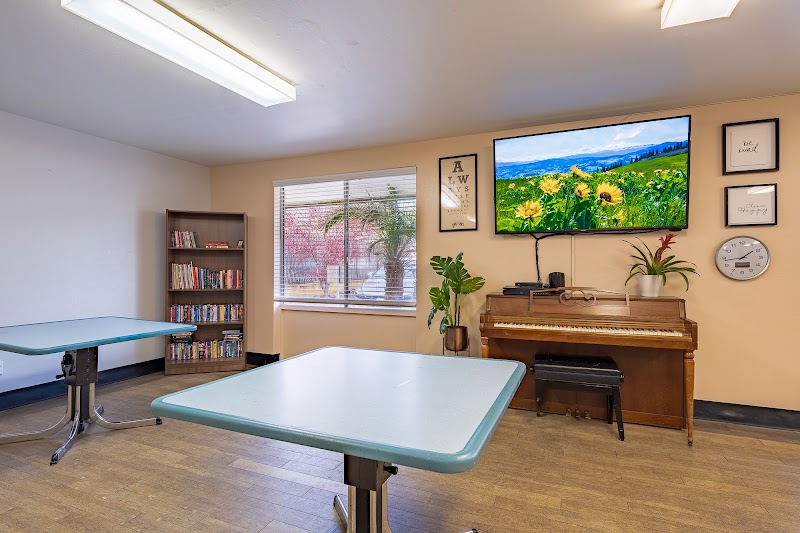
How is Roseville Point Health & Wellness Center Staffed?

CMS rates ROSEVILLE POINT HEALTH & WELLNESS CENTER's staffing level at 3 out of 5 stars, which is average compared to other nursing homes. Staff turnover is 52%, compared to the California average of 46%. RN turnover specifically is 58%, which is notably high. RNs provide skilled clinical oversight, so turnover in this role can affect medical care quality.

What Have Inspectors Found at Roseville Point Health & Wellness Center?

State health inspectors documented 111 deficiencies at ROSEVILLE POINT HEALTH & WELLNESS CENTER during 2021 to 2025. These included: 3 that caused actual resident harm, 107 with potential for harm, and 1 minor or isolated issues. Deficiencies causing actual harm indicate documented cases where residents experienced negative health consequences.

Who Owns and Operates Roseville Point Health & Wellness Center?

ROSEVILLE POINT HEALTH & WELLNESS CENTER is owned by a for-profit company. For-profit facilities operate as businesses with obligations to shareholders or private owners. The facility is operated by SOL HEALTHCARE, a chain that manages multiple nursing homes. With 98 certified beds and approximately 84 residents (about 86% occupancy), it is a smaller facility located in ROSEVILLE, California.
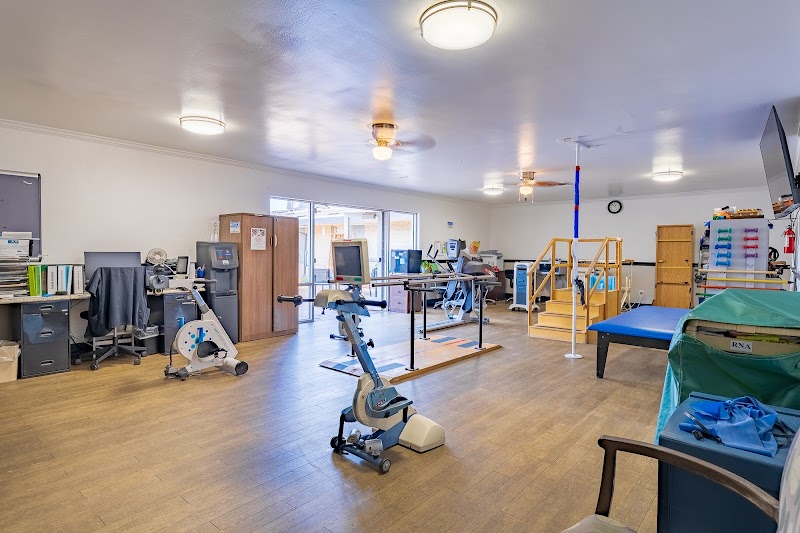
How Does Roseville Point Health & Wellness Center Compare to Other California Nursing Homes?

Compared to the 100 nursing homes in California, ROSEVILLE POINT HEALTH & WELLNESS CENTER's overall rating (1 stars) is below the state average of 3.1, staff turnover (52%) is near the state average of 46%, and health inspection rating (1 stars) is much below the national benchmark.

What Should Families Ask When Visiting Roseville Point Health & Wellness Center?

Based on this facility's data, families visiting should ask: "What safeguards and monitoring systems are in place to protect residents from abuse or neglect?" "Can I visit during a mealtime to observe dining assistance and food quality?" "How do you handle medical emergencies, and what is your hospital transfer rate?" "Can I speak with family members of current residents about their experience?" These questions are particularly relevant given the substantiated abuse finding on record.

Is Roseville Point Health & Wellness Center Safe?

Based on CMS inspection data, ROSEVILLE POINT HEALTH & WELLNESS CENTER has documented safety concerns. The facility has 1 substantiated abuse finding (meaning confirmed case of resident harm by staff or other residents). The facility has a 1-star overall rating and ranks #100 of 100 nursing homes in California. Families considering this facility should ask detailed questions about what corrective actions have been taken since these incidents.

Do Nurses at Roseville Point Health & Wellness Center Stick Around?

ROSEVILLE POINT HEALTH & WELLNESS CENTER has a staff turnover rate of 52%, which is 6 percentage points above the California average of 46%. Moderate turnover is common in nursing homes, but families should still ask about staff tenure and how the facility maintains care continuity when employees leave.

Was Roseville Point Health & Wellness Center Ever Fined?

ROSEVILLE POINT HEALTH & WELLNESS CENTER has been fined $16,232 across 2 penalty actions. This is below the California average of $33,241. While any fine indicates a compliance issue, fines under $50,000 are relatively common and typically reflect isolated problems that were subsequently corrected. Families should ask what specific issues led to these fines and confirm they've been resolved.

Is Roseville Point Health & Wellness Center on Any Federal Watch List?

ROSEVILLE POINT HEALTH & WELLNESS CENTER is not on any federal watch list. The most significant is the Special Focus Facility (SFF) program, which identifies the bottom 1% of nursing homes nationally based on persistent, serious quality problems. Not being on this list means the facility has avoided the pattern of deficiencies that triggers enhanced federal oversight. This is a positive indicator, though families should still review the facility's inspection history directly.