SACRAMENTO POST-ACUTE
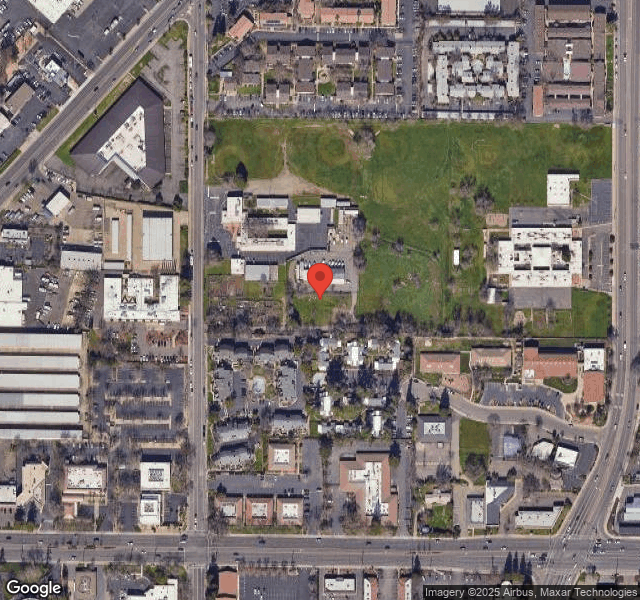

5255 HEMLOCK STREET, SACRAMENTO, CA 95841 (916) 331-4590
For profit - Limited Liability company 99 Beds PACS GROUP Data: November 2025
Trust Grade
80/100
#185 of 1155 in CA
Last Inspection: October 2024

Within standard 12-15 month inspection cycle. Federal law requires annual inspections.

Overview

Sacramento Post-Acute has a Trust Grade of B+, indicating it is above average and recommended, which suggests a generally positive environment for residents. It ranks #185 out of 1155 facilities in California, placing it in the top half, and #5 out of 37 in Sacramento County, meaning only four local options are ranked higher. However, the facility is showing a worsening trend, with the number of issues increasing from 10 in 2023 to 11 in 2024. Staffing is a concern, rated at 2 out of 5 stars with a turnover rate of 45%, which is average but suggests that staff may not be consistently familiar with residents. On a positive note, the facility has not incurred any fines, which is good news. There is also an average level of RN coverage, which is essential for catching potential issues. Specific incidents reported include expired food items found in the kitchen, unclean kitchen equipment, and a medication administration error rate of 8%, exceeding the acceptable threshold. These findings highlight both strengths and weaknesses, suggesting that while there are good aspects, families should be aware of the areas needing improvement.

Trust Score
B+
80/100
In California
#185/1155
Top 16%
Safety Record
Low Risk
No red flags
Inspections
Getting Worse
10 → 11 violations
Staff Stability
⚠ Watch
45% turnover. Above average. Higher turnover means staff may not know residents' routines.
Penalties
✓ Good
No fines on record. Clean compliance history, better than most California facilities.
Skilled Nurses
⚠ Watch
Each resident gets only 27 minutes of Registered Nurse (RN) attention daily — below average for California. Fewer RN minutes means fewer trained eyes watching for problems.
Violations
⚠ Watch
29 deficiencies on record. Higher than average. Multiple issues found across inspections.
★★★★★
5.0
Overall Rating
★★☆☆☆
2.0
Staff Levels
★★★★★
5.0
Care Quality
★★★★☆
4.0
Inspection Score
Stable
2023: 10 issues
2024: 11 issues

The Good

  • 5-Star Quality Measures · Strong clinical quality outcomes
  • Full Sprinkler Coverage · Fire safety systems throughout facility
  • No fines on record

Facility shows strength in quality measures, fire safety.

The Bad

Staff Turnover: 45%

Near California avg (46%)

Higher turnover may affect care consistency

Chain: PACS GROUP

Part of a multi-facility chain

Ask about local staffing decisions and management

The Ugly 29 deficiencies on record

Oct 2024 4 deficiencies
CONCERN (D)

Potential for Harm - no one hurt, but risky conditions existed

Deficiency F0658 (Tag F0658)

Could have caused harm · This affected 1 resident

1. A review of an admission record indicated Resident 63 was admitted to the facility in Winter of 2023 with diagnoses which included benign prostatic hyperplasia (BPH: causes prostate to grow and can...

Read full inspector narrative →
1. A review of an admission record indicated Resident 63 was admitted to the facility in Winter of 2023 with diagnoses which included benign prostatic hyperplasia (BPH: causes prostate to grow and can cause difficulty urinating) with a history of a urinary tract infection (UTI: an infection in the bladder/urinary tract), diabetes mellitus type II (DM2-a disorder characterized by difficulty in blood sugar control and poor wound healing), and moderate malnutrition (an imbalance between the nutrients the body needs to function and the nutrients it gets which can lead to reduced ability to fight off infection and impair wound healing). A review of Resident 63's care plans, initiated 3/7/24, indicated, Focus: bladder: At risk for complications with urinary system related to BPH .suprapubic catheter .interventions/tasks .suprapubic catheter care per facility policy and physician order . and Focus: Skin: Resident is at risk for skin breakdown related to .diabetes, nutritional risk .interventions/tasks .administer treatments as ordered .apply barrier cream as indicated . In an interview on 10/18/24 at 9:42 a.m., the Licensed Nurse 2 (LN 2) stated nurses should follow physician orders to check suprapubic urinary catheters every shift for placement, drainage, signs of infection, and ensure it is clean to prevent infection. The LN 2 further stated staff were expected to follow orders to clean and apply protective ointments to skin areas with redness, such as a coccyx, to prevent it from worsening to a pressure ulcer. The LN 2 acknowledged staff were expected to document all care provided and added, If it is not documented it didn't happen. In an interview on 10/18/24 at 10:46 a.m., the Director of Staff Development (DSD) stated she expected care to be provided as ordered by the physician. The DSD acknowledged residents with suprapubic urinary catheters were at risk for acquiring infections and residents with skin redness on the coccyx would be at risk of acquiring pressure ulcers if orders for care are not followed. During a concurrent interview and record review on 10/18/24 at 10:57 a.m., with the Assistant Director of Nursing (DON), Resident 63's medical records were reviewed. The ADON confirmed Resident 63's Treatment Administration Record (TAR : a daily documentation record to document treatments given to a resident), dated September 2024, indicated Resident 63 had a suprapubic urinary catheter with orders to provide routine catheter care including cleaning and monitoring catheter site for redness and irritation every shift. The ADON acknowledged Resident 63's TAR indicated catheter care was not documented as completed for at least one shift on the following dates: 9/2/24, 9/3/24,9/6/24, 9/7/24, 9/12/24, 9/18/24, 9/21/24, 9/27/24, 9/29/24, and 9/30/24. The ADON acknowledged there were no nursing notes in Resident 63's medical record which indicated why the care had not been documented or provided as ordered. The ADON also confirmed Resident 63's TAR dated September 2024 indicated Resident 63 had skin redness to the coccyx with an order to clean and apply barrier cream (a product that can help prevent pressure ulcers, by protecting the skin from moisture, friction, and pressure) to area of skin redness on Resident 63's coccyx. The ADON acknowledged Resident 63's TAR indicated there was no documented evidence the coccyx was cleaned and barrier cream was applied on the following dates: 9/2/24, 9/3/24, 9/6/24, 9/7/24, 9/12/24, 9/18/24, 9/27/24, 9/28/24,9/29/24, and 9/30/24. The ADON acknowledged there were no nursing notes in Resident 63's medical record which indicated why the care had not been documented or provided as ordered. A review of the facility's policy and procedure (P&P) titled, Catheter Care, Urinary, revised August 2022, indicated, .The purpose of this procedure is to prevent urinary catheter-associated complications, including urinary tract infections .the following information should be recorded in the resident's medical record .the date and time that catheter care was given . A review of the facility's P&P titled, Prevention of Pressure Injuries, revised April 2020, indicated, . The purpose of this procedure is to provide information regarding identification of pressure injury risk factors and interventions for specific risk factors .Review the residents care plan and identify the risk factors as well as the interventions designed to reduce or eliminate those considered modifiable .during the skin assessment, inspect .presence of erythema [abnormal redness of the skin] .inspect pressure points .coccyx .skin care .use a barrier product to protect skin from moisture .evaluate, report, and document potential changes in the skin . 2. A review of Resident 36's admission record indicated Resident 36 was admitted to the facility in the winter of 2022 with diagnoses including a history of having a stroke (a life-threatening condition that happens when part of your brain does not have enough blood flow) and depended on feeding through a gastrostomy tube (GT, a surgical opening fitted with a device to allow feedings to be administered directly to the stomach common for people with swallowing problems). A review of Resident 36's care plan, dated 12/22/22, indicated, Focus: enteral [route of feeding] care plan .interventions/tasks .check residual [the amount of fluid that remains in the stomach after being fed through a gastrostomy tube] prior to each feeding .hold [temporary stop order] enteral tube feeding if residual more that 100 ml [milliliter: metric unit of measure] or as ordered .Notify MD [medical doctor] if unable to tolerate tube feeding . In an interview on 10/18/24 at 9:42 a.m., the LN 2 stated staff are expected to check GT residual prior to the start of a new tube feed and if the residual is over 250 milliliters (ml), staff are expected to hold the tube feed and notify the physician. The LN 2 confirmed staff were expected to document the physician was notified in the resident's medical record. The LN 2 clarified if a staff member were to speak with the physician directly, the conversation would would be expected to be documented in the resident's medical record. The LN 2 added, If it is not documented, it did not happen. During a concurrent interview and record review on 10/18/24 at 10:57 a.m., with the ADON, Resident 36's medical records were reviewed. The ADON confirmed Resident 36 had an order which indicated the MD was to be notified if a resident's GT residual amount was over 250 ml. The ADON stated he expected the physician to have been notified each instance a resident's residual was over 250 ml and the notification to be documented in the resident's medical record. The ADON confirmed Resident 36's Medication Administration Record (MAR: a daily documentation record used by a licensed nurse to document medications given to a resident) indicated on 9/10/24, 9/11/24, and 9/14/24 Resident 63 had instances of residual amounts over 250 ml. The ADON acknowledged there was no documented evidence in Resident 36's medical record which indicated the physician had been notified of the instances residual amounts over 250 ml. A review of the facility's P&P titled, Charting and Documentation, dated July 2017, indicated, .All services provided to the resident .shall be documented in the resident's medical records 3. A review of Resident 53's admission record indicated admission in August 2022 with diagnoses which included muscle weakness, hemiplegia and hemiparesis (weakness or total paralysis of the arm, leg, and trunk on the same side of the body). A Minimum Data Set (MDS: a federally mandated resident assessment tool), dated 9/18/24, indicated Resident 53 received restorative nursing services. The following documents in Resident 53's medical record indicated: -An order summary report dated 10/18/24 indicated no current orders for Resident 53 to receive RNA services. -An order listing report (a history of physician orders) indicated the latest order for RNA services was discontinued on 9/9/23. -A care plan for Resident 53's contractures (a stiffening /shortening at any joint that reduces the joint's range of motion) initiated on 9/9/23 and revised on 10/6/24 indicated, .Restorative nursing program: As Ordered .Notify MD if pain noted with ROM [Range of Motion] as indicated . -A nursing-RNA weekly summary report, dated 10/13/24, indicated Resident 53 received RNA services three times. In an interview on 10/17/24 at 4:23 p.m. the Director of Rehabilitation department (DOR) stated if the RNA program is recommended for a resident, the therapy department provides training to RNAs. The resident is then transferred to the RNA program which is managed by the nursing department. The DOR added the therapy department conducts monthly reviews of residents on the RNA program. During a concurrent interview and record review on 10/17/24 at 14:33 p.m. with the DOR and the Director of Nursing (DON), Resident 53's current orders and the RNA charting was reviewed. The DON confirmed Resident 53 was receiving RNA services without orders since the latest RNA order had been discontinued on 9/9/23. The DON stated Resident 53 was likely moved to comfort care and orders were discontinued but the RNAs were not notified. The DON and DOR agreed services must be provided in accordance with the physician's orders. A review of the facility's P&P titled, Restorative Nursing Services, revised July 2017, indicated, .Restorative goals and objectives are individualized and resident-centered, and are outlined in the resident's plan of care . Restorative goals may include, but are not limited to . implementation of his/her plan of care. Based on observation, interview, and record review the facility failed to ensure nursing care provided met professional standards for three residents (Resident 63, Resident 36, and Resident 53) of 23 sampled residents when licensed nursing staff did not: 1. Perform Resident 63's suprapubic catheter (a tube that drains urine from the bladder through a small incision in the lower abdomen, just above the pubic bone) care and coccyx (also known as the tailbone which is the triangular bony structure found at the bottom of the spine) skin care as ordered; 2. Ensure Resident 36's medical record indicated the physician was notified as ordered; and, 3. Ensure Restorative Nurse Assistant (RNA, a program which provides exercise and a range of motion activities to the residents) services were provided to Resident 53 without active prescriber orders. These failures decreased the facility's potential to provide adequate and accurate care to residents. Findings:
CONCERN (D)

Potential for Harm - no one hurt, but risky conditions existed

Infection Control (Tag F0880)

Could have caused harm · This affected 1 resident

**NOTE- TERMS IN BRACKETS HAVE BEEN EDITED TO PROTECT CONFIDENTIALITY** Based on observation, interview, and record review, the facility failed to maintain infection prevention and control practices t...

Read full inspector narrative →
**NOTE- TERMS IN BRACKETS HAVE BEEN EDITED TO PROTECT CONFIDENTIALITY** Based on observation, interview, and record review, the facility failed to maintain infection prevention and control practices to help prevent the development and transmission of communicable diseases and infections when: 1. Resident 37's nephrostomy bag (a bag that collects urine from a nephrostomy tube, which is a thin, flexible tube placed into the kidney) was observed touching the floor and the antimicrobial bag used as a privacy bag was not labeled with a placement date; and, 2. The Continuous Air Mist (CAM) respiratory equipment was not labeled with placement dates for Resident 14 and Resident 59. These failures had the potential to result in infection among a facility census of 85 residents. Findings: 1. A review of Resident 37's admission record indicated admission to the facility in August 2024 with diagnoses which included pyelonephritis (a bacterial or viral infection that causes inflammation of the kidneys) and urinary tract infection (UTI- an infection in the bladder/urinary tract). A review of Resident 37's medical records indicated the following: -An Order Summary Report (OSR) dated 10/18/24 indicated orders for the provision of nephrostomy care. -A care plan initiated on 10/16/24 indicated, The resident has a nephrostomy . nephrostomy bag will hang on bed as safe as able and be placed below kidneys .Ensure privacy cover is placed on foley bag [referring to nephrostomy bag] . During concurrent observation and interview on 10/15/24 at 11:54 a.m. with the Infection Preventionist (IP) by Resident 37's bedside, Resident 37's antimicrobial cover bag (used for privacy) was observed hanging on the left side of the bedframe and touching the floor. The antimicrobial bag did not have a date to indicate when it was placed. The IP stated the antimicrobial bag should be kept off the floor. The IP confirmed the antimicrobial bag needed to be dated with the date it was placed in order for it to be properly replaced. A review of facility's policy and procedure (P&P) titled, Catheter Care, Urinary, dated August 2022, indicated, The purpose of this procedure is to prevent urinary catheter-associated complications, including urinary tract infections .Be sure the catheter tubing and drainage bag are kept off the floor . 2. A review of Resident 14's admission record indicated admission to the facility in 2013 with diagnoses which included chronic respiratory failure (a long-term condition that makes it difficult to breathe because the lungs can't exchange gases properly) and tracheostomy (an opening in the neck to provide an airway and remove secretions from the lungs) use. A review of a Minimum Data Set (MDS- a federally mandated resident assessment tool) dated 9/25/24 indicated Resident 14 was receiving tracheostomy care. A review of Resident 14's medical records indicated the following: -An OSR indicated orders for tracheostomy care which included weekly respiratory equipment (Tracheostomy mask, corrugated tubing, oxygen line, HHN [handheld nebulizer], NEB [Nebulizer] T Adapter and oxygen adapter) to be changed every Friday. -A respiratory care plan initiated 4/1/24 indicated, Resident is at risk for complications with respiratory system .Administer medications as ordered .Trach [tracheostomy] management. A review of Resident 59's admission record indicated admission tot he facility in June 2023 with diagnoses which included chronic respiratory failure and tracheostomy use. A review of an MDS dated [DATE] indicated Resident 59 was receiving tracheostomy care. A review of Resident 59's respiratory care plan initiated on 3/29/24 indicated, Resident is at risk for complications with the respiratory system .[intervention] Trach management . During a concurrent observation and interview on 10/17/24 at 4:09 p.m. with the Respiratory Therapist (RT) at Resident 14's bedside, Resident 14's CAM equipment was observed. The RT confirmed Resident 14's tracheostomy mask and corrugated tubing were not labeled with the date they were replaced. During a concurrent observation and interview on 10/17/24 at 4:15 p.m. with the RT at Resident 59's bedside, Resident 59's CAM equipment was observed. The RT confirmed Resident 59's humidifier bottle was not labeled with the date it was replaced. The RT stated he expected individually removable parts of the CAM system (including tracheostomy mask, corrugated tubing, and humidifier bottle) to be labeled with the date they were replaced. During a concurrent observation and interview on 10/17/24 commencing at 5:09 p.m., the Director Of Nursing (DON) walked over to the subacute nursing station and pointed to the posted note with the CAM equipment weekly change schedule. The DON stated she expected all listed parts to be labeled with a replacement date which included the CAM tubing [corrugated tubing], pressure line, tee adapter, drain bag, and trach mask. The DON also added humidifiers should also be dated and changed at least weekly. A review of facility's P&P V.A.P. Ventilator Associated Pneumonia [PNA, an infection/inflammation in the lungs], undated, indicated, VAP prevention strategies . Remove condensate from ventilator circuits or aerosols .Change ventilator circuits only when malfunctioning, visibly soiled, or per equipment change schedule .
CONCERN (E)

Potential for Harm - no one hurt, but risky conditions existed

Food Safety (Tag F0812)

Could have caused harm · This affected multiple residents

Based on observation, interview, and record review, the facility failed to ensure food was prepared and stored in a safe and sanitary manner for a census of 62 residents who received food prepared fro...

Read full inspector narrative →
Based on observation, interview, and record review, the facility failed to ensure food was prepared and stored in a safe and sanitary manner for a census of 62 residents who received food prepared from the kitchen, when: 1. Expired food items were found on the kitchen shelf; 2. An unclean appliance attachment cap was on the steam table and an unclean oven top and mesh rack for storage of water pitchers were found in the kitchen; 3. Pans with hard black residue were available for use in the kitchen; 4. The dry storage room had no documented evidence of temperature monitoring; 5. The freezer section of the refrigerator used for storage of resident foods had no thermometer and no documented temperature monitoring evidence; and, 6. the ice dispensing mechanism of the ice maker had dark residue. These failures decreased the facility's potential to store, prepare, distribute, and serve food in accordance with professional standards for food service safety. Findings: 1. During a concurrent observation and interview on 10/15/24 commencing at 8:31 a.m. with the Registered Dietitian (RD) the initial tour of the kitchen was conducted and five bread crumb containers measuring 680 grams (g- metric unit for mass) were found labeled with by 30SEP2024 . [expiration of 9/30/24]. The RD confirmed the bread crumb label information and stated she had to check the supplier guidelines to confirm it was expired. In an interview on 10/16/24 at 2:11 p.m., the RD confirmed the bread crumb containers found in the kitchen on 10/15/24 were expired. A review of facility's policy and procedure (P&P) titled Storage of Food and Supplies, dated 2023, indicated, Food and supplies will be stored properly and in a safe manner .No food will be kept longer than the expiration date on the product . 2. During a concurrent observation and interview in the kitchen on 10/16/24 at 2:21 p.m. with the Dietary Supervisor (DS), a steam table was observed with a metal appliance cap with particles and discolored dark residue. The DS confirmed the cap was not clean and had residue which was crusty and old. During a concurrent observation and interview on 10/17/24 at 9:24 a.m. with DS in the kitchen, a large pan of wheat rolls was observed resting on top of the main oven. The surface of the oven top was observed covered in dark, dust-like particles. The DS confirmed the oven top was dusty. During a concurrent observation and interview on 10/17/24 at 9:58 a.m. with the RD in the kitchen, a metal wire rack was observed with dark residue on its shelving and clear plastic water pitchers were placed on the bottom of the shelf. The RD confirmed the rack was not clean and it was used to store clean pitchers. 3. During a concurrent observation and interview on 10/17/24 commencing at 10:16 a.m. with the DS and the RD in the kitchen, pans with hard dark residue were observed hanging above the table. The DS confirmed the pans had a dark hard residue and one of the pans had the same residue on the inside of it. The RD stated the pans were to be replaced on an as needed basis. In an interview on 10/18/24 commencing at 9:47 a.m. RD agreed the black carbon buildup on the pans could leach into the food during cooking and affect food quality and safety. A review of facility's P&P titled, Sanitation, undated, indicated, .There shall be adequate equipment for cleaning and disposal of waste and general storage. All equipment shall be maintained as necessary and kept in working order . Each employee shall know how to operate and clean all equipment in his specific work area .All utensils, counters, shelves, and equipment shall be kept clean, maintained in good repair and shall be free from breaks, corrosions, open seams, cracks, and chipped areas . 4. During a concurrent observation and interview on 10/15/24 commencing at 8:31 a.m. with the RD, the dry storage area was observed with a thermometer but there was no temperature log for monitoring of the room temperature on a periodic basis. The RD confirmed the facility did not have documented evidence the dry storage temperatures were being monitored on a regular basis. In an interview on 10/18/24 at 10:43 a.m. the RD agreed dry storage foods needed to be kept in a dry, cool place and temperatures of the dry storage needed to be monitored to ensure food temperatures did not go outside recommended ranges so foods did not spoil. A review of facility's P&P titled, Storage of Food and Supplies, dated 2023, indicated, .The storeroom should be well-lighted, well-ventilated, cool, dry, and clean at all times. Thermometers should be placed in all storage areas and checked frequently. Recommended temperature is 50 [Degrees Fahrenheit- Deg. F. standard temperature units]-85 [deg. F.]- if dry food storage goes over 85 [deg. F.] take corrective action . 5. During a concurrent observation of the resident foods refrigerator (located in the utility room near the nurse's station) and interview on 10/16/24 at 12:48 p.m. with the RD, the RD was unable to locate the thermometer for the freezer section of the refrigerator. The RD confirmed the freezer section did not contain a thermometer. In an interview on 10/16/24 at 12:55 p.m., the RD confirmed the facility did not have documented evidence of the freezer section of the refrigerator was being monitored for the storage of resident foods. A review of facility's P&P titled, Procedure for Freezer Storage, dated 2023, indicated, .Frozen foods should be immediately stored in the freezer upon delivery. The freezer should be maintained at a temperature of 0 [Deg. F.] or lower .Each freezer must have two thermometers that are easily visible .Freezer temperature should be recorded twice daily by a designated employee and logged in the Cold Storage Temperature Log . 6. During a concurrent observation and interview on 10/16/24 at 2:24 p.m. with the Maintenance Supervisor (MS) in the breakroom, the ice maker was inspected and the plastic mechanism above the ice bin was observed with dark residue. After wiping the area with a white napkin, a dark smear on the napkin. The MS confirmed the ice maker was the only available ice maker in the building and he did not expect it to produce a dark residue on the dispenser mechanism. A review of facility's P&P titled, Sanitation, undated, indicated, .There shall be adequate equipment for cleaning and disposal of waste and general storage. All equipment shall be maintained as necessary and kept in working order . Each employee shall know how to operate and clean all equipment in his specific work area .All utensils, counters, shelves, and equipment shall be kept clean .
CONCERN (E)

Potential for Harm - no one hurt, but risky conditions existed

Room Equipment (Tag F0908)

Could have caused harm · This affected multiple residents

Based on observation and interview, the facility failed to maintain the reach-in meat freezer in safe operating condition when door seals were observed with tears/cracks, and the top of the freezer ha...

Read full inspector narrative →
Based on observation and interview, the facility failed to maintain the reach-in meat freezer in safe operating condition when door seals were observed with tears/cracks, and the top of the freezer had ice buildup on the inside. This failure decreased the facility's potential to ensure food safety and quality for 62 residents who ate facility prepared meals. Findings: During a concurrent observation and interview on 10/18/24 at 10:37 a.m. with the Registered Dietitian (RD) in the kitchen, the reach-in meat freezer was observed with two cracks on door seals (under 1/2 inch in length) and ice build-up hung near the fan at the top of the freezer. The RD confirmed observations. A review of the facility provided freezer installation and operations manual, undated, indicated, The door gaskets should be cleaned in place with a mild soap solution to extend their life. A review of the United States Food and Drug (FDA) Food Code 2022 indicated, EQUIPMENT shall be maintained in a state of repair and condition that meets the requirements specified under Parts 4-1 and 4-2 EQUIPMENT components such as doors, seals, hinges, fasteners, and kick plates shall be kept intact, tight, and adjusted in accordance with manufacturer's specifications. The FDA Food Code 2022 further indicated, Proper maintenance of equipment to manufacturer specifications helps ensure that it will continue to operate as designed. Failure to properly maintain equipment could lead to violations of the associated requirements of the Code that place the health of the consumer at risk. For example, refrigeration units in disrepair may no longer be capable of properly cooling or holding time/temperature control for safety foods at safe temperatures.
Jul 2024 2 deficiencies
CONCERN (D) 📢 Someone Reported This

A family member, employee, or ombudsman was alarmed enough to file a formal complaint

Potential for Harm - no one hurt, but risky conditions existed

Report Alleged Abuse (Tag F0609)

Could have caused harm · This affected 1 resident

**NOTE- TERMS IN BRACKETS HAVE BEEN EDITED TO PROTECT CONFIDENTIALITY** Based on interviews and record review, the facility failed to report an incident of alleged abuse for one of three sampled resid...

Read full inspector narrative →
**NOTE- TERMS IN BRACKETS HAVE BEEN EDITED TO PROTECT CONFIDENTIALITY** Based on interviews and record review, the facility failed to report an incident of alleged abuse for one of three sampled residents (Resident 1), when Resident 1 verbalized he was treated roughly and handled like a rag doll. This failure had the potential to place the resident at risk for further harm. Findings: Review of an anonymous staff report received by the department on [DATE] indicated, During Afternoon shift, Resident [Resident 1] acquired an avulsion (degloving) [avulsion-a traumatic injury that occurs when the layers of skin and tissue are torn away from the underlying muscle, connective tissue, or bone] injury to RUE [right upper extremity] while brief change. Per resident CNA [certified nursing assistant] grabbed him by his arm and stated, she pulled me, and was so strong .she tore the last piece of skin I had. DON [director of nursing]/ administrator do not want to report and is insisting to Nursing staff to reword documentation, due to I can misinterpret to physical abuse. CNA was not written up. During a review of Resident 1's face sheet, Resident 1, [AGE] years old, was admitted to the facility on [DATE], on hospice care (focuses on care, comfort, and quality of life of a person with serious illness who is approaching the end of life) and with diagnoses that included acute respiratory failure with hypoxia (low levels of oxygen in body tissue), malignant (cancer) neoplasm (tumor) of skin, and heart failure. Resident 1 was his own responsible party. During a review of Resident 1's Significant Change in Status Minimum Data Set (MDS-an assessment tool), dated [DATE], the MDS described Resident 1 as able to make himself understood and able to understand others. Resident 1's Brief Interview for Mental Status (BIMS-a screening that aids in detecting cognitive impairment) score was 5 which indicated he had severe cognitive impairment. The MDS described Resident 1 as having no signs or symptoms of delirium or behavioral symptoms. The MDS also described Resident 1 as needing setup or clean up assistance with eating, oral hygiene and personal hygiene, as needing substantial/maximal assistance with toileting hygiene and lower body dressing and as needing partial/moderate assistance with shower/bathe self and upper body dressing. Review of Resident 1's physician orders contained an order, dated [DATE], indicating Resident 1 had the capacity to make his medical decisions and a physician's order, dated [DATE], indicating Resident 1 was capable of understanding rights and responsibilities, and/or able to participate in treatment plan. During a review of Resident 1's Progress Notes, dated [DATE] at 5:23 p.m. Wound Nurse 1 documented she was alerted by a CNA that patient had a 'skin tear' and moment later by charge nurse that patient had a tear to arm. Upon entering room, patient alone, lying in bed to left side with arm resting on side rail. Degloving noted to right forearm and finger point areas to posterior right forearm and right wrist. Patient tearful and in pain asking repeatedly ' why did she do this to me' and ' they treat me like a rag doll' when I asked if he was having difficulty turning when CNA grabbed his arm to reposition? Patient also remarked 'she took the last of my skin I had.' Writer able to gently unroll flap of skin approximately halfway up forearm and at wrist securing edges with steri-strips (thin adhesive strips) .MD (Medical Doctor)/NP (Nurse Practitioner) sent message for notification . During a review of Resident 1's Progress Note, dated [DATE] at 11:23 p.m., Charge Nurse (CN) 1 documented Notified by CNA at 1610 [4:10 p.m.] about resident's skin tear that occurred while CNA is changing resident. Upon entering room, resident is lying in bed with a major skin tear while being changed and wound nurse notified immediately. Resident stated, 'watch out with this one, s/he's tough.' While talking about the CNA. Resident alert and oriented x4. Hospice notified about incident. Resident also stated that the CNA ' skinned' him today. During an interview, on [DATE] at 10:47 a.m., with the Wound Nurse 1, she stated she was in her office when a CNA came by and told her about Resident 1's skin tear. Wound Nurse 1 stated she went to the treatment cart to get supplies and then proceeded to Resident 1's room. Resident 1 stated to her, Why did she do this to me. Wound Nurse 1 stated Resident 1's skin was pulled back from wrist area up forearm to elbow area. Wound Nurse 1 stated Resident 1 stated out loud, Treated me like a rag doll. Wound Nurse 1 verified she had documented her findings in Resident 1's Progress Notes on [DATE]. She verified she had not documented, any other information regarding Resident 1's skin tear, anywhere else in Resident 1's clinical record. Wound Nurse 1 stated she had taken pictures of Resident 1's wounds and sent a notification, along with the wound pictures, to the physician. During a follow up interview on [DATE] at 10:18 a.m., with Wound Nurse 1, she confirmed she reported Resident 1's skin tear to Charge Nurse (CN) 1 and Desk Nurse (DN) 1, and to the DON on [DATE]. Resident 1 was not able to be interviewed because he expired [DATE]. During an interview on [DATE] at 10:52 a.m., with the Director of Nursing (DON), the DON confirmed she became aware of Resident 1's skin tear on [DATE] from Wound Nurse 1. The DON confirmed she reviewed Resident 1's clinical record on [DATE] and was aware of the statements made by Resident 1 and documented in the Progress Notes on [DATE]. Review of the facility's policy and procedure titled, Abuse, Neglect, Exploitation or Misappropriation-Reporting and Investigating, revised [DATE], indicated, If resident abuse, neglect, exploitation, misappropriation of resident property or injury of unknown source is suspected, the suspicion must be reported immediately to the administrator and to other officials according to state law. The administrator / designee or the individual making the allegation immediately reports his or her suspicion to the following persons or agencies: a. The state licensing/certification agency responsible for surveying/licensing the facility; b. The local/state ombudsman; c. The resident's representative; d. Law enforcement officials; . Immediately is defined as: a. within two hours of an allegation involving abuse or result in serious bodily injury; or b. within 24 hours of an allegation that does not involve abuse or result in serious bodily injury .Upon receiving any allegations of abuse. neglect, exploitation, misappropriation of resident property or injury of unknown source, the administrator is responsible for determining what actions (if any) are needed for the protection of residents.
CONCERN (D) 📢 Someone Reported This

A family member, employee, or ombudsman was alarmed enough to file a formal complaint

Potential for Harm - no one hurt, but risky conditions existed

Investigate Abuse (Tag F0610)

Could have caused harm · This affected 1 resident

**NOTE- TERMS IN BRACKETS HAVE BEEN EDITED TO PROTECT CONFIDENTIALITY** Based on interviews and record reviews, the facility failed to follow their policy and procedure (P&P) to investigate an allegat...

Read full inspector narrative →
**NOTE- TERMS IN BRACKETS HAVE BEEN EDITED TO PROTECT CONFIDENTIALITY** Based on interviews and record reviews, the facility failed to follow their policy and procedure (P&P) to investigate an allegation of abuse for one of three sampled residents (Resident 1), when on [DATE] Resident 1 was noted to have a degloving (avulsion-a traumatic injury that occurs when the top layers of skin and tissue are torn away from the underlying muscle, connective tissue, or bone) injury to right forearm and finger point areas to posterior right forearm and right wrist', and claimed it was from rough treatment from the Certified Nursing Assistant. This failure had the potential to place the resident at risk for further harm. Findings: Review of an anonymous staff report received by the department on [DATE] indicated, During Afternoon shift, Resident acquired an avulsion (degloving) [avulsion-a traumatic injury that occurs when the layers of skin and tissue are torn away from the underlying muscle, connective tissue, or bone] injury to RUE [right upper extremity] while brief change. Per resident CNA [certified nursing assistant] grabbed him by his arm and stated, she pulled me, and was so strong .she tore the last piece of skin I had DON [director of nursing]/ administrator do not want to report and is insisting to Nursing staff to reword documentation, due to I can misinterpret to physical abuse. CNA was not written up. During a review of Resident 1's face sheet, Resident 1, [AGE] years old, was admitted to the facility on [DATE], on hospice care (focuses on care, comfort, and quality of life of a person with serious illness who is approaching the end of life) and with diagnoses that included acute respiratory failure with hypoxia (low levels of oxygen in body tissue), malignant (cancer) neoplasm (tumor) of skin, and heart failure. Resident 1 was his own responsible party. During a review of Resident 1's Significant Change in Status Minimum Data Set (MDS-an assessment tool), dated [DATE], the MDS described Resident 1 as able to make himself understood and able to understand others. Resident 1's Brief Interview for Mental Status (BIMS-a screening that aids in detecting cognitive impairment) score was 5 which indicated he had severe cognitive impairment. The MDS described Resident 1 as having no signs or symptoms of delirium or behavioral symptoms. The MDS also described Resident 1 as needing setup or clean up assistance with eating, oral hygiene and personal hygiene, as needing substantial/maximal assistance with toileting hygiene and lower body dressing and as needing partial/moderate assistance with shower/bathe self and upper body dressing. Review of Resident 1's physician orders contained an order, dated [DATE], indicating Resident 1 had the capacity to make his medical decisions and a physician's order, dated [DATE], indicating Resident 1 was capable of understanding rights and responsibilities, and/or able to participate in treatment plan. A review of Resident 1's care plan, dated [DATE] **Hospice Skin Care Plan** At risk for altered skin integrity R/T (related to): Clinical Risk Factors: Altered ADL (Activities of Daily Living-activities related to personal care) Ability, Bowel & Or Bladder Incontinence. During a review of Resident 1's Progress Notes, dated [DATE] at 5:23 p.m., Wound Nurse 1 documented she was alerted by a CNA that patient had a 'skin tear' and moments later by charge nurse that patient had a tear to arm. Upon entering room, patient alone, lying in bed to left side with arm resting on side rail. Degloving noted to right forearm and finger point areas to posterior right forearm and right wrist. Patient tearful and in pain asking repeatedly, 'why did she do this to me' and 'they treat me like a rag doll' when I asked if he was having difficulty turning when CNA grabbed his arm to reposition? Patient also remarked 'she took the last of my skin I had.' Writer able to gently unroll flap of skin approximately halfway up forearm and at wrist securing edges with steri-strips (thin adhesive strips) .MD (Medical Doctor)/NP (Nurse Practitioner) sent message for notification . During a review of Resident 1's Progress Note, dated [DATE] at 11:23 p.m., Charge Nurse (CN) 1 documented notified by CNA at 1610 (4:10 p.m.) about resident's skin tear that occurred while CNA is changing resident. Upon entering room, resident is lying in bed with a major skin tear while being changed and wound nurse notified immediately. Resident stated, 'watch out with this one, s/he's tough.' While talking about the CNA. Resident alert and oriented x4. Hospice notified about incident. Resident also stated that the CNA 'skinned' him today. During an interview, on [DATE] at 10:47 a.m., with the Wound Nurse 1, she stated she was in her office when a CNA came by and told her about Resident 1's skin tear. Wound Nurse 1 stated she went to the treatment cart to get supplies and then proceeded to Resident 1's room. Resident 1 stated to her, Why did she do this to me. Wound Nurse 1 stated Resident 1's skin was pulled back from wrist area up forearm to elbow area. Wound Nurse 1 stated Resident 1 stated out loud, Treated me like a rag doll. Wound Nurse 1 verified she had documented her findings in Resident 1's Progress Notes on [DATE]. She verified she had not documented, any other information regarding Res 1's skin tear, anywhere else in Resident 1's clinical record. Wound Nurse 1 stated she had taken pictures of Resident 1's wounds and sent a notification, along with the wound pictures, to the physician. During a follow up interview on [DATE] at 10:18 a.m., with Wound Nurse 1, she confirmed she reported Resident 1's skin tear to Charge Nurse (CN) 1 and Desk Nurse (DN) 1, and to the Director of Nursing (DON), on [DATE]. Resident 1 was not able to be interviewed because he expired [DATE]. During an interview on [DATE] at 10:52 a.m., with the DON, the DON confirmed she had become aware of Resident 1's skin tear on [DATE] from Wound Nurse 1. The DON confirmed she reviewed Resident 1's clinical record on [DATE] and was aware of the statements made by Resident 1 documented in the Progress Notes on [DATE]. During a review of Resident 1's Progress Notes, an Interdisciplinary team (IDT) Note dated [DATE] at 12:17 p.m., indicated, Resident hospice since admission to the facility with cachectic (sic) (physical wasting with loss of weight and muscle mass due to disease) appearance d/t (due to) severe loss of body weight and muscle most likely d/t to progression of chronic disease. admitted with terminal dx [diagnoses] of hypertensive disease and heart failure. Alert and oriented x2 with baseline confusion, verbally responsive to care, at times able to verbalize needs, one person assist with ADLs, has very thin, fragile skin. Sustained a skin tear to right forearm, and right wrist during pericare [cleaning of a person's genital area] and repositioning. Per report resident became severely agitated during care possibly due to generalized pain pulling his right forearm out from CNA's hold scraping his right forearm on the hard surface of right side rail. Resident at high risk for sudden onset of skin breakdown r/t (related to) end of life status (hospice status), very thin fragile skin, and poor safety awareness. During an interview on [DATE] at 9:18 a.m., with the Assistant Director of Nursing (ADON) and the Infection Preventionist (IP) Nurse, the ADON reviewed Resident 1's clinical record and indicated there was no documentation and no care plan that Resident 1 had a history of being resistive to care or combative. The Department requested a copy of the facility's investigation report regarding Resident 1's skin tear and allegation of alleged abuse. The ADON stated he called the Director of Nursing who was currently out of the facility at the time, the DON informed the ADON, via the telephone call, the facility's investigation report was documented in the IDT Note dated [DATE] at 12:17 p.m. The Department requested the name and information of the CNA, involved in the alleged abuse, the Department was given CNA 2's name. The IP Nurse then stated CNA 2 was not the CNA after all and it was CNA 1 instead. During a review of the facility's investigation report, which according to the DON, was the IDT Note dated [DATE] at12:17 p.m., the investigation report did not include the following elements per the facility's P&P titled, Abuse, Neglect, Exploitation or Misappropriation-Reporting and Investigating, revised [DATE]: Observations of the alleged victim, including his or her interactions with staff and other residents, did not include interviews of the person(s) reporting the incident, did not include interviews with any witnesses to the incident, did not include interviews with Resident 1, did not include interviews with staff members (on all shifts) who have had contact with the resident during the period of the alleged incident, did not include interviews with the resident's roommate, did not include interviews with other residents to whom the accused employee provided care or services to, did not include review of all events leading up to the alleged incident, did not include complete and thorough documentation of the investigation, and did not include upon conclusion of the investigation, the findings of the investigation on approved documentation forms. The facility's investigation report also did not provide a five day follow up investigation report that described the result of the investigation, any corrective actions taken if the allegation was verified. Review of the facility's P&P titled, Abuse, Neglect, Exploitation or Misappropriation-Reporting and Investigating, revised [DATE], the P&P indicated, All allegations are thoroughly investigated. The administrator initiates investigations .The administrator ensures that the resident and the person(s) reporting the suspected violation are protected from retaliation or reprisal by the alleged perpetrator, or by anyone associated with the facility .The individual conducting the investigation as a minimum: a. reviews the documentation and evidence; b. reviews the resident's medical record to determine the resident's physical and cognitive status at the time of the incident and since the incident; c. observes the alleged victim, including his or her interactions with staff and other residents; d. interviews the person(s) reporting the incident; e. interviews any witnesses to the incident; f. interviews the resident (as medically appropriate) or the resident's representative; g. interviews staff members (on all shifts) who have had contact with the resident during the period of the alleged incident; h. interviews the resident's roommate; I. interviews other residents to whom the accused employee provides care or services; j. review all events leading up to the alleged incident; and k. documents the investigation completely and thoroughly .Upon conclusion of the investigation, the investigator records the findings of the investigation on approved documentation forms and provides the completed documentation to the administrator . The P&P titled, Abuse, Neglect, Exploitation or Misappropriation-Reporting and Investigating, revised [DATE], also indicated, With five (5) business days of the incident, the Administrator will provide a follow-up investigation report. The follow- up investigation report will provide sufficient information, to describe the results of the investigation, and indicate any corrective actions taken if the allegation was verified. The follow- up investigation report will provide as much information as possible at the time of the submission of the report. The resident and/or representative are notified at the outcome immediately upon conclusion of the investigation. Any allegation of abuse are filed in the accused employee's personal record along with any statement by the employee disputing the allegation, if the employee chooses to make one.
Jun 2024 3 deficiencies
CONCERN (D) 📢 Someone Reported This

A family member, employee, or ombudsman was alarmed enough to file a formal complaint

Potential for Harm - no one hurt, but risky conditions existed

Notification of Changes (Tag F0580)

Could have caused harm · This affected 1 resident

Based on interview and record review, the facility failed to notify the physician promptly or implement monitoring timely for one of four sampled residents (Resident 2) when Resident 2 was administere...

Read full inspector narrative →
Based on interview and record review, the facility failed to notify the physician promptly or implement monitoring timely for one of four sampled residents (Resident 2) when Resident 2 was administered Norco (a narcotic mediation that contained hydrocodone and acetaminophen) when hydrocodone was listed as an allergy. This failure resulted in Resident 2 not being monitored for an allergic reaction for approximately 20 hours, which increased the risk for unmet health care needs. Findings: Resident 2 admitted early 2023 with diagnoses which included Multiple Sclerosis (a disease of the brain and spinal cord), stage four pressure ulcer (wound caused by pressure that extends to the muscle and bone), and paraplegia (paralysis that affect the legs). Resident 2 was listed as his own responsible party (RP). During a review of Resident 2's face sheet (a document that gives patient information at a quick glance), admission date 4/2023, the face sheet indicated, .Allergies: HYDROcodone (sic) . During a review of Resident 2's Order Summary Report (OSR), Active Orders As Of 6/12/24, the OSR indicated, Allergies: HYDROcodone (sic) . Resident 2's OSR further indicated, Percocet Oral Tab .[Oxycodone w/ Acetaminophen] [narcotic medication that contained Oxycodone] .Give 1 tablet my mouth as needed for Pain Severe . During a review of Resident 2's Progress Notes (PN) Type: Physician Progress Note, dated 6/2/24 at 7:30 a.m. the PN indicated, .He [Resident 2] says he was given norco (sic) by mistake yesterday and got some itching and shortness of breath, which is better .Allergies .Hydrocodone . During a review of the facility provided document titled, ONE ON ONE IN-SERVICE SIGN IN SHEET, dated 6/3/24, the document indicated, LN [licensed nurse] ADMINISTERED NARCOTIC TO RESIDENT ON ACCIDENT AND STATES THAT SHE GOT CONFUSED AS HE WAS TALKING TO HER WHILE SHE PREPARING (sic) ANOTHER RESIDENT'S MEDICATIONS . During a review of the facility provided document titled, MEDICATION ERROR REPORT, dated 6/2/24, the document indicated, On 6/1/24 @1231 [12:31 p.m.], patient received Norco 5/325 [Hydrocodone-Acetaminophen] instead of Percocet 5/325 [Oxycodone-Acetaminophen]. Resident has Hydrocodone Allergy-unknown reaction . During a concurrent interview and record review on 6/12/24 at 11:32 a.m. with the Infection Preventionist (IP- nurse responsible for managing healthcare associated infections), Resident 2's change of condition (COC) for medication error was reviewed. The IP confirmed the COC was completed on 6/2/24, and stated, The incident [medication error] happened on 6/1 and it was reported late to staff. The IP stated the expectation was for the error to be reported immediately. When asked the reason for reporting immediately the IP stated, For any adverse effects, it needs to be reported immediately. During a concurrent interview and record review on 6/12/24 at 11:40 a.m. with the IP, Resident 2's PN were reviewed. The IP confirmed there was no documentation on 6/1 that a medication was given in error or any monitoring of potential allergic reactions. The IP stated she would expect to see a progress note when it happened, It happened a.m. shift, it went 24 hours, there was no documented monitoring. During an interview on 6/12/24 at 12:38 p.m. with LN 1, LN 1 was asked about Resident 2's medication error. LN 1 stated, I was in the middle of passing medications, [Resident 2] knows my name, he said he wanted pain medications. The narcotic drawer was open. I picked up the card that started with [first letter of Resident 2's last name]. I gave Norco, he was asking for oxycodone. I realized it during the count that I gave the wrong medication . When asked if she reported the error to anyone, LN 1 stated, I totally forgot. The next day I told the charge nurse. When asked if any note was entered in Resident 2's chart about receiving a medication error that was listed as an allergy, LN 1 stated, No, I totally forgot . During a review of the facility's policy and procedure (P&P) titled, Adverse Consequences and Medication Errors, dated 2/23, the P&P indicated, .a 'medication error' is defined as the preparation or administration of drugs .which is not in accordance with the physician's order, manufacturer specification, or accepted professional standards .Examples of medication errors include .wrong drug .Monitor the resident for medication-related adverse consequences when there is a .medication error .promptly notify the provider of any significant error or adverse consequence .communicate the event to the oncoming shift as needed to alert staff of the need for continued monitoring .
CONCERN (D) 📢 Someone Reported This

A family member, employee, or ombudsman was alarmed enough to file a formal complaint

Potential for Harm - no one hurt, but risky conditions existed

Comprehensive Care Plan (Tag F0656)

Could have caused harm · This affected 1 resident

Based on interview and record review, the facility failed to ensure person centered care plans were developed which included specific goals and interventions for one of four sampled residents (Residen...

Read full inspector narrative →
Based on interview and record review, the facility failed to ensure person centered care plans were developed which included specific goals and interventions for one of four sampled residents (Resident 2) when Resident 2 was administered Norco (a narcotic mediation that contained hydrocodone and acetaminophen) when hydrocodone was listed as an allergy. This failure had the potential for Resident 2 to experience unmet care needs. Findings: Resident 2 admitted early 2023 with diagnoses which included Multiple Sclerosis (a disease of the brain and spinal cord), stage four pressure ulcer (wound caused by pressure that extends to the muscle and bone), and paraplegia (paralysis that affect the legs). Resident 2 is listed as his own responsible party (RP). During a review of Resident 2's face sheet (a document that gives patient information at a quick glance), admission date 4/2023, the face sheet indicated, .Allergies: HYDROcodone (sic) . During a review of Resident 2's Order Summary Report (OSR), Active Orders As Of 6/12/24, the OSR indicated, Allergies: HYDROcodone (sic) . Resident 2's OSR further indicated, Percocet Oral Tab .[Oxycodone w/ Acetaminophen] [narcotic medication that contained Oxycodone] .Give 1 tablet my mouth as needed for Pain Severe . During a review of Resident 2's ' Progress Notes (PN) Type: Physician Progress Note, dated 6/2/24 at 7:30 a.m. the PN indicated, .He [Resident 2] says he was given norco (sic) by mistake yesterday and got some itching and shortness of breath, which is better .Allergies .Hydrocodone . During a review of the facility provided document titled, ONE ON ONE IN-SERVICE SIGN IN SHEET, dated 6/3/24, the document indicated, LN [licensed nurse] ADMINISTERED NARCOTIC TO RESIDENT ON ACCIDENT AND STATES THAT SHE GOT CONFUSED AS HE WAS TALKING TO HER WHILE SHE PREPARING (sic) ANOTHER RESIDENT'S MEDICATIONS . During a review of the facility provided document titled, MEDICATION ERROR REPORT, dated 6/2/24, the document indicated, On 6/1/24 @1231 [12:31 p.m.], patient received Norco 5/325 [Hydrocodone-Acetaminophen] instead of Percocet 5/325 [Oxycodone-Acetaminophen]. Resident has Hydrocodone Allergy-unknown reaction . During a concurrent interview and record review on 6/12/24 at 12:03 p.m. with the Infection Preventionist (IP- nurse responsible for managing healthcare associated infections), Resident 2's care plans (CP) were reviewed. A CP for the medication error was not found. The IP confirmed there was not a care plan. When asked the expectation of care plans, the IP stated, They are implemented immediately .They are important because it tells our interventions . During a review of the facility's policy and procedure (P&P) titled, Goals and Objectives, Care Plans, dated 3/23, the P&P indicated, .Care plan goals and objectives are defined as the desired outcome for a specific resident problem .Goals and objectives are entered on the resident's care plan so that all disciplines have access to such information .
CONCERN (D) 📢 Someone Reported This

A family member, employee, or ombudsman was alarmed enough to file a formal complaint

Potential for Harm - no one hurt, but risky conditions existed

Deficiency F0757 (Tag F0757)

Could have caused harm · This affected 1 resident

Based on interview and record review, the facility failed to ensure residents were free from unnecessary medications for one of four sampled residents (Resident 2) when Resident 2 was administered Nor...

Read full inspector narrative →
Based on interview and record review, the facility failed to ensure residents were free from unnecessary medications for one of four sampled residents (Resident 2) when Resident 2 was administered Norco (a narcotic mediation that contained hydrocodone and acetaminophen) when hydrocodone was listed as an allergy. This failure had the potential for adverse systemic effects and jeopardized Resident 2's health. Findings: Resident 2 admitted early 2023 with diagnoses which included Multiple Sclerosis (a disease of the brain and spinal cord), stage four pressure ulcer (wound caused by pressure that extends to the muscle and bone), and paraplegia (paralysis that affect the legs). Resident 2 is listed as his own responsible party (RP). During a review of Resident 2's face sheet (a document that gives patient information at a quick glance), admission date 4/2023, the face sheet indicated, .Allergies: HYDROcodone (sic) . During a review of Resident 2's Order Summary Report (OSR), Active Orders As Of 6/12/24, the OSR indicated, Allergies: HYDROcodone (sic) . Resident 2's OSR further indicated, Percocet Oral Tab .[Oxycodone w/ Acetaminophen] [narcotic medication that contained Oxycodone] .Give 1 tablet my mouth as needed for Pain Severe . During a review of Resident 2's Progress Notes (PN) Type: Physician Progress Note, dated 6/2/24 at 7:30 a.m. the PN indicated, .He [Resident 2] says he was given norco (sic) by mistake yesterday and got some itching and shortness of breath, which is better .Allergies .Hydrocodone . During a review of the facility provided document titled, ONE ON ONE IN-SERVICE SIGN IN SHEET, dated 6/3/24, the document indicated, LN [licensed nurse] ADMINISTERED NARCOTIC TO RESIDENT ON ACCIDENT AND STATES THAT SHE GOT CONFUSED AS HE WAS TALKING TO HER WHILE SHE PREPARING (sic) ANOTHER RESIDENT'S MEDICATIONS . During a review of the facility provided document titled, MEDICATION ERROR REPORT, dated 6/2/24, the document indicated, On 6/1/24 @1231 [12:31 p.m.], patient received Norco 5/325 [Hydrocodone-Acetaminophen] instead of Percocet 5/325 [Oxycodone-Acetaminophen]. Resident has Hydrocodone Allergy-unknown reaction . During an interview on 6/12/24 at 11:16 a.m. with the Infection Preventionist (IP- nurse responsible for managing healthcare associated infections), the IP confirmed Resident 2 was given the wrong medication .[Licensed Nurse (LN1) name] was the nurse who gave the wrong medication . During an interview on 6/12/24 at 12:38 p.m. with LN 1, LN 1 was asked about Resident 2 medication error. LN 1 stated, I was in the middle of passing medications, [Resident 2] knows my name, he said he wanted pain medications. The narcotic drawer was open. I picked up the card that started with [first letter of Resident 2's last name]. I gave Norco, he was asking for oxycodone. I realized it during the count that I gave the wrong medication . During a review of the facility's policy and procedure (P&P) titled, Adverse Consequences and Medication Errors, dated 2/23, the P&P indicated, .a ' medication error' is defined as the preparation or administration of drugs .which is not in accordance with the physician's order, manufacturer specification, or accepted professional standards .Examples of medication errors include .wrong drug .Monitor the resident for medication-related adverse consequences when there is a .medication error .promptly notify the provider of any significant error or adverse consequence .communicate the event to the oncoming shift as needed to alert staff of the need for continued monitoring .
Apr 2024 1 deficiency
CONCERN (D) 📢 Someone Reported This

A family member, employee, or ombudsman was alarmed enough to file a formal complaint

Potential for Harm - no one hurt, but risky conditions existed

Resident Rights (Tag F0550)

Could have caused harm · This affected 1 resident

Based on observation, interview, and record review, the facility failed to maintain the resident's communication within the facility for one of three sampled residents (Resident 1) when Resident 1's c...

Read full inspector narrative →
Based on observation, interview, and record review, the facility failed to maintain the resident's communication within the facility for one of three sampled residents (Resident 1) when Resident 1's call light was not within reach. This failure had the potential to increase the residents' fear of not being able to get assistance from staff when needed. Findings: According to an admission Record, Resident 1 was admitted to the facility in 2023 with diagnoses including paralysis of the legs and lower body and post-traumatic stress disorder (PTSD; anxiety disorder from a traumatic event). A review of Resident 1's Minimum Data Set (MDS, an assessment tool), dated 5/7/24, indicated Resident 1 had no memory impairment. During a concurrent observation and interview on 4/18/24 at 10:06 a.m., inside Resident 1's room, Resident 1 stated he was not able to reach for the call light. The call light was observed hanging off the left side of the bed. During a concurrent observation and interview on 4/18/24 at 11:17 a.m. with Certified Nursing Assistant 1 (CNA 1), CNA 1 confirmed the call light was hanging off the bed and should have been next to the resident. During an interview on 4/18/24 at 12:01 p.m. with the Assistant Director of Nursing (ADON), the ADON confirmed the call light should have been within reach of the resident. Review of the facility's policy titled, Answering the Call Light, dated 9/2003, indicated, The purpose of this policy is to respond to the resident's requests and needs .When the resident is in bed or confined to a chair be sure the call light is within easy reach of the resident.
Jan 2024 1 deficiency
CONCERN (D) 📢 Someone Reported This

A family member, employee, or ombudsman was alarmed enough to file a formal complaint

Potential for Harm - no one hurt, but risky conditions existed

Safe Transfer (Tag F0626)

Could have caused harm · This affected 1 resident

**NOTE- TERMS IN BRACKETS HAVE BEEN EDITED TO PROTECT CONFIDENTIALITY** Based on interviews, clinical record review, and facility documents review, the facility failed to readmit one of one resident (...

Read full inspector narrative →
**NOTE- TERMS IN BRACKETS HAVE BEEN EDITED TO PROTECT CONFIDENTIALITY** Based on interviews, clinical record review, and facility documents review, the facility failed to readmit one of one resident (Resident 1) to return to the facility after hospitalization when Resident 1 was ready to be readmitted to the facility. This failure resulted in the denial of Resident 1's right to return to the facility and had the potential to negatively affect Resident 1's wellbeing. Findings: Resident 1 was admitted to the facility on [DATE], with diagnoses that included diabetes mellitus, acute respiratory failure with hypoxia (low level of oxygen) and atrial fibrillation (irregular heart rate). During a review of Resident 1's Progress Note, dated 12/22/23 at 2:25 a.m., indicated RP (responsible party) was notified about Resident 1's critical lab result. RP requested that Resident 1 be sent out to the hospital. PA (Physician Assistant) was notified and a new order was received to send Resident 1 to the ED (Emergency Department), for further eval (evaluation)/ blood transfusion. During a review of Resident 1's Progress Note, dated 12/22/23 at 6:53 a.m., LATE ENTRY, indicated, RP asked about bed hold policy. LN (Licensed Nurse) informed RP that bed hold policy is 7 days and suggested her to call back to the facility during business hours for more information. RP agreed. During a review of Resident 1' s Progress Note, dated 12/22/23 at 6:53 a.m., indicated, Called Mercy General to check on resident's status. Resident is admitted to hospital. RP notified. During an interview on 1/12/24 at 10:13 a.m., with the Admission's Coordinator (AC), she confirmed Resident 1 had a 7-day bed hold. The AC confirmed she had received notification from the hospital on [DATE], that Resident 1 was ready to be discharged . When the AC was asked why Resident 1 was not re-admitted she stated she could not reach Resident 1's insurance company to get authorization. The AC was asked to provide documentation of her attempts to contact Resident 1's insurance. The AC was unable to provide any emails or documentation regarding her attempts to contact Resident 1's insurance company. The AC did provide a document titled, CarePort, a system that allows providers to receive, respond, and review all patient referrals activity online. During a concurrent interview and record review, on 1/12/24 at 10:43 a.m., with the AC, the document CarePort was reviewed. The CarePort form indicated, on 12/28/23 at 10:04 a.m., the AC documented, Status changed to Accept. Pending auth (authorization through nivano (Resident 1's insurance company)/loa (leave of absence). Then on 12/29/23 at 9:35 a.m., the AC documented on the CarePort Status changed to Decline. No Bed Available. The AC was asked why she documented No Bed Available when she had stated previously the reason Resident 1 was not re-admitted back to the facility was she was not able to reach Resident 1's insurance company to get authorization. The AC replied the CarePort only has a drop down menu to choose from and per the AC, Resident 1 was not re-admitted back to the facility for both reasons, no bed available and not able to get authorization from Resident 1's insurance company. When the AC was asked why she denied Resident 1's re-admission to the facility within 24 hours of not hearing back from Resident 1's insurance company (Nivano), she was unable to provide an answer. The AC then stated she had made multiple phone calls to Nivano. The AC was asked to provide documentation of her telephone calls to Nivano. The AC stated she didn't document her phone calls to Nivano and that you can't document phone calls. The AC provided internal emails from Nivano regarding Resident 1. These emails were sent between Nivano employees and were not forwarded to the AC or the facility, at the time they were written. The AC was asked when she obtained these emails and she stated today (1/12/24). During a review of the facility's policy titled, Bed-Holds and Returns, revised October 2022, indicated, 1. All residents/representatives are provided written information regarding the facility and state bed-hold policies, which address holding or reserving a resident's bed during periods of absence (hospitalization, or therapeutic leave). Residents, regardless of payer source are provided written notice about these policies at least twice: .b. Notice 2: at time of transfer (or, if the transfer was an emergency, within 24 hours) . 3. Multiple attempts to provide the Resident Representative with notice should be documented in cases where staff were unable to reach and notify the representative timely . 5. The requirement that residents be permitted to return to the facility following hospitalizations or therapeutic leave applies to all residents, regardless of payer source.
Aug 2023 2 deficiencies
CONCERN (D) 📢 Someone Reported This

A family member, employee, or ombudsman was alarmed enough to file a formal complaint

Potential for Harm - no one hurt, but risky conditions existed

Report Alleged Abuse (Tag F0609)

Could have caused harm · This affected 1 resident

Based on interview and record review, the facility failed to implement policies and procedures for ensuring the reporting of a reasonable suspicion of a crime for one of four sampled residents (Reside...

Read full inspector narrative →
Based on interview and record review, the facility failed to implement policies and procedures for ensuring the reporting of a reasonable suspicion of a crime for one of four sampled residents (Resident 1), when Resident 1's allegation of mishandled care by Certified Nurse Assistant (CNA) 3 was not reported to the State Survey Agency/California Department of Public Health (CDPH) within 24 hours. This failure had placed Resident 1 and other residents in the facility at risk for further mishandled care, and possible serious physical and/or psychosocial harm. Findings: A review of Resident 1's clinical record indicated Resident 1 was admitted May of 2023 and had diagnoses that included encounter for other orthopedic aftercare (care provided after a surgery that involves bones, muscles, and joints) and muscle weakness. A review of Resident 1's Minimum Data Set (an assessment tool used to guide care) Cognitive Patterns, dated 6/2/23, indicated, Resident 1 had a Brief Interview for Mental Status (a tool to assess cognition) score of 15 out of 15, which indicated Resident 1 had intact cognition. A review of Resident 1's MDS Mood Status, dated 6/2/23, indicated Resident 1 had symptoms of feeling down, depressed, or hopeless nearly every day for the past two weeks. A review of Resident 1's MDS Functional Status, dated 6/2/23, indicated Resident 1 needed limited assistance on toilet use with one-person physical assist, and needed extensive assistance on personal hygiene with one-person physical assist. A review of Resident 1's MDS Bladder and Bowel Status, dated 6/2/23, indicated Resident 1 was had frequent urinary incontinence (when a person leaks urine by accident), and had an occasional bowel incontinence (an inability to control bowel movements, resulting in involuntary soiling.) A review of facility document regarding, Concern [of] Mishandling of Care - Summary and Follow-up Progress note, undated, indicated, A recent report of suspected mishandling of care was reported by [Name of Resident 1] to [CNA 4] on 7/15/2023. Resident had expressed a past care concern to [CNA 4] that around a month prior [CNA 3], who had cared for her during the Night hours, may have not been as mindful to details when changing her brief. Resident stated that she had tried to attempt vocalizing this but felt it was not successfully carried out at that time . A review of facility document titled, Fax, dated 7/24/23, indicated the SOC-341 (a form used to report suspected dependent adult/elderly abuse) for Resident 1's allegation of mishandled care by CNA 3 on 7/15/23 was faxed to CDPH on 7/24/23 at 7:50 p.m. During an interview on 8/2/23 at 11:25 a.m. with Resident 1, Resident 1 stated, She [CNA 3] did not clean me well before putting on my new briefs [adult diaper], that's all I can say. During a concurrent interview and record review on 8/2/23, at 2:19 p.m., with the Infection Preventionist (IP), Resident 2's clinical records was reviewed. The IP confirmed they did not have any proof that Resident 1's allegation of mishandled care on 7/15/23 was reported to the State Survey Agency within 24 hours and it was only faxed on 7/24/23. The IP stated, I'm not quite sure which part where we started to miss it .We just assumed it [report of suspected dependent adult/elderly abuse] was faxed [to the State Survey Agency] .We never should assume that it was faxed. The IP further stated they follow the investigation for alleged abuse checklist they had for every report being made and expects that all staff would follow the checklist for every incident that was being filed. During a telephone interview on 8/3/23 at 11:25 a.m. with CNA 4 stated she did not fax the filled-out report of suspected dependent adult/elderly abuse form for Resident 1's allegation or notified the Department of Public health about the alleged incident. CNA 4 stated, I notified my supervisor after filling out the form [SOC-341] .He just confirmed that I faxed the form to the ombudsman .He never mentioned anything about faxing it to the Department of Public Health. CNA 4 further stated, I was not aware that it [SOC-341] needs to be faxed to the Department of Public Health. I just found the SOC form on the ombudsman website and followed the instructions. During a telephone interview on 8/7/23 at 1:45 p.m. with Human Resources (HR), the HR stated he was the supervisor whom CNA 4 reported the alleged incident to. The HR also stated he was aware that all alleged incidents should be reported to CDPH and that they should follow the investigation for alleged abuse checklist. The HR further stated, She said she was faxing it but did not say that she was faxing it to CDPH .In general, we always report incidents like that to CDPH .Reporting is important. The HR agreed that if alleged incidents are not reported, the incident can happen again to the same resident or to other residents in the facility. A review of a facility document titled, Investigation for Alleged Abuse, undated, indicated, .Complete the SOC-341 with the 'Mandated Reporter (witness)' .Fax to CDPH .within 24 hours . A review of the facility's policy and procedure (P&P) titled, Abuse Investigation and Reporting, revised July 2017, indicated, Reporting .All alleged violations involving abuse, neglect, exploitation, or mistreatment .will be reported by the facility Administrator, or his/her designee, to the following persons or agencies .The State licensing/certification agency responsible for surveying/licensing the facility .An alleged violation of abuse, neglect, exploitation, or mistreatment .will be reported immediately, but not later than .Twenty-four (24) hours if the alleged violation does not involve abuse AND has not resulted in serious bodily injury.
CONCERN (D) 📢 Someone Reported This

A family member, employee, or ombudsman was alarmed enough to file a formal complaint

Potential for Harm - no one hurt, but risky conditions existed

Comprehensive Care Plan (Tag F0656)

Could have caused harm · This affected 1 resident

Based on interview and record review, the facility failed to develop and implement a comprehensive person-centered care plan for one of four sampled residents (Resident 1) when a report of suspected d...

Read full inspector narrative →
Based on interview and record review, the facility failed to develop and implement a comprehensive person-centered care plan for one of four sampled residents (Resident 1) when a report of suspected dependent adult/elder abuse was filed for Resident 1 who alleged Certified Nurse Assistant (CNA) 3 of not cleaning her well before putting on her new briefs (adult diaper). This failure had placed Resident 1 at risk of not receiving appropriate care and interventions and placed all residents in the facility at risk for mishandled care, and possible serious physical and/or psychosocial harm. Findings: A review of Resident 1's clinical record indicated Resident 1 was admitted May of 2023 and had diagnoses that included encounter for other orthopedic aftercare (a care provided after a surgery that involves bones, muscles, and joints) and muscle weakness. A review of Resident 1's Minimum Data Set (an assessment tool used to guide care) Cognitive Patterns, dated 6/2/23, indicated, Resident 1 had a Brief Interview for Mental Status (a tool to assess cognition) score of 15 out of 15 which indicated Resident 1 had intact cognition. A review of Resident 1's MDS Mood Status, dated 6/2/23, indicated Resident 1 had symptoms of feeling down, depressed, or hopeless nearly every day for the past two weeks. A review of Resident 1's MDS Functional Status, dated 6/2/23, indicated Resident 1 needed limited assistance on toilet use with one-person physical assist, and needed extensive assistance on personal hygiene with one-person physical assist. A review of Resident 1's MDS Bladder and Bowel Status, dated 6/2/23, indicated Resident 1 was had frequent urinary incontinence (when a person leaks urine by accident), and had an occasional bowel incontinence (an inability to control bowel movements, resulting in involuntary soiling.) A review of a facility document regarding, Concern [on] Mishandling of Care - Summary and Follow-up Progress note, undated, indicated, A recent report of suspected mishandling of care was reported by [Name of Resident 1] to [CNA 4] on 07/15/2023. Resident had expressed a past care concern to [CNA 4] that around a month prior [CNA 3] who had cared for her during the Night hours may have not been as mindful to details when changing her brief. Resident stated that she had tried to attempt vocalizing this but felt it was not successfully carried out at that time . During an interview on 8/2/23 at 11:25 a.m. with Resident 1, Resident 1 stated, She [CNA 3] did not clean me well before putting on my new briefs, that's all I can say. During a concurrent interview and record review on 8/2/23, at 1:52 p.m., with the Infection Preventionist (IP), Resident 2's clinical records was reviewed. The IP confirmed there was no care plan made for Resident 2 about the alleged incident on 7/15/23, and there was also no documentation of the alleged incident on Resident 2's progress notes. The IP agreed that if care plan for alleged incidents was not developed, it can seriously affect the care provided to the residents. The IP stated, It fell through the cracks, and we missed it .They should have put new entry. The IP further stated the alleged incident could happen again to the resident or to other residents if it was not care planned or documented. During an interview on 8/2/23, at 2:19 p.m., with the Director of Nursing (DON), the DON stated they follow the abuse reporting procedures they had for every report being made. The DON further stated she expects that all staff would follow the abuse reporting procedures for every incident that was being filed. A review of a facility document titled, ABUSE REPORTING PROCEDURES, revised 03/2022, indicated, .To Be Completed . 2. Write a care plan for each resident involved . A review of the facility's policy and procedure (P&P) titled, Care Plans, Comprehensive Person-Centered, revised 03/2022, indicated, A comprehensive, person-centered care plan should .meet the resident's physical, psychosocial and functional needs. Interpretation and Implementation: 1. A comprehensive, person-centered care plan for the resident should be developed .
Jul 2023 1 deficiency
CONCERN (D) 📢 Someone Reported This

A family member, employee, or ombudsman was alarmed enough to file a formal complaint

Potential for Harm - no one hurt, but risky conditions existed

Deficiency F0826 (Tag F0826)

Could have caused harm · This affected 1 resident

**NOTE- TERMS IN BRACKETS HAVE BEEN EDITED TO PROTECT CONFIDENTIALITY** Based on interview and record review, the facility failed to ensure one of three sampled residents (Resident 1) received therapy...

Read full inspector narrative →
**NOTE- TERMS IN BRACKETS HAVE BEEN EDITED TO PROTECT CONFIDENTIALITY** Based on interview and record review, the facility failed to ensure one of three sampled residents (Resident 1) received therapy services as ordered by a physician. These failures decreased the facility's potential to ensure Resident 1 reached their highest rehabilitation potential. Findings: Resident A was admitted to the facility on [DATE] and diagnoses included end stage renal disease, difficulty in walking and muscle weakness. Review of Resident 1's Annual MDS (Minimum Data Set-an assessment tool), dated 4/29/23 described Resident 1 as able to make himself understood and able to understand others. Resident 1's BIMS (a brief screening that aids in detecting cognitive impairment) score was 9 which indicated he was moderately impaired. The MDS described Resident 1 as having inattention and no behavioral symptoms. The MDS also described Resident 1 as needing limited assistance with bed mobility, dressing and toilet use and as needing extensive assistance with personal hygiene. Review of Resident 1's physician orders, contained an order dated 4/26/23 for Physical Therapy (PT) 5 times a week for 4 weeks. During a concurrent interview and record review, on 6/14/23 at 10:36 a.m., with the Rehabilitation Director (Rehab Director), Resident 1's Service Log Matrix were reviewed. -Review of Resident 1's Service Log Matrix for the week of 4/26/23-5/2/23 indicated Resident 1 received PT visits on 4/26/23, 4/27/23, 4/28/23 and 5/2/23. The Rehab Director confirmed only four PT visits were made the week of 4/26/23, instead of 5 as ordered. -Review of Resident 1's Service Log Matrix for the week of 5/3/23-5/9/23 indicated Resident 1 received PT visits on 5/3/23, 5/4/23, 5/8/23, and 5/9/23. The Rehab Director confirmed only four visits were made the week of 5/3/23, instead of 5 as ordered. Review of Resident 1's physician orders, contained an order dated 4/26/23 for Occupational Therapy (OT) 5 times a week for 4 weeks During a concurrent interview and record review, on 6/14/23 at 10:36 a.m., with the Rehab Director, Resident 1's Service Log Matrix were reviewed. -Review of Resident 1's Service Log Matrix for the week of 5/3/23-5/9/23 indicated Resident 1 received OT visits on 5/3/23, 5/5/23, and 5/9/23. The Rehab Director confirmed only 3 OT visits were made the week of 5/3/23 instead of 5 as ordered.
May 2023 7 deficiencies
CONCERN (D)

Potential for Harm - no one hurt, but risky conditions existed

Comprehensive Care Plan (Tag F0656)

Could have caused harm · This affected 1 resident

**NOTE- TERMS IN BRACKETS HAVE BEEN EDITED TO PROTECT CONFIDENTIALITY** Based on observation, interview and record review, the facility failed to develop a comprehensive person-centered care plan for ...

Read full inspector narrative →
**NOTE- TERMS IN BRACKETS HAVE BEEN EDITED TO PROTECT CONFIDENTIALITY** Based on observation, interview and record review, the facility failed to develop a comprehensive person-centered care plan for one resident (Resident 51) of 21 sampled residents upon re-admission to the facility. This failure reduced the facility's potential to meet Resident 51's care needs for a urinary catheter (a tube used to drain urine from the bladder to a collection bag). Findings: A review of an admission record indicated Resident 51 was re-admitted to the facility on [DATE], with multiple diagnoses which included stroke, hemiplegia, or hemiparesis (paralysis of one side of the body), aphasia (loss of ability to express speech caused by brain damage), and neurogenic bladder (lack of bladder control due to injury or disease of the nervous system). A review of Resident 1's Minimum Data Set (MDS, an assessment tool), dated 4/13/23, indicated a permanently present indwelling urinary catheter. During an observation on 5/16/23 at 9:30 a.m., Resident 51 was lying in bed, looked alert, well-groomed, with no facial expression. There was a urinary catheter tubing and bag in a pouch was observed connected to Resident 51. A review of Resident 51's physician order, dated 4/6/23, indicated, Indwelling Urinary Catheter Size FR #16 [French, a catheter size unit] . During a concurrent interview and record review on 5/19/23 at 12:35 p.m., Resident 51's care plans were reviewed with the Assistant Director of Nursing (ADON). The ADON confirmed there was no documented evidence of a care plan for Resident 51's urinary catheter. The ADON stated, [A] care plan should have been done. During an interview on 5/19/23 at 2:46 p.m., the ADON stated any licensed nurse can create and modify a care plan. The ADON also stated he expected all residents to have person-centered care plans based on their needs. A review of the facility's policy and procedure titled Care Plans, Comprehensive Person-Centered revised December 2016, indicated, A comprehensive, person-centered care plan .to meet the resident's physical, psychosocial and functional needs is developed .for each resident.
CONCERN (D)

Potential for Harm - no one hurt, but risky conditions existed

Deficiency F0657 (Tag F0657)

Could have caused harm · This affected 1 resident

**NOTE- TERMS IN BRACKETS HAVE BEEN EDITED TO PROTECT CONFIDENTIALITY** 2. A review of Resident 65's admission record indicated re-admission on [DATE], with multiple diagnoses which included septic ar...

Read full inspector narrative →
**NOTE- TERMS IN BRACKETS HAVE BEEN EDITED TO PROTECT CONFIDENTIALITY** 2. A review of Resident 65's admission record indicated re-admission on [DATE], with multiple diagnoses which included septic arthritis (a painful infection in a joint that can cause permanent damage). A review of Resident 65's Minimum Data Set (MDS, a comprehensive assessment tool), dated 4/24/23, indicated a diagnosis of septicemia. A review of Resident 65's physician orders, dated 5/6/23 and 5/11/23, indicated, .vancomycin .[an antibiotic medication] .intravenous solution [administered directly into a person's vein] .for Septic Arthritis . and, ceftriaxone [an antibiotic medication] .for Septic Arthritis . respectively. During a concurrent interview and record review on 5/19/23 at 9:15 a.m., Resident 65's care plan were reviewed with the ADON. The ADON confirmed there were no care plans for septicemia infection and the use of vancomycin and ceftriaxone antibiotics. The ADON stated there should have been care plans for septicemia and the use of antibiotic medications. A review of the facility's policy and procedure titled Care Plans, Comprehensive Person- Centered, revised December 2016, indicated, .Assessments of Residents are ongoing and care plans are revised as information about the residents and the residents' conditions change. Based on observation, interview, and record review, the facility failed to update care plans for two residents (Resident 24 and Resident 65) of 21 sampled residents when: 1. A care plan was not created on the precautions and safe usage for Resident 24's new medication enoxaparin (an injected medication that prevents blood clots); and, 2. A care plan was not created for the Resident 65's new diagnosis of septicemia (sepsis, an infection in the blood). These failures decreased the facility's potential to meet residents' needs upon a change in their care. Findings: 1. A review of Resident 24's admission record indicated admission to the facility on 1/4/22, with diagnoses of dissection of precerebral arteries (a tear in the carotid or vertebral arteries of the head and neck which transmit blood to the brain), traumatic subdural hemorrhage (a head injury causing bleeding into the brain), and respirator dependence. A review of Resident 24's clinical record indicated a physician's order, dated 5/6/23, for enoxaparin 40 mg (milligrams, a unit of measure) injection once daily. A review of Resident 24's medical record indicated no documented evidence a care plan was created on the use and precautions (an increased risk of bleeding and bruising) when administering the medication enoxaparin. During a concurrent interview and record review on 5/19/23, at 2:20 p.m. of Resident 24's clinical record, the Assistant Director of Nursing (ADON) confirmed the physician's order for enoxaparin injections daily and the administration of the medication to Resident 24. The ADON also confirmed Resident 24 did not have a care plan on the use of enoxaparin. The ADON further stated there should be a care plan in the use and precautions for the use of enoxaparin.
CONCERN (D)

Potential for Harm - no one hurt, but risky conditions existed

Deficiency F0658 (Tag F0658)

Could have caused harm · This affected 1 resident

**NOTE- TERMS IN BRACKETS HAVE BEEN EDITED TO PROTECT CONFIDENTIALITY** Based on interview and record review, the facility failed to ensure services provided met professional standards for one residen...

Read full inspector narrative →
**NOTE- TERMS IN BRACKETS HAVE BEEN EDITED TO PROTECT CONFIDENTIALITY** Based on interview and record review, the facility failed to ensure services provided met professional standards for one resident (Resident 65) of 21 sampled residents when: 1. Staff did not immediately notify the physician of Resident 65's change in condition; and, 2. Staff carried out an intervention for Resident 65 but did not evaluate the effectiveness of the intervention per protocol. These failures reduced the facility's potential to provide safe and effective care to Resident 65. Findings: A review of Resident 65's admission record indicated re-admission on [DATE], with multiple diagnoses which included type 2 diabetes (the body's inability to efficiently process sugar). A review of Resident 65's medical record on 5/18/23, indicated the following: A physician's order, dated 4/20/23, indicated, .if Blood Sugar [BS] less than 70, Initiate Hypoglycemic [low blood sugar] protocol .Notify MD [physician] . A weights and vitals summary, dated 5/1/23 at 9:34 p.m. and 5/1/23 at 10:31 p.m., indicated Resident 65 had a blood sugar level of 56 mg (milligram, unit of weight)/dL (deciliter, a unit of volume) and 123 mg/dL, respectively. A review of Resident 65's nursing progress note, dated 5/1/23 at 9:34 p.m., indicated, [BS] 56. There was no documented evidence the Licensed Nurse 5 (LN 5) notified the MD immediately and/or initiated the hypoglycemic protocol. During a concurrent interview and record review on 5/19/23 at 9:15 a.m., the Registered Nurse Supervisor (RNS) confirmed there was no documented evidence the hypoglycemic protocol was initiated on 5/1/23. During a concurrent interview and record review on 5/19/23 at 10:30 a.m., the Assistant Director of Nursing (ADON) confirmed there was no documented evidence the MD was notified immediately following Resident 65's blood sugar level of 56 per policy. The ADON also confirmed Resident 65 received orange juice as an intervention but there was no documented evidence the blood sugar level was re-checked in 15 minutes per policy. The ADON stated, The LN Should have notified the MD and re-checked Resident 65's BS 15 minutes after giving orange juice per policy. A review of the facility's policy and procedures titled, Management of Hypoglycemia, revised November 2020, indicated, .For level 1 hypoglycemia (<70 mg/dL) [blood sugar less than 70] .Give the resident an oral form of rapidly absorbed glucose .Notify the provider immediately .Remain with the resident .Recheck blood glucose in 15 minutes .
CONCERN (D)

Potential for Harm - no one hurt, but risky conditions existed

Deficiency F0692 (Tag F0692)

Could have caused harm · This affected 1 resident

Based on interview and record review, the facility failed to maintain an acceptable parameter of nutritional status when one resident (Resident 62) of four sampled residents lost 9.9% of his body weig...

Read full inspector narrative →
Based on interview and record review, the facility failed to maintain an acceptable parameter of nutritional status when one resident (Resident 62) of four sampled residents lost 9.9% of his body weight over a 12-day period. This failure placed Resident 62 at risk for potential muscle loss increasing his susceptibility to infection and delayed wound healing for a census of 88. Findings: A review of Resident 62's admission record indicated admission to the facility in April 2023 with multiple diagnoses which included dysphagia (difficulty swallowing) and stage four pressure ulcer (a deep wound that extends to the muscle, tendons, ligaments, or bone). A review of Resident 62's Weights and Vitals Summary, between 4/14/23 and 5/19/2023, indicated, Resident 62 weighed 242 pounds (a measure of weight) on 4/15/23 and 218 pounds on 4/27/23. This loss of 24 pounds was 9.9% of his body weight was classified as severe weight loss over a 12-day timespan. A review of Resident 62's undated Order Listing Report indicated, Resident 62 required enteral feeding (liquid formula given through a tube directly to the stomach) due to dysphagia, and had an order to receive 2250 kcal (calories, a measure of energy) daily. Residents receiving tube feedings receive only what is ordered and were unable to increase intake when needed unless a new order was placed. During a concurrent interview and record review on 5/17/23 at 2:35 p.m., the Registered Dietician (RD) stated she was involved in the weight loss and pressure ulcer committees. Her role was to ensure adequate nutrients (such as calories and protein) were provided to support weight maintenance and wound healing. A review of Resident 62's Nutritional Risk Assessment, dated 4/28/23, with the RD, indicated that the calculation used for determining his daily calorie need had been 25-30 kcal/kg (calories per kilogram, a unit of measurement). The RD admitted this calculation was used to bring about weight loss and did not factor in the resident's calorie needs for wound healing. The RD stated Resident 62's calorie intake calculation should be changed to 30-35 kcal/kg daily due to his stage four pressure injury (which would amount to 2973 to 3468 calories per day). The RD stated, Residents not getting sufficient calories may experience weight loss and slow wound healing. A review of the facility's policy and procedure titled, Prevention of Pressure Injuries, revised April 2020, indicated, Provide optimal hydration, nutrient, protein and calorie requirements as established by current practice guidelines.
CONCERN (E)

Potential for Harm - no one hurt, but risky conditions existed

Unnecessary Medications (Tag F0759)

Could have caused harm · This affected multiple residents

Based on observations, interviews, and record review, the facility failed to ensure the medication administration error rate was less than 5 percent (%), when two medication errors occurred out of 25 ...

Read full inspector narrative →
Based on observations, interviews, and record review, the facility failed to ensure the medication administration error rate was less than 5 percent (%), when two medication errors occurred out of 25 opportunities during medication administration for two residents (Resident 46 and Resident 7) of 21 sampled residents. As a result of these failures, the facility's medication administration error rate was 8%. Findings: A review of an admission record indicated Resident 46 was admitted to the facility early 2018 with multiple diagnoses, which included anoxic brain damage (brain injury caused by a complete lack of oxygen to the brain). A review of Resident 46's physician's order, dated 5/10/23, indicated, [scopolamine (medication that prevents nausea and vomiting due to motion sickness, anesthesia, and surgery)] Patch .Apply 1 patch transdermally [on the skin] one time a day every 3 day(s) . A review of Resident 46's Medication Administration Record (MAR) dated 5/1/23 to 5/31/23, indicated the scopolamine patch was administered on 5/13/23 and 5/16/23. During a concurrent medication administration observation and interview on 5/17/23 at 6:57 a.m., the Licensed Nurse 1 (LN 1) removed a scopolamine patch behind Resident 46's left ear. The LN 1 dated the new scopolamine patch and applied it behind Resident 46's right ear. LN 1 confirmed placement of the new scopolamine patch. A review of an admission record indicated Resident 7 was admitted to the facility late in 2022 with multiple diagnoses, which included muscle weakness and gastrostomy tube (G-tube, an external opening into the stomach for nutritional support). A review of Resident 7's physician's order, dated 2/7/23, indicated, [Potassium & Sodium Phosphates] Packet 280-160-250 MG [milligram, dose] .Give 2 packets via G-Tube four times a day for Potassium Supplement Mix 1 Packet Into 75 mL [milliliter, liquid volume] of water . During a medication administration observation on 5/17/23 at 11:30 a.m., the LN 3 opened two packets of powdered potassium and sodium phosphates and poured the contents in a cup. The LN 3 diluted the medication in 60 mL of water and administered the medications via the G-tube. During an interview on 5/19/23 at 2:46 p.m., the Assistant Director of Nursing (ADON) stated, [I] expect for the Licensed Nurses to follow physician orders .[not following physician orders] can cause harm to the patient . A review of the facility's policy titled, Administering Medications, revised April 2019, indicated, Medications are administered in accordance with prescriber orders .
CONCERN (E)

Potential for Harm - no one hurt, but risky conditions existed

Deficiency F0801 (Tag F0801)

Could have caused harm · This affected multiple residents

Based on interview and record review, the facility failed to ensure the Dietary Supervisor (DS) completed one of the seven pathways required to manage a skilled nursing facility in California. This fa...

Read full inspector narrative →
Based on interview and record review, the facility failed to ensure the Dietary Supervisor (DS) completed one of the seven pathways required to manage a skilled nursing facility in California. This failure had the potential for unsafe food handling and food borne illness in a highly susceptible population of 88 residents. Findings: During an interview on 5/16/23 at 8:01 a.m., the DS stated she had been employed at the facility for 10 years and had been in the position of Dietary Supervisor for approximately one year. The DS stated she had a ServeSafe Certificate (nationally accredited certificate in food safety that is required by law in many states) and did not have a Certified Dietary Manager certification nor was she currently participating in a Dietary Manager training program. During an interview on 5/16/23 at 1:37 p.m., the DS stated she conducted the training and monthly in-services for dietary staff and did the ordering of food and kitchen supplies. During an interview on 5/17/23 at 2:35 p.m., the Registered Dietician (RD) stated she was unaware of the pathway for qualifications of the DS and stated the DS had taken an eight-hour course prior to taking the ServeSafe test. The RD stated she was not aware of any other education the DS had completed. A review of an undated facility document titled [Facility] Organization Chart on 5/17/23 indicated dietary staff reported to the DS and the DS reported to the Administrator. A review of a facility document titled Job Description: Dietary Supervisor, dated September 2016, indicated, Must be a graduate of an approved dietary manager's course that meet the state and federal care regulations.
CONCERN (E)

Potential for Harm - no one hurt, but risky conditions existed

Infection Control (Tag F0880)

Could have caused harm · This affected multiple residents

5. A review of an admission record indicated Resident 86 was re-admitted to the facility in the beginning of May 2023 with diagnoses including respiratory failure (a condition which makes it difficult...

Read full inspector narrative →
5. A review of an admission record indicated Resident 86 was re-admitted to the facility in the beginning of May 2023 with diagnoses including respiratory failure (a condition which makes it difficult for a person to breathe on their own), type 2 diabetes mellitus (impaired body's ability to process blood sugar), tracheostomy (an opening surgically created through the neck into the windpipe to allow air to fill the lungs), and dysphagia (difficulty swallowing foods or liquids). A review of a Minimum Data Set (MDS, an assessment tool), dated 5/2/23, indicated Resident 86 had a severely impaired memory and an active diagnosis of a tracheostomy in place. A review of a care plan for Resident 86, initiated on 5/16/23, indicated, Requires Tracheostomy placement .complications related to tracheostomy .Frequent Respiratory Infection .Change Blowby Tubing [CAM tubing] as Ordered . During a concurrent observation and interview on 5/18/23 at 10:07 a.m., with the Respiratory Therapy Manager (RTM) at Resident 86's bedside, the CAM equipment was observed without a written date to indicate when the tubing was changed. The RTM stated the tubing is supposed to be dated. She also checked the tracheostomy tie's date and confirmed it was not dated either. During a concurrent observation and interview on 5/19/23 at 12:24 p.m., with the RTM at Resident 86's bedside, the CAM equipment was observed for a second time. The RTM confirmed the tracheostomy mask and tubing were not marked with the date they were changed. She also stated these items were supposed to be dated. During a concurrent interview and record review on 5/19/23 at 12:42 p.m., Resident 86's Medication Administration Record (MAR) dated May 2023 was reviewed with the Infection Preventionist (IP). The MAR indicated, Oxygen- Change O2 [oxygen] Filters on Concentrator. Every night shift every Sun [Sunday] . The Order was not marked as completed on Sunday, 5/7/23. The IP stated the order should be more detailed and should include the CAM tubing in the description. She also confirmed Resident 86 was in the building on Sunday, 5/7/23, but the tubing was not documented as changed. The IP stated this type of tubing needs to be changed weekly, and, if it is not changed timely, it may lead to increased possibility of infections. The IP agreed if something was not documented it was not done. During an interview on 5/19/23 at 2:46 p.m., the ADON stated the CAM equipment including the filter, mask, and tubing should be labeled with the date when it was changed. The change should be documented in the MAR. Based on observation, interview, and record review, the facility failed to ensure proper infection control practices were performed for four residents (Resident 46, Resident 102, Resident 7, and Resident 86) of 21 sampled residents when: 1. The Licensed Nurse 1 (LN 1) and LN 3 did not perform hand hygiene between glove changes; 2. The LN 1 did not disinfect a stethoscope (an equipment used in listening to sounds produced within the body) prior to its use; 3. The LN 2 brought a container of glucometer strips (test strips used in a glucometer machine to check blood sugar level) and a glucometer to Resident 102's bedside without disinfecting them prior to use; 4. The LN 3 dropped a packet of powdered medication on the floor and continued to use the dropped medication to administer to Resident 7; and, 5. A Continuous Aerosol Misting (CAM, special tubing set-up used to provide moist air to the breathing tube) mask and tubing used for tracheostomy (surgically placed breathing tube in the front of the neck directly connected to the trachea) care did not indicate a date when the equipment was last changed nor was the most recent equipment change documented in the electronic health record for Resident 86. These failures reduced the facility's potential to prevent spread of infection among residents for a census of 88. Findings: 1. During a medication administration observation on 5/17/23 at 6:47 a.m., the LN 1 completed Resident 46's medication preparation while wearing gloves. The LN 1 then removed the soiled gloves and donned a pair of new gloves without performing hand hygiene. During a concurrent medication administration observation and interview on 5/17/23 at 7:13 a.m., the LN 1 applied topical medication on Resident 46's hands and legs while wearing gloves. The LN 1 then removed the soiled gloves and donned a new pair of gloves without performing hand hygiene. LN 1 stated she should have performed hand hygiene between glove changes. During a concurrent medication administration observation and interview on 5/17/23 at 11:10 a.m., the LN 3 dropped a packet of powdered medication on the floor, picked the packet up while wearing a pair of gloves, then opened and poured the contents in a cup. The LN 3 then immediately picked up and opened a second packet of powdered medication, opened and poured the contents of it in a cup without changing gloves and without performing hand hygiene. 2. During a medication administration observation on 5/17/23, at 6:57 a.m., the LN 1 used a stethoscope to confirm Resident 46's G-tube was in place without disinfecting it prior to use. The LN 1 stated she should have disinfected the stethoscope prior to using it on Resident 46. 3. During a concurrent medication administration observation and interview on 5/17/23 at 7:39 a.m., the LN 2 brought a container of glucometer strips and a glucometer machine into Resident 102's bedside and did not disinfect it prior to its use. The LN 2 stated she should have disinfected the container of glucometer strips and glucometer prior to using it on Resident 102. 4. During a concurrent medication administration observation and interview on 5/17/23 at 11:10 a.m., the LN 3 dropped a packet of powdered medication on the floor. The LN 3 then picked it up while wearing a pair of gloves, opened the packet and poured the contents in a cup after it touched the floor. The LN 3 stated, [I] should have thrown it [soiled packet of medication] away. During an interview on 5/17/23 at 12:28 p.m., the Registered Nurse Consultant 1 (RNC 1), the RNC 2, and Infection Preventionist Consultant (IPC) confirmed a dropped packet of medication should have been discarded. The RNC 1, RNC 2, and IPC also confirmed the infection control issues. During an interview on 5/19/23 at 2:46 p.m., the Assistant Director of Nursing (ADON) stated LN are expected to perform hand hygiene: every time gloves are removed, between glove changes, and before donning a new pair of gloves. The ADON also stated LNs are expected to disinfect equipment prior to and after each resident use. The ADON further stated LNs are not expected to not bring the glucose strip container into resident rooms. The ADON confirmed there were cross contamination and infection control issues. A review of the facility's policy and procedure titled Cleaning and Disinfection of Resident-Care Items and Equipment, revised September 2022, indicated, Reusable items [stethoscopes, etc.] are cleaned and disinfected .between residents . A review of the facility's policy and procedure titled Handwashing/Hand Hygiene, revised August 2019, indicated, This facility considers hand hygiene the primary means to prevent the spread of infections .All personnel shall follow the handwashing/hand hygiene procedures to help prevent the spread of infections .Use an alcohol-based hand rub .or, alternatively, soap .and water .before moving from a contaminate .site to a clean .site .after handling .contaminated equipment, etc .after contact with objects (medical equipment) in the immediate vicinity of the resident .after removing gloves .Perform hand hygiene before applying non-sterile gloves .
Nov 2022 1 deficiency
CONCERN (D) 📢 Someone Reported This

A family member, employee, or ombudsman was alarmed enough to file a formal complaint

Potential for Harm - no one hurt, but risky conditions existed

Deficiency F0745 (Tag F0745)

Could have caused harm · This affected 1 resident

Based on observation, interview, and record review, the facility failed to ensure one of two sampled residents (Resident 1)'s Treatment Authorization Request (TAR, a form needed to pre-approve funding...

Read full inspector narrative →
Based on observation, interview, and record review, the facility failed to ensure one of two sampled residents (Resident 1)'s Treatment Authorization Request (TAR, a form needed to pre-approve funding for treatment, including [state provided insurance] approved assistive technology. The TAR is submitted for [state provided insurance] approval before the order is placed and provides medical justification for the assistive technology requested) was followed-up with resolution. This failure increased the risk for Resident 1's TAR for mobility device to be delayed. Findings: During a review of Resident 1's, Face Sheet (FS), dated August 2012, the FS indicated, Resident 1 was admitted with diagnoses including quadriplegia (paralysis of the limbs and body from the neck down). During a review of Resident 1's minimum data set (MDS, an assessment tool), dated 10/14/22, the MDS indicated, Resident 1's cognition was intact, he required extensive to total dependence with 2 persons assist for transfer, and used a motorized wheelchair for mobility. During a review of Resident 1's activities of daily living (ADL) care plan (CP), titled, Resident at risk for altered ADLs [related to] : decline in functional ADL activity such as .transfer ([for example] getting in or out of bed) dated 7/23/20, indicated, Mobility devices as applicable for transfer, gait and locomotion in facility. A review of Resident 1's inventory list dated 10/16/18 indicated Resident 1's motorized wheelchair (MWC) was included in the inventory of personal belongings. A review of Resident 1's Nurse Practitioner's (NP) Progress Notes (PN) dated 8/26/22, indicated, Patient family was trying to get a new [wheelchair] as [Resident 1] stated the [wheelchair] he has now was broken. Patient [family member] will fax over requirements from his insurance for order. In another review of Resident 1's NP's PN, dated 9/27/22, the NP's PN indicated, Last month NP signed forms for patient to get a new motorized [wheelchair]. Patient family was working on it. In an interview on 11/15/22 at 11:05 a.m., the Regional Nurse Consultant (RNC) stated she expected that if the motorized wheelchair was broken, the facility could assist by calling the wheelchair company, the Social Services Director (SSD), or Social Services Assistant (SSA) to assist right away if the family needed. During an observation and interview, on 11/15/22 at 12:19 p.m., Resident 1 was in bed and stated his wheelchair was broken. Resident 1 stated he and his family wanted to get help from [state provided insurance] and they were asking for a TAR. Resident 1 stated he had spoken to the SSD and the NP about the TAR, but until now, there was no TAR provided by the facility. In an interview and record review on 11/15/22 at 11:50 a.m., the SSA stated he had not yet assisted any resident who requested a TAR. In a concurrent interview and record review on 11/15/22 at 1:25 p.m., the Business Office Assistant (BOA) stated the TAR should come from the facility signed by the Medical Doctor (MD). The facility should submit all documents, TAR included, to the vendor. The BOA also stated the vendor would forward all documents to [state provided insurance], so it should be the vendor who should bill Medi-Cal. The BOA stated the vendor would not be able to bill [state provided insurance] if there was no TAR signed by the facility MD. During an interview and record review on 11/15/22 at 2:13 p.m., the NP validated he had signed some forms but he was not sure if those forms pertained to the TAR. In an interview on 11/16/22 at 12:05 p.m., the SSD validated she received an electric-mail (e-mail) from Resident 1's family member (FM). The SSD validated the FM was asking about a clinician's order or that the physician's order was needed for Resident 1's MWC. SSD stated she should have followed it up with Resident 1's FM, but did not. A review of the facility's policy and procedure (PP) titled, Job Description-Social Services Director, dated 3/17, the PP indicated, Provide medically related social services so that the highest practicable physical, mental and psychosocial well-being of each resident is attained or maintained .Assist in obtaining resources from community and social services agencies as well as health and welfare agencies to meet the needs of the resident.
Nov 2022 1 deficiency
CONCERN (D) 📢 Someone Reported This

A family member, employee, or ombudsman was alarmed enough to file a formal complaint

Potential for Harm - no one hurt, but risky conditions existed

Deficiency F0657 (Tag F0657)

Could have caused harm · This affected 1 resident

**NOTE- TERMS IN BRACKETS HAVE BEEN EDITED TO PROTECT CONFIDENTIALITY** Based on interview, and record review, the facility failed to ensure that care plan for one resident (Resident 1) of 3 sampled r...

Read full inspector narrative →
**NOTE- TERMS IN BRACKETS HAVE BEEN EDITED TO PROTECT CONFIDENTIALITY** Based on interview, and record review, the facility failed to ensure that care plan for one resident (Resident 1) of 3 sampled residents, was reviewed and revised by a care conference and interdisciplinary team (IDT). This failure resulted in Resident 1's person-centered plan of care not reviewed and revised to meet the resident's needs. Findings: A review of a face sheet indicated Resident 1 was admitted to the facility in July 2022 with multiple diagnoses, which included disorder of psychological development (mental impairment which affects from achieving age related developments), epilepsy (seizure), and manic episode (extreme changes in mood, and behavior). A review of a Minimum Data Set (MDS, a comprehensive assessment tool) dated 10/6/22, indicated Resident 1 had severely impaired cognition. The MDS dated [DATE] assessed Resident 1 with epilepsy. A review of Resident 1's medical records indicated the following: An order for treatment of seizure dated 7/5/22, indicated, Oxcarbazepine (medication used to treat seizure disorders) tablet 300 mg (milligram, dose), administer 900 mg, twice a day, every day by mouth. An order for treatment of seizure dated 7/5/22, 7/22/22, and 7/28/22 respectively, indicated, Levetiracetam (medication used to treat seizure disorders) solution 500mg/5ml (milliliter, dose), amount to administer 1000 mg (10ml) twice a day by mouth every day. An order for treatment of seizure dated 7/5/22, 7/22/22, and 7/26/22 respectively, indicated, Valproic acid (medication used to treat seizure disorders) 250 mg/5ml, amount to be given 10 ml, by mouth three times a day. A care plan for seizure dated 7/20/21, indicated, administer medications as ordered. Medication administration records (MARs) dated 7/1/22 to 7/31/22, 8/1/22 to 8/31/22, 9/1/22 to 9/30/22, and 10/1/22 to 10/6/22, respectively, indicated, multiple occurrences in which the resident did not receive the ordered medications for seizure treatment due to refusal. Progress notes dated 7/20/22 and 9/8/22, respectively, indicated, Resident 1 had seizure episodes. Laboratory test dated 9/8/22, indicated, Valproate level of 8 ug/ml (micrograms per milliliter, a dosage), which was low and not within therapeutic ranges of 50-100 ug/ml. Laboratory test dated 9/9/22, indicated, Levetiracetam level of 1.7 ug/ml, which was low and not within therapeutic ranges of 6-46 ug/ml. There was no documented evidence the facility initiated a care conference with Resident 1's representative to develop a plan to improve and address the resident's condition of refusing to take the anti-seizure medications. There was no documented evidence the facility initiated an Interdisciplinary Team (IDT) meeting to evaluate the care plan effectiveness, review, and revise the resident's care plan for seizure to meet the resident's needs. During an interview on 11/15/22, at 1:29 p.m., the Director of Nursing (DON) stated, .Resident [1] has developmental delay .known during admission [assessment] .Resident [1] not taking her medications .We throw away the medications [after offering 3 times] . The DON further stated, .Care of resident is discussed during IDT . The DON confirmed, no IDT was initiated, and no care conference was done regarding resident's refusal in taking the anti-seizure medications. A review of a facility policy and procedures titled, Resident Rights, revised December 2016, indicated, .Resident's rights to .be informed of, and participate in, his or her care planning and treatment . A review of a facility policy and procedures titled, Care Planning - Interdisciplinary Team, revised March 2022, indicated, .Comprehensive, person-centered care plans are based on resident assessments and developed by an interdisciplinary team (IDT) .includes . the resident and/or the resident's representative .and .other staff .appropriate or necessary to meet the needs of the resident .The resident, the resident's family and/or the resident's legal representative .participate in the .revisions to the resident's care plan .
Jan 2019 6 deficiencies
CONCERN (D)

Potential for Harm - no one hurt, but risky conditions existed

Comprehensive Care Plan (Tag F0656)

Could have caused harm · This affected 1 resident

Based on interview and record review, the facility failed to develop complete and accurate care plans for Tracheostomy (an artificial airway for breathing) and Respiratory Failure for 1 resident (Resi...

Read full inspector narrative →
Based on interview and record review, the facility failed to develop complete and accurate care plans for Tracheostomy (an artificial airway for breathing) and Respiratory Failure for 1 resident (Resident 52), for a census of 89. This failure had the potential to result in Resident 52 not receiving consistent and specific nursing care as needed. Findings: Review of Resident 52's admission Minimum Datas Set (MDS - an assessment tool) dated 8/1/18, indicated Resident 52 was admitted to the facility in Summer 2018 with diagnoses which included quadriplegia (a condition involving the inability to feel or move all four limbs) and respiratory failure (impaired breathing). Review of Resident 52's Tracheostomy Care Plan, dated 8/13/18, indicated the following care approaches with multiple blank areas not filled in for the specific care items for Resident 52: 1. Assist resident to turn, cough, and deep breathe every ____ (frequency). 2. Assure ____ type trach tube, size is in place . 3. Encourage fluid intake of ____ cc/day. 4. Maintain cuff pressure at ____ mm Hg. Check pressure every ____ hours. 5. Obtain respiratory therapy consult. Follow recommendations: ____. 6. Provide medications: ____ (specify). 7. Provide oral care every ____. 8. Provide oxygen at ____ (rate) via ____ (specify method). 9. Suction every ____ hours and as needed, per MD order. Review of Resident 52's Respiratory Failure Care Plan, dated 8/13/18, indicated the following care approaches with multiple blank areas not filled in for the specific care items for Resident 52: 1. Encourage fluid intake of ____ cc/day. 2. Position resident in ____ position for optimal breathing. 3. Provide respiratory care: ____ (breathing treatment, turn, cough, deep breath; chest physiotherapy; etc.) [sic] 4. Teach resident techniques: ____ (specify -- e.g., pursed-liped, diaphragmatic breathing, relaxation techniques, etc.). [sic] During an interview with the Director of Nursing (DON) on 1/24/19 at 3:37 p.m., the DON confirmed Resident 52's care plans were incomplete, and stated they should have been completed. Review of a facility policy titled, Care Plans, Comprehensive Person-Centered, dated December 2016, indicated, The comprehensive, person-centered care plan will: a. Include measurable objectives and timeframes; b. Describe the services that are to be furnished to attain or maintain the resident's highest practicable physical, mental, and psychosocial well-being .
CONCERN (D)

Potential for Harm - no one hurt, but risky conditions existed

Deficiency F0658 (Tag F0658)

Could have caused harm · This affected 1 resident

Based on interview and record review, the facility failed to meet professional standards of quality by not following physician's orders for medication administration for 1 resident (Resident 48), for ...

Read full inspector narrative →
Based on interview and record review, the facility failed to meet professional standards of quality by not following physician's orders for medication administration for 1 resident (Resident 48), for a census of 89. This failure had the potential for Resident 48 to be over medicated and cause serious medication side effects. Findings: Resident 48 was admitted to the facility in Fall 2018 with diagnoses which included heart failure, respiratory failure, and depression. Review of Resident 48's Medication Administration Record (MAR) for December 2018 indicated a Physician's order, dated 12/5/18 - 12/17/18, for Zolpidem (a sleeping medication) 5 mg (milligrams, a unit of measurement) to be given at bedtime as needed, with Special Instructions stating, **DO NOT GIVE AFTER 0100 [1:00 a.m.] HRS**. Resident 48's MAR for December 2018 also indicated: - On 12/6/18, Zolpidem 5 mg was administered at 2:55 a.m. - On 12/7/18, Zolpidem 5 mg was administered at 2:55 a.m. Review of the Consultant Pharmacist's Medication Regimen Review for Resident 48, dated 12/11/18, indicated, . [Zolpidem] charted as given at 0255 [2:55 a.m.] on 12/6 and 12/7. Physician order states 'do not give after 0100'. [sic] . complete medication error report. Review of Resident 48's MAR for January 2019 indicated a Physician's order, dated 12/31/18 - 1/11/19 and 1/24/19 - 2/6/19, for Zolpidem 5 mg, to be given at bedtime as needed, with Special Instructions stating, **DO NOT GIVE AFTER 0100 HRS**; and a Physician's order, dated 12/16/18 - 1/11/19 and 1/11/19 - open ended (meaning no end stop date), for Hydrocodone/Acetaminophen (a pain medication) 5-325 mg to be given every 8 hours as needed, with Special Instructions stating, **Do not administer within 2 hours of Alprazolam (an anti-anxiety medication) or [Zolpidem]. Resident 48's MAR for January 2019 also indicated: - On 1/1/19, Zolpidem 5 mg was administered at 9:58 p.m. and Hydrocodone/Acetaminophen 5-325 mg was administered at 11:36 p.m. (1 hour and 38 minutes apart). - On 1/3/19, Zolpidem 5 mg was administered at 11:37 p.m. and Hydrocodone/Acetaminophen 5-325 mg was also administered at 11:37 p.m. (0 minutes apart). - On 1/4/19, Zolpidem 5 mg was administered at 11:52 p.m. and Hydrocodone/Acetaminophen 5-325 mg was also administered at 11:52 p.m. (0 minutes apart). - On 1/7/19, Zolpidem 5 mg was administered at 12:01 a.m. and Hydrocodone/Acetaminophen 5-325 mg was also administered at 12:01 a.m. (0 minutes apart). - On 1/8/19, Zolpidem 5 mg was administered at 2:27 a.m. (after 0100) and Hydrocodone/Acetaminophen 5-325 mg was administered at 2:26 a.m. (1 minute apart). - On 1/24/19, Zolpidem 5 mg was administered at 11:29 p.m. and Hydrocodone/Acetaminophen 5-325 mg was administered on 1/25/19 at 12:20 a.m. (51 minutes apart). During an interview with the Director of Nursing (DON) on 1/25/19 at 12:40 p.m., the DON verified each of the December and January medication discrepancies in Resident 48's MAR, and confirmed medication orders should be followed correctly. Review of the facility policy titled, Administering Medications, dated December 2012, indicated, Medications must be administered in accordance with the orders, including any required time frame.
CONCERN (D)

Potential for Harm - no one hurt, but risky conditions existed

Deficiency F0679 (Tag F0679)

Could have caused harm · This affected 1 resident

Based on interview and record review, the facility failed to provide activities as indicated by the Activity Care Plan for 1 resident (Resident 52), for a census of 89. This failure had the potential...

Read full inspector narrative →
Based on interview and record review, the facility failed to provide activities as indicated by the Activity Care Plan for 1 resident (Resident 52), for a census of 89. This failure had the potential to negatively impact the physical and psychosocial well-being of Resident 52. Findings: Review of Resident 52's admission Minimum Data Set (MDS, an assessment tool), dated 8/1/18, indicated Resident 52 was admitted to the facility in Summer 2018 with diagnoses which included quadriplegia and respiratory failure. During an interview on 1/23/19 at 2:07 p.m., Resident 52 stated no one from the facility visited him to provide activity services. Review of Resident 52's Activity Care Plan, dated 8/17/18, indicated Resident 52 would engage in .activity programs of preference: 3 x's per week. [sic] During an interview with the AD on 1/24/19 at 10:46 a.m., the AD stated Resident 52 should receive activity services 3-4 times weekly. The AD provided Resident 52's current monthly Record of One-to-One Activities, which indicated Resident 52 received a total of 2 minutes of Time Spent with activity services during the month of January; 1 minute on 1/5/19 and 1 minute on 1/6/19. The AD confirmed the last documented Activity visit for Resident 52 was on 1/6/19. A policy revised December 2009 and titled Documentation, Activities indicated, Recordkeeping is a vital part of the activity programs .The Activity Director/Coordinator is responsible for obtaining, charting, and filing required reports.
CONCERN (D)

Potential for Harm - no one hurt, but risky conditions existed

Garbage Disposal (Tag F0814)

Could have caused harm · This affected 1 resident

Based on observation, interview, and facility policy review, the facility failed to ensure garbage and refuse was properly disposed of when 1 of 2 outside dumpsters were not adequately closed, and the...

Read full inspector narrative →
Based on observation, interview, and facility policy review, the facility failed to ensure garbage and refuse was properly disposed of when 1 of 2 outside dumpsters were not adequately closed, and the surrounding area was littered with debris for a census of 89. This failure had the potential to expose the residents' environment to pests, odors, or diseases. Findings: During a tour of the outside dumpster area with the Dietary Manager (DM) on 1/22/19 at 7:42 a.m., the recycle dumpster was uncovered and the area surrounding the two dumpsters was littered with trash and food debris, including orange-colored fruit peels. In a concurrent interview with the DM on 1/22/19 at 7:42 a.m., the DM confirmed the recycle dumpster was uncovered. The DM confirmed the dumpster lids should be closed. The DM verified the presence of debris in the area surrounding the dumpsters, and stated the area and dumpsters were managed by Maintenance/Housekeeping Services. During an interview with the Maintenance and Housekeeping Supervisor (MHS) on 1/23/19 at 10:30 a.m., the MHS confirmed the recycle dumpster was uncovered. During a subsequent interview with the MHS on 1/23/19 at 1:01 p.m., the MHS acknowleged the debris surrounding the dumpsters and stated, We have a little mess. Review of the facility policy titled, Garbage and Refuse Disposal, dated October 2017, indicated, All garbage and refuse containers are provided with tight-fitting lids or covers and must be kept covered when stored or not in continuous use . Garbage and refuse containing food wastes will be stored in a manner that is inaccessible to pests . Outside dumpsters provided by garbage pickup services will be kept closed and free of surrounding litter.
CONCERN (E)

Potential for Harm - no one hurt, but risky conditions existed

Deficiency F0761 (Tag F0761)

Could have caused harm · This affected multiple residents

Based on observation, interview and record review, the facility failed to ensure medications were secured in a locked compartment when a medication cart's lock was broken and nursing staff left the me...

Read full inspector narrative →
Based on observation, interview and record review, the facility failed to ensure medications were secured in a locked compartment when a medication cart's lock was broken and nursing staff left the medication cart unsecured, for a census of 89. This failure had the potential to result in unauthorized persons (staff and residents) to access medications in the cart. Findings: During a Medication Pass Observation on 1/23/19 at 7:10 a.m., Licensed Nurse 3 (LN 3) prepared medications in a cup and placed it inside the top drawer of Medication Cart 1 on Station 1. LN 3 locked the cart and subsequently left to retrieve an additional medication. During an observation on 1/23/19 at 7:15 a.m., LN 3 locked Medication Cart 1 and checked the cart drawers. LN 3 was able to open the top drawer of the medication cart. In a concurrent interview, LN 3 verified the top drawer opened despite locking the cart and further stated she was informed about the broken lock a few weeks ago. LN 3 stated it was already reported and she assumed the drawer was fixed. LN 3 confirmed the top drawer contained multiple bottles of over the counter medications such as acetaminophen [medication to reduce pain], stool softener [medication to treat constipation], ferrous sulfate [iron supplement], multivitamins and famotidine [medication used to treat stomach and intestinal sores]. During an interview with the Director of Nursing (DON) on 1/23/19 at 10:47 a.m., the DON stated a pharmacy staff member was at the facility last week and discovered the broken lock. Review of a facility policy titled Storage of Medications revised November 2017 indicated, Compartments (including .carts .) containing drugs and biologicals shall be locked when not in use, and trays or carts used to transport such items shall not be left unattended if open or otherwise potentially available to others.
CONCERN (E)

Potential for Harm - no one hurt, but risky conditions existed

Medical Records (Tag F0842)

Could have caused harm · This affected multiple residents

**NOTE- TERMS IN BRACKETS HAVE BEEN EDITED TO PROTECT CONFIDENTIALITY** Based on interview and record review, the facility failed to ensure clinical records were complete and accurately documented for...

Read full inspector narrative →
**NOTE- TERMS IN BRACKETS HAVE BEEN EDITED TO PROTECT CONFIDENTIALITY** Based on interview and record review, the facility failed to ensure clinical records were complete and accurately documented for 5 residents (Resident 44, Resident 51, Resident 55, Resident 67, and Resident 84) when: 1.) Resident 55, Resident 67, and Resident 84's 'Inventory of Personal Items' forms were not completed; 2.) Resident 44's Record of One-to-One Activities were incomplete for the months of October through December 2018; and 3.) Resident 51's Activity log for November 2018 indicated the staff performed one-to-one room visits on 11/18/18 and 11/21/18 when Resident 51 was not in the facility on those dates. These failures resulted in the residents' personal effects not accurately being accounted for and for the residents' clinical record not being accurately represented for care provided in the facility for a census of 89. Findings: 1.) Resident 55 was admitted to the facility in August 2018 and was transferred to another facility in December 2018. Resident 67 was admitted to the facility in October 2018 and was discharged in November 2018. Resident 84 was admitted to the facility in December 2018 and passed away in January 2019. During a concurrent interview and review of Resident 55, Resident 67, and Resident 84's 'Inventory of Personal Items' with the Director of Nursing (DON) on 1/24/19 at 1:15 p.m., the DON confirmed there were no discharge signatures from the resident nor his/her representative or facility staff on any of the forms. The DON added, there should be a signature and stated, I could not find any documentation of a signature. A review of a facility policy titled Release of a Resident's Personal Belongings revised March 2017, indicated, The personal belongings of a resident transferred or discharged from our facility will be released to the resident or authorized resident representative .Individuals receiving the resident's personal belongings will be required to sign a release for such items. 2.) Resident 44 was admitted to the facility with diagnoses of acute respiratory failure (impaired breathing), tracheostomy (an artificial airway), and quadriplegia (an inability to move all extremities). During an interview with Resident 44 on 1/22/19 at 9:45 a.m he stated he does not participate in group activities. He further stated the Activity Therapist (AT) comes and visits him in his room and offers activities for him to do. A record review of Resident 44's activity care plan dated 9/4/18 indicated Resident 44 will engage in 1:1 [one-to-one] and/or independent activity programs of preference: 3 x's [3 times] per week. A review of Resident 44's Record of One-to-One Activities indicated Resident 44 was seen by the AT during the months of October through December 2018 as indicated: October 2018: 10/3, 10/4, 10/9, 10/12 ,10/14, 10/25, and 10/28 (a total of 7 days). November 2018: 11/2, 11/4, 11/7, 11/11, 11/16 and 11/18 (a total of 6 days). December 2018: 12/2, 12/7, 12/15, 12/19, and 12/21 (a total of 5 days). In an interview with the AT on 1/24/19 at 11:30 a.m., she confirmed Resident 44's Record of One-to-One Activities were incomplete for the months of October through December 2018. In a concurrent interview with the Activities Director (AD), she verified Resident 44's One-to-One Activities records were incomplete for the months of October through December 2018. The expectation was the AT would document daily on the activity records after seeing the residents. The AD stated there was no Activity department policy for documentation. 3.) Resident 51 was admitted with diagnoses including one sided weakness and aphasia (loss of ability to understand or express speech) due to a history of bleeding inside the skull. The Minimum Data Set (MDS - an assessment tool) dated 3/2/18 indicated Resident 51 had short term and long term memory problems. Resident 51's activity preferences indicated it was very important for Resident 51 to listen to music, do things with groups of people, and participate in religious services or practices. Resident 51's Activity Care Plan dated 8/17/18 indicated for staff to engage Resident 51 in activity programs of his interest 3 times per week and the approach plan included to invite, encourage, and assist resident to group programs of interest and offer resident one-to-one programs of interest. Resident 51's Nursing Progress Notes indicated Resident 51 was sent to the acute hospital on [DATE] and was readmitted on [DATE]. A Progress Note, dated 11/28/18, indicated, Resident [51] readmitted to facility on 11/27, no changes to activity preferences. We will continue in room visits and follow the care plan. Resident 51's Activity log for November 2018 indicated the staff performed one-to-one room visits on 11/18/18 and 11/21/18. Resident 51 was not in the facility when those room visits were documented as provided. Interviews were conducted with the AD on 01/25/19 at 8:30 a.m. and 11:08 a.m. The AD confirmed the activity staff provided Resident 51 with an average of 5 to 8 room visits per month from September 2018 to December 2018. The AD further stated the activity staff should have done a better job of providing activities to Resident 51.
Understanding Severity Codes (click to expand)
Life-Threatening (Immediate Jeopardy)
J - Isolated K - Pattern L - Widespread
Actual Harm
G - Isolated H - Pattern I - Widespread
Potential for Harm
D - Isolated E - Pattern F - Widespread
No Harm (Minor)
A - Isolated B - Pattern C - Widespread

Questions to Ask on Your Visit

  • "Can I speak with families of current residents?"
  • "What's your RN coverage like on weekends and overnight?"

Our Honest Assessment

Strengths
  • • Grade B+ (80/100). Above average facility, better than most options in California.
  • • No major safety red flags. No abuse findings, life-threatening violations, or SFF status.
  • • No fines on record. Clean compliance history, better than most California facilities.
Concerns
  • • 29 deficiencies on record. Higher than average. Multiple issues found across inspections.
Bottom line: Generally positive indicators. Standard due diligence and a personal visit recommended.

About This Facility

What is Sacramento Post-Acute's CMS Rating?

CMS assigns SACRAMENTO POST-ACUTE an overall rating of 5 out of 5 stars, which is considered much above average nationally. Within California, this rating places the facility higher than 99% of the state's 100 nursing homes. This rating reflects solid performance across the metrics CMS uses to evaluate nursing home quality.

How is Sacramento Post-Acute Staffed?

CMS rates SACRAMENTO POST-ACUTE's staffing level at 2 out of 5 stars, which is below average compared to other nursing homes. Staff turnover is 45%, compared to the California average of 46%. This relatively stable workforce can support continuity of care.

What Have Inspectors Found at Sacramento Post-Acute?

State health inspectors documented 29 deficiencies at SACRAMENTO POST-ACUTE during 2019 to 2024. These included: 29 with potential for harm.
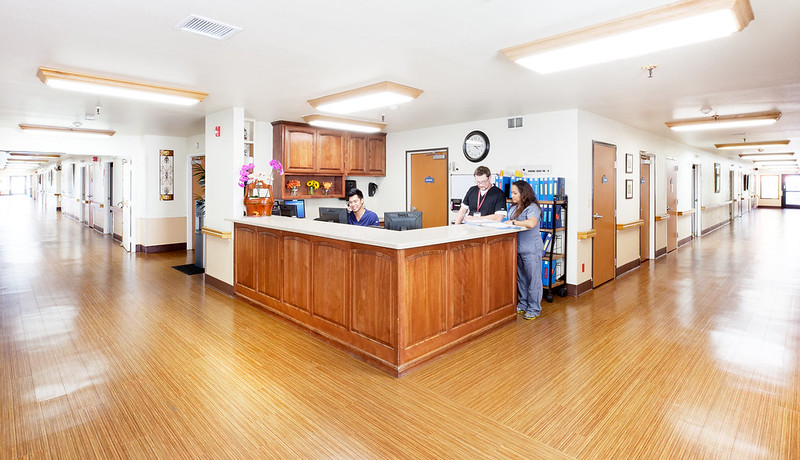
Who Owns and Operates Sacramento Post-Acute?

SACRAMENTO POST-ACUTE is owned by a for-profit company. For-profit facilities operate as businesses with obligations to shareholders or private owners. The facility is operated by PACS GROUP, a chain that manages multiple nursing homes. With 99 certified beds and approximately 89 residents (about 90% occupancy), it is a smaller facility located in SACRAMENTO, California.

How Does Sacramento Post-Acute Compare to Other California Nursing Homes?

Compared to the 100 nursing homes in California, SACRAMENTO POST-ACUTE's overall rating (5 stars) is above the state average of 3.2, staff turnover (45%) is near the state average of 46%, and health inspection rating (4 stars) is above the national benchmark.

What Should Families Ask When Visiting Sacramento Post-Acute?

Based on this facility's data, families visiting should ask: "Can you walk me through typical staffing levels on day, evening, and night shifts?" "Can I visit during a mealtime to observe dining assistance and food quality?" "How do you handle medical emergencies, and what is your hospital transfer rate?" "Can I speak with family members of current residents about their experience?" These questions are particularly relevant given the below-average staffing rating.

Is Sacramento Post-Acute Safe?

Based on CMS inspection data, SACRAMENTO POST-ACUTE has a clean safety record: no substantiated abuse findings (meaning no confirmed cases of resident harm), no Immediate Jeopardy citations (the most serious violation level indicating risk of serious injury or death), and is not on the Special Focus Facility watch list (a federal program monitoring the lowest-performing 1% of nursing homes). The facility has a 5-star overall rating and ranks #1 of 100 nursing homes in California. While no facility is perfect, families should still ask about staff-to-resident ratios and recent inspection results during their visit.

Do Nurses at Sacramento Post-Acute Stick Around?

SACRAMENTO POST-ACUTE has a staff turnover rate of 45%, which is about average for California nursing homes (state average: 46%). Moderate turnover is common in nursing homes, but families should still ask about staff tenure and how the facility maintains care continuity when employees leave.

Was Sacramento Post-Acute Ever Fined?

SACRAMENTO POST-ACUTE has no federal fines on record. CMS issues fines when nursing homes fail to meet care standards or don't correct problems found during inspections. The absence of fines suggests the facility has either maintained compliance or corrected any issues before penalties were assessed. This is a positive indicator, though families should still review recent inspection reports for the full picture.

Is Sacramento Post-Acute on Any Federal Watch List?

SACRAMENTO POST-ACUTE is not on any federal watch list. The most significant is the Special Focus Facility (SFF) program, which identifies the bottom 1% of nursing homes nationally based on persistent, serious quality problems. Not being on this list means the facility has avoided the pattern of deficiencies that triggers enhanced federal oversight. This is a positive indicator, though families should still review the facility's inspection history directly.