ARROYO VISTA NURSING CENTER
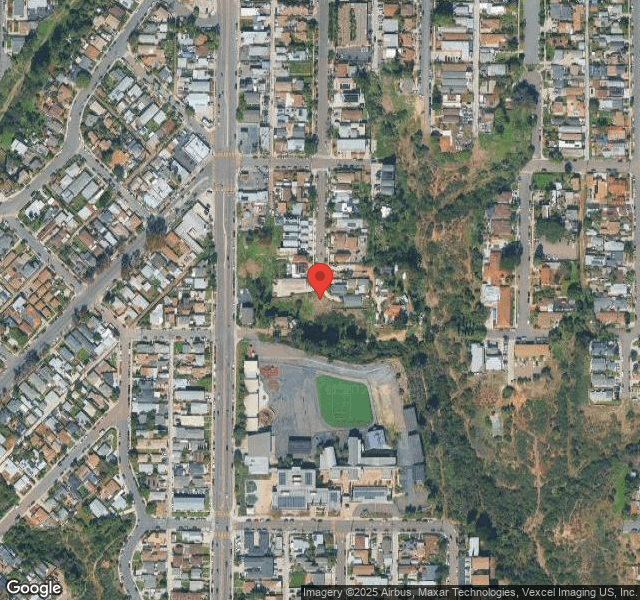

3022 45TH STREET, SAN DIEGO, CA 92105 (619) 283-5855
For profit - Corporation 53 Beds THE ENSIGN GROUP Data: November 2025
Trust Grade
80/100
#12 of 1155 in CA
Last Inspection: October 2024

Within standard 12-15 month inspection cycle. Federal law requires annual inspections.

Overview

Arroyo Vista Nursing Center in San Diego has a Trust Grade of B+, indicating it is above average and recommended for families considering nursing home options. It ranks #12 out of 1,155 facilities in California, placing it in the top half, and is the top-ranked nursing home in San Diego County. The facility is improving, having reduced its issues from 10 in 2024 to 3 in 2025, but it has still been cited for 25 concerns, all of which could potentially harm residents. Staffing is a mixed bag with a 3/5 rating and a turnover rate of 42%, which is average, though it has more RN coverage than 77% of facilities in California. Notably, there have been concerns about food safety in the kitchen and a lack of proper infection control measures, such as inadequate education on vaccines for some residents, which are important for their health. Overall, while there are strengths in its rankings and RN coverage, families should be aware of the identified concerns.

Trust Score
B+
80/100
In California
#12/1155
Top 1%
Safety Record
Low Risk
No red flags
Inspections
Getting Better
10 → 3 violations
Staff Stability
○ Average
42% turnover. Near California's 48% average. Typical for the industry.
Penalties
✓ Good
No fines on record. Clean compliance history, better than most California facilities.
Skilled Nurses
○ Average
Each resident gets 38 minutes of Registered Nurse (RN) attention daily — about average for California. RNs are the most trained staff who monitor for health changes.
Violations
⚠ Watch
25 deficiencies on record. Higher than average. Multiple issues found across inspections.
★★★★★
5.0
Overall Rating
★★★☆☆
3.0
Staff Levels
★★★★★
5.0
Care Quality
★★★★☆
4.0
Inspection Score
Stable
2024: 10 issues
2025: 3 issues

The Good

  • 5-Star Quality Measures · Strong clinical quality outcomes
  • Full Sprinkler Coverage · Fire safety systems throughout facility
  • No fines on record
  • Staff turnover below average (42%)

    6 points below California average of 48%

Facility shows strength in quality measures, fire safety.

The Bad

Staff Turnover: 42%

Near California avg (46%)

Typical for the industry

Chain: THE ENSIGN GROUP

Part of a multi-facility chain

Ask about local staffing decisions and management

The Ugly 25 deficiencies on record

Apr 2025 3 deficiencies
CONCERN (D) 📢 Someone Reported This

A family member, employee, or ombudsman was alarmed enough to file a formal complaint

Potential for Harm - no one hurt, but risky conditions existed

Resident Rights (Tag F0550)

Could have caused harm · This affected 1 resident

**NOTE- TERMS IN BRACKETS HAVE BEEN EDITED TO PROTECT CONFIDENTIALITY** Based on interview and record review, the facility failed to ensure one resident (Resident 1) was treated with dignity/respect w...

Read full inspector narrative →
**NOTE- TERMS IN BRACKETS HAVE BEEN EDITED TO PROTECT CONFIDENTIALITY** Based on interview and record review, the facility failed to ensure one resident (Resident 1) was treated with dignity/respect when the facility denied Resident 1 re-entry following a return from being out on pass (OOP; also referred to as a day pass; physician ' s order that gives permission for a resident to leave the facility for a specified period of time). This failure had the potential to affect Resident 1 ' s physical and psychosocial well-being related to feeling betrayed and kicked out from his home. (Cross Reference F-553 and F-657) Findings: According to the facility ' s admission Record, Resident 1 was admitted to the facility on [DATE], with diagnoses which included multiple fractures of the pelvis and right ribs. An interview was conducted with Resident 1 on 4/11/25 at 10:12 A.M. Resident 1 stated that he has always been allowed to leave on a day pass to spend time with friends. Resident 1 stated that on the early morning of 3/19/25, the facility would not allow him back inside, because it was after midnight and those were their rules. Resident 1 stated he was never informed that he would be locked out after midnight. Resident 1 stated he was finally allowed back into the building three hours later, after he called the police. Resident 1 stated he felt betrayed, as if the facility was trying to kick him out, because he had no other place to go. On 4/11/25, Resident 1 ' s medical record was reviewed. According to the physician ' s order, dated 9/30/24, Resident 1 was able to go Out on Pass. According to the quarterly Minimum Data Set (a clinical assessment tool), dated 2/13/25, Resident 1 had a cognitive score of 15, indicating cognition was intact. Per the Functional Abilities section, Resident 1 was independent for activities of daily living (eating, dressing, showering), and used a manual wheelchair to move around. According to the nurse ' s note dated 3/19/25 at 12:07 A.M., Licensed Nurse 2 (LN 2) documented, patient still not back from pass, Nurse Practitioner (NP) [name] aware, waiting for orders. Orders received from NP [name] that patient is now AMA (against medical advice; referring to when a patient leaves the facility against the recommendation of the physician or healthcare provider), not to allow him in the building and has to go to the emergency room. Called resident and left message through voicemail. According to the nurse ' s note dated 3/19/25 at 12:45 A.M., LN 2 documented patient came via private vehicle with a female driver. Patient was ambulating with a front wheel walker and informed about what NP [name] ordered. Patient wanted to talk to NP [name] but per NP [name], to call director of nursing (DON) per DON patient is now discharged , follow what NP [name] ordered and that patient needs to go to ER. Resident outside facility door and made aware. According to nurse ' s notes dated 3/19/25 at 2:28 A.M., Three police officers arrived and spoke to writer as well as patient. Per Officer 1, we have to let patient in due to civil matter, that there is no medical reason for patient to go to ER and that he ' s been living here for a period of time and has established residency. Officer 1 asked to speak with Administrator or DON, but no response from either one. Patient was let in back to his room and will talk to the DON or administrator in the am. According to the nurses ' s note dated 3/19/25 at 3:08 A.M., LN 2 documented Patient asked for pain meds and writer informed him that it will be clarified to DON if writer will be allowed to give his medication since he was AMA and was considered discharged .Patient then insist to have urine collected and send to lab .writer informed .no order, cannot be sent to lab. An interview was conducted with NP on 4/11/25 at 11:35 A.M. NP stated he was notified by the facility that it was after midnight and Resident 1 had not returned. NP instructed staff to consider the resident AMA and not to allow him back in. While on the phone with the facility, Resident 1 arrived and demanded to be let back in. NP instructed staff to consider Resident 1 discharged and to instruct him to go to the emergency room. NP stated he thought the OOP deadline was midnight, and that was the reason staff was instructed to deny the resident entry. NP stated since this event, he learned the deadline for AMA if leaving on OOP, was actually three days. The Administrator, DON, and Director of Staff Development were unavailable on 4/11/25 for an interview. According to the facility ' s policy titled Resident Rights and Responsibility, undated, .7. To assure that out residents, staff, and visitors are continually informed and aware of resident rights, grievance procedures, and responsibilities .
CONCERN (D) 📢 Someone Reported This

A family member, employee, or ombudsman was alarmed enough to file a formal complaint

Potential for Harm - no one hurt, but risky conditions existed

Deficiency F0553 (Tag F0553)

Could have caused harm · This affected 1 resident

**NOTE- TERMS IN BRACKETS HAVE BEEN EDITED TO PROTECT CONFIDENTIALITY** Based on interview and record review, the facility failed to ensure one resident (Resident 1) was included in his own person-cen...

Read full inspector narrative →
**NOTE- TERMS IN BRACKETS HAVE BEEN EDITED TO PROTECT CONFIDENTIALITY** Based on interview and record review, the facility failed to ensure one resident (Resident 1) was included in his own person-centered planning of care related to Interdisciplinary Team meetings (IDT; head of department staff meet with the resident to discuss care or concerns/issues) after an incident when the facility refused Resident 1 entry back into the facility following an Out on Pass leave (OOP; physician ' s order that allowed the resident to leave the facility; usually for the day; also referred to as a day pass). This failure resulted in Resident 1 not being informed of the facility rules or expectations when leaving on and returning from, being OOP. In addition, this failure had the potential to result in an AMA (against medical advice)-triggered discharge, which had the potential to affect Resident 1 ' s physical and psychosocial well-being. (Cross-reference F-550 and F-657) Findings: According to the facility ' s admission Record, Resident 1 was admitted to the facility on [DATE], with diagnoses which included multiple fractures of the pelvis and right ribs. An interview was conducted with Resident 1 on 4/11/25 at 10:12 A.M. Resident 1 stated that he has always been allowed to leave on a day pass to spend time with friends. Resident 1 stated that on 3/19/25, upon returning from being out on a day pass, the facility would not allow him back inside, because it was after midnight, and those were their rules. Resident 1 stated that he was never informed that he would be locked out from the facility after midnight. Resident 1 stated that his friend ' s car had broken down on the way back to the facility, which caused his delay in returning. Resident 1 stated that he was finally allowed back into the building three hours later, after he called the police. Resident 1 stated that he felt betrayed, because he had no other place to go, and felt the facility was trying to kick him out. On 4/11/25, Resident 1 ' s medical record was reviewed. According to the physician ' s order, dated 9/30/24, Resident 1 was able to go Out on Pass (OOP). According to the quarterly Minimum Data Set (a clinical assessment tool), dated 2/13/25, Resident 1 had a cognitive score of 15, indicating cognition was intact. Per the Functional Abilities section, Resident 1 was independent for activities of daily living (eating, dressing, showering), and used a manual wheelchair to move around. There was no documented evidence that an IDT was conducted after the 3/19/25 incident. The last documented IDT meeting for Resident 1 was dated 6/1/24. No other IDT or care conferences were documented. An interview and record review were conducted with the Social Service Director (SSD) on 4/11/25 at 11: 43 A.M. The SSD stated that she was on vacation when the 3/19/25 incident occurred and learned about it when she returned. The SSD stated that Resident 1 left the facility several times a month and there was never an issue. The SSD stated she scheduled the IDTs, which were required quarterly (every three [3] months), and if there were problems, such as a change of condition. The SSD stated that when she returned to the facility (from vacation), she was informed that an IDT was conducted after the OOP incident. The SSD reviewed Resident 1 ' s IDT log and could not locate an IDT for the March OOP incident. The SSD stated she could only locate one IDT which was dated June 2024. The SSD continued looking through Resident 1 ' s medical record and could not find any documented evidence that other IDTs were conducted. The SSD stated that if Resident 1 refused an IDT, it would be documented in the SSD notes. The SSD stated there was no documented evidence that IDTs were refused. The SSD continued, and stated that after IDTs were conducted, the resident ' s care plans were usually updated and revised to reflect the changes or improvement, and new goals and interventions would be applied. The SSD stated that since there were no documented IDTs for Resident 1, there was no collaborative review of the resident ' s care. The SSD stated this was considered a resident right to be involved in their planning and care, however there was no documented evidence that Resident 1 was involved. An interview was conducted with the Assistant Director of Nursing (ADON) on 4/11/25 at 12:10 P.M. The ADON stated IDTs were conducted for every resident quarterly and more often, if problems were identified, or a change of condition occurred. The ADON stated IDTs were important for the head of department staff to discuss issues and suggest solutions. The ADON stated when IDTs were completed, the resident ' s care plans were updated, so new goals and interventions could be listed, and staff were all aware of the changes. The ADON stated if IDTs were not conducted, there was no collaboration of care with the resident, so there was no meeting of the minds. An interview and record review were conducted with licensed nurse (LN) 1 on 4/11/25 at 12:46 P.M. LN 1 stated IDTs were important to address issues, such as weight loss, wounds, or behaviors. LN 1 stated she assumed an IDT was conducted after Resident 1 was denied entry, after leaving on a pass. LN 1 stated the IDT would address preventing this AMA-triggered discharge from occurring again, so Resident 1 would know the rules and expectations. LN 1 stated she was surprised if an IDT was not done, because this also triggered a change to the resident ' s care plan. LN 1 reviewed Resident 1 ' s record and acknowledged that Resident 1 was not included in an IDT for person-centered care planning after the OOP incident. The Administrator and Director Nursing were unavailable on 4/11/25 for an interview. According to the facility ' s policy, titled Comprehensive Person-Centered Care Planning, undated.4. The facility IDT will develop and implement a comprehensive person-centered care plan for each resident .will include the resident needs identified .and resident ' s goals and desired outcomes, preferences for future discharge .
CONCERN (D) 📢 Someone Reported This

A family member, employee, or ombudsman was alarmed enough to file a formal complaint

Potential for Harm - no one hurt, but risky conditions existed

Deficiency F0657 (Tag F0657)

Could have caused harm · This affected 1 resident

**NOTE- TERMS IN BRACKETS HAVE BEEN EDITED TO PROTECT CONFIDENTIALITY** Based on interview and record review, the facility failed to ensure a care plan related to Out on Pass (OOP; also referred to as...

Read full inspector narrative →
**NOTE- TERMS IN BRACKETS HAVE BEEN EDITED TO PROTECT CONFIDENTIALITY** Based on interview and record review, the facility failed to ensure a care plan related to Out on Pass (OOP; also referred to as a day pass; a physician ' s order that allows the resident to leave the facility for an approved time period) was revised for one resident (Resident 1). This failure had the potential for staff and Resident 1 to be confused on the facility ' s rules when leaving on an Out on Pass. (Cross Reference F-550 and F-553) Findings: According to the facility ' s admission Record, Resident 1 was admitted on [DATE], with diagnoses which included multiple fractures of the pelvis and right ribs. An interview was conducted with Resident 1 on 4/11/25 at 10:12 A.M. Resident 1 stated that he has always been allowed to leave on a day pass to spend time with friends. Resident 1 stated that on 3/18/25, the facility would not allow him back inside, because it was after midnight and those were their rules. Resident 1 stated that his friend ' s car had broken down on the way back to the facility, and he was never informed of a rule of that he would not be allowed back inside the facility, after midnight. Resident 1 stated he was finally allowed back into the building three hours later, after he called the police. Resident 1 stated he was never informed that he could only be gone (out on pass) for a certain number of hours or that he would be locked out after midnight. On 4/11/25, Resident 1 ' s medical record was reviewed. According to the physician ' s order, dated 9/30/24, Resident 1 was able to go Out on Pass. According to the quarterly Minimum Data Set (a clinical assessment tool), dated 2/13/25, Resident 1 had a cognitive score of 15, indicating cognition was intact. Per the Functional Abilities section, Resident 1 used a manual wheelchair to move around. There was no documented evidence that an Interdisciplinary Team Meeting (IDT- head of department staff and the resident meet to discuss incidences or concerns) was conducted after the 3/19/25 incident. The care plan titled, Elopement Risk related to not informing licensed nurses when going out on pass, and exceeding the required number of hours allowed, revised 1/16/25, listed the following interventions: .Licensed nurse will talk to resident when leaving the facility to wait for MD/NP approval of OOP. Licensed nurse will notify MD/NP if patient left the building without requesting OOP and exceeds the allowable amount of time. Licensed nurses/staff will call the patient before the fourth hour of being OOP to check the well-being of the patient and remind the patient of the time. An interview and record review was conducted with Licensed Nurse 1 (LN 1) on 4/11/25 at 12:10 P.M. LN 1 stated care plans were reviewed and revised regularly and especially after IDT meetings. LN 1 was aware of Resident 1 being refused entry last month (3/19/25) and stated she assumed an IDT was conducted and the OOP care plan was revised, based on the 3/18/25, incident alone. LN 1 reviewed Resident 1 ' s care plan, titled Elopement [NAME] and stated the last time the care plan was revised was 1/16/25. LN 1 stated that because the care plan was not updated, staff were unaware of what the rules were and if there really was a time limit for the resident returning to the facility. LN 1 stated that care plans were important for staff, so everyone knew what interventions to implement and what were being consistency applied. An interview was conducted with the Assistant Director of Nursing (ADON) on 4/11/25 at 1 P.M. The ADON acknowledged that Resident 1 ' s care plan should had been updated and revised, but was not. The ADON stated care plans were important for staff to identify issues and set interventions and expectations. The Administrator and Director of Nursing were unavailable for interview on 4/11/25. According to the facility ' s policy, titled Comprehensive Person-Centered Care Planning, undated, .^. The resident ' s comprehensive plan of care will be reviewed and/or revised by the IDT .
Oct 2024 10 deficiencies
CONCERN (D)

Potential for Harm - no one hurt, but risky conditions existed

Comprehensive Care Plan (Tag F0656)

Could have caused harm · This affected 1 resident

**NOTE- TERMS IN BRACKETS HAVE BEEN EDITED TO PROTECT CONFIDENTIALITY** Based on observation, interview and record review, the facility failed to implement care plans for two of 42 residents for: 1. ...

Read full inspector narrative →
**NOTE- TERMS IN BRACKETS HAVE BEEN EDITED TO PROTECT CONFIDENTIALITY** Based on observation, interview and record review, the facility failed to implement care plans for two of 42 residents for: 1. Dialysis (a process to remove waste products from the blood stream, Resident 16) and, 2. Substance use disorder and nicotine dependence (Resident 151). As a result, Resident 16 and Resident 151's care needs, goals and interventions were not addressed or communicated to staff members for continuity of care. Cross reference: F698 Findings: 1. Resident 16 was admitted to the facility on [DATE] with diagnoses to include end stage renal disease (irreversible kidney damage) and dependence on dialysis, per the facility's admission Record. On 10/7/24 at 9:30 A.M., a concurrent observation and interview was conducted with Resident 16. Resident 16 was in bed, with a dialysis access site visible on her left upper arm. Resident 16 stated she went for dialysis on Mondays, Wednesdays and Fridays. Per Resident 16, she returned to the facility around 3 P.M. after dialysis was completed. On 10/10/24 at 8:10 A.M., a concurrent interview and observation of Resident 16 was conducted in her room. Resident 16 was sitting in bed, with her dialysis access site visible on her left arm. Resident 16 stated she had gone to dialysis the previous day and returned as usual around 3 P.M. Per Resident 16, a Licensed Nurse (LN) had removed the dialysis dressing from her access site a few minutes earlier. Resident 16 stated the dressing was often removed the morning after dialysis. On 10/10/24 at 8:29 A.M., a concurrent interview and record review was conducted with LN 12. LN 12 stated she had just removed the dressing from Resident 16's dialysis access site. LN 12 stated the dressing should have been removed four to six hours after Resident 16 returned from dialysis the previous day, somewhere between 7 P.M. and 9 P.M. LN 12 stated at that time, the P.M. shift nurse should have assessed the site for bleeding or signs of infection, which was a part of the after-dialysis assessment. LN 12 stated leaving the dressing on the dialysis site could cause pressure on the site and could cause problems with future dialysis treatments. LN 12 stated a care plan was used to communicate the specific care needs for each resident, so a care plan for dialysis would be important for Resident 16. LN 12 was unable to locate a care plan for dialysis in Resident 16's medical record. On 10/10/24, a record review was conducted. According to the Minimum Data Set (MDS, an assessment tool), dated 9/3/24, Resident 16's Brief Interview of Mental Status (BIMS) score was 15, indicating intact cognition. According to Resident 16's physician's orders, dated 9/12/24, dialysis treatments were scheduled every Monday, Wednesday and Friday. The physician's orders indicated to remove the dialysis dressing four to six hours after the dialysis treatment, and to inform the physician of any changes to the dialysis access site. No care plan for dialysis was identified for Resident 16. On 10/10/24 at 11:36 A.M., a concurrent interview and record review was conducted with the Director of Nursing (DON). The DON stated the nurses needed to assess the dialysis access site upon return from dialysis and when removing the dressing. Per the DON, one of the places LNs could look for guidelines to care and treatment was the care plan. The DON stated a care plan would be important for every diagnosis Resident 16 had, as the care plan was a guide to the caregivers and provided goals and interventions to meet the goals. The DON was unable to locate a care plan related to dialysis for Resident 16. On 10/10/24 at 4:37 P.M., a concurrent interview and record review was conducted with LN 11. LN 11 stated she had been assigned to Resident 16 the previous day during her shift of 3-11 P.M. LN 11 stated she had forgotten to remove the dialysis dressing from Resident 16's arm. LN 11 stated she had assessed the site with the dressing on but had not returned to remove the dressing or view the site for signs of infection. Per LN 11, the care plan could be a useful tool for communicating dialysis needs between shifts and caregivers. LN 11 was unable to locate a care plan for dialysis in Resident 16's medical records. Per an undated facility policy, titled Comprehensive Person-Centered Care Planning, It is the policy of this facility .shall develop a comprehensive person-centered care plan for each resident that includes measurable objectives and timeframes to meet a resident's medical, nursing, mental and psychosocial needs .includes minimum healthcare information necessary to properly care for each resident and instructions needed to provide effective and person-centered care . 2.Resident 151 was admitted to the facility on [DATE] with diagnoses that included substance use disorder per the facility admission Record. A review of the skilled nursing referral intake summary form dated 9/18/24 indicated Resident 151 had a current history of substance use disorder, and nicotine dependency which was treated at the hospital with a nicotine patch. On 10/09/24 at 3:26 P.M. an interview and concurrent record review were conducted with the Director of Nursing (DON). The DON stated, The care plan for polysubstance abuse (use of more than one substance) has interventions like avoid rearranging the furniture that are not related to the diagnosis. The nurse could have written specific interventions. The care plan for psychosocial wellbeing could have been more specific. A review of the undated facility policy titled Comprehensive Person-Centered Care Planning indicated, .includes minimum healthcare information necessary to properly care for each resident and instructions needed to provide effective and person-centered care that meet professional standards of quality care .The care plan will include the minimum healthcare information necessary to properly care for a resident .
CONCERN (D)

Potential for Harm - no one hurt, but risky conditions existed

Deficiency F0697 (Tag F0697)

Could have caused harm · This affected 1 resident

**NOTE- TERMS IN BRACKETS HAVE BEEN EDITED TO PROTECT CONFIDENTIALITY** Based on interview and record review, the facility failed to provide pain management for one of two residents (Resident 200) rev...

Read full inspector narrative →
**NOTE- TERMS IN BRACKETS HAVE BEEN EDITED TO PROTECT CONFIDENTIALITY** Based on interview and record review, the facility failed to provide pain management for one of two residents (Resident 200) reviewed for pain management when pain medication was not administered per physician's order for severe pain. This failure had the potential to prevent Resident 200 from receiving adequate pain relief. Findings: According to the admission Record, Resident 200 was admitted to the facility on [DATE] with diagnoses that included cancer and acute appendicitis (a condition in which the appendix becomes inflamed, causing pain). On 10/8/24 a review of Resident 200's Physician's Orders, dated 7/26/24, indicated to monitor pain level using the following pain scale: 0= No Pain, 1-3=Mild, 4-6= Moderate, 7-10= Severe. On 10/8/24 a review of Resident 200's Physician's Orders, dated 10/1/24 indicated Resident 200 had an order for Oxycodone HCl Oral Tablet 5 mg (milligrams) every four hours for moderate pain. Resident 200 had an order for Oxycodone HCl 10 mg every four hours for severe pain. A review of Resident 200's medication administration record indicated Resident 200 received Oxycodone 5 mg at the following dates and times: On 10/2/24 at 9:19 A.M. for 8 out of 10 pain level (severe). On 10/3/24 at 9:01 A.M. for 8 out of 10 pain level (severe). On 10/4/24 at 8:13 A.M. for 7 out of 10 pain level (severe). On 10/6/24 at 9:04 A.M. for 7 out of 10 pain level (severe). On 10/7/24 at 8:14 A.M. for 8 out of 10 pain level (severe). On 10/8/24 at 3:28 P.M. an interview was conducted with Licensed Nurse (LN) 1. LN 1 stated she administered Oxycodone 5 mg to Resident 200 for 8 out of 10 pain on 10/2/24, 10/3/24, and 10/7/24. LN 1 stated she administered Oxycodone 5 mg, when she should have given Oxycodone 10 mg. LN 1 stated the physician's order was not followed for Resident 200. LN 1 stated it was important to follow the physician's order to ensure residents received adequate pain relief. On 10/10/24 at 3:45 P.M., an interview was conducted with the Director of Nursing (DON). The DON stated his expectation was for Resident 200 to be given the appropriate dose of medication based on his pain scale. The DON stated Resident 200 was undermedicated for his pain level and, .the patient will still continue to have pain . A review of the facility's policy titled Pain Recognition and Management revised 12/23 indicated, It is the policy .to ensure that pain management is provided to residents who require such services .
CONCERN (D)

Potential for Harm - no one hurt, but risky conditions existed

Deficiency F0698 (Tag F0698)

Could have caused harm · This affected 1 resident

**NOTE- TERMS IN BRACKETS HAVE BEEN EDITED TO PROTECT CONFIDENTIALITY** Based on observation, interview and record review, the facility failed to remove the dressing from a dialysis (treatment to remo...

Read full inspector narrative →
**NOTE- TERMS IN BRACKETS HAVE BEEN EDITED TO PROTECT CONFIDENTIALITY** Based on observation, interview and record review, the facility failed to remove the dressing from a dialysis (treatment to remove waste from the body) access site for one of one residents reviewed for dialysis care (Resident 16). This failure had the potential to result in damage to the dialysis access site. Findings: Resident 16 was admitted to the facility on [DATE] with diagnoses to include end stage renal disease (irreversible kidney damage) and dependence on dialysis, per the facility's admission Record. On 10/7/24 at 9:30 A.M., a concurrent observation and interview was conducted with Resident 16. Resident 16 was in bed, with a dialysis access site visible on her left upper arm. Resident 16 stated she went for dialysis on Mondays, Wednesdays and Fridays. Per Resident 16, she returned to the facility around 3 P.M. after dialysis was completed. On 10/10/24 at 8:10 A.M., a concurrent interview and observation of Resident 16 was conducted in her room. Resident 16 was sitting in bed, with her dialysis access site visible on her left arm. Resident 16 stated she had gone to dialysis the previous day and returned as usual around 3 P.M. Per Resident 16, a Licensed Nurse (LN) had removed the dialysis dressing from her access site a few minutes earlier. Resident 16 stated the dressing was often removed the morning after dialysis. On 10/10/24 at 8:29 A.M., an interview was conducted with LN 12. LN 12 stated she had just removed the dressing from Resident 16's dialysis access site. LN 12 stated the dressing should have been removed four to six hours after Resident 16 returned from dialysis the previous day, somewhere between 7 P.M. and 9 P.M. LN 12 stated at that time, the P.M. shift nurse should have assessed the site for bleeding or signs of infection, which was a part of the after-dialysis assessment. LN 12 stated leaving the dressing on the dialysis site could cause pressure on the site and could cause problems with future dialysis treatments. On 10/10/24, a record review was conducted. According to the Minimum Data Set (MDS, an assessment tool), dated 9/3/24, Resident 16's Brief Interview of Mental Status (BIMS) score was 15, indicating intact cognition. According to Resident 16's physician's orders, dated 9/12/24, dialysis treatments were scheduled every Monday, Wednesday and Friday. The physician's orders indicated to remove the dialysis dressing four to six hours after the dialysis treatment, and to inform the physician of any changes to the dialysis access site. According to the Medication Administration Record (MAR), LN 11 documented she had removed the dialysis dressing on 10/9/24, during the P.M. shift (3-11 P.M.). According to the Facility/Dialysis Center Nursing Communication Record, dated 10/9/24 with no time indicated, LN 11 documented the dialysis dressing was in place, had no bleeding, and had no signs or symptoms of infection at the dialysis access site. On 10/10/24 at 11:15 A.M., an interview was conducted with LN 13. LN 13 stated she was assigned to Resident 16 and was familiar with her care. LN 13 stated she had given report to LN 11, regarding Resident 16's dialysis treatment and return to the facility. LN 13 stated it was the responsibility of the P.M. nurse to assess the dialysis site and remove the dressing four to six hours after return from dialysis. LN 13 stated it was necessary to remove the dressing to check for bleeding, and to assess the site for any damage or bleeding. LN 13 stated failing to complete the assessment could cause damage to the dialysis access site. On 10/10/24 at 11:36 A.M., an interview was conducted with the Director of Nursing (DON). The DON stated the nurses needed to assess the dialysis access site upon return from dialysis and when removing the dressing. Per the DON, the expectation was for all nurses to follow the physician's orders to keep the residents safe. On 10/10/24 at 4:37 P.M., an interview was conducted with LN 11. LN 11 stated she had been assigned to Resident 16 the previous day during her P.M. shift of 3-11 P.M. LN 11 stated she had forgotten to remove the dialysis dressing from Resident 16's arm. LN 11 stated she had assessed the site with the dressing on but had not returned to remove the dressing or view the site for signs of infection. LN 11 could not explain why she had documented she completed the dressing removal in the MAR. Per LN 11, failing to remove the dressing could cause infection or compress the dialysis access site. Per a facility policy, revised December 2023 and titled Dialysis (Renal), Pre-and Post-Care, It is the policy of this facility to .Assess and maintain patency of renal dialysis access .Post-Dialysis Care: 1. Dialysis access should be assessed upon return to the facility for .any unusual redness or swelling. 2. Post dialysis .access care as ordered .Documentation: Documentation related to .post-dialysis care will be placed in the clinical record and include .assessment of renal dialysis access site .
CONCERN (D)

Potential for Harm - no one hurt, but risky conditions existed

Deficiency F0740 (Tag F0740)

Could have caused harm · This affected 1 resident

**NOTE- TERMS IN BRACKETS HAVE BEEN EDITED TO PROTECT CONFIDENTIALITY** Based on observation, interview and record review, the facility failed to provide services for substance use disorder (a disease...

Read full inspector narrative →
**NOTE- TERMS IN BRACKETS HAVE BEEN EDITED TO PROTECT CONFIDENTIALITY** Based on observation, interview and record review, the facility failed to provide services for substance use disorder (a disease that affects a person's inability to control the use of a legal or illegal drug or medicine) and nicotine dependency (a state of physical or psychological habit) to one resident, Resident 151. As a result, Resident 151 had the potential to experience cravings. Findings: Resident 151 was admitted to the facility on [DATE] with diagnoses that included psychoactive substance use (an impaired ability to control substance-taking behavior). On 10/7/24 a record review was conducted. The Facility Assessment 2024 indicated the facility could provide services for residents with Mental health: active or current substance use disorder. The skilled nursing referral intake summary form dated 9/18/24 indicated Resident 151 had a current history of substance use disorder and cigarette use. The document indicated Resident 151 was receiving a nicotine patch prior to admission to the facility. The facility history and physical written by Medical Doctor (MD) 1 dated 9/20/24 did not indicate a history of nicotine use or substance use disorder. Resident 151's physician's orders, dated 9/20/24, indicated psychiatry and psychology to evaluate and treat. On 10/8/24 at 3:30 P.M. an interview was conducted with Resident 151 and the Social Services Director (SSD). Resident 151 stated, No one has offered nicotine gum or patches. I can't get the smokes. The SSD stated the resident had used substances prior to admission to the facility. The SSD stated, I didn't offer him any resources for Narcotics Anonymous (a support group for people who are recovering from substance use disorder) while in the facility. There have been no psychology or psychiatry visits. I haven't offered anything since he has been here. I have not had a conversation with him to see if he's having cravings. On 10/9/24 at 3:26 P.M. an interview and concurrent record review were conducted with the Director of Nursing (DON). The DON stated the doctor's history and physical did not include nicotine or substance use. Per the DON, the doctor should have reviewed the hospital paperwork so that the facility could treat his current problems. The DON stated the facility should have asked the patient if he still used substances or smoked and there was no admission smoking assessment for Resident 151. The DON stated the facility had not provided interventions to address nicotine use or substance use disorder. A review of the job description for Social Services Manager, dated 11/30/21 and signed by the SSD indicated, The primary purpose of your job position is to . assure that the medically related emotional and social needs of the resident are met/ maintained on an individual basis .Refer resident/families to appropriate social service agencies when the facility does not provide the services or needs of the resident. A review of the facility policy titled Behavioral Health Services revised 12/2023 indicated, It is the policy of this facility to provide residents with necessary behavioral health care and services to attain or maintain the highest practicable physical, mental and psychosocial well-being .which includes the prevention and treatment of mental and substance use disorders
CONCERN (D)

Potential for Harm - no one hurt, but risky conditions existed

Pharmacy Services (Tag F0755)

Could have caused harm · This affected 1 resident

**NOTE- TERMS IN BRACKETS HAVE BEEN EDITED TO PROTECT CONFIDENTIALITY** Based on observation, interview and record review, the facility failed to ensure a medication was given as ordered by the physic...

Read full inspector narrative →
**NOTE- TERMS IN BRACKETS HAVE BEEN EDITED TO PROTECT CONFIDENTIALITY** Based on observation, interview and record review, the facility failed to ensure a medication was given as ordered by the physician for one of 14 sampled residents (Resident 106). This failure had the potential to affect the health and well-being of Resident 106. Findings: Resident 106 was admitted to the facility on [DATE] with diagnoses to include knee replacement surgery, per the facility's admission Record. On 10/7/24 at 8:53 A.M., a concurrent observation and interview was conducted with Resident 106. Resident 106 was sitting on the bed, with her legs extended out in front of her. Two white patches were located on each side of her left knee. The patches were approximately five inches by four inches in size, and did not have any writing on them. Resident 106 stated the patches were for pain, as she had surgery about two weeks ago. Resident 106 stated she did not have another medication for pain, but the patches worked to control her pain, especially when the nurse first applied them each day. Per Resident 106, the pain patches were from the previous day in the morning, and she had not received new patches yet that day. Resident 106 stated she usually removed the patches each morning when the nurse came in to place new patches on her knee. On 10/9/24 at 10:25 A.M., a concurrent interview and observation of wound care was conducted with Resident 106 and Licensed Nurse (LN) 12. LN 12 removed the bandage on Resident 106's left knee, exposing one pain patch with no date or time written on it. Resident 106 stated the pain patch had been applied the previous day after Physical Therapy, at approximately 10:30 A.M. LN 12 removed the pain patch, and stated the LN from the previous evening shift should have removed the patch. On 10/10/24, a record review was conducted. A physician's order, dated 9/25/24, indicated Resident 106 was to have a Lidocaine External Patch 4% (a pain patch applied to skin) applied to the left leg once a day for pain, with the patch to be applied at 9 A.M., then removed at 9 P.M. Manufacturer's instructions on the Lidocaine patch packaging indicated the patch was to be applied, .up to 12 hours within a 24 hour period . On 10/10/24 at 8:05 A.M., an interview was conducted with LN 12. LN 12 stated the pain patch should have been removed 12 hours after being applied, as the manufacturer recommended. LN 12 stated the pain patch had cardiac (heart) effects, so writing the date and time applied was important, as was removing them as scheduled. LN 12 stated she had removed the patch during wound care on 10/9/24, approximately 12 hours late. On 10/10/24 at 10:55 A.M., an interview was conducted with the Director of Nursing (DON). Per the DON, the Lidocaine patches were to be applied per physician's orders and manufacturer's recommendations. The DON stated LNs were supposed to write the date and time the patches were applied, and not doing so could cause the patient to not receive adequate medication or cause complications to their medical care. On 10/10/24 at 4:30 P.M., an interview was conducted with LN 11. LN 11 stated she had been assigned to Resident 106 several previous shifts, including evenings (approximately 3-11 P.M.) for the last two days. LN 11 stated it was her responsibility to remove the Lidocaine patches during her shift, around 9 P.M. LN 11 stated she must have forgotten to do so. Per LN 11, failing to remove the Lidocaine patches could cause the medication to be less effective. Per an undated facility policy, titled Medication Administration and Storage, It is the policy of this facility to accurately prepare, administer and document medications .2. Review and verify MD orders . Per an undated facility policy, titled Six Rights of Medication Administration, It is the policy of this facility to ensure that the six rights of medication administration are followed in order to ensure safety and accuracy of administration .2. Right Time - Medications are administered within prescribed time frames .
CONCERN (D)

Potential for Harm - no one hurt, but risky conditions existed

Unnecessary Medications (Tag F0759)

Could have caused harm · This affected 1 resident

Based on observation, interview and record review, the facility failed to ensure the medication error rate was less than five percent. The facility's mediation error rate was 7.14%. Two medication err...

Read full inspector narrative →
Based on observation, interview and record review, the facility failed to ensure the medication error rate was less than five percent. The facility's mediation error rate was 7.14%. Two medication errors were observed, a total of 28 opportunities, during the medication administration process for two of three randomly observed residents (Residents 1, 31, and 104). As a result, the facility could not ensure medications were correctly administered to all residents. Findings: 1. On 10/9/24 at 8:17 A.M., a concurrent observation of medication administration, record review and interview with Licensed Nurse (LN) 13 was conducted. LN 13 prepared medications for Resident 31. LN 13 mixed Effer-K (a potassium supplement) with five ounces of water. The package instructions indicated to mix the Effer-K with 2-3 ounces of water. When prompted, LN 13 discarded the incorrectly mixed medication and remade the medication. LN 13 stated she should have followed the instructions on the packaging. Per LN 13, mixing the medication with the wrong amount of water could cause the medication to be less effective. On 10/9/24 at 5:12 P.M., a concurrent interview and record review was conducted with LN 13. LN 13 stated different brands of each medication could be in the medication cart, so it was important to follow the manufacturers instructions on the packaging. 2. On 10/9/24 at 8:46 A.M., LN 13 prepared and administered medication for Resident 104. LN 13 counted 10 medications, with a total of 11 capsules and tablets provided to Resident 104. On 10/9/24 at 3 P.M., a record review was conducted. Resident 104 had a physician's order for a multivitamin to be administered at 9 A.M., for a total of 12 tablets which should have been administered. On 10/9/24 at 5:12 P.M., a concurrent interview and record review was conducted with LN 13. LN 13 stated it was important to follow the physician's orders as the resident may need each medication for a medical condition. On 10/10/24 at 10:46 A.M., an interview was conducted with the Director of Nursing (DON). Per the DON, it was the facility's standard to follow the package instructions on all medications. The DON stated not mixing the medication correctly might affect the way the medication worked. The DON also stated the nurses should strictly follow the physician's orders, ensuring all medications were administered. Per an undated facility policy, titled Medication Administration and Storage, It is the policy of this facility to accurately prepare, administer and document medications . Per an undated facility policy, titled Six Rights of Medication Administration, It is the policy of this facility to ensure that the six rights of medication administration are followed in order to ensure safety and accuracy of administration .3. Right Medication .4. Right Dose .
CONCERN (E)

Potential for Harm - no one hurt, but risky conditions existed

Food Safety (Tag F0812)

Could have caused harm · This affected multiple residents

Based on observation, interview and record review, the facility failed to ensure safe and sanitary conditions were maintained in the kitchen for food storage methods, according to standards of practic...

Read full inspector narrative →
Based on observation, interview and record review, the facility failed to ensure safe and sanitary conditions were maintained in the kitchen for food storage methods, according to standards of practice and facility policy when: 1. Multiple food items were not dated correctly. 2. The ice machine was observed to have black residue inside the ice bin and the water filter for the ice machine was 45 days past the due date to be changed. These failures had the potential for food contamination, which could result in food borne illnesses for all residents who consume food from the kitchen. The census was 42. Findings: 1. An initial kitchen tour with [NAME] (CK) 1 was conducted on 10/7/24 at 7:45 A.M. An open box of corn starch and an open box of rice cereal were not transferred to sealed containers and labeled with a use by date. An open bottle of imitation vanilla flavoring was not labeled with a use by date. Boxes of fountain juices were labeled with numbers 921 and 105 without indication of what the numbers meant. Bags of toasted oats cereal were labeled 9/12/24 without indication of what the date referred to. CK 1 stated the toasted oats cereal should have an R for received next to the date. CK 1 stated opened food items should be marked with OP to indicate an opened date and BY to indicate a used by date. On 10/7/24 at 11:55 A.M. an interview was conducted with the Certified Dietary Manager (CDM) who stated food items should be marked with the received date designated with the letter R, the opened date designated with the letters OP and the use by date designated with the letters BY. The Registered Dietitian (RD) stated, The contractor dates the boxes of drinks as received date. Staff should mark them with the open date. The vanilla should have been marked with the opened date and the use by date. The cereals should have been transferred to a container with a lid and labeled with the opened date and the use by date. On 10/8/24 a record review was conducted. Per an undated facility training document, titled Food and Nutrition Skills Check - Labeling and Dating of Foods indicated, All food items in the storeroom, refrigerator, and freezer need to be labeled and dated based on established procedures .The Use By date will be the absolute date in which the food must be consumed or discarded by the facility. Food delivered to the facility needs to be marked with a delivery or received date. The individual preparing/handling food shall be responsible for date marking at the time of processing and/or storage Food should be dated once opened with the date by which foods shall be consumed or discarded - Use By date Per a facility policy, dated 2023 and titled Labeling and Dating of Foods, Policy: All food items in the store room, refrigerator, and freezer need to be labeled and dated based on established procedures .Definitions: .DD = Delivery, or received date; OD = Open Date .UB = Use By Date Food delivered to facility needs to be marked with a delivery or received date The individual opening or preparing a food shall be responsible for date marking at the time of processing and/or storage 2. During an initial kitchen tour on 10/7/24 at 7:45 A.M., an observation of the ice machine was conducted with [NAME] (CK) 1. The interior of the machine had black residue along the top seam directly above the ice. Condensation from the area dripped directly onto the ice cubes below. CK 1 stated, That's mold. Patients might get sick. A concurrent record review of the ice machine cleaning log was conducted. CK 1 stated, The last time the ice machine was cleaned by the contractor was 8/12/24. The last time it was cleaned by our maintenance was 9/26/24. A filter between the water inlet at the wall and the connecting hose to the ice machine was dated 8/22/23. On 10/7/24 at 11:55 A.M. an interview was conducted with the CDM, the RD and the Maintenance Director (MaintD). The MaintD stated, I service the machine monthly. Every time I clean and wipe there's something black that I find. The filter should be changed once per year. It was last changed on 8/23/24, it's late by one and a half months. The CDM stated he did not know about the filter. The RD stated, I was not aware of the expired filter. The substance in the ice machine is probably mold and the maintenance director should have made someone aware so we could find the root cause of the issue. The risk is food borne illness. On 10/8/24 at 9:25 A.M. an interview was conducted with the Contracted Technician (CT) for the ice machine. The CT stated a technician was responsible to check the filter to see if it was due to be changed. Per the CT, if the filter had been changed it was possible the ice machine would not have developed mold, as the filter had antimicrobial properties. On 10/8/24 a record review was conducted. A review of the contractor Service Work Order and Invoice dated 8/12/24 did not include change of the filter in the description of work done. A review of the Instruction Manual for Hoshizaki KM-520MAJ-E ice machine indicated Maintenance Schedule: .More frequent maintenance may be required depending on water quality, the appliance's environment, and local sanitation regulations Monthly: external water filters. A review of the facility policy titled Sanitation dated 2023 indicated, The FNS (Food Nutrition Services) Director is responsible for instructing employees in the fundamentals of sanitation in food service and for training employees to use appropriate techniques The Maintenance Department will assist Food and Nutrition Services as necessary in maintaining equipment .Ice which is used in connection with food or drink shall be from a sanitary source and shall be handled and dispensed in a sanitary manner.
CONCERN (E)

Potential for Harm - no one hurt, but risky conditions existed

Infection Control (Tag F0880)

Could have caused harm · This affected multiple residents

**NOTE- TERMS IN BRACKETS HAVE BEEN EDITED TO PROTECT CONFIDENTIALITY** Based on observation, interview and record review, the facility failed to implement infection control procedures when: 1. Contin...

Read full inspector narrative →
**NOTE- TERMS IN BRACKETS HAVE BEEN EDITED TO PROTECT CONFIDENTIALITY** Based on observation, interview and record review, the facility failed to implement infection control procedures when: 1. Continuous Positive Airway Pressure (CPAP- a device that delivers oxygen) machine mask and tubing were not stored in a sanitary manner. 2a. Enhanced Barrier Precautions (EBP- infection control procedures to lessen the risk of cross-contamination) were not implemented for three rooms and, 2b. Visitors were not educated regarding the need for hand hygiene. This failure had the potential for the spread of infection to other residents in the facility. Findings: 1. According to the admission Record, Resident 28 was admitted to the facility on [DATE] with diagnoses that included obstructive sleep apnea (a condition in which breathing is interrupted during sleep). During a record review conducted on 10/7/24, the Minimum Data Set (MDS, an assessment tool) for Resident 28 indicated a Brief Interview for Mental Status (BIMS assessment tool) of 15 indicating intact cognition. On 10/7/24 at 8:59 A.M., a concurrent observation and interview was conducted with Resident 28. Resident 28's CPAP machine was observed on the resident's night stand. The CPAP mask, which would come in contact with the resident's face, was observed dangling from the night stand, uncovered and approximately an inch of an empty urinal. On 10/8/24 at 4:18 P.M., an interview was conducted with Resident 28. Resident 28 stated the CPAP machine was his personal one brought from home. Resident 28 stated I don't clean it here .nobody does. On 10/8/24 at 4:20 P.M. an interview was conducted with Licensed Nurse (LN) 2. LN 2 stated Resident 28's CPAP mask should be stored in a plastic bag. LN 2 stated if the mask was on the floor, .it can get dirty .it should be contained for infection control . On 10/10/24 at 3:45 P.M., an interview was conducted with the Director of Nursing (DON). The DON stated it was his expectation for staff to clean CPAP machines after each use, and to store the mask in a plastic container. The DON stated, It is important to clean it every night to avoid growing microorganisms. It's wet, you don't want to inhale it. Respiratory infection can happen . A review of the facility's undated policy titled Care and Storage of Nebulizer/CPAP Equipment indicated, It is the policy of this facility to clean the .equipment after use . 2a. On 10/7/24 at 8 A.M., an observation was conducted. Three residents were identified with indwelling devices, such as a feeding tube and a catheter. Of the three, none had signage outside the door indicating EBP or isolation supplies. During an interview on 10/8/24 at 8:59 A.M. with LN 1, LN 1 stated residents with indwelling devices should be on EBP, .because of potential risk for infection to the patient. On 10/9/24 at 10:41 A.M., an interview was conducted with the Infection Preventionist (IP). The IP stated residents with devices should be on EBP, per Centers for Disease Control (CDC) guidelines. The IP stated residents on EBP should have a sign posted outside the room to indicate the precaution. The IP stated there should be a supply of Personal Protective Equipment (PPE-gowns, gloves, masks) available near residents' rooms. On 10/10/24 at 3:45 P.M., an interview was conducted with the Director of Nursing (DON). The DON stated it was the responsibility of the IP to ensure residents who required EBP were placed on EBP precautions. The DON stated .EBP is important for patient safety, to prevent the patient from getting infection and to protect everyone else . 2b. Resident 16 was admitted to the facility on [DATE] with diagnoses to include end stage renal disease (irreversible kidney damage) and dependence on dialysis, per the facility's admission Record. On 10/10/24 at 8:12 A.M., an observation of Resident 16's room was conducted. An orange sign was posted outside the room, indicating Resident 16 was in EBP, and, .EVERYONE MUST: Clean their hands, including before entering and when leaving the room . LN 13 was preparing medications outside of the room, and Certified Nursing Assistant (CNA) 11 was inside the room. On 10/10/24 at 8:15 A.M., an observation was conducted. Two visitors entered Resident 16's room without reading the sign or performing hand hygiene. On 10/10/24 at 8:16 A.M., an interview was conducted with LN 13. LN 13 stated Resident 16 was in EBP due to an indwelling device, which placed her at higher risk for infection. LN 13 stated she had not seen the visitors enter the room, but she should have stopped them and provided education regarding the need for hand hygiene. LN 13 stated it was important to educate visitors as it was intended to protect the resident from infection, but she had not done so. On 10/10/24 at 8:18 A.M., an interview was conducted with CNA 11. CNA 11 stated Resident 16 was in EBP due to her indwelling device. CNA 11 stated it was everyone's responsibility to educate visitors and staff regarding the importance of performing hand hygiene before entering the room. CNA 11 stated she had not informed the visitors to do so. CNA 11 stated not performing hand hygiene could cause the resident to get sick from infections. On 10/10/24 at 11:36 A.M., an interview was conducted with the DON. Per the DON, all staff should follow the instructions on the signs, and visitors must be educated to follow the facility guidelines. The DON stated, All staff is responsible for educating about this. A review of the facility's policy titled IPCP Standard and Transmission Based Precautions indicated, .It is the policy of this facility to implement infection control measures to prevent the spread of communicable diseases and conditions .EBP .is indicated .for nursing home residents with .indwelling medical devices .
CONCERN (E)

Potential for Harm - no one hurt, but risky conditions existed

Deficiency F0883 (Tag F0883)

Could have caused harm · This affected multiple residents

**NOTE- TERMS IN BRACKETS HAVE BEEN EDITED TO PROTECT CONFIDENTIALITY** Based on interview and record review, the facility failed to offer and/or provide education regarding the benefits and potential...

Read full inspector narrative →
**NOTE- TERMS IN BRACKETS HAVE BEEN EDITED TO PROTECT CONFIDENTIALITY** Based on interview and record review, the facility failed to offer and/or provide education regarding the benefits and potential side effects of the pneumococcal (a type of bacterial lung infection) vaccine to four of ten residents (Residents 18, 71, 105, and 201) reviewed for immunizations. This failure posed the risk of the residents contracting pneumonia and its associated complications. Findings: 1. According to a review of Resident 18's admission Record, the resident was over [AGE] years old. During a review of Resident 18's immunization record, there was no indication the resident was offered or received the pneumococcal vaccine. 2. According to a review of Resident 71's admission Record, the resident was over [AGE] years of age. During a review of Resident 71's immunization record, there was no indication the resident was offered or received a pneumococcal vaccine. 3. According to a review of Resident 105's admission Record, the resident was over [AGE] years old. During a review of Resident 105's immunization record, there was no indication the resident was offered or received a pneumococcal vaccine. 4. According to a review of Resident 201's admission Record, the resident was over [AGE] years old. During a review of Resident 201's immunization record, there was no indication the resident was offered or received a pneumococcal vaccine. On 10/10/24 at 8:49 A.M. an interview was conducted with the Infection Preventionist (IP). The IP stated it was important to offer vaccines to residents aged 65 and older .to protect them, us or family members from different viruses .older people are more frail . The IP stated it was important give the pneumococcal vaccine to help residents stay healthy. On 10/10/24 at 3:45 P.M., an interview was conducted with the Director of Nursing (DON). The DON stated his expectation was that staff offer the pneumococcal vaccine to eligible residents. The DON stated .[Residents] are more susceptible to pneumonia .its important to protect them . A review of the facility's undated policy titled Immunizations-Resident indicated, Receipt of vaccinations is essential to the health and well-being of long-term care residents .Pneumococcal pneumonia .is a common cause of hospitalization and death. People 65 years or older are two to three times more likely than the younger population to get pneumococcal infections . The policy also indicated, Information related to education provided regarding the benefits and risks of (the pneumococcal vaccine) and the administration or refusal of or medical contraindications to the vaccine will be documented in the resident's medical record .
CONCERN (E)

Potential for Harm - no one hurt, but risky conditions existed

Deficiency F0887 (Tag F0887)

Could have caused harm · This affected multiple residents

**NOTE- TERMS IN BRACKETS HAVE BEEN EDITED TO PROTECT CONFIDENTIALITY** Based on interview and record review, the facility failed to ensure four of ten residents sampled for immunizations were offered...

Read full inspector narrative →
**NOTE- TERMS IN BRACKETS HAVE BEEN EDITED TO PROTECT CONFIDENTIALITY** Based on interview and record review, the facility failed to ensure four of ten residents sampled for immunizations were offered the Covid-19 vaccine. This failure resulted in the potential for residents to be infected with or experience complications from Covid-19. Findings: According to the admission Record, Resident 39 was admitted to the facility on [DATE]. A review of Resident 39's immunization indicated Resident 39 received the Covid-19 vaccination in 2021. There was no documentation that Resident 39 was offered, received, or declined the Covid-19 vaccine since admission. According the the admission Record, Resident 201 was admitted to the facility on [DATE]. There was no documentation that Resident 201 was offered, received, or declined the Covid-19 vaccine since admission. According to the admission Record, Resident 30 was admitted to the facility on [DATE]. According to the Immunization Record, Resident 30 received the Covid-19 booster shot in 2022. There was no documentation that Resident 30 was offered, received, or declined the Covid-19 vaccine since admission to the facility. According to the admission Record, Resident 9 was admitted to the facility on [DATE]. A review of Resident 9's Immunization Record indicated Resident 9 received the Covid-19 booster shot in 2021. There was no documentation that Resident 30 was offered, received, or declined an updated Covid-19 vaccine since admission to the facility. On 10/10/24 at 8:49 A.M., a concurrent interview and record review for Residents 39, 201, 30, and 9 were conducted with the Infection Preventionist (IP). The IP stated the facility offered updated Covid-19 vaccinations to residents .every three to four months . The IP stated every resident's vaccination status (including refusals, declinations, or receipt of the Covid-19 vaccines) should be documented in the residents' electronic chart under Immunizations. The IP stated education provided to the resident regarding the Covid-19 vaccine should also be documented. On 10/10/24 at 3:45 P.M., an interview was conducted with the Director of Nursing (DON). The DON stated it was important that residents are offered the Covid-19 vaccine. The DON stated it was important to offer vaccinations .even if it doesn't prevent .Covid, it will prevent an ill effect of the disease. Plus they're older and more susceptible . The DON stated it was his expectation for residents' Covid-19 vaccination status to be updated in the Immunization Record. A review of the facility's undated policy titled Vaccinations Policy indicated, It is the policy of this facility to offer and administer .Covid-19 immunizations to eligible residents .to minimize the risk of residents acquiring, transmitting, or experiencing complications from .Covid-19 by ensuring that each resident .has the opportunity to receive .the Covid-19 vaccine .Document that the resident either received .the Covid-19 immunization or did not receive the Covid-19 immunization .[in the ] electronic health record/immunization tab/progress notes .
Sept 2023 1 deficiency
CONCERN (D) 📢 Someone Reported This

A family member, employee, or ombudsman was alarmed enough to file a formal complaint

Potential for Harm - no one hurt, but risky conditions existed

Accident Prevention (Tag F0689)

Could have caused harm · This affected 1 resident

Based on observation, interview and record review, the facility failed to provide residents safety when a resident (Resident 1) eloped from an unsecured exit. As a result, Resident 1 had a successful ...

Read full inspector narrative →
Based on observation, interview and record review, the facility failed to provide residents safety when a resident (Resident 1) eloped from an unsecured exit. As a result, Resident 1 had a successful elopement (leaving the facility unsafely or unescorted), was found on the street by an officer and was returned back to the facility with no injury. This had the potential for residents with cognitive impairment (poor insight) to elope from the facility. In addition, this had the potential for unrestricted and unsafe access to the facility by persons without a need to be on the facility's property. Findings: On 9/07/23 the Department of Public Health received a Facility Report Incident (FRI) of an elopement by Resident 1 on 9/02/23. A review of Resident 1's facility record on 9/02/23 at 5:02 P.M. indicated .found wheelchair outside the facility .that [Resident 1] is not in his room .was nowhere to be found .cops arrived .bystander called the cops that they seen a man walking in his diaper and a gown . On 9/18/23 at 10:40 A.M., a concurrent observation and interview was conducted with the Director of Nursing (DON). Resident 1's room was observed leading outside to the back patio near an unsecured metal-fence type gate. The DON stated this gate was not secured and was used for residents' cigarette smoking breaks. The DON stated Resident 1 used this gate to exit the facility. On 9/18/23 at 10:43 A.M., an interview was conducted with Resident 1. Resident 1 stated when he first got to the facility he attempted to elope. Resident 1 stated he was about four blocks away from the facility and he realized he was just wearing a gown, briefs and socks. Resident 1 stated he asked someone to call for help and then the police arrived to help him and took him back to the facility. Resident 1 stated he used the exit where residents' cigarette smoking breaks occurred. On 9/18/23 at 10:56 A.M. an interview was conducted with LN 1. LN 1 stated staff looked for Resident 1 for about an hour and then staff were informed Resident 1 was escorted back to the facility by the police. 9/18/23 at 11:21 A.M., an interview was conducted with CNA 1. CNA 1 stated during the PM staff shift change, she found an empty wheelchair parked on the sidewalk nearby where the facility's residents' cigarette smoking breaks occurred.
Jun 2023 1 deficiency
CONCERN (D) 📢 Someone Reported This

A family member, employee, or ombudsman was alarmed enough to file a formal complaint

Potential for Harm - no one hurt, but risky conditions existed

Deficiency F0624 (Tag F0624)

Could have caused harm · This affected 1 resident

**NOTE- TERMS IN BRACKETS HAVE BEEN EDITED TO PROTECT CONFIDENTIALITY** Based on interview and record review, the facility failed to ensure one of two sampled residents ( Resident 1) received the corr...

Read full inspector narrative →
**NOTE- TERMS IN BRACKETS HAVE BEEN EDITED TO PROTECT CONFIDENTIALITY** Based on interview and record review, the facility failed to ensure one of two sampled residents ( Resident 1) received the correct medications on discharge. This failure resulted in Resident 1 taking medications which were intended for another resident. Findings: On 5/31/23 an unannounced visit with the facility was conducted . Resident 1 was admitted to the facility on [DATE] with diagnoses which included hip surgery, per the facility's admission Record. Resident 1 was discharged to home on 4/28/23 ,per the Discharge Summary and Post Discharge Plan of Care. On 5/31/23 at 10 A.M., a joint interview with the Administrator (ADM) and Assistant Director of Nursing ( ADON) was conducted. The ADM stated , on 5/1/23 , Resident 1's wife informed the facility that Resident 1 received incorrect medications upon discharged . The ADM further stated that Resident 1's wife administered the following incorrect medications; Gabapentin 300 mg (control seizures and relieve nerve pain ), Fluoxetine 10 mg ( treat depression) , and Plavix 75 mg (blood thinner medicine to prevent heart attack) to Resident 1 on the morning of 4/29/23 . On 5/31/23 at 10:33 A.M., an interview with LN ( licensed nurse)1 was conducted. LN 1 stated during discharged ,the LN would print the current medications, document the resident medications in the form titled, Continuing of Care medication List . The LN would review the medication list with the actual medications present to the resident or responsible party upon discharge. The resident and two LNs would sign the form. On 5/31/23 at 11: 10 A.M., an interview with the ADM was conducted. The ADM stated , the LN should have followed the procedure when discharging resident. ADM stated LN should have checked the medications against the medication list with the resident and another LN. On 5/31/23 at 11:15 A.M., an interview with the ADON was conducted. The ADON stated , the licensed nurse (LN) would review the resident discharge medication orders and compare the list to the bubble pack medications that would be send out to the residents. The ADON further stated that LNs should follow the procedures to ensure correct medications were send out to residents upon discharged . On 6/20/23 at 6:17 P.M., an interview with LN 2 was conducted. LN 2 stated that she was the LN assigned to Resident 1 on discharged . LN 2 stated that she reviewed the medication list with Resident 1 during the morning medication pass. LN 2 stated that the form was signed without the medications present. She stated that she pulled Resident 1 medications in the medication cart drawer , placed it in the container and gave to Resident 1 and his wife without checking the medication list upon discharge. LN 2 stated that she made a mistake of not following the proper procedure when discharging Resident 1's medications . A review of Resident 1's medication discharge order list , indicated no written order for Gabapentin 300 mg (control seizures and relieve nerve pain ), Fluoxetine 10 mg ( treat depression) , and Plavix 75 mg (blood thinner medicine to prevent heart attack). During a review of the Consultant Pharmacist's Medication Regimen Review , dated 5/4/2023, indicated Resident 1 received the following wrong medications; Gabapentin 300 mg (control seizures and relieve nerve pain ), Fluoxetine 10 mg ( treat depression) , and Plavix 75 mg (blood thinner medicine to prevent heart attack) . Per the agency's policy and procedure titled, Admission, Transfer and Discharge Rights, revised 6/2021, . the discharge process should effectively transition them to post discharge care .3a. Facility staff shall provide preparation .to help ensure safe transition will occur .
Apr 2023 8 deficiencies
CONCERN (D)

Potential for Harm - no one hurt, but risky conditions existed

ADL Care (Tag F0677)

Could have caused harm · This affected 1 resident

**NOTE- TERMS IN BRACKETS HAVE BEEN EDITED TO PROTECT CONFIDENTIALITY** Based on observation, interview, and record review, the facility failed to provide routine nail care to one of one resident (Res...

Read full inspector narrative →
**NOTE- TERMS IN BRACKETS HAVE BEEN EDITED TO PROTECT CONFIDENTIALITY** Based on observation, interview, and record review, the facility failed to provide routine nail care to one of one resident (Resident 8), reviewed for Activities of Daily Living (ADL, activities related to personal care) for dependent residents. As a result, Resident 8 was at risk for skin injury and infection. Findings: Resident 8 was admitted to the facility on [DATE], with diagnoses which included generalized muscle weakness, per the facility's admission Record. On 4/11/23 at 2:27 P.M., an observation and an interview were conducted of Resident 8 as he laid in bed. Resident 8's feet were exposed, and toenails appeared long and cracked. Resident 8 stated, I need somebody to look at my toenails, they are long and tender. On 4/11/23 Resident 8's clinical record was reviewed. According to the initial Minimum Data Set (MDS, a clinical assessment tool), dated 3/7/23, Resident 8 had a Brief Interview for Mental Status (BIMS, ability to recall) score of 9 which indicated Resident 8 had moderately impaired cognition. The functional status indicated Resident 8 required one-person (staff member) assistance for personal hygiene. The physician's order dated 3/1/23, indicated, Podiatrist every 60 days and PRN (as needed). The skin assessment- shower form dated 4/6/23, indicated Resident 8's toenails needed clipping. On 4/11/23 at 2:30 P.M., an observation and interview was conducted with Certified Nursing Assistant (CNA) 11 and Resident 8. Resident 8 was lying in bed and his feet were exposed. Resident 8's toenails were estimated to extend a half inch past the toe, and were cracked. CNA 11 stated Resident 8's toenails were long and cracked. CNA 11 stated a podiatrist cut the residents nails at the facility. On 4/11/23 at 2:40 P.M., an observation and interview was conducted with Licensed Nurse (LN) 11 and Resident 8. Resident 8 was lying in bed and his feet were exposed. LN 11 stated Resident 8's toenails were long. LN 11 stated the podiatrist was responsible to cut the residents' nails. On 4/11/23 at 2:45 P.M., an observation and interview was conducted with LN 12 and Resident 8. Resident 8 was lying in bed and his feet were exposed. LN 12 stated Resident 8's toenails were way too long. LN 12 stated Resident 8 should have been seen by the podiatrist. LN 12 stated maintaining the residents' nails was important to prevent them from becoming ingrown and because it could be painful, and for residents' hygiene and comfort. On 4/13/23 at 1:07 P.M., a review of Resident 8's clinical record and an interview was conducted with the Director of Nursing (DON). The DON stated the podiatrist comes to the facility every other month. The DON stated the LN's assessment did not indicate anything related to Resident 8's toenails. The DON stated the CNAs were responsible to report to LNs any problems identified during the residents' showers. The DON stated LNs were to observe Resident 8's toenails as part of their weekly assessment. The DON stated Resident 8's toenails should have been assessed right away and reported as soon as possible for Resident 8's comfort and hygiene. A review of the facility's undated policy titled, ADL, Services to carry out, indicated, .2. Residents who are unable to carry out activities of daily living (ADL) will receive necessary services to maintain .personal hygiene .
CONCERN (D)

Potential for Harm - no one hurt, but risky conditions existed

Quality of Care (Tag F0684)

Could have caused harm · This affected 1 resident

**NOTE- TERMS IN BRACKETS HAVE BEEN EDITED TO PROTECT CONFIDENTIALITY** Based on observation, interview and record review, the facility failed to follow physician's orders for two of five residents re...

Read full inspector narrative →
**NOTE- TERMS IN BRACKETS HAVE BEEN EDITED TO PROTECT CONFIDENTIALITY** Based on observation, interview and record review, the facility failed to follow physician's orders for two of five residents reviewed for nutrition (22, 25). This failure had the potential to result in poor diabetes management, choking hazards, and further health complications. Findings: 1. Resident 22 was admitted to the facility on [DATE] with diagnoses to include stroke, per the facility admission Record. On 4/10/23 at 3:56 P.M., an observation and interview was conducted with Resident 22. Resident 22 was sitting up in bed, with a water pitcher on the table in front of her. A covered sign was posted on the wall behind Resident 22. The sign indicated Resident 22 required thickened liquids for safe swallowing. Resident 22 stated she did not have trouble swallowing, but staff members watched her eat at mealtimes. The water pitcher contained regular, unthickened water. On 4/10/23, a record review was conducted. On 2/28/23, Resident 22's Brief Interview for Mental Status (BIMS, an assessment tool), was 15, indicating intact cognition. Per the physician's History and Physical, dated 3/16/23, Resident 22 was capable of understanding and making decisions. Resident 22's diet order, written 3/13/23, was carbohydrate controlled (for blood sugar control), with mechanical soft (ground, a diet used for chewing or swallowing problems) foods and thickened liquids. A consult to a Speech Language Pathologist (SLP, a health professional who works with people having difficulty swallowing food or drink to improve safety while eating) was ordered on 3/13/23 due to swallowing problems following a stroke. A care plan, dated 3/13/23, indicated Resident 22 had a nutritional problem related to the stroke. Interventions for treatment included following the diet for thickened liquids as ordered by the physician. A SLP note, dated 4/5/23, indicated a speech/swallow screening had been completed. The SLP indicated Resident 22 did not like her mechanical soft diet and thickened liquids. Per the SLP, she had explained and reinforced the importance of following the diet as ordered, .especially with .thick liquids . and documented she had explained to Resident 22 the potential for pneumonia (a disease of the lungs) if she did not follow the diet. A physician's note, dated 4/6/23, indicated Resident 22 desired a regular diet but the resident would need to advance slowly, with precautions due to a risk of pneumonia. No diet change was ordered. On 4/12/23 at 9:56 A.M., an interview was conducted with Certified Nursing Assistant (CNA) 1. CNA 1 stated she was familiar with Resident 22, and had provided care for her in the past. CNA 1 stated Resident 22 had a stroke in the past, so she needed help setting up her meal trays. CNA 1 stated Resident 22 was on a special diet with thick liquids, and the night staff delivered the water pitchers. Per CNA 1, Resident 22 should always have thickened water in the pitcher, but she had not checked to ensure the water in the pitcher was thickened. CNA 1 stated the sign on the wall indicated the correct diet, but she had not checked whether the water matched the directions on the sign. On 4/12/23 at 10:24 A.M., an interview was conducted with Licensed Nurse (LN) 1. LN 1 stated she was aware Resident 22 refused thickened liquids. LN 1 stated following the diet ordered by the physician was important to keep the resident safe. LN 1 stated Resident 22 may have signed a waiver, allowing her to have regular liquids instead of thick liquids, but she was not aware of a waiver in place. LN 1 stated it was the responsibility of both CNA's and LN's to ensure the correct consistency of liquids provided. Per LN 1, a waiver could have been signed by the resident, allowing thin liquids but she was not aware a waiver was in place. On 4/12/23 at 11:30 A.M., an interview was conducted with the Social Services Director (SSD). The SSD stated she was aware Resident 22 had concerns about her diet. The SSD stated the resident could sign a waiver if she wanted regular liquids instead of the thick liquids. The SSD stated she was not aware a waiver for Resident 22 was in place. On 4/13/23 at 10:45 A.M., an interview was conducted with the Director of Nursing (DON). The DON stated she was aware Resident 22 had had a stroke, and thickened liquids should always be provided for patient safety, and to follow the physician's order. The DON stated no waiver was in place. Per the DON, waivers should not be the first response to noncompliance. The DON stated staff should work with the resident to explain and encourage compliance with the diet, as well as the risks of not following the diet. Per the DON, We didn't communicate well among each other. My expectation is for all staff to follow the physician's orders. 2. Resident 25 was admitted to the facility on [DATE], with diagnoses to include diabetes (a group of diseases that result in too much sugar in the bloodstream), per the facility admission Record. On 4/10/23 at 10:32 A.M., a concurrent interview and observation of Resident 25 was conducted in his room. Resident 25 was seated in bed. Two cases of regular (not sugar free) soda was on the floor in front of the end table. Three empty soda cans were in the garbage can. Three full-size bags of potato chips were on the bedside table. A basket containing several types of candy was in front of the potato chips. Per Resident 25, his family brought in the candy, chips and soda from home for him to enjoy. On 4/10/23, a record review was conducted. On 3/11/23, Resident 25's BIMS was 11, indicating moderate impaired cognition. Per the physician's History and Physical, dated 3/10/23, Resident 25 did not have the capacity to understand and make decisions. Resident 25 had a physician's order, dated 3/9/23, for a carbohydrate controlled diet (CCHO, a diet with a balanced provision of carbohydrates to control blood sugars), with chopped foods (used for swallowing problems or chewing problems). Resident 25 had an order for blood sugar checks before each meal, and insulin (a medication to lower blood sugar) to be given as an injection when blood sugar was above the normal range. Resident 25's April 2023 blood sugars ranged from 114 milligrams per deciliter (mg/dl, a measurement of blood sugar) to 270 mg/dl. The normal range was defined by the lab as 70-110 mg/dl. A care plan, dated 3/9/23 and with a focus of nutritional problems, indicated an intervention of, Diet as ordered by the physician .MECHANICAL SOFT-CHOPPED Texture . The same care plan, revised on 3/13/23, indicated, .Provide and serve diet as ordered . A care plan, dated 3/19/23 and with a focus of diabetes, indicated a goal of being free of symptoms of high or low blood sugars, and ongoing monitoring of diet. On 4/12/23 at 9:56 A.M., an interview was conducted with CNA 1. CNA 1 stated she was familiar with Resident 25's care, and he needed assistance with everything. CNA 1 stated Resident 25's diet was mechanical soft, but she was not sure if he was diabetic. CNA 1 stated she did not know if the snacks were allowed on Resident 25's diet. On 4/12/23 at 11:10 A.M., an interview was conducted with LN 1. LN 1 stated she was assigned to Resident 25 that day. LN 1 stated Resident 25 was on a CCHO diet, which she believed was for heart failure. LN 1 stated she had noticed the snacks at the bedside but did not realize the candy and soda would not be allowed on a CCHO diet. LN 1 stated Resident 25 could sign a waiver of responsibility if he wanted to have foods not allowed on his diet. LN 1 stated without a waiver, staff must follow the physician's order for resident safety. On 4/12/23 at 11:20 A.M., an interview was conducted with the SSD. The SSD stated if a resident wanted to have foods or beverages not allowed on their diet, the resident could sign a waiver if they had the capacity to make decisions. The SSD stated if the resident did not have the capacity to make decisions, the Interdisciplinary Team (IDT, a group of healthcare professionals) should meet to discuss the issue and make decisions for the resident. The SSD stated the IDT had not met to discuss Resident 25's diet. On 4/13/23 at 2:30 P.M., a concurrent interview and document review was conducted with the Director of Nursing (DON). Per the DON, the facility must follow the physician's order for the resident's safety. The DON stated the LN was responsible for checking the diet to see if the foods brought in were compliant with the physician's orders. Per the DON, waivers should not be the first response to noncompliance. The DON stated staff should work with the resident to explain and encourage compliance with the diet, as well as the risks of not following the diet. Per the DON, We didn't communicate well among each other. My expectation is for all staff to follow the physician's orders. Per an undated facility policy, titled Physician Orders, .It is the policy of this facility to accurately transcribe, implement and communicate orders .
CONCERN (D)

Potential for Harm - no one hurt, but risky conditions existed

Deficiency F0698 (Tag F0698)

Could have caused harm · This affected 1 resident

**NOTE- TERMS IN BRACKETS HAVE BEEN EDITED TO PROTECT CONFIDENTIALITY** Based on observation, interview and record review, the facility failed to consistently provide dialysis (treatment to remove was...

Read full inspector narrative →
**NOTE- TERMS IN BRACKETS HAVE BEEN EDITED TO PROTECT CONFIDENTIALITY** Based on observation, interview and record review, the facility failed to consistently provide dialysis (treatment to remove waste from the body) access care, including removal of dressing and assessment of the site, for one of two sampled residents (152), reviewed for dialysis. As a result, there was the potential for complications after dialysis. Findings: Resident 152 was admitted to the facility on [DATE], with diagnoses which included end stage renal disease (irreversible kidney damage) and dependence on dialysis, per the facility's admission Record. On 4/11/23 at 9:02 A.M., an observation of Resident 152 and interview of Resident 152's family member (FM) was conducted. Resident 152 was lying in bed. Resident 152's FM stated Resident 152's dialysis treatment was Mondays, Wednesdays, and Fridays at 2:30 P.M. Resident 152's FM stated Resident 152 had dialysis yesterday (4/10/23). Resident 152's dialysis access site was on her left upper arm with a bandage covering the site. On 4/11/23, a review of Resident 152's clinical record was conducted. The physician's order dated 4/5/23 indicated, Inspect dialysis access site . On 4/11/23 at 3:49 P.M., an interview was conducted with Licensed Nurse (LN) 12. LN 12 stated she was assigned to provide care to Resident 152 that day. LN 12 stated Resident 152 had dialysis the previous day and returned to the facility around 6 P.M. LN 12 stated she did not remove the dressings and did not assess the access site for Resident 152 during her shift, and she should have. In addition, LN 12 stated the nurse from the night shift should have removed the dressing around midnight to assess the site. LN 12 stated the LNs were responsible for removing the dressings and inspecting the access site for bruit (a sound heard over a dialysis access site) and thrill (a vibration felt over the dialysis access site), as well as documenting the assessments. LN 12 stated the process was to remove the dialysis access dressings after four to six hours to ensure the dialysis access was patent and to prevent infection. On 4/13/23 at 1:07 P.M., an interview was conducted with the Director of Nursing (DON). The DON stated the expectation was for the LNs to removed Resident 8's dialysis access dressings after four to six hours to prevent clogging of the access and to check the site for bleeding. A review of the facility's undated policy titled, Renal Dialysis, Care of Resident, Hemodialysis Access Site, indicated, It is the policy of this facility to provide standards in the care of the residents on renal dialysis and the care of the vascular access site for hemodialysis. 1 access site care will be provided by licensed nurses .2. AV fistula (dialysis access) and AV graft (dialysis access) sites are checked for condition and bruit and thrill every shift .
CONCERN (D)

Potential for Harm - no one hurt, but risky conditions existed

Unnecessary Medications (Tag F0759)

Could have caused harm · This affected 1 resident

**NOTE- TERMS IN BRACKETS HAVE BEEN EDITED TO PROTECT CONFIDENTIALITY** Based on observation, interview, and record review, the facility failed to ensure the medication error rate was less than five p...

Read full inspector narrative →
**NOTE- TERMS IN BRACKETS HAVE BEEN EDITED TO PROTECT CONFIDENTIALITY** Based on observation, interview, and record review, the facility failed to ensure the medication error rate was less than five percent. Three medication errors out of 29 opportunities were identified during medication (med) pass administration. As a result, the facility's medication error rate was 10.34%. Findings: Resident 28 was admitted to the facility on [DATE], with diagnoses which included high blood pressure (BP), stroke and with a gastrostomy tube (g-tube, a tube surgically inserted to the stomach for food and administration of meds and fluids), per the facility's admission Record. On 4/12/23 at 8:54 A.M., an observation of Licensed Nurse (LN) 14 administering meds to Resident 28 was conducted. LN 14 poured each crushed med, mixed with water, into Resident 28's g-tube. At the conclusion of med administration, there were remaining med residue on the bottom of three med cups. One med cup contained a brown med residue labeled Hydrochlothiazide (med for high BP), one med cup contained an orange-colored med residue labeled Hydralazine (med for high BP), and one med cup contained a light pink colored med residue labeled MVI. On 4/12/23 at 9:42 A.M., a joint observation of the med cups and an interview was conducted with LN 14. LN 14 stated the two meds for Resident 28 was for his high BP and one med was a multivitamin. LN 14 stated he should have put some more water into the remaining residual and attempted to administer the full dose to the resident. On 4/13/23 at 1:07 P.M., an interview was conducted with the Director of Nursing (DON). The DON stated LN 14 should have made sure there was no med residual left in the med cup to ensure Resident 28 received the correct dose to help control resident's BP. A review of the facility's undated policy titled, Medication Administration .indicated, It is the policy of this facility to accurately .administer .medications .2 .follow 6 Rights of Medication Administration [right person, right drug, right dose, right time, right route and right documentation] .
CONCERN (D)

Potential for Harm - no one hurt, but risky conditions existed

Deficiency F0813 (Tag F0813)

Could have caused harm · This affected 1 resident

**NOTE- TERMS IN BRACKETS HAVE BEEN EDITED TO PROTECT CONFIDENTIALITY** Based on observations, interviews and record review, the facility failed to ensure the policy for food brought by family or visi...

Read full inspector narrative →
**NOTE- TERMS IN BRACKETS HAVE BEEN EDITED TO PROTECT CONFIDENTIALITY** Based on observations, interviews and record review, the facility failed to ensure the policy for food brought by family or visitors for residents was implemented. This failure had the potential to result in the facility's 50 residents consuming foods not allowed on their physician-ordered diets. Findings: Resident 25 was admitted to the facility on [DATE], with diagnoses to include diabetes (a group of diseases that result in too much sugar in the bloodstream), per the facility admission Record. On 4/10/23 at 10:32 A.M., a concurrent interview and observation of Resident 25 was conducted in his room. Resident 25 was seated in bed. Two cases of regular (not sugar free) soda was on the floor in front of the end table. Three empty soda cans were in the garbage can. Three full-size bags of potato chips were on the bedside table. A basket containing several types of candy was in front of the potato chips. None of the food was in a plastic container. Per Resident 25, his family brought in the candy, chips and soda from home for him to enjoy. On 4/10/23, a record review was conducted. Resident 25's Brief Interview for Mental Status (BIMS, an assessment tool), was 11, indicating moderately impaired cognition. Per the physician's History and Physical, dated 3/10/23, Resident 25 did not have the capacity to understand and make decisions. Resident 25 had a physician's order, dated 3/9/23, for a carbohydrate controlled diet (CCHO, a diet with a balanced provision of carbohydrates to control blood sugars), with chopped foods (used for swallowing problems or chewing problems). Resident 25 had an order for blood sugar checks before each meal, and insulin (a medication to lower blood sugar) to be given as an injection when blood sugar was above the normal range. Resident 25's April 2023 blood sugars ranged from 114 milligrams per deciliter (mg/dl, a measurement of blood sugar) to 270 mg/dl. The normal range was defined by the lab as 70-110 mg/dl. A care plan, dated 3/9/23 and with a focus of nutritional problems, indicated an intervention of, Diet as ordered by the physician .MECHANICAL SOFT-CHOPPED Texture . The same care plan, revised on 3/13/23, indicated, .Provide and serve diet as ordered . A care plan, dated 3/19/23 and with a focus of diabetes, indicated a goal of being free of symptoms of high or low blood sugars, and interventions of insulin as ordered by the physician, and ongoing monitoring of diet. On 4/12/23 at 9:56 A.M., an interview was conducted with Certified Nursing Assistant (CNA) 1. CNA 1 stated she was familiar with Resident 25's care, and he needed assistance with everything. CNA 1 stated Resident 25's diet was mechanical soft, but she was not sure if he was diabetic. Per CNA 1, Resident 25's family brought in many snacks from home and the snacks were at the bedside. CNA 1 stated she did not know if the snacks were allowed on Resident 25's diet. On 4/12/23 at 11:10 A.M., an interview was conducted with Licensed Nurse (LN) 1. LN 1 stated she was assigned to Resident 25 that day. LN 1 stated Resident 25 was on a CCHO diet, which was for heart failure. LN 1 stated she had noticed the snacks at the bedside but did not realize the candy and soda would not be allowed on a CCHO diet. LN 1 stated if a CNA or LN noticed a visitor bringing in foods not allowed for a resident, staff should either have informed the dietitian to talk to them, or asked the resident to sign a waiver of responsibility. LN 1 stated no staff members had brought concerns to her about the foods at the bedside. On 4/12/23 at 11:20 A.M., an interview was conducted with the Social Service Director (SSD). The SSD stated if a resident wanted to have foods or beverages not allowed on their diet, the resident could sign a waiver if they had the capacity to make decisions. The SSD stated if the resident did not have the capacity to make decisions, the Interdisciplinary Team (IDT, a group of healthcare professionals) should meet to discuss the issue and make decisions for the resident. Per the SSD, she was not aware of any problems with visitors bringing in snacks for Resident 25, and the IDT had not met to discuss any dietary concerns. On 4/13/23 at 2 P.M., an interview was conducted with the Dietary Services Supervisor (DSS). Per the DSS, she had spoken to Resident 25 on 3/13/23 regarding food storage policy and snacks from home, and documented the discussion. The DSS stated she did not inform any other staff about the foods, or remove the snacks from the room. The DSS stated plastic containers had not been provided to Resident 25. On 4/13/23 at 2:30 P.M., a concurrent interview and document review was conducted with the Director of Nursing (DON). Per the DON, the facility must follow the physician's order for the resident's safety. The DON stated the LN was responsible for checking the diet to see if the foods brought in were appropriate and safe. The DON stated the dietitian would then check the food, and educate the visitor. Per the DON, the foods should not have been left in the room until they were checked for appropriateness. The DON stated, We did not follow the process. There is no documentation from nursing. Per an undated facility policy, titled Foods Brought by Family or Visitor, .2. All foods brought into the facility .must be checked by a representative of the dietary department or a charge nurse to assure that the food is not in conflict with the resident's prescribed diet plan .6. Non-perishable foods permitted to be retained in the resident's room must be stored in plastic containers with tight-fitting lids .
CONCERN (D)

Potential for Harm - no one hurt, but risky conditions existed

Infection Control (Tag F0880)

Could have caused harm · This affected 1 resident

**NOTE- TERMS IN BRACKETS HAVE BEEN EDITED TO PROTECT CONFIDENTIALITY** Based on observation, interview, and record review, the facility failed to implement infection control practices when a Licensed...

Read full inspector narrative →
**NOTE- TERMS IN BRACKETS HAVE BEEN EDITED TO PROTECT CONFIDENTIALITY** Based on observation, interview, and record review, the facility failed to implement infection control practices when a Licensed Nurse (LN) 14 did not utilize appropriate hand hygiene and glove technique while administering medications (meds) through a resident's gastrostomy tube (g-tube, a tube surgically inserted to the stomach for food and administration of medications and fluids), for one of four sampled residents (Resident 28) observed during medication administration. This failure had the potential for infection to Resident 28. Findings: Resident 28 was admitted to the facility on [DATE], with diagnoses which included high blood pressure (BP), stroke and g-tube, per the facility's admission Record. On 4/12/23 at 8:54 A.M., an observation of LN 14 administering meds to Resident 28 was conducted. Wearing gloves, LN 14 went to Resident 28's bathroom, poured water from the bathroom sink and then poured the water into individual med cups containing meds. LN 14 set aside one cup containing about eight ounces of water. LN 14 then donned a new pair of gloves. LN 14 then checked the g-tube placement by pouring water into the g-tube from a syringe. The water from the syringe would not flush into the g-tube. LN 14 poured the water from the syringe back into a cup and repeated the procedure three times but was not successful. LN 14 went to the bathroom, touched the doorknob, turned on the faucet, filled a cup with water, and then turned off the faucet. LN 14 then returned to Resident 28, and wearing the same gloves, and without performing hand hygiene, attempted to flush the g-tube with water. LN 14 continued to administer Resident 28's meds. On 4/12/23 at 9:42 A.M., an interview was conducted with LN 14. LN 14 stated he forgot to perform hand hygiene and change his gloves after touching the doorknob and faucet. LN 14 stated he should have performed hand hygiene and changed his gloves to prevent the possibility of infection to Resident 28 after touching potentially contaminated surfaces. On 4/13/23 at 1:07 P.M., an interview was conducted with the Director of Nursing (DON). The DON stated LN 14 should have performed hand hygiene between resident contact and contact with contaminated surfaces, to prevent introduction of infection to Resident 28. A review of the facility's undated policy titled, Infection Prevention and Control Program, indicated, .C. Prevention of Infection .the hand hygiene procedures will be followed by staff involved in direct resident contact . A review of the facility's undated policy titled, Medication Administration .indicated, .Preparing .Medications: 1. Wash hands or use appropriate glove technique .
CONCERN (E)

Potential for Harm - no one hurt, but risky conditions existed

Menu Adequacy (Tag F0803)

Could have caused harm · This affected multiple residents

Based on observation, interviews and document reviews, the facility failed to ensure recipes were followed and appropriate measuring tools were used during pureed food production for seven residents. ...

Read full inspector narrative →
Based on observation, interviews and document reviews, the facility failed to ensure recipes were followed and appropriate measuring tools were used during pureed food production for seven residents. As a result, the residents were at risk of not receiving adequate nutrition, which could further compromised their health status. Findings: On 4/12/23 at 11:15 A.M., an observation and document review was conducted with [NAME] (CK) 1. 1. CK 1 prepared seven servings of pureed brown rice. CK 1 added regular chicken broth into the brown rice in the food processor. A recipe for pureed starch (rice, pasta, potatoes) listed warm milk as the liquid. CK 1 then added food thickener, using a standard household spoon to measure and mix. 2. CK 1 prepared seven servings of pureed vegetables. CK 1 added regular chicken broth into the vegetables in the food processor. A recipe for pureed vegetables listed low sodium broth as the liquid. CK 1 then added food thickener, using a standard household spoon to measure and mix. 3. CK 1 prepared seven servings of pureed chicken. CK 1 added regular chicken broth into the chicken in the food processor. A recipe for pureed meats listed low sodium broth as the liquid. CK 1 then added food thickener, using a standard household spoon to measure and mix. On 4/12/23 at 11:30 A.M., an interview was conducted with the Dietary Services Supervisor (DSS) and CK 1. Per the DSS, the recipes should be followed to ensure the nutritional adequacy of the foods. The DSS stated low sodium chicken broth should have been used as called for in the recipes. CK 1 stated she had measuring tools available, such as scoops and measuring spoons but did not use them to add in the thickener. Per a facility policy, dated 2018 and titled Food Preparation, .1. The facility will use approved recipes .2. Recipes are specific as to portion yield, method of preparation, amounts of ingredients .portion control equipment must be used. A variety of portion control equipment should be available and utilized by employees .
CONCERN (E)

Potential for Harm - no one hurt, but risky conditions existed

Food Safety (Tag F0812)

Could have caused harm · This affected multiple residents

**NOTE- TERMS IN BRACKETS HAVE BEEN EDITED TO PROTECT CONFIDENTIALITY** Based on observation, interview and record review, the facility failed to: 1. Ensure kitchen sanitation was maintained 2. All f...

Read full inspector narrative →
**NOTE- TERMS IN BRACKETS HAVE BEEN EDITED TO PROTECT CONFIDENTIALITY** Based on observation, interview and record review, the facility failed to: 1. Ensure kitchen sanitation was maintained 2. All food temperatures were checked prior to the start of trayline This failure had the potential to place the residents at risk of foodborne illness. The facility census was 50. Findings: 1. On 4/10/23 at 8:18 A.M., an observation of the kitchen was conducted with the Dietary Services Supervisor (DSS). Areas of deficient practice: A. A shelf above a food preparation area was sticky, with visible food debris imbedded on the surface. B. The grease trap, located on the floor beneath the dish machine, had thick layers of what appeared to be grease and food debris on the top cover and sides. C. The shelves and flooring in the chemical area had what appeared to be grease and visible dirt. A personal coffee mug, labeled [NAME], was located on the shelf next to a bottle of sanitizer solution. On 4/10/23 at 8:45 A.M., an interview was conducted with the DSS. Per the DSS, the daily cleaning schedule should include all areas of the kitchen, but it appeared those areas were overlooked. The DSS stated it was important to clean all areas of the kitchen to prevent foodborne illness. Per the Dietary Supervisor job description, dated 12/27/21, .Position Summary: To direct the overall operation of the Dietary Department in accordance with current applicable federal, state, and local standards, guidelines and regulations .To assure that .the dietary department is maintained in a clean, safe, and sanitary manner . 2. On 4/12/23 at 11:15 A.M., a concurrent trayline observation and record review was conducted with the DSS. A temperature log listed four temperatures taken: Entree, Puree, Starch, and Vegetable. A review of the menu indicated a total of 12 items had been prepared for the lunch trayline. Per the DSS, the temperatures should be taken for all items before trayline started. The DSS stated, We didn't do them all today. Per a facility policy, dated 2018 and titled Food Preparation, .Hot foods should be held prior to service at 140 degrees Fahrenheit or above and cold foods at 41 degrees Fahrenheit or below .6. [NAME] potentially hazardous foods to AT LEAST the following time and temperature standards: Poultry .165 degrees Fahrenheit .Chopped or ground meats .155 degrees Fahrenheit .
Apr 2019 2 deficiencies
CONCERN (E)

Potential for Harm - no one hurt, but risky conditions existed

Accident Prevention (Tag F0689)

Could have caused harm · This affected multiple residents

**NOTE- TERMS IN BRACKETS HAVE BEEN EDITED TO PROTECT CONFIDENTIALITY** Based on observation, interview and record review, the facility failed to maintain safe hot water temperatures in 3 resident roo...

Read full inspector narrative →
**NOTE- TERMS IN BRACKETS HAVE BEEN EDITED TO PROTECT CONFIDENTIALITY** Based on observation, interview and record review, the facility failed to maintain safe hot water temperatures in 3 resident rooms and 1 shower room. This failure had the potential to burn the residents skin when they used the hot water. Findings: On 4/10/19 at 2:13 P.M., an observation was conducted in resident room [ROOM NUMBER]'s bathroom. CNA 1 turned on the hot water and began washing his hands. CNA 1 pulled his hands out of the water and stated the water was really hot. On 4/10/19 at 3:40 P.M., an observation was conducted with the MC. The residential area hot water heater thermometer read 118 degrees (*) Fahrenheit (F). On 4/10/19 at 3:50 P.M., an observation and joint interview was conducted with the MC and the MS. The MS stated the hot water temperature should have been between 106-120 degrees F. The MS measured the hot water temperature with a laser thermometer in the following areas: Resident room [ROOM NUMBER], the hot water was 121* F. Resident room [ROOM NUMBER], the hot water was 121.5* F. Resident room [ROOM NUMBER], the hot water was 132.8* F. Resident shower room, the hot water was 126.8* F. The MC stated the temperature of the hot water was too high and could burn a resident. The MC told the MS to shut off the hot water in the tested rooms immediately. On 4/10/19 at 4 P.M., an observation and interview was conducted with the MS, the MC, the DON, and the FC. On the wall in the nursing station there was a hot water temperature alarm box (alarm that sounds if the water temperature exceeds a safe level) mounted to the wall near the ceiling. The display on the box read 123 in red numbers and a red button labeled alarm was lit. Clear tape ran crisscross over the upper right corner of the box to the left and right sides. Black tape covered the upper right corner of the box. The MS stated the hot water temperature alarm had broken a week ago and the alarm had sounded at that time. The MS stated he had placed the tape over the alarm reset button to silence the hot water temperature alarm. The MS removed the tape from the reset button and the hot water temperature alarm sounded. The MS replaced the tape and the alarm silenced. The FC told the MS to shut off the hot water to the resident's rooms. On 4/10/19 at 4:36 P.M., an interview was conducted with the MS. The MS stated on 4/2/19, the facility hot water alarm sounded for a high temperature of 122* F. The MS stated, on 4/4/19 he taped over the alarm switch to silence the alarm. The MS stated the high water temperatures was first identified on 4/2/19 and had not been resolved. The MS stated he did not notify a corporate supervisor of the problem. The MS stated he had not documented the hot water temperatures after the problem was identified except for one day, Friday 4/5/19. The MS stated he understood hot water temperatures outside of normal limits could harm the residents. On 4/10/19 at 5:15 P.M., an interview was conducted with the ADM. The ADM stated a plumber had inspected the hot water heater today (4/10/19) at 4:15 P.M and found a mixing valve (valve that mixed hot and cold water to achieve a desired temperature) had been shut off. The ADM stated the facility did not know how long the mixing valve had been shut off. The ADM stated the MS had not reported to the ADM that the hot water temperature alarm was broken and the alarm reset button had been taped off to prevent the alarm from sounding. Per the facility job description, titled Maintenance Supervisor, undated, indicated .Report all hazardous conditions or equipment to the Director . Per the facility policy, titled Water Temperatures, undated, indicated .It is the policy of this facility that hot water in resident rooms and common areas be maintained between 105 and 120 degrees F .Resident rooms/common areas To be checked at least weekly, more frequently when indicated Record in temperature log .
CONCERN (E)

Potential for Harm - no one hurt, but risky conditions existed

Infection Control (Tag F0880)

Could have caused harm · This affected multiple residents

Based on observation, interview and record review, the facility failed to ensure staff performed hand hygiene (handwashing or use of hand sanitizer) according to the facility's infection control polic...

Read full inspector narrative →
Based on observation, interview and record review, the facility failed to ensure staff performed hand hygiene (handwashing or use of hand sanitizer) according to the facility's infection control policy. 1. While passing out trays and assisting residents during meal time for 6 sampled residents (7, 10, 22, 23, 44, 50) in the dining room, and 2. While cleaning two resident rooms (A, and B) This failure had the potential to transmit viruses and bacteria between residents. Findings: 1. On 4/9/19 at 11:50 A.M., an observation was conducted in the dining room. CNA 2 was observed removing a cup from Resident 23's table. and then handing Resident 23 a tissue. Resident 10 then wiped his mouth with the tissue. CNA 2 did not perform hand hygiene between removing the cup from Resident 23's table and handing the tissue to Resident 10. On 4/9/19 at 12:33 P.M., an observation was conducted in the dining room. CNA 2 was observed standing in the dining room with her arms crossed and her hands resting on her bare arms. CNA 2 then walked to the meal cart, removed a meal tray and placed it in front of Resident 45. CNA 2 then touched the brakes on Resident 45's wheelchair, pushed Resident 45 closer to the table touching the wheelchair handles, and then tied a napkin around Resident 45's neck, and then touched Resident 45's spoon, and Resident 45's drinking cups. After touching Resident 45's spoon and drinking cups, CNA 2 then walked to the meal cart, removed a meal tray, and placed the tray in front of Resident 44. CNA 2 then removed the lid from Resident 44's plate and tucked a bib into Resident 44's shirt. CNA 2 did not perform hand hygiene before assisting residents with their meals and after touching resident equipment. CNA 2 did not perform hand hygiene after touching resident equipment and before direct contact with a resident. Upon further observation: CNA 2 touched Resident 23's cup and plate, walked to the meal cart, removed a meal tray, placed the meal tray in front of Resident 22 and set up Resident 22's food. CNA 2 then walked back to the meal cart, removed a meal tray, placed the meal tray in front of Resident 50, removed the clear plastic wrap from the cups, tucked a bib into Resident 50's shirt, cut their food with a fork and knife. CNA 2 did not perform hand hygiene before assisting residents with meals, and after direct contact with the residents. On 4/9/19 at 2:24 P.M., an interview was conducted with CNA 2. CNA 2 stated she should have washed her hands or used hand sanitizer after touching a resident, after handling resident wheelchairs and before serving food to residents. 2. On 4/10/19 at 9:50 A.M., an observation and interview was conducted with the HK. The HK was in resident room A. HK emptied the trash, mopped the floor, touched and moved two over-bed tables, removed the mop head then removed her gloves. The HK then put on a clean pair of gloves, placed a blue cloth on the mop and wiped the blue cloth over the floor. The HK then exited resident room A, removed the blue cloth, removed her gloves and pushed the housekeeping cart to room B. The HK took a clean cloth out of the cart, entered room B, sprayed a solution on the over-bed table and wiped the over-bed table with the cloth. The HK did not perform hand hygiene after removing her gloves or between resident rooms. The HK stated she forgot to wash her hands. On 4/10/19 at 10:09 A.M., an interview was conducted with the ICN. The ICN stated all staff were trained when to perform hand hygiene. The ICN stated staff should have washed their hands between resident rooms, after touching resident equipment, before assisting residents with meals, after contact with a resident, and after removing gloves. The facility's undated policy, titled Infection Control Prevention and Control Program-Hand Hygiene, indicated .This facility considers hand hygiene the primary means to prevent the spread of infections .4. Use an alcohol based hand rub .or soap .and water for the following situations: .b, Before and after contact with residents; .i. After contact with a resident's intact skin, .l. After contact with objects (e.g., medical equipment) in the immediate vicinity of a resident; m. After removing gloves; .p. Before and after assisting a resident with meals
Understanding Severity Codes (click to expand)
Life-Threatening (Immediate Jeopardy)
J - Isolated K - Pattern L - Widespread
Actual Harm
G - Isolated H - Pattern I - Widespread
Potential for Harm
D - Isolated E - Pattern F - Widespread
No Harm (Minor)
A - Isolated B - Pattern C - Widespread

Questions to Ask on Your Visit

  • "Can I speak with families of current residents?"
  • "What's your RN coverage like on weekends and overnight?"

Our Honest Assessment

Strengths
  • • Grade B+ (80/100). Above average facility, better than most options in California.
  • • No major safety red flags. No abuse findings, life-threatening violations, or SFF status.
  • • No fines on record. Clean compliance history, better than most California facilities.
  • • 42% turnover. Below California's 48% average. Good staff retention means consistent care.
Concerns
  • • 25 deficiencies on record. Higher than average. Multiple issues found across inspections.
Bottom line: Generally positive indicators. Standard due diligence and a personal visit recommended.

About This Facility

What is Arroyo Vista Nursing Center's CMS Rating?

CMS assigns ARROYO VISTA NURSING CENTER an overall rating of 5 out of 5 stars, which is considered much above average nationally. Within California, this rating places the facility higher than 99% of the state's 100 nursing homes. This rating reflects solid performance across the metrics CMS uses to evaluate nursing home quality.
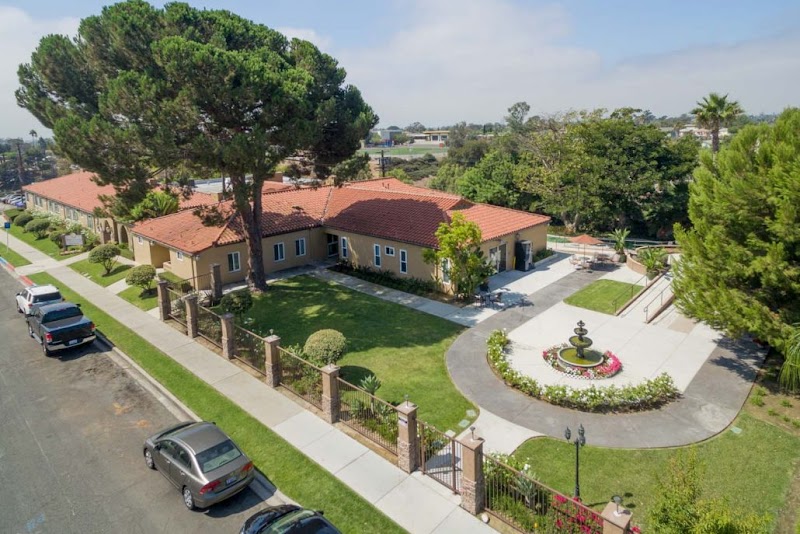
How is Arroyo Vista Nursing Center Staffed?

CMS rates ARROYO VISTA NURSING CENTER's staffing level at 3 out of 5 stars, which is average compared to other nursing homes. Staff turnover is 42%, compared to the California average of 46%. This relatively stable workforce can support continuity of care.

What Have Inspectors Found at Arroyo Vista Nursing Center?

State health inspectors documented 25 deficiencies at ARROYO VISTA NURSING CENTER during 2019 to 2025. These included: 25 with potential for harm.

Who Owns and Operates Arroyo Vista Nursing Center?

ARROYO VISTA NURSING CENTER is owned by a for-profit company. For-profit facilities operate as businesses with obligations to shareholders or private owners. The facility is operated by THE ENSIGN GROUP, a chain that manages multiple nursing homes. With 53 certified beds and approximately 47 residents (about 89% occupancy), it is a smaller facility located in SAN DIEGO, California.

How Does Arroyo Vista Nursing Center Compare to Other California Nursing Homes?

Compared to the 100 nursing homes in California, ARROYO VISTA NURSING CENTER's overall rating (5 stars) is above the state average of 3.2, staff turnover (42%) is near the state average of 46%, and health inspection rating (4 stars) is above the national benchmark.

What Should Families Ask When Visiting Arroyo Vista Nursing Center?

Based on this facility's data, families visiting should ask: "Can I visit during a mealtime to observe dining assistance and food quality?" "How do you handle medical emergencies, and what is your hospital transfer rate?" "Can I speak with family members of current residents about their experience?"

Is Arroyo Vista Nursing Center Safe?

Based on CMS inspection data, ARROYO VISTA NURSING CENTER has a clean safety record: no substantiated abuse findings (meaning no confirmed cases of resident harm), no Immediate Jeopardy citations (the most serious violation level indicating risk of serious injury or death), and is not on the Special Focus Facility watch list (a federal program monitoring the lowest-performing 1% of nursing homes). The facility has a 5-star overall rating and ranks #1 of 100 nursing homes in California. While no facility is perfect, families should still ask about staff-to-resident ratios and recent inspection results during their visit.

Do Nurses at Arroyo Vista Nursing Center Stick Around?

ARROYO VISTA NURSING CENTER has a staff turnover rate of 42%, which is about average for California nursing homes (state average: 46%). Moderate turnover is common in nursing homes, but families should still ask about staff tenure and how the facility maintains care continuity when employees leave.

Was Arroyo Vista Nursing Center Ever Fined?

ARROYO VISTA NURSING CENTER has no federal fines on record. CMS issues fines when nursing homes fail to meet care standards or don't correct problems found during inspections. The absence of fines suggests the facility has either maintained compliance or corrected any issues before penalties were assessed. This is a positive indicator, though families should still review recent inspection reports for the full picture.

Is Arroyo Vista Nursing Center on Any Federal Watch List?

ARROYO VISTA NURSING CENTER is not on any federal watch list. The most significant is the Special Focus Facility (SFF) program, which identifies the bottom 1% of nursing homes nationally based on persistent, serious quality problems. Not being on this list means the facility has avoided the pattern of deficiencies that triggers enhanced federal oversight. This is a positive indicator, though families should still review the facility's inspection history directly.