BALBOA NURSING & REHABILITATION CENTER
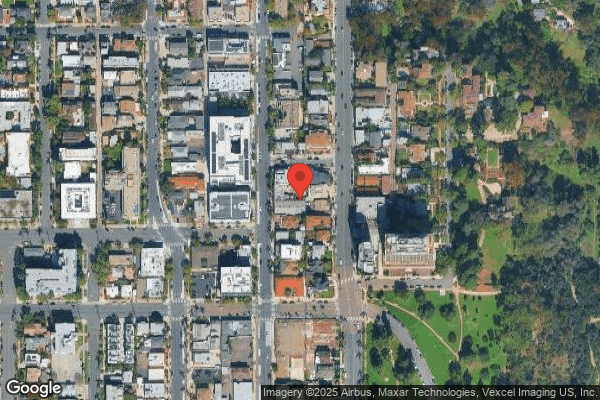
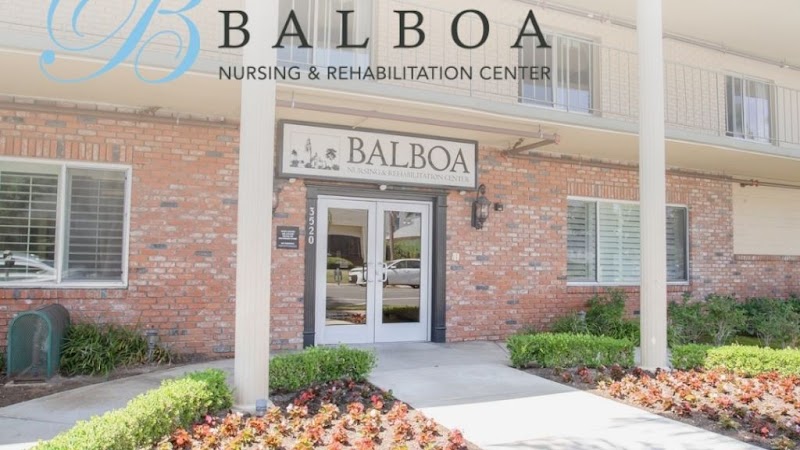
3520 FOURTH AVENUE, SAN DIEGO, CA 92103 (619) 291-5270
For profit - Limited Liability company 194 Beds PACS GROUP Data: November 2025
Trust Grade
70/100
#289 of 1155 in CA
Last Inspection: May 2025

Inspected within the last 6 months. Data reflects current conditions.

Overview

Balboa Nursing & Rehabilitation Center has a Trust Grade of B, indicating it is a good choice for families, as it falls in the 70-79 range, suggesting reliable care. It ranks #289 out of 1155 facilities in California, placing it in the top half, and #36 out of 81 in San Diego County, meaning there are only a few local options that are better. However, the facility is experiencing a worsening trend in quality, with issues increasing from 5 in 2024 to 14 in 2025. Staffing is a strength here with a turnover rate of 22%, which is significantly lower than the California average of 38%, although RN coverage is average. While there have been no fines, which is a positive aspect, the facility has faced some concerning incidents. For example, one resident with suicidal tendencies was not properly monitored, leading to a risk of self-harm. Additionally, the facility failed to adhere to dietary guidelines for a significant number of residents, and there were observations of staff being unsure about therapy plans for residents. Overall, while the nursing home has strengths in staffing stability and no fines, the rising number of issues and specific incidents raise concerns for families considering this facility.

Trust Score
B
70/100
In California
#289/1155
Top 25%
Safety Record
Moderate
Needs review
Inspections
Getting Worse
5 → 14 violations
Staff Stability
✓ Good
22% annual turnover. Excellent stability, 26 points below California's 48% average. Staff who stay learn residents' needs.
Penalties
✓ Good
No fines on record. Clean compliance history, better than most California facilities.
Skilled Nurses
○ Average
Each resident gets 32 minutes of Registered Nurse (RN) attention daily — about average for California. RNs are the most trained staff who monitor for health changes.
Violations
⚠ Watch
39 deficiencies on record. Higher than average. Multiple issues found across inspections.
★★★★☆
4.0
Overall Rating
★★★☆☆
3.0
Staff Levels
★★★★★
5.0
Care Quality
★★★☆☆
3.0
Inspection Score
Stable
2024: 5 issues
2025: 14 issues

The Good

  • 5-Star Quality Measures · Strong clinical quality outcomes
  • Low Staff Turnover (22%) · Staff stability means consistent care
  • Full Sprinkler Coverage · Fire safety systems throughout facility
  • No fines on record
  • Staff turnover is low (22%)

    26 points below California average of 48%

Facility shows strength in quality measures, staff retention, fire safety.

The Bad

Chain: PACS GROUP

Part of a multi-facility chain

Ask about local staffing decisions and management

The Ugly 39 deficiencies on record

1 actual harm
Sept 2025 1 deficiency
CONCERN (D) 📢 Someone Reported This

A family member, employee, or ombudsman was alarmed enough to file a formal complaint

Potential for Harm - no one hurt, but risky conditions existed

Deficiency F0697 (Tag F0697)

Could have caused harm · This affected 1 resident

**NOTE- TERMS IN BRACKETS HAVE BEEN EDITED TO PROTECT CONFIDENTIALITY** Based on observation, interview and record review, the facility failed to administer pain medication for one of two residents (R...

Read full inspector narrative →
**NOTE- TERMS IN BRACKETS HAVE BEEN EDITED TO PROTECT CONFIDENTIALITY** Based on observation, interview and record review, the facility failed to administer pain medication for one of two residents (Resident 1) in a timely manner. This failure placed Resident 1 at risk of unnecessary pain. Findings: Resident 1 was admitted to the facility on [DATE]and 8/21/25 with diagnoses to include right trochanteric bursitis (inflammation of the hip joint), type 2 diabetes, chronic pain syndrome according to the facility's admission Record. According to the physician History and Physical Examination (H&P) dated 8/22/25, indicated Resident 1 has the capacity to understand and make decisions. On 9/9/25 at 2:22 P.M., concurrent observation and interview was conducted with Resident 1. Resident 1 stated on 9/5/25 around 2 A. M., she was in severe pain and asked for pain pill multiple times. Resident 1 stated she was not given pain medication at that time. Resident 1 stated there was a lack of communication between the employees. On 9/9/25 at 3:08 P.M., a concurrent interview and record review was conducted with Licensed Nurse (LN) 1. According to the physician orders, Resident 1 received Hydrocodone-acetaminophen 10-325 milligrams (mg), give two tablets by mouth every 8 hours as needed for moderate pain (pain scale 4 to 6 out of a possible 10 as the worst pain) and Oxycodone 10 mg, give 1 tablet by mouth every 4 hours as needed for sever pain ( pain scale 7 to10 and 10 as the worst pain). According to the electronic Medication Administration Record (eMAR), Hydrocodone-acetaminophen 10-325 mg was last administered on 9/4/25 at 6:01 P.M. and 9/5/25 at 4:40 A.M. According to the electronic Medication Administration Record (eMAR), Oxycodone 10 mg was last administered on 9/4/25 at 8:50 P.M. and 9/5/25 at 8:27 A.M. During this interview and record review, LN 2 acknowledged there was an opportunity to provide pain medication around 9/5/25 12AM to 2 AM window. There was no pain medication at around 2 A.M. On 9/9/25 at 4:26 P.M. an interview with LN 2 was conducted with the Quality Assurance Nurse (QA) present. LN 2 stated around 2 AM, Resident 1 was asking for pain medications, but the medication nurse assigned to Resident 1 was on break and did not endorse her medication cart keys. LN 2 stated there was no pain medication given to Resident 1 at that time. LN 2 stated around 3 A.M., the medication nurse assigned to Resident 1 returned, but LN 2 forgot to inform the medication nurse assigned to Resident 1 that Resident 1 was asking for pain medications. LN 2 stated there was no pain medication given to Resident 1 at that time. LN 2 stated around 4 A.M., Resident 1 awakened and was asking for pain medication. The medication nurse assigned to Resident 1 was not available for interview. On 9/9/25 at 4:45 P.M., a concurrent interview and record review was conducted with QA Nurse.The QA Nurse stated LN 2 did not have the medication cart keys and LN 2 forgot to endorse Resident 1's request for pain medication to the assigned LN to Resident 1. QA Nurse stated the expectation when Resident 1 complained of pain and requested a pain medication, LNs should check the physician orders and offer what was available in the emergency kit. The QA nurse stated Resident 1's pain should be addressed in a timely manner for patient comfort.During this interview and record review, QA Nurse acknowledged there was an opportunity to provide pain medication around 9/5/25 12AM to 2 AM window.
Aug 2025 1 deficiency
CONCERN (D) 📢 Someone Reported This

A family member, employee, or ombudsman was alarmed enough to file a formal complaint

Potential for Harm - no one hurt, but risky conditions existed

Accident Prevention (Tag F0689)

Could have caused harm · This affected 1 resident

Based on observation, interview and record review, the facility failed to provide resident safety when a resident (Resident 1) eloped form the facility without staff being aware. As a result, Resident...

Read full inspector narrative →
Based on observation, interview and record review, the facility failed to provide resident safety when a resident (Resident 1) eloped form the facility without staff being aware. As a result, Resident 1 had successful elopement and was found on 8/19/25. Findings: On 8/18/25 the Department of Public Health received a report of elopement for Resident 1 at 8/16/25 and facility search done at 10 P.M. per the report. During a review of Resident 1's facility record on 8/17/25 at 1:23 P.M. indicated .Resident left facility without MDs [doctor's] order, not informing staffs or signing out.received a report that Resident left the unit around lunch time. Resident does walk throughout building on a daily basis. Resident has not back yet, unknow location at this time. Staff has searched the building and surrounding neighborhood.Observed that established history of walking throughout the premises and able to go back to his room, ambulate around with no assistance. A building-wide search was promptly initiated.but the he could not be located. On 8/19/25 at 12 P.M., an observation of the facility was conducted. The facility building has three entrances/exit. The entrance/exit included the front lobby, the side entrance/exit by the parking area and at the back. On 8/19/25 at 12:10 P.M. an interview with the Quality Assurance Nurse (QA). The QA stated Resident 1 was last seen on 8/16/25 around lunch time. QA stated Resident 1 was last seen around 12:18 P.M. using the elevator. On 8/19/2025 at 12:53 P.M., an interview was conducted with Certified Nursing Assistant (CNA) 1. CNA 1 stated Resident 1 was independent. CNA 1 stated Resident 1 roam around and used elevator. On 8/19/25 at 2:03 P.M., an interview with Receptionist 1 was conducted. Receptionist 1 stated facility front entrance/exit opened from 8 A.M. to 8 P.M. Receptionist 1 stated some residents could be in the front lobby by the front entrance/exit. Receptionist 1 stated licensed nurse would inform me when residents would need supervision or could be by themselves. Receptionist 1 stated there were two elopements last week. On 8/19/25 at 4:10 P.M., an interview with the Administrator (ADM) and QA was conducted. The ADM stated there were three elopements in the last six (6) months and the two elopements occurred this month. ADM stated there three were entrances/exits in the building. QA stated the back entrance/exit was locked. ADM stated the facility would increase surveillance. ADM stated Resident 1's elopement happened on the weekend when there were less staff. QA stated nobody saw Resident 1 leaving the building. QA stated her expectation was to make sure elopement would not occur again for resident safety.
Jul 2025 3 deficiencies
CONCERN (D) 📢 Someone Reported This

A family member, employee, or ombudsman was alarmed enough to file a formal complaint

Potential for Harm - no one hurt, but risky conditions existed

Quality of Care (Tag F0684)

Could have caused harm · This affected 1 resident

**NOTE- TERMS IN BRACKETS HAVE BEEN EDITED TO PROTECT CONFIDENTIALITY** Based on interview and record review, the facility failed to ensure physician orders were obtained, signed, and transcribed to m...

Read full inspector narrative →
**NOTE- TERMS IN BRACKETS HAVE BEEN EDITED TO PROTECT CONFIDENTIALITY** Based on interview and record review, the facility failed to ensure physician orders were obtained, signed, and transcribed to maintain continuity of care one of three residents (Resident 1) reviewed with a wound vacuum assisted closure (vac- medical device used to help wounds heal by creating a vacuum over the wound, drawing out excess fluid and infectious materials, and promoting the formation new tissue) device. As a result, Resident 1 was sent to the hospital without a wound vac as ordered post-operatively (OP) and placed Resident 1 at risk for delayed wound healing infection and worsening of their condition due to improper or interrupted treatment. According to the National Library of Medicine at https://pmc.ncbi.nlm.nih.gov/articles/PMC6739293 titled Vacuum assisted closure (VAC)/negative pressure wound therapy dated 6/19/19, indicated .Negative pressure wound therapy stabilizes the wound environment, reduces wound edema/bacterial load, improves tissue perfusion [circulation], and stimulates granulation [healthy tissue that promotes wound healing] tissue.A review of Resident 1's admission Record indicated Resident 1 was admitted to the facility on [DATE] with diagnoses which included a history of diabetes mellitus (DM-a disorder characterized by difficulty in blood sugar control and poor wound healing).A clinical chart review indicated:- Wound order dated 7/4/25 indicated, .Cleanse left groin area surgical wound with NS [normal saline] pat dry and apply transparent dressing around the open area then apply black foam to wound bed f//b [sic, followed by] transparent dressing then apply wound vac setting at 125mm\\ [sic]hg continuous, change dressing q M [Monday]-W [Wednesday]-F [Friday] x 21 days then reassess dc [discontinue] when healed and change as needed for soiled or dislodged.- Care plan initiated 7/8/25 indicated, Disease groin dehiscence with exposed graft nonhealing right BKA, c/f infected L to R fem bypass, s/p wound vac.- Care plan initiated 7/8/25 indicated for .Resident is at risk for skin breakdown related to Peripheral Artery Disease. s/p wound vac.Care plan initiated 7/9/25 indicated, .Surgical Incision: Resident has a surgical incision and is at risk for delayed healing. - Physician's (MD) order dated 7/10/25 indicated, .Send pt [patient] to ER [emergency room] for purulent right groin wound.- Change of Condition (COC) note dated 7/10/25 indicated, .Wound noted with purulent drainage Right Groin Area.Upon MD Assessment resident noted with Purulent drainage and Dehiscence on Right Groin Surgical Site. Wound Cleaned and Redressed with foam dressing to go to hospital. Received order from MD to send resident out to UCSD for further evaluation.Send Resident to UCSD for further evaluation. Family member notified [Name of Family Member]- Skin/wound Note dated 7/10/25 indicated, .All wound cleaned prior to leaving. Wound Vac removed prior to leaving and clean dressing applied.- Discharge Summary-Physician note dated 7/10/25 indicated, .Patient seen today at the facility during routine weekly rounding, Examination revealed purulent drainage from the right groin surgical incision site, accompanied by mild surrounding erythema. A retainer suture is present; no evidence of dehiscence at this time.Nursing staff were notified and instructed to arrange non-emergent transport via BLS.On 7/23/25 at 1:22 P.M., an interview and record review was conducted with Licensed Nurse (LN) 2. LN 2 stated Resident 1 had post-op orders for a wound vac due to a surgical procedure for an infected left (L) and right (R) femoral (relating to location on the upper thigh groin area) bypass (used to treat a blocked femoral artery) graft (replacing damaged tissue). LN 2 stated Resident 1's R groin wound was assessed by the facility's MD that displayed symptoms of infection of the wound site with purulent (containing pus) drainage, and it was dehisced (wound rupture). LN 2 stated Resident 1's L groin (with the wound vac) did not display symptoms of complications when he did the wound care. LN 2 stated Resident 1's L groin was not healed and did not have complications associated with the L groin upon transfer as assessed by the MD. LN 2 stated Resident 1 did not have parameters to remove the L groin wound vac prior to reassessment after 21 days (Resident 1 was sent out on day 7 of facility stay on 7/10/25). LN 2 stated the purpose of a wound vac was to promote healing and prevent complications of wound infections and if not used as prescribed could lead to complications (poor healing and infections). LN 2 stated he removed Resident 1's L groin wound vac prior to transfer to the hospital because the facility MD wanted to asses Resident 1's L groin wound so the wound vac was removed. LN 2 stated if there was no complications found on the L groin wound vac area the wound vac should have stayed on. LN 2 stated he did not transcribe and/or documented an MD order to discontinue Resident 1's L groin wound vac and did not follow up with Resident 1's surgeon regarding the L groin wound vac removal. On 7/24/25 at 4P.M., an interview and record review with LN 1 was conducted. LN 1 stated she was the LN who did Resident 1's admission and confirmed orders with the hospital nurses and the facility MD. LN 1 stated Resident 1 had a wound vac on her L groin upon admission. LN 1 stated she was unable to find orders to discontinued orders for the wound vac upon transfer to the hospital on 7/10/25. LN 1 stated if Resident 1's wound vac needed to be removed then an order should be transcribed and documented. LN 1 stated a verbal order needs to be documented for continuum of care and communication with other nursing staff. LN 1 stated it's important to have an MD order documented because we can't just d/c [discontinue] a wound vac. LN 1 stated not following Resident 1's L groin wound vac orders can lead to complication (poor wound healing, infection, and dehiscence). On 7/24/25 at 4:11 P.M., an interview and record review with the Quality Assurance (QA) nurse was conducted. The QA nurse stated there was no order for the L groin wound vac removal in Resident 1's clinical chart. The QA nurse stated that the MD discharge summary did not include complications with the L groin wound vac site nor did it mention orders to remove the L groin wound vac upon transfer on 7/10/25.On 7/30/25 at 10:11 A.M., a final interview and record review was conducted with the QA nurse. The QA nurse stated if an MD did give LN 1 a verbal order then LN 1 should have clarified and transcribed the order for Resident 1's L groin wound vac order and documented for continuum of care upon transfer. The QA stated Resident 1 went to the hospital without an MD order documented and was not according to professional standards of practice because verbal orders needed to be transcribed, clarified and documented for continuum of care upon transfer. The QA nurse stated wound vacs were important to drain excess fluid from draining wounds to promote wound healing and prevent infections. A review of the facility's policy and procedure titled MEDICATION and TREATMENT ORDERS dated July 2016, indicated .Verbal orders must be recorded immediately in the resident's chart by the person receiving the order and must include prescriber's last name, credentials, the date and the time of the order.
CONCERN (D) 📢 Someone Reported This

A family member, employee, or ombudsman was alarmed enough to file a formal complaint

Potential for Harm - no one hurt, but risky conditions existed

Accident Prevention (Tag F0689)

Could have caused harm · This affected 1 resident

**NOTE- TERMS IN BRACKETS HAVE BEEN EDITED TO PROTECT CONFIDENTIALITY** Based on interview, and record review, the facility failed to supervise residents who smoke according to resident's smoking asse...

Read full inspector narrative →
**NOTE- TERMS IN BRACKETS HAVE BEEN EDITED TO PROTECT CONFIDENTIALITY** Based on interview, and record review, the facility failed to supervise residents who smoke according to resident's smoking assessment for one of three sampled residents (Resident 2).As a result, Resident 2 was not supervised as required, which could have led to potential safety risks for smoke related injuries and for other residents who smoke.A review of Resident 2's admission Record indicated Resident 2 was re-admitted to the facility on [DATE] with diagnoses which included a history of hemiplegia (total paralysis of the arm, leg, and trunk on the same side of the body) and hemiparesis (weakness of the arm, leg and trunk on the same side of the body) affecting the left side of the body. A record review of Resident 2's minimum data set (MDS - a federally mandated resident assessment tool) dated 6/30/25 indicated, a Brief Interview for Mental Status (BIMS- developed by reviewing the resident's status during the prior seven-day period) score of 14 points out of 15 possible points which indicated Resident 14 had no cognitive (pertaining to memory, judgement and reasoning ability) deficits. On 7/23/25 at 12:47 P.M., an interview was conducted with Resident 1, in Resident 1's room. Resident 1 had a MDS dated [DATE] BIMS score of 14 which indicated he had no cognitive deficits. Resident 1 stated that the facility did not have scheduled smoking times and that he was free to smoke at any time if it was outside of the facility perimeter (indoor/outdoor areas such as the parking lots) because there was no designated areas to smoke within the facility perimeter. Resident 1 stated when residents smoke outside of the facility no staff members ever supervised. Resident 1 stated he signed a smoking waiver to not smoke anywhere around the premises of the facility and that it was on the residents to find a place to smoke. On 7/23/25 at 1:00 P.M., an interview was conducted with Resident 2, in Resident 2's room. Resident 2 stated, it would be safer if the facility had a designated area to smoke but the facility is a non-smoking facility so that's why they don't have it. Resident 2 stated the facility did not have designated times to smoke and smoked anytime. Resident 2 stated whenever he smoked there was no supervision provided by staff and further stated, it can be dark at night and that's why we should have a designated area to feel safer. On 7/23/25 at 1:30 P.M., an interview was conducted with the Activities Director (AD). The AD stated that the facility currently does not have a smoking program/process for residents who smoke. The AD stated that they try to supervise and check on them (facility residents who smoke) but it's not always the case. The AD stated they don't currently have a smoking attended because they currently are still in-progress of making a smoking program. The AD stated Resident 2 smoked unattended and did not need to be supervised. The AD stated smoke related injuries can occur if residents who need to be supervised are not supervised according to their smoking evaluations/assessments and care plans. The AD stated they [the facility] don't have designated smoking times and areas. The AD stated residents who smoke were free to smoke outside the facility and not on the premises (facility indoor/outdoor areas) at their own risk. A record review was conducted on Resident 2's clinical chart that indicated:- MDS dated [DATE] indicated that Resident 2 was a smoker, had falls in the past and had impairments to his upper and lower body. - Resident 2's care plan dated 6/26/25 indicated, .Resident is a smoker and is at risk for smoking related injury as evidenced by poor safety awareness. and .Supervision provided while resident is smoking . - Resident 2's interdisciplinary team (IDT) note dated 6/26/25 indicated, .requires supervision when smoking .- Resident 2's Smoking Observation/assessment dated [DATE] indicated, .visual impairment. and .Supervision required.On 7/30/25 at 10:19 A.M., an interview was conducted with the Quality Assurance (QA) nurse. The QA nurse stated the facility was still working on their smoking program and that it was still in-progress. The QA nurse stated Resident 2 should be supervised while smoking to prevent smoking related injuries that can happen such as burns. A review of the facility's policy and procedure titled Smoking Policy dated October 2023, did not indicate smoking safety for staff supervision.
CONCERN (D) 📢 Someone Reported This

A family member, employee, or ombudsman was alarmed enough to file a formal complaint

Potential for Harm - no one hurt, but risky conditions existed

Deficiency F0727 (Tag F0727)

Could have caused harm · This affected 1 resident

Based on observation, interview and record review, the facility failed to ensure the presence of a full-time Director of Nursing (DON) to manage and oversee nursing services. This deficient practice p...

Read full inspector narrative →
Based on observation, interview and record review, the facility failed to ensure the presence of a full-time Director of Nursing (DON) to manage and oversee nursing services. This deficient practice placed all 188 residents at risk for uncoordinated care, delays in addressing clinical concerns, and inconsistent implementation of nursing policies and procedures. On 7/23/25 10:30 A.M., a complaint investigation was initiated with the Administrator (ADM). The ADM stated the facility did not have a Director of Nursing (DON) and would be assisted by the Quality Assurance (QA) nurse for any assistance during the complaint investigation. On 7/23/25 at 1:22 P.M., an interview was conducted with LN 2. LN 2 stated we don't have a full-time DON yet. LN 2 stated the QA nurse was the former DON. On 7/24/25 at 4:02 P.M., an interview was conducted with the Director of Staff Development (DSD). The DSD stated she had only been working as a DSD for one month, so she was not sure if the facility was short or had any staffing waivers. The DSD stated the facility did not have a DON. On 7/30/25 at 10:06 A.M., an interview was conducted with the QA nurse. The QA nurse stated, we are still interviewing and in the process of hiring a full-time DON. The QA nurse stated they have a consultant who is available for the facility but was not present during the first day of the complaint investigation (7/23/25). The QA nurse stated it was important to have a full-time DON because the DON oversees the clinical care of residents' care planning and coordination for the safety and well-being of residents by addressing clinical concerns. A review of the facility's policy and procedure titled DIRECTOR of NURSING SERVICES (DNS) dated August 2022, indicated .1. The director is employed full-time (40-hours per week) and is responsible for, but is not necessarily limited to: a. developing and periodically updating the nursing service objectives and statements of philosophy; b. overseeing standards of nursing practice.
Jun 2025 1 deficiency
CONCERN (D) 📢 Someone Reported This

A family member, employee, or ombudsman was alarmed enough to file a formal complaint

Potential for Harm - no one hurt, but risky conditions existed

Accident Prevention (Tag F0689)

Could have caused harm · This affected 1 resident

**NOTE- TERMS IN BRACKETS HAVE BEEN EDITED TO PROTECT CONFIDENTIALITY** Based on observation, interview and record review, the facility failed to provide adequate supervision for one resident, Residen...

Read full inspector narrative →
**NOTE- TERMS IN BRACKETS HAVE BEEN EDITED TO PROTECT CONFIDENTIALITY** Based on observation, interview and record review, the facility failed to provide adequate supervision for one resident, Resident 1, who eloped (a patient leaving a healthcare facility without proper authorization or staff awareness)from the facility late at night, was unlocatable by the facility for nearly 14 hours, and sustained a fall while away from the facility. This failure had the potential for Resident 1 to suffer serious injury. Findings: According to a report filed to the Department by Adult Protective Services (APS): On 6/2/25, the police department Psychiatric Emergency Response Team ([NAME]) unit responded to a call for a missing person at risk. During investigation, a clinician learned that Licensed Nurse (LN) 1 knew that Resident 1 left the facility at approximately 1:30 AM and never returned. LN 1 did not report this until shift change at 7:30 AM. A phone call was made to the police at 8:17 AM. The police department filed a missing person at risk report. An unannounced visit was conducted at the facility on 6/3/25 at 12:15 PM. The Director of Nursing (DON) stated Resident 1 returned to the facility on 6/2/25 after 4 PM. The total time Resident 1's whereabouts were unknown was approximately 14 hours. A review of Resident 1's admission Record indicated he was admitted to the facility on [DATE] with diagnoses that included unsteadiness on feet. A review of Resident 1's admission orders indicated that there were no orders for Resident 1 to go out of the facility without supervision. On 6/3/25 at 12:50 PM an interview with the DON and concurrent record review of Resident 1's fall risk assessment dated [DATE] indicated a score of 14 which was moderate risk for fall. The evaluation did not include the antihypertensive medication Resident 1 took for seven days prior to the date of the evaluation. A review of Resident 1's fall risk assessment dated [DATE] after return to the facility indicated a score of 16 which was high risk for falls. The evaluation did not include the antihypertensive medication Resident took for seven days prior to the date of the evaluation. The DON stated the Medication Administration Record (MAR) indicated Resident 1 received the ordered antihypertensive medication for seven days preceding both fall risk evaluations, the evaluations were not accurate and the risk level should have been higher. A review of Resident 1's care plans indicated, substance abuse. This care plan was initiated on 5/8/25. Interventions included, Assess for the risk of leaving the facility without notification. On 6/3/25 at 1250 an interview with the DON and concurrent review of Resident 1's care plans indicated, Resident is a smoker. This care plan was initiated on 5/10/25. Interventions included, supervision provided while resident is smoking. The DON stated, The care plan is a template. Accompanying the resident outside to smoke safely is in the care plan but no one accompanied him. On 6/3/25 at 1:57 PM a telephone interview was conducted with Licensed Nurse (LN) 1 who stated, It's not the first time he got out like that. He goes down at night to smoke. I got busy, I was preoccupied and didn't notice he didn't return. I didn't notice until around 4 AM because he was not in bed. I did ask a senior nurse because I'm a new nurse, I wasn't sure what to do. He told me I could call the DON when she's awake. He said we don't want to wake someone for that. He said we could call the police and the DON after 7 AM. (Resident 1) didn't return during my shift. A review of a physician progress note dated 6/3/25 at 3:52 PM indicated, The patient returned the same day, at (3:17 PM), with an abrasion (an injury caused by scraping resulting in wearing away the surface of the skin) noted on the left side of his face.the patient would need . an x-ray of his face, and his wound cleaned and dressed. A review of Resident 1's x-ray report dated 6/3/25 indicated, There is a moderate suprapatellar effusion (excess fluid above the knee joint). A review of Resident 1's physician progress note dated 6/4/25 indicated, .patient was found many blocks away. He reported that he got lost. Noted with abrasions over face and left knee.Patient reported falling off his wheelchair. On 6/4/25 at 3:56 a telephone interview was conducted with LN 2 who stated he was the nursing supervisor of the third floor. LN 2 stated, I told (LN 1) to let Security (look for Resident 1), they come in later at about 5:30 AM. A patient who is a fall risk or with any level of cognitive impairment should not go outside the facility without staff. We would notify our supervisor about an issue, but we don't have a floor supervisor at night. I said you can wait and notify (the DON) at the beginning of the shift. I didn't look at his chart to see if the information the other nurse gave me was accurate because I was too busy doing my own work. If I don't know what to do in a situation I would talk to the DON. On 6/3/25 at 12:44 PM an observation and interview were conducted with Resident 1 who was noted to have a triangle shaped gauze dressing loosely taped over the left side of his face with ability to visualize scrapes and skin breaks from above his left temple to below his left cheekbone. There was a small amount of bright red blood noted. Resident 1's upper lip was noted with broken skin and a small amount of bright red blood and moderate swelling. Resident 1 stated, I went over a curb and fell out of the wheelchair. Resident 1 did not recall the time he went outside but stated, It was dark out. My knee is very painful when I walk, it's swollen and scraped up. Someone called the building for me because I don't know what I'm doing (Resident 1 held up a cell phone in his right hand). I couldn't find my way back, I was lost. A request was made to the Medical Records staff, DON, and Director of Staff Development (DSD ) for the facility's smoking policy. No policy was provided to ensure residents were supervised while smoking.
May 2025 6 deficiencies
CONCERN (D)

Potential for Harm - no one hurt, but risky conditions existed

Resident Rights (Tag F0550)

Could have caused harm · This affected 1 resident

Based on observation, interview, record review, and facility policy review, the facility failed to ensure a dignified dining experience for 1 (Resident #92) of 6 sampled residents reviewed for nutriti...

Read full inspector narrative →
Based on observation, interview, record review, and facility policy review, the facility failed to ensure a dignified dining experience for 1 (Resident #92) of 6 sampled residents reviewed for nutrition. Findings included: A facility policy titled, Dignity revised 02/2021, indicated, Each resident shall be cared for in a manner that promotes and enhances his or her sense of well-being, level of satisfaction with life, and feelings of self-worth and self-esteem. The policy specified, 5. When assisting with care, residents are supported in exercising their rights. For example, residents are: a. groomed as they wish to be groomed; b. encouraged to attend activities of their choice, including religious, political, civic, recreational, or social activities; c. encouraged to dress in clothing that they prefer; d. allowed to choose when to sleep, eat and conduct activities of daily living; and e. provided with a dignified dining experience. A facility policy titled, Assistance with Meals revised 03/2022, indicated, Residents shall receive assistance with meals in a manner that meets the individual needs of each resident. An admission Record revealed the facility admitted Resident #92 on 10/07/2023. According to the admission Record, the resident had a medical history that included diagnoses of amyotrophic lateral sclerosis (ALS, a nervous system disease that weakened muscles and impacted physical function), dysphagia (difficulty swallowing), contracture, muscle wasting and atrophy, and need for assistance with personal care. A significant change in status Minimum Data Set (MDS), with an Assessment Reference Date (ARD) of 05/02/2025, revealed Resident #92 had a Brief Interview for Mental Status (BIMS) score of 12, which indicated the resident had moderate cognitive impairment. The MDS indicated that the resident was dependent on staff for eating. Resident #92's Care Plan Report included a focus area initiated 10/09/2023, that indicated the resident was at risk for an activity of daily living/mobility decline and required assistance related to diagnoses that included ALS. Interventions directed staff to provide substantial/maximal assistance with eating (initiated 10/09/2023). During a concurrent interview and observation on 05/13/2025 at 8:26 AM, Resident #92 was observed lying in bed. It was noted that the resident's breakfast meal tray was on an overbed table near the bottom of their bed and out of the resident's reach. Resident #92 stated their breakfast meal tray was delivered to their room at 8:15 AM. At 8:48 AM, Certified Nursing Assistant (CNA) #5 entered Resident #92's room and fed the resident's roommate their breakfast meal. During an interview on 05/13/2025 at 9:05 AM, CNA #5 stated that she was assigned to Resident #92; however, the resident was usually their breakfast and lunch meal by a restorative nursing assistant (RNA). During a concurrent interview and observation on 05/13/2025 at 9:07 AM, RNA #6 entered Resident #92's room and spoke with the resident. At 9:17 AM, RNA #6 brought another breakfast meal tray to the resident's room and received assistance from another staff member to reposition Resident #92 in their bed. At 9:21 AM, RNA #6 placed Resident #92's dentures in their mouth and then proceeded to feed the resident at 9:21 AM. RNA #6 stated Resident #92 was in the restorative dining program and he usually fed the resident around 9:00 AM. During a concurrent interview and observation on 05/14/2025 at 8:22 AM, , Resident #92 was observed lying in bed. It was noted that the resident's breakfast meal tray was on an overbed table near the bottom of their bed and out of the resident's reach. Resident #92 stated their meal tray was delivered to their room at 8:15 AM. According to Resident #92, staff always brought their meal tray early, laid it down out of their reach and no one came back for a long time to feed them. Resident #92 stated they did not like having to wait to be fed, while they watched their meal tray and their roommate being fed. During a concurrent interview and observation on 05/14/2025 at 8:22 AM, Resident #92 was being fed their breakfast meal by RNA #6. RNA #6 stated he started to fed the resident at 9:00 AM. RNA #6 stated Resident #92 saw when their meal was placed in their room and they knew when it was there, but having the meal sit was not typical. During an interview on 05/15/2025 at 9:42 AM, Licensed Vocational Nurse #7 stated Resident #92 required total assistance from staff and was fed breakfast and lunch by an RNA. During an interview on 05/15/2025 at 9:50 AM, the Infection Control Nurse (ICN) stated she supervised the restorative program. The ICN stated meal carts came at different times to unit based on who was assigned to the program. According to the ICN, Resident #92 was on the feeding program, an RNA was scheduled to feed the resident their meal dependent on when the tray arrived, and that the resident was to be fed immediately. During an interview with the Administrator and Director of Nursing (DON) on 05/15/2025 at 10:40 AM, the DON stated the expectation was that the RNA who was assigned to feed each resident should feed the resident at the time that the tray was distributed. The Administrator stated his expectations were the same expectation as the DON, that once all trays were delivered then the RNAs were to come back and deliver the assigned tray and feed the resident at that time so that the food did not get cold. The Administrator stated residents should never be able to see someone else eat and not have their food. The DON stated both residents in a room should be fed at the same time for a dignified meal experience.
CONCERN (D)

Potential for Harm - no one hurt, but risky conditions existed

Assessment Accuracy (Tag F0641)

Could have caused harm · This affected 1 resident

Based on interview, record review, and facility policy review, the facility failed to accurately complete a Minimum Data Set (MDS) assessment for 2 (Resident #77 and Resident #185) of 38 residents who...

Read full inspector narrative →
Based on interview, record review, and facility policy review, the facility failed to accurately complete a Minimum Data Set (MDS) assessment for 2 (Resident #77 and Resident #185) of 38 residents whose MDSs were reviewed. Findings included: A facility policy titled, Resident Assessments, revised 10/2023, revealed the section titled, Policy Interpretation and Implementation, included, 11. All persons who have completed any portion of the MDS resident assessment form must sign the document attesting to the accuracy of such information. 12. Information in the MDS assessments will consistently reflect information in the progress notes, plans of care and resident observations/interviews. 1. An admission Record indicated the facility admitted Resident #185 on 01/21/2025. According to the admission Record, the resident had a medical history that included diagnoses of multiple rib fractures, a history of falling, and dementia. A discharge MDS, with an Assessment Reference Date (ARD) of 02/12/2025, revealed Resident #185 had a Brief Interview for Mental Status (BIMS) score of 6, which indicated the resident had severe cognitive impairment. The MDS indicated Resident #185 had been discharged to a short-term general hospital. Resident #185's Care Plan Report, included a focus area initiated 01/22/2025, that indicated the resident had a need for assistance with discharge planning. Interventions directed staff to assess the resident for the appropriate level of care and make recommendations, coordinate referrals to outside resources, and educate the resident and family regarding home care needs. Resident #185's Order Summary Report, with active orders as of 02/12/2025, included an order dated 02/11/2025 to discharge the resident home per request with home health. During an interview on 05/15/2025 at 10:28 AM, MDS Coordinator #14 stated he obtained information for the MDS assessment from visiting with residents to make observations, reviewing hospital records, obtaining information from nursing, and reviewing progress notes. MDS Coordinator #14 stated a resident's discharge location was documented on the MDS assessment. He stated that the Social Services Director (SSD) had completed the discharge section of the MDS for Resident #185. MDS Coordinator #14 confirmed that according to Resident #185's progress notes, the resident had discharged with their personal belongings to home, but the SSD had coded on the MDS assessment that the resident went to the hospital. He stated the SSD should have documented that Resident #185 was discharged home. During an interview on 05/15/2025 at 10:52 AM, the SSD confirmed that the discharge summary for Resident #185 indicated the resident had discharged home with their family member. The SSD stated the MDS revealed Resident #185 was discharged to a short-term hospital but should have shown that the resident went home. The SSD stated she must have gotten confused with where the resident was admitted from. During an interview on 05/15/2025 at 11:06 AM, the Administrator stated he expected the MDS, including the discharge destination, to be accurate. During a concurrent interview, the Director of Nursing (DON) stated the MDS should be correct. 2. An admission Record revealed the facility admitted Resident #77 on 09/19/2018. According to the admission Record, the resident had a medical history that included diagnoses of major depressive disorder, psychotic disorder, bipolar disorder, and generalized anxiety disorder. An annual MDS, with an Assessment Reference Date (ARD) of 09/06/2024, revealed Resident #77 had a Brief Interview for Mental Status (BIMS) score of 13, which indicated the resident had intact cognition. The MDS indicated Resident #77 did not have a Preadmission Screening and Resident Review (PASRR). Resident #77's Care Plan Report, included a focus area revised 06/23/2023, that indicated Resident #77 had episodes of bipolar disorder exhibited by angry outbursts. The Care Plan Report included a focus area initiated 03/21/2025 that indicated the resident was at risk for psychosocial well-being and adjustment issues, emotions distress and ineffective coping skills, poor impulse control, and adverse effects on function, mental, physical, social, or spiritual wellbeing related to a diagnosis of depression. A letter from the State of California Health and Human Services Agency Department of Health Care Services, dated 06/05/2023, revealed Resident #77's PASRR Level II evaluation was completed on 06/04/2023. During an interview on 05/15/2025 at 10:28 AM, MDS Coordinator #14 confirmed that the PASRR was not coded correctly. He further stated the person that was signing off on the section of the MDS for PASRRs did not ensure accuracy, just that it was completed. He also stated that the Social Services Director (SSD) was responsible for the section for the PASRR. During an interview on 05/15/2025 at 10:53 AM, the SSD revealed she did not know Resident #77 had a PASRR Level II. She further confirmed that the MDS was not accurate. During an interview on 05/15/2025 at 11:06 AM, the Administrator revealed that the MDS should have been accurate. During a concurrent interview, the Director of Nursing (DON) stated the MDS should have been coded right.
CONCERN (D)

Potential for Harm - no one hurt, but risky conditions existed

Comprehensive Care Plan (Tag F0656)

Could have caused harm · This affected 1 resident

**NOTE- TERMS IN BRACKETS HAVE BEEN EDITED TO PROTECT CONFIDENTIALITY** Based on observation, interview, record review, and facility policy review, the facility failed to ensure a care plan was follow...

Read full inspector narrative →
**NOTE- TERMS IN BRACKETS HAVE BEEN EDITED TO PROTECT CONFIDENTIALITY** Based on observation, interview, record review, and facility policy review, the facility failed to ensure a care plan was followed for 1 (Resident #30) of 7 residents reviewed for nutrition. Findings included: A facility policy titled, Assistance with Meals, revised 03/2022, specified, Residents shall receive assistance with meals in a manner that meets the individual needs of each resident. An admission Record revealed the facility admitted Resident #30 on 02/25/2013. According to the admission Record, the resident had a medical history that included hemiplegia and hemiparesis (partial weakness on one side of the body) following a cerebral infarction (stroke), dysphagia (difficulty swallowing), and functional quadriplegia. A quarterly Minimum Data Set (MDS), with an Assessment Reference Date (ARD) of 12/06/2024, revealed Resident #30 had a Brief Interview for Mental Status (BIMS) score of 5, which indicated the resident had severe cognitive impairment. The MDS indicated Resident #30 required supervision or touching assistance with eating. Resident #30's Care Plan Report, included a focus area initiated 03/31/2025, that revealed Resident #30 had moderate oropharyngeal dysphagia, which impeded safe swallowing. The Care Plan Report included a focus area revised on 03/31/2025, that revealed Resident #30 had a self-care deficit and required assistance with activities of daily living (ADLs), and they needed to be supervised while eating. An observation of meal service on 05/14/2025 at 9:01 AM revealed Resident #30 received their breakfast tray. At 9:13 AM, Resident #30 was observed in their bed consuming their breakfast. No staff were in the room supervising Resident #30. Resident #30 continued to consume their breakfast until they were done with their meal. An observation of meal services on 05/14/2025 at 1:52 PM revealed Certified Nursing Assistant (CNA) #12 delivered Resident #30 their lunch tray, set up the tray (uncovered food and drinks) for Resident #30 to eat, and exited the room. Resident #30 was observed eating their meal and drinking their milk and juice. There were no staff in the room supervising Resident #30. During an interview on 05/14/2025 at 2:03 PM, CNA #12 stated he did not know that Resident #30 needed to be supervised while eating. He stated he would get the information (related to the resident's required assistance with meals) from a coworker and if they did not provide the information he needed, he would look in the [NAME] or look in the resident's health record. CNA #12 stated that not supervising someone that needed to be observed while eating could lead to that resident choking or aspirating. During an observation of meal services on 05/15/2025 at 9:01 AM, Resident #30 was observed in their bed, eating their breakfast. There was no staff supervising Resident #30. During a concurrent interview with Resident #30, they stated that no one had been in their room during the meal. During an interview on 05/15/2025 at 9:08 AM, CNA #13 stated she did know Resident #30 needed to be supervised during meal service. She stated she left Resident #30 while they were eating to answer a call light. CNA #13 acknowledged that when a resident needed to be supervised during meals, the staff member needed to stay during the entire meal. During an interview on 05/15/2025 at 9:53 AM, the Speech Language Pathologist (SLP) stated Resident #30 needed to be supervised while eating to remind them to take a bite and to take small bites. She added Resident #30 needed to be supervised for the entire meal, every meal. During an interview on 05/15/2025 at 11:06 AM, the Administrator stated that if there was a clinical recommendation, it needed to be followed. The Administrator stated that if the recommendation was not followed it could have led to choking.
CONCERN (D)

Potential for Harm - no one hurt, but risky conditions existed

Quality of Care (Tag F0684)

Could have caused harm · This affected 1 resident

**NOTE- TERMS IN BRACKETS HAVE BEEN EDITED TO PROTECT CONFIDENTIALITY** Based on observation, interview, record review, and facility policy review, the facility failed to ensure staff followed a physi...

Read full inspector narrative →
**NOTE- TERMS IN BRACKETS HAVE BEEN EDITED TO PROTECT CONFIDENTIALITY** Based on observation, interview, record review, and facility policy review, the facility failed to ensure staff followed a physician's order for supervision during meals for 1 (Resident #30) of 7 residents reviewed for nutrition. Findings included: A facility policy titled, Assistance with Meals, revised 03/2022, specified, Residents shall receive assistance with meals in a manner that meets the individual needs of each resident. The policy revealed the section titled, Policy Interpretation and Implementation, included, 2. Facility staff will serve resident trays and will help residents who require assistance with eating. An admission Record revealed the facility admitted Resident #30 on 02/25/2013. According to the admission Record, the resident had a medical history that included hemiplegia and hemiparesis (partial weakness on one side of the body) following a cerebral infarction (stroke), dysphagia (difficulty swallowing), and functional quadriplegia. A quarterly Minimum Data Set (MDS), with an Assessment Reference Date (ARD) of 12/06/2024, revealed Resident #30 had a Brief Interview for Mental Status (BIMS) score of 5, which indicated the resident had severe cognitive impairment. The MDS indicated Resident #30 required supervision or touching assistance with eating. Resident #30's Order Summary Report, with active orders as of 05/14/2025, included an order dated 03/10/2025, for a regular diet with pureed texture and thin liquids consistency, and that specified one-on-one supervision with meals. Resident #30's Care Plan Report, included a focus area initiated 03/31/2025, that revealed Resident #30 had moderate oropharyngeal dysphagia, which impeded safe swallowing. The Care Plan Report included a focus area revised on 03/31/2025, that revealed Resident #30 had a self-care deficit and required assistance with activities of daily living (ADLs), and they needed to be supervised while eating. Resident #30's Visual/Bedside [NAME] Report, dated 05/14/2025, revealed Resident #30 required supervision during meals. Resident #30's Wednesday Breakfast and Wednesday Lunch tray ticket revealed Resident #30 required one-on-one supervision during meals. An observation of meal service on 05/14/2025 at 9:01 AM revealed Resident #30 received their breakfast tray. At 9:13 AM, Resident #30 was observed in their bed consuming their breakfast. No staff were in the room supervising Resident #30. Resident #30 continued to consume their breakfast until they were done with their meal. An observation of meal services on 05/14/2025 at 1:52 PM revealed Certified Nursing Assistant (CNA) #12 delivered Resident #30 their lunch tray, set up the tray (uncovered food and drinks) for Resident #30 to eat, and exited the room. Resident #30 was observed eating their meal and drinking their milk and juice. There were no staff in the room supervising Resident #30. During an interview on 05/14/2025 at 2:03 PM, CNA #12 stated he did not know that Resident #30 needed to be supervised while eating. He stated he would get the information (related to the resident's required assistance with meals) from a coworker and if they did not provide the information he needed, he would look in the [NAME] or look in the resident's health record. CNA #12 stated that not supervising someone that needed to be observed while eating could lead to that resident choking or aspirating. During an observation of meal services on 05/15/2025 at 9:01 AM, Resident #30 was observed in their bed, eating their breakfast. There was no staff supervising Resident #30. During a concurrent interview with Resident #30, they stated that no one had been in their room during the meal. During an interview on 05/15/2025 at 9:08 AM, CNA #13 stated she did know Resident #30 needed to be supervised during meal service. She stated she left Resident #30 while they were eating to answer a call light. CNA #13 acknowledged that when a resident needed to be supervised during meals, the staff member needed to stay during the entire meal. During an interview on 05/15/2025 at 9:53 AM, the Speech Language Pathologist (SLP) stated Resident #30 needed to be supervised while eating to remind them to take a bite and to take small bites. She added Resident #30 needed to be supervised for the entire meal, every meal. During an interview on 05/15/2025 at 11:06 AM, the Administrator stated that if there was a clinical recommendation, it needed to be followed. The Administrator stated that if the recommendation was not followed it could have led to choking. During a concurrent interview, the Director of Nursing (DON) stated that staff needed to do what was ordered.
CONCERN (D)

Potential for Harm - no one hurt, but risky conditions existed

Deficiency F0687 (Tag F0687)

Could have caused harm · This affected 1 resident

**NOTE- TERMS IN BRACKETS HAVE BEEN EDITED TO PROTECT CONFIDENTIALITY** Based on observation, interview, record review, and facility policy review, the facility failed to provide timely podiatry servi...

Read full inspector narrative →
**NOTE- TERMS IN BRACKETS HAVE BEEN EDITED TO PROTECT CONFIDENTIALITY** Based on observation, interview, record review, and facility policy review, the facility failed to provide timely podiatry services for 1 (Resident #388) of 3 sampled residents reviewed for activities of daily living. Findings included: A facility policy titled, Podiatry Services revised 02/2023, indicated, It is the policy of this facility to ensure residents receive proper treatment and care within professional standards of practice and state scope of practice, as applicable, to maintain mobility and good foot health. The policy specified, 5. The social worker or designer will assist residents in making appointments and arranging transportation to obtain needed services. An admission Record revealed the facility admitted Resident #388 on 04/14/2025. According to the admission Record, the resident had a medical history that included diagnoses of muscle weakness and dorsalgia (back pain). An admission Minimum Data Set (MDS), with an Assessment Reference Date (ARD) of 04/21/2025, revealed Resident #388 had a Brief Interview for Mental Status (BIMS) score of 12, which indicated the resident had moderate cognitive impairment. The MDS indicated the resident required partial/moderate assistance with personal hygiene. Resident #388'sOrder Summary Report which contained active orders as of 05/14/2025, revealed an order dated 04/14/2025, for podiatry evaluation and treatment as indicated for mycotic toenails every 90 days and as needed. Resident #288's Social Service Note dated 04/16/2025, indicated the resident was referred to podiatry. Resident #388Nurse's Note written by the Assistant Director of Nursing and dated 04/26/2025, revealed social services was contacted by the ADON to please add the resident to the podiatrist list as soon as possible for an ingrown toenail. During a concurrent observation and interview on 05/12/2025 at 11:40 AM, Resident #388 stated they had an ingrown toenail and had been told that the podiatrist would come in and see them, but it had not been done. Resident #388 stated their toenail hurt and that pain medication did not help. Resident #388 removed the sock from their right foot, and it was noted that the toenail on their big toe on the right foot was about 1 inch long, above the top of the toe, and the nail was thick. During an interview on 05/14/2025 at 8:54 AM, Certified Nursing Assistant (CNA) #8 stated she was assigned to Resident #388, Resident #388 needed to see podiatrists, and was on the list. Per CNA #8, the podiatrist came into the facility once per month. During an interview on 05/14/2025 at 8:59 AM, Registered Nurse #9 stated that she was assigned to Resident #388 and the resident made complaints of ingrown toenails and pain for at least one and a half weeks. During an interview on 05/14/2025 at 9:08 AM, Licensed Vocational Nurse (LVN) #10 stated Resident #388 had been asking to be seen by the podiatrist and had pain that was managed by pain medication given for generalized pain. LVN #10 stated that the podiatrist company had come in the facility for urgent matters but had not come in for Resident #388. Per LVN #10, the resident was scheduled to be seen by the podiatrist on 05/15/2025. During an interview on 05/14/2025 at 9:30 AM, the Social Service Director (SSD) stated that residents were referred to podiatry by nursing or a resident would let social services (SS) know that they needed to be seen. The SSD stated the podiatrist came in every 90 days; if there was an emergent need they would do a special visit. Per the SSD, if the podiatrist was unable to come in for an emergent visit then the resident would be sent out for services. The SSD stated that the podiatrist was expected to come to the facility on [DATE] and would stay for three days to do each floor. The SSD stated that Resident #388 was currently on the list; a referral was sent out to the vendor on 05/09/2025 to cut the resident's toenails. During an interview with the Director of Nursing (DON) and the Administrator on 05/15/2025 at 10:40 AM, the DON stated that her expectation was that as soon as the resident had concerns with their toenails, social services would contact the podiatrist right away and make sure that the resident got the care needed. The Administrator stated that his expectation was the same expectation as the DON, and that he expected the floor staff report to appropriate channels and forward to social services.
CONCERN (E)

Potential for Harm - no one hurt, but risky conditions existed

Menu Adequacy (Tag F0803)

Could have caused harm · This affected multiple residents

Based on observation, interview, facility document and policy review, the facility failed to follow the prepared menu for residents who received diets with mechanical soft or ground meat for 30 of 183...

Read full inspector narrative →
Based on observation, interview, facility document and policy review, the facility failed to follow the prepared menu for residents who received diets with mechanical soft or ground meat for 30 of 183 residents who resided in the facility and failed to follow the prepared menu for residents who received diets with pureed meat for 21 of 183 residents who resided in the facility. Findings included: An undated facility policy titled, Menus, indicated, Menus are developed and prepared to meet resident choices including religious, cultural and ethnic needs while following established national guidelines for nutritional adequacy. The policy revealed the section titled, Policy Interpretation and Implementation, included, 6. Menus must be followed. Deviations from posted menus are recorded (including the reason for the substitution and/or deviation) and archived. Further review revealed, 8. Menus provide a variety of foods from the basic daily food groups and indicate standard portions at each meal. The facility's Spring Cycle Menus, revealed that the planned lunch meal on 05/13/2025 included a 3-ounce (oz) portion of barbeque (BBQ) chicken for regular diets. The menus revealed the mechanical soft diet included a #10 (3.2 oz) scoop of ground moist BBQ chicken, and the pureed diet included a #8 (4 oz) scoop of pureed BBQ chicken. Observations on 05/13/2025 beginning at 10:40 AM revealed [NAME] #3 serving the mechanical soft BBQ chicken with a #12 (2.67 oz) scoop. [NAME] #3 served pureed BBQ chicken with a #12 (2.67 oz) scoop. During an interview on 05/13/2025 at 1:41 PM, [NAME] #3 stated she looked at the menus to know what size portion scoops to use for serving meals. [NAME] #3 confirmed she had used a #12 scoop to serve the mechanical soft and pureed chicken. [NAME] #3 reviewed the menu and confirmed that the portion size should have been a #10 portion scoop for the mechanical soft BBQ chicken and a #8 portion scoop for the pureed BBQ chicken. During an interview on 05/13/2025 at 3:42 PM, Dietary Director (DD) #2, the former Dietary Director who was assisting with training the current Dietary Director, stated her expectation was that the cook should check the menu spreadsheet before starting the meal service. DD #2 stated it was important to serve the correct portion sizes to ensure residents received adequate nutrition. During an interview on 05/13/2025 at 3:45 PM, DD #1, the current Dietary Director, stated her expectation was that they served the correct portion sizes. DD #1 stated it was important to serve the correct portions to ensure residents received the right nutrients. During an interview on 05/14/2025 at 3:16 PM, the Registered Dietitian (RD) stated it was important to serve the correct portion sizes to ensure residents received adequate nutrition and protein. During an interview on 05/15/2025 at 8:45 AM, the Director of Nursing (DON) stated she expected staff to follow the correct portion sizes because that was what the doctor ordered. During an interview on 05/15/2025 at 8:49 AM, the Administrator stated his expectation was that staff should follow the menu and portion sizes.
Mar 2025 2 deficiencies 1 Harm
SERIOUS (G) 📢 Someone Reported This

A family member, employee, or ombudsman was alarmed enough to file a formal complaint

Actual Harm - a resident was hurt due to facility failures

Deficiency F0740 (Tag F0740)

A resident was harmed · This affected 1 resident

**NOTE- TERMS IN BRACKETS HAVE BEEN EDITED TO PROTECT CONFIDENTIALITY** Based on interviews and record review, the facility failed to protect a resident (Resident 1) with suicidal ideation (SI, when y...

Read full inspector narrative →
**NOTE- TERMS IN BRACKETS HAVE BEEN EDITED TO PROTECT CONFIDENTIALITY** Based on interviews and record review, the facility failed to protect a resident (Resident 1) with suicidal ideation (SI, when you think about, consider or feel preoccupied with the idea of death and suicide) tendency from harm, when staff did not: 1. Supervise Resident 1 with known SI tendencies to harm herself with overdosing on medications and cut herself with a butter knife, 2. Follow through on a provider ' s recommendations (five opportunities) for SI safe monitoring of Resident 1, 3. Developed of interdisciplinary and core staff communication for the planning, monitoring and evaluating Resident 1 ' s plan of care related to overdosing self, to ensure Resident 1 did not have access to medications for her safety and well-being, and, 4. Fully account for Resident 1 ' s belongings including medications from home. As a result, these failures provided Resident 1 an opportunity to harm herself by overdosing on her medications from home and cutting herself with a metal butterknife on 1/20/25. Resident 1 was transported from the facility to a GACH (General Acute Care Hospital). Resident 1 was admitted to the ICU (Intensive Care Unit), was placed on life support and underwent hemodialysis (a treatment to cleanse the blood of wastes and extra fluids artificially through a machine when the kidney(s) have failed) for treatment and recovery. Findings: A record review was conducted of Resident 1. Resident 1 was readmitted to the facility on [DATE], with diagnoses which included hemiplegia (total paralysis of the arm, leg, and trunk on the same side of the body) and hemiparesis (weakness or the inability to move on one side of the body), per the facility ' s admission Record. A record review was conducted of Resident 1. Resident 1's History and Physical (H & P), dated 10/17/24, indicated the attending physician (AP) documented Resident 1 was admitted to the facility for rehabilitation and Resident 1 had the capacity to make medical decisions. Per the H & P, Resident 1 was right-handed and had left sided weakness. A record review was conducted of Resident 1. Resident 1's minimum data set (MDS – a federally mandated resident assessment tool), dated 10/17/24, indicated Resident 1's brief interview for mental status (BIMS, ability to recall) score was 15/15 (a score of 13 to 15 suggests the patient is cognitively [process of acquiring knowledge and understanding] intact, 8 to 12 suggests moderately impaired and 0 to 7 suggests severe impairment). A review of Resident 1 ' s psychiatric assessment completed by Nurse Practitioners (NPs 1 and 2) was conducted. The NPs documented Resident 1 was assessed for suicidal risk on the following dates: 11/29/24, 12/5/24, 12/26/24, 1/2/25, and 1/16/25 - for the question Have you wished you were dead or wished you could go to sleep and not wake up? Resident 1 answered Yes. For the question Have you actually had any thoughts of killing yourself? Resident 1 answered Yes. For the question Have you been thinking about how you might do this? Yes - patient reports thinking about overdosing on medication. For 11/29/24 notes, NP 1 documented Resident 1 was at moderate risk for SI and recommended monitoring of Resident 1. NP 1 documented Resident 1 had Major Depressive Disorder (MDD, a mood disorder that causes a persistent feeling of sadness and loss of interest) and was placed on trazodone (anti-depressant) medication for Resident 1. For 12/5/24 notes, NP 1 documented Resident 1 had suicide attempt one month ago by overdosing herself on pills. The NP documented Resident 1 was at high risk for SI written in bold letters. The NP recommended monitoring of Resident 1. The NP added sertraline (anti-depressant) medication for Resident 1. For 12/26/24 notes, NP 2 documented Resident 1 required closely monitoring. Per the NP note, NP 2 saw Resident 1 on 12/12/24 and 12/19/25 with the same recommendation to monitor Resident 1. For 1/2/25 notes, NP 2 documented Resident 1 required closely monitoring. For 1/16/25 notes, NP 2 documented Resident 1 required closely monitoring. A review of Licensed Nurse (LN) progress notes dated 1/20/25 at 12:29 P.M. was conducted. LN 1 documented At 1000, the resident was seen in her room attempting self-harm by cutting her wrist with a butter knife and reporting she had ingested approximately 90 metformin pills that she had in her possession from her daughter bringing them to her from the [name of pharmacy]. She also reported taking a ziplock bag with other unidentified pills. Empty metformin bottle and an empty ziplock found in residents' possession .The butter knife was removed from the patient's possession and secured. Laceration and bleeding noted on resident's left wrist with a scant amount of bleeding noted at the time of intervention . On 1/23/25 at 2:21 P.M., an interview with Certified Nursing Assistant (CNA) 1 was conducted. CNA 1 stated Resident 1 was alert and knew what was going on. CNA 1 stated Resident 1 did not seem to be depressed. CNA 1 stated there was no communication reported related to monitoring Resident 1. CNA 1 stated the staff did not know Resident 1 had pills on her belongings. On 1/23/25 at 1:27 P.M., an interview with LN 1 and a joint review of Resident 1 ' s clinical record was conducted. LN 1 stated on 1/20/25, LN 4 called him to check Resident 1 in her room because she was cutting her wrist. Per LN 1, Resident 1 was actively cutting herself with a metal butter knife. Per LN 1, while taking the metal butterknife from Resident 1, Resident 1 was bleeding and LN 1 noticed an empty bottle of home medication containing metformin pills (antidiabetic medication). Per LN 1, he asked Resident 1 what she did, and Resident 1 told him she ingested 90 pills of metformin and some pills from a plastic bag. LN 1 stated he did not know what other medications Resident 1 ingested. LN 1 stated Resident 1 did not verbalize her depression. LN 1 stated the psychiatrist NP placed Resident 1 on anti-depressant medications. LN 1 stated he was not aware there was a note from the provider indicating Resident 1 needed monitoring. LN 1 stated they (staff) were not aware Resident 1 had suicidal ideation. LN 1 stated NP 1 saw Resident 1 on 11/29/24. LN 1 stated, I see the notes from the psychiatrist, I don ' t know about this note, this is the first time I saw the notes. We don ' t monitor [name of resident 1]. LN 1 stated he was not sure if the other LN knew about Resident 1 ' s SI. LN 1 stated there was no communication related to Resident 1 ' s SI and monitoring. On 1/23/25 at 3:27 P.M., an interview with LN 2 and a joint review of Resident 1 ' s clinical record was conducted. LN 2 stated she would sometimes worked as a charge nurse and one responsibility of the charge nurses was to check the laboratory results from the fax machine and relay the results to the attending physician. LN 2 stated she did not receive a report related to Resident 1 ' s SI and monitoring. LN 2 stated she was not aware of the psychiatrist notes and recommendations. LN 2 stated, With nursing standpoint, gets order for medication. LN 2 stated she was not aware Resident 1 had SI. LN 2 stated the facility ' s protocol was to monitor residents with SI. LN 2 stated they (staff) were not aware Resident 1 had history of overdosing herself with medications. LN 2 was shaking her head when she was reading NP 1 ' s notes indicating Resident 1 had a SI and the plan was to overdose herself with medications, LN 1 stated This is the first time I am reading this. LN 2 stated the protocol was when a resident was assessed with SI, the staff would have to closely monitor the resident. LN 2 stated there was no care plan developed related to monitoring Resident 1 of any behavior and or safety. On 1/23/25 at 5:11 P.M., an interview with LN 3 and a joint review of Resident 1 ' s clinical record was conducted. LN 3 stated NP 1 saw Resident 1 on 11/29/24 and she gave an order of trazodone for Resident 1. LN 3 stated, I have not seen the psych notes that she had passive SI. This is my 1st time seeing this note. On 3/6/25, a telephone interview with CNA 2 was conducted. CNA 2 stated she had Resident 1 on 1/20/25. CNA 2 stated Resident 1 did not eat all her meals which she usually did. CNA 2 stated there was no communication of monitoring Resident 1 related to her SI. CNA 2 stated for resident inventories, the staff did not go to the nightstand of the residents who were continent. CNA 2 stated, We did not know she had some medications there, we don ' t check. On 3/6/25 at 2:28 P.M., a telephone interview with NP 1 was conducted. NP 1 stated she saw Resident 1 on 11/29/24 and alerted the charge nurse that Resident 1 was moderate to high risk on suicide risk assessment and needed close monitoring. NP 1 stated the facility staff should be communicating with each other since Resident 1 was at moderate to high risk of suicidal ideation. NP 1 stated Resident 1 should have been closely monitored meaning for residents with SI, they should be placed on one-on-one monitoring. NP 1 stated the other biggest factors was Resident 1 had access to medications and butterknife and no one knew she had those. NP 1 stated Resident 1 had a diagnosis of MDD because she met the criteria of having a recurrent thought of death or trying to harm herself. NP 1 stated she did not communicate to the social services but informed the charge nurse of the facility. A review of the message of NP 1 to the facility was conducted. The message dated 12/5/24 at 9:46 P.M. indicated, NP 1 informed the facility that Resident 1 was at moderate to high risk of suicide, to ensure there were not medications or weapons in the resident ' s room and that the staff would have to checked Resident 1 more often. A review of hospital records was conducted. The psychiatry (psych) consults notes dated 1/20/25 at 1:19 P.M., indicated the interview with Resident 1 was limited due to lethargy (decrease in consciousness), nausea and vomiting. Per psych notes, Resident 1 endorses a month of worsening depressed mood and SI. Per the psych notes, Resident 1 had symptoms of depressed mood, insomnia, hopelessness, decreased energy, and worsening suicidal ideation. A review of hospital records was conducted. The emergency department (ED) physician notes dated 1/21/25 at 2:06 P.M., indicated Resident 1 had worsening SI over the past month and planned to end her life. The ED notes indicated that while Resident 1 was in the ED, Resident 1 ' s vital signs were significant with tachycardia (heart rate over 100 beats per minute) in addition to tachypnea (rapid, shallow breathing). The ED notes indicated Resident 1 ' s lab results were abnormal, and Resident 1 became more agitated, somnolent (a state of strong desire for sleep, or sleeping for unusually long periods) and altered mental status. The ED notes indicated Resident 1 was admitted to the ICU in critical condition and to proceed forward with hemodialysis. On 3/20/25 at 12:28 P.M., a telephone interview with the Director of Nursing (DON) was conducted. The DON stated no one alerted her on the message from NP 1. The DON stated the LNs should have informed her about the message to ensure she knew what was happening in the facility and ensure resident safety. The DON stated the expectation was to make sure there would be no repeated incident. A review of the facility ' s policy titled Safety and Supervision of Residents, revised July 2017, indicated, .Resident safety and supervision and assistance to prevent accidents are facility-wide priorities .2. Safety risks and environmental hazards are identified on an ongoing basis through a combination of employee training, employee monitoring, and reporting processes .Individualized Resident centered Approach to Safety .2. The interdisciplinary care team shall analyze information obtained from assessments and observations to identify any specific accident hazards or risks for individual residents, 3. The care team shall target interventions to reduce individual risks related to hazards in the environment, including adequate supervision . A review of the facility ' s policy titled, Care Plans, Comprehensive Person-Centered, revised March 2022, indicated, A comprehensive, person-centered care plan that includes measurable objectives and timetables to meet the resident's physical, psychosocial and functional needs is developed and implemented for each resident .1. The interdisciplinary team (IDT), in conjunction with the resident and his/her family or legal representative, develops and implements a comprehensive, person-centered care plan for each resident .
CONCERN (D) 📢 Someone Reported This

A family member, employee, or ombudsman was alarmed enough to file a formal complaint

Potential for Harm - no one hurt, but risky conditions existed

Deficiency F0655 (Tag F0655)

Could have caused harm · This affected 1 resident

**NOTE- TERMS IN BRACKETS HAVE BEEN EDITED TO PROTECT CONFIDENTIALITY** Based on interviews and record review, the facility failed to communicate and develop a baseline care plan (detailed plan with i...

Read full inspector narrative →
**NOTE- TERMS IN BRACKETS HAVE BEEN EDITED TO PROTECT CONFIDENTIALITY** Based on interviews and record review, the facility failed to communicate and develop a baseline care plan (detailed plan with information about a patient's treatment, goal, and interventions) related to a resident ' s (Resident 1) suicidal ideation (SI, when you think about, consider or feel preoccupied with the idea of death and suicide) tendency for one of one sampled resident. As a result, the lack of communication among facility staff related to Resident 1 ' s SI and a resident centered care plan with specific interventions to monitor Resident 1 from harming herself with overdosing of medications and cutting herself with a butter knife on 1/20/25. Findings: A record review was conducted of Resident 1. Resident 1 was readmitted to the facility on [DATE], with diagnoses which included hemiplegia (total paralysis of the arm, leg, and trunk on the same side of the body) and hemiparesis (weakness or the inability to move on one side of the body), per the facility ' s admission Record. A record review was conducted of Resident 1. Resident 1's History and Physical (H & P), dated 10/17/24, indicated the attending physician (AP) documented Resident 1 was admitted to the facility for rehabilitation and Resident 1 had the capacity to make medical decisions. Per the H & P, Resident 1 was right handed and had left sided weakness. A review of Resident 1 ' s psychiatric assessment completed by Nurse Practitioners (NPs 1 and 2) was conducted. The NPs documented Resident 1 was assessed for suicidal risk on the following dates: 11/29/24, 12/5/24, 12/26/24, 1/2/25, and 1/16/25 - for the question Have you wished you were dead or wished you could go to sleep and not wake up? Resident 1 answered Yes. For the question Have you actually had any thoughts of killing yourself? Resident 1 answered Yes. For the question Have you been thinking about how you might do this? Yes - patient reports thinking about overdosing on medication. For 11/29/24 notes, NP 1 documented Resident 1 was at moderate risk for SI and recommended monitoring of Resident 1. NP 1 documented Resident 1 had Major Depressive Disorder (MDD, a mood disorder that causes a persistent feeling of sadness and loss of interest) and was placed on trazodone (anti-depressant) medication for Resident 1. For 12/5/24 notes, NP 1 documented Resident 1 had suicide attempt one month ago by overdosing herself on pills. The NP documented Resident 1 was at high risk for SI written in bold letters. The NP recommended monitoring of Resident 1. The NP added sertraline (anti-depressant) medication for Resident 1. For 12/26/24 notes, NP 2 documented Resident 1 required closely monitoring. Per the NP note, NP 2 saw Resident 1 on 12/12/24 and 12/19/25 with the same recommendation to monitor Resident 1. For 1/2/25 notes, NP 2 documented Resident 1 required closely monitoring. For 1/16/25 notes, NP 2 documented Resident 1 required closely monitoring. A review of Licensed Nurse (LN) progress notes dated 1/20/25 at 12:29 P.M. was conducted. LN 1 documented At 1000, the resident was seen in her room attempting self-harm by cutting her wrist with a butter knife and reporting she had ingested approximately 90 metformin pills that she had in her possession from her daughter bringing them to her from the [name of pharmacy]. She also reported taking a ziplock bag with other unidentified pills. Empty metformin bottle and an empty ziplock found in residents' possession .The butter knife was removed from the patient's possession and secured. Laceration and bleeding noted on resident's left wrist with a scant amount of bleeding noted at the time of intervention . On 1/23/25 at 2:21 P.M., an interview with Certified Nursing Assistant (CNA) 1 was conducted. CNA 1 stated Resident 1 was alert and knew what was going on. CNA 1 stated Resident 1 did not seem to be depressed. CNA 1 stated there was no communication reported related to monitoring Resident 1. CNA 1 stated the staff did not know Resident 1 had pills on her belongings. On 1/23/25 at 1:27 P.M., an interview with LN 1 and a joint review of Resident 1 ' s clinical record was conducted. LN 1 stated on 1/20/25, LN 4 called him to check Resident 1 in her room because she was cutting her wrist. Per LN 1, Resident 1 was actively cutting herself with a metal butter knife. Per LN 1, while taking the metal butterknife from Resident 1, Resident 1 was bleeding and LN 1 noticed an empty bottle of home medication containing metformin pills (antidiabetic medication). Per LN 1, he asked Resident 1 what she did, and Resident 1 told him she ingested 90 pills of metformin (antidiabetic medication) and some pills from a plastic bag. LN 1 stated he did not know what other medications Resident 1 ingested. LN 1 stated Resident 1 did not verbalize her depression. LN 1 stated the psychiatrist NP placed Resident 1 on anti-depressant medications. LN 1 stated he was not aware there was a note from the provider indicating Resident 1 needed monitoring. LN 1 stated they (staff) were not aware Resident 1 had suicidal ideation. LN 1 stated NP 1 saw Resident 1 on 11/29/24. LN 1 stated, I see the notes from the psychiatrist, I don ' t know about this note, this is the first time I saw the notes. We don ' t monitor [name of resident 1]. LN 1 stated he was not sure if the other LN knew about Resident 1 ' s SI. LN 1 stated there was no communication related to Resident 1 ' s SI and monitoring. On 1/23/25 at 3:27 P.M., an interview with LN 2 and a joint review of Resident 1 ' s clinical record was conducted. LN 2 stated she would sometimes worked as a charge nurse and one responsibility of the charge nurses was to check the laboratory results from the fax machine and relay the results to the attending physician. LN 2 stated she did not receive a report related to Resident 1 ' s SI and monitoring. LN 2 stated she was not aware of the psychiatrist notes and recommendations. LN 2 stated, With nursing standpoint, gets order for medication. LN 2 stated she was not aware Resident 1 had SI. LN 2 stated the facility ' s protocol was to monitor residents with SI. LN 2 stated they (staff) were not aware Resident 1 had history of overdosing herself with medications. LN 2 was shaking her head when she was reading NP 1 ' s notes indicating Resident 1 had a SI and the plan was to overdose herself with medications, LN 1 stated This is the first time I am reading this. LN 2 stated the protocol was when a resident was assessed with SI, the staff would have to closely monitor the resident. LN 2 stated there was no care plan developed related to monitoring Resident 1 of any behavior and or safety. On 1/23/25 at 5:11 P.M., an interview with LN 3 and a joint review of Resident 1 ' s clinical record was conducted. LN 3 stated NP 1 saw Resident 1 on 11/29/24 and she gave an order of trazodone for Resident 1. LN 3 stated, I have not seen the psych notes that she had passive SI. This is my 1st time seeing this note. On 3/6/25, a telephone interview with CNA 2 was conducted. CNA 2 stated she had Resident 1 on 1/20/25. CNA 2 stated Resident 1 did not eat all her meals which she usually did. CNA 2 stated there was no communication of monitoring Resident 1 related to her SI. CNA 2 stated for resident inventories, the staff did not go to the nightstand of the residents who were continent. CNA 2 stated, We did not know she had some medications there, we don ' t check. On 3/6/25 at 2:28 P.M., a telephone interview with NP 1 was conducted. NP 1 stated she saw Resident 1 on 11/29/24 and alerted the charge nurse that Resident 1 was moderate to high risk on suicide risk assessment and needed close monitoring. NP 1 stated the facility staff should be communicating with each other since Resident 1 was at moderate to high risk of suicidal ideation. NP 1 stated Resident 1 should have been closely monitored meaning for residents with SI, they should be placed on one-on-one monitoring. NP 1 stated the other biggest factors was Resident 1 had access to medications and butterknife and no one knew she had those. NP 1 stated Resident 1 had a diagnosis of MDD because she met the criteria of having a recurrent thought of death or trying harm herself. NP 1 stated she did not communicate to the social services but informed the charge nurse of the facility. A review of the message of NP 1 to the facility was conducted. The message dated 12/5/24 at 9:46 P.M. indicated, NP 1 informed the facility that Resident 1 was at moderate to high risk of suicide, to ensure there were not medications or weapons in the resident ' s room and that the staff would have to checked Resident 1 more often. A review of hospital records was conducted. The psychiatry (psych) consults notes dated 1/20/25 at 1:19 P.M., indicated the interview with Resident 1 was limited due to lethargy (decrease in consciousness), nausea and vomiting. Per psych notes, Resident 1 endorses a month of worsening depressed mood and SI. Per the psych notes, Resident 1 had symptoms of depressed mood, insomnia, hopelessness, decreased energy, and worsening suicidal ideation. A review of hospital records was conducted. The emergency department (ED) physician notes dated 1/21/25 at 2:06 P.M., indicated Resident 1 had worsening SI over the past month and planned to end her life. The ED notes indicated that while Resident 1 was in the ED, Resident 1 ' s vital signs were significant with tachycardia (heart rate over 100 beats per minute) in addition to tachypnea (rapid, shallow breathing). The ED notes indicated Resident 1 ' s lab results were abnormal, and Resident 1 became more agitated, somnolent (a state of strong desire for sleep, or sleeping for unusually long periods) and altered mental status. The ED notes indicated Resident 1 was admitted to the ICU in critical condition and to proceed forward with hemodialysis. On 3/20/25 at 12:28 P.M., a telephone interview with the Director of Nursing (DON) was conducted. The DON stated no one alerted her on the message from NP 1. The DON stated the message should have been communicated and a care plan developed to ensure resident safety. A review of the facility ' s policy titled, Care Plans, Comprehensive Person-Centered, revised March 2022, indicated, A comprehensive, person-centered care plan that includes measurable objectives and timetables to meet the resident's physical, psychosocial and functional needs is developed and implemented for each resident .1. The interdisciplinary team (IDT), in conjunction with the resident and his/her family or legal representative, develops and implements a comprehensive, person-centered care plan for each resident .
Aug 2024 1 deficiency
CONCERN (D) 📢 Someone Reported This

A family member, employee, or ombudsman was alarmed enough to file a formal complaint

Potential for Harm - no one hurt, but risky conditions existed

Free from Abuse/Neglect (Tag F0600)

Could have caused harm · This affected 1 resident

**NOTE- TERMS IN BRACKETS HAVE BEEN EDITED TO PROTECT CONFIDENTIALITY** Based on observation, interview and document review, the facility failed to prevent Resident 1 from physically assaulting Reside...

Read full inspector narrative →
**NOTE- TERMS IN BRACKETS HAVE BEEN EDITED TO PROTECT CONFIDENTIALITY** Based on observation, interview and document review, the facility failed to prevent Resident 1 from physically assaulting Resident 2. This failure resulted in Resident 2 sustaining a physical injury and feeling fearful. Findings: Resident 1 was admitted to the facility on [DATE] with diagnoses that included bipolar disorder (a mental health condition that causes extreme mood swings). Resident 2 was admitted to the facility on [DATE] with diagnoses that included displaced fracture of 6thand 7th vertebra (bones of the spine). On 7/22/24 the State Agency (SA) received a report from the facility which indicated, (Resident 1) walked up to (Resident 2) and hit him on the left cheek.(Resident 2) had verbalized he did not feel safe until (Resident 1) was discharged . On 8/2/24 at 9:50 AM, a concurrent interview and record review of the 7/21/24 11:26 A.M. Event Note was conducted with the Director of Nursing (DON). The Event Note indicated, (Resident 1) was noted striking (Resident 2) in the dining room by staff member . with closed hand on the left cheek. A concurrent review of Resident 1 ' s antipsychotic medication care plan indicated, Monitor episodes of Bipolar 1 disorder as evidenced by angry outbursts. Initiated 5/13/24. Intervene as necessary to protect the rights and safety of others. Initiated 7/7/24. The DON stated she did not know why those interventions were in Resident 1 ' s care plan. On 8/2/24 at 10:27 A.M. an interview was conducted with housekeeper (HK) 1 who stated I saw (Resident 1) next to (Resident 2) and heard the sound of a smack. I tried to separate them and (Resident 1) tried to hit me. On 8/2/24 at 10:45 A.M. an observation and interview were conducted with Resident 2 who was seated in his wheelchair. Resident 2 was noted to have a yellowish healing bruise on his left cheekbone. Resident 2 stated, On my first night here (Resident 1) was half-way down my bed at 3 A.M. Another time he was trying to take off my neck brace from the back. I told the staff about these events but nothing happened. A review of the facility policy entitled Abuse and Neglect revised March 2018 indicated, The physician and staff will help identify risk factors for abuse within the facility; for example, significant numbers of residents/ patients with unmanaged problematic behavior.
Jun 2024 3 deficiencies
CONCERN (D) 📢 Someone Reported This

A family member, employee, or ombudsman was alarmed enough to file a formal complaint

Potential for Harm - no one hurt, but risky conditions existed

Notification of Changes (Tag F0580)

Could have caused harm · This affected 1 resident

**NOTE- TERMS IN BRACKETS HAVE BEEN EDITED TO PROTECT CONFIDENTIALITY** Based on interview and record review, the facility failed to ensure the responsible party (RP) was notified timely of resident's...

Read full inspector narrative →
**NOTE- TERMS IN BRACKETS HAVE BEEN EDITED TO PROTECT CONFIDENTIALITY** Based on interview and record review, the facility failed to ensure the responsible party (RP) was notified timely of resident's skin issues and resident's change of condition (COC) for one of seven residents (Resident 1), reviewed for quality of care. This failure resulted in Resident 1's responsible party unaware of Resident 1's current health status. Findings: An unannounced onsite to the facility was conducted on 6/10/24 related to complaints on quality of care that happened in 2022. Resident 1 was admitted to the facility on [DATE], with diagnoses which included bacteremia (blood stream infection) and diabetes (high blood sugar), per the facility's admission Record. The admission record indicated the RP, and first emergency contact number was Resident 1's family member (FM). On 6/10/24, 6/13/24 and 6/25/24, Resident 1's clinical record was reviewed: The Minimum Data Set (MDS, a clinical assessment tool), dated 1/13/22, listed a cognitive (ability to recall) score of six out of 15 (0-7, indicating severe cognitive impairment, 8-12, indicating moderate cognitive impairment, 13-15 suggests cognition is intact). a.The skin and wound evaluation form, effective date of 1/7/22, indicated Licensed Nurse (LN) 1 conducted skin assessment on Resident 1. The form indicated Resident 1 had the following skin issues: - Abrasion to the left elbow, - Abrasion to left outer forearm, - Rash on spine [sic], - Rash on upper left abdomen, - Rash on sternum [sic], - MASD on coccyx, and - MASD on groin. On 6/13/24 at 5:17 P.M, a telephone interview with License Nurse (LN) 1 was conducted. LN 1 stated she admitted Resident 1 and conducted an initial skin assessment. LN 1 stated she took pictures of Resident 1's skin issues on 1/7/22. LN 1 stated she notified the resident related to her skin issues. LN 1 stated she did not know who the RP for Resident 1 was. b. On 6/10/24 at 4:08 P.M., a joint review of Resident 1's clinical record and an interview with LN 2 was conducted. LN 2 stated she did not remember the resident because it was long time ago. LN 2 stated per her progress notes, Resident 1 had changed of condition on 1/28/22. LN 2 stated she documented, RP [name of the RP] called no answer, will call in AM. LN 2 stated there was no documentation that a follow up call was made to inform the RP of Resident 1's new diagnosis and new medication orders. On 6/27/24 at 3:23 P.M., a telephone interview with the Director of Nursing (DON) was conducted. The DON stated Resident 1's RP should have been notified of the resident's skin issues to make the RP aware of what was the health status of the resident. The DON stated the facility did not have a policy related to RP notification.
CONCERN (D) 📢 Someone Reported This

A family member, employee, or ombudsman was alarmed enough to file a formal complaint

Potential for Harm - no one hurt, but risky conditions existed

Quality of Care (Tag F0684)

Could have caused harm · This affected 1 resident

**NOTE- TERMS IN BRACKETS HAVE BEEN EDITED TO PROTECT CONFIDENTIALITY** Based on interview and record review, the facility failed to consistently provide skin care and administer intravenous (IV) anti...

Read full inspector narrative →
**NOTE- TERMS IN BRACKETS HAVE BEEN EDITED TO PROTECT CONFIDENTIALITY** Based on interview and record review, the facility failed to consistently provide skin care and administer intravenous (IV) antibiotics (anti-infective) medication, as ordered by the physician, for one of seven residents (Resident 1) reviewed for quality of care. These failures had the potential to affect Resident 1's health and well-being. Findings: An unannounced onsite to the facility was conducted on 6/10/24 related to complaints on quality of care that happened in 2022. 1. Resident 1 was admitted to the facility on [DATE], with diagnoses which included bacteremia (blood stream infection) and diabetes (high blood sugar), per the facility's admission Record. On 6/13/24 and 6/25/24, Resident 1's clinical record was reviewed: The Minimum Data Set (MDS, a clinical assessment tool), dated 1/13/22, listed a cognitive (ability to recall) score of six out of 15 (0-7, indicating severe cognitive impairment, 8-12, indicating moderate cognitive impairment, 13-15 suggests cognition is intact). 1a. According to the physician's orders, dated 1/14/22, Bacitracin ointment (topical antibiotic ointment) apply to right eyebrow topically in the morning for skin cut for 21 Days Cleanse with normal saline (NS), pat dry then apply Bacitracin QD [sic, every day] x 21 days, re-assess d/c [sic, discontinue] when healed . According to the January 2022 Treatment Administration Record (TAR, a document for recording skin treatments), Resident 1 had no wound treatments applied to Resident 1's right eyebrow on 1/15/22, 1/16/22, 1/18/22, 1/19/22, 1/22/22, 1/29/22, and 1/30/22. 1b. According to the physician's orders, dated 1/7/22, Vitamins A &D Ointment Apply to left elbow topically every day shift for abrasions (superficial injury) with scabs for 21 Days x 21 days and reassess or discontinue when healed . According to the January 2022 TAR, Resident 1 had no wound treatments applied to Resident 1's left elbow on 1/8/22, 1/10/22, 1/15/22, 1/16/22, 1/18/22, 1/19/22, and 1/22/22. 1c. According to the physician's orders, dated 1/7/22, Vitamins A &D Ointment Apply to left outer forearm (FA) topically every day shift for abrasions (superficial injury) with scabs for 21 Days x 21 days and reassess or discontinue when healed . According to the January 2022 TAR, Resident 1 had no wound treatments applied to Resident 1's left outer forearm on 1/8/22, 1/10/22, 1/15/22, 1/16/22, 1/18/22, 1/19/22, and 1/22/22. 1d. According to the physician's orders, dated 1/7/22, Hydrocortisone Cream 1 % Apply to abdominal areas topically every day and evening shift for Rash for 21 Days twice a day x 21 days then reassess or discontinue when cleared . According to the January 2022 TAR, Resident 1 had no treatments applied to Resident 1's abdominal areas on day shifts on 1/8/22, 1/10/22, 1/15/22, and 1/16/22. 1e. According to the physician's orders, dated 1/18/22, Hydrocortisone Cream 1 % Apply to abdomen topically three times a day for Rash for 5 Days reassess or discontinue when cleared . According to the January 2022 TAR, Resident 1 had no treatments applied to Resident 1's abdomen at 9 A. M. and 1 P.M. on 1/18/22, 1/19/22, and 1/22/22. 1f. According to the physician's orders, dated 1/7/22, Hydrocortisone Cream 1 % Apply to chest area topically every day and evening shift for Rash for 21 Days twice a day x 21 days then reassess or discontinue when cleared. According to the January 2022 TAR, Resident 1 had no treatments applied to Resident 1's chest area on day shifts on 1/8/22, 1/10/22, 1/15/22, and 1/16/22. 1g. According to the physician's orders, dated 1/7/22, Hydrocortisone Cream 1 % Apply to entire back topically every day and evening shift for Rash for 21 Days twice a day x 21 days then reassess or discontinue when cleared . According to the January 2022 TAR, Resident 1 had no treatments applied to Resident 1's entire back on day shifts on 1/8/22, 1/10/22, 1/15/22, and 1/16/22. 1h. According to the physician's orders, dated 1/7/22, Miconazole (antifungal) Nitrate Powder 2 % Apply to groin areas topically every day and evening shift for MASD [sic, moisture associated skin damage – term for skin damage that occurs when skin is exposed to moisture as sweats, urine] for 10 Days, Wash with soap and water, pat and dry, apply powder BID x10 days then reassess, d/c when cleared . According to the January 2022 TAR, Resident 1 had no treatments applied to Resident 1's groin on day shifts on 1/10/22, 1/15/22, and 1/16/22. 1i. According to the physician's orders, dated 1/7/22, Miconazole Nitrate Powder 2 % Apply to perianal area topically every day and evening shift for MASD for 10 Days, Wash with soap and water, pat and dry, apply powder BID x10 days then reassess, d/c when cleared . According to the January 2022 TAR, Resident 1 had no treatments applied to Resident 1's perianal area on day shifts on 1/10/22, 1/15/22, and 1/16/22. During a telephone interview with the Director of Nursing (DON) on 6/26/24 at 4:18 P.M., the DON stated the LNs were to follow whatever the physician order was for the resident, and they were to sign the electronic TAR. Per the facility's policy titled, Administering Medication, revised April 2019, Policy Statement: Medications are administered in a safe and timely manner, and as prescribed .4. Medications are administered in accordance with prescriber orders .24. Topical medications used in treatments are recorded on the resident's treatment record (TAR) . 2. Resident 1 was admitted to the facility on [DATE], with diagnoses which included bacteremia (blood stream infection) and diabetes (high blood sugar), per the facility's admission Record. On 6/13/24 and 6/25/24, Resident 1's clinical record was reviewed: 2a. According to the physician's order, dated 1/7/22, Ampicillin Sodium (medication used to treat certain bacterial infections) Solution Reconstituted 2 GM Use 2 gram intravenously every 6 hours for .Bacteremia for 27 Days . According to the January and February 2022 Medication Administration Record (MAR, a document for recording medications administered to the resident), Ampicillin medication administration was scheduled at 12 MN (00), 6 AM, 12 PM, 1800 (6PM). There were missed entries on the following dates and time: - 1/9/22 - missed at 6 A.M. - 1/11/22 - missed at 6 A.M. - 1/16/22 - missed at 6 A.M. - 1/17/22 - missed at 12 M.N., 6 A.M., 6 P.M. - 1/18/22 - missed at 6 A.M. - 1/21/22 - missed at 12 P.M - 1/23/22 - missed at 6 A.M. - 1/27/22 - missed at 12 P.M. - 1/29/22 - missed at 6 A.M. - 2/1/22 - missed at 12 P.M. - 2/2/22 - missed at 6 A.M., 12 P.M. 2b. According to the physician's order, dated 1/7/22, Ceftriaxone Sodium (antibiotics) Solution Reconstituted 1 GM Use 2 gram intravenously every 12 hours for .Bacteremia for 27 Days . According to the January and February 2022 MAR, Ceftriaxone medication administration was scheduled at 0900 (9 A.M.) and 2100 (9 P.M.) There were missed entries on the following dates and time: - 1/17/22 - missed at 9 P.M. - 1/21/22 - missed at 9 A.M. - 1/27/22 - missed at 9 A.M. - 2/1/22 - missed at 9 P.M. - 2/2/22 - missed at 9 A.M. and 9 P.M. During a telephone interview with the Director of Nursing (DON) on 6/26/24 at 4:18 P.M., the DON stated the LNs were to follow whatever the physician order was for the resident, and they were to sign the electronic MAR. Per the facility's policy titled, Administering Medication, revised April 2019, Policy Statement: Medications are administered in a safe and timely manner, and as prescribed .4. Medications are administered in accordance with prescriber orders .22. The individual administering the medication initials the resident's MAR on the appropriate line after giving each medication .
CONCERN (D) 📢 Someone Reported This

A family member, employee, or ombudsman was alarmed enough to file a formal complaint

Potential for Harm - no one hurt, but risky conditions existed

Medical Records (Tag F0842)

Could have caused harm · This affected 1 resident

**NOTE- TERMS IN BRACKETS HAVE BEEN EDITED TO PROTECT CONFIDENTIALITY** Based on interview and record review, the facility failed to ensure a Licensed Nurse (LN) 1 signed a resident's initial skin eva...

Read full inspector narrative →
**NOTE- TERMS IN BRACKETS HAVE BEEN EDITED TO PROTECT CONFIDENTIALITY** Based on interview and record review, the facility failed to ensure a Licensed Nurse (LN) 1 signed a resident's initial skin evaluation timely for one of one sampled resident (Resident 1) reviewed for skin conditions. As a result, Resident 1's medical record did not reflect timely completion of assessment. Findings: An unannounced onsite to the facility was conducted on 6/10/24 related to complaints on quality of care that happened in 2022. Resident 1 was admitted to the facility on [DATE], per the admission Record. Resident 1 was discharged from the facility on 2/5/22. On 6/10/24 and 6/25/24, Resident 1's clinical record was reviewed: According to the skin and wound evaluation conducted to Resident 1 on 1/7/22, LN 1 conducted the skin assessment on Resident 1. LN 1 identified the following Resident 1's skin conditions on admission: - Abrasion to the left elbow, - Abrasion to left outer forearm, - Rash on spine [sic], - Rash on upper left abdomen, - Rash on sternum [sic], - MASD on coccyx, and - MASD on groin. The documents indicated LN 1 signed the evaluation forms on 4/22/22. On 6/13/24 at 5:17 P.M., a telephone interview with LN 1 was conducted. LN 1 stated she admitted Resident 1 on 1/7/22 and conducted an initial skin assessment. LN 1 stated she took pictures of Resident 1's skin issues and noted them in her documentation. LN 1 stated the skin evaluation forms indicated she signed them on 4/22/22. LN 1 stated, I don't know what happened, but the pictures indicated it was done when she [Resident 1] was admitted on [DATE]. On 6/27/24 at 3:23 P.M., a telephone interview with the Director of Nursing (DON) was conducted. The DON stated the LNs were expected to sign the forms upon completion of each assessment for timely completion of the resident's medical record. The DON stated the facility did not have a policy related to timely completion of medical records.
Jun 2024 1 deficiency
CONCERN (D) 📢 Someone Reported This

A family member, employee, or ombudsman was alarmed enough to file a formal complaint

Potential for Harm - no one hurt, but risky conditions existed

Medical Records (Tag F0842)

Could have caused harm · This affected 1 resident

**NOTE- TERMS IN BRACKETS HAVE BEEN EDITED TO PROTECT CONFIDENTIALITY** Based on interview and record review, the facility failed to ensure that medical records were accurate for one of two sampled re...

Read full inspector narrative →
**NOTE- TERMS IN BRACKETS HAVE BEEN EDITED TO PROTECT CONFIDENTIALITY** Based on interview and record review, the facility failed to ensure that medical records were accurate for one of two sampled residents (Resident 1) when Resident 1's medical record indicated a licensed vocational nurse (LVN 1) administered an intravenous (IV) antibiotics (anti-infective) medication. As a result, documenting that an IV medication was administered to Resident 1 by a LVN, was not acceptable per standards of practice and could cause confusion among the healthcare providers. Findings: Resident 1 was admitted to the facility on [DATE] with diagnoses which included osteomyelitits (inflammation or swelling that occurs in the bone) of the backbone, per the facility's admission Record. During a record review of Resident 1's Medication Administration Record (MAR, is used to document medications taken by a patient that includes the type of medication given and the signature of the licensed staff member) for May 2024, the MAR for 5/15/24 at 12 midnight and at 4 A.M. indicated LVN 1 signed the MAR for Resident 1's IV antibiotics. During a telephone interview with LVN 1 on 5/16/24 at 9:42 A.M., LVN 1 stated she worked on 5/15/24, and has not given Resident 1 any IV medications. LVN 1 stated RN 1 worked on the same day and the same shift. LVN 1 stated she did not know why her signatures appeared on Resident 1's MAR on 5/15/24. During a telephone interview with RN 1 on 5/16/24 at 11:32 A.M., RN 1 stated he worked on 5/15/24 and gave Resident 1 his IV antibiotics at 12 midnight and at 4 A.M. RN 1 stated his password to the MAR did not function on 5/15/24 and he requested LVN 1 to share her password with him. RN 1 stated Resident 1's MAR was a legal document, and he did not call the Director of Nursing (DON) which he should have to help him acquire new password. RN 1 stated he totally forgot. RN 1 stated he should not be using other licensed staff passwords for accuracy of the resident's clinical record. During a telephone interview with the DON on 5/21/24 at 4:19 P.M., the DON stated the staff should not be sharing passwords per the scope of practice and for accuracy of the resident's medical record. During a review of the facility's policy titled, Administering Medications ., revised April 2019, indicated, Medications are administered in a safe and timely manner, and as prescribed .1. Only persons licensed or permitted by this state to prepare, administer and document the administration of medications may do so .
Feb 2023 1 deficiency
CONCERN (D) 📢 Someone Reported This

A family member, employee, or ombudsman was alarmed enough to file a formal complaint

Potential for Harm - no one hurt, but risky conditions existed

Comprehensive Care Plan (Tag F0656)

Could have caused harm · This affected 1 resident

**NOTE- TERMS IN BRACKETS HAVE BEEN EDITED TO PROTECT CONFIDENTIALITY** Based on observation, interview, and record review, the facility failed to ensure Resident 1's written care plan for elopement (...

Read full inspector narrative →
**NOTE- TERMS IN BRACKETS HAVE BEEN EDITED TO PROTECT CONFIDENTIALITY** Based on observation, interview, and record review, the facility failed to ensure Resident 1's written care plan for elopement (leaving the facility unauthorized) was implemented when Resident 1 was not monitored by one assigned staff consistantly (1:1 monitoring). As a result of this deficient practice, there was a potential for Resident 1 to elope from the facility again. Findings: A review of Resident 1' admission Record indicated the resident was admitted to the facility on [DATE] with diagnoses to include dementia (condition characterized by memory loss and impaired judgement) and paranoid schizophrenia (mental illness characterized by hallucinations and delusions). A review of Resident 1's progress notes dated 1/28/23, indicated, Around [3:10 P.M.], writer . heard the exit alarm go off on [location] . CNA [certified nursing assistant] told the writer that he saw [Resident 1] run out of the fire escape door and down the stairs A review of Resident 1's progress notes on 1/28/23 at 7:45 P.M., indicated, [Resident 1] was found by SDPD [San Diego Police Department] near [location]. He was brought back to the facility When resident was asked why he left, he stated: ' I wanted to go to my brother's house, but I forgot where it is.' A review of Resident 1's written care plan for Resident left the facility using the fire exit door . at risk for injury/incident due to elopement dated 1/28/23, indicated the resident was to have been placed on 1:1 monitoring for five days. The care plan further indicated after five days of 1:1 monitoring, Resident 1's need for 1:1 monitoring would be reassessed. On 2/2/23 at 9:46 A.M., an observation was conducted on Resident 1's residential unit. Resident 1 was observed walking up and down the hallway. Resident 1 returned to his room. On 2/2/23 at 10:07 A.M., an interview was conducted with CNA 1. CNA 1 stated she had been providing care to Resident 1 for the last couple of days. CNA 1 stated she was unsure what level of supervision Resident 1 required, but that she would look for Resident 1's whereabouts after providing care to other residents. CNA 1 stated Resident 1 had not been on 1:1 monitoring when she was assigned to provide care to the resident yesterday or the day prior (2/1/23 and 1/31/23). On 2/2/23 at 10:19 A.M., a joint interview and record review was conducted with licensed nurse (LN) 1. LN 1 stated he was the nurse in charge on Resident 1's residential unit. LN 1 stated he was aware that Resident 1 had eloped from the facility on 1/28/23. LN 1 stated he was working during the day shift (7 A.M. to 3 P.M.) on the unit from Monday, 1/30/23, through 2/2/23. LN 1 stated during the days he worked, Resident 1 had not been placed on 1:1 monitoring. LN 1 reviewed Resident 1's written care plan dated 1/28/23 for Resident left the facility using the fire exit door . at risk for injury/incident due to elopement LN 1 stated Resident 1 had not been consistently provided 1:1 monitoring for five days after the elopement. LN 1 stated the 1:1 monitoring was a nursing intervention that should have been consistently provided to Resident 1 for five days. LN 1 further stated it would be difficult to reassess the effectiveness of 1:1 monitoring for Resident 1 when it had not been consistently provided. On 2/2/23 at 10:35 A.M., a joint interview and record review was conducted with the director of nursing (DON). The DON reviewed Resident 1's written plan of care dated 1/28/23 for Resident left the facility using the fire exit door . at risk for injury/incident due to elopement The DON stated Resident 1 was placed on 1:1 monitoring after the elopement incident, which meant the resident was to have been supervised by one staff who remained with the resident in close visual and physical proximity for a constant 24 hours a day. The DON stated Resident 1's 1:1 monitoring was for five days (from 1/28/23 through 2/1/23) to ensure the resident did not attempt to elope from the facility again. The DON reviewed Resident 1's clinical record and stated there was no documentation that 1:1 monitoring had been provided to Resident 1 on 1/30/23 through 2/1/23. The DON further stated she was currently reassessing Resident 1's need for 1:1 monitoring and supervision, and she had been unaware that 1:1 monitoring had not been consistently provided to the resident. The DON stated Resident 1's written care plan should have been fully implemented. The DON stated LNs should have informed her of any issues affecting the implementation of Resident 1's written care plan. A review of the facility's policy titled Goals and Objectives, Care Plans revised April 2009, did not provide guidance related to implementing resident care plans.
Aug 2022 13 deficiencies
CONCERN (D)

Potential for Harm - no one hurt, but risky conditions existed

Deficiency F0576 (Tag F0576)

Could have caused harm · This affected 1 resident

**NOTE- TERMS IN BRACKETS HAVE BEEN EDITED TO PROTECT CONFIDENTIALITY** Based on observation, interview, and record review, the facility failed to provide communication tools for two of four (Resident...

Read full inspector narrative →
**NOTE- TERMS IN BRACKETS HAVE BEEN EDITED TO PROTECT CONFIDENTIALITY** Based on observation, interview, and record review, the facility failed to provide communication tools for two of four (Residents 48 and 114), reviewed for communication. This failure had the potential for staff to be unaware of the needs of Residents 48 and 114. Findings: 1. Resident 48 was admitted to the facility on [DATE], per the admission Record. 1. On 8/22/22 at 9:52 A.M., an observation was conducted of Resident 48 as he laid in bed. Resident 48 was unable to converse, due to a language barrier. The walls and the table tops contained no language tools for translation. Observed next to the telephone on the bedside table, were three handwritten phone numbers. On 8/23/22 Resident 48's clinical record was reviewed. The admission MDS (an assessment tool), dated 6/24/22, listed a cognitive score of 10, indicating moderate impaired cognition. The MDS section A1100, listed Language as, Vietnam/Cantonese. The care plan, titled Language Barrier, dated 6/9/22, listed Chinese, with an intervention of, Assist with communication board. On 8/24/22 at 8:50 A.M., an interview was conducted with CNA 42. CNA 42 stated Resident 48 spoken Laotian. CNA 42 stated if she needed to communicate with Resident 48, she would call his son to help interpret. CNA 42 stated if it was late at night, she would use a Google application on her phone to assist with interpretation. CNA 42 was unaware if the facility had a telephone language line which staff could use to translate. 2. Resident 114 was admitted to the facility on [DATE], per the admission Record. On 8/22/22 at 9:52 A.M., an observation was conducted inside Resident 114's room. Resident 114 was sitting on the side of the bed, speaking to a young female visitor in a foreign language. The visitor stated she was Resident 114's caregiver at home and the resident spoke Russian. The visitor stated it would be nice if Resident 144 had a communication board or something, so she could make her needs known. The walls and table tops were viewed and there were no visible communication tools. On 8/23/22, Resident 114's clinical record was reviewed. The admission MDS, dated [DATE], listed a cognitive score of 11, indicating moderate impaired cognition. The MDS section A1100, listed language as, Russian. The care plan, titled Language Barrier, dated 7/22/22, listed Russian, with an intervention of, Assist with communication board. On 8/24/22 at 8:50 A.M., an interview was conducted with CNA 42. CNA 42 stated Resident 114 spoke Russian. CNA 42 stated if she needed to communicate with Resident 114 she would call the residents' daughter to help interpret. On 8/24/22 at 8:54 A.M., CNA 42 conducted a search of both Resident 48 and 114's room and stated a communication board in their preferred language should be in each room and it was not. CNA 42 checked the walls, dresser drawers, and closets, and no communication tools were found. CNA 42 stated all staff were responsible to ensure residents could communicate and the language tools should have been in their rooms. CNA 42 stated if language communication tools were not immediately available for residents to use, they could not let staff know what their needs were, which could lead to harm. On 8/24/22 at 9:04 A.M., an interview was conducted with LN 41. LN 41 stated some staff could translate if needed or else staff use a Google application to translate. LN 41 stated the facility had communication boards they could put in the rooms for residents to use. LN 41 stated if he needed a communication board, he informed the charge nurse and then it would appear. LN 41 stated if the resident could not communicate, they might have a problem or be in pain, and staff would be unaware. LN 41 stated communication boards were important to understand the needs of residents and to resolve issues. On 8/24/22 at 9:15 A.M., an interview was conducted with CNA 43. CNA 43 stated she was often asked to assist with Spanish interpretation. CNA 43 stated if there was no one to assist with interpretation, staff used their personal cell phone with a translation application. On 8/24/22 at 9:37 A.M., an interview was conducted with the SSD. The SSD stated she was responsible for supplying residents with communication boards upon admission. The SSD stated she supplied Resident 48 and 114 with communications boards in their preferred language, but had not documented it. The SSD stated the picture boards must have been misplaced or thrown away. The SSD stated she kept a binder at each nursing station with communication boards for all languages. The SSD stated she expected nurses to identify if the communication tools were missing and to re-supply them from the communication binder, located at each nursing station. On 8/24/22 at 9:59 A.M., an interview was conducted with the DON. The DON stated she expected communication tools to be kept at non-English speaking residents' bedside. The DON stated communication tools were important so residents could make their needs known to staff. According to the facility's policy, titled Communication Language Barrier, dated March 2017, Residents with a Communication Language Barrier: 1. Provide one of the following methods of translation .1) Interpreters available through Telephone Translation Services or Deaf Services .2. Utilize visual aide (i.e. communication board, white board, tablets) .
CONCERN (D)

Potential for Harm - no one hurt, but risky conditions existed

Deficiency F0583 (Tag F0583)

Could have caused harm · This affected 1 resident

Based on observation, interview, and record review, the facility failed to protect confidential information for one of one resident reviewed for privacy (5). This failure had the potential for residen...

Read full inspector narrative →
Based on observation, interview, and record review, the facility failed to protect confidential information for one of one resident reviewed for privacy (5). This failure had the potential for residents' private medical information to be visible to unauthorized persons. Findings: On 8/24/22 at 8:30 A.M., an observation was conducted of one of three nursing stations. On the upper counter of the nurses' station were two documents, with one document taped on the countertop. Two residents walked by the counter where the documents were observed. In addition, three facility staff members walked by the counter. One paper indicated, Day and date, [Facility Name Visitation Schedule] and listed five resident names. The document listed the time of the residents' outdoor, indoor, and Facetime video call with contact information. The second document indicated, 1:1 Monitoring Assignment, with the residents' name and room number written on the page. On 8/24/22 at 8:37 A.M., a concurrent interview and record review was conducted with the DSD. The DSD stated she did not know how long the documents were on the countertop. The DSD stated the documents were not supposed to be visibly posted for Health Information Portability and Accountability Act (HIPAA) privacy. On 8/24/22 at 8:41 A.M., an interview was conducted with CNA 43. CNA 43 stated any papers with resident names should not be visibly posted to ensure privacy. On 8/24/22 at 8:46 A.M., an interview was conducted with LN 52. LN 52 stated any forms with resident names should not be posted in public view because it was private and confidential. On 8/24/22 at 8:51 A.M., an interview was conducted with the Activities Director (AD). The AD stated facility forms with resident names should not be visible to anyone for privacy and HIPAA purposes. Per the facility's policy, dated 12/2016 and titled Resident Rights, .1. Federal and state laws guarantee certain basic rights to all residents of this facility. These rights include the resident's rights to: . t. privacy and confidentiality .
CONCERN (D)

Potential for Harm - no one hurt, but risky conditions existed

Comprehensive Care Plan (Tag F0656)

Could have caused harm · This affected 1 resident

**NOTE- TERMS IN BRACKETS HAVE BEEN EDITED TO PROTECT CONFIDENTIALITY** Based on observation, interview and record review, the facility failed to follow a physician's order for: 1. Oral hygiene for on...

Read full inspector narrative →
**NOTE- TERMS IN BRACKETS HAVE BEEN EDITED TO PROTECT CONFIDENTIALITY** Based on observation, interview and record review, the facility failed to follow a physician's order for: 1. Oral hygiene for one of three residents reviewed for dental concerns (107) and, 2. Application of a medicated shampoo for one of one residents reviewed for skin conditions (107). This failure had the potential to place Resident 107 at risk for further dental complications and worsening skin condition. Findings: 1. Resident 107 was admitted to the facility on [DATE], per the admission Record. On 8/22/22 at 10:31 A.M., an interview was conducted with Resident 107. Resident 107 stated nobody had brushed or flossed her teeth that morning. On 8/22/22 at 11:59 A.M., an interview was conducted with CNA 1. CNA 1 stated the CNA's were to brush and floss Resident 107's teeth after every meal. CNA 1 stated she had not brushed or flossed Resident 107's teeth yet that morning. On 8/23/22 at 9:59 A.M., an interview was conducted with LN 1. LN 1 stated the physician had ordered tooth brushing using an electric toothbrush, and flossing twice daily. LN 1 stated the first oral hygiene was to happen after breakfast, but she did not know when the second oral hygiene was scheduled to occur each day. Per LN 1, she had to document each time oral hygiene occurred on her shift in the MAR. On 8/24/22, a record review was conducted. Resident 107's physician's orders, dated 10/18/21, indicated to brush and floss teeth after every meal daily, three times a day. Resident 107's MAR for May, June, July and August 2022 indicated to brush and floss twice a day. Check-boxes were listed for each day of each month, with twice daily checks, indicating oral hygiene had been provided two times each day. On 8/24/22 at 2:25 P.M., an interview was conducted with the DON. The DON stated nurses and CNA's must follow physician orders. The DON stated, There must be a glitch. If oral hygiene is ordered three times daily there should be three spots on the MAR for the nurse to sign off after the task is completed. There is no evidence we did a third tooth brushing and flossing. Per the facility's policy, revised June 2013 and titled Physician Orders, Physician orders must be given, managed and carried out in accordance with applicable laws and regulations . 2. On 8/24/22 at 10:14 A.M., an interview was conducted with LN 1. LN 1 stated Resident 107 had a medicated shampoo for a scalp condition. LN 1 stated the nurse assigned to Resident 107 signed the MAR each time the medicated shampoo was administered. LN 1 stated the MAR should match the physician's order for the medicated shampoo. On Wednesday, 8/24/22 at 10:21 A.M., an interview was conducted with CNA 3. CNA 3 stated she had showered Resident 107 that morning. CNA 3 stated Resident 107's regular shower days were Wednesday and Saturday. On 8/24/22, a record review was conducted. An undated document, titled A.M. Shower List, indicated Resident 107 received showers on Wednesdays and Saturdays. A physician's order, dated 4/22/22, indicated the medicated shampoo was to be applied to the scalp three days a week during showers (every Monday, Wednesday, and Saturday) A prescription for the medicated shampoo, dated 4/22/22, indicated to apply to the scalp three times a week. The prescription was clarified to apply the shampoo on Monday, Wednesday, and Friday. The MAR indicated for May 2022, the shampoo was signed off on 9 of 13 scheduled days, for June 2022 the shampoo was signed off on 13 of 13 scheduled days, for July the shampoo was signed off on 8 of 13 scheduled days, and for August the shampoo was signed off on 11 of 11 scheduled days. On 8/24/22 at 10:35 A.M., an interview was conducted with the DON. The DON stated if a medicated shampoo was ordered for showers on Monday, Wednesday and Friday, We would need to provide that medication on Mondays, Wednesdays, and Fridays. If the licensed nurse signed that she gave it, I need to find out if a shower occurred. On 8/24/22 at 11:36 A.M., an interview was conducted with LN 2. LN 2 stated if the medicated shampoo was ordered for Monday, Wednesday and Saturday, the expectation would be for showers to occur on those days. LN 2 stated, We would not be following physician orders if we are only giving it twice weekly. On 8/24/22 at 11:50 A.M., an interview was conducted with the DSD. The DSD stated she was responsible for CNA training and education. The DSD stated the shower schedule had not changed in awhile, and if the shower schedule listed Resident 107 for showers on Wednesday and Saturday, those were the only days showers were given. The DSD stated most residents received showers twice a week. On 8/24/22, a record review was conducted. An undated document, titled A.M. Shower List, indicated Resident 107 received showers on Wednesdays and Saturdays. A physician's order, dated 4/22/22, indicated the medicated shampoo was to be applied to the scalp three days a week during showers (every Monday, Wednesday, and Saturday) A prescription for the medicated shampoo, dated 4/22/22, indicated to apply to the scalp three times a week. The prescription was clarified to apply the shampoo on Monday, Wednesday, and Friday. The MAR indicated for May 2022, the shampoo was signed off on 9 of 13 scheduled days, for June 2022 the shampoo was signed off on 13 of 13 scheduled days, for July the shampoo was signed off on 8 of 13 scheduled days, and for August the shampoo was signed off on 11 of 11 scheduled days. Shower records were requested but not provided. On 8/25/22 at 2:25 P.M., an interview was conducted with the DON. The DON stated there was no evidence showers were being given three times a week, even though the medication was signed off by the nurses. Per the DON, We need to follow the physician's orders. Per the facility's policy, revised July 2016 and titled Medication and Treatment Orders, .9. Orders for medications must include: .c. Dosage and frequency of administration .
CONCERN (D)

Potential for Harm - no one hurt, but risky conditions existed

Deficiency F0658 (Tag F0658)

Could have caused harm · This affected 1 resident

**NOTE- TERMS IN BRACKETS HAVE BEEN EDITED TO PROTECT CONFIDENTIALITY** Based on observation, interview and record review, the facility failed to ensure a medicated shampoo was applied as stipulated b...

Read full inspector narrative →
**NOTE- TERMS IN BRACKETS HAVE BEEN EDITED TO PROTECT CONFIDENTIALITY** Based on observation, interview and record review, the facility failed to ensure a medicated shampoo was applied as stipulated by facility policy, for one of one residents reviewed for skin conditions (107). This failure had the potential to place Resident 107 at risk for further skin complications. Findings: Resident 107 was admitted to the facility on [DATE], per the admission Record. Per a facility policy, revised 10/2018 and titled Medication Administration, Drug Administration refers to the act in which a single dose of a prescribed drug .is given to a resident by an authorized person .I. Who may administer: Only a licensed nurse .may administer medication . Per a facility policy, revised October 2010 and titled Administering Topical Medications, .The purpose of this procedure is to provide guidelines for the safe administration of topical medication .3. Place the MAR within easy viewing distance. 4. Unlock the medication cart. 5. Select the drug from the .drawer .9. Prepare the correct dose of medication. 10. Confirm identity of the resident .15. Assess the area for broken skin, drainage, debris, rashes, allergic reaction, or signs of infection .Apply medication . On 8/24/22 at 10:14 A.M., an interview was conducted with LN 1. LN 1 stated Resident 107 had a shower that morning. LN 1 stated she had given a medicated shampoo to CNA 3 to take to the shower room and apply. On 8/24/22 at 10:21 A.M., an interview was conducted with CNA 3. CNA 3 stated each time Resident 107 had a shower, CNA 3 would ask the nurse for the medicated shampoo, then she would apply the shampoo as ordered in the shower room. On 8/24/22 at 10:35 A.M., an interview was conducted with the DON. The DON stated, The nurse who pulls the medication should apply the shampoo, and document she administered it. I believe that did not happen today. It is not within a CNAs scope of practice. The licensed nurse should go to the shower room and apply the medication. On 8/25/22 at 3:45 P.M., a subsequent interview was conducted with LN 1. LN 1 stated nurses must administer all medications. LN 1 stated since the medicated shampoo was prescribed by the physician, it must be administered by a licensed nurse. LN 1 stated, I will need to go to the shower with the resident and CNA to do it the right way. On 8/25/22 at 3:50 P.M. an interview was conducted with the DSD. The DSD stated she was responsible for training CNAs for the facility. The DSD stated it was not acceptable for the CNAs to administer medications. The DSD stated, The nurses are licensed, and the medication is a physician's order.
CONCERN (D)

Potential for Harm - no one hurt, but risky conditions existed

Deficiency F0676 (Tag F0676)

Could have caused harm · This affected 1 resident

**NOTE- TERMS IN BRACKETS HAVE BEEN EDITED TO PROTECT CONFIDENTIALITY** Based on observation, interview and record review, the facility failed to ensure nail care was provided for one of two residents...

Read full inspector narrative →
**NOTE- TERMS IN BRACKETS HAVE BEEN EDITED TO PROTECT CONFIDENTIALITY** Based on observation, interview and record review, the facility failed to ensure nail care was provided for one of two residents (69) reviewed for ADLs. This failure had the potential to result in an increased risk for infection. Findings: Resident 69 was readmitted to the facility on [DATE], with diagnoses which included diabetes (high blood sugar), per the facility's admission Record. A review of Resident 69's MDS (an assessment tool), dated 7/8/22, indicated his brief interview for mental status (BIMS - test the resident's cognition status) was 14 (13- 15 indicated intact cognition). The MDS section G indicated Resident 69 needed a one-person physical assist on personal hygiene. On 8/22/22 at 9:55 A.M., an observation and interview of Resident 69 was conducted. Resident 69 was lying in bed and placed his hands on top of his chest. Resident 69's fingernails were long, and had dirt underneath. Resident 69 stated his nails were long and needed to be trimmed. Resident 69 stated he told the staff and he was still waiting for them to trim his fingernails. Resident 69 showed his hands and stated They are long and dirty inside. I would like to get them taken care of. On 8/22/22 at 4:20 P.M., a joint observation of Resident 69 and an interview with CNA 21 was conducted. CNA 21 stated Resident 69 was diabetic and only LNs could trim the resident's fingernails. CNA 21 stated Resident 69's fingernails were long, dirty and needed to be trimmed. CNA 21 stated it was important to keep Resident 69's fingernails trimmed and cleaned because Resident 69 can scratch his skin and he could get an infection. CNA 21 stated she had seen Resident 69 eat with his fingers. CNA 21 further stated keeping the fingernails clean and trimmed were for infection control purposes and personal hygiene. On 8/24/22, a review of Resident 69's shower sheet was conducted. Resident 69 received shower on 8/20/22 and the shower sheet indicated his fingernails were long. The shower sheet did not indicate Resident 69's fingernails were trimmed. On 8/24/22 at 4:23 P.M., an interview with the DSD was conducted. The DSD stated the expectation was for the CNAs to do nail care, however if the residents were diabetic, then only the LNs or the podiatrist (foot doctor) should cut the residents fingernails. The DSD stated residents' fingernails should be kept cleaned and trimmed because they used them to eat, could scratch themselves and could potentially cause an infection. On 8/25/22 at 8:57 A.M., an interview with the DON was conducted. The DON stated nail care was a part of ADLs. The DON stated it was important to keep the residents' fingernails trimmed and cleaned because they could scratch themselves. A review of the facility's policy titled, Fingernails/Toenails, Care of, revised February 2018, indicated, .The purpose of this procedure are to clean the nail bed, to keep nails trimmed, and to prevent infections .
CONCERN (D)

Potential for Harm - no one hurt, but risky conditions existed

ADL Care (Tag F0677)

Could have caused harm · This affected 1 resident

**NOTE- TERMS IN BRACKETS HAVE BEEN EDITED TO PROTECT CONFIDENTIALITY** Based on observation, interview and record review, the facility failed to ensure the staff provided assistance with eating for t...

Read full inspector narrative →
**NOTE- TERMS IN BRACKETS HAVE BEEN EDITED TO PROTECT CONFIDENTIALITY** Based on observation, interview and record review, the facility failed to ensure the staff provided assistance with eating for two of two residents reviewed for ADLs (40, 32). As a result, Residents 40 and 32 were unable to eat their meals. Findings: 1. Resident 40 was admitted to the facility on [DATE] with diagnoses which included dysphasia (difficulty swallowing) per the facility's admission Record. On 8/24/22 at 8:17 A.M., a concurrent observation and interview of Resident 40 was conducted. Resident 40 was awake, in bed with a breakfast tray in front of him on top of the bedside table. Resident 40's head of bed was noted to be lower than the bedside table. Resident 40 attempted to reach up for the utensils but was unable to. Resident 40 stated he had been waiting for the staff to assist him with his breakfast for about ten minutes. At 8:25 A.M., Resident 40 attempted to reach up for the utensils again and was unsuccessful. On 8/24/22 at 8:40 A.M., a joint observation of Resident 40 and an interview with CNA 11 was conducted. CNA 11 stated Resident 40 needed help uncovering the bowl of food, opening the milk carton and someone needed to pull him up and put his head up and set him up for eating. CNA 11 stated the current position of Resident 40 with the head of bed lower than the bedside table was not a position where Resident 40 was able to eat. CNA 11 stated Resident 40 should have been positioned properly for his breakfast. On 8/24/22 at 8:50 A.M., an interview with the ADON was conducted. The ADON stated Resident 40 should have been positioned properly so the head of bed was higher than the bedside table and the food tray within reach. A review of records was conducted. The MDS (a type of assessment) dated 8/5/22, section G indicated Resident 40 needed extensive assistance, one-person physical assist for eating. The Care Plan dated 6/13/22 indicated Resident 40 required assistance with eating. 2. Resident 32 was admitted to the facility on [DATE] with diagnoses which included hemiplegia (paralysis of one side of the body) and hemiparesis (body weakness), per the facility's admission Record. A review of Resident 32's MDS, (an assessment tool), dated 6/3/22, indicated her brief interview for mental status (BIMS, an assessment of the resident's cognition status) was four which meant her cognition was severely impaired. The MDS section G indicated Resident 32 needed a set up help during eating. On 8/22/22 at 12:50 P.M., an observation during lunch was conducted. A staff member served lunch to Resident 32 in her room. The bedside table was parallel to Resident 32's bed, out of reach of the resident. On 8/22/22 at 1:10 P.M., an observation and interview of Resident 32 was conducted. Resident 32 was pulling the bedside table towards her. Resident 32 nodded when asked if she wanted to eat. On 8/22/22 at 1:34 P.M., a joint observation of Resident 32 and an interview with CNA 23 was conducted. CNA 23 stated she saw the meal tray was out of Resident 32's reach. CNA 23 stated Resident 32 could eat by herself but the staff should have set up the meal tray by opening the containers, and giving the resident the utensils. CNA 23 stated the meal tray had been sitting out of reach on the bedside table for more than 30 minutes. On 8/24/22 at 4:16 P.M., an interview with the DSD was conducted. The DSD stated the expectation was CNAs should set up and open containers for the resident and place the tray within reach so the resident could eat her meals. On 8/25/22 at 9 A.M., an interview with the DON was conducted. The DON stated the expectation was the staff should have ensured residents' meal tray was set up and positioned where resident could reach it to enjoy the meal. A review of the facility's policy titled, Assistance with Meals, revised July 2017, indicated, .Residents shall receive assistance with meals in a manner that meets the individual needs of each resident . Per the facility's policy and procedure titled Activities of Daily Living (ADLs), Supporting, revised 3/2018, .Policy Interpretation and Implementation .2. Appropriate care and services will be provided for residents who are unable to carry out ADLs independently, .including appropriate support and assistance with: . d. Dining .
CONCERN (D)

Potential for Harm - no one hurt, but risky conditions existed

Pharmacy Services (Tag F0755)

Could have caused harm · This affected 1 resident

**NOTE- TERMS IN BRACKETS HAVE BEEN EDITED TO PROTECT CONFIDENTIALITY** Based on interview and record review, the facility failed to ensure provision of pharmacy services met the needs of the resident...

Read full inspector narrative →
**NOTE- TERMS IN BRACKETS HAVE BEEN EDITED TO PROTECT CONFIDENTIALITY** Based on interview and record review, the facility failed to ensure provision of pharmacy services met the needs of the residents when: 1. Discontinued medications were left in the medication cart for resident use; 2. Metoprolol (medication to treat high blood pressure) was not administered as ordered by the physician for Resident 29. This had the potential to increase the risk for dizziness, confusion, and fainting; and 3. Midodrine (medication to treat low blood pressure) was not administered as ordered by the physician for Resident 112. This had the potential to increase the risk for heart disease and stroke. Findings: 1. On 8/23/22, at 3:30 P.M., the medication cart on third floor was inspected with LN 41 and there were two discontinued medications stored in the medication cart along with active medications: One blister pack containing clonidine (medication to treat high blood pressure) 0.1 milligram (mg) tablets for Resident 104 that was discontinued on 5/18/22; and One box containing 30 tablets of Zofran (medication to treat nausea and vomiting) 4 mg ODT (orally disintegrating tablet) for Resident 7 that was discontinued on 5/25/22. In a concurrent interview, LN 41 stated the medications were discontinued and should not have been left in the medication cart. The facility's policy and procedure titled, Handling Discontinued Drugs, last revised, April 2019, indicated: .When a drug is discontinued it shall be disposed of as soon as possible . 2. On 8/24/22, Resident 29's medical record was reviewed and the following was noted: The resident was admitted to the facility on [DATE] with diagnoses that included hypertension (high blood pressure). There was a physician's order on 5/26/22 for metoprolol 25 mg with the instruction to give the resident 12.5 mg (1/2 tablet) by mouth two times a day for hypertension and to hold the dose for SBP (systolic blood pressure; pressure your blood is exerting against artery walls when the heart beats) less than 100 (measured in millimeters of mercury) or heart rate or pulse less than 60 (measured in beats per minute); The electronic medication administration record (eMAR) for July 2022, indicated metoprolol doses were administered despite the heart rate being below 60, twice on 7/5, once on 7/12, twice on 7/22, once on 7/28 and once on 7/30; and The eMAR for August 2022, indicated metoprolol doses were administered despite the heart rate being below 60, once each on 8/15, 8/20, and 8/22. On 8/24/22, at 12:37 P.M., in an interview, the DON stated the metoprolol dose should have been held and not given to the resident when the heart rate was below 60. On 8/24/22, at 1:40 P.M., the Consultant Pharmacist (CP) stated the metoprolol dose should have been held for heart rate below 60. The facility's policy and procedure titled, Administering Medications, last revised, April 2019, indicated: .Medications are administered in a safe and timely manner, and as prescribed . 3. On 8/24/22, Resident 112's medical record was reviewed and the following was noted: The resident was admitted to the facility on [DATE] with diagnoses that included hypotension (low blood pressure). There was a physician order on 5/2/22 for midodrine (medication to increase blood pressure) 10 mg with the direction to give the resident one tablet by mouth three times a day for hypotension and hold the dose if SBP greater than 120; The eMAR for July 2022, indicated the midodrine dose was administered 26 times despite the SBP being above 120; and The eMAR for August 2022, indicated the midodrine dose was administered 17 times despite the SBP being above 120. On 8/24/22, at 12:17 P.M., the DON stated the midodrine dose should have been held when SBP was above 120 and nursing staff did not follow the physician order. On 8/24/22, at 1:40 P.M., the CP stated the metoprolol dose should have been held for heart rate below 60. The facility's policy and procedure titled, Administering Medications, last revised, April 2019, indicated: .Medications are administered in a safe and timely manner, and as prescribed .
CONCERN (D)

Potential for Harm - no one hurt, but risky conditions existed

Drug Regimen Review (Tag F0756)

Could have caused harm · This affected 1 resident

**NOTE- TERMS IN BRACKETS HAVE BEEN EDITED TO PROTECT CONFIDENTIALITY** Based on interview and record review, the facility failed to ensure the consultant pharmacist, in their monthly medication regim...

Read full inspector narrative →
**NOTE- TERMS IN BRACKETS HAVE BEEN EDITED TO PROTECT CONFIDENTIALITY** Based on interview and record review, the facility failed to ensure the consultant pharmacist, in their monthly medication regimen review, identified and reported irregularities in the medication therapy of the residents when: 1. Resident 96 had two physician orders for ropinirole (medication to treat restless leg syndrome, uncontrollable urge to move the legs due to uncomfortable sensation) that could potentially exceed the maximum dose for ropinirole specified by the manufacturer; 2. Resident 112 had a physician's order for Norco (narcotic pain medication) despite the resident's documented allergy to morphine (narcotic pain medication similar in structure to Norco); and 3. Resident 112 had physician's orders for citalopram (medication to treat depression, mood disorder causing one to feel sad, empty, loss of interest), Geodon and Seroquel (medications to treat schizophrenia, a serious mental disorder in which people interpret reality abnormally) in the presence of major drug interactions. These failures could result in medication related adverse events from inconsistent and poor management of medication therapy of residents. Findings: 1. On 8/24/22, Resident 96's medical record was reviewed and the following was noted: The resident was admitted to the facility on [DATE] with diagnoses that included adult onset diabetes mellitus (condition that causes high blood sugar), major depressive disorder, and hypertension (high blood pressure). There was a physician's order on 7/13/22 for ropinirole 1 mg (milligram - unit of measurement) with the direction to give the resident 4 mg (4 tablets) by mouth at bedtime for restless legs syndrome. There was an additional physician's order on 7/13/22 for ropinirole 0.5 mg with the direction to give the resident one tablet by mouth twice a day as needed for muscle spasms; The electronic medication administration record (eMAR) indicated both orders were active. The monthly medication regimen review (MRR) by the Consultant Pharmacist (CP) for July and August did not include any recommendations for the resident's ropinirole. Review of the manufacturer's prescribing information for ropinirole indicated: .Dosing for Restless Legs Syndrome .Titration should be based on individual patient therapeutic response and tolerability, up to a maximum recommended dose of 4 mg daily. For RLS, the safety and effectiveness of doses greater than 4 mg once daily have not been established . On 8/24/22, at 1:40 P.M., in an interview, the CP confirmed with his drug reference and agreed the daily dose of ropinirole could potentially exceed the maximum dose allowed by the manufacturer. The CP stated he did not make recommendations to review the ropinirole orders to the prescriber. The facility's policy and procedure titled, Pharmacy Medication Regimen Review, last revised, October 2018, indicated, .The consultant pharmacist performs the review of each resident's medication regimen monthly .The consultant pharmacist documents in a separate written report any found irregularities .Based on information gathered during medication monitoring, the pharmacist evaluates .the continued appropriateness of the medication and dosage .evidence of medication-related problems .inappropriate doses ordered or administered .the need to discontinue any medication .unnecessary meds (medications) . 2. On 8/24/22, Resident 112's medical record was reviewed and the following was noted: The resident was admitted to the facility on [DATE], with diagnoses that included alcoholic cirrhosis of liver with ascites (permanent damage of the liver with fluid buildup in the belly) and polyneuropathy (nerve pain); The resident was allergic to morphine. There was a physician order on 4/26/22, for hydrocodone-acetaminophen (brand named: Norco; narcotic controlled substance for pain) 10-325 mg with the direction to give the resident one tablet by mouth every four hours as needed for severe to excruciating pain. The eMAR indicated one dose of Norco was given to the resident on 7/11/22 and on 8/21/22. The monthly medication regimen review (MRR) by the Consultant Pharmacist (CP) from January to August 2022 did not address the resident's allergy to morphine and the use of Norco. The Lexicomp, a leading, nationally recognized pharmacy drug reference, indicated use of Norco for people with morphine allergy should be avoided because of similarities in chemical and pharmacologic actions. The possibility of cross-reactivity should be considered . On 8/24/22, at 1:40 P.M., in an interview, the CP stated he should have made a recommendation to review the risk and the benefit of possible cross-reactivity in regards to using Norco for the resident allergic to morphine. The facility's policy and procedure titled, Pharmacy Medication Regimen Review, last revised, October 2018, indicated, .The consultant pharmacist performs the review of each resident's medication regimen monthly .The consultant pharmacist documents in a separate written report any found irregularities .Based on information gathered during medication monitoring, the pharmacist evaluates .the continued appropriateness of the medication and dosage .evidence of medication-related problems .inappropriate doses ordered or administered .the need to discontinue any medication .unnecessary meds (medications) . 3. On 8/24/22, Resident 112's medical record was reviewed and the following was noted: The resident was admitted to the facility on [DATE], with diagnoses that included dementia with behavioral disturbance, major depressive disorder, and mood disorder. There was a physician's order on 4/28/22 for citalopram (medication to treat depression) 40 mg with the direction to give the resident one tablet by mouth at bedtime for depression. There was a physician's order on 4/26/22 for Geodon (medication to treat altered sense of reality) 60 mg with the direction to give one tablet by mouth two times a day for psychotic (mental condition that causes you to lose touch with reality) mood disorder. There was a physician's order on 4/26/22 for quetiapine (Seroquel; medication to treat altered sense of reality) 50 mg with the direction to give three tablets (150 mg) by mouth at bedtime for psychotic mood disorder. The eMAR for July and August 2022 indicated all three medications were active and administered to the resident daily. The monthly MRR by the CP for January to August 2022 did not indicate the CP made any recommendations to address major drug interactions, between citalopram and Geodon, and between Geodon and Seroquel. The manufacturer's prescribing information for Geodon indicated: .Contraindications .QT Prolongation (disorder where your heart takes longer to recover after each beat increasing the risk of torsade de points which can be fatal) .An additive effect of ziprasidone (Geodon) and other drugs that prolong the QT interval cannot be excluded. Therefore, ziprasidone should not be given with .drugs that have demonstrated QT prolongation as one of their pharmacodynamic effects and have this effect described in the full prescribing information as a contraindication or boxed or bolded warning . The manufacturer's prescribing information for citalopram (brand name: Celexa) indicated: .Clinically important drug interactions with Celexa .concomitant use of Celexa with drugs that prolong QT can cause additional QT prolongation compared to the use of Celexa alone .Avoid concomitant use of Celexa with drugs that prolong the QT interval . The manufacturer's prescribing information for Seroquel indicated: .QT Prolongation .In post marketing experience, there were cases reported of QT prolongation in patients who overdoses on quetiapine (brand name: Seroquel) .The use of quetiapine should be avoided in combination with other drugs that are known to prolong QTc including .antipsychotic medications (e.g., ziprasidone (Geodon) .) . The Lexicomp, a leading, nationally recognized pharmacy drug reference, indicated to avoid using combination of Geodon and Seroquel because of the major drug interaction that could enhance QTc prolongation. The Lexicomp also indicated to avoid using combination of Geodon and citalopram (Celexa) because of the major drug interaction that could enhance QTc prolongation. On 8/24/22, at 1:40 P.M., in an interview, the CP stated no recommendations were made during his monthly visits to address the drug interactions for the residents. The CP stated he would have recommended the use of alternatives had he known the interactions were considered major. On 8/25/22, at 12:10 P.M., in an interview, the Nurse Practitioner (NP) responsible for the resident's psychiatric evaluation, agreed, due to major drug interactions, the current medication regimen needed to be reassessed to address potential QTc prolongation issue. The facility's policy and procedure titled, Pharmacy Medication Regimen Review, last revised, October 2018, indicated, .The consultant pharmacist performs the review of each resident's medication regimen monthly .The consultant pharmacist documents in a separate written report any found irregularities .Based on information gathered during medication monitoring, the pharmacist evaluates .the continued appropriateness of the medication and dosage .evidence of medication-related problems .inappropriate doses ordered or administered .the need to discontinue any medication .unnecessary meds (medications) .
CONCERN (D)

Potential for Harm - no one hurt, but risky conditions existed

Deficiency F0757 (Tag F0757)

Could have caused harm · This affected 1 resident

**NOTE- TERMS IN BRACKETS HAVE BEEN EDITED TO PROTECT CONFIDENTIALITY** Based on interview and record review, the facility failed to ensure residents were free from unnecessary medications when: 1. Re...

Read full inspector narrative →
**NOTE- TERMS IN BRACKETS HAVE BEEN EDITED TO PROTECT CONFIDENTIALITY** Based on interview and record review, the facility failed to ensure residents were free from unnecessary medications when: 1. Resident 121 was receiving apixaban (blood thinner that prevents blood clotting) and was not monitored for signs and symptoms of bleeding; and 2. Resident 112 was receiving levetiracetam (medication to prevent seizures or convulsions) without monitoring for seizure activity or episodes to assess the effectiveness of the medication. Findings: 1. On 8/24/22, Resident 121's medical record was reviewed and the following was noted: The resident was admitted to the facility on [DATE], with diagnoses that included congestive heart failure, hypertension (high blood pressure), and atrial fibrillation (irregular beating of the heart). There was a physician's order on 8/7/22 for apixaban 5 milligram (mg - unit of measurement) with the direction to give the resident one tablet by mouth two times a day for non-valvular (related to heart valve) atrial fibrillation and monitor for signs and symptoms of bleeding and bruising. The electronic medication administration record (eMAR) for August 2022 indicated there was no documentation of monitoring for signs and symptoms of bleeding or bruising. On 8/24/22, at 12:42 P.M., in an interview, the DON confirmed there was no documentation of monitoring for bleeding or bruising in the resident's medical record. On 8/24/22, at 1:40 P.M., in an interview, the Consultant Pharmacist (CP) also was not able find documentation of monitoring for bleeding or bruising in the resident's medical record. The facility's policy and procedure titled, Administering Medications, last revised, April 2019, indicated: .Medications are administered in a safe and timely manner, and as prescribed . 2. On 8/24/22, Resident 112's medical record was reviewed and the following was noted: The resident was admitted to the facility on [DATE], with diagnoses that included epilepsy (brain disorder that causes recurring, unprovoked seizures). There was a physician's order on 4/26/22 for levetiracetam 1000 mg with the direction to give 1500 mg (1.5 tablets) by mouth two times a day for seizure disorder. The eMAR for July and August 2022 did not indicate there was monitoring for seizure activities. On 8/24/22, at 12:25 P.M., in an interview, the DON stated there was no laboratory order to draw drug level for levetiracetam and no documented monitoring of seizure episodes or activities. The facility's policy and procedure titled, Care Plans, Comprehensive Person-Centered, last revised, December 2016, indicated, .The Interdisciplinary Team (IDT), in conjunction with the resident and his/her family or legal representative, develops and implements a comprehensive, person-centered care plan for each resident .The comprehensive, person-centered care plan will .Include measureable objectives and timeframes .Incorporate identified problem areas .Reflect treatment goals, timetables and objectives in measurable outcomes .
CONCERN (D)

Potential for Harm - no one hurt, but risky conditions existed

Medication Errors (Tag F0758)

Could have caused harm · This affected 1 resident

**NOTE- TERMS IN BRACKETS HAVE BEEN EDITED TO PROTECT CONFIDENTIALITY** Based on interview, and record review, the facility failed to ensure residents were free from excessive, unnecessary psychotropi...

Read full inspector narrative →
**NOTE- TERMS IN BRACKETS HAVE BEEN EDITED TO PROTECT CONFIDENTIALITY** Based on interview, and record review, the facility failed to ensure residents were free from excessive, unnecessary psychotropic medications when: 1. Resident 29 had physician orders for two antidepressant medications for depression (sad mood and lack of interest) in the same therapeutic class without documented rationale for use; and 2. Resident 112 had physician's orders for two antipsychotic medications without documented rationale for use. These failures could result in medication related adverse events from duplicate medication therapy. Findings: 1. On 8/24/22, Resident 29's medical record was reviewed and the following was noted: The resident was admitted to the facility on [DATE] with diagnoses that included major depressive disorder. There was a physician's order on 5/25/22 for fluoxetine (brand name: Prozac; medication to treat depression, sad mood and lack of interest) 20 mg (milligram - unit of measurement) with the direction to give the resident one tablet by mouth two times a day for depression. There was a physician's order on 8/14/22 for sertraline (brand name: Zoloft; medication to treat depression) 100 mg tablet with the direction to give one tablet by mouth one time a day for depression. The electronic medication administration record (eMAR) indicated both Prozac and Zoloft were active and given to the resident daily. The recommendation to the physician by the Consultant Pharmacist (CP) for the month of June 2022 titled, Note to Attending Physician/Prescriber, indicated: .Duplicate antidepressant noted .This resident is currently on Zoloft 100 mg qd (daily) & Prozac 20 mg bid (two times a day). Although there may be a good rationale for dual antidepressant therapy, without such documentation the use of two antidepressants may be viewed as duplicate (and unnecessary) therapy by surveyor . The manufacturer's prescribing information for Zoloft indicated: .Zoloft contains sertraline hydrochloride, an SSRI (selective serotonin reuptake inhibitor) .Mechanism of Action .Sertraline potentiates serotonergic activity in the central nervous system through inhibition of neuronal reuptake of serotonin (5-HT) . The manufacturer's prescribing information for Prozac indicated: Prozac (fluoxetine capsules, USP) is a selective serotonin reuptake inhibitor for oral administration .Mechanism of Action .Although the exact mechanism of PROZAC is unknown, it is presumed to be linked to its inhibition of CNS (central nervous system) neuronal uptake of serotonin . On 8/24/22, at 1: 40 P.M., in an interview, the CP stated he made a recommendation on 6/8/22 regarding the use of two antidepressants within the same therapeutic class with the same mechanism of action. The CP stated the response was to continue as is from the nurse practitioner (NP) responsible for psychiatric evaluation for the resident. On 8/25/22, at 12:10 P.M., in an interview, the NP was not able to provide supporting evidence for concomitant use of two antidepressants in the same therapeutic class with the same mechanism of action. 2. On 8/24/22, Resident 112's medical record was reviewed and the following was noted: The resident was admitted to the facility on [DATE] with diagnoses that included mild cognitive impairment, dementia (memory loss) with behavioral disturbances, major depressive disorder, and mood disorder. There was a physician's order dated, 4/26/22, continued since the admission, for Geodon (medication to treat altered sense of reality) 60 mg with the direction to give the resident one tablet by mouth two times a day for psychotic (mental condition that causes you to lose touch with reality) mood disorder. There was a physician's order dated, 4/26/22, continued since the admission, for quetiapine (brand name: Seroquel; medication to treat altered sense of reality) 50 mg with the direction to give three tablets (150 mg) by mouth at bedtime for psychotic mood disorder. The eMAR for July and August 2022 indicated both medications were active and administered to the resident daily. The recommendation to the physician by the Consultant Pharmacist (CP) for the month of February 2022 titled, Note to Attending Physician/Prescriber, indicated, .New admitted resident is on Seroquel 150 mg QD (daily) and Geodon 60 mg BID (two times a day) .please assess if current order is appropriate (i.e. not inexcessive duration, at lowest achievable dose, has appropriate indication for use, no side effects noted, etc) . On 8/24/22, at 1:40 P.M., in an interview, the CP stated he made a recommendation, on 2/11/22, to review use of multiple antipsychotic medications, Geodon and Seroquel, as a possible duplicate therapy. The CP stated the NP's response to the recommendation was continue as is. On 8/25/22, at 12:10 P.M., in an interview, the NP was not able to provide supporting evidence or rationale for use of multiple antipsychotic medications appropriate for the resident. According to The American Psychiatric Association Practice Guidelines for the Psychiatric Evaluation of Adults, Third Edition, Copyright 2016, by American Psychiatric Association (APA), .More detailed consideration and documentation of the risks and benefits of treatment options may also be needed in the following circumstances: when the planned treatment is a relatively costly, nonstandard treatment approach (e.g., multiple antipsychotic medications, off-label use of a medication) . According to Practice Guideline for the Treatment of Patients with Schizophrenia, Second Edition, Copyright 2021, by APA, .This record of a patient's response to treatment is of particular value when the treatment is nonstandard (e.g., combination of antipsychotics) or expensive .there is weak and inconsistent evidence suggesting possible benefits of combined treatment with more than one antipsychotic medication, but more research is needed .
CONCERN (D)

Potential for Harm - no one hurt, but risky conditions existed

Unnecessary Medications (Tag F0759)

Could have caused harm · This affected 1 resident

Based on observation, interview, and record review, the facility failed to ensure medication error rate for medication pass observation did not exceed 5 percent. There were 29 opportunities. Two medic...

Read full inspector narrative →
Based on observation, interview, and record review, the facility failed to ensure medication error rate for medication pass observation did not exceed 5 percent. There were 29 opportunities. Two medication errors were identified. The error rate was 6.9 percent. Findings: 1. On 8/23/22, at 9:35 A.M., during a medication pass observation, it was observed LN 41 administered four sprays, two in each nostril, from the bottle of fluticasone (medication to treat allergy symptoms such as sneezing, itching, and runny or stuffy nose) nasal spray to Resident 104 without shaking the bottle. The label on the bottle indicated shake gently before using. The resident's medical record indicated there was a physician's order on 8/17/22 for fluticasone suspension with the direction to administer two sprays in each nostril in the morning for allergy. On 8/23/22, at 3:20 P.M., in an interview, LN 41 acknowledged he did not shake the bottle. 2. On 8/23/22, at 9:35 A.M., during a medication pass observation, it was observed LN 41 administered to Resident 104, two puffs of Pulmicort (medication to treat asthma which causes difficulty breathing, chest pain, cough, and wheezing) aerosol powder inhaler and did not wash out the residual medication remaining in the resident's mouth by rinsing it after use. The resident's medical record indicated there was a physician order on 8/10/22 for Pulmicort Flexhaler with the direction to inhale two puffs by mouth two times a day for COPD (chronic obstructive pulmonary disease; damage to the lungs that causes shortness of breath, wheezing, or a chronic cough) and rinse mouth with water after use. On 8/23/22, at 3:20 P.M., in an interview, LN 41 acknowledged he did not rinse the mouth of the resident after administering two puffs of Pulmicort. The manufacturer's prescribing information for fluticasone nasal spray indicated to administer Fluticasone Propionate Nasal Spray by the intranasal route only and shake fluticasone nasal spray gently before each use. The manufacturer's prescribing information for Pulmicort flexhaler indicated: .In clinical studies, the development of localized infections of the mouth .with Candida albicans (fungal infection) has occurred in patients treated with PULMICORT FLEXHALER .Patients should rinse the mouth after inhalation of PULMICORT FLEXHALER . The facility's policy and procedure titled, Administering Medications, last revised, April 2019, indicated: .Medications are administered in a safe and timely manner, and as prescribed .
CONCERN (D)

Potential for Harm - no one hurt, but risky conditions existed

Antibiotic Stewardship (Tag F0881)

Could have caused harm · This affected 1 resident

**NOTE- TERMS IN BRACKETS HAVE BEEN EDITED TO PROTECT CONFIDENTIALITY** Based on interview and record review, the facility failed to conduct an antibiotic stewardship (an ongoing program to monitor an...

Read full inspector narrative →
**NOTE- TERMS IN BRACKETS HAVE BEEN EDITED TO PROTECT CONFIDENTIALITY** Based on interview and record review, the facility failed to conduct an antibiotic stewardship (an ongoing program to monitor and review antibiotic use) for one of three residents (Resident 41), reviewed for infections. This failure had the potential for Resident 41 to become resistant to antibiotic therapy from the prolonged use. Findings: Resident 41 was admitted to the facility on [DATE], with diagnoses which include encephalopathy (a disease of the brain that alters brain function), per the facility's admission Record. On 8/22/22 Resident 41's clinical record was reviewed. The physician's order dated 6/2/22, listed doxycycline (an broad-spectrum antibiotic used to treat bacterial infections in the body) 100 milligrams (mg) one time a day for infection. There was no documentation of where the infection was in the body. There were no documentation of laboratory results, cultures or x-rays results following the 6/2/22 start date. There was no documentation of an antibiotic stewardship review by the infection control nurse. There was no documentation a care plan had been developed for long term antibiotic use. The Medication Administration Record (MAR), was reviewed from 7/1/22 through 8/24/22, which indicated the doxycycline 100 mg had been administered every day. On 8/24/22 at 3:11 P.M., an interview and record review was conducted with the ICN. The ICN stated he was responsible for infection surveillance and antibiotic stewardship. The ICN stated when residents were started on antibiotics, the licensed nurses documented the antibiotic on a spread sheet, kept at each nursing station. The ICN reviewed each nursing unit's surveillance spread sheets and tracked the antibiotic medication, along with laboratory results. The ICN stated he did not know why Resident 41 had been on an antibiotic since 6/2/22. The ICN stated he assumed it was administered for prophylaxis (an antibiotic given in order to prevent infection) but could not say for sure. The ICN reviewed the physician's order which indicated the antibiotic was given for an infection, however it did not list the type or location of the infection. The ICN stated he had no notes that indicated the antibiotic was reviewed or monitored by him. On 8/25/22 at 7:57 A.M., a follow up interview and record review was conducted with the ICN. The ICN stated he contacted Resident 41's physician last night and learned the medication was being administered for an infection in her leg from osteomyelitis (infection in the bone). The ICN stated he had not been monitoring or tracking this treatment plan and he should have been. On 8/25/22 at 8:46 A.M., an interview was conducted with LN 50, Resident 41's medication nurse. LN 50 stated Resident 41 was receiving doxycycline every day for prophylaxis of her perma-catheter (a special catheter placed in a large blood vessel in the chest wall). LN 50 was unaware whether Resident 41 had any current infections. On 8/25/22 at 9:11 A.M., an interview was conducted with the DON. The DON stated all residents receiving antibiotics required monitoring. The DON stated the ICN was responsible for ensuring the medication was working, the laboratory results were being tracked, so the antibiotic could be discontinued as soon as possible. The DON stated if a resident was on prolonged antibiotics, there was the possibility of the resident developing a resistance to the antibiotic. According to the facility's policy, titled Infection Prevention and Control Program, dated October 2018, .2. The program is based on accepted national infection prevention and control standards .Antibiotic Stewardship: a. Culture reports, sensitivity data, and antibiotic usage reviews are included in surveillance activities .c. Antibiotic usage is evaluated and practitioners are provided feedback on reviews .
CONCERN (E)

Potential for Harm - no one hurt, but risky conditions existed

Deficiency F0688 (Tag F0688)

Could have caused harm · This affected multiple residents

**NOTE- TERMS IN BRACKETS HAVE BEEN EDITED TO PROTECT CONFIDENTIALITY** 3. Resident 82 was readmitted to the facility on [DATE], with diagnoses which included paraplegia (a complete or partial paralys...

Read full inspector narrative →
**NOTE- TERMS IN BRACKETS HAVE BEEN EDITED TO PROTECT CONFIDENTIALITY** 3. Resident 82 was readmitted to the facility on [DATE], with diagnoses which included paraplegia (a complete or partial paralysis of both legs), as per the facility's admission Record. A review of Resident 82's MDS (an assessment tool), dated 7/15/22, indicated her brief interview for mental status (BIMS - an assessment of cognition status) was 13 (13-15 meant intact cognition). On 8/22/22 at 8:58 A.M., an observation and interview of Resident 82 was conducted. Resident 82 was lying in bed and got herself up. Resident 82 stated she was not sure of what therapy she was getting. On 8/22/22, a review of Resident 82's physicians orders, dated 8/8/22, indicated Resident 82 had RNA services for ambulation five times a week, and splinting program for her left 3rd and 4th hand digits for three hours a day as tolerated. On 8/23/22 at 4:06 P.M., an interview with CNA 22 was conducted. CNA 22 stated Resident 82 could not reposition herself nor lift her feet. CNA 22 stated he was not sure if resident was done with physical therapy or RNA. On 8/24/22 at 12:07 P.M., a joint interview and record review with RNA 41 was conducted. RNA 41 stated a different RNA was assigned to Resident 82. RNA 41 stated when RNAs provided services to the resident, RNAs were to document in the electronic record. RNA 41 stated there was no RNA services provided for ambulation and splinting of Resident 82's hands per the documentation. RNA 41 stated I am not sure if RNA was provided. On 8/24/22 at 3:55 P.M., a joint record review and interview with the DSD was conducted. The DSD stated she was responsible for RNA services. The DSD stated there was no documentation of RNA services for ambulation and splinting program for Resident 82. The DSD stated she was not sure if RNA services were provided to Resident 82. The DSD further stated the purpose of the RNA services was to help restore residents' functions for ADLs. On 8/25/22 at 9:04 A.M., an interview with the DON was conducted. The DON stated RNA services was important for the residents to prevent decline in their ADLs. 4. Resident 112 was readmitted to the facility on [DATE], with diagnosis which included muscle weakness, as per the facility's admission Record. A review of Resident 112's minimum data set (MDS- an assessment tool), dated 7/31/22, indicated his brief interview for mental status (BIMS - test the resident's cognition status) was 13 (13- 15 meant intact cognition). On 8/23/22, a review of Resident 112's physicians orders dated 4/30/22, indicated Resident 112 had RNA services to bilateral upper extremities five times a week. On 8/23/22 at 3:44 P.M., an observation with Resident 112 was conducted. Resident 112 was lying across his bed, his eyes were closed and he did not respond when his name was called. On 8/23/22 at 3:58 P.M., an interview with CNA 22 was conducted. CNA 22 stated Resident 112 positioned himself like that. CNA 22 stated RNAs worked with Resident 112. On 8/24/22 at 11:37 A.M., an interview was conducted with RNA 41. RNA 41 stated a different RNA was assigned to Resident 112. RNA stated when RNAs provided services to the resident, RNAs were to document in the electronic record. RNA 41 stated there was no documentation Resident 112 had received RNA services in April, May, June, July and August 2022. On 8/24/22 at 3:55 P.M., a joint record review and an interview with the DSD was conducted. The DSD stated she was responsible with RNA services. The DSD stated there was no documentation of Resident 112's RNA services. The DSD stated she was not sure if RNA services were provided to Resident 112. The DSD further stated the purpose of the RNA services was to help restore residents' functions for ADLs. On 8/25/22 at 9:04 A.M., an interview with the DON was conducted. The DON stated RNA services was important for the residents to prevent decline in their ADLs. Based on observation, interview, and record review, the facility failed to provide consistent RNA (CNAs with specialized certification to provide rehabilitation services) to five of 12 residents (Resident 44, 55, 82, 112, 162) reviewed for limited range of motion (ROM). This failure had the potential for residents to experience a decrease in mobility and worsening contractures (permanent tightening of the muscles and tendons causing the joints to stiffen). Findings: 1. Resident 44 was admitted to the facility on [DATE], with diagnoses which included complete traumatic left lower leg amputation, per the facility's admission Record. On 8/23/22 at 9 A.M., an observation was conducted with Resident 44 as he sat on the side of his bed. Resident 44 had a left leg prosthesis (artificial limb) standing next to the bed. On 8/24/22 at 10:42 A.M., an interview and record review was conducted with the Director of Rehabilitation (DOR). The DOR stated Resident 44 was last seen for physical therapy on 4/26/22. The DOR stated the treatment was changed to RNA services five times a week. On 8/23/22, a record review was conducted of Resident 44. Per a physician's order, dated 4/29/22, Resident 44 was to receive RNA for ambulation five times a week. Per the RNA evaluation record, no RNA services were provided since 7/22/22. On 8/24/22 at 11:02 A.M., an interview and record review was conducted with the ICN, who was assigned to supervise the RNAs. The ICN stated he just took over the RNA program this week, starting on 8/22/22. The ICN stated the last RNA services provided for Resident 44 was dated 7/22/22. The ICN stated the RNA order is still active and he was unaware of why Resident 44 had not received any ambulation therapy for over a month. The ICN stated the prior supervisor for the RNAs was the DSD. On 8/24/22 at 11:44 A.M., an interview and record review was conducted with RNA 41. RNA 41 stated she was assigned to Resident 44 for RNA services, five times a week. RNA 41 stated she recorded all her RNA services with weekly reviews under the, Evaluations in the electronic record. RNA 41 reviewed Resident 44's Evaluation record, and stated an evaluation had not been completed since 7/22/22. RNA 41 stated if she was unable to complete the full five days of treatments, then she would not complete a weekly evaluation. RNA 41 stated sometimes she was unable to complete all her assigned treatments in one day. RNA 41 continued, stating two days each week she was pulled from RNA services to assist the CNAs with other duties, so she was unable to complete all the RNA services for the day. RNA 41 stated she did not document which days the RNA was performed, or which days were missed, so she does not know how much RNA was completed. RNA 41 stated Resident 44 had never refused the treatments and if he had, she would have documented the refusals. RNA 41 stated by Resident 44 not receiving his five-days a week RNA treatment, he was at risk of having a decline in his ambulation and a decrease in his muscle mass. On 8/24/22 at 2:58 P.M., an interview was conducted with the DSD. The DSD stated she was assigned to supervise the RNAs for the past six months, which was just taken over by the ICN this week. The DSD stated they used to have five RNAs and now they had three. The DSD stated they had 60 residents receiving RNA services when she was supervising. The DSD stated she was sure some RNA services were not provided as ordered due to the decrease in RNA staff. The DSD stated if weekly RNA evaluations were not documented, then RNA services were not done. On 8/25/22 at 9:11 A.M., an interview was conducted with the DON. The DON stated she expected residents to receive all their RNA services as ordered. The DON stated if residents did not receive those services, they were at risk of limited range of motion, decreased mobility, and possible contractures. 2. Resident 55 was re-admitted to the facility on [DATE] with diagnoses which included hemiplegia (paralysis of one side of the body) and hemiparesis (weakness of one side of the body) per the facility's admission Record. On 8/22/22 at 8:48 A.M., a concurrent observation and interview with Resident 55 was conducted. Resident 55's hand was noted to be contracted (stiff) without a splint or a hand roll (tools to prevent contractures). Resident 55 stated she had a stroke (bleeding in the brain) and it affected the whole right side of the body. On 8/24/22 at 9:35 A.M., a concurrent observation and interview with Resident 55 was conducted. A splint was noted to support Resident 55's right hand and right lower extremity. Resident 55 stated the staff did not apply the splint at all last week. Resident 55 stated the splint/support was used to, Keep my hand open. Resident 55 stated the staff was not consistent in applying the splint. A review of records was conducted. The physician order dated 3/11/22 indicated for Resident 55 to have the splint applied to the right hand/wrist seven times a week, and an order dated 4/29/22 indicated for Resident 55 to have the splint applied to the right knee seven times a week for three to four hours. The care plan dated 12/7/21 indicated Resident 55 was at risk for a decline in range of motion and at risk for decreased muscle strength. One of the interventions indicated to apply a resting right hand splint for 6-8 hours seven times a week and apply a right hand roll when the resident was not wearing the splint. On 8/24/22 at 12:37 P.M., a concurrent interview and record review with RNA 41 was conducted. RNA 41 stated the doctor's orders were to apply the splint to Resident 55's hand and right lower extremity seven times a week. The document, titled RNA Task, showed Resident 55's right hand and right lower extremity splints were not consistently applied as ordered in July 2022 and August 2022. RNA 41 stated she noticed Resident 55's right hand and right leg looked, A little bit more contracted than usual. RNA 41 stated the negative effect to the resident was she could get more contracted if the splints were not applied per the physician's orders. On 8/25/22 at 7:56 A.M., an interview with the DON was conducted. The DON stated if the staff did not apply the splint a resident could develop further contractures. 5. Resident 162 was admitted to the facility on [DATE] with diagnoses which included hemiplegia (muscle weakness or paralysis on one side of the body) per the facility's admission Record. On 8/23/22 and 8/24/22, Resident 162 was observed laying on her bed with her left arm towards her chest and the left hand in a fist. The left arm and hand had no support or contractures splint device. On 8/23/22 at 11:44 A.M., an interview was conducted with CNA 52. CNA 52 stated RNA and physical therapist (PT) applied the splint on the left arm and hand. CNA 52 stated she had not seen Resident 162 wearing the splint for, A few days. On 8/24/22 at 11:48 A.M., an interview was conducted with LN 52. LN 52 stated PT was responsible for applying the splint brace for Resident 162. LN 52 stated she had not seen Resident 162 wearing a contracture splint. LN 52 further stated there was no scheduled RNA on the floor today. Resident 162's clinical record was reviewed. Per the physician's order, dated 1/4/20, Resident 162 was to receive RNA program to apply splint to left upper extremity daily. On 8/25/22 at 8:30 A.M., a concurrent interview and record review of Resident 162 was conducted with RNA 41. RNA 41 stated she was the only RNA scheduled today for the whole facility. RNA 41 reviewed Resident 162's clinical record then stated there was an active order for RNA range of motion for Resident 162. RNA 41 stated she did not do RNA exercises nor apply the left hand splint to Resident 162 because, It's impossible to do the treatment on all the residents on RNA if you're the only one. RNA 41 further stated it was important for residents to receive RNA and apply the splint to prevent further contractures. A review of the facility's policy titled, Restorative Nursing Services, revised July 2017, indicated, .Residents will receive restorative nursing care .to help promote optimal safety and independence.
Jan 2019 6 deficiencies
CONCERN (D)

Potential for Harm - no one hurt, but risky conditions existed

Deficiency F0558 (Tag F0558)

Could have caused harm · This affected 1 resident

Based on observation, interview and record review. The facility did not provide accommodations for a wheel chair bound resident when 1 of 36 residents, Resident 50, could not reach the shirts hanging ...

Read full inspector narrative →
Based on observation, interview and record review. The facility did not provide accommodations for a wheel chair bound resident when 1 of 36 residents, Resident 50, could not reach the shirts hanging in his closet and the paper towels in his bathroom. This deficient practice prevented Resident 50 from achieving independent functioning, dignity, and well-being in accordance with his needs and preferences. Findings: Resident 50's initial admission to the facility was on 5/23/13 with diagnoses which included, paraplegia (inability to move the legs). On 1/15/19 at 2 P.M., Resident 50 was observed in his room. Resident 50 was observed pulling on the bottom of a shirt that was hanging in his closet. Resident 50 stated, I've been trying to get my shirt off the hanger, but now I need to call the CNA because it is not coming down. On 1/16/19 at 7:45 A.M., CNA 3 was interviewed. CNA 3 stated staff routinely helped Resident 50 by getting clothes down from his closet. On 1/18/19 at 2:15 P.M., an observation and interview was conducted with Resident 50. Resident 50 stated he could not reach the shirts hanging in his closet, and had to pull on the bottom of the shirt until it fell off the hanger. Resident 50 stated, What bothers me more is that I can't reach the paper towels in my bathroom. Resident 50 further stated, After I wash my hands, I usually have to find a towel or I just wait for my hands to air dry. Resident 50 demonstrated how he used the sink to wash his hands and tried to reach for a paper towel. Resident 50's paper towel dispenser was too high for him to reach. Resident 50 stated, I would have to stand up in order to reach the towels and I can't because my legs are paralyzed. Resident 50 stated, Being independent makes me feel good, when I have to call for help, I feel helpless. On 1/18/19, at 2:30 P.M. an observation and interview with the Director of Maintenance (DM) was conducted. The DM stated, The closet and toilet paper dispenser are too high for the resident. The nursing staff did not communicate this problem to me. Per the facility's policy titled, Quality of Life -Accommodation of Needs, dated 2009, . 1.) The resident's individual needs and preferences shall be accommodated to the extent possible 2. The resident's individual needs and preferences, including the need for adaptive devices and modifications to the physical environment, shall be evaluated and reviewed on an ongoing basis. 3 . adaptations may be made to the physical environment, including the resident's bedroom and bathroom
CONCERN (D)

Potential for Harm - no one hurt, but risky conditions existed

Pharmacy Services (Tag F0755)

Could have caused harm · This affected 1 resident

Based on observation, interview, and record review the facility failed to correctly administer an antibiotic medications to 1 of 36 sampled residents (364 ). This failure had the potential to negative...

Read full inspector narrative →
Based on observation, interview, and record review the facility failed to correctly administer an antibiotic medications to 1 of 36 sampled residents (364 ). This failure had the potential to negatively affect Resident 364's treatment for an infection. Findings: On 1/11/19 Resident 364 was admitted to the facility with diagnosis which included cellulitis (an infection of the skin) of the right lower limb per the facility's admission Record. On 1/16/19 at 8:25 A.M., an interview was conducted with LN 16. LN 16 stated Resident 364 had an infection and took Cipro (an antibiotic) for treatment. LN 16 read the label on the Cipro bottle, give PO (by mouth) every 12 hours for 9 days, to be taken 2 hours before or after antacids, iron, and zinc. On 1/16/19 at 8:29 A.M., LN 16 was observed administering medications to Resident 364. LN 16 administered a 500 mg tablet of Cipro, 1 tablet multivitamin (which contained iron and zinc), and a 220 mg tablet of zinc to Resident 364. On 1/18/18 at 2:40 P.M., an interview with LN 16 was conducted. LN 16 stated she did not follow the Cipro label instructions. LN 16 stated she should not have administered iron and zinc (minerals) at the same time as the Cipro. LN 16 stated she had followed the times listed on the EMAR (electronic medication administration record) and did not follow the instructions on the Cipro label. On 1/18/19 at 3 P.M., an interview was conducted with the facility's pharmacist (Ph 1). Ph 1 stated when Resident 364 was admitted (1/11/19), pharmacy labeled Cipro with specific instructions to not administer with minerals. Ph1 stated administering minerals at the same time as Cipro could decrease the Cipro's effectiveness and absorption. On 1/18/19 at 3:10 P.M., an interview was conducted with the DON. The DON stated the LN's created the EMAR and had listed Resident 364's minerals and antibiotic to be given at the same time, which was incorrect. The DON stated the nurses should have followed the instructions on the label and corrected the EMAR on admission. The DON stated LN16 did not administer Resident 364's medications correctly. Per the facility's policy titled, Medication Administration, dated 11/2017, X. Medication Administration 5. If directions on medication do not exactly match order on MAR, must clarify orders, add direction change sticker and notify pharmacy of changes-licensed nurse if responsible for verifying correctness of all medications being administered
CONCERN (D)

Potential for Harm - no one hurt, but risky conditions existed

Deficiency F0808 (Tag F0808)

Could have caused harm · This affected 1 resident

**NOTE- TERMS IN BRACKETS HAVE BEEN EDITED TO PROTECT CONFIDENTIALITY** Based on observation, interview, and record review, the facility failed to prepare therapeutic diets (diets prescribed by a phys...

Read full inspector narrative →
**NOTE- TERMS IN BRACKETS HAVE BEEN EDITED TO PROTECT CONFIDENTIALITY** Based on observation, interview, and record review, the facility failed to prepare therapeutic diets (diets prescribed by a physician for treatment of a medical condition) for 1 of 36 sampled residents (176). This failure had the potential for Resident 176 to experience difficulty swallowing when eating and drinking. Findings: Resident 176 was admitted on [DATE] with diagnosis of dysphagia (difficulty swallowing) per the facility's admission Record. During a meal observation on 1/16/19 at 7:45 A.M., Resident 176 had no breakfast while other residents sitting beside him in the dining room were eating their breakfast. CNA 11 was interviewed on 1/16/19 at 7:48 A.M. CNA 11 stated Resident 176's meal tray had been returned to the kitchen because the wrong texture of liquids were on the tray. CNA 11 stated Resident 176's liquids were changed from thickened liquids to thin liquids per the physician's order. During an interview with LN 13 on 1/16/19 at 8:01 A.M., LN 13 stated Resident 176's therapeutic diet changes had been communicated to the dietary staff by nursing. LN 13 stated, on 1/15/19, when trays were checked by the charge nurse, the meat and the liquids were not the correct texture for Resident 176's swallowing needs. LN 13 stated the wrong type of food had been placed on Resident 176's meal tray, and it had been an on-going problem. During a kitchen tray line observation and record review on 1/16/19 at 11:50 A.M., per Resident 176's meal ticket, see precautions .no bread of any kind Resident 176's tray was checked by the dietary aide, who then added a bread roll to the tray. An observation and interview was conducted on 1/16/19 at 12 P.M. The FSD followed Resident 176's food tray from the kitchen to the 4th floor dining room. The FSD lifted the meal tray cover and discovered a bread roll on Resident 176 meal tray. The FSD stated the bread roll should not have been on Resident 176's tray. The FSD further stated there needed to be better quality checks on the tray line when residents' food was being plated. The revised 2007 policy and procedure titled, Resident Nutrition Services, indicated, each resident shall receive the correct diet .
CONCERN (D)

Potential for Harm - no one hurt, but risky conditions existed

Deficiency F0849 (Tag F0849)

Could have caused harm · This affected 1 resident

**NOTE- TERMS IN BRACKETS HAVE BEEN EDITED TO PROTECT CONFIDENTIALITY** Based on observation, interview, and record review, the facility failed to ensure a hospice agency's contact information, docume...

Read full inspector narrative →
**NOTE- TERMS IN BRACKETS HAVE BEEN EDITED TO PROTECT CONFIDENTIALITY** Based on observation, interview, and record review, the facility failed to ensure a hospice agency's contact information, documentation of services, and prospective visit calendar was present in the clinical record for one of two hospice residents (60). As a result, there was the potential to put Resident 60 at risk for delayed or uncoordinated care between the facility healthcare team and the hospice agency. Findings: Resident 60 was admitted to the facility on [DATE] under hospice (comfort) care, per the facility's admission Record. On 1/16/19 at 9:40 A.M., an interview was conducted with CNA 21. CNA 21 stated she did not know when the HA (hospice aide) came to care for Resident 60. On 1/16/19 at 10:30 A.M., an interview and record review was conducted with LN 21. LN 21 looked at Resident 60's medical record and was unable to find a schedule for hospice visits for December 2018, or January 2019. LN 21 could not find documentation of hospice visits from 11/22/18 to 1/16/19. LN 21 stated she could not find the hospice agency's contact information in Resident 60's chart. On 1/16/19 at 10:40 A.M., HN 1 (hospice nurse) was interviewed by telephone. HN 1 stated a visit form from hospice was not left in Resident 60's health record. HN 1stated Resident 60's medical record should have listed the hospice schedule of visits for January 2019 and for February 2019. HN 1 stated Resident 60's health record should have listed hospice staff provider names and contact information. HN 1 stated the importance of hospice providing contact information was for the facility nurses to communicate changes in Resident 60's condition. On 1/17/19 at 11:22 A.M., the DON was interviewed. The DON stated, when she reviewed the information in Resident 60's chart, she was unable to determine if the resident had received hospice services since November 2018. A review of the contract, titled [name of hospice agency] Agreement for Nursing Facility, Inpatient and Inpatient Respite Services, signed and dated 8/27/10, Appendix C 3.3 Communication. The parties will communicate pertinent information Documentation of such communication shall be included in the Residential Hospice Patient's medical record. Appendix D 2.4 . [name of hospice agency] shall provide Facility with access to [name of hospice agency] patient care-related information
CONCERN (D)

Potential for Harm - no one hurt, but risky conditions existed

Smoking Policies (Tag F0926)

Could have caused harm · This affected 1 resident

**NOTE- TERMS IN BRACKETS HAVE BEEN EDITED TO PROTECT CONFIDENTIALITY** Based on interview and record review, the facility failed to implement their smoking policy when 1 of 36 sampled residents was n...

Read full inspector narrative →
**NOTE- TERMS IN BRACKETS HAVE BEEN EDITED TO PROTECT CONFIDENTIALITY** Based on interview and record review, the facility failed to implement their smoking policy when 1 of 36 sampled residents was not informed, assessed, or referred to the DON when smoking. (364) As a result, Resident 364 was not provided a safe smoking environment. Findings: Resident 364 was admitted to the facility on [DATE] with diagnoses to include nicotine dependence, per the facility's admission Record. On 1/17/19 at 3:21 P.M., an interview with Resident 364 was conducted. Resident 364 stated he was not provided with paperwork related to non-smoking. Resident 364 stated, during his admission, the staff had not gone through his belongings, nor asked if he was a smoker. Resident 364 stated, he had 2 cigarettes left. Resident 364 stated the staff accompanied him when he smoked on the sidewalk, and by the parking lot. On 1/17/19 at 3:35 P.M., an interview with CNA 40 was conducted. CNA 40 stated she followed and assisted Resident 364 to go out to smoke. On 1/17/19 at 4:15 P.M., an interview with the Admissions Director (AD) was conducted. The AD stated, he did not discuss the topic of the non-smoking status of the facility to potential residents. A review of Resident 364's medical records was conducted. The MDS (a comprehensive assessment tool), dated 1/14/19, indicated Resident 364 had a BIMS (an assessment tool for mental status) of 14 (13-15 indicated a cognitively intact status). Resident 364's hospital history and physical summary indicated the use of tobacco, . 40+ pack years, still smokes . There was no evidence of documentation related to a smoking safety assessment, or smoking, in Resident 364's care plans or nursing notes. There was no smoking paraphernalia documented in Resident 364 inventory of personal effects. On 1/18/19 at 1:39 P.M. an interview with the DON was conducted. The DON stated she was not aware Resident 364 had smoking paraphernalia, and had been smoking outside. The DON stated the nursing staff should not have been taking him out to smoke, and she expected the nurses to notify her if a smoker was non compliant with the nonsmoking policy. The DON acknowledged Resident 364 did not have a care plan or an assessment related to smoking, and stated, there was no system in place to protect the safety of Resident 364. The DON further stated, the SS and the ADM should have addressed the non-smoking policy issue with the resident, and offered a transfer to a smoking facility. On 1/18/19 at 1:52 P.M. an interview with the ADM was conducted. The ADM stated he was not aware Resident 364 had been smoking. The ADM further stated, currently, there was no plan in place for Resident 364 related to smoking. On 1/18/19 at 3:31 P.M. an interview with the SS was conducted. The SS stated, she met Resident 364 on 1/14/19 and learned he was a smoker. The SS stated, she had not informed other staff members that Resident 364 was a smoker. A review of the facility's policy, titled Smoking Policy - Residents, revised 7/17, indicated, . 1. Prior to, or upon admission, residents shall be informed of . the extent to which the facility can accommodate their smoking . preferences. 4. The resident . If a smoker, the evaluation will include; a. current level of tobacco consumption; b. Method of tobacco consumption . 5. The staff shall consult with . the Director of Nursing Services to determine if safety restrictions need to be placed on a resident. 7. Residents may not have or keep any smoking articles, including cigarettes . 11. If resident requests to smoke, alternate placement will be sought after for the resident, upon the resident's preference.
CONCERN (E)

Potential for Harm - no one hurt, but risky conditions existed

Assessment Accuracy (Tag F0641)

Could have caused harm · This affected multiple residents

**NOTE- TERMS IN BRACKETS HAVE BEEN EDITED TO PROTECT CONFIDENTIALITY** Based on interview and record review, the facility failed to ensure clinicians followed accepted Resident Assessment Instrument ...

Read full inspector narrative →
**NOTE- TERMS IN BRACKETS HAVE BEEN EDITED TO PROTECT CONFIDENTIALITY** Based on interview and record review, the facility failed to ensure clinicians followed accepted Resident Assessment Instrument (resident care planning) guidelines to accurately assess anticoagulant (blood thinner) use on the Minimum Data Set (MDS-screening tool) for 11 of 36 sampled residents (8, 45, 48, 91, 95, 113, 121, 128, 130, 135, and 138). This failure provided inaccurate resident information to the federal database, and had the potential to affect the residents' care. Findings: Per Section N0410E of the RAI Version 3.0, dated October 2018, . Per N0410E, Anticoagulant (e.g.,warfarin, heparin, or low-molecular weight heparin) 1. Resident 8 was readmitted to the facility on [DATE] with diagnoses to include heart failure, per the facility's admission Record. On 1/17/19, Resident 8's record was reviewed. The MDS assessment, dated 1/8/19, indicated Resident 8 had received medication classified as an anticoagulant over the last 7 days. No anticoagulant medication had been ordered by the physician. 2. Resident 45 was admitted to the facility on [DATE] with diagnoses to include heart failure, per the facility's admission Record. On 1/17/19, Resident 45's record was reviewed. The MDS assessment, dated 11/9/18, indicated Resident 45 had received medication classified as an anticoagulant over the last 7 days. No anticoagulant medication had been ordered by the physician. 3. Resident 48 was admitted on [DATE] with diagnoses including cerebral infarction (stroke), per the facility's admission Record. On 1/17/19, Resident 48's record was reviewed. The MDS assessment, dated 11/9/18, indicated Resident 48 had received medication classified as an anticoaguant over the last 4 days. No anticoagulant medication had been ordered by the physician. 4. Resident 91 was readmitted on [DATE] with diagnoses including cerebral infarction (stroke), per the facility's admission Record. On 1/17/19, Resident 91's record was reviewed. The MDS assessment, dated 12/14/18, indicated Resident 91 had received medication classified as an anticoagulant over the last 7 days. No anti-coagulant medication had been ordered by the physician. 5. Resident 95 was admitted on [DATE] with diagnoses including cerebral infarct (stroke), per the facility's admission Record. On 1/17/19, Resident 95's record was reviewed. The MDS assessment, dated 12/14/18, indicated Resident 95 had received medication classified as an anticoagulant over the last 7 days. No anti-coagulant medication had been ordered by the physician. 6. Resident 113 was admitted to the facility on [DATE] with diagnoses to include peripheral vascular disease (blood vessels in the legs become narrow affecting blood flow), per the facility's admission Record. On 1/17/19, Resident 113's record was reviewed. The MDS assessment, dated 11/26/18, indicated Resident 113 had received medication classified as an anticoagulant over the last 7 days. No anti-coagulant medication had been ordered by the physician. 7. Resident 121 was readmitted on [DATE] with diagnoses including cerebral infarction (stroke), per the facility's admission record. On 1/17/19, Resident 121's record was reviewed. The MDS assessment, dated 12/27/18, indicated Resident 121, had received medication classified as an anticoagulant over the last 7 days. No anti-coagulant medication had been ordered by the physician. 8. Resident 128 was admitted to the facility on [DATE] with diagnoses to include fracture of lower end of left femur (broken leg). On 1/17/19, Resident 128's record was reviewed. The MDS assessment, dated 12/28/18, indicated Resident 128 had received medication classified as an anticoagulant over the last 7 days. No anticoagulant medication had been ordered by the physician. 9. Resident 130 was admitted to the facility on [DATE] with diagnoses to include broken ribs, per the facility's admission Record. On 1/17/18, Resident 130's record was reviewed. The MDS assessment, dated 1/4/19, indicated Resident 130 had received medication classified as an anticoagulant over the last 7 days. No anticoagulant medication had been ordered by the physician. 10. Resident 135 was readmitted to the facility on [DATE] with diagnoses to include cerebral infarction (stroke), per the facility's admission Record. On 1/17/19, Resident 135's record was reviewed. The MDS assessment, dated 12/29/18, indicated Resident 135 had received medication classified as an anticoagulant over the last 7 days. No anti-coagulant medication had been ordered by the physician. 11. Resident 138 was admitted to the facility on [DATE] with diagnoses to include atrial fibrillation (irregular heartbeat), per the facility's admission Record. On 1/17/19, Resident 138's record was reviewed. The MDS assessment, dated 12/31/18, indicated Resident 138 had received medication classified as an anticoagulant over the last 7 days. No anti-coagulant medication had been ordered by the physician. On 1/17/19 at 3:50 P.M., MDS1 said she realized the residents had not been assessed correctly for anticoagulants. MDS 1 stated it was a mistake. On 1/18/19 at 2:10 P.M., the DON was interviewed. The DON stated when MDS assessments were inaccurate, the care the resident received may not be appropriate for their diagnoses.
Understanding Severity Codes (click to expand)
Life-Threatening (Immediate Jeopardy)
J - Isolated K - Pattern L - Widespread
Actual Harm
G - Isolated H - Pattern I - Widespread
Potential for Harm
D - Isolated E - Pattern F - Widespread
No Harm (Minor)
A - Isolated B - Pattern C - Widespread

Questions to Ask on Your Visit

  • "Can I speak with families of current residents?"
  • "What's your RN coverage like on weekends and overnight?"

Our Honest Assessment

Strengths
  • • No fines on record. Clean compliance history, better than most California facilities.
  • • 22% annual turnover. Excellent stability, 26 points below California's 48% average. Staff who stay learn residents' needs.
Concerns
  • • 39 deficiencies on record, including 1 serious (caused harm) violation. Ask about corrective actions taken.
Bottom line: Mixed indicators with Trust Score of 70/100. Visit in person and ask pointed questions.

About This Facility

What is Balboa Nursing & Rehabilitation Center's CMS Rating?

CMS assigns BALBOA NURSING & REHABILITATION CENTER an overall rating of 4 out of 5 stars, which is considered above average nationally. Within California, this rating places the facility higher than 99% of the state's 100 nursing homes. This rating reflects solid performance across the metrics CMS uses to evaluate nursing home quality.
How is Balboa Nursing & Rehabilitation Center Staffed?

CMS rates BALBOA NURSING & REHABILITATION CENTER's staffing level at 3 out of 5 stars, which is average compared to other nursing homes. Staff turnover is 22%, compared to the California average of 46%. This relatively stable workforce can support continuity of care.

What Have Inspectors Found at Balboa Nursing & Rehabilitation Center?

State health inspectors documented 39 deficiencies at BALBOA NURSING & REHABILITATION CENTER during 2019 to 2025. These included: 1 that caused actual resident harm and 38 with potential for harm. Deficiencies causing actual harm indicate documented cases where residents experienced negative health consequences.
Who Owns and Operates Balboa Nursing & Rehabilitation Center?

BALBOA NURSING & REHABILITATION CENTER is owned by a for-profit company. For-profit facilities operate as businesses with obligations to shareholders or private owners. The facility is operated by PACS GROUP, a chain that manages multiple nursing homes. With 194 certified beds and approximately 186 residents (about 96% occupancy), it is a mid-sized facility located in SAN DIEGO, California.
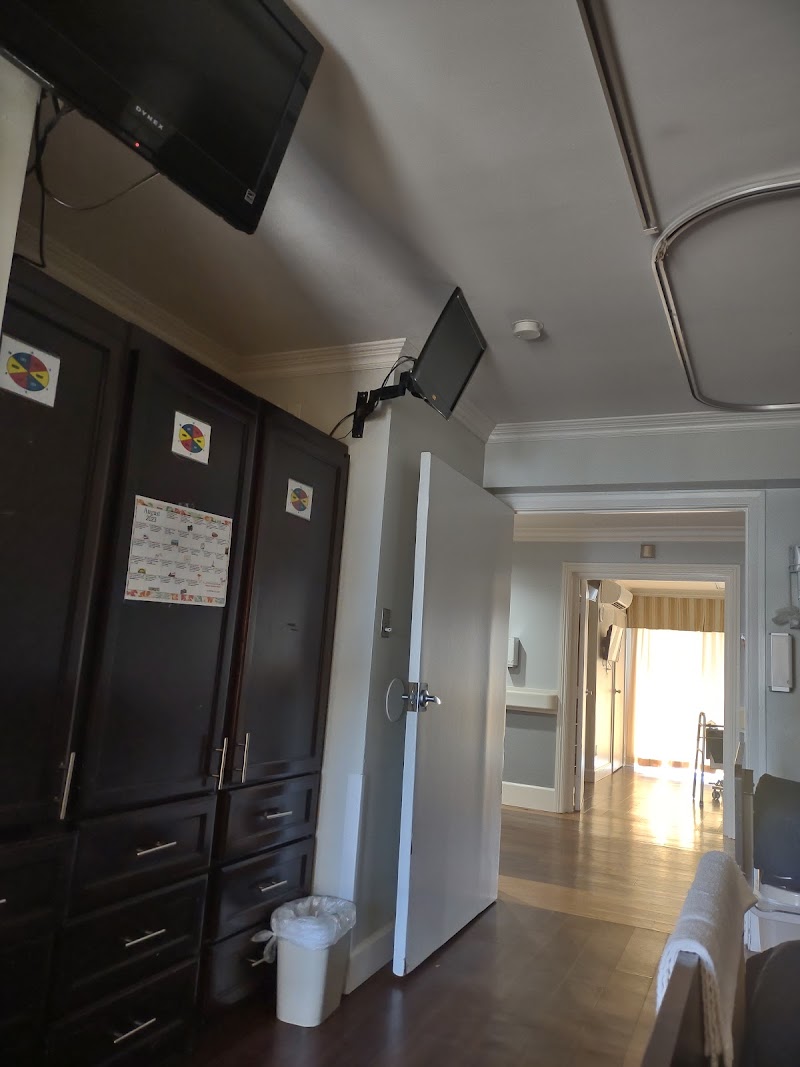
How Does Balboa Nursing & Rehabilitation Center Compare to Other California Nursing Homes?

Compared to the 100 nursing homes in California, BALBOA NURSING & REHABILITATION CENTER's overall rating (4 stars) is above the state average of 3.2, staff turnover (22%) is significantly lower than the state average of 46%, and health inspection rating (3 stars) is at the national benchmark.

What Should Families Ask When Visiting Balboa Nursing & Rehabilitation Center?

Based on this facility's data, families visiting should ask: "Can I visit during a mealtime to observe dining assistance and food quality?" "How do you handle medical emergencies, and what is your hospital transfer rate?" "Can I speak with family members of current residents about their experience?"

Is Balboa Nursing & Rehabilitation Center Safe?

Based on CMS inspection data, BALBOA NURSING & REHABILITATION CENTER has a clean safety record: no substantiated abuse findings (meaning no confirmed cases of resident harm), no Immediate Jeopardy citations (the most serious violation level indicating risk of serious injury or death), and is not on the Special Focus Facility watch list (a federal program monitoring the lowest-performing 1% of nursing homes). The facility has a 4-star overall rating and ranks #1 of 100 nursing homes in California. While no facility is perfect, families should still ask about staff-to-resident ratios and recent inspection results during their visit.

Do Nurses at Balboa Nursing & Rehabilitation Center Stick Around?

Staff at BALBOA NURSING & REHABILITATION CENTER tend to stick around. With a turnover rate of 22%, the facility is 24 percentage points below the California average of 46%. Low turnover is a positive sign. It means caregivers have time to learn each resident's needs, medications, and personal preferences. Consistent staff also notice subtle changes in a resident's condition more quickly. Registered Nurse turnover is also low at 18%, meaning experienced RNs are available to handle complex medical needs.

Was Balboa Nursing & Rehabilitation Center Ever Fined?

BALBOA NURSING & REHABILITATION CENTER has no federal fines on record. CMS issues fines when nursing homes fail to meet care standards or don't correct problems found during inspections. The absence of fines suggests the facility has either maintained compliance or corrected any issues before penalties were assessed. This is a positive indicator, though families should still review recent inspection reports for the full picture.

Is Balboa Nursing & Rehabilitation Center on Any Federal Watch List?

BALBOA NURSING & REHABILITATION CENTER is not on any federal watch list. The most significant is the Special Focus Facility (SFF) program, which identifies the bottom 1% of nursing homes nationally based on persistent, serious quality problems. Not being on this list means the facility has avoided the pattern of deficiencies that triggers enhanced federal oversight. This is a positive indicator, though families should still review the facility's inspection history directly.