BRIGHTON PLACE SAN DIEGO
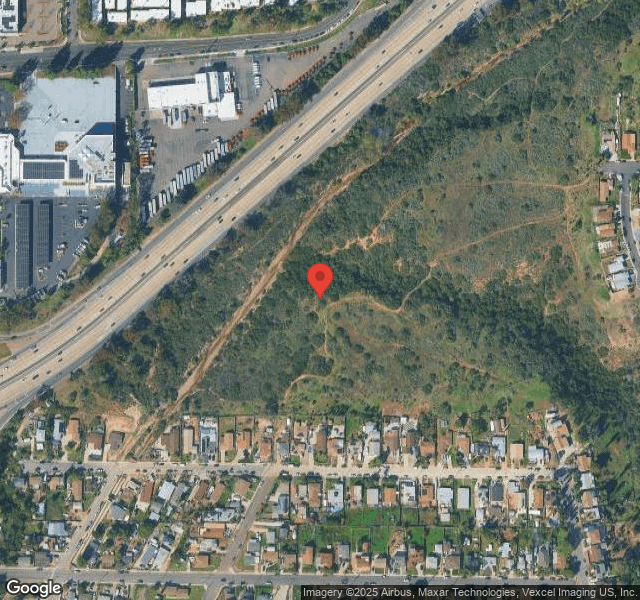
1350 N. EUCLID AVENUE, SAN DIEGO, CA 92105 (619) 263-2166
For profit - Limited Liability company 99 Beds PACIFIC HEALTHCARE HOLDINGS Data: November 2025
Trust Grade
40/100
#989 of 1155 in CA
Last Inspection: January 2025

Within standard 12-15 month inspection cycle. Federal law requires annual inspections.

Overview

Brighton Place San Diego has a Trust Grade of D, indicating below-average performance with several concerns. Ranking #989 out of 1155 facilities in California places it in the bottom half of nursing homes, and #76 out of 81 in San Diego County suggests that only a few local options are better. The facility is trending negatively, with issues increasing from 17 in 2024 to 20 in 2025. Staffing is a significant concern, rated at 1 out of 5 stars, with a high turnover rate of 49%, which is above the state average. While there have been no fines, recent inspections revealed serious issues, such as unclean bathrooms and failures to provide proper discharge notices to residents, potentially causing distress and discomfort. Overall, while there are no financial penalties, the facility's cleanliness and communication practices raise significant red flags for prospective residents and their families.

Trust Score
D
40/100
In California
#989/1155
Bottom 15%
Safety Record
Low Risk
No red flags
Inspections
Getting Worse
17 → 20 violations
Staff Stability
⚠ Watch
49% turnover. Above average. Higher turnover means staff may not know residents' routines.
Penalties
✓ Good
No fines on record. Clean compliance history, better than most California facilities.
Skilled Nurses
⚠ Watch
Each resident gets only 20 minutes of Registered Nurse (RN) attention daily — below average for California. Fewer RN minutes means fewer trained eyes watching for problems.
Violations
⚠ Watch
54 deficiencies on record. Higher than average. Multiple issues found across inspections.
★☆☆☆☆
1.0
Overall Rating
★☆☆☆☆
1.0
Staff Levels
★★★☆☆
3.0
Care Quality
★★☆☆☆
2.0
Inspection Score
Stable
2024: 17 issues
2025: 20 issues

The Good

  • Full Sprinkler Coverage · Fire safety systems throughout facility
  • No fines on record

Facility shows strength in fire safety.

The Bad

1-Star Overall Rating

Below California average (3.1)

Significant quality concerns identified by CMS

Staff Turnover: 49%

Near California avg (46%)

Higher turnover may affect care consistency

Chain: PACIFIC HEALTHCARE HOLDINGS

Part of a multi-facility chain

Ask about local staffing decisions and management

The Ugly 54 deficiencies on record

Sept 2025 1 deficiency
CONCERN (D) 📢 Someone Reported This

A family member, employee, or ombudsman was alarmed enough to file a formal complaint

Potential for Harm - no one hurt, but risky conditions existed

Infection Control (Tag F0880)

Could have caused harm · This affected 1 resident

**NOTE- TERMS IN BRACKETS HAVE BEEN EDITED TO PROTECT CONFIDENTIALITY** Based on observation, interview, and record review, the facility failed to implement the infection control program practices whe...

Read full inspector narrative →
**NOTE- TERMS IN BRACKETS HAVE BEEN EDITED TO PROTECT CONFIDENTIALITY** Based on observation, interview, and record review, the facility failed to implement the infection control program practices when: 1. The facility did not report COVID (infectious disease) outbreak to the California Department of Public Health Licensing and Certification (CDPH L&C, program which is responsible for regulatory oversight of licensed health care facilities and health care professionals to assess the safety, effectiveness, and quality of health care for all Californians).2. The resident's family member was not educated on infection control and the use of personal protective equipment (PPE, use of gown, gloves and mask to be worn or held by an individual for protection), for one of two residents (1) on contact precautions (used for infections, diseases, or germs that are spread by touching the patient or items in the room). This failure had the potential to transmit infections to residents, staff, and visitors.Findings: 1.On 8/19/25, the Department received a report which indicated there was a COVID outbreak in the facility with three residents tested positive. On 9/2/25, an unannounced onsite was conducted to the facility. On 9/2/25 at 2:03 P.M., a joint review of residents' clinical record and an interview was conducted with the Director of Nursing (DON). The DON stated they had 10 residents who were tested positive from 8/18/25 to 8/26/25. The DON stated there was one Certified Nursing Assistant (CNA) who also tested positive. The DON stated the Infection Preventionist (IP) informed him the outbreak was reported to CDPH. The DON stated he did not follow up. The DON stated he should have followed up on to whom the outbreak was reported to be in compliance with the regulation and protect the residents and the community. On 9/2/25 at 2:28 P.M., an interview was conducted with the Administrator (ADM). The ADM stated she should have clarified and verified it was reported to CDPH L&C. The ADM stated, It was reported to the local county. A review of the facility's policy titled Respiratory Virus Prevention and Control Plan, revised 3/31/25, indicated, .OUTBREAK DEFINITIONS, REPORTING, AND DURATION OF OUTBREAK CONTROL MEASURES; COVID-19: Residents: 2 cases of probable or confirmed COVID-19 among residents. 2. Resident 10 was admitted to the facility on [DATE], per the facility's admission Record. On 9/2/25 at 2:07 P.M., an observation of Resident 10 was conducted in his room with the presence of the DON and Licensed Nurse (LN) 1. There was a contact precaution (intended to prevent transmission of infectious agents and microorganisms, which are spread by direct or indirect contact with the patient or the patient's environment) sign by the resident's door. There were three residents in the room. Resident 10 laid in bed with a family member (FM) at bedside. Resident 10's FM was assisting Resident 10 during meals. Resident 10's FM did not wear PPE while assisting Resident 10. At this time, the DON prompted LN 1, LN 1 then asked Resident 10's FM why she was not wearing PPE, Resident 10's FM stated she was allergic to the gown and that she was not going to leave. On 9/2/25 at 3:21 P.M., an interview was conducted with LN 1. LN 1 stated Resident 10's FM was aware of the facility's policy. LN 1 stated it was important for the visitors to comply with putting on and removing the PPE to prevent spread of infection. LN 1 stated Resident 10's FM did not report allergic reactions to the use of PPE until today (9/2/25). On 9/2/25 at 3:25 P.M., a joint review of the facility's infection log and an interview was conducted with the Director of Nursing (DON). The DON stated visitors were to wear PPE when entering the residents on contact precautions to protect themselves and prevent the spread of infection to others. A review of the facility's policy titled Respiratory Virus Prevention and Control Plan, revised 3/31/25, indicated, .Don gowns and gloves after performing hand hygiene upon entry into the room or entry into a bedspace and doff gowns and gloves followed by hand hygiene upon exiting the room or leaving a bedspace.
Aug 2025 2 deficiencies
CONCERN (D) 📢 Someone Reported This

A family member, employee, or ombudsman was alarmed enough to file a formal complaint

Potential for Harm - no one hurt, but risky conditions existed

Comprehensive Care Plan (Tag F0656)

Could have caused harm · This affected 1 resident

**NOTE- TERMS IN BRACKETS HAVE BEEN EDITED TO PROTECT CONFIDENTIALITY** Based on interview and record review, the facility failed to develop and implement a person -centered care plan related to disch...

Read full inspector narrative →
**NOTE- TERMS IN BRACKETS HAVE BEEN EDITED TO PROTECT CONFIDENTIALITY** Based on interview and record review, the facility failed to develop and implement a person -centered care plan related to discharge, during the stay for two of three residents (Resident 1 and Resident 3), reviewed for discharges.This failure had the potential for staff to be uninformed of the residents' wishes for discharge, resulting in an uncoordinated effort for a planned and organized discharge.Findings:An unannounced visit was made to the facility on 8/13/25, in response to a complaint involving a discharge.1. Resident 1 was admitted to the facility on [DATE], with diagnoses which included Alzheimer's disease (progressive memory loss), per the facility's admission Record.On 8/13/25, Resident 1's clinical record was reviewed.According to the facility's Social Service notes, dated 1/12/25 at 5:31 P.M., Resident 1 was going to be discharged to (name of facility), for supervised care in a secured unit (when residents are unable to leave the unit because of cognitive impairment, such as dementia, who require supervision and a safe environment).According to the facility's Discharge Planning Review, dated 1/13/25, Resident 1 was being discharged as a lateral transfer to another facility for continuum of care. The name of the facility she was being transferred to was not documented.There was no documented evidence that a discharge care plan had been developed or implemented.2. Resident 3 was admitted to the facility on [DATE], with diagnoses which included encephalopathy (a progressive disease in which the brain functioning is affected), per the facility's admission Record.On 8/13/25, Resident 3's clinical record was reviewed.According to the facility's Social Service notes, dated 7/11/25 at 3:20 P.M., Resident 3 was discharged to Board and Care (name of facility).According to the facility's Discharge Planning Review, dated 7/11/25, Resident 3 was being discharged for a lower level of care.There was no documented evidence that a discharge care plan had been developed or implemented. An interview was conducted with Licensed Nurse 1 (LN 1) on 8/1/25 at 11 A.M. LN 1 stated discharge care plans should be developed upon admission, so all staff were aware of the residents' discharge wishes. LN 1 stated the discharge care plans were also important, because staff should be working towards a common goal of getting the residents ready for discharge, to decrease anxiety for the them and their families. An interview and record review was conducted with LN 2 on 8/13/25 at 11:05 A.M. LN 2 stated discharge care plans were important, so staff were aware of the residents' goals for discharging. LN 2 stated if a discharge care plan was not created, then there was no collaborated goal and organization of staff honoring the resident's wishes to discharge. LN 2 reviewed Resident 1 and Resident 3's clinical records and stated she could not locate a discharge care plan for either resident, which could have harmed their actual discharge, due to last minute planning.An interview was conducted with the Director of Nursing DON. The DON stated individual discharge care plans should be developed and implemented at the time of admission. The DON stated discharge care plans were important for staff communication, to know what the residents' plans were for an organized, goal-oriented, discharge. The DON stated by Resident 1 and Resident 3, not having a discharge care plan, there was potential the for harm because staff were not working towards the resident's goal of discharging. According to the facility's policy, titled Comprehensive Person-Centered Care Planning, August 2023, The facility will provide person-centered, comprehensive, and interdisciplinary care that reflets best practice standards for meeting health, safety, psychosocial, behavioral, and environmental needs of residents in order to obtain or maintain the highest physical, mental, and psychosocial well-being.
CONCERN (E) 📢 Someone Reported This

A family member, employee, or ombudsman was alarmed enough to file a formal complaint

Potential for Harm - no one hurt, but risky conditions existed

Deficiency F0627 (Tag F0627)

Could have caused harm · This affected multiple residents

**NOTE- TERMS IN BRACKETS HAVE BEEN EDITED TO PROTECT CONFIDENTIALITY** Based on interview and record review, the facility failed to provide residents and their families with a written Notice of Trans...

Read full inspector narrative →
**NOTE- TERMS IN BRACKETS HAVE BEEN EDITED TO PROTECT CONFIDENTIALITY** Based on interview and record review, the facility failed to provide residents and their families with a written Notice of Transfer/Discharge for three of three residents (Resident 1, 2, and 3), when reviewed for discharge. In addition, Resident 1 did not have a nurse's note, indicting when she left the facility for discharge, with whom she left, where she was going, and how she was being transported. These failures had the potential for residents to experience increased anxiety, when last minute discharges were conducted, with no ability to appeal the discharge, and the reader was uninformed of where the resident was transported to and when. Finding:An unannounced visit was made to the facility on 8/13/25, in response to a complaint involving a discharge.1. Resident 1 was admitted to the facility on [DATE], with diagnoses which included Alzheimer's disease (progressive memory loss), per the facility's admission Record. On 8/13/25, Resident 1's clinical record was reviewed. According to the facility's Social Service notes, dated 1/12/25 at 5:31 P.M., Resident 1 was going to be discharged to (name of facility), for supervised care in a secured unit (when residents are unable to leave the unit because of cognitive impairment, such as dementia, who require supervision and a safe environment). There was no documented evidence that nursing staff documented when resident left the faciity on 1/13/25, with whom she left, where she was going, or how she was getting there. According to the facility's Discharge Planning Review, dated 1/13/25, Resident 1 was being discharged as a lateral transfer to another facility for continuum of care. The name of the facility she was being transferred to was not documented.There was no documented evidence that a written Notice of Transfer/Discharge was provided to Resident 1 or her family, prior to discharge.2. Resident 2 was admitted to the facility on [DATE], with diagnoses which included dementia (progressive memory loss), per the facility's admission Record.On 8/13/25, Resident 2' clinical record was reviewed. According to the facility's Discharge Planning Review, dated 6/12/25, Resident 2's health had improved and was being discharged to a lower level of care.According to the facility's Discharge Summary note, dated 6/12/25 at 11:06 A.M., Resident 2 was transported to (name of facility) Board and Care by her son, with all belongings and medications.There was no documented evidence that a written Notice of Transfer/Discharge was provided to Resident 2 or her family, prior to discharge.3. Resident 3 was admitted to the facility on [DATE], with diagnoses which included encephalopathy (a progressive disease in which affects brain functioning), per the facility's admission Record.On 8/13/25, Resident 3's clinical record was reviewed. According to the facility's Social Service notes, dated 7/11/25 at 3:20 P.M., Resident 3 was discharged to Board and Care (name of facility).According to the facility's Discharge Planning Review, dated 7/11/25, Resident 3 was being discharged for a lower level of care. There was no documented evidence that a written Notice of Transfer/Discharge was provided to Resident 3 or the family, prior to discharge. An interview was conducted with Licensed Nurse 1 (LN 1) on 8/13/25 at 11 A.M. LN 1 stated written Notice of Transfer/Discharges were provided to the residents and their families by the Social Service Director (SSD). LN 1 stated Notices of Transfers/Discharges were important, so the residents knew what was coming and that staff were making preparations for the discharge. LN 1 stated if the Notice was not provided, it could increase anxiety for the resident before discharge, because they did not have time to prepare and ask questions. LN 1 stated without a Notice of Discharge being provided, it also eliminated the resident's right to appeal the discharge, because they were never informed they had that right. An interview and record review was conducted with LN 2 on 8/13/25 at 11:05 A.M. LN 2 stated written Notice of Transfer/Discharge were given to the residents and families within 30 days prior to discharge. LN 2 stated the Notice of Transfer/discharge was important, so residents and families were aware the discharge was pending and they could appeal, provide input, and make choices about where they were being discharged to. LN 2 stated Notice of Transfer/Discharge also decreased anxiety, so planning and preparation for discharge could be provided. LN 2 reviewed Resident 1, 2, and 3's clinical record and could not find any documentation a written Notice of Transfer/Discharge was ever provided. LN 2 stated the SSD was responsible for providing the Notice of Transfer/Discharge to the residents and their families.The SSD was unavailable on 8/13/25 for an interview.An interview and record review was conducted with the Director of Nursing (DON) on 8/13/ 25 at 11:20 A.M. The DON reviewed Resident 1's nurses note and stated there was no discharge documentation related to when the residents left the facility or where she was transported to. The DON stated a nurse's note was required for every discharge of when, where, how and with who. The DON stated this was a nursing standard or practice and was not followed when Resident 1 was discharged . The DON stated since the LN did not document the necessary information, the reader had no idea of what happened to the resident and there was no continuum of care. The DON continued, stating Notice of Transfer/Discharge were required for every discharge to inform the residents and their family of what was coming, to decrease anxiety and fear. The DON stated the Notice of Transfer/Discharge also provided instructions to the residents and family on how to appeal the discharge. The DON stated since the Notice was not provided as required, there was the potential that the residents were not adequately prepared for the discharge, and they were unaware of the appeal process.According to the facility's policy, titled Notice of Transfer/Discharge, dated October 2017, .1. When a transfer or discharge is initiated.the facility will provide the resident, responsible party, and the Ombudsman with a Notice of Transfer and Discharge 30 days prior to the transfer or discharge. IV. The facility's notice of Proposed Transfer and Discharge includes an explanation of the right to appeal the transfer.According to the facility's policy, titled Discharge and Transfer of Residents, dated February 2018, .IV. Prior to discharge, Social Services Staff or Nursing will provide the resident/resident representative with the Notice of Proposed Transfer and Discharge document.VIIII. Discharge Documentation: .nursing staff must document the following information in the resident's medical record: A written statement for the reason of discharge; The date, time, and condition of the resident upon discharge; .
May 2025 1 deficiency
CONCERN (D) 📢 Someone Reported This

A family member, employee, or ombudsman was alarmed enough to file a formal complaint

Potential for Harm - no one hurt, but risky conditions existed

Deficiency F0628 (Tag F0628)

Could have caused harm · This affected 1 resident

**NOTE- TERMS IN BRACKETS HAVE BEEN EDITED TO PROTECT CONFIDENTIALITY** Based on interview and record review, the facility failed to ensure the care plan for discharge (leaving the facility) was devel...

Read full inspector narrative →
**NOTE- TERMS IN BRACKETS HAVE BEEN EDITED TO PROTECT CONFIDENTIALITY** Based on interview and record review, the facility failed to ensure the care plan for discharge (leaving the facility) was developed for two of three sampled residents (Resident 2 and Resident 3). This failure increased the risk for Resident 2 and Resident 3 to have an unsafe discharge from the facility back to the community. Findings: 1. Resident 2 was admitted to the facility on [DATE] with diagnoses which included stroke, per the admission Record. On 5/13/25, a review of Resident 2's clinical record was conducted. Resident 2 was discharged from the facility on 3/12/25. The Discharge care plan was not updated for Resident 2. 2. Resident 3 was admitted to the facility on [DATE] with diagnoses which included dementia (a progressive state of decline in mental abilities), per the admission Record. On 5/13/25, a review of Resident 3's clinical record was conducted. Resident 3 was discharged from the facility on 5/7/25. There was no evidence that a Discharge Care Plan was developed for Resident 3. On 5/13/25 at 12:03 P.M., an interview was conducted with the Social Service Director (SSD) and the Social Services Assistant (SSA). The SSD stated she and her assistant were responsible for developing a discharge care plan for Resident 2 and Resident 3 on admission. The SSD stated Resident 2 was not updated when Resident 2 was discharged on 3/12/25. The SSD stated the discharge care plan for Resident 3 was missed. The SSD further stated that the care plan should have been created and updated to ensure the residents were discharged according to the plan. On 5/13/25 at 11:27 A.M., an interview was conducted with the Director of Nursing (DON). The DON stated that the discharge care plan should have been developed to meet residents' needs. Per the facility's policy and procedure, dated 7/2020, titled Transfer and Discharge, .To ensure that adequate preparation and assistance is provided to residents prior to transfer or discharge from the Facility, I. Policy, Social Services Staff will participate in assisting the resident with transfers and discharges, and preparing the Discharge Summary and post discharge plan of care/discharge instructions .III. Discharge Care Plan, A. Based on resident needs, Social Services Staff will develop a Discharge Care Plan in coordination with the IDT .
Apr 2025 1 deficiency
CONCERN (D) 📢 Someone Reported This

A family member, employee, or ombudsman was alarmed enough to file a formal complaint

Potential for Harm - no one hurt, but risky conditions existed

Deficiency F0573 (Tag F0573)

Could have caused harm · This affected 1 resident

**NOTE- TERMS IN BRACKETS HAVE BEEN EDITED TO PROTECT CONFIDENTIALITY** Based on interview and record review, the facility failed to provide a copy of medical records within two business days of the r...

Read full inspector narrative →
**NOTE- TERMS IN BRACKETS HAVE BEEN EDITED TO PROTECT CONFIDENTIALITY** Based on interview and record review, the facility failed to provide a copy of medical records within two business days of the request for one of two sampled residents (1). As a result, Resident 1's Responsible Party (RP 1) was not able to review the records in a timely manner. Findings: Per the facility's admission Record, Resident 1 was admitted to the facility on [DATE] with diagnoses to include dementia (a mental and physical decline). Per the facility's undated Records Request Checklist, the request for Resident 1's medical records were provided on 3/17/25. The form did not list when the records were initially requested. On 4/1/25 at 1:36 P.M., an interview and record review was conducted with the Medical Records Director (MRD). The MRD stated, the first time she heard of RP 1's medical records request was on Thursday 3/13/25, and she delivered the medical records on Monday 3/17/25. The MRD further stated, no one at the facility notified her of RP 1's medical records request, and she was not aware of the request prior to 3/13/25. On 4/1/25 at 2:15 P.M., an interview and record review was conducted with the Admissions Coordinator (AC). The AC stated, RP 1 sent the AC an email on 3/5/25 (eight business days before the records were provided) which included a request for copies of Resident 1's medical records. The AC further stated, she forwarded the email to the Director of Nursing (DON). On 4/1/25 at 2:25 P.M., an interview was conducted with the DON. The DON stated, the AC forwarded him the email of RP 1's record request and he spoke with RP 1 about her record request on 3/5/25 (eight business days before the records were provided). On 4/1/25 at 2:34 P.M., an interview was conducted with the Administrator. The Administrator stated, it was the facility's policy to provide copies of medical records within two business days of the request. Per the facility's policy, titled Resident Access to PHI, revised 11/1/15, .If the resident and/or their personal representative requests a copy of the resident's medical record, the .Privacy Officer will provide the resident and/or their personal representative with a copy of the medical record within two (2) working days after receiving the written request .
Jan 2025 15 deficiencies
CONCERN (D)

Potential for Harm - no one hurt, but risky conditions existed

Transfer Notice (Tag F0623)

Could have caused harm · This affected 1 resident

**NOTE- TERMS IN BRACKETS HAVE BEEN EDITED TO PROTECT CONFIDENTIALITY** Based on interviews, and record reviews, the facility failed to send a copy of the notice to transfer/discharge form to the Ombu...

Read full inspector narrative →
**NOTE- TERMS IN BRACKETS HAVE BEEN EDITED TO PROTECT CONFIDENTIALITY** Based on interviews, and record reviews, the facility failed to send a copy of the notice to transfer/discharge form to the Ombudsman office for two of six reviewed residents (Resident 6 and 72) that required immediate transfer to an acute care hospital for urgent needs. These failures resulted in a lack of resident discharge notification to the State Long Term Care (LTC) Ombudsman to advocate and assist the residents (Resident 6 and 72) with appeal rights as needed. Findings: 1. A review of Resident 6's admission Record indicated Resident 6 was re-admitted to the facility on [DATE] with diagnoses which included a history of cerebrovascular accident (CVA-stroke, loss of blood flow to a part of the brain). On 1/12/25 at 3:46 P.M., a record review was conducted. Resident 6 had a change of condition (COC) progress note dated 12/11/24 that indicated Resident 6 was transferred to acute care related to an abnormal heart rate (HR) of 35 with notification given to the Medical Doctor (MD) and son. On 1/14/25 at 9:06 A.M., an interview was conducted with the Social Services Director (SSD). The SSD stated that she was responsible to notify the LTC Ombudsman when they were discharged home or transferred to another LTC facility. The SSD stated for acute hospital transfers the nurses do it. On 1/14/25 at 9:08 A.M., an interview was conducted with the Medical Records Director (MRD). The MRD stated at her previous facility as an MRD she used to send out a copy of transfer/discharge notice to the LTC Ombudsman (OMB). The MRD stated that she questioned the current facility if sending out a copy of transfer/discharge notice to the LTC OMB was part of her workload and stated nobody got back to me in regards to doing that but I'm willing to do that here. The MRD stated it's important to send that information to the ombudsman so that they are aware of residents being transferred to the hospital and to follow up to advocate and to appeal when needed. On 1/14/25 at 9:13 A.M., a telephone interview was conducted with the OMB. The OMB stated she had never received a copy of transfer/discharge notice for residents transferred to acute care hospitals. On 1/15/25 at 7:40 A.M., a joint interview and record review was conducted with LN 2, at the nursing station. LN 2 stated that Resident 6 was sent out to the emergency room (ER) per the COC (e-interact) document on 12/11/24. LN 2 stated that the MD and son were notified but was unable to find documentation or records that indicated that the LTC Ombudsman was notified. LN 2 stated she was not aware that they needed to contact the OMB and stated that licensed nurses (LN)s usually only notified the MD, family members, and/or their responsible parties (RP). On 1/15/25 at 8:39 A.M., an interview with the Director of Nursing (DON) was conducted, in the DON's office. The DON stated that it was his expectations to follow the regulations for transfer/discharge notifications and that the LTC OMB should be notified for hospitalization transfers. The DON stated it was important for the OMB to be notified because they were the patient advocates and in case they want to get more information to appeal, it is their [residents] right. A review of the facility's policy and procedure titled NOTICE OF TRANSFER AND DISCHARGE revised October 2017, indicated When a transfer or discharge is initiated by the facility, the facility will provide the resident, responsible party, and the Ombudsman with a Notice of Transfer and Discharge 30 days prior to the transfer or discharge .C. The resident's urgent medical needs that cannot be met in the facility and requires immediate transfer; and D. The health of individuals in the facility would otherwise be endangered; In these cases, the notice will be given as soon as practicable prior to discharge . 2. A review of Resident 72's admission Record indicated Resident 72 was re-admitted to the facility on [DATE] with diagnoses which included a history of cerebral Infarction (type of stroke, when the part of the brain tissues dies and loss of blood flow to a part of the brain). On 1/14/25 at 8:59 A.M., a joint interview and record review was conducted with Licenced Nurse (LN) 4, in the nursing station. LN 4 stated that Resident 72 was transferred to an acute hospital on [DATE] for low hemoglobin (HGB- is a protein in red blood cells that carries oxygen throughout the body. When hemoglobin levels are low, the body's tissues don't get enough oxygen and can't function properly) labs. LN 4 stated that according to the document titled SBAR (Situation, Background, Appearance, Review) Communication Form that the Nurse Practitioner (NP) and family members were notified along with Hospice (End of life medical care). LN 4 stated that he was unable to find documentation that the Long Term Care (LTC) Ombudsman (OMB) was notified. LN 4 stated as part of the clinical role with transfers that the LNs were responsible for contacting the Medical Doctor (MD) or NP and then call the family per face sheet. LN 4 stated he was not aware that the LTC OMB needed to be notified and sent a copy of transfer/discharge for hospital transfers. On 1/14/25 at 9:06 A.M., an interview was conducted with the Social Services Director (SSD). The SSD stated that she was responsible to notify the LTC OMB when they are discharged home or transferred to another LTC facility. The SSD stated, for acute hospital transfers the nurses do it. On 1/14/25 at 9:08 A.M., an interview was conducted with the Medical Records Director (MRD). The MRD stated at her previous facility as an MRD she used to send out a copy of transfer/discharge notice to the LTC Ombudsman (OMB). The MRD stated that she questioned the current facility if sending out a copy of transfer/discharge notice to the LTC OMB was part of her workload and stated nobody got back to me in regards to doing that but I'm willing to do that here. The MRD stated it's important to send that information to the ombudsman so that they are aware of residents being transferred to the hospital and to follow up to advocate and to appeal when needed. On 1/14/25 at 9:13 A.M., a telephone interview was conducted with the Ombudsman (OMB). The Ombudsman stated she had never received a copy of transfer/discharge notice for residents transferred to acute care hospitals. On 1/15/25 at 8:19 A.M., an interview was conducted with the Director of Nursing (DON), in the DON's office. The DON stated it was his expectations that we send the notice of transfer/discharge form to the Ombudsman from here on out. The DON stated it should be part of the Medical Records Director (MRD) to be responsible to send that information to the Ombudsman according to regulations. The DON stated it was important that the Ombudsman is informed and alerted because they are the patient advocate for the residents for their right to appeal and to be informed of the residents whereabouts. A review of the facility's policy and procedure titled NOTICE OF TRANSFER AND DISCHARGE revised October 2017, indicated When a transfer or discharge is initiated by the facility, the facility will provide the resident, responsible party, and the Ombudsman with a Notice of Transfer and Discharge 30 days prior to the transfer or discharge .C. The resident's urgent medical needs that cannot be met in the facility and requires immediate transfer; and D. The health of individuals in the facility would otherwise be endangered; In these cases, the notice will be given as soon as practicable prior to discharge .
CONCERN (D)

Potential for Harm - no one hurt, but risky conditions existed

Comprehensive Assessments (Tag F0636)

Could have caused harm · This affected 1 resident

Based on observation, interview, and record review the facility failed to complete a comprehensive elopement assessment for one of six sampled residents (Resident 198). As a result, Resident 198 elop...

Read full inspector narrative →
Based on observation, interview, and record review the facility failed to complete a comprehensive elopement assessment for one of six sampled residents (Resident 198). As a result, Resident 198 eloped from the facility. Findings A review of Resident 198's admission Record dated 12/27/24, indicated that Resident 198 had a diagnosis of Alzheimer's disease (a disease characterized by a progressive decline in mental abilities). During an observation on 1/12/25 at 10:50 A.M. Resident 198 was observed ambulating without assistance or assistive devices in the main hallway of the building. Resident 198 was accompanied by a facility staff member. During an observation on 1/13/25 at 8:50 A.M. The location of Resident 198's elopement was identified and found to provide access to Highway on and off ramps. During an interview on 1/13/25 at 8:50 A.M. with the Administrator (ADM). The ADM stated on 1/2/25, Resident 198 came out of the door, set off the alarm, went past two residents, climbed over the fence, and went toward the church. The staff followed and Resident 198 was found at the church and returned to the facility. We are working on having her transferred to another facility . that should happen today. During an interview on 1/13/25 at 9 A.M. with Resident 198. Resident 198 stated the nurse was making me upset, and I wanted to get away. I was going to the bus stop, but I saw people running after me and I didn't want to get anyone in trouble. The bus came by, and I just waved it off, I wasn't going to get on it. A record a review was conducted on 1/15/25 with the following: - The Psychiatric Consultation Note dated 12/20/2024, the note states She (Resident 198) is forgetful and has attempts to wander off by herself. - The Psychiatric Consultation Follow up Note dated 12/24/2024, the note stated .needs redirection as she (Resident 198) wanders off . - The Hospitalist Progress note dated 12/27/2024, the note stated .given the patients (Resident 198) elopement risk . During an interview on 1/15/25 at 9:49 A.M. with Licensed Vocational Nurse 2 (LVN 2), LVN 2 stated we can tell by their behavior, pacing, irritable, or they may verbalize that they don't want to be here. LVN 2 further stated we assess the triggers, get social services involved, redirect to why they are here, and get families involved. LVN 2 stated If a resident does elope, we notify all staff, family, and the Police Department. We do send out staff to look for the resident. LVN 2 further stated, we have a binder for elopement and wander risk residents, but it has not been updated since June. Depending on their cognition level, a resident could get hit by a car, or they could get dehydrated. During an interview on 01/15/25 at 10:10 A.M. with the Director of Nursing (DON), the DON stated we do an assessment on admission, if there is a diagnosis of dementia we reach out to RP (Responsible Party) to get authorization for a wander guard [a safety bracelet that alarms when triggered], contact the doctor and get the order. The DON further stated staff is notified in the morning meeting about wander risk residents and as identified during the shift. If they get off the premises, we report it public health, Ombudsman, law enforecement. The DON concluded If a resident does successfully elope there is the possibility of injury or missing medications.
CONCERN (D)

Potential for Harm - no one hurt, but risky conditions existed

Assessment Accuracy (Tag F0641)

Could have caused harm · This affected 1 resident

**NOTE- TERMS IN BRACKETS HAVE BEEN EDITED TO PROTECT CONFIDENTIALITY** 3. Per the facility's admission Record, Resident 23 was admitted to the facility on [DATE] with diagnoses to include Chronic Obs...

Read full inspector narrative →
**NOTE- TERMS IN BRACKETS HAVE BEEN EDITED TO PROTECT CONFIDENTIALITY** 3. Per the facility's admission Record, Resident 23 was admitted to the facility on [DATE] with diagnoses to include Chronic Obstructive Pulmonary Disease (COPD - a lung disease). Per the agency's MDS' dated 2/22/24, 5/22/24, 8/21/24, and 11/19/24, under Section I - Active Diagnoses, Resident 23's Primary Medical Condition was Pneumonia (a lung infection). On 1/14/25 at 2:23 P.M., a concurrent interview and record review was conducted with the MDSN. The MDSN stated, Resident 23 was diagnosed with pneumonia on 12/18/23. The MDSN further stated, Resident 23's pneumonia resolved, and it should not have been documented on the MDS on 2/22/24, 5/22/24, 8/21/24, or 11/19/24. Per the facility's policy, titled RAI (Resident Assessment Instrument) Process, revised 10/4/16, .Purpose .To provide resident-assessments that accurately depict and identify resident-specific issues . Per the facility's policy, titled Diagnosis List, revised 4/8/16, .Ensure that accurate .coding is assigned .When a diagnosis is resolved, the Diagnosis List form will indicate the date the diagnosis was resolved . Based on observations, interviews, and record reviews, the facility failed to accurately code the Minimum Data Set (MDS-a federally mandated resident assessment tool) according to the Resident Assessment Instrument (RAI-instructions for MDS) manual and the facility's MDS policies and procedures for three of 29 sampled residents (Resident 72, 29, and 23) when: 1. Resident 72's fall incident was not accurately coded. 2. Resident 29's fall incident was not accurately coded. 3. Resident 23's pneumonia diagnosis was coded as active without supporting documentation. As a result, the facility sent Residents (Resident 72, 29, and 23) MDS's to the federal database with inaccurate health status. Findings: 1. A review of Resident 72's admission Record indicated Resident 72 was re-admitted to the facility on [DATE] with diagnoses which included a history of cerebral Infarction (type of stroke, when the part of the brain tissues dies and loss of blood flow to the brain). A record review of Resident 72's MDS dated [DATE] indicated, a Brief Interview for Mental Status (BIMS- developed by reviewing the resident's status during the prior seven-day period) score of 10 points out of 15 possible points which indicated Resident 72 had moderate cognitive (pertaining to memory, judgement and reasoning ability) deficits. On 1/13/25 at 7:32 A.M., a record review was conducted on Resident 72's clinical chart. Resident 72's progress note dated 10/27/24, indicated an unwitnessed fall happened while attempting to self-toilet. On 1/13/25 at 10:03 A.M., a joint record review and interview was conducted with the MDS Nurse (MDSN), in the MDS office. The MDSN stated the progress note on 10/27/24 at 1915 (8:15 P.M.) indicated, resident fell assisted back to bed due to attempting to self-toilet. The MDSN stated Resident 72 did not have an injury of indication of head injury from the fall. The MDSN reviewed the quarterly MDS dated [DATE] quarterly assessment and stated she did not capture the fall on section J1800 and did not accurately capture the number of falls for no injury on section J1900 of the MDS. The MDSN stated since the fall happened on 10/27/24 it would not be captured on the previous MDS dated [DATE] but should have been accurately coded on the MDS dated [DATE] because of the fall incident timeline. The MDSN stated it was important to capture an accurate assessment because the MDS is transmitted to the federal database and it was important that it reflected Resident 72's current health status which also triggers the quality measures (QM) of the facility. The MDSN stated that the MDS drives the whole assessment for care coordination and also the plan of care for the resident and what interventions we need to monitor. I have to modify the MDS and re-transmit. On 1/15/25 at 8:04 A.M., and interview was conducted with the Director of Nursing (DON), in the DON's office. The DON stated it was important for the MDSN to accurately code Resident 72's fall incident to capture Resident 72's current health status. The DON stated the MDS drives the plan for the residents and the information sent by MDS is transmitted to the federal database. The DON's expectations was for the MDS to be accurately coded. A review of Centers for Medicare and Medicaid Services (CMS, a federal agency) RAI Manual 3.0 October 2024, (Page J-34-35) Section J1800: Any Falls Since Admission/Entry or Reentry or Prior Assessment (OBRA or Scheduled PPS), whichever is more recent .Code 1, yes: if the resident has fallen since the last assessment Section J1900: Number of Falls Since Admission/Entry or Reentry or Prior Assessment (OBRA or Scheduled PPS), whichever is more recent .A. No injury - no evidence of any injury is noted on physical assessment by the nurse or primary care clinician; no complaints of pain or injury . 2. Resident 29 was admitted on [DATE] with diagnoses including degenerative disease of the nervous system (a condition that cause nerve cells to die causing mental and physical decline) per the admission Record. A review of Resident 29's record was conducted on 1/13/25. A progress note dated 5/28/24 at 11:27 P.M. indicated Resident 29 was found on the floor laying on the right side. A progress note dated 5/28/24 at 11:36 P.M. indicated the fall was not witnessed and the fall occurred in Resident 29's room. A joint interview and record review was conducted with the Minimum Data Set Nurse (MDSN) on 1/14/25 at 11:00 A.M. The MDSN stated the MDS assessment, dated 8/1/24, was the assessment completed after Resident 29's fall. The MDSN stated the MDS assessment for 8/1/24 did not reflect that Resident 29 had a fall prior to 8/1/24. The MDSN stated the MDS assessment should be accurate so everyone knew what happened to the patient. An interview with the Director of Nursing (DON) was conducted on 1/15/25 at 9:52 A.M. The DON stated the MDSN should have updated the MDS assessment to reflect Resident 29's fall because the MDS assessment helped guide patient care. A review of Centers for Medicare and Medicaid Services (CMS, a federal agency) RAI Manual 3.0 October 2024, (Page J-34-35) Section J1800: Any Falls Since Admission/Entry or Reentry or Prior Assessment (OBRA or Scheduled PPS), whichever is more recent .Code 1, yes: if the resident has fallen since the last assessment Section J1900: Number of Falls Since Admission/Entry or Reentry or Prior Assessment (OBRA or Scheduled PPS), whichever is more recent .A. No injury - no evidence of any injury is noted on physical assessment by the nurse or primary care clinician; no complaints of pain or injury .
CONCERN (D)

Potential for Harm - no one hurt, but risky conditions existed

Deficiency F0645 (Tag F0645)

Could have caused harm · This affected 1 resident

**NOTE- TERMS IN BRACKETS HAVE BEEN EDITED TO PROTECT CONFIDENTIALITY** Based on interview and record review, the facility failed to ensure the Preadmission Screening Resident Review (PASRR, a federal...

Read full inspector narrative →
**NOTE- TERMS IN BRACKETS HAVE BEEN EDITED TO PROTECT CONFIDENTIALITY** Based on interview and record review, the facility failed to ensure the Preadmission Screening Resident Review (PASRR, a federal requirement to help ensure that individuals were not inappropriately placed in nursing homes) was accurate for one of six sampled residents (Resident 69). This failure had the potential for Resident 69's mental health needs to be unmet. Findings: Resident 69 was admitted to the facility on [DATE] with diagnoses including psychosis (a mental illness involving hallucinations and delusions) and depression (a mental illness involving long periods of being sad or hopeless) per the admission Record. A review of Resident 69's medical record was conducted on 1/12/25. Resident 69 was discharged from a hospital prior to his admission to the facility with medications including aripiprazole (an antipsychotic medication) to start on 12/15/24. A review of Resident 69's physician's orders for January 2025 indicated a current order for aripiprazole. An interview and record review was conducted with the Minimum Data Set Nurse (MDSN) on 1/14/25 at 1:05 P.M. The MDSN stated Resident 69 has a diagnosis of psychosis and was taking a psychotropic medication (an antipsychotic). The MDSN stated the PASRR screening dated 12/5/24 indicated that Resident 69 did not have a serious mental illness like psychosis and did not indicate Resident 69 was on psychotropic medications. The MDSN stated the PASRR was not accurate. The MDSN stated there were no other PASRRs completed during Resident 69's admission. The MDSN stated the PASRR should have been corrected so Resident 69 would get the care he needs. An interview with the Director of Nursing (DON) was conducted on 1/15/25 at 10:06 A.M. The DON stated the PASRR should have reflected that Resident 69 was on a psychotropic medication and that Resident 69 had psychosis. The DON stated the PASRR should have been reviewed and corrected so Resident 69 would get the appropriate mental health care. A review of the facility's policy titled admission Screening Resident Review (PASRR), revised 9/1/23, indicated, .will be responsible to assess and ensure updates to the PASRR are completed per MDS (Minimum Data Set, an assessment tool) guidelines .
CONCERN (D)

Potential for Harm - no one hurt, but risky conditions existed

Comprehensive Care Plan (Tag F0656)

Could have caused harm · This affected 1 resident

**NOTE- TERMS IN BRACKETS HAVE BEEN EDITED TO PROTECT CONFIDENTIALITY** 2. A review of Resident 9's admission record indicated Resident 9 was admitted on [DATE] with a diagnosis of Congestive Heart Fa...

Read full inspector narrative →
**NOTE- TERMS IN BRACKETS HAVE BEEN EDITED TO PROTECT CONFIDENTIALITY** 2. A review of Resident 9's admission record indicated Resident 9 was admitted on [DATE] with a diagnosis of Congestive Heart Failure (CHF-a heart disorder which causes the heart to not pump the blood efficiently, sometimes resulting in leg swelling) and admitted to Hospice on 1/4/25 with a diagnosis of End-Stage Heart Failure (the most severe form of heart failure, when the heart is too weak to pump blood effectively). During an observation on 1/12/25 at 9:25 A.M., Resident 9 was observed in bed, responsive to voice with low single word answers. During an interview on 1/14/25 at 10:19 A.M., with Licensed Vocational Nurse 2 (LVN 2), LVN 2 stated a Care plan is a patient centered record where other staff can learn about the patient. Care plans come from the doctor. You can generate a new plan of care, but it is based on a doctor's order. LVN 2 stated All changes in resident status or goals of care need to have a care plan. During an interview and record review on 1/15/25 at 10:55 A.M., with the Director of Nursing (DON), in the DON's office. The DON stated Yes, [Resident 9] was admitted to hospice on 1/4/25. Following a review of Resident 9's care plans, the DON stated, There is no care plan for [Resident 9] to be on hospice. The DON further stated [Resident 9] would not have a comprehensive resident centered care plan since hospice is missing. A review of the facility's policy and procedure titled COMPREHENSIVE PERSON-CENTERED CARE PLANNING dated November 2018, indicated .Additional changes or updates to the resident's comprehensive care plan will be made based on the assessed needs of the resident .the comprehensive care plan will also be reviewed and revised at the following times: i. onset of new problems; ii. change of condition; iii. in preparation for discharge; iv. To address changes in behavior and care . 3. A review of Resident 198's admission record indicated Resident 198 was admitted on [DATE] with a diagnosis of Alzheimer's Disease (a disease characterized by a progressive decline in mental abilities). During an observation on 1/12/25 at 10:50 A.M., Resident 198 was observed ambulating through facility and outside to the smoking area without the use of assistive devices. During an interview on 1/13/25 at 8:50 A.M., with the Administrator (ADM). The ADM stated on 1/2/25, Resident 198 came out of the door, set off the alarm, went past two residents, climbed over the fence, and went toward the church. The staff followed and Resident 198 was caught at the church and returned to the facility. During an interview and record review on 1/15/25 at 10:50 A.M., with the Director of Nursing (DON), in the DON's office. The DON stated Care Plans are individualized treatment programs for each resident. They are based on diagnoses, function, mental ability and they involve all areas of the facility. The DON stated [Resident 198] had a wandering care plan but it was not individualized enough based on the records from the hospital. Record reviews were conducted on 1/15/25 that indicated: - An Elopement Risk binder, Resident 198 is not listed. The binder is listed as last updated 6-19-24. - Psychiatric Consultation Note dated 12/20/2024, the note states She (Resident 198) is forgetful and has attempts to wander off by herself. - Hospitalist Progress note dated 12/24/2024, the note states .given the patients (Resident 198) elopement risk . - Psychiatric Consultation Follow up Note dated 12/24/2024, the note states .needs redirection as she (Resident 198) wanders off . A review of the facility's policy and procedure titled COMPREHENSIVE PERSON-CENTERED CARE PLANNING dated November 2018, indicated .Additional changes or updates to the resident's comprehensive care plan will be made based on the assessed needs of the resident .the comprehensive care plan will also be reviewed and revised at the following times: i. onset of new problems; ii. change of condition; iii. in preparation for discharge; iv. To address changes in behavior and care . Based on observations, interviews, and record reviews, the facility failed to implement or develop a person centered care plan for two of 29 sampled residents (Resident 84, 9, 198) when: 1. Resident 84's nutritional care plan did not address nutritional preferences and dislikes. 2. Resident 9's care plan did not include a Hospice care plan. 3. Resident 198's care plan did not indicate a person-centered approach to prevent future wandering/elopement while at the facility. As a result, Resident 84's and Resident 9's plan of care was not personalized that promotes or maintains their highest practicable physical, mental, and psychosocial well-being. Cross-Reference F803 Findings: 1. A review of Resident 84's admission Record indicated Resident 84 was admitted to the facility on [DATE] with diagnoses which included a history of Chronic Kidney Disease Stage four (CKD stage 4- kidneys are moderately or severely damaged and are not properly filtering waste from your blood). A record review of Resident 84's minimum data set (MDS - a federally mandated resident assessment tool) dated 10/28/24 indicated, a Brief Interview for Mental Status (BIMS- developed by reviewing the resident's status during the prior seven-day period) score of 12 points out of 15 possible points which indicated Resident 84 had moderate cognitive (pertaining to memory, judgement and reasoning ability) deficits. On 1/12/25 at 10:19 A.M., an observation and interview was conducted with Resident 84, in Resident 84's room. Resident 84 stated that he was a kidney patient and at the border of not having to need dialysis. Resident 84 stated that the facility was consistently serving meals that were not good for him because he was a kidney patient. Resident 84 further stated they [the facility staff] feed me trash I cannot eat such as fruits like oranges that are high in potassium (a mineral that is essential to body functions but an excess of potassium can build up with kidney disease due to the kidney's unable to remove the mineral from the body that could have harmful health effects). On 1/12/25 at 1:22 P.M., an observation and interview was conducted with Resident 84, in Resident 84's room. Resident 84 had a meal tray on his bedside table that included green peas, mashed potatoes, a bitten slice of chicken and oranges on the side. Resident 84 stated he did not like green peas, potatoes and could not eat the oranges because it is not good for my kidneys and it's on my dislikes list. Resident 84's meal tray card indicated, Dislikes .Oranges .Potatoes . On 1/14/25 at 7:46 A.M., an observation, interview and record review was conducted with Dietary Supervisor (DS) 1 and DS 2, in the conference room. DS 1 stated that they did not have an in-house Registered Dietician (RD) but have a consultant filling in for now. DS 1 stated she knew Resident 84 preferred a renal diet versus a no added salt (NAS), carbohydrate controlled (CCHO) diet. DS 1 stated she completed Resident 84's dietary evaluation titled Dietary Profile on 10/24/24 and stated that the evaluation indicated Resident 84's dislikes included, orange juice/oranges, tomatoes, fresh potatoes, spinach, peas, beef, and pork. DS 1 stated for a renal diet, Resident 84 should not be served orange juice, fresh oranges, tomatoes, fresh potatoes and spinach. DS 1 stated that it was Resident 84's preference to not be served peas, beef and pork. DS 1 and DS 2 was shown a picture of Resident 84's meal tray with the meal tray card. DS 1 and DS 2 stated that the picture looked like it was the menu that was served on Sunday 1/12/25. DS 1 stated that the kitchen and nursing staff should have looked at Resident 84's meal tray card to see Resident 84's preference list and not serve Resident 84 what was on the dislikes and prepared a menu that substituted his dislikes that was nutritionally equivalent. DS 1 and DS 2 stated not following Resident 84's preference would make him unhappy. DS 1 stated the only way the kitchen and nursing staff would know about Resident 84's preference would be to look at the meal tray card because the preferences was not listed in Resident 84's orders or care plan. On 1/14/25 at 8:31 A.M., an observation and interview was conducted with Resident 84, in Resident 84's room. Resident 84 was lying in bed with a meal tray on his bedside table. Resident 84 stated I received pork and toast for breakfast and pork is on my dislikes list. They [facility staff] should already know while pointing to his meal tray. Resident 84 further stated, if the facility continued to not honor his meal preferences he could loose weight in an unhealthy way. On 1/14/25 at 8:37 A.M., an observation, interview and record review was conducted with LN 2, in the nursing station. LN 2 stated that it was the LN's responsibility to check the trays and check their dietary sheets to make sure that the ordered diet was being served before any residents ate the food that was being served for safety. LN 2 stated that the dietary sheets are Medical Doctor (MD) orders and does not show any preferences, but the actual meal tray card does. LN 2 stated for renal/kidney orders oranges are usually not acceptable because it spikes renal [sic], spikes the blood sugar and it's rich in potassium and are not good for the kidneys. LN 2 was shown a picture of Resident 84's breakfast meal tray taken on 1/12/25. LN 2 stated that Resident 84's preferences according to his meal tray card should be honored. LN 2 stated that Resident 84 should not have been served with orange and peas because it was what Resident 84 disliked. LN 2 stated the menu should have been substituted with foods that were nutritionally adequete and honored Resident 84's preference. LN 2 stated that the MD orders would not include a resident's preference, but it should be included in a person-centered care plan because this would help guide the nursing staff on how to care for Resident 84. LN 2 stated Resident 84 has CKD stage four and has a care plan with the diagnosis that does not include his food preferences. LN 2 stated that Resident 84's nutritional care plan was not person-centered and should include Resident 84's food preference since looking at the meal tray card was missed and could validate the plan of care of how to take care of Resident 84 to prevent a decline in Resident 84's nutritional health status. On 1/15/25 at 8:52 A.M., an interview and record review was conducted with the Director of Nursing (DON), in the DON's office. The DON stated that Resident 84's nutritional care plan was not person-centered and should be person centered to reflect his preferences. The DON stated it was important for Resident 84's care plan to be person centered because this guides the care, we (facility staff) should be providing for Resident 84 to promote his physical, mental and psychosocial well-being. A review of the facility's policy and procedure titled COMPREHENSIVE PERSON-CENTERED CARE PLANNING dated November 2018, indicated .Additional changes or updates to the resident's comprehensive care plan will be made based on the assessed needs of the resident .the comprehensive care plan will also be reviewed and revised at the following times: i. onset of new problems; ii. change of condition; iii. in preparation for discharge; iv. To address changes in behavior and care .
CONCERN (D)

Potential for Harm - no one hurt, but risky conditions existed

Pressure Ulcer Prevention (Tag F0686)

Could have caused harm · This affected 1 resident

**NOTE- TERMS IN BRACKETS HAVE BEEN EDITED TO PROTECT CONFIDENTIALITY** Based on observation, interview, and record review, the facility failed to ensure interventions for skin breakdown and/or pressu...

Read full inspector narrative →
**NOTE- TERMS IN BRACKETS HAVE BEEN EDITED TO PROTECT CONFIDENTIALITY** Based on observation, interview, and record review, the facility failed to ensure interventions for skin breakdown and/or pressure injury (bed sores) for one of five sampled residents (47) was maintained. Resident 47 had a low air loss mattress (LAL mattress: An air mattress to prevent pressure injury) for prevention of skin breakdown that were not set to the residents' current weight. This failure had the potential for Resident 47 to develop a pressure injury. Findings: 1. Resident 47 was admitted on [DATE] with diagnoses including chronic obstructive pulmonary disease (COPD, a lung disease making it difficult to breathe) per the admission Record. An observation was conducted on 1/12/25 at 9:17 A.M. Resident 47 was observed laying in bed with a LAL mattress set to static mode (no alternating pressure) and set for a resident weighing 400 pounds. A review of Resident 47's record was conducted on 1/14/25. Resident 47 had an active physician's order for Bariatric low air loss mattress, set to resident weight ., ordered 3/11/24. Resident 47 weighed 233.4 pounds on 12/5/24. An interview was conducted with Certified Nurse Assistant (CNA) 31 on 1/14/25 at 9:14 A.M. CNA 31 was shown photos of Resident 47's LAL mattress pump that was taken on 1/12/25. CNA 31 stated the LAL mattress pump for Resident 47 was on the wrong setting. CNA 31 stated if the LAL mattress pump was not on the correct setting, it may cause the resident to develop a pressure injury because the mattress would be too firm. An interview with Licensed Nurse (LN) 2 was conducted on 1/14/25 at 9:52 A.M. LN 2 was shown photos of Resident 47's LAL mattress pump that was taken on 1/12/25. LN 2 stated the pump was in the incorrect setting. LN 2 stated it was important for the LAL mattress pump to be on the correct setting to prevent pressure injury. An interview was conducted with the Director of Nursing (DON) on 1/15/25 at 9:56 A.M. The DON was shown photos of Resident 47's LAL mattress pump that was taken on 1/12/25. The DON stated if the resident was on a firm mattress consistently, then the resident would not get the full benefit of being on a LAL mattress which would be to prevent pressure injury. A review of the manual for [LAL Mattress Brand] indicated .General Operation .5. According to the weight and height of the patient, adjust the pressure setting .
CONCERN (D)

Potential for Harm - no one hurt, but risky conditions existed

Menu Adequacy (Tag F0803)

Could have caused harm · This affected 1 resident

**NOTE- TERMS IN BRACKETS HAVE BEEN EDITED TO PROTECT CONFIDENTIALITY** Based on observation, interview, and record review, the facility failed to ensure one of 29 sampled residents' (Resident 84) pla...

Read full inspector narrative →
**NOTE- TERMS IN BRACKETS HAVE BEEN EDITED TO PROTECT CONFIDENTIALITY** Based on observation, interview, and record review, the facility failed to ensure one of 29 sampled residents' (Resident 84) planned meal tray card (guidance to staff on what to serve for a meal to a resident) and menu was nutritionally substituted according to preferences to promote nutritional adequacy to current health status. This failure had the potential to result in a poor nutritional intake and weight loss. Cross-reference F656 Findings: 1. A review of Resident 84's admission Record indicated Resident 84 was admitted to the facility on [DATE] with diagnoses which included a history of Chronic Kidney Disease Stage four (CKD stage 4- kidneys are moderately or severely damaged and are not properly filtering waste from your blood). A record review of Resident 84's minimum data set (MDS - a federally mandated resident assessment tool) dated 10/28/24 indicated, a Brief Interview for Mental Status (BIMS- developed by reviewing the resident's status during the prior seven-day period) score of 12 points out of 15 possible points which indicated Resident 84 had moderate cognitive (pertaining to memory, judgement and reasoning ability) deficits. On 1/12/25 at 10:19 A.M., an observation and interview was conducted with Resident 84, in Resident 84's room. Resident 84 stated that he was a kidney patient and at the border of not having to need dialysis. Resident 84 stated that the facility was consistently serving meals that were not good for him because he was a kidney patient. Resident 84 further stated they [the facility staff] feed me trash I cannot eat such as fruits like oranges that are high in potassium (a mineral that is essential to body functions but an excess of potassium can build up with kidney disease due to the kidney's unable to remove the mineral from the body that could have harmful health effects). On 1/12/25 at 1:22 P.M., an observation and interview was conducted with Resident 84, in Resident 84's room. Resident 84 had a meal tray on his bedside table that included green peas, mashed potatoes, a bitten slice of chicken and oranges on the side. Resident 84 stated he did not like green peas, potatoes and could not eat the oranges because it is not good for my kidneys and it's on my dislikes list. Resident 84's meal tray card indicated, Dislikes .Oranges .Potatoes . On 1/14/25 at 7:46 A.M., an observation, interview and record review was conducted with Dietary Supervisor (DS) 1 and DS 2, in the conference room. DS 1 stated that they did not have an in-house Registered Dietician (RD) but have a consultant filling in for now. DS 1 stated she knew Resident 84 preferred a renal diet versus a no added salt (NAS), carbohydrate controlled (CCHO) diet. DS 1 stated she completed Resident 84's dietary evaluation titled Dietary Profile on 10/24/24 and stated that the evaluation indicated Resident 84's dislikes included, orange juice/oranges, tomatoes, fresh potatoes, spinach, peas, beef, and pork. DS 1 stated for a renal diet, Resident 84 should not be served orange juice, fresh oranges, tomatoes, fresh potatoes and spinach. DS 1 stated that it was Resident 84's preference to not be served peas, beef and pork. DS 1 and DS 2 was shown a picture of Resident 84's meal tray with the meal tray card. DS 1 and DS 2 stated that the picture looked like it was the menu that was served on Sunday 1/12/25. DS 1 stated that the kitchen and nursing staff should have looked at Resident 84's meal tray card to see Resident 84's preference list and not serve Resident 84 what was on the dislikes and prepared a menu that substituted his dislikes that was nutritionally equivalent. DS 1 and DS 2 stated not following Resident 84's preference would make him unhappy. On 1/14/25 at 8:31 A.M., an observation and interview was conducted with Resident 84, in Resident 84's room. Resident 84 was lying in bed with a meal tray on his bedside table. Resident 84 stated I received pork and toast for breakfast and pork is on my dislikes list. They [facility staff] should already know while pointing to his meal tray. Resident 84 further stated, if the facility continued to not honor his meal preferences he could loose weight in an unhealthy way. On 1/14/25 at 8:37 A.M., an observation, interview and record review was conducted with Licensed Nurse (LN) 2, in the nursing station. LN 2 stated that it was the LN's responsibility to check the trays and check their dietary sheets to make sure that the ordered diet was being served before any residents ate the food that was being served for safety. LN 2 stated that the dietary sheets are Medical Doctor (MD) orders and does not show any preferences, but the actual meal tray card does. LN 2 stated for renal/kidney orders oranges are usually not acceptable because it spikes renal [sic], spikes the blood sugar and it's rich in potassium and are not good for the kidneys. LN 2 was shown a picture of Resident 84's breakfast meal tray taken on 1/12/25. LN 2 stated that Resident 84's preferences according to his meal tray card should be honored. LN 2 stated that Resident 84 should not have been served with orange and peas because it was what Resident 84 disliked. LN 2 stated the menu should have been substituted with foods that were nutritionally adequate and honored Resident 84's preference. On 1/15/25 at 8:42 A.M., an interview and record review was conducted with the Director of Nursing (DON), in the DON's office. The DON stated his expectations was for the dietary staff to honor Resident 84's meal preferences. The DON stated that Resident 84's menu should have been substituted and followed according to nutritional equivalencies for Resident 84's dislikes with the peas, oranges and pork. The DON further stated if we don't offer nutritional alternatives for Resident 84 that complications such as weight loss can happen. A review of the facility's policy and procedure titled DIETARY PROFILE and RESIDENT PREFERENCE INTERVIEW revised 4/21/22, indicated .The Dietary Department will provide residents meals consistent with their preferences and Physician's order as indicated on the tray card. A. If a preferred item is not available, a suitable substitute should be provided .
CONCERN (D)

Potential for Harm - no one hurt, but risky conditions existed

Deficiency F0805 (Tag F0805)

Could have caused harm · This affected 1 resident

**NOTE- TERMS IN BRACKETS HAVE BEEN EDITED TO PROTECT CONFIDENTIALITY** Based on observation, interview, and record review, the facility failed to prepare food in a form to meet the needs of one of si...

Read full inspector narrative →
**NOTE- TERMS IN BRACKETS HAVE BEEN EDITED TO PROTECT CONFIDENTIALITY** Based on observation, interview, and record review, the facility failed to prepare food in a form to meet the needs of one of six sampled residents (Resident 27). This failure had the potential to cause unintended weight loss and medical complications. Findings Per Resident 27's admission record, Resident 27 was admitted on [DATE] with diagnoses including Cerebral Infarction (blood loss to the brain) and End Stage Renal Disease (ESRD-irreversible kidney failure). A record review of Resident 27's minimum data set (MDS - a federally mandated resident assessment tool) dated 12/12/24 indicated, a Brief Interview for Mental Status (BIMS- developed by reviewing the resident's status during the prior seven-day period) score of 12 points out of 15 possible points which indicated Resident 27 had moderate cognitive (pertaining to memory, judgement and reasoning ability) deficits. During an observation on 1/12/25 at 12:45 P.M. A lunch time meal tray was delivered to Resident 27. The Meal ticket stated chopped meat. The Plate had one quarter inch slice of meat. During an interview on 1/12/25 at 12:45 P.M. with Resident 27, Resident 27 stated he has limited use of hands and used adaptive devices for utensils. Resident 27 stated he is unable to use a knife and fork in combination to cut meat or vegetables. Resident 27 stated he will be unable to eat the meat in its current form and that is why he has asked for chopped meat. During an interview on 1/15/25 at 8:35 A.M. with Certified Nursing Assistant 25 (CNA 25), CNA 25 stated when we get the trays, the nurses check the slips and make sure that they match the trays. I can kind of read slips. CNA 25 further stated when we get our 4 day training, we get training on the different consistencies. Speech therapists sometimes come and talk to us as well, if they are going to upgrade diets. CNA. 25 concluded A resident could choke if they didn't have the correct diet. During an interview on 1/15/25 at 9:49 A.M. with Licensed Vocational Nurse 2 (LVN 2), LVN 2 stated When meals are passed out, we have two licensed nurses at the tray cart. One confirms with the meal orders, and the other confirms with the meal ticket. We look at the food to make sure it matches with the order and the ticket. if it doesn't match then we send it back to the kitchen. Because of the two checks a wrong meal should not get to the resident. If it does, the resident might choke, or the resident might be allergic to something in the meal. During an interview on 1/15/24 at 10:55 A. M. with the Director of Nursing (DON), the DON stated we compare the diet order to the meal tag. We go by the diet order and have the kitchen update the tag. The DON further stated That tag says chopped meat and it is not, that's on me I checked that. If they had dysphasia, it could cause choking. It's not acceptable. A review of the facility's policy and procedure titled DIETARY PROFILE and RESIDENT PREFERENCE INTERVIEW revised 4/21/22, indicated .The Dietary Department will provide residents meals consistent with their preferences and Physician's order as indicated on the tray card .
CONCERN (D)

Potential for Harm - no one hurt, but risky conditions existed

Smoking Policies (Tag F0926)

Could have caused harm · This affected 1 resident

**NOTE- TERMS IN BRACKETS HAVE BEEN EDITED TO PROTECT CONFIDENTIALITY** Based on observations, interviews, and record reviews, the facility failed to follow their smoking policy for two of 17 resident...

Read full inspector narrative →
**NOTE- TERMS IN BRACKETS HAVE BEEN EDITED TO PROTECT CONFIDENTIALITY** Based on observations, interviews, and record reviews, the facility failed to follow their smoking policy for two of 17 residents (Residents 18 and 40) reviewed for smoking and tobacco use. This deficient practice had the potential for accidents and injuries. Findings: 1. A review of Resident 18's admission Record indicated Resident 18 was re-admitted to the facility on [DATE] with diagnoses which included a history of diabetes mellitus (DM-a disorder characterized by difficulty in blood sugar control and poor wound healing). A record review of Resident 18's minimum data set (MDS - a federally mandated resident assessment tool) dated 4/29/24 indicated, a Brief Interview for Mental Status (BIMS- developed by reviewing the resident's status during the prior seven-day period) score of 15 points out of 15 possible points which indicated Resident 18 had no cognitive (pertaining to memory, judgement and reasoning ability) deficits. Resident 18's MDS also indicated Resident 18 was a smoker. On 1/14/25 at 12:41 P.M., a record review was conducted on Resident 18's tobacco care plan revised 2/1/24 indicated, The resident is able to; light own cigarette. Resident 18's document titled SMOKING and SAFETY ASSESSMENT was completed on 11/8/23, 1/30/24 and 4/29/24. On 1/14/25 at 12:56 P.M., an interview was conducted with Resident 18, in Resident 18's room. Resident 18 confirmed that he smokes during the smoking times offered by the facility in the smoking patio. On 1/14/25 at 1:44 P.M., an interview was conducted with the Activities Director (AD), in the conference room. The AD stated smoking assessments are conducted by the nursing staff on admission and should be done on a quarterly basis and change of conditions. The AD stated that she communicates with the MDS nurses who start the tobacco care plan, and it was her responsibility to update the smoker's list only. On 1/14/25 at 2:03 P.M., a joint interview and record review was conducted with the MDS nurse, in the MDS office. The MDS nurse stated that the last smoking assessment was completed on 4/29/24. The MDS nurse stated that the smoking assessment titled SMOKING and SAFETY ASSESSMENT should have been done on a quarterly basis. The MDS nurse stated that two quarterly assessments were missed (July 2024 and October 2024). The MDS nurse stated it was important to complete a smoking assessment for Resident 18 on a quarterly basis to evaluate the safety of smoking for Resident 18 and to capture an updated assessment to Resident 18's current health status. The MDS nurse also stated any changes regarding smoking safety should be updated on Resident 18's care plan to communicate to the facility staff that Resident 18 smokes and what care was required for smoking safety. On 1/15/25 at 8:57 A.M., an interview was conducted with the Director of Nursing (DON). The DON stated his expectations was that Resident 18's quarterly SMOKING and SAFETY ASSESSMENT to be completed in a timely manner. The DON stated it was important to make sure the smoking assessment was updated to accommodate for any changes that need to be updated for Resident 18's plan of care for safety. A review of the facility's policy and procedure titled SMOKING POLICY undated, indicated Smoking assessment will be done upon admission, quarterly, annually and upon change of condition . 2. A review of Resident 40's admission Record indicated Resident 40 was re-admitted to the facility on [DATE] with diagnoses which included a history of diabetes mellitus (DM-a disorder characterized by difficulty in blood sugar control and poor wound healing). A record review of Resident 40's minimum data set (MDS - a federally mandated resident assessment tool) dated 8/26/24 indicated, a Brief Interview for Mental Status (BIMS- developed by reviewing the resident's status during the prior seven-day period) score of 7 points out of 15 possible points which indicated Resident 40 had severe cognitive (pertaining to memory, judgement and reasoning ability) deficits. Resident 40's MDS also indicated Resident 18 was a smoker. On 1/12/25 at 4:11 P.M., an interview was conducted with Resident 40, in Resident 40's room. Resident 40 stated he was a smoker and had no concerns when he wanted to go out in the smoking patio for a cigarette. On 1/14/25 at 9:50 A.M., an interview with activities assistant (AA) 1 was conducted, in the smoking patio. AA 1 stated Resident 40 comes out to the smoking patio to smoke every now and then but was offered to smoke during smoking hours. AA 1 stated Resident 40 requires the use of a smoking apron. On 1/14/25 at 11:15 A.M., a record review was conducted on Resident 40's tobacco care plan revised 2/21/24 indicated, The resident requires supervision while smoking. Resident 40's document titled SMOKING and SAFETY ASSESSMENT was completed on 10/20/23, 12/7/23, 1/18/24, 4/18/24, and 7/22/24. On 1/14/25 at 1:44 P.M., an interview was conducted with the Activities Director (AD), in the conference room. The AD stated smoking assessments are conducted by the nursing staff on admission and should be done on a quarterly basis and change of conditions. The AD stated that she communicated with the MDS nurses who start the tobacco care plan, and it was her responsibility to update the smoker's list only. On 1/14/25 at 1:51 P.M., a joint interview and record review was conducted with the MDS nurse, in the MDS office. The MDS nurse stated that the last smoking assessment was completed on 7/22/24. The MDS nurse stated that the smoking assessment titled SMOKING and SAFETY ASSESSMENT should have been done on a quarterly basis. The MDS nurse stated that one quarterly assessment was missed (October 2024). The MDS nurse stated it was important to complete a smoking assessment for Resident 18 on a quarterly basis to evaluate the safety of smoking for Resident 40 and to capture an updated assessment to Resident 40's current health status. The MDS nurse also stated any changes regarding smoking safety should be updated on Resident 40's care plan to communicate to the facility staff that Resident 18 smokes and what care was required for smoking safety. On 1/15/25 at 8:32 A.M., an interview was conducted with the Director of Nursing (DON). The DON stated it was important that the SMOKING and SAFETY ASSESSMENT to be completed because resident's who smoke can change either better or worse for example holding a cigarette before versus not holding a cigarette presently.The DON further stated it could help us know if there may be a significant change with the residents [residents who smoke] for safety. A review of the facility's policy and procedure titled SMOKING POLICY undated, indicated Smoking assessment will be done upon admission, quarterly, annually and upon change of condition .
CONCERN (E)

Potential for Harm - no one hurt, but risky conditions existed

Safe Environment (Tag F0584)

Could have caused harm · This affected multiple residents

**NOTE- TERMS IN BRACKETS HAVE BEEN EDITED TO PROTECT CONFIDENTIALITY** Based on observation and interview, the facility failed to ensure that resident bathrooms were maintained in a sanitary manner f...

Read full inspector narrative →
**NOTE- TERMS IN BRACKETS HAVE BEEN EDITED TO PROTECT CONFIDENTIALITY** Based on observation and interview, the facility failed to ensure that resident bathrooms were maintained in a sanitary manner for four of 16 sampled bathrooms (1 and 2). As a result, there was an increased risk of residents feeling uncomfortable using their bathroom. Findings: 1. Per the facility's admission Record, Resident 144 was admitted to the facility on [DATE]. On 1/12/25 at 9 A.M., an interview was conducted with Resident 144. Resident 144 stated, Bathroom [ROOM NUMBER] had feces on the walls and at the base of the toilet. Resident 144 further stated, the feces had been there since she admitted to the facility (48 days prior), and the bathroom had never been cleaned in that time. Per the facility's admission Record, Resident 56 was admitted to the facility on [DATE]. On 1/12/25 at 9:16 A.M., an interview was conducted with Resident 56. Resident 56 stated, Bathroom [ROOM NUMBER] was dirty, and it looked like someone, had an explosion in the bathroom. Resident 56 further stated, there had been feces around the toilet for more than a week. On 1/12/25 at 9:20 A.M., an observation was conducted of Bathroom [ROOM NUMBER]. There was brown material at the base of the toilet, streaks of a brown liquid that had ran down the wall behind the toilet, and the back of the toilet. 2. On 1/12/25 at 9:35 A.M., an observation was conducted of Bathroom [ROOM NUMBER]. There was brown material at the base of the toilet where the bolt secured it to the floor. Per the facility's admission Record, Resident 60 was admitted to the facility on [DATE]. On 1/12/25 at 9:47 A.M., an interview was conducted with Resident 60. Resident 60 stated, that Bathroom [ROOM NUMBER] should have been cleaner. Resident 60 further stated, that he thought about the cleanliness of the bathroom while he was using it, but he tried not to let it bother him. Per the facility's admission Record, Resident 55 was admitted to the facility on [DATE]. On 1/12/25 at 10:42 A.M., an interview was conducted with Resident 55. Resident 55 stated that Bathroom [ROOM NUMBER] was not clean enough. On 1/15/25 at 7:49 A.M., a concurrent observation and interview was conducted with the Housekeeping Supervisor (HKS). The referenced brown spots in Bathrooms [ROOM NUMBERS] were still there from the observation on 1/12/25. The HKS stated, that Bathrooms [ROOM NUMBERS] should not have still been soiled, and the brown spots should have been cleaned in the last three days. Per the facility's policy, titled Resident Rooms and Environment, revised 1/1/12, .The Facility provides residents with a safe, clean, comfortable, and homelike environment . Per the facility's policy, titled Housekeeping - Resident Rooms, revised 9/16, .The Housekeeping Department coordinates the daily cleaning of all resident rooms .The restroom is cleaned thoroughly with disinfectants .
CONCERN (E)

Potential for Harm - no one hurt, but risky conditions existed

Deficiency F0800 (Tag F0800)

Could have caused harm · This affected multiple residents

Based on interview and record review, the facility failed to ensure that food temperatures were checked before serving to residents for two of 11 sampled days (10th, 11th). This failure placed reside...

Read full inspector narrative →
Based on interview and record review, the facility failed to ensure that food temperatures were checked before serving to residents for two of 11 sampled days (10th, 11th). This failure placed residents at an increased risk of food-borne illness. Findings: On 1/12/25 at 7:35 A.M., a record review was conducted of the Food Temperature Log, dated January 2025. The log was blank for breakfast and lunch on the 10th and the 11th. On 1/13/25 at 11:45 A.M., an interview was conducted with Dietary Supervisor (DS) 1. DS 1 stated, [NAME] 1 was responsible for filling out the missing temperatures on the Food Temperature Log on 1/10/25, and [NAME] 2 was responsible for the missing temperatures on 1/11/25. DS 1 further stated, the Food Temperature Log should have been filled out at the time the temperatures were taken. On 1/13/25 at 12:10 P.M., an interview was conducted with [NAME] 1. [NAME] 1 stated, he did not remember why he did not fill out the Food Temperature Log on 1/10/25, but he may have forgotten to fill it out. Cook 2 was not available for interview. Per the facility's policy, titled Food Temperatures, revised 9/28/23, .Record the readings on .Food Temperature Log at the beginning of the tray line (placing food on plates for meals) .
CONCERN (E)

Potential for Harm - no one hurt, but risky conditions existed

Deficiency F0801 (Tag F0801)

Could have caused harm · This affected multiple residents

Based on observation, interview, and record review, the facility failed to ensure that dietary staff were trained to properly test the strength of kitchen sanitizer for two of two sampled dietary staf...

Read full inspector narrative →
Based on observation, interview, and record review, the facility failed to ensure that dietary staff were trained to properly test the strength of kitchen sanitizer for two of two sampled dietary staff (Cook 1, Dietary Aide 2). As a result, there was an increased risk of food-borne illness. Findings: On 1/13/25 at 9 A.M., an interview and observation was conducted with [NAME] 1. [NAME] 1 stated that when testing the quaternary sanitizer (a sanitizing liquid) he needed to take a test strip and hold it in the liquid for 10 seconds before checking the color. [NAME] 1 demonstrated testing the quaternary sanitizer strength in a red bucket by holding a test strip in the liquid for four seconds. [NAME] 1 reiterated that the sanitizer strip had to be held in the liquid for 10 seconds. [NAME] 1 then retested the quaternary sanitizer strength by holding the strip in the liquid for four seconds. On 1/13/25 at 9:02 A.M., an observation was conducted of the container for the test strips used by [NAME] 1 to test the sanitizer. The container read, .Test Paper IMMERSE FOR 10 SECONDS . On 1/13/25 at 9:15 A.M., an interview was conducted with Dietary Aide (DA) 2. DA 2 stated, he did not test the sanitizer in the red buckets and he did not know how to do so. On 1/13/25 at 9:16 A.M., an interview was conducted with Dietary Supervisor (DS) 1. DS 1 stated, all kitchen staff should have known how to test the sanitizer in the red buckets. DS 1 then instructed DA 2 on how to test the sanitizer. On 1/13/25 at 9:17 A.M., an observation was conducted. DA 2 demonstrated testing the sanitizer by holding the test strip in the liquid for 13 seconds. On 1/13/25 at 12:32 P.M., an interview was conducted with the Administrator. The Administrator stated, DA 2 had not yet completed his initial competencies (a checklist to ensure new employees knew how to do the tasks of their job). On 1/14/25 a review was conducted of DA 2's employee file. DA 2 was hired on 10/15/24 (90 days before the observed sanitizer testing). The file did not have any evidence of an orientation or training specific to DA 2's role in the kitchen. On 1/14/25 at 1:45 P.M., an interview was conducted with the Director of Staff Development (DSD). The DSD stated, the competencies for dietary staff should have been completed by the DS. Per the facility's policy, titled Pot and Pan Cleaning, revised 6/22/23, .Test quaternary sanitizer for adequacy using appropriate test strips .
CONCERN (E)

Potential for Harm - no one hurt, but risky conditions existed

Food Safety (Tag F0812)

Could have caused harm · This affected multiple residents

Based on observation and interview, the facility failed to ensure: 1. Food was discarded before the expiration date 2. Food containers were labeled after opening 3. Dietary staff had their facial hai...

Read full inspector narrative →
Based on observation and interview, the facility failed to ensure: 1. Food was discarded before the expiration date 2. Food containers were labeled after opening 3. Dietary staff had their facial hair covered while in the kitchen for one of one kitchens. These failures placed residents at an increased risk of food-borne illness. Findings: 1. On 1/12/25 at 7:50 A.M., an observation was conducted of the walk-in refrigerator in the kitchen. There was a container of dill pickle relish with a use by date of 12/11/24. On 1/12/25 at 7:55 A.M., a concurrent observation and interview was conducted with [NAME] 1. [NAME] 1 stated, the dill pickle relish was past it's use by date and should have been thrown out. On 1/13/25 at 9:10 A.M., an interview was conducted with Dietary Supervisor (DS) 1. DS 1 stated, the expired relish should have been thrown out. The facility's policy, titled Food Storage and Handling, revised 2/29/24, did not have guidance on how to handle pickled food, or general guidance on use by dates. 2. On 1/12/25 at 7:50 A.M., an observation was conducted of the walk-in refrigerator in the kitchen. The following food items were opened and were not labeled with a use by date: - A bag of shredded cheddar and Monterey jack cheese. - A Bag of shredded lettuce. - A reusable container was filled with a substance that appeared to be applesauce. The container was unlabeled. On 1/12/25 at 7:55 A.M., a concurrent observation and interview was conducted with [NAME] 1. [NAME] 1 stated, the applesauce, cheese, and lettuce should have been labeled with their use by dates when they were opened. [NAME] 1 further stated that the bags of cheese and lettuce should have been moved into reusable containers once the bags were opened instead of being tied off, but there were no more containers available to put them in. On 1/13/25 at 9:10 A.M., an interview was conducted with Dietary Supervisor (DS) 1. DS 1 stated, all opened food in the fridge should have been labeled with the date they were opened. Per the facility's policy, titled Food Storage and Handling, revised 2/29/24, .All items will be correctly labeled and dated . 3. On 1/12/25 at 7:40 A.M., an observation and interview was conducted with Dietary Aide (DA) 3. DA 3 was observed preparing breakfast meal trays in the kitchen, and his beard was uncovered. DA 3 stated, he was required to cover the hair on the top of his head while in the kitchen, but not the hair on his face. On 1/13/25 at 9:10 A.M., an interview was conducted with Dietary Supervisor (DS) 1. DS 1 stated, that dietary staff were required to wear a beard net if they had facial hair. Per the facility's policy, titled Dietary Department - Infection Control, revised 2/29/24, .Cover hair, beard, and mustache with an effective hair restraint .while in any kitchen and food storage area .
CONCERN (E)

Potential for Harm - no one hurt, but risky conditions existed

Infection Control (Tag F0880)

Could have caused harm · This affected multiple residents

**NOTE- TERMS IN BRACKETS HAVE BEEN EDITED TO PROTECT CONFIDENTIALITY** Based on observations, interviews, and record review, the facility failed to follow their infection control policies and procedu...

Read full inspector narrative →
**NOTE- TERMS IN BRACKETS HAVE BEEN EDITED TO PROTECT CONFIDENTIALITY** Based on observations, interviews, and record review, the facility failed to follow their infection control policies and procedures to prevent the spread of infection and cross contamination when: 1. Resident 72's oxygen supplies were not stored properly. 2. The facility did not have an infection surveillance tracker to properly conduct a contact tracing for residents with respiratory illness. 3. The facility did not properly screen staff and visitors during an active coronavirus (COVID19- a virus that can cause severe respiratory illness) outbreak. This failure had the potential to increase the spread of infection for all residents, staff and visitors in the facility. The facility census was: 95. Findings: 1. A review of Resident 72's admission Record indicated Resident 72 was re-admitted to the facility on [DATE] with diagnoses which included a history of cerebral Infarction (type of stroke, when the part of the brain tissues dies and loss of blood flow to the brain). A record review of Resident 72's minimum data set (MDS - a federally mandated resident assessment tool) dated 11/21/24 indicated, a Brief Interview for Mental Status (BIMS- developed by reviewing the resident's status during the prior seven-day period) score of 10 points out of 15 possible points which indicated Resident 72 had moderate cognitive (pertaining to memory, judgement and reasoning ability) deficits. On 1/12/25 at 8:55 A.M., an observation was conducted with Resident 72's roommate, in Resident 72's roommate's room. Resident 72's oxygen tubing and concentrator was seen at Resident 72's roommate's side of the room divided by a curtain. The unlabeled oxygen tubing was on the floor with an oxygen concentrator and humidifier unidentifiable of Resident 72's use. On 1/12/25 at 10:41 A.M., an observation was conducted with Resident 72's roommate, in Resident 72's room. Resident 72's oxygen tubing was in the same position as the previous observation (on the floor and unlabeled) along with the oxygen concentrator and humidifier still at Resident 72's roommate's side of the room. On 1/12/25 at 12:42 P.M., an observation was conducted with Resident 72's roommate, in Resident 72's room. Resident 72's roommate was resting in bed. The oxygen tubing was seen in Resident 72's roommate's side of the room remained unlabeled and was wrapped around the oxygen concentrator. On 1/13/25 at 7:15 A.M., a clinical chart review was conducted on Resident 72's Medical Doctor (MD) orders. Resident 72's MD order's dated 1/5/25 indicated, Oxygen @2 L/min [liters per minute] to keep 02 Sat 92% every shift .). On 1/13/25 at 8:08 A.M., an observation was conducted on Resident 72, in Resident 72's room. Resident 72 was asleep in bed not using oxygen. On 1/13/25 at 9:34 A.M., an interview was conducted with LN 5, outside of Resident 72's room. LN 5 reviewed photos of Resident 72's oxygen tubing and supplies taken on 1/12/25 at 8:56 A.M., 9:53 A.M., 10:40 A.M., and 12:43 P.M. LN 5 stated the oxygen tubing should be stored in a clear plastic bag that is labeled with Resident 72's name, dated and not the floor to keep the tubing clean and prevent cross contamination. LN 5 stated the oxygen concentrator and oxygen supplies should not be placed in Resident 72's roommate's side of the room and should be within Resident 72's side of the room. LN 5 stated that he did see that Resident 72's oxygen concentrator and supplies placed at his roommates side of the room which should not be there to prevent cross-contamination. LN 5 stated it was an infection control issue because the oxygen tubing was on the floor and not labled and we would not know if he [Resident 72] used it or not. LN 5 further clarified this would cause confusion or might cause staff to mistakenly put the oxygen on Resident 72's roommate instead of Resident 72. On 1/13/25 at 11:17 A.M., a joint interview and record review was conducted with the Infection Preventionist (IP). The IP nurse stated Resident 72 had oxygen orders which were PRN [as needed] and confirmed that his roommate did not have any oxygen orders. The IP reviewed photos of Resident 72's oxygen tubing and supplies taken on 1/12/25 at 8:56 A.M., 9:53 A.M., 10:40 A.M., and 12:43 P.M. The IP nurse stated Resident 72's oxygen tubing should be stored in a bag away from the floor with a name, date, and labeled along with the concentrator and oxygen supplies to remain in Resident 72's side of the room to avoid confusion, safety concerns, and prevent cross contamination with a wrong resident. On 1/15/25 at 8:09 A.M., an interview was conducted with the Director of Nursing (DON). The DON reviewed photos of Resident 72's oxygen tubing and supplies taken on 1/12/25 at 8:56 A.M., 9:53 A.M., 10:40 A.M., and 12:43 P.M. The DON stated Resident 72's oxygen tubing should be labeled, dated and off the ground stored in a plastic bag. The DON stated it was important that the oxygen concentrator and oxygen supplies be stored appropriately in Resident 72's side of the room to avoid confusion. The DON stated if Resident 72's roommate was confused they [Resident 72's roommate] might use it and cause an improper use of oxygen and also for infection control practices that could be a risk for cross-contamination. A review of the facility's policy and procedure titled INFECTION CONTROL-POLICIES & PROCEDURES dated January 1, 2012, indicated, .Maintain a safe, sanitary, and comfortable environment for personnel, residents, visitors and the general public . The Policy and procedure did not indicate infection control measures specific to oxygen supplies and storage methods. 2. A tour of the facility was conducted on 1/12/25 at 7:56 A.M. One room was observed to have transmission-based precautions (isolation to prevent the spread of infection). An interview and record review was conducted on 1/14/25 at 10:53 A.M. with the Infection Preventionist (IP). Per the IP, there was no infection surveillance located for the year 2024 and for January 2025. The IP stated it was important to have an infection surveillance tracker to know who had an infection within the facility and to help prevent the spread of infection. A follow-up interview was conducted with the IP on 1/15/25 at 9:20 A.M. The IP stated Resident 63 tested positive for COVID 19 on 1/6/25. The IP stated Resident 244 was the second resident to test positive for COVID-19 on 1/13/25. The IP stated having more than one resident test positive for COVID 19 meant there was an outbreak. An interview was conducted with the Director of Nursing (DON) on 1/15/25 at 9:39 A.M. The DON stated it was important to have an up-to-date infection surveillance tracker to help control the spread of infection. A follow-up interview was conducted with the IP on 1/15/25 at 10:56 A.M. The IP stated there was no contact tracing done after the first COVID 19 case on 1/6/25. A review of the facility's Covid-19 Mitigation Plan, revised 8/2/23, indicated .An outbreak is defined as: [greater than or equal to] 1 facility-acquired COVID-19 case in a resident .The facility will perform contact tracing to identify any HCP (healthcare personnel) who have had a high-risk exposure or resident who has had a high-risk close contact with the individual with [COVID-19] . A review of the facility's policy titled Infection Control Surveillance, revised 3/1/14, indicated .The Infection Preventionist conducts ongoing surveillance for HAIs (Healthcare-associated Infections) .that have substantial impact on potential resident outcome, and that require transmission-based precautions and other preventative interventions . A review of the facility's policy titled Management of COVID 19, revised 10/11/22, indicated .Perform contact tracing for both suspected and confirmed cases and document results on the Contact Tracing Log . 3. An interview and record review was conducted with Certified Nurse Assistant (CNA) 32 on 1/15/25 at 7:30 A.M. A binder at the nursing station was reviewed and found to have a screening form for staff to complete and indicate whether or not they have symptoms of COVID-19. According to the screening sheets in the binder, CNA 32 stated the staff started screening for COVID-19 symptoms on 1/14/25. An interview was conducted with the Infection Preventionist (IP) on 1/15/25 at 9:20 A.M. The IP stated Resident 63 tested positive for COVID 19 on 1/6/25. The IP stated Resident 244 was the second resident to test positive for COVID-19 on 1/13/25. The IP stated having more than one resident test positive for Covid 19 meant there was an outbreak. The IP stated screening for staff started on 1/14/25, and should have started on 1/12/25 when Resident 244 was sent to the hospital with symptoms of COVID 19. The IP stated it was important to do screening for staff and residents to control the spread of infection. A joint interview and record review with the Administrator (ADM), Receptionist, and Activities Director (AD) was conducted at the reception desk on 1/15/25 at 10:35 A.M. A visitor log titled Daily Screening Log of Visitors, Vendors, and Medical Providers (non-facility employees), located at the Reception Desk, ranging from 12/23/24 through 1/15/25 was reviewed. The visitor log included a screening tool where the visitor would indicate their name, who they were visiting, and if they had any symptoms of COVID 19 such as cough, chills, and difficulty breathing. Multiple entries indicated the visitor's name but did not indicate whether or not the visitor exhibited symptoms of COVID-19. Some entries were not dated. The ADM, receptionist, and AD stated some of the screenings were incomplete. The Receptionist stated it was important to do a complete screening to stop the spread of infection within the facility. The ADM stated the outbreak of COVID-19 started on 1/13/25, and the screening of visitors were inconsistent. A review of the facility's COVID-19 Mitigation Plan, revised 8/2/23, indicated .Any visitor entering the facility .must adhere to the following: Visitors will sign in electronically or on the visitors' log and be asked to leave information to facilitate contact tracing, full name, date, contact information, who they are visiting .All visitors must be educated to screen themselves prior to entry . A review of the facility's policy titled Management of COVID-19, revised 10/11/22, indicated .Visitors will self-screen upon visiting .Any person who refuses screening will not be allowed into the Facility .Any person, who meets any of the temperature or symptom criteria will not be permitted to enter the Facility .For those permitted entry, the visitor must pass all self-screening criteria .
CONCERN (E)

Potential for Harm - no one hurt, but risky conditions existed

Deficiency F0911 (Tag F0911)

Could have caused harm · This affected multiple residents

**NOTE- TERMS IN BRACKETS HAVE BEEN EDITED TO PROTECT CONFIDENTIALITY** Based on observation, interview, and record review, the facility failed to ensure two of 32 rooms (room [ROOM NUMBER] and room [...

Read full inspector narrative →
**NOTE- TERMS IN BRACKETS HAVE BEEN EDITED TO PROTECT CONFIDENTIALITY** Based on observation, interview, and record review, the facility failed to ensure two of 32 rooms (room [ROOM NUMBER] and room [ROOM NUMBER]) were not occupied by more than four residents This failure could potentially cause overcrowding and compromise the quality of care for the residents occupying the six-bed rooms. Findings: A tour of the facility was conducted on 1/12/25 at 7:41 A.M. At 8:12 A.M., room [ROOM NUMBER] was observed to occupy six residents. room [ROOM NUMBER] was also observed to occupy six residents. An interview and record review was conducted with the Administrator (ADM) on 1/13/25 at 3:08 P.M. The Client Accommodations Analysis was received indicating rooms [ROOM NUMBERS] each had a capacity for six residents. The Analysis indicated Bedroom [ROOM NUMBER] and 132 had a bedroom waiver. The ADM stated the facility did not have any room waivers. The ADM stated the last room waiver was from 2012. A follow-up interview was conducted with the ADM on 1/15/25 at 9:02 A.M. The ADM stated it was important to have a waiver to follow regulations.
Dec 2024 2 deficiencies
CONCERN (D) 📢 Someone Reported This

A family member, employee, or ombudsman was alarmed enough to file a formal complaint

Potential for Harm - no one hurt, but risky conditions existed

Incontinence Care (Tag F0690)

Could have caused harm · This affected 1 resident

**NOTE- TERMS IN BRACKETS HAVE BEEN EDITED TO PROTECT CONFIDENTIALITY** Based on interview, and record review, the facility staff failed to monitor and document urine output (UO) per the facility's po...

Read full inspector narrative →
**NOTE- TERMS IN BRACKETS HAVE BEEN EDITED TO PROTECT CONFIDENTIALITY** Based on interview, and record review, the facility staff failed to monitor and document urine output (UO) per the facility's policy, for one of three sampled residents (Resident 2) with a urinary catheter (a tube inserted into the bladder to aid in urine flow). This failure had the potential for Resident 2 to have urinary retention and developed urinary tract infection (UTI). Findings: On 11/15/24, the Department received a complaint related to Resident Assessment. On 11/26/24, an unannounced visit to the facility was conducted. Resident 2 was admitted to the facility on [DATE], with diagnoses which included fracture of the cervical bones and needed assistance with personal care, per the facility's admission Record. On 11/26/24, a review of Resident 2's minimum data set (MDS - a federally mandated assessment tool), dated 11/5/24, indicated Resident 2 had a urinary catheter on admission. On 11/26/24 at 1:20 P.M., an interview was conducted with Certified Nursing Assistant (CNA) 1. CNA 1 stated Resident 2 was bedbound and had a urinary catheter. CNA 1 stated the staff did not measure the urine output of Resident 2's urinary catheter. CNA 1 stated the documentation they (CNAs) indicate in Resident 2's clinical record was either continent or incontinent and there was no measurement of urine output. CNA 1 stated, No one told us to check the urine output. On 11/26/24 at 3:45 P.M., a joint review of Resident 2's clinical record and an interview was conducted with Licensed Nurse (LN) 1. LN 1 stated Resident 2 had a urinary catheter because of his dysfunctional bladder. LN 1 stated the policy was to monitor residents' urine output when they have a urinary catheter. LN 1 stated she did not see documentation of Resident 2's UO in his clinical record. LN 1 stated there was no indication if Resident 2 had low UO. On 11/26/24 at 4:11 P.M., an interview was conducted with the Director of Nursing (DON). The DON stated the policy was to monitor the urinary output of the residents with urinary catheter and staff should have documented residents' UO in the residents' clinical record. The DON stated when CNAs emptied the urinary catheter, the CNAs should be checking the residents' UO and documented in the residents' clinical record to make sure the residents were voiding. A review of the facility's policy titled, Indwelling Catheter, revised 9/1/14, indicated, Purpose: To relieve bladder distention .to maintain constant urinary drainage .III. Catheter Care .C .Output Recording will take place in accordance with .Intake and Output Recording .
CONCERN (D) 📢 Someone Reported This

A family member, employee, or ombudsman was alarmed enough to file a formal complaint

Potential for Harm - no one hurt, but risky conditions existed

Deficiency F0760 (Tag F0760)

Could have caused harm · This affected 1 resident

**NOTE- TERMS IN BRACKETS HAVE BEEN EDITED TO PROTECT CONFIDENTIALITY** Based on interview, and record review, the facility failed to ensure proper medication administration for one of three sampled r...

Read full inspector narrative →
**NOTE- TERMS IN BRACKETS HAVE BEEN EDITED TO PROTECT CONFIDENTIALITY** Based on interview, and record review, the facility failed to ensure proper medication administration for one of three sampled residents (Resident 1), when an anti-rejection medication (are medicines that keep organ transplants from being attacked by the immune system) was not administered per the physician's order. As a result, there was an increased risk for Resident 1's transplanted organ to be rejected by her body. Findings: On 11/12/24, the Department received a complaint related to quality of care. On 11/26/24, an unannounced visit to the facility was conducted. A review of Resident 1's admission Record indicated Resident 1 was admitted to the facility on [DATE], with diagnoses which included liver transplant. A review of Resident 1's physician order dated 9/27/24 indicated the following order: - Tacrolimus (anti-rejection medication) 1 mg 3 caps (3 mgs total) twice a day (given at 8 A.M. and 5 P.M.) via gastrostomy tube (Gtube, a surgical opening fitted with a device to allow feedings and medications to be administered directly to the stomach). On 11/26/24 at 11:40 A.M., a joint review of Resident 1's medication administration record (MAR, used to document medications taken by each patient) and an interview with Licensed Nurse (LN) 1 was conducted. The MAR for September 2024 through October 2024 was reviewed with LN 1. The MAR for tacrolimus for Resident 1 indicated the following entries: - September 2024 9/27/24 for 5 P.M. dose – no medication on hand. 9/29/24 for 8 A.M. dose – no medication on hand. - October 2024 10/12/24 for 5 P.M. dose – medication pending delivery. 10/13/24 for 8 A.M. dose - on order, follow up in pharmacy, not available. 10/15/24 for 5 P.M. dose – there were no notes. 10/22/24 for 5 P.M. dose – there were no notes. LN 1 stated there were days which the LNs assigned to Resident 1 did not make an entry on why Resident 1 did not receive her tacrolimus. On 11/26/24 at 12:45 P.M., an interview with LN 2 was conducted. LN 2 stated Resident 1 had a tacrolimus order on 9/27/24 after her medical appointment. LN 2 stated the facility did not have the medication on hand. On 11/26/24 at 4L11 P.M., an interview with the Director of Nursing (DON) was conducted. The DON stated she verified with the pharmacy and stated there were tacrolimus medications supplied to the facility. The DON stated, there should be no missed treatment to prevent organ rejection, especially if the medication was available. The DON stated it was very important for the resident. A review of the facility's policy titled Telephone Orders for Medication, revised 1/2012, indicated, .Policy, I. The facility will administer medications .ordered by an Attending Physician and/or a Nurse Practitioner .
Sept 2024 1 deficiency
CONCERN (D) 📢 Someone Reported This

A family member, employee, or ombudsman was alarmed enough to file a formal complaint

Potential for Harm - no one hurt, but risky conditions existed

Deficiency F0691 (Tag F0691)

Could have caused harm · This affected 1 resident

**NOTE- TERMS IN BRACKETS HAVE BEEN EDITED TO PROTECT CONFIDENTIALITY** Based on interview and record review, the facility failed to ensure one of two sampled residents (1) who had a colostomy (a surg...

Read full inspector narrative →
**NOTE- TERMS IN BRACKETS HAVE BEEN EDITED TO PROTECT CONFIDENTIALITY** Based on interview and record review, the facility failed to ensure one of two sampled residents (1) who had a colostomy (a surgical procedure that creates an opening in the large intestine, or colon, through the abdominal wall for the stool to pass into a bag) received the necessary care and treatment when the facility did not develop a baseline care plan (sufficient information to provide care properly), get a physician order, and treatments provided to Resident 1 was documented in the resident's treatment administration record (TAR). These failures had the potential for Resident 1 not to receive colostomy care timely as prescribed by the physician and not receive consistent care from the licensed nurses during colostomy bag changes. Findings: Resident 1 was admitted to the facility on [DATE] with diagnoses that included colostomy status and was transferred to the hospital on 8/4/24 per the admission Record. A review of Resident 1's medical record was conducted. There was no documented evidence of Resident 1's baseline care plan for the colostomy care and treatment. Per the Order Recap Report, dated 7/29/24, Resident 1 had a physician's order to change Resident 1's colostomy bag as needed (PRN). There was no documented evidence of how to change the colostomy and monitor the site for infection. A review of Resident 1's Treatment Administration Record (TAR), from 7/25/24 through 8/4/24, Licensed Nurse (LN) 3 changed Resident 1's colostomy bag on 8/2/24. There was no documentation for monitoring skin condition or indication that the colostomy bag was changed on multiple occasions. On 8/22/24 at 11:15 A.M., a joint interview and record review was conducted with the Treatment Nurse (TN). The TN stated she changed Resident 1's colostomy bag daily, sometimes twice during an eight-hour shift. TN further stated she tried different adhesives and supports, like a belt and abdominal binder, to hold the colostomy. TN stated she should have signed the TAR every time she did the treatment and gotten the physician's order. TN further said there was no baseline care plan for Resident 1 created on admission, and should have. On 8/22/24 at 11:45 A.M., a joint interview and record review was conducted with the Director of Nursing (DON). The DON stated the baseline care plan should have been developed for Resident 1, but it was not. The DON further stated the TAR should reflect the care provided to Resident 1, and the LNs should have signed the TAR when they changed Resident 1's colostomy bag. The DON stated that for any changes in the resident's care, the physician should have been notified and updated the care plan and TAR. Per the facility's policy and procedure, dated 11/18, titled Comprehensive Person-Centered Care Planning, .The baseline care plan must include the minimum healthcare information necessary to properly care for each resident immediately upon their admission . Per the facility's policy and procedure, dated 4/24/19, Colostomy and Iileostomy Care - General. [the] Stoma and surrounding skin will be monitored for irritation with routine care .Document treatment done and any pertinent nursing observation in the resident's medical record.
Jun 2024 1 deficiency
CONCERN (D) 📢 Someone Reported This

A family member, employee, or ombudsman was alarmed enough to file a formal complaint

Potential for Harm - no one hurt, but risky conditions existed

Accident Prevention (Tag F0689)

Could have caused harm · This affected 1 resident

**NOTE- TERMS IN BRACKETS HAVE BEEN EDITED TO PROTECT CONFIDENTIALITY** Based on interviews and record reviews, the facility failed to implement measures to keep a resident from elopement (leaving the...

Read full inspector narrative →
**NOTE- TERMS IN BRACKETS HAVE BEEN EDITED TO PROTECT CONFIDENTIALITY** Based on interviews and record reviews, the facility failed to implement measures to keep a resident from elopement (leaving the facility without permission) and provide monitoring for one sampled resident (Resident 1). In addition, the Licensed Nurse (LN) 2 failed to clarify an out on pass (therapeutic leave) order for Resident 1 on 5/28/24. As a result, Resident 1 eloped on 6/1/24 and returned to the facility on 6/2/24. This failure had the potential to compromise Resident 1's health, safety and well- being. Findings: On 6/3/24, the Department received a facility reported incident (FRI) related to Resident 1 ' s elopement. On 6/5/24, an unannounced onsite to the facility was conducted. Resident 1 was admitted to the facility on [DATE] per the facility's admission Record. During a review of Resident 1's History and Physical (H&P), dated 5/22/24, the H & P indicated Resident 1 had the mental capacity to make medical decisions. During a concurrent interview and a review of Resident 1's clinical record on 6/5/24 at 11:37 A.M. with LN 1, LN 1 stated Resident 1 went out on pass on 5/28/24. LN 1 stated she remembered because Resident 1's family member came, and she saw them left the facility. LN 1 stated there was no nursing notes indicating Resident 1 left the faciity on 5/28/24 and there were no nursing notes indicating Resident 1 came back to the facility. During a concurrent interview and a review of the facility's out on pass logbook (facility files and fills up a log which indicated the date the resident went out, the resident's name, who accompanied the resident, their name and the relationship to the resident, their phone numbers, the time they went out, the LNs initials, the resident's expected time to return, the residents time of return to the facility and the LNs initials) on 6/5/24 at 11:37 A.M. with LN 1, LN 1 stated Resident 1 signed the logbook that he went out on pass on 5/28/24 at 1 P.M. and left with a family member. LN 1 stated the log was incomplete. LN 1 stated the log did not indicate the LN who signed Resident 1 out, his expected return time, when did he return to the facility and who was the LN present when Resident 1 came back. LN 1 stated the facility's process was to verify if there was a physician's order, a LN will sign them out and explain to the residents their expected time of return, and if they have medication so they can return on time. LN 1 stated in addition to that, there should be nursing notes in the resident's clinical record to indicate when did the resident leave the facility and what condition they were, and, their condition when the resident came back from out on pass. With the 18 pages of the out on pass logbook that LN 1 flipped through, there were other residents who went out on pass and the log were not completed. LN 1 stated the log should have been completed, LNs should have documented in the residents' clinical record, and the residents should have been assessed if they were stable when they returned to the facility. LN 1 stated she was passing medications when Resident 1 went out on pass. During a concurrent interview and a review of the physician's order for Resident 1 on 6/5/24 at 11:37 A.M. with LN 1, LN 1 stated there was a physician order for Resident 1 to be on out on pass on 5/28/24. LN 1 stated the physician's order did not indicate the length of time the resident may be out on pass. During a concurrent interview and a review of the facility's out on pass logbook on 6/5/24 at 1 P.M. with LN 2, LN 2 stated she took an order from Resident 1's attending physician allowing him out on pass on 5/28/24. LN 2 stated she did not verify with the physician the duration of Resident 1's out on pass order. LN 2 also stated there should be documentation that residents went out on pass when they left and when they came back to assess the residents to ensure nothing happened that could affect the residents' health while they were out of the facility. LN 2 stated she was at lunch when Resident 1 went out on pass. During an interview on 6/5/24 at 1:18 P.M. with LN 3, LN 3 stated Resident 1 and his family member asked about out on pass. LN 3 stated Resident 1 was aware that he should go to the nurse's station. LN 3 stated she did not see Resident 1 went out. During an interview on 6/5/24 at 1:32 P.M. with the Director of Nursing (DON), the DON stated there should be a physician's order, and a documentation which indicated the resident was assessed prior to leaving the facility and upon return to ensure there was no deviation or decline in resident's condition while they were out. The DON also stated assessment was needed to ensure resident's safety. During a review of the facility's policy, titled, Out on Pass, revised January 2016, the policy indicated, It is the policy of the Facility to meet residents' physical and psychosocial needs when going out on pass. The Facility will make reasonable efforts to ensure the resident safety and uphold resident rights .I. If the resident's Attending Physician .determine that the resident may participate in activities outside the Facility, the Attending Physician will write/give an order for a resident to go out pass on the physician order sheet .i. The physician should specify the length of time the resident may be on pass .A. Prior to the resident leaving on pass, a Licensed Nurse will assess the resident's physical and mental status and ensure that: i. The resident and responsible person (If applicable) has been Instructed of any special needs of the resident during the pass as applicable (e.g. special diet, needs, medications) .B. A Licensed Nurse will document .the time the resident left the facility, the name of the accompanying responsible person as indicated, the destination, a contact phone number and expected time of return. C. When the resident returns to the Facility, a Licensed Nurse will re-assess the resident to determine the resident's condition .
May 2024 1 deficiency
CONCERN (D) 📢 Someone Reported This

A family member, employee, or ombudsman was alarmed enough to file a formal complaint

Potential for Harm - no one hurt, but risky conditions existed

Abuse Prevention Policies (Tag F0607)

Could have caused harm · This affected 1 resident

**NOTE- TERMS IN BRACKETS HAVE BEEN EDITED TO PROTECT CONFIDENTIALITY** Based on observation, interview and record review the facility failed to conduct reference checks prior to hiring a certified nu...

Read full inspector narrative →
**NOTE- TERMS IN BRACKETS HAVE BEEN EDITED TO PROTECT CONFIDENTIALITY** Based on observation, interview and record review the facility failed to conduct reference checks prior to hiring a certified nursing assistant (CNA)1. This failure had the potential to increase the risk of abuse for facility residents. Findings: Resident 1 was admitted to the facility on [DATE] with diagnoses that included schizoaffective disorder (a mental health disorder involving mood) and anxiety disorder (excessive worrying) per the facility's admission Record. A report of physical abuse was received by the district office on 4/8/24. An unannounced on-site visit was conducted on 4/18/24. An observation/interview was conducted with Resident 1 on 4/18/24 at 11 A.M. Resident 1 was in the dining room and stated, I don't want to talk about it. An interview was conducted with the Director of Social Services (SSD) on 4/18/24 at 10 A.M. The SSD stated, Resident 1 stated a CNA pulled off her clothes and pushed her against the side rails. No bruises were noted. In addition, the CNA was suspended from his duties. A reivew of CNA 1's personel file indicated no reference checks were conducted prior to hire. A concurrent interview and review of CNA 1's personel file was conducted on 4/18/24 at 1:30 P.M. with the facility administrator (ADMN). The ADMN stated she could not locate any reference checks. The ADMN stated, Reference checks are important because it can help determing a person's character and can help prevent abuse beforehand. A review of the facility's policy, dated 7/2018, titled, Abuse-Prevention, Screening, and Training Program indicated, .Procedure: I. Screening employees: D. The facility obtains at least two (2) reference checks from previous or current employers of applicants prior to hire. If this is the applicant's first job, the facility obtains references from schools, religous institutions, locations where the applicant may have volunteered, etc .
Apr 2024 1 deficiency
CONCERN (D) 📢 Someone Reported This

A family member, employee, or ombudsman was alarmed enough to file a formal complaint

Potential for Harm - no one hurt, but risky conditions existed

Deficiency F0698 (Tag F0698)

Could have caused harm · This affected 1 resident

**NOTE- TERMS IN BRACKETS HAVE BEEN EDITED TO PROTECT CONFIDENTIALITY** Based on observation, interview and record review, the facility failed to consistently provide dialysis (treatment to remove was...

Read full inspector narrative →
**NOTE- TERMS IN BRACKETS HAVE BEEN EDITED TO PROTECT CONFIDENTIALITY** Based on observation, interview and record review, the facility failed to consistently provide dialysis (treatment to remove waste from the body) access care, including removal of dressing and assessment of the site for one of three sampled residents (Resident 1). In addition, the dialysis communication form was not completed consistently for three of three sampled residents (Resident 1, Resident 2, and Resident 3), reviewed for dialysis. As a result, there was the potential for complications after dialysis. Findings: 1. Resident 1 was readmitted to the facility on [DATE], with diagnoses which included end stage renal disease (irreversible kidney damage) and dependence on dialysis, per the facility's admission Record. Resident 1's history and physical (H&P) dated 10/3/23, indicated Resident 1 was alert and oriented to person, place, and time. On 4/3/24 at 1:52 P.M., an observation and an interview of Resident 1 was conducted. Resident 1 was assisted by the certified nursing assistant (CNA) 1 back to her bed. Resident 1 stated she went for dialysis treatment on Tuesdays, Thursdays, and Saturdays in the afternoon. Resident 1 stated she had dialysis yesterday (4/2/24) morning while she was at the acute care hospital. Resident 1's dialysis access site was on her left upper arm with a bandage covering the site. Resident 1 stated, Nobody came to check or remove the dressings. On 4/3/24, a review of Resident 1's clinical record was conducted. The care plan interventions for Resident 1's dialysis access, dated 1/30/24, indicated, .Monitor/ document/ report PRN (as needed) any s/sx (signs and symptoms) of infection to access site . On 4/3/24 at 2:47 P.M., an interview was conducted with Licensed Nurse (LN) 1. LN 1 stated Resident 1 received dialysis at the hospital yesterday (4/2/24) and came back to the facility around dinner time. LN 1 stated dialysis dressings should be removed within 24 hours after dialysis. LN 1 then corrected herself that dialysis dressings should be removed within 4-6 hours after the resident received dialysis. LN 1 stated the dressings should be removed to prevent Resident 1's dialysis access from clogging. On 4/3/24 at 4:33 P.M., a telephone interview with Hemodialysis nurse (HDN) was conducted. The HDN stated the expectations was for the facility LNs to remove the resident's dialysis access dressings within 4- 6 hours to prevent the dialysis access from clotting and to check the dialysis access patency. The HDN stated it was a part of dialysis access care. On 4/3/24 at 3:10 P.M., an interview was conducted with the Assistant Director of Nursing (ADON). The ADON stated the dialysis dressings should be removed within 4-6 hours after the resident's dialysis treatment to prevent the resident's access from clotting and possible infection. A review of the facility's policy titled Dialysis Management, copyrighted 2022, indicated, .3. A pre and post dialysis evaluation will be completed by the licensed nurse .4. Vascular Access Site .b. Assessing, observing and documenting care of access sites daily . 2a. Resident 1 was readmitted to the facility on [DATE], with diagnoses which included end stage renal disease (irreversible kidney damage) and dependence on dialysis, per the facility's admission Record. On 4/3/24, a review of Resident 1's pre (before) and post (after) dialysis assessment form was conducted. There was a missed post dialysis assessment of Resident 1 on 3/21/24. On 4/3/24 at 2:47 P.M., a joint review of Resident 1's dialysis assessment form and an interview with LN 1 was conducted. LN 1 stated there was a missed entry on Resident 1's dialysis assessment form. LN 1 stated it was important for the LNs to complete the form which meant the LNs checked the resident post dialysis and checked their access for patency. On 4/3/24 at 3:10 P.M., a joint review of Resident 1's dialysis assessment form and an interview with the ADON was conducted. The ADON stated the expectation was for the LNs to check and assess the residents when they come back from dialysis. A review of the facility's policy titled Dialysis Management, copyrighted 2022, indicated, .3. A pre and post dialysis evaluation will be completed by the licensed nurse . 2b. Resident 2 was readmitted to the facility on [DATE], with diagnoses which included end stage renal disease and dependence on dialysis, per the facility's admission Record. On 4/3/24, a review of Resident 2's pre and post dialysis assessment form was conducted. There was a missed dialysis assessment of Resident 2 on 3/2/24 from the dialysis center. There was no documentation of follow up from the facility LNs. On 4/3/24 at 3:10 P.M., a joint review of Resident 2's dialysis assessment form and an interview with the ADON was conducted. The ADON stated the expectation was for the LNs to follow up from the dialysis center how the resident's treatment went and for them to check if there were new orders from the doctors at the dialysis center. A review of the facility's policy titled Dialysis Management, copyrighted 2022, indicated, .7. Documentation .b. Dialysis Communication Record .ii. The dialysis provider's nurse will be responsible for documentation of dialysis treatment and providing the resident's post dialysis weight. 2c. Resident 3 was readmitted to the facility on [DATE], with diagnoses which included chronic kidney disease, per the facility's admission Record. On 4/3/24, a review of Resident 3's pre and post dialysis assessment form was conducted. There was a missed dialysis assessment of Resident 3 on 3/23/24 from the dialysis center. There was no documentation of follow up from the facility LNs. On 4/3/24 at 3:10 P.M., a joint review of Resident 3's dialysis assessment form and an interview with the ADON was conducted. The ADON stated the expectation was for the LNs to follow up from the dialysis center how the resident's treatment went and for them to check if there were new orders from the doctors at the dialysis center. A review of the facility's policy titled Dialysis Management, copyrighted 2022, indicated, .7. Documentation .b. Dialysis Communication Record .ii. The dialysis provider's nurse will be responsible for documentation of dialysis treatment and providing the resident's post dialysis weight.
Mar 2024 1 deficiency
CONCERN (D) 📢 Someone Reported This

A family member, employee, or ombudsman was alarmed enough to file a formal complaint

Potential for Harm - no one hurt, but risky conditions existed

Pharmacy Services (Tag F0755)

Could have caused harm · This affected 1 resident

**NOTE- TERMS IN BRACKETS HAVE BEEN EDITED TO PROTECT CONFIDENTIALITY** Based on observation, interview and record review the facility failed to be provided prescribed medication to two of three resid...

Read full inspector narrative →
**NOTE- TERMS IN BRACKETS HAVE BEEN EDITED TO PROTECT CONFIDENTIALITY** Based on observation, interview and record review the facility failed to be provided prescribed medication to two of three residents reviewed (Resident 1, 2). This failure had the potential to cause a decrease in health status of Resident 1 and 2. Findings: On 1/31/24 and 2/2/24, the Department of Public Health received two complaints related to quality of care/medication not given. 1.Resident 1 was admitted to the facility on [DATE] with diagnoses to include osteomyelitis left leg (bone infection, sepsis due to methicillin susceptible staphylococcus aureus (severe infection caused by germs), muscle weakness, paraplegia (loss of movement in lower extremities), paroxysmal atrial fibrillation (irregular heart movement causing fatigue, lightheadedness or stroke), venous thrombosis and embolism (blood clots) per the admission Record. A review of Resident 1 ' s records was conducted. On 12/15/23, Resident 1 ' s Minimum Data Set, (MDS, assessment tool) indicated Resident 1 ' s cognition (the understanding of thought processing with language, earning, attention and memory) score was 12 out of a possible 15 to indicate moderately impaired. On 1/29/24 Enoxaparin Sodium injection solution prefilled syringe 100 ml and inject I milliliter subcutaneously two times a day for at risk for deep vein thrombosis (blood clots) On 2/5/24 at 2:10 P.M., an observation and interview were conducted with Resident 1. Resident 1 stated he was getting a lot of problems with the facility taking medicines. Resident 1 stated he took Enoxaparin hots for blood clots. Resident 1 stated he asked a friend to pick up his Enoxaparin in a local pharmacy, brought to him while in the facility. Resident 1 stated he started getting his own Enoxaparin medication he was worried he would have Enoxaparin shots. Resident 1 stated there had been many times I have not receive my medicine. On 2/6/24 at 1:15 P.M., an interview was conducted with the DON. The DON stated Resident 1 was getting his own Enoxaparin shots from his pharmacy. The DON stated Resident 1 ' s Enoxaparin injections were stored in the facility medication room. The DON stated Resident 1 was getting his own Enoxaparin injections because he was worried Enoxaparin injections would not be given on time. On 2/7/24 at 3:59 P.M., an interview was conducted Medical Doctor (MD 1). MD 1 stated Resident 1 was getting Enoxaparin injections. MD1 was not aware Resident 1 was getting his own Enoxaparin injections. MD 1 stated she would allow Resident 1 getting his own Enoxaparin injections because MD 1 was not aware where was Resident 1 getting his Enoxaparin injection. MD 1 stated she would call the facility to clarify this information. 2.Resident 2 was admitted to the facility on [DATE] with diagnoses to include Huntington ' s disease (inherited illness causing jerking, muscle control affecting movement, speech, swallowing, etc.), excessive and frequent menstruation with regular cycle, iron deficiency anemia secondary to blood loss, abnormalities of gait and mobility, lack of coordination per the admission Record. 0n 2/5/24 at 1:55 P.M., concurrent observation and interview was conducted with Resident 2. Resident 2 stated the facility ran out of medication; a natural herb called Valerian that help me sleep. On 2/5/24 at 2:57 P.M., an interview was conducted with CNA 1. CNA 1 stated Resident 2 is independent and did activities by herself. CNA 1 stated he, cut food for her because Resident 2 had shakes movement. A review of Resident 2 ' s records was conducted. On 1/15/24, Resident 2 ' s Minimum Data Set, (MDS, assessment tool) dated indicated Resident 2 ' s cognition (the understanding of thought processing with language, earning, attention and memory) score was 12 out of a possible 15 to indicate moderately impaired. On 1/10/24 physician History and Physical Examination indicated Resident 2 has the capacity to understand and make decisions. On 1/8/24, physician order of Valerian root, give one capsule by mouth at bedtime for sleep supplement. On 2/7/24 at 11:12 A.M., an interview and record review were conducted with the DON. Per the DON, Resident 2 ' s Medication Administration Record (MAR) related to Valerian indicated the following: 1/10/24 coded 9 1/11/24 coded 9 1/12/24 coded 9 1/13/24 coded 5 1/19/24 coded 9 1/21/24 coded 9 1/22/24 coded 9 1/23/24 coded 9 1/24/24 coded 9 1/25/24 coded 9 1/27/24 coded 9 1/28/24 coded 9 1/29/24 coded 9 1/30/24 coded 9 2/1/24 coded 9 2/2/24 coded 9 A review of Progress notes indicated the following: 1/10/24 9:13 P.M., .on order . 1/11/24 9:09 P.M., .on order . 1/12/24 8:53 P.M., .not available . 1/13/24 9:04 P.M., .not available . 1/19/24 10:26 P.M., .Medication not available . 1/21/24 8:57 P.M., .on order . 1/22/24 11:44 P.M., .unavailable . 1/23/24 8:38 P.M., .medication not in cart pending delivery from pharmacy . 1/24/24 8:46 P.M., .medication not in cart pending delivery from pharmacy . 1/25/24 9 P.M. no documented evidence if Valerian was given or not. 1/27/24 8:38 P.M., .Medication not available. MD and pharmacy notified . 1/28/24 8:23 P.M., .Medication on order. Pharmacy and MD notified . 1/29/24 9:06 P.M., .pending delivery from pharmacy . 1/30/24 8:11 P.M., .Medication on order, MD and pharmacy notified . 1/1/24 8:34 P.M. no documented evidence if Valerian was given or not. 2/2/24 8:31 P.M., . Valerian Root Oral Capsule .awaiting medication . Per the DON, Licensed Nurse (LNs) documented the code 5 and 9 on the MAR for Valerian root. The page of the MAR provided Chart Codes, and 5 indicated Hold/See Progress Notes and 9 Other/See Progress Notes. The DON stated progress notes explained why the medication was not given. The DON stated the med nurse who was in charge of the med cart, was the person responsible to order the medication not available or missing. The DON stated she was not informed the Valerian root medication was not available. The DON stated Valerian root was an over the counter (OTC) medication but was not a very common medication and we have to order to the pharmacy. The DON state several licensed nurses have handled Resident 2, and she assumed licensed nurses would notify me. The DON stated registry licensed nurses were instructed to notify the DON or the AODN for assistance. On 2/7/24 at 4:19 P.M., an interview was conducted with the Nurse Practitioner (NP). The NP stated he had ordered the Valerian medication and pharmacy did not deliver. The NP stated he was not aware Valerian root was not delivered. The NP stated he was aware Valerian root was not available today. Requested appropriate policy but facility did not provide policy.
Feb 2024 10 deficiencies
CONCERN (D)

Potential for Harm - no one hurt, but risky conditions existed

Notification of Changes (Tag F0580)

Could have caused harm · This affected 1 resident

Based on record review, interviews, and facility policy review, the facility failed to notify the physician that 1 (Resident # 84) of 5 sampled residents reviewed for unnecessary medications was consi...

Read full inspector narrative →
Based on record review, interviews, and facility policy review, the facility failed to notify the physician that 1 (Resident # 84) of 5 sampled residents reviewed for unnecessary medications was consistently refusing medications. Findings included: A review of a facility policy titled, Medication - Administration, revised on 01/01/2012, revealed, VIII. Refusing Medication A. If a resident is refusing to take medication, time of refusal must be circled in the Medication Administration Record (MAR) and initialed by the Licensed Nurse who is passing meds [medications] and documentation will be entered on the back of the MAR stating the reason for refusal. The Licensed Nurse will attempt to give the medications several times, but if the resident continues to refuse after one hour, the refused medications will be destroyed. Licensed Nurse will notify M.D. [Medical Doctor] and document in the medical record. A review of an admission Record revealed the facility admitted Resident #84 on 07/27/2023. According to the admission Record, the resident had a medical history that included diagnoses of type two diabetes mellitus, gastroesophageal reflux disease (GERD), cognitive communication deficit, and syncope and collapse. A review of a quarterly Minimum Data Set (MDS), with an Assessment Reference Date (ARD) of 01/31/2024, revealed Resident #84 had a Brief Interview for Mental Status (BIMS) score of 3, indicated the resident had severe cognitive impairment. A review of Resident #84's comprehensive care plan revealed a Focus area, initiated on 02/09/2024, that indicated the resident had a behavior problem of occasionally refusing routine medication. An intervention dated 02/09/2024 directed staff to encourage Resident #84 to take medication, provide proper education for each medication if the resident refused, and to notify the physician. A review of Resident #84's Order Summary Report, listing active orders as of 02/22/2024, revealed the resident's routine (daily) scheduled medications were ordered on 07/27/2023 and included aspirin 81 milligrams (mg) one time a day, atorvastatin calcium (a statin medication used to treat cholesterol) 20 mg at bedtime, calcium with vitamin D 250-125 mg one time a day, docusate sodium (a stool softener) 100 mg twice a day, finasteride (a medication approved to treat benign prostatic hyperplasia and male pattern baldness) 5 mg daily, heparin solution (a blood thinner) 5000 units subcutaneously three times a day, latanoprost ophthalmic solution 0.005% one drop in each eye daily for glaucoma, and pantoprazole sodium 40 mg daily for GERD. The Order Summary Report also reflected an order dated 02/09/2024 for risperidone 0.5 mg twice a day for depression with psychosis and agitation. A review of Resident #84's December 2023 Medication Administration Record (MAR) revealed documentation that Resident #84 refused the following orders: -aspirin- refused 30 out of 31 scheduled doses -atorvastatin- refused 18 out of 31 scheduled doses -calcium with vitamin D- refused 30 out of 31 scheduled doses -finasteride- refused 29 out of 31 scheduled doses -latanoprost- refused 18 out of 31 scheduled doses -pantoprazole- refused 6 out of 31 scheduled doses -heparin- refused 88 out of 93 scheduled doses A review of Resident #84's January 2024 MAR revealed documentation that Resident #84 refused the following orders: -aspirin- refused 31 out of 31 scheduled doses -atorvastatin- refused 21 out of 31 scheduled doses -calcium with vitamin D- refused 31 out of 31 scheduled doses -finasteride- refused 31 out of 31 scheduled doses -latanoprost- refused 21 out of 31 scheduled doses -pantoprazole- refused 11 out of 31 scheduled doses -docusate sodium- refused 54 out of 62 scheduled doses -heparin- refused 88 out of 93 scheduled doses A review of Resident #84's February 2024 MAR, printed on 02/22/2024 at 1:32 PM, revealed documentation that the resident refused the following orders: -aspirin- refused 22 out of 22 scheduled doses -atorvastatin- refused 17 out of 22 scheduled doses -calcium with vitamin D- refused 22 out of 22 scheduled doses -finasteride- refused 22 out of 22 scheduled doses -latanoprost- refused 17 out of 21 scheduled doses -pantoprazole- refused 3 out of 22 scheduled doses -docusate sodium- refused 40 out of 43 scheduled doses -risperidone- refused 25 out of 26 scheduled doses -heparin- refused 65 out of 65 scheduled doses A review of Resident #84's Progress Notes for the timeframe from 07/27/2023 to 02/22/2024 revealed the following entries: -an Alert Note dated 10/07/2023 at 2:08 PM that indicated the resident refused all scheduled medications. The note did not indicate the physician was notified of the resident's refusals. -an Alert Note dated 10/10/2023 at 11:11 PM that indicated the resident's family was notified the resident had refused their medications and were asked if they could speak with the resident due to denial of medications the last few days. According to the note, the physician was also notified, but there was no indication of any further follow-up or instructions from the physician. -a No Type Specified note dated 10/12/2023 at 4:04 PM that indicated the resident had been refusing to take their medications for the past three days. According to the note, a message was sent to the physician regarding the resident's refusals, but there was no indication of any further follow-up or instructions from the physician. - an Alert Note dated 12/12/2023 at 6:12 PM that indicated the physician was notified the resident had sustained a fall. According to the note, the physician was also notified that the resident has an Rx [prescription] for Heparin 5000 U/ML [units per milliliter] but typically refuses this medication. [He/she] occasionally takes ASA [aspirin] 81 mg. The note did not address the resident's other refusals. -an Alert Note dated 12/13/2023 at 3:44 PM that indicated the resident refused all due medications. The note did not indicate the physician was notified of the resident's refusals. -an Alert Note dated 12/14/2023 at 4:05 PM that indicated the resident refused all due medications. The note did not indicate the physician was notified of the resident's refusals. There were no further entries or documentation that the physician had been notified of the resident's continued refusals of their routine medications. During an interview on 02/21/2024 at 12:41 PM, the Assistant Director of Nursing (ADON) stated if a resident refused medications the refusal should be reported to the physician, and the nurses were expected to document the physician notification in the resident's progress notes. During an interview on 02/22/2024 at 12:34 PM, the Director of Staff Development (DSD) stated if a resident refused medications, the physician and the social services should be notified. The DSD stated the nurses were expected to document the resident's refusal and the notification in the resident's progress notes. During an interview on 02/22/2024 at 1:00 PM, Licensed Vocational Nurse (LVN) #5 stated if a resident refused medication, the nurse was expected to notify the physician and document the resident's refusals. LVN #5 stated if a resident refused medications three days in a row, staff should notify the physician again and request directions from the physician. LVN #5 stated she had not received any reports that Resident #84 was consistently refusing medications. LVN #5 then reviewed Resident #84's December 2023, January 2024, and February 2024 MARs and confirmed the resident consistently refused their medications. During a follow-up interview on 02/23/2024 at 10:05 AM, LVN #5 stated she had reviewed Resident #84's Progress Notes and was unable to find documentation the physician had been notified the resident consistently refused their medications. Telephone calls were placed, and voice messages were left for Resident #84's primary care physician on 02/22/2024 at 2:00 PM, 02/22/2024 at 3:22 PM, and on 02/23/2024 at 8:59 AM with no return calls received. During an interview on 02/23/2024 at 10:41 AM, the Director of Nursing (DON) stated she expected the nurses to notify the PCP when a resident refused medications and expected the nurses to document the notification in the progress notes. The DON stated she was unsure why the staff had not notified Resident #84's PCP about the resident's medication refusals. The DON stated the staff needed a better understanding of what to do when residents refused medications. During an interview on 02/2382024 at 11:22 AM, the Administrator stated she expected staff to call the PCP to notify them when residents were not following orders.
CONCERN (D)

Potential for Harm - no one hurt, but risky conditions existed

Assessment Accuracy (Tag F0641)

Could have caused harm · This affected 1 resident

**NOTE- TERMS IN BRACKETS HAVE BEEN EDITED TO PROTECT CONFIDENTIALITY** Based on record review, interviews, facility policy review, and review of the Centers for Medicare and Medicaid Services (CMS) L...

Read full inspector narrative →
**NOTE- TERMS IN BRACKETS HAVE BEEN EDITED TO PROTECT CONFIDENTIALITY** Based on record review, interviews, facility policy review, and review of the Centers for Medicare and Medicaid Services (CMS) Long-Term Care Facility Resident Assessment Instrument [RAI] 3.0 User's Manual, the facility failed to ensure Minimum Data Set (MDS) assessments reflected current tobacco use for 1 (Resident #50) of 2 sampled residents reviewed for smoking. Findings included: Review of a facility policy titled, RAI Process, revised on 10/04/2016, revealed, Purpose To provide resident-assessments that accurately depict and identify resident-specific issues and objectives as required, while meeting state and federal guidelines and data submission requirements. Review of the CMS Long-Term Care Facility Resident Assessment Instrument [RAI] 3.0 User's Manual, Version 1.18.11, dated October 2023, Chapter 3: Overview to the Item-by-Item Guide to the MDS 3.0, Section J revealed, Section J1300: Current Tobacco Use specified, Steps for Assessment 1. Ask resident if they used tobacco in any form during the 7-day look-back period. 2. If the resident states that they used tobacco in some form during the 7-day look-back period, code 1, yes. Review of a facility document titled, BPSD [[NAME] Place San Diego] Updated Smokers List, dated 02/21/2024, revealed Resident # 50 was identified as a smoker. Review of an admission Record revealed the facility admitted Resident #50 on 08/26/2020 with diagnoses that included congestive heart failure and venous insufficiency. Review of Resident #50's comprehensive care plan revealed a Focus area, initiated on 12/21/2022 and revised on 05/22/2023, that indicated the resident was a smoker. Review of Resident #50's Smoking and Safety assessment, effective 06/09/2023, revealed Resident #50 used tobacco products. Review of an annual Minimum Data Set (MDS), with an Assessment Reference Date (ARD) of 08/31/2023, revealed Resident #50 had a Brief Interview for Mental Status (BIMS) score of 15, which indicated the resident was cognitively intact. Section J1300. Current Tobacco Use was coded as no. During an interview on 02/20/2024 at 11:30 AM, Resident #50 confirmed they were a smoker. During an interview on 02/22/2024 at 2:21 PM, the MDS Nurse stated she expected MDS assessments to be accurate. The MDS Nurse stated, Resident #50's 08/31/2023 MDS was inaccurate because Section J1300 did not have the resident coded as a smoker. During an interview on 02/23/2024 at 11:23 AM, the Director of Nursing (DON) said that MDS assessments should be coded accurately, and if a resident was assessed as a smoker, it should be reflected on their MDS. During an interview on 02/23/2024 at 11:46 AM, the Administrator said she expected MDS assessments to be accurate.
CONCERN (D)

Potential for Harm - no one hurt, but risky conditions existed

PASARR Coordination (Tag F0644)

Could have caused harm · This affected 1 resident

Based on interviews, record review, facility policy review, and review of the California Department of Health Care Services Preadmission Screening and Resident Review (PASRR) Level 1 Assessment Guide,...

Read full inspector narrative →
Based on interviews, record review, facility policy review, and review of the California Department of Health Care Services Preadmission Screening and Resident Review (PASRR) Level 1 Assessment Guide, the facility failed to submit a status change to a Pre-admission Screening and Resident Review (PASRR) Level I Screening Document following a new mental illness diagnosis for 1 (Resident #48) of 2 sampled residents reviewed for PASRR requirements. Specifically, Resident #48 had a negative PASRR Level 1 Screening upon admission to the facility but was later diagnosed with a new mental illness diagnosis, and the facility failed to submit a status change to the resident's PASRR Level I Screening. Findings included: Review of a facility policy titled, Pre-admission Screening Resident Review (PASRR), revised on 08/15/2016, revealed, Purpose To ensure that all Facility applicants are screened for mental illness and mental retardation prior to admission. The facility's policy did not address what steps should be taken when a resident was diagnosed with a new mental illness diagnosis. Review of the California Department of Health Care Services Preadmission Screening and Resident Review (PASRR) Level 1 Assessment Guide, dated 01/12/2023, revealed, The Level 1 Screening should always reflect the individual's current condition. We recommend checking if a Resident Review is needed during a facility's annual or quarterly MDS [Minimum Data Set] reviews. Review of Resident #48's admission Record revealed the facility admitted the resident on 05/23/2020 with diagnoses that included dysarthria following a cerebral infarction (a speech and sound disorder following a stroke), congestive heart failure, and essential hypertension. Review of Resident #48's Progress Notes, dated 08/30/2022, revealed a provider assessed Resident #48 for issues related to adjustment, including depressive and anxious features. This was the first documentation in Resident #48's Progress Notes related to an anxiety diagnosis. Review of Resident #48's comprehensive care plan revealed a Focus area, initiated on 05/22/2023 and revised on 06/09/2023, that indicated the resident used the anti-anxiety medication buspirone for anxiety. Review of an annual MDS, with an Assessment Reference Date (ARD) of 01/11/2024, revealed Resident #48 had a Brief Interview for Mental Status (BIMS) score of 15, indicating the resident was cognitively intact. Per the MDS, Resident #48 had a diagnosis of anxiety disorder and received an antianxiety medication in the seven days prior to assessment. Review of Resident #48's Order Summary Report, listing active orders as of 02/22/2024, revealed the following: -an order started on 10/28/2023 for buspirone hydrochloride (HCl) tablet 10 milligrams (mg), give one tablet by mouth (po) every six hours (Q6H) for anxiety; Review of Resident #48's Preadmission Screening and Resident Review (PASRR) Level I Screening Document, dated 05/21/2020, revealed Section V - Mental Illness, indicated the resident did not have a diagnosed mental disorder such as Schizophrenia/Schizoaffective Disorder, Psychotic/Psychosis, Delusional, Depression, Mood Disorder, Bipolar, or Panic/Anxiety. The Level I Screening did not reflect the resident's diagnosis of anxiety. The Level I Screening was listed as Negative, and no Level II was required. During an interview on 02/22/2024 at 2:20 PM, the MDS Nurse stated if a resident was diagnosed with a new mental illness after admission, there needed to be a status change to their Level I PASRR. The MDS Nurse further stated Resident #48 should have had a status change done to their Level I PASRR after they received a new mental illness diagnosis to ensure proper placement for the resident. During an interview on 02/22/2024 at 2:55 PM, the Admissions Director stated she was unsure of who was responsible for a Level I PASRR status change if a resident received a new mental illness diagnosis, but she thought it was probably the Director of Nursing (DON) or social services. The Admissions Director then stated Resident #48 should have had a status change to their Level I PASRR when they received the new mental illness diagnosis so a Level II could be completed to see what additional services were available to the resident. During an interview on 02/23/2024 at 9:47 AM, the DON stated a resident's PASRR should be updated if there was a new mental illness diagnosis after admission to ensure it accurately reflected the resident's diagnoses and their current condition. During an interview on 02/23/2024 at 10:30 AM, the Administrator stated she expected a resident's PASRR to be updated with a new mental illness diagnosis. The Administrator confirmed Resident #48's 05/21/2020 Level I PASRR did not reflect their current diagnoses and conditions.
CONCERN (D)

Potential for Harm - no one hurt, but risky conditions existed

Deficiency F0645 (Tag F0645)

Could have caused harm · This affected 1 resident

Based on interviews, record review, facility policy review, and review of the California Department of Health Care Services Preadmission Screening and Resident Review (PASRR) Level 1 Assessment Guide,...

Read full inspector narrative →
Based on interviews, record review, facility policy review, and review of the California Department of Health Care Services Preadmission Screening and Resident Review (PASRR) Level 1 Assessment Guide, the facility failed to ensure a Pre-admission Screening and Resident Review (PASRR) Level I Screening Document reflected the presence of a diagnosed mental illness at the time of admission for 1 (Resident #48) of 2 sampled residents reviewed for PASRR requirements. Specifically, Resident #48 had a diagnosis of major depressive disorder at the time of admission to the facility, but their PASRR Level I Screening reflected they had no diagnosed mental illnesses, resulting in a negative PASRR Level 1 Screening. Findings included: Review of a facility policy titled, Pre-admission Screening Resident Review (PASRR), revised on 08/15/2016, revealed, Purpose To ensure that all Facility applicants are screened for mental illness and mental retardation prior to admission. Review of the California Department of Health Care Services Preadmission Screening and Resident Review (PASRR) Level 1 Assessment Guide, dated 01/12/2023, revealed, The Level 1 Screening should always reflect the individual's current condition. Review of Resident #48's admission Record revealed the facility admitted the resident on 05/23/2020 with diagnoses that included major depressive disorder. Review of Resident #48's Preadmission Screening and Resident Review (PASRR) Level I Screening Document, dated 05/21/2020, revealed Section V - Mental Illness, indicated the resident did not have a diagnosed mental disorder such as Schizophrenia/Schizoaffective Disorder, Psychotic/Psychosis, Delusional, Depression, Mood Disorder, Bipolar, or Panic/Anxiety. The Level I Screening Document did not reflect the resident's diagnosis of major depressive disorder. The Level I Screening was listed as Negative, and no Level II was required. During an interview on 02/22/2024 at 2:55 PM, the Admissions Director stated the hospitals initiated PASRRs before residents were admitted to the facility. The Admissions Director further stated the questions regarding mental illness diagnoses and psychotropic medications should be answered accordingly and confirmed Resident #48's Level I PASRR was inaccurate. She stated the resident's Level I PASRR should have reflected their diagnosis of major depressive disorder. During an interview on 02/23/2024 at 9:47 AM, the Director of Nursing (DON) stated PASRRs should be completed prior to a resident's admission to the facility, and if not, the facility should complete one. The DON further stated it was important for PASRRs to accurately reflect a resident's diagnoses and their current condition. During an interview on 02/23/2024 at 10:30 AM, the Administrator stated PASRRs should be reviewed at the time of admission and should reflect any mental illness diagnoses and any associated psychotropic medications.
CONCERN (D)

Potential for Harm - no one hurt, but risky conditions existed

ADL Care (Tag F0677)

Could have caused harm · This affected 1 resident

Based on observations, interviews, record reviews, and facility policy review, the facility failed to provide nail care and remove facial hair for 2 (Resident #33 and Resident #84) of 4 sampled reside...

Read full inspector narrative →
Based on observations, interviews, record reviews, and facility policy review, the facility failed to provide nail care and remove facial hair for 2 (Resident #33 and Resident #84) of 4 sampled residents reviewed for assistance with activities of daily living (ADLs). Findings included: A review of a facility policy titled, Grooming, revised on 01/01/2012, revealed the purpose of the policy was To promote independence, hygiene, comfort, self-esteem and dignity for residents through improving their ability to dress themselves. The policy indicated, The Facility will work with residents to improve their ability to groom him/herself to promote independence, hygiene, comfort, self-esteem and dignity by teaching the resident to groom him/herself with the use of assistive devices or techniques and with the appropriate types and amount of assistance. 1. A review of an admission Record revealed the facility admitted Resident #84 on 07/27/2023. According to the admission Record, the resident had a medical history that included diagnoses of type two diabetes mellitus, unspecified dementia, and need for assistance with personal care. A review of a quarterly Minimum Data Set (MDS), with an Assessment Reference Date (ARD) of 01/31/2024, revealed Resident #84 had a Brief Interview for Mental Status (BIMS) score of 3, indicating the resident had severe cognitive impairment. According to the MDS, Resident #84 required partial/moderate assistance from staff to complete personal hygiene tasks. A review of Resident #84's comprehensive care plan revealed a Focus area, initiated on 07/27/2023 and revised on 11/08/2023, that indicated the resident had an ADL self-care performance deficit related to weakness, diabetes, gastroesophageal reflux disease, dementia with behaviors, and the use of psychotropic medications. An intervention dated 08/15/2023 indicated the resident required extensive assistance with personal hygiene. An observation on 02/20/2024 at 10:36 AM, revealed Resident #84's fingernails were long. During an interview on 02/22/2024 at 10:25 AM, Certified Nursing Assistant (CNA) #13 stated she was permitted to clean the resident's nails but was not permitted to clip them. CNA #13 stated today was her first day working with Resident #84, and she had not noticed the resident's fingernails. At 10:35 AM, CNA #13 observed that Resident #13's nails extended a quarter inch to a half-inch beyond the tips of the resident's fingers and confirmed the resident's nails needed cleaning and trimming. During an interview on 02/22/2024 at 12:34 PM, the Director of Staff Development (DSD) stated CNAs were allowed to clean and clip residents' fingernails as long as the resident did not have a diagnosis of diabetes. The DSD said the nurses were responsible for trimming the nails of diabetic residents. During an interview on 02/22/2024 at 1:00 PM, Licensed Vocational Nurse (LVN) #5 stated residents' nails were trimmed every Sunday, but cleaning should be completed daily or as needed. LVN #5 then observed Resident #84's fingernails and stated it appeared it had been a couple of months since the resident's fingernails had been trimmed. During an interview on 02/23/2024 at 10:24 AM, the Director of Nursing (DON) stated nail care should be provided to residents on their assigned shower days or as needed, and residents' nails should be checked by the DSD or the resident's assigned nurse. The DON further stated she had not been informed Resident #84's nails were long and required trimming and said if CNA #13 was aware on 02/22/2024 that Resident #84's nails needed to be trimmed, she expected the nails to have been trimmed on 02/22/2024. 2. A review of an admission Record revealed the facility admitted Resident #33 on 01/06/2020. According to the admission Record, the resident had a medical history that included diagnoses of hemiplegia and hemiparesis following a cerebral infarction (weakness and paralysis on one side of the body following a stroke) affecting the right dominant side, type two diabetes mellitus, and functional quadriplegia (complete inability to move caused by another medical condition). A review of an annual Minimum Data Set (MDS), with an Assessment Reference Date (ARD) of 12/05/2023, revealed Resident #33 had a Brief Interview for Mental Status (BIMS) score of 14, indicating the resident was cognitively intact. According to the MDS, Resident #33 had an upper and lower extremity functional limitation in range of motion affecting one side and required substantial/maximum assistance from staff to complete personal hygiene tasks. A review of Resident #33's comprehensive care plan revealed a Focus area, initiated on 05/03/2022 and revised on 12/07/2023, that indicated the resident required assistance from staff with ADLs. An observation on 02/20/2024 at 9:57 AM revealed Resident #33 had facial hair present, and the resident's fingernails extended a quarter inch to a half-inch beyond the tips of their fingers. Resident #33 stated they were shaved every four to five weeks or whenever staff felt like shaving [the resident]. The resident said they received nail care every few months, adding their nails would get a lot longer before staff decided to trim their nails. Resident #33 stated they would like to be shaved daily and confirmed their nails needed to be trimmed. An observation on 02/22/2024 at 9:44 AM revealed Resident #33 still had facial hair present, and their fingernails extended beyond the tips of their fingers. During an interview on 02/22/2024 at 11:34 AM, Certified Nursing Assistant (CNA) #14 stated her normal assignment included Resident #33. CNA #14 said residents were shaved on their assigned shower days or when needed and said CNAs could clean and trim nails, as long as the resident was not diabetic. CNA #14 then observed Resident #33 and confirmed the resident needed to be shaved and stated the resident appeared as though they had not been shaved in over a week. CNA #14 further stated she had not noticed the resident's nails earlier but confirmed they needed to be trimmed. During an interview on 02/22/2024 at 12:34 PM, the Director of Staff Development (DSD) stated the CNAs were allowed to clean and clip residents' fingernails as long as the resident did not have a diagnosis of diabetes. The DSD said the nurses were responsible for trimming the nails of diabetic residents. The DSD said residents should be shaved at a minimum of every two to three days or as soon as their facial hair began to return. During an interview on 02/22/2024 at 2:57 PM, Licensed Vocational Nurse (LVN) #7 stated he had been assigned to care for Resident #33 on 02/21/2024 and 02/22/2024 but had not noticed the resident's long nails or facial hair. During an interview on 02/23/2024 at 10:24 AM, the Director of Nursing (DON) stated nail care should be provided to residents on their assigned shower days or as needed, and residents' nails should be checked by the DSD or the resident's assigned nurse. During an interview on 02/23/2024 at 11:22 AM, the Administrator stated she expected residents to look well-groomed on a daily basis, including having been shaved and their nails trimmed.
CONCERN (D)

Potential for Harm - no one hurt, but risky conditions existed

Deficiency F0678 (Tag F0678)

Could have caused harm · This affected 1 resident

**NOTE- TERMS IN BRACKETS HAVE BEEN EDITED TO PROTECT CONFIDENTIALITY** Based on record review and interviews, the facility failed to ensure the electronic medical record (EMR) for 1 (Resident #26) of...

Read full inspector narrative →
**NOTE- TERMS IN BRACKETS HAVE BEEN EDITED TO PROTECT CONFIDENTIALITY** Based on record review and interviews, the facility failed to ensure the electronic medical record (EMR) for 1 (Resident #26) of 4 sampled residents reviewed for advance directives accurately reflected the resident's desired code status (describes the type of resuscitation procedures, if any, a person would like their healthcare team to provide in the event their heart stopped beating, or they stopped breathing). Specifically, Resident #26's EMR reflected the resident was to receive cardiopulmonary resuscitation (CPR) instead of do not resuscitate (DNR) as desired by Resident #26 and as indicated by their Physician Orders for Life Sustaining Treatment (POLST). Findings included: A review of an admission Record revealed the facility originally admitted Resident #26 on [DATE] and readmitted the resident on [DATE]. The Advanced Directive section of the admission Record listed the resident's code status as CPR. A review of an After Visit Summary, from Resident #26's [DATE] to [DATE] hospitalization, revealed the resident's code status was listed as DNR. The hospital physician documented they had discussed code status elections with Resident #26 and reviewed the resident's POLST. A review of a quarterly Minimum Data Set (MDS), with an Assessment Reference Date (ARD) of [DATE], revealed Resident #26 had a Brief Interview for Mental Status (BIMS) score of 15, indicating the resident was cognitively intact. During an interview on [DATE] at 9:40 AM, Resident #26 said they had elected not to receive any type of resuscitation efforts and had always been a DNR. Following the interview with Resident #26 on [DATE] at 9:40 AM, the surveyor reviewed the resident's physical medical chart and found no documentation of an existing advance directive or a POLST. During an interview on [DATE] at 10:10 AM, the Social Services Assistant (SSA) said that social services should follow up with residents after admission to see if they have an advance directive or POLST addressing their desired code status. She further stated that according to the resident's EMR, the resident had elected to be full code. The SSA said she was unable to locate an advance directive or POLST for Resident #26 and indicated she would follow up with the resident's physician to see if they had one on file. During an interview on [DATE] at 10:40 AM, Licensed Vocational Nurse (LVN) #5 said the admitting nurse was responsible for ensuring any existing POLST or advance directive was placed in the resident's chart. LVN #5 further stated that since Resident #26 did not have a POLST on file, the resident was considered to be a full code. During an interview on [DATE] at 2:26 PM, the Assistant Director of Nursing (ADON) stated she was the nurse that handled Resident #26's readmission. The ADON confirmed the hospital paperwork indicated the resident was a DNR, but she had listed the resident as full code because they did not have an advance directive or POLST on file. The ADON further stated it was not her responsibility to handle POLST forms and indicated social services was responsible for ensuring the facility had signed POLST forms on file. During an interview on [DATE] at 3:38 PM, the SSA said she had spoken with Resident #26, and the resident confirmed they had elected DNR and told their physician they should have a copy of their POLST on file. During an interview on [DATE] at 9:26 AM, the Director of Nursing (DON) stated when Resident #26 was readmitted on [DATE], their POLST should have followed them. The DON said it appeared that no one followed up with the resident after their readmission to discuss their code status. The DON said the resident desired to be a DNR, so the facility contacted the resident's physician for a copy of their POLST. The DON stated the facility failed to ensure the resident's code status was correct and indicated it was very important for residents' records to accurately reflect their desired code status. A review of Resident #26's Physician Orders for Life-Sustaining Treatment (POLST), obtained from Resident #26's physician's office, revealed the form was prepared on [DATE] and signed by Resident #26 and a nurse practitioner. According to the POLST, the resident selected Do Not Attempt Resuscitation/DNR (Allow Natural Death) in the event the resident was found without a pulse and not breathing. The POLST indicated, A copy of the signed POLST form is a legally valid physician order.
CONCERN (D)

Potential for Harm - no one hurt, but risky conditions existed

Pharmacy Services (Tag F0755)

Could have caused harm · This affected 1 resident

Based on record review and interviews, the facility failed to ensure medication delivered by the pharmacy for 1 (Resident #245) of 22 sampled residents was appropriately received by facility staff in ...

Read full inspector narrative →
Based on record review and interviews, the facility failed to ensure medication delivered by the pharmacy for 1 (Resident #245) of 22 sampled residents was appropriately received by facility staff in a manner to ensure the medication was placed in the resident's medication storage area and readily available for administration. Findings included: Review of an admission Record revealed the facility admitted Resident #225 on 02/15/2024 with diagnoses that included hypokalemia (low potassium level in the bloodstream) and hypertension (high blood pressure). Review of Resident #245's Order Summary Report, listing active orders as of 02/22/2024, revealed an order dated 02/16/2024 for metoprolol tartrate (a medication classified as a beta-blocker) 25 milligrams (mg), give one tablet by mouth twice a day, hold if systolic blood pressure (SBP) is less than (<) 110 millimeters of mercury (mmHg). Review of Resident #245's February 2024 Medication Administration Record (MAR) revealed documentation that staff did not administer the resident's 5 PM dose of metoprolol tartrate on 02/16/2024, 02/17/2024, or 02/19/2024. Staff coded the administration of these doses as 9, which indicated, Other/ See Progress Notes. Review of Resident #245's Progress Notes revealed the following entries: -an Orders- Administration Note dated 02/16/2024 at 8:07 PM that indicated the resident's metoprolol tartrate was not available and the pharmacy had been notified; -an Orders- Administration Note dated 02/17/2024 at 6:56 PM that indicated staff were awaiting the delivery of the resident's metoprolol tartrate from the pharmacy; and -an Orders- Administration Note dated 02/19/2024 at 7:14 PM that indicated the resident's metoprolol tartrate was not available. During an interview on 02/22/2024 at 3:11 PM, the Head of Pharmacy stated the pharmacy received Resident #245's medication list at 1:00 AM on 02/16/2024, and two medication cards containing 14 pills each (total of 28 pills) of the resident's metoprolol tartrate were delivered to the facility at 11:40 AM on 02/16/2024. During an interview on 02/22/2024 at 10:16 AM, Licensed Vocational Nurse (LVN) #1 stated she was the nurse that passed medications to Resident #245 that morning, but their metoprolol had been held because their SBP was below acceptable parameters for administration. LVN #1 then looked for the medication card that contained Resident #245's evening dose of metoprolol tartrate and could not find it on the medication cart. LVN #1 then stated the card containing the medication could be in the medication room and she was not sure if the afternoon staff had looked for the medication. During an interview on 02/23/2024 at 9:47 AM, the Director of Nursing (DON) stated when residents were admitted , their medications were ordered from the pharmacy, and once the medications were delivered, the staff member that received them should place the medications in the designated locations in the medication cart. The DON said Resident #245's missing metoprolol tartrate medication card had been located inside the medication cart, but staff put it in the wrong place. The DON further stated if staff were unable to locate a medication, they should look for it and check the medication room, because it was possible the medication was put in the wrong place. The DON was unaware staff were unable to locate Resident #245's 5 PM metoprolol tartrate medication supply.
CONCERN (D)

Potential for Harm - no one hurt, but risky conditions existed

Deficiency F0760 (Tag F0760)

Could have caused harm · This affected 1 resident

Based on record review, interviews, and facility policy review, the facility failed to ensure 1 (Resident #48) of 5 sampled residents reviewed for unnecessary medications and 6 residents observed duri...

Read full inspector narrative →
Based on record review, interviews, and facility policy review, the facility failed to ensure 1 (Resident #48) of 5 sampled residents reviewed for unnecessary medications and 6 residents observed during medication administration was free from significant medication errors. Specifically, facility staff failed to hold (not give) Resident #48's medications when their systolic blood pressure was outside of parameters ordered by the physician. Findings included: Review of a facility policy titled, Medication - Administration, revised on 01/01/2012, revealed, Purpose To ensure the accurate administration of medications for residents in the Facility. The policy further indicated, C. Tests and taking of vital signs, upon which administration of medications or treatments are conditioned, will be performed as required and the results recorded. i. When administration of the drug is dependent upon vital signs or testing, the vital signs/testing will be completed prior to administration of the medication and recorded in the medical record i.e. [id est, that is] BP [blood pressure], pulse, finger stick blood glucose monitoring etc. [et cetera, other similar things]. Review of Resident #48's admission Record revealed the facility admitted the resident on 05/23/2020 with diagnoses that included dysarthria following a cerebral infarction (a speech and sound disorder following a stroke) and essential hypertension (HTN, high blood pressure). Review of an annual Minimum Data Set (MDS), with an Assessment Reference Date (ARD) of 01/11/2024, revealed Resident #48 had a Brief Interview for Mental Status (BIMS) score of 15, indicating the resident was cognitively intact. Review of Resident #48's comprehensive care plan revealed a Focus area, initiated on 05/01/2022 and revised on 02/15/2024, that indicated the resident had altered cardiovascular status related to congestive heart failure (CHF), hypertension (HTN, high blood pressure), and stroke. An intervention dated 05/22/2023 directed staff to administer medications as ordered, and specified the resident received carvedilol and lisinopril for high blood pressure and bumetanide and spironolactone for congestive heart failure. Review of Resident #48's Order Summary Report, listing active orders as of 02/22/2024, revealed the following orders were started on 04/16/2022: - bumetanide 2 milligrams (mg), give one tablet by mouth (po) one time a day (QD) for CHF, hold for systolic blood pressure (SBP, the top number of a blood pressure reading) less than (<) 110 millimeters of mercury (mmHg); - carvedilol 3.125 mg, give one tablet po two times a day (BID) for HTN, hold for SBP <110 mmHg; -lisinopril 40 mg, give one tablet po QD for HTN, hold for SBP <110 mmHg; and -spironolactone 25 mg, give one tablet po QD for CHF, hold for SBP <110 mmHg. Review of Resident #48's January 2024 Medication Administration Record (MAR) revealed documentation that staff administered the resident's lisinopril and spironolactone at 9 AM on 01/21/2023, despite recording a blood pressure reading of 108/58 (SBP was 108 mmHg). The MAR also reflected documentation that staff administered the resident's carvedilol at 5 PM on 01/30/2024, despite recording a blood pressure reading of 102/86 (SBP was 102 mmHg). Review of Resident #48's February 2024 MAR revealed documentation that staff administered the resident's carvedilol at 5 PM on 02/07/2024, despite recording a blood pressure reading of 104/60 (SBP was 104 mmHg) and at 5 PM on 02/08/2024, despite recording a blood pressure reading of 90/84 (SBP was 90 mmHg). The MAR also reflected documentation that staff administered the resident's carvedilol, bumetanide, lisinopril, and spironolactone at 9 AM on 02/09/2024, despite recording a blood pressure reading of 100/72 (SBP was 100 mmHg). During an interview on 02/22/2024 at 3:11 PM, the Head of Pharmacy stated a medication ordered with specified vital sign parameters should only be given within the acceptable parameters. The Head of Pharmacy further stated there was a reason the parameters were included in the order, and they should be followed because it could become problematic for a resident if they were not. During an interview on 02/23/2024 at 7:57 AM, Licensed Vocational Nurse (LVN) #2 stated staff must adhere to outlined blood pressure parameters when administering medications because if a resident's blood pressure was already low, it could drop further after the medication was administered. During an interview on 02/23/2024 at 8:09 AM, LVN #3 stated when administering medications, if a resident's SBP was below the outlined parameter in the order, staff must hold the medication. During an interview on 02/24/2024 at 9:47 AM, the Director of Nursing (DON) stated if a resident's orders specified to hold a medication if the resident's SBP was <110 mmHg, and the resident's SBP was <110 mmHg, staff should hold the medication to avoid causing the resident's blood pressure to go lower, which could result in a significant change of condition. The DON stated she expected staff to follow physician's orders. During an interview on 02/24/2024 at 10:30 AM, the Administrator stated she expected nursing staff to take the vital signs prior to medication administration when indicated, and if a resident's SBP was below the threshold outlined in the physician's order, the medication should be held. The Administrator further stated it was important for staff to follow the parameters outlined in the physician's orders to prevent any potential changes in a resident's condition.
CONCERN (E)

Potential for Harm - no one hurt, but risky conditions existed

Deficiency F0911 (Tag F0911)

Could have caused harm · This affected multiple residents

**NOTE- TERMS IN BRACKETS HAVE BEEN EDITED TO PROTECT CONFIDENTIALITY** Based on observations, interviews, and facility document review, the facility failed to ensure rooms were not occupied by more t...

Read full inspector narrative →
**NOTE- TERMS IN BRACKETS HAVE BEEN EDITED TO PROTECT CONFIDENTIALITY** Based on observations, interviews, and facility document review, the facility failed to ensure rooms were not occupied by more than four residents. Specifically, room [ROOM NUMBER] was occupied by six residents, and room [ROOM NUMBER] was occupied by five residents, with an additional bed available for a total occupancy of six residents when the room was at full capacity. This deficiency affected 2 (room [ROOM NUMBER] and room [ROOM NUMBER]) of 32 rooms in the facility. Findings included: Review of the facility's Midnight Census report, dated 02/22/2024, revealed the facility had two rooms set up to occupy more than four residents. room [ROOM NUMBER] was at full capacity and was occupied by six residents. room [ROOM NUMBER] was equipped to house six residents but was occupied by five residents; room [ROOM NUMBER]-6 was listed as Empty. During the entrance conference on 02/20/2024 at 9:15 AM, the Administrator reported the facility had a waiver for their rooms with six beds. Review of a waiver approval letter to the facility from Centers for Medicare & Medicaid Services (CMS), dated 06/25/2015, revealed room [ROOM NUMBER] and room [ROOM NUMBER] did not meet the requirement of no more than four beds per room. Review of the facility's floor plans, one from prior to October 2022 and the current floor plan, revealed the facility had renumbered their resident rooms. The room previously identified as room [ROOM NUMBER] was now identified as room [ROOM NUMBER], and the room previously identified as room [ROOM NUMBER] was now identified as room [ROOM NUMBER]. An observation on 02/22/2024 at 11:38 AM of room [ROOM NUMBER] revealed the room was occupied by five residents, and there was one remaining unoccupied bed. Each of the five residents had room furnishings, including beds, bedside tables, televisions, and dressers. An observation on 02/22/2024 at 11:52 AM of room [ROOM NUMBER] revealed the room was occupied by six residents. The residents had space for room furnishings and medical equipment, including beds, dressers, televisions, wheelchairs, and an oxygen concentrator. None of the residents had concerns about their room and reported they had enough space. During an interview on 02/23/2024 at 10:45 AM, the Administrator said she could not locate a policy addressing rooms with more than four residents. During a follow-up interview on 02/23/2024 at 11:46 AM, the Administrator stated she wanted all residents to have enough space for a homelike environment, During an interview on 02/23/2024 at 11:23 AM, the Director of Nursing (DON) said she expected residents to have a homelike environment. She further stated there had been complaints regarding the noise of the televisions being overwhelming in room [ROOM NUMBER] and room [ROOM NUMBER].
CONCERN (F)

Potential for Harm - no one hurt, but risky conditions existed

Infection Control (Tag F0880)

Could have caused harm · This affected most or all residents

2. Review of a facility policy titled, Water Management, revised on 05/25/2023, revealed, Policy The facility will develop and utilize water management strategies, using the Core Elements of a Water M...

Read full inspector narrative →
2. Review of a facility policy titled, Water Management, revised on 05/25/2023, revealed, Policy The facility will develop and utilize water management strategies, using the Core Elements of a Water Management Plan (WMP), to reduce the risk of growth and spread of Legionella and other opportunistic water-borne pathogens in facility water systems. Purpose To minimize exposure to Legionella and other water-borne pathogens to our residents, family members, staff, and visitors. The policy indicated the facility would, Establish a Water Management Plan Team 1. The team will meet regularly to review the Plan and discuss any issues relating to water management in the facility. The policy further indicated, Identifying Increased Risk 1. The team leader will survey the facility using a risk assessment to determine its risk for Legionella growth and spread, and Describe the Facility Water System Using Text and Flow Diagram 1. The team will write a facility-specific diagram of the building water system, including where water enters the facility, how cold water is distributed and heated, how hot water is distributed, and how hot, cold, and tempered wastewater is discarded. 2. The diagram will also provide descriptions of water sources relevant to patient care areas, clinical support areas and any components or structural devices that could expose residents to contaminated water, and where Legionella could grow and spread. The section of the policy titled, Control Measures and Corrective Actions indicated, 1. Following national, state and local guidelines, the team will identify needed control measures based on the risk assessment performed, and how to monitor them. The policy also referenced quarterly measurements of water quality throughout the system to ensure changes that may lead to Legionella growth are not occurring, quarterly maintenance and monitoring of disinfectant and other chemical levels in cooling towers and hot tubs, and monthly monitoring of chlorine levels. During an interview on 02/23/2024 at 8:35 AM, the Maintenance Supervisor stated that his understanding was that the facility did not conduct any water testing related to Legionella unless there was a Legionella outbreak or until he received guidance from the local health department to do so. During a follow-up interview on 02/23/2024 at 10:47 AM, the Maintenance Supervisor said that prior to the survey, the facility had not established a team to address water management. He further stated that there was no plan prior to the survey that addressed control measures or what monitoring should be conducted related to water management, aside from routine boiler flushes and monitoring for standing water. He said he had never conducted any type of water testing. During an interview on 02/23/2024 at 11:46 AM, the Administrator said she expected staff to monitor for Legionella as required. The Administrator further stated staff should follow the facility's policy and local guidelines to make sure they were doing what was needed for infection control purposes. Based on observations, interviews, record review, review of a technical brief from the manufacturer of the facility's blood glucose monitoring system, review of the Environmental Protection Agency's (EPA) list of approved disinfectants, and facility policy review, the facility failed to ensure staff cleaned and disinfected a multi-resident glucometer in accordance with manufacturer's instructions between use for 2 (Resident #48 and Resident #83) of 4 total residents observed for fingerstick blood sugars. In addition, the facility failed to implement their Water Management policy to prevent the potential growth and spread of Legionella (a bacteria known to cause Legionnaires' disease) and other water-borne pathogens. This had the potential to affect all 89 residents residing in the facility. Findings included: 1. Review of Resident #48's admission Record revealed the facility admitted the resident on 05/23/2020 with diagnoses that included type two diabetes mellitus. Review of Resident #48's Order Summary Report, listing active orders as of 02/22/2024, revealed an order dated 02/10/2024 for Humalog (insulin lispro, fast acting insulin)10 units per milliliter (unit/mL) to be given by sliding scale (an insulin order in which the amount of units administered is contingent upon the blood glucose reading at the time of administration) before meals and at bedtime. Review of Resident #83's admission Record revealed the facility admitted the resident on 06/22/2023 with diagnoses that included type two diabetes mellitus. Review of Resident #83's Order Summary Report, listing active orders as of 02/22/2024, revealed orders dated 02/19/2024 for insulin glargine (long-acting insulin) 100 units/mL, 15 units subcutaneously at bedtime and insulin lispro 100 units/mL, 5 units subcutaneously with meals. Both orders included instructions to hold the insulin if the resident's blood sugar was below 60 milligrams per deciliter. An observation was conducted on 02/22/2024 at 7:20 AM of Licensed Vocational Nurse (LVN) #6 conducting a fingerstick blood sugar on Resident #48. LVN #6 removed the blood glucose monitor from the medication cart, carried the monitor into the resident's room, pierced the resident's finger, and tested their blood sugar. LVN #6 then returned to the cart and placed the blood glucose monitor inside the cart without cleaning and disinfecting the monitor. At 7:55 AM, LVN #6 removed the blood glucose monitor from the medication cart and started to enter Resident #83's room to conduct a fingerstick blood sugar. LVN #6 was stopped at the threshold of Resident #83's room and asked what the facility's policy was for cleaning and disinfecting blood glucose monitors between residents. LVN #6 stated she did not know what the policy indicated but said at one point there had been a container of wipes in the medication cart, but they had been removed. LVN #6 stated she typically used an alcohol wipe to clean the monitor. LVN #6 then returned to the medication cart and cleaned the blood glucose monitor with one alcohol wipe before entering Resident #83's room again to test the resident's blood sugar. After completing Resident #83's fingerstick blood sugar, LVN #6 wiped the blood glucose monitor with one alcohol wipe and placed the monitor into the medication cart. On 02/22/2024 at 12:20 PM, the Director of Nursing (DON) presented a technical brief for cleaning and disinfecting the Assure Platinum blood glucose monitoring system used by the facility and stated she was unsure if the facility had a policy specific to cleaning and disinfecting glucometers. The DON said facility staff should follow the directions outlined in the technical brief for cleaning the glucometer. Review of the manufacturer's technical brief for Cleaning and Disinfecting the Assure Platinum Blood Glucose Monitoring System (BGMS), revised in October 2023, revealed, To minimize the risk of transmitting bloodborne pathogens, the cleaning and disinfecting procedures should be performed as recommended in the instructions below. The Assure Platinum BGMS may only be used for testing multiple patients when standard precautions and the manufacturer's disinfecting procedures are followed. The meter should be cleaned and disinfected after use on each patient. Cleaning and Disinfecting The cleaning procedure is needed to clean dirt, blood and other bodily fluids off the exterior of the meter before performing the disinfecting procedure. The disinfecting procedure is needed to prevent the transmission of bloodborne pathogens. The technical brief indicated the following wipes were recommended for cleaning and disinfecting the Assure Platinum meter: Clorox Germicidal Wipes, Dispatch Hospital Cleaner Disinfectant Towels with Bleach, Super Sani-Cloth Germicidal Disposable Wipes, CaviWipe, and Microdot Bleach Wipes. The technical brief also included Additional options for cleaning and disinfecting the Assure Platinum meter that specified, Option 1 *Obtain a commercially available EPA-registered disinfectant detergent or germicide wipe and Option 2 *Clean the outside of the blood glucose meter with a lint-free cloth dampened with soapy water or isopropyl alcohol (70-80%). *Disinfect the meter by diluting 1mL [milliliter] household bleach (5-6% sodium hypochlorite solution) in 9mL water to achieve a 1:10 dilution. *Use a lint-free cloth dampened with the solution to thoroughly wipe down the meter. The Cleaning and Disinfecting FAQ [frequently asked question] section addressed the question, Can cleaning and disinfecting be accomplished with one wipe? The technical brief indicated the answer to the question was, No, each time the cleaning and disinfecting procedure is performed two wipes are needed. One wipe to clean the meter and the second wipe to disinfect the meter. A review of the EPA's List N: Disinfectants for Use Against SARS-CoV-2 (COVID-19), accessed on 03/01/2024, revealed 70% isopropyl alcohol wipes were not listed as an approved disinfectant. During an interview on 02/22/2024 at 12:34 PM, the Director of Staff Development (DSD) stated nurses were trained to clean glucometers with bleach wipes and then wait three to five minutes to allow the monitor to dry. The DSD stated it was never appropriate to clean a glucometer with an alcohol wipe since the alcohol would not clean the bacteria. The DSD further stated it was never acceptable to go from resident to resident without cleaning the glucometer because of the risk of transferring germs. During an interview on 02/23/2024 at 11:22 AM, the Administrator stated she expected staff to clean glucometers with an antimicrobial wipe or bleach wipe between resident uses. The Administrator said she was unsure if cleaning the monitor with an alcohol wipe was appropriate. During an interview on 02/23/2024 at 11:50 AM, the DON stated she expected staff to clean glucometers between resident use by using a bleach wipe, an antibacterial wipe, or per the manufacturer's instructions. She stated not cleaning the glucometer between each resident would increase the chance of spreading germs. The DON stated an alcohol wipe was not sufficient and was not an approved method of cleaning the glucometer.
Nov 2023 1 deficiency
CONCERN (D) 📢 Someone Reported This

A family member, employee, or ombudsman was alarmed enough to file a formal complaint

Potential for Harm - no one hurt, but risky conditions existed

Pharmacy Services (Tag F0755)

Could have caused harm · This affected 1 resident

**NOTE- TERMS IN BRACKETS HAVE BEEN EDITED TO PROTECT CONFIDENTIALITY** Based on interview and record review, the facility failed to provide a prescribed medication, Xifaxan (a medication prescribed t...

Read full inspector narrative →
**NOTE- TERMS IN BRACKETS HAVE BEEN EDITED TO PROTECT CONFIDENTIALITY** Based on interview and record review, the facility failed to provide a prescribed medication, Xifaxan (a medication prescribed to treat symptoms of liver failure) to one of three residents reviewed (Resident 1). This failure had the potential to cause a decrease in health status for Resident 1. Findings: Resident 1 was admitted to the facility on [DATE] with diagnoses to include cirrhosis of the liver (damage to the liver which leads to scarring and liver failure) and hepatic encephalopathy (loss of brain function that occurs when a damaged liver does not remove toxins from the blood), per a facility admission Record. A review of Resident 1's electronic medical record (eMR) was conducted. On 5/5/23, the day of admission to the facility, Licensed Nurse (LN) documented Resident 1 was oriented, or aware of her name, the time, and her location. On 5/5/23, the physician (MD 1) ordered Xifaxan twice a day for hepatic encephalopathy, to start on 5/6/23. Starting on 5/6/23, the LNs documented the code of 9 on the Medication Administration Record (MAR) each day for Xifaxan. The final page of the MAR provided the Chart Codes, and a 9 indicated, Other/See Progress Notes. 37 LN Progress Notes indicated the Xifaxian was not available. Per the MAR, no doses of Xifaxan were given during Resident 1's 24 day admission. On 5/17/23, a Speech Therapist documented Resident 1 was oriented, or aware of her own name, but not aware of the current time, date, or her location. This was a decline from Resident 1's mental status documented on admission. On 9/21/23 at 4 P.M., an interview was conducted with Director of Nursing (DON) 2. DON 2 stated if a medication ordered by the physician was not available, the nurses should find out why. DON 2 stated most pharmacies could deliver medications within three to four hours. DON 2 stated the information about the missing medication should be communicated to each shift until the problem was resolved. DON 2 stated the DON should always be notified of a missing medication, and the physician should be informed. Per DON 2, Resident 1 could have experienced a problem if she did not get her medications as ordered by the physician. DON 2 stated she did not work at the facility at the time Resident 1 was admitted . On 9/21/23 at 4:20 P.M., an interview was conducted with LN 1. LN 1 stated if a medication was missing, the LN should call the doctor and inform them of the problem. LN 1 stated the LN should then call the pharmacy to order the medication, and document this information in a progress note. LN 1 stated a code of 9 in the MAR indicated the medication was not available, or not given. LN 1 stated in the MAR, there was a way to order the medication from the pharmacy. Per LN 1, if a medication was missing for many days, the LNs would, .Definitely need to involve the doctor and inform the DON. Most of the nurses would order the medication from the MAR, we have had many inservices. We can run a report of medications that are not available. LN 1 stated she had no recollection of Resident 1. On 9/21/23 at 9 A.M., an interview was conducted with DON 1. DON 1 stated she no longer worked at the facility, but she had been the DON during Resident 1's admission. DON 1 stated the facility pharmacy informed her the Xifaxan was not covered by insurance. DON 1 stated she had told them to fill the prescription anyway. DON 1 stated, This went round and round. I called the pharmacy, they said the medication would go out on the next run. Then I would ask the nurses, they told me it never came. DON 1 stated the pharmacy had sent a letter to her stating the Xifaxan was not covered by insurance, and asking if the facility still wanted it to be ordered. DON 1 stated, Obviously it got away from us. DON 1 stated she or the nurses should have spoken to the physician to ask for an alternative medication, but she had not done so. On 10/9/23 at 10 A.M., an interview was conducted with DON 2. DON 2 stated, We should have followed facility policies for medication administration and called the physician if we did not have a medication. On 10/9/23 at 1:30 P.M., an interview was conducted with MD 1. MD 1 stated Xifaxan was ordered to reduce symptoms of hepatic encephalopathy, such as confusion or a lack of orientation. Per MD 1, the facility had not informed him of a problem obtaining the Xifaxan. MD 1 stated not providing the Xifaxan could have contributed to Resident 1's health status decline. Per a facility and Pharmacy policy, effective 2/23/15 and titled Medication Orders, Medications Unavailable For Administration, Policy: Medications not available for immediate administration to a resident at the time ordered will be followed up on a timely basis to assure that the medication is given as ordered. The nurse responsible for medication administration will document all communications with the pharmacy, nursing and facility management, and physician. It is not acceptable to simply write ' unavailable from pharmacy' or similar notation. Follow-up with the pharmacy, facility management, or physician must be completed and documented .
Apr 2023 2 deficiencies
CONCERN (D) 📢 Someone Reported This

A family member, employee, or ombudsman was alarmed enough to file a formal complaint

Potential for Harm - no one hurt, but risky conditions existed

Pharmacy Services (Tag F0755)

Could have caused harm · This affected 1 resident

**NOTE- TERMS IN BRACKETS HAVE BEEN EDITED TO PROTECT CONFIDENTIALITY** Based on observation, interview, and record review, the facility failed to ensure inventory of controlled (drug/substance with h...

Read full inspector narrative →
**NOTE- TERMS IN BRACKETS HAVE BEEN EDITED TO PROTECT CONFIDENTIALITY** Based on observation, interview, and record review, the facility failed to ensure inventory of controlled (drug/substance with high potential for abuse) medication (med) was conducted and recorded every shift per the facility's policy. As a result, two separate controlled meds were diverted (removed; illegal distribution/abuse for purposes not intended by the prescriber). Findings: Resident 1 was admitted to the facility on [DATE] with diagnoses that included paranoid schizophrenia (a form of schizophrenia [mental illness] that causes people to experience extreme feelings of paranoia (feeling of being persecuted) and low back pain, per the facility's admission Record. Per the same record, Resident 1 was discharged from the facility on 4/20/22. On 5/13/22, an unannounced visit was made to the facility in response to a report of missing controlled meds. In an interview with the administrator (ADM) 1 on 5/13/22 at 1:13 P.M., ADM 1 stated the director of nursing (DON) 1 was currently on leave, and that he was not very familiar with the details related to the report of the missing meds. An interview was conducted with licensed nurse (LN) 1 on 5/13/22 at 1:38 P.M. LN 1 stated controlled meds were stored and locked in the med cart along with a corresponding count sheet (document/form where the quantity of each controlled meds was recorded every shift). A review of an unusual occurrence note, dated 5/9/22 was conducted. This record included documentation of a discovered drug diversion (meds were removed/discovered as missing) incident. Per this record, a quantity of 56 Xanax (Alprazolam; controlled med used to treat anxiety and panic disorder) tablets and 64 Percocet (Oxycodone; controlled med used to treat moderate to severe pain) tablets that were ordered for Resident 1, were missing from the narcotic (class of drug/med/substance that dulls the senses, relieves pain; has high potential for abuse) drawer. In addition, the record indicated the count sheets for the Xanax and Percocet were locked in the DON's office, separated from the count book (binder where the count sheets were stored) and meds. DON 1 was not available for interview regarding the drug diversion incident. An interview was conducted on 5/20/22 at 2:20 P.M. with the interim administrator (IADM). IADM stated ADM 1 and DON 1 were no longer working at the facility, but she was familiar with the drug diversion incident. IADM stated during a drug destruction with the pharmacist on 5/9/22, DON 1 noticed that controlled meds (Xanax and Percocet) belonging to Resident 1 were missing. IADM stated Resident 1 was discharged on 4/20/22. a. A review of Resident 1's Controlled Drug Record for Percocet, dated 10/13/21, was conducted. Under a section titled, No. (number) of doses received was 60. On the controlled drug record, the number five (5) was circled, indicating there were five Percocet tablets remaining for Resident 1. A review of Resident 1's Individual Narcotic Record for Percocet, dated 10/13/21, was conducted. Under the section titled, Amount remaining was 3. Across the record was a handwritten note that read, Discharge home 4/20/22. In the section titled, Disposition of Unused Drug, there was no documentation to indicate the quantity of unused meds left when Resident 1 was discharged . In addition, there was no documented evidence the Percocet tablets were counted and recorded every shift by licensed nurses. A review of Resident 1's Controlled Drug Record for Percocet, dated 11/4/21, was conducted. Under a section titled, No. of doses received was 60. On the controlled drug reocrd, the number 60 was circled, indicating there were 60 Percocet tablets for Resident 1. There was no documented evidence that Percocet tablets were dispensed/administered to Resident 1. A review of Resident 1's Individual Narcotic Record for Percocet, dated 11/3/21, was conducted. Under the section titled, Amount Remaining was 60. Across the record was a handwritten note that read, discharged home 4/20/22. In the section titled, Disposition of Unused Drug, there was no documentation that indicated the quantity of unused meds that remained when Resident 1 was discharged . In addition, there was no documented evidence the Percocet tablets were counted and recorded every shift by licensed nurses. b. A review of Resident 1's Controlled Drug Record for Xanax, dated 2/11/22 was conducted. Under a section titled, No. of doses received was 56. On the controlled drug reocrd, the number 56 was circled, indicating there were 56 Xanax tablets for Resident 1. There was no documented evidence that Xanax tablets were dispensed/administered to Resident 1. A review of Resident 1's Individual Narcotic Record for Xanax, dated 2/11/22, was conducted. Under the section titled, Amount Remaining was 56. Across the record was a handwritten note that read, Discharge home. In the section titled, Disposition of Unused Drug, there was no documentation to indicate the quantity of unused meds left when the Xanax was discontinued, or when Resident 1 was discharged . In addition, there was no documented evidence that the Xanax tablets were counted and recorded every shift by licensed nurses. In an interview with ADM 2 on 11/17/22 at 12:02 P.M., ADM 2 acknowledged Resident 1's Xanax and Percocet meds should have been counted, monitored, with quantity of tablets recorded every shift, per the facility's policy, but were not. Per the facility's policy titled, Medication Storage in the Facility, dated 1/23/21, .At each shift change, a physicial inventory of all controlled medications . is conducted by two licensed nurses and is documented on the controlled medication accountability record .
CONCERN (D) 📢 Someone Reported This

A family member, employee, or ombudsman was alarmed enough to file a formal complaint

Potential for Harm - no one hurt, but risky conditions existed

Deficiency F0761 (Tag F0761)

Could have caused harm · This affected 1 resident

**NOTE- TERMS IN BRACKETS HAVE BEEN EDITED TO PROTECT CONFIDENTIALITY** Based on observation, interview, and record review, the facility failed to ensure controlled (drug/substance with high potential...

Read full inspector narrative →
**NOTE- TERMS IN BRACKETS HAVE BEEN EDITED TO PROTECT CONFIDENTIALITY** Based on observation, interview, and record review, the facility failed to ensure controlled (drug/substance with high potential for abuse) medications (med) were appropriately stored after one resident (1) was discharged from the facility. As a result, controlled meds that were ordered for Resident 1 were accessible to, and diverted (removed/illegal distribution/abuse for purposes not intended by the prescriber) by, a licensed nurse staff. Findings: Resident 1 was admitted to the facility on [DATE] with diagnoses that included paranoid schizophrenia (feeling of being persecuted) and low back pain, per the facility's admission Record. Per the same record, Resident 1 was discharged from the facility on [DATE]. On [DATE], an unannounced visit was made to the facility in response to a report of missing controlled meds. In an interview with the administrator (ADM) 1 on [DATE] at 1:13 P.M., ADM 1 stated the director of nursing (DON) 1 was currently on leave, and that he was not very familiar with the details related to the report of the missing meds. An interview was conducted with licensed nurse (LN) 1 on [DATE] at 1:38 P.M. LN 1 stated controlled meds for residents currently in the facility, were stored and locked in the med cart along with a corresponding count sheet (document/form where the quantity of each controlled meds was recorded every shift). LN 1 further stated if a resident was discharged , and that resident had controlled meds, those controlled meds were still kept in the locked narcotic (class of drug/med/substance that dulls the senses, relieves pain; has high potential for abuse) drawer, since those controlled meds were still counted every shift. LN 1 stated when the DON was at the facility, the DON would take (the controlled meds) for disposal. DON 1 was not available for interview. An interview was conducted with the interim administrator (IADM) on [DATE] at 2:20 P.M. IADM stated ADM 1 and DON 1 no longer worked at the facility, but she was familiar with the drug diversion incident. IADM stated the Resident 1 was discharged from the facility on [DATE], but the controlled meds were still kept in the locked med cart, and not in the DON's office. A review of an unusual occurrence note, dated [DATE] was conducted. This record included documentation of a discovered drug diversion (meds were removed/discovered as missing) incident. Per this record, a quantity of 56 Xanax (Alprazolam; controlled med used to treat anxiety and panic disorder) tablets and 64 Percocet (Oxycodone; controlled med used to treat moderate to severe pain) tablets that were ordered for Resident 1, were missing from the narcotic drawer. In addition, the record indicated the count sheets for the Xanax and Percocet were locked in the DON's office, separated from the count book (binder where the count sheets were stored) and Resident 1's Xanax and Percocet meds. A concurrent interview and record review was conducted with ADM 2 on [DATE] at 12:02 P.M. ADM 2 referred to Resident 1's physician's order, dated [DATE], and confirmed the order for Xanax was for 14 days. ADM 2 stated she did not know why the Xanax meds were still in the med cart when the Xanax was only ordered through [DATE], and Resident 1 was discharged in [DATE]. ADM 2 acknowledged the Xanax meds were not properly stored, double locked in the DON's office when the med was discontinued. Further, the DON acknowledged the Percocet meds were not properly stored, double locked, in the DON's office, when Resident 1 was discharged , per the facility's practice and policy. Per the facility's policy titled, Medication Storage in the Facility, dated [DATE], .Discontinued or expired controlled medication . will be stored under double lock in the Director of Nurses' Office.
Dec 2022 1 deficiency
CONCERN (D) 📢 Someone Reported This

A family member, employee, or ombudsman was alarmed enough to file a formal complaint

Potential for Harm - no one hurt, but risky conditions existed

Report Alleged Abuse (Tag F0609)

Could have caused harm · This affected 1 resident

**NOTE- TERMS IN BRACKETS HAVE BEEN EDITED TO PROTECT CONFIDENTIALITY** Based on interview and record review, the facility failed to report an allegation of abuse to the State Survey Agency within the...

Read full inspector narrative →
**NOTE- TERMS IN BRACKETS HAVE BEEN EDITED TO PROTECT CONFIDENTIALITY** Based on interview and record review, the facility failed to report an allegation of abuse to the State Survey Agency within the required time frame of 24 hours for two of two residents (1, 2). This failure had the potential to result in late investigation and affect both residents (1, 2) physical and psychosocial well-being. Findings: On 10/24/22, the Department received a follow up investigation related to resident-to-resident altercation. On 11/3/22, an unannounced onsite to the facility was conducted. 1.Resident 1 was admitted to the facility on [DATE] with diagnoses which included muscle weakness, per the facility's admission record. A review of Resident 1's history and physical assessment by the attending physician dated, 9/6/22 indicated, Resident 1 had the capacity to understand and make decisions. On 11/3/22 at 4:32 P.M., an observation and interview of Resident 1 was conducted. Resident 1 was sitting on her bed. Resident 1 stated Resident 2 came to her and said something. Resident 1 stated She was coming to me so I hit her with my clipboard. Resident 1 did not want to give more details after this statement. On 11/3/22 at 4:50 P.M., an interview with Certified Nursing Assistant (CNA) 1 was conducted. CNA 1 stated Resident 1 was alert, oriented and wanted to be independent. CNA 1 stated Resident 1 had no behavior unless someone bothered her. CNA 1 stated Resident would just leave her room when she got irritated. 2. Resident 2 was readmitted to the facility on [DATE] with diagnoses which included dementia (impaired ability to remember, think, or make decisions that interferes with doing everyday activities), per the facility's admission Record. A review of Resident 2's history and physical assessment completed by the attending physician dated, 11/17/21 indicated, Resident 2 had the capacity to understand and make decisions. On 11/3/22 at 4:15 P.M., an observation and interview of Resident 2 was conducted. Resident 2 was sitting in her wheelchair in the hallway by the nurses' station. Resident 2 stated on 10/16/22, she was in the same hallway when Resident 1 was fussing and stopped by her. Resident 2 stated she did not want to hear Resident 1's words and stopped her. Resident 2 stated Resident 1 hit her with a clipboard. Resident 2 stated she hit back Resident 1. Resident 2 stated If people hit you, they have the tendency to do it again, so I hit her back. On 11/3/22 at 4:55 P.M., an interview with CNA 2 was conducted. CNA 2 stated Resident 2 was alert, oriented, did not bother anyone and could be snappy. CNA 2 stated if Resident 2 felt disrespected, then she would say something. CNA 2 stated Resident 2 was never combative and had no behavior except that day of the incident. On 11/3/22 at 3:28 P.M., an interview and record review with the Social Services Assistant (SSA) was conducted. The SSA stated the incident happened on Sunday. The SSA stated she was by the nurses' station when Resident 1 came agitated because she wanted to go out the facility to dine out. The SSA stated she offered Resident 1 if she could get her anything but Resident 1 strongly refused. The SSA stated Resident 1 proceeded to stay in the nurses' station where Resident 2 was sitting. The SSA stated Resident 1 was talking and fussing in front of Resident 2, and Resident 2 did not want to hear Resident 1's complaints but said something to her. The SSA stated Resident 1 then quickly swung her clipboard at Resident 2's face. The SSA stated she was not sure if Resident 1 hit Resident 2 in the head or face because there were papers that flew when Resident 1 hit Resident 2 with a clipboard. The SSA stated the incident happened so quickly. SSA stated the SOC was written on 10/16/22. SSA stated the staff followed their policy and reported the incident to the Department by sending the documents through a fax machine. SSA stated she did not receive a confirmation that the report went through. SSA stated she did not call the Department because she did not know the Department's (State Agency) phone number and did not follow up with phone calls. On 12/21/22 at 11:14 A.M., a telephone interview with the Administrator (ADM) was conducted. The ADM stated there was no proof that the report was sent to the Department timely. The ADM stated if staff could not get a fax confirmation when reporting an abuse, staff were to strictly follow the procedure of reporting and phone call follow up to the Department for timely reporting of abuse. A review of the facility's policy titled, Resident-to- Resident Altercations, revised 11/1/15, indicated, Purpose: To protect the health and safety of residents by ensuring that altercations between residents are promptly reported .by the Facility. A review of the facility's policy titled, Abuse- Reporting and Investigations, revised March 2018, indicated, Purpose: To protect the health, safety, and welfare of Facility residents by ensuring that all reports of resident abuse .are promptly reported .Procedure .III. Notification of Outside Agencies of Allegations of Abuse .B. Administrator or designed representative will also notify the LTC Ombudsman, and CDPH by telephone and in writing (SOC 341) within two (2) hours of initial report .
May 2021 13 deficiencies
CONCERN (D)

Potential for Harm - no one hurt, but risky conditions existed

Deficiency F0557 (Tag F0557)

Could have caused harm · This affected 1 resident

**NOTE- TERMS IN BRACKETS HAVE BEEN EDITED TO PROTECT CONFIDENTIALITY** Based on Interview and record review, the facility failed to reimburse the RP for dental implants that went missing for one of o...

Read full inspector narrative →
**NOTE- TERMS IN BRACKETS HAVE BEEN EDITED TO PROTECT CONFIDENTIALITY** Based on Interview and record review, the facility failed to reimburse the RP for dental implants that went missing for one of one resident, (Resident 240), reviewed for dignity. This failure had the potential to cause the resident unnecessary emotional embarrassment. Finding: Resident 240 was admitted to the facility on [DATE], with diagnosis that include a fracture of the sacrum (broken bone of the lower spine), per the facility's face sheet. On 4/28/21, a review of Resident 240's MDS, Section C dated 11/05/20, indicated Resident 240's BIMS score was 11 out of 15 (mild impairment). No opportunity for interview and observation were available as Resident 240 had been discharged from the facility on 12/7/20. On 4/28/21 at 9:08 A.M., an interview with Resident 240's RP was conducted via telephone. The RP stated, Resident 240 had permanent implants and had no missing teeth when she was admitted on [DATE]. The RP stated, he noticed her missing front teeth during a video visit on 11/25/20 at 4:30 P.M. The RP stated, he was notified by the nursing staff on 11/25/20 at 7:00 A.M. that Resident 240 had fallen, but the facility made no mention of missing teeth. The RP stated, he spoke with the facility ADM on 12/7/20 regarding her missing teeth and was told an investigation would be conducted. The RP further stated, he was notified on 12/11/20, by the ADM that Resident 240's missing dental implants was not found, if found the facility would notify him. A review of Resident 240's initial admissions assessment, dated 11/3/20, indicated, .does the resident have any obvious dental concerns? No. Does resident wear dentures routinely? No . A review of Resident 240's MDS, Section L - Dental dated 11/3/20, indicated, .A. Any Broken or loosely fitting full or partial denture (chipped, cracked, or loose) The section for, None was marked by the admission nurse. According to the facility's Discharge summary, dated [DATE], LN 11 documented .4. Dental Condition .teeth missing . LN 11 but was unavailable for interview. On 5/13/21 at 8:39 A.M., a concurrent interview and record review with the SSD was conducted. The SSD stated, she was made aware of the missing dental implants by the ADM end of December 2020. The SSD reviewed the document titled, Dietary Questionnaire, dated 11/3/20, for Resident 240 which indicated the resident had her own teeth. In addition, the SSD reviewed Resident 240's post Fall IDT's dated 11/25/20 and 11/27/20, which made no mention of missing teeth. The SSD stated, the nursing staff should have reported Resident 240's missing dental implants teeth prior to discharge from the facility. The SSD further stated, the staff did not follow the Policy and Procedure for Theft and Loss. The SSD was out of the facility during this time period and later learned the ADM conducted the investigation of loss. On 5/13/21 at 11:11 A.M., an interview with the DON was conducted. The DON stated, she was made aware of the missing teeth by the ADM (unknown date). The DON stated, the staff were expected to follow the policy and procedure for Theft and Loss and should have reported Resident 240 had missing teeth. The DON further stated, the staff did not follow the facility policy and procedure for Theft and Loss. On 5/13/21 at 4:16 P.M., a concurrent interview and record review with the ADM was conducted. The ADM stated, he was notified of the missing teeth by Resident 240's RP on 12/7/20, and conducted an investigation regarding the missing implant. The ADM stated, during his investigation, the dental implants (teeth) had not been found. The ADM stated, it is the expectation that staff follow the facility Policy and Procedure for Theft and Loss, this was not done. According to the facility's policy, title Theft and Loss, revised 7/11/2017, .C. When personal property is reported missing, the staff will immediately begin a search for the missing property. D. A Theft and loss report is to be initiated The completed Theft and Loss report should be given to the Social Services Staff for further investigation and resolution .
CONCERN (D)

Potential for Harm - no one hurt, but risky conditions existed

ADL Care (Tag F0677)

Could have caused harm · This affected 1 resident

**NOTE- TERMS IN BRACKETS HAVE BEEN EDITED TO PROTECT CONFIDENTIALITY** Based on interview and record review, the facility failed to provide bi-weekly (two times a week) showers for one of three resid...

Read full inspector narrative →
**NOTE- TERMS IN BRACKETS HAVE BEEN EDITED TO PROTECT CONFIDENTIALITY** Based on interview and record review, the facility failed to provide bi-weekly (two times a week) showers for one of three residents, (Resident 10) reviewed for Activities of Daily Living (ADL). This failure had the potential for Resident 10 to develop skin issues and to experience a decline in self-esteem. Findings: Resident 10 was re-admitted to the facility on [DATE], with diagnoses which included muscle weakness and abnormal posture, per the facility's Facesheet. On 5/10/21 at 9:35 A.M., an observation and interview was conducted with Resident 10, while she sat up in bed. Resident 10 was wearing a hospital gown and had wound dressings wrapped around both feet. Resident 10 stated she had not been provided a shower for weeks, which was her preference, not a sponge bed bath. Resident 10 stated she was supposed to have a shower every Tuesday and Friday evening, but the staff kept telling her they will do it later or that it was not her scheduled day. On 5/11/21 at 3:23 P.M., Resident 10's clinical record was reviewed: The MDS, dated [DATE], indicated a BIMS score of 15, (13-15 shows intact cognition). Resident 10's Functional Status, dated 2/12/21, indicated total dependence for the activity of bathing. According to the care plan, titled Activity of Daily Living, dated 1/22/21, indicated resident required assistant with bathing and personal hygiene. The facility's CNA Assignment Sheet was reviewed. Resident 10 was scheduled to get bathe every Tuesday and Friday on the P.M. (3 PM to 11 PM) shift. The facility's A.M. and P.M. Shower book were reviewed from 5/1/21 through 5/11/21. The books contained no documented evidence Resident 10 had a bath or shower completed by CNAs for May 2021. Resident 10's ADL flowsheet was viewed 5/1/21 through 5/11/21. The flow sheet indicated Resident 10 was provided a bed bath during the day shift on 5/3/21, 5/4/21, 5/8/21 and 5/9/21. Resident 10 was provided a bed bath during the P.M. shift on 5/2/21. There was no documented evidence a shower had been provided. On 5/11/21 at 3:16 P.M., an interview an record review was conducted with RNA 1. RNA 1 stated residents should have showers or baths a minimum of twice a week. RNA 1 provided Resident 10's shower sheet and explained P meant sponge bath, and S indicated a shower was performed. RNA 1 stated Resident 10 preferred to have showers in the evening and her ADL sheet indicates she has not had a shower all month. RNA 1 stated bathing was important because it encouraged socialization, provided self-esteem and showering kept the skin clean. On 5/12/21 at 10:53 A.M., an interview and record review was conducted with the DSD. The DSD stated CNAs needed to document showers and baths in the ADL Flow sheet and in the Shower Book. The DSD stated shower sheets were important to assess and identify new skin issues and to document if bathing was refused. The DSD reviewed the PM Shower Book for Resident 10 and there was no documented evidence of a shower or bath neing provided for the month of May. The DSD reviewed Resident 10's ADL Flow sheet and stated there was no evidence the resident had a shower, only bed baths. On 5/12/21 at 11:25 A.M., an interview was conducted with the DON. The DON stated resident showers should have been documented in the Shower book and on the ADL flow sheet. The DON stated the shower sheets were important to identify new skin issues so the LNs could intervene. The DON stated showers were important for resident to promote self-esteem and socialization. The DON stated resident should always be provided with their preference of bathing. The facility's policy, titled Shower and Bathing, dated January 2012, provided no guidance on frequency, preferences, or required documentation,
CONCERN (D)

Potential for Harm - no one hurt, but risky conditions existed

Respiratory Care (Tag F0695)

Could have caused harm · This affected 1 resident

**NOTE- TERMS IN BRACKETS HAVE BEEN EDITED TO PROTECT CONFIDENTIALITY** Based on observation, interview, and record review, the facility failed to clarify parameters of oxygen use within a physician's...

Read full inspector narrative →
**NOTE- TERMS IN BRACKETS HAVE BEEN EDITED TO PROTECT CONFIDENTIALITY** Based on observation, interview, and record review, the facility failed to clarify parameters of oxygen use within a physician's order for one of two residents (Resident 10), reviewed for oxygen use. This failure had the potential for Resident 10 to develop oxygen toxicity (too much supplemental oxygen, which could damage the lungs). Findings: Resident 10 was re-admitted to the facility on [DATE], with diagnoses which included acute respiratory failure with hypoxia (not enough oxygen in the blood), per the facility's Facesheet. On 05/10/21 at 9:34 A.M., an observation and interview was conducted with Resident 10 in her room. Resident 10 was sitting up in bed with a nasal cannula (NC-plastic tubing that delivers oxygen to the nostrils) prongs in each nostril. Resident 10 stated she was suppose to be on 2 liters (a flow rate per minute) of oxygen. Resident 10's oxygen concentrator (an electrical medical devices that supplies oxygen) was resting on the floor, next to the bed. The concentrator flow rate setting was observed to be on 2.5 liters of oxygen per minute. On 5/10/21, Resident 10's clinical record was reviewed. According to the physician orders, dated 4/29/21, O2 (oxygen) through NC as needed for SOB (shortness of breath). Resident 10's daily Medication Administration Record (MAR) was viewed from 5/1/21 through 5/10/21 for oxygen use. The MAR had no entries and no nursing initials for oxygen applied. There was no documented evidence a care plan was developed for Resident 10's oxygen use. On 5/12/21 at 8:11 A.M., an interview was conducted with LN 1. LN 1 stated charge nurses were responsible for clarifying and transcribing physician orders. On 5/12/21 at 10:58 A.M., a subsequent interview and record review was conducted with LN 1. LN 1 stated Resident 10's oxygen order should have been clarified about the amount of oxygen to apply, based on the resident's oxygen saturation (a medical device used to measure the oxygen concentration in the blood). LN 1 stated Resident 10 could have been harmed if she was administered more oxygen then required, especially if the resident had COPD (Chronic obstructive pulmonary disease-a progressive lung disease that makes it hard to breath). LN 1 stated the physician's order should have been clearer, with some type of range for when to administer oxygen and how much to administer. On 5/12/21 at 11:25 A.M., an interview was conducted with the DON. The DON stated Resident 10's physician's order should have been clarified and it needed a range. The DON stated the resident could have become hypoxic (inadequate levels of oxygen in the tissues), if too much oxygen was administered. Per the facility's policy, titled Oxygen Therapy, dated November 2017, .I. Administration of Oxygen .C. Oxygen titration orders will have parameters specified by the physician. (Example: O2 @ 2-4L/min to maintain O2 @ saturation at or above 92%) .
CONCERN (D)

Potential for Harm - no one hurt, but risky conditions existed

Pharmacy Services (Tag F0755)

Could have caused harm · This affected 1 resident

**NOTE- TERMS IN BRACKETS HAVE BEEN EDITED TO PROTECT CONFIDENTIALITY** The facility failed to ensure multi use (used for more than 1 resident) house supply of topical medications had labels of when t...

Read full inspector narrative →
**NOTE- TERMS IN BRACKETS HAVE BEEN EDITED TO PROTECT CONFIDENTIALITY** The facility failed to ensure multi use (used for more than 1 resident) house supply of topical medications had labels of when they were opened for one of one treatment cart reviewed. This failure had the potential for administration of expired medications to residents. Findings: On 5/12/21, at 9:11 A.M., a concurrent observation of the treatment cart and interview was conducted with LN 15. LN 15 stated, she was responsible for checking the treatment cart prior to use. The following medications were observed without labels of when they were opened: Bottom Drawer 1. Derma Cerin (a skin protectant) 16oz 2. Hibiclens 4% (antiseptic / antimicrobial skin cleanser) 8oz 3. CetaKlenz (skin cleanser) 16oz 4. Selenium Sulfide (antidandruff Shampoo) 7oz Top Drawer 1. Antifungal Powder 3oz 2. Muscle & Joint Gel 3oz 3. [NAME] Septin Ointment (reduces itching & redness) 4oz 4. Silver Sorb Gel (a wound cleaning gel) 0.25oz 5. 1% Hydrocortizone Cream (relieves rash and itching) 3oz 6. Derma Fungal (antifungal agent) 4oz 7. Derma Septin Ointment (skin protectant) 4oz LN 15 validated the above medications were opened without a label to indicate when opened. LN 15 stated, these medications should have been labeled by the LN's when opened. LN 10 further stated, we were not following the facility's policy. On 5/13/21 at 11:33 A.M., an interview with the DON was conducted. The DON stated, the LN staff should have thrown out the medications if they did not have a label of when they were opened. The DON further stated, the expectation was for LN's to label multi use house stock medications when opened, as per facility's policy. According to the facility's policy, titled House Supply Medications, revised 11/2017, .4. If house stock of nonprescription medication does not have an expiration date, the nurse opening it must write the date opened on the container .
CONCERN (D)

Potential for Harm - no one hurt, but risky conditions existed

Deficiency F0761 (Tag F0761)

Could have caused harm · This affected 1 resident

Based on observation, interview, and record review, the facility failed to ensure an expired medication was discarded from the medication storage room, for one of one medication room reviewed for Medi...

Read full inspector narrative →
Based on observation, interview, and record review, the facility failed to ensure an expired medication was discarded from the medication storage room, for one of one medication room reviewed for Medication Storage. This failure had the potential for administration of expired medications to be administered to residents. Findings: On 5/12/21 at 10:51 A.M., a joint observation and interview of the medication storage room was conducted with LN 9. LN 9 stated, only LN's had access to the medication storage room. An open bottle of Motrin 200mg tabs (pain medication) was found on a shelve with an expiration date of 3/2021. LN 9 stated, the medication should have been discarded on the expiration date to avoid potentially being administered to a resident. On 5/13/21 at 11:49 A.M., a concurrent interview and policy review with the DON was conducted. The DON stated, the LN's should have discarded the expired medication. The DON stated, it was the responsibility of the LN's on the night shift to check the medication storage room for expired medications. According to the facility's policy, titled Pharmaceutical Waste Disposal Handling, revised 11/2017, the policy did not include guidance regarding the disposal of expired medication. The DON stated, the policy will need to be updated regarding discarding of expired medications.
CONCERN (D)

Potential for Harm - no one hurt, but risky conditions existed

Deficiency F0813 (Tag F0813)

Could have caused harm · This affected 1 resident

Based on observation, interview and record review, the facility failed to implement their policy and procedure related to food brought into the facility from the outside and stored in the facility's r...

Read full inspector narrative →
Based on observation, interview and record review, the facility failed to implement their policy and procedure related to food brought into the facility from the outside and stored in the facility's resident-only designated refrigerator, when items inside the refrigerator were not labeled with resident's name, date and expiration. In addition, there was no assigned staff with the responsibility for maintaining the contents and cleanliness of the residents' refrigerator. As a result, the residents' refrigerator was not kept in a sanitary manner which had the potential to cause foodborne illnesses. Findings: According to the facility's policy, titled Food Brought in by Visitors, revised 6/2018, indicated, . II .Perishable food if refrigerated will then be labeled, dated and discarded after 48 hours. On 5/12/21 at 9:03 A.M., an observation of the residents' refrigerator and concurrent interview with LN 9, the following food items were observed with the following: 1. Blue bowl of unidentifiable pink item with clear lid with no resident's name - no date. 2. Clear plastic blue trim container food substance with a discharged with a resident's name - no date. 3. Clear plastic bag with unsealed package wrap hot dogs and cheese with a resident's name - no date. 4. Sealed V8 splash drink with resident's name no date - expired 2/27/21. 5. One clear container with a red lid and a disposable paper container with a clear lid inside a plastic bag, both containers had unidentifiable food with a resident's name - no date. 6. A clear plastic container of raspberries with a resident's name - no date. LN 9 validated the above listed items were unlabeled. LN 9 stated, the food items should have been labeled with the residents' name and date. LN 9 confirmed that the resident food refrigerator was located in the medication storage room and only the LNs had access to this room. LN 9 stated, the process for storage of resident food was the responsibility of the LN to put the name and date on the food item and place the resident food in the resident refrigerator. LN 9 further stated, LNs were not following the policy and procedure. LN 9 stated, she did not know who was responsible for disposing expired food or who was responsible for keeping the refrigerator clean. When LN 9 was asked about a cleaning log, LN 9 stated, she was not aware of a cleaning log for the resident refrigerator and she did not know the last time the resident refrigerator had been cleaned. On 5/12/21 at 10:15 A.M., an interview with the ES was conducted. The ES stated, nursing was responsible for the resident refrigerator which included the cleaning. The ES further stated, he did not have access to this refrigerator due to its location in the medication storage room, only the LN staff had the key. ON 5/13/21 at 11:38 A.M., an interview with the DON was conducted. The DON stated, the LN staff were responsible for the storage and labeling of resident food in the resident refrigerator. The DON stated, the expectation was for the LN staff to follow the facility's policy and procedure for storage of residents' food. The DON further stated, we should have followed the facility's policy and procedure for residents' food storage to prevent resident illness. On 5/13/21 at 8:40 A.M., an interview was conducted with RD 1. RD 1 stated family members were encouraged to bring food from home. RD 1 stated the LNs would label the food package, and store them in the residents' refrigerator inside the medication room. RD 1 stated the dietary staff were not responsible for monitoring and cleaning the residents' refrigerator. RD 1 further stated she was unsure who was responsible for keeping the residents' refrigerator in sanitary condition. The facility's policy and procedure, revised 6/18, titled Food Brought in by Visitors did not indicate who was the responsible person to keep the refrigerator clean and in sanitary condition.
CONCERN (D)

Potential for Harm - no one hurt, but risky conditions existed

Infection Control (Tag F0880)

Could have caused harm · This affected 1 resident

**NOTE- TERMS IN BRACKETS HAVE BEEN EDITED TO PROTECT CONFIDENTIALITY** Based on observation, interview, and record review, the facility failed to ensure LN 15 performed hand hygiene between glove cha...

Read full inspector narrative →
**NOTE- TERMS IN BRACKETS HAVE BEEN EDITED TO PROTECT CONFIDENTIALITY** Based on observation, interview, and record review, the facility failed to ensure LN 15 performed hand hygiene between glove changes for 1 unsampled resident (54). In addition, a urinal with yellow liquid was left on the table while Resident (3) was eating. As a result, there was a potential for the spread of infection. Findings: 1. Resident 54 was admitted to the facility on [DATE], with diagnosis which included Sepsis, (a serious condition resulting from the presence of harmful microorganism in the blood), per the facility's Facesheet. On 5/12/21 at 1:29 P.M., a wound care observation and interview was conducted with LN 15. During the wound care with Resident 54 on the right elbow, LN 15 did not perform hand hygiene between glove changes. LN 15 stated she did not perform hand hygiene between gloves changes. LN 15 further stated she was not aware that she should have been performing the hand hygiene regimen between glove changes. On 5/13/21 at 10:08 A.M., an interview was conducted with the DSD. The DSD stated staff should have performed hand hygiene before putting on gloves and after removing gloves. The DSD further stated hand hygiene should have been performed between glove changes during treatment. Per the facility's policy and procedure, revised 9/1/2020, titled Hand Hygiene, .The following situations require appropriate hand hygiene .Before donning (applying) and doffing (removing) Personal Protective Equipment (i.e. gloves) . 2. Resident 3 was admitted to the facility on [DATE], with diagnoses which included Gastroenteritis, UTI, per the facility's Facesheet. Per the MDS assessment, dated 4/26/21, Resident 3's BIMS score was 15, which indicated Resident 3 had intact cognitive response. On 5/10/21 at 12:23 P.M., Resident was observed eating, the bedside table was across Resident 3. On the bedside table was a urinal with yellow liquid, approximately 200 cc, and the meal tray was next to the urinal. Resident 3 stated he used the urinal before the lunch tray was served. On 5/10/21 at 12:51 P.M., CNA 19 stated she delivered the tray to Resident 3 and the urinal was cleaned when she delivered the meal tray. CNA 19 asked Resident 3 when the urinal was last used. Resident 3 responded before lunch. CNA 19 stated she should have emptied the urinal and moved it away from the meal tray. On 5/12/21 at 10:39 A.M., an interview was conducted with the DSD. The DSD stated the expectation was for the urinal to be emptied frequently, and a used urinal should be stored away from the resident during meals, to provide dignity to the resident. The DSD further stated there was no policy regarding urinals at the bedside during mealtime. On 5/13/21 at 11:19 A.M., an interview was conducted with the DON. The DON stated the CNA should have emptied, cleaned and stored the urinal away from the meal tray for sanitary reasons.
CONCERN (E)

Potential for Harm - no one hurt, but risky conditions existed

Comprehensive Care Plan (Tag F0656)

Could have caused harm · This affected multiple residents

**NOTE- TERMS IN BRACKETS HAVE BEEN EDITED TO PROTECT CONFIDENTIALITY** 3. Resident 241 was admitted to the facility on [DATE], with diagnoses that include CVA (a stroke) and Dysphagia (a difficulty w...

Read full inspector narrative →
**NOTE- TERMS IN BRACKETS HAVE BEEN EDITED TO PROTECT CONFIDENTIALITY** 3. Resident 241 was admitted to the facility on [DATE], with diagnoses that include CVA (a stroke) and Dysphagia (a difficulty with swallowing) per the facility's face sheet. On 5/10/21, a review of Resident 241's MDS, dated [DATE], indicated Resident 241's BIMS Summary Score was 2 out of 15 (severely impaired). On 5/11/21, at 8:30 A.M., an observation of medication administration by LN 14 was conducted. LN 14 did the following ; a. Placed five different tablets in one medicine cup, b. Transferred three of the five tablets into a small plastic bag, crushed three tablets in the pill crusher, c. Place the three crushed pills into a medicine cup, d. Placed the two remaining tablets into a small plastic bag, crushed the two tablets in the pill crusher, e. Combined the two crushed tablets into the medicine cup with the other existing three crushed tablets and set this to the side, f. Measured and poured three separate liquid medications into a single plastic cup, g. Mixed an unknown amount of cranberry juice into the cup, which contained the combined liquid medications, h. Administered the cup of combined liquids to Resident 241 via the G-tube, i. Mix an unknown amount of water into the cup with the combined crushed medications, j. Administered the combined medication to Resident 241 via G-tube. A review of Resident 241's physician's order, dated 4/21/21, indicated Resident 241 was to have her G-tube flushed with 10 cc's of H2O (water) between each medication administration. On 5/11/21 at 10:51 A.M., a concurrent interview and record review with LN 14 was conducted. LN 14 stated, she did not flush the G-tube between each medication administration. LN 14 stated, she should have flushed the G-tube with 10cc's of water after each medication administration, per the physician order. LN 14 further stated, she did not follow the physician order. 4 Resident 30 was admitted to the facility on [DATE], with diagnoses that include Parkinson's disease (a progressive disease of the nervous system affecting the brain) and Dysphagia (a difficulty with swallowing) per the facility's Facesheet. On 5/10/21, a review of Resident 30's MDS, dated [DATE], indicated Resident 30's BIMS Score was 0 out of 15 (severely impaired). A review of Resident 30's physician order, dated 4/27/21, indicated Resident 30 was to have her G-tube flushed with 10 cc's of H2O (water) between each medication administration. On 5/11/21 at 9:30 A.M., an observation of medication administration with LN 8 was conducted. LN 8 administered two separate crushed medications without flushing between each medication administration. On 5/11/21 at 11:10 A.M., a concurrent interview and record review with LN 8 was conducted. LN 8 further stated, she should have flushed the G-tube with 10 cc's of water after each medication administration per the physician order. On 5/13/21 at 11:29 A.M., an interview and record review with the DSD was conducted. The DSD stated, the LN's should have flushed the resident's G-tube after each medication administration. The DSD further stated, the LN should have followed the physician order. On 5/13/21 at 11:30 A.M., an interview and record review with the DON was conducted. The DON stated, the LNs should have flushed the G-tube as per the physician order. The DON further stated, the facility's policy on Feeding Tube Administration of Medication should include guidance regarding flushes between each medication administrations as per the standard of care. According to the facility's policy, titled Feeding Tube Administration of Medication, revised 11/2008, the Policy did not provide guidance regarding water flushes between medication administrations. 2. Resident 90 was admitted to the facility on [DATE], with diagnoses which included history of falls and muscle weakness, per the facility's Facesheet. On 5/12/21, Resident 90's clinical record was reviewed: According to the Departmental Notes, dated 3/25/21 at 3:24 A.M., Resident 90 had an unwitnessed fall at 1:30 A.M. Resident 90 was found lying on the floor near the right side of bed. Resident 90's physician ordered 72 hour neurological checks, which were immediately initiated. Resident 90's Departmental Notes, dated 3/26/21 at 8:03 A.M., indicated a CNA found Resident 90 at 5:03 A.M. in declining health and 911 was called. According to Resident 90's neurological Flow Sheet, which was initiated on 3/25/21 at 1:30 A.M., Neurological checks were to be conducted: Every 15 minutes x 1 hour; then, Every 30 minutes x 1 hour; then, Every hour x 4 hours; then, Every 4 hours x 24 hours, for a total of 72 hours Resident 90 was had a neurological assessment on 3/25/21 at 11:25 P.M., with the next assessment scheduled for 3/26/21 at 3:15 A.M. There was no documented evidence the resident's neurological assessment was conducted at 3:15 A.M., on 3/26/21, before 911 was called. Per Resident 90's care plan, titled Unwitnessed Fall, dated 3/25/21, Monitor neuro's per facility policy. On 5/13/21 at 9:22 A.M., an interview and record review was conducted with LN 1. LN 1 stated neurological assessments were required after any unwitnessed fall, in case the resident hit their head during the fall. LN 1 stated a check sheet would be started with specific times to assess the resident over a 72 hour period, following the fall. LN 1 stated neuro checks were important for early detection of neurological changes, which could indicate a closed head injury. LN 1 reviewed Resident 90's Neurological Flow Sheet. LN 1 stated Resident 90 should have had a neurological assessment at 3:15 A.M. on 3/26/21, and she did not. LN 1 stated if there were neurological changes, the changes could have been detected during the assessment and intervention could have started right away. On 5/13/21 at 10:39 A.M., an interview was conducted with MD 1. MD 1 stated he ordered neurological checks after Resident 90's unwitnessed fall. MD 1 stated he expected the neuro checks to be completed as ordered, to ensure the resident was being assessed accordingly. On 5/13/21 at 10:43 A.M., an interview was conducted with LN 2. LN 2 stated neurological exams were important to recognize any changes from the resident's baseline or initial neurological exam. LN 2 stated changes from the baseline would have indicated an acute (a sudden onset) change, which would need to be addressed immediately to minimize the damage. LN 2 stated neuro exams were used to recognize possible closed head injuries, which would cause harm to the resident. On 5/13/21 at 11:55 A.M., an interview was conducted with the DON. The DON stated 72 hour neuro checks needed to be conducted for the full 72 hours following any unwitnessed fall. The DON stated neuro checks were important to identify possible closed head injuries, so interventions could have been implemented as soon as possible. Per the facility's policy, titled Fall Management Program, dated March 2021, .Post Fall Response .B. For an unwitnessed fall .licensed nurses will complete neurological checks for 72 hours following the fall incident . Per the facility's policy, titled Physician Orders, dated August 2020, .IV. Treatment Orders .B. The frequency of the treatment and duration of the order . Based on interview and record review, the facility failed to follow physician orders for four of six residents reviewed (Residents 3, 90, 241 and 30), when: 1. Insulin was administered two hours after breakfast for Resident 3; and 2. Resident 90's 72 hour neurological checks were not completed, following an unwitnessed fall; and, 3. Resident 241's medication administration via G-tube (a gastric tube inserted through the belly directly to the stomach for administration of liquid nourishment, fluids and medications) were crushed and administered together, along with liquid medications and the LN did not flush between medication administrations; and, 4. Resident 30's crushed mediations were not flushed between G-tube administrations as ordered. As a result, there was a potential for Resident 3's blood sugar to be uncontrolled, Resident 90 to have a head injury to go unrecognized and Resident's 241 and 30 to have drug interactions when medications were not administered separately and to have clogged the G-tube due to no water flushes between medication administration. Findings: 1. Resident 3 was admitted to the facility on [DATE], with diagnoses which included Type 2 diabetes mellitus (abnormal blood sugar), per the facility's Facesheet. On 5/10/21 at 9:30 A.M., during the initial tour, Resident 3 stated he had not received his insulin, and it should have been given before meals. Resident 3 further stated he had breakfast around 8 A.M. According to Resident 3's physician's order, dated 11/3/20, .Check FSBS AC TID, give insulin . On 5/10/21 at 9:48 A.M., a joint interview and record review was conducted with LN 14. LN 14 stated she was the assigned medication nurse this morning, but another nurse collected Resident 3's blood sugar and reported to her that it was 197 mg/dl (normal range 70-120 mg/dl), which would have required Resident 3 to have received insulin. LN 14 reviewed the MAR for the month of May 2021. The MAR indicated to check FSBS AC TID at 7 A.M., 12 P.M., and at 5 P.M., under 5/10/21, and confirmed it was left blank. LN 14 stated Resident 3 did not receive the insulin before breakfast. On 5/10/21 at 10:25 A.M., an interview was conducted with Resident 3. Resident 3 stated, she just gave me my insulin. On 5/11/21 at 2:15 P.M., an interview was conducted with LN 14. LN 14 stated the physician's order was to administer the insulin before meals and she administered the insulin to Resident 3 around 10:30 A.M. LN 14 stated she should have administered the insulin per the physician's order. On 5/13/21 at 11:19 A.M., an interview was conducted with the DON. The DON stated it was her expectation for the licensed nurse to follow the physician orders. Per the Insulin Human Injection Manufacturer Guidelines, revised 11/19, .Important administration instruction .30 minutes before meals .
CONCERN (E)

Potential for Harm - no one hurt, but risky conditions existed

Deficiency F0692 (Tag F0692)

Could have caused harm · This affected multiple residents

**NOTE- TERMS IN BRACKETS HAVE BEEN EDITED TO PROTECT CONFIDENTIALITY** Based on interview and record review, the facility failed to monitor fluid intake for three of three residents (Residents 10, 47...

Read full inspector narrative →
**NOTE- TERMS IN BRACKETS HAVE BEEN EDITED TO PROTECT CONFIDENTIALITY** Based on interview and record review, the facility failed to monitor fluid intake for three of three residents (Residents 10, 47, 82), reviewed for fluid restrictions, (a limited amount of liquids each day), due to dialysis (a treatment for kidney failure, which removed toxins and excess fluid by filtering the blood) treatments. This failure had the potential for Residents 10, 47, and 82, to develop fluid overload or dehydration. Findings: 1. Resident 10 was re-admitted to the facility on [DATE], with diagnoses, which included end stage renal disease, per the facility's Facesheet. On 5/13/21, Resident 10's clinical record was reviewed: Physician's order, dated 4/26/21, .1 liter (a metric unit of capacity) fluid restriction ever 24 hours . Care plan, titled Risk of Dehydration, dated 11/16/21, list interventions, .Maintain intake and output Log as indicated . MAR from 5/1/21 through 5/13/21, for fluid restrictions indicated no nursing initials or fluid monitoring. Facility's LN Intake book, had Resident 10 assigned to receive: 580 cc during the 7 A.M.- 3 P.M. shift, 320 cc during the 3 P.M. - 11 P.M. shift, and 100 cc on during the 11 P.M.- 7 A.M. shift. The LN Intake book had no documented evidence of daily entries for oral intake or output. 2. Resident 47 was admitted to the facility on [DATE], with diagnoses, which included end stage renal disease, per the facility's Facesheet. . On 5/13/21, Resident 47's clinical record was reviewed: Physician's order, dated 4/26/21, .FLUID RESTRICTION 1 liter/24 hour . Care plan, titled Risk of Dehydration, dated 5/3/21, list interventions, .Maintain intake and output Log as indicated . MAR from 5/1/21 through 5/13/21, for fluid restrictions indicated no nursing initials or fluid monitoring. Facility's LN Intake book, listed Resident 47 receiving below 600 cc on: 5/1/21 through 5/5/21 total of 590 cc each day 5/6/21 total of 260 cc/24 hours 5/7/21 total of 290 cc/24 hours 5/8/21 total of 300 cc/24 hours 5/9/21 total of 320 cc/24 hours 5/12/21 590 cc/24 hours. 3. Resident 82 was re-admitted to the facility on [DATE], with diagnoses, which included end stage renal disease, per the facility's Facesheet. On 5/13/21, Resident 82's clinical record was reviewed. Physician's order, dated 5/3/21, .Fluid restriction 1500/day . Care plan, titled Risk of Dehydration, dated 1/19/21, list interventions, .Maintain intake and output Log as indicated . MAR from 5/1/21 through 5/13/21, for fluid restrictions indicated no nursing initials for fluid monitoring on 5/6/21 7 A.M. - 3 P.M. shift and on 5/9/21 3 P.M. - 11 P.M. shift. Facility's LN Intake book, had no documented evidence of daily entries for oral intake or output. There was no documented evidence for how many cc's Resident 82 was to receive each shift for total 1500 cc/24 hours. On 5/13/21 at 8:25 A.M., an interview was conducted with LN 1. LN 1 stated for all residents with fluid restrictions, should have their fluid intake monitored. LN 1 stated CNAs write down the oral intake on a small piece of paper, along with vital signs and give that paper to the LNs for documentation. The LNs were responsible for entering the daily oral intake per shift in the LN Intake book. LN 1 stated monitoring fluid intake for dialysis resident was important to prevent dehydration or fluid over load. On 5/13/21 at 8:31 A.M., an interview an record review was conducted with LN 3. LN 3 stated all residents with fluid restriction, had their oral intake documented in the MAR. LN 3 reviewed the MAR for Resident 10 and stated that resident's MAR was blank and the nurses should have documented the fluid restrictions on the MAR. On 5/13/21 at 8:34 A.M., an interview was conducted with the DSD. The DSD stated all fluid intake for residents on fluid restrictions needed to be entered and monitored in the Intake/Output book (LN Fluid book). The DSD stated monitoring oral intake was important to prevent a resident from receiving too much fluid which could put a strain on the heart and lungs. On 5/13/21 8:38 A.M., an interview was conducted with the DON. The DON stated CNAs record the fluid intake and provide that information to the LNs, so it could be entered into the LN's Fluid book each shift. The DON stated she expected all residents with fluid restrictions to have entries in the LN Fluid book, so fluid levels could be routinely monitored. The DON stated without monitoring, a resident could develop fluid over load or dehydration. Per the facility's policy, titled Dialysis care, dated October 2018, .III. Dialysis Care .B. Fluid Restrictions: i. Dialysis residents are given fluid based on the fluid restriction as ordered by the physician iv c. The nursing staff will document the resident's response and behavior to fluid restrictions . Per the facility's policy, titled Intake and Output Recording, dated July 2018, .Guidelines .B. Fluid restriction: all residents with an order for fluid restrictions will have intake recorded for the duration of the order unless otherwise specified by the physician .
CONCERN (E)

Potential for Harm - no one hurt, but risky conditions existed

Unnecessary Medications (Tag F0759)

Could have caused harm · This affected multiple residents

**NOTE- TERMS IN BRACKETS HAVE BEEN EDITED TO PROTECT CONFIDENTIALITY** Based on observation, interview and record review the facility failed to ensure the medication error rate was less than five per...

Read full inspector narrative →
**NOTE- TERMS IN BRACKETS HAVE BEEN EDITED TO PROTECT CONFIDENTIALITY** Based on observation, interview and record review the facility failed to ensure the medication error rate was less than five percent. Eleven medication errors out of 42 opportunities were identified during medication administration, when nursing: 1. Administered five crushed medications via G-tube (a gastric tube inserted through the belly directly to the stomach for administration of liquid nourishment, fluids and medications) at the same time. In addition, to administering a combination of four separate liquid medications via G-tube at the same time to Resident 241. 2. Administered two crushed medications via G-tube at the same time to Resident 30. This failure resulted in the medication error rate of 26.1%. Findings: 1. Resident 241 was admitted on to the facility on 3/26/21 with diagnoses that include CVA (a lack of blood supply to the brain) and Dysphagia (a difficulty with swallowing) per the facility's face sheet. On 5/10/21, a review of Resident 241's MDS (Health status screening and assessment tool), section C dated 4/16/21, indicated Resident 30's BIMS Summary Score (test for cognitive function) was 2 out of 15 (severely impaired). On 5/11/21, at 8:30 A.M., an observation of medication administration by LN 14 was conducted. LN 14 did the following ; 1. Placed five different tablets in one medicine cup, 2. Transferred three of the five tablets into a small plastic bag, crushed three tablets in the pill crusher, 3. Place the three crushed pills into a medicine cup, 4. Placed the two remaining tablets into a small plastic bag, crushed the two tablets in the pill crusher, 5. Combined the two crushed tablets into the medicine cup with the other existing three crushed tablets and set this to the side, 6. Measured and poured three separate liquid medications into a single plastic cup, 7. Mixed an unknown amount of cranberry juice into the cup, which contained the combined liquid medications, 8. Administered the cup of combined liquids to Resident 241 via the G-tube, 9. Mix an unknown amount of water into the cup with the combined crushed medications, 10. Administered the combined medication to Resident 241 via G-tube. A review of Resident 241's physician's order, dated 4/21/21, indicated Resident 241 was to have her G-tube flushed with 10cc's of H2O (water) between each medication administration. On 5/11/21 at 10:51 A.M., a concurrent interview and record review with LN 14 was conducted. LN 14 stated, she did not flush the G-tube between each medication administration. LN 14 stated, she should have flushed the G-tube with 10cc's of water after each medication administration, per the physician order. LN 14 further stated, she did not follow the physician order. 2. Resident 30 was admitted to the facility on [DATE], with diagnoses that include Parkinson's disease (a progressive disease of the nervous system affecting the brain) and Dysphagia (a difficulty with swallowing) per the facility's Facesheet. On 5/10/21, a review of Resident 30's MDS, dated [DATE], indicated Resident 30's BIMS Score was 0 out of 15 (severely impaired). A review of Resident 30's physician order, dated 4/27/21, indicated Resident 30 was to have her G-tube flushed with 10cc's of H2O (water) between each medication administration. On 5/11/21 at 9:30 A.M., an observation of medication administration with LN 8 was conducted. LN 8 administered two separate crushed medications without flushing between each medication administration. On 5/11/21 at 11:10 A.M., a concurrent interview and record review with LN 8 was conducted. LN 8 further stated, she should have flushed the G-tube with 10cc's of water after each medication administration per the physician order. On 5/13/21 at 11:29 A.M., an interview and record review with the DSD was conducted. The DSD stated, the LN's should have flushed the resident's G-tube after each medication administration. The DSD further stated, the LN should have followed the physician order. On 5/13/21 at 11:30 A.M., an interview and record review with the DON was conducted. The DON stated, the LNs should have flushed the G-tube as per the physician order. The DON further stated, the facility's policy on Feeding Tube Administration of Medication should include guidance regarding flushes between each medication administrations as per the standard of care. On 5/11/21, at 8:30 A.M., an observation of medication administration by LN 7 (Licensed Nurse) was conducted. LN 7 placed five tablets in one medicine cup, transferred three tablets to a small plastic bag, crushed three tablets in the pill crusher and placed the crushed pills into a medicine cup. LN 7 transferred the two remaining tablets into a small plastic bag, crushed the two tablets and combined the two crushed tablets into the medicine cup with the prior crushed tablets and set this to the side. LN 7 then poured four separate liquid medications into one plastic cup. LN 7 mixed an unknown amount of juice into the cup with the combined liquid medications and administered to Resident 241 via G-tube. LN 7 proceeded to mix an unknown amount of water with the combined crushed medications in plastic cup and administered to Resident 241 via G-tube prior to completion of all the mixed liquid medication. On 5/11/21, at 10:51 A.M., a concurrent interview and record review with LN 7 was conducted. LN 7 stated, she did not flush the G-tube between each medication administration. LN 7 stated, she should have flush the G-tube with 10cc's of water after each medication administration as per the physician order. LN 7 further stated, she did not follow the physician order. 2. Resident 30 was admitted to the facility on [DATE] with diagnoses that include Parkinson's disease (a progressive disease of the nervous system affecting the brain) and Dysphagia (a difficulty with swallowing) per the facility's face sheet. On 5/10/21, a review of Resident 30's MDS (Health status screening and assessment tool), section C dated 3/12/21, indicated Resident 30's BIMS Summary Score (test for cognitive function) was 0 out of 15 (severely impaired). On 5/11/21, at 9:30 A.M., an observation of medication administration with LN 8 was conducted. LN 8 placed two medications in two separate medicine cups, transferred each separately into two separate small plastic bags, crushed each separately with the pill crusher and placed each of the crushed medications back into their separate medicine cups. LN 8 mixed each medicine cup with an unknown amount of water and administer each medication separately one after the other to Resident 30 via the G-tube. A review of Resident 30's physician order, dated 5/12/21, indicated Resident 30 was to have her G-tube flushed with 10cc's of H2O (water) post instillation of each medication administration. On 5/11/20, at 11:10 A.M., a concurrent interview and record review with LN 8 was conducted. LN 8 stated, she did not flush the G-tube between each medication administration. LN 8 further stated, she should have flushed the G-tube with 10cc's of water after each medication administration per the physician order. According to the facility's policy, titled Feeding Tube Administration of Medication, revised 11/2008, the Policy did not provide guidance regarding water flushes between medication administrations. 5/13/21, at 11:29 A.M., an interview with the DSD (Director of Staff Development) was conducted. The DSD stated, the LNs should have flushed the resident's G-tube after each medication administration. The DSD further stated, the LN should have followed the physician order. 5/13/21, at 12:30 A.M., an interview with the DON was conducted. The DON stated, the LNs should have flushed the G-tube as per the physician order. The DON further stated, the facility policy on Feeding Tube Administration of Medication needs to include flushes between each medication administrations as per the standard of care. According to the facility's policy, titled Feeding Tube Administration of Medication, revised 11/2008, the Policy did not provide guidance regarding water flushes between medication administrations.
CONCERN (E)

Potential for Harm - no one hurt, but risky conditions existed

Deficiency F0809 (Tag F0809)

Could have caused harm · This affected multiple residents

Based on interview and record review, the facility failed to consistently provide snacks for two of two unsampled residents (CN 3, and CN 4). In addition, the facility did not provide a variety of fre...

Read full inspector narrative →
Based on interview and record review, the facility failed to consistently provide snacks for two of two unsampled residents (CN 3, and CN 4). In addition, the facility did not provide a variety of fresh fruits such as bananas for two of five unsampled residents (CN 2, CN 5). As a result, there was potential for residents to experience hunger for long periods of time. Findings: On 5/11/21 at 10:05 A.M., CN 3, and CN 4, reported they were not receiving evening snacks. In addition, CN 2 and CN 5 reported they were not receiving fresh fruits like bananas. On 5/11/21 at 2:17 P.M., an interview was conducted with CNA 14. CNA 14 stated snacks were provided to the resident around 10 A.M., and 2 P.M. CNA 14 stated this morning she did not give the snacks for 10 A.M., and 2 P.M., CNA 14 further stated she did not know who distributed the snacks or if her assigned residents had snacks. CNA 14 stated she did not know if her residents received snacks and therefore would leave the CNA ADL flowsheet blank. On 5/11/21 at 2:22 P.M., an interview was conducted with CNA 15. CNA 15 stated residents received snacks around 10 A.M., and 2 P.M. CNA 15 stated the snacks had an individual resident's name's on them and usually the snacks consisted of crackers, cheese, and pudding. CNA 15 stated she had not served any fresh fruit like bananas, during meals or for snacks. On 5/11/21 at 2:30 P.M., an interview was conducted with CNA 16. CNA 16 stated the activity department helped to pass the snacks this morning and even though she did not pass the snacks, she knows that her assigned residents had received snacks, because there were wrappers on the resident's table to clean up. CNA 16 stated she would document, A for accepted indicating the resident ate the snack, and, R if the resident refused. CNA 16 further stated the CNA ADL flowsheet would be blank if the resident did not receive snacks. CNA 16 stated bananas had not been part of the meal or snacks. On 5/12/21 at 7:44 A.M., an interview was conducted with the DSS. The DSS stated she was responsible for ordering resident's food and she could not recall when was the last time she bought bananas for the residents. The DSS stated she orders fresh oranges and watermelon. The DSS stated bananas ripen fast and it would not be cost-effective for the facility to buy them. On 5/12/21 at 4:25 P.M., an interview was conducted with CNA 17. CNA 17 stated bedtime snacks were provided around 8 P.M., and not all residents received bedtime snacks. CNA 17 stated when a resident ate their snack. it would be documented, A for accepts on the CNA ADL flowsheet and if the resident refused the snack, it would be documented as, R. CNA 17 further stated that when the ADL flowsheet was left blank it meant the resident did not receive any snacks. On 5/12/21 at 4:27 P.M., an interview was conducted with CNA 18. CNA 18 stated she would document, a dash (-), which meant the resident did not receive a snack or the ADL flowsheet would be left blank when the resident did not receive a snack. On 5/12/21, a record review was conducted of the resident's assigned to receive snacks. CN 3 and CN 4 names were on the list. Per CN 3, ADL flowsheet for the month of May, CN 3 did not receive snacks 18 times out of 36 opportunities to receive snacks. Per CN 4, ADL flowsheet for the month of May, CN 4 did not receive snacks 33 times out of 36 opportunities to receive snacks. On 5/12/21 at 8:40 A.M., an interview and record review, was conducted with RD 1. RD 1 stated she was responsible to assess the residents for weight loss or weight gain, and usually recommended snacks to help improve weight. RD 1 stated she would followed up the resident's status, by verbally questioning the LN's or CNA's, and by reviewing the ADL flowsheets. RD 1 stated there were missing data on the resident's ADL flowsheets, and they should have been completed. On 5/13/21 at 10:08 A.M., an interview was conducted with the DSD. The DSD stated the expectation was for the CNA's to document the percentage of the snack or nourishment that the resident consumed and document, R when refused, and report to the LNs of resident's refusal. The DSD further stated all residents should have been offered snacks and a blank ADL flowsheet meant it was not provided. The DSD acknowledged staff were not consistent with providing or documenting residents with snacks. Per the facility's policy and procedure, revised 1/1/12, titled Meals- Serving Between Meal Nourishment, .VI. Percentage of nourishment consumed is recorded .
CONCERN (E)

Potential for Harm - no one hurt, but risky conditions existed

Food Safety (Tag F0812)

Could have caused harm · This affected multiple residents

**NOTE- TERMS IN BRACKETS HAVE BEEN EDITED TO PROTECT CONFIDENTIALITY** Based on observation, interview, and record review, the facility failed to ensure foods were stored and prepared in the kitchen ...

Read full inspector narrative →
**NOTE- TERMS IN BRACKETS HAVE BEEN EDITED TO PROTECT CONFIDENTIALITY** Based on observation, interview, and record review, the facility failed to ensure foods were stored and prepared in the kitchen in accordance with the professional standard for food service safety when: (1) The sanitation bucket's chemical concentration was out-of-range; and (2) Opened food items in the dry storage were not labeled or stored in a sanitary manner; and (3) The utensils stored in the drawer had dried food particles; and (4) A scooper was left inside the container bin with potato flakes; and (5) Inside the walk-in refrigerator had the following: (a) opened and undated food items, and (b) the container full of lettuce was labeled with one month used-by-date, and (c) thawing items were not labeled and dated, and (d) the raw meat, vegetables and dairy were not separated, and (e) broken reach-in freezer had no signage, and (f) the walk-in refrigerator temperature was not monitored on a daily basis; and (6) the reach-in freezer outside the kitchen area had opened food items not stored properly and the prepared items were undated. As a result, there was a potential for residents to be exposed to foodborne illness, and food to not be palatable. Findings: On 5/10/21 at 8:23 A.M., a joint observation of the kitchen, interview, and record review was conducted with the DSS. The following items were observed: 1. A red colored bucket with a liquid solution and a red colored wash cloth inside the red bucket. The DSS stated the red bucket was used to sanitize food preparation tables, and the liquid solution should have been within a 200 to 400 ppm range. The DSS was observed to test the solution by tearing off a test strip and to dip the strip in the red bucket for less than five seconds. The DSS compared the test strip with the back of the test strip package. The DSS stated the reading was 100 ppm and it was not within the range. The test strip package noted an instruction to dip the strip for ten seconds. The DSS was observed to test the liquid solution and to dip the strip in the red bucket for ten seconds. The DSS then compared the test strip with the back of the test strip package and stated the reading was 100 ppm and it was out of range. 2. In the Dry Storage Room, there was an open box of individual salad dressing packets, inside the box were two slices of unwrapped loaves of bread placed on top of the salad dressing packets, and there was an unopened and undated loaf of bread. Below the shelf was an opened and undated 40 pounds brown bag of potato flakes. To the middle of the shelf, there was an opened and undated, carton of thickened lemon flavored water, in the back of the carton, there was a direction indicating, After opening, may be kept up to 7 days under refrigeration. In addition, there were two bowls of prepared dried cereal that were undated. The DSS stated all items should have been dated when the items were opened, labeled, and dated when it should be discarded. The DSS stated unwrapped bread should not be inside the box of individual salad dressing and should have been discarded in the trash. The DSS stated the food items were not stored properly. The DSS further stated it was all of the kitchen staff's responsibility to keep the kitchen orderly and clean. 3. In the kitchen area. Noted a drawer, inside the drawer were utensils and spatulas. The top utensils had pieces of dried food particles, and underneath the utensils, was another utensil that had a black colored particle. The DSS stated all items placed inside the drawer should have been clean. 4. In addition, a scoop was observed inside the large clear bin containing potato flakes. The DSS stated the scoop should not have been left inside the container for infection control purposes. 5. Inside the walk-in refrigerator. The following items were observed: (a) On the shelf, there were two opened and undated boxes of meat patties. The meat patties were inside a thorn plastic container and undated. On the shelf, near the refrigerator door were three trays of chocolate pudding unlabeled and undated. There were seven glasses of milk items unlabeled and undated. There was a large container, one-third full of yellow pureed items that was unlabeled. There were two plates of salads with hard-boiled eggs undated, and there was an opened carton of orange juice undated. The DSS stated all items should have been labeled and dated. (b) On the top shelf was noted a clear plastic container with a written label lettuce 5/4/21 - 6/4/21. The DSS stated lettuce was good for a week, not a month, and should be discarded when it was over the used-by-date. The DSS stated the used-by-date was not correct. (c) On the third to the bottom shelf observed multiple packages of ground beef, soft to touch, with bloody drippings in the tray and undated. Below was a box of opened and undated meat patties, and on the bottom of the shelf observed a brown box with a label chicken thigh, the box was approximately half an inch hanging off the tray, and the tray was undated and had red/bloody drippings. Also found in a tray was a bag of cube-cut meats steeped in red/bloody liquid, the tray was undated and also was saturated with a red bloody appearing liquid. In addition, inside a clear plastic container was a bag of cheese, meat, and a bag of spinach. The DSS stated items being thawed should have been in separate containers, labeled and dated. The DSS further stated they did not have a thawing log. (d) The DSS stated the reach-in freezer had not been working for two weeks. There was no signage that the reach-in freezer was out of order. Noted inside the reach-in freezer was a tray with two brown cups, inside one cup was a brown colored substance and in another cup was a pink colored substance, also undated. The DSS stated the reach-in freezer should have been labeled that it was not working and staff should not have put food items inside. The DSS was unsure when the two cups were placed inside the freezer. (e) A review of the Refrigerator Temperature Monitoring for the month of May was conducted. The log was blank from 5/6/21 until 5/10/21, a total of four days. The DSS stated the refrigerator temperature should have been monitored every day and documented to ensure that the food inside the refrigerator was stored at the correct temperature. The DSS stated temperature monitoring was important to avoid foodborne illness. The DSS stated that the refrigerator was not being monitored on a daily basis. 5. An observation of the outside reach-in freezer was conducted. There was an opened and undated box of breaded chicken. The breaded chicken was inside an unsealed plastic container and there were ice crystals on the meat. There was an opened and undated box of blueberries. The blueberries were inside the unsealed plastic container. In addition, there were five bowls of prepared ice cream that were undated. The DSS stated the food items in the freezer were not stored and labeled properly. On 5/12/21 at 9:32 A.M., an interview was conducted with the RRD. The RRD stated the food storage, food safety, and labeling policies were not being followed. The RRD stated it was extremely important for the policy and procedure to be followed to prevent food-borne illness and cross-contamination in the kitchen. Per the undated [NAME] Chemical, Inc. Sani-Tech - Quaternary Sanitizer Manufacturer Guidelines, .Testing solution should be between 200-400 ppm. Per the facility's policy and procedure, revised 11/1/14, titled Refrigerator/ Freezer Temperature Records, .The Dietary Manager or designee is to record all refrigerator and freezer temperatures . Per the facility's policy and procedure, revised on 7/25/19, titled Food Storage, . Food items will be stored, thawed, and prepared in accordance with good sanitary practice. All items will be correctly labeled and dated . I. Raw Meat/Poultry/Seafood Storage Guidelines .B. Raw meat, poultry, and seafood should be stored in the refrigerators/freezers in the following top to bottom order: i. [top] Ready to eat food ii. Seafood iii. Whole cuts of beef and pork iv. Ground meat and ground fish v. [bottom] Whole and ground poultry vi. Label and date all food items . II. Frozen Meat/Poultry and Food Guidelines .C .Foods to be frozen should be stored in airtight containers .i. Label and date all food items. D. Thawing .i. Date meat when taken out of freezer and with date of meal service ii. Follow the meat-pull schedule on menus . VII. Frozen Fruit Storage Guidelines .B .Label and date all food items . IX. Fresh Vegetable Storage Guidelines .E. Vegetables should be left in cartons, bags, or paper wrapping because it retards spoilage and loss of moisture F. Label and date all food items . XII. Dry Storage Guidelines . G. Any opened products should be placed in storage with tight fitting lids H. Label and date all storage products .
MINOR (B)

Minor Issue - procedural, no safety impact

Deficiency F0911 (Tag F0911)

Minor procedural issue · This affected multiple residents

**NOTE- TERMS IN BRACKETS HAVE BEEN EDITED TO PROTECT CONFIDENTIALITY** Based on observation, interview and record review, the facility failed to ensure resident rooms accommodated no more than four r...

Read full inspector narrative →
**NOTE- TERMS IN BRACKETS HAVE BEEN EDITED TO PROTECT CONFIDENTIALITY** Based on observation, interview and record review, the facility failed to ensure resident rooms accommodated no more than four residents per room. This had the potential to impact resident care and quality of life. Findings: On 5/10/21 through 5/13/21, the following resident rooms were accommodated with more than four residents: room [ROOM NUMBER] had six residents room [ROOM NUMBER] had six residents On observation and interview during the survey, there were no quality of care or quality of life concerns identified that negatively affected the residents residing in those rooms. The facility received a waiver (variation) of this requirement from the Centers for Medicare and Medicaid Services (CMS). The Department recommends a continuation of the waiver as set forth in the CMS letter.
Understanding Severity Codes (click to expand)
Life-Threatening (Immediate Jeopardy)
J - Isolated K - Pattern L - Widespread
Actual Harm
G - Isolated H - Pattern I - Widespread
Potential for Harm
D - Isolated E - Pattern F - Widespread
No Harm (Minor)
A - Isolated B - Pattern C - Widespread

Questions to Ask on Your Visit

  • "Can I speak with families of current residents?"
  • "What's your RN coverage like on weekends and overnight?"

Our Honest Assessment

Strengths
  • • No major safety red flags. No abuse findings, life-threatening violations, or SFF status.
  • • No fines on record. Clean compliance history, better than most California facilities.
Concerns
  • • 54 deficiencies on record. Higher than average. Multiple issues found across inspections.
  • • Grade D (40/100). Below average facility with significant concerns.
Bottom line: Trust Score of 40/100 indicates significant concerns. Thoroughly evaluate alternatives.

About This Facility

What is Brighton Place San Diego's CMS Rating?

CMS assigns BRIGHTON PLACE SAN DIEGO an overall rating of 1 out of 5 stars, which is considered much below average nationally. Within California, this rating places the facility higher than 0% of the state's 100 nursing homes. A rating at this level reflects concerns identified through health inspections, staffing assessments, or quality measures that families should carefully consider.
How is Brighton Place San Diego Staffed?

CMS rates BRIGHTON PLACE SAN DIEGO's staffing level at 1 out of 5 stars, which is much below average compared to other nursing homes. Staff turnover is 49%, compared to the California average of 46%. RN turnover specifically is 82%, which is notably high. RNs provide skilled clinical oversight, so turnover in this role can affect medical care quality.

What Have Inspectors Found at Brighton Place San Diego?

State health inspectors documented 54 deficiencies at BRIGHTON PLACE SAN DIEGO during 2021 to 2025. These included: 53 with potential for harm and 1 minor or isolated issues. While no single deficiency reached the most serious levels, the total volume warrants attention from prospective families.
Who Owns and Operates Brighton Place San Diego?

BRIGHTON PLACE SAN DIEGO is owned by a for-profit company. For-profit facilities operate as businesses with obligations to shareholders or private owners. The facility is operated by PACIFIC HEALTHCARE HOLDINGS, a chain that manages multiple nursing homes. With 99 certified beds and approximately 97 residents (about 98% occupancy), it is a smaller facility located in SAN DIEGO, California.

How Does Brighton Place San Diego Compare to Other California Nursing Homes?

Compared to the 100 nursing homes in California, BRIGHTON PLACE SAN DIEGO's overall rating (1 stars) is below the state average of 3.1, staff turnover (49%) is near the state average of 46%, and health inspection rating (2 stars) is below the national benchmark.

What Should Families Ask When Visiting Brighton Place San Diego?

Based on this facility's data, families visiting should ask: "Can you walk me through typical staffing levels on day, evening, and night shifts?" "Can I visit during a mealtime to observe dining assistance and food quality?" "How do you handle medical emergencies, and what is your hospital transfer rate?" "Can I speak with family members of current residents about their experience?" These questions are particularly relevant given the below-average staffing rating.

Is Brighton Place San Diego Safe?

Based on CMS inspection data, BRIGHTON PLACE SAN DIEGO has a clean safety record: no substantiated abuse findings (meaning no confirmed cases of resident harm), no Immediate Jeopardy citations (the most serious violation level indicating risk of serious injury or death), and is not on the Special Focus Facility watch list (a federal program monitoring the lowest-performing 1% of nursing homes). The facility has a 1-star overall rating and ranks #100 of 100 nursing homes in California. While no facility is perfect, families should still ask about staff-to-resident ratios and recent inspection results during their visit.

Do Nurses at Brighton Place San Diego Stick Around?

BRIGHTON PLACE SAN DIEGO has a staff turnover rate of 49%, which is about average for California nursing homes (state average: 46%). Moderate turnover is common in nursing homes, but families should still ask about staff tenure and how the facility maintains care continuity when employees leave.

Was Brighton Place San Diego Ever Fined?

BRIGHTON PLACE SAN DIEGO has no federal fines on record. CMS issues fines when nursing homes fail to meet care standards or don't correct problems found during inspections. The absence of fines suggests the facility has either maintained compliance or corrected any issues before penalties were assessed. This is a positive indicator, though families should still review recent inspection reports for the full picture.

Is Brighton Place San Diego on Any Federal Watch List?

BRIGHTON PLACE SAN DIEGO is not on any federal watch list. The most significant is the Special Focus Facility (SFF) program, which identifies the bottom 1% of nursing homes nationally based on persistent, serious quality problems. Not being on this list means the facility has avoided the pattern of deficiencies that triggers enhanced federal oversight. This is a positive indicator, though families should still review the facility's inspection history directly.