CARMEL MOUNTAIN REHABILITATION & HEALTHCARE CENTER
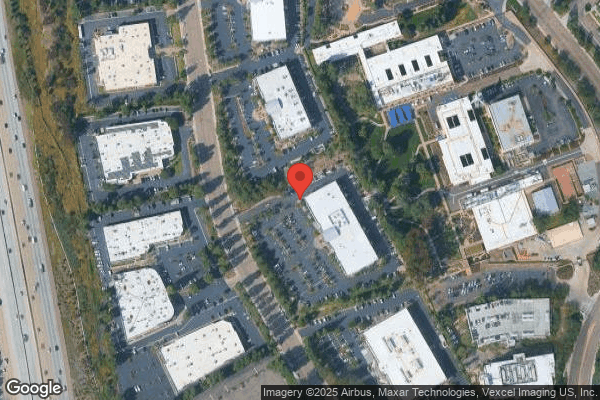
11895 AVENUE OF INDUSTRY, SAN DIEGO, CA 92128 (858) 673-0101
For profit - Limited Liability company 120 Beds THE ENSIGN GROUP Data: November 2025
Trust Grade
60/100
#543 of 1155 in CA
Last Inspection: April 2025

Within standard 12-15 month inspection cycle. Federal law requires annual inspections.

Overview

Carmel Mountain Rehabilitation & Healthcare Center has a Trust Grade of C+, indicating it is slightly above average but not exceptional. It ranks #543 out of 1,155 facilities in California, placing it in the top half, and #58 out of 81 in San Diego County, meaning there are only a handful of local options that perform better. The facility is improving, having reduced issues from 23 in 2024 to 19 in 2025, although it still reported 51 concerns during inspections, which could potentially affect resident safety. Staffing is rated at 3 out of 5 stars, with a turnover rate of 45%, which is average, but they provide more RN coverage than 89% of California facilities, suggesting good oversight. Some specific incidents raise concerns, such as a power outage that led to 50 residents missing their medications, and reports of residents waiting too long for assistance, which can increase anxiety and discomfort. Overall, while there are strengths in RN coverage and a lack of fines, the facility needs to address its cleanliness and timely care issues.

Trust Score
C+
60/100
In California
#543/1155
Top 47%
Safety Record
Low Risk
No red flags
Inspections
Getting Better
23 → 19 violations
Staff Stability
○ Average
45% turnover. Near California's 48% average. Typical for the industry.
Penalties
✓ Good
No fines on record. Clean compliance history, better than most California facilities.
Skilled Nurses
✓ Good
Each resident gets 60 minutes of Registered Nurse (RN) attention daily — more than 97% of California nursing homes. RNs are the most trained staff who catch health problems before they become serious.
Violations
⚠ Watch
51 deficiencies on record. Higher than average. Multiple issues found across inspections.
★★★☆☆
3.0
Overall Rating
★★★☆☆
3.0
Staff Levels
★★★★★
5.0
Care Quality
★★☆☆☆
2.0
Inspection Score
Stable
2024: 23 issues
2025: 19 issues

The Good

  • 5-Star Quality Measures · Strong clinical quality outcomes
  • Full Sprinkler Coverage · Fire safety systems throughout facility
  • No fines on record
  • Staff turnover below average (45%)

    3 points below California average of 48%

Facility shows strength in quality measures, fire safety.

The Bad

3-Star Overall Rating

Near California average (3.1)

Meets federal standards, typical of most facilities

Staff Turnover: 45%

Near California avg (46%)

Typical for the industry

Chain: THE ENSIGN GROUP

Part of a multi-facility chain

Ask about local staffing decisions and management

The Ugly 51 deficiencies on record

Sept 2025 2 deficiencies
CONCERN (D) 📢 Someone Reported This

A family member, employee, or ombudsman was alarmed enough to file a formal complaint

Potential for Harm - no one hurt, but risky conditions existed

Resident Rights (Tag F0550)

Could have caused harm · This affected 1 resident

**NOTE- TERMS IN BRACKETS HAVE BEEN EDITED TO PROTECT CONFIDENTIALITY** Based on observation, interview, and record review, the facility failed to ensure residents had access to care and services for ...

Read full inspector narrative →
**NOTE- TERMS IN BRACKETS HAVE BEEN EDITED TO PROTECT CONFIDENTIALITY** Based on observation, interview, and record review, the facility failed to ensure residents had access to care and services for two of two sampled residents reviewed for Resident Rights (Resident 1 and Resident 2), when: 1.The facility did not provide Resident 1 condom catheters (can be used by men to collect urine) and he had to purchase/ order for himself.2. Resident 2 did not have access to television channels for activity. These failures had the potential not to meet Resident 1's needs and affect Resident 2's mental health that may affect their quality of life.Findings: 1.Resident 1 was readmitted to the facility on [DATE], with diagnoses which included neuromuscular dysfunction of bladder (the nerves that carry messages back and forth between the bladder, the spinal cord and brain don't work the way they should, common example dribbling urine or incontinence), per the facility's admission Record. Resident 1's minimum data set (MDS, a federally mandated resident assessment tool), dated 9/4/25, indicated Resident 1 had a Brief Interview for Mental Status (BIMS, ability to recall) score of 15/15, which indicated Resident 1's cognition was intact. The functional abilities of the MDS indicated Resident 1 had impairment of both his upper and lower extremities. On 9/16/25 at 3:17 P.M., an observation and an interview were conducted with Resident 1 in his room. Resident 1 was sitting up in bed and was watching a television show. Resident 1 stated he had issues getting his packages and one of those packages contained condom catheters. Resident 1 stated They run out last week and I have to order for myself. Resident 1 stated he should not have been ordering for himself, and the facility should have provided him with his needs. Resident 1 stated, Isn't that my right? They should have available supplies for me. On 9/16/25 at 3:54 P.M., an interview was conducted with Certified Nursing Assistant (CNA) 2. CNA 2 stated Resident 1 was very alert and oriented. CNA 2 stated Resident 1 placed orders online and expected them to be delivered to him when the package arrived. CNA 2 stated Resident 1 expressed not satisfied with their process. CNA 2 stated the facility run out of condom catheters for Resident 1 and he had to get condom catheters online for himself. CNA 2 stated since the facility had no supplies for Resident 1, she had to use the condom catheter Resident 1 purchased. CNA 2 stated there should have been supplies available for the residents to meet their needs. On 9/16/25 at 4:56 P.M., a joint interview was conducted with the Director of Staff Development (DSD) and the Director of Nursing (DON). The DSD stated Resident 1 was very alert and oriented. The DON stated the expectation was for the facility to provide supplies for the residents. The DON stated, For the condom catheter, he doesn't have to buy one. We have to make sure we have an available supply for the residents to meet their needs. A review of the facility's undated policy titled Resident Rights was conducted. The policy did not indicate accommodation of residents' rights and needs. 2. Resident 2 was admitted to the facility on [DATE], with diagnoses which included fracture of his ribs and cognitive communication deficit (are those in which a person has difficulty communicating because of injury to the brain), per the facility's admission Record. Resident 2's minimum data set (MDS, a federally mandated resident assessment tool), dated 9/11/25, Resident 2 had a Brief Interview for Mental Status (BIMS, ability to recall) score of 13/15, which indicated Resident 2's cognition was intact. On 9/16/25 at 2:35 P.M., an observation of Resident 2 in his room and an interview was conducted with Resident 2 and a family member (FM) at bedside. Resident 2 laid in bed and the television (TV) was off. Resident 2's FM stated the TV did not work properly since it only had four channels and one of which was a foreign language. Resident 2's FM stated Resident 2 had been in his room for 12 days without entertainment. Resident 2's FM stated the issue was brought up and nothing had been done. Resident 2's FM stated Resident 2 did not want to join the group activities because it was loud. Resident 2's FM took the remote control from the bed and attempted to look for channels. There were four channels streamed on the TV, one in foreign language, one was news, one was classic show, and one was shopping channel. Resident 2's FM turned off the TV. Resident 2's FM stated Resident 2 just stayed in bed and had nothing to do. Resident 2 then closed his eyes. On 9/16/25 at 3:05 P.M., a joint observation of Resident 2's TV channels and an interview was conducted with the Maintenance Director (MaD). The MaD stated the facility was in the process of changing providers for the TV. The MaD stated sometimes the TV got high channels and sometimes got the low channels. The MaD stated the TV channels were not consistent, and some residents' TV only had four channels. The MaD stated that it was not a good experience for the residents having no entertainment. On 9/16/25 at 3:54 P.M., an interview was conducted with Certified Nursing Assistant (CNA) 2. CNA 2 stated Resident 2 was very alert and oriented. CNA 2 stated Resident 2 was recently admitted to the facility. CNA 2 stated the facility had issues with the TV channels for two weeks, some channels were not working. CNA 2 stated some residents did not like to attend activity because some residents were yelling. CNA 2 stated the TV was a form of activity for some residents and if the residents could not access other channels, it was frustrating for them. CNA 2 stated, They could feel bored. On 9/16/25 at 4:56 P.M., a joint interview was conducted with the Director of Staff Development (DSD) and the Director of Nursing (DON). The DSD stated Resident 1 was very alert and oriented. The DON stated the expectation was for the facility to accommodate the residents' needs. The DON stated, We will make sure the TV will be fixed soon to accommodate his needs. A review of the facility's undated policy titled Resident Rights was conducted. The policy did not indicate accommodation of residents' rights and needs.
CONCERN (D) 📢 Someone Reported This

A family member, employee, or ombudsman was alarmed enough to file a formal complaint

Potential for Harm - no one hurt, but risky conditions existed

Infection Control (Tag F0880)

Could have caused harm · This affected 1 resident

**NOTE- TERMS IN BRACKETS HAVE BEEN EDITED TO PROTECT CONFIDENTIALITY** Based on observation, interviews and record review, the facility failed to ensure safe and sanitary measures were met when a use...

Read full inspector narrative →
**NOTE- TERMS IN BRACKETS HAVE BEEN EDITED TO PROTECT CONFIDENTIALITY** Based on observation, interviews and record review, the facility failed to ensure safe and sanitary measures were met when a used urinal was on top of a resident's bedside table with food and cleaning supplies (Resident 2), for one of four residents reviewed for infection control. This failure had the potential for contamination of food and cleaning supplies and spread of infection to Resident 2 and his visitors.Findings: Resident 2 was admitted to the facility on [DATE], per the facility's admission Record. Resident 2's minimum data set (MDS, a federally mandated resident assessment tool), dated 9/11/25, Resident 2 had a Brief Interview for Mental Status (BIMS, ability to recall) score of 13/15, which indicated Resident 2's cognition was intact. On 9/16/25 at 2:35 P.M., an observation of Resident 2 in his room and an interview was conducted with Resident 2 and a family member (FM) at bedside. Resident 2 laid in bed and a bedside table was on his right side of the bed. On top of the bedside table was a used urinal with some drops of urine at the handle and at the bottom, a plastic bag of chocolate candies and cookies, and a roll of paper towel. Resident 2's FM stated He used the urinal, they don't rinse it and they put in the table. That is where he eats because he prefers to eat here. Look there is the urinal with urine in the handle. Is not that an infection control issues? On 9/16/25 at 2:53 P.M., a joint observation of Resident 2's bedside table and an interview with Licensed Nurse (LN) 2 was conducted. LN 2 stated the used urinal should not be on top of the table for infection control. On 9/16/25 at 4:56 P.M., a joint interview with the Director of Staff Development (DSD) and the Director of Nursing (DON) was conducted. The DON stated the urinal should not be on the bedside table due to possible cross contamination for infection control. A review of the facility's policy titled Infection Control, revised 6/2025, indicated, It is the policy of this facility to implement infection control measures to prevent the spread of communicable diseases and conditions.Procedure, 1. Standard Precautions are infection prevention practices that apply to the care of all residents.they are based on the principle that all blood, body fluids, secretions, and excretions (except sweat) may contain transmissible infectious agents. Standard Precautions include: Environmental cleaning and disinfection.
Sept 2025 3 deficiencies
CONCERN (D) 📢 Someone Reported This

A family member, employee, or ombudsman was alarmed enough to file a formal complaint

Potential for Harm - no one hurt, but risky conditions existed

Quality of Care (Tag F0684)

Could have caused harm · This affected 1 resident

**NOTE- TERMS IN BRACKETS HAVE BEEN EDITED TO PROTECT CONFIDENTIALITY** Based on observation, interview and record review, the facility failed to ensure temperature was addressed and notified physicia...

Read full inspector narrative →
**NOTE- TERMS IN BRACKETS HAVE BEEN EDITED TO PROTECT CONFIDENTIALITY** Based on observation, interview and record review, the facility failed to ensure temperature was addressed and notified physician for one of two residents in a timely manner. These failures resulted in a delay of assessment and treatment for Resident 1. Findings: Resident 1 was admitted to the facility on [DATE], according to the facility admission Record. On 9/4/25 at 2:57 P.M., a concurrent interview and record review were conducted with the Director of Staff Development (DSD) and Licensed Nurse (LN) 1. LN 1 stated normal body temperature within 97 to 99 degrees Fahrenheit (F). According to the History and Physical Examination (H&P) by the physician on 12/10/24 and with diagnoses to include hypothermia (body drops below 95 degrees Fahrenheit (F). According to the facility change of condition evaluation dated 12/14/24 at 12 P.M., .Resident was noted to have low temperature @ 9.30am[sic] w/ readings at 92 and was rechecked at around 11am with readings at 90.2, resident was noted shivering and skin is cold. According to physician orders dated 12/14/24 at 11:59 A.M., transfer to hospital due to hypothermia. During this interview and record review, LN 1 started receiving a report from a Certified Nurse Assistant (CNA) on 12/14/24 around 9:30 A.M. Resident 1's temperature was 92 F. LN 1 stated she was busy during that time and asked the CNA to take Resident 1's temperature. LN 1 stated around 11:49 A.M., Resident 1's temperature was 90.2 F. LN 1 stated she started a change of condition and informed the physician around 12 P.M. and Resident 1 was transferred to the emergency room via 911. LN 1 stated she should have assessed Resident 1 temperature right away. On 9/4/25 at 5:20 P.M., a concurrent interview and record review were conducted with LN 2. LN 2 stated she was approached by resident 1'a family member to check Resident 1's temperature. LN 2 stated this was about lunch time around 12 P.M. LN 2 stated Resident 1 was sitting in his room and a blanket wrapped around him. LN 2 stated Resident 1's low temperature should be addressed and notify the physician right away. On 9/4/25 at 5:42 P.M., an interview with the Director of Nursing (DON) was conducted. The DON stated she should notify the physician right away because Resident 1's hypothermia was a medical emergency. The DON stated Resident 1's temperature of 92 F was not normal. According to the facility policy entitled Section: Care and Treatment Subject: Change of Condition Reporting, revised date 6/2013, indicated. all changes in resident condition swill be communicated to the physician.1. All symptoms and unusual sings will be communicated to the physician promptly.
CONCERN (D) 📢 Someone Reported This

A family member, employee, or ombudsman was alarmed enough to file a formal complaint

Potential for Harm - no one hurt, but risky conditions existed

Administration (Tag F0835)

Could have caused harm · This affected 1 resident

Based on interview and record review, the facility failed to implement a facility plan for a power outage and accurately report the unusual occurrence to the California Department of Public Health (CD...

Read full inspector narrative →
Based on interview and record review, the facility failed to implement a facility plan for a power outage and accurately report the unusual occurrence to the California Department of Public Health (CDPH).As a result, the facility was not prepared for a planned power outage, and 50 of 111 residents did not receive their medications in a timely manner.Cross reference: F755 Findings:A consumer complaint was filed with CDPH regarding a resident not receiving medications in a timely manner on 8/11/25 (Resident 1).A Facility Reported Incident (FRI) was filed with CDPH regarding a planned power outage which occurred on 8/11/25. The FRI indicated protocols were implemented, including the use of paper Medication Administration Records (MARs) for resident medication administration. According to the FRI, .No untoward incidents were noted.A concurrent interview and record review was conducted with the Director of Maintenance (DM) on 8/12/25 at 1:03 P.M. The DM stated the power outage on 8/11/25 was a planned power outage for a cable upgrade. The DM stated he had been notified by the power company approximately two weeks prior to the outage. Per the DM, he had texted the management team at the facility on 7/23/25 to let managers know the power outage would occur. The DM stated he should have reminded the managers several days before the power outage so they could implement their protocol. The DM stated his failure to inform the managers closer to the date may have resulted in the lack of preparation. The DM provided a text message, sent to department managers on 7/23/25. The text was addressed to the Administrator (Admin), Director of Nursing (DON), Medical Records Director (MRD)and approximately 20 others facility managers.An interview was conducted with Licensed Nurse (LN) 1 on 8/12/25 at 2:15 P.M. LN 1 stated she had worked the day the power outage occurred. LN 1 stated she was not aware the power was going to be out on 8/11/25, so she had to rely on paper records of the MAR. LN 1 stated the paper MARs were not available until approximately 10:30 A.M., then the power was back on. LN 1 stated she had administered medications late to most of her assigned residents.An interview was conducted with the Medical Records Director (MRD) on 8/12/25 at 3 P.M. The MRD stated she was surprised when the power went off on 8/11/25. The MRD stated she and another medical records staff member had gone to a sister facility and printed over a thousand MARs. The MRD stated they returned to the facility at about 11 A.M. and the power had been restored. The MRD stated if she knew in advance the power was going out, they would have printed the MARs the day before so the facility could be prepared, and so medications could be administered. An interview was conducted with the Social Services Director (SSD) on 8/12/25 at 3:15 P.M. The SSD stated she had met with Resident 1 and her family on 8/11/25 as the family had expressed concerns about the medications not being administered on time. The SSD stated the family was particularly concerned about the Parkinsons medication, which needed to be administered on time. The SSD stated Resident 1 was discharged with her family after she met with them, and partially due to the medication administration timing.An interview was conducted with the Assistant Director of Nursing (ADON) on 8/21/25 at 2:12 P.M. The ADON stated 50 of the 111 residents residing in the facility on 8/11/25 received their medications late.On 9/4/25 at 9:30 A.M., an interview was conducted with the Admin. The Admin stated on 8/11/25 she had arrived at the facility at approximately 9:30 A.M., and the front lobby and entrance to the building were dark. The Admin stated, I was surprised. The Admin stated the text sent by the DM was not the official way of communicating with the facility managers. The Admin stated the correct process was to send an email, or to speak directly with the Admin. Per the Admin, she did not recall seeing the text sent by the DM on 7/23/25, and other managers should have redirected the DM to the correct process, but nobody did. The Admin stated if the DM had communicated via email or in person, the facility would have planned appropriately to implement the emergency plan for power outages. The Admin stated, We would have planned differently. The letter to CDPH did not include the problems we experienced. I thought the physician's orders were paper MARs, I was wrong. We did not communicate well. We should have communicated with the team 72 hours before the planned outage to ensure we had everything ready.Per a facility policy, revised 7/2007 and titled Unusual Occurrence, It is the policy of this facility, that an unusual occurrence will be reported accurately and completely.
CONCERN (E) 📢 Someone Reported This

A family member, employee, or ombudsman was alarmed enough to file a formal complaint

Potential for Harm - no one hurt, but risky conditions existed

Pharmacy Services (Tag F0755)

Could have caused harm · This affected multiple residents

**NOTE- TERMS IN BRACKETS HAVE BEEN EDITED TO PROTECT CONFIDENTIALITY** Based on interview and record review, the facility failed to provide medications on time to 50 of 113 residents during a planned...

Read full inspector narrative →
**NOTE- TERMS IN BRACKETS HAVE BEEN EDITED TO PROTECT CONFIDENTIALITY** Based on interview and record review, the facility failed to provide medications on time to 50 of 113 residents during a planned power outage.This failure had the potential to affect the health and well-being of the residents.Findings:A consumer complaint was filed with the California Department of Public Health alleging that on 8/10/25, Resident 1 had not received medications as prescribed.An interview was conducted with the Assistant Director of Nursing (ADON) on 8/11/25 at 1:50 P.M. The ADON stated the facility had experienced a planned power outage on 8/10/25, and nursing staff was unable to use the electronic Medication Administration Record (eMAR) to provide medications to all residents. The ADON stated 50 of the 113 residents who resided in the facility on 8/10/25 received their scheduled morning medications after the power came back on, approximately 10 A.M. The ADON stated she had spoken to Resident 1's family members, who wanted to remove the resident from the facility due to the medication problems.An interview was conducted with Licensed Nurse (LN) 1 on 8/11/25 at 2:15 P.M. LN 1 stated she was assigned to Resident 1 on 8/10/25, and had provided her medications once the power was on. LN 1 stated the medications were scheduled for 9 A.M., which meant they had to be administered between 8 A.M. and 10 A.M. to be considered on time. LN 1 stated Resident 1's medications were given late, at approximately 11 A.M. LN 1 stated, It is important to give certain medications at the right time, we didn't do that. There could be a risk to the resident's health.A record review was conducted on 9/4/25.Resident 1 was admitted to the facility on [DATE] with diagnoses to include Parkinson's Disease (a movement disorder of the nervous system that worsens over time), per the admission Record.Resident 1 was prescribed the following medications for 9 A.M.:Thiamine (a vitamin), administered at 12:26 P.M.Vitamin D3, administered at 12:26 P.M.Rivaroxaban (a medication to prevent blood clots), administered at 1:08 P.M.Calcium (a mineral), administered at 12:26 P.M.Resident 1 was prescribed the following medications for 11 A.M.:Rytary (a medication for Parkinsons Disease), administered at 12:15 P.M.An interview was conducted with the Director of Nursing (DON) on 9/4/25. Per the DON, it was important to give medications on time, especially medications like Rytary for Parkinsons Disease. The DON stated the facility had not given any of Resident 1's medications within the allowed timeframe. Per the DON, this could result in the symptoms of Parkinsons Disease worsening.Per a facility policy, dated 11/20/24 and titled Medication Administration and Storage, .Review and verify MD orders and follow 6 Rights of Medication Administration [right patient, right medication, right use, right dose, right time, right route].
Apr 2025 14 deficiencies
CONCERN (D)

Potential for Harm - no one hurt, but risky conditions existed

Deficiency F0561 (Tag F0561)

Could have caused harm · This affected 1 resident

**NOTE- TERMS IN BRACKETS HAVE BEEN EDITED TO PROTECT CONFIDENTIALITY** Based on observation, interview and record review, the facility failed to provide showers consistently for one of one sampled re...

Read full inspector narrative →
**NOTE- TERMS IN BRACKETS HAVE BEEN EDITED TO PROTECT CONFIDENTIALITY** Based on observation, interview and record review, the facility failed to provide showers consistently for one of one sampled resident (Resident 24), reviewed for choices related to personal care. As a result, Resident 214's preferences and choices were not honored and respected. Findings: Resident 24 was readmitted to the facility on [DATE] with diagnoses which included muscle weakness, per the facility's admission Record. Resident 24's history and physical, dated 3/31/25, indicated Resident 24 had the capacity to understand and make decisions. A record review was conducted of Resident 24. Resident 24's minimum data set (MDS - a federally mandated resident assessment tool), dated 4/1/25, indicated Resident 24's brief interview for mental status (BIMS, ability to recall) score was 15/15 (a score of 13 to 15 suggests the patient is cognitively [process of acquiring knowledge and understanding] intact). On 4/21/25 at 9:39 A.M., an observation and an interview of Resident 24 was conducted in her room. Resident 24 was sitting up in bed. Resident 24 stated she did not get a shower. Resident 24 stated no staff had offered her a shower. Resident 24 stated, If they (staff) miss it, I will have my shower the next week. I am not comfortable with it. I think they are understaffed. A review of Resident 24's shower sheets indicated, Resident 24 had received two showers in a three week time period, between 3/29/25 to 4/21/25. On 4/23/25 at 9:49 A.M., an interview was conducted with Certified Nursing Assistant (CNA) 32. CNA 32 stated Resident 24 was very alert and oriented and required some help when receiving showers. CNA 32 stated Resident 24 had showers on Mondays and Thursdays. On 4/23/25 at 11:35 A.M., a joint review of Resident 24's clinical record and an interview was conducted with Licensed Nurse (LN) 21. LN 21 stated Resident 24's record indicated, she received two showers from 3/29/25 to 4/23/25. LN 21 stated the residents should not be missing their showers. LN 21 stated it was important to provide showers twice weekly for the residents' hygiene and comfort. On 4/24/25 at 10:38 A.M., an interview was conducted with the Director of Nursing (DON). The DON stated the expectation was to provide the residents showers. The DON stated staff should accommodate resident's needs for hygiene and promote dignity. A review of the facility's undated policy titled, Resident Rights, Accommodation of Needs, indicated, Policy: It is the policy of this facility to provide accommodation of reasonable needs to the residents while in the facility, Procedures: Staff will review resident's preference and accommodate their needs .Examples of Accommodation of needs but is not limited to the following .Showers . A review of the facility's undated policy, titled ADL (Activities of Daily Living), Services to carry out, indicated, Policy: It is the policy of this facility that residents are given the appropriate .services .Procedures .2. Residents who are unable to carry out activities of daily living (ADL) will receive necessary services to maintain .personal hygiene .
CONCERN (D) 📢 Someone Reported This

A family member, employee, or ombudsman was alarmed enough to file a formal complaint

Potential for Harm - no one hurt, but risky conditions existed

Comprehensive Care Plan (Tag F0656)

Could have caused harm · This affected 1 resident

**NOTE- TERMS IN BRACKETS HAVE BEEN EDITED TO PROTECT CONFIDENTIALITY** Based on observation, interview, and record review, the facility failed to develop and implement individual care plans for two o...

Read full inspector narrative →
**NOTE- TERMS IN BRACKETS HAVE BEEN EDITED TO PROTECT CONFIDENTIALITY** Based on observation, interview, and record review, the facility failed to develop and implement individual care plans for two of five resident's (Resident 214 and Resident 220), reviewed for care plans. This failure resulted in Resident 214 experiencing pain, when a care plan was not developed for constipation and Resident 220's plan of care was not implemented as ordered by the physician, to wear bilateral foam boots (both feet), to protect and prevent future skin injuries to the heels. Findings: 1. Resident 214 was admitted to the facility on [DATE], with diagnoses which included orthopedic aftercare related to cervical disc disorder (neck region), per the facility's admission Record. An observation and interview was conducted with Resident 214 on 4/22/25 at 8:41 A.M., as he laid in bed. Resident 214 was rubbing his abdomen, stating he felt discomfort and bloating. Resident 214 stated he had not had a bowel movement in several days and they gave him a suppository last night, but nothing has happened yet. A follow up observation and interview was conducted with Resident 214 in his room on 4/23/25 at 7:59 A.M. Resident 214 stated the staff had given him an additional suppository last night, but still nothing had happened. Resident 214 stated he felt bloated and uncomfortable, and he did not know how much longer he could go on like this. Resident 214's clinical record was reviewed on 4/23/25. According to the facility's Task Documentation, Resident 214 had not had a bowel movement since his admission on [DATE] (six days). According to the physician's order, dated 4/17/25: - Docusate Sodium oral liquid (Dulcolax-a stool softener) two times a day for bowel movement. - Lactulose oral solution (use to treat constipation) twice a day for constipation. - Lactulose oral solution every 24 hours as needed for bowel care if no bowel movement in three days. - Mineral oil enema if not relieved by Dulcolax or Lactulose. The Medication Administration Record (MAR) was reviewed for April 4/17/25 through 4/22/25. - Dulcolax and Lactulose oral liquid had been administered twice a day as ordered. - Lactulose every 24 hours if no bowel movement in three days was never administered. - Mineral enema had not been administered as ordered, .if not relieved by Dulcolax or lactulose. An interview and record review was conducted with Licensed Nurse 11 (LN 11) on 4/23/25 at 10:26 A.M. LN 11 stated the facility's bowel protocol after three days and no bowel movement was to follow the physician's order. LN 11 reviewed Resident 114's MAR and stated he was a high risk for constipation because of his pain medication and lack of mobility. LN 11 could not locate any documented evidence a care plan had been developed for Resident 214 related to constipation. An interview and record review was conducted with the Minimum Data Set Nurse (MDSN) on 4/24/25 at 8:54 A.M. regarding Resident 214. The MDSN stated care plan were important as a communication tool for nurses, so interventions were applied consistently. The MDSN stated Resident 214 should have had a care plan developed for constipation on admission, since he was considered high risk. An interview was conducted with the Director of Nursing (DON) on 4/24/25 at 9:11 A.M. The DON stated care plans were important for baseline data, in order to recognize when residents were improving or deteriorating. The DON stated care plans were a tool for communication among staff, so interventions could be applied consistently. The DON stated Resident 214 should have had a constipation care plan developed upon admission, since he was considered a high risk, due to pain medication being administered. The DON stated since a care plan was not developed and his bowel movements were not communicated, he could have experienced unnecessary discomfort. The facility's policy, titled, Bowel Care Management, undated, did not address care planning related to constipation. 2. Resident 220 was admitted to the facility on [DATE] with diagnoses which included displaced fracture of the right tibia (lower leg bone) and right patella (knee), per the facility's admission Record. An observation and interview was conducted with Resident 220 on 4/21/25 at 9:23 A.M. Resident 220 was sitting up in bed with a sling and partial splint on her left forearm. Resident 220 stated she fell four days ago, while using the bedside commode, resulting in a fractured left wrist. On 4/22/25, Resident 220's clinical record was reviewed. According to the physician's order, dated 4/8/25, a knee immobilizer (splint for support) was needed when resident was out of bed. According to the facility Fall Risk Evaluation, dated 4/8/25, Resident 220 scored as a high risk for future falls. According to the care plan, titled High Risk of Falls related to Weakness, impaired mobility, dated 4/8/25, no intervention was listed for knee immobilizer to be applied when out of bed as ordered by the physician. According to the facility's Change of Condition Evaluation, dated 4/16/25, Resident 220 was found sitting on the floor with obvious deformity noted to the left wrist. Resident 220 stated she was sitting on the bedside commode then stood up to use the walker, and the commode shifted behind her, resulting in a fall. An interview was conducted with Certified Nursing Assistant 11 (CNA 11) on 4/22/25 at 9:46 A.M. CNA 11 stated she assisted Resident 220 to the bedside commode and then waiting outside. CNA 11 stated she did not apply Resident 220's knee immobilizer at the time of transfer. CNA 11 stated she was outside of Resident 220's room for about ten minutes and was informed by other staff that Resident 220 fell. An interview and record review was conducted with the Treatment licensed Nurse (Tx LN) on 4/23/25 at 10:23 A.M. The Tx LN stated Resident 220 was identified as a high fall risk since she had fractures to her right leg and knee. The Tx LN stated if the physician ordered her knee immobilizer to be worn when out of bed, it should have been applied. The Tx LN stated the knee immobilizer acted as a stabilizer, and it was included in the physician's plan of care. The Tx LN stated she would not have gotten Resident 220 up, without the knee immobilizer in place. An interview was conducted with Licensed Nurse 11 (LN 11) on 4/23/25 10:27 A.M. LN 11 stated Resident 220's had a physician's order, which indicated the resident should have her knee immobilizer on whenever she was out of bed. LN 11 stated this was the physician's plan of care and it should have been implemented. LN 11 when a resident used a bedside commode, it was considered out of bed, so the immobilizer should have been put on. An interview was conducted the Director of Staff Development (DSD) on 4/23/25 at 10:52 A.M. The DSD stated Resident 220's knee immobilizer should have been put on before the resident got out of bed, to use the bedside commode. The DSD stated the physician ordered the immobilizer to support and stabilize the right leg, and the plan of care should have been implemented. An interview was conducted with the Director of Nursing (DON) on 4/24/25 at 9:11 A.M. The DON stated Resident 220 was a high fall risk and the CNA should have applied the leg/knee splint before she was assisted out of bed. The DON stated the physician's plan of care was not implemented. According to the facility's policy, titled Fall Management System, undated, .2. Residents with Fall Risk Assessments score of 11-16 or above are considered high risk and will have an individualized care plan develop[ed that included measurable objective and timeframe's. The care plan interventions will be developed to prevent falls and will consider the elements of assessment that put the resident at risk .
CONCERN (D)

Potential for Harm - no one hurt, but risky conditions existed

Quality of Care (Tag F0684)

Could have caused harm · This affected 1 resident

**NOTE- TERMS IN BRACKETS HAVE BEEN EDITED TO PROTECT CONFIDENTIALITY** Based on interview and record review, the facility failed to ensure a resident received treatment and care in accordance with pr...

Read full inspector narrative →
**NOTE- TERMS IN BRACKETS HAVE BEEN EDITED TO PROTECT CONFIDENTIALITY** Based on interview and record review, the facility failed to ensure a resident received treatment and care in accordance with professional standards of practice for one of three sampled residents (Resident 97), reviewed for closed record, when: 1. Staff failed to follow physician's order related to intravenous (IV, within a vein) antibiotics (anti-infective medications) therapy for Resident 97, and, 2. Consistently provide Resident 97's peripherally inserted central catheter (PICC, a long, thin tube inserted through a vein in the arm) care. These failures placed Resident 97 at risk for delayed healing and PICC line associated complications. Findings: Resident 97 was readmitted to the facility on [DATE] with diagnoses which included sepsis (a life-threatening blood infection), and urinary tract infection (UTI), per the facility's admission Record. A review of Resident 97's clinical record was conducted. Resident 97's physician's order dated 4/1/25, indicated, Resident 97 was to receive two antibiotic medications and PICC line care. The physician's orders were as follows: - Ertapenem to be given through IV one time a day for 14 days. - Merrem to be given through IV three times a day (schedule was 6 A.M., 2 P.M., and 10 P.M.) until 4/4/25. - Flush the PICC line before and after each antibiotic dose. A review of Resident 97's IV medication administration record (MAR) was conducted. Resident 97's IV MAR for April 2025 indicated, the License Nurses (LNs) missed medication documentation for : - Ertapenem from 4/2/25, 4/3/25 and 4/4/25. - Merrem two times of ten opportunities. - PICC line care three times of 12 opportunities. On 4/24/25 at 9:16 A.M., a joint review of Resident 97's clinical record and an interview was conducted with Licensed Nurse (LN) 22. LN 22 stated Resident 97 was to get two antibiotic medications from 4/1/25 for infections. LN 22 stated there were missed entries for medication administration of Ertapenem for Resident 97 from 4/2/25 through 4/4/25. LN 22 stated there were missed entries for medication administration of Merrem for Resident 97 on 4/2/25 and 4/3/25 at 6 A.M. LN 22 stated there were missed PICC line care for Resident 97 on 4/1/25 and 4/2/25 and 4/3/25. LN 22 stated the order was to flush the PICC line every antibiotic dose. LN 22 stated she did not see any documentation from other LNs if the medications were administered per the physician's order and the PICC line care was rendered. LN 22 stated, If it was not documented, it was not given. On 4/24/25 at 10:38 A.M., an interview was conducted with the Director of Nursing (DON). The DON stated the expectation was for the LNs to follow the physician's orders, IV medication should have been administered and PICC line care should have been provided for Resident 97 to clear the infection as soon as possible. A review of the facility's undated policy titled, Nursing Services, Physician Orders, indicated, .It is the policy of this facility to .implement orders in addition to medication orders (treatment, procedures) . A review of the facility's undated policy titled, Documentation, Charting and Documentation, indicated, The resident's clinical record is a concise account of treatment, care .and progress of the resident's condition .Rules for Charting .5. All medications and treatments will be documented accurately .
CONCERN (D)

Potential for Harm - no one hurt, but risky conditions existed

Pressure Ulcer Prevention (Tag F0686)

Could have caused harm · This affected 1 resident

**NOTE- TERMS IN BRACKETS HAVE BEEN EDITED TO PROTECT CONFIDENTIALITY** Based on observation, interview, and record review, the facility failed to follow the physician's order related to pressure ulce...

Read full inspector narrative →
**NOTE- TERMS IN BRACKETS HAVE BEEN EDITED TO PROTECT CONFIDENTIALITY** Based on observation, interview, and record review, the facility failed to follow the physician's order related to pressure ulcer (a localized injury to the skin and underlying tissue caused by prolong pressure), treatment and prevention for one of four residents (Resident 43), reviewed for pressure ulcers. This failure had the potential for worsening or additional pressure ulcers to occur. Findings: Resident 43 was admitted to the facility on [DATE], with diagnoses which included cellulitis (a bacterial infection of the skin and the underlying tissues) of the lower extremities, along with sepsis (a serious condition in which the body responds improperly to an infection), per the facility's admission Record. An observation and interview was conducted with Resident 43 on 4/21/25 at 8:25 A.M., as she sat in bed. Resident 43 had a padded green boot on her left foot and both heels were resting directly on the mattress. Resident 43 stated she got a wound on her left heel, after her legs swelled up from an infection. A review of Resident 43's medical record was conducted on 4/21/25. According to the physician's order, dated 3/18/25, foam boots on bilateral (both) feet every shift for deep tissue injury (DTI-damage to the deeper layers of the skin and underlying tissues, like muscle and fat, caused by pressure). An additional physician's order, dated 4/3/25, Cleanse left heel pressure ulcer with normal saline, pat dry, apply Santyl ointment (used to remove damaged tissue from chronic skin ulcers), followed by xerofoam (a type of petrolatum-based gauze dressing used in wound care), cover with foam dressing every day shift. A review of the facility's Treatment Administration Record (TAR), dated April 2025, indicated, a wound dressing change was not conducted on 4/5/25 (Saturday). According to the care plan titled DTI to left heel, revised 4/16/25, interventions listed included administer treatments as ordered and foam boots as tolerated. Observations were conducted of Resident 43 in bed on: 4/21/25 at 12:40 P.M., 4/22/25 at 8:53 A.M., 3:42 P.M., and on 4/23/25 at 11:50 A.M. One green foam boot was observed each time on the left heel only. An interview was conducted with the Director of Staff Development (DSD) on 4/23/24 at 10:53 A.M. The DSD stated wound treatments over the weekend were conducted by medication nurses. The DSD stated wound treatments should be performed according to the physician's order and should not be missed, because the wound could worsen or become infected. The DSD stated foam boots should be worn to prevent additional wounds from occurring on the heels or feet and to protect any existing wounds from worsening. An interview and record review was conducted with the wound treatment nurse (Tx LN) on 4/23/25 at 11:21 A.M. The Tx LN stated if wound treatments were missed, it could complicate the healing of a wound. The Tx LN stated she completed wound treatments on the weekends and if she got busy, she asked the medication nurse to assist her with wound treatments. The Tx LN stated foam boots were important to keep pressure off the heels and if they were ordered by a physician, they should be applied. The Tx LN reviewed Resident 43's TAR for April 2025, and stated a treatment was not documented on 4/5/25. The Tx LN stated if the treatment was not documented, then it was not done, which could compromise the wound. An interview was conducted with the Director of Nursing (DON) on 4/24/25 at 9:11 A.M. The DON stated if a wound treatment was missed, the wound could deteriorate and become infected. The DON stated she expected all wound treatments to be performed per the physician's order. The DON stated foam boots were important to minimize the risk of wounds to the feet and heels. The DON stated both foam boots should have been applied to Resident 43, as ordered by the physician. According to the facility's policy, titled Pressure Ulcer Management, undated, .7. Treatments will be documented accurately and in a timely manner . According to the facility's policy, titled Physician Orders, undated, .It is the policy of this facility to accurately transcribe and implement orders .in accordance with the resident's plan of care .
CONCERN (D) 📢 Someone Reported This

A family member, employee, or ombudsman was alarmed enough to file a formal complaint

Potential for Harm - no one hurt, but risky conditions existed

Accident Prevention (Tag F0689)

Could have caused harm · This affected 1 resident

**NOTE- TERMS IN BRACKETS HAVE BEEN EDITED TO PROTECT CONFIDENTIALITY** Based on observation, interview, and record review, the facility failed to provide supervision during toileting for a resident i...

Read full inspector narrative →
**NOTE- TERMS IN BRACKETS HAVE BEEN EDITED TO PROTECT CONFIDENTIALITY** Based on observation, interview, and record review, the facility failed to provide supervision during toileting for a resident identified as high risk for falls. In addition a gait belt (a safety device used by caregivers to assist residents with mobility issues), was not utilized during transferring the resident from bed to a bedside commode for one of three residents (Resident 220), reviewed for accidents. These failures could potentially contributed to Resident 220 having an unwitnessed fall in the room. Findings: Resident 220 was admitted to the facility on [DATE], with diagnoses which included displaced fracture of the right tibia (lower leg bone) and right patella (knee), per the facility's admission Record. An observation and interview was conducted with Resident 220 on 4/21/25 at 9:23 A.M. Resident 220 was sitting up in bed with a sling and partial splint on her left forearm. Resident 220 stated she fell four days ago, while using the bedside commode, resulting in a fractured left wrist. A bedside commode was observed against the wall, near the foot of the bed. On 4/22/25, Resident 220's clinical record was review. According to the physician's order, dated 4/8/25, partial weight bearing to right lower extremity every shift, knee immobilizer (splint used to stabilize) for out of bed activities. According to the facility Fall Risk Evaluation, dated 4/8/25, Resident 220's score was 12, indicating a high risk for future falls. According to the facility's care plan, titled High Risk for Falls related to weakness and impaired mobility, dated 4/8/25, interventions listed included: Bedside commode to assist with continence, Privacy curtain will be utilized per patient request during toileting, ok for staff to stay within safe distance. According to the facility's Change of Condition Evaluation, dated 4/16/25, Resident 220 was found sitting on the floor with obvious deformity noted to the left wrist. Resident 220 stated she was on the bedside commode, stood up to use the walker, and the commode shifted behind her, resulting in a fall. A follow up interview was conducted with Resident 220 on 4/22/25 at 9:14 A.M., as the resident sat up in bed. Resident 220 stated the nurse told her she was going to leave, in order to give the resident privacy. Resident 220 stated when she was done using the commode, she stood up, grabbed the walker in front of her, and leaned forward to get the call light that was resting on the bed, but the commode behind her moved and she fell. Resident 220 stated she yelled for help until someone came to help her. An interview was conducted with certified nursing assistant 11 (CNA 11) on 4/22/25 at 9:46 A.M. CNA 11 stated on the day of the fall, she had assisted Resident 220 to the bedside commode and then left to provide privacy by waiting outside. CNA 11 stated she left the outside of Resident 220's room, when she responded to an emergency call light down the hall. CNA 11 stated approximately ten minutes later, after initially assisting Resident 220 to the bedside commode, she was as informed by other staff that Resident 220 had an unwitnessed fall in her room. CNA 11 stated she did not utilize a gait belt at the time of transfer, because the resident had a walker to grab onto. CNA 11 stated she did not apply the resident's knee immobilizer for the transfer to the commode. A follow up observation and interview was conducted with CNA 11 inside Resident 220's room on 4/22/25 at 3:08 P.M. CNA 11 demonstrated where she placed the bedside commode, which was at the foot of the bed, directly next to the bottom mattress. CNA 11 demonstrated where the call light was placed, by unclipping the call light from the bedsheet and pulling it down to the end of the bed, resting it on top of the mattress. The resident's immobilizer was resting in the wheelchair, which was against the wall near the head of the bed. No gait belts were observed in the room or on CNA 11. CNA 11 stated she left Resident 220 alone for privacy, after the resident asked her to. An interview was conducted with the Treatment Nurse (Tx LN) on 4/23/25 at 10:23 A.M. The Tx LN stated if a resident was identified as a high fall risk and wanted to use a bedside commode, the staff should stand behind the resident's privacy curtain or right outside the doorway. The Tx LN stated staff should never leave a resident on a bedside commode, who was identified as a high fall risk. The Tx LN stated gait belts should always be used when moving a high fall risk resident, to help support the resident and to prevent falls. An interview was conducted with Licensed Nurse 11 (LN 11) on 4/23/25 at 10:26 A.M. LN 11 stated staff should always stay in the room with a high fall risk resident when out of bed, for supervision. An interview was conducted with the Director of Staff Development (DSD) on 4/23/25 at 10:52 A.M. The DSD stated residents identified as high fall risk should never be left alone, when out of bed. The DSD stated she was aware of Resident 220's fall and the CNA should have stayed and should not have left the resident while on the commode. The DSD stated when the CNA left for an emergency call light, she should have informed another staff member to assist Resident 220. The DSD stated a gait belt should always be utilized whenever assisting a resident with limited ambulation, especially with a resident who was identified as a high fall risk. An interview was conducted with the Director of Nursing (DON) on 4/24/25 at 9:11 A.M. The DON stated Resident 220's supervision should have been better. The DON stated a gait belt and the knee immobilizer should have been utilized. The DON stated they could have done better. Per the facility's policy, titled Fall Management System, undated, .Each resident is assisted in attaining or maintaining their highest practicable level of function through providing the resident adequate supervision, assistive devices and functional programs as appropriate to prevent accidents . According to the facility's policy, title Gait Belt, undated, .2. Gait belts must be used when transferring and ambulating residents .
CONCERN (D)

Potential for Harm - no one hurt, but risky conditions existed

Incontinence Care (Tag F0690)

Could have caused harm · This affected 1 resident

**NOTE- TERMS IN BRACKETS HAVE BEEN EDITED TO PROTECT CONFIDENTIALITY** Based on observation, interview, and record review, the facility failed to follow its Bowel and Bladder protocol for two of two ...

Read full inspector narrative →
**NOTE- TERMS IN BRACKETS HAVE BEEN EDITED TO PROTECT CONFIDENTIALITY** Based on observation, interview, and record review, the facility failed to follow its Bowel and Bladder protocol for two of two residents (Resident 214 and 104) reviewed for Bowel and Bladder when: 1. The constipation bowel regimen was not implemented after three days of no bowel movement for Resident 214; and, 2. The urine output (UO) was not consistently documented for Resident 104, who had a urinary catheter (a tube inserted into the bladder to aid in urine flow). This failure had the potential for increased and unnecessary pain for Resident 214, along with no consistent monitoring of urine output for Resident 104. Findings: 1. Resident 214 was admitted to the facility on [DATE], with diagnoses which included orthopedic aftercare related to cervical (spine in the neck) disc disorder, per the facility's admission Record. An observation and interview was conducted with Resident 214 on 4/22/25 at 8:41 A.M., as he laid in bed. Resident 214 was rubbing his abdomen, stating he felt discomfort and bloating. Resident 214 stated he had not had a bowel movement in several days and they had given him a suppository last night, but nothing had happened yet. A follow up observation and interview was conducted with Resident 214 in his room on 4/23/25 at 7:59 A.M. Resident 214 stated they had given him an additional suppository last night, but still nothing had happened. Resident 214 stated he felt bloated and uncomfortable, and he did not know how much longer he could go on like this. Resident 214's clinical record was reviewed on 4/23/25. According to the facility's Task Documentation, Resident 214 had not had a bowel movement since his admission on [DATE] (six days). According to the physician's order, dated 4/17/25: - Docusate Sodium oral liquid (Dulcolax-a stool softener) two times a day for bowel movement. - Lactulose oral solution (use to treat constipation) twice a day for constipation. - Lactulose oral solution every 24 hours as needed for bowel care if no bowel movement in three days. - Mineral oil enema if not relieved by Dulcolax or Lactulose. The Medication Administration Record (MAR) was reviewed for April 4/17/25 through 4/22/25. - Dulcolax and Lactulose oral liquid had been administered twice a day as ordered. - Lactulose every 24 hours if no bowel movement in three days was never administered. - Mineral enema had not been administered as ordered, .if not relieved by Dulcolax or lactulose. The MAR for April 2025, indicated one Dulcolax suppository was and administered on 4/21/25 at 8:08 P.M. An interview and record review was conducted with Licensed Nurse 11 (LN 11) on 4/23/25 at 10:26 A.M. LN 11 stated the facility's bowel protocol indicated if no bowel movement (BM) after three days, staff was to follow the physician's order for medication administration. LN 11 reviewed Resident 114's MAR and stated he was a high risk for constipation because of his pain medication and lack of mobility. LN 11 stated she could find no documented evidence a mineral enema or the Lactulose was administered after the third day. LN 11 stated the nurses should have recognized the lack of BM sooner and the orders for BM protocol should have been implemented. LN 11 stated the delay in treatment could have caused increased pain and discomfort. LN 11 stated the BM protocol should have been followed and it was not. An interview was conducted with the Director of Staff Development (DSD) on 4/23/25 at 10:52 A.M. The DSD stated Certified Nursing Assistants (CNAs) were expected to inform Licensed Nurses if residents had not had a BM within three days. The DSD stated they have a BM protocol and the physician's write specific orders for staff to follow. The DSD stated BMs were important to prevent discomfort and pain to the residents. An interview was conducted with the Director of Nursing (DON) on 4/24/25 at 9:11 A.M. The DON stated she expected the LNs to check the bowel schedule of residents and for the CNAs to inform the nurses if no BM within three days. The DON stated all residents had orders to prevent constipation which start with Dulcolax, Lactulose, and then an enema. The DON stated with delayed bowel movements, residents were at risk of increased pain. The DON stated Resident 214's bowel regimen was not followed and it should have been captured sooner. According to the facility's policy, titled Bowel Care Management, undated, It is the policy of this facility to follow the physician orders and implement bowel care interventions. 1. Licensed nurses will monitor bowel movements every shift 3. Licensed nurses will administer bowel care as ordered to residents who trigger .as not having a bowel movement in 3 days . 2. Resident 104 was admitted to the facility on [DATE] with diagnoses which included neuromuscular dysfunction of the bladder (the nerves that carry messages back and forth between the bladder and the spinal cord and brain don't work the way they should) and urinary retention, per the facility's admission Record. A record review was conducted of Resident 104. Resident 104's History and Physical dated 3/7/25, indicated Resident 104 had the capacity to make own decisions. A record review was conducted of Resident 104. Resident 104's minimum data set (MDS - a federally mandated resident assessment tool), dated 3/13/25, indicated Resident 104's brief interview for mental status (BIMS, ability to recall) score was 15/15 (a score of 13 to 15 suggests the patient is cognitively [process of acquiring knowledge and understanding] intact). Resident 104's MDS section for bladder and bowel indicated Resident 104 had a urinary catheter. On 4/21/25 at 12:53 P.M., an observation and an interview of Resident 104 was conducted in his room. Resident 104 had a urinary catheter attached to his wheelchair. Resident 104 stated he had the urinary catheter because he underwent back surgery. On 4/23/25 at 8:47 A.M., an observation and an interview of Resident 104 was conducted in his room. Resident 104 was sitting up in bed and a urinary catheter was attached to the bed rails. Resident 104 stated he retained fluids and experienced a distended bladder because he could not urinate properly. Resident 104 stated the staff emptied the urinary catheter, collected the urine into a urinal and discarded the urine to the toilet bowl. On 4/23/25, a review of Resident 104's clinical record was conducted. Resident 104's physician's order and care plan (detailed plan with information about a patient's treatment, goal, and interventions) dated 3/6/25 indicated to measure, monitor and document Resident 104's urine output (UO) for 30 days. A review of Resident 104's record of urine output for March and April 2025 was conducted. The record had missed entries of UO for Resident 104 on the following dates and shifts: 3/6, 3/14, 3/18, 3/19 - nocturnal shifts (from 11 P.M to 7 A.M.) 3/8, 3/18, 3/19, 3/20, 3/31, 4/2 through 4/5 - morning shifts (7 A.M to 3 P.M.) 3/7, 3/8, 3/11, 3/13, 3/20, 4/1, 4/2 through 4/4 - afternoon shifts (3 P.M to 11 P.M.) 3/16, 3/17, 3/22 through 3/30 - no entries for all shifts. On 4/23/25 at 11:28 A.M., a joint review of Resident 104's clinical record and an interview was conducted with LN 21. LN 21 stated Resident 104 retained urine and had a fluid restriction of two liters per day. LN 21 stated it was important to monitor Resident 104's UO to ensure Resident 104 was not retaining fluids to prevent him from getting a distended bladder. LN 21 stated Resident 104's UO should have been monitored and documented, but it had not been. LN 21 stated the CNAs emptied and tracked Resident 104's UO and documented in a log. LN 21 stated the staff did not consistently monitor and document Resident 104's UO per physician's order and per facility's policy. On 4/24/25 at 10:38 A.M., an interview was conducted with the DON. The DON stated the expectation was for the licensed staff to monitor Resident 104's UO to ensure Resident 104 did not have bladder distention, and for Resident 104's comfort. A review of the facility's undated policy titled, Intake and Output Documentation, indicated, It is the policy of this facility that fluid intake and output shall be recorded for each resident with an indwelling .catheter or as prescribed by the physician .Procedures .2. The .output information is to be recorded at the end of each shift by a Licensed Nurse .
CONCERN (D)

Potential for Harm - no one hurt, but risky conditions existed

Deficiency F0698 (Tag F0698)

Could have caused harm · This affected 1 resident

**NOTE- TERMS IN BRACKETS HAVE BEEN EDITED TO PROTECT CONFIDENTIALITY** Based on observation, interview, and record review, the facility failed to ensure dialysis (the process of cleaning the blood th...

Read full inspector narrative →
**NOTE- TERMS IN BRACKETS HAVE BEEN EDITED TO PROTECT CONFIDENTIALITY** Based on observation, interview, and record review, the facility failed to ensure dialysis (the process of cleaning the blood through a machine) access site was properly cared for one of one resident reviewed for dialysis (Resident 87). This deficient practice had the potential for Resident 87's dialysis access to clot. Findings: Resident 87 was admitted to the facility on [DATE], with diagnoses which included End Stage Renal Disease (kidney failure), per the admission Record. On 4/21/25 at 10:34 A.M., an observation and an interview were conducted of Resident 87 in her room. Resident 87 was up in her wheelchair. Resident 87 stated she went for dialysis Tuesdays, Thursdays and Saturdays and showed her right arm dialysis access site. On 4/22/25 at 2:37 P.M., an observation of Resident 87 was conducted. Resident 87 arrived at the facility from the dialysis via wheelchair and noted a dressing to right upper dialysis access site. On 4/23/25 at 8:09 A.M., an observation and an interview were conducted of Resident 87 in her room. Resident 87 sat in a wheelchair with a soiled dressings noted on her right upper dialysis access site. Resident 87 stated the Licensed Nurses (LNs) did not remove the dressings on her (Resident 87) right upper arm. On 4/23/25, a review of Resident 87's communication record (communication record between the dialysis center and the facility) was conducted. The dialysis communication record indicated the dressing was to be removed after four to six hours after dialysis. On 4/23/25 at 11:13 A.M., a joint review of Resident 87's clinical record and an interview was conducted with Licensed Nurse (LN) 21. LN 21 stated Resident 87 went for dialysis three times a week. LN 21 stated when residents came back from dialysis treatment, the LNs were to get the dialysis communication record to check if there was new order from dialysis center. LN 21 stated he did not change or deal with Resident 87's dialysis dressings. LN 21 stated he was not aware Resident 87's dialysis access dressings were to be removed at a specific time after dialysis. LN 21 stated he did not read the communication record from the dialysis center. On 4/23/25 at 3:28 P.M., an interview was conducted with LN 23. LN 23 stated she was familiar with Resident 87. LN 23 stated when Resident 87 came back from dialysis treatment, the LNs were supposed to read the communication record to be aware of any updates or changes for Resident 87. LN 23 stated she did not do anything with the dressings of Resident 87's dialysis access site. LN 23 stated she was not aware the dressing was to be removed four to six hours after the resident received dialysis treatment. LN 23 stated the dialysis access site of Resident 87 should be free from any pressure. On 4/24/25 at 10:38 A.M., an interview was conducted with the Director of Nursing (DON). The DON stated the LNs should have removed the dressings of Resident 87, four to six hours after the resident's dialysis treatment to prevent clotting of the dialysis access. A review of the facility's undated policy, titled Renal Dialysis, Care of Resident, indicated, It is the policy of this facility to provide standards in the care of the residents on renal dialysis and the care of the vascular access site for hemodialysis .
CONCERN (D)

Potential for Harm - no one hurt, but risky conditions existed

Medication Errors (Tag F0758)

Could have caused harm · This affected 1 resident

**NOTE- TERMS IN BRACKETS HAVE BEEN EDITED TO PROTECT CONFIDENTIALITY** Based on observation, interview and record review, the facility failed to ensure one of 24 sampled residents (Resident 17) recei...

Read full inspector narrative →
**NOTE- TERMS IN BRACKETS HAVE BEEN EDITED TO PROTECT CONFIDENTIALITY** Based on observation, interview and record review, the facility failed to ensure one of 24 sampled residents (Resident 17) received: 1. A physician's explanation for renewal of a PRN (as needed) anti-anxiety medication, 2. Review and monitoring of the behaviors which required the use of an anti-anxiety medication, and, 3. A scheduled Gradual Dose Reduction (GDR, a required attempt to reduce dosage of a medication) for the anti-anxiety medication. These failures had the potential for Resident 17 to receive unnecessary medications, or more medication than necessary to treat anxiety. Findings: Resident 17 was admitted on [DATE] with diagnoses to include anxiety disorder (an intense, excessive and persistent worry and fear about everyday situations), per the facility admission Record. On 4/21/25 at 11:01 A.M., an interview was conducted with Resident 17. Resident 17 stated she was on a medication to treat anxiety, but she did not know if she received it regularly, and she often felt worried about getting staff to help her. Resident 17 stated, Please come back and see me every day while you are here, promise me. On 4/22/25 at 3:39 P.M., an observation and interview was conducted with Resident 17 in her room. Resident 17 was in bed, lying flat. A blanket was pulled up to her chin. The room was dark, with the blinds pulled shut. Resident 17 stated she liked to keep the room dark to reduce her anxiety. Resident 17 became tearful, speaking about her family and the reason she was in the facility. Resident 17 stated she did not know when she received her anxiety medication but was planning to ask the nurse to bring it soon. 1. On 4/23/25, a record review was conducted. Ativan (a medication for anxiety) was ordered by the physician on 6/27/24, to be given every four hours as needed for anxiety. No end date for Ativan was listed. No renewals for Ativan were found. Copies of PRN Ativan renewal orders every 14 days was requested for review, but the facility was not able to provide the requested document. A physician progress note, dated 3/31/25, indicated the PRN Ativan was indicated for shortness of breath, not anxiety, .to eliminate any inadvertent discontinuation . A physician progress note, dated 4/18/25, indicated PRN Ativan was, .therapeutic and beneficial for the patient to continue PRN Ativan . A consultant pharmacist's Mediation Regimen Review, dated November 2024, indicated, The resident has been receiving PRN (as needed) anxiety medications (Ativan) .Are any changes to the routine psychotropic therapy warranted? . There was no written response from the physician to the pharmacist recommendation. A consultant pharmacist's Medication Regimen Review, dated December 2024, indicated, .Stop date is needed for ATIVAN PRN .are limited to 14 days . There was no written response from the physician to the pharmacist recommendation. On 4/23/25 at 9:47 A.M., a concurrent interview and record review was conducted with Nurse Managers (NM) 1 and NM 2. NM 1 searched for renewal orders for PRN Ativan, but was unable to locate any. NM 1 stated PRN medication needed to be renewed by the physician every 14 days. NM 2 stated the PRN Ativan should have a physician's rationale for renewing it but it was not done. 2. On 4/24/25 a record review was conducted. A physician's order, dated 6/15/24, indicated for nurses to monitor for episodes of anxiety and documented in the Medication Administration Record (MAR). In January 2025, nursing staff assessed Resident 17 three times daily, with zero observations of anxiety documented. Resident 17 received 42 doses of PRN Ativan in January 2025. In February 2025, nursing staff assessed Resident 17 three times daily, with 11 observations of anxiety documented. Resident 17 received 45 doses of PRN Ativan in February 2025. In March 2025, nursing staff assessed Resident 17 three times daily, with 23 observations of anxiety documented. Resident 17 received 55 doses of PRN Ativan in March 2025. In April 2025, nursing staff assessed Resident 17 three times daily, with one observation of anxiety documented. Resident 17 received 27 doses of PRN Ativan in April 2025. On 4/24/25 at 10 A.M., an interview was conducted with NM 2. NM 2 stated nursing staff should document each episode of anxiety that required medication. NM 2 stated, It isn't being done correctly. 3. On 4/24/25, a record review was conducted. On 5/16/24, the facility consultant Pharmacist documented a Note to Attending Physician/Prescriber that, .a GDR must be attempted on psychoactive medications, unless clinically contraindicated. Since I could not find documentation that a gradual dose reduction (GDR) is contraindicated, please check one of the following below to keep the facility in compliance .unnecessary medications in the elderly . There was no written response from the physician to the pharmacist recommendation. On 4/24/25 at 10:09 A.M., a concurrent interview and record review was conducted with NM 1. NM 1 stated a GDR was intended to decrease either the dose or the frequency of the medication to see if it could be reduced. NM 1 stated she could not find any documentation regarding a GDR, but it should have been in the resident's chart. On 4/24/25 at 3:01 P.M., an interview was conducted with the Director of Nursing (DON). The DON stated her expectation was for PRN medications to be renewed every 14 days, or discontinued. Per the DON, this had not been done correctly. The DON stated the resident's behaviors should have been documented to explain why nurses gave the medication, and GDRs must be conducted appropriately but had not been. Per an undated facility policy, titled Psychotropic Drug Use , .It is the policy of this facility to maintain every resident's right to be free from Psychotropic drugs. The facility shall ensure that: .2. Residents .receive gradual dose reductions .in an effort to discontinue these drugs; 3. Residents do not receive psychotropic drugs pursuant to a PRN order .Treatment will be limited to 14 days and cannot be renewed unless the prescribing practitioner evaluates the resident for the appropriateness of the medication .9. Quarterly thereafter .the residents will be calendared .to assess for continued need/justification of the medication and possible Gradual Dose Reduction .
CONCERN (D)

Potential for Harm - no one hurt, but risky conditions existed

Medical Records (Tag F0842)

Could have caused harm · This affected 1 resident

**NOTE- TERMS IN BRACKETS HAVE BEEN EDITED TO PROTECT CONFIDENTIALITY** Based on observation, interview, and record review, the facility failed to accurately document the correct extremity involved in...

Read full inspector narrative →
**NOTE- TERMS IN BRACKETS HAVE BEEN EDITED TO PROTECT CONFIDENTIALITY** Based on observation, interview, and record review, the facility failed to accurately document the correct extremity involved in their weekly wound evaluation summary for one of four residents (Resident 43), reviewed for wound care. This failure had the potential for confusing and misleading information in Resident 43's clinical record. Findings: Resident 43 was admitted to the facility on [DATE], with diagnoses which included cellulitis (a bacterial infection of the skin and the underlying tissues), in the lower extremities along with sepsis (a serious condition in which the body responds improperly to an infection), per the facility's admission Record. An observation and interview was conducted with Resident 43 on 4/21/25 at 8:25 A.M., as she sat in bed. Resident 43 had a padded green boot on her left foot and both heels were resting directly on the mattress. Resident 43 stated she got a wound on her left heel, after her legs swelled up from an infection. Resident 43's clinical record was reviewed on 4/22/25. According to the physician's order, dated 4/3/25, cleanse left heel wound with normal saline, pat dry, apply Santyl ointment (used to remove damaged tissue from chronic skin ulcers), followed by xerofoam (a type of petrolatum-based gauze dressing used in wound care), cover with foam dressing every day shift. According to the facility's weekly wound evaluations conducted on 3/17/25 and 3/31/25, the wound was identified and measured as being on the right heel, instead of the left heel. An interview and record review was conducted with the wound Treatment Nurse (Tx LN) on 4/23/25 at 11:21 A.M. The Tx LN reviewed Resident 43's weekly wound evaluations for 3/17/25 and 3/31/25, and stated they were incorrect because the wound was on the left heel, not the right. The Tx LN stated the inaccurate documentation could confuse the reader and provide inaccurate information. An interview was conducted with the Director of Nursing (DON) on 4/24/25 at 9:11 A.M. The DON stated weekly wound evaluations should be accurate and concise. The DON stated documenting the wrong extremity could confuse the reader and she expected the location and description to be correct. According to the facility's policy, titled Documentation, undated, .6. All wounds and treatments will be accurately documented in the resident's record .
CONCERN (E)

Potential for Harm - no one hurt, but risky conditions existed

Deficiency F0558 (Tag F0558)

Could have caused harm · This affected multiple residents

**NOTE- TERMS IN BRACKETS HAVE BEEN EDITED TO PROTECT CONFIDENTIALITY** 1b. Resident 17 was admitted to the facility on [DATE] with diagnoses to include dependence on a ventilator (a machine used to s...

Read full inspector narrative →
**NOTE- TERMS IN BRACKETS HAVE BEEN EDITED TO PROTECT CONFIDENTIALITY** 1b. Resident 17 was admitted to the facility on [DATE] with diagnoses to include dependence on a ventilator (a machine used to support or replace the breathing of a person who is ill), per the facility admission Record. A record review was conducted. Per the 3/4/25 MDS, Resident 17 had a Brief Interview for Mental Status (BIMS) score of 12, which indicated moderately impaired cognition. The MDS indicated Resident 17 required full staff assist for toileting, bathing, dressing, personal hygiene, and turning in bed. An interview was conducted with Resident 17 on 4/21/25 at 11:01 A.M. Resident 17 stated when she used her call light to get help, the CNAs come in to help her, At their convenience. Resident 17 stated she had anxiety, and waiting too long for help made her anxiety worse. An interview was conducted with the DON on 4/24/25 at 12:46 P.M. Per the DON, her expectation was for all staff to answer call lights as soon as possible. The DON stated it was important to answer call lights promptly to prevent skin problems, and to keep residents safe. According to the facility's policy, titled Accommodation of Needs, undated, .Examples of Accommodation of Needs but is not limited to the following: .Call lights . According to the facility's policy titled Incontinence Care, undated, .this facility will provide incontinence care for those residents requiring assistance with bladder and/or bowel incontinence. Staff providing incontinence care will do so while maintaining dignity of the resident . According to the facility's policy, titled Call Light/Bell, undated, .1. Answer light/bell within a reasonable time . Based on observation, interview, and record review, the facility failed to meet resident needs in a timely manner for four of four residents (Residents 214, 17, 104, and 317), reviewed for accommodation of needs and one confidential resident (CR 1) when: 1. Resident 214, 17 and 104 experienced a delay for staff to provide personal care; and, 2. Resident 317 and CR 1 did not receive their meals in a timely manner. These failures had the potential for residents to feel not dignified and not valued. Findings: 1a. Resident 214 was admitted to the facility on [DATE], with diagnoses which included orthopedic aftercare related to cervical disc disorder (area of the neck) at cervical level 4 and 5, per the facility's admission Record. An observation and interview was conducted with Resident 214 during initial tour on 4/21/25 at 8:08 A.M. Resident 214 was sitting up in bed with a gown on. Resident 214 stated he asked to be changed over one hour ago. Resident 214 stated someone came into his room, turned off his call light, and said they would be right back. Resident 214 stated he still needed to be changed and no one had helped him. Resident 214 activated his call light again, to notify staff he still needed assistance. An observation and interview was conducted with Resident 214 in his room on 4/21/25 at 8:33 A.M. Resident 214 stated his call light was turned off again by staff. Resident 214 stated a lady came in and said she would be right back, but no one had come back and he was getting tired of waiting. Resident 214 re-activated his call light for a third time. An observation was conducted outside Resident 214's room on 4/21/25 at 8:37 A.M. An unidentified female entered Resident 214's room, de-activated the call light and exited the room. An interview was conducted with Resident 214 in his room on 4/21/25 at 8:52 A.M. Resident 214 stated, Yes, they just finished changing me. When I asked what took so long, the male nurse (later identified as certified nursing assistant 12 [CNA 12}), told him, Breakfast always comes first. An interview was conducted with CNA 12 on 4/21/25 at 8:58 A.M. CNA 12 stated all resident call lights should remain on until their needs were met. CNA 12 stated he did not initially know Resident 214 needed to be changed, because no one had informed him. CNA 12 stated he was told all residents within the same room had to finish eating their meals first before anyone could be changed, so they were not bothered by any odors. An interview was conducted with Resident 214 on 4/22/25 at 8:40 A.M., in his room. Resident 214 stated, They told me I'm getting red in the groin area from urinating too much. I call them when I need to be changed, but it takes them forever to change me. I would like to be out of these depends, (incontinence pads) and urinate on my own. Resident 214's medial record was reviewed on 4/22/25. According to the Minimum Data Set (a clinical assessment tool), dated 4/22/25, Resident 214 had a cognitive score of 13, indicating cognition was intact. According to the facility's care plan, titled ADL (activities of daily living-such as dressing, toiletry, and eating) revised 4/21/25, interventions listed included: Encourage to use call bell for assistance. Personal Hygiene: Requires staff participation. An interview was conducted with the Treatment nurse (Tx LN) on 4/23/25 at 10:23 A.M. The Tx LN stated call lights should always stay on until the residents' needs were met. An interview was conducted with Licensed Nurse 11 (LN 11) on 4/23/25 at 10:26 A.M. LN 11 stated call lights should never be turned off until the residents' needs were met. LN 11 stated it was not a facility policy to wait for all the residents in the room to finish eating, until a resident could be changed. LN 11 stated waiting five minutes to be changed was acceptable, waiting 30 minutes was not, because it put residents at a higher risk of skin irritation. An interview was conducted with the Director of Staff Development (DSD) on 4/23/25 at 10:52 A.M. The DSD stated call lights should be answered within two to three minutes. The DSD stated it did not matter if roommates were still eating to change someone. The DSD stated changing and providing personal care was important for dignity and to prevent skin issues. The DSD provided copies of in-services related to call light response, dated 3/24/25, with 25 CNAs in attendance and 12 licensed nurses. Areas reviewed on the service were, .Do not answer call light and then turn off, and tell the patient/resident/family member you will be back . An interview and record review was conducted with the Minimum Data Set Nurse (MDSN) on 4/24/25 at 8:54 A.M. The MDSN stated when a resident was admitted , the facility tracked and charted the residents' bladder and bowel control for five days, to determine if the resident could void on their own or if they required a toileting program. The MDSN reviewed Resident 214's toileting assessment, stating she evaluated him yesterday (seven days after admission) and determined he could urinate on his own and was capable of using a bedside commode with staff assistance getting up, out of bed. The MDSN stated if residents were able to void on their own, it was important to let them, for independence and dignity. An interview was conducted with the Director of Nursing (DON) on 4/24/25 at 9:11 A.M. The DON stated she expected all call lights to be answered in a timely manner, to meet the residents' needs. The DON stated call lights should never be turn off if the resident's needs were not met. According to the facility's policy, titled Accommodation of Needs, undated, .Examples of Accommodation of Needs but is not limited to the following: .Call lights . According to the facility's policy titled Incontinence Care, undated, .this facility will provide incontinence care for those residents requiring assistance with bladder and/or bowel incontinence. Staff providing incontinence care will do so while maintaining dignity of the resident . According to the facility's policy, titled Call Light/Bell, undated, .1. Answer light/bell within a reasonable time . 1c. Resident 104 was admitted to the facility on [DATE] with diagnoses which included muscle weakness, per the facility's admission Record. Resident 104's record was reviewed. Resident 104's record titled, History and Physical, dated 3/7/25, indicated Resident 104 had the capacity to make own decisions. Resident 104's MDS record, dated 3/13/25, indicated Resident 104's BIMS score was 15/15 which suggested the resident was cognitively intact. Per the MDS, Resident 104's functional abilities indicated Resident 104 required maximal assistance on transferring to the toilet. On 4/23/25 at 8:47 A.M., an observation and an interview of Resident 104 was conducted in his room. Resident 104 was eating breakfast. Resident 104 stated he waited 33 minutes for his call light to be answered in the morning of 4/23/25. Resident 104 stated he checked the time when he hit the call button. Resident 104 stated he needed to use the bathroom. Resident 104 stated, I just needed them (staff) to place my wheelchair next to my bed so I can slide myself. It doesn't matter what I need, I could be either asking them to help me prepare for me to go to the therapy, I could ask them to close the door or the curtain because I cannot sleep if there is too much lighting. It happens anytime of the day. I think they are short staffed. Resident 104 further stated, Sometimes, they answer, they will say I'm helping another resident, and they don't come back or if they come back, they come back in two hours. On 4/23/25 at 9:31 A.M., an interview was conducted with CNA 21. CNA 21 stated Resident 104 was cognitively intact and knew what was going on. CNA 21 stated Resident 104 required assistance transferring from the bed to the wheelchair. On 4/24/25 at 10:38 A.M., an interview was conducted with the DON. The DON stated the expectation was that residents' needs should have been met and call lights should have been answered timely because that was their right and for resident's safety. According to the facility's policy, titled Accommodation of Needs, undated, .Examples of Accommodation of Needs but is not limited to the following: .Call lights . According to the facility's policy titled Incontinence Care, undated, .this facility will provide incontinence care for those residents requiring assistance with bladder and/or bowel incontinence. Staff providing incontinence care will do so while maintaining dignity of the resident . According to the facility's policy, titled Call Light/Bell, undated, .1. Answer light/bell within a reasonable time . 2a. On 4/21/25 at 8:06 A.M., an observation was conducted in the hallway on one of the facility's units. A cart containing breakfast trays for residents on the unit was brought out by kitchen staff and left in the hallway. On 4/21/25 at 8:39 A.M., an observation was conducted at the meal cart. CNA 31 and CNA 32 began passing out the meal trays to approximately 25 residents on the unit. On 4/21/25 at 3:25 P.M., an interview was conducted with Resident 317. Resident 317 stated, This morning I just ate my cereal. I didn't eat the eggs because they were ice cold. The trays are always cold. 2b. During a Resident Council Meeting conducted on 4/22/25 at 10:20 A.M., CR 1 stated, .some days it takes a while for staff to bring the meal trays out .A.M. shift has so much to do that they can't get the food out on time . CR 1 stated his meal tray was often cold when it was delivered by staff. On 4/24/25 at 1:45 P.M., an interview was conducted with the DON. The DON stated it was her expectation staff distribute meal trays to residents as soon as the cart was delivered to the unit. The DON stated, They should have immediately passed out the trays, or at least communicated that the carts were out. We don't want the residents to have cold food. During a review of an undated policy titled Resident's Rights, Accommodation of Needs, the policy indicated, .It is the policy of this facility to provide accommodation of reasonable needs to the residents while in the facility, Procedures: Staff will review resident's preference and accommodate their needs .
CONCERN (E)

Potential for Harm - no one hurt, but risky conditions existed

Safe Environment (Tag F0584)

Could have caused harm · This affected multiple residents

Based on observation and interview, the facility failed to ensure a clean, safe and comfortable homelike environment when: 1. An observation of 11 of 24 resident areas in one nursing unit had dirty wa...

Read full inspector narrative →
Based on observation and interview, the facility failed to ensure a clean, safe and comfortable homelike environment when: 1. An observation of 11 of 24 resident areas in one nursing unit had dirty wall-mounted fans in their rooms, and 2. An observation of 13 of 24 resident areas in one nursing unit had broken furniture, holes in the wall, and/or scraped paint areas in their rooms. These failures had the potential to negatively impact the residents' health and well-being. Findings: On 4/21/25 starting at 8 A.M., observations of all resident rooms on one nursing unit was conducted. Nine of 11 residents were unable to speak and had no visitors present. An observation of 11 of 11 residents who were on ventilators (a mechanical device that helped a person breathe when they cannot do so on their own) was conducted. 1. Each of the 24 resident areas had a 12- inch fan mounted to the wall directly across from, and facing the resident's head of bed. An observation of 11 of the fans had a black coating of what appeared to be fine dirt and residue adhering to each fan blade. 2a. Ten of 24 resident areas had shelving units next to their beds with exposed, unfinished wood visible along the front surfaces. 2b. Two of 24 resident areas had paint scraped off the walls in large sections, approximately 4 inches wide by 8 inches long. The scraped walls were near the head of the bed but visible from the doorway. 2c. One of 24 resident areas had what appeared to be several strips of two- inch wide, gray duct tape covering the bathroom door latch plate. 2d. One of 24 resident areas had what appeared to be a repaired hole in the wall approximately one foot inside of the room, near the thermostat at eye level. The hole had been filled with a white, bumpy filler, not sanded flat and not painted to match the greenish-brown wall color. 2e. Two of 24 resident areas had a long, coiled orange extension cord extending from the hallway outside the room into the room where it was plugged in. The extension cord was piled up against the resident's room wall and visible to anyone entering the room. Approximately one foot of the cord formed a loop which extended into the room walkway. 2f. Six of 24 resident areas had closet doors or drawers that extended out and were open, and would not close. On 4/22/25 at 10 A.M., a concurrent interview and record review was conducted with Nurse Manager (NM) 1. NM 1 stated housekeeping cleaned rooms daily, including all furniture and the outside of the fans. NM 1 stated she rounded daily on each room and was responsible for reporting any broken or damaged equipment and supplies. NM 1 stated any broken items would be documented in the maintenance log, then the maintenance workers would review the log and make the repairs. The maintenance log was reviewed for the previous two months, no broken furniture or dirty equipment was documented. NM 1 stated it was important to maintain the resident rooms to create a homelike environment. On 4/23/25 at 11 A.M. a concurrent observation of resident rooms, and interview with the Director of Maintenance (DM) and Administrator (ADM 2) was conducted. All resident rooms with concerns were viewed. The DM stated since fans were electrical, his department was responsible for cleaning the fans. The DM stated he rounded each day but relied on staff to communicate items that needed repair. The DM stated staff can either write down the items in the maintenance log, which he checked daily, or call him directly. The DM stated he did not recall anyone from the nursing unit calling him in regards to the fans or the damage in the rooms. The DM stated it did not give a good impression to residents or visitors if the rooms and equipment were dirty or damaged. ADM 2 stated the nursing unit was starting a rounding program to identify the problem areas. On 4/24/25 at 12:54 P.M., an interview was conducted with the Director of Nursing (DON). The DON stated all furniture in the resident rooms should be intact, and all fans clean. The DON stated it was her expectation that all staff going into rooms would report items needing repair and inform the appropriate staff, including the NM. Per the DON, We try to provide a homelike environment for all residents. We missed some things because the DM is new, but that is no excuse. Per a facility policy, revised May 2007 and titled Housekeeping, It is the policy of this facility to provide a clean, comfortable, homelike and sanitary living area . Per an undated facility policy, titled Resident Rights, .Safe Environment. You have a right to a safe, clean, comfortable and homelike environment .
CONCERN (E)

Potential for Harm - no one hurt, but risky conditions existed

Food Safety (Tag F0812)

Could have caused harm · This affected multiple residents

Based on observation, interview and record review, the facility failed to maintain proper food sanitation procedures when expired food was identified in the kitchen refrigerators, and in the nursing u...

Read full inspector narrative →
Based on observation, interview and record review, the facility failed to maintain proper food sanitation procedures when expired food was identified in the kitchen refrigerators, and in the nursing unit refrigerator. These failures had the potential to cause foodborne illness to the residents who received food from the kitchen and/or nursing unit refrigerator. Findings: A concurrent kitchen tour and interview with the Dietary Services Supervisor (DSS) was conducted on 4/21/25 at 8:23 A.M. In the walk-in refrigerator, a bag containing approximately eight ounces of shredded parmesan cheese was found to have a Use By Date of 4/17/25. A reach-in refrigerator contained six small plastic containers of peaches, with a Use By Date of 4/20/25. The DSS stated both foods should have been disposed of on the Use By Date. The DSS stated expired food had the potential to cause foodborne illness to the residents. A concurrent observation of nursing unit refrigerators and an interview with a Nurse Manager (NM 1) was conducted on 4/24/25 at 10:45 A.M. Three containers of expired yogurt was identified. NM 1 stated the yogurt should have been thrown away, and it was her job to check the refrigerator for dates. An interview was conducted with the Registered Dietitian (RD) on 4/24/25 at 11 A.M. The RD stated residents were allowed to bring food from home, and it was the staff members' responsibility to label and date the foods. The RD stated the nursing staff, as well as kitchen staff, was responsible for ensuring foods were labeled and dated, and also to dispose of items by their expiration date. The RD stated it was important to monitor the refrigerated foods for expiration date to prevent foodborne illness to the residents. Per a facility policy, dated 2023 and titled Labeling and Dating of Foods, Policy: All food items in the storeroom, refrigerator, and freezer need to be labeled and dated based on established procedures for either food safety .The Use By date will be the absolute date in which the food must be consumed or discarded by the facility .Once daily, the PM [NAME] and/or PM Diet Aide will be responsible to inspect the refrigerators and discard perishable foods .in order to ensure food safety.
CONCERN (E)

Potential for Harm - no one hurt, but risky conditions existed

Deficiency F0865 (Tag F0865)

Could have caused harm · This affected multiple residents

Based on interview and record review, the facility's Quality Assessment and Assurance Committee (QAA-facility group that monitors concerning trends in a facility) failed to identify and include in the...

Read full inspector narrative →
Based on interview and record review, the facility's Quality Assessment and Assurance Committee (QAA-facility group that monitors concerning trends in a facility) failed to identify and include in the facility's Quality Assurance Performance Improvement plan (QAPI-plan developed by QAA to help improve conditions in the facility) deficient trends found by surveyors during the recertification survey concerning call light response and the lack of homelike environment for the residents. This failure had the potential for the facility to overlook trends in resident care that might have affected residents' health and quality of life. Cross Reference: F558, F584 Findings: On 4/24/25 at 2:18 P.M., a concurrent interview with the Administrators (ADM 1 and ADM 2), the Director of Nursing (DON) and a review of QAPI program was conducted. The ADMs stated that the main areas that the QAPI team were monitoring were falls, pressure ulcer reduction, weights and urinary tract infection prevention. During the recertification survey, deficient trends in call light response and the lack of homelike environment were identified. The DON stated that call light response was an ongoing project, but when asked about the root cause of the call light issues, the facility was unable to identify one. The DON stated identifying the root cause of the call light issues was challenging. The DON stated it was important to work towards a reduction in complaints related to call light response. Regarding the lack of homelike environment, ADM 1 stated there had been a budget approved for residents' room improvements, but this had not been included in the QAA Committee and/or included in the QAPI plan. Review of the facility policy titled Quality Assurance and Performance Improvement dated January 2025 indicated .The purpose of the QAPI Plan and processes is to continually assess the facility's performance in all service areas, so that concerns and processes achieve the delivery of person-centered care, and which maximizes the individual's highest physical, mental, and social well-being .
CONCERN (E)

Potential for Harm - no one hurt, but risky conditions existed

Infection Control (Tag F0880)

Could have caused harm · This affected multiple residents

**NOTE- TERMS IN BRACKETS HAVE BEEN EDITED TO PROTECT CONFIDENTIALITY** 2. An observation was conducted of Station 2's ice/water station on 4/21/25 at 3:54 P.M. The ice/water station contained three s...

Read full inspector narrative →
**NOTE- TERMS IN BRACKETS HAVE BEEN EDITED TO PROTECT CONFIDENTIALITY** 2. An observation was conducted of Station 2's ice/water station on 4/21/25 at 3:54 P.M. The ice/water station contained three shelves with an ice chest and water cooler on the second shelf. The metal ice scoop was on the top shelf, resting inside a square metal container. The metal container was not covered, and it had no drainage for accumulated water. The metal scoop container was observed with an estimated one to three tablespoons of water on the bottom of the container with the metal scoop in direct contact with the water. An observation was conducted of Station 1's ice/water station on 4/22/25 at 7:50 A.M. The ice/water station contained three shelves with an ice chest and water cooler on the second shelf. The metal ice scoop was on the bottom shelf resting in a square metal container. The metal container was not covered, and it had no drainage for accumulated water. The metal scoop container had an estimated one to three tablespoons of water at the bottom of the container with the metal scoop in direct contact with the water. An observation and interview was conducted with the Tx LN of Station 1's ice/water station on 4/23/25 at 10:21 A.M. The Tx LN viewed the metal scoop container on the bottom shelf and stated there was about a half inch of water in the metal container. The Tx LN stated the scoop should be considered contaminated because it was not covered, and it was resting in stagnate water. The Tx LN stated if the ice scoop was used to get ice from the ice chest, it could contaminate all the ice, potentially resulting in resident's getting sick. An observation and interview was conducted with the Registered Dietitian (RD) on 4/23/25 at 10:23 A.M., of Station 1's ice/water station. The RD viewed the metal ice scoop resting inside the metal container with approximate a half inch of water. The RD stated the ice scoops should be covered, and the container should have drainage, to prevent cross contamination. An observation was conducted on of Station 2's ice/water station on 4/23/25 at 11 A.M. The RD replaced the ice scoop holder with a clear plastic container with a lid, but no drainage device was added. A follow up observation was conducted of Station 2's ice/water station on 4/24/25 at 8:45 A.M. On the top shelf was an uncovered square metal container, which contained a metal scoop. Scant water was inside the bottom of the metal container. A follow up observation and interview was conducted with the RD of Station 2's ice/water station on 4/24/25 at 9:10 A.M. The RD stated she will have the kitchen staff correct it immediately, and get a closed container for the ice scoop. An interview was conducted with the Director of Nursing (DON) on 4/24/25 at 9:11 A.M. The DON stated she expected ice scoops to be covered when not in use and to have drainage, in order to prevent cross contamination. According to the facility's policy titled Infection control, undated, .1. Standard Precautions are infection prevention practices that apply to the care of all residents .e. Environmental cleaning and disinfection . Based on observation, interview, and record review, the facility did not follow infection control practices when: 1) Staff did not don (put on) and doff (remove) Personal Protective Equipment (PPE- gown, gloves, mask) or perform hand hygiene when providing care to a resident on Enhanced Barrier Precautions (EBP, use of PPE when providing high contact resident care to reduce the spread of bacteria), and, 2) Two ice scoops were not stored in a sanitary manner. As a result, there was the potential for cross contamination, affecting the health of residents. Findings: 1a. According to the admission Record, Resident 316 was admitted on [DATE] with diagnoses which included fractures (broken bones) of the vertebra (spinal column), and muscle weakness. During an observation on 4/21/25 at 7:54 A.M., a sign was observed outside Resident 316's room which indicated EBP. A blue sticker was observed next to Resident 316's name, outside the room. A container filled with PPE was observed outside the room. On 4/21/25 at 7:54 A.M., Certified Nursing Assistants (CNA) 31 and 32 were observed entering Resident 316's room without performing hand hygiene, and without donning PPE. CNA 31 and CNA 32 were observed donning gloves inside the room, then pulled Resident 316's curtain. On 4/21/25 at 8 A.M., during a concurrent observation and interview in the hallway outside Resident 316's room, CNA 31 opened Resident 316's curtain, removed her gloves, and walked out of Resident 316's room without performing hand hygiene. CNA 31 stated the blue sticker next to Resident 316's name indicated Resident 316 was on EBP precautions, and PPE needed to be donned prior to providing high contact activities. CNA 31 stated she forgot to perform hand hygiene before and after entering the room, and don PPE prior to entering the room. CNA 31 stated, .we are supposed to gown up .whether its for [brief] changes, transferring them, toileting, repositioning. We lifted her up in bed. We should have gowned up . On 4/21/25 at 8:05 A.M., a concurrent interview and record review was conducted with CNA 32. CNA 32 stated the EBP sign posted outside Resident 316's room indicated PPE was required for high contact care, such as mobility assistance. CNA 32 stated she should have done hand hygiene before putting gloves on, and after removal. CNA 32 further stated she should have followed the guidance posted on the EBP sign. CNA 32 stated, I honestly just forgot to [don PPE] .I just had tunnel vision and went inside [Resident 316's room]. It always says up there [on the EBP sign posted] what you have to wear . On 4/24/25 at 12:32 P.M., an interview was conducted with the Director of Nursing (DON). The DON stated, The staff need to adhere to practicing proper hand hygiene .they need to adhere to Enhanced Barrier Precautions. If they need to gown up, they are expected to gown up prior to entering the room .for prevention of contamination and to practice infection control for the safety of the residents and staff . A review of the Policy and Procedure titled, Handwashing/Hand Hygiene, dated 2021, indicated, .The facility considers hand hygiene as the primary means to prevent the spread of health care associated infections .All personnel are expected to adhere to hand hygiene policies and practices to help prevent the spread of infection to .residents use an alcohol-based hand rub .or, alternatively, soap .and water for the following situations: b. Before and after direct contact with residents; d. Before performing any non-surgical invasive procedures .r. After removing and disposing of personal protective equipment . 1b. On 4/21/25 at 9 A.M., the Certified Phlebotomy Technician (CPT, person who draws blood) was observed drawing blood in a resident room identified as EBP precautions required. The CPT was observed wearing gloves and a surgical mask, but not a gown. A plastic container with laboratory supplies was placed directly on the resident's bed. On 4/21/25 at 9:07 A.M., the CPT was observed walking out of the resident's room with gloves on, holding the plastic container. The CPT placed the plastic container on top of the cart without disinfecting. On 4/21/25 at 9:29 A.M., an interview was conducted with the CPT. The CPT stated the resident was on EBP. The CPT stated, .I'm only drawing her blood, so I only have to wear a glove and mask .I don't know exactly what she has. The CPT stated drawing blood was not one of the high contact activities listed on the EBP signage posted outside the resident's door. On 4/23/25 at 3:35 P.M., an interview was conducted with the Infection Preventionist (IP). The IP stated it was important for staff to perform hand hygiene before and after using gloves, and to don and doff PPE when providing high contact activities to a resident in an EBP room. The IP stated the high contact activities listed on the EBP signage was not all-inclusive. The IP stated drawing blood was considered a high contact activity, and it was her expectation that staff put on a gown and gloves, .to avoid coming into contact with bodily fluids .it is important to don and doff PPE in an EBP room and to do hand hygiene to avoid cross contamination . The IP stated items that were placed on the resident's bed should have been sanitized prior to placing on the phlebotomy cart because it could have contaminated other items on the cart. A review of the undated facility Policy and Procedure titled, IPCD Standard and Transmission-Based Precautions indicated, EBP expand the use of PPE and refer to the use of gown and gloves during high-contact resident care activities .
Dec 2024 1 deficiency
CONCERN (E) 📢 Someone Reported This

A family member, employee, or ombudsman was alarmed enough to file a formal complaint

Potential for Harm - no one hurt, but risky conditions existed

Comprehensive Care Plan (Tag F0656)

Could have caused harm · This affected multiple residents

**NOTE- TERMS IN BRACKETS HAVE BEEN EDITED TO PROTECT CONFIDENTIALITY** Based on observation, interview, and record review, the facility failed to follow the physicians' plan of care related to skin a...

Read full inspector narrative →
**NOTE- TERMS IN BRACKETS HAVE BEEN EDITED TO PROTECT CONFIDENTIALITY** Based on observation, interview, and record review, the facility failed to follow the physicians' plan of care related to skin and wound treatments for three of three residents (Residents 1, 2, and 3) reviewed for Comprehensive Care Plans. This failure had the potential for Resident 1, 2, and 3's skin and wound injuries to worsen. Findings: 1. Resident 1 was readmitted to the facility on [DATE], with diagnosis which included Amyotrophic Lateral Sclerosis (ALS-a progressive nervous system disease that affects the brain and spinal cord), resulting in functional quadriplegia (unable to move all four limbs), per the facility's admission Record. Resident 1's clinical record was reviewed on 12/17/24: According to the facility's admission Note, dated 10/25/24, Resident 1 was readmitted from the hospital with documented skin injuries to the right and left scapula (shoulder blades), and right buttocks, all described as deep tissue injuries (a type of pressure ulcer where the underlying soft tissues, like muscles and fat, are damaged by sustained pressure or shear forces); Additionally noted were reddened areas to the right and left sides of the head, left shoulder, sacralcoccyx (bottom of spine), along with the right and left heels. According to the physician orders, dated 10/25/24, cleanse left and right mid-occipital sides of head with normal saline, apply Medi honey (a wound care product), apply gauze, every day. Cleanse right and left scapula with normal saline, apply betadine and gauze dressing every day. Cleanse left shoulder with normal saline, apply skin prep (topical antiseptic) solution apply gauze, every day. Right buttocks cleanse with normal saline, apply triad paste (a medication that facilitate healing), apply gauze, every day. Sacralcoccyx cleanse with normal saline, apply tirade paste, apply gauze, every day. Right foot lateral (outer side) abrasion/lesion cleanse with normal saline, apply xeroform dressing and cover with gauze, every day. Right and left heel, cleanse with normal saline, apply prep solution followed by dry dressing, every day. According to the Wound Care Specialist notes, weekly evaluations were initiated on 10/29/24 and continued weekly, until 11/26/24. The Treatment Administration Record (TAR) was viewed from 10/25/24 through 10/31/24. No skin/wound treatments were documented as being performed by Licensed Nurses on 10/27/24 (Sunday). The TAR for 11/1/24 through 11/30/24 was reviewed. No skin/wounds treatments were documented as being performed by Licensed Nurses on 11/2/24 (Saturday) and 11/9/24 (Saturday). According to the care plan, titled Skin Care, dated 10/25/24, interventions listed included Administer treatments as ordered and monitor for effectiveness. Assess/document/monitor wound healing . According to the facility's Transfer Form, Resident 1 was transported to the hospital on [DATE] due to a decreased level of consciousness. The resident had not returned to the facility, per the facility's census, dated 12/17/24. An interview and record review was conducted with Treatment nurse 3 (Tx LN 3) on 12/19/24 at 12:10 P.M. Tx LN 3 stated Resident 1 was readmitted with many skin injuries, after her last hospitalization. Tx LN 3 stated she performed all the wound treatments in the sub-acute unit (a specialized unit that provides a higher level of care) and she worked Monday through Friday. Tx LN 3 reviewed Resident 1's TAR and stated two wound treatments were not documented in November. Tx LN 3 checked the dates and stated both dates (11/2/24 and 11/9/23) were on the weekend, and charge nurses were expected to perform weekend wound treatments. Tx LN 3 stated by not performing all the wound treatments as ordered by the physician, Resident 1 was at risk of the wounds becoming infected. 2. Resident 2 was admitted to the facility on [DATE], with diagnoses which included pressure ulcer of sacral (bottom of the spine) region, Stage 4 (the worst stage, involving full thickness tissue loss with exposed bone, tendon, or muscle), and pressure ulcer of right buttocks, unstageable (unable to see the depth of the wound, preventing accurate staging), per the facility's admission Record. An observation of Resident 2's wound dressing change was conducted on 12/19/24 at 11:49 A.M. with Treatment nurse 1 (Tx LN 1) and TX LN 2, after permission was granted by Resident 2. The dressing change was conducted with a clean and correct technique. Resident 2's clinical record was reviewed on 12/17/24: According to the physician's order, dated 10/24/24, Sacral area, cleanse with normal saline, apply wet to dry dressing (moist gauze with vashe {a sterile wound cleaner} solution) then cover with foam dressing due to pressure ulcer, every day. The Treatment Administration Record (TAR) was reviewed from 12/1/24 through 12/17/24. There was no documented evidence wound treatments were performed by Licensed Nurses on 12/11/24 (Wednesday) and 12/12/24 (Thursday). According to the care plan, titled Pressure Ulcers, dated 10/24/24, listed interventions such as .Administer treatments as ordered . Assess/document/monitor wound healing . 3. Resident 3 was admitted to the facility on [DATE], with diagnoses which included pressure ulcer of sacral region Stage 4, per the facility's admission Record. An observation of Resident 3's wound dressing change was conducted on 12/19/24 at 11:17 A.M. with Tx LN 1 and TX LN 2, after permission was granted by Resident 3. The dressing change was conducted with a clean and correct technique. Resident 3's clinical record was reviewed on 12/17/24: According to the physician's order, dated 11/20/24, cleanse sacral-coccyx (bottom of spine) with normal saline, apply collagen powder (a wound care product) followed by vashe soaked gauze, wet to dry, then cover with foam dressing, every day. The TAR was reviewed 11/20/24 through 11/30/24. There was no documented evidence a wound treatment was performed by Licensed Nurses on 11/29/24 (Friday). The TAR was reviewed from 12/1/24 through 12/17/24. There was no documented evidence a wound treatment was performed by Licensed Nurses on 12/15/24 (Sunday). According to the care plan, titled Pressure Ulcers noted on admission, dated 9/10/24, interventions listed such as .Administer treatments as ordered . Assess/document/monitor wound healing . An interview was conducted with Tx LN 1 on 12/19/24 at 11:59 A.M. Tx LN 1 stated all wound treatments needed to be documented, so other staff were informed the treatments were completed. Tx LN 1 stated if a treatment was not documented, it was considered not done. Tx LN 1 stated if treatments were missed, the residents were at risk of infection or a worsening wound. An interview was conducted with the Director of Nursing (DON) on 12/19/24 at 12:31 P.M. The DON stated she expected all nurses to perform wound care as directed by the physician, and to document the care was provided. The DON stated if the treatment was not documented, it was not done. The DON stated by licensed nurses not completing wound care, residents were at risk of infection. According to the facility's policy, titled Physician's Orders, undated, .It is the policy of this facility to accurately transcribe and implement orders .in accordance to the resident's plan of care .6. Medication, treatment or related orders are transcribed in the eMAR, eTAR accurately and verified . According to the facility's policy, titled Skin Management System, dated March 2013, .6. A report of all wound progress will be updated by the licensed staff .10. The Medical Records designee shall conduct treatment record reviews to ensure administration of treatments .
Oct 2024 2 deficiencies
CONCERN (D) 📢 Someone Reported This

A family member, employee, or ombudsman was alarmed enough to file a formal complaint

Potential for Harm - no one hurt, but risky conditions existed

Assessment Accuracy (Tag F0641)

Could have caused harm · This affected 1 resident

**NOTE- TERMS IN BRACKETS HAVE BEEN EDITED TO PROTECT CONFIDENTIALITY** Based on observation, interview and record review, the facility fall evaluation tool did not accurately represent the fall risk ...

Read full inspector narrative →
**NOTE- TERMS IN BRACKETS HAVE BEEN EDITED TO PROTECT CONFIDENTIALITY** Based on observation, interview and record review, the facility fall evaluation tool did not accurately represent the fall risk status of three residents, (Residents 1, 2 and 3), sampled for admission fall risk evaluation. Per the Director of Nursing (DON), the fall evaluation tool did not allow nursing staff to include all medications and medical diagnoses that could increase fall risk, which resulted in artificially low fall risk scores. This failure had the potential to contribute to one or more actual falls for each sampled resident, and a right hip fracture (a break or crack in a bone) for resident 1. Findings: Resident 1 was admitted on [DATE] with diagnoses that included difficulty in walking and generalized muscle weakness, major depressive disorder (a mood disorder that can be treated with antidepressant medication that can increase fall risk), cardiac murmur (a sound caused by improper closing of valves in the heart, a condition that can cause lightheadedness), chronic kidney disease (a condition in which the kidneys cannot fully eliminate waste from the blood, which can cause confusion), anemia (a condition in which the body doesn ' t have enough healthy red blood cells to carry oxygen to cells, and can cause fatigue), epilepsy (a chronic brain disorder that can cause seizures, which can cause loss of consciousness and falls) and history of falling. Resident 2 was admitted on [DATE] with diagnoses that included difficulty in walking, generalized muscle weakness, cognitive function following cerebral infarction (a disruption of blood flow to the brain which can cause permanent disability), hemiplegia and hemiparesis (weakness or paralysis on one side of the body), and hypertension (a condition in which blood pressure is too high, and can be treated by a medication that may increase fall risk). Resident 3 was admitted on [DATE] with diagnoses that included repeated falls, difficulty in walking, generalized muscle weakness, left sided sciatica (pain due to an injured nerve, which can cause difficulty with balance and movement), peripheral vascular disease (a condition in which blood circulation is impaired, which can decrease feeling particularly in the feet and hands), hypertension, epilepsy, and anemia. On 9/23/24 the State Agency (SA) received a facility reported incident which indicated, Resident fell in her room, sent to hospital, admitted and a diagnosis of right femur (fracture) declared. On 9/26/24 the SA received the facility investigation which indicated Resident 1 had a moderate risk for falls upon admission. On 9/30/24 at 12:50 P.M. an unannounced survey was conducted at the facility. A joint observation with the DON of resident 3 was done. Resident 3 had a fall mat on the right side of his bed and his bed was at mid-height. On 9/30/24 at 1 P.M. a joint observation and interview with the DON and Resident 1 were conducted. Resident 1 stated, I had two falls at home when I was trying to get off the couch. On 9/30/24 at 1:20 P.M. an interview and concurrent record review were conducted with the DON who stated Resident 1 ' s admission fall risk evaluation dated 9/19/24 indicated she was taking 3-4 medications from a limited list included in the evaluation tool. The DON stated Resident 1 was actually taking five medications that could increase fall risk. The DON stated the evaluation indicated Resident 1 had 1-2 medical diagnoses, eight medical diagnoses that could increase fall risk and no falls prior to admission to the facility were included. The DON stated Resident 2 ' s admission fall risk evaluation dated 9/11/24 indicated he was taking 1-2 medications and had 1-2 medical diagnoses from a limited list included in the evaluation tool. The DON stated, The resident takes more than two medications and has more than two medical conditions that could increase risk for fall. The fall risk assessment was not scored accurately. The DON stated Resident 3 ' s admission fall risk evaluation dated 9/13/24 indicated he was taking 3-4 medications and had 1-2 medical diagnoses from a limited list included in the evaluation tool. The DON stated, The resident takes more than four medications and has more than two medical conditions that could increase risk for fall. The fall risk assessment was not scored accurately. The DON stated, The fall risk evaluation tool does not allow the nurse to include all the categories of medications and medical diagnoses that residents have, it doesn ' t allow the nurse to accurately represent the status of the patient. The nurse could have selected the maximum number of diagnoses but selected 1-2 instead. The inaccurate scores were caused by the limitation of the evaluation tool and errors by nurses. The DON stated Resident 1 had a fall on 9/20/24 and was evaluated at an emergency room because of nausea and vomiting then returned to the facility. The DON stated Resident 1 had a second fall on 9/21/24 that resulted in a small cut on her right eyebrow, a bruise on the right side of her nose and a right hip fracture. The DON further stated the same situation happened during the initial fall risk evaluations for Resident 2 who fell on 9/26/24 and Resident 3 who fell on 9/23/24, without serious injury. On 10/16/24 a review of the facility policy titled Fall Risk assessment dated [DATE] indicated, It is the policy of this facility to identify the resident who is at risk for potential falls . On 10/16/24 a review of the facility policy titled Assessment and Documentation Accuracy dated January 2024 indicated, It is the policy of this facility to provide evaluation/ assessment of resident ' s care and safety needs [sic] will be accurately completed and documented upon admission .Safety issues . will be prioritized for evaluation.
CONCERN (D) 📢 Someone Reported This

A family member, employee, or ombudsman was alarmed enough to file a formal complaint

Potential for Harm - no one hurt, but risky conditions existed

Deficiency F0655 (Tag F0655)

Could have caused harm · This affected 1 resident

**NOTE- TERMS IN BRACKETS HAVE BEEN EDITED TO PROTECT CONFIDENTIALITY** Based on interview and record review, the facility failed to create an admission fall risk care plan for one resident, (Resident...

Read full inspector narrative →
**NOTE- TERMS IN BRACKETS HAVE BEEN EDITED TO PROTECT CONFIDENTIALITY** Based on interview and record review, the facility failed to create an admission fall risk care plan for one resident, (Residents 1), sampled for baseline care plan. This failure had the potential outcome of contribution to two falls for Resident 1 who sustained a fracture (a break or crack in a bone) of her right hip. Findings: On 9/23/24 the State Agency (SA) received a facility reported incident which indicated, Resident fell in her room, sent to hospital, admitted and a diagnosis of right femur (fracture) declared. Resident 1 was admitted on [DATE] with diagnoses that included difficulty in walking and generalized muscle weakness, major depressive disorder (a mood disorder that can be treated with antidepressant medication that can increase fall risk), cardiac murmur (a sound caused by improper closing of valves in the heart, a condition that can cause lightheadedness), chronic kidney disease (a condition in which the kidneys cannot fully eliminate waste from the blood, which can cause confusion), anemia (a condition in which the body doesn ' t have enough healthy red blood cells to carry oxygen to cells, and can cause fatigue), epilepsy (a chronic brain disorder that can cause seizures, which can cause loss of consciousness and falls) and history of falling. On 9/30/24 at 12:50 P.M. an unannounced survey was conducted at the facility. At 1:20 P.M. an interview and concurrent record review were conducted with the Director of Nursing (DON) who stated the care plan was opened but no interventions were added until after Resident 1 had her first fall. The DON stated, A baseline care plan should be created with 24 hours of admission. On 10/16/24 a review of the facility policy titled Fall Risk assessment dated [DATE] indicated, It is the policy of this facility to identify the resident who is at risk for potential falls, and to initiate a preventative plan of care to reduce fall occurrence.Any resident identified as high risk will have a prevention protocol initiated and documented on the care plan.
Sept 2024 2 deficiencies
CONCERN (D) 📢 Someone Reported This

A family member, employee, or ombudsman was alarmed enough to file a formal complaint

Potential for Harm - no one hurt, but risky conditions existed

Deficiency F0808 (Tag F0808)

Could have caused harm · This affected 1 resident

**NOTE- TERMS IN BRACKETS HAVE BEEN EDITED TO PROTECT CONFIDENTIALITY** Based on interview and record review, one resident (Resident 1) was served a food item inconsistent with the prescribed therapeu...

Read full inspector narrative →
**NOTE- TERMS IN BRACKETS HAVE BEEN EDITED TO PROTECT CONFIDENTIALITY** Based on interview and record review, one resident (Resident 1) was served a food item inconsistent with the prescribed therapeutic diet. This failure had the potential to cause Resident 1 difficulty swallowing safely. Findings: Resident 1 was admitted to the facility on [DATE] with diagnoses that included hemiplegia and hemiparesis (a medical condition that causes partial or total paralysis of one side of the body) following cerebral infarction (a serious condition that causes brain tissue to die) affecting left side, generalized muscle weakness, and dysphagia (swallowing difficulty). On 8/22/24 the State Agency (SA) received a complaint that indicated Resident 1 was served a bowl of soup that was not pureed per the ordered therapeutic diet. On 8/28/24 a telephone interview was conducted with the Ombudsman (an official who investigates concerns and facilitates solutions) prior to facility entrance. The Ombudsman stated on 8/21/24 Resident 1 had an order for pureed (blenderized) food but was served chicken soup with rice and carrots that was not the correct texture. On 9/5/24 at 12:15 P.M. an interview was conducted with the Director of Nursing (DON) who stated the kitchen accidentally sent out chicken with rice soup without pureeing it. The DON stated a Certified Nursing Assistant (CNA) noticed the error and removed the incorrect soup. A concurrent record review of Resident 1 ' s orders indicated, Regular puree thin liquid diet fortified. A concurrent review of Resident 1 ' s care plan for nutrition indicated an intervention of Diet as ordered. A concurrent review of Resident 1 ' s care plan regarding the soup indicated Resident was given an inappropriate diet. Interventions: all staff to be informed of resident ' s special dietary and safety needs. Diet to be followed as prescribed. Kitchen to use clear plastic cover for the bowl to verify proper diet. A concurrent review of Resident 1 ' s History and Physical dated 8/13/24 indicated puree diet.8/21/24: inappropriate food served. A concurrent review of Resident 1 ' s Change of Condition note dated 8/21/24 indicated, Charge nurse were [sic] called in the dining room by the RP (Responsible Party) regarding resident ' s diet. It was noted that resident ' s soup was not appropriate diet for the resident. Resident was on puree and thin liquid diet. On 9/12/24 a review of Resident 1 ' s Speech Therapy evaluation and plan of treatment dated 8/13/24 indicated Diet recommendation – puree consistencies. On 9/13/24 at 11:40 A.M. an observation and interview were conducted in the kitchen with the Certified Dietary Manager (CDM) with the Skilled Nursing Facility Coordinator (SNFC). The CDM stated, A mistake was made, someone grabbed the wrong soup and put it on the tray. A review of a facility policy entitled Healthcare Menus Direct LLC 2023 indicated, Tray card system: Each meal tray at breakfast, lunch, and dinner will have a tray card which designates the resident ' s name, diet . A review of an undated facility policy entitled Feeder indicated, Check contents to make sure you have the correct tray.
CONCERN (D) 📢 Someone Reported This

A family member, employee, or ombudsman was alarmed enough to file a formal complaint

Potential for Harm - no one hurt, but risky conditions existed

Infection Control (Tag F0880)

Could have caused harm · This affected 1 resident

**NOTE- TERMS IN BRACKETS HAVE BEEN EDITED TO PROTECT CONFIDENTIALITY** Based on observation, interview and record review, the facility failed to follow its COVID-19 mitigation plan when: 1. front des...

Read full inspector narrative →
**NOTE- TERMS IN BRACKETS HAVE BEEN EDITED TO PROTECT CONFIDENTIALITY** Based on observation, interview and record review, the facility failed to follow its COVID-19 mitigation plan when: 1. front desk staff did not request people who entered the facility to wear a mask during a COVID-19 outbreak (at least three confirmed positive cases within a seven day period). 2. Infection Preventionist (IP) 1 allowed a visitor into the COVID-19 isolation area without an n95 mask (a highly protective respiratory mask). 3. Floor staff did not stop unmasked visitors to ask them to wear a mask while inside the facility. 4. Licensed Nurse (LN) 1 had a mask under her chin when she entered a patient room. 5. A Certified Nursing Assistant (CNA) and a Receptionist were unmasked in a hallway. 6. All but two kitchen staff were unmasked in the kitchen during lunch preparation. These failures had the potential to infect vulnerable residents with COVID-19. Findings: Resident 1 was admitted to the facility on [DATE] with diagnoses that included hemiplegia and hemiparesis (a medical condition that causes partial or total paralysis of one side of the body) following cerebral infarction (a serious condition that causes brain tissue to die) affecting left side, generalized muscle weakness, and dysphagia (swallowing difficulty). On 8/22/24 the State Agency (SA) received a complaint that indicated Resident 1 was seated next to another resident who was positive for COVID-19. On 8/28/24 a telephone interview was conducted with the Ombudsman (an official who investigates concerns and facilitates solutions) prior to facility entrance. The Ombudsman stated there were five COVID-19 positive residents when she was at the facility on 8/21/24. The Ombudsman stated staff and visitors were unmasked in the facility. The Ombudsman further stated there were nine COVID-19 positive residents on 8/23/24 and two COVID-19 positive room doors open while she was onsite. On 9/4/25 at 12:05 P.M. an unannounced visit to the facility was conducted. The Receptionist did not ask people entering to put on a mask. On 9/4/24 at 12:25 P.M. a walking tour of the facility was conducted with the Director of Nursing (DON). The DON stated, Residents are being moved to one area because we have a COVID outbreak right now, we just did testing this morning. A joint observation at the door of the COVID-19 unit was conducted with the DON and Infection Preventionist (IP) 1. IP 1 stated that visitors must wear an n95 mask inside the COVID-19 unit. IP 1 opened the door to the COVID-19 unit and allowed a visitor inside without wearing a mask. IP 1 did not ask the visitor to put a mask on prior to entry. After the issue was pointed out to the DON and IP 1, IP 1 asked the visitor to put a mask once she was inside the COVID-19 unit. The door to the COVID-19 unit did not have a sign indicating a mask must be worn prior to entry. On 9/4/24 at 12:50 P.M. a concurrent record review was conducted with the DON and IP 1. Resident 1 ' s orders included Start Paxlovid (an antiviral therapy used to treat COVID-19) 9/4/24. Confirmed COVID 9/4/24. On 9/5/24 at 9:20 A.M. a telephone interview with IP 1, IP 2 and the DON was conducted. IP 2 stated, Every part of the facility is a resident care area, and masks should be worn at the desk, in the hallways, at the entrance of the facility. IP 1 stated, We have the Receptionist who offers visitors a mask and explains to them that they should be masking and do hand hygiene to reduce risk for infection. Current outbreak is 22 residents. On 9/11/24 at 11:25 A.M. a call was received from the complainant who stated, (Resident 1) was sent back to (hospital name). He was sent out for confusion. His roommate was COVID positive. On 9/11/24 at 11:43 A.M. a call was made to the DON who stated, (Resident 1) went to (hospital name) ED (Emergency Department) yesterday and is returning today. His roommate was COVID positive. The NP (Nurse Practitioner) and MD (Medical Doctor) saw (Resident 1) and were concerned about confusion and slurred speech. COVID testing was done this morning, we have two new positives. On 9/13/24 at 10:15 A.M. a second visit was made to the facility. On 9/13/24 at 10:20 A.M. an observation of an unmasked visitor in a hallway was conducted. The visitor stated no staff asked him to mask. At 10:45 A.M. the same visitor was observed in the therapy room unmasked. No therapy staff asked him to wear a mask. On 9/13/24 at 10:30 A.M. an observation and interview were conducted outside room [ROOM NUMBER] with LN 1 who wore a surgical mask below her chin. LN 1 entered and exited room [ROOM NUMBER] with the mask below her chin. LN 1 stated, The rooms are patient care areas. There is COVID in the building. I should have had my mask all the way up over my nose. On 9/13/24 at 11:00 A.M. a joint observation and interview with IP 1 and Skilled Nursing Facility Coordinator (SNFC) was conducted of CNA 1 unmasked by the timeclock. CNA 1 stated, I should wear a mask in the building. On 9/13/24 at 11:05 A.M. a joint observation and interview with IP 1 and the SNFC was conducted of the Receptionist unmasked near bathroom. The Receptionist stated, I was going to the bathroom. The Receptionist was also observed unmasked at front desk. The Receptionist stated, I ' m not in a patient care area. On 9/13/24 at 11:45 A.M. an interview was conducted with IP 1 who stated, I haven ' t emphasized wearing masks in the front entrance area, hallways and bathrooms. I can do that. A concurrent record review of the facility COVID-19 mitigation plan was conducted. IP 1 stated because air moves around the facility, the mitigation plan is not at the level of standard of care, it could be better. On 9/13/24 at 11:40 A.M. an observation and interview were conducted in the kitchen with the Certified Dietary Manager (CDM) with the Skilled Nursing Facility Coordinator (SNFC). All kitchen staff including the CDM were unmasked except for two. A review of the facility COVID-19 mitigation plan dated 10/16/23 indicated, During visitation and group activities residents and family must adhere to COVID-19 principles { eg: source control }. A review of facility training entitled COVID-19 8/28/24 indicated, Mask on if/when SARS-CoV-2 community transmission levels are high, use it for source control and is recommended for everyone. Other respiratory infection/ (runny nose, cough, sneeze) or had close contact or a higher-risk exposure with someone with SARS-CoV-2.
Jul 2024 1 deficiency
CONCERN (D) 📢 Someone Reported This

A family member, employee, or ombudsman was alarmed enough to file a formal complaint

Potential for Harm - no one hurt, but risky conditions existed

Accident Prevention (Tag F0689)

Could have caused harm · This affected 1 resident

**NOTE- TERMS IN BRACKETS HAVE BEEN EDITED TO PROTECT CONFIDENTIALITY** Based on observation, interview and record review, the facility failed to provide adequate supervision for one resident, Residen...

Read full inspector narrative →
**NOTE- TERMS IN BRACKETS HAVE BEEN EDITED TO PROTECT CONFIDENTIALITY** Based on observation, interview and record review, the facility failed to provide adequate supervision for one resident, Resident 3, sampled for falls. This failure had the actual outcome of Resident 3 suffering two fractured ribs. Findings: On 8/26/2019 Resident 3 was admitted to the facility with diagnoses that included hemiplegia (total or partial paralysis of one side of the body that results from disease of, or injury to the nervous system) and hemiparesis (muscle weakness on one side of the body) following cerebral infarction (disrupted blood flow to the brain which causes part of the brain to die), epilepsy (disorder of the brain characterized by repeated seizures), tremor (a medical condition that includes shaking movement of part of the body), history of falling, fracture of rib on right side 12/29/2015, right clavicle fracture (a bone that connects the breastbone to the shoulder blades, also called collarbone) 4/12/2016, shoulder dislocation (a separation of two bones where they meet at a joint) 8/1/2020, generalized muscle weakness and osteoporosis (a condition that causes the bones to become weak and break more easily). On 7/23/24 a facsimile was sent to the State Agency (SA) from the facility. The facsimile indicated, Resident fell from a wheelchair on 7/22/24 while being assisted to activity. Resident was sent to (hospital name) emergency department for evaluation and returned to facility at 1915 (7:15 P.M.) with an x-ray result of right first and second acute rib fracture. On 7/26/24 an interview was conducted with the Director of Nursing (DON) who stated the Physical Therapy Progress Report dated 1/3/24 indicated Resident 3 required supervision or touching assistance to propel 150 feet in her wheelchair. On 7/26/24 a concurrent record review of Resident 3 ' s fall risk evaluation dated 6/26/24 was conducted with the DON. The evaluation indicated Resident 3 had a high risk for falls. On 7/26/24 a concurrent record review of Resident 3 ' s Physical Therapy Progress Report dated 1/3/24 was conducted with the DON. The report indicated, High fall risks due to poor upright posture and cognitive deficit. On 7/29/24 at 12:35 P.M. an interview was conducted with the DON who stated diagnoses that could increase fall risk included cerebrovascular accident, hemiplegia, hemiparesis on the resident ' s right side, epilepsy, history of falling, scoliosis (an abnormal curvature of the spine), congenital malformation of the spine (a disorder that develops before birth), osteoporosis, dislocation of the shoulder, and right knee meniscus injury (a tough flexible tissue in the knee). The DON stated Resident 3 was taking multiple black box medications (a warning intended to bring attention to the major risks of a medication) which could increase fall risk and the medication regimen review (a thorough evaluation of the medication ordered for a patient with the goal of minimizing risk) prior to the fall indicated no recommendations and no new orders. The DON further stated Resident 3 had a Brief Interview for Mental Status (BIMS, a tool used to identify the cognitive condition of a patient) score of 10 which indicated moderate cognitive impairment. The DON stated Resident 3 fell when a Certified Nursing Assistant (CNA) was pushing her down a facility hallway in her personal wheelchair. The DON stated Resident 3 did not use a footrest on the right side of her wheelchair due to her right leg paralysis. The DON stated Resident 3 fell forward out of the wheelchair and landed on her right side which caused two broken ribs near the area of her armpit. On 7/29/24 at 3:15 P.M. an interview was conducted with the Registered Physical Therapist (RPT) who stated Resident 3 ' s right leg was not paralyzed and that her strength was 3+/5 (fair strength). The RPT stated Resident 3 did not need a footrest on her right side because she was able to move her leg and foot. On 7/30/24 at 11:10 A.M. an observation and interview were conducted with Resident 3 in her wheelchair in her room. The wheelchair did not have a high back or leg rests and did have high arm rests on both sides. Resident 3 was sitting centered all the way back in her wheelchair and was not leaning to the side. Upon request, Resident 3 slowly lifted her right arm to the level of her chest and her right leg approximately 6 inches off of the floor. Resident 3 ' s arm and leg had a tremor when she moved them. Resident 3 ' s right foot demonstrated foot drop (the inability to lift the front of the foot toward the knee) and toeing in (toes pointing inward instead of straight ahead). Resident 3 complained of pain with movement of her right arm. Resident 3 stated, I fell against my bed. On 7/30/24 at 10:45 A.M. an interview was conducted with CNA 1 who stated, I had both hands on the wheelchair and I was looking ahead. (Resident 3 ' s) right arm was completely straight down, inside of the arm rest, when I transferred her into the wheelchair. There was a sudden stop and then a fast fall. (Resident 3) landed on her right side. (Resident 3) fell straight forward and landed on her right side. (Resident 3) is about 4 foot 9 inches and I was looking over her head, I wasn ' t looking at her feet. I don ' t recall anything from my peripheral vision. On 7/31/24 a review of facility training of CNA 1 ' s dated 6/6/24 entitled Accident/ Fall indicated Purpose – To provide each resident with appropriate assessment and interventions to prevent falls and to minimize complications if a fall occurs.Supervision of residents. On 7/31/24 a review of the facility CNA job description signed by CNA 1 on 4/30/24 indicated, Assist in transporting residents to/from appointments, activity and social programs.Follow established safety precautions in the performance of all duties. On 7/31/24 a review of medication regimen reviews by the facility consultant pharmacist dated 3/1/24 through 7/2/24 indicated Resident 3 ' s medication regimen was reviewed but did not require any recommendations. On 7/31/24 a review of the facility assessment dated [DATE] indicated, Resident support/ care needs. 2.1 Below is a list of the services and care we provide for our residents on a routine basis. Our staff is highly qualified to take care of the needs of our residents so they can reach their goals they set when they enter our facility.Mobility and fall/ fall with injury prevention. On 7/31/24 a review of the undated facility policy entitled Nursing – Fall Management System indicated, Each resident is assisted in attaining or maintaining their highest practicable level of function through providing the resident adequate supervision, assistive devices and functional programs as appropriate to prevent accidents.On admission, each resident is assessed using the Fall Risk Assessment to determine his/her risk for sustaining a fall. Residents with a Falls Risk Assessment score of 10 or above are considered high risk and will have an individualized care plan developed that includes measurable objectives and timeframes.
May 2024 17 deficiencies
CONCERN (D)

Potential for Harm - no one hurt, but risky conditions existed

Resident Rights (Tag F0550)

Could have caused harm · This affected 1 resident

**NOTE- TERMS IN BRACKETS HAVE BEEN EDITED TO PROTECT CONFIDENTIALITY** Based on observation, interview and record review, the facility failed to ensure dignity was maintained for one out of six resid...

Read full inspector narrative →
**NOTE- TERMS IN BRACKETS HAVE BEEN EDITED TO PROTECT CONFIDENTIALITY** Based on observation, interview and record review, the facility failed to ensure dignity was maintained for one out of six residents (Resident 320) when Resident 320's urine collection bag was not concealed from public view. This failure had the potential to negatively affect the resident's psychosocial well-being. Findings: Resident 320's clinical record was reviewed and indicated he was admitted to the facility on [DATE] with muscle weakness, urinary retention (inability to eliminate urine completely) per the facility's admission Record. During an observation conducted on 5/7/24 at 11:08 A.M. in the facility hallway, Resident 320's urine bag was observed hanging on the wheelchair. The collection bag was not covered, and the content was visible. A concurrent observation and interview were conducted with Licensed Nurse (LN) 31 on 5/7/24 at 11:15 A.M. LN 31 stated, Resident 320's urine collection bag was seen by the people passing in the hallway and further stated, the urine collection bag must be covered to provide dignity and respect to the resident. During an interview with the Director of Nursing (DON) on 5/10/24 at 11:15 A.M., the DON stated urine collection bags must be placed inside a privacy bag to prevent other people from seeing the contents and to provide respect to the resident. Review of the facility's policy, Quality of Care, Catheter Care, Indwelling, [undated], the policy stated 13. Cover drainage bag with privacy bag.
CONCERN (D)

Potential for Harm - no one hurt, but risky conditions existed

Deficiency F0554 (Tag F0554)

Could have caused harm · This affected 1 resident

**NOTE- TERMS IN BRACKETS HAVE BEEN EDITED TO PROTECT CONFIDENTIALITY** Based on observation, interview and record review, the facility failed to ensure their policies on medication self-administratio...

Read full inspector narrative →
**NOTE- TERMS IN BRACKETS HAVE BEEN EDITED TO PROTECT CONFIDENTIALITY** Based on observation, interview and record review, the facility failed to ensure their policies on medication self-administration (resident takes medication without staff assistance) were implemented for one of one sampled resident (Resident 101) when the facility did not determine the resident was clinically appropriate and safe to self-administer a medication. This failure had the potential to result in unsafe medication administration. Findings: Review of Resident 101's clinical record indicated she was admitted on [DATE] with diagnoses which included hypertension (elevated blood pressure), diabetes mellitus (DM - elevated blood sugar) per the facility's admission Record. An observation and interview were conducted with Resident 101's son on 5/7/24 at 10:05 A.M. inside Resident 101's room. A tube of triamcinolone cream (medication to treat skin condition) was on the bedside table. Resident 101's son stated he applied the medication to Resident 101's itching skin. A joint interview and record review were conducted with Licensed Nurse (LN) 32 on 5/7/24 at 10:15 A.M. LN 32 stated Resident 101's physician order record did not indicate a triamcinolone order. LN 32 further stated if a resident wants to self-administer medications, the facility should do an assessment, obtain a physician's order, and develop a care plan. LN 32 stated the triamcinolone medication should have not been inside the room to prevent misuse of the medication. An interview conducted with the Director of Nursing (DON) on 5/10/24 at 2:04 P.M. The DON stated residents should have been assessed for self-administration and the medication should not be left inside the resident's room to prevent inappropriate use. Review of the facility's policy Self Administration of Medications [undated] indicated, .2. If a resident desires to participate in self-administration, the interdisciplinary team will assess and periodically re-evaluate the resident based on change in resident's status .
CONCERN (D)

Potential for Harm - no one hurt, but risky conditions existed

Deficiency F0558 (Tag F0558)

Could have caused harm · This affected 1 resident

**NOTE- TERMS IN BRACKETS HAVE BEEN EDITED TO PROTECT CONFIDENTIALITY** Based on observation, interview and record review, the facility failed to address resident's needs for one of 29 sampled residen...

Read full inspector narrative →
**NOTE- TERMS IN BRACKETS HAVE BEEN EDITED TO PROTECT CONFIDENTIALITY** Based on observation, interview and record review, the facility failed to address resident's needs for one of 29 sampled residents (Resident 316) when the resident's call light (device used to call staff's assistance) was not placed within reach. This failure had the potential for Resident 316's needs not being met. Findings: Review of Resident 316's clinical record indicated he was admitted to the facility on [DATE] with displaced fracture (break in the bone) of right femur (leg), history of falling, difficultly in walking. Resident 316's minimum data set (MDS, an assessment tool), dated 5/9/24 indicated Resident 316 was cognitively intact. During an observation and interview on 5/7/24 at 9:20 A.M. inside Resident 316's room. Resident 316's call light was observed dangling on the headboard. Resident 316 stated I need help and I can't reach my button. Resident 316's son was inside the room and pressed the button for Resident 316. An interview was conducted on 5/7/24 at 11:05 A.M. with Licensed Nurse (LN) 32. LN 32 stated, residents call lights should be placed within their reach to call for staff's assistance. During an interview with the Director of Nursing (DON) on 5/10/24 at 1:30 P.M., the DON stated call lights should be placed within residents' reach to alert staff of residents' needs. Review of the facility's policy and procedure (P&P) titled Routine Procedure Call Light/bell [undated], the P&P indicated 5. Leave the resident comfortable. Place the call device within resident's reach before leaving the room .
CONCERN (D)

Potential for Harm - no one hurt, but risky conditions existed

Deficiency F0578 (Tag F0578)

Could have caused harm · This affected 1 resident

**NOTE- TERMS IN BRACKETS HAVE BEEN EDITED TO PROTECT CONFIDENTIALITY** Based on interview and record review, the facility failed to ensure the Physician Order for Life-Sustaining Treatment (POLST- a ...

Read full inspector narrative →
**NOTE- TERMS IN BRACKETS HAVE BEEN EDITED TO PROTECT CONFIDENTIALITY** Based on interview and record review, the facility failed to ensure the Physician Order for Life-Sustaining Treatment (POLST- a written medical order from a healthcare provider based on patient preferences on the type of medical treatment they want to receive during serious illness) was signed by the physician in a timely manner for one of two sampled residents reviewed for advance directives (Resident 62). As a result, the POLST was not valid for a patient who wished to be on Do Not Attempt Resuscitation (DNR- allow natural death) in case of a serious illness. Findings: Resident 62 was admitted to the facility on [DATE] with diagnoses which included heart failure per the facility's admission Record. On 5/8/24 a review of records was conducted. The POLST indicated Resident 62 wanted to be DNR. There was no physician signature on the document. On 5/9/24 at 3:50 P.M., an interview with the Social Services Director (SSD) was conducted. The SSD stated for new admission residents, the nurse, physician and social worker would discuss and verify the POLST with the resident. The SSD stated the physician should have signed the document within 48 hours of the physician's visit and discussion with the resident. The SSD stated if the POLST was not completed, including the physician's signature, then the document was not valid and the default code status would be full code (includes intubation, medication and cardio-pulmonary resuscitation). On 5/10/24 at 9:43 A.M., an interview with Licensed Nurse (LN) 1 was conducted. LN 1 stated if the POLST did not have a physician's signature, the document was not valid and no matter what the resident's wishes were during a code, the resident will be a full code. LN 1 stated the physician had to sign the POLST within three days. On 5/10/24 at 3:25 P.M., an interview with the Director of Nursing (DON) was conducted. The DON stated the POLST had to be completed in all areas. The DON stated if the document was not signed by the physician or the resident/responsible party, then the patient would be automatic full code. Per the original POLST document, .Completing the POLST .To be valid a POLST form must be signed by (1) a physician, or by a nurse practitioner or a physician assistant acting under the supervision of a physician and within the scope of practice authorized by law and the (2) patient or decision maker. Per the facility's undated policy and procedure titled Resident Assessment Advance Directives/POLST, POLICY: The facility recognizes and respects the resident's right to choose his/her treatment and make decisions about care to be received at the end of his/her life.
CONCERN (D)

Potential for Harm - no one hurt, but risky conditions existed

Deficiency F0583 (Tag F0583)

Could have caused harm · This affected 1 resident

**NOTE- TERMS IN BRACKETS HAVE BEEN EDITED TO PROTECT CONFIDENTIALITY** Based on observation, interview and record review, the facility failed to ensure the staff protected the confidential informatio...

Read full inspector narrative →
**NOTE- TERMS IN BRACKETS HAVE BEEN EDITED TO PROTECT CONFIDENTIALITY** Based on observation, interview and record review, the facility failed to ensure the staff protected the confidential information of two of 29 sampled residents (Resident 216 and Resident 215) when the computer monitors were left open and unattended. This failure had the potential for the residents' personal and confidential medical information to be visible to unauthorized persons. Findings: Resident 216 was admitted to the facility on [DATE] with a diagnoses which included fracture of sacrum (a large triangular bone at the bottom of the spine) per the facility's admission Record. Resident 215 was admitted to the facility on [DATE] with a diagnoses which included right supracondylar and humeral fracture (right shoulder fracture) per the facility's admission Record. An observation was conducted on 5/7/24 at 9:56 A.M. on the Medication Cart #1's computer monitor in the hallway outside of room [ROOM NUMBER]. The unattended computer monitor was observed open with Resident 216's medical record. An interview was conducted on 5/7/24 at 10:03 A.M. with Licensed Nurse (LN) 11. LN 11 stated the computer monitor with Resident 216's medical record was open and patient information was left unattended. LN 11 stated the resident's medical information should have been protected from any unauthorized persons. LN 11 stated it was important to close the computer monitor with Resident 216's medical information to provide confidentiality. An observation was conducted on 5/8/24 at 8:40 A.M. on Medication Cart #1's computer monitor in the hallway outside of room [ROOM NUMBER]. The unattended computer monitor was observed with Resident 215's medical record. An interview was conducted on 5/8/24 at 8:45 A.M. with LN 4. LN 4 stated the computer monitor with Resident 215's medical record and patient information was open and left unattended. LN 4 stated she should have closed the computer monitor with Resident 215's medical information. An interview was conducted on 5/10/24 at 8:29 A.M. with the Director of Nursing (DON). The DON stated the computer monitor with resident's information should have been closed when unattended. The DON stated it was important to ensure resident's medical records were protected and treated with confidentiality. A review of facility's policy and procedure titled Resident - Medical Information (undated) indicated POLICY: It is the policy of this facility that our facility treats all resident information on a confidential basis. PROCEDURES: 1. Resident records .will be safeguarded to protect the confidentiality of the information. 2. Access to resident medical records will be limited to the staff and consultants providing services to the resident .
CONCERN (D)

Potential for Harm - no one hurt, but risky conditions existed

Safe Environment (Tag F0584)

Could have caused harm · This affected 1 resident

**NOTE- TERMS IN BRACKETS HAVE BEEN EDITED TO PROTECT CONFIDENTIALITY** Based on observation, interview, and record review the facility failed to ensure a homelike environment was provided for two of ...

Read full inspector narrative →
**NOTE- TERMS IN BRACKETS HAVE BEEN EDITED TO PROTECT CONFIDENTIALITY** Based on observation, interview, and record review the facility failed to ensure a homelike environment was provided for two of 29 sampled residents (Resident 50 and Resident 216) when the bedrails' black foam was ripped, torn and in disrepair condition. This failure had the potential to negatively impact the resident's comfort, well-being, and quality of life. Findings: 1. Resident 216 was admitted to the facility on [DATE] with diagnoses which included fracture of sacrum (a large triangular bone at the bottom of the spine) per the facility's admission Record. An observation was conducted on 5/7/24 at 10 A.M. in the room of Resident 216. Resident 216's bedrail was observed with a wrapped black foam on both sides of the bed. Both the right and left bedrails' black foam had multiple ripped and torn areas. An interview was conducted on 5/7/24 at 10:05 A.M. with Resident 216. Resident 216 stated she does not feel being cared for because her bedrail foam coverings were broken. An interview was conducted on 5/7/24 at 1:10 P.M. with Resident 216's daughter. Resident 216's daughter stated she was concerned with the ripped and broken foam of Resident 216's bedrail. Resident 216's daughter further stated the torn foam coverings were disrespectful to the resident. 2. Resident 50 was admitted to the facility on [DATE] with diagnoses which included hemiplegia and hemiparesis (weakness and paralysis of one side of body) following cerebral infarction (damage of brain tissue due to loss of oxygen on the brain) per the facility's admission Record. An observation was conducted on 5/7/24 at 4:15 P.M. in the room of Resident 50. Resident 50's left side bedrail was observed with a wrapped black foam. Resident 50's left siderails' black foam was falling apart and was wrapped with a black tape and had multiple ripped and torn areas. An interview was conducted on 5/10/24 at 11 A.M. with Resident 50's spouse. Resident 50's spouse stated, it would make him feel better if the facility would fix the ripped and torn black foam. A joint observation and interview was conducted on 5/9/24 at 11:57 A.M. with the House Keeping Supervisor (HKS). The HKS stated the bedrail's black foams were ripped and broken. The HKS stated the black foams condition should have been reported to maintenance and should have been fixed or replaced. An interview was conducted on 5/10/24 at 8:41 A.M. with the Director of Nursing (DON). The DON stated the ripped and broken black foam should have been replaced or removed. The DON stated that it was important that resident's equipment and items were in good working condition as it would make the resident feel at home. A review of facility's policy and procedure titled Environmental Conditions/ Environmental Rounds (undated) indicated .POLICY: It is the policy of this facility that the facility must provide a safe, functional, sanitary, comfortable and home-like environment for residents .
CONCERN (D)

Potential for Harm - no one hurt, but risky conditions existed

Comprehensive Care Plan (Tag F0656)

Could have caused harm · This affected 1 resident

**NOTE- TERMS IN BRACKETS HAVE BEEN EDITED TO PROTECT CONFIDENTIALITY** Based on interview and record review, the facility failed to ensure care plans were developed for: 1) psychotropic (drugs that a...

Read full inspector narrative →
**NOTE- TERMS IN BRACKETS HAVE BEEN EDITED TO PROTECT CONFIDENTIALITY** Based on interview and record review, the facility failed to ensure care plans were developed for: 1) psychotropic (drugs that affect mood, behavior, thoughts and perception) medications and 2) code status (an instruction on what the medical team should do if a resident had a cardiac or respiratory arrest) for two of two sampled residents (Resident 6 and Resident 62): As a result, there was a potential for 1) Resident 6's psychotropic medications were not managed appropriately and 2) Resident 62's code status was not followed. Findings: 1) Resident 6 was re-admitted to the facility on [DATE] with diagnoses which included major depressive disorder (a type of mood disorder) and anxiety disorder (a type of mental health disorder characterized by feelings of worry or fear) per the facility's admission Record. On 5/10/24 a review of records was conducted. The Order Summary Report dated 4/5/24 indicated the physician ordered to administer psychotropic drugs to Resident 6. On 5/10/24 at 3:43 P.M., an interview with the Director of Nursing (DON) was conducted. The DON stated psychotropic drugs for Resident 6 had to be addressed and a care plan should have been developed. 2) Resident 62 was admitted to the facility on [DATE] with diagnoses which included heart failure per the facility's admission Record. On 5/8/24 a review of records was conducted. The Physician Order for Life-Sustaining Treatment (POLST- a written medical order from a healthcare provider based on patient preferences on the type of medical treatment they want to receive during serious illness) indicated Resident 62 wanted her code status to be Do Not Resuscitate (DNR - allow natural death). On 5/10/24 at 3:40 P.M., an interview with the DON was conducted. The DON stated Resident 62's code status had to be incorporated into the plan of care and a care plan should have been developed. Per the facility's undated policy and procedure titled Care Planning/Care Conference, POLICY: It is the policy of this facility that the interdisciplinary team (IDT) shall develop a comprehensive care plan for each resident.
CONCERN (D)

Potential for Harm - no one hurt, but risky conditions existed

ADL Care (Tag F0677)

Could have caused harm · This affected 1 resident

**NOTE- TERMS IN BRACKETS HAVE BEEN EDITED TO PROTECT CONFIDENTIALITY** Based on observation, interview and record review, the facility failed to ensure personal care was provided for one of three sam...

Read full inspector narrative →
**NOTE- TERMS IN BRACKETS HAVE BEEN EDITED TO PROTECT CONFIDENTIALITY** Based on observation, interview and record review, the facility failed to ensure personal care was provided for one of three sampled residents (Resident 319) when Resident 319 had white, crusty substance on the inner side of her eyes. This failure had the potential to result in poor personal hygiene and decreased psychosocial well-being. Findings: Review of Resident 319's clinical record indicated she was admitted to the facility on [DATE] with diagnoses which included difficulty in walking, traumatic subdural hemorrhage (injury to the brain) per the facility's admission Record. Resident 319's Minimum Data Set (MDS, an assessment tool) indicated she required maximum assistance with shower/bathing. During an observation on 5/7/24 at 9:35 A.M., inside Resident 319's room, Resident 319's inner eyes were observed with white, crusted substance. A joint observation and interview were conducted with Licensed nurse (LN) 2 on 5/07/24 at 12:05 P.M. LN 2 stated Resident 319 had a white, crusty substance on the inner side of her eyes. LN 2 stated Resident 319's eyes should have been cleaned and attended to within two hours of the shift by the nursing staff. An interview was conducted with the Director of Nursing (DON) on 5/10/24 at 2:14 P.M. The DON stated residents who were dependent on staff with their personal care should be cared for promptly to provide comfort and respect. Review of the facility's policy, Routine Procedure Morning Care revised 5/2007 indicated, Give resident moist cloth and towel for cleaning hands and face, assisting if necessary.
CONCERN (D)

Potential for Harm - no one hurt, but risky conditions existed

Quality of Care (Tag F0684)

Could have caused harm · This affected 1 resident

**NOTE- TERMS IN BRACKETS HAVE BEEN EDITED TO PROTECT CONFIDENTIALITY** Based on observation, interview and record review, the facility did not ensure staff followed physician's orders when : Reside...

Read full inspector narrative →
**NOTE- TERMS IN BRACKETS HAVE BEEN EDITED TO PROTECT CONFIDENTIALITY** Based on observation, interview and record review, the facility did not ensure staff followed physician's orders when : Resident on daily weight was not weighed daily on 1 of 2 residents (Resident 41) These failures had the potential to result in decreased physical and psychosocial well being for the residents. Resident 41 was admitted to the facility on [DATE] with diagnoses which included Morbid (severe) obesity due to excess calories and Chronic Kidney disease Stage 3 per facility's admission Record. On 5/7/24 at 10:34 A.M. a concurrent observation and interview with Resident 41 was conducted in Resident 41's room. Resident 41 was on a wheelchair waiting for his lunch. Resident 41 stated the facility was supposed to weigh him daily to monitor his weight. Resident 41 stated the facility sometimes were not weighing him everyday. On 5/7/24 at 10:49 A.M. , a review of records was conducted. The physician's order dated 1/11/2022 indicated Daily Weights to be completed, everyday shift. On 5/10/24 at 10:05 A.M. an interview and record review with Restorative Nursing Assistant (RNA) 1 was conducted. RNA 1 stated he was responsible for weighing residents in the facility. RNA 1 stated he gives report to Licensed Nurses (LN) of resident' s weight and document residents's weight in the Electronic Medical Record (EMR). RNA 1 stated there were no weights recorded for Resident 41 on dates : 5/1/24. 5/2/24. 5/3/24 and 5/4/24. RNA 21 stated if there were no weights recorded , Resident 41 was not weighed. On 5/10/24 at 10:45 A.M.an interview and record review with Charge Nurse (CN) 21 was conducted. Resident 41 orders included Daily Weights to be completed, everyday shift dated 1/11/22. CN 21 stated there were no weight recorded on dates: 5/1/24, 5/2/24,5/3/24 and 5/4/24. CN 21 stated Resident 41 should have been weighed daily as ordered. CN 21 stated weighing Resident 41 daily was important to monitor weight gain and water retention. On 5/10/24 at 3:20 P.M., an interview with the Director of Nursing (DON) was conducted. The DON stated Resident 41 should had been weighed daily as ordered. The DON stated it was important to weigh Resident 41 daily to monitor weight accurately and possible water retention. A review of the facility's policy titled, Nursing Services, Physician Orders, (undated), indicated , It is the policy of this facility to accurately transcribe and implement orders A review of the facility's policy titled , Routine Procedures, Weight, (undated), indicated It is the policy of this facility to obtain an accurate weight as part of the resident's assessment . .
CONCERN (D)

Potential for Harm - no one hurt, but risky conditions existed

Deficiency F0688 (Tag F0688)

Could have caused harm · This affected 1 resident

**NOTE- TERMS IN BRACKETS HAVE BEEN EDITED TO PROTECT CONFIDENTIALITY** Based on observation, interview and record review, the facility failed to ensure Restorative Nursing Assistance (RNA- care to im...

Read full inspector narrative →
**NOTE- TERMS IN BRACKETS HAVE BEEN EDITED TO PROTECT CONFIDENTIALITY** Based on observation, interview and record review, the facility failed to ensure Restorative Nursing Assistance (RNA- care to improve or maintain functional ability) was conducted per the physician's order for one of two sampled residents reviewed for limited range of motion (Resident 6). As a result, there was a potential for development of further contractures (chronic loss of joint mobility) for Resident 6. Findings: Resident 6 was re-admitted to the facility on [DATE] with diagnoses which included contracture of muscle, left upper arm and quadriplegia (paralysis of all four extremities) per the facility's admission Record. On 5/9/24 at 9:49 A.M., an observation of Resident 6 was conducted. Resident 6 was in bed, both upper arms were noted to be contracted. On 5/10/24, a review of records was conducted. The physician order dated 4/5/24 indicated to begin RNA program three times per week for three months on both upper and lower extremities. Resident 6's RNA flowsheet for the month of April 2024 indicated: Week of 4/8, Resident 6 had RNA two times per week Week of 4/15, Resident 6 had RNA one time per week Week of 4/22, Resident 6 did not have RNA On 5/10/24 at 2:29 P.M., an interview with Restorative Nursing Assistant (RNA) 1 was conducted. RNA 1 stated Resident 6 was in RNA program because Resident 6 had contractures on both upper and lower extremities. On 5/10/24 at 3:09 P.M., an interview with Minimum Data Set Coordinator (MDS) 1 was conducted. MDS 1 stated Resident 6's RNA program should have started when the physician order for it was written. MDS 1 stated there would be a risk for contractures when the staff did not perform the RNA for Resident 6. On 5/10/24 at 3:57 P.M., a joint interview and record review was conducted with the Director of Staff Development (DSD). The DSD stated based on the staff's documentation, RNA was not conducted three times a week for Resident 6. Per the facility's undated policy and procedure titled Restorative Care, POLICY: 2. The resident will receive services to attain and maintain the highest possible mental/physical functional status .defined by the comprehensive assessment and plan of care.
CONCERN (D)

Potential for Harm - no one hurt, but risky conditions existed

Tube Feeding (Tag F0693)

Could have caused harm · This affected 1 resident

**NOTE- TERMS IN BRACKETS HAVE BEEN EDITED TO PROTECT CONFIDENTIALITY** Resident 106 was admitted to the facility on [DATE] with diagnoses which included pneumonitis (inflammation of the lungs) per th...

Read full inspector narrative →
**NOTE- TERMS IN BRACKETS HAVE BEEN EDITED TO PROTECT CONFIDENTIALITY** Resident 106 was admitted to the facility on [DATE] with diagnoses which included pneumonitis (inflammation of the lungs) per the facility's admission Record. An observation was conducted on 5/7/24 at 9:35 A.M. in Resident 106's room. Resident 106's Intravenous (IV) pole was observed with a hanging TF pump set connected to a water bag and TF formula bag .The TF formula and water bolus bags were not labeled with the time the TF was started, the amount to be infused and the staff initials. A joint interview and record review was conducted on 5/9/24 at 2:30 P.M. with the Director of Nursing (DON). The DON stated the facility's policy for TF administration was to administer the TF formula with a label that indicated the resident's name, the amount to infuse, the date and time it was administered, and initial of the administering staff. An interview was conducted on 5/10/24 at 8:29 A.M. with the Director of Nursing (DON). The DON stated it was important for the TF to be labeled per policy to ensure TF orders were followed. An interview was conducted on 5/10/24 at 9:06 A.M. with Licensed Nurse (LN) 13. LN 13 stated the TF formula and water bags should be labeled with resident's name, date, and time the TF was started, the rate of the infusion, and initial of the staff. Per the facility's undated policy and procedure titled Enteral Feeding Administration, .PROCEDURES: . 2. Label bag with formula, resident's name, amount, date, time, and initials. Based on observation, interview and record review, the facility failed to ensure tube feeding (TF-nutrition in liquid form through a tube) was labeled appropriately per the facility's policy for two of three residents reviewed for TF (Resident 6 and Resident 106). As a result, there was a potential the residents may not receive the adequate amount of TF per physician order. Findings: Resident 6 was re-admitted to the facility on [DATE] with diagnoses which included encounter for attention to gastrostomy (opening in the stomach created surgically) per the facility's admission Record. On 5/9/24 at 9:49 A.M., an observation of Resident 6 in the room was conducted. A TF bag was noted to be dated 5/8/24 and running at 55 milliliters (mls) per hour. There was no time on the TF bag when it was started to be administered to Resident 6. On 5/9/24 at 9:54 A.M., a joint interview and record review with Licensed Nurse (LN) 2 was conducted. The physician order for TF for Resident 6 indicated Resident 6 was to be administered TF at 55 mls/hour for 20 hours until dose was completed. LN 2 stated the TF bag should have been labeled with the time it was administered to make sure when the TF needed to be completed. LN 2 stated she forgot to label the TF bag the day before when she connected the TF to Resident 6. On 5/9/24 at 12:26 P.M., an interview with the Director Of Nursing (DON) was conducted. The DON stated the paper sticker/label that was on the TF bag needed the resident's name, date, time and initials of the LN administering the TF. The DON stated the right documentation was part of the six rights of medication administration. Per the facility's undated policy and procedure titled Enteral Feeding Administration, .PROCEDURES: 2. Label bag with .time .
CONCERN (D)

Potential for Harm - no one hurt, but risky conditions existed

Deficiency F0726 (Tag F0726)

Could have caused harm · This affected 1 resident

**NOTE- TERMS IN BRACKETS HAVE BEEN EDITED TO PROTECT CONFIDENTIALITY** Based on observation, interview and record review, the facility failed to ensure the staff was able to verbalize the accurate st...

Read full inspector narrative →
**NOTE- TERMS IN BRACKETS HAVE BEEN EDITED TO PROTECT CONFIDENTIALITY** Based on observation, interview and record review, the facility failed to ensure the staff was able to verbalize the accurate steps in administering a tube feeding (TF - nutrition in liquid form through a tube) for one of three residents (Resident 20). This failure had the potential to negatively affect Resident 20's health. Findings: Resident 20 was admitted to the facility on [DATE] with diagnoses which included chronic respiratory (lung) failure, with tracheostomy (an incision in the windpipe made to relieve obstruction to breathing),connected to a ventilator (a device used medically to support the breathing ) per Facility's admission Record. On 5/9/24 at 9:25 A.M., a joint observation, interview and record review with Licensed Nurse (LN) 13 was conducted. Resident 20 was in his room with TF through gastrostomy (an opening into the stomach from the abdominal wall made surgically for introduction of food). The physician order for Resident 20 indicated TF at 50 milliliters (ml) per hour for 20 hours. LN 13 stated the process for administering a TF bag. LN 13 was not able to verbalize the need to verify the physician's order as part of the process of administering a TF bag. LN 13 stated verifying physician's orders was important for resident's safety. On 5/10/24 at 10:19 A.M. an interview with the Charge Nurse (CN) 22 was conducted. CN 22 stated it was important to verify physician's orders first before administering a TF bag to a resident to make sure a resident gets the right formula, right rate, and had no allergic reactions with the formula. On 5/10/24 at 3:30 P.M. an interview with the Director of Nursing (DON) was conducted. The DON stated LNs should verify the physician's orders first to make sure the right formula, right rate were followed. Per the facility's undated policy and procedure titled Enteral Feeding Administration, .PROCEDURES: . 1. Verify physician's orders .
CONCERN (D)

Potential for Harm - no one hurt, but risky conditions existed

Pharmacy Services (Tag F0755)

Could have caused harm · This affected 1 resident

**NOTE- TERMS IN BRACKETS HAVE BEEN EDITED TO PROTECT CONFIDENTIALITY** Based on observation, interview, and record review the facility failed to ensure medication was administered accurately to one o...

Read full inspector narrative →
**NOTE- TERMS IN BRACKETS HAVE BEEN EDITED TO PROTECT CONFIDENTIALITY** Based on observation, interview, and record review the facility failed to ensure medication was administered accurately to one of 29 sampled residents (Resident 17) when the Licensed Nurse (LN) administered a medication without properly identifying the resident. This failure had the potential for residents to be administered with wrong medications. Findings: Resident 17 was admitted to the facility on [DATE] with diagnoses which included diverticulitis (inflammation) of large intestine with perforation (rupture) and abscess (pus) per the facility's admission Record. An observation was conducted during medication administration on 5/10/24 at 8:19 A.M. with LN 14. LN 14 verbalized that she was ready to administer the medication to Resident 17. LN 14 was observed walking to the bedside of Resident 17 with a medication. Resident 17 was observed without a wristband identification (ID). LN 14 did not check for Resident 17's wristband ID and did not ask for Resident 17's identifiers (name and date of birth ). LN 14 administered the medication without checking for Resident 17's identifiers. An interview was conducted on 5/10/24 at 8:25 A.M. with LN 14. LN 14 stated she was aware that Resident 17 did not have an ID wristband. LN 14 stated she did not ask and confirm Resident 17's identifier prior to the medication administration. LN 14 stated she identified Resident 17 prior to administration of medication by checking the posted room number and resident's name outside the room. LN 14 further stated she shoud have identified the resident prior to the administration of medication by checking the resident's wristband ID and confirming the resident's identification. An interview was conducted on 5/10/24 at 8:29 A.M. with the Director of Nursing (DON). The DON stated the LN should identify the resident prior to administration of the medication. The DON stated identifying the resident was one of the Rights in medication administration. The DON stated if the resident does not have a wristband identification, the resident should have been identified using the photo in the patient profile, when available and confirm with another licensed staff the resident's identification. The DON stated the LN cannot use as identifier the resident's room number and name posted outside the room as it may not be accurate. The DON stated it was important to identify the patient prior to the administration of medication for patient safety. A review of facility's policy and procedure titled Medication Administration (undated) indicated .POLICY: It is the policy of this facility to accurately prepare and administer medications as ordered .2. Identify Resident.
CONCERN (D)

Potential for Harm - no one hurt, but risky conditions existed

Deficiency F0761 (Tag F0761)

Could have caused harm · This affected 1 resident

**NOTE- TERMS IN BRACKETS HAVE BEEN EDITED TO PROTECT CONFIDENTIALITY** Based on observation, interview and record review, the facility failed to ensure all medications were locked for one of seven me...

Read full inspector narrative →
**NOTE- TERMS IN BRACKETS HAVE BEEN EDITED TO PROTECT CONFIDENTIALITY** Based on observation, interview and record review, the facility failed to ensure all medications were locked for one of seven medication carts (Medication Cart # 1). This failure had the potential for Medication Cart # 1 to be accessed by unauthorized personnel. Findings: An observation was conducted on 5/7/24 at 9:56 A.M. in the hallway outside of room [ROOM NUMBER]. A Medication Cart (#1) was noted to be unlocked and unattended by a Licensed Nurse (LN). A joint observation and interview were conducted on 5/7/24 at 10:03 A.M. with LN 11. LN 11 was observed in room [ROOM NUMBER] with a resident. LN 11 later exited the resident's room and went to Medication Cart # 1. LN 11 stated the medication cart was left unlocked and unattended when she went inside room [ROOM NUMBER]. LN 11 opened the drawers of Medication Cart # 1 without unlocking it with a key. LN 11 stated the key lock button should have been pushed to lock the medication cart. LN 11 stated she should have locked the Medication Cart # 1, when she went inside the resident's room. An interview was conducted on 5/10/24 at 8:29 A.M. with the Director of Nursing (DON). The DON stated the medication cart should be locked when unattended. The DON stated it was important to ensure that medication carts were locked to prevent unauthorized access to the medication, for patient safety and for prevention of drug diversion (illegal distribution of medication). A review of facility's policy and procedure titled Medication Access and Storage (undated) indicated .PROCEDURES: 2. Only licensed nurses, the consultant pharmacist and those lawfully authorized to administer medications .are allowed access to medications .Medication rooms, carts, and medication supplies are locked or attended by persons with authorized access.
CONCERN (D)

Potential for Harm - no one hurt, but risky conditions existed

Safe Environment (Tag F0921)

Could have caused harm · This affected 1 resident

Based on observation, interview and record review, the facility failed to ensure fire extinguishers in the kitchen were inspected in a timely manner. As a result, there was a potential the fire exting...

Read full inspector narrative →
Based on observation, interview and record review, the facility failed to ensure fire extinguishers in the kitchen were inspected in a timely manner. As a result, there was a potential the fire extinguishers were not safe to be used. Findings: On 5/7/24 at 7:50 A.M., a tour of the facility's kitchen was conducted. There were three fire extinguishers noted with March 2024 as the last documented inspection date on the tags. On 5/7/24 at 3:48 P.M., an interview with Maintenance Assistant (MA) 1 was conducted. MA 1 stated he did not record the months of April and May 2024 inspection dates of the fire extinguishers on the tags. On 5/9/24 at 9:15 A.M., an interview with MA 1 was conducted. MA 1 stated the fire extinguishers should be checked monthly. On 5/9/24 at 9:56 A.M., an interview with MA 1 was conducted. MA 1 stated it was important to check the fire extinguishers to make sure they work. MA 1 stated when he checked the fire extinguishers, he would write it down on his notebook and rips the page and put it on the boss' computer or desk. MA 1 stated his boss would log it on an application (computer program). MA 1 stated there was no documentation on the application the fire extinguishers were inspected. On 5/9/24 at 12:11 P.M., an interview with the Maintenance Supervisor (MS) was conducted. The MS stated the fire extinguishers should be checked monthly to make sure they were in good operating condition. The MS stated the inspection was recorded on the application but was not able to show the actual documentation the fire extinguishers were inspected timely. On 5/9/24 at 12:16 P.M., an interview with the Maintenance Director (MD) was conducted. The MD stated the fire extinguishers' tags had to be marked on the first day of the month to make sure they were in good shape and ready to be used in case of a fire. The MD stated MA 1 needed proper education and training. Per the facility's provided document titled NFPA 10 Standard for Portable Fire Extinguishers, undated, PORTABLE FIRE EXTINGUISHERS 7.2.4 Inspection Record Keeping .7.2.4.3 At least monthly where manual inspections are conducted, the date the manual inspection was performed and the initials of the person performing the inspection shall be recorded.
CONCERN (E)

Potential for Harm - no one hurt, but risky conditions existed

Food Safety (Tag F0812)

Could have caused harm · This affected multiple residents

Based on observation, interview and record review, the facility failed to ensure the staff followed policy and procedure when: 1) opened food items were not labeled and dated properly 2) opened food i...

Read full inspector narrative →
Based on observation, interview and record review, the facility failed to ensure the staff followed policy and procedure when: 1) opened food items were not labeled and dated properly 2) opened food item was not discarded by use by date and 3) a. knife had food debris on it and b. a kitchen staff did not change gloves after washing a used blender during food preparation. As a result, there was a potential for foodborne illness (illness caused by food contaminated by microorganisms and toxin) and cross-contamination (physical transfer of harmful bacteria). Findings: 1) On 5/7/24 at 7:50 A.M., a tour of the facility's kitchen was conducted. Inside a refrigerator, a plastic container with leftover pineapple slices was noted. There was no date on the container when the pineapple was first opened/prepared or needed to be used by. On 5/7/24 at 8:04 A.M., an observation of a shelf with bread in it was conducted. An opened package of bread buns and an opened package of hot dog rolls had no dates when they were opened or needed to be used by. One of the hot dog rolls was noted to have a greenish discoloration on it. On 5/7/24 at 3:27 P.M., a joint observation and interview with the Nutrition Service Director (NSD) was conducted. The opened container of pineapple slices was noted to be still in the refrigerator. The NSD stated a label with an opened by date and use by date should have been placed on the container because we do not know when it was opened. In addition, the NSD stated the opened package of bread should have been labeled with the opened by and use by date. The NSD stated the bread was good for seven days and should have been disposed of in the trash by then. On 5/7/24 at 3:57 P.M., a joint observation of the dry storage room was conducted with the NSD. A plastic container of powdered milk and a plastic container of breadcrumbs had no label when it was opened and had no use by date. The NSD stated the containers should have been labeled. On 5/8/24 at 4 P.M., an interview with the NSD was conducted. The NSD stated the best practice was to dispose of the unlabeled bread. On 5/9/24 at 2:57 P.M., an interview with Registered Dietitian (RD) 1 was conducted. RD 1 stated food should have been labeled with the received date, opened date and use by date. RD 1 stated the opened bread package should have been labeled and dated. RD 1 stated in general, bread and tortilla were good for five to seven days when not stored inside the refrigerator or freezer. RD 1 stated the bread should have been thrown away when it got moldy. RD 1 stated there was a potential for food poisoning if moldy bread was consumed or if food was expired. Per the facility's policy and procedure titled Labeling and Dating of Foods dated 2023, POLICY: All food items in the storeroom, refrigerator and freezer need to be labeled and dated . Per the facility's policy and procedure titled Storage of Food and Supplies dated 2023, .PROCEDURES FOR DRY STORAGE: 6 .Bins/containers are to be labeled, covered and dated. 2) On 5/7/24 at 8:04 A.M., a joint observation of the kitchen preparation counter and interview with [NAME] 1 was conducted. There was an opened package of flour tortilla on the counter labeled with an opened by date of 4/23/24 and a use by date of 4/29/24. The manufacturer's best by date indicated on the package was 4/14/24. [NAME] 1 was not able to answer why the tortilla was on the kitchen counter. On 5/9/24 at 2:57 P.M., an interview with RD 1 was conducted. RD 1 stated in general, bread and tortilla were good for five to seven days when not stored inside the refrigerator or freezer. Per the facility's policy and procedure titled Dry Good Storage Guidelines dated 2023, .Food item .Tortillas, corn and flour .Unopened on Shelf 1 month Opened on Shelf Refrigerate Opened, Refrigerated 2 months. 3) a. On 5/7/24 at 7:50 A.M., a tour of the facility's kitchen was conducted. One of the knives on a magnetic knife holder was noted to have debris on it. On 5/7/24 at 3:33 P.M., an interview with the NSD was conducted. The NSD stated the knife should have been washed after use. On 5/9/24 at 2:57 P.M., an interview with RD 1 was conducted. RD 1 stated the knife should have gone through the dish machine and checked if there was still food debris. RD 1 stated there was a potential for foodborne illness if the knife was used to prepare food. Per the facility's policy and procedure titled Sanitation dated 2023, .PROCEDURE: 11. All utensils .shall be kept clean . b. On 5/9/24 at 10:30 A.M., a joint observation of pureed (cooked food that was blended to a creamy paste or liquid consistency) food preparation was conducted with the NSD and Food Services Consultant (FSC) 1. [NAME] 1 had gloves on when she pureed vegetables in a blender. [NAME] 1 washed the blender wearing the same gloves, and then prepared the pureed meat without performing hand hygiene and using new gloves. On 5/9/24 at 10:40 A.M., [NAME] 1 stated she should have changed her gloves after washing the blender to prevent cross-contamination of the food. On 5/9/24 at 10:45 A.M., an interview with the NSD was conducted. The NSD stated the staff should have removed her gloves, washed hands and used new gloves after washing the used blender before preparing another pureed food. On 5/9/24 at 2:57 P.M., an interview with RD 1 was conducted. RD 1 stated the staff should have changed gloves after washing the used blender before preparing the pureed food. Per the facility's policy and procedure titled Sanitation dated 2023, .PROCEDURE: 17. All Food & Nutrition Services shall know the proper hand washing technique .19. Note that hands must be thoroughly washed and clean before handling clean dishes .
CONCERN (E)

Potential for Harm - no one hurt, but risky conditions existed

Infection Control (Tag F0880)

Could have caused harm · This affected multiple residents

**NOTE- TERMS IN BRACKETS HAVE BEEN EDITED TO PROTECT CONFIDENTIALITY** 6. Review of Resident 87's clinical record indicated he was admitted to the facility on [DATE] with diagnoses which included chr...

Read full inspector narrative →
**NOTE- TERMS IN BRACKETS HAVE BEEN EDITED TO PROTECT CONFIDENTIALITY** 6. Review of Resident 87's clinical record indicated he was admitted to the facility on [DATE] with diagnoses which included chronic respiratory (lung) failure per the facility's admission Record. A physician order dated 3/29/24 indicated bipap mask use at night. An observation was conducted on 5/7/24 at 9:15 A.M. inside Resident 87's room. A bipap mask was placed on a bedside table next to Resident 87's urinal. A joint observation and interview were conducted with Licensed Nurse (LN) 32 on 5/7/24 at 11:22 A.M. Resident 87's bipap mask was still observed on the bedside table next to Resident 87's urinal. LN 32 stated the bipap mask should have been placed inside a bag and should be away from the urinal to avoid cross contamination. An interview was conducted with the infection preventionist (IP) on 5/9/24 at 1:18 P.M. The IP stated bipap mask when not in use, should be stored inside a dated clean bag to prevent cross contamination. Review of the facility's policy, CPAP/BIPAP Use, revised 3/20/2019 indicated, Tubing and mask are to be stored into a designated bag/container after each use. Based on observation, interview and record review, the facility failed to ensure staff adhered to proper infection control practices when : 1. a resident's urinary catheter (a tube inserted into the bladder to aide in urine flow) bag and dignity bag (a bag used to cover and conceal contents inside), were laying on the floor on 1 of two residents (Resident 81). 2. the staff did not perform hand hygiene (HH- washing hands with soap and water or use of hand sanitizer to kill microorganisms a) after exit from resident's room and b) before entry to residents' room. 3. the staff did not perform HH in between glove changes a) during wound care and b) after glove removal and before putting on new glove. 4. the staff did not remove personal protective equipment (PPE) before exiting a resident's room on an Enhanced Barrier Precautions (EBP- precautions to prevent spread of infection that require the use of PPE during high-contact resident care activities); placed the basket of phlebotomy (blood draw) supplies on the clean phlebotomy cart and touched the cart with used gloves on. 5. facility staff did not clean and replace Resident 216 and Resident 50's bedrail (device to prevent resident from falling) foam covering. 6. Resident 87's bipap mask (device worn around the nose to deliver oxygen) was not stored inside a clean bag. These failures had the potential for cross contamination (spread of germs and bacteria) and infection to residents, staff and vsitors. Findings : 1. Resident 81 was admitted to the facility on [DATE] with diagnoses which included urinary tract infection and sepsis ( a serious infection in which the body responds improperly to an infection) per facility's admission Record. On 5/7/24 at 11:08 A.M., an observation was conducted in Resident 81's room. Resident 81 had a urine drainage bag and it was resting on the floor. On 5/9/24 at 8:54 A.M., a joint observation and interview was conducted with Licensed Nurse (LN) 13. Part of resident 81's urine drainage bag surface was observed resting on the floor. LN 13 stated Resident 81's urine drainage bag should have not been been touching the floor because of cross contamination risk. On 5/9/24 at 10:30 A.M., an interview was conducted with the Infection Preventionist (IP). The IP stated Resident 81's urine drainage bag should not have been touching the floor because of the potential for cross contamination. On 5/10/24 at 3:15 P.M., an interview was conducted with the Director of Nursing (DON). The DON stated Resident 81's urine drainage bag should not have been resting on the floor to prevent infection. According to Center for Disease Control and Prevention (CDC) Guidelines titled, Guideline for Prevention of Catheter Associated Urinary Tract Infections, dated 2009, indicated, .III.B.2.Keep the collecting bag below the level of the bladder at all times. Do not rest the bag on the floor. 5. Resident 216 was admitted to the facility on [DATE] with a diagnoses which included fracture of sacrum (a large triangular bone at the bottom of the spine) per facility's admission Record. Resident 50 was admitted to the facility on [DATE] for diagnoses which included hemiplegia and hemiparesis (weakness and paralysis of one side of body) following cerebral infarction (damage of brain tissue due to loss of oxygen on the brain) per facility's admission Record. An observation was conducted on 5/7/24 at 10 A.M. in the room of Resident 216. Resident 216's bedrail was observed with a wrapped black foam on both sides of the bed. Both the right and left bedrails' black foam had multiple ripped and torn areas. An observation was conducted on 5/7/24 at 4:15 P.M. in the room of Resident 50. Resident 50's left side bedrail was observed with a wrapped black foam. Resident 50's left bedrail's black foam was falling apart and was wrapped with a black tape and had multiple ripped and torn areas. An interview was conducted on 5/7/24 at 1:10 P.M. with Resident 216's daughter. Resident 216's daughter stated she was concerned with the ripped and broken foam of Resident 216's bedrail. Resident 216's daughter stated looks dirty and unsanitary. An observation was conducted on 5/8/24 at 4:30 P.M in the room of Resident 216. Resident 216 was discharged home. The room was later observed unoccupied with clean bed and linens. The bed's bedrails with black foam was not fixed or removed. An observation was conducted on 5/9/24 at 10 A.M. in the room of Resident 216. Resident 216's room was occupied by another resident. Both the right and left bedrails' black foam were the same and had multiple ripped and torn areas. An interview was conducted on 5/9/24 at 11:57 A.M. with House Keeping Supervisor (HKS). HKS stated the bedrails' black foam's conditions were ripped and broken. HKS stated the black foam's condition should have been reported to maintenance and maintenance should have fixed or replaced the black foam. HKS stated the housekeeping would clean the room including the bedrails black foam with cloth wet with bleach regularly and terminally when the patient was discharged . HKS stated the black foam's condition could not be cleaned with the wet cloth with bleach and should have been removed. HKS stated the bed's bedrail was not properly cleaned and sterilized as it was ripped and torn, and it would only absorb the bleach. An interview was conducted on 5/9/24 at 4:37 P.M. with the Infection Preventionist (IP). The IP stated the expectation was for the bed's bedrails black foam to be removed after the patient was discharged or if the new admitted patient does not need them. The IP stated if the bedrail's black foam were ripped and torn, it should be removed as it could not be cleaned and sanitized. The IP further stated it was important to ensure the bedrail's black foam were intact so it could be cleaned and sanitized, to prevent the spread of bacteria. A review of facility's policy and procedure titled Environmental Conditions/ Environmental Rounds (undated) indicated .POLICY: It is the policy of this facility that the facility must provide a . sanitary . environment for residents . 2. a. On 5/9/24 at 8:20 A.M., an observation of Resident 62 in the room was conducted. Certified Nurse Assistant (CNA) 1 was observed assisting Resident 62 in setting up her meal. CNA 1 exited the room and put away the plate cover in the meal cart. CNA 1 did not perform HH after contact with Resident 62 and after exiting the resident's room. On 5/9/24 at 8:24 A.M., an interview with CNA 1 was conducted. CNA 1 stated she should have performed HH after exiting Resident 62's room. b. On 5/10/24 at 9:02 A.M., an observation of Resident 71 in the room was conducted. CNA 2 was observed setting up Resident 71's meal. CNA 2 exited the room and put away the plate cover in the meal cart. CNA 2 grabbed a straw and went back inside Resident 71's room. CNA 2 did not perform hand hygiene after exit and before entry to Resident 71's room. On 5/10/24 at 9:24 A.M., an interview with CNA 2 was conducted. CNA 2 stated she should have performed HH after putting away the plate cover. CNA 2 stated it was important to perform HH after contact with residents to stop germs from spreading. Per the facility's undated policy and procedure titled Hand Hygiene, .Procedure .Use alcohol-based hand rub .or alternatively, soap (antimicrobial or non-antimicrobial) and water for the following situations: b. Before and after direct contact with residents .Before and after assisting a resident with meals . 3. a. On 5/9/24 at 9:27 A.M., an observation during wound care for Resident 97 was conducted. LN 3 performed wound care on Resident 97's heels with gloves on. After multiple glove changes, LN 3 ran out of clean gloves, removed the used gloves, did not perform HH and got more new gloves. b. On 5/10/24 at 9:06 A.M., an observation of Resident 71 in the room was conducted. LN 4 was observed administering medications to Resident 71. LN 4 removed a glove from one hand, did not perform HH and put on a new glove and went back to give medications to Resident 71. On 5/10/24 at 9:28 A.M., an interview with LN 4 was conducted. LN 4 stated she should have performed HH after glove removal to prevent infection from spreading. Per the facility's undated policy and procedure titled Hand Hygiene, .Procedure .Use alcohol-based hand rub .or alternatively, soap (antimicrobial or non-antimicrobial) and water for the following situations: b. Before and after direct contact with residents .f. before donning sterile gloves .m. After removing gloves . 4. On 5/10/24 at 8:53 A.M., an observation outside of resident room [ROOM NUMBER] was conducted. There was an EHB sign by the resident's door. Certified Phlebotomy Technician (CPT) 1 was observed exiting the room with gown and gloves on. CPT 1 then placed the basket of phlebotomy supplies on the clean phlebotomy cart and touched the cart while still wearing the used gloves. On 5/10/24 at 8:56 A.M., an interview with CPT 1 was conducted. CPT 1 stated she performed blood draw for a resident in room [ROOM NUMBER] who was on EBP. CPT 1 stated she should have removed her PPE before exiting the resident's room. CPT 1 stated she was supposed to clean the phlebotomy supply basket before putting it on the clean cart. On 5/10/24 at 3:35 P.M., an interview with the Director of Nursing (DON) was conducted. The DON stated the staff should have removed her gown and gloves before exiting the resident's room. The DON stated the phlebotomy cart was considered clean. Per the facility's provided document from the Centers for Disease Control and Prevention (CDC) titled How to Safely Remove Personal Protective Equipment (PPE), undated, .Remove all PPE before exiting the patient room . Per the facility's policy and procedure titled IPCP Standard and Transmission-Based Precautions dated 3/24, .Procedure 1. Standard Precautions are infection prevention practices that apply to the care of all residents, .e. Environmental cleaning and disinfection . Per the facility's undated policy and procedure titled Hand Hygiene, .Procedure .Use alcohol-based hand rub .or alternatively, soap (antimicrobial or non-antimicrobial) and water for the following situations: b. Before and after direct contact with residents .r. After removing and disposing of personal protective equipment .
Jul 2023 7 deficiencies
CONCERN (D)

Potential for Harm - no one hurt, but risky conditions existed

Deficiency F0558 (Tag F0558)

Could have caused harm · This affected 1 resident

Based on observation, interview, and record review, the facility failed to address resident's needs for one of three sampled residents (Resident 7) when Resident 7's call light (device to call staff f...

Read full inspector narrative →
Based on observation, interview, and record review, the facility failed to address resident's needs for one of three sampled residents (Resident 7) when Resident 7's call light (device to call staff for help) was not placed within reach. Review of Resident 7's admission diagnoses dated 11/09/21 included gout (severe pain in the joints) and hypertension (increased blood pressure). An observation and interview was conducted on 7/25/23 at 12:45 P.M. inside Resident 7's room. Resident 7 was observed to be frustrated that he was not able to locate his call light device. Resident 7's call light was observed wrapped around his side rail. Resident 7 stated he could not reach his call light. A concurrent observation and interview was conducted on 7/25/23 at 12:46 P.M. with certified nursing assistant 1 (CNA 1) inside Resident 7's room. CNA 1 stated Resident 7's call light was tied around the side rail. CNA 1 further stated the call light should be placed within the resident's reach. On 7/28/23 at 10:15 A.M., an interview was conducted with the Director of Nursing (DON). The DON stated all residents should have access to call lights to make their needs known to staff. Review of the facility's policy titled Call light/Bell, revised 05/2007, indicated Place the call device within resident's reach before leaving the room
CONCERN (D)

Potential for Harm - no one hurt, but risky conditions existed

Comprehensive Care Plan (Tag F0656)

Could have caused harm · This affected 1 resident

**NOTE- TERMS IN BRACKETS HAVE BEEN EDITED TO PROTECT CONFIDENTIALITY** Based on observation, interview and record review, the facility failed to develop a patient centered care plan related to PTSD (...

Read full inspector narrative →
**NOTE- TERMS IN BRACKETS HAVE BEEN EDITED TO PROTECT CONFIDENTIALITY** Based on observation, interview and record review, the facility failed to develop a patient centered care plan related to PTSD (Post-traumatic stress disorder - a disorder that may occur in people who have experienced or witnessed a traumatic event) for one of 21 residents (Resident 72) reviewed for care plans. This failure had the potential risk of not providing appropriate, consistent, and individualized care to Resident 72. Findings: Resident 72 was admitted to the facility on [DATE] with diagnoses that included PTSD according to Resident 72's Face Sheet. During a record review of Resident 72's History and Physical (H&P), dated 3/31/2023, the H&P indicated Resident 72 had a past medical history of PTSD. During a record review of the Minimum Data Set (MDS- an assessment tool)) - Section C, dated 4/4/2023, indicated that Resident 72 had short and long-term memory problem, as well as a problem with memory/recall ability and severely impaired cognitive skills for daily decision making. During a record review of Social Services Progress Notes, dated 7/3/2023, progress note shows Resident 72 was seen by Psychiatrist dated 7/02/2023 and reported that resident did not have a capacity to make medical decision. During a telephone interview on 7/27/23 at 1:41 PM with Resident 72's family member (FM) 1, FM 1 stated he had the durable power of attorney (DPOA) for Resident 72. FM 1 stated that Resident 72's PTSD was due to a traumatic relationship the resident had with his ex-wife throughout their marriage, that led to contentious divorce, with all Resident 72's resources taken from him. FM 1 stated Resident 72 was abandoned at a hospital in Oregon and was left to die. FM 1 stated that upon learning Resident 72's status in Oregon, FM 1 decided to bring Resident 72 down to live with him in San Diego. FM 1 stated Resident 72 improved until Resident 72 acquired pneumonia which led him to the hospital and eventually transferred to the facility. FM 1 stated Resident 72's PTSD was triggered when the resident's ex-wife was mentioned. FM 1 stated Resident 72 would get annoyed and agitated. During an interview and joint record review of Resident 72 electronic record on 7/27/23 at 2:13 PM with the Social Services Director (SSD), the SSD stated as of a week ago, Resident 72's cognition was clear, and the resident was able to make decisions. The SSD stated Resident 72 could now talk and think clearly. The SSD stated that when Resident 72 was admitted to the facility, a family member (FM 1) oversaw the health care decisions for Resident 72. The SSD stated that Resident 72 informed her that his PTSD was due to living in the streets. SSD stated Resident 72 informed her that everyone left me alone in my car. The SSD believed that Resident 72's PTSD triggers were lack of necessities, shelter, and food. The SSD acknowledged that a care plan related to Resident 72's PTSD was not developed. The SSD stated developing a care plan for Resident 72's PTSD was important in order to communicate the care needs of the resident to all healthcare providers. During an observation of Resident 72 on 7/27/23 at 2:40 PM, Resident 72 laid in bed with his eyes closed and refused to speak to this writer. During an interview on 7/27/23 at 2:54 PM with licensed nurse (LN) 19, LN 19 stated she was not aware of Resident 72's PTSD diagnosis. LN 19 stated she was not sure of Resident 72's PTSD triggers. LN 19 stated she would look at Resident 72's care plan to get information on how to care for Resident 72. LN 19 acknowledged that without a care plan, it would be difficult to determine Resident 72's needs and care interventions. During an interview on 7/28/23 at 10:23 AM with the Director of Nursing (DON), the DON stated that developing a patient- centered care plan for Resident 72's PTSD was important in order to communicate to all heathcare providers Resident 72's PTSD and how to care for the resident to prevent retraumatization. During a review of the undated facility's policy and procedure titled, Care Planning/Care Conference, indicated, It is the policy of this facility that the interdisciplinary team (IDT) shall develop a comprehensive care plan for each resident and revised as needed.
CONCERN (D)

Potential for Harm - no one hurt, but risky conditions existed

Deficiency F0699 (Tag F0699)

Could have caused harm · This affected 1 resident

**NOTE- TERMS IN BRACKETS HAVE BEEN EDITED TO PROTECT CONFIDENTIALITY** Based on observations, interviews and record reviews, the facility failed to ensure one of eight residents (Resident 72) reviewe...

Read full inspector narrative →
**NOTE- TERMS IN BRACKETS HAVE BEEN EDITED TO PROTECT CONFIDENTIALITY** Based on observations, interviews and record reviews, the facility failed to ensure one of eight residents (Resident 72) reviewed for Trauma Informed Care (TIC - an intervention and organization approach that focuses on how trauma may affect an individual's life and his or her response to behavioral health), received care and services in accordance with professional standards when Resident 72's PTSD (Post-traumatic stress disorder - a disorder that may occur in people who have experienced or witnessed a traumatic event) was not identified and addressed by the healthcare providers. This failure resulted in the facility's inability to identify Resident 72's possible triggers that could result in re-traumatization (the reactivation of trauma symptoms via thoughts, memories, or feelings related to the past traumatic experience). Findings: Resident 72 was admitted to the facility on [DATE] with diagnoses that included PTSD according to Resident 72's Face Sheet. During a record review of the Resident 72's History and Physical (H&P), dated 3/31/2023, the H&P indicated Resident 72 had a past medical history of PTSD. During a record review of the Minimum Data Set (MDS) - Section C, dated 4/4/2023, the MDS indicated that Resident 72 had short and long-term memory problem, as well as a problem with memory/recall ability and severely impaired cognitive skills for daily decision making. During a record review of Social Services Progress Notes, dated 7/3/2023, the progress note indicated Resident 72 was seen by Psychiatrist dated 7/2/2023 and reported that resident did not have a capacity to make medical decision. During a phone interview on 7/27/23 at 1:41 PM with Resident 72's family member (FM)1, FM 1 stated he had the durable power of attorney (DPOA) for Resident 72. FM 1 stated that Resident 72's PTSD was due to a traumatic relationship with the resident had with his ex-wife throughout their marriage, that led to contentious divorce, with all his Resident 72's resources taken from him. FM 1 stated Resident 72 was abandoned at a hospital in Oregon and was left to die. FM 1 stated that upon learning Resident 72's status in Oregon, FM 1 decided to bring Resident 72 down to live with him in San Diego. FM 1 stated Resident 72 improved until Resident 72 acquired pneumonia which led him to the hospital and eventually transferred to the facility. FM 1 stated Resident 72 was triggered when the resident's ex-wife was mentioned. FM 1 stated Resident 72 would get annoyed and agitated. During an interview and joint record review of Resident 72 electronic record on 7/27/23 at 2:13 PM with the Social Services Director, the SSD stated that as of a week ago, Resident 72's cognition was clear, and the resident was able to make decisions. The SSD stated Resident 72 could now talk and think clearly. The SSD stated that when Resident 72 was admitted to the facility a family member (FM 1) oversaw the health care decisions for Resident 72. The SSD stated that Resident 72 informed her that his PTSD was due to living in the streets. The SSD stated Resident 72 informed her that everyone left me alone in my car. The SSD believed that Resident 72's PTSD triggers were lack of necessities, shelter, and food. During and observation of Resident 72 on 7/27/23 at 2:40 PM, Resident 72 laid in bed with his eyes closed and refused to speak to this writer. During an interview on 7/27/23 at 2:54 PM with licensed nurse (LN) 19, LN 19 stated she was not aware of Resident 72's PTSD diagnosis. LN 19 stated Resident 72's cognition fluctuated. LN 19 stated she would check Resident 72, Resident 72 would deny needing anything at that moment, then 5 minutes later, he would request medication, food or the service that had just been offered. LN 19 stated Resident 72 would get frustrated when he could not communicate properly or get his needs across. LN 19 stated she was not sure of Resident 72's PTSD triggers. During an interview on 7/28/23 at 10:23 AM with the Director of Nursing (DON), the DON stated identifying and addressing Resident 72's PTSD was important to prevent retraumatization. During a review of the facility's policy and procedure titled, Behavioral Health Services, dated 08/2017, revised 04/2019; 01/2022, indicated, .Procedure 4. The Inter-Disciplinary Team (IDT) will ensure that residents who display or is diagnosed with mental disorder or psychosocial adjustment difficulty, history of trauma, or post-traumatic stress disorder (PTSD) receives the appropriate treatment and services to attain the highest practicable mental or psychosocial well-being and will have an individualized plan of care that addresses the needs of the resident, based on the comprehensive MDS assessment of the resident. 5. The plan of care will include non-pharmacological interventions and individualized, person-centered care approaches as well as trauma-informed approaches in accordance with resident's customary routines, with input from the resident and/or resident representative.
CONCERN (D)

Potential for Harm - no one hurt, but risky conditions existed

Pharmacy Services (Tag F0755)

Could have caused harm · This affected 1 resident

Based on observation, interview, and record review, the facility failed to timely administer prescriber's ordered medications to one of five sampled residents (Resident 264). This failure had the pote...

Read full inspector narrative →
Based on observation, interview, and record review, the facility failed to timely administer prescriber's ordered medications to one of five sampled residents (Resident 264). This failure had the potential to cause delay and compromise resident's medical health. Findings: Review of Resident 264's Physician's orders indicated she was to receive Bumex (Water pill) 1 mg twice a day and Alphagan (eye drop for elevated eye pressure) 1 drop in both eyes three times a day. During a concurrent observation and interview on 7/25/23 at 11:45 A.M. inside Resident 264's room, Resident 264 was observed upset. Resident 264 stated she had not received her scheduled 9 A.M. medications. An interview and record review was conducted on 7/25/23 at 12:05 P.M. with Licensed Nurse (LN 1). LN 1 stated she was late giving Resident 264's scheduled medications for 9 A.M. LN 1 further stated that medications should be given one hour early or one hour late of the scheduled time. During an interview on 7/27/23 at 9:13 A.M. with the Pharmacy Consultant (PC). The PC stated prescribed medications should be given an hour early or an hour late of the scheduled time to make sure the resident had the effective amount of medication at all times. Review of the facility's policy Medication Pass Times, (undated), indicated, For all drugs: Medication may be administered 1 hour before and 1 hour after the scheduled administration time.
CONCERN (D)

Potential for Harm - no one hurt, but risky conditions existed

Medication Errors (Tag F0758)

Could have caused harm · This affected 1 resident

**NOTE- TERMS IN BRACKETS HAVE BEEN EDITED TO PROTECT CONFIDENTIALITY** Based on observation, interview and record review, the facility failed to ensure two of 3 sampled residents (Resident 407 and Re...

Read full inspector narrative →
**NOTE- TERMS IN BRACKETS HAVE BEEN EDITED TO PROTECT CONFIDENTIALITY** Based on observation, interview and record review, the facility failed to ensure two of 3 sampled residents (Resident 407 and Resident 25) reviewed for psychotropic (a drug or other substance that affects how the brain works and causes changes in mood, awareness, thoughts, feelings, or behavior) medication were free from unnecessary use of medication when: 1. Resident 407 did not have behavior monitoring for the four psychotropic medications (psychoactive drugs taken to exert an effect on the chemical makeup of the brain and nervous system). 2. Resident 25's Ativan (medication to treat anxiety, which act on the brain and nerves) ordered to be given as needed, did not have a stop date. This failure had the potential for healthcare providers to not determine the effectiveness of Resident 407's psychotropic medications. In addition, Resident 25 had the potential to be expose to unnecessary side effects of the medications. Findings: 1) A review of Resident 407's admission Record indicated that the resident was admitted to the facility on [DATE] with diagnoses that included anxiety disorder (intense, excessive, and persistent worry and fear about everyday situations) bipolar disorder (a disorder associated with episodes of mood swings) and major depressive disorder (a mental disorder characterized by persistently depressed mood or loss of interest in activities causing impairment in daily life). A review of Resident 407's physician order dated 7/21/2023 indicated the following orders: -Fluoxetine (a medication used to treat depression -(a serious medical illness that negatively affects how you feel, the way you think and how you act), obsessive (compulsive disorder is characterized as excessive thought that led to repetitive behaviors) and panic disorder are characterized as sudden episode of intense fear) 40 milligrams (mg) 2 capsules via peg tube (a tube that allows a person to receive nutrition through his stomach) daily for depression, -Lorazepam (a medication used to treat anxiety disorders) 0.5 mg, give 1 tablet via peg tube every 4 hours as needed for anxiety, -Olanzapine (a medication used to treat certain mental disorders such as bipolar disorder) 10 mg via peg tube daily for depression, -Seroquel (a medication used to treat certain mental/mood disorders such as Schizophrenia- a disorder that affects a person's ability to think, feel, and behave clearly) 25 mg via peg tube at bedtime for bipolar disorder. During a joint interview and record review on 7/27/2023 at 10:21 A.M. with Licensed nurse (LN) 11 and the Director of Staff Development (DSD), LN 11 stated psychotropic medications were ordered for Resident 407 on admission. LN 11 stated there were no behavior monitoring written on the physician's order or the Medication Administration Record (MAR) related to Fluoxetine, Lorazepam, Olanzapine and Seroquel. LN 11 stated monitoring of behaviors were important to evaluate the effectiveness of Resident 407's psychotropic medications. During an interview with LN 14 on 7/27/2023 at 10:30 A.M., LN 14 stated I don't know how I missed the behaviors for each medication on admission. During an interview on 7/27/2023 at 10:58 A.M. with Resident 407, Resident 407 stated, I take Seroquel to calm my nerves, Ativan when I get jittery or anxious, Fluoxetine because I don't have energy especially in the morning and Olanzapine to help me sleep at night. A record review of Resident 407's Minimum data set record (MDS- a standardized assessment tool that measures health status) dated 7/25/2023, indicated Resident 407's brief interview for mental status (BIMS) score was 15 which indicated that Resident 407 was cognitively intact. During a joint observation of Resident 407 and interview with certified nursing assistant (CNA)13 on 7/27/2023 at 9:00 A.M., Resident 407 was lying in bed, watching tv in her room. CNA 13 stated that Resident 407 was cooperative with her care and did not have behavioral issues. During an interview on 7/28/23 at 11:00 A.M., with the Director of Nursing (DON) the DON stated that monitoring of the specific behavior for psychotropic medications was important to evaluate the effectiveness of the medication. A review of the undated facility policy titled Psychotropic Drug Use, indicated, .#3 the Licensed Nurses shall review the classification of the drug, the appropriateness of the diagnosis, its indication /behavior monitors and related adverse side effects prior to verification of admission orders with Attending Physician . 2) A review of Resident 25's admission Record dated 7/28/2023 indicated that the resident was admitted to the facility on [DATE] with diagnoses that included Major Depressive disorder (a mental disorder characterized by persistently depressed mood or loss of interest in activities causing impairment in daily life) and anxiety disorder unspecified (intense, excessive, and persistent worry and fear about everyday situations). During an observation of Resident 25 on 7/25/2023 at 8:00 A.M. Resident 25 sat at edge of her bed asking staff for assistance. Resident was alert, verbal and used hand gestures to call staff attention. A record review of Resident 25's physician's order dated 4/27/2023 indicated that an order for Ativan (a medication which acts on the brain and nerves to produce a calming effect). 0.5 milligrams (mg) per peg tube (a tube that provides nutrition through the stomach) every 6 hours as needed for anxiety. During an interview on 7/27/2023 at 1:23 P.M., with licensed nurse (LN) 12, LN 12 stated Resident 25 received Ativan twice a day for panic attacks almost daily. LN12 stated it was important to evaluate the continued use of Resident 25's Ativan to ensure that the use of the medication was necessary. A record review of Resident 25's Minimum data set record (MDS- a standardized assessment tool that measures health status) dated 6/21/2023, indicated Resident 25's brief interview for mental status (BIMS) score was 15 which indicated that Resident 25 was cognitively intact. During an interview on 7/27/2023 at 2:40 P.M., with the social service director (SSD), the SSD stated it was important for anxiety medications to be given as needed to be re-evaluated by the physician to check if the medication was still effective in addressing Resident 25's anxiety. During a joint interview with the Director of nursing (DON) and the Administrator (ADMIN) on 7/28/202 at 10:00 A.M., the DON stated PRN (as needed) Ativan order should have a stop date of 14 days in order to evaluate the effectiveness of the medication and to determine if continued use of the medication was necessary. A review of the undated facility policy titled Psychotropic Drug Use, indicated . #3 Residents do not receive psychotropic drugs pursuant to a PRN order unless medication is necessary to treat a diagnosed specific condition. Treatment will be limited to 14 days and cannot be renewed unless the prescribing practitioner evaluates the resident for the appropriateness of the medication #9 Quarterly thereafter, or with any significant changes in condition, the residents will be calendared by the SSD for referral to the Psychotropic Drug Review Committee to assess for continued need/justification of the medication and possible Gradual Dose Reduction.
CONCERN (D)

Potential for Harm - no one hurt, but risky conditions existed

Unnecessary Medications (Tag F0759)

Could have caused harm · This affected 1 resident

Based on observation, interview and record review, the facility had a medication error rate of 6.9% when two medication errors occurred out of 29 opportunities during medication administration for one...

Read full inspector narrative →
Based on observation, interview and record review, the facility had a medication error rate of 6.9% when two medication errors occurred out of 29 opportunities during medication administration for one of five residents (Resident 9). These failures resulted in the resident not receiving the full therapeutic effects of the medication. Findings: 1. A review of Resident 9's Physician order dated 3/7/20, indicated Docusate Sodium (DSS, stool softener) 250 milligrams (mg, unit of measurement) via Gastric tube (G tube, tube inserted to the abdominal wall) three times a day for bowel management. A med pass observation and interview on 7/26/23 at 9:27 A.M. with licensed nurse (LN 2) inside Resident 9's room. LN 2 took a DSS capsule, placed it in a cup and LN 2 poured water into the cup. LN 2 stated he was going to wait for the capsule to dissolve. During a concurrent observation and interview on 7/26/23 at 9:31 A.M. with LN 2, he verified a liquid form of DSS was in the medication cart. He also stated that the liquid medication should have been prepared instead of the capsule. On 7/28/23 at 9:05 A.M., an interview was conducted with the Pharmacy Consultant (PC). The PC stated the DSS was available in liquid form as a house supply and should have been used for the resident with a G - tube. Review of Lexicomp (drug reference solution) specification, Docusate capsule should not be crushed or altered. 2. A review of Resident 9's Physician order dated 3/7/20 indicated glycopyrrolate (medication to treat drooling) 2 mg, give 1 tablet via G- tube every 12 hours for increased secretions. During a med pass observation on 7/26/23 at 9:28 A.M. with LN 2 inside Resident 9's room. LN 2 was observed not mixing the crushed glycopyrrolate with water. LN 2 directly poured the dry contents of the medication cup into Resident 9's G -tube. An interview conducted on 7/26/23 at 9:32 A.M. with LN 2. LN 2 stated there was still some leftover medication in the cup. LN 2 further stated he should have mixed the medication with water to dissolve the powder before giving it through the G -tube. On 7/28/23 at 9:06 A.M., an interview was conducted with the PC. The PC stated crushed medications like glycopyrrolate should be mixed with water in a medication cup to before administering through a G- tube to ensure the nurse administered the full dose to the resident. Review of the facility's policy Medication Administration - Enteral. (Undated), indicated, Dilute crushed meds with water .
CONCERN (D)

Potential for Harm - no one hurt, but risky conditions existed

Food Safety (Tag F0812)

Could have caused harm · This affected 1 resident

The facility failed to discard four expired cans of food of 20 cans reviewed. This failure put residents at risk of consuming spoiled food. Findings: On 7/25/23 at 7:40 A.M., an observation was condu...

Read full inspector narrative →
The facility failed to discard four expired cans of food of 20 cans reviewed. This failure put residents at risk of consuming spoiled food. Findings: On 7/25/23 at 7:40 A.M., an observation was conducted of the dry food storage room. Four cans of beef ravioli had a use by date of 7/6/23, and there was a sticky note above the cans which directed staff to use by 7/6/23. On 7/25/23 at 8 A.M., an interview was conducted with the Dietary Supervisor (DS). The DS stated, the facility should have removed the expired food, but the person responsible for removing the expired items was on leave, so it was missed. Per the facility's policy titled, Storage of Food and Supplies, dated 2022, .No food will be kept longer than the expiration date on the product .
Feb 2023 2 deficiencies
CONCERN (D) 📢 Someone Reported This

A family member, employee, or ombudsman was alarmed enough to file a formal complaint

Potential for Harm - no one hurt, but risky conditions existed

Assessment Accuracy (Tag F0641)

Could have caused harm · This affected 1 resident

**NOTE- TERMS IN BRACKETS HAVE BEEN EDITED TO PROTECT CONFIDENTIALITY** Based on interview and record review, the facility failed to ensure the resident's medical record was accurate when the POLST (P...

Read full inspector narrative →
**NOTE- TERMS IN BRACKETS HAVE BEEN EDITED TO PROTECT CONFIDENTIALITY** Based on interview and record review, the facility failed to ensure the resident's medical record was accurate when the POLST (Physicians Orders for the Sustaining Treatment) was different from the physician's order for 1 of 2 sampled residents. As a result, the staff does not have clear guidance for Resident 1's end-of-life wishes not being honored. Finding: Resident 1 was admitted to the facility on [DATE] with diagnoses which included atrial fibrillation (abnormal heartbeat), per the facility's admission Record. A review of Resident 1's medical record was conducted. Per the Order Summary Report, dated [DATE], Resident 1 had an order for CPR (Cardiopulmonary resuscitation- emergency procedure consisting of chest compressions) and full treatment [full code]. This order reflected the POLST dated [DATE]. Per the Order Summary Report, dated [DATE], Resident 1 had an order for DNR (Do Not Resuscitate- do not attempt CPR and allow natural death) and comfort measures only. There was no POLST to reflect this order. Per the Progress Notes, dated [DATE], Licensed Nurse (LN) 3 documented, POLST is currently CPR .[daughter] would like to consult with family about changing the POLST to DNR . However, no physician's order reflected that Resident 1's wished to be full code. On [DATE] at 9:49 A.M., an interview was conducted with LN 3, and said they conducted the care conference with the Durable Power Of Attorney (DPOA- appointed person to make healthcare decisions). Resident 1's POLST was full code and was under hospice care. LN 3 stated they did not review the physician order for code status and were unaware that it did not match the POLST. LN 3 further stated the POLST and the physician order should have matched. On [DATE] at 1:38 P.M., an interview was conducted with the Director of Nursing (DON). The DON stated when there was a change in the POLST, the staff should have put a line across the old POLST and get a new POLST. The DON stated Resident 1 had an order on [DATE] for DNR, and the staff was not able to secure a POLST indicating DNR from the DPOA. The DON further stated then on [DATE], and the DPOA wanted to keep Resident 1 as full code. The DON stated the POLST and the physician orders should have matched to prevent confusion. Per the undated facility's policy and procedure, titled Resident Assessment, subject: Advance Directives/POLST, .advance directive or information regarding resident preferences regarding treatment options is received by the facility, it will be confirmed in the resident medical record and communicated to the members of the care plan team. The facility will also notify the attending physician of advance directives so that, if necessary, appropriate orders can be documented in the resident's medical record and plan of care .
CONCERN (D) 📢 Someone Reported This

A family member, employee, or ombudsman was alarmed enough to file a formal complaint

Potential for Harm - no one hurt, but risky conditions existed

Quality of Care (Tag F0684)

Could have caused harm · This affected 1 resident

**NOTE- TERMS IN BRACKETS HAVE BEEN EDITED TO PROTECT CONFIDENTIALITY** Based on interview and record review, the facility failed to ensure an emergency medical procedure, such as crest compression, w...

Read full inspector narrative →
**NOTE- TERMS IN BRACKETS HAVE BEEN EDITED TO PROTECT CONFIDENTIALITY** Based on interview and record review, the facility failed to ensure an emergency medical procedure, such as crest compression, was provided when a resident was found with no pulse or heartbeat for 1 of 2 sampled residents. As a result, Resident 1 passed away at the facility. Finding: Resident 1 was admitted to the facility on [DATE] with diagnoses which included atrial fibrillation (abnormal heartbeat), per the facility's admission Record. A review of Resident 1's medical record was conducted. Per the Order Summary Report, dated [DATE], Resident 1 had an order for CPR (Cardiopulmonary resuscitation- emergency procedure consisting of chest compressions) and full treatment [full code]. This order reflected the POLST dated [DATE]. Per the Order Summary Report, dated [DATE], Resident 1 had an order for DNR (Do Not Resuscitate- do not attempt CPR and allow natural death) and comfort measures only. There was no POLST to reflect this order. Per the Progress Notes, the following event happened: On [DATE] at 10:33 A.M., Licensed Nurse (LN) 3 documented, POLST is currently CPR .[daughter] would like to consult with family about changing the POLST to DNR . On [DATE] at 9:58 A.M., LN 1 documented, Resident 1 vital signs (VS) were BP=64/40 HR=112 RR=14 O2sat@90% on RA .re-checked BP=96/50 HR=131 RR=18 . [BP - blood pressure - the normal range was 120/60, HR - heart rate - the normal range was 60 to 100, RR - Respiratory rate - the normal range was 12 to 16, O2 - Oxygen level - the normal range was 95 % or higher] On [DATE] at 11:40 A.M., LN 1 documented that Resident 1 had no heart rate or respiration. On [DATE] at 11:20 A.M., an interview was conducted with LN 1. LN 1 stated on [DATE], the previous shift had reported to her that Resident 1 was under hospice care; the code status was not mentioned to her, but it was inclined that the residents under hospice were DNR. LN 1 further stated later, the aide told her Resident 1 was not breathing. LN 1 stated she did not check the chart for the POLST and did not provide CPR to Resident 1. On [DATE] at 9:49 A.M., an interview was conducted with LN 3. LN 3 said they conducted the care conference with the Durable Power Of Attorney (DPOA- appointed person to make healthcare decisions). Resident 1's POLST was full code and was under hospice care. On [DATE] at 1:38 P.M., an interview was conducted with the Director of Nursing (DON). The DON stated the DPOA wanted to keep Resident 1 as full code, which led to confusion. The DON further stated chest compression should have been provided to Resident 1. Per the undated facility's policy and procedure, titled Resident Assessment, subject: Advance Directives/POLST, It is the policy of this facility that a resident's choice about advance directives will be recognized and respected .
Understanding Severity Codes (click to expand)
Life-Threatening (Immediate Jeopardy)
J - Isolated K - Pattern L - Widespread
Actual Harm
G - Isolated H - Pattern I - Widespread
Potential for Harm
D - Isolated E - Pattern F - Widespread
No Harm (Minor)
A - Isolated B - Pattern C - Widespread

Questions to Ask on Your Visit

  • "Can I speak with families of current residents?"
  • "What's your RN coverage like on weekends and overnight?"

Our Honest Assessment

Strengths
  • • No major safety red flags. No abuse findings, life-threatening violations, or SFF status.
  • • No fines on record. Clean compliance history, better than most California facilities.
  • • 45% turnover. Below California's 48% average. Good staff retention means consistent care.
Concerns
  • • 51 deficiencies on record. Higher than average. Multiple issues found across inspections.
Bottom line: Mixed indicators with Trust Score of 60/100. Visit in person and ask pointed questions.

About This Facility

What is Carmel Mountain Rehabilitation & Healthcare Center's CMS Rating?

CMS assigns CARMEL MOUNTAIN REHABILITATION & HEALTHCARE CENTER an overall rating of 3 out of 5 stars, which is considered average nationally. Within California, this rating places the facility higher than 0% of the state's 100 nursing homes. This mid-range rating indicates the facility meets federal standards but may have areas for improvement.
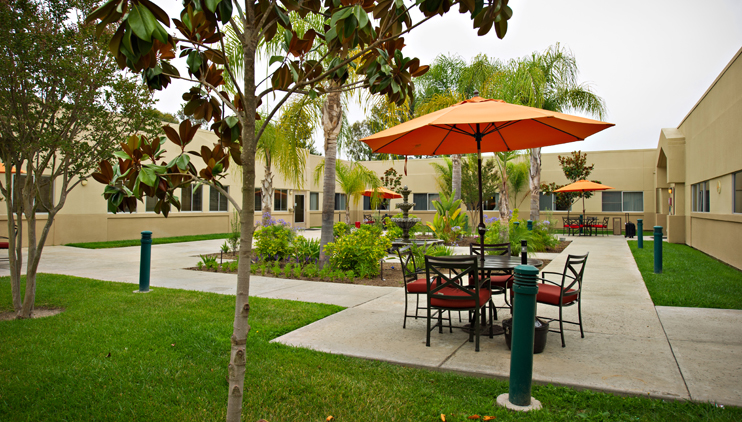
How is Carmel Mountain Rehabilitation & Healthcare Center Staffed?

CMS rates CARMEL MOUNTAIN REHABILITATION & HEALTHCARE CENTER's staffing level at 3 out of 5 stars, which is average compared to other nursing homes. Staff turnover is 45%, compared to the California average of 46%. This relatively stable workforce can support continuity of care.

What Have Inspectors Found at Carmel Mountain Rehabilitation & Healthcare Center?

State health inspectors documented 51 deficiencies at CARMEL MOUNTAIN REHABILITATION & HEALTHCARE CENTER during 2023 to 2025. These included: 51 with potential for harm. While no single deficiency reached the most serious levels, the total volume warrants attention from prospective families.
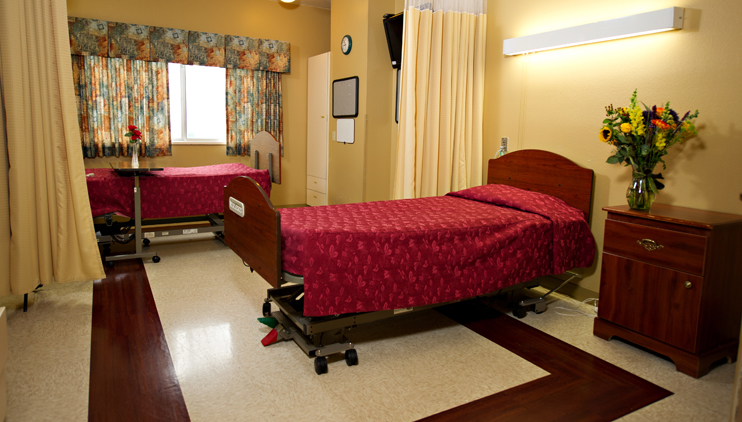
Who Owns and Operates Carmel Mountain Rehabilitation & Healthcare Center?

CARMEL MOUNTAIN REHABILITATION & HEALTHCARE CENTER is owned by a for-profit company. For-profit facilities operate as businesses with obligations to shareholders or private owners. The facility is operated by THE ENSIGN GROUP, a chain that manages multiple nursing homes. With 120 certified beds and approximately 116 residents (about 97% occupancy), it is a mid-sized facility located in SAN DIEGO, California.
How Does Carmel Mountain Rehabilitation & Healthcare Center Compare to Other California Nursing Homes?

Compared to the 100 nursing homes in California, CARMEL MOUNTAIN REHABILITATION & HEALTHCARE CENTER's overall rating (3 stars) is below the state average of 3.1, staff turnover (45%) is near the state average of 46%, and health inspection rating (2 stars) is below the national benchmark.

What Should Families Ask When Visiting Carmel Mountain Rehabilitation & Healthcare Center?

Based on this facility's data, families visiting should ask: "Can I visit during a mealtime to observe dining assistance and food quality?" "How do you handle medical emergencies, and what is your hospital transfer rate?" "Can I speak with family members of current residents about their experience?"

Is Carmel Mountain Rehabilitation & Healthcare Center Safe?

Based on CMS inspection data, CARMEL MOUNTAIN REHABILITATION & HEALTHCARE CENTER has a clean safety record: no substantiated abuse findings (meaning no confirmed cases of resident harm), no Immediate Jeopardy citations (the most serious violation level indicating risk of serious injury or death), and is not on the Special Focus Facility watch list (a federal program monitoring the lowest-performing 1% of nursing homes). The facility has a 3-star overall rating and ranks #100 of 100 nursing homes in California. While no facility is perfect, families should still ask about staff-to-resident ratios and recent inspection results during their visit.

Do Nurses at Carmel Mountain Rehabilitation & Healthcare Center Stick Around?

CARMEL MOUNTAIN REHABILITATION & HEALTHCARE CENTER has a staff turnover rate of 45%, which is about average for California nursing homes (state average: 46%). Moderate turnover is common in nursing homes, but families should still ask about staff tenure and how the facility maintains care continuity when employees leave.

Was Carmel Mountain Rehabilitation & Healthcare Center Ever Fined?

CARMEL MOUNTAIN REHABILITATION & HEALTHCARE CENTER has no federal fines on record. CMS issues fines when nursing homes fail to meet care standards or don't correct problems found during inspections. The absence of fines suggests the facility has either maintained compliance or corrected any issues before penalties were assessed. This is a positive indicator, though families should still review recent inspection reports for the full picture.

Is Carmel Mountain Rehabilitation & Healthcare Center on Any Federal Watch List?

CARMEL MOUNTAIN REHABILITATION & HEALTHCARE CENTER is not on any federal watch list. The most significant is the Special Focus Facility (SFF) program, which identifies the bottom 1% of nursing homes nationally based on persistent, serious quality problems. Not being on this list means the facility has avoided the pattern of deficiencies that triggers enhanced federal oversight. This is a positive indicator, though families should still review the facility's inspection history directly.