GOLDEN HILL POST ACUTE

1201 34TH ST., SAN DIEGO, CA 92102 (619) 232-2946
For profit - Corporation 99 Beds THE ENSIGN GROUP Data: November 2025
Trust Grade
80/100
#82 of 1155 in CA
Last Inspection: October 2021

Over 2 years since last inspection. Current conditions may differ from available data.

Overview

Golden Hill Post Acute has a Trust Grade of B+, which means it is above average and generally recommended for families looking for care. It ranks #82 out of 1,155 facilities in California, placing it in the top half, and #11 out of 81 in San Diego County, indicating only ten local options are better. The facility's trend is stable, with one issue reported in both 2023 and 2025, suggesting consistent performance. However, staffing is a concern, receiving a poor 0 out of 5 stars, despite having a low turnover rate of 0%, meaning staff tend to stay long-term. There have been no fines, which is a positive sign. Recent inspections revealed several issues, including the facility not providing the required minimum of 3.5 direct care service hours per resident, which can impact the quality of care. Additionally, there were concerns about sanitary food preparation practices, such as unlabelled food and unclean kitchen tools, which could pose health risks. Complaints from residents regarding staff attitudes and call light response times have also been documented, highlighting areas that need improvement. Overall, while the facility has strengths, such as no fines and a good reputation, there are significant weaknesses that families should consider.

Trust Score
B+
80/100
In California
#82/1155
Top 7%
Safety Record
Low Risk
No red flags
Inspections
Holding Steady
1 → 1 violations
Staff Stability
○ Average
Turnover data not reported for this facility.
Penalties
✓ Good
No fines on record. Clean compliance history, better than most California facilities.
Skilled Nurses
○ Average
RN staffing data not reported for this facility.
Violations
⚠ Watch
36 deficiencies on record. Higher than average. Multiple issues found across inspections.
★★★★★
5.0
Overall Rating
☆☆☆☆☆
0.0
Staff Levels
☆☆☆☆☆
0.0
Care Quality
★★★★★
5.0
Inspection Score
Stable
2023: 1 issues
2025: 1 issues

The Good

  • Full Sprinkler Coverage · Fire safety systems throughout facility
  • No fines on record

Facility shows strength in fire safety.

The Bad

Chain: THE ENSIGN GROUP

Part of a multi-facility chain

Ask about local staffing decisions and management

The Ugly 36 deficiencies on record

Aug 2025 1 deficiency
CONCERN (D) 📢 Someone Reported This

A family member, employee, or ombudsman was alarmed enough to file a formal complaint

Potential for Harm - no one hurt, but risky conditions existed

Comprehensive Care Plan (Tag F0656)

Could have caused harm · This affected 1 resident

**NOTE- TERMS IN BRACKETS HAVE BEEN EDITED TO PROTECT CONFIDENTIALITY** Based on observation, interview, and record review, the facility failed to ensure comprehensive resident-centered care plans wer...

Read full inspector narrative →
**NOTE- TERMS IN BRACKETS HAVE BEEN EDITED TO PROTECT CONFIDENTIALITY** Based on observation, interview, and record review, the facility failed to ensure comprehensive resident-centered care plans were revised and implemented for two of 16 sampled residents (Resident 20 and 40) when: 1. Resident 20 had an altercation with his roommate and the care plan was not revised.2. Resident 40's activities care plan was not implemented. These failures had the potential to affect resident's care needs. Cross Reference F 679.Findings: 1. Resident 20 was admitted to the facility on [DATE], per the facility's admission Record. On 8/27/25, a review of Resident 20's clinical record was conducted. Resident 20's progress notes dated 8/21/25 indicated Resident 20 had physical contact with his roommate. The care plan noted in Resident 20's clinical record related to resident's physical contact with his roommate was not revised. On 8/27/25 at 8:40 A.M., an interview was conducted with Certified Nursing Assistant (CNA) 2. CNA 2 stated Resident 20 was alert and oriented. CNA 2 stated the report was Resident 20 had physical contact with his roommate. CNA 2 stated Resident 20 was taken to the acute care hospital after the incident. On 8/27/25 at 11:20 A.M., a joint review of Resident 20's clinical record and an interview was conducted with Licensed Nurse (LN) 2. LN 2 stated Resident 20 was transferred to acute care hospital. LN 2 stated Resident 20's care plan was not revised related to the altercation with his roommate. LN 2 stated the care plan should have been revised. On 8/27/25 at 11:28 A.M., a joint review of Resident 20's clinical record and an interview was conducted with the Assistant Director of Nursing (ADON). The ADON stated Resident 20's care plan was not revised. On 8/28/25 at 8:04 A.M., a joint review of Resident 20's clinical record and an interview was conducted with the Director of Nursing (DON) 1 with the presence of DON 2. DON 1 stated Resident 20 was alert, confused and would get easily agitated. DON 1 stated Resident 20 became agitated when his needs were not met timely. DON 1 stated Resident 20 had an altercation with another resident prior to the incident with his roommate. DON 1 stated per the LNs report, Resident 20 took the leg of the wheelchair and barricaded himself in his room. DON 1 stated Resident 20's roommate did not know what happened. Per DON 1, Resident 20 was agitated and shut the door until the police officers came to take Resident 20 to the acute care hospital. DON 1 stated the care plan for Resident 20's aggressive behavior was not revised and was not addressed. DON 1 stated the purpose of revising the care plan was to ensure Resident 20's aggressive behavior was addressed. A review of the facility's policy titled, Comprehensive Resident Centered Care Plan, Revised 5/2025, indicated, .4. Care plan will be revised as needed. 2. Resident 40 was admitted to the facility on [DATE], with diagnoses which included hemiplegia (total paralysis of the arm, leg, and trunk on the same side of the body) and hemiparesis (weakness or the inability to move on one side of the body, making it hard to perform everyday activities like transferring), per the facility's admission Record. On 8/25/25, a review of Resident 40's history and physical (H&P), dated 7/4/25, indicated Resident 40 had the capacity to make decisions. On 8/25/25, a review of Resident 40's minimum data set (MDS - a federally mandated resident assessment tool) dated 7/9/25, indicated Resident 40's brief interview for mental status (BIMS, ability to recall) score was 15/15, which meant Resident 40's cognition was intact. The MDS also indicated Resident 40's functional abilities indicated he had upper and lower extremities impairment and that he required assistance from the staff on his activities of daily living (ADLs, like transferring). On 8/25/25 at 10:56 A.M., an observation and an interview was conducted with Resident 40 in his room. Resident 40 laid in bed watching a television show. Resident 40 stated he had been in the facility for almost two months. Resident 40 stated he was always in his bed and was bored. Resident 40 stated he needed help getting up and out of bed. Resident 40 stated he wanted to attend the activity but, They don't take me out. I wanted to attend. On 8/26/25, a review of Resident 40's care plan related to leisure activity was conducted. Resident 40's care plan indicated, Interventions.Invite to scheduled activities.Needs assistance activity functions. On 8/26/25 at 9:55 A.M., a follow up observation and an interview was conducted with Resident 40 in his room. Resident 40 stated, I just lay here, and they (staff) don't get me up. They don't offer me to attend the activity. Resident 40 stated he received the activity sheet, but staff did not offer him to get up and attend the activity. Resident 40 stated, How can I go there if they don't get me up? On 8/27/25 at 9:19 A.M., an interview was conducted with Certified Nursing Assistant (CNA) 2. CNA 2 stated Resident 40 was very alert and could make his needs known. CNA 2 stated Resident 40 wanted to get up, but he did not have his own wheelchair. On 8/27/25 at 9:39 A.M., an interview was conducted with CNA 3. CNA 3 stated Resident 40 was very alert and oriented. CNA 3 stated Resident 40 required a mechanical lift when transferring from the bed to the wheelchair. CNA 3 stated Resident 40 did not have his own wheelchair. CNA 3 stated she did not remember if she offered Resident 40 to get up and out of bed. CNA 3 stated she should have offered Resident 40 to attend activities to prevent boredom, bedsore and depression. On 8/27/25 at 3:00 P.M., a joint review of Resident 40's clinical record and an interview was conducted with Licensed Nurse (LN) 1. LN 1 stated Resident 40 was admitted to the facility on [DATE] for treatment of his lower extremity wound. LN 1 stated she was not aware Resident 40 wanted to attend the facility's activity program. LN 1 stated the staff should have offered Resident 40 the activity program so he was not confined to his room, did not feel boredom and to brighten his moods. LN 1 stated Resident 40's care plan on leisure activity was not implemented. On 8/28/25 at 8:41 A.M., a joint review of Resident 40's clinical record and an interview was conducted with the Director of Nursing (DON) 1 with the presence of DON 2. DON 1 stated Resident 40 required assistance from the staff when getting up and out of bed. DON 1 stated Resident 40's care plan was not implemented related to his leisure activity. DON 1 stated the staff should have offered Resident 40 to attend the activities for him to enjoy his stay at the facility. A review of the facility's policy titled, Comprehensive Resident Centered Care Plan, revised 5/2025 indicated, it is the policy of this facility that the interdisciplinary team (IDT) shall develop a comprehensive care plan for each resident. The policy did not indicate implementation of the care plan.
Jun 2023 1 deficiency
CONCERN (E) 📢 Someone Reported This

A family member, employee, or ombudsman was alarmed enough to file a formal complaint

Potential for Harm - no one hurt, but risky conditions existed

Deficiency F0838 (Tag F0838)

Could have caused harm · This affected multiple residents

Based on interview and record review, the facility failed to ensure a minimum of 3.5 direct care service hours and 2.4 certified nurse assistant hours per patient day (PPD), based on the care required...

Read full inspector narrative →
Based on interview and record review, the facility failed to ensure a minimum of 3.5 direct care service hours and 2.4 certified nurse assistant hours per patient day (PPD), based on the care required by the resident population and care needs. This failure decreased the facility's potential to provide necessary care to residents. Findings: On 5/2/23 at 11:45 A.M., an interview was conducted with the assistant director of nursing (ADON). The ADON stated .Sometimes have fallen below the hours because of sick calls . but have hired more staff. The ADON stated, the facility had been projecting to be above the 3.5 for staffing. The ADON stated he covers as charge nurse if needed. Actual staffing hours for 4/23/23 was requested. A review of the facility's documents titled Daily Nurse Staffing Information for the Skilled Nursing Facility (SNF) and for the Subacute Unit (SA) indicated, on 4/23/23, the staffing was 2.98 PPD (SNF). The facility did not meet the minimum requirement of 3.5 direct care service hours. A review of the facility's documents titled Daily Nurse Staffing Information for the skilled nursing facility (SNF) and for the sub acute (SA) indicated: On 4/17/23 (SA) - 2.1 PPD On 4/17/23 (SNF) - 1.46 PPD On 4/23/23 (SA) - 2.03 PPD On 4/23/23 (SNF) - 1.77 PPD On 5/2/23 (SA) - 2.02 PPD The facility did not meet the minimum requirement of 2.4 certified nurse assistant hours. During an interview on 5/2/23 at 11:45 A.M., the Director of Nursing (DON) acknowledged there were some days the facility did not meet the required PPD/staffing hours.
Nov 2022 1 deficiency
CONCERN (D) 📢 Someone Reported This

A family member, employee, or ombudsman was alarmed enough to file a formal complaint

Potential for Harm - no one hurt, but risky conditions existed

Pharmacy Services (Tag F0755)

Could have caused harm · This affected 1 resident

Based on observation, interview and record review, the facility failed to follow their procedure for counting Narcotics at the end of a shift. As a result, possible drug diversion occurred when 60 tab...

Read full inspector narrative →
Based on observation, interview and record review, the facility failed to follow their procedure for counting Narcotics at the end of a shift. As a result, possible drug diversion occurred when 60 tablets of Hydrocodone and 9 tablets of Ativan were missing when the count was done on the following shift. Findings: On 4/22/22 at 1:40 PM, the Director of Nursing (DON) was interviewed. The DON stated, During a systems check on 4/19/22, between 3 to 4 P.M., a discrepancy was found on Medcart 1 in the Sub-acute station. On 4/22/22 at 3:12 P.M., a concurrent observation, interview and record review was conducted during change of shift. LN 1 and LN 2 were at Medcart 1 perfoming the Narcotic count. LN 1 stated, I'm the outgoing nurse, I read the book to be sure the count is correct. LN 2 stated, I'm the on-coming nurse, I count the bubble packs (cardboard with pills individually bubble wrapped in plastic, organized with name of patient, name of medication, expiration date and numbers indicating how many pills are left). LN2 was observed reading the Narcotic sheet, counting the pills on the bubble packs, verbalizing how many pills was counted on the bubble pack and confirming the number by looking in the narcotic count book. On 4/22/22 at 4 P.M. the DON stated, On 4/19/22 LN3 was scheduled to leave the NOC (6:30 P.M. to 6:30 A.M.) early to attend a class. LN 3 counted with LN4 who is also from the NOC shift. Both reported that the narcotic count was good, no discrepancy. On 4/22/22 at 4:45 P.M., LN4 was interviewed. LN 4 stated, One of my co-workers(LN 3) had to leave 30 minutes early on 4/22/22. I counted with her. (LN3) pushed the medcart near the station and left. Shortly after, LN 5 from the day shift came in. I did not think I needed to count because LN3 and I just did it. On 4/22/22 at 5 P.M., the DON was interviewed. The DON stated, During our investigation, (LN 5) was going to be suspended pending investing. Instead, (LN5) quit and we have not been able to contact (LN 5). Review of the facility's document titled, Pharmacy Services: HANDLING Controlled substances, dated, 3/20/22 indicated . The implemented system for Controlled Drugs Accounting and disposition once in custody of the facility are as follows: 6-With the process of incoming and outgoing accounting of narcotic medication, signature of (2) LN required to verify that narcotic drug count is correct. 7- With the process of disposition, the remaining narcotic drugs in bubble pack/container, if order changed or d/c (discontinued) will be surrendered by LN to DON.
Oct 2021 5 deficiencies
CONCERN (D)

Potential for Harm - no one hurt, but risky conditions existed

Deficiency F0578 (Tag F0578)

Could have caused harm · This affected 1 resident

**NOTE- TERMS IN BRACKETS HAVE BEEN EDITED TO PROTECT CONFIDENTIALITY** Based on interview and record review, the facility failed to ensure the Physicians Orders for Life Sustaining Treatment (POLST, ...

Read full inspector narrative →
**NOTE- TERMS IN BRACKETS HAVE BEEN EDITED TO PROTECT CONFIDENTIALITY** Based on interview and record review, the facility failed to ensure the Physicians Orders for Life Sustaining Treatment (POLST, a form which outlines a person's choices for end of life care, or Advanced Directive) form was accurate and matched the facility's code status (the level of medical interventions a person wishes to have if their heart or breathing stops), for one of one residents (27) reviewed for Advance Directives. This failure had the potential for Resident 27 to receive the incorrect care in the event of an emergency. Findings: Resident 27 was admitted to the facility on [DATE], with diagnosis to include chronic respiratory failure (a long-term condition where lungs do not work well), per the facility's admission Record. On 10/18/21 at 4:11 P.M., an observation and interview was conducted with Resident 27. Resident 27 was in bed, with markers and a white board (a board used for communicating through writing) at his bedside. When asked questions, Resident 27 was able to nod yes or no in response. Resident 27 gestured a request to write, so the marker and erasable board was provided. Resident 27 wrote to, Leave the door open. On 10/18/21, a record review was conducted. Resident 27's admission Record, dated 7/21/21, indicated Resident 27 was his own responsible party. A family member (FM) was listed as an emergency contact. Resident 27 had a Brief Interview for Mental Status score (BIMS, an assessment of the resident's ability to remember and reason) of 13 (13-15 meant cognitively intact), indicating intact cognition. Resident 27's POLST, dated 9/16/21, indicated full treatment in the event of a medical emergency. The form defined full treatment as, Primary goal of prolonging life by all medically effective means. Resident 27's Physicians Orders, dated 9/8/21, indicated a status of Do Not Resuscitate (DNR, an order to withhold medical treatment and allow a natural death). A Progress Note, dated 9/8/21, indicated Resident 27's code status had been changed to DNR by his FM. On 10/21/21 at 9:49 A.M., a concurrent interview and record review was conducted with Licensed Nurse (LN) 11 and LN 12. LN 11 stated in case of a medical emergency, nurses would check the electronic medical record (EMR) first to decide what care to provide. LN 11 opened the EMR and identified the physician's order for DNR. LN 12 stated a binder with copies of all POLST's was also available as a resource. LN 11 opened the binder and identified Resident 27's POLST, marked Full Treatment. LN 11 stated, The order doesn't match the POLST. There could be a problem if the EMR doesn't match the POLST. LN 11 stated, I would not have changed his code status .the resident is self-responsible. On 10/21/21 at 10:11 A.M., an interview was conducted with the Social Services Director (SSD). The SSD stated Resident 27 made his own decisions. The SSD stated the FM did not have the right to make decisions for Resident 27. Per the SSD, The admission Record and the BIMS tells me the resident makes his own decisions. This order should have been clarified prior to making the change. On 10/21/21 at 10:27 A.M., an interview was conducted with the Director of Nursing (DON). Per the DON, Decisions are made based on the resident's abilities. This resident is very alert and oriented, and should have the right to determine his code status himself. The nurse should have followed through with the physician to correct the code status. Per an undated facility policy, titled Advance Directives, .the facility recognizes and respects the resident's right to choose his/her treatment and make decisions about care to be received at the end of his/her life .4. Once the advance directive .is received by the facility, it will be confirmed in the resident medical record .5. The care plan team will .on a change of condition, review the advance directive .with the resident .to ensure that they are still the wishes of the resident .
CONCERN (D)

Potential for Harm - no one hurt, but risky conditions existed

Comprehensive Care Plan (Tag F0656)

Could have caused harm · This affected 1 resident

**NOTE- TERMS IN BRACKETS HAVE BEEN EDITED TO PROTECT CONFIDENTIALITY** Based on observation, interview and record review, the facility failed to: 1. Ensure a care plan was developed related to cathet...

Read full inspector narrative →
**NOTE- TERMS IN BRACKETS HAVE BEEN EDITED TO PROTECT CONFIDENTIALITY** Based on observation, interview and record review, the facility failed to: 1. Ensure a care plan was developed related to catheter (tubing connected to the bladder) care for two of five residents (76, 12) reviewed for catheter care, and, 2. Ensure a care plan for fall precautions was implemented for one of three residents (49) reviewed for falls. As a result, the residents (76, 12) were at risk of developing urinary infections, and Resident 49 was at risk for injury from falls. Findings: 1a. Resident 76 was readmitted to the facility on [DATE], with diagnoses that included obstructive and reflux uropathy (urine backs up to the kidneys), per the facility's admission Record. An observations of Resident 76 was conducted: On 10/18/21 at 10:54 A.M. Resident 76 was lying in bed with a catheter attached to a covered urine bag at the side of the bed. On 10/20/21 at 3:47 P.M. Resident 76 was sitting in a wheelchair in the activity room. His catheter appeared to contain bloody urine output. An interview was conducted with Certified Nursing Assistant (CNA) 1 on 10/21/21 at 8:01 A.M. CNA 1 stated Resident 76 has always had a catheter. CNA 1 stated Resident 76 had an ongoing urinary tract infection (UTI). A joint interview and review of Resident 76's medical record was conducted with Licensed Nurse (LN) 1 on 10/21/21 at 9:34 A.M. LN 1 stated on 3/18/21, a physician's order indicated, CNA to cleanse external catheter with soap and water and perform perineal hygiene to Resident 76. LN 1 stated there was no care plan developed related to catheter care. LN 1 stated there should have been a care plan to keep track, monitor, adjust, and or revise plan of care for Resident 76 to prevent recurring urinary tract infection. An interview was conducted with the Director of Nursing (DON) on 10/21/21 at 4:36 P.M. The DON stated LNs should have developed a care plan for catheter care to prevent further infection. A review of the facility's undated policy titled, Care Planning/ Care Conference, indicated, . It is the policy of this facility that the interdisciplinary team (IDT - group of health care professionals from diverse fields who work in a coordinated fashion toward a common goal for the patient) shall develop a comprehensive care plan for each resident . 1b. Resident 12 was readmitted to the facility on [DATE] with diagnoses that included neuromuscular dysfunction of bladder (lack of bladder control), per the facility's admission Record. According to the Minimum Data Set (MDS, an assessment tool), dated 10/5/21, Resident 12 had a Brief Interview for Mental Status score (BIMS, an assessment of the resident's ability to remember and reason) of 14 (13-15 meant cognitively intact), which indicated the resident was cognitively intact. An observation and interview of Resident 12 was conducted on 10/19/21 at 1:53 P.M. Resident 12 was lying in bed, with a strong odor of urine in the room. Resident 12 had a catheter, draining with a white milky-colored urine in the urine bag. A joint interview and review of Resident 12's medical record was conducted with LN 1 on 10/21/21 at 10:20 A.M. LN 1 stated Resident 12 had a catheter. LN 1 stated on 10/14/21, a physician's order indicated, catheter care every shift for Resident 12. LN 1 stated there was no care plan in the resident's medical record. LN 1 stated there should have been a care plan for catheter care developed for Resident 12 to outline the care provided, determine the goals, and actions to be implemented to care for Resident 12. An interview was conducted with the Director of Nursing (DON) on 10/21/21 at 4:36 P.M. The DON stated LNs should have developed a care plan related to catheter care to prevent further infection. A review of the facility's undated policy titled, Care Planning/ Care Conference, indicated, . It is the policy of this facility that the interdisciplinary team (IDT) shall develop a comprehensive care plan for each resident . 2. Resident 49 was admitted to the facility on [DATE], with diagnoses to include fractures of the skull, spine and pelvis, per the facility's admission Record. On 10/18/21 at 10:05 A.M., an observation of Resident 49 was conducted. Resident 49 was in bed, with pillows holding him in position on both sides. Resident 49 appeared restless, pulling at the plastic cover on one of the positioning pillows. A single fall mat was placed on the floor on Resident 49's right side. On 10/19/21 at 9:05 A.M., Resident 49 was again observed in bed. One fall mat was on the floor on Resident 49's right side. On 10/19/21, a record review was conducted. Resident 49 had a care plan for falls, initiated 6/29/21. The care plan included interventions of floor mats at bedside. A Change of Condition Note, dated 9/14/21 at 7 P.M., indicated, Resident 49 was on the floor, by his bed, but did not describe which side of the bed. On 10/20/21 at 9:34 A.M., a concurrent interview and observation of Resident 49 was conducted with Certified Nursing Assistant (CNA) 11. CNA 11 stated she was assigned to Resident 49 that day, but was not aware of any falls. CNA 11 stated the charge nurse would normally inform her of any new issues for her assigned residents. CNA 11 stated a fall mat may mean the resident was at risk for falls, or that he had fallen on the side of the bed the mat was placed. On 10/20/21 at 9:45 A.M., a concurrent interview and observation of Resident 49 was conducted with LN 12. LN 12 stated Resident 49 had a fall about a month ago, and she had been assigned to him when it occurred. LN 12 stated she went to Resident 49's room, where he was seen lying on the left side of the bed. LN 12 observed Resident 49 in bed, and stated the single fall mat was on the wrong side of the bed, and if the resident had fallen, it might not protect him from further injury. Per LN 12, In my opinion the fall mat should be on both sides to prevent further injury . On 10/20/21 at 10:08 A.M., an interview was conducted with the DON. The DON stated she would expect to see fall mats on both sides of the bed. The DON stated, If the care plan indicates a need for fall mats, that means two for me. Per an undated facility policy, titled Care Planning /Care Conference, .4. Revision and update of care plan should transpire to accommodate resident needs .
CONCERN (D)

Potential for Harm - no one hurt, but risky conditions existed

Incontinence Care (Tag F0690)

Could have caused harm · This affected 1 resident

**NOTE- TERMS IN BRACKETS HAVE BEEN EDITED TO PROTECT CONFIDENTIALITY** Based on observation, interview, and record review, the facility failed to consistently provide hygiene for three of five reside...

Read full inspector narrative →
**NOTE- TERMS IN BRACKETS HAVE BEEN EDITED TO PROTECT CONFIDENTIALITY** Based on observation, interview, and record review, the facility failed to consistently provide hygiene for three of five residents (29, 76, and 12) reviewed for catheter (tube inserted into the bladder) care. This failure had the potential to increase the risk of infection for residents. Findings: 1. Resident 29 was readmitted to the facility on [DATE], with diagnoses that included neuromuscular dysfunction of bladder (lack of bladder control), per the facility's admission Record. According to the Minimum Data Set (MDS, assessment tool), dated 10/5/21, Resident 29 had a Brief Interview of Mental Status (BIMS, an assessment of the resident's ability to remember and reason) score of 14 (13-15 meant cognitively intact) which indicated, the resident was cognitively intact. On 10/20/21 at 3:59 P.M., an observation and interview with Resident 29 was conducted. Resident 29 was sitting in bed, with a catheter attached to the bed. Resident 29 stated the Certified Nursing Assistant (CNA) 2 assigned to her did a poor job in cleaning her; wiped her (resident) back to front, and back and forth, and stated, That was the reason I have a urinary tract infection (UTI). Resident 29 stated she could feel a burning sensation and, It feels terrible. Resident 29 stated other CNAs would sometimes clean her catheter site and sometimes they did not. Resident 29 stated, They just wipe it and I think I'm still not clean. On 10/20/21 at 4:34 P.M., an interview with CNA 2 was conducted. CNA 2 stated he provided care to Resident 29 regularly. CNA 2 stated the catheter care provided for Resident 29's was to empty the urine bag and never clean the catheter other than emptying it. On 10/20/21 at 5:03 P.M., a joint interview and review of Resident 29's medical record was conducted with Licensed Nurse (LN) 2. LN 2 stated on 10/5/21, a physician's order indicated, to cleanse the catheter with soap and water and perform hygiene every shift. LN 2 stated CNAs were responsible for cleaning the catheter tip. On 10/20/21 at 2:36 P.M., an interview was conducted with CNA 3. CNA 3 stated catheter care provided for Resident 29 was to empty the urine bag, and record the urine output. CNA 3 stated, hygiene was performed, Sometimes. On 10/20/21 at 5:28 P.M., a joint interview and review of Resident 29's medical record was conducted with the Director of Staff Development (DSD). The DSD stated CNAs were to clean the catheter site every shift as per the physician's order to prevent infection. On 10/21/21 at 4:36 P.M., an interview was conducted with the Director of Nursing (DON). The DON stated the expectation was for the staff to provide catheter care to the residents with catheters to prevent infection. A review of the facility's undated policy, titled, Catheter Care, Indwelling, indicated, It is the policy of this facility that each resident with an indwelling catheter will receive catheter care daily and as needed for soiling . 2. Resident 76 was readmitted to the facility on [DATE], with diagnoses that included obstructive and reflux uropathy (urine backs up to the kidneys), per the facility's admission Record. According to the MDS assessment, dated 9/8/21, Resident 76 had a BIMS (Brief Interview for Mental Status- an assessment of the resident's ability to remember and reason) score of six (0-7 severe cognitive impact), which indicated Resident 76's cognition was severely impaired. An observation of Resident 76 was conducted: On 10/18/21 at 10:54 A.M. Resident 76 was lying in bed with a catheter attached to the side of the bed. On 10/20/21 at 3:47 P.M., Resident 76 was sitting in a wheelchair in the activity room and the urine draining to the urine bag appeared to be a bloody-colored urine. An interview was conducted with CNA 1 on 10/21/21 at 8:01 A.M. CNA 1 stated Resident 76 always had a catheter since she was assigned to provide care for him. CNA 1 stated Resident 76 had an ongoing urinary tract infection (UTI). A joint interview and review of Resident 76's medical record was conducted with LN 1 on 10/21/21 at 9:34 A.M. LN 1 stated on 3/18/21, a physician's order indicated, to cleanse the catheter with soap and water, and perform hygiene every shift. LN 1 stated the treatment administration record (TAR) from September and October 2021 had missing signatures. The box to be initialed after providing care were not consistently initialed or completed every shift. LN 1 stated the expectations was for the CNAs to cleanse Resident 76's catheter tip every shift as per the physician's order to prevent further infection. An interview was conducted with the DON on 10/21/21 at 4:36 P.M. The DON stated the expectation was for the staff to provide the catheter care as ordered by the physician to prevent infection. A review of the facility's undated policy, titled, Catheter Care, Indwelling, indicated, It is the policy of this facility that each resident with an indwelling catheter will receive catheter care daily and as needed for soiling . 3. Resident 12 was readmitted to the facility on [DATE], with diagnoses that included neuromuscular dysfunction of bladder (lack of bladder control), per the facility's admission Record. According to the MDS assessment, dated 10/5/21, Resident 12 had a BIMS (Brief Interview for Mental Status- an assessment of the resident's ability to remember and reason) score of 14 (13-15 meant cognitively intact), which indicated Resident 12 was cognitively intact. An observation and interview of Resident 12 was conducted on 10/19/21 at 1:53 P.M. Resident 12 was lying in bed, with a strong odor of urine in the room. Resident 12 had a catheter with white milky-appearing urine in the urine bag. A joint interview and review of Resident 12's medical record was conducted with LN 1 on 10/21/21 at 10:20 A.M. LN 1 stated Resident 12 had a catheter. LN 1 stated on 10/14/21, a physician's order indicated, catheter care every shift. Per LN 1, LNs were expected to provide catheter care and hygiene every shift as ordered by the physician. An interview was conducted with the DON on 10/21/21 at 4:36 P.M. The DON stated the expectation was for the staff to provide catheter care as per the physician to prevent infection. A review of the facility's undated policy, titled, Catheter Care, Indwelling, indicated, It is the policy of this facility that each resident with an indwelling catheter will receive catheter care daily and as needed for soiling .
CONCERN (D)

Potential for Harm - no one hurt, but risky conditions existed

Menu Adequacy (Tag F0803)

Could have caused harm · This affected 1 resident

Based on observation, interview and record review, the facility failed to ensure a recipe was followed for a pureed food. This failure had the potential to affect the nutritional value of the food pre...

Read full inspector narrative →
Based on observation, interview and record review, the facility failed to ensure a recipe was followed for a pureed food. This failure had the potential to affect the nutritional value of the food prepared, and further compromise the health of residents receiving the pureed food. Findings: On 10/20/21 at 10:45 A.M., a concurrent interview and observation of Dietary Aide (DA) 11 was conducted in the kitchen. DA 11 prepared pureed chicken to serve at the next meal. DA 11 pulled the recipe for pureed meat from a binder and began preparing four portions of the recipe. DA 11 added a liquid to the pureed meat, and stated it was chicken broth. DA 11 stated the broth was added to make the pureed meat smoother and less thick. A record review was conducted. The recipe, dated 4/2017, titled Recipe: Pureed Meats, indicated to add, .warm fluid such as gravy, or low sodium broth .Directions: .3. Gradually add warm liquid (low sodium broth or gravy) . On 10/20/21 at 11 A.M., a concurrent interview and observation was conducted with the Dietary Services Supervisor (DSS). The DSS pulled the container of concentrated chicken broth from under the cabinet. The label on the chicken broth did not indicate low sodium. Per the DSS, the container was the only type of chicken broth the facility had available. The DSS stated, It's a regular broth, not a low sodium. On 10/20/21 at 11:05 A.M., an interview was conducted with the Registered Dietitian (RD). Per the RD, the facility does not have low sodium broth. The RD stated, We have to follow the recipes though. It is important to provide the residents with the right foods for their diets. A policy on food production and following recipes was requested but not provided by the facility.
CONCERN (E)

Potential for Harm - no one hurt, but risky conditions existed

Food Safety (Tag F0812)

Could have caused harm · This affected multiple residents

Based on observation, interview, and record review, the facility failed to store, prepare and distribute food in a sanitary manner when: 1. Foods were not labeled and dated in the walk-in cooler, 2. ...

Read full inspector narrative →
Based on observation, interview, and record review, the facility failed to store, prepare and distribute food in a sanitary manner when: 1. Foods were not labeled and dated in the walk-in cooler, 2. A juice dispenser was not sanitized, 3. A damaged spatula was used during food preparation, 4. Racks with compromised surfaces were used for holding sanitized dishes, and, 5. Coffee mugs and bowls appeared to have a white residue on the inside surface. These failures may result in risk for foodborne illness, as well as bacterial, chemical and foreign object contamination to the residents. Findings: 1. On 10/18/21 at 7:53 A.M., a kitchen tour was conducted with the Dietary Services Supervisor (DSS). The walk-in cooler contained the following items with no label or date identified: One package of 12 flour tortillas, expiration date 9/20/21 peanut butter and jelly sandwich five portions fruit in bowls five portions thickened juice three fortified shakes one dinner plate, with entree and starch On 10/18/21 at 8:10 A.M., an interview was conducted with the DSS. The DSS stated all foods should have labels indicating the type of food, as well as a date it was to be disposed of. The DSS stated, these foods could cause foodborne illness and should not have been without labels in the cooler. On 10/20/21 at 10:45 A.M., an interview was conducted with the Registered Dietitian (RD). Per the RD, all foods must be labeled and dated to prevent delivery of outdated, and unsafe foods to the residents. Per a facility policy, dated 2020 and titled Labeling and Dating of Foods, Policy: All food items in the storeroom, refrigerator, and freezer need to be labeled and dated . 2. On 10/18/21 at 7:53 A.M., an initial tour of the kitchen was conducted with the Dietary Services Supervisor (DSS). A juice dispenser was on a cabinet. The hoses used to pour juice into cups were sticky to the touch. The nozzle appeared to have dried residue near the dispenser head. On 10/18/21 at 10:14 A.M., an interview was conducted with the DSS. The DSS stated the dispenser parts should have been sanitized, and should not be sticky. On 10/20/21 at 10:45 A.M., an interview was conducted with the RD. The RD stated the juice dispenser and all parts should be sanitized daily. The RD stated a cleaning schedule was written to include the juice dispenser but must have been missed on 10/18/21. Per a facility policy, dated 2018 and titled Sanitation, .9. All utensils, counters, shelves, and equipment shall be kept clean . 3. On 10/20/21 at 10:45 A.M., a concurrent observation and interview was conducted with Dietary Aide (DA) 11. DA 11 prepared a pureed recipe for lunch. During the process, DA 11 used a rubber spatula to push food down into the food processor. The rubber spatula appeared to have a large piece broken off the corner of the utensil. DA 11 stated, the rubber spatula should not have been used. On 10/20/21 at 10:41 A.M., an interview was conducted with the Dietary Services Supervisor (DSS). The DSS stated any damaged equipment should be replaced. The DSS stated, There could be a physical contaminant from the broken spatula, we do not want to place the residents at risk. Per a facility policy, dated 2018 and titled Sanitation, .All utensils, .shall be kept clean, maintained in good repair, and shall be free from breaks .cracks and chipped areas . 4. On 10/20/21 at 11:45 A.M., an interview and observation of dishwashing was conducted with Dietary Aide (DA) 12. DA 12 loaded dishes into plastic racks. The plastic racks were worn, with many rough areas, gouges and grooves along all sides of the racks. Per DA 12, the plastic racks were old and he did not think they had been replaced. On 10/20/21 at 10:41 A.M., an interview was conducted with the Dietary Services Supervisor (DSS) and the Registered Dietitian (RD). The DSS stated any damaged equipment should be replaced as it could be a physical contaminant. The RD stated the plastic racks could not be sanitized properly due to the broken surfaces and could increase the risk of foodborne illness. Per a facility policy, dated 2018 and titled Sanitation, .9. All .equipment shall be kept clean, maintained in good repair and shall be free from breaks, corrosions, open seam, cracks and chipped areas . 5. On 10/20/21 at 11:45 A.M., an observation and interview was conducted with the Dietary Services Supervisor (DSS) and the Registered Dietitian (RD). Six maroon coffee mugs and 10 maroon soup bowls were inspected. Four of the six coffee mugs had a thick white residue on the inside. Seven of the 10 soup bowls had a thick white residue on the inside. Per the RD, the mugs and bowls needed to be soaked and scrubbed to remove the white residue. The RD stated, It is not acceptable to use these for residents with the residue . Per the DSS, the residue may be from hard water, or from the chemicals in the dish machine. Per a facility policy, dated 2018 and titled Dish Washing, Policy: All dishes will be properly sanitized through the dishwasher. The dishwasher will be kept clean and in good working order . Per a facility policy, dated 2018 and titled Sanitation, .10. Plastic ware .that becomes unsightly, unsanitary .shall be discarded. Plastic ware is bleached as necessary to prevent staining .
Oct 2019 10 deficiencies
CONCERN (D)

Potential for Harm - no one hurt, but risky conditions existed

Comprehensive Care Plan (Tag F0656)

Could have caused harm · This affected 1 resident

**NOTE- TERMS IN BRACKETS HAVE BEEN EDITED TO PROTECT CONFIDENTIALITY** Based on observation, interview, and record review, the facility failed to provide nursing interventions to monitor one of 20 (3...

Read full inspector narrative →
**NOTE- TERMS IN BRACKETS HAVE BEEN EDITED TO PROTECT CONFIDENTIALITY** Based on observation, interview, and record review, the facility failed to provide nursing interventions to monitor one of 20 (30) sampled residents. This failure had the potential to place Resident 30 at risk for dehydration. Findings: Resident 30 was admitted to the facility on [DATE] with diagnoses which included dysphagia (difficulty swallowing) and gastrostomy (creation of an artificial external opening into the stomach for nutritional support) per the facility's admission Record. On 10/10/19, a review of Resident 30's MDS (health status screening and assessment tool) Section C, dated 9/6/19, indicated Resident 30's BIMS Summary Score (test for cognitive function) was 3 out of 15 (severe cognitive impairment). On 10/7/19 at 8:10 A.M., an observation of Resident 30 was conducted. Resident 30 was lying in bed. Resident 30's lips were dry and cracked, with peeling skin. Resident 30's lips stuck together when he was speaking. On 10/8/19 at 1:11 P.M., an observation and interview with Resident 30 was conducted. Resident 30 was lying in bed. Resident 30's lips were dry and cracked, with large pieces of skin peeling. Resident 30 stated he was thirsty. On 10/10/19, a review of Resident 30's care plans were conducted. A care plan, dated 9/5/19, indicated Resident 30 was at risk for dehydration related to his reliance on a gastrostomy tube for nutrition and hydration. The care plan further indicated staff were to monitor, document, and report to the physician any signs and symptoms of dehydration such as cracked lips and thirst. On 10/9/19 at 8:29 A.M., an interview with CNA 2 was conducted. CNA 2 stated Resident 30 had frequently asked her for something to drink. CNA 2 stated she had noticed Resident 30's lips to be dry. On 10/9/19 at 3:49 P.M., an interview with LN 22 was conducted. LN 22 stated Resident 30 was on bolus tube feedings for both hydration and nutrition. LN 22 stated she had noticed his lips were dry but had not spoken to the physician or RD. LN 22 stated when a resident's lips were dry, it could signify dehydration, and the resident's physician and RD should be notified to increase his fluid intake. LN 22 stated Resident 30's physician and RD should have been notified. On 10/10/19 at 10:55 A.M., an interview with the RD was conducted. The RD stated LNs should notify her when they see dry, cracked lips on residents. The RD further stated it was important to assess for dehydration to ensure Resident 30 was receiving the correct amount of fluids for proper hydration. On 10/10/19 at 2:21 P.M., an interview with the DON was conducted. The DON stated LNs should be assessing for dehydration and consult with the RD. According to the facility's policy, titled Hydration, not dated, .Risk factors for dehydration include .functional impairments that make it difficult to drink, reach fluids, or communicate fluid needs (e.g .dysphagia) .2. Clinical signs of possible insufficient fluid intake are assessed through continual nursing assessment: .cracked lips . thirst .
CONCERN (D)

Potential for Harm - no one hurt, but risky conditions existed

Deficiency F0657 (Tag F0657)

Could have caused harm · This affected 1 resident

**NOTE- TERMS IN BRACKETS HAVE BEEN EDITED TO PROTECT CONFIDENTIALITY** 2. Resident 7 was admitted to the facility on [DATE] with diagnoses which included traumatic brain injury (brain dysfunction cau...

Read full inspector narrative →
**NOTE- TERMS IN BRACKETS HAVE BEEN EDITED TO PROTECT CONFIDENTIALITY** 2. Resident 7 was admitted to the facility on [DATE] with diagnoses which included traumatic brain injury (brain dysfunction caused by an outside force) per the facility's admission Record. On 10/10/19, a review of Resident 7's MDS (health status screening and assessment tool) Section C, dated 7/17/19, indicated Resident 30's BIMS Summary Score (test for cognitive function) was 10 out of 15 (moderate cognitive impairment). On 10/7/19 at 9 A.M., an interview with Resident 7 was conducted. Resident 7 stated he would like to go home, and had not spoken with social services regarding this issue. Resident 7 stated he wanted to be closer to home and his family. On 10/10/19, a record review of Resident 7's medical record was conducted: A progress note, dated 3/29/19, indicated Resident 7's sister wanted Resident 7 transferred to another facility closer to his family. Resident 7's information and request for the transfer was faxed to another facility. A progress note, dated 4/23/19, indicated the SSA spoke to another facility and requested an update for Resident 7 to transfer. A care plan, revised on 10/25/18, indicated Resident 7's discharge status was uncertain. The care plan indicated Resident 7's interventions were to invite resident/family/support person to care plan meetings and initial on comprehensive assessment and care planning completion, then minimum, quarterly and as requested. No information was documented on the discharge care plan related to family's request for Resident 7 to be transferred. On 10/8/19 at 12:02 P.M., an interview and record review with the SSA was conducted. The SSA stated Resident 7's sister had previously requested Resident 7 to be transferred to another facility to be closer to his family. The SSA further stated Resident 7's RP refused to allow Resident 7 to be discharged home. The SSA reviewed Resident 7's care plan for discharge and stated Resident 7's only goal for discharge was to provide appropriate placement. The SSA stated there were no other goals documented. The SSA further stated the care plan was not revised to include RP's refusal or the sister's request. On 10/10/19 at 2:21 P.M., an interview with the DON was conducted. The DON stated discharge planning and the communication with Resident 7's family should have been documented and care plans should be updated. According to the facility's policy, titled Care Plan Goals and Objectives, Revised November 2012, Care plans will incorporate goals and objectives which lead to the resident's highest obtainable level of function . Based on observation, interview, and record review, the facility failed to ensure a care plan was revised/updated to reflect the current status of two of 20 residents (70, 7) reviewed for care plans when: 1. Resident 70's care plan was not updated to reflect his current wound dressing change procedure which resulted in miscommunication amongst care givers and delay in treatment and, 2. Resident 7's care plan was not revised to reflect discharge plans or goals which had the potential to result in a delayed discharge. Findings: 1. Resident 70 was admitted on [DATE] with diagnoses which included paraplegia (the loss of the ability to move and feel anything in the legs and lower body), pressure ulcers (injuries to skin and underlying tissue resulting from prolonged pressure on the skin) of sacral region stage 4 (the pressure injury is very deep, reaching into muscle and bone and causing extensive damage), pressure ulcer of right hip stage 2 ( the skin breaks open, wears away, or forms an ulcer, which is usually tender and painful), pressure ulcer of left heel, un-stage able (a bedsore whose severity cannot be determined with a visual exam) and pressure ulcer of other site, unspecified state per Resident's admission Record. On 10/8/19 at 2:50 P.M., an observation of Resident 70's dressing changes to pressure ulcers of the lower extremities and coccyx area was conducted. The DSD, LN 11, and LN 12 assisted with dressing change procedure. The old dressings on Resident 70's lower extremities were removed. The DSD began to remove the existing dried on zinc oxide (a skin protectant that is used to treat and prevent various skin conditions) off resident 70's lower extremities with normal saline and gauze. The DSD stated as he attempted to clean the zinc oxide off, the process was pulling at the resident's skin and the scabs which had healed. The DSD then stated he wanted to consult with the DON before proceeding with dressing change. The DSD asked LN 11 to call the DON for assistance. The DON arrived and called Resident 70's wound doctor. The wound doctor clarified the dressing change order to remove the Zinc Oxide with A & D ointment. The A & D ointment was applied to remove the zinc oxide. The lower extremities were cleansed with normal saline, patted dry, and redressed as per physician order. Resident 70's record was reviewed. Per the facility Physician Order, dated 10/1/19, cleanse LLE (left lower extremity) with NS, pat dry, apply collagen (a dressing that stimulates tissue growth) (wet before applying) silver alginate to wound bed, a thin layer of zinc oxide to periwound, cover with gauze .wrap with Kerlix® every day shift Physician Order dated 10/8/19, cleanse right lateral foot with NS then apply collagen (wet with NS before applying), then apply silver alginate, apply skin prep to wound edges then cover with dry dressing. A record review of Resident 70's care plan was conducted. The care plan, dated 2/24/19, revised 9/3/19, titled, The resident has venous/stasis ulcer LLE and RLE (right lower extremity) r/t (related to) PVD (Peripheral vascular disease, a blood circulation disorder), does not include an intervention to follow treatment plan per physician orders. On 10/9/19 at 2:25 P.M., a concurrent interview and record review, of Resident Progress Notes dated 10/8/19 at 3:31 P.M., was conducted with the DSD. The DSD stated the DON had documented clarification of Resident 70's wound care procedure with the physician. The DSD stated the care plan should have been updated to reflect the clarification. On 10/10/19 at 1:50 P.M., an interview was conducted with the DON. The DON stated she had documented in the progress notes, that the zinc oxide was not to be taken off of Resident 70's legs, it was supposed to accumulate to provide healing to the resident. The DON stated the Care Plan should have been updated with any changes regarding Resident 70's care and it should be resolved when things no longer apply. The DON stated it was important to have current information on the care plan, so all staff who provide care knowing what tasks and interventions were safe and meet the needs of the resident. A review of the facility's policy revised 11/2012, titled Care Plan Goals and Objectives, indicated Procedure .3. Goals and/or objectives are reviewed and revised: a. When there has been a significant change in the resident's condition .
CONCERN (D)

Potential for Harm - no one hurt, but risky conditions existed

Deficiency F0660 (Tag F0660)

Could have caused harm · This affected 1 resident

**NOTE- TERMS IN BRACKETS HAVE BEEN EDITED TO PROTECT CONFIDENTIALITY** Based on interview and record review, the facility failed to document discharge planning for one of two residents reviewed for d...

Read full inspector narrative →
**NOTE- TERMS IN BRACKETS HAVE BEEN EDITED TO PROTECT CONFIDENTIALITY** Based on interview and record review, the facility failed to document discharge planning for one of two residents reviewed for discharge (7). This failure had the potential for Resident 7 to not receive the appropriate discharge plan. Findings: Resident 7 was admitted to the facility on [DATE] with diagnoses which included traumatic brain injury (brain dysfunction caused by an outside force) per the facility's admission Record. On 10/10/19, a record review of Resident 7's MDS (health status screening and assessment tool) Section C, dated 7/17/19, indicated Resident 7's BIMS Summary Score (test for cognitive function) was 10 out of 15 (moderate cognitive impairment). On 10/7/19 at 9 A.M., an interview with Resident 7 was conducted. Resident 7 stated he would like to go home, and had not spoken with social services regarding this issue. Resident 7 stated he wanted to be closer to home and his family. Resident 7 proceeded to ask a staff member to speak to social services. On 10/8/19 at 9:57 A.M., an interview with Resident 7 was conducted. Resident 7 stated he had not spoken to social services. Resident 7 stated he would like to be discharged . On 10/10/19, a record review of Resident 7's medical record was conducted: A progress note, dated 3/29/19, indicated Resident 7's sister wanted Resident 7 transferred to another facility closer to his family. Resident 7's information and request for the transfer was faxed to a facility. A progress note, dated 4/23/19, indicated the SSA spoke to another facility and requested an update for the transfer. No documentation was found regarding Resident 7's recent discharge request on 10/7/19. On 10/8/19 at 12:02 P.M., an interview and record review with the SSA was conducted. The SSA stated she was informed by staff on 10/7/19 regarding Resident 7's request to be discharged . The SSA stated Resident 7 had not discussed this to her previously. The SSA stated care conferences were scheduled every two months to discuss discharge plans. The SSA stated care conferences consisted of the inter-disciplinary team (IDT) with or without family present. The SSA stated Resident 7's last care conference was in September. The SSA stated she was not in attendance for Resident 7's September care conference. The SSA stated according to Resident 7's progress notes, she could not find documentation on the September care conference. The SSA further stated there should be documentation regarding what was discussed and who attended Resident 7's last care conference. The SSA stated Resident 7's sister had previously requested Resident 7 to be transferred to another facility to be closer to his family. The SSA stated paperwork for the transfer was faxed to the another facility, and a phone call had been made. The SSA stated other than the progress notes for 3/29/19 and 4/23/19, she could not find any more documentation regarding the transfer or follow-up communication with Resident 7's family. The SSA stated she expected more documentation regarding his discharge and regarding the transfer to the other facility. The SSA stated she expected social services staff to document the follow-up communication with family. On 10/10/19 at 2:21 P.M., an interview with the DON was conducted. The DON stated discharge planning and the communication with Resident 7's family should be documented so staff could continue to follow-up. According to the facility's policy, titled Discharge Plan/Post Discharge Plan of Care, dated November 2017, All discharge planning activities .including .contacts with resources, counseling and discussions with the resident, resident's representative, and the Interdisciplinary Team .are to be documented in the resident's health record .
CONCERN (D)

Potential for Harm - no one hurt, but risky conditions existed

Deficiency F0676 (Tag F0676)

Could have caused harm · This affected 1 resident

**NOTE- TERMS IN BRACKETS HAVE BEEN EDITED TO PROTECT CONFIDENTIALITY** Based on observation, interview, and record review, the facility failed to provide out of bed assistance for one of three reside...

Read full inspector narrative →
**NOTE- TERMS IN BRACKETS HAVE BEEN EDITED TO PROTECT CONFIDENTIALITY** Based on observation, interview, and record review, the facility failed to provide out of bed assistance for one of three residents reviewed for ADLs (30). This failure had the potential to result in Resident 30 to experience a further decline in ADLs. Findings: Resident 30 was admitted to the facility on [DATE] with diagnoses that include traumatic subdural hemorrhage (a condition due to bleeding under the membrane covering the brain), need for assistance with personal care, and muscle weakness, per the facility's admission Record. On 10/10/19, a review of Resident 30's MDS (health status screening and assessment tool) Section C, dated 9/6/19, indicated Resident 30's BIMS Summary Score (test for cognitive function) was 3 out of 15 (severe cognitive impairment). On 10/7/19 at 8:10 A.M., an observation and interview was conducted in Resident 30's room. Resident 30 was lying in bed staring at the ceiling. Resident 30 stated he would like to get out of bed and walk. Resident 30 further stated staff does not get him out of bed. On 10/7/19 at 11:36 A.M., an observation was conducted in Resident 30's room. Resident 30 was lying in bed staring at the television. On 10/7/19 at 3:04 P.M., an observation and interview was conducted in Resident 30's room. Resident 30 was lying in bed, with his left hand holding the television monitor, and his right hand on the ground. Resident 30 stated he would like to get out of bed. On 10/8/19 at 9 A.M., 12:23 P.M., 1:11 P.M., and 2:22 P.M., Resident 30 was observed lying in bed, with no lights on. On 10/9/19 at 9:15 A.M., 11:19 A.M., and 2:24 P.M., Resident 30 was observed lying in bed, with no lights on. On 10/9/19, a record review of Resident 30's medical record was conducted: According to Resident 30's physician order, Resident 30 did not have an order for bed rest. A progress note, dated 8/26/19, indicated Resident 30 had attempted to get out of his bed unassisted. Resident 30 became agitated when the staff had attempted to assist him back to bed. A progress note, dated 9/7/19, indicated Resident 30 had attempted to get out of bed and was encouraged to get back in bed. Resident 30 continued to try to get out of bed. A progress note, dated 9/7/2019, indicated Resident 30 demanded to get out of bed to walk, and became agitated. Resident 30 proceeded to rise from the bed, was assisted to the floor mat by staff, and then assisted back to bed. A progress note, dated 9/8/19, indicated Resident 30 attempted to get up and out of bed unassisted with agitation noted. According to Resident 30's care plan, dated 9/5/19, Resident 30 was at a high risk for falls and needed activities that minimize the potential for falls while providing diversion and distraction. According to Resident 30's care plan, dated 9/6/19, Resident 30 was dependent on staff for activities, cognitive stimulation, and social interaction related to his physical limitations. According to Resident 30's care plan, dated 9/10/19, Resident 30 had a behavior problem related to increased agitation, restlessness, and would try to get up alone from bed. On 10/9/19 at 8:29 A.M., an interview with CNA 2 was conducted. CNA 2 stated she had worked with Resident 30 for three weeks. CNA 2 stated she had helped Resident 30 out of only bed twice since she had been working with him. On 10/9/19 at 10:48 A.M., an interview with LN 1 was conducted. LN 1 stated Resident 30 would follow commands if he attempted to get out of bed or out of his wheelchair. LN 1 stated the last time she saw Resident 30 out of bed was when he had his shower. On 10/9/19 at 3:49 P.M., an interview with LN 22 was conducted. LN 22 stated Resident 30 was confused, and because of the confusion, he would get agitated. LN 22 stated Resident 30 would respond well to cues and commands. LN 22 stated the last time she saw Resident 30 out of bed was when he had a shower. LN 22 stated residents should be able to get out of bed as much as they would like, and should also be encouraged to get out of bed. LN 22 stated when residents were not out of bed routinely, residents could experience isolation and it could affect them psychosocially. LN 22 stated Residents 30 would benefit from getting out of bed more frequently for the distraction and socialization. On 10/10/19 at 2:21 P.M., an interview with the DON was conducted. The DON stated staff were expected to offer all residents the chance to get out of bed so residents were at the best of their ability. According to the facility's policy, titled Resident Care, Routine, revised November 2012, .Each resident shall be out of bed daily unless the physician has issued specific orders for bed rest .or when the resident refuses or prefers to stay in bed .It is the responsibility of all nursing staff to maintain the care standards of the facility and assist residents to attain or maintain their highest practicable level of functioning.
CONCERN (D)

Potential for Harm - no one hurt, but risky conditions existed

Quality of Care (Tag F0684)

Could have caused harm · This affected 1 resident

**NOTE- TERMS IN BRACKETS HAVE BEEN EDITED TO PROTECT CONFIDENTIALITY** Based on observation, interview, and record review, the facility failed to provide treatment and care in accordance with profess...

Read full inspector narrative →
**NOTE- TERMS IN BRACKETS HAVE BEEN EDITED TO PROTECT CONFIDENTIALITY** Based on observation, interview, and record review, the facility failed to provide treatment and care in accordance with professional standards of practice for two of 20 residents (30, 66) reviewed for quality of care when: 1a. A physician's order was not followed for Resident 30's enteral feeds (also known as tube feeding, a device used to provide nutrition to those who are unable to swallow safely), 1b. An order was not obtained for Resident 30 before a dressing change and, 2. A physician's order was not followed for Resident 66 who required assistance with meals. These failures had the potential to result in Resident 66 and Resident 30's physical needs not being met. Findings: 1a. Resident 30 was admitted to the facility on [DATE] with diagnoses which included dysphagia (difficulty swallowing) and gastrostomy (creation of an artificial external opening into the stomach for nutritional support) per the facility's admission Record. On 10/10/19, a record review of Resident 30's MDS (health status screening and assessment tool) Section C, dated 9/6/19, indicated Resident 30's BIMS Summary Score (test for cognitive function) was 3 out of 15 (severe cognitive impairment). On 10/10/19, a record review of Resident 30's physician order, dated 8/24/19, indicated Resident 30's head of the bed should be 30-45 degrees during enteral feeding and one hour after feeding had been completed. On 10/7/19 at 8:10 A.M., an observation of Resident 30 was conducted. Resident 30 was lying flat on his back, in his bed, with his enteral feed running. Resident 30's head of the bed was not elevated. On 10/9/19 at 2:24 P.M., a concurrent observation of Resident 30 and an interview was conducted with LN 22. Resident 30 was lying flat in bed on his back with his tube feeding running. Resident 30's head of bed was not elevated. LN 22 stated Resident 30's head of the bed should be elevated to at least 30 degrees while his tube feeding was running. LN 22 stated Resident 30's physicians order should be followed to prevent Resident 30 from aspirating. On 10/10/19 at 2:21 P.M., an interview with the DON was conducted. The DON stated Resident 30's head should have been elevated while his tube feeding was being administered. The DON further stated nursing staff should fully understand a physician's order and execute the orders. According to the facility's policy, titled Physician Orders, Accepting, Transcribing and Implementing (Noting), Revised November 2012, Licensed nursing personnel will ensure that .orders will be recorded and implemented . According to the facility's policy, titled Enteral Nutrition, Revised November 2012, Enteral nutrition will be administered in a safe and effective manner .Ensure the resident is in semi or high Fowler's position or head of the bed is elevated 30-45 degrees before starting feeding . 1b. On 10/7/19 at 8:10 A.M., an observation of Resident 30 was conducted. Resident 30 had a dressing (a sterile pad applied to a wound to promote healing) located on the front of his throat. On 10/10/19 at 9:35 A.M., an observation of Resident 30 was conducted with LN 22. Resident 30 had a dressing located on the front of his throat with a date of 10/9/19 written on it. On 10/10/19 at 9:37 A.M., a concurrent interview and record review with LN 22 was conducted. LN 22 stated the dressing on Resident 30's throat was changed on 10/9/19. LN 22 stated there were no active physician's orders for the dressing to be changed. LN 22 stated the dressing was changed without an order and was not in the nurse's scope of practice to change a dressing without a physician's order. On 10/10/19 at 2:21 P.M., an interview with the DON was conducted. The DON stated a physician's order should have been in place and was required to change Resident 30's dressing. According to the facility's policy, titled Dressings, Dry, Clean, Revised November 2012, .to provide guidelines for the application of dry, clean dressings .1. Verify there is a physician's order for the procedure . According to the facility's policy, titled Physician Orders, Accepting, Transcribing and Implementing (Noting), Revised November 2012, .All physician orders are to be completed and clearly defined to ensure accurate implementation . 2. Resident 66 was admitted to the facility on [DATE] with diagnoses which included Parkinson's disease (a chronic and progressive movement disorder) per the facility's admission Record. On 10/10/19, a review of Resident 66's MDS, Section C, dated 8/2/19, indicated Resident 66's BIMS Summary Score was 10 out of 15 (moderate cognitive impairment). On 10/8/19 at 8:47 A.M., an observation of Resident 66 was conducted. Resident 66 was sitting up in bed with a tray of food in front of her. No staff members were present in the room or was observed waiting outside Resident 66's room. On 10/8/19, a record review of Resident 66's physician orders was conducted. An order, dated 11/26/16, indicated Resident 66 required CNA one to one assistance with feeding. On 10/8/19 at 12:43 P.M., an interview with Resident 66's RP was conducted. The RP stated due to Resident 66's diagnosis of Parkinson's disease Resident 66 required assistance with meals at times. The RP stated Resident 66 would miss her mouth when attempting to feed herself and would get frustrated. The RP stated he would come into the facility after breakfast and see Resident 66's plate of food untouched. The RP stated on good days Resident 66 would be able to feed herself, but he would have to feed her on other days when she struggled. On 10/9/19 at 8:11 A.M., an observation and interview was conducted with Resident 66. Resident 66 was sitting up in bed, with a tray of food in front of her. No staff members were in Resident 66's room or waiting outside of her room. Resident 66 stated she had trouble eating sometimes. On 10/9/19 at 8:29 A.M., an interview and record review with CNA 2 was conducted. CNA 2 stated depending on the day Resident 66 could eat on her own. CNA 2 stated she was not aware if Resident 66 had an order for one to one meal assistance. CNA 2 reviewed the Point of Care (POC) tasks for Resident 66 and stated Resident 66 did not have any documentation related to how (independently or assisted) Resident 66 ate or drank or any required assistance needed to be provided by staff. On 10/10/19 at 9:37 A.M., an interview and record review with LN 22 was conducted. LN 22 stated Resident 66 had an order for CNA one to one assistance with feeding. LN 22 stated this order meant CNAs were to sit with Resident 66 during meals and either feed her or watch her eat. LN 22 stated Resident 66 would sometimes refuse the assistance, but CNAs were to stand by ready to assist when Resident 66 ate. LN 22 stated the order to assist Resident 66 with her meals should have been done because it was a physician's order. On 10/10/19 at 2:21 P.M., an interview with the DON was conducted. The DON stated nursing staff should fully understand a physician's order and execute the orders. The DON further stated Resident 66 could not eat on her own and staff were expected to assist her with meals. According to the facility's policy, titled Physician Orders, Accepting, Transcribing and Implementing (Noting), Revised November 2012, Licensed nursing personnel will ensure that .orders will be recorded and implemented .
CONCERN (D)

Potential for Harm - no one hurt, but risky conditions existed

Deficiency F0688 (Tag F0688)

Could have caused harm · This affected 1 resident

**NOTE- TERMS IN BRACKETS HAVE BEEN EDITED TO PROTECT CONFIDENTIALITY** Based on observation, interview and record review, the facility failed to ensure that range of motion treatments provided by Res...

Read full inspector narrative →
**NOTE- TERMS IN BRACKETS HAVE BEEN EDITED TO PROTECT CONFIDENTIALITY** Based on observation, interview and record review, the facility failed to ensure that range of motion treatments provided by Restorative Nursing Assistants (RNA) was provided for two of four residents (55,16) reviewed for contractures (hardening of muscle and tissues leading to rigidity of joints). This failure had the potential for residents to experience further decrease in range of motion. Findings: 1. Resident 55 was admitted to the facility on [DATE] with diagnoses which included contracture, unspecified joint, and contracture of muscle, multiple sites, per the facility's admission Record. An observation of Resident 55 was made on 10/7/19 at 2:46 P.M., Resident 55 was reclining in bed; his left leg was contracted at the knee. An observation of Resident 55 was made on 10/9/19 at 8:30 A.M., Resident 55 was reclining in bed; his left leg was contracted at the knee. A review of Resident 55's medical record on 10/9/19 at 8:58 A.M., indicated no orders, care plans, or other documentation for RNA. A concurrent interview and record review was conducted with the DSD on 10/9/19 at 9:11 A.M. The DSD acknowledged Resident 55 had a contracture of the knee and did not have RNA services ordered. The DSD stated, He (Resident 55) was not evaluated for the RNA program; he should have been, he fell through the cracks. A concurrent interview and record review was conducted with LN 22 on 10/9/19 at 9:15 A.M. LN 22 acknowledged Resident 55 had a contracture of the knee and there was no documentation of RNA services for Resident 55. LN 22 stated, He (Resident 55) was not evaluated for the RNA program. A concurrent interview and record review was conducted with the RNA Lead on 10/9/19 at 9:17 A.M. The RNA lead stated, He (Resident 55) is not on the RNA program and could benefit from it. A joint interview was conducted with the ADM and DON on 10/09/19 at 1:15 P.M. The ADM and DON agreed that Resident 55 could have benefited from the RNA program. A review of the facility's policy, dated, 11/2017, titled, Restorative Nursing Documentation, indicated: Restorative nursing program shall be provided to the residents when he or she is admitted to the facility with restorative needs, but is not a candidate for formalized rehabilitation therapy or when restorative needs arise during the course of a longer-term stay .The interdisciplinary team shall provide the residents with the appropriate treatment, and attention to maintain or improve his/her abilities and that the resident's activities of daily living (ADL) and range of motion (ROM) will not deteriorate .Guidelines 1. An assessment shall be completed by therapy, nursing and/or dietary staff, as appropriate, to reflect the resident's need to participate in a restorative nursing program . 2. Resident 16 was re-admitted to the facility on [DATE] with diagnoses which included contractures of all four extremities, per the history and physical, dated 7/28/19. An observation of Resident 16 was conducted on 10/7/19 at 11:30 A.M. Resident 16 was reclining in bed, with her covers on. Both hands revealed contractures. A review of Resident 16's medical record on 10/9/19 at 8:55 A.M. indicated no orders, care plans or other documentation for RNA. A concurrent interview and record review was conducted with the DSD on 10/09/19 at 11:13 A.M. The DSD acknowledged that Resident 16 had contractures and did not have RNA services ordered. The DSD stated: She (Resident 16) was not evaluated for the RNA program since her return (re-admission) and should have been. A concurrent interview and record review was conducted with LN 22 on 10/9/19 at 11:15 A.M. LN 22 acknowledged that Resident 16 had contractures and there was no documentation of RNA services for Resident 16. LN 22 stated, She (Resident 16) was not evaluated for the RNA program. A concurrent interview and record review was conducted with the RNA Lead on 10/9/19 at 11:17 A.M. The RNA lead stated, She (Resident 16) is not on the RNA program and could benefit from it. A joint interview was conducted with the ADM and DON 10/10/19 at 1:15 P.M. The ADM and DON agreed that Resident 16 could have benefited from the RNA program. A review of the facility's policy, dated, 11/2017, titled, Restorative Nursing Documentation, indicated: Restorative nursing program shall be provided to the residents when he or she is admitted to the facility with restorative needs, but is not a candidate for formalized rehabilitation therapy or when restorative needs arise during the course of a longer-term stay .The interdisciplinary team shall provide the residents with the appropriate treatment, and attention to maintain or improve his/her abilities and that the resident's activities of daily living (ADL) and range of motion (ROM) will not deteriorate .Guidelines 1. An assessment shall be completed by therapy, nursing and/or dietary staff, as appropriate, to reflect the resident's need to participate in a restorative nursing program .
CONCERN (D)

Potential for Harm - no one hurt, but risky conditions existed

Deficiency F0697 (Tag F0697)

Could have caused harm · This affected 1 resident

**NOTE- TERMS IN BRACKETS HAVE BEEN EDITED TO PROTECT CONFIDENTIALITY** Based on observation, interview and record review, the facility failed to ensure effective pain management for one of one reside...

Read full inspector narrative →
**NOTE- TERMS IN BRACKETS HAVE BEEN EDITED TO PROTECT CONFIDENTIALITY** Based on observation, interview and record review, the facility failed to ensure effective pain management for one of one residents reviewed for pain (70). This failure had the potential for Resident 70 to have unrelieved pain. Findings: Resident 70 was admitted on [DATE] with diagnoses which included paraplegia (the loss of the ability to move and feel anything in the legs and lower body), pressure ulcer (injuries to skin and underlying tissue resulting from prolonged pressure on the skin) of sacral region stage 4 (the pressure injury is very deep, reaching into muscle and bone and causing extensive damage), pressure ulcer of right hip stage 2 ( the skin breaks open, wears away, or forms an ulcer, which is usually tender and painful), pressure ulcer of left heel, un-stage able (a bedsore whose severity cannot be determined with a visual exam) and pressure ulcer of other site, unspecified state per Resident's admission Record. On 10/7/19 at 4:20 P.M., An interview was conducted with Resident 70. Resident 70 stated he had been waiting for his pain pill, but the staff said they didn't have any of his pain medication. Resident 70 stated they haven't had any for two days. Resident 70 stated his pain was severe. A record review of Resident 70's Physician Order, dated 10/1/19, indicated Oxycodone HCL (hydrochloride) tablet 5 mg, give 1 tablet by mouth every four hours as needed for moderate pain 4-6 from a scale of 0 -10 and Oxycodone HCL tablet 5 mg, give 2 tablets by mouth every four hours as needed for severe pain 7 -10 pain management. A record review of Resident 70's Pain assessment dated [DATE], was conducted. The Pain Assessment, indicates Resident 70 expressed he was almost in constant pain and if he received his pain medication every 4 hours while he was awake his pain is more of an annoyance then real pain. On 10/7/19 at 4:25 P.M., an interview with LN 13 was conducted. LN 13 stated he (Resident 70) should have had some pain medication. LN 13 checked Resident 70's medication and determined that Resident 70 had no Oxycodone (type of pain medication) available for administration. A record review of Resident 70's MAR, by LN 13 and LN 14 determined Resident 70's last dose was given on 10/7/19 at 6:00 A.M. The Pharmacy Department was called by LN 14, the Pharmacy stated the medication would be delivered sometime this evening. A record review of the Medication Administration Record (MAR), dated 10/1/19 - 10/31/19 was conducted. The MAR indicates Oxycodone HCL 2 tablets by mouth was administered on 10/6/19 at 9:50 P.M., for a pain scale of 8, 10/7/19 at 6 A.M., for a pain scale of 7, 10/7/19 at 5:52 P.M. for a pain scale of 9. On 10/10/19 at 1:30 P.M., an interview was conducted with the PC, who stated Oxycodone, a schedule 2 refill, could take three to five days to fill, so it is important for nursing to call the Pharmacy Department before they run out of the medication. The PC stated the other option was to request authorization from the Pharmacy Department to access the Cubex® for urgent/emergent medications to cover the resident until the medication is delivered to the facility. On 10/10/19 at 1:50 P.M., an interview was conducted with the DON. The DON stated it was her expectation LNs should fax the request for a narcotic renewal to the Pharmacy Department seven days before they run out of the medication. The DON also stated that it is the charge nurse's responsibility to follow up with the Pharmacy Department to ensure the requested medication is received in a timely manner or that an alternative medication is ordered. The DON stated this is important to ensure Resident 70's pain is being managed. A review of the facility's policy, revised November 2017, titled Pain Management, indicated Procedure .2 Staff are able to . C. Manage or prevent pain, consistent with the comprehensive assessment .
CONCERN (D)

Potential for Harm - no one hurt, but risky conditions existed

Deficiency F0800 (Tag F0800)

Could have caused harm · This affected 1 resident

Based on observation, interview and record review, the facility failed to ensure appropriate food portions were served to residents. This failure had the potential for residents to not have their nutr...

Read full inspector narrative →
Based on observation, interview and record review, the facility failed to ensure appropriate food portions were served to residents. This failure had the potential for residents to not have their nutritional and special dietary needs met. Findings: An observation of the kitchen during tray line was conducted on 10/8/19 at 12 P.M. The facility's menu indicated meat sauce and pasta with Scandinavian mixed vegetables were the lunch items for that day. [NAME] 1 used the same ladle (1/2 cup=regular portions) for all portion sizes of the meat sauce. Per the daily diet spread sheet a small portion was 1/4 cup and a large portion was 3/4 cup. The residents' meal ticket indicated the portion size to be served. [NAME] 1 used the regular size ladle and would shake off some meat sauce for a small portion and add some additional meat sauce for the large portions. [NAME] 1 stated: I estimate. In addition, [NAME] 1 would use tongs to pick up the pasta, and shake some off for a small portion and add some extra for a large portion. No measuring device was used for the pasta. [NAME] 1 stated, I estimate. A review of the facility's Diet Spread Sheet for week 3 Day 3, indicated different scoop and ladle sizes were to be used for different size portions (regular, small, and large). An interview was conducted with the DSS on 10/10/19 at 9:15 A.M. The DSS stated: Using the right scoop is important because each tray is individual to meet the residents calorie and protein needs as ordered. An interview was conducted with the RD on 10/10/19 at 1:15 P.M. The RD stated, The portion size is important because it is ordered for specific needs. A joint interview was conducted with the ADM and the DON on 10/10/19 at 1:30 P.M. The ADM and DON acknowledged that using the correct scoop or ladle is important for the correct portion size and could affect calories, protein and other nutrients.
CONCERN (D)

Potential for Harm - no one hurt, but risky conditions existed

Medical Records (Tag F0842)

Could have caused harm · This affected 1 resident

**NOTE- TERMS IN BRACKETS HAVE BEEN EDITED TO PROTECT CONFIDENTIALITY** Based on interview and record review, the facility failed to have complete accurate medical records for two of 20 residents revi...

Read full inspector narrative →
**NOTE- TERMS IN BRACKETS HAVE BEEN EDITED TO PROTECT CONFIDENTIALITY** Based on interview and record review, the facility failed to have complete accurate medical records for two of 20 residents reviewed for documentation (22, 77) when: 1. Documentation was not completed regarding a lab result for Resident 22. 2. Documentation for a vaccine was not completed for Resident 77. These failures had the potential to result in Resident 22 and Resident 77 to not receive the appropriate treatment or care. 1. Resident 22 was admitted to the facility on [DATE] per the facility's admission Record. Findings: On 10/10/19 a review of Resident 22's medical record was conducted: According to Resident 22's progress notes, dated 9/17/19, a urine specimen was collected for a urinalysis (analysis that examines the urine contents for abnormalities that indicate a disease condition or infection). According to Resident 22's Laboratory Report, dated 9/18/19, Resident 22's urinalysis had abnormal results and was sent to MD on 9/19/19. On 10/8/19 at 3:49 P.M., an interview and record review with LN 22 was conducted. LN 22 stated a urinalysis was ordered for Resident 22 on 9/17/19. LN 22 stated no documentation from the nursing staff was in Resident 22's chart regarding the reason the urinalysis was ordered. LN 22 stated nurses were expected to document the symptoms experienced by residents when labs were ordered so all staff were aware of what was going on with the resident. LN 22 stated no documentation from the nursing staff was in Resident 22's chart regarding if the urinalysis was discussed with the physician. LN 22 stated the documentation was important, so staff knew if the physician reviewed the results. LN 22 further stated staff would not know if the labs were communicated with the physician unless it was documented. LN 22 stated no documentation from the nursing staff was in Resident 22's chart regarding the recommendations from the physician for the abnormal urinalysis results. LN 22 stated when a physician reviewed lab results and either recommended new orders or no new orders, nurses were expected to document the information in the resident's chart. LN 22 reviewed Resident 22's physician progress notes for September 2019, and stated no documentation was found regarding the urinalysis. On 10/10/19 at 2:21 P.M., an interview with the DON was conducted. The DON stated staff were expected to document the reason a lab test was being done and when the doctor reviewed the results. According to the facility's policy, titled Documentation, Revised November 2012, .nursing personnel will maintain complete and accurate documentation .a. All documentation will be completed as required for each resident .e. Documentation will include assessments of residents .f. All physician contact will be documented in the Clinical Record including who was contacted, what information was conveyed .as well as when the physician responded and information, new orders, etc. conveyed by the physician . 2. Resident 72 was admitted to the facility on [DATE]. On 10/10/19 a review or Resident 72's medical record was conducted: According to Resident 72's MAR, a pneumococcal vaccine (an immunization that protects from a serious infection) was ordered on 10/9/19 and administered on 10/10/19. According to Resident 72's progress note, dated 10/10/19, the pneumococcal vaccine was administered. No documentation was found in the progress notes regarding information or education was provided to Resident 72 or his RP regarding the vaccine. On 10/10/19 at 8:54 A.M., an interview and record review with the IP was conducted. The IP stated according to Resident 72's immunization record, no documentation was found regarding Resident 72's for the pneumococcal vaccine. On 10/10/19 a review of Resident 72's Pneumococcal Immunization Informed Consent, dated 10/8/19 was conducted. A box was not checked that acknowledged the statement I have received the information about Pneumococcal Infections, have been educated on the benefits and risks associated with the Pneumococcal Polysaccharide Vaccine (PPSV). I hereby give permission and request the Pneumococcal Vaccine be administered to me or the person named for whom I am authorized to sign. On 10/10/19 at 2:21 P.M., an interview and record review with the DON was conducted. The DON stated when a vaccine was administered, nurses are expected to document the consent in the medical record. The DON further stated the Pneumococcal Immunization Informed Consent was not completed and the box should have been checked indicating education and informed consent was provided to the resident or RP. According to the facility's policy, titled Documentation, Revised November 2012, .nursing personnel will maintain complete and accurate documentation, in accordance with State and Federal Guidelines .
CONCERN (D)

Potential for Harm - no one hurt, but risky conditions existed

Infection Control (Tag F0880)

Could have caused harm · This affected 1 resident

**NOTE- TERMS IN BRACKETS HAVE BEEN EDITED TO PROTECT CONFIDENTIALITY** 1b. On 10/9/19 at 11:44 A.M., an observation was conducted in CR 1's room. CNA 1 was observed providing peri-care to CR 1 on the...

Read full inspector narrative →
**NOTE- TERMS IN BRACKETS HAVE BEEN EDITED TO PROTECT CONFIDENTIALITY** 1b. On 10/9/19 at 11:44 A.M., an observation was conducted in CR 1's room. CNA 1 was observed providing peri-care to CR 1 on the left side of the bed. Once the peri-care was completed, CNA 1 walked to the right side of the bed and touched CR 1 with the same gloves he used to provide the peri-care. Once CR 1's adult brief was secured, CNA 1 opened CR 1's door and removed the same gloves and placed them in a trash can cart outside the room. CNA 1 was observed to touch his face, close CR 1's door, and wheel the trash can cart down the hallway. Once at the end of the hallway, CNA 1 opened the shower room door, placed the cart into the room and closed the door. CNA 1 was observed not to perform hand hygiene. On 10/9/19 at 11:46 A.M., an interview with CNA 1 was conducted. CNA 1 stated gloves should be removed and hand hygiene should be performed after providing peri-care. CNA 1 stated he should have taken off his gloves and washed his hands after providing peri-care and before touching CR 1. CNA 1 further stated he should have washed his hands when he left CR 1's room. On 10/10/19 at 8:39 A.M., an interview with the IP was conducted. The IP stated hand hygiene should have been performed when staff came into contact with bodily fluids, when removing gloves, and when exiting a resident's room. The IP further stated after providing peri-care to a resident, staff should change their gloves and perform hand hygiene. On 10/10/19 at 2:21 P.M., an interview with the DON was conducted. The DON stated staff should perform hand hygiene when removing gloves and when leaving a resident's room. The DON further stated hand hygiene was important for the residents and staff for infection control purposes. According to the facility's policy, titled, Hand Hygiene P&P, Revised January 2019, .All employees are required to practice effective hand hygiene .Employees are required to wash their hands thoroughly: .Between procedures on the same patient . After touching objects that may be soiled .removing gloves . 2. On 10/9/19 at 8:29 A.M., an observation was conducted at the facility's front nurse's station. CNA 2 was observed walking out of a resident's room. CNA 2 had on all ten fingers, approximately one-inch-long, artificial nails decorated with nail jewelry. On 10/10/19 at 8 A.M., an observation was conducted at the facility's front nurse's station. LN 1 was observed with approximately ½ inch long artificial nails on all ten fingers. On 10/10/19 at 8:42 A.M., an interview with the IP was conducted. The IP stated staff should have no acrylic (also known as fake nails or artificial nails) and fingernails should be short and clean. On 10/10/19 at 2:21 P.M., an interview with the DON was conducted. The DON stated staff's fingernails should be well-kept and groomed, and not fake, due to the risk for infection. According the facility's Employee Handbook, revised March 2012, .For infection control purposes, direct care givers may not wear nail overlays (artificial nails) of any type including .press on nails, silk, linen, acrylic, gels, or any other type of nail overlays . According to the facility's policy, titled, Hand Hygiene P&P, Revised January 2019, .Employees providing direct patient care are not permitted to wear acrylic or silk artificial nails. These nails have been shown to harbor germs . Based on observation, interview, and record review, the facility failed to ensure infection prevention practices were followed for three of 22 residents (40, 70, CR 1) when: 1a. The DSD failed to wash hands before performing wound care for one resident (40), in between glove changes while performing wound care for two residents (40, 70) and after performing wound care for one resident (70) and, 1b. One staff member did not wash his hands after providing peri-care (cleaning of private areas) to CR 1. 2. In addition, two staff members did not follow the facility's dress code/infection control regarding fingernails. These failures had the potential to cause the spread of infection to residents, staff and visitors. Findings: 1a. Resident 70 was admitted on [DATE] with diagnoses which included, chronic respiratory failure (narrowing of the airways in the lungs), anoxic brain damage (occurs when the brain is deprived of oxygen) per the Resident admission Record. Per the facility physician order, dated 10/1/19, cleanse sacrum with NS, pat dry, apply collagen (dressing that promotes healing) and secure with dry dressing, change QD (every day) until resolved, one time a day. On 10/8/19 at 11:45 A.M., an observation of Resident 40's dressing change to the sacrum was conducted. The dressing change was performed by the DSD. The DSD initially gelled his hands (cleaned hands with gel hand sanitizer), placed clean blue cloth on the over bed table and prepared the supplies. The DSD gelled again. LN 12 was present to assist. The bed was lowered and the resident was turned to the left side. The pressure ulcer of the sacrum had no dressing on it at this time. The DSD stated the dressing change must have gotten soiled and removed. The DSD gelled again and put gloves on, cleansed coccyx area with normal saline, removed gloves, gelled and put clean gloves on. The area was cleansed again with normal saline and patted dry. The DSD removed his gloves, gelled and gloved again. The DSD applied collagen and applied a dry dressing. The DSD removed his gloves and gelled. 10/9/19 at 2:25 P.M., and interview with the DSD was conducted. The DSD stated the hand washing procedure for dressing changes was to, wash your hands, explain the procedure, take old dressing off, wash your hands again before putting clean dressing on, and wash again at the completion of the procedure. The DSD acknowledged he should have washed his hands before the procedure, after cleansing of the wound, and after completion of the procedure. The DSD stated hand washing education was performed upon hire, quarterly and on an as needed basis. On 10/10/19 at 2:20 P.M., an interview with the DON was conducted. The DON stated it was her expectation hand washing was to be performed before the procedure, after the procedure, in between the soiled to clean process and in between residents. The DON stated hand hygiene was important for infection control purposes and all staff needed to know how to do it. A review of the facility's policy, revised 1/10/19, titled Hand Hygiene P & P, indicated Policy .Employees are required to wash their hands thoroughly .Between procedures on the same patient, after touching object that may be soiled and after removing gloves .
Oct 2018 18 deficiencies
CONCERN (D)

Potential for Harm - no one hurt, but risky conditions existed

Safe Environment (Tag F0584)

Could have caused harm · This affected 1 resident

**NOTE- TERMS IN BRACKETS HAVE BEEN EDITED TO PROTECT CONFIDENTIALITY** Based on observation, interview, and record review, the facility failed to make available needed linens for two of 19 sampled re...

Read full inspector narrative →
**NOTE- TERMS IN BRACKETS HAVE BEEN EDITED TO PROTECT CONFIDENTIALITY** Based on observation, interview, and record review, the facility failed to make available needed linens for two of 19 sampled residents (69 and 188). In addition, the dining room (staff-assisted dining room) was not homelike during meal service when repairs were completed, and medical equipment was stored in the dining room at lunchtime. As a result, there was the risk of clean linens being unavailable for resident needs. Also, the meal service was not orderly and homelike. Findings: a. Resident 69 was admitted to the facility on [DATE] per the facility's admission Record. Resident 188 was admitted to the facility on [DATE] per the facility's admission Record. On 10/1/18 at 9:52 A.M., an interview was conducted with Resident 69. Resident 69 stated, CNAs have to horde linens because there were not enough to do the job. Resident 69 further stated, they had to buy their own wipes because the staff use washcloths instead of disposable wipes, but there are not enough washcloths. On 10/2/18 at 2:54 P.M., an observation and interview was conducted with Resident 188. Resident 188 was lying in bed covered by a fitted sheet. Resident 188 stated, the staff ran out of flat sheets when they changed his linens, so they covered him with a fitted sheet. On 10/2/18 at 3:37 P.M., an interview as conducted with CNA 1. CNA 1 stated linens were in short supply and there were never enough towels. CNA 1 stated staff hid linens, so they would have the supplies later for their own residents' care. CNA 1 further stated, staff searched others residents' rooms to locate towels and washcloths because the linen closets were usually empty of supplies. On 10/2/18 at 4:40 P.M., an interview was conducted with CNA 22. CNA 22 stated, linen supply was one of the facility's problems, and it wasn't uncommon to run out of linens. On 10/2/18 at 4:45 P.M., an interview was conducted with CNA 23. CNA 23 stated, the facility sometimes ran out of linens. On 10/2/18 at 4:54 P.M., an observation was conducted of linen closet 1. The key was left in the door of the clean linen closet. There was a sign inside the linen closet which indicated linen delivery schedules were at 8 A.M., 2 P.M., and 8 P.M. There were no washcloths or towels in the closet. On 10/3/18 at 8:17 A.M., an observation was conducted of linen closet 1. Laundry staff were observed stocking linen closet 1. Fifteen minutes later at 8:32 A.M., linen closet 1 had seven towels, four washcloths, and no pads. On 10/3/18 at 9:03 A.M., an observation was conducted of linen closet 2. Linen closet 2 had one towel, no washcloths, and seven pads. On 10/3/18 at 9:25 A.M., an observation was conducted of linen closet 2. Linen closet 2 had no towels, no washcloths, and five pads. On 10/4/18 at 3:28 P.M., an interview was conducted with the ADON. The ADON stated, the facility discussed linen shortages during a QAPI meeting the previous month. b. On 10/1/18 at 12:36 P.M., a lunchtime dining observation was made in the staff assisted dining room. Four residents were present and three staff members were assisting the residents with their meals. Two separate entrance/exit doors were closed. On 10/1/18 at 12:39 P.M., an observation and interview was conducted with MA 1. The MA 1 was observed on his knees, placing glue on a long brown plastic floor board with the use of a glue gun. MA 1 stated, Yes, the glue stinks. MA 1 stated it was, okay the residents were present, the glue smelled, and that, it was not a big deal. On 10/1/18 at 12:44 P.M., an unidentified female staff member was observed whispering in MA 1's ear. MA 1 packed up the maintenance equipment, and left the dining area. On 10/4/18 at 7:29 A.M., an interview was conducted with the MS. The MS stated the dining area should always be private and homelike for the residents, and maintenance should never have been performed while residents were eating. c. On 10/1/18 at 12:36 P.M., a lunchtime dining observation was made in the staff assisted dining room. Four residents sat in wheelchairs, three staff members sat next to the residents, and the staff assisted with the meals. The room contained four dining tables on the south side of the room. Observed against the south wall was a standing resident weight scale, two folded walkers, and one folded wheelchair. Against the north wall was a metal bed frame and five hoyer lifts (a medical device used to lift/move residents). The east wall area contained two chair lifts, three reclining chairs, one shower chair with a foot rest, and one chair with a front desk attached. An interview was conducted with CR 68. CR 68 stated, staff assisted dining room, was not homelike because of all the, junk in there. On 10/4/18 at 7:29 A.M., an interview was conducted with the MS. The MS stated he did not know why or how long the equipment was stored in the dining room. The MS stated it was the facility's practice to store all equipment downstairs in the basement. The facility could not provide a policy on equipment storage or dining experience.
CONCERN (D)

Potential for Harm - no one hurt, but risky conditions existed

MDS Data Transmission (Tag F0640)

Could have caused harm · This affected 1 resident

**NOTE- TERMS IN BRACKETS HAVE BEEN EDITED TO PROTECT CONFIDENTIALITY** Based on interview and record review, the facility failed to ensure the MDS (a comprehensive assessment and care-screening tool)...

Read full inspector narrative →
**NOTE- TERMS IN BRACKETS HAVE BEEN EDITED TO PROTECT CONFIDENTIALITY** Based on interview and record review, the facility failed to ensure the MDS (a comprehensive assessment and care-screening tool) for two of 19 sampled residents (1, 2) were transmitted to the CMS system. This failure had the potential for delayed services. Findings: 1. Resident 1 was admitted to the facility on [DATE], per the facility's admission Record. On 10/4/18 at 10:04 A.M., a joint interview and record review was conducted with the MDSN. The MDSN reviewed Resident 1's quarterly MDS assessment, dated 6/23/18 and signed completed on 7/7/18. The MDSN stated she forgot to send the completed assessment to CMS and now it was late. The MDSN stated the facility was supposed to follow CMS' MDS submission timeframes. The MDSN stated the facility should have sent Resident 1's quarterly MDS assessment within 14 days after the completion date. On 10/4/18 at 2 P.M., an interview was conducted with the ADON. The ADON stated the facility was expected to follow CMS' MDS submission timeframes. Per the facility's policy titled, MDS Completion and Transmission Policy, revised 10/18, . It is the policy of this facility to follow guidelines for MDS completion and transmission found within the most recent copy of the Centers for Medicare & Medicaid Services' Long-Term Care Facility Resident Instrument (RAI) Users Manual (MDS 3.0 User's Manual) 2. Resident 2 was admitted to the facility on [DATE], per the facility's admission Record. On 10/4/18 at 10:04 A.M., a joint interview and record review was conducted with the MDSN. The MDSN reviewed Resident 2's admission MDS assessment, dated 1/16/18 and signed completed on 2/12/18. The MDSN stated the previous MDSN forgot to send the completed assessment to CMS and now it was late. The MDSN stated the facility was supposed to follow CMS' MDS submission timeframes. The MDSN stated the facility should have sent Resident 2's admission MDS assessment within 14 days after the completion date. On 10/4/18 at 2 P.M., an interview was conducted with the ADON. The ADON stated the facility was expected to follow CMS' MDS submission timeframes. Per the facility's policy titled, MDS Completion and Transmission Policy, revised 10/18, . It is the policy of this facility to follow guidelines for MDS completion and transmission found within the most recent copy of the Centers for Medicare & Medicaid Services' Long-Term Care Facility Resident Instrument (RAI) Users Manual (MDS 3.0 User's Manual)
CONCERN (D)

Potential for Harm - no one hurt, but risky conditions existed

Comprehensive Care Plan (Tag F0656)

Could have caused harm · This affected 1 resident

**NOTE- TERMS IN BRACKETS HAVE BEEN EDITED TO PROTECT CONFIDENTIALITY** Based on observation, interview, and record review, the facility failed to implement care plans for pain and anticoagulant (prev...

Read full inspector narrative →
**NOTE- TERMS IN BRACKETS HAVE BEEN EDITED TO PROTECT CONFIDENTIALITY** Based on observation, interview, and record review, the facility failed to implement care plans for pain and anticoagulant (preventing blood clots) medication management, for one of 19 sampled residents (75). This failure had the potential for delayed care, miscommunication among caregivers, and decreased physical well-being. Findings: a. Resident 75 was admitted to the facility on [DATE] with diagnoses which included atrial fibrillation (irregular heart beat) and history of pulmonary embolism (blood clot in the lung), per the facility's admission Record. On 10/1/18 at 9 A.M., an interview was conducted with Resident 75. Resident 75 stated he had not received his dose of Coumadin (a medication to treat and prevent blood clots) on 9/30/18. On 10/1/18 a record review was conducted. Resident 75's physician's orders, dated 9/11/18, indicated, Coumadin: Pharmacy to dose every evening shift . Resident 75's Coumadin order on 9/30/18 was reviewed, Coumadin Telephone Order. Coumadin 10 mg . (Take dose from EKIT) . Order Start Date: 9/30/18 . Transcribe and implement the above order immediately Resident 75's care plan for anticoagulant therapy, dated 9/10/18, indicated, . Administer medications as ordered On 10/2/18 at 4:32 P.M., a joint interview and record review was conducted with LN 48. LN 48 stated Resident 75's Coumadin order from the pharmacy had not been carried out. LN 48 stated the Coumadin ordered was not given to Resident 75 on 9/30/18, and it should have been given. LN 48 further stated Resident 75's care plan for anticoagulant therapy had not been implemented when the resident did not receive his Coumadin. LN 48 stated Resident 75's anticoagulant therapy care plan should have been consistently implemented. On 10/4/18 at 9:01 A.M., an interview was conducted with the ADON. The ADON stated Resident 75 should not have missed his Coumadin dose on 9/30/18. The ADON stated Resident 75's care plan for anticoagulant therapy had not consistently implemented on 9/30/18. The ADON stated her expectation was for all residents' care plans to be implemented consistently. b. Resident 75 was admitted to the facility on [DATE] with diagnoses which included arthritis due to other bacteria of the right ankle and foot, per the facility's admission Record. On 10/1/18 at 9 A.M., an observation and interview was conducted with Resident 75. Resident 75 stated the pain in his ankle was a 10/10 (numeric pain rating where 10 is the highest pain level), and he was given a Tylenol (pain medication) over an hour ago. On 10/1/18 at 9:13 A.M., an interview and joint record review was conducted with LN 50. LN 50 stated Resident 75 had a bad night and was in pain all night. LN 50 stated Resident 75 told her his pain was really bad and he stated it was severe. LN 50 stated she gave him Tylenol. A record review was conducted on 10/1/18. Resident 75's physician's orders indicated, Percocet (a controlled pain medication) 5-325 mg give 1 tablet every six hours prn for severe pain, and Tylenol 650 mg every four hours prn for mild pain. On 10/1/18 at 9:45 A.M., a joint interview and record review was conducted with LN 57. LN 57 stated Resident 75's physician ordered parameters for Tylenol indicated it was to be administered for mild pain. LN 57 stated mild pain would be rated as one through three out of 10 by the resident. LN 57 stated Resident 75's physician ordered parameters for Percocet indicated it was to be administered for severe pain. LN 57 stated severe pain would be rated as seven to 10 out of 10 by the resident. LN 57 stated the physician's ordered pain parameters were not followed when Resident 75 received Tylenol for severe pain. On 10/1/18 at 10 A.M., an interview was conducted with LN 50. LN 50 stated she did not follow the physician ordered parameters for pain when she gave Resident 75 Tylenol for severe pain. LN 50 stated the resident should have received Percocet for his severe pain. A review of Resident 75's pain care plan, dated 9/10/18, indicated, . Administer analgesia (pain medication) . as per orders On 10/4/18 at 9:14 A.M. a joint interview and record review was conducted with the ADON. The ADON stated pain parameters were a physician's order and should have been followed. The ADON stated Resident 75's care plan for pain was not implemented when the resident received Tylenol for severe pain. The ADON stated her expectation was for all residents' care plans to be implemented consistently. The facility was unable to provide a policy that addressed care plan implementation.
CONCERN (D)

Potential for Harm - no one hurt, but risky conditions existed

Deficiency F0657 (Tag F0657)

Could have caused harm · This affected 1 resident

**NOTE- TERMS IN BRACKETS HAVE BEEN EDITED TO PROTECT CONFIDENTIALITY** Based on observation, interview, and record review, the facility failed to ensure two care plans for a urinary catheter (a tube ...

Read full inspector narrative →
**NOTE- TERMS IN BRACKETS HAVE BEEN EDITED TO PROTECT CONFIDENTIALITY** Based on observation, interview, and record review, the facility failed to ensure two care plans for a urinary catheter (a tube inserted into the bladder that drains urine into a collection bag) and clostridium difficile (C.diff, an intestinal infection) were revised and updated for one of 19 sampled residents (31). This failure had the potential for delayed care, miscommunication among caregivers, and decreased physical well-being. Findings: 1. Resident 31 was admitted to the facility on [DATE], per the facility's admission Record. On 10/1/18 at 11:38 A.M., an observation was conducted with Resident 31. Resident 31 was in bed, and no urinary catheter was observed. On 10/2/18 a record review was conducted. Resident 31's care plan for a urinary catheter, dated 5/21/18, indicated the resident had a urinary catheter. In addition, a review of Resident 31's MAR indicated nurses were flushing the resident's urinary catheter every night with 50 ml of saline. On 10/3/18 at 3:18 P.M., a joint observation and interview was conducted with the ADON at Resident 31's bedside. The ADON assessed Resident 31 and stated Resident 31 did not have a urinary catheter. On 10/3/18 at 3:30 P.M., an interview and record review was conducted with the ADON. The ADON stated Resident 31's urinary catheter had been discontinued on 9/19/18. The ADON stated care plans were required to be revised as the resident's situation changed and should represent the resident's current health status. The ADON stated Resident 31's urinary catheter care plan should have been discontinued when the catheter was removed. 2. Resident 31 was admitted to the facility on [DATE], per the facility's admission Record. On 10/1/18 at 11:38 A.M., an observation was conducted with Resident 31. Resident 31 was in bed, and there was no isolation precautions (used to prevent the spread of infection) posting or equipment in place prior to entering the resident's room. On 10/2/18 a record review was conducted. Resident 31's care plan for isolation precaution related to C. diff, dated 6/15/18, indicated the resident had an active C.diff infection and required isolation precautions. On 10/3/18 at 3:30 P.M., an interview and record review was conducted with the ADON. The ADON stated Resident 31's C. diff infection had resolved on 6/24/18 and the isolation precautions were no longer in place. The ADON stated care plans were required to be revised as the resident's situation changed and should represent the resident's current health status. The ADON stated Resident 31's care plan for isolation precautions should have been discontinued when the C. diff infection was resolved. Per the facility's policy titled, Care Plan Goals and Objectives, revised 11/12, . 3. Goals and/or objectives are reviewed and revised: a. When there has been a significant change in the resident's condition
CONCERN (D)

Potential for Harm - no one hurt, but risky conditions existed

Pressure Ulcer Prevention (Tag F0686)

Could have caused harm · This affected 1 resident

**NOTE- TERMS IN BRACKETS HAVE BEEN EDITED TO PROTECT CONFIDENTIALITY** Based on interview and record review, the facility failed to provide consistent dressing changes for 1 of 19 residents (68), wit...

Read full inspector narrative →
**NOTE- TERMS IN BRACKETS HAVE BEEN EDITED TO PROTECT CONFIDENTIALITY** Based on interview and record review, the facility failed to provide consistent dressing changes for 1 of 19 residents (68), with a pressure ulcer. As a result, Resident 68 did not receive the necessary treatment to promote healing. Findings: Resident 68 was re-admitted to the facility on [DATE], with diagnoses which included Stage IV pressure ulcer (full thickness tissue loss with exposed bone, tendon, or muscle) of the sacral region (bottom of the spine). On 10/1/18 at 12:07 P.M., an interview was conducted with Resident 68. Resident 68 stated her pressure ulcer was healing slowly because her dressing was not changed every day, like it should be. Resident 68 stated sometimes there was no treatment nurse on the weekends to provide dressing changes. A review of Resident 68's medical record was conducted. Resident 68's physician order, dated 8/10/18, indicated, cleanse stage IV to the coccyx area .pack with iodoform (an organic compound of iodine), collagen (a strengthening protein), skin prep (skin barrier for protection) to the edge of the wound, cover with dry dressing. Every day shift for wound management. A review of Resident 68's Treatment Administration Records (TAR) was conducted. No documented evidence of pressure ulcer dressing changes were indicated on 8/3/18, 8/19/18, 8/25/18, 9/2/18, and 9/27/18 through 9/29/18. On 10/4/18 at 7:54 A.M., an interview was conducted with LN 49. LN 49 stated if a wound nurse called in sick, the registered nurses (RNs) were expected to do wound care. LN 49 stated, the facility always had an RN on duty. LN 49 stated if the wound care was not done, it could be because the facility was short staffed that day, and the RN did not have time to perform wound care. On 10/4/18 at 9:02 A.M., an interview was conducted with the wound nurse, LN 3. LN 3 stated if a resident's TAR was blank, maybe the wound treatment was not done or the nurse forgot to sign it off. LN 3 could not say why Resident 68's TAR was blank on certain days. LN 3 stated if a wound nurse was not available, RNs were expected to perform the dressing changes. On 10/04/18 at 3:30 P.M., an interview was conducted with the ADON. The ADON stated if wound nurses were not available to do dressing changes, RN's were expected to perform the dressing changes. Per the facility's policy, titled Pressure Ulcer Risk Assessment, dated 11/12, .4. If pressure ulcers are not treated .they quickly get larger, become very painful .and often times become infected .
CONCERN (D)

Potential for Harm - no one hurt, but risky conditions existed

Deficiency F0691 (Tag F0691)

Could have caused harm · This affected 1 resident

**NOTE- TERMS IN BRACKETS HAVE BEEN EDITED TO PROTECT CONFIDENTIALITY** Based on interview and record review, the facility failed to consistently provide colostomy (a surgical opening of the intestine...

Read full inspector narrative →
**NOTE- TERMS IN BRACKETS HAVE BEEN EDITED TO PROTECT CONFIDENTIALITY** Based on interview and record review, the facility failed to consistently provide colostomy (a surgical opening of the intestine, diverted to an opening outside of the abdominal wall) supplies, to 4 of 6 sampled residents (45, 61, 68, 188). As a result, comfort and cleanliness of colostomy care was not promoted. Findings: a. Resident 45 was admitted to the facility on [DATE] with diagnoses which included diverticulitis of large intestine (small pouches form in the colon and push outward through weak spots in the intestinal wall) with perforation (a hole in the intestinal wall). On 10/1/18 at 12:17 P.M., an interview was conducted with Resident 45. Resident 45 stated a few weeks ago, the night staff could not find any clamps to secure the bottom of a newly applied colostomy bag. Resident 45 stated a staff member placed a towel near the bottom of his opened colostomy bag and taped the towel to his abdomen to catch any drainage. Resident 45 stated as the night went on, the fecal material deposited onto the towel and ran down both sides of his abdomen. Resident 45 started crying, stating he was very stressed and sad when this happened. Resident 45 stated his wife brought him clamps the next morning and he stored the clamps in his bedside table, in case it ever happened again. Resident 45 stated once, they could not find any new colostomy bags and staff had to search for a long time, until one was found. b. Resident 68 was re-admitted to the facility on [DATE] with diagnoses which included perforation (a hole in the intestinal wall) of the intestine. On 10/1/18 at 3:30 P.M., an interview was conducted with Resident 68. Resident 68 stated the facility used to carry the colostomy bags that had Velcro strips on the bottom. Resident 68 stated the Velcro-type bags provided her with more independence for self-care, and she could burp the bag, (letting the gas out) herself. Resident 68 stated the current plastic clamps are too difficult for her to open. Resident 68 stated when the facility ran low on the plastic clamps, staff used office tape at the bottom of her colostomy bag, to keep it closed. c. Resident 61 was re-admitted to the facility on [DATE] with diagnoses that included functional quadriplegia (inability to move, due to another medical condition). On 10/3/18 at 3:09 P.M., an interview was conducted with Resident 61. Resident 61 stated the facility ran out of colostomy bags and clamps a few times. Resident 61 stated if staff could not find any colostomy bags, they searched the facility and sometimes they would find the supplies in other residents' rooms. Resident 61 stated once, while they were searching for a replacement bag, his colostomy bag ruptured and fecal matter spilled all over his abdomen. Resident 61 stated a few times, staff could not find any clamps, so they taped the bottom of his colostomy bag shut to secure it. d. Resident 188 was admitted to the facility on [DATE] with diagnoses that included malignant neoplasm of the colon (cancer of the colon). On 10/1/18 at 9:09 A.M., an observation was conducted of Resident 188. Resident 188 was lying in bed and the bottom of the resident's colostomy bag was secured with tape, where a clamp should be. On 10/2/18 at 2:54 P.M., an interview was conducted with Resident 188. Resident 188 stated when he was first admitted , the staff could not readily locate a new colostomy bag for changing and they had to search for over an hour to find one. Resident 188 stated after the new colostomy bag was placed, staff could not find a clamp to secure the bottom of the bag, so they taped it shut. On 10/2/18 at 3:11 P.M., an interview was conducted with the CSS. The CSS stated supplies were available in the staff supply room and if the staff could not locate what they needed, they had a key to the central supply room. The CSS stated he did not stock colostomy clamps in the staff supply room, but provided residents with their own box of clamps to keep at the bedside. The CSS stated the only residents he knew of with a colostomy was Resident 72. The CSS stated colostomy bags were supplied to staff whenever requested. On 10/2/18 at 4:39 P.M., an interview was conducted with LN 2. LN 2 stated if he needed colostomy supplies, he would first check the staff supply room and then look on the treatment cart. LN 2 stated if he could not find what supplies he needed, he would check the central supply room. LN 2 stated he could also send a text message to the CSS of what supplies were needed, and the CSS would provide the supplies to him the next day. On 10/3/18 at 8:19 A.M., a concurrent observation and interview was conducted with the DON. The DON checked the staff supply room on Station 1, and no colostomy supplies could be located. The DON checked the medication room on Station 1, and two colostomy bags were found with no clamps. The treatment cart on Station 1 was checked by the DON and no colostomy bags or clamps could be located. The DON stated Station 1 had five residents requiring colostomy care, and supplies should be readily available to staff. On 10/4/18 at 3:30 P.M., an interview was conducted with the ADON. The ADON stated not having supplies for colostomy care was a problem for the staff. Per the facility's policy, titled Colostomy and Ileostomy Care, dated 11/12, .13. Fold bottom of bag up one and apply clamp .14. Place and secure dressing or stoma bag .
CONCERN (D)

Potential for Harm - no one hurt, but risky conditions existed

Respiratory Care (Tag F0695)

Could have caused harm · This affected 1 resident

Based on observation, interview, and record review, the facility failed to ensure one of 19 sampled residents (53) had a physician's order for the continuous use of oxygen. This failure had the potent...

Read full inspector narrative →
Based on observation, interview, and record review, the facility failed to ensure one of 19 sampled residents (53) had a physician's order for the continuous use of oxygen. This failure had the potential for Resident 53 to receive oxygen when it was not needed. Findings: On 10/1/18 at 10:25 A.M., an observation was conducted with Resident 53. Resident 53 was in bed receiving oxygen at 1.5 lpm via nasal cannula (pronged tubing that enters the nostrils to deliver oxygen). On 10/1/18 at 10:30 A.M., a joint interview and record review was conducted with the MRD. Resident 53's physician's orders were reviewed. The MRD stated there was no physician's order for Resident 53 to receive any oxygen therapy. On 10/1/18 at 10:32 A.M., an interview was conducted with CNA 49. CNA 49 stated she took care of Resident 53 regularly. CNA 49 stated, Resident (53) has been here longer than me and that whole time he's been on oxygen all day, every day. On 10/1/18 at 10:35 A.M., an interview was conducted with LN 31. LN 31 stated the use of oxygen was considered a medication, and it required a physician's order to use it outside of an emergency situation. On 10/1/18 at 10:42 A.M., an interview was conducted with the DON. The DON stated, it's (oxygen) considered a medication. The DON further stated a resident had to have an active physician's order to receive continuous oxygen. The DON stated Resident 53 had not been in an emergent situation that required emergency oxygen use. On 10/1/18 at 10:43 A.M., a joint interview and record review was conducted with LN 50. LN 50 stated she started working in the facility in 8/18 and Resident 53 had been receiving oxygen everyday, every shift she worked. LN 50 stated, he's (Resident 53) always been on it (oxygen), so I thought there was an order for it. LN 50 reviewed Resident 53's medical record and stated the resident did not have an order to receive oxygen. LN 50 stated there should always be an order for a resident to receive oxygen. On 10/1/18 at 10:49 A.M., an interview was conducted with the ADON. The ADON stated oxygen was a medication and required a physician's order before it was applied to a resident. Per the facility's policy titled, Medication Administration-General Guidelines, dated 4/08, . 2. Medications are administered in accordance with written orders of the attending physician
CONCERN (D)

Potential for Harm - no one hurt, but risky conditions existed

Deficiency F0697 (Tag F0697)

Could have caused harm · This affected 1 resident

**NOTE- TERMS IN BRACKETS HAVE BEEN EDITED TO PROTECT CONFIDENTIALITY** Based on observation, interview, and record review, the facility failed to ensure effective pain management for one of 19 sample...

Read full inspector narrative →
**NOTE- TERMS IN BRACKETS HAVE BEEN EDITED TO PROTECT CONFIDENTIALITY** Based on observation, interview, and record review, the facility failed to ensure effective pain management for one of 19 sampled residents (75). This failure had the potential for Resident 75 to have unrelieved pain. Findings: 1. Resident 75 was admitted to the facility on [DATE] with admitting diagnoses which included arthritis due to other bacteria of the right ankle and foot, per the facility's admission Record. On 10/1/18 at 9 A.M., an observation and interview was conducted with Resident 75. Resident 75 stated the pain in his ankle was a 10/10 (numeric pain rating where 10 is the highest pain level), and he was given a Tylenol (pain medication) over an hour ago. Resident 75 stated the facility had run out of his Percocet (a controlled pain medication), and they were waiting for the pharmacy to deliver since last night. Resident 75 stated his pain was excruciating and, maybe that's why my blood pressure's been so high. A record review was conducted on 10/1/18. Resident 75's MDS (an assessment tool), Section C, dated 9/19/18, indicated the resident had a BIMS score of 15 (a score of 13-15 indicates, cognitively intact). On 10/1/18 at 9:13 A.M., an interview and joint record review was conducted with LN 50. LN 50 stated Resident 75 had a bad night and was in pain all night. LN 50 stated Resident 75 told her his pain was really bad and he stated it was severe. LN 50 stated she gave him Tylenol. A review of Resident 75's MAR was blank for Tylenol. LN 50 stated she did not chart it, and she should have. LN 50 stated she gave the Tylenol around 8 A.M. LN 50 stated she did not ask the resident to describe his pain or to rate his pain level numerically prior to administering Tylenol. LN 50 further stated she had not followed up after administering Tylenol to see if his pain was alleviated. LN 50 stated she should have followed up on the resident's pain after administering a pain medication. A review of Resident 75's physician's orders indicated, Percocet 5-325 mg give 1 tablet every six hours prn for severe pain, and Tylenol 650 mg every four hours prn for mild pain. On 10/1/18 at 9:25 A.M., a joint observation and interview was conducted with LN 50 at Resident 75's bedside. Resident 75 stated his pain was 9/10 before the Tylenol and now it was 10/10. On 10/1/18 at 9:30 A.M., a joint interview and record review was conducted with LN 50. LN 50 stated she was waiting for the medication from pharmacy, and there was no Percocet in the ekit (emergency medication kit). The ekit contained Endocet 5-325 mg (another brand name for Percocet). LN 50 was unaware Endocet and Percocet were the same medication. LN 50 further stated she had not been trained on how to use the ekit. On 10/1/18 at 9:45 A.M., a joint interview and record review was conducted with LN 57. LN 57 stated Resident 75's physician ordered parameters for Tylenol indicated it was to be administered for mild pain. LN 57 stated mild pain would be rated as one through three out of 10 by the resident. LN 57 stated Resident 75's physician ordered parameters for Percocet indicated it was to be administered for severe pain. LN 57 stated severe pain would be rated as seven to 10 out of 10 by the resident. LN 57 stated the physician's ordered pain parameters were not followed when Resident 75 received Tylenol for severe pain. On 10/1/18 at 10 A.M., an interview was conducted with LN 50. LN 50 stated she did not follow the physician ordered parameters for pain when she gave Resident 75 Tylenol for severe pain. LN 50 stated the resident should have received Percocet for his severe pain. On 10/4/18 at 9:14 A.M. an interview was conducted with the ADON. The ADON stated pain control was very important. The ADON stated Resident 75's pain should have been appropriately assessed and documented before the resident received pain medication. The ADON stated it was her expectation that medications were recorded in the MAR when they were given. The ADON stated pain parameters were a physician's order and should have been followed. The ADON stated Resident 75 should not have received Tylenol for severe pain. The ADON stated every nurse should know how and when to use the ekit. The ADON stated the physician should have been notified and the ekit should have been utilized for Resident 75's pain needs. Per the facility's policy titled, Pain Management, revised 11/12, Policy: .to monitor both the cognitively intact and cognitively impaired resident for symptoms of pain, and when identified, promptly assess and intervene to prevent, minimize, and alleviate those symptoms . 6.Residents who can communicate reliably, will be asked to gauge their pain using the 0-10 pain scale (0 is none, and 10 being the worst pain imaginable) . 7. Medications and non-drug treatment interventions will be administered promptly as needed according to physician's orders and resident's plan of care. Medications administered will be documented on the resident's MAR
CONCERN (D)

Potential for Harm - no one hurt, but risky conditions existed

Pharmacy Services (Tag F0755)

Could have caused harm · This affected 1 resident

**NOTE- TERMS IN BRACKETS HAVE BEEN EDITED TO PROTECT CONFIDENTIALITY** Based on interview and record review, the facility failed to ensure a resident received an anticoagulant (to prevent blood clots...

Read full inspector narrative →
**NOTE- TERMS IN BRACKETS HAVE BEEN EDITED TO PROTECT CONFIDENTIALITY** Based on interview and record review, the facility failed to ensure a resident received an anticoagulant (to prevent blood clots) medication and a pain medication as ordered by the physician for one of 19 sampled residents (75). These failures had the potential for Resident 75 to develop blood clots and experience pain. Findings: 1. Resident 75 was admitted to the facility on [DATE] with diagnoses which included atrial fibrillation (irregular heart beat), history of pulmonary embolism (blood clot in the lungs), per the facility's admission Record. On 10/1/18 at 9: A.M. an interview was conducted with Resident 75. Resident 75 stated he had not received his dose of Coumadin (a medication to treat and prevent blood clots) on 9/30/18. Resident 75 stated his nurses told him it was the pharmacy's fault and the pharmacy did not provide it. Resident 75 stated his nurses did not follow up on his concern about his Coumadin. A record review was conducted on 10/1/18. Resident 75's MDS (an assessment tool), Section C, dated 9/19/18, indicated the resident had a BIMS score of 15 (a score of 13-15 is considered cognitively intact). A review of Resident 75's physician's orders, dated 9/11/18, indicated, Coumadin: Pharmacy to dose every evening shift . On 10/2/18 at 4:32 P.M., an interview was conducted with LN 48. LN 48 stated when a Coumadin order was received from the pharmacy the LN was required to sign and date the order sheet. LN 48 stated the LN was then required to put the Coumadin order into the EMR. A joint review of Resident 75's Coumadin order was conducted with LN 48. The order sheet titled, Coumadin Telephone Order, dated 9/30/18, indicated, Coumadin 10 mg . (Take dose from EKIT) . Order Start Date: 9/30/18 . Transcribe and implement the above order immediately A further interview was conducted with LN 48. LN 48 stated the Coumadin order on 9/30/18 was not dated or signed by the receiving nurse. LN 48 stated it should have been signed and dated to ensure someone looked at the order and acted upon it. LN 48 stated the order had not been entered into the EMR. LN 48 stated nurses were required to put orders into the EMR. LN 48 stated the ordered Coumadin was not given to Resident 75 on 9/30/18, and it should have been given. LN 48 stated Resident 75's Coumadin 10 mg dose had been available in the facility's ekit, but was not administered. On 10/2/18 at 4:56 P.M., a joint interview and record review was conducted with the DON. The DON stated Resident 75 did not get his Coumadin as ordered on 9/30/18. The DON stated, that is an important medication and, it got missed. On 10/4/18 at 9:01 A.M., an interview was conducted with the ADON. The ADON stated Resident 75 should not have missed his Coumadin dose on 9/30/18. The ADON stated there was no documentation that nurses followed up with pharmacy regarding the resident's Coumadin on 9/30/18 or 10/1/18. The ADON stated the physician had not been notified that Resident 75 missed his Coumadin dose on 9/30/18. The ADON stated the physician should have been notified. Per the facility's policy titled, Physician Orders, Accepting, Transcribing, and Implementing (Noting), revised 11/12, Policy: Licensed nursing personnel will ensure that telephone and verbal orders will be recorded and implemented . To note an order, the nurse shall write noted beneath the order with date and signature 2. Resident 75 was admitted to the facility on [DATE] with diagnoses which included arthritis due to other bacteria of the right ankle and foot, per the facility's admission Record. On 10/1/18 at 9 A.M., an observation and interview was conducted with Resident 75. Resident 75 stated the pain in his ankle was a 10/10 (numeric pain rating where 10 is the highest pain level), and he was given a Tylenol (pain medication) over an hour ago. Resident 75 stated the facility had run out of his Percocet (a controlled pain medication), and they were waiting for pharmacy to deliver since last night. Resident 75 stated his pain was excruciating and, maybe that's why my blood pressure's been so high. On 10/1/18 at 9:13 A.M., an interview and joint record review was conducted with LN 50. LN 50 stated Resident 75 had a bad night and was in pain all night. LN 50 stated Resident 75 told her his pain was really bad and he stated it was severe. LN 50 stated she gave him Tylenol. A record review was conducted on 10/1/18. Resident 75's physician's orders indicated, Percocet (a controlled pain medication) 5-325 mg give 1 tablet every six hours prn for severe pain, and Tylenol 650 mg every four hours prn for mild pain. On 10/1/18 at 9:45 A.M., a joint interview and record review was conducted with LN 57. LN 57 stated Resident 75's physician ordered parameters for Tylenol indicated it was to be administered for mild pain. LN 57 stated mild pain would be rated as one through three out of 10 by the resident. LN 57 stated Resident 75's physician ordered parameters for Percocet indicated it was to be administered for severe pain. LN 57 stated severe pain would be rated as seven to 10 out of 10 by the resident. LN 57 stated the physician's ordered pain parameters were not followed when Resident 75 received Tylenol for severe pain. On 10/1/18 at 10 A.M., an interview was conducted with LN 50. LN 50 stated she did not follow the physician ordered parameters for pain when she gave Resident 75 Tylenol for severe pain. LN 50 stated the resident should have received Percocet for his severe pain. On 10/4/18 at 9:14 A.M., an interview was conducted with the ADON. The ADON stated pain parameters were a physician's order and should have been followed. The ADON stated Resident 75 should not have received Tylenol for severe pain. Per the facility's policy, titled Medication Administration-General Guidelines, dated 4/08, Medications are administered as prescribed
CONCERN (D)

Potential for Harm - no one hurt, but risky conditions existed

Unnecessary Medications (Tag F0759)

Could have caused harm · This affected 1 resident

**NOTE- TERMS IN BRACKETS HAVE BEEN EDITED TO PROTECT CONFIDENTIALITY** Based on observation, interview and record review, the facility failed to ensure the medication error rate was less than five pe...

Read full inspector narrative →
**NOTE- TERMS IN BRACKETS HAVE BEEN EDITED TO PROTECT CONFIDENTIALITY** Based on observation, interview and record review, the facility failed to ensure the medication error rate was less than five percent. The facility's medication error rate was 7.41 percent. Two medication errors were observed, with a total of 27 opportunities, during the medication administration process for one of 6 randomly observed residents (190). As a result, the facility could not ensure medications were administered correctly to all residents. Findings: Resident 190 was admitted to the facility on [DATE], with diagnoses which include Type 2 diabetes mellitus (abnormal sugar levels in the blood), per the facility's admission Records. On 10/2/18 at 8:42 A.M., a medication administration observation and interview was conducted with LN 48. LN 48 stated Resident 190's blood sugar was 311 when checked earlier. LN 48 stated per the physician's order, Resident 190 should receive 3 units of insulin based on her sliding scale (a progressive increase in insulin dosage, based on blood sugar range). LN 48 stated Resident 190 had an additional physician's order for routine insulin, 10 units before every meal, so the total dose for this administration was 13 units. LN 48 was observed administering 13 units of Humulog (type of insulin) to Resident 190. On 10/2/18 at 8:58 A.M., an interview was conducted with Resident 190. Resident 190 stated she already had breakfast when her blood sugar was tested and, that's why my blood sugar was so high. On 10/3/18 at 8:30 A.M., Resident 190's physician orders, dated 9/23/18, were reviewed for reconciliation purposes. Resident 190 orders indicated, Inject 10 units .before meals . and, inject as per sliding scale . 3 units if above 301 .before meals for DM2 (diabetes mellitus type II). On 10/3/18 at 8:44 A.M., an additional interview and record review was conducted with LN 48. LN 48 stated the physician's order for Resident 190 indicated insulin should be given before meals. LN 48 stated he administered both insulin doses after breakfast and now he remembered the resident saying that was why her blood sugar was so high. Per the facility's policy titled, Medication Administration-General Guidelines, dated 4/08, .3.Physician's orders are checked for the correct dosage schedule .
CONCERN (D)

Potential for Harm - no one hurt, but risky conditions existed

Deficiency F0790 (Tag F0790)

Could have caused harm · This affected 1 resident

**NOTE- TERMS IN BRACKETS HAVE BEEN EDITED TO PROTECT CONFIDENTIALITY** Based on interview and record review, the facility failed to replace an upper denture for one of 19 sampled residents (68). This...

Read full inspector narrative →
**NOTE- TERMS IN BRACKETS HAVE BEEN EDITED TO PROTECT CONFIDENTIALITY** Based on interview and record review, the facility failed to replace an upper denture for one of 19 sampled residents (68). This failure had the potential for Resident 68 to be unable to chew preferred foods. Findings: Resident 68 was admitted to the facility on [DATE], with diagnoses which include respiratory failure (inadequate gas exchange in the lungs), per the facility's admission Record. On 10/1/18 at 3:53 P.M., an interview was conducted with Resident 68. Resident 68 stated her upper denture was lost 5-6 months ago. Resident 68 stated she told the staff and the SSD, but nothing was ever done. Resident 68 stated she would like to have her upper dentures back, so she, can actually eat something instead of drinking shakes. On 10/2/18 at 3:37 P.M., an interview was conducted with CNA 1. CNA 1 stated missing items were reported to the charge nurse, so a loss and theft form could be completed and the SSD would follow up on locating the lost item. On 10/2/18 at 4:09 P.M., a concurrent interview and record review was conducted with the SSD. The SSD stated she was aware Resident 68 did not have her upper dentures, but it was lost before the resident arrived at the facility. The SSD said Resident 68's family and friends were going to help with the replacement. A review of Resident 68's belongings list, dated 7/21/18, was conducted. The belongings list had, upper dentures listed. The SSD stated she was not aware Resident 68 lost her dentures at the facility and she never checked the resident's medical record to inquire. Per the facility's policy, titled Dental Services, dated 11/17, .3. The Social Services Department will make a referral for lost or damaged dentures within three (3) business days .
CONCERN (D)

Potential for Harm - no one hurt, but risky conditions existed

Deficiency F0804 (Tag F0804)

Could have caused harm · This affected 1 resident

Based on observation, interview, and record review, the facility failed to follow two recipes for pureed food, prepared for residents prescribed a pureed diet. As a result, there was the risk of resid...

Read full inspector narrative →
Based on observation, interview, and record review, the facility failed to follow two recipes for pureed food, prepared for residents prescribed a pureed diet. As a result, there was the risk of residents receiving food of the incorrect consistency. Findings: a. According to the facility recipe, titled Yellow Cake/Chocolate Frosting, dated 2018, .for every 8 portions, prepare slurry (a semi liquid mixture) with 2 TBSP (tablespoons) thickener and 1-1/4 cup milk . b. According to the facility recipe, titled, Zucchini, dated 2018, .place portions needed into a food processor. Process until fine. For every 5 portions needed, add ¼ cup thickener On 10/2/18 at 11:15 A.M., an observation was conducted of [NAME] 1 preparing a pureed meal. [NAME] 1 read the yellow cake recipe while pureeing zucchini. [NAME] 1 mixed eight portions of zucchini with 1.5 cups of water and two TBSP of thickener. On 10/2/18 at 11:17 A.M., an interview was conducted with [NAME] 1. [NAME] 1 stated, she misread the yellow cake recipe and thought it was a yellow squash recipe. On 10/2/18 at 11:20 A.M., an interview was conducted with the ADS. The ADS stated, the zucchini recipe was for 5 portions with 1/4 cup thickener and no fluid added. The ADS further stated, they could fix the recipe by adding two more portions of zucchini and ¼ cup of thickener. On 10/2/18 at 11:25 A.M., an observation was conducted of [NAME] 1. [NAME] 1 added two portions of zucchini and 1/4 cup of thickener to the zucchini already prepared. On 10/2/18 at 11:30 A.M., an interview was conducted with the ADS. The ADS stated, the problem with following the yellow cake puree recipe was that it made the zucchini too watery. The ADS further stated, adding thickener resolved the problem. On 10/2/18 at 11:40 A.M., an interview was conducted with the DFN. The DFN stated, a registered dietician could have modified the portion size to meet the correct amount of zucchini if there was no more zucchini available, but ideally they should have started over and followed the recipe. The DFN further stated, they would start over and make the pureed zucchini over again. On 10/3/18 at 8:02 A.M., an interview was conducted with the ADS. The ADS stated, if a cook made a mistake while following a recipe they would try to fix the meal. On 10/4/18 at 10:19 A.M., an interview was conducted with the RD. The RD stated, kitchen staff should use recipes when cooking. The RD further stated, in order to adjust a meal or make a change, the cook would need to contact a registered dietician.
CONCERN (D)

Potential for Harm - no one hurt, but risky conditions existed

Medical Records (Tag F0842)

Could have caused harm · This affected 1 resident

**NOTE- TERMS IN BRACKETS HAVE BEEN EDITED TO PROTECT CONFIDENTIALITY** Based on observation, interview, and record review, the facility failed to ensure medical records were complete and accurate for...

Read full inspector narrative →
**NOTE- TERMS IN BRACKETS HAVE BEEN EDITED TO PROTECT CONFIDENTIALITY** Based on observation, interview, and record review, the facility failed to ensure medical records were complete and accurate for one of 19 sampled residents (31). This failure had the potential to misrepresent care that was provided to the resident. Findings: Resident 31 was admitted to the facility on [DATE], per the facility's admission Record. On 10/1/18 at 11:38 A.M., an observation was conducted with Resident 31. Resident 31 was in bed, and no urinary catheter (a tube inserted into the bladder that drains urine into a collection bag) was observed. On 10/2/18 a record review was conducted. Resident 31's physician orders, dated 8/8/18, indicated, flush foley (brand of urinary catheter) daily with 50 ml saline every night shift. There was no order for the placement of a urinary catheter. A review of Resident 31's MAR indicated nurses were flushing the resident's catheter every night with 50 ml of saline. On 10/3/18 at 3:18 P.M., a joint observation and interview was conducted with the ADON at Resident 31's bedside. The ADON assessed Resident 31 and stated Resident 31 did not have a urinary catheter. On 10/3/18 at 3:30 P.M., an interview and record review was conducted with the ADON. The ADON stated Resident 31's urinary catheter had been discontinued on 9/19/18. The ADON stated there should not have been an active order to flush a urinary catheter that was not there. The ADON stated the order to flush the urinary catheter should have been caught and removed during order recapping. The ADON stated nurses continued to document they flushed Resident 31's urinary catheter after the catheter was discontinued from 9/20/18 through 10/3/18. The ADON stated it was her expectation that documentation was complete and accurate. The ADON stated, If it's not documented it's not done; and similarly, if it is documented, means it was done. The ADON stated the documentation on Resident 31's MAR for flushing the urinary catheter was not accurate. Per the facility's policy titled, Documentation, revised 11/12, Policy: It is the policy of (name omitted) that nursing personnel will maintain complete and accurate documentation, in accordance with State and Federal Guidelines . g. Documentation entries will be factual and specific
CONCERN (D)

Potential for Harm - no one hurt, but risky conditions existed

Infection Control (Tag F0880)

Could have caused harm · This affected 1 resident

Based on observation and interview, the facility failed to follow infection control precautions when a blood pressure cuff (a medical device used to measure blood pressure) and a stethoscope (a medica...

Read full inspector narrative →
Based on observation and interview, the facility failed to follow infection control precautions when a blood pressure cuff (a medical device used to measure blood pressure) and a stethoscope (a medical instrument for listening) was not disinfected between resident use. This failure had the potential to spread germs between residents. Findings: On 10/1/18 at 8:20 A.M., an observation was made during medication administration. LN 48 was observed taking a blood pressure on a resident, prior to administering medication. LN 48 was observed placing the stethoscope around his neck and returning the blood pressure cuff to the top of medication cart #2, without disinfecting the medical devices. On 10/3/18 at 9:21 A.M., LN 48 was observed removing the blood pressure cuff from the top of medication cart #2 and entering another resident's room. LN 48 removed the stethoscope from around his neck and took Resident 45's blood pressure without disinfecting the medical devices first. LN 48 then placed the stethoscope back around his neck and exited the room. On 10/3/18 at 9:38 A.M., an observation and interview was conducted with LN 48. LN 48 was observed rolling up the blood pressure cuff and placing it on the top of medication cart #2 after leaving Resident 45's room, without disinfecting the medical devices. LN 48 confirmed he did not disinfect the blood pressure cuff or the stethoscope used between resident use, and he should have. LN 48 stated it was important to clean the medical devices between use, to ensure germs were not spread from one resident to another. On 10/4/18 at 1 P.M., an interview was conducted with the ICN. The ICN states blood pressure cuffs and stethoscopes should always be disinfected before and after resident use. The ICN stated not disinfecting these instruments between residents, was not following the facility's infection control prevention policy. Per the facility's policy, titled, General Infection Prevention and Control-Equipment cleaning and Disinfecting, dated 11/17, .Shared patient care equipment will be cleaned and disinfected .
CONCERN (E)

Potential for Harm - no one hurt, but risky conditions existed

Deficiency F0565 (Tag F0565)

Could have caused harm · This affected multiple residents

Based on interview and record review, the facility failed to respond and resolve resident council complaints related to staff attitude, bedside manners, and call light response time, when they were re...

Read full inspector narrative →
Based on interview and record review, the facility failed to respond and resolve resident council complaints related to staff attitude, bedside manners, and call light response time, when they were reported to the facility through the resident council group. This failure did not uphold the resident's right for their grievances (formal complaint over something believed to be wrong) to be addressed and resolved. Findings: A review of the Resident Council Minutes from July to September 2018 was conducted. The minutes for all three months indicated ongoing concerns regarding staff attitude and bedside manners, the call light response time, and the facility's failure to address the residents' grievances. Random interviews were conducted with CR's: Multiple CRs stated the CNAs gave the residents attitude and made rude comments. The CRs stated they felt disrespected. CR 1 stated, staff degrade you and, was, ashamed when staff said they could not move the resident because, I'm too heavy . During an interview with CR 67, the confidential resident stated it took over 45 minutes for someone to answer the call light. The CRs stated their concerns regarding the staff's attitude, bedside manners, and call lights, were ongoing issues and had not been addressed by the facility. The CRs stated there was no explanation or discussion from administration regarding their complaints, and felt these concerns were ignored, or went into the trash. On 10/3/18 at 11:28 A.M., an interview was conducted with the SSD. The SSD stated she handled the grievances and depending on the issue, she handled them or dispersed them to the correct department, nursing supervisors, or maintenance. On 10/3/18 at 12:05 P.M., an interview was conducted with the DON. The DON stated she received nursing related grievances from the SSD regarding care plans, nursing and patient care or abuse allegations and call light issues. The DON stated she addressed grievances from the skilled nursing unit, and the ADON addressed the issues from the subacute unit. If the DON was not available, the ADON handled the grievances. The DON stated she and the ADON responded by seeing the resident immediately or by the next day. A review of the Resident Council Departmental Feedback, indicated, Residents' Feedback Meeting Date 7/9/18 . 1. CNA's need more training, feels that inservices aren't working . 3. staff don't cover sections next to them while other CNAs are on lunch break .6. Certain CNAs make rude comments while giving patient care A review of the Resident Council Departmental Feedback, indicated Departmental Response Date 8/14/18 . 1. Actively looking for a DSD and improving inservices for the CNAs . 3. We have implemented a board for staff to notify each other of breaks and to stagger breaks . 6. Will educate on customer service and professionalism . A review of the Resident Council Departmental Feedback, indicated, Residents' Feedback Meeting Date 8/6/18 . 2. certain CNA's have attitude problems and takes it out on the residents 5. at times her call light is on for 20 minutes on noc (night) shift. A review of the Resident Council Departmental Feedback, indicated Departmental Response Date 8/14/18 . 2. Please always let us know on an individual situation so that we can investigate and reeducate on customer service 5. A call light audit will be done. Call lights should be answered < 5-10 minutes and with follow up A review of the facility's employee staffing list provided on 10/3/18, indicated there were 92 direct care staff members currently employed. A review of facility training in-services from 7/18 to 9/18 was conducted. A mandatory in-service, titled Interpersonal Communication With Residents, dated 7/18/18, indicated 11 staff members were in attendance. An in-service, titled Customer Service, dated 9/28/18, indicated 17 staff members were in attendance. An in-service, titled Customer Service/Cellphone/Call lights, dated 9/24/18, indicated 33 staff members were in attendance. On 10/3/18 at 1:32 P.M., an interview and record review was conducted with the ADON. The ADON stated when she received the Resident Council Minutes she, expected (Resident Council grievances) to be resolved within 24 hours and other grievances should be resolved within one week. The ADON stated, .The residents' concerns from Resident Council Minutes on 7/9/18 and 8/6/18 were not addressed in a timely manner. On 10/4/18 at 3:16 P.M., an interview was conducted with the ADM. The ADM stated he reviewed grievance logs during QA, and the Resident Council Minutes every month. The ADM stated the in-service trainings should have included everyone, not only a few staff. The ADM stated the in-service training were not effective and should have been. A review of the facility's policy, titled Grievances and Complaints, dated 1/20/18, indicated, . III. The Facility ensures . that there is a prompt review, investigation and response to and resolution of grievances and complaints
CONCERN (E)

Potential for Harm - no one hurt, but risky conditions existed

Quality of Care (Tag F0684)

Could have caused harm · This affected multiple residents

**NOTE- TERMS IN BRACKETS HAVE BEEN EDITED TO PROTECT CONFIDENTIALITY** Based in interview and record review, the facility did not notify the physician of elevated blood sugar readings for 2 of 19 sam...

Read full inspector narrative →
**NOTE- TERMS IN BRACKETS HAVE BEEN EDITED TO PROTECT CONFIDENTIALITY** Based in interview and record review, the facility did not notify the physician of elevated blood sugar readings for 2 of 19 sampled residents (4, 12 ). In addition, insulin was not administered as ordered for 1 of 19 sampled residents (12). As a result Residents 4 and 12 continued to have high blood sugar readings. Findings: 1. a. Resident 4 was admitted to the facility on [DATE] with diagnoses to include type 2 diabetes (a disease of high blood sugar) per the facility's admission Record. On 10/2/18 at 8:41 A.M., an interview was conducted with Resident 4. Resident 4 stated, his blood sugar readings (normal blood sugar reading is between 70-100 mg/dl) had been much higher since he had been at the facility. Resident 4 further stated, his blood sugar readings were often in the 400s and 500s. On 10/3/18 at 9:22 A.M., an interview was conducted with LN 31. LN 31 stated, he would call the physician for a high blood sugar reading as directed by the physician's order. On 10/4/18 a review was conducted of Resident 4's physician's order dated 4/6/18, which indicated to call the physician if Resident 4's blood sugar was above 400. On 10/4/18 a review was conducted of Resident 4's MAR. According to the MAR, 69 of 124 blood sugar readings were above 400 in 8/18, and 79 of 120 blood sugar readings were above 400 in 9/18. In a one week sample from 9/24/18-9/30/18, the following 22 of 28 blood sugar readings were above 400 : 9/24 6:30 A.M. 405, 11:30 A.M. 512, and 4:30 P.M. 456. 9/25 6:30 A.M. 465, 11:30 A.M. 527, 4:30 P.M. 496, and 9 P.M. 460. 9/26 6:30 A.M. 403, 11:30 A.M. 568, 4:30 P.M. 496, and 9 P.M. 447. 9/27 6:30 A.M. 421 and 4:30 P.M. 417. 9/28 11:30 A.M. 463 and 4:30 P.M. 462. 9/29 6:30 A.M. 468, 11:30 A.M. 490, and 9 P.M. 483. 9/30 6:30 A.M. 438, 11:30 A.M. 546, 4:30 P.M. 478, and 9 P.M. 407. On 10/4/18 at 9:13 A.M., an interview was conducted with LN 17. LN 17 stated, she would call the physician if a resident's blood sugar reached the number indicated in the physician's order, and would document under nursing progress notes. LN 17 further stated, if the blood sugar was out of range every day in a month, she would need to call the physician every day. On 10/4/18 at 9:32 A.M., a concurrent interview and record review was conducted with the DSD. The DSD stated, nurses needed to call the physician for high blood sugar readings as indicated in the physician's order and document on the nursing progress notes. The DSD further stated, if a blood sugar was above the parameter to call the physician every day in a month, he would have expected the nurse to document they called the physician every day. The DSD stated, there were not any nursing progress notes which indicated a nurse notified the physician of a high blood sugar during the months of 8/18 or 9/18 except for a nurse practitioner visit on 9/20/18. According to the facility policy and procedure, titled Blood Glucose Monitoring and Quality Control, revised 2012, .Notify the physician and responsible party if the blood glucose level is outside of the ordered parameters 2. Resident 12 was admitted to the facility on [DATE] with diagnoses which included diabetes mellitus (body's inability to maintain normal blood glucose levels) and long term (current) use of insulin (a medication used to stabilize blood glucose levels), per the facility's admission Record. On 10/1/18 a record review was conducted. Resident 12's physician's orders, dated 8/19/18, indicated the resident was to receive an insulin injection before meals based on her blood glucose reading. In addition, the nurse was to notify the physician for a blood glucose level above 400 mg/dl (normal blood glucose range is 70-100 mg/dl). A review of Resident 12's MAR indicated the morning meal insulin injection was scheduled for 7:30 A.M. A review of Resident 12's blood glucose readings indicated: 9/13/18 at 9:09 A.M. 223 mg/dl 9/14/18 at 10:32 A.M. 367 mg/dl 9/17/18 at 9:06 A.M. 398 mg/dl 9/21/18 at 10:15 A.M. 454 mg/dl 9/28/18 at 3:49 P.M. 297 mg/dl 9/29/18 at 8:54 A.M. 304 mg/dl 9/30/18 at 9:01 A.M. 469 mg/dl The above times for blood glucose readings also reflected the times physician ordered insulin was administered to Resident 12. On 10/2/18 at 3:11 P.M., a joint interview and record review was conducted with LN 60. LN 60 stated breakfast was delivered to residents at 7:30 A.M. LN 60 stated Resident 12's insulin was scheduled to be given before breakfast. LN 60 reviewed Resident 12's MAR. LN 60 stated Resident 12's insulin was not consistently given in a timely manner, and the physician's order had not been followed. LN 60 stated the nurse was required to document when a resident refused to eat breakfast or refused the insulin. LN 60 stated there was no documentation the resident had refused to eat breakfast or refused the insulin. LN 60 stated it was important to administer insulin as ordered to best control Resident 12's blood glucose levels. LN 60 further stated the physician should have been notified on 9/30/18 when Resident 12's blood glucose level was above 400 mg/dl. On 10/2/18 at 3:58 P.M., a joint interview and record review was conducted with LN 57. LN 57 stated he was taking care of Resident 12 on 9/30/18. LN 57 stated he did not administer Resident 12's insulin as ordered by the physician. LN 57 stated Resident 12 did not refuse to eat or take her insulin on 9/30/18. LN 57 stated blood glucose above 400 mg/dl had to be reported to the physician. LN 57 stated he did not notify the physician of Resident 12's blood glucose reading of 469 mg/dl. LN 57 further stated on 9/30/18 he was asked to help pass medication in the skilled section. LN 57 stated, There's a lot going on in the snf (skilled nursing facility) section. LN 57 stated he should have administered Resident 12's insulin on time and should have notified the physician. On 10/4/18 at 9:15 A.M., a joint interview and record review was conducted with the ADON. The ADON stated insulin was important and had to be administered on time and as ordered. The ADON stated the physician should have been called when Resident 12's blood glucose level was above 400 mg/dl. On 10/4/18 at 10:30 A.M., an interview was conducted with the RD. The RD stated it was very important for residents to manage their diabetes. The RD stated high blood glucose levels would damage a person's body. The RD stated after a person ate food, their blood glucose level would rise. The RD stated if insulin was given late, and after a person ate, it would be difficult to bring the blood glucose level back down to a normal level. The RD stated it was important for insulin to be given as ordered. Per the facility's policy titled, Blood Glucose Monitoring and Quality Control, revised 2012, .Notify the physician and responsible party if the blood glucose level is outside of the ordered parameters Per the facility's policy, titled Medication Administration-General Guidelines, dated 4/08, Medications are administered as prescribed
CONCERN (E)

Potential for Harm - no one hurt, but risky conditions existed

Deficiency F0725 (Tag F0725)

Could have caused harm · This affected multiple residents

**NOTE- TERMS IN BRACKETS HAVE BEEN EDITED TO PROTECT CONFIDENTIALITY** Based on observation, interview, and record review, the facility failed to ensure sufficient staffing was available to supervise...

Read full inspector narrative →
**NOTE- TERMS IN BRACKETS HAVE BEEN EDITED TO PROTECT CONFIDENTIALITY** Based on observation, interview, and record review, the facility failed to ensure sufficient staffing was available to supervise residents, answer call lights, and provide care in a timely manner for 8 of 19 sampled residents (4, 27, 37, 47, 50, 68, 69, 234), and 5 CRs. These failures had the potential for resident's requests for help, and safety needs, to be missed by the staff. Findings: 1. Resident 47 was admitted to the facility on [DATE] with diagnoses to include respiratory failure, per the facility's admission Record. On 10/3/18, from 8:33 A.M. to 8:40 A.M., Resident 47 was observed waiting on the BSC, with the curtains drawn, and the call light activated outside the room, above the door way. Resident 47 stated she had been waiting for a few minutes for her CNA to come help her. On 10/3/18 at 8:44 A.M., an observation and interview with Resident 47 was conducted, while she was still sitting on the BSC. Resident 47 stated an unidentified staff member had answered her call light, turned off the call light in the room, told the resident she would let a CNA know, and to wait for the CNA. Resident 47 stated she intended to wait a few more minutes, and then click her call bell again. On 10/3/18 at 8:50 A.M., an observation was made of the call light activated above the doorway. A staff member walked past the doorway without acknowledging the call light. At 8:52 A.M., a staff member walked by and answered Resident 47's call light. On 10/3/18 at 9:22 A.M., an interview was conducted with Resident 47. Resident 47 stated she was, . not happy with the wait, but deals with it because that is how it is. A review of Resident 47's medical record was conducted. Resident 47's MDS (an assessment tool), dated 9/25/18, indicated the resident had a BIMS score of 15 (13-15 is considered cognitively intact). The MDS also indicated Resident 47 required extensive assistance from staff in performing all ADLs. On 10/4/18 at 8:20 A.M., an interview was conducted with LN 31. LN 31 stated call lights needed to be answered promptly by staff. On 10/4/18 at 8:32 A.M., an interview was conducted with LN 32. LN 32 stated when a call light was activated, it needed to be answered as soon as possible to address residents' needs. On 10/4/18 at 4:30 P.M., an interview was conducted with the ADON and ADM. ADM stated it was not okay to wait 20 minutes for assistance, while on the BSC. The ADM said that call lights were very important tool for the residents to communicate their needs with the staff. The ADM stated call lights should be answered in a timely manner, and all staff should be able respond to a call light. 2. Resident 50 was admitted to the facility on [DATE] with diagnoses to include paraplegia (inability to move lower extremities), per the resident's History and Physical, dated 9/26/18. On 10/1/18 at 3:47 P.M., an observation and interview with Resident 50 was conducted. Resident 50 was observed in bed, the call light was taped to the bed's left side-rail, and a clock on the wall across from the resident. Resident 50 stated, . that is our help button, especially if paralyzed like me. I rely on that light. Resident 50 stated he had to wait for long periods of time while CNAs were giving residents' showers. Resident 50 stated, Since when does a shower supersede anything? Resident 50 stated there have been outrageous wait times . anybody walking by should be able to stop by and ask what needs are. A review of Resident 50's medical record was conducted. Resident 50's MDS, dated [DATE], indicated the resident had a BIMS score of 14 (13-15 is considered cognitively intact). The MDS also indicated Resident 50 required extensive assistance from staff in performing all ADLs. 3. Resident 27 was admitted to the facility on [DATE] with diagnoses to include paraplegia (inability to move lower extremities), per the facility's admission Record. On 10/02/18 at 4:13 P.M., an observation and interview with Resident 27 was conducted. Resident 27 was observed in bed with a clock on the wall across from the resident. Resident 27 stated she had to wait two to three hours the other day. The resident stated, I was looking at my clock and I know when I called them. A review of Resident 27's medical record was conducted. Resident 27's MDS, dated [DATE], indicated the resident had a BIMS score of 13 (13-15 is considered cognitively intact). The MDS also indicated Resident 27 required extensive assistance from staff in performing all ADLs. On 10/4/18 at 8:20 A.M., an interview was conducted with LN 31. LN 31 stated call lights needed to be answered promptly by staff. On 10/4/18 at 8:32 A.M., an interview was conducted with LN 32. LN 32 stated when a call light was activated, it needed to be answered as soon as possible to address residents' needs. On 10/4/18 at 4:30 P.M., an interview was conducted with the ADON and ADM. The ADM agreed that call lights were very important for the residents to communicate their needs with the staff. The ADM stated call lights should be answered in a timely manner, and all staff should be able respond to a call light. A review of the facility's policy and procedure titled, Call Light, Answering, dated 7/08, was conducted. The policy indicated, . each resident call light will be answered in a reasonable and timely manner to meet the needs of the residents . 3. All staff will promptly attend to residents requesting assistance. 14. Routine calls: . Routine calls should be answered within three minutes to five minutes.5. Resident 4 was admitted to the facility on [DATE], per the facility's admission Record. On 10/1/18 at 9:25 A.M., an interview was conducted with Resident 4. Resident 4 stated, he sometimes had to wait over an hour for his call light to be answered. Resident 4 further stated, he would call the front desk when staff did not answer his call light within 20-30 minutes, but at night they did not answer the phone. 6. Resident 234 was admitted to the facility on [DATE], with diagnoses to include heart failure per the facility's admission Record. On 10/1/18 at 2:55 P.M., an interview was conducted with FM 18. FM 18 stated, the facility was not as responsive to call lights as they should have been. FM 18 further stated, his mother, Resident 234, called him the previous night at 10:50 P.M., hit her call light, and she was on the phone with him for 15 minutes without anyone answering the call light. At 10:54 P.M., while still on the phone with his mother, he called the facility, and he was transferred to an unanswered extension. FM 18 stated, he then called the facility to ask staff to help her at 10:58 P.M., 11 P.M., 11:02 P.M., 11:25 P.M., and 11:44 P.M. without anyone answering the phone. On 10/3/18 at 3:18 P.M., an interview was conducted with LN 60. LN 60 stated, after 5 P.M. the phone went to the two nursing stations instead of the receptionist desk. LN 60 further stated, at 5 P.M. there was no one stationed consistently at the nursing station, and they relied on nearby staff to answer the phone. 7. Resident 69 was admitted to the facility on [DATE], with diagnoses to include paralytic syndrome (difficulty moving), and contractures (inability to move a part of the body), per the facility's admission Record. On 10/2/18 at 8:57 A.M., an interview was conducted with Resident 69. Resident 69 stated, the staff looked short-handed and overwhelmed. Resident 69 further stated, her husband did much of the CNA work for her because there were not enough CNAs to do the work. 8. Resident 37 was admitted to the facility on [DATE], with diagnoses to include intracerebral hemorrhage (bleeding in the brain), and anoxic brain damage (brain damage due to not enough oxygen) per the facility's admission Record. On 10/2/18 at 12:15 P.M., an interview was conducted with FM 19. FM 19 stated, she was concerned the facility did not answer the phone at night when she called. FM 19 further stated, she was told by staff, Resident 37 needed 1:1 supervision, but they did not have the available staff. On 10/3/18 at 9:32 A.M., an interview was conducted with the SSD. The SSD stated, Resident 37 needed 1:1 supervision. The SSD further stated, family visited when they could, otherwise the facility would provide 1:1 for Resident 37. On 10/3/18 at 9:46 A.M., an interview was conducted with FM 21. FM 21 was observed crying while sitting in the hallway. FM 21 stated, she had been 1:1 with Resident 37 for six days and did not sleep the previous night because Resident 37 was awake all night. FM 21 further stated, she had asked the staff to give her a break, but the staff asked her to continue watching him 1:1 because they could not spare the staff. 4. Resident 68 was re-admitted to the facility on [DATE], with diagnoses which included Stage IV pressure ulcer (full thickness tissue loss with exposed bone, tendon, or muscle) of the sacral region (bottom of the spine). On 10/1/18 at 12:07 P.M., an interview was conducted with Resident 68. Resident 68 stated her pressure ulcer was healing slowly because her dressing was not changed every day, like it should be. Resident 68 stated sometimes there was no treatment nurse on the weekends to provide dressing changes. A review of Resident 68's medical record was conducted. Resident 68's physician order, dated 8/10/18, indicated, cleanse stage IV to the coccyx area .pack with iodoform (an organic compound of iodine), collagen (a strengthening protein), skin prep (skin protestant) to the edge of the wound, cover with dry dressing. Every day shift for wound management. A review of Resident 68's Treatment Administration Records (TAR) was conducted. No documented evidence of pressure ulcer dressing changes were found on 8/3/18, 8/19/18, 8/25/18, 9/2/18, and 9/27/18 through 9/29/18. On 10/4/18 at 7:54 A.M., an interview was conducted with LN 49. LN 49 stated if a wound nurse called in sick, the registered nurses (RNs) were expected to do wound care. LN 49 stated, the facility always had an RN on duty. LN 49 stated if the wound care was not done, it could be because the facility was short staffed that day, and the RN did not have time to perform wound care. On 10/4/18 at 9:02 A.M., an interview was conducted with the wound nurse, LN 3. LN 3 stated if a resident's TAR was blank, maybe the wound treatment was not done or the nurse forgot to sign it off. LN 3 could not say why Resident 68's TAR was blank on certain days. LN 3 stated if a wound nurse was not available, RNs were expected to perform the dressing changes. On 10/04/18 at 3:30 P.M., an interview was conducted with the ADON. The ADON stated if wound nurses were not available to do dressing changes, RN's were expected to perform the dressing changes. Per the facility's policy, titled Pressure Ulcer Risk Assessment, dated 11/12, .4. If pressure ulcers are not treated .they quickly get larger, become very painful .and often times become infected . 9. On 10/1/18 at 11:45 A.M., an interview was conducted with CR 60. CR 60 stated he was waiting for his 8 A.M. medications. CR 60 stated he had asked his medication nurse four times for his anti-anxiety medication and he was still waiting. CR 60 stated his medications were usually not given on time. On 10/1/18 at 11:46 A.M., an interview was conducted with CR 61. CR 61 stated his medications were often late. CR 61 stated he felt the nurses were spread too thin. On 10/1/18 at 11:57 A.M., a joint observation and interview was conducted with LN 50. LN 50 was preparing medications. LN 50 stated she was not finished passing the morning medications. LN 50 stated she was late and should have been finished by 10 A.M. LN 50 stated the medication pass time for morning medications was from 8 A.M. to 10 A.M. LN 50 stated, There's too much for one nurse to do. On 10/1/18 at 12:23 P.M., an interview was conducted with CR 62. CR 62 stated she was waiting for her 8 A.M. medications. CR 62 stated, I need my medication, that's why I'm here. CR 62 stated medications were often not given on time. On 10/2/18 at 11:44 A.M., an interview was conducted with LN 49. LN 49 stated he was still passing the 8 A.M. medications. On 10/2/18 at 4:56 P.M., an interview was conducted with the DON. The DON stated morning medications had not been passed on time on 10/1/18 and 10/2/18. Per the facility's policy titled, Medication Administration-General Guidelines, dated 4/08, . The facility has sufficient staff to allow administering of medications without unnecessary interruptions 10. An interview was conducted with CSM 63. CSM 63 stated there were not enough LNs in the skilled section. CSM 63 stated there used to be three LNs assigned to the skilled section, one of which was the charge nurse. CSM 63 stated the charge nurse was crucial to keeping the unit functioning as they took care of physician orders, lab results, and admitting or discharging residents. CSM 63 stated now the two LNs on the floor had to do all the things the charge nurse did while taking care of up to 30 residents each. CSM 63 stated there was a UC at the desk now, but they can only answer the phone and cannot function at the level of a LN. CSM 63 stated it was not possible for the medication nurse to do everything the charge nurse did, and there were physician orders and lab results getting missed as a result. CSM 63 stated the current situation was not safe for residents. CSM 63 became tearful and stated, We are overwhelmed by the unreasonable workload and many have quit. 11. On 10/2/18 at 4:32 P.M., an interview was conducted with LN 48. LN 48 stated there used to be one charge nurse and two medication nurses assigned to the skilled section. LN 48 stated now there was no charge nurse except for the P.M. shift. LN 48 stated the medication nurses had to care for 30 residents and now they were expected to absorb the role of charge nurse too. LN 48 stated it was impossible for the medication nurse to do everything the charge nurse did and take care of that many residents. LN 48 stated important things, such a physician's orders, were getting missed. 12. An interview was conducted with CSM 65. CSM 65 stated things had gone downhill since the company started getting rid of charge nurses. CSM 65 stated reordering medications, physician's orders, and important labs were getting missed. CSM 65 stated medications were not getting passed on time, because it was too hard for the medication nurses to address everything going on and still pass all the medications while providing care for 30 residents. CSM 65 stated, We have a problem 13. An interview was conducted with CSM 66. CSM 66 stated nurses working in the subacute frequently get pulled from their assignments to help pass medications in the skilled section. CSM 66 stated the subacute section sometimes got spread too thin when the subacute nurse had to go over to help out the skilled section. CSM 66 stated, No one wants to go to the skilled because it's so overwhelming. It's a mess over there. 14. An interview was conducted with CR 68. CR 68 stated she knew the facility was having their survey since there was more staff than usual present in the daytime. CR 68 further stated staff were overworked. CR 68 stated the facility would frequently take nurses from the subacute and put them in the skilled section. CR 68 stated she felt the facility had a staffing and scheduling problem. 15. An interview was conducted with CR 67. CR 67 stated during the evening on 10/1/18, she waited for 45 minutes for staff to come and help her after she called for help. CR 67 stated that was too long to wait when you needed help.
CONCERN (E)

Potential for Harm - no one hurt, but risky conditions existed

Deficiency F0761 (Tag F0761)

Could have caused harm · This affected multiple residents

**NOTE- TERMS IN BRACKETS HAVE BEEN EDITED TO PROTECT CONFIDENTIALITY** Based on observation, interview, and record review, the facility failed to ensure medications were stored in accordance with acc...

Read full inspector narrative →
**NOTE- TERMS IN BRACKETS HAVE BEEN EDITED TO PROTECT CONFIDENTIALITY** Based on observation, interview, and record review, the facility failed to ensure medications were stored in accordance with accepted professional principles, when: 1. Medications were not labeled, or accounted for on a CDR (a tracking sheet for controlled drugs). 2. An expired medication was stored with non-expired medications, and was not accounted for on a CDR. 3. An unauthorized person had access to medications. 4. A controlled medication did not reconcile with the MAR (a record to show a medication was given to a resident) for one randomly sampled resident (77). These failures resulted in a lack of oversight for medications stored in the facility, and had the potential for the facility to be unable to readily identify loss and drug diversion (illegal distribution or abuse of prescription drugs) of controlled medications. Findings: 1. On 10/3/18 at 9:03 A.M., a joint inspection and interview was conducted with the ADON of the medication storage room in the skilled station. In the medication refrigerator, two vials of Lorazepam 2mg/ml (a controlled anti-anxiety medication) were stored unlabeled in a clear plastic bag. The ADON stated the Lorazepam vials were not appropriately labeled. The ADON stated no medication should be kept in the refrigerator without a label indicating who it was for and how it was to be used. The ADON further stated there was no CDR for the two vials of Lorazepam. The ADON stated there should always be a CDR to account for each controlled medication. 2. On 10/3/18 at 9:03 A.M., a joint inspection and interview was conducted with the ADON of the medication storage room in the skilled station. In the medication refrigerator, Diazepam 5mg suppositories (a controlled anti-anxiety medication) had an expiration date of 9/16/18. The ADON stated the Diazepam suppositories were expired and should not have been kept with non-expired medications. The ADON stated expired medications kept in circulation, could have been mistakenly given to a resident. The ADON further stated the Diazepam suppositories did not have a CDR. The ADON stated there should always be a CDR to account for each controlled medication. 3. On 10/3/18 at 9:03 A.M., a joint inspection was conducted with the ADON of the medication storage room in the skilled station. The UC entered the medication room, keys in hand, and grabbed a container from on top of the medication refrigerator. On 10/3/18 at 9:44 A.M., an interview was conducted with the UC. The UC stated she was not a LN. The UC stated the facility permitted her to access the medication room keys and to enter the medication room in order to get antimicrobial wipes. On 10/4/18 at 8:46 A.M., an interview was conducted with the ADON. The ADON stated the UC was not a LN and did not have authorization to enter the medication room or to possess the keys. The ADON stated prescription medications, including controlled medications, were stored in the medication room. The ADON stated unauthorized persons should not have had access to the medication room. 4. Resident 77 was admitted to the facility on [DATE], per the facility's admission Record. Resident 77's medication, hydrocodone-acetaminophen 5-325 mg (oral medication to treat pain, a controlled drug with high abuse potential) was inspected with the ADON on 10/3/18 at 10 A.M. On 10/4/18 at 2:03 P.M., a joint interview and record review was conducted with the ADON. Resident 77's CDR and the MAR were reviewed. On 8/31/18 a hydrocodone-acetaminophen was signed out of the CDR, but was not documented on the MAR. The ADON stated when a nurse removed a controlled drug it had to be signed out on the CDR and signed as given to the resident on the MAR. The ADON stated it was required for nurses to sign both documents. The ADON stated the medication could not be accounted for since the MAR was not signed. Per the facility's policy, titled, Controlled Medications, dated 4/08, . Only authorized licensed nursing and pharmacy personnel have access to controlled medications . c. When a controlled medication is administered, the licensed nurse administering the medication immediately enters the following information on the accountability record and the medication administration record (MAR): . 3) Signature of the nurse administering the dose on the accountability record at the time the medication is removed from the supply. 4) Initials of the nurse administering the dose on the MAR after the medication is administered
Understanding Severity Codes (click to expand)
Life-Threatening (Immediate Jeopardy)
J - Isolated K - Pattern L - Widespread
Actual Harm
G - Isolated H - Pattern I - Widespread
Potential for Harm
D - Isolated E - Pattern F - Widespread
No Harm (Minor)
A - Isolated B - Pattern C - Widespread

Questions to Ask on Your Visit

  • "Can I speak with families of current residents?"
  • "What's your RN coverage like on weekends and overnight?"

Our Honest Assessment

Strengths
  • • Grade B+ (80/100). Above average facility, better than most options in California.
  • • No major safety red flags. No abuse findings, life-threatening violations, or SFF status.
  • • No fines on record. Clean compliance history, better than most California facilities.
Concerns
  • • 36 deficiencies on record. Higher than average. Multiple issues found across inspections.
Bottom line: Generally positive indicators. Standard due diligence and a personal visit recommended.

About This Facility

What is Golden Hill Post Acute's CMS Rating?

CMS assigns GOLDEN HILL POST ACUTE an overall rating of 5 out of 5 stars, which is considered much above average nationally. Within California, this rating places the facility higher than 99% of the state's 100 nursing homes. This rating reflects solid performance across the metrics CMS uses to evaluate nursing home quality.
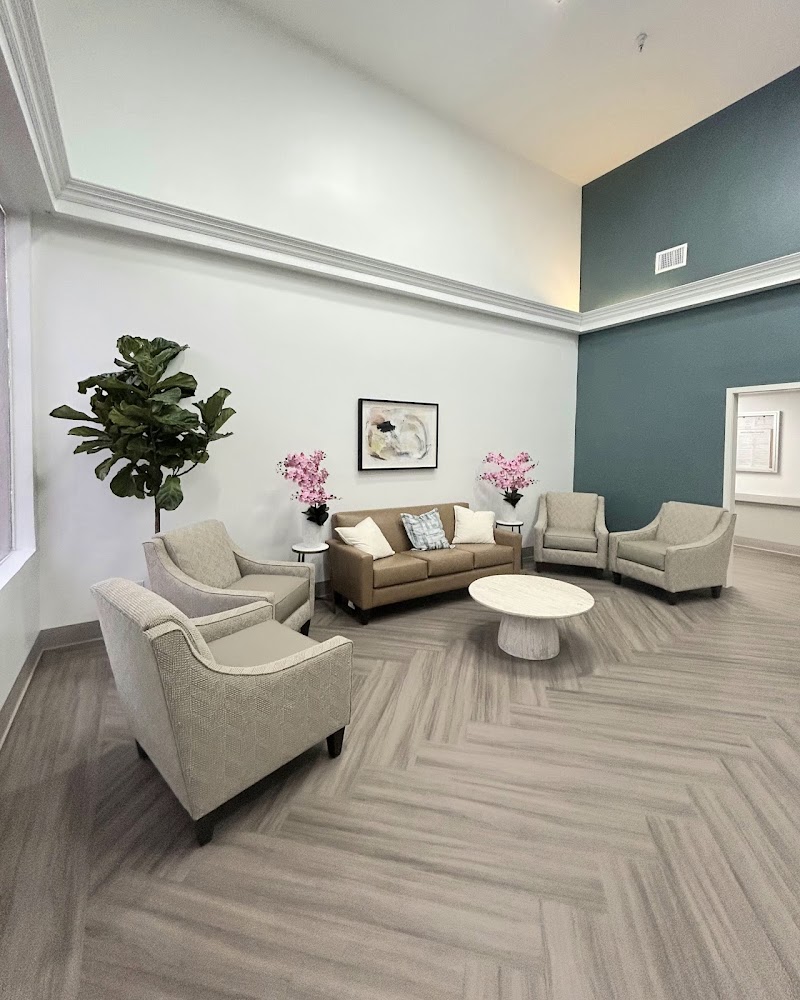
How is Golden Hill Post Acute Staffed?

Detailed staffing data for GOLDEN HILL POST ACUTE is not available in the current CMS dataset.
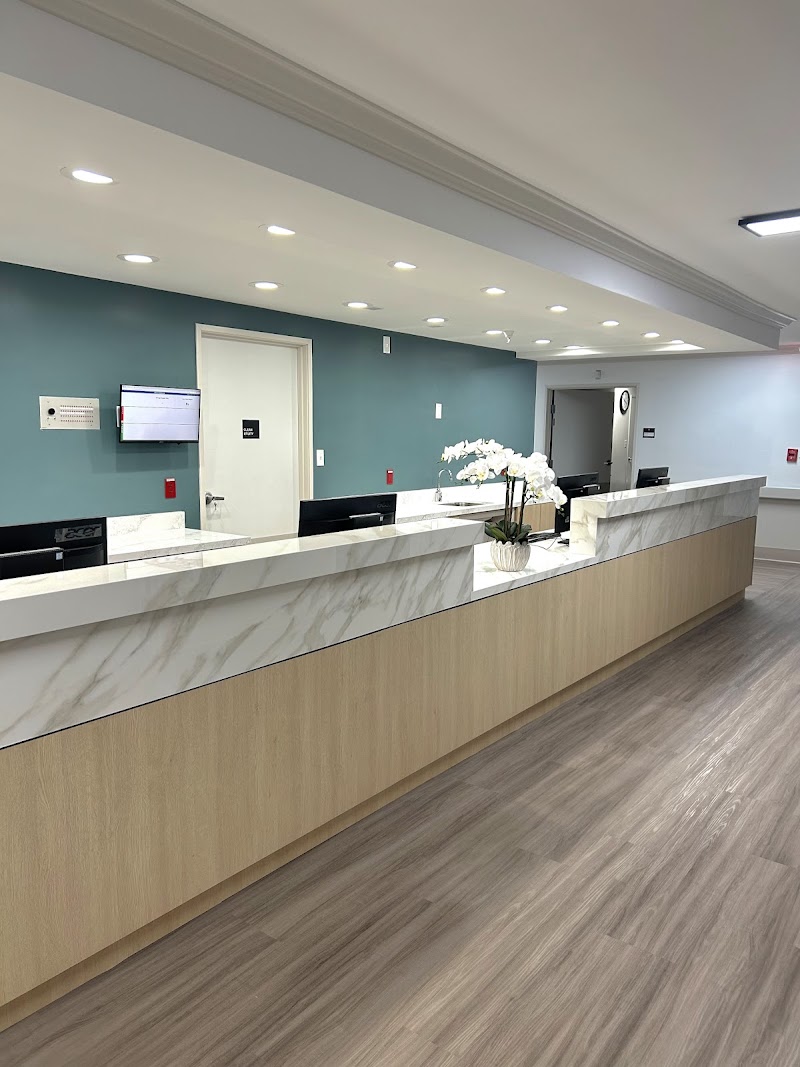
What Have Inspectors Found at Golden Hill Post Acute?

State health inspectors documented 36 deficiencies at GOLDEN HILL POST ACUTE during 2018 to 2025. These included: 36 with potential for harm.

Who Owns and Operates Golden Hill Post Acute?

GOLDEN HILL POST ACUTE is owned by a for-profit company. For-profit facilities operate as businesses with obligations to shareholders or private owners. The facility is operated by THE ENSIGN GROUP, a chain that manages multiple nursing homes. With 99 certified beds and approximately 19 residents (about 19% occupancy), it is a smaller facility located in SAN DIEGO, California.

How Does Golden Hill Post Acute Compare to Other California Nursing Homes?

Compared to the 100 nursing homes in California, GOLDEN HILL POST ACUTE's overall rating (5 stars) is above the state average of 3.2 and health inspection rating (5 stars) is much above the national benchmark.

What Should Families Ask When Visiting Golden Hill Post Acute?

Based on this facility's data, families visiting should ask: "Can I visit during a mealtime to observe dining assistance and food quality?" "How do you handle medical emergencies, and what is your hospital transfer rate?" "Can I speak with family members of current residents about their experience?"

Is Golden Hill Post Acute Safe?

Based on CMS inspection data, GOLDEN HILL POST ACUTE has a clean safety record: no substantiated abuse findings (meaning no confirmed cases of resident harm), no Immediate Jeopardy citations (the most serious violation level indicating risk of serious injury or death), and is not on the Special Focus Facility watch list (a federal program monitoring the lowest-performing 1% of nursing homes). The facility has a 5-star overall rating and ranks #1 of 100 nursing homes in California. While no facility is perfect, families should still ask about staff-to-resident ratios and recent inspection results during their visit.

Do Nurses at Golden Hill Post Acute Stick Around?

GOLDEN HILL POST ACUTE has not reported staff turnover data to CMS. Staff turnover matters because consistent caregivers learn residents' individual needs, medications, and preferences. When staff frequently change, this institutional knowledge is lost. Families should ask the facility directly about their staff retention rates and average employee tenure.

Was Golden Hill Post Acute Ever Fined?

GOLDEN HILL POST ACUTE has no federal fines on record. CMS issues fines when nursing homes fail to meet care standards or don't correct problems found during inspections. The absence of fines suggests the facility has either maintained compliance or corrected any issues before penalties were assessed. This is a positive indicator, though families should still review recent inspection reports for the full picture.

Is Golden Hill Post Acute on Any Federal Watch List?

GOLDEN HILL POST ACUTE is not on any federal watch list. The most significant is the Special Focus Facility (SFF) program, which identifies the bottom 1% of nursing homes nationally based on persistent, serious quality problems. Not being on this list means the facility has avoided the pattern of deficiencies that triggers enhanced federal oversight. This is a positive indicator, though families should still review the facility's inspection history directly.