HELEN BERNARDY CENTER D/P SNF
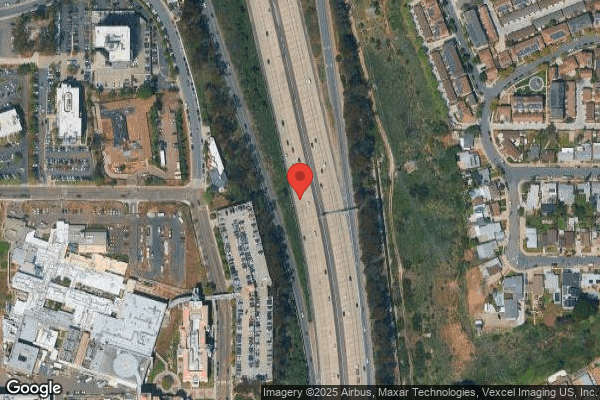
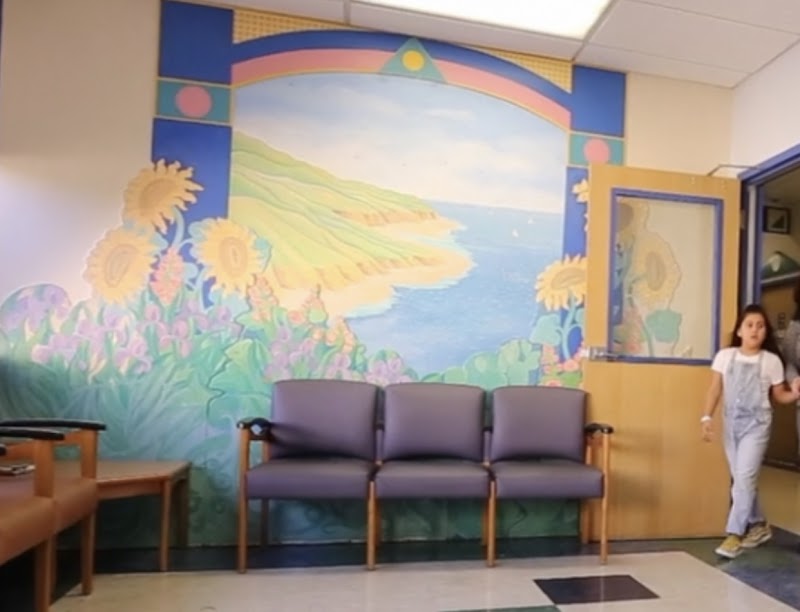
8060 FROST ST, SAN DIEGO, CA 92123 (858) 966-5833
Non profit - Corporation 43 Beds Independent Data: November 2025
Trust Grade
85/100
#96 of 1155 in CA
Last Inspection: November 2024

Within standard 12-15 month inspection cycle. Federal law requires annual inspections.

Overview

The Helen Bernardy Center D/P SNF in San Diego has earned a Trust Grade of B+, which indicates it is above average and recommended for families considering care options. It ranks #96 out of 1,155 facilities in California, placing it in the top half, and #13 out of 81 in San Diego County, meaning only 12 local facilities perform better. The facility is improving, having reduced its issues from five in 2024 to just one in 2025. Staffing is a strong point, with a 4 out of 5-star rating and an impressive 0% turnover rate, much lower than the California average of 38%. However, there are some concerns, such as 13 identified issues, including failures in food safety and medication storage that could potentially harm residents. For instance, the kitchen was found to have unsanitary conditions, like dirty ice machines and improperly calibrated food thermometers, and controlled medications were not securely stored, raising risks of drug diversion. Overall, while the home has strong staffing and a good reputation, families should be aware of these significant safety concerns.

Trust Score
B+
85/100
In California
#96/1155
Top 8%
Safety Record
Low Risk
No red flags
Inspections
Getting Better
5 → 1 violations
Staff Stability
○ Average
Turnover data not reported for this facility.
Penalties
✓ Good
No fines on record. Clean compliance history, better than most California facilities.
Skilled Nurses
✓ Good
Each resident gets 205 minutes of Registered Nurse (RN) attention daily — more than 97% of California nursing homes. RNs are the most trained staff who catch health problems before they become serious.
Violations
⚠ Watch
13 deficiencies on record. Higher than average. Multiple issues found across inspections.
★★★★★
5.0
Overall Rating
★★★★☆
4.0
Staff Levels
☆☆☆☆☆
0.0
Care Quality
★★★★★
5.0
Inspection Score
Stable
2024: 5 issues
2025: 1 issues

The Good

  • 4-Star Staffing Rating · Above-average nurse staffing levels
  • Full Sprinkler Coverage · Fire safety systems throughout facility
  • No fines on record

Facility shows strength in staffing levels, fire safety.

The Bad

No Significant Concerns Identified

This facility shows no red flags. Among California's 100 nursing homes, only 0% achieve this.

The Ugly 13 deficiencies on record

Jan 2025 1 deficiency
CONCERN (D) 📢 Someone Reported This

A family member, employee, or ombudsman was alarmed enough to file a formal complaint

Potential for Harm - no one hurt, but risky conditions existed

Quality of Care (Tag F0684)

Could have caused harm · This affected 1 resident

**NOTE- TERMS IN BRACKETS HAVE BEEN EDITED TO PROTECT CONFIDENTIALITY** Based on observation, interview, and record review, the facility failed to ensure appropriate services were consistently impleme...

Read full inspector narrative →
**NOTE- TERMS IN BRACKETS HAVE BEEN EDITED TO PROTECT CONFIDENTIALITY** Based on observation, interview, and record review, the facility failed to ensure appropriate services were consistently implemented for four of four sampled residents (Resident 1, 2, 3, and 4) when: 1) care plans were not followed 2) the Interdisciplinary Team (IDT) recommendation was not followed 3) care plan was not updated/revised As a result, there was a potential for the residents ' overall care and health to be negatively impacted. Findings: 1a)Resident 1 was admitted to the facility on [DATE] with diagnoses which included cerebral palsy (a group of conditions that affect movement and posture) per the facility ' s face sheet. A review of records was conducted. The Physical Therapy (PT) note dated 11/22/24 indicated Resident 1 will benefit from prone [on his tummy] position under direct supervision for a minimum of 10 min, 3-4x/wk. The Multidisciplinary Summary Report dated 12/2/24 indicated the planned actions/care plan included the Clinical Activities Assistant (CAA) 1 will begin matt/tummy time per the PT recommendation. The care plan for impaired mobility and range of motion dated 11/25/24 indicated Resident 1 will participate in tummy time daily for 10 minutes. On 1/8/25 at 11:04 A.M., a concurrent interview and review of Resident 1 ' s tummy time flowsheet was conducted with the Administrator (ADM). There was no consistent documentation Resident 1 ' s tummy time was implemented. The ADM stated if the staff did it, it would have been documented. The ADM stated the staff should have documented if they performed the activity. On 1/8/25 at 11:34 A.M., a concurrent interview and review of Resident 1 ' s tummy time flowsheet with CAA 1 and the ADM was conducted. CAA 1 stated she should have documented if she did tummy time on the residents. CAA 1 stated if activities were not done, the residents could become stiff or decline. The ADM stated it was important to make sure resident activities were conducted. On 1/9/25 at 11:28 A.M., an interview with CAA 2 was conducted. CAA 2 stated if the care plan was not implemented, the resident would not get better and their condition may reverse. On 1/9/25 at 12:09 P.M., an interview with Licensed Nurse (LN) 2 was conducted. LN 2 stated it was important to follow the care plan so that the residents can maximize their potential. LN stated it was important there was documentation the care was actually done because if it was not documented, it was not done. On 1/21/25 at 9:30 A.M., an interview with the Activities Program Manager (MGR) 1 was conducted. MGR 1 stated the expectation was the residents ' program were being done. MGR 1 stated the staff was responsible to check and ensure the care plans were followed. MGR 1 stated the staff should have documented the program was being done on the residents. 1b) Resident 3 was admitted to the facility on [DATE] with diagnoses which included congenital malformation (a type of birth defect) per the facility ' s face sheet. A review of records was conducted. The Multidisciplinary Summary Report dated 2/22/24 indicated the planned actions/care plan included Clinical Activities Assistant (CAA) 1 will walk Resident 3-4 days a week after school. The care plan for impaired mobility and range of motion dated 5/23/24 indicated Resident 3 will have ambulation with a gait trainer (a device to help a person walk safely). The Physical Therapy (PT) note dated 8/21/24 indicated Resident 3 ' s functional goal established on 8/29/23 and updated on 5/1/24 indicated for Resident 3 to stand for 1 minute and to ambulate 50 feet. Resident 3 ' s ambulation flowsheet was reviewed. There was no consistent documentation Resident 3 ' s ambulation was implemented by the staff. On 1/9/25 at 11:28 A.M., an interview with CAA 2 was conducted. CAA 2 stated if the care plan was not implemented, the resident would not get better and their condition may reverse. On 1/9/25 at 12:09 P.M., an interview with Licensed Nurse (LN) 2 was conducted. LN 2 stated it was important to follow the care plan so that the residents can maximize their potential. LN stated it was important there was documentation the care was actually done because if it was not documented, it was not done. On 1/21/25 at 9:30 A.M., an interview with the Activities Program Manager (MGR) 1 was conducted. MGR 1 stated the expectation was the residents ' programs were being done. MGR 1 stated the staff was responsible to check and ensure the care plans were followed. MGR 1 stated the staff should have documented the program was being done on the residents. 1c) Resident 4 was admitted to the facility on [DATE] with diagnoses which included cerebral palsy (a group of conditions that affect movement and posture) per the facility ' s history and physical. A review of records was conducted. The Care Plan Interventions note dated 3/26/20 with an expected end of 2/11/25 indicated Resident 4 was placed on a standing program. The Physical Therapy (PT) Note dated 9/10/24 indicated Resident 4 would greatly benefit from supportive walking and continued participation in a regular standing program. The PT note dated 12/4/24 indicated Resident 4 will benefit from regular weekly standing. Resident 4 ' s standing program flowsheet was reviewed. There was no consistent documentation Resident 4 ' s standing program was implemented by the staff. On 1/9/25 at 11:28 A.M., an interview with Clinical Activities Assistant (CAA) 2 was conducted. CAA 2 stated if the care plan was not implemented, the resident would not get better and their condition may reverse. On 1/9/25 at 12:09 P.M., an interview with Licensed Nurse (LN) 2 was conducted. LN 2 stated it was important to follow the care plan so that the residents can maximize their potential. LN stated it was important there was documentation the care was actually done because if it was not documented, it was not done. On 1/22/25 at 3 P.M., an interview with Physical Therapist (PT) 1 was conducted. PT 1 stated the expectation was for the PT recommendations to be followed by the staff. PT 1 stated if the care plan was not implemented, there was a potential for decline in endurance, strength and development of contractures. On 1/21/25 at 9:30 A.M., an interview with the Activities Program Manager (MGR) 1 was conducted. MGR 1 stated the expectation was the residents ' programs were being done. MGR 1 stated the staff was responsible to check and ensure the care plans were followed. MGR 1 stated the staff should have documented the program was being done on the residents. Per the facility ' s policy and procedure titled Care Plans dated 8/2023, 1.0 PURPOSE 1.1 To provide a documented and coordinated care plan that reflects the nursing process (problems, expected outcomes, interventions, evaluation) for each patient based on individualized needs across the continuum of care. 1.2 To provide a written means of communication of the plan of care for members of the health care team. 2)Resident 2 was admitted to the facility on [DATE] with diagnoses which included gastrostomy (surgical opening and tube inserted into the stomach) per the facility ' s face sheet. A review of records was conducted. The Multidisciplinary Summary Report dated 12/30/24 indicated the planned actions/care plan included for the nursing team to remove Resident 2 ' s abdominal binder when Resident 2 was not feeding. On 1/8/25 at 12:15 P.M., an interview with the Administrator (ADM) was conducted. The ADM stated Resident 2 was supposed to have the abdominal binder because she plays with the gastrostomy tube during feeding and there was a concern the skin around it will break down. The ADM stated per the Interdisciplinary Team (IDT), the staff was supposed to remove Resident 2 ' s abdominal binder once feeding was done. On 1/8/25 at 12:21 P.M., a concurrent observation of Resident 2 and interview was conducted with Licensed Nurse (LN) 1. Resident 2 was noted feeding via the gastrostomy tube and without an abdominal binder. LN 1 stated the staff had not been using the abdominal binder since the staff was told Resident 2 had not used the binder at home. LN 1 stated there should have been a nursing communication regarding its use. On 1/9/25 at 12:09 P.M., an interview with LN 2 was conducted. LN 2 stated per the IDT, Resident 2 had to use the binder during feeding and removed after. LN 2 stated this needed to be clarified through nursing communication. Per the facility ' s policy and procedure titled Assessment of New admission and Care Plan Policy dated 12/2024, .PROCEDURE: 2.0 Essential Steps in Procedure .2.5.2 Care plans are reviewed quarterly and annually by the Interdisciplinary team with the resident ' s parent and/or legal guardian to review the resident ' s progress or current health status. Updates to the plan of care are documented in the clinical record and signed by the members of the interdisciplinary team upon review. Goals may be updated, target dates revised or new goals initiated during this process. 3) Resident 4 was admitted to the facility on [DATE] with diagnoses which included gastrostomy (surgical opening and tube inserted into the stomach) per the facility ' s history and physical. A review of records was conducted. The physician ' s progress note dated 7/9/24 and 12/4/24 indicated it was not safe for Resident 4 to each [sic] by mouth per Occupational Therapy (OT) and the resident was clinically aspirating. The Multidisciplinary Summary Report dated 12/9/24 indicated Resident 4 needed a consult with OT due to family feeding the resident solid foods for oral gratification. The speech therapist note dated 12/7/24 indicated the goal of speech referral was to trail tastes of purees with the intent to re-complete swallow study when [patient] is ready. On 1/9/25 at 10:09 A.M., an interview with the Director of Nursing (DON) was conducted. The DON stated Resident 4 ' s father fed Resident 4 with small pieces of bread by mouth. The DON stated the recommendation was to feed the resident with pureed (liquidized/crushed) food. On 1/9/25 at 12:13 P.M., an interview with Licensed Nurse (LN) 2 was conducted. LN 2 stated Resident 4 ' s father was observed feeding Resident 4 by mouth. LN 2 stated Resident 4 had pneumonia in the past and it was mentioned Resident 4 had aspiration. Per the facility ' s policy and procedure titled Assessment of New admission and Care Plan Policy dated 12/2024, .PROCEDURE: 2.0 Essential Steps in Procedure .2.5.2 Care plans are reviewed quarterly and annually by the Interdisciplinary team with the resident ' s parent and/or legal guardian to review the resident ' s progress or current health status. Updates to the plan of care are documented in the clinical record and signed by the members of the interdisciplinary team upon review. Goals may be updated, target dates revised or new goals initiated during this process. Based on observation, interview, and record review, the facility failed to ensure appropriate services were consistently implemented for four of four sampled residents (Resident 1, 2, 3, and 4) when: 1) care plans were not followed 2) the Interdisciplinary Team (IDT) recommendation was not followed 3) care plan was not updated/revised As a result, there was a potential for the residents' overall care and health to be negatively impacted. Findings: 1a)Resident 1 was admitted to the facility on [DATE] with diagnoses which included cerebral palsy (a group of conditions that affect movement and posture) per the facility's face sheet. A review of records was conducted. The Physical Therapy (PT) note dated 11/22/24 indicated Resident 1 will benefit from prone [on his tummy] position under direct supervision for a minimum of 10 min, 3-4x/wk. The Multidisciplinary Summary Report dated 12/2/24 indicated the planned actions/care plan included the Clinical Activities Assistant (CAA) 1 will begin matt/tummy time per the PT recommendation. The care plan for impaired mobility and range of motion dated 11/25/24 indicated Resident 1 will participate in tummy time daily for 10 minutes. On 1/8/25 at 11:04 A.M., a concurrent interview and review of Resident 1's tummy time flowsheet was conducted with the Administrator (ADM). There was no consistent documentation Resident 1's tummy time was implemented. The ADM stated if the staff did it, it would have been documented. The ADM stated the staff should have documented if they performed the activity. On 1/8/25 at 11:34 A.M., a concurrent interview and review of Resident 1's tummy time flowsheet with CAA 1 and the ADM was conducted. CAA 1 stated she should have documented if she did tummy time on the residents. CAA 1 stated if activities were not done, the residents could become stiff or decline. The ADM stated it was important to make sure resident activities were conducted. On 1/9/25 at 11:28 A.M., an interview with CAA 2 was conducted. CAA 2 stated if the care plan was not implemented, the resident would not get better and their condition may reverse. On 1/9/25 at 12:09 P.M., an interview with Licensed Nurse (LN) 2 was conducted. LN 2 stated it was important to follow the care plan so that the residents can maximize their potential. LN stated it was important there was documentation the care was actually done because if it was not documented, it was not done. On 1/21/25 at 9:30 A.M., an interview with the Activities Program Manager (MGR) 1 was conducted. MGR 1 stated the expectation was the residents' program were being done. MGR 1 stated the staff was responsible to check and ensure the care plans were followed. MGR 1 stated the staff should have documented the program was being done on the residents. 1b) Resident 3 was admitted to the facility on [DATE] with diagnoses which included congenital malformation (a type of birth defect) per the facility's face sheet. A review of records was conducted. The Multidisciplinary Summary Report dated 2/22/24 indicated the planned actions/care plan included Clinical Activities Assistant (CAA) 1 will walk Resident 3-4 days a week after school. The care plan for impaired mobility and range of motion dated 5/23/24 indicated Resident 3 will have ambulation with a gait trainer (a device to help a person walk safely). The Physical Therapy (PT) note dated 8/21/24 indicated Resident 3's functional goal established on 8/29/23 and updated on 5/1/24 indicated for Resident 3 to stand for 1 minute and to ambulate 50 feet. Resident 3's ambulation flowsheet was reviewed. There was no consistent documentation Resident 3's ambulation was implemented by the staff. On 1/9/25 at 11:28 A.M., an interview with CAA 2 was conducted. CAA 2 stated if the care plan was not implemented, the resident would not get better and their condition may reverse. On 1/9/25 at 12:09 P.M., an interview with Licensed Nurse (LN) 2 was conducted. LN 2 stated it was important to follow the care plan so that the residents can maximize their potential. LN stated it was important there was documentation the care was actually done because if it was not documented, it was not done. On 1/21/25 at 9:30 A.M., an interview with the Activities Program Manager (MGR) 1 was conducted. MGR 1 stated the expectation was the residents' programs were being done. MGR 1 stated the staff was responsible to check and ensure the care plans were followed. MGR 1 stated the staff should have documented the program was being done on the residents. 1c) Resident 4 was admitted to the facility on [DATE] with diagnoses which included cerebral palsy (a group of conditions that affect movement and posture) per the facility's history and physical. A review of records was conducted. The Care Plan Interventions note dated 3/26/20 with an expected end of 2/11/25 indicated Resident 4 was placed on a standing program. The Physical Therapy (PT) Note dated 9/10/24 indicated Resident 4 would greatly benefit from supportive walking and continued participation in a regular standing program. The PT note dated 12/4/24 indicated Resident 4 will benefit from regular weekly standing. Resident 4's standing program flowsheet was reviewed. There was no consistent documentation Resident 4's standing program was implemented by the staff. On 1/9/25 at 11:28 A.M., an interview with Clinical Activities Assistant (CAA) 2 was conducted. CAA 2 stated if the care plan was not implemented, the resident would not get better and their condition may reverse. On 1/9/25 at 12:09 P.M., an interview with Licensed Nurse (LN) 2 was conducted. LN 2 stated it was important to follow the care plan so that the residents can maximize their potential. LN stated it was important there was documentation the care was actually done because if it was not documented, it was not done. On 1/22/25 at 3 P.M., an interview with Physical Therapist (PT) 1 was conducted. PT 1 stated the expectation was for the PT recommendations to be followed by the staff. PT 1 stated if the care plan was not implemented, there was a potential for decline in endurance, strength and development of contractures. On 1/21/25 at 9:30 A.M., an interview with the Activities Program Manager (MGR) 1 was conducted. MGR 1 stated the expectation was the residents' programs were being done. MGR 1 stated the staff was responsible to check and ensure the care plans were followed. MGR 1 stated the staff should have documented the program was being done on the residents. Per the facility's policy and procedure titled Care Plans dated 8/2023, 1.0 PURPOSE 1.1 To provide a documented and coordinated care plan that reflects the nursing process (problems, expected outcomes, interventions, evaluation) for each patient based on individualized needs across the continuum of care. 1.2 To provide a written means of communication of the plan of care for members of the health care team. 2)Resident 2 was admitted to the facility on [DATE] with diagnoses which included gastrostomy (surgical opening and tube inserted into the stomach) per the facility's face sheet. A review of records was conducted. The Multidisciplinary Summary Report dated 12/30/24 indicated the planned actions/care plan included for the nursing team to remove Resident 2's abdominal binder when Resident 2 was not feeding. On 1/8/25 at 12:15 P.M., an interview with the Administrator (ADM) was conducted. The ADM stated Resident 2 was supposed to have the abdominal binder because she plays with the gastrostomy tube during feeding and there was a concern the skin around it will break down. The ADM stated per the Interdisciplinary Team (IDT), the staff was supposed to remove Resident 2's abdominal binder once feeding was done. On 1/8/25 at 12:21 P.M., a concurrent observation of Resident 2 and interview was conducted with Licensed Nurse (LN) 1. Resident 2 was noted feeding via the gastrostomy tube and without an abdominal binder. LN 1 stated the staff had not been using the abdominal binder since the staff was told Resident 2 had not used the binder at home. LN 1 stated there should have been a nursing communication regarding its use. On 1/9/25 at 12:09 P.M., an interview with LN 2 was conducted. LN 2 stated per the IDT, Resident 2 had to use the binder during feeding and removed after. LN 2 stated this needed to be clarified through nursing communication. Per the facility's policy and procedure titled Assessment of New admission and Care Plan Policy dated 12/2024, .PROCEDURE: 2.0 Essential Steps in Procedure .2.5.2 Care plans are reviewed quarterly and annually by the Interdisciplinary team with the resident's parent and/or legal guardian to review the resident's progress or current health status. Updates to the plan of care are documented in the clinical record and signed by the members of the interdisciplinary team upon review. Goals may be updated, target dates revised or new goals initiated during this process. 3) Resident 4 was admitted to the facility on [DATE] with diagnoses which included gastrostomy (surgical opening and tube inserted into the stomach) per the facility's history and physical. A review of records was conducted. The physician's progress note dated 7/9/24 and 12/4/24 indicated it was not safe for Resident 4 to each [sic] by mouth per Occupational Therapy (OT) and the resident was clinically aspirating. The Multidisciplinary Summary Report dated 12/9/24 indicated Resident 4 needed a consult with OT due to family feeding the resident solid foods for oral gratification. The speech therapist note dated 12/7/24 indicated the goal of speech referral was to trail tastes of purees with the intent to re-complete swallow study when [patient] is ready. On 1/9/25 at 10:09 A.M., an interview with the Director of Nursing (DON) was conducted. The DON stated Resident 4's father fed Resident 4 with small pieces of bread by mouth. The DON stated the recommendation was to feed the resident with pureed (liquidized/crushed) food. On 1/9/25 at 12:13 P.M., an interview with Licensed Nurse (LN) 2 was conducted. LN 2 stated Resident 4's father was observed feeding Resident 4 by mouth. LN 2 stated Resident 4 had pneumonia in the past and it was mentioned Resident 4 had aspiration. Per the facility's policy and procedure titled Assessment of New admission and Care Plan Policy dated 12/2024, .PROCEDURE: 2.0 Essential Steps in Procedure .2.5.2 Care plans are reviewed quarterly and annually by the Interdisciplinary team with the resident's parent and/or legal guardian to review the resident's progress or current health status. Updates to the plan of care are documented in the clinical record and signed by the members of the interdisciplinary team upon review. Goals may be updated, target dates revised or new goals initiated during this process.
Nov 2024 5 deficiencies
CONCERN (D)

Potential for Harm - no one hurt, but risky conditions existed

Assessment Accuracy (Tag F0641)

Could have caused harm · This affected 1 resident

**NOTE- TERMS IN BRACKETS HAVE BEEN EDITED TO PROTECT CONFIDENTIALITY** Based on interview and record review, the facility failed to ensure the Minimum Data Set (MDS - health status screening and asse...

Read full inspector narrative →
**NOTE- TERMS IN BRACKETS HAVE BEEN EDITED TO PROTECT CONFIDENTIALITY** Based on interview and record review, the facility failed to ensure the Minimum Data Set (MDS - health status screening and assessment tool) was accurately completed for 1 of 6 sampled residents (Resident 3). This failure had the potential for Resident 3 to receive inappropriate care. Findings: According to the admission and Discharge Record, Resident 3 was admitted on [DATE] with diagnoses that included cerebral palsy (a condition that affects movement and posture) and traumatic brain injury (damage to the brain caused by an outside force). During a record review for Resident 3, the Nursing Communication indicated, During the day, CIC [Intermittent Catheterization, a procedure where a tube is inserted into the bladder to drain urine) .Foley (foley catheterization, a tube is inserted to drain urine and is left in) for continuous drainage from 8pm to 8am . During a record review for Resident 3, the MDS dated [DATE] Section H- Bladder and Bowel indicated .C. Ostomy (including urostomy, ileostomy, and colostomy). The MDS indicated Resident 3 did not receive intermittent or foley catheterization. On 11/21/24 at 12:54 P.M., an interview was conducted with Licensed Nurse (LN) 11. LN 11 stated the MDS is important because .it triggers the nurse for what the patient needs .if its inaccurate someone could think [the resident] has [medical problems] when they really don't . On 11/22/24 at 1:27 P.M., an interview and record review was conducted with the Program Manager (PM). The PM stated Resident 3 did not have an ostomy. The PM stated the MDS for 9/4/24 was inaccurate, and Resident 3 had intermittent catheterization and a foley catheter. The PM stated it was important for an accurate MDS to be completed to ensure proper care is communicated to nursing staff. On 11/22/24 at 1:38 P.M., a concurrent interview and record review was conducted with the Director of Nursing (DON). The DON stated the purpose of the Minimum Data Set was .to drive the care. The DON stated her expectation was for the MDS data to be accurate. The DON stated .It ensures we're providing excellent care and reporting accurate data to the government about the care kids are getting . A review of the facility policy titled, Assessment of New admission and Care Plan Policy, revised September 2024 indicated, .An RN .is responsible for certifying that all parts of the assessment are completed and accurate .The Program Manager RN reviews, verifies, and signs the MDS assessment attesting to its accuracy and completion .
CONCERN (D)

Potential for Harm - no one hurt, but risky conditions existed

Deficiency F0657 (Tag F0657)

Could have caused harm · This affected 1 resident

**NOTE- TERMS IN BRACKETS HAVE BEEN EDITED TO PROTECT CONFIDENTIALITY** Based on interview and record review, the facility failed to revise a comprehensive care plan for intermittent and indwelling ca...

Read full inspector narrative →
**NOTE- TERMS IN BRACKETS HAVE BEEN EDITED TO PROTECT CONFIDENTIALITY** Based on interview and record review, the facility failed to revise a comprehensive care plan for intermittent and indwelling catheterization (a procedure where a tube is inserted to remove urine from the bladder) for one of six sampled residents (Resident 3). This failure had the potential for Resident 3 to have negative clinical outcomes. Findings: A review of the facility's admission and Discharge Record indicated Resident 3 was admitted on [DATE] with diagnoses which included cerebral palsy (abnormal brain development causing a disorder of movement, muscle tone or posture), and severe developmental delay. A review of Resident 3's medical record indicated, Insert foley overnight from 8pm to 8am, prior to removal at 8am please instill gent [SIC] irrigation solution through connector to foley bag, allow to drain via void. Use sterile or clean technique with alcohol swabs to the attaching ends . and .During the day, CIC [SIC] at 1400 with gentamicin flushes (8am and 1400). Foley at night for continuous drainage from 8pm to 8am. Foley is a 14 FR . On 11/22/24 at 1:27 P.M., a concurrent interview and record review was conducted with the Director of Nursing (DON). A review of Resident 3's Care Plan for Urinary Incontinence, dated 6/2/24 indicated instructions for foley catheterization and antibiotic flushes. The DON stated, .[Resident 3's] problem is urinary retention .I see a problem with the care plan .[Resident 3] was getting [urinary tract infections] and retaining [urine] . The DON acknowledged the care plan was not personalized for Resident 3. The DON stated it was important to have an individualized care plan for Resident 3 to communicate care to various members of the healthcare team. The DON stated, .for example if a traveler [nurse] comes in, they need to have more information. We do have more floaters [staff from other units], we're hiring more people. We need to get the nurses doing it [creating personalized care plans] more . A review of the facility policy titled, Assessment of New admission and Care Plan Policy indicated, .2.5.1 Care plans are based on a comprehensive resident assessment by all disciplines and with the attending physician's plan of medical care. Care plans include the resident's identified problems, needs, strengths, goals/target dates, interventions, disciplines responsible for each intervention .2.5.3 Care plans are reviewed by the assigned nurse case manager as well as the nursing team and may be updated on an as needed basis due to changes in a resident's health care condition .
CONCERN (D)

Potential for Harm - no one hurt, but risky conditions existed

Medical Records (Tag F0842)

Could have caused harm · This affected 1 resident

**NOTE- TERMS IN BRACKETS HAVE BEEN EDITED TO PROTECT CONFIDENTIALITY** Based on interview and record review, the facility failed to upload the Minimum Data Set (MDS) for three of three residents (59,...

Read full inspector narrative →
**NOTE- TERMS IN BRACKETS HAVE BEEN EDITED TO PROTECT CONFIDENTIALITY** Based on interview and record review, the facility failed to upload the Minimum Data Set (MDS) for three of three residents (59, 63, 66) within an appropriate time frame. This failure had the potential of not having the residents not receiving the appropriate care. Findings: During an interview with the Program Manager (PM) 11/21/24 at 3:34 P.M., the PM stated the Minimum Data Set (MDS, a standardized tool to identify a resident's health needs and strengths to develop an individualized care plan) was used to create care plans. The PM stated the MDS needed to be accurate to ensure the residents were getting the appropriate care. During an interview with the Director of Nursing (DON) 11/22/24 at 1:37 P.M., the DON stated the expectation is to have documentation completed the same shift. The DON further stated .a reasonable time frame for loading it [the MDS assessment] into EPIC [the electronic health record] would be within the week. Months would not be acceptable. During a review of Resident 59's electronic health record, the record indicated the MDS assessment dated [DATE] had not been upload into the record until 07/17/24. The record further indicated that MDS assessment dated [DATE] had not been upload until 9/18/24. During a review of Resident 63's electronic medical health record, the record indicated the MDS assessment dated [DATE] had not been uploaded until 7/15/24. The record further indicated that the MDS assessment dated [DATE] had not been uploaded until 8/29/24. During a review of Resident 66's electronic medical health record, the record indicated the MDS assessment dated [DATE] had not been uploaded until 7/12/24. The record further indicated that the MDS assessment dated [DATE] had not been uploaded until 10/31/24. During a review of the facility policy titled Assessment of New admission and Care Plan Policy revised September 2024, the policy indicated .1.11 Once the MDS is complete it will be scanned into the resident's electronic health record within a reasonable time frame.
CONCERN (D)

Potential for Harm - no one hurt, but risky conditions existed

Infection Control (Tag F0880)

Could have caused harm · This affected 1 resident

**NOTE- TERMS IN BRACKETS HAVE BEEN EDITED TO PROTECT CONFIDENTIALITY** Based on observation, interview and record review, the facility failed to follow infection control practices when a licensed nur...

Read full inspector narrative →
**NOTE- TERMS IN BRACKETS HAVE BEEN EDITED TO PROTECT CONFIDENTIALITY** Based on observation, interview and record review, the facility failed to follow infection control practices when a licensed nurse did not perform hand hygiene after administering medications via gastrostomy tube (GT- a tube inserted directly into the stomach used to provide nutrition and medication) and before doing tracheostomy (a surgical opening created through the neck to help someone breathe) site care to one of five residents observed for medication pass. As a result, there was the potential for cross contamination of microorganisms (bacteria, virus, fungus). Findings: According to the admission and Discharge Record, Resident 115 was admitted on [DATE] with diagnoses that included cerebral palsy (a condition that affects movement and posture), gastrostomy tube dependent, and chronic lung disease. On 11/22/24 at 7:53 A.M., a medication administration observation was conducted with Licensed Nurse (LN) 1. LN 1 was observed administering medications to Resident 115 via GT. After all the medications were administered via GT, LN 1 was observed pouring a liquid wound solution onto a stack of clean gauze. LN 1 used the gauze to clean Resident 115's tracheostomy site. LN 1 then removed gauze with a large amount of sputum from the left side of Resident 115's tracheostomy site. LN 1 applied a topical medication to the tracheostomy site using a cotton tipped applicator. Using the same gloves, LN 1 picked up sterile sponge dressings and placed it around Resident 1's tracheostomy site. LN 1 placed the gloved left index and middle fingers under the clean trach tie. On 11/22/24 at 10:24 A.M., an interview was conducted with LN 1. LN 1 stated she should have done hand hygiene and put on new gloves after administering Resident 1's medications via G-tube, and again before she placed the sterile sponge dressing on Resident 1's tracheostomy site. LN 1 stated it was important to do hand hygiene between procedures .so we're not getting the clean stuff contaminated with anything . On 11/22/24 at 1:45 P.M., an interview was conducted with the Director of Nursing (DON). The DON stated it was her expectation for staff to do hand hygiene after removing soiled dressings, and before placing new dressings on tracheostomy sites. The DON stated, .[doing hand hygiene] decreases transmission of bugs, viruses .you want to do the dirty to dirty and clean to clean. You don't want to use the same gloves for everything . A review of the facility policy titled, Hand Hygiene dated March 2022 indicated, Purpose .to .reduce transmission of pathogenic microorganisms to patients and personnel in healthcare settings .decontaminate hands before and after contact with a patient's intact skin .decontaminate hands before and after contact with body fluids or excretions, mucous membranes, non-intact skin, or would [sic] dressings . A review of the facility policy titled, Care of a Tracheostomy dated June 2024 indicated, .Prior to performing tracheostomy care or suctioning .Perform hand hygiene and don clean gloves .
CONCERN (F)

Potential for Harm - no one hurt, but risky conditions existed

Food Safety (Tag F0812)

Could have caused harm · This affected most or all residents

**NOTE- TERMS IN BRACKETS HAVE BEEN EDITED TO PROTECT CONFIDENTIALITY** Based on observation, interview and record review, the facility failed to ensure food safety and sanitation practices were met i...

Read full inspector narrative →
**NOTE- TERMS IN BRACKETS HAVE BEEN EDITED TO PROTECT CONFIDENTIALITY** Based on observation, interview and record review, the facility failed to ensure food safety and sanitation practices were met in the kitchen according to standards of practice when: 1. Two (2) floor sinks had piping without an air gap of at least 1 (inch) between the pipe and drain. 2. Three (3) cutting boards with deep cuts and food stains were stored in the clean area. 3. Two (2) ice machines had debris inside the storage parts of the ice bin. 4. Food thermometers were not calibrated per facility policy. These failures exposed residents to unsanitary practices, which had the potential to place them at risk of developing foodborne illness. 1. During the initial kitchen tour conducted on 11/19/24 at 8:44 A.M., a floor sink drain next to the salad prep/catering area was observed with the PVC (polyvinyl chloride) white pipe extending into the floor drain. Also, a brown pipe that extended from a walk-in freezer was observed disconnected from the freezer door and laying directly into a floor sink drain. The Director of Food Services (DFS) acknowledged the two pipes going into the floor sinks and stated they should not extend into the floor drain without an appropriate air gap. According to the 2022 Federal FDA Food Code, section 5-402.11(A), .A direct connection may not exist between the sewage system and a drain originating from equipment in which food, portable equipment .are placed . A review of the facility's policy titled, Food Storage dated 3/2022 indicated, .Dry or staple items shall be stored .and not subject to sewage or waste water back flow . 2. On 11/20/24 at 1:46 P.M., an observation and interview was conducted with the Head Chef (HC) and the DFS in the dish washing area of the kitchen. A green cutting board, a white cutting board and a brown cutting board were observed hanging on the clean storage shelf. The cutting boards had multiple deep scratches on the surface with brown stains embedded in the scratches. The HC stated he checks the cutting boards once a month for stains/deep cuts and replaced them as needed. The DFS stated, .There's always a possibility of something in there .you see this groove (in the cutting board)? It could be remnants of things and should be replaced . According to the 2022 Federal FDA Food Code, section 4-501.12, Cutting surfaces such as cutting boards and blocks that become scratched and scored may be difficult to clean and sanitize. As a result, pathogenic microorganisms transmissible through food may build up or accumulate. These microorganisms may be transferred to foods that are prepared on such surfaces . 3. During a kitchen tour on 11/20/24 at 2:11 P.M., an observation and interview with the DFS and HC was conducted. A Surveyor wiped the inside of the ice machine bin #1 with a white paper towel and there was dark grayish colored debris on the paper towel. The DFS acknowledged the discolored debris and stated plant operations was responsible for cleaning/sanitizing the ice machine's interior and exterior parts. During a kitchen tour on 11/20/24 at 2:39 P.M., an observation and interview was conducted with the DFS and Plant Operations Engineer ([NAME]). A surveyor wiped the stainless steel beam inside of ice machine #2's bin with a white paper towel and there was bright orange-colored debris on the paper towel. The DFS and [NAME] both acknowledged the discolored debris. The [NAME] stated a third party company was responsible for cleaning the ice machines. The [NAME] stated, We don't touch it. The DFS stated the kitchen does not do any cleaning or maintenance to the ice machine. On 11/22/24 at 9:36 A.M., an interview was conducted with the Plant Operations and Maintenance Director (POMD). The POMD stated .[the ice machines] need to be cleaned . The POMD stated his expectation was the ice machines .be spotless and clean . According to the 2022 Federal FDA Food Code section 4-602.11, Equipment Food-Contact Surfaces and Utensils. Ice bins and components of ice makers need to be cleaned: (a) At a frequency specified by the manufacturer, or (b) Absent manufacturer specifications, at a frequency necessary to preclude accumulation of soil or mold .Ice makers and ice bins must be cleaned on a routine basis to prevent the development of slime, mold, or soil residues that may contribute to an accumulation of microorganisms . A review of the facility's policy titled, Ice Machines dated 11/2022 indicated, PERFORMED BY: Food Service .To ensure that ice machines are maintained by POM and used in a sanitary manner .The exterior of each machine will be cleaned daily using liquid sanitizer .Clean and sanitize the machine's water system in accordance with manufacturer recommended guidelines . 4. During a kitchen tour on 11/20/24 at 1:46 P.M., an interview was conducted with the HC. The HC stated food thermometers were calibrated twice a week. The HC stated he chose 4-5 random employees and calibrated their thermometers. A review of the facility's Thermometer Calibration Log indicated food thermometers were calibrated on nine out of thirty-one days in October 10/1, 10/4, 10/8, 10/11, 10/15, 10/18, 10/23, 10/25, and 10/30) and on four out of thirty days in November (11/1, 11/8, 11/18, and 11/20). On 11/20/24 at 2 P.M., an interview was conducted with the Head Food Service Worker (HFSW). The HFSW stated it was important to calibrate food thermometers per policy. The HFSW stated, Its important for accuracy. For example, if we're cooking chicken, we need to make sure its safe, so the patients don't get sick . A review of the facility policy titled, Thermometer Use and Calibration dated 5/2023 indicated, .Thermometers should be calibrated on a daily basis as well using to measure very hot and then very cold foods, or if the unit has been dropped .
Oct 2023 4 deficiencies
CONCERN (D)

Potential for Harm - no one hurt, but risky conditions existed

Staffing Information (Tag F0732)

Could have caused harm · This affected 1 resident

Based on observation, interview and record review, the facility failed to post the federally required daily actual hours worked by the staff in an area accessible to the public when the information wa...

Read full inspector narrative →
Based on observation, interview and record review, the facility failed to post the federally required daily actual hours worked by the staff in an area accessible to the public when the information was not posted until the last shift for the day clocked in. As a result, the actual hours worked by the staff was not readily accessible to residents, family, or visitors. Finding: On 10/19/23 at 11:36 A.M., the staffing posting was reviewed, the only information posted at this time were yesterday's staffing hours. The unit clerk was responsible for completing the form. The unit clerk stated the staffing is actual, not projected and, is only posted after all shifts for the day have signed in. She stated the posting visible today are yesterday's numbers and the the posting was not current.
CONCERN (D)

Potential for Harm - no one hurt, but risky conditions existed

Pharmacy Services (Tag F0755)

Could have caused harm · This affected 1 resident

Based on observation, interview, and record review, the facility failed to ensure: 1. All controlled drugs (medications/drugs with a potential for addiction and abuse) were reconcilled and accounted ...

Read full inspector narrative →
Based on observation, interview, and record review, the facility failed to ensure: 1. All controlled drugs (medications/drugs with a potential for addiction and abuse) were reconcilled and accounted for. 2. Licensed Nurse (LN) 4 safeguarded a resident's medications during the medication administration when the LN left the resident's dispensed medications unattended in the hallway. As a result of these deficient practices, the facility could not provide an accurate accounting of all controlled medications and there was a potential for controlled drug diversion (unauthorized distribution of controlled drugs for purposes not intended by the prescriber). In addition, unattended medication had the potential to be tampered with and not administered as intended. Findings: 1. On 10/19/23 at 8:51 A.M., an observation of a medication administration was observed with LN 2. Two bottles (for Resident 65) of liquid Diazepam (a controlled medication) were kept inside the medication cart and were stored in the main medication drawer. One 150 milliliter (ml) bottle of Diazepam had a facility pharmacy label on it. The other (250 ml) bottle of Diazepam, which had approximately a half inch of clear liquid remaining inside the bottle, had a label from another pharmacy on it. This bottle was kept inside a clear plastic bag. On 10/19/23 at 10:30 A.M., a joint observation of medication storage areas and interview was conducted with the director of nursing (DON). During the observation, routinely administered controlled medications were stored among non-controlled medications in the main drawer of the medication cart. The DON stated only the controlled medications that were administered prn (as needed) were locked in separate drawer. The DON further stated routinely administered controlled drugs were not regularly reconcilled or accounted for. The DON stated only prn administered controlled medications were regularly checked and accounted for. The DON then stated it was a faulty system to prevent medication diversion. On 10/19/23 at 3:35 P.M., an interview was conducted with LN 3 while inside the medication room. LN 3 stated nurses did not count the routine controlled medications. LN 3 stated all controlled medications should have been counted at the start of each shift. On 10/20/23 at 8:20 A.M., a joint interview was conducted with the administrator (ADM) and DON. The director of regulator affairs, program manager, and registered nurse scribe were also present. The DON stated the Diazepam (for Resident 65) in the 250 ml bottle was a medication brought from home. The DON stated the Diazepam from home should have been reviewed by the pharmacist and accounted for. The ADM and DON both stated there should be more accountability of all controlled medications by shift. The ADM and DON both stated all controlled medications should have been reconcilled at the start of each shift to prevent and/or catch a potential drug diversion as soon as possible. A review of the facility's policy titled, Preparation and Administration of Medications Policy revised 1/31/20, indicated, .Reconciliation of meds [medications] will be done each shift . All control medications not on cycle cards will be counted by two nurses. Narcotic count will be done by two nurses at the beginning of each shift 2. On 10/19/23 at 8:25 A.M., an observation of a medication administration was conducted with LN 4. The director of nursing (DON) was also present. LN 4 prepared a resident's medications from the medication cart that was in the hallway. LN 4 left two dispensed medications: an oral rinse and a laxative (medication to promote a bowel movements) on top of the medication cart. LN 4 went into the medication room leaving the medications on top of the medication cart unattended in the hallway and not within LN 4's line of sight. LN 4 left the medication room and continued to leave the medications on top of the medication cart unattended while she went to get medical equipment in the nurses' station. LN 4 returned to the medication cart and brought the medication cart, with medications still dispensed on top, closer the resident's room. LN 4 proceeded to leave the medications unattended on top of the medication cart in the hallway and went back inside the nurses' station to get a medication. LN 4 then returned and administered the medications that had been left on top of the medication cart to the resident. On 10/19/23 at 8:50 A.M., an interview was conducted with LN 4. LN 4 stated she should not have left medications that were dispensed unattended on top of the medication cart where anyone potentially had access to them. On 10/20/23 at 8:20 A.M., a joint interview was conducted with the administrator (ADM) and the DON. The director of regulator affairs, program manager, and registered nurse scribe were also present. The DON stated she had observed LN 4 dispense medications and then leave them unattended on the medication cart. The ADM and DON both stated medications should not have been left unattended in the hallway during the medication administration process. A review of the facility's policy titled, Preparation and Administration of Medications Policy, revised 1/31/20, indicated, .No medications should be left on the top of the carts at anytime
CONCERN (D)

Potential for Harm - no one hurt, but risky conditions existed

Medication Errors (Tag F0758)

Could have caused harm · This affected 1 resident

**NOTE- TERMS IN BRACKETS HAVE BEEN EDITED TO PROTECT CONFIDENTIALITY** Based on interview and record review, the facility failed to ensure that one of 12 sampled residents (Resident 4) was free from ...

Read full inspector narrative →
**NOTE- TERMS IN BRACKETS HAVE BEEN EDITED TO PROTECT CONFIDENTIALITY** Based on interview and record review, the facility failed to ensure that one of 12 sampled residents (Resident 4) was free from unnecessary psychotropic medications (medications affecting mood, thoughts, and behavior) when the resident had been prescribed Trazodone (a medication used to treat major depressive disorder, a serious mood disorder affecting how a person thinks and feels) for sleep which was a non-FDA approved indication for use. This deficient practice had the potential to cause the resident harm. Findings: A review of Resident 4's admission and Discharge Record indicated the resident was admitted to the facility on [DATE]. A review of Resident 4's Annual History and Physical (H&P) dated 5/1/23, indicated the resident received Trazodone 50 milligrams (mg) nightly. The H&P listed Resident 4's active diagnoses. Resident 4 did not have a diagnosis of insomnia (inability to sleep) or major depressive disorder. A review of Resident 4's physician's order dated 1/16/20, indicated, Trazodone (Desyrel) tablet 50 mg .nightly .Admin [administration] Instructions: For sleep .Note to Pharmacy: Indication for sleep/insomnia On 10/20/23 at 10 A.M., a joint interview and record review was conducted with the licensed nurse program manager (PM). The PM reviewed Resident 4's clinical record and stated the resident did not have a diagnosis of major depressive disorder and that the Trazodone had been prescribed off label (not for its intended use). The PM stated Resident 4 received Trazodone daily at bedtime. The PM stated there was no documentation other causes of Resident 4's inability to sleep had been ruled out, nor if any other medication with the indication to treat the inability to sleep had been attempted. A review of Pragma Pharmaceuticals, LLC, (the manufacturer of Trazodone) Medication Guide dated 6/2017, indicated, .(Trazodone) DESYREL .indicated for the treatment of major depressive disorder (MDD) (1). DOSAGE AND ADMINISTRATION, Starting dose: 150 mg in divided doses daily. May be increased by 50 mg per day every three to four days. Maximum dose: 400 mg per day in divided doses (2.1) https://www.accessdata.fda.gov. The Medication Guide did not indicate Trazodone could be used for sleeping purposes or administered once a day at bedtime. A review of the facility's policy titled, Informed Consent Policy, revised January 2022, did not provide guidance for the use of psychotropic medications.
CONCERN (E)

Potential for Harm - no one hurt, but risky conditions existed

Deficiency F0761 (Tag F0761)

Could have caused harm · This affected multiple residents

Based on observation, interview, and record review, the facility failed to ensure: 1. All controlled medications/drugs (medications/drugs with a potential for addiction and abuse) were stored separate...

Read full inspector narrative →
Based on observation, interview, and record review, the facility failed to ensure: 1. All controlled medications/drugs (medications/drugs with a potential for addiction and abuse) were stored separately in locked, permanently affixed compartments for storage of controlled drugs when three out of six medication carts had controlled medications stored among the non-controlled medications. 2. A medication cart located inside the medication room, containing controlled medications, was locked. As a result of this deficient practice, a controlled medication was unaccounted for. In addition, there was the potential for drug diversion (unauthorized distribution of controlled drugs for purposes not intended by the prescriber). Findings: On 10/18/23 at 3:23 P.M., a medication administration was observed with licensed nurse (LN) 1. LN 1 prepared a resident's medication at the medication cart. Phenobarbital (a controlled drug) was stored inside the medication cart's main compartment among non-controlled medications. On 10/19/23 at 8:51 A.M., a medication administration was observed with LN 2. LN 2 prepared a resident's medication at the medication cart. Diazepam (a controlled drug) was stored inside the medication cart's main compartment among non-controlled medications. On 10/19/23 at 10:30 A.M., a joint observation of medication storage areas and interview was conducted with the director of nursing (DON). A medication cart stored inside the medication room was observed unlocked and unattended. There was Phenobarbital and Clobazam (a controlled drug) inside the unlocked medication cart's main compartment and stored among non-controlled medications. The DON stated only the prn (as needed) controlled medications were stored in the locked, permanently affixed compartment inside the medication cart. The DON stated routinely administered controlled drugs were stored among non-controlled drugs in the main medication drawer. The DON stated the LN would notice if a controlled medication went missing. The DON stated licensed nurses and respiratory therapists had access to the medication room and potentially the controlled medications in the unlocked medication cart. The DON was asked how this method of storing routinely administered controlled drugs prevented diversion from happening. The DON stated it was a faulty system to prevent medication diversion. LN 2's medication cart was observed with the DON. Inside the medication cart's main compartment, Diazepam and Clobazam were stored among the non-controlled drugs. The subacute medication cart was observed with the DON. Inside the medication cart's main compartment, Clonazepam (a controlled drug), Phenobarbital, and Clobazam were stored among the non-controlled drugs. On 10/19/23 at 3:35 P.M., a joint observation and interview was conducted with LN 3 during a medication administration. LN 3 was preparing medication from the medication cart kept inside of the medication storage room. A resident's (Resident 4) bubble pack (pills numbered by day on a card) for Clonazepam had # 19 (for 10/19/23) already dispensed. LN 3 stated he would have to give # 20 even though today was not 10/20/23. On 10/19/23 at 4 P.M., a joint interview and record review was conducted with LN 3 and the DON. The Clonazepam bubble pack (Resident 4's) was reviewed with the DON and LN 3. Next to pill # 14, there was a handwritten date of 10/15/23. Next to pill #15, there was a handwritten date of 10/16/23. Next to pill #16, there was a handwritten date of 10/17/23. Next to pill #17, there was a handwritten date of 10/18/23. Next to pill #18, there was a handwritten date of 10/19/23. The Controlled and Non-Controlled Destruction Log was reviewed. LN 3 stated when a medication needed to be destroyed, it had to be wasted with another LN and both LNs had to sign in the log book that the medication was destroyed. LN 3 stated there was no record that the missing Clonazepam pill had been destroyed. On 10/20/23 at 8:20 A.M., a joint interview was conducted with the DON and the administrator (ADM). The director of regulator affairs, program manager, and registered nurse scribe were also present. The DON stated there was a missing Clonazepam pill from Resident 4's bubble pack which until now could not be accounted for. The ADM stated it was the facility's practice to store routinely administered controlled drugs among non-controlled drugs in the main medication compartment. The ADM stated only controlled drugs prescribed prn were stored in a separate locked, permanently affixed compartment in the medication cart. The ADM stated the regulation for storing controlled drugs should have been followed for all controlled drugs. The ADM and DON further stated the medication cart should have been locked while inside the medication room no matter what medications were inside the medication cart. A review of the facility's policy titled, Preparation and Administration of Medications Policy revised 1/31/20, indicated, .The medication cart must be locked at all times when the licensed personnel is out of the line of sight of the cart . The policy did not provide guidance related to the storage of controlled medications.
Oct 2022 3 deficiencies
CONCERN (D)

Potential for Harm - no one hurt, but risky conditions existed

Comprehensive Care Plan (Tag F0656)

Could have caused harm · This affected 1 resident

**NOTE- TERMS IN BRACKETS HAVE BEEN EDITED TO PROTECT CONFIDENTIALITY** Based on observation, interview, and record review, the facility failed to develop a care plan related to seizures (an uncontrol...

Read full inspector narrative →
**NOTE- TERMS IN BRACKETS HAVE BEEN EDITED TO PROTECT CONFIDENTIALITY** Based on observation, interview, and record review, the facility failed to develop a care plan related to seizures (an uncontrolled electrical activity in the brain which causes abnormal muscle tone, such as stiffness, twitching, or limpness) and safety, for one of one resident (Resident 152), reviewed for accidents. This failure had the potential for inconsistency of care by staff. Findings: Resident 152 was admitted to the facility on [DATE], with diagnoses which included traumatic brain injury due to fall, per the facility's admission and Discharge Record. On 10/3/22 at 9:18 A.M., and 9:29 A.M., an observation was conducted of Resident 152 as he sat in a reclining wheelchair at a large window, facing an outside patio. Seizure activity was observed two times, lasting 10-15 seconds each, resulting in twitching and drooling. On 10/3/22 at 9:48 A.M., an observation was conducted of staff putting Resident 152 back into bed. The four bed rails had no padding to prevent injury. On 10/4/22 at 10:44 A.M., an interview and record review was conducted with LN 2 of Resident 152's electronic health record (EHR). LN 2 could not locate a care plan for Resident 152's seizure activity. LN 2 stated there should have been a care plan, because staff were documenting the resident's seizure activity on a flow sheet. The last documented seizure on the resident's flow sheet was dated 10/3/22 at 5:03 P.M., lasting 45 seconds. LN 2 stated care plans were important for staff to apply consistent interventions and to prevent injury, such as padding the bed side rails. On 10/4/22 at 11:20 A.M., an interview was conducted with LN 3. LN 3 stated seizure care plans were important so staff could have interventions in place before a seizure occurred. LN 3 stated some interventions would be padding side rails, having suction available, preventing falls or injury, and providing a safe environment. LN 3 stated without a care plan, if new staff were working they would not be familiar with the resident or prepared for a seizure. LN 3 stated care plans were important for staff communication and consistency in care. On 10/4/22 at 11:28 A.M., an interview and record review was conducted with LN 1. LN 1 stated she had been caring for Resident 152, for a while. LN 1 stated she was sure there was a care plan for seizures, because he had them often. LN 1 reviewed Resident 152's EHR and stated there was no care plan for seizures or safety precautions. LN 1 stated care plans directed patient care, and the resident should have one for seizures. On 10/04/22 at 2:11 P.M., an interview was conducted with the DON. The DON stated she expected care plans to be developed for all residents with identified issues or if there was a potential for issues. The DON stated care plans were important for consistency of care and for unfamiliar staff to be aware of the resident's condition, such as seizures. On 10/5/22, Resident 152's clinical record was reviewed. The quarterly Minimum Data Set, (an assessment tool), dated 8/12/22, Section I: Active Diagnoses list included, Seizure disorder or epilepsy. According to the facility's policy, titled Care Plans, dated August 2020, .2.2 Care Plan: .2.2.2 Each problem, goal and intervention that pertains to the patient's current condition is selected for the patient's individualized care plan. 2.2.3 Documentation in the electronic record (EHR) will support the basis for the care plan .
CONCERN (D)

Potential for Harm - no one hurt, but risky conditions existed

Deficiency F0658 (Tag F0658)

Could have caused harm · This affected 1 resident

**NOTE- TERMS IN BRACKETS HAVE BEEN EDITED TO PROTECT CONFIDENTIALITY** Based on observation, interview, and record review, the facility failed to follow nursing standards of practice by elevating the...

Read full inspector narrative →
**NOTE- TERMS IN BRACKETS HAVE BEEN EDITED TO PROTECT CONFIDENTIALITY** Based on observation, interview, and record review, the facility failed to follow nursing standards of practice by elevating the head of bed (HOB) during a gastrointestinal tube (G-tube: a surgically inserted tube which delivers nutrition and hydration directly to the stomach) feeding for one of one resident (Resident 155), reviewed for tube feeding. This failure had the potential for aspiration (vomiting and inhaling stomach content into the lungs). Findings: Resident 155 was admitted to the facility on [DATE], with diagnoses which included developmental delay and feeding difficulty, per the admission and Discharge Record. On 10/3/22 at 11:07 A.M., an observation was conducted of Resident 155 as she laid flat on the bed. Resident 155 had a tube feeding infusing at 200 cc (cubic centimeters) an hour, via a pump. Pillows were observed on both sides of the head and one pillow was under the head. Taped to the wall above the head of the bed was a sign which read in bold black letters, Elevate HOB when feeding. On 10/3/22 at 11:09 A.M., an observation and interview was conducted with LN 1, of Resident 155 as she was in bed receiving her G-tube feeding. LN 1 stated Resident 155 should have her head elevated, according to the sign on the wall at the head of the bed. LN 1 raised the resident's head of bed and stated Resident 155 could aspirate during G-tube feeding laying in the flat position. On 10/3/22, Resident 155's clinical record was reviewed. According to the physician's order, dated 8/11/22, Diet Formula: Pediasure Harvest (plant based nutrition for children) formula 200 cc over 1 hour . On 10/4/22 at 7:47 A.M., an interview was conducted with the DON. The DON stated some of their residents required the head of bed to be elevated during feeding and Resident 155 was one of them. The DON stated if the head of the bed was not elevated during feeding, the resident was at risk of possible vomiting and aspirating. The DON stated having the head of bed elevated was a nursing standard of practice. The DON stated they used [NAME] (an American publishing company), as a reference guide for their nursing standards of practice. According to the facility's policy, titled Gastrostomy Tube Feeding, revised January 2020, .1.5 During the feeding, the optimal position for the individual infant or child is with the head and chest elevated .1.6 After the feeding .have the resident remain in a semi-Fowlers (sitting up) position .to prevent leakage and gastroesophageal reflux .
CONCERN (D)

Potential for Harm - no one hurt, but risky conditions existed

Infection Control (Tag F0880)

Could have caused harm · This affected 1 resident

Based on observation, interview, and record review, the facility failed to ensure equipment was sanitized in between resident use. This failure had the potential to contribute to the spread of infect...

Read full inspector narrative →
Based on observation, interview, and record review, the facility failed to ensure equipment was sanitized in between resident use. This failure had the potential to contribute to the spread of infections. Findings: On 10/3/22 at 10:32 A.M., a general tour of the facility was conducted. During the tour, CNA 5 and CNA 6 were observed transferring Resident 115 to bed using a Hoyer lift (equipment for lifting residents). Resident 115 was in a room that was on contact precautions (measures to prevent the spread of infections by direct or indirect contact). CNA 5 and CNA 6 then used the same Hoyer lift for Resident 101 without disinfecting the Hoyer lift. CNA 5 and CNA 6 were then interviewed, and stated they should have disinfected the Hoyer lift before using it on another resident. On 10/05/22 at 09:08 A.M., an interview with the ADM and DON was conducted. The ADM and DON stated the staff should have disinfected the Hoyer lift between resident use. The DON stated staff were trained to disinfect equipment after use. Per the facility policy, titled Standard and Transmission Based Precautions, dated October, 2020: Patient Care Equipment- .Ensure that reusable equipment is not used for the care of another patient until the surface has been cleaned using a disinfectant wipe and Contact Precautions .Used for patients .transmitted by direct contact .or indirect contact with environmental surfaces .Patient Care Equipment .if use of common equipment is unavoidable then adequately clean and disinfect using a disinfectant wipe before use on another patient.
Understanding Severity Codes (click to expand)
Life-Threatening (Immediate Jeopardy)
J - Isolated K - Pattern L - Widespread
Actual Harm
G - Isolated H - Pattern I - Widespread
Potential for Harm
D - Isolated E - Pattern F - Widespread
No Harm (Minor)
A - Isolated B - Pattern C - Widespread

Questions to Ask on Your Visit

  • "Can I speak with families of current residents?"
  • "What's your RN coverage like on weekends and overnight?"

Our Honest Assessment

Strengths
  • • Grade B+ (85/100). Above average facility, better than most options in California.
  • • No major safety red flags. No abuse findings, life-threatening violations, or SFF status.
  • • No fines on record. Clean compliance history, better than most California facilities.
Concerns
  • • 13 deficiencies on record. Higher than average. Multiple issues found across inspections.
Bottom line: Generally positive indicators. Standard due diligence and a personal visit recommended.

About This Facility

What is Helen Bernardy Center D/P Snf's CMS Rating?

CMS assigns HELEN BERNARDY CENTER D/P SNF an overall rating of 5 out of 5 stars, which is considered much above average nationally. Within California, this rating places the facility higher than 99% of the state's 100 nursing homes. This rating reflects solid performance across the metrics CMS uses to evaluate nursing home quality.
How is Helen Bernardy Center D/P Snf Staffed?

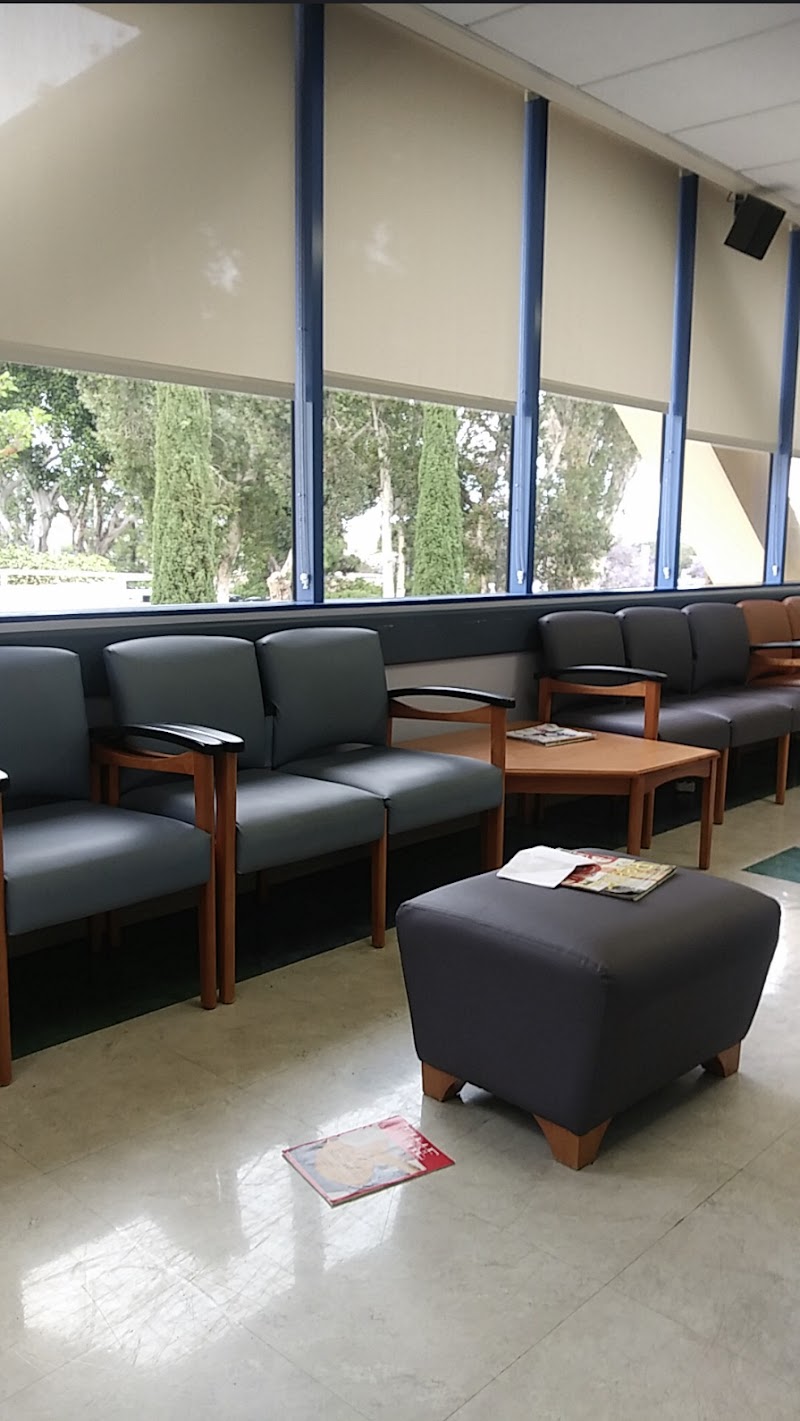
CMS rates HELEN BERNARDY CENTER D/P SNF's staffing level at 4 out of 5 stars, which is above average compared to other nursing homes.

What Have Inspectors Found at Helen Bernardy Center D/P Snf?

State health inspectors documented 13 deficiencies at HELEN BERNARDY CENTER D/P SNF during 2022 to 2025. These included: 13 with potential for harm.
Who Owns and Operates Helen Bernardy Center D/P Snf?

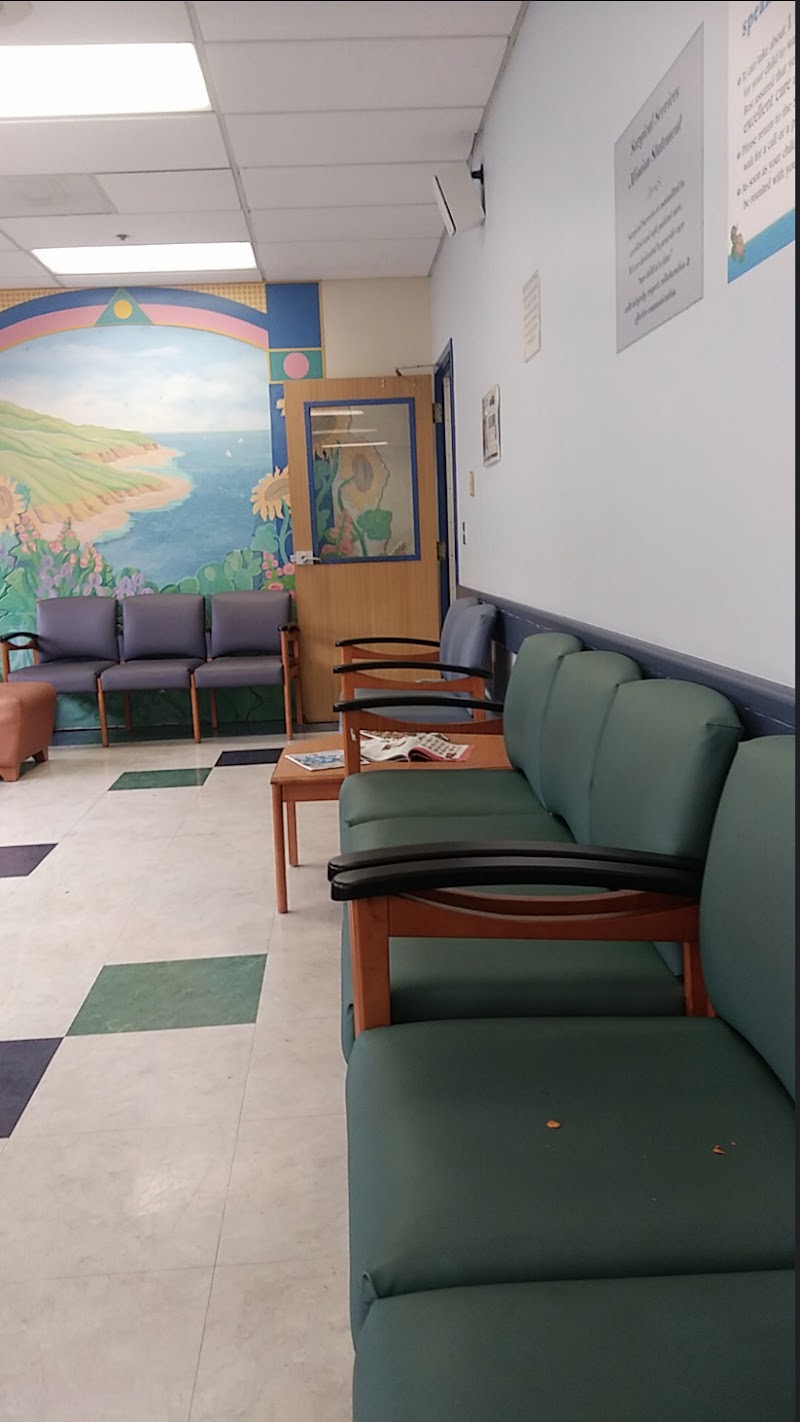
HELEN BERNARDY CENTER D/P SNF is owned by a non-profit organization. Non-profit facilities reinvest revenue into operations rather than distributing to shareholders. The facility operates independently rather than as part of a larger chain. With 43 certified beds and approximately 30 residents (about 70% occupancy), it is a smaller facility located in SAN DIEGO, California.
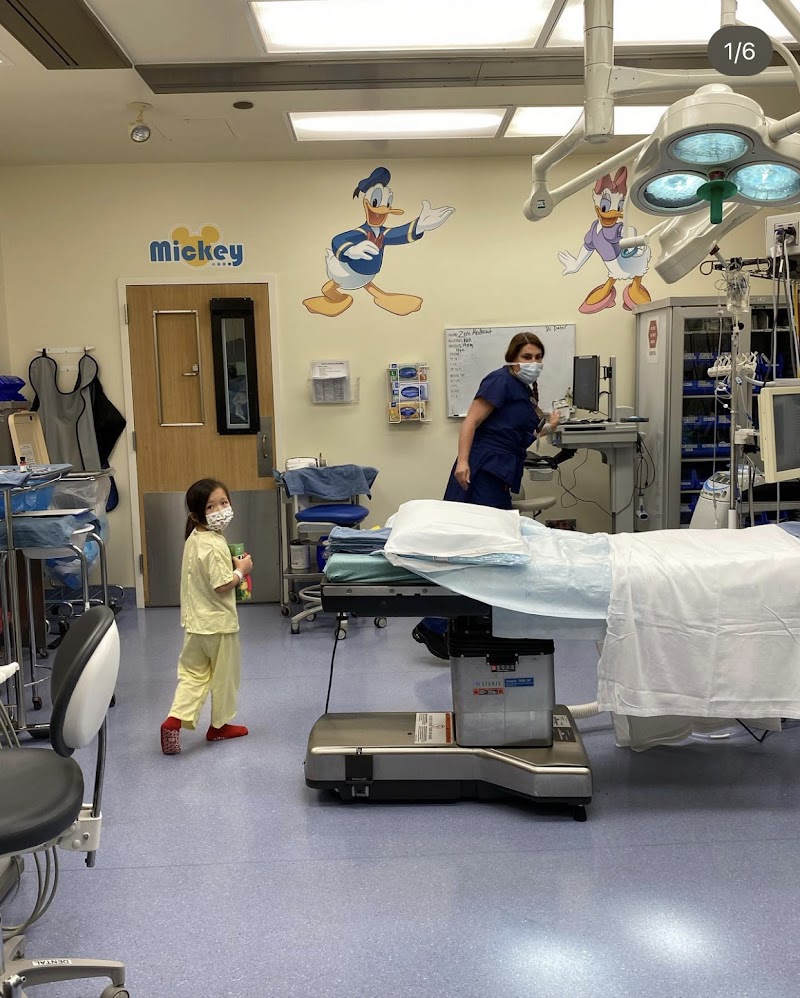
How Does Helen Bernardy Center D/P Snf Compare to Other California Nursing Homes?

Compared to the 100 nursing homes in California, HELEN BERNARDY CENTER D/P SNF's overall rating (5 stars) is above the state average of 3.2 and health inspection rating (5 stars) is much above the national benchmark.

What Should Families Ask When Visiting Helen Bernardy Center D/P Snf?

Based on this facility's data, families visiting should ask: "Can I visit during a mealtime to observe dining assistance and food quality?" "How do you handle medical emergencies, and what is your hospital transfer rate?" "Can I speak with family members of current residents about their experience?"

Is Helen Bernardy Center D/P Snf Safe?

Based on CMS inspection data, HELEN BERNARDY CENTER D/P SNF has a clean safety record: no substantiated abuse findings (meaning no confirmed cases of resident harm), no Immediate Jeopardy citations (the most serious violation level indicating risk of serious injury or death), and is not on the Special Focus Facility watch list (a federal program monitoring the lowest-performing 1% of nursing homes). The facility has a 5-star overall rating and ranks #1 of 100 nursing homes in California. While no facility is perfect, families should still ask about staff-to-resident ratios and recent inspection results during their visit.

Do Nurses at Helen Bernardy Center D/P Snf Stick Around?

HELEN BERNARDY CENTER D/P SNF has not reported staff turnover data to CMS. Staff turnover matters because consistent caregivers learn residents' individual needs, medications, and preferences. When staff frequently change, this institutional knowledge is lost. Families should ask the facility directly about their staff retention rates and average employee tenure.

Was Helen Bernardy Center D/P Snf Ever Fined?

HELEN BERNARDY CENTER D/P SNF has no federal fines on record. CMS issues fines when nursing homes fail to meet care standards or don't correct problems found during inspections. The absence of fines suggests the facility has either maintained compliance or corrected any issues before penalties were assessed. This is a positive indicator, though families should still review recent inspection reports for the full picture.

Is Helen Bernardy Center D/P Snf on Any Federal Watch List?

HELEN BERNARDY CENTER D/P SNF is not on any federal watch list. The most significant is the Special Focus Facility (SFF) program, which identifies the bottom 1% of nursing homes nationally based on persistent, serious quality problems. Not being on this list means the facility has avoided the pattern of deficiencies that triggers enhanced federal oversight. This is a positive indicator, though families should still review the facility's inspection history directly.