HILLCREST HEIGHTS HEALTHCARE CENTER
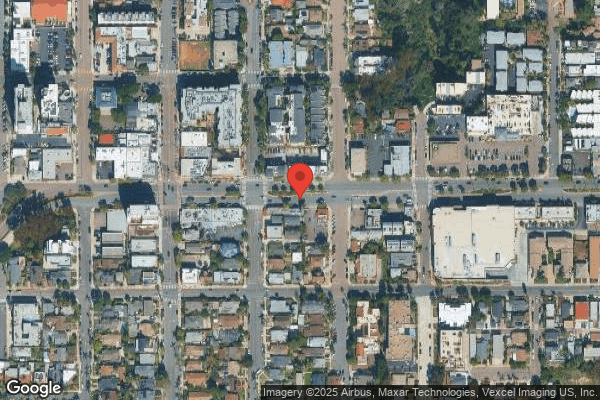
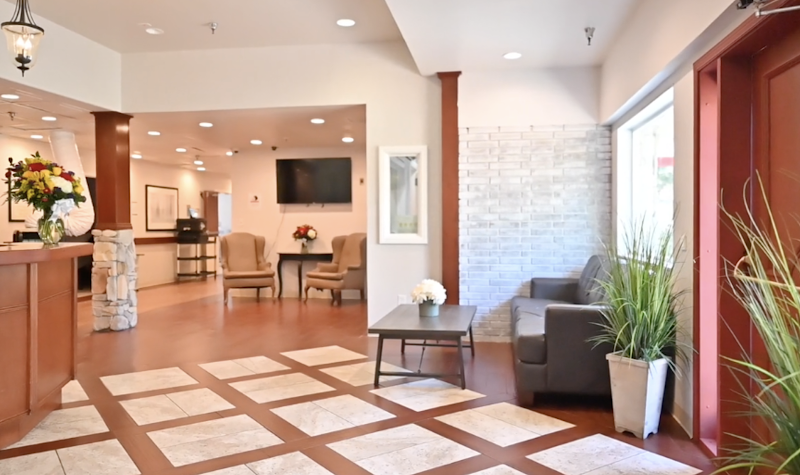
4033 SIXTH AVENUE EXT, SAN DIEGO, CA 92103 (619) 297-4086
For profit - Limited Liability company 96 Beds ASPEN SKILLED HEALTHCARE Data: November 2025
Trust Grade
58/100
#598 of 1155 in CA
Last Inspection: January 2025

Within standard 12-15 month inspection cycle. Federal law requires annual inspections.

Overview

Hillcrest Heights Healthcare Center has received a Trust Grade of C, indicating an average quality of care that is neither great nor terrible. It ranks #598 out of 1,155 facilities in California, placing it in the bottom half, and #61 out of 81 in San Diego County, meaning only 20 local options are better. The facility has shown improvement over time, reducing issues from 18 in 2024 to 11 in 2025. Staffing is a strength here with a 4-star rating and a turnover of 36%, which is below the state average, suggesting stable staff who are familiar with the residents. However, there are some concerning incidents, including failures in ensuring safe kitchen practices that could lead to foodborne illnesses and significant medication errors, such as not administering a crucial medication for 13 days, potentially worsening a resident's condition.

Trust Score
C
58/100
In California
#598/1155
Bottom 49%
Safety Record
Low Risk
No red flags
Inspections
Getting Better
18 → 11 violations
Staff Stability
○ Average
36% turnover. Near California's 48% average. Typical for the industry.
Penalties
⚠ Watch
$6,351 in fines. Higher than 83% of California facilities, suggesting repeated compliance issues.
Skilled Nurses
○ Average
Each resident gets 35 minutes of Registered Nurse (RN) attention daily — about average for California. RNs are the most trained staff who monitor for health changes.
Violations
⚠ Watch
45 deficiencies on record. Higher than average. Multiple issues found across inspections.
★★★☆☆
3.0
Overall Rating
★★★★☆
4.0
Staff Levels
★★★★☆
4.0
Care Quality
★★★☆☆
3.0
Inspection Score
Stable
2024: 18 issues
2025: 11 issues

The Good

  • 4-Star Staffing Rating · Above-average nurse staffing levels
  • 4-Star Quality Measures · Strong clinical quality outcomes
  • Full Sprinkler Coverage · Fire safety systems throughout facility
  • No fines on record
  • Staff turnover below average (36%)

    12 points below California average of 48%

Facility shows strength in staffing levels, quality measures, fire safety.

The Bad

3-Star Overall Rating

Near California average (3.1)

Meets federal standards, typical of most facilities

Staff Turnover: 36%

Near California avg (46%)

Typical for the industry

Federal Fines: $6,351

Below median ($33,413)

Minor penalties assessed

Chain: ASPEN SKILLED HEALTHCARE

Part of a multi-facility chain

Ask about local staffing decisions and management

The Ugly 45 deficiencies on record

Jun 2025 1 deficiency
CONCERN (D) 📢 Someone Reported This

A family member, employee, or ombudsman was alarmed enough to file a formal complaint

Potential for Harm - no one hurt, but risky conditions existed

Deficiency F0627 (Tag F0627)

Could have caused harm · This affected 1 resident

**NOTE- TERMS IN BRACKETS HAVE BEEN EDITED TO PROTECT CONFIDENTIALITY** Based on interview and record review, the facility failed to ensure a safe and coordinated discharge for one of three sampled re...

Read full inspector narrative →
**NOTE- TERMS IN BRACKETS HAVE BEEN EDITED TO PROTECT CONFIDENTIALITY** Based on interview and record review, the facility failed to ensure a safe and coordinated discharge for one of three sampled residents (Resident 1). This failure placed Resident 1 at risk for an unsafe discharge and rehospitalization. Findings: During a record review on 5/23/25, Resident 1's admission Record indicated Resident 1 was admitted to the facility on [DATE] and readmitted on [DATE] with diagnoses which included infective endocarditis (an infection of the heart), abnormalities of gait and mobility, and need for assistance with personal care. During a record review on 5/2325, Resident 1's Minimum Data Set (MDS-an assessment tool) dated 4/2/25 indicated a Brief Interview for Mental Status (BIMS- developed by reviewing the resident's status during the prior seven-day period) score of 13 points out of 15 possible points which indicated Resident 1 had intact cognition (pertaining to memory, judgement and reasoning ability). On 5/23/25 at 10:24 A.M., an interview was conducted with Resident 1 in his room. Resident 1 stated on 5/20/25, he was informed by facility staff that he needed to discharge from the facility. Resident 1 stated, They told me this place was for older people .that my insurance stopped paying or something .that I don't need to be here anymore because I'm high functioning . Resident 1 stated he was not high functioning because he still needed assistance with ADL's (Activities of Daily Living- dressing, transferring, bathing, and toileting). Resident 1 stated on 5/21/25, he was discharged to [Sober Living Facility]. Once he arrived at [Sober Living Facility], .staff [at Sober living facility] said they weren't equipped for me. Resident 1 stated he was incontinent of bladder and bowel, and there was no staff available who was able to provide incontinent care. Resident 1 stated on 5/21/25, staff at [Sober living facility] called 911 and had him transferred to the hospital, because he felt out of breath. Resident 1 stated he was transferred back from the hospital back to [Skilled Nursing Facility] later that day. Resident 1 stated one of the ladies [from the skilled nursing facility] promised me that [Sober Living Facility] had caregivers there, but they did not. It's a sober living mental health place, not a caregiving place .they couldn't help me to the bathroom, or change me, or anything . On 5/23/25 at 10:54 A.M., an interview was conducted with Certified Nursing Assistant (CNA) 1. CNA 1 stated she was familiar with Resident 1 and had provided care for him in the past. CNA 1 stated Resident 1 was always incontinent and He never uses the bathroom. I've never seen him walk . CNA 1 stated Resident 1 required assistance with showering and transferring from bed to wheelchair. On 5/23/25 at 11:10 A.M., an interview was conducted with CNA 2. CNA 2 stated she had provided care for Resident 1 in the past. CNA 2 stated Resident 1, never went to the toilet himself. He would urinate and have bowel movements in his brief, and I always had to change him . CNA 1 stated Resident 1 needed assistance with dressing, showering, and transfers. CNA 1 stated, He gets tired and gets out of breath easily, so he isn't able to help much . On 5/23/25 at 1:26 P.M., an interview was conducted with the Social Services Director (SSD). The SSD stated prior to discharging on 5/21/25, Resident 1 voiced concerns regarding [Sober living facility]. The SSD stated, His concern was there wasn't going to be someone to assist him to and from the wheelchair, or to the toilet. The SSD stated the Case Manager spoke with Resident 1 and assured Resident 1 that [Sober living facility] had caregivers who could help him with ADL's. The SSD stated, If someone is incontinent, they shouldn't go there . On 5/27/25 at 11:16 A.M., a telephone interview was conducted with [Sober living facility representative-REP 1]. REP 1 stated [Sober living facility] was provided housing for residents for 90 days. REP 1 stated, We do not offer any type of medical or physical assistance .ADL's (Activities of Daily Living) must be independently done by the resident . REP 1 stated, .our facility got information that [Resident 1] was independent and could manage all his ADL's. On the paperwork it was specified that he can walk without assistance. It was to my surprise that when he arrived [to Sober living facility] we saw the resident needed assistance . REP 1 stated she was not aware that Resident 1 was incontinent and needed assistance with ADL's. REP 1 stated, We would not have accepted the resident because we would not have been able to meet his needs physically or medically . A review of Resident 1's MDS dated [DATE] indicated Resident 1 was able to perform ADL's at the following levels: Oral hygiene: partial/moderate assistance Toileting hygiene: substantial/maximal assistance Upper body dressing: partial/moderate assistance Lower body dressing: substantial/maximal assistance Putting on/taking off footwear: substantial/maximal assistance Personal hygiene: substantial/maximal assistance The MDS dated [DATE] also indicated Resident 1 was frequently incontinent of urine and bowel. On 6/6/25, an interview was conducted with the Director of Nursing (DON). The DON stated the facility was responsible for ensuring Resident 1 was discharged to a facility that was able to meet his needs. The DON stated, .[Resident 1] should not have been discharged to [Sober Living Facility] because they could not take care of him. They would not have been able to provide his care needs . The DON stated it was her expectation that residents were discharged to the appropriate facilities to avoid rehospitalizations and readmissions. During a record review on 6/6/25, the facility policy titled Discharge Summary and Plan dated 12/2016 indicated, The post-discharge plan will be developed by the Care Planning/Interdisciplinary Team with the assistance of the resident .and will include: The degree of caregiver/support person availability, capacity and capability to perform required care .What factors may make the resident vulnerable to preventable readmission; and .how those factors will be addressed .
May 2025 3 deficiencies
CONCERN (D) 📢 Someone Reported This

A family member, employee, or ombudsman was alarmed enough to file a formal complaint

Potential for Harm - no one hurt, but risky conditions existed

Deficiency F0628 (Tag F0628)

Could have caused harm · This affected 1 resident

**NOTE- TERMS IN BRACKETS HAVE BEEN EDITED TO PROTECT CONFIDENTIALITY** Based on interview and record review, the facility failed to develop an effective discharge plan that ensured residents' dischar...

Read full inspector narrative →
**NOTE- TERMS IN BRACKETS HAVE BEEN EDITED TO PROTECT CONFIDENTIALITY** Based on interview and record review, the facility failed to develop an effective discharge plan that ensured residents' discharge goals were identified and addressed for one of three sampled residents (Resident 2). As a result, Resident 2 felt rushed, unheard, and unprepared to transition to the next care setting, which affected the continuity of care. (Cross-reference: F-655, Baseline Care Plans) Findings: Resident 2 was admitted to the facility on [DATE] with diagnoses that included hemiplegia (paralysis of one side of the body), per the admission Record. A record review of the facility's census and list of residents scheduled for discharge was conducted. The facility indicated that Resident 2 will be discharged today [5/8/25]. On 5/8/25 at 12:35 P.M., Resident 2 was observed holding a cell phone and sitting on the transport wheelchair. Resident 2 stated that yesterday [5/7/25], he was told by the Social Service Director (SSD) that he would be discharged today [5/8/25}. Resident 2 stated he indicated his concerns [like finance and wheelchair], and the SSD did not seem to want to listen to him. Resident 2 stated that the SSD appears to have decided that he will leave, regardless of the circumstances. Resident 2 further stated that he did not know where he was going and was told that transportation would pick him up by 2 P.M. on 5/8/25. Resident 2 further said he tried to call his family members to let them know. On 5/8/25 at 12:44 P.M., an interview was conducted with Certified Nursing Assistant (CNA) 1. CNA 1 stated that the process for discharging a resident involved the licensed nurse (LN) informing them of who would be discharged at the beginning of their shift so that they could prepare the resident's belongings. CNA 1 stated the LN did not inform her of Resident 2's discharge today and received the information through Resident 1. CNA 1 stated that Resident 2 was upset, looking for his belongings, and she was doing her best to gather them all. On 5/8/25 at 12:55 P.M., a joint interview and record review was conducted with LN 1. LN 1 stated the SSD would provide them with a copy of the resident's name and the day of discharge. LN 1 stated Resident 2 was not scheduled to be discharged today. However, when LN 1 reviewed Resident 2's medical record, the SSD documented that Resident 2 would be discharged today with transport scheduled. In addition, Resident 2 did not have a care plan or a physician's order for discharge. On 5/8/25 at 1:15 P.M., an interview was conducted with the SSD. The SSD stated that Resident 2 had agreed to leave on that day, and she found a placement for him. The SSD denied having knowledge of Resident 2's concerns. The SSD stated she should have created a discharge care plan for Resident 2 and ensured the resident's preference was considered for placement. On 5/8/25 at 1:30 P.M., an interview with the Administrator (ADM) was conducted. The ADM stated that a care plan should have been created to ensure residents' needs were prepared before discharge. Per the facility's policy and procedure, dated 12/2016, titled Transfer or Discharge, Preparing a Resident for, .Resident will be prepared in advance for discharge .A post-discharge plan is developed for each resident prior to his or her transfer or discharge .
CONCERN (D) 📢 Someone Reported This

A family member, employee, or ombudsman was alarmed enough to file a formal complaint

Potential for Harm - no one hurt, but risky conditions existed

Deficiency F0655 (Tag F0655)

Could have caused harm · This affected 1 resident

**NOTE- TERMS IN BRACKETS HAVE BEEN EDITED TO PROTECT CONFIDENTIALITY** Based on observation, interview, and record review, the facility failed to ensure the care plan for discharge (leaving the facil...

Read full inspector narrative →
**NOTE- TERMS IN BRACKETS HAVE BEEN EDITED TO PROTECT CONFIDENTIALITY** Based on observation, interview, and record review, the facility failed to ensure the care plan for discharge (leaving the facility) was developed and implemented for two of three sampled residents (Resident 1 and Resident 2). This failure increased the risk that the residents' wishes would not be honored. Findings: 1. Resident 1 was admitted to the facility on [DATE] with diagnoses that included aftercare following surgery, per the admission Record. On 5/8/25, a review of Resident 1's medical record was conducted. Resident 1 was discharged from the facility on 4/18/25. There was no evidence that a discharge care plan was developed. On 5/8/25 at 11 A.M., an interview was conducted with the Social Service Director (SSD). The SSD stated that a care plan should have been done on admission. Resident 1 did not have a discharge care plan and the facility should have ensured the resident was discharged according to the plan. On 5/08/25 at 12:55 P.M., an interview was conducted with the Director of Nursing (DON). The DON stated that the discharge care plan should have been developed to meet residents' needs. 2. Resident 2 was admitted to the facility on [DATE] with diagnoses that included hemiplegia (paralysis of one side of the body), per the admission Record. On 5/8/25 at 12:35 P.M., Resident 2 was observed sitting on the transport wheelchair. Resident 2 stated that he was discharged today at 2 P.M. and did not know where he was going. On 5/8/25, a review of Resident 2's medical record was conducted. There was no evidence that a discharge care plan was developed. On 5/8/25 at 1:15 P.M., an interview was conducted with the SSD. SSD stated that Resident 2 did not have a discharge care plan and should have had one in place. Per the facility's policy and procedure, reviewed 1/2023, titled Care Plans - Baseline, A baseline plan of care to meet the resident's immediate needs shall be developed for each resident within fourty-eight (48) hours of admission .The baseline care plan will be used until the staff can conduct the comprehensive assessment . Per the facility's policy and procedure, reviewed 1/2023, titled Care Plans, Comprehensive Person-Centered, .A comprehensive. person-centered care plan that includes measurable objectives and timetables to meet the resident's physical, psychosocial and functional needs is developed and implemented for each resident .
CONCERN (D) 📢 Someone Reported This

A family member, employee, or ombudsman was alarmed enough to file a formal complaint

Potential for Harm - no one hurt, but risky conditions existed

Quality of Care (Tag F0684)

Could have caused harm · This affected 1 resident

**NOTE- TERMS IN BRACKETS HAVE BEEN EDITED TO PROTECT CONFIDENTIALITY** Based on an interview and record review, the facility failed to (1) Notify the physician of the change of condition [rashes on t...

Read full inspector narrative →
**NOTE- TERMS IN BRACKETS HAVE BEEN EDITED TO PROTECT CONFIDENTIALITY** Based on an interview and record review, the facility failed to (1) Notify the physician of the change of condition [rashes on the head] and monitor skin changes for one of three sampled residents (Resident 3) and (2) Thoroughly assess and document Resident 3's condition following an unwitnessed fall. As a result, Resident 3 experienced delayed care, and the medical record did not accurately reflect the resident's condition, potentially impacting their health and safety. Findings: Resident 3 was admitted to the facility on [DATE] with diagnoses that included hypertension (abnormal blood pressure), per the admission Record. A review of Resident 3's medical record was conducted. Per the Shower Sheet, dated 1/25/25, Licensed Nurse (LN) 2 documented Resident 2 had rashes on top of the head and above the forehead. There was no documented evidence that the physician was notified of the rashes or monitoring. Per the Progress Notes, dated 1/26/25 at 12:48 P.M., LN 2 documented that Resident 3 reported falling over a month ago and hitting her head. Resident 3 also stated she had a wound on top of the head. LN 2 further documented that Resident 3 had no change in level of consciousness, and no signs or symptoms of bleeding were noted. However, there was no documented evidence of the wound description, including its appearance or size, before the hospital transfer. A further review of Resident 3's medical record was conducted. There was no fall incident documented. LN 2 was not available for an interview. Per the hospital report, titled General Medicine History and Physical, dated 1/26/25, Resident 3 went to the emergency department with purulent (pus) drainage from the a wound on the scalp. On 5/21/25 at 1:15 P.M., an interview was conducted with the Assistant Director of Nursing (ADON). The ADON stated any change of condition [such as fall, rashes or wound] should have been reported to the physicians and documented. The ADON further stated the LNs should have document detailed observations of the wound. Per the facility's policy and procedure, revised 5/2017, titled Change in Resident's Condition or Status, .Our facility should promptly notify .attending physician .Prior to notifying the Physician or healthcare provider, the nurse will make detailed observations and gather relevant and pertinent information for the provider .
Jan 2025 7 deficiencies
CONCERN (D)

Potential for Harm - no one hurt, but risky conditions existed

Assessment Accuracy (Tag F0641)

Could have caused harm · This affected 1 resident

**NOTE- TERMS IN BRACKETS HAVE BEEN EDITED TO PROTECT CONFIDENTIALITY** Based on observation, interview, and record review, the facility failed to accurately assess and code one of three residents (Re...

Read full inspector narrative →
**NOTE- TERMS IN BRACKETS HAVE BEEN EDITED TO PROTECT CONFIDENTIALITY** Based on observation, interview, and record review, the facility failed to accurately assess and code one of three residents (Resident 50) on their annual Minimum Data Set (MDS-a clinical assessment tool which is a Federal requirement to be submitted to Centers for Medicare and Medical Services {CMS}) who was identified as a smoker, when reviewed for Comprehensive Assessments. This failure had the potential for CMS to be unaware of Resident 50's current health status. Findings: Resident 50 was admitted to the facility on 4/24//23, with diagnoses which included dementia (progressive memory loss), per the facility's admission Record. An observation was conducted of Resident 50 on 1/6/25 at 10:10 A.M. Resident 50 was sitting outside in the smoking area with four other residents and a smoking monitor (a person who supervises smoking residents and hands-out smoking material). Resident 50 was wearing a protective smoking apron and holding a cigarette in his right hand. An observation was conducted of Resident 50 on 1/7/24 at 8:10 A.M. Resident 50 was outside smoking with three other residents and a smoking monitor was present. Resident 50 was not wearing a protective smoking apron and was holding a lit cigarette in his right hand. Resident 50's clinical record was reviewed On 1/7/25: According to the annual Minimum Data Set (a clinical assessment tool), dated 10/25/24, Resident 50 had a cognitive score of 5, which indicated severe impaired cognition. The Health Condition section indicated Resident 50 was not a user of tobacco products. According to the facility's Smoking Safety Evaluation, dated 10/21/24, Resident 50 was identified as a smoker, who consumed 2-5 cigarette a day. Resident 50 was required to wear a smoking apron for protection and staff were required to extinguish the resident's cigarette. According to the care plan, titled Resident at risk for smoking related injury, revised 12/11/24, interventions included: Supervise resident per Smoking Assessment. An interview and record review was conducted with the Minimum Data Set Nurse (MDSN) on 1/7/25 at 3:01 P.M., of Resident 50's annual MDS dated [DATE]. The MDSN stated when Resident assessments were completed for MDS, he reviewed the physician orders, nursing notes, assessments, and care plans first. The MDSN stated if a resident was identified as a smoker, it would be listed in Section J, Health Condition in MDS. The MDSN reviewed Resident 50's annual MDS, dated [DATE], and stated Resident 50 was listed as a non-smoker, which was incorrect. The MDSN stated he missed it, and the annual MDS was incorrect. The MDSN stated the harm to the inaccurate MDS assessment was CMS was not informed of the resident's smoking status. An interview was conducted with the Director of Nursing (DON) on 1/8/245 at 4:30 P.M., The DON stated she expected the MDS's to be accurate, so CMS had an accurate picture of what was currently going on with the resident. According to the Resident Assessment Instrument (RAI-a tool used by the MDSNs to code and submit accurate MDS data) dated October 2019, .Section J1300, Health-related Quality of Life: The negative effects of smoking can shorten life expectancy and create health problems that interfere with daily activities and adversely affect quality of life If cessation is declined, a care plan that allows safe and environmental accommodation of resident preferences is needed .
CONCERN (D)

Potential for Harm - no one hurt, but risky conditions existed

Accident Prevention (Tag F0689)

Could have caused harm · This affected 1 resident

**NOTE- TERMS IN BRACKETS HAVE BEEN EDITED TO PROTECT CONFIDENTIALITY** Based on observation, interview, and record review, the facility failed to ensure resident safety for one of three residents (Re...

Read full inspector narrative →
**NOTE- TERMS IN BRACKETS HAVE BEEN EDITED TO PROTECT CONFIDENTIALITY** Based on observation, interview, and record review, the facility failed to ensure resident safety for one of three residents (Resident 50), identified as requiring a smoking apron while smoking, when reviewed for accidents. This failure had the potential for Resident 50's clothing to catch fire when smoking. Findings: Resident 50 was admitted to the facility on [DATE], with diagnoses which included dementia (progressive memory loss), per the facility's admission Record. An observation was conducted of Resident 50 on 1/6/25 at 10:10 A.M. Resident 50 was sitting outside in the smoking area with four other resident's, including a smoking monitor (a person who supervises smoking residents and hands-out smoking material). Resident 50 was wearing a protective smoking apron and holding a cigarette in his right hand. An observation was conducted of Resident 50 on 1/7/24 at 8:10 A.M. Resident 50 was outside smoking with three other residents and a smoking monitor was present. Resident 50 was not wearing a protective smoking apron and was holding a lit cigarette in his right hand. An interview was conducted with the Smoking Monitor (SM 1) on 1/7/25 at 8:11 A.M. SM 1 stated there was only one resident who required a protective apron while smoking which was identified as Resident 1. Resident 50's clinical record was reviewed On 1/7/25: According to the annual Minimum Data Set (a clinical assessment tool), dated 10/25/24, Resident 50 had a cognitive score of 5, indicting severe impaired cognition. The Health Condition section indicated Resident 50 was not a user of tobacco products. According to the facility's Smoking Safety Evaluation, dated 10/21/24, Resident 50 was identified as a smoker, who consumed 2-5 cigarette a day. Resident 50 was required to wear a smoking apron for protection and staff were required to extinguish the resident's cigarette. According to the care plan, titled Resident at risk for smoking related injury, revised 12/11/24, interventions included; Supervise resident per Smoking Assessment. A follow-up interview was conducted with SM 1 on 1/7/25 at 2:45 P.M. SM 1 stated his supervisor had communicated to him that Resident 50 needed a smoking apron. SM 1 stated Resident 50 was upset with him one day about wearing the apron, so SM 1 stopped putting the apron on Resident 50. SM 1 stated Resident 50 could be harmed when not wearing the apron, because his clothing could catch on fire. SM 1 stated he knew he should have put the apron on Resident 50. SM 1 stated there were three residents who required smoking aprons and Resident 50 was one of them. An interview was conducted with Licensed Nurse 6 (LN 6) on 1/7/25 at 2:50 P.M. LN 1 stated Smoking Assessments were completed by Licensed Nurses. LN 1 stated if LNs determined a smoking apron was required for safety reasons, then the resident should always wear an apron while smoking. LN 6 stated if a required smoking apron was not put on, the resident could be at risk of burns if their clothing caught fire. LN 6 stated their job was to keep the residents safe. An interview was conducted with the Director of Nursing (DON) on 1/7/25 at 2:56 P.M. The DON stated if the Smoking Assessment indicated a protective apron was required, then she expected staff to ensure the apron was in place when the resident was smoking. According to the facility's policy, titled Safe Smoking-Resident, dated August 2022, .2. Resident's will be assessed by the IDT (Interdisciplinary Team) .The assessment is to determine if the Resident is ale to smoke safely and not harm themselves . 3. As identified by the Safe Smoking Assessment', Residents who require assistance and/or monitoring for smoking safety are not allowed to smoke unaccompanied/unsupervised .
CONCERN (D)

Potential for Harm - no one hurt, but risky conditions existed

Menu Adequacy (Tag F0803)

Could have caused harm · This affected 1 resident

**NOTE- TERMS IN BRACKETS HAVE BEEN EDITED TO PROTECT CONFIDENTIALITY** Based on observation, interview, and record review, the facility failed to follow the posted menu. In addition, two of 88 reside...

Read full inspector narrative →
**NOTE- TERMS IN BRACKETS HAVE BEEN EDITED TO PROTECT CONFIDENTIALITY** Based on observation, interview, and record review, the facility failed to follow the posted menu. In addition, two of 88 residents (Resident 32 and 86) did not receive a fortified (foods with nutrients added to them), meal as ordered, when reviewed for nutritional needs. This failure had the potential for residents' nutritional needs to not be met. Findings: A lunch tray line observation was conducted in the kitchen on 1/8/25 at 12:10 P.M. The lunch meal consisted of oven crisp fish, sweet potato fries or brown rice, seasoned carrots, wheat roll, and cranberry crunch bar for dessert. 1. An observation was conducted on 1/8/25 at 1:23 P.M., during lunch tray line service in the kitchen. Some lunch trays contained white rice, in lieu of the sweet potato fries. The posted daily menu listed brown rice or sweet potato fries as being served with the fish. The cook was questioned about the white rice and went to view the posted menu. The cook stated It does indeed say brown rice. The cook stated, I did not look at it closely and made white rice instead. The cook stated the Registered Dietician was unaware white rice was made, instead of brown rice. An interview was conducted with the Food Nutrition Service (FNS) manager on 1/8/25 at 1:50 P.M. The FNS stated when white rice was served instead of brown rice the cook was not following the menu. An interview was conducted with the Registered Dietician (RD) on 1/8/25 at 4:05 P.M. The RD stated brown rice contains more fiber and nutrients then white rice. The RD stated she should have been notified the posted menu was not being followed, to ensure residents were getting all their nutrients. According to the facility's policy, titled Meal Planning, dated 2023, .3. All daily menu changes, with the reason for the change, are to be noted on the back of the kitchen spreadsheet .Only the Facility Registered Dietician or FNS Director can make permanent changes. The FNS Director is to receive the Facility Registered Dietician's approval for any permanent changes .Menu changes should also be noted on the menus on the consumers board and any other menus which may be posted . 2a. Resident 32 was admitted to the facility on [DATE], with diagnoses which include moderate protein-calorie malnutrition per the facility's admission Record. An observation of the lunch tray line was conducted on 1/8/25 at 12:20 P.M. Resident 32's meal was compared to the plate prepared. The meal ticket listed fortified ground consistency with double meat, fish, eggs. The plate contained fish, carrots, and white rice. No fortified additive was noted. The cook was asked what fortified additive was being used. The cook stated, melted butter on the vegetables and rice, if indicated The cook stated, I forgot to add the melted butter to Resident 32's meal. The plate was returned to the cook prior to putting on the food cart, and additional butter was added. 2b. Resident 86 was admitted to the facility on [DATE], with diagnoses which included displaced fracture of the right lower leg, per the facility's admission Record An observation of Resident 86's lunch tray was compared to his meal ticket on 1/8/25 at 1:37 P.M., during tray line. Resident 69's meal ticket read, Fortified regular consistency. The plate contained fish, carrots, sweet potato fries, and dessert. No additional butter was added to the carrots. The plate was covered and getting ready to place on the food cart for delivery. The meal ticket was pointed out to staff that no fortified additive was present. The cook added butter to the carrots without commenting. An interview was conducted with the Food Nutrition Service Manager (FNS) on 1/8/25 at 1:50 P.M. The FNS stated fortified foods were required for residents experiencing weight loss. The FNS stated if the fortified additive were not added, they were not meeting the resident's nutritional needs. An interview was conducted with the Registered Dietitian (RD) on 1/8/24 at 4: 05 P.M. The RD stated fortified additives were important to provide residents experiencing weight loss with additional calories. The RD stated if the residents were not getting their fortified additives, it could be contributing to their weight loss. According to the facility's policy, titled Fortification of Foods: Increasing Calories and/or Protein in the Diet, dated 2023, .Identification of residents in need of fortification will be done by the facility's Registered Dietician or the FNS Director. The physician will then order a Fortified Diet.Calories and/or protein will be added to selected food .FNS staff will be familiar with the fortification process for each item chosen to be used at the facility .
CONCERN (E)

Potential for Harm - no one hurt, but risky conditions existed

Pharmacy Services (Tag F0755)

Could have caused harm · This affected multiple residents

**NOTE- TERMS IN BRACKETS HAVE BEEN EDITED TO PROTECT CONFIDENTIALITY** Based on observation, interview, and record review, the facility failed to ensure the accountability of controlled medications (...

Read full inspector narrative →
**NOTE- TERMS IN BRACKETS HAVE BEEN EDITED TO PROTECT CONFIDENTIALITY** Based on observation, interview, and record review, the facility failed to ensure the accountability of controlled medications (those with high potential for abuse and addiction) and failed to accurately and timely administer resident medications, when: 1. The Controlled Drug Records (accountability records) for four out of seven randomly selected residents (Residents 91, 86, 81, and 11) did not reconcile with the Medication Administration Records (MAR). This failure resulted in inaccurate accountability of controlled medications and the potential for accidental duplicate medication administration; and 2. The pharmacy did not provide Resident 30's Creon (brand name for pancrelipase, a medication for the pancreas) for 13 days. This failure could result in ineffective management of Resident 30's pancreatic insufficiency (inability to properly digest food due to pancreas dysfunction); and 3. Nursing staff failed to administer one medication as ordered by the prescriber for one out of seven residents (Resident 3). This failure resulted in Resident 3 receiving a dose of metformin (a medication for diabetes) without food which could cause side effects such as diarrhea and upset stomach. Findings: 1a. Resident 91 had a physician order, dated 11/24/24, for oxycodone (a controlled narcotic medication for pain) 10 milligrams (mg), one tablet by mouth every four hours as needed for severe pain. During a concurrent interview and record review on 1/7/25 at 10:24 A.M. with licensed nurse (LN) 1, Resident 91's oxycodone 10 mg Controlled Drug Record (CDR) and December 2024 MAR were reviewed. LN 1 confirmed the CDR indicated the nursing staff signed out one tablet on the following date and time but did not document the administration on the MAR (total of one dose): - 12/7/24 at 12 A.M. 1b. Resident 86 had a physician order, dated 10/12/24, for hydrocodone with acetaminophen (a controlled narcotic medication for pain, generic for Norco) 10-325 mg, one tablet by mouth every four hours as needed for moderate to severe pain. During a concurrent interview and record review on 1/7/25 at 10:24 A.M. with LN 1, Resident 86's Norco 10-325 mg CDR and January 2025 MAR were reviewed. LN 1 confirmed the CDR indicated the nursing staff signed out one tablet on the following date and time but did not document the administration on the MAR (total of one dose): - 1/3/25 at 2:30 P.M. 1c. Resident 81 had a physician order, dated 7/29/24, for oxycodone 5 mg, one tablet by mouth every six hours as needed for severe pain. During a concurrent interview and record review on 1/7/25 at 11:19 A.M. with LN 2, Resident 81's oxycodone 5 mg CDR and January 2025 MAR were reviewed. LN 2 confirmed the CDR indicated the nursing staff signed out one tablet on the following date and time but did not document the administration on the MAR (total of one dose): - 1/2/25 at 9 A.M. 1d. Resident 11 had a physician order, dated 7/4/24, for Norco 5-325 mg, one tablet by mouth every six hours as needed for moderate and severe pain. During a concurrent interview and record review on 1/7/25 at 11:19 A.M. with LN 2, Resident 11's Norco 5-325 mg CDR and January 2025 MAR were reviewed. LN 2 confirmed the CDR indicated the nursing staff signed out one tablet on the following date and time but did not document the administration on the MAR (total of one dose): - 1/3/25 at 8:30 A.M. During a concurrent interview and record review on 1/7/25 at 1:37 P.M. with the Assistant Director of Nursing (ADON), the Controlled Drug Records and MARs for Residents 91, 86, 81, and 11 were reviewed. ADON acknowledged the following controlled medications were unaccounted for: - Resident 91: one tablet of oxycodone 10 mg - Resident 86: one tablet of Norco 10-325 mg - Resident 81: one tablet of oxycodone 5 mg - Resident 11: one tablet of Norco 5-325 mg The ADON stated the nursing staff need to document the administration of pain medications in the MAR. During an interview on 1/9/25 at 9:27 A.M., the DON verified she was aware of the discrepancies in the controlled drug medical records for Residents 91, 86, 81, and 11. The DON stated the expectation is that every time the nurse administers a narcotic medication, the nurse documents the administration in the CDR and the MAR. The DON stated documentation in the MAR is important as proof that the resident received the medication. The DON also stated a concern of inaccurate MAR documentation is accidental duplicate administration of narcotic pain medications. A review of the facility's policy and procedure titled, Preparation and General Guidelines IIA5: Controlled Medication, dated April 2008, indicated: .When a controlled medication is administered, the licensed nurse administering the medication immediately enters the following information on the accountability record and the medication administration record (MAR): .Date and time of administration .Amount administered .Initials of the nurse administering the dose on the MAR after the medication is administered . 2. During an interview on 1/7/25 at 11:40 A.M., Resident 30 stated she had been discharged from the hospital two weeks ago with a new medication to take with meals for her pancreas. Resident 30 stated someone at the facility told her that her insurance would not cover the pancreas medicine and she could not afford to pay for the medication herself. Resident 30 verified she had not received this medication since her re-admission to the facility on [DATE]. Resident 30 had a physician order, dated 12/24/24, for Creon 24,000-76,000 units, Give 2 capsule by mouth with meals for PANCREATIC INSUFFICIENCY. During a telephone interview on 1/7/25 at 3:24 P.M., the Consultant Pharmacist (CP) stated the pharmacy delivered Resident 30's Creon to the facility on 1/6/25 at 7:04 P.M. During a follow up telephone interview on 1/7/25 at 3:41 P.M., CP verified this was the first delivery of Creon for Resident 30. During a telephone interview on 1/8/25 at 12:48 P.M., Pharmacist 1 (PH 1) stated the pharmacy received orders for Resident 30's Creon on 12/24/24. PH 1 stated the first time the pharmacy filled and delivered Resident 30's Creon was on 1/6/25. PH 1 stated the pharmacy notified the facility that the medication was not covered by insurance and requested a signature on the authorization form, Urgent Notice of Non-Covered/High-Cost Drug, to dispense. PH 1 then stated the pharmacy received the signed authorization form to deliver the medication on 1/5/25. PH 1 verified Resident 30 did not receive Creon from the pharmacy from 12/24/24 until 1/6/25. PH 1 stated the facility has discretion to sign the authorization form. PH 1 stated there is no alternative medication for Creon. During an interview on 1/8/25 at 3:21 P.M., the DON stated Resident 30 received the first Creon dose on 1/7/25 because the first Creon delivery was on 1/6/25. The DON verified Resident 30 did not receive any doses between 12/24/24 and 1/7/25. The DON stated the facility noticed Resident 30's Creon was missing on 1/5/25 and contacted the pharmacy to follow up on the delay. The DON stated she submitted the signed authorization form after talking to the pharmacy on 1/5/25. The DON stated the insurance issue for Creon was identified by the facility on 1/5/25. The DON also stated when resident medications are missing, the nurse should follow up with the pharmacy. The DON stated Resident 30 was supposed to start Creon on 12/25/24 at the facility. During an interview on 1/9/25 at 8:12 A.M., the DON stated she was investigating whether any facility staff had contacted the pharmacy between 12/25/24 and 1/5/25 to follow up on the Creon. The DON did not provide evidence of facility contacting the pharmacy prior to 1/5/25 to the surveyor. A review of the signed authorization form Urgent Notice of Non-Covered/High-Cost Drug, signed and dated 1/5/25 by the DON for Resident 30, indicated: .Option 1: Pay for current medication as per below .Drug Name and Strength: Creon . and .Option 3 - No Covered Alternative (if this option is checked by pharmacy, Facility staff must select option 1 and sign below) . A review of the Consolidated Delivery Sheets, dated 1/6/25 at 12:52 P.M., indicated delivery confirmation of 100 capsules of Creon for Resident 30 to the facility. A review of the Creon Administration Notes for Resident 30, dated 12/24/24 to 1/9/25, indicated: - 12/25/24 at 9:55 A.M.awaiting for delivery . - 12/25/24 at 1:26 P.M.not covered with insurance awaiting for dlivery [sic] . - 12/26/24 at 7:48 A.M.awaiting delivery from pharmacy . - 12/26/24 at 12:31 P.M.f/u with pharmacy . - 12/26/24 at 4:45 P.M.med unavailable. pharmacy notified . - 12/27/24 at 9:46 A.M.Awaiting pharmacy to delivery . - 12/27/24 at 2:45 P.M.No med awaiting for pharmacy to dliver [sic] . - 12/29/24 at 8:36 A.M.Med unavailable, waiting for pharmacy delivery. Will administer when arrived . - 12/29/24 at 11:44 A.M.Med unavailable, waiting for pharmacy delivery. Will administer when arrived. MD aware . - 12/30/24 at 9:15 A.M.Med unavailable, waiting for pharmacy delivery. Will administer when arrived. MD (medical doctor) aware . - 12/30/24 at 11:39 A.M.Med unavailable, waiting for pharmacy delivery. Will administer when arrived. MD aware . - 1/1/25 at 8:07 A.M.not covered by insurance . - 1/1/25 at 4:22 P.M.no meds available. pharmacy notified . A review of the facility's policy and procedures titled Medication Ordering and Receiving from Pharmacy IC3: Ordering and Receiving Medications from the Dispensing Pharmacy, dated January 2022, indicated: .Medications and related products are received from the dispensing pharmacy on a timely basis . and .New medications .are ordered as follows: If needed before next regular delivery, inform pharmacy of the need for prompt delivery . and .New Admission/re-admission Orders .Facility .indicates whether a new supply of medication is needed from the pharmacy . and .A licensed nurse .Promptly reports discrepancies and omissions to the issuing pharmacy and the charge nurse/supervisor .Assures medications are incorporated into the resident's specific allocation prior to the next medication pass . A review of the Prescribing Information (PI, detailed description of a drug's uses, dosage range, side effects, drug-drug interactions, and contraindications that is available to clinicians) for Creon, dated 2/6/12, retrieved from DailyMed, indicated: .CREON is indicated for the treatment of .pancreatic insufficiency in adult and pediatric patients . 3. During a concurrent medication pass observation and interview on 1/6/25 at 11:34 A.M., LN 3 was observed preparing and administering one medication to Resident 3. There was no meal tray observed in Resident 3's room during the medication pass observation. LN 3 stated lunch starts at noon and had not started yet. During an interview on 1/6/25 at 11:56 A.M., Resident 3 stated he had not had his lunch yet. Resident 3 had a physician order, dated 9/20/24, for metformin (a medication to treat diabetes) 500 mg, Give 1 tablet by mouth two times a day for DM [diabetes] Give with meals. Breakfast and lunch only. The orders indicated to hold if the resident refuses to eat or has PO [by mouth] intake under 50%. During an interview on 1/9/25 at 9:29 A.M., the DON stated the expectation when orders indicate to give medication with food is for the nurse to give the medication with a meal or a snack. The DON agreed the expectation is for the medication nurse to follow the prescriber's orders. A review of the Prescribing Information for metformin tablets, dated 9/6/12, retrieved from DailyMed indicated: .Metformin .should be given in divided doses with meals .to reduce gastrointestinal side effects, and .Common side effects .include diarrhea, nausea, and upset stomach .Taking your medicine with meals can help reduce these side effects . A review of the facility's policy and procedures titled Administering Medications, dated December 2012, indicated: .Medication must be administered in accordance with the orders, including any required time frame . and .Medication must be administered within one (1) hour of their prescribed time, unless otherwise specified (for example, before and after meal orders) .
CONCERN (E)

Potential for Harm - no one hurt, but risky conditions existed

Deficiency F0760 (Tag F0760)

Could have caused harm · This affected multiple residents

**NOTE- TERMS IN BRACKETS HAVE BEEN EDITED TO PROTECT CONFIDENTIALITY** Based on interview and record review, the facility failed to ensure one of one resident (Resident 30) was free of a significant ...

Read full inspector narrative →
**NOTE- TERMS IN BRACKETS HAVE BEEN EDITED TO PROTECT CONFIDENTIALITY** Based on interview and record review, the facility failed to ensure one of one resident (Resident 30) was free of a significant medication error when the facility did not give Creon (brand name for pancrelipase, a medication for the pancreas) to Resident 30 for 13 days. This failure resulted in Resident 30 having digestive symptoms and had the potential for worsening of her medical conditions. Findings: During an interview on 1/7/25 at 11:40 A.M., Resident 30 stated she had been discharged from the hospital two weeks ago with a new medication to take with meals for her pancreas. Resident 30 stated the hospital told her that her pancreas is failing and she needs to take a pancreas medication with breakfast, lunch, dinner, and snacks. Resident 30 verified she had not received her pancreas medication since her re-admission to the facility on [DATE]. Resident 30 stated since her re-admission, she noticed her stool had a worsened slimy film (also known as oily stool) than in the hospital. While rubbing her upper abdomen, Resident 30 also stated she noticed more pancreas pain since her return to the facility. Resident 30 stated that on 1/6/25, she had an episode of sudden onset nausea and vomited dark coffee colored liquid into a trash can while with facility staff. Resident 30 also stated she had a bowel movement while vomiting. When she checked afterwards, she noted a bright orange oily glob in her undergarments. Resident 30 stated she was embarrassed by this incident and did not tell facility staff about the orange glob. Resident 30 stated she was scared to walk around in case she had another accident with her bowels. Resident 30 stated she wanted to continue taking the pancreas medication from the hospital. A review of Resident 30's medical record indicated a physician order, dated 12/24/24, for Creon 24,000-76,000 units, Give 2 capsule by mouth with meals for PANCREATIC INSUFFICIENCY (inability to properly digest food due to pancreas dysfunction). Resident 30 had an additional physician order, dated 12/24/24, for Creon 24,000-76,000 units, Give 1 capsule by mouth as needed for PANCREATIC INSUFFICIENCY WITH SNACKS PRN (as needed). During a telephone interview on 1/7/25 at 3:41 P.M., the Consultant Pharmacist (CP) verified the pharmacy first delivered Resident 30's Creon to the facility on 1/6/25 at 7:04 P.M. The CP stated she did not think the facility would go this long without giving the resident this medication. The CP stated if the resident is not getting the medication, the facility staff need to inform the physician. The CP stated Creon is an enzyme medication. The CP also stated every medication is important and given to residents to improve quality of life. The CP stated if the resident is not getting Creon, the concerns are digestive issues, including poor absorption of nutrients, bloating, and discomfort. When informed Resident 30 reported episodes of oily stool, the CP stated there can be different type of stool if the resident does not get the enzyme medication to break down food. During an interview on 1/8/25 at 11:19 A.M., Resident 30 stated she received the first dose of Creon on 1/7/25. Resident 30 reported continued abdominal pain and oily stool. Resident 30 stated she feels better now that she is getting the medication. During a telephone interview on 1/8/25 at 12:48 P.M., Pharmacist 1 (PH 1) stated the pharmacy received orders for Resident 30's Creon on 12/24/24. PH 1 stated the first time the pharmacy filled and delivered Resident 30's Creon was on 1/6/25. PH 1 stated the pharmacy received signed authorization from the facility to deliver the Creon on 1/5/25. During a telephone interview on 1/8/25 at 1:10 P.M., Pharmacist 2 (PH 2) stated 100 capsules of Creon should last 13 days for Resident 30 based on the physician's orders. PH 2 stated he calculated a 13 day supply for Resident 30 assuming she ate three meals and one or two snacks per day. When PH2 was asked the risks of Resident 30 not receiving Creon doses for multiple days, PH 2 stated Resident 30 would not be able to digest food properly and there is a risk of inadequate nutrition. PH 2 stated nausea and differences in bowel movements would be effects of missing doses of Creon. During an interview on 1/8/25 at 3:21 P.M., the Director of Nursing (DON) verified Resident 30 had active orders for Creon with meals and snacks for pancreatic insufficiency. The DON stated Resident 30 received the first dose of Creon on 1/7/25. The DON stated the facility noticed the missed Creon doses on 1/5/25 and notified the physician. The DON stated Resident 30 was supposed to start Creon on 12/25/24 at the facility. During an interview on 1/8/25 at 4:42 P.M., the Medical Director (MD 1) verified he was first informed of the missing doses of Creon on 1/5/25. MD 1 stated if a resident misses one day of medication, the physician needs to be informed. MD 1 stated oily stool could be caused by poor absorption due to the pancreas and means the dietary fat was not broken down. MD 1 verified pancreatic insufficiency is a long-term condition. During an interview on 1/9/25 at 9:06 A.M., Resident 30 stated she has pain in her stomach radiating to her lower back and the pain is an eight out of 10. During an interview on 1/9/25 at 9:29 A.M., the DON stated the expectation when orders indicate to give medication with food is for the nurse to give the medication with a meal or a snack. The DON agreed the expectation is for the medication nurse to follow the prescriber's orders. During a telephone interview on 1/9/25 at 9:54 A.M., Physician 2 (MD 2) stated he ordered Resident 30 to continue the Creon from the hospital. MD 2 stated he was informed a couple days ago about the facility not giving Creon to Resident 30. MD 2 stated resident could have flank pain, vomiting, and loss of appetite due to not getting the medication. When informed of interview with Resident 30 regarding her pain in stomach and lower back, MD 2 stated the pain is concerning for the pancreas and he was not aware. When informed of interviews with Resident 30 reporting oily stools, nausea, and vomiting, MD 2 stated he was not aware of these symptoms. MD 2 stated the presence of pain, nausea, and oily stools could be related to Resident 30 not getting the Creon. MD 2 stated these symptoms are the reason Resident 30 needs Creon. During an interview on 1/9/25 at 10:44 A.M, Resident 30 stated her pain in her lower back is an eight out of 10. Resident 30 stated she informed MD 1 of her pain before the interview. Resident 30 stated the hospital said her pancreas is failing and she wants to take care of herself. A review of the Nurses Notes for Resident 30, dated 1/5/25 at 6:51 P.M., indicated .Resident noted to have missed 3 or more doses of medication Creon .MD/NP (nurse practitioner) aware. Will contact pharmacy for eta (estimated time of arrival) of medication . A review of the Nurses Notes for Resident 30, dated 1/7/25 at 8:26 P.M., indicated .Resident c/o (complained of) abdominal discomfort. Assessment shows hardening of abdomen, loose stool .MD/NP notified . A review of Resident 30's December 2024 MAR for Creon two capsules with meals, dated 12/25/24 to 12/31/24, indicated: - 14 out of 21 entries marked 9=Other/See Progress Notes - Two of 21 entries marked 14 = Will administer when available. MD notified - Five of 21 entries incorrectly marked as administered (cross reference F842). A review of Resident 30's January 2025 MAR for Creon two capsules with meals, dated 1/1/25 to 1/9/25, indicated: - 14 of 26 entries marked 8 = Medication Not Available .Notify MD . - Four of 26 entries incorrectly marked as administered (cross reference F842) - Six of 26 entries marked as administered. A review of Resident 30's Nutrition Documentation for meal intake, dated 12/26/24 to 1/8/25, indicated Resident 30 ate three meals every day. A review of Resident 30's December 2024 MAR for Creon one capsule as needed with snacks, dated 12/24/24 to 12/31/24, indicated zero administration entries. A review of Resident 30's January 2025 MAR for Creon one capsule as needed with snacks, dated 1/1/25 to 1/8/25, indicated zero administration entries. A review of Resident 30's Nutrition Documentation for HS (bedtime) Snacks, dated 12/24/24 to 1/6/25, indicated Resident 30 ate a bedtime snack on 11 of 14 days. A review of Resident 30's care plans, dated 1/5/25, indicated .Resident missed 3 or more doses of medication Creon . and .Notify MD/NP of missed doses of medication . A review of the facility's policy and procedures titled Administering Medications, dated December 2012, indicated: .Medication must be administered in accordance with the orders, including any required time frame . and .Medication must be administered within one (1) hour of their prescribed time, unless otherwise specified (for example, before and after meal orders) . A review of the facility's policy and procedures titled Adverse Consequences and Medication Errors, dated April 2014, indicated: .A 'medication error' is defined as the preparation or administration of drugs or biological which is not in accordance with physician's orders . and .Examples of medication errors include .Omission - a drug is ordered but not administered .
CONCERN (E)

Potential for Harm - no one hurt, but risky conditions existed

Deficiency F0806 (Tag F0806)

Could have caused harm · This affected multiple residents

Based on observation, interview, and record review, the facility failed to honor resident food preferences listed on their resident's meal tickets, for five of 88 residents (Residents 1, 11, 49, 75, 1...

Read full inspector narrative →
Based on observation, interview, and record review, the facility failed to honor resident food preferences listed on their resident's meal tickets, for five of 88 residents (Residents 1, 11, 49, 75, 151), reviewed for Resident Accommodations. This failure had the potential for resident's wishes, likes, and dislikes to be ignored. Findings: A lunch tray line observation was conducted in the kitchen on 1/8/25 at 12:10 P.M. The lunch meal consisted of oven crisp fish, sweet potato fries or brown rice, seasoned carrots, wheat roll, and cranberry crunch bar for dessert. 1. On 1/8/25 at 12:24 P.M., the lunch tray for Resident 1 was viewed and compared to the meal ticket. On the plate was fish, sweet potato fries, carrots, and a wheat roll. Listed on the meal tickets was a dislike for fish. The dislike was pointed out to staff after the plate had been covered and was getting ready to load on the metal wheeled food cart. The fish was removed by the cook and a cooked hamburger patty was place instead of the fish. An interview was conducted with Resident 1 on 1/9/25 at 9:08 A.M., in her room. Resident 1 stated she was told by someone she had been losing weight. Resident 1 stated she did not like some of the food. Resident 1 stated if fish was served to her, she would not eat it. 2. On 1/8/25 at 12:48 P.M., the lunch tray for Resident 11 was viewed and compared to the meal ticket. On the plate was a small piece of fish, sweet potato fries, carrots, and a wheat roll. Listed on the meal ticket was a preference listed as Portion: Double meat, fish, eggs. The preference portion was pointed out to the staff, after the plate had been covered and was getting ready to load on the metal wheeled food cart. The plate was given back to the cook, who added another portion of fish. An interview was conducted with Resident 11 on 1/9/25 at 9:11 A.M., in her room. Resident 11 was sitting up in bed, with her breakfast tray covered and untouched on the bedside table. Resident 11 stated she was in pain and did not feel like eating. Resident 11 stated she was aware she was losing weight and was trying not to. Resident 11 stated she liked to have extra meat, fish or eggs on her plate, because it was usually the only thing she ate. 3. On 1/8/25 at 1:07 P.M., the lunch tray for Resident 75 was viewed and compared to the meal ticket. A like was listed on the meal ticket as soup, with a dislike of Tomato soup. A covered bowl of tomato soup had been added to the tray, with a package of crackers on top. After the plate had been covered and the tray was getting ready to be added to the metal wheeled food cart, the dislike of tomato soup was pointed out to Kitchen Aide 1 (KA 1). KA 1 removed the soup bowl. On 1/9/25 at 9:20 A.M., an interview was conducted with Resident 75, in her room. Resident 75 stated she loved soup, but she hated tomato soup specifically. Resident 75 stated she would not get upset if it was given to her, she just would not eat it. 4. On 1/8/25 at 1:14 P.M., the lunch tray for Resident 151 was viewed and compared to the meal ticket. The meal ticket listed the diet as Vegetarian, Fortified. The plate was viewed which consisted of a cooked meat patty. The cook was questioned if the patty on the plate was meat or vegetarian. The cook stated he ran out of cooked veggie patty and gave no explanation of the reason meat was served in its place. The cook immediately began to cook a veggie patty, which was later plated. On 1/9/25 at 9:24 A.M., an interview was conducted with Resident 151 in her room. Resident 151 stated she had been a vegetarian since 4 years of age. Resident 151 stated if meat was served to her, she would be able to immediately tell. Resident 151 stated she just would not eat it (meat), and it would not upset her. 5. On 1/8/24 at 1:19 P.M. the lunch tray for Resident 49 was viewed and compared to the meal ticket. Served on the tray was a homemade cranberry bar dessert. On the meal ticket, listed a dislike of cranberry sauce. After the plate had been covered and the tray was getting ready to be added to the metal wheel cart, KA 1 was notified of the dislike. The dessert was removed, and vanilla ice cream was added in its place. On 1/9/25 at 9:29 A.M., an interview was conducted with Resident 49, as he laid in bed. Resident 49 stated, No, I don't like cranberry sauce or anything related to cranberries. Resident 49 stated if it was served to him, he just would not eat it. An interview was conducted with the Food Nutrition Service Manager (FNS) on 1/8/24 1:50 P.M. The FNS stated she expected all preferences to be honored and respected. An interview was conducted with the Registered Dietician (RD) on 1/8/25 at 4:05 P.M. The RD stated all resident food preferences should be honored, because it was a resident's right. The RD stated she expected all kitchen staff to review the meal cards and compare them to the plated meal during service. According to the facility's policy, title Food Preferences, dated 2023, Resident food preferences will be adhered to within reason .Procedure: Food preferences will be obtained as soon as possible through the initial resident screen. This screening must be completed within 7 days of admission by the Food Nutrition Services Director .
CONCERN (E)

Potential for Harm - no one hurt, but risky conditions existed

Medical Records (Tag F0842)

Could have caused harm · This affected multiple residents

**NOTE- TERMS IN BRACKETS HAVE BEEN EDITED TO PROTECT CONFIDENTIALITY** Based on interview and record review, the facility failed to ensure medical records were accurate and concise for two of two res...

Read full inspector narrative →
**NOTE- TERMS IN BRACKETS HAVE BEEN EDITED TO PROTECT CONFIDENTIALITY** Based on interview and record review, the facility failed to ensure medical records were accurate and concise for two of two residents (Residents 30 and 71), reviewed for medical records accuracy when: 1. Resident 30's medication administration records (MARs) for Creon (brand name for pancrelipase, a medication for the pancreas) incorrectly indicated nine doses were administered between 12/25/24 - 1/9/25, when the medication was not administered and was unavailable; and 2. Resident 71's Dialysis Communication Form, post assessment listed a graft, (an internal surgically created connection between an artery and a vein that allows for hemodialysis treatment), instead of a Perma-cath, (a central line inserted into a main vein). These failures had the potential to result in inaccurate documentation of the resident's medical history and response to care. Findings: 1. During an interview on 1/7/25 at 11:40 A.M., Resident 30 stated she had been discharged from the hospital two weeks ago with a new medication to take with meals for her pancreas. Resident 30 verified she had not received this medication since her re-admission to the facility on [DATE]. Resident 30 had a physician order, dated 12/24/24, for Creon 24,000-76,000 units, Give 2 capsule by mouth with meals for PANCREATIC INSUFFICIENCY. During a concurrent observation and interview on 1/7/25 at 10:50 A.M. at Medication Cart #4 with licensed nurse (LN) 4, a sealed bottle of Creon 24,000-76,000 units was noted in the top drawer. The Creon bottle was labeled for Resident 30 and indicated a pharmacy fill date of 1/6/25. LN 4 stated Resident 30 will start this medication the following day. During an interview on 1/8/25 at 11:40 A.M., Resident 30 stated she got her first dose of Creon with lunch on 1/7/25. Resident 30 stated she only got one dose of Creon on 1/7/25. A review of Resident 30's January 2025 MAR indicated Resident 30 received a Creon dose on 1/7/25 at 8 A.M., before the observation of the sealed Creon bottle on 1/7/25 at 10:50 A.M. During a concurrent interview and record review on 1/8/25 at 3:21 P.M. with the Director of Nursing (DON), Resident 30's December 2024 and January 2025 MARs were reviewed. The December 2024 MAR indicated Resident 30 received a Creon dose on the following dates and times: - 12/25/24 at 5 P.M. - 12/28/24 at 5 P.M. - 12/29/24 at 5 P.M. - 12/30/24 at 5 P.M. - 12/31/24 at 5 P.M. The January 2025 MAR indicated Resident 30 received a dose on the following dates and times: - 1/3/25 at 5 P.M. - 1/4/25 at 5 P.M. The DON stated Resident 30 received the first dose of Creon on 1/7/25. The DON verified Resident 30 did not receive the doses above as documented in the MAR. During an interview on 1/9/25 at 9:27 A.M., the DON stated documentation in the MAR is important as proof that medication was administered to the resident. During a concurrent observation, interview, and record review on 1/9/25 at 1:13 P.M. at Medication Cart #4 with LN 5, LN 5 did a physical count of Resident 30's Creon capsules. LN 5 counted 88 capsules of Creon remaining in the bottle. LN 5 verified the sealed bottle contained 100 capsules. LN 5 verified the January 2025 MAR for Resident 30's Creon indicated a total of 16 Creon capsules had been administered to Resident 30 since 1/7/25 at 8:09 A.M. LN 5 stated the Creon bottle should have 84 capsules remaining based on the entries in the January 2025 MAR. A review of the facility's policy and procedure titled, Charting and Documentation, dated July 2017, indicated: .All services provided to the resident .shall be documented in the resident's medical record .The medical record should facilitate communication between the interdisciplinary team regarding the resident's condition and response to care . and .Documentation in the medical record will be objective .complete, and accurate . 2. Resident 71 was admitted to the facility on [DATE], with diagnoses which included dependence on renal dialysis (a procedure that removes waste products and excess fluid from the blood when the kidneys are unable to function properly), per the facility's Face Sheet. An observation and interview was conducted with Resident 71 on 1/7/25 at 2:21 P.M. Resident 71 was sitting up in bed, eating lunch. Resident 71 stated she just got back from a dialysis treatment and showed me her Perma-cath (a central line covered with a gauze), located on her upper right chest wall. Resident 71 stated she goes to dialysis three times a week, on Tuesday, Thursday, and Saturday early in the morning. Resident 71's clinical record was reviewed on 1/07/25: According to the physician orders, dated 10/22/24, monitor vital signs pre and post dialysis and right chest Perma-cath (a central line for blood access) for signs and symptoms of bleeding, swelling, redness and pain. According to the care plan, titled Right upper chest Perma cath, undated, interventions listed included: Monitor for signs and symptoms of bleeding, swelling, redness, and pain. Notify medical doctor if observed. The facility's Dialysis Communication book (a form that communicates to dialysis team of resident's vital signs and Perma-cath site, dialysis documentation of what occurred while at dialysis, and a post assessment, once resident returns to the facility of vital signs and Perma-cath site) from 12/3/24 through 1/7/25 was reviewed. Of the 16 communication forms completed during that time frame, five forms were inaccurate. The five forms (dated 12/3/24, 12/27/24, 12/19/24, 12/23/24, and 1/2/25) listed on the post assessment, that Resident 71 had a graft site (an internal surgically created connection between an artery and a vein that allows for hemodialysis treatment), instead of a Perma-cath. An interview and record review was conducted with the Director of Staff Development (DSD) on 1/8/25 at 10:45 A.M. The DSD stated dialysis grafts can only be assessed by checking the bruit (listening) and checking the thrill (feeling) the site, since the graft is internal. The DSD stated Perma-caths were assessed visually by checking for bleeding and signs of infection. The DSD stated she had been at the facility for four months and had not provided any in-services or education to Licensed nurses regarding the dialysis access sites. An interview and record review was conducted with Licensed Nurse 7 (LN 7) on 1/8/25 at 10:53 A.M., regarding post dialysis assessments. LN 7 stated with Perma-caths there is no bruit and thrill, those can only be assessed on dialysis grafts. LN 7 was asked to review the post dialysis form she completed on 12/19/24. LN 7 stated she documented there was a dialysis graft with a bruit and thrill and did not document the resident had a Perma-cath instead. LN 7 stated she knows the difference between the two and she made an error. LN 7 stated it was important to document accurately, so everyone reviewing the record knew what was going on with the resident. An interview and record review was conducted with LN 8 on 1/08/25 at 11:11 A.M. regarding post dialysis assessments. LN 8 stated it was very important to conduct post dialysis assessments to identify potential problems or complications. LN 8 reviewed a post dialysis assessment she completed on 12/23/24. LN 8 stated she documented Resident 71 had a bruit and thrill, which was inaccurate because the resident actually had a Perma-cath. An interview and record review was conducted with the Director of Nursing on 1/8/25 at 11:14 A.M., of Resident 71's Dialysis Communication Forms. The DON stated post dialysis assessments were important to identify early signs of bleeding, infection, or complications. The DON stated she recently presented dialysis training to the nurses, during their annual skills assessment. The DON reviewed Resident 71's five Dialysis Communication Forms, indicating a graft was present. The DON stated the documentation was not accurate and could cause confusion to the reader. According to the facility's policy, titled Dialysis Communication Form, undated, .9. Licensed Nurse will evaluate the resident's condition including but not limited to vital signs, dialysis access site .and skin condition upon return .and will document on the post-dialysis assessment (bottom part) communication form . According to the facility's policy, titled Charting and Documentation, dated July 2017, .7. Documentation of procedures and treatment will include care specific details, including: a. The date and time the procedure/=treatment was provided .d. How the resident tolerated the procedure/treatment .
Nov 2024 1 deficiency
CONCERN (D) 📢 Someone Reported This

A family member, employee, or ombudsman was alarmed enough to file a formal complaint

Potential for Harm - no one hurt, but risky conditions existed

Comprehensive Care Plan (Tag F0656)

Could have caused harm · This affected 1 resident

Based on interview and record review, the facility failed to develop a comprehensive care plan for one of two residents (Resident 1). This failure had the potential to cause psychosocial harm because ...

Read full inspector narrative →
Based on interview and record review, the facility failed to develop a comprehensive care plan for one of two residents (Resident 1). This failure had the potential to cause psychosocial harm because Resident 1 was unable to understand instructions and explanations of treatments and care that was being given by the facility staff. Findings: On 11/7/24 at 10:30 A.M. Resident 1 was interviewed with the assistance of a translator, (Resident 1 communicates primarily in Spanish). Resident 1 stated she had used the call light to ask for assistance when using a beside commode. Resident 1 stated she was unable to communicate in English with CNA 1, who had answered her call light to provide assistance. Resident 1 explained she was not able to use her hands to care for herself and was not able to communicate this in English to CNA 1. Resident 1 stated CNA 1 did not seem to understand her and started to shake the bedside commode and continued to give directions to Resident 1 in English. Resident 1 stated she was unsure about CNA 1's instructions. Certified Nursing Assistant 2 was interviewed on 11/7/2024 at 11:57 A.M. CNA 2 stated the facility's procedure for a resident who speaks another language would be to utilize the language line. CNA 2 stated a miscommunication could lead to not knowing a resident's needs or resident pain issues. CNA 2 stated, the facility would not be providing quality care if there was a miscommunication due to a language barrier. LN 1 (Licensed Nurse 1) was interviewed on 11/7/2024 at 12:05 P.M. LN 1 stated, the facility's policy was to use the language line. LN 1 stated I speak Spanish, so I would not use the language line for Spanish. LN 1 also stated if the language line is not used, there could have been miscommunication or assumptions about care related to Resident 1. LN 1 stated, quality of care could not be provided with poor communication. LN 1 stated Resident 1's anxiety could have increased with poor communication. The Director of Nursing (DON) was interviewed on 11/7/24 at 12:12 P.M. The DON stated when the language is Spanish, the staff could have utilized a Spanish speaking co-worker, a communication board, an on-line translator, or the staff could have used the language line. The DON stated to not receive instructions or care in the language Resident 1 understands could make Resident 1 uncomfortable and anxious. A concurrent interview and record review with the Director of Nursing (DON) on 11/7/2024 at 1:08 P.M was conducted. Per Resident 1's admission Minimum Data Set (MDS, a standardized tool to identify a resident's health needs and strengths to develop an individualized care plan) indicated that Resident 1's primary language was Spanish and that Resident 1 desired to have a translator when instructions were given, or when care was provided. The DON stated the MDS assessment triggered the need to create a communication care plan. The DON continued to state, the resident care plans were created by the MDS nurse and there should have been a care plan for communication and the need for a translator for Resident 1. Resident 1's active care plans were reviewed and there were no care plans for a Spanish language speaker. The DON stated, There is no care plan because it was probably missed. The DON stated, if a care plan had been in place there would have been better communication, understanding, and quality of care. Record Review of the facility's policy titled Care Plans, Comprehensive-Person Centered revised December 2016, the policy indicated .the care plan interventions are derived from a thorough analysis of the information gathered as part of the comprehensive assessment.
Oct 2024 1 deficiency
CONCERN (D) 📢 Someone Reported This

A family member, employee, or ombudsman was alarmed enough to file a formal complaint

Potential for Harm - no one hurt, but risky conditions existed

Grievances (Tag F0585)

Could have caused harm · This affected 1 resident

**NOTE- TERMS IN BRACKETS HAVE BEEN EDITED TO PROTECT CONFIDENTIALITY** Based on observation, interview, and record review, the facility failed to thoroughly investigate an allegation of missing money...

Read full inspector narrative →
**NOTE- TERMS IN BRACKETS HAVE BEEN EDITED TO PROTECT CONFIDENTIALITY** Based on observation, interview, and record review, the facility failed to thoroughly investigate an allegation of missing money for one of three residents (Resident 1) reviewed for Resident Rights under Grievances. As a result, Resident 1 ' s grievance was not promptly resolved and there was limited documentation to prove a thoughtful, meaningful investigation was conducted. Findings: Resident 1 was admitted to the facility on [DATE], with diagnoses which included hemiplegia (weakness on one side of the body) following cerebral infarct (stroke) affecting the left non-dominant side, per the facility ' s admission Record. An observation and interview was conducted with Resident 1 on 10/16/24 at 11:50 A.M., within the resident ' s room. Resident 1 was dressed, groomed, and sitting in a self-propelling wheelchair. Also observed in his room was a walker with an adjustable seat, next to the bed. Resident 1 stated about two months ago, he realized he would need to sell his truck, since he could no longer afford the registration and insurance. Resident 1 stated he asked a family friend (FF) to sell the truck for him, since the friend owned an automotive business. Resident 1 stated the FF sold the truck and brought him $2500.00 in cash. Resident 1 could not remember what day the money was brought to him, but remembered it was sometime in August 2024. Resident 1 stated after he received the money for his truck, he asked the Social Service Director to take him to the bank, so he could open a savings account. Resident 1 stated the SSD told him they did not do things like that, but she would see what she could do to help him. Resident 1 stated the last time he saw his money was on Friday evening 8/16/24 around 10 P.M., as he was preparing for bed. Resident 1 stated he placed the $100.00 bills in a small Q-tip box and placed the Q-tip box inside the toe of his tennis shoe. Resident 1 stated he placed his wallet on top of the Q-tip box and then shoved his two socks up against them, to keep them in the toe of his shoe. Resident 1 continued, stating the next morning, an unknown certified nurse ' s assistant (CNA) was helping him get dressed. Resident 1 stated when he removed his socks, the wallet, and the Q-tip box from his shoe, he realized th Q-tip box had less bills inside. Resident 1 stated there was only one $100.00 bill left and someone had taken $2400.00, possibly while he had been sleeping. Resident 1 pointed to his seated walker and said he had placed his tennis shoes on top of the walker seat and did not hear anyone come into his room that night. Resident 1 stated all the staff knew he was selling his truck, because he talked about it constantly, telling them he did not want to sell it, but he had to. Resident 1 stated only two staff knew about the money, because he had told them about it. Resident 1 stated he never showed anyone the money and he did not tell anyone where he was hiding it. Resident 1 named the two staff members as Licensed Nurse 1 (LN 1) and a Certified Nurse ' s Assistant 1 (CNA 1), who both worked on the evening shift (3 P.M. through 11:30 P.M). Resident 1 continued, stating on the morning of 8/17/24 he immediately went to the charge nurse on the day shift (7 A.M. through 3:30 P.M.), saying he thought the charge nurse that day was LN 2, who he told about the missing money. Resident 1 stated he explained to LN 2 how he got the money. Resident 1 provided LN 2 his FF phone number, who LN 2 called to verify the money was given to Resident 1. Resident 1 stated he called the police department and filed a report that same Saturday. Resident 1 stated on Monday, 8/19/24, he filed a Grievance with the Social Service Director (SSD) and he spoke with the Administrator (ADM). Resident 1 stated the ADM informed him they would investigate it and get back to him. Resident 1 stated just recently, the ADM told him they would not be replacing the money, because no one saw the money and he should have given it to an LN to lock up, for safekeeping. Resident 1 stated he was informed if he had turned it over to an LN, they would have added the money to his inventory sheet, and there would have been a record, so the facility would have had to reimburse him. Resident 1 ' s clinical record was reviewed on 10/16/24: According to the quarterly Minimum Data Set (a clinical assessment tool), Resident 1 had a cognitive score of 15, indicating cognition was intact. According to the Functional Abilities, Resident 1 used a walker and a wheelchair, and required set-up assistance only. There was no documented evidence by any LN that the money had been reported missing on 8/17/24 or 8/18/24, and there was no documented evidence the FF had been contacted. According to the SSD note dated 8/19/24 at 3:11 P.M., Resident came to SS (social services) office regarding missing money $2400 that he got from selling his truck. Per resident he put his money in a Q-tip case with his wallet on top in his show with his socks jammed inside the show. Resident stated he last saw his money on Friday night after he counted the money and put it back into his shoe on top of his rollator walker. Administrator, case manager and SS went through all of resident ' s ' belongings again to make sure, SS also explained to resident the importance of money, valuable to inform department heads for safekeeping or [NAME] open up a trust account, resident agreeable. The next documentation regarding the missing money was on 9/9/24 at 11:12 A.M. by the SSD, SS met with resident following up with the missing money, per resident stated that he is doing well, but a little upset he didn ' t let the facility know that he was selling his truck and not letting the facility know he had that much money with him. Resident stated that he has the police report number in his e-mail, when he has access, he will provide number. The next and last documentation was on 9/18/24 at 5:01 P.M., by the Administrator, Resident came to office to discuss alleged missing $2400. Writer and DON (Director of Nursing) made follow up call to SDPD regarding resident ' s concern. Dispatcher stated that a report was made in August case # (case number) also verbalized that anything less than 10k (thousand) they will only conduct phone report. Dispatcher asked if there was any updated information Resident was re-educated on informing staff if he has money. Re-educated on resident trust and safe keeping of cash. The facility ' s Inventory of Personal Effects for Resident 1 was reviewed. The inventory list contained personal items, dated 6/12/23, with no additional items added after admission date of 6/12/23. An interview was conducted with the FF on 10/16/24 at 12:22 P.M. The FF stated he has known Resident 1 and his family for over 30 years. The FF stated Resident 1 asked him to sell his truck, which he did for $3000.00. The FF stated resident 1 instructed him to keep $200 for selling it and to keep another $200 to buy his staff lunch as a thank you. The FF stated he brought Resident 1 a total of $2600.00 in a bank envelope, all in $100 dollar bills. The FF stated he could not remember what day he brought the envelope with the money, but believed it was on a Tuesday. The FF stated he received a call from the facility and described the caller as a male nurse. FF stated the phone call from the facility occurred 1-2 days after the money was delivered to the resident. The facility nurse asked FF if he sold Resident 1 ' s truck and how much money the resident was given. The FF stated he answered all the staff member ' s questions and did not think any more about it. An interview was conducted with the SSD on 10/16/24 at 12:54 P.M. The SSD stated Resident 1 never asked her to take him to the bank to open an account. The SSD stated she knew Resident 1 would need a valid identification card to open an account, and currently the resident had no valid Identification. The SSD stated she had offered to assist the resident with obtaining a valid Identification card when he was ready, and he agreed. The SSD stated she learned of Resident 1 ' s missing money over the weekend, when she got a call from the staff. The SSD continued, stating when she returned to work on Monday, she searched the residence ' s room and assisted him with filing a grievance, The SSD stated the resident informed her that he had also filed a police report and he was instructed to give her the police report number, so she could follow up on the facility ' s investigation. The SSD stated she discussed the incident with the Administrator, and both were surprised he had been holding that amount of money. The SSD stated once the grievance was filed, the ADM took over the investigation. The SSD provided a copy of Resident 1 ' s grievance that was filed on 8/19/24. A review of the grievance indicated it was filed on 8/19/24 at 2 P.M. with an alleged occurrence date of 8/17/24 at 8 A.M. and a handwritten explanation of how and where the money was stored. There was no documented evidence of a written resolution to the grievance. An interview was conducted with LN 2 on 10/16/24 at 1:11 P.M. LN 2 stated he was not the nurse working on the morning of 8/17/24, and he did not call Resident 1 ' s friend to verify the selling of his truck or the money . LN 2 stated he learned of the allegation during stand-up, (when staff meet to discuss resident events or conditions over the last 24 hours) after the incident occurred. LN 2 stated his only involvement was asking Resident 1 if he was okay. LN 2 stated if Resident 1 reported the missing money to a nurse, the nurse should have documented the day and time it was reported, if the resident ' s room was searched, and who was notified or contacted. An interview was conducted with the ADM on 10/16/24 at 1:40 P.M. The ADM stated Resident 1 comes and talks to her several times a day, and he never mentioned to her that he was selling his truck or that he sold it and had money from the sell. The ADM stated when she returned to work on Monday 8/19/24, she talked with staff and could not find anyone who knew about the money or the selling of Resident 1 ' s truck. The ADM stated she interviewed two staff members, LN 1 and CNA 2, who denied seeing or taking any money. The ADM stated she did not interview any other staff members and she did not take any written statements. The ADM stated she did not contact the family friend to inquire on the selling of Resident 1 ' s truck. The ADM stated she could have performed a more thorough investigation and documented things better. The ADM stated the alleged missing money was not reportable because no one saw the money, no one witnessed the money, and the resident originally said he never told anyone about the money, so the allegation could not be substantiated. An interview was conducted with the Business Office Manager (BOM) on 10/16/24 at 2:26 P.M. The BOM stated if valuables were received after hours, she expected residents to inform the charge nurse, who would then lock the valuables in the medication cart until Monday morning, so the BOM could take over. The BOM stated in the facility ' admission packet, all residents were provided with instructions about safeguarding valuables by locking them up in the business office safe or a personal lock box could be provided. Staff should always update the resident ' s inventory sheet with the valuables when they get turned over for safekeeping. A follow-up interview was conducted with the SSD on 10/17/24 at 12:42 P.M. The SSD could not recall which nurse called her at home on 8/17/24, but reviewed her personal cell phone log. The ADM stated the call came in to her on 8/17/24 at 10:29 A.M. The SSD was shown a list of the staffing for the day shift on 8/17/24, and stated it was the charge nurse LN 3, who called her. The SSD stated if LN 3 was informed that day of loss by the resident, there should be a nurses note. The SSD stated she was unaware Resident 1 had the money or where he got it from, and the whole story did not make sense. The SSD stated she provided the ADM with Resident 1 ' s grievance on Monday 8/19/24, because the grievance investigation was the ADM responsibility. The SSD stated Resident 1 had complained before about missing items from his room, such as a pen and other small things like that. An interview was conducted with LN 3 on 10/17/24 at 1:05 P.M. LN 3 stated he had been working on 8/17/24 when Resident 1 came to him and reported money was missing. LN 3 stated it was around 10 A.M. when the resident reported the missing money, and he was unsure of what he should do, so he informed LN 4 who was the MOD (Manager of the Day). LN 3 stated he and the MOD searched Resident 1 ' s room and then the MOD contacted the ADM via phone. LN 3 stated he was provided Resident 1 ' s friend ' s phone number from the resident, so he called the friend. The FF told LN 3 that he had sold Resident 1 ' s truck and brought the resident the money around 6 P.M. LN 3 recalled Resident 1 also speaking with the SSD over the phone. LN 3 stated he did not document the reported loss or who he contacted in the nurse ' s notes, but maybe he should have. LN 3 stated he had never been in this situation before, and no one told him to document it. An interview was conducted with the MOD, (LN 4) on 10/17/24 at 1:14 P.M. LN 4 stated he was contacted by LN 3 around 10 A.M. on 8/16/24, after Resident 1 reported money missing from his room. LN 4 did not know if the incident was reportable, so he contacted the ADM to explain the situation. The ADM informed him the resident was responsible for informing staff, so the money could be safeguarded. LN 4 stated he checked with staff, and no one was aware Resident 1 had that kind of money in his room. LN 4 stated he and LN 3 searched the resident ' s room and could not find the money. LN 4 stated he had no other involvement after he informed the ADM. A follow up interview was conducted with the ADM on 10/17/24 at 1:32 P.M. The ADM stated she should have conducted a better investigation and attached documentation of the investigation to the grievance. The ADM stated she also interviewed Resident 1 ' s roommate, but did not originally document the roommate ' s response. The ADM stated she should have provided a written response or resolution to the grievance. According to the facility ' s policy, titled Grievances/Complaints, Filing, dated April 2017, .3. All grievances, complaints or recommendation stemming from resident . Actions on such issues will be responded to in writing, including a rationale for the response 12. The resident or person filing the grievance Will be informed (verbally and in writing) of the findings of the investigation and the actions taken to be corrected any identified problems .
Oct 2024 1 deficiency
CONCERN (D) 📢 Someone Reported This

A family member, employee, or ombudsman was alarmed enough to file a formal complaint

Potential for Harm - no one hurt, but risky conditions existed

Deficiency F0657 (Tag F0657)

Could have caused harm · This affected 1 resident

**NOTE- TERMS IN BRACKETS HAVE BEEN EDITED TO PROTECT CONFIDENTIALITY** Based on observation, interview, and record review, the facility failed to update the care plan for one of three residents (Resi...

Read full inspector narrative →
**NOTE- TERMS IN BRACKETS HAVE BEEN EDITED TO PROTECT CONFIDENTIALITY** Based on observation, interview, and record review, the facility failed to update the care plan for one of three residents (Resident 1) reviewed for falls. As a result, Resident 1 had the potential to have further incidences of falls and/or injuries. Findings: A record review conducted on 9/23/24 indicated Resident 1 was admitted to the facility on [DATE] with diagnoses which included repeated falls, dementia (a condition that causes forgetfulness, confusion and memory loss), and polyneuropathy (a disease which causes weakness, numbness and pain). A review of the Progress Note dated 8/23/24 at 10 A.M. indicated Resident 1 had an unwitnessed fall on 8/22/24. A review Resident 1 ' s Progress Note dated 8/29/24 at 10:10 A.M. indicated Resident 1 had an unwitnessed fall on 8/27/24. On 9/23/24 at 12:55 P.M., a concurrent interview and record review was conducted with the Assistant Director of Nursing (ADON). The ADON stated the Interdisciplinary Team (IDT) determined the root cause of the fall on 8/22/24 was .dementia .Our main cause [of the fall] was dementia. The resident does not remember what they were doing . The ADON stated staff was in-serviced on falls, but there was no other intervention implemented. On 9/23/24 at 1:33 P.M. An interview was conducted with The Director of Nursing (DON). The DON stated the IDT did not determine the root cause for Resident 1 ' s falls on 8/22/24 and 8/29/24. The DON also stated Resident 1 ' s care plans did not address any new interventions to prevent future falls. The DON stated, We should have at least done labs .and had a more patient centered care plan, and tried to find a more established root cause . The DON stated not updating Resident 1 ' s care plan placed Resident 1 at risk for continued falls. A review of the facility policy titled Falls- Clinical Protocol, revised 3/18, indicated, The staff and physician will continue to collect and evaluate information until either the cause of the falling is identified, or it is determined that the cause cannot be found or is not correctable .if the individual continues to fall, the staff and physician will re-evaluate the situation and reconsider possible reasons for the resident ' s falling .and also reconsider the current interventions .
Feb 2024 1 deficiency
CONCERN (E) 📢 Someone Reported This

A family member, employee, or ombudsman was alarmed enough to file a formal complaint

Potential for Harm - no one hurt, but risky conditions existed

Deficiency F0552 (Tag F0552)

Could have caused harm · This affected multiple residents

**NOTE- TERMS IN BRACKETS HAVE BEEN EDITED TO PROTECT CONFIDENTIALITY** Based on observation, interview and record review, the facility failed to notify residents and/or the resident representatives w...

Read full inspector narrative →
**NOTE- TERMS IN BRACKETS HAVE BEEN EDITED TO PROTECT CONFIDENTIALITY** Based on observation, interview and record review, the facility failed to notify residents and/or the resident representatives when their care plans and physician ' s orders were updated to reflect exposure to Legionella bacteria (bacteria causing a serious lung disease) for three of three sampled residents (Resident 1, Resident 2 and Resident 3). As a result, residents and/or the resident representatives were not aware of the risks involved in being exposed to Legionella bacteria. In addition, the residents and/or the resident representatives were not involved in their plan of care. Findings: On 2/6/24, an unannounced onsite visit at the facility was conducted related to a reported facility ' s water testing positive for Legionella bacteria. During an interview and joint observation on 2/6/24, at 9:06 A.M. with the Assistant Director of Nursing (ADON), a sink at the nurse ' s station had a sign posted which indicated the sink was out of order. According to the ADON, the water from the sink tested positive for Legionella. The ADON stated residents and/or families have not been notified. Resident 1 was re-admitted to the facility on [DATE] with diagnoses including chronic obstructive pulmonary disease (a group of lung diseases that block airflow and make it difficult to breathe) according to the facility ' s admission Record. Resident 2 was re-admitted to the facility on [DATE] with diagnoses including chronic obstructive pulmonary disease (a group of lung diseases that block airflow and make it difficult to breathe) according to the facility ' s admission Record. Resident 3 was admitted to the facility on [DATE] with diagnoses including chronic congestive heart failure (a condition in which the heart does not pump or fill blood as well as it should) according to the facility ' s admission Record. A review of the facility ' s water test result titled, Legionella Test Results Summary Log, dated 2/2/24 was conducted. The test result indicated, .Legionella Non-pneumophilia was detected at 6cfu/ml (colony forming unit per milliliter-the amount of bacteria) at the nurse ' s station in the hot water . During an interview and concurrent record review on 2/6/24, at 9:44 A.M. with LN 1, LN 1 stated physician ' s orders were obtained for all residents to be monitored for signs and symptoms of legionnaires ' disease. LN 1 stated care plans were also developed for all residents based on the physicians ' orders. LN 1 showed physician ' s orders and care plans for sampled Residents 1, 2 and 3 which indicated, .Legionella Disease S/S (signs and symptoms) MONITORING .every shift for 14 days . Resident 1, 2 and 3 ' s care plans indicated, At Risk for Altered Respiratory Status/Difficulty breathing R/T (related to) Potential Exposure to Legionella Bacteria . The Director of Nursing (DON) was interviewed on 2/6/24, at 10:50 A.M. The DON stated residents and families were not notified of the positive Legionella bacteria in the water. The DON stated it was her expectation for nurses to follow physician ' s orders and develop a care plan. The DON further stated residents did not need to be informed of physician ' s orders unless residents had a change in condition, but residents should be part of their care planning to know their plan of care. During review of the facility ' s policy and procedure (P&P) titled, Resident Rights Guidelines for All Nursing Procedures, revised October 2010, the P&P indicated .Prior to having direct-care responsibilities for residents, staff must have appropriate in-service training on resident rights, including .Resident notification of rights, services, and health/medical condition .Resident/Family participation in care planning .
Feb 2024 14 deficiencies
CONCERN (D)

Potential for Harm - no one hurt, but risky conditions existed

Notification of Changes (Tag F0580)

Could have caused harm · This affected 1 resident

**NOTE- TERMS IN BRACKETS HAVE BEEN EDITED TO PROTECT CONFIDENTIALITY** Based on observation, interview and record review, the facility failed to notify the physician regarding a significant weight lo...

Read full inspector narrative →
**NOTE- TERMS IN BRACKETS HAVE BEEN EDITED TO PROTECT CONFIDENTIALITY** Based on observation, interview and record review, the facility failed to notify the physician regarding a significant weight loss for one of two sampled residents reviewed for nutrition. (Resident 69) This deficient practice had the potential to delay necessary care and services to prevent Resident 69 to have further weight loss. Findings: Resident 69 was re-admitted to the facility on [DATE] with diagnoses including chronic kidney disease according to the facility's admission Record. During an observation on 1/30/24, at 8:32 A.M., Resident 69 was in bed with unfinished food on her breakfast tray. Resident 69 stated she did not feel well and covered herself with a blanket. During an interview on 1/30/24, at 3:41 P.M. with Certified Nurse Assistant (CNA) 31, CNA 31 stated Resident 69 was independent with eating, but only ate less than 50% of her meals. CNA 31 stated Resident 69's family brought in bottles of a nutritional supplement and water. On 1/31/24 at 8:30 A.M., Resident 69 was observed in bed with a full breakfast tray untouched. During the interview, Resident 69 stated she did not like the cream of wheat, apple juice and the milk. Resident 69 stated she will drink the nutritional supplement [NAME] eat the vanilla pudding later. A concurrent record review on 1/31/24, at 11:32 A.M. was conducted with Licensed Nurse (LN) 33. LN 33 reviewed Resident 69's meal intake and stated Resident 69 ate 0-25% of her breakfast and 25-50% for lunch and dinner. LN 33 then reviewed Resident 69's weight record. Resident 69's weight record indicated: 10/2/23 110 lb (pounds), 11/7/23 111.5 lb, 12/3/23 111 lb, and 101 lb on 1/1/24. LN 33 stated Resident 69 had a 10 pound weight loss. LN 33 reviewed the progress notes and stated there was no documentation of physician notification regarding the weight loss. LN 33 further stated there was no change of condition form completed for Resident 69. LN 33 reviewed the Registered Dietician's (RD) note dated 1/4/24 and the RD's note indicated Resident 69 had a significant weight change in one month, three months and six months. LN 33 stated it was important to notify Resident 69's physician because it was an unusual occurrence and contributing factors needed to be assessed. LN 33 further stated the physician can provide orders such as lab draw, medication, or other referrals. During an interview on 2/1/24, at 12:02 P.M., with the Assistant Director of Nursing (ADON), the ADON confirmed the RD's progress note regarding Resident 69's significant weight loss. The ADON stated a list of residents who had significant weight loss was provided to the nursing staff to notify the physician, but Resident 69's weight loss was missed. An interview on 2/1/24, at 3:12 P.M with the Director of Nurses (DON) was conducted. The DON stated it was important to notify the physician regarding weight loss to address the resident's clinical issues. During a review of the facility's policy and procedure (P&P) titled, Change in a Resident's Condition or Status, dated February 2021, the P&P indicated, .Our facility promptly notifies the resident, his or her attending physician, and the resident representative of changes in the resident's medical/mental condition and/or status .)
CONCERN (D)

Potential for Harm - no one hurt, but risky conditions existed

Safe Environment (Tag F0584)

Could have caused harm · This affected 1 resident

Based on observation, interview, and record review, the facility failed to provide a clean fan for Resident (5) to use. In addition, the facility failed to provide a homelike environment for one of tw...

Read full inspector narrative →
Based on observation, interview, and record review, the facility failed to provide a clean fan for Resident (5) to use. In addition, the facility failed to provide a homelike environment for one of two sampled residents (5) reviewed for homelike environment whose room had bubbling in the ceiling surface. As a result, Resident 5 did not feel comfortable with using a dirty fan or looking at a ceiling in need of repair. Findings: During a review of Resident 5's admission Record dated 8/20/18, the admission Record indicated Resident 5 was admitted to the facility from another nursing facility with diagnoses which included lung disease. During a review of Resident 5's history and physical (H&P) dated 11/19/19, the H&P indicated Resident 5 had the capacity to understand and make decisions. a. During an observation and interview with Resident 5 in her room on 1/29/24 at 10:16 A.M., Resident 5 was lying in bed, watching a movie. A standing fan was turned on with lint and brown substance (dust) in the fan blades and the blade guard. Resident 5 stated, Yes, I saw that, it was gross. No one comes and clean them. During a joint observation and interview with Licensed Nurse (LN) 1 on 1/29/24 at 10:30 A.M., LN 1 stated the housekeeping staff were responsible for cleaning the fans for the residents. LN 1 stated the standing fan was dusty and needed some cleaning. LN 1 stated the fan should have been kept clean for infection control purposes and to prevent Resident 5 from developing allergies because the fan blades circulated the dust and dirt into the air. LN 1 stated he would have the housekeeping clean the standing fan for Resident 5. During an interview with housekeeping staff (HSK) 1 on 1/31/24 at 9:01 A.M., HSK 1 stated housekeeping staff were responsible for cleaning the fans for the residents. During an interview with the Director of Nursing (DON) and the Assistant Director of Nursing (ADON) on 2/1/24 at 9:22 A.M., the DON stated fans used for residents should have been kept clean to prevent respiratory issues. b. During an observation and interview with Resident 5 in her room on 1/29/24 at 10:16 A.M., Resident 5 was lying in bed, watching a movie. There was a bubbling or blistering on the ceiling near the electrical connection of the television in Resident 5's room. Resident 5 stated the ceiling had leaked when it rained hard last week. During a joint observation and interview with the maintenance director (MT) on 1/30/24 at 2:45 P.M., MT stated he was aware of the bubbles in the ceiling of Resident 5's room. MT further stated the ceiling needed to be fixed. During an interview with the Administrator (ADM) on 2/1/24 at 11:55 A.M., the ADM stated she did not notice the bubbling on the ceiling surface until it was pointed out by the maintenance director. The ADM stated the expectation was to provide the residents with a homelike environment. During a review of the facility's policy titled Homelike Environment, revised February 2021, the policy indicated, Residents are provided with a safe, clean, comfortable and homelike environment .
CONCERN (D) 📢 Someone Reported This

A family member, employee, or ombudsman was alarmed enough to file a formal complaint

Potential for Harm - no one hurt, but risky conditions existed

Free from Abuse/Neglect (Tag F0600)

Could have caused harm · This affected 1 resident

**NOTE- TERMS IN BRACKETS HAVE BEEN EDITED TO PROTECT CONFIDENTIALITY** Based on interview, and record review, the facility failed to ensure a resident's right to be free from abuse when Resident 17 w...

Read full inspector narrative →
**NOTE- TERMS IN BRACKETS HAVE BEEN EDITED TO PROTECT CONFIDENTIALITY** Based on interview, and record review, the facility failed to ensure a resident's right to be free from abuse when Resident 17 wandered into Resident 78's room. As a result, Resident 78 was punched on the right upper chest by Resident 17. FINDINGS: Resident 78 was admitted to the facility on [DATE]. The resident's diagnoses included but is not limited to chronic pain, falls and depression. A review of Resident 78's Minimum Data Set (MDS- an assessment tool), dated 12/26/23, indicated Resident 78's mental cognition, to understand and make herself understood. A review of Resident 78's History and Physical (H and P - a physician's assessment and examination of the resident), dated 12/22/23, indicated the resident has the capacity to understand and make her own decisions. Resident 17 was originally admitted to the facility on [DATE] with a recent re-admission date of 12/30/23. Resident 17's diagnoses include but is not limited to dementia (impaired ability to remember, think, or make decisions), falls and generalized anxiety disorder. A review of Resident 17's MDS, dated [DATE], indicated his mental cognition is severely impaired. A review of Resident 17's H and P, dated 1/10/23, indicated that Resident 17 can make needs known but not make medical decisions. On 1/31/24, at 10:20 A.M., during the facility's annual recertification survey, a Facility Reported Incident (FRI) was initiated by the survey team. FRI # 882588 was initiated with the Director of Nursing (DON). On 1/31/24, at 10:50 A.M., an interview was conducted with Resident 78 in her room. Resident 78 stated she heard a man's voice in the middle of the night around 1 A.M. Resident 78 stated she got into her wheelchair to check and saw that Resident 17 was inside her room. Resident 78 stated when she opened the door and when she asked Resident 17 to leave, he got angry and punched her on the right side of her upper chest near her neck. Resident 17 stated that Certified Nursing Assistant (CNA) 25 came to the room and took Resident 17 to his own room. Resident 78 then reported the incident to Licensed Nurse (LN) 26. Resident 78 stated she has told the staff that Resident 17 had come into her room on several different occasions and feels the staff has not done anything. Resident 78 stated that she is aware Resident 17 has mental issues but stated I do not feel safe or comfortable because he can come in my room, and he is not in his right mind. On 1/31/24, at 11:10 A.M., an interview was conducted with Resident 2, Resident 78's roommate. Resident 2 stated that Resident 17 has come into her room several times and can be verbally aggressive. Resident 2 stated she has witnessed Resident 17 go into her room and other people's rooms. On 1/31/24, at 11:21 A.M., an interview was conducted with CNA 21. CNA 21 stated that he knows Resident 17 very well. CNA 21 stated he knew about Resident 17 going into other resident's rooms. CNA 21 stated that Resident 17 has a history of verbal and physical aggression. CNA 21 stated that Resident 17 is not very easy to redirect and can be easily agitated. On 1/31/24, at 11:35 A.M., an interview was conducted with LN 22. LN 22 stated that he has witnessed Resident 17 many times go into staff rooms and into resident rooms. LN 22 stated he has witnessed Resident 17 to be verbally aggressive with staff and residents but only physically aggressive with staff. LN 22 states the staff monitor for Resident 17's aggressive behaviors because of his history and stated that we should be monitoring the resident more because of the incident that happened. On 1/31/24, at 11:46 A.M., an interview was conducted with LN 23. LN 23 stated that Resident 17 has a history of going into other people's rooms. LN 23 states that Resident 17 has a bad temper and has witnessed his aggressiveness. LN 23 stated he stands back when redirecting the resident because he is known to take swings with his hands towards other people. LN 23 stated that the staff should increase the monitoring of the resident to protect the other residents. On 1/31/24, at 4:25 P.M., an interview was conducted with CNA 24. CNA 24 stated he had witnessed Resident 17's verbal and physical aggressive behavior. CNA 24 stated that Resident 17 must be watched constantly if he is up in the wheelchair to make sure he does not enter other people's rooms. On 2/1/24, at 9:33 A.M., a phone interview was conducted with CNA 25. CNA 25 stated that she has known Resident 17 since he was first admitted to the facility. CNA 25 stated she was the CNA in charge of Resident 17 on 1/31/24 when the incident happened. CNA 25 stated she remembered Resident 78 shouting get him out of here! CNA 25 stated she heard a thud, and she quickly went into the room where she heard the shouting. CNA 25 stated she saw both residents in front of the doorway and brought Resident 17 to his room. CNA 25 stated she had seen Resident 17 go into other people's rooms many times. CNA 17 stated that Resident 17 goes into Resident 78's room a lot because it used to be his room. CNA 25 stated that Resident 17 should be monitored more closely when he is in a wheelchair. On 2/1/24, at 11:15 A.M., a concurrent interview and record review was conducted with LN 22. A review of Resident 17's medical record by LN 22 revealed there was not an assessment or care plan done for Resident's 17's known behavior of going into other resident's rooms. Further review of the medical record indicated that the known behavior was not addressed prior to the incident. LN 22 agreed that if the known behavior of Resident 17 going into other people's rooms would have been addressed, the chances of the incident could have been decreased. On 2/1/24, at 1:37 P.M., a concurrent interview and record review was conducted with The Director of Nursing (DON). The DON stated she was not aware of Resident 17's behavior of wandering into other rooms. The DON stated that if she had been notified by staff, she would have done an assessment and care plan for the resident going into other resident and staff rooms. The DON agreed that this behavior should have been assessed and implemented as part of his plan of care. A review of the facility policy titled Abuse Reporting and Investigation, dated 1/10/24, indicated that it is the facility's policy to keep residents safe and prevent from future or recurrent potential abuse .to ensure resident's safety and well-being .once admitted to the facility.
CONCERN (D)

Potential for Harm - no one hurt, but risky conditions existed

PASARR Coordination (Tag F0644)

Could have caused harm · This affected 1 resident

Based on interview and record review the facility failed to submit a PASARR Level 1 (Preadmission Screening and Resident Review- a federally required document to ensure residents are appropriately pla...

Read full inspector narrative →
Based on interview and record review the facility failed to submit a PASARR Level 1 (Preadmission Screening and Resident Review- a federally required document to ensure residents are appropriately placed) when one resident, Resident 17, received a new mental health diagnosis while living in the facility. This failure resulted in Resident 17's mental health needs potentially being unmet. Findings: A review of the facility's admission Record indicated Resident's 17's diagnoses included other psychotic disorder not due to substance or known psychological condition (severe mental health disorder that causes abnormal thinking and perceptions not caused by drugs). Resident 17's original admission date was 5/19/2016. On 1/30/24 at 11:06 A.M., an interview and concurrent record review were conducted with the Case Manager (CM). The CM stated a new PASARR Level 1 was not completed after Resident 17 received a new psychiatric (mental illness) diagnosis. The CM stated the Minimum Data Set (MDS- ) nurse was responsible for updating the PASARR Level 1 for residents with a new mental health diagnosis. A review of the facility policy titled admission Criteria revised March, 2019 indicated .The social worker is responsible for making referrals to the appropriate state-designated authority .
CONCERN (D)

Potential for Harm - no one hurt, but risky conditions existed

Deficiency F0645 (Tag F0645)

Could have caused harm · This affected 1 resident

**NOTE- TERMS IN BRACKETS HAVE BEEN EDITED TO PROTECT CONFIDENTIALITY** Based on observation, interview and record review, the facility failed to ensure the Preadmission Screening and Resident Review ...

Read full inspector narrative →
**NOTE- TERMS IN BRACKETS HAVE BEEN EDITED TO PROTECT CONFIDENTIALITY** Based on observation, interview and record review, the facility failed to ensure the Preadmission Screening and Resident Review Level 1 (PASRR-- a federal requirement to prevent individuals with mental illness [MI], developmental disability [DD], intellectual disability [ID], or related conditions from being inappropriately placed in nursing homes for long term care) was accurately completed for one of two residents reviewed. (Resident 79) This failure resulted in the resident to not be appropriately evaluated through the PASARR process and had the potential for the facility to not be aware of possible services needed to address Resident 79's mental illness. Findings: Resident 79 was admitted to the facility on [DATE] according to the facility's admission Record. Resident 79's psychiatric assessment dated [DATE] indicated diagnoses including bipolar disorder (a mental illness causing intense mood swings from one extreme to another) and schizoaffective disorder (a mental health disorder with combination of hallucinations or delusions and mood disorder symptoms, such as depression or mania). During an observation and interview of Resident 79 on 1/30/24, at 10:58 A.M., Resident 79 was sitting at the edge of the bed, fully dressed in street clothes. Resident 79 stated she was able to name all her medications. Resident 79 named all her medications including medications for depression and a medication for her nightmares. A review of Resident 79's Medication Administration Record (MAR) for the month of January 2024 was conducted. Resident 79's MAR indicated quetiapine at bedtime for schizoaffective bipolar type. During a concurrent record review with the Minimum Data Set (MDS-a clinical assessment tool) nurse on 1/31/24, at 9:43 A.M., the MDS nurse stated Resident 79's PASARR Level 1 screening indicated, negative. The MDS nurse stated a negative Level 1 meant a PASARR Level 2 (an evaluation to confirm an individual's MI or DD and requirement for specialized services) was not required. The MDS nurse stated Resident 79's PASARR was negative because it was inaccurate. The MDS nurse stated Resident 79's PASARR Level 1 did not indicate Resident 79's diagnoses of schizoaffective disorder and depression. The MDS nurse stated resident also had physician's order for a medication for schizoaffective disorder upon admission to the facility. The MDS nurse further stated it was important to accurately complete the PASARR Level 1 to know the needs of Resident 79 and determine if Resident 79 was appropriate to be in the facility. An interview with the Director of Nurses (DON) was conducted on 2/1/24, at 11:10 A.M. The DON stated the PASARR should be accurate for the resident's mental evaluation and address the resident's mental issues. During a review of the facility's policy and procedure (P&P) titled, admission Criteria, dated March 2019, the P&P indicated, .All new admissions and readmissions are screened for mental disorders .per the Medicaid Pre-admission Screening and Resident Review (PASARR) .If the level 1 screen indicated that the individual may meet the criteria for MD, ID, or RD, he or she is referred to the state PASARR representative for the Level II .
CONCERN (D) 📢 Someone Reported This

A family member, employee, or ombudsman was alarmed enough to file a formal complaint

Potential for Harm - no one hurt, but risky conditions existed

Comprehensive Care Plan (Tag F0656)

Could have caused harm · This affected 1 resident

**NOTE- TERMS IN BRACKETS HAVE BEEN EDITED TO PROTECT CONFIDENTIALITY** Based on observation, interview, and record review, the facility failed to ensure comprehensive resident-centered care plans wer...

Read full inspector narrative →
**NOTE- TERMS IN BRACKETS HAVE BEEN EDITED TO PROTECT CONFIDENTIALITY** Based on observation, interview, and record review, the facility failed to ensure comprehensive resident-centered care plans were developed for two of 25 sampled residents reviewed for care plans: 1. Resident 17 did not have a care plan to address his behavior of going into other residents' rooms. 2. Resident 79 did not have a care plan to address Resident 79's diagnosis of PTSD (post-traumatic stress disorder- a disorder in which a person has difficulty recovering after experiencing or witnessing a terrifying event). Cross reference F 699. These failures could potentially affect residents not receiving the proper treatment and care. This includes protection of other residents from Resident 17 and the prevention of potential triggers that will cause re-traumatization for resident 79. The facility did not ensure a care plan was developed for 2 residents related to PTSD and wandering. Findings: Resident 17 was originally admitted to the facility on [DATE] with a recent re-admission date of 12/30/23. Resident 17's diagnoses include but is not limited to dementia (impaired ability to remember, think, or make decisions), falls and generalized anxiety disorder. On 1/31/24, at 10:20 A.M., during the facility's annual recertification survey, a Facility Reported Incident (FRI) was initiated by the survey team. FRI # 882588 was initiated with the Director of Nursing (DON). A review of the facility's report titled Suspected Dependent Adult/Elder Abuse (SOC 341-a statement to report suspected abuse) indicated that during an incident, Resident 17 was found in another resident's room by Certified Nursing Assistant (CNA) 15. On 1/31/24, at 10:50 A.M., an interview was conducted with Resident 78. Resident 78 stated she had told the staff that Resident 17 comes into the room on several different occasions and feels the staff have not done anything. On 1/31/24, at 11:10 A.M., an interview was conducted with Resident 2. Resident 2 stated she had witnessed Resident 17 [NAME] into her room and other residents' rooms. On 1/31/24, at 11:21 A.M., an interview was conducted with CNA 21. CNA 21 stated that he knows Resident 17 very well. CNA 21 stated he knows of Resident 17 going into other resident's rooms. On 1/31/24, at 11:35 A.M., an interview was conducted with LN 22. LN 22 stated that he has witnessed Resident 17 many times go into staff rooms and into resident rooms. On 1/31/24, at 11:46 A.M., an interview was conducted with LN 23. LN 23 stated that Resident 17 has a history of going into other people's rooms. On 1/31/24, at 4:25 P.M., an interview was conducted with CNA 24. CNA 24 stated that Resident 17 must be watched constantly if he is up in the wheelchair to make sure he does not enter other people's rooms. On 2/1/24, at 9:33 A.M., a phone interview was conducted with CNA 25. CNA 25 stated that she has known Resident 17 since he was first admitted to the facility. CNA 25 stated she was the CNA in charge of Resident 17 on 1/31/24 when the incident happened. CNA 25 stated she has seen Resident 17 go into other people's rooms many times. CNA 25 stated that Resident 17 goes into Resident 78's room a lot because it used to be his room. CNA 25 stated that Resident 17 should be monitored more closely when he is in a wheelchair. On 2/1/24, at 11:15 A.M., a concurrent interview and record review was conducted with LN 22. A review of Resident 17's medical record by LN 22 revealed there was not an assessment or care plan done for Resident's 17's known behavior of going into other resident's rooms. Further review of the medical record indicated that the known behavior was not addressed prior to the incident. LN 22 agreed that if the known behavior of Resident 17 going into other people's rooms would have been addressed, the chances of the incident could have been decreased. On 2/1/24, at 1:37 P.M., a concurrent interview and record review was conducted with The Director of Nursing (DON). The DON stated she was not aware of Resident 17's behavior of wandering into other rooms. The DON stated that if she was notified by staff, she would have completed an assessment and care plan for Resident 17 related to going into other resident and staff rooms. The DON agreed that this behavior should have been assessed and a plan of care should have been implemented. A review of the facility policy titled Care Plans, Comprehensive Person-Centered, dated March 2022, indicated Assessments of residents are ongoing and care plans are revised as information about the residents and the residents condition change. 2. Resident 79 was admitted to the facility on [DATE] with diagnoses including PTSD according to the facility's admission Record. During observation and interview with Resident 79 on 1/30/24, at 10:58 AM, Resident 79 was sitting at the edge of bed. Resident 79 named the medications she was taking including an antidepressant medication. Resident 79 stated she was taking an antidepressant for her PTSD. Resident 79 stated she had nightmares of people fighting each other which made her anxious. During an interview on 1/30/24, at 3:41 P.M. with Certified Nurse Assistant (CNA) 31, CNA 31 stated she was not aware of Resident 79's diagnosis of PTSD. An interview was conducted on 1/31/24, at 1:49 P.M. with Licensed Nurse (LN) 22. LN 22 stated he was not aware of Resident 79's diagnosis of PTSD. LN 22 stated if he knew a resident had a diagnosis of PTSD, he would be careful with word choices, follow the care plan and physician's orders. A concurrent record review was conducted on 2/1/24, at 9:34 A.M. with the Assistant Director of Nursing (ADON). The ADON confirmed Resident 79 had a diagnosis of PTSD. The ADON reviewed Resident 79's care plans. The ADON stated Resident 79 did not have a care plan developed upon admission for the diagnosis of PTSD. The ADON stated Resident 79 declined to talk about PTSD upon admission and Resident 79 was not re-approached at another time. During an interview with the Director of Nursing (DON) on 2/1/24, at 11:10 A.M., the DON stated a care plan should have been initiated upon admission to determine the plan of care for Resident 79. During a review of the facility's policy and procedure (P&P) titled, Care Plans, Comprehensive Person-Centered, dated March 2022, the P&P indicated, .The interdisciplinary team (IDT- team members with various areas of expertise who work together toward the goals of their residents), in conjunction with the resident and his/her family or legal representative, develops and implements a comprehensive, person-centered care plan for each resident .The comprehensive, person-centered care plan is developed within seven (7) days . and no more than 21 days after admission. Another facility P&P titled, Trauma-Informed and Culturally Competent Care, dated August 2022 was reviewed. The P&P indicated, .Resident Care Planning 1. Develop individualized care plans that address past trauma in collaboration with the resident and family, as appropriate .
CONCERN (D)

Potential for Harm - no one hurt, but risky conditions existed

Deficiency F0676 (Tag F0676)

Could have caused harm · This affected 1 resident

**NOTE- TERMS IN BRACKETS HAVE BEEN EDITED TO PROTECT CONFIDENTIALITY** Based on observation, interview and record review, the facility failed to maintain a resident's range of motion (ROM-how far or ...

Read full inspector narrative →
**NOTE- TERMS IN BRACKETS HAVE BEEN EDITED TO PROTECT CONFIDENTIALITY** Based on observation, interview and record review, the facility failed to maintain a resident's range of motion (ROM-how far or stretch a part of body that can be moved around a joint) for one of two residents reviewed for activities of daily living (ADL-bathing or showering, dressing, getting in and out of bed or a chair, walking, toileting and eating). (Resident 48) This failure resulted in Resident 48 to have contractures (shortening of muscles and tendons, often leading to permanent deformity and stiffening of joints) of the left hand and left elbow. Findings: Resident 48 was admitted to the facility on [DATE] with diagnoses including hemiplegia (total or partial paralysis of one side of the body) and hemiparesis (muscle weakness on one side of the body) following cerebrovascular disease (group of conditions affecting blood flow and blood vessels in the brain) affecting left dominant (left handed) side according to the facility's admission Record. An observation and interview was conducted with Resident 48 on 1/30/24, at 8:56 A.M. Resident 48 stated he had an occupational therapist (OT- a healthcare provider who helps people learn or regain skills of daily living) before, and a splint was recommended for his hand, but he never received it. Resident 48 further stated his nails grew and pressed on his left hand which caused pain. Resident 48 was not able to open his left hand and Resident 48's left thumb pressed on Resident 48's palm. During an interview with Certified Nurse Assistant (CNA) 34 on 1/31/24, at 8:11 A.M., CNA 34 stated Resident 48 was weak on the left side of the body and Resident 48 was not able to open his left hand. CNA 34 stated she was unsure if Resident 34 received exercises by the Restorative Nursing Assistant (RNA-a CNA who work alongside rehab staff to provide exercises for residents with limited mobility). During an interview on 1/31/24, at 11:24 A.M., with Licensed Nurse (LN) 33, LN 33 stated he was unsure if Resident 48 had contractures. A joint observation of Resident 48's left arm and left hand was conducted. LN 33 stated Resident 48 was not able to straighten the left arm and Resident 48 was not able to open the left hand due to contractures. A concurrent record review was then conducted. LN 33 stated Resident 48 did not have rehab orders and RNA was only ordered for RNA dining and RNA sit to stand exercises three times per week. LN 33 stated if a resident had hand contractures, the resident should have had a hand roll to prevent worsening of the contractures. LN 33 further stated Resident 48 did not have a physician's order for a hand roll. An interview with the RNA was conducted on 1/31/24, at 2:08 P.M. The RNA stated Resident 48 only had physician's orders for RNA dining and she did not provide range of motion exercises for Resident 48. An interview and concurrent record review was conducted with the OT on 1/31/24, at 2:19 P.M. The OT stated Resident 48 completed occupational therapy on 12/9/23 and OT's recommendation was for nursing staff to assist with ADLs. During a joint observation of Resident 48 on 1/31/24, at 2:30 P.M., with the OT, the OT checked Resident 48's left hand, left shoulder and left elbow. The OT stated Resident 48's left hand was tight, and the left elbow was only able to flex at 90 degrees. Resident 48 was observed frowning during the OT's range of motion on Resident 48's left arm. The OT stated Resident should have been place on RNA exercises to prevent contractures. A review of the facility's policy and procedure (P&P) titled, Activities of Daily Living (ADLs), Supporting, dated March 2018 was conducted. The P&P indicated, .Residents will be provided with care, treatment and services as appropriate to maintain or improve their ability to carry out activities of daily living .
CONCERN (D)

Potential for Harm - no one hurt, but risky conditions existed

ADL Care (Tag F0677)

Could have caused harm · This affected 1 resident

**NOTE- TERMS IN BRACKETS HAVE BEEN EDITED TO PROTECT CONFIDENTIALITY** Based on observation, interview, and record review, the facility failed to provide nail care to three of nine sampled residents ...

Read full inspector narrative →
**NOTE- TERMS IN BRACKETS HAVE BEEN EDITED TO PROTECT CONFIDENTIALITY** Based on observation, interview, and record review, the facility failed to provide nail care to three of nine sampled residents (5, 14 and 75), reviewed for Activities of Daily Living (ADL, activities related to personal care). As a result, Resident 5, Resident 14, and Resident 75's health and wellbeing were at risk. Findings: a. During a review of Resident 5's admission Record dated 8/20/18, the admission Record indicated Resident 5 was admitted to the facility from another nursing facility with diagnoses which included lung disease and needed assistance with personal care. During a review of Resident 5's history and physical (H&P) dated 11/19/19, the H&P indicated Resident 5 had the capacity to understand and make decisions. During a review of Resident 5's Minimum Data Set (MDS - an assessment tool), dated 11/7/23, the MDS indicated Resident 5's brief interview for mental status (BIMS, ability to recall) score was 2, which meant Resident 2's cognition was severely impaired. The functional abilities section of the MDS indicated Resident 5 needed maximal assistance (helper does more than half the effort. Helper lifts or holds trunk or limbs and provides more than half the effort) on personal hygiene. During an observation and interview with Resident 5 in her room on 1/29/24 at 10:16 A.M., Resident 5 was lying in bed, watching a movie. Resident 5's fingernails were long and with jagged edges. Resident 5 stated her fingernails were long and it might break. Resident 5 stated she needed help cutting her fingernails. Resident 5 stated, I can't do it myself. During a joint observation and interview with Licensed Nurse (LN) 1 on 1/29/24 at 10:30 A.M., LN 1 stated Resident 5's fingernails needed to be trimmed for hygiene. LN 1 stated, We will definitely cut her fingernails. During an interview with Certified Nursing Assistant (CNA) 1 on 1/30/24 at 3:12 P.M., CNA 1 stated Resident 5 needed assistance on trimming her fingernails. CNA 1 stated she was not able to trim Resident 5's fingernails because she was busy. CNA 1 stated another staff trimmed Resident 5's fingernails. During a joint interview with the Director of Nursing (DON) and the Assistant Director of Nursing (ADON) on 2/1/24 at 9:22 A.M., the DON stated if residents were not diabetic (high blood sugar), CNAs could file and trim the residents' nails once they (staff) observed the resident's nails were long, The DON stated if the residents were diabetic, the LNs could cut and trim the residents nails and or refer them to podiatrist (foot doctor). The DON stated keeping the nails cleaned and trimmed was important for residents' hygiene and quality of life. During a review of the facility's policy titled, Activities of Daily Living (ADLs), Supporting, revised March 2018, the policy indicated, .Residents who are unable to carry out activities of daily living independently will receive the services necessary to maintain good .grooming and personal .hygiene . b. During a review of Resident 14's admission Record dated 12/16/20, the admission Record indicated Resident 14 was admitted to the facility from acute care hospital with diagnoses which included Alzheimer's disease (memory impairment). During a review of Resident 14's MDS, dated [DATE], the MDS indicated Resident 14's BIMS score was 6, which meant Resident 14's cognition was severely impaired. The functional abilities section of the MDS indicated Resident 14 depended on staff for personal hygiene. During an observation and an interview of Resident 14 on 1/29/24 at 8:25 A.M., Resident 14 was sitting up in bed, with an empty breakfast tray in front of her, and did not respond when her name was called. Resident 14's fingernails were long and curly. During a joint observation of Resident 14 and an interview with CNA 2 on 1/29/24 at 8:25 A.M., CNA 2 stated Resident 14's fingernails were long and sharp. CNA 2 stated she had not taken care of Resident 14 for the last two weeks. During a joint observation of Resident 14 and an interview with LN 1 on 1/29/24 at 8:30 A.M., LN 1 stated Resident 14's fingernails were long, sharp, curly, and needed to be trimmed. LN 1 stated Resident 14 needed assistance with ADLs and that someone would have to cut Resident 14's fingernails. LN 1 stated keeping the residents' fingernails clean and trimmed was important because Resident 14 might get scratched. During a joint interview with the DON and the ADON on 2/1/24 at 9:22 A.M., the DON stated if residents were not diabetic (high blood sugar), CNAs could file and trim the residents' nails once they (staff) observed the resident's nails were long, The DON stated if the residents were diabetic, the LNs could cut and trim the residents nails and or refer them to podiatrist (foot doctor). The DON stated keeping the nails cleaned and trimmed was important for residents' hygiene and quality of life. During a review of the facility's policy titled, Activities of Daily Living (ADLs), Supporting, revised March 2018, the policy indicated, .Residents who are unable to carry out activities of daily living independently will receive the services necessary to maintain good .grooming and personal .hygiene . c. During a review of Resident 75's admission Record dated 12/2/23, the admission Record indicated Resident 75 was admitted to the facility from acute care hospital with diagnoses which included respiratory failure (lung disease) and needed assistance with personal care. During a review of Resident 75's H&P dated 12/8/23, the H&P indicated Resident 75 had the capacity to understand and make decisions. During a review of Resident 75's MDS dated [DATE], the MDS indicated Resident 75's BIMS score was 15, which meant Resident 75's cognition was intact. The functional abilities section of the MDS indicated Resident 75 needed supervision or touching assistance (Assistance may be provided throughout the activity or intermittently) on personal hygiene. During an observation and an interview of Resident 75 on 1/29/24 at 10:59 A.M., Resident 75 was sitting up at the edge of his bed, his legs and feet were exposed. Resident 75's toenails were long and curly. Resident 75 stated, I wanted someone to cut my toenails, it was cut long time ago. During a joint observation of Resident 75 and an interview with LN 1 on 1/29/24 at 11:04 A.M., LN 1 stated Resident 75's toenails were long and curly. LN 1 stated Resident 75's toenails needed to be cut and trimmed for hygiene and personal grooming. LN 1 stated Resident 75 required help for ADLs. During a joint interview with the DON and the ADON on 2/1/24 at 9:22 A.M., the DON stated if residents were not diabetic (high blood sugar), CNAs could file and trim the residents' nails once they (staff) observed the resident's nails were long, The DON stated if the residents were diabetic, the LNs could cut and trim the residents nails and or refer them to podiatrist (foot doctor). The DON stated keeping the nails cleaned and trimmed was important for residents' hygiene and quality of life. During a review of the facility's policy titled, Activities of Daily Living (ADLs), Supporting, revised March 2018, the policy indicated, .Residents who are unable to carry out activities of daily living independently will receive the services necessary to maintain good .grooming and personal .hygiene .
CONCERN (D)

Potential for Harm - no one hurt, but risky conditions existed

Respiratory Care (Tag F0695)

Could have caused harm · This affected 1 resident

Based on observation, interview and record review, the facility failed to ensure oxygen (O2) was administered per physician's order for one of two sampled residents (1) reviewed for respiratory therap...

Read full inspector narrative →
Based on observation, interview and record review, the facility failed to ensure oxygen (O2) was administered per physician's order for one of two sampled residents (1) reviewed for respiratory therapy. This failure had the potential for Resident 1 to develop oxygen toxicity. Findings: During a review of Resident 1's admission Record dated 10/31/18, the admission Record indicated Resident 1 was readmitted to the facility from acute care hospital with diagnoses which included respiratory failure. During a review of Resident 1's history and physical (H&P) dated 6/28/23, the H&P indicated Resident 1 did not have the capacity to understand and make decisions. During an observation of Resident 1 in her room on 1/29/24 at 10:40 A.M., Resident 1 was lying in bed, and did not respond when her name was called. Resident 1 wore a nasal cannula (tubing) connected to an oxygen concentrator (machine that delivers oxygen). The concentrator flow meter was set at 3 - 3.5 Liters per minute (LPM). The oxygen concentrator was observed 10 times on 1/29/24 through 1/30/24. Resident 1's O2 concentrator flow meter was set at 3 -3.5 LPM the entire time. During a review of Resident 1's physician order dated 6/27/23, the physician's order indicated, O2 at 2 LPM via nasal cannula continuously . During a joint observation of Resident 1's O2 flow meter and an interview with Licensed Nurse (LN) 2 on 1/30/24 at 3:53 P.M., LN 2 stated the physician's order for Resident 1's O2 was 2 LPM. LN 2 stated, the O2 concentrator flow meter was set at 3 - 3.5 LPM. LN 2 stated LNs have to follow the physician's orders. LN 2 stated following physician's order was important because it was the standard of practice. During a joint interview with the Director of Nursing (DON) and the Assistant Director of Nursing (ADON) on 2/1/24 at 9:22 A.M., the DON stated following physician's order was important because it was the standard of practice. The DON stated the LNs should have checked the physician's orders because the physicians were the driver in terms of the care provided to the residents. During a review of the facility's policy titled Oxygen Administration, revised October 2010, the policy indicated, The purpose of this procedure is to provide guidelines for safe oxygen administration .Preparation 1 .Review the physician's orders .for safe administration .
CONCERN (D)

Potential for Harm - no one hurt, but risky conditions existed

Deficiency F0699 (Tag F0699)

Could have caused harm · This affected 1 resident

**NOTE- TERMS IN BRACKETS HAVE BEEN EDITED TO PROTECT CONFIDENTIALITY** Based on observation, interview and record review, the facility failed to identify one of two residents reviewed for Trauma Info...

Read full inspector narrative →
**NOTE- TERMS IN BRACKETS HAVE BEEN EDITED TO PROTECT CONFIDENTIALITY** Based on observation, interview and record review, the facility failed to identify one of two residents reviewed for Trauma Informed Care (TIC - an intervention and organization approach that focuses on how trauma may affect an individual's life and his or her response to behavioral health), received care and services in accordance with professional standards when Resident 79's PTSD (post-traumatic stress disorder- a disorder in which a person has difficulty recovering after experiencing or witnessing a terrifying event) was not identified and addressed by the healthcare providers. This failure resulted in the facility's inability to identify possible triggers that could result in re-traumatization (the reactivation of trauma symptoms via thoughts, memories, or feelings related to the past traumatic experience). Findings: Resident 79 was admitted to the facility on [DATE] with diagnoses including PTSD according to the facility's admission Record. During observation and interview with Resident 79 on 1/30/24, at 10:58 A.M., Resident 79 was sitting at the edge of bed. Resident 79 named the medications she was taking including an antidepressant medication. Resident 79 stated she was taking an antidepressant for her PTSD. Resident 79 stated she had nightmares of people fighting each other which made her anxious. A review of progress notes titled, Mental Health Treatment Progress, dated 1/31/24 was conducted. The progress note indicated, .symptoms of anxiety were observed including maladaptive beliefs or expectations about self and/or others which cause significant anxiety . During an interview on 1/30/24, at 3:41 P.M. with Certified Nurse Assistant (CNA) 31, CNA 31 stated she was not aware of Resident 79's diagnosis of PTSD. An interview was conducted on 1/31/24, at 1:49 P.M. with Licensed Nurse (LN) 22. LN 22 stated he was not aware of Resident 79's diagnosis of PTSD. LN 22 stated if he knew a resident had a diagnosis of PTSD, he would be careful with word choices, follow the care plan and physician's orders. A concurrent record review was conducted on 2/1/24, at 9:34 A.M. with the Assistant Director of Nursing (ADON). The ADON confirmed Resident 79 had a diagnosis of PTSD. The ADON stated Resident 79 declined to talk about PTSD upon admission. The ADON further stated Resident 79 was not re-approached at another time to identify the trauma Resident 79 had experienced. During an interview with the Director of Nursing (DON) on 2/1/24, at 11:10 A.M., the DON stated it was important to identify residents with diagnoses of PTSD to prevent potential triggers. The DON further stated Resident 79 was not screened upon admission to the facility. A review of the facility's policy and procedure (P&P) titled, Trauma-Informed and Culturally Competent Care, dated August 2022 was conducted. The P&P indicated, .Perform universal screening of residents .identification of possible exposure to traumatic events .Resident Assessment 1. Assessment involves an in-depth process of evaluating the presence of symptoms, their relationship to trauma, as well as the identification of triggers .
CONCERN (D)

Potential for Harm - no one hurt, but risky conditions existed

Deficiency F0790 (Tag F0790)

Could have caused harm · This affected 1 resident

Based on observation, interview and record review the facility failed to provide a routine dental hygiene appointment for one resident, Resident 11. This failure resulted in Resident 11's dental need...

Read full inspector narrative →
Based on observation, interview and record review the facility failed to provide a routine dental hygiene appointment for one resident, Resident 11. This failure resulted in Resident 11's dental needs being unmet. Findings: A review of the facility's admission Record indicated Resident 11 had diagnoses including muscular dystrophy (a condition marked by progressive weakening of the muscles) and need for personal care. On 01/29/24 at 10:16 A.M., an observation of Resident 11's teeth was made. Resident 11's teeth had visible discoloration and her gums were reddened. Resident 11 stated, I have not seen a dentist in a long time. On 1/31/24 at 1:35 P.M., the Director of Nursing (DON) stated the CM had the information regarding dental appointments. On 2/1/24 at 3:12 P.M., an interview and concurrent record review were conducted with the Case Manager (CM). The CM stated a Dental Progress Note dated 9/12/23 by Medical Doctor (MD) 11 indicated, Patient overdue for hygiene. A review of a Progress Note dated 1/31/24 by MD 11 indicated, There is evidence of coronal loss (enamel on the exposed part of teeth) on numbers 4, 5, 12, 13, 19. They are not restorable at this time . A review of the facility policy titled, Dental Services revised December 2016 indicated, Routine and emergency dental services are available to meet the resident's oral health services in accordance with the resident's assessment and plan of care.
CONCERN (D)

Potential for Harm - no one hurt, but risky conditions existed

Infection Control (Tag F0880)

Could have caused harm · This affected 1 resident

The facility failed to follow infection control practices when a Licensed Nurse (LN) 1, did not consistently perform hand hygiene during wound treatment for one resident. This failure had the potentia...

Read full inspector narrative →
The facility failed to follow infection control practices when a Licensed Nurse (LN) 1, did not consistently perform hand hygiene during wound treatment for one resident. This failure had the potential to spread germs and placed residents at risk for infections. During a review of Resident 1's admission Record dated 10/31/18, the admission Record indicated Resident 1 was readmitted to the facility from acute care hospital with diagnoses which included stage four pressure ulcer (a bedsore affective muscle and bone). During a review of Resident 1's history and physical (H&P) dated 6/28/23, the H&P indicated Resident 1 did not have the capacity to understand and make decisions. During an observation of Resident 1 in her room on 1/29/24 at 10:40 A.M., Resident 1 was lying in bed, and did not respond when her name was called. On 1/30/24 at 3:24 P.M. an observation of a wound treatment performed by Licensed Nurse (LN) 1 on Resident 1's tailbone. LN 1 prepared supplies and placed them in a small tray. LN 1 asked assistance from Certified Nursing Assistant (CNA) 3. LN 1 brought the supplies into Resident 1's room. LN 1 and CNA 3 positioned Resident 1 to her left side. LN 1 stated to CNA 3 he forgot to bring something. LN 1 removed his gloves, discarded them in the trash, did not perform hand hygiene, went to the treatment cart took out supplies and placed them on a small tray. LN 1 then put on new gloves. LN 1 removed Resident 1's old dressing, discarded the dressing in the trash and administered treatment on Resident 1's tailbone. LN 1 finished the wound treatment by putting on a new dressing to Resident 1's tailbone. LN 1 stated Resident 1 had a bowel movement and cleaned Resident 1's buttocks. LN 1 then removed the gloves and put on a new pair of gloves without performing hand hygiene. During a concurrent interview with LN 1 and a review of Resident 1's record on 1/30/24 at 3:44 P.M., LN 1 stated he did not perform hand hygiene after he removed his gloves which he should have for infection control and to prevent Resident 1 from getting an infection. During a joint interview with the Director of Nursing (DON) and the Assistant Director of Nursing (ADON) on 2/1/24 at 9:22 A.M., the DON stated the expectation was for the staff to perform hand hygiene every time they removed their gloves to avoid potential infection related to inadequate hygiene. During a review of the facility's policy titled Handwashing/ Hand Hygiene, revised August 2015, the policy indicated, This facility considers hand hygiene the primary means to prevent the spread of infections .6. Use an alcohol-based hand rub .alcohol or alternatively, soap and water for the following situation .k. After handling used dressing .m. After removing gloves .
CONCERN (D)

Potential for Harm - no one hurt, but risky conditions existed

Antibiotic Stewardship (Tag F0881)

Could have caused harm · This affected 1 resident

Based on interview and record review the facility failed to monitor and re-evaluate antibiotic therapy prescribed for one resident, Resident 251. This failure had the potential for Resident 251 to re...

Read full inspector narrative →
Based on interview and record review the facility failed to monitor and re-evaluate antibiotic therapy prescribed for one resident, Resident 251. This failure had the potential for Resident 251 to receive the wrong antibiotic and or to develop antibiotic resistance. Findings: A review of the facility's admission Record indicated Resident 251 had a diagnosis of abscess of mid-back (a collection of pus). On 2/1/24 at 9:06 A.M., an interview and concurrent record review were conducted with the Infection Preventionist (IP) who stated (Resident 251) has had a purulent wound on his back and has been on Bactrim (an antibiotic most commonly used for treatment of urinary tract infections) for an extended time. No wound culture has been done here. It's important to make sure the antibiotic is correct for the organism to kill it fully and prevent resistance. No Infectious Diseases consultation has been done. The IP stated no organisms were identified for Resident 251's skin infection. The IP further stated he did not know the facility's policy for culturing skin infections. A review of the facility policy titled, Antibiotic Stewardship revised December 2016 indicated .The purpose of our Antibiotic Stewardship Program is to monitor the use of antibiotics in our residents .When a culture and sensitivity (C&S) is ordered lab results and the current clinical situation will be communicated to the prescriber as soon as available to determine if antibiotic therapy should be started, continued, modified or discontinued.
CONCERN (F)

Potential for Harm - no one hurt, but risky conditions existed

Food Safety (Tag F0812)

Could have caused harm · This affected most or all residents

Based on observations, interviews and record reviews, the facility failed to ensure safe and sanitary measures were met in the kitchen during dietary operations according to standards of practice when...

Read full inspector narrative →
Based on observations, interviews and record reviews, the facility failed to ensure safe and sanitary measures were met in the kitchen during dietary operations according to standards of practice when: 1. The [NAME] (CK) 1 did not perform hand hygiene consistently during food preparation, 2. The Dietary Aide (DA) crossed over from dirty station to clean station while working in the dishwashing station, and 3. [NAME] (CK) 1 and the Dietary Assistant Manager (DAM) were unable to verbalize the cool down process. These failures had the potential to result in harmful bacteria growth and cross contamination that could lead to foodborne pathogens to come in contact with the residents' food and may cause food borne illness to the residents. The facility's census was 91. Findings: 1. On 1/30/24 at 10:19 A.M., an observation and an interview of CK 1 was conducted. CK 1 put on a pair of gloves, did not perform hand hygiene. CK 1 put two ladle full of hot butter to the milk, added some water, then poured the mixture into the mixer. CK 1 stated he was preparing for mashed potato. CK 1 added parsley flakes, garlic powder and one and a half carton of complete mash potation into the mixer. CK 1 removed his gloves, opened the trash lid with bare hands and discarded the gloves. CK 1 then took a glove from the box, put it on his right hand, took out the mixer from its stand, and mix the mashed potato, holding the rim of the mixer with bare left hand. CK 1 then removed his glove from his right hand, opened the trash lid with bare hand and discarded the glove. CK 1 put on a new pair of gloves, separated the mashed potato into small and large metal trays, removed his gloves touching the lid of the trash bin, put on new pair of gloves, mixed the mashed potato in the metal trays before putting them away in the oven. CK 1 did not perform hand hygiene in between tasks. On 1/30/24 at 10:33 A.M., an observation and an interview of CK 1 preparing roast beef was conducted. CK 1 stated he will prepare for pureed roast beef. CK 1 poured gravy into the roast beef and placed them in the blender until the meat was pureed. CK 1 placed the pureed meat into the oven. CK 1 removed his gloves, threw them into the trash bin touching the lid of the bin, then put on a new pair of gloves. CK 1 took a small metal tray and stated he will make the ground meat. CK 1 completed the task without performing hand hygiene in between tasks. CK 1 stated he forgot to wash his hands during food preparation. CK 1 stated he should have washed his hands to prevent food contamination. On 2/1/24 at 12:02 P.M., a telephone interview was conducted with the Registered Dietician, with the presence of the Administrator (ADM) and the Dietetic Services Supervisor (DSS). The RD stated the expectation was the kitchen staff should be aware of handling food properly to prevent cross contamination and for them to wash hands between tasks to prevent foodborne pathogens. The facility's policy titled Food Preparation, dated 2023 was reviewed. The policy did not indicate infection control measures during food preparation. 2. On 1/30/24 at 10:07 A.M., an observation of Dietary Aide (DA) 1 was conducted in the dishwashing station. DA 1 was scraping foods from the plate, poured out water and juice from the cups, placed the plates and cups in a separate bin, loaded the bin over to the dishwashing machine, then he transferred over to the clean station to pick up the washed plates and cups from the dishwashing machine. DA 1 was observed crossing back to the dirty station and loaded another bin of plates and cups, then crossed over to the clean station to remove the washed plates and cups from the dishwashing machine. DA 1 did not perform hand hygiene and used the same gloves he used for loading the dirty plates and cups. DA1 used the same gloves to pick up the clean plates and cups from the dishwashing machine. On 1/30/24 at 11:10 A.M., an interview with DA 1 was conducted. DA 1 stated he scraped the food from the plates and utensils, placed them in bin then load them in the dishwashing machine. DA 1 stated he did the task by himself and crossed over from dirty station to clean station. DA 1 stated there should be two people assigned to the dishwashing station to prevent cross contamination. On 1/30/24 at 11:14 A.M., an interview with the DSS was conducted. The DSS stated there should be two staff assigned in the dishwashing station, one in the dirty station and the other one in the clean station to prevent cross contamination. On 2/1/24 at 12:02 P.M., a telephone interview was conducted with the RD, with the ADM and the DSS. The RD stated the expectation was for the dietary staff to separate dirty and clean area to prevent cross contamination. 3. During an interview with CK 1 on 1/30/24 at 10:47 A.M., CK 1 stated the cool down process was for left over foods. CK 1 stated the cool down process was to bring down the temperature to 90 degrees Fahrenheit for four hours until the temperature reached 40 degrees Fahrenheit. CK 1 stated the facility used ice bath to cool down foods. CK 1 stated if the food did not meet the cool down, CK 1 stated reheat the food at 175 degrees Fahrenheit for 30 seconds then follow the same process for total of four hours, then if it did not meet again, CK 1 stated food may be discarded. During an interview with the DAM on 1/30/24 at 10:49 A.M., the DAM stated the cool down process of food was to bring down the food temperature at 140 degrees Fahrenheit for two hours then let it cool until it reached 41 degrees Fahrenheit for a total of four hours. The DAM stated it was important to follow the cool down process because bacteria may grow and could affect the residents' health. During an interview with the DSS on 1/30/24 at 11 A.M., the DSS stated the importance of cooling down was for infection control to prevent growth of bacteria and prevent contamination. During a telephone interview with the RD with the ADM, and the DSS on 2/1/24 at 12:02 P.M., the RD stated the expectation was for the kitchen staff to be aware on the cool down process. The RD stated an in-service will be provided to the kitchen staff because the staff were not aware of the food cool down process. A review of the facility's policy titled, Cooling and Reheating of Potentially Hazardous Or Time/ Temperature Control For Safety Food, dated 2023, indicated, Cooked Potentially Hazardous Food .shall be cooled and reheated in a method to ensure food safety .The method is: Cool cooked food from 140 degree Fahrenheit to 70 degree Fahrenheit within two hours, then cool from 70 degree Fahrenheit to 41 degree Fahrenheit or less in an additional four hours for a total cooling time of six hours .
Dec 2023 1 deficiency
CONCERN (D) 📢 Someone Reported This

A family member, employee, or ombudsman was alarmed enough to file a formal complaint

Potential for Harm - no one hurt, but risky conditions existed

Deficiency F0698 (Tag F0698)

Could have caused harm · This affected 1 resident

**NOTE- TERMS IN BRACKETS HAVE BEEN EDITED TO PROTECT CONFIDENTIALITY** Based on interview and record review, the facility failed to arrange transportation for 1 of 2 sampled residents (1) who should ...

Read full inspector narrative →
**NOTE- TERMS IN BRACKETS HAVE BEEN EDITED TO PROTECT CONFIDENTIALITY** Based on interview and record review, the facility failed to arrange transportation for 1 of 2 sampled residents (1) who should receive a hemodialysis (HD) treatment (a procedure done by a trained professional to remove waste and excess fluid from the body) as ordered by the physician. As a result, Resident 1 missed the HD treatment appointment, and Resident 1 had to be transferred to the hospital. Findings: Resident 1 was admitted to the facility on [DATE] with diagnoses that included chronic kidney disease (kidneys were damaged and could not filter blood), per the admission Record. A review of Resident 1's medical record was conducted. Per the hospital Discharge summary dated [DATE], Resident 1 has a chair in the HD center on Monday, Wednesday, and Friday. Per the Progress Notes dated 11/22/23, Resident 1 returned to the facility after hospitalization with permacath (a device inserted into a blood vessel) for HD. Per the Order Summary Report, dated 11/23/23, Resident 1 had an appointment to receive HD treatment. There was no documented evidence that the transportation was arranged. Per the Progress Notes, dated 11/24/23 at 9:12 A.M., Licensed Nurse (LN) 1 documented Resident 1 chair time was 5:45 A.M., but no transportation was arranged. On 12/11/23 at 3:10 P.M., an interview was conducted with LN 1. LN 1 stated they knew Resident 1 had HD treatment on 11/24/23 at 5:45 A.M. because it was written on the calendar. LN 1 further said on 11/24/23 around 6:30 A.M., she noticed that Resident 1 was still in bed. LN 1 called the transportation company and was told no arrangements had been made. LN 1 stated she called the HD center and the next available chair time was next Monday [11/27/23], which was too long to be without treatment. LN 1 further stated the appointment fell between the cracks. LN 1 stated the physician was aware and ordered Resident 1 to be sent to the hospital for HD. On 12/11/23 at 3:30 P.M., an interview was conducted with the Assistant Director of Nursing (ADON). The ADON stated the Social Worker should have arranged the transportation for Resident 1's HD treatment. SW was not available to be interviewed. On 12/11/23 at 3:45 P.M., an interview was conducted with the Director of Nursing (DON). The DON stated that 11/23/23 was a holiday, and the SW was off. The DON further said the LNs or SW can arrange transportation. Per the facility's policy and procedure, dated 1/26/23, titled Transportation for Medically Necessary Services, .The facility shall help arrange transportation for residents .
Nov 2023 1 deficiency
CONCERN (D) 📢 Someone Reported This

A family member, employee, or ombudsman was alarmed enough to file a formal complaint

Potential for Harm - no one hurt, but risky conditions existed

Deficiency F0624 (Tag F0624)

Could have caused harm · This affected 1 resident

**NOTE- TERMS IN BRACKETS HAVE BEEN EDITED TO PROTECT CONFIDENTIALITY** Based on interview and record review, the facility failed to document sufficient preparation and orientation before discharge fo...

Read full inspector narrative →
**NOTE- TERMS IN BRACKETS HAVE BEEN EDITED TO PROTECT CONFIDENTIALITY** Based on interview and record review, the facility failed to document sufficient preparation and orientation before discharge for 1 of 2 sample residents (1), when Resident 1, who has a diagnosis of Dementia (impaired ability to remember, think, or make decisions that interfere with doing everyday activities) was transferred to an Independent Living Facility (ILF- a place where resident need no to assistance). As a result, Resident there was a potential for unsafe discharge. Findings: Resident 1 was admitted to the facility on [DATE] with diagnoses which included Dementia, and anxiety, per the facility's Face Sheet. A review of Resident 1's clinical record was conducted. Per the History and Physical, dated 7/13/23, Resident 1 could not make a decision. Per the Care Plan, dated 9/21/23, The staff was to coordinate discharge plans with Resident 1 and the IDT (interdisciplinary team - a group of professionals from various disciplines collaborating to address the resident's needs). Per the Progress Notes, dated 9/21/23 at 2:30 P.M., the licensed nurse (LN) documented Resident 1 received a discharge order, and at 3:40 P.M., Resident 1 was discharged to ILF. There was no documentation of the IDT meeting involved with the discharge plan or evidence to show sufficient preparation and orientation to the new location. On 11/1/23 at 3:30 P.M., an interview was conducted with Resident 1, and she stated she could not recall what happened before going to the ILF. Resident 1 further said she could not remember her financial details and disliked being alone in an ILF. On 11/9/23 at 10:11 A.M., an interview was conducted with the Social Service Director (SSD). The SSD stated on the morning of 9/21/23, Resident 1 received a benefit letter, and Resident 1 expressed wanting to be discharged . The SSD said Resident 1 had been in the facility since 2019 and had not seen this ILF before. The SSD stated they were excited about finding a placement, and Resident 1 left that afternoon. The SSD further said she should have documented the discharge planning and involved the IDT in the discharge process to ensure safe discharge, as she did not realize Resident 1 had Dementia. On 11/14/23 at 11 A.M., an interview was conducted with the Director of Nursing (DON). The DON stated that the discharge plan, IDT review, and documentation should have happened before the resident's discharge. Per the facility's policy and procedure, dated 12/16, titled Discharge Summary and Plan, .The resident or representative (sponsor) should provide the facility within a seventy-two (72) hour notice of discharge to assure that an adequate discharge evaluation and post-discharge plan can be developed. A member of the IDT will review the final post-discharge plan with the resident and family member at least twenty-four (24) hours before the discharge is to take place .
Sept 2023 1 deficiency
CONCERN (D) 📢 Someone Reported This

A family member, employee, or ombudsman was alarmed enough to file a formal complaint

Potential for Harm - no one hurt, but risky conditions existed

ADL Care (Tag F0677)

Could have caused harm · This affected 1 resident

**NOTE- TERMS IN BRACKETS HAVE BEEN EDITED TO PROTECT CONFIDENTIALITY** Based on observation, interview, and record review, the facility failed to consistently provide showers and/or bed baths to thre...

Read full inspector narrative →
**NOTE- TERMS IN BRACKETS HAVE BEEN EDITED TO PROTECT CONFIDENTIALITY** Based on observation, interview, and record review, the facility failed to consistently provide showers and/or bed baths to three of four dependent residents (Residents 1, 2, and 3), reviewed for Activities of Daily (ADL). As a results, Resident 1, 2, and 3 had the potential for low self-esteem and possible skin infections. Findings: On 9/8/23, an unannounced visit was made to the facility in response to a complaint regarding resident hygiene. 1. Resident 1 was admitted to the facility on [DATE], with diagnoses which included encephalopathy (disease of the brain), per the facility's admission Record. On 9/8/23, Resident 1's clinical record was reviewed: According to the Minimum Data Set, (MD-a clinical assessment tool) dated 7/29/23, the cognitive score was listed as 00, indicating severely impaired cognition. The Functional Status, indicated one-person staff assistant was required for personal care, dressing, and eating. Resident 1 was transferred to the hospital on 8/27/23 at 3 P.M., per the facility's nursing notes and was unavailable for an interview. The facility's Shower book was reviewed. Resident 1 was scheduled to received showers every Monday and Thursday. During the time period of 7/27/23 through 8/27/23, Resident 1 received four showers out of 12 opportunities. 2. Resident 2 was admitted to the facility on [DATE], with diagnoses which included peripheral vascular disease (a slow and progressive circulation disorder), per the facility's admission Record. ON 9/8/23 at 10 A.M., an observation was conducted of Resident 2 as he laid in bed. Resident 2 appeared to be sleeping and did not respond to when his name was called. Resident 2 was unshaven. On 9/8/23 Resident 2's clinical record was reviewed: According to the Minimum Data Set, (MD-a clinical assessment tool) dated 7/19/23, the cognitive score was listed as 2, indicating severely impaired cognition. The Functional Status, indicated one-person staff assistant was required for personal care, dressing, and eating. According to the care plan, titled Self Care Deficit as evidence by; dependent in Bathing (Total Dependance), undated, lists interventions such as; Instruct resident on the use of adaptive equipment when eating, personal hygiene, bathing, shower and dressing. Assist as needed with showers. The facility's Shower book was reviewed. Resident 2 was scheduled to received showers every Wednesday and Saturday. During the time period of 7/17/23 through 9/9/23, Resident 2 received nine showers out of 16 opportunities. 3. Resident 3 was re-admitted to the facility on [DATE], with diagnoses which included papillary thyroid carcinoma (a fast growing in the thyroid gland), per the facility's admission Record. On 9/8/23 at 10:20 A.M., an observation was conducted of Resident 3 as he sat up in bed. Resident 3 was Spanish speaking and had a large, bulky dressing around his neck. Resident 3 was unshaven. On 9/8/23, Resident 3's clinical record was reviewed: According to the MDS, dated [DATE], the cognitive score was listed as 6, indicated severe impaired cognition. The Functional Status indicated one-person staff assistance was required for personal care, dressing, and eating. According to the care plan, titled Self Care Deficit as evidence by: Requiring Assistance or is dependent in: Bathing, listed an intervention to include Explain care and procedure to be done, keep most frequent use personal items and things needed during care, bathing and shower within the resident's reach. The facility's Shower book was reviewed. Resident 3 was scheduled to received showers every Wednesday and Saturday. During the time period of 8/12/23 through 9/9/23, Resident 3 received four showers out of 10 opportunities. On 9/8/23 at 11:30 A.M., an interview and record review was conducted with the Assistant Director of Nursing (ADON). The ADON stated resident should be provided showers at a minimum of twice a week. The ADON stated all residents have assigned days, so they could anticipate receiving their showers on those days. The ADON reviewed the shower book, which was set up in weekly increments. The ADON stated there should not be any blanks in the weekly documentation. The ADON stated if a resident refused, there would be an R for refusal and if at a doctor's appointment, it should be coded OOF for out of facility. Otherwise, the book should indicate s for shower or BB for bed bath. On 9/8/23 at 11:50 A.M., an interview was conducted with CNA 1. CNA 1 stated showers should be provided to residents at least twice a week. CNA 1 stated residents had regular scheduled shower days but could have showers more often if they wanted to. CNA 1 stated showers were important to promote good hygiene and prevent infections. CA 1 stated if a resident repeated refused showers, the charge nurse should be informed to intervene on why they were refusing. On 9/8/23 at 12:04 P.M., an interview was conducted with CNA 2. CNA 2 stated resident showers were important to for cleanliness, dignity and to maintain skin integrity. On 9/8/23 at 12:06 P.M., an interview was conducted with Licensed Nurse 1 (LN 1). LN 1 stated regular showers were very important to residents to prevent skin issue such as infections and to promote their self-image. LN 1 stated showers or bed baths were done at a minimum of twice a week, and if not done routinely, residents' cleanliness was not being promoted. According to the facility's policy, titled Activities of Daily Living (ADLs), Supporting, dated March 2018, .2. Appropriate care and services will be provided for residents who are unable to carry out ADLs th consent of the resident and in accordance with the plan of care, including appropriate support and assistance with: a. Hygiene (bathing, dressing, grooming, and oral care); .
Feb 2023 1 deficiency
CONCERN (D) 📢 Someone Reported This

A family member, employee, or ombudsman was alarmed enough to file a formal complaint

Potential for Harm - no one hurt, but risky conditions existed

Pharmacy Services (Tag F0755)

Could have caused harm · This affected 1 resident

Based on interview and record review, the facility failed to ensure accountability of controlled medications (medications with a high abuse potential). This failure had the potential for diversion (th...

Read full inspector narrative →
Based on interview and record review, the facility failed to ensure accountability of controlled medications (medications with a high abuse potential). This failure had the potential for diversion (theft) of controlled medications. Findings: On 12/30/21, the Director of Nursing (DON) informed the California Department of Public Health (CDPH) in writing of a suspected case of narcotics (a drug that affects mood or behavior) discrepancy. On 12/30/21 at 1:46 P.M., an interview was conducted with the DON. The DON stated on 12/26/21, a licensed nurse (LN) had brought a narcotic count sheet (NCS, a method of maintaining an inventory of narcotics) for Resident 1 to her attention due to unusual documentation. Resident 1 was prescribed Oxycodone (a strong pain medication), every four hours as needed. The NCS had multiple crossed out entries and illegible signatures for doses of the medication on 12/15/21, 12/17/21, and 12/18/21. Upon review of the document, the DON started an investigation of the discrepancies. The DON stated on Monday 12/27/21, she compared the NCS to the Medication Administration Record (MAR, an electronic form to sign off medications given). Per the DON, the dates of the illegible signatures matched the dates LN 1 had worked as a medication nurse for Resident 1. The DON stated on 12/29/21 she continued investigating MAR's of other residents who were assigned to LN 1. Multiple entries for Residents 1-8 had similar illegible, crossed off entries for controlled medications. The DON stated she had compared the NCS to the MAR for all residents who had been assigned to LN 1. The DON stated while she could not prove it was LN 1, his work schedule did matched up to the dates and times when there were discrepancies on the NCS. The DON stated LN 1 had been terminated, and she and the pharmacy consultant (PC) had audited all controlled drugs in the facility. The DON stated, I normally audit three or four medications randomly each week, but following this incident I did an audit on all medications. The DON stated, It looks like one nurse had the opportunity to falsely document the residents had taken the medications and the medications could not be located within the facility. The DON stated the facility and pharmacy consultant (PC) were responsible for auditing the NCS to prevent diversion, but they had not identified the problem prior to 12/26/21 when the LN had brought the discrepancies to the attention of the facility. On 12/30/21 at 4 P.M., a record review was conducted. Per the facility assignment schedule, LN 1 worked on the following dates: 12/8/21 12/11/21 12/12/21 12/13/21 12/17/21 12/18/21 12/19/21 12/20/21 NCS were reviewed for Resident 1-Resident 8. Resident 1: crossed off, illegible entries for seven doses of medication. Most were dated 12/17/21 and 12/18/21 Resident 2: crossed off, illegible entries for 15 doses of medication, between the dates of 12/12/2 and 12/13/21 Resident 3: illegible entry for one dose of medication 12/13/21 Resident 4: illegible entry for one dose of medication 12/13/21 Resident 5: illegible entry for two doses of medication 12/19/21 Resident 6: illegible entry for four doses of medication on 12/8/21 Resident 7: crossed off, illegible entries for two doses on 12/18/21 Resident 8: duplicate entries for two doses on 12/8/21, and duplicate entries for two doses on 12/12/21 On 3/1/22 at 4:29 P.M., an interview was conducted with the DON. The DON stated review of all residents with NCS discrepancies against LN 1's schedule was completed. The DON stated all of the residents with discrepancies were in LN 1's assigned room range. The DON stated she and the PC had completed their investigation and determined LN 1 was most likely responsible for the diversion. Per the DON, We always audited a small number of controlled medications, but we missed the ones with the errors. A facility policy, revised December 2012 and titled Controlled Substances, indicated, .10. The Director of Nursing Services shall investigate any discrepancies in narcotics reconciliation to determine the cause and identify any responsibility parties . A facility policy, revised June 2018 and titled Preparation and General Guidelines, indicated, .E. Accurate accountability of the inventory of all controlled drugs is maintained at all times.
Dec 2022 1 deficiency
CONCERN (D) 📢 Someone Reported This

A family member, employee, or ombudsman was alarmed enough to file a formal complaint

Potential for Harm - no one hurt, but risky conditions existed

Resident Rights (Tag F0550)

Could have caused harm · This affected 1 resident

**NOTE- TERMS IN BRACKETS HAVE BEEN EDITED TO PROTECT CONFIDENTIALITY** Based on observation, interview, and record review, the facility did not assure that Resident 1 received care that promoted her ...

Read full inspector narrative →
**NOTE- TERMS IN BRACKETS HAVE BEEN EDITED TO PROTECT CONFIDENTIALITY** Based on observation, interview, and record review, the facility did not assure that Resident 1 received care that promoted her choices in her activities of daily living (ADLs) As a result, Resident 1's choices for self-care were not supported by the facility. Per the facility ' s admission record, Resident 1 was admitted on [DATE], whose primary language was not English, and needed personal assistance with her ADLs. On 10/19/22 at 9:10 A.M., CNA 2 stated that Resident 1 was able to answer yes and no to English questions. CNA 2 stated Resident 1 did not fight her when she provided care. CNA 2 stated the best way to provide assistance to Resident 1 was to speak to her and guide her when assisting her in her ADLs. On 10/19/22 at 9:30 A.M., an interview with CNA 3 and an observation of CNA 3 caring for Resident 1 was observed. CNA 3 stated that Resident 1 was able to answer yes and no to English questions. CNA 3 guided Resident 1 to a sitting position, using English and guiding the resident with her hands. Resident 1 responded to CNA 3 ' s prompts. On 10/20/22 at 9:48 A.M., and interview was conducted with Resident 1 interpreted by interpreter ID # 381336 in Resident 1 ' s primary language. Resident 1 stated CNA 1 would not let her get up out of bed to return to her wheel chair. Resident 1 stated she was put to bed and wanted to get back up. Resident 1 stated every time she wanted to roll up her blanket CNA 1 would unroll the blanket. On 10/20/22 at 10:19 A.M, an interview was conducted with Resident 1 ' s roommate, Resident 2. Resident 2 stated CNA 1 did things without asking the residents or considering what Resident 1 wanted. Resident 2 stated she heard Resident 1 crying at night on 10/17/22 when CNA 1 would not let Resident 1 out of bed. On 10/20/22 at 12:36 P.M., an interview was conducted with CNA 1. CNA 1 stated that she came into Resident 1's room on 10/17/22 at 12:36 A.M. CNA 1 stated she found Resident 1 still sitting up in her wheelchair and felt that at 1:36 A.M. it was time for Resident 1 to go to bed. CNA 1 stated she put Resident 1 to bed but Resident 1 still wanted to get up and kept trying to get out of bed. On 10/20/22 at 2 P.M., an interview was conducted with CNA 4. CNA 4 who worked that night with CNA 1 and Resident 1 stated Resident 1 did not want to go to bed. CNA 4 stated that if Resident 1 wanted to stay up in her wheelchair, the resident should have been able to stay up in her wheelchair, it was her right. On 10/20/22 at 2:35 P.M., an interview was conducted with LN 1. LN 1 was present on 10/17/22 when CNA 1 took care of Resident 1. LN 1 stated Resident 1 wanted to stay up in her wheelchair and talk with her favorite staff member. LN 1 stated Resident 1 should have been able to stay up in her wheelchair if she wanted to. On 12/7/22 at 11:35 A.M., an interview was conducted with the Director of Staff Development (DSD). The DSD stated that Resident 1 had the right to determine their course of care and choices in everyday life. The DSD stated that Resident 1 should have been allowed stay up in her wheelchair or get up from bed and sit in her wheelchair. The DSD stated the facility and staff who care for the residents should support the resident ' s choices. Per the facility policy, dated 8/2022, titled Resident Rights, .Federal and state laws guarantee certain basic rights to all residents of this facility. These rights include the resident ' s right to . self-determination .exercise his or her rights as a resident of the facility and as a resident or citizen of the United States .be supported by the facility in exercising his or her rights .
Dec 2022 1 deficiency
CONCERN (D) 📢 Someone Reported This

A family member, employee, or ombudsman was alarmed enough to file a formal complaint

Potential for Harm - no one hurt, but risky conditions existed

Deficiency F0557 (Tag F0557)

Could have caused harm · This affected 1 resident

**NOTE- TERMS IN BRACKETS HAVE BEEN EDITED TO PROTECT CONFIDENTIALITY** Based on observation, interview, and record review, the facility failed to provide dignity bags (a dark colored bag which covers...

Read full inspector narrative →
**NOTE- TERMS IN BRACKETS HAVE BEEN EDITED TO PROTECT CONFIDENTIALITY** Based on observation, interview, and record review, the facility failed to provide dignity bags (a dark colored bag which covers an external (outside) urinary drainage bag for two of five resident ' s (Resident 1 and Resident 2), reviewed for Resident Rights. As a result, Residents 1 and 2, had the potential for low self-worth and diminished dignity. Findings: 1. Resident 1 was admitted to the facility on [DATE], with diagnoses which included urinary tract infection (infection in the urine), per the facility ' s admission Record. On 11/21/22 at 1:13 P.M., an observation was conducted of Resident 1 as she laid in bed. A urinary catheter was attached to the right side of the bed, which was viewable from the hallway. The urinary collection bag contained pale yellow urine and no dignity bag was present to cover the collection bag. On 11/21/22, Resident 1 clinical record was reviewed: According to the physician ' s order, dated 11/4/22, .Foley (brand name) catheter .connect to drainage bag . The care plan titled High risk for developing complications due to use of foley catheter, dated 11/4/22, listed an intervention of, .provide foley catheter care daily . 2. Resident 2 was admitted to the facility on [DATE], with diagnosed which included obstructive uropathy (when urine cannot drain through the urinary tract and backs up into the kidneys), per the facility ' s admission Record. On 11/21/22 at 1:15 P.M., an observation was conducted of Resident 1 as he sat in a wheelchair inside his room. Resident 1had a urinary catheter (a flexible tube inserted into the body to drain urine outside to a collection bag) clipped to the left side of the wheelchair. The urinary collection bag contained urine and there was no dignity bag covering the collection bag. On 11/21/22 Resident 2 ' s clinical record was reviewed: According to the physician ' s order, dated 11/14/22, .Foley (brand name) catheter .connected to drainage bag . The care plan, titled High risk developing complications due to use of foley catheter, dated 11/18/22, listed an intervention of, .provide foley catheter care daily . On 11/21/22 at 1:18 P.M., an interview was conducted with certified nurse ' s assistant 1 (CNA 1). CNA 1 stated all residents with urinary catheters should have dignity bags covering the collection bag. CNA 1 stated the dignity bags were important to protect the residents ' privacy and dignity. On 11/21/22 at 1:20 P.M., an interview was conducted with Licensed Nurse 1 (LN 1). LN 1 stated dignity bags were placed over urinary drainage bags to provide privacy and dignity to those residents. On 11/21/22 at 1:23 P.M., an observation and interview was conducted with CNA 2 of Residents 1 and 2, from the hallway. CNA 2 observed Resident 1 ' s urinary catheter bag and stated, it needs to be covered with a dignity bag. CNA 2 observed Resident 2 ' s from the hallway and stated, He needs a dignity bag too. CNA 2 stated dignity bags were important to maintain the residents ' dignity and privacy. On 11/21/22 at 2 P.M., an interview was conducted with the Director of Nursing (DON). The DON stated all staff were responsible for providing dignity bags to all the residents with urinary catheters. The DON stated if Residents 1 and 2 were without dignity bags, it could affect their self-esteem. According to the facility ' s policy titled Quality of Life-Dignity, dated August 2001, . 11. Staff shall promote dignity and residents as need by: a. Helping the resident to keep urinary catheter bags covered:
May 2022 10 deficiencies
CONCERN (D)

Potential for Harm - no one hurt, but risky conditions existed

Deficiency F0558 (Tag F0558)

Could have caused harm · This affected 1 resident

**NOTE- TERMS IN BRACKETS HAVE BEEN EDITED TO PROTECT CONFIDENTIALITY** Based on observation, interview and record review, the facility failed to ensure Resident 92's needs and preferences were met. A...

Read full inspector narrative →
**NOTE- TERMS IN BRACKETS HAVE BEEN EDITED TO PROTECT CONFIDENTIALITY** Based on observation, interview and record review, the facility failed to ensure Resident 92's needs and preferences were met. As a result, 1. Resident 92 did not have a working bathroom and 2. Resident 92's preferred in-room activity of watching television (TV) was not provided. Findings: Resident 92 was admitted to the facility on [DATE] per the facility's admission Record. 1. On 5/16/22 at 10:37 A.M., an observation of room [ROOM NUMBER] was conducted. There were four male-occupied beds in the room. The restroom had an out of order sign on the door. A review of the Maintenance Log was conducted. On 4/27/22, the restroom in room [ROOM NUMBER] was documented as toilet not working it's broken. On 5/17/22 at 8:12 A.M., an interview with Resident 92 was conducted. Resident 92 stated the restroom in room [ROOM NUMBER] was not working since he was transferred there about six or seven days ago. Resident 92 stated he had to use other resident's restrooms when he needed to go to the bathroom. Resident 92 also stated one day the staff told him he could not use the other residents' restroom because it was on quarantine [isolation]. Resident 92 stated he was puzzled why the facility could not fix it (his bathroom) and why was everything not working and are they having a hard time keeping up with repairs? On 5/18/22 at 10:36 A.M., an interview with the DSD was conducted. The DSD stated Resident 92 had been getting up more often since he had therapy and would use the restroom across the hall or a urinal since the restroom in room [ROOM NUMBER] was out of order. The DSD stated she had not known until Resident 92 told her the day before he was using other resident's restrooms. 2. On 5/16/22 at 10:37 A.M., an observation of room [ROOM NUMBER] was conducted. There were four male-occupied beds in the room. Resident 92 was on Bed D and there was no television (TV) noted for this resident. On 5/17/22 at 8:12 A.M., an interview with Resident 92 was conducted. Resident 92 stated he had no TV in room [ROOM NUMBER]. He also stated he loved watching TV. Resident 92 stated he was told the facility did not have any spare TVs. On 5/18/22 at 10:48 A.M., an interview with LN 1 was conducted. LN 1 stated within 30 minutes of Resident 92's admission to room [ROOM NUMBER], he had already stated he needed a TV. LN 1 stated she reported Resident 92's request for a TV to the DM. On 5/18/22 at 10:58 A.M., an interview with the DM was conducted. The DM stated there were no replacement TVs for the facility for about four to five months now. Per the facility's policy and procedure titled Resident Right- Reasonable Accommodation of Needs/Preferences, .PROCEDURE: The resident has the right to reside and receive services in the facility with reasonable accommodation of resident needs and preferences .
CONCERN (D)

Potential for Harm - no one hurt, but risky conditions existed

Comprehensive Care Plan (Tag F0656)

Could have caused harm · This affected 1 resident

**NOTE- TERMS IN BRACKETS HAVE BEEN EDITED TO PROTECT CONFIDENTIALITY** Based on observation, interview, and record review, the facility failed to: 1. Follow a physician's order regarding the necessit...

Read full inspector narrative →
**NOTE- TERMS IN BRACKETS HAVE BEEN EDITED TO PROTECT CONFIDENTIALITY** Based on observation, interview, and record review, the facility failed to: 1. Follow a physician's order regarding the necessity of oxygen use for one of one resident (Resident 19) reviewed for oxygen administration; and 2. Develop and implement a person-centered plan of care for one of one resident (Resident 19), reviewed for limited ROM (range of motion). As a result, there was a potential for oxygen dependency and worsening contractures. Findings: 1. Resident 19 was admitted to the facility on [DATE], with diagnoses which included cerebrovascular disease (stroke), per the facility's admission Record. On 5/16/22 at 8:42 A.M., and at 11:34 A.M., Resident 19 was observed in bed with oxygen being administered at two liters a minute via nasal canula (a clear, plastic flexible tube placed in the nostrils) connected to an oxygen condenser (a machine which delivers oxygen). On 5/17/22 at 8:17 A.M., 2:48 P.M., and 3:51 P.M. Resident 19 was observed in bed and receiving oxygen at 2 liters per minute via nasal cannula On 5/18/21, Resident 19's clinical record was reviewed. According to the physician's order, dated 5/3/22, .oxygen via nasal cannula 2-4 liters per minute as needed for shortness of breath or wheezing . There was no documented evidence Resident 19 experienced shortness of breath or wheezing on 5/16/22 or 5/17/22. According to the Vital Signs Summary sheet dated 5/16/22 and 5/17/22, Resident 19's oxygen saturation (a measure of the percentage of oxygen in the blood) was 97% on room air and 97-98% on oxygen (normal 97%-98%). The resident's quarterly MDS (an assessment tool), dated 2/23/22, listed a cognitive score of 0 (0-7 indicates severely impaired cognition). The Functional Status indicated two-person assist was required for bed mobility and personal hygiene. On 5/18/22 at 10:38 A.M., an interview was conducted with CNA 11. CNA 11 stated CNAs do not administer or monitor oxygen being delivered to residents. CNA 11 states oxygen was considered a medication, so only LNs could administer it. On 5/18/22 10:46 A.M., an interview was conducted with LN 12. LN 12 stated LNs should review the physician's order before oxygen was administered. LN 12 stated if the oxygen order was prn (as needed), the resident should be assessed to determine the need and then document why it was administered. LN 12 stated if oxygen was administered when not required, the resident's lungs could get lazy, resulting in the resident becoming dependent on oxygen. On 5/18/22 at 10:53 A.M., an interview was conducted with LN 1. LN 1 stated all LNs entering a resident's room were responsible for monitoring oxygen administration. LN 1 stated if oxygen was being administered when it was not required, it could affect the resident negatively by carbon dioxide building up in the blood stream. On 5/19/22 at 9:43 A.M., an interview was conducted with the DON. The DON stated if Resident 19 was receiving continuous oxygen and the order was for prn, it meant the LNs were not assessing the resident to determine if oxygen was really required. The DON stated oxygen was considered a medication and needed to be monitored when being administered. According to the facility's policy, titled Pulse Oximetry (Assessing Oxygen Situations), dated October 2010, .1. Review the physician's orders .2. Review the resident's care plan . 2. Resident 19 was admitted to the facility on [DATE], with diagnoses which included cerebrovascular disease (stroke), per the facility's admission Record. On 5/16/22 at 8:42 A.M., an observation was conducted of Resident 19 while she was in bed. Severe contractures (permanent tightening of the muscles, tendons, and nearby tissues that causes the joints to shorten and become very stiff), were visible to the fingers, wrist, and elbows. On 5/17/22, Resident 19's clinical record was reviewed. According to the physician's order, dated 3/23/22, .Active range of motion exercises of both upper extremities with RNA (restorative nurse's assistant-a CNA with specialized training), 3x/week one time a day every other day for Risk for decline in BUE ROM [bilateral upper extremities, range of motion] . There was no documented evidence of a care plan developed for contractures or limited ROM. On 5/17/22 at 3:51 P.M., an interview and record review was conducted with the Director of Rehab Services (DOR). The DOR stated Resident 19 came to them with severe contractures. The DOR stated the physician re-ordered RNA on 3/23/22, for three times a week. The DOR reviewed Resident 19's care plans and stated there was no care plan for Resident 19's contractures or limited ROM, and there should be. On 5/18/22 at 9:53 A.M., an interview and record review was conducted with the DSD. The DSD stated when she entered the physician's order for RNA, a care plan for limited ROM for Resident 19 should have been developed and implemented and it was not. On 5/18/22 at 10:53 A.M., an interview was conducted with LN 1. LN 1 stated it was the LNs responsibility to develop care plans when issues were identified. LN 1 stated care plans were important for consistency of care and communication among staff. On 5/19/22 at 9:43 A.M., an interview was conducted with the DON. The DON stated Resident 19 should have a care plan developed to address her contractures and limited ROM. According to the facility's policy, titled Care Plans, Comprehensive Person-Centered, dated December 2016, .1.develops and implements a comprehensive, person-centered plan for each resident .8 .g .Incorporate identified problem area; h. Incorporate risk factors associated with identified problems.
CONCERN (D)

Potential for Harm - no one hurt, but risky conditions existed

Deficiency F0688 (Tag F0688)

Could have caused harm · This affected 1 resident

**NOTE- TERMS IN BRACKETS HAVE BEEN EDITED TO PROTECT CONFIDENTIALITY** Based on observation, interview, and record review, the facility failed to provide range of motion (ROM) services to one of thre...

Read full inspector narrative →
**NOTE- TERMS IN BRACKETS HAVE BEEN EDITED TO PROTECT CONFIDENTIALITY** Based on observation, interview, and record review, the facility failed to provide range of motion (ROM) services to one of three residents (Resident 19), reviewed for limited ROM. This failure had the potential for a decline in Resident 19's already limited ROM. Findings: Resident 19 was admitted to the facility on [DATE], with diagnoses which included cerebral vascular disease (stroke), per the facility's admission Record. On 5/16/22 at 8:42 A.M., an observation was conducted of Resident 19 in bed. Severe contractures (permanent tightening of the muscles, tendons, and nearby tissues that causes the joints to shorten and become very stiff), were visible to the fingers, wrist, and elbows. On 5/17/22, Resident 19's clinical record was reviewed. According to the physician's order, dated 3/23/22, .Active range of motion exercises of both upper extremities with RNA [restorative nurse's assistant-a CNA with specialized training], 3x/week one time a day every other day for Risk for decline in BUE ROM [bilateral upper extremities, range of motion] . There was no documented evidence ROM services were performed by an RNA from 3/23/22 to 5/17/22. On 5/17/22 at 3:51 P.M., an interview and record review was conducted with the Director of Rehab Services (DOR). The DOR stated Resident 19 was admitted to the facility with severe contractures. According to the rehabilitation documentation, Resident 19's last rehabilitation treatment was documented on 3/15/22, which included bilateral upper arm slow stretches. Resident 19 had been fitted for elbow splints for 3 hours a day, but documentation indicated the resident was unable to tolerate the splints. The DOR stated the physician re-ordered RNA on 3/23/22, for three times a week. The DOR stated he did not have access to the RNA documentation, and I would have to check with the DSD, who ran the RNA program. The DOR reviewed Resident 19's care plans and stated the resident had no care plan for contractures, or limited ROM. On 5/18/22 at 9:47 A.M., an interview and record review was conducted with RNA 11. RNA 11 stated his records indicated Resident 19 had no current orders for RNA. RNA 11 stated the last time Resident 19 had RNA services was back during the COVID outbreak in February 2022. On 5/18/22 at 9:53 A.M., an interview and record review was conducted with the DSD. The DSD stated during the last RNA meeting, she was asked to put in all the new RNA physician orders, which she did. The DSD stated she recently learned these orders she entered never rolled over to the RNA department, so the RNAs were unaware of the services required. The DSD stated she learned when the RNA orders were put in, staff needed to develop a care plan at the same time, or else the orders would not roll over to the RNA department. The DSD stated they were unaware of the glitch in their system until recently. The DSD stated she did not re-enter Resident 19's RNA orders with a care plan, because she just missed it. The DSD stated Resident 19 had not received her ROM services since March 2022, so she was at risk for worsened contractures. On 5/19/22 at 9:43 A.M., an interview was conducted with the DON. The DON stated they learned in April 2022 RNA orders were not carried over in their system if care plans were not developed, so the RNA staff were unaware of current orders. The DON stated Resident 19's contractures could have worsened because the ROM orders had not been performed since March 2022. According to the facility's policy titled Restorative Nursing Services, dated July 2017, .Restorative goals and objectives are individualized and resident-centered, and are outlined in the present plan of care . According to the facility's policy titled Range of Motion Exercises, dated October 2010, .1. Verify that there is a physician's order for this procedure .2. Review the resident's care plan to assess for any special needs of the resident .
CONCERN (D)

Potential for Harm - no one hurt, but risky conditions existed

Accident Prevention (Tag F0689)

Could have caused harm · This affected 1 resident

Based on observation, interview and record review, the facility failed to provide an environment that was free from accident and hazards in the resident dining room when a microwave was placed into se...

Read full inspector narrative →
Based on observation, interview and record review, the facility failed to provide an environment that was free from accident and hazards in the resident dining room when a microwave was placed into service and staff were unaware of its presence. This deficient practice had the potential to result in resident(s) risk for injury. Findings: On 5/17/22 at 10:32 A.M., an observation of the resident dining room was conducted. A microwave was observed to be in the corner of the resident dining room and was plugged into wall outlet on top of cabinet. On 5/17/22 at 10:51 A.M., an interview with CNA 21 was conducted. CNA 21 stated, the microwave was not in the resident dining room over the weekend. CNA 21 stated, the resident dining room had never had a microwave before. CNA 21 stated she noticed the microwave in the resident dining room this morning. CNA 21 further stated she had not received any in-services regarding the use of the microwave in the resident dining room. On 5/17/22 at 11:05 A.M., an interview with the DSD was conducted. The DSD stated, the microwave should not be in the resident dining room. The DSD further stated, residents could have accessed the microwave, heated something and potentially injure themselves with hot food or beverage. The DSD stated the microwave should not be in the resident dining room. On 5/19/22 at 10:22 A.M., an interview with the DON was conducted. The DON stated, the microwave should not be in the resident dining room where residents have access to it. The DON stated, residents could potentially injure themselves if they heat up food or a beverage. The DON further stated, the microwave should not be in the resident dining room. According to a review of the facility's policy, titled Safety and Supervision of Residents, revised July 2017, indicated, . 4. Employees shall be trained on potential accidents hazards and demonstrate competency on how to identify and report accidents or hazards, and try to prevent avoidable accidents.
CONCERN (D)

Potential for Harm - no one hurt, but risky conditions existed

Deficiency F0802 (Tag F0802)

Could have caused harm · This affected 1 resident

Based on observation, interview, and record review, the facility failed to ensure the kitchen staff carried out the tasks of the food and nutrition services department in accordance with the standard ...

Read full inspector narrative →
Based on observation, interview, and record review, the facility failed to ensure the kitchen staff carried out the tasks of the food and nutrition services department in accordance with the standard of practice for the following kitchen competencies: 1. A kitchen DSW (dishwasher) did not know how to correctly test PPM concentration of the dishwashing solution with the chlorine test strip. 2. Kitchen staff did not know how to calibrate food thermometers. 3. The kitchen staff did not follow policy and procedure for fortifying resident diets. These failures had the potential to expose all residents who consumed food from the kitchen to practices associated with the transmission of food-borne illness. Findings: 1. On 5/16/22 at 9:50 A.M., an observation and interview of the DSW was conducted. The DSW pulled out a chlorine test strip from a container and dipped it in the dishwasher machine water; color change indicated a reading of 50-100 PPM. On 5/16/22 at 9:55 A.M., an interview with the CDM was conducted. The CDM stated the facility followed the contracted provider of the disinfecting solutions used in the dishwasher which was posted next to the dishwasher. The CDM stated, it was the expectation the staff follow the manufacturer's procedure for PPM testing. The CDM stated it was important for dishes to be sanitized in the dishwasher to prevent residents from getting food-borne illnesses. The CDM further stated the DSW should have dipped the chlorine test strip on the plate and not dipped in water. A review of the manufacturer's procedure for PPM testing, not dated, indicated, .Dip test paper on a cleaned utensil, glass, or plate . According to the facility's policy, titled dish washing, revised 2018, indicated, .the chlorine test strip should read 50-100 PPM (parts per million) on dish surface in final rinse . 2 . On 5/17/22 at 10:59 A.M., an observation and interview with CK 11 was conducted. CK 11 proceeded to place the thermometer into a cup with ice and promptly removed it from the cup. CK 11 stated he did not do the thermometer calibration and he did not know who was supposed to do it. CK 11 further stated he did not know how to calibrate the food thermometer. A review of the thermometer calibration log was conducted on 5/16/22 at 11:10 A.M. there was no documented calibration. On 5/16/22 at 11:44 A.M., an observation, interview and record review with the CDM was conducted. The CDM stated CK 11 did not know how to calibrate the thermometer. The CDM stated it was important to calibrate thermometers to make sure that the food being served was safe. Per the 2017 Federal Food Code, section 4-204.112, titled, Temperature Measuring Devices, .the inability to accurately read a thermometer could result in food being held at unsafe temperatures. Temperature measuring devices must be appropriately scaled per Code requirements to ensure accurate readings . According to the facility policy, undated, titled Thermometer Calibration, the policy indicated, Food the thermometers are to be calibrated each week .1. Fill a large glass with crushed ice and add clean tap water until the glass is full .2. Put the thermometer stem into the ice water so that the sensing area is completely submerged .Do not let the stem touch the bottom or sides of the glass. Wait 30 seconds .3 .Digital Thermometer - Press the reset button to adjust the read-out. If this is unsuccessful, discard the thermometer. 3. On 5/16/22 at 11:23 A.M., an observation the lunch tray line was conducted. Several fortified diet trays consistently did not have the ½ ounce of melted butter on the green beans. CK 11 had placed a pre-packaged butter on the tray. On 5/17/22 at 12:47 P.M., an interview and record review with CK 11 was conducted. CK11 stated he did not know that the ½ ounce of butter was to be placed directly on the green beans. On 5/17/22 at 12:50 P.M., an interview with the CDM was conducted. The CDM stated the expectation was the staff followed the policy for fortification of food so residents received the calories they needed. On 5/19/22 at 9:28 A.M., during an interview with the RD, the RD stated her goal and expectation were for the kitchen staff to follow the recipes and menus. According to the facility policy, dated 2018, titled, Fortified Menu Plan, the policy indicated, .Fortified Diet ½ ounce melted margarine will be added to one item of the meal . A review of the facility job description, dated 2018, titled Cook, the document indicated, .Knowledge of basic principles of quantity food cooking and equipment use .
CONCERN (D)

Potential for Harm - no one hurt, but risky conditions existed

Room Equipment (Tag F0908)

Could have caused harm · This affected 1 resident

**NOTE- TERMS IN BRACKETS HAVE BEEN EDITED TO PROTECT CONFIDENTIALITY** Based on observation, interview and record review, the facility failed to ensure Resident 74's mechanical bed was maintained in ...

Read full inspector narrative →
**NOTE- TERMS IN BRACKETS HAVE BEEN EDITED TO PROTECT CONFIDENTIALITY** Based on observation, interview and record review, the facility failed to ensure Resident 74's mechanical bed was maintained in a safe condition. As a result, Resident 74, staff and visitors were exposed to a potential hazard, exposed electrical wires. Findings: Resident 74 was admitted to the facility on [DATE] with diagnoses which included hemiplegia (paralysis of one side of the body) per the facility's admission Record. On 5/16/22 at 9:54 A.M., an observation of Resident 74 was conducted. The foot of the bed had missing panels on the control buttons. On 5/18/22 at 9 A.M., a concurrent observation of Resident 74's bed and interview with the DON was conducted. The DON stated there should not be any missing panels (covers for the electrical wiring of the bed controls) on Resident 74's bed. On 5/18/22 at 1:02 P.M., a concurrent observation of Resident 74's bed and interview with CNA 2 was conducted. CNA 2 stated there were no covers on some of the bed control buttons. CNA 2 stated someone could get electrocuted from the exposed buttons. On 5/18/22 at 1:09 P.M., a concurrent observation of Resident 74's bed and interview with CNA 1 was conducted. CNA 1 stated there should be covers on the control buttons on Resident 74's bed. CNA 1 stated Resident 74 could put his foot on them and press the exposed buttons. On 5/18/22 at 2:36 P.M., an interview with the DON was conducted. The interim DON stated there was a risk of electrocution from the uncovered bed controls. Per the facility's policy and procedure titled Quality of Life- Homelike Environment, dated 5/20/2017, .Residents are provided with a safe, clean, comfortable and homelike environment .
CONCERN (E)

Potential for Harm - no one hurt, but risky conditions existed

Safe Environment (Tag F0584)

Could have caused harm · This affected multiple residents

Based on observation, interview, and record review, the facility failed to promote a safe, homelike environment when: 1. Sections of ceiling panels were missing in the front north and south hallways, ...

Read full inspector narrative →
Based on observation, interview, and record review, the facility failed to promote a safe, homelike environment when: 1. Sections of ceiling panels were missing in the front north and south hallways, and in the back south hallway, exposing wires, cables, and air conditioning vents; and 2. A shared male resident bathroom sink remained clogged for months; and 3. A shared female resident bathroom had missing linoleum on the floor, directly in front of the sink area. These failures had the potential of placing residents at risk for low self-esteem and living in an unkempt environment. Findings: 1. On 5/16/22 at 9:24 A.M., a ceiling panel approximately 2 x 4 feet was observed missing in the back south hallway. Wires, cables and an air conditioning vent were viewable from below. Three additional ceiling panels in the front north hallway, approximately 2 x 4 feet in size were missing. A ceiling panel outside the social service office, approximately 2 x 2 feet was secured with scotch tape and partially bulging down. An additional 2 x 4 ceiling panel outside the rehabilitation department was missing, with cables, wires and vent were exposed. On 5/16/22 at 11:30 A.M., an interview was conducted with the Maintenance Aide (MA 11). The MA 11 stated their ceiling panels were slowly being replaced by an outside company. The MA 11 stated they started replacing the panels outside the kitchen in March 2022, and the facility was waiting for more panels to arrive. The MA 11 stated the other ceiling panels have been missing for over two months. The MA 11 stated the open ceiling panels should be covered because dust, pest, or mice could fall out of the ceiling. On 5/16/22 at 2:26 P.M., an observation and interview was conducted with the Director of Maintenance (DM) of the missing ceiling panels outside the rehabilitation department. The DM stated the panels had been off for several days and they are waiting to replace them. The DM stated having no ceiling panels was a safety issue because things could fall out of the ceiling. The DM stated he brought his ceiling covering concerns to management several times, but had not received any response from management. The DM stated he would like to cover the open panels, but was not sure if it was allowed by Life Safety Code (a government agency responsible for operational features designed to provide safety from fire, smoke, and panic within a healthcare facility). On 5/16/22 at 2:44 P.M., an interview was conducted with Life Safety personnel (LCP 11). The LCP 11 stated the ceiling panels should be covered to prevent things from falling out, and plastic was acceptable, as long as it was temporary. The LCP 11 stated with the ceiling panels missing, it could affect the sensitively of fire alarms and the sprinkler system. On 5/16/22 at 3:01 P.M., an interview was conducted with the facility's Project Manager (PM) and Interim Administrator (I-ADM). The PM stated the project of replacing ceiling panels started in September 2021. The next time they plan to install additional panels was September 2022, depending on the facility's budget. The PM stated the ceiling panel replacement plan had already been approved by the State of California (OSHPD). The PM and I-ADM were asked to provide copies of the plan, project, and timeline of events. The PM and I-ADM did not provide any documentation requested and began to replaced the missing panels with particle board that same day. 2. On 5/17/22 at 7:56 A.M., an observation and interview was conducted of Resident 39's shared bathroom with three other male residents. The bathroom sink had approximately four inches of sitting water above the open drain. Resident 39 stated the maintenance department was well aware of the sink, saying the DM had put liquid plumber down the drain several times. Resident 39 stated the sink will work for a little while after maintenance comes, but then it clogs up again. Resident 39 stated when housekeeping comes, they try to loosen the clog by using a plunger, but it did not work. Resident 39 stated the sink had been like that since he moved into this room and it just drained slow, but eventually the water level went down. On 5/17/22 at 8:07 A.M., the maintenance log at the nurses station was reviewed. The maintenance log had no documentation of a clogged sink going back to August 2021. On 5/17/22 at 8:50 A.M., an interview was conducted with the DM. The DM stated Resident 39's bathroom sink had been clogged for over three months. The DM stated he had snaked (a tool that removes clogs from blocked drains) the sink, and it worked for a short time, but then it got clogged again. The DM stated it was professionally snaked about two months ago, but the clog was way down and they were unable to reach it. The DM stated he had repeatedly asked management to get a different plumber to snake the drain deeper, and they say they would but they never did. The DM stated he had many conversations with management about Resident 39's sink and he had asked to have it professionally repaired, with no response. On 5/17/22 at 9:28 A.M., an interview was conducted with the Social Services Director (SSD). The SSD stated Resident 39 had been in his current room since 1/5/22, after he was transferred out of the COVID unit. On 5/17/22, Resident 39's clinical record was reviewed. Resident 39's quarterly MDS (an assessment tool) dated 3/14/22, listed a cognitive score of 15, indicating the resident's cognition was intact. 3. On 5/16/22 at 12:11 P.M., during the initial tour, a shared bathroom in the back south hallway was observed. The flooring directly in front of the sink, had a missing patch of linoleum with an estimated size of 5 x 7 inches. The missing linoleum had blackened edges and presented a tripping hazard. On 5/17/22 at 9:05 A.M., an observation and interview was conducted with the DM. The DM states he conducted room inspection every week and documented things that required repair. The DM observed the missing linoleum in the shared resident bathroom and stated he was unaware of this missing flooring. The DM stated this was a tripping hazard and needed to be fixed immediately. On 5/18/22 at 9:09 A.M., an interview was conducted with LN 11. LN 11 stated management was made aware of the building's disrepair by staff during the last all-staff meeting, and the management's response was it's an old building. LN 11 stated the missing ceiling panels had been open for weeks and some bathrooms had issues. LN 11 stated these issues did not promote a homelike environment. On 5/18/22 at 9:14 A.M., an interview was conducted with CNA 13. CNA 13 stated the building had a lot of maintenance issues. CNA 13 stated the maintenance department tried to fix things the best they could, but they did not always get the support to permanently repair things. CNA 13 stated she would not want her family member staying here based on the building's current condition. On 05/19/22 at 9:43 A.M., an interview was conducted with the DON. The DON stated the building needed to be clean, odorless, and organized to promote a homelike environment. The DON stated the missing ceiling panels, broken plumbing and flooring did not promote a homelike environment. According to the facility's policy, titled Quality of Life-Homelike Environment, dated May 2017, .2. The facility staff and management shall maximize .2. Clean, sanitary and orderly environment .
CONCERN (E)

Potential for Harm - no one hurt, but risky conditions existed

Menu Adequacy (Tag F0803)

Could have caused harm · This affected multiple residents

Based on observation, interviews, and record review, the facility failed to ensure the staff followed the recipes and therapeutic menus as planned and printed, according to facility policy when: 1. K...

Read full inspector narrative →
Based on observation, interviews, and record review, the facility failed to ensure the staff followed the recipes and therapeutic menus as planned and printed, according to facility policy when: 1. Kitchen staff did not follow the facility recipe for pureed (liquid food for easy swallowing) meats. 2. Kitchen staff did not use the correct utensil size for portion control. This failure had the potential to result in weight loss of residents due to reduced food intake, which could have resulted in a decline in activities of daily living, and may have further compromised their nutritional status. Findings: 1. On 5/16/22 at 11:37 A.M., an observation of the lunch tray line was conducted. CK 11 plated the food and was noted to be using the same size and colored serving utensils for each food item being served. On 5/16/22 at 11:58 A.M., and concurrent interview and record review with CK 11 was conducted. CK 11 stated he was not aware of the different colored portion controlled utensils and the cook spreadsheets listing the portion size for each diet. On 5/17/22 at 1:25 P.M., a concurrent interview and record review with the CDM was conducted. The CDM stated the staff were expected to follow the facility recipe to prevent resident weight-loss and further compromised their nutritional status. The CDM stated the kitchen staff were not following the facility recipe. According to the facility job description titled Cook, dated 2018, the document indicated, .3. Ability to accurately measure food ingredients and portions. 4. Knowledge of basic principles of quantity food cooking and equipment use . According to the facility policy dated 2018, titled Menu Planning, .Procedures 1. The facilities' .diets ordered by the physician should mirror the nutritional care provided by the facility .2. Menus are written for regular and modified diets in compliance with the diet manual . 2. On 5/17/22 at 10:05 A.M., a joint observation and record review with CK 12 for the preparation of pureed meat was conducted. The menu for the lunch meal read: BBQ Chicken Potato Salad Fresh Carrots- substituted for summer squash and corn. Wheat Roll Strawberry Gelatin CK 12 placed an unmeasured amount of cooked chicken and an unmeasured amount of hot water into the blender and began to puree. CK 12 stated he did not measure the amount of cooked chicken or hot water prior to blending the two items. CK 12 stated he used hot water to puree the chicken instead of broth. CK 12 stated he did not follow the recipe for pureed meats. On 5/17/22 at 1:25 P.M., a concurrent interview and record review with the CDM was conducted. The CDM stated the staff were expected to follow the facility recipe and they did not. According to the facility job description titled, Cook, dated 2018, the document indicated, .3. Ability to accurately measure food ingredients and portions. 4. Knowledge of basic principles of quantity food cooking and equipment use . According to the facility policy titled, Food Preparation, dated 2018, the policy indicated, . 1. The facility will use approved recipes, standardized to meet the resident census. 2. Recipes are specific as to portion yield, method of preparation, amounts of ingredients, and time and temperature guide.
CONCERN (E)

Potential for Harm - no one hurt, but risky conditions existed

Food Safety (Tag F0812)

Could have caused harm · This affected multiple residents

**NOTE- TERMS IN BRACKETS HAVE BEEN EDITED TO PROTECT CONFIDENTIALITY** Based observation, interview and record review, the facility failed to ensure proper, safe and sanitary food practices, storage,...

Read full inspector narrative →
**NOTE- TERMS IN BRACKETS HAVE BEEN EDITED TO PROTECT CONFIDENTIALITY** Based observation, interview and record review, the facility failed to ensure proper, safe and sanitary food practices, storage, and sanitation requirements were met when: 1. Stored utensils, plate warmer and can opener had visible residue on them. 2. There was no air gap underneath the three-compartment sink. 3. The kitchen flooring had several areas of uneven surfaces and cracks. 4. A kitchen fan had thick black dust on its frame. These failures had the potential to result in harmful bacteria growth and cross-contamination that could lead to food-borne pathogens (disease-causing organism) to come in contact with the residents' food; and can cause food-borne illnesses to residents. Findings: 1. On 5/16/22 at 8:18 A.M., during the initial tour, an observation of the kitchen was conducted. A container with several different sizes of serving utensils had visible dried residual particles noted on its metal surface area. A plate warmer cabinet with a dozen plates in it, had bits and pieces of residual particles on its hot surface area. A can opener had visible residual particles and paper remnants stuck to its cutting blade. On 5/16/22 at 8:28 A.M., a concurrent observation and interview with the CDM was conducted. The CDM stated, the utensils need to be clean, the plate warmer cabinet and can opener should not have residual particles on them. The CDM further stated, these items needed to be clean to prevent food-borne illnesses. According the 2017 Federal FDA Food Code 2017, food contact surfaces and utensils are to be clean to sight and touch and utensils and food contact surfaces of equipment are to have a smooth, easily cleanable surface and resistant to scratching, and decomposition. According to the facility document, titled Can Opener Policy dated, 2018, the policy indicated, .1. The can opener mush be thoroughly cleaned each work shift and, when necessary, more frequently . 2. On 5/16/22 at 8:33 A.M., an observation of the kitchen was conducted. There was no air gap (a fixture that provides back-flow prevention) noted underneath the three-compartment sink. During a concurrent observation and interview on 5/16/22, at 8:34 AM, with the CDM was conducted. The CDM verified that the three-compartment sink had no air gap. The CDM stated she was not aware that the three-compartment sinks had to have an air gap attached as the pipe drained directly into the outside plumbing system. According to the FDA Federal Food Code 2017, indicates A plumbing system shall be installed to preclude back flow of a solid, liquid, or gas contaminant into the water supply system at each point of use at the food establishment, including on a hose [NAME] if a hose is attached or on a hose [NAME] if a hose is not attached and backflow prevention is required by LAW, by: (A) Providing an air gap as specified under 5-202.12. Section 5-202.13 indicated An air gap between the water supply inlet and the flood level rim of the plumbing fixture, equipment, or nonfood equipment shall be at least twice the diameter of the water supply inlet and may not be less than one inch. In addition, During periods of extraordinary demand, drinking water systems may develop negative pressure in portions of the system. If a connection exists between the system and a source of contaminated water during times of negative pressure, contaminated water may be drawn into and foul the entire system. Providing an air gap between the water supply outlet and the flood level rim of the plumbing fixture or equipment prevents contamination that may be caused by back flow. According to the facility document, titled, RD - Kitchen Deep Cleaning List dated, 3/23/22, indicated, .drain by 3 compartment sink so it has adequate air gap. 3. On 5/16/22 at 8:56 A.M., an observation of the kitchen area was conducted. The kitchen flooring had multiple uneven surface areas, deep cracks and missing chunks of concrete. On 5/16/22 at 9:05 A.M., a concurrent observation and interview with the CDM was conducted. The CDM stated the kitchen flooring needed to be fixed. The CDM stated this could be an infection control issue in regards to cleaning the surface area of the floor. Per the 2017 Food and Drug Administration (FDA) Food Code, Section 6-201.11, Floors .and Ceilings: floors, floor coverings .and ceilings shall be designed, constructed, and installed so they are smooth and easily cleanable. Per the 2017 Federal Food and Drug Administration (FDA) Food Code, section 6-501.11, titled Repairing, indicated Physical Facilities shall be maintained in good repair. 4. On 5/18/22 at 9:28 A.M., an observation of a tabletop fan located in the kitchen area was noted. The fan had visible thick black dust built up on its frame. On 5/18/22 at 9:45 A.M., a concurrent observation and interview with the CDM was conducted. The CDM stated there was thick black dust build on the fan's frame. The CDM stated she did not know who was responsible for cleaning the fan. The CDM further stated the fan should be cleaned routinely to prevent potentially spreading of dust and contaminating food, utensils, and clean surfaces. Per the 2017 Federal Food and Drug Administration (FDA) Food Code, section 6-501.11, titled Repairing, indicated Physical Facilities shall be maintained in good repair.
CONCERN (E)

Potential for Harm - no one hurt, but risky conditions existed

Infection Control (Tag F0880)

Could have caused harm · This affected multiple residents

**NOTE- TERMS IN BRACKETS HAVE BEEN EDITED TO PROTECT CONFIDENTIALITY** 4. On 5/17/22 at 10:32 A.M., an observation of the emergency eyewash station in the kitchen area was conducted. The emergency ey...

Read full inspector narrative →
**NOTE- TERMS IN BRACKETS HAVE BEEN EDITED TO PROTECT CONFIDENTIALITY** 4. On 5/17/22 at 10:32 A.M., an observation of the emergency eyewash station in the kitchen area was conducted. The emergency eyewash basin had brown colored residue on its surface. The water nozzles had visible green colored rust stains and dust and no dust covers on them. On 5/18/22 at 2:32 P.M., an interview was conducted with the CDM. The CDM stated she was not sure who was responsible for the cleaning and maintenance of the emergency eyewash station. The CDM stated the emergency eyewash station should not be dirty and it must be cleaned routinely so no one gets an infection in their eyes. On 5/19/22 at 12:12 P.M., an interview was conducted with the DM. The DM stated he was not sure if maintenance was responsible for cleaning the emergency eyewash station. The DM further stated the emergency eyewash station should not be dirty and it should be cleaned routinely to prevent infections. On 5/19/22 at 1:27 P.M., an interview was conducted with the ICN. The ICN stated he was not sure who was responsible for cleaning the emergency eyewash station. The ICN stated the emergency eyewash station should be cleaned at all times to prevent cross contamination of the eyes. According to the facility's policy, titled Maintenance Service, revised December 2009, indicated, .2 .h. Provide routine scheduled maintenance service to all areas .7. Maintenance personnel shall follow established infection control practices . According to the facility's policy, titled Emergency Eye Wash, revised January 2022, indicated, .Nozzles must be protected with auto-opening dust covers . Based on observation, interview, and record review, the facility failed to demonstrate safe infection control practices when: 1. Resident 72's dentures were left out on a shared shelf sink; and 2. A visitor was inside Resident 193's, designated yellow zone room (a room on isolation precautions for COVID-a highly transmittable virus), without wearing personal protective equipment (PPE); and 3. A urinary catheter bag (a flexible tube inserted into the body that drains urine into a drainage bag via gravity) was in contact with the floor for one of one resident, (Resident 12), reviewed for catheter care; and 4. An emergency eyewash station was not routinely cleaned and maintained. These failures had the potential for cross-contamination of microorganisms. Findings: 1. Resident 72 was admitted to the facility on [DATE] with diagnoses which included cerebrovascular disease (stroke) affecting the left side, per the facility's admission Record. On 5/16/22 at 9:19 A.M., an observation was conducted of Resident 72 in bed. A set of upper and lower dentures was observed resting on top of a wooden shelf, directly above a sink to the left of the door's entry way. The dentures were not resting on a paper towel and were in direct contact with the wooden shelf. The sink was a shared sink, and another resident was in the adjacent bed. On 5/16/22 at 11:47 A.M., CNA 11 was observed entering Resident 72's room and saw the set of dentures on the wooden shelf. CNA 11 left the room, told Resident 72 he would be right back and returned with a toothbrush and a denture cup container. CNA 11 was observed cleaning the dentures in the sink with gloves on and placing them in the denture cup. On 5/16/22 at 11:56 A.M., an interview was conducted with CNA 11 as he exited Resident 72's room. CNA 11 stated he found Resident 72's dentures sitting out, which was not normal. CNA 11 stated with the dentures not being stored properly, others could have been exposed to bacteria, or the dentures could have been lost, broken, or stolen. On 5/18/22 at 9:09 A.M., an interview was conducted with LN 11. LN 11 stated dentures should always be stored in a denture cup when not in use. LN 11 stated if dentures were left out, it could be an infection control issue, leaving bacteria everywhere. On 05/18/22 at 2:32 P.M., an interview was conducted with the ICN. The ICN stated dentures contained microorganisms and should always be sanitized and stored in a denture container to prevent the spread of infection. On 5/19/22 at 9:43 A.M., an interview was conducted with the DON. The DON stated dentures should always be stored in a denture cup to prevent another confused resident's from taking them. The DON stated dentures were a source of infection if not cleaned and stored properly. According to the facility's policy, titled Dentures, Cleaning and Storage, dated March 2018, The purpose of this procedure .to prevent infections of the mouth, to protect the dentures from breakage .and to store the dentures at bedtime . 2. Resident 193 was admitted to the facility on [DATE] with diagnoses which included chronic kidney disease (an inability of the kidneys to filter toxins from the blood), per the facility's admission Record. On 5/17/22 at 2:22 P.M., an observation and interview was conducted of Resident 193's visitor from the hallway of the resident's room. Resident 193 was in a designated yellow zone with signage posted outside the door, indicating a face mask, gown, and face shield were required. A clear plastic three-drawer PPE cart was outside the resident's room, which contained the required PPE supplies. Inside Resident 193's room was a female visitor, sitting in a chair approximately three feet from the resident. The visitor had on a surgical mask but was not wearing a personal protective gown or a face shield. Resident 193 was sitting on the side of the bed, facing her visitor, and was not wearing a mask or any other PPE. On 5/17/22 at 2:25 P.M., an interview with Resident 193's visitor was conducted in the hallway. The visitor stated she had been sitting with Resident 193 for about 10 minutes. The visitor stated she checked in at the front lobby and was never instructed by staff special infection control procedures or PPE was required. On 5/18/22 at 10:46 A.M., an interview was conducted with LN 12. LN 12 stated infection control procedures should have been explained to the visitor of Resident 193, by the receptionist when she checked in. LN 12 stated the receptionist had the daily census with residents in yellow zone rooms, highlighted in yellow. LN 11 stated when the visitor was not wearing the proper PPE, the visitor could have spread infections to everyone else she encountered. On 5/18/22 at 10:53 A.M., an interview was conducted with LN 1. LN 1 stated all staff were responsible for ensuring visitors wore the proper PPE required for in-room visitors. LN 1 stated by not wearing the proper PPE, the visitors could spread the potential infection, once they left the room. On 5/18/22 at 2:32 P.M., an interview was conducted with the ICN. The ICN stated all yellow designated zones required PPE to prevent the spread of infection. The ICN stated the front receptionist should have identified the visitor as going to a yellow room when she checked in. The visitor should have been directed to the charge nurse for instructions and education of wearing the required PPE prior to entering the resident's room On 5/18/22 at 2:42 P.M., an interview was conducted with Front Receptionist (FR). The FR stated she worked the front desk yesterday (5/17/22) until 4 P.M. The FR stated when visitors arrived, she recorded their temperature and screened them for possible COVID exposure. The FR stated she asked the visitors who they were visiting and then looked up the resident's room number in her computer. The FR stated she then sent a text to the charge nurse in that area a visitor was coming to see a particular resident. The FR stated once the visitor left the front lobby, she had no control or responsibility of what they do. The FR continued stating she did not know which residents were in designated yellow zones and she relied on the nursing staff to direct the visitors once they arrived on the unit. The FR stated she had a daily census and pulled the census sheet, which clearly had residents' names and room numbers colored in green (safe room) and yellow (isolation precaution room). The FR stated she never used the daily census to look up residents, but preferred to use her computer. The FR stated the computer did not inform her which rooms were green or yellow. The FR stated she relied on the charge nurses to direct the visitors if PPE was required. On 5/19/22 at 9:43 A.M., an interview was conducted with the DON. The DON stated all staff were responsible for visitors' safety. The DON stated she expected staff to educate and prepare visitors prior to entering any yellow zone room. The DON stated by not ensuring visitors were wearing the proper PPE, there was a risk of cross contamination to everyone. According to the facility's policy titled, COVID-19 Visitation, dated February 2022, .5. Visitor(s) visiting a resident under quarantine or isolation shall be required to wear personal protective equipment (PPE) in accordance to CDC/CDPH PPE requirements and Cohorting guidelines, regardless of their vaccination status . 3. Resident 12 was admitted to the facility on [DATE], with diagnosis which included malignant neoplasm of the prostate (cancer of the prostate), per the facility's admission Record. On 5/19/22 at 8:30 A.M., an observation was conducted of Resident 12 from the hallway. Resident 12 was lying in bed, with a urinary catheter bag clipped to the right side of the bed. The bottom of the urinary catheter bag was in contact with the floor and urine was visible in the collection bag. On 5/19/22 at 8:34 A.M., an observation and interview was conducted with CNA 12. CNA 12 observed Resident 12's urinary bag in contact with the floor and stated the bag should not be touching the floor for infection control purposes. CNA 12 immediately entered Resident 12's room and relocated the urinary collection bag on the bedframe so it would not be touching the floor. On 5/19/22 Resident 12's clinical record was reviewed: According to the physician's order, dated 4/19/21, .Suprapubic Catheter [a surgically inserted flexible tubing into the bladder] 16 Fr [size]connected to drainage bag . On 5/19/22 at 8:40 A.M., an interview was conducted with CNA 11. CNA 11 stated urinary collection bags should never be in contact with the floor, because bacteria could move from the floor into the urinary bag. On 05/19/22 at 8:52 A.M., an interview was conducted with LN 1. LN 1 stated urinary catheter bags should never be in contact with the floor. LN 1 stated the floor contains bacteria which could travel up the catheter into the resident. On 5/19/22 at 9:02 A.M., an interview was conducted with the ICN. The ICN stated urinary catheter bags should not be touching the floor, because bacteria could travel up into the resident. On 5/19/22 at 9:43 A.M., an interview was conducted with the DON. The DON stated urinary catheter bags should never be in contact with the floor because bacteria could transfer from the floor to the resident. According to the facility's policy, titled Catheter Care, Urinary, dated September 2014, .Infection Control .2 .b. Be sure the catheter tubing and drainage bag are kept off the floor .
Understanding Severity Codes (click to expand)
Life-Threatening (Immediate Jeopardy)
J - Isolated K - Pattern L - Widespread
Actual Harm
G - Isolated H - Pattern I - Widespread
Potential for Harm
D - Isolated E - Pattern F - Widespread
No Harm (Minor)
A - Isolated B - Pattern C - Widespread

Questions to Ask on Your Visit

  • "Can I speak with families of current residents?"
  • "What's your RN coverage like on weekends and overnight?"

Our Honest Assessment

Strengths
  • • No major safety red flags. No abuse findings, life-threatening violations, or SFF status.
  • • 36% turnover. Below California's 48% average. Good staff retention means consistent care.
Concerns
  • • 45 deficiencies on record. Higher than average. Multiple issues found across inspections.
  • • Grade C (58/100). Below average facility with significant concerns.
Bottom line: Mixed indicators with Trust Score of 58/100. Visit in person and ask pointed questions.

About This Facility

What is Hillcrest Heights Healthcare Center's CMS Rating?

CMS assigns HILLCREST HEIGHTS HEALTHCARE CENTER an overall rating of 3 out of 5 stars, which is considered average nationally. Within California, this rating places the facility higher than 0% of the state's 100 nursing homes. This mid-range rating indicates the facility meets federal standards but may have areas for improvement.
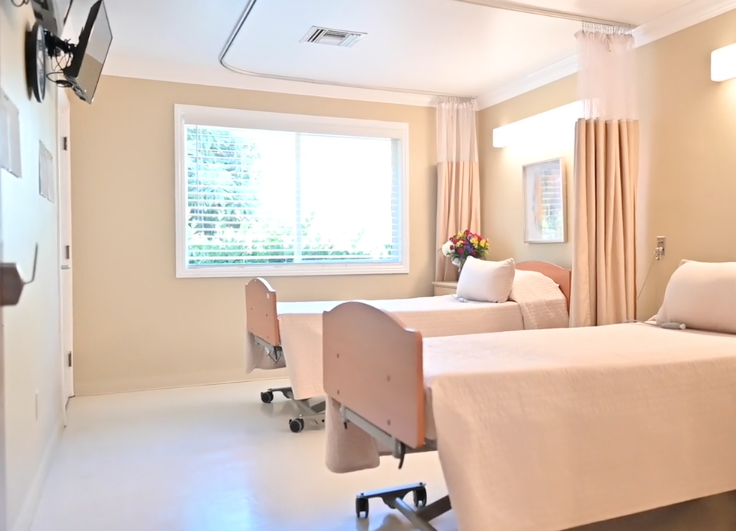
How is Hillcrest Heights Healthcare Center Staffed?

CMS rates HILLCREST HEIGHTS HEALTHCARE CENTER's staffing level at 4 out of 5 stars, which is above average compared to other nursing homes. Staff turnover is 36%, compared to the California average of 46%. This relatively stable workforce can support continuity of care.

What Have Inspectors Found at Hillcrest Heights Healthcare Center?

State health inspectors documented 45 deficiencies at HILLCREST HEIGHTS HEALTHCARE CENTER during 2022 to 2025. These included: 45 with potential for harm.
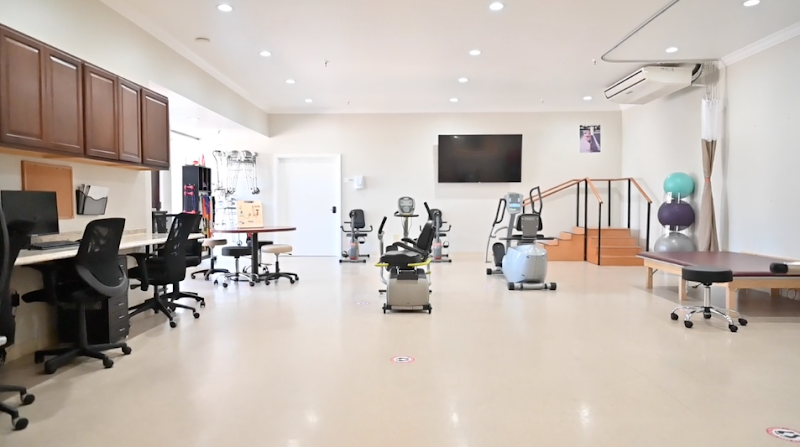
Who Owns and Operates Hillcrest Heights Healthcare Center?

HILLCREST HEIGHTS HEALTHCARE CENTER is owned by a for-profit company. For-profit facilities operate as businesses with obligations to shareholders or private owners. The facility is operated by ASPEN SKILLED HEALTHCARE, a chain that manages multiple nursing homes. With 96 certified beds and approximately 88 residents (about 92% occupancy), it is a smaller facility located in SAN DIEGO, California.
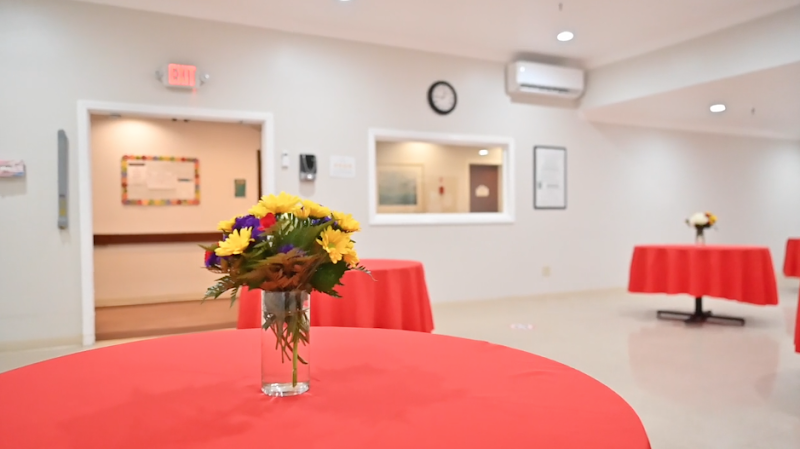
How Does Hillcrest Heights Healthcare Center Compare to Other California Nursing Homes?

Compared to the 100 nursing homes in California, HILLCREST HEIGHTS HEALTHCARE CENTER's overall rating (3 stars) is below the state average of 3.1, staff turnover (36%) is near the state average of 46%, and health inspection rating (3 stars) is at the national benchmark.

What Should Families Ask When Visiting Hillcrest Heights Healthcare Center?

Based on this facility's data, families visiting should ask: "Can I visit during a mealtime to observe dining assistance and food quality?" "How do you handle medical emergencies, and what is your hospital transfer rate?" "Can I speak with family members of current residents about their experience?"

Is Hillcrest Heights Healthcare Center Safe?

Based on CMS inspection data, HILLCREST HEIGHTS HEALTHCARE CENTER has a clean safety record: no substantiated abuse findings (meaning no confirmed cases of resident harm), no Immediate Jeopardy citations (the most serious violation level indicating risk of serious injury or death), and is not on the Special Focus Facility watch list (a federal program monitoring the lowest-performing 1% of nursing homes). The facility has a 3-star overall rating and ranks #100 of 100 nursing homes in California. While no facility is perfect, families should still ask about staff-to-resident ratios and recent inspection results during their visit.

Do Nurses at Hillcrest Heights Healthcare Center Stick Around?

HILLCREST HEIGHTS HEALTHCARE CENTER has a staff turnover rate of 36%, which is about average for California nursing homes (state average: 46%). Moderate turnover is common in nursing homes, but families should still ask about staff tenure and how the facility maintains care continuity when employees leave.

Was Hillcrest Heights Healthcare Center Ever Fined?

HILLCREST HEIGHTS HEALTHCARE CENTER has been fined $6,351 across 1 penalty action. This is below the California average of $33,142. While any fine indicates a compliance issue, fines under $50,000 are relatively common and typically reflect isolated problems that were subsequently corrected. Families should ask what specific issues led to these fines and confirm they've been resolved.

Is Hillcrest Heights Healthcare Center on Any Federal Watch List?

HILLCREST HEIGHTS HEALTHCARE CENTER is not on any federal watch list. The most significant is the Special Focus Facility (SFF) program, which identifies the bottom 1% of nursing homes nationally based on persistent, serious quality problems. Not being on this list means the facility has avoided the pattern of deficiencies that triggers enhanced federal oversight. This is a positive indicator, though families should still review the facility's inspection history directly.