JACOB HEALTHCARE CENTER
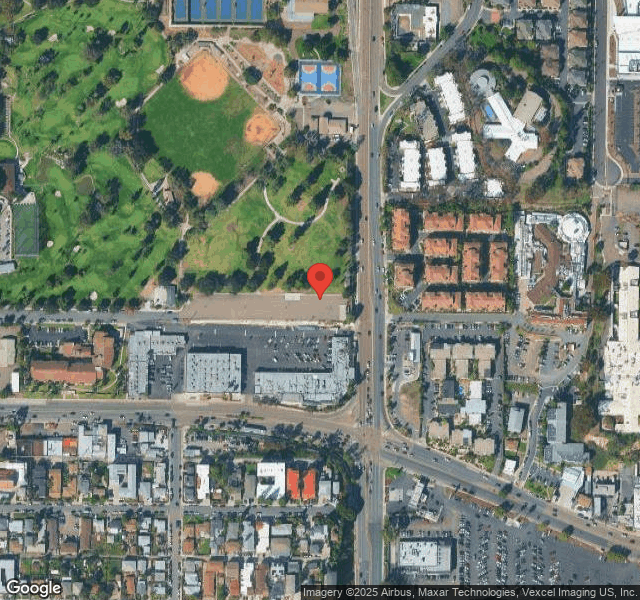

4075 54TH ST., SAN DIEGO, CA 92105 (619) 582-5168
For profit - Limited Liability company 128 Beds LINKS HEALTHCARE GROUP Data: November 2025
Trust Grade
75/100
#102 of 1155 in CA
Last Inspection: September 2024

Within standard 12-15 month inspection cycle. Federal law requires annual inspections.

Overview

Jacob Healthcare Center in San Diego has a Trust Grade of B, indicating it is a good facility, but not without some concerns. It ranks #102 out of 1,155 nursing homes in California, placing it in the top half of facilities statewide, and #14 out of 81 in San Diego County, meaning only 13 local options are better. Unfortunately, the trend is worsening, with reported issues increasing from 2 in 2023 to 16 in 2024. Staffing is a significant concern here, with a rating of 2 out of 5 stars and a high turnover rate of 61%, which is above the state average. However, the facility does not have any fines on record and offers more RN coverage than 88% of California facilities, which is a strong point since registered nurses can catch issues that other staff might miss. On the downside, recent inspections revealed serious shortcomings. For instance, two residents did not receive timely assistance with incontinence care and nail care, putting them at risk for skin breakdown. Additionally, the facility failed to implement necessary non-pharmacological interventions for pain management, which could lead to residents receiving potentially harmful narcotic medications without first exploring safer alternatives. Lastly, there have been complaints about staff not responding promptly to call lights, indicating that residents' needs may not always be met in a timely manner.

Trust Score
B
75/100
In California
#102/1155
Top 8%
Safety Record
Low Risk
No red flags
Inspections
Getting Worse
2 → 16 violations
Staff Stability
⚠ Watch
61% turnover. Above average. Higher turnover means staff may not know residents' routines.
Penalties
✓ Good
No fines on record. Clean compliance history, better than most California facilities.
Skilled Nurses
✓ Good
Each resident gets 59 minutes of Registered Nurse (RN) attention daily — more than average for California. RNs are trained to catch health problems early.
Violations
⚠ Watch
30 deficiencies on record. Higher than average. Multiple issues found across inspections.
★★★★★
5.0
Overall Rating
★★☆☆☆
2.0
Staff Levels
★★★★★
5.0
Care Quality
★★★★☆
4.0
Inspection Score
Stable
2023: 2 issues
2024: 16 issues

The Good

  • 5-Star Quality Measures · Strong clinical quality outcomes
  • Full Sprinkler Coverage · Fire safety systems throughout facility
  • No fines on record

Facility shows strength in quality measures, fire safety.

The Bad

Staff Turnover: 61%

15pts above California avg (46%)

Frequent staff changes - ask about care continuity

Chain: LINKS HEALTHCARE GROUP

Part of a multi-facility chain

Ask about local staffing decisions and management

Staff turnover is elevated (61%)

13 points above California average of 48%

The Ugly 30 deficiencies on record

Nov 2024 1 deficiency
CONCERN (D) 📢 Someone Reported This

A family member, employee, or ombudsman was alarmed enough to file a formal complaint

Potential for Harm - no one hurt, but risky conditions existed

Deficiency F0761 (Tag F0761)

Could have caused harm · This affected 1 resident

Based on interview and record review, the facility failed to follow their policy regarding receipt and storage of controlled medications (drugs regulated by the government for its use, possession, and...

Read full inspector narrative →
Based on interview and record review, the facility failed to follow their policy regarding receipt and storage of controlled medications (drugs regulated by the government for its use, possession, and manufacture). This failure resulted in a medication card containing 60 tablets of Morphine (a controlled medication used for pain) to be missing and unaccounted for. Findings: On 11/1/24, the facility reported to the Department On 10/30/24, Staff reported to the DON that a medication Morphine Sulfate 15 milligrams 60 tablet card was nowhere to be found . On 11/13/24 at 8:45 AM, the Assistant Director of Nursing (ADON) was interviewed. The ADON stated the missing medication was for Resident 1. The ADON stated the medication was noted to be missing on 10/30/24 when the facility attempted to reorder it. The ADON stated the pharmacy informed them it was already delivered on 10/20/24. The ADON stated the Facility Delivery Log was retrieved which indicated the medication was delivered on 10/20/24, and was signed in by a Licensed Nurse (LN 1). The ADON stated upon receipt of controlled medications, the licensed nurse was supposed to sign the delivery record and put the medication card and accompanying count sheet in the locked controlled medication drawer. The controlled medications were then supposed to be counted and reconciled at each shift change. The ADON stated controlled medications and associated count sheets were reconciled every shift, but since there was no sheet for the missing Morphine, reconcilation can not be verified. On 11/13/24 at 9:35 A.M., a concurrent review of the Facility Delivery Log was conducted with LN 1. LN 1 stated Resident 1 ' s Morphine was running low and he had messaged pharmacy to refill the order. LN 1 stated it was later determined it was already delivered on 10/20/24. LN 1 stated when medications were delivered, he was supposed to verify delivered medications against the list and sign the delivery sheet. LN 1 stated if controlled medications were delivered, he was supposed to put them in the locked controlled medication box with the controlled sheet that came with it. LN 1 acknowledged his signature on the Facility Delivery Log dated 10/20/24. The first line of the Log indicated, 10/20/24 .Morphine Sulf ER 15 milligram Tablet .Quantity 60 .LN 1 stated he did not remember any details about the delivery. LN 1 stated he did not know why it was missing and did not remember checking that medication in. On 11/13/24 License Nurse 2 (LN 2) was interviewed. LN 2 stated Resident 1 ' s Morphine was running low and the facility was attempting to re order it. LN 2 stated pharmacy indicated it was delivered on 10/20/24 but LN 2 stated she never saw a new medication card or sheet for Resident 1. LN 2 stated when accepting a medication delivery, the licensed nurse was supposed to sign and verifiy each medication on the list. LN 2 stated if there was a discrepancy they were supposed to document on the sheet and notify the Director of Nursing (DON) and pharmacy. LN 2 stated that on occasion the drug shipment sheet did not match what was delivered. LN 2 stated controlled medications and associated count sheets were reconciled every shift. LN 2 stated since there was no count sheet for Resident 1 ' s missing Morphine, it was not noted to be missing. On 11/14/24 at 9 A.M., the Director of nursing (DON) was interviewed. The DON stated she was notified on 10/30/24 that a Morphine 60 tablet card supposedly delivered on 10/20/24 for Resident 1 could not be located. The DON stated Resident 1 still had Morphine in stock so it was not noted the new medication card was missing until 10/30/24 when staff attempted to re order it. The DON stated the facility was searched and the mediation was not found. The DON stated this was reported to pharmacy and law enforcement. Per facility policy, Controlled Substances, dated April 2019, .Controlled substances are reconciled upon receipt, administration, disposition, and at the end of each shift .Policies and procedures for monitoring controlled medications to prevent loss, diversion or accidental exposure are periodically reviewed and updated . Per facility policy, Accepting Delivery of Medications, dated February 2021, .Before signing to accept the delivery, the nurse must reconcile the medications in the package with the delivery ticket/order receipt. If an error is identified when receiving medication from the pharmacy, the nurse verifying the order shall inform the delivery agent of any discrepancies and note them on the delivery ticket . The dispensing pharmacy, consultant, pharmacist, and director of nursing services should be notified of medication order errors .
Sept 2024 13 deficiencies
CONCERN (D)

Potential for Harm - no one hurt, but risky conditions existed

PASARR Coordination (Tag F0644)

Could have caused harm · This affected 1 resident

**NOTE- TERMS IN BRACKETS HAVE BEEN EDITED TO PROTECT CONFIDENTIALITY** Based on interview and record review, the facility failed to ensure Preadmission Screening and Resident Review II (PASARR II - a...

Read full inspector narrative →
**NOTE- TERMS IN BRACKETS HAVE BEEN EDITED TO PROTECT CONFIDENTIALITY** Based on interview and record review, the facility failed to ensure Preadmission Screening and Resident Review II (PASARR II - a federal requirement to help ensure that individuals with mental disorders were not inappropriately placed in nursing homes for long term care) were conducted for two of five residents (Resident 6 and Resident 99) reviewed for PASARR screening. This failure had the potential for Residents 6 and 99, to be improperly placed and not have received additional qualified services. Findings: 1. Resident 6 was admitted to the facility on [DATE], with diagnoses which included schizophrenia (a chronic mental illness that affects how a person thinks, feels, and behaves), per the facility's admission Record. On 9/12/24, Resident 6's clinical records were reviewed: According to the Minimum Data Set (MDS-a clinical assessment tool), dated 8/1/24, Resident 6 had a cognitive score of 12, indicating cognition was intact. According to the PASARR I Screening, dated 6/10/24, Resident 6 was coded, Positive which indicated a Level II- Mental Health Evaluation was required. According to the Department of Health Care Services letter, dated 6/12/24, the State arrived at the facility and was unable to conduct the PASARR II assessment, because Resident 6 had been discharged to the hospital on 6/10/24. According to the facility's census, Resident 6 returned to the facility on 6/14/24 and there was no documented evidence the Department of Health Care Services was informed of the return, so the PASARR II could be re-scheduled and conducted. An interview and record review was conducted with the Minimum Data Set Nurse (MDSN) on 9/12/24 at 9:38 A.M. The MDSN stated she was responsible to re-submit the Resident Review PASARR 2 Assessment to the State after a positive PASARR I was found. The MDSN reviewed Resident 6's PASARR status and stated the PASARR II was missed when the resident went to the hospital, and it should have been conducted after he returned. The MDSN stated she missed it and never re-submitted a review to the State. The MDSN stated PASARR II's were important to ensure the facility's placement was appropriate for the resident, and to determine if additional services were needed to ensure a meaningful life. According to the facility's policy titled admission Criteria, dated March 2019, .9. All new admissions and readmissions are screened for mental disorders (MD) .per the Medicaid Pre-admission Screening and Resident Review (PASARR) process. a. The facility conducts a Level I PASARR screen for all potential admissions .to determine if the individual meets the criteria for a MD .b. If the level I screening indicates the individual meets the criteria for an MD .he or she is referred to the state PASARR representative for the Level II (evaluation and determination) screening process . 2. Resident 99 was admitted to the facility on [DATE], with diagnoses which included unspecified psychosis not due to a substance or known physiological condition, per the facility's admission Record. On 9/10/24, Resident 99's clinical records were reviewed: According to the Minimum Data Set (MDS-a clinical assessment tool), dated 7/5/24, a cognitive score of 11 was listed, indicating moderately impaired cognition. According to the PASARR I Screening, dated 6/28/24, Resident 99 was coded, Negative which indicated, a Level II- Mental Health Evaluation was not required. According to the physician's orders, dated 8/15/24, the physician indicated a new diagnosis of schizoaffective disorder (a rare mental illness that occurs when someone has both schizophrenia and a mood disorder at the same time), and two psychotropic medications (drugs used to treat mental health disorders), were added. There was no documented evidence Resident 99 had a PASARR I reassessment conducted after the 8/15/24, mental health diagnoses, which would have triggered a PASARR II assessment based on the schizoaffective diagnosis. An interview and record review was conducted with the Minimum Data Set Nurse (MDSN) on 9/11/24 at 8:39 A.M. The MDSN stated if a new diagnosis of schizophrenia was added, she must repeat a PASARR I, which automatically triggered a PASARR II assessment. The MDSN stated if a PASARR I was not repeated, then it would not be captured until the next quarterly assessment. The MDSN reviewed Resident 99's physician order dated 8/15/24, and the PASARR status. The MDSN stated she was usually informed of new diagnosis at the morning staff meeting, but she cannot recall if she was informed of Resident 99's schizoaffective disorder. The MDSN stated when the schizoaffective diagnosis occurred, she should have repeated a PASARR I, so the State would be informed and conduct a PASARR II. The MDSN stated since Resident 99 had not completed a PASARR II assessment, it was undetermined if he qualified for additional services or if he was correctly placed at this facility. The MDSN stated Resident 99's next quarterly MDS assessment would have been in October 2024, so any additional services would have been delayed. An interview was conducted with the Director of Nursing (DON) on 9/12/24 at 9 AM. The DON stated Resident 99 should have been reassessed for a PASARR I, after the diagnoses of schizoaffective disorder. The DON stated a PASARR II would have been triggered and the resident might have qualified for additional mental health services if it had been captured. According to the facility's policy titled admission Criteria, dated March 2019, .9. All new admissions and readmissions are screened for mental disorders (MD) .per the Medicaid Pre-admission Screening and Resident Review (PASARR) process. a. The facility conducts a Level I PASARR screen for all potential admissions .to determine if the individual meets the criteria for a MD .b. If the level I screening indicates the individual meets the criteria for an MD .he or she is referred to the state PASARR representative for the Level II (evaluation and determination) screening process .
CONCERN (D)

Potential for Harm - no one hurt, but risky conditions existed

Comprehensive Care Plan (Tag F0656)

Could have caused harm · This affected 1 resident

**NOTE- TERMS IN BRACKETS HAVE BEEN EDITED TO PROTECT CONFIDENTIALITY** Based on interview and record review, the facility failed to develop a resident-centered care plan for one of six residents (Res...

Read full inspector narrative →
**NOTE- TERMS IN BRACKETS HAVE BEEN EDITED TO PROTECT CONFIDENTIALITY** Based on interview and record review, the facility failed to develop a resident-centered care plan for one of six residents (Resident 6) when Resident 6's care plan did not include dementia care. This failure had the potential for Resident 6's needs to be unmet. Findings: Resident 6 was admitted to the facility on [DATE], with diagnoses which included major depressive disorder (a mood disorder that causes low interest in things that once brought joy) and anxiety disorder (feelings that results in panic attacks), according to the facility's admission Record. A review of Resident 6's History and Physical (a medical examination that involves a patient interview, physical exam, and documentation of findings), dated 6/15/24, indicated Resident 6 has dementia (loss of cognitive function that affects thinking, remembering, and reasoning) and Resident 6 did not have the capacity to understand and make decisions. A joint interview and record review was conducted with the Director of Nursing (DON) on 9/12/24 at 10:01 A.M. The DON stated according to Resident 6's History and Physical, the resident had a diagnosis of dementia. The DON acknowledged care plan related to Resident 6's dementia was not developed to ensure the resident's care needs were addressed. According to the facility's policy titled Dementia - Clinical Protocol, revised 11/2018, the facility .will identify a resident-centered care plan to maximize remaining function and quality of life .The [interdisciplinary team (a team of staff consisting of multiple disciplines including the physician, nurse, social worker, etc.)] will identify and document the resident's condition and level of support during care planning .Resident needs will be communicated to direct care staff through care plan conferences . According to the facility's policy titled Care Plans, Comprehensive Person-Centered, revised 12/16, indicated A comprehensive, person-centered care plan .includes .objectives .to meet the resident's physical, psychosocial, and functional needs .
CONCERN (D)

Potential for Harm - no one hurt, but risky conditions existed

Deficiency F0657 (Tag F0657)

Could have caused harm · This affected 1 resident

**NOTE- TERMS IN BRACKETS HAVE BEEN EDITED TO PROTECT CONFIDENTIALITY** Based on observation, interview, and record review, the facility failed to ensure one of six residents (Resident 81's) care plan...

Read full inspector narrative →
**NOTE- TERMS IN BRACKETS HAVE BEEN EDITED TO PROTECT CONFIDENTIALITY** Based on observation, interview, and record review, the facility failed to ensure one of six residents (Resident 81's) care plan was revised when Resident 81's gastrostomy tube (G-tube, a tube surgically inserted through the belly that brings nutrition directly to the stomach) was discontinued. This failure had the potential for Resident 81's care to be miscommunicated among caregivers. Findings: Resident 81 was admitted to the facility on [DATE], with diagnoses which included traumatic subdural hemorrhage (brain bleed) according to the admission Record. An observation was conducted on 9/9/24 at 11:55 A.M. in the resident dining hall. Resident 81 was observed feeding himself with a family member present. A review of Resident 81's physician's order, dated 8/22/24, indicated Resident 81 had a diet order for soft textured food. A review of Resident 81's care plan indicated, Resident 81 had a G-tube. Resident 81's care plan indicated check tube feeding residuals (the volume of fluid remaining in the stomach during tube feeding) every shift and to hold tube feeding if residuals was greater than 250 milliliters. An interview was conducted with the Registered Dietitian (RD) on 9/11/24 at 2:31 P.M. The RD stated Resident 81 was exclusively eating by mouth and was no longer on tube feeding. An interview was conducted with Licensed Nurse (LN) 1 on 9/11/24 at 4:02 P.M. LN 1 stated Resident 81 was no longer on tube feedings. LN 1 stated Resident 81's care plan should have been revised since Resident 81 was no longer receiving tube feeding. An interview with the Director of Nursing (DON) was conducted on 9/12/24 at 8:14 A.M. The DON stated that the care plan interventions for Resident 81 were no longer accurate, and that the care plan should have been revised. The DON stated that since Resident 81 was no longer receiving tube feeding, the care plan could cause confusion amongst the staff caring for Resident 81. A review of the facility's policy titled Care Plans, Comprehensive Person-Centered, revised 12/2016, indicated .12. Assessments of residents are ongoing and care plans are revised as information about the residents and the resident's conditions change .
CONCERN (D)

Potential for Harm - no one hurt, but risky conditions existed

Deficiency F0658 (Tag F0658)

Could have caused harm · This affected 1 resident

**NOTE- TERMS IN BRACKETS HAVE BEEN EDITED TO PROTECT CONFIDENTIALITY** Based on observation, interview, and record review, the facility failed to ensure professional standards of practice were follow...

Read full inspector narrative →
**NOTE- TERMS IN BRACKETS HAVE BEEN EDITED TO PROTECT CONFIDENTIALITY** Based on observation, interview, and record review, the facility failed to ensure professional standards of practice were followed for three of eight residents (Resident 5, Resident 6, and Resident 18) when: 1. A resident (Resident 5) was newly diagnosed at the facility with schizophrenia (a chronic mental illness characterized by delusions and hallucinations), without meeting the criteria for schizophrenia as indicated by The Diagnostic and Statistical Manual of Mental Disorders (DSM, a reference manual from the American Psychiatric Association to help define and classify mental disorders). 2. A resident (Resident 6) was newly diagnosed at the facility with schizophrenia without meeting the criteria for schizophrenia as indicated by the DSM. 3. A licensed nurse (LN 32) did not obtain the heart rate of Resident 18 prior to administering two blood pressure medications. This failure had the potential for Resident 5, Resident 6, and Resident 18 to experience unnecessary medication side effects. (Cross Reference F758) Findings: 1. Resident 5 was admitted to the facility on [DATE] with diagnoses including anxiety disorder (a mental condition causing intense feelings of fear and anxiety) and major depressive disorder (a mental illness causing persistent feelings of sadness) according to the admission Record. A review of Resident 5's physician's order, dated 1/19/24, indicated an order for Seroquel (an antipsychotic medication) for schizophrenia as evidenced by indifference to surroundings manifested by pulling at life sustaining devices. An interview was conducted on 9/11/24 at 9:16 A.M. with Certified Nursing Assistant (CNA) 1. CNA 1 stated Resident 5 had no hallucinations. A telephone interview was conducted on 9/12/24 at 8:35 A.M. with Responsible Party (RP) 1. RP 1 stated Resident 5 had no history of schizophrenia. RP 1 stated Resident 5 had a history of anxiety and thought that Seroquel was being given for Resident 5's anxiety. RP 1 stated the psychiatrist never mentioned schizophrenia, and that no one informed her Resident 5 had a diagnosis of schizophrenia. A review of Resident 5's progress note written by LN 7, dated 4/4/23 at 2:50 P.M., indicated Resident 5 was admitted with Seroquel .with no appropriate diagnosis . A joint interview and record review was conducted with the Director of Nursing (DON) and Social Worker (SW) 1 on 9/12/24 at 10:55 A.M. SW 1 stated Resident 5 received Seroquel in the hospital for pulling her tracheostomy tube (a tube surgically inserted in the neck to help someone breathe). SW 1 stated there was no diagnosis of schizophrenia from the hospital. The DON and SW 1 stated Medical Doctor (MD) 1 diagnosed Resident 5 with schizophrenia based on Resident 5's behavior of pulling tubes. The DON and SW 1 stated there was no documentation in Resident 5's medical record that indicated that the resident experienced hallucinations. The DON stated the physician's orders for Resident 5's Seroquel indicated that the medication was to be given for schizophrenia as evidenced by .indifference to surroundings manifested by pulling at life sustaining devices . The DON stated she had not seen an order for pulling life sustaining tubes as the only indication for schizophrenia and would have questioned the order if she had been aware. The DON stated she expected to see auditory hallucinations (hearing things that not there), visual hallucinations (seeing things that are not there), or delusions (a false belief, not reality) as an indication for schizophrenia. The DON further stated there were no physician's orders for non-pharmacological interventions (healthcare treatment without medications) before the use of Seroquel which was important to determine if Seroquel was needed for Resident 5. The DON stated RP 1 should have been made aware of Resident 5's schizophrenia diagnosis. The DON stated Resident 5's schizophrenia diagnosis did not follow the guidance provided in the DSM. A telephone interview was conducted on 9/12/24 at 2:21 P.M. with MD 2. MD 2 stated he did not get involved with psychiatry diagnoses. An interview was conducted on 9/12/24 at 1:20 P.M. with the Administrator (ADM). The ADM stated the DON was unable to reach MD 1 via phone to request information regarding Resident 5's schizophrenia diagnosis. On 9/12/24 at 1:34 P.M., a phone call was placed to MD 1 with no answer. A voicemail message was left with a call back number. There was no response received from MD 1. According to the DSM version 5, .Schizophrenia is characterized by delusions, hallucinations, disorganized speech and behavior .For a diagnosis, symptoms must have been present for six months . A review of the facility's policy titled Antipsychotic Medication Use, revised 12/2016, indicated .Antipsychotic medications shall generally be used for the following conditions/diagnoses .consistent with the definition(s) in the Diagnostic and Statistical Manual of Mental Disorders [DSM] .schizophrenia .Diagnoses alone do not warrant the use of antipsychotic medications .antipsychotic medications will generally only be considered if .behavioral interventions have been attempted . A review of the facility's policy titled Conformity with Laws and Professional Standards, revised 4/2017, indicated Our facility's policies, procedures, and operational practices are developed and maintained in accordance with current accepted professional standards and principles as well as current commonly accepted health standards established by national organizations, boards, and councils . 2. Resident 6 was admitted to the facility on [DATE] with diagnoses including anxiety disorder and major depressive disorder according to the admission Record. A review of Resident 6's physician's order, dated 7/9/24, indicated an order for Seroquel for schizophrenia as evidenced by unprovoked agitation. An interview was conducted on 9/11/24 at 9:56 A.M. with Licensed Nurse (LN) 3. LN 3 stated Resident 6 was alert, oriented, and compliant with care. LN 3 stated Resident 6 was on Seroquel for schizophrenia. A joint interview with Resident 6 and CNA 2 was conducted on 9/11/24 at 12:12 P.M. in Resident 6's room. Resident 6 stated he has anxiety, but not schizophrenia. Resident 6 stated he was taking Seroquel for anxiety. CNA 2 stated Resident 6 was alert and did not have any hallucinations. A review of Resident 6's History and Physical (a medical examination that involves a patient interview, physical exam, and documentation of findings), dated 4/30/24, indicated Resident 6 had the capacity to understand and make decisions. A joint interview and record review with the DON and SW 1 was conducted on 9/12/24 at 10:21 A.M. SW 1 stated Resident 6 received Seroquel for agitation while in the hospital. SW 1 stated MD 1's progress note, dated 5/2/24, indicated Resident 6 had auditory hallucinations and paranoia (unrealistic distrust of others). The DON stated there were no nursing documentation found on Resident 6's medical record that indicated Resident 6 experienced hallucinations and paranoia. The DON stated Resident 6's Seroquel was ordered for unprovoked agitation. The DON further stated there were no physician's orders for non-pharmacological interventions before the use of Seroquel which was important to determine if Seroquel was needed for Resident 6. The DON stated Resident 6's schizophrenia diagnosis did not follow the guidance provided in the DSM. An interview was conducted on 9/12/24 at 1:20 P.M. with the Administrator (ADM). The ADM stated the DON was unable to reach MD 1 via phone to request information regarding Resident 6's schizophrenia diagnosis. On 9/12/24 at 1:34 P.M., a phone call was placed to MD 1 with no answer. A voicemail message was left with a call back number. There was no response received from MD 1. According to the DSM version 5, .Schizophrenia is characterized by delusions, hallucinations, disorganized speech and behavior .For a diagnosis, symptoms must have been present for six months . A review of the facility's policy titled Antipsychotic Medication Use, revised 12/2016, indicated .Antipsychotic medications shall generally be used for the following conditions/diagnoses .consistent with the definition(s) in the Diagnostic and Statistical Manual of Mental Disorders [DSM] .schizophrenia .Diagnoses alone do not warrant the use of antipsychotic medications .antipsychotic medications will generally only be considered if .behavioral interventions have been attempted . A review of the facility's policy titled Conformity with Laws and Professional Standards, revised 4/2017, indicated .Our facility's policies, procedures, and operational practices are developed and maintained in accordance with current accepted professional standards and principles as well as current commonly accepted health standards established by national organizations, boards, and councils . 3. Resident 18 was admitted to the facility on [DATE] with diagnoses that included hypertension (high blood pressure) and atrial fibrillation (an irregular heartbeat) according to the admission Record. On 9/11/24 at 8:40 A.M., an observation of a medication pass was conducted with Licensed Nurse (LN) 23. LN 23 was observed taking Resident 18's blood pressure. LN 23 stated Resident 18 had a blood pressure reading of 119/70. LN 23 was observed giving Resident 18 lisinopril 10 milligrams (mg) and diltiazem 240 mg, two medications that work by lowering blood pressure. On 9/11/24 at 8:48 A.M., a concurrent interview and record review was conducted with LN 23. LN 23 was observed documenting in Resident 18's electronic Medication Administration Record (eMAR). LN 23 stated the instructions for Resident 18's blood pressure medications were .Hold if SBP (the top number of the blood pressure reading) is less than 110 .and/or HR (heart rate) is less than 60 BPM (beats per minute) . LN 23 stated .I may have made a mistake .I completely skipped checking the pulse [heart rate] . LN 23 stated it was important to check Resident 18's heart rate prior to giving the blood pressure medications because .We don't want her pulse to go lower than 60 .she can have a change of condition . On 9/12/24 at 9:25 A.M. an interview was conducted with the DON. The DON stated her expectation was for the licensed nurses to obtain all pertinent vital signs prior to administering any medication. The DON stated Resident 18 was at risk for fainting because she was given blood pressure medications without having her pulse checked. A review of the facility policy titled Administering Medications, revised April 2019 indicated, .The following information is checked/verified for each resident prior to administering medications .Vital signs, if necessary . A review of the facility's policy titled Conformity with Laws and Professional Standards, revised 4/2017, indicated .Our facility's policies, procedures, and operational practices are developed and maintained in accordance with current accepted professional standards and principles as well as current commonly accepted health standards established by national organizations, boards, and councils .
CONCERN (D)

Potential for Harm - no one hurt, but risky conditions existed

Accident Prevention (Tag F0689)

Could have caused harm · This affected 1 resident

**NOTE- TERMS IN BRACKETS HAVE BEEN EDITED TO PROTECT CONFIDENTIALITY** Based on observation, interview and record review, the facility failed to ensure a safe environment was maintained when side rai...

Read full inspector narrative →
**NOTE- TERMS IN BRACKETS HAVE BEEN EDITED TO PROTECT CONFIDENTIALITY** Based on observation, interview and record review, the facility failed to ensure a safe environment was maintained when side rails were not installed for one of one residents (Resident 28) reviewed for side rails. As a result, there was a potential for Resident 28 to sustain injury. Findings: According to the admission Record, Resident 28 was admitted to the facility on [DATE] with diagnoses which included functional quadriplegia (the inability to move due to severe physical disability or frailty) and epilepsy (a disorder which causes seizures). A review of Resident 28's Minimum Data Set (MDS, an assessment tool), dated 10/1/23 indicated, a BIMS (Brief Interview of Mental Status) score of 3. According to the BIMS scoring, a score of 0-7 indicated severe mental impairment. On 09/09/24 at 8:45 A.M. an observation was made in Resident 28's room. Resident 28 was laying in bed with her bed pushed up against the wall. There were no side rails observed on Resident 28's bed. A review of Resident 28's Side Rail Assessment, dated 11/28/23, indicated, .Put ¼ bilateral bed rails up when in bed .To assist resident in bed mobility and/or transfers .For unstable trunk control for support when head of bed is elevated .For safety .(related to diagnosis Epilepsy) . A review of Resident 28's Physician's Order dated 9/9/24 indicated, .Put 1/2 bilateral side rails up when in bed .To assist resident in bed mobility and/or transfers .For unstable trunk control for support when head of bed is elevated .(for) safety . On 9/12/24 at 9:25 A.M., an interview was conducted with the Director of Nursing (DON). The DON stated Resident 28 was moved from a different room and (Resident 28)'s side rails did not come with her . The DON stated her expectation was for the licensed nurse to see the order for side rails and to ensure it was installed on Resident 28's bed. The DON stated the side rails were for .function and safety .whoever was doing the room change should've made sure the side rail came with the resident, or new ones installed on her bed . The DON stated Resident 28 was provided with side rails for safety if she had a seizure. The DON stated the delay in not having side rails could have caused injury for the resident, including falls. A review of the facility policy titled Proper Use of Side Rails, revised December 2016, indicated, .The resident will be checked periodically for safety relative to side rail use .
CONCERN (D)

Potential for Harm - no one hurt, but risky conditions existed

Deficiency F0698 (Tag F0698)

Could have caused harm · This affected 1 resident

**NOTE- TERMS IN BRACKETS HAVE BEEN EDITED TO PROTECT CONFIDENTIALITY** Based on observation, interview, and record review the facility failed to provide dialysis (treatment to remove waste from the b...

Read full inspector narrative →
**NOTE- TERMS IN BRACKETS HAVE BEEN EDITED TO PROTECT CONFIDENTIALITY** Based on observation, interview, and record review the facility failed to provide dialysis (treatment to remove waste from the body) access care, including removal of dressing from the dialysis site for one of one sampled residents (Resident 71) reviewed for dialysis. As a result, there was a potential for complications after dialysis. Findings: According to the admission Record, Resident 71 was admitted to the facility on [DATE] with diagnoses which included End Stage Renal Disease (a condition in which the kidneys lose the ability to remove waste) and dependence on dialysis. On 9/9/24 at 9:49 A.M., an observation and interview was conducted with Resident 71. Resident 71's dialysis access site was on the left upper arm. There was a pressure dressing taped over the dialysis access site. Resident 71 stated he went to dialysis treatments on Tuesdays, Thursdays, and Saturdays. On 9/9/24 at 10:01 A.M., an interview was conducted with Licensed Nurse (LN) 35. LN 35 stated Resident 71's last dialysis treatment was on 9/7/24. LN 35 stated the pressure dressing should have been removed four hours after returning to the facility from dialysis. LN 35 stated it was important to remove the pressure dressing to visualize the dialysis site to check for redness or signs of bleeding. LN 35 stated (The dialysis site) can get infected and cause sepsis. If it is on too long it can affect the blood flow of the fistula [dialysis access site] . A review of Resident 71's Physician's Orders indicated, DIALYSIS: Remove pressure dressing from [dialysis access site] 4 hours post-dialysis . On 9/12/24 at 9:25 A.M. an interview was conducted with the Director of Nursing (DON). The DON stated Resident 71's dialysis pressure dressing should have been removed by a licensed nurse four hours after the resident returned from dialysis. The DON stated if the pressure dressing is not removed, .bleeding or infection can arise . A review of the facility policy titled Care of Resident Receiving Renal Dialysis, revised 9/2014, indicated, .Complete post-dialysis assessment on return from treatment .
CONCERN (D)

Potential for Harm - no one hurt, but risky conditions existed

Medication Errors (Tag F0758)

Could have caused harm · This affected 1 resident

**NOTE- TERMS IN BRACKETS HAVE BEEN EDITED TO PROTECT CONFIDENTIALITY** Based on interview and record review, the facility failed to ensure two of five residents (Resident 5 and Resident 6) were free ...

Read full inspector narrative →
**NOTE- TERMS IN BRACKETS HAVE BEEN EDITED TO PROTECT CONFIDENTIALITY** Based on interview and record review, the facility failed to ensure two of five residents (Resident 5 and Resident 6) were free from unnecessary medications when Resident 5 and Resident 6 were given antipsychotic medications (medication to treat psychosis) without clear indications. This failure had the potential for Resident 5 and Resident 6 to experience unnecessary medication side effects. Cross Reference F658 Findings: 1. Resident 6 was admitted to the facility on [DATE] with diagnoses which included anxiety disorder (a mental condition causing intense feelings of fear and anxiety) and major depressive disorder (a mental illness causing persistent feelings of sadness) according to the admission Record. A review of Resident 6's physician's order, dated 7/9/24, indicated an order for Seroquel (an antipsychotic medication) for schizophrenia as evidenced by unprovoked agitation. An interview was conducted on 9/11/24 at 9:56 A.M. with Licensed Nurse (LN) 3. LN 3 stated Resident 6 was alert, oriented, and compliant with care. LN 3 stated Resident 6 was on Seroquel for schizophrenia. A joint interview with Resident 6 and Certified Nursing Assistant (CNA) 2 was conducted on 9/11/24 at 12:12 P.M. in Resident 6's room. Resident 6 stated he had anxiety, but not schizophrenia. Resident 6 stated he was taking Seroquel for anxiety. CNA 2 stated Resident 6 was alert and did not have any hallucinations. A review of Resident 6's History and Physical (a medical examination that involves a patient interview, physical exam, and documentation of findings), dated 4/30/24, indicated Resident 6 had the capacity to understand and make decisions. A joint interview and record review with the Director of Nursing (DON) and Social Worker (SW) 1 was conducted on 9/12/24 at 10:21 A.M. SW 1 stated Resident 6 received Seroquel for agitation while in the hospital. SW 1 stated Medical Doctor (MD) 1's progress note, dated 5/2/24, indicated Resident 6 had auditory hallucinations (hearing things that are not there) and paranoia (unrealistic distrust of others). The DON stated there were no nursing documentation found in Resident 6's medical record that indicated Resident 6 experienced hallucinations and paranoia. The DON stated Resident 6's order for Seroquel was for unprovoked agitation which was not an appropriate indication for the use of Seroquel. The DON further stated there were no physician's orders for non-pharmacological interventions (healthcare treatment without medications) before the use of Seroquel which was important to determine if Seroquel was needed for Resident 6. The DON stated Resident 6's schizophrenia did not follow the guidance provided in the The Diagnostic and Statistical Manual of Mental Disorders (DSM, a reference manual from the American Psychiatric Association to help define and classify mental disorders). 2. Resident 5 was admitted to the facility on [DATE] with diagnoses including anxiety disorder and major depressive disorder according to Resident 5's admission Record. A review of Resident 5's physician's order, dated 1/19/24, indicated an order for Seroquel for schizophrenia as evidenced by indifference to surroundings manifested by pulling at life sustaining devices. An interview was conducted on 9/11/24 at 9:16 A.M. with Certified Nursing Assistant (CNA) 1. CNA 1 stated Resident 5 had no hallucinations. A telephone interview was conducted on 9/12/24 at 8:35 A.M. with Responsible Party (RP) 1. RP 1 stated Resident 5 had no history of schizophrenia. RP 1 stated Resident 5 had a history of anxiety and thought Seroquel was given for Resident 5's anxiety. RP 1 stated the psychiatrist never mentioned schizophrenia, and that no one informed her Resident 5 had a diagnosis of schizophrenia. A review of Resident 5's progress note written by LN 7, dated 4/4/23 at 2:50 P.M., indicated Resident 5 was admitted with Seroquel .with no appropriate diagnosis . A joint interview and record review was conducted with the DON and SW 1 on 9/12/24 at 10:55 A.M. SW 1 stated Resident 5 received Seroquel in the hospital for pulling the tracheostomy tube (a tube surgically inserted in the neck to help someone breathe). SW 1 stated there was no diagnosis of schizophrenia from the hospital. The DON and SW 1 stated MD 1 diagnosed Resident 5 with schizophrenia based on Resident 5's behavior of pulling tubes. The DON and SW 1 stated there were no documentations in Resident 5's medical record that the resident experienced hallucinations. The DON stated the physician's orders for Resident 5's Seroquel indicated that the medication was to be given for schizophrenia as evidenced by .indifference to surroundings manifested by pulling at life sustaining devices . The DON stated she had not seen an order for pulling life sustaining tubes as the only indication for schizophrenia and would have questioned the order if she had been aware. The DON stated she expected to see auditory hallucinations, visual hallucinations (seeing things that are not there), or delusions (a false belief, not reality) as an indication for schizophrenia. The DON further stated there were no physician's orders for non-pharmacological interventions before the use of Seroquel which was important to determine if Seroquel was needed for Resident 5. The DON stated RP 1 should have been made aware of Resident 5's schizophrenia diagnosis. The DON stated Resident 5's schizophrenia diagnosis did not follow the guidance provided in the DSM. An interview was conducted on 9/12/24 at 1:20 P.M. with the Administrator (ADM). The ADM stated the DON was unable to reach MD 1 via phone to request information regarding Resident 5 and Resident 6's schizophrenia diagnosis. On 9/12/24 at 1:34 P.M., a phone call was placed to MD 1 with no answer. A voicemail message was left with a call back number. There was no response received from MD 1. A review of the facility's policy titled Antipsychotic Medication Use, revised 12/2016, .Antipsychotic medications shall generally be used for the following conditions/diagnoses .consistent with the definition(s) in the Diagnostic and Statistical Manual of Mental Disorders [DSM] .schizophrenia .Diagnoses alone do not warrant the use of antipsychotic medications .antipsychotic medications will generally only be considered if .behavioral interventions have been attempted .
CONCERN (D)

Potential for Harm - no one hurt, but risky conditions existed

Unnecessary Medications (Tag F0759)

Could have caused harm · This affected 1 resident

**NOTE- TERMS IN BRACKETS HAVE BEEN EDITED TO PROTECT CONFIDENTIALITY** Based on observation, interview, and record review, the facility failed to ensure that it was free of a medication error rate of...

Read full inspector narrative →
**NOTE- TERMS IN BRACKETS HAVE BEEN EDITED TO PROTECT CONFIDENTIALITY** Based on observation, interview, and record review, the facility failed to ensure that it was free of a medication error rate of five percent or greater when two routine medications were not available for one of three sampled residents (Resident 72) observed for medication administration. This failure had the potential to negatively affect Resident 72's health. Findings: According to the admission Record, Resident 72 was admitted to the facility on [DATE] with diagnoses which included nutritional anemia (low red blood cells caused by a lack of either iron, protein, or vitamin B12), and muscle weakness. On 9/11/24 at 9:51 A.M., an observation of a medication pass was conducted with Licensed Nurse (LN) 34. LN 34 was observed preparing, then administering Resident 72's 9 A.M. medications. A review of Resident 72's physician's orders indicated, cyanocobalamin (a vitamin used to prevent and treat low levels of vitamin B12) 5000 micrograms one capsule and Calcium 500 milligrams were due to be given every morning at 9 A.M., but were omitted from the medication pass. On 9/11/24 at 3:21 P.M., an interview was conducted with LN 34. LN 34 stated he did not administer the two medications because the medications were not available. LN 34 stated, We have Oyster Shell Calcium, but not Calcium by itself. LN 34 stated he was not sure if Oyster Shell Calcium was the same as Calcium without oyster shell. LN 34 also stated cyanocobalamin 1000 micrograms was available, but not 5000 micrograms. LN 34 stated he informed central supply, but he did not inform the physician or the resident that the medications were unavailable and not given. On 9/12/24 at 9:25 A.M., an interview was conducted with the Director of Nursing (DON). The DON stated it was important for Resident 72 to receive all his medications. The DON further stated staff should have clarified the orders for B12 and calcium. The DON stated they shouldn't just sign it as not given .the doctor should have been called for guidance . A review of the facility's policy titled Administering Medications, revised April 2019, indicated, .Medications are administered in a safe and timely manner, and as prescribed .If a dosage is believed to be inappropriate .the person preparing or administering the medication will contact the prescriber, the resident's Attending Physician or the facility's Medical Director to discuss the concerns .
CONCERN (D)

Potential for Harm - no one hurt, but risky conditions existed

QAPI Program (Tag F0867)

Could have caused harm · This affected 1 resident

Based on interview and record review, the facility's Quality Assurance and Performance Improvement (QAPI) committee failed to identify concerns related to unnecessary use of antipsychotic (drug used t...

Read full inspector narrative →
Based on interview and record review, the facility's Quality Assurance and Performance Improvement (QAPI) committee failed to identify concerns related to unnecessary use of antipsychotic (drug used to treat clinical psychiatric symptoms or mental disorders) medication due to lack of indications. This failure had the potential for deficiencies to remain uncorrected and could result in residents being exposed to unnecessary medication side effects. (Cross reference F758) Findings: An interview was conducted on 9/12/24 at 4:17 P.M. with the Administrator (ADM), the Director of Nursing (DON), and Administrator in Training (AIT) regarding the facility's QAPI committee and their plans. The DON stated the psychotropic committee met to perform gradual dose reductions (GDR, a process of lowering the dose of psychotropic medications) and complete a Medication Review Regimen (MRR, a process to review any issues with ordered medications) for all residents on psychotropic medications. The information gathered from the psychotropic committee was then brought to QAPI. The DON acknowledged there was more to psychotropic review than GDR and MRR. The DON stated the indication for use of psychotropic medications, or the appropriateness of the psychotropic medications was not discussed in the committee or in QAPI. The DON stated psychotropic review should include residents who had psychotropics continued when discharged from the hospital and had a new diagnosis of schizophrenia. The DON and ADM stated the review of psychotropic use in the facility should have been expanded to include a more thorough review and discussion, and not just focus on GDR and MRR. The ADM stated more could have been done to identify the possibility of unnecessary use of psychotropic medications. A review of the facility's policy titled, Quality Assurance and Performance Improvement (QAPI) Program, revised 2/2020, indicated .The objectives of the QAPI Program are to .2. Provide a means to establish and implement performance improvement projects to correct identified negative or problematic indicators .
CONCERN (D)

Potential for Harm - no one hurt, but risky conditions existed

Infection Control (Tag F0880)

Could have caused harm · This affected 1 resident

**NOTE- TERMS IN BRACKETS HAVE BEEN EDITED TO PROTECT CONFIDENTIALITY** Based on observation, interview, and record review, the facility failed to implement Enhanced Barrier Precautions (EBP, the use ...

Read full inspector narrative →
**NOTE- TERMS IN BRACKETS HAVE BEEN EDITED TO PROTECT CONFIDENTIALITY** Based on observation, interview, and record review, the facility failed to implement Enhanced Barrier Precautions (EBP, the use of gowns, gloves, and face mask during resident care to prevent the transmission of bacteria) for one of four residents (Resident 211) reviewed for infection control. This failure had the potential to spread infectious organisms to Resident 211 and others. Findings: According to the admission Record, Resident 211 was admitted on [DATE] with diagnoses which included chronic kidney disease (a disease characterized by progressive damage and loss of function in the kidneys). On 9/9/24 at 9:01 A.M., an observation was conducted inside Resident 211's room. Licensed Nurse (LN) 32 was observed wearing full Personal Protective Equipment (PPE, gown gloves and a mask) while providing care to Resident 211. There was no sign posted outside the room indicating the need to wear PPE. In addition, there was no PPE available outside the room. On 9/9/24 at 9:10 A.M., an interview was conducted with LN 32. LN 32 stated she wore PPE because Resident 211 had a foley catheter (a device that drains urine from the bladder into a collection bag) and needed the bag to be emptied. LN 32 stated she did not want the urine to splash on her scrubs. On 9/11/24 at 3:03 P.M., an interview was conducted with the Infection Prevention Nurse (IPN). The IPN stated all residents with foley catheters were placed on EBP .to prevent the transmission of multi-drug resistant organisms (MDROs) . The IPN stated Resident 211 should have been placed on EBP immediately upon admission to the facility because .those residents [with indwelling foley catheters] are at higher risk of acquiring MDROs . On 9/12/24 at 9:51 A.M., an interview was conducted with the Director of Nursing (DON). The DON stated having an indwelling catheter placed Resident 211 at risk for infection. The DON further stated .(Resident 211) should have been placed on EBP right away to protect (Resident 211) and others from infection . A review of the facility's policy titled Enhanced Barrier Precautions, revised 6/28/24, indicated, .EBPs are indicated (when contact precautions do not otherwise apply) for residents with wounds and/or indwelling medical devices regardless of MDRO colonization .EBPs remain in place for the duration of the resident's stay or until .discontinuation of the indwelling medical device that places them at increased risk .
CONCERN (E)

Potential for Harm - no one hurt, but risky conditions existed

ADL Care (Tag F0677)

Could have caused harm · This affected multiple residents

**NOTE- TERMS IN BRACKETS HAVE BEEN EDITED TO PROTECT CONFIDENTIALITY** Based on observation, interview, and record review, the facility failed to ensure assistance with activities of daily living (AD...

Read full inspector narrative →
**NOTE- TERMS IN BRACKETS HAVE BEEN EDITED TO PROTECT CONFIDENTIALITY** Based on observation, interview, and record review, the facility failed to ensure assistance with activities of daily living (ADL - basic and everyday skills that are essential to living independently) were provided to two of three residents (Resident 28 and Resident 30) reviewed for ADL care when: 1. Resident 28 were not provided with incontinence (loss of bladder and/or bowel control) care in a timely manner and, 2. Resident 30 was not provided with nail care. This deficient practice placed Resident 28 and Resident 30 at risk for skin breakdown and decreased quality of life. Findings: 1. According to the admission Record, Resident 28 was admitted on [DATE] with diagnoses which included quadriplegia (inability to use both arms and legs), need for assistance with personal care, and personal history of urinary tract infections. A review of Resident 28's Minimum Data Set (MDS, an assessment tool), dated 10/1/23 indicated, a BIMS (Brief Interview of Mental Status - a tool to assess cognition) score of 3. According to the BIMS scoring, a score of 0-7 indicated severe mental impairment. The MDS also indicated that Resident 28 was dependent on others for personal hygiene. On 9/9/24 at 8:45 A.M., an observation was made in Resident 28's room. Resident 28 was in bed laying on foul smelling, dark brown substance. Resident 28's brief was also visibly wet. On 9/9/24 at 9:44 A.M., an interview was conducted with Certified Nursing Assistant (CNA) 33. CNA 33 stated she was the assigned CNA for Resident 28. CNA 33 stated she conducted rounds at 7:15 A.M., and noticed Resident 28 had a bowel movement and needed to be changed. CNA 33 stated .I'm not gonna lie, I saw it this morning but I had a sling under another resident who was going to take a shower . On 9/12/24 at 9:25 A.M., an interview was conducted with the Director of Nursing (DON). The DON stated Resident 28 should have been provided with incontinent care in a timely manner. The DON stated CNA 33 .should have asked for assistance or priorized better . The DON stated delaying incontinent care placed Resident 28 at risk for skin breakdown, wounds, or infection. A review of the facility policy titled Activities of Daily Living (ADL), Supporting, revised 3/2018, indicated, Residents who are unable to carry out activities of daily living independently will receive the services necessary to maintain good nutrition, grooming, and personal and oral hygiene .Appropriate care and services will be provided for residents who are unable to carry out ADLs independently .in accordance with the plan of care, including appropriate support and assistance with: hygiene ( .grooming .), .elimination (toileting) . 2. Resident 30 was admitted to the facility on [DATE] with diagnoses which included paraplegia (inability to move the lower part of the body), muscle weakness, and need for assistance with personal care, according to the admission Record. A review of Resident 30's MDS dated [DATE] indicated Resident 30 had a BIMS score of 15, indicating cognition was intact. The MDS also indicated, Resident 30 was dependent with personal hygiene. On 9/9/24 at 9:31 A.M., a concurrent observation and interview was conducted with Resident 30. Resident 30 was laying in bed, on her back. Resident 30 had pillows under her legs and was not wearing socks. Resident 30's toenails appeared long with jagged edges. Resident 30 stated she did not want to wear socks because her toenails were .too long . Resident 30 stated she has asked staff to trim her toenails, but nobody has done it yet. Resident 30 stated I feel embarrassed about my toenails, they have never been this long before . Resident 30 stated her family members had cut her toenails for her, but they were no longer able to. On 9/9/24 at 9:44 A.M., an interview was conducted with CNA 33. CNA 33 stated nail clippers and files were available for CNAs to use, but she was not sure whether CNAs could trim residents' nails. On 9/12/24 at 9:25 A.M., an interview was conducted with the Director of Nursing (DON). The DON stated CNA's were able to trim resident's toenails and .it depends on the resident's preference . The DON stated .I prefer a licensed nurse (cut residents' toenails) but if the resident wants it done, it should be done . The DON stated residents with untrimmed nails were prone to skin tears or infections. A review of the facility policy titled Activities of Daily Living (ADL), Supporting, revised 3/2018, indicated, Residents who are unable to carry out activities of daily living independently will receive the services necessary to maintain good nutrition, grooming, and personal and oral hygiene .Appropriate care and services will be provided for residents who are unable to carry out ADLs independently .in accordance with the plan of care, including appropriate support and assistance with: hygiene ( .grooming .), .elimination (toileting) .
CONCERN (E)

Potential for Harm - no one hurt, but risky conditions existed

Deficiency F0697 (Tag F0697)

Could have caused harm · This affected multiple residents

**NOTE- TERMS IN BRACKETS HAVE BEEN EDITED TO PROTECT CONFIDENTIALITY** Based on interview and record review, the facility failed to implement non-pharmacological interventions (NPIs - ie. positioning...

Read full inspector narrative →
**NOTE- TERMS IN BRACKETS HAVE BEEN EDITED TO PROTECT CONFIDENTIALITY** Based on interview and record review, the facility failed to implement non-pharmacological interventions (NPIs - ie. positioning, dark room, ice/heat, massage), as ordered by the physician, prior to the administration of PRN (as needed) pain medications for three of three residents (Residents 22, 99 and 312) reviewed for pain management. This failure had the potential for Residents 22, 99 and 312 not to receive non-prescription pain relief, prior to receiving narcotic pain medications with added side effects. Finding: 1. Resident 22 was admitted to the facility on [DATE], with diagnoses which included chronic pain syndrome (when a person experiences persistent pain that interferes with daily life), per the facility's admission Record. On 9/11/24, Resident 22's clinical records were reviewed: According to the Minimum Data Set (MDS-a clinical assessment tool), Resident 22 had a cognitive score of 15, indicating cognition was intact. The section titled, Health Condition, indicated, Resident 22 received scheduled and as needed pain medications. According to the physician orders, dated 10/20/23, .Oxycodone (a synthetic pain relief drug) 10 milligrams (mg) by mouth every 4 hours as needed for moderate to severe pain (pain scale 4-10, [scale of 0 indicates no pain, and 10 being the worst pain]) .Tylenol 325 mg two tablets by mouth every 4 hours as needed for mild pain .Prior to administering PRN pain medication (Tylenol, Oxycodone) document any/all interventions completed by entering the number that describes action taken. Non-Pharmacological Approaches to prn pain medications, 1. Re-positioning 2. Dim light/Quiet the Environment 3. Snacks/Drinks 4. Hand holding 5. Re-Direct 6. Music 7. Massage 8. Other every 4 hours as needed . The Medication Administration Record (MAR) was reviewed from September 1, 2024, through September 11, 2024. Oxycodone was administered three times. There was no documented evidence NPIs were attempted prior to the administration of Oxycodone. According to the care plan, titled Pain, undated, interventions included, .Provide Non-Pharmacological interventions: >Turn and reposition>Dim lights/quite environment>Relaxation techniques>Music>Massage>Distraction . The facility's Pain Assessment interview, dated 8/9/24, Section C- asked: What made the pain better? Resident 22 answered Medication, turning and repositioning. 2. Resident 99 was admitted to the facility on [DATE], with diagnoses which included orthopedic aftercare following surgical amputation, per the facility's admission record. On 9/10/24, Resident 99's clinical records were reviewed: According to the MDS, dated [DATE], Resident 99 had a cognitive score of 11, indicating cognition was moderately impaired. The section titled, Health Condition, indicated Resident 99 received scheduled and as needed pain medications. According to the physician orders, dated, 6/28/24, .Tramadol (a medication used to treat moderate to severe pain), 50 mg, by mouth every 6 hours as needed for severe pain (scale 7-10) .Acetaminophen (Tylenol), 325 mg, give 2 tablets by mouth every 4 hours as needed for mild pain 1-3/10 .Non-Pharmacological Interventions prior to PRN pain medication administration. 1. Reposition/limb elevation 2. Dim lights/quite environment/Rest periods 3. Snacks/drink 4. Therapeutic touch/Massage is not contraindicated 5. Redirect/reassurance/emotional support 6. Music 7. Guided imagery/meditation 8. Provide distraction/diversionary activities 9. Exercise/Range of Motion/ambulation/stretching 10. Deep breathing/relaxation exercises 11. Laughter/socialization 12. Other (describe) every 4 hours as needed for pain . The MAR was reviewed from September 1, 2024, through September 10, 2024. Tramadol was administered 17 times. Two of the 17 times, Resident 99 had a recorded pain level of 5 (Below the scale indicated by physician 7-10). There was no documented evidence any non-pharmacological interventions were attempted, prior to the administration of Tramadol. According to the care plan, titled Pain, interventions included, .Provide non-pharmacological measures/Non Drug interventions prior to giving pain medications . The facility's Pain Assessment Interview, dated 6/18/24, was incomplete and did not indicate what made the pain better or worse, or where the pain was located. 3. Resident 312 was admitted to the facility on [DATE], with diagnoses which included rectal cancer, per the facility's admission Record. On 9/11/24, Resident 312's clinical records were reviewed: The admission Minimum Data Set (MDS - an assessment tool) was, In Progress, and had not yet been completed. According to the physician orders, .Oxycodone 10 mg, give 1 tablet by mouth every 8 hours as needed for Breakthrough Pain. Administer as needed for pain scale 7-10) .Acetaminophen (Tylenol) 325 mg, give two tablets by mouth every 4 hours as needed for mild pain (1-3) non-drug interventions prior to administering PRN 1. Reposition 2. Distraction 3. Breathing techniques 4. Gentle Massage 5. Relaxation technique 6. Music 7. Other . The MAR was reviewed from September 6, 2024, through September 11, 2024. Oxycodone was administered seven times. There was no documented evidence any non-pharmacological interventions were attempted prior to the administration of Oxycodone. According to the care plan, titled Pain, undated, interventions included, .Provide non-pharmacological measures/Non Drug interventions prior to giving pain medications . The facility's Pain Assessment Interview, dated 9/6/24, was incomplete and did not indicate what made the pain better or worse, or where the pain was located. An interview was conducted with certified nursing assistant (CNA) 11 on 9/10/24 at 2:22 P.M. CNA 11 stated if a resident complained of pain she would first obtain their vital signs (blood pressure, heart rate, respirator rate) and then attempt to make them comfortable by re-positioning them, or dimming the light, until the licensed nurse (LN) could come in and assess them for pain. An interview and record review was conducted with Licensed Nurse (LN) 11 on 9/10/24 at 2:27 P.M. LN 11 stated non-pharmacological interventions (NPIs) should always be attempted before administering pain medications. LN 11 stated the NPIs may help alleviate the pain, so the narcotic might not be needed. LN 11 stated there were side effects when taking narcotics such as constipation, decreased respiratory rates, and decreased movement. LN 11 stated if the physician ordered NPIs before PRN pain medications were given, then the NPIs should be performed and documented. LN 11 reviewed Resident 99's September MAR and stated no NPIs were documented prior to the resident receiving the PRN pain medications. An interview was conducted with the Director of Staff Development (DSD) on 9/10/24 at 2:37 P.M. The DSD stated NPIs were important because it was important to attempt holistic approaches first. The DSD stated if the NPIs were helpful, the pain medications might not be required. The DSD stated if the physician ordered NPIs, then the orders needed to be followed by staff. The DSD stated if nurses were not attempting NPIs, they were not following the physician's plan of care. An interview was conducted with the Director of Nursing (DON) on 9/12/24 at 9:00 A.M. The DON stated NPIs should be attempted prior to administering pain medications, and she expected staff to document the attempted NPIs, so other staff were aware of what worked. The DON stated by not attempting NPIs, staff were unaware if the NPIs might have alleviated the pain, so the pain medication might not have been needed. The DON stated if the physician wrote an order to do NPIs prior to medicating for pain, she expected the licensed nurses to attempt the NPIs. According to the facility's policy, titled Pain Assessment and Management, dated October 2022, .Implementing Pain Management Strategies: .2. Non-pharmacological interventions may be appropriate alone or in conjunction with medications .a. Environment .b. physical .c. exercise .d. cognitive or behavioral .
CONCERN (E)

Potential for Harm - no one hurt, but risky conditions existed

Deficiency F0725 (Tag F0725)

Could have caused harm · This affected multiple residents

Based on interviews and record reviews, the facility failed to provide sufficient staffing to meet care needs, when call lights were not answered timely for three of six confidential residents (CR 1, ...

Read full inspector narrative →
Based on interviews and record reviews, the facility failed to provide sufficient staffing to meet care needs, when call lights were not answered timely for three of six confidential residents (CR 1, 2, 3) interviewed for sufficient staffing. This failure had the potential to result in residents' needs not being met, which had the potential to result in physical and psychosocial harm. Findings: On 9/9/24, a review of the offsite survey record indicated, the facility had low weekend staffing on the 3rd quarter of 2024. An interview on 9/9/24 at 8:27 A.M., with CR 2 was conducted. CR 2 stated he had a left heel wound and cannot see well. CR 2 stated he needed assistance in going to the bathroom, transfers, or going to bed. CR 2 stated staff ignored his call light when he needed help. Staff came and turned off the call light. On 9/10/24 at 10:13 A.M., a confidential meeting with the residents was conducted. Two of five residents have identified issues with call light response. 1. CR 2 stated it took a lot of time for call lights to get answered especially on the evening shift (3pm - 11pm). CR 2 stated there were only 2 CNAs in the afternoon shift, so if one CNA was giving a shower, it would take a while for his call light to get answered. CR 2 also stated, he would tell staff not to turn off his call light until they return, but staff forgot about him. CR 2 also stated The facility needed more staff in the morning and evening shift because they have a lot to do. 2. On 9/10/24 at 10:45 A.M., CR 3 stated staff would answer his call light and helped him if he needed to use the bathroom, but for other needs, staff would let him wait. A review of the Resident Council minutes for the month of June, July, and August 30, 2024, indicated call light response and insufficient staffing issues were repeatedly identified. An interview on 9/11/24 at 2:50 P.M., with licensed nurse (LN) 23 was conducted. LN 23 stated she started nine months ago and noticed the facility had call light issues. LN 23 stated we tried to keep with the residents' needs, but sometimes it was not feasible. LN 23 stated we had an in services recently regarding call lights response, but still, we have complaints from our residents. An interview on 9/12/24 at 9:16 A.M., with the Staffing Coordinator (SC) was conducted. The SC stated we tried to call staff who are off on those days, and staffing was also based on the facility's census. The SC stated LNs do CNA work when short of CNA assistance. On 9/12/24 at 3:00 P.M., an interview and review of the facility's daily shift assignments for the weekends of April, May and June 2024 was conducted with the Director of Staff Development (DSD). For the month of April 2024: On 4/7, afternoon shift (3pm - 11pm), a LN called off. No replacement. For the month of May 2024: On 5/27, afternoon shift (3pm - 11pm), a certified nursing assistant (CNA) called off. No replacement. For the month of June 2024: On 6/9, afternoon shift (3pm - 11pm), a CNA and a LN called off. No replacement. On 6/9, night shift (11pm - 7am), a CNA and a LN called off. No replacement. On 6/22, afternoon shift (3pm - 11pm), a CNA worked for two hours only from 3pm - 5pm. On 6/23, morning shift (7am - 3pm), a LN called off. No replacement On 6/30, afternoon shift (3pm - 11pm), a restorative nursing aide (RNA) only worked four hours from 3 P.M. to 7 P.M. On 9/12/24 at 3:45 P.M., an interview with the Administrator (ADM) was conducted. The ADM stated if a staff called off, the Director of Nursing (DON) tried to call for a replacement. The ADM stated we have low staffing on the weekends because everyone wanted to be off on the weekends and we have not use registry that often. An interview on 9/12/24 at 3:55 P.M., with the DON was conducted. The DON stated she was aware of the call offs especially on the weekends and the concerns from the resident council regarding repeated staffing issues and call lights. A review of the facility's patient needs waiver to title 22 indicated the facility request was approved from July 1, 2024 to June 30, 2025. The record indicated, . #2 the facility shall continue to provide a minimum of 3.5 direct care service hours per patient per day. 3# .when the facility cannot provide 2.4 cna direct care service hours per patient per day, the facility shall use licensed vocational nurses and or registered nurses. A record review of the facility's policy on staffing dated October 2017 indicated . policy interpretation #1 licensed nurses and certified nursing assistants are available 24 hours a day to provide direct resident care services. 3. A confidential interview was conducted with confidential resident (CR) 1. CR 1 stated it often took over one hour to get help being changed after an incontinence episode. CR 1 stated this mostly occurred in the daytime. CR 1 stated she did not think there was enough staff to answer the call lights and provide help in a timely manner. A confidential staff interview was conducted with confidential staff (CS) 2. CS 2 stated with all the gowning up (putting on personal protective equipment such as gowns, gloves, and/or masks) for isolation precautions, added respiratory therapy tasks such as suctioning residents and providing breathing treatments, nursing staff had difficulty answering the call lights in a timely manner. CS 2 stated there needed to be more nursing staff on the subacute unit as the majority of the residents had higher acuity (more medical attention/needs) and required two or more staff to provide total care (residents cannot participate in the care due to a medical condition). CS 2 stated staff for subacute unit did not answer call lights or provide care on subskilled. On 9/11/24 at 2:26 P.M., an observation was conducted on the subacute and subskilled units. The call light went on in Room A and was accompanied by the banging sound of an object on the overbed table. Two respiratory therapists (RT) were observed engaged in conversation directly across from Room A. At 2:30 P.M., the RTs were observed walking away from Room A without answering the call light. When the RTs walked away a licensed nurse was observed putting on PPE to go into Room A to answer the resident's call light. On 9/11/24 at 2:30 P.M., an interview was conducted with RT 1. RT 1 was asked about Room A's call light and banging sounds while she and another RT were outside the room and observed not answering the resident's call light. RT 1 stated she was in the zone and did not notice the resident's call light or banging sounds. RT 1 stated everyone was responsible for answering the call light. On 9/11/24 at 2:40 P.M., an interview was conducted with certified nursing assistant (CNA) 100. CNA 100 stated she worked on the subskilled unit and that answering the call light timely could be difficult. CNA 100 stated while the subskilled unit was visible from the subacute nursing station, the subacute staff did not answer the call lights on the subskilled unit. CNA 100 stated if the staff on the subskilled were busy in resident rooms and a call light was on, they would not know until they stepped into the hallway to see the call light. CNA 100 stated the subskiled unit was under the supervision of the nurse on the Moss unit (located on the other side of the facility) and she was not sure if the charge nurse on Moss could see the call lights that were on on the subskilled unit. CNA 100 stated if they needed assistance on the subskilled unit, they would have to ask the charge nurse on the subacute unit to phone over to the Moss unit to request help. A record review of the facility 's patient needs waiver to title 22 indicated the facility request was approved from July 1, 24 to June 30, 25. The record indicated .#2 the facility shall continue to provide a minimum of 3.5 direct care service hours per patient per day. #3 .when the facility cannot provide 2.4 cna direct care service hours per patient per day, the facility shall use licensed vocational nurses and or registered nurses. A record review of the facility's policy on staffing dated October 2017 indicated . policy interpretation #1 licensed nurses and certified nursing assistants are available 24 hours a day to provide direct resident care services.
Jan 2024 2 deficiencies
CONCERN (D) 📢 Someone Reported This

A family member, employee, or ombudsman was alarmed enough to file a formal complaint

Potential for Harm - no one hurt, but risky conditions existed

Pressure Ulcer Prevention (Tag F0686)

Could have caused harm · This affected 1 resident

**NOTE- TERMS IN BRACKETS HAVE BEEN EDITED TO PROTECT CONFIDENTIALITY** Based on observation, interview, and record review, the facility failed to ensure one of three residents (Resident 1) was provid...

Read full inspector narrative →
**NOTE- TERMS IN BRACKETS HAVE BEEN EDITED TO PROTECT CONFIDENTIALITY** Based on observation, interview, and record review, the facility failed to ensure one of three residents (Resident 1) was provided care/treatment to prevent the worsening of pressure ulcers (localized damage to the skin and/or underlying soft tissue usually over a bony prominence as a result of prolonged pressure) when: 1. Certified nursing assistant (CNA) 1 removed Resident 1 ' s pressure ulcer dressings and the resident did not have his wounds covered while in bed. 2. Infection control was not maintained during pressure ulcer care when Resident 1 ' s open wounds were not re-cleansed after touching the resident ' s used bedding. 3. Resident 1 ' s pressure ulcer treatment orders were not followed. 4. Resident 1 ' s pressure ulcer treatment administration record (TAR) for November and December 2023 had blank entries and wound treatment could not be verified as having been done. As a result of these deficient practices, there was the potential for Resident 1 ' s pressure ulcers to worsen and/or become infected. Cross reference F726. Findings: A review of Resident 1 ' s admission Record indicated the resident was admitted to the facility on [DATE] with diagnoses to include quadriplegia (paralysis affecting all four limbs). A review of Resident 1 ' s wound provider assessment and treatment titled SNF Wound Care dated 1/18/24, indicated the resident had a pressure ulcer on the left buttock that extended into the coccyx (tailbone) stage 4 (wound extends past the skin layer and into muscle and/or bone) and measured 5.7 by 5.9 centimeters by undetermined depth (depth was obscured by devitalized tissue). The documentation indicated Resident 1 was provided left buttock extending into the coccyx wound surgical debridement (removal of devitalized tissue) into muscle tissue. The document further indicated Resident 1 had a right buttock stage 4 pressure ulcer that measured 4.3 by 2.9 centimeters by undetermined depth and had been debrided into the muscle tissue. On 1/26/24 at 11:35 A.M., a pressure ulcer wound treatment observation was conducted with licensed nurse (LN) 1 and Resident 1 while inside the resident ' s room. CNA 2 was also present to assist with repositioning. Resident 1 was observed lying on his left side and being held in position by CNA 2. Resident 1 was observed to have an open wound on his right buttock near the ischium (anatomical location in the pelvic region) and an open wound on the coccyx with visible packing. Resident 1 ' s wounds were not covered with dressings. There was reddish black drainage, matching the color of the soiled packing in the resident ' s coccyx wound, that was visible on the resident ' s disposable bed pad. There was a wound odor detected while inside the resident ' s room. LN 1 folded over the resident ' s disposable bed pad. LN 1 removed the packing from Resident 1 ' s coccyx wound and cleansed the wound with normal saline (NS). LN 1 also cleansed Resident 1 ' s right buttock wound with NS. Resident 1 complained of left shoulder pain and LN 1 assisted the resident onto his back. Both of Resident 1 ' s open wounds came into contact with the bedding and disposable bed pad. Resident 1 was then repositioned back onto his left side. LN 1 did not re-cleanse the resident ' s wounds after they made contact with the bedding and bed pad. Resident 1 ' s right buttock wound bed had approximately 80% yellowish slough (devitalized tissue) present. LN 1 applied collagen powder to the resident ' s right buttock and covered the entire wound and surrounding skin with a square calcium alginate pad that was approximately 4 inches by 4 inches and folded in half twice. This was then covered with a foam dressing. Resident 1 requested a break and was placed again onto his back. Resident 1 was repositioned back onto his left side. Drainage from the coccyx wound was observed on the used bedding and bed pad. The coccyx wound bed had approximately 30% white-colored slough present. The wound appeared to have a visible depth of approximately two inches. LN 1 left the room for approximately five minutes. LN 1 returned and asked this writer, Do I need to wipe off the slough? LN 1 then left the room for approximately five minutes. LN 1 stated she had gone to ask another LN if she should wipe off Resident 1 ' s slough. LN 1 did not re-cleanse the resident ' s wound. LN 1 then applied santyl (a collagenase debridement ointment) to the entire wound bed. The resident ' s wound bed was wet with wound drainage. The santyl remained on the tongue depressor (wooden applicator) and did not apply to the slough/wound bed. LN 1 left the room and then returned with more santyl and attempted to apply it again to Resident 1 ' s wound bed. The resident ' s wound remained wet with drainage santyl did not adhere to the slough/wound bed. LN 1 then covered the wound bed with a gauze soaked in Dakin ' s solution (medicated solution) and covered with a foam dressing. On 1/26/24 at 12:12 an interview was conducted with LN 1. LN 1 stated Resident 1 ' s bedding and folded over bed pad were not microbial-free surfaces and that the resident ' s wounds should have been protected and then re-cleansed after the wounds contacted the bedding. LN 1 stated the wounds had been potentially contaminated. On 1/26/24 at 12:33 P.M., an interview was conducted with CNA 2. CNA 2 stated when he went into Resident 1 ' s room to position the resident for wound care, the resident was in bed covered with a sheet and had no dressings on his wounds. CNA 2 stated that was unusual and normally the resident ' s wounds would be covered with a dressing. CNA 2 stated the reddish black fluid on the disposable bed pad had been drainage from the resident ' s coccyx wound. On 1/26/24 at 12:53 P.M., an interview was conducted with CNA 1. CNA 1 stated around 9:30 A.M., she had cleaned Resident 1 after he had a bowel movement. CNA 1 stated she removed the resident ' s wound dressings because they had become soiled. CNA 1 stated she should not have done that. CNA 1 stated she should have called the LN to come and address the soiled dressings. A review of Resident 1 ' s physician orders indicated: Santyl apply to coccyx, left buttock stage 4 merged with coccyx. Cleanse with NS and pat dry, apply nickel thick santyl, pack lightly with Dakin ' s, cover with a dry foam dressing daily for 21 days. The order was dated 1/6/24. Right buttock, cleanse with NS and pat dry, apply medihoney, sprinkle collagen powder, place calcium alginate and cover with foam dressing every shift for 21 days. The order was dated 1/11/24. On 1/26/24 at 1:30 P.M., a joint interview and record review was conducted with LN 1. LN 1 stated CNA 1 should not have removed Resident 1 ' s wound dressings and that she should have gone to the LN, and the LN should have changed the dressings if they were soiled. LN 1 reviewed Resident 1 ' s treatment orders and stated the orders had not been followed. LN 1 further stated she did not apply any medihoney to the resident ' s right buttock wound. On 1/26/24 at 1:54 P.M., an interview was conducted with the director of staff development (DSD). The DSD stated CNAs were not allowed to remove a resident ' s wound dressings. The DSD stated dressings should only be removed by the LN. The DSD stated treatment orders should be followed so that pressure ulcers could heal and not decline. The DSD stated Resident 1 ' s wound should have been patted dry so that the santyl could adhere to the slough. The DSD stated Resident 1 ' s open wounds should have been re-cleansed with NS after touching a potentially contaminated surface such as used bedding. On 1/26/24 at 3 P.M., an interview was conducted the director of nursing (DON). The DON stated LN 1 should have re-cleansed Resident 1 ' s open wounds after they touched the bedding as this was a matter of infection control. The DON stated CNA 1 should not have removed Resident 1 ' s wound dressings and instead, should have called for the LN if the dressings were soiled. The DON stated Resident 1 ' s physician orders should have been followed during pressure ulcer treatment. The DON stated following the physician orders promoted optimal pressure ulcer healing. The DON stated the care/treatment of Resident 1 ' s pressure ulcers that was provided during the treatment observation was not done to her expectations. A review of Resident 1 ' s TAR indicated there were blank entries for left buttock/coccyx treatments on 11/15/23, 12/16/23, 12/19/23, and 12/24/23. The TAR also indicted there were blank entries for right buttock treatments on 12/16/23, 12/19/23, and 12/24/23. On 1/31/24 at 12:15 P.M., a joint interview and record review was conducted with the DON. Resident 1 ' s TAR for November and December were reviewed. The DON stated there were blank entries related to Resident 1 ' s left buttock/coccyx and right buttock pressure wounds on 11/15/23, 12/16/23, 12/19/23, and 12/24/23. The DON stated, If it ' s blank, we don ' t know if treatment was done or not. The DON stated it was her expectation for wound treatments to be done and documented immediately thereafter. A review of the facility ' s policies: Prevention of Pressure Injuries revised April 2020, Pressure Injury Risk Assessment revised March 2020, and Wound Care revised October 2010, did not provide guidance related to the care and treatment of residents with pressure ulcers.
CONCERN (D) 📢 Someone Reported This

A family member, employee, or ombudsman was alarmed enough to file a formal complaint

Potential for Harm - no one hurt, but risky conditions existed

Deficiency F0726 (Tag F0726)

Could have caused harm · This affected 1 resident

**NOTE- TERMS IN BRACKETS HAVE BEEN EDITED TO PROTECT CONFIDENTIALITY** Based on observation, interview, and record review, the facility failed to ensure one licensed nurse (LN) 1 had the necessary co...

Read full inspector narrative →
**NOTE- TERMS IN BRACKETS HAVE BEEN EDITED TO PROTECT CONFIDENTIALITY** Based on observation, interview, and record review, the facility failed to ensure one licensed nurse (LN) 1 had the necessary competency (a measurable pattern of knowledge, skills, abilities, behaviors, and other characteristics that an individual needs to perform work roles or occupational functions successfully) to perform pressure ulcer (localized damage to the skin and/or underlying soft tissue usually over a bony prominence as a result of prolonged pressure) treatments for one of three residents (Resident 1). As a result of this deficient practice, there was the potential for Resident 1 ' s wound to deteriorate and/or become infected. Findings: A review of Resident 1 ' s admission Record indicated the resident was admitted to the facility on [DATE] with diagnoses to include quadriplegia (paralysis affecting all four limbs). A review of Resident 1 ' s wound provider assessment and treatment titled SNF Wound Care dated 1/18/24, indicated the resident had a pressure ulcer on the left buttock that extended into the coccyx (tailbone) stage 4 (wound extends past the skin layer and into muscle and/or bone) and measured 5.7 by 5.9 centimeters by undetermined depth (depth was obscured by devitalized tissue). The documentation indicated Resident 1 was provided left buttock extending into the coccyx wound surgical debridement (removal of devitalized tissue) into muscle tissue. The document further indicated Resident 1 had a right buttock stage 4 pressure ulcer that measured 4.3 by 2.9 centimeters by undetermined depth and had been debrided into the muscle tissue. On 1/26/24 at 11:35 A.M., a pressure ulcer wound treatment observation was conducted with licensed nurse (LN) 1 and Resident 1 while inside the resident ' s room. Certified nursing assistant (CNA) 2 was also present to assist with repositioning. Resident 1 was observed lying on his left side and being held in position by CNA 2. Resident 1 was observed to have an open wound on his right buttock near the ischium (anatomical location in the pelvic region) and an open wound on the coccyx with visible packing. There was reddish black drainage, matching the color of the soiled packing in the resident ' s coccyx wound, that was visible on the resident ' s disposable bed pad. There was a wound odor detected while inside the resident ' s room. LN 1 folded over the resident ' s disposable bed pad. LN 1 removed the packing from Resident 1 ' s coccyx wound and cleansed the wound with normal saline (NS). LN 1 also cleansed Resident 1 ' s right buttock wound with NS. Resident 1 complained of left shoulder pain and LN 1 assisted the resident onto his back. Both of Resident 1 ' s open wounds came into contact with the bedding and disposable bed pad. Resident 1 was then repositioned back onto his left side. LN 1 did not re-cleanse the resident ' s wounds after they made contact with the bedding and bed pad. Resident 1 ' s right buttock wound bed had approximately 80% yellowish slough (devitalized tissue) present. LN 1 applied collagen powder to the resident ' s right buttock and covered the entire wound and surrounding skin with a square calcium alginate pad that was approximately 4 inches by 4 inches and folded in half twice. This was then covered with a foam dressing. Resident 1 requested a break and was placed again onto his back. Resident 1 was repositioned back onto his left side. Drainage from the coccyx wound was observed on the used bedding and bed pad. The coccyx wound bed had approximately 30% white-colored slough present. The wound appeared to have a visible depth of approximately two inches. LN 1 left the room for approximately five minutes. LN 1 returned and asked this writer, Do I need to wipe off the slough? LN 1 then left the room for approximately five minutes. LN 1 stated she had gone to ask another LN if she should wipe off Resident 1 ' s slough. LN 1 did not re-cleanse the resident ' s wound. LN 1 then applied santyl (a collagenase debridement ointment) to the entire wound bed. The resident ' s wound bed was wet with wound drainage. The santyl remained on the tongue depressor (wooden applicator) and did not apply to the slough/wound bed. LN 1 left the room and then returned with more santyl and attempted to apply it again to Resident 1 ' s wound bed. The resident ' s wound remained wet with drainage santyl did not adhere to the slough/wound bed. LN 1 then covered the wound bed with a gauze soaked in Dakin ' s solution (medicated solution) and covered with a foam dressing. On 1/26/24 at 12:12 an interview was conducted with LN 1. LN 1 stated Resident 1 ' s bedding and folded over bed pad were not microbial-free surfaces and that the resident ' s wounds should have been protected and then re-cleansed after the wounds contacted the bedding. LN 1 stated the wounds had been potentially contaminated. A review of Resident 1 ' s physician orders indicated: Santyl apply to coccyx, left buttock stage 4 merged with coccyx. Cleanse with NS and pat dry, apply nickel thick santyl, pack lightly with Dakin ' s, cover with a dry foam dressing daily for 21 days. The order was dated 1/6/24. Right buttock, cleanse with NS and pat dry, apply medihoney, sprinkle collagen powder, place calcium alginate and cover with foam dressing every shift for 21 days. The order was dated 1/11/24. On 1/26/24 at 1:30 P.M., a joint interview and record review was conducted with LN 1. LN 1 reviewed Resident 1 ' s treatment orders and stated the orders had not been followed. LN 1 stated she did not apply any medihoney to the resident ' s right buttock wound. LN 1 stated she just watched the wound treatment nurse perform treatments about a week or so ago before being assigned to do wound treatments for residents. LN 1 stated she had not been assessed for wound treatment competency nor had this been documented. LN 1 stated she had not been asked to performed a return demonstration of wound treatments. LN 1 stated she could use more training in wound care/treatments. On 1/26/24 at 1:54 P.M., an interview was conducted with the director of staff development (DSD). The DSD stated treatment orders should be followed so that pressure ulcers could heal and not decline. The DSD stated Resident 1 ' s open wounds should have been re-cleansed with NS after touching a potentially contaminated surface such as used bedding. The DSD stated Resident 1 ' s wound should have been patted dry so that the santyl could adhere to the slough. The DSD stated LN 1 should have known that slough was not wiped off. The DSD stated LN 1 should have understood the purpose of santyl for debriding slough. The DSD further stated LN 1 shadowed a wound treatment nurse prior to doing wound treatments independently but there was no documentation of a competency being done after. The DSD stated without a knowledge check, the facility could not determine if LN 1 understood what she saw when she shadowed the treatment nurse. The DSD stated wound treatments involved doing a procedure on a resident and that there should have been a return demonstration with a qualified LN to ensure LN 1 was competent. On 1/26/24 at 3 P.M., an interview was conducted the director of nursing (DON). The DON stated LN 1 should have re-cleansed Resident 1 ' s open wounds after they touched the bedding as this was a matter of infection control. The DON stated Resident 1 ' s physician orders should have been followed during pressure ulcer treatment. The DON stated following the physician orders promoted optimal pressure ulcer healing. The DON stated she expected LN 1 to know, You don ' t wipe off slough. The DON stated LN 1 should have had understanding of the purpose of santyl. The DON stated the care/treatment of Resident 1 ' s pressure ulcers that was provided during the treatment observation was not done to her expectations. The DON stated it was not competent nursing care. The DON stated LN 1 should have done a return demonstration of wound treatment with a qualified LN to ensure competency. A review of LN 1 ' s Licensed Nurse Competency Checklist dated 6/29/22 (date of LN 1 ' s hire 6/28/22), indicated the section VI. Skin Treatment and Pressure Management was blank and had not been assessed/evaluated. A review of LN 1 ' s Licensed Nurse Competency Checklist dated 9/15/23, indicated a verbal test was given as the method of evaluation for section VI. Skin Treatment and Pressure Management. A review of the facility ' s policy titled Staffing, Sufficient and Competent Nursing revised August 2022, indicated, . Staff must demonstrate the skills and techniques necessary to care for resident needs including (but not limited to) the following areas . i. Skin and wound care
Jul 2023 2 deficiencies
CONCERN (D) 📢 Someone Reported This

A family member, employee, or ombudsman was alarmed enough to file a formal complaint

Potential for Harm - no one hurt, but risky conditions existed

Deficiency F0552 (Tag F0552)

Could have caused harm · This affected 1 resident

**NOTE- TERMS IN BRACKETS HAVE BEEN EDITED TO PROTECT CONFIDENTIALITY** Based on interview and record review, the facility failed to ensure informed consent (agreement with proposed medication) was si...

Read full inspector narrative →
**NOTE- TERMS IN BRACKETS HAVE BEEN EDITED TO PROTECT CONFIDENTIALITY** Based on interview and record review, the facility failed to ensure informed consent (agreement with proposed medication) was signed for 1 of 2 sampled residents (1) before administering a psychotropic medication (drugs that affect a person's mental state). As a result, Resident 1 received a psychotic medication that the family member (FM) may not have approved. Findings: Resident 1 was admitted to the facility on [DATE] with diagnoses which included cerebral infarction (tissue death), per the facility's Face Sheet. On 11/2/22, Resident 1's clinical record was reviewed. Per the Physician Order Sheet, dated 5/3/22, Resident 1 was to receive quetiapine (an antipsychotic medication) 100 milligrams (mg) four times daily. The FM signed no informed consent. Per the Medication Administration Record, dated May 2022 through June 2022, the licensed nurses administered the quetiapine. On 7/12/23 at 11:30 A.M., a joint interview and record review was conducted with the Director of Nursing (DON). The DON stated Resident 1 had multiple transfers to the hospital, and on 5/3/22, Resident 1 returned to the facility with an order for quetiapine. The DON further stated no evidence of informed consent was given to the FM and should have been. Per the facility's policy and procedure, revised 6/21, titled Informed Consent, .The facility shall ensure the resident's rights are maintained .Among these rights under this section are the right to: b. Consent to or refuse any treatment .
CONCERN (D) 📢 Someone Reported This

A family member, employee, or ombudsman was alarmed enough to file a formal complaint

Potential for Harm - no one hurt, but risky conditions existed

Deficiency F0573 (Tag F0573)

Could have caused harm · This affected 1 resident

**NOTE- TERMS IN BRACKETS HAVE BEEN EDITED TO PROTECT CONFIDENTIALITY** Based on interview and record review, the facility failed to ensure resident rights were honored for 1 of 2 sample residents (1)...

Read full inspector narrative →
**NOTE- TERMS IN BRACKETS HAVE BEEN EDITED TO PROTECT CONFIDENTIALITY** Based on interview and record review, the facility failed to ensure resident rights were honored for 1 of 2 sample residents (1) when the Medical Record Department (MRD) did not provide copies of medical records requested by Resident 1's family member (FM). As a result, there was a delay for the family member to review Resident 1's medical record. Findings: Resident 1 was admitted to the facility on [DATE] with diagnoses which included cerebral infarction (tissue death), per the facility's Face Sheet. On 7/7/22 at 8:30 A.M., an interview was conducted with the FM. The FM stated they requested Resident 1's medical records in June but still needed to receive a copy. On 11/2/22, Resident 1's [Medical] Record Request Log was reviewed. On 5/17/22 and 5/23/22, the FM requested a copy of Resident 1's medical records. There was no documented evidence that the FM received the requested document. On 11/2/22 at 2:24 P.M., an interview was conducted with the Medical Record Director (MRD) and the Director of Nursing (DON). The MRD stated he was responsible for processing the medical record request, and he recalled providing the requested document to the FM but could not provide evidence of when. The MRD stated he should have documented. On 7/12/23 at 11:30 A.M., an interview was conducted with the DON. The DON stated the MRD should have completed the entry in the Medical Record Request log to ensure the facility has evidence that record requested records were received promptly. Per the facility's policy and procedure, dated 9/20, titled Privacy, Subject: Resident/Personal Representative Access to Protected Health Information [PHI], .The requested PHI shall be provided timely .current facility resident: within 24 hours after receipt of the written request .discharged residents: within 5 working days after receipt of written request .
Jun 2021 7 deficiencies
CONCERN (D)

Potential for Harm - no one hurt, but risky conditions existed

Resident Rights (Tag F0550)

Could have caused harm · This affected 1 resident

**NOTE- TERMS IN BRACKETS HAVE BEEN EDITED TO PROTECT CONFIDENTIALITY** Based on observation, interview, and record review, the facility failed to dress one sampled resident in a dignified manner duri...

Read full inspector narrative →
**NOTE- TERMS IN BRACKETS HAVE BEEN EDITED TO PROTECT CONFIDENTIALITY** Based on observation, interview, and record review, the facility failed to dress one sampled resident in a dignified manner during a meal (31). This failure had the potential for Resident 31 to feel humiliated and isolated during meal time. Findings: Resident 31 was admitted to the facility on [DATE] with diagnoses to include diabetes (blood sugar imbalance), heart failure, and Alzheimer's disease per the facility's Resident Face Sheet. During lunch observation on 6/8/21 at 11:55 A.M. in the Moss station, there were 10 residents sitting on their wheelchairs waiting for lunch including Resident 89. Resident 89 was observed leaning forward wearing a hospital gown with the gown untied and the back was exposed. On 6/8/21 at 12:09 P.M., an interview was conducted with CNA 10. CNA 10 stated when getting residents up for meals, residents should be washed, cleaned and dressed appropriately. On 6/8/21 at 12:11 P.M., a joint interview was conducted with CNA 11 and the DON. CNA 11 acknowledged he put a hospital gown on Resident 31 and stated, I should have put a blanket over the resident's shoulder so the back would not be exposed. The DON stated there were other ways to cover a resident's back such as placing another gown or blanket over the shoulder. The DON stated residents should be dressed appropriately before eating in the dining room with other residents. Per the facility's policy titled Resident Rights revised 12/2016, . Employees shall treat all residents with kindness, respect, and dignity .
CONCERN (D)

Potential for Harm - no one hurt, but risky conditions existed

Deficiency F0583 (Tag F0583)

Could have caused harm · This affected 1 resident

**NOTE- TERMS IN BRACKETS HAVE BEEN EDITED TO PROTECT CONFIDENTIALITY** Based on observation, interview, and record review, the facility failed to ensure resident's medical information was secured and...

Read full inspector narrative →
**NOTE- TERMS IN BRACKETS HAVE BEEN EDITED TO PROTECT CONFIDENTIALITY** Based on observation, interview, and record review, the facility failed to ensure resident's medical information was secured and protected for one sampled resident (32). As a result, Resident 32's medical information was exposed to unauthorized people. Findings: Resident 32 was admitted to the facility on [DATE] with diagnoses to include subdural hemorrhage (bleeding in the brain) and quadriplegia (paralysis of the whole body) per the facility's Resident Face Sheet. An observation was conducted in the sub-acute area on 6/10/21 at 11:20 A.M. A medication cart parked next to room [ROOM NUMBER] had a form on top that indicated Sub acute vitals which contained nine resident names including Resident 32's. The form indicated the residents' tube feeding names, amount of water flush, resident's blood pressure, temperature, oxygen saturation, blood sugar and respiration values. On the same day, the following observations were done: At 11:32 A.M., two staff and a resident passed by the medication cart. At 11:33 A.M., one staff passed by the cart. At 11:35 A.M., one staff passed by the medication cart. On 6/10/21 at 11:38 A.M., an interview was conducted with LN 12. LN 12 acknowledged that resident's medical information was exposed. LN 12 further stated resident's information should be hidden per Health Insurance Portability and Accountability Act (HIPAA-national standards to protect sensitive patient health information from being disclosed without the patient's consent and knowledge) and confidentiality. On 6/10/21 at 11:59 A.M., an interview was conducted with LN 2. LN 2 stated resident information should not be left exposed for confidentiality and HIPAA rules. LN 2 acknowledged that the form with resident's medical information was exposed. On 6/10/21 at 3:17 P.M., an interview was conducted with the DON. The DON stated the expectation was for staff to cover any documents or papers that had resident information to protect their medical information. Per the facility's policy titled Release of information revised 11/2019, .6. Resident's records, whether medical, financial, or social in nature are safeguarded to protect the confidentiality of the information .
CONCERN (D)

Potential for Harm - no one hurt, but risky conditions existed

Safe Environment (Tag F0584)

Could have caused harm · This affected 1 resident

**NOTE- TERMS IN BRACKETS HAVE BEEN EDITED TO PROTECT CONFIDENTIALITY** Based on observation and interview, the facility did not ensure all ceiling vents were clean for one of twenty-four sampled resi...

Read full inspector narrative →
**NOTE- TERMS IN BRACKETS HAVE BEEN EDITED TO PROTECT CONFIDENTIALITY** Based on observation and interview, the facility did not ensure all ceiling vents were clean for one of twenty-four sampled residents, and one unsampled resident (resident 223, room [ROOM NUMBER]). As a result, there was an increased risk of poor air quality. Findings: On 6/8/21 at 10:40 A.M., an observation and interview was conducted with Resident 223. Resident 223 stated, the ceiling vent was dirty, and he could see dirt and dust falling out of it. Clumps of dust were observed throughout the ceiling vent of Resident 223's room. On 6/8/21 at 11:05 A.M., an interview was conducted with Resident 44. Resident 44 stated, the air quality at the facility was bad, and he woke up in the morning with dust particles on him which came out of the vent. On 6/9/21 at 1:39 P.M., an observation was conducted of room [ROOM NUMBER]. The ceiling vent was covered with clumps of dust. On 6/11/21 at 2:40 P.M., an interview was conducted with the administrator. The administrator stated, the vents should not be full of dust because they should provide clear air for the facility's residents. The facility's undated Disinfection of non-disposable Equipment with Bleach policy did not direct the facility to keep the ceiling vents free of dust.
CONCERN (D)

Potential for Harm - no one hurt, but risky conditions existed

ADL Care (Tag F0677)

Could have caused harm · This affected 1 resident

**NOTE- TERMS IN BRACKETS HAVE BEEN EDITED TO PROTECT CONFIDENTIALITY** Based on observation, interview, and record review, the facility did not provide requested grooming services to one of twenty-fo...

Read full inspector narrative →
**NOTE- TERMS IN BRACKETS HAVE BEEN EDITED TO PROTECT CONFIDENTIALITY** Based on observation, interview, and record review, the facility did not provide requested grooming services to one of twenty-four sampled residents (44). As a result, Resident 44 had unwanted facial hair. Findings: Per the facility's Resident Face Sheet, Resident 44 was admitted to the facility on [DATE] with diagnoses to include hemiplegia following a cerebral infarction (one side of body is paralyzed due to a stroke). Per the facility's MDS (Minimum Data Set), dated 4/18/21, Resident 44 required extensive assistance with shaving. On 6/8/21 at 11:05 A.M., an observation and interview was conducted with Resident 44. Resident 44 had unshaved hair on his neck. Resident 44 stated, he asked the staff to shave him each time they bathed him, but the staff often told him they didn't have time, and that they would shave him the next day, or the next time they bathed him. Resident 44 further stated, he did not want his neck to have hair, but the staff usually did not follow through when they said they would shave him the next day. On 6/10/21 at 11:30 A.M., an observation and interview was conducted with Resident 44. Resident 44 had unshaven hair on his neck. Resident 44 stated, CNA 1 bathed him that morning, and when he asked her to shave him she said she would shave him the next day. On 6/11/21 at 12:54 P.M., an observation and interview was conducted with Resident 44. Resident 44 had unshaven hair on his neck. Resident 44 stated, CNA 1 did not come back and shave him that morning as she told him she would the previous day, and it made him angry that staff did not do what they said they would do. Resident 44 further stated, he wanted to be shaved two times per week per his bathing schedule, but [NAME] had shaved him for two weeks. On 6/11/21 at 1:03 P.M., an interview was conducted with CNA 1. CNA 1 stated, the facility bathes residents two times per week, and if she had to shave a resident, it would be at the same time as the shower. CNA 1 further stated, Resident 44 wanted to be shaved the previous day, but she became too busy to come back and shave him that day. CNA 1 stated, CNAs documented each time they shaved a resident. CNA 1 did not indicate she was going to shave Resident 44 that day. On 6/11/21 at 2:43 P.M., an interview was conducted with the DON. The DON stated, it was not okay for a CNA to put off shaving a resident who requested it. On 6/11/21 at 2:56 P.M., an interview was conducted with MR 1. MR 1 stated, the only two documents for Resident 44 relating to showers within the last fourteen days were on 6/1/21 and 6/10/21. Per the facility's Shower Day Skin Inspection for Resident 44, dated 6/1/21, the resident was not shaved on that shower day. Per the facility's Shower Day Skin Inspection for Resident 44, dated 6/10/21, the resident was not shaved on that shower day. Per the facility's policy, titled Shaving the Resident, revised February 2018, .The following information should be recorded in the resident's medical record: 1. The date and time that the procedure was performed . 4. Any problems or complaints made by the resident related to the procedure. 5. If the resident refused the treatment, the reason(s) why and the intervention taken .
CONCERN (D)

Potential for Harm - no one hurt, but risky conditions existed

QAPI Program (Tag F0867)

Could have caused harm · This affected 1 resident

Based on interview and review of facility documentation, the Quality Assurance and Performance Improvement (QAPI) committee failed to identify the current Centers for Disease Control and Prevention (C...

Read full inspector narrative →
Based on interview and review of facility documentation, the Quality Assurance and Performance Improvement (QAPI) committee failed to identify the current Centers for Disease Control and Prevention (CDC) recommendations for pneumococcal vaccination. In addition, the facility failed to take the necessary corrective action to ensure that pneumonia vaccinations were offered, discussed, and provided in accordance with the current CDC standards. This failure had the potential to affect all 124 residents who currently live in the facility (refer to F883). Findings: On 6/9/21 at 1:33 P.M., an interview was conducted with the ICP. The ICP stated the facility did not offer both pneumonia vaccines and the facility only gave, The 23 (PPSV23). On 6/10/21 at 9:15 A.M., an interview was conducted with LN 14. LN 14 stated the facility only gave one kind of Pneumoccoccal vaccine which was the PPSV23. On 6/10/21 at 11:13 A.M., an interview was conducted with the QA nurse. The QA nurse stated she was not sure if there was another pneumococcal vaccine that the facility was giving. On 6/10/21 at 1:52 P.M., an interview was conducted with the facility's PC. The PC stated the facility should offer and give the PPV13 vaccine first if the resident was eligible then give the PPSV23 if not contraindicated. The PC stated that the facility should follow the current CDC recommendations and guidelines. On 6/10/21 at 4:17 P.M., an interview was conducted with the facility's MD. The MD stated he did not specify which pneumococcal vaccine he wanted to give the resident. The MD stated during their last QAPI meeting (May, 2021), he did not recall if the pneumonia vaccinations were discussed. On 6/11/21 at 10:30 A.M., an interview was conducted with the ICP. The ICP stated PPV13 and PPSV23 pneumococcal vaccines were not discussed during their infection control meeting and QAPI meeting. During the QAPI interview with the DON and ADM on 6/11/21 at 2:11 P.M., the DON stated the facility mostly gave the PPSV23. In addition, the DON stated the facility discussed revisiting and adding the PPV13 in their QAPI meetings. According to the Center for Disease Control guidelines at https://www.cdc.gov/vaccines/schedules/hcp/imz/adult.html#note-pneumo (2021), 65 years or older (immunocompetent): 1 dose PCV13 based on shared clinical decision-making if previously not administered, PCV13 and PPSV23 should not be administered during the same visit, If both PCV13 and PPSV23 are to be administered, PCV13 should be administered first, PCV13 and PPSV23 should be administered at least 1 year apart.
CONCERN (D)

Potential for Harm - no one hurt, but risky conditions existed

Infection Control (Tag F0880)

Could have caused harm · This affected 1 resident

**NOTE- TERMS IN BRACKETS HAVE BEEN EDITED TO PROTECT CONFIDENTIALITY** 3. Per the facility's Resident Face Sheet, Resident 224 was admitted to the facility on [DATE]. Per the facility's General Order...

Read full inspector narrative →
**NOTE- TERMS IN BRACKETS HAVE BEEN EDITED TO PROTECT CONFIDENTIALITY** 3. Per the facility's Resident Face Sheet, Resident 224 was admitted to the facility on [DATE]. Per the facility's General Order, a physician wrote an order for Resident 224 on 6/4/21 for, Isolation Precautions: Place resident on Contact and Droplet Precautions x14 days due to recent admission from acute hospital. On 6/8/21 at 3:05 P.M., an observation was conducted of the entrance to Resident 224's room. There was a sign outside of Resident 224's door, which indicated the room was yellow cohort. The sign did not indicate if it was for one or both residents in the room. On 6/8/21 at 3:10 P.M., an observation and interview was conducted with Resident 224. LN 2 entered Resident 224's room without gloves and without a gown, spoke with resident 224, and turned off resident 224's call light on the wall near his bed. When asked if staff usually wear a gown when they enter his room to provide care, Resident 224 shook his head no. On 6/8/21 at 3:25 P.M., an interview was conducted with LN 2. LN 2 stated, she did not wear a gown when she entered Resident 224's room because he was not on isolation precautions. LN 2 further stated, the sign outside of Resident 224's room which indicated isolation precautions was for Resident 224's roommate. LN 2 stated she did not wear a gown when providing care to Resident 224. On 6/10/21 at 1:37 P.M., an interview was conducted with the ICP. The ICP stated, when an LN entered the room of a resident on isolation precautions to answer a call light, the LN should wear a gown and gloves before entering the room. The IP further stated, LN 2 should have worn a gown and gloves when entering Resident 224's room to answer his call light, and the LN should have known Resident 224 was on isolation precautions. Per the facility's Mitigation Plan, revised 10/14/20, yellow cohort indicated the required personal protective equipment for yellow cohort included wearing a gown. 2. On 6/10/21 at 10:45 A.M., during a joint observation and interview in the kitchen food prep area, with the Dietary Manager (DM) and Dietitian 1, DA 1 was observed holding disposable gloves under his arm, against his sweatshirt to put them on. DA 1 stated he was having difficulty putting on his gloves, due to his hands being wet, and further stated the gloves were against his sweatshirt to make it easier to put them on. DA 1 then touched the front of his facemask with gloved hands. DA 1 stated he was going to prepare salad. This writer asked DA 1 to rewash his hands, and apply new gloves, to prevent food contamination. On 6/10/21 at 1:49 P.M., the Infection Preventionist (ICP-person in charge of the infection control program at the facility,) stated he usually does Personal Protective equipment training (PPE)/ glove use, with the staff in the kitchen, but had not met with DA 1 for this training. On 6/10/21 at 2:10 P.M., a joint interview was conducted with DA 1 and the DM. DA 1 stated he hoped he had not made too many mistakes earlier this morning. On 6/10/21 at 2:43 P.M., a joint interview and record review was conducted with Dietitian 1. Dietitian 1 stated DA 1 needed more training in the kitchen regarding handwashing and glove use. Per the facility's Policy, titled Glove use Policy, 10.10 RDs for Healthcare, Inc. 2018 . POLICY: The appropriate use of gloves is essential in preventing food borne illness .gloved hands are considered a food contact surface that can get contaminated or soiled .Based on observation, interview, and record review, the facility did not ensure two staff wore the appropriate PPE when entering the room of one of one sampled residents on transmission based precautions. In addition, the facility failed to ensure staff in the kitchen donned (put on) gloves appropriately, to prepare food. (dietary aide 1- DA 1) These failures had the potential to spread infection to other residents, and to cause foodborne illness among the facility residents. Findings: 1. On 6/9/21 at 1:15 P.M., an observation was conducted of the facility's Person Under Investigation (PUI) unit. A male staff was observed entering room [ROOM NUMBER] with a sign on the door that indicated yellow zone. The staff picked up a gown outside the room, went inside carrying the gown on his hand then closed the door. The staff was interrupted and opened the door still carrying the isolation gown in his hand. During interview, the male staff stated he would put the gown inside the room after sanitizing his hands because the hand sanitizer was inside. On 6/9/21 at 1:21 P.M., an interview was conducted with the UM. The UM stated staff should sanitize their hands first, don the isolation gown before entering a yellow zone room. On 6/9/21 at 1:33 P.M., an interview was conducted with the ICP. The ICP stated the yellow cohorted room was a contact precaution room and staff must don their PPE before entering the room. On 6/9/21 at 2:55 P.M., an interview was conducted with the DON. The DON stated staff should put Personal Protective Equipment (PPE) on first before entering a yellow PUI room. Per the facility's policy titled Isolation- Categories of Transmission-based Precautions revised 10/2018, . Contact Precautions . 5. Staff and visitors will wear a disposable gown upon entering the room .
CONCERN (D)

Potential for Harm - no one hurt, but risky conditions existed

Deficiency F0883 (Tag F0883)

Could have caused harm · This affected 1 resident

**NOTE- TERMS IN BRACKETS HAVE BEEN EDITED TO PROTECT CONFIDENTIALITY** Based on interview, record review, facility policy review, and review of the Centers for Disease Control and Prevention (CDC) gu...

Read full inspector narrative →
**NOTE- TERMS IN BRACKETS HAVE BEEN EDITED TO PROTECT CONFIDENTIALITY** Based on interview, record review, facility policy review, and review of the Centers for Disease Control and Prevention (CDC) guidelines, the facility failed to offer 5 of 5 residents reviewed for flu/pneumonia vaccinations (Resident (R) 1, R2, R3, R4, R5) and/or their representatives, the opportunity for the resident to be vaccinated in accordance with nationally recognized standards. The facility failed to offer residents the opportunity to be vaccinated with PCV13 (pneumococcal vaccine- vaccine to prevent some cases of pneumonia, a respiratory disease) in accordance with CDC guidelines. Residents and/or their representatives were unable to share in clinical decision making with the medical provider as they were not given information or offered PCV 13. This failure to offer a recommended pneumococcal vaccination had the potential to place all 124 residents of the facility at risk for pneumonia. Findings: Review of the Centers for Disease Control and Prevention (CDC) website titled, Pneumococcal Vaccine Recommendations indicated, For adults 65 years or older who do not have an immunocompromising (reduced ability to fight infection) condition, cerebrospinal fluid leak (escape of the fluid that surrounds the brain), or cochlear implant (sound processor device behind the ear) and want to receive PCV13 (Prcvnar13®), and PPSV23 (Pneumovax23®- a type of pneumococcal vaccine) . Administer 1 dose of PCV13 first then give 1 dose of PPSV23 at least 1 year later. If the patient already received PPSV23, give the dose of PCV13 at least 1 year after they received the most recent dose of PPSV23. Anyone who received any doses of PPSV23 before age [AGE] should receive 1 final dose of the vaccine at age [AGE] or older. Retrieved online, 06/10/21, https://www.cdc.gov/vaccines/vpd/pneumo/hcp/recommendations.html On 6/9/21 at 1:33 P.M., an interview was conducted with the Infection Control Preventionist (ICP). The ICP stated the facility did not offer both pneumonia vaccines and the facility only gave, The 23 (PPSV23). In addition, the ICP stated physicians did not document if they offered or discussed any pneumococcal vaccines to the residents and family members. On 6/10/21 at 9:15 A.M., an interview was conducted with LN 14. LN 14 stated the facility only gave one kind of Pneumococcal vaccine which was the PPSV23. On 6/10/21 at 11:13 A.M., an interview was conducted with the Quality Assurance (QA) nurse. The QA nurse stated she was not sure if there was another pneumococcal vaccine that the facility was giving. On 6/10/21 at 1:52 P.M., an interview was conducted with the facility's Pharmacy Consultant (PC). The PC stated the facility should give the PPV 13 first if a resident was eligible then give the PPSV23 if not contraindicated. The PC stated that the facility should follow the current CDC recommendations and guidelines. The PC further stated he conducted a monthly medication review at the facility, but did not include review of residents who were offered or received pneumococcal vaccine. On 6/10/21 at 4:17 P.M., an interview was conducted with the facility's Medical Director (MD). The MD stated he did not specify which pneumococcal vaccine he wanted to give residents who were eligible. The MD stated during their last Quality Assurance Performance improvement (QAPI) meeting (May, 2021), he did not recall if the pneumonia vaccinations were discussed. A review of the facility's medication management review (MMR) binder was conducted on 6/10/21 at 4:45 P.M. The MMR binder did not show any type of pneumococcal vaccines administered to residents living in the facility. On 6/11/21 at 10:30 A.M., an interview was conducted with the ICP. The ICP stated the facility PC did not instruct the staff to offer and administer the pneumococcal vaccines in accordance with the current CDC guidelines prior to the recertification survey. Per the facility's policy titled Pneumococcal Vaccine, revised August 2016, . 7. Administration of the pneumococcal vaccines or revaccinations will be made in accordance with current Centers for Disease Control and Prevention (CDC) recommendations at the time of vaccination .
Sept 2019 5 deficiencies
CONCERN (D)

Potential for Harm - no one hurt, but risky conditions existed

MDS Data Transmission (Tag F0640)

Could have caused harm · This affected 1 resident

**NOTE- TERMS IN BRACKETS HAVE BEEN EDITED TO PROTECT CONFIDENTIALITY** Based on interview, and record review, the facility failed to accurately record an MDS assessment for one of 24 residents (75) r...

Read full inspector narrative →
**NOTE- TERMS IN BRACKETS HAVE BEEN EDITED TO PROTECT CONFIDENTIALITY** Based on interview, and record review, the facility failed to accurately record an MDS assessment for one of 24 residents (75) reviewed for accuracy of MDS coding. This failure caused inaccurate resident specific information being transmitted to CMS which used the information for payment and quality measure purposes. Findings: Resident 75 was re-admitted to the facility on [DATE], with diagnoses that included unspecified atrial fibrillation (an irregular and often rapid heart beat that can lead to blood clots, stroke and heart failure), per the facility's Resident Face Sheet. On 9/17/19, a record review was conducted. Resident 75's MDS Section N - Medications, N0410 Medications Received, dated 7/8/19, indicated Resident 75 had received an anticoagulant (blood thinner) medication over the past seven days. The Physician Order Report, dated 8/18/19 through 9/18/19, contained no order for an anticoagulant medication. On 9/17/19 at 2 P.M., a record review and interview was conducted with MDSN 6. MDSN 6 stated Resident 75's entry for an anticoagulant medication was incorrect. MDSN 6 stated Resident 75 was not currently receiving an anticoagulant medication and the anticoagulant medication was discontinued on 6/22/19. MDSN 6 stated it was important that correct MDS information was transmitted to CMS.
CONCERN (D)

Potential for Harm - no one hurt, but risky conditions existed

ADL Care (Tag F0677)

Could have caused harm · This affected 1 resident

**NOTE- TERMS IN BRACKETS HAVE BEEN EDITED TO PROTECT CONFIDENTIALITY** Based on observation, interview, and record review, the facility failed to provide routine fingernail care to one of three resid...

Read full inspector narrative →
**NOTE- TERMS IN BRACKETS HAVE BEEN EDITED TO PROTECT CONFIDENTIALITY** Based on observation, interview, and record review, the facility failed to provide routine fingernail care to one of three residents (5), reviewed for activities of daily living. As a result, Resident 5 was at risk to scratch and injury the skin which could have the potential for an infection, due to long fingernails. Findings: Resident 5 was admitted to the facility on [DATE], with diagnoses which included quadriplegia (inability to move arms and legs), per the facility's Resident Face Sheet. On 9/16/19 at 8:20 A.M., a concurrent observation and interview was conducted with Resident 5. Resident 5's nails were long and estimated to be 1/2 inch past his fingertips. Resident 5 stated he asked the staff to cut his nails about a month ago and they still had not done it. On 9/16/19, a review of Resident 5's clinical record was conducted. Resident 5's quarterly MDS (an assessment tool), dated 8/28/19, listed a BIMS score (a cognitive assessment) of 15, indicating the resident was cognitively intact. The MDS Section for ADL Assistance, indicated Resident 5 was totally dependent for personal hygiene. On 9/17/19 at 10:53 A.M., an interview was conducted with CNA 12. CNA 12 stated resident nails were cleaned after their showers. CNA 12 stated CNAs were responsible for informing the charge nurse when a resident's nails needed to be trimmed. CNA 12 stated only the medication nurses or the charge nurses were allowed to cut nails. On 9/17/19 at 2:34 P.M., an interview was conducted with the charge nurse (LN 11). LN 11 stated resident nails were cut if the LNs recognized the need during resident rounds. LN 11 stated CNAs would also informed LNs if residents needed their nails trimmed. LN 11 stated CNAs also documented the need for nail trimming in the resident shower/skin inspection book, which LNs reviewed routinely. On 09/17/19 at 2:54 P.M., a review of Resident 5's Shower Day Skin Inspection sheet, was reviewed. The section titled, Finger Nails, dated 9/1/19, indicated a hand written note, Need to be clip (cut). The bottom of the Skin Inspection sheet was signed by a CNA and initialed by a LN. On 9/17/19 at 2:56 P.M., a concurrent observation and interview was conducted with LN 11 of Resident 5's fingernails. LN 11 stated Resident 5's nails were long and needed to be cut. On 9/17/19 at 3:11 P.M., an interview and record review was conducted with the DON of Resident 5's shower sheets for the month of September, 2019. The DON acknowledged Resident 5's shower sheet entry, dated 9/1/19, by a CNA indicated the resident's finger nails needed to be clipped. The DON stated CNAs should be communicating with the LNs when residents nails were long and needed to be trimmed. The DON stated fingernails needed to be cut, because residents could scratch themselves or others and those scratches could potentially become infected. According to the facility's policy, titled Activities of Daily Living (ADL), Supporting, revised March 2018, .2. Appropriate care and services will be provided to residents who are unable to carry out ADLs independently .a. Hygiene ( .grooming .). According to the facility's policy, titled Care of Fingernails/Toenails, revised October 2010, .1. Nail care includes daily cleaning and regular trimming . 4. Trimmed and smooth nails prevents the resident from accidentally scratching and injuring his or her skin .
CONCERN (D)

Potential for Harm - no one hurt, but risky conditions existed

Medical Records (Tag F0842)

Could have caused harm · This affected 1 resident

**NOTE- TERMS IN BRACKETS HAVE BEEN EDITED TO PROTECT CONFIDENTIALITY** Based on observation, interview, and record review, the facility failed to ensure medical records were accurate for three of fou...

Read full inspector narrative →
**NOTE- TERMS IN BRACKETS HAVE BEEN EDITED TO PROTECT CONFIDENTIALITY** Based on observation, interview, and record review, the facility failed to ensure medical records were accurate for three of four residents reviewed for accuracy of medical records when: 1. Resident 54 had incomplete and inconsistent documentation related to dialysis access monitoring, and 2. Resident 6 and 67 had incorrect documentation related to urinary catheter care. This failure had the potential for health care providers to receive inaccurate health information. Findings: 1. Resident 54 was admitted to the facility on [DATE], with diagnoses that included ESRD (permanent kidney failure), and dependence on dialysis (the process of cleaning the blood through a machine), per the facility's Resident Face Sheet. A review of Resident 54's MDS (an assessment tool), Section C, dated 7/23/19, indicated Resident 54 had a BIMS score of 15. A BIMS score of 15 indicated the resident was mentally intact. On 9/18/19 at 11:29 A.M., a review of Resident 54's medical record was conducted. The MAR indicated, Monitor AVF/AVG (arteriovenous fistula/arteriovenous graft - an access site for dialysis), LUA (left upper arm) for bruit (auscultate site for murmur, swish, or absence of sound), and thrill (palpate for vibration) every shift. 0=Absence; 1=Presence. According to Resident 54's MAR reviewed, from 12/20/18 through 9/18/19, there were missing entries across all shifts. 12/20/18 and 12/25/18 - Noc (11 PM to 7 AM) Shift 2/21/19 and 2/22/19 - Noc Shift 2/23/19 - PM Shift (3 PM to 11 PM) 3/8/19 - Noc Shift 4/12/19 - AM (7 AM to 3 PM) Shift 7/18/19 and 7/24/19 - AM Shift 9/3/19 and 9/5/19 - AM Shift In addition, there were inconsistencies for documentation of Resident 54's dialysis access site, which included monitoring as positive, + (plus sign), instead of the physician's order which indicated 0=Absence; 1= Presence for bruit and thrill. On 9/18/19 at 3:14 P.M., a joint interview and record review with LN 17 was conducted. LN 17 stated there were missing entries in Resident 54's MAR related to monitoring Resident 54's dialysis access site. LN 17 stated the MAR should have reflected monitoring of Resident 54's dialysis access site, and there should be no missing entries. LN 17 stated we should have followed the physician order to accurately document Resident 54's dialysis access monitoring to avoid confusion. On 9/19/19 at 12:07 P.M., an interview with the DON was conducted. The DON stated she expected the LNs to monitor and document Resident 54's dialysis access site for bruit and thrill. A review of the facility's policy titled, Charting and Documentation, revised July 2017, indicated, .3. Documentation in the medical record will be . complete and accurate . 6. to ensure consistency in charting and documentation of the resident's clinical record, only facility approved abbreviations and symbols may be used when recording entries in the resident's clinical records . 2a. Resident 67 was readmitted to the facility on [DATE], with diagnoses that included Neuromuscular dysfunction of bladder (a lack bladder control), per the facility's Resident Face Sheet. According to Resident 67's H & P, dated 9/6/19, Resident 67 had the capacity to understand and make decisions. On 9/16/19 at 10:05 A.M., an observation and interview of Resident 67 was conducted in his room. Resident 67 stated he had a urinary catheter (a flexible plastic tube inserted into the bladder to provide continuous urinary drainage), with a urinary bag hanging in the right side of the bed. Resident 67 stated he performed his catheter care daily. Resident 67 stated the staff did not check whether he performed catheter care or not. On 9/17/19 a review of Resident 67's medical record was conducted. A physician order dated 8/3/19, indicated urinary catheter care daily during the morning shift. Resident 67's MAR was reviewed from 8/3/19 to 9/17/19. The MAR indicated LNs provided Resident 67 urinary catheter care daily. On 9/17/19 at 1:25 P.M., an interview with CNA 16 was conducted. CNA 16 stated Resident 67 was independent and performed catheter care himself. On 9/18/19 at 9:20 A.M., an interview with CNA 17 was conducted. CNA 17 stated Resident 67 was very independent, very private, and performed catheter care himself. On 9/18/19 at 2:50 P.M., a concurrent interview and record review with LN 16 was conducted. LN 16 stated Resident 67 performed his own catheter care. LN 16 stated LNs should not have documented catheter care was done if they did not provide the service. On 9/19/19 at 12:39 P.M., an interview with the DON was conducted. The DON stated Resident 67's medical record should have reflected the services provided. 2b. Resident 6 was admitted to the facility on [DATE] with diagnoses that included Obstructive and reflux uropathy (abnormal urine flow), and a urinary catheter (a flexible plastic tube inserted into the bladder to provide continuous urinary drainage), per the facility's Resident Face Sheet. A review of Resident 6's MDS (an assessment tool), Section C, dated 8/27/19, indicated Resident 6 had a BIMS score of 15. A BIMS score of 15 indicated the resident was mentally intact. On 9/16/19 at 10:44 A.M., an observation and interview of Resident 6 was conducted in his room. Resident 6 was in his motorized wheelchair. Resident 6 stated he had a urinary catheter for eight to nine years. Resident 6 stated he performed his own catheter care. On 9/18/19 at 8:46 A.M., an interview with CNA 17 was conducted. CNA 17 stated Resident 6 was very alert, very independent, and very private. CNA 17 stated Resident 6 performed his own catheter care. On 9/18/19, a review of Resident 6's medical record was conducted. A physician order dated 10/24/18, indicated urinary catheter care daily during the morning shift. Resident 6's MAR was reviewed from 4/1/19 through 9/18/19. The MAR indicated LNs signed the MAR reflecting Resident 6 received urinary catheter care. On 9/18/19 at 2:33 P.M., a joint interview and record review with LN 16 was conducted. LN 16 stated Resident 6 refused catheter care. LN 16 stated LNs should not have signed the MAR if they did not perform catheter care. On 9/19/19 at 12:39 P.M., an interview with the DON was conducted. The DON stated Resident 6's medical record should have reflected the services provided. A review of the facility's policy titled, Charting and Documentation, revised July 2017, indicated, All services provided to the resident . shall be documented in the resident's medical record. The medical record should facilitate communication between the interdisciplinary team regarding the resident's condition and response to care .2. The following information is to be documented in the resident medical record: c. Treatments or services performed .3. Documentation in the medical record will be objective, complete and accurate .
CONCERN (E)

Potential for Harm - no one hurt, but risky conditions existed

Comprehensive Care Plan (Tag F0656)

Could have caused harm · This affected multiple residents

**NOTE- TERMS IN BRACKETS HAVE BEEN EDITED TO PROTECT CONFIDENTIALITY** 2a. Resident 67 was readmitted to the facility on [DATE], with diagnoses that included Neuromuscular dysfunction of bladder (lac...

Read full inspector narrative →
**NOTE- TERMS IN BRACKETS HAVE BEEN EDITED TO PROTECT CONFIDENTIALITY** 2a. Resident 67 was readmitted to the facility on [DATE], with diagnoses that included Neuromuscular dysfunction of bladder (lack of bladder control), per the facility's Resident Face Sheet. According to Resident 67's H & P, dated 9/6/19, Resident 67 had the capacity to understand and make decisions. On 9/16/19 at 10:05 A.M., an observation and interview of Resident 67 was conducted in his room. Resident 67 stated he had a catheter (a flexible plastic tube inserted into the bladder to provide continuous urinary drainage), with a urinary bag hanging on the right side of the bed. Resident 67 stated he performed his own catheter care daily. Resident 67 stated the staff did not know if he performed catheter care or not. On 9/17/19, a review of Resident 67's medical record was conducted. A physician order, dated 8/3/19, indicated urinary catheter care daily during the morning shift. There was no assessment or care plan related to resident catheter self-care. On 9/17/19 at 1:25 P.M., an interview with CNA 16 was conducted. CNA 16 stated Resident 67 was independent and performed catheter care himself. On 9/18/19 at 9:20 A.M., an interview with CNA 17 was conducted. CNA 17 stated Resident 67 was very independent, very private, and performed his urinary catheter care himself. On 9/18/19 at 2:50 P.M., a concurrent interview and record review with LN 16 was conducted. LN 16 stated Resident 67 performed his daily catheter care. LN 16 stated there was no documentation which indicated Resident 67 was able to perform catheter care. LN 16 stated Resident 67 was not assessed for catheter self-care. LN 16 stated Resident 67 should have been assessed, so a care plan could have been developed. On 9/18/19 at 3:37 P.M., an interview was conducted with the ICN. The ICN stated if a resident wanted to perform catheter self-care, it was important the resident was educated and then observed during the self-care, to make sure it was done properly. The ICN stated a care plan should have been developed. On 9/19/19 at 12:39 P.M., an interview with the DON was conducted. The DON acknowledged Resident 67 needed to be assessed and a care plan should have been developed. 2b. Resident 90 was admitted to the facility on [DATE], with diagnoses which included paraplegia (an inability to feel or move the lower half of the body), per the facility's Resident Face Sheet. On 09/16/19 at 9:07 A.M., an observation was conducted of Resident 90. Resident 90 was asleep in bed and there was a urinary catheter bag clipped to the lower part of the bed frame. On 9/17/19 at 1:35 P.M., an interview was conducted with Resident 90. Resident 90 stated he recently had a urine infection and was taking antibiotics, which he just completed. Resident 90 stated he did his own urinary catheter care, which was his preference. Resident 90 stated staff had not instructed him on how to properly clean and care for his catheter, but he would like to know, to make sure he was doing it right. On 9/17/19, a review of Resident 90's clinical record was conducted. Resident 90's quarterly MDS (an assessment tool), dated 9/21/19, had a BIMS score (a cognitive assessment) of 15, indicating the resident was cognitively intact. Resident 90's care plan, titled catheter, dated 6/27/19, list an approach of .Provide peri-care (washing the genital and anal area) every shift and as needed . A care plan could not be located for Resident 90 performing his own urinary catheter care. On 9/18/19 at 8:05 A.M., an interview was conducted with CNA 13. CNA 13 stated she had regularly been caring for Resident 90, since his admission. CNA 13 stated Resident 90 preferred to perform his own catheter care. CNA 13 stated she had never informed the LN's that Resident 90 was performing his own catheter care. On 9/18/19 at 9:37 A.M., an interview was conducted with LN 11. LN 11 stated if a resident preferred to perform his own care, it was the resident's right, but she expected the CNAs to inform her. LN 11 stated staff would need to instruct the resident and then observe the self-care to ensure the resident was performing the task correctly. LN 11 further stated once self-care was approved to be performed, a care plan would need to be developed with interventions, so all staff were aware and could monitor. LN 11 stated she was unaware that Resident 90 had been performing his own catheter care. LN 11 stated if catheter care had not being done correctly, Resident 90 was at a higher risk of a UTI (urinary tract infection). On 9/18/19 at 10:33 A.M., an interview was conducted with the DON. The DON stated Resident 90 should have been assessed for catheter self-care and a care plan should have been developed. The DON stated Resident 90 was at risk for urinary infections. On 9/18/19 at 3:37 P.M., an interview was conducted with the ICN. The ICN stated urinary infections could be caused from improper cleaning, dehydration, or just because the indwelling catheter allowed bacteria to enter the body. The ICN stated if a resident wanted to perform self-care, it was important the resident was educated and then observed during the self-care, to make sure it was done properly. The ICN stated a care plan should have been developed. According to the facility's policy titled, Care Plans, Comprehensive Person-Centered, revised December 2016, indicated, A comprehensive, person-centered care plan that includes measurable objectives and timetables to meet the resident's physical, psychosocial and functional needs is developed and implemented for each resident .7. The care planning process will: a. Facilitate resident . involvement. b. Include an assessment of the resident's strengths and needs; and c. Incorporate the resident's personal . preferences in developing the goals of care . 8. The comprehensive, person-centered care plan will: .j. Reflect the resident's expressed wishes regarding care and treatment goals . Based on observation, interview, and record review, the facility failed to develop and implement comprehensive care plans for eight of 14 residents reviewed for respiratory care (19, 23, 44, 69, 75, 77, 100, 101), and two of three residents reviewed for urinary catheter care (67, 90). This failure had the potential to result in residents not receiving the appropriate care. Findings: 1a. Resident 75 was re-admitted to the facility on [DATE] with diagnoses that included chronic respiratory failure (breathing problems), dependence on a ventilator (a machine that assists a person breathe), and attention to a tracheostomy (a tube inserted into the airway at the throat to help a person breathe using a ventilator), per the facility's Resident Face Sheet. Resident 75's MDS (an assessment tool), dated 7/8/19, indicated Resident 75 had a BIMS score of 15. A BIMS score of 15 meant a person was cognitively intact. On 9/18/19 at 11:37 A.M., an observation and interview was conducted with Resident 75. Resident 75 stated she used the suction catheter (a medical device used to extract mucus and saliva from the upper airway), to clear her mouth of secretions. Resident 75 stated the RT showed Resident 75 how to clean the suction catheter by dipping it in a cup of water to rinse it. Resident 75 had the suction catheter stored inside a disposable paper sleeve. Resident 75 took the catheter out of the sleeve and demonstrated how she suctioned her mouth. A record review was conducted for Resident 75. There was no care plan developed for the use of a suction catheter for Resident 75. 1b. Resident 19 was admitted to the facility on [DATE] with diagnoses that included chronic respiratory failure and attention to a tracheostomy, per the facility's Resident Face Sheet. Resident 19's MDS, dated [DATE], indicated Resident 19 had a BIMS score of 15. A BIMS score of 15 meant a person was cognitively intact. On 9/19/19 at 11:55 A.M., an observation and interview was conducted with Resident 19. Resident 19 stated the RT taught him how to suction the secretions from his mouth. Resident 19 stated he rinsed the catheter in a cup of water. A record review was conducted for Resident 19. There was no care plan developed for the use of a suction catheter for Resident 19. 1c. Resident 23 was admitted to the facility on [DATE] with diagnoses that included chronic respiratory failure, dependence on a ventilator and attention to a tracheostomy, per the facility's Resident Face Sheet. Resident 23's MDS, dated [DATE], indicated Resident 23 had a BIMS score of 13. A BIMS score of 13 to 15 meant a person was cognitively intact. On 9/19/19 at 12 P.M., an interview was conducted with Resident 23. Resident 23 stated the RT showed her how to suction her mouth with the suction catheter. Resident 23 stated she would rinse the catheter in a cup of water when she finished using it. A record review was conducted for Resident 23. There was no care plan developed for the use of a suction catheter for Resident 23. 1d. Resident 101 was admitted to the facility on [DATE] with diagnoses that included chronic respiratory failure, dependence on a ventilator, and for attention to a tracheostomy, per the facility's Resident Face Sheet. Resident 101's MDS, dated [DATE], indicated Resident 101 had a BIMS score of 15. A BIMS score of 15 meant a person was cognitively intact. On 9/19/19 at 12:05 P.M., an interview was conducted with Resident 101. Resident 101 stated he used the suction catheter to clear his mouth of secretions after the RT had finished suctioning his tracheostomy tube. Resident 101 stated a long time ago the RT showed him how to suction his mouth out. A record review was conducted for Resident 101. There was no care plan developed for the use of a suction catheter for Resident 101. 1d. Resident 100 was admitted to the facility on [DATE] with diagnoses that included acute and chronic respiratory failure and COPD (lung disease) with acute exacerbation (a sudden worsening), per the facility's Resident Face Sheet. A review of Resident 100's H & P, dated 7/1/19, indicated Resident 100 had the capacity to understand and make decisions. On 9/16/19 at 10:41 A.M., during an initial tour of the facility, a concurrent observation and interview was conducted with Resident 100. Resident 100 was lying in bed with the head of the bed elevated. Resident 100 was holding an uncovered yankauer (suction catheter to remove secretions from the mouth) in her right hand. Resident 100 stated she had been self suctioning her mouth secretions since she had been admitted to the facility. On 9/16/19 at 11:10 A.M., an interview was conducted with RT 1. RT 1 stated Resident 100 was allowed to self suction her mouth secretions. On 9/17/19 at 1:30 P.M., a concurrent interview and clinical record review was conducted with the LRT. The LRT stated Resident 100 was allowed to self suction since she was admitted to the facility. The LRT acknowledged a comprehensive care plan related to self suctioning of mouth secretions had not been developed for Resident 100. On 9/18/19 at 2:00 P.M., an interview was conducted with the DON. The DON acknowledged a comprehensive care plan related to self suctioning had not been developed for Resident 100. The facility policy and procedure (P&P) dated 12/16, titled Care Plans, Comprehensive Person-Centered was reviewed. The P&P indicated, .1. The Interdisciplinary Team (IDT) in conjunction with the resident and his/her family or legal representative, develops and implements a comprehensive, person-centered care plan for each resident .4. Each resident's comprehensive person-centered care plan will be consistent with the resident's rights to participate in the development and implementation of his or her plan of care, .8. The comprehensive, person-centered care plan will: j. Reflect the resident's expressed wishes regarding care and treatment goals . 1e. Resident 77 was admitted to the facility on [DATE] with diagnoses that included acute respiratory failure with hypoxia (insufficient blood in the arteries), per the facility's Resident Face Sheet. A review of Resident 77's H & P, dated 8/5/19, indicated Resident 77 had the capacity to understand and make decisions. On 9/19/19 at 11:33 A.M., Resident 77 was observed lying in bed with the head of the bed elevated. Resident 77 had a non-vent trach (a surgical opening in the neck). Resident 77 stated she was allowed by staff to self suction her mouth secretions and had been self suctioning about three weeks now. On 9/19/19 at 11:45 A.M., a concurrent interview and clinical record review was conducted with the LRT. The LRT stated Resident 77 was capable and was allowed to self suction her mouth secretions. The LRT acknowledged a comprehensive care plan related to self suctioning had not been developed for Resident 77. On 9/18/19 at 2:10 P.M., a concurrent interview and clinical record review was conducted with the DON. The DON acknowledged Resident 77 had been performing self suctioning of her mouth secretions and a comprehensive care plan related to self suctioning had not been developed for Resident 77. 1f. Resident 44 was re-admitted to the facility on [DATE] with diagnoses that included acute and chronic respiratory failure with hypercapnea (presence of excessive amounts of carbon dioxide in the blood), per the facility's Resident Face Sheet. A review of Resident 44's H & P, dated 6/4/19, indicated Resident 44 had the capacity to understand and make decisions. On 9/19/19 at 11:36 A.M., a concurrent observation and interview was conducted of Resident 44. Resident 44 was observed lying in bed with the head of the bed elevated. Resident 44 had a non-vent trach. Resident 44 was Spanish speaking. The ICN translated from Spanish to English language. According to the ICN, Resident 44 had been performing self suctioning using a yankauer suction catheter. Resident 44 stated she was allowed by staff to self suction her mouth secretions for three weeks now. On 9/19/19 at 11:48 A.M., a concurrent interview and clinical record review was conducted with the LRT. The LRT stated Resident 44 had been allowed to self suctioning her mouth secretions. The LRT acknowledged a comprehensive care plan related to self suctioning had not been developed for Resident 44. On 9/18/19 at 2:12 P.M., a concurrent interview and clinical record review was conducted with the DON. The DON acknowledged Resident 44 had been self suctioning her oral secretions and a comprehensive care plan related to self suctioning had not been developed for Resident 44. 1g. Resident 69 was re-admitted to the facility on [DATE] with diagnoses that included chronic respiratory failure, per the facility's Resident Face Sheet. A review of Resident 69's H & P, dated 4/25/19, indicated Resident 69 had the capacity to understand and make decisions. On 9/19/19 at 11:42 A.M., a concurrent observation and interview was conducted with Resident 69. Resident 69 was observed lying in bed with the head of the bed elevated. Resident 69 was holding a yankauer suction catheter. Resident 69 had a non-vent trach. Resident 69 stated she had been self suctioning her mouth secretions using a yankauer suction catheter. Resident 44 was unable to remember how long she had been suctioning her mouth secretions. On 9/19/19 at 11:55 A.M., a concurrent interview and clinical record review was conducted with the LRT. The LRT stated Resident 69 had been self suctioning her mouth secretions. The LRT acknowledged a comprehensive care plan related self suctioning had not been developed for Resident 69. On 9/18/19 at 2:20 P.M., a concurrent interview and clinical record review was conducted with the DON. The DON acknowledged Resident 69 had been performing suctioning of her oral secretions and a comprehensive care plan related to self suctioning had not been developed for Resident 69. The facility policy and procedure (P&P) dated 12/16, titled Care Plans, Comprehensive Person-Centered was reviewed. The P&P indicated, .1. The Interdisciplinary Team (IDT) in conjunction with the resident and his/her family or legal representative, develops and implements a comprehensive, person-centered care plan for each resident .4. Each resident's comprehensive person-centered care plan will be consistent with the resident's rights to participate in the development and implementation of his or her plan of care, .8. The comprehensive, person-centered care plan will: j. Reflect the resident's expressed wishes regarding care and treatment goals .
CONCERN (E)

Potential for Harm - no one hurt, but risky conditions existed

Infection Control (Tag F0880)

Could have caused harm · This affected multiple residents

**NOTE- TERMS IN BRACKETS HAVE BEEN EDITED TO PROTECT CONFIDENTIALITY** 1b. Resident 75 was re-admitted to the facility on [DATE] with diagnoses that included chronic respiratory failure (breathing pr...

Read full inspector narrative →
**NOTE- TERMS IN BRACKETS HAVE BEEN EDITED TO PROTECT CONFIDENTIALITY** 1b. Resident 75 was re-admitted to the facility on [DATE] with diagnoses that included chronic respiratory failure (breathing problems), dependence on a ventilator (a machine that assists a person breathe), and attention to a tracheotomy (a tube inserted into the airway at the throat to help a person breathe using a ventilator), per the facility's Resident Face Sheet. Resident 75's MDS (an assessment tool), dated 7/8/19, indicated Resident 75 had a BIMS score of 15. A BIMS score of 15 meant a person was cognitively intact. On 9/18/19 at 11:37 A.M., an observation and interview was conducted with Resident 75. Resident 75 stated she used the yankauer suction catheter (a medical device used to extract mucus and saliva from the upper airway), to clear her mouth of secretions. Resident 75 stated the RT showed me how to clean the catheter by dipping it in a cup of water to rinse it when it's dirty. Resident 75 stated the suction catheter was changed by the RT once a week, and whenever it got dirty. 1c. Resident 19 was admitted to the facility on [DATE] with diagnoses that included chronic respiratory failure and attention to a tracheotomy, per the facility's Resident Face Sheet. Resident 19's MDS, dated [DATE], indicated Resident 19 had a BIMS score of 15. A BIMS score of 15 meant a person was cognitively intact. On 9/19/19 at 11:55 A.M., an interview was conducted with Resident 19. Resident 19 stated the RT taught him how to suction the secretions from his mouth. Resident 19 stated he rinsed the yankauer catheter in a cup of water. Resident 19 stated the nurses would change the suction catheter whenever Resident 19 asked them to. 1d. Resident 23 was admitted to the facility on [DATE] with diagnoses that included chronic respiratory failure, dependence on a ventilator and attention to a tracheotomy, per the facility's Resident Face Sheet. Resident 23's MDS, dated [DATE], indicated Resident 23 had a BIMS score of 13. A BIMS score of 13 to 15 meant a person was cognitively intact. On 9/19/19 at 12 P.M., an interview was conducted with Resident 23. Resident 23 stated the RT showed her how to suction her mouth with the suction catheter. Resident 23 stated the RT changed the yankauer suction catheter when it was dirty. Resident 23 stated she rinsed the yankauer catheter in a cup of water when she finished using it. On 9/17/19 at 1:30 P.M., an interview was conducted with LRT. She stated the residents who were allowed to self suction their mouth secretions were not allowed to change or rinse their yankauer. LRT stated the RT or LN were responsible for rinsing and changing the yankauer. The LRT stated normal saline vials were used to rinse the yankauer suction catheter. On 9/18/19 at 2:00 P.M., an interview was conducted with the DON. The DON acknowledged it was an infection control issue. 2a. On 9/16/19 at 9:31 A.M., an observation was conducted in Resident 26's room. A bag of wet soiled linen was placed on Resident 26's bedside table. The plastic bag was tied. Resident 26 was on a ventilator machine. An interview was conducted with CNA 7. CNA 7 stated the soiled linen should not have been left on Resident 26's bedside table. CNA 7 stated it was an infection control issue because the residents in this section of the facility were very sick. 2b. On 9/18/19 at 9:09 A.M., an observation was conducted in Resident 54's room. A bag of wet soiled linen was placed on Resident 54's bedside chair. The plastic bag was tied. An interview was conducted with Resident 54. Resident 54 stated the linen on his chair was not his linen. Resident 54 stated he did not know what the soiled linen was doing there. An interview was conducted with LN 17. LN 17 stated the soiled linen should not have been left on a resident's chair. LN 17 stated it was an infection control issue. On 9/18/19 at 4:10 P.M., an interview was conducted with the ICN. The ICN stated all soiled linen should be removed from residents bedrooms and placed in the soiled linen container. The ICN stated it was concerning because it was an issue of infection control. The facility's policy titled, Infection Control Guidelines for all Nursing Procedures, dated August 2012, included, . 1. Standard Precautions will be used in the care of all residents in all situations regardless of suspected or confirmed presence of infectious diseases. Standard Precautions apply to blood, body fluids, secretions, and excretions regardless of whether or not they contain physical blood, non-intact skin, and/or mucous membranes . Based on observation, interview, and record review, the facility failed to maintain infection control practices when: 1. Residents performing self respiratory care (self suctioning) were not instructed or supervised with maintaining clean techniques for maintaining suctioning (19, 23, 75, 100), and; 2. Soiled linen was not removed from residents rooms (26, 54). These failures had the potential for the spread of infection to residents whose health was already compromised. Findings: 1a. Resident 100 was admitted to the facility on [DATE] with diagnoses that included acute and chronic respiratory failure and COPD (lung disease) with acute exacerbation (a sudden worsening), per the facility's Resident Face Sheet. A review of Resident 100's H & P, dated 7/1/19, indicated Resident 100 had the capacity to understand and make decisions. On 9/16/19 at 10:41 A.M., during an initial tour of the facility, a concurrent observation and interview was conducted with Resident 100. Resident 100 was lying in bed with the head of the bed elevated. Resident 100 was holding an uncovered yankauer (suction catheter to remove secretions from the mouth) in her right hand and the yankeur was resting on top of the bed sheet. The suction machine was on with the suction tubing attached to the suction machine. The suction bottle contained 250 ml (milliliter) of yellow colored liquid oral secretions. The yankauer suction catheter had thick light brown colored debris stuck inside the uncovered yankauer. Resident 100 stated she was allowed to self suction her mouth secretions since she was admitted to the facility. Resident 100 stated she had been rinsing her yankauer suction catheter in water. Resident 100 was observed to place the uncovered yankauer underneath her thigh. On 9/16/19 at 10:45 A.M., during the observation and interview with Resident 100, LN 1 came to Resident 100's room and observed the uncovered yankauer suction catheter. Resident 100 stated, This is how I rinse this, Resident 100 immediately dipped the yankauer inside the drinking cup of water, which was on top of her over bed table, next to a water pitcher. LN 1 stated, The yankauer is dirty and needs to be changed, resident is not allowed to rinse the yankauer. It is an infection control issue. On 9/16/19 at 11:10 A.M., an interview was conducted with RT 1. RT 1 stated residents who were allowed to self suction their mouth secretions were not allowed to rinse or change the yankauer themselves. RT 1 acknowledged Resident 100's yankauer was dirty and needed to be changed.
Understanding Severity Codes (click to expand)
Life-Threatening (Immediate Jeopardy)
J - Isolated K - Pattern L - Widespread
Actual Harm
G - Isolated H - Pattern I - Widespread
Potential for Harm
D - Isolated E - Pattern F - Widespread
No Harm (Minor)
A - Isolated B - Pattern C - Widespread

Questions to Ask on Your Visit

  • "Why is there high staff turnover? How do you retain staff?"
  • "Can I speak with families of current residents?"
  • "What's your RN coverage like on weekends and overnight?"

Our Honest Assessment

Strengths
  • • No major safety red flags. No abuse findings, life-threatening violations, or SFF status.
  • • No fines on record. Clean compliance history, better than most California facilities.
Concerns
  • • 30 deficiencies on record. Higher than average. Multiple issues found across inspections.
  • • 61% turnover. Above average. Higher turnover means staff may not know residents' routines.
Bottom line: Generally positive indicators. Standard due diligence and a personal visit recommended.

About This Facility

What is Jacob Healthcare Center's CMS Rating?

CMS assigns JACOB HEALTHCARE CENTER an overall rating of 5 out of 5 stars, which is considered much above average nationally. Within California, this rating places the facility higher than 99% of the state's 100 nursing homes. This rating reflects solid performance across the metrics CMS uses to evaluate nursing home quality.
How is Jacob Healthcare Center Staffed?

CMS rates JACOB HEALTHCARE CENTER's staffing level at 2 out of 5 stars, which is below average compared to other nursing homes. Staff turnover is 61%, which is 15 percentage points above the California average of 46%. High turnover can affect care consistency as new staff learn residents' individual needs.

What Have Inspectors Found at Jacob Healthcare Center?

State health inspectors documented 30 deficiencies at JACOB HEALTHCARE CENTER during 2019 to 2024. These included: 30 with potential for harm.
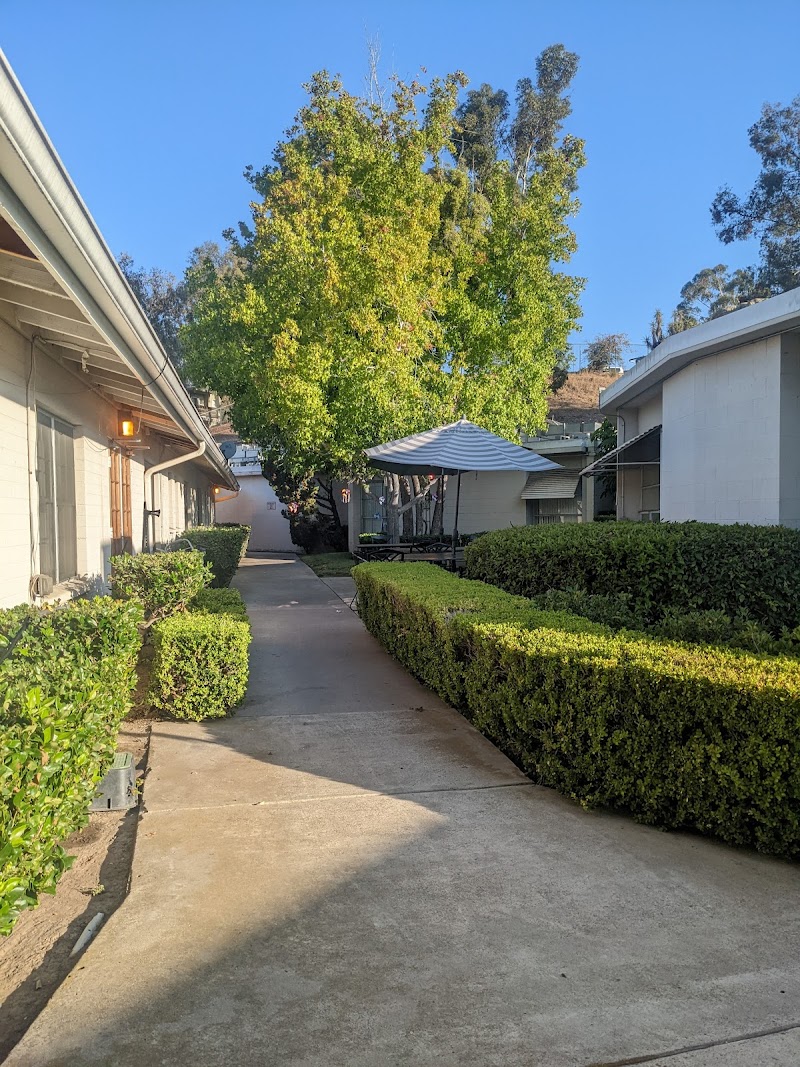
Who Owns and Operates Jacob Healthcare Center?

JACOB HEALTHCARE CENTER is owned by a for-profit company. For-profit facilities operate as businesses with obligations to shareholders or private owners. The facility is operated by LINKS HEALTHCARE GROUP, a chain that manages multiple nursing homes. With 128 certified beds and approximately 118 residents (about 92% occupancy), it is a mid-sized facility located in SAN DIEGO, California.
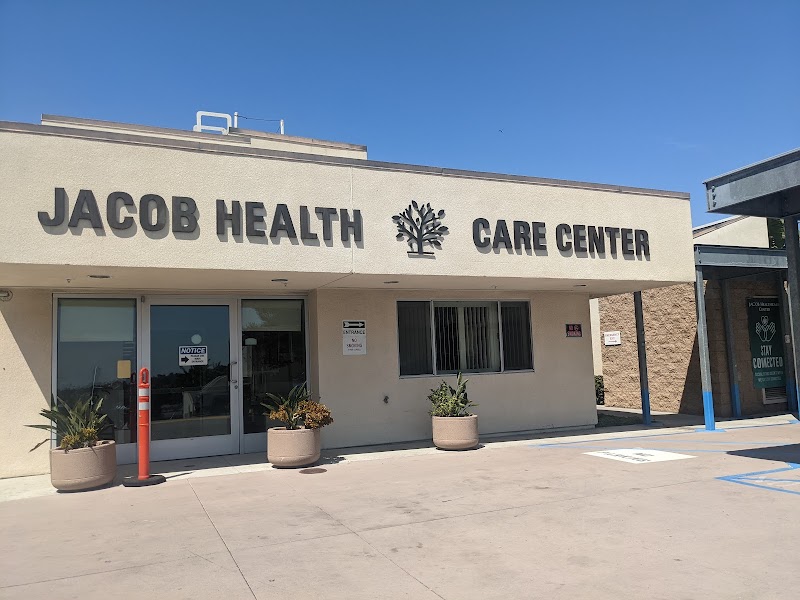
How Does Jacob Healthcare Center Compare to Other California Nursing Homes?

Compared to the 100 nursing homes in California, JACOB HEALTHCARE CENTER's overall rating (5 stars) is above the state average of 3.2, staff turnover (61%) is significantly higher than the state average of 46%, and health inspection rating (4 stars) is above the national benchmark.

What Should Families Ask When Visiting Jacob Healthcare Center?

Based on this facility's data, families visiting should ask: "How do you ensure continuity of care given staff turnover, and what is your staff retention strategy?" "Can you walk me through typical staffing levels on day, evening, and night shifts?" "Can I visit during a mealtime to observe dining assistance and food quality?" "How do you handle medical emergencies, and what is your hospital transfer rate?" These questions are particularly relevant given the facility's high staff turnover rate and the below-average staffing rating.

Is Jacob Healthcare Center Safe?

Based on CMS inspection data, JACOB HEALTHCARE CENTER has a clean safety record: no substantiated abuse findings (meaning no confirmed cases of resident harm), no Immediate Jeopardy citations (the most serious violation level indicating risk of serious injury or death), and is not on the Special Focus Facility watch list (a federal program monitoring the lowest-performing 1% of nursing homes). The facility has a 5-star overall rating and ranks #1 of 100 nursing homes in California. While no facility is perfect, families should still ask about staff-to-resident ratios and recent inspection results during their visit.

Do Nurses at Jacob Healthcare Center Stick Around?

Staff turnover at JACOB HEALTHCARE CENTER is high. At 61%, the facility is 15 percentage points above the California average of 46%. High turnover means new staff may not know residents' individual needs, medications, or preferences. It can also be disorienting for residents, especially those with dementia who rely on familiar faces. Families should ask: What is causing the turnover? What retention programs are in place? How do you ensure care continuity during staff transitions?

Was Jacob Healthcare Center Ever Fined?

JACOB HEALTHCARE CENTER has no federal fines on record. CMS issues fines when nursing homes fail to meet care standards or don't correct problems found during inspections. The absence of fines suggests the facility has either maintained compliance or corrected any issues before penalties were assessed. This is a positive indicator, though families should still review recent inspection reports for the full picture.

Is Jacob Healthcare Center on Any Federal Watch List?

JACOB HEALTHCARE CENTER is not on any federal watch list. The most significant is the Special Focus Facility (SFF) program, which identifies the bottom 1% of nursing homes nationally based on persistent, serious quality problems. Not being on this list means the facility has avoided the pattern of deficiencies that triggers enhanced federal oversight. This is a positive indicator, though families should still review the facility's inspection history directly.