MISSION HILLS POST ACUTE CARE
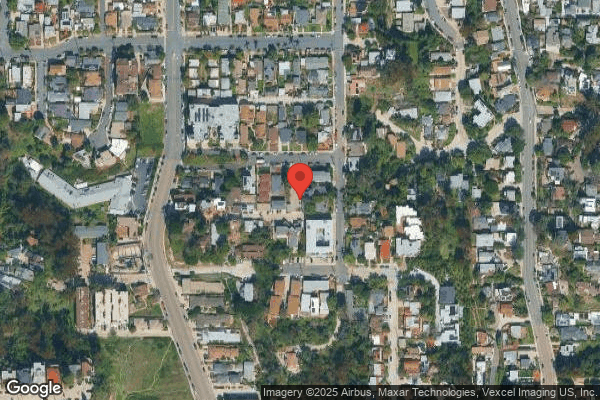
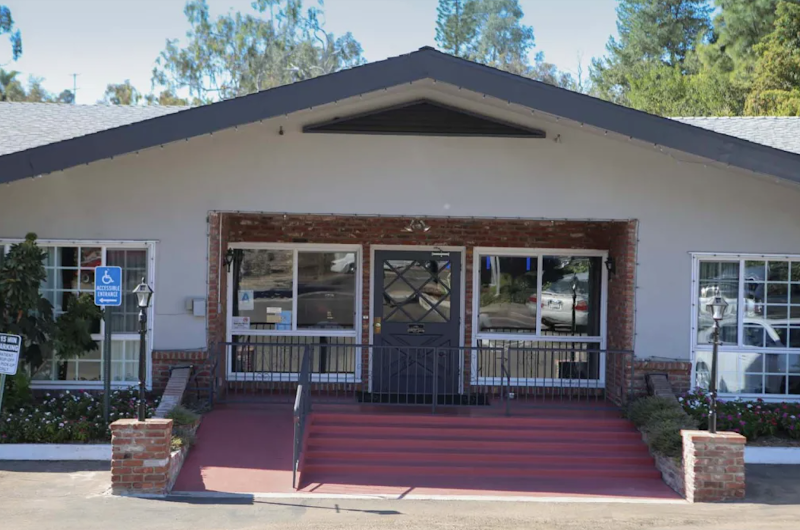
3680 REYNARD WAY, SAN DIEGO, CA 92103 (619) 297-4484
For profit - Corporation 75 Beds THE ENSIGN GROUP Data: November 2025
Trust Grade
50/100
#631 of 1155 in CA
Last Inspection: June 2025

Inspected within the last 6 months. Data reflects current conditions.

Overview

Mission Hills Post Acute Care in San Diego has a Trust Grade of C, indicating an average performance compared to other nursing homes. It ranks #631 out of 1155 facilities in California, placing it in the bottom half, and #64 out of 81 in San Diego County, meaning there are better local options available. The facility is experiencing a worsening trend, with reported issues increasing from 9 in 2024 to 15 in 2025. Staffing is a significant concern, with only 1 out of 5 stars and a high turnover rate of 63%, well above the state average of 38%. Although the facility has no fines on record, which is a positive aspect, there are serious issues regarding nutrition care; for example, one resident lost over 31 pounds due to inadequate nutritional interventions, and another resident's need for evening snacks was consistently overlooked. Overall, while the facility has some strengths, such as no fines, there are notable weaknesses in staffing and care quality that families should consider.

Trust Score
C
50/100
In California
#631/1155
Bottom 46%
Safety Record
Moderate
Needs review
Inspections
Getting Worse
9 → 15 violations
Staff Stability
⚠ Watch
63% turnover. Above average. Higher turnover means staff may not know residents' routines.
Penalties
✓ Good
No fines on record. Clean compliance history, better than most California facilities.
Skilled Nurses
⚠ Watch
Each resident gets only 18 minutes of Registered Nurse (RN) attention daily — below average for California. Fewer RN minutes means fewer trained eyes watching for problems.
Violations
⚠ Watch
48 deficiencies on record. Higher than average. Multiple issues found across inspections.
★★★☆☆
3.0
Overall Rating
★☆☆☆☆
1.0
Staff Levels
★★★★★
5.0
Care Quality
★★★☆☆
3.0
Inspection Score
Stable
2024: 9 issues
2025: 15 issues

The Good

  • 5-Star Quality Measures · Strong clinical quality outcomes
  • Full Sprinkler Coverage · Fire safety systems throughout facility
  • No fines on record

Facility shows strength in quality measures, fire safety.

The Bad

3-Star Overall Rating

Near California average (3.1)

Meets federal standards, typical of most facilities

Staff Turnover: 63%

17pts above California avg (46%)

Frequent staff changes - ask about care continuity

Chain: THE ENSIGN GROUP

Part of a multi-facility chain

Ask about local staffing decisions and management

Staff turnover is elevated (63%)

15 points above California average of 48%

The Ugly 48 deficiencies on record

1 actual harm
Jun 2025 13 deficiencies
CONCERN (D)

Potential for Harm - no one hurt, but risky conditions existed

Resident Rights (Tag F0550)

Could have caused harm · This affected 1 resident

**NOTE- TERMS IN BRACKETS HAVE BEEN EDITED TO PROTECT CONFIDENTIALITY** Based on observation, interview and record review, the facility did not ensure appropriate brief size was provided for one of on...

Read full inspector narrative →
**NOTE- TERMS IN BRACKETS HAVE BEEN EDITED TO PROTECT CONFIDENTIALITY** Based on observation, interview and record review, the facility did not ensure appropriate brief size was provided for one of one resident (164). As a result, Resident 164 felt uncomfortable. Findings: On 6/17/25 at 9:33 A.M., an observation and interview was conducted with Resident 164. Resident 164 stated she was not happy since admission because she was placed on a brief size smaller than she needed. Resident 164 stated she was uncomfortable on the brief size the facility provided. Resident 164 stated she developed irritations and rashes on perineal area because the brief was too tight on her. Resident 164 stated she had to purchase the appropriate brief size just to be comfortable. On 6/17/25 at 4:12 P.M., an observation and interview were conducted with two Certified Nurse Assistants (CNAs) during Resident 164 brief change. CNA 21 stated she have worked at the facility for three months, and the facility did not have a 3XL brief size, which was the correct size for Resident 164. Resident 164 was observed with rashes on the perineal area. CNA 21 stated the rashes in this area was because of tight brief. On 6/18/25 at 10:31 A.M. an observation and interview was conducted with CNA 2. The favility's storage rooms did not have a supply of 3XL briefs. On 6/18/25 at 10:45 A.M., an observation, interview and record review was conducted with the CS. The central supply area at the back of the facility had 3XL briefs. The CS stated 3XL briefs were not stocked in the storage areas inside the facility because she kept it for a resident who needed a 3XL brief. The CS stated she was informed about Resident 164 needing 3XL brief only about a week ago. The CS stated Resident 164's family was providing the 3XL brief for Resident 164. On 6/18/25 at 10:57 A.M. an observation and interview were conducted with the CS and Resident 164 in Resident 164's room. Resident 164 was observed crying. Resident 164 stated she was crying because of pain she had to injure coming from the rashes in her perineal area. Resident 164 stated she informed the staff until Sunday about the brief being too tight for her causing her rashes and discomfort. Resident 164 was crying and stated, it was my fault and when you could not take it anymore. The CS stated she would supply Resident 164 3XL briefs once Resident 164's 3XL briefs runs out. On 6/20 25 at 4:44 P.M., an interview and record review were conducted with Treatment Nurse (TN) 1. TN 1 stated she was not aware about Resident 164's skin assessment until today. According to the Skin Evaluation dated 6/18/25 at 8:53 A.M. the record indicated (Resident 164) .has mild erythema from briefs being too small on her, she has switched to bigger size . TN 1 stated the CNAs should communicate any skin changes to residents. TN 1 stated the CNAs did not communicate Resident 164's skin issue with Licensed Nurses (LN) including the TNs. TN 1 stated moisture associated skin damage was identified on Resident 164's breast folds and buttocks but not on the groin. TN 1 acknowledged there was no communication of Resident 164's skin issue and late documentation because the TNs were not aware of Resident 164's skin issue. TN 1 stated there was no physician orders for Resident 164's [NAME] issue but the CNAs were applying a skin barrier cream. TN 1 stated there should be a physician order for Resident 164's skin issue. On 6/19/25 at 11:55 A.M. an interview and record review were conducted with the Director of Nursing (DON). The DON stated the CNAs did not report to LNs about Resident 164's skin issue related to tight brief. The DON stated appropriate brief size should have provided to Resident 164 to prevent further skin breakdown, discomfort, pain and suffering. The DON stated the appropriate brief size was available and should have been provided to Resident 164.
CONCERN (D)

Potential for Harm - no one hurt, but risky conditions existed

Assessment Accuracy (Tag F0641)

Could have caused harm · This affected 1 resident

**NOTE- TERMS IN BRACKETS HAVE BEEN EDITED TO PROTECT CONFIDENTIALITY** Based on observation, interview, and record review, the facility failed to accurately code the Minimum Data Set (MDS- a nursing ...

Read full inspector narrative →
**NOTE- TERMS IN BRACKETS HAVE BEEN EDITED TO PROTECT CONFIDENTIALITY** Based on observation, interview, and record review, the facility failed to accurately code the Minimum Data Set (MDS- a nursing assessment tool) for one of seven sampled residents (Resident 31) reviewed for MDS accuracy. This deficient practice resulted in providing inaccurate information to the Federal database (information maintained by the federal government) and had the potential for Resident 31 to not receive appropriate care. Findings: Resident 31 was admitted to the facility on [DATE] with diagnoses including obstructive sleep apnea (OSA- a problem in which breathing pauses during sleep due to blocked airways) according to the facility's admission Record. During an observation and interview on 6/16/25 at 9:19 A.M., Resident 31 was in bed with two small machines on top of the bedside drawer. Resident 31 stated one machine was a bilevel positive airway pressure (BIPAP-machine as breathing support and administered through a face mask or nasal mask) machine and the other was for a breathing treatment. Resident 31 stated she used the BIPAP at night or when she took naps during the day. A concurrent record review and interview was conducted on 6/17/25 at 2:31 P.M. with licensed nurse (LN) 5. LN 5 reviewed Resident 31's physician's orders in the electronic medical record. LN 5 stated Resident 31 had physician's orders dated 4/8/25 for Resident 31 to use the BIPAP at night and during naps. During a concurrent record review and interview on 6/18/25 at 9:25 A.M. with the Minimum Data Set Nurse (MDSN- a nurse who assessed and evaluated the quality of care being given to residents), the MDSN reviewed the MDS completed for Resident 31. The MDSN stated she completed Resident 31's MDS on 4/13/25. The MDSN stated section O of the MDS required an answer for the use of BIPAP. The MDSN stated BIPAP was not coded in Resident 31's MDS, section O. The MDSN stated BIPAP should have been coded to reflect Resident 31's use of a BIPAP machine. The MDSN stated it was important to code MDS assessments accurately because it reflected on the care provided to residents. An interview was conducted on 6/19/25 at 9:37 A.M. with the Director of Nursing (DON). The DON stated it was important to accurately code the MDS assessments to treat the residents according to their diagnoses. A review of the CMS (Centers for Medicare & Medicaid Services-government agency overseeing nursing health facilities) Long-Term Care Facility Resident Assessment Instrument 3.0 User's Manual dated October 2023 was conducted. Chapter 1.2 page seven of the User's Manual indicated the Resident Assessment Instrument (RAI) consisted of the MDS. The User's Manual chapter 1.2, page eight indicated, .The RAI process has multiple regulatory requirement .Federal regulations .require that (1) the assessment accurately reflects the resident's status . Furthermore chapter 5.5, page 668 of the User's Manual indicated, .the MDS must be accurate as of the ARD [Assessment Reference Date]. Minor changes in the resident's status should be noted in the resident's record .in accordance with standards of practice and documentation . The facility did not provide a policy and procedure regarding MDS completion.
CONCERN (D)

Potential for Harm - no one hurt, but risky conditions existed

Comprehensive Care Plan (Tag F0656)

Could have caused harm · This affected 1 resident

**NOTE- TERMS IN BRACKETS HAVE BEEN EDITED TO PROTECT CONFIDENTIALITY** Based on observation, interview, and record review, the facility did not develop patient centered care plans for one of six resi...

Read full inspector narrative →
**NOTE- TERMS IN BRACKETS HAVE BEEN EDITED TO PROTECT CONFIDENTIALITY** Based on observation, interview, and record review, the facility did not develop patient centered care plans for one of six residents reviewed for care plans when: 1. Resident 7's bowel and bladder incontinence was not care planned; 2. Resident 7 did not have a care plan for the use of heparin (blood thinner). Cross reference F690 This failure had the potential for Resident 7 to not receive appropriate care, treatment, and interventions. Findings: 1. Resident 7 was admitted to the facility on [DATE] with diagnoses including need for assistance with personal care and other abnormalities of gait (walking) and mobility according to the facility's admission Record. During an observation and interview on 6/17/25 at 8 A.M., Resident 7 was in bed with a urinal (plastic urine bottle) hanging on the left bed rail. Resident 7 stated he used the urinal but had to be changed when he was not able to hold his urine. Resident 7 stated he felt uncomfortable being wet all over. Resident 7 further stated he was able to get up to go to the bathroom when he was at home. A concurrent record review and interview was conducted on 6/17/25 at 2:15 P.M. with licensed nurse (LN) 5. LN 5 stated a bowel and bladder (B&B) evaluation was completed on admission and quarterly. LN 5 reviewed the electronic medical record (EMR) for Resident 7. LN 5 stated a B&B evaluation was completed for Resident 7 on 5/28/25. LN 5 stated Resident 7 was evaluated as continent (ability to control the release of urine and feces) of B&B. LN 5 reviewed documentation by certified nurse assistants (CNAs) in the task section of the EMR. LN 5 stated the CNAs documented incontinent and continent of urine for Resident 7. LN 5 reviewed the Minimum Data Set (MDS-a clinical assessment tool) for Resident 7. LN 5 stated the MDS dated [DATE] indicated occasionally incontinent of urine and always incontinent of bowel. LN 5 reviewed the care plans for Resident 7. LN 5 stated there was no care plan for Resident 7 to address Resident 7's B&B incontinence. LN 5 stated care plans were needed for staff to know how to treat residents. During a concurrent record review and interview on 6/17/25 at 2:56 P.M. with the Minimum Data Set Nurse (MDSN- a nurse who assessed and evaluated the quality of care being given to residents), the MDSN stated section H of the MDS was completed based on CNA documentation regarding a resident's bowel and bladder status. The MDSN stated if section H had an incontinent status, then there should be a care plan developed for the plan of care for the resident. 2. During a review of Resident 7's physician's orders in the electronic medical record (EMR), the physician's orders indicated, Heparin Sodium [Porcine-derived from pig] Solution 5000 UNIT/ML Inject 7500 unit subcutaneously [fatty tissue, just under the skin] every 12 hours for clotting prevention. An interview was conducted on 6/18/25 at 2:18 P.M. with the Consultant Pharmacist (CP). The CP stated heparin was considered a high-risk medication due to the risk for bleeding. A concurrent record review and interview on 6/18/25 at 3:53 P.M. was conducted with licensed nurse (LN) 5. LN 5 reviewed Resident 7's care plans and stated there was no care plan for the use of heparin. LN 5 stated there should have been a care plan because heparin was a high risk medication and for Resident 7's plan of care. During an interview on 6/19/25 at 9:37 A.M. with the Director of Nursing (DON), the DON stated care planning was important to ensure patient care, goals and interventions. A review of the facility's policy and procedure (P&P) titled, Comprehensive Person-Centered Care Planning, dated August 2024 was conducted. The P&P indicated, It is the policy of this facility that the interdisciplinary [IDT-team members with various areas of expertise who work together toward the goals of their residents] shall develop a comprehensive person-centered care plan for each resident that includes measurable objectives and timeframes to meet a resident's medical, nursing, mental and psychosocial needs that are identified in the comprehensive assessment.
CONCERN (D)

Potential for Harm - no one hurt, but risky conditions existed

Deficiency F0679 (Tag F0679)

Could have caused harm · This affected 1 resident

**NOTE- TERMS IN BRACKETS HAVE BEEN EDITED TO PROTECT CONFIDENTIALITY** Based on observation, interview and record review, the facility failed to provide an Activities program to meet a resident's pre...

Read full inspector narrative →
**NOTE- TERMS IN BRACKETS HAVE BEEN EDITED TO PROTECT CONFIDENTIALITY** Based on observation, interview and record review, the facility failed to provide an Activities program to meet a resident's preferences for one of one residents reviewed for Activities (Resident 36). This failure had the potential to not support Resident 36's psychosocial well being. Findings: Resident 36 was admitted to the facility on [DATE] with diagnoses to include macular degeneration (a loss or distortion of vision), per the facility admission Record. An observation and interview was conducted on 6/16/25 at 9 A.M. with Resident 36. Resident 36 was in bed, awake and alert. The room was dark, and the television was off. Resident 36 responded to questions asked by saying yes, and waved her hand. Resident 36 was smiling. An observation was conducted of Resident 36 on 6/17/25 at 3:34 P.M. Resident 36 was awake and alert, in bed. The room was quiet, and the television was off. The television was positioned on the wall across from Resident 36's feet, approximately 10 feet from her head. Resident 36 smiled and waved, answering yes to questions about lunch. No books, pictures, puzzles or other activities were at the bedside. An interview was conducted with Certified Nursing Assistant (CNA) 1 on 6/18/25 at 9:34 A.M. CNA 1 stated he knew Resident 36 well, but had not seen her participate in any activities, either in her room or in the activity room. CNA 1 stated Resident 36's family member visited often and keeps her entertained, but he was only there for an hour or two each day. CNA 1 stated he should have spoken to the Activity Director (AD) about her lack of activities, but he had not done so. An interview was conducted with CNA 11 on 6/18/25 at 9:36 A.M. CNA 11 stated he had never seen Resident 36 participate in any activity. CNA 11 stated she waves her hand to indicate she was fine and did not need anything. CNA 11 stated, I've never seen her watch TV or do a puzzle, I don't know what she likes to do. She's always awake and just lying in bed when I go in. CNA 11 stated he should have discussed this with the AD or nurses in case she was bored or depressed. An interview was conducted with CNA 12 on 6/18/25 at 10:08 A.M. CNA 12 stated Resident 36 did not like to get out of bed to go to activities. CNA 12 stated she asked Resident 36 if she wanted the drapes opened or the television on, but she usually said no. CNA 12 stated she was not aware of whether Resident 36 could see the television at the foot of her bed or not. CNA 12 stated if a resident did not like group activities, the AD usually provided one-to-one activities, like a puzzle or book. CNA 12 stated she had not seen Resident 36 participate in any one-to-one activities, and she did not attend group activities. CNA 12 stated, Maybe we don't know what she likes to do yet. An interview was conducted with Resident 36 and a Family Member (FM 1) on 6/18/25 at 10:24 A.M. Per FM 1, Resident 36 spoke and understood some English although it was not her primary language. FM 1 stated Resident 36 used to teach cooking, and also used to watch many cooking shows on television. FM 1 stated the television was located on the wall across from the foot of the bed, which was too far for Resident 36 to see, considering her macular degeneration. FM 1 stated Resident 36 was starting to lose interest in things as there was nothing for her to do or see throughout the day. FM 1 stated Resident 36 did not enjoy going to the dining room or other group activities due to her limited English and her vision problems. A record review was conducted. Resident 36's Brief Interview for Mental Status (BIMS), dated 6/2/25, indicated moderately impaired cognition. Resident 36's Activity Annual Evaluation, dated 10/3/24, indicated Resident 36 did not enjoy group activities and was more comfortable in her room. The evaluation indicated Resident 36 was very receptive to activity related visits, and that hearing was a barrier. There was no indication of inadequate vision due to macular degeneration, the location of the television in the room, or Resident 36's past history of watching cooking shows or teaching cooking. The evaluation indicated the activity goals and interventions had been partially effective, and Resident 36 was meeting goals for visits and independent leisure with TV. Resident 36's Activity Quarterly Evaluation, dated 6/2/25, indicated she did not participate in group activities but the television was on to several programs in English. No indications of limited vision was documented. Resident 36's Activities care plan, initiated 10/16/23, indicated she had macular degeneration and was blind in one eye, enjoyed baking and cooking, and watched Food Network cooking shows at home. Goals implemented were for Resident 36 to be involved in independent activities three to four times each week. Interventions to achieve the goals included setting up room visits with family, encouraging time outside , and offering music visits and arts and crafts. Television and cooking/baking related interests were not addressed. An interview was conducted with the AD on 6/18/25 at 10:45 A.M. The AD stated she assessed each resident's preferences for activities when they were first admitted , then reevaluated quarterly afterwards. The AD stated Resident 36 did not enjoy leaving the room for group activities, but she did enjoy pet therapy visits and some one-to-one activities. The AD stated she was aware Resident 36 had vision problems, and used to enjoy cooking and watching cooking shows on television, but she did not watch television now. The AD stated she had not considered the television placement, on the wall approximately 10 feet from Resident 36's head, to be a problem but due to macular degeneration, it might impact her ability to watch television. Per an undated facility policy, titled Individual & Room Visit Programs, It is the policy of this care center to provide adequate activity .opportunities to those residents .who choose to stay primarily in their own rooms. The activities shall be reflective of each resident's preferences and individual activity interests .The in-room activity programs will directly reflect the residents' assessed individualized activity interests . Per a facility policy, revised September 2015 and titled Scope of Activity Program, .One-on-One Activities: These programs are designed to provide activities and entertainment that meet the needs and interest as well as capabilities of residents who are confined to their beds or who prefer to engage in activities in their rooms rather than participate in group activities .e.g. books, radio, TV .)
CONCERN (D)

Potential for Harm - no one hurt, but risky conditions existed

Incontinence Care (Tag F0690)

Could have caused harm · This affected 1 resident

**NOTE- TERMS IN BRACKETS HAVE BEEN EDITED TO PROTECT CONFIDENTIALITY** Based on observation, interview and record review the facility failed to maintain bowel and bladder status for one of three resi...

Read full inspector narrative →
**NOTE- TERMS IN BRACKETS HAVE BEEN EDITED TO PROTECT CONFIDENTIALITY** Based on observation, interview and record review the facility failed to maintain bowel and bladder status for one of three residents reviewed for bowel and bladder incontinence (involuntary loss of feces and urine) . (Resident 7) This failure had the potential for Resident 7 to develop pressure sores and affect Resident 7's dignity and comfort. Findings: Resident 7 was admitted to the facility on [DATE] with diagnoses including need for assistance with personal care and other abnormalities of gait (walking) and mobility according to the facility's admission Record. During an observation and interview on 6/17/25 at 8 A.M., Resident 7 was in bed with a urinal (plastic urine bottle) hanging on the left bed rail. Resident 7 stated he used the urinal but had to be changed when he was not able to hold his urine. Resident stated he felt uncomfortable when wet with urine. Resident 7 stated when he was at home, he was able to get up to go to the bathroom by himself. A concurrent record review and interview was conducted on 6/17/25 at 2:15 P.M. with licensed nurse (LN) 5. LN 5 stated a bowel and bladder (B&B) evaluation was completed on admission and quarterly. LN 5 reviewed the electronic medical record (EMR) for Resident 7. LN 5 stated a B&B evaluation was completed for Resident 7 on 5/28/25. LN 5 stated Resident 7 was evaluated as continent (ability to control the release of urine and feces) of B&B. LN 5 reviewed documentation by certified nurse assistants (CNAs) in the task section of the EMR. LN 5 stated the CNAs documented incontinent and continent of urine for Resident 7. LN 5 reviewed the Minimum Data Set (MDS-a clinical assessment tool) for Resident 7. LN 5 stated the MDS dated [DATE] indicated occasionally incontinent of urine and always incontinent of bowel. LN 5 stated Resident 7 declined in his B&B status. During a concurrent record review and interview on 6/17/25 at 2:56 P.M. with the Minimum Data Set Nurse (MDSN- a nurse who assessed and evaluated the quality of care being given to residents), the MDSN stated the MDS section H was completed based on CNA documentation regarding a resident's bowel and bladder status. The MDSN stated section H of the MDS had Resident 7 as incontinent of bowel and bladder. The MDSN stated for residents who became incontinent, interventions would include establishing a voiding schedule, monitoring of fluid intake, skin inspection and assisting to the bathroom prior to an incontinent episode. The MDSN stated the facility did not have a bowel and bladder program. An interview was conducted on 6/19/25 at 9:37 A.M. with the Director of Nursing (DON). The DON stated residents should have a toileting schedule to determine residents' continent status, offer toileting and anticipate toileting needs to prevent incontinence. During a review of the facility's undated policy and procedure (P&P) titled, Bowel and Bladder Assessment, the P&P indicated, The purpose of the bowel and bladder assessment is to offer a structured, goal oriented approach with the intent that the resident attains the highest level of independence in bowel and/or bladder continence.
CONCERN (D)

Potential for Harm - no one hurt, but risky conditions existed

Deficiency F0692 (Tag F0692)

Could have caused harm · This affected 1 resident

**NOTE- TERMS IN BRACKETS HAVE BEEN EDITED TO PROTECT CONFIDENTIALITY** Based on interview and record review, the facility failed to evaluate the nutritional status of one of two residents reviewed fo...

Read full inspector narrative →
**NOTE- TERMS IN BRACKETS HAVE BEEN EDITED TO PROTECT CONFIDENTIALITY** Based on interview and record review, the facility failed to evaluate the nutritional status of one of two residents reviewed for nutrition (Resident 19). This failure had the potential to result in weight loss or further compromise their health. Findings: Resident 19 was admitted to the facility on [DATE] with diagnoses to include adult failure to thrive (FTT, a loss of appetite, decreased activity, and weight loss), per the facility admission Record. An observation and interview was conducted with Resident 19 in her room on 6/16/25 at 8:30 A.M. Resident 19 had eaten less than half of the foods on her breakfast tray, and stated the food did not taste good to her. Resident 19 stated she had complained about the food to staff, but it did not get better. A record review was conducted on 6/19/25. Resident 19's Brief Interview for Mental Status (BIMS, an assessment tool) indicated moderately impaired cognition. Resident 19's scaled weights indicated she had been weighed twice over the last year. Resident 19's care plan, initiated on 8/22/23, indicated Resident 19 had nutritional problems related to her diagnosis, and refused her weight being taken. From June 2024 through June of 2025, Resident 19 refused to be weighed. Interventions documented to address the problem were to assess the resident, provide medications, and to monitor, record and report to the physician any signs and symptoms of malnutrition: emaciation (abnormally thin or weak), muscle wasting, or significant weight loss. No RD notes were identified. A concurrent interview and record review was conducted on 6/19/25 at 2:30 P.M. with RD 1. RD 1 stated Resident 19 would not allow staff to weigh her monthly, and she had the right to refuse scaled weights. RD 1 stated he knew Resident 19 well, and she often told him she did not enjoy the food. RD 1 stated because he had no weights to use as a comparison, he had not assessed Resident 19's nutritional status using other assessment tools, such as amount eaten, appearance, or blood tests. RD 1 stated he should have identified another way to assess Resident 19 but he had not. RD 1 stated each resident was to be assessed by the RD annually. RD 1 searched the electronic medical records but was unable to identify a RD annual nutrition assessment for Resident 19. Per a facility policy, revised 7/21/211 and titled Nutrition Care Management, It is the policy of this facility to ensure that all residents maintain acceptable parameters of nutritional status such as usual body weight (UBW) or desirable body weight (DBW) and electrolyte balance .To provide care and services including: Assessing the resident's nutritional status .Analyzing the assessment information to identify .concerns related to the resident's condition and needs .Documentation shall reflect the nutritional assessment risks, goals and interventions .Monthly weights are to be completed .Resident declination of weight will be documented and incorporated into the plan of care. Alternative care plan goals such as monitoring anthropometrics, po intake parameters, labs or other criteria will be addressed by the Registered Dietitian .
CONCERN (D)

Potential for Harm - no one hurt, but risky conditions existed

Deficiency F0741 (Tag F0741)

Could have caused harm · This affected 1 resident

**NOTE- TERMS IN BRACKETS HAVE BEEN EDITED TO PROTECT CONFIDENTIALITY** Based on observation, interview and record review, the facility failed to attempt and evaluate the use of nonpharmacological int...

Read full inspector narrative →
**NOTE- TERMS IN BRACKETS HAVE BEEN EDITED TO PROTECT CONFIDENTIALITY** Based on observation, interview and record review, the facility failed to attempt and evaluate the use of nonpharmacological interventions (NPIs, healthcare treatments that do not involve medications, such as music or massage) for one of one resident reviewed for behaviors (Resident 16). This failure had the potential to result in overmedication. Findings: Resident 16 was admitted to the facility on [DATE] with diagnoses to include dementia (a loss of memory, thinking or language and changes in behavior), per the facility admission Record. An observation was conducted of Resident 16 in her room on 6/16/25 at 3:15 P.M. Resident 16 was screaming, not making eye contact. No words were identifiable. Staff did not respond to the screaming, which continued for approximately three minutes. The television was off, no music was heard in the room. An observation was conducted of Resident 16 in her room on 6/17/25 at 3:53 P.M. Resident 16 was again screaming, scratching at her right shoulder. A Certified Nursing Assistant (CNA 3) went to the bedside and pulled Resident 16's hand away from her shoulder. CNA 3 stated snacks sometimes worked to calm the resident, and she had just given her ice cream, which Resident 16 had eaten. After eating the ice cream, Resident 16 continued to scream. CNA 3 stated television or music did not work to calm the resident, sitting at the bedside and holding her hand was not effective either. An interview was conducted on 6/17/25 at 4 P.M. with the Director of Nursing (DON). Per the DON, Resident 16 screamed erratically, and yelled when certain staff members went into the room. The DON stated turning on the television did not work to stop the screaming, nothing seemed to make a difference in the behavior. Observations were conducted on 6/19/25 at 7:40 A.M., 8 A.M. and 8:20 A.M. Resident 16 was screaming each time, and staff came to the room and attempted to change the resident's brief, reposition her, and offer her foods. An interview was conducted on 6/19/25 at 8:24 A.M. with Licensed Nurse (LN) 4. LN 4 stated when Resident 16 had the screaming behavior, staff should try and figure out what is causing the problem. Per LN 4, sometimes Resident 16 was uncomfortable and needed to be changed, sometimes it was caused by a staff member coming into the room. LN 4 stated Resident 16 might need to be comforted, or repositioned, and sometimes music would help. LN 4 stated she did not know where to document in the nursing records whether the interventions were successful or not. LN 4 stated she was not aware of how many times Resident 16 had the behavior of screaming throughout the day. An interview was conducted with the Medical Records Director (MRD) on 6/19/25 8:39 A.M. The MRD stated her office was near Resident 16's room, and she could hear her yelling out. The MRD stated she would sometimes go to the room to see if she could calm Resident 16. Per the MRD, Resident 16 liked music, especially Elvis [NAME]. The MRD stated she had played Elvis music on her phone and Resident 16 had stopped yelling. A record review was conducted on 6/19/25. Per Resident 16's physician's orders, dated 5/23/24, staff was to monitor episodes of repetitive screaming every shift. A second physician's order, dated 1/18/24, indicated staff was to attempt and document the success or failure of the following NPIs: back rub, redirection, speak to/approach in a calm manner, reposition, offer snacks/fluid/milk, assess for pain, provide a quiet environment, encourage to express feelings, take to activities, provide reassurance. The Medication Administration Record (MAR) for May 2025 indicated staff was to document how many times over a 24-hour period Resident 16 exhibited the behavior of repetitive screaming. 20 of 31 days in May 2025, no behaviors were documented. The MAR for May of 2025 indicated staff was to document attempted NPIs. No NPI's were documented as attempted in May. The MAR for June 2025 indicated 10 of 18 days, Resident 16 had no behaviors of screaming. The MAR for June 2025 indicated no NPIs had been attempted for 18 of 18 days. Per Psychotropic Review Committee (PRC, a group of healthcare professionals that review the appropriate use of specialized behavioral medications) minutes, dated 9/6/24, 12/6/24, 2/28/25, and 6/5/25, Resident 16's screaming continued in spite of interventions. The PRC planned to continue medicating Resident 16 for repetitive screaming. No additional recommendations were made by the PRC. Per a care plan, Resident 16 had a behavior problem related to screaming out. Intervention included setting the television to music. Per a physician's note, dated 4/29/25, Resident 16 continued to have chronic behavioral disturbances of screaming. The physician documented anxiety may contribute to the screaming although Resident 16 did not appear to be distressed. The physician documented a plan to continue providing the behavioral medication, and nursing staff was to encourage comfort-focused redirection and sensory interventions as tolerated. The physician documented staff was to continue behavioral monitoring to assess for changes or escalation in symptoms. A concurrent interview and record review was conducted with the DON on 6/19/25 at 9:12 A.M. The reviewed the MAR for May and June 2025, and stated staff was to document the behaviors so that the psychotropic committee could review the success or failure of the medication to help with the behaviors exhibited. The DON stated it was important to know what worked and what did not in order to adjust the medications. The DON stated, It appears (in the MAR) there are less behaviors than actual. We should document the effects of the NPIs to eliminate the NPIs that don't work, and continue the ones that do work. We did not document this well. A policy on nursing care for the use of behavioral medications and NPIs was requested but not provided.
CONCERN (D)

Potential for Harm - no one hurt, but risky conditions existed

Unnecessary Medications (Tag F0759)

Could have caused harm · This affected 1 resident

Based on observation, interview and record review, the facility failed to ensure the medication error rate was less than five percent when two out of 26 medications were administered incorrectly. The ...

Read full inspector narrative →
Based on observation, interview and record review, the facility failed to ensure the medication error rate was less than five percent when two out of 26 medications were administered incorrectly. The facility's error rate was 7.69%. These failures had the potential to negatively affect the residents' health and safety. Findings: On 6/18/25 at 8:51 A.M., a medication administration observation was conducted with licensed nurse (LN) 21. LN 21 prepared and administered medications to Resident 19. During the medication administration observation, there were seven (7) total oral pills counted but LN 21 had six (6) medication pills in the medication cup. LN 21 stated total count of medications were two capsules and four tablets. LN 21 stated the total number of oral pills should be seven (7). One of the medication LN 21 did not include was Citalopram (medication for depression). The following medication pills were in the medication cup (six total number): Gabapentin 300 (milligram) mg one yellow capsule Potassium chloride 20 meq ER (milli-equivalent, extended release) one tablet Dicyclomine 10 mg one blue capsule Cetirizine 10 mg one tablet Ferrous Sulfate one house supply one round dark green tablet Multivitamins with mineral one round orange inhaler Fluticasone propionate/Salmeterol Diskus inhalation Powder 500 mcg/50 mcg for oral inhalation Lidocaine patch 4% On 6/18/25 at 9:09 A.M., an interview was conducted with LN 21 regarding Resident 19's medications. LN 21 stated she forgot to get the Citalopram tablet in the blister pack and she forgot to include Diclofenac topical gel because Resident 19 refused the medication. A review of Resident 19's physician order was conducted. The physician order, dated 9/2/24 indicate, .Diclofenac Sodium External Gel 1% (Diclofenac Sodium (Topical)) Apply to R [sic] knee topically two times a day for localized chronic pain management A review of the facility policy entitled Policy/Procedure-Nursing Clinical Section: Medication Administration, revised/updated 3/2025, indicated, : .accurately prepare, administer .medications as per physician's order .3. Read medication card .7. Dispense medication unto medication cup .
CONCERN (D)

Potential for Harm - no one hurt, but risky conditions existed

Infection Control (Tag F0880)

Could have caused harm · This affected 1 resident

**NOTE- TERMS IN BRACKETS HAVE BEEN EDITED TO PROTECT CONFIDENTIALITY** Based on observation, interview, and record review, the facility failed to ensure appropriate storage of respiratory (related to...

Read full inspector narrative →
**NOTE- TERMS IN BRACKETS HAVE BEEN EDITED TO PROTECT CONFIDENTIALITY** Based on observation, interview, and record review, the facility failed to ensure appropriate storage of respiratory (related to breathing) equipment for one of one resident reviewed for infection control. (Resident 31) This failure had the potential for cross contamination (spread of germs and bacteria) and infection. Findings: Resident 31 was admitted to the facility on [DATE] with diagnoses including obstructive sleep apnea (OSA- a problem in which breathing pauses during sleep due to blocked airways) according to the facility's admission Record. During an observation and interview on 6/16/25 at 9:19 A.M., Resident 31 was in bed with two small machines on top of the bedside drawer. Resident 31 stated one machine was a bilevel positive airway pressure (BIPAP-machine as breathing support and administered through a face mask or nasal mask) machine and the other was for a breathing treatment. The BIPAP tubing was hanging from the BIPAP machine and connected to a face mask. The mask was observed to be on the floor. There was no plastic bag or other storage to contain the mask. The other machine on top of Resident 31's bedside drawer had a clear tubing connected to a mask. The tubing and mask were undated and were inside the open top drawer of Resident 31's bedside drawer. The mask was on top of other items in the drawer without a plastic bag or other storage to contain the mask. A concurrent record review and interview on 6/17/25 at 2:31 P.M. was conducted with licensed nurse (LN) 5. LN 5 reviewed Resident 31's physician's orders. LN 5 stated Resident 31 had physician's orders for the BIPAP for use at night and during naps. LN 5 stated the physician's orders indicated to change oxygen tubing every seven days and to cleanse BIPAP tubing and mask every Sunday. LN 5 stated the BIPAP mask, nebulizer (machine used for breathing treatment) mask and tubing should be stored in a plastic bag for infection control. LN 5 further stated the plastic bag should be dated when it was last changed. During an interview with the Director of Nursing (DON) on 6/19/25 at 10:04 A.M., the DON stated respiratory equipment should be kept inside a plastic bag to keep clean and for infection control. A review of the facility's undated policy and procedure (P&P) titled, BiPap/Cpap [continuous positive airway pressure-a machine that delivers mild air pressure through the nose to keep breathing airways open while asleep], was conducted. The P&P indicated, BiPaP/CPAP face mask must be cleaned and stored after each use. The policy did not provide guidance regarding how the mask should be stored. During a review of the facility's P&P titled, Infection Prevention and Control Program, dated 9/2017, the P&P did not provide guidance regarding infection control for residents with a respiratory equipment.
CONCERN (E)

Potential for Harm - no one hurt, but risky conditions existed

Deficiency F0725 (Tag F0725)

Could have caused harm · This affected multiple residents

Based on observation, interview, and record review the facility failed to ensure sufficient staffing for the facility when: 1. Payroll data report from Centers for Medicare & Medicaid Services (CMS-go...

Read full inspector narrative →
Based on observation, interview, and record review the facility failed to ensure sufficient staffing for the facility when: 1. Payroll data report from Centers for Medicare & Medicaid Services (CMS-government agency overseeing nursing health facilities) indicated quarter one 2025 triggered for Excessively Low Weekend Staffing .October 1- December 31. 2. Residents in the confidential resident council meeting verbalized not having enough staff. This failure in excessively low weekend staffing resulted in not meeting staffing requirements by CMS and had the potential for residents to not receive an appropriate quality of care. Findings: 1. During a review of the facility's PBJ [Payroll Based Journal] Staffing Data Report [staffing and payroll data submitted to CMS by nursing homes] .Quarter 1 2025 [October 1-December 31], the PBJ report indicated excessively low weekend staffing was triggered which meant the facility submitted PBJ reports with excessively low weekend staffing. 2. A confidential resident council meeting was conducted with facility residents on 6/17/25 at 10 A.M. Confidential Resident (CR) 1 stated it took a long time for call lights to be answered. CR 2 and CR 3 stated it took 30-minute wait for call lights to be answered. CR 4 stated, Waited two hours to be assisted. CR 2, 3 and 4 stated it was a long wait time for brief change, and it occurred mostly in the morning time. CR 2 stated having to wait for a long time to answer call light made her feel, Pissed off. CR 3 stated having to wait a long time made her feel, Sad. CR 4 stated having to wait a long time for call light to be answered made her feel, Bad. During an interview on 6/18/25 at 10:32 A.M. with certified nurse assistant (CNA) 1, CNA 1 stated the facility was short staffed at least once a week. CNA 1 stated the CNAs worked short staffed twice in the previous week. During an interview on 6/18/25 at 10:40 A.M. with CNA 3, CNA 3 stated CNAs worked short staffed a couple of times per week. During an interview on 6/18/25 at 10:45 A.M. with CNA 2, CNA 2 stated the CNAs worked short staffed at least once a week. CNA 2 stated there were usually eight CNAs assigned for morning shift, but two weeks ago there were only six CNAs. CNA 2 stated residents complained when there were only six CNAs. CNA 2 further stated it was stressful when short staffed. An interview on 6/19/25 at 9:23 A.M. was conducted with the Director of Nursing (DON). The DON stated it was important to have enough staff to provide quality care for residents. The facility did not provide a policy and procedure regarding staffing upon request.
CONCERN (E)

Potential for Harm - no one hurt, but risky conditions existed

Deficiency F0726 (Tag F0726)

Could have caused harm · This affected multiple residents

**NOTE- TERMS IN BRACKETS HAVE BEEN EDITED TO PROTECT CONFIDENTIALITY** 2. On 6/16/25 at 11 A.M. an observation and interview was conducted with Resident 163. Resident 163 was observed with a PICC lin...

Read full inspector narrative →
**NOTE- TERMS IN BRACKETS HAVE BEEN EDITED TO PROTECT CONFIDENTIALITY** 2. On 6/16/25 at 11 A.M. an observation and interview was conducted with Resident 163. Resident 163 was observed with a PICC line on his right upper arm. On 6/18/25 at 3:20 P.M., an interview and record review was conducted with Licensed Nurse (LN) 5. LN 5 stated the facility received Resident 163 with PICC line from the hospital. LN 5 stated their facility had a batch order for PICC lines including dressing change and flushing. According to Resident 163's record, there was no documented evidence of a physician order related to Resident 163's PICC line length and circumference monitoring and there was no documented evidence of monitoring related to Resident 163's PICC line. A review with LN 5 of the facility's policy entitled Acknowledgements, revised date July 2016, indicated .(5) Length of catheter is specific to resident. This length needs to be documented in the medical record by the person who is placing catheter. The catheter length is usually altered from original manufacturer length according to the resident's measurement. (6) Catheter length is measured for baseline comparison .(9) Upper arm circumference should be measured on admission and weekly to monitor for infiltration. (10) External catheter length should be monitored on admission, and weekly to monitor outward migration of the catheter . During interview and record review with LN 5, LN 5 stated there was no documented evidence of any report received related to Resident 163's baseline PICC line measurements. LN 5 stated she had no in-service education about PICC line care. LN 5 stated she was not aware of any PICC line care which should included he following; a baseline PICC line measurement from the sending provider, a physician order for PICC line upper arm circumference measurement monitoring on admission and weekly and documentation, and a physician order for PICC line external length measurement monitoring on admission and weekly and documentation On 6/19/25 at 11:42 A.M., an interview and record review was conducted with the Director of Nursing (DON). The DON stated the facility had a batch order for PICC line and did not include PICC line measurement monitoring. A review of Resident 163's record did not indicate any documented evidence of physician order and documentation related to Resident 163's PICC line measurement monitoring. The DON stated the facility should follow best practices for PICC line, but it was not in the facility policy to measure, monitor and document PICC line measurements. Based on observation, interviews, and record review the facility failed to ensure that staff had the knowledge to care for two of two residents who had a peripherally inserted central catheter (PICC- a thin, flexible tube inserted into a vein in the upper arm used for intravenous medications) reviewed for staff competency. (Resident 7 and Resident 163) This failure had the potential for complications such as catheter dislodgement, pain and infection. Findings: 1. Resident 7 was admitted to the facility on [DATE] with diagnoses including Methicillin-resistant Staphylococcus aureus (MRSA-a type of bacteria resistant to many antibiotics and difficult to treat) according to the facility's admission Record. During an observation on 6/17/25 at 8 A.M., Resident 7 was in bed and licensed nurse (LN) 7 entered Resident 7's room. LN 7 stated Resident 7 she came to draw blood from Resident 7's PICC line. Resident 7 was observed with a PICC line on his right upper arm. A review of Resident 7's physician's orders in the electronic medical record (EMR) was conducted. The physician's orders indicated an order dated 5/28/25, PICC LINE CARE: Change all PICC transparent dressings per sterile technique every 7 days and PRN [as needed] wet, loose, soiled. If site is not visible for assessment, change the dressing every 48 hours. Change injection caps to each lumen upon every 7 days and every PRN Dressing Change. The physician's order did not indicate other measures to prevent PICC line dislodgement or IV infiltration (catheter dislodgement causing the medication to leak into the surrounding tissue). During a review of Resident 7's care plans, the care plans indicated, Risk for infection r/t [related to] IV [intravenous-into the vein] until 6/27/25 .Interventions .PICC line care per MD order .Date initiated 6/18/25. The care plan did not indicate other measures to prevent PICC line dislodgement or IV infiltration (catheter dislodgement causing the medication to leak into the surrounding tissue). An interview was conducted on 6/18/25 at 11:16 A.M. with LN 5. LN 5 stated nursing interventions for Resident 7's PICC line included dressing changes every seven days, no blood pressure at the PICC line site, check if the PICC line was intact and use Enhanced Barrier Protection (EBP-an approach when healthcare workers wore gowns and gloves during high contact with residents to reduce transmission of organisms) during care of the PICC line. LN 5 stated the PICC was not measured and Resident 7's arm circumference at the PICC line site was not measured to determine if there was infiltration. During an interview on 6/19/25 at 9:23 A.M. with the Director of Nursing (DON), the DON stated there had been no in-services or training regarding PICC lines. The DON stated licensed nurses should know how to care for a resident with a PICC to ensure it was properly inserted and working properly. The DON further stated the facility used the Pharmacy Policy and Procedure for guidance regarding PICC lines. A review of the facility's Pharmacy Policy and Procedure (P&P) titled, Peripherally Inserted Central Catheter (PICC), dated July 2016 was conducted. The P&P indicated, This is a very fragile catheter and can be broken easily .Upper arm circumference should be measured on admission and weekly to monitor for infiltration .External catheter length should be monitored on admission, and weekly to monitor for outward migration of the catheter.
CONCERN (E)

Potential for Harm - no one hurt, but risky conditions existed

Deficiency F0761 (Tag F0761)

Could have caused harm · This affected multiple residents

**NOTE- TERMS IN BRACKETS HAVE BEEN EDITED TO PROTECT CONFIDENTIALITY** Based on observation, interview and record review, the facility failed to properly store and label medications when: 1. An inhal...

Read full inspector narrative →
**NOTE- TERMS IN BRACKETS HAVE BEEN EDITED TO PROTECT CONFIDENTIALITY** Based on observation, interview and record review, the facility failed to properly store and label medications when: 1. An inhaler (a portable device for administering a drug which is to be breathed in) was identified at a resident's bedside, with no label indicating name or dose (Resident 113), and 2. inhalers were not labeled with an open date 3. external and internal medications were stored together As a result, the facility could not ensure medications were safely stored to ensure their integrity. Findings: 1. Resident 113 was admitted to the facility on [DATE] with diagnoses to include legal blindness, and chronic obstructive pulmonary disease (COPD, a lung disease), per the facility admission Record. A record review was conducted on [DATE]. Resident 113 had a physician's order, dated [DATE], for Symbicort inhaler to be administered twice a day for COPD. An observation and interview was conducted with Resident 113 in her room on [DATE] at 3:20 P.M. Resident 113 stated she was leaving for physical therapy, but she needed to be taken to the therapy department since she was legally blind and could not see where she was going. Resident 113 had a table next to her bed, with a Symbicort inhaler on the table. The inhaler had a manufacturer's name and medication name on it, but no other identifying information. No label was affixed to the inhaler. A concurrent observation and interview was conducted on [DATE] at 3:27 P.M. in Resident 113's room with Licensed Nurse (LN) 11. LN 11 stated she was assigned to Resident 113, and she was familiar with her medications. LN 11 picked up the inhaler and stated, I'm not sure if it is a medication from home, or one provided by the facility. Either way, it should not be kept in the room. LN 11 stated the medication should be labeled with the resident's name and instructions for use. Per LN 11, since Resident 113 was legally blind, it was unsafe to keep a medication in her room. LN 11 stated some residents were allowed to self-administer medications after they had demonstrated they could do so safely, but Resident 113 had not been assessed for self-administration of medications. An interview was conducted with the Director of Nursing (DON) on [DATE] at 9 A.M. Per the DON, Resident 113 had not been evaluated by nursing staff for self-administration of medications. The DON stated the medication should not have been at the bedside, and should always be labeled with the resident's name and the instructions for use. The DON stated it was unsafe to store medications at the bedside unless nurses had educated the resident and ensured she was capable of taking it safely. The DON stated leaving the medication at the bedside could result in the facility not having the medication available when needed, and could result in overuse of the medication. Per a facility policy, revised [DATE] and titled Medication Administration and Storage, .The facility is to also ensure the proper and safe storage of drugs .Drugs .should not be left unsecured/unattended .Inhalers: Administer inhaler as ordered by provider . 2. On [DATE] at 2:33 P.M., an observation, interview and record review were conducted with Licensed Nurse (LN) 4. LN 4 stated there were three medication carts. There were four Fluticasone Propionate and Salmeterol inhalers in LN 4's medication cart not labeled with an open date. According to the manufacturer's recommendation, revised [DATE], indicated, .Discard fluticasone propionate and salmeterol inhalation powder 1 month after opening the foil pouch or when the counter reads 0 . whichever comes first . LN 4 stated the medications were not labeled with open dates. LN 4 stated the medications should been labeled with open date to make sure the medications were not expired according to the manufacturer's guidelines for medication storage. On [DATE] at 11:43 A.M., an interview was conducted with the Director of Nursing. The DON stated inhaler medications should be labeled with an open date to know the expiration according to the manufacturer recommendations for medication storage. 3. On [DATE] at 9:07 A.M., an observation and interview were conducted with the Assistant Director of Nursing (ADON). The facility has one medication room. An observation of the medication room with the ADON was conducted. The medication room was observed with internal medications co-mingled with external medications. The ADON stated she was not aware internal medications could not be co-mingled with external medications. The ADON stated external and internal medication should be stored separately for safety. On. 6/19 25 at 11:54 A.M., an interview was conducted with the Director of Nursing. The DON stated internal and external medications should be stored separately to prevent accidentally ingesting external medications. According to the facility policy entitled Policy/Procedure- Nursing Clinical Section: Medication Administration, revised date 3/2025, indicated, .The facility to also ensure the proper and safe storage of drugs and biologicals .
CONCERN (E)

Potential for Harm - no one hurt, but risky conditions existed

Food Safety (Tag F0812)

Could have caused harm · This affected multiple residents

Based on observation, interview and record review, the facility failed to ensure a kitchen freezer was serviced and maintained to prevent the formation of condensation. As a result, frozen vegetables ...

Read full inspector narrative →
Based on observation, interview and record review, the facility failed to ensure a kitchen freezer was serviced and maintained to prevent the formation of condensation. As a result, frozen vegetables stored within the freezer had condensation accumulated, resulting in freezer burn and the risk of contamination. Findings: A concurrent observation and interview was conducted in the kitchen on 6/16/25 at 8:28 A.M. with the Director of Food and Nutrition (DFN). The freezer thermometer registered 20 degrees Fahrenheit (F, a unit of measurement). Frozen droplets of water hung down from the top of the freezer. Bagged frozen vegetables were on the top shelf of the freezer, and the bags appeared to have defrosted then refrozen into solid blocks. The DFN stated the freezer should be at zero degrees F, and the foods must have gotten condensation inside. The DFN stated he was not aware the freezer was above a safe temperature range but there was a risk for foodborne illness if the freezer was above zero degrees. The DFN stated it was unsafe to serve the vegetables due to the possible cross-contamination from the condensation. A record review was conducted. The freezer temperature log indicated the freezer was within an acceptable range daily, with recorded temperatures of minus two degrees F to zero degrees F for the month of June 2025. An interview was conducted with the Administrator (Admin) on 6/19/25 at 2 P.M. Per the Admin, the DFN was responsible for ensuring kitchen equipment was maintained in good working order, including the freezers. The Admin stated temperatures were maintained in the correct ranges to keep the residents safe from foodborne illness. Per the facility policy, dated 2023 and titled Cold Storage Temperature Monitoring and Record Keeping, .staff shall review and record temperatures of all refrigerators and freezers to ensure they are at the correct temperature for food storage and handling .if temperatures are not within standards .staff will notify the FNS (Food & Nutrition Services) Director .freezer temperature standards are 0 degrees F or below .
Mar 2025 1 deficiency
CONCERN (D) 📢 Someone Reported This

A family member, employee, or ombudsman was alarmed enough to file a formal complaint

Potential for Harm - no one hurt, but risky conditions existed

Free from Abuse/Neglect (Tag F0600)

Could have caused harm · This affected 1 resident

**NOTE- TERMS IN BRACKETS HAVE BEEN EDITED TO PROTECT CONFIDENTIALITY** Based on observation, interview, and record review, the facility failed to protect 1 of 5 residents from physical abuse from ano...

Read full inspector narrative →
**NOTE- TERMS IN BRACKETS HAVE BEEN EDITED TO PROTECT CONFIDENTIALITY** Based on observation, interview, and record review, the facility failed to protect 1 of 5 residents from physical abuse from another resident of the facility. (Resident 2). This failure resulted in Resident 2 being kicked in the shins. In addition, there was a potential for a repeat physical abuse from the same resident. Findings: Resident 2 was admitted to the facility on [DATE] with diagnoses including muscle weakness and anxiety (feeling of fear, dread and uneasiness) according to the facility's admission Record. An interview was conducted on 3/4/25 at 9:45 A.M. with Resident 2. Resident 2 was on a wheelchair in her room. Resident 2 stated she had another altercation with Resident 1 whose room was two doors away from her room. Resident 2 stated Resident 1 came to the doorway and offered coffee to her roommate. Resident 2 stated she told Resident 1 not to enter the room and Resident 1 got angry and told Resident 2 that the room was not just hers. Resident 2 stated she responded that it was her room and Resident 1 attempted to hit her chest but could not reach her and hit both her hands instead. Resident 2 stated Resident 1 then kicked both her shins, and she kicked Resident 1 back on his shins. Resident 2 further stated this was the second time she had an altercation with Resident 2. During an interview on 3/4/25 at 10:20 A.M. with Certified Nurse Assistant (CNA) 2, CNA 2 stated Resident 1 had gotten irritated with other residents. Resident 1 was admitted to the facility on [DATE] with diagnoses including Alzheimer's Disease (a brain disorder that slowly destroys memory, thinking skills and eventually the ability to carry out simple tasks) according to the facility's admission Record. An interview was conducted with Resident 1 on 3/4/25 at 10:34 A.M. in his room. Resident 1 stated he had another fight with another resident and could not remember why and where he hit the other resident. Resident 1 stated he still saw the other resident when out of his room. An interview was conducted on 3/4/25 at 11:15 A.M. with Licensed Nurse (LN) 1. LN 1 stated Resident 1 was recently moved to her section. LN stated she was not sure if Resident 1 had an altercation with another resident. LN stated it was important to know if there was an altercation to monitor resident's behavior and to keep both residents safe. During an interview on 3/4/25 at 11:17 A.M. with the Assistant Director of Nursing (ADON), the ADON stated staff monitored Resident 1 and Resident 2 throughout the day but there was no formalized monitoring system used. During an interview on 3/4/25 at 12:59 P.M. with CNA 3, CNA 3 stated Resident 1 had gotten agitated if someone was in the way of the coffee cart or the bathroom. CNA 3 further stated Resident 1 would hit, yell or throw a cup at another resident. During an interview on 3/4/25 at 4:18 P.M. with CNA 4, CNA 4 stated Resident 1 entered other residents' rooms and needed staff to redirect Resident 1. CNA 4 stated she was not aware of the altercation between Resident 1 and Resident 2. A review of care plans for Resident 1 was conducted. The care plans did not indicate Resident 1's behaviors according to staff interviews. An interview was conducted with the Director of Nursing (DON) on 3/7/25 at 3:08 P.M. The DON stated it was important for staff to know which residents had an altercation in order for staff to keep them separated. A review of the facility's policy and procedure (P&P) titled, Reporting Alleged Violations of Abuse, Neglect, Exploitation or Mistreatment, dated 11/2023 was conducted. The P&P indicated, .It is the policy of this Facility that each resident has the right to be free from abuse .mistreatment .Residents must not be subjected to abuse by anyone, including .other residents .immediately put effective measures in place to ensure that further potential abuse .does not occur .
Jan 2025 1 deficiency
CONCERN (D) 📢 Someone Reported This

A family member, employee, or ombudsman was alarmed enough to file a formal complaint

Potential for Harm - no one hurt, but risky conditions existed

Deficiency F0655 (Tag F0655)

Could have caused harm · This affected 1 resident

**NOTE- TERMS IN BRACKETS HAVE BEEN EDITED TO PROTECT CONFIDENTIALITY** Based on interview and record review, the facility failed to ensure a baseline care plan (the minimum healthcare information nec...

Read full inspector narrative →
**NOTE- TERMS IN BRACKETS HAVE BEEN EDITED TO PROTECT CONFIDENTIALITY** Based on interview and record review, the facility failed to ensure a baseline care plan (the minimum healthcare information necessary to properly care for each resident immediately upon their admission) meeting was conducted within 48 hours for two residents (Resident 2 and 6) reviewed for baseline care planning. This failure had the potential for an incomplete and lack of care interventions for residents in an event of a serious change of condition to potentially occur to residents after admission. In addition, the lack of communication among facility staff and responsible party had the potential to affect the quality of care to the resident. Findings: 1. Resident 2 was admitted to the facility on [DATE] with diagnoses including cardiomyopathy (a disease of the heart muscle causing the heart to have a harder time pumping blood to the rest of the body) and prostate (part of the reproductive system in men) cancer according to the facility's admission Record. During an interview on 1/10/24 at 1:39 pm with Resident 2's family member, the family member stated Resident 6 was transferred to the hospital. The family member stated there was no meeting about Resident 2's care and a physician did not visit Resident 2 until the family complained to the Director of Nursing. A review of Resident 2's medical records was conducted. A document titled, IDT-Care Plan Review, dated 1/7/25 was reviewed. The document indicated, IDT Conference Conducted Secondary to: Initial Review . Resident 2 was admitted to the facility on [DATE] and the IDT conference was not conducted until 1/7/25, which was 28 days after Resident 2's admission to the facility. The document did not have Resident 2 or family's signature indicating they have not received any information. 2. Resident 6 was admitted to the facility on [DATE] with diagnoses including injury of muscle, fascia (a sheath of tissue surrounding every part of the body) and tendon of lower back and Alzheimer's Disease (a brain disorder that slowly destroys memory, thinking skills and eventually the ability to carry out simple tasks) according to the facility's admission Record. During a complaint investigation on 1/10/25, Resident 6's family member stated a list of staff contact list was not provided to the family until 12/10/24, which was 13 days after admission. The family member stated Resident 6's family was not instructed on how to set up a care plan meeting until 12/4/24 in which the family was only given only one date for the following week, for the meeting to take place. A review of Resident 6's records were conducted. A document titled, IDT-Care Plan Review, dated 12/10/24 was reviewed. The document indicated, IDT Conference Conducted Secondary to: Initial Review . Resident 6 was admitted to the facility on [DATE] and the IDT conference was conducted on 12/10/24 which was 13 days after Resident 6's admission to the facility. The document did not have Resident 2 or family's signature, indicating they have not received any information. An interview on 1/27/24 at 1:19 P.M. with the Director of Social Services (DSS) was conducted. The DSS stated residents were offered an initial care plan meeting within 7 days of admission. The DSS stated the initial care plan meeting was the baseline meeting for the resident. The DSS stated there was no other care plan meeting for the resident until the following quarter if the resident was still at the facility. The DSS further stated the resident and or the resident's responsibly party were only given a copy of the care plan meeting upon request. An interview was conducted with the Director of Nursing (DON) on 1/28/24 at 2:56 P.M. The DON stated it was important to conduct the baseline care plan meeting because it provided the resident and/or the family member communication regarding the resident's care and what to expect while the resident was in the facility. A review of the facility's undated policy and procedure titled, Care Planning was conducted. The P&P indicated, .Scheduling and preparation of the care plan meeting calendar is completed by the Social Services Director/Assistant .The Social Services Director/or Social Services staff will notify the resident, family and/or responsible party .of the date and time of the care plan conference . The policy and procedure did not provide guidance regarding completion of a baseline care plan and the acceptable guidelines for completing a comprehensive care plan.
Oct 2024 2 deficiencies
CONCERN (E) 📢 Someone Reported This

A family member, employee, or ombudsman was alarmed enough to file a formal complaint

Potential for Harm - no one hurt, but risky conditions existed

Resident Rights (Tag F0550)

Could have caused harm · This affected multiple residents

**NOTE- TERMS IN BRACKETS HAVE BEEN EDITED TO PROTECT CONFIDENTIALITY** Based on observation, interview, and record review the facility failed to ensure three of four residents were provided care in a...

Read full inspector narrative →
**NOTE- TERMS IN BRACKETS HAVE BEEN EDITED TO PROTECT CONFIDENTIALITY** Based on observation, interview, and record review the facility failed to ensure three of four residents were provided care in a manner that promoted dignity and respect. (Resident 2, 3 and 4) These failures resulted in not ensuring resident's rights to be treated with respect and dignity with the potential to cause psychosocial harm to the involved residents. Cross reference F725 Findings: 1. Resident 2 was admitted to the facility on [DATE] with diagnoses including need for assistance with personal care and obstructive (hindrance of normal urine flow) and reflux uropathy (urine flowing backwards) according to the facility ' s admission Record. During a review of Resident 2 ' s Minimum Data Set (MDS- a federally mandated resident assessment tool) dated 7/19/24, section C0500 indicated Resident 2 ' s score was 15, cognition (thinking, reasoning, or remembering) was intact. Section GG0130 indicated Resident 2 was dependent with toileting hygiene. During an observation and interview on 9/20/24 at 10:16 A.M., Resident 2 was lying in bed in her room. Resident 2 stated the facility ' s certified nurse assistants (CNA) were, Lazy. Resident 2 stated she always had to wait a long time to be changed. Resident 2 stated once her brief was changed at 9:30 A.M. and was not changed again until 7 P.M., which was over nine hours. Resident 2 stated she did not remember the date of the incident, but it made her very upset because she was dirty. Resident 2 ' s care plans were reviewed. A care plan for Resident 2 dated 7/14/24 indicated, .Has limited physical mobility r/t (related to) weakness .PT Clarification of orders to eval and tx (treat) . The care plan did not indicate providing assistance with Resident 2 ' s toileting needs and other activities of daily living (ADL- basic tasks of everyday life). 2. Resident 3 was admitted to the facility on [DATE] with diagnoses including abnormalities of gait (walking) and mobility and aftercare following joint replacement surgery according to the facility ' s admission Record. During a review of nurse practitioner ' s (NP) progress note (PN) dated 8/26/24 for Resident 3, the PN indicated, .Oriented to person, place, time, and surroundings. Remote and long-term memory appears intact . During an observation and interview of Resident 3 on 9/20/24 at 10:32 A.M., Resident 3 was observed exiting room eight holding a breakfast tray and stood in the hallway looking for staff. The light outside room eight was on. Resident 3 stated she and her roommate pressed their call light 30 minutes ago and nobody came. A staff member was passing by room eight and took the tray from Resident 3. Resident 3 then entered room eight and stated there had been times when she and her roommate waited two hours for staff to come and assist them. Resident 3 stated she felt bad that her roommate had to wait a long time to be changed. Resident 3 stated her first week at the facility (8/25/24 through 8/27/24), she pressed the call light button because she needed to go to the bathroom. Resident 3 stated she just had left knee surgery and was not able to walk on her own. Resident 3 stated she waited one hour and had to hold her urine before anyone came to help her. Resident 3 stated she was so upset she wanted to leave the facility, but the social worker convinced her to stay. During a review of Resident 3 ' s Minimum Data Set (MDS- a federally mandated resident assessment tool) dated 8/31/24, section GG0130 indicated Resident 3 required partial/ moderate assistance with toileting hygiene. Section GG0170 indicated Resident 3 required supervision or touching assistance with toilet transfer. Resident 3 ' s care plans were reviewed. A care plan for Resident 2 initiated on 8/26/24 indicated, .has an ADL Self Care Performance Deficit r/t Limited Mobility, Activity Intolerance, Impaired balance, Pain .Occupational, Physical, Speech-Language Therapy evaluation . The care plan did not address assisting Resident 3 with toileting and other ADLs. 3. Resident 4 was admitted to the facility on [DATE] with diagnoses including myelodysplastic syndrome (a type of cancer) and need for assistance with personal care according to the facility ' s admission Record. During a review of the physician ' s history and physical (H&P) dated 7/30/24 for Resident 4, the H&P indicated, .Mental Status: The patient was alert, oriented x 3 (person, time and place) .patient has capacity to make their own complex medical decisions . An observation and interview of Resident 4 was conducted on 9/20/24 at 10:32 A.M. Call light outside Resident 4 ' s room was on. Resident 4 was observed in her room sitting on a cloth pad at the edge of the bed. Resident 4 stated her brief had been wet since last night and nobody today, 9/20/24 day shift had come to change her. Resident 4 stated call light response has been a problem. Resident 4 stated she had to urinate multiple times on the brief and the urine seeps through the pads on the bed which made her very uncomfortable. During a review of Resident 4 ' s Minimum Data Set (MDS- a federally mandated resident assessment tool) dated 8/14/24, section GG0130 indicated Resident 4 required dependent assist with toileting hygiene. Section GG0170 of the MDS indicated Resident 4 required partial/moderate assistance with toilet transfer. A review of Resident 4 ' s care plans were conducted. The ADL care plan initiated on 8/5/24 indicated, .Self Care Performance Deficit r/t Limited Mobility .RNA [Restorative Nurse Assistant] for BUE (bilateral upper extremity) ROM (range of motion) and BLE (bilateral lower extremity) ROM . The care plan did not indicate assisting Resident 3 with toileting and other ADLs. An interview was conducted with licensed nurse (LN) 1 on 9/20/24 at 10:57 A.M. LN 1 stated her expectation for answering residents ' call lights should be within five to ten minutes. LN 1 stated one hour wait time was too long because the resident could be in distress. LN 1 further stated if the resident was wet, the resident ' s skin would be compromised and develop a moisture associated dermatitis (MASD- inflammation of the skin from extended exposure to bodily fluids). During an interview with LN 2 on 9/20/24 AT 11:23 A.M., LN 2 stated she expected call lights to be answered in a timely manner within five to ten minutes. LN 2 stated if a resident was wet, the resident can develop a pressure injury (bedsore) or infection. An interview was conducted ON 9/20/24 at 11:23 A.M. with certified nurse assistant (CNA) 1. CNA 1 stated residents ' call lights should be answered under three minutes. CNA 1 stated a resident could develop pressure sores if the resident waited an hour and would not feel comfortable. The director of staff development (DSD- a licensed nurse certified for staff training) was interviewed on 9/20/24 at 11:33 A.M. The DSD stated it was everyone ' s responsibility to answer call lights within five minutes. The DSD stated she taught CNAs to communicate with the resident if the CNA was not able to assist the resident at the time and find someone who can assist the resident. The DSD further stated if a resident was wet with urine and waited an hour, the resident would develop skin breakdown and infection. During an interview on 10/8/24 at 1:43 P.M. with the Assistant Director of Nurses (ADON), the ADON stated a resident having to wait to be changed while wet was a dignity issue because it was embarrassing. The ADON stated having to ask to be changed was already a dignity issue because it took away residents ' independence and residents were vulnerable. A review of the facility ' s policy and procedure (P&P) titled, Resident Rights .Dignity and Respect, dated 12/2/2 was conducted. The P&P indicated, .It is the policy of this facility that all residents be treated with kindness, dignity and respect .Resident will be appropriately dressed in clean clothes arranged comfortably . During a review of the facility ' s P&P titled, Continence Maintenance Program, revised 3/2024, the P&P indicated, .Check the resident at regular intervals .Provide perineal care and change absorbent product if wet .
CONCERN (E) 📢 Someone Reported This

A family member, employee, or ombudsman was alarmed enough to file a formal complaint

Potential for Harm - no one hurt, but risky conditions existed

Deficiency F0725 (Tag F0725)

Could have caused harm · This affected multiple residents

**NOTE- TERMS IN BRACKETS HAVE BEEN EDITED TO PROTECT CONFIDENTIALITY** Based on observation, interview, and record review the facility failed to ensure sufficient staffing was provided for the reside...

Read full inspector narrative →
**NOTE- TERMS IN BRACKETS HAVE BEEN EDITED TO PROTECT CONFIDENTIALITY** Based on observation, interview, and record review the facility failed to ensure sufficient staffing was provided for the residents of the facility when: 1. Resident 2 ' s brief was not changed for over nine hours. 2. Resident 3 held her urine for an hour before staff came to assist. 3. Resident 4 ' s brief was not changed for over four hours. As a result, Residents 2 and 3 sat on a soiled and wet pad, and Resident 4 waited over 4 hours to be changed. Failure to change a soiled, wet pads had the potential for residents to develop a skin breakdown and the potential to affect their emotional and psychosocial well-being. Cross reference F550 Findings: 1. Resident 2 was admitted to the facility on [DATE] with diagnoses including need for assistance with personal care and obstructive (hindrance of normal urine flow) and reflux uropathy (urine flowing backwards) according to the facility ' s admission Record. During a review of Resident 2 ' s Minimum Data Set (MDS- a federally mandated resident assessment tool) dated 7/19/24, section C0500 indicated Resident 2 ' s score was 15, cognition (thinking, reasoning, or remembering) was intact. Section GG0130 indicated Resident 2 was dependent with toileting hygiene. During an observation and interview on 9/20/24 at 10:16 A.M., Resident 2 was in bed in her room. Resident 2 stated the facility ' s certified nurse assistants (CNA) were, Lazy. Resident 2 stated she always had to wait a long time to be changed. Resident 2 stated once her brief was changed at 9:30 A.M. and was not changed again until 7 P.M., which was over nine hours. Resident 2 stated she did not remember the date of the incident. Resident 2 ' s care plans were reviewed. A care plan for Resident 2 dated 7/14/24 indicated, .Has limited physical mobility r/t (related to) weakness .PT Clarification of orders to eval and tx (treat) . The care plan did not indicate providing assistance with Resident 2 ' s toileting needs and other activities of daily living (ADL- basic tasks of everyday life). 2. Resident 3 was admitted to the facility on [DATE] with diagnoses including abnormalities of gait (walking) and mobility and aftercare following joint replacement surgery according to the facility ' s admission Record. During a review of nurse practitioner ' s (NP) progress note (PN) dated 8/26/24 for Resident 3, the PN indicated, .Oriented to person, place, time, and surroundings. Remote and long-term memory appears intact . During an observation and interview of Resident 3 on 9/20/24 at 10:32 A.M., Resident 3 was observed exiting room eight holding a breakfast tray and stood in the hallway looking for staff. The light outside room eight was on. Resident 3 stated she and her roommate pressed their call light 30 minutes ago and nobody came. A staff member was passing by room eight and took the tray from Resident 3. Resident 3 then entered room eight and stated there had been times when she and her roommate waited two hours for staff to come and assist them. Resident 3 stated her first week at the facility (8/25/24 through 8/27/24), she pressed the call light button because she needed to go to the bathroom. Resident 3 stated she just had left knee surgery and was not able to walk on her own. Resident 3 stated she waited one hour and had to hold her urine before anyone came to help her. Resident 3 stated she was so upset she wanted to leave the facility. During a review of Resident 3 ' s Minimum Data Set (MDS- a federally mandated resident assessment tool) dated 8/31/24, section GG0130 indicated Resident 3 required partial/ moderate assistance with toileting hygiene. Section GG0170 indicated Resident 3 required supervision or touching assistance with toilet transfer. Resident 3 ' s care plans were reviewed. A care plan for Resident 2 initiated on 8/26/24 indicated, .has an ADL Self Care Performance Deficit r/t Limited Mobility, Activity Intolerance, Impaired balance, Pain .Occupational, Physical, Speech-Language Therapy evaluation . The care plan did not address assisting Resident 3 with toileting and other ADLs. 3. Resident 4 was admitted to the facility on [DATE] with diagnoses including myelodysplastic syndrome (a type of cancer) and need for assistance with personal care according to the facility ' s admission Record. During a review of the physician ' s history and physical (H&P) dated 7/30/24 for Resident 4, the H&P indicated, .Mental Status: The patient was alert, oriented x 3 (person, time and place) .patient has capacity to make their own complex medical decisions . An observation and interview of Resident 4 was conducted on 9/20/24 at 10:32 A.M. Call light outside Resident 4 ' s room was on. Resident 4 was observed in her room sitting on a cloth pad at the edge of the bed. Resident 4 stated her brief had been wet since last night and nobody today, 9/20/24 day shift had come to change her which has been over four hours. Resident 4 stated call light response has been a problem. Resident 4 stated she had to urinate multiple times on the brief and the urine seeps through the pads on the bed which made her very uncomfortable. During a review of Resident 4 ' s Minimum Data Set (MDS- a federally mandated resident assessment tool) dated 8/14/24, section GG0130 indicated Resident 4 required dependent assist with toileting hygiene. Section GG0170 of the MDS indicated Resident 4 required partial/moderate assistance with toilet transfer. A review of Resident 4 ' s care plans were conducted. The ADL care plan initiated on 8/5/24 indicated, .Self Care Performance Deficit r/t Limited Mobility .RNA [Restorative Nurse Assistant] for BUE (bilateral upper extremity) ROM (range of motion) and BLE (bilateral lower extremity) ROM . The care plan did not indicate assisting Resident 3 with toileting and other ADLs. An interview was conducted with licensed nurse (LN) 1 on 9/20/24 at 10:57 A.M. LN 1 stated her expectation for answering call lights should be within five to ten minutes. LN 1 stated one hour wait time was too long because the resident could be in distress. LN 1 further stated if the resident was wet, the resident ' s skin would be compromised and develop a moisture associated dermatitis (MASD- inflammation of the skin from extended exposure to bodily fluids). During an interview with LN 2 on 9/20/24 AT 11:17 A.M., LN 2 stated she expected call lights to be answered in a timely manner within five to ten minutes. LN 2 stated if a resident was wet, the resident can develop a pressure injury (bedsore) or infection. An interview was conducted on 9/20/24 at 11:23 A.M. with certified nurse assistant (CNA) 1. CNA 1 stated the facility was always short staffed. CNA 1 Stated there should be eight CNAs during day shift and there has only been six. CNA 1 stated registry was only called for afternoon shift and it was difficult caring for 12 residents during day shift. CNA 1 stated residents ' call lights should be answered under three minutes. CNA 1 stated if a resident waited an hour, the resident could develop a rash, pressure sore and the resident would not feel comfortable. During an interview with CNA 2 on 9/20/24 at 11:45 A.M., CNA 2 stated the facility was short staffed today, 9/20/24 and the past week. CNA 2 stated she was called three to four times to come in to work the past week but was not able to come in on her days off. CNA 2 stated call light response should be between five to ten minutes, and this was not possible if short staffed. CNA 2 stated if a resident was wet and waited to be changed, the resident would have more wounds, an infection and will not feel well. The director of staff development (DSD- a licensed nurse certified for staff training) was interviewed on 9/20/24 at 11:33 A.M. The DSD stated it was everyone ' s responsibility to answer call lights within five minutes. The DSD stated she taught CNAs to communicate with the resident if the CNA was not able to assist the resident at the time and find someone who can assist the resident. The DSD further stated if a resident was wet with urine and waited an hour, the resident would develop skin breakdown and infection. A review of the facility ' s resident council minutes was conducted. The minutes for 7/9/24 indicated complaints about call lights not being answered timely. The minutes for 9/10/24 indicated call lights were not answered for two to three hours and call lights being turned off and CNAs do not return. During an interview on 10/8/24 at 1:43 P.M. with the Assistant Director of Nurses (ADON), the ADON stated a resident having to wait to be changed while wet was a dignity issue because it was embarrassing. The ADON stated having to ask to be changed was already a dignity issue because it took away residents ' independence and residents were vulnerable. The ADON further stated a reasonable amount of time residents should wait would be five to ten minutes to prevent skin breakdown. A review of the facility ' s undated policy and procedure (P&P) titled, Call Light/Bell, was conducted. The P&P indicated, .Answer the light/bell within a reasonable time (at least less than 5 minutes) . The facility did not provide a policy and procedure for staffing the facility.
Jul 2024 1 deficiency
CONCERN (D) 📢 Someone Reported This

A family member, employee, or ombudsman was alarmed enough to file a formal complaint

Potential for Harm - no one hurt, but risky conditions existed

Accident Prevention (Tag F0689)

Could have caused harm · This affected 1 resident

**NOTE- TERMS IN BRACKETS HAVE BEEN EDITED TO PROTECT CONFIDENTIALITY** Based on observation, interview, and record review the facility failed to prevent an avoidable fall for one resident (Resident 2...

Read full inspector narrative →
**NOTE- TERMS IN BRACKETS HAVE BEEN EDITED TO PROTECT CONFIDENTIALITY** Based on observation, interview, and record review the facility failed to prevent an avoidable fall for one resident (Resident 2) who had a previous fall history. This failure caused the resident to sustain a right femoral neck fracture (a type of hip fracture). Review of Resident 2 ' s history and physical dated 10/12/23 indicated Resident 2 was admitted on [DATE] for diagnoses which include Pathological Fractures, Fracture of Odontoid Process (a bone in resident ' s spine), recurrent falls, and orthostatic hypotension(symptomatic low blood pressure when changing position). Per History and Physical, Resident 2 was .transferred from another SNF, where she was admitted after an unwitnessed fall and was unable to get up. Reportedly she had walked into dining room, felt lightheaded, then passed out .She also has history of another fall in 2/23 .Plan .Orthostatic vitals, careful position changed, Fall precautions . On 5/31/21 at 10 A.M. an interview with Certified Nursing Assistant (CNA) 3 was conducted. CNA 3 stated that he came to help CNA 2 after she called for help. CNA 3 stated Resident 2 was being attended to by CNA 2 and LN 1 when he arrived. CNA 3 stated that Resident 2 was sitting in the shower room on the bench. CNA 3 stated Resident 2 was lightheaded, so they took vital signs. CNA 3 stated her blood pressure was low but did not remember how low. CNA 3 helped get Resident back to bed with CNA 2 and LN 1. CNA 3 stated the expectation for fall risk resident was .Don ' t stand a resident up to clean them or clean them by yourself or have someone help you. On 5/31/24 at 11:00 A.M., an interview with CNA 2 was conducted. CNA 2 stated that she was not aware Resident 2 was a fall risk and did not know about any previous falls. CNA 2 stated that Resident 2 did not have a fall risk band or any indication that she was a fall risk. CNA 2 stated that she had showered the resident by herself in the past and had not had any other problems prior. CNA 2 stated that she had washed the resident ' s front and asked her to stand and hold the rail while doing perianal care on her. CNA 2 stated that as she turned to get the brief, Resident 2 fell to the floor, and seemed to pass out. CNA 2 stated she screamed for help. LN 1 and CNA 3 came to help, and they pulled Resident 2 up on the shower bench. CNA 2 stated they did vital signs on Resident 2 and her blood pressure was low. CNA 2 stated that when Resident 2 was stabilized, they got her back to wheelchair, and elevated her legs, and 911 was called to send Resident 2 to the hospital by ambulance. CNA 2 stated that if she knew Resident 2 was a fall risk, she would have given the resident a bed bath or used the shower chair, so resident would not have to stand up in the shower. CNA 2 stated that after Resident 2 fell they should have put a wrist band or a sign up to show that resident was a fall risk. On 5/31/24 at 11:25 A.M., an interview was conducted with Licensed Nurse (LN) 1. LN 1 stated that when Resident 2 fell, he was doing his medication pass, and he heard Help! from shower room. LN 1 stated Resident 2 was sitting on the shower bench, not responding to CNA 2 trying to wake her. LN 1 stated CNA 2 was not responding to voice or pain and was not alert. LN 1 stated that CNA 2 told him that Resident 2 fell over on her right side and hit her head on the floor, and she had pick her up and put her back on the bench. LN 1 stated he assessed Resident 2, did vital signs, and found no obvious head trauma or trauma to body. LN 1 stated they got resident covered and transported her back to the room, where they raised her feet up in bed, and resident regained consciousness. LN 1 stated that he was not aware of any fall history for Resident 2. LN 1 stated that Resident 2 spoke little English, but her son was there to translate, and Resident 2 was complaining of leg pain in Right leg, and son wanted LN 1 to call 911 to have Resident 2 go to the hospital. LN 1 called 911. LN 1 stated Resident 2 should have been flagged for fall risk on admission, if she had a history of falls, Resident should have had some way to determine if she was a fall risk, like a bracelet with fall risk, if Resident 2 was a known fall risk, should have been 2 person shower, and should not have let resident stand in the shower, but should have used shower chair. On 5/31/24 at 12:40 P.M., an interview was conducted with Resident 2 ' s Family Member (FM) 1. FM 1 stated that stated that initially Resident 2 had fallen last September and that was initially what brought her to hospital and then the SNF. FM 1 stated that this fall was the 2nd fall. FM 1 stated that since the fall the new protocol was to have Resident 2 taken to the shower in shower chair or shower gurney with 2 staff members. FM 1 stated that Resident 2 was on fall precautions in the past because of orthostatic hypotension. FM 1 stated that when Resident 2 fell, she only had one staff member in the shower with her. FM 1 stated that the shower process was .Haphazard, and he has to seek them out ., and he wanted to know what the policy was. FM1 stated that Resident 2 had a fall wrist bracelet at the hospital, but none was ever put on her at the SNF. On 5/31/24 at 12:55 P.M. an interview was conducted with LN 3. LN 3 stated that if a resident has a history of fall, they should have more than one staff in shower with the person and they should use a shower chair. On 5/31/24 at 1:10 P.M., an interview with CNA 4 was conducted. CNA 4 stated that Fall risk residents in the shower: Use shower chair, always have 2 staff for transfers and in shower with fall risk resident when showering, do not stand residents up in the shower room because the floor is slippery in shower, and resident might fall. CNA 3 was unsure of how to know if a resident was a fall risk, only by looking in the electronic medical record. On 5/31/24 at 1:55 P.M., an interview with the Director of Nursing (DON) was conducted. The DON stated fall risk status of residents was by word of mouth through daily report, and they did not use wrist bands or signs to identify fall risk residents. The DON stated that the expectation would have been to use a shower gurney or shower chair with 2 staff members to give known fall risks residents a shower. The DON stated the importance of fall precautions is to prevent residents with history of falls from repeated falls. Review of LN 1 ' s Nursing Progress Notes dated 5/16/24 indicated .notified by CNA that resident fell. patient was presented in the bathroom bench. patient not responsive to verbal or pain stimuli. CNA stated patient was standing and holding onto bar. stated when turned to get brief patient fell. CNA state patient fell and hit her left side of head. CNA stated immediately pick up patient and placed on bench. upon inspection no obvious trauma to head. No signs of major bleeding. skin intact all over. assisted CNA x2 to bed. covered patient with new gown. v/s taken and follows BP 94/67, HR 62, RR 17, 02 97%. patient not on blood thinners. patient c/o of pain on right hip pelvic pain. patient became alert when in bed. patient dnr selective. son of patient at bedside. son approved to sent to er. md aware. adon aware. notified 911 emergent. Review of Fall Committee IDT Progress Notes dated 5/17/24 indicated .ROOT CAUSE: CNA stated Resident 2 was standing holding onto the safety bar while being showered. CNA stated that when she turned to get brief. Resident 2 fell and his right side of her head .Recommend pt to be rolled into show room on shower chair for future showers d/t low standing and activity tolerance OOB and orthostatic hypotension. Resident 2 to be 2 person assist with showers . Review of Discharge Summary from [NAME] Mercy Hospital dated 5/20/24 indicated that Resident 2 .presented after suffering a mechanical fall and later found to have displaced right femoral neck fracture. Patient underwent ORIF with right hemiarthroplasty of right hip on 5/17/24 .Hx of orthostasis .Patient history of recurrent falls . Review of MDS 3.0 Section C - Cognitive Patterns indicated Resident 2 had a BIMS Score of 11. Review of MDS 3.0 Nursing Home Part A PPS discharge date d 10/11/23, question J1700. Fall History on Admission/Entry or Reentry indicated Resident 2 had a fall in the last month prior to admission and that Resident 2 had a fracture related to the fall in 6 months prior to admission/entry or reentry. Review of undated policy and procedure entitled Nursing Clinical, Routine Procedures, Bath, Shower indicated for Dependent Residents indicated 1. Assist resident to shower room .9. Assist resident to room .10. Cleanse and return shower chair to designated area . Review of facility policy and procedure entitle Quality of Life/Fall Protocol dated 5/2007 indicated .Fall Risk Factors .Muscle/Joint Abnormalities .Orthostatic Hypotension Slipperiness of floors .Staff who are inappropriately trained to prevent falls secondary to: Incorrect safety assessment skills, Inappropriate transfer techniques .Newly admitted residents .Any resident with a history of falls .Pay particular attention to residents who are newly admitted ; those with a history of multiple falls and/or fractures, sustained at the facility; and those at risk for high injury from falls .
Apr 2024 2 deficiencies
CONCERN (D) 📢 Someone Reported This

A family member, employee, or ombudsman was alarmed enough to file a formal complaint

Potential for Harm - no one hurt, but risky conditions existed

Infection Control (Tag F0880)

Could have caused harm · This affected 1 resident

**NOTE- TERMS IN BRACKETS HAVE BEEN EDITED TO PROTECT CONFIDENTIALITY** Based on observation, interview, and record review, the facility failed to implement infection control standards of practice whe...

Read full inspector narrative →
**NOTE- TERMS IN BRACKETS HAVE BEEN EDITED TO PROTECT CONFIDENTIALITY** Based on observation, interview, and record review, the facility failed to implement infection control standards of practice when respiratory equipment were not stored appropriately for two residents (Resident 5 and Resident 6). This failure had the potential for residents to acquire an infection. Resident 5 was admitted to the facility on [DATE] with diagnoses including obstructive sleep apnea (OSA- a problem in which breathing pauses during sleep due to blocked airways) according to the facility's admission Record. During an observation and interview on 4/4/24 at 9:42 A.M., Resident 5 was sitting at the edge of her bed with a CPAP machine on top of the bedside drawer. The CPAP machine was connected to a tubing and mask exposed on top of the machine. Resident 5 further stated nobody from the facility had checked the machine or if she had applied it or not. A small oxygen tank was also observed at Resident 5's bedside with an oxygen tubing hanging on the tank. The tubing did not have a date. Resident 6 was admitted to the facility on [DATE] according to the facility's admission Record. During a review of the nurse practioner's (NP) progress note dated 3/1/24, the PN indicated Resident 6 had diagnoses including OSA and was using a CPAP machine. An observation and interview on 4/4/24 at 9:58 A.M. with Resident 6 were conducted. Resident 6 was sitting up in a wheelchair in her room with a CPAP machine on top of a bedside drawer. The CPAP machine was connected to tubing with a nasal mask (a mask that fits in the nose) on top of Resident 6's bed. Resident 6 stated the facility staff did not check her CPAP machine. Resident 6 further stated she cleaned the mask herself. During an interview and concurrent observation on 4/4/24, at 10:16 A.M. with licensed nurse (LN) 1, LN 1 stated the CPAP masks for Resident 5 and Resident 6 should have been stored in a plastic bag to keep the equipment clean. LN further stated the oxygen tubing for Resident 5 should have been dated when it was last changed. During an interview on 4/4/24, at 10:25 A.M. with LN 2, LN 2 stated oxygen equipment should be stored in a plastic bag to prevent contamination and touching the floor. An interview was conducted on 4/4/24, at 11:51 A.M. with the assistant director of nursing (ADON). The ADON stated respiratory equipment should be stored in a plastic bag, covered, and dated for infection control. A review of the facility's policy and procedure (P&P) titled, Oxygen Administration, dated 3/2022 was reviewed. The P&P indicated, .Oxygen tubing is to be replaced every seven (7) days. Oxygen masks or nasal prongs are to be replaced every seven (7) days. The facility's undated P&P titled, CPAP/BiPAP Monitoring and Management, indicated, . Change CPAP and BiPAP tubing per manufacture guidelines .The chamber will be cleansed every evening before usage per manufacturer directions . The P&P did not address infection control measures for CPAP masks.
CONCERN (E) 📢 Someone Reported This

A family member, employee, or ombudsman was alarmed enough to file a formal complaint

Potential for Harm - no one hurt, but risky conditions existed

Respiratory Care (Tag F0695)

Could have caused harm · This affected multiple residents

**NOTE- TERMS IN BRACKETS HAVE BEEN EDITED TO PROTECT CONFIDENTIALITY** Based on observation, interview and record review, the facility failed to provide respiratory care services for three residents ...

Read full inspector narrative →
**NOTE- TERMS IN BRACKETS HAVE BEEN EDITED TO PROTECT CONFIDENTIALITY** Based on observation, interview and record review, the facility failed to provide respiratory care services for three residents (Resident 5, 6 and 7) who used CPAP machines (continuous positive airway pressure-a machine that delivers mild air pressure through the nose to keep breathing airways open while asleep) when: 1. There was no ongoing assessment to evaluate resident's respiratory status and response to the use of the CPAP machine. (Resident 5 and Resident 6) 2. The medication administration record was signed when Resident 5's CPAP was not available. In addition, Resident 5's medical record did not indicate staff follow up of Resident 5's CPAP according to physician's order. 3. Resident 7 used a CPAP machine but did not have a physician's order. These failures had the potential for residents to receive inappropriate care and treatment to address their respiratory problems. Findings: 1. Resident 5 was admitted to the facility on [DATE] with diagnoses including obstructive sleep apnea (OSA- a problem in which breathing pauses during sleep due to blocked airways) according to the facility's admission Record. Resident 5's BIMS (Brief Interview of Mental Status) score was 15, cognitively intact according to the Minimum Data Set (MDS- a clinical assessment tool) dated 3/29/24. During an observation and interview on 4/4/24 at 9:42 A.M., Resident 5 was sitting at the edge of her bed with a CPAP machine on top of the bedside drawer. Resident 5 stated it was the first-time last night on 4/3/24 that she used the CPAP. Resident 5 stated she applied the CPAP mask and turned on the machine by herself at bedtime. Resident 5 stated she also removed the CPAP mask and turned off the machine in the morning. Resident 5 showed the machine's water chamber, and it was empty. Resident 5 stated it was empty when she turned on the machine at night and needed to ask the staff if the facility had distilled (a type of purified water) water. Resident 5 further stated nobody from the facility had checked the machine or if she had applied it or not since the CPAP was brought in by a friend. Resident 6 was admitted to the facility on [DATE] according to the facility's admission Record. During a review of the nurse practioner's (NP) progress note dated 3/1/24, the PN indicated Resident 6 had diagnoses including OSA and was using a CPAP machine. The NP progress note further indicated Resident 6 was, Oriented to person, place, time, and surroundings. An observation and interview on 4/4/24 at 9:58 A.M. with Resident 6 was conducted. Resident 6 was sitting up in a wheelchair in her room with a CPAP machine on top of a bedside drawer. The CPAP machine was connected to tubing with a nasal mask (a mask that fits in the nose) on top of Resident 6's bed. Resident 6 stated she owned the CPAP machine, and she applied the nasal mask on herself at bedtime and removed it in the morning. Resident 6 pointed at a bottled water at bedside and stated she filled the CPAP's water chamber when it was low. Resident 6 stated the facility staff did not check if she applied the CPAP or checked the machine. Resident 6 further stated she fixed the machine once when there was something wrong with the machine. 2. During a review of Resident 5's medication administration record (MAR) for CPAP use dated March 2024, the MAR indicated check marks on: 3/17/24, 3/18/24, 3/23/24, 3/30/24 and 3/31/24. The MAR indicated a 7 on 3/16/24, 3/9/24, 3/21/24, 3/22/24, 3/24/24 through 3/29/24. During a review of Resident 5's medication administration record (MAR) for CPAP use dated April 2024, the MAR indicated a 7 for 4/1/24 and check marks for 4/2/24 and 4/3/24. An interview and concurrent record review was conducted with the assistant director of nursing (ADON) on 4/4/24 at 11:35 A.M. The ADON indicated check marks on the MAR indicated the medication was administered and a 7 indicated to see nurse's notes. The ADON stated a nursing progress note dated 4/1/24 at 11:08 P.M. indicated the CPAP had a missing piece and on 4/2/24 the NP progress note indicated Resident 5's friend brought in CPAP, and it needed a part from home. The ADON stated there were inconsistencies in Resident 5's medical record whether the CPAP was available or not. The ADON further stated staff should have followed up with the CPAP's missing part. 3. Resident 7 was admitted to the facility on [DATE] with diagnoses including OSA according to the facility's admission Record. The admission Record indicated Resident 7 was discharged on 2/13/24. During a review of Resident 7's progress notes (PN) dated 2/6/24 at 5:23 A.M., the PN indicated, Resident was observed in bed with c-pap in place. A review of Resident 7's physician orders for the month of February 2024, the physician's orders did not indicate an order for CPAP. An interview with the assistant director of nursing (ADON) was conducted on 4/4/24 at 11:51 A.M. The ADON stated there should be a physician's order for the use of CPAP. The ADON stated staff should also document any follow up needed to address CPAP problems and only sign the MAR if CPAP was administered. The ADON stated the licensed nurse should also monitor how the resident tolerated the use of CPAP. The ADON further stated these were important because the CPAP affected the resident's breathing. A review of the facility's undated policy and procedure (P&P) titled, CPAP-BiPAP Monitoring and Management was conducted. The P&P indicated, .CPAP devices be administered as ordered by the physician .for machines using humidification, fill appropriate chamber with distilled water .Physician will be notified immediately of any concern .Re-assess the patient as needed in response to changes in physician orders, changes in patient condition . The policy did not provide guidance for staff regarding ongoing assessment of residents using a CPAP machine.
Mar 2024 4 deficiencies
CONCERN (D) 📢 Someone Reported This

A family member, employee, or ombudsman was alarmed enough to file a formal complaint

Potential for Harm - no one hurt, but risky conditions existed

Deficiency F0554 (Tag F0554)

Could have caused harm · This affected 1 resident

**NOTE- TERMS IN BRACKETS HAVE BEEN EDITED TO PROTECT CONFIDENTIALITY** Based on observation, interview and record review, the facility failed to assess a resident ' s ability to self-administer medic...

Read full inspector narrative →
**NOTE- TERMS IN BRACKETS HAVE BEEN EDITED TO PROTECT CONFIDENTIALITY** Based on observation, interview and record review, the facility failed to assess a resident ' s ability to self-administer medications for one of one resident reviewed for self-administration of medications. (Resident 2). This failure had the potential to affect Resident 2 ' s health and safety. In addition, this failure resulted in Resident 2 to run out of the medication without staff knowledge. Findings: Resident 2 was re-admitted to the facility on [DATE] with diagnoses including psoriasis (skin condition which skin cells build up and form scales and itchy, dry patches) according to the facility ' s admission Record. During an interview on 3/5/24, at 9:54 A.M. with Resident 2, Resident 2 stated her primary physician ordered betamethasone cream for her psoriatic arthritis (type of arthritis causing painful swelling in the joints). Resident 2 stated the medication helped with the discomfort caused by the psoriatic arthritis. During an interview with the treatment nurse (TN) on 3/5/24, at 11:29 A.M., the TN stated Resident 2 requested to keep the tube of Betamethasone at her bedside, and it must have run out. The TN stated Resident 2 had been applying the medication by herself per her request. An interview was conducted on 3/5/24, at 11:59 A.M. with the Assistant Director of Nursing (ADON). The ADON stated staff should not leave medications at resident ' s bedside. The ADON stated an assessment should have been conducted to determine if Resident 2 was appropriate to self-administer medications. The ADON further stated if a resident self-administered medications without staff knowledge, the licensed nurses also could not monitor if the medication was being administered. Resident 2 was interviewed on 3/5/24, at 1:15 P.M. Resident 2 confirmed that she kept the tube of Betamethasone in her drawer for her to apply it on herself after staff changed her. Resident 2 stated she used up the medication over a week ago. The facility did not provide a policy regarding self-administration of medications.
CONCERN (D) 📢 Someone Reported This

A family member, employee, or ombudsman was alarmed enough to file a formal complaint

Potential for Harm - no one hurt, but risky conditions existed

Accident Prevention (Tag F0689)

Could have caused harm · This affected 1 resident

**NOTE- TERMS IN BRACKETS HAVE BEEN EDITED TO PROTECT CONFIDENTIALITY** Based on observation, interview and record review, the facility failed to provide adequate assistance to a resident who required...

Read full inspector narrative →
**NOTE- TERMS IN BRACKETS HAVE BEEN EDITED TO PROTECT CONFIDENTIALITY** Based on observation, interview and record review, the facility failed to provide adequate assistance to a resident who required total dependence on activities of daily living (ADL). (Resident 4) As a result, Resident 4 fell off the bed. Findings: Resident 4 was admitted to the facility on [DATE] with diagnoses including quadriplegia (loss of ability to move both arms and legs) according to the facility ' s admission Record. An observation and interview of Resident 4 was conducted on 3/5/24, at 10:21 A.M. Resident 4 was lying in bed with head slightly elevated. Resident 4 stated a nurse pushed him off the bed and landed on the floor. Resident 4 stated the nurse was providing care, rolled him to his right side and told the nurse to stop but did not stop rolling him which caused him to fall off the bed. Resident 4 further stated he could not move his arms or legs and required staff assistance with ADLs. During an interview on 3/5/24, at 11:42 A.M. with certified nurse assistant (CNA) 1, CNA 1 stated Resident 4 was dependent with ADLs due to Resident 4 ' s inability to move his extremities. CNA 1 stated Resident 4 required two-person assist during care because Resident 4 could not help. During an interview on 3/5/24, at 4:48 P.M. with CNA 2, CNA 2 stated Resident 4 could not move his arms and legs. CNA 2 stated Resident 4 was dependent on staff for care. CNA 2 further stated she made sure another CNA assisted her with changing Resident 4 for safety. An interview was conducted on 3/8/24, at 10:20 A.M. with the physical therapist (PT). The PT stated Resident 4 required two people to assist with ADLs due to his diagnosis of quadriplegia, and a Hoyer lift (a medical equipment) was used for transferring in and out of bed for safety. A review of PT progress report dated 2/27/24-3/5/24 was conducted. The PT progress report indicated, .Baseline (1/3124) Bed mob (mobility): maxAx2 (maximum assist of two)-dependent .Current (2/27/24) Bed mob: maxAx2-dependent . An interview was conducted with the Assistant Director of Nursing (ADON) on 3/14/24, at 1:50 P.M. The ADON stated Resident 4 should always have two-person assistance during ADL care for safety. The ADON further stated Resident 4 ' s electronic medical record, the banner profile indicated two-person assistance. The facility ' s undated policy and procedure (P&P) titled, ADL care was reviewed. The P&P indicated, .Residents who are unable to carry out activities of daily living (ADL) will receive assistance as needed. The P&P did not provide guidance for staff to care for residents who required two-person assistance.
CONCERN (D) 📢 Someone Reported This

A family member, employee, or ombudsman was alarmed enough to file a formal complaint

Potential for Harm - no one hurt, but risky conditions existed

Deficiency F0761 (Tag F0761)

Could have caused harm · This affected 1 resident

**NOTE- TERMS IN BRACKETS HAVE BEEN EDITED TO PROTECT CONFIDENTIALITY** Based on observation, interview, and record review the facility failed to safely store a medication for one of one resident revi...

Read full inspector narrative →
**NOTE- TERMS IN BRACKETS HAVE BEEN EDITED TO PROTECT CONFIDENTIALITY** Based on observation, interview, and record review the facility failed to safely store a medication for one of one resident reviewed for drug storage. (Resident 2) This failure had the potential for unauthorized people or residents to have access to the medication. Findings: Resident 2 was re-admitted to the facility on [DATE] with diagnoses including psoriasis (skin condition which skin cells build up and form scales and itchy, dry patches) according to the facility ' s admission Record. During an interview on 3/5/24, at 9:54 A.M. with Resident 2, Resident 2 stated her primary physician ordered betamethasone cream for her psoriatic arthritis (type of arthritis causing painful swelling in the joints). Resident 2 stated the medication helped with the discomfort caused by the psoriatic arthritis. An interview and concurrent record review was conducted with licensed nurse (LN) 1 on 3/5/34, at 10:48 A.M. LN 1 stated Resident 1 had a physician ' s order for Betamethasone to be applied to affected area every day and evening shift. LN 1 stated the medication was ordered electronically on 2/19/24, and the treatment nurse had signed off when the medication was administered to Resident 2. During an interview with the treatment nurse (TN) on 3/5/24, at 11:12 A.M., the TN stated he just ordered the medication on 2/29/24. The TN stated he removed the sticker from the tube and discarded the sticker in the recycle bin. On 3/5/24 at 11:29 A.M., the TN stated Resident 2 requested to keep the tube of Betamethasone at her bedside, and it must have ran out. The TN stated Resident 2 had been applying the medication by herself per her request. An interview was conducted on 3/5/24, at 11:59 A.M. with the Assistant Director of Nursing (ADON). The ADON stated staff should not leave medications at resident ' s bedside. The ADON stated if another resident entered Resident 2 ' s room, the other resident may take the medication which was completely unsafe. The ADON further stated licensed nurses also could not monitor if the medication was being administered. Resident 2 was interviewed on 3/5/24, at 1:15 P.M. Resident 2 confirmed that she kept the tube of Betamethasone in her drawer for her to apply it on herself after staff changed her. A review of the facility ' s pharmacy (Star pharmacy) policy and procedure (P&P) titled, Medication Storage in the facility, dated January 2022 was conducted. The P&P indicated, .Medications and biologicals are stored safely, securely, and properly .Only licensed nurses, pharmacy personnel, and those lawfully authorized to administer medications .permitted to administer medications .
CONCERN (D) 📢 Someone Reported This

A family member, employee, or ombudsman was alarmed enough to file a formal complaint

Potential for Harm - no one hurt, but risky conditions existed

Medical Records (Tag F0842)

Could have caused harm · This affected 1 resident

**NOTE- TERMS IN BRACKETS HAVE BEEN EDITED TO PROTECT CONFIDENTIALITY** Based on observation, interview, and record review the facility failed to maintain accurate and complete medical records when: 1...

Read full inspector narrative →
**NOTE- TERMS IN BRACKETS HAVE BEEN EDITED TO PROTECT CONFIDENTIALITY** Based on observation, interview, and record review the facility failed to maintain accurate and complete medical records when: 1. A treatment administration record for a resident (Resident 2) was inaccurately signed by a licensed nurse and 2. A resident ' s (Resident 9) inventory of personal belongings was not completed upon resident ' s discharge. As a result, Resident 2 ' s clinical record contained an inaccurate documentation and Resident 2 did not receive the care and skin treatment as ordered by the physician. In addition, Resident 9 ' s personal belongings went missing. Findings: 1. Resident 2 was re-admitted to the facility on [DATE] with diagnoses including psoriasis (skin condition which skin cells build up and form scales and itchy, dry patches) according to the facility ' s admission Record. During an interview on 3/5/24, at 9:54 A.M. with Resident 2, Resident 2 stated her primary physician ordered betamethasone cream for her psoriatic arthritis (type of arthritis causing painful swelling in the joints). Resident 2 stated the medication helped with the discomfort caused by the psoriatic arthritis. An interview and concurrent record review was conducted with licensed nurse (LN) 1 on 3/5/34, at 10:48 A.M. LN 1 stated Resident 1 had a physician ' s order for Betamethasone to be applied to affected area every day and evening shift. LN 1 reviewed the treatment administration record (TAR) and stated the treatment nurse had signed the TAR when the medication was administered to the resident. The TAR indicated initials with a check mark on 3/1/24, 3/2/24, 3/3/24 and on 3/4/24 for Betamethasone cream. During an interview with the treatment nurse (TN) on 3/5/24, at 11:29 A.M. the TN stated Resident 2 requested to keep the tube of Betamethasone at her bedside. The TN stated Resident 2 had been applying the medication by herself per her request. Resident 2 was interviewed on 3/5/24, at 1:15 P.M. Resident 2 confirmed that she kept the tube of Betamethasone in her drawer for her to apply it on herself after staff changed her. Resident 2 stated she has not had the cream for over one week because it ran out. An interview was conducted with the Assistant Director of Nursing (ADON) on 3/14/24, at 1:50 P.M. The ADON stated if a medication was left at bedside staff would not have knowledge if the medication was administered, if the correct amount was taken and if the resident received quality of care. The facility did not provide a policy and procedure regarding accuracy of medical records. 2. Resident 9 was admitted to the facility on [DATE] with diagnoses including second degree atrioventricular block (a condition in which the electrical signals in the heart are blocked resulting in slow or irregular heartbeat) according to the facility ' s admission Record. During an interview with Resident 9 on 3/4/24, at 2:29 P.M., Resident 9 stated all her night gowns went missing at the facility and were not reimbursed for the lost items. Resident 9 further stated she did not receive a copy of a belongings inventory upon discharge. An interview was conducted with LN 2 on 3/5/24, at 12:54 P.M. LN 2 stated residents ' personal belongings were logged on a form upon admission to the facility, signed by staff and the resident. LN 2 stated all personal belongings were inventoried again upon discharge and any missing items were reported to the social service director (SSD). The SSD was interviewed on 3/5/24, at 12:57 P.M. The SSD stated resident belongings were inventoried on admission and on discharge from the facility. The SSD stated missing resident belongings were re-imbursed if facility staff were not able to locate them and if they were listed on the inventory form. Per the facility's document titled, Resident ' s Clothing and Possessions for Resident 9 was reviewed. The bottom portion of the document indicated, On Admission, and three night gowns and other personal items were listed. The document indicated it was signed by Resident 9 and a CNA dated 8/21/23. The top portion of the document, On Discharge, was blank, indicating the belongings were not reviewed with Resident 9 upon discharge. An interview was conducted with the Assistant Director of Nursing (ADON) on 3/14/24, at 1:50 P.M. The ADON stated the inventory form should have been completed upon Resident 9 ' s discharge to account for Resident 9 ' s belongings. During a review of the facility ' s undated P&P titled, Theft and Loss, the P&P indicated, .The facility shall inventory and surrender resident personal effects and valuables upon discharge to the resident or authorized representative in exchange for a sign receipt .
Jan 2022 13 deficiencies 1 Harm
SERIOUS (G)

Actual Harm - a resident was hurt due to facility failures

Deficiency F0692 (Tag F0692)

A resident was harmed · This affected 1 resident

**NOTE- TERMS IN BRACKETS HAVE BEEN EDITED TO PROTECT CONFIDENTIALITY** Based on observation, interview, and record review, the facility failed to ensure nutrition interventions were consistently impl...

Read full inspector narrative →
**NOTE- TERMS IN BRACKETS HAVE BEEN EDITED TO PROTECT CONFIDENTIALITY** Based on observation, interview, and record review, the facility failed to ensure nutrition interventions were consistently implemented and re-evaluated for effectiveness to prevent an unplanned severe insidious weight loss of 31.9 pounds (22.7%) in six months, for one of seventeen sampled residents (Resident 29). The resident's nutrition status interventions were not re-assessed for effectiveness, and the care plan goals were not updated to reflect the resident's desired weight goal, according to facility policy and standards of practice. This deficient practice led to continued weight loss and the facility's inability to meet the resident's desirable body weight range, which further impaired nutrition and health status. Cross reference 800, 803, 806 and 809 Findings: Per the facility's admission Record, Resident 29 was admitted to the facility on [DATE], with diagnoses of fracture of left femur (upper bone in leg), muscle weakness, hypertension (high blood pressure), and diabetes (high blood sugar). A review of Resident 29's Minimum Data Set (MDS, an assessment and care-screening tool) dated 12/11/21, indicated Resident 29 was able to feed herself and eat without assistance. A review of Resident 29's Weights and Vitals Summary reports, indicated the following weights: 144 lbs. on 4/19/2021 142.7 lbs. on 5/17/2021 140 lbs. on 6/9/2021 133.2 lbs. on 7/11/2021 139.7 lbs. on 7/25/2021 142.3 lbs. on 8/5/2021 138.8 lbs. on 8/11/2021 131.7 lbs. on 9/14/2021 124.2 lbs. on 10/11/2021 120.4 lbs. on 10/29/2021 120.3 lbs. on 11/15/2021 118.8 lbs. on 12/6/2021 108.1 lbs. on 12/13/2021 Resident 29's weight history revealed a severe unplanned weight loss of 31.9 lbs. (22.7%) in 6 months from June 2021 to December 2021, with a gradual total weight loss of 35.9 lbs. (24.9%) since admission in April 2021. Resident 29's BMI was calculated as 17.94, which is underweight using her height of 65 inches and last recorded weight of 108.1 lbs. on 12/13/21. According to the Centers for Medicare Services (CMS) Long term Care Facility Resident Assessment Instrument 3.0, version 1.17.1, dated October 2019, .4. If the last recorded weight was taken more than 30 days prior to the Assessment Reference Date (ARD) of .assessment or previous weight is not available, weigh the resident again . https://downloads.cms.gov/files/mds-3.0-rai-manual-v1.17.1_October_2019.pdf (Chapter 3, Section K, pg. K-5). A review of the laboratory records dated 12/1/21 indicated Resident 29's Albumin was 2.0 g/dL and was 4.4 g/dL on 4/10/21, according to physician progress notes documentation upon admission from the hospital. Normal standard albumin ranges between 3.4-5.4 g/dL. A review of the Nutrition/Hydration Risk Evaluation dated 12/10/22, indicated Resident 29 was alert and oriented x 3, able to feed herself, experienced a >10% weight loss in the last 6 months, had few food dislikes, and predisposing conditions for a total score of 10. The Directive indicated .for a total score of 10 or greater, a prevention protocol should be initiated immediately and documented in the Care Plan. Per a review of Resident 29's Care plan, dated 10/1/21, indicated the goal was to maintain adequate nutritional status as evidenced by maintaining weight with no signs/symptoms of malnutrition, through the next review date 12/1/21. Care plan interventions included to provide, serve diet as ordered; monitor intake and record every meal. However, the resident's desirable weight range was not included, and previous nutrition interventions to prevent further weight loss were not modified. Care Planning is information gathered from the nutritional assessment and current dietary standards of practice are used to develop an individualized care plan to address the resident's specific nutritional concerns and preferences. The care plan must address, to the extent possible, identified causes of impaired nutritional status, reflect the resident's personal goals and preferences, and identify resident-specific interventions and a time frame and parameters for monitoring. https://www.cms.gov/Regulations-and-Guidance/Guidance/Manuals/downloads/som107ap_pp_guidelines_ltcf.pdf (page 347-348) A review of Resident 29's Order Summary Report dated 1/27/22, indicated ACTIVE since 5/24/21: Diet- Vegetarian, regular texture, thick liquids, fortified; Med Pass NSA (No Sugar Added) four times a day; Mighty Shake three times a day (Breakfast, Lunch and Dinner). A review of the facility's documents titled Nursing & Dietary Supervisor from 9/24/21 through 1/4/22 completed by a Registered Dietitian (RD) Consultant, indicated dietary interventions and recommendations for 42 residents throughout this timeframe but Resident 29 was not part of this list for follow up or re-evaluation for weight loss or food intake concerns. Per review of facility's Quarterly Nutrition Evaluation dated 1/3/22, completed by the Dietary Services Supervisor indicated Resident 29 had a Vegetarian diet order, supplements ordered: Mighty shake, Med Pass NSA; and skin status: pressure ulcers. Per review of the facility's Nutrition Interdisciplinary Team Review record, dated 12/17/21, completed by the DON and RD for Resident 29, indicated .average meal % intake was 37% for seven days .diet .Fortified Lacto-Ovo vegetarian with diet condiments .Health shake 8 oz. with all meals .weekly weights .please provide Vegetarian entrée . A review of Resident 29's meal intake from 12/28/21 through 1/26/22 indicated 13 days of 0% intake and the remaining days 25%-50% of meals consumed. Per review of the facility's diet list titled Resident Summary Report All Dining Areas-Selected Meal, dated 1/24/22, indicated Resident 29 was on a Fortified Vegetarian Diet. Per review of the facility's Diet Manual document titled Vegetarian & Vegan Diet, dated 2020, indicated .the diet would provide a total of 2000-2250 calories, 78-85 grams of protein, and 100-105 grams fat per day from breakfast, lunch, and dinner meals . On 1/26/22, a review of Resident 29's initial nutrition evaluation dated 5/3/21 by the Registered Dietitian, indicated the nutrition plan of care was to remain within goal weight range (144-156 lbs.). The nutrition interdisciplinary team note dated 7/15/21 by the RD, indicated to continue vegetarian diet and Mighty shakes at lunch and dinner; and the nutrition interdisciplinary team note dated 12/17/21 indicated change diet to fortified lacto-ovo vegetarian diet with Med Pass NSA supplement QID. However, the reassessments and evaluations did not address whether the nutrition interventions were effective so they could be modified to prevent further weight loss and decline in nutrition status. During an interview with Resident 29 on 1/26/22 at 11:51 A.M., Resident 29 stated she knew she was losing a lot of weight and she was unhappy about it. Resident 29 stated she was on a vegetarian diet since admission to the facility but had not received very many vegetarian meals consistently since last summer 2021. Resident 29 further stated she was supposed to receive the Mighty protein shakes three times a day but had not received them for 5 consecutive days and then she stated, .that means I missed about 1,000 calories from my intake because they're 200 calories each. Resident 29 further stated she liked bananas and the kitchen always runs out of them. On 1/27/22 at 7:43 A.M., an interview was conducted with LN 2 about Resident 29. LN 2 stated she was not aware of any weight loss concerns with resident 29 but knew she was a vegetarian. She stated Resident 29 liked the shakes when they came on the tray, and she also liked bananas but the kitchen runs out a lot. LN 2 further stated one time the kitchen put meat on Resident 29's tray and she was upset. On 1/27/2 at 8:33 A.M., and interview was conducted with Resident 29. Resident 29 began to cry because she stated she did not want to continue losing weight. On 1/27/22 at 9:43 A.M., an interview was conducted with the RD, RD Consultant, ADM, and DON. The RD stated she had not previously assessed Resident 29 but stated typically an assessment would occur monthly for high-risk residents with skin integrity issues and significant weight loss. The RD stated the DSS would complete a quarterly review of the residents preferences, and residents with significant weight loss are placed on a weight committee for weekly monitoring. The DON stated it was important for the weight committee to track and monitor residents with significant weight loss on a weekly basis to determine if they need to get the physician involved to address it. A review of the Resident 29's physician's progress notes dated 1/5/22 indicated the resident's weight had gone down to 108 lbs on 12/13/21. The Physician's note also stated dietary added Med Pass to increase calorie intake, but the patient continued to lose weight. On 1/27/22 at 11:47 A.M., an interview was conducted with Resident 29's Physician (PHY). The PHY stated she was aware of Resident 29's weight loss and the resident was supposed to receive mighty shakes throughout the day. The PHY stated she was unaware the resident was not consistently receiving the mighty shakes as per the diet order. The PHY further stated she would have discussed an appetite supplement as an option with Resident 29 to increase meal intake. A review of the Nursing Progress Notes completed 10/1/21-10/6/21 for Resident 29, indicated a charting alert due to weight loss but the progress notes from 10/7/21-1/27/22, were not provided for review. On 1/27/22 at 2:45 P.M., during an interview with the facility RD and RD Consultant about weight loss practices, the facility RD stated she would offer additional food supplements throughout the day and offer meal substitutes for a person who was losing weight and eating less than 50% of their meals consistently for several days. The RD Consultant stated resident 29's food preferences should have been modified earlier or the use of an appetite stimulant discussed since she was losing a lot of weight. The RD consultant further stated she would explore all avenues with food before discussing a tube feeding option for nutrition for this resident. Both the RD and RD Consultant stated it was important for the kitchen food items to be available including Mighty Shake supplements, especially to residents with weight loss. On 1/27/22 at 3:35 P.M., an interview was conducted with Resident 29. Resident 29 stated she really enjoyed her lunch today because she had a veggie burger. According to the CMS Long term Care Facility Resident Assessment Instrument 3.0, version 1.17.1, dated October 2019, .If significant weight loss is noted, the interdisciplinary team should review for possible causes of changed intake, changed caloric need, change in medication (e.g., diuretics), or changed fluid volume status. Weight should be monitored on a continuing basis .It is important that weight loss is intentional. https://downloads.cms.gov/files/mds-3.0-rai-manual-v1.17.1_October_2019.pdf (Chapter 3, Section K, pg. K-5). Per the facility policy dated 2020, titled Nutritional Screening/Assessment/Resident Care Planning .the resident's nutritional status and .nutritional needs will be .planned and implemented and .reassessed for progress .; change in eating habits, differences in eating pattern, eating problems, weight and other problems will be recorded in .resident care plan . Per facility policy updated 7/21/21, titled Food and Nutrition Services section Nutrition Care, indicate .It is the policy of the facility to ensure that all residents maintain acceptable parameters of nutritional status such as usual body weight or desirable body weight .; monitoring and evaluating the resident's response to the interventions, especially when there is no progress toward the nutritional goal .
CONCERN (D)

Potential for Harm - no one hurt, but risky conditions existed

Deficiency F0578 (Tag F0578)

Could have caused harm · This affected 1 resident

**NOTE- TERMS IN BRACKETS HAVE BEEN EDITED TO PROTECT CONFIDENTIALITY** Based on interview and record review, the facility failed to ensure the Physicians Orders for Life Sustaining Treatment (POLST) ...

Read full inspector narrative →
**NOTE- TERMS IN BRACKETS HAVE BEEN EDITED TO PROTECT CONFIDENTIALITY** Based on interview and record review, the facility failed to ensure the Physicians Orders for Life Sustaining Treatment (POLST) forms were accurate and matched the facility's code status (the level of medical interventions a person wishes to have if their heart or breathing stops) for one of nine residents (Resident 4) reviewed for advanced directives. This failure had the potential for Resident 4 to receive the incorrect care in the event of an emergency. Findings: Resident 4 was readmitted to the facility on [DATE], per the admission Record. On [DATE] at 9:08 A.M., a record review was conducted. A POLST, dated [DATE], indicated Resident 4 wanted a Do Not Resuscitate status (DNR, allowing a natural death). The Physician's Orders were reviewed, and no order indicating code status was identified. On [DATE] at 3:30 P.M., an interview was conducted with LN 1. LN 1 stated the computer system used by the facility had two places where code status would be documented. Per LN 1, the Physician Orders would indicate DNR if that was the resident's choice. LN 1 stated in the event of a medical emergency, the nurse would check the orders to confirm what interventions to implement for the resident. LN 1 stated if there was no order for DNR, that would indicate the resident wanted all available medical interventions, including cardiopulmonary resuscitation (CPR). LN 1 stated the second place to check for code status was the POLST form, which would be found in the electronic medical record. On [DATE] at 3:35 P.M., a concurrent record review and interview was conducted with LN 1. LN 1 reviewed the Physician's Orders for Resident 4, and stated, I don't see an order for DNR, so that indicates he is full code. I would do CPR and attempt to revive him. LN 1 then reviewed the POLST, and stated, He wants DNR. Our orders are not correct. In an emergency, we would resuscitate him, and that is against his wishes. On [DATE] at 4:05 P.M., an interview was conducted with the DON. The DON reviewed the Physician's Orders and the POLST for Resident 4 and stated, It is our expectation the physician's orders match the POLST. If not, we may not follow the wishes of the resident. Per a facility policy, revised 11/16, titled Care and Treatment, Advance Directives, .4. Once the advance directive .is received by the facility, it will be confirmed in the resident medical record and communicated to members of the care plan team .
CONCERN (D)

Potential for Harm - no one hurt, but risky conditions existed

Safe Environment (Tag F0584)

Could have caused harm · This affected 1 resident

**NOTE- TERMS IN BRACKETS HAVE BEEN EDITED TO PROTECT CONFIDENTIALITY** Based on interview and record review, the facility failed to ensure a safe and comfortable homelike environment was provided to ...

Read full inspector narrative →
**NOTE- TERMS IN BRACKETS HAVE BEEN EDITED TO PROTECT CONFIDENTIALITY** Based on interview and record review, the facility failed to ensure a safe and comfortable homelike environment was provided to its residents when: 1. Three of four residents reviewed for personal belongings reported items missing and not replaced (35, 43, 50), and, 2. A medication was found in a public hallway. These failures had the potential to negatively impact the residents' health and well-being. Findings: 1 a. Resident 35 was admitted to the facility on [DATE] per the facility admission Record. Per Resident 35's Resident's Clothing and Possession document on admission dated 12/17/21, Resident 35 had 1 belt, 1 shoes, 2 slacks, 1 sweater 1 watch, 1 shirt, 1 cane and money in safe. The following was listed as Resident 35's list of his clothing on admission: one gray jeans, one brown carpenter jeans, one long sleeve royal blue shirt, one red polo shirt, one red, white and blue sweater. On 1/24/22 at 9:34 A.M., an interview was conducted with Resident 35. Resident 35 stated he lost his clothes during the first week when he was admitted . Resident 35 stated he was at the facility on December 17, 2021 and was transferred twice to different rooms. Resident 35 stated, I told anybody who would listen to me. Resident 35 stated an employee from the Rehabilitation Department tried to help look for his clothes but could not find it. On 1/26/22 at 10:01 A.M., an interview was conducted with CNA 11. CNA 11 stated, When clothing was lost, I would check the laundry and if not there, I would normally go through the resident's stuff and check the drawers to look for the lost items. CNA 11 stated lost clothes happen frequently and always ended up in the laundry. CNA 11 did not mention reporting or communicating lost or stolen resident's personal belongings to the social services department. On 1/26/22 at 10:42 A.M., an interview was conducted with CNA 12 . CNA 12 was unaware of the process for reporting and investigating missing items. Per CNA 12 There are a lot of stolen items (in the facility). ON 1/26/22 at 11:06 A.M., an interview was conducted with LN 12. LN 12 stated staff added new clothes in the residents inventory list and labeled with permanent marker and tags. LN 12 stated for lost items staff informed the social worker immediately. On 1/26/22 at 11:16 A.M. an interview was conducted with the SSD. SSD stated this was the first time she was made aware about Resident 35's lost clothes. SSD stated she would talk to him and investigate. On 1/26/22 at 11:24 AM, an interview with SSD was conducted. The SSD stated she was responsible for managing all reports of theft and loss for the facility. The SSD stated when new items were brought in the new items must be added to the inventory list. The SSD stated any staff member should add any new items to the inventory. On 1/26/22 at 5:10 P.M., an interview was conducted with the DON. The DON stated for any residents lost items, staff needed to attempt to find it and follow the theft and loss policy. 1 b. Resident 43 was readmitted to the facility on [DATE], per the admission Record. On 1/24/22 at 12:24 P.M., an interview and observation was conducted with Resident 43. Resident 43 stated she frequently did not get back her clothing from the laundry. Resident 43 stated she had received a brand new pair of dark-washed jeans, and when she got the jeans back from the laundry they were, Ruined with bleach. Resident 43 stated the facility did not replace the jeans, and she was not aware of the process for reporting the problem. The closet for Resident 43's belongings was opened, and clothing was observed on hangers filling the closet. Additional items were stacked on the floor of the closet, and on an additional shelf above the hanging items. Resident 43 estimated she had 40 items of clothing in the closet. No jeans were observed hanging or folded in the closet. On 1/26/22 at 8:25 A.M., an interview was conducted with CNA 1. CNA 1 stated only the social services department can add items to a resident inventory list. CNA 1 stated residents, Sometimes complain about lost items. We look for it in their room, ask their family members, and just keep looking. If I can't find them, I will speak to social services. I don't know where the inventory list is kept. On 1/26/22 at 9:25 A.M., an interview was conducted with CNA 11. CNA 11 stated she had worked at the facility for five months. CNA 11 stated when residents receive new clothing, she marks them with the resident name and their room number. CNA 11 stated she was not aware of who would add the new items to the resident's inventory list. Per CNA 11, the inventory list was completed by the CNA's when residents were first admitted . CNA 11 stated, We fill out the form for new admissions. I don't know where it is kept. I am not aware of who adds items to the inventory sheet when the residents gets new things. CNA 11 stated if lost items are reported to her, she informed the lead CNA then looks for the items. CNA 11 stated she had not informed the nurse or social services staff. On 1/26/22 at 9:30 A.M., an interview was conducted with LN 2. LN 2 stated she was never told to add new belongings to a resident's inventory list. LN 2 stated, I think social service does that. On 1/26/22 at 11:41 A.M., a concurrent interview and review of the facility Theft and Loss binder was conducted with the SSD. The SSD stated upon admission, the unit clerk or LN filled out an inventory list of all items brought from home. The SSD stated when items were added to the inventory, she believed the LNs added the item to the inventory. Per the SSD, Resident 43 ordered clothing from home shopping channels. The SSD stated she was not informed of any damaged items reported by staff or Resident 43. The SSD stated if the damage had been reported to her, she would have spoken to the resident, or investigated the loss to resolve it. The Theft and Loss binder contained eight reports of lost belongings from the year 2021, and six check requests to replace items. Per the SSD, those were all of the complaints reported to her over a year's time. The SSD stated she believed all staff knew to report missing items to the social service staff. On 1/27/22, a record review was conducted. Resident 43's Resident's Clothing And Possessions list, dated 12/9/21, indicated Resident 43 had one blouse, one sweater, one vest, and seven pair of slacks. No other clothing was listed on the inventory. The Theft and Loss binder was reviewed. No complaints were identified for Resident 43. On 1/27/22 at 5 P.M., a concurrent interview and record review was conducted with the DON. The DON stated Resident 43 had gone to the hospital for four days, and returned on 12/9/21. Per the DON, after three days the facility should have made a new inventory list of Resident 43's clothing, with the resident or family members confirming the information. The DON stated this process was not followed for Resident 43 but should have been. The DON stated she would expect a greater number of reports for lost belongings than eight, and all staff is responsible for reporting lost items. 1 c. Resident 50 was admitted to the facility on [DATE], per the admission Record. On 1/24/22 at 3:24 P.M., an interview was conducted with Resident 50. Resident 50 stated she had lost clothing, including blouses and slacks. Resident 50 stated she informed her CNA's, who look for the items but they usually do not find them. Resident 50 stated she had not told anyone else about the lost belongings. Per Resident 50, I don't think they ever did an inventory of my items. On 1/26/22 at 8:25 A.M., an interview was conducted with CNA 1. CNA 1 stated only the social services department can add items to a resident inventory list. CNA 1 stated residents, Sometimes complain about lost items. We look for it in their room, ask their family members, and just keep looking. If I can't find them, I will speak to social services. I don't know where the inventory list is kept. On 1/26/22 at 9:25 A.M., an interview was conducted with CNA 11. CNA 11 stated she had worked at the facility for five months. CNA 11 stated when residents receive new clothing, she marks them with the resident name and their room number. CNA 11 stated she is not aware of who would add the new items to the resident's inventory list. Per CNA 11, the inventory list was completed by the CNA's when residents were first admitted . CNA 11 stated, We fill out the form for new admissions. I don't know where it is kept. I am not aware of who adds items to the inventory sheet when the residents gets new things. CNA 11 stated if lost items are reported to her, she informed the lead CNA then looks for the items. CNA 11 stated she had not informed the nurse or social services staff. On 1/26/22 at 9:30 A.M., an interview was conducted with LN 2. LN 2 stated she was never told to add new belongings to a resident's inventory list. LN 2 stated, I think social service does that. On 1/26/22 at 11:41 A.M., a concurrent interview and review of the facility Theft and Loss binder was conducted with the SSD. The SSD stated upon admission, the unit clerk or LN filled out an inventory list of all items brought from home. The SSD stated when items were added to the inventory, she believed the LN added the item to the inventory. The Theft and Loss binder contained eight reports of lost belongs from the year 2021, and six check requests to replace items. Per the SSD, those were all of the complaints reported to her over a year's time. No report was found for Resident 50's lost items. The SSD stated she believed all staff knew to report missing items to the social service staff. The SSD stated any complaints of lost belongings were discussed during a daily management meeting, but if staff was not reporting the losses to her, the information would be incomplete. On 1/27/22, a record review was conducted of Resident 50's Clothing and Possessions form. The undated form listed three items of clothing, as well as a pair of shoes, a purse, and a wallet. The form was not signed by a staff member or by Resident 50. On 1/27/22 at 5 P.M., a concurrent interview and record review was conducted with the DON. The DON reviewed Resident 50's inventory list and stated there was no date, time, or signature on the inventory list. The DON stated their process was not followed for Resident 50, but should have been. Per the DON, the expectation was for all items to be listed, and the form filled out completely to ensure accuracy as this was a resident right. When reviewing the Theft and Loss binder, the DON stated she would expect a greater number of reports for lost belongings than eight, and all staff is responsible for reporting lost items. Per a facility policy, updated 2022 and titled Theft and Loss, .Prompt and reasonable measures will be taken to attempt to recover lost item .1. A written inventory will be made of all personal items upon admission and discharge. 2. It is the responsibility of the patient or resident representative to update the inventory sheet as items are added and removed with a nursing staff .5. When an item is reported lost - an immediate search of reasonable places will be conducted by the staff members. 6. If not found - a Loss Report .will be filled out and forward to the Social Services Department . 2. On 1/26/2022, an observation of the hallway was conducted. On 1/26/22 at 9:05 A.M., a round pink pill was observed on the floor in the middle of the hallway. Multiple employees passed by the pill and did not notice the medication on the floor. On 1/26/222 at 9:57 A.M. HSK11 mopped the floor, pushing the round pink pill to the baseboard. HSK 11 did not pick up or dispose of the pill. On 1/26/22 at 10:48 A.M. the same round pink pill remained in the hallway. On 1/26/22 at 10:50 A.M., a concurrent observation and interview was conducted with CNA 13. CNA 13 stated she did not see anything on the floor until it was pointed out during the survey. CNA 13 stated, When a medication was seen on the floor, staff needed to pick it up and give the pill to the medication nurse because this is a safety hazard. On 1/26/22 at 10:50 A.M., a concurrent observation and interview was conducted with the LN 11. LN 11 stated she did not see the medication on the floor. LN 11 stated a pill on the floor was not safe because somebody could potentially take it. On 1/26/22 at 4:54 P.M., an interview was conducted with the DON. The DON stated the round pink pill was identified as Lisinopril (blood pressure medication). The DON stated if a person saw it, it should have been given to a medication nurse. The DON said it was a potential safety issue because residents with dementia (type of memory loss), might take the pill. Per the facility policy entitled Medication Access and Storage revised 5/2007, It is the policy of this facility to store all drugs and biological in locked compartments .
CONCERN (D)

Potential for Harm - no one hurt, but risky conditions existed

Quality of Care (Tag F0684)

Could have caused harm · This affected 1 resident

**NOTE- TERMS IN BRACKETS HAVE BEEN EDITED TO PROTECT CONFIDENTIALITY** Based on observation, interview and record review, the facility failed to assess multiple red and black discolorations observed ...

Read full inspector narrative →
**NOTE- TERMS IN BRACKETS HAVE BEEN EDITED TO PROTECT CONFIDENTIALITY** Based on observation, interview and record review, the facility failed to assess multiple red and black discolorations observed on both arms and both legs for one of two residents reviewed for skin conditions (Resident 52). This failure had the potential to result in delayed provision of care and treatment for the resident's skin condition. Findings: Resident 52 was admitted to the facility on [DATE], with diagnoses to include muscle weakness and dementia (a disease of the brain which affects memory and thinking), per the admission Record. On 1/24/22 at 10:30 A.M., a concurrent interview and observation was conducted with Resident 52. Resident 52 was in bed, dressed in a short-sleeved shirt and pants. Resident 52's arms had multiple, irregular shaped areas which appeared dark red to black in color. Resident 52 stated she did not know what happened to her arms. Resident 52's lower legs were visible below her pants, and also had multiple discolored areas dark red to black in color. Resident 52 stated she did not have any pain at the location of the discoloration. On 1/27/22, a record review was conducted. On 1/18/22, a skin assessment was conducted for Resident 52 by LN 4. A diagram of a body, with the instructions to, Document all Ulcers, Wounds, and Other Skin Problems . was on the form. LN 4 listed a medical device on the abdomen, and a rash on the left and right hip. LN 4 did not indicate any ecchymosis or discoloration on Resident 52's arms or legs. On 1/27/22 at 3:45 P.M., a concurrent observation, interview and record review of Resident 52 was conducted with LN 4 and LN 5. LN 4 and LN 5 stated they provided wound care for any residents in the facility who required treatment for skin issues or wound care. LN 4 and LN 5 reviewed the admission Assessment for Resident 52, dated 12/16/21. The assessment for skin did not indicate the discoloration was present upon admission. LN 4 stated he had worked with Resident 52 throughout her admission, and the skin discoloration had always been present. LN 5 stated the discoloration would be referred to as ecchymosis, or bruising. Both LN 4 and LN 5 reviewed the weekly nursing documentation and stated the nurses' skin assessments were not accurate. LN 4 stated, We would expect the ecchymosis to be clearly documented so we were able to provide treatment, or at least protect the skin from any additional bruising. It is not well-documented here. On 1/27/22 at 4:45 P.M., an interview was conducted with the DON. The DON stated nursing staff should document all skin issues upon admission and during all weekly assessments to ensure the skin issues get resolved.
CONCERN (D)

Potential for Harm - no one hurt, but risky conditions existed

Tube Feeding (Tag F0693)

Could have caused harm · This affected 1 resident

**NOTE- TERMS IN BRACKETS HAVE BEEN EDITED TO PROTECT CONFIDENTIALITY** Based on observation, interview and record review, the facility failed to ensure LN 2 followed the facility's policy and procedu...

Read full inspector narrative →
**NOTE- TERMS IN BRACKETS HAVE BEEN EDITED TO PROTECT CONFIDENTIALITY** Based on observation, interview and record review, the facility failed to ensure LN 2 followed the facility's policy and procedure prior to administering medications through a tube feeding for one of one residents observed for tube feeding (Resident 31). This failure had the potential for Resident 31 to further develop medical complications. Findings: Resident 31 was readmitted to the facility on [DATE] with diagnoses to include hemiplegia (paralysis on one side of the body) and gastrostomy (a tube for feeding directly into the stomach), per the admission Record. On 1/26/22 at 8:52 A.M., an observation of medication administration was conducted with LN 2 in Resident 31's room. LN 2 flushed the gastrostomy tube with 30 milliliters (mL) of water, then administered each medication separately through the tube. On 1/26/22, a record review was conducted. Resident 31's Physician's Orders indicated to check the tube every shift for residuals (tube feeding which remained in the stomach), and to hold the tube feeding if residuals were above 60 mLs. On 1/26/22 at 9:38 A.M., an interview was conducted with LN 2. LN 2 stated she did not check Resident 31's residuals before administering the medications. Per LN 2, I missed checking the residual. That (residual check) makes sure there is flow of the tube feeding, and no backflow. On 1/26/22 at 10:28 A.M., an interview was conducted with the DON. The DON stated, The nurse should always check the residuals before administering medications. It is a standard of practice. Per an undated facility policy, titled Medication Administration, Med Pass - G-J Tube, It is the policy of this facility to use these guidelines for a proper med pass .5. Check tube placement by checking residual . Per facility policy dated 2020, titled Enteral Feedings, Enteral feedings provide nutrition support for those resident who are unable to consume an adequate oral diet .
CONCERN (D)

Potential for Harm - no one hurt, but risky conditions existed

Unnecessary Medications (Tag F0759)

Could have caused harm · This affected 1 resident

Based on observation, interview and record review, the facility failed to ensure the medication error rate was less than five percent. The facility's medication error rate was 7.14%. Two medication er...

Read full inspector narrative →
Based on observation, interview and record review, the facility failed to ensure the medication error rate was less than five percent. The facility's medication error rate was 7.14%. Two medication errors were observed, a total of 28 opportunities, during the medication administration process for two of six randomly observed residents (Residents 2, 5, 15, 31, 47, and 256). As a result, the facility could not ensure medications were correctly administered to all residents. Findings: 1. On 1/26/22 at 8:02 A.M., an observation of medication administration was conducted with LN 2. LN 2 prepared and administered medication to Resident 47, including a multivitamin. On 1/26/22 at 10 A.M., a record review was conducted. Resident 47 had a Physician's Order for one tablet of multivitamin with minerals to be administered daily. On 1/26/22 at 10:11 A.M., an interview was conducted with LN 2. LN 2 stated the wrong medication had been given. LN 2 stated she had the multivitamins with minerals in the medication cart, but she did not choose the right bottle. Per LN 2, she should have administered the medication ordered by the physician. On 1/26/22 at 10:37 A.M., an interview was conducted with the DON. The DON stated multivitamins and multivitamins with minerals were two separate medications, and the nurse should have provided the multivitamin with minerals as ordered by the physician. 2. On 1/27/22 at 8:57 A.M., an observation of medication administration was conducted with LN 3. LN 3 prepared and administered medications to Resident 256. Four different oral medications were given. On 1/27/22 at 9:30 A.M., a record review was conducted of Resident 256's Physician's Orders. A nicotine patch was ordered to be applied daily. On 1/27/22 at 10 A.M., a concurrent record review and interview was conducted with LN 3. LN 3 stated she should have applied the nicotine patch but she missed the order when preparing the medications. Per LN 3, The resident could become more agitated due to some nicotine withdrawal. On 1/27/22 at 10:14 A.M., an interview was conducted with the DON. The DON stated the nicotine patch should have been applied as ordered by the physician. Per an undated facility policy, titled Medication Administration, It is the policy of this facility to accurately prepare, administer and document .medications .Preparing Medications: .4. Read the label on the bottle .and check label with medication card .8. Verify with medication card as drug is placed on medication tray .
CONCERN (D)

Potential for Harm - no one hurt, but risky conditions existed

Deficiency F0806 (Tag F0806)

Could have caused harm · This affected 1 resident

**NOTE- TERMS IN BRACKETS HAVE BEEN EDITED TO PROTECT CONFIDENTIALITY** Based on observation, interview, and record review, the facility failed to ensure that substitutes and meal alternatives were of...

Read full inspector narrative →
**NOTE- TERMS IN BRACKETS HAVE BEEN EDITED TO PROTECT CONFIDENTIALITY** Based on observation, interview, and record review, the facility failed to ensure that substitutes and meal alternatives were offered and made available to accommodate a resident's allergies and food preferences for one of three residents reviewed for food preferences (Resident 21). This failure led to Resident 21 to receive foods listed as dislikes or allergies on his meal card, and had the potential to impair food intake and nutrition status. Cross Reference F800, F802 and F803 Findings: Per the facility's admission Record, Resident 21 was admitted to the facility on [DATE]. On 1/24/22 at 12:47 P.M., an observation and interview of Resident 21 in his room was conducted. Resident 21 stated he was allergic to beef and oranges, and can only have turkey, chicken and fish. Resident 21 stated he often received the alternative entree of chicken from the kitchen, but it was sometimes undercooked and raw. Resident 21 stated he liked the turkey sandwich but sometimes did not get it. On 1/26/22 at 11:37 A.M., an observation and interview of Resident 21 was conducted in his room. Resident 21 stated he received the chicken jambalaya for lunch yesterday (1/25/22). Resident 21 stated the chicken jambalaya contained sausage and it made him sick. Resident 21 stated he asked for a turkey sandwich from the alternate menu but did not get one. On 1/26/22 at 11:44 A.M., a review of Resident 21's medical record was conducted. Resident 21's chart, dated 3/10/21, indicated he had allergies to oranges and beef. On 1/27/22 at 9:17 A.M., an interview with the ADM, the RD, the RDC and the DON was conducted. The RD stated the menus should have been followed so the residents could get their nutritional needs met. The RDC further stated the expectation was for a resident who selected an alternate menu item to receive the correct food. Per review of the facility's Resident Summary Report All Dining Areas-Selected Meals, dated 1/24/22, Resident 21 had a regular diet, and allergies to beef and oranges. Per review of facility policy titled Food Preferences, dated 2018,Resident's food preferences will be adhered to .Substitutes for all foods disliked with be given from the appropriate food group .
CONCERN (E)

Potential for Harm - no one hurt, but risky conditions existed

Deficiency F0688 (Tag F0688)

Could have caused harm · This affected multiple residents

**NOTE- TERMS IN BRACKETS HAVE BEEN EDITED TO PROTECT CONFIDENTIALITY** Based on observation, interview and record review, the facility failed to provide RNA (Restorative Nursing Assistant) range of m...

Read full inspector narrative →
**NOTE- TERMS IN BRACKETS HAVE BEEN EDITED TO PROTECT CONFIDENTIALITY** Based on observation, interview and record review, the facility failed to provide RNA (Restorative Nursing Assistant) range of motion (ROM) exercises per physician's order for Residents 31, 38, and 43. This had the potential to promote the development of contractures (condition of shortening and hardening of muscles, tendons, or other tissue leading to deformity and rigidity of joints). Findings: 1. Resident 31 was readmitted to the facility on [DATE] with diagnoses to include hemiplegia (paralysis of one side of the body), per the admission Record. On 1/24/21 at 8:52 A.M., an observation of Resident 31 was conducted. Resident 31 was in bed, with her left arm supported by pillows. LN 2 repositioned Resident 31, and stated, She cannot move her arms or legs herself due to a stroke. We reposition her for comfort and to prevent skin problems. I think she gets RNA. On 1/27/22 a record review was conducted. Resident 31 had physician's orders, dated 6/20/21, for an RNA referral to provide exercises, or ROM, seven times a week to maintain joint mobility, flexibility, and strength. RNA notes were reviewed from 10/3/21 through 1/27/22 (16 weeks of RNA). For the four weeks of 10/3/21 - 10/30/21, RNA 11 documented Resident 31 tolerated RNA. No indication of the frequency was documented. No documentation of RNA provided for the two weeks of 10/31/21 - 11/14/21. For the five weeks of 11/14/2021 - 12/18/21, RNA 11 documented Resident 31 tolerated RNA. No indication of the frequency was documented. From 12/20/21 through 1/27/21, no RNA was documented for Resident 31. On 1/27/22 at 11:23 A.M., an interview was conducted with RNA 11. RNA 11 stated she was one of three RNA's assigned to Resident 31. RNA 11 stated the RNA's had been having some staffing issues and did not always have time to provide RNA. Per RNA 11, Resident 31 had not received any RNA since 12/19/21. RNA 11 stated she did not document how many days she provided ROM exercises, but since the doctor ordered it seven days a week, it should have been documented seven days a week. RNA 11 stated the ROM exercises are important to help the residents keep their joints moving and prevent contractures. RNA 11 stated she reported any problems regarding RNA and ROM to the Director of Rehabilitation (DOR). On 1/27/22 at 12:23 P.M., an interview was conducted with the DOR. Per the DOR, if RNA was ordered by the physician, it should be provided. The DOR stated she would expect RNA staff to let her know of any reasons RNA could not be provided. The DOR stated Resident 31 required a new ROM plan due to a change in her condition. Per the DOR, RNA didn't happen 100% this time. Our goal is to limit the resident's decline and manage her pain. 2. Resident 38 was admitted on [DATE] with diagnoses to include polyneuropathy (many damaged nerves causing symptoms like weakness), per the facility admission Record. Reviewed Resident 38's medical record. Per the physician history and physical examination on 8/11 2019, Resident 38 had vertigo (dizziness with feeling of surrounding objects moving or spinning) and would be discharged to SNF (Skilled Nursing Facility) to continue skilled therapy. Per the physician history and physical examination on 1/4/2021, . Walks with FWW (front wheel walker). Hopes to increase her strength and endurance with rehab . Per the facility Order Summary Report, dated 11/5/2021, RNA for both upper and lower extremities, ROM, ambulation, sit to stand, as tolerated, 3 to 5 times a week to maintain current level of function, activity tolerance, functional performance, joint mobility, flexibility, balance and strength. Per the facility progress notes on Restorative Nursing from 11/5/2021 to 1/25/22, there was only documented evidence of RNA on the following days: 11/14/211, 11/21/21, 11/28/21, 12/4/21, and 12/19/2021. Per the MDS Section G for Functional Status dated 1/9/21, Resident 38 required extensive assistance with one-person physical assist during transfer. Resident 38 required supervision and one-person physical assist during room walk. Resident 38 required extensive assistance with one-person physical assist during corridor walk. Per the MDS Section G Functional Status dated 12/28/21, Resident 38 required extensive assistance with two-person physical assist during transfer. On 1/26/22 at 2:16 P.M., a concurrent interview and record review was conducted with RNA 11. RNA 11 stated no range of motion exercise, or RNA was done for Resident 38. RNA 11 stated there was incomplete documentation of Resident 38's range of motion exercises. RNA 11 stated if Resident 38 refused the range of motion exercise in a week then it should have been reported to the DOR. On 1/26/22 at 3:10 P.M., a concurrent interview and record review was conducted with PT 11. PT 11 stated RNA programming was ordered for residents after completing physical therapy and overseen by the DOR. PT 11 stated RNA staff/employees report to Rehabilitation Department especially if resident was not participating, having a hard time extending or walking or with any change in condition. PT 11 stated Resident 38 had RNA orders for upper and lower extremities range of motion exercises (ROM) sit to stand 3 to 5 times a week, depending on Resident 38's tolerance. On 1/26/22 at 3:20 P.M., a concurrent interview and record review was conducted with the DOR. The DOR stated orders were written for range of motion exercises for residents. DOR stated she had oversight if residents reduced, declined or did not participate in RNA program and RNA staff/employee should have reported repeated refusals as soon as possible. The DOR stated RNA was not performed as often as ordered by the physician for resident 38. On 1/26/22 at 10:33 A.M., an interview was conducted with the DON. The DON stated Resident 38's RNA program should have been communicated and implemented by RNA staff/employees. 3. Resident 43 was readmitted to the facility on [DATE], with diagnoses of paraplegia (paralysis of the legs and lower body), per the admission Record. On 1/24/22 at 12:29 P.M., an concurrent interview and observation of Resident 43 was conducted. Resident 43 was in bed, and she stated nobody had done exercises to stretch her feet and legs. Resident 43 stated she was forgetful, but did not remember staff helping her exercise. On 1/27/22, a record review was conducted. Resident 43 had a physician's order for RNA for both her arms and legs, to be completed three to five times each week to maintain joint mobility, flexibility, and strength. RNA notes were reviewed from 10/3/21 through 1/27/22. For the weeks of 10/3/21 through 10/30/21, RNA 11 documented RNA was provided. Four of the five weeks, RNA 11 documented refusals of ROM twice. No frequency of ROM was documented. For the weeks of 10/31/21 through 11/6/21, no RNA was documented. For the week of 11/14/21 through 11/19/21, RNA 11 documented RNA was provided. No frequency of ROM was documented. For the weeks of 11/28/21 through 12/19/21, RNA 11 documented RNA was provided. No frequency of ROM was documented. For the weeks of 12/19/21 through 1/27/22, no RNA was documented. On 1/27/22 at 11:23 A.M., an interview was conducted with RNA 11. RNA 11 stated she was one of three RNA's assigned to Resident 43. RNA 11 stated the RNA's had been having some staffing issues and did not always have time to provide RNA. Per RNA 11, Resident 43 had not received any RNA since 12/19/21. RNA 11 stated she did not document how many days she provided ROM exercises, but since the doctor ordered it three to five days a week, it should be documented each of the days it was provided. RNA 11 stated the ROM exercises are important to help the residents keep their joints moving and prevent contractures. RNA 11 stated she reported any problems regarding RNA and ROM to the Director of Rehabilitation (DOR). On 1/27/22 at 12:23 P.M., an interview was conducted with the DOR. Per the DOR, if RNA was ordered by the physician, it should be provided. The DOR stated she would expect RNA staff to let her know of any reasons RNA could not be provided. The DOR stated Resident 31 required a new ROM plan due to a change in her condition. Per the DOR, RNA didn't happen 100% this time. Our goal is to limit the resident's decline and manage her pain. Per the Restorative Care Nurse job description, .The primary purpose of your job position is to perform restorative nursing procedures that maximize the resident's existing abilities, emphasize independence instead of dependence, and minimize the negative effects of disability .under the supervision of a restorative nurse. Duties and responsibilities included: .meet with medical staff and nursing staff, therapy department, .in planning and restorative care; maintain treatment records, resident files, and progress notes as required .and implement recommended changes as required . Per the undated facility policy entitled Policy/Procedure Section: Routine Procedures Subject: Restorative Care indicated .1. Restorative care will be provided to each resident according to his/her individual needs and desires .2. The resident will receive services to attain and maintain the highest possible mental/physical functional status and psychosocial well-being .3. Resident's restorative care requires close intervention and follow-through by physical, occupational and speech therapies and the nursing department .
CONCERN (E)

Potential for Harm - no one hurt, but risky conditions existed

Deficiency F0802 (Tag F0802)

Could have caused harm · This affected multiple residents

Based on observation, interview and facility document review, the facility failed to ensure the Food and Nutrition Services staff maintained current competency in dietetic task operations to safely ca...

Read full inspector narrative →
Based on observation, interview and facility document review, the facility failed to ensure the Food and Nutrition Services staff maintained current competency in dietetic task operations to safely carry out the kitchen functions in a sanitary manner according to the facility's policies and standards of practice when: 1. The A.M. and P.M. cooks did not take food temperatures of the lunch meal served on 1/24/22, including the chicken breast, green beans, pureed rice and pureed black beans; 2. CK1 and the DSS were unable to verbalize the proper final cooking temperature of chicken; 3. CK1 poured sanitizer solution from a red bucket in the food preparation (prep) sink that splashed on three trays of uncovered sliced chicken breast; and 4. CK 2 improperly calibrated a food thermometer. These failures had the potential to result in contamination of food leading to widespread food borne illness for 66 residents who consume food from the kitchen. Cross reference F803 and F812 Findings: 1. On 1/24/22, a review of the facility's cooks spreadsheet titled Winter Menus, was conducted. The regular lunch menu on 1/24/22 consisted of beef enchilada, cilantro lime rice, black beans, custard with caramel sauce, and milk. On 1/24/22 at 11:33 A.M., a joint observation and interview of the lunch trayline service was conducted with CK 1. CK 1 stated the menu for 1/24/22 was beef enchilada, black beans and cilantro lime rice. CK 1 stated she cooked chicken breasts and green beans for, Renal residents and residents allergic to beef, fish and pork. CK 1 then took a tray of chicken breasts out of the oven and placed them on the trayline. CK 1 did not take the temperature of the chicken breasts. CK 1 then prepared the pureed meals by scooping a portion of the beef enchilada, black beans, and plain rice separately, and placing each of them in the blender to puree. At 11:36 A.M., CK 1 placed the pureed items on the trayline and checked the temperature of the pureed enchilada but did not take the temperature of the pureed black beans or pureed plain rice. On 1/24/22 at 11:52 A.M., an observation was conducted of the trayline. CK 2 started helping CK 1 serve meals on the trayline. CK 2 placed two chicken breasts and a scoop of green beans on a plate. The temperatures of the chicken breasts and the green beans were not checked by CK 1 or CK 2 before serving. At 12:02 P.M., the first tray cart was sent out to the front nurses station with a tray of chicken breasts. At 12:35 P.M., a review of the facility's document titled, Food Temperature Log dated January 1, 2022, was conducted. The food temperatures under the column date 1/24/22 for the lunch pureed vegetable, pureed starch, and hot entree chicken were blank. On 1/24/22 at 2:35 P.M., an interview was conducted with the DSS. The DSS acknowledged the food temperatures for the chicken breasts, green beans, and pureed foods should have been taken and written on the food temperature log before the meals were served. On 1/27/22 at 8:48 A.M., an interview was conducted with the the RD, the RD Consultant (RDC), ADM and the DON. The RD stated the expectation was for the cook to check the temperatures of the food prior to serving it to make sure it was at an appropriate temperature. Per review of the facility's document titled Food Preparation, dated 2020, indicated, .Preparation of Meats: .2. Use a meat thermometer .recommended temperatures .poultry 165 degree Fahrenheit .6. [NAME] potentially hazardous foods to at least the following time and temperature standards .Vegetables 135 degrees Fahrenheit . Per review to the cook's job description, .Qualifications: 4. Knowledge of basic principles of .food cooking and equipment use . 2. On 1/25/22 at 11:52 A.M., an observation of the lunch trayline service was conducted. CK1 stated the menu for 1/25/22 was chicken jambalaya. CK 1 stated she cooked chicken breast for residents on a renal diet. CK1 and the DSS checked the temperature of the chicken breast after it came out of the oven using the facility's thermometer. The thermometer read 162.5 degrees Fahrenheit. CK1 stated the temperature was okay because, It should be more than 145 degrees Fahrenheit for chicken. The DSS further stated the final cooking temperature of chicken breast is 160 degrees Fahrenheit. On 1/27/22 at 8:48 A.M., during an interview with the facility RD, RDC, ADM, and the DON, the RD stated the expectation was for the cook to know correct final cooking temperature for the chicken. The RD further stated this was important to make sure the chicken was cooked to an appropriate temperature. Per review of the facility's document titled Food Preparation, dated 2018 and 2020, .4. Poorly prepared food will not be served .Preparation of Meats: .2. Use a meat thermometer .recommended temperatures .poultry 165 degree Fahrenheit . Per review of the cook's job description, .Qualifications: 4. Knowledge of basic principles of .food cooking and equipment use . Per review of the facility's policy titled Personnel Management, dated 2018, A qualified FNS (Food and Nutrition Services) Director .is responsible for the total operation of the Food & Nutrition Services Department . Responsibilities of FNS Director: Food and Nutrition service orientation .staff training and in-servicing . 3. On 1/25/22 at 9:40 A.M., an observation and interview was conducted with CK1. CK 1 had cut some chicken into cubes, placed it in three medium sized metal tin pans, and set the pans next to the food prep sink. CK 1 left the chicken in the metal tin pans uncovered. At 9:55 A.M., CK 1 took a red bucket full of sanitizer solution and poured it into the food prep sink next to the uncovered pans of chicken. During the pouring, large splashes of sanitizer solution splattered on the chicken cubes in the pans. CK 1 stated she was disinfecting the prep sink since the chicken had been in the sink. On 1/27/22 at 8:48 A.M., an interview with the RD, RDC, ADM, and the DON was conducted. The RD and RDC stated the cook should not have cleaned the food prep sink with uncovered meat next to it. Per review of the facility's document titled Sanitation, dated 2018, .23. Do not use cleaning products or sanitizer in the food preparation or food storage areas in any way that could result in contamination of exposed food items. This includes spraying or pouring cleaning products near food items during preparation or cooking . Per review of the Cook's job description, titled [NAME] A and [NAME] B, dated 2018, .Qualifications: 4. Knowledge of basic principles of .food cooking and equipment use . 4. On 1/24/22 at 3:49 P.M., an observation and interview was conducted with CK 2 and the DSS on thermometer calibration. CK 2 took a plastic cup, filled it halfway with ice and put water in it. CK 2 submerged the thermometer into the plastic cup touching the thermometer at the base of the cup. CK 2 was unable to get the temperature down to 32 degrees Fahrenheit (the correct temperature of a calibrated thermometer). CK 2 was unable to verbalize what to do to obtain the correct calibrated thermometer temperature. The DSS stated CK 2 was unable to correctly calibrate a thermometer and stated CK 2 should know how to accurately calibrate a thermometer. On 1/27/22 at 8:48 A.M., an interview with the ADM, the RD, RDC and the DON was conducted. The RD stated the expectation was for the cook to know how to calibrate the thermometer to get the correct reading and correct food temperatures. Per the 2017 Federal Food Code, section 4-204.112, titled Temperature Measuring Devices, .The inability to accurately read a thermometer could result in food being held at unsafe temperatures. Temperature measuring devices must be appropriately scaled per Code requirements to ensure accurate readings. Per review of the facility's document titled, Thermometer Use and Calibration, dated 2018, Food thermometers are to be . calibrated to ensure accurate temperature reading .2. Put the thermometer's stem into the ice water so that the sensing area is completely submerged .Do not let the stem touch the bottom or sides of the glass. The thermometer stem or probe must remain in the ice water one minute and during calibration process . Per review of the Cook's job description, .Qualifications: 4. Knowledge of basic principles of .food cooking and equipment use .
CONCERN (E)

Potential for Harm - no one hurt, but risky conditions existed

Menu Adequacy (Tag F0803)

Could have caused harm · This affected multiple residents

Based on observations, interviews, and document reviews, the facility failed to ensure the recipes for the beef enchilada, chicken jambalaya, and alternate menu's chef's salad and turkey sandwich, wer...

Read full inspector narrative →
Based on observations, interviews, and document reviews, the facility failed to ensure the recipes for the beef enchilada, chicken jambalaya, and alternate menu's chef's salad and turkey sandwich, were followed as printed and per menu guidance. These failures led to residents not receiving food on the menu or a substitution, as planned, which had the potential to reduce food intake and impact nutritional status. Cross reference F800, F802 Findings: 1. On 1/24/22 a review of the facility's diet menu spreadsheet titled Winter Menus Week 4 Monday 1/24/22 signed by the RD, was conducted. The lunch meal entree for Monday, 1/24/22 listed beef enchiladas. A review of the recipe titled, Beef Enchiladas Week 4 Monday, was conducted. The beef enchilada recipe ingredients indicated to use beef, cooked (ground or shredded) or ground, raw beef. On 1/24/22 at 10:33 A.M., an observation of the lunch preparation and trayline was conducted. CK 1 removed pre packaged beef enchiladas from a brown case. CK 1 stated the menu for 1/24/22 was beef enchiladas, black beans and cilantro lime rice. CK 1 stated a tray of pre packaged enchiladas were cooking in the oven. CK 1 then took a big can of enchilada sauce, poured it in the beef enchiladas and placed the pan back into the oven. CK1 stated there was no beef ordered. A review of the facility's menu item substitution list dated 1/24/22 was conducted. The left side column indicated ground beef was substituted with pre-made, pre-packaged beef enchiladas. The explanation for the substitution was, The DSS forgot to order. On 1/27/22 at 8:48 A.M., an interview with the RD, the RDC, ADM and the DON was conducted. The RDC stated the menus and recipes should have been followed by the cook so the residents can get their nutritional needs met. 2. On 1/24/22 at 10:40 A.M., an observation of the lunch preparation and an interview with CK 2 was conducted. CK 2 chopped iceberg lettuce, tomato, onion, ham and hard boiled egg. CK 2 stated he was making chef salads for two residents from the alternate menu. CK 2 stated he followed the recipe and always used iceberg lettuce for the Chef's Salads. On 1/24/22, a review of the alternate menu was conducted. The alternate menu indicated Chef's Salad with Dressing, Grilled Cheese Sandwich, Fruit Salad plate served with Yogurt or Cottage cheese, Classic Turkey Sandwich, or Ham Sandwich. On 1/24/22 10:35 A.M., an interview was conducted with the DSS. The DSS stated turkey meat was not available for the Classic Turkey Sandwich, and the kitchen had been out for awhile. The DSS further stated, So, we only give ham sandwiches. A review of the facility's Chef's Salad recipe indicated the ingredients included romaine lettuce, not iceberg lettuce. On 1/27/22 at 9:17 A.M., an interview with the ADM, the RD, the RDC and the DON was conducted. The RD stated the menus should have been followed so the residents can get their nutritional needs met. The RDC stated the expectation was for a resident who selected an alternate menu item to receive the correct food. 3. On 1/25/22 at 10:54 A.M., an observation of the lunch meal preparation and interview with CK 1 was conducted. The lunch meal entree was chicken jambalaya. CK 1 cut kielbasa sausage into small cubes then added them into the large pot of chicken cooking on the stove. CK 1 stated the sausage was precooked and it was okay to add it directly from the package to the chicken cooking on the stove without sauteing it first. A review of the facility's recipe for Chicken Jambalaya indicated to sautee the sausage until cooked through, set aside, then cook the chicken in the same pan, stirring until the meat was cooked. On 1/27/22 at 8:48 A.M., an interview with the ADM, the RD, the RDC and the DON was conducted. The RDC stated the menus should have been followed so the residents can get their nutritional needs met. Per review of the facility's policy titled, Food Preparation, dated 2018, .Food shall be prepared by methods to conserve nutritive values .1. The facility will use approved recipes . Per review of the facility's policy titled, Section 3 Menu Planning, dated 2020, .4. The menus are planned to meet nutritional needs of residents in accordance with national standards . Per review of the facility's policy titled, Purchasing Food and Supplies, dated 2018, Procedure: The FNS (Food and Nutrition Services) Director will observe the following .1. Food purchasing begins with a planned menu. Supplies shall be appropriate to meet the requirements of the menu .as ordered .
CONCERN (F)

Potential for Harm - no one hurt, but risky conditions existed

Deficiency F0800 (Tag F0800)

Could have caused harm · This affected most or all residents

Based on observation, interview, and record review the facility failed to ensure overall systematic operations of the food and nutrition services with the necessary oversight to ensure the daily nutri...

Read full inspector narrative →
Based on observation, interview, and record review the facility failed to ensure overall systematic operations of the food and nutrition services with the necessary oversight to ensure the daily nutritional needs of the residents were met. This deficient practice led to a resident (Resident 29), to experience severe avoidable weight loss in six months, the potential for other facility residents to experience weight loss, malnutrition, and widespread food borne illness, which can affect all residents in the facility. The facility census was 66. Cross reference F692, F802, F803, F806, F809 and F812 Findings: During the survey from January 24 through January 27, 2022, the survey team observed several deficient practices in the execution of food and nutrition services in the areas of food preparation, storage, safety, kitchen sanitation, food availability, and menu and recipe compliance. In addition, inconsistent nutrition care evaluations and recommendations for vulnerable residents resulted in further decline in nutrition status and a severe weight loss for a sampled resident. 1. Food preparation, safety, and sanitation On 1/24/22 at 8:06 A.M., during the initial kitchen tour, there were multiple observations and interviews conducted with the kitchen staff including CK 1, DA 1 and the DSS. There were dirty dishes stored with clean dishes, unlabeled and undated perishable food items in the refrigerator, food temperatures not taken, and staff competency concerns regarding final cooking temperatures and thermometer calibration. The DSS acknowledged the non-compliant food safety and sanitation practices in the kitchen. On 1/27/22 at 8:50 A.M., during an interview with the RD, RD Consultant, ADM, and DON, the RD and RD Consultant both acknowledged the unsanitary and unsafe food service practices did not follow acceptable standards of practice for dietetic services. 2. Recipe and Menu compliance On 1/24/22 at 10:30 A.M. and 1/25/22 at 10:54 A.M., observations, interviews, and record reviews were conducted during meal preparation with CK 1 and the DSS. On 1/24/22, a review of the facility's regular menu and alternate menus was conducted. The lunch meal entrée for Monday 1/24/22 indicated beef enchiladas, and the recipe listed to cook ground beef to prepare the enchiladas from scratch. However, CK 1 used pre-packaged beef enchiladas containing textured beef and vegetable protein content for lunch. CK 1 stated the kitchen did not order ground beef and ordered this product instead. On 1/25/22, a review of the lunch meal indicated chicken jambalaya as the entrée. The chicken jambalaya recipe listed to add sauteed sausage to the jambalaya, but CK 1 cut the sausage into pieces from the package and added it directly without sautéing it. On 1/24/22 and 1/25/22, during an observation of the Chef salad preparation, CK 2 used iceberg lettuce instead of romaine lettuce and did not add cooked turkey to the salads because the kitchen was out of turkey. The DSS acknowledged the non-compliant food preparation practices in the kitchen and stated the Cooks should follow the recipe. On 1/27/22 at 8:50 A.M., during an interview with the RD, RD Consultant, ADM, and DON, the RD acknowledged the importance of following recipes and menus, so the resident's nutrition needs are met. The RD Consultant stated ordering food correctly was important to ensure the residents receive the proper nutrition. Per review of the facility's policy titled, Purchasing Food and Supplies, dated 2018, Procedure: The FNS (Food and Nutrition Services) Director will observe the following .1. Food purchasing begins with a planned menu. Supplies shall be appropriate to meet the requirements of the menu .as ordered . 3. Snacks and Nourishments On 1/24/22 at 8:00 A.M. and 1/25/22 at 10:00 A.M. during interviews with residents, there were multiple complaints about snacks not provided and the kitchen running out of food like apples and bananas. Confident residents during a council meeting stated they are not consistently offered snacks throughout the day. During an interview on 1/26/22 at 9:45 A.M., CNA 11 stated daytime snacks were not consistently offered to residents. And a resident with diabetes, Resident 10, stated he does not receive a bedtime snack consistently. Per facility policy titled Nourishment Policy, dated 2018, indicated Nourishments and between meal snacks shall be provided .Bedtime snacks of a nourishing quality will be offered routinely to all residents unless contraindicated .The Food & Nutrition service shall provide nourishments up to three times per day at 10 am, 2 pm, and H.S. 8 pm . 4. Weight loss One of three sampled residents, Resident 29, with noted pressure wounds, experienced a severe, avoidable weight loss of 22.7% (31.9 lbs.) in 6 months from June 2021 through December 2021. On 1/25/22, a review of Resident 29's weight history was conducted. Resident 29 had a severe, gradual weight loss of 31.9 lbs. (22.7%) in 6 months from June 2021 to December 2021. A current weight for Resident 29 was requested on 1/27/22 during the survey period but was not provided. During an interview with Resident 29 on 1/26/22 at 11:51 A.M. and on 1/27/2 at 8:33 A.M., Resident 29 stated she knew she was losing a lot of weight and she was unhappy about it. Resident 29 began to cry. Resident 29 stated she was on a vegetarian diet since admission to the facility but had not received any vegetarian meals consistently since this summer 2021. Resident 29 further stated she was supposed to receive the Mighty protein shakes three times a day but haven't received them for 5 consecutive days and then she stated, that means I missed about 1,000 calories right there because they're 200 calories each. Resident 29 further stated the kitchen always runs out of bananas. On 1/27/22 at 9:43 A.M., an interview was conducted with the RD, RD Consultant, ADM, and DON. The RD stated the DSS will assess the resident quarterly and the RD assesses monthly for high-risk residents, including skin integrity issues and significant weight loss. The RD stated residents with significant weight loss are placed on the weight committee for monitoring. The DON stated it was important for the weight committee to track and monitor residents with significant weight loss on a weekly basis to determine if they need to reach to get the physician involved to address it. On 1/27/22 at 2:45 P.M., during an interview with the RD and RD Consultant about weight loss practices, the RD Consultant stated she would discuss the use of an appetite stimulant or modifying food preferences with the resident who is losing a lot of weight. The RD consultant stated she would explore all avenues with food before discussing tube feeding for nutrition. The RD stated she would offer additional food supplements throughout the day and meal substitutes for a person who is losing weight and eats less than 50% of meals consistently for several days. Per the facility policy dated 2020, titled Nutritional Screening/Assessment/Resident Care Planning .the resident's nutritional status and .nutritional needs will be .planned and implemented and .reassessed for progress .; change in eating habits, differences in eating pattern, eating problems, weight and other problems will be recorded in .resident care plan . Per facility policy updated 7/21/21, titled Food and Nutrition Services section Nutrition Care, indicate .It is the policy of the facility to ensure that all residents maintain acceptable parameters of nutritional status such as usual body weight or desirable body weight .; monitoring and evaluating the resident's response to the interventions, especially when there is no progress toward the nutritional goal .
CONCERN (F)

Potential for Harm - no one hurt, but risky conditions existed

Deficiency F0809 (Tag F0809)

Could have caused harm · This affected most or all residents

**NOTE- TERMS IN BRACKETS HAVE BEEN EDITED TO PROTECT CONFIDENTIALITY** Based on observations, interviews, and record reviews, the facility failed to ensure snacks were consistently offered to residen...

Read full inspector narrative →
**NOTE- TERMS IN BRACKETS HAVE BEEN EDITED TO PROTECT CONFIDENTIALITY** Based on observations, interviews, and record reviews, the facility failed to ensure snacks were consistently offered to residents three times a day, particularly an evening snack as per facility policy. This failure had the potential to negatively alter nutrition status and not meet the nutritional needs of residents in need of an evening snack. Cross reference F800, F806 Findings: 1. Resident 54 was readmitted to the facility on [DATE], due to diabetes (high blood sugar), per the facility's admission Record. On 1/25/22 at 4:19 P.M., a review of Resident 54's electronic record was conducted. Resident 54's record indicated a weight loss of 15.7 pounds (lbs) from September 2021 (137.8 lbs on 9/14/21) to January 2022 (122.1 lbs on 1/14/22). Resident 54's nutrition evaluation on 12/8/21 indicated one of the interventions for Resident 54 was to receive daily snacks between meals. On 1/26/22 at 9:27 A.M., an interview with CNA 21 was conducted. CNA 21 stated Resident 54 got graham crackers only when she asked for it. CNA 21 stated there were no other snacks routinely offered to Resident 54. 2. Resident 10 was admitted to the facility on [DATE] due to diagnosis of gastroparesis (delayed gastric emptying) and diabetes (high blood sugar). On 1/26/22 at 9:17 A.M., an interview was conducted with Resident 10 about facility provided snacks. Resident 10 stated he had been in the facility for almost a year and he never got snacks during the day or at night. Resident 10 stated he bought snacks for himself because he's a diabetic and needs to have an evening snack to watch his blood sugar. Per facility document titled Controlled Carbohydrate Diet (CCHO), dated 2020, A controlled carbohydrate diet .is a meal plan without calorie levels for diabetic residents .carbohydrates are evenly .distributed through three meals and a H.S. (hour of sleep) snack in an effort to maintain stable blood sugar levels . 3. On 1/25/22 at 10:24 A.M., an interview with confidential residents (CR) in the council meeting was conducted. Five of five residents stated they did not know anything about receiving snacks and had not been receiving them. CR 5 stated he had been in the facility since last year (2021) and saw for the first time that snack was served yesterday (1/24/22). On 1/26/22 at 9:27 A.M., an interview with CNA 21 was conducted. CNA 21 stated there were no snacks routinely offered. On 1/26/22 at 9:45 A.M., an interview with CNA 11 was conducted. CNA 11 stated snacks were offered once or twice every few weeks to residents. CNA 11 stated the last time she saw daytime snacks offered to residents was two weeks ago. On 1/27/22 at 9:48 A.M., during an interview with the RD, the RD Consultant, ADM and the DON, the RD stated it was important for residents to receive day and evening snacks because they help them to meet their nutritional needs. Per facility policy titled Nourishment Policy, dated 2018, indicated Nourishments and between meal snacks shall be provided .Bedtime snacks of a nourishing quality will be offered routinely to all residents unless contraindicated .The Food & Nutrition service shall provide nourishments up to three times per day at 10 am, 2 pm, and H.S. 8 pm .
CONCERN (F)

Potential for Harm - no one hurt, but risky conditions existed

Food Safety (Tag F0812)

Could have caused harm · This affected most or all residents

Based on observation, interview and record review, the facility failed to ensure safe and sanitary measures were met in the kitchen during dietary operations according to standards of practice when: 1...

Read full inspector narrative →
Based on observation, interview and record review, the facility failed to ensure safe and sanitary measures were met in the kitchen during dietary operations according to standards of practice when: 1. A Diet Aide (DA 1) found 12 oatmeal/soup bowls stored as clean with crusted brown oats, dirt and food debris; 2. Food items were not properly labeled and dated, including thawed ReadyCare (protein shakes), an opened clear bin of dried black eyed peas, and a bag of cilantro leaves; 3. The following items were stored inappropriately in a food preparation area: a gallon of liquid bleach, a staff personal belonging, and a radio; and 4. Six scoopers and one spatula were stored wet in a drawer. These findings had the potential to expose the facility's residents to unsafe and unsanitary food practices that could lead to widespread foodborne illnesses. Findings: 1. On 1/24/22 at 8:06 A.M., an observation and interview was conducted with DA 1 and the DSS. There were 12 oatmeal/soup bowls stacked side by side in a large gray rack. The bowls had several pieces of crusted brown oat flakes, dirt and food debris. DA 1 stated the bowls were cleaned/washed yesterday. The DSS stated she also saw the crusted brown oat flakes and dirt on the bowls. On 1/27/22 at 9:32 A.M., an interview with the ADM, the RD, RDC, and the DON was conducted. The RD stated bowls and dishes should always be stored cleaned and dry, and staff should follow the sanitation protocol to prevent cross contamination. According to the 2017 Federal Food and Drug Administration (FDA) Food Code, Section 4-601.11, Equipment .Food-Contact Surfaces .indicate, (A) Equipment Food-Contact Surfaces .shall be clean .sight and touch . Per review of the facility's document titled, Sanitation, dated 2018, .9. All utensils . and equipment shall be kept clean . 2a. On 1/24/22 at 8:54 A.M., an observation and interview was conducted with the DSS. There were 13 four ounce cartons of ReadyCare shakes stored in the milk and dairy refrigerator with no pull date from the freezer, or received date. The DSS stated the shakes were partially thawed but she did not know when they were placed in the refrigerator. The DSS stated the containers should have been dated so staff would know how long the shakes were good for and when to discard them, which was 14 days after thawing. The DSS stated I will toss them because they should have been labeled and dated. Per review of the ReadyCare package instructions, .Storage and Handling: store frozen. Thaw under refrigeration. After thawing keep refrigerated. Use within 14 days after thawing . Per review of the facility's policy titled, Procedure for Refrigerated Storage, dated 2019, . Supplemental shakes which are taken from the frozen state and thawed in the refrigerator must be dated as soon as they are placed in the refrigerator . 2b. On 1/24/22 at 8:26 A.M., an observation and interview was conducted with the DSS. There was an undated container of black eyed peas. The DSS stated as the bin was undated, she did not know how long the black eyed peas were there. The DSS further stated I will toss them. It should have been dated and labeled. Per review of the facility's policy titled, Labeling and Dating of Foods, dated 2022, indicated, Procedures . Food delivered to the facility needs to be marked with a delivery or received date . 2c. On 1/24/22 at 8:37 A.M., an observation and interview was conducted with the DSS. There was a clear plastic bag of cilantro leaves in the refrigerator. There was no label or date the produce was received. The DSS stated the bag should have been dated when it was received. On 1/27/22 at 8:50 A.M., an interview with the RD, RDC, ADM and the DON was conducted. The RD stated staff it was important for kitchen staff to know how to correctly label food items with a received date, opened date, and use by date to prevent contamination. According to the 2017 Federal Food and Drug Administration (FDA) Food Code, Section 3-501.17 (A) (B) (C) (D), . required food labeling and dating .the day the original container is opened in the food establishment shall be counted as Day 1 .The date marked shall not exceed a manufacturer's use-by date .mark the date or day of preparation, with a procedure to discard the food on or before the last date or day by which the food must be consumed on the premises. Per review of the facility's policy titled, Labeling and Dating of Foods, dated 2020, indicated, Procedures .Produce is to be dated with received date . 3. On 1/24/22 at 8:58 A.M., an observation and interview was conducted with the DSS. There was a gallon of bleach stored under the utensil drawer in a cabinet. There was a purse next to a gallon of bleach under the cabinet. A radio was next to the stove and plate warmer. The DSS observed the gallon of bleach and stated it should be stored in a separate area. The DSS stated the purse bag should have been stored in the locker room and not in the kitchen food prep area. On 1/27/22 at 9:32 A.M., an interview with the RD, RDC, ADM and the DON was conducted. The RD stated staff should follow correct sanitation protocol to prevent cross contamination from chemicals stored improperly, and personal belongings in the kitchen. Per review of the facility's policy titled, Storage of Food and Supplies, dated 2020, .3 .Items such as bleach .should be stored in entirely separate and specific areas . Per review of the facility's policy titled, Sanitation, dated 2018, .25. No radios allowed in the kitchen . According to the 2017 Federal Food and Drug Administration (FDA) Storage of personal items, Section 6-305.11(B) - Lockers or other suitable facilities are to be provided for the storage of employee personal possessions. 4. On 1/24/22 at 9:30 A.M., an observation and interview was conducted with the DSS. There were six scoops and one spatula visibly wet, stored in the utensil drawer. The DSS stated the utensils were clean but should have been air dried before they were stored. On 1/27/22 at 9:32 A.M., an interview with the ADM, the RD, RDC, and the DON was conducted. The RD stated dishes should always be stored clean and dry, and staff should follow the sanitation protocol to prevent cross contamination. According to the 2017 Federal Food and Drug Administration (FDA) Food Code, Section 4-901.11, Equipment and Utensils, Air-Drying Required, .Items must be allowed to drain and to air-dry before being stacked or stored . Per review of the facility's document titled, Sanitation, dated 2018, .9. All utensils .and equipment shall be kept clean .
Oct 2019 11 deficiencies
CONCERN (D)

Potential for Harm - no one hurt, but risky conditions existed

Safe Environment (Tag F0584)

Could have caused harm · This affected 1 resident

**NOTE- TERMS IN BRACKETS HAVE BEEN EDITED TO PROTECT CONFIDENTIALITY** Based on interview and record review, the facility failed to maintain acceptable noise levels at night for two of 18 sampled res...

Read full inspector narrative →
**NOTE- TERMS IN BRACKETS HAVE BEEN EDITED TO PROTECT CONFIDENTIALITY** Based on interview and record review, the facility failed to maintain acceptable noise levels at night for two of 18 sampled residents (34, 213), and for three of five CRs (CR 2, CR 3, CR 4). This failure resulted in residents being unable to sleep at night. Findings: 1. Resident 34 was admitted to the facility on [DATE], per the facility's admission Record. On 10/7/19 at 9:27 A.M., an interview with Resident 34 was conducted. Resident 34 stated, Noisy, that's my only complaint, night shift Resident 34 stated, the NOC did so much laughing, he could not sleep. Resident 34 stated, the staff did not realize there were people living in their work-place. Resident 34 further stated, the NOC would be quiet for a few nights, but when a new set of NOC staff started, the noise level would increase again. On 10/8/19 at 11:57 A.M., a second interview with Resident 34 was conducted. Resident 34 stated the noise level the previous night was still the same. A review of Resident 34's medical record was conducted. The MDS (an assessment tool), dated 9/6/19, indicated Resident 34 had a BIMS score of 12 (8-12 indicated a moderately impaired cognition). 2. Resident 213 was admitted to the facility on [DATE], per the facility's admission Record. On 10/7/19 at 2:06 P.M., an interview with Resident 213 was conducted. Resident 213 stated she had been living in the facility for over a week. Resident 213 stated the noise was horrendous, mostly at night, and every night. Resident 213 further stated, the NOC staff congregated at the nurse's station. Resident 213 stated, on a few separate occasions she got up and she told the NOC staff to lower their noise level. Resident 213 stated, the staff would quiet down, but eventually their noise level would increase again. Resident 213 further stated, she was frustrated because she could not sleep at night, and it made her cranky to do any therapy or activities the next day. A review of Resident 213's medical record was conducted. The MDS (an assessment tool), dated 10/3/19, indicated Resident 213 had a BIMS score of 13 (13-15 indicated an intact cognition). 3. On 10/8/19, a confidential interview with CR 2 was conducted. CR 2 stated, even with the bedroom door closed, staff could still be heard talking and saluting each other. CR 2 stated it happened between 11 P.M. and 12 A.M. CR 2 further stated the noise had recently had got worse. 4. On 10/8/19, a confidential interview with CR 3 was conducted. CR 3 stated, . the noise at night bothers me. 5. On 10/8/19, a confidential interview with CR 4 was conducted. CR 4 stated, the noise level at night had improved at first, but then it regressed. CR 4 further stated the noise usually happened at shift change, in the morning and at night. A review of the monthly Resident Council Meeting minutes from July through September 2019 was conducted. The minutes indicated the noise level at night had been an ongoing complaint. On 10/9/19 at 2:01 P.M., an interview with the DSD was conducted. The DSD stated most of the noise complaints were on the night shift, when it was noisier. The DSD stated she in-serviced the night staff on 8/29/19 and 9/12/19 to remind them of keeping the noise level down. On 10/10/19 at 8:53 A.M., an interview with the AD was conducted. The AD stated, the staff were given reminders to keep the noise level down. The AD stated the staff did not realize their voices carried down the hallways. On 10/10/19 at 3:11 P.M., an interview with the DON was conducted. The DON stated, there had been an ongoing concern of noise level on the NOC. The DON stated constant reminders, and education, had been given to the NOC and PM staff, but the noise level on the NOC still had not been resolved. A review of the facility's policy titled, Quality of Life, Noise Control, dated 10/2007, indicated, It is the policy of the facility to maintain comfortable sound levels. the atmosphere should be . as quiet as possible. Employees should refrain from making loud noises or talking in a loud voice.
CONCERN (D)

Potential for Harm - no one hurt, but risky conditions existed

Deficiency F0655 (Tag F0655)

Could have caused harm · This affected 1 resident

**NOTE- TERMS IN BRACKETS HAVE BEEN EDITED TO PROTECT CONFIDENTIALITY** Based on observation, interview, and record review, the facility failed to develop and implement a baseline care plan for PTSD (...

Read full inspector narrative →
**NOTE- TERMS IN BRACKETS HAVE BEEN EDITED TO PROTECT CONFIDENTIALITY** Based on observation, interview, and record review, the facility failed to develop and implement a baseline care plan for PTSD (Post traumatic stress disorder-an anxiety disorder that develops following distressing life events. Symptoms include flashbacks, nightmares of the incident, avoiding people or memories of the trauma, anger, and difficulty sleeping) for one of twenty-one sampled residents (162) reviewed for care plans. This deficient practice created the potential for Resident 162 to not receive services related to the PTSD. Findings: Resident 162 was admitted to the facility on [DATE], with diagnoses which included PTSD per the facility's admission Record. On 10/8/19 at 9:03 A.M., an interview and observation of Resident 162 was conducted. Resident 162 stated she had been taking Ambien (medication for sleep) for her nightmares and Xanax (medication for anxiety) for her panic attacks for over 18 years. Resident 162 stated she had PTSD and needed both medications to keep from having flashbacks of traumatic events and panic attacks. Resident 162 stated the medications worked for her. On 10/8/19, a review of Resident 162's medical record was conducted. Per the History & Physical, dated 9/21/19, Resident 162 had a history and current diagnosis of PTSD, the resident received Ambien and Xanax for her PTSD. Per Resident 162's baseline care plan, dated 9/21/19, there was no documented evidence of the resident's PTSD treatment plan. Per the same care plan, there was no documented evidence of the IDT (Interdisciplinary Team-team of health care professionals who manage resident's care) involvement in the baseline care plan. On 10/8/19 at 10:33 A.M., an interview and record review was conducted with the SSD. The SSD stated she had not initiated a baseline care plan for Resident 162's PTSD. The SSD stated she was not aware Resident 162 had PTSD. On 10/10/19 at 1:31 P.M., an interview was conducted with LN 14. LN 14 stated she admitted Resident 162 and completed the baseline care plan. LN 14 stated she did not know Resident 162 had PTSD. On 10/10/19 at 3:19 P.M., an interview was conducted with the DON. The DON stated baseline care plans were important for resident care. The DON stated Resident 162's baseline care plan for her PTSD should have been completed. Per the facility's policy, revised 8/2017, titled Care and Treatment, Comprehensive Person-Centered Care Planning, .The IDT team will also develop and implement a baseline care plan for each resident . information necessary to properly care for each resident and instruction needed to provide effective and person-centered care that meets professional standards of quality care
CONCERN (D)

Potential for Harm - no one hurt, but risky conditions existed

Deficiency F0740 (Tag F0740)

Could have caused harm · This affected 1 resident

**NOTE- TERMS IN BRACKETS HAVE BEEN EDITED TO PROTECT CONFIDENTIALITY** Based on observation, interview, and record review, the facility failed to ensure one of two residents reviewed for psychosocial...

Read full inspector narrative →
**NOTE- TERMS IN BRACKETS HAVE BEEN EDITED TO PROTECT CONFIDENTIALITY** Based on observation, interview, and record review, the facility failed to ensure one of two residents reviewed for psychosocial well-being, received a psychosocial assessment (162). This deficient practice created the potential for Resident 162 to not have received needed mental health treatment. Findings: Resident 162 was admitted to the facility on [DATE], with diagnoses which included PTSD (Post traumatic stress disorder is an anxiety disorder that develops following distressing life events. Symptoms include flashbacks, nightmares of the incident, avoiding people or memories of the trauma, anger, and difficulty sleeping) per the facility's admission Record. On 10/8/19 at 9:03 A.M., an observation and interview was conducted with Resident 162. Resident 162 stated she had PTSD. Resident 162 had tears in her eyes, looked away, and did not provide eye contact. Resident 162 stated she would stay in her room and use her headphones to drown out the screaming outside in the hallway. On 10/8/19, a review of Resident 162's medical record was conducted. Per the History & Physical, dated 9/21/19, Resident 162 had a history and current diagnosis of PTSD. Per the care plan, dated 9/21/19, there was no documented evidence of a psychosocial care plan for PTSD. Per the social services notes, there was no documented evidence of a psychosocial assessment for PTSD. On 10/8/19 at 3:40 P.M., an interview and record review was conducted with the SSD. The SSD stated she did not complete a psychosocial assessment or plan of care for Resident 162's PTSD, because she was unaware the resident had PTSD. On 10/10/19 at 10:33 A.M., a subsequent interview and record review was conducted with the SSD. The SSD stated the IDT met on 9/26/19, and did not recommend Resident 162 see the psychiatrist or receive mental health treatment because they were unaware the resident had PTSD. On 10/10/19 at 3:19 P.M., an interview was conducted with the DON. The DON stated the facility should have assessed Resident 162's PTSD upon admission to identify her psychosocial needs. Per the facility policy, revised 5/2007, titled Quality of Care, Psychosocial Assessment, .it is the policy of this facility to complete a psychosocial assessment To identify contributing factors in the resident's personal life or environment which may impede his/her progress in rehabilitation and recovery .
CONCERN (D)

Potential for Harm - no one hurt, but risky conditions existed

Deficiency F0742 (Tag F0742)

Could have caused harm · This affected 1 resident

**NOTE- TERMS IN BRACKETS HAVE BEEN EDITED TO PROTECT CONFIDENTIALITY** Based on observation, interview, and record review, the facility failed to ensure one of two residents (162) reviewed for mental...

Read full inspector narrative →
**NOTE- TERMS IN BRACKETS HAVE BEEN EDITED TO PROTECT CONFIDENTIALITY** Based on observation, interview, and record review, the facility failed to ensure one of two residents (162) reviewed for mental conditions, received treatment. This deficient practice resulted in Resident 162 to have experienced emotional distress. Findings: Resident 162 was admitted to the facility on [DATE] with diagnoses which included PTSD (Post traumatic stress disorder is an anxiety disorder that develops following distressing life events. Symptoms include flashbacks, nightmares of the incident, avoiding people, memories of the trauma, anger, and difficulty sleeping) per the facility's admission Record. On [DATE] at 9:03 A.M., an observation and interview of Resident 162 was conducted. Resident 162 stated she had PTSD for over 18 years and took medications that helped to prevent nightmares, flashbacks of the traumatic event, and panic attacks. Resident 162 stated she took Ambien (a medication) for sleep to keep from having nightmares or flashbacks. Resident 162 stated she took Xanax (anxiety medication) for anxiety to keep from having panic attacks. Resident 162 stated both medications worked for her PTSD. In the same interview, Resident 162 displayed wet eyes and lack of eye contact when she spoke. She was in her room, with the privacy curtain pulled and headphones on her ears. Resident 162 stated the nurse told her at 8:55 P.M. last night that she could not have Ambien. Resident 162 stated that the nurse told Resident 162 she had received the last dose of Xanax and she would no longer receive that medication. Resident 162 then stated she did not sleep very much because she had flashbacks to the traumatic event that caused her PTSD. On [DATE] at 11:50 A.M., a subsequent observation and interview was conducted with Resident 162. Resident 162 stated, I was angry, frustrated and I panicked because I knew I was not going to sleep when the nurse did not give her the sleep medication. Resident 162's eyes were tearing, and stated, I might as well stay in my room and keep my headphones on, so I do not have to hear the screaming in the hallway. On [DATE], a review of Resident 162's medical record was conducted. Per the History & Physical, dated [DATE], Resident 162 had a history and diagnosis of PTSD for which she received Ambien and Xanax. Per the admission nursing notes, dated [DATE], there was no documented evidence of Resident 162's history of PTSD or medical treatment. Per the care plan, dated [DATE], there was no documented evidence of PTSD treatment. Per the physician's orders, Resident 162 was admitted to the facility on [DATE], with Ambien and Xanax to be given prn (as needed) for fourteen days. Per the nursing notes, there was no documented evidence Resident 162's physician was notified the PTSD medication of Ambien and Xanax had expired. Per the IDT progress note, dated [DATE], there was no documented evidence Resident 162's physician was notified that the PTSD medication Ambien and Xanax would expire on [DATE]. Per the social service progress notes, there was no documented evidence of PTSD treatment. On [DATE] at 3:07 P.M., an interview and record review was conducted with LN 11. LN 11 stated she did not know Resident 162 had PTSD. LN 11 stated she had informed Resident 162 that her Ambien had been discontinued and that she had received her last dose of Xanax. On [DATE] at 3:40 P.M., an interview and record review was conducted with the SSD. The SSD stated she was unaware Resident 162 had PTSD and she had not assessed the resident's mental well-being. On [DATE] at 8:50 A.M., an interview was conducted with LN 13. LN 13 stated she did not know why Resident 162 had received Ambien and Xanax. LN 13 confirmed Resident 162 came out of her room twice on the night her medication was discontinued to complain that she had not received her medication. LN 13 stated it was unusual for Resident 162 to complain. On [DATE] at 12:50 P.M., an interview was conducted with the PC 1. The PC 1 stated if Resident 162 had received the medication for a mental disorder, the facility should have asked the doctor to evaluate Resident 162, before her medication was discontinued. The PC 1 stated stopping the Xanax and Ambien could have affected Resident 162 in a harmful manner. On [DATE] at 1:15 P.M., an interview was conducted with the MD. The MD stated the facility should have involved psychiatry and notified the doctor on call, to assess Resident 162's use of Xanax and Ambien. The MD stated the Ambien and Xanax should not have been abruptly discontinued. On [DATE] at 1:31 P.M., an interview was conducted with LN 14. LN 14 stated she remembered admitting Resident 162, but did not assess her anxiety or her insomnia. On [DATE] at 3:19 P.M., an interview was conducted with the DON. The DON stated the facility should have addressed Resident 162's PTSD diagnosis and treatment upon admission. Per the facility's policy, revised 8/2017, titled Care and Treatment, Psychotropic Drug Use, .on admission, the admitting nurses will review the transfer orders for any psychotropic medication. All effort will be made by the licensed nurses to obtain as much history regarding these medications .psychosocial difficulties . Per the facility's policy, revised 7/2007, titled Behavior Management and the use of Psychoactive Medications, .it is the policy of this facility that all residents will be assessed thoroughly .the physician .will determine the appropriate psychiatric or psychological treatment needed .
CONCERN (D)

Potential for Harm - no one hurt, but risky conditions existed

Deficiency F0761 (Tag F0761)

Could have caused harm · This affected 1 resident

**NOTE- TERMS IN BRACKETS HAVE BEEN EDITED TO PROTECT CONFIDENTIALITY** Based on observation, interview, and record review, the facility failed to ensure: 1. A medication card was labeled accurately f...

Read full inspector narrative →
**NOTE- TERMS IN BRACKETS HAVE BEEN EDITED TO PROTECT CONFIDENTIALITY** Based on observation, interview, and record review, the facility failed to ensure: 1. A medication card was labeled accurately for Resident 215 during medication administration observation. 2. An expired IV (intravenous) solution bag was removed from one of one IV carts inspected. These failures had the potential for adverse reactions. Findings: 1. On [DATE] at 8:17 A.M., an observation of LN 1 was conducted during a medication administration for Resident 215. LN 1 removed a medication card labeled, Bupropion (medication to treat depression) 75 mg tab #42. Generic for Wellbutrin 75 mg tab take 3 tablets (150 mg) by mouth daily. The medication card contained three packaged pink tablets per dose. LN 1 removed one dose and administered the medication to Resident 215. On [DATE] at 1:44 P.M., an interview and joint record review with LN 1 was conducted. LN 1 compared the medication label for Resident 215's Wellbutrin to the eMAR. Resident 215 was to receive a total of 150 mg (two 75mg tablets), according to the physician's order. The pharmacy medication label indicated the Wellbutrin package for Resident 215 should have received three tablets (75 mg each, for a total of 225 mg). LN 1 stated the ordered dose was for 150 mg, not 225 mg. On [DATE] at 1:47 P.M., an interview and joint record review was conducted with the DON. The DON stated the Wellbutrin tablets were 75 mg each, however, three tablets would have been a total of 225 mg being administered. The DON stated the LN should have clarified the medication with the pharmacy. On [DATE] at 2:28 P.M., a subsequent interview and joint record review with the DON was conducted. The DON stated, according to the physician's progress note, dated [DATE], the physician prescribed 150 mg of Wellbutrin to be administered to Resident 215 daily. The DON stated Resident 215 was not getting the correct dose as ordered by the physician. The DON further stated, the pharmacy and the nurses should have caught this error. On [DATE] at 2:52 P.M., an interview with the PC 2 was conducted. The PC 2 stated the Wellbutrin tabs were 75 mg each, and three tablets totaled 225 mg, not 150 mg. The PC 2 stated, the pharmacist should have caught the error when they received and filled the order. A review of the facility's policy titled, Medication Ordering and Receiving From Pharmacy, dated [DATE], indicated, .Improperly or inaccurately labeled medications are rejected and returned to the dispensing pharmacy.If the pharmacy.labels a medication incorrectly, medication discrepancy report should be completed 2. On [DATE] at 9:22 A.M., an observation of the IV medication cart and interview with the ADON was conducted. An IV solution of Normal Saline (NS), expired on March of 2019 was available for use on the IV medication cart. The ADON stated the IV bag of NS should not have been available for use in the IV medication cart. On [DATE] at 4:10 P.M., an interview was conducted with the DON. The DON stated the facility needed to make sure expired IV solutions were not available for use in the IV medication cart. The DON stated that an adverse reaction to the expired IV NS solution was possible if the expired solution was used. Per the facility's policy, revised [DATE], titled Medication Storage in the Facility, .outdated, contaminated or deteriorated medication .immediately removed from inventory .
CONCERN (D)

Potential for Harm - no one hurt, but risky conditions existed

Deficiency F0801 (Tag F0801)

Could have caused harm · This affected 1 resident

Based on dietary staff observations, interviews, and document reviews, the facility failed to ensure safe and effective Dietetic Service oversight between the facility and the Registered Dietician. F...

Read full inspector narrative →
Based on dietary staff observations, interviews, and document reviews, the facility failed to ensure safe and effective Dietetic Service oversight between the facility and the Registered Dietician. Failure to ensure effective oversight of the day to day dietary operations had the potential to place 74 residents at nutritional risk, and in turn, further compromising the residents medical status. Findings: During the annual recertification survey from 10/7/19 through 10/10/19, issues were identified surrounding the delivery of dietetic services in relation to: 1) The oversight of food safety, sanitation, food storage within the kitchen and resident food brought in by visitors. (cross reference F812 and F813); and 2) The evaluation of dietary staff competency (cross reference F802), On 10/8/19 at 9:39 A.M., an interview was conducted with RD 1. RD 1 stated she worked part time, two days a week at the facility. Her duties included assessing residents dietary needs, clinical reviews, oversite of the dietary department, approving menus and attending quality assurance meetings. RD 1 stated foods should always be stored and secured properly to maintain freshness and prevent cross contamination. RD 1 stated all kitchen equipment, not just the ice machine needed to be maintained in a clean, and orderly condition to prevent bacterial growth. RD 1 stated all refrigerators and freezers required thermometers, along with temperature monitoring to ensure correct temperatures were maintained. RD 1 stated if food in the residents refrigerator were not being stored and labeled correctly, then the facility was not following their policy for food brought in from the outside. On 10/10/19 at 8:44 A.M., an interview and record review was conducted with the DSS regarding the dietary staff competency assessments. The competency skills assessment for four of five dietary staff were last conducted in June 2018. The DSS could not provide any documented evidence of in-services given to the dietary staff over the past year. The DSS stated when he was hired two and a half years ago, he was told the Director of Staff Development (DSD) would be providing all the training. The DSS could not provide any documented evidence of consultations or in-services he received from an RD over the past year. On 10/10/19 at 9 A.M., an subsequent interview was conducted with RD 1. RD 1 stated she had not provided any official consultations to the DSS, but they discussed things on a regular basis. RD 1 acknowledged documentation for consultations was required. RD 1 stated due to her recent re-start as the facility's consulting RD, she did not have enough time to prepare or initiate any dietary staff training. On 10/10/19 at 10:25 A.M., copies of the kitchen sanitation audits were reviewed. The audits were performed by RD 2, dated 2/4/19 and 5/31/19. The audits consisted of kitchen inspections with handwritten comments for improvement, and did not address dietary staff training. Per the facility's policy, titled Personnel Management, dated 2018, .Responsibilities of the Consultant Dietitian .provides regularly scheduled on-premises consultation, to .The FNS (Food and Nutritional Services) Director .The Dietitian will provide staff development programs, (in-services) for the FNS .that assure the professional food & nutrition service needs of the facility are met .
CONCERN (D)

Potential for Harm - no one hurt, but risky conditions existed

Deficiency F0802 (Tag F0802)

Could have caused harm · This affected 1 resident

Based on observation, interview, and record review, the facility failed to employ dietary staff with the competencies and skills to carry out the daily functions of food and nutrition services, when: ...

Read full inspector narrative →
Based on observation, interview, and record review, the facility failed to employ dietary staff with the competencies and skills to carry out the daily functions of food and nutrition services, when: 1. DA 1 did not know the correct concentration of the sanitizing solution used to sanitize kitchen surfaces; and, 2. CK 2 performed and documented food temperature checks 45 minutes before lunch was served. Theses failures had the potential for kitchen surfaces not being sanitized correctly and food temperature to be incorrect at the time of plating, which could have placed residents at risk of gastrointestinal illnesses. Findings: 1. On 10/08/19 at 10:45 A.M., an observation and interview was conducted with DA 1. DA 1 stated the chlorine based sanitizer test strips should read 200-300 ppm (parts per million) when tested. DA 1 demonstrated, leaving the test strip in the chlorine based solution for five seconds. DA 1 estimated his test strip concentration was between 200 ppm or 300 ppm on the test strip container. On 10/8/19 at 10:49 P.M., the DSS approached and stated the test strip should read 50-100 ppm, and pointed to a document posted on his office door, titled Sanitizers for Food-Contact Surfaces, .Chlorine-based Sanitizers - provide at 50-100 ppm. 2. On 10/8/19 at 10:45 A.M., CK 2 was observed using a digital thermometer to take food temperatures for lunch service. On 10/8/19 at 11:07 A.M., the food temperature log book was reviewed. Lunch temperatures for 10/8/19, had been entered into the log book. On 10/8/19 at 11:25 A.M., CK 2 stated he was ready to serve lunch. CK 2 stated he had already taken the food temperatures and entered the numbers in the temperature book. CK 2 was asked to re-take the temperatures by this writer. While comparing the two lunch temperatures from 10:45 a.m. and 11:25 A.M., some foods registered hotter and some were colder in temperature. CK 2 stated the reason for checking temperature was to confirm the food was heated to the right temperature. CK 2 could not verbalize why the food temperature was required before plating the food. On 10/9/19 at 9:56 A.M., an interview was conducted with the DSS. The DSS stated food temperatures needed to be checked and recorded right before serving, to ensure the food was hot and edible by the time it reached the resident's for consumption. The DSS stated food should not be tested and recorded 45 minutes before service. On 10/10/19 at 8:44 A.M., a subsequent interview was conducted with the DSS. The DSS stated he could not provide written documentation of dietary staff in-services he conducted over the past year. The DSS stated when he was hired two and a half years ago, he was told all the training would be performed by the Director of Staff Development (DSD). The DSS stated he had not provided any formal training to his dietary staff. The DSS stated competency skill assessments for the dietary staff had been completed. The four competency assessments, dated June 2018 were signed off by the DSS. The DSS required staff to verbalize competency, but were not required to demonstrate competency. On 10/10/19 at 10:10 A.M., an interview and record review was conducted with the Director of Staff Development (DSD). The DSD stated she provided infection control training to the kitchen staff on 6/15/19, which involved handwashing. No additional dietary in-services were provided by the DSD. Per the facility's policy titled, Personal Management, dated 2018, .Responsibilities of FNS (Food & Nutrition Services) Director, .staff training and in-services .participate in dietary staff development .employees shall receive a competency check and a written review by the FNS Director on an annual basis . Per the facility's policy titled, Staff Development, dated 2018, Food and Nutrition Service staff will be in-serviced at least monthly by the FNS Director or Consultant Dietician . An In-service sheet which includes topic, date, length of in-service, and title of instructor will be signed by all in attendance .
CONCERN (D)

Potential for Harm - no one hurt, but risky conditions existed

Deficiency F0813 (Tag F0813)

Could have caused harm · This affected 1 resident

Based on observation, interview, and record review, the facility failed to ensure personal food brought in for residents by family and friends was stored in a safe manner for one of one designated ref...

Read full inspector narrative →
Based on observation, interview, and record review, the facility failed to ensure personal food brought in for residents by family and friends was stored in a safe manner for one of one designated refrigerators when: 1. Refrigerator temperatures were not being monitored daily to ensure correct temperatures were maintained; and, 2. Resident food was not labeled and dated properly when placed in the residents refrigerator. This failure had the potential for residents to be exposed to foodborne illnesses (food poisoning) if consumed. Findings: 1. On 10/8/19 at 8:34 A.M., a concurrent observation and interview was conducted with the DON of the resident's personal food refrigerator, located in the staff lounge. A temperature log for the interior refrigerator and freezer could not be located. There was no documented evidence of daily temperature monitoring being performed. The freezer contained no thermometer. The DON stated he did not know who was responsible for monitoring the refrigerator temperatures, but there should be a temperature log with daily entries. On 10/8/19 at 8:47 A.M., an interview was conducted with the DSS in the staff lounge. The DSS stated he was not sure who was responsible for checking the residents refrigerator temperatures and if a daily temperature log existed. On 10/8/19 at 9:39 A.M., an interview was conducted with the RD. The RD stated every refrigerator and freezer in the building should have a thermometer with daily temperature recordings. The RD stated refrigerator temperatures needed to be at or below 41 degrees Fahrenheit, to prevent food-borne illnesses. The RD stated the only way to ensure foods were safe for consumption, was with daily temperature monitoring. Per the facility's policy titled, Cold Storage Temperature Logging, dated 2018, Food & Nutrition Services staff shall review and record temperatures of all refrigerators and freezers to ensure they are at the correct temperature for food storage and handling. 2. On 10/8/19 at 8:34 A.M., a concurrent observation and interview was conducted with the DON of the resident's designated personal food refrigerator, located in the staff lounge. Within the freezer, was a clear plastic container labeled Clementines. The plastic container contained three peeled, frozen clementines. On the lid of the plastic container was 3A (first name), handwritten in black ink. The bottom of the plastic container listed an expiration date of 8/20/19. The DON stated the frozen fruit should have been thrown away. The DON stated he did not know who was responsible for checking the residents refrigerator for expired food. The refrigerator contained two store purchased clear plastic containers, which consisted of raspberries and tomatoes. The two plastic containers had a room number written in black ink on the lids. A plastic plate was on the second shelf, which was covered with an upside down plastic plate. The top plastic plate had a handwritten room number on it. Underneath the top plastic plate was a clear plastic bag, which contained corn tortillas. Resting underneath the plastic bag and on the bottom plate were beans, rice, and cooked chicken with bell peppers. No resident name or date was labeled on the plastic plates, indicating when the food was placed in the refrigerator or which resident it belonged to. The DON stated the food containers should have a date and the resident's names listed on them. The DON stated identifying the food by room number was inappropriate, because resident rooms change and the food could have been given to the wrong resident. The DON stated the plated food was not stored properly and it could have caused food contamination. The DON stated staff were not following the facility's policy for food brought in from the outside. On 10/8/19 at 8:49 A.M., an interview was conducted with the ADM inside the staff lounge. The ADM stated the facility's policy was any personally cooked food for residents must be thrown away within one hour and should never be stored within the residents refrigerator. The ADM stated the beans and rice should never have been placed in the refrigerator, because it was not allowed and it was not secured properly. The ADM stated all food stored in the residents refrigerator needed to be dated and should have a resident's name listed. On 10/8/19 at 9:39 A.M., an interview was conducted with RD 1. RD 1 stated all food stored in the residents refrigerator had to be labeled with the resident's name and the date it was placed inside the refrigerator. RD 1 stated if resident's names and dates were not listed, then the staff were did not follow the facility's policy regarding food brought in from the outside. Per the facility's policy titled, Food For Residents From Outside Sources, dated 2018, .3. Prepared food brought in for the resident must be consumed within one (1) hour .Unused food will be disposed of immediately .5.perishable food that requires refrigeration .must be sealed, dated .Frozen foods .will be disposed of in 30 days.
CONCERN (D)

Potential for Harm - no one hurt, but risky conditions existed

Medical Records (Tag F0842)

Could have caused harm · This affected 1 resident

**NOTE- TERMS IN BRACKETS HAVE BEEN EDITED TO PROTECT CONFIDENTIALITY** Based on observation, interview, and record review, the facility failed to accurately and consistently document urine outputs (a...

Read full inspector narrative →
**NOTE- TERMS IN BRACKETS HAVE BEEN EDITED TO PROTECT CONFIDENTIALITY** Based on observation, interview, and record review, the facility failed to accurately and consistently document urine outputs (a method used to measure fluid balance within the body), according to professional standards for one of three residents (59) reviewed for catheter care. This failure had the potential for Resident 59's fluid imbalances not to being identified by staff in a timely manner. Findings: Resident 59 was admitted to the facility on [DATE], with diagnoses which included obstructive and reflux uropathy (urine flow is blocked), per the facility's admission Record. On 10/7/19 at 8:49 A.M., an observation was conducted of Resident 59. Resident 59 was lying in bed, with a urine catheter (a clear flexible tube that drains urine from the bladder to a collection bag) draining yellow fluid to a collection bag clipped to the lower bed frame. On 10/10/19, a record review was conducted for Resident 59's catheter care. According to the physician's order, dated 9/13/19, .monitor intake (fluid taken in) and output (fluid coming out) every shift . Per Resident 59's care plan, titled Indwelling Foley (brand name) catheter, dated 9/11/19, . Monitor and document intake and output as per facility policy . Resident 59's eMAR was reviewed. LN's had 51 opportunities to record urine output from 9/14/19 through 9/30/19. Out of 51 opportunities, eight of the 51 opportunities did not record a specific urine output and there were no outputs recorded for an additional 13. LN's had 27 opportunities to record urine output from 10/1/19 through 10/9/19. Out of 27 opportunities, four of the 27 opportunities did not record a specific urine output and there were no outputs recorded for an additional three. On 10/10/19 at 11:13 A.M., an interview was conducted with LN 1. LN 1 stated resident's with urinary catheters should have recorded urine outputs every shift to make sure there was no obstruction of urine flow. LN 1 stated urine outputs were recorded in cc's (cubic centimeter) which shows fluid volume amounts. LN 1 stated it was not an acceptable standard of practice for documenting urine outputs without a measurable value. On 10/10/19 at 11:14 A.M., an interview was conducted with the DON. The DON stated I&O (input and output) documentation needed to be accurate and consistent. The DON stated urine amounts were important to document, in order to catch early signs of dehydration or urine retention (incomplete emptying of the bladder). Per the facility's policy titled, Intake & Output Documentation, dated May 2007, .Fluid intake and output shall be recorded for each resident with an indwelling Foley catheter or as prescribed by the physician. This shall be recorded and monitored by a licensed nurse .
CONCERN (D)

Potential for Harm - no one hurt, but risky conditions existed

Infection Control (Tag F0880)

Could have caused harm · This affected 1 resident

**NOTE- TERMS IN BRACKETS HAVE BEEN EDITED TO PROTECT CONFIDENTIALITY** Based on observation, interview, and record review, the facility failed to follow infection control practices when: 1. A blood p...

Read full inspector narrative →
**NOTE- TERMS IN BRACKETS HAVE BEEN EDITED TO PROTECT CONFIDENTIALITY** Based on observation, interview, and record review, the facility failed to follow infection control practices when: 1. A blood pressure cuff was not sanitized (to clean and make free of disease causing elements) between resident use. (34, 216); and, 2. A urinary catheter collection bag was not positioned below Resident 59's bladder and was allowed to touch the floor. These failures had the potential to spread infection and cause illnesses. Findings: 1. On 10/9/19 at 9:03 A.M., an observation was conducted of LN 21 obtaining Resident 216's blood pressure. LN 21 used ABHR to sanitize his hands, removed the BP cuff from the medication cart, and obtained Resident 216's BP. LN 21 returned to the medication cart, placed the BP cuff on the medication cart, and sanitized his hands with the ABHR. LN 21 proceeded to Resident 34. On 10/9/19 at 9:14 A.M., an observation was conducted of LN 21 obtaining Resident 34's blood pressure. LN 21 hand-sanitized using the ABHR, removed the BP cuff from the medication cart, and obtained Resident 34's BP. LN 21 returned to the medication cart, placed the BP cuff on the medication cart, and sanitized his hands with the ABHR. LN 21 proceeded to the next resident. On 10/9/19 at 9:29 A.M., an interview with LN 21 was conducted. LN 21 stated LN's should sanitize the BP cuff between resident use. LN 21 stated he did not sanitize the BP cuff in between Resident 216 and Resident 34. LN 21 stated it was important to sanitize equipment for infection control purposes. On 10/10/19 at 3:11 P.M., an interview with the DON was conducted. The DON stated the best practice was to clean equipment with bleach wipes between each resident interaction. The DON further stated the LN did not follow correct protocol. The facility could not provide a policy related to the sanitization of BP cuff between resident use. 2. Resident 59 was admitted to the facility on [DATE], with diagnoses which included obstructive and reflux uropathy (urine flow is blocked), per the facility's admission Record. On 10/7/19 at 3:07 P.M., an observation was conducted while Resident 59 ambulated to the physical therapy department with PTA 1. Resident 59 had a urine catheter bag fastened to the left side of his waistband, which was covered. PTA 1 was walking behind Resident 59, pulling a wheelchair behind the resident. On 10/7/19 at 3:09 P.M., Resident 59 was observed inside the physical therapy room sitting on an exercise bed, with the catheter bag resting on top of the exercise bed next to the resident's left hip. On 10/7/19 at 3:10 P.M., PTA 1 was observed holding the top of the catheter drainage bag while the bottom of the catheter bag rested on the floor, as Resident 59 performed leg exercises. On 10/7/19 at 3:12 P.M., PTA 1 was interviewed as she approached the PT work desk. PTA 1 stated she had clipped the urine catheter bag to Resident 59's waistband while he walked to PT. PTA 1 stated she knows urine catheter bags were suppose to be kept below the bladder, so the urine could drain to gravity. PTA 1 stated when the urine bag was at or above the bladder, urine might flow back into the bladder, which could cause an infection. PTA 1 further stated when Resident 59's urine bag touched the floor, it could have also exposed him to an infection. On 10/9/19 at 7:16 A.M., an interview was conducted with the ICN. The ICN stated urine collection bags should never be clipped to a resident's waistband because old urine could flow back into the bladder, which could result in an infection. The ICN stated urine collection bags should always be placed below the bladder for gravity flow. The ICN stated urine collection bags should never touch the floor, because bacteria could contaminate the bottom of the urine bag and the bacteria could migrate towards the bladder. On 10/9/19 at 7:25 A.M., an interview was conducted with the PTD. The PTD stated clipping a urine bag to a resident's waistband was not a standard of practice. The PTD stated urine collection bags needed to be to gravity and kept off the floor to avoid the risk of infection. On 10/9/19 at 11:22 A.M., an interview was conducted with the DON. The DON stated catheter bags should never be positioned at or above the bladder, because possible back flow could occur. The DON stated if backflow occurred, the resident would be at an increased risk of infection. The DON stated if a urine bag touched the floor, the drain tube could become contaminated with bacteria, also increasing the risk of infection. Per the facility's policy titled, Infection Control, Catheter Care, Foley, dated February 2016, .maintain a 'closed' drainage system to reduce the number of bacteria that enter the catheter system and cause an infection . 5. Maintain a Steady Urine Flow .8. DO NOT let the drain tube touch .
CONCERN (E)

Potential for Harm - no one hurt, but risky conditions existed

Food Safety (Tag F0812)

Could have caused harm · This affected multiple residents

Based on observation, interview, and record review, the facility failed to ensure food and kitchen equipment were maintained in accordance with professional standards of food service safety when: 1. ...

Read full inspector narrative →
Based on observation, interview, and record review, the facility failed to ensure food and kitchen equipment were maintained in accordance with professional standards of food service safety when: 1. Frozen dough was not sealed properly inside one of one freezers; 2. An ice machine was not cleaned thoroughly for one of one ice machines; and 3. Raisins stored in the dry storage area were not stored properly. These failures had the potential for cross contamination and to placed residents at risk for food borne illness. Findings: 1. On 10/7/19 at 7:23 A.M., an observation and interview was conducted with the DSS during initial inspection of the freezer. A cardboard box on a middle shelf of the freezer was partially opened. The box was removed and a plastic bag, containing frozen dough balls was observed through the opening of the box. The plastic bag was not tied or secured and the dough had been exposed to the freezer elements. The DSS stated the dough within the plastic bag was not secured and the product was exposed to air. The DSS stated particles could have fallen in the unsecured dough. On 10/8/19 at 9:39 A.M., an interview was conducted with the RD. The RD stated the dough balls were used for making dinner rolls. The RD stated the plastic bag holding the dough should have been sealed from the environment, to prevent freezer burn. Per the facility's policy titled, Freezer Storage, dated 2018, . 5. Store frozen foods in an airtight moisture-resistant wrapper such as a plastic bag or freezer paper to prevent freezer burn . 2. On 10/7/19 at 7:43 A.M. an inspection of the ice machine was conducted with the DSS and CK 1. A dry paper towel was used to wipe the interior roof of the ice machine. A moist tan substance was visible on the paper towel after the wipe. A second wipe was performed on the edges of the interior roof of the ice machine. The paper towel contained additional moist tan substances. CK 1 stated the paper towel was dirty, which indicated the inside of the ice machine was dirty. CK 1 stated the ice could be contaminated and residents could get sick if they consumed any drinks with ice. CK 1 stated the ice machine was cleaned every month by the DM, and then deep cleaned every couple of months by a professional company. CK 1 stated kitchen staff were not responsible for the ice machine's maintenance. On 10/7/19 at 3:35 P.M., an interview was conducted with the DM. The DM stated he recently cleaned the ice machine on 9/30/19. The DM stated when cleaning the ice machine he removed all the ice, sprayed the inside with a manufacture's sanitizer and then wiped the machine clean. The DM stated the ice machine was professionally cleaned every six months, with the last professional deep cleaning on 7/29/19. The DM stated he did not know how the tan substance got inside the ice machine within seven days of his last cleaning. The DM stated if the ice machine was not cleaned thoroughly, people could get sick from contaminated ice. On 10/8/19 at 9:39 A.M., an interview was conducted with the RD 1. The RD 1 stated ice should be treated like food, because it was consumed. The RD stated the ice machine should not have been dirty if it was properly cleaned seven to eight days ago. 3. On 10/7/19 at 7:45 A.M., an observation and interview was conducted with the DSS during initial inspection of the dry storage room. An opened cardboard box lid was on a storage shelf. Dark objects were observed through the top opening of the box. Raisins were inside an unsecured plastic bag, within the cardboard box. The DSS stated the raisins should not have been exposed to the air. The DSS stated the exposure could have contaminated the raisins and the quality might have deteriorated, because the plastic bag was not secured. On 10/8/19 at 9:39 A.M., an interview was conducted with the RD1. RD 1 stated the raisins should have been secured within the plastic bag. RD 1 stated particles could have fallen into the box of raisins with the plastic bag being left opened. Per the facility's policy, titled Storage of Food and Supplies, dated 2017, .9. Dry food items .will be tightly closed, labeled and dated .
Understanding Severity Codes (click to expand)
Life-Threatening (Immediate Jeopardy)
J - Isolated K - Pattern L - Widespread
Actual Harm
G - Isolated H - Pattern I - Widespread
Potential for Harm
D - Isolated E - Pattern F - Widespread
No Harm (Minor)
A - Isolated B - Pattern C - Widespread

Questions to Ask on Your Visit

  • "Why is there high staff turnover? How do you retain staff?"
  • "Can I speak with families of current residents?"
  • "What's your RN coverage like on weekends and overnight?"

Our Honest Assessment

Strengths
  • • No fines on record. Clean compliance history, better than most California facilities.
Concerns
  • • 48 deficiencies on record, including 1 serious (caused harm) violation. Ask about corrective actions taken.
  • • Grade C (50/100). Below average facility with significant concerns.
  • • 63% turnover. Above average. Higher turnover means staff may not know residents' routines.
Bottom line: Mixed indicators with Trust Score of 50/100. Visit in person and ask pointed questions.

About This Facility

What is Mission Hills Post Acute Care's CMS Rating?

CMS assigns MISSION HILLS POST ACUTE CARE an overall rating of 3 out of 5 stars, which is considered average nationally. Within California, this rating places the facility higher than 0% of the state's 100 nursing homes. This mid-range rating indicates the facility meets federal standards but may have areas for improvement.
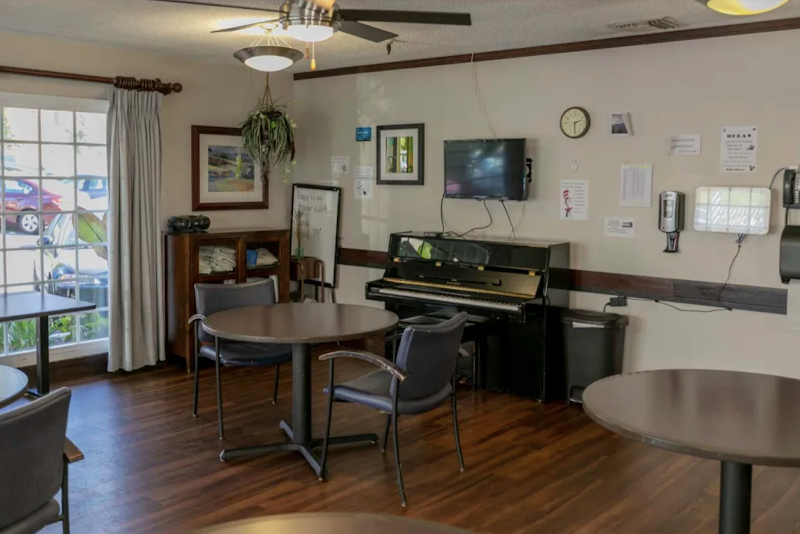
How is Mission Hills Post Acute Care Staffed?

CMS rates MISSION HILLS POST ACUTE CARE's staffing level at 1 out of 5 stars, which is much below average compared to other nursing homes. Staff turnover is 63%, which is 17 percentage points above the California average of 46%. High turnover can affect care consistency as new staff learn residents' individual needs. RN turnover specifically is 67%, which is notably high. RNs provide skilled clinical oversight, so turnover in this role can affect medical care quality.

What Have Inspectors Found at Mission Hills Post Acute Care?

State health inspectors documented 48 deficiencies at MISSION HILLS POST ACUTE CARE during 2019 to 2025. These included: 1 that caused actual resident harm and 47 with potential for harm. Deficiencies causing actual harm indicate documented cases where residents experienced negative health consequences.
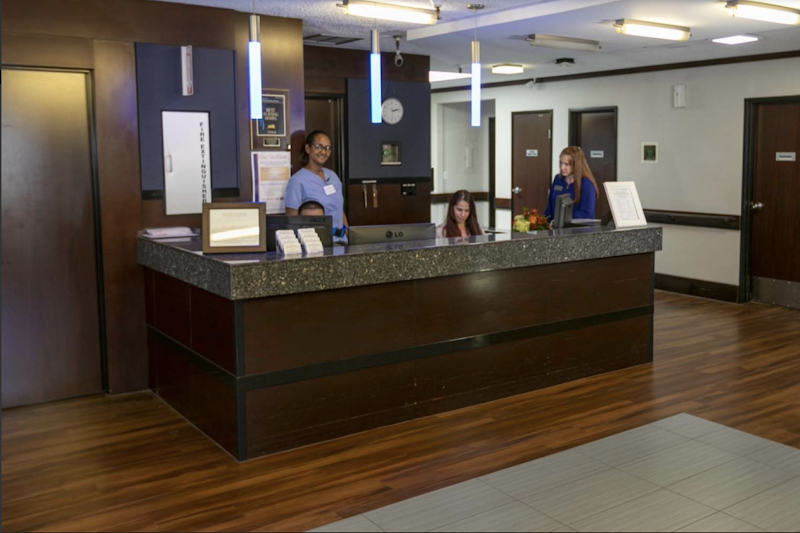
Who Owns and Operates Mission Hills Post Acute Care?

MISSION HILLS POST ACUTE CARE is owned by a for-profit company. For-profit facilities operate as businesses with obligations to shareholders or private owners. The facility is operated by THE ENSIGN GROUP, a chain that manages multiple nursing homes. With 75 certified beds and approximately 69 residents (about 92% occupancy), it is a smaller facility located in SAN DIEGO, California.
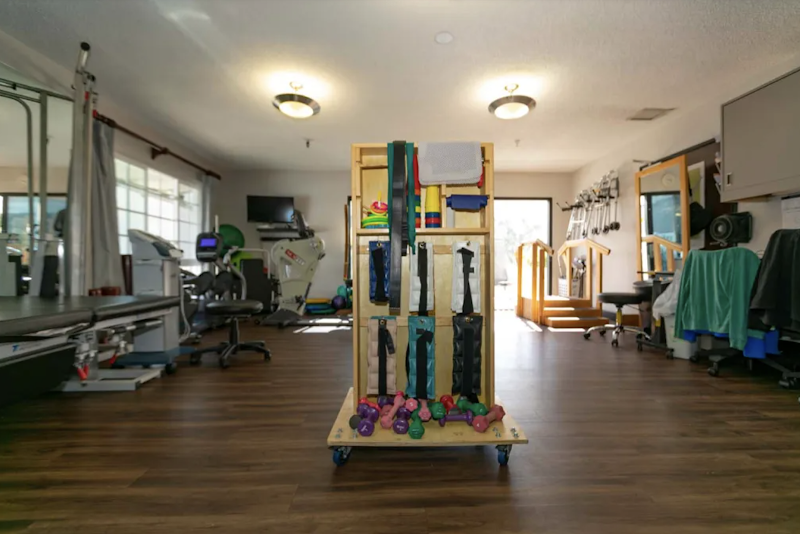
How Does Mission Hills Post Acute Care Compare to Other California Nursing Homes?

Compared to the 100 nursing homes in California, MISSION HILLS POST ACUTE CARE's overall rating (3 stars) is below the state average of 3.1, staff turnover (63%) is significantly higher than the state average of 46%, and health inspection rating (3 stars) is at the national benchmark.

What Should Families Ask When Visiting Mission Hills Post Acute Care?

Based on this facility's data, families visiting should ask: "How do you ensure continuity of care given staff turnover, and what is your staff retention strategy?" "Can you walk me through typical staffing levels on day, evening, and night shifts?" "Can I visit during a mealtime to observe dining assistance and food quality?" "How do you handle medical emergencies, and what is your hospital transfer rate?" These questions are particularly relevant given the facility's high staff turnover rate and the below-average staffing rating.

Is Mission Hills Post Acute Care Safe?

Based on CMS inspection data, MISSION HILLS POST ACUTE CARE has a clean safety record: no substantiated abuse findings (meaning no confirmed cases of resident harm), no Immediate Jeopardy citations (the most serious violation level indicating risk of serious injury or death), and is not on the Special Focus Facility watch list (a federal program monitoring the lowest-performing 1% of nursing homes). The facility has a 3-star overall rating and ranks #100 of 100 nursing homes in California. While no facility is perfect, families should still ask about staff-to-resident ratios and recent inspection results during their visit.

Do Nurses at Mission Hills Post Acute Care Stick Around?

Staff turnover at MISSION HILLS POST ACUTE CARE is high. At 63%, the facility is 17 percentage points above the California average of 46%. Registered Nurse turnover is particularly concerning at 67%. RNs handle complex medical decisions and coordinate care — frequent RN changes can directly impact care quality. High turnover means new staff may not know residents' individual needs, medications, or preferences. It can also be disorienting for residents, especially those with dementia who rely on familiar faces. Families should ask: What is causing the turnover? What retention programs are in place? How do you ensure care continuity during staff transitions?

Was Mission Hills Post Acute Care Ever Fined?

MISSION HILLS POST ACUTE CARE has no federal fines on record. CMS issues fines when nursing homes fail to meet care standards or don't correct problems found during inspections. The absence of fines suggests the facility has either maintained compliance or corrected any issues before penalties were assessed. This is a positive indicator, though families should still review recent inspection reports for the full picture.

Is Mission Hills Post Acute Care on Any Federal Watch List?

MISSION HILLS POST ACUTE CARE is not on any federal watch list. The most significant is the Special Focus Facility (SFF) program, which identifies the bottom 1% of nursing homes nationally based on persistent, serious quality problems. Not being on this list means the facility has avoided the pattern of deficiencies that triggers enhanced federal oversight. This is a positive indicator, though families should still review the facility's inspection history directly.