RIDGEVIEW SKILLED NURSING FACILITY
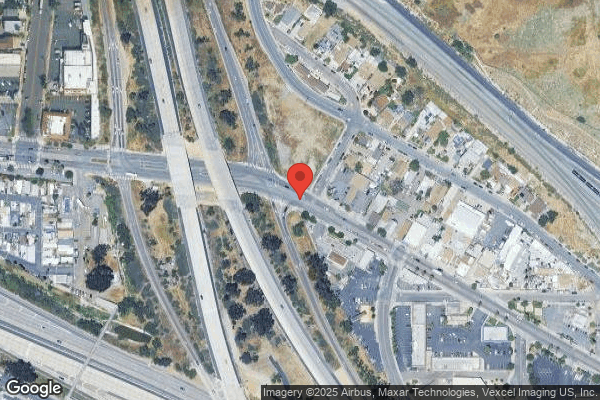

9825 GLEN CENTER DRIVE, SAN DIEGO, CA 92131 (858) 293-3900
For profit - Individual 45 Beds CONTINUING LIFE Data: November 2025
Trust Grade
80/100
#179 of 1155 in CA
Last Inspection: June 2025

Inspected within the last 6 months. Data reflects current conditions.

Overview

Ridgeview Skilled Nursing Facility has a Trust Grade of B+, indicating it is above average and recommended for care. It ranks #179 out of 1,155 nursing homes in California, placing it in the top half, and #25 out of 81 in San Diego County, meaning only a few local options are better. Unfortunately, the facility is experiencing a worsening trend, with the number of reported issues increasing from 4 in 2024 to 8 in 2025. Staffing is a strong point, earning a 5/5 star rating, but the turnover rate of 46% is average, suggesting some staff changes. However, the facility has incurred $33,238 in fines, which is concerning and higher than 86% of California facilities, indicating repeated compliance problems. Specific incidents include finding unlabeled and expired food items in the kitchen, which could pose a risk of foodborne illness for residents. Additionally, the facility failed to offer COVID-19 vaccine boosters to several residents, leaving them potentially vulnerable to serious infection. Furthermore, one resident fell from their bed due to inadequate assistance, raising concerns about the facility's adherence to safety protocols. While Ridgeview has strong staffing and high overall ratings, these recent issues highlight important areas for improvement.

Trust Score
B+
80/100
In California
#179/1155
Top 15%
Safety Record
Low Risk
No red flags
Inspections
Getting Worse
4 → 8 violations
Staff Stability
⚠ Watch
46% turnover. Above average. Higher turnover means staff may not know residents' routines.
Penalties
⚠ Watch
$33,238 in fines. Higher than 100% of California facilities. Major compliance failures.
Skilled Nurses
✓ Good
Each resident gets 135 minutes of Registered Nurse (RN) attention daily — more than 97% of California nursing homes. RNs are the most trained staff who catch health problems before they become serious.
Violations
⚠ Watch
17 deficiencies on record. Higher than average. Multiple issues found across inspections.
★★★★★
5.0
Overall Rating
★★★★★
5.0
Staff Levels
★★★☆☆
3.0
Care Quality
★★★★★
5.0
Inspection Score
Stable
2024: 4 issues
2025: 8 issues

The Good

  • 5-Star Staffing Rating · Excellent nurse staffing levels
  • Full Sprinkler Coverage · Fire safety systems throughout facility
  • No fines on record

Facility shows strength in staffing levels, fire safety.

The Bad

Staff Turnover: 46%

Near California avg (46%)

Higher turnover may affect care consistency

Federal Fines: $33,238

Below median ($33,413)

Moderate penalties - review what triggered them

Chain: CONTINUING LIFE

Part of a multi-facility chain

Ask about local staffing decisions and management

The Ugly 17 deficiencies on record

Aug 2025 1 deficiency
CONCERN (D) 📢 Someone Reported This

A family member, employee, or ombudsman was alarmed enough to file a formal complaint

Potential for Harm - no one hurt, but risky conditions existed

Accident Prevention (Tag F0689)

Could have caused harm · This affected 1 resident

**NOTE- TERMS IN BRACKETS HAVE BEEN EDITED TO PROTECT CONFIDENTIALITY** Based on observation, interview and record review, the facility failed to implement interventions consistent with resident's nee...

Read full inspector narrative →
**NOTE- TERMS IN BRACKETS HAVE BEEN EDITED TO PROTECT CONFIDENTIALITY** Based on observation, interview and record review, the facility failed to implement interventions consistent with resident's needs to eliminate or reduce the risk of falling for one of four residents (Resident 1) reviewed for accidents when: Adequate assistance was not provided to Resident 1, who required total assistance with activities of daily living (ADL-bathing or showering, getting in and out of bed or a chair, turning, walking, toileting and eating). This failure resulted in Resident 1 falling off the bed.Findings:Resident 1 was readmitted to the facility on [DATE] with diagnoses including hemiplegia (total or partial paralysis of one side of the body) and hemiparesis (muscle weakness on one side of the body) following other cerebrovascular disease (a condition affecting blood flow and blood vessels in the brain) affecting the left side and left femur (thigh bone) fracture according to the facility's admission Record. During a review of Resident 1's Minimum Data Set (MDS- a federally mandated resident assessment tool) dated 8/6/25, section C0500 indicated Resident 1's Brief Interview for Mental Status (BIMS- evaluates cognition, the ability to remember and think clearly) score was 15, intact cognition. During an observation and interview on 8/14/25 at 1:33 pm with Resident 1, Resident 1 stated he had fallen from bed when his brief was being changed. Resident 1 was in bed that was narrow (similar to a twin sized bed) with an air mattress. Resident 1's feet were at the edge of the lower part of the mattress. Resident 1 stated staff turned him to his left side and had nothing to hold on to, so he rolled off the bed, and landed on the floor. Resident 1 stated he sustained a fracture on his left leg and asked for pain medication as needed. A review of Resident 1's fall risk evaluation dated 6/30/25 was conducted. The fall risk evaluation indicated a score of 10, high risk for falls. A review of Resident 1's care plans in the electronic medical record was conducted. The care plan dated 7/1/25 indicated Resident 1 was at risk for falls related to multiple medical diagnoses including a history of cardioembolic (blood clot that originated from the heart) stroke resulting in left sided hemiparesis and vertigo (dizziness). An interview was conducted on 8/14/25, at 1:40 P.M. with certified nurse assistant (CNA) 1 who was assigned to Resident 1. CNA 1 stated during repositioning and brief change, Resident 1 assisted by holding on to a bedside table. CNA 1 stated since the bed did not have bedrails and the bed was narrow, he used a bedside table for Resident 1 to hold on to. During an interview on 8/14/25 at 1:58 P.M. with licensed nurse (LN) 1, LN 1 stated Resident 1 had weakness on the left side due to a stroke. LN 1 stated since Resident 1's bed was narrow; Resident 1 may need something to hold on to during repositioning. An interview on 8/29/25 at 11:45 A.M. was conducted with CNA 3. CNA 3 stated on 7/30/25 at approximately 5 A.M., she answered Resident 1's call light. CNA 3 stated Resident 1 needed his brief to be changed. CNA 3 stated Resident 1 was laying on a pad which she pulled close to her while Resident 1 was on lying on his back. CNA 3 stated she then turned Resident 1 to Resident 1's left side while holding on Resident 1's shoulder and hip. After turning, CNA 3 stated she held on to Resident 1's right hip. CNA 3 stated she needed more wipes, so she let go of Resident 1's hip to pull out wipes from a package on Resident 1's bed. CNA 3 stated Resident 1's legs went over the side of the bed and Resident 1 rolled off the bed and landed on the floor. CNA 3 stated Resident 1 was petite but long and she did not think of putting something like a bedside table on the other side of the bed for Resident 1 to hold on to. During a review of the MDS for Resident 1 dated 8/6/25, the MDS section GG0170A functional abilities indicated Resident 1's ability to roll.left and right side, and return to lying on back on the bed was coded 01 Dependent.Resident does none of the effort to complete the activity. Or the assistance of 2 or more helpers is required for the resident to complete the activity. An interview with the Director of Nursing (DON) was conducted on 8/22/25 at 2:13 P.M. The DON stated she expected CNAs to be familiar with providing care for residents and if there was a concern to communicate to the nursing staff to evaluate the resident's risk for fall. The DON stated she was not aware of concerns regarding providing care for Resident 1. A review of the facility's policy and procedures (P&P) titled, Falls Intervention Policy and Procedure, dated 4/9/25 was conducted. The P&P indicated, All resident will be evaluated for risk of falling.Residents who are identified as high risk will be care planned and individualized precautions will be noted.
Jun 2025 7 deficiencies
CONCERN (D)

Potential for Harm - no one hurt, but risky conditions existed

Notification of Changes (Tag F0580)

Could have caused harm · This affected 1 resident

**NOTE- TERMS IN BRACKETS HAVE BEEN EDITED TO PROTECT CONFIDENTIALITY** Based on interview and record review, the facility failed to notify the physician promptly when two of four residents (Resident ...

Read full inspector narrative →
**NOTE- TERMS IN BRACKETS HAVE BEEN EDITED TO PROTECT CONFIDENTIALITY** Based on interview and record review, the facility failed to notify the physician promptly when two of four residents (Resident 22 and Resident 31) had significant weight changes (weight loss or gain). As a result of this deficient practice, residents were placed at risk for delayed treatment. Findings: 1. A review of Resident 22's admission record indicated the resident was re-admitted to the facility on [DATE] for diagnosis including Alzheimer's disease (a disease characterized by a progressive decline in mental abilities). A review of Resident 22's Weights and Vitals Summary indicated 13.7 pounds (Lbs) of weight loss between 5/1/25 and 6/3/25: 6/3/25 185.2 Lbs 5/1/25 198.9 Lbs On 6/11/25 at 10:59 A.M., an interview and record review was conducted with Registered Nurse (RN 12). RN 12 reviewed Resident 22's Weight and Vitals Summary dated 5/1/25 and 6/3/25 and stated the resident had a weight loss of 13.7 Lbs (6.9%) over a month. RN 12 stated the resident's weight loss was significant and concerning. RN 12 stated when a resident loses a significant amount of weight, the assigned nurse should reach out to the physician right away and document the notification. RN 12 reviewed Resident 22's clinical record and stated there was no documentation that the physician was notified about resident's 13.7 Lbs weight loss. 2. A review of Resident 31's admission Record, dated 6/12/25, indicated the resident was admitted to the facility on [DATE] with a diagnosis of chronic diastolic (congestive) heart failure. A review of Resident 31's Physician Orders dated 5/26/25, indicated an active order for Daily Weight in the morning If wt [weight]. gains more than 3lbs [pounds], in 48 hours, please notify MD [Medical Doctor]. A review of Resident 31's Weights and Vitals Summary indicated on 6/3/25 resident's weight was recorded as 163.2 Lbs. On 6/4/25, 6/5/25, and 6/6/25 no weight was documented. On 6/7/25 the resident's weight was recorded as 172.7 lbs and showed a weight gain of 9.5 lbs since 6/3/25. On 6/10/25 at 1:59 P.M., a concurrent interview and record review was conducted with Licensed Nurse (LN) 4. LN 4 reviewed the Weights and Vitals Summary for Resident 31. LN 4 stated there was no weight charted for 6/4/25, 6/5/25, and 6/6/25 for Resident 31. LN 4 stated Resident 31 had an active order for a daily weight which had started on 5/26/25 the order indicated to call the MD if there was a weight gain of more than three pounds in 48 hours. LN 4 stated the MD should have been notified of Resident 31's weight gain. On 6/10/25 at 3:40 P.M., a concurrent interview and record review was conducted with LN 5. LN 5 reviewed Resident 31's Weights and Vitals Summary and stated there was a weight increase of eight or nine lbs from 6/3/25-6/7/25. LN 5 stated there was no documentation of notification to the MD in Resident 31's clinical record. LN 5 stated we should have notified the MD about Resident 31's significant weight gain of more than three pounds. On 6/12/25 at 12:23 P.M., an interview was conducted with the Director of Nursing (DON). The DON stated the MD should have been notified immediately of Resident 31's weight gain and Resident 22's weight loss. A review of the facility's policy titled Significant Change of Condition Guidelines revised June 2025, indicated, .promptly notify the resident, his or her attending physician .of significant changes in the resident's medical/mental condition and/or status
CONCERN (D)

Potential for Harm - no one hurt, but risky conditions existed

Quality of Care (Tag F0684)

Could have caused harm · This affected 1 resident

**NOTE- TERMS IN BRACKETS HAVE BEEN EDITED TO PROTECT CONFIDENTIALITY** Based on interview and record review the facility failed to ensure one of three residents (Resident 31) with a diagnosis of cong...

Read full inspector narrative →
**NOTE- TERMS IN BRACKETS HAVE BEEN EDITED TO PROTECT CONFIDENTIALITY** Based on interview and record review the facility failed to ensure one of three residents (Resident 31) with a diagnosis of congestive heart failure (CHF, when the heart cannot pump blood effectively) was provided care and treatment according to acceptable standards of practice when: 1. Resident 31's weight was not taken daily as prescribed by the Medical Doctor (MD). 2. Resident 31 was not assessed for potential fluid overload (a condition where there was too much fluid in the body) after a 9.5 pound (lbs) weight gain. These failures had the potential to exacerbate the resident's congestive heart failure. Cross reference F580 and F726. Findings: A review of Resident 31's admission Record, dated 6/12/25, indicated the resident was admitted to the facility on [DATE]. A review of Resident 31's Minimum Data Set (MDS - a comprehensive assessment tool) Section I, dated 5/30/25, indicated the resident had an active diagnosis of Heart Failure. A review of Resident 31's Physician Orders dated 5/26/25, indicated an active order for Daily Weight in the morning If wt [weight]. gains more than 3 lbs, in 48 hours, please notify MD. A review of Resident 31's Weights and Vitals Summary indicated on 6/3/25 the resident's weight was recorded as 163.2 lbs. On 6/4/25, 6/5/25, and 6/6/25 no weight was documented. On 6/7/25 the resident's weight was recorded as 172.7 lbs and indicated a weight gain of 9.5 lbs since 6/3/25. According to the American Heart Association article titled Lifestyle Changes for Heart Failure dated 6/16/25, indicated, .sudden weight gain .can be a sign .your heart failure is getting worse .Your health care professional needs to know about weight changes. On 6/10/25 at 10:50 A.M., an interview was conducted with Resident 31. Resident 31 stated he liked to be weighed daily so he could keep track of his fluid retention and weight gains. On 6/10/25 at 3:40 P.M., a concurrent interview and record review was conducted with Licensed Nurse (LN) 5. LN 5 reviewed Resident 31's Weights and Vitals Summary and stated the resident had a weight increase of eight or nine lbs from 6/3/25-6/7/25. LN 5 stated there was no documentation of notification to the MD in Resident 31's clinical record. LN 5 stated the LN should have notified the MD about Resident 31's significant change of weight. LN 5 stated the LN should have completed a physical assessment to identify potential fluid overload. On 6/11/25 at 12:27 P.M., an interview was conducted with the Director of Nursing (DON). The DON stated the facility did not have a policy to guide the nursing care for residents with CHF. On 6/12/25 at 12:23 P.M., an interview was conducted with the DON. The DON stated that Resident 31's daily weights should have been taken and documented. The DON stated the MD should have been notified immediately of Resident 31's weight gain. The DON stated the LN should have done a physical assessment to ensure that the resident was not experiencing fluid overload. According to the nursing textbook titled Nursing Fundamentals, dated 2021, .Chapter 15 Fluids and Electrolytes .Symptoms of fluid overload include pitting edema, ascites, and dyspnea and crackles from fluid in the lungs. Edema is swelling in dependent tissues due to fluid accumulation in the interstitial spaces Retrieved from https://www.ncbi.nlm.nih.gov/books/NBK591820/ on 6/19/25. A review of the facility's RN (Registered Nurse) Job Description, issued August 2020, indicated .Principle Duties: .The RN supervisor is responsible for contacting resident's attending physicians for change of condition .accurate and timely documentation of all physician, resident, family member/surrogate decision maker communication .Critical thinking skills to assess and triage accordingly .
CONCERN (D)

Potential for Harm - no one hurt, but risky conditions existed

Deficiency F0692 (Tag F0692)

Could have caused harm · This affected 1 resident

**NOTE- TERMS IN BRACKETS HAVE BEEN EDITED TO PROTECT CONFIDENTIALITY** Based on observation, interview, and record review, the facility failed to ensure the intake of a nutrition intervention was mea...

Read full inspector narrative →
**NOTE- TERMS IN BRACKETS HAVE BEEN EDITED TO PROTECT CONFIDENTIALITY** Based on observation, interview, and record review, the facility failed to ensure the intake of a nutrition intervention was measured for one of 19 sampled residents (Resident 20) with significant weight loss. The facility did not ensure a nutritional supplement for a resident who triggered for significant weight loss was accurately measured. This failure had the potential to cause more weight loss and further impair the resident's nutritional status. Findings: Resident 20's admission Record dated 6/10/25 was reviewed. The Resident admission initial date was 4/12/25 and was readmitted on [DATE] with a diagnosis of Chronic Diastolic (Congestive) Heart Failure (CHF-a heart disorder which causes the heart to not pump the blood efficiently), Iron Deficiency Anemia (a condition where the body does not have enough healthy red blood cells) and muscle weakness. A review of Resident 20's Nutrition Evaluation dated 4/17/25 completed by RD, indicated, Heart Healthy, low fat, low cholesterol, 2-2.5 grams Sodium diet with a 2-liter fluid restriction. .Ideal body weight: 56.82 kg (125 pounds) .usual weight: 56.82 kilograms (125 pounds) .MNA (mini nutritional assessment) score of 11 indicates risk for malnutrition Nutrition Evaluation dated 5/21/25 completed by RD, indicated Most recent weight of 53.13 Kilograms (116.9 pounds) variance in weight loss. No fluid restrictions diet intake of 50 percent, Skin integrity of a Stage 1 pressure ulcer to the left buttocks and right buttocks and left heel. Pertinent labs dated 5/10/25 Hgb (hemoglobin) 15.6, Hct(hematocrit) 46.8 H, Glucose (simple sugar- the body's primary source of energy from food) 218 H, Na (Sodium)134 L, K+ (a mineral that your body needs to work properly). Adequacy of intake needs not met. Hydration needs met: na/not always. Calories needed 1590 Kcals,(30 Kcals/kg), percentage needed 65 percent, Protein needed 69 grams (1.3 g/kg) percent needed 76 percent, needs met: No Recommendations: weekly weights, provide diet of choice/offer preference, MVI with minerals (multivitamin) Supplement: magic cup (a frozen dessert, contains 9 grams of protein) BID (twice a day) Prostat (liquid protein medical food providing 15 grams of enzyme-hydrolyzed protein and 100 calories per 1 fluid oz) 30ml QD (four times a day). Monitor food intake, skin and weekly weight. Additional comments: MNA score of 8 indicates risk for malnutrition. On 6/10/25 at 8:07 A.M., an interview and observation were conducted with Resident 20. Resident 20 was in her room, sitting up in bed with tray in front. Resident 20's meal tray had scrambled eggs, toast, yogurt, fruit bowl, orange juice, water, resident had no concerns regarding her breakfast. On 6/10/25 at 8:20 A.M., an interview was conducted with Certified Nursing Assistant (CNA 1). CNA 1 stated she had been working at the facility for two years PRN (per diem). CNA 1 stated she often encouraged Resident 20 to eat and that Resident 20's meal intake was approximately 75-100%. CNA 1 stated she sets up the meal tray for Resident 20. CNA 1 stated she would calculate Resident 20's meal intake and chart the amount in the medical record. CNA 1 stated she does not count the magic cup separately in the total meal intake percentage. On 6/10/25 at 12 P.M., an interview and observation were conducted with Resident 20 in her room. The resident was sitting up in bed with meal tray in front. Resident 20's meal tray had 2 bowls of chicken broth, 1 cup of mix fruit and a 1 magic cup. Resident 20 had consumed both bowls of chicken broth. Resident 20 did not consume the magic cup. Resident stated she was not going to eat it (magic cup) because she didn't like it (magic cup) and does not usually eat it (magic cup). A review of the facility's Medical Administration Record (MAR) from May 2025-June 2025, the MAR indicated the nursing staff documented yes or no which represented the magic cup was served to resident 20 on her tray or not. The MAR did not indicate the percentage of consumption Resident 20 consumed. On 6/11/25 at 10:54 A.M., an interview and record review with Director of Nursing (DON). The DON stated the magic cup is provided by the kitchen and is on the meal tray. The DON stated CNA counts the meal tray and does not count the magic cup separately. The DON stated licensed nurses would chart on the Medication Administration Record (MAR). The DON stated licensed nurses do not document percentages on intake of the magic cup. The DON stated there is no policy regarding documentation of a supplement. The DON stated it is important to document interventions to do an appropriate assessment and to show if an intervention is effective or not. On 6/11/25 at11:50 A.M., an interview was conducted with RD. The RD stated she would ask the nurse how much Resident 20 had consumed of the magic cup. The RD stated she had no documentation regarding magic cup intake. The RD stated her expectation is for her to know the amount of magic cup has been consumed to be able to provide and accurate assessment to provide the nutrients to help with the resident's overall health. Per the facility policy titled Residents at Nutritional Risk, revised 9/22/21, indicated .The high-risk resident should receive interventions that should promote optimum quality of life .4. CDM, DTR or other clinically qualified nutrition professional and RD should evaluate the resident's condition with the input from nursing to determine the plan of action if needed and monitor the resident's problem until the problem is resolved
CONCERN (D)

Potential for Harm - no one hurt, but risky conditions existed

Deficiency F0726 (Tag F0726)

Could have caused harm · This affected 1 resident

**NOTE- TERMS IN BRACKETS HAVE BEEN EDITED TO PROTECT CONFIDENTIALITY** Based on interview and record review the facility failed to ensure that two of four licensed nurses (LN 4 and RN 12) were compet...

Read full inspector narrative →
**NOTE- TERMS IN BRACKETS HAVE BEEN EDITED TO PROTECT CONFIDENTIALITY** Based on interview and record review the facility failed to ensure that two of four licensed nurses (LN 4 and RN 12) were competent to provide care for a resident (Resident 31) with a diagnosis of congestive heart failure (CHF, a condition where the heart does not pump blood as well as it should). This failure had the potential for Resident 31 and other residents with CHF to experience negative outcomes related to fluid overload (a condition where fluid builds up in the body). Cross reference F580 and F684. Findings: A review of the Facility Assessment updated 6/9/2025, indicated .Most common Diagnoses: Over Past 12 Months Details: Heart Disease with various complications A review of Resident 31's admission Record, dated 6/12/25, indicated the resident was admitted to the facility on [DATE] with a diagnosis of chronic diastolic (congestive) heart failure. A review of Resident 31's Physician Orders dated 5/26/25, indicated an active order for Daily Weight in the morning If wt [weight]. gains more than 3lbs [pounds], in 48 hours, please notify MD [Medical Doctor]. A review of Resident 31's Weights and Vitals Summary indicated on 6/3/25 the resident's weight was recorded as 163.2 lbs. On 6/4/25, 6/5/25, and 6/6/25 no weigh for Resident 31 was documented. On 6/7/25 Resident 31's weight was recorded as 172.7 lbs and indicated a weight gain of 9.5 lbs since 6/3/25. According to the American Heart Association article titled Lifestyle Changes for Heart Failure dated 6/16/25, indicated, .sudden weight gain .can be a sign .your heart failure is getting worse .Your health care professional needs to know about weight changes. On 6/10/25 at 1:59 P.M., a concurrent interview and record review was conducted with Licensed Nurse (LN) 4. LN 4 was a Registered Nurse. LN 4 reviewed Resident 31's Weights and Vitals Summary and stated there was no weight documented for 6/4/25, 6/5/25, and 6/6/25. LN 4 stated Resident 31 had a weight gain over three pounds on 6/7/25. LN 4 stated Resident 31 needed to be weighed daily to ensure adequate nutrition. LN 4 did not know Resident 31 had CHF. LN 4 did not know how to assess for and identify signs and symptoms of fluid overload. On 6/10/25 at 3:40 P.M., a concurrent interview and record review was conducted with LN 5. LN 5 reviewed Resident 31's Weights and Vitals Summary and stated the resident had a weight increase of eight or nine lbs from 6/3/25-6/7/25. LN 5 stated the LN should have done a physical assessment such as listening to lung sounds and an edema (swelling in the body) check. LN 5 stated it was important to monitor weight changes to ensure the resident did not experience fluid overload. On 6/11/25 at 11:34 A.M., a concurrent interview and record review was conducted with RN (Registered Nurse) 12. RN 12 reviewed Resident 31's Weights and Vitals Summary and stated the resident was not weighed on 6/4/25, 6/5/25, and 6/6/25. RN 12 stated on 6/7/25 she weighed Resident 31 and did not notice that there had been a significant increase of weight. RN 12 stated, I would be more concerned if it was a weight loss. RN 12 stated that if she had noticed the weight gain, she would have done a bladder assessment on Resident 31 and notified the Director of Nursing (DON). RN 12 knew that Resident 31 had CHF and did not know how to assess for and identify signs and symptoms of fluid overload. On 6/11/25 at 12:27 P.M., an interview was conducted with the DON. The DON stated the facility did not have a specific competency evaluation for nurses related to CHF. The DON stated the facility did not have a policy to guide the nursing care for residents with CHF. The DON further stated the facility did not have a policy for nurse competency. On 6/12/25 at 12:23 P.M., an interview was conducted with the DON. The DON stated the facility admitted a high volume of CHF residents. The DON stated residents with CHF and weight gain should be assessed by the LN. The DON stated LNs should assess for lung sounds, edema, and shortness of breath. The DON stated it was her expectation for the LNs to be competent in providing care for CHF residents. According to the nursing textbook titled Nursing Fundamentals, dated 2021, .Chapter 15 Fluids and Electrolytes .Symptoms of fluid overload include pitting edema, ascites, and dyspnea and crackles from fluid in the lungs. Edema is swelling in dependent tissues due to fluid accumulation in the interstitial spaces Retrieved from https://www.ncbi.nlm.nih.gov/books/NBK591820/ on 6/19/25. A review of the facility's RN (Registered Nurse) Job Description, issued August 2020, indicated .Principle Duties: .The RN supervisor is responsible for contacting resident's attending physicians for change of condition .accurate and timely documentation of all physician, resident, family member/surrogate decision maker communication .Critical thinking skills to assess and triage accordingly .
CONCERN (D)

Potential for Harm - no one hurt, but risky conditions existed

Pharmacy Services (Tag F0755)

Could have caused harm · This affected 1 resident

**NOTE- TERMS IN BRACKETS HAVE BEEN EDITED TO PROTECT CONFIDENTIALITY** Based on observation, interview and record review, the facility failed to provide medication as ordered by the prescriber for th...

Read full inspector narrative →
**NOTE- TERMS IN BRACKETS HAVE BEEN EDITED TO PROTECT CONFIDENTIALITY** Based on observation, interview and record review, the facility failed to provide medication as ordered by the prescriber for three weeks for one of five residents (Resident 20) reviewed for pharmacy services. This deficiency resulted in the facility's failure to provide a medication to meet the needs of the resident according to the prescribed orders. Findings: A review of Resident 20's admission Record indicated the resident was readmitted to the facility on [DATE]. On 6/12/25 at 8:11 A.M., a medication administration observation was conducted with Registered Nurse (RN) 12. RN 12 was observed preparing medications to administer to Resident 20. Vitamin B-12 was not administered to Resident 20. A review of Resident 20's physician orders dated 5/17/25, indicated the resident was to receive Vitamin B-12 Oral Tablet Extended Release 1000 mcg (micrograms) once a day in the morning. A review of Resident 20's medication administration record (MAR) indicated Vitamin B-12 1000 mcg was not given to Resident 20 from 5/24/25 through 6/12/25. On 6/12/25 at 10:30 A.M., an interview and record review was conducted with RN 12. RN 12 stated Vitamin B-12 oral tablet had not been given to Resident 20 for approximately one month. RN 12 stated Resident 20's family member had been called multiple times to bring in Resident 20's medication. RN 12 stated the facility should provide medications if the family did not bring in the medications. On 6/12/25 at 10:49 A.M., an interview and record review was conducted with RN 13. RN 13 stated Resident 20's family wanted to bring in the medication for the resident and that the medication should have been brought to the facility in a timely manner. RN 13 stated when the medication was not brought in, the facility should have provided Resident 20's Vitamin B-12. On 6/12/25 at 12:10 P.M., an interview was conducted with the Director of Nursing (DON). The DON stated that the family of Resident 20 had requested to bring in their own supply of Vitamin B-12 Oral Tablets for administration to their family member and the physician wrote orders for the medication. The DON stated after three days of a resident not receiving a medication the physician should have been informed. The DON stated that the facility is responsible to provide the medication to the resident. Per facility's policy and procedure titled Handling Meds admitted with Residents revised [DATE], did not provide guidance related to the delivery, receipt and administration of non-narcotic, family-provided medication.
CONCERN (D)

Potential for Harm - no one hurt, but risky conditions existed

Deficiency F0802 (Tag F0802)

Could have caused harm · This affected 1 resident

Based on observation, interview, and record review, the facility failed to ensure the kitchen staff received appropriate training in food sanitation and food safety according to standards of practice ...

Read full inspector narrative →
Based on observation, interview, and record review, the facility failed to ensure the kitchen staff received appropriate training in food sanitation and food safety according to standards of practice and facility policy when: 1. One cook did not demonstrate the proper method of testing the sanitizer solution used for sanitization (the process of safely removing waste to prevent disease transmission and improve hygiene) on equipment and food prep surfaces to prevent cross contamination. 2. One cook did not demonstrate proper method on thickening for a puree soup for one resident. These failures had the potential to expose residents to bacterial contamination, that could result in food borne illnesses for all residents who consume food from the kitchen. The facility census was 19. Cross references F812 Findings: 1. During a kitchen observation and interview on 6/11/25 at 3:35 P.M. with [NAME] (CK 2), CK 2 demonstrated how he tested the sanitizer concentration level in the red buckets. CK 2 filled a red bucket with water and sanitizer. CK 2 dipped an ammonia test strip into a red bucket with ammonia sanitizing solution for 30 seconds, then pulled the strip out and stated the reading was 300-400 ppm (parts per million). CK 2 stated the test strip readings should be 200 ppm. CK 2 dumped the water and filled the red bucket back up with water and added solution to repeat steps to test the bucket again. CK 2 stated he used the red buckets with sanitizer to wipe food prep counter surfaces, food carts, and the food production sink. CK 2 stated he was not sure how many seconds he had to dip the strip in the red bucket with the solution. CK 2 was observed reading a chart on the wall that had instructions on sanitizing red buckets and stated he needed to dip the strip for 30 seconds. A review of the Hydrion sanitizer test strip with CK 2 instructed to dip strip in solution for ten seconds. CK 2 stated he should have dipped the sanitizer strip for ten seconds per instructions on the label. On 6/11/24 at 3:45 P.M., an interview was conducted with the Director of Food and Nutrition Services (DFNS). The DNFS stated that there was an in-service with the kitchen staff on the use of test strips for testing the sanitizer solution. The DFNS stated that the kitchen staff were instructed how to use the appropriate process when testing sanitizer levels in the red buckets. The DFNS stated her expectations for the kitchen staff was to follow the correct process for testing the sanitizer levels in the red sanitizer buckets. According to the 2022 Federal Food and Drug Administration (FDA) Food Code, section 4-601.11 Equipment, titled Food-Contact Surfaces, Nonfood-Contact Surfaces, and Utensils. .cleaning focuses on the need to remove organic matter from food-contact surfaces so that sanitization can occur and to remove soil from nonfood contact surfaces so that pathogenic microorganisms will not be allowed to accumulate . Per facility's policy titled Sanitizing Food Contact Surfaces, revised date 3/1/2025, indicates .Use chemical sanitizers in accordance with the EPA-registered label (Environmental Protection Agency) use directions included on the labeling. 3. Sanitation buckets must be established with appropriate solution. Quaternary solution, 200 ppm or 150-400 ppm depending on the product used and manufactures guidelines 2. During a kitchen interview and observation on 6/10/25 at 11:20 A.M. of the lunch tray line service, there was a bowl of pureed tortilla soup sitting on top of a counter with a lid on it. The soup had a liquid texture and appeared thin and fluid-like. CK 1 described how he prepared a bowl of pureed Spinach Tortellini soup, which was by taking a portion of the regular soup and adding a tablespoon or two of powder thickener to it, then stirring it to create a mixture. CK 1 stated he would check the pureed food with a spoon for its thickness and consistency by determining if it coats the spoon. On 6/10/25 at 12:10 PM, an interview with the Speech Language Therapist (SLT) was conducted. The SLT stated she expected the texture of pureed foods to be at a nectar-thick or pudding like texture. The SLT stated it was important for foods to be at the correct texture for residents with difficulty swallowing. On 6/10/25 at 1:17 P.M., an interview was conducted via video call with the Registered Dietitian (RD). The RD stated she has done in-service texture of foods but had not done a demonstration on different types of liquid textures. The RD stated her expectation was for all cooks to know how to prepare the correct textured diet foods, including pureed, to meet the resident's needs. A copy of the pureed Spinach Tortellini Soup recipe was requested but not provided. According to the International Dysphagia Diet Standardization Initiative (IDDSI) 2024, a pureed texture indicates .prescribed to people who have pain when chewing or swallowing or are unable to bite or chew foods. This diet requires a texture modification so that foods are smooth and lump-free, and foods should not be firm or sticky. Foods should fall off spoon as an intact spoonful, hold its shape on a plate, and liquid must not separate from solid. Foods do not require chewing or bolus formation .(IDDSI, 2019a; IDDSI, 2019b); and a Level 2- Mildly thick liquid included . dietary management of dysphagia with liquid thickness modification described as liquids that are sippable, flow off a spoon at a slower rate than thin liquid, requires effort to suck through a standard straw, and further meet the complete descriptive and testing specifications of International Dysphagia Diet Standardisation Initiative (IDDSI, 2019a; IDDSI, 2019b) .
CONCERN (D)

Potential for Harm - no one hurt, but risky conditions existed

Food Safety (Tag F0812)

Could have caused harm · This affected 1 resident

Based on observation, interview, and record review, the facility failed to ensure food safety and sanitation practices in dietary services were maintained for food storage according to standards of pr...

Read full inspector narrative →
Based on observation, interview, and record review, the facility failed to ensure food safety and sanitation practices in dietary services were maintained for food storage according to standards of practice when: 1. The facility did not ensure dry food storage room temperatures were monitored. 2. The facility did not ensure trash bins were stored next to clean dishware. These failures had the potential to cause widespread food borne illness among all 19 residents who receive food from the kitchen. Findings: 1. During the initial kitchen tour on 6/9/25 at 10:30 A.M., an interview and observation was conducted with the Director of Food and Nutrition Services (DFNS) and Executive Chef (EC) about the dry food storage room temperature. The DFNS stated the dry food storeroom temperature was not monitored. The DFNS further stated the room was not too close to the kitchen, so she did not think the temperatures in that room would be too hot. A Surveyor used their thermometer to measure the dry storage room's ambient (the temperature of the surrounding air in a particular environment) temperature, and it was 88 degrees F (Fahrenheit). The DFNS stated temperatures in the dry food storage may need to be monitored to ensure the quality and safety of the food. According to the 2022 Federal Food and Drug Administration (FDA) Food Code, section, 4-204.112, titled Temperature Measuring Devices, .A permanent temperature measuring device is required in any unit storing time/temperature control for safety food because of the potential growth of pathogenic microorganisms 2. During an observation and interview on 6/11/25 at 3:20 P.M., a kitchen Utility Worker (UW) was observed taking out 2 large gray garbage bins of trash to the outside dumpster. After the UW rinsed out the garbage bins with water, he brought them back to the kitchen and turned upside down on the floor in the main walkway next to the dry dish storage rack with clean dishware. Water was observed coming out of the trash bins onto the floor. The UW stated this was what he always did after he removed the trash, and this was how he was trained. On 6/11/25 at 3:30 P.M., an interview and observation were conducted with EC. EC stated trash bins should not be placed near clean dishware and with water spilling onto the floor. Per the facility's undated policy titled Floor Safety, the policy indicated .1. Floors should be kept clean and dry 8. Any spills occurring should be cleaned immediately.
May 2024 3 deficiencies
CONCERN (D)

Potential for Harm - no one hurt, but risky conditions existed

Deficiency F0849 (Tag F0849)

Could have caused harm · This affected 1 resident

**NOTE- TERMS IN BRACKETS HAVE BEEN EDITED TO PROTECT CONFIDENTIALITY** Based on observation, interview, and record review, the facility failed to ensure a documented means of communication for coordi...

Read full inspector narrative →
**NOTE- TERMS IN BRACKETS HAVE BEEN EDITED TO PROTECT CONFIDENTIALITY** Based on observation, interview, and record review, the facility failed to ensure a documented means of communication for coordination of care for one of one resident (Resident 4), reviewed for hospice (end of life), care was in place. This failure had the potential to disrupt continuity of care between the facility and the hospice agency. Findings: Resident 4 was re-admitted to the facility on [DATE], with diagnoses which included dementia (progressive memory loss), per the facility's admission Record. On 5/06/24 at 9:21 A.M., an observation was conducted of Resident 4, within his room. Resident 4 was dressed and sitting in a wheelchair. Resident 4 stated he was having difficulty hearing, because his hearing aids were not working at the time. On 5/6/24, Resident 4's clinical record was reviewed. According to the physician orders, dated 11/20/23, Resident 4 was admitted to hospice. According to the Minimum Data Set (MDS-a clinical assessment tool), dated 3/8/24, a cognitive score of 7 was listed, indicating cognition was severely impaired. The functional status indicated Resident 4 required moderate assistance with transferring from bed to chair, sitting to standing, and personal care. The Hospice visiting calendar was reviewed from March 1, 2024, through May 6, 2024. The calendar indicated a hospice health aid (HHA) visited the resident two times a week, on Tuesday and Fridays, the social service worker (SSW) visited one time a week, and a chaplain visited once a month. The calendar did not indicate how often the hospice licensed nurse (LN) was scheduled to visit. The Hospice Communication Log was reviewed from 2/26/24 through 5/6/24. Entries were made by LNs every week and by the HHAs twice a week. According to the Hospice Communication Log, there was no documentation that a LN visited Resident 4, between 4/5/24 and 4/17/24, (14 days). On 5/06/24 at 3:34 P.M., an interview and record review was conducted with a Hospice licensed nurse (H-LN 1). The H-LN 1 stated all hospice visits should be listed on the Hospice calendar within the resident's record. The H-LN 1 stated Resident 4 was scheduled to have a H-LN visit, once a week on Thursdays. The H-LN 1 was informed there was no documentation on the Hospice calendar or the Hospice Communication Log that a Hospice nurse visited the resident between 4/5/24 and 4/17/24. The H-LN 1 reviewed their records and stated a H-LN visited the resident on 4/12/24, and it should have been documented on the Communication Log, kept within the resident's chart. The H-LN 1 stated a Visit Note Report was prepared by the Hospice nurse, indicating the visit was made on 4/12/24. The facility's chart was reviewed, and no Hospice Visit Note could be located within the chart. On 5/06/24 at 3:50 P.M., an interview and record review was conducted with the medical records director (MRD). The MRD could not locate any documented evidence of a Hospice Visit Note, dated 4/12/24, had been faxed over. The MRD stated, The hospice agency had not sent it to me yet. On 5/06/24 at 3:59 P.M., an interview and record review was conducted with licensed nurse 1 (LN 1). LN 1 stated the Hospice calendar was used, so staff knew when Hospice came to visit the resident. LN 1 stated the Hospice Communication log was important as a communication tool between hospice and the facility staff. LN 1 reviewed the Hospice Communication Log and stated it looked like there was no Hospice nurse visit between 4/5/24 and 4/17/24. LN 1 stated if a hospice nurse visited, they were expected to write a note, so staff knew what the resident's assessment was at the time. LN 1 stated if a hospice nurse visited and did not document it, there was the potential for harm, because no communication or collaboration existed between hospice staff and the facility's staff. On 5/6/24 at 4:08 P.M., LN 1 produced a Hospice Visit Note dated 4/12/24 and 4/30/24, with a fax stamp of 5/6/24 at 10:24 A.M. LN 1 stated the Hospice Visit Notes were faxed over this morning and found in a folder. LN 1 stated the MRD just located them and they will place the Hospice Notes in Resident 4's clinical record. On 5/06/24 at 4:10 P.M., an interview was conducted with the Director of Nursing (DON). The DON stated if a Hospice nurse did not document the visit, it was not conducted. The DON stated she expected all hospice visits to be listed on the Hospice calendar and a hospice note to be made on the Hospice Communication log at the conclusion of the visit. The DON stated the documentation on the Communication Log was important for the facility's staff for coordinating care and being aware of recent changes, so a continuum of care could be provided. Per the facility's policy, titled Hospice Documentation, dated November 2017, .The records maintained by Hospice staff shall be included in the facility's resident health record .7. The various Hospice staff shall write progress notes and/or make entries in the health record during each visit, such as Registered Nurse, Home Health Aid, Social Worker, Chaplain and volunteers .These entries must confirm the services rendered in accordance with the resident's terminal illness .
CONCERN (E)

Potential for Harm - no one hurt, but risky conditions existed

Food Safety (Tag F0812)

Could have caused harm · This affected multiple residents

Based on observation, interview, and record review, the facility did not ensure food items were labeled and dated/not expired. In addition, there were produce items with mold. These failures had the ...

Read full inspector narrative →
Based on observation, interview, and record review, the facility did not ensure food items were labeled and dated/not expired. In addition, there were produce items with mold. These failures had the potential to cause food-borne illness for the residents. Findings: An initial tour/observation of the facility's kitchen with the chef was conducted on 5/6/24 at 8:45 A.M. The following items were found unlabeled/undated: 1 package of fresh mushrooms with no date received; 1 bowl of a white, unidentified sauce (later identified as tartar sauce) in the refrigerator with no label, no date mixed/or use by date; 1 tray of individual salad dressing not labeled or dated; 3 cans (6.88 lbs each) of garbanzo beans, banana pudding, and canned peaches with no received by date or use by date; 2 bags of marble rye bread with no received by dates or use by dates; 1 bag of hamburger buns and and 1 bag of Texas toast bread with no expiration dated and no received by date. The following items were found to be expired: 1 box of vanilla shakes expired on 12/23/23; 3 gallon container of sherbet expired on 5/3/24; 3 gallon container of chocolate ice cream expired on 5/3/24; 1 package of hot dog buns expired on 4/23/24; 2 bags of pre-packaged salad greens expired on 4/27/24; 1 commercially-prepared, wrapped chocolate sheet cake expired on 5/4/24. The following items were found to be moldy: 1 box with fresh red onions, 4 of the onions were black/moldy. An interview with the chef was conducted on 5/6/24 at 9 A.M. The chef stated, Food items need to be dated and labeled and fresh produce needs to be checked for mold and freshness. Expired foods can cause illness. An interview was conducted on 5/08/24 at 8:21 A.M. with the Director of Nursing (DON). The DON stated, It is important for food to be labeled and dated so residents don't get spoiled food. It can make them sick. Moldy food is not acceptable. An interview was conducted on 5/08/24 at 11:17 A.M., with the Registered Dietician (RD). The RD stated, Expired food items can be bad for the residents, they can cause health conditions. Items should have a received by date and a use by date. Staff is supposed to check fresh produce when it comes in. According to the 2022 Federal FDA Food Code, section 3-501.17 (A) (B) (C) (D) indicate .the day the original container is opened in the food establishment shall be counted as Day 1 .The date marked shall not exceed a manufacturer's use-by date .mark the date or day of preparation, with a procedure to discard the food on or before the last date or day by which the food must be consumed on the premises . A review of the facility's policy, dated 8/29/23, titled, Food Storage, indicated, Policy: Upon delivery all food items should be inspected for safe transport and quality upon receipt . Procedure: All products should be inspected for safety and quality and be dated upon receipt, when open, and when prepared. Use-by dates on all food stored in refrigerators and use dates according to the timetable in the Dry, Refrigerated and Freezer Charts .Leftovers should be dated .Remember to cover, label and date! Any expired or outdated food products should be discarded . Fresh vegetables .1. fresh vegetables should be checked and sorted for ripeness .
CONCERN (E)

Potential for Harm - no one hurt, but risky conditions existed

Deficiency F0887 (Tag F0887)

Could have caused harm · This affected multiple residents

**NOTE- TERMS IN BRACKETS HAVE BEEN EDITED TO PROTECT CONFIDENTIALITY** Based on interview and record review, the facility failed to offer COVID-19 (a highly contagious virus) vaccine booster (an extr...

Read full inspector narrative →
**NOTE- TERMS IN BRACKETS HAVE BEEN EDITED TO PROTECT CONFIDENTIALITY** Based on interview and record review, the facility failed to offer COVID-19 (a highly contagious virus) vaccine booster (an extra dose of the vaccine after an original is administer), to four out of five residents (Residents 4, 6, 114, and 116) reviewed for infection control. As a result, residents were at risk of contracting a potentially life-threatening infection. Findings: 1. Resident 4 was readmitted to the facility on [DATE], with diagnoses which included pneumonia due to SARS-Associated Coronavirus (COVID-19), per the facility's admission Record. On [DATE], Resident 4's clinical record was reviewed. Resident 4 had a Responsible Party (RP-a legal document assigning a specific person to make medical and financial decisions on the resident's behalf), listed to make medical decisions. According to the facility's COVID-19 Vaccination Informed Consent Form, dated [DATE], listed original COVID-19 shots were provided in 2021, and one booster was given in [DATE]. An inquiry if an additional COVID vaccine booster was requested, was documented as a decline, with no. When the resident returned to the facility on [DATE], from the hospitalization related to a COVID-19 infection, there was no documented evidence a follow-up COVID-19 vaccination was offered. On [DATE] at 11:04 A.M., an interview was conducted with Resident 4's RP. The RP stated Resident 4 was in the hospital with pneumonia and COVID-19 infection, and she was sure the facility would have provided him a COVID-19 booster on his return. The RP could not recall if the facility asked her for consent, but said she would have signed anything to prevent Resident 4 from being infected again, because he could have died. 2. Resident 6 was admitted to the facility on [DATE], with diagnoses which included fracture of the right femoral head (hip fracture), with surgical replacement of artificial right hip, per the facility's admission Record. On [DATE], Resident 6's clinical record was reviewed. According to the facility's COVID-19 Vaccination Informed Consent Form, Resident 6 had original COVID-19 shots in 2021, with two additional boosters in [DATE]. The next section, consenting to receive a COVID-19 booster was blank, not indicating if the resident agreed to a vaccine booster or not. On [DATE] at 3:58 P.M., an interview was conducted with Resident 6. Resident 6 stated if the facility offered a COVID-19 booster, he would want to have it. Resident 6 could not recall if he was ever offered the COVID-19 booster. 3. Resident 114 was admitted to the facility on [DATE], with diagnoses which included malignant neoplasm of the bronchus or lung (cancer in the lungs), per the facility's admission Record. On [DATE], Resident 114's clinical record was reviewed. According to the facility's COVID-19 Vaccination Informed Consent Form, Resident 114 had an original COVID-19 shot in 2021. There was no documentation of any booster vaccines. The next section, consenting to receive a COVID-19 booster was blank, not indicating if the resident agreed to a vaccine booster or not. On [DATE] at 10:28 A.M., an interview was conducted with Resident 114. Resident 114 stated, Yes, I would want to have a COVID-19 booster. I can't remember if anyone offered me one. 4. Resident 116 was admitted to the facility on [DATE], with diagnoses which included chronic obstructive pulmonary disease (COPD-ineffective gas exchange in the lungs), per the facility's admission Record. On [DATE], Resident 116's clinical record was reviewed. According to the facility's COVID-19 Vaccination Informed Consent Form, Resident 116's original COVID-19 shot was in 2021. There was no documentation of any booster vaccines. The next section, consenting to receive a COVID-19 booster was blank, not indicating if the resident agreed to a vaccine booster or not. On [DATE] at 3:52 P.M., an interview was conducted with Resident 116. Resident 116 stated, No, I was never offered a COVID booster, but would have refused it anyway, due to a past reaction, my doctor told me never to get another one. On [DATE] at 2:55 P.M. an interview and record review was conducted with the Infection Control Nurse (ICN). The ICN stated she started at the facility three weeks ago and was still getting settled in. The ICN stated she had no spread sheet of which residents had received various vaccinations and which residents refused vaccines. The ICN stated she would have to go into each resident's medical record to learn their vaccine status. The ICN stated she knows each resident should be provided vaccines on admission such as tuberculosis, influenza, pneumococcal, and COVID-19., and again on re-admission. The ICN stated the facility's plan was to have an outside pharmacy administered the vaccines, but they required 20 plus residents for vaccinations, before they will come to the facility. The ICN stated their current census was 14, so by the time they get to 20 residents, some of the residents were preparing for discharge. The ICN continued, stating all residents should be offered vaccinations, along with written information with the risks and benefits for those vaccinations. The ICN stated the COVID-19 vaccine should have been offered, and if accepted, it should have been provided. The ICN stated by not offering and providing the COVID-19 vaccine, residents were at risk of contracting the virus and becoming ill. On [DATE] at 4:17 P.M., an interview was conducted with the Director of Nursing (DON). The DON stated the COVID-19 vaccine should have been offered to all residents on admission or re-admission. The DON stated by not offering or providing the COVID-19 vaccine, residents were at risk of infection, which could be harmful. According to the facility's policy, titled, COVID-19 Immunization Guidelines for Residents, dated [DATE], Ridgeview Health Center shall educate and offer the COVID-19 vaccine to all residents/representatives unless contraindicated by the physician This shall be documented in the resident's medical record .the facility shall arrange for administration as soon as feasible possible .
Mar 2024 1 deficiency
CONCERN (D) 📢 Someone Reported This

A family member, employee, or ombudsman was alarmed enough to file a formal complaint

Potential for Harm - no one hurt, but risky conditions existed

Comprehensive Care Plan (Tag F0656)

Could have caused harm · This affected 1 resident

**NOTE- TERMS IN BRACKETS HAVE BEEN EDITED TO PROTECT CONFIDENTIALITY** Based on interview and record review, the facility failed to provide a nutritional supplemental feeding and apply a CPAP (contin...

Read full inspector narrative →
**NOTE- TERMS IN BRACKETS HAVE BEEN EDITED TO PROTECT CONFIDENTIALITY** Based on interview and record review, the facility failed to provide a nutritional supplemental feeding and apply a CPAP (continuous positive airway pressure - device to assist with breathing during sleep) machine as ordered by the physician for one of two sampled residents (1). This failure had the potential for Resident 1 to not meet his nutritional needs and have difficulty breathing. Findings: Per the facility ' s admission Record, Resident 1 was admitted to the facility on [DATE] with diagnoses to include ALS (a nerve disease which causes muscle weakness and decreased physical function) and gastrostomy (an opening into the stomach for feeding through a tube). Per the facility ' s Medication Administration Record (MAR) for January 2024, dated 2/27/24, there was an order for Resident 1 to have enteral feeding (being fed through a tube) five times per day. The dose due at 2:15 P.M. was left unsigned on seven out of 31 days that month. Per the facility ' s Treatment Administration Record (TAR) for February 2024, dated 2/27/24, there was an order for Resident 1 to have the CPAP applied at bedtime. The CPAP was not signed as being applied on three out of 26 days that month. On 3/8/24 at 12:47 P.M., a telephone interview was conducted with the Director of Nursing (DON). The DON stated, if the bolus feeding and CPAP were not signed on the MAR, then that means that the task was not done. The DON further stated, the nurses responsible for completing the care on those shifts should have documented why it was not done. The facility did not have a policy requiring staff to follow physician ' s orders.
Dec 2023 2 deficiencies
CONCERN (D) 📢 Someone Reported This

A family member, employee, or ombudsman was alarmed enough to file a formal complaint

Potential for Harm - no one hurt, but risky conditions existed

Accident Prevention (Tag F0689)

Could have caused harm · This affected 1 resident

**NOTE- TERMS IN BRACKETS HAVE BEEN EDITED TO PROTECT CONFIDENTIALITY** Based on observation, interview and record review, the facility failed to complete a post fall assessment for one of one residen...

Read full inspector narrative →
**NOTE- TERMS IN BRACKETS HAVE BEEN EDITED TO PROTECT CONFIDENTIALITY** Based on observation, interview and record review, the facility failed to complete a post fall assessment for one of one resident (Resident 5), after a fall. This failure had the potential for Resident 5 to have a repeat fall and at risk for further injury. Findings: Resident 5 was admitted to the facility of 10/13/23 with diagnoses including protein-calorie malnutrition (reduced nutrients in the body) and history of falling according to the facility ' s admission Record. During an interview on 12/5/23, at 10:27 A.M. with Certified Nurse Assistant (CNA) 1, CNA 1 stated Resident 5 was brought near the nurse ' s station because Resident 5 was unsafe. CNA 1 stated Resident 5 had attempted to get up from bed or wheelchair unassisted and has had fall incidents. An interview and joint record review was conducted on 12/5/23, at 10:54 A.M. with the Clinical Support Nurse (CS). The CS stated Resident 5 had a fall incident on 11/22/23 according to the facility ' s change of condition document. The CS reviewed Resident 5 ' s fall assessment dated [DATE] and the score was 10, which indicated a high fall risk. The CS further stated there was no post fall assessment completed for Resident 5 ' s fall incident on 11/22/23. During an interview with Licensed Nurse (LN) 1 on 12/5/23, at 4:24 P.M., LN 1 stated Resident 5 was a fall risk. LN 1 stated a post fall assessment was completed upon admission and after each fall incident. LN 1 further stated a post fall assessment was important to do to assess for other changes. The Director of Nurses (DON) was interviewed on 12/8/23, at 1:14 P.M. The DON stated upon review of Resident 5 ' s fall assessments, there was no record of a post fall assessment on 11/22/23. The DON stated it was the facility ' s policy to update fall assessments. The DON further stated it was important to identify increased risk for falls and determine or guide further interventions to prevent falls. The facility ' s policy and procedure (P&P) titled, Falls Intervention Policy and Procedure, dated 10/4/23 was reviewed. The P&P indicated, .Residents will be evaluated for risk for falling .The evaluation will be completed upon admission, quarterly, annually, and/or if a significant change in condition .Steps following a fall .Review and update causative factors, interventions, care plan and fall assessment will be completed .
CONCERN (D) 📢 Someone Reported This

A family member, employee, or ombudsman was alarmed enough to file a formal complaint

Potential for Harm - no one hurt, but risky conditions existed

Medical Records (Tag F0842)

Could have caused harm · This affected 1 resident

**NOTE- TERMS IN BRACKETS HAVE BEEN EDITED TO PROTECT CONFIDENTIALITY** Based on observation, interview and record review the facility failed to complete an accurate documentation after a significant ...

Read full inspector narrative →
**NOTE- TERMS IN BRACKETS HAVE BEEN EDITED TO PROTECT CONFIDENTIALITY** Based on observation, interview and record review the facility failed to complete an accurate documentation after a significant event for one resident (Resident 5) related to: 1. Resident 5 ' s fall incident and, 2. Post fall assessment. Failure to have an accurate documentation after a significant event had the potential for residents to not have proper assessment and interventions related to a fall. Findings: Resident 5 was admitted to the facility of 10/13/23 with the diagnoses including protein-calorie malnutrition (reduced nutrients in the body) and history of falling according to the facility ' s admission Record. 1. An interview and joint record revie was conducted on 12/5/23, at 10:54 A.M. with the Clinical Support Nurse (CS). The CS stated Resident 5 had a fall incident on 11/22/23 according to the change of condition document. The CS reviewed Resident 5 ' s progress notes to verify details of the fall incident. The CS stated there was no documentation in the progress notes about Resident 5 ' s fall incident on 11/22/23. The CS further stated there was no documentation to show what transpired during Resident 5 ' s fall incident. During an interview with Licensed Nurse (LN) 1on 12/5/23m at 4:24 P.M., LN 1 stated Resident 5 did not have any pain post fall incident on 11/22/23. LN 1 stated on 11/24/23 Resident 5 started to have pain and was restless. LN 1 stated an X-ray was completed and showed a right hip fracture. An interview was conducted on 12/8/23, at 1:14 P.M. with the Director of Nursing (DON). The DON stated he was aware Resident 5 fell on [DATE]. The DON stated nursing notes for Resident 5 was reviewed and there was no documentation regarding Resident 5 ' s fall incident on 11/22/23. The DON stated he did not interview staff who were involved for detailed events of the fall. The DON further stated there should have been nursing documentation regarding the fall incident to show how the fall occurred and to determine interventions to prevent falls. The facility ' s policy and procedure (P&P) titled, Falls Intervention Policy and Procedure, dated 10/4/23 was reviewed. The P&P indicated, .Steps following a fall .3. Documentation will include Risk Management Report, the nurse ' s notes, and a fall investigation . The facility ' s P&P titled, Change of Condition Guidelines, dated 10/4/23 was reviewed. The P&P indicated, .An accident or incident involving the resident .6. The Nurse Supervisor/Charge Nurse will record in the resident ' s medical record information relative to changes in the resident ' s medical/mental condition or status . 2. During an interview on 12/5/23, at 10:27 A.M. with Certified Nurse Assistant (CNA) 1, CNA 1 stated Resident 5 was brought near the nurse ' s station because Resident 5 was unsafe. CNA 1 stated Resident 5 had attempted to get up from bed or wheelchair unassisted and has had fall incidents. An interview and joint record review was conducted on 12/5/23, at 10:54 A.M. with the Clinical Support Nurse (CS). The CS stated Resident 5 had a fall incident on 11/22/23 according to the facility ' s change of condition document. The CS reviewed Resident 5 ' s post fall assessments: 10/26/23 score was 16, high risk and 11/14/23 score was 10, high risk. The CS further stated there was no post fall assessment completed for Resident 5 ' s fall incident on 11/22/23. During an interview with Licensed Nurse (LN) 1 on 12/5/23, at 4:24 P.M., LN 1 stated Resident 5 was a fall risk. LN 1 stated a post fall assessment was completed upon admission and after each fall incident. LN 1 further stated a post fall assessment was important to do to assess for other changes. The Director of Nurses (DON) was interviewed on 12/8/23, at 1:14 P.M. The DON stated upon review of Resident 5 ' s fall assessments, there was no record of a post fall assessment on 11/22/23. The DON stated it was the facility ' s policy to update fall assessments. The DON further stated it was important to identify increased risk for falls and determine or guide further interventions to prevent falls. The facility ' s policy and procedure (P&P) titled, Falls Intervention Policy and Procedure, dated 10/4/23 was reviewed. The P&P indicated, .Residents will be evaluated for risk for falling .The evaluation will be completed upon admission, quarterly, annually, and/or if a significant change in condition .Steps following a fall .Review and update causative factors, interventions, care plan and fall assessment will be completed .
Jun 2023 3 deficiencies
CONCERN (D)

Potential for Harm - no one hurt, but risky conditions existed

Deficiency F0557 (Tag F0557)

Could have caused harm · This affected 1 resident

**NOTE- TERMS IN BRACKETS HAVE BEEN EDITED TO PROTECT CONFIDENTIALITY** Based on observation, interview, and record review, the facility failed to ensure a staff member promoted dignity and respect by...

Read full inspector narrative →
**NOTE- TERMS IN BRACKETS HAVE BEEN EDITED TO PROTECT CONFIDENTIALITY** Based on observation, interview, and record review, the facility failed to ensure a staff member promoted dignity and respect by maintaining an eye to eye level during meal assistance for one of one resident (Resident 1) reviewed for dignity. As a result, this failure had the potential to negatively impact Resident 1's self-esteem and self-worth. Findings: Resident 1 was admitted to the facility on [DATE], with diagnoses which included dementia (progressive memory loss), per the facility's admission Record. On 6/19/23 Resident 1's clinical record was reviewed: The quarterly Minimum Data Set (a clinical assessment tool), dated 6/6/23, listed a cognitive score of 7, indicating moderately impaired cognition. The Functional Status indicated one person staff assist was required during meals. The care plan, titled ADL (Activities of Daily Living) self-care deficit, revised 5/3/23, listed an intervention, .totally dependent on (1) staff for eating . On 6/19/23 at 11:54 A.M., an observation and interview was conducted with LN 1, as he was assisting Resident 1 with a lunch meal inside his room. Resident 1 was seated upright in bed, with the bed in the lowest position. LN 1 was standing on the right side of the bed and assisting with feeding. Resident 1's head aligned with LN 1's abdomen. LN 1 stated he should not be standing while feeding the resident and should be at an eye-to-eye level. LN 1 stated when sitting at eye level, it promoted socialization and respect. LN 1 left the area to retrieve a chair. On 6/19/23 at 11:57 A.M. an observation and interview was conducted with CNA 1 inside Resident 3's room. CNA 1 was sitting in a chair on the right side of the bed, with Resident 3 seated upright in bed. CNA 1 was feeding Resident 3 and stated staff should always be at an eye-to-eye level with residents during feeding, in order to promote dignity and to connect socially with the resident. On 6/20/23 at 12:21 P.M., an interview was conducted with the DON. The DON stated he expected all staff to sit with the resident's during feeding assistance. The DON stated sitting at an eye-to-eye level was less intimidating, promoted socialization, and displayed dignity. According to the facility's policy, titled Assistance with Meals, dated January 2022, .c. Resident who cannot feed themselves will be fed with attention to safety, comfort and dignity, for example: (1) Not standing over residents while assisting them with meals; . According to the facility's policy titled Quality of Life-Dignity, dated January 2021, .2: Treated with Dignity means the resident will be assisted in maintaining and enhancing his or her self-esteem and self-worth .
CONCERN (D)

Potential for Harm - no one hurt, but risky conditions existed

Deficiency F0657 (Tag F0657)

Could have caused harm · This affected 1 resident

**NOTE- TERMS IN BRACKETS HAVE BEEN EDITED TO PROTECT CONFIDENTIALITY** Based on observation, interview, and record review, the facility failed to assess and collaborate on unintended weight loss and ...

Read full inspector narrative →
**NOTE- TERMS IN BRACKETS HAVE BEEN EDITED TO PROTECT CONFIDENTIALITY** Based on observation, interview, and record review, the facility failed to assess and collaborate on unintended weight loss and the the decline in oral (by mouth) food intake for one of one resident (Resident 2) reviewed for care plan. This failure had a potential for Resident 2's weight loss to go unaddressed, leading to weakness, fatigue, and increasing dependency on others. Findings: Resident 2 was admitted to the facility on [DATE], with diagnoses which included post surgical repair of compression fractures (when one or more bones of the spine collapses), per facility's admission Record. On 6/19/23 at 8:40 A.M., an observation was conducted of Resident 2 in her room. Resident 2 was sitting up in her wheelchair, dressed, and appropriately groomed, with a breakfast tray in front of her. The food tray remained untouched. On 6/19/23 at 11 A.M. Resident 2's clinical record was reviewed: The 14 day admission MDS (a clinical assessment tool), Functional Status indicated the resident was dependent for transfers, but able to eat on her own. The admission weight, dated 3/24/23, listed a weight of 214 pounds (lbs). There was two out of four weekly weights documented after admission. On 6/4/23, Resident 2's weight was documented as 192 lbs. (loss of 22 lbs in three months. The Physician Progress note, dated 3/31/23, listed a cognition as moderate impairment of thinking and reasoning skills. On 6/19/23 at 12 P.M., Resident 2 was observed and interviewed in her room while eating lunch. The lunch plate was full and remained untouched. Resident 2 stated she is aware of her weight loss, but she does not know why she is losing weight. On 6/19/23 at 12:15 P.M., an interview was conducted with CNA 2. CNA 2 stated that Resident 2 average meal intake was 25% for breakfast and lunch, and sometimes 50% for dinner. Resident 2's husband would come to the facility to encouraged her to eat. CNA 2 stated she was aware of Resident 2's limited food intake and had informed the licensed nurses several times of less then 50% intake. On 6/19/23 at 2:30 P.M., an additional interview was conducted with CNA 2. CNA 2 stated Resident 2's did not eat any of her lunch today and decline staff assistance. CNA 2 offered Resident 2 an alternative meal, but she declined, however she accepted her afternoon protein shake to drink. On 6/20/23 at 8:30 A.M., an observation of Resident 2 was conducted. Resident 2 was up in her wheelchair, well groomed with her breakfast tray in front of her, untouched. On 6/20/23 at 1 P.M. Resident 2's clinical record was reviewed: The facility's ADL (activities of daily living) eating task was reviewed from 5/22/23 through 6/20/23. The flowsheet contained 88 opportunities with six meals refused, 38 meals charted at. uneaten, 30 meals had 25% consumed, six meals with 50% consumed, only two meals 100% consumed and six meals list as, resident not available. The Physician Progress note, dated 5/5/23, contained no reference to recent eight loss of poor nutritional intake. The physician referenced Resident 1's edema (fluid accumulates in the soft tissue) with no current edema noted. There was no documented evidence of a Team meeting (IDT- when department heads meet to discuss residents current condition changes) related to Resident 2's weight loss. RD 1's (currently on vacation) note dated 5/3/23, documented significant 14 pound weight loss, in one month for Resident 2. RD 1 listed a reasonable weight for Resident 2's was 190-205 lbs. RD 1 documented an observation of Resident 2's in her room with her tray untouched. The RD 1 note indicated no edema was detected with a summary of, inadequate to meet nutritional needs .will monitor intake and weekly weight. There was not documented evidence weekly weights were conducted after 5/3/23. There was no documented evidence Resident 2's Nutritional care plan had been updated or revised. RD 1's summary, dated 6/7/23, documented an, additional weight loss of 5.2 pounds (2.6%) in one month. Resident 2 continued with 25% food intake, protein shakes added in May 2023, following a significant weight loss last month. Will monitor oral intake and weight trend. There was no documented evidence of an IDT meeting being conducted or Resident 2's Nutritional care plan had been updated or revised to reflect the unattended weight loss. On 6/20/23 at 3:01 P.M., an interview and record review was conducted with RD 2, (covering for RD 1). RD 2 confirmed she had reviewed Resident 2' chart, and weights. RD 2 stated the admission assessment indicated Resident 2 had edema (swelling from fluid) to both lower legs, which would account for most of the weight loss). RD 2 stated Resident 2's food preferences were noted in the kitchen, but were not listed on the resident's care plan. RD 2 stated before an IDT weight loss meeting was conducted, the RD would print a variation in weight form, so it could be discussed in the IDT. RD 2 stated there was no no documented evidence an IDT weight committee meeting was held for Resident 2 or a variation of weight form had been printed. RD 2 stated Resident 1's weight loss was not harmful, due to Resident 2's overweight status. On 6/20/23 at 4:05 P.M., a concurrent record review and interview was conducted with the DON. The DON stated the physician ordered protein shakes twice daily for Resident 2 on 5/3/23, but did not address the weight loss in the physician note. The DON could not locate an IDT meeting for Resident 2's weight loss and stated the DON was never informed of the weight loss. The DON stated a care plan would have been update after a weight loss IDT meeting for additional interventions such as; assistance or supervision with meals, adaptive equipment, additional supplements or even a depression evaluation. The meal intake record for 5/22/23 - 6/20/23 was reviewed by the DON. The DON stated, I would have expected this to be escalated for identification and proper monitoring. The DON states that the policy and procedures for monitoring intake and resident weights were not being followed. The DON stated there were no additional weights in the chart We missed April's (weight) for Resident 2. The DON stated if a weight loss was not identified timely, it could lead to a low energy and an overall decline in their condition. According to the facility's policy, titled Comprehensive Care Plans, dated November 2017, The Interdisciplinary Team shall develop and implement a comprehensive person-centered care plan when .d. Problem Identification: problem, related to (etiology, contributing factors) .The IDT with the participant of the resident and/or the resident representative is to develop objectives for the highest level of functioning .This is to be documented in the clinical record .The interventions must be related back to the goals .
CONCERN (D)

Potential for Harm - no one hurt, but risky conditions existed

Medication Errors (Tag F0758)

Could have caused harm · This affected 1 resident

**NOTE- TERMS IN BRACKETS HAVE BEEN EDITED TO PROTECT CONFIDENTIALITY** Based on observation, interview and record review, the facility failed to ensure assessments, non-pharmological interventions, a...

Read full inspector narrative →
**NOTE- TERMS IN BRACKETS HAVE BEEN EDITED TO PROTECT CONFIDENTIALITY** Based on observation, interview and record review, the facility failed to ensure assessments, non-pharmological interventions, and evaluation of medications use were conducted for one of three residents (Resident 5), reviewed for psychotropic use when: 1. Resident 5 had an assessment and evaluation for continued use of a PRN (as needed) psychoactive (alters the mind) hypnotic medication prescribed for sleeplessness. 2.Non- Pharmacological interventions (any intervention intended to improve the health or the well-being of individuals that does not involve the use of any drugs or medicine) were not attempted prior to medicating for sleeplessness. 3. Resident 5 had an assessment and evaluation for the use of a psychoactive antidepressant (for depression) medication that increased the effect of the hypnotic medication. As a result, Resident 5 was at risk for increased sedation, decreased mental clarity, and decreased coordination. Findings: Per the facility's admission Record, dated 5/11/23, Resident 5 was admitted on [DATE] for physical therapy post-surgery for a left hip fracture, per the facility's admission Record. On 6/19/23 at 10:31 A.M., an observation and interview with Resident 5 was conducted. Resident 5 was sitting up in bed, eyelids drooping, and struggling to lift his head. Resident 5 stated he had been on Ambien for over 25 years. Resident 5 stated that he was on Elavil for indigestion. Resident 5 also stated he did not seem to be able to stand and walk like he used to. Resident 5 stated he felt unstable and uncoordinated. On 6/19/23 at 10:50 A.M., an interview with CNA 2 was conducted. CNA 2 stated that Resident 5 needed extensive assistance with things like dressing, standing, and transfers. CNA 2 stated extensive assistance meant two nursing assistants were required to help Resident 5 most of the time, when he was transferring or standing. On 6/20/23 Resident 5's clinical record was reviewed: 1. The physician's orders, dated 5/11/23, listed Ambien (a hypnotic medication for sleeplessness) was prescribed every night as needed. An additional physician's orders, dated 6/12/23, indicated Resident 5 was to continue to receive Ambien for sleeplessness every night as needed. The Physician Progress Notes, dated 5/11/23 through 6/21/23, there was no documented evidence an assessment or evaluation was conducted for the continued use of Ambien. was absent. The Medication Regimen Review (MRR-pharmacist review each resident's medications on a monthly basis), there was no recommendation for an evaluation or assessment of continued Ambien use. According to the facility's Behavioral Monitoring Record for sedation for the month of June 2023, Resident 5 was sleeping from 3-5 hours on the day shift and 0-2 hours on the evening shift. 2. The physicians' orders, dated 5/11/23 and 6/12/23, listed no non-pharmacological interventions for sleeplessness. The Physician Progress Notes, dated 5/11/23 through 6/21/23, there were no commended non-pharmacological interventions. The MRR listed no recommendations of implementing non-pharmacological interventions for sleeplessness. 3. The physicians' orders, dated 5/11/23, listed Elavil (an antidepressant medication) for indigestion every night. An additional physician's orders, dated 6/12/23, indicated Resident 5 was to continue to receive Elavil for indigestion every night. The physician had no orders for staff to monitor the combined effect of Elavil and Ambien on Resident 5's mental clarity, sedation, and coordination. The Physician Progress Notes, dated 5/11/23 through 6/21/23, had no documented evidence an assessment or evaluation of Resident 5's need for Elavil, along with the combined effects of Elavil and Ambien on Resident 5's mental clarity, sedation, and coordination functional level. The MRR listed no recommendations that addressed the risk of combining Elavil and Ambien. On 6/20/23 at 9:10 A.M., an interview was conducted with the DOR. The DOR stated Resident 5's responses to exercise and participate in therapy were delayed. The DOR stated Resident 5 is sleeping during the day and has had a hard time remembering what he did during the day. On 6/20/23 at 10:11 A.M., an interview with was conducted with PT. PT stated Resident 5 was confused at times during the therapy sessions and his gait was unstable. On 6/20/23 at 10:11 A.M., an interview with was conducted with the PC. The PC stated drugs like Ambien and Elavil were not recommended for use in older adults. The PC stated older adults like Resident 5 might experience confusion and increased sedation, because the drugs stayed in Resident 5's system longer. The PC confirmed that Elavil enhanced the sedation effects of Ambien. The PC stated the facility needed to provide nonpharmacological interventions for Resident 5's sleeplessness. On 6/20/23 at interview was conducted with the DON. The DON stated the staff should have offered Resident 5 non-pharmacological interventions for his sleeplessness. The DON stated Resident 5 should be evaluated for continuing to use Ambien for sleep and Elavil for indigestion. The DON stated these drugs increased Resident 5's risk for increased sedation, mental confusion, and loss of coordination. Per the facility policy, titled Psychotropic Drug Use, revised 10/2018, . each resident shall receive the necessary care and service to attain and maintain the highest practicable level of physical, mental and psychosocial well-being .all PRN psychoactive medications should not be used beyond 14 days .the IDT team with the assistance of the pharmacy consultant will review the resident's status and symptoms for dose reduction or discontinuance of the medication according to established guidelines .
Understanding Severity Codes (click to expand)
Life-Threatening (Immediate Jeopardy)
J - Isolated K - Pattern L - Widespread
Actual Harm
G - Isolated H - Pattern I - Widespread
Potential for Harm
D - Isolated E - Pattern F - Widespread
No Harm (Minor)
A - Isolated B - Pattern C - Widespread

Questions to Ask on Your Visit

  • "Can I speak with families of current residents?"
  • "What's your RN coverage like on weekends and overnight?"

Our Honest Assessment

Strengths
  • • Grade B+ (80/100). Above average facility, better than most options in California.
  • • No major safety red flags. No abuse findings, life-threatening violations, or SFF status.
Concerns
  • • 17 deficiencies on record. Higher than average. Multiple issues found across inspections.
  • • $33,238 in fines. Higher than 94% of California facilities, suggesting repeated compliance issues.
Bottom line: Generally positive indicators. Standard due diligence and a personal visit recommended.

About This Facility

What is Ridgeview Skilled Nursing Facility's CMS Rating?

CMS assigns RIDGEVIEW SKILLED NURSING FACILITY an overall rating of 5 out of 5 stars, which is considered much above average nationally. Within California, this rating places the facility higher than 99% of the state's 100 nursing homes. This rating reflects solid performance across the metrics CMS uses to evaluate nursing home quality.

How is Ridgeview Skilled Nursing Facility Staffed?

CMS rates RIDGEVIEW SKILLED NURSING FACILITY's staffing level at 5 out of 5 stars, which is much above average compared to other nursing homes. Staff turnover is 46%, compared to the California average of 46%. This relatively stable workforce can support continuity of care.

What Have Inspectors Found at Ridgeview Skilled Nursing Facility?

State health inspectors documented 17 deficiencies at RIDGEVIEW SKILLED NURSING FACILITY during 2023 to 2025. These included: 17 with potential for harm.

Who Owns and Operates Ridgeview Skilled Nursing Facility?

RIDGEVIEW SKILLED NURSING FACILITY is owned by a for-profit company. For-profit facilities operate as businesses with obligations to shareholders or private owners. The facility is operated by CONTINUING LIFE, a chain that manages multiple nursing homes. With 45 certified beds and approximately 24 residents (about 53% occupancy), it is a smaller facility located in SAN DIEGO, California.

How Does Ridgeview Skilled Nursing Facility Compare to Other California Nursing Homes?

Compared to the 100 nursing homes in California, RIDGEVIEW SKILLED NURSING FACILITY's overall rating (5 stars) is above the state average of 3.2, staff turnover (46%) is near the state average of 46%, and health inspection rating (5 stars) is much above the national benchmark.

What Should Families Ask When Visiting Ridgeview Skilled Nursing Facility?

Based on this facility's data, families visiting should ask: "Can I visit during a mealtime to observe dining assistance and food quality?" "How do you handle medical emergencies, and what is your hospital transfer rate?" "Can I speak with family members of current residents about their experience?"

Is Ridgeview Skilled Nursing Facility Safe?

Based on CMS inspection data, RIDGEVIEW SKILLED NURSING FACILITY has a clean safety record: no substantiated abuse findings (meaning no confirmed cases of resident harm), no Immediate Jeopardy citations (the most serious violation level indicating risk of serious injury or death), and is not on the Special Focus Facility watch list (a federal program monitoring the lowest-performing 1% of nursing homes). The facility has a 5-star overall rating and ranks #1 of 100 nursing homes in California. While no facility is perfect, families should still ask about staff-to-resident ratios and recent inspection results during their visit.

Do Nurses at Ridgeview Skilled Nursing Facility Stick Around?

RIDGEVIEW SKILLED NURSING FACILITY has a staff turnover rate of 46%, which is about average for California nursing homes (state average: 46%). Moderate turnover is common in nursing homes, but families should still ask about staff tenure and how the facility maintains care continuity when employees leave.

Was Ridgeview Skilled Nursing Facility Ever Fined?

RIDGEVIEW SKILLED NURSING FACILITY has been fined $33,238 across 6 penalty actions. This is below the California average of $33,411. While any fine indicates a compliance issue, fines under $50,000 are relatively common and typically reflect isolated problems that were subsequently corrected. Families should ask what specific issues led to these fines and confirm they've been resolved.

Is Ridgeview Skilled Nursing Facility on Any Federal Watch List?

RIDGEVIEW SKILLED NURSING FACILITY is not on any federal watch list. The most significant is the Special Focus Facility (SFF) program, which identifies the bottom 1% of nursing homes nationally based on persistent, serious quality problems. Not being on this list means the facility has avoided the pattern of deficiencies that triggers enhanced federal oversight. This is a positive indicator, though families should still review the facility's inspection history directly.