ST. PAULS HEALTH CARE CENTER


235 NUTMEG STREET, SAN DIEGO, CA 92103 (619) 239-8687
Non profit - Corporation 59 Beds Independent Data: November 2025
Trust Grade
60/100
#684 of 1155 in CA
Last Inspection: April 2023

Over 2 years since last inspection. Current conditions may differ from available data.

Overview

St. Pauls Health Care Center has a Trust Grade of C+, indicating it is slightly above average but not outstanding. It ranks #684 out of 1155 facilities in California, placing it in the bottom half of nursing homes in the state, and #66 out of 81 in San Diego County, meaning there are only a few better options locally. The facility is experiencing a worsening trend, with issues increasing from 1 in 2024 to 7 in 2025, which raises concerns about its management. Staffing is a relative strength, with a 4 out of 5 star rating and RN coverage that exceeds 90% of California facilities; however, the turnover rate is high at 51%, much worse than the state average of 38%. While there have been no fines, which is a positive sign, recent inspections revealed serious concerns, including medication being given without a doctor's order and failure to conduct post-fall assessments for residents, which could lead to repeated falls and injuries.

Trust Score
C+
60/100
In California
#684/1155
Bottom 41%
Safety Record
Low Risk
No red flags
Inspections
Getting Worse
1 → 7 violations
Staff Stability
⚠ Watch
51% turnover. Above average. Higher turnover means staff may not know residents' routines.
Penalties
✓ Good
No fines on record. Clean compliance history, better than most California facilities.
Skilled Nurses
✓ Good
Each resident gets 56 minutes of Registered Nurse (RN) attention daily — more than average for California. RNs are trained to catch health problems early.
Violations
⚠ Watch
46 deficiencies on record. Higher than average. Multiple issues found across inspections.
★★★☆☆
3.0
Overall Rating
★★★★☆
4.0
Staff Levels
★★☆☆☆
2.0
Care Quality
★★★☆☆
3.0
Inspection Score
Stable
2024: 1 issues
2025: 7 issues

The Good

  • 4-Star Staffing Rating · Above-average nurse staffing levels
  • Full Sprinkler Coverage · Fire safety systems throughout facility
  • No fines on record

Facility shows strength in staffing levels, fire safety.

The Bad

3-Star Overall Rating

Near California average (3.1)

Meets federal standards, typical of most facilities

Staff Turnover: 51%

Near California avg (46%)

Higher turnover may affect care consistency

The Ugly 46 deficiencies on record

Sept 2025 2 deficiencies
CONCERN (D) 📢 Someone Reported This

A family member, employee, or ombudsman was alarmed enough to file a formal complaint

Potential for Harm - no one hurt, but risky conditions existed

Free from Abuse/Neglect (Tag F0600)

Could have caused harm · This affected 1 resident

**NOTE- TERMS IN BRACKETS HAVE BEEN EDITED TO PROTECT CONFIDENTIALITY** Based on observation, interview, and record review, the facility failed to ensure one sampled resident (1) received continence c...

Read full inspector narrative →
**NOTE- TERMS IN BRACKETS HAVE BEEN EDITED TO PROTECT CONFIDENTIALITY** Based on observation, interview, and record review, the facility failed to ensure one sampled resident (1) received continence care in accordance with professional standards, when staff applied two incontinence briefs improperly with the inner brief folded and a hole cut in the center through which the penis protruded.This failure resulted in swelling and pain for Resident 1 that required hospital evaluation and caused psychosocial harm related to embarrassment.Resident 1 was admitted to the facility on [DATE] with diagnoses of prostatic hyperplasia with lower urinary tract symptoms (and enlarged prostate that can block urine flow) and obstructive and reflux uropathy (urine blocked from leaving the body that flows backwards into the kidney) per the facility face sheet. A review of Resident 1's change in condition form, signed 8/3/25 at 12:37 P.M., by licensed nurse (LN) 1, indicated, .Swollen head of penis caused by double briefing of resident by CNA on NOC shift. A small hole was cut into secondary brief and penis pulled through. Upon changing resident CNA day Shift alerted this writer and assessed that the hole was too tight for proper circulation. A review of Resident 1's clinical notes, dated 8/3/25, indicated Resident 1 was found double briefed by the day shift which caused pain and swelling of the meatus of the penis and was subsequently sent to the emergency room via ambulance at 1:10 P.M. A review of the hospital after visit summary, dated 8/3/25, indicated Resident 1 was diagnosed with Paraphimosis (a medical emergency where the foreskin becomes stuck behind the penis head leading to swelling, pain and tissue death if not corrected). During an observation and interview on 8/14/25 at 11:33 A.M., Resident 1 was lying in bed with eyes open and was oriented to person and place. A call bell was on the bed beside Resident 1's left arm. Resident 1's left hand and wrist appeared stiff and contracted. Resident 1 stated he had little movement on his left side, and he was unable to reach the call bell. Resident 1 stated he wore briefs and was unable to control his urine but knew when he was wet. Resident 1 looked away and did not respond when asked if staff had ever provided improper incontinence care or applied briefs incorrectly. Resident 1 stated the facility used a lot of registry staff when they were short-staffed and that the care during the day was acceptable, but it was not as good at night. Resident 1 stated if the call bell was out of reach, he just waited for staff to come into the room. Resident 1 declined to provide additional information. During an interview on 8/14/25 at 1:16 P.M., certified nursing assistant (CNA) 1 stated Resident 1 usually communicated well, but on the morning of 8/3/25 was less talkative than usual. CNA 1 stated as she was performing incontinence care for Resident 1, she found a second brief underneath the outer brief. CNA 1 stated the outer brief was applied normally , while the inner brief was still folded like it just came out of the package, with a hole cut through the center and the resident's penis protruding through the opening. CNA 1 stated the top of the penis appeared swollen and red, and that Resident 1 reported it was painful. CNA 1 stated she immediately notified the charge nurse (LN 1) who came to assess Resident 1. CNA 1 stated the folded brief was removed but the penis was still swollen. CNA 1 stated Resident 1 stated he was upset with her for informing the charge nurse. CNA 1 stated Resident 1 appeared embarrassed and did not want to talk about who put the briefs on that way. During an interview on 9/3/25 at 11:05 A.M., LN 1 stated on the morning of 8/3/25 CNA 1 notified him she was concerned about Resident 1's brief placement. LN 1 stated he observed CNA 1 remove Resident 1's outer brief and saw a folded brief with a hole cut through the middle and Resident 1's meatus sticking through the hole. LN 1 stated Resident 1's penis appeared swollen and discolored and the opening was so tight it was acting like a rubber band. Resident 1 was guarded during the physical assessment. LN 1 stated the practice of putting a resident in two briefs was not acceptable and was considered a form of neglect. LN 1 stated there was visible skin breakdown where the brief was restricting the tip of the penis. LN 1 stated the person who placed Resident 1 in the briefs was identified as the overnight (NOC) CNA from registry (a staffing agency). During an interview on 9/4/25 at 4:20 P.M., the nurse administrator (NA) stated she had completed the internal investigation of the alleged abuse involving Resident 1 and found that NOC CNA was responsible for double briefing the resident. NA stated double briefing should never be done because it increases the risk of skin breakdown. NA stated it was the facility's policy to never double brief residents and all CNAs were expected to be competent and implement best practices. The NA stated registry staff should complete their competencies before coming to work on the floor. NA stated she was unable to find any type of documentation that verified NOC CNA's competencies were completed before working at the facility. NA acknowledged Resident 1 experienced psychosocial harm from embarrassment and reported pain as well as potential for injury because NOC CNA applied two briefs in an unsafe manner. NA stated the facility was unable to guarantee the safety of their residents if standards of care were not being met. A review of the facility document titled, Allegation of Abuse - 5 day summary report, dated 8/7/25, indicated .Summary of Incident: On August 3, 2025, at approximately 11:45 AM, Charge RN [CN] was notified by CNA [1] that Resident [1] was found to be double briefed during routine morning care. One brief was placed correctly, while the second had a hole cut in the center through which the penis was pulled, causing constriction. This resulted in swelling and discoloration of the meatus, and the resident reported discomfort. Follow up investigation. August 5, 2025. CNA [NOC CNA] (Night Shift, Registry) was interviewed. He admitted to applying two briefs in the described manner and stated that this was part of his routine practice with residents he considered heavy wetters. He acknowledged having used this technique in other faculties. The facility's investigation substantiated that improper continence care had occurred, constituting neglect. The CNA's actions resulted in physical harm to the resident and were inconsistent with regulatory standards, resident rights, and facility protocols.the deviation from accepted practices posed a risk to resident safety and dignity. Conclusion: After a thorough investigation was conducted, it was determined to be a substantiated case of neglect based on deviation from standard care practice. A review of the facility policy titled, Abuse and Neglect - Clinical Protocol, approved March 2025, indicated, Policy Statement. 2. Neglect, as defined at 483.5, means the failure of the facility, its employees or service providers to provide goods and services to a resident that are necessary to avoid physical harm, pain, mental anguish or emotional distress. 5. Along with staff and management, the physician will help identify situations that might constitute or could be construed as neglect; for example. failure to provide incontinence care Cross Reference: see F726
CONCERN (D) 📢 Someone Reported This

A family member, employee, or ombudsman was alarmed enough to file a formal complaint

Potential for Harm - no one hurt, but risky conditions existed

Deficiency F0726 (Tag F0726)

Could have caused harm · This affected 1 resident

**NOTE- TERMS IN BRACKETS HAVE BEEN EDITED TO PROTECT CONFIDENTIALITY** Based on interview and record review, the facility failed to ensure nursing staff were competent to provide continence care for ...

Read full inspector narrative →
**NOTE- TERMS IN BRACKETS HAVE BEEN EDITED TO PROTECT CONFIDENTIALITY** Based on interview and record review, the facility failed to ensure nursing staff were competent to provide continence care for 1 of 1 sampled residents (1) when competency validation records were not maintained for a night shift (NOC) certified nursing assistant (NOC CNA) from registry (a staffing agency) who was identified in the facility's internal investigation as having improperly applied incontinence briefs. This failure resulted in registry staff providing care without verified competency, which contributed to improper continence care, swelling, pain and psychosocial harm requiring hospital evaluation for Resident 1. Resident 1 was admitted to the facility on [DATE] with diagnoses of prostatic hyperplasia with lower urinary tract symptoms (and enlarged prostate that can block urine flow) and obstructive and reflux uropathy (urine blocked from leaving the body that flows backwards into the kidney) per the facility face sheet.A review of Resident 1's change in condition form, signed 8/3/25 at 12:37 P.M., by licensed nurse (LN) 1, indicated, .Swollen head of penis caused by double briefing of resident by CNA on NOC shift. A small hole was cut into secondary brief and penis pulled through. Upon changing resident CNA day Shift alerted this writer and assessed that the hole was too tight for proper circulation.A review of Resident 1's clinical notes, dated 8/3/25, indicated Resident 1 was found double briefed by the day shift which caused pain and swelling of the penis and was subsequently sent to the emergency room via ambulance at 1:10 P.M.During an interview on 8/14/25 at 1:16 P.M., certified nursing assistant (CNA) 1 stated Resident 1 usually communicated well, but on the morning of 8/3/25 was less talkative than usual. CNA 1 stated as she was performing incontinence care for Resident 1 she found a second brief underneath the outer brief. CNA 1 stated the outer brief was applied normally , while the inner brief was still folded like it just came out of the package, with a hole cut through the center and the resident's penis protruding through the opening. During an interview on 9/3/25 at 11:05 A.M., licensed nurse (LN) 1 stated he was a registry nurse who had worked at the facility. LN 1 stated on the morning of 8/3/25 CNA 1 notified him she had found Resident 1 wearing 2 briefs. LN 1 stated on observation he found one brief placed over a second folded brief with a hole cut through the middle and the tip Resident 1's penis sticking through the hole. LN 1 stated Resident 1's penis appeared swollen and discolored and the opening was so tight it was acting like a rubber band. LN 1 stated upon investigation it was discovered a NOC CNA from registry had placed the two briefs on Resident 1. LN 1 stated he did not receive any formal orientation or training from the facility before working on the floor. LN 1 stated he did not receive any facility-specific policies and did not receive the facility's abuse prevention policy prior to starting shifts on the floor.During an interview on 9/4/25 at 1:47 P.M., CNA 2 stated she was a full-time staff at the facility. CNA 2 stated it was not a facility practice to have registry CNA's shadow a staff CNA before they worked on the floor.During an interview on 9/14/25 at 2:18 P.M., LN 2 stated she was a full-time staff at the facility. LN 2 stated when registry CNAs worked at the facility, they did not receive formal training or orientation from the charge nurses or nursing staff. During an interview on 9/4/25 at 3:08 P.M., registry CNA 3 stated the facility did not require him to complete any type of skills checklist before he began working on the floor. Registry CNA 3 stated he had not completed a facility-specific skills checklist through the registry company.During an interview on 9/4/25 at 4:20 P.M., the nurse administrator (NA) stated she completed the internal investigation of the alleged abuse involving Resident 1 and found that NOC CNA was responsible for double briefing the resident. The NA stated registry staff should complete their competencies before coming to work on the floor. NA stated she was unable to find any type of documentation that verified NOC CNA's competencies were completed before working at the facility. NA acknowledged Resident 1 experienced psychosocial harm from embarrassment and reported pain as well as potential for injury because NOC CNA applied two briefs in an unsafe manner. NA stated the facility was unable to guarantee the safety of their residents if standards of care were not being met. A record review of the facility submitted a skills checklist provided by the registry company from a different long-term care provider not connected to the facility. The skills check list was signed by the NOC CNA on 8/20/25, after the CNA had been terminated from the facility on 8/5/25. Additionally, the check list was incomplete and for an unrelated long-term care facility and provided no evidence of assessment or supervisory validation signatures for each competency. The facility did not provide a policy on the utilization of registry staff upon request.
Jun 2025 2 deficiencies
CONCERN (D) 📢 Someone Reported This

A family member, employee, or ombudsman was alarmed enough to file a formal complaint

Potential for Harm - no one hurt, but risky conditions existed

Deficiency F0761 (Tag F0761)

Could have caused harm · This affected 1 resident

**NOTE- TERMS IN BRACKETS HAVE BEEN EDITED TO PROTECT CONFIDENTIALITY** Based on observation interview and record review the facility failed to ensure that controlled substances were properly labeled ...

Read full inspector narrative →
**NOTE- TERMS IN BRACKETS HAVE BEEN EDITED TO PROTECT CONFIDENTIALITY** Based on observation interview and record review the facility failed to ensure that controlled substances were properly labeled and stored for one of two sampled Residents (1) during a medication cart audit when: 1. The facility did not remove discontinued controlled medications from Resident 1's active stock in the north wing medication cart 2. The facility failed to secure and label a bottle of oxycodone/apap (a narcotic pain medication mixed with acetaminophen, also known as Percocet) brought into the facility by Resident 1 which allowed the narcotic to remain in the medication cart and be administered without a valid physician's order (PO, see F760). As a result, resident 1 was given an unprescribed narcotic and was placed at increased risk for administration of additional discontinued unprescribed narcotics due to improper labeling and storage. Findings: Resident 1 was admitted to the facility on [DATE] with a diagnosis of malignant neoplasm (a cancerous tumor) of the bone and a pathological fracture (bone break due to disease) of the left humerus (large bone in upper arm) per the facility face sheet. During an interview on [DATE] at 9:30 A.M., with Resident 1 at the facility, Resident 1 stated he was being treated with narcotics for pain related to his bone fracture and cancer. Resident 1 stated he was being given oxycodone 5 milligrams (mg) every 4 hours as needed. Resident 1 stated he brought a bottle of previously prescribed narcotics into the facility and the facility took the bottle on admission. Resident 1 stated he had not seen the bottle since it was taken by staff. A review of Resident 1's active physicians orders (PO), dated [DATE], indicated Resident 1 was prescribed oxycodone 5mg tablet for severe pain, 1 tablet, as needed, every eight hours starting. No other active orders for controlled substances were found in Resident 1's PO. 1. During an audit of the north wing medication cart and interview with licensed nurse (LN) 4 on [DATE] at 12:40 P.M., a blister pack of oxycodone 10mg immediate release tablets prescribed to resident one was found stored in the controlled substance drawer with the active medication stock. A review of resident 1's physicians orders (PO) indicated that the order for oxycodone 10mg had been stopped on [DATE]. LN 4 stated she almost made a medication error on [DATE] because she accidentally popped a 10mg milligram oxycodone tablet from the discontinued medication bubble pack instead of a 5 mg oxycodone tablet that was ordered. LN 4 stated she notified the charge nurse and wasted the 10mg tablet on [DATE] but was not sure why the medication was still available in the cart. LN 4 stated it should not be in the cart because nurses can make an administration errors and give the resident too much medication. 2. During an interview and record review with the minimum data set (MDS) coordinator at the facility, on [DATE] at 11:55 A.M., the MDS coordinator stated resident 1 was admitted on [DATE] with a prescription for Percocet from the hospital, but the order was discontinued upon admission by the nurse practitioner. A review of Resident 1's clinical note, dated [DATE] at 7:44 P.M., indicated, . NP here to assess resident, new orders to 1) d/c Percocet PRN . During an interview with LN 3 on [DATE] at 2:10 P.M., LN 3 stated he identified a medication error during a controlled substance medication count of medication cart NUMBER on [DATE] at 11 P.M. LN 3 stated Resident 1 was administered Percocet (a narcotic pain medication) from a medication bottle Resident 1 had brought into the facility from an outside source. LN 3 stated the Percocet was being kept in the controlled drug storage drawer until Resident 1's family could come to pick it up. LN 3 stated Resident 1 did not have a physician's order for Percocet. LN 3 stated that controlled drug record (CDR) sheets are typically provided by the pharmacy and include a printed label that matches the medication's pharmacy-issued packaging. LN stated the CDR sheet used for Resident 1's Percocet was handwritten and did not include a matching pharmacy label because it was not issued by the facilities pharmacy. LN 3 stated the label on a CDR should always match the pharmacy label on the medication packaging and the physician's order in the medical record. LN 3 stated if any information is missing or inconsistent the medication should not be administered. LN 3 stated all labels should include the resident's name, medication name, dosage, route and administration time. LN 3 stated if a resident received the wrong dose or the wrong medication it could put them at risk for overdosing and various other adverse reactions. A review of the CDR for Resident 1's Percocet 10/325mg bottle indicated the handwritten CDR label was missing the medication dose, time and route of administration. During an interview with the Director of Nursing (DON) on [DATE] at 2:47 P.M., the DON stated the Percocet brought into the facility from an outside source by Resident 1 should not have been stored with the active controlled medications in the medication cart. The DON stated the label on the CDR should not have been handwritten and should have contained the medication name, resident name, prescription number, dose, route and physician. The DON acknowledged the handwritten CDR did not reflect the facilities standard of labeling. The DON stated the label on the medication should match the label on the controlled drug record. The DON acknowledged that an expired bubble pack of 10 mg of oxycodone was stored on the medication cart with the active controlled substance medications for Resident 1 for over a month after it had been discontinued by the physician. The DON stated she recognized the facility had to work on their medication storage and labeling practices and that residents were at an increased risk of receiving the wrong dose or wrong medication without adequate labeling and storage practices. A review of the facility policy, dated [DATE], titled, medication labeling and storage, indicated, . policy statement: the facility stores all medications and biologicals and locked compartments under proper temperature humidity and light controls only authorized personnel have access to keys; policy interpretation and implementation; medication storage . 3. If the facility has discontinued, outdated or deteriorated medications or biologicals, the dispensing pharmacy is contacted for instructions regarding returning or destroying these items . Medication labeling; 1. Labeling of medications and biologicals dispensed by the pharmacy is consistent with applicable federal and state requirements and currently accepted pharmaceutical practices. 2. The medication label includes, at a minimum: A. medication name . b. prescribed dose; c. strength; d. expiration date, when applicable; e. resident's name; f. route of administration; and g. appropriate instructions and precautions .
CONCERN (E) 📢 Someone Reported This

A family member, employee, or ombudsman was alarmed enough to file a formal complaint

Potential for Harm - no one hurt, but risky conditions existed

Deficiency F0760 (Tag F0760)

Could have caused harm · This affected multiple residents

**NOTE- TERMS IN BRACKETS HAVE BEEN EDITED TO PROTECT CONFIDENTIALITY** Based on interview and record review the facility failed to prevent multiple significant medication errors when oxycodone/apap (...

Read full inspector narrative →
**NOTE- TERMS IN BRACKETS HAVE BEEN EDITED TO PROTECT CONFIDENTIALITY** Based on interview and record review the facility failed to prevent multiple significant medication errors when oxycodone/apap (a narcotic pain medication mixed with acetaminophen, also known as Percocet) was administered to one sampled resident (Resident 1), nine times without a physician's order. As a result, Resident 1 was placed at risk for serious adverse drug effects including, oversedation, respiratory depression, or medication interaction, due to repeated administration of a controlled substance without physician oversight or a valid prescription. In addition, the controlled drug record (CDR) used to record the Percocet administration was handwritten and lacked essential labeling information contributing to repeated errors and broader concerns with medication labeling and storage practices. (See tag F761) Findings: Resident 1 was admitted to the facility on [DATE] with a diagnosis of malignant neoplasm (a cancerous tumor) of the bone and a pathological fracture (bone break due to disease) of the left humerus (large bone in upper arm) per the facility face sheet. During an interview on 5/22/25 at 9:15 A.M., the director of nursing (DON) stated Resident 1 was given the wrong medication by licensed nurse (LN) 2 on 5/8/25. During an interview on 5/22/25 at 9:30 A.M., with Resident 1 at the facility, Resident 1 stated he had been treated with oxycodone 5 milligrams (mg) every four hours as needed for pain related to his broken arm. Resident 1 stated he was on 10 mg of oxycodone at one point following surgery. Resident 1 stated he was not aware of any other controlled substances the facility was giving him for pain. A review of Resident 1's active physicians orders (PO), dated 5/10/25, indicated Resident 1 was prescribed oxycodone 5mg tablet for severe pain, 1 tablet, as needed, every eight hours starting 5/6/25. A review of Resident 1's clinical note, dated 5/10/25 at 3:15 A.M., indicated licensed nurse (LN) 3 had found a medication discrepancy during a narcotic count at 11:30 P.M. on 5/9/25. The clinical note indicated Percocet 10/325 milligrams (mg) was given on 5/8/25 instead of the ordered 5mg of oxycodone (narcotic without acetaminophen) ordered. During an interview at the facility on 5/22/25 at 9:26 A.M., with licensed nurse (LN) 1, LN 1 stated nurses at the facility were expected to follow the five rights of medication administration which included the right resident, right medication, right dose, right route and right time to prevent medication errors. LN 1 stated if the resident name, medication name, dose, route or time in the medication order does not match the medication label the medication should not be given. During an interview and record review at the facility on 5/22/25 at 11:55 A.M., with the minimum data set (MDS) coordinator, Resident 1's medication order history was reviewed. The MDS coordinator stated Resident 1 came to the facility on 3/12/25. with a prescription for Percocet from the hospital but that the order was discontinued by the facility nurse practitioner (NP) on admission. The MDS coordinator confirmed Resident 1 was not prescribed Percocet since it was discontinued on 3/12/25. The MDS coordinator stated Resident 1 brought bottle of Percocet to the facility on admission. During an interview and review of Resident 1's medical record with the DON on 5/22/25 at 11:59 A.M. , the DON stated it appeared Resident 1's CDR indicated multiple nurses gave Resident 1 Percocet that was stored in the medication cart but that had no corresponding order. The DON stated she was not sure what happened but LN 2 and the other nurses who signed the CDR should not have given the medication without an order or pharmacy approval. During a telephone interview with LN 3 on 6/10/25 at 2:10 P.M., LN 3 stated he identified LN 2's medication error during a controlled substance medication count. LN 3 stated on 5/9/25 at 11 P.M., he conducted a controlled substance count for his medication cart. LN 3 stated Resident 1 had brought a bottle of Percocet into the facility from an outside source, and it was being kept in the controlled drug storage drawer until his family came to pick it up. LN 3 stated all containers of controlled medications were counted if they were in the drawer even if they were discontinued and waiting for disposal. LN 3 stated the medication count for the bottle of Resident 1's Percocet was missing one pill. LN 3 stated he looked at the controlled drug records for Resident 1 and identified LN 2 had given one pill of Percocet to Resident 1 on 5/8/25 at 1700. LN 3 confirmed with LN 2 that she gave Percocet to Resident 1. LN 3 stated LN 2 said she did not know that Percocet was a different medication than oxycodone. LN 3 stated he confirmed during an interview with LN 2 that she did not check the medication against the PO before administering it to Resident 1. LN 3 stated he was aware the controlled drug record indicated other nurses had given the Percocet as well. A review of Resident 1's controlled drug record indicated Resident 1 was administered different doses of Percocet 10/325mg on 9 separate occasions by 5 different nurses. The doses of Percocet 10/325mg administered to Resident 1 were: 3/18/25 at 2:00 PM 2 tablets 3/18/25 at 8: 41PM 2 tablets 3/19/25 at 3:10 AM 2 tablets 3/19/25 at 7:43 AM 2 tablets 3/19/25 at 12:22 AM 2 tablets 3/19/25 at 4:30 PM 2 tablets 3/19/25 at 8:34 PM 2 tablets 3/20/25 at 1:00 AM 1 tablet 5/8/25 at 5:00 PM 1 tablet given by LN 2 A review of Resident 1's medication administration record (MAR) did not include an administration history or directions administer to for the Percocet 10/325mg. A review of Resident 1's clinical note, dated 3/12/25 at 7:44 P.M., indicated, . NP here to assess resident, new orders to 1) d/c Percocet PRN . A review of the facility policy, dated March 2025, titled, administering oral medications indicated .Purpose: the purpose of this procedure is to provide guidelines for the safe administration of oral medications. Preparation: 1. verify that there is a physician's medication order for this procedure . Steps in procedure . 6. Check the label on the medication and confirm the medication name and dose with the MAR . Check the medication dose . 9. Prepare the dose of medication . b. For narcotics. Check the narcotic record for the previous drug count and compare with the supply on hand .
Jun 2025 2 deficiencies
CONCERN (D) 📢 Someone Reported This

A family member, employee, or ombudsman was alarmed enough to file a formal complaint

Potential for Harm - no one hurt, but risky conditions existed

Notification of Changes (Tag F0580)

Could have caused harm · This affected 1 resident

**NOTE- TERMS IN BRACKETS HAVE BEEN EDITED TO PROTECT CONFIDENTIALITY** Based on observation, interview and record review the facility failed to notify the attending physician of an abuse allegation f...

Read full inspector narrative →
**NOTE- TERMS IN BRACKETS HAVE BEEN EDITED TO PROTECT CONFIDENTIALITY** Based on observation, interview and record review the facility failed to notify the attending physician of an abuse allegation for one of two sampled residents (Resident 1) reviewed for abuse. As a result, the attending physician was not aware of the abuse allegation placing Resident 1 at risk for further abuse. In addition, there was a potential for Resident 1 to not have appropriate safe interventions and physician evaluation. Findings: On 5/20/25 at 8:30 A.M., an unannounced onsite visit at the facility was conducted related to an abuse allegation. Resident 1 (R1) was admitted to the facility on [DATE] with diagnoses including [NAME] cell carcinoma (skin cancer) according to the facility's Face Sheet. During an observation and interview on 5/20/25 at 8:32 A.M. with Resident 1, Resident 1 was in bed leaning towards the left side of the bed near the bed rail. Resident 1 stated he had a concern with certified nurse assistant (CNA) 3. Resident 1 stated CNA 3 was, Rough while turning him in bed. During an interview on 5/20/25 at 9:46 A.M. with licensed nurse (LN) 1, LN 1 stated a resident's complaint about a CNA being rough was considered an abuse allegation. LN 1 stated abuse allegations were reported to the Director of Nursing (DON), Administrator, the resident's attending physician and the family. A concurrent record review and interview was conducted on 5/20/25 at 10 A.M. with the Charge Nurse (CN). The CN reviewed Resident 1's progress notes in the electronic medical record (EMR). The CN stated there was no documentation that Resident 1's attending physician was notified regarding the abuse allegation. During an interview with the DON on 5/20/25 at 10:25 A.M., the DON stated she did not find documentation regarding physician notification of the abuse allegation. During an interview with the DON on 6/13/25 at 10:18 A.M., the DON stated it was important for a resident's physician to be aware of an abuse allegation for the physician to evaluate the resident to ensure there was no physical or psychosocial harm to the resident. A review of the facility's policy and procedure (P&P) titled, Abuse, Neglect, Exploitation or Misappropriation-Reporting and Investigating, dated February 2025 was conducted. The (P&P) indicated, If resident abuse, neglect, exploitation .is suspected, the suspicion must be reported to the administrator .The administrator or the individual making the allegation immediately reports his or her suspicion to .The resident's attending physician; and g. The facility medical director.
CONCERN (D) 📢 Someone Reported This

A family member, employee, or ombudsman was alarmed enough to file a formal complaint

Potential for Harm - no one hurt, but risky conditions existed

Deficiency F0836 (Tag F0836)

Could have caused harm · This affected 1 resident

**NOTE- TERMS IN BRACKETS HAVE BEEN EDITED TO PROTECT CONFIDENTIALITY** Based on interview and record review the facility failed to comply with the current state regulation on maintaining a complete i...

Read full inspector narrative →
**NOTE- TERMS IN BRACKETS HAVE BEEN EDITED TO PROTECT CONFIDENTIALITY** Based on interview and record review the facility failed to comply with the current state regulation on maintaining a complete information as to past employment and qualifications. As a result, the facility had no record of employees' past employment history or references and qualifications. Findings: On 5/20/25 at 8:30 A.M., an unannounced onsite visit at the facility was conducted related to an abuse allegation. Resident 1 (R1) was admitted to the facility on [DATE] with diagnoses including [NAME] cell carcinoma (skin cancer) according to the facility's Face Sheet. During an interview on 5/20/25 at 8:32 A.M. with R1, R1 stated he had concerns regarding certified nurse assistant (CNA) 3. An interview was conducted on 5/20/25 at 10:25 A.M. with the Director of Nursing (DON). The DON stated CNA 3 had been employed by the facility since 11/21/2000. The DON stated she checked CNA 3's file and did not find a reference check prior to CNA 3's employment. The DON further stated that the human resources [HR- the department which manages the company's employees including hiring, recruiting and employee relations] also did not find references for CNA 3. An interview was conducted on 5/20/25 at 12:50 P.M. with HR 1. HR 1 stated CNA 3 had been employed for over 20 years and was not sure what was done back then. The current process was to check an employee's background if the manager requested it. Prior to an employee's hire, managers would have to submit a hire requisition and reference check. If a reference check was not requested, then it was not done. HR 1 further stated the HR Manager (HRM) would know if there was a policy regarding newly hired employees. During an interview on 5/20/25 at 2:42 P.M. with the HRM, the HRM stated CNA 3 had been employed by the facility for 25 years and 17 years ago, reference checks were handwritten. The facility transitioned from paper to electronic in 2018 and there was no reference available for the CNA. The HRM further stated, reference checks were not mandatory, and it was done if requested only. The facility had no written policy regarding reference checks. During a follow up visit on 6/3/25 at 9:28 A.M. the Registered Nurse Supervisor (RNS) stated, prior to floor orientation, a reference and background check were completed to ensure that the employee had no criminal record. The facility did not provide a policy and procedure regarding employment verification or employee reference checks.
May 2025 1 deficiency
CONCERN (D) 📢 Someone Reported This

A family member, employee, or ombudsman was alarmed enough to file a formal complaint

Potential for Harm - no one hurt, but risky conditions existed

Deficiency F0760 (Tag F0760)

Could have caused harm · This affected 1 resident

**NOTE- TERMS IN BRACKETS HAVE BEEN EDITED TO PROTECT CONFIDENTIALITY** Based on interview and record review the facility failed to correctly administer a wound treatment medication for one of four sa...

Read full inspector narrative →
**NOTE- TERMS IN BRACKETS HAVE BEEN EDITED TO PROTECT CONFIDENTIALITY** Based on interview and record review the facility failed to correctly administer a wound treatment medication for one of four sampled residents reviewed for medication errors (Resident 1). As a result, wrong wound treatment medication was administered. In addition, this failure has the potential to delay Resident 1 ' s wound healing. Findings: On 5/2/25 at 8:30 A.M., an unannounced onsite visit at the facility was conducted related to treatment medication error. Resident 1 was admitted to the facility on [DATE] with diagnoses including bullous pemphigoid (a rare skin condition that causes large fluid-filled blisters) according to the facility ' s Face Sheet. During an observation and interview on 5/2/26 at 8:44 A.M. with Resident 1, Resident 1 was observed in bed with a dressing on his right arm, close to Resident 1 ' s elbow. Resident 1 stated he had a wound on the right arm, and it was not getting better. Resident 1 stated a nurse administered the incorrect medication on his right arm wound. During a review of the MDS (a clinical assessment tool) dated 5/6/25 for Resident 1 listed a cognitive (thinking, reasoning, or remembering) score of 15, indicating cognition was intact. A review of Resident 1 ' s physician orders was conducted. A physician ' s order dated 2/2/25 indicated, metronidazole [an antibiotic] 500 mg [milligrams] [1tablet] TABLET Topical .crush and sprinkle in the lesion on the right arm indefinitely .Two Times Daily .DISCONTINUED [4/25/25] . A joint record review and interview was conducted on 5/2/25 at 9:07 A.M. with Licensed Nurse (LN) 1. LN 1 reviewed Resident 1 ' s care plans in the electronic medical record (EMR) at the nursing station. LN 1 stated there was a care plan for Resident 1 initiated on 12/28/22 for Resident 1 ' s lesion on the right arm. LN 1 stated the care plan included an intervention dated 2/2/25 which indicated, .Indefinite use of Flagyl to the RUE [right upper extremity] lesions . LN 1 stated another care plan was initiated for Resident 1 which indicated, .Medication Error-Applied Methadone [a strong medication used for severe pain] to the Right Arm cancerous lesions instead of prescribed Metronidazole topical treatment . LN 1 showed Resident 1 ' s wound measurements from a form titled, Non-Pressure Sore Skin Problem Report which indicated, .R [right] lateral elbow .4-13-25 15x15 cm [centimeter] .4-24-25 16x16 cm . LN 1 stated for accuracy during medication and treatment administration, she (LN 1) checked the physician ' s order and compared the medication label with the physician ' s order. LN 1 stated the medication label should have the correct drug, dosage, time, frequency and right resident. LN 1 stated she ensured that the five rights (right resident, right medication, right dose, right time, right route, right frequency) of medication administration were followed. A joint observation and interview on 5/2/25 at 10:11 A.M. with LN 2 were conducted. LN 2 showed the medication cart which had antibiotics and narcotic (illegal mind-altering drugs that require a prescription) medications on a separate drawer on the left side of the medication cart. LN 2 showed the drawer with medication cards of antibiotics and narcotic medications all in one row. LN 2 showed five medication cards of methadone for Resident 1. LN 2 stated to prevent medication errors, he (LN 2) pulled the medication card, checked the medication card against the physician ' s order in EMR for the right resident, dose, time, route and frequency. LN 2 stated for narcotic medication; he (LN 2) also checked the medication card against the narcotic count sheet. LN 2 stated the resident ' s five rights of medication administration had to be followed for both medication and treatment administration. An interview was conducted on 5/2/25 at 3:36 P.M. with LN 4. LN 4 stated on 4/20/25 she provided the wound treatment for Resident 1. LN 4 stated Resident 1 had scratched his wound, and it was bleeding. LN 4 stated she gathered supplies to change the dressing and noticed the metronidazole (medication ordered for Resident 1 ' s wound treatment) was not in the treatment cart. LN 4 stated she went to the medication cart to look for metronidazole and did not know that the methadone was pulled instead of the metronidazole. LN 4 stated she popped 12 tablets of the methadone from the medication card, crushed the tablets, placed the crushed tablets in a cup then applied the crushed tablets on Resident 1 ' s wound. LN 4 stated she noticed the methadone label of the medication card when she went back to the medication cart to sign off that she administered the medication. LN 4 stated she made an error in administering the methadone instead of metronidazole to Resident 1 ' s wound. LN 4 stated she should have taken the time to check for the drug name, dose, resident ' s name, frequency, time, and route. During an interview on 5/6/25 at 4:05 P.M. with the Director of Nurses (DON), the DON stated LN 4 should have done the five rights of medication administration. During a review of the facility ' s policy and procedure (P&P) titled, Adverse Consequences and Medication Error, dated February 2025, the P&P indicated, .A [medication error] is defined as the preparation or administration of drugs .which is not in accordance with physician ' s orders . During a review of the facility ' s P&P titled, Administering Medications, dated February 2025 indicated, .Medications are administered in accordance with prescriber orders .The individual administering the medication checks the label THREE [3] times to verify the right resident, right medication, right dosage, right time and right method [route] of administration before giving the medication .
Jun 2024 1 deficiency
CONCERN (E) 📢 Someone Reported This

A family member, employee, or ombudsman was alarmed enough to file a formal complaint

Potential for Harm - no one hurt, but risky conditions existed

Accident Prevention (Tag F0689)

Could have caused harm · This affected multiple residents

**NOTE- TERMS IN BRACKETS HAVE BEEN EDITED TO PROTECT CONFIDENTIALITY** Based on observation, interview and record review, the facility failed to complete post fall assessments and resident centered f...

Read full inspector narrative →
**NOTE- TERMS IN BRACKETS HAVE BEEN EDITED TO PROTECT CONFIDENTIALITY** Based on observation, interview and record review, the facility failed to complete post fall assessments and resident centered fall preventive measures for four of four residents reviewed for complete resident records. (Residents 1, 2, 3 and 4) This failure had the potential for residents to have repeated fall incidents. Findings: 1. Resident 1 was admitted to the facility on [DATE] with diagnoses including unspecified abnormalities of gait and mobility according to the facility's Face Sheet. During an observation and interview on 6/13/24, at 9:01 A.M. with Resident 1, Resident 1 stated she returned to the facility from the hospital because she fell. Resident 1 stated she did not remember how and where she fell but stated she broke her hip and was pointing on the left hip. A review of Resident 1's Clinical Notes Report, dated 6/7/24 at 7:23 A.M. a Licensed Nurse documented, .resident was found on the floor of the entryway to her room . An interview with Certified Nurse Assistant (CNA) 1 was conducted on 6/13/24, at 9:11 A.M. CNA 1 stated Resident 1 had a green sticker next to Resident 1's name on the doorway because of a recent fall incident. CNA 1 further stated that Resident 1 was a fall risk because Resident 1 forgot to call for assistance and needed supervision with transfers. An interview and joint record review was conducted on 6/13/24, at 9:42 A.M. with the MDS nurse (MDSN- a nurse who assessed and evaluated the quality of care being given to residents). The MDSN reviewed Resident 1's clinical notes and confirmed Resident 1had a fall incident on 6/7/24. The MDSN reviewed Resident 1's Fall Risk Assessment, dated 3/25/24 and stated Resident 1 scored an 11 which indicated high fall risk. The MDSN stated a score greater than 10 was considered high risk for falls. The MDSN further reviewed Resident 1's records and stated there was no post fall assessment completed after Resident 1's fall on 6/7/24. The MDSN stated fall assessments should be completed upon a resident's admission, quarterly and after each fall incident. Resident 1's risk for fall care plan and IDT (Interdisciplinary Team- team members with various areas of expertise who work together toward the goals of their residents) notes were reviewed by the MDSN. The MDSN stated the care plan, and the IDT notes did not indicate new interventions to prevent further falls. 2. Resident 2 was admitted to the facility on [DATE] with diagnoses including unsteadiness on feet and muscle weakness according to the facility's Face Sheet. During an observation on 6/13/14, at 9:20 A.M., Resident 2's name tag on doorway had a green star sticker. Resident 2 was observed in bed with a blanket over her head. On 6/13/24, at 9:34 A.M. Licensed Nurse (LN) 1 was interviewed. LN 1 stated the green star sticker on Resident 2's door tag indicated Resident 2 fell within 30 days and was a fall risk. During a review of Resident 2's Clinical Notes Report, dated 6/8/24 at 7:00 P.M. a Licensed Nurse documented, .resident was heard by CNA calling for help. CNA responded and found resident on the floor next to the bed . An interview and joint record review was conducted on 6/13/24, at 10:09 A.M. with the MDSN. The MDSN reviewed Resident 2's clinical notes and stated there was no post fall assessment completed for the 6/8/24 fall incident. The MDSN further stated Resident 2's risk for fall care plan and IDT notes dated 6/10/24 did not indicate new interventions to prevent falls. 3. Resident 3 was admitted to the facility on [DATE] with diagnoses including Parkinsonism (brain condition causing slowed movements, stiffness, and tremors) and abnormalities of gait and mobility according to the facility's Face Sheet. During an observation on 6/13/24, at 9:24 A.M., Resident 3's door tag had a green star sticker next to Resident 3's name. During an interview with LN 1 on 6/13/24, at 9:34 A.M., LN 1 stated Residents with green star stickers next to names on doorways indicated residents had a fall within the last 30 days. A review of Resident 3's Clinical Notes Report, dated 5/2024 at 7:48 P.M. a Licensed Nurse documented, Resident had an unwitnessed fall in his room. He fell on his buttock with no open skin tear or bleeding . An interview and joint record review was conducted on 6/13/24, at 10:16 A.M. with the MDSN. The MDSN reviewed Resident 3's clinical record and stated Resident 3 had a fall incident on 5/19/24 and on 5/20/24. The MDSN further stated there was no post fall assessment for the 5/20/24 fall incident. 4. Resident 4 was admitted to the facility on [DATE] with diagnoses including hemiplegia (total or partial paralysis of one side of the body) following cerebral infarction (disrupted blood flow to the brain) according to the facility's Face Sheet. During an observation and interview on 6/13/24, at 9:25 A.M. Resident 4 was in bed with a transfer pole next to bed. Resident 4 stated he fell a month ago because he got up on his own. Resident 4's door tag was observed with a green star sticker next to Resident 4's name. During a review of Resident 4's Clinical Notes Report, dated 4/29/24, at 1:26 P.M., a Licensed Nurse documented, .Rt (resident) attempted to transfer from WC (wheelchair) to bed and slid to the floor. An interview and joint record review was conducted on 6/13/24, at 10:25 A.M. with the MDSN. The MDSN confirmed Resident 4's fall incident on 4/29/24. The MDSN reviewed the Fall Risk assessment dated [DATE] which indicated a score of 13, high risk. The MDSN stated there was no post fall risk assessment done for the 4/29/24 fall incident. On 6/13/24, at 11:18 A.M. the MDSN was interviewed regarding post fall documentation. The MDSN stated staff were expected to complete the post fall assessment to determine the resident's risk. The MDSN further stated care plan should be updated post fall for staff to be aware and prevent resident falls. On 6/14/24, at 10:06A.M. the charge nurse (CN) was interviewed regarding documentation of residents' falls. The CN stated fall risk assessments were completed on admission, quarterly and after a fall. The CN stated fall risk assessments should be completed to determine if the score had increased, then the care plan should be completed after a resident's fall for new interventions. A review of the facility's undated policy and procedure (P&P) titled, Falls-Clinical Protocol was conducted. The P&P indicated, .The staff and physician will continue to collect and evaluate information until either the cause of the falling is identified, or it is determined that the cause cannot be found or is not correctable . The facility's P&P did not provide guidance for staff regarding completion of post fall assessments and fall preventive measures documentation in the resident's care plan.
Apr 2023 15 deficiencies
CONCERN (D)

Potential for Harm - no one hurt, but risky conditions existed

Deficiency F0583 (Tag F0583)

Could have caused harm · This affected 1 resident

**NOTE- TERMS IN BRACKETS HAVE BEEN EDITED TO PROTECT CONFIDENTIALITY** Based on observation, interview, and record review, the facility failed to ensure four of 15 residents' (Resident 20, 40, 25, an...

Read full inspector narrative →
**NOTE- TERMS IN BRACKETS HAVE BEEN EDITED TO PROTECT CONFIDENTIALITY** Based on observation, interview, and record review, the facility failed to ensure four of 15 residents' (Resident 20, 40, 25, and 14) privacy and confidentiality was respected and maintained when: 1. Staff entered Resident 20 and Resident 40's private space without knocking or announcing themselves. 2. Resident 25 and Resident 14's clinical documentation was found within other residents' medical records. As a result of this deficient practice, the residents had the potential to feel disrespected. In addition, there was a potential for residents' private medical information to be accessed by unauthorized individuals. Findings: 1a. During an observation on 4/5/23, at 8:44 A.M., Staff 1 went into room A without knocking, walked out of room, then went into room B without knocking or announcing himself. An interview was conducted on 4/5/23, at 8:45 A.M., with Resident 20 who was in room A. Resident 20 stated she saw the man who walked in her room and did not know who he was. Resident 20 stated, That was bothersome. He should have said hello or something. During an interview on 4/06/23, at 8:02 A.M., with Staff 1, Staff 1 stated, he did not knock on the residents' doors prior to entering because the doors were open, and the residents were aware of what was going on. Staff 1 stated he was not aware of the facility policy regarding knocking before entering. Staff 1 stated he did not receive training regarding knocking, and it was common sense when to knock. Staff 1 stated he would knock before entering if the room door was closed and if a resident was confused. 1b. A review of Resident 40's Face sheet indicated the resident was readmitted to the facility on [DATE]. On 4/4/23 at 12:23 P.M., an interview was conducted with Resident 40 while inside the resident's room. Resident 40 stated facility staff did not respect her privacy. Resident 40 stated staff came right into the bathroom while she was using it without knocking on the door. Resident 40 stated when she had her privacy curtain closed, staff would open it without announcing themselves. Resident 40 stated this was rude. On 4/6/23 at 9:17 A.M., an interview was conducted with certified nursing assistant (CNA) 1. CNA 1 stated staff were expected to knock or announce themselves before going into a resident's room, bathroom, or opening the privacy curtain. CNA 1 stated this was done to respect the residents' privacy. On 4/6/23 at 9:25 A.M., an interview was conducted with CNA 32. CNA 32 stated staff had to knock or announce themselves before entering a resident's room, bathroom, or privacy curtain. CNA 32 stated, It's their home and you have to respect their privacy. On 4/6/23 at 2:15 P.M., an interview was conducted with licensed nurse (LN) 11. LN 11 stated in order to preserve a resident's privacy and dignity, staff were expected to knock or announce themselves prior to entering the resident's room, bathroom, or privacy curtain. On 4/7/23 at 9:24 A.M., an interview was conducted with the director of nursing (DON). The DON stated the residents' privacy was to be respected. The DON stated it was her expectation for staff to knock or announce themselves prior to opening a resident's door, bathroom, or privacy curtain. A review of the facility's undated policy titled Privacy and Dignity for Resident, indicated, .8. All staff will knock before entering when [sic] the resident's room, bathroom or shower even if the resident has requested assistance 2. A review of Resident 25's Face Sheet indicated the resident was admitted to the facility on [DATE]. A review of Resident 14's Face Sheet indicated the resident was admitted to the facility on [DATE]. A review of Resident 1's Face Sheet indicated the resident was admitted to the facility on [DATE]. A review of Resident 2's Face Sheet indicated the resident was readmitted to the facility on [DATE]. On 4/7/23 at 9:24 A.M., a joint interview and record review was conducted with the DON. The DON was reviewing Resident 1's electronic medical record (EMR) when Resident 25's psychiatry follow up note dated 1/26/23 was found to be inside of Resident 1's medical record. The DON stated Resident 25's clinical documentation should not have been electronically filed within Resident 1's EMR. The DON further stated this was a confidentiality concern as individuals who were not authorized to view Resident 25's clinical documentation would have had access to it when reviewing Resident 1's EMR. The DON reviewed Resident 2's EMR when Resident 14's provider assessment and note, dated 3/16/23, was found inside of Resident 2 medical record. The DON stated Resident 14's clinical documentation should not have been electronically filed within Resident 2's EMR. The DON further stated this was a confidentiality concern as individuals who were not authorized to view Resident 14's clinical documentation would have had access to it when reviewing Resident 2's EMR. On 4/7/23 at 9:30 A.M., the medical records director (MRD) joined the interview and record review being conducted with the DON. The MRD reviewed Resident 1's EMR containing Resident 25's clinical documentation and Resident 2's EMR containing Resident 14's clinical documentation. The MRD stated it was important to maintain medical records so that resident documentation was not being misfiled. The MRD stated being able to view another resident's clinical documentation because it was in the wrong EMR was a violation of the resident's confidentiality and privacy. A review of the facility's undated policy titled Resident Rights, indicated, .These rights include the resident's right to: .privacy and confidentiality .3. the unauthorized . access . of resident information is prohibited. A review of the facility's undated policy titled Release of Information, indicated, .Our facility maintains the confidentiality of each resident's personal and protected health information . 5. Access to the resident's medical records will be limited to the staff and consultants providing services to the resident
CONCERN (D)

Potential for Harm - no one hurt, but risky conditions existed

Safe Environment (Tag F0584)

Could have caused harm · This affected 1 resident

**NOTE- TERMS IN BRACKETS HAVE BEEN EDITED TO PROTECT CONFIDENTIALITY** Based on observation, interview, and record review, the facility failed to ensure one of 15 residents (Resident 22), reviewed fo...

Read full inspector narrative →
**NOTE- TERMS IN BRACKETS HAVE BEEN EDITED TO PROTECT CONFIDENTIALITY** Based on observation, interview, and record review, the facility failed to ensure one of 15 residents (Resident 22), reviewed for homelike environment, had a landing mat (a cushioned device similar in shape and size to a mattress that was used to prevent injury if the resident were to fall out of bed) that was maintained in an acceptable condition. As a result, there was the potential for Resident 22's comfort and safety to become compromised. Findings: A review of Resident 22's Face Sheet indicated the resident was admitted to the facility on [DATE]. On 4/4/23 at 4:24 P.M., a joint observation and interview was conducted with certified nursing assistant (CNA) 33 while inside of Resident 22's room. Resident 22 was observed in bed, and on the floor next to the resident's bed, was a landing mat. The landing mat was in two separate sections and appeared to have fallen apart. Each section was ripped and torn with frayed edges and the foam insert was hanging out of each section. There were also stains on the fabric on both sections of the landing mat. CNA 33 stated Resident 22's landing mat should have been in one piece and not in two sections. CNA 33 stated the foam insert should not be visible and hanging out. CNA 33 stated Resident 22's landing mat needed to be replaced. CNA 33 further stated in the landing mat's current state of disrepair, it could not be sufficiently cleaned. On 4/4/23 at 4:30 P.M., a joint observation and interview was conducted with licensed nurse (LN) 34 while inside of Resident 22's room. Resident 22 was observed in bed with a landing mat in disrepair next to his bed. LN 34 stated the landing mat was used to prevent injury if Resident 22 fell from bed and should have been in one piece. LN 34 stated if the resident fell out of bed and onto the mat, there was a possibility the two separated sections of the mat would push further apart and the resident would hit the hard floor. LN 34 stated, It shouldn't be in this condition with the foam hanging out. LN 34 stated it should have been replaced with a landing mat that was in an acceptable and working condition. On 4/6/23 at 2:15 P.M., an interview was conducted with LN 11. LN 11 stated it was everyone's responsibility when rounding to have noticed the condition of Resident 22's landing mat. LN 11 stated Resident 22 should have had a landing mat that was in good condition. On 4/7/23 at 9:24 A.M., an interview was conducted with the director of nursing (DON). The DON stated Resident 22 should not have had a landing mat that was not in one piece, torn, and had foam coming out. The DON stated the resident's landing mat should have been in good working order. A review of the facility's undated policy titled Quality of Life- Homelike Environment, indicated, .2. the facility staff and management shall maximize, to the extent possible, the characteristics of the facility that reflect a personalized, homelike setting. These characteristics include: 1. Clean, sanitary, and orderly environment
CONCERN (D)

Potential for Harm - no one hurt, but risky conditions existed

Deficiency F0676 (Tag F0676)

Could have caused harm · This affected 1 resident

**NOTE- TERMS IN BRACKETS HAVE BEEN EDITED TO PROTECT CONFIDENTIALITY** Based on observation, interview and record review, the facility failed to provide communication devices for two of four resident...

Read full inspector narrative →
**NOTE- TERMS IN BRACKETS HAVE BEEN EDITED TO PROTECT CONFIDENTIALITY** Based on observation, interview and record review, the facility failed to provide communication devices for two of four residents (Resident 24 and Resident 1) reviewed for communication. This failure had the potential for a lack of communication and residents' inability to have their needs met. Findings: 1. Resident 24 was admitted to the facility on [DATE] with the diagnosis of End Stage Heart Failure (The body can no longer compensate for the lack of blood the heart pumps, and the heart has limited functional recovery) according to Resident 24's face sheet. During an observation on 4/4/23, at 8:20 A.M., Resident 24 was in bed speaking Spanish with staff. Certified Nurse Assistant (CNA) 12 translated in Spanish during an interview with Resident 24 on 4/4/23 at 9:38 A.M. Resident 24 was observed with a blanket over her head. Resident 24 stated some staff were good, and some were not so good. Resident 24 stated some staff pulled her up too much or too quickly. Resident 24 stated, Maybe they didn't like me. During an observation on 4/5/23, at 8:18 A.M., Resident 24 was in bed with Licensed Nurse (LN) 12 attempting to speak Spanish while administering oral medications to Resident 24. Resident 24 stated in Spanish, Dolor (pain) pointing in groin area. LN 12 asked Resident 24 in some Spanish words to rate pain but was not able to completely explain her question in Spanish. LN 12 stated Resident 24 had an infection in the groin and completed antibiotics yesterday (4/4/23). LN 12 pulled back Resident 24's blanket and exposed Resident 24's legs and incontinent brief. LN 12 was not able to explain what she was doing in Spanish. During an interview on 4/6/23, at 8:31 A.M., with CNA 13, CNA 13 stated Resident 24 was forgetful and did not like to be touched. CNA 13 stated he spoke Spanish to resident and Resident 24 did not refuse care, yell out or strike out at staff. CNA 13 stated he was unsure how staff could communicate with Resident 24 if staff did not speak Spanish. An observation and interview were conducted on 4/6/23, at 2:21 P.M., with LN 1. LN 1 stated Resident 24 had a communication board in the room. LN 1 went into Resident 24's room, opened the bedside drawer and Resident 24's closet but did not find a communication board. LN 1 stated Resident 24 needed a communication board to communicate her needs if staff did not speak Spanish. During a record review of Social Services progress note titled, Clinical Notes Report, dated 12/7/22, the progress note indicated, She is Spanish speaking only and there is a communication board available if needed. During a review of the facility's undated Policy and Procedure (P&P), titled Communication, the P&P indicated, It is the policy of this facility to provide methods of communication to assure adequate communication between the resident and staff. 2. Resident 1 was admitted to the facility on [DATE] with the diagnosis of Senile Degeneration of the Brain (A decrease in cognitive abilities or mental decline) according to Resident 1's Face Sheet. During observation and interview on 4/4/23, at 8:24 A.M., with Certified Nurse Assistant 1 (CNA), CNA 1 stated Resident 1 only spoke Spanish. CNA 1 translated in Spanish to Resident 1. Resident 1 was observed ambulating from the bathroom without any assistive device to her bed for breakfast. Resident 1 stated she was doing well. During an interview on 4/6/23, at 9:23 P.M., with CNA 13, CNA 13 stated he was unsure how staff would communicate with Resident 1 if staff did not speak Spanish. An observation and interview were conducted on 4/6/23, at 2:21 P.M., with LN 1. LN 1 stated Resident 1 had a communication board in the room. LN 1 went into Resident 1's room, opened Resident 1's bedside drawer and did not find a communication board. Resident 1 spoke to LN 1 in Spanish and LN 1 was not able to respond back in Spanish. LN 1 stated Resident 1 needed a communication board to communicate her needs if staff did not speak Spanish. The Director of Nursing (DON) was interviewed on 4/7/23, at 2:30 p.m. The DON stated residents who did not speak English should have a communication board for staff to understand resident needs. During a review of Resident 1's care plan, effective 11/18/22, the care plan indicated, At risk for communication deficit. Interventions, communication board/pictures as needed. During a review of the facility's undated Policy and Procedure (P&P), titled Communication, the P&P indicated, It is the policy of this facility to provide methods of communication to assure adequate communication between the resident and staff.
CONCERN (D)

Potential for Harm - no one hurt, but risky conditions existed

Quality of Care (Tag F0684)

Could have caused harm · This affected 1 resident

**NOTE- TERMS IN BRACKETS HAVE BEEN EDITED TO PROTECT CONFIDENTIALITY** Based on observation, interview, and record review, the facility failed to coordinate care for one of three residents (Resident ...

Read full inspector narrative →
**NOTE- TERMS IN BRACKETS HAVE BEEN EDITED TO PROTECT CONFIDENTIALITY** Based on observation, interview, and record review, the facility failed to coordinate care for one of three residents (Resident 14) reviewed for hospice services. This failure had the potential for Resident 14 to suffer harm. Findings: A review of Resident 14's admission Record indicated the resident was admitted to the facility on [DATE] with diagnoses that included Alzheimer's Disease (the most common cause of memory loss and other cognitive abilities serious enough to interfere with daily life), other abnormalities of gait (a person's manner of walking) and mobility, generalized muscle weakness, difficulty in walking, repeated falls. On 4/6/23 at 2:35 P.M., an interview was conducted with licensed nurse (LN) 41, who stated, Weeks ago, she (Res 14) verbalized Please God, take me now. LN 41 stated when Res 14 said, 'Please God take me now' I gave her a rosary. I didn't tell anyone because it was at night. I told the incoming LN/ RN. Ln 41 stated, I didn't tell the shift supervisors or the hospice. I could have made a note for the shift supervisor. The hospice has a 24-hour phone line, and they will answer at night, I could have called even at night. On 4/7/23 at 11:16 A.M., an interview was conducted with LN 1 who stated, The resident is on hospice. She had an episode of verbalized sadness. She had some crying episodes. Hospice is available by phone 24 hours per day and we can contact them for anything, they can write orders. The nurse should have contacted hospice during her shift, and the LN should not have waited until morning to notify, it's not ok to just report to the incoming LN, the charge nurse should have been made aware. LN 1 continued to state, If she's praying and in distress it needs to be addressed as soon as possible because that's emotional distress, it's harmful for the patient to feel like that and not receive help. On 4/7/23 at 2:40 P.M., an interview with the Director of Nursing (DON) was conducted. The DON stated, The resident is on hospice. When the resident was asking for God to take her during the night shift a call should have been placed to hospice to make sure her needs were met and for continuity of care. A record review was conducted of the facility policy entitled Hospice Program. The policy stated, .It is the responsibility of the facility to meet the resident's personal care needs in coordination with the hospice representative, and ensure that the level of care provided is appropriately based on the individual resident's needs. These include: 3. Notifying the hospice about the following: a) A significant change in the resident's physical, mental, social, or emotional status. 4. Communicating with the hospice provider (and documenting such communication) to ensure that the needs of the resident are addressed and met 24 hours per day .
CONCERN (D)

Potential for Harm - no one hurt, but risky conditions existed

Accident Prevention (Tag F0689)

Could have caused harm · This affected 1 resident

**NOTE- TERMS IN BRACKETS HAVE BEEN EDITED TO PROTECT CONFIDENTIALITY** Based on observation, interview, and record review, the facility failed to provide an environment free of accident hazards for o...

Read full inspector narrative →
**NOTE- TERMS IN BRACKETS HAVE BEEN EDITED TO PROTECT CONFIDENTIALITY** Based on observation, interview, and record review, the facility failed to provide an environment free of accident hazards for one of three residents (Resident 14) reviewed for accidents. This failure had the potential for Resident 14's to suffer harm from a fall. Findings: A review of Resident 14's admission Record indicated the resident was admitted to the facility on [DATE] with diagnoses that include Alzheimer's Disease (the most common cause of memory loss and other cognitive abilities serious enough to interfere with daily life), other abnormalities of gait (a person's manner of walking) and mobility, generalized muscle weakness, difficulty in walking, repeated falls. A record review was conducted of Resident 14's fall care plan, with a goal of 4/19/23, indicated, At risk for falls related to Alzheimer dementia, new oxygen use, diuretic and hypertension medication use. Status: active (current). Interventions: sensor alarm to the bed. Status: Active (current). Place call bell/ light within easy reach. Status: Active (current). Respond promptly to calls for assist to the toilet. Status: Active (current). A record review was conducted of Resident 14's Fall Risk Assessment, dated 1/19/23, indicated, High risk if score of 10 or above. Total fall risk assessment score 11. On 4/4/23 at 9:10 A.M., an observation and interview was conducted with Resident 14. There was a fall mat (a device to protect from injury during a fall) at Resident 14's right side of bed. Resident 14's bed had an alarm on it. There was a walker folded and placed out of Resident 14's reach against the wall on her left side. There was a wheelchair out of reach placed by the doorway. Resident 14 stated she did not know where her call bell was to ask for staff assistance. On 4/5/23 at 9:41 A.M., an observation was conducted during which the bed alarm sounded for Resident 14, who was sitting at the side of her bed. LN 41 responded to resident and asked what she needed. Resident 14 requested to get up in a wheelchair. LN 41 left Resident 14 alone and alerted a certified nursing assistant (CNA). The CNA responded to assist resident to wheelchair. The CNA response time to Resident 14 was greater than five minutes while she sat unattended by staff at the edge of her bed trying to get up. On 4/6/23 at 1:46 P.M., an interview was conducted with CNA 32, who stated Resident 14 uses a walker and gets into a wheelchair independently and has no known falls. On 4/6/23 at 2:35 P.M., an interview was conducted with licensed nurse (LN) 41 who stated, She's (Resident 14) a fall risk and requires supervision when she gets up, she's on fall precautions which is why she has a bed alarm and a fall mat. No matter how many times she's reminded by staff to press the button she tends to forget. The bed alarm is loud but it's confusing because there are other alarms but you don't know where it's coming from. Sometimes it rings in the dirty linen and we're looking for where it's coming from, we get confused. We could be a little late because of that. There could be an increased risk of fall because of the time to get to them. The best place for a resident who is a fall risk is by the nurse's station; she's currently almost as far as you can get from the nurse's station which could increase the fall risk. On 4/7/23 at 11:16 A.M., an interview was conducted with LN 1 who stated, If the bed alarm goes off, the expectation is, the nurse should go check to see if the patient has a need for help. They should respond immediately. The linen closet alarm sounds different, you can't hear it in the hallway or the nurse's station. You can't hear it, it's not loud. (name of Resident 14) has had multiple falls and one time she hit her head. If staff doesn't know a patient's history she might fall, they might think she's independent. The room should be the closest to the nurses station, her (Resident 14) room is all the way at the end of the hall. On 4/7/23 at 2:40 P.M., a concurrent interview and record review was conducted with the director of nursing (DON) regarding Resident 14. The DON stated, Resident 14 is a fall risk. The fall assessment done on 1/19/23 is the most recent. The score was 11 which is high risk. The care plan for falls includes a bed sensor. Staff should respond right away to the alarm, anyone can respond. Delayed response to alarms can result in falls. Depending on risk level the residents should be located as close to the nurse's station as possible. A review of the facility's undated policy and procedure titled Falls, indicated, . Treatment/Management: 1. Based on the preceding assessment, the staff and physician will identify pertinent interventions to try to prevent subsequent falls and to address the risks of clinically significant consequences of falling.
CONCERN (D)

Potential for Harm - no one hurt, but risky conditions existed

Respiratory Care (Tag F0695)

Could have caused harm · This affected 1 resident

**NOTE- TERMS IN BRACKETS HAVE BEEN EDITED TO PROTECT CONFIDENTIALITY** Based on observation, interview, and record review, the facility failed to ensure one of one sampled resident (Resident 16), had...

Read full inspector narrative →
**NOTE- TERMS IN BRACKETS HAVE BEEN EDITED TO PROTECT CONFIDENTIALITY** Based on observation, interview, and record review, the facility failed to ensure one of one sampled resident (Resident 16), had her suction equipment (system that removes/sucks up secretions) adequately maintained. This failure had the potential to result in inadequate clearance of Resident 16's oral secretions causing respiratory distress (trouble breathing). Findings: A review of Resident 16's admission Record indicated the resident was a [AGE] year-old female admitted to the facility on [DATE] with diagnoses included esophageal obstruction (blockage in tube that connects the throat to the stomach), dysphagia (difficulty swallowing), disturbances of salivary secretion (abnormal mouth saliva) and gastroesophageal reflux (stomach contents go up into the esophagus). Physician order dated 5/27/2018 indicated oral suction to be done three times a day as needed. Physician order dated 6/6/2018 indicated continuous aspiration (choking) precautions. On review of Clinical Notes dated 12/14/22 at 2:48 A.M., LN 2 recorded Resident 16 had excessive secretions .patient is spitting up slimy mucous-like sputum (spit) .administered 2 doses of Glycopyrrolate (medicine that helps dry up secretions) .heaving exacerbated by presence of secretions .patient remains in state of distress .requiring frequent suctioning of upper airway (nose or mouth areas) . On review of the undated Care Plan titled with, Excessive Salivary Secretions (saliva/spit), oral suction as needed is indicated. On observation on 4/4/23 at 10:35 A.M., Resident 16 was awake, and sitting up in a wheelchair. A suction machine was observed by the bed with attached tubing, Yankauer (an oral suctioning tool) and canister (container for suctioned fluids) that were unlabeled. The Yankauer tip was observed lying on the ground. The canister was observed to be half filled with yellow-clear thick fluid. On observation on 4/4/23 at 11:03 A.M., Resident 16 was sitting in a wheelchair with a family member at her side. Resident 16 was observed coughing and spitting oral secretions into tissue. On observation on 4/5/23 at 9:30 A.M., Resident 16 was observed resting in bed with her eyes closed. The sealed suction tubing and clean Yankauer suction tip were laid on bedside table in front of suction machine. There was no date noted on the suction tubing or suction tip. There was no suction canister observed on the overbed table. On concurrent interview and observation on 4/6/23, at 8:51 A.M., Certified Nursing Assistant (CNA) 1 stated Resident 16 coughed up her oral secretions. CNA 1 further stated the Licensed Nurse (LN) was responsible for the monitoring of suction equipment and if any suction equipment was on the floor it would be discarded. On concurrent interview and record review on 4/6/23, at 11:30 A.M., LN 1 reported Resident 16 had increased secretions in the evenings and when she became anxious. LN 1 stated suction equipment should be maintained, and ready to use. LN 1 further stated if suction equipment fell on the ground, it should be immediately replaced due to concern for risk of infection and choking. On concurrent observation and interview on 4/7/23, at 9:57 A.M., Resident 16 was alert and lying in bed. Resident 16 indicated the suction device was used when she was unable to cough up her secretions. A suction equipment was observed on overbed table, with tubing and suction tip attached to suction canister. No date noted on the suction equipment. On interview on 4/7/23 at 1:30 P.M., the Director of Nursing (DON) stated facility policy was for suction equipment to be changed weekly, as needed and labeled with the date per policy. The DON stated risk of infection increased if suction policy was not followed. On review of Clinical Notes dated 12/14/22 at 2:48 A.M., LN 2 recorded Resident 16 had excessive secretions .patient is spitting up slimy mucous-like sputum (spit) .administered 2 doses of Glycopyrrolate (medicine that helps dry up secretions) .heaving exacerbated by presence of secretions .patient remains in state of distress .requiring frequent suctioning of upper airway (nose or mouth areas) . On review of the undated Care Plan titled with, Excessive Salivary Secretions (saliva/spit), oral suction as needed is indicated. On review of the undated Policy and Procedure titled, Suctioning the Upper Airway (Oropharyngeal Suctioning), older clients are more susceptible to aspiration of secretions [choking] . with instructions of verify that suction tubing is attached to wall or portable unit .empty and rinse collection container if necessary .place catheter in clean, dry area. On review of the undated Policy and Procedure titled, Suction Equipment, suction bottles (canisters) are to be discarded to trash when it is ¾ full or every shift.
CONCERN (D)

Potential for Harm - no one hurt, but risky conditions existed

Deficiency F0699 (Tag F0699)

Could have caused harm · This affected 1 resident

**NOTE- TERMS IN BRACKETS HAVE BEEN EDITED TO PROTECT CONFIDENTIALITY** Based on observations, interviews and record reviews, the facility failed to ensure one of two residents (Resident 24) received ...

Read full inspector narrative →
**NOTE- TERMS IN BRACKETS HAVE BEEN EDITED TO PROTECT CONFIDENTIALITY** Based on observations, interviews and record reviews, the facility failed to ensure one of two residents (Resident 24) received Trauma Informed Care (TIC- an intervention and organizational approach that focuses on how trauma may affect an individual's life and his or her response to behavioral health). This failure resulted in the facility's inability to identify possible triggers that could result in re-traumatization (the reactivation of trauma symptoms via thoughts, memories, or feelings related to the past traumatic experience). Findings: Resident 24 was admitted to the facility on [DATE] with the diagnosis of End Stage Heart Failure (The body can no longer compensate for the lack of blood the heart pumps, and the heart has limited functional recovery) according to Resident 24's face sheet. Certified Nurse Assistant (CNA) 12 translated in Spanish during an interview with Resident 24 on 4/4/23 at 9:38 A.M. Resident 24 was observed with a blanket over her head. Resident 24 stated some staff were good, and some were not so good. Resident 24 stated some staff pulled her up too much or too quickly. Resident 24 stated, Maybe they didn't like me. During an interview on 4/6/23, at 8:31 A.M., with CNA 13, CNA 13 stated most of his training was from the registry. CNA 13 stated he did not receive trauma training at the facility. CNA 13 stated he did not know if Resident 24 or any of his assigned residents have had a traumatic incident. An interview was conducted on 4/6/23, at 8:58 A.M., with CNA 11. CNA 11 stated he also did not know if any of his residents experienced trauma. A Spanish speaking surveyor translated to Resident 24 during an interview on 4/6/23 at 1:49 P.M. Resident 24 stated she was not aware she had a male caregiver today (4/6/23). Resident 24 then stated she remembered there was a male caregiver who changed her sheets. Resident 24 stated she preferred a female caregiver during showers, going to the bathroom and changing clothes. An interview and concurrent record review was conducted on 4/6/23, at 9:56 A.M., with Licensed Nurse (LN) 1. LN 1 stated Resident 24 received Lorazepam (an antianxiety medication) on 3/31/23, 4/1/23, 4/3/23 and 4/5/23 due to anxiety and agitation. LN 1 stated Resident 1 requested for the medication for feeling anxious. LN 1 stated she did not know why Resident 1 was anxious. During an interview and record review on 4/6/23 at 10:43 A.M., with LN 1, LN 1 stated the document titled, Trauma Screening, dated 12/7/22 indicated Resident 24 was physically & sexually abused by her husband. LN 1 stated if she knew of Resident 24's trauma she would allow Resident 24 to verbalize feelings and provide emotional support. LN 1 stated Resident 24's traumatic event would be triggered if staff provided care without explanation. LN 1 stated Resident 24's care plan did not indicate Resident 24's preference to have female CNAs only. During an interview with CNA 14 on 4/6/23 at 3:24 P.M., CNA 14 stated she worked for the registry. CNA 14 stated Resident 24 was forgetful and communicated in Spanish. CNA 14 stated she was not informed of any resident who had trauma. An interview was conducted on 4/7/23 at 10:05 A.M., with the Director of Nursing (DON). The DON stated there has been no staff training regarding trauma informed care. DON stated it was important for staff to be aware of any residents who experienced trauma to prevent triggering the traumatic incident. A review of the facility's undated Policy and Procedure (P&P) titled, Trauma Informed Care, the P&P indicated, . Preparation 1. All staff are provided in-service training about trauma, its impact on health, and post-traumatic stress disorder in the context of the healthcare setting. 2. Nursing staff are trained on screening tools, trauma assessment and how to identify triggers associated with re-traumatization.General Guidelines . 2. Trauma-informed care is culturally sensitive and person-centered.
CONCERN (D)

Potential for Harm - no one hurt, but risky conditions existed

Unnecessary Medications (Tag F0759)

Could have caused harm · This affected 1 resident

Based on observations, interviews, and record review, the facility failed to ensure three of 30 administered medications were given in accordance with the physician orders. This failure resulted in 10...

Read full inspector narrative →
Based on observations, interviews, and record review, the facility failed to ensure three of 30 administered medications were given in accordance with the physician orders. This failure resulted in 10% medication error rate. In addition, failure to administer medications in accordance with the physician order had the potential to affect resident safety. Findings: A medication administration observation was conducted on 4/6/23 at 8:07 A.M Licensed Nurse (LN) 41 prepared Resident 16's medication. LN 41 prepared the following medications: 1. Amlodipine (blood pressure medication) 5 milligrams (mg) 1 tab (tablet) 2. Benazepril (blood pressure medication) 10 mg 1 tab 3. Buspirone (anti-anxiety medication) 5 mg 1 tab 4. Cranberry (supplement) 450 mg 1 tab 5. Docusate Sodium (stool softener) 100 mg 2 tabs 6. Glycopyrrolate (medication for excessive saliva production) 1 mg (Crush and dissolve in hot water) 7. Multivitamin with minerals (supplement) 30 milliliters (ml) 8. Omeprazole (medication for acid reflux - acidic stomach fluid flows back up) 20 mg/10 ml gave 10 ml 9. Miralax (laxative) 17 grams 10. Scopolamine (medication for nausea and vomiting) patch 1 mg/3 days 11. Vancomycin (antibiotic) 25 mg/ml one drop in the left eye 12. Clonidine (blood pressure medication) 0.1 mg as needed every 8 hrs A review of Resident 16's physician orders, dated April 2023, was conducted. The record indicated the following active orders that LN 41 did not administer timely or did not administer the correct dose during Resident 16's medication administration observation: - Omeprazole 20 mg/ml give 20 ml (10 ml was prepared and given to Resident 16) every 12 hours - Refresh Tears (for dry eyes) 0.2% eye drops 1 drop both eyes twice daily (not prepared; not given) - Brimonidine (use to lower pressure in the eyes) 0.2% eye drops 1 drop to both eyes twice daily (not prepared; not given) An interview and joint record review was conducted with LN 41 on 4/6/23 at 1:53 P.M. LN 41 confirmed the orders for Omeprazole, Refresh Tears, and brimonidine. LN 41 acknowledged that the Omeprazole dose given to Resident 16 was incorrect. LN 41 acknowledged that 20 ml should have been given and not 10 ml. LN 41 also stated the ordered Refresh Tears and brimonidine was given to Resident 16 at around 1 P.M. LN 41 stated the order was twice daily and both medications should have been given to Resident 16 at 9 A.M. LN 41 stated both medications were given to the resident late. LN 41 stated it was important for the correct dose of a medication to be given, and administered to the resident at the correct time to ensure the resident's needs were addressed, and to ensure that medications did not overlapped, which may cause medication interaction. An interview with the Director of Nursing (DON) was conducted on 4/7/23 at 2:40 P.M. The DON stated Resident 16's medications should have been administered as ordered by the physician to ensure resident safety. A review of the facility's policy and procedure titled General Medication Guidelines, dated 12/13/2019, was conducted. The policy indicated, Medications are administered as prescribed in accordance with manufacturers' specifications, standard nursing principles and only by persons legally authorized to do so.
CONCERN (D)

Potential for Harm - no one hurt, but risky conditions existed

Food Safety (Tag F0812)

Could have caused harm · This affected 1 resident

**NOTE- TERMS IN BRACKETS HAVE BEEN EDITED TO PROTECT CONFIDENTIALITY** Based on observation, interview, and record review, the facility failed to ensure that food items in the kitchen and in a reside...

Read full inspector narrative →
**NOTE- TERMS IN BRACKETS HAVE BEEN EDITED TO PROTECT CONFIDENTIALITY** Based on observation, interview, and record review, the facility failed to ensure that food items in the kitchen and in a resident's room (Resident 3) were stored according to professional standards for food safety. As a result, there was the potential for residents to be exposed to contaminated food and/or experience foodborne illness. Findings: 1. On 4/4/23 at 8 A.M., an initial kitchen tour was conducted with the head chef (HC). Observed in the walk-in refrigerator, was a large box with approximately 24 green bell peppers in it. There were approximately seven green bell peppers that were covered with gray, fuzzy areas. The HC stated the green bell peppers had mold on them and should not have been stored among non-spoiled produce. The general manager joined the observation in the walk-in refrigerator. A large box of bagged shredded lettuce was observed. Two of the three bags of shredded lettuce had lettuce that appeared discolored and slimy. The HC stated the shredded lettuce should have been thrown out. The boxes of green bell peppers and shredded lettuce had handwritten dates of 3/23/23 on the boxes. The HC stated 3/23/23 was the received date and all produce items had to be removed from circulation and disposed of within five days of the received date. The HC stated all the cooks were responsible for checking the food quality in the refrigerated storage each shift. On 4/7/23 at 9:03 A.M., an interview was conducted with the facility's registered dietitian (RD). The RD stated spoiled produce should not have been stored among non-spoiled produce. The RD stated produce was good for five days after the date of receipt and then it had to be removed from storage and disposed of. The RD stated the lettuce and bell peppers should have been removed from the walk-in refrigerator five days after the received date of 3/23/23. The RD stated it was the responsibility of all kitchen staff to check the dates and food quality in the food storage areas. The RD stated logs were not kept related to checking food storage areas. On 4/7/23 at 9:24 A.M., an interview was conducted with the director of nursing (DON). The DON stated spoiled produce should not have been stored among non-spoiled produce as this was a food safety concern. A review of the facility's policy titled Section 11: Sanitation & Infection Control Receiving & Storage dated 1/2016, did not provide clear guidance related to when to check and remove stored food from circulation. 2. A review of Resident 3's Face Sheet indicated the resident was admitted on [DATE]. On 4/4/23 at 4:37 P.M., an observation was conducted in Resident 3's room. There was a plastic bin on top of Resident 3's dresser with three bottled health shakes in it. One of the health shakes was opened and half full. The manufacturer's guidance for the health shake on the label indicated to refrigerate if opened. On 4/4/23 at 4:46 P.M., an joint observation and interview was conducted with certified nursing assistant (CNA) 31 while inside Resident 3's room. Resident 3 was laying in bed. Resident 3 stated he did not know when the health shake had been opened, nor did he know when he last had a health shake. CNA 31 observed the plastic bin and opened health shake that was half full. CNA 31 stated Resident 3's health shake should have been put in the refrigerator once it was opened so the resident did not get food poisoning. On 4/7/23 at 9:03 A.M., an interview was conducted with the facility's RD. The RD stated it was his expectation for residents' health shakes to be thrown away if not finished in one sitting. The RD stated health shakes should not be stored at room temperature after being opened. On 4/7/23 at 9:24 A.M., an interview was conducted with the director of nursing (DON). The DON stated Resident 3 should not have had an opened half consumed health shake stored in his room. The DON stated the resident's health shake should have been immediately disposed of when it was not fully consumed. A review of the facility's policy titled Section 11: Sanitation & Infection Control Receiving & Storage dated 1/2016, did not provide clear guidance related to when to check and remove stored food from circulation.
CONCERN (E) 📢 Someone Reported This

A family member, employee, or ombudsman was alarmed enough to file a formal complaint

Potential for Harm - no one hurt, but risky conditions existed

Comprehensive Care Plan (Tag F0656)

Could have caused harm · This affected multiple residents

**NOTE- TERMS IN BRACKETS HAVE BEEN EDITED TO PROTECT CONFIDENTIALITY** 2. A review of Resident 21's admission Record indicated the resident was admitted to the facility on [DATE] with diagnoses that ...

Read full inspector narrative →
**NOTE- TERMS IN BRACKETS HAVE BEEN EDITED TO PROTECT CONFIDENTIALITY** 2. A review of Resident 21's admission Record indicated the resident was admitted to the facility on [DATE] with diagnoses that included Wegener's Granulomatosis with renal involvement (a rare blood vessel disease that can cause symptoms in the kidneys) and long term current use of anticoagulants (a blood thinning medication). On 4/4/23 at 3:15 P.M., an observation and interview were conducted with Resident 21. Resident 21 was in bed, on a low air loss mattress (a mattress designed to prevent and treat pressure wounds). Resident 21 was noted to have dark purple bruising from her elbow to her hand on her right side. Resident 21 had areas of redness on her mid forearm and two locations with steri-strips on her right side. Resident 21 was noted to have dark purple bruising from her wrist to her knuckles on her left side. Resident 21 stated that her skin was delicate and that staff needed to be extra careful and gentle when caring for her. On 4/7/23 at 8:29 A.M., an interview and concurrent record review was conducted with Licensed Nurse (LN) 1 regarding Resident 21. A review of the document titled Mental Health Diagnostic Assessment, dated 3/12/23, indicated, Staff recommendations include: care preferences expressed by patient are encouraged and accommodated when possible. According to the same document, Staff recommendations include: model patience and empathy to patient. LN 1 acknowleged that Resident 21's skin was delicate and that the resident had verbally informed staff of her preference regarding how staff should care for her, especially during cleaning. LN 1 stated, There's no care plan or interventions that are specific to the care preferences expressed by patient related to peri-care (cleaning of private areas of a patient) or repositioning. We need to add her preferences related to peri-care and repositioning and follow the recommendation of the psychologist. LN 1 stated, There are no care plans or interventions that are specific to the recommendations regarding modeling patience and empathy. During a review of the facility's undated Policies and Procedures (P&P), titled Care Plans, Comprehensive, Patient Centered, the P&P indicated, 1. The Interdisciplinary Team (IDT- team members from different disciplines working together toward the goals of their residents), in conjunction with the resident and his/her family or legal representative, develops and implements a comprehensive, person-centered care plan for each resident. 11. Care plan interventions are chosen only after careful data gathering .when possible, interventions address the underlying source(s) of the problem area(s), not just addressing only symptoms or triggers. Based on observation, interview, and record review, the facility failed to accurately develop and/or implement patient centered care plan for two of 18 residents (Resident 1 and Resident 21) reviewed for care plans. This failure had the potential risk of not providing appropriate, consistent, and individualized care to the resident. Findings: 1. Resident 1 was admitted to the facility on [DATE] with the diagnosis of Senile Degeneration of the Brain (A decrease in cognitive abilities or mental decline) according to Resident 1's Face Sheet. During observation and interview on 4/04/23, at 8:24 A.M., with Certified Nurse Assistant 1 (CNA), CNA 1 stated Resident 1 only spoke Spanish. CNA 1 translated in Spanish to Resident 1. Resident 1 stated she was doing well. Resident 1 stated she was happy because she knew she was not alone as she raised both hands and looked up at the ceiling. Resident 1 then reached for the bible from the bedside and stated she loved everyone. CNA 1 re-directed Resident 1 to the breakfast tray. During an interview on 4/6/23, at 8:58 A.M., with CNA 11, CNA 11 stated Resident 1 was confused and had an episode of accusing others of taking her belongings but only required re-direction and explanation. CNA 11 stated Resident 1 was not combative. An interview and concurrent record review was conducted on 4/6/23, at 10:23 A.M., with Licensed Nurse 1 (LN). LN 1 stated Resident 1 had a physician's order on11/23/22 for Seroquel (a medication that changes the actions of chemicals in the brain) 100 mg (milligram) to be administered in the morning and 75 mg at bedtime for Dementia (the impaired ability to remember, think, or make decisions that interferes with doing everyday activities) with episode of agitation. LN 1 stated Resident 1 occasionally refused care, brief change and laundry staff hanging clothes in the closet. LN 1 stated Resident 1 was forgetful but only needed reminders and redirection. During an interview and concurrent record review on 4/6/23, at 3:21 P.M. with LN 11, LN 11 stated Resident 1's care plan indicated the use of Seroquel due to fighting with staff. LN 2 stated there was no documentation regarding Resident 1 fighting with staff and the care plan did not have the correct interventions of explaining procedures and redirecting Resident 1 as needed. A review of the psychiatrist's progress notes dated 11/30/22 indicated, Staff endorses that she has demonstrated no problematic behaviors, ambulates appropriately and never has attempted to strike out at staff or become verbally or physically aggressive. During a review of another psychiatrist's progress notes dated 1/26/23 indicated, Per staff no problematic behaviors, denies verbally and physically aggressive nature. The Director of Nursing (DON) was interviewed on 4/7/23, at 2:30 P.M. The DON stated Resident 1's care plan should have indicated that resident can be redirected after explanation. The DON stated resident care plans should be person-centered for their well-being. During a review of the facility's undated Policies and Procedures (P&P), titled Care Plans, Comprehensive, Patient Centered, the P&P indicated, 1. The Interdisciplinary Team (IDT- team members from different disciplines working together toward the goals of their residents), in conjunction with the resident and his/her family or legal representative, develops and implements a comprehensive, person-centered care plan for each resident. 11. Care plan interventions are chosen only after careful data gathering .when possible, interventions address the underlying source(s) of the problem area(s), not just addressing only symptoms or triggers.
CONCERN (E)

Potential for Harm - no one hurt, but risky conditions existed

Deficiency F0741 (Tag F0741)

Could have caused harm · This affected multiple residents

**NOTE- TERMS IN BRACKETS HAVE BEEN EDITED TO PROTECT CONFIDENTIALITY** 2. Resident 24 was admitted to the facility on [DATE] with the diagnosis of End Stage Heart Failure (The body can no longer comp...

Read full inspector narrative →
**NOTE- TERMS IN BRACKETS HAVE BEEN EDITED TO PROTECT CONFIDENTIALITY** 2. Resident 24 was admitted to the facility on [DATE] with the diagnosis of End Stage Heart Failure (The body can no longer compensate for the lack of blood the heart pumps, and the heart has limited functional recovery) according to Resident 24's face sheet. Certified Nurse Assistant (CNA) 12 translated in Spanish during an interview with Resident 24 on 4/4/23 at 9:38 A.M. Resident 24 was observed with a blanket over her head. CNA 12 explained to Resident 24 the purpose of surveyor's interview and was agreeable. Resident 24 stated some staff were good, and some were not so good. Resident 24 stated some staff pulled her up too much or too quickly. Resident 24 stated, Maybe they didn't like me. During an interview on 4/6/23, at 8:31 A.M., with CNA 13, CNA 13 stated most of his training was from the registry. CNA 13 stated he did not receive trauma training at the facility. CNA 13 stated he did not know if Resident 24 or any of his assigned residents had a traumatic incident. An interview was conducted on 4/6/23, at 8:58 A.M., with CNA 11. CNA 11 stated he also did not receive trauma informed care training at the facility. During an interview with CNA 14 on 4/6/23 at 3:24 P.M., CNA 14 stated she worked for the registry. CNA 14 stated Resident 24 was forgetful and communicated in Spanish. CNA 14 stated she was not informed of any resident who has had trauma. An interview was conducted on 4/7/23 at 10:05 A.M., with the director of nursing (DON). The DON stated there has been no staff training regarding trauma informed care. DON stated it was important for staff to be aware of any residents who experienced trauma to prevent triggering the traumatic incident. A review of the facility's undated Policy and Procedure (P&P) titled, Trauma Informed Care, the P&P indicated, . 1. All staff are provided in-service training about trauma, its impact on health, and post-traumatic stress disorder in the context of the healthcare setting. 2. Nursing staff are trained on screening tools, trauma assessment and how to identify triggers associated with re-traumatization. Based on interview and record review, the facility failed to ensure all nursing staff including registry staff (nursing staff provided by a staffing agency) had the necessary training and competencies (measurable pattern of knowledge, skills, abilities, and behaviors, and other characteristics to perform occupational functions successfully) to care for residents with a history of trauma and/or post-traumatic stress disorder (PTSD). In addition, staff providing care to Resident 2 and Resident 24 were unaware of the resident's PTSD diagnosis and history of trauma. This failure had the potential for residents with a history of trauma and/or PTSD to experience triggers and retraumatization that would compromise the residents' safety and their ability to achieve their highest practicable physical, mental, and psychosocial well-being. (Cross reference F699 and F838) Findings: 1. A review of Resident 2's Face Sheet indicated the resident was readmitted to the facility on [DATE] with diagnoses to include PTSD. On 4/5/23 at 8:04 A.M., an interview was conducted with Resident 2 while inside the resident's room. Resident 2 stated he had PTSD related to a childhood incident. Resident 2 stated he wanted the staff providing care to him to be aware that he had a PTSD diagnosis. On 4/6/23 at 9:01 A.M., an interview was conducted with certified nursing assistant (CNA) 35. CNA 35 stated he was a registry staff and that he had not received any training, either from the facility or the registry company, related to providing care to residents with a history of trauma and/or PTSD. On 4/6/23 at 9:17 A.M., an interview was conducted with CNA 1. CNA 1 stated she was a registry staff and had worked in the facility providing care to residents about four to five times a week. CNA 1 stated it felt like she worked at the facility full time but was just paid through the registry company. CNA 1 stated she had not received any training, either from the facility or the registry company, related to providing care to residents with a history of trauma and/or PTSD. On 4/6/23 at 9:25 A.M., an interview was conducted with CNA 32. CNA 32 stated she was a registry staff and worked in the facility providing care to residents on average three to four times a week and that it feels like full time. CNA 32 stated she had not received any training, either from the facility or the registry company, related to providing care to residents with a history of trauma and/or PTSD. On 4/7/23 at 8:07 A.M., an interview was conducted with CNA 36. CNA 36 stated she was a registry staff and worked in the facility providing care to residents on average one to two times a week. CNA 36 stated she had not received any training, either from the facility or the registry company, related to providing care to residents with a history of trauma and/or PTSD. CNA 36 stated she thought that training would be helpful in order to better understand the residents, be more empathetic, and to avoid trauma triggers. CNA 36 stated she did not have any residents under her care with a history of trauma or PTSD. On 4/7/23 at 8:30 A.M., an interview was conducted with licensed nurse (LN) 41. LN 41 stated she had received training upon hire related to providing care to residents with a history of trauma and/or PTSD. LN 41 was asked if she was providing care to any residents with a history of trauma or a diagnosis of PTSD. LN 41 stated, We don't have any residents like that here. LN 41 stated she was providing care to Resident 2. A review of the daily assignment for LNs and CNAs dated 4/6/23 and 4/7/23, indicated CNA 35 provided care to Resident 2 on 4/6/23 and CNA 36 provided care to Resident 2 on 4/7/23. On 4/7/23 at 10:44 A.M., an interview was conducted with the director of nursing (DON). The human resources director was also present. The DON stated it was her responsibility to review the employee files of registry staff and that she verified if they were provided abuse training. The DON stated she had not checked or verified if they had received training related to providing care to residents with a history of trauma and/or PTSD. The DON stated the verification that this training was done and that all staff were competent to provide trauma informed care to residents was important in order to prevent retaumatization of residents. The DON stated it was her expectation that staff providing care to Resident 2 were aware of his PTSD and familiar with his plan of care to avoid his PTSD triggers. The DON stated part of ensuring that care provided to residents was appropriate involved verifying that all staff received training related to trauma informed care. A review of the facility's untitled and undated document listing registry staff, indicated the facility used 21 registry nursing staff from five staffing agencies. A review of the facility provided staffing agency contracts indicated trauma informed care was not listed as a subject the staffing agencies were training their registry staff for. A review of the facility's undated policy titled Trauma Informed Care indicated, .All staff are provided in-service training about trauma, its impact on health, and post-traumatic stress disorder in the context of the healthcare setting . Caregivers are taught strategies to help eliminate, mitigate or sensitively address a resident's triggers
CONCERN (E)

Potential for Harm - no one hurt, but risky conditions existed

Medication Errors (Tag F0758)

Could have caused harm · This affected multiple residents

**NOTE- TERMS IN BRACKETS HAVE BEEN EDITED TO PROTECT CONFIDENTIALITY** 2. A review of Resident 9's admission Record indicated the resident was admitted to the facility on [DATE] with diagnoses that i...

Read full inspector narrative →
**NOTE- TERMS IN BRACKETS HAVE BEEN EDITED TO PROTECT CONFIDENTIALITY** 2. A review of Resident 9's admission Record indicated the resident was admitted to the facility on [DATE] with diagnoses that included Alzheimer's Disease (the most common cause of memory loss and other cognitive abilities serious enough to interfere with daily life), major depressive disorder single episode unspecified (a mood disorder that causes a persistent feeling of sadness), anxiety disorder unspecified (persistent and excessive worry that interferes with daily activities), bipolar disorder current episode depressed severe with psychotic features (a mental health condition that causes extreme mood swings), and drug induced subacute dyskinesia (abnormality or impairment of normal movement). On 4/4/23 at 9:30 A.M., an observation was made of Resident 9 in bed on her back with her eyes closed. Resident 9 did not rouse to speech. Resident 9's lower jaw was noted to have continual movements opening and closing. On 4/4/23 at 12:30 P.M., an observation was made of Resident 9 in her bed with her eyes closed. Resident 9 did not respond to verbal cueing and didn't rouse for her lunch tray. On 4/4/23 at 12:30 P.M., an interview was conducted with certified nursing assistant (CNA) 1 who stated, This is a frequent problem, we just try again later. On 4/5/23 at 8:20 A.M., an observation was conducted of Resident 9, who didn't respond to verbal cues from Licensed Nurse (LN) 41 . Resident 9's breakfast tray was set up. Resident 9 did not eat independently and was not assisted. Resident 9 was noted to have continual movement of lower jaw. On 4/05/23 at 9:19 A.M., an observation was made that LN 11 entered the room of Resident 9 and attempted to wake her. Two CNAs at the bedside of Resident 9 attempted to wake her and encourage her to eat breakfast. Resident 9 did not open her eyes in response. On 4/5/23 at 4:08 P.M., an observation was made of Resident 9 in bed with eyes closed. A review of Resident 9's electronic Treatment Administration Record (TAR) for the month on April 2023 was conducted. The TAR indicated to monitor Resident 9 for side effects related to the use of psychotropic medications (medication use to treat mental illness). Two of the side effects indicated in the TAR were drowsiness and sedation (both meant sleepiness). The TAR documentation indicated no side effects of sedation and drowsiness were identified from 4/1/23 through 4/7/23. On 4/07/23 at 2:40 P.M., an interview and concurrent record review was conducted with the director of nursing (DON). The DON stated, The sedation scale is documented as zero for all of April. Zero means the resident is alert and awake. We should be monitoring the side effects of psychotropic medications to assess whether medication should be decreased. The acknowledged that Resident 9's sleepiness should have been identified and addressed. A review of the facility's undated Policy and Procedure titled Psychotropic Medication was conducted. The policy indicated, . primary care physician, PA (physician assistant), or APN (Advance Practice Nurse) . 4. Evaluates with the interdisciplinary team, effects and side effects of psychoactive medications . Nursing 1. Monitors psychotropic drug use at every shift noting any adverse effects such as increase somnolence (sleepiness) and functional decline. Based on observation, interview and record review, the facility failed to ensure 3 of 5 residents (Resident 1, 42 and 9) were free from unnecessary use of psychotropic medications (any drug affecting behavior, mood, thoughts, or perception) when: 1. A Gradual Dose Reduction (GDR) was not completed for Resident 42. 2. Resident 1 and Resident 42 did not have an approved indications for the use of an antipsychotic medication. 3. Resident 9's sleepiness was not identified as a possible side effect of the resident's psychotropic medications. This failure had the potential for Residents to experience unnecessary side effects from the psychotropic medication. Findings: 1. Resident 42 was admitted to the facility on [DATE] with the diagnosis of Alzheirmer's Dementia (A progressive disease that destroys memory and other important mental functions) according to Resident 42's face sheet. During an observation on 4/4/23 9:29 A.M., Resident 42 came out of the restroom in his wheelchair. Resident 42 stated he was admitted yesterday 4/3/23. Resident 42 was not able to recall current month and year but knew the location of the dining room. Resident 42 proceeded to self-propel the wheelchair to go to the dining room for breakfast. An interview was conducted on 4/5/23, 9:14 A.M., with Certified Nurse Assistant (CNA) 11. CNA 11 stated Resident 42 required extensive assist with Activities of Daily Living (ADL) but was able to help a little. CNA 11 stated some days Resident 42 can understand directions, and other days Resident 42 could not remember things. CNA 11 stated Resident 42 had episodes of refusing to be changed or showered. CNA 11 stated he allowed Resident 42 time to cool off, then return at another time. CNA 11 stated Resident 42 became agreeable when he gave a snack or coffee. CNA 11 stated Resident 42 did not yell or hit staff. An interview was conducted on 4/6/23 at 4:09 P.M., with CNA 15. CNA 15 stated Resident 42 was independent with wheelchair locomotion but required supervision when more confused. CNA 15 stated Resident 42 had attempted to stand up unassisted and was persistent about wanting to go home. CNA 15 stated when Resident 42 had an outburst of sun downing (episode of restlessness, agitation, irritability or confusion in the late afternoon and early evening), listening, redirection and talking with Resident 42's daughter helped Resident 42 to calm down. CNA 15 stated Resident 42 had no physical aggression towards staff. CNA 15 stated Resident 42 had calmed down a lot. CNA 15 stated Resident 42 understood better if redirection and repetitive instructions were provided. During an interview and concurrent record review on 4/6/23 9:56 A.M., with Licensed Nurse (LN 1), LN 1 stated Resident 42's physician's order indicated Seroquel (medication that works by changing the actions of chemicals in the brain) for the diagnosis of Dementia (the impaired ability to remember, think, or make decisions that interferes with doing everyday activities) with Behavioral Issues. LN 1 stated the target behavior was combativeness and uncontrollable getting out of bed. LN 1 stated there has been no gradual dose reduction for the Seroquel since Resident 42 was admitted . LN 1 stated Resident 42's care plan indicated to monitor combativeness and getting out of bed. LN 1 stated getting out of bed was not a good indication for giving Seroquel. A review of the pharmacist's Medication Regimen Review (MRR) titled, Note to Attending Physician Prescriber, dated 3/7/23 was conducted. The MRR indicated, Three years after the Food and Drug Administration (FDA) instituted a black- box warning for all second-generation antipsychotic (SGA) medications about increased risk of death in the elderly dementia patients .Would you agree to dc (discontinue) Seroquel or change to other non-antipsychotic medications? Please advise. The MRR indicated the Disagree box was selected under Physician/Prescriber Response. In addition, the MRR indicated a note by the prescriber which read, increased combative behaviors at nighttime. During a review of Resident 42's treatment record titled, 3/1/2021-3/31/2023 Treatments, the treatment record indicated, Target behavior: Easily get Angry without apparent reason, Combative and getting up to bed uncontrollable. The treatment record indicated, 1 episode on 3/16/23 NOC (night shift). The treatment record titled, 4/1/2023-4/7/2023 Treatments, was reviewed. The treatment record indicated, 1 episode PM (afternoon shift), zero episodes NOC. During a review of nurse's notes titled, Clinical Notes Report, dated 3/6/23, the nurse's note indicated, Patient confused and aggressive. Able to be redirected after speaking with daughter. Another nurse's note titled, Clinical Notes Report, dated 3/18/23, the nurse's note indicated, LE (late entry) 03/17/23: .Resident was cursing and yelling bad words .Resident calmed down after talking to his daughter . An interview was conducted on 4/7/23, at 10:05 A.M., with the DON. The DON stated the use of an antipsychotic medication should have an appropriate diagnosis and conduct a GDR as needed. A review of the facility's undated Policies and Procedures (P&P) titled, Psychotropic Medication, the P&P indicated, . Policy Statement . 2. Residents who use antipsychotic drugs receive gradual dose reductions, and behavioral interventions, unless clinically contraindicated, in an effort to discontinue these drugs. Policy Interpretation and Implementation . 3. The facility supports the goal of determining the underlying cause of behavioral symptoms so the appropriate treatment of environmental, medical, and/or behavioral interventions .can be utilized to meet the needs of the individual resident. 2. Resident 1 was admitted to the facility on [DATE] with the diagnosis of Senile Degeneration of the Brain (A decrease in cognitive abilities or mental decline) and Dementia (loss of memory, language, problem solving and other thinking abilities severe enough to interfere with daily life) according to Resident 1's Face Sheet. During observation and interview on 4/04/23, at 8:24 A.M., with Certified Nurse Assistant 1 (CNA), CNA 1 stated Resident 1 only spoke Spanish. CNA 1 translated in Spanish to Resident 1. Resident 1 was observed ambulating from the bathroom without any assistive device to her bed for breakfast. Resident 1 stated she was doing well. Resident 1 stated she was happy because she knew she was not alone as she raised both hands and looked up at the ceiling. An interview on 4/6/23 at 8:58 A.M., with CNA 11 was conducted. CNA 11 stated Resident 1 was continent and only required supervision with her Activities of Daily Living (ADL). CNA 11 stated Resident 1 was confused and had accused laundry staff taking her clothes from the closet. CNA 11 stated he provided redirection and explanation to Resident 1 as needed. CNA 11 stated Resident 1 was never combative. An interview and concurrent review of Resident 1's physician's orders were conducted on 4/6/23 at 10:23 A.M., with LN 1. LN 1 stated Resident 1 had an order on 11/23/22 for Seroquel 100 mg (milligrams) in the morning and 75 mg at 8:00 P.M. or 9:00 P.M. LN 1 stated the Seroquel was for Dementia with episode of agitation. LN 1 stated at times Resident 1 refused care such as changing of Resident 1's brief. LN 1 stated the psychiatrist will determine if the medication was still needed. LN 1 stated she did not find documentation of non-drug interventions prior to start of Seroquel. LN 1 further stated antipsychotics (medication for mental illness) such as Seroquel was not appropriate for the elderly due to potential side effects. During an interview and concurrent record review on 4/6/23, at 3:32 P.M., with LN 11, LN 11 stated Resident 1's medication administration record indicated Seroquel was for Dementia with behavior, fighting staff without apparent reason. LN 1 stated Resident 1 did not hit and did not have aggressiveness. LN 11 stated Resident 1's care plan indicated, Monitor for fighting with staff without any apparent reason. LN 11 stated there was no documentation regarding an incident of fighting with staff, and the care plan did not have the correct interventions of explaining procedures and redirecting Resident 1 as needed. A review of the psychiatrist's progress notes dated 11/30/22 indicated, Staff endorses that she has demonstrated no problematic behaviors, ambulates appropriately and never has attempted to strike out at staff or become verbally or physically aggressive. During a review of another psychiatrist's progress notes dated 1/26/23 indicated, Per staff no problematic behaviors, denies verbally and physically aggressive nature. An interview was conducted on 4/7/23, at 10:05 A.M., with the DON. The DON stated the use of an antipsychotic medication should have an appropriate diagnosis and conduct a GDR as needed. A review of the facility's undated Policies and Procedures (P&P) titled, Psychotropic Medication, the P&P indicated, . Policy Statement . 2. Residents who use antipsychotic drugs receive gradual dose reductions, and behavioral interventions, unless clinically contraindicated, in an effort to discontinue these drugs. Policy Interpretation and Implementation . 3. The facility supports the goal of determining the underlying cause of behavioral symptoms so the appropriate treatment of environmental, medical, and/or behavioral interventions .can be utilized to meet the needs of the individual resident.
CONCERN (E)

Potential for Harm - no one hurt, but risky conditions existed

Deficiency F0838 (Tag F0838)

Could have caused harm · This affected multiple residents

Based on interview and document review, the facility failed to update the facility assessment to reflect the facilities staffing challenges, the usage of staffing agencies, and address the required tr...

Read full inspector narrative →
Based on interview and document review, the facility failed to update the facility assessment to reflect the facilities staffing challenges, the usage of staffing agencies, and address the required training and competencies for agency staff, who cared for the facility residents. This failure had the potential to affect the residents' care due to agency staff's lack of training and knowledge. (Cross reference F-tag 699 and F-tag 741) Finding: An interview and joint document review of the facility's facility assessment, dated 8/18/17, was conducted. The Administrator (ADM) reviewed the signature page of the facility assessment, and confirmed that he and the director of nursing (DON) signed the document on 3/28/23. The ADM stated he reviewed the facility assessment on 3/28/23, but did not dissect the document. Both the ADM and the DON confirmed that the facility currently have residents who had been diagnosed with Post-Traumatic Stress Disorder (PTSD - occurs in some individuals who have encountered a shocking, scary, or dangerous situation), and/or residents with history of trauma. The ADM and the DON both confirmed that the facility had been using staffing agencies to meet the staffing needs of the facility. The ADM and the DON acknowledged that the facility assessment did not address the facility's usage of staffing agencies, as well the training and competencies needed to ensure that staff provided by the outside agencies were trained and competent to care for residents with PTSD and/or history of trauma. A review of the facility's undated policy and procedure titled Facility Assessment was conducted. The policy indicated, A facility assessment is conducted annually to determine and update our capacity to meet the needs of and competently care for our residents during day-to-day operations.
CONCERN (E)

Potential for Harm - no one hurt, but risky conditions existed

QAPI Program (Tag F0867)

Could have caused harm · This affected multiple residents

Based on interview and document review, the facility's Quality Assurance and Performance Improvement (QAPI - a systematic, interdisciplinary, comprehensive, and data-driven approach to maintaining, an...

Read full inspector narrative →
Based on interview and document review, the facility's Quality Assurance and Performance Improvement (QAPI - a systematic, interdisciplinary, comprehensive, and data-driven approach to maintaining, and improving safety and quality in nursing homes) did not identify areas of improvement in the facility's staff education with regard to Trauma Informed Care. (Cross reference F-tag 699 and F-tag 741) This failure placed any residents admitted to the facility with diagnosis of Post Traumatic Stress Disorder (PTSD - occurs in some individuals who have encountered a shocking, scary, or dangerous situation) and history of trauma at increased risk for emotional distress. Findings: A concurrent interview and record review was completed on 4/7/23 at 3:50 P.M., with the Director of Nursing (DON) and Administrator (ADM). The DON stated the facility was working on the facility's identified issues with quality improvement plan. The DON reported these issues to be resident wounds and falls. On 4/7/23 at 3:57 P.M., the DON confirmed there were no improvement projects for Post Traumatic Stress Disorder The DON denied knowledge of staff not being trained for residents with PTSD. The DON and ADM did not identify a method for collection of data and monitoring adverse events regarding PTSD. The DON stated staff were to have regular PTSD training, as the facility accepted residents with this condition. The DON was unable to confirm PTSD training had been completed for the registry (temporary) staff. The DON and ADM acknowledged that PTSD and resident with history of trauma had not been identified as a concern and area that needed improvement. The DON stated it was important to deliver proper and informed care for post trauma patients, and to have care plan meetings with the IDT (interdisciplinary team - team of people from the different departments). On record review of 2023 QAPI Program, dated 10/2017, the governing body is responsible for identifying and prioritizing problems based on performance indicator data. The QAPI committee is responsible for .developing and implementing appropriate plans of action to correct identified quality deficiencies On record review of an undated Policy and Procedure titled, Trauma Informed Care, the facility staff are to utilize trained and qualified staff members and .All staff are provided in-service training about trauma, its impact on health, and post-traumatic stress disorder in the context of the healthcare setting . Under the organization strategies of the Trauma Informed Care policy, trauma informed care is to be part of the QAPI plan.
CONCERN (E)

Potential for Harm - no one hurt, but risky conditions existed

Infection Control (Tag F0880)

Could have caused harm · This affected multiple residents

**NOTE- TERMS IN BRACKETS HAVE BEEN EDITED TO PROTECT CONFIDENTIALITY** 2. Resident 24 was admitted to the facility on [DATE] with the diagnosis of End Stage Heart Failure (The body can no longer comp...

Read full inspector narrative →
**NOTE- TERMS IN BRACKETS HAVE BEEN EDITED TO PROTECT CONFIDENTIALITY** 2. Resident 24 was admitted to the facility on [DATE] with the diagnosis of End Stage Heart Failure (The body can no longer compensate for the lack of blood the heart pumps, and the heart has limited functional recovery) according to Resident 24's face sheet. During observation on 4/4/23 at 9:38 A.M., Resident 24 was in bed with a blanket over her head. An oxygen concentrator (type of medical device used for delivering oxygen) was at the bedside with a humidifier (device which release water vapor or steam to increase moisture levels in the air) and oxygen tubing connected. The oxygen tubing was hanging inside Resident 24's bedside drawer and did not have a date. During an observation on 4/5/23 at 8:18 A.M., Resident 24's oxygen concentrator was at bedside with oxygen tubing attached to a humidifier without a date. The oxygen tubing was still hanging inside Resident 24's bedside drawer. On 4/6/23 at 7:55 A.M., an observation was conducted. Resident 24 was in bed and the oxygen concentrator with humidifier and oxygen tubing was at the bedside. The oxygen tubing was on the floor. An interview and concurrent observation on 4/6/23 at 8:03 A.M., was conducted with Licensed Nurse (LN) 11. LN 11 stated Resident 24 was admitted due to a non-healing wound in the left groin, and Resident 24 was on hospice (comfort care without curative treatment). LN 11 stated Resident 24's oxygen was ordered as needed. LN 11 stated the oxygen tubing should have been in a plastic bag and dated when last changed. LN 11 stated it was important to store in a plastic bag to maintain cleanliness. LN 11 stated since the oxygen tubing was on the floor, it could have been contaminated. During an interview on 4/7/23 at 10:05 A.M., with the director of nursing (DON), the DON stated oxygen equipment should be stored properly and dated when changed as an infection control measure. A review of the facility's undated Policies and Procedures (P&P) titled, Respiratory (Prevention of Infection) was conducted. The P&P indicated, Change the oxygen cannulae (a medical device to provide supplemental oxygen through the nose) and tubing every seven (7) days, or as needed. Keep the oxygen cannulae and tubing used PRN (as needed) in a plastic bag when not in use. Based on observation, interview, and record review, the facility failed to fully implement infection control standards of practice when hand hygiene (using alcohol-based hand gel or performing hand washing with soap and water) was not performed before and after direct contact with residents, before and after glove use, and before and after providing feeding assistance to a resident (Resident 29). In addition, a resident's oxygen tubing was not stored properly and did not have a date of when it was first used or changed. These failures had the potential to spread infection and disease among residents and staff. Findings: 1. On 4/6/23 at 8:10 A.M., an observation was conducted. Certified nursing assistant (CNA) 35 was observed going into Resident 3's room. CNA 35 put on gloves, assisted Resident 3 by positioning the resident and opening food items for the resident. CNA 35 removed his gloves, left Resident 3's room, and went to room C. CNA 35 did not perform hand hygiene. CNA 35 was observed leaving room C and going to the coffee cart in the hallway. CNA 35 prepared a cup of coffee for the resident in room C. CNA 35 adjusted the front of the surgical mask he wore, and brought the cup of coffee into room C. CNA 35 did not perform hand hygiene. CNA 35 left room C and went into room D. CNA 35 left room D and went into room E. CNA 35 left room E and went into room F. While inside room F, CNA 35 put on gloves and assisted another CNA by helping to pull up a resident in bed. CNA 35 removed his gloves and left room F. CNA 35 did not perform hand hygiene. At 8:17 A.M., CNA 35 was opening and closing food trays that were in the meal cart. CNA 35 brought a tray to Resident 29 in room D. CNA 35 put on gloves and assisted with pulling up and positioning Resident 29 with the help of another CNA. CNA 35 adjusted Resident 29's hand cones (medical device) that were in each of the resident's hands. At 8:20 A.M., CNA 35 brought a chair over to Resident 29's bedside and sat down. CNA 35 adjusted the front of his surgical mask and opened Resident 29's food items. CNA 35 did not change gloves or perform hand hygiene. CNA 35 began to provide feeding assistance to Resident 29. CNA 35 wiped Resident 29's mouth with a napkin. CNA 35 removed his gloves and went out into the hall and then came back into room D. CNA 35 did not perform hand hygiene. CNA 35 returned to room D and put on a new pair of gloves. CNA 35 resumed providing feeding assistance to Resident 29. CNA 35 adjusted the front of his surgical mask. Resident 29 spit out her mouthful of food. CNA then wiped Resident 29's mouth with a napkin using the same gloved hand he adjusted his surgical mask with. At 8:45 A.M., CNA 35 adjusted Resident 29's pillows and continued providing feeding assistance. At 8:48 A.M., CNA 35 removed his gloves and went into the hallway. CNA 35 did not perform hand hygiene. CNA 35 went back into room D and put on a new pair of gloves. CNA 35 continued to provide feeding assistance to Resident 29. CNA 35 adjusted the front of his surgical mask and then cleaned up the resident's food tray. At 9 A.M., CNA 35 removed his gloves, left room D, and placed the resident's food tray in the meal cart. During the continuous 40 minute observation, CNA 35 was not observed to have performed hand hygiene. On 4/6/23 at 9:01 A.M., an interview was conducted with CNA 35. CNA 35 stated he worked for the registry (a company that provided nursing staff). CNA 35 stated he should have performed hand hygiene before going into and before leaving a resident's room, before and after glove use, and before and after feeding a resident. On 4/6/23 at 9:17 A.M., an interview was conducted with CNA 1. CNA 1 stated staff had to perform hand hygiene before and after going into a resident's room, before and after changing or putting on gloves, and before and after feeding a resident. On 4/6/23 at 2:15 P.M., an interview was conducted with licensed nurse (LN) 11. LN 11 stated staff were expected to perform hand hygiene before going into a resident's room, after leaving the room, before and after glove use, and before and after feeding a resident. On 4/7/23 at 8:15 A.M., an interview was conducted with the infection prevention nurse (IPN). The IPN stated it was her expectation that all staff performed hand hygiene in between resident care and in between tasks, before and after gloving, and before and after feeding a resident. The IPN stated this was done to prevent cross contamination and spread of infections. The IPN stated she would need to monitor the registry staff to ensure that their infection control practices aligned with the facility's expectations. On 4/7/23 at 9:24 A.M., an interview was conducted with the director of nursing (DON). The DON stated it was her expectation that all staff were performing hand hygiene before going into residents' rooms, upon leaving residents' rooms, before and after gloving, and before and after providing feeding assistance to residents. A review of the facility's policy titled Handwashing/Hand Hygiene revised 3/10/20, indicated, .The facility considers hand hygiene the primary means to prevent the spread of infections .2. All personnel shall follow the handwashing/hand hygiene procedures . Use an alcohol-based hand rub containing at least 62% alcohol; or, alternately soap (antimicrobial or non-antimicrobial) and water for the following situations: .b. Before and after direct contact with residents . l. After contact with objects (e.g., medical equipment) in the immediate vicinity of the resident; m. After removing gloves . p. Before and after assisting a resident with meals . 8. The use of gloves does not replace hand washing/hand hygiene. Integration of glove use along with routine hand hygiene is recognized as the best practice for preventing healthcare-associated infections
Mar 2023 1 deficiency
CONCERN (D) 📢 Someone Reported This

A family member, employee, or ombudsman was alarmed enough to file a formal complaint

Potential for Harm - no one hurt, but risky conditions existed

Quality of Care (Tag F0684)

Could have caused harm · This affected 1 resident

**NOTE- TERMS IN BRACKETS HAVE BEEN EDITED TO PROTECT CONFIDENTIALITY** Based on observation, interviews, and record reviews, the facility failed to provide proper wound care for one of four sampled r...

Read full inspector narrative →
**NOTE- TERMS IN BRACKETS HAVE BEEN EDITED TO PROTECT CONFIDENTIALITY** Based on observation, interviews, and record reviews, the facility failed to provide proper wound care for one of four sampled residents (1) with a wound vacuum [vac] (a negative- pressure wound therapy; a device that helps heal the wound from the inside using a small pump that sucks fluid and germs from the wound). As a result, a piece of foam was not removed in Resident 1's wound and developed a tiny bead-sized bump that had grown to the foam. Findings: On 2/7/23, the Department received a complaint related to a wound care. On 2/15/23, an unannounced onsite visit to the facility was conducted. Resident 1 was admitted to the facility on [DATE], with diagnoses which included surgical aftercare following a surgery, per the facility's Face Sheet. On 2/15/23 at 10:49 A.M., an observation and interview of Resident 1 was conducted in her room. Resident 1 was lying in bed and awake. Resident 1 was able to speak little English. When Resident 1 was asked if she had open wounds, Resident 1 pointed to her left groin and stated she did not get any surgery. On 2/15/23 at 10:55 A.M., an interview was conducted with Certified Nursing Assistant (CNA) 1. CNA 1 stated Resident 1 was alert but sometimes disoriented. CNA 1 stated she was assigned to Resident 1 for two days to provide care and noticed a bandage on her left groin area. CNA 1 stated she did not know what it was. On 2/15/23 at 11:24 A.M., a joint observation, interview, and joint record review was conducted with Licensed Nurse (LN) 2. LN 2 stated Resident 1 had a surgical wound on her left groin area upon admission to the facility. LN 2 showed the different types of wound vac kit and foam the facility used for dressing residents' wounds. LN 2 stated the purpose of the foam was to help seal the wound vac kit. LN 2 stated the expectation was to completely removed the foam, because the foam could collect all the germs and blood, and may cause an infection to Resident 1. LN 2 stated the wound vac foam should have been removed. On 2/15/23, a review of Resident 1's clinical record was conducted. Resident 1's history and physical assessment by the attending physician dated, 12/5/22 indicated, Resident 1 had a small deep wound on left groin that was connected to a wound vac and connected to a canister. According to the undated minimum data set (MDS, an assessment tool), Resident 1's brief interview for mental status (BIMS, ability to recall) score was 8, which meant Resident 1 had a moderate cognitive impairment. A review of the care plan titled, Surgical Incision of left groin, dated 12/12/22 indicated, .monitor for any signs and symptoms of infection like redness, swelling, pain and drainage, and to keep the area clean and dry. A review of the Treatment Administration Record (TAR, a document for recording treatments) indicated Resident 1's wound vac was removed on 12/20/22. A review of the TAR for the month of 12/1 - 12/31/22 indicated, wound care on left groin area every three days to start on 12/23/22. The TAR for 12/22 indicated, wound care were performed and completed as written. A review of the physician's order dated 1/11/23 indicated, Wound care on left groin every day starting 1/12/23. The TAR for the month of 1/1 to 1/31/23 indicated, wound care on left groin area every day to start on 1/12/23. The TAR for 1/23 indicated, wound care were performed and completed as written. The physician's progress notes dated 1/31/23, indicated the wound physician was consulted to remove the foam from Resident 1's wound. Per the progress notes, there was a 4 centimeter (cm) long of thin piece of white wound vac foam packing the wound which was stuck firmly in place due to a granulation of tissue into the holes of the foam. On 2/15/23 at 11:42 A.M., a joint review of Resident 1's clinical record and an interview with LN 3 was conducted. LN 3 stated Resident 1's wound vac was removed on 12/20/22 and the physician gave an order to provide wound care on Resident 1's left groin. LN 3 stated on 1/27/23, the hospice nurse practitioner informed LN 3 that there was a wound vac foam left on Resident 1's left groin wound. LN 3 stated they attempted to remove the wound vac foam from Resident 1's left groin wound, but the foam was stuck and embedded to Resident 1's skin. LN 3 stated the foam was removed by the wound doctor on 1/31/23. LN 3 stated the expectation was to ensure nothing was left in the skin during wound care. LN 3 stated could develop an infection because of the embedded foam to the wound. LN 3 also stated there was a minimum foul-smelling drainage when the foam was removed from Resident 1's left groin wound. On 2/15/23 at 12:18 P.M., an interview was conducted with the Director of Nursing (DON). The DON stated the expectation was for the LNs to ensure nothing was left in the skin when providing wound care to the residents to prevent infection and safety of the residents. A review of the facility's undated policy titled, Sterile Wound Care and Dressings Changes was conducted. The policy did not indicate measures to ensure appropriate wound care.
Mar 2019 10 deficiencies
CONCERN (D)

Potential for Harm - no one hurt, but risky conditions existed

Deficiency F0552 (Tag F0552)

Could have caused harm · This affected 1 resident

**NOTE- TERMS IN BRACKETS HAVE BEEN EDITED TO PROTECT CONFIDENTIALITY** Based on observation, interview, and record review, the facility failed to explain care to a resident in their native language f...

Read full inspector narrative →
**NOTE- TERMS IN BRACKETS HAVE BEEN EDITED TO PROTECT CONFIDENTIALITY** Based on observation, interview, and record review, the facility failed to explain care to a resident in their native language for 1 of 13 sampled residents (10). As a result the facility did not identify language as a precipitating factor to Resident 10's combative behavior. Findings: Resident 10 was admitted to the facility on [DATE] with a diagnoses which included dementia (mental decline and impaired memory) per the facility's Face Sheet. On 3/28/19 at 3:45 P.M., an interview was conducted with Resident 10's RP. The RP stated Resident 10 was uncooperative with agressive behaviors when care was provided by certain staff members. The RP stated Resident 10 spoke English and Spanish, but Spanish was her native language. On 3/28/19 at 4:20 P.M., an observation of Resident 10 was conducted with CNA 2. Resident 10 was observed lying in bed, quiet and awake. CNA 2 spoke to Resident 10 in Spanish. On 3/28/10 at 4:22 P.M., an interview was conducted with CNA 2. CNA 2 stated Resident 10 preferred to communicate in Spanish. On 3/28/19 at 4:34 P.M., an interview was conducted with CNA 1. CNA 1 stated Resident 10 was cooperative when she explained the care in Spanish. CNA 1 stated when other facility staff spoke to Resident 10 in English before providing care, she fought them. CNA 1 stated, I think she remembers things more when she speaks in Spanish. On 3/28/19 at 4:38 P.M., an interview with LN 1 was conducted. LN 1 stated Resident 10 cooperated more with the nursing assistants when they spoke to her in Spanish. On 3/29/19 at 2:14 P.M., an interview was conducted with the DSD. The DSD stated residents with dementia often revert back to their native language. The DSD further stated residents with dementia are less combative when they are informed of their care in their native language. The DSD stated staff should have communicated with Resident 10 in her native language. On 3/29/19 at 2:19 P.M., an interview was conducted with the DON. The DON stated residents with dementia usually revert back to their native language. The DON stated the nursing staff should have communicated with Resident 10 in her native language. Per the facility's undated policy, titled aggressive Behavior Management, .It is the policy of this facility to decrease or limit catastrophic reaction in aggressive residents and safely manage combative behaviors . identify precipitating factors leading to aggressive behavior .evaluate management of behavior on ongoing basis .
CONCERN (D)

Potential for Harm - no one hurt, but risky conditions existed

Pressure Ulcer Prevention (Tag F0686)

Could have caused harm · This affected 1 resident

**NOTE- TERMS IN BRACKETS HAVE BEEN EDITED TO PROTECT CONFIDENTIALITY** Based on observation, interview, and record review, 1 of 13 residents (7) was not correctly positioned when sitting in a wheel c...

Read full inspector narrative →
**NOTE- TERMS IN BRACKETS HAVE BEEN EDITED TO PROTECT CONFIDENTIALITY** Based on observation, interview, and record review, 1 of 13 residents (7) was not correctly positioned when sitting in a wheel chair. As a result this practice had the potential for Resident 7 to develop a pressure ulcer (injuries to skin and underlying tissue resulting from prolonged pressure on the skin). Findings: Resident 7 was admitted to the facility on [DATE] with a diagnoses to include abnormal posture per the facility's Face Sheet. Per Resident 7's history and physical, dated 3/1/19: Resident 7 was unable to independently move her legs and her knees were in a flexed position and contracted (abnormal shortening of muscle tissue, resistant to stretching ) On 3/27/19 at 11:54 A.M., an observation of Resident 7 was conducted. Resident 7 was seated upright in a wheelchair slumped to the right side. The resident's right lateral foot rested against the right wheel of the wheelchair. On 3/27/19 at 3:56 P.M., 4:05 P.M., and 5:06 P.M., an observation of Resident 7 was conducted. Resident 7 was observed lying on her right side with the bony prominence of both inner ankles pressed together. On 3/28/19 at 9:03 A.M., a concurrent observation and interview with CNA 3 and CNA 4 was conducted. Resident 7 was observed in a wheelchair in an upright position slumped to the right side. Resident 7's right and left feet were pressed against the underside of the wheelchair seat. CNA 4 stated Resident 7 slid down in her chair when the seat was in the upright position. CNA 3 stated Resident 7's feet pressed against the underside of the wheelchair when she sat upright. On 3/29/19 at 11:17 A.M., a concurrent observation and interview was conducted with LN 2. LN 2 stated because Resident 7's knees were contracted her heels pushed against the underside of the wheelchair. On 3/29/19 at 11:18 A.M., an interview was conducted with LN 2. LN 2 stated Resident 7 did not have any positioning devices for her legs when seated in the wheelchair. On 3/29/19 at 11:31 A.M., an interview was conducted with LN 3. LN 3 stated Resident 7 had no positioning devices for her legs when seated in the wheelchair. On 3/29/19 at 11:37 A.M., an observation of Resident 7 in the dining room was conducted. Resident 7 was observed in a wheelchair in an upright position slumped to the right side. Resident 7's right and left feet were pressed against the bars under the wheelchair seat. On 3/29/19, Resident 7's record was reviewed. Per the facility's OT dated 3/12/19, Therapist Progress and Discharge Summary, . Short Term Goals .Positioning: .upright sitting posture while seated in reclining wheelchair for 30 minutes utilizing a leg rest pad . to affect joint misalignment . On 3/29/19 at 1:49 P.M., an interview was conducted with the DOR. The DOR stated Resident 7 was not supposed to sit upright in her wheelchair unless she was eating. The DOR stated Resident 7 was to be positioned tilted back 45 degrees when seated in a wheelchair. On 3/29/19 at 2:06 P.M., an interview was conducted with the DSD. The DSD stated all staff should have positioned Resident 7 correctly in the wheelchair and should have used padding to relieve pressure on the resident's knees and ankles. On 3/29/19 at 2:31 P.M., and interview was conducted with the DON. The DON stated Resident 7 should have received proper care from the nursing staff to prevent the development of pressure ulcers . Per the facility's undated policy, titled Additional Information in Pressure Ulcer Prevention, .Use pillow or foam wedge to bony prominence's from direct contact with each other . use devices to relieve pressure on the heels . avoid positioning directly on . other bony prominences .
CONCERN (D)

Potential for Harm - no one hurt, but risky conditions existed

Deficiency F0725 (Tag F0725)

Could have caused harm · This affected 1 resident

Based on observation, interview and record review the facility failed to ensure call lights were answered in a timely manner to address resident needs for five residents interviewed on initial tour of...

Read full inspector narrative →
Based on observation, interview and record review the facility failed to ensure call lights were answered in a timely manner to address resident needs for five residents interviewed on initial tour of the facility, and one resident from the confidential group interview. This failure had the potential to affect the physical and psychosocial well-being of these residents. Findings: According to Resident A's baseline care plan, dated 3/22/19, the resident was alert and cogitatively intact. This document also indicated Resident A had a history of falls, was continent of bowel and bladder, and required assistance of one person for toilet use. During an interview with Resident A on 3/27/19 at 8:40 A.M., the resident stated it took a while for staff to answer her call bell. Resident A stated her call light was broken and she was given a bell to ring. The resident stated it took a long time for anyone to answer her bell when she rang it. During an observation on 3/27/19 between 8:48 A.M. and 9:03 A.M., Resident A rang her bell five separate times before any staff was observed to enter her room. According to Resident H's Minimum Data Set (MDS- a resident assessment tool) assessment, dated 3/6/19, the resident had a Brief Interview for Mental Status (BIMS) score of 15 (on a scale of 0 to 15, with 15 the most cognitively intact). This MDS assessment also indicated Resident H was frequently incontinent of bowel and bladder, and required extensive assistance with toilet use. During an interview with Resident H on 3/27/19 at 9:05 A.M., the resident stated it sometimes took 45 minutes to have her call light answered. Resident H stated, I only call when I have to go to the bathroom or really need something. The resident stated once she was not able to wait for someone to help her and she had an accident in the bed. Resident H stated she felt humiliated when she was not able to get timely help to go to the bathroom. According to Resident J's MDS assessment, dated 1/23/19, the resident had a BIMS score of 13. This MDS assessment also indicated Resident J was frequently incontinent of bladder and continent of bowel, and required extensive assistance with toilet use. During an interview with Resident J on 3/27/19 at 9:10 A.M., the resident stated the calls lights were answered sometimes within 2 minutes and other times in 2 hours. Resident J stated, They come in and say they will be back, and I don't see them again for 15 to 20 minutes. Resident J stated she felt deserted and neglected when the staff was not able to help her to the bathroom when she needed to go. The resident also stated, They make you feel guilty when they do come in, because they are so busy. On 3/27/19 at 9:19 A.M., Resident H stated she had overheard her roommate (Resident J) crying when it took a long time for her call light to be answered. According to Resident K's MDS assessment, dated 2/8/19, the resident had a BIMS score of 13. This MDS assessment also indicated Resident K was frequently incontinent of bladder and occasionally incontinent of bowel, and required extensive assistance with toilet use. During an interview with Resident K on 3/27/19 at 9:23 A.M., the resident stated she had to wait up to 40 or 45 minutes to have her call light answered when it was busy or change of shift. Resident K stated she had to work around the staff's schedule to have a bowel movement (BM). The resident stated this morning around 4 A.M. she needed to get up to the commode to have a BM and she had to wait at least 45 minutes. Resident K stated when they did come to help it seemed like they were mad at her because they were busy. Resident K stated, I feel abandoned and emotional when I have to wait so long. Resident K stated this had happened about five to six times and she felt she was not emotionally able to handle the feeling of abandonment. The resident further stated she felt she could make better progress with her physical healing if she did not have to deal with the emotional stress of waiting for assistance to go to the bathroom. According to Resident D's MDS assessment, dated 1/18/19, the resident had a BIMS score of 14. This MDS assessment also indicated Resident D was always continent of bowel and bladder, and required supervision with toilet use. On 3/27/19 at 10:05 A.M., a bedside commode was observed at the side of Resident D's bed. Resident D stated she was able to get herself up to the bedside commode because it was so close to her bed. Resident D stated when she used the call light, if someone did not answer after 20 minutes, she would use the phone to call the nursing station. The resident stated when she had to call the nursing station it would take another 15 minutes for someone to come to her room. Resident D stated she has had to wait a long time for someone to empty the commode or turn off the room lights at night when she wanted to sleep. Resident D stated, They know we can't get out of bed and there's nothing I can do if someone doesn't come in. I don't like to be left in that position. The resident further stated she felt anxious and stranded when it took so long to have her call light answered. According to Resident F's MDS assessment, dated 12/26/18, the resident had a BIMS score of 12. The same MDS assessment also indicated Resident F was frequently incontinent of bladder and continent of bowel, required extensive assistance with bed mobility and transfer, and limited assistance with toilet use. During a confidential group interview on 3/27/19 at 2:45 P.M., Resident F stated recently she had to wait between 15 to 30 minutes when she called for help. Resident F stated, I slipped out of my chair with my fanny hanging in the air. I couldn't straighten my feet. The resident stated she had pain when she waited for someone to come in and help reposition her. During an interview with Resident F on 3/28/19 at 9:46 A.M., the resident stated sometimes they did not answer her call light fast enough. Resident F stated she had a hard time making it to the bathroom when it took a while for the staff to answer her call light. During an interview with CNA 20 on 3/28/19 at 9:48 A.M., CNA 20 stated Resident F was sometimes incontinent. CNA 20 stated the resident could not hold it and did not call staff in time to get her to the restroom. During an interview with the Director of Staff Development (DSD) on 3/29/19 at 8:58 A.M., the DSD stated she trained the CNAs upon hire and with in-services throughout the year. The DSD stated she expected call lights to be answered within five minutes. The DSD stated if CNAs were busy and could not attend to resident needs immediately, they should let the resident know when they would be back to help them, and should not make excuses or make the resident feel guilty for asking for help. The DSD stated residents should not have to wait 45 minutes to get their needs met. During an interview with the DON on 3/29/19 at 11:32 A.M., the DON stated he expected call lights to be answered within 5 to 10 minutes. The DON stated the CNAs needed to communicate better to ensure that the residents' needs were addressed. The DON stated, The idea of 'assigned residents' needs to be changed, so that everyone helps all residents, whether they are assigned to them or not. According to the facility's undated policy titled Call System, .3. Answer call bell promptly, no longer than 5 minutes . 6. Listen to resident's request. Do not make him/her feel that you are too busy to help . 8. All employees are responsible for answering all lights. Those who are non-nursing will answer call light and then notify charge nurse. 9. Return to resident with item or reply promptly . According to the facility's document titled Facility Assessment Tool, dated 2/18 through 1/19, .How do we determine if we have sufficient staffing? Consider the following: Gather input from residents, family members, and/or resident representatives, CNAs, licensed nurses providing direct care, and the local long-term care ombudsman about how well the current staffing plan has been working and any concerns, and make sure to consider this information when developing the staffing plan .
CONCERN (D)

Potential for Harm - no one hurt, but risky conditions existed

Pharmacy Services (Tag F0755)

Could have caused harm · This affected 1 resident

**NOTE- TERMS IN BRACKETS HAVE BEEN EDITED TO PROTECT CONFIDENTIALITY** Based on observation, interview, and record review, the facility failed to implement procedures for the provision of pharmaceuti...

Read full inspector narrative →
**NOTE- TERMS IN BRACKETS HAVE BEEN EDITED TO PROTECT CONFIDENTIALITY** Based on observation, interview, and record review, the facility failed to implement procedures for the provision of pharmaceutical services to meet the needs of three of three residents (23, 17, and 99) reviewed during medication pass. 1. The facility failed to administer medications in accordance with the physician's order when metoprolol tartrate (medication used to treat high blood pressure) was administered at half the prescribed dose for more than one month to Resident 23. This failure posed the potential to have a negative effect on the resident's health. 2. The facility failed to ensure accurate documentation of Residents 17 and Resident 99's controlled medications. These failures posed the risk for diversion of controlled medications. Findings: 1. On 3/27/19 at 9:05 A.M., a medication pass was observed. LN 3 administered 12.5 mg of metoprolol to Resident 23. However, LN 3 documented on Resident 23's 3/19 Medication Administration Record (MAR) that she had administered metoprolol 25 mg to Resident 23. Resident 23's record was reviewed. According Resident 23's physician's order, dated 3/19, metoprolol 25 mg was to be given to Resident 23. Review of Resident 23's physician's progress notes, dated 2/19/19, included metoprolol 25 mg by mouth each day. On 3/27/19 at 2:23 P.M., a concurrent interview and record review was conducted with LN 3. LN 3 confirmed she had administered metoprolol 12.5 mg to Resident 23 instead of 25 mg of metoprolol on 3/27/19. During a concurrent interview and record review on 3/27/19 at 2:23 P.M., LN 3 checked the medication cart and stated Resident 23's bubble pack (individually packaged dose of medication) was sent to the facility on 3/14/19 with the direction to give metoprolol tartrate 25 mg: give a half tablet (12.5 mg) by mouth daily. On 3/28/19 at 7:42 A.M., a concurrent interview and medical record review was conducted with LN 3. LN 3 stated Resident 23 was hospitalized from [DATE] to 2/12/19. When Resident 23 returned to the facility a new order for metoprolol 25 mg was to be given by mouth one time per day starting on 2/13/19 according to March 2019 Physician Order Sheet and February 2019 Medications. Review of Resident 23's Clinical Notes Report indicated there were no notes that the new order for metoprolol 25 mg was sent to pharmacy. LN 3 stated she had called Resident 23's attending physician and faxed the new order to pharmacy on 3/27/19, but she did not talk to the attending physician. On 3/28/19 at 8:16 A.M., an interview was conducted with the DON. The DON confirmed the pharmacy had not received Resident 23's new order for changing metoprolol from 12.5 mg to 25 mg. The DON stated the pharmacy confirmed that they had overlooked the correct dose of metoprolol on the bubble pack label and on the MAR. The DON stated the pharmacy told her that they had been sending the metoprolol 12.5 mg dose to the facility. On 3/28/19 at 11:40 A.M., the DON provided Resident 23's Shipping Manifest Pharmaceuticals from the pharmacy dated 2/12/19 and 3/14/19. On 2/12/19 and 3/14/19, the pharmacy sent 15 tablets of metoprolol 25 mg to the facility. The DON stated each metoprolol 25 mg was cut in half for the dose of 12.5 mg. The DON stated, 15 tablets of metoprolol 25 mg were the whole month supply of 30 (half tablet) of metoprolol 12.5 mg. On 3/28/19 at 12:10 P.M., the EZ Refill Form was reviewed with the DON. The DON confirmed there was no record that the facility sent the order change for metoprolol 12.5 mg to 25 mg to the pharmacy. The last request for EZ Refill Form was on 3/17/19 for metoprolol 12.5 mg. On 3/28/19 at 4:36 P.M., the DON confirmed the nurse should have given Resident 23's metoprolol in accordance with the physician's order. The DON stated Resident 23 was given half a dose of metoprolol for more than a month. On 3/29/19 at 9:49 A.M., a telephone interview was conducted with the Consultant Pharmacist (CP). The CP stated she reviewed the physician's order and the MAR but she did not check the physician's order against the medication label from the metoprolol bubble pack. The CP stated the nurses were responsible for checking medications from the bubble pack against the physician's order and the MAR. The CP stated she had concerns the nurses had administered the wrong dose of metoprolol to Resident 23. Review of the facility's Policy and Procedure dated 9/10 titled Medication Ordering and Receiving from Pharmacy Provider. Ordering and Receiving Non-Controlled Medications (California Specific) showed: .1. Ordering medications from provider pharmacy: a. All new medication orders are transmitted to the pharmacy. The prescriber's medication order includes all required elements .d. All medication order changes or discontinuations must be communicated to the pharmacy, timely, in order to provide the correct quantities and accurate labeling when doses or administration frequencies are modified .A medication order form is also used to notify the provider pharmacy of changes in dosage, directions for use, discontinuation, etc. of current medications .2. Receiving medications from the pharmacy: .Verifies medications received with the prescriber orders . Review of the facility's Policy and Procedure dated 5/1, titled, Medication Administration. General Guidelines (California Specific) showed: .Prior to administration, the medication and dosage schedule on the resident's MAR is compared with the medication label. If the label and MAR are different and the container is not flagged indicating a change in directions, or if there is any other reason to question the dosage or directions, the prescriber's orders are checked for the correct dosage schedule . 2a. Resident 17's record was reviewed on 3/28/19. Resident 17 was admitted to the facility on [DATE] according to the facility's Face Sheet. Review of Resident 17's Physician Order Sheet March 2019 showed Ativan (medication use to treat anxiety disorder) 1 mg, one tablet by mouth every twelve hours as needed for severe anxiety with the order date of 12/26/18. Review of the facility's Controlled Drug Record showed one dose of one tablet of Ativan (lorazepam) 1 mg was removed for Resident 17 on 3/23/19 at 7 A.M. However, review of Resident 17's medication administration record for March 2019 Medications showed no record that Ativan 1 mg had been administered to Resident 17 on 3/23/19. On 3/28/19 at 8:47 A.M., an interview and concurrent record review of Resident 17's medical records was conducted with LN 3. LN 3 was asked about the process for administering controlled medications. LN 3 stated she checked the dose of medication, removed medication, documented on the Controlled Drug Record, administered the medication to the resident, documented on the Medication Administration Record, and documented on the back of the Controlled Drug Record if medication was wasted, or lost. LN 3 verified and confirmed that there was no record of Ativan 1 mg administered to Resident 17 on 3/23/19 and there was no note on the back of the Controlled Drug Record if this dose was wasted or lost. b. Resident 99's record was reviewed on 3/28/19. Resident 99 was admitted to the facility on [DATE] per the facility's Face Sheet. Review of the Physician Order Sheet March 2019 indicated alprazolam (medication use to treat anxiety disorder) 0.5 mg, one tablet by mouth three times daily as needed for anxiety with the order date of 3/21/19. Review of the Controlled Drug Record for Resident 99 showed: *One dose of alprazolam 0.5 mg was removed on 3/25/19 at 8:45 p.m. *Three doses of alprazolam 0.5 mg were removed on 3/24/19 at 9:15 A.M., 3 P.M., and 8:50 P.M. *Two doses of alprazolam 0.5 mg were removed on 3/25/19 at 1:10 P.M., and 8:30 P.M. However, review of the MAR for March 2019 Medications showed: *No record of alprazolam 0.5 mg was given to Resident 99 on 3/25/19 at 8:45 P.M. *Three doses of alprazolam 0.5 mg were documented to have been administered to Resident 99 on 3/24/19 at 9:18 A.M., 2:59 P.M., and 8:50 P.M. *Two doses of alprazolam 0.5mg were documented to have been administered to Resident 99 on 3/25/19 at 1:10 P.M., and 8:30 P.M. On 3/28/19 at 8:47 A.M., a concurrent interview and record review was conducted with LN 3. LN 3 verified and confirmed there was no record of alprazolam 0.5 mg administered to Resident 99 on 3/25/19 at 8:45 P.M. On 3/29/19 at 7:54 A.M., an interview was conducted with the DON. The DON confirmed the process of administering controlled medications and stated the nurses should have documented on the MAR, when they gave Ativan or alprazolam to the residents. The DON confirmed there was inaccurate documentation between the Controlled Drug Record and the MAR for March 2019 for Resident 17 and Resident 99. Review of the facility's policy dated 5/16 titled Medication Administration, General Guidelines (California Specific), showed .The individual who administers the medication dose, records the administration on the resident's MAR (Medication Administration Record) immediately following the medication being given . Review of the facility's policy dated 5/16, Medication Administration Controlled Substances showed .4. When a controlled medication is administered, the licensed nurse administering the medication immediately enters the following information on the accountability record when removing dose from controlled storage: .a. Date and time administration .b. Amount administered .c. Signature of the nurse administering the dose .5. Administer the controlled medication and document dose administration on the MAR .
CONCERN (D)

Potential for Harm - no one hurt, but risky conditions existed

Unnecessary Medications (Tag F0759)

Could have caused harm · This affected 1 resident

**NOTE- TERMS IN BRACKETS HAVE BEEN EDITED TO PROTECT CONFIDENTIALITY** Based on observation, interview, and record review, the facility failed to ensure the medication error rate was less than 5% whe...

Read full inspector narrative →
**NOTE- TERMS IN BRACKETS HAVE BEEN EDITED TO PROTECT CONFIDENTIALITY** Based on observation, interview, and record review, the facility failed to ensure the medication error rate was less than 5% when the physician's orders were not followed for two of 33 residents reviewed for medications (Residents 9 and 23). 1. Furosemide (medication used to treat fluid retention and swelling) was not available for administration for Resident 9 as ordered by the physician. 2. Metoprolol tartrate (medication used to treat high blood pressure) was not given to Resident 23 as ordered by the physician. These failures posed the potential to negatively affect the residents' health and resulted in a medication error rate of 6.06%. Findings: Review of the facility's Policy and Procedure titled, Medication Administration. General Guidelines (California Specific dated 5/16, showed: .Medications are administered in accordance with written orders of the prescriber . 1. On 3/27/19 at 8:15 A.M., an observation of a medication pass performed by LN 22 was conducted. LN 22 prepared medications for Resident 9. LN 22 stated furosemide 20 mg (milligram) was not available in the medication cart and pharmacy needed to be contacted to replace the missing dose. Resident 9's medical record was reviewed on 3/27/19. Resident 9 was admitted to the facility on [DATE] with diagnoses which included hypertension (high blood pressure) and heart failure (a condition in which the heart cannot pump enough blood to meet the body's needs). A record review of Resident 9's physician's order's dated 8/31/18, indicated Resident 9 was to be given furosemide 20 mg via G-tube (gastrostomy tube) three times weekly (on Monday, Wednesday, and Friday) for heart failure. Review of Resident 9's medication administration record dated March 2019 indicated furosemide 20 mg was administered to Resident 9 on 3/27/19 at 9 A.M. On 3/27/19 at 3:13 P.M., a concurrent interview and record review for Resident 9 was conducted with LN 22. LN 22 confirmed she did not give furosemide 20 mg to Resident 9. LN 22 stated she should not have documented on Resident 9's Medication Administration Record dated March 2019 that furosemide 20 mg was administered to Resident 9. On 3/28/19 at 8:33 A.M., a joint interview and record review was conducted with LN 3. LN 3 confirmed furosemide was not given on 3/27/19. LN 3 stated the facility could have received Resident 9's medication on the same date if the refill orders were sent to the pharmacy before 12 P.M. LN 3 provided the facility document, Medication Ordering, dated 5/31/18 under Refills showed: .Please order refills according to the REFILL AFTER date on the label. Refill orders received before 12:00 p.m. will be processed the same day . On 3/28/19 at 11:12 A.M., a follow up interview was conducted with LN 22. LN 22 stated the medication furosemide was not given to Resident 9 on 3/27/19 because the medication was not available. LN 22 did not know the reason that the refill order was not sent to the pharmacy. LN 22 stated normally she asked for a refill from pharmacy when two tablets were left in the bubble pack (individually packaged doses of medication). On 3/28/19 at 12:10 A.M., a concurrent interview and record review with the DON was conducted. The DON reviewed the EZ Refill Form from the pharmacy and confirmed there was no order to refill furosemide for Resident 9. The DON stated if the nurse had sent the refill form to the pharmacy and followed up, Resident 9 could have received the medications within a couple hours on the same day. On 3/29/19 at 8:24 A.M., the DON confirmed furosemide was not given to Resident 9 on 3/27/19. The DON stated the nurse should have informed the physician that Resident 9 had not received the medication and the nurse should have followed up with the pharmacy. 2. On 3/27/19 at 9:05 A.M., a medication pass was observed with LN 3. LN 3 administered Resident 23's metoprolol tartrate 12.5 mg (a half tablet of metoprolol 25 mg) from the bubble pack. Resident 23's medical record review was reviewed on 3/27/19. Resident 23 was admitted to the facility on [DATE] with diagnoses which included hypertension and atrial fibrillation (A-fib, an irregular and rapid heart rate). Review of the March 2019 Physician Order Sheet showed an order dated 2/12/19, for metoprolol tartrate 25 mg by mouth one time daily starting 2/13/19 with notes for atrial fibrillation. Review of the March 2019 Medications showed metoprolol tartrate 25 mg was administered to Resident 23 on 3/27/19 at 9 A.M. On 3/27/19 at 2:23 P.M., a concurrent interview and record review for Resident 23 was conducted with LN 3. LN 3 confirmed she had used the metoprolol 12.5 mg from the bubble pack and administered the 12.5 mg dose of metoprolol to Resident 23 on 3/27/19 at 9 A.M. LN 3 stated she had documented on the March 2019 MAR that she had administered a 25 mg dose of metoprolol to Resident 23. On 3/28/19 at 4:36 P.M., the DON confirmed the nurse should have administered metoprolol 25 mg in accordance with the physician's order.
CONCERN (D)

Potential for Harm - no one hurt, but risky conditions existed

Deficiency F0761 (Tag F0761)

Could have caused harm · This affected 1 resident

**NOTE- TERMS IN BRACKETS HAVE BEEN EDITED TO PROTECT CONFIDENTIALITY** Based on observation, interview, and record review, the facility failed to ensure medications were stored as per the facility's ...

Read full inspector narrative →
**NOTE- TERMS IN BRACKETS HAVE BEEN EDITED TO PROTECT CONFIDENTIALITY** Based on observation, interview, and record review, the facility failed to ensure medications were stored as per the facility's policy and procedure when one of one medication storage rooms were observed. 1. An expired anti-diarrheal (loperamide) bottle, an expired triple antibiotic ointment box, and an expired container of 10% Zinc Oxide Adult Barrier Spray were removed from the medication storage room. 2. One vial of opened Influenza vaccine Afluria 5 ml was not dated when opened. These failures had the potential to result in unsafe administration of medications. Findings: On [DATE] at 9:54 A.M., an observation of the medication storage room and concurrent interviews with the DON and LN 3 were conducted. The following was observed: 1. One bottle of anti-diarrheal (loperamide) 2 mg (milligram) 96 capsules was expired on 12/18. The DON confirmed the expiration date and stated the bottle should have been discarded. 2. A box of triple antibiotic ointment containing 144 individual packets was expired on 1/19 and a container of 10% Zinc Oxide Adult Barrier Spray was expired on 9/18. LN 3 confirmed the expiration date and stated the box of triple antibiotic ointment and the container of 10% Zinc Oxide Adult Barrier Spray should have been discarded. 3. An influenza vaccine Afluria 5 ml multi-dose vial was observed to have been opened and had no label with the date the vaccine had been opened. The DON stated, If the vial was not dated, the vial should have been discarded. Review of the facility's policy and procedure dated 5/16, titled Medication Administration, General Guidelines (California Specific), showed: .The nurse shall place a 'date opened' sticker on the medication if one is not provided by the dispensing pharmacy and enter the date opened . Review of the facility's policy dated 9/10, titled Medication Storage. Storage of Medication (California Specific) indicated: .Outdated, contaminated, discontinued or deteriorated medications and those in containers that are cracked, soiled, or without secure closures are immediately removed from stock, disposed of according to procedures for medication disposal .
CONCERN (D)

Potential for Harm - no one hurt, but risky conditions existed

Deficiency F0800 (Tag F0800)

Could have caused harm · This affected 1 resident

Based on observation, interview, and record review, the facility did not provide palatable food at a desired temperature for 5 of 12 residents interviewed during initial tour. This failure had the pot...

Read full inspector narrative →
Based on observation, interview, and record review, the facility did not provide palatable food at a desired temperature for 5 of 12 residents interviewed during initial tour. This failure had the potential to affect the residents' meal intake and enjoyment of their meals. Findings: On 3/27/19 during an initial tour of the facility, five residents interviewed complained the food was frequently cold. At 8:40 A.M., Resident A stated, The food is cold. At 8:43 A.M., Resident B stated, The food is cold and dry. At 9:59 A.M., Resident C stated, The food could be hotter. At 10:05 A.M., Resident D stated, The food is not always hot. At 10:09 A.M., Resident E's family member stated, The food is not always hot. Resident E's family member further stated Resident E was unable to tell anyone the food was not hot, and would not eat when the food was cold. According to the Resident Council Meeting minutes, dated 1/10/19, two of eight residents stated the food was cold. On 3/28/19 at 12:50 P.M., an observation and tasting of food on a meal tray was conducted with the DSS and the RD. The DSS took the temperature of the last meal tray to be served. The meatballs were 110.6 degrees F (Fahrenheit), pasta was 109.2 degrees F, and the vegetables were 86.6 degrees F. The meatballs and pasta were lukewarm to taste. The roasted vegetables were cool to taste. During an interview with the dietary staff supervisor (DSS) on 3/29/19 at 2:58 P.M., the DSS stated she had not been aware of the resident's current complaints or resident council complaints regarding food being cold. The DSS stated at the end of February she had received two complaints of cold food. The DSS stated more changes were needed to address the resident's complaints about food. According to the facility's policy titled Resident Services: Taste and Temperature Control, dated 3/10, Policy: Food is maintained at proper temperature during service. Purpose: To serve food that meet resident expectations for palatable meals .
CONCERN (D)

Potential for Harm - no one hurt, but risky conditions existed

Food Safety (Tag F0812)

Could have caused harm · This affected 1 resident

Based on observation, interview and record review, the facility did not assure fresh (within food safety guidelines) produce was available for use when preparing residents meals. This created the pot...

Read full inspector narrative →
Based on observation, interview and record review, the facility did not assure fresh (within food safety guidelines) produce was available for use when preparing residents meals. This created the potential for unsafe food consumption. Findings: On 3/27/19 at 7:40 A.M., a concurrent observation of the kitchen and interview with the DSS was conducted. Bananas on the counter in a wire basket did not have a received by date or use by date. The DSS stated we need to label the basket with a use by date for the bananas. On 3/27/19 at 8:02 A.M., a concurrent observation of the kitchen and interview with the DSS was conducted. Outside of the freezer on a steel shelf, yellow onions were observed in a gray bin. The onions had an expiration date of 3/20/19 and were available for use when preparing meals for residents. The DSS stated the onions were expired and should not have been available to use for meals. On 3/29/19 at 8:40 A.M., an interview was conducted with the RD and the DSS. The DSS and RD agreed the bananas should have had a received by date or use by date for safe consumption. The DSS and the RD stated the onions should have been thrown away since they were expired. The facility did not have a policy and procedure for labeling and storage of produce at room temperature. Per the facility policy, revised 3/10, titled Menus Food Storage, . It is the policy of the Dining and Nutrition Services Department to develop a mechanism to ensure the safe and accurate storage of food .
CONCERN (D)

Potential for Harm - no one hurt, but risky conditions existed

Infection Control (Tag F0880)

Could have caused harm · This affected 1 resident

**NOTE- TERMS IN BRACKETS HAVE BEEN EDITED TO PROTECT CONFIDENTIALITY** Based on observation, interview, and record review, the facility failed to ensure proper infection control practices were implem...

Read full inspector narrative →
**NOTE- TERMS IN BRACKETS HAVE BEEN EDITED TO PROTECT CONFIDENTIALITY** Based on observation, interview, and record review, the facility failed to ensure proper infection control practices were implemented for 1 of 13 residents (97) who had a catheter (hollow flexible tube used to drain urine from the bladder) when Resident 97's urine drainage bags were not properly positioned. This failure created the potential for Resident 97 to be exposed to germs in his urinary tract. Findings: Resident 97 was admitted to the facility on [DATE] with a diagnoses of urinary retention (inability to completely empty the bladder) per the facility's Face Sheet. A. On 3/27/19 at 11:09 A.M., a concurrent observation and interview with CNA 6 was conducted. Resident 97 was observed to have a suprapubic catheter attached to a urinary drainage bag. Resident 97's urinary drainage bag was on the floor beside his bed. CNA 6 stated urinary drainage bags should not touch the floor because the floor is dirty. On 3/28/19 at 8:46 A.M., a concurrent observation and interview with PTA 1 was conducted. Resident 97 was observed propelling self in a wheelchair with his catheter urine drainage bag sliding on the floor under the wheelchair. PTA 1 stated the urine drainage bag should not have been touching the floor underneath the wheelchair. On 3/29/19 at 10:16 A.M., an interview was conducted with LN 1. LN 1 stated a urinary drainage bag should not touch the floor. LN 1 stated the floor is a source of infection. B. On 3/29/19 at 10:21 A.M., a concurrent observation and interview with LN 2 was conducted. Resident 97 was observed lying flat in bed. Resident 97 had a catheter urinary drainage bag positioned on top of his left leg. LN 2 stated the urine drainage bag attached to Resident 97's leg and was positioned above the level of Resident 97's bladder. LN 2 stated the urine drainage bag should have been positioned below the level of the bladder to properly drain the urine. On 3/29/19 at 10:31 A.M., an interview was conducted with the ICN. The ICN stated the catheter urine drainage bag should not ever be on the floor because the floor is dirty and a source of infection. The ICN stated the urine drainage bag should always be positioned below the bladder to drain urine and to prevent urine from flowing back into the bladder. The ICN stated urine backflow could cause an infection. On 3/29/19 at 10:34 A.M., an interview was conducted with the DON. The DON stated the urine drainage bag should not be on the floor. The floor is a source of infection. The DON stated the urine drainage bag should always be below the level of the bladder to ensure the urine is drained properly. Per the facility's undated policy, titled Care of Catheter, . At no time should the drainage bag or tubing of the catheter be at a level higher than the bladder . Per the Agency for Healthcare Research and Quality's Safety Program for Long-Term Care, titled Healthcare-Associated Infections and Catheter-Associated Urinary Tract Infections, Pub. No. 16(17)-0003-12-EF., dated 3/17, .Drainage bag care . keep drainage bag below level of bladder and off the floor at all times .
CONCERN (D)

Potential for Harm - no one hurt, but risky conditions existed

Deficiency F0883 (Tag F0883)

Could have caused harm · This affected 1 resident

**NOTE- TERMS IN BRACKETS HAVE BEEN EDITED TO PROTECT CONFIDENTIALITY** Based on interview and record review the facility failed to ensure one of five sampled residents (39) received the pneumococcal ...

Read full inspector narrative →
**NOTE- TERMS IN BRACKETS HAVE BEEN EDITED TO PROTECT CONFIDENTIALITY** Based on interview and record review the facility failed to ensure one of five sampled residents (39) received the pneumococcal vaccine in accordance with the Center for Disease Control (CDC) recommendations upon admission to the facility. This failure had the potential to place Resident 39 at risk for acquiring, transmitting, or experiencing complications from pneumococcal disease (bacteria which causes pneumonia - infection in the lung). Findings: Resident 39 was admitted to the facility on [DATE] with diagnoses, which included dementia (a loss of mental abilities that leads to impairments in memory, reasoning, planning, and behavior), and encounter for palliative care (comfort care to treat the symptoms and side effects of serious illness) per the facility's Face Sheet. This document also indicated Resident 39 was over [AGE] years of age. During a concurrent interview and record review with LN 21 on 3/29/19 at 10:21 A.M., LN 21 stated Resident 39's RP consented for the resident to receive the pneumococcal vaccine on 8/7/18 but it was not given. LN 21 stated if a resident was over age [AGE] and a consent was obtained the vaccine should have been administered to the resident. During an interview with the Infection Control Nurse (ICN) on 3/29/19 at 2:31 P.M., the ICN stated the best practice was to offer residents immunizations upon admission and obtain documentation from prior facilities to determine which vaccines may have been previously given. Resident 39's immunization record from an acute care facility, received via fax on 3/29/19, indicated the resident received pneumococcal 13-valent vaccine (protects against 13 types of pneumococcal bacteria) on 2/15, and had not received the pneumococcal 23-valent vaccine. During a concurrent interview and record review with the ICN on 3/29/19 at 2:35 P.M., the ICN stated the Resident 39's immunization documentation should have been obtained shortly after his admission on [DATE] and the pneumococcal 23 vaccine should have been administered. The ICN stated pneumonia was one of the leading causes of death in the elderly. The ICN stated if immunizations were not up to date it increased the risks for Resident 39 to contract pneumonia with complications, and to spread the potential infection to other residents in the facility. According to the CDC recommendations: Pneumococcal Vaccine Timing for Adults, dated 11/15, .One dose of PPSV23 (23-valent pneumococcal polysaccharide vaccine- protects against 23 types of pneumococcal bacteria) is recommended for adults: 65 years or older, regardless of previous history of vaccination with pneumococcal vaccines . According to the facility's policy titled Flu and Pneumonia Vaccine, dated 5/13, .1) Upon admission . staff will obtain the following information if possible: a) Has the resident ever received a Pneumococcal . immunization and if so, when? b) Is there any reason, allergy or otherwise, why the resident should not receive .the Pneumococcal .vaccine? c) Does the resident object to receiving the Pneumococcal . vaccine? 2) .c) The nurse will obtain a signed authorization to administer the vaccine from either the resident or the legally responsible party prior to giving the injection .
Apr 2018 12 deficiencies
CONCERN (D)

Potential for Harm - no one hurt, but risky conditions existed

Resident Rights (Tag F0550)

Could have caused harm · This affected 1 resident

**NOTE- TERMS IN BRACKETS HAVE BEEN EDITED TO PROTECT CONFIDENTIALITY** Based on observation, interview, and record review, the facility failed to ensure one of 17 sampled residents (24) was treated i...

Read full inspector narrative →
**NOTE- TERMS IN BRACKETS HAVE BEEN EDITED TO PROTECT CONFIDENTIALITY** Based on observation, interview, and record review, the facility failed to ensure one of 17 sampled residents (24) was treated in a dignified manner when Resident 24 was administered medication and treatment in the dining room. This failure had the potential to devalue the residents' self-esteem and self-worth. Findings: Resident 24 was admitted to the facility on [DATE] with diagnoses which included dementia without behavioral disturbance (a decline in mental ability that affects daily living) and blepharitis (inflammation of the eyelid and eyelashes), per the facility's Face Sheet. An observation of a medication pass was conducted on 4/18/18 at 8:27 A.M. with LN 50. LN 50 brought the vitals machine into the dining room to take Resident 24's blood pressure. Resident 24 was eating breakfast. LN 50 told Resident 24 she needed to take her blood pressure, and proceeded to remove one side of the resident's sweater and take the resident's blood pressure. LN 50 did not ask Resident 24's permission. On 4/18/18 at 8:46 A.M., LN 50 returned to the dining room and gave Resident 24 her oral medications. LN 50 asked Resident 24 to remove her eyeglasses. LN 50 wiped both of Resident 24's eyes with the Ocusoft eyelid cleaning pads while the resident was positioned over her breakfast plate. There were eight other residents present and eating breakfast in the dining room. An interview and record review were conducted on 4/18/18 at 8:50 A.M. with LN 50. LN 50 stated Resident 24's eye wipes did not need to be given with food. LN 50 stated providing an eye treatment during breakfast could be an infection control issue if something were to fall from the resident's eye and land on her food. LN 50 stated it was not best practice to administer medication and treatment in the dining room while residents were eating breakfast. LN 50 stated, If it were me, I would not like to have my eyes wipes in the dining room, over my meal, in the presence of other residents. LN 50 stated she should have taken Resident 24 back to her room for privacy. LN 50 acknowledged she did not ask Resident 24's permission to administer medications and treatments to the resident while the resident was eating breakfast. A review of Resident 24's MDS (an assessment tool) Section C Cognitive Patterns, dated 1/4/18, indicated the resident had a brief interview for mental status score of 3 (a score of 3 is considered cognitively impaired). An observation and interview was conducted on 4/18/18 at 8:58 A.M. with Resident 24. Resident 24 was unable to participate in an interview due to cognitive issues. Resident 24 had only one side of her sweater on. An interview was conducted on 4/19/18 at 3:30 P.M. with the DON. The DON stated administering medications in the dining room was not an acceptable practice. The DON acknowledged treating Resident 24's eyes in the dining room was a dignity issue. Per the facility's policy entitled, Medication Administration, dated 2007, . 6. Provide privacy as appropriate. 14. Medications should not be given at mealtimes or in the dining room unless specifically ordered with a meal. Per the facility's policy entitled, Resident Rights, undated, As a resident of this nursing facility, you have the right to a dignified existence. You have the right to be treated with respect and dignity .
CONCERN (D)

Potential for Harm - no one hurt, but risky conditions existed

Deficiency F0635 (Tag F0635)

Could have caused harm · This affected 1 resident

**NOTE- TERMS IN BRACKETS HAVE BEEN EDITED TO PROTECT CONFIDENTIALITY** Based on observation, interview, and record review, the facility failed to obtain physician's orders for two of 17 sampled resid...

Read full inspector narrative →
**NOTE- TERMS IN BRACKETS HAVE BEEN EDITED TO PROTECT CONFIDENTIALITY** Based on observation, interview, and record review, the facility failed to obtain physician's orders for two of 17 sampled residents (40, 296). These failures had the potential to affect the residents' care and treatment. Findings: 1. On 4/13/18, Resident 40 was readmitted to the facility with diagnoses to include hypoxia (decreased oxygen in the tissues), per the facility's Clinical Notes Report, dated 4/15/18. On 4/16/18 at 12:34 P.M., a concurrent observation and interview was conducted with Resident 40. The resident was sitting up in bed eating lunch and wearing oxygen at 2 liters via nasal cannula (a device used to deliver oxygen through the nostrils). Resident 40 stated she had an appointment last week with her physician and was sent to the hospital for shortness of breath. Resident 40 stated she came back to the facility on oxygen. On 4/16/18 at 3:04 P.M., an interview and record review was conducted with LN 1. LN 1 stated Resident 40 was readmitted to the facility on [DATE] from the hospital with oxygen. LN 1 reviewed Resident 40's EHR and stated she could not find a physician's order for the oxygen. LN 1 stated if a resident was on oxygen, there should be a physician's order for the oxygen. LN 1 stated when a resident was readmitted with new physician's orders the charge nurse or admission nurse would transcribe the new orders into the EHR. LN 1 stated the new physician's orders for oxygen was not transcribed in Resident 40's EHR. Per the Clinical Notes Report, Resident 40 was using oxygen on 4/13/18, 4/14/18, 4/15/18 and 4/16/18. On 4/17/18 at 2:32 P.M., an interview was conducted with LN 2. LN 2 stated when a resident was readmitted to the facility with new physician's orders, the charge nurse or admission nurse transcribed the new physician's orders to the EHR. LN 2 reviewed Resident 40's EHR and acknowledged there was no physician's order for oxygen. In addition, LN 2 was unable to explain why physician's orders for oxygen were not transcribed into Resident 40's EHR. According to the facility's undated policy, entitled Oxygen Therapy, It is the policy of this facility that oxygen therapy is administered as ordered by the physician. 2. Resident 296 was admitted to the facility on [DATE] with diagnoses to include palliative care (specialized medical care for people with serious illnesses). A review of Resident 296's EHR was conducted on 4/18/18. Per a nursing shift note, dated 4/14/18 at 5:34 A.M., the patient was to continue receiving comfort care services from hospice (medical care for people whose illness is unlikely to be cured). There was no physician's orders to admit Resident 296 to hospice care. On 4/18/18 at 2:45 P.M., a concurrent interview and record review was conducted with LN 3. LN 3 was unable to find an order for hospice care, or an admitting order for Resident 296. She stated nurses notes were not orders, and the facility needed an order to provide the right care. LN 3 stated there should have been a written order for admission, and for hospice care. On 4/18/18 at 10:56 A.M., an interview was conducted with the DON. The DON stated the expectation of the charge nurse or admission nurse was to transcribe new physician's orders for residents who were admitted . Per an undated policy, entitled Physician Orders, .1. The first order is to be: Admit to St. Paul's [NAME] Health Care Center. 2. Next should be the diagnosis with the reason for admission .
CONCERN (D)

Potential for Harm - no one hurt, but risky conditions existed

Deficiency F0655 (Tag F0655)

Could have caused harm · This affected 1 resident

**NOTE- TERMS IN BRACKETS HAVE BEEN EDITED TO PROTECT CONFIDENTIALITY** Based on interview and record review, the facility failed to develop and implement care plans for four of the 17 sampled residen...

Read full inspector narrative →
**NOTE- TERMS IN BRACKETS HAVE BEEN EDITED TO PROTECT CONFIDENTIALITY** Based on interview and record review, the facility failed to develop and implement care plans for four of the 17 sampled residents (40, 42, 196, 296): 1. For Resident 40, no care plan was developed for oxygen therapy. 2. For Resident 42, no care plan was developed for infection, dysphagia (difficulty swallowing), diabetes (a disease that occurs when blood sugar is too high), or pacemaker (a device to regulate the heart beat). 3. For Resident 196, no care plan was developed related to claustrophobia (fear of tight space). 4. For Resident 296, no care plan was developed for palliative or end of life care. These failures had the potential to affect the residents' care and treatment. Findings: 1. On 4/13/18, Resident 40 was readmitted to the facility with diagnoses to include hypoxia (decrease oxygen in the tissues), per the Clinical Notes Report dated 4/15/18. On 4/16/18 at 12:34 P.M., a concurrent observation and interview was conducted with Resident 40. The resident was sitting up in bed, eating lunch and wearing oxygen at 2 liters via nasal cannula (a device used to deliver oxygen through the nostrils). Resident 40 stated she had an appointment last week with her physician and was sent to the hospital for shortness of breath. Resident 40 stated she came back to the facility on oxygen. On 4/16/18 at 3:04 P.M., an interview was conducted with LN 1. LN 1 stated Resident 40 was readmitted to the facility on [DATE] from the hospital on oxygen. Per the Clinical Note Report, Resident 40 had been wearing oxygen on 4/13/18, 4/14/18, 4/15/18 and 4/16/18. Per review of Resident 40's Care Plan Report, dated 4/16/18, no care plan was developed for oxygen therapy. On 4/17/18 at 11:06 A.M., an interview was conducted with LN 1. LN 1 stated there should be a care plan for oxygen therapy and reviewed Resident 40's EHR. LN 1 was unable to locate a care plan for oxygen therapy. LN 1 acknowledged no care plan was initiated for Resident 40's oxygen. According to the facility's undated policy and procedure entitled, Care Plan Conference, Policy: It is the policy of this facility to develop a comprehensive care plan to meet the resident's needs. 2. Resident 42 was admitted to the facility on [DATE] with diagnoses to include pneumonia (an infection in the lungs), dysphagia, urinary tract infection (an infection in the urine), unspecified escherichia coli (an infection in the intestines), diabetes mellitus, and presence of cardiac pacemaker, per the facility's Face Sheet. On 4/16/18 at 10:27 A.M., an interview was conducted with Resident 42. Resident 42 stated she had a urine infection, and Another one in her chest. She stated she was, Pretty sure she had a pacemaker. On 4/18/18 at 10:04 A.M., a concurrent interview and record review was conducted with LN 2. LN 2 stated the admitting nurse should have created a care plan using the diagnoses from the face sheet. LN 2 looked at Resident 42's face sheet, and stated I would expect a care plan for pneumonia, and urinary tract infection. I'm not sure about the pacemaker. LN 2 was unable to find care plans for pneumonia, urinary tract infections, or a pacemaker in Resident 42's EHR. LN 2 stated care plans were used to make sure the residents were being treated properly, and so staff knew what their needs were. LN 2 stated We are missing a few things on this one. On 4/19/18 at 7:23 A.M., an interview was conducted with the DSD. Per the DSD, care plans should have been created by the admitting nurse or charge nurse within 24 hours of admission. She stated care plans should have referred to the resident's problems, such as the diagnoses from the face sheet, and all staff needed accurate care plans to properly treat the resident. Per an undated facility policy, entitled Resident Assessment and Care Planning, .The care plan will indicate the care to be given, the objectives to be accomplished and the professional discipline for each element . 3. Resident 196 was admitted to the facility on [DATE] with diagnoses that included generalized anxiety (feeling of uneasiness and worry) per the facility's Face Sheet. An interview with Resident 196 was conducted on 4/16/18 at 3:37 P.M. Resident 196 stated he had a condition where he felt claustrophobic and was taking medication for it. Resident 196 stated he liked his privacy curtain slightly opened so he could look outside of his room. An interview with CNA 63 was conducted on 4/18/18 at 9:53 A.M. CNA 63 stated Resident 196 became anxious when his privacy curtain was completely drawn. CNA 63 stated Resident 196 preferred his privacy curtain slightly open so he could see outside of his room due to his claustrophobia. An interview with LN 50 was conducted on 4/18/18 at 10:25 A.M. LN 50 stated she was not aware Resident 196's claustrophobia was related to his anxiety. An interview with LN 2 was conducted on 4/19/18 at 2:47 P.M. LN 2 stated she was unaware that Resident 196's anxiety was related to claustrophobia until the resident's family informed her that day. LN 2 stated Resident 196's claustrophobia should have been communicated to the staff and care planned. An interview with the DON was conducted on 4/19/18 at 3:14 P.M. The DON agreed that Resident 196's claustrophobia should have been identified and communicated to the staff. The DON further stated the care plan should have been developed. Per the facility's undated policy, entitled Care Plan Conference, Policy: It is the policy of this facility to develop a comprehensive care plan to meet the resident's needs. 4. Resident 296 was admitted to the facility on [DATE] with diagnoses to include palliative care (medical care for people with serious illness, focused on relief from symptoms, pain, and stress), per the facility's Face Sheet. On 4/18/18 at 2:45 P.M., a concurrent interview and record review was conducted with LN 3. LN 3 stated the admitting nurse should have created a care plan using the diagnoses from the face sheet. LN 3 looked at Resident 296's face sheet, and stated We should have had a care plan for palliative care. LN 3 was unable to find care plans for palliative care in Resident 296's EHR. LN 3 stated since the resident was on palliative care, the hospice company shared care responsibility. LN 3 pulled out a binder from the hospice with the resident's picture on it. Page 3 was entitled Comfort Care Checklist, and Care Plan was checked. No care plan was found in the binder. On 4/19/18 at 7:50 A.M., an interview was conducted with the DON. Per the DON, education on care planning for the nurses was the responsibility of the assistant DON. She stated, We don't have an assistant DON currently. I didn't know I had the responsibility for staff education. Per the facility's undated policy, entitled Care Plan Conference, .It is the policy of this facility to develop a comprehensive care plan to meet the resident's needs .
CONCERN (D)

Potential for Harm - no one hurt, but risky conditions existed

Deficiency F0657 (Tag F0657)

Could have caused harm · This affected 1 resident

**NOTE- TERMS IN BRACKETS HAVE BEEN EDITED TO PROTECT CONFIDENTIALITY** Based on observation, interview, and record review, the facility failed to ensure a care plan was revised for one of 17 sampled ...

Read full inspector narrative →
**NOTE- TERMS IN BRACKETS HAVE BEEN EDITED TO PROTECT CONFIDENTIALITY** Based on observation, interview, and record review, the facility failed to ensure a care plan was revised for one of 17 sampled residents (10). This failure had the potential to affect the delivery of care. Findings: Resident 10 was admitted to the facility on [DATE] with diagnoses which included Parkinson's Disease (a progressive disorder of the nervous system that affects movement), and dementia (a decline in mental ability that affects daily living), per the facility's Face Sheet. A concurrent observation and record review was conducted on 4/16/18 at 8:23 A.M. with Resident 10. Per the EHR, Resident 10 had an indwelling urinary catheter (a tube placed into the bladder for the purpose of continually draining urine into a collection bag). Resident 10 was sitting in her wheelchair in the dining room. Resident 10 did not have an indwelling urinary catheter. An interview was conducted on 4/16/18 at 3:01 P.M. with CNA 61. CNA 61 stated he often took care of Resident 10. CNA 61 stated Resident 10 had a urinary catheter, but it had been removed a few months ago. A record review was conducted on 4/16/18. Resident 10's care plan indicated Resident 24 had an indwelling urinary catheter. An interview and record review was conducted on 4/19/18 with the DSD. The DSD stated care plans were intended so all staff would know how to properly care for the residents. The DSD stated if a nurse did not know a resident, they could refer to the care plan for guidance as to the resident's care needs. The DSD stated every resident in the facility should have a care plan that was accurate and up to date. The DSD acknowledged Resident 10's care plan for an indwelling urinary catheter was not accurate since the resident no longer had a catheter. The DSD stated Resident 10's care plan needed to be revised in order to be accurate. An interview was conducted on 4/19/18 at 3:30 P.M. with the DON. The DON stated care plans directed all care given to residents. The DON stated care plans were required to be accurate and updated as appropriate. The DON acknowledged Resident 24's care plan for an indwelling urinary catheter had not been revised and should have been. Per the facility's policy entitled, Resident Assessment and Care Planning, undated, . It is the policy of this facility that a registered nurse will coordinate the input of appropriate health care professionals in the gathering of data to compile an initial written and continuing assessment of each resident's needs. The assessment information will be used to develop a comprehensive individual, written resident care plan. The care plan will indicate the care to be given.
CONCERN (D)

Potential for Harm - no one hurt, but risky conditions existed

Deficiency F0688 (Tag F0688)

Could have caused harm · This affected 1 resident

**NOTE- TERMS IN BRACKETS HAVE BEEN EDITED TO PROTECT CONFIDENTIALITY** Based on observation, interview, and record review, the facility failed to identify and address a left foot contracture (hardeni...

Read full inspector narrative →
**NOTE- TERMS IN BRACKETS HAVE BEEN EDITED TO PROTECT CONFIDENTIALITY** Based on observation, interview, and record review, the facility failed to identify and address a left foot contracture (hardening and shortening of muscle, limiting movement) for one of 17 sampled residents (8). As a result, Resident 8 was not provided with timely services and treatment to prevent further decline. Findings: Resident 8 was admitted to the facility on [DATE] with diagnoses to include stroke (loss of blood flow to the brain, resulting in muscle weakness), per the facility's Face Sheet. On 4/16/18, a record review was conducted. A review of MDS assessment dated [DATE] was conducted. Section G Functional Status G0400 Functional Limitation in Range of Motion, indicated Resident 8 had impairment on one side of the body for upper and lower extremity. On 4/17/18 at 8:17 A.M., an observation was conducted with Resident 8. Resident 8 was observed lying in bed with both lower extremities exposed. Resident 8 had foot drop (a weakness of the foot causing difficulty walking/standing or any movement), with both feet extending out in tip-toe position. On 4/17/18 at 3:49 P.M., an interview was conducted with Resident 8. Resident 8 stated she had right foot drop after stroke. Resident 8 stated she developed left foot drop at the facility, because she did not receive therapy for her legs and feet from the facility. On 4/18/18 at 3:32 P.M., an interview was conducted with CNA 10. CNA 10 confirmed Resident 8 had left foot drop. CNA 10 stated Resident 8 currently received range of motion exercises for her neck only. On 4/19/18 at 8:26 A.M., a concurrent interview and record review was conducted with LN 2. LN 2 stated Resident 8 was in RNA program for ROM of the neck. Per the quarterly MDS, dated [DATE], Resident 8 has limited function on one side of body. LN 2 was not aware of the bilateral foot drop. On 4/19/18 at 10:48 A.M., Resident 8 was jointly observed with the DOR. The DOR stated Resident 8 had a foot drop of minus 30 degrees on the left foot. The DOR stated the normal position of a foot should have been a neutral position, or zero degrees. The DOR stated that is strange, and Resident 8 should have been receiving ROM for the lower body. On 4/19/18 at 11:40 A.M., an interview with LN 2 was conducted. LN 2 stated Resident 8's left foot drop should have been identified and communicated. LN 2 further stated Resident 8's foot drop should have been identified to find a solution, prevent getting worse and to maintain muscle from contracting. On 4/19/18 at 3:06 P.M., an interview was conducted with the DON. The DON stated Resident 8's foot drop should have been identified. The DON stated Resident 8's left foot drop should have been identified to prevent any further foot drop and decline in range of motion. A review of the facility's undated Policies and Procedures, entitled Restorative Nursing Program was conducted. Per the policy, Policy: . to provide specialized restorative nursing programs based on the assessment needs of the resident .2. Physician's orders are not required for the implementation of a restorative nursing program .4. The facility's administration personnel (Director of Nurses, RN Supervisor, or designee) will ensure that the restorative nursing program is functioning, effective, and meeting the needs of the residents.
CONCERN (D)

Potential for Harm - no one hurt, but risky conditions existed

Pharmacy Services (Tag F0755)

Could have caused harm · This affected 1 resident

**NOTE- TERMS IN BRACKETS HAVE BEEN EDITED TO PROTECT CONFIDENTIALITY** Based on observation, interview, and record review, the facility failed to ensure a medication was given as ordered by the physi...

Read full inspector narrative →
**NOTE- TERMS IN BRACKETS HAVE BEEN EDITED TO PROTECT CONFIDENTIALITY** Based on observation, interview, and record review, the facility failed to ensure a medication was given as ordered by the physician for one of 17 sampled residents (24). This failure had the potential to affect Resident 24's health and well-being. Findings: Resident 24 was admitted to the facility on [DATE] with diagnoses which included dementia without behavioral disturbance (a decline in mental ability that affects daily living), per the facility's Face Sheet. An observation of a medication administration was conducted on 4/18/18 at 8:27 A.M. with LN 50. LN 50 administered medications to Resident 24. On 4/19/18 a record review was conducted. Resident 24's physician's orders, dated 9/6/17, indicated, Seroquel 12.5 mg tablet (an antipsychotic medication used to treat symptoms of psychosis such as hallucinations and delusions) twice daily at 9 A.M. and 12 P.M. The physician's order was reconciled with Resident 24's MAR. Resident 24's MAR on 4/18/18 at 9 A.M. indicated, Seroquel 12.5 mg . Not Administered (Order on Hold). LN 50 was not available for interview. An interview and record review was conducted on 4/19/18 at 11:53 A.M. with LN 51. LN 51 stated there was no physician's order to hold Resident 24's Seroquel on 4/18/18. LN 51 stated there had to be a physician's order to hold a resident's medication. LN 51 stated he could not find any documentation that indicated the reason LN 50 held Resident 24's Seroquel. An interview was conducted on 4/19/18 at 3:30 P.M. with the DON. The DON acknowledged a physician's order was not followed when Resident 24's Seroquel was held without an order to hold. Per the facility's policy titled, Medication Administration, dated 2007, indicated, . 1. Medications are administered in accordance with written orders of the prescriber. 2. If a dose of regularly scheduled medication is withheld. An explanatory note is entered.
CONCERN (D)

Potential for Harm - no one hurt, but risky conditions existed

Medication Errors (Tag F0758)

Could have caused harm · This affected 1 resident

**NOTE- TERMS IN BRACKETS HAVE BEEN EDITED TO PROTECT CONFIDENTIALITY** Based on observation, interview, and record review, the facility failed to ensure one of 17 sampled residents (24) was free from...

Read full inspector narrative →
**NOTE- TERMS IN BRACKETS HAVE BEEN EDITED TO PROTECT CONFIDENTIALITY** Based on observation, interview, and record review, the facility failed to ensure one of 17 sampled residents (24) was free from psychotropic medications (drugs that affect emotions, mental processes, and behavior). This failure put Resident 24 at risk for receiving unnecessary medications. Findings: 1a. Resident 24 was admitted to the facility on [DATE] with diagnoses which included dementia without behavioral disturbance (a decline in mental ability that affects daily living), per the facility's Face Sheet. A joint observation and interview was conducted on 4/16/18 at 9:37 A.M. with CNA 60. Resident 24 was sitting calmly in her wheelchair eating breakfast. CNA 60 stated Resident 24 was very nice, but was confused and asked to go home at times. CNA 60 stated Resident 24 had never been combative with staff or resistive to care. An interview was conducted on 4/16/18 at 3:03 P.M. with CNA 61. CNA 61 stated Resident 24 often wanted to go outside and enjoyed propelling herself around the facility in her wheelchair. A record review was conducted on 4/16/18. The MDS (an assessment tool) dated 1/4/18, Section F: Preferences for Customary Routine and Activities, indicated, going outside to get fresh air was considered very important to Resident 24. Resident 24's physician's order, dated 9/6/17, indicated, Seroquel 12.5 mg tablet (an antipsychotic medication used to treat symptoms of psychosis such as hallucinations and delusions) twice daily at 9 A.M. and 12 P.M. and Seroquel 25 mg tablet at 5 P.M. for psychotic disorder with hallucinations. The order also indicated: observe for episodes of psychosis as evidenced by paranoid delusions, verbalizing wanting to leave, and aimlessly propelling in wheelchair. On 9/25/17, an additional order was written for Ativan 0.5 mg tablet (an antianxiety medication) as needed every 12 hours for severe anxiety as evidenced by inability to redirect and exit-seeking behavior. An interview was conducted on 4/16/18 at 3:13 P.M. with PT 1. PT 1 stated she had known Resident 24 for a few years and did not know her to be psychotic or delusional. PT 1 stated Resident 24 had some exit seeking behavior and would want to go outside. PT 1 stated, She's easily redirectable though. An interview was conducted on 4/16/18 at 3:23 P.M. with CNA 63. CNA 63 stated Resident 24 would get upset if she could not go outside. CNA 63 stated She just wants to be outside. CNA 63 stated after staff take Resident 24 outside, the resident would return calm and in a good mood. An interview was conducted on 4/17/18 at 10:56 A.M. with CNA 62. CNA 62 stated he took care of Resident 24 when she was first admitted to the facility and knew her well. CNA 62 stated he never observed Resident 24 seeing or talking to people who were not there. CNA 62 stated Resident 24 was independent and loved to propel around the facility in her wheelchair. CNA 62 stated Resident 24 liked to go outside and could be quite adamant about it if no one took her out. An interview was conducted on 4/17/18 at 4:49 P.M. with CNA 64. CNA 64 stated there was no outside area where residents could go independently. CNA 64 stated if a resident wanted to go outside a staff member was required to accompany them. An interview was conducted on 4/18/18 at 10:38 A.M. with AC 1. AC 1 stated Resident 24 liked going outside and could get anxious when waiting to go outside. AC 1 stated when Resident 24 got taken outside she would come back inside not anxious anymore. AC 1 stated Resident 24 also enjoyed going around inside the building. AC 1 stated it was Resident 24's right to go outside and to propel around the building in her wheelchair. AC 1 stated there were no routinely scheduled trips outside for Resident 24. AC 1 stated there should be. An interview was conducted on 4/18/18 at 1:55 P.M. with LN 2. LN 2 stated she was familiar with Resident 24 since her admission. LN 2 stated Resident 24 liked to wander around the facility in her wheelchair. LN 2 stated, It's like exercise. LN 2 stated Resident 24 experienced some hallucinations once when she had an acute infection, but that was not her baseline. LN 2 stated Resident 24 was not psychotic. LN 2 stated, I'm not sure what the Seroquel is treating. LN 2 acknowledged Resident 24 still wanted to go outside and propel around in her wheelchair despite being on Seroquel. An interview and record review was conducted on 4/19/18 at 7:30 A.M. with LN 52. LN 52 stated Resident 24 was pleasantly confused and often would seek to go out of the facility, but was easily redirectable. LN 52 stated Resident 24 had not been known to suffer from hallucinations, delusions, or paranoia. LN 52 stated giving Resident 24 Seroquel for psychosis was not appropriate since the resident was not known to be psychotic. LN 52 stated giving Resident 24 Seroquel for aimlessly propelling in her wheelchair and wanting to leave or go outside was not appropriate since these were considered activities the resident enjoyed. Resident 24's History and Physical dated 12/13/17 indicated, . Significant issues that occurred in the last year: 9/25/17 wondering [sic] behavior, wanted to go back to Texas- Seroquel increased and ativan as needed . An interview and record review was conducted on 4/19/18 at 7:53 A.M. with LN 51. LN 51 stated propelling in the wheelchair and wanting to leave and go outside were not appropriate indications for the resident to be on Seroquel. LN 51 stated he was unable to locate any documentation showing the facility looked into identifying the true cause of Resident 24's behavior prior to ordering Seroquel. LN 51 stated he could not find any documentation the facility attempted any non-pharmacological behavioral interventions prior to getting an order for Seroquel. LN 51 also stated there was no documentation the facility attempted non pharmacological interventions or attempted to identify the cause of the resident's behaviors prior to increasing the Seroquel dose in 9/17 or prior to the introduction of Ativan in 9/17. An interview was conducted with ITC 1. ITC 1 stated he was asked by the administrator to search Resident 24's EHR. ITC 1 stated, The documentation does not exist to show the facility did any interventions to address the resident's behavior prior to the administration of psychotropic medications. An interview was conducted on 4/19/18 at 3:30 P.M. with the Admin and the DON. The Admin and DON acknowledged they were unable to locate documentation to show the facility identified the cause of Resident 24's behavior prior to ordering psychotropic medications. The Admin and DON acknowledged they were unable to locate documentation to show the facility attempted non-pharmacological interventions for Resident 24 prior to ordering psychotropic medications. The DON acknowledged the indications for Resident 24's Seroquel did not seem appropriate. Per the facility's policy, entitled Medication Management, dated 2007, . d. Inadequate indications: In many situations, antipsychotic medications are not indicated. They should not be used if the only indication is one or more of the following: Wandering, impaired memory, mild anxiety, uncooperativeness, verbal expressions or behavior that are not due to the conditions listed under section 1.a. above and do not represent a danger to the resident or others. Per the facility's policy, entitled Psychotropic Medication, undated, . 3. The facility supports the goal of determining the underlying cause of behavioral symptoms so the appropriate treatment of environmental, medical, and/or behavioral interventions, as well as psychopharmacological medications can be utilized to meet the needs of the individual resident. 1. Orders for psychotropic medication only for the treatment of specific medical and/or psychiatric conditions or when the medication meets the needs of the resident to alleviate significant distress for the resident not met by the use of non pharmacologic approaches . 1b. Resident 24 was admitted to the facility on [DATE] with diagnoses which included dementia without behavioral disturbance (a decline in mental ability that affects daily living), per the facility's Face Sheet. An interview was conducted on 4/16/18 at 3:03 P.M. with CNA 61. CNA 61 stated Resident 24 often wanted to go outside and enjoyed propelling herself around the facility in her wheelchair. An interview was conducted on 4/16/18 at 3:13 P.M. with the PT 1. PT 1 stated Resident 24 was exit seeking and wanted to go outside. PT 1 stated, She's easily redirectable though. An interview was conducted on 4/16/18 at 3:23 P.M. with CNA 63. CNA 63 stated Resident 24 would get upset if she could not go outside. CNA 63 stated She just wants to be outside. CNA 63 stated after staff take Resident 24 outside, she would return calm and in a good mood. An interview was conducted on 4/17/18 at 3:42 P.M. with LN 54. LN 54 stated Resident 24 would sometimes sit by the door and want to go outside. LN 54 stated, If you keep her occupied, she forgets about wanting to go outside. LN 54 stated if he had to give a resident a psychotropic medication he was required to document how many episodes of behavior were observed prior to giving the medication. LN 54 stated this was documented on the Monthly Behavior Monitoring Flowsheet by shift. A record review was conducted on 4/16/18. Resident 24's physician's orders indicated Ativan 0.5 mg tablet (an antianxiety medication) as needed every 12 hours for severe anxiety as evidenced by inability to redirect and exit seeking behavior. A review of Resident 24's Monthly Behavior Monitoring Flowsheet indicated, on 3/9/18, 3/15/18, 3/21/18, 3/26/18, 3/30/18, 4/2/18, 4/6/18, and 4/13/18, there was a zero or blank space entered for episodes of inability to redirect and exit seeking behavior. Resident 24's MAR indicated Ativan had been administered on the dates where zero/blank episodes of the behavior was documented. A joint interview and record review was conducted on 4/19/18 at 7:30 A.M. with LN 52. LN 52 stated the Monthly Behavior Monitoring Flowsheets were used to justify psychotropic medication use. LN 52 stated Ativan should not be given to Resident 24 if there were no documented behaviors. LN 52 stated the behavior monitoring should not be left blank. A joint interview and record review was conducted on 4/19/18 at 7:53 A.M. with LN 51. LN 51 stated the Monthly Behavior Monitoring Flowsheet had to be completed each shift and prior to administering a psychotropic medication. LN 51 stated zeros or blanks spaces for episodes of behavior on the Monthly Behavior Monitoring Flowsheet was demonstrating that the medication was probably not necessary for this resident. An interview was conducted on 4/19/18 at 3:30 P.M. with the DON. The DON acknowledged that the Monthly Behavior Monitoring Flowsheet should not have a zero or blank space documented for episodes of behavior when Ativan was administered. Per the facility's policy, entitled, Psychotropic Medication, undated, . Nursing 1. Monitors psychotropic drug use every shift . 2. Will monitor for the presence of target behaviors on a daily basis .
CONCERN (D)

Potential for Harm - no one hurt, but risky conditions existed

Deficiency F0761 (Tag F0761)

Could have caused harm · This affected 1 resident

Based on observation, interview, and record review, the facility failed to ensure a medication was not left unattended. This failure had the potential for medication to be accessible to unauthorized s...

Read full inspector narrative →
Based on observation, interview, and record review, the facility failed to ensure a medication was not left unattended. This failure had the potential for medication to be accessible to unauthorized staff and residents. Findings: A tour of the facility was conducted on 4/17/18 at 10:42 A.M. A vial of Levalbuterol (a medication to treat shortness of breath) was observed unattended on top of the South Medication Cart. A joint observation and interview was conducted on 4/17/18 at 10:43 A.M. with LN 50. LN 50 acknowledged a vial of Levalbuterol was left unattended on top of her medication cart. LN 50 stated she should not have left the medication unattended. LN 50 stated the medication should have been locked inside the medication cart. LN 50 stated, A resident could have gotten it. An interview was conducted on 4/19/18 at 3:30 P.M. with the DON. The DON stated medications should never be left unattended. Per the facility's policy entitled, Storage of Medication, dated 2007, . the medication supply shall be accessible only to licensed nursing personnel, pharmacy personnel, or staff members lawfully authorized to administer medications . 3 . medication supplies should remain locked when not in use .
CONCERN (D)

Potential for Harm - no one hurt, but risky conditions existed

Deficiency F0806 (Tag F0806)

Could have caused harm · This affected 1 resident

**NOTE- TERMS IN BRACKETS HAVE BEEN EDITED TO PROTECT CONFIDENTIALITY** Based on observation, interview, and record review, the facility failed to honor a food preference for one of 17 sampled residen...

Read full inspector narrative →
**NOTE- TERMS IN BRACKETS HAVE BEEN EDITED TO PROTECT CONFIDENTIALITY** Based on observation, interview, and record review, the facility failed to honor a food preference for one of 17 sampled residents (10). This failure had the potential to put Resident 10 at risk for unintended weight loss due to the food not meeting their personal preferences. Findings: Resident 10 was admitted to the facility on [DATE] with diagnoses which included Parkinson's Disease (a progressive disorder of the nervous system that affects movement), dementia (a decline in mental ability that affects daily living), and dysphagia (difficulty swallowing), per the facility's Face Sheet. On 4/16/18 at 8:23 A.M., a dining observation was conducted in the dining room. Resident 10 was being fed by CNA 63. Resident 10 had food that was of pureed consistency. An interview was conducted on 4/16/18 at 8:30 A.M. with CNA 63. CNA 63 stated Resident 10 was eating eggs, french toast with syrup, and sausage. A review of Resident 10's meal ticket indicated she disliked bacon and sausage. An interview and record review was conducted on 4/16/18 at 8:32 A.M. with DA 1. DA 1 acknowledged Resident 10 was served sausage. DA 1 stated Resident 10 should not have been served sausage. DA 1 stated, It got missed. An interview was conducted on 4/16/18 at 8:40 A.M. with CNA 60. CNA 60 stated sausage should not have been served to Resident 10 since it was listed as a dislike on the resident's meal ticket. A review of Resident 10's medical record was conducted on 4/16/18. A note from the RD, dated 4/5/18, indicated Resident 10 had an 8.1% weight loss in the past month. An interview was conducted on 4/19/18 at 8:54 A.M. with the RD. The RD stated a resident's food preferences such as likes and dislikes were important and should be honored. The RD stated food preferences affected how much a resident ate. The RD stated if a resident did not like something, they would not eat much of it. The RD stated Resident 10 had difficulty speaking and could not communicate her needs very well. The RD stated it was even more important to honor her preferences since she can't really tell you how she feels about it. A review of Resident 10's care plan indicated, . Honor food preferences within diet restrictions. An interview was conducted on 4/19/18 at 3:30 P.M. with the DON. The DON acknowledged Resident 10's food preference was not honored when the resident was served sausage. Per the facility's policy, entitled, Resident Rights, undated, . You have the right to be treated with respect and dignity, including the right to: reside and receive services in the facility with reasonable accommodation of your needs and preferences .
CONCERN (D)

Potential for Harm - no one hurt, but risky conditions existed

Deficiency F0808 (Tag F0808)

Could have caused harm · This affected 1 resident

**NOTE- TERMS IN BRACKETS HAVE BEEN EDITED TO PROTECT CONFIDENTIALITY** Based on observation, interview, and record review, the facility failed to ensure a physician's order was followed for a nutriti...

Read full inspector narrative →
**NOTE- TERMS IN BRACKETS HAVE BEEN EDITED TO PROTECT CONFIDENTIALITY** Based on observation, interview, and record review, the facility failed to ensure a physician's order was followed for a nutritional supplement. This failure had the potential to put Resident 10 at risk for further unintended weight loss. Findings: Resident 10 was admitted to the facility on [DATE] with diagnoses which included Parkinson's Disease (a progressive disorder of the nervous system that affects movement), dementia (a decline in mental ability that affects daily living), and dysphagia (difficulty swallowing), per the facility's Face Sheet. A record review was conducted on 4/16/18. Resident 10's physician's order dated 4/5/18, indicated, . Statement of Problem: 8.1% weight loss in 1 month due to poor po (by mouth) related to progression of Parkinson's and dementia. Order Request: 4 oz mighty shake (a nutritional supplement) tid (three times a day) b/w (between) meals . An interview was conducted on 4/17/18 at 3 P.M. with CNA 63. CNA 63 stated residents were offered snacks during nourishment times. CNA 63 stated nourishment times were between meals at 10 A.M., 2 P.M., and 8 P.M. CNA 63 acknowledged she did not give Resident 10 any nourishment between meals during her shift. An interview and record review were conducted on 4/17/18 at 3:08 P.M. with LN 50. LN 50 stated she did not pass any sort of drink or supplement to Resident 10 between meals. LN 50 stated, There's no order to give anything. An interview and record review was conducted on 4/17/18 at 3:18 P.M. with LN 2. LN 2 stated Resident 10's physician's order for the Mighty Shake should have been put in to the computerized orders so nursing would see it. LN 2 stated Resident 10 should have been receiving the Mighty Shake as she recently had weight loss. LN 2 stated, It got missed. An interview and record review was conducted on 4/17/18 at 3:49 P.M. with the DON. The DON acknowledged the order for Resident 10's Mighty Shake was not put into the EHR. The DON stated the order should have been carried out. The DON stated, This is actually a medication error. An interview was conducted on 4/18/18 at 3:23 P.M. with the RD. The RD stated Resident 10 was losing weight and Mighty Shakes were important in order to add calories, protein, and other supplemental ingredients to the resident's diet. The RD stated she made the recommendation to the physician for Mighty Shakes. The RD stated, I was concerned about the resident having malnutrition and continued weight loss. It's important that she receive the Mighty Shakes. I'm surprised she has not received the shakes. Per the facility's undated policy, entitled, Implementation of Orders (Noting), . 1. The license nurse shall verify each order . 4. Orders are transcribed into electronic medical record.
CONCERN (D)

Potential for Harm - no one hurt, but risky conditions existed

Food Safety (Tag F0812)

Could have caused harm · This affected 1 resident

Based on observation, interview, and record review, the facility failed to monitor temperatures in a food dry storage room. As a result, there was the potential for the stored foods to degrade and pr...

Read full inspector narrative →
Based on observation, interview, and record review, the facility failed to monitor temperatures in a food dry storage room. As a result, there was the potential for the stored foods to degrade and provide decreased nutritional value to the residents. Findings: On 4/16/18 at 7:44 A.M., a concurrent observation and interview was conducted with the FNM during the initial kitchen tour. There were no temperature logs or thermometers observed in the dry food storage room, which had multiple wire shelves with packaged foods stored. The emergency food for the facility was stored in this area. Per the FNM, the facility did not monitor the temperature in the room, but they should, as the foods would lose nutritional value if kept too hot or too cold. Per the facility policy, entitled HACCP/Food Safety Program, .All dry food storage areas should be maintained with an air temperature range of 50 degrees F to 70 degrees F .
CONCERN (D)

Potential for Harm - no one hurt, but risky conditions existed

Deficiency F0849 (Tag F0849)

Could have caused harm · This affected 1 resident

**NOTE- TERMS IN BRACKETS HAVE BEEN EDITED TO PROTECT CONFIDENTIALITY** Based on interview and record review, the facility failed to ensure a written plan of care for hospice (medical care for patient...

Read full inspector narrative →
**NOTE- TERMS IN BRACKETS HAVE BEEN EDITED TO PROTECT CONFIDENTIALITY** Based on interview and record review, the facility failed to ensure a written plan of care for hospice (medical care for patients whose illness is unlikely to be cured) was in place for one of 17 sampled residents (296). As a result, there was potential for inadequate hospice management for the resident. Findings: Resident 296 was admitted to the facility on [DATE] with diagnoses to include palliative care (specialized medical care for people with serious illnesses). A review of Resident 296's EHR was conducted on 4/18/18. Per a nursing shift note, dated 4/14/18 at 5:34 A.M., the patient was to continue receiving comfort care services from hospice. No documentation regarding involvement of hospice care was found. On 4/18/18 at 2:45 P.M., a concurrent interview and record review was conducted with LN 3. LN 3 was unable to find any documentation by the hospice, or involving hospice care. On 4/18/18 at 3:30 P.M., a concurrent interview and record review was conducted with the DON. The DON looked through a hospice binder with Resident 296's picture and name on it. Pages 5, 6, and 7 were entitled Comfort Care Team Sign in Sheet, and all pages were blank. Pages 8, 9, and 10, entitled Comfort Care Communication Notes, were blank. No calendar of planned visits by the hospice was found. Per the DON, the facility must ensure communication was maintained between the facility and the hospice so the resident received the care needed. She stated that didn't happen here. Per an undated policy, entitled Care Plan Conference, .It is the policy of this facility to develop a comprehensive care plan to meet the resident's needs .
Understanding Severity Codes (click to expand)
Life-Threatening (Immediate Jeopardy)
J - Isolated K - Pattern L - Widespread
Actual Harm
G - Isolated H - Pattern I - Widespread
Potential for Harm
D - Isolated E - Pattern F - Widespread
No Harm (Minor)
A - Isolated B - Pattern C - Widespread

Questions to Ask on Your Visit

  • "Can I speak with families of current residents?"
  • "What's your RN coverage like on weekends and overnight?"

Our Honest Assessment

Strengths
  • • No major safety red flags. No abuse findings, life-threatening violations, or SFF status.
  • • No fines on record. Clean compliance history, better than most California facilities.
Concerns
  • • 46 deficiencies on record. Higher than average. Multiple issues found across inspections.
Bottom line: Mixed indicators with Trust Score of 60/100. Visit in person and ask pointed questions.

About This Facility

What is St. Pauls Health's CMS Rating?

CMS assigns ST. PAULS HEALTH CARE CENTER an overall rating of 3 out of 5 stars, which is considered average nationally. Within California, this rating places the facility higher than 0% of the state's 100 nursing homes. This mid-range rating indicates the facility meets federal standards but may have areas for improvement.
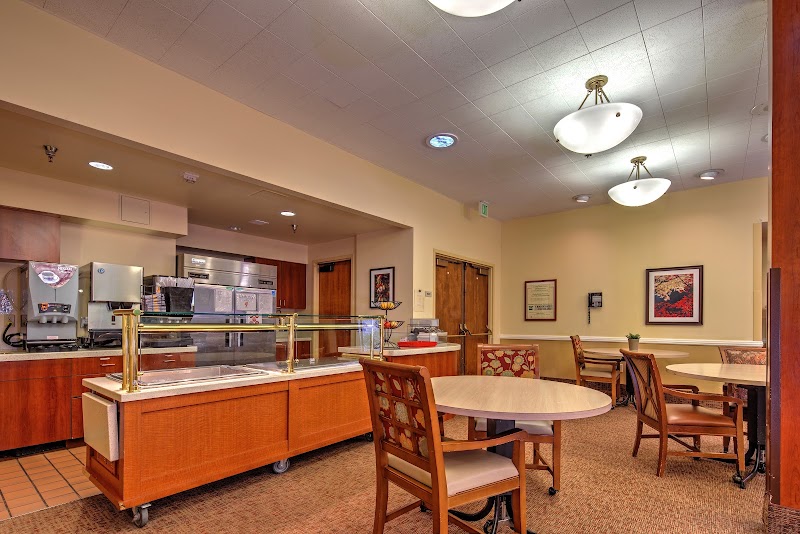
How is St. Pauls Health Staffed?

CMS rates ST. PAULS HEALTH CARE CENTER's staffing level at 4 out of 5 stars, which is above average compared to other nursing homes. Staff turnover is 51%, compared to the California average of 46%.

What Have Inspectors Found at St. Pauls Health?

State health inspectors documented 46 deficiencies at ST. PAULS HEALTH CARE CENTER during 2018 to 2025. These included: 46 with potential for harm.
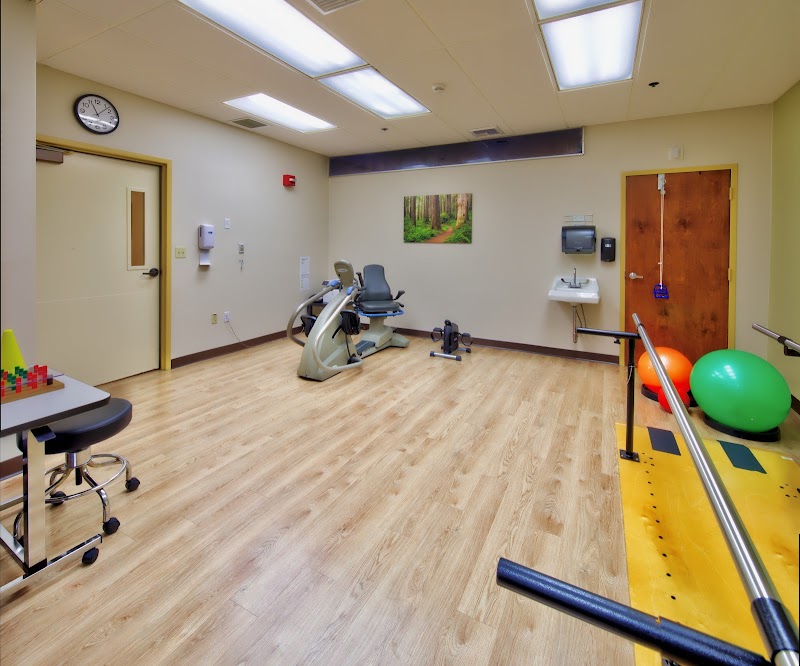
Who Owns and Operates St. Pauls Health?

ST. PAULS HEALTH CARE CENTER is owned by a non-profit organization. Non-profit facilities reinvest revenue into operations rather than distributing to shareholders. The facility operates independently rather than as part of a larger chain. With 59 certified beds and approximately 55 residents (about 93% occupancy), it is a smaller facility located in SAN DIEGO, California.
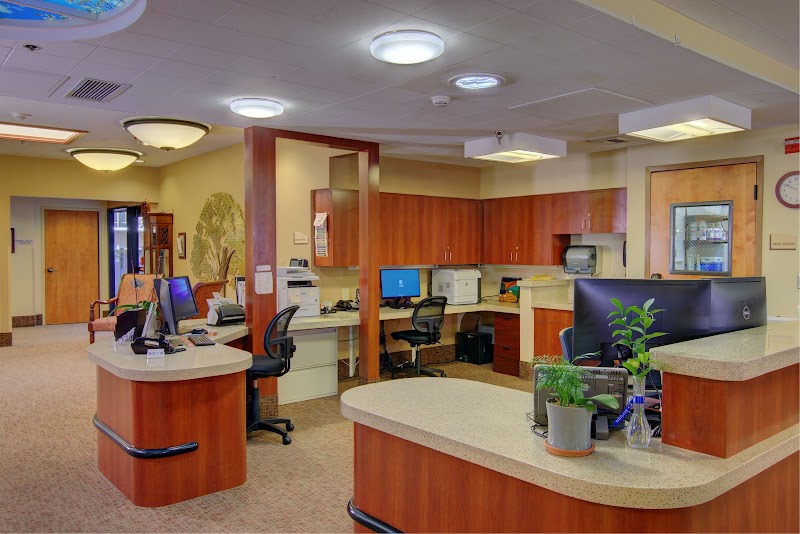
How Does St. Pauls Health Compare to Other California Nursing Homes?

Compared to the 100 nursing homes in California, ST. PAULS HEALTH CARE CENTER's overall rating (3 stars) is below the state average of 3.1, staff turnover (51%) is near the state average of 46%, and health inspection rating (3 stars) is at the national benchmark.

What Should Families Ask When Visiting St. Pauls Health?

Based on this facility's data, families visiting should ask: "Can I visit during a mealtime to observe dining assistance and food quality?" "How do you handle medical emergencies, and what is your hospital transfer rate?" "Can I speak with family members of current residents about their experience?"

Is St. Pauls Health Safe?

Based on CMS inspection data, ST. PAULS HEALTH CARE CENTER has a clean safety record: no substantiated abuse findings (meaning no confirmed cases of resident harm), no Immediate Jeopardy citations (the most serious violation level indicating risk of serious injury or death), and is not on the Special Focus Facility watch list (a federal program monitoring the lowest-performing 1% of nursing homes). The facility has a 3-star overall rating and ranks #100 of 100 nursing homes in California. While no facility is perfect, families should still ask about staff-to-resident ratios and recent inspection results during their visit.

Do Nurses at St. Pauls Health Stick Around?

ST. PAULS HEALTH CARE CENTER has a staff turnover rate of 51%, which is about average for California nursing homes (state average: 46%). Moderate turnover is common in nursing homes, but families should still ask about staff tenure and how the facility maintains care continuity when employees leave.

Was St. Pauls Health Ever Fined?

ST. PAULS HEALTH CARE CENTER has no federal fines on record. CMS issues fines when nursing homes fail to meet care standards or don't correct problems found during inspections. The absence of fines suggests the facility has either maintained compliance or corrected any issues before penalties were assessed. This is a positive indicator, though families should still review recent inspection reports for the full picture.

Is St. Pauls Health on Any Federal Watch List?

ST. PAULS HEALTH CARE CENTER is not on any federal watch list. The most significant is the Special Focus Facility (SFF) program, which identifies the bottom 1% of nursing homes nationally based on persistent, serious quality problems. Not being on this list means the facility has avoided the pattern of deficiencies that triggers enhanced federal oversight. This is a positive indicator, though families should still review the facility's inspection history directly.