THE PAVILION AT OCEAN POINT
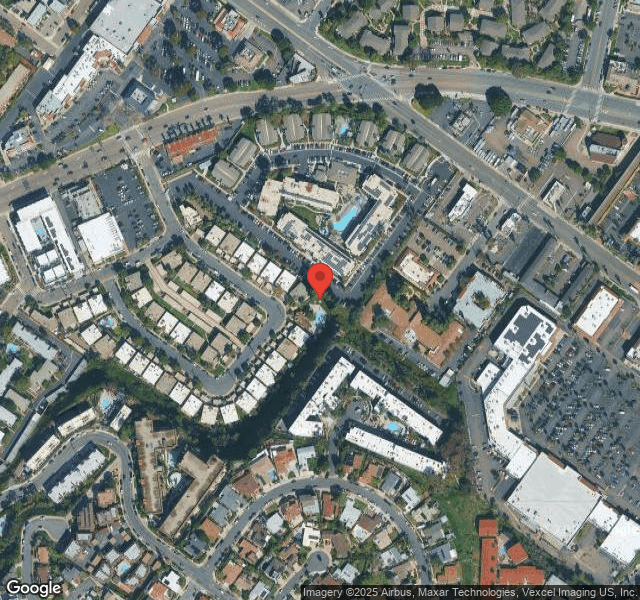

3202 DUKE STREET, SAN DIEGO, CA 92110 (619) 224-4141
For profit - Limited Liability company 133 Beds PACIFIC HEALTHCARE HOLDINGS Data: November 2025
Trust Grade
35/100
#1135 of 1155 in CA
Last Inspection: October 2024

Within standard 12-15 month inspection cycle. Federal law requires annual inspections.

Overview

The Pavilion at Ocean Point has a Trust Grade of F, which indicates significant concerns about the quality of care provided. It ranks #1135 out of 1155 facilities in California, placing it in the bottom half statewide, and #81 out of 81 in San Diego County, meaning there are no local facilities performing worse. While the facility's trend is improving, with issues decreasing from 31 in 2024 to 7 in 2025, it still has a high staff turnover rate of 70%, which is concerning compared to the California average of 38%. On the positive side, there have been no fines reported, which is a good sign, and the facility has average RN coverage, ensuring some level of nursing oversight. However, specific incidents such as staff not performing hand hygiene between residents, failing to maintain a comfortable temperature during an AC malfunction, and leaving unsecured hazardous materials in shower areas raise serious safety and hygiene concerns. Overall, while there are some improvements, families should consider these significant weaknesses when researching this nursing home.

Trust Score
F
35/100
In California
#1135/1155
Bottom 2%
Safety Record
Low Risk
No red flags
Inspections
Getting Better
31 → 7 violations
Staff Stability
⚠ Watch
70% turnover. Above average. Higher turnover means staff may not know residents' routines.
Penalties
✓ Good
No fines on record. Clean compliance history, better than most California facilities.
Skilled Nurses
⚠ Watch
Each resident gets only 22 minutes of Registered Nurse (RN) attention daily — below average for California. Fewer RN minutes means fewer trained eyes watching for problems.
Violations
⚠ Watch
90 deficiencies on record. Higher than average. Multiple issues found across inspections.
★☆☆☆☆
1.0
Overall Rating
★☆☆☆☆
1.0
Staff Levels
★★★☆☆
3.0
Care Quality
★★☆☆☆
2.0
Inspection Score
Stable
2024: 31 issues
2025: 7 issues

The Good

  • Full Sprinkler Coverage · Fire safety systems throughout facility
  • No fines on record

Facility shows strength in fire safety.

The Bad

1-Star Overall Rating

Below California average (3.1)

Significant quality concerns identified by CMS

Staff Turnover: 70%

24pts above California avg (46%)

Frequent staff changes - ask about care continuity

Chain: PACIFIC HEALTHCARE HOLDINGS

Part of a multi-facility chain

Ask about local staffing decisions and management

Staff turnover is elevated (70%)

22 points above California average of 48%

The Ugly 90 deficiencies on record

Sept 2025 1 deficiency
CONCERN (D) 📢 Someone Reported This

A family member, employee, or ombudsman was alarmed enough to file a formal complaint

Potential for Harm - no one hurt, but risky conditions existed

Assessment Accuracy (Tag F0641)

Could have caused harm · This affected 1 resident

**NOTE- TERMS IN BRACKETS HAVE BEEN EDITED TO PROTECT CONFIDENTIALITY** Based on observation, interview, and record review, the facility failed to accurately code the Minimum Data Set (MDS- a nursing ...

Read full inspector narrative →
**NOTE- TERMS IN BRACKETS HAVE BEEN EDITED TO PROTECT CONFIDENTIALITY** Based on observation, interview, and record review, the facility failed to accurately code the Minimum Data Set (MDS- a nursing assessment tool) for one of three sampled residents reviewed for MDS accuracy. (Resident 2) This deficient practice resulted in providing inaccurate information to the Federal database (information maintained by the federal government).Findings:Resident 2 was admitted to the facility on [DATE] with diagnoses including dysphasia (inability to communicate effectively) following cerebral infarction (stroke) according to the facility's admission Record. During a review Resident 2's Minimum Data Set (MDS-a clinical assessment tool) dated 8/25/25, section I5600 indicated an x next to malnutrition. An interview and joint record review was conducted on 9/17/25 at 10:41 A.M. with the Minimum Data Set Nurse (MDSN- a nurse who assessed and evaluated the quality of care being given to residents). The MDSN reviewed Resident 2's MDS. The MDSN stated physician documentation was required to code malnutrition in section I5600. The MDSN stated she provided a query titled, ICD-10-CM MD QUERY for the physician to sign. The MDSN stated the form served as supporting documentation to code malnutrition in the MDS. The MDSN further stated the query for Resident 2 had not been signed by the physician and she coded malnutrition in Resident 2's MDS. An interview was conducted on 9/22/25 at 9:12 A.M. with the Director of Nursing (DON). The DON stated physician documentation was needed to accurately code the MDS because the MDS was sent to CMS (Center for Medicare and Medicaid Services- oversees the nation's health care system) for billing. A review of the facility's policy and procedure (P&P) titled, RAI [Resident Assessment Instrument- manual for completing the MDS] Process, revised on 10/4/16 was conducted. The P&P indicated, The Facility will utilize the Resident Assessment Instrument [RAI] process as the basis for the accurate assessment of each resident's functional capacity and health status, as outlined in the CMS RAI MDS 3.0 Manual. A review of the CMS Long-Term Care Facility Resident Assessment Instrument 3.0 User's Manual dated October 2023 was conducted. Chapter 1.2 page seven of the User's Manual indicated the Resident Assessment Instrument (RAI) consisted of the MDS. The User's Manual chapter 1.2, page eight indicated, .The RAI process has multiple regulatory requirement.Federal regulations.require that (1) the assessment accurately reflects the resident's status. Furthermore chapter 5.5, page 668 of the User's Manual indicated, .the MDS must be accurate as of the ARD [Assessment Reference Date]. Minor changes in the resident's status should be noted in the resident's record.in accordance with standards of practice and documentation.
Aug 2025 1 deficiency
CONCERN (D) 📢 Someone Reported This

A family member, employee, or ombudsman was alarmed enough to file a formal complaint

Potential for Harm - no one hurt, but risky conditions existed

Resident Rights (Tag F0550)

Could have caused harm · This affected 1 resident

**NOTE- TERMS IN BRACKETS HAVE BEEN EDITED TO PROTECT CONFIDENTIALITY** Based on observation, interview, and record review the facility failed to ensure four of seven residents were provided care in a...

Read full inspector narrative →
**NOTE- TERMS IN BRACKETS HAVE BEEN EDITED TO PROTECT CONFIDENTIALITY** Based on observation, interview, and record review the facility failed to ensure four of seven residents were provided care in a manner that promoted dignity and respect when: 1. Staff did not answer Resident 1's call bell for seven hours;2. Resident 2 waited one hour to have his brief changed; 3. Resident 3 waited all night to have his brief changed; 4. Resident 4 waited one and a half hours for call light to be answered;5. Call light response was an issue verbalized by residents at theResident Council meetings for three consecutive months.These failures resulted in not ensuring residents' rights to be treated with respect and dignity, with the potential to cause psychosocial harm to the involved residents. In addition, this failure had the potential for residents who remained wet for an extended period to develop or worsening of bedsores and infection.Findings:1. Resident 1 was admitted to the facility on [DATE] with diagnoses including cerebral infarction (disrupted blood flow to the brain) due to thrombosis (blood clot) according to the facility's admission Record. During a review of Resident 2's Minimum Data Set (MDS- a federally mandated resident assessment tool) dated 7/9/25, section C0500 indicated Resident 1's Brief Interview for Mental Status (BIMS- evaluates cognition, the ability to remember and think clearly) score was 13, intact cognition. During an observation and interview on 8/13/25 at 9:11 A.M. with Resident 1, Resident 1 was in bed and stated there was a power outage at the facility last week on 8/6/25. Resident 1 stated the electrical power was off from 10 P.M. until 6 A.M. Resident 1 stated he was provided with a call bell similar to the ones used at hotels. Resident 1 stated he pressed the call bell around 10 PM and staff did not come to his room until 5:30 A.M. Resident 1 stated he felt bad because his roommate needed assistance. Resident 1 stated he also waited two hours last week at night before anyone came to check on him. Resident 1 stated he felt frustrated having to wait so long for staff to assist him. 2. Resident 2 was admitted to facility on 8/7/25 with diagnoses including neurogenic bowel (nerve damage affecting signals between the brain and the bowel, leading to difficulties with bowel control and emptying) and pressure ulcer (bedsore) of sacral (the triangular shaped bone at the base of the back) region according to the facility's admission Record. An observation and interview was conducted on 8/13/25 at 9:39 A.M. with Resident 2. Resident 2 was in bed and stated he had been at the facility for almost one week and the call light response was too long. Resident 2 stated he needed his brief to be changed yesterday evening (8/12/25), but waited for one hour. Resident 2 stated he had no control of his bowels and had to call for assistance to be changed or repositioned. 3. Resident 3 was admitted to the facility on [DATE] with diagnoses including hemiplegia (total or partial paralysis of one side of the body) and hemiparesis (muscle weakness on one side of the body) following cerebral infarction (stroke) affecting left non-dominant side according to the facility's admission Record. During a review of Resident 2's MDS dated [DATE], indicated BIMS score of 14, intact cognition. An observation and interview on 8/13/25 at 9:42 A.M. was conducted with Resident 3. Resident 3 was in a wheelchair in his room. Resident 3 had no right arm and Resident 3's left arm was on his lap. Resident 3 stated there was a facility power outage on 8/6/25. Resident 3 stated he was provided with a call bell, but he could not use it because he was not able to raise or reach using his left arm. Resident 3 stated he stayed wet until the electrical power turned on at 5:45 A.M. Resident 3 further stated he waited one hour yesterday (8/12/25) afternoon for someone to assist with the use of the urinal. Resident 3 stated he ended up being wet which made him angry and uncomfortable. During an interview on 8/13/25 at 10:10 A.M. with Certified Nurse Assistant (CNA) 1, CNA 1 stated residents' call lights should be answered immediately. CNA 1 stated residents have complained about the call light response and has been reported to the charge nurse. CNA 1 further stated if residents were left wet, they could develop rashes and bedsores. 4. Resident 4 was admitted to the facility on [DATE] with diagnoses including muscle weakness and acquired absence of right upper limb (arm) according to the facility's admission Record. During a review of Resident 2's MDS dated [DATE], indicated BIMS score of 14, intact cognition. An observation and interview on 8/13/25 at 10:27 A.M. was conducted with Resident 4. Resident 4 was in bed and stated she waited an hour and a half for brief change. Resident 4 stated she could not recall the date and time but felt helpless having to wait too long. An interview was conducted on 8/13/25 at 10:31 A.M. with Licensed Nurse (LN) 1. LN 1 stated call light response should be as soon as possible. During an interview on 8/13/25 at 19:39 A.M. with CNA 2, CNA 2 stated call lights should be answered as soon as possible, at least between 10 to 20 minutes. CNA 2 stated residents could develop a rash and skin redness if left wet too long. 5. A review of the facility's minutes for the Resident Council meeting titled, Quality of Life Questions [QOL] was conducted. The QOL dated 5/20/25 indicated, 8. Is your call light answered timely? Sometimes not during Noc [night]. The QOL dated 6/17/25 indicated, 8. Is your call light answered timely? No. The QOL dated 7/15/25 indicated, 8. Is your call light answered timely? No PM.An interview was conducted on 8/20/25 at 9:32 A.M. with the Director of Nursing (DON). The DON stated he expected staff to respond to residents' call lights as soon as possible. Stated he expected CNAs to conduct rounding on the floors, inquire what the resident's need was and address accordingly. Stated leaving a resident wet was unacceptable because the resident can develop moisture associated dermatitis (MASD- skin damage caused by prolonged exposure to moisture), excoriation and pressure injury (bedsore). The DON further stated it was very uncomfortable laying or sitting on something wet. A review of the facility's policy and procedure (P&P) titled, Resident Rights, dated January 1, 2012, was conducted. The P&P indicated, Residents have freedom of choice, as much as possible how they wish to live their everyday lives.Employees are to treat all residents with kindness, respect and dignity ad honor the exercise of residents' rights. A review of the facility's P&P titled, Communication-Call System, dated January 1, 2012, was conducted. The P&P indicated, Nursing Staff will answer call bells promptly.adaptive call bell will be provided to resident per resident's needs.
Jul 2025 2 deficiencies
CONCERN (D) 📢 Someone Reported This

A family member, employee, or ombudsman was alarmed enough to file a formal complaint

Potential for Harm - no one hurt, but risky conditions existed

Comprehensive Care Plan (Tag F0656)

Could have caused harm · This affected 1 resident

**NOTE- TERMS IN BRACKETS HAVE BEEN EDITED TO PROTECT CONFIDENTIALITY** Based on interview and record review, the facility failed to ensure a care plan was implemented related to falls for one of two ...

Read full inspector narrative →
**NOTE- TERMS IN BRACKETS HAVE BEEN EDITED TO PROTECT CONFIDENTIALITY** Based on interview and record review, the facility failed to ensure a care plan was implemented related to falls for one of two residents reviewed for falls (Resident 1).As a result, Resident 1 was at risk for additional falls.Findings:Resident 1 was admitted to the facility on [DATE] with diagnoses to include muscle weakness and dementia (a loss of thinking, remembering, and reasoning that interferes with daily living and activities), per the admission Record.An interview was conducted with the Administrator (ADM) on 7/31/25 at 10:30 A.M. The ADM stated Resident 1 had fallen from his wheelchair on 7/21/25, and this was the first time Resident 1 had sustained an injury. Per the ADM, Resident 1 had been in his room, seated in a wheelchair with no staff present when the fall occurred. The ADM stated Resident 1 had hit his head and was bleeding from his forehead, so he was sent to the hospital to be assessed.On 7/31/25 at 10:45 A.M., an interview was conducted with the Director of Staff Development (DSD). The DSD stated Resident 1 was often in her office, and enjoyed watching football on television and getting snacks. The DSD stated if Resident 1 wasn't in his bed, he was usually seated in his wheelchair at the nurses station. Per the DSD, Resident 1 enjoyed watching people walking by, and watching the nurses work. The DSD stated placing Resident 1 at the nurses station was also an intervention to prevent falls, since he could be seen by many staff members and assisted in the event he slid from his chair, or attempted to get up independently.On 7/31/25 at 1 P.M., an interview was conducted with Certified Nursing Assistant (CNA) 1. CNA 1 stated she was familiar with Resident 1, and provided care to him often. CNA 1 stated Resident 1 liked to sit by the nurses station and watch people, and this kept him safe from falls because staff could easily see him there. CNA 1 stated Resident 1 was only in his room when he wanted to take a nap or go to sleep for the night, otherwise he was at the nurses station or at an activity. CNA 1 stated Resident 1 was unable to use the call light to get assistance, and was unable to explain what he needed to staff. CNA 1 stated Resident 1 answered most questions with a Yes or No.On 7/31/25 at 1:15 P.M., an interview was conducted with CNA 2. CNA 2 stated she was aware of which residents were fall risk because the nursing station kept a binder with a list of resident names as a resource. CNA 2 stated Resident 1 was listed as a fall risk, but the binder did not advise staff on ways to prevent him from falling. CNA 2 stated she was aware a care plan was available for staff to use, and the care plan included interventions for fall prevention, but she had not used care plans to identify ways to keep Resident 1 from falling.A record review was conducted.On 5/28/25, Resident 1's Brief Interview for Mental Status (BIMS, an assessment of thinking and memory) score was six, indicating severe cognitive impairment.Resident 1's Fall Risk Assessment (a evaluation of risk factors for falls, including diagnoses, medications, and fall history) score at the time of the fall was 17, indicating high risk for falls.Resident 1's care plan indicated he was at risk for falls due to his diagnosis of dementia, and others. Interventions to prevent falls were to anticipate his needs, ensure his call light was within reach, and encourage/assist the resident promptly. On 7/31/25 at 1:30 P.M. an interview was conducted with the Assistant Director of Nursing (ADON). The ADON stated a Fall Risk score of 10 or higher indicated the resident was at high risk for falls, and the facility should implement strategies to prevent the falls from continuing. The ADON stated Resident 1 had care plan interventions for fall prevention, including anticipating his needs, and ensuring the call light was within reach. The ADON stated those interventions may not be effective as Resident 1 was unable to use the call light or communicate his needs. The ADON stated the care plan should have included not leaving the resident in a wheelchair unattended, but it did not. Per the ADON, the care plan did not address the specific care needs of Resident 1. The ADON stated, Care plans are for problems being addressed, and interventions and goals. Our care plan for (Resident 1) was not specific to his needs. The ADON stated a binder at the nurses station included a list of residents who were at risk for falls, but it did not include individualized interventions. Per a facility policy, revised 8/24/23 and titled Comprehensive Person-Centered Care Planning, Policy: The Facility will provide person-centered, comprehensive, and interdisciplinary care that reflects best practice standards for meeting health, safety, psychosocial, behavioral, and environmental needs of residents in order to obtain or maintain the highest physical, mental, and psychosocial well-being.
CONCERN (D) 📢 Someone Reported This

A family member, employee, or ombudsman was alarmed enough to file a formal complaint

Potential for Harm - no one hurt, but risky conditions existed

Accident Prevention (Tag F0689)

Could have caused harm · This affected 1 resident

**NOTE- TERMS IN BRACKETS HAVE BEEN EDITED TO PROTECT CONFIDENTIALITY** Based on interview and record review, the facility failed to implement strategies to prevent a resident from falling (Resident 1...

Read full inspector narrative →
**NOTE- TERMS IN BRACKETS HAVE BEEN EDITED TO PROTECT CONFIDENTIALITY** Based on interview and record review, the facility failed to implement strategies to prevent a resident from falling (Resident 1).As a result, Resident 1 sustained a fall with injury.Findings:Resident 1 was admitted to the facility on [DATE] with diagnoses to include muscle weakness and dementia (a loss of thinking, remembering, and reasoning that interferes with daily living and activities), per the admission Record.An interview was conducted with the Administrator (ADM) on 7/31/25 at 10:30 A.M. The ADM stated Resident 1 had fallen from his wheelchair on 7/21/25, and this was the first time Resident 1 had sustained an injury. Per the ADM, Resident 1 had been in his room, seated in a wheelchair with no staff present when the fall occurred. The ADM stated Resident 1 had hit his head and was bleeding from his forehead, so he was sent to the hospital to be assessed.On 7/31/25 at 10:45 A.M., an interview was conducted with the Director of Staff Development (DSD). The DSD stated Resident 1 was often in her office, and enjoyed watching football on television and getting snacks. The DSD stated if Resident 1 wasn't in his bed, he was usually seated in his wheelchair at the nurses station. Per the DSD, Resident 1 enjoyed watching people walking by, and watching the nurses work/ The DSD stated placing Resident 1 at the nurses station was also an intervention to prevent falls, since he could be seen by many staff members and assisted in the event he slid from his chair, or attempted to get up independently.On 7/31/25 at 1 P.M., an interview was conducted with Certified Nursing Assistant (CNA) 1. CNA 1 stated she was familiar with Resident 1, and provided care to him often. CNA 1 stated Resident 1 liked to sit by the nurses station and watch people, and this kept him safe from falls because staff could easily see him there. CNA 1 stated Resident 1 was only in his room when he wanted to take a nap or go to sleep for the night, otherwise he was at the nurses station or at an activity. CNA 1 stated Resident 1 was unable to use the call light to get assistance, and was unable to explain what he needed to staff. CNA 1 stated Resident 1 answered most questions with a Yes or No.A record review was conducted.On 5/28/25, Resident 1's Brief Interview for Mental Status (BIMS, an assessment of thinking and memory) score was six, indicating severe cognitive impairment.Resident 1's care plan indicated he was at risk for falls. Interventions to prevent falls were to anticipate his needs, ensure his call light was within reach, and encourage/assist the resident as needed.Resident 1's Fall Risk Assessment (a evaluation of risk factors for falls, including diagnoses, medications, and fall history) score at the time of the fall was 17, indicating high risk for falls. On 7/31/25 at 1:30 P.M. an interview was conducted with the Assistant Director of Nursing (ADON). The ADON stated a Fall Risk score of 10 or higher indicated the resident was at high risk for falls, and the facility should implement strategies to prevent the falls from continuing. The ADON stated Resident 1 had many interventions for fall prevention, including anticipating his needs, and ensuring the call light was within reach. The ADON stated those interventions may not be effective as Resident 1 was unable to use the call light or communicate his needs. The ADON stated when Resident 1 was in his wheelchair, he was usually left at the nurses station so staff could monitor him for safety. Per the ADON, the fall occurred in Resident 1's room, and no staff had been present. The ADON stated, Staff should have left him where he could be monitored, instead of in his room.Per a facility policy, revised 8/24/23 and titled Fall Management Program, Purpose: To provide residents a sfe environment that minimizes complications associated with falls.the licensed nurse will develop a care plan according to the identified risk factors.will initiate, review and update the Resident's.care plan.The licensed nurse will evaluate the Resident's response to the interventions.and update.as necessary.
Jun 2025 2 deficiencies
CONCERN (D) 📢 Someone Reported This

A family member, employee, or ombudsman was alarmed enough to file a formal complaint

Potential for Harm - no one hurt, but risky conditions existed

Resident Rights (Tag F0550)

Could have caused harm · This affected 1 resident

Based on interview and record review the facility failed to provide care in a respectful and dignified manner when an employee showed a soiled linen wipe with bowel movement to Resident 1's face. As a...

Read full inspector narrative →
Based on interview and record review the facility failed to provide care in a respectful and dignified manner when an employee showed a soiled linen wipe with bowel movement to Resident 1's face. As a result, Resident 1 was disrespected and had the potential to decrease resident's self-worth. Findings: On 6/3/25 at 10:16 A.M. an interview and record with Licensed Nurse (LN) 1 were conducted. LN 1 stated he received a report form the nocturnal shift nurse that Certified Nurse Assistant (CNA) 1 had put the soiled linen wipes with bowel movement to Resident 1's face while CNA 1 was providing care to Resident 1. According to LN 1's progress notes on 5/25/25 at 11:56 A.M., CNA 1 was taking excessive amount of time to clean up urine and so Resident 1 asked CNA 1 what was going on. CNA 1 placed the soiled wet wipe 2 inches from my face and told Resident 1 had bowel movement. On 6/3/25 at 10:45 A.M. an interview was conducted with Resident 1. Resident 1 stated CNA 1 was providing care when CNA 1 placed the soiled wipes with bowel movement about one to two (1 to 2) inches to Resident 1's face. Resident 1 stated he was so upset and had not experienced this with other CNAs. Resident 1 stated he felt violated as a man, he was not expecting anything like this and he wanted respect because the CNA was helping him. On 6/3/25 at 1:18 P.M., a phone interview with CNA 1 was conducted with the Assistant Director of Nursing (ADON) and Director of Staff Development (DSD) present. CNA 1 stated she was providing care to Resident 1, CNA 1 stated she showed the soiled wipe with bowel movement to Resident 1's face because Resident 1 did not believe her. CNA 1 stated she did not think showing the soiled wipe with bowel movement to Resident 1's face was inappropriate when Resident 1 did not believe her. On 6/3/25 at 1:54 P.M., an interview was conducted with the DSD. The DSD stated it was inappropriate for CNA 1 to show the soiled wipes with bowel movement to Resident 1. On 6/24/25 at 9:57 A.M., an interview and record review were conducted with the ADON. According to the Interdisciplinary team (IDT- a group of healthcare workers from different fields to who work together to address a resident's physical, psychological and social needs) notes indicated .On 05/25/2025 at approximately 0415, the patient requested a different CNA, stating the previously assigned CNA 1 made him feel disrespected, humiliated, and uncomfortable during perineal care. The patient reported requesting a brief change due to urination. During the perineal care, he stated CNA 1 excessively wiped his buttocks for a prolonged period while he was turned on his side. When he questioned her actions, he alleged CNA 1 held soiled wipes close to his face and stated he had pooped. The patient reported becoming upset and asking CNA 1 to stop . During this interview and record review, the ADON stated it was not appropriate to show the soiled linen or wipes with bowel movement to Resident 1 because it could be seen as a demeaning practice. According to the facility policy entitled Resident Rights Quality of Life, revised date March 2027, indicated .Each resident shall be cared for in a manner that promotes and enhances the quality of life, dignity, respect, individuality and receives services in a person-centered manner, as well as those that support the resident in attaining or maintaining his/her highest practicable well-being . XI. Demeaning practices and standards of care that compromise dignity are prohibited. Facility Staff promote dignity and assist residents as needed by: .B. Promptly responding to the resident's request for toileting assistance .
CONCERN (D) 📢 Someone Reported This

A family member, employee, or ombudsman was alarmed enough to file a formal complaint

Potential for Harm - no one hurt, but risky conditions existed

Deficiency F0558 (Tag F0558)

Could have caused harm · This affected 1 resident

Based on observation, interview and record review the facility did not ensure a TV (television) remote control was provided for 1 of 3 resident's (Resident 1) in a shared room. As a result, Resident ...

Read full inspector narrative →
Based on observation, interview and record review the facility did not ensure a TV (television) remote control was provided for 1 of 3 resident's (Resident 1) in a shared room. As a result, Resident 1 was upset and an altercation with another resident occurred/transpired. Findings: On 6/3/25 the Department received a facility reported incident about a resident-to-resident altercation on 6/1/25. On 6/3/25 at 11:27 A.M., an observation and interview with Resident 2 were conducted. Resident 2 was observed sitting in a wheelchair. Resident 2's room was observed to have three beds and each bed had TV. There was two TV remote control. Resident 2 stated about two days ago after dinner, he was upset because he could find the TV remote control. Resident 2 asked his roommate where the TV remote control was. Resident 2 stated his roommate hit him once in the chest. Resident 2 stated there was only one TV remote control at that time. On 6/3/25 at 11:55 A.M. an interview was conducted with Certified Nurse Assistant (CNA) 2. CNA 2 stated Resident was asking for his TV remote control. A review of the Interdisciplinary team (IDT- team (IDT- a group of healthcare workers from different fields to who work together to address a resident's physical, psychological and social needs) notes on 6/4/25 at 1:25 P.M. indicated .On June 1, 2025, the resident was involved in a physical altercation with another resident (resident #5435527), in which the resident was reportedly hit by the roommate. This incident led to a reported physical abuse case to CDPH via SOC 341. The resident reported that the incident occurred when he asked the other resident for the TV remote control . On 6/24/25 at 9:23 A.M., an interview and record review were conducted with the Maintenance Director. The Maintenance Director stated staff should notify the maintenance team and write a work order request in the work order binder. According to the facility binder for work order there was no written request for a TV remote control for Resident 2. The Maintenance Director stated he was not aware Resident 1's room only had one TV remote control. The Maintenance Director stated each resident should have provided their own TV remote control. On 6/24/5 at 9:33 A.M., an interview the Director of Nursing (DON) and Assistant Director of Nursing (ADON) was conducted. The ADON stated Resident 2 went outside the hallway asking for his TV remote control and no one assisted Resident 2. The ADON stated Resident 2 went back to his room and a resident-to-resident altercation occurred. The ADON stated the staff at that time should d have assisted Resident 2 to avoid the altercation. The ADON stated the staff should have help locate the missing TV remote control. The ADON stated each resident should a TV remote control. The DON stated staff should have assisted Resident 2 in looking for the TV remote control. According to the facility policy entitled Resident Rights- Accommodation of Needs, revised date 1/1/12, indicated .The Facility's environment is designed to assist the resident in achieving independent functioning and maintaining the resident's dignity and well-being. Facility Staff will assist residents in achieving these goals . V. In order to accommodate residents' individual needs and preferences, Facility Staff attitude and behavior are directed towards assisting the residents in maintaining independence, dignity and well-being to the extent possible according to residents' wishes. VI. Facility Staff interacts with the residents in a way that accommodates the physical or sensory limitations of the residents, promotes communication, and maintains each resident's dignity .
Apr 2025 1 deficiency
CONCERN (D) 📢 Someone Reported This

A family member, employee, or ombudsman was alarmed enough to file a formal complaint

Potential for Harm - no one hurt, but risky conditions existed

Transfer Notice (Tag F0623)

Could have caused harm · This affected 1 resident

**NOTE- TERMS IN BRACKETS HAVE BEEN EDITED TO PROTECT CONFIDENTIALITY** Based on interview and record review, the facility failed to ensure an appropriate discharge plan was implemented for 1 of 2 sam...

Read full inspector narrative →
**NOTE- TERMS IN BRACKETS HAVE BEEN EDITED TO PROTECT CONFIDENTIALITY** Based on interview and record review, the facility failed to ensure an appropriate discharge plan was implemented for 1 of 2 sampled residents (Resident 1) when: Resident 1 was transferred from the skilled nursing facility to a general acute care hospital (GACH) and denied readmission to the skilled nursing facility (SNF) when the GACH medically cleared the resident for return. As a result, Resident 1 did not receive an appropriate discharge notice that included the reasons for the discharge, notification to responsible parties and the right to appeal the discharge decision. Findings: On 4/15/25 at 1:00 P.M. a joint interview and record review was conducted with the facility's Administration: Administrator (ADM), DON, ADON, Social Services Staff (SSD) 1 and SSD 2. Resident 1 was initially admitted to the facility on [DATE]. Resident 1 was transferred from the SNF to a GACH on 12/23/24 and re admitted to the SNF on 1/21/25 according to Resident 1's demographics and length of stay (LOS) reported by Administration. During the same interview, Administration stated Resident 1 had a history of transfers to GACH and readmission to their SNF however, the facility was unable to provide documented evidence of a discussion with Resident 1 and/or responsible parties related to a discharge notification and process. In addition, during the interview, Administration stated resident 1 was transferred from their SNF to a GACH on 2/3/25 and was not readmitted to their facility. Administration stated the GACH attempted to transfer Resident 1 back to their SNF on 2/19/25 however, the skilled nursing facility declined the transfer. Furthermore, during the interview, Administration acknowledged the lack of discharge notice to Resident 1 which excluded a timely written notice and right to appeal.
Oct 2024 18 deficiencies
CONCERN (D)

Potential for Harm - no one hurt, but risky conditions existed

Deficiency F0552 (Tag F0552)

Could have caused harm · This affected 1 resident

**NOTE- TERMS IN BRACKETS HAVE BEEN EDITED TO PROTECT CONFIDENTIALITY** Based on interview and record reviews, the facility failed to obtain an informed consent for one of three sampled residents (18)...

Read full inspector narrative →
**NOTE- TERMS IN BRACKETS HAVE BEEN EDITED TO PROTECT CONFIDENTIALITY** Based on interview and record reviews, the facility failed to obtain an informed consent for one of three sampled residents (18), reviewed for unnecessary medication. This failure had the potential for the resident to not be aware of the risks and benefits of taking psychotropic (chemicals which altered brain function) medications. FINDINGS: A record review of Resident 18's admission Record indicated that Resident 18 was admitted to the facility on [DATE] with diagnoses that included schizoaffective disorder (a mental illness that can affect thought, mood, and behavior) and major depressive disorder (characterized by low mood and low self-esteem). A review of Resident 18's Physician's orders indicated the following: .Clonazepam (anxiety medication) 0.25 milligram (mg- unit of measurement) po (by mouth) twice a day - Dx (diagnosis). Anxiety (repeated episodes of sudden feelings of intense fear & worry) . .Valproic acid (medication to treat mental disorders) 20 millimeters (ml-unit of measurement) po three times a day - Dx. Schizophrenia (a disconnection from reality) . .Olanzapine (medication to treat mental disorders) 2.5 mg po four times a day- Dx. Schizophrenia . A concurrent interview and record review on 10/23/24 at 9:36 A.M., with Licensed Nurse (LN) 1 was conducted. LN 1 stated they did not have the consents for the following psychotropic medications: valproic acid, clonazepam, and olanzapine. A record review of Resident 18's admission Record, dated 7/8/24, indicated Resident 18 was under conservatorship (not able to make his/her own decisions). A review of Resident 18's History and Physical Record, dated 7/10/24, indicated Resident 18 could make his/her needs known but could not make medical decisions. A concurrent interview and record review on 10/23/24 at 1:12 PM., with Medical Records (MR) was conducted. MR stated, I don't see any consents for those medications (clonazepam, valproic acid, and olanzapine), they were not in the chart or [Resident 18's] medical record. An interview on 10/24/24 at 9:15 A.M., with the Director of Nursing (DON) was conducted. The DON stated informed consent should have been obtained before Resident 18 started taking any psychotropic medications. The DON stated it was important to have informed consent so Resident 18's family or responsible party (decision maker) was aware of what medications Resident 18 was taking. The DON acknowledged there were no consents for the use of psychotropic medications in Resident 18's medical record. A review of the facility's undated Policy on Behavior/ Psychoactive Drug Management indicated, .Procedure .C. Whenever an order is obtained for psychoactive medication(s), the licensed nurse verifies with the attending physician that informed consent has been obtained. The licensed nurse documents verification of the order .D. The licensed nurse will contact the resident and/ or responsible party and verify .
CONCERN (D)

Potential for Harm - no one hurt, but risky conditions existed

Deficiency F0578 (Tag F0578)

Could have caused harm · This affected 1 resident

**NOTE- TERMS IN BRACKETS HAVE BEEN EDITED TO PROTECT CONFIDENTIALITY** Based on interview and record review, the facility failed to ensure one of two sampled residents (221) had a POLST (physician or...

Read full inspector narrative →
**NOTE- TERMS IN BRACKETS HAVE BEEN EDITED TO PROTECT CONFIDENTIALITY** Based on interview and record review, the facility failed to ensure one of two sampled residents (221) had a POLST (physician orders for life sustaining treatment, end of life wishes) signed by the Responsible Party (RP). As a result, there was a potential to not have the resident's end of life wishes honored. Findings: Resident 221 was admitted to the facility on [DATE] with diagnoses that included cognitive communication deficit, per Resident 221's admission Record. A review of Resident 221's History and Physical Examination, dated 10/4/24, indicated physician marked, .does NOT have the capacity to understand and make decisions . A review of the POLST, dated 10/5/24, indicated it was signed by the physician on 10/5/24. The section for Signature of Patient or Legally Recognized Decision Maker had a box titled, Signature (required) which was left uncompleted. On 10/23/24 at 10:48 A.M., an interview and record review was conducted with Licensed Nurse (LN) 31. LN 31 stated the POLST should have been signed for Resident 221. LN 31 stated Resident 221's preferences should have been honored. LN 31 stated the admitting LN and LNs should have been responsible for making sure the POLST was completed by the physician and the resident or the resident's RP. On 10/24/24 at 12:30 P.M., an interview and record review was conducted with the Director of Nursing (DON). The DON stated the POLST should have been signed and completed within 24 hours so the facility would know the code status of Resident 221. The DON acknowledged Resident 221's POLST should have been completed to make sure the facility was honoring Resident 221's wishes. Per the facility policy, titled Physician Orders for Life-Sustaining Treatment (POLST), revised 6/3/20, .Purpose . To help ensure that the facility honors residents' treatment wishes concerning resuscitation and life-sustaining treatment .Procedure .I. General Information on POLST Forms .A. A completed and signed POLST is a legal physician order that is immediately actionable .III. Initiating a POLST .A. Only the attending physician .may complete the POLST form .D. The POLST form must be completed, signed and dated, include the practitioner's medical license number and be signed by the resident, resident's representative or the resident's health care decision maker .
CONCERN (D)

Potential for Harm - no one hurt, but risky conditions existed

Safe Environment (Tag F0584)

Could have caused harm · This affected 1 resident

**NOTE- TERMS IN BRACKETS HAVE BEEN EDITED TO PROTECT CONFIDENTIALITY** Based on observation, interview, and record review, the facility failed to provide a homelike environment for one of six sampled...

Read full inspector narrative →
**NOTE- TERMS IN BRACKETS HAVE BEEN EDITED TO PROTECT CONFIDENTIALITY** Based on observation, interview, and record review, the facility failed to provide a homelike environment for one of six sampled residents (108) when there was a large opening observed in the wall under the sink. This failure had the potential for the resident to feel uncomfortable in their environment. Findings: Resident 108 was admitted to the facility on [DATE] with diagnoses including muscle weakness and other abnormalities of gait (walking) and mobility per the admission Record. Resident 108 was cognitively intact (aware of surroundings) based the resident's Minimum Data Set (MDS, an assessment tool), dated 9/10/24. A concurrent interview and observation was conducted with Resident 108 in Resident 108's room on 10/21/24 at 9:03 A.M. Resident 108 stated she would like to complain about the sink in her bathroom. She stated she feared the sink would fall. A large hole on the wall beneath the sink was observed. The hole spanned the length of the sink. A concurrent interview and observation was conducted with Licensed Nurse (LN) 21 on 10/21/24 at 10:29 A.M., in Resident 108's bathroom. LN 21 wiggled the sink up and down resulting in a piece of plaster falling off from the wall under the sink. LN 21 stated the sink did not look safe. A concurrent interview and record review was conducted with the Maintenance Assistant (MA) and Maintenance Director (MD) at the nurse's station on 10/21/24 at 10:39 A.M. The MA stated the maintenance log indicated sink falling off wall was reported on 8/5/24 in Resident 108's bathroom. The MA stated he initialed (with one's initials in order to authorize or validate) the problem as resolved because he placed a seal around the sink. The MD stated that having a hole in the wall under the sink was not aesthetically pleasing, and needed to be fixed. An interview was conducted with Resident 108 on 10/23/24 at 10:23 A.M. in Resident 108's room. Resident 108 stated she would not have an open wall in her own home. Resident 108 stated it did not look good. A review of the facility's policy titled Resident Rights - Personal Property, revised 1/1/12, indicated .Purpose: To ensure the quality of life of all residents by allowing residents to create a home-like environment .
CONCERN (D)

Potential for Harm - no one hurt, but risky conditions existed

Transfer Notice (Tag F0623)

Could have caused harm · This affected 1 resident

**NOTE- TERMS IN BRACKETS HAVE BEEN EDITED TO PROTECT CONFIDENTIALITY** Based on interview and record review, the facility failed to provide a written notice of discharge to one of three sampled disch...

Read full inspector narrative →
**NOTE- TERMS IN BRACKETS HAVE BEEN EDITED TO PROTECT CONFIDENTIALITY** Based on interview and record review, the facility failed to provide a written notice of discharge to one of three sampled discharged residents (109). As a result, Resident 109 was not fully informed of his discharge. Findings: Per the facility's Face Sheet, Resident 109 was admitted to the facility on [DATE] with diagnoses which included cirrhosis of the liver (liver failure). On 10/23/24 at 2:10 P.M., a review of Resident 109's medical record was conducted. On 10/16/24 there was a physician's order to transfer Resident 109 to an acute care hospital. The 10/16/24 Progress Notes did not include any documentation of the staff providing a written notice of discharge to Resident 109. On 10/23/24 at 2:16 P.M., an interview was conducted with Licensed Nurse (LN) 1 and LN 2. LN 1 and LN 2 stated that they both coordinated Resident 109's discharge to an acute care hospital. LN 2 stated she was not familiar with the written notice of discharge form. LN 1 stated they did not provide the written notice of discharge to Resident 109 at the time of discharge. On 10/24/24 at 10:17 A.M., an interview was conducted with the Director of Nursing (DON). The DON acknowledged that the nurse should have provided Resident 109 with a notice of discharge when the resident was transferred to an acute care hospital. Per the facility's policy, titled Discharge and Transfer of Residents, revised 12/21/23, .Prior to discharge, the Facility will provide the resident/ resident representative with the Notice of Proposed Transfer and Discharge document .
CONCERN (D)

Potential for Harm - no one hurt, but risky conditions existed

Deficiency F0625 (Tag F0625)

Could have caused harm · This affected 1 resident

**NOTE- TERMS IN BRACKETS HAVE BEEN EDITED TO PROTECT CONFIDENTIALITY** Based on interview and record review, the facility failed to provide a written notice of the facility's bed-hold policy at the t...

Read full inspector narrative →
**NOTE- TERMS IN BRACKETS HAVE BEEN EDITED TO PROTECT CONFIDENTIALITY** Based on interview and record review, the facility failed to provide a written notice of the facility's bed-hold policy at the time of discharge to one of three sampled discharged residents (109). As a result, Resident 109 was not fully informed of his bed-hold rights. Findings: Per the facility's Face Sheet, Resident 109 was admitted to the facility on [DATE] with diagnoses which included cirrhosis of the liver (liver failure). On 10/23/24 at 2:10 P.M., a review of Resident 109's medical record was conducted. On 10/16/24 there was a physician's order to transfer Resident 109 to an acute care hospital. The 10/16/24 Progress Notes did not include any documentation of the staff providing a written notice of bed-hold to Resident 109. On 10/23/24 at 2:16 P.M., an interview was conducted with Licensed Nurse (LN) 1 and LN 2. LN 1 and LN 2 stated that they both coordinated Resident 109's discharge to an acute care hospital. LN 1 stated they did not provide a written notice of bed-hold to Resident 109 at the time of discharge. On 10/24/24 at 10:17 A.M., an interview was conducted with the Director of Nursing (DON). The DON acknowledged that the nurse should have provided Resident 109 with a copy of the bed-hold form when the resident was transferred to an acute care hospital. Per the facility's policy, titled Bed Hold, revised July 2017, .The Facility notifies the resident and/or representative, in writing, of the bed hold, option, any time the resident is transferred to an acute care hospital .The Licensed Nurse .will document that the resident and/or representative was notified of the option to hold the bed on the Notification of Bed Hold .
CONCERN (D)

Potential for Harm - no one hurt, but risky conditions existed

Assessment Accuracy (Tag F0641)

Could have caused harm · This affected 1 resident

**NOTE- TERMS IN BRACKETS HAVE BEEN EDITED TO PROTECT CONFIDENTIALITY** Based on interview and record review, the facility failed to ensure medication was properly documented in the Minimum Data Set (...

Read full inspector narrative →
**NOTE- TERMS IN BRACKETS HAVE BEEN EDITED TO PROTECT CONFIDENTIALITY** Based on interview and record review, the facility failed to ensure medication was properly documented in the Minimum Data Set (MDS, resident assessment tool), for one of 24 sampled residents (88). As a result, medical decisions based on the MDS had an increased risk for error. Findings: Per the facility's admission Record, Resident 88 was admitted to the facility on [DATE]. Per the facility's MDS, dated [DATE], Section N - Medications, Resident 88 received one insulin (a medication to control blood sugar) injection over the previous seven days. A review of Resident 88's medical record was conducted. Resident 88's record did not include any orders for insulin. On 10/23/24 at 10:59 A.M., an interview was conducted with the MDS coordinator (MDS 21). MDS 21 stated that he reviewed Resident 88's medical record and could not find orders for insulin. MDS 21 further stated that he marked Resident 88's MDS in error when he documented that she was receiving insulin. Per the facility's policy, titled RAI (Resident Assessment Instrument) process, revised 10/4/16, .The facility will utilize the Resident Assessment Instrument .process as the basis for the accurate assessment of each resident's functional capacity and health status .
CONCERN (D)

Potential for Harm - no one hurt, but risky conditions existed

Deficiency F0645 (Tag F0645)

Could have caused harm · This affected 1 resident

**NOTE- TERMS IN BRACKETS HAVE BEEN EDITED TO PROTECT CONFIDENTIALITY** Based on interview and record review, the facility failed to complete the PASARR (Preadmission Screening and Resident Review, a ...

Read full inspector narrative →
**NOTE- TERMS IN BRACKETS HAVE BEEN EDITED TO PROTECT CONFIDENTIALITY** Based on interview and record review, the facility failed to complete the PASARR (Preadmission Screening and Resident Review, a federal requirement to help ensure individuals are not inappropriately placed in a nursing facility) II in a timely manner for one of three residents (67)sampled for PASARR. This failure had the potential to result in Resident 67's mental health needs to be unmet. Findings: Resident 67 was initially admitted to the facility on [DATE] with diagnoses including schizoaffective disorder (a mental health disorder causing hallucinations, delusions, and mood changes), major depressive disorder (a mental health condition characterized with low or loss of interest in things that once brought joy), and generalized anxiety disorder (a mental disorder characterized by excessive worry about everyday events) per the admission Record. A concurrent interview and record review was conducted with the Director of Nursing (DON) on 10/24/24 at 8:58 A.M. The DON stated the PASARR II for Resident 67 was not completed, per a letter from the Department of Health Care Services (HCS), dated 3/10/24. The letter indicated .the individual as unable to participate in the Evaluation . The DON stated it should have been followed up by the MDS Coordinator (MDS 21) as Resident 67 had a serious mental illness and the PASARR I, dated 3/8/24, indicated suspected mental illness (MI). The letter from HCS indicated .if MI is suspected, then a Level II Mental Health Evaluation may be conducted to determine if the individual can benefit from specialized mental health services . A telephone interview with the MDS consultant (MDS 22) was conducted, along with MDS 21, on 10/24/24 at 10:57 A.M. MDS 22 stated that completion of the PASARR was important for the placement of the resident and making sure there was a correct referral for mental health services. A joint interview and record review was conducted with MDS 21 on 10/24/24 at 11:08 A.M. MDS 21 stated the PASARR II was not completed because the letter subject indicated unable to complete level II evaluation. MDS 21 stated there were no other PASARR reviews conducted after 3/10/24. MDS 21 stated he should have followed up with HCS. A review of the facility's policy titled admission Screening Resident Review (PASRR), revised 9/1/23, indicated .the Facility MDS Coordinator will be responsible to access and ensure updates to the PASRR are completed .
CONCERN (D)

Potential for Harm - no one hurt, but risky conditions existed

Comprehensive Care Plan (Tag F0656)

Could have caused harm · This affected 1 resident

**NOTE- TERMS IN BRACKETS HAVE BEEN EDITED TO PROTECT CONFIDENTIALITY** Based on interview and record review, the facility failed to ensure a care plan was developed for psychotropic medication (chemi...

Read full inspector narrative →
**NOTE- TERMS IN BRACKETS HAVE BEEN EDITED TO PROTECT CONFIDENTIALITY** Based on interview and record review, the facility failed to ensure a care plan was developed for psychotropic medication (chemical that alters the brain) for two (47, 105) of five residents reviewed for care plan implementation. This failure had the potential for Residents 47 and 105 's current psychotropic drug monitoring to not be communicated to all health care providers. Findings. 1) A review of Resident 47's admission Record indicated Resident 47 was admitted to the facility on [DATE] with diagnoses that included Vascular Dementia (problems with reasoning, planning, judgement, memory, and other thought process) and Major Depressive Disorder (a serious mental disorder that affects how a person feels, thinks, and acts). An interview and record review on 10/23/24 at 9:27 A.M., with Licensed Nurse (LN) 1 was conducted. LN 1 stated Resident 47 was on Seroquel (medication to treat mental disorder) 12.5 milligram (mg- metric unit of measurement) at bedtime. LN 1 stated there was no care plan for the Seroquel with the diagnosis of Vascular dementia. 2) A review of Resident 105's admission Record indicated Resident 105 was admitted to the facility on [DATE] with diagnoses that included Major Depressive Disorder. A review of Resident 105 's Physicians order indicated that Resident 105 was on the following psychotropic medications: [lorazepam] (medication for mental disorder) 0.5 mg via Gastrostomy tube (GT-a feeding tube inserted through the stomach) every four hours as needed for anxiety. Citalopram (medication for mental disorder) 10 mg via GT daily - for depression. An interview on 10/23/24 at 9:27 A.M., with LN 1 was conducted. LN 1 stated there was no care plan for Resident 105's lorazepam or citalopram. LN 1 stated a care plan was important for staff when caring for Resident 105. LN 1 stated that a care plan acts as a communication for all healthcare providers. An interview on 10/23/24 at 10:30 A.M., with the Director of Nursing (DON) was conducted. The DON stated a care plan was important to individualize resident care needs and to communicate to staff the specific interventions a resident required. A review of the facility's policy, dated 8/24/23, on Comprehensive Person -Centered Care Planning indicated .c. the baseline care plan will be developed within 48 hours of admission .d. since the baseline care plan is developed before the comprehensive care plan, a change in resident goals, physical, mental and psychological functioning not previously identified, must be specific and incorporated .
CONCERN (D)

Potential for Harm - no one hurt, but risky conditions existed

ADL Care (Tag F0677)

Could have caused harm · This affected 1 resident

**NOTE- TERMS IN BRACKETS HAVE BEEN EDITED TO PROTECT CONFIDENTIALITY** Based on observation, interview and record review, the facility failed to provide routine nail care to one of three residents (9...

Read full inspector narrative →
**NOTE- TERMS IN BRACKETS HAVE BEEN EDITED TO PROTECT CONFIDENTIALITY** Based on observation, interview and record review, the facility failed to provide routine nail care to one of three residents (91) reviewed for Activities of Daily Living (ADL, activities related to personal care) for dependent residents. As a result, Resident 91 was at risk for skin injury and infection. Findings: Resident 91 was admitted to the facility on [DATE] with diagnoses that included cerebral infarction (stroke, loss of blood flow to a part of the brain), ataxia (lack of muscle coordination and control) and reduced mobility, per the facility's admission Record. A review of the History and Physical Examination, dated 7/6/23, indicated diagnosis included muscle weakness and has the capacity to understand and make decisions . On 10/21/24 at 10:52 A.M., an observation and interview was conducted with Resident 91. Resident 91 was lying on his bed. Resident 91's fingernails were long with yellowish discoloration. Resident 91 stated he wanted his fingernails cut. On 10/22/24 at 3 P.M., an observation and interview was conducted with Restorative Nursing Assistant (RNA) 31. RNA 31 stated Resident 91 was capable of understanding but he is slow because of brain injury but he can answer. RNA 31 stated Resident 91 needed assistance with his personal care. On 10/24/24 at 8:48 A.M., an observation and interview was conducted with Certified Nursing Assistant (CNA) 32. CNA 32 stated Resident 91 was somewhat alert but very dependent. CNA 32 stated Resident 32 do not communicate his needs and CNAs should initiate asking what he needed. CNA 32 stated CNAs could cut fingernails or file residents' fingernails. On 10/24/24 at 8:57 A.M., a concurrent observation and interview was conducted with Licensed Nurse (LN) 31 and CNA 32. LN 31 and CNA 32 observed Resident 91's long and yellowish fingernails on both hands. LN 31 stated resident fingernails could be cut by CNAs. LN 31 stated Resident 91's long fingernails should have been cut for cleanliness. LN 31 stated Resident 91's long fingernails on both hands should have been cut to prevent germ build up and to prevent contamination when Resident 91 touched his face and mouth. On 10/24/24 at 12:37 P.M., an interview was conducted with the Director of Nursing (DON). The DON stated CNAs and LNs could have cut resident fingernails. The DON stated LNs should have overseen care plans for resident nail care. The DON acknowledged Resident 91's long fingernails on both hands should have been cut for upkeep and hygiene. Per the facility policy, titled Grooming, revised 1/1/12, .Purpose .To promote hygiene, comfort, self-esteem and dignity for resident through improving their ability to dress themselves .Procedure .I. Self-grooming activities include .taking care of fingernails and toenails .
CONCERN (D)

Potential for Harm - no one hurt, but risky conditions existed

Pharmacy Services (Tag F0755)

Could have caused harm · This affected 1 resident

**NOTE- TERMS IN BRACKETS HAVE BEEN EDITED TO PROTECT CONFIDENTIALITY** Based on interview and record review, the facility failed to ensure medication was delivered from the pharmacy in a timely manne...

Read full inspector narrative →
**NOTE- TERMS IN BRACKETS HAVE BEEN EDITED TO PROTECT CONFIDENTIALITY** Based on interview and record review, the facility failed to ensure medication was delivered from the pharmacy in a timely manner for one of 24 sampled residents (88). As a result, Resident 88 did not receive ropinirole (a medication to treat restless leg syndrome [uncomfortable legs]) as ordered for three days. Findings: Per the facility's admission Record, Resident 88 was admitted to the facility on [DATE] with diagnoses which included chronic pain. Per the facility's Medication Administration Record (MAR), dated 10/23/24, Resident 88 had an order to have/take ropinirole two times per day for restless leg syndrome. On October 1st, 2nd, and 3rd, the medication was marked as not administered. Per the facility's Progress Notes, there was a note dated 10/1/24 at 6:10 A.M., by Licensed Nurse (LN) 11, that read, .med (medication) not available . The progress note did not indicate if the medication was reordered from the pharmacy. Per the facility's Progress Notes, there was a note dated 10/2/24 at 5:02 A.M., that read, .med not available . The progress note did not indicate if the medication was reordered from the pharmacy. Per the facility's Progress Notes, there was a note dated 10/3/24 at 6:25 A.M., that read, .med unavailable waiting for delivery . The progress note did not indicate if the medication was reordered from the pharmacy. LN 11 was not available for interview. On 10/24/24 at 10:13 A.M., an interview was conducted with the Director of Nursing (DON). The DON stated, when a LN was unable to find Resident 88's ropinirole in the medication cart, they should have called the pharmacy to have them send out the medication the same day, and documented the call. A review of the facility's policy, titled Medication Ordering and Receiving From Pharmacy, dated April 2008 was conducted. The policy did not include directions on reordering medication from the pharmacy, or reordering medication before medications ran out/are used up.
CONCERN (D)

Potential for Harm - no one hurt, but risky conditions existed

Medication Errors (Tag F0758)

Could have caused harm · This affected 1 resident

**NOTE- TERMS IN BRACKETS HAVE BEEN EDITED TO PROTECT CONFIDENTIALITY** Based on interview and record review, the facility failed to ensure two of three residents (47, 105) reviewed for psychotropics ...

Read full inspector narrative →
**NOTE- TERMS IN BRACKETS HAVE BEEN EDITED TO PROTECT CONFIDENTIALITY** Based on interview and record review, the facility failed to ensure two of three residents (47, 105) reviewed for psychotropics (a drug or other substance that affects how the brain works) had specific behavior monitoring in place for the use of psychotropic medications. This failure placed Resident 47 and Resident 105 at an increased risk of receiving unnecessary psychotropic medications. Findings: 1. A review of Resident 47's admission Record indicated Resident 47 was admitted to the facility on [DATE] with diagnoses that included Vascular Dementia (problems with reasoning, planning, judgement, memory, and other thought process) and Major Depressive Disorder (a serious mental disorder that affects how a person feels, thinks, and acts). An interview and record review on 10/23/24 at 9:27 A.M., with Licensed Nurse (LN) 1 was conducted. LN 1 stated Resident 47 was on Seroquel (medication used to treat mental disorders) 12.5 milligram (mg- metric unit of measurement) at bedtime. LN 1 stated there was no specific behavior monitoring for its use on the Physician's orders, the medication administration record (MAR), or the care plan. LN 1 stated that decline in mood changes, falls, and medication side effects were not specific and appropriate behaviors for monitoring psychotropic medications. 2. A review of Resident 105's admission Record indicated Resident 105 was admitted to the facility on [DATE] with diagnoses that included Major Depressive Disorder. A review of Resident 105 's Physicians order indicated that Resident 105 was on the following psychotropic medications: Lorazepam (medication for mental disorders) 0.5 mg via Gastrostomy tube (GT-a feeding tube inserted through the stomach) every four hours as needed for anxiety. Citalopram (medication for mental disorders) 10 mg via GT daily - for depression. An interview and record review on 10/23/24 at 9:27 A.M., with Licensed Nurse (LN) 1 was conducted. LN 1 could not find specific behavior monitoring for the lorazepam and citalopram. LN 1 stated there was no specific behavior monitoring for its use on the Physician's orders, the MAR, or the care plan. An interview on 10/24/24 at 9:05 A.M., with the Director of Nursing (DON) was conducted. The DON stated the indication for the specific behavior was important to know if the medication was effective and to communicate to healthcare staff, the plan of care for Resident 47 and Resident 105. The DON acknowledged that the targeted behaviors for monitoring the psychotropic medications were too broad and vague for Resident 47, and that Resident 105 had no behavior monitoring. A review of the facility's policy, titled Behavior /Psychoactive Drug Management indicated, dated November 2018, .Procedure .F. Any order of psychoactive medications must include .v. specific behavior manifested .
CONCERN (D)

Potential for Harm - no one hurt, but risky conditions existed

Unnecessary Medications (Tag F0759)

Could have caused harm · This affected 1 resident

Based on observation, interview, and record review, the facility failed to ensure the medication error rate was less than 5 percent when three of 27 medications were not given as ordered by the physic...

Read full inspector narrative →
Based on observation, interview, and record review, the facility failed to ensure the medication error rate was less than 5 percent when three of 27 medications were not given as ordered by the physician. This failure had the potential for significant medication errors which could have caused residents to experience harmful side effects. Findings: 1. A medication administration observation was conducted on 10/23/24 at 8:01 A.M. for Resident 16. Licensed Nurse (LN) 22 administered famotidine (medication used to prevent heartburn) to Resident 16. A review of Resident 16's active physician's orders, dated October 2024, was conducted on 10/23/24. This record did not include a physician's order to administer famotidine to Resident 16. A concurrent observation and interview was conducted with LN 22 on 10/23/24 at 10:59 A.M. LN 22 reviewed the medication packets in Resident 16's section of the medication cart. It was found that famotidine was from Resident 60, who was assigned to the bed next to Resident 16. LN 22 acknowledged a medication error had occurred which could have negatively affected Resident 16 if he had been allergic to the medication. 2. A medication administration observation was conducted on 10/23/24 at 8:01 A.M. for Resident 16. LN 22 did not prepare and administer cholecalciferol (Vitamin D) as ordered. A review of Resident 16's active physician's orders, dated October 2024, was conducted on 10/23/24. This record included an order dated 10/13/21, for cholecalciferol capsule 5000 units by mouth one time per day for Vitamin D deficiency. An interview was conducted on 10/23/24 at 10:59 A.M. with LN 22. LN 22 stated she did not realize that she did not administer Vitamin D to Resident 16. 3. A medication administration observation was conducted on 10/23/24 at 8:44 A.M. for Resident 50. LN 22 prepared Levothyroxine (thyroid medication) to administer to Resident 50. The medications were administered through a gastrostomy tube (g-tube, a tube surgically inserted in the stomach to provide nutrition and medications). LN 22 turned off the tube feeding (nutrition given through a g-tube) and proceeded to administer the prepared medications to Resident 50. A review of Resident 50's physician's orders, dated 9/24/24, indicated Levothyroxine 88 micrograms (mcg) should be given once per day at 1 P.M. An observation and interview was conducted with LN 23 on 10/23/24 at 3:25 P.M. LN 23 stated the levothyroxine was in the morning medication section designated for the 9 A.M. medications. LN 23 stated the medications should have been organized to prevent medications from being misplaced. LN 23 stated medications like levothyroxine should have been given at the scheduled time because it could have affected the therapeutic level of the medication (the level of the medicine in the blood to work well in the body). A concurrent interview and record review was conducted with the Director of Nursing (DON) on 10/24/24 at 8:50 AM. The DON stated the order for levothyroxine was timed for (to be administered at) 1 P.M. The DON stated levothyroxine should have been given on an empty stomach. The DON stated the order for tube feeding was scheduled to start at 2 P.M. and stop at 10 A.M., and she could see why levothyroxine was scheduled for 1 P.M. The DON stated the consequence of not administering levothyroxine at the ordered time was that the medication would be less effective. A review of the facility's policy titled Medication - Errors, revised 7/2018, indicated, .II. Medication Error means the administration of medication: A. To the wrong resident; B. At the wrong time .E. Which is not currently prescribed .
CONCERN (D)

Potential for Harm - no one hurt, but risky conditions existed

Deficiency F0761 (Tag F0761)

Could have caused harm · This affected 1 resident

**NOTE- TERMS IN BRACKETS HAVE BEEN EDITED TO PROTECT CONFIDENTIALITY** Based on observation and interview, the facility failed to ensure medication storage rooms were free from expired medical suppli...

Read full inspector narrative →
**NOTE- TERMS IN BRACKETS HAVE BEEN EDITED TO PROTECT CONFIDENTIALITY** Based on observation and interview, the facility failed to ensure medication storage rooms were free from expired medical supplies when: 1. Expired needles and eyewash solutions were found in one of two medication storage rooms. 2. Expired needles were found in one of three medication carts. These failures had the potential to cause infection if the expired items were used on residents. Findings: 1. An observation of a medication storage room was conducted on [DATE] at 7:50 A.M. Needles used for injections, were observed in the medication storage room with expiration dates of [DATE], [DATE], and [DATE]. The expired needles were mixed with needles that were not expired. In addition, eyewash solution bottles were observed in the medication storage room with an expiration date of 7/2024. A concurrent observation and interview was conducted with Licensed Nurse (LN) 31. LN 31 stated the needles and eyewash solution were expired and should not have been in the medication storage room. LN 31 stated the expired items should have been discarded. 2. An observation of medication cart #5 was conducted with LN 25 on [DATE] at 1:07 P.M. LN 25 found expired needles in the cart with expiration dates of 5/2021 and [DATE]. LN 25 stated using expired needles could have caused infection to the resident if used. Per the manufacturer's guidelines for the eyewash solution, titled Eyewash Saline, revised [DATE], .Active Ingredient: Sterile (free of germs) water . Per the manufacturer's guidelines for the needles, titled [Brand Name] Needle, revised February 2012, .Sterile .Non-pyrogenic (does not cause a fever) . An interview was conducted with the Director of Nursing (DON) on [DATE] at 1:11 P.M. The DON stated medical supplies would not have been sterile if it was expired. The DON stated if the expired medical supplies were used, there could have been bacteria in the expired items. The DON stated there should not have been expired items in the medication storage rooms or the medication carts. The facility's policy, titled Medication Storage in the Facility, dated [DATE], did not direct the facility to discard expired medical supplies.
CONCERN (D)

Potential for Harm - no one hurt, but risky conditions existed

Deficiency F0802 (Tag F0802)

Could have caused harm · This affected 1 resident

Based on observation and interview, the facility failed to ensure one of one sampled kitchen staff (Cook 12) properly tested the kitchen disinfectants. As a result, the disinfectant may not have been ...

Read full inspector narrative →
Based on observation and interview, the facility failed to ensure one of one sampled kitchen staff (Cook 12) properly tested the kitchen disinfectants. As a result, the disinfectant may not have been at the proper strength to disinfect surfaces. Findings: On 10/22/24 at 8:30 A.M., an observation was conducted in the kitchen. [NAME] 12 tested the disinfectant in a red bucket used for sanitizing surfaces in the kitchen. [NAME] 12 dipped a test strip into the disinfectant then immediately pulled it out to check the color. [NAME] 12 stated, he only needed to dip the strip in the disinfectant for one second. The test strip container's directions read, .Immerse for 10 seconds, compare when wet . After being asked why he did not follow the directions on the test strip container, [NAME] 12 retested the disinfectant by immersing a test strip for seven seconds. On 10/22/24 at 8:35 A.M., an interview was conducted with the Registered Dietician (RD). The RD stated, when the kitchen staff were testing the disinfectant in the red buckets, they should have held the test strip in the liquid for 10 seconds. The facility did not have a policy on testing the red bucket disinfectant.
CONCERN (D)

Potential for Harm - no one hurt, but risky conditions existed

Food Safety (Tag F0812)

Could have caused harm · This affected 1 resident

Based on observation and interview, the facility failed to ensure frozen meat was thawed appropriately during one of two sampled observations of thawing meat. As a result, there was an increased risk...

Read full inspector narrative →
Based on observation and interview, the facility failed to ensure frozen meat was thawed appropriately during one of two sampled observations of thawing meat. As a result, there was an increased risk of food-borne illness. Findings: On 10/22/24 at 11:55 A.M., an observation and interview was conducted with the Dietary Manager (DM). A plastic bag containing cubes of meat was observed floating in a container of water on a counter in the kitchen. The DM stated, it was frozen chicken thawing in sitting water. The DM further stated, it should have been thawing in the refrigerator, or under running water. The DM stated that the cook who placed the frozen chicken in standing water knew that was not the proper way to thaw frozen meats. Per the facility's policy, titled Food Storage and Handling, revised 2/29/24, .Thaw foods .in the refrigerator .
CONCERN (D)

Potential for Harm - no one hurt, but risky conditions existed

Deficiency F0847 (Tag F0847)

Could have caused harm · This affected 1 resident

**NOTE- TERMS IN BRACKETS HAVE BEEN EDITED TO PROTECT CONFIDENTIALITY** Based on interview and record review, the facility failed to ensure arbitration agreements (a legal contract) were signed by the...

Read full inspector narrative →
**NOTE- TERMS IN BRACKETS HAVE BEEN EDITED TO PROTECT CONFIDENTIALITY** Based on interview and record review, the facility failed to ensure arbitration agreements (a legal contract) were signed by the Responsible Party (RP) for two of three residents sampled for arbitration agreements (67, 171). As a result, Resident 67 and Resident 171 entered into a legal agreement when they did not have the ability to understand what they were signing. Findings: 1. Resident 67 was admitted to the facility on [DATE] with diagnoses that included schizoaffective disorder (a mental disorder involving a disconnection from reality). Per the facility's History and Physical Examination (a physician's assessment), dated 1/16/24, Resident 67 did not have the capacity to understand and make decisions. A review of Resident 67's medical record was conducted. Resident 67 signed the Arbitration Agreement on 1/16/24. The staff member responsible for completing Arbitration Agreements was not available for interview. 2. Resident 171 was admitted to the facility on [DATE] with diagnoses that included schizophrenia (a mental disorder involving a disconnection from reality). Per the facility's History and Physical Examination, dated 10/6/23, Resident 171 could not make medical decisions. A review of Resident 171's medical record was conducted. Resident 171 signed the Arbitration Agreement on 10/7/23. The staff member responsible for completing Arbitration Agreements was not available for interview. On 10/24/24 at 10:22 A.M., an interview was conducted with the Director of Nursing (DON). The DON stated, if a resident did not have the capacity to make their own decisions, then the Arbitration Agreement should have been signed by the resident's responsible party instead of the resident. Per the facility's policy titled P-AD 17 Arbitration Agreements, revised 5/25/23, .If the resident has capacity at the time of admission, the resident may sign the arbitration agreement .
CONCERN (D)

Potential for Harm - no one hurt, but risky conditions existed

Deficiency F0925 (Tag F0925)

Could have caused harm · This affected 1 resident

Based on observation, interview, and record review, the facility failed to ensure the food preparation area was free of insects for one of one sampled kitchens. As a result, there was an increased ris...

Read full inspector narrative →
Based on observation, interview, and record review, the facility failed to ensure the food preparation area was free of insects for one of one sampled kitchens. As a result, there was an increased risk of food-borne illness. Findings: On 10/22/24 at 11:05 A.M., an observation was conducted in the kitchen. [NAME] 13 was chopping roast pork, while a winged black insect (Insect 1) was flying around the pork. [NAME] 13 repeatedly waved her hand at Insect 1 while she was chopping the roast pork. Insect 1 landed on a piece of chopped pork and then flew away. [NAME] 13 did not remove the contaminated piece of food and continued chopping the roast pork. On 10/22/24 at 11:15 A.M., an interview was conducted with the Registered Dietician (RD). The RD stated, the facility was planning on getting an air curtain (a device to stop flying insects from entering) installed on the exterior kitchen door. The RD further stated, the Maintenance Director (MD) knew more about the plans for installing the air curtain. On 10/22/24 at 11:30 A.M., an observation was conducted of the kitchen. A winged small insect (Insect 2) was observed on the wall above the ice machine. On 10/22/24 at 11:35 A.M., an observation was conducted of the kitchen. A winged black insect (Insect 3) was observed flying above the food that kitchen staff were preparing to serve for lunch. On 10/22/24 at 11:50 A.M., an observation was conducted of the kitchen. A winged orange and black striped insect (Insect 4) was observed flying around the kitchen while kitchen staff were preparing food for lunch. On 10/23/24 at 12:52 P.M., an interview was conducted with the MD. The MD stated, he was not aware of any pest concerns in the kitchen, and was not aware of any plans to install an air curtain on the exterior kitchen door. A review was conducted of the facility's policy, titled Pest Control, revised 1/1/12. The policy did not mention management of pests in the kitchen.
CONCERN (E)

Potential for Harm - no one hurt, but risky conditions existed

Infection Control (Tag F0880)

Could have caused harm · This affected multiple residents

3. Medication administration observations were conducted on 10/23/24 starting at 8:01 A.M., with LN 22 for Resident 16. LN 22 did not perform hand hygiene after administering medications to Resident 1...

Read full inspector narrative →
3. Medication administration observations were conducted on 10/23/24 starting at 8:01 A.M., with LN 22 for Resident 16. LN 22 did not perform hand hygiene after administering medications to Resident 16. LN 22 proceeded to prepare medications for Resident 60. LN 22 did not perform hand hygiene before entering Resident 60's room to administer Resident 60's medication. LN 22 stated she did not perform hand hygiene between giving medication to different residents. LN 22 stated the importance of hand hygiene was to stop the spread of infection. An interview was conducted with the infection preventionist (IP) on 10/24/24 at 12:39 P.M. The IP stated that hand hygiene was the number one way to prevent infection. The IP stated the expectation was for staff to perform hand hygiene in between care for residents, and when going in and out of a room. An interview was conducted with the director of nursing (DON) on 10/24/24 at 12:54 P.M. The DON stated the expectation was for staff to perform hand hygiene in between residents. A review of the facility's policy titled Hand Hygiene, revised 9/1/20, indicated .The Facility considers hand hygiene as the primary means to prevent the spread of infections .F. The following situations require appropriate hand hygiene: .vii. Immediately upon entering and exiting a resident room . Based on observation, interview and record review, the facility failed to follow infection control practices when the facility: 1.) Did not consistently check water temperature or test the water for germs. 2.) A personal belonging was on top of a clean bed that was intended for a new resident admission. 3.) Licensed Nurses (LNs) did not perform hand hygiene after administering medications between residents (16, 60). These failures had the potential to spread germs and placed residents at risk for infections. Findings: 1. Per the facility policy titled Water Management, revision date 5/25/23, .The facility will develop and utilize water management strategies .to reduce the risk of growth and spread of Legionella (a type of germs in water) and other opportunistic water-borne pathogens in facility water systems . Control Measures and Corrective Actions .1 .the team will identify needed control measures .and how to monitor them .2. Physical and chemical measures . that may be applied for the prevention and control of Legionella include, but are not limited to: a. Maintaining Water heaters at appropriate temperatures of 140°F (60°C) at the hot water heater outlet; and hot water temperatures at coldest point at 124°F (51°C) .b. Quarterly measurement of water quality throughout the system to ensure changes that may lead to Legionella growth are not occurring . There was no documented evidence provided by the facility to indicate water temperature was checked before October 24, 2024. There was no documented evidence provided by the facility to indicate the water was being tested (for water-borne pathogens). On 10/24/24 at 9:38 A.M., an interview with the Maintenance Director (MD) and the Infection Preventionist (IP) was conducted. The MD stated that they did not do biological (monitoring of pathogens and microorganisms in the water supply) testing. The IP stated our [company] plan was not to test water unless there was a cluster (group with infections) like pneumonia (respiratory infection) and diarrhea was present in the facility. On 10/24/24 at 1:49 P.M., an interview and record review were conducted with the director of nursing (DON) and the MD. The MD stated he could not find any logs for water temperature. The facility was not able to provide water temperature logs for 2024 before 10/24/24. 2. On 10/22/24 at 11:51 A.M., an observation and interview were conducted with LN 31. A comb was observed on top of a clean bed with a sign posted that read, 'Clean and Disinfected Ready for Admission. LN 31 stated the comb should not have been there and the bed should have been cleaned for the next resident. LN 31 stated they would call housekeeping to change the bed (linens) and we don't know if the comb was used. On 10/24/24 at 8:40 A.M., an interview with LN 31 and LN 32 was conducted. LN 31 stated she could not tell whether the comb on top of the bed was clean or not. LN 31 stated that they had to clean, disinfect, and prepare the bed for a new resident. LN 32 stated they should have made the bed again because there was no way for sure to know if the comb was used or not. LN 32 stated the facility did not want any resident to become infected with germs. LN 32 stated there should not have been anything on a clean bed. On 10/24/2024 at 12:40 P.M., an interview was conducted with the director of nursing (DON). The DON stated the comb should have been put in lost and found and housekeeping should have redone (placed new linens on) the bed. The DON stated that a new resident should be placed in a clean environment without bed bugs or lice. The DON stated she was not sure the if the comb was used or not.
Oct 2024 1 deficiency
CONCERN (D) 📢 Someone Reported This

A family member, employee, or ombudsman was alarmed enough to file a formal complaint

Potential for Harm - no one hurt, but risky conditions existed

Infection Control (Tag F0880)

Could have caused harm · This affected 1 resident

**NOTE- TERMS IN BRACKETS HAVE BEEN EDITED TO PROTECT CONFIDENTIALITY** Based on observation, interview, and record review, the facility failed to follow infection control policies when Certified Nurs...

Read full inspector narrative →
**NOTE- TERMS IN BRACKETS HAVE BEEN EDITED TO PROTECT CONFIDENTIALITY** Based on observation, interview, and record review, the facility failed to follow infection control policies when Certified Nursing Assistant (CNA) 1 and CNA 3 did not wear appropriate personal protective equipment (PPE – gown and gloves) when providing care to one of two residents (Resident 2) who was on Enhanced Barrier Precaution (EBP - a type of precaution indicating the need for PPE when providing care to a resident). This failure had the potential to result in the spread of multidrug-resistant organisms (MDRO – microorganisms, mainly bacteria, that are highly resistant to many types of antibiotics) among the residents at the facility. Findings: Resident 2 was admitted to the facility on [DATE] with a diagnosis of chronic kidney disease (longstanding kidney disease) and retention of urine (inability to empty the bladder when urinating) per Resident 2 ' s face sheet. Per Resident 2 ' s physician ' s orders, dated 11/10/22, Resident 2 had a urinary catheter (a tube inserted into the bladder to collect urine). On 10/10/24 at 1:16 P.M., a concurrent observation and interview with the Director of Staff Development (DSD) was conducted. A sign located on the wall outside of Resident 2 ' s room indicated that Resident 2 was on EBP. The sign indicated PPE should be worn when caring for Resident 2. CNA 1 and CNA 3 entered Resident 2 ' s room. CNA 1 and CNA 3 did not put on PPE before entering the room. CNA 1 and CNA 3 stood next to Resident 2 ' s bed and repositioned Resident 2. The DSD stated that CNA 1 and CNA 3 should have worn PPE when providing patient care for Resident 2, who had a urinary catheter. The DSD stated it was important to follow EBP protocol to prevent the spread of infection. An joint interview was conducted with the Infection Preventionist (IP) and the Director of Nursing (DON) on 10/10/24 at 2:21 P.M. in the Administrator ' s office. The IP stated the expectation was to see the sign for EBP and to use PPE when providing care to residents on EBP. The IP and DON acknowledged that Resident 2 was on EBP and that CNA 1 and CNA 3 should have worn PPE when they entered the resident ' s room to provide care. A review of the CDC ' s guidelines titled Implementation of Personal Protective Equipment (PPE) Use in Nursing Homes to Prevent Spread of Multidrug-resistant Organisms (MDROs), dated 7/12/22, indicated, .The use of gown and gloves for high-contact resident care activities is indicated, when Contact Precautions do not otherwise apply, for nursing home residents .Enhanced Barrier Precautions applies to all residents with any of the following: .indwelling medical devices (e.g., .urinary catheter .) regardless of MDRO colonization status . A review of a facility policy titled Enhanced Standard Precautions Infection Control Manual, dated 8/22/19, indicated .The facility will reduce the potential for transmissions of pathogens including MDROs and viruses through the use of enhanced standard and transmission based precautions .
Sept 2024 6 deficiencies
CONCERN (D) 📢 Someone Reported This

A family member, employee, or ombudsman was alarmed enough to file a formal complaint

Potential for Harm - no one hurt, but risky conditions existed

Comprehensive Care Plan (Tag F0656)

Could have caused harm · This affected 1 resident

**NOTE- TERMS IN BRACKETS HAVE BEEN EDITED TO PROTECT CONFIDENTIALITY** Based on interview and record review, the facility failed to develop a person-centered care plan for one of two resident ' s (Re...

Read full inspector narrative →
**NOTE- TERMS IN BRACKETS HAVE BEEN EDITED TO PROTECT CONFIDENTIALITY** Based on interview and record review, the facility failed to develop a person-centered care plan for one of two resident ' s (Resident 1) for repeated refusals of care and Activities of Daily Living (ADL- basic daily care such as bathing, dressing, brushing teeth, and combing hair). This failure had the potential to result in miscommunication of necessary care, and inconsistent care that could result in delayed wound healing and infections for Resident 1. Findings: Resident 1 was admitted to the facility on [DATE], with diagnoses which included functional quadriplegia (the inability to move arms or legs) with joint contractures (shortening of muscles, causing deformities of the joints), per the facility ' s admission Record. On 8/21/24, Resident 1 ' s clinical record was reviewed: According to the Minimum Data Set, (MDS-a clinical assessment tool), dated 7/9/24, Resident 1 had a cognitive assessment score of 12, indicating cognition was intact. The Functional Abilities assessment indicated the resident was dependent on staff for turning, transferring from bed to chair, toileting, and showering. The skin assessment listed surgical wounds and moisture associate skin damage, (MASD-skin inflammation or erosion caused by prolonged exposure to bodily fluids), requiring the application of ointments and medications. An observation and interview was conducted with Resident 1 on 8/21/24 at 11:29 A.M. Resident 1 had severe contractures of the left neck, causing her left head and left ear to rest directly on her left shoulder and contractures with redness and inflammation of the wrists and ankles. Resident 1 stated she needed staff assistance for showers and hygiene care, but she could feed herself. Resident 1 stated she had not refused any showers or bed baths. On 8/21/24, the facility ' s west unit Shower Book dated July 2, 2024 through August 11th, 2024 was reviewed. According to the shower schedule, Resident 1 received showers every Monday and Thursday during the day shift. The shower book contained documentation that Resident 1 was offered a shower on 7/8/24, but refused. Another shower was offered on 7/15/24 and was refused three times. Resident 1 was offered a shower two out of seven opportunities for the month of July. Resident 1 received a bed bath on 8/1/24, with redness noted on the buttocks. A second bed bath was provided on 8/5/24. According to the hospital admission Record, Resident 1 was admitted to the hospital on [DATE] and was discharged back to the facility on 8/17/24, to a different nursing unit (east unit). On 8/21/24, the east unit shower book dated August 17, 2024, through August 21, 2024 was reviewed. There was no documented evidence that Resident 1 was offered or received any showers or bed baths. An interview and record review of the east station ' s Shower Book was conducted with LN 1 on 1:15 P.M. LN 1 stated Resident 1 was offered a shower yesterday (8/20/24), by a certified nursing assistant (CNA), but refused. LN 1 could not locate documentation in the east station's Shower book for 8/20/24, that a shower was offered or refused. LN 1 stated CNAs needed to document the shower and if they were refused, it also needed to be documented. LN 1 stated since Resident 1 refused showers regularly, there should be a care plans for refusals and for the maximum staff assistance the resident required, but there were not any. An interview was conducted with Licensed Nurse 2 (LN 2) on 8/21/24 at 1:30 P.M. LN 2 stated showers needed to be offered to resident ' s at least twice a week. LN 2 stated that if a resident refused showers repeatedly, it needed to be documented and care planned, so the interdisciplinary team (IDT- department staff who meet to identify potential problems), could investigate why the resident was refusing showers. LN 2 stated that residents might refuse showers because of behavior problems, pain, confusion, or they do not like a particular staff member. LN 2 stated once the IDT identified the issue and why, the care plan needed to be updated, so all staff were aware of the issue and the resident ' s concerns. LN 2 stated showers were important for cleanliness, dignity, and to identify early skin issues. LN 2 stated Resident 1 was unable to care for herself and required staff assistance for all ADL care. On 8/21/24, Resident 1 ' s MAR dated August 2024 was reviewed for wound care: The physician orders for Ketoconazole (medication to treat fungal and yeast infections) External cream 2% (topical-applied onto the skin), dated 7/3/24, indicated to Apply to feet two times a day for skin infection. The MAR included documentation that Resident 1 refused this treatment 16 times out of 21 opportunities. The physician orders for Triad Hydrophillic (a paste that adheres to wet skin, keeping the wound protected from incontinence) dated 7/3/24, indicated to Apply to left hip and buttocks topically two times a day for dressing of wounds. Per the MAR, Resident 1 refused this treatment 16 times out of 21 opportunities. The physician orders of Trimciolone Acetonide (medication used to treat various skin conditions such as itching, redness, dryness, and crusting) External ointment 0.1% (topical) indicated to Apply to hands and knuckles topically two times a day for treatment of plaque area (a solid, raised, flat-topped lesion that's larger than 1 centimeter in diameter). Per the MAR, Resident 1 refused this treatment 18 times out of 21 opportunities. A care plan related to refusal of skin treatments was not developed. The Director of Nursing was not available for interview. An interview was conducted with the Assistant Director of Nursing (ADON) on 8/21/24 at 2:22 P.M. The ADON stated resident showers were important and all staff needed to document when they were provided and if not, why. The ADON stated if residents were repeatedly refusing showers, it should be care planned and investigated on why the showers were being refused. The ADON stated Resident 1 should have a resident-specific care plan for ADLs, since she required maximum staff assistance and was unable to care or herself. On 8/27/24, the Medical Records Director (MRD) indicated there were no IDT meetings for Resident 1 in July or August 2024, for refusal of showers or wound care. According to the facility ' s policy. titled Comprehensive Person-Centered Care Planning, revised August 2023, 4.b. Additional Changes or updates to the resident ' s comprehensive care plan will be made based on the assessed needs of the resident .c. The comprehensive care plan will be periodically reviewed and revised by the IDT after each assessment .iv. To address changes in behavior and care . According to the facility ' s policy, titled Refusal of Treatment, revised January 2012, .ll. When a resident refuses treatment, the Charge Nurse or Director of Nursing Services (DNS) interviews the resident to determine what and why the resident is refusing .III. The Charge or DNS will document information related to the refusal in the resident ' s medical record .IV. The Attending physician will be notified of refusal of treatment .V. The Interdisciplinary Team (IDT) will assess the resident ' s needs, and offer the resident an alternative treatments .
CONCERN (D) 📢 Someone Reported This

A family member, employee, or ombudsman was alarmed enough to file a formal complaint

Potential for Harm - no one hurt, but risky conditions existed

ADL Care (Tag F0677)

Could have caused harm · This affected 1 resident

**NOTE- TERMS IN BRACKETS HAVE BEEN EDITED TO PROTECT CONFIDENTIALITY** Based on interview and record review, the facility failed to provide routine showers and/or bed baths to one of two residents (R...

Read full inspector narrative →
**NOTE- TERMS IN BRACKETS HAVE BEEN EDITED TO PROTECT CONFIDENTIALITY** Based on interview and record review, the facility failed to provide routine showers and/or bed baths to one of two residents (Resident 1) reviewed for Activities of Daily Living (ADL-basic daily care such as bathing, dressing, brushing teeth, and combing hair). As a result, Resident 1 was at risk for skin infections and skin injuries. Findings: Resident 1 was admitted to the facility on [DATE], with diagnoses which included functional quadriplegia (the inability to move arms or legs) with joint contractures (shortening of muscles, causing deformities of the joints), per the facility ' s admission Record. Resident 1 ' s clinical record was reviewed on 8/21/24: According to the Minimum Data Set, (MDS-a clinical assessment tool), dated 7/9/24, Resident 1 had a cognitive assessment score of 12, indicating cognition was intact. The Functional Abilities assessment indicated the resident was dependent on staff for turning, transferring from bed to chair, toileting, and showering. The skin assessment listed surgical wounds and moisture associate skin damage, (MASD-skin inflammation or erosion caused by prolonged exposure to bodily fluids), requiring the application of ointment and medication. A care plan, titled The resident is dependent on staff etc. for meeting emotional, intellectual, physical, and social needs related to physical limitations, dated 7/15/24, developed by the Activities Director did not include interventions related to ADLs. There was no care plan related to ADLs or required staff assistance, due to Resident 1 ' s physical limitations. An observation and interview was conducted with Resident 1 on 8/21/24 at 11:29 A.M., while the resident was laying in bed. Resident 1 had severe contractures of the left neck, causing her left head and left ear to rest directly on her left shoulder and contractures of the wrists and ankles. Resident 1 stated she needed staff assistance for showers and hygiene care. Resident 1 stated she had not refused any showers or bed baths. On 8/21/24, the facility ' s west unit Shower Book dated 7/2/24 through 8/11/24, was reviewed. According to the shower schedule, Resident 1 was to receive showers every Monday and Thursday during the day shift. According to the shower record, Resident 1 was only offered a shower two out of seven opportunities for the month of July. Per Resident 1 ' s clinical record, Resident 1 was admitted to the hospital from [DATE] through 8/17/24 and returned to the east unit. On 8/21/24, the east unit shower book dated 8/17/24 through 8/21/24 was reviewed. There was no documented evidence that Resident 1 was offered or received any showers or bed baths during the indicated time frame. An interview was conducted with LN 2 on 8/21/24 at 1:30 P.M. LN 2 stated showers needed to be offered to resident ' s at least twice a week. LN 2 stated if a resident refused showers repeatedly, it needed to be documented and care planned, so the interdisciplinary team (IDT- department lead staff who meet to identify potential problems), could investigate why the resident was refusing showers. LN 2 stated residents might refuse because of behavior problems, pain, confusion, or they do not like a particular staff. LN 2 stated once the IDT identified the issue and why, the care plan needed to be updated, so all staff were aware of the issue and the resident ' s concerns. LN 2 stated showers were important for cleanliness, dignity, and to identify early skin issues. An interview was conducted with the Director of Staff Development (DSD) on 8/21/24 at 2:09 P.M. The DSD stated a certified nursing assistant (CNA) recently told him residents were complaining because showers were not being offered or were given late, and not on their scheduled days. The DSD provided a copy of an in-service he provided to the evening shift (3 P.M.-11:30 P.M.) staff on 8/8/24 and 8/9/24, titled Showers and Care. The in-service had signatures of 11 CNAs attending. There was no documented evidence that in-services were provided to the day shift (7 A.M.-3:30 P.M.) staff. The DSD stated showers were important for resident ' s hygiene and should be provided at least twice a week. The DSD stated if showers were not provided, residents were at risk of skin injuries and infections, that could go undetected. The director of nursing was not available for interview. An interview was conducted with the Assistant Director of Nursing (ADON) on 8/21/24 at 2:22 P.M. The ADON stated resident showers were important and all staff needed to document when they were provided and if not, why the showers were not provided. The ADON stated if residents were repeatedly refusing showers, it should be care planed and investigated why the showers were being refused. The ADON stated she expected showers to be offered to resident ' s at least twice a week. According to the facility ' s policy, titled Showering and Bathing, revised January 2012, A tub or shower bath is given to the residents to provide cleanliness, comfort and to prevent body odors . XVII. Report any broken skin, bruises, rashes, cut, skin discoloration or reddened areas to the Charge Nurse. XVIII. Update th resident ' s Care Plan as needed. According to the facility ' s policy, titled Refusal of Treatment, revised January 2012, .ll. When a resident refuses treatment, the Charge Nurse or Director of Nursing Services (DNS) interviews the resident to determine what and why the resident is refusing .III. The Charge Nurse or DNS will document information related to the refusal in the resident ' s medical record .IV. The Attending physician will be notified of refusal of treatment .V. The Interdisciplinary Team (IDT) will assess the resident ' s needs, and offer the resident an alternative treatment .
CONCERN (D) 📢 Someone Reported This

A family member, employee, or ombudsman was alarmed enough to file a formal complaint

Potential for Harm - no one hurt, but risky conditions existed

Quality of Care (Tag F0684)

Could have caused harm · This affected 1 resident

**NOTE- TERMS IN BRACKETS HAVE BEEN EDITED TO PROTECT CONFIDENTIALITY** Based on interview and record review, the facility failed to provide wound treatments as ordered for one of seven residents (Res...

Read full inspector narrative →
**NOTE- TERMS IN BRACKETS HAVE BEEN EDITED TO PROTECT CONFIDENTIALITY** Based on interview and record review, the facility failed to provide wound treatments as ordered for one of seven residents (Resident 1). As a result, Resident 1 had the potential for delayed healing and worsening of wounds. Findings: Resident 1 was admitted to the facility on [DATE], with diagnoses which included functional quadriplegia (the inability to move arms or legs) with joint contractures (shortening of muscles, causing deformities of the joints), per the facility ' s admission Record. On 8/21/24, Resident 1 ' s clinical record was reviewed: According to the Minimum Data Set, (MDS-a clinical assessment tool), dated 7/9/24, Resident 1 had a cognitive assessment score of 12, indicating cognition was intact. The Functional Abilities assessment indicated the resident was dependent on staff for turning, transferring from bed to chair, toileting, and showering. The skin assessment listed surgical wounds and moisture associate skin damage, (MASD-skin inflammation or erosion caused by prolonged exposure to bodily fluids), requiring the application of ointments and medications. According to the care plan, dated 7/3/24, titled Risk of Impaired Skin Integrity related to: .moisture wound left neck . Cleanse moisture wound left neck .every day for 30 days . According to the physician orders, dated 7/11/24, cleanse left neck wound with cleanser or normal saline, pat dry, apply medical honey (a medical-grade honey dressing used to treat wounds), followed by an abdominal pad every day for 30 days. According to the facility ' s Treatment Administrative Record (TAR) dated August 2024, wound treatments were not provided to Resident 1 ' s left neck wound on 8/10/24 and 8/11/24. According to the nursing progress notes dated 8/11/24 at 2:55 P.M., licensed nurse 4 (LN 4), documented, patient was found with maggots on her left ear. Visible maggots were removed. M.D.(medical doctor) was notified. Patient sent to (name of hospital) emergency room for evaluation. According to the emergency room medical records, Resident 1 had a notable wound on the left side of her neck and chest wall, between her left upper extremity and chest wall. The physician documented that there was notable discharge from the left external auditory canal (external left ear) with visible maggots in the left ear canal. The maggots were removed with suction. LN 4 was unavailable for an interview after several attempts were made. Resident 1 ' s certified nursing assistant (CNA 1) on 8/11/24, was unavailable for an interview after several attempts were made. An observation and interview was conducted with Resident 1 on 8/21/24 at 11:29 A.M. Resident 1 had severe contractures (shortening of muscles, causing deformities of the joints), of the left neck, causing her left head and left ear to rest directly on her left shoulder, and contractures of the wrists and ankles. Resident 1 stated she went to the hospital because bugs were found in her left ear and on her left neck. Resident 1 stated she did not refuse any wound treatments for her neck, but was particular on how the treatments were done, because it hurt when staff tried to lift her head from her left shoulder. An interview and record review of Resident 1 ' s TAR was conducted with the wound treatment nurse (Tx LN ) 2 on 8/21/24 at 1:25 P.M. The Tx LN 2 stated Resident 1 was admitted with a lesion on her left neck, which was treated daily. Tx LN 2 stated Resident 1 preferred to lift her own head for the treatment, and did not like it when staff lifted her head, because it hurt. The Tx LN 2 stated it was difficult to clean Resident 1 ' s neck area and apply the medication of Medi-honey to the tight contracture, but staff did their best. Tx LN 2 stated he did not provide the wound treatment to Resident 1 on 8/9/24, and he did not know whose initials listed were on the Treatment Record. The Tx LN 2 stated the TAR showed wound treatments were not performed on 8/10/24 and 8/11/24, which was the weekend, but the wound treatments should have still been provided. The Tx LN2 further stated that the wound treatments were ordered to be completed every day, because the wound had not yet healed. The Tx LN 2 stated if wound treatments were not performed as ordered by the physician, the wounds could worsen and become infected, which would affect the health of the resident. The Tx LN 2 stated there was no documented evidence that Resident 1 refused wound care or why the wound treatment was not completed on 8/10/24 and 8/11/24. An interview was conducted with LN 5 on 8/21/24 at 1:35 P.M., after LN 5 ' s initials were identified on the TAR for performing the wound treatment on 8/9/24. LN 5 stated she was a registered nurse and was trained on providing wound treatments when she was hired to work at the facility. LN 5 stated she provided Resident 1 ' s wound treatment for the left neck on 8/9/24, since all the treatment nurses were busy. LN 5 stated Resident 1 did not want anyone to lift her head for her and would yell out stop if anyone tried. LN 5 stated that on 8/9/24, she cleaned Resident 1 ' s left neck wound, applied medication, and applied a large pad (used as a dressing) to cover the area. LN 5 stated she did not notice anything unusual with the wound during the dressing change. LN 5 stated she had performed wound care for Resident 1 approximately four other times. LN 5 stated daily wound care was important for monitoring the wound and preventing infection or worsening of the wound. LN 5 stated if wound care was not performed, the LN should document why it was not done and the physician needed to be notified. An observation was conducted in the west/north hallway of the facility on 8/21/24 at 1:37 P.M. Two doors leading to the outside patio/resident smoking area, were propped open and flies were observed within the west/east hallway, near the patio doors. The facility ' s administrator and director of nursing were unavailable for interviews. An interview and record review was conducted with the Assistant Director of Nursing (ADON) on 8/21/24 at 2:22 P.M. regarding Resident 1 ' s wound treatments. The ADON stated she expected all wound treatments to be performed as ordered by the physician. The ADON stated if wound treatments were not completed, the resident could be at risk of harm and worsening wounds. The ADON reviewed Resident 1 ' s TAR, and acknowledged treatments were not provided on 8/10/24 and 8/11/24. The ADON reviewed the nursing progress notes, and stated there was no documentation that indicated why the neck wound treatments were not performed. The ADON reviewed Resident 1 ' s medication administration record (MAR) dated August 2024, and stated that some ointment treatments on the MAR were refused, but that there was no documentation on the TAR that indicated treatment for Resident 1 ' s neck was provided or refused. According to the facility ' s policy, titled Skin and Wound Management, revised January 2012, The facility Staff will take appropriate measures to prevent and reduce the likelihood that residents will develop pressure ulcers and other skin conditions .II. Skin and Wound Management: .C. Treatment for skin problems, wounds and non-pressure ulcers will be assessed and documented by the Licensed Nurse .III. Documentation: A.i. Licensed nurses will document effectiveness of current treatment for wounds and non-pressure ulcers, wound in the resident ' s medical chart .
CONCERN (E) 📢 Someone Reported This

A family member, employee, or ombudsman was alarmed enough to file a formal complaint

Potential for Harm - no one hurt, but risky conditions existed

Safe Environment (Tag F0584)

Could have caused harm · This affected multiple residents

**NOTE- TERMS IN BRACKETS HAVE BEEN EDITED TO PROTECT CONFIDENTIALITY** Based on observation, interview, and record review, the facility failed to provide a comfortable temperature environment for fiv...

Read full inspector narrative →
**NOTE- TERMS IN BRACKETS HAVE BEEN EDITED TO PROTECT CONFIDENTIALITY** Based on observation, interview, and record review, the facility failed to provide a comfortable temperature environment for five of seven residents (Residents 3, 4, 5, 6, and 7) interviewed during an air conditioning (AC) malfunction. In addition, the facility failed to document and maintain a temperature log as a proactive maintenance tool. As a result, temperatures were not checked during the AC failure. These failures had the potential to affect the resident ' s comfort, health, and physical well-being related to the building ' s warm internal temperature. Findings: On 8/21/24, an unannounced visit was made to the facility. On 8/21/24 at 10:35 A.M., during a tour of the west/south hallway the wall thermostat indicated a temperature of 79 degree Fahrenheit (F). The director of maintenance (DM) was not available for interview. A concurrent observation of the west/south hallway thermostat and interview with the maintenance aide (MA) was conducted on 8/21/24 at 10:39 A.M., The MA stated the air conditioner (AC) on the (west/south) unit stopped working two days prior. The MA stated that an AC company came out yesterday (8/20/24) and again that morning (8/21/24) and determined that parts were needed. Invoices were provided as proof. The MA stated the interior temperature could not go above (exceed) 79 degrees, per Federal regulation (Federal regulation requires temperatures must be maintained between 71 F and 81 F.) The MA did not know how long it would take for the repair, because he first needed permission from the Administrator, who was currently on vacation. The MA was asked about using the large portable AC unit that was observed at the end of the hallway. The MA stated he did not have the required hoses for the AC unit, and he would need to order them, after obtaining permission from the Administrator. The MA stated that 12 stand-up fans were ordered last week, but the fans had not yet arrived. Interviews were conducted randomly, with residents in the west/south hallway: a. Resident 3 was admitted to the facility on [DATE], with diagnoses which included fracture of left side ribs, per the facility ' s admission Record. Resident 3's Minimum Data Set, (MDS- a clinical assessment tool), dated 8/8/24, listed a cognitive score of 14, indicating Resident 3's cognition was intact. An observation and interview was conducted with Resident 3 on 8/21/24 at 11:21 A.M., as he sat on his bed. A small fan was clipped to the left upper bed rail. Resident 3 stated he was warm and uncomfortable. Resident 3 stated his family brought the small fan to him, since he was complaining about the temperature in his room. Resident 3 stated the facility never asked him if he wanted a fan, even though he complained to the staff about the heat. b. Resident 4 was admitted to the facility on [DATE], with diagnoses which included disorder of autonomic nervous system, (damage to the nerves that control body functions), per the facility ' s admission Record. Resident 4 ' s MDS, dated [DATE], listed a cognitive score of 15, indicating Resident 4's cognition was intact. An observation and interview was conducted with Resident 4 on 8/21/24 at 11:23 A.M., as he walked around inside his room. A large stand-up fan was running and pointed directly towards his bed. Resident 4 stated he was very hot, so he had his family bring him a fan. Resident 4 stated he would like another fan if one was available. c. Resident 5 was admitted to the facility on [DATE], with diagnoses which included chronic obstructive pulmonary disease (COPD-ineffective gas exchange in the lungs), per then facility ' s admission Record. Resident 5 ' s MDS, dated [DATE], listed a cognitive score of 14, indicating Resident 5's cognition was intact. An observation and interview was conducted with Resident 5 on 8/21/24 at 11:24 A.M., as he laid in bed. Resident 5 was shirtless and wearing long pants. Resident 5 was non-verbal and shook his head in response to questions. Resident 5 nodded yes, when asked if he was hot. Resident 5 shook his head no, when asked if he was offered a fan. Resident 5 nodded yes, when asked if he would like a fan. d. Resident 6 was admitted to the facility on [DATE], with diagnoses which included encephalopathy (a disease of the brain), per the facility ' s admission Record. Resident 6 ' s MDS, dated [DATE], listed a cognitive score of 12, indicating Resident 6's cognition was intact. An interview was conducted with Resident 6 on 8/21/24 at 11:25 A.M., within his room. Resident 6 stated that he felt/was very hot, and he wanted a fan as soon as possible. e. Resident 7 was admitted to the facility on [DATE], with diagnoses which included cerebral infarction (stroke), per the facility ' s admission Record. Resident 7 ' s MDS, dated [DATE], listed a cognitive score of 11, indicating Resident 7's cognition was intact. An interview was conducted with Resident 7 on 8/21/24 at 11:26 A.M., in his room. Resident 7 stated he felt/was hot and uncomfortable and would like a fan. Resident 7 stated that no one at the facility had asked him if he was hot or would like a fan. On 8/21/24 at 11:27 A.M., the wall thermostat in the west/south hallway, continued to indicate a temperature of 79 degree Fahrenheit (F). On 8/21/24 at 1:45 A.M., the MA conducted room temperature checks in the west hallway. The MA retrieved an infrared thermometer (a non-contact thermometer that measured temperature of an object by detecting thermal radiation it emits). Random rooms were selected, and the infrared thermometer was pointed on the wall farthest from the room entrance. (Federal regulation requires temperatures must be maintained between 71 F and 81 F.) Resident 7 ' s room was 82.5 F. Resident 5 and 6 ' s room temperature was 79.5 F Resident 3 ' s room temperature was 82 F. Additional rooms were checked on the west and east unit. Three rooms had temperatures at 81.5 F. One room was 81 F. Two rooms were 80.5. Four rooms were 80 F. A follow-up interview was conducted with the MA on 8/21/24 at 2 P.M. The MA stated the maintenance department did not routinely check resident room temperatures and they had no documentation or temperature log to prove that temperatures were checked and monitored. The MA stated they had not been checking room temperatures since the AC went out, and maybe they should have. The MA stated he had never been instructed to proactively check or document resident room temperatures. An observation of staff working areas was conducted on 8/21/24 at 2:15 P.M. Fans and portable air conditioning units were located and running in the admission ' s office, the west nursing station, the Director of Staff Services office and training room, the Director of Nursing office, and the social service office. The director of nursing (DON) was not available for interview. An interview was conducted with the Assistant Director of Nursing (ADON) on 8/21/24 at 2:22 P.M., the ADON stated that she and the DON were notified earlier by the MA about the temperature concerns. The ADON stated they had not ordered more fans or portable AC units at that time. The ADON stated they were waiting for the AC company to make repairs, but did not know when that would occur. The ADON stated she was unaware residents were complaining about the warm temperature and confirmed no staff had been asked to go room to room to inquire. The ADON stated she was unaware the maintenance department was not conducting routine temperature checks. The ADON was surprised to learn staffing department had fans and AC units, but none had been offered to the residents. The ADON stated she expected the residents to be comfortable. The ADON was unaware the California Department of Public Health (CDPH), had not been notified of the AC problem, stating yes, it was an unusual occurrence and CDPH should have been notified by the Administrator, before leaving on vacation . The temperature log for 8/21/24 from 4:15 P.M. through 4:23 P.M., was reviewed: Of the 35 rooms located on the west unit, nine room temperatures were above the 81 F. limit. One room was 90 F. One room was 84 F. One room was 83.5 F. Two rooms were 83 F. Two room were 82.5 F. One room was 82 F. One room was 81.5 F. An interview was conducted with the Director of Maintenance (DM) on 8/28/24 at 12:13. The DM stated he was aware there where AC issues when he started working at the facility, and he informed the Administrator. The DM stated he performed rounds (routine checks throughout the facility) when the AC company came to inspect the facility on 8/20/24. The DM stated that per the AC company, the AC units had not been serviced for a long time, the filters were dirty, and the AC blower fans needed to be replaced. The DM informed the Administrator and he was instructed to order three AC units. The DM stated that he routinely checked resident room temperatures but did not document the temperatures or maintain a temperature log because he was never told he had to. The DM stated the resident room temperatures should be maintained between 72 F. and 80 F. According to the facility ' s policy, titled Room Temperature, revised January 2012, .1. Resident care areas/resident rooms will be maintained at a minimum temperature of 71 degrees Fahrenheit to 81 degrees Fahrenheit per state regulation. 2. The Maintenance department is responsible for checking room temperatures and record in the maintenance logbook .4. All resident rooms will be checked monthly and logged in the maintenance temperature logbook. According to the facility ' s policy, titled Resident rooms and Environment, revised January 2012, The facility provides residents with a safe, clean, comfortable, and homelike environment .I. Facility staff aim to create a personalized, homelike atmosphere, paying close attention to the following: . F. Comfortable temperatures .
CONCERN (E) 📢 Someone Reported This

A family member, employee, or ombudsman was alarmed enough to file a formal complaint

Potential for Harm - no one hurt, but risky conditions existed

Accident Prevention (Tag F0689)

Could have caused harm · This affected multiple residents

Based on observation, interview, and record review, the facility failed to a maintain a hazard free environment when: 1. Liquids (shampoo, body wash, and shaving cream containers) were unsecured in tw...

Read full inspector narrative →
Based on observation, interview, and record review, the facility failed to a maintain a hazard free environment when: 1. Liquids (shampoo, body wash, and shaving cream containers) were unsecured in two of three resident showers (west/east hallway and west/south hallway) 2. A red sharps container (a one-way device that contains needles and other sharp devices) was unsecured, and over-flowing with blue used razors, in one of three showers rooms (west/east hall) 3. Water was leaking from an adjacent wall in the west/east hallway, next to the east nursing station. These failures had the potential for confused residents to ingest shampoo, body wash, lotions, shaving cream and to have access to used razors, along with potential for slipping on the wet floor. Findings: On 8/12/24, an unannounced visit was conducted. 1. An observation of the shower room located in the west/east hallway was conducted on 8/12/24 at 10:31 A.M. The shower room was unlocked and appeared recently used, due to the presence of wet towels on the ground. On a metal shelf to the right of the interior door, just outside the shower area, were multiple small containers of unidentified liquid substances. An observation was made of the west/south hallway shower room on 8/21/24 at 10:35 A.M. Multiple small containers of unidentified liquid substances were on a metal shelf to the right, and inside the shower area, resting on metal handrails. The shower room was unlocked, and easily accessed. A second observation was conducted of the west/east hallway shower room on 8/21/24 at 11:08 A.M. The wet towels were removed, however liquid chemicals were still on the interior metal shelf. An observation of the west/south hallway shower and interview was conducted with the Director of Staff Development (DSD) on 8/21/24 at 11:19 A.M. The DSD observed the liquid containers that were left unattended in the shower room. Thirteen canister/containers were counted on the metal shelf to the right, and three containers were resting on the handrails, within the shower stall. Five of the containers had no lids on them and were open to the environment. The DSD stated that anyone could have access to these chemicals, since the doors did not lock. The DSD stated the facility had a few residents who were confused and cognitively impaired, and the possibility of ingestion could happen, because they (referring to the residents), did not know any better. The DSD stated staff were responsible for cleaning the showers after each use and disposing of the cleaning containers, so the shower was ready for the next resident. The Director of Nursing was not available for interview. An interview was conducted with the Assistant Director of Nursing (ADON) on 8/21/24 at 2:22 P.M The ADON stated there were some confused residents within the facility. The ADON stated since the shower doors were not locked, any resident could access the shower areas. The ADON stated if body wash and shampoo were left in the shower area, there was a potential for confused residents to ingest them, which could cause harm. 2. An observation of the west/east hallway shower room was conducted on 8/12/24 at 10:31 A.M. The shower room was unlocked and appeared recently used, due to the presence of wet towels on the ground. A red sharps container (a container designed to receive sharp objects such as razors, needles etc.) was attached to the right wall, next to the metal shelf. The red sharps container was full and contained multiple blue used razors resting on top of the drop (opening) slot. A second observation was conducted of the west/east hallway shower room on 8/21/24 at 11:08 A.M. The red sharps container was still overflowing, and now a pair of brown socks was resting on top of the red sharps container, along with the used razors. An interview was conducted with the supervisor of housekeeping (S-Hskp) on 8/21/24 at 11:13 A.M. The S-Hskp stated his department was not in charge of biohazards (red sharps container). The S-Hskp stated that the central supply (department) was responsible for removing and replacing the sharps containers. An interview was conducted with the central supply (CS) staff on 8/21/24 at 11:14 A.M. The CS stated nursing (staff) were responsible for removing and replacing the sharp containers. An observation of the west/east shower room and interview was conducted with the charge nurse, Licensed Nurse 1 (LN) on 8/21/24, at 11:15 A.M. LN 1 stated all LNs had keys to remove and replace the red sharps containers. LN 1 viewed the sharps container on the right wall within the west/east shower room. LN 1 stated, That is unacceptable and a hazard. LN 1 stated anyone could have access to the sharp razors, which could cause injury. The Director of Nursing was not available for interview. An interview was conducted with the Assistant Director of Nursing (ADON) on 8/21/24 at 2:22 P.M. The ADON stated it was unacceptable to leave used razors on top of the sharps containers, because residents could cut themselves, or become injured. 3. An observation of the floor, across from the east nursing station in the north/south hall was conducted on 8/21/24 at 10:46 A.M. Multiple bath blankets and towels were on the floor, against the north wall and were saturated with water, which was leaking out on the floor. There were no, Caution Wet Floor signs or no caution tape, to warn others of the wet floor hazard. An observation and interview was conducted on 8/21/24 at 10:48 with the maintenance aide (MA). The MA stated that on the other side of the wall was a water leak from a water dispenser. The MA stated it had been leaking for one week and they called a water dispenser company to fix it. The MA stated the water dispensing company did not have the part required to fix it, so they, rigged up a temporary solution, until the part came in. The MA stated the water dispenser started leaking again shortly after the water dispenser company left, and he has been calling the company every day since, to come back, but that no one has answered the phone. The MA stated they had not tried calling other water dispensing companies to have it fixed. The MA stated he will try to call the company again. A second observation was conducted of the floor in the east unit, next to the north hall on 8/21/24 at 1:13 P.M with the MA. The bath blankets and towels on the floor were wet, and spongy. The MA stated he was able to reach the water dispenser company, and they would come back out, but the water company could not provide a date or time of expected arrival. The Director of Nursing was not available for interview. An interview was conducted with the Assistant Director of Nursing (ADON) on 8/21/24 at 2:22 P.M. The ADON stated the water leak on the main west/east hallway, should have been fixed immediately to avoid slippage and falls. According to the facility ' s policy, titled Resident Safety, dated April 2021, VII. Any facility staff member who identifies an unsafe situation, practice or environmental risk factors should immediately notify their supervisor or charge nurse. VIII. The Safety Committee will review the occurrence of accidents in the Facility at least quarterly to identify patterns or trends . According to the facility ' s policy, titled Sharps Disposal, dated January 2012, .III.C. The Infection Control Coordinator or designee is responsible for sealing and replacing containers when they are 75% TO 80% FULL TO PROTECT Nursing Staff from punctures and/or needle sticks when attempting to push sharps into the container .
CONCERN (E) 📢 Someone Reported This

A family member, employee, or ombudsman was alarmed enough to file a formal complaint

Potential for Harm - no one hurt, but risky conditions existed

Deficiency F0761 (Tag F0761)

Could have caused harm · This affected multiple residents

Based on observation and interview, the facility failed to secure one of two medication carts (cart north), one of two treatment carts (cart north), and one of one intravenous (IV) cart all stored on ...

Read full inspector narrative →
Based on observation and interview, the facility failed to secure one of two medication carts (cart north), one of two treatment carts (cart north), and one of one intravenous (IV) cart all stored on the east unit, reviewed for safe medication storage. As a result, residents, visitors, and staff had access to unauthorized medications and IV needles. Findings: On 8/21/24, an unannounced visit was made to the facility. An observation was conducted of a medication cart on 8/21/24 at 10:52 A.M., on the east station, north hallway. The medication cart was backed against a wall, in a hallway between two resident rooms and was unlocked. The first and second right drawers contained multiple medications, the top left drawer contained insulin (a hormone used for people with diabetes) pens (injection device preloaded with insulin). On 8/21/24 at 10:53 A.M., licensed nurse (LN) 2, exited a resident room and approached the medication cart. LN 2 acknowledged that she left the cart unlocked and proceeded to lock it. LN 2 stated when the (medication) cart was left unlocked, anyone could have access and removed medications, which might cause harm. An observation was conducted of a treatment cart on 8/21/24 at 10:53 A.M., across the hall, north from the previously unlocked medication cart. The treatment cart was backed against a wall and was left unlocked and unattended. In the top drawer were medicated creams and ointments. Further down the hall was another treatment cart with two treatment nurses standing (Tx LNs) next to it. Tx LN 1 stated she did not know who the treatment cart (backed against the wall) belonged to, because (Tx LN 1) had her own treatment cart. TX LN 1 stated treatment carts should always be locked when not in use, because anyone would have access to the cart ' s contents. An observation was conducted of an unlocked intravenous (IV-equipment that provides medications and fluids to the veins) cart on 8/21/24 at 10:55 A.M. on the east unit in the south hallway. The IV cart contained packaged needles in the top drawer. Inside the third and fourth drawer were liquid bags of medications with labels, containing resident names. An observation of the IV cart and interview was conducted with the charge nurse (LN 3) on 8/21/24 at 10:56 A.M. LN 3 stated the IV cart should always be locked when not in use. LN 3 stated anyone could have access to the needles and medications kept within the cart, which could be harmful. An interview was conducted with LN 1 on 8/21/24 at 1:30 P.M. LN 1 stated medication, treatment, and IV carts all needed to be locked to maintain safety. LN 1 stated if the carts were not locked, anyone could have access to the contents, which could include medications, scissors, and needles, all of which could be harmful. LN 1 stated it was the responsibility of the nurses to lock the cart and to protect the contents. The Director of Nursing was not available for an interview. An interview was conducted with the Assistant Director of Nursing (ADON) on 8/21/24 at 2:22 P.M. The ADON stated medication, treatment, and IV carts all contained potential hazards if accessed or used in the wrong way. The ADON stated she expected all nurses to lock their carts when not being used. The ADON was unable to provide a policy for safe medication storage, stating the facility used the Centers for Medicare and Medicaid Services (CMS) critical element pathway titled, Medication Storage and Labeling, dated 2/2017 (Form CMS-20089), as their policy.
Sept 2024 1 deficiency
CONCERN (D) 📢 Someone Reported This

A family member, employee, or ombudsman was alarmed enough to file a formal complaint

Potential for Harm - no one hurt, but risky conditions existed

Deficiency F0583 (Tag F0583)

Could have caused harm · This affected 1 resident

**NOTE- TERMS IN BRACKETS HAVE BEEN EDITED TO PROTECT CONFIDENTIALITY** Based on interview and record review, the facility failed to safeguard one resident's (1) protected health information (PHI). As...

Read full inspector narrative →
**NOTE- TERMS IN BRACKETS HAVE BEEN EDITED TO PROTECT CONFIDENTIALITY** Based on interview and record review, the facility failed to safeguard one resident's (1) protected health information (PHI). As a result, Resident 1's protected health information was disclosed without a proper authorization. Findings: Resident 1 was admitted to the facility on [DATE], with diagnoses which included chronic obstructive pulmonary disease (COPD; lung disease causing restricted airflow and breathing problems), per the facility's admission Record Form. On 7/31/24, an unannounced visit was conducted in response to a complaint that involved an allegation of improper disclosure of personal health information without prior authorization. A review of Resident 1's Minimum Data Set (MDS; assessment tool), dated 7/24/24, indicated Resident 1's brief interview for mental status (BIMS; cognition status) was 15 (score of 13 to 15 indicated that a patient had intact cognitive abilities). A review of Resident 1's history and physical (H & P) record, dated 6/9/24, indicated Resident 1 could make his own decisions. During an interview with Resident 1 on 7/31/24 at 11:44 a.m., Resident 1 stated that the facility's social services director called his family, who was listed as his emergency contact person, without his permission. Resident 1 stated that it was not an emergency and he did not want his family to know about his whereabouts. During an interview on 7/31/24 at 1:31 p.m., with the Social Services Director (SSD), the SSD acknowledged that he contacted Resident 1's family without Resident 1's authorization. The SSD stated that he wanted to obtain information from the family to assist Resident 1 with his discharge plan. During an interview on 7/31/24 at 4:15 p.m. with the Administrator and Director of Nursing (DON), the DON acknowledged that the SSD should have obtained permission from Resident 1 before contacting the family to assist with the discharge plan. A review of the facility's policy and procedure, titled, Third Party Disclosure of Protected Health Information, dated 12/1/12, indicated .The facility will uphold the resident's rights under federal and state health privacy law .
Aug 2024 1 deficiency
CONCERN (D) 📢 Someone Reported This

A family member, employee, or ombudsman was alarmed enough to file a formal complaint

Potential for Harm - no one hurt, but risky conditions existed

Deficiency F0760 (Tag F0760)

Could have caused harm · This affected 1 resident

**NOTE- TERMS IN BRACKETS HAVE BEEN EDITED TO PROTECT CONFIDENTIALITY** Based on interview and record review, the facility failed to ensure medications were administered as ordered by the physician fo...

Read full inspector narrative →
**NOTE- TERMS IN BRACKETS HAVE BEEN EDITED TO PROTECT CONFIDENTIALITY** Based on interview and record review, the facility failed to ensure medications were administered as ordered by the physician for two residents (1, 2). Resident 1 was administered Ativan (medication to relieve anxiety) 0.5 milligrams (mg) more times than what the physician ordered. For Resident 2, Cefazolin (medication to treat an infection) 2 grams (gm) was ordered to be administered intravenously (IV; method of administering medication into a vein), every eight hours, but was not administered on four separate times as the IV therapy was ordered. These failures had the potential to affect Resident 1 and Resident 2's well-being and health. Findings: 1. Resident 1 was admitted to the facility on [DATE] with diagnoses that included anxiety disorder, per Resident 1's face sheet. On 6/28/24, a review of Resident 1's clinical record was conducted. Resident 1's physician's orders, dated June 2024 included an order dated 1/31/24 for Ativan 0.5 mg, give 0.5 mg by mouth in the afternoon for anxiety. Upon review of the Controlled Drug Record, dated June 2024, this record included documentation that Resident 1 was administered Ativan more than once a day on the following dates: 6/7/24 at 6 A.M. and at 5:01 P.M. 6/16/24 at 6 A.M. and at 11 P.M. On 6/28/24 at 2 P.M., an interview was conducted with the Director of Nursing (DON). The DON acknowledged that physician's orders were not followed when Resident 1 was adminsitered the Ativan. The DON stated it was her expectation that all nurses followed the physician's orders as ordered. 2. Resident 2 was admitted to the facility on [DATE] with diagnoses that included osteomyelitis (bone infection) of the left foot, per Resident 2's history and physical record. On 7/19/24, a review of Resident 2's clinical record was conducted. Resident 2's physician's orders dated June through July 2024 included an order dated 6/12/24 for Cefazolin 2 gm, Use 2 grams intravenously every eight hours for bacterial infection until 7/14/24. Upon review of Resident 2's Medication Administration Record dated July 2024, the Cefazolin was not administered on the following dates and times: 7/3/24 at 2 P.M. 7/6/24 at 10 P.M. 7/7/24 at 6 A.M. 7/9/24 at 2 P.M. On 7/19/24, at 3 P.M., an interview was conducted with the Director of Nursing (DON). The DON acknowledged that Resident 2 was not administered the IV antibiotic every eight hours as ordered. The DON stated that this was not acceptable and that it was her expectation that all nurses followed the physician's orders as ordered. The facility policy titled Medication-Errors, dated July 2018 indicated, Medication errors means the administration of medication .at the wrong time .at the wrong dose .
Jun 2024 1 deficiency
CONCERN (D) 📢 Someone Reported This

A family member, employee, or ombudsman was alarmed enough to file a formal complaint

Potential for Harm - no one hurt, but risky conditions existed

Deficiency F0655 (Tag F0655)

Could have caused harm · This affected 1 resident

**NOTE- TERMS IN BRACKETS HAVE BEEN EDITED TO PROTECT CONFIDENTIALITY** Based on observation, interview, and medical record review, the facility failed to develop and implement a baseline nutrition ca...

Read full inspector narrative →
**NOTE- TERMS IN BRACKETS HAVE BEEN EDITED TO PROTECT CONFIDENTIALITY** Based on observation, interview, and medical record review, the facility failed to develop and implement a baseline nutrition care plan within 48 hours of admission for one reviewed resident (Resident 1) during a complaint investigation. This had the potential for weight loss and a decline in health status due to poor meal intake. Findings: A review of Resident 1's admission Record indicated Resident 1 was admitted to the facility on [DATE] with diagnoses which included a history of chronic obstructive pulmonary disease (COPD: a lung disease causing restricted airflow and breathing problems). A record review of Resident 1's Minimum Data Set (MDS- a nursing assessment tool that is used to develop a plan of care) dated 5/20/24, indicated a Brief Interview for Mental Status (BIMS- developed by reviewing the resident's status during the prior seven-day period) score of 12 points out of 15 possible points which indicated Resident 1 had moderate cognitive (pertaining to memory, judgement and reasoning ability) deficits. On 5/30/244 at 1:03 P.M., an interview and record review with the dietary service supervisor (DSS) was conducted. The DSS reviewed Resident 1 ' s care plan on the facility ' s electronic health record (EHR). The DSS stated that Resident 1 ' s care plan was initiated on May 23, 2024. The DSS stated the care plan was not initiated within 48 hours. The DSS stated she did not know the timeframe of when a baseline care plan should have been initiated. The DSS stated that it was important to get Resident 1 ' s observations timely to update the care plan to prevent weight loss by knowing Resident 1 ' s meal preferences. On 5/30/24 at 1:49 P.M., an interview was conducted with the registered dietitian (RD). The RD stated that her expectations was for the DSS to gather information from regarding the facility residents ' food preference upon admission and to complete the care plan within 48 hours to note the dislikes and prevent weight loss from poor intake. The RD stated that Resident 1 disliked oatmeal and spinach according to the DSS ' s observation on 5/20/24 in the EHR titled Dietary Profile and that it was not in the care plan. The RD stated that it was important to get Resident 1 ' s food preferences timely to have in Resident 1 ' s plan of care to encourage meal intake and prevent weight loss. Review of facility's policy and procedure dated November 2018 titled, Comprehensive Person-Centered Care Planning, indicated, .the baseline care plan must be completed within 48 hours from the resident's admission which each problem specific care plan dated and timed .
May 2024 1 deficiency
CONCERN (D) 📢 Someone Reported This

A family member, employee, or ombudsman was alarmed enough to file a formal complaint

Potential for Harm - no one hurt, but risky conditions existed

Deficiency F0660 (Tag F0660)

Could have caused harm · This affected 1 resident

**NOTE- TERMS IN BRACKETS HAVE BEEN EDITED TO PROTECT CONFIDENTIALITY** Based on interview and record review, the facility failed to ensure a comprehensive discharge care plan was completed for one of...

Read full inspector narrative →
**NOTE- TERMS IN BRACKETS HAVE BEEN EDITED TO PROTECT CONFIDENTIALITY** Based on interview and record review, the facility failed to ensure a comprehensive discharge care plan was completed for one of three sampled discharged residents (Resident 2). This failure had the potential to compromise Resident 2 ' s safety on discharge and delay post-discharge care for Resident 2 ' s ongoing health care needs. Findings: Resident 2 was admitted to the facility on [DATE] with diagnoses which included a history of diabetes mellitus type 2 with circulatory complications (occurs when the body is unable regulate blood sugar causing risks for heart attacks, strokes, and other circulatory problems such as poor wound healing), per the facility ' s admission Record. A review of Resident 2's medical record was conducted. The Minimum Data Set (MDS- assessment tool) dated 1/24/24 indicated that Resident 2 had a moderate cognitive (mental processes that occur in the brain, including thinking, attention, language, learning, memory, and perception) impairment. The MDS section Q indicated that there was no referral to a local contact agency (LCA: to discuss options for post-discharge transition to the community). Resident 2 ' s physician ' s orders dated 2/1/24 included wound care treatments to the right first toe and a discharge order with home health for wound management. On 5/7/24 at 1:42 P.M., an interview and record review was conducted with the social services director (SSD). The SSD could not locate Resident 2 ' s discharge care plan. The SSD stated it was important to update the resident ' s care plan related to discharge, to ensure a safe and appropriate discharge plan. The SSD acknowledged that a discharge care plan was not completed for Resident 2. On 5/7/24 at 1:45 P.M., an interview with the director of nursing (DON) was conducted. The DON stated that if the discharge care plan was not available in Resident 2 ' s chart, that it was missed. The DON stated that her expectations was for Resident 2 ' s care plan to be updated by the SSD and/or the nursing staff to ensure post-discharge plans were appropriate. The DON acknowledged it was important that Resident 2 had a discharge care plan completed for a safe discharge. The facility's policy and procedures titled, Discharge and Transfer of Residents, dated February 2018 indicated .Policy . III. When the resident is near a planned discharge, the Interdisciplinary Team (IDT) will Complete a Discharge Summary/ Post Discharge Plan of Care. IV. Nursing Staff will complete a Discharge Summary/Post Discharge Plan of Care for each resident . Based on interview and record review, the facility failed to ensure a comprehensive discharge care plan was completed for one of three sampled discharged residents (Resident 2). This failure had the potential to compromise Resident 2's safety on discharge and delay post-discharge care for Resident 2's ongoing health care needs. Findings: Resident 2 was admitted to the facility on [DATE] with diagnoses which included a history of diabetes mellitus type 2 with circulatory complications (occurs when the body is unable regulate blood sugar causing risks for heart attacks, strokes, and other circulatory problems such as poor wound healing), per the facility's admission Record. A review of Resident 2's medical record was conducted. The Minimum Data Set (MDS- assessment tool) dated 1/24/24 indicated that Resident 2 had a moderate cognitive (mental processes that occur in the brain, including thinking, attention, language, learning, memory, and perception) impairment. The MDS section Q indicated that there was no referral to a local contact agency (LCA: to discuss options for post-discharge transition to the community). Resident 2's physician's orders dated 2/1/24 included wound care treatments to the right first toe and a discharge order with home health for wound management. On 5/7/24 at 1:42 P.M., an interview and record review was conducted with the social services director (SSD). The SSD could not locate Resident 2's discharge care plan. The SSD stated it was important to update the resident's care plan related to discharge, to ensure a safe and appropriate discharge plan. The SSD acknowledged that a discharge care plan was not completed for Resident 2. On 5/7/24 at 1:45 P.M., an interview with the director of nursing (DON) was conducted. The DON stated that if the discharge care plan was not available in Resident 2's chart, that it was missed. The DON stated that her expectations was for Resident 2's care plan to be updated by the SSD and/or the nursing staff to ensure post-discharge plans were appropriate. The DON acknowledged it was important that Resident 2 had a discharge care plan completed for a safe discharge. The facility's policy and procedures titled, Discharge and Transfer of Residents, dated February 2018 indicated .Policy . III. When the resident is near a planned discharge, the Interdisciplinary Team (IDT ) will Complete a Discharge Summary/ Post Discharge Plan of Care. IV. Nursing Staff will complete a Discharge Summary/Post Discharge Plan of Care for each resident .
Apr 2024 1 deficiency
CONCERN (D) 📢 Someone Reported This

A family member, employee, or ombudsman was alarmed enough to file a formal complaint

Potential for Harm - no one hurt, but risky conditions existed

Pharmacy Services (Tag F0755)

Could have caused harm · This affected 1 resident

**NOTE- TERMS IN BRACKETS HAVE BEEN EDITED TO PROTECT CONFIDENTIALITY** Based on observation, interview and record review, the facility failed to ensure medication orders for two of 3 sampled resident...

Read full inspector narrative →
**NOTE- TERMS IN BRACKETS HAVE BEEN EDITED TO PROTECT CONFIDENTIALITY** Based on observation, interview and record review, the facility failed to ensure medication orders for two of 3 sampled residents (Resident 1 and Resident 2) were administered as ordered. This failure had the potential to affect Resident 1 and Resident 2's health and safety. Findings: 1. Resident 1 was admitted to the facility on [DATE] and was readmitted on [DATE] with diagnoses that included muscle weakness, fracture of right femur head, unsteadiness on feet according to the facesheet. A review of Resident 1's physician's orders, dated 2/2/2024, indicated Resident 1 was to receive Lidocaine gel 4% topically (on the skin) every morning. On 4/18/2024 at 7:30 A.M., a medication administration observation was conducted for Resident 1's morning medications. Lidocaine gel 4% was not administered to Resident 1 by licensed nurse (LN) 1. On 4/18/2024 at 11:07 A.M., an interview was conducted with Resident 1 in his room. Resident 1 stated he does not remember receiving lidocaine gel every morning. On 4/18/2024 at 11:35 A.M., a joint interview and record review was conducted with LN 1. LN 1 stated Resident 1's lidocaine gel 4% should have been administered to the resident per physician's order. A joint record review was done conducted with LN 1. There was no documentation of physician notification. LN 1 stated that if the medication was unavailable, a progress note should have been entered and the physician should have notified. 2. Resident 2 was admitted to the facility on [DATE] with diagnoses that included osteoarthritis (a bone infection) according to the facesheet. A review of Resident 2's physician's orders, dated 12/1/2023, indicated Resident 2 was to receive 4 lidocaine patches 4% to the lower back and 1 lidocaine patch 4%to the neck and cervical spine every morning. A review of Resident 2's medication administration record (MAR) for April 2024 indicated lidocaine patch 4% was not given on 4/16, 4/17, and 4/18. The MAR indicated that the lidocaine patch was not given on 4/16 because it was refused by Resident 2. The MAR indicated that the lidocaine patch was held on 4/17. The MAR indicated that the lidocaine patch was not given because it was unavailable on 4/18. A review of Resident 2's nursing progress notes did not indicate that the physician was notified of the lidocaine patches not being given to Resident 2 for 3 days. An interview with licensed nurse (LN) 1 was conducted on 4/18/2024 at 11:35 A.M LN 1 stated the lidocaine patches should have been given to Resident 2 as ordered. LN 1 stated if the lidocaine patches were not given as ordered, the physician should have been notified and a progress note entered in Resident 2's chart. LN 1 stated it was important to enter a progress note so the resident's condition will be known by the staff. An interview with the Director of Nursing (DON) was conducted on 4/18/2024 at 11:50 A.M. The DON stated that it was her expectation for staff to follow the physician's orders. The DON acknowledged that if the physician's orders were not followed, the physician should be notified, and it should be documented in the resident's chart. A review of the facility policy titled Medication-Administration, revised on January 2012, indicated, . Medication will be administered directly by a Licensed Nurse and upon the order of a physician .Whenever a medication is held for any reason, the licensed nurse will document on the MAR. Licensed Nurse will notify the M.D. and document in the medical record.
Jan 2024 1 deficiency
CONCERN (D) 📢 Someone Reported This

A family member, employee, or ombudsman was alarmed enough to file a formal complaint

Potential for Harm - no one hurt, but risky conditions existed

Deficiency F0760 (Tag F0760)

Could have caused harm · This affected 1 resident

**NOTE- TERMS IN BRACKETS HAVE BEEN EDITED TO PROTECT CONFIDENTIALITY** Based on observation, interview, and record review, the facility failed to ensure one of three sampled residents (Resident 1) re...

Read full inspector narrative →
**NOTE- TERMS IN BRACKETS HAVE BEEN EDITED TO PROTECT CONFIDENTIALITY** Based on observation, interview, and record review, the facility failed to ensure one of three sampled residents (Resident 1) received an anticonvulsant medication (used to treat epilepsy [seizures]; burst of uncontrolled electrical activity between brain cells that causes temporary abnormalities in muscle tone or movements) as ordered by the physician. This failure had the potential for Resident 1 to experience life threatening seizure complications such as increased seizure activity, head trauma, or death. Findings: A record review of Resident 1's clinical record, titled admission Record (face sheet; contains demographic information) indicated Resident 1 was admitted to the facility on [DATE] with diagnoses that included malignant neoplasm (cancerous tumor) of the brain and epilepsy. A record review or Resident 1's medication administration record (MAR), dated 12/28/23, indicated that Resident 1's Divalproex (anticonvulsant medication) was not signed (indicating medication was administered) by the nursing staff as scheduled for 2100 (9 P.M.). Resident 1's clinical record did not include documentation that a follow-up for the Divalproex order clarification or administration had been communicated with Resident 1's medical doctor (MD). On 1/25/24 at 11:41 A.M., an interview and record review was conducted with the minimum data set coordinator (MDSC; assessment nurse). The MDSC stated that she was the nurse who admitted Resident 1 to the facility. The MDSC stated she entered (included from MD orders) Resident 1's medications during the hospital transfer. The MDSC stated that the order for Divalproex needed clarification. The progress note, dated 12/28/23 at 7:08 P.M. indicated Divalproex Sodium ER Oral tablet Extended Release 24 hour 500 milligrams (mg) Give 6 mg by mouth at bedtime for Seizure prophylaxis r/t (related to) brain abscess take 6 tablets (3,000 mg) by mouth nightly. The daily dose of 6mg is below the usual dose of 685 to 7,434mg. The MDSC stated this needed to be clarified with Resident 1's MD. The MDSC stated she did not call Resident 1's MD because the facility's pharmacy usually caught errors and would call the facility for clarification. However, the MDSC stated that the pharmacy did not contact the facility for clarification that day, and that the MD was not notified, because it was the end of the MDSC's shift. Further, the MDSC stated she did not remember if there was an endorsement (communication) to the next shift for MD clarification related to the Divalproex order. The MDSC confirmed that Divalproex was not given at 21:00 (9 P.M.) on 12/28/23. On 1/25/24, at 2:56 P.M., Resident 1's missed administration dose of Divalproex was discussed with the Director of Nursing (DON). The DON acknowledged that a dose of Divalproex was missed on 12/28/23 at 9 P.M. The DON stated that the nursing staff should have contacted the MD to ask for clarification, if the medication may be administered if delivered late, since missed doses of an anticonvulsant medication may increase the risk of seizures. The DON stated Resident 1 should have received his medication because it was important that all residents are treated for their health conditions to prevent emergent complications. A review of the facility's policy titled Administering Medications, revised December 2012, indicated Medications must be administered in accordance with the orders, including any required time frame .
Dec 2023 2 deficiencies
CONCERN (D) 📢 Someone Reported This

A family member, employee, or ombudsman was alarmed enough to file a formal complaint

Potential for Harm - no one hurt, but risky conditions existed

Free from Abuse/Neglect (Tag F0600)

Could have caused harm · This affected 1 resident

**NOTE- TERMS IN BRACKETS HAVE BEEN EDITED TO PROTECT CONFIDENTIALITY** Based on interview and record review, the facility failed to ensure one resident (Resident 1) was free from physical abuse when ...

Read full inspector narrative →
**NOTE- TERMS IN BRACKETS HAVE BEEN EDITED TO PROTECT CONFIDENTIALITY** Based on interview and record review, the facility failed to ensure one resident (Resident 1) was free from physical abuse when activity aid (AA) 1 did not de-escalate and manage Resident 1 ' s inappropriate behavior during a bingo game. As a result, Resident 2 reacted to Resident 1 ' s inappropriate behavior by punching Resident 1 in the face (Cross reference F-656). Findings: A review of Resident 2 ' s admission Record indicated the resident was readmitted to the facility on [DATE] with diagnosis to include bipolar disorder (associated with mood swings) and dementia (characterized by thinking and social symptoms that interferes with daily functioning). A review of Resident 2 ' s progress notes dated 11/22/23, indicated, Reported by activity that resident hit another resident on the face while playing bingo . [Resident 2] stated ' I hit him [Resident 1] because he was being rude to me. ' A review of Resident 1 ' s admission Record indicated the resident was admitted to the facility on [DATE] with diagnosis to include stroke and major depressive disorder (characterized by persistent feeling of sadness). A review of Resident 1 ' s progress notes dated 11/22/23, indicated, [Resident 1] was aggravating residents at bingo and was punched by [Resident 2] in face .The two residents are trying to fight when passing each other in hallway A review of Resident 1 ' s written care plan for, The resident is/has potential to be verbally aggressive by yelling profanities, sexually inappropriate comments toward staff, racial comments . poor impulse control dated 11/2/23, indicated the intervention to address the resident ' s behavior was, When the resident becomes agitated: Intervene before agitation escalates; Guide away from source of distress . Date initiated: 11/02/23 On 12/8/23 at 10:20 A.M., an interview was conducted with Resident 2. Resident 2 denied any knowledge of the 11/22/23 incident during bingo. On 12/8/23 at 10:22 A.M. and 1:08 P.M., an interview was attempted with Resident 1. Resident 1 did not respond to interview attempts. On 12/8/23 at 10:50 A.M., an interview was conducted with Resident 3 while the resident was sitting on the couch in the living room area. Resident 3 stated he was present during bingo on 11/22/23 and stated, [Resident 1] wasn ' t really playing, he was just being disruptive. Resident 3 stated, It went on and on, and no one did anything about it. They [staff] didn ' t take [Resident 1] out. Resident 3 stated Resident 1 was yelling and cussing and did not listen to the other residents when they told him to stop. Resident 3 stated, [Resident 2] has a short temper. If you keep going, he'll react physically, and When [Resident 2] gets mad, better give him space, or watch out. Resident 3 stated Resident 1 kept yelling and using foul language for at least five minutes. Resident 3 stated Resident 1 did not stop and then Resident 2, Punched him right in the face. Resident 3 stated, [Resident 2] handled it and [Resident 1] got what he deserved. On 12/8/23 at 11:20 A.M., an interview was conducted with AA 1. AA 1 stated on 11/22/23 there was going to be a candlelight dinner held, but the activity department decided to have bingo first because the residents had looked forward to playing bingo. AA 1 stated she was orienting a new AA during the bingo activity. AA 1 stated Resident 1 joined the bingo game and was talking so loudly, using expletives, that no one could hear her call out the bingo numbers. AA 1 stated Resident 1 was using the F word and calling people the B word. AA 1 stated she asked Resident 1 more than once to quiet down so everyone could hear the numbers being called. AA 1 stated Resident 1 was agitated and, I was hoping he would stop. AA 1 stated other residents at the bingo game were getting upset and Resident 4 told Resident 1, Would you shut up? AA 1 stated Resident 1 ' s inappropriate behavior went on for about five minutes. AA 1 stated then Resident 2 told Resident 1 that he had a dirty mouth and to shut up. AA 1 stated when Resident 1 continued and did not stop, Resident 2 hit Resident 1 in the face. AA 1 stated she was trained about resident behaviors but not how to de-escalate a situation like what happened on 11/22/23. AA 1 stated after trying to redirect Resident 1 did not work, she should have called for the licensed nurse or removed the resident from the activity herself. AA 1 stated the incident should not have been allowed to escalate and become physical. AA 1 stated de-escalating altercations immediately would protect residents from abuse. On 12/8/23 at 11:45 A.M., an interview was conducted with the activity director (AD). The AD stated when Resident 1 did not listen to AA 1 when first redirected, the resident should have then been removed from the group activity, so things did not continue to escalate. The AD stated five minutes was too long for Resident 1 ' s behavior to continue uncontrolled. The AD stated a resident with uncontrolled behavior during an activity could trigger other residents and someone could get hurt. The AD stated she received training related to de-escalation and managing residents ' behaviors. The AD stated she had not trained the activity aids for de-escalation and managing resident behaviors. The AD stated she should have. On 12/8/23 at 12:17 P.M., an interview was conducted with the administrator (ADM). The ADM stated Resident 1 should have been removed from the bingo game when he did not respond appropriately to redirection from AA 1. The ADM stated Resident 1 ' s behavior should not have been permitted to escalate during the activity to the point of getting physical. On 12/8/23 at 12:26 P.M., an interview was conducted with the director of staff development (DSD). The DSD stated all staff received abuse training upon hire and annually and that behavior management and de-escalation was part of that training. The lesson plan for this training was requested. A review of the facility ' s undated lesson plan titled Abuse-Prevention and Training did not indicate that behavior management and de-escalation was included in the training. A review of AA 1 ' s Abuse Policy Acknowledgment form dated 9/19/23, did not indicate that behavior management or de-escalation was included in the abuse training. On 12/8/23 at 1:12 P.M., a joint interview and record review was conducted with the interim assistant director of nursing (ADON). The ADON stated it was her expectation for activity personnel to prevent a situation from escalating between residents by getting the nurse when the resident did not respond to redirection. The ADON stated all staff working with residents should be competent in managing behaviors and de-escalating altercations before they escalate to violence. The ADON stated Resident 1 ' s behavior should not have been permitted to continue until he got punched by Resident 2. A review of the facility ' s policy titled Resident-To-Resident Altercations revised 11/1/15, indicated, .The facility acts promptly and conscientiously to prevent and address altercations between residents. I. Prevention A. Facility staff observes residents for aggressive or inappropriate behavior toward other residents . B. Any occurrences of such behavior are promptly reported to the charge nurse A review of the facility ' s policy titled Abuse- Prevention, Screening, & Training Program, revised 7/2018, indicated, . ' Abuse ' is defined as the willful, deliberate infliction of injury . ' physical abuse ' is defined as, but not limited to, hitting . punching . Training .The facility conducts mandatory staff training programs during orientation, annually, and as needed on: .v. Understanding resident behavioral symptoms that may increase the risk of abuse and neglect and how to respond . Prevention .K. The facility identifies, corrects and intervenes in situations in which abuse . is more likely to occur
CONCERN (D) 📢 Someone Reported This

A family member, employee, or ombudsman was alarmed enough to file a formal complaint

Potential for Harm - no one hurt, but risky conditions existed

Comprehensive Care Plan (Tag F0656)

Could have caused harm · This affected 1 resident

**NOTE- TERMS IN BRACKETS HAVE BEEN EDITED TO PROTECT CONFIDENTIALITY** Based on interview and record review, the facility failed to implement one resident ' s (Resident 1) written care plan intervent...

Read full inspector narrative →
**NOTE- TERMS IN BRACKETS HAVE BEEN EDITED TO PROTECT CONFIDENTIALITY** Based on interview and record review, the facility failed to implement one resident ' s (Resident 1) written care plan interventions to address and de-escalate the resident ' s aggressive behavior. As a result, Resident 1 continued to behave aggressively during a bingo game and was punched in the face by Resident 2 (Cross reference F600). Findings: A review of Resident 1 ' s admission Record indicated the resident was admitted to the facility on [DATE] with diagnosis to include stroke and major depressive disorder (characterized by persistent feeling of sadness). A review of Resident 1 ' s progress notes dated 11/22/23, indicated, [Resident 1] was aggravating residents at bingo and was punched by [Resident 2] in face .The two residents are trying to fight when passing each other in hallway A review of Resident 1 ' s written care plan for, The resident is/has potential to be verbally aggressive by yelling profanities, sexually inappropriate comments toward staff, racial comments . poor impulse control dated 11/2/23, indicated the intervention to address the resident ' s behavior was, When the resident becomes agitated: Intervene before agitation escalates; Guide away from source of distress . Date initiated: 11/02/23 On 12/8/23 at 10:50 A.M., an interview was conducted with Resident 3 while the resident was sitting on the couch in the living room area. Resident 3 stated he was present during bingo on 11/22/23 and stated, [Resident 1] wasn ' t really playing, he was just being disruptive. Resident 3 stated, It went on and on, and no one did anything about it. They [staff] didn ' t take [Resident 1] out. Resident 3 stated Resident 1 was yelling and cussing and did not listen to the other residents when they told him to stop. Resident 3 stated, [Resident 2] has a short temper. If you keep going, he'll react physically, and When [Resident 2] gets mad, better give him space, or watch out. Resident 3 stated Resident 1 kept yelling and using foul language for at least five minutes. Resident 3 stated Resident 1 did not stop and then Resident 2 Punched him right in the face. Resident 3 stated, [Resident 2] handled it and [Resident 1] got what he deserved. On 12/8/23 at 11:20 A.M., an interview was conducted with AA 1. AA 1 stated on 11/22/23 there was going to be a candlelight dinner held, but the activity department decided to have bingo first because the residents had looked forward to playing bingo. AA 1 stated she was orienting a new AA during the bingo activity. AA 1 stated Resident 1 joined the bingo game and was talking so loudly, using expletives, that no one could hear her call out the bingo numbers. AA 1 stated Resident 1 was using the F word and calling people the B word. AA 1 stated she asked Resident 1 multiple times to quiet down so everyone could hear the numbers being called. AA 1 stated Resident 1 was agitated and, I was hoping he would stop. AA 1 stated other residents at the bingo game were getting upset and Resident C told Resident 1, Would you shut up? AA 1 stated Resident 1 ' s inappropriate behavior went on for about five minutes. AA 1 stated then Resident 2 told Resident 1 that he had a dirty mouth and to shut up. AA 1 stated when Resident 1 continued and did not stop, Resident 2 hit Resident 1 in the face. AA 1 stated she was trained about resident behaviors but not how to de-escalate a situation like what happened on 11/22/23. AA 1 stated after trying to redirect Resident 1 did not work, she should have called for the licensed nurse or removed the resident from the activity herself. AA 1 stated the incident should not have been allowed to escalate and become physical. AA 1 stated she was not aware of Resident 1 ' s behavioral care plan. On 12/8/23 at 1:12 P.M., a joint interview and record review was conducted with the interim assistant director of nursing (ADON). The ADON stated it was her expectation for activity personnel to prevent a situation from escalating between residents by getting the nurse when the resident did not respond to redirection. The ADON stated Resident 1 ' s behavior should not have been permitted to continue until he got punched by Resident 2. The ADON reviewed Resident 1 ' s written care plan The resident is/has potential to be verbally aggressive by yelling profanities, sexually inappropriate comments toward staff, racial comments . poor impulse control dated 11/2/23, and the intervention: When the resident becomes agitated: Intervene before agitation escalates; Guide away from source of distress . Date initiated: 11/02/23 The ADON stated care plans communicate the resident ' s care to all disciplines. The ADON stated Resident 1 ' s behavioral plan of care was not only for nursing. The ADON further stated Resident 1 ' s care plan should have been fully implemented. A review of the facility ' s policy titled Behavior Management revised 3/2018, indicated, Purpose to ensure the facility provides the necessary behavioral health care and services to residents in accordance with their comprehensive assessment and person-centered plan of care . Procedure . III. Implementation of interventions
Oct 2023 6 deficiencies
CONCERN (D)

Potential for Harm - no one hurt, but risky conditions existed

Deficiency F0558 (Tag F0558)

Could have caused harm · This affected 1 resident

Based on interviews, record review, and facility policy review, the facility failed to ensure a bariatric geriatric chair (geri-chair; a supportive recliner designed to provide more substantial suppor...

Read full inspector narrative →
Based on interviews, record review, and facility policy review, the facility failed to ensure a bariatric geriatric chair (geri-chair; a supportive recliner designed to provide more substantial support and comfort than a traditional wheelchair; bariatric geri-chairs are constructed to provide more room and are typically utilized for residents with high body mass index scores) was available for 1 (Resident #42) of 1 resident reviewed for accommodation of needs. Findings included: A review of a facility policy titled, Resident Rights-Accommodation of Needs, revised on 01/01/2012, revealed, Purpose To ensure that the Facility provides an environment and services that meet residents' individual needs. Policy The Facility's environment is designed to assist the resident in achieving independent functioning and maintaining the resident's dignity and well-being. Facility Staff will assist residents in achieving these goals. A review of an admission Record revealed the facility most recently admitted Resident #42 on 01/08/2017 with diagnoses that included polyneuropathy (a condition that affected the nerves) and scoliosis (curvature of spine). A review of a quarterly Minimum Data Set (MDS) with an Assessment Reference Date (ARD) of 07/22/2023, revealed Resident #42 had a Brief Interview for Mental Status (BIMS) score of 12, which indicated the resident had moderate cognitive impairment. According to the MDS, the resident utilized a wheelchair for a mobility device. Per the MDS, the resident was 69 inches tall and weighed 212 pounds. A review of Resident #42's comprehensive care plan initiated 04/20/2021, indicated the resident's preferred mobility device when out of bed was a geri-chair. The comprehensive care plan indicated the resident felt comfortable in a geri-chair and the resident's choice promoted quality of life for comfort in wheelchair and getting out of bed daily. According to the comprehensive care plan, the rehabilitation department determined a geri-chair was appropriate for Resident #42's current medical condition. During an interview on 10/23/2023 at 2:36 PM, Resident #42 stated they would like to get up and sit in the dining room, but the facility did not have enough geri-chairs to accommodate. During an interview on 10/25/2023 at 1:21 PM, Certified Nurse Aide (CNA) #9 stated Resident #42 used to get up often when the facility had more geri-chairs available. CNA #9 indicated the facility only had four geri-chairs, including three regular sized geri-chairs and one bariatric sized geri-chair. CNA #9 said the staff throughout the facility worked together to determine which residents would use the available geri-chairs and provided an example that if a room was being deep cleaned, the resident in that room would take precedence for the use of the geri-chair because the resident would have to be moved from the room. During an interview on 10/25/2023 at 3:00 PM, Certified Occupational Therapy Assistant (COTA) #10 stated she knew there were at least two or three geri-chairs in the facility. COTA #10 said there was only one bariatric geri-chair in the facility and indicated it would be utilized on a first come, first serve basis. COTA #10 confirmed Resident #42 required a bariatric geri-chair. During an interview on 10/26/2023 at 12:00 PM, Director of Nursing (DON) #1 stated she was not aware Resident #42 required a bariatric geri-chair and indicated residents should have what they needed. During an interview on 10/26/2023 at 3:28 PM, the Administrator indicated the facility tried to be as responsible as possible in making sure residents had what they needed.
CONCERN (D)

Potential for Harm - no one hurt, but risky conditions existed

Safe Environment (Tag F0584)

Could have caused harm · This affected 1 resident

**NOTE- TERMS IN BRACKETS HAVE BEEN EDITED TO PROTECT CONFIDENTIALITY** Based on observations, interviews, and facility policy review, the facility failed to provide a homelike environment that was we...

Read full inspector narrative →
**NOTE- TERMS IN BRACKETS HAVE BEEN EDITED TO PROTECT CONFIDENTIALITY** Based on observations, interviews, and facility policy review, the facility failed to provide a homelike environment that was well maintained in 4 (Rooms 301, 309, 312, and 314) of 54 resident rooms. Findings included: Review of a facility policy titled, Resident Rooms and Environment, with a revision date of 01/01/2012, revealed Purpose To provide residents with a safe, clean, comfortable and homelike environment. 1. On 10/23/2023 at 10:37 AM, a portable air conditioning (AC) unit was observed in room [ROOM NUMBER]. On the bottom of the wall to the right of the portable AC unit, an area that measured approximately 6-inches long by 12-inches wide had water damage. During an interview on 10/25/2023 at 8:37 AM, the Maintenance Director stated portable AC units were used during the summer months because some of the residents liked their rooms to be cooler than what the facility's AC provided. The Maintenance Director stated the water damage on the wall in room [ROOM NUMBER] was related to the portable AC unit. In a follow-up interview on 10/26/2023 at 8:05 AM, the Maintenance Director stated the water damage at the bottom of the wall in room [ROOM NUMBER] was from the portable AC unit not being drained. The Maintenance Director stated following the discussion with the surveyor on 10/25/2023, he scheduled repair of the wall to be completed the following month when the room was scheduled for deep cleaning and the residents would be out of the room. 2. During observations on 10/26/2023 beginning at 2:10 PM, an approximate 12-inch section of vinyl baseboard was peeling away from the wall in room [ROOM NUMBER] and the bottom left dresser drawers were missing in room [ROOM NUMBER] and room [ROOM NUMBER]. During an interview on 10/26/2023 at 2:10 PM, the Maintenance Director confirmed the baseboard was peeling away from the wall in room [ROOM NUMBER] and indicated he had already scheduled repair of the baseboard. The Maintenance Director stated he was not aware of the missing dresser drawers in room [ROOM NUMBER] and room [ROOM NUMBER]. During an interview on 10/26/2023 at 11:56 AM, Director of Nursing (DON) #1 stated she was now aware of the issues in Rooms 301, 309, 312, and 314, and she would make sure the repairs were done so that the environment was homelike and satisfactory to the residents. During an interview on 10/26/2023 at 3:28 PM, the Administrator stated he expected the repairs to be done or coordinated by maintenance staff.
CONCERN (D)

Potential for Harm - no one hurt, but risky conditions existed

PASARR Coordination (Tag F0644)

Could have caused harm · This affected 1 resident

**NOTE- TERMS IN BRACKETS HAVE BEEN EDITED TO PROTECT CONFIDENTIALITY** Based on record review, interviews, and facility policy review, the facility failed to refer a resident with a newly evident or ...

Read full inspector narrative →
**NOTE- TERMS IN BRACKETS HAVE BEEN EDITED TO PROTECT CONFIDENTIALITY** Based on record review, interviews, and facility policy review, the facility failed to refer a resident with a newly evident or possible serious mental disorder for a Level II Preadmission Screening and Resident Review (PASARR) for 1 (Resident #83) of 6 sampled residents reviewed for PASARR requirements. This had the potential to cause the resident to not obtain the specialized mental health services needed for quality of life. Findings included: A review of the facility policy titled, Pre-admission Screening Resident Review, revised 08/15/2016, revealed, Purpose To ensure that all Facility applicants are screened for mental illness and mental retardation prior to admission. A review of Resident #83's admission Record indicated the facility admitted the resident on 03/29/2022 with a primary diagnosis of cerebral palsy. Per the admission Record, Resident #83 received a new diagnosis of schizoaffective disorder and anxiety disorder on 06/09/2022. A review of an annual Minimum Data Set (MDS) with an Assessment Reference Date (ARD) of 09/27/2023, revealed Resident #83 had a Brief Interview for Mental Status (BIMS) score of 12, which indicated the resident had moderate cognitive impairment. Per the MDS, the resident exhibited symptoms of feeling down, depressed, or hopeless; trouble falling or staying asleep or sleeping too much; feeling tired or having little energy; and trouble concentrating on things nearly every day. A review of Resident #83's care plan initiated on 03/31/2022, revealed the facility would facilitate a review of the PASARR result submitted. Interventions included the admission committee would review to determine if the resident was appropriate for admission to the facility and [NAME] the PASARR guidelines by the California Department of Public Health (CDPH). A review of Resident #83's care plan initiated on 07/25/2023, revealed the resident was at risk for mood problems related to decreased mobility, decreased endurance, weakness, type II diabetes mellitus, chronic low back pain, a history of bilateral leg edema, anxiety disorder, and schizoaffective disorder. Interventions included behavioral health consultations as needed. A review of the Level I PASARR screening for Resident #83, submitted on 03/29/2022, was negative for a mental illness, indicating a Level II Mental Health Evaluation Referral was not required. The facility was not able to provide evidence of a new Level I PASARR screening after the new diagnoses of schizoaffective disorder and anxiety disorder on 06/09/2022. During an interview on 10/26/2023 at 1:12 PM, the Admissions Director indicated if a resident was diagnosed with a new mental illness after admission, it usually would go through the MDS Coordinator and a change in condition would have to be completed. After the change in condition, the Admissions Director stated she was not sure who was responsible for completing a new Level I screening and was not sure what happened with Resident #83. During an interview on 10/26/2023 at 2:21 PM, Director of Nursing (DON) #1 indicated her expectation was that it was the responsibility of the facility to ensure a new Level I was completed for residents that got a new mental illness diagnosis after admission. Per DON #1, the new diagnosis should be discussed in the clinical standup meetings that included nursing, social services, and admissions. The DON #1 indicated going forward, the team would discuss and ensure someone specific was responsible for completing the new Level I. During an interview on 10/26/2023 at 3:38 PM, the Administrator indicated his expectation was for the Interdisciplinary Team to discuss and whenever there was a new diagnosis, it would trigger for a new Level I PASARR to be completed by the responsible staff person.
CONCERN (D)

Potential for Harm - no one hurt, but risky conditions existed

Deficiency F0645 (Tag F0645)

Could have caused harm · This affected 1 resident

Based on interviews, record reviews, and facility policy review, the facility failed to identify major mental illness diagnoses on Level I Preadmission Screening and Resident Reviews (PASARRs) complet...

Read full inspector narrative →
Based on interviews, record reviews, and facility policy review, the facility failed to identify major mental illness diagnoses on Level I Preadmission Screening and Resident Reviews (PASARRs) completed on admission for 2 (Resident #62 and Resident #98) of 6 residents reviewed for PASARRs. Findings included: A review of a facility policy titled, Pre-admission Screening Resident Review, with a revision date of 08/15/2016, revealed, Purpose To ensure that all Facility applicants are screened for mental illness and mental retardation prior to admission. 1. A review of Resident #98's admission Record indicated the facility admitted the resident on 03/22/2023 with a primary diagnosis of schizophrenia. A review of a quarterly Minimum Data Set (MDS), with an Assessment Reference Date (ARD) of 09/29/2023, revealed Resident #98 had a Brief Interview for Mental Status (BIMS) score of 12, which indicated the resident had moderate cognitive impairment. The MDS indicated the resident had an active diagnosis to include schizophrenia. According to the MDS, the resident received antipsychotic medication six of seven days during the review period. A review of Resident #98's care plan with an initiation date of 04/07/2023, indicated the resident used psychotropic medications for schizophrenia. A review of Resident #98's Preadmission Screening and Resident Review Level I Screening, dated 03/22/2023, and completed by the facility's Admissions Director, revealed the resident had no serious mental illness and a Level II Mental Health Evaluation was not required. During an interview on 10/26/2023 at 1:20 PM, the Admissions Director said that Resident #98's schizophrenia diagnosis was missed during the Level I PASARR because the resident came from another nursing facility. She stated she should have changed the resident's Level I PASARR to include the schizophrenia diagnosis that was present on admission. She said that she did not know why or how it was missed but thought it might have been because the resident was admitted the month after the facility transitioned to a new process. According to the Admissions Director, at that time, the facility stopped completing the Level I PASARRs and started having the hospital or transferring facility complete them. During an interview on 10/26/2023 at 2:09 PM, Director of Nursing (DON) #1 said that staff should review the Level I PASARRs in the clinical meetings following a resident's admission, and the MDS Coordinators should also review them during completion of a resident's initial MDS assessment. DON #1 said that if a Level I PASARR did not include a resident's major mental illness, then the facility's case managers were expected to update the Level I PASARR to include the resident's major mental illness(s) and resubmit. During an interview on 10/26/2023 at 2:25 PM, the Administrator stated he expected his staff to conduct a medical record review and ensure a resident's major mental illness was identified on their Level I PASARR. 2. A review of Resident #62's admission Record indicated the facility admitted the resident on 08/05/2022, with diagnoses to include other schizoaffective disorders, anxiety disorder, major depressive disorder, and chronic post-traumatic stress disorder. A review of Resident #62's annual Minimum Data Set (MDS), with an Assessment Reference Date (ARD) of 09/02/2023, revealed the resident had a Brief Interview for Mental Status (BIMS) score of 14, which indicated the resident was cognitively intact. According to the MDS, Resident #62 received antipsychotic medication four of seven days during the 7-day review period. A review of Resident #62's care plan with an initiated date of 08/05/2022, revealed the resident received psychotropic medications related to schizoaffective disorder. A review of Resident #62's Preadmission Screening and Resident Review Level 1 Screening, dated 08/05/2022, revealed the resident had no serious mental illness and a Level II Mental Health Evaluation was not required. During an interview on 10/26/2023 at 1:15 PM, the Admissions Director stated she worked at the facility when Resident #62's Level I PASARR dated 08/05/2022 was completed. Per the Admissions Director, the former Director of Nursing (DON), who no longer worked at the facility, was responsible for the review of Resident #62's Level I PASARR to ensure all pertinent diagnoses were included. The Admissions Director said she did not know why the diagnoses were not included in the Level I PASARR dated 08/05/2022. During an interview on 10/26/2023 at 2:09 PM, DON #1 said that staff should review the Level I PASARRs in the clinical meetings following a resident's admission, and the MDS Coordinators should also review them during completion of a resident's initial MDS assessment. DON #1 said that if a Level I PASARR did not include a resident's major mental illness, then the facility's case managers were expected to update the Level I PASARR to include the resident's major mental illness(s) and resubmit. During an interview on 10/26/2023 at 2:25 PM, the Administrator stated he expected his staff to conduct a medical record review and ensure a resident's major mental illness was identified on their Level I PASARR.
CONCERN (D)

Potential for Harm - no one hurt, but risky conditions existed

Deficiency F0849 (Tag F0849)

Could have caused harm · This affected 1 resident

Based on interviews, record review, and facility policy review, the facility failed to ensure 1 (Resident #87) of 1 sampled resident reviewed for hospice services, medical record contained pertinent d...

Read full inspector narrative →
Based on interviews, record review, and facility policy review, the facility failed to ensure 1 (Resident #87) of 1 sampled resident reviewed for hospice services, medical record contained pertinent documentation regarding the delivery of hospice care/services. Findings included: A review of the facility's policy titled, Hospice Care of Residents, with a revision date of 01/01/2012, indicated, B. The Hospice and Facility will collaborate on a Care Plan for the resident. Further review of the policy indicated, B. Hospice notes will be included in the Facility Progress Notes. i. Nursing Staff will be informed of any changes recommended by the hospice staff. C. All documentation concerning hospice services will be maintained in the resident's medical record. A review of Resident #87 admission Record indicated the facility admitted the resident on 01/31/2022 with diagnoses that included dementia and severe protein-calorie malnutrition. A review of Resident #87's quarterly Minimum Data Set (MDS), with an Assessment Reference Date (ARD) of 08/11/2023, indicated the resident received hospice care. A review of Resident's Order Summary Report, with active orders as of 10/26/2023, indicated Resident #87 admitted to hospice care on 11/11/2022. A review of Resident #87's care plan initiated on 11/11/2022, revealed the resident admitted to the hospice care. Review of Resident #87's hospice plan of care, dated 08/08/2023 and located in a binder at the nurses' station, indicated hospice aides were to visit the resident two times per week, and skilled nursing visits were to be conducted one time per week and as needed. During an interview on 10/24/2023 at 10:40 AM, Licensed Vocational Nurse (LVN) #14 reported hospice staff placed their documentation in a separate hospice binder that was kept at the nurses' station. During review of the hospice binder for Resident #87, LVN #14 stated the hospice binder did not have any of the delivery of care documentation provided by the hospice aide or licensed hospice nurse visits for the timeframe from 02/01/2023 through 09/30/2023. During an interview on 10/24/2023 at 1:01 PM, Director of Nursing (DON) #1 stated the hospice agency was sending over the hospice medical record documentation because the documentation was not available at the facility, but it should have been. During an interview on 10/24/2023 at 1:56 PM, Registered Nurse (RN) #16 stated hospice staff should place a note in the hospice binder when they visited the resident. RN #16 reviewed Resident #87's hospice binder and confirmed the missing documents. RN #16 stated, We should be checking it better. During a follow-up interview on 10/24/2023 at 2:15 PM, LVN #14 reported that she expected the hospice staff to put some kind of a note in the binder to be proactive, assist in caring for a resident who received hospice care, and facilitate communication with the facility. During an interview on 10/25/2023 at 3:09 PM, the hospice Clinical Coordinator stated that she was not aware documentation was not being placed in the facility hospice binder.
CONCERN (D)

Potential for Harm - no one hurt, but risky conditions existed

Infection Control (Tag F0880)

Could have caused harm · This affected 1 resident

Based on observations, interviews, record review, and review of the Centers for Disease Control and Prevention (CDC) guidance provided by the facility, the facility failed to ensure staff removed thei...

Read full inspector narrative →
Based on observations, interviews, record review, and review of the Centers for Disease Control and Prevention (CDC) guidance provided by the facility, the facility failed to ensure staff removed their personal protective equipment (PPE) before they left the room of 1 (Resident #28) of 27 residents who tested positive for Coronavirus disease 2019 (COVID-19) during the survey. Findings included: Review of undated CDC guidance titled, How to Safely Remove Personal Protective Equipment (PPE) Example 1, indicated, There are a variety of ways to safely remove PPE without contaminating your clothing, skin, or mucous membranes with potentially infectious materials. Here is one example. Remove all PPE before exiting the patient room except a respirator, if worn. Remove the respirator after leaving the patient room and closing the door. Review of undated CDC guidance titled, How to Safely Remove Personal Protective Equipment (PPE) Example 2, indicated, Here is another way to safely remove PPE without contaminating your clothing, skin, or mucous membranes with potentially infectious materials. Remove all PPE before exiting the patient room except a respirator, if worn. Remove the respirator after leaving the patient room and closing the door. A review of Resident #28's admission Record revealed the facility admitted the resident on 01/25/2023. A review of Resident #28's quarterly Minimum Data Set (MDS) with an Assessment Reference Date (ARD) of 08/03/2023, revealed the resident had a Brief Interview for Mental Status (BIMS) score of 15, which indicated the resident was cognitively intact. A review of Resident #28's care plan initiated on 01/26/2023, indicated the resident was at risk for COVID-19 infection. Interventions directed staff to use proper PPE when caring for the resident per CDC/public health guidance. A review of a Lab Results Report indicated Resident #28 tested positive for severe acute respiratory syndrome coronavirus 2 (COVID-19). During an interview on 10/23/2023 at 2:10 PM, Resident #28 stated they tested positive for COVID-19. During an interview on 10/23/2023 at 2:13 PM, Director of Nursing (DON) #1 confirmed Resident #28 tested positive for COVID-19. During an observation on 10/23/2023 at 2:31 PM, Certified Nurse Aide (CNA) #11 was observed to remove all her PPE once she was outside of Resident #28's room. On 10/23/2023 at 2:43 PM, two therapy staff were observed to exit Resident #28's room. The therapy staff removed their PPE once they exited the resident's room. On 10/23/2023 at 2:47 PM, CNA #11 exited Resident #28's room, removed her PPE, and discarded the PPE in the trash can located outside of Resident #28's room. During an interview on 10/23/2023 at 3:05 PM, CNA #11 stated staff always took their PPE off outside of a resident's room. On 10/23/2023 at 4:00 PM, Licensed Vocational Nurse (LVN) #5 exited Resident #28's room, removed her PPE, and placed the PPE in the trash can near the entrance to the resident's room. During an interview on 10/23/2023 at 5:06 PM, the Infection Control Nurse stated he was going to conduct an in-service with staff from all shifts on the proper way to put on and take off PPE. During an interview on 10/26/2023 at 11:56 AM, DON #1 stated PPE should be removed and disposed of prior to exiting the resident's room. During an interview on 10/26/2023 at 3:35 PM, the Administrator stated his expectation was that all policies and procedures related to COVID-19 be followed.
Oct 2023 1 deficiency
CONCERN (D) 📢 Someone Reported This

A family member, employee, or ombudsman was alarmed enough to file a formal complaint

Potential for Harm - no one hurt, but risky conditions existed

Pharmacy Services (Tag F0755)

Could have caused harm · This affected 1 resident

**NOTE- TERMS IN BRACKETS HAVE BEEN EDITED TO PROTECT CONFIDENTIALITY** Based on interview and record review, the facility failed to maintain pharmaceutical clinical records in accordance with accepte...

Read full inspector narrative →
**NOTE- TERMS IN BRACKETS HAVE BEEN EDITED TO PROTECT CONFIDENTIALITY** Based on interview and record review, the facility failed to maintain pharmaceutical clinical records in accordance with accepted professional standards of practices for two of three sampled residents (Resident 1 and Resident 2) when; 1. Schedule II medications (a class of drugs with a high potential for substance abuse) were signed out of a medication cart by licensed nurse (LN) 1 and LN 2 but were not documented as given to Resident 1 in the medication administration record (MAR, a record used to document medication administration). 2. The number of Schedule II tablets documented as removed from the medication cart was different than the total number of Schedule II tablets documented as administered in the MAR. 3. The facility was not able to provide evidence of a controlled substance record for Schedule II medications documented as administered in the MAR. As a result, there was a lack of medication accountability and a potential for medication diversion. In addition, there was a potential for Resident 1 and 2 to not receive appropriate medication dose as prescribed. Findings: 1. Resident 1 was admitted to the facility on [DATE] with a diagnosis of multiple myeloma (a type of cancer that affects blood cells in bones.) per the facility's admission record. A review of Resident 1's physician orders indicated Resident 1 was prescribed the following controlled substances: a) Norco Oral Tablet 10-325 mg (Hydrocodone-Acetaminophen, a medication that treats pain) Give 1 tablet by mouth every 4 hours as needed for moderate pain 4-6/10 on the numeric pain scale (0-10 numeric pain scale used by the facility to determine the severity of a resident's pain). b) Norco Oral tablet 10-325 mg. Give 2 tablet by mouth every 4 hours as needed for severe pain, 7-10/10 on the numeric pain scale. On 9/28/23 at 10:45 A.M., an interview was conducted with Resident 1. Resident 1 stated he took 2 tablets of Norco 10-325mg every 4 hours for pain relief. Resident 1 stated 1 Norco 10-325mg did not work for his pain. Resident 1 stated the licensed nurses only gave him 1 Norco when his pain was severe. On 9/28/23 at 11:03 A.M., an interview and concurrent record review was conducted with LN 3. A review of Resident 1's controlled substance record and September 2023 MAR for Norco-325mg was conducted. LN 3 stated there was a documentation on Resident 1's controlled substance record that did not match Resident 1's MAR. LN 3 stated the Norco 10-325mg signed out on the controlled substance record should match the Norco 10-325mg documented as administered on Resident 1's MAR. A review of Resident 1's controlled substance record indicated 2 tablets of Norco 10-325mg (tablets 89 & 90) were removed from the medication cart on 9/17/23 at 9:00 P.M. by LN 1. A review of Resident 1's September 2023 MAR indicated no entries of Norco 10-325mg were recorded as administered to Resident 1 by LN 1 on 9/17/23. A review of Resident 1's controlled drug record indicated LN 2 signed out 2 tablets (tablets 67 & 68) of Norco 10-325mg for Resident 1 on 9/22/23 at 5:30 P.M. A review of Resident 1's September 2023 MAR indicated LN 2 administered 1 tablet of Norco 10-325mg on 9/22/23 at 5:27 A.M. for a pain level of 8/10. A review of Resident 1's controlled drug record indicated LN 1 signed out 2 tablets of Norco 10-325mg (tablets 49 & 50) at 7:00 P.M. and 2 tablets of Norco 10-325mg (tablets 47 & 48) at 11:00 P.M. on 9/23/23. A review of Resident 1's MAR for 9/23/23 indicated Norco 10-325mg was not documented as administered to Resident 1 by LN 1 at any time on 9/23/23. 2. Resident 2 was admitted to the facility on [DATE] with a diagnosis of venous insufficiency (when leg veins don't work properly causing blood to pool in the legs) and long-term use of opiate analgesic per the facility's admission record. On 9/28/23 at 1:43 P.M., an interview with the director of staff development (DSD) was conducted. The DSD stated LNs were expected to record the amount of controlled medication removed from the medication in the controlled substance record and document the administration of that medication to the resident in the MAR. A review of Resident 2's physician orders indicated Resident 2 was prescribed the following Schedule II medication, Oxycontin tablet ER 10mg. Give 10mg by mouth every 12 hours for chronic pain **hold for respiration <12 or sedated. A review of Resident 2's MAR indicated LN 1 administered 1 tablet of Oxycontin ER 10mg to Resident 2 on 9/22/23 at 9:00 P.M. A review of Resident 2's controlled substance record indicated LN 1 did not indicate LN 1 had signed out Oxycontin ER 10mg for Resident 2 at any time on 9/22/23. 3. A review of Resident 1's September 2023 MAR indicated Resident 1 was administered Norco 10-325mg on the following dates: 9/6/23, 8:00 A.M., 2 tablets Norco 10-325mg.9/6/23, 10:17 A.M., 1 tablet Norco 10-325mg. 9/6/23, 6:55 P.M., 2 tablets Norco 10-325mg.9/7/23, 3:36 A.M., 1 tablet Norco 10-325mg.9/9/23, 2:00 A.M., 2 tablets Norco 10-325mg.9/10/23, 4:02 A.M., 1 tablet Norco 10-325mg.9/10/23, 4:03 A.M., 2 tablets Norco 10-325mg.9/11/23, 4:06 A.M., 2 tablets Norco 10-325mg.9/14/23, 9:51 A.M., 2 tablets Norco 10-325mg. On 9/26/23 at 10:45 A.M., a review of Resident 1's controlled substance record was conducted. The review indicated there was no documentation of Norco 10-325mg on the controlled substance record for the dates 9/6/23 through 9/14/23. On 9/28/23 at 2:05 P.M., an interview and record review of Resident 1's controlled drug record was conducted with the medical records director (MRD). The MRD stated the facility did not have documentation of a controlled substance record for Norco 10-325mg documented as given on Resident 1's MAR for the dates 9/6/23 through 9/14/23. On 9/28/23 at 2:35 P.M., an interview was conducted with the director of nursing (DON). The DON stated when administering controlled substances licensed nurses were expected to have the MAR up on the computer screen and cross check the medication order in the MAR with the order in the controlled substance binder. The DON stated it was expected that the date, time and initials of the administering nurse were documented on the resident's-controlled substance record and in the MAR following administration. The DON stated if the MAR did not match the controlled substance record the facility would not be able to safely account for location of that medication. A review of the facility policy titled Medication Administration, revised 1/1/12, indicated, Purpose: to ensure the accurate administration of medications for residents in the facility . Procedure; I. Administration of Medications .E. The licensed nurse will chart the drug, time administered and initial his/her name with each medication administration and sign full name and title on each page of the Medication Administration Record (MAR) . A review of the facility policy titled, Medication Storage in the Facility, ID3: Controlled Medication Storage, dated 8/2014, indicated, Policy; Medications included in the Drug Enforcement Administration (DEA) classification as controlled substances are subject to special handling, storage, disposal and recordkeeping in the facility in accordance with federal, state and other applicable laws and regulations . Procedures . F. Current controlled medication accountability records are kept at nursing station. When completed, accountability records are kept on file for 1 year at the facility.
Sept 2023 3 deficiencies
CONCERN (D) 📢 Someone Reported This

A family member, employee, or ombudsman was alarmed enough to file a formal complaint

Potential for Harm - no one hurt, but risky conditions existed

Resident Rights (Tag F0550)

Could have caused harm · This affected 1 resident

**NOTE- TERMS IN BRACKETS HAVE BEEN EDITED TO PROTECT CONFIDENTIALITY** Based on observation and interview the facility failed to ensure residents were treated with respect and dignity by staff when o...

Read full inspector narrative →
**NOTE- TERMS IN BRACKETS HAVE BEEN EDITED TO PROTECT CONFIDENTIALITY** Based on observation and interview the facility failed to ensure residents were treated with respect and dignity by staff when one resident (Resident 8) expressed concerns, one resident (Resident 14) requested assistance from staff, and other staff and residents overheard personal care concerns for one resident (Resident 12). This failure had the potential for residents to be fearful of making requests and their rights violated. Findings: Resident 8 was admitted to the facility on [DATE] with diagnosis that included unspecified fracture of the right femur (broken right thigh); displaced intertrochanteric fracture of right femur (broken right hip), unsteadiness on feet, nicotine dependence, cigarettes, uncomplicated. On 9/12/23 at 11:50 an interview was held with Resident 8. Resident 8 stated staff were trying to get his roommate, Resident 7, to walk on his own, and Resident 8 told staff that Resident 7 could not because of a stroke. Resident 8 stated staff replied that they did not know that. Resident 8 stated, The big guy (later identified as CNA 1) came in and told Resident 8 to, Mind your own business. Resident 8 stated he became defensive and angry and said it was his business if you don't know what you are doing. Resident 8 stated CNA 1 said he would, Call the cops and the other staff in the room chimed in. Resident 8 further stated, I didn't want to go to jail and I was afraid the cops were going to get me. Resident 14, was admitted to the facility on [DATE] with diagnoses that included chronic diastolic heart failure (long standing condition of the main chamber of the heart is stiff and unable to fill properly); adult failure to thrive (weight loss, decreased appetite and poor nutrition, and inactivity). On 9/14/23 at 6:05 A.M. Resident 14 was gesturing to this nurse to enter the room. Resident 14 asked for a boost up in bed, and turned on her call light when requested to. Resident 14 stated, The CNA's get cranky if my light is on too much and they said they were coming back but they don't. Licensed Nurse (LN) 9 came in and turned off the call light then stated, I told you we wouldn't forget you. LN 9 added, I told you I needed help to boost you up in bed, and we still have to change the linens. LN 9 was interviewed and stated he was uncertain of the policy for answering call lights. LN 9 said that it was okay to turn it off if we let them know we are coming back. Resident 14 said, But you don't . The facility policy Communication-Call System, dated 01/01/2012, did not address if the call light should remain on until the resident's request was fulfilled. Resident 12, was admitted to the facility 8/18/23 with diagnoses that included hypo-osmolality ( a condition of low levels of protein and electrolytes in the blood necessary for proper body functioning) and hyponatremia (low salt levels); NSTEMI myocardial infarction (a type of heart attack); and insomnia (a common sleep disorder of trouble falling asleep or staying asleep). On 9/14/23 at 6:20 A.M. a staff was observed opening the main courtyard door to allow Resident 12 back into the facility. Resident 12 was noted with wet clothing on the back side from above the waist to below his buttocks. Resident 12 requested that his light be turned off, and LN 8 replied that it would require gowning up, and directed CNA 5 to go in. LN 8 raised his voice at the doorway to tell Resident 12 that staff would assist in cleaning him up. LN 8, from the doorway, said to Resident 12, You need to be changed. On 9/14/23 at 1:20 P.M. LN 8 was interviewed. LN 8 stated that residents have the right to be treated with dignity and respect.
CONCERN (E) 📢 Someone Reported This

A family member, employee, or ombudsman was alarmed enough to file a formal complaint

Potential for Harm - no one hurt, but risky conditions existed

Accident Prevention (Tag F0689)

Could have caused harm · This affected multiple residents

**NOTE- TERMS IN BRACKETS HAVE BEEN EDITED TO PROTECT CONFIDENTIALITY** Based on observation and interview, the facility failed to ensure that all residents were kept safe from hazards when a treatmen...

Read full inspector narrative →
**NOTE- TERMS IN BRACKETS HAVE BEEN EDITED TO PROTECT CONFIDENTIALITY** Based on observation and interview, the facility failed to ensure that all residents were kept safe from hazards when a treatment cart was left unlocked and unattended inside the facility and the external perimeter of the facility property was found to have numerous safety hazards. In addition, the facility did not correctly assess and create care plan risks for residents who smoke and apply personalized strategies for smoking risks (Resident 17, 8, 11, 13, and 4). These failures had the potential for residents to be placed at risk for hazards and could result in inconsistent staff oversight for smoking safety, and inconvenienced other residents in their free use of common areas. Findings: On 9/12/23 at 10:15 A.M., an observation was conducted of an unlocked treatment cart in a hallway continually accessed by residents. An interview was conducted with the Care Manager (CM). The CM stated, That should be locked when not in use. On 9/13/23 at 10:30 A.M., an observational perimeter walk was conducted with the Regional Quality Management Consultant (RQMC). The following hazards were identified: 1. A garden hose in the west courtyard was noted to be draped back and forth several times across a walking path accessed by residents. The RQMC stated, It could be a safety concern. 2. A rake was noted leaning against a tree for three days outside of resident patios in an area frequently accessed by residents. The RQMC stated, It could be a safety concern. 3. A large amount of pinecones were noted on a resident patio, covering the patio table and chairs, and along the edge of the building. The RQMC stated, Those might have pests. 4. A window screen was noted on the ground outside in an area frequently accessed by residents. Additionally, a rectangular piece of metal with protruding edges was noted to be dangling from a window in the same location. The RQMC stated, We'll tell the ADM about those. That could be a trip hazard. 5. Multiple ground lights next to walking paths frequently accessed by residents were noted in various locations. The RQMC stated, If they're used to illuminate the walking paths at night they won't provide safety. 6. A screen from a sliding glass door was noted to be completely removed and leaning against the glass door on its side in an area frequently accessed by residents. The RQMC stated, it could be a trip hazard. 7. A curette (a sharp surgical instrument) was noted on the ground in the parking lot in an area frequently accessed by residents. The RQMC picked it up with a piece of paper and stated, It should be discarded in a sharps container (a puncture resistant container for sharp medical instrument disposal). 8. Pet food bowls with food were noted outside of four resident patio doors. The RQMC stated, That's a risk for wild animals and bugs. 9. A locked metal commercial refrigerator was noted in the parking lot area frequently accessed by residents. The refrigerator was easily rocked front to back. The RQMC stated, That could be pulled over, it should be looked into. 10. Beds were noted next to the bio-hazard storage room in an area frequently accessed by residents and staff, and had ants crawling over them. More beds were noted on walking paths outside of one of the exits from the facility frequently used by residents. Many residents were using wheelchairs and walkers. The RQMC stated, We can clean and reuse the mattresses after they're checked. 11. A visit to the designated smoking area was conducted jointly. The RQMC stated, Everyone should smoke here, there are ashtrays. Residents are not allowed to keep their smoking paraphernalia in their rooms. Activities keeps those items. An interview with Resident 4 was conducted. Resident 4 stated, I keep my cigarettes and lighter. 12. An observation of two fall mats draped over an upside-down linen cart was made in an area frequently accessed by residents. The RQMC stated, It's not stored right, it's exposed to outside. 13. Two external lights with cords were noted hanging from a shade covering over the rear patio, in an area frequently accessed by residents. The RQMC stated, That shouldn't be like that. 14. Three power wheelchairs were noted to be parked on the rear patio in an area frequently accessed by residents. The chairs were dirty and damaged. The RQMC stated, Those should be covered with something. 15. Signage on the walls of the rear patio indicated No smoking except in designated areas. An observation of approximately one dozen cigarette butts in a planter filled with dirt was made, some were still giving off smoke. An ashtray stood next to the planter. The RQMC stated, I have to check to see if smoking is allowed here. 16. An observation was made of an emergency exit door with a sign that indicated Emergency exit only. Security alarm will sound if door is opened. The door was propped open with two bricks. No alarm sounded. The RQMC stated, That door should not be propped open. 17. A shower gurney was noted to be on a resident patio adjacent to the rear patio. It was placed within one foot of the sliding glass door of the resident room and blocked exit through that door. The resident's patio furniture was on the other side of the shower gurney. The RQMC stated, It could be dangerous if the resident needed to exit there for an emergency. 18. A broken door to a room containing a water heater and other equipment was noted to be off of its hinges next to a resident patio in the area of the rear patio. Water was noted to be leaking onto the cement. The RQMC stated, I don't know what happened there, but it needs to be fixed. There's water on the floor of the closet and people can get inside. 19. An observation of plastic sheeting taped to the roof around ducting was made. The RQMC stated, I think that was because of the storm. There's probably a leak. 20. A cooler was noted on a resident patio. The RQMC stated, If there's food it should be labeled with the expiration date and stored in the resident refrigerator. Food in a cooler outside can go bad and cause illness. On 9/14/23 at 10:00 A.M., an observation and interview of photographs of the above issues was conducted with the Housekeeping and Laundry Supervisor (HLS). The HLS stated, The fire doors should never be propped open. The beds stored outside are broken beds and they should be covered with a tarp. One resident room was damaged, there are water stains on the ceiling and there might be mold. Hoses should never be left out on the walkways. The external lighting should all work properly so that people don't fall, and no cords should be dangling where people can reach them. The power wheelchairs should not be stored on the patio and if they must be, they should be wrapped in plastic to protect them. The pinecones may cause bugs to get into the patient's room, so can the food put out for cats. Cat food might also attract other animals. The medical equipment on the patient's patio might prevent them from being able to get out the door if they want to, especially if they are in a wheelchair. A policy was requested regarding maintenance and repairs of facility property and equipment. The RQMC stated there was no policy. A policy was requested twice regarding locking the treatment cart and was not received. Resident 17 was admitted to the facility on [DATE] with diagnoses which included cellulitis (local skin infection) of right lower limb; cellulitis of left lower limb; other psychoactive substance abuse (a disease that a person's brain and behavior and leads to an inability to control the use of a legal or illegal drug or medicine). On 9/13/23 at 8:20 A.M. an observation and interview were conducted of Resident 17, who was hunched with his head on table and under blankets. Resident 17 had two blankets, one with multiple cigarette burn holes, over his shoulders and lap. Resident 17 said he does not smoke, but does have a vape in his possession. Resident 8 was admitted to the facility on [DATE]. His medical diagnosis included: unspecified fracture of right femur (broken right leg); displaced intertrochanteric fracture of right femur (broken right hip joint); nicotine dependence, cigarettes. On 9/13/23 at 8:30 A.M. an observation and interviews were conducted in the facility smoking area. The smoking area is posted, with covered metallic ashtrays/butt receptacles. Smoking times are not posted. Resident 8 was sitting at a table, and rolling a cigarette. Resident 11 joined him in the smoking area. Resident 11 was admitted on [DATE] with diagnoses which included type 2 diabetes mellitus (a chronic condition that affects the way a body processes blood sugar); tobacco use. Resident 11 stated that he has his own lighter, and a while back staff had all residents turn in their smoking materials, but staff aren't watching out anymore, so residents can just buy or have family bring in replacements. On 9/13/23 at 12:37 P.M. Resident 8 further stated in an interview that staff took my cigs because I was on my patio smoking. I didn't want to go out of my room across the hall because of Covid (outbreak). Staff (unknown) said if I give them my tobacco and lighter they will get me a wheelchair, so I signed and gave them my supply. On 9/13/23 at 8:30 AM RNA 1 was observed sitting on the perimeter wall of the smoking patio. RNA 1 stated that it is her assignment to watch the smokers right now for safety. RNA 1 verified there are smoking times posted I am not sure what the times are and regarding smoking supplies, RNA 1 stated that residents might get them from activity personnel, and or have their own supply. Resident 13 was admitted [DATE]. Her medical diagnosis included: generalized (all over) muscle weakness; fibromyalgia (a chronic [long-lasting] disorder that causes pain and tenderness throughout the body, as well as fatigue and trouble sleeping); nicotine dependence, cigarettes. On 9/14/23 at 5:15 A.M. the facility smoking area was noted to be empty. Resident 13 was dressed and in her wheelchair, outside of the back entrance to the 100 hall, and smoking. LN 10 asked Resident 13 if she was ready to return inside. Resident 13 agreed, and extinguished her cigarette on the iron railing next to her. On 9/14/23 at 5:32 A.M. Resident 8 was observed dressed and wheeling by in his wheelchair. CNA 3 called out going out to smoke? and Resident 8 replied yes and went out the door to the patio using the automatic open button. Staff was not observed following to ensure Resident 8 went to the smoking area. Resident 4 was admitted [DATE] with health conditions that include: acute (new) and chronic (lasting longer than six months) respiratory failure (a serious condition that makes it difficult to breathe on your own) with hypoxia (low levels of oxygen in body tissues). On 9/14/23 at 6:15 A.M. Resident 4, who was in her wheelchair and wearing oxygen, was interviewed and stated that residents should not be allowed to smoke on the main patio. Resident 4 further stated, Then others who don't smoke cannot use it, and when the door opens the smoke blows back to us. The facility policy Smoking by Residents , dated January 2017, was reviewed. The policy intent is to accommodate residents who desire to smoke by taking reasonable precautions, .and protecting the non-smoking residents. The policy further indicated, VI. Using the Resident Smoking Assessment, the Licensed Nurse will assess residents.upon admission, quarterly, .VII. residents who require assistance and/or monitoring for smoking safety are not allowed to smoke unaccompanied. The most recent Smoking Assessments for Residents 8, 11, 13, 17 and 18 were reviewed. The facility Contract dated 6/13/2020, were reviewed for Residents 8, 11, 13, 17 and 18. The Contracts were identical, except for the date of signing by the resident. The facility policy and procedure, which established that residents will be individually assessed for safety and needs quarterly, conflicted with the Contract causing confusion for staff in applying smoking safety interventions. The findings were acknowledged by the DON on 9/14/23 at 2:10 P.M. during an interview.
CONCERN (E) 📢 Someone Reported This

A family member, employee, or ombudsman was alarmed enough to file a formal complaint

Potential for Harm - no one hurt, but risky conditions existed

Infection Control (Tag F0880)

Could have caused harm · This affected multiple residents

**NOTE- TERMS IN BRACKETS HAVE BEEN EDITED TO PROTECT CONFIDENTIALITY** Based on observation, interview, and record review the facility failed to contain the spread of COVID-19 infection between staff...

Read full inspector narrative →
**NOTE- TERMS IN BRACKETS HAVE BEEN EDITED TO PROTECT CONFIDENTIALITY** Based on observation, interview, and record review the facility failed to contain the spread of COVID-19 infection between staff and residents. This failure allowed an outbreak to occur which affected 59 people who became positive for COVID-19 as of 9/4/23. Findings: 1. On 9/11/23 at 9:10 A.M., an observation was made of double fire doors closed between the COVID isolation hall and non-COVID hall. Multiple staff passed through the doors. The Director of Staff Development Assistant (DSDA) entered a Covid isolation room wearing only a surgical mask as PPE. An interview was conducted with the DSDA assistant who stated, We have to gown up for Covid resident rooms. On 9/11/23 at 9:20 A.M., an observation was made of Resident 5 in a wheelchair outside of room [ROOM NUMBER]. Resident 5 was noted to have a productive cough and was unmasked. The Social Services Director (SSD) spoke to the resident but did not redirect her to the Covid unit. The doors to the COVID unit were opened. An unmasked resident in a wheelchair moved independently from the COVID unit to the non-COVID unit. On 9/11/23 at 9:35 A.M., a Certified Nursing Assistant (CNA) was noted carrying clean linen from the COVID unit to the non-COVID unit. The SSD and Concierge entered room [ROOM NUMBER] wearing only surgical masks. Signage indicated the room was COVID isolation. On 9/11/23 at 9:45 A.M., an interview was conducted with the Infection Preventionist (IP). The IP stated, This is the COVID isolation area. Residents cannot leave this area. There are six residents in two rooms who don't have COVID but they're in the COVID hall, between some of the isolation rooms. All of the COVID resident doors to their rooms in the isolation hall are open. I normally just have them draw the curtains, but they shouldn't be open. A concurrent observation of Residents 5 entering the non-COVID area from the COVID area was made. An concurrent observation of Resident 6 entering the COVID area from the non-COVID area was made. The IP stated, These residents should be staying in their rooms because they are COVID positive. A concurrent interview with LN 1 was conducted. LN 1 stated, I don't know why the signage isn't updated if the resident isn't on isolation, I'm not sure who is and isn't on isolation right now. On 9/11/23 at 10:43 A.M. an interview and concurrent record review with the IP was conducted. The IP stated, Staff should be more proactive regarding residents needing to stay in the room with the door shut. The risk of residents moving around is a continued outbreak, it would continue to spread. I had one resident who had to be hospitalized , and one who was on hospice that passed away who was COVID positive. Most of the time staff rely on me to tell them who is on isolation and when they're done. I try my best to be in contact with the staff on weekends but there's so many of them that it's hard to keep track. We don't have a staff mass text or email set up. A review of the facility document titled Respiratory Illness Case Log for Residents and Staff dated 9/4/23 was conducted. 59 people were identified as COVID positive of which 22 were staff and 37 were residents. A review of the facility document titled Respiratory Illness Case Log for Residents and Staff dated 9/11/23 was conducted. 68 people were identified as COVID positive of which 21 were staff and 47 were residents. On 9/14/23 three residents remained on isolation and a new resident, Resident 7, tested positive via rapid test. Resident 7 was immediately tested again and the result was negative. No PCR (polymerase chain reaction) test was sent out to obtain more accurate results. Resident 7 was not put into isolation. A review of the facility COVID-19 Mitigation Plan dated April 10, 2023 was performed. The Plan indicated The purpose of this plan is to describe our approach to handling the impact of COVID-19 to our building, and by so doing, support the following objectives: Maintain a safe and secure environment for residents, staff and visitors.Designation of space that can safely be used to isolate COVID-19 positive residents without posing a risk to the life and safety of other residents and staff. Considerations for COVID positive Residents -Symptomatic or Asymptomatic (Isolation Area): .The facility will ensure residents identified with COVID-19 are promptly isolated in an identified COVID area.Additional Cohorting Guidance: .Clear signage designating the Resident Category/ Status would be used to identify the areas.ADDITIONAL MEASURES OF THE COVID-19 MITIGATION PLAN: .The resident designated smoking area is marked off with a minimum of six foot spacing for physical distancing. Smoking is scheduled to reduce the number of residents in the area at the same time. 2. In an interview with Acting Director of Nursing (ADON) on 9/11/23 at 8:15 A.M., the ADON stated there are residents with Covid 19 in the building. The isolation unit is in the [NAME] Wing, and the rooms are on the left side of the hallway. An observation was made on 9/11/23 at 9:23 A.M. of CNA 8 dragging two large bags of linen toward a utility room down the hall. CNA 8 stated there are no linen carts, so the linen was dragged. CNA 8 stated, They [Infection Preventionist and Director of Staff Development] didn't say we couldn't. An observation was made on 9/11/23 at 9:30 A.M. of the isolation area. The double fire doors were both open and the doors into the hallway were open, and multiple staff were passing back and forth between this area and the other parts of the facility. Resident 5 was admitted to the facility on [DATE] with diagnosis that included muscle weakness (generalized); chronic (lasting greater than six months) pain syndrome. On 9/11/23 at 9:32 A.M. a concurrent observation and interview were conducted with Resident 5, sitting in the hallway, away from the isolation area. Resident 5 stated she did not like to stay in her room due to her roommate. An interview was conducted with the Infection Preventionist (IP) at 10:12 A.M. on 9/11/23. The IP agreed that all the room doors were open. The IP stated, It is hard to keep re-educating staff and residents. On 9/11/23 at 10:20 A.M. Resident 5 was observed leaving room [ROOM NUMBER], an isolation room, and moving back toward the non-isolation area of the hallway. An interview and record review was conducted with the IP. Resident 5 was listed on the log as testing positive for Covid 19 on 8/30/23. The IP stated Resident 5 can be moved out of isolation, as criteria (defined by the IP as 10 days since positive test, and no fever for 24 hours, with decreasing symptoms) have been met. The roommate for Resident 5, Resident 8, was not on the log. The IP states Resident 8 was admitted with Covid, and is being tracked on a different log. Resident 12 was admitted to the facility on [DATE] with diagnoses which included hypo-osmolality (a condition of low levels of protein and electrolytes in the blood necessary for proper body functioning) and hyponatremia (low salt levels which affect all systems especially the heart); NSTEMI myocardial infarction (a type of heart attack); and insomnia (a common sleep disorder of trouble falling asleep or staying asleep). On 9/14/23 at 6:20 A.M. an unidentified staff was observed opening the main courtyard door to allow Resident 12 back into the facility. Resident 12 ambulated to room [ROOM NUMBER], where the overbed light was on and the door was partially open. An isolation cart containing PPE and a sign for isolation / droplet precautions were observed outside the room. In an interview with LN 8 and CNA 5 it was confirmed that resident 12 was on isolation precautions. The Covid-19 Mitigation Plan document, dated April 10, 2023, was reviewed. Page 17, Discontinuing Quarantine indicated, Residents with Covid 19 .should remain in quarantine until either of the following: 10 days have passed since symptom onset . and one negative PCR test OR after two negative antigen tests at least 48 hours apart . The Plan further indicated The purpose of this plan is to . Maintain a safe and secure environment for residents, staff and visitors.Designation of space that can safely be used to isolate COVID-19 positive residents without posing a risk to the life and safety of other residents and staff.
Sept 2023 1 deficiency
CONCERN (D) 📢 Someone Reported This

A family member, employee, or ombudsman was alarmed enough to file a formal complaint

Potential for Harm - no one hurt, but risky conditions existed

Deficiency F0806 (Tag F0806)

Could have caused harm · This affected 1 resident

**NOTE- TERMS IN BRACKETS HAVE BEEN EDITED TO PROTECT CONFIDENTIALITY** Based on observation, interview and record review, the facility failed to ensure 3 of 3 sampled residents (Resident 1, Resident ...

Read full inspector narrative →
**NOTE- TERMS IN BRACKETS HAVE BEEN EDITED TO PROTECT CONFIDENTIALITY** Based on observation, interview and record review, the facility failed to ensure 3 of 3 sampled residents (Resident 1, Resident 2 & Resident 3) were not provided a meal or drink substitute of their preference when: Resident 1 & Resident 2 did not receive their preferred choice of soy milk with their meal. Resident 3 received chicken and gravy instead of fish for lunch instead of his documented preference of a hamburger. This deficient practice did not accommodate Resident's 1, 2 & 3's food preferences and placed them at risk of altered nutrition. Findings: 1.Resident 1 was admitted to the facility on [DATE] with a diagnosis of malnutrition (a condition when the body does not receive enough nutrients to keep tissues and organs healthy) per the facility ' s admission record. On 9/15/23 at 1:11 P.M., an observation and interview were conducted with Resident 1. Resident 1 was observed in bed with a lunch tray at her bedside table. Resident 1's meal ticket on her lunch tray indicated Resident 1 had, milk listed as a dislike and, 8 fl oz Soy Milk listed as a standing order for substitution. An observation of Resident 1's meal tray indicated soy milk was not served with lunch. Resident 1 stated staff told her the facility was out of soy milk. Resident 2 was admitted to the facility on [DATE] with a diagnosis of malnutrition. On 9/15/23 at 1:13 P.M., an observation, interview and record review were conducted with Resident 2. Resident 2 was sitting in a wheelchair with a meal tray on a bedside table eating lunch. A review of Resident 2's meal ticket indicated Resident 2 had, milk listed as a dislike and 8 fl oz Soy Milk listed as a standing order for substitution. An observation of Resident 1's meal tray indicated soy milk was not served with lunch. Resident 2 stated the only thing that was missing from her lunch was soy milk. Resident 2 stated she had requested soy milk and the facility, Rarely ever brought it. A review of the facility's approved menu, dated September 11-17, 2023, indicated Milk and Beverage Offered with Every Meal. 2.Resident 3 was admitted to the facility on [DATE] with a diagnosis of type 2 diabetes mellitus (a blood sugar disorder) per the facility ' s admission Record. On 9/15/23 at 1:16 P.M., an observation, interview & record review was conducted in Resident 3's room. An observation was made of a meal tray being placed at Resident 3's bedside table. A review of the lunch menu, dated 9/15/23, indicated .Curried Fish Fillet, Tri Color Pasta with Garlic & Herbs, Seasoned Broccoli . were to be served. Resident 3's lunch plate revealed Resident 3 was served cut up pieces of chicken with a gravy-like sauce. A review of Resident 3's meal ticket on the tray indicated, If fish on the menu please give hamburger. On 9/14/23 at 3:46 P.M., an observation and interview were conducted with Resident 3. Resident 3 stated there had been multiple times the meal that was written on the menu did not match the meal that was served. Resident 3 stated the facility posted a flyer that indicated residents had to inform the kitchen if they wanted a substitute meal at least 2 hours before the meal was served. Resident 3 stated he was not notified if an item or planned meal on the menu was not available until after the meal was served. On 9/15/23 at 1:46 P.M, an interview was conducted with Resident 3. Resident 3 stated he had not ordered the chicken and he should have received a hamburger. Resident 3 stated he had spoken to the dietary staff about his preferences and had them listed on his meal ticket, but they continued to bring out meal items he did not order. On 9/15/23 at 1:51 P.M., an interview, and record review was conducted with certified nursing assistant (CNA) 1. A review of Resident 3's meal ticket was conducted with CNA 1. CNA 1 stated Resident 3's meal ticket indicated Resident 3 should have received a hamburger for lunch because it was written on his meal ticket as his preferred alternative to fish. On 9/15/23 at 2:33 P.M., an interview was conducted with licensed nurse (LN) 1. LN 1 stated Resident 3's meal should have been checked against Resident 3's meal ticket and diet order. LN 1 stated Resident 3 should have received a hamburger as a substitute for fish if his meal ticket indicated this was documented as a preference. LN 1 stated it is important to provide the food preferences that residents have requested so they can receive the proper nutrition for healing. LN 1 stated if there is a specific substitution indicated on a meal ticket the resident should be receiving their preferred substitute. On 9/15/23 at 2:52 P.M., an interview and observation was conducted with the dietary supervisor (DS). The DS stated it was the DS who conducted a dietary interview for all residents on admission and quarterly. The DS stated she would record resident food substitutes and preferences during the dietary interview which would be reflected on each resident's meal ticket. The DS stated residents should receive a printed notice on paper that reflects any changes that were made to the menu prior to the meal being served. The DS stated lasagna was the main course planned for lunch on 7/11/23. The DS stated the lasagna was not delivered by the supplier, so the DS served salisbury steak as an alternative. The DS stated the residents did not receive notification of the change prior to being served lunch. The DS stated soy milk was in stock at the facility and Resident 1 and Resident 2 should have received it as part of their lunch tray. The DS stated Resident 3 should have been served a hamburger in place of fish for lunch if his meal ticket indicated this substitution preference. On 9/18/23 at 3:24 P.M., a telephone interview was conducted with the Registered Dietitian (RD). The RD stated residents should expect to receive substitutes listed as a preference on the meal ticket or be offered an alternative if the item was out of stock. The RD stated each meal tray should be checked that the items being served match the resident's diet order and preferred substitutions prior to being served. A review of the facility policy title Dining Program; Nursing Manual - Dietary & Dining, revised 1/1/2012, indicated, .VIII. Staff Assignments: A. RNAs/CNAs . iv. Check diet cards against the meal served and notify the Dietary Department of any discrepancies . C. Dietary Staff . iii. Check tray cards against the meal served at the tray line and correct any discrepancies . A review of the facility policy titled Resident Preference Interview, revised 3/12/23 indicated .Policy: The dietary manager or designee will utilize the Dietary Questionnaire to determine food preferences for residents consuming oral diets . Procedure .II. Form A - Dietary Questionnaire will be completed upon admission, readmission and no less than annually to capture the resident's dietary preferences . III. Resident preferences will be reflected on the tray card and updated in a timely manner .The Dietary Department will provide residents with meals consistent with their preferences as indicated on the tray card . The facility did not provide Form A - Dietary Questionnaire for Resident 1, Resident 2, or Resident 3 upon request.
Sept 2023 3 deficiencies
CONCERN (D) 📢 Someone Reported This

A family member, employee, or ombudsman was alarmed enough to file a formal complaint

Potential for Harm - no one hurt, but risky conditions existed

Deficiency F0551 (Tag F0551)

Could have caused harm · This affected 1 resident

**NOTE- TERMS IN BRACKETS HAVE BEEN EDITED TO PROTECT CONFIDENTIALITY** Based on observation, interview, and record review, the facility failed to inform a Responsible Party (RP) for one of one sample...

Read full inspector narrative →
**NOTE- TERMS IN BRACKETS HAVE BEEN EDITED TO PROTECT CONFIDENTIALITY** Based on observation, interview, and record review, the facility failed to inform a Responsible Party (RP) for one of one sampled residents, (Resident 1) of a change in antipsychotic (a type of prescription psychiatric medication) medication order. This failure violated the rights of Resident 1's RP. Findings: 1. A review of Resident 1's admission Record indicated the resident was admitted to the facility on [DATE] with diagnoses that included Dementia with other behavioral disturbance (impaired ability to remember, think, or make decisions that interfere with everyday activities). On 9/14/23 at 10:45 A.M., an interview and concurrent record review was conducted with the Minimum Data Set nurse (MDS). The MDS stated, There was no note about notifying the RP prior to the discontinuation of the Seroquel (an antipsychotic medication that treats several kinds of mental health conditions including schizophrenia and bipolar disorder). The normal process is to speak to the RP prior to medication changes. A review of the facility policy titled Comprehensive Person-Centered Care Planning dated November 2018 was conducted. The policy indicated .V. a. The Facility must provide the resident and representative, if applicable, reasonable notice of care planning conferences to enable resident and representative participation. Participation in care planning for both parties, if applicable, can be done via conference call, video-conferencing, etc. b. The Facility will notify the resident and his or her representative, as applicable, of the care planning meetings and use its best efforts to schedule care planning meetings at times convenient for the resident and representative. A review of the facility policy titled Behavior/ Psychoactive Drug Management dated November 2018 was conducted. The document indicated II. D. The Licensed Nurse will contact the resident and/ or responsible party and verify that the physician obtained informed consent for the medication .
CONCERN (D) 📢 Someone Reported This

A family member, employee, or ombudsman was alarmed enough to file a formal complaint

Potential for Harm - no one hurt, but risky conditions existed

Comprehensive Care Plan (Tag F0656)

Could have caused harm · This affected 1 resident

**NOTE- TERMS IN BRACKETS HAVE BEEN EDITED TO PROTECT CONFIDENTIALITY** Based on observation, interview, and record review, the facility failed to create a comprehensive person-centered care plan for ...

Read full inspector narrative →
**NOTE- TERMS IN BRACKETS HAVE BEEN EDITED TO PROTECT CONFIDENTIALITY** Based on observation, interview, and record review, the facility failed to create a comprehensive person-centered care plan for two of two sampled residents (2, 3) reviewed for psychotropic medication care plan. This failure had the potential to not identify and meet the needs of two residents. Findings: 1. A review of Resident 2's admission Record indicated the resident was admitted to the facility on [DATE] with diagnoses that included major depressive disorder single episode (persistently low mood diagnosed on ce), bipolar disorder (a mental illness that causes unusual shifts in a person's mood, energy, activity levels, and concentration), schizoaffective disorder unspecified (a mental health disorder that is marked by a combination of schizophrenia symptoms and mood disorder symptoms) and unspecified dementia without behavioral disturbance, psychotic disturbance, mood disturbance and anxiety (A condition in which a person loses the ability to think, remember, learn, make decisions, and solve problems but does not have symptoms of other diagnoses). On 9/13/23 at 12:25 P.M., an interview and concurrent record review were conducted with the Regional Quality Management Consultant (RQMC). The RQMC stated, There are no non-pharmacological interventions on [sic] the resident's care plan for trazadone or Seroquel. A review of the Order Summary Report dated 9/11/23 was performed. There were no orders for non-pharmacological interventions for major depressive disorder, bipolar disorder, schizoaffective disorder and dementia. 2. A review of Resident 3's admission Record indicated the resident was admitted to the facility on [DATE] with diagnoses that included schizoaffective disorder (a mental health disorder that is marked by a combination of schizophrenia symptoms and mood disorder symptoms), anxiety disorder (an emotion characterized by feelings of tension, worried thoughts, and physical changes like increased blood pressure), and depression (a common and serious medical illness that negatively affects how you feel, the way you think and how you act). On 9/13/23 at 12:25 P.M., an interview and concurrent record review were conducted with the Regional Quality Management Consultant (RQMC). The RQMC stated, There are no non-pharmacological interventions on [sic] the resident's care plan. A review of the Order Summary Report dated 9/11/23 was performed. There were no orders for non-pharmacological interventions for schizoaffective disorder, anxiety disorder, and depression. A review of the facility policy titled Behavior/ Psychoactive Drug Management dated November 2018 was conducted. The policy indicated A. Non- Pharmacological interventions i. Upon identification of factors that may contribute to a resident's mood or behavior symptoms, the Licensed Nurse shall initiate NP-106-Form J-Antecedent Behavior Log with Non-pharmacological Interventions.iii. The Licensed Nurse will document the interventions taken and recommendations in the resident's Care Plan.
CONCERN (D) 📢 Someone Reported This

A family member, employee, or ombudsman was alarmed enough to file a formal complaint

Potential for Harm - no one hurt, but risky conditions existed

Medication Errors (Tag F0758)

Could have caused harm · This affected 1 resident

**NOTE- TERMS IN BRACKETS HAVE BEEN EDITED TO PROTECT CONFIDENTIALITY** Based on observation, interview, and record review, the facility failed to document an appropriate reason for prescribing an ant...

Read full inspector narrative →
**NOTE- TERMS IN BRACKETS HAVE BEEN EDITED TO PROTECT CONFIDENTIALITY** Based on observation, interview, and record review, the facility failed to document an appropriate reason for prescribing an antipsychotic medication for two of three sampled residents (1,2). This failure had the potential to harm Resident 1 and 2. Findings: 1. A review of Resident 1's admission Record indicated the resident was admitted to the facility on [DATE] with diagnoses that included Dementia with other behavioral disturbance (impaired ability to remember, think, or make decisions that interfere with everyday activities). On 9/12/23 at 9:35 A.M., an observation and interview were conducted with Resident 1. Resident 1 was alert and oriented to person, place, month, and year. On 9/13/23 at 12:25 P.M., an interview and concurrent record review were conducted with the Regional Quality Management Consultant (RQMC). The RQMC stated, Seroquel was discontinued on 7/7/23. There were no behaviors documented after the medication was discontinued. The Psychiatric Progress Note dated 7/12/23 showed no indication of reason [sic] to restart Seroquel. There was a note on 8/18/23 at 11:41 A.M. that indicated ' Spoke with (Responsible Person) about Seroquel continuation communicated with NP (Nurse Practitioner) psych.' The GDR (Gradual Dose Reduction) 2023 binder with psychiatric notes has no justification for restarting Seroquel. The nurse who wrote the note on 8/28/23 stated the (Responsible Person) was very insistent that the resident should be on Seroquel for her long-term diagnosis of schizoaffective disorder, so the med (medication) was restarted. On 9/14/23 at 10:45 A.M., an interview and concurrent record review were conducted with the Minimum Data Set nurse (MDS). The MDS stated, Unfortunately, there's no note about notifying the RP (Responsible Person) prior to the medication changes. 2. A review of Resident 2's admission Record indicated the resident was admitted to the facility on [DATE] with diagnoses that included major depressive disorder single episode (persistently low mood diagnosed on ce), bipolar disorder (a mental illness that causes unusual shifts in a person's mood, energy, activity levels, and concentration), schizoaffective disorder unspecified (a mental health disorder that is marked by a combination of schizophrenia symptoms and mood disorder symptoms) and unspecified dementia (A condition in which a person loses the ability to think, remember, learn, make decisions, and solve problems but does not have symptoms of other diagnoses) without behavioral disturbance, psychotic disturbance, mood disturbance and anxiety. On 9/12/23 at 9:15 A.M., an observation and interview were conducted with Resident 2. Resident 2 was alert and oriented to person, place, month, and year. Resident 2 smiled multiple times during conversation. Resident 2 stated, I'm sleepy during the day. On 9/13/23 at 12:25 P.M., an interview and concurrent record review were conducted with the Regional Quality Management Consultant (RQMC). A review of the most recent Doctor's Progress Note dated 10/20/22 indicated pt (patient) is a 65 yo (year old) Caucasian female with schizoaffective disorder bipolar type . She was requested to have a GDR. She is currently taking: 1. Trazodone 50 mg po (by mouth) QHS (every night at bedtime) ½ tab (25 mg) QHS (every night at bedtime). 2. Seroquel 25 mg QHS (every night at bedtime). The Order Summary Report dated 9/11/23 indicated Resident 2 was prescribed Seroquel 50 mg (milligrams) by mouth in the morning for schizoaffective disorder manifested by angry outburst, Seroquel 25 mg give 3 tablets (75 mg) by mouth at bedtime for angry outburst, and trazodone 100 mg by mouth at bedtime for depression as evidenced by verbalization of feeling depressed. The RQMC stated, There was a new order for Seroquel on 8/7/23. (The resident) is getting 75 mg at (bedtime) and 50 mg in the A.M. The symptom being monitored is angry outbursts. For August 2023 there's no behaviors or side effects documented. There's no mention of evaluation of the resident by the psychiatrist. They're in the facility every week. (The resident) also gets trazodone for depression. Monitoring for signs of schizoaffective disorder and depression show no episodes. A review of Mental Health Testing Progress Note dated 6/20/23 was conducted. The document indicated Pt. (patient) scored in the normal range for depression suggesting that pt. (patient) is not communicating overall significant symptoms of dysphoria (a mental state in which a person has a profound sense of unease or dissatisfaction), hopelessness, devaluation of life, self-deprecation (negative self-regard), lack of interest/ involvement, anhedonia (inability to feel pleasure), and inertia (lack of motivation and/ or energy). The RQMC stated, There's no response from any practitioner to the MRR (Medication Regimen Review) dated 8/18/23. A review of the facility policy titled Behavior/ Psychoactive Drug Management dated November 2018 was conducted. The document indicated 2. If the resident has been receiving the antipsychotic for more than one year, the GDR has been attempted annually. 3. If no antipsychotic GDR has been attempted, the prescriber has documented a tapering is clinically contraindicated.D. The Licensed Nurse will contact the resident and/ or responsible party and verify that the physician obtained informed consent for the medication.
Aug 2023 1 deficiency
CONCERN (D) 📢 Someone Reported This

A family member, employee, or ombudsman was alarmed enough to file a formal complaint

Potential for Harm - no one hurt, but risky conditions existed

Deficiency F0602 (Tag F0602)

Could have caused harm · This affected 1 resident

**NOTE- TERMS IN BRACKETS HAVE BEEN EDITED TO PROTECT CONFIDENTIALITY** Based on observation, interview, and record review, the facility failed to ensure resident's motorized wheelchair were accounted...

Read full inspector narrative →
**NOTE- TERMS IN BRACKETS HAVE BEEN EDITED TO PROTECT CONFIDENTIALITY** Based on observation, interview, and record review, the facility failed to ensure resident's motorized wheelchair were accounted for one of one sampled resident (Resident 1). This failure resulted in Resident 1's motorized wheelchair unaccounted for. Findings: Resident 1 was re-admitted to the facility on [DATE] with the diagnosis of quadriplegia (loss of ability to move both arms and legs) according to Resident 1's admission Record. During an interview on 7/10/23, at 9:49 A.M., with Resident 1, Resident 1 stated the facility was unable to find her motorized wheelchair. Resident 1 further stated the facility delivered a motorized wheelchair but Resident 1 stated, it was the wrong one. An observation was conducted on 7/10/23, at 12:22 P.M. The East station of the facility did not have any motorized wheelchair in the hallway or outside of resident rooms. At 2:22 P.M., the [NAME] station and the activity room was also observed and there were no motorized wheelchairs stored. The Director of Rehab (DOR) was interviewed on 7/10/23, at 4:00 P.M. The DOR stated Resident 1's motorized wheelchair was delivered assembled when it was already in Resident 1's room. The DOR stated since it was a bariatric wheelchair, Resident 1's motorized wheelchair was stored in the dining room. The DOR stated he was not aware of the exact date and time the motorized wheelchair was delivered. In addition, the DOR further stated that when there's an equipment delivered to the facility, I do not deal with personal inventory. The nurses were responsible for this. During an interview on 7/13/23, at 1:45 P.M., with the Social Service Director (SSD), the SSD stated upon admission, the assigned Certified Nurse Assistant (CNA) completed resident's inventory of personal belongings. The SSD stated resident belongings were kept in resident's room for seven days when a resident was transferred out. The SSD stated admissions staff notified the charge nurse or concierge to pack resident belongings if the resident was not returning to the facility. The SSD further stated social service staff placed the belongings in the storage. In addition, the SSD stated large equipment such as a bariatric motorized wheelchair was kept in the dining room and acknowledged that there was none currently kept there. An interview and concurrent record review on 7/13/23, at 3:32 P.M. was conducted with Licensed Nurse 5 (LN 5). LN 5 stated she remembered Resident 1 who had a large, motorized wheelchair which was kept covered outside Resident 1's room. LN 5 reviewed five pages of Resident 1's Resident Inventory, dated 8/7/21, 8/22/21 and 2/23/22. LN 5 stated none of Resident 1's inventory records listed a bariatric motorized wheelchair. LN 5 further stated the motorized wheelchair should have been listed in the resident inventory form for staff to be aware of Resident 1's personal belongings. During an interview on 8/4/23, at 2:47 PM with the Infection Preventionist (IP), the IP stated resident's personal belongings were added to the personal inventory form upon admission and whenever families bring in belongings. The IP stated it was important to know what items residents have. During a review of the facility's policy and procedure (P&P) titled, Personal Property, dated 7/14/17, the P&P indicated, .the CNA/designee will conduct a personal property inventory of the resident's property and place in the medical record .Subsequent items brought into or removed from the Facility shall be added to or deleted from the personal inventory by the facility .
Aug 2023 1 deficiency
CONCERN (D) 📢 Someone Reported This

A family member, employee, or ombudsman was alarmed enough to file a formal complaint

Potential for Harm - no one hurt, but risky conditions existed

Deficiency F0725 (Tag F0725)

Could have caused harm · This affected 1 resident

**NOTE- TERMS IN BRACKETS HAVE BEEN EDITED TO PROTECT CONFIDENTIALITY** Based on observation, interview and record review, the facility failed to provide adequate number of staff to respond to residen...

Read full inspector narrative →
**NOTE- TERMS IN BRACKETS HAVE BEEN EDITED TO PROTECT CONFIDENTIALITY** Based on observation, interview and record review, the facility failed to provide adequate number of staff to respond to resident's daily needs for three of three sampled residents (Resident 1, 11 and 2) when: 1. Resident 1 waited one hour and a half to be cleaned after a bowel movement. In addition, Resident 1 waited four hours to receive a stool softener. 2. Resident 11 waited an hour to get assistance to use the restroom. 3. Resident 2 waited 45 minutes to get assistance to use the restroom. This failure resulted in resident's need not being met timely. Findings: 1. Resident 1 was admitted to the facility on [DATE] with the diagnosis of pressure ulcer (bed sore) of sacral region (bottom of the spine and above the tailbone) according to Resident 1's admission Record. A review of Resident 1's Minimum Data Set (MDS-tool that measures health status of residents) dated 5/26/23, was conducted. The MDS indicated Resident 1's Brief Interview for Mental Status (BIMS) score was 15, cognitively intact. During an interview on 7/10/23, at 12:30 P.M., with Resident 1, Resident 1 stated she had waited one hour and a half to be cleaned after a bowel movement. Resident 1 stated after pressing the call button, staff came in and turned off the call light, then stated your nurse will come. Resident 1 further stated the long waits occurred more on the weekends. During second interview with Resident 1 on 7/18/23, at 10:00 A.M., Resident 1 stated she waited four hours on 7/14/23 for a stool softener. Resident 1 stated she requested for the stool softener at 4:00 P.M. because she felt constipated. Resident 1 stated she did not receive the medication until 8:00 P.M. and therefore missed her bed bath. 2. Resident 11 was admitted to the facility on [DATE] with the diagnosis of peripheral autonomic neuropathy (disorder affecting nerves that regulate body processes) according to Resident 11's admission Record. A review of Resident 1's Minimum Data Set (MDS-tool that measures health status of residents), dated 6/9/23, was conducted. The MDS indicated Resident 1's Brief Interview for Mental Status (BIMS) score was 15, cognitively intact. An interview was conducted with Resident 11 on7/13/23, at 9:48 A.M. According to Resident 11 the longest time for staff to answer his call light was an hour when he needed assistance to use the restroom. Resident 11 stated long wait times usually occurred in the afternoon shift and on weekends. During an interview on 7/13/23, at 10:30 A.M., with CNA 4, CNA 4 stated resident complaints about call light response was true. CNA 4 stated there was not enough staff available to assist residents. 3. Resident 2 was re-admitted to the facility on [DATE] with the diagnosis of malignant neoplasm of rectum (rectal cancer) according to Resident 1's admission Record. An interview was conducted with Resident 2 on 7/18/23, at 10:20 A.M. Resident 2 stated on Saturday, 7/15/23 he waited 45 minutes before his call light was answered. Resident 2 stated by the time staff arrived, he had already had a bowel movement on his pants. Resident 2 further stated there were only two Certified Nurse Assistants (CNA) who worked in the afternoon the following day, Sunday 7/16/23. CNA 2 was interviewed on 7/18/23, at 10:30 A.M. CNA 2 stated she worked morning and afternoon shift. CNA 2 stated the afternoon shift was a struggle when there were staff who called out sick. An interview and concurrent review of the facility's daily staffing forms was conducted with the DON and the ADON on 7/20/23, at 2:06 P.M. The ADON stated she completed the daily staffing forms, and the DON initialed them, and added the actual staffing hours on the forms. The daily staffing forms indicated below 3.5 hours per patient day for the projected staffing on 7/8/23, 7/9/23, 7/15/23 and 7/16/23. The forms for these days did not have the DON's initials. The DON stated they were not initialed because they were below 3.5. The DON stated payroll will have the actual hours per patient day. The ADON stated if the projected staffing was below 3.5, she and the Director of Staff Development called other staff to cover. At 3:30 P.M. the ADON stated the projected staffing for the weekends were above 3.5 but there were multiple staff absences. The DON provided documents from payroll on 7/20/23 at 3:30 P.M. A concurrent review with the DON of the facility's Census and Direct Care Service Hours Per Patient Day (DHPPD) was conducted. The DHPPD dated 7/8/23, a Saturday, indicated, 3.28 Actual DHPPD and 2.17 Actual CNA DHPPD, with a facility census of 130 residents. On Sunday, 7/9/23 the DHPPD indicated, 3.39 Actual DHPPD and 2.08 Actual CNA DHPPD, with a facility census of 130 residents. On Saturday, 7/15/23 the DHPPD indicated, 3.07 Actual DHPPD and 1.91 Actual CNA DHPPD, with a facility census of 127 residents. On Sunday, 7/16/23 the DHPPD indicated, 3.09 Actual DHPPD and 2.02 Actual CNA DHPPD, with a facility census of 128 residents. The DON stated the facility did not use nursing registries to cover for staff call outs and nurse staffing hours should be at 3.5 or above. During an interview on 8/4/23, at 2:47 P.M. with the Infection Preventionist (IP), the IP stated it was important to staff according to the facility policy based on the needs of the residents. During a review of the facility's policy and procedure (P&P) titled, Nursing Department-Staffing, Scheduling & Postings, dated July 2018, the P&P indicated, .ensure than [fic] adequate number of nursing personnel are available to meet resident needs .Facility will employ sufficient nursing staff to provide a minimum daily average of 3.5 nursing hours per patient day.
Aug 2023 1 deficiency
CONCERN (D) 📢 Someone Reported This

A family member, employee, or ombudsman was alarmed enough to file a formal complaint

Potential for Harm - no one hurt, but risky conditions existed

Deficiency F0658 (Tag F0658)

Could have caused harm · This affected 1 resident

**NOTE- TERMS IN BRACKETS HAVE BEEN EDITED TO PROTECT CONFIDENTIALITY** Based on observation, interview, and record review, the facility failed to identify and provide treatment interventions for resi...

Read full inspector narrative →
**NOTE- TERMS IN BRACKETS HAVE BEEN EDITED TO PROTECT CONFIDENTIALITY** Based on observation, interview, and record review, the facility failed to identify and provide treatment interventions for residents with impaired skin conditions (2,3). As a result, Residents 2 and 3 did not receive appropriate treatment according to standards of care. A review of Resident 2 ' s admission Record indicated the resident was admitted to the facility on [DATE] with diagnoses that included generalized muscle weakness, unsteadiness on feet (walking in an abnormal or uncoordinated manner), paraplegia (the inability to voluntarily move the lower parts of the body) and type two diabetes mellitus (abnormal blood sugar condition that can cause foot damages). On 8/1/23 at 9:45 A.M., an observation and interview were conducted of Resident 2. Resident 2 had dressings on both of his feet. Resident 2 ' s heels were resting directly on the bed with one dressing on the ball of his right foot (the area where the toes attach to the foot), one on his right heel and one on his left heel. A small amount of dark red drainage covering approximately 50% of the dressing was noted on the dressing on the ball of his right foot. There were no dates or initials noted on the dressings. Resident 2 stated, These injuries happened because my feet were dragged in the hallways without footrests on my wheelchair and because I can ' t feel my feet, so I didn ' t know until it was too late. Resident 2 stated, It has only gotten worse since I ' ve been here. Resident 2 stated the dressings are changed about one time per week. Resident 2 stated his feet are always directly on the bed. On 8/1/23 at 10:23 A.M., an observation was conducted of Resident 2 sitting at the edge of his bed. Resident 2 ' s feet were flat on the floor without protective coverings noted. The two staff members used a cloth to pull Resident 2 up higher in his bed and resident 2 ' s heels dragged on the bed during repositioning. The two staff left Resident 2 ' s room with his feet exposed and directly touching the surface of the bed. On 8/1/23 at 1:15 P.M., a joint observation of Resident 2 was conducted with LN 1. Resident 2 was laying on his back with his heels directly on his bed. LN 1 stated, This will slow down healing because he won ' t notice the pressure, so he won ' t know it ' s time to reposition himself if he can. A review of Resident 3 ' s admission Record indicated the resident was readmitted to the facility on [DATE] with diagnoses that included type 2 diabetes mellitus with diabetic neuropathy (nerve damage), hemiplegia (one-sided muscle paralysis or weakness) and hemiparesis (weakness of or inability to move one side of the body) following cerebral infarction (stroke) affecting right side, peripheral vascular disease (narrowing of blood vessels), right sided foot drop (inability to raise the toe end of the foot due to weakness or paralysis). On 8/1/23 at 10:03 A.M., an observation of Resident 3 was made. Resident 3 ' s feet were exposed from under his blanket. Resident 3 ' s feet had red, scabbed excoriations (a place where skin is scraped off). The soles of Resident 3 ' s feet were pale and scaly, and his feet were observed to be swollen. Resident 3 ' s heels were pressed into a pillow, and his right foot was pressed against the foot board of the bed. On 8/1/23 at 12:59 P.M., a concurrent interview, record review and observation of Resident 3 were conducted with LN1. Resident 3 was observed laying on his back. LN 1 stated, He has scabbed wounds on all of his toes and his feet and legs are edematous (swollen), which can increase risk for skin breakdown (a skin injury caused by pressure, friction or stretching of skin that causes damage). His feet are on the bed, but they shouldn ' t be because it increases the risk of pressure injury (damage to the skin and underlying tissue). His feet should be elevated on pillows with his heels floated (a wound care term and intervention in which one or both heels are suspended in the air). LN 1 stated, There ' s pressure to his heels because they are not floated, and his right foot is pushing against the foot board. A concurrent record review of Resident 3 ' s care plan was conducted. LN 1 stated there was no intervention in the care plan that directed positioning of Resident 3 ' s heels off his mattress. LN 1 stated there were no interventions to treat skin breakdown on Resident 3 ' s feet. LN 1 stated foot drop is not listed in the care plan as a risk for pressure ulcer development. LN 1 stated the interventions included use of a foot cradle at the foot of the bed. LN 1 stated, His foot cradle is not being used. He should have a foot cradle as ordered by the doctor. LN 1 stated, The interventions tell how to do the wound care but don ' t say anything about positioning his feet. LN 1 stated the interventions did not include how to position Resident 3 ' s feet. A concurrent record review of the podiatric evaluation and treatment report dated 4/8/23 was conducted with LN 1. The treatment report indicated, Calluses (small area of thickened skin, the formation of which is caused by continued friction, pressure, or other physical or chemical irritation) with pain . A review of the policy titled Pressure Injury Prevention dated September 1, 2020, was conducted. The policy indicated, The Licensed Nurse will develop a care plan that contains interventions for Residents who have risk factors for developing pressure injuries or for those Residents who have pressure injuries and at risk of developing additional pressure injuries.III. The nursing staff will implement interventions identified in the care plan which may include, but are not limited to, the following: .B. Repositioning and turning. C. Heel and elbow protectors.E. Off-loading pressure from heels. F. Use of (wedge) pillows for positioning and pressure relief.
Jun 2023 3 deficiencies
CONCERN (D) 📢 Someone Reported This

A family member, employee, or ombudsman was alarmed enough to file a formal complaint

Potential for Harm - no one hurt, but risky conditions existed

Notification of Changes (Tag F0580)

Could have caused harm · This affected 1 resident

**NOTE- TERMS IN BRACKETS HAVE BEEN EDITED TO PROTECT CONFIDENTIALITY** Based on observation, interview and record review the facility failed to notify the resident's attending physician of a change i...

Read full inspector narrative →
**NOTE- TERMS IN BRACKETS HAVE BEEN EDITED TO PROTECT CONFIDENTIALITY** Based on observation, interview and record review the facility failed to notify the resident's attending physician of a change in the resident's skin condition. (Resident1) This failure resulted in a delayed treatment for the new skin condition. Findings: Resident 1 was re-admitted to the facility on [DATE] with the diagnosis of Type 2 Diabetes Mellitus (a disease characterized by elevated levels of blood sugar) with Neuropathy (nerve damage caused by Diabetes) according to Resident 1's admission Record. An interview and record review on 5/31/23, at 1:32 P.M., was conducted with LN 6 at the nursing station. LN 6 reviewed Resident 1's progress notes. LN 6 stated Resident 1 called 911 on 5/15/23 due to sores on her perineal area (area extending from anus to the female private part). LN 6 stated documentation was completed for a change of condition on 5/14/23 due to Resident 1's complaint of rash in the perineal area with pain. LN 1 who was also at the nursing station on 5/31/23, at 1:32 P.M., stated she assessed Resident 1's rash on 5/14/23. LN 1 stated the new skin condition was first identified on 5/12/23 as a raised bump in Resident 1's clitoris area (female genital). LN 1 stated she assessed multiple scattered small to medium sized raised bumps. LN 1 stated some bumps were intact (closed) and some were open. LN 1 stated Resident 1 had lesions in the perineal area which appeared like Herpes. LN 1 stated the attending physician was not notified of Resident 1's lesions until 5/14/23. LN 1 stated an immediate physician notification was required for any skin issue for new treatment orders. During an interview with the Director of Nurses (DON) on 6/1/23, at 10:21 A.M., the DON stated new skin issues must be communicated to the attending physician. The DON stated the initiation of a change of condition in the electronic medical record prompted staff what to do. The DON stated he expected staff to notify the physician to obtain orders for the change of condition. During a review of the facility's policy and procedure (P&P) titled, Change of Condition Notification, dated 4/1/15, the P&P indicated, .To ensure residents, family, legal representatives, and physicians are informed of changes in the resident's condition in a timely manner .A Licensed Nurse will notify the resident's Attending Physician and legal representative or an appropriate family member when there is an .C. A significant change in the resident's physical, mental or psychosocial status .
CONCERN (D) 📢 Someone Reported This

A family member, employee, or ombudsman was alarmed enough to file a formal complaint

Potential for Harm - no one hurt, but risky conditions existed

Comprehensive Care Plan (Tag F0656)

Could have caused harm · This affected 1 resident

**NOTE- TERMS IN BRACKETS HAVE BEEN EDITED TO PROTECT CONFIDENTIALITY** Based on observation, interview, and record review, the facility failed to develop patient centered care plan regarding new lesi...

Read full inspector narrative →
**NOTE- TERMS IN BRACKETS HAVE BEEN EDITED TO PROTECT CONFIDENTIALITY** Based on observation, interview, and record review, the facility failed to develop patient centered care plan regarding new lesions for one of four residents reviewed for care plans (Resident 1). As a result, Resident 1 did not receive the treatment needed to meet her needs. Findings: Resident 1 was re-admitted to the facility on [DATE] with the diagnosis of Type 2 Diabetes Mellitus (a disease characterized by elevated levels of blood sugar) with Neuropathy (nerve damage caused by Diabetes) according to Resident 1's admission Record. An interview and record review on 5/31/23, at 1:32 P.M., was conducted with LN 6 at the nursing station. LN 6 reviewed Resident 1's progress notes. LN 6 stated Resident 1 called 911 on 5/15/23 due to sores on her perineal area (area extending from anus to the female private part). LN 6 stated documentation was completed for a change of condition on 5/14/23 due to Resident 1's complaint of rash in the perineal area with pain. LN 1 who was also at the nursing station on 5/31/23, at 1:32 P.M. stated she assessed Resident 1's rash on 5/14/23. LN 1 stated the new skin condition was first identified on 5/12/23 as a raised bump in Resident 1's clitoris area (female genital). LN 1 stated she assessed multiple scattered small to medium sized raised bumps. LN 1 stated some bumps were intact (closed) and some were open. LN 1 stated Resident 1 had lesions in the perineal area which appeared like Herpes, and they were new. LN 1 stated the nurse from 5/12/23 did not complete a care plan regarding the new skin issue. During an interview with the Director of Nurses (DON) on 6/1/23, at 10:21 A.M., the DON stated new skin issues must be care planned to reflect the treatment ordered by the physician and the site of the skin issue. The DON stated the care plan served as communication throughout the interdisciplinary team (team members of different professional disciplines who work together to manage patient's needs) about the resident's condition and treatment. During a review of the facility's policy and procedure (P&P), titled, Comprehensive Person-Centered Care Planning, dated 11/2018, the P&P indicated, .b. Additional changes or updates to the resident's comprehensive care plan will be made based on the assessed needs of the resident .
CONCERN (D) 📢 Someone Reported This

A family member, employee, or ombudsman was alarmed enough to file a formal complaint

Potential for Harm - no one hurt, but risky conditions existed

Infection Control (Tag F0880)

Could have caused harm · This affected 1 resident

**NOTE- TERMS IN BRACKETS HAVE BEEN EDITED TO PROTECT CONFIDENTIALITY** Based on observation, interview, and record review, the facility failed to implement infection control standards of practice whe...

Read full inspector narrative →
**NOTE- TERMS IN BRACKETS HAVE BEEN EDITED TO PROTECT CONFIDENTIALITY** Based on observation, interview, and record review, the facility failed to implement infection control standards of practice when 2 of 4 resident's oxygen tubings were not dated every 7 days according to the facility's policy. (Resident 2 and Resident 3) In addition, Resident 2's oxygen tubing was on the floor instead of on the resident. This failure had the potential for residents to be exposed for infection and not receive adequate oxygen. Findings: Resident 3 was admitted to the facility on [DATE] with diagnosis of Chronic Respiratory Failure (a condition where there is not enough oxygen or too much carbon dioxide in the body) according to Resident 3's admission record. During an observation and interview on 5/25/23, at 10:00 A.M., Resident 3 was sitting up in bed with oxygen applied through her nose. The oxygen tubing had 5/12/23 written on the tubing. CNA 1 entered the room to check on Resident 3. CNA 1 stated the date on the tubing indicated the date it was last changed. Resident 3 stated she needed a new one because the oxygen tubing was getting stiff. CNA 1 stated she will inform the Licensed Nurse (LN). Resident 2 was admitted to the facility on [DATE] with diagnosis of Congestive Heart Failure (a condition where the heart does not pump blood as well as it should) according to Resident 2's admission record. During an observation and interview on 5/25/23, at 11:04 A.M., Resident 2 was in bed with oxygen applied through his nose. The oxygen tubing was connected to a concentrator (machine that provides oxygen) and did not have a date. LN 1 entered Resident 2's room and confirmed there was no date on the oxygen tubing. LN 1 stated oxygen tubings were changed by the night shift nurses on Sundays. LN 1 stated she will replace Resident 2's oxygen tubing since she was not sure when it was last changed. The Infection Control Preventionist (IP) was interviewed on 5/25/23, at 4:13 P.M. The IP stated oxygen tubings were changed by night shift on Fridays. The IP stated oxygen tubings should have a date when it was changed. The IP stated it was important to change the oxygen tubing due to the transmission of bacteria when oxygen became moist. During an observation of Resident 2 on 5/31/23, at 1:30 P.M., Resident 2 was in bed with his eyes closed. Resident 2's oxygen tubing was observed connected to the concentrator and the tubing was on the floor. LN 1 came to Resident 2's room and stated she was not sure why the oxygen tubing was on the floor and will replace it with a new one. The Director of Nursing (DON) was interviewed on 6/1/23, at 10:21 A.M. The DON stated oxygen tubings should have a date on the tubing. The DON stated he expected the licensed nurses to change the tubing every 7 days and as needed. The DON stated oxygen tubings should not be on the floor and should be in a set up bag if unused. The DON stated oxygen tubings were changed or stored in a set up bag to maintain cleanliness. During a review of the facility's policy and procedure (P&P) titled, Oxygen Therapy, dated November 2017, the P&P indicated, .Oxygen tubing, masks and cannulas (oxygen tubing with two open prongs placed in the nose) will be changed no more than every seven (7) days as needed. The supplies will be dated each time they are changed.
Apr 2023 1 deficiency
CONCERN (D) 📢 Someone Reported This

A family member, employee, or ombudsman was alarmed enough to file a formal complaint

Potential for Harm - no one hurt, but risky conditions existed

Medication Errors (Tag F0758)

Could have caused harm · This affected 1 resident

**NOTE- TERMS IN BRACKETS HAVE BEEN EDITED TO PROTECT CONFIDENTIALITY** Based on interview and record review, the facility failed to limit PRN (medication given as needed instead of routinely) antipsy...

Read full inspector narrative →
**NOTE- TERMS IN BRACKETS HAVE BEEN EDITED TO PROTECT CONFIDENTIALITY** Based on interview and record review, the facility failed to limit PRN (medication given as needed instead of routinely) antipsychotic medication (medication to treat a disconnection from reality) orders to 14 days for one of two sampled residents (2). As a result, Resident 2 was at risk of receiving unnecessary medication. Findings: Per the facility's admission record, Resident 2 was admitted to the facility on [DATE]. Per the facility's Medication Administration Record dated February 2023, there was an order on 1/10/23 for quetiapine (an antipsychotic medication) 25 milligrams to be given at bedtime as needed for visual hallucinations. The order was discontinued on 2/17/23 (38 days later). On 4/12/23 at 11:10 A.M., a telephone interview was conducted with the Director of Nursing (DON). The DON stated, when a nurse received an order for a PRN antipsychotic medication, the nurse should have known to limit the order to a 14 day duration. The DON further stated, if the PRN antipsychotic medication needed to be used for longer than 14 days, a physician should have assessed the resident every 14 days. The DON stated he reviewed Resident 2's medical record and was not able to find any documentation of a physician reassessing Resident 2 for continued use of PRN quetiapine. Per the facility's policy titled, Behavior/Psychoactive Drug Management, revised November 2018, .Any Psychoactive Medication ordered on a prn basis, must be ordered not to exceed 14 days. If the physician feels the medication needs to be continued, he/she must document the reason(s) for the continued usage, and write the order for the medication; not to exceed the 14 day time frame .
Apr 2023 1 deficiency
CONCERN (D) 📢 Someone Reported This

A family member, employee, or ombudsman was alarmed enough to file a formal complaint

Potential for Harm - no one hurt, but risky conditions existed

Pharmacy Services (Tag F0755)

Could have caused harm · This affected 1 resident

**NOTE- TERMS IN BRACKETS HAVE BEEN EDITED TO PROTECT CONFIDENTIALITY** Based on interview and record review, the facility failed to provide ordered medications to one of two sampled residents (1). As...

Read full inspector narrative →
**NOTE- TERMS IN BRACKETS HAVE BEEN EDITED TO PROTECT CONFIDENTIALITY** Based on interview and record review, the facility failed to provide ordered medications to one of two sampled residents (1). As a result, Resident 1 had an increased risk of constipation and blood clots. Findings: 1. Per the facility's admission Record, Resident 1 was admitted to the facility on [DATE] with diagnoses to include Quadriplegia (inability to move the body below the neck). Per the facility's Medication Administration Record (MAR) for February 2023, Resident 1 had an order on 1/6/23 for 145 micrograms of linaclotide (a medication to treat constipation) to be given every morning. On the dates of February 1, 10, 12-17, 22-24, 27, and 28, the MAR indicated that the medication was not administered and to see the nurses notes to see the explanation of why it was not administered. Per the facility's View Progress Note, there were notes on February 1, 10, 12-17, 22-24, 27, and 28 regarding linaclotide. Seven of the listed notes stated that linaclotide was unavailable to administer. Two of the listed notes stated linaclotide was unavailable and that they were waiting on a delivery from the pharmacy. Three of the listed notes did not explain why linaclotide was not administered. 2. Per the facility's Medication Administration Record (MAR) for February 2023, Resident 1 had an order on 1/6/23 for an enoxaparin (a medication to prevent blood clots) injection to be given two times per day. On February 27th for the 9 A.M. and 5 P.M. doses the MAR indicated that the medication was not administered and to see the nurses notes to see the explanation of why it was not administered. Per the facility's View Progress Note, there was a note on February 27th at 9:19 A.M. regarding enoxaparin which did not explain why the medication was not administered, and there was a note on February 27th at 5:26 P.M. regarding enoxaparin which indicating the medication was pending delivery. On 3/24/23 at 10:15 A.M., a telephone interview was conducted with the Director of Nursing (DON). The DON reviewed Resident 1's medical record and stated that there were notes in February 2023 which indicated that linaclotide and enoxaparin were not available from the pharmacy. The DON further stated, the pharmacy was not properly filling the medication or had not given the facility an adequate supply of the medication. The DON stated, when a medication was unavailable, the nurses should have followed up with the pharmacy to see if the medication was being delivered, and notified the physician that the medication was not available to administer. Per the facility's policy, titled Medication Orders, dated 1/23/22, .Medications not available for immediate administration to a resident at the time ordered will be followed up on a timely basis to assure that the medication is given as ordered. The nurse responsible for medication administration will document all communications with the pharmacy, nursing and facility management, and physician. It is not acceptable to simply write ' unavailable from pharmacy' or similar notation. Follow-up with the pharmacy, facility management, or physician must be completed and documented .
Mar 2023 1 deficiency
CONCERN (D) 📢 Someone Reported This

A family member, employee, or ombudsman was alarmed enough to file a formal complaint

Potential for Harm - no one hurt, but risky conditions existed

Accident Prevention (Tag F0689)

Could have caused harm · This affected 1 resident

**NOTE- TERMS IN BRACKETS HAVE BEEN EDITED TO PROTECT CONFIDENTIALITY** Based on observation, interview and record review, the facility failed to ensure an environment free of accident hazards for two...

Read full inspector narrative →
**NOTE- TERMS IN BRACKETS HAVE BEEN EDITED TO PROTECT CONFIDENTIALITY** Based on observation, interview and record review, the facility failed to ensure an environment free of accident hazards for two of four sampled residents (Resident 1, 4) when two mechanical transfer lifts and accessory parts were not properly maintained. This resulted in an assisted fall for Resident 1 and had the potential to increase the risk for falls and injuries for Resident 4 and all residents who were transferred with mechanical lifts. Findings: 1. Resident 1 was admitted to the facility on [DATE] with diagnosis of functional quadriplegia, morbid obesity, and muscle weakness per the facility's Facesheet A record review of Licensed Nurse (LN) 1's progress note, dated 2/14/23 at 5:30 P.M., indicated Resident 1 was in a Hoyer lift (a mechanical device that helps transfer people between surfaces) while being transferred from the shower chair to the bed when the Hoyer lift became caught between the bed and the chair. LN 1 indicated she instructed two certified nursing assistants (CNA 1 & 2) to lower Resident 1 to the floor in the Hoyer lift. The progress note indicated 911 was called and Resident 1 was sent to the hospital for further assessment. On 2/23/23 at 10:24 A.M., an interview with Resident 1 was conducted. Resident 1 stated CNA 1 and CNA 2 attempted to use a Hoyer lift to transfer Resident 1 from the shower chair to the bed. Resident 1 stated CNA 1 and CNA 2 were unable work the Hoyer lift, so they lowered Resident 1 to the floor. Resident 1 stated her right knee was banged on something during the incident and Resident 1 was sent to the hospital for evaluation. Resident 1 stated this was not the first time she experienced CNAs having problems the Hoyer lift working. Resident 1 stated she is scared to use the Hoyer lift because it does not work right. On 2/23/23 at 10:40 A.M., an interview was conducted with CNA 3. CNA 3 stated the facility had 2 mechanical Hoyer lifts. On 2/23/23 at 3:10 P.M., an interview was conducted with CNA 1 and CNA 2. CNA 1 and CNA 2 stated they were the CNAs who were transferring Resident 1 with a Hoyer lift from the bath chair to the bed the evening of the incident. CNA 1 stated they were unable to transfer the resident after the Hoyer lift became stuck during the transfer. CNA 1 stated she and CNA 2 were able to lift the resident off the chair, but the Hoyer lift would not raise the resident as high as normal with the lift. CAN 1 stated they were not able to lift the resident away from the chair enough to transfer her to the bed using the Hoyer lift. CNA 1 stated LN 1 came in the room and observed what was happening and directed them to lower Resident 1 to the floor. On 2/23/23 at 4:00 P.M., an interview with the Director of Nursing (DON) was conducted. DON stated the facility had two Hoyer lifts. DON stated the lifts were older and he did not know when they were originally purchased. DON stated the facility currently has one battery for each Hoyer lift. DON stated currently the facility has one battery each Hoyer lift. DON stated the facility should have at least two batteries for each Hoyer lift. DON stated he was aware an issue with the Hoyer lift was the reason CNA 1 & CNA 2 had to lower Resident 1 to the floor on 2/14/23. DON stated the director of maintenance (DM) is responsible for checking the working order of the Hoyer lifts. DON stated there is a maintenance work order request form on each wing and this is where staff should write their repair requests. DON stated the facility did not have a policy on the maintenance of medical equipment. A record review of maintenance work orders for the months of January 2023 and February 2023 indicated a repair request for new Hoyer lifts was made on 1/24/23 by a certified nursing assistant. The record indicated the request was referred to maintenance. The record indicated the resolved date column of the form was blank. A record review of the interdisciplinary team (IDT, a team of staff that have different facility roles) progress note, dated 2/15/23 at 10:59 A.M., indicated staff would check the Hoyer lift for safe functioning as a preventative measure following Resident 1's incident in the Hoyer lift on 2/14/23. A review of the facility's policy titled, Resident Safety, dated 4/15/21, indicated, Purpose: To provide a safe and hazard free environment .Procedure .VI. Should a safety incident occur the IDT will review contributing factors to the incident .VII. Any facility staff member who identifies an unsafe situation, practice or environmental risk factors should immediately notify their supervisor or charge nurse. A review of the facility's policy titled, Transfer, dated 1/1/12, indicated, Purpose: To promote safe movement of a resident from one surface to another. Policy: Safe and efficient transfers are combination of the resident's physical ability and perceptual capacity, proper equipment, appropriate techniques and good planning .Transfers may involve assistive devices and/or involve a mechanical lift. A review of the facility's policy title, Total Mechanical Lift, dated 9/29/16, indicated, Purpose: A mechanical lift is used appropriately to facilitate transfers of residents .Procedure .II. Two staff must check the lift battery is fully charged, there are no loose parts, and it operates up and down. A review of the facility's policy titled, Maintenance Service, dated 1/1/12, indicated, Purpose: To protect the health and safety of residents, visitors, and Facility Staff .Policy. The Maintenance Department maintains all areas of the building, grounds and equipment. Procedure: I. The Maintenance Department is responsible for maintaining the buildings, grounds, and equipment in a safe and operable manner at all times .V. The Director of Maintenance is responsible for maintaining the following records/reports .C. Maintenance schedules . 2. Resident 4 was admitted to the facility on [DATE] with diagnosis of paraplegia (paralysis of the legs and lower body) and muscle weakness per the facility's Facesheet. On 2/23/23 at 12:00 P.M., an observation and interview were conducted with CNA 4 and CNA 5. CNA 4 & CNA 5 were using a mechanical Hoyer lift to move Resident 4 from a chair to a bed for lunch. CNA 4 and CNA 5 placed Resident 4 in a sling and attached the sling to the Hoyer lift and pressed the button to lift Resident 4. Resident 4 was lifted 6 inches in the air from the chair when the lift stopped working. The height at which the lift had raised Resident 4 was not high enough to clear the arm of the chair or place her into bed safely. CNA 4 then lowered Resident 4 back down to the chair using the lift down button without issue. CNA 4 tried to lift Resident 4 a second time. The lift raised Resident 4 about 6 inches again but would not lift the resident any higher. CNA 4 stated the lift was not working properly. CNA 4 stated it should have lifted the resident higher than 6 inches. CNA 4 then lowered Resident 4 back down into the chair and stated she would need to get another battery or find another lift to transfer the resident. CNA 4 stated this was not unusual and it was probably the battery. On 2/23/23 at 3:10 P.M., an interview and observation were conducted with CNA 2 on the East Wing supply room. CNA 2 stated they frequently have issues with the Hoyer lifts working properly. CNA 2 stated the batteries are usually dead so the lift will not work completely. CNA 2 stated sometimes the lift dies in the middle of raising a resident or will not lift the resident as high as possible. One Hoyer lift battery was observed in a charging dock in the supply room. CNA 2 stated the charging indicator light on the charging dock was broken so there was on way to know if the battery was charged. CNA 2 stated she has been at the facility for two months and the indicator light on the charging dock has never worked. CNA 2 stated she reported the issue, but nothing had been done. On 2/23/23 at 3:33 P.M. an observation of [NAME] Wing supply room was conducted. Two Hoyer lift charging docks were observed. Neither charging dock had a battery. On 2/23/23 at 4:10 P.M., an interview was conducted with the DM. DM stated that he checks the condition of Hoyer lifts once a month. DM stated he is responsible for checking the working order of all medical equipment. DM stated he did not have a log of these checks. DM stated each wing of the facility has a maintenance work order log where requests for repairs are written. DM stated he documents the date in the log when the repair has been resolved. DM stated he was unaware of the problems with the Hoyer lift batteries. A review of the facility's policy titled, Resident Safety, dated 4/15/21, indicated, Purpose: To provide a safe and hazard free environment .Procedure .VI. Should a safety incident occur the IDT will review contributing factors to the incident .VII. Any facility staff member who identifies an unsafe situation, practice or environmental risk factors should immediately notify their supervisor or charge nurse. A review of the facility's policy titled, Transfer, dated 1/1/12, indicated, Purpose: To promote safe movement of a resident from one surface to another. Policy: Safe and efficient transfers are combination of the resident's physical ability and perceptual capacity, proper equipment, appropriate techniques and good planning .Transfers may involve assistive devices and/or involve a mechanical lift. A review of the facility's policy title, Total Mechanical Lift, dated 9/29/16, indicated, Purpose: A mechanical lift is used appropriately to facilitate transfers of residents .Procedure .II. Two staff must check the lift battery is fully charged, there are no loose parts, and it operates up and down. A review of the facility's policy titled, Maintenance Service, dated 1/1/12, indicated, Purpose: To protect the health and safety of residents, visitors, and Facility Staff .Policy. The Maintenance Department maintains all areas of the building, grounds and equipment. Procedure: I. The Maintenance Department is responsible for maintaining the buildings, grounds, and equipment in a safe and operable manner at all times .V. The Director of Maintenance is responsible for maintaining the following records/reports .C. Maintenance schedules .
Feb 2023 1 deficiency
CONCERN (D) 📢 Someone Reported This

A family member, employee, or ombudsman was alarmed enough to file a formal complaint

Potential for Harm - no one hurt, but risky conditions existed

Transfer Requirements (Tag F0622)

Could have caused harm · This affected 1 resident

**NOTE- TERMS IN BRACKETS HAVE BEEN EDITED TO PROTECT CONFIDENTIALITY** Based on observation, interview and record review, the facility failed to ensure the staff followed policy when the doctor was n...

Read full inspector narrative →
**NOTE- TERMS IN BRACKETS HAVE BEEN EDITED TO PROTECT CONFIDENTIALITY** Based on observation, interview and record review, the facility failed to ensure the staff followed policy when the doctor was not informed one of three sampled residents (Resident 1) came back to the facility after an against medical advice (AMA) order was already in place. As a result, Resident 1 was not re-admitted to the facility when he came back from being out on pass. Findings: Resident 1 was re-admitted to the facility on [DATE] per the facility's admission Record. A review of Resident 1's records was conducted. A physician order dated 9/19/22 indicated Resident 1 may go out on pass with responsible party for two hours only. On 2/23/23 at 2:35 P.M., a joint interview and record review with the Director of Nursing (DON) was conducted. The DON stated on 11/11/23, Resident 1 left out on pass but had not returned for more than four hours. The staff informed the physician Resident 1 had broken the out on pass order and as a result, the physician ordered for Resident 1 to be AMA on 11/11/22. On 2/23/23 at 3:44 P.M., a joint interview and record review with Licensed Nurse (LN) 1 was conducted. LN 1 stated Resident 1 went out on pass on 11/11/22 but did not return to the facility for more than four hours. LN1 stated the physician was informed of this. LN 1 stated the physician ordered for Resident 1 to be AMA since Resident 1 did not come back after the ordered time he can be out on pass. LN 1 stated Resident 1 came back to the facility approximately two hours after the AMA order. LN 1 stated the staff informed the resident he had to leave. LN 1 stated the physician was not informed Resident 1 came back on the same day. LN 1 stated he was not sure what the process was in cases like this. On 2/23/23 at 4:04 P.M., an interview with the DON was conducted. The DON stated the staff should have informed the physician or the DON when Resident 1 came back from being out on pass. The DON stated, when a resident on AMA came back, the physician would have given orders or instructions. The DON stated per the policy, the staff should have Resident 1 sign the AMA form after the resident came back after the physician order for AMA. Per the facility's Policy and Procedure titled Discharge Against Medical Advice, revised 12/1/14, .Procedure .III. A Licensed Nurse will have the resident/responsible party sign .-Discharge Against Medical Advice .VI. The Facility will offer to arrange for safe transportation for the resident, and will provide information and community resources relevant to resident's needs.
Feb 2023 1 deficiency
CONCERN (E) 📢 Someone Reported This

A family member, employee, or ombudsman was alarmed enough to file a formal complaint

Potential for Harm - no one hurt, but risky conditions existed

Safe Environment (Tag F0584)

Could have caused harm · This affected multiple residents

Based on observation, interview, and record review, the facility failed to provide a safe and comfortable temperature range for 10 of 13 sampled resident rooms. 24 residents were potentially affected ...

Read full inspector narrative →
Based on observation, interview, and record review, the facility failed to provide a safe and comfortable temperature range for 10 of 13 sampled resident rooms. 24 residents were potentially affected by this deficient practice. This failure had the potential for residents to be cold and uncomfortable in their rooms. Findings: On 2/6/23, a complaint was received by the California Department of Public Health regarding a lack of heat in the facility. An investigation was initiated 2/7/23. On 2/7/23 at 9 A.M., an interview was conducted with the Director of Nursing (DON). Per the DON, there had not been any recent complaints about facility temperatures reported during Angel Rounds. The DON stated Angel Rounds (interviews conducted to determine compliance) were done daily by managers, who ask all residents routinely about their comfort. The DON stated the managers turned in their Angel Round forms to him, but he was not aware of any complaints about temperatures from the forms. On 2/7/23 at 9:30 A.M., an interview was conducted with the Director of Maintenance (DM) and Assistant Director of Maintenance (ADM). The DM stated he or his assistant took temperatures daily in three or four resident rooms in each section of the facility. The DM stated he performed the temperature checks first thing in the morning, and then again around 12 P.M. Per the DM, the acceptable temperature range was 71-81 degrees Fahrenheit (F, a measurement of heat), but occasionally the temperature will be below 71 degrees F in some rooms. The DM stated the lowest temperature he has seen was 68 degrees. The DM stated he and his assistant did not do Angel Rounds, but during Stand Up (a meeting for staff to report areas of concern for their assigned areas and departments) he would hear if there were any concerns about rooms. Per the DM, he had not heard any complaints about temperatures expressed during Stand Up. On 2/7/23 at 9:45 A.M., a concurrent record review of temperature logs and interview was conducted with the DM and ADM. Temperature logs were provided for the following dates: 12/1/22, 12/2/22, 12/5/22, 12/7/22, 1/7/23 and 2/7/23. The DM stated he used to take temperatures daily, but in December 2022 he switched to checking all rooms once per month. The DM stated nobody had advised him this was acceptable practice, he had just made the change. The DM stated he had checked all rooms that morning and recorded the temperatures. The DM stated all rooms had been within an acceptable temperature range of 71-81 degrees F. On 2/7/23 at 10:02 A.M., an observation of temperature monitoring with the DM was conducted. The DM checked room temperatures in 13 resident rooms, representing rooms spaced throughout the facility. 10 of the 13 rooms measured temperatures below the acceptable temperature of 71 F. On 2/7/23 at 10:20 A.M., a concurrent interview and observation was conducted with Resident 1. The temperature in Resident 1 ' s room was 68 F. Resident 1 was seated in bed, fully clothed with a blanket folded and resting around her neck and shoulders. Resident 1 stated it was always cold in her room, and she had told many staff members. Resident 1 stated, All they do is get you another blanket. That doesn ' t help – how many blankets can I have on me? Resident 1 stated she had never had a manager, or anyone else, come to her room to ask about temperatures. On 2/7/23 at 10:45 A.M., a concurrent interview and record review was conducted with the Administrator (Admin). After reviewing the temperatures for the 13 rooms, the Admin stated, During Angel Rounds, we ask questions about the environment. I don ' t do the rounds, but if any of the managers heard a complaint about temperatures, they tell us during Stand Up. The Admin identified the Director of Admissions (DA) as the manager responsible for Resident 1 ' s Angel Rounds. The Admin provided manager assignments for two other Angel Rounds rooms, Social Services Assistant (SSA) 1 and Dietary Services Supervisor (DSS), and the Director of Rehab (DOR). On 2/7/23 at 10:50 A.M., an interview was conducted with the DA. The DA stated she did Angel Rounds five days a week, and asked specifically about the room temperatures. Per the DA, she had not had a complaint about temperatures in the last month. The DA stated if she received a complaint, she would bring it to Stand Up, or write it in the maintenance log (a list of maintenance requests). The DA stated she was not assigned to Resident 1, that room was assigned to the Central Supply manager (CSM). On 2/7/23 at 10:55 A.M., an interview was conducted with the CSM. The CSM stated she did not participate in Angel Rounds, and did not know she was responsible for conducting Angel Rounds for specific rooms. On 2/7/23 at 11 A.M., an interview was conducted with SSA 1. SSA 1 stated she conducted Angel Rounds for three rooms, and her partner, the Dietary Services Supervisor (DSS) had three more rooms in their assigned area. SSA 1 stated she had not had any complaints about room temperature during her Angel Rounds. On 2/7/23 at 11:15 A.M., an interview was conducted with the Admin. The Admin stated the DSS was not in the facility that morning, so she had not conducted Angel Rounds. The Admin stated Angel Rounds partners, or teams, should communicate with each other so all residents get rounded on. The Admin stated this had not happened. Three rooms, or six to nine residents, had not had Angel Rounds that day. On 2/7/23 at 11:30 A.M., an interview was conducted with Resident 2. Resident 2 stated it was always cold in his room, and he had told everyone, including the Person in charge. Per Resident 2, From Day One I told them it was freezing in my room. Resident 2 stated on 2/2/23, he had refused to get out of bed because it was so cold in his room. Resident 2 stated when he was admitted to the facility, his sliding glass door was off the track, possibly causing part of the problem. Per Resident 2, someone from maintenance fixed it but it had not resolved the problem. Resident 2 stated someone visited his room daily, but he had never heard the term Angel Rounds and he was not sure who the person was. Resident 2 stated he had reported the temperature problem to the person each day. On 2/7/23 at 12 P.M., an interview was conducted with the DOR. The DOR stated he was responsible for Angel Rounds on Resident 2. The DOR reported Resident 2 had complained of a cold room, and he had written the complaint in the maintenance log. The DOR stated the facility had not done Stand Up on 2/7/23, and on Monday 2/6/23 he had not reported Resident 2 ' s concerns about the temperature. On 2/7/23 at 12:15 P.M., an interview was conducted with the DON. The DON stated if the managers wrote the complaint into the maintenance log, the problem would get resolved. The DON stated Stand Up was another opportunity to discuss resident concerns, but either one was acceptable to him. The DON stated their process for communicating problems worked well. On 2/7/23 at 12:30 P.M., an interview was conducted with the Admin. The Admin stated she and the DON were visible on the nursing units during the day, yet the residents had not taken the opportunity to report their concerns. Per the Admin, Where we failed is not taking the temperatures daily. Per a facility policy, revised January 1, 2012 and titled Resident Rooms and Environment, .The Facility provides residents with a safe, clean, comfortable and homelike environment .I. Facility Staff aim to create a .homelike atmosphere, paying close attention to the following: .F. Comfortable temperatures .
Jan 2023 1 deficiency
CONCERN (D) 📢 Someone Reported This

A family member, employee, or ombudsman was alarmed enough to file a formal complaint

Potential for Harm - no one hurt, but risky conditions existed

Accident Prevention (Tag F0689)

Could have caused harm · This affected 1 resident

**NOTE- TERMS IN BRACKETS HAVE BEEN EDITED TO PROTECT CONFIDENTIALITY** Based on interview and record review, the facility failed to ensure a Certified Nursing Assistant (CNA) transferred a resident u...

Read full inspector narrative →
**NOTE- TERMS IN BRACKETS HAVE BEEN EDITED TO PROTECT CONFIDENTIALITY** Based on interview and record review, the facility failed to ensure a Certified Nursing Assistant (CNA) transferred a resident using a gait belt (a device used to transfer a person with mobility issues), per the Minimum Data Set (MDS, an assessment tool which defined resident care needs) dated 12/5/22. This failure resulted in Resident 1 falling and sustaining an injury to his right leg. Findings: Resident 1 was admitted to the facility on [DATE] with diagnoses of cerebral infarction (stroke), per the admission Record. On 12/27/22 at 10:40 A.M., an interview was conducted with the Director of Nursing (DON). Per the DON, Resident 1 fell on [DATE] while CNA 1 was attempting to transfer him from his bed to a shower chair. The DON stated CNA 1 had not used a gait belt when Resident 1 fell. CNA 1 lied about how the incident had occurred, blaming Resident 1. The DON stated CNA 1 admitted her error of attempting to move the resident without a gait belt after several more interviews, and her employment had since been terminated due to the incident. CNA 1 was unavailable for interview. On 12/27/22, a record review was conducted. On 12/5/22, Resident 1 had a Brief Interview for Mental Status (BIMS) score of 10, indicating moderately impaired cognition. The MDS, dated [DATE], indicated Resident 1 required assistance for transferring, and was unable to walk or stand independently. On 12/27/22 at 12:30 P.M., an interview was conducted with CNA 2. CNA 2 stated she was assigned to Resident 1 regularly, and he was unable to transfer from bed to chair without assistance. CNA 2 stated it was important to use the gait belt to prevent injury to the resident. On 12/27/22 at 1:36 P.M., an interview was conducted with Resident 1 and the DON. Resident 1 did not speak English and the DON provided interpretation for the interview. Resident 1 stated he remembered the incident when he fell and injured his leg. Resident 1 stated he cannot stand up by himself because of a stroke. Resident 1 stated it was the first time he had met CNA 1, and he did not recall her providing care to him prior to 12/6/22. Per Resident 1, CNA 1 did not ask him if he was able to stand, but instead she helped him sit up on the side of his bed, then she grabbed him, wrapping her arms around his chest, and attempted to move him to the chair. Resident 1 stated at that point, he fell to the floor and hurt his leg. Per the undated CNA Job Description, .General duties and responsibilities .Perform all duties as assigned and in accordance with facility ' s established policies and procedures, nursing care procedures and safety rules and regulations .Report any bruise, skin tears, incidents or accidents to the Charge Nurse immediately . Per a facility policy, revised March 13, 2021 and titled Fall Management Program, Purpose: To provide residents a safe environment that minimizes complications associated with falls .
Jan 2023 1 deficiency
CONCERN (D) 📢 Someone Reported This

A family member, employee, or ombudsman was alarmed enough to file a formal complaint

Potential for Harm - no one hurt, but risky conditions existed

Deficiency F0692 (Tag F0692)

Could have caused harm · This affected 1 resident

**NOTE- TERMS IN BRACKETS HAVE BEEN EDITED TO PROTECT CONFIDENTIALITY** Based on observation, interview and record review, the facility failed to restrict a resident's fluid intake to comply with phys...

Read full inspector narrative →
**NOTE- TERMS IN BRACKETS HAVE BEEN EDITED TO PROTECT CONFIDENTIALITY** Based on observation, interview and record review, the facility failed to restrict a resident's fluid intake to comply with physician's orders for one of three residents reviewed for fluid restriction (Resident 1). This failure had the potential for Resident 1 to develop fluid overload (too much liquid in the body). Findings: Resident 1 was admitted to the facility on [DATE] with diagnoses to include heart failure (an inability of the heart to pump fluids throughout the body) and kidney failure (an inability of the kidneys to remove waste products from the blood), per the facility admission Record. On 5/3/22 at 9 A.M., an interview was conducted with the Director of Nursing (DON). Per the DON, one resident was on a fluid restriction, Resident 1. The DON stated if a resident required a fluid restriction, the physician would write an order, and the Certified Nursing Assistants (CNAs) would document the amount of fluid the resident drank as well as the amount voided in the electronic medical record (eMR). The DON stated Resident 1 had heart failure, which was the reason for the fluid restriction. On 5/3/22 at 9:30 A.M., a concurrent interview and record review was conducted with Licensed Nurse (LN) 1. LN 1 stated she was not aware of the fluid restriction for Resident 1. Upon review of the eMR, LN 1 stated, He is on a fluid restriction, and a covered sign should have been posted in the room for caregivers. There was no sign. We need to watch his meal trays and his other fluid intake and make sure he is compliant. LN 1 stated not following a fluid restriction could cause Resident 1 to experience edema (swelling of body tissues) and cause stress on his heart. On 5/3/22 at 9:45 A.M., a concurrent interview and observation was conducted with CNA 1 in Resident 1's room CNA 1 stated she was assigned to Resident 1 that day. CNA 1 looked around Resident 1's room, and stated, There are no instructions for his care, no signs posted on the wall. I don't know what diet restrictions he is on. CNA 1 stated she was unaware Resident 1 was on a fluid restriction or any other special dietary orders. CNA 1 stated, I have never cared for a resident on a fluid restriction. On 5/3/22 at 10 A.M., a concurrent observation and interview with Resident 1 was conducted. Resident 1 was sitting on the edge of his bed. A 32-ounce pitcher of ice water was on the bedside table, approximately half filled. A 20 ounce bottle of juice, with approximately four ounces remaining was also on the bedside table. Resident 1 stated the CNA's brought him the water pitcher every day, and his wife probably brought him the juice. Per Resident 1, he did not follow a special diet, and he did not cut back on fluids. Resident 1 stated, Nobody told me I needed to cut back on liquids. On 5/3/22 at 10:50 A.M., a follow up interview was conducted with LN 1. LN 1 stated the fluid restriction needed to be communicated to caregivers to prevent complications. LN 1 stated the restriction should be communicated at shift change, and posted in Resident 1's room. Per LN 1, We must follow the physician's orders. On 5/3/22 at 11:05 A.M., an interview was conducted with the Director of Staff Development (DSD). The DSD stated she was responsible for educating all CNA's, as well as CNA new hire orientation. The DSD stated CNA's get training in orientation regarding fluid restrictions. Per the DSD, This would be a priority. We would not be following the physician's orders if we were unaware of the fluid restriction. That could cause harm to the resident. On 5/3/22 at 11:10 A.M., an interview was conducted with the DON. The DON stated he had instructed Resident 1 about the need for a fluid restriction, and removed the water pitcher and other liquids from Resident 1's room. Per the DON, Failing to follow the orders for fluid restrictions could cause harm to the resident. On 5/3/22, a record review was conducted. Per a Order Summary Report, dated 4/26/22, Resident 1 was on a fluid restriction of 1000 milliliters (ml) of fluid each day. Per a facility policy, revised January 1, 2012 and titled Fluid Restrictions, .Residents on fluid restriction will be monitored for intake .III. The Licensed Nurse will: .B. Initiate strict intake measurement per the Physician order. C. Remove the water pitcher and notify care givers of the fluid restriction. D. Update the resident's Care Plan .F. Monitor for compliance with the fluid restriction .V. CNAs will: A. Monitor all fluid intake and record on Intake and Output Record .
Oct 2022 23 deficiencies
CONCERN (D)

Potential for Harm - no one hurt, but risky conditions existed

Deficiency F0552 (Tag F0552)

Could have caused harm · This affected 1 resident

**NOTE- TERMS IN BRACKETS HAVE BEEN EDITED TO PROTECT CONFIDENTIALITY** Based on interview and record review, the facility failed to ensure the prescribing physician obtained informed consent from the...

Read full inspector narrative →
**NOTE- TERMS IN BRACKETS HAVE BEEN EDITED TO PROTECT CONFIDENTIALITY** Based on interview and record review, the facility failed to ensure the prescribing physician obtained informed consent from the resident's Responsible Party (RP), prior to the administration of psychotropic medication (medications which affects mood or behavior) for one of 24 sampled residents (Resident 11). Failure to obtain informed consent from Resident 11's RP did not provide the RP the right to be fully informed regarding care and treatment and to make health care decisions for the resident. Findings: Resident 11 was admitted to the facility on [DATE] with diagnoses that included anxiety disorder (intense, excessive and persistent worry and fear), major depressive disorder (persistent depressed mood or loss of interest in activities causing significant impairment in daily life), neurocognitive disorder with Lewy bodies (brain disorder that can lead to problems with thinking, movement, behavior, and mood), psychosis (a mental disorder characterized by a disconnection from reality), and dementia (impairment of brain functions such as memory loss and judgment) with mood disturbance per Resident 11's undated Face sheet. On 10/12/2022 at 2:11 P.M., a telephone interview was conducted with Resident 11's Responsible Party (RP). Per Resident 11's RP, she does not recall giving consent to medications for anxiety, behavior and mental concerns because it makes her hyper. Resident 11's RP stated that she spoke to facility staff and verbalized not to give other medications other than for high blood pressure and dialysis. A review of Resident 11's medical records indicated that on 10/9/2022 at 7:15 A.M., Seroquel tablet 50 MG (Quetiapine Fumarate) Give 1 tablet by mouth every 8 hours as needed for extreme agitation and aggression was ordered and administered at 7:48 A.M. On 10/14/2022 at 10:22 A.M., a concurrent interview and record review was conducted with the Assistant Director of Nursing (ADON). The ADON stated Seroquel was an antipsychotic medication and was ordered as needed for extreme agitation and aggression. Per the ADON, for antipsychotic medication such as Seroquel, the physician should obtain the consent from the patient or RP and the medication nurse should check if consents were obtained prior to administration of medication. The ADON further stated that she could not find in Resident 11's medical records the consent for Seroquel. On 10/18/2022 at 11:51 A.M., a concurrent interview and record review was conducted with the Director of Nursing (DON). The DON stated Seroquel was an antipsychotic medication, a consent was required to be obtained by the primary physician from patient or RP. The DON further stated he reviewed and investigated the concern and found the consent was not obtained. Per the DON consents were important for the RP to be aware of the treatments provided. On 10/18/2022 at 3 P.M., an interview was conducted with Licensed Nurse (LN) 1. LN 1 stated she communicated with Physician 11 and received an order for Seroquel and could have called the RP and obtain the consent but she was not aware. On 10/18/2022 at 5:15 P.M., a telephone interview was conducted with the Pharmacy Consultant (PC). The PC stated that Seroquel was an antipsychotic medication and required that informed consent be obtained prior to administration. A review of the facility's policy and procedure titled Informed Consent, last revised 12/7/2020, indicated, .II. It is the physician's responsibility to obtain informed consent for psychoactive medications (including increased dosages) . Physician documentation of informed consent must be in the resident's medical record . i. Physician documentation of informed consent should contain the date and who gave the informed consent . G. Verification of Informed Consent . i. Before administering the first dose or first increased dose of psychoactive medications . the licensed nurse will confirm that the physician obtained informed consent and will document the verification in the Resident's medical record .
CONCERN (D)

Potential for Harm - no one hurt, but risky conditions existed

Deficiency F0554 (Tag F0554)

Could have caused harm · This affected 1 resident

**NOTE- TERMS IN BRACKETS HAVE BEEN EDITED TO PROTECT CONFIDENTIALITY** Based on observation, interview, and record review, the facility did not obtain a physician's order for self-administration of m...

Read full inspector narrative →
**NOTE- TERMS IN BRACKETS HAVE BEEN EDITED TO PROTECT CONFIDENTIALITY** Based on observation, interview, and record review, the facility did not obtain a physician's order for self-administration of medications for one sampled resident (84) reviewed for self -administration of medications. This failure had potential for residents to miss or double dose the medication. Findings: Resident 84 was admitted to the facility on [DATE] with diagnoses which included age-related cataract of both eyes (define) and chronic obstructive pulmonary disease (a lung disorder) per the facility's electronic medication record sheet. During the initial tour of the facility on 10/11/22, Resident 84 was observed sitting at the edge of his bed in front of a bedside table. On the bedside table was a small bottle of medication and an inhaler. Resident 84 stated nurses gave him the medications, All the time and they let me do it by myself. On 10/11/22 at 2:29 P.M., a joint interview and record review of Resident 84 was conducted with LN 1 and LN 2. LN 1 stated self-administration of medications should be documented. LN 1 reviewed Resident 84's clinical record then stated the last time Resident 84 was assessed for self-administration of medication was on 6/14/22. LN 2 stated that medications should not be left at the bedside for residents to use. LN 2 stated a physician's order was required to leave medications at the bedside. LN 2 reviewed Resident 84's clinical record then stated, I don't see an order that he can administer his medications. Resident 84's clinical record was reviewed. Per the facility's form titled Self Administration of Medication Resident 84 was assessed on the following dates: 12/3/2021: Capable of storing medications in a secure location - Assistance required Eye drops - Not capable Inhalants/ Inhalers - Not capable 12/14/21: Capable of storing medications in a secured location - Assistance required Eye drops - Assistance required Inhalants/ Inhalers - Fully capable 6/14/22 Capable of storing medications in a secure location - Assistance required Eye drops - Assistance required Inhalants/ Inhalers - Fully capable On 10/14/22 at 9:29 A.M., an interview was conducted with the DON. The DON stated that nurses were not supposed to leave medications at the bedside for safety. The DON stated that there should be a nursing assessment done each time the resident takes his own medication. In addition, the DON stated that there should be a care plan initiated about self administration of medication. On 10/18/22 at 5:17 P.M., an interview was conducted with the PC. The PC stated medications should not be left at the bedside unless there was a physician's order. The PC further stated there should be a self-administration assessment done to ensure that the resident was capable of doing it. During the QAPI meeting on 10/19/22 at 9:54 A.M., the DON stated there must be a physician's order for resident to self administer their medications. The DON stated LNs should do an assessment and all interventions from the interdisciplinary team are added and implemented in the resident's care plan. Per the facility's policy titled Medication-Self Administration dated 1/1/12, . i. Assessment of compliance and safety will be documented on a weekly basis . III.The attending Physician must provide a written order permitting the resident to self-administer medication .
CONCERN (D)

Potential for Harm - no one hurt, but risky conditions existed

Deficiency F0604 (Tag F0604)

Could have caused harm · This affected 1 resident

**NOTE- TERMS IN BRACKETS HAVE BEEN EDITED TO PROTECT CONFIDENTIALITY** Based on observation interview and record review the facility failed to ensure 1 of 24 sampled residents (110) was free from phy...

Read full inspector narrative →
**NOTE- TERMS IN BRACKETS HAVE BEEN EDITED TO PROTECT CONFIDENTIALITY** Based on observation interview and record review the facility failed to ensure 1 of 24 sampled residents (110) was free from physical restraint. As a result, this resident was unable to freely move. Findings: Resident 110 was admitted to the facility on [DATE], with diagnosis that included a stroke per the facilities admission record. On 10/14/22 at 8:42 A.M., Resident 110 was in bed being fed by staff there were 3 pillows placed under the bottom sheet in the bed. They were placed where Resident 110 would not be able to move them. On 10/18/22 9:19 A.M., Resident 110 again had pillows under bottom sheet restricting his movement. Charge Nurse notified the charger nurse agreed the way the pillows were placed was restricting the resident's ability to move. The Administrator was notified of this on 10/18/22 at 10 A.M. The Administrator said, the staff were most likely trying to prevent Resident 110 from falling out of bed, it was unclear why a resident's purposeful movement from the low bed to the landing mat would be considered a fall. Resident 110 had 2 care plans related to falls. Neither had instructions to place pillows to restrict his movement. On 10/18/22 at 3:00 PM the DON was interviewed. The DON stated that Resident 110 moves in the bed a lot but if a pillow or pillows were placed under the bottom sheet it would impede his ability to move them and to move freely
CONCERN (D)

Potential for Harm - no one hurt, but risky conditions existed

Deficiency F0605 (Tag F0605)

Could have caused harm · This affected 1 resident

**NOTE- TERMS IN BRACKETS HAVE BEEN EDITED TO PROTECT CONFIDENTIALITY** Based on observation, interview and record review, the facility failed to ensure that one of twenty four residents (Resident 11)...

Read full inspector narrative →
**NOTE- TERMS IN BRACKETS HAVE BEEN EDITED TO PROTECT CONFIDENTIALITY** Based on observation, interview and record review, the facility failed to ensure that one of twenty four residents (Resident 11) was free from chemical restraint (medications used for discipline or staff convenience and not required to treat medical symptoms) and ensure that a psychotropic medication (any drug that affects brain activities associated with mental processes and behavior) was used only to treat specific diagnosed medical condition and not used for staff convenience. This deficient practice placed to control Resident 11's behavior not related to a specific, diagnosed medical condition violated Resident 11's right to be free from chemical restraint. Findings: Resident 11 was admitted to the facility on [DATE] with diagnoses that included End Stage Renal Disease (ESRD, kidney failure), anxiety disorder (intense, excessive and persistent worry and fear), major depressive disorder (persistent depressed mood or loss of interest in activities), neurocognitive disorder with Lewy bodies (brain disorder that can lead to problems with thinking, movement, behavior, and mood), psychosis (a mental disorder characterized by a disconnection from reality), and dementia (impairment of brain functions such as memory loss and judgment) with mood disturbance, per Resident 11's undated Facesheet. A review of Resident 11's Minimum Data Set (MDS, a comprehensive clinical assessment of resident's functional capabilities) dated 7/15/2022 indicated, Section C. Brief Interview for Mental Status (BIMS, screening tool for cognition) score of 3 . suggestive of severe impairment. On 10/11/2022 at 4 P.M., an observation was conducted in Resident 11's room. Resident 11 was observed lying in bed with eyes closed, was quiet and calm, and was wearing her outgoing clothes, and a wheelchair was parked on the side of her bed. On 10/13/2022 at 12:10 P.M., an interview was conducted with Certified Nursing Assistant (CNA) 11. CNA 11 stated, Resident 11 had exit seeking behavior because she thought that she would be going to dialysis. CNA 11 further stated Resident 11 was usually calm and cooperative when allowed to move around on her wheelchair. Resident 11 could get restless and agitated when not allowed to move around in the hallway or in the facility. Resident 11 when agitated and aggressive would yell, look angry and hit staff with her hand. CNA 11 further stated Resident 11 could be redirected by allowing her to move around in the hallway, provide her with space, talk to her on short sentence, and inform her that it was not time for her dialysis appointment yet. On 10/14/2022 at 7:20 A.M., an observation was conducted in the hallway outside of Resident 11's room. Resident 11 was observed wearing her outgoing clothes and was seated on her wheelchair. Resident 11 was quiet and calm and was moving her wheelchair in the hallway. On 10/14/2022 at 7:37 A.M., a concurrent observation and interview were conducted with CNA 12 and Resident 11. Resident 11 was observed seated on her wheelchair, moved around the hallway, and got stuck on the parked medication cart. Resident 11 became restless, she stood up and left her wheelchair, then started to walk forward. CNA 12 assisted Resident 11 back to the wheelchair and pushed Resident 11's wheelchair in the hallway. Per CNA 12, Resident 11 liked to move around on her wheelchair and she could become restless and upset when the wheelchair becomes stationary. CNA 12 paused the Resident 11's wheelchair in the hallway and Resident 11 was observed trying to push the wheelchair forward with her foot, then she became restless, stood up and started to walk forward. Resident 11 got agitated and made a loud sound when redirected back to the wheelchair and became calm and quiet when she got seated on the wheelchair and was pushed around the hallway. On 10/14/2022 at 10:22 A.M., a concurrent observation, interview and record review were conducted with the Assistant Director of Nursing (ADON) and Resident 11. Resident 11 was observed calm, quiet, and seated on her wheelchair and moved around by staff in the hallway. Per the ADON Resident 11 liked to be moved around on her wheelchair. The ADON stated Physician 11 ordered Seroquel as needed for extreme agitation and aggression. The ADON further stated there were no non-pharmacological interventions and care plans for extreme agitation and aggression in Resident 11's medical records. On 10/14/2022 at 4:23 P.M., an interview was conducted with Social Services (SS) 11. SS 11 stated she was not aware of Resident 11's extreme aggression and agitation. SS 11 stated Resident 11 could get upset and could start yelling because she wanted to move around the hallway and get out of the facility. SS 11 further stated that Resident 11 could be redirected. On 10/18/2022 at 11:51 A.M., an interview was conducted with the Director of Nursing (DON). The DON stated Seroquel was ordered as needed for extreme agitation and aggression and the consent was not obtained. Per DON he interviewed Licensed Nurse (LN) 1 and provided another in-service on psychotropic medications. The DON further stated the facility should follow the regulations on administering psychotropic medications. At 5:20 P.M., the DON stated that administering the Seroquel to Resident 11 could be considered a chemical restraint. On 10/18/2022 at 3 P.M., an interview was conducted with LN 1. LN 1 stated she was taking care of Resident 11 that morning of 10/9/2022. Resident 11 was difficult to take care of and more aggressive. LN 1 further stated she made a call to Physician 11 and obtained the order for Seroquel as needed for extreme agitation and aggression and then administered the medication. On 10/18/2022 at 5:15 P.M., a telephone interview was conducted with the Pharmacy Consultant (PC). The PC stated that Seroquel was an antipsychotic medication and required that informed consent be obtained prior to administration, there should be a diagnosis for indication, behavior should be documented and monitored. The PC stated that agitation of resident was an inappropriate indication for use and maybe considered a chemical restraint. A review of Resident 11's medical records indicated that on 10/9/2022 at 7:15 A.M., Seroquel tablet 50 MG (Quetiapine Fumarate) Give 1 tablet by mouth every 8 hours as needed for extreme agitation and aggression was ordered by Physician 11 and was administered at 7:48 A.M by LN 1. It further indicated that there was no documentation of extreme aggression and agitation, and non-pharmacological interventions provided prior to administration of Seroquel. A review of facility's policy and procedure titled Behavior/Psychoactive Drug Management, last revised 11/2018, indicated A. Non-pharmacological interventions . i. Upon identification of factors that may contribute to a resident's behavior symptoms, the Licensed Nurse shall initiate . Antecedent Behavior log with Non-pharmacological interventions . will notify and collaborate with the Attending Physician, family, resident, Responsible party, IDT members regarding . contributing factors . non-drug interventions taken to address the problems . to evaluate effectiveness of non-drug interventions for further recommendation . will document the interventions taken and recommendations in the resident's care plan . B. Psychoactive drug interventions - provision for psychoactive medication use . i. preventable causes of behavior have been ruled out . ii. The behavior presents a danger to the resident or to others . iii the drug use maintains or improves the resident's functional capacity . A review of facility's policy and procedure titled Restraints, last revised 1/1/2012, indicated, . IV. Chemical Restraint . A. A chemical restraint is when the facility uses a chemical agent to restrain or control a resident's behavior or to treat a disordered thought process. B. PRN orders for drugs used to control a resident's behavior are subject to this policy. C. Prior to the use of any chemical restraint, alternative behavior management programs must be attempted and documented. D. Chemical restraints are only given to a resident after the Attending physician has obtained informed consent . F. The specific behavior or manifestation of disordered thought process to be treated is identified in the patient's medical record .
CONCERN (D)

Potential for Harm - no one hurt, but risky conditions existed

Deficiency F0625 (Tag F0625)

Could have caused harm · This affected 1 resident

**NOTE- TERMS IN BRACKETS HAVE BEEN EDITED TO PROTECT CONFIDENTIALITY** Based on interview and record review, the facility failed to ensure one of one residents (Resident 35) received a written bed-ho...

Read full inspector narrative →
**NOTE- TERMS IN BRACKETS HAVE BEEN EDITED TO PROTECT CONFIDENTIALITY** Based on interview and record review, the facility failed to ensure one of one residents (Resident 35) received a written bed-hold notice upon transfer to the hospital. The facility failed to follow their bed-hold policy and procedure which serves to ensure residents and/or their representatives are aware of their rights to return to the facility upon admission and transfer to an acute care hospital or therapeutic leave. This deficient practice denied Resident 35 and/or their representative the opportunity to be informed of the right to request a bed-hold at transfer and return to needed services at the facility following hospital discharge. Findings: A closed record review of Resident 35's admission and discharge records indicated the resident was admitted to the facility on [DATE] with a primary diagnosis of fracture of the lower left tibia following a motor vehicle accident. The medical record indicated a transfer/discharge date of 8/15/22 due to a change in patient condition. A review of Resident 35's Bed Hold Informed Consent form indicated a signature dated 5/3/33 under the On Admission space, but signatures or dates on the spaces under the Confirmation of Transfer and Bed Hold Provision and the 24 Hour Notification section were not found on inspection. Further review of the progress notes revealed Licensed Vocational Nurse (LVN) 44 wrote two entries on 8/15/22 about the transfer of Resident 35 to the hospital. In a progress note labeled alert on 8/15/22 at 1:35 P.M. LVN 44 wrote, Resident sent out by paramedics for change in LOC (level of consciousness) alert x1, resp 10/min (minute), HR (heart rate) 123, and not able to respond to questions, called MD (medical doctor) gave order to go out to (name of hospital). A review of the Situation Background Assessment Recommendation ([SBAR] a tool used between healthcare workers to help communicate a patient's current medical condition) written by LVN 44 on 8/15/22 at 1:39 P.M. indicated the reason for the transfer of Resident 35 to the hospital was due to Altered Mental Status ([AMS] change in mental function). Neither note written by LVN 44 contained any documentation that Resident 35 and/or their representative was provided verbal or written notice of resident bed-hold rights at transfer. A review of the facility policy and procedure titled, Bed Hold dated 7/17, indicated, The Facility notifies the resident and/or representative, in writing, of the bed hold option, any time the resident is transferred to an acute care hospital or requests therapeutic leave. In an interview and concurrent record review, on 10/14/22 at 2:10 P.M., the Director of Medical Records stated that the Bed Hold Informed Consent with the unsigned and undated sections Confirmation of Transfer and Bed Hold Provision and 24 Hour Notification was the only bed-hold consent form in Resident 35's chart. During an interview and concurrent record review, on 10/14/22 at 2:10 P.M., the Director of Nursing (DON) confirmed the required bed-hold for a patient transferred to the hospital was 7 days and if the hold was offered to Resident 35 it would be documented in the medical records.
CONCERN (D)

Potential for Harm - no one hurt, but risky conditions existed

Deficiency F0657 (Tag F0657)

Could have caused harm · This affected 1 resident

**NOTE- TERMS IN BRACKETS HAVE BEEN EDITED TO PROTECT CONFIDENTIALITY** Based on observation, interview, and record review, the facility failed to update an indwelling catheter (a tube inserted that c...

Read full inspector narrative →
**NOTE- TERMS IN BRACKETS HAVE BEEN EDITED TO PROTECT CONFIDENTIALITY** Based on observation, interview, and record review, the facility failed to update an indwelling catheter (a tube inserted that collects urine) care plan for one sampled resident (59). This failure had the potential to affect Resident 123's care coordination and treatment needs. Findings: Resident 123 was admitted to the facility on [DATE] with diagnoses which included urinary (urine) retention per the facility's admission Record. On 10/14/22 at 1:19 P.M., Resident 123 was observed sitting on his wheelchair inside his room. On top of his nightstand was a urinal halfway filled with yellow fluid. During an interview. Resident 123 stated he had been using the urinal and did not have an indwelling catheter. Resident 123's clinical record was reviewed. On 9/22/22, a physician wrote an order to discontinue the indwelling catheter. A Licensed Nurse documented on 9/22/22 at 7:48 P.M., .catheter discontinued . tolerated well. Per Resident 123's care plan about the indwelling catheter, the Focus was initiated on 8/15/22 and was revised on 8/29/22. Under the Goal section, the last revision date was 9/4/22. On 10/14/22 at 2:38 P.M., a joint interview and record review of Resident 59 was conducted with the ICP. The ICP reviewed the facility's line listing of residents with indwelling catheter then stated that Resident 59 did not have any. The ICP reviewed Resident 59's care plan then stated, The care plan was still active. The ICP stated when a treatment was discontinued, the care plan should also be discontinued to avoid confusion and for the safety of the residents. On 10/18/22 at 2:49 P.M., a joint interview and record review of Resident 59 was conducted with the DON. The DON stated when a physician wrote an order to discontinue an indwelling catheter, the care plan should also be discontinued to avoid confusion. The DON further stated that the nurses should have discontinued the care plan about the indwelling catheter. Per the facility's policy titled Comprehensive Person-Centered Care Plan dated 11/2018, .the comprehensive care plan will also be reviewed and revised at the following times: .ii. Change of condition, .v. Other times as appropriate as necessary .
CONCERN (D)

Potential for Harm - no one hurt, but risky conditions existed

Deficiency F0658 (Tag F0658)

Could have caused harm · This affected 1 resident

**NOTE- TERMS IN BRACKETS HAVE BEEN EDITED TO PROTECT CONFIDENTIALITY** Based on observation, interview, and record review, the facility failed to assess an indwelling urinary catheter with purplish-d...

Read full inspector narrative →
**NOTE- TERMS IN BRACKETS HAVE BEEN EDITED TO PROTECT CONFIDENTIALITY** Based on observation, interview, and record review, the facility failed to assess an indwelling urinary catheter with purplish-dark blue discoloration or discolored tubing for catheter drainage, according to professional standards of practice for 1 sampled resident (103). This failure had the potential for residents to be placed at risk for further urinary infections and complications from the indwelling urinary catheter. Findings: Resident 103 was re-admitted to the facility on [DATE] with diagnoses which included benign prostatic hyperplasia (enlarged prostate gland) with lower urinary tract infections per the facility's admission Record. On 10/18/22 at 9:10 A.M., a joint observation and interview of Resident 103 was conducted with CNA 3. Resident 103 was laying on his bed. The indwelling catheter was observed to have purplish-dark blue color discoloration and the catheter tubing had a dark blue stain. CNA 3 stated that Resident 103's catheter was, Always blue, but the urine was yellow. CNA 3 stated that he reported to the night shift nurse that the indwelling catheter was blue and, I do not know if the morning nurse was aware. On 10/18/22 at 9:30 A.M., a joint observation and interview of Resident 103 was conducted with the ICP. The ICP noted the purplish-dark blue discoloration then stated that the catheter bag and tubing came in with that color and depended on the size of the catheter. In addition, the ICP stated that the facility ran out of the blue catheter set. On 10/18/22 at 10:06 A.M., a joint observation and interview of Resident 103 was conducted with the DON. The DON stated the indwelling catheter, and the tubing discoloration was Clear on one side and dark blue all the way to the bag. On 10/18/22 at 10:16 A.M., a joint observation and interview of Resident 103 was conducted LN 4. LN 4 stated she had not seen an indwelling catheter that had a blue tube and a bag. On 10/18/22 at 11:04 A.M., an interview was conducted with LN 5. LN 5 stated it was not normal to have a purplish-dark blue indwelling catheter. LN 5 stated that the indwelling catheter should have been assessed each time the nurse came in to check on the resident. LN 5 further stated that the care plan should have been started or updated to reflect that the catheter color was purple and blue.
CONCERN (D)

Potential for Harm - no one hurt, but risky conditions existed

Accident Prevention (Tag F0689)

Could have caused harm · This affected 1 resident

**NOTE- TERMS IN BRACKETS HAVE BEEN EDITED TO PROTECT CONFIDENTIALITY** Based on observation, interview, and record review, the facility failed to ensure a safe environment was provided to one residen...

Read full inspector narrative →
**NOTE- TERMS IN BRACKETS HAVE BEEN EDITED TO PROTECT CONFIDENTIALITY** Based on observation, interview, and record review, the facility failed to ensure a safe environment was provided to one resident (Resident 122) of 24 sampled residents, when Resident 122 was not educated and informed of the facility's smoking policy prior to or during admission. Resident 122 was not assessed for his Smoking safety and was found to have packs of cigarette and a lighter in his possession inside his room. This failure posed a potential hazard and safety risk for Resident 122 and others. Findings: Resident 122 was admitted to the facility on [DATE] with a diagnoses that included major depressive disorder (persistent depressed mood or loss of interest in activities causing significant impairment in daily life) and psychoactive substance abuse (a mental disorder leading to inability to control the use of substances that can alter the consciousness, mood, and thoughts of those who use them). On 10/11/2022 at 2:04 P.M., a concurrent observation and interview was conducted with Resident 122. Resident 122 was observed lying in bed, holding a pink Bic lighter and 2 Seawolf cigarette packs. Per Resident 122, he had a lighter and 2 packs of cigarette, he smoked and used half of pack, he keeps the lighter and the cigarette in his room and placed them on top of the bedside table. Resident 122 stated that he was not aware of the smoking policy and was not allowed to keep the cigarette and lighter in his room. On 10/11/2022 at 2:06 P.M., a concurrent observation and interview was conducted with Certified Nursing Assistant (CNA) 11. CNA 11 stated there were cigarette packs and a lighter in Resident 122's bedside table. CNA 11 further stated that cigarettes and lighter were not allowed in the resident's room because it could cause fire and there was oxygen in the facility. On 10/11/2022 at 2:08 P.M., a concurrent observation and interview was conducted with LN 2. LN 2 went inside the room and observed a pack of cigarette on the bedside table and the resident left the room with a pack of cigarette and a lighter. LN 2 stated that residents were not allowed to keep lighters and cigarettes and bring them in their room. On 10/11/2022 at 2:12 P.M., an interview was conducted with the Assistant Director of Nursing (ADON). The ADON stated residents were not supposed to keep cigarettes and lighter in their room. At 2:30 P.M., ADON showed the picture of the smoking paraphernalia that was confiscated and will be kept by the facility. On 10/14/2022 at 10:47 A.M., a concurrent interview and record review was conducted with the Director of Nursing (DON). The DON stated that all admitted residents would be assessed and educated on the facility smoking policy, and if identified as smoker would be evaluated for smoking safety. DON further stated, Resident 122 was not assessed and educated on facility smoking policy and smoking safety assessment during his admission on [DATE]. Per DON, it was important for Resident 122 to be educated and evaluated on facility smoking policy for the safety of Resident 122, other residents, and staff. A record review of education on facility smoking policy, smoking safety evaluation and care plan smoking and noncompliance were all initiated and dated on 10/11/2022. A review of the facility policy and procedure titled Smoking by Residents last revised 1/2017 indicated, To provide a safe environment for residents, staff, and visitors . I. Residents and their families/responsible parties are informed of this policy prior to or during the admission process and care conferences . IX. IDT will develop an individualized plan for safe storage, use of smoking materials, assistance and required supervision .
CONCERN (D)

Potential for Harm - no one hurt, but risky conditions existed

Incontinence Care (Tag F0690)

Could have caused harm · This affected 1 resident

**NOTE- TERMS IN BRACKETS HAVE BEEN EDITED TO PROTECT CONFIDENTIALITY** Based on interview and record review, the facility failed to ensure 1 of 5 residents' (224) physician orders were followed relat...

Read full inspector narrative →
**NOTE- TERMS IN BRACKETS HAVE BEEN EDITED TO PROTECT CONFIDENTIALITY** Based on interview and record review, the facility failed to ensure 1 of 5 residents' (224) physician orders were followed related to catheterization. This failure could potentially contribute to Resident 224 developing a urinary tract infection (UTI). Findings: Resident 224 was admitted to the facility on [DATE] with diagnoses that included neuromuscular dysfunction of the bladder (lack of bladder control due to brain or nerve problems), personal history of urinary tract infections (UTIs), and calculus of the kidney (stones in the kidney) with calculus of ureter (passing through the tube connecting the kidney to the bladder), per the facility's admission Record. On 10/14/22 at 9:20 A.M., licensed nurse (LN) 33 stated Resident 224 was no longer in the facility, but LN recalled caring for the resident. During a concurrent interview and record review, LN 33 stated Resident 224 was adamant about being catheterized every 6 hours because she had a history of UTIs. However, multiple blank areas were found for April and May 2022 upon review of the resident's treatment administration record (TAR). LN 33 stated the blank spaces on Resident 224's TAR indicated either the catheterization was not done or not documented on the following dates and times: 8 A.M. on 4/23, 4/24, 4/29, 4/30, 5/2, 5/4, 5/5, 5/6, 5/8, 5/13, 5/14, 5/15, 5/16, and 5/27/22; 2 P.M. on 4/23, 4/24, 4/29, 4/30, 5/2, 5/4, 5/5, 5/6, 5/8, 5/13, 5/14, 5/15, 5/16, and 5/27/22; 8 P.M. on 5/8, 5/12, 5/13, 5/14, 5/16, 5/19, 5/24, and 5/28/22. Upon further review of Resident 224's record with LN 33 on 10/14/22 at 9:25 A.M., LN 33 stated the resident was treated with antibiotics for a UTI on 4/14/22 and 5/30/22. During a concurrent interview and record review with the assistant director of nursing (ADON) on 10/18/22 at 12:05 P.M., the ADON stated Resident 224 would not allow the staff to miss her straight catheterization. The ADON did however state the numerous gaps in the resident's TAR may have indicated the catheterizations were not done. The ADON stated if staff did miss those treatments, it could cause pain for the resident and increase the risk of UTIs. The ADON further stated the resident was treated for UTIs in April and May 2022. Resident 224's care plan, dated 10/12/21, indicated the resident had a neurogenic bladder, and interventions included, .Straight catheter as ordered . During an interview with the director of nursing (DON) on 10/18/22 at 3:42 P.M., the DON stated Resident 224 was ordered to have straight catheterization every 6 hours. In addition, the DON stated the TAR should have indicated if the resident was out of the facility or refused so that there should be no blank gaps in Resident 224's TAR. The DON further stated it was important to ensure the resident was catheterized as ordered to avoid UTIs because Resident 224 had a history of sepsis (the body's life-threatening response to infection) and urinary retention. According to a review of the facility's policy titled Catheter-Care ., dated June 2021, Purpose: To prevent catheter-associated urinary tract infection . Procedure: .XIII. Documentation of catheter care will be maintained in the resident's medical record. According to a review of the facility's undated job description for LVN (LN) Staff Nurse, .General Duties and Responsibilities: General: Provides nursing care as prescribed by physician/health care professional . within established standards of care, policies, and procedures . Clinical: .Records care information accurately, timely and concisely. Completes all required documentation including resident observations, interventions, and patient response(s) in the medical record in accordance with policy . Completes medical treatments as indicated and ordered by the physician .
CONCERN (D)

Potential for Harm - no one hurt, but risky conditions existed

Deficiency F0691 (Tag F0691)

Could have caused harm · This affected 1 resident

**NOTE- TERMS IN BRACKETS HAVE BEEN EDITED TO PROTECT CONFIDENTIALITY** Based on interview and record review, the facility failed to ensure 1 of 2 residents (224) with colostomy was consistently asses...

Read full inspector narrative →
**NOTE- TERMS IN BRACKETS HAVE BEEN EDITED TO PROTECT CONFIDENTIALITY** Based on interview and record review, the facility failed to ensure 1 of 2 residents (224) with colostomy was consistently assessed and assisted with colostomy care. A colostomy is a surgery that diverts the bowel through an opening in the abdomen. This failure could have delayed identifying skin breakdown, infection, or other complications for Resident 224. Finding: Resident 224 was admitted to the facility on [DATE] with diagnoses that included paraplegia (paralysis of the legs and lower body) and colostomy, per the facility's admission Record. According to a review of Resident 224's physician orders, dated 10/1/21, the resident's colostomy stoma (artificial opening in the body) was to be monitored for redness or swelling every shift. On 10/14/22 at 9:20 A.M., licensed nurse (LN) 33 stated Resident 224 was no longer in the facility, but LN recalled caring for the resident. During a concurrent interview and record review, LN 33 stated numerous entries on the resident's treatment administration record (TAR) were not completed. LN 33 stated it appeared that Resident 224's colostomy was not assessed on the following dates: Day shift (7 A.M. to 3 P.M.) on 4/15, 4/29, 4/30, 5/2, 5/4, 5/5, 5/6, 5/8, 5/9, 5/13, 5/14, 5/15, 5/27, and 5/29/22. PM shift (3 P.M. to 11 P.M.) on 5/8, 5/13, 5/14, 5/19, 5/24, 5/29, and 5/31/22. LN 33 further stated there did not appear to be an order to change the colostomy bag at any interval or as needed. On 10/18/22 at 11:47 A.M., the assistant director of nursing (ADON) stated that LNs were expected to assess a resident with a colostomy regularly. The ADON stated the assessment should include that the stoma was without redness or signs of infection, the bag was secure without leaking, and any change in stool consistency or smell. All assessments were to be documented on the TAR or in progress notes. During a concurrent interview and record review with the ADON on 10/18/22 at 11:59 A.M., Resident 224's TAR was reviewed. The ADON stated the gaps on the April and May 2022 TARS, indicated the resident's stoma was not assessed. The ADON stated it was important to assess and document every shift to ensure any bowel issues were identified and addressed timely. Resident 224's care plan, dated 12/22/21, indicated the resident had a colostomy, and interventions included, .Check the stoma and surrounding skin. Provide ostomy care as ordered ongoing . During an interview with the director of nursing (DON) on 10/18/22 at 3:35 P.M., the DON stated that LNs were expected to assess and document colostomy care and assessments on the TAR or progress notes. According to a review of the facility's policy titled Colostomy and Ileostomy Care, dated May 2019, Purpose: To maintain resident hygiene, control odor, prevent skin irritation or breakdown and provide supportive care to the resident. Policy: .Stoma and surrounding skin will be monitored for irritation with routine care and as part of the licensed nurses' weekly assessment. Procedure: .XIII. Check stoma for color and surrounding skin for irritations. Notify the attending physician of any signs of infection . XVII. Document treatment done and any pertinent nursing observations in the resident's medical record. According to a review of the facility's undated job description for LVN (LN) Staff Nurse, .General Duties and Responsibilities: General: Provides nursing care as prescribed by physician/health care professional . within established standards of care, policies, and procedures . Clinical: .Records care information accurately, timely and concisely. Completes all required documentation including resident observations, interventions, and patient response(s) in the medical record in accordance with policy . Completes medical treatments as indicated and ordered by the physician .
CONCERN (D)

Potential for Harm - no one hurt, but risky conditions existed

Tube Feeding (Tag F0693)

Could have caused harm · This affected 1 resident

**NOTE- TERMS IN BRACKETS HAVE BEEN EDITED TO PROTECT CONFIDENTIALITY** Based on observation, interview, and record review the facility failed to ensure 1 of 24 sampled resident's (80 ) refusals of tu...

Read full inspector narrative →
**NOTE- TERMS IN BRACKETS HAVE BEEN EDITED TO PROTECT CONFIDENTIALITY** Based on observation, interview, and record review the facility failed to ensure 1 of 24 sampled resident's (80 ) refusals of tube feeding was documented or addressed for the continued need for the feeding. As a result, there was the potential for this resident to not receive his required nutrition. Findings: During initial resident screening on 10/11/22 at 3:34 P.M., a full bottle of tube feeding was observed at bedside. The tube feeing was not connected to the resident. The bottle of tube feed was dated 10/11/22 at 7 A.M. There was a new bottle hung at bedside again on 10/12/22 at 2 P.M. that was not connected to Resident 80. Resident 80 was admitted to the facility on [DATE], with diagnosis that included a stroke per the facility's admission Record. A review of Resident 80's clinical record, there was a physicians order 9/12/22, for daily tube feeding with Jevity 1.2 (a brand of tube feeding), they were to set the feeding pump to 80ml/hour for 20 hours, the tube feeding was to turn off at 10 A.M. and back on at 2 P.M., the tube feeding was to have a water flush of 120ml every 4 hours. A second physicians order dated 9/30/22, for every 4 hours flush feeding tube with 120ml water for a total of 720ml of water a day. The tube feeding and water flushes were documented as being given on 10/11/22 and 10/12/22. On 10/13/22 at 11:46 AM, an observation was made with the ADON. The tube feeding was off. The bottle of tube feeding was hung up at the resident's bedside, the bottle was dated this 10/13/22. The ADON stated the water flushes were not automatic, a nurse would have to stop the feeding to add the water every 4 hours. The ADON said the resident refuses, the tube feeding, but he was eating. On 10/14/22 at 8:42 A.M., the RNA stated Resident 80 did not get tube feed anymore, the resident was only a meal set up, The RNA stated Resident 80, eats well just confused at times but eating. On 10/18/22 at 10:46 A.M., the RD consultant was interviewed. The RD consultant was not aware Resident 80 was refusing the tube feeding. The facility provided their policy on Enteral Feeding - Open last revised January 2010. T according to the policy XIII. Document administration of enteral feeding in the residence medical record. The policy did not address what action was to be taken if the resident refused the tube feed.
CONCERN (D)

Potential for Harm - no one hurt, but risky conditions existed

Deficiency F0694 (Tag F0694)

Could have caused harm · This affected 1 resident

**NOTE- TERMS IN BRACKETS HAVE BEEN EDITED TO PROTECT CONFIDENTIALITY** Based on observations, interviews, and record review, the facility failed to ensure proper care for 1 of 4 sampled residents (22...

Read full inspector narrative →
**NOTE- TERMS IN BRACKETS HAVE BEEN EDITED TO PROTECT CONFIDENTIALITY** Based on observations, interviews, and record review, the facility failed to ensure proper care for 1 of 4 sampled residents (225) with intravenous (IV) therapy when: 1. There was no physician's order for the IV (a flexible tube inserted into a vein). 2. There was no documentation of insertion or assessment of the IV site. 3. Infection control practices were not followed. This failure could potentially delay recovery of Resident 225's wound infection and increase the risk for other infections. Findings: Resident 225 was admitted to the facility on [DATE] with diagnoses that included cellulitis (severe bacterial skin infection) of the left lower limb, Methicillin-resistant Staphylococcus Aureus (MRSA- a bacterial infection resistant to many antibiotics) infection, management of vascular access device (IV), per the facility's admission Record. During an observation and interview with Resident 225 on 10/12/22 at 1:58 P.M., the resident stated the staff inserted the IV to give antibiotics for the wound infection on his feet. The resident was noted to have a looped and capped IV tubing taped to his left lower forearm near his wrist. The IV was secured with non-adhesive self-adherent brown elastic tape around the IV site. The insertion site was not visible through the brown tape, and no dates or initials were noted on the tape or IV tubing. An infusion pump was next to Resident 225's bedside with an empty bag labeled with an antibiotic, dosages, dates, and time. The tubing hanging from the empty bag did not have any labels to indicate the date or time. During a concurrent interview and record review with the director of nursing (DON) on 10/14/22 at 10:29 A.M., the DON stated Resident 225 had orders for two different antibiotic infusions. An antibiotic combination of Piperacillin and Tazobactam per physician orders was completed on 10/13/22, and Vancomycin was ordered until 10/15/22. The DON stated new IV tubing was needed for each medication, and the tubing should always be labeled with the date, time, and nurse's initials to ensure new tubing was used. The DON further stated there did not seem to be an area on the medication or treatment administration record (MAR/TAR) to assess the IV insertion site. During a concurrent interview and observation with the DON and Resident 225 on 10/14/22 at 10:37 A.M., the resident stated his IV was changed yesterday (10/13/22). The IV site was noted in the left lower forearm above the previous site. A transparent dressing was labeled with date, time, and initials. Resident 225 stated the first IV was lower on his arm and was wrapped in brown tape. The insertion site was visible through the transparent dressing, and the end of the tubing was open without a cap. The DON clamped the tubing and placed a cap on the end of the tubing. During an interview with the DON on 10/14/22 at 10:54 A.M., the DON stated Resident 225's first IV should have had a transparent dressing to be sure the site could be assessed for infection and infiltration (when the IV infuses into the tissue instead of the bloodstream). The DON also stated the cap should have been on the end of the IV, and the first IV tubing should have been labeled. During an interview with the infection preventionist (IP) on 10/14/22 at 4:14 P.M., the IP stated all IVs should have dressings that allowed the LN to see the insertion site. The IP stated it was necessary to monitor the site for signs of infection or infiltration. The IP further stated an intermittent infusion it was essential to have the tubing capped so that it remained a closed system to avoid access to potential pathogens. In addition, the IP stated new tubing was required for each medication and labeled with the date and time to decrease the risk of infection. During an interview with licensed nurse (LN) 34 on 10/18/22 at 9:38 A.M., LN 34 stated all treatments, such as IVs, required a physician's order. LN 34 stated that only registered nurses (RNs) started IVs or administered IV medications; however, all nurses checked the site for signs of infection or infiltration. LN 34 stated the RNs documented in the progress notes information regarding IV insertion. During a concurrent interview and review of Resident 225's record with LN 34 on 10/18/22 at 9:39 A.M., LN 34 stated she could not find an order for the resident's IV. LN 34 further stated that no nursing notes indicated any information regarding when the IV was started. In addition, LN 34 stated there was no documentation that the IV site was assessed for signs of infection. During an interview with the director of nursing on 10/18/22 at 3:32 P.M., the DON stated a physician's order was required to start an IV. The DON stated that when Resident 225's IV was started, and there was no documentation regarding the gauge of needle used, the site of insertion, how it was functioning, the date, time, or who inserted the IV. The DON stated when an order for an IV was entered into their electronic medical record system; the order prompted initiation for site assessments on the MAR or TAR. The DON stated since there was no order entered, there was also no documentation that the nurses were assessing the site for signs of infection. According to a review of the facility's policy titled Peripheral IV Catheter Insertion, dated January 2021, .V. Procedure: 1. Verify physician's order .20. Apply sterile transparent dressing so that insertion site is in center of dressing . 23. Label dressing with date, time, catheter gauge and length, and initial of person who inserted catheter . VI. Documentation: Document date and time of procedure, catheter type, gauge and length, site location and assessment, dressing type, response to procedure and/or medication, and teaching on appropriate nursing document. According to a review of the facility's policy titled Administering an Intermittent Infusion, dated January 2021, .Policy: 1. A physician's order is required for intermittent infusion . 3. IV tubing used for intermittent therapy will be changed every 24 hours . V. Procedure: 1. Verify physician order .9.Label container and tubing with date, time and nurses initials for when it was hung . VI. Documentation: Document medication/solutions, rate of infusion (pump/rate controller as appropriate) flushing agent(s), date, time, and nurse administering on Medication Administration Record. Document site assessment patient response to procedure and/or medication and patient teaching art[sic] appropriate nursing document. According to a review of the facility's undated job description for Registered Nurse, .General Duties and Responsibilities: General: .Insert intravenous lines and start and monitor intravenous medication as ordered . Document nurse's notes that are charted in an informative and descriptive manner that reflects the care provided as well as the resident's response to the care .
CONCERN (D)

Potential for Harm - no one hurt, but risky conditions existed

Deficiency F0698 (Tag F0698)

Could have caused harm · This affected 1 resident

**NOTE- TERMS IN BRACKETS HAVE BEEN EDITED TO PROTECT CONFIDENTIALITY** Based on observation, interview and record review, the facility failed to ensure the arteriovenous (A.V.) fistula (the site wher...

Read full inspector narrative →
**NOTE- TERMS IN BRACKETS HAVE BEEN EDITED TO PROTECT CONFIDENTIALITY** Based on observation, interview and record review, the facility failed to ensure the arteriovenous (A.V.) fistula (the site where blood is accessed for dialysis, a process where blood is cleaned by a machine then returned to the body) dressing was removed per the physician's order for 1 resident (Resident 11). As a result, there was the potential risk for Resident 11 to experience undetected complication to the A.V. fistula. Findings: Resident 11 was admitted to the facility on [DATE], with diagnoses that included ESRD (kidney failure) and dependence on renal dialysis per Resident 11's undated Face sheet. A review of Resident 11's physician orders indicated, .Hemodialysis 4x a week, every Tuesday, Wednesday, Thursday, Saturday ., .Remove dressing left upper arm (LUA) access 4-6 hours after dialysis in the evening every Tue, Wed, Thu, Sat . On 10/11/2022 at 4 P.M., an observation was conducted in Resident 11's room. Resident 11 was lying in bed on her left side with eyes closed. Resident 11's LUA dialysis dressing was observed in place and intact. On 10/12/2022 at 8:40 A.M., an observation was conducted in Resident 11's room. Resident was lying in bed on her right side with eyes closed. Resident 11's LUA dialysis dressing was observed in place and intact. On 10/12/2022 at 9:28 A.M., a concurrent observation and interview was conducted with Licensed Nurse (LN) 2. Resident 2 was sitting on her wheelchair and was about to be wheeled out to the dialysis clinic. LN 2 went to assess the LUA of Resident 11 and found the dialysis dressing in place and tried to remove the dressing but was unsuccessful. Resident 11 was wheeled by a staff and left to dialysis clinic. LN 2 stated the LUA dialysis dressing was not removed yesterday and should have been removed after 4-6 hours after the dialysis. On 10/13/2022 at 3:49 P.M., a concurrent interview and record review was conducted with LN 2. LN 2 stated, there were no documentation that LUA dialysis dressing was removed on 10/11/2022 and 10/12/2022, and the physician order .Remove dressing left upper arm (LUA) access 4-6 hours after dialysis in the evening every Tue, Wed, Thu, Sat . was not found in the Medication Administration Record (MAR) and Treatment Administration Record (TAR). LN 2 further stated LUA dialysis dressing that was not removed after 4-6 hours could potentially cause the LUA dialysis access occlusion and inability to assess the LUA dialysis site. On 10/14/2022 at 10:03 A.M., an interview was conducted with the Assistant Director of Nursing (ADON). The ADON stated the LUA dialysis dressing should have been removed by the assigned LN as ordered to prevent potential risk of occlusion and blood clot to the graft site. On 10/18/2022 at 11:03 A.M., an interview was conducted with the Director of Nursing (DON). The DON stated the LUA post dialysis dressing was not removed per physician orders. The DON further stated the LUA post dialysis dressing should be removed to assess the site and any possible complications. A review of facility's policy and procedure titled Dialysis Care last revised 4/16/2019, indicated, . III. The facility will arrange dialysis care for residents as ordered by the Attending Physician . D. Arteriovenous (AV) Shunt / Fistula . i. Inspect shunt site area for color, warmth, redness, tenderness, pain, edema, drainage, and bruit once per shift . vi. The shunt/fistula dressing will be changed in accordance with Attending Physician's order.
CONCERN (D)

Potential for Harm - no one hurt, but risky conditions existed

Staffing Information (Tag F0732)

Could have caused harm · This affected 1 resident

Based on interview, and record review the facility did not ensure that the actual hours worked for RNs, LVNs and CNAs were posted. This created the potential for residents and visitors to not know th...

Read full inspector narrative →
Based on interview, and record review the facility did not ensure that the actual hours worked for RNs, LVNs and CNAs were posted. This created the potential for residents and visitors to not know the actual nursing hours provided for the resident's care. Findings: On 10/16/22 at 9 A.M., the staffing hours were reviewed. The posted staffing documented hours for RNs, LVNs, Treatment nurses, RNAs, and CNAs. The postings were not revised to indicate when the projected staffing changed. That information was found on the Census and Direct Care Service Hours Per Patient Day (DHPPD), this document was not posted. On 10/16/22 at 10:16 A.M., the Payroll Support person was interviewed. The Payroll Support person stated that she only posted the projected staffing, not the actual number of staff working on the floor. If there were changes that would be done by the DON. The Payroll Support person confirmed that the staff scheduled to work often changed and actual nursing hours worked were not reflected in the posted schedules.
CONCERN (D)

Potential for Harm - no one hurt, but risky conditions existed

Deficiency F0742 (Tag F0742)

Could have caused harm · This affected 1 resident

**NOTE- TERMS IN BRACKETS HAVE BEEN EDITED TO PROTECT CONFIDENTIALITY** Based on observation, interview and record review, the facility failed to provide evidence that residents received the appropria...

Read full inspector narrative →
**NOTE- TERMS IN BRACKETS HAVE BEEN EDITED TO PROTECT CONFIDENTIALITY** Based on observation, interview and record review, the facility failed to provide evidence that residents received the appropriate treatment and services to attain or maintain the highest practicable mental and psychosocial well-being for one of two sampled residents (Resident 30) when: Resident 30 was allowed to sleep with multiple water basins covering his head and under a cave like contraption (transparent plastic container and roof of 5 folded empty container boxes). And when Resident 30's paranoia and anxiety of stun guns and snipers shooting his head and body were not appropriately assessed, followed up on by psychiatry or psychology, care planned, and interventions were not re-evaluated. This failure resulted in Resident 30's experience of paranoia and anxiety not to be managed to ensure attainment of his highest practicable mental and psychosocial well-being. Findings: Resident 30 was admitted to the facility on [DATE] with a diagnoses that included post traumatic stress disorder (PTSD, anxiety and flashbacks triggered by traumatic event), delusional disorder (a mental condition of belief or altered reality persistently held despite evidence or agreement to the contrary) and paranoia (thinking and feeling like being threatened) per undated Facesheet and physician notes. On 10/11/22 at 1:57 P.M., an observation was and interview was conducted with Resident 30. Resident 30 was an above knee amputee to his left leg and was seated at the edge of his bed. Resident 30 was observed transferring himself from bed to the wheelchair and back to bed twice. Resident 30 was anxious and upset while moving his things from the bedside table and bed. Resident 30's bed was observed with pink and white water basins, a cave like contraption made of transparent plastic container with folded brown boxes on top as roof. Resident 30's bed and surroundings were scattered with personal items and trash, and on the floor were pillows, three urinals filled with tea colored liquid, two 2L soda filled with black liquid, and stuff placed inside plastic bag containers. Resident 30 stated he had the water basins to protect my head and the boxes that cover my body and head to protect myself from the airplane and helicopter's snipers that were shooting me when I sleep. Resident 30 further stated that he would need a private room or call him on his cellphone to further discuss his concerns. On 10/11/2022 at 3:07 P.M., a telephone interview was conducted with Resident 30. Resident 30 stated that some workers and residents kept following him and they used crack cocaine and amphetamine. And further stated I told (last name of Director of Nursing DON) but would not believe me and conduct drug test to workers and residents. Per Resident 30 there were snipers in the airplanes and helicopters at night who would try to shoot his head and body. A review of Minimum Data Set (MDS, a clinical assessment tool) Comprehensive assessment dated [DATE] indicated, MDS Section C: Cognitive Patterns with a Brief Interview of Mental Status (BIMS) score of 11 suggesting moderately impaired. MDS Section I: Active Diagnoses indicated Psychiatric/Mood Disorder: I5950 - Psychotic Disorder and I6100 - Post Traumatic Stress Disorder (PTSD), and I8000 Delusional Disorder. A review of admission history and physical dated 6/6/2022 indicated He does have a history of paranoia and is followed by Psychiatry. He is on medication, but it does not seem to be helping a whole lot, but he is content to live the way he is at present time. It also indicated Problem list that included Paranoid personality disorder, a Diagnosis that included Delusional disorder, and the included plans for Paranoia - Continue with current Prazosin, Followed by Psychiatry. On 10/13/2022 at 12:15 P.M., an interview was conducted with Certified Nursing Assistant (CNA) 11. CNA 11 stated that Resident 30 was a quiet person and keeps things to himself. CNA 11 further stated that when Resident 30 would lay down in bed to sleep, he wore the plastic water basins on his head and would sleep under the plastic container with folded cardboard boxes as roof to protect himself from snipers that would shoot him. On 10/14/2022 at 7:30 A.M., an observation and interview were conducted with Resident 30. Resident 30 was observed lying at the bottom half of the bed with eyes closed and the right lower extremity mid-calf was rested on the food board of the bed. Resident 30 wore multiple pink and white water basin on his head and was under the cave like contraption made of transparent plastic container with a covered roof of folded empty boxes. Resident 30 woke up and provided permission to take photo of his bed and contraption set up. Per Resident 30, this contraption protected him from stun guns and shooters. Resident 30 wrote a note in a piece of paper to keep his message from eavesdroppers. Resident 30 provided the letter that stated, I did this house to protect myself from the 'stun guns' (Regular phones modified to work as stun guns) People hit me every night from the roof and the helicopter and airplanes have a similar gigant [sic] stun guns. The house protects me against one strike. They hit me in all areas of my body. They say [NAME] 31 or 5 after they hit me. On 10/14/22 9:09 A.M., an interview and record review were conducted with the Assistant Director of Nursing (ADON). The ADON stated Resident 30 had plastic water basins to cover his head and a contraption with folded boxes as roof. Resident 30 slept under the contraption to protect himself from bullets. The ADON further stated that Resident 30 did not show any aggressive behavior but his thought process of covering his head with water basins and sleeping under the contraption was a behavioral symptom of psychological and mental issues. Resident 30's coping mechanism posed Resident 30's risks to safety, infections, and health concerns. Per the ADON, Resident 30's medical record indicated that he was seen by a psychiatrist on 10/19/2021 and did not indicate any follow up or psychiatry documentation's. The ADON further stated Interdisciplinary Team (IDT, a team composed of different care disciplines) should have been involved to discuss Resident 30's care. The ADON stated a record review of Resident 30's medical record from 7/30/2021 to present found IDT notes dated 7/15/2022 and 7/20/2022. In addition, if Resident 30 refused psychology and psychiatry consults, he should have been sent to the behavioral unit for further evaluation. A review of IDT notes dated 7/15/2022 indicated .IDT for claimed abuse allegation . at UCSD . 3 MD's (Physicians) punched his stump . nurses hit him . at the Pavilion . struck by a male nurse who also punched his stump . people on the second floor are shooting stun guns through the ceiling so he likes to sleep with a self made [sic] barricade over his head . Facility will attempt to send resident out to acute for evaluation. Resident will be referred to psych and psych upon return or refusal . A review of IDT notes dated 7/20/2022 indicated .IDT for decrease in independence . has behavior [sic] and will have psyche/psychology consult if needed and S's to be available for any assistance . A review of Resident 30's physician orders did not indicate an order for Psychology and Psychiatry and an order to send Resident 30 for acute hospital evaluation. A review of Resident 30's medical records indicated that Resident 30 was seen by a Physician 12 (Psychiatrist) on 10/19/2021 and there was no documentation of follow up and documentation's of any psychiatrist consult that included refusal. Physician 12's notes further indicated .I was asked to evaluate this for . delusional statements that there are snipers on the top of his bed who are shooting guns (stun guns) through the roof on him . he relates that he gets shot with stun guns and it hurts . his delusional system is well organized as he uses water basins to cover his head, has a field or contraption to sleep with his head and face out of the line of fire . would start with prazosin . a trial of anti-psychotics may be beneficial . On 10/14/22 at 4:43 P.M., an interview and record review were conducted with Social Services (SS) 11. SS 11 stated that Resident 30 had some mental health concerns related to his paranoia of being shot from the roof and sleeping under empty boxes. SS 11 stated Resident 11 refused the Psychology consult. SS 11 further stated that Resident 30 was seen by Physician 13 (Psychiatrist) but could not see any documentation of the psychiatrist. Per SS 11 Resident 30 refused a lot of things and the facility cannot force him. Resident 30's behavioral concerns should have been discussed by IDT. On 10/18/2022 at 11:15 A.M., an interview and record review were conducted with the Director of Nursing (DON). The DON stated that Resident 30's paranoia was part of his behavior and mental disorder. The DON stated that IDT notes dated 7/13/2022 indicated interventions such as acute hospital evaluation, psychiatry, and psychology referral. Per the DON, he did not see any Physician order to send Resident 30 to acute care hospital for evaluation and psychology and psychiatry referral. The DON further stated, there were notes of psychology refusal, there was no note on Psychiatry and there was no documentation about Resident 30's refusal on being sent to hospital for evaluation. In addition, the DON stated, appropriate treatment for mental and psychosocial well-being was provided cannot be determined when patient was not followed up by psychology and psychiatry and options for acute care was not done and documented. The facility's policy and procedure were not specific on care for mental health and PTSD.
CONCERN (D)

Potential for Harm - no one hurt, but risky conditions existed

Pharmacy Services (Tag F0755)

Could have caused harm · This affected 1 resident

**NOTE- TERMS IN BRACKETS HAVE BEEN EDITED TO PROTECT CONFIDENTIALITY** Based on observation, interview and record review the facility failed to ensure that one medication was administered to one of 2...

Read full inspector narrative →
**NOTE- TERMS IN BRACKETS HAVE BEEN EDITED TO PROTECT CONFIDENTIALITY** Based on observation, interview and record review the facility failed to ensure that one medication was administered to one of 24 sampled residents (Resident 96) on the licensed nurse's medication pass when a medication was left on the bedside table. This had the potential to be a safety risk for other residents and was a medication administration error for Resident 96. Findings: Resident 96 was admitted to the facility on [DATE] with diagnoses that included anxiety disorder (intense and persistent worry and fear) and Schizophrenia (a disorder that affects a person's ability to think, feel and behave clearly) per Resident 96's undated Face sheet. On 10/11/2022 at 2:35 P.M., an observation and interview were conducted in Resident 96's room. A yellow capsule inside the medication cup at the bedside table was observed. Per Resident 96 she ran out of water and could not take her medication. On 10/11/2022 at 2:41 P.M., a concurrent observation and interview was conducted with Licensed Nurse (LN) 11. LN 11 stated Gabapentin was administered to Resident 96 around noontime. LN 11 entered the room and talked to Resident 96. Per LN 11, Resident 96 stated she just took the medication. Per LN 11 it was important to ensure that medications administered were taken by the resident to make sure the different rights of medication administration were accurate. On 10/11/2022 at 2:46 P.M., an interview was conducted with LN 1. LN 1 stated that LNs must ensure that administered medications were taken by the resident and should not be left in the room with the resident. LN 1 stated unadministered medication with a resident was a potential safety risk for other resident. On 10/13/2022 at 4:03 P.M., a concurrent interview and record review was conducted with LN 2. LN 2 stated LN 11 administered and documented in Electronic Medical Administration Record at 1:50 P.M. and should never leave medications at bedside. LN 2 stated it was important to make sure medication administered were taken by resident because it was a potential for safety hazard, medication error, failed treatment as ordered and falsification of document. On 10/18/2022 at 10:47 A.M., an interview was conducted with the Director of Nursing (DON). The DON stated that unattended medications were not allowed at the bedside, the LN had to watch the resident take and swallow the medication. The DON stated it was important to promote resident safety and following physician order. A review of the facility's Policy and Procedure titled Medication - Administration, last revised 1/1/2012, indicated, To ensure the accurate administration of medications . Medications will be administered directed by a Licensed Nurse . D. Medications must be given to the resident by the Licensed Nurse preparing the medication .
CONCERN (D)

Potential for Harm - no one hurt, but risky conditions existed

Medication Errors (Tag F0758)

Could have caused harm · This affected 1 resident

**NOTE- TERMS IN BRACKETS HAVE BEEN EDITED TO PROTECT CONFIDENTIALITY** Based on observation, interview and record review, the facility failed to ensure one of twenty four residents (Resident 11) was ...

Read full inspector narrative →
**NOTE- TERMS IN BRACKETS HAVE BEEN EDITED TO PROTECT CONFIDENTIALITY** Based on observation, interview and record review, the facility failed to ensure one of twenty four residents (Resident 11) was free from unnecessary drugs when Resident 11 was medicated with Seroquel (Antipsychotic medication, any drug that affects brain activities associated with mental processes and behavior) as needed for extreme agitation and aggression, without documentation that Seroquel was necessary to treat a specific diagnosed condition. In addition, non-pharmacological interventions, monitoring of behavioral expressions, and evaluation of interventions provided were not documented. This failure had the potential for Resident 11 to receive unnecessary medication and adverse side effects. Findings Resident 11 was admitted to the facility on [DATE] with diagnoses that included End Stage Renal Disease (ESRD, kidney failure), anxiety disorder (intense, excessive and persistent worry and fear), major depressive disorder (persistent depressed mood or loss of interest in activities), neurocognitive disorder with Lewy bodies (brain disorder that can lead to problems with thinking, movement, behavior, and mood), psychosis (a mental disorder characterized by a disconnection from reality), and dementia (impairment of brain functions such as memory loss and judgment) with mood disturbance, per Resident 11's undated Facesheet. A review of Resident 11's Minimum Data Set (MDS, a comprehensive clinical assessment of resident's functional capabilities) dated 7/15/2022 indicated, Section C. Brief Interview for Mental Status (BIMS, screening tool for cognition) score of 3 . suggestive of severe impairment. On 10/13/2022 at 12:10 P.M., an interview was conducted with Certified Nursing Assistant (CNA) 11. CNA 11 stated, Resident 11 had exit seeking behavior because she thought that she would be going to dialysis. CNA 11 further stated Resident 11 was usually calm and cooperative when allowed to move around on her wheelchair. Resident 11 could get restless and agitated when not allowed to move around in the hallway or in the facility. Resident 11 when agitated and aggressive would yell, look angry and hit staff with her hand. CNA 11 further stated Resident 11 could be redirected by allowing her to move around in the hallway, provide her with space, talk to her on short sentence, and inform her that it was not time for her dialysis appointment yet. On 10/14/2022 at 7:20 A.M., an observation was conducted in the hallway outside of Resident 11's room. Resident 11 was observed wearing her outgoing clothes and was seated in her wheelchair. Resident 11 was quiet and calm and was moving her wheelchair in the hallway. On 10/14/2022 at 7:37 A.M., a concurrent observation and interview were conducted with CNA 12 and Resident 11. Resident 11 was observed seated in her wheelchair, moved around the hallway, and got stuck on the parked medication cart. Resident 11 became restless, she stood up and left her wheelchair, then started to walk forward. CNA 12 assisted Resident 11 back to the wheelchair and pushed Resident 11's wheelchair in the hallway. Per CNA 12, Resident 11 liked to move around in her wheelchair and she could become restless and upset when the wheelchair became stationary. CNA 12 paused the Resident 11's wheelchair in the hallway and Resident 11 was observed trying to push the wheelchair forward with her foot, then she became restless, stood up and started to walk forward. Resident 11 got agitated and made a loud sound when redirected back to the wheelchair and became calm and quiet when she got seated in the wheelchair and was pushed around the hallway. On 10/14/2022 at 10:22 A.M., a concurrent observation, interview and record review were conducted with the Assistant Director of Nursing (ADON) and Resident 11. Resident 11 was observed calm, quiet, and seated in her wheelchair and moved around by staff in the hallway. Per the ADON Resident 11 liked to be moved around in her wheelchair. The ADON stated Physician 11 ordered Seroquel as needed for extreme agitation and aggression. The ADON further stated there were no non-pharmacological interventions and care plans documented for extreme agitation and aggression in Resident 11's medical records. On 10/14/2022 at 4:23 P.M., an interview was conducted with Social Services (SS) 11. SS 11 stated she was not aware of Resident 11's extreme aggression and agitation. SS 11 stated Resident 11 could get upset and could start yelling because she wanted to move around the hallway and get out of the facility. SS 11 further stated that Resident 11 could be redirected. On 10/18/2022 at 11:51 A.M., an interview was conducted with the Director of Nursing (DON). The DON stated Seroquel was ordered as needed for extreme agitation and aggression and the consent was not obtained. The DON further stated Psychiatrist should have been involved and non-pharmacological interventions developed, implemented, and documented. Per the DON the facility should have followed the regulations on the administration of psychotropic medications. On 10/18/2022 at 3 P.M., an interview was conducted with LN 1. LN 1 stated she was taking care of Resident 11 that morning of 10/9/2022. Resident 11 was difficult to take care of and more aggressive. LN 1 further stated she made a call to Physician 11 and obtained the order for Seroquel as needed for extreme agitation and aggression and then she administered the medication. On 10/18/2022 at 5:15 P.M., a telephone interview was conducted with the Pharmacy Consultant (PC). The PC stated that Seroquel was an antipsychotic medication and required that informed consent be obtained prior to administration, there should be a diagnosis for indication, behavior should be documented and monitored. The PC stated that agitation of resident was an inappropriate indication. A review of Resident 11's medical records indicated that on 10/9/2022 at 7:15 A.M., Seroquel tablet 50 MG (Quetiapine Fumarate) Give 1 tablet by mouth every 8 hours as needed for extreme agitation and aggression was ordered by Physician 11 and was administered at 7:48 A.M by LN 1. It further indicated that there were no documentations of appropriate diagnosis indicated for the treatment. Resident 11's medical record did not indicate that extreme aggression and agitation was documented, non-pharmacological interventions were provided, and a care plan was developed, implemented, and evaluated. A review of facility's policy and procedure titled Behavior/Psychoactive Drug Management, last revised 11/2018, indicated .II. Interventions A. Non-Pharmacological Interventions i. Upon identification of factors that may contribute to a resident's mood or behavior symptoms, the Licensed Nurse shall initiate . Antecedent Behavioral Log with Non-Pharmacological Interventions . ii. The Licensed Nurse will notify and collaborate . regarding the identified contributing factors to the resident's mood/behavior problems and the non-drug interventions taken to address the problems, as well as to evaluate the effectiveness of the non-drug interventions . iii. The Licensed Nurse will document the interventions taken and the recommendations in the resident's Care Plan . B. Psychoactive Drug Interventions - Provisions for Psychoactive Medication Use . i. Preventable causes of behavior have been ruled out. ii. The behavior presents a danger to the resident or to others, or is a source of distress or dysfunction for the resident. iii. The drug use maintains or improves the resident's functional capacity . H. Parameters for using Anti-Psychotics: i. Antipsychotic drugs should not be used if one of more of the following conditions is the only indication: a. restlessness, b. wandering, c. poor self-care, d. nervousness, e. uncooperativeness, f. impaired memory, g. anxiety, h. insomnia, i. unsociability, j. fidgeting, k. indifference to surroundings .
CONCERN (D)

Potential for Harm - no one hurt, but risky conditions existed

Food Safety (Tag F0812)

Could have caused harm · This affected 1 resident

Based on observation, interview, and record review, the facility failed to ensure food was prepared and stored in accordance with professional standards of food service safety when; 1. A tray of mixed...

Read full inspector narrative →
Based on observation, interview, and record review, the facility failed to ensure food was prepared and stored in accordance with professional standards of food service safety when; 1. A tray of mixed half egg sandwiches had no preparation or use by date, 2. A thawed ground beef package was on a container with a past use by date, 3. A left over piece of ham wrapped in a clear plastic had no label or use by date, 4. A sugar free mixed red drink was in a container with no preparation and use by date and, 5. A ladle was laying on top of an uncovered bin of food thickener under the counter. These failures had the potential for bacterial growth in the resident's food and placed residents at risk for food borne illness. Findings: 1. During the initial tour of the kitchen on 10/11/22, refrigerator one had a tray of half egg sandwiches mixed with other meat sandwiches. All the sandwiches on the tray did not have a label indicating the preparation date. An interview was conducted with the CK. The CK stated sandwiches should be labeled on the day it was prepared for staff to know how long the sandwiches were good for. 2. Inside the walk-in refrigerator, there was a thawed package of ground beef with a sticker label on the bin that indicated, Use by 10/10/22. The CK stated the ground beef was not good to use because it was past the use by date. 3. Inside the walk-in refrigerator was a left-over ham wrapped in a clear plastic laying on the shelf. The left-over ham did not have any dates when it was opened or when it should be use by. The CK stated there should have been a label when it was prepared and a date when to use it. The CK further stated the ham was not good to serve to the residents. 4. Inside refrigerator one was a red-colored liquid inside a container. The container did not have name or label that indicated when it was prepared. The CK stated it was a sugar free drink and, They forgot to put the label. 5. Underneath a counter was a large opened white bin of food thickener. Inside the bin was a ladle used to scoop the food thickener. The CK stated they used the ladle to make some thickened drinks for the resident. The CK stated she did not know how long the bin was left open, and how long the ladle was left inside. On 10/12/22 at 8:10 A.M., an interview was conducted with the RCD. The RCD stated all the foods that were prepared should have a use by date label for staff to know if the food was safe to use. The RCD further stated that the ladle should not be left inside the food thickener in order to prevent cross contamination. In addition, the RCD stated that the ground beef should have been used before the use by date of 10/10/22 and if it was past the date, the ground beef should have been discarded. On 10/13/22 at 9:30 A.M., an interview was conducted with the DA. The DA stated all the foods prepared must have a label when it was prepared and when it should be consumed by so kitchen staff would know how fresh the food was. The DA further stated that for a mixed powder drinks, kitchen staff must put a label when it was prepared and when it should be use by to ensure it was safe to serve to residents. On 10/18/22 at 2:25 P.M., an interview was conducted with the KS. The KS stated it was important to put the use by label and date all the foods that were prepared in order to ensure that it was safe to serve. During the QAPI meeting on 10/19/22 at 9:54 A.M., the ADM stated that the expectation in the kitchen was all foods that were prepared should be dated and labeled. Per the facility's Procedure for Refrigerated Storage dated 2018, .9. Food items should be arranged so that older items will be used first. Dating the packages or containers will facilitate this practice . 13. Individual packages of refrigerated or frozen foods taken from the original packaging box need to labeled and dated . Per the facility's Dry Goods Storage Guidelines dated 2018, .Powdered drinks, lemonade, punch, etc.Opened-Refrigerated, once mixed - 7 days . Per the facility's Procedure for Freezer Storage dated 2018, . 8.Once thawed, uncooked meats are to be used within 2 days .
CONCERN (D)

Potential for Harm - no one hurt, but risky conditions existed

Deficiency F0838 (Tag F0838)

Could have caused harm · This affected 1 resident

Based on observation, interview, and record review, the facility failed to complete and thoroughly update the facility assessment that included services, and other physical plant considerations necess...

Read full inspector narrative →
Based on observation, interview, and record review, the facility failed to complete and thoroughly update the facility assessment that included services, and other physical plant considerations necessary to care for the resident population, and a facility-and community-based risk assessment utilizing an all-hazards approach (an integrated approach focusing on capacities and capabilities critical to preparedness for a full spectrum of emergencies.) As a result, the facility failed to identify the resources necessary to care for its residents safely during day-to-day operations and emergencies. This failure had the potential to contribute to the unmet needs of residents with substance abuse disorders. (Cross reference F740). Findings: The facility was observed to be located at the end of a cul-de-sac. The block included an assisted living facility on the east side, a plasma (a component of the blood) donation center (a place that pays for blood donations) on the west side, and two fast-food restaurants at either corner. On 10/13/22 at 7:20 A.M., a car was parked in the handicapped parking area in front of the assisted living facility. The car door was open, and a gentleman was standing next to the car. When asked to move his car up slightly, the man refused and stated, I just woke up and am going back to sleep. He was observed to get back into his car and close the door after yelling obscenities. The facility is located in a neighborhood harboring a substantial homeless population. During an interview with certified nursing assistant (CNA) 35 on 10/13/22 at 11:25 A.M., CNA 35 stated Resident 121 told her he liked drugs but did not discuss it further. CNA 35 stated she only knew what residents told her about their histories. CNA 35 stated she was aware that some residents did drugs; one had gone to the fast-food restaurant on the corner and got drugs. The CNA stated the facility threw the resident out after that. CNA 35 further stated she had been working at the facility since August 2022 but had not received any training specific to substance abuse. During an interview with CNA 36 on 10/13/22 at 12:04 P.M., the CNA stated some residents with drug issues were independent and went out of the facility. The CNA stated they just kept a close eye on those residents, sometimes with every 15-minute safety checks. In addition, CNA 36 stated they had daily meetings, and the licensed nurses (LNs) let the CNAs know any details of how to treat the residents. CNA 36 further stated she had worked at the facility for two months but had not had any structured training for residents with substance abuse disorder. On 10/13/22 at 2:45 P.M., LN 33 stated she had not had any specific training related to substance abuse and was not as familiar with follow-up for these residents. LN 33 stated all LNs needed to be aware of which residents had substance abuse histories and how to identify withdrawal symptoms with specific interventions. On 10/13/22 at 4:05 P.M., the assistant director of nursing (ADON) stated the director of staff development (DSD) did most of the staff training, but they could also ask the medical director to do in-services. According to a review of the facility's Annual Mandatory In-Service Training Topics, dated January to December 2022, no trainings were listed specific to psychiatric resident diagnoses or substance abuse disorder. A review of the facility's In-Service Education-Attendance Record/Sign-in sheet, dated 6/9/22, indicated the DSD was the instructor. The title of the 1-hour program was Pain Management, with the Description of program: s/s (signs and symptoms) of OD (overdose), s/s of substance abuse, withdrawal s/s, following orders per pain management Dr. (doctor), pain scale. A review of the facility's In-Service Education-Attendance Record/Sign-in sheet, dated 6/24/22, indicated the instructors were the admin and medical director. The title of the 1-hour program was All Staff Meeting, with the Description of Program: Survey readiness, withdrawal s/sx (symptoms), overdose s/sx, pain management, language line, call-outs, timely feedback forms, hydration. During an interview on 10/18/22 with the director of nursing (DON) at 4:19 P.M., the DON stated they did have a large indigent population with substance abuse. The DON stated the medical director had given staff in-service training on monitoring residents for sedation and withdrawal symptoms. During an interview with the consulting pharmacist on 10/18/22 at 5 P.M., the pharmacist stated the facility had a homeless population with drug abuse behaviors. According to a review of the Facility Assessment, dated January and June 2022, Staff Competencies: Based on our resident profile assessment, we have determined the type of competencies needed by our staff to care for our unique population as shown in the chart below. Our Facility constantly evaluates staff training needs based on our resident population to ensure we are appropriately caring for our residents. Our Facility does not admit residents who we cannot appropriately provide care for . Level and type of support per resident population: Residents who have a psychiatric diagnosis. Staff training needed: Handling residents with psychological problems. Competencies Needed: Assessing psychological and psychosocial needs . During a joint interview with the administrator (admin) and DON on 10/19/22 at 8:39 A.M., the admin stated a lot of residents were drug-seeking, and few went to the methadone clinics. According to a review of the Facility Assessment, dated January and June 2022, on page 8, .Provide your facility-based and community-based risk assessment, utilizing an all-hazards approach . high-risk areas . The high-risk areas was completely blank. During a joint interview with the admin and DON on 10/19/22 at 9:11 A.M., the admin stated the facility assessment was updated on 1/10/22 and 6/22/22. The DON stated they had admitted more residents with substance abuse disorder in the past few months, with 1 or 2 residents going to the methadone clinic. The DON stated they did not specifically identify residents with a substance abuse history in the assessment just considered it under the category of Psychiatric/mood disorders. In addition, the admin and DON stated they did not consider the community when they looked at hazards for the facility assessment and did not identify the community or neighborhood as a potential hazard to their residents. According to a review of the Facility Assessment, dated January and June 2022, on page 3, .B. Background: .The elements to be reviewed as part of the Facility Assessment include, but are not limited to the following: 1. A survey of resident characteristics and care needs, including bed capacity, diagnosis, acuity, etc . 3. An assessment of staff competency required to meet identified resident needs (skill set, training needs, etc.); 4.assessment of physical environment to meet resident needs; and 5. Third party resources needed to care for residents. C. Purpose for this Facility Assessment: . Our Facility Assessment evaluates our resident population and identifies the resources needed to provide the necessary person-centered care and services our residents require .
CONCERN (D)

Potential for Harm - no one hurt, but risky conditions existed

Room Equipment (Tag F0908)

Could have caused harm · This affected 1 resident

Based on observation, interview, and record review the facility failed to ensure their main entrance handicapped accessible door was functional. As a result, residents, and visitors needed assistance ...

Read full inspector narrative →
Based on observation, interview, and record review the facility failed to ensure their main entrance handicapped accessible door was functional. As a result, residents, and visitors needed assistance going in and out of the main entrance. Findings: On entering the facility using the main entrance on 10/11/22, 10/12, 10/13, 10/14, 10/18 and 10/19/22, the handicap mechanism to open the door was not functioning. On 10/18/22 at 10:53 A.M., the Administrator provided the invoice from 10/13/22, for the service on the main entrance. According to the invoice the main entrance handicapped door was still not working, it noted they were unable to get door working. There was no follow up or return date documented. On 10/19/22 at 10 A.M., the Administrator was interviewed regarding the main entrance handicap door. The Administrator said they were waiting for parts, but she would talk to maintenance about when the door was scheduled to be fixed.
CONCERN (E)

Potential for Harm - no one hurt, but risky conditions existed

Transfer Requirements (Tag F0622)

Could have caused harm · This affected multiple residents

**NOTE- TERMS IN BRACKETS HAVE BEEN EDITED TO PROTECT CONFIDENTIALITY** 4. On 10/13/22 at 09:33 A.M., a closed record review of Resident 35's admission and discharge records indicated the resident was...

Read full inspector narrative →
**NOTE- TERMS IN BRACKETS HAVE BEEN EDITED TO PROTECT CONFIDENTIALITY** 4. On 10/13/22 at 09:33 A.M., a closed record review of Resident 35's admission and discharge records indicated the resident was admitted to the facility on [DATE] with a primary diagnosis of fracture of the lower left tibia following a motor vehicle accident. The discharge date on this form indicates the resident was transferred/discharged from the Skilled Nursing Facility (SNF) on 8/15/22. Review of Resident 35's progress notes revealed Licensed Vocational Nurse (LVN) 44 wrote two entries on 8/15/22 about the transfer of Resident 35 to the hospital. In the first, a progress note labeled alert on 8/15/22 at 1:35 P.M. LVN 44 wrote, Resident sent out by paramedics for change in LOC (level of consciousness) alert x1, resp 10/min (minute), HR (heart rate) 123, and not able to respond to questions, called MD (medical doctor) gave order to go out to (name of hospital). The second, a review of the Situation Background Assessment Recommendation ([SBAR] a tool used between healthcare workers to help communicate a patient's current medical condition) written by LVN 44 on 8/15/22 at 1:39 P.M. indicated the reason for the transfer of Resident 35 to the hospital was due to Altered Mental Status ([AMS] change in mental function). Neither note written by LVN 44 contained any indication that written transfer/discharge documents were provided to the paramedics at transfer or sent to the receiving provider. Further review of Resident 35's progress notes revealed Licensed Vocational Nurse (LVN) 45 wrote one entry on 08/15/22 at 9:07 P.M. stating, Resident admitted to (name of hospital) for overdose. Spoke with nurse (name of nurse). The note written by LVN 45 did not state that written transfer/discharge documents were provided to or received by the hospital provider. In an interview and concurrent record review, on 10/14/22 at 2:10 P.M., the Director of Medical Records confirmed the required transfer/discharge documentation that is normally given to the receiving provider at transfer was not present in Resident 35's paper chart or electronic medical record (EMR). A review of the facility policy and procedure titled, Discharge and Transfer of Residents dated 2/18, indicated the Discharge Summary/Post Discharge Plan will include documentation from the IDT regarding transfers or discharge and that a copy of the Discharge Summary/Post Discharge Plan will be provided to the resident, resident representative, or the receiving facility. During an interview and concurrent record review, on 10/18/22 at 2:05 P.M., the Director of Nursing (DON) confirmed that residents will be transferred to the hospital with a physician's order and a transfer/discharge package. The DON stated there is a transfer form and continuing care documents the nurse sends with the paramedics that includes the resident history and physical (H&P), medication list, most recent vital signs, most recent medications given, and allergies. The DON stated the importance of sending this packet is so that the resident receives continuing care at the new provider. Based on interview and record review, the facility failed to provide and document information for 4 of 4 residents (36, 48, 322, and 35) transferred to an acute care hospital. This failure had the potential to affect the continuity of care for these residents. Findings: 1. Resident 36 was admitted to the facility on [DATE] with diagnoses that included sequelae (aftereffects) of cerebral infarction (stroke) and encephalopathy (brain damage), per the facility's admission Record. According to a review of Resident 36's Change in Condition (COC) Evaluation, dated 7/18/22, the resident was sent to the hospital with confusion and a change in the level of consciousness following a fall. 2. Resident 48 was admitted to the facility on [DATE] with diagnoses that included end-stage renal (kidney) disease and dependence on renal dialysis (a treatment that removes waste and toxins from the bloodstream), per the facility's admission Record. According to a review of Resident 48's COC Evaluation, dated 10/7/22, the resident tested positive for COVID-19. According to a review of Resident 48's Progress Notes, dated 10/12/22 at 2:08 P.M., Resident left to ED (emergency department) with facility driver to [name of acute care hospital] for dialysis. 3. Resident 322 was admitted to the facility on [DATE] with diagnoses that included chronic lymphocytic leukemia (a type of cancer that starts from white blood cells), heart disease, irritable bowel syndrome with diarrhea, and COVID-19, per the facility's admission Record. According to a review of Resident 322's COC Evaluation, dated 10/6/22, the resident was transferred to the acute care hospital due to diarrhea and the family request due to COVID-19. During an interview with licensed nurse (LN) 34 on 10/18/22 at 9:20 A.M., LN 34 stated the procedure for transferring a resident to the acute care hospital. These included notifying the physician and a family member, completing a COC evaluation and progress note, and sending copies of various documents with the resident. LN 34 stated these documents included their medication list, history and physical, and POLST (Physician Orders for Life-Sustaining Treatment- end-of-life preferences). In addition, LN 34 stated a transfer to hospital assessment was completed in the electronic medical record and printed to send with the resident. On 10/18/22 at 9:24 A.M., Resident 36's record was reviewed with LN 34. This LN stated Resident 36 was transferred to the hospital via 911 on 7/18/22. LN 34 stated there was only a COC evaluation in the record. She could not find any progress notes or transfer form for the resident transfer. On 10/18/22 at 9:46 A.M., Resident 48's record was reviewed with LN 33. This LN stated there was only a progress note regarding Resident 48's transfer to the hospital. LN 33 stated she was unaware they needed to complete the transfer to hospital form when a resident was transferred. LN 33 further stated that the hospital required basic information to assess and treat the resident properly. The above residents' transfers were reviewed on 10/18/22 at 3:46 P.M. during an interview with the director of nursing (DON). The DON stated he expected all residents transferred to an acute care hospital to have a record of what was communicated on transfer to ensure residents received appropriate care at the receiving facility. According to a review of the facility's policy titled Discharge and Transfer of Residents, dated February 2018, Purpose: To ensure that discharge planning is complete and appropriate and that necessary information is communicated to the continuing care provider . Procedure: .VIIII. Discharge Documentation: A. When a resident is discharged , Nursing Staff must document the following information in the resident's medical record: A written statement of the reason for the discharge; The date, time, and condition of the patient upon discharge; Condition and diagnoses of the patient at time of discharge .C. A copy of the Discharge Summary/Post Discharge Plan of Care will be provided to the resident, resident representative, or the receiving facility . According to a review of the facility's undated job description for LVN (LN) Staff Nurse, .General Duties and Responsibilities: .Clinical: Admits, transfers, and discharges resident in accordance with policy and procedure .Records care information accurately, timely and concisely. Completes all required documentation including resident observations, interventions, and patient response(s) in the medical record in accordance with policy .
CONCERN (E)

Potential for Harm - no one hurt, but risky conditions existed

Deficiency F0740 (Tag F0740)

Could have caused harm · This affected multiple residents

**NOTE- TERMS IN BRACKETS HAVE BEEN EDITED TO PROTECT CONFIDENTIALITY** Based on interview and record review, the facility failed to ensure that 2 of 3 residents (121, and 116) with a history of subst...

Read full inspector narrative →
**NOTE- TERMS IN BRACKETS HAVE BEEN EDITED TO PROTECT CONFIDENTIALITY** Based on interview and record review, the facility failed to ensure that 2 of 3 residents (121, and 116) with a history of substance abuse disorder were properly assessed per the facility's policy and procedures. This failure resulted in these residents having unmet physical, mental, and psychosocial well-being needs. Findings: 1. Resident 121 was admitted to the facility on [DATE] with diagnoses that included metabolic encephalopathy (a brain dysfunction caused by a chemical imbalance in the blood), chronic obstructive pulmonary disease (chronic lung disease), and other psychoactive substance abuse, per the facility's admission Record. During an interview with Resident 121 on 10/11/22 at 11:25 A.M., the resident stated last time he saw the doctor; he was told he could go to the methadone clinic (a clinic that dispenses a drug to treat pain and drug addiction). However, the resident stated the charge nurse told him he could not go, but he did not know why. During an interview with Resident 121 on 10/13/22 at 10:45 A.M., the resident stated he received a pain pill for the pain in his legs, and it did help some. The resident stated that he was a heroin addict and used to go to the methadone clinic daily. The resident stated he was not experiencing physical withdrawal symptoms but maybe psychological withdrawals. Resident 121 stated he wanted to go back to the methadone clinic for pain and his addiction. During an interview with certified nursing assistant (CNA) 35 on 10/13/22 at 11:25 A.M., CNA 35 stated Resident 121 regularly complained of back pain level of 8 on a scale of 10. CNA 35 stated the resident told her he liked drugs but did not discuss it further. CNA 35 stated she only knows what residents tell her about their histories. CNA 35 further stated she had been working at the facility since August 2022 but had not received any training specific to substance abuse. According to a review of Resident 121's physician's visit record, dated 6/30/22, .History of Present Illness .had history of polysubstance with heroin, [antianxiety medication name brand] . Plan notes: .5. History of chronic pain. He will continue with current [brand name narcotic pain medication] presently and we will try to have him reevaluated at the methadone clinic to see whether he is acceptable to start that again or not. Will have social worker reach out to his prior doctor and get him evaluated at this time . According to a review of Resident 121's physician's visit record, dated 7/20/22, .Plan notes: .History of opiate dependence -will refer back to methadone clinic . According to a review of Resident 121's physician order dated 7/20/22, the resident had an order to go out to a specific methadone clinic. According to a review of Resident 121's nurse practitioner (NP) visit record, dated 7/29/22, .History of Present Illness . He is asking about transportation to the methadone clinic . I discussed with the CM (case manager) who states she is in touch with the facility . Plan notes: .6. Chronic pain -CM to schedule methadone clinic. According to a review of Resident 121's physician's visit record, dated 8/5/22, .Plan Notes: .2. History of opiate dependence. -Stable. -He was referred back to the methadone clinic and that is still pending at this point. -Pain is fairly well controlled but would be better with methadone it sounds like . According to a review of Resident 121's nurse practitioner (NP) visit record, dated 9/27/22, .Plan Notes: .6. Chronic pain -cont (continue) pain specialist and methadone clinic . On 10/13/22 at 2:38 P.M., LN 33 was interviewed concurrently while reviewing Resident 121's record. LN 33 stated the resident took a narcotic pain pill for complaints of generalized pain, which he took every 6 hours multiple times a day. LN 33 stated the resident did ask almost every day to go to the methadone clinic. The LN stated she phoned the clinic 3-4 times, but they refused to allow Resident 121 to return and did not explain why. LN 33 stated she notified the physician of the clinic's refusal and did not document any of the times she spoke with the clinic or when she notified the physician. The LN stated she did not discontinue the physician's order and was unsure what to do next or how to follow up. On 10/13/22 at 2:43 P.M., LN 33 stated she had not reviewed the NP progress notes and was unsure if the NP was aware Resident 121 was not going to the methadone clinic. LN 33 further stated that she did not see an order for the pain specialist that consults at the facility to see the resident. According to a review of Resident 121's care plan, dated 3/24/22, .[Resident] has a psychosocial well-being problem r/t (related to) Recent Admission, history of polysubstance abuse . Interventions: Encourage participation from resident who depends on other to make own decisions . Monitor/document resident's usual response to problems: Internal- how individual makes own changes, External -expects others to control problems or leaves to fate, or luck . During a concurrent interview and review of Resident 121's care plan on 10/13/22 at 2:47 P.M., LN 33 stated she was unclear about what the care plan interventions meant related to the resident's substance abuse history. 2. Resident 116 was admitted to the facility on [DATE] with diagnoses that included cellulitis (severe bacterial skin infection) of the left lower limb, nicotine dependence, cigarettes, and other stimulant dependence (a type of drug addiction), per the facility's admission Record. During an interview with Resident 116 on 10/12/22 at 10:06 A.M., the resident stated he received pain pills but they did not relieve the pain at times. According to a review of Resident 116's pain specialist consultation notes, dated 9/19/22, .Patient .does claim to occasionally smoke methamphetamine. A urinary drug screen shows that he is positive for methamphetamine (a highly addictive stimulant) and cannabinoids (type of chemical in marijuana) . According to a review of Resident 116's record, there was Interdisciplinary Team (IDT) notes related to the resident's wounds and a care plan related to pain, but no IDT notes or care plan related to substance abuse history. During an interview with CNA 36 on 10/13/22 at 12:04 P.M., the CNA stated she was unfamiliar with Resident 116. However, CNA 36 stated if a resident had pain, they tried non-pharmacological interventions, like repositioning or distraction, before notifying the nurse to medicate the resident. CNA 36 further stated that some residents with drug issues were independent, and they just kept a close eye on those residents, sometimes with every 15-minute safety checks. During an interview with the social services director (SSD) on 10/14/22 at 11:47 A.M., the SSD stated residents with histories of substance abuse had an IDT meeting. The SSD stated the IDT would set up consults with psychology and psychiatry or arrange to set up outside support meetings. The SSD stated if a resident needed methadone, they would notify nursing if it was not already set up when they were admitted . On 10/14/22 at 11:56 A.M., after a review of Resident 121's record, the SSD stated there were no IDTs related to the resident's substance history. The SSD stated the resident should have had an IDT to discuss Resident 121's history and follow up on restarting the methadone clinic, get a referral for psychology, encourage activities, and offer assistance to attend any outside support groups or programs. During an interview with the assistant director of nursing (ADON) on 10/13/22 at 3:59 P.M., the ADON stated they know which residents go to the methadone clinic or who have substance abuse histories on admission. The LNs also informed her of residents who consistently asked for pain medication on a regular schedule instead of on an as-needed basis. Then they discussed with the resident and the primary physician and requested a consultation with the pain specialist, who assessed the resident and followed them with recommendations. On 10/13/22 at 4:05 P.M., the ADON stated Resident 121's orders for the methadone clinic should have been clarified. For example, to include why the resident did not go, with reasons, notifications to the clinic, and physician documentation. In addition, the ADON stated care plans for any resident with a substance abuse history should include pain management, all ordered medications, non-pharmacological interventions, pain consultation, symptoms of withdrawal, and any change of condition or level of consciousness reported to the physician. During an interview with the psychologist on 10/18/22 at 12:10 P.M., the psychologist stated she visits the facility almost daily. The psychologist stated she currently had approximately 20 referrals from the primary physicians to consult on those residents and determine if there was a need for more visits. The psychologist stated residents with a history of substance abuse would benefit from an immediate referral to assess their current substance abuse and any underlying trauma. The psychologist stated she had not received referrals for residents 121 or 116. During an interview with the director of nursing (DON) on 10/18/22 at 3:52 P.M., Resident 121's care and communication between the facility and health practitioners were discussed. The DON stated the LN should have charted her communication with the methadone clinic and notified the physician to update on the status and clarify or discontinue the order. Because the LN did not document her communications, the physician and NP were not fully aware of the issues. The DON further stated the resident should have been referred to the pain specialist, and the LN should have communicated her findings to both physicians to ensure they could make informed care decisions for Resident 121. During an interview with the DON on 10/18/22 at 4:03 P.M., the DON stated that he and the ADON screened all residents before admission, and if they were on methadone, they would get a consultation with the pain specialist. The DON further stated that any resident with a substance abuse history should have been reviewed and created a care plan and IDT. The IDT recommendations would include psychology, psychiatry referrals, specific directions on leaving the facility, and close monitoring. In addition, the DON stated Residents 121 ans116 should have had IDTs. During an interview with the consultant pharmacist on 10/18/22 at 5 P.M., the pharmacist stated that he did a monthly medication review on all residents. At that time, he looked for medication-seeking behavior, such as too many as needed pain medications, or if a history of substance abuse or on methadone and he would request a pain consultation. During an interview with the DON on 10/19/22 at 7:48 A.M., the DON stated he expected the substance abuse policy and procedure to be followed for all residents as indicated. According to a review of the facility's policy titled Resident Drug & Alcohol Abuse, dated December 2013, Purpose: To provide a safe and drug-free environment for residents while at the Facility. Policy: .II. The Facility may admit a resident who has a history of drug and alcohol abuse as long as their primary diagnosis is suitable for skilled care at this Facility . Procedure: II. Care Plan A. residents whose medical records provides a history of drug or alcohol abuse may be seen by a psychologist, as indicated, who will address current behavioral management issues for the resident as part of their Care Plan . B. The Care Plan will be communicated to the Attending Physician and Facility Staff to specifically address the resident's behavioral problems, as applicable. C. The IDT will review the Care Plan after it is developed, and as needed thereafter. III. Outside Resources: A. The Facility will provide residents who have a history of drug and alcohol abuse with information on local services and resources that can assist with treating drug or alcohol abuse upon resident request. B. For residents who wish to attend meetings such as Alcoholics Anonymous or Narcotics Anonymous, the Facility will coordinate transport assistance to and from the meetings. i. The Attending Physician will determine whether the resident needs to be accompanied by a Staff member . According to a review of the facility's policy titled Comprehensive Person-Centered Care Planning, dated November 2018, .Policy: It is the policy of this Facility to provide person-centered, comprehensive and interdisciplinary care that reflects best practice standards for meeting health, safety, psychosocial, behavioral, and environmental needs of resident s in order to obtain or maintain the highest physical, mental, and psychosocial well-being. Procedure: I. Baseline Care Plan. a. The baseline care plan must include the minimum healthcare information necessary to properly care for each resident immediately upon their admission. It should address resident-specific health and safety concerns to prevent decline or injury, and would identify needs for supervision, behavioral interventions . II. Interdisciplinary Team (IDT) a. The IDT team will include the following individuals: i. The Attending Physician. ii. A Registered Nurse with responsibility for the resident. iii. A nurse aide with responsibility for the resident. iv. A member of food and nutrition services staff. v. To the extent practicable, the resident and the resident's representatives(s). An explanation must be included in a resident's medical record if participation of the resident and their resident representative is determined not practicable for the development of the resident's care plan. vi. Other appropriate staff or professionals in disciplines as determined by the resident's needs or as requested by the resident, such as: 1. The MDS nurse; 2. Social Service staff member responsible for the resident; 3. The Activity Director; 4. Therapists (as applicable); 5. Consultants (as appropriate); 6. The Director of Nursing (as applicable); 7. Administrator; and 8. Other individuals as appropriate or necessary . IV. Comprehensive Care Plan. a. Within 7 days from the completion of the comprehensive MDS assessment, the comprehensive care plan will be developed. All goals, objectives, interventions, etc. from the current baseline care plan will be included in the resident's comprehensive care plan . V. IDT Care Planning Conference . C. The care planning meeting in be documented .
CONCERN (E)

Potential for Harm - no one hurt, but risky conditions existed

QAPI Program (Tag F0867)

Could have caused harm · This affected multiple residents

Based on interview and record review, the facility's Quality Assurance Performance Improvement (QAPI) program failed to identify and implement an improvement plan for the significant resident populati...

Read full inspector narrative →
Based on interview and record review, the facility's Quality Assurance Performance Improvement (QAPI) program failed to identify and implement an improvement plan for the significant resident population with substance abuse histories. (Cross reference F740 and F838). Findings: During a joint interview with the administrator (admin) and director of nursing (DON) on 10/19/22 at 9:11 A.M., the DON stated they had a spike of residents with substance abuse disorder admitted in the past few months. In addition, the DON stated many residents with a history of substance abuse did not have interdisciplinary (IDT) conferences, and the facility's policies and procedures were not followed for all residents with substance abuse histories. Finally, the DON stated that QAPI did not identify these issues. According to a review of the facility's 2022 QAPI Plan, dated 5/25/22, Purpose: The purpose of QAPI in our organization is to take a proactive approach to continually improve the way we care for and engage with our residents . to provide excellent quality of care with compassion and excellent customer service . [The Facility] continually identifies opportunities for improvement and uses the following criteria to prioritize opportunities for improvement and uses the following criteria to prioritize opportunities. 1. Aspects of care occurring most frequently or affecting large numbers of residents. 2. Diagnoses associated with high rates of morbidity or disability if not treated in accordance with accepted standards of care. 3. Issues identified from local demographic and epidemiological data . Services provided to residents are implemented at the interdisciplinary team level, ensuring that the individual residents needs are met .
Understanding Severity Codes (click to expand)
Life-Threatening (Immediate Jeopardy)
J - Isolated K - Pattern L - Widespread
Actual Harm
G - Isolated H - Pattern I - Widespread
Potential for Harm
D - Isolated E - Pattern F - Widespread
No Harm (Minor)
A - Isolated B - Pattern C - Widespread

Questions to Ask on Your Visit

  • "Why is there high staff turnover? How do you retain staff?"
  • "Can I speak with families of current residents?"
  • "What's your RN coverage like on weekends and overnight?"

Our Honest Assessment

Strengths
  • • No major safety red flags. No abuse findings, life-threatening violations, or SFF status.
  • • No fines on record. Clean compliance history, better than most California facilities.
Concerns
  • • 90 deficiencies on record. Higher than average. Multiple issues found across inspections.
  • • Grade F (35/100). Below average facility with significant concerns.
  • • 70% turnover. Above average. Higher turnover means staff may not know residents' routines.
Bottom line: Trust Score of 35/100 indicates significant concerns. Thoroughly evaluate alternatives.

About This Facility

What is The Pavilion At Ocean Point's CMS Rating?

CMS assigns THE PAVILION AT OCEAN POINT an overall rating of 1 out of 5 stars, which is considered much below average nationally. Within California, this rating places the facility higher than 0% of the state's 100 nursing homes. A rating at this level reflects concerns identified through health inspections, staffing assessments, or quality measures that families should carefully consider.
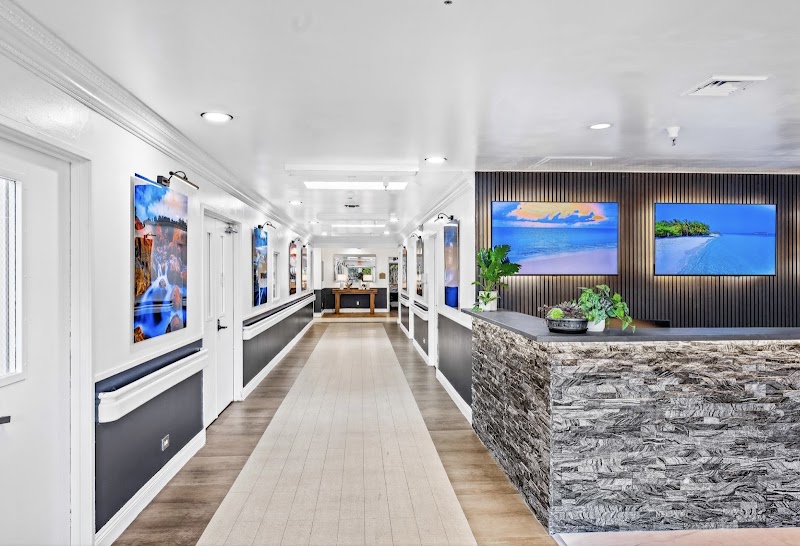
How is The Pavilion At Ocean Point Staffed?

CMS rates THE PAVILION AT OCEAN POINT's staffing level at 1 out of 5 stars, which is much below average compared to other nursing homes. Staff turnover is 70%, which is 24 percentage points above the California average of 46%. High turnover can affect care consistency as new staff learn residents' individual needs. RN turnover specifically is 62%, which is notably high. RNs provide skilled clinical oversight, so turnover in this role can affect medical care quality.

What Have Inspectors Found at The Pavilion At Ocean Point?

State health inspectors documented 90 deficiencies at THE PAVILION AT OCEAN POINT during 2022 to 2025. These included: 90 with potential for harm. While no single deficiency reached the most serious levels, the total volume warrants attention from prospective families.

Who Owns and Operates The Pavilion At Ocean Point?

THE PAVILION AT OCEAN POINT is owned by a for-profit company. For-profit facilities operate as businesses with obligations to shareholders or private owners. The facility is operated by PACIFIC HEALTHCARE HOLDINGS, a chain that manages multiple nursing homes. With 133 certified beds and approximately 118 residents (about 89% occupancy), it is a mid-sized facility located in SAN DIEGO, California.
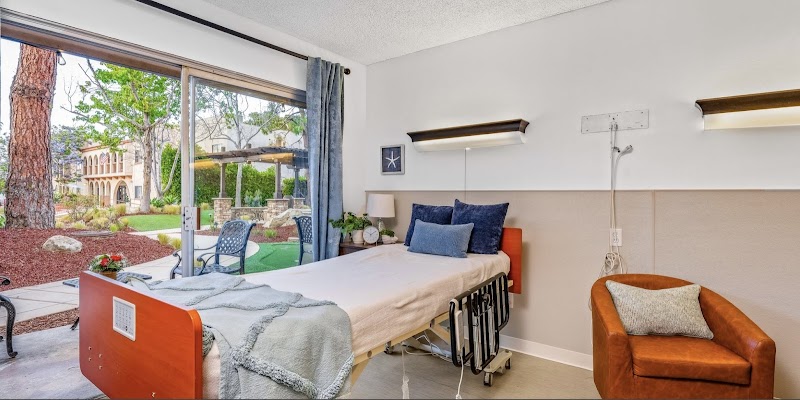
How Does The Pavilion At Ocean Point Compare to Other California Nursing Homes?

Compared to the 100 nursing homes in California, THE PAVILION AT OCEAN POINT's overall rating (1 stars) is below the state average of 3.1, staff turnover (70%) is significantly higher than the state average of 46%, and health inspection rating (2 stars) is below the national benchmark.

What Should Families Ask When Visiting The Pavilion At Ocean Point?

Based on this facility's data, families visiting should ask: "How do you ensure continuity of care given staff turnover, and what is your staff retention strategy?" "Can you walk me through typical staffing levels on day, evening, and night shifts?" "Can I visit during a mealtime to observe dining assistance and food quality?" "How do you handle medical emergencies, and what is your hospital transfer rate?" These questions are particularly relevant given the facility's high staff turnover rate and the below-average staffing rating.

Is The Pavilion At Ocean Point Safe?

Based on CMS inspection data, THE PAVILION AT OCEAN POINT has a clean safety record: no substantiated abuse findings (meaning no confirmed cases of resident harm), no Immediate Jeopardy citations (the most serious violation level indicating risk of serious injury or death), and is not on the Special Focus Facility watch list (a federal program monitoring the lowest-performing 1% of nursing homes). The facility has a 1-star overall rating and ranks #100 of 100 nursing homes in California. While no facility is perfect, families should still ask about staff-to-resident ratios and recent inspection results during their visit.

Do Nurses at The Pavilion At Ocean Point Stick Around?

Staff turnover at THE PAVILION AT OCEAN POINT is high. At 70%, the facility is 24 percentage points above the California average of 46%. Registered Nurse turnover is particularly concerning at 62%. RNs handle complex medical decisions and coordinate care — frequent RN changes can directly impact care quality. High turnover means new staff may not know residents' individual needs, medications, or preferences. It can also be disorienting for residents, especially those with dementia who rely on familiar faces. Families should ask: What is causing the turnover? What retention programs are in place? How do you ensure care continuity during staff transitions?

Was The Pavilion At Ocean Point Ever Fined?

THE PAVILION AT OCEAN POINT has no federal fines on record. CMS issues fines when nursing homes fail to meet care standards or don't correct problems found during inspections. The absence of fines suggests the facility has either maintained compliance or corrected any issues before penalties were assessed. This is a positive indicator, though families should still review recent inspection reports for the full picture.

Is The Pavilion At Ocean Point on Any Federal Watch List?

THE PAVILION AT OCEAN POINT is not on any federal watch list. The most significant is the Special Focus Facility (SFF) program, which identifies the bottom 1% of nursing homes nationally based on persistent, serious quality problems. Not being on this list means the facility has avoided the pattern of deficiencies that triggers enhanced federal oversight. This is a positive indicator, though families should still review the facility's inspection history directly.