THE SPRINGS AT PACIFIC REGENT
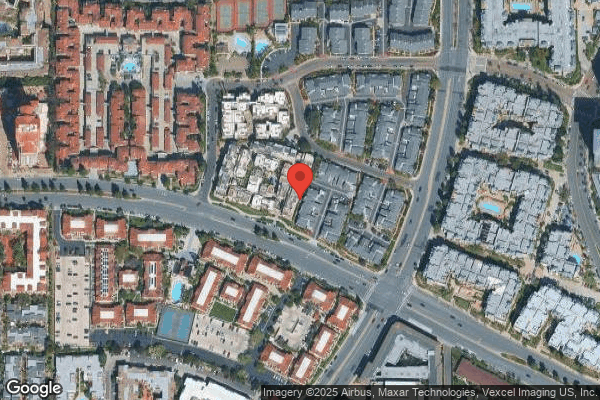

3884 NOBEL DRIVE, SAN DIEGO, CA 92122 (858) 625-8700
For profit - Limited Liability company 59 Beds THE ENSIGN GROUP Data: November 2025
Trust Grade
75/100
#228 of 1155 in CA
Last Inspection: August 2023

Over 2 years since last inspection. Current conditions may differ from available data.

Overview

The Springs at Pacific Regent has a Trust Grade of B, indicating it is a good choice for families looking for care, as it ranks solidly within the middle range of facilities. In California, it ranks #228 out of 1,155 nursing homes, placing it in the top half, and #29 out of 81 in San Diego County, meaning only a few local options are better. The facility is improving over time, with the number of reported issues decreasing from 13 in 2023 to just 5 in 2024. While staffing is a concern with a rating of 2 out of 5 stars and a turnover rate of 55%, which is higher than the state average, the facility has no fines on record, which is a positive sign. However, there have been incidents, such as failing to report COVID-19 outbreaks in a timely manner and not adequately monitoring bed alarms for residents at risk of falls, indicating areas where improvements are needed.

Trust Score
B
75/100
In California
#228/1155
Top 19%
Safety Record
Low Risk
No red flags
Inspections
Getting Better
13 → 5 violations
Staff Stability
⚠ Watch
55% turnover. Above average. Higher turnover means staff may not know residents' routines.
Penalties
✓ Good
No fines on record. Clean compliance history, better than most California facilities.
Skilled Nurses
○ Average
Each resident gets 39 minutes of Registered Nurse (RN) attention daily — about average for California. RNs are the most trained staff who monitor for health changes.
Violations
⚠ Watch
29 deficiencies on record. Higher than average. Multiple issues found across inspections.
★★★★★
5.0
Overall Rating
★★☆☆☆
2.0
Staff Levels
★★★★★
5.0
Care Quality
★★★★☆
4.0
Inspection Score
Stable
2023: 13 issues
2024: 5 issues

The Good

  • 5-Star Quality Measures · Strong clinical quality outcomes
  • Full Sprinkler Coverage · Fire safety systems throughout facility
  • No fines on record

Facility shows strength in quality measures, fire safety.

The Bad

Staff Turnover: 55%

Near California avg (46%)

Frequent staff changes - ask about care continuity

Chain: THE ENSIGN GROUP

Part of a multi-facility chain

Ask about local staffing decisions and management

Staff turnover is elevated (55%)

7 points above California average of 48%

The Ugly 29 deficiencies on record

Sept 2024 1 deficiency
CONCERN (D) 📢 Someone Reported This

A family member, employee, or ombudsman was alarmed enough to file a formal complaint

Potential for Harm - no one hurt, but risky conditions existed

Quality of Care (Tag F0684)

Could have caused harm · This affected 1 resident

**NOTE- TERMS IN BRACKETS HAVE BEEN EDITED TO PROTECT CONFIDENTIALITY** Based on interview and record review, the facility failed to provide necessary care and services in accordance with professional...

Read full inspector narrative →
**NOTE- TERMS IN BRACKETS HAVE BEEN EDITED TO PROTECT CONFIDENTIALITY** Based on interview and record review, the facility failed to provide necessary care and services in accordance with professional standards of practice for one resident (1) reviewed for wound care and treatment. This deficient practice placed Resident 1 at risk for harm related to poor wound healing and infection. Findings: Resident 1 was admitted to the facility on [DATE] with diagnoses which included a history of type two diabetes mellitus (health condition in which the body is unable to regulate blood sugar levels; can lead to complications of poor circulation and multi-system problems with the eyes, heart, kidneys, and limbs [arms, legs]), per Resident 1's admission Record. A record review of Resident 1's Minimum Data Set (MDS- nursing assessment tool that is used to develop a plan of care) dated 6/21/24 , indicated a Brief Interview for Mental Status (BIM- developed by reviewing the resident's status during the prior seven day period) score of 15 points out of 15 possible points which indicated Resident 1 had no cognitive (pertaining to memory, judgement and reasoning ability) deficits. On 9/4/24 at 11:25 A.M., an interview, and record review was conducted with the infection prevention (IP) nurse. The IP nurse stated that Resident 1 tested positive for COVID-19 (a highly contagious respiratory disease casued by the SARS virus) on 6/21/24. The IP nurse stated that Resident 1 had a surgical wound appointment on 6/21/24 for her recent right below-the-knee amputation (RBKA; surgery- removal of a limb/body part because of injury or disease, such as diabetes), but missed the appointment due to a positive COVID-19 test. The IP stated that once Resident 1 was cleared from COVID-19 precautions, she had an appointment scheduled on 7/2/24 for vascular surgery and dialysis. On 9/4/24 at 2:13 P.M., an interview and record review was conducted with licensed nurse (LN) 1. LN 1 stated that Resident 1 had daily wound treatments for her RBKA site. LN 1 acknowledged that the treatment administration record (TAR) dated 6/21/24 with the order that indicated Treatment: Surgical Incision site: RBKA-Cleanse area with WD (wound) cleanser, pat dry, apply xeroform, gauze, wrap it with kerlix and ACE (elasticized bandage) wrap with Amusheild [sic], daily dressing change; f/u with [MD NAME] 6/21/24 . was blank. LN 1 stated that Resident 1's wound treatment was not done because it was not checked off. LN 1 stated that on 6/27/24, she documented 8 (eight) meaning absent from facility and stated that Resident 1 was still on isolation precautions due to COVID-19, so she (Resident 1) should had been in the facility. However, LN 1 futher stated that she thought Resident 1 had dialysis that day, and was out of the facility. LN 1 stated this was the reason why she did not do (provide) Resident 1's wound treatment. LN 1 stated it was important to do daily dressing changes per Medical Doctor's (MD) orders for Resident 1's RBKA surgical wound because Resident 1's has a history that compromised circulation to her limb, due to type two diabetes mellitus, which can affect wound healing and cause infection complications. On 9/4/24 at 12:28 P.M., an interview was conducted with the assistant director of nursing (ADON). The ADON stated she would have to re-educate the licensed nurses to help with wound treatments if the wound nurse is unable to complete a treatment and/or assist if needed. The ADON stated it was important to do daily wound treatments for Resident 1 because complications such as growth of bacteria to surgical site, cellulitis (skin infection), worsening of wounds, and prolonged wound healing that can send Resident 1 back to the hospital. On 9/5/24 at 3:15 P.M., an interview was conducted with LN 2. LN 2 stated she was the wound nurse on 6/22/24 and 6/23/24 for Resident 1. LN 2 stated that on 6/22/24 with Resident 1's RBKA surgical wound treatment, she was unsure why she had charted eight that indicated absent from facility. LN 2 acknowledged that Resident 1 had tested positive for COVID-19 on 6/21/24 that indicated that Resident 1 was still in the facility due to isolation precautions. LN 2 stated that on 6/23/24 she had charted seven to indicate see nurses notes and stated she would usually put a nursing note, but acknowledged there were no nurses' notes written by her, regarding Resident 1's RBKA surgical wound treatment. LN 2 stated I can't re-call her [Resident 1] specifically an amputee if I did any treatments on her because of the COVID-19 outbreak at the facility. On 9/6/24 at 12:28 P.M., an interview was conducted with the ADON. The ADON stated Resident 1 had diabetes and was at risk for complications of infection and poor wound healing due to poor circulation and slower healing with wounds especially with someone with diabetes and further amputation of the limbs to potentially lose more of her [Resident 1]'s extremity. The ADON stated it was important for Resident 1's RBKA surgical wound treatments to be done daily, per MD orders. In addition, the ADON stated her expectations was for [the wound nurse/nurses] to include progress notes about Resident 1's RBKA surgical wound care but with no progress notes I don't know what happened that day. A review of the facility's undated policy and procedure titled, CARE AND TREATMENT WOUND MANAGEMENT, indicated It is the policy of this facility to identify, assess and treat wounds on admission or throughout our residents stay .
Jul 2024 1 deficiency
CONCERN (E) 📢 Someone Reported This

A family member, employee, or ombudsman was alarmed enough to file a formal complaint

Potential for Harm - no one hurt, but risky conditions existed

Infection Control (Tag F0880)

Could have caused harm · This affected multiple residents

Based on interview and record review, the facility failed to maintain an effective infection control program when the facility did not: 1. Report coronavirus (COVID-19: A highly contagious respiratory...

Read full inspector narrative →
Based on interview and record review, the facility failed to maintain an effective infection control program when the facility did not: 1. Report coronavirus (COVID-19: A highly contagious respiratory disease caused by the SARS-CoV-2 virus) outbreaks to the local/state public health officials in a timely manner. 2. Review the facility infection control policies and procedures on an annual basis during a COVID-19 outbreak (a sudden increase in occurrences of a disease when cases are in excess of normal expectancy for the location or season) at the facility. These failures had the potential to increase the risk of healthcare-associated infections for staff, residents, and visitors in the facility. Findings: 1. A joint interview and record review of the facility's infection control log was conducted on 6/27/24 at 12 P.M., with the infection preventionist (IP) nurse. The IP stated that two nursing staff (licensed nurse [LN] 1 and 2) had COVID-19 symptoms that started on 6/16/24. The IP nurse stated that COVID-19 testing was conducted when LN 1 tested positive on 6/18/24 and LN 2 tested positive on 6/19/24. The facility's infection control line log titled OUTBREAK COVID-19 CASE LOG JUNE 2024 was reviewed. This record indicated that LN 3 was symptomatic along with a positive COVID-19 test result on 6/20/24 with six more symptomatic residents who tested positive on 6/21/24. The IP stated that the outbreak should have been reported on 6/21/24 when more residents tested positive, however, he did not report the outbreak immediately because he was off duty (not working) that day. The IP stated he was the only one responsible to report the outbreak during the time more residents started testing positive on 6/21/24. The IP stated that currently, the facility had 15 residents and 11 staff members who also tested positive for COVID-19. The IP stated that the outbreak should been reported immediately but was not reported until 6/25/24. An interview with the Director of Nursing (DON) was conducted on 7/9/24 at 3:39 P.M. The DON stated that the IP had support from other nursing staff who were trained in infection control and were available to report the COVID-19 outbreak. The DON acknowledged that the infection control outbreak was not reported in a timely manner. A review of the facility's policy and procedure dated 10/2022, INFECTION SURVEILLANCE OUTCOME AND REPORTING indicated . 8. Should any resident(s) or staff be suspected or diagnosed as having a reportable communicable/infectious disease according to state-specific criteria, such information shall be promptly reported to appropriate local and/or state health department officials . 2. An interview and policy review was conducted on 7/8/24 at 11 A.M., with the infection preventionist (IP) nurse. The IP confirmed that the facility's policies and procedures for infection control were not reviewed annually. The IP nurse stated that he did not know if he was responsible to review and/or revise the infection control policies on an annual basis.The IP nurse stated it is important to keep everyone safe and reduce outbreaks to keep the residents safe since most residents are a high-risk population. I think we should look at the policies and procedures and make sure it is new and keeping current [sic] with any policy and regulation changes. The IP acknowledged that an outbreak could have been minimized or prevented if the facility's infection control policies and procedures were current. A review of the following facility's policies and procedures was conducted: Infection Surveillance (Outcome) and Reporting; revision/reviewed date(s) 10/2022. Resident Visitation During a Pandemic or Outbreak; revision/reviewed date(s) 10/2022. Staffing During Emergency and Staff Recall; revision/reviewed date(s) 10/2022. COVID-19 Testing; revision/reviewed date(s) 10/2022. Emerging Infectious Disease (EID): Coronavirus Disease 2019 (COVID-19); revision/reviewed date(s) 11/8/22 An interview with the Director of Nursing (DON) was conducted on 7/9/24 at 3:39 P.M. The DON stated that his expectations was for the IP to review the facility's infection control policies and procedures on an annual basis. A review of Centers for Medicare and Medicaid Services (CMS, a federal agency) April 12, 2024 https://www.cdc.gov/infection-control/hcp/core-practices/ .Provide written prevention policies and procedures that are available, current and based on evidenced-based guidelines (e.g. CDC/HICPAC, etc.).
May 2024 1 deficiency
CONCERN (D) 📢 Someone Reported This

A family member, employee, or ombudsman was alarmed enough to file a formal complaint

Potential for Harm - no one hurt, but risky conditions existed

Deficiency F0760 (Tag F0760)

Could have caused harm · This affected 1 resident

**NOTE- TERMS IN BRACKETS HAVE BEEN EDITED TO PROTECT CONFIDENTIALITY** Based on interview and record review, the facility failed to ensure one medication (med) was administered per physician ' s orde...

Read full inspector narrative →
**NOTE- TERMS IN BRACKETS HAVE BEEN EDITED TO PROTECT CONFIDENTIALITY** Based on interview and record review, the facility failed to ensure one medication (med) was administered per physician ' s order for one resident (2). Resident 2 ' s Insulin Lispro (med to control high blood sugar) was administered via injection, and not via insulin pump (medical device that supplies a continuous flow of insulin subcutaneously [beneath the skin]), as ordered. As a result, Resident 2 ' s blood sugar level dropped below a normal range. This failure had the potential to affect Resident 2 ' s health, comfort, and well-being. FINDINGS: Resident 2 was admitted to the facility on [DATE] with diagnoses which included diabetes type 1 (DM 1 – high blood sugar; body produces very little insulin – hormone that lowers the level of sugar in the blood), end stage renal disease (permanent kidney failure) and cirrhosis of the liver (severe scarring of the liver). A review of Resident 2 ' s medical records were conducted. The Order Summary Report, dated 4/1/2024, indicated Resident 2 had an order for Insulin Lispro Injection 100 UNIT/ML (unit per milliliters) – Inject 40 unit [sic] subcutaneously one time a day for DM1 via insulin pump. The Medication Administration Record (MAR), dated 4/2/2024, included documentation that licensed nurse (LN) 1 administered 40 units of Insulin Lispro at 9 a.m. A progress note dated 4/2/2024, included documentation that Resident 2 ' s blood sugar was 26, and upon being rechecked, the blood sugar was 24 (DM 1 normal blood sugar range is between 80 and 130). Per this record, the LN referenced the MAR and documented that Resident 2 had been administered an incorrect insulin dosage at breakfast time . On 4/16/2024, at 12 p.m., an interview was conducted with LN 3. LN 3 stated that Resident 2 ' s insulin was administered incorrectly on 4/2/2024. LN 3 stated that LN 1 administered 40 units of Insulin Lispro via injection with a syringe, but should have administered (the Insulin Lispro) via Resident 2 ' s insulin pump. On 4/16/2024, at 12:20 p.m., an interview was conducted with LN 1. LN 1 stated she was the nurse who administered medications to Resident 2 on 4/2/2024. LN 1 stated she did not know what an insulin pump was. LN 1 stated she should have double checked and asked another nurse instead of administering the insulin incorrectly. On 4/16/2024, at 1 p.m., an interview was conducted with the Director of Nursing (DON). The DON stated that all medications must be administered as ordered by the physician, to ensure resident safety. The DON acknowledged that LN 1 administered the insulin incorrectly and that the physician ' s order was not followed. A review of the facility undated policy titled, Medication Administration, indicated that Medications must be administered in accordance with the written orders of the attending physician.
Mar 2024 2 deficiencies
CONCERN (D) 📢 Someone Reported This

A family member, employee, or ombudsman was alarmed enough to file a formal complaint

Potential for Harm - no one hurt, but risky conditions existed

Accident Prevention (Tag F0689)

Could have caused harm · This affected 1 resident

**NOTE- TERMS IN BRACKETS HAVE BEEN EDITED TO PROTECT CONFIDENTIALITY** Based on interview and record review, the facility failed to accurately assess post Fall Risk Evaluations to ensure a higher sco...

Read full inspector narrative →
**NOTE- TERMS IN BRACKETS HAVE BEEN EDITED TO PROTECT CONFIDENTIALITY** Based on interview and record review, the facility failed to accurately assess post Fall Risk Evaluations to ensure a higher score was in place after an actual fall, in order to prevent future falls from occurring for one of three residents, (Resident 2) reviewed for Accidents related to falls. As a result, post Fall Risk Evaluation scores decreased after each fall, putting Resident 2 at risk for additional falls. Findings: Resident 2 was admitted to the facility on [DATE], with diagnoses which included wedge compression fracture of second lumbar vertebra (lower spine) and history of falling, per the facility ' s admission Record. On 3/1/24, Resident 2 ' s clinical record was reviewed. According to the facility ' s admission MDS, dated [DATE], a cognitive score of 10 was listed, which indicated moderately impaired cognition. The functional status indicated staff assistance was required to transfer (moving from lying, to standing and to sitting), eating and toilet use. The resident had a history of falls, prior to admission. According to the physician orders, dated 12/5/23, Safety-Monitor episodes of attempting to transfer (out of bed/wheelchair) unassisted every shift. Safety-sensor alarm pad to bed-alert staff of unassisted transfers. The admission Fall Risk Evaluation, dated 12/4/23, listed a fall risk score of 21, (score of 10 and higher indicates high risk for falls, 9 and below indicates moderate to low risk). According to the Facility ' s Change of Condition Evaluations, dated 12/5/23, 12/6/23, 12/7/23, 12/10/23, 12/16/23, 12/23/23, 2/5/24, 2/19/24, and 2/22/24, Resident 2 had (nine) unwitnessed falls in her room. The post Fall Risk Evaluation for the 12/6/23 fall was decreased from 21 to 15. The post Fall Risk Evaluation for the 12/16/23 fall was decreased from 15 to 13. The post Fall Risk Evaluation for the 2/5/24 was increased by one to 14. The post Fall Risk Evaluation for the 2/19/224 fall was decreased from 14 to 13. There were no post Fall Risk Evaluations conducted for the falls that occurred on 12/5/23, 12/7/23, 12/10/23, 12/23/24, and 2/22/24. A care plan, titled Actual Fall, dated 2/6/24, had falls listed with dates, but did not include the falls that occurred on 12/5/23, 12/23/23 and 2/19/24. On 3/1/24 at 12:15 P.M., an interview was conducted with Licensed Nurse 1 (LN 1). LN 1 stated if a fall occurred, the LNs were expected to complete a change of condition, notify the physician and family, and conduct a post Fall Risk Evaluation. LN 1 stated with each fall, the post Fall Risk Evaluation score should increase, because the risk of future falls increased. LN 1 stated the scores were important to inform staff of the risk and with higher scores, the more fall prevention interventions were put into place. On 3/1/24 at 12:45 P.M., an interview was conducted with LN 2. LN 2 stated Fall Risk Evaluation scores should increase after each fall and not go lower. LN 2 stated if the score decreased, then LNs were not accurately completing the evaluations. LN 2 stated the purpose of scoring residents ' Fall Risk was to alert staff and to ensure after each fall, more fall precautions and interventions were being put into place. On 3/1/24 at 1:24 P.M. an interview and record review was conducted with the Director of Staff Development (DSD). The DSD stated she provides in-services to the certified nursing assistants on a monthly basis for fall preventions. The DSD stated she had not recently provided fall prevention in-services to the LNs. The DSD reviewed her training calendar and stated her last fall in-service to LNs was in February 2023. On 3/4/24 at 3:20 P.M., an interview was conducted with the Director of Nursing (DON). The DON stated post Fall Risk Evaluations should increase after each fall and should never go down. The DON stated the purpose of post Fall Risk Evaluations was to prevent future falls, by putting more fall prevention interventions in place. The DON stated when post Fall Risk Evaluations were not accurately conducted, residents were at risk for additional falls. According to the facility ' s policy, titled Fall Management System, revised June 2018, .1. On admission, the Fall Risk Evaluation will be completed to determine his/her risk for sustaining a fall . 3. When a resident sustains a fall, .A Fall Risk Evaluation will be completed post fall; incident .4. Review of the fall will include investigation to determine probable causal factors .
CONCERN (E) 📢 Someone Reported This

A family member, employee, or ombudsman was alarmed enough to file a formal complaint

Potential for Harm - no one hurt, but risky conditions existed

Comprehensive Care Plan (Tag F0656)

Could have caused harm · This affected multiple residents

**NOTE- TERMS IN BRACKETS HAVE BEEN EDITED TO PROTECT CONFIDENTIALITY** Based on interview and record review, the facility failed to develop and implement person-centered care plans related to the mon...

Read full inspector narrative →
**NOTE- TERMS IN BRACKETS HAVE BEEN EDITED TO PROTECT CONFIDENTIALITY** Based on interview and record review, the facility failed to develop and implement person-centered care plans related to the monitoring and inspection of bed alarms (auditorial alarms that alerts caregivers when patients leave or attempt to leave their beds), for three of three residents (Resident 1, 2, and 3), reviewed for accidental falls. As a result, there was the potential for Resident 1, 2, and 3 ' s bed alarms to not be monitored for functionality and staff were unaware of the bed alarms were in use. Findings: 1. Resident 1 was admitted to the facility on [DATE], with diagnoses which included cerebral autosomal dominant arteriopathy (an inherited disease that causes strokes and other neurological impairments), per the facility ' s admission Record. On 3/1/24 Resident 1 ' s clinical record was reviewed. According to the facility ' s admission Minimum Data Set (MDS-a clinical assessment tool), dated 2/14/24, Resident 1 was alert, but aphasic (inability to form words), and required staff assistance for transferring, (lying to standing, and to sitting) eating, and toileting. The resident had a history of falls, prior to admission. According to the nurses note, dated 2/12/24, a bed alarm was implemented for safety reasons, to alert staff when resident attempted to get out of bed. According to the care plan, titled Actual Falls, dated 2/11/24, Resident 1 had unwitnessed falls in his room on 2/11/24, 2/12/24, and 2/15/24. The bed alarm was not listed as an intervention for prevention of falls. There was no documented evidence a care plan related to the monitoring of the bed alarm was developed or implemented. 2. Resident 2 was admitted to the facility on [DATE], with diagnoses which included wedge compression fracture of second lumbar vertebra (lower spine) and history of falling, per the facility ' s admission Record. On 3/1/24, Resident 2 ' s clinical record was reviewed. According to the facility ' s admission MDS, dated [DATE], a cognitive score of 10 was listed, which indicated, moderately impaired cognition. The functional status indicated staff assistance was required for transferring, eating, and toileting. The resident had a history of falls prior to admission. According to the nurses note, dated 12/5/23, a bed alarm was implemented for safety reasons, to alert staff when resident attempted to get out of bed. According to the Facility ' s Change of Condition Evaluations, dated 12/5/23, 12/6/23, 12/7/23, 12/10/23, 12/16/23, 12/23/23, 2/5/24, 2/19/24, and 2/22/24, Resident 2 had unwitnessed falls in her room. A care plan, titled Actual Fall, dated 2/6/24, listed fall prevention interventions, which did not include the use of a bed alarm. There was no documented evidence a care plan related to the use of bed alarms was developed or implemented. 3. Resident 3 was admitted to the facility on [DATE], with diagnoses which included nontraumatic subdural hemorrhage (bleeding in the brain), and difficulty walking, per the facility ' s admission Record. On 3/1/24, Resident 3 ' s clinical record was reviewed. According to the facility ' s admission MDS, dated [DATE], a cognitive score of 14 was listed, indicating cognition was intact. The functional status indicated staff assistance was required for transferring, eating, and toileting. The resident had a history of falls, prior to admission. According to the nurses note, dated 12/5/23, a bed alarm was implemented for safety reasons, to alert staff when resident attempted to get out of bed. According to the Facility ' s Change of Condition Evaluations, dated 1/27/24, 1/30/24, and 2/6/24, Resident 3 had unwitnessed falls in his room. A care plan, titled Actual Fall, dated 1/30,24, listed fall prevention interventions, which did not include the use of a bed alarm. There was no documented evidence a care plan related to the bed alarms were developed or implemented. On 3/1/24 at 12:15 P.M., an interview was conducted with LN 1. LN 1 stated bed alarms were considered a restraint and before they could be utilized, they required a physician ' s order for use, a signed consent from the resident or their responsible party (a person assigned to represent the resident for medical and financial decisions), and a care plan needed to be developed. On 3/1/24 at 12:45 P.M., an interview was conducted with LN 2. LN 2 stated care plans were required for all bed alarms, so staff were aware they were being use and someone was monitoring them to ensure they were working. LN 2 stated by not having a care plan, staff were unaware the bed alarm existed, and no interventions were in placed to monitor the alarms necessity or effectiveness. On 3/4/24 at 3:20 P.M., an interview and record review was conducted with the Director of Nursing (DON). The DON stated bed alarms should be care planned to ensure someone was checking their functionality and placement. The DON stated the harm of not having a care plan for bed alarms was, no plans were in place for staff monitoring. The DON reviewed the records for Resident 1, Resident 2, and Resident 3 and stated there were no care plans in place and there should have been. According to the facility ' s policy, titled Bed Alarm, undated, .6. The Clinical Team/Designee will develop a care plan that addresses: Restraint usage, Interventions to promote restrain reduction or elimination, Interventions which minimize potential functional decline associated with restraint . According to the facility ' s policy, titled Care Planning, undated, It is the policy of this facility that the interdisciplinary team (IDT) shall develop a comprehensive care plan for each resident .
Aug 2023 6 deficiencies
CONCERN (D)

Potential for Harm - no one hurt, but risky conditions existed

Deficiency F0578 (Tag F0578)

Could have caused harm · This affected 1 resident

**NOTE- TERMS IN BRACKETS HAVE BEEN EDITED TO PROTECT CONFIDENTIALITY** Based on record review the facility failed to ensure 2 of 13 sampled resident's (24 and 107) Physician Orders for Life Sustainin...

Read full inspector narrative →
**NOTE- TERMS IN BRACKETS HAVE BEEN EDITED TO PROTECT CONFIDENTIALITY** Based on record review the facility failed to ensure 2 of 13 sampled resident's (24 and 107) Physician Orders for Life Sustaining Treatment (POLST) document was acknowledged and signed by the resident's physician. As a result, the residents' end of life wishes may not have been followed. Findings: 1. Resident 24 was admitted to the facility on [DATE], with diagnosis that included spinal stenosis, per the facility's Face Sheet. Resident 24 was cognitively intact according to the history and physical dated 7/24/23. On 8/24/23 Resident 24's Electronic Medical Record (EMR) was reviewed. The POLST in the EMR chart was signed by Resident 24 and dated 7/23/23. A copy of the POLST was requested on 8/23/23 and was received 8/24/23. The POLST was not signed by Resident 24's physician until 8/23/23. 2. Resident 107 was admitted to the facility on [DATE], with diagnosis that included a stroke, per the facility's Face Sheet. On 8/24/23, Resident 107's Electronic Medical Record (EMR) was reviewed. The POLST was not found in the EMR chart. A copy of the POLST was requested on 8/23/23 and was received 8/24/23. The POLST was signed by Resident 107 on 8/7/23, but was not signed by Resident 107's physician until 8/23/23.
CONCERN (D)

Potential for Harm - no one hurt, but risky conditions existed

Comprehensive Assessments (Tag F0636)

Could have caused harm · This affected 1 resident

**NOTE- TERMS IN BRACKETS HAVE BEEN EDITED TO PROTECT CONFIDENTIALITY** Based on interview and record review the facility failed to ensure 1 of 13 sampled residents (36) was properly assessed for a ps...

Read full inspector narrative →
**NOTE- TERMS IN BRACKETS HAVE BEEN EDITED TO PROTECT CONFIDENTIALITY** Based on interview and record review the facility failed to ensure 1 of 13 sampled residents (36) was properly assessed for a psychiatric diagnosis when he was prescribed, and administered antipsychotic and anti-seizure medications. As a result, Resident 36 received medications for a condition he did not have. Findings: Resident 36 was admitted to the facility on [DATE], with diagnosis that included encephalopathy (disease of the brain), and dementia (decline in cognition, memory loss) per the facility's Face Sheet. On 8/25/23 Resident 36's Electronic Medical Record (EMR) was reviewed. Resident 36 had a physician's order dated 7/6/23, for Seroquel (an antipsychotic medication that treats several kinds of mental health conditions including schizophrenia and bipolar disorder) 100 mg, give 300mg every night for behavioral and physical symptoms. Resident 36 also had an order dated 7/10/23, for Depakote sprinkles (used to treat seizure disorders, mental/mood conditions (such as manic phase of bipolar disorder), and to prevent migraine headaches) oral cap delayed release, 125 mg 1 capsule every day for behavioral and physical symptoms of dementia, and give 1 capsule at bedtime for same. The facility developed a Care Plan for dementia with the use of psychoactive medications (meds) prior to this admission, and there were no indication why the medications would be administered when Resident 36 had no diagnosis for these meds. There was an initial Medication Regime Review (MRR), by the consultant pharmacist dated 7/6/23. The MRR indicated the consultant pharmacist had, No issues found during the drug regime review. The DON was interviewed on 8/25/23 at 10:43 A.M. The DON stated Resident 36 had multiple admissions and had issues while at the facility. The DON stated they reduced Resident 36's medications , but unsure why he was on them on admission.
CONCERN (D)

Potential for Harm - no one hurt, but risky conditions existed

Comprehensive Care Plan (Tag F0656)

Could have caused harm · This affected 1 resident

**NOTE- TERMS IN BRACKETS HAVE BEEN EDITED TO PROTECT CONFIDENTIALITY** Based on observation, interview and record review, the facility failed to develop a care plan for 1 of 13 sampled residents (125...

Read full inspector narrative →
**NOTE- TERMS IN BRACKETS HAVE BEEN EDITED TO PROTECT CONFIDENTIALITY** Based on observation, interview and record review, the facility failed to develop a care plan for 1 of 13 sampled residents (125). This failure had the potential risk of not providing appropriate and individualized care for Resident 125. Findings: Resident 125 was admitted to the facility on [DATE] with diagnoses that included Benign Prostatic Hyperplasia (BPH) with lower urinary tract symptoms, and retention of urine (the bladder does not empty completely) according to the facility's admission Record. An observation of Resident 125 was conducted on 8/23/23 at 9:15 A.M. Resident 125 was reclining in bed and had an indwelling urinary catheter draining amber-colored urine. A review of Resident 125's medical record was conducted on 8/23/23 at 9:30 A.M. A physician's order, dated 8/17/23, indicated, Indwelling urinary catheter: change urinary drainage bag as needed; Indwelling urinary catheter: secure with catheter strap; Indwelling urinary catheter: cleanse site with soap and water. In addition, no care plan for the urinary catheter was located. A concurrent record review and interview was conducted with the Director of Nursing (DON) on 8/24/23 at 10:40 A.M. The DON stated, There is no care plan and there should be, so there is a plan to protect the resident and a pathway for consistent care is laid out. A review of the facility's policy, undated, titled Care Planning/Care Conferences indicated, It is the policy of this facility that the interdisciplinary team (IDT) shall develop a comprehensive care plan for each resident .Procedures: 1. A comprehensive care plan is developed withing fourteen (14) days of resident admission .
CONCERN (D)

Potential for Harm - no one hurt, but risky conditions existed

Drug Regimen Review (Tag F0756)

Could have caused harm · This affected 1 resident

**NOTE- TERMS IN BRACKETS HAVE BEEN EDITED TO PROTECT CONFIDENTIALITY** Based on interview and record review the facility failed to ensure the Medication Regime Review (MRR) identified 1 of 13 sampled...

Read full inspector narrative →
**NOTE- TERMS IN BRACKETS HAVE BEEN EDITED TO PROTECT CONFIDENTIALITY** Based on interview and record review the facility failed to ensure the Medication Regime Review (MRR) identified 1 of 13 sampled residents (36) who was on multiple psychoactive medications without a psychiatric diagnosis. As a result, Resident 36 received inappropriate medications. Findings: Resident 36 was admitted to the facility on [DATE], with diagnosis that included encephalopathy, and dementia per the facility's Face Sheet. On 8/25/23 Resident 36's Electronic Medical Record (EMR) was reviewed. Resident 36 had a physician's order dated 7/6/23, for Seroquel (an antipsychotic medication that treats several kinds of mental health conditions including schizophrenia and bipolar disorder) 100 mg, give 300mg every night for behavioral and physical symptoms. Resident 36 also had an order dated 7/10/23, for Depakote sprinkles (used to treat seizure disorders, mental/mood conditions (such as manic phase of bipolar disorder), and to prevent migraine headaches) oral cap delayed release, 125 mg 1 capsule every day for behavioral and physical symptoms of dementia, and give 1 capsule at bedtime for same. There was only an initial Medication Regime Review (MRR), by the consultant pharmacist dated 7/6/23, the MRR indicated the consultant pharmacist had, No issues found during the drug regime review. The DON was interviewed on 8/25/23 at 10:43 A.M. The DON stated Resident 36 had multiple admissions and had issues while at the facility. The DON stated they reduced Resident 36's medications , but unsure why he was on them on admission.
CONCERN (D)

Potential for Harm - no one hurt, but risky conditions existed

Deficiency F0757 (Tag F0757)

Could have caused harm · This affected 1 resident

**NOTE- TERMS IN BRACKETS HAVE BEEN EDITED TO PROTECT CONFIDENTIALITY** Based on interview and record review the facility failed to ensure 1 of 13 sampled residents (53) had not been put on Trazodone ...

Read full inspector narrative →
**NOTE- TERMS IN BRACKETS HAVE BEEN EDITED TO PROTECT CONFIDENTIALITY** Based on interview and record review the facility failed to ensure 1 of 13 sampled residents (53) had not been put on Trazodone for a non-FDA approved indication, which resulted in this medication becoming an unnecessary drug for Resident 53, as this medication had been prescribed without an adequate (FDA approved) indication. This deficient practice resulted in this resident receiving Trazodone for a clinical indication, which had not been FDA approved, which could have caused this resident harm. Findings: Resident 53 was admitted to the facility on [DATE], with diagnosis that included encephalopathy, per the facility's Face Sheet. On 8/25/23 Resident 53's Electronic Medical Record (EMR) was reviewed. Resident 53 had a physician's order dated 7/18/23, for Trazodone (DESYREL) [a medication used to treat depression] 50 mg 1 tablet by mouth at bedtime for insomnia. This medication had been prescribed to treat Resident 53's inability to sleep, not depressive disorder for which this medication has been FDA approved. Depression is disease which can occur 24 hours a day, and not just in the evenings, (at the time of sleep). There was no evidence in the resident's medical record to indicate that the facility had ruled out any other causes for this resident's inability to sleep. Pragma Pharmaceuticals, LLC, the manufacturer of Trazodone states the following in their product package information dated 6/2017: (Trazodone) DESYREL is indicated for the treatment of major depressive disorder (MDD) (1). DOSAGE AND ADMINISTRATION, Starting dose: 150 mg IN Divided DOSES DAILY. May be increased by 50 mg per day every three to four days. Maximum dose: 400 mg per day in divided doses (2.1). As indicated in the manufacturer's product information, this medication should be administered in Divided daily dosages, not just once a day at BEDTIME. A review of Resident 53's clinical record revealed that the facility had not attempted to use any non-drug therapy to assist with Resident 53's inability to sleep, despite the fact that Trazodone's (use in the treatment of insomnia), has never been FDA approved.
CONCERN (D)

Potential for Harm - no one hurt, but risky conditions existed

Deficiency F0761 (Tag F0761)

Could have caused harm · This affected 1 resident

**NOTE- TERMS IN BRACKETS HAVE BEEN EDITED TO PROTECT CONFIDENTIALITY** Based on observation, interview and record review, the facility failed to ensure that medications were administered safely for 1...

Read full inspector narrative →
**NOTE- TERMS IN BRACKETS HAVE BEEN EDITED TO PROTECT CONFIDENTIALITY** Based on observation, interview and record review, the facility failed to ensure that medications were administered safely for 1 of 13 sampled residents (155). This failure had the potential to cause a medication error for Resident 155. Findings: Resident 155 was admitted to the facility on [DATE], with diagnoses that included a fracture of the left femur (thigh bone) and a history of falling, according to the facility's admission Record. An observation was conducted of Resident 155 on 8/22/23 at 11:35 A.M. Resident 155 was relaxing in bed and a medicine cup with 3 medications was set on the overbed table. A concurrent observation and interview was conducted with licensed nurse (LN) 11 on 8/22/23 at 11:36 A.M. LN 11 stated the medicine cup on the overbed table contained two doses of Colace (stool softener) and one dose of Senna (laxative). LN 11 stated, It is not acceptable to leave unattended meds (medications) at the resident's bedside. A review of Resident 155's medical record was conducted on 8/23/23 at 11 A.M. No Interdisciplinary Team (IDT) assessment for safe self-administration of medications was located. An interview was conducted with the Director of Nursing (DON) on 8/24/23 at 9:30 A.M. The DON stated, It is not acceptable to leave meds, unless the resident has been assessed. It could mean that residents don't get their meds, or they get duplicate doses or another resident could take it. A review of the facility's policy, undated, titled, Self-Administration of Medications, indicated, Purpose . to maintain the safety and accuracy of medication administration .Procedures: 2. If a resident desires to participate in self-administration, the IDT will assess and periodically re-evaluate the resident .
Jun 2023 2 deficiencies
CONCERN (D) 📢 Someone Reported This

A family member, employee, or ombudsman was alarmed enough to file a formal complaint

Potential for Harm - no one hurt, but risky conditions existed

Deficiency F0625 (Tag F0625)

Could have caused harm · This affected 1 resident

**NOTE- TERMS IN BRACKETS HAVE BEEN EDITED TO PROTECT CONFIDENTIALITY** Based on observation, interview, and record review the facility failed to offer bed hold upon transfer to the hospital for one o...

Read full inspector narrative →
**NOTE- TERMS IN BRACKETS HAVE BEEN EDITED TO PROTECT CONFIDENTIALITY** Based on observation, interview, and record review the facility failed to offer bed hold upon transfer to the hospital for one of 4 residents reviewed for bed hold. This failure had the potential for the resident or the resident representative to be uninformed of bed hold rights. Findings: Resident 1 was admitted on [DATE] with diagnosis of Sepsis (a serious in which the body responds improperly to an infection) according to Resident 1 ' s admission Record. An interview with LN 2 was conducted on 5/23/23 at11:50 A.M. LN 2 stated she assisted with Resident 1 ' s transfer to the hospital. LN stated the Director of Nursing (DON) informed her that Resident 1 was screaming and had put her hand in her mouth. LN 2 stated Resident 1 ' s behavior was unmanageable, and the Nurse Practitioner had ordered to send Resident 1 to the emergency room for further evaluation. LN 2 stated bed hold was offered only upon admission. The Social Service Director (SSD) was interviewed on 5/23/23 at 1:35 P.M. The SSD stated the Admissions staff were responsible for bed hold notifications. During an interview on 5/23/23 at 2:19 P.M. with the Admissions/Marketing (AM) staff, the AM stated her assistant completed bed hold notifications when a resident was transferred to the hospital. The AM stated a 7-day bed hold was automatic for residents with Medical insurance, and bed hold was offered if a resident had private insurance. The AM stated Resident 1 ' s daughter was not called for bed hold due to having Medical insurance. During an interview on 6/2/23 at 10:47 A.M. with the Director of Nursing (DON), the DON stated there should have been a follow up with Resident 1 ' s family member in case they had further questions regarding bed hold. During a review of the facility ' s undated Policy and Procedure titled Admission/Discharge/Transfer indicated, It is the policy of this facility to inform the resident, or the resident ' s representative, in writing, of the right to exercise the bed hold provision of seven (7) days, upon admission and before transfer to a general acute care hospital .2. This information shall be provided to the resident and/or his/her representative in a language they can understand at the time of: Admission, Transfer to the general acute hospital .
CONCERN (D) 📢 Someone Reported This

A family member, employee, or ombudsman was alarmed enough to file a formal complaint

Potential for Harm - no one hurt, but risky conditions existed

Comprehensive Care Plan (Tag F0656)

Could have caused harm · This affected 1 resident

**NOTE- TERMS IN BRACKETS HAVE BEEN EDITED TO PROTECT CONFIDENTIALITY** Based on observation, interview, and record review, the facility failed to develop and implement a care plan regarding a residen...

Read full inspector narrative →
**NOTE- TERMS IN BRACKETS HAVE BEEN EDITED TO PROTECT CONFIDENTIALITY** Based on observation, interview, and record review, the facility failed to develop and implement a care plan regarding a resident ' s behavior for one of one resident reviewed for care planning (Resident 1). This failure had the potential to affect the delivery of care to the residents. Findings Resident 1 was admitted on [DATE] with diagnosis of Sepsis (a serious in which the body responds improperly to an infection) according to Resident 1 ' s admission Record. During a review of Resident 1 ' s facility progress note dated 5/11/23, the note indicated Resident 1 was transferred to the emergency room for evaluation and treatment of poor oral intake and hitting staff. During an interview with LN 1 on 5/23/23 at 11:45 A.M., LN 1 stated Resident 1 was legally blind, hard of hearing and only understood Chinese language. LN 1 stated Resident 1 had episodes of agitation by screaming and shouting in Chinese language. LN 1 stated Resident 1's behavior included spitting out food, yelling and screaming. An interview with LN 2 was conducted on 5/23/23 at11:50 A.M. LN 2 stated she assisted with Resident 1 ' s transfer to the hospital. LN 2 stated the Director of Nursing (DON) informed her that Resident 1 was screaming and had put her hand in her mouth. LN 2 stated Resident 1 ' s behavior was unmanageable, and the Nurse Practitioner had ordered to send Resident 1 to the emergency room for further evaluation. The Social Service Director (SSD) was interviewed on 5/23/23 at 1:35 P.M. The SSD stated she was aware of Resident 1 ' s behavior since admission. SSD stated she witnessed Resident 1 being agitated slapping herself and yelling. SSD stated Resident 1 was transferred to a private room due to the agitation and screaming. During an interview and concurrent record review with the DON on 5/23/23, at 2:37 P.M., the DON stated Resident 1 was biting and hitting her hand on the day Resident 1 was transferred to the emergency room. The DON stated Resident 1 has had these behaviors since admission. During a review of Resident 1 ' s record, the DON stated the SSD documented Resident 1 ' s behavior on 5/9/23 in the progress notes. The DON reviewed Resident 1 ' s care plans and did not find a care plan regarding Resident 1 ' s behaviors. The DON stated there should be a care plan to address Resident 1 ' s behaviors because Resident 1 may hurt herself. A review of the facility ' s undated Policy and Procedure titled Care Planning / Care conference indicated, .It is the policy of this facility that the interdisciplinary team (IDT-group of people with different expertise) shall develop a comprehensive care plan for each resident .4. Revision and update of care plan should transpire to accommodate resident needs .
May 2023 1 deficiency
CONCERN (D) 📢 Someone Reported This

A family member, employee, or ombudsman was alarmed enough to file a formal complaint

Potential for Harm - no one hurt, but risky conditions existed

Comprehensive Care Plan (Tag F0656)

Could have caused harm · This affected 1 resident

**NOTE- TERMS IN BRACKETS HAVE BEEN EDITED TO PROTECT CONFIDENTIALITY** Based on observation, interview, and record review, the facility failed to develop and implement a care plan regarding an allega...

Read full inspector narrative →
**NOTE- TERMS IN BRACKETS HAVE BEEN EDITED TO PROTECT CONFIDENTIALITY** Based on observation, interview, and record review, the facility failed to develop and implement a care plan regarding an allegation of inappropriate handling during bedside care for one of one resident (Resident 1). This failure had the potential for Resident 1 to continue to not receive appropriate care and interventions. Findings: Resident 1 was admitted to the facility on [DATE] with the diagnosis of Fracture of Left Tibia (shinbone of lower leg) according to Resident 1's face sheet. During an interview on 5/3/23 at 9:40 A.M., with the ADON, the ADON stated Resident 1 has been discharged from the facility. During an interview on 5/3/23 at 10:10 A.M., with the Administrator (ADMIN), the ADMIN stated Resident 1 complained about being uncomfortable with the care of Certified Nurse Assistant (CNA) 1. ADMIN stated Resident 1 was anxious and often needed Valium (a medication that treats anxiety) to calm her nerves. The ADMIN interviewed Resident 1 and stated Resident 1 stated CNA 1 did not clean her the same way as when Resident 1 was at the hospital. ADMIN stated Resident 1 complained that CNA 1 did not know what he was doing. The Manager of the Day (MOD) was interviewed on 5/5/23 at 10:45 A.M. The MOD stated Resident 1 informed her that Resident 1 felt uncomfortable with CNA 1. The MOD stated Resident 1 complained that CNA 1 used a washcloth that was not warm enough and swiped the wrong way during peri care (cleaning private areas of a patient). According to the MOD, Resident 1 further stated Resident 1 was not sure if it was a dream or not. An interview and concurrent record review was conducted on 5/3/23 at 2:39 P.M. with the Assistant Director of Nursing (ADON). The ADON stated she could not find a care plan addressing Resident 1's allegation with CNA 1's inappropriate way of providing bedside care. During an interview on 5/22/23 at 10:12 A.M. with the Director of Nurses (DON), the DON stated care plans were needed to cover the basis of all the resident's needs pertaining to the situation. A review of the facility's undated Policy and Procedure (P&P) titled, Care Planning / Care conference, the P&P indicated, .It is the policy of this facility that the interdisciplinary team (IDT-group of people with different expertise) shall develop a comprehensive care plan for each resident .4. Revision and update of care plan should transpire to accommodate resident needs .
Mar 2023 1 deficiency
CONCERN (D) 📢 Someone Reported This

A family member, employee, or ombudsman was alarmed enough to file a formal complaint

Potential for Harm - no one hurt, but risky conditions existed

Deficiency F0624 (Tag F0624)

Could have caused harm · This affected 1 resident

**NOTE- TERMS IN BRACKETS HAVE BEEN EDITED TO PROTECT CONFIDENTIALITY** Based on interview and record review, the facility failed to ensure a safe, orderly discharge, when the receiving facility was u...

Read full inspector narrative →
**NOTE- TERMS IN BRACKETS HAVE BEEN EDITED TO PROTECT CONFIDENTIALITY** Based on interview and record review, the facility failed to ensure a safe, orderly discharge, when the receiving facility was unaware the resident was coming and a bed was not available when he arrived for one of four residents, (Resident 1), reviewed for discharges. As a result, there was no continuum of care and Resident 1 did not to have a place to sleep for the night. Findings: Resident 1 was admitted to the facility on [DATE], with diagnoses which included sepsis (a serious medical condition resulting from harmful bacteria in the blood, or other bodily tissues) per the facility's admission Record. On 3/8/23 Resident 1's clinical record was reviewed: According to then physician's order, dated 12/23/22, Resident 1 was capable of understanding rights, responsibilities, and informed consent. According to the facility's Progress Notes, the Social Services Director (SSD), dated 2/21/23 at 2:15 P.M., documented, Met with patient in person to confirm discharge. SSD once again asked patient regarding discharge and patient confirmed he only wishes to return to his previous living and have confirmed I have a place and will be let in once transportation drops me off .SSD reviewed other placement options as well and patient firmly stated he will only return to prior address. The next Progress Note, dated 2/22/23 at 2:20 P.M., the SSD documented SSD received a call from (name of person) at Veterans Village regarding Resident 1 .patient does not have a room there any longer .SSD promptly notified physician as well as APS {adult protective services} . According to the Discharge Summary and Post-Discharge Note, dated 2/22/23, Licensed Nurse 1 (LN 1) documented Resident 1 was being discharged home and discharge instructions were given to the resident and his representative. According to the discharge note, dated 2/22/23 at 12:30 P.M., LN 1 documented Resident 1 left ambulating with a walker and was being discharged to an assisted living. LN 1 did not document who Resident 1 left with or how the resident was being transported. According to the care plan, titled Discharge Care Plan, undated, listed an intervention of .Establish a pre-discharge plan with the resident, family/caregivers and evaluate progress and revise plan as needed. On 3/8/23 at 11:19 A.M., an interview and record review was conducted with LN 1. LN 1 stated she escorted Resident 1 to the lobby downstairs once he was discharged . LN 1 stated Resident 1 told her he was going to have a friend pick him up. LN 1 stated Resident 1 told her he was going to a Veteran's Assisted Living Facility. LN 1 stated she never called the assisted living facility to give report. LN 1 reviewed her Discharge Summary and Discharge note. LN 1 stated she check the box for instructions were given to representative, and it was premature, because she was just trying to get all the paperwork ready. LN 1 stated she does not know exactly when Resident 1 left, who he left with, or how he was transported, because she left him alone in the lobby. LN 1 stated she should have called the receiving facility, documented when he left and with who, and how he got there. LN 1 stated she now realizes it was not a safe discharge, because no one was there to welcome him. On 3/8/23 at 11:36 A.M., an interview was conducted with the SSD. The SSD stated Resident 1 listed the Veteran village as his home address and permanent living place. The SSD stated she had no idea the Veteran's Village was a place that temporarily housed the homeless. The SSD stated Resident 1 told her he had called the Veterans Village and ensured her that they knew he would be coming, and he had a room. The SSD stated she should have called to verify his placement, but at the time, she believed Resident 1. The SSD stated the facility paid for transportation for the resident and provided proof, the transportation service was provided. The SSD stated once she learned Resident 1 was not accepted into the Veteran's Village, she assisted him with getting a hotel and then she immediately notified the physician and APS. The SSD stated Resident 1 was still residing at the hotel. On 3/8/23 at 11:23 P.M., an interview was conducted with the Director of Nursing (DON). The DON stated when residents were discharged , he expected the LNs to document when the resident left, with who, and how they were transported. The DON stated staff should have verified where the resident was going and confirmed there would be someone there to receive him. The DON stated Resident 1's discharge was not organized or safe, because he did not have a bed available, and he had no safe place to go after arriving. According to the facility's policy, titled Discharge or Transfer, undated, It is the policy of this facility to provide the Resident with a safe organized structured transfer and/or discharge from the Facility .
Feb 2023 1 deficiency
CONCERN (D) 📢 Someone Reported This

A family member, employee, or ombudsman was alarmed enough to file a formal complaint

Potential for Harm - no one hurt, but risky conditions existed

Pressure Ulcer Prevention (Tag F0686)

Could have caused harm · This affected 1 resident

**NOTE- TERMS IN BRACKETS HAVE BEEN EDITED TO PROTECT CONFIDENTIALITY** Based on interview, and record review, the facility failed to ensure Licensed Nurses performed ongoing skin assessments to mitig...

Read full inspector narrative →
**NOTE- TERMS IN BRACKETS HAVE BEEN EDITED TO PROTECT CONFIDENTIALITY** Based on interview, and record review, the facility failed to ensure Licensed Nurses performed ongoing skin assessments to mitigate the development of a pressure ulcer for one of three sampled residents (Resident 1). This failure had the potential to contribute to delayed care and treatment of Resident 1's unstageable pressure ulcer. Findings: Resident 1 was admitted to the facility on [DATE] with a diagnosis that included joint replacement surgery post left femur fracture, per the facility's admission record. On 1/18/23, a review of Resident 1's MDS (health status screening and assessment tool), section C dated 8/17/21, indicated Resident 280's BIMS Summary Score (test for cognitive function) was 11 (moderately impaired). On 1/28/23 a review of Resident 1's medical records was conducted from 8/10/21 to 8/30/21 indicated the following: Resident 1 had blanchable redness on the sacrum area (tailbone) and was identified as high risk to develop skin breakdown as indicated on the initial admission assessment dated : 8/10/2021. Braden Scale Assessment (a measurement tool for skin breakdown risks) dated: 8/10/21, indicated a score of 14 (high risk for skin breakdown), confined to bed and required some assistance with change in positioning. 8/17/21, indicated a score of 17 (high risk for skin breakdown), walks occasionally and required some assistance with change in positioning. 8/25/21, indicated a score of 17 (high risk for skin breakdown), walks occasionally and required some assistance with change in positioning. Skin Assessment / Shower Sheet: The licensed nurses missed three out of six opportunities for Resident 1 to have a skin assessment: 8/13/21 No shower sheet 8/17/21 Resident 280 refused a shower - No skin assessment 8/20/21 Resident 280 refused a shower - No skin assessment 8/23/21 No shower sheet 8/27/21 Bed bath and a dressing to sacrum area - no skin assessment 8/30/23 No shower sheet Care Plan, dated 8/10/21 indicated potential impairment of skin integrity r/t fragile skin. Interventions: Monitor and document location, size, and treatment of skin injury. Weekly Summary dated 8/18/21 indicated no skin issues. Interdisciplinary (IDT) Note dated 8/25/21 indicated no skin issues for Resident 1. A Physician Note, dated 8/25/21 indicated, new wound unstageable pressure injury located coccyx measuring: Area: 69.7 cm Volume: 7.0 cm Length: 9.3 cm Width: 8.4 cm Depth: 0.1 cm On 1/18/21 at 10:43 A.M., an interview and concurrent review of Resident 1's record was conducted. The TN (Treatment Nurse) reviewed the [NAME] Scale Assessments, Skin Assessments, shower sheets, weekly licensed nurse summaries, the IDT note and the physican note dated 8/25/21. The TN stated, an initial skin assessment is done by the admission nurse and LN's should have conducted weekly skin assessments. The Treatment Nurse was unable to find documentation of weekly skin assessments within Resident 1's record. On 1/18/23 at 3:18 P.M., an interview and concurrent medical record review was conducted with the DON. The DON stated, initial skin assessments should be documented on admission and weekly, including deep tissue injuries, pressure sores and surgery sites. The DON verified an initial skin assessment was completed on admission but was unable to locate any weekly skin assessments for Resident 1 after the initial assessment. The DON stated, it is the expectation for the licensed nurse to complete a weekly skin assessment on residents as per the facility policy and procedure. The DON stated, it is important for the licensed nurse to perform weekly skin assessments to identify any skin issues and implement timely treatment(s). The DON stated, the assessments should have been completed by the licensed nurse for Resident 1. The licensed nurses are not following the facility policy and procedure for weekly skin assessments, and they should have for Resident 1. The facility's policy entitled, Skin Management, no date, indicated, . residents do not develop pressure ulcers, or that residents admitted with wounds will not develop signs and symptoms of infection . 4 .skin weekly will be done by licensed staff . 6. A report of all wound progress will be updated by the licensed staff weekly and as needed . The facility's policy entitled, Skin Management, no date, indicated, .have weekly skin / wound assessment completed by a nurse. A skin alteration is identified as an Arterial Ulcer, Diabetic Neuropathic Ulcer, Pressure Ulcer, Venous Insufficiency Ulcer, Surgical Wound, Lacerations, Bruises and Redness . 2. Wound status and treatment will be re-evaluated weekly and as needed . The facility's policy entitled, Skin Management, revised 5/2007, indicated, A weekly summary of resident status will be completed on all residents .
Jan 2023 2 deficiencies
CONCERN (D) 📢 Someone Reported This

A family member, employee, or ombudsman was alarmed enough to file a formal complaint

Potential for Harm - no one hurt, but risky conditions existed

Deficiency F0604 (Tag F0604)

Could have caused harm · This affected 1 resident

**NOTE- TERMS IN BRACKETS HAVE BEEN EDITED TO PROTECT CONFIDENTIALITY** Based on interview and record review, the facility failed to ensure residents were free from physical restraints, when a bed tab...

Read full inspector narrative →
**NOTE- TERMS IN BRACKETS HAVE BEEN EDITED TO PROTECT CONFIDENTIALITY** Based on interview and record review, the facility failed to ensure residents were free from physical restraints, when a bed tab alarm (a devise that alerts staff when pressure is removed from the bed) was utilized without a physician ' s order or a written consent for one of three residents (Resident 1), reviewed for Quality of Care. As a result, there was the potential for Resident 1 to be confined to his bed and to not able to freely move about the facility. Findings: Resident 1 was admitted to the facility on [DATE], with diagnoses which included orthopedic aftercare following a repair from a left femur fracture (hip fracture) which occurred after a fall, per the facility ' s admission Record. Resident 1 was listed on the admission Record as his own responsible party (able to make his own medical and financial decisions). On 1/9/23, Resident 1 ' s clinical record was reviewed. According to the Progress Note, dated 12/17/22 at 12:42 P.M., Resident 1 had a fall on 12/16/22 at 11:50 P.M., and the family voiced concern regarding resident ' s safety. LN 4 documented a bed tab alarm was placed, as well as a landing pad, with the bed being in the lowest position. There was no documented evidence the physician ordered a bed tab alarm or was notified a bed alarm was placed. There was no documented evidence a consent for a bed alarm had been signed by the resident or a family member. There was no documentation a care plan had been developed for the bed tab alarm ' s use. The Fall Committee Interdisciplinary Team meeting notes were reviewed, dated 12/21/22 at 9:54 A.M. The meeting notes made no mention of a bed alarm, and listed interventions of bed in lowest position, continue with neurological checks, and physical therapy to continue services for transferring and strengthening. According to the certified nurse assistant documentation under TASK a bed tab alarm was documented of being used and checked from 12/17/22 at 6:15 A.M., through 12/28/22 at 12:19 P.M. Per the 5-Day Minimum Data Set, (a clinical assessment tool), dated 12/25/22, Resident 1 had a cognitive assessment score of 4, indicating severely impaired cognition. The Restraints and Alarm Section P listed no restraints or alarms being used. On 1/9/23 at 11:29 A.M., an interview was conducted with Licensed Nurse 2 (LN 2). LN 2 stated if a bed or chair alarms was requested, the LNs needed to ensure a physician ' s order, signed consent, and care plan was in place before the alarm could be implemented. LN 2 stated if these requirements were not in place prior to use, the alarm could be considered a restraint. On 1/9/23 at 11:34 A.M., an interview was conducted with LN 3. LN 3 stated before using a bed alarm, the LN was responsible to ensure a physician ' s order was obtained, consent from the family was received, and a care plan had been established. On 1/9/23 at 11:40 A.M. an interview and record review was conducted with the Director of Nursing (DON) of Resident 1 ' s clinical record. The DON was unaware Resident 1 had a bed alarm while at the facility. The DON reviewed the clinical record and stated a physician ' s order was not present for a bed alarm, so an alarm should not have had one placed. The DON stated he was unaware if the physician had been notified or a written consent should have been signed, before the alarm was implemented. The DON provided a policy for Care and Treatment of Restraints, Physical, undated, however, the policy did not give direction to staff of the legal requirements needed prior to the placement of a bed tab alarm.
CONCERN (D) 📢 Someone Reported This

A family member, employee, or ombudsman was alarmed enough to file a formal complaint

Potential for Harm - no one hurt, but risky conditions existed

Pressure Ulcer Prevention (Tag F0686)

Could have caused harm · This affected 1 resident

**NOTE- TERMS IN BRACKETS HAVE BEEN EDITED TO PROTECT CONFIDENTIALITY** Based on observation and interview, the facility failed to prevent a facility acquired pressure ulcer for one of three residents...

Read full inspector narrative →
**NOTE- TERMS IN BRACKETS HAVE BEEN EDITED TO PROTECT CONFIDENTIALITY** Based on observation and interview, the facility failed to prevent a facility acquired pressure ulcer for one of three residents (Resident 1) reviewed for Quality of Care. As a result, Resident 1 developed an unstageable pressure ulcer (full-thickness ulcer with a wound base that is covered with necrotic tissue) which delayed the resident ' s recovery. Findings: Resident 1 was admitted to the facility on [DATE], with diagnoses which included orthopedic aftercare following repair of left femur fracture (hip fracture), per the facility ' s admission Record. On 1/9/23, Resident 1 ' s clinical record was reviewed: According to the admission Assessment, dated 12/16/22, Section 12. titled Skin Integrity: The resident had closed surgical incision on the left thigh and bruising in the left forearm. No other skin issues were identified. According to the care plan, titled Potential for pressure ulcer development, dated 12/16/22, listed interventions of daily body checks, and frequent repositioning. Per the 5-Day Minimum Data Set, (a clinical assessment tool), dated 12/25/22, Resident 1 had a cognitive assessment score of 4, indicating severely impaired cognition. The Bowel and Bladder assessment was listed as always incontinent, and the skin assessment listed the resident At risk for pressure ulcers. According to the shower sheets, Resident 1 had not received a shower or bed bath from 12/20/22 through 12/26/22. There was documentation that Resident 1 refused a bed bath on 12/27/22. According to the Progress Notes, dated 12/28/22 at 6 A.M., Licensed Nurse 1 (LN 1) documented a pressure related injury noted to the coccyx (bottom of the spine) area, approximately 2 inches long and 0.5 inches in width. The physician Progress Note, dated 12/28/22 at 8:29 A.M., documented an unstageable pressure injury, measuring 2.0 centimeters (cm) x 2.5 cm x 1.5 cm. Wound dressings were orders along with a low air loss mattress, a chair cushion, frequent repositioning, and vitamin supplements. According to the progress notes, dated 12/28/23, Resident 1 was admitted to the hospital for abnormal laboratory results. On 1/9/23 at 11:29 A.M., an interview was conducted with LN 2. LN 2 stated residents should receive showers a minimum of twice times a week. LN 2 stated she expected the certified nurse assistants (CNAs) to inspect the skin during those showers to identify any new skin issues. LN 2 stated maintaining skin integrity was important, so new issues such as infections or potential pressure could be identified early. On 1/9/23 at 11:34 A.M., an interview was conducted with LN 3. LN 3 stated residents should receive regular showers to maintain dignity and ensure skin was cleaned and intact at least two times a week. LN 3 stated inorder to prevent skin issues, residents needed to be turned often. LN 3 stated pressure ulcers were preventable with consistent interventions. On 1/9/23 at 11:40 A.M., an interview and record review was conducted with the Director of Nursing (DON) regarding Resident 1 ' s clinical record. The DON reviewed Resident 1 ' s shower sheet for the month of December 2022. The DON stated he expected staff to offer residents a shower at least twice a week and to document if it was done or refused. The DON stated shower sheet were important, so skin issues could be identified early. The DON stated his expectation was residents should be re-positioned every two hours and pressure injuries should not occur. According to the facility ' s policy, titled Quality of Care, Skin Management System, undated, .the policy of this facility that any resident who enters the facility without a pressure ulcer will have appropriate preventive measures taken to ensure that a resident does not develop pressure ulcers .
Feb 2019 4 deficiencies
CONCERN (D)

Potential for Harm - no one hurt, but risky conditions existed

Safe Environment (Tag F0584)

Could have caused harm · This affected 1 resident

Based on observation and interview, the facility did not maintain the temperature range of a resident's room between 71° F and 81° F for 1 sampled resident (161). As a result, a resident was e...

Read full inspector narrative →
Based on observation and interview, the facility did not maintain the temperature range of a resident's room between 71° F and 81° F for 1 sampled resident (161). As a result, a resident was exposed to cold temperatures. Findings: Resident 161 was admitted to the dacility on 1/29/19 with diagnoses that included fracture of sacrum (a bone at the base of the spine) per the facility's admission Record. On 2/12/19 at 10:57 A.M., an observation and interview was conducted of Resident 161. Resident 161 stated, the facility was too cold. Resident 161 further stated, she had to stay in bed because it was too cold to sit up in a chair. The thermostat in Resident 161's room read 68° F. On 2/13/19 at 7:55 A.M., an observation and interview was conducted with the PS. The PS stated, Resident 161's heater was turned off. The PS used an infrared thermometer to check the temperature of Resident 161's room. The result read 68.2° F. On 2/13/19 at 7:59 A.M., an interview was conducted with Resident 161. Resident 161 stated, she did not know her heater was off, she did not want her heater to be turned off, and she was always cold. On 2/13/19 at 8:07 A.M., Resident 161 stated, it was cold the previous night, she did not tell staff to turn the heater off, and she did not know staff could adjust the thermostat. On 2/14/19 at 9:43 A.M., an interview was conducted with CNA 1. CNA 1 stated, Resident 161 sometimes complained of being too cold. When a resident was cold, she would call maintenance to adjust the thermostat. The facility did not have a policy on resident room temperatures.
CONCERN (D)

Potential for Harm - no one hurt, but risky conditions existed

Grievances (Tag F0585)

Could have caused harm · This affected 1 resident

Based on interview and record review, the facility failed to ensure residents' reported concerns were acted upon promptly for three of the three consecutive resident council minutes reviewed. This fa...

Read full inspector narrative →
Based on interview and record review, the facility failed to ensure residents' reported concerns were acted upon promptly for three of the three consecutive resident council minutes reviewed. This failure had the potential for residents needs to not met, affecting their dignity and quality of life. Findings: On 2/13/19 at 9:57 A.M., an interview was conducted with the ACTS. The ACTS stated there was no Resident Council in the facility. The ACTS stated residents were mostly concerned about having difficulty getting help from the CNAs. On 2/13/19 at 10:08 A.M., the facility form, titled, ABSENTEE PARTICIPANTS FOR RESIDENT COUNCIL was reviewed with the ACTS and contained the following information: Resident Council Department Feedback, Department: Nursing, dated 11/28/18 Resident's Feedback, Sometimes it takes a while to get help from the CNA's. 5 resident names were listed. Departmental Response: Inservice CNA and LN, Skill check with CNA. Resident Council Department Feedback, Department: Nursing, dated 12/23/18 Resident's Feedback, Sometimes it's hard to get help from CNA's NOC (night) shift. One resident's name was listed. Departmental Response: Inservice CNA and LN, Skill check with CNA and LN. Resident Council Department Feedback, Department: Nursing, dated 1/25/19 Resident's Feedback, Sometimes it takes a while to get help from the CNA's. One resident's name was listed. Departmental Response: Inservice with staff. On 2/13/19 at 10:53 A.M., an interview was conducted with CNA 6. CNA 6 stated the only inservice she had attended in the last three months was on December 2018. On 2/13/19 at 11:45 A.M., an interview was conducted with the DSD. The DSD stated she could not find the sign-in sheet for the inservice she conducted for the staff for the month of January 2019. On 2/13/19, the form In-service Attendance Record was reviewed with the DSD. The form included staff signatures and shift the staff worked. Under the column Shift, 25 staff signed in the AM (morning) shift and one staff signed for the PM (evening) shift. The DSD stated, there was no staff from NOC shift that attended the inservice. The DSD stated NOC shift staff should have been included because the residents' concern involved the NOC shift staff. On 2/13/19 at 12:32 P.M., an interview was conducted with the ACTS and the DON. The DON stated there was no inservice completed for the month of November 2018 and January 2019. The ACTS acknowledged that for the month of December 2018, there was no NOC staff attended the inservice and there was no other follow up inservice. On 2/13/19 2:51 P.M., an interview was conducted with the DON. The DON stated she missed documenting the inservices then said, I'm sorry, I admit it. On 2/14/19 at 2:33 P.M., an interview was conducted with the ADM. The ADM stated, in October 2018, there were a few residents who brought up call light concerns, which included the months of November, December, and January. The ADM stated, they failed to document the facility response on the resident's concerns. A review of the facility's policy titled, Grievances dated, 11/2016 indicated, .4. The Grievance Official evaluates and investigates the concern and takes immediate action to resolve the concern and prevent further potential violations .
CONCERN (D)

Potential for Harm - no one hurt, but risky conditions existed

Pharmacy Services (Tag F0755)

Could have caused harm · This affected 1 resident

**NOTE- TERMS IN BRACKETS HAVE BEEN EDITED TO PROTECT CONFIDENTIALITY** Based on interview and record review, the facility did not follow a physician's order on medication dosing for 1 sampled residen...

Read full inspector narrative →
**NOTE- TERMS IN BRACKETS HAVE BEEN EDITED TO PROTECT CONFIDENTIALITY** Based on interview and record review, the facility did not follow a physician's order on medication dosing for 1 sampled resident (163). As a result, Resident 163 exceeded the ordered maximum amount of acetaminophen (pain medication) per day. Findings: Resident 163 was admitted to the facility on [DATE] with diagnoses to include fracture of femur (thigh bone) per the facility's admission record. On 2/12/19 a review was conducted of Resident 163's physician's orders. Resident 163 had the following orders: Do not exceed 3,000mg of Acetaminophen from all sources within a period of 24 hours. Percocet 5-325mg (pain medication), half of a tablet 1 hour before rehab (162.5mg of acetaminophen). Acetaminophen 650mg, 1 tablet 4 times per day for pain management. Acetaminophen 650mg, 1 tablet every 4 hours as needed for pain. On 2/12/19 at 1:44 P.M., an interview was conducted with Resident 163. Resident 163 stated, the staff had not given her enough medicine for her leg pain. On 2/13/19 at 8:20 A.M., an interview was conducted with LN 1. LN 1 stated, LNs gave Resident 163 half of a tablet of Percocet before rehab and acetaminophen 650 mg 4 times per day. LN 1 further stated, he would have given Resident 163 an additional 650 mg acetaminophen if she complained of mild pain. On 2/14/19 at 10:44 A.M., an interview was conducted with LN 2. LN 2 stated, if a resident was receiving enough acetaminophen in a day to put them close to the 3,000 mg per day maximum, it would not be okay to give more acetaminophen as needed for pain. On 2/14/19 at 10:48 A.M., an interview was conducted with LN 1. LN 1 stated, if an LN gave more than 3,000 mg of acetaminophen per day to a resident, it could have caused liver damage. On 2/14/19 Resident 163's clinical record was reviewed. Per the facility's MAR for Resident 163, on 2/13/19 she was given half of a tablet of Percocet (162.5 mg of acetaminophen), 650 mg of acetaminophen four times routinely, and 650 mg of acetaminophen one time as needed for pain, for a total of 3412.5 mg of acetaminophen. On 2/14/19 at 12:54 P.M., a telephone interview was conducted with LN 3. LN 3 stated, Resident 163 was given 650 mg of acetaminophen for pain on 2/13/19. LN 3 further stated, she assumed the computer would have stopped her before giving the medication if it would have caused the resident to exceed 3,000 mg of acetaminophen per day. On 2/14/19 at 1:07 P.M., an interview was conducted with the DON. The DON stated, the computer had not given a warning when LNs would exceed 3,000 mg acetaminophen in a period of 24 hours. The DON further stated, LNs were expected to calculate how much acetaminophen a resident had received before giving a dose of acetaminophen, and giving more than 3,000 mg of acetaminophen in a day could have caused liver damage.
CONCERN (D)

Potential for Harm - no one hurt, but risky conditions existed

Deficiency F0800 (Tag F0800)

Could have caused harm · This affected 1 resident

**NOTE- TERMS IN BRACKETS HAVE BEEN EDITED TO PROTECT CONFIDENTIALITY** Based on observation, interview, and record review, the facility failed to verify the accuracy of the meal trays prior to servin...

Read full inspector narrative →
**NOTE- TERMS IN BRACKETS HAVE BEEN EDITED TO PROTECT CONFIDENTIALITY** Based on observation, interview, and record review, the facility failed to verify the accuracy of the meal trays prior to serving to the residents for one of four meal observations. This failure had the potential for residents to receive incorrect diet and food consistency. Findings: On 2/12/19 at 12:27 P.M., a lunch meal observation was conducted on the second floor unit. A CNA opened the meal cart and immediately took one food tray and delivered the food tray in room [ROOM NUMBER]B. After delivering the food tray, the same CNA took another tray from the cart and proceeded directly to room [ROOM NUMBER]A. The CNA did not check either tray prior to delivering them to the resident's room. On 2/12/19 at 1:11 P.M., an interview was conducted with CNA 7. CNA 7 stated the trays did not need to be checked by an LN because they were already checked by the nutritionist down in the kitchen. On 2/12/19 at 1:15 P.M., an interview was conducted with LN 6. LN 6 stated trays should be checked by the LNs first before serving to residents to make sure that they receive the correct diet and consistency. LN 6 acknowledged two trays were served to residents without a LN checking them. On 2/12/19 at 1:29 P.M., an interview was conducted with CNA 8. CNA 8 stated LNs were supposed to check the trays first before serving to make sure the food was of right consistency. On 2/12/19 at 1:43 P.M., an interview was conducted with CNA 9. CNA 9 stated during meals, the process was for LNs to check the trays first to make sure the diet was of the right consistency. On 2/12/19 at 3:59 P.M., an interview was conducted with the DON. The DON stated during meal tray pass, the process was for the charge nurse or any LN to check the meal cart tray to make sure the diet was correct. The DON further stated after all the trays were checked by the LN, the CNAs could then serve it to the residents. Per the facility's policy dated 8/2007, titled, Tray Identification, .Procedures .3. Nursing services shall check the food tray prior to serving the tray to the resident .
Apr 2018 7 deficiencies
CONCERN (D)

Potential for Harm - no one hurt, but risky conditions existed

Report Alleged Abuse (Tag F0609)

Could have caused harm · This affected 1 resident

**NOTE- TERMS IN BRACKETS HAVE BEEN EDITED TO PROTECT CONFIDENTIALITY** Based on interview and record review the facility failed to report an injury of unknown origin for one unsampled resident (509)....

Read full inspector narrative →
**NOTE- TERMS IN BRACKETS HAVE BEEN EDITED TO PROTECT CONFIDENTIALITY** Based on interview and record review the facility failed to report an injury of unknown origin for one unsampled resident (509). This failure had the potential to put residents at risk for abuse. Findings: Resident 509 was admitted to the facility on [DATE] with diagnoses, which included generalized muscle weakness per the facility's admission Record. A review of Resident 509's Progress Notes, Change of Condition, dated 1/27/18 at 4:01 P.M., indicated, .During rounds, noted that patient have discoloration around right eye. When ask how patient got the discoloration, she stated that I don't know how I got this, im also surprise that this is here. LN asked if theres recent trauma around the area, patient said no. Denies pain on the area . A review of Resident 509's Physician Progress Notes, dated 2/5/18, indicated, .Medical Problems: Right lateral (side) orbital (eye socket) temporal (side of head) ecchymosis (bruising) 1/27/18, no report of fall and patient denies fall, no ongoing issues . Hospital Course by Problem: .Subjective: .1/30: Daughter talked to me about her mother's black eye . Spoke to patient and she doesn't know how it happened. Says she woke up with it and per nursing was first noticed on 1/27 . 2/1/18: Granddaughter and patient recall that she perhaps this happened after a shower over weekend on Saturday . Denies any falls . 2/5/18: Granddaughter tells me that patient's eye bruising better, but now there is some bruising around temple and cheek, in same distribution. No new falls or trauma. No change in cognition . Impression and Plan: .4. Right lateral orbital bruise: Onset 1/27. Patient and facility have no recall of what caused bruise . An interview was conducted with LN 4, on 4/6/18 at 10:55 A.M. LN 4 stated any new bruising noted on a resident would be reported to the DON for further investigation. LN 4 stated, .Because it could be from abuse . An interview was conducted with the DON on 4/6/18 at 11:20 A.M. The DON stated if a resident had new bruising an investigation would be done to rule out abuse. If the injury was of unknown origin and they could not identify a cause then the incident would be reported. The DON stated if they could identify a possible cause then it would not be reported. The DON stated Resident 509 woke up with the black eye and the resident usually slept on her right side under her hands, so they determined that was the cause of the bruising. An interview was conducted with the Admin on 4/6/18 at 3:17 P.M. The Admin stated if a resident had an injury they would investigate the specifics, interview the resident and staff and attempt to find out what happened. The Admin stated the incident was only reportable if it was a major injury. The Admin stated he would have to refer to the policy to see what would be defined as a major injury. An interview was conducted with LN 5 on 4/6/18 at 3:46 P.M. LN 5 stated when she noted the discoloration on Resident 509's eye, she interviewed the resident about what happened. LN 5 stated Resident 509 was unable to explain any incident that could have caused the discoloration. A review of the facility's policy titled Incident Accident Reporting, dated 12/17, indicated, Policy: It is the policy of this facility that: 1. An Incident/Accident Report will be completed for incidents or accidents involving resident, staff, or visitors . Definitions: .2. Unexplained injury to a resident. No actual incident was observed; however, resident exhibits evidence of an injury such as a bruise or cut . A review of the facility's policy titled Abuse Prevention and Reporting, dated 5/07, indicated, . Purpose: .4. All reported incidents of alleged abuse are immediately investigated and reported per state law . 8. Results of investigations are reported by the administrator or his/her designated representative to other officials in accordance with state law . Procedures: 1. Any staff member who has reasonable cause to believe or reason to suspect any situation that may be considered abuse or neglect along with injuries of unknown origin (including any bruises, skin tears, or other injuries) will immediately report to the Charge Nurse . 2. The Charge Nurse will be notified immediately, and . c. Will complete an initial investigation to attempt to determine the cause of the injury . 7. The facility designee will notify the State Hotline, risk Management, and any other licensing board or agency as applicable . A review of the facility's policy titled Abuse Prevention and Prohibition, dated 9/17, indicated, .Procedures: .Identification of Abuse- .1. Bruises, skin tears and injuries of unknown source will be investigated to rule out abuse . Investigation- When an incident or allegation of resident abuse or injury of an unknown source is identified, the Administrator/Designee will initiate an investigation . Reporting/Response- All alleged violations will be reported via phone or in writing within 24 hours to the State licensing Agency .
CONCERN (D)

Potential for Harm - no one hurt, but risky conditions existed

Assessment Accuracy (Tag F0641)

Could have caused harm · This affected 1 resident

**NOTE- TERMS IN BRACKETS HAVE BEEN EDITED TO PROTECT CONFIDENTIALITY** Based on observation, interview and record review the facility failed to ensure the MDS (an assessment tool) assessment was accu...

Read full inspector narrative →
**NOTE- TERMS IN BRACKETS HAVE BEEN EDITED TO PROTECT CONFIDENTIALITY** Based on observation, interview and record review the facility failed to ensure the MDS (an assessment tool) assessment was accurately coded for 1 of 17 sampled residents (9). Inaccurate coding of the MDS had the potential to affect the care provided to Resident 9. Findings: Resident 9 was admitted to the facility on [DATE] with diagnoses, which included dysphagia (difficulty swallowing) per the facility's admission Record. A review of Resident 9's physician orders, dated 12/22/17, indicated the resident received enteral feedings (nutrition delivered directly into the stomach) five times daily. Resident 9's enteral feeding was observed on 4/4/18 at 12:59 P.M. Resident 9's MDS assessment, dated 3/17/18, was reviewed. Section K: Swallowing/Nutritional Status indicated the resident received IV feeding, and did not have a feeding tube. A concurrent interview and record review was conducted with the MDS nurse. The MDS nurse acknowledged the MDS assessment was inaccurately coded for Resident 9 because the resident had a g-tube (gastrostomy tube- surgical placement of a tube in the stomach; used for enteral feeding and medication administration). The MDS nurse stated the MDS assessments triggered the care plan and care of the residents, so it was important for the assessments to be accurate. A review of the RAI (Resident Assessment Instrument) version 3.0 Manual, dated 10/15, indicated, .K0510: Nutritional Approaches: .Definitions: Parenteral/IV Feeding: Introduction of a nutritive substance into the body by means other than the intestinal tract . Feeding Tube- Presence of any type of tube that can deliver food/nutritional substances/fluids/medication directly into the gastrointestinal system. Examples include, .gastrostomy tubes .
CONCERN (D)

Potential for Harm - no one hurt, but risky conditions existed

Deficiency F0655 (Tag F0655)

Could have caused harm · This affected 1 resident

**NOTE- TERMS IN BRACKETS HAVE BEEN EDITED TO PROTECT CONFIDENTIALITY** Based on interview, and record review, the facility did not initiate a care plan related to an ordered respiratory treatment for...

Read full inspector narrative →
**NOTE- TERMS IN BRACKETS HAVE BEEN EDITED TO PROTECT CONFIDENTIALITY** Based on interview, and record review, the facility did not initiate a care plan related to an ordered respiratory treatment for one of 17 sampled residents (508). This failure had the potential to create confusion regarding the respiratory care amongst the facility staff. Findings: Resident 508 was admitted to the facility on [DATE] with diagnoses which included, surgical aftercare, heart failure, and pleural effusion (water in the lungs) per facility's admission Record. Resident 508's clinical record was reviewed. A physician's order, dated 3/29/18, indicated, Inspirometer x (times)10/H (hours) while awake. Resident 508 had no care plan initiated for the IS or his respiratory status. On 4/5/18 at 4:20 P.M., an interview was conducted with LN 11. LN 11 acknowledged there was no care plan for Resident 508's IS or his respiratory status. LN 11 reviewed Resident 508's History and Physical and confirmed the resident had a recent surgery, which required a chest tube to drain fluid from his lungs. LN 11 further stated the resident should have had a care plan initiated upon their admission to the facility. The facility was unable to provide a policy and procedure related to careplanning.
CONCERN (D)

Potential for Harm - no one hurt, but risky conditions existed

Deficiency F0658 (Tag F0658)

Could have caused harm · This affected 1 resident

**NOTE- TERMS IN BRACKETS HAVE BEEN EDITED TO PROTECT CONFIDENTIALITY** Based on observation, interview, and record review, the facility did not follow a physician's order related to incentive spirome...

Read full inspector narrative →
**NOTE- TERMS IN BRACKETS HAVE BEEN EDITED TO PROTECT CONFIDENTIALITY** Based on observation, interview, and record review, the facility did not follow a physician's order related to incentive spirometer for 1 of 17 sampled residents (508). This failure had the potential for Resident 508 to develop further respiratory complications. Findings: Resident 508 was admitted to the facility on [DATE] with diagnoses which included, surgical aftercare, heart failure, and pleural effusion (water in the lungs) per facility's admission Record. On 4/5/18 at 4 P.M., a concurrent observation and interview was conducted with Resident 508. Two incentive spirometers (IS) were in the room, both were labeled with Resident 508's roommate's name. One was on Resident 508's overbed table by the foot of his bed. Resident 508 stated the LNs never reminded or watched him do his breathing exercises. On 4/5/18 at 4:20 P.M., a concurrent observation and interview was conducted with LN 11, in Resident 508's room. LN 11 acknowledged there was no IS for Resident 508. Resident 508's clinical record was reviewed. A physician's order, dated 3/29/18, included, Inspirometer x (times)10/H (hours) while awake. According to the Scope of Regulation Excerpt for Business and Professions Code Division 2, Chapter 6. Article 2, Section 2725. Legislative intent: Practice of Nursing Defined, of the California Nursing Practice Act, dated 2012, .(b) The practice of nursing .including all of the following: .(2) Direct and indirect patient care services, .necessary to implement a treatment, disease prevention, or rehabilitative regimen ordered by and within the scope of licensure of a physician . This standard was not followed when the facility did not implement the physician's order. The facility was unable to provide a policy and procedure related to physician orders.
CONCERN (D)

Potential for Harm - no one hurt, but risky conditions existed

Food Safety (Tag F0812)

Could have caused harm · This affected 1 resident

Based on observation, interview, and record review the facility failed to ensure there was a thermometer in place to monitor the temperature of one walk-in freezer. In addition, a turkey meat product ...

Read full inspector narrative →
Based on observation, interview, and record review the facility failed to ensure there was a thermometer in place to monitor the temperature of one walk-in freezer. In addition, a turkey meat product was available for use beyond the expiration date. These failures had the potential for foodborne illness. Findings: An initial kitchen observation was conducted on 4/3/18. 1. The walk-in freezer contained frozen meat, vegetables, and other products to be used for the residents in the facility. There was no thermometer inside the freezer to identify the current temperature. On 4/3/18 at 8:31 A.M., an interview was conducted with the DM. The DM stated there should be a thermometer inside the walk-in freezer. The DM acknowledged there was no thermometer inside the walk-in freezer. During another observation, on 4/3/18 at 8:40 A.M., there was a thermometer inside the walk-in freezer, which had a reading of 42 degrees F. On 4/3/18 at 8:42 A.M., a joint interview was conducted with CK 1 and the DM. CK 1 stated he took the thermometer from the walk-in refrigerator and placed it inside the freezer to get a current reading. The DM stated that was not the way to check the temperature. The facility was unable to provide a policy and procedure related to the use of thermonmeters. 2. Inside the walk-in refrigerator, there was a stainless steel container that had sliced turkey meat. The container had a plastic cover dated 3/26/18. On 4/2/18 at 8:42 A.M., an interview was conducted with the DM. The DM was unable to verbalize how long the turkey meat products could be stored. The DM further stated she was not sure if the turkey meat was used for the residents in the last week. The DM stated the facility did not have a policy, and provided, undated guidelines titled, Foods Purchased Refrigerated, . Turkey, whole chicken or turkey parts, refrigerated 1-2 days.
CONCERN (D)

Potential for Harm - no one hurt, but risky conditions existed

Medical Records (Tag F0842)

Could have caused harm · This affected 1 resident

**NOTE- TERMS IN BRACKETS HAVE BEEN EDITED TO PROTECT CONFIDENTIALITY** Based on interview and record review the facility failed to ensure the medical records for 1 of 17 sampled residents (25), were ...

Read full inspector narrative →
**NOTE- TERMS IN BRACKETS HAVE BEEN EDITED TO PROTECT CONFIDENTIALITY** Based on interview and record review the facility failed to ensure the medical records for 1 of 17 sampled residents (25), were complete and accurate. This failure had the potential to cause miscommunications amongst the interdisciplinary team caring for the resident, and could negatively affect the resident's care. Findings: Resident 25 was admitted to the facility on [DATE] with diagnoses which included, Crohn's disease (a chronic inflammatory disease of the intestines), and anemia (low blood count) per the facility's admission Record. A review of Resident 25's Physician orders, dated 3/7/18, indicated, Admit directly to (name of hospital) for acute anemia, C diff colitis (Clostridium difficile-a bacterial infection that causes diarrhea). A review of Resident 25's Physician Progress Notes, dated 3/7/18, indicated the resident was transferred to the hospital for blood transfusion, and to be evaluated for anemia, persistent diarrhea, and persistent low white blood count. A review of Resident 25's Nursing Progress notes, dated 3/6/18 to 3/7/18, was conducted. There was no indication the resident had been transferred to the hospital. An interview was conducted with LN 3 on 4/6/18 at 9:32 A.M. LN 3 stated when a resident was sent out to the hospital the LNs were required to document in the progress notes and on a transfer form. A concurrent interview and record review was conducted with the DON on 4/6/18 at 12:10 P.M. The DON acknowledged there was no documentation which indicated Resident 25 was transferred to the hospital. The DON stated the facility did not have a policy related to accurate documentation. The DON stated she expected nurses to follow best practices and document information in the progress notes to accurately reflect the care and status of the residents.
CONCERN (D)

Potential for Harm - no one hurt, but risky conditions existed

Room Equipment (Tag F0908)

Could have caused harm · This affected 1 resident

Based on observation, interview, and record review, the facility failed to ensure the kitchen equipment was maintained. The food warmer dial for setting the temperature was loose, and the temperature ...

Read full inspector narrative →
Based on observation, interview, and record review, the facility failed to ensure the kitchen equipment was maintained. The food warmer dial for setting the temperature was loose, and the temperature gauge did not have the setting displayed. Failure to ensure kitchen equipment was maintained had potential for food temperature to fall and increase the likelihood of foodborne illness. Findings: On 4/4/18 an observation was made in the main kitchen. Next to the vegetable sink was a food warmer. The dial knob to turn on the heat had a loose and broken numbered gauge which determined the heat setting inside the food warmer. In addition, the gauge was faded, and the numbers were not readable to indicate the food warmer temperature. The food warmer contained food in three metal containers. On 4/4/18 at 7:59 A.M., a joint interview was conducted with CK 2 and the RD. CK 2 was unable to verbalize the current temperature inside the food warmer. CK 2 stated that since the knob was turned all the way up to 200 degrees F, I assume that the temperature inside was the same. CK 2 further stated it had been broken over a year. The RD confirmed the dial knob and the numbered gauge was broken and unreadable. The RD was unable to verbalize how long the equipment had been broken. On 4/5/18 a record review was conducted. The facility provided an invoice for Preventative Maintenance Service, Food Equipment, 4th quarter, dated 12/31/17. There was no indication that the food warmer was checked or inspected. The facility was unable to provide a policy and procedure regarding kitchen equipment maintenance.
Understanding Severity Codes (click to expand)
Life-Threatening (Immediate Jeopardy)
J - Isolated K - Pattern L - Widespread
Actual Harm
G - Isolated H - Pattern I - Widespread
Potential for Harm
D - Isolated E - Pattern F - Widespread
No Harm (Minor)
A - Isolated B - Pattern C - Widespread

Questions to Ask on Your Visit

  • "Why is there high staff turnover? How do you retain staff?"
  • "Can I speak with families of current residents?"
  • "What's your RN coverage like on weekends and overnight?"

Our Honest Assessment

Strengths
  • • No major safety red flags. No abuse findings, life-threatening violations, or SFF status.
  • • No fines on record. Clean compliance history, better than most California facilities.
Concerns
  • • 29 deficiencies on record. Higher than average. Multiple issues found across inspections.
  • • 55% turnover. Above average. Higher turnover means staff may not know residents' routines.
Bottom line: Generally positive indicators. Standard due diligence and a personal visit recommended.

About This Facility

What is The Springs At Pacific Regent's CMS Rating?

CMS assigns THE SPRINGS AT PACIFIC REGENT an overall rating of 5 out of 5 stars, which is considered much above average nationally. Within California, this rating places the facility higher than 99% of the state's 100 nursing homes. This rating reflects solid performance across the metrics CMS uses to evaluate nursing home quality.
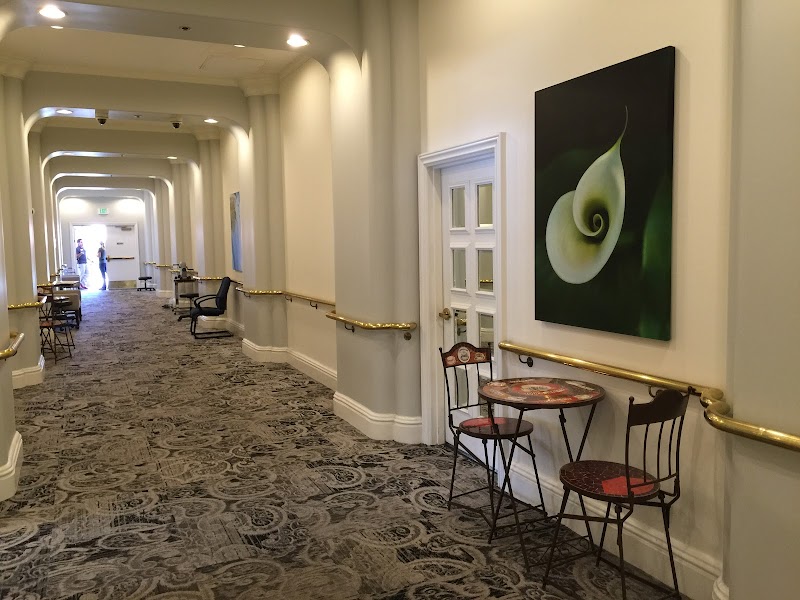
How is The Springs At Pacific Regent Staffed?

CMS rates THE SPRINGS AT PACIFIC REGENT's staffing level at 2 out of 5 stars, which is below average compared to other nursing homes. Staff turnover is 55%, which is 9 percentage points above the California average of 46%. High turnover can affect care consistency as new staff learn residents' individual needs.

What Have Inspectors Found at The Springs At Pacific Regent?

State health inspectors documented 29 deficiencies at THE SPRINGS AT PACIFIC REGENT during 2018 to 2024. These included: 29 with potential for harm.

Who Owns and Operates The Springs At Pacific Regent?

THE SPRINGS AT PACIFIC REGENT is owned by a for-profit company. For-profit facilities operate as businesses with obligations to shareholders or private owners. The facility is operated by THE ENSIGN GROUP, a chain that manages multiple nursing homes. With 59 certified beds and approximately 56 residents (about 95% occupancy), it is a smaller facility located in SAN DIEGO, California.
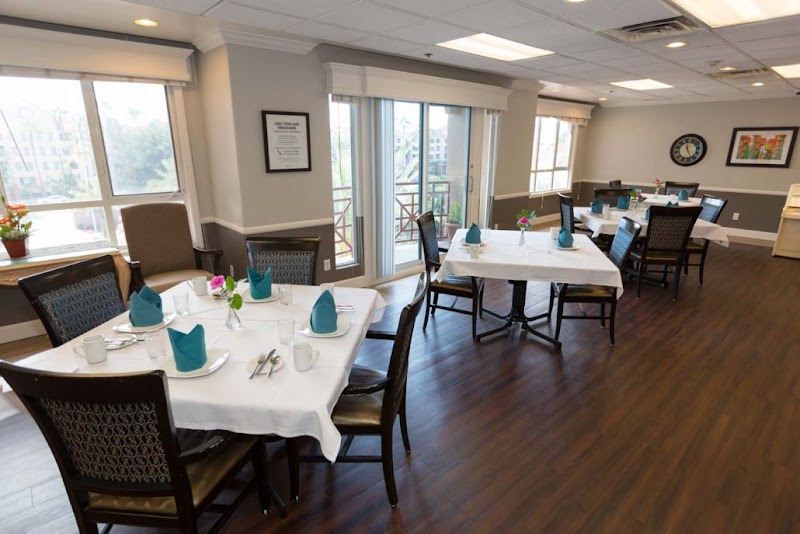
How Does The Springs At Pacific Regent Compare to Other California Nursing Homes?

Compared to the 100 nursing homes in California, THE SPRINGS AT PACIFIC REGENT's overall rating (5 stars) is above the state average of 3.2, staff turnover (55%) is near the state average of 46%, and health inspection rating (4 stars) is above the national benchmark.

What Should Families Ask When Visiting The Springs At Pacific Regent?

Based on this facility's data, families visiting should ask: "How do you ensure continuity of care given staff turnover, and what is your staff retention strategy?" "Can you walk me through typical staffing levels on day, evening, and night shifts?" "Can I visit during a mealtime to observe dining assistance and food quality?" "How do you handle medical emergencies, and what is your hospital transfer rate?" These questions are particularly relevant given the facility's high staff turnover rate and the below-average staffing rating.

Is The Springs At Pacific Regent Safe?

Based on CMS inspection data, THE SPRINGS AT PACIFIC REGENT has a clean safety record: no substantiated abuse findings (meaning no confirmed cases of resident harm), no Immediate Jeopardy citations (the most serious violation level indicating risk of serious injury or death), and is not on the Special Focus Facility watch list (a federal program monitoring the lowest-performing 1% of nursing homes). The facility has a 5-star overall rating and ranks #1 of 100 nursing homes in California. While no facility is perfect, families should still ask about staff-to-resident ratios and recent inspection results during their visit.

Do Nurses at The Springs At Pacific Regent Stick Around?

Staff turnover at THE SPRINGS AT PACIFIC REGENT is high. At 55%, the facility is 9 percentage points above the California average of 46%. High turnover means new staff may not know residents' individual needs, medications, or preferences. It can also be disorienting for residents, especially those with dementia who rely on familiar faces. Families should ask: What is causing the turnover? What retention programs are in place? How do you ensure care continuity during staff transitions?

Was The Springs At Pacific Regent Ever Fined?

THE SPRINGS AT PACIFIC REGENT has no federal fines on record. CMS issues fines when nursing homes fail to meet care standards or don't correct problems found during inspections. The absence of fines suggests the facility has either maintained compliance or corrected any issues before penalties were assessed. This is a positive indicator, though families should still review recent inspection reports for the full picture.

Is The Springs At Pacific Regent on Any Federal Watch List?

THE SPRINGS AT PACIFIC REGENT is not on any federal watch list. The most significant is the Special Focus Facility (SFF) program, which identifies the bottom 1% of nursing homes nationally based on persistent, serious quality problems. Not being on this list means the facility has avoided the pattern of deficiencies that triggers enhanced federal oversight. This is a positive indicator, though families should still review the facility's inspection history directly.