UNIVERSITY CARE CENTER
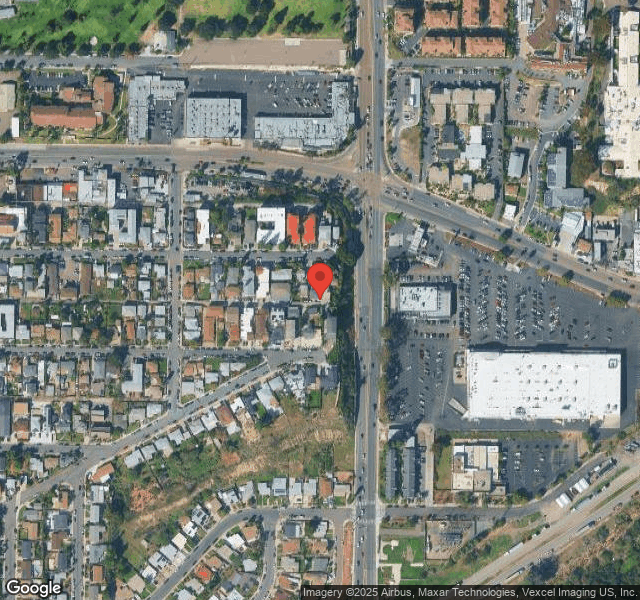

5602 UNIVERSITY AVE, SAN DIEGO, CA 92105 (619) 583-1993
For profit - Corporation 87 Beds PACS GROUP Data: November 2025
Trust Grade
70/100
#486 of 1155 in CA
Last Inspection: May 2025

Inspected within the last 6 months. Data reflects current conditions.

Overview

University Care Center in San Diego has a Trust Grade of B, indicating it is a good choice, though not without room for improvement. Ranked #486 out of 1,155 facilities in California, it sits in the top half, while locally it ranks #51 out of 81 in San Diego County, meaning there are only a few options better. Unfortunately, the trend is worsening, as the number of reported issues at the facility increased from 4 in 2024 to 10 in 2025. Staffing is a concern, with a rating of 2 out of 5 stars and a turnover rate of 49%, which is higher than the state average. While there are no fines on record, indicating compliance with regulations, recent inspection findings raised several issues, including improper handling of clean utensils during meal preparation, incomplete end-of-life care documentation for some residents, and lapses in infection control practices, all of which highlight areas that need attention despite some strengths in quality measures.

Trust Score
B
70/100
In California
#486/1155
Top 42%
Safety Record
Low Risk
No red flags
Inspections
Getting Worse
4 → 10 violations
Staff Stability
⚠ Watch
49% turnover. Above average. Higher turnover means staff may not know residents' routines.
Penalties
✓ Good
No fines on record. Clean compliance history, better than most California facilities.
Skilled Nurses
○ Average
Each resident gets 30 minutes of Registered Nurse (RN) attention daily — about average for California. RNs are the most trained staff who monitor for health changes.
Violations
⚠ Watch
44 deficiencies on record. Higher than average. Multiple issues found across inspections.
★★★★☆
4.0
Overall Rating
★★☆☆☆
2.0
Staff Levels
★★★★★
5.0
Care Quality
★★★☆☆
3.0
Inspection Score
Stable
2024: 4 issues
2025: 10 issues

The Good

  • 5-Star Quality Measures · Strong clinical quality outcomes
  • Full Sprinkler Coverage · Fire safety systems throughout facility
  • No fines on record

Facility shows strength in quality measures, fire safety.

The Bad

Staff Turnover: 49%

Near California avg (46%)

Higher turnover may affect care consistency

Chain: PACS GROUP

Part of a multi-facility chain

Ask about local staffing decisions and management

The Ugly 44 deficiencies on record

Aug 2025 1 deficiency
CONCERN (D) 📢 Someone Reported This

A family member, employee, or ombudsman was alarmed enough to file a formal complaint

Potential for Harm - no one hurt, but risky conditions existed

Deficiency F0658 (Tag F0658)

Could have caused harm · This affected 1 resident

**NOTE- TERMS IN BRACKETS HAVE BEEN EDITED TO PROTECT CONFIDENTIALITY** Based on interview and record review, the facility failed to ensure a resident received treatment and care in accordance with pr...

Read full inspector narrative →
**NOTE- TERMS IN BRACKETS HAVE BEEN EDITED TO PROTECT CONFIDENTIALITY** Based on interview and record review, the facility failed to ensure a resident received treatment and care in accordance with professional standards of practice for one of three sampled residents (Resident 1), when Licensed Nurses (LNs) did not follow their policy and procedure related to medication administration. This failure had the potential for medication error.Findings: A review of Resident 1's admission Record indicated Resident 1 was admitted to the facility on [DATE], with diagnoses which included hypothyroidism (when thyroid gland doesn't make and release enough hormone into the bloodstream). A review of Resident 1's history and physical dated 12/2/24, indicated Resident 1 had the capacity to make decisions. During an interview with Resident 1 in his room on 8/4/25, at 11:58 A.M., Resident 1 stated he did not receive his morning medications on time on 7/31/25. Resident 1 stated he asked LN 1 what happened to his medications. Resident 1 stated he observed LN 1 checked the medication administration record (MAR) in their computer system. Resident 1 stated LN 1 informed him that the night LN (3) signed the medication as given to Resident 1. Resident 1 stated LN 1 gave him his medications. Resident 1 stated, That is a no, no, they are not supposed to do that. I did not receive my medication, but [name of LN] signed as given. A review of Resident 1's physician order dated 5/29/25 and 11/30/24, indicated Resident 1 was to receive:- Levothyroxine for hypothyroidism given before breakfast- Lantoprazole for acid reflux given before meals On 8/4/25 at 1:37 P.M., a joint review of Resident 1's clinical record and an interview was conducted with LN 1. LN 1 stated Resident 1 was alert and oriented x 4 (oriented to person, time, place and situation). LN 1 stated while he was making his rounds on 7/31/25, Resident 1 approached him and asked about his morning medications. LN 1 stated he went to check Resident 1's MAR and found out the due medications were signed by night shift LN (3). LN 1 stated Resident 1 was to receive two medications early in the morning. LN 1 stated he went to check with another LN (2) if he had Resident 1's medications. LN 1 stated LN 2 prepared the medications for Resident 1 but was not able to give Resident 1 his medications. LN 1 stated he gave the medications to Resident 1. LN 1 stated, We usually help each other out. LN 1 stated for Resident 1's morning medications on 7/31/25, one LN (2) prepared the medications, one LN (1) gave Resident 1 his medications and one LN (3) signed in the MAR. LN 1 stated the LNs were not supposed to do that because that could lead to a medication error. On 8/425 at 4:04 P.M., a joint interview with the Director of Nursing (DON) and the Administrator (ADM) was conducted. The DON stated the expectation was whoever is preparing resident's medications should be the one giving to the resident and should be the one signing in the MAR to prevent medication error. A review of the facility's policy, titled Administering Medications revised 4/2019, indicated. Medications are administered in a safe and timely manner, and as prescribed. Policy Interpretation.1. Only persons licensed or permitted by this state to prepare, administer and document the administration of medications.
May 2025 7 deficiencies
CONCERN (D)

Potential for Harm - no one hurt, but risky conditions existed

Deficiency F0658 (Tag F0658)

Could have caused harm · This affected 1 resident

**NOTE- TERMS IN BRACKETS HAVE BEEN EDITED TO PROTECT CONFIDENTIALITY** Based on observation, interview and record review, the facility failed to ensure services to meet professional standards for two...

Read full inspector narrative →
**NOTE- TERMS IN BRACKETS HAVE BEEN EDITED TO PROTECT CONFIDENTIALITY** Based on observation, interview and record review, the facility failed to ensure services to meet professional standards for two of 18 sampled residents when: 1.Resident 129's PICC line (peripherally inserted central catheter- a thin tube placed in the vein of the upper arm and threaded towards the heart to deliver medications directly to the blood stream) 2. a gastrostomy tube (GT-tube inserted through the belly to bring nutrition and medications directly to the stomach) placement was not checked before medication administration for one resident (1). This failure had the potential for complications related to intravenous (IV - method of delivering medications directly into the bloodstream through a vein) therapy and causing complications related to GT health. Findings: 1. A review of the facility's admission record, Resident 129 was admitted to the facility on [DATE] with diagnoses to include bacteremia (presence of bacteria in the blood), diabetes type 2, endocarditis (a serious infection of the heart's inner lining), autistic disorder and cognitive communication deficit (difficulty understanding, paying attention to conversation and remembering information). A review of Resident 129's physician orders indicated the following: on 4/7/25 .PICC line dressing change as needed [measure external catheter length] . on 4/13/25 .PICC line dressing change every day shift every Sat[sic] {and measure external catheter length} . on 5/4/25 IV PICC - Measure catheter length with each dressing change . On 5/5/25 at 8:35 A.M., observation and interview were conducted with Resident 129. Resident 129 had a PICC line on his right upper arm. Resident 129 stated he could not recall if the nurse measured his arm or the PICC line. On 5/6/25 at 9:30 A.M., a concurrent interview and record review were conducted with licensed nurse (LN) 11. A review of the PICC line dressing change for April 2025 in the Medication Administration Record (MAR) for Resident 129, measurements for catheter length were not done. LN 11 stated PICC line measurement should have been done weekly as ordered by the physician and as needed with each dressing change. LN 11 stated the importance of measuring the catheter length was to ensure proper placement and prevent complications. On 5/6/25 at 10:39 A.M., a concurrent interview and record review was conducted with the Director of Nursing (DON). The DON stated there was no documentation to provide that Resident 129's PICC line length was measured on April 2025. On 5/7/25 at 12:15 P.M., an interview was conducted with the DON. The DON stated measuring the PICC line catheter length during dressing change was a standard of practice and should have been done. The DON stated the expectation was for registered nurses (RNs) should measure Resident 129's PICC line length weekly and should have been documented in the MAR. According to the facility's policy titled , Central Venous Catheter and Dressing Changes dated March 2022, indicated .6. measure the external length of the external central vascular device with each dressing change .Compare with the length documented at insertion . 2. Per the facility face sheet, Resident 1 was admitted to the facility on [DATE] with diagnoses that included attention to gastrostomy (presence of an artificial opening into the stomach) and dysphagia (difficulty swallowing). On 5/6/25 at 8:22 A.M., licensed nurse (LN) 21 was observed and interviewed during a medication administration for Resident 1. On 5/6/25 at 8:31 A.M., LN 21 entered Resident 1's room. LN 21 explained the procedure to Resident 1 and detached Resident 1's GT from the nutrition feeding tube. LN 21 attached a syringe to the GT and flushed the GT with water. LN 21 then proceeded to administer medications. On 5/6/25 at 8:45 A.M., LN 21 stated she was done with administering Resident 1's medications. LN 21 acknowledged she did not check placement prior to administering medications to Resident 1. On 5/7/25 at 2 P.M., an interview with the Director of Nursing (DON) was conducted. The DON agreed that all nurses need to check GT placement prior to administering medications and that it is important to help prevent complications. A review of the facility policy titled, Administering Medications through an Enteral Tube dated November 2018, .6. Verify placement of feeding tube .
CONCERN (D)

Potential for Harm - no one hurt, but risky conditions existed

Pressure Ulcer Prevention (Tag F0686)

Could have caused harm · This affected 1 resident

**NOTE- TERMS IN BRACKETS HAVE BEEN EDITED TO PROTECT CONFIDENTIALITY** Based on observation, interview and record review, the facility failed to consistently provide pressure ulcer preventative measu...

Read full inspector narrative →
**NOTE- TERMS IN BRACKETS HAVE BEEN EDITED TO PROTECT CONFIDENTIALITY** Based on observation, interview and record review, the facility failed to consistently provide pressure ulcer preventative measures to one resident (178) when, Resident 178 was not turned every two hours. This failure had the potential for Resident 178 to develop pressure ulcers or skin breakdowns. Findings: A review of Resident 178's admission Record indicated that Resident 178 was admitted to the facility on [DATE] with diagnoses that included Acute Respiratory Failure with Hypoxia (a condition wherein the lungs cannot adequately transfer oxygen to the blood ) and Dysphagia( difficulty swallowing food and liquids). During the initial tour on 5/4/25 at 9:15 A.M., was conducted with Resident 178. Resident 178 was observed lying on his back with his head of bed elevated. Resident 178 had his oxygen on at 2 liters per minute and his tube feedings being infused. During an observation on 5/5/25 at 8:20 A.M., Resident 178 was lying in bed on his back with the head of his bed elevated. During an observation on 5/4/25 at 9:50 A.M., Resident 178 was lying in bed on his back with pillows under his left arm. A concurrent observation and interview on 5/5/25 at 10:40 A.M., with family member (FM) 1 was conducted. Resident 178 was still lying in bed on his back with his tube feedings being infused. FM1 stated I haven't seen anyone turned and repositioned him since I got here this morning. During an observation of Resident 178 on 5/5/25 at 12 noon, Resident 178 was lying in bed on his back with his left arm on a pillow. During an observation of Resident 178 on 5/5/25 at 12:40 P.M., Resident 178 was lying on the bed on his back with his left arm on a pillow. During an observation of Resident 178 on 5/5/25 at 2:00 P.M., Resident 178 was lying on the bed on his back with his left arm on a pillow. During an observation of Resident 178 on 5/5/25 at 3:27 P.M., Resident 178 was lying on his back with a pillow underneath his left arm. During an observation of Resident 178 on 5/5/25 at 4:20 P.M., Resident 178 was still lying on his back with a pillow underneath his left arm. An interview on 5/6/25 at 9:20 A.M., with Licensed Nurse (LN) 1 was conducted . LN1 stated it was important to turn and reposition Resident 178 to prevent skin breakdowns and provide comfort . A joint observation and interview on 5/6/25 at 1:27 P.M., with Treatment Nurse (TN) was conducted. The TN stated Resident 178 must be turned and repositioned every 2 hours to prevent skin breakdown. A joint observation and interview on 5/7/25 at 7:35 A.M., with certified nursing assistant (CNA) 3 was conducted. Resident 178 was positioned facing his right side with pillows underneath his back . CNA 3 stated she worked with Resident 178 most of the time in the morning shift. CNA 3 stated Resident 178 was dependent on his activities of daily living (ADLs). CNA 3 stated Resident 178 was incontinent of both bladder and bowel although Resident 178 had a foley catheter previously. CNA 1 stated it was important to turn and reposition Resident 178 every 2 hours because Resident 178's left arm was contracted and to prevent further skin breakdown. A record review of Resident 178's minimum data set (MDS-a federally mandated assessment tool) indicated Resident 178's Brief interview for mental status(BIMS) score was 03 which meant Resident 178's cognition (thought process) was severely impaired. A record review of Resident 178's MDS section GG (functional abilities section) indicated Resident 178 was dependent on his activities of daily living- eating, toileting and transfers. A review of Resident 178's care plan titled, 4. At risk for skin breakdown related to Braden Risk score , impaired mobility, severely contracted and weakness indicated one of the interventions in Resident 178's care plan was to turn and reposition every 2 hours to prevent skin breakdown/ bedbound. An interview on 5/7/25 at 2 P.M., with the Director of Nursing (DON) was conducted. The DON stated it was important to follow the doctor's order of turning and repositioning Resident 178 every 2 hours to prevent skin breakdown. A review of the facility's policy dated 4/2020 titled Prevention of Pressure Injuries ' indicated mobility / repositioning 1. Reposition all residents with or at risk of pressure injuries on an individualized schedule . 2. Choose a frequency for repositioning based on the resident's risk factors .
CONCERN (D)

Potential for Harm - no one hurt, but risky conditions existed

Tube Feeding (Tag F0693)

Could have caused harm · This affected 1 resident

Based on observation , interview and record review, the facility failed to ensure a tube feeding formula was labeled for one resident (178) reviewed for Parenteral Nutrition. This failure had the pote...

Read full inspector narrative →
Based on observation , interview and record review, the facility failed to ensure a tube feeding formula was labeled for one resident (178) reviewed for Parenteral Nutrition. This failure had the potential to affect Resident 178 health conditions and decline. Findings: A review of Resident 178's admission Record indicated that Resident 178 was admitted to the facility on with 4/15/2025 with diagnoses that include Dysphagia (difficulty swallowing food and liquids) and Aphasia (a language disorder that affects a person's ability to communicate). During the initial tour on 5/4/25 at 9:15 A.M., an observation was conducted. Resident 178 had a gastrostomy feeding tube (a tube inserted through the stomach) with formula of Fiber source HN at 65 ml per hour with water running at 20 ml per hour per the feeding pump machine. Resident 178's feeding tube formula was not labeled . An interview on 5/4/25 at 9:32 A.M., with Licensed Nurse (LN) 2 was conducted. LN 2 stated she worked per diem for the facility and was not aware of the tube feeding formula not labeled. LN 2 stated it was important to label the feeding tube formula to follow the routes of medication administration and for Resident 178's safety. An interview on 5/7/25 at 9:32 A.M., with the Director of Nursing (DON) was conducted. The DON stated it was important to label the formula for accuracy, safety and follow the routes of medication administration and the Physician's orders, thus preventing complications. A review of the facility's policy titled, Enteral Feedings- Safety Precautions indicated preventing errors in administration 1. Check the enteral nutrition label against the order before administration. Check the following information. a. Resident name, ID and room number b. type of formula c. date and time formula was prepared. 2. On the formula label document initials, date and time the formula was hung and initial that label.
CONCERN (E)

Potential for Harm - no one hurt, but risky conditions existed

Food Safety (Tag F0812)

Could have caused harm · This affected multiple residents

Based on observation , interview and record review, the facility failed to ensure clean and used utensils were separated during a preparation of pureed meals. This failure had the potential to affect ...

Read full inspector narrative →
Based on observation , interview and record review, the facility failed to ensure clean and used utensils were separated during a preparation of pureed meals. This failure had the potential to affect the health and safety of all residents. An observation on 5/5/25 at 10:30 A.M., was conducted with the [NAME] (CK) and the registered dietician (RD). The CK was observed preparing a pureed meal for 9 residents in the facility. The CK placed 20 pieces of tortillas and 3 cups of turkey meat in a chicken broth and placed them in a blender. The CK used a large mixing spoon to mix the tortillas and the turkey meat in the blender. The CK stated she wanted to make sure that the mixture was smooth and was free of lumps after blending the ingredients together. Then the CK placed the large mixing spoon in a tray of clean mixing spoons and colored scoops together. An interview on 5/5/25 at 11 A.M., with the CK was conducted. The CK stated she was nervous, and it was her first survey to be watched . The CK stated it was important not to mixed used and clean utensils to prevent possible contamination thus affecting the residents' health in the facility. An interview on 5/5/25 at 11:10 A.M., with the Registered Dietician (RD) was conducted. The RD stated she saw what the CK placed the used large mixing spoon with the clean utensils. The RD stated it was not right to mix clean and used utensils together to prevent contamination. An interview on 5/7/25 at 10 A.M., with the Director of Nursing (DON) was conducted. The DON stated it was important not to mixed clean and used utensils to prevent cross contamination thus preventing resident's health decline and or condition. A review of the facility's policy dated, 2/2025 titled Food Preparation and Service indicated, food preparation area .#4 appropriate measures are used to prevent cross contamination.
CONCERN (E)

Potential for Harm - no one hurt, but risky conditions existed

Medical Records (Tag F0842)

Could have caused harm · This affected multiple residents

**NOTE- TERMS IN BRACKETS HAVE BEEN EDITED TO PROTECT CONFIDENTIALITY** Based on interview and record review, the facility failed to maintain complete Physician Orders for Life Sustaining Treatment (P...

Read full inspector narrative →
**NOTE- TERMS IN BRACKETS HAVE BEEN EDITED TO PROTECT CONFIDENTIALITY** Based on interview and record review, the facility failed to maintain complete Physician Orders for Life Sustaining Treatment (POLST - a medical form to communicate a resident's end of life wishes) for three of 18 residents (4,128, 129) reviewed for complete and accurate medical records. This failure did not provide an accurate representation of the care provided and had the potential to cause confusion amongst care providers. Findings: 1. Resident 4 was re-admitted on [DATE] to the facility with diagnoses to include dementia (type of memory loss), muscle weakness and adult failure to thrive according to the Admisison Record. 2. Resident 128 was admitted on [DATE] to the facility with diagnoses to include hemiplegia and hemiparesis following cerebral infarction (paralysis and weakness following a stroke) according to the Admisison Record. 3. Resident 129 was admitted to 4/6/25 to the facility with diagnoses to include bacteremia (presence of bacteria in the blood), diabetes type 2, endocarditis (a serious infection of the heart's inner lining), autistic disorder and cognitive communication deficit (difficulty understanding, paying attention to conversation and remembering information) according to the admission Record. On 5/6/25 at 11 A.M.,a concurrent interview and record review were conducted with licensed nurse (LN)11. LN 11 reviewed POLST forms for Residents 4,128 and129. LN 11 stated POLST forms for Residents 4,128 and129 were incomplete.The following were reviewed: Resident 4's POLST on 4/6/25 was incomplete. Resident 128's POLST was incomplete. Resident 129's POLST was incomplete. LN 11 stated Residents 4's, 128's and 129's should be completed. LN 11 stated POLST should indicate the date when the physician and patient or legally recognized decisionmaker to determine the date the POLST was effective. LN 11 stated relationship should be indicated to verify the person who signed and the relationship to the resident. On 5/7/25 at 12:15 P.M., an interview was conducted with the Director of Nursing (DON). The DON stated POLST should be completed for validity purposes and make sure resident wishes were followed.
CONCERN (E)

Potential for Harm - no one hurt, but risky conditions existed

Infection Control (Tag F0880)

Could have caused harm · This affected multiple residents

**NOTE- TERMS IN BRACKETS HAVE BEEN EDITED TO PROTECT CONFIDENTIALITY** Based on observation, interview and record review, the facility did not ensure infection control practices were implemented when...

Read full inspector narrative →
**NOTE- TERMS IN BRACKETS HAVE BEEN EDITED TO PROTECT CONFIDENTIALITY** Based on observation, interview and record review, the facility did not ensure infection control practices were implemented when: 1. Clean linens were mixed with packages that were transported from outside facility 2. Trash cans were inside the clean linen closets 3. Dusty and debris on the floor of the clean linen closets 4. A licensed nurse (LN 21) did not wear an isolation gown while administering medications to a resident (1) with a gastrostomy tube (GT-feeding tube inserted through the belly to bring nutrition and medications directly to the stomach). These failures had the potential to spread infections. Findings: 1. On 5/7/25 at 8:28 A.M., a concurrent observation and interview were conducted with the Director of Environmental Services (DES) and Infection Preventionist Nurse (IP). The closet was observed with clean linens in contact with packages. The DES stated facility have outside company doing their laundry. The DES stated the outside company transported clean linens packaged in plastic bags. The IP stated there should not be packages of plastic bags in contact with clean linens. The DES stated the packaging should be removed before placing the clean linens in the closets. 2. On 5/7/25 at 8:36 A.M., a concurrent observation and interview were conducted with the Director of Environmental Services and Infection Preventionist Nurse (IP). The facility had three closets with clean linens. The clean linen closets were observed each with a trash can. One trash can was observed with used gloves inside. The DES states the trash can were inside each closet for staff to place packages of disposable briefs. The IP stated there should not be trash cans inside the clean linen closets. 3. On 5/7/25 at 8:48 A.M., a concurrent observation and interview were conducted with the Director of Environmental Services (DES) and Infection Preventionist Nurse (IP). The clean linen closets were observed to have dust and debris on the floor. The DES and the IP stated should be cleaned. On 5/7/25 at 12:30 P.M., an interview was conducted with Director of Nursing (DON). The DON stated the clean linen plastic packaging should be removed. The DON stated the plastic packaging of the transported clean linens served as the barrier to prevent contamination. The DON stated the clean linen closet should not have a trash can and should not have dust and debris on the floor because clean linen closet should be free from trash and dust. According to the facility policy titled Laundry and Bedding, Soiled, dated September 2022, indicated .Clean linen is protected from dust .Clean linen is stored separately . 4. According to the facility face sheet, Resident 1 was admitted to the facility on [DATE] with diagnoses that included attention to gastrostomy (presence of an artificial opening into the stomach). Per Resident 1's physician's orders, on 4/1/2024, an order was made for Enhanced Barrier Precautions (EBP-an evidence-based practice that expands the use of gloves and gowns during high-contact resident care activities, especially for those at increased risk of acquiring or spreading multidrug-resistant organisms -MDROs) related to indwelling device: feeding tube. On 5/6/25 at 8:22 A.M., LN 21 was observed and interviewed during a medication administration for Resident 20. LN 21 had a face mask on, did hand hygiene with hand sanitizer, knocked on the door, introduced herself, identified Resident 1 with ID arm band and explained the procedure. On 5/6/25 at 8:31 A.M., LN 21 detached Resident 1's GT from the nutrition feeding tube. LN 20 attached a syringe to the GT and flushed the GT with water. LN 20 then proceeded to administer medications. On 5/6/25 at 8:45 A.M., LN 21 stated she was done with administering Resident 1's medication. LN 21 stated she did not know she needed to wear a gown when administering medications to residents with a GT who are on EBP. On 5/6/25 at 8:50 A.M., a concurrent interview and record review were conducted with LN 21 of the EBP signage posted outside of Resident 1's door. The EBP signage indicated that examples of high-contact resident care activities requiring the use of gown and gloves for EBPs include .device care or use ( .feeding tubes .). On 5/7/25 at 2P.M., an interview with the Director of Nursing (DON) was conducted. The DON agreed that all staff need to follow and adhere to all infection control procedures. A review of the facility policy titled, Enhanced Barrier Precautions, dated December 2024, indicated that examples of high-contact resident care activities requiring the use of gown and gloves for EBPs include .device care or use ( .feeding tubes .).
MINOR (B)

Minor Issue - procedural, no safety impact

Deficiency F0912 (Tag F0912)

Minor procedural issue · This affected multiple residents

Based on observation, interview and record review, the facility failed to provide at least 80 sq ft. ( square feet) per resident in nine of 39 resident rooms. This failure had the potential to affect...

Read full inspector narrative →
Based on observation, interview and record review, the facility failed to provide at least 80 sq ft. ( square feet) per resident in nine of 39 resident rooms. This failure had the potential to affect resident quality of care and quality of life. Findings: Per review of the Client Accommodations Analysis form, the facility had nine resident rooms which did not meet the required square footage requirements of at least 80 square feet per resident. Room number - number of residents- sq feet 31--- 3 ----------------------------------------------209.00 33---- 3---------------------------------------------- 209.46 35-----3-----------------------------------------------211.51 36-----3-----------------------------------------------211.51 37-----3-----------------------------------------------211.51 38-----3-----------------------------------------------207.17 39-----3-----------------------------------------------208.27 40-----3-----------------------------------------------206.71 41-----3-----------------------------------------------208.27 A confidential resident group interview was conducted on 5/5/2025 at 10:00 A.M. No residents expressed any concern with resident rooms. Observations from 5/4/2025 through 5/7/2025 were conducted of rooms 31, 33, 35, 36, 37, 38, 39, 40, and 41 , during the recertification survey. No quality of care or quality of life concerns were identified and observed that negatively impacted the residents residing in these rooms. Therefore, a continuance of the room variance is recommended.
Jan 2025 2 deficiencies
CONCERN (D) 📢 Someone Reported This

A family member, employee, or ombudsman was alarmed enough to file a formal complaint

Potential for Harm - no one hurt, but risky conditions existed

Comprehensive Care Plan (Tag F0656)

Could have caused harm · This affected 1 resident

**NOTE- TERMS IN BRACKETS HAVE BEEN EDITED TO PROTECT CONFIDENTIALITY** Based on interview and record review, the facility failed to implement a care plan (detailed plan with information about a patie...

Read full inspector narrative →
**NOTE- TERMS IN BRACKETS HAVE BEEN EDITED TO PROTECT CONFIDENTIALITY** Based on interview and record review, the facility failed to implement a care plan (detailed plan with information about a patient's treatment, goal, and interventions) related to medication administration for one of three sampled residents (Resident 1). This failure had the potential to not meet the goals of treatment and needs of Resident 1. Findings: On 1/28/25 at 1:57 P.M., an unannounced onsite to the facility was conducted related to a complaint on Nursing Services. Resident 1 was admitted to the facility on [DATE], with diagnoses which included hypothyroidism (underactive thyroid gland), per the facility's admission Record. On 1/28/25, a review of Resident 1's physician order dated 12/19/24 indicated the following order: - Levothyroxine 1 tablet at 6 AM. On 1/28/25, a review of Resident 1's care plan related to levothyroxine administration indicated one of the interventions was to administer medication as ordered. On 1/28/25 at 3:15 P.M., a joint review of Resident 1's medication administration record (MAR, used to document medications taken by each patient) and an interview with Licensed Nurse (LN) 1 was conducted. The MAR for 12/20/24 through 1/1/25 was reviewed with LN 1. The MAR for administration of levothyroxine for Resident 1 indicated the following entries: - 12/20/24 at 8:24 A.M. - 12/22/24 at 8:31 A.M - 12/24/24 at 8:37 A.M. - 12/27/24 at 8:29 A.M. LN 1 stated levothyroxine was ordered to be administered at 6 A.M. and should be given on an empty stomach or before breakfast. On 1/28/25 at 3:45 P.M., a joint review of Resident 1's MAR and care plan, and an interview with the Director of Nursing (DON) was conducted. The DON stated the medication should be given one hour before and one hour after the scheduled time. The DON stated the care plan should have been followed and implemented. A review of the facility's policy titled, Care Plans, Comprehensive Person-Centered, revised March 2022, indicated, A comprehensive, person-centered care plan that includes measurable objectives and timetables to meet the resident's physical, psychosocial and functional needs is developed and implemented for each resident .9. Care plan interventions are chosen only after data gathering .careful consideration of the relationship between the resident's problem areas and their causes, and relevant clinical decision making .
CONCERN (D) 📢 Someone Reported This

A family member, employee, or ombudsman was alarmed enough to file a formal complaint

Potential for Harm - no one hurt, but risky conditions existed

Pharmacy Services (Tag F0755)

Could have caused harm · This affected 1 resident

**NOTE- TERMS IN BRACKETS HAVE BEEN EDITED TO PROTECT CONFIDENTIALITY** Based on interview and record review, the Licensed Nurses (LNs) failed to administer Levothyroxine (a medicine used to treat an ...

Read full inspector narrative →
**NOTE- TERMS IN BRACKETS HAVE BEEN EDITED TO PROTECT CONFIDENTIALITY** Based on interview and record review, the Licensed Nurses (LNs) failed to administer Levothyroxine (a medicine used to treat an underactive thyroid gland [hypothyroidism]) within the time frame as ordered by the physician for Resident 1. This failure had the potential to negatively affect Resident 1's absorption of the medication and had the potential for ineffective medication. Findings: On 1/28/25 at 1:57 P.M., an unannounced onsite to the facility was conducted related to a complaint on Nursing Services. Resident 1 was admitted to the facility on [DATE], with diagnoses which included hypothyroidism, per the facility's admission Record. On 1/28/25, a review of Resident 1's physician order dated 12/19/24, indicated the following order: - Levothyroxine 1 tablet at 6 AM. On 1/28/25 at 3:15 P.M., a joint review of Resident 1's medication administration record (MAR, used to document medications taken by each patient) and an interview with Licensed Nurse (LN) 1 was conducted. The MAR for 12/20/24 through 1/1/25 was reviewed with LN 1. The MAR for administration of levothyroxine for Resident 1 indicated the following entries: - 12/20/24 at 8:24 A.M. - 12/22/24 at 8:31 A.M - 12/24/24 at 8:37 A.M. - 12/27/24 at 8:29 A.M. LN 1 stated levothyroxine was ordered to be administered at 6 A.M. and should be given on an empty stomach or before breakfast. LN 1 stated she did not know the reason it should be given on an empty stomach or before breakfast. LN 1 stated the medication should be given before her shift. LN 1 stated, I will get back to you. On 1/28/25 at 3:45 P.M., a joint review of Resident 1's MAR and an interview with the Director of Nursing (DON) was conducted. The DON stated the expectation was for the LNs to give the medication on time, an hour before and one hour after. It is important to follow because there might be medical reason behind it. A review of the facility's policy titled, Administering Medications, revised April 2019, indicated, Medications are administered in a safe and timely manner, and as prescribed .4. Medications are administered in accordance with prescriber orders, including any required time frame. 5. Medication administration times are determined by resident need and benefit .Factors that are considered include: a. enhancing optimal therapeutic effect of the medication; b. preventing potential medication or food interaction .
Nov 2024 2 deficiencies
CONCERN (D) 📢 Someone Reported This

A family member, employee, or ombudsman was alarmed enough to file a formal complaint

Potential for Harm - no one hurt, but risky conditions existed

Deficiency F0726 (Tag F0726)

Could have caused harm · This affected 1 resident

**NOTE- TERMS IN BRACKETS HAVE BEEN EDITED TO PROTECT CONFIDENTIALITY** Based on interview and record review the facility failed to ensure that a Certified Nursing Assistant (CNA) and a Licensed Nurse...

Read full inspector narrative →
**NOTE- TERMS IN BRACKETS HAVE BEEN EDITED TO PROTECT CONFIDENTIALITY** Based on interview and record review the facility failed to ensure that a Certified Nursing Assistant (CNA) and a Licensed Nurse (LN) provided by an agency (a company that supplies staff) had the necessary competency to document care during their shift. As a result, CNA 1 did not document any care provided for Resident 1, sampled for death, and LN 1 documented medications were given late. Additionally, no change of condition documentation and physician notification were done regarding abnormal laboratory results, and no follow-up social services notes were documented for Resident 1's roommate who was in the room when he died. The facility was not able to provide requested evidence of the events prior to Resident 1's death in the facility. Findings: Resident 1 was admitted to the facility on [DATE] with diagnoses that included congestive heart failure (a chronic condition that occurs when the heart can't pump enough blood to meet the body's needs), diabetes mellitus type two (a chronic disease that occurs when the body cannot control the amount of sugar in the blood) with chronic kidney disease stage three (a condition in which the kidneys are mildly to moderately damaged), acute respiratory failure with hypoxia (a chronic condition of the lungs in which oxygen is low in the blood) and pulmonary hypertension (a serious condition in which the blood pressure in the lungs is higher than normal). CNA 1 and LN 1 were not working at the facility during the investigation and did not respond to the facility request for a telephone interview. On [DATE] at 1:35 P.M. a telephone interview was conducted while at the facility with the Director of Nursing (DON) who was not onsite. The DON stated, I see that the day shift CNA did not document through her shift. I expect them obviously to be able to chart accurately meaning everything that happens to a patient during their shift should be documented, that includes ADLs (Activities of Daily Living, the basic tasks people need to do to care for themselves), toileting, and the amount eaten during meals. The DON stated the CNA and Licensed Nurse assigned to Resident 1 were agency staff and did not participate in staff trainings at the facility. The DON stated, I do not see any notes about social services following up with the roommate to see how he was doing after the death. The follow up should have been documented. On [DATE] at 3:32 P.M. a telephone interview and concurrent record review were conducted with the DON who stated the agency provided training to their staff but their skills checklists did not include documenting care provided. The DON further stated that no employee at the facility reviewed the agency portal to ensure temporary staff had skills checklists prior to allowing them to come work at the facility. A concurrent review of Resident 1's laboratory results with multiple abnormal findings were reviewed. The DON stated Resident 1 had abnormal laboratory results. The DON stated no change of condition notes were written about abnormal lab results and If there's abnormal labs it should be reported to the doctor. There is no note that says the physician was notified. A concurrent record review of Resident 1's orders indicated Basaglar KwikPen subcutaneous solution Pen-injector (a long acting insulin used to control high blood sugar) 100 u/ mL (milliliter) was due to be administered at 9 P.M. nightly. The DON stated the insulin administration was documented late on 10/27 at 11:31 P.M., one- and one-half hours past the maximum time to administer the medication. A concurrent record review of Resident 1's medication administration record (MAR) indicated Lispro (a fast-acting insulin used to control high blood sugar) if (blood glucose result of) 70-150 give 0 units; 151-200 give 2 units, 201-250 give 3 units, 251-300 give 4 units, 301-350 give 5 units, 351-400 give 6 units, 401+ administer 7 units and notify MD (Medical Doctor). A concurrent record review of the MAR indicated on [DATE] a dose of Lispro was due at 12 noon and was administered at 2:26 P.M., one- and one-half hours past the maximum time to administer the medication. A dose of Lispro was due on [DATE] at 7 A.M. and was administered at 12:07 P.M., four hours past the maximum time to administer the mediation. A dose of Lispro was due on [DATE] at noon and was administered at 1 P.M. The DON stated he did not have any documentation to clarify if two doses of Lispro were given within one hour of each other on [DATE]. A dose of Lispro was due on [DATE] a dose of Lispro at 7 A.M. and was documented as administered at 8:29 A.M., one-half hour past the maximum time to administer the medication. The DON stated, It is late. There's no excuse. Nurses should document medication as it's given. Nurses are aware that they should prep, administer then sign. A concurrent review of laboratory results drawn at 5:30 A.M. on [DATE] indicated Resident 1 had a low blood glucose level of 64. According to the laboratory report, a normal range was 65-99. A review of the facility policy titled Administering Medications dated 2011 indicated, Medications will be administered in a safe and timely manner, and as prescribed.Medications are administered in accordance with prescriber orders, including any required time frame.Medication errors are documented, reported and reviewed by the QAPI committee to inform process changes and or the need for additional staff training. Medications are administered within one (1) hour of their prescribed time.
CONCERN (D) 📢 Someone Reported This

A family member, employee, or ombudsman was alarmed enough to file a formal complaint

Potential for Harm - no one hurt, but risky conditions existed

Infection Control (Tag F0880)

Could have caused harm · This affected 1 resident

**NOTE- TERMS IN BRACKETS HAVE BEEN EDITED TO PROTECT CONFIDENTIALITY** Based on observation, interview and record review, the facility failed to prevent an accumulation of old food and beverage items...

Read full inspector narrative →
**NOTE- TERMS IN BRACKETS HAVE BEEN EDITED TO PROTECT CONFIDENTIALITY** Based on observation, interview and record review, the facility failed to prevent an accumulation of old food and beverage items at the bedside of one resident, Resident 2, sampled for infection prevention. The facility also failed to provide regular showers or bed baths and clean clothing to Resident 2 who had open sores on his arms and face. As a result, Resident 2 was at risk for foodborne illness and infection of his open wounds. Findings: Resident 2 was admitted to the facility on [DATE] with diagnoses that included depression (a mental health condition that involves a persistent feeling of sadness), severe protein-calorie malnutrition (a condition that occurs when the body doesn't get enough protein, calories and other nutrients), mood disorder (a mental health condition that involves persistent changes in a person's emotional state), malignant neoplasm of bronchus and lung (a type of tumor in the lower airways and lung), and homelessness. On 11 /13/24 an unannounced visit was made to the facility. On 11/13/24 at 2:50 P.M., an observation and interview were conducted with Resident 2 who was lying on his bed. Resident 2 was noted to have many dried scabs and open sores on the exposed parts of his arms and on his face. Reddish-brown smudges were noted on many areas of the fitted sheet on Resident 2's bed. Many food and beverage items were noted on Resident 2's overbed table and dresser. Many small flying insects were noted in Resident 2's shared room, landing on the resident's skin and on his food and beverages. Many insects were also on the privacy curtain between the two beds in the room. Resident 2 waved his arms to move the insects away and off his skin. Additionally, Resident 2 was noted as wearing soiled black sweatpants and a soiled burgundy shirt, with disheveled hair. The furniture surfaces and floor surrounding Resident 2 were notably dirty. Resident 2 stated They are cleaning the area sometimes and bathing sometimes. On 11/13/24 at 3:15 P.M., an observation and interview were conducted with Certified Nursing Assistant (CNA) 2 who stated, Old food could make him sick. He might not like all those flies landing on him. CNA 2 was not able to answer what the risk of insects landing on Resident 2's wounds and food was. On 11/13/24 at 3:25 P.M., an observation and interview were conducted with the Infection Preventionist (IP) who stated, It's not ok to have flies, they can lay eggs and get into the food. I'm not sure why the food is still there. The food shouldn't be in there for more than a couple of hours, they should throw it out and get new ones. A joint observation of a urinal on an overbed table in the room across the hall was made. A sign for Enhanced Barrier Precautions (EBP) was noted on the wall outside of the room. The IP stated the resident was on EBP precautions for a wound. The IP stated, Having a urinal on the table is an infection control risk, it should not be there. On 11/13/24 at 3:45 P.M., a joint observation of Resident 2's living situation was conducted with the Administrator (ADM). The ADM stated, If they're exposed to infestation it's a risk to their skin. Old food is a risk for foodborne illnesses. On 11/14/24 at 3 P.M., a telephone interview was conducted with the Director of Nursing (DON) who stated, I don't know how long it's ok to keep the food in the room. The risk is he might get sick. On 11/14/24 at 3:35 P.M., a telephone interview was conducted with the Certified Dietary Manager (CDM) who stated, I'm not 100% sure how long perishable foods can be left at the bedside at room temperature or in the kitchen, I'd have to check the policy. On 11/15/24 at 1:05 P.M., a telephone interview was conducted with the CDM who stated, Time temperature-controlled food can be kept at the residents bedside for two hours. The concern is risk for foodborne illness. On 11/15/24 at 1:29 P.M., a telephone interview was conducted with the Registered Dietician (RD) who stated, food can be held at room temp for two hours. The policy says that they are to remove the food after two hours. The risks are nausea, vomiting, diarrhea, bloating, dehydration. Food insecurity was in my evaluation. At admission his background was identified, he had homelessness in his diagnosis. On 11/20/24 at 3:24 P.M., a telephone interview and concurrent record review of Resident 2's shower log were conducted with the DON. Between 10/29/24 and the time of the onsite investigation, Resident 2 received one shower and had his toenails trimmed on 11/5/24. The DON stated residents are supposed to be showered or bathed twice per week and nail care is no less than once a week. The DON stated Resident 2 did not receive this care. The DON stated, It's important for him to be kept clean because it's going to create a medium for bacteria to grow and he might get infected. Nail care is no less than once a week. A review of the facility pest control contractor's report dated 10/28/24 indicated, monthly service . Spot treated employee break room for fruit fly activity. A review of the facility policy titled Infection Prevention and Control Program dated 2001 indicated, An infection prevention and control program (IPCP) is established and maintained to provide a safe, sanitary and comfortable environment and to help prevent the development and transmission of communicable diseases and infections. A review of the facility policy titled Bath, shower/ tub dated 2001 indicated, The purposes of this procedure are to promote cleanliness, provide comfort to the resident and to observe the condition of the resident's skin.
Jul 2024 1 deficiency
CONCERN (D) 📢 Someone Reported This

A family member, employee, or ombudsman was alarmed enough to file a formal complaint

Potential for Harm - no one hurt, but risky conditions existed

Safe Environment (Tag F0921)

Could have caused harm · This affected 1 resident

Based on observation, interview, and record review, the facility failed to provide documented evidences that the maintenance department was proactive in documenting weekly maintence checks for room an...

Read full inspector narrative →
Based on observation, interview, and record review, the facility failed to provide documented evidences that the maintenance department was proactive in documenting weekly maintence checks for room and facility temperatures during extreme temperature changes. As a result, the facility was unable to show documented evidence the facility and room temperatures were safe and comfortable over the past year. Findings: On 6/27/24, an unannounced visit was made to the facility, regarding a complaint of the buildings' air conditioner not functioning in the east hallway. On 6/27/24 at 1:25 P.M., an observation was conducted of the east hallway which consisted of resident rooms 10-29. All the rooms had one or more fans in them, and a small air conditioner unit was in one room. Seven ceiling fans ran the length of the hallway and were all functioning. On 6/27/24 at 1:28 P.M., an interview was conducted with Resident 3. Resident 3 stated her room was hot and had been like that for, Several days. Resident 3 stated she was told the air conditioner was broken and they were waiting for a part to fix it. On 6/27/24 at 1:45 P.M., an interview was conducted with the Director of Maintenance (DM). The DM stated he was informed the air conditioner on the east hallway, had stopped working Sunday night (7/23/24). On Monday morning (7/24/24) the DM immediately informed the Administrator (ADM) and requested a repair company to come troubleshoot the issue. The DM continued stating he was informed the blower for the air conditioner was not working and needed to be replaced. The DM stated the blower part was replaced on 6/26/24, but then something went out on the air conditioner for the north hallway, which was now being repaired. The DM stated he routinely checked temperatures in a few rooms every week, usually in the morning hours. The DM stated he did not document the room temperatures and had not documented anything for at least a year. The DM stated the room temperatures should be maintained between 72-80 degrees Fahrenheit (F). The DM stated he had not checked the room temperatures after the air conditioner went out, because he was focused on getting it fixed. On 6/27/24 at 1:39 P.M., the DM performed room temperature checks on all the rooms with a laser gun (measures the infrared radiation emitted from a surface). One room in the north hall was recorded at 81.5 F. Two rooms in the east hall were recorded at 80.5 F. The lowest room temperature was in the west hallway recorded at 74.0 F, with the hallway door being closed. The DM was asked to locate his binder that previously recorded temperatures during his weekly temperature checks. On 6/27/24 at 2:07 P.M., the DM returned, stating he could not find the binder and he had no idea when he last recorded a room temperature. The DM stated he should be logging the temperatures to prove they were done, and the temperature was safe. On 6/27/24 at 2:21 P.M., an interview was conducted with ADM. The ADM stated he started at the facility on 6/24/27 and was aware the air conditioner in one hallway was not functioning, because the DM had informed him, and a family member had complained. The ADM stated he was unaware the DM was not performing temperature checks during the outage. The ADM stated he expected the DM to be recording temperatures weekly and daily when the air conditioner was not working properly. The ADM stated temperature checks were important to sure the temperatures were safe and comfortable for their residents, staff, and visitors. According to the facility's policy, titled Maintenance Service, dated December 2009, The Maintenance Department is responsible for maintaining the buildings, grounds, and equipment in a safe and operable manner at all times .8. The Maintenance Director is responsible for maintaining the following records/reports: .k. Inspection of building .m. Maintenance schedules .
Mar 2024 1 deficiency
CONCERN (D) 📢 Someone Reported This

A family member, employee, or ombudsman was alarmed enough to file a formal complaint

Potential for Harm - no one hurt, but risky conditions existed

Resident Rights (Tag F0550)

Could have caused harm · This affected 1 resident

**NOTE- TERMS IN BRACKETS HAVE BEEN EDITED TO PROTECT CONFIDENTIALITY** Based on observations, interviews and record review, the facility failed to ensure dignity was provided to the residents when a ...

Read full inspector narrative →
**NOTE- TERMS IN BRACKETS HAVE BEEN EDITED TO PROTECT CONFIDENTIALITY** Based on observations, interviews and record review, the facility failed to ensure dignity was provided to the residents when a staff member did not knock or announce herself before entering two residents' rooms (Resident 1 and unsampled residents). This failure had the potential to make residents feel disrespected and may have resulted in diminished quality of life and lower self-esteem. Findings: On 3/14/24, an unannounced onsite was conducted to the facility related to a complaint of resident abuse. a. Resident 1 was readmitted to the facility on [DATE] with diagnoses which included dementia (loss of cognitive function like thinking, remembering, and reasoning) with psychotic (loss of contact with reality) disturbance, per the facility ' s admission Record. A review of Resident 1 ' s minimum data set (MDS, an assessment tool), dated 2/16/24, indicated Resident 1 ' s brief interview for mental status (BIMS, ability to recall) score was six, which indicated Resident 1 ' s cognitive function was severely impaired. During an observation on 3/14/24 at 9:58 A.M., a Certified Nursing Assistant (CNA) 1 went into an unsampled residents ' room, without knocking or announcing herself. During an observation on 3/14/24 at 11:37 A.M., CNA 1 went into Resident 1 and unsampled residents ' room without knocking or announcing herself. CNA 1 was chewing a gum and sat in front of Resident 1 without saying a word. Another CNA (CNA 3) walked back to Resident 1 ' s bed and saw CNA 1 sitting in front of Resident 1. CNA 3 stated to CNA 1 Oh you startled me. I didn ' t know you were here. During an interview with CNA 1 on 3/14/24 at 11:43 A.M., CNA 1 stated she was there to relieve CNA 3 on closely monitoring (one on one) on Resident 1. CNA 1 stated she did not knock or announce herself when she went into Resident 1 ' s room. CNA 1 stated she should have knocked or have announced herself to notify the residents for dignity reason. CNA 1 stated, That is their right. b. Resident 4 was admitted to the facility on [DATE] with diagnoses which included stroke, per the facility ' s admission Record. A review of Resident 4 ' s MDS, dated [DATE], indicated Resident 4 ' s BIMS score was 10 which indicated Resident 4 ' s cognitive function was moderately impaired. During an interview with Resident 4 in his room on 3/14/24 at 11:45 A.M., Resident 4 stated staff did not knock or announce themselves when they come into his room. Resident 4 stated he did not know the staff members ' name because they did not introduce themselves. Resident 4 stated, Most of the time, they just come in. Sometimes we need to know who they are and what they would like to do so we know. During an interview with the Director of Nursing (DON) on 3/14/24 at 2:13 P.M., the DON stated the expectation was for the staff members to knock and identify themselves, for dignity, and maintain residents ' rights to their privacy to their rooms regardless of the residents ' mental status. A review of the facility's policy titled, Dignity, revised February 2021, indicated, Each resident shall be cared for in a manner that promotes and enhances his or her sense of well-being, level of satisfaction with life, and feelings of self-worth and self-esteem .1. Residents are treated with dignity and respect at all times .7. Staff are expected to knock and request permission before entering residents' rooms .
Dec 2023 2 deficiencies
CONCERN (D) 📢 Someone Reported This

A family member, employee, or ombudsman was alarmed enough to file a formal complaint

Potential for Harm - no one hurt, but risky conditions existed

Comprehensive Care Plan (Tag F0656)

Could have caused harm · This affected 1 resident

**NOTE- TERMS IN BRACKETS HAVE BEEN EDITED TO PROTECT CONFIDENTIALITY** Based on interview and record review, the facility failed to follow the plan of care for monitoring a recently placed suprapubic...

Read full inspector narrative →
**NOTE- TERMS IN BRACKETS HAVE BEEN EDITED TO PROTECT CONFIDENTIALITY** Based on interview and record review, the facility failed to follow the plan of care for monitoring a recently placed suprapubic catheter (a surgically inserted flexible tube that drains urine from the bladder into an external drainage bag), for one of three residents (Resident 1), reviewed for comprehensive care plans and following the physician ' s order. As a result, there was the potential for Resident 1 ' s suprapubic catheter to develop an infection or become dislodged when unmonitored routinely by staff. Findings: Resident 1 was admitted to the facility on [DATE], with diagnoses which included cancer of the prostate, per the facility ' s admission Record. On 11/27/23, Resident 1 ' s clinical record was reviewed: According to the admission Minimum Data Set (a clinical assessment tool) Resident 1 had a cognitive score of 15, indicating cognition was intact. According to the facility ' s Progress Note dated, 11/15/23 at 11:39 A.M., Resident 1 returned to the facility following an outpatient surgery of a suprapubic catheter insertion. According to the physician ' s order, dated 11/15/23, .Monitor Suprapubic catheter insertion site for signs and symptoms of infection every shift .clean suprapubic catheter daily with NS (normal saline) cover insertion site with dry dressing every shift, empty suprapubic catheter drainage bag every shift . According to the Treatment Administration Record (TAR), from 11/15/23 through 11/27/23: The surgical site was not checked for signs and symptoms of infection for four of 35 opportunities. The dressing to the surgical site was only changed on the day shift, instead of every shift, resulting in 10 of 33 opportunities. The catheter drainage bag was not emptied four times out of 35 opportunities. The care plan, titled Status Post Supra Public Cath Placement, dated 11/15/23, listed interventions such as: Check suprapubic catheter site for signs/symptoms of infection, monitor output for bleeding, provide catheter care every shift and when needed. An interview and document review was conducted with Licensed Nurse 1 (LN 1) on 11/27/23 at 11:58 A.M. LN 1 stated any resident with a newly inserted suprapubic catheter needed to be monitored closely for signs of infection, bleeding, dislodgement of the tube, along with the amount and type of fluid being drained out. LN 1 stated if it was not documented these symptoms were not monitored, and not done. LN 1 reviewed Resident 1 ' s TAR for monitoring the catheter site and drainage and stated there where blanks in the documentation, so it was not done. LN 1 stated by not following the physician ' s order, the resident was at risk for infection, bleeding, and catheter dislodgement. An interview was conducted with LN 2 on 11/27/23 at 12:10 P.M. LN 2 stated monitoring suprapubic catheters was important to detect early signs of infection or kinks and dislodgment of the tubing. LN 2 stated if the physician ordered monitoring of the suprapubic catheter, it needed to be documented, so it could be confirmed it was performed. If the monitoring was not done as orders, the resident was at a higher risk of complications. An interview was conducted with the Director of Nursing (DON) on 11/27/23 at 12:21 P.M. The DON stated if monitoring of the suprapubic catheter was nor documented as ordered by the physician, then it was not done. The DON stated monitoring was important to prevent early detection of possible problems that needed early interventions. According to the facility ' s policy, Suprapubic Catheter Care, dated October 2010, .General Guidelines: 1. Observe the resident ' s urine level for noticeable increases or decreases .6. Notify your supervisor immediately in the event of hemorrhage or if the catheter is pulled t.8. Observe the resident for signs and symptoms of urinary tract infections .Procedure: .6. Wash around the catheter site with soap and water .Documentation: .3. All assessment data obtained during the procedure . According to the facility ' s policy, title Charting and Documentation, dated December 2022, .2) The following information are examples of documentation that may be included in the resident ' s medical record: .c. Treatments or services performed . The Facility Assessment, dated March 1, 2023, list Staff Competencies include: Person Centered Care . documentation of resident ' s treatment . Infection control .Specialized care-catheterization insertion/care .post-op care .
CONCERN (D) 📢 Someone Reported This

A family member, employee, or ombudsman was alarmed enough to file a formal complaint

Potential for Harm - no one hurt, but risky conditions existed

Deficiency F0697 (Tag F0697)

Could have caused harm · This affected 1 resident

**NOTE- TERMS IN BRACKETS HAVE BEEN EDITED TO PROTECT CONFIDENTIALITY** Based on interview and record review, the facility failed to provide pain relief in a reasonable amount of time, following a rec...

Read full inspector narrative →
**NOTE- TERMS IN BRACKETS HAVE BEEN EDITED TO PROTECT CONFIDENTIALITY** Based on interview and record review, the facility failed to provide pain relief in a reasonable amount of time, following a recently placed suprapubic catheter (a surgically inserted flexible tube that drains urine from the bladder into an external drainage bag), for one of three residents (Resident 1), reviewed for pain management. As a result, Resident 1 had no pain relief for 6.5 hours, delaying his comfort and healing process. Findings: On 11/27/23 an unannounced visit was made to the facility regarding a complaint which involved pain management. Resident 1 was admitted to the facility on [DATE], with diagnoses which included cancer of the prostate, per the facility ' s admission Record. On 11/27/23, Resident 1 ' s clinical record was reviewed: According to the admission Minimum Data Set (a clinical assessment tool) Resident 1 had a cognitive score of 15, indicating cognition was intact. According to the facility ' s Progress Note dated, 11/15/23 at 11:39 A.M., Resident 1 returned to the facility following an outpatient surgery of a suprapubic catheter insertion. According to the physician ' s order, dated 11/15/23, Dilaudid (an opioid medication used to treat severe pain), 2 milligrams (mg), give 1 tablet by mouth every four hours as needed for severe pain, give 0.5 tablet every four hours as needed for moderate pain (1/2 tablet). Assess patient every two hours for pain. According to the Medication Administration Record (MAR), dated 11/15/23, Resident 1 ' s pain assessment started at 4 P.M. but did not include Resident 1 ' s level of pain. According to the MAR, dated 11/15/23, 1 tablet of Dilaudid was administered to Resident 1 at 6 P.M. for a pain score of 8 out of 10, (1 being the least amount of pain and 10 being the worst pain). A second dose was provided at 10:05 P.M., for a pain scale of 8/10. The Progress Notes were reviewed from 11:29 A.M. to 8:07 P.M. on 11/15/23, with no mention of pain assessment or pain level. According to the care plan, titled Analgesic/Opioid (Black Box Warning) DILAUDID, dated 9/10/23, list an intervention of Administer medication as ordered. According to the care plan, titled Status post Supra Pubic Cath Placement, dated 11/15/23, list intervention of pain assessment every shift and medicate as needed. An interview was conducted with Licensed Nurse 1 (LN 1) on 11/27/23 at 11:58 A.M. LN 1 stated Resident 1 had outpatient surgery in the morning for the insertion of a suprapubic catheter on 11/15/23, and returned to the facility the same day, before lunch. Resident 1 returned with an order from the surgeon for Dilaudid Intravenously (IV) for pain. LN 1 stated she was a licensed vocational (LVN) nurse and was not allowed to give IV push medications. LN 1 said because she could not administer the IV pain medication to Resident 1, she asked LN 2, who was an Registered Nurse to administer the IV pain medication. LN 1 stated LN 2 told her the facility was not allowed to give IV push pain medication and she suggested she give Resident 1 the oral Dilaudid pain pills that previously had been ordered. LN 1 stated Resident 1 was currently out of Dilaudid pills, so she called the facility ' s pharmacy to get permission to remove Dilaudid from the Emergency kit (e-KIT, stored medication in the event of an emergency). LN 1 stated the pharmacist said No, it could not be removed because the Dilaudid tablets had already been re-ordered and they would have to wait for the previously ordered medication to arrive. LN 1 stated she did not inform the charge nurse or the Director of Nursing, regarding the lack of pain medication available. LN 1 stated she did not think of calling the surgeon or the facility ' s Medical Director, to have them consider another medication for pain relief, and I should have done that. LN 1 was asked if Resident 1 complained of pain. LN 1 stated Resident 1 said no when asked if he was in pain, but his daughter was very frantic and concerned with Resident 1's comfort. LN 1 stated Resident 1 did not have any facial grimace, but he was not moving around in the bed like he usually did and was very still, so she could tell he was uncomfortable. LN 1 stated she left her shift at 3:30 P.M., and the Dilaudid medication still had not arrived from the pharmacy. LN 1 stated she should have documented the event of no pain medication available, talking to the pharmacy, and the family ' s concern. An interview was conducted with LN 2 on 11/15/23 at 12:10 P.M. LN 2 stated she was informed by LN 1 of the IV medication order and told LN1 they (the facility) did not perform IV push meds. LN 2 instructed LN 1 to give the oral Dilaudid, and she assumed LN 1 had given the pain medication. LN 2 stated she was never informed the oral pain medication was not available, and she should have been told so she could have intervened. LN 2 stated 6 ½ hours without pain medication after a surgical procedure was not acceptable. LN 2 stated if she had been informed, she would have called the physician to get a different order of pain medication, until the Dilaudid was delivered to the facility. An interview was conducted with the Director of Nursing (DON) on 11/27/23 at 12:21 P.M. The DON stated she was never informed of Resident 1 not getting his pain medication in a timely manner, and 6 ½ hours was an unacceptable amount of time to wait. The DON stated she wished LN 1 would have notified her or the RN charge nurse and they would have immediately intervened. The DON stated by Resident 1 not getting his pain medication he was at risk for delayed healing, increased pain, and anxiety. According to the facility ' s policy, titled Medication and Treatment Orders, dated July 2016, .1. Medications shall be administered only upon the written order of a person duly licensed and authorized to prescribe such medication in this State . According to the facility ' s policy, titled Resident Examination and Assessment, dated February 2014, .14. Pain: a. description of pain; b. location, duration severity; c. factors that worsen pain; d. factors that relieve pain; .f. current medications and treatments pain .3. Report other information in accordance with facility policy and professional standards of practice. According to the Facility Assessment, dated March 1, 2023, Part 2: Services and Care We offer Based on out Residents ' Needs: .Pain Management-Assessment of pain, pharmacologic and nonpharmacological pain management .
Oct 2023 2 deficiencies
CONCERN (D) 📢 Someone Reported This

A family member, employee, or ombudsman was alarmed enough to file a formal complaint

Potential for Harm - no one hurt, but risky conditions existed

Comprehensive Care Plan (Tag F0656)

Could have caused harm · This affected 1 resident

**NOTE- TERMS IN BRACKETS HAVE BEEN EDITED TO PROTECT CONFIDENTIALITY** Based on observation, interview, and record review, the facility failed to develop a care plan related to skin integrity for one...

Read full inspector narrative →
**NOTE- TERMS IN BRACKETS HAVE BEEN EDITED TO PROTECT CONFIDENTIALITY** Based on observation, interview, and record review, the facility failed to develop a care plan related to skin integrity for one of one resident with a rash (Resident 2). Failure to develop a care plan related to skin integrity had the potential for residents to not receive appropriate care and treatment. Findings: Resident 2 was admitted to the facility on [DATE] with diagnoses including type 2 diabetes mellitus with hyperglycemia (too much sugar circulating in the blood) according to the facility ' s admission Record. During an interview on 10/17/23, at 1:10 P.M with LN 1, LN 1 stated Resident 2 had a treatment order for a medication to be applied on Resident 2 ' s left under breast. LN 1 stated the treatment was started two days ago. During an interview on 10/17/23, at 1:15 P.M. with Resident 2, Resident 2 stated both under breast areas were sore because of a rash. A review of Resident 2 ' s physician ' s order titled Order Summary Report, dated 10/17/23, the physician ' s order indicated, .Nystatin External Powder (medication to treat fungal infections) .apply to under both breasts topically four times a day for fungal infection for 14 Days .Order Date 10/16/23. A concurrent record review and interview was conducted with the MDS (Minimum Data Set- a clinical assessment tool) Nurse (MN) was conducted on 10/25/23, at 1:39 P.M. The MN stated Resident 2 did not have a care plan to address Resident 2 ' s rash when the physician ordered the treatment on 10/16/23. The MN stated there should have been a care plan developed because the care plan directed the care for the resident. The MN further stated the care plan should have been developed on the day the physician ordered the treatment. During a review of the facility ' s policy and procedure (P&P) titled, Care Planning- Interdisciplinary Team, dated March 2022, the P&P indicated, The interdisciplinary team (team members with various areas of expertise who work together toward the goals of their residents) is responsible for the development of resident care plans .person-centered care plans are based on resident assessments .
CONCERN (D) 📢 Someone Reported This

A family member, employee, or ombudsman was alarmed enough to file a formal complaint

Potential for Harm - no one hurt, but risky conditions existed

Respiratory Care (Tag F0695)

Could have caused harm · This affected 1 resident

**NOTE- TERMS IN BRACKETS HAVE BEEN EDITED TO PROTECT CONFIDENTIALITY** Based on observation, interview and record review, the facility failed to ensure appropriate respiratory (relating to breathing)...

Read full inspector narrative →
**NOTE- TERMS IN BRACKETS HAVE BEEN EDITED TO PROTECT CONFIDENTIALITY** Based on observation, interview and record review, the facility failed to ensure appropriate respiratory (relating to breathing) care and services were given to four residents when: 1. The physician's order for oxygen therapy was not followed for three residents. (Resident 3, Resident 4, and Resident 6) 2. There was no Oxygen in use sign on the doors for two residents (Resident 2 and Resident 4) and, 3. A resident ' s BIPAP (machine used as breathing support and administered through a face mask or nasal mask) nasal mask was exposed and not stored correctly. In addition, staff did not know when and how to clean the BIPAP ' s tubing and nasal mask. (Resident 2) This failure had the potential for residents to have further respiratory problems, and infection from an unclean respiratory equipment. In addition, residents, staff, and visitors were not aware of the safety risk regarding the use of oxygen in residents ' rooms. Findings: 1. Resident 3 was admitted to the facility on [DATE] with the diagnoses including acute respiratory failure with hypoxia (a condition where there is not enough oxygen in the blood) according to the facility ' s admission Record. Resident 3 was observed in bed on 10/17/23, at 10:24 A.M. with an oxygen cannula (oxygen tubing with two open prongs placed in the nose). The oxygen tubing was connected to a concentrator (machine that provides oxygen) set at 2 ½ liters per minute (LPM-a measurement of the flow of oxygen received from an oxygen tank or concentrator). During a joint observation and interview with Licensed Nurse (LN) 2 on 10/17/23, at 2:03 P.M., LN 2 stated Resident 3 had oxygen with the concentrator set at 2 ½ LPM. LN 2 checked the physician ' s orders and stated the oxygen should have been set at 2 LPM. Resident 4 was admitted to the facility on [DATE] with the diagnoses including chronic obstructive pulmonary disease (a group of lung diseases that block airflow and make it difficult to breathe) according to the facility ' s admission Record. Resident 4 was observed in bed on 10/17/23, at 11:01 A.M., holding on an oxygen cannula. CNA 1 stated Resident 4 was on oxygen, but Resident 4 had episodes of removing the cannula. A concentrator was beside Resident 4 ' s bed and it was set between 2 LPM and 2 ½ LPM. An interview and concurrent observation were conducted with LN 2 on 10/17/23, at 2:05 P.M. LN 2 stated Resident 4 was on oxygen and the concentrator was set between 2 LPM and 2 ½ LPM. Upon review of Resident 4 ' s physician ' s orders, LN 2 stated the concentrator should have been set at 2LPM as ordered. Resident 6 was admitted to the facility on [DATE] with diagnoses including chronic obstructive pulmonary disease according to the facility ' s admission record. Resident 6 was observed in bed on 10/17/23, at 11:11 A.M. with oxygen on and the concentrator was set below 2LPM. During an interview with Resident 6, Resident 6 tried to speak, but had difficulty breathing while she spoke. During a joint observation and interview with LN 2 on 10/17/23, at 2:08 P.M., LN 2 stated Resident 6 used oxygen and the concentrator was set below 2LPM. Upon review of Resident 6 ' s physician ' s orders, LN 6 stated the physician ' s order was for Resident 6 to have 3 LPM of oxygen. During an interview with the MDS (Minimum Data Set- a clinical assessment tool) Nurse (MN) on 10/25/23, at 1:33 P.M., the MN stated physician ' s order for oxygen must be followed to support the resident ' s respiratory function. The MN further stated if the physician ' s order was not followed, the physician may not be able to manage the resident ' s need for oxygen. A review of the facility ' s policy and procedure (P&P) titled, Physician Orders, dated June 2013, was conducted. The P&P indicated, .Physician orders must be given, managed and carried out in accordance with applicable laws and regulations . 2. Resident 2 was admitted to the facility on [DATE] with diagnoses including acute respiratory failure with hypoxia (a condition where there is not enough oxygen in the blood) according to the facility ' s admission Record. During an observation on 10/17/23, at 10:13 A.M., Resident 2 was in bed with her eyes closed and with oxygen on between 2 LPM to 2 ½ LPM via nasal cannula connected to an oxygen concentrator was next to Resident 2 ' s bed. There was no sign on the door that Oxygen was in use. An interview was conducted with LN 1 on 10/17/23, at 1:10 P.M. LN 1 stated there should have been a sign on Resident 2 ' s door indicating oxygen was in use for staff to be aware of the use of oxygen in the room. Resident 4 was observed in bed on 10/17/23, at 11:01 A.M., holding on an oxygen cannula. CNA 1 stated Resident 4 was on oxygen but Resident 4 had episodes of removing the cannula. A concentrator was on the left side of Resident 4 ' s bed. There was no oxygen in use sign on the door. During an interview with MN on 10/25, at 1:33 P.M., MN stated residents who used oxygen must have a sign outside the resident ' s room to alert staff and other residents because oxygen was flammable. A review of the facility ' s P&P titled, Oxygen Administration, dated October 2010 was conducted. The P&P indicated, .Place an Oxygen in Use sign outside the room entrance door. 3. During an observation on 10/17/23, at 10:13 A.M., Resident 2 was in bed with her eyes closed and with oxygen via nasal cannula. A tubing with nasal mask was connected to a BIPAP machine on top of Resident 2 ' s bedside table. The nasal mask was exposed and not stored correctly. An interview and joint observation was conducted on 10/17/23, at 1:36 P.M. with LN 1. LN 1 stated Resident 2 ' s nasal mask for BIPAP should be stored in a dignity bag to prevent it from getting dirty. LN 1 stated the tubing and nasal mask should be cleaned by the afternoon shift staff, but he was not sure. LN 1 was not able to provide documentation regarding cleaning of BIPAP tubing and nasal mask. During an interview on 10/1723, at 2:10 P.M. with LN 2, LN 2 stated she did not know who cleaned BIPAP tubing and mask. During an interview with MN on 10/25/23, at 1:33 P.M., the MN stated BIPAP tubing, and mask should be cleaned to prevent the resident from contracting bacteria which can cause infection. During a review of the facility ' s P&P titled CPAP/BIPAP Support, dated March 2015, the P&P indicated, .Masks, nasal pillows and tubing: Clean daily by placing in warm, soapy water and soaking/agitating for 5 minutes .
Sept 2023 1 deficiency
CONCERN (D) 📢 Someone Reported This

A family member, employee, or ombudsman was alarmed enough to file a formal complaint

Potential for Harm - no one hurt, but risky conditions existed

Deficiency F0740 (Tag F0740)

Could have caused harm · This affected 1 resident

**NOTE- TERMS IN BRACKETS HAVE BEEN EDITED TO PROTECT CONFIDENTIALITY** Based on interview and record review, the facility failed to provide behavioral health care and services for two residents when:...

Read full inspector narrative →
**NOTE- TERMS IN BRACKETS HAVE BEEN EDITED TO PROTECT CONFIDENTIALITY** Based on interview and record review, the facility failed to provide behavioral health care and services for two residents when: (Resident 1 and Resident 3) 1. Residents 1 and 3 both had a history of substance abuse were not referred to an addiction treatment program or for drug counseling services, 2. Residents 1 and 3 did not have a specific resident centered care plans (an approach to care that places a patient's needs and desires first) regarding substance abuse interventions. As a result, Resident 1 was transferred to the hospital and was diagnosed with Fentanyl (a highly addictive pain medication) overdose, and an unknown white powdery substance was found in Resident 3's room. Findings: 1. Resident 1 was admitted to the facility on [DATE] with diagnoses including psychoactive substance (drugs that affect the brain) abuse according to the facility's admission Record. During an interview on 9/1/23, at 10:18 A.M., with the Minimum Data Set (MDS-an assessment tool) nurse, the MDS nurse stated Resident 1 was transferred to the hospital on 8/8/23 due to tremors, sweating, and difficult to arouse. During an interview and concurrent record review on 9/1/23, at 10:23 A.M., with the MDS nurse, the MDS nurse stated Resident 1 was found in Resident 3's room on the day of transfer to the hospital. The MDS nurse stated Resident 1 returned to the facility on 8/9/23 with physician's progress note which indicated, Substance abuse in the facility. The MDS nurse further stated the facility's social worker spoke with Resident 1 upon return to the hospital, but did not document the meeting. An interview was conducted on 9/1/23, at 10:46 A.M., with the social services director (SSD). The SSD stated Resident 1 called 911 due to an overdose of {Brand Name} drug. SSD stated she met with Resident 1 on Monday, 8/14/23 and stated Resident 1 verbalized receiving the {Brand Name} drug from Resident 3, then told SSD to leave the room. SSD stated she did not document her meeting with Resident 1 or any other follow up regarding substance abuse. A review of the emergency department (ED) note dated 8/8/23 was conducted. The ED note indicated, .Most consistent with opioid (class of drug used for pain) overdose which is confirming on his testing .Final diagnoses: Accidental {Brand Name} overdose . Resident 3 was admitted to the facility on [DATE] with diagnoses including psychoactive substance abuse according to the facility's admission record. During an interview on 9/1/23, at 10:57 A.M. with the Assistant Administrator (AA), the AA stated the police came to the facility on 8/9/23 and searched Resident 3's room. The AA stated the police confiscated drugs from Resident 3's room. The AA further stated there has been no follow up regarding resident's possession of drugs because there have not been any concerns since. A telephone interview was conducted on 9/5/23, at 4:42 P.M., with the Administrator (ADMIN). The ADMIN stated staff confiscated multiple bags of white powdery substance from Resident 3's room and secured them in the medication cart. The ADMIN stated staff gave him the multiple bags of white powdery substance the following morning and he discarded them outside in their hazardous bin. During a telephone interview on 9/5/23, at 4:55 P.M., with the Director of Nursing (DON), the DON stated she was aware of Resident 1 and Resident 3's history of substance abuse. The DON stated she had expected the SSD to address both resident's problem with drug abuse. The DON stated there should be documentation regarding follow up and care plan. The DON stated there was no documentation regarding further follow up, or any referral to behavioral health or substance abuse resources. A review of the facility's policy and procedure (P&P) titled, Personal Property, dated August 2022 was conducted. The P&P indicated, .If items or illegal substances that belong to the resident are in plain view .the circumstances, description of the item(s), and rationale for confiscating are documented in the resident's record. The facility's policy and procedure titled, Behavioral Health Services, dated February 2019 was also reviewed. The P&P indicated, . The facility will provide and residents will receive behavioral health services as needed to attain or maintain the highest practicable physical, mental and psychosocial well-being . The facility's policy did not address any referral to behavioral health or substance abuse resources. 2. During an interview and concurrent record review on 9/1/23, at 10:23 A.M., with the Minimum Data Set (MDS-an assessment tool) nurse, the MDS nurse stated Resident 1 was transferred to the hospital on 8/8/23 due to tremors, sweating, and difficult to arouse. After review of Resident 1's care plans, the MDS nurse stated there was no care plan regarding Resident 1's change of condition. The MDS nurse stated there should have been a care plan to monitor Resident 1's mentation and for staff to know the plan of care and prevent re-occurrence of the incident. An interview was conducted on 9/1/23, at 10:46 A.M., with the social services director (SSD). SSD stated she did not initiate a care plan regarding Resident 1's condition or Resident 3's possession of unknown substances in the room. During a telephone interview on 9/5/23, at 4:55 P.M., with the Director of Nursing (DON), the DON stated if drugs were found in a resident's room, a care plan should be developed. The DON stated Resident 3 did not have a care plan regarding the powdery white substance found in the room. The DON further stated a care plan was needed to address the problem and for staff to continue to monitor the resident. A review of the facility's policy and procedure (P&P) titled, Care Plans, Comprehensive Person-Centered, dated March 2022 was conducted. The P&P indicated, .A comprehensive, person-centered care plan should include measurable objective and timetables to meet the resident's physical, psychosocial and functional needs .The interdisciplinary team should review and updates the care plan .When there has been a significant change in the resident's condition. During a review of the facility's P&P titled, Behavioral Health Services, dated February 2019, the P&P indicated, .Staff training regarding behavioral health includes .Implementing care plan interventions that are relevant to the resident's diagnosis and appropriate to his or her needs .
Aug 2023 1 deficiency
CONCERN (D) 📢 Someone Reported This

A family member, employee, or ombudsman was alarmed enough to file a formal complaint

Potential for Harm - no one hurt, but risky conditions existed

Accident Prevention (Tag F0689)

Could have caused harm · This affected 1 resident

**NOTE- TERMS IN BRACKETS HAVE BEEN EDITED TO PROTECT CONFIDENTIALITY** Based on observation, interview and record review the facility failed to ensure a resident (Resident 1) was kept safe from injur...

Read full inspector narrative →
**NOTE- TERMS IN BRACKETS HAVE BEEN EDITED TO PROTECT CONFIDENTIALITY** Based on observation, interview and record review the facility failed to ensure a resident (Resident 1) was kept safe from injury when Resident 1 walked to the bathroom unsupervised. As a result, Resident 1 fell and sustained a left hip fracture (break in a bone). Findings: Resident 1 was admitted to the facility on [DATE] with diagnosis of generalized muscle weakness and history of falling. Resident 1's admission assessment, dated 6/5/23, indicated Resident 1 had fallen within the month prior to admission. Resident 1's brief interview for mental status (BIMS, an assessment tool) indicated Resident 1 had a mild cognitive impairment with a score of 12. A record review of the facility's fall report document ndicated Resident 1 had an unwitnessed fall and was found on the floor on 6/16/23 at 5:15 P.M. On 7/13/23 at 1:17 P.M., an observation of call light response was conducted in the facilities North Hallway. A call light for room [ROOM NUMBER] went on at 1:20 P.M. A staff member was observed responding to the call light in room [ROOM NUMBER] at 1:38 P.M. (total of 18 minutes). On 7/13/23 at 4:42 P.M., an interview with Resident 1 was conducted. Resident 1 stated she had fallen in her room while trying to walk back from the bathroom. Resident 1 stated she pushed the call light to ask for assistance, but no one came to help. Resident 1 stated, No one is ever around at night. to answer call lights On 7/13/23 at 4:48 P.M., an interview was conducted with Resident 2. Resident 2 stated it can take staff 30 minutes to answer the call light during the evening (P.M.) shift. Resident 2 stated on the night shift (NOC shift) he had put his call light on, fallen asleep, then woke back up and the call light had still not been answered. On 8/10/23 at 8:47 A.M. an interview was conducted with CNA 1. CNA 1 stated she was familiar with Resident 1. CNA 1 stated Resident 1 was a fall risk. CNA 1 stated when the call light is pushed, staff are supposed to respond in a few minutes. CNA 1 stated if call lights are not answered timely, residents could get up by themselves and fall. On 8/10/23 at 9:11 A.M., an interview was conducted with LN 1. LN 1 stated Resident 1 was alert and oriented to person, place and time. LN 1 stated Resident 1 was a fall risk. LN 1 stated Resident 1 required a walker and a one person assist when ambulating to the bathroom. LN 1 stated call lights should be responded to within 5 minutes. LN 1 stated if call lights are not answered in a timely manner residents are at risk for falling. LN 1 stated when staff are busy, they cannot always come right away. On 8/10/23 at 9:43 A.M., an interview was conducted with CNA 2. CNA 2 stated she was familiar with Resident 1. CNA 2 stated Resident 1 used her call light when she needed assistance to the bathroom. On 8/10/23 at 10:50 A.M., a telephone interview was conducted with CNA 3. CNA 3 stated she was assigned to Resident 1 the day she fell and broke her hip. CNA 3 stated Resident 1 was alert and oriented and could follow directions. CNA 3 stated she was helping another resident room when Resident 1 fell. CNA 3 stated it is important to answer call lights as soon as possible because it can increase a resident's risk of falling if it is not answered within 5 minutes. On 8/10/23 at 11:17 A.M., an interview was conducted with the director of nursing (DON). The DON stated the expectation is that staff answer call lights within 5-10 minutes. The DON stated if a resident waited an extended amount of time for a call light to be answered it increased the risk of the resident falling. The DON stated all staff are responsible for working together to answer call lights. The DON stated a fall risk resident should never ambulate to or from the bathroom alone. A review of Resident 1's admission assessment titled, 02. Nursing - Fall Risk Observation/Assessment - V 2.0, dated 6/2/23, was conducted. Resident 1's record indicated, .1. History of Falls: During the last 90 days the resident has had: 1-2 Falls . 3. Balance . ambulates with problems with devices (gait is unsteady, slow, lurching) . 5. Continence . Elimination with assistance . 6. Mobility . ambulates with problems with devices (gait is unsteady, slow, lurching) . The record indicted an assessment score between 16-42 put a resident in the high-risk category for falls. The record indicated Resident 1's fall risk score was 20. A record review of Resident 1's progress notes titled, eINTERACT SBAR Summary for Providers, dated 6/16/23 at 10:07 P.M. indicated, Situation: The Change in Condition/s (CIC) reported on this CIC Evaluation are/were: Falls . Patient ambulating from bathroom in her room to her bed with her walker and lost her footing causing her to fall onto her left side . Xray results positive for left hip fracture . A record review of Resident 1's interdisciplinary team notes, dated 6/19/23, indicated, .Event: unwitnessed fall with injury . Root cause: Patient ambulating unassisted from bathroom in her room to her bed. A fall care plan was not provided by the facility for Resident 1 prior to the readmission fall care plan dated, 6/19/23. A review of the facility policy titled, Answering the Call Light, Revised May 2008, indicated, Purpose: The purpose of this procedure is to respond to the resident's requests and needs . General Guidelines . 7. Answer the resident's call as soon as possible . A review of the facility policy titled, Fall Risk Assessment, Revised March 2018, indicated, Policy Statement: The nursing staff, in conjunction with the attending physician, consultant pharmacist, therapy staff, and others, will seek to identify and document resident risk factors for falls and establish a resident-centered falls prevention plan based on relevant assessment information.
Jun 2023 1 deficiency
CONCERN (D) 📢 Someone Reported This

A family member, employee, or ombudsman was alarmed enough to file a formal complaint

Potential for Harm - no one hurt, but risky conditions existed

Accident Prevention (Tag F0689)

Could have caused harm · This affected 1 resident

**NOTE- TERMS IN BRACKETS HAVE BEEN EDITED TO PROTECT CONFIDENTIALITY** Based on observation, interview, and record review the facility failed to implement interventions to reduce the risk of a reside...

Read full inspector narrative →
**NOTE- TERMS IN BRACKETS HAVE BEEN EDITED TO PROTECT CONFIDENTIALITY** Based on observation, interview, and record review the facility failed to implement interventions to reduce the risk of a resident's elopement when the resident communicated multiple times to facility staff of not wanting to be in the facility. (Resident 1) This failure resulted in Resident 1 eloping from the facility. Findings: Resident 1 was admitted to the facility on [DATE] with the diagnosis of Congestive Heart Failure (a condition in which the heart does not pump or fill blood as well as it should) according to Resident 1's admission Record. During an interview on 6/14/23, at 10:48 A.M., with CNA 1, CNA 1 stated she was assigned to Resident 1 on the day Resident 1 eloped on 6/3/23. CNA 1 stated Resident 1 was dressed in street clothes carrying a bag around 7:00 A.M. CNA 1 stated she asked Resident 1 where she was going, and Resident 1 stated she had an appointment. CNA 1 reminded Resident 1 it was a weekend. Resident 1 stated she had a lot of plans and a lot of people to pick up. CNA 1 stated Resident 1 sat on her wheelchair outside the room after breakfast and was last seen at 11:30 A.M. pacing in the halls. CNA 1 stated around 12:30 P.M. Resident 1 was not in the room nor the rehab room. CNA 1 stated she immediately notified the team leader and the staff searched the entire facility and drove around the streets in search of Resident 1. An interview and concurrent record review was conducted on 6/14/23, at 11:20 A.M. with the Director of Nursing (DON). The DON stated Resident 1's Progress Notes indicated upon admission; Resident 1 refused to transfer from gurney to bed because Resident 1 wanted to go home. The Progress Notes further indicated it took an hour to convince Resident 1 to get up from the gurney. The DON stated Resident 1 was also seen by the Physiatrist on 6/2/23. The DON stated the Physiatry Progress Note indicated Resident 1's rent was due and was stressed about it. The DON stated the Physiatry Progress Note further indicated Resident 1's anxiety about paying rent was forwarded to social services. During a record review of Resident 1's Progress Note (PN) completed by Resident 1's physician, dated 5/26/23, the PN indicated Resident 1 informed her physician she needed to go home. The PN note indicated Resident 1 needed to go home because she was getting robbed, and her valuable things were going to be dropped. The PN further indicated the physician explained to Resident 1 she was too weak and needed to get better to live alone. The PN indicated Resident 1 agreed to stay for 1 week. The DON was interviewed on 6/23/23, at 4:26 P.M. The DON stated Resident 1's risk for wandering or elopement was not care planned. The DON stated a plan of care should have been completed with interventions for Resident 1 to have better discharge planning and not elope from the facility. During a review of the facility's policies and procedures (P&P) titled, Wandering and Elopements, dated March 2019, the P&P indicated, .If identified at risk for wandering, elopement, or other safety issue, the resident's care plan will include strategies and interventions to maintain the resident's safety.
Feb 2023 1 deficiency
CONCERN (D) 📢 Someone Reported This

A family member, employee, or ombudsman was alarmed enough to file a formal complaint

Potential for Harm - no one hurt, but risky conditions existed

Deficiency F0625 (Tag F0625)

Could have caused harm · This affected 1 resident

**NOTE- TERMS IN BRACKETS HAVE BEEN EDITED TO PROTECT CONFIDENTIALITY** Based on interview and record review, the facility failed to ensure a resident (1) was offered a bed hold when transferred to th...

Read full inspector narrative →
**NOTE- TERMS IN BRACKETS HAVE BEEN EDITED TO PROTECT CONFIDENTIALITY** Based on interview and record review, the facility failed to ensure a resident (1) was offered a bed hold when transferred to the hospital. As a result, Resident 1 was not readmitted to the facility. Findings: On 1/26/23, Resident 1 ' s clinical record was reviewed. Resident 1 was admitted to the facility on [DATE]. On 1/20/23, Resident 1 was transferred to a general acute care hospital. On 1/21/23, the hospital contacted the facility to return Resident 1 to the facility. The facility told the acute care hospital Resident 1 did not have a bed hold and could not return. On 1/26/23, at 11:15 A.M., the Director of Nursing (DON) was interviewed. The DON stated the facility did not have a bed hold for Resident 1. The DON stated she understood the regulations require a bed hold be offered. Per facility policy, Bed Hold Policy and Notification, It is the policy of this facility to provide any resident that is transferred to a general acute care hospital the right to exercise the bed hold provision . Upon transfer to a general acute care hospital the resident or resident's representative shall notify the facility within twenty four (24) hours after being informed of the right to have the bed held, if the resident desires the bed hold.
Feb 2023 18 deficiencies
CONCERN (D) 📢 Someone Reported This

A family member, employee, or ombudsman was alarmed enough to file a formal complaint

Potential for Harm - no one hurt, but risky conditions existed

Transfer Requirements (Tag F0622)

Could have caused harm · This affected 1 resident

**NOTE- TERMS IN BRACKETS HAVE BEEN EDITED TO PROTECT CONFIDENTIALITY** Based on interview and record review, the facility failed to ensure one of four residents (18) reviewed for discharge, was permi...

Read full inspector narrative →
**NOTE- TERMS IN BRACKETS HAVE BEEN EDITED TO PROTECT CONFIDENTIALITY** Based on interview and record review, the facility failed to ensure one of four residents (18) reviewed for discharge, was permitted to remain in the facility when: 1. The facility initiated Resident 18's discharge as AMA (against medical advice). 2. Licensed nurse (LN) 2 did not verify that Resident 18's order for discharge came from the physician. 3. There was no documentation in Resident 18's clinical record that the AMA discharge was resident-initiated. 4. Facility policies for discharge and leaving AMA were not implemented. In addition, when the facility discharged Resident 18 home on 1/30/23, the resident was unable to use the stairs to access his home, the resident had been sent home with medications/treatments he did not know how to administer to himself, and was not provided with home health services. As a result of this unsafe discharge, Resident 18's health and safety was put at risk. Findings: A review of Resident 18's admission Record indicated the resident was admitted to the facility on [DATE] with diagnoses to include orthopedic aftercare following surgical amputation, acquired absence of left leg above the knee, and acquired absence of other right toe(s). A review of Resident 18's physician's order dated 1/30/23 at 2:11 P.M., indicated, D/C [discharge] AMA with remaining medication HH [home health] PT/OT [physical therapy/occupational therapy] RN [registered nurse] (wound care). A review of Resident 18's progress notes authored by LN 2 and dated 1/30/23 at 2:33 P.M., indicated, Resident d/c'd AMA with HH PT OT RN (wound care) remaining medication. No narcotics. Picked up by private care [sic]. Resident in condition [sic]. Left thigh AKA [above knee amputation] improving well . Wound and medication instructions given and well received. Medications given. Resident stated he has a lot of medications at home. On 2/17/23 at 9:05 A.M., a telephone interview was conducted with Resident 18. Resident 18 stated it had been the facility's idea to discharge him home on 1/30/23 and that he did not feel he was ready to be discharged . Resident 18 stated on 1/30/23, the facility had a COVID-19 outbreak and he overheard staff talking about him. Resident 18 stated he asked the staff what was going on and if they were trying to send him home. Resident 18 stated that was what he thought was happening because, The more I complained, the more they tried to get rid of me. Resident 18 stated the staff answered his questions by telling him that if he was unhappy they could send him home. Resident 18 stated that made him feel upset. Resident 18 stated he thought he signed something to leave but did not recall what it was he had signed. Resident 18 stated his discharge from the facility happened so fast, all within about an hour. Resident 18 stated the risks of leaving the facility on 1/30/23 had not been explained to him. Resident 18 stated the facility had called a cab for him and that he was dumped off in front of his house. Resident 18 stated the cab driver did not assist him out of the vehicle and he had no way to go up the stairs to get inside his house. Resident 18 stated the facility's discharge had put him in dire straights and that he had to sit in front of his house in the rain until his neighbor took pity on him and picked him up by his wheelchair and lifted him over the steps so he could access his house. Resident 18 stated the facility had provided him with a bunch of medications in cards, and that he had a bunch of different medications already at home, and wasn't sure which medications to take. Resident 18 stated he was put on an injectable insulin (hormone used to regulate blood glucose levels), a blood thinner, and several other medications while at the facility that he did not know how to use these medications when he was sent home. Resident 18 stated he was not taught how to care for the surgical wound of his amputation and that another neighbor had to come over to his house and help him with taking care of the wound. Resident 18 stated home health services were not provided and there was no RN who came to see him. Resident 18 stated the facility sent him home too early and that he had been unprepared to discharge from the facility. On 2/17/23 at 9:55 A.M., an interview was conducted with LN 3. LN 3 stated if a resident wanted to leave AMA, the nurse was responsible to educate the resident on the risks of that choice and to try and encourage them to remain in the facility until a safe discharge could be planned and arranged. LN 3 stated if the resident still wanted to leave AMA, then the resident's physician was notified. LN 3 stated the nurse did not get a physician's order for a resident to leave AMA. LN 3 stated it would be confusing for a physician to give an order to do something that went against medical advice and was potentially unsafe. A review of Resident 18's physician's progress notes dated 1/30/23 at 11:42 A.M., indicated, .He [Resident 18] states he is doing well and getting stronger . Pt [patient] has no complaints today The provider's documentation did not include any discussions with the resident of leaving AMA nor did it indicate any plans to discharge the resident on 1/30/23. On 2/17/23 at 10:03 A.M., a joint interview and record review was conducted with LN 2. LN 2 stated he was the nurse who discharged Resident 18 AMA on 1/30/23. LN 2 stated on 1/30/23 a staff member approached him and told him that the physician had given an order for Resident 18 to discharge home AMA. LN 2 stated he did not recall who it was who relayed this order to him, but that it may have been a staff from the social services department. LN 2 stated he should have taken the discharge order directly from the physician and should not have carried out an order given by a non-physician staff. LN 2 stated when a physician gave an order to discharge a resident, the nurse understood that the physician had deemed the discharge from the facility as medically appropriate. LN 2 stated there was no physician's order given when a resident decided to leave the facility AMA. LN 2 stated Resident 18's AMA discharge with a physician's order had been confusing. LN 2 stated when he conducted Resident 18's discharge on [DATE], the resident was upset, yelling, and threatening to leave. LN 2 stated he had been familiar with Resident 18 and that the resident was usually calm, nice, and had not made previous statements about leaving. LN 2 reviewed Resident 18's clinical record and stated there was no documentation the resident had self-initiated an AMA discharge, or had been asking to leave the facility. LN 2 stated there was no documentation what risks of leaving AMA had been explained to the resident, or of any attempt to encourage the resident to remain in the facility until an orderly discharge could be arranged. LN 2 stated there was no documentation of what medications had been reconciled and given to the resident to take home. LN 2 stated he explained the medications and wound care to the resident, but that there was no return demonstration by the resident to ensure understanding. LN 2 stated Resident 18 was not provided a discharge summary/instructions that would have explained the medications and schedules, wound treatments, follow up appointments and contact information, and any services scheduled to be arranged in the home. LN 2 stated things were rushed and, This was not a safe discharge. On 2/17/23 at 2:02 P.M., a telephone interview as conducted with the facility's medical director (MD) 1. MD 1 stated the facility did not have a policy to guide AMA discharges and that it was the physician's call to decide what to do. The facility's policy titled Discharging a Resident without a Physician's Approval, revised October 2022, was read to MD 1. MD 1 stated he was unaware of that policy and moving forward there would not be physicians' orders for AMA discharges. MD 1 stated he would incorporate the AMA policy and making Adult Protective Services referrals as needed into the discharge process. On 2/17/23 at 3:34 P.M., an interview was conducted with the facility's administrator (ADM) and the director of nursing (DON). The DON stated LN 2 should have verified Resident 18's discharge order with the resident's physician before carrying it out. Both the DON and ADM stated it was there expectation for facility discharge and AMA policies to be implemented. A review of the facility's policy titled Discharging a Resident without a Physician's Approval, revised October 2022, indicated, .A physician's order is obtained for discharges, unless a resident or representative is discharging himself or herself against medical advice . 4. If a resident wishes to be discharged to a setting that does not appear to meet his or her post-discharge needs, or appears unsafe, the facility will treat this situation similarly to a refusal of care, and will: a. discuss with the resident .and document the implications and/or risks of being discharged to a location that is not equipped to meet his/her needs and attempt to ascertain why the resident is choosing that location; b. document that other, more suitable, options of locations that are equipped to meet the needs of the resident were presented and discussed; .d. determine if a referral to Adult Protective Services or other state entity charged with investigating abuse and neglect is necessary. The referral should be made at the time of discharge. A review of the facility's policy titled Discharging the Resident, revised December 2016, indicated, .5. If the resident is being discharged home, ensure that the resident and/or responsible party receive teaching and discharge instructions A review of the facility's policy titled Discharge Summary and Plan, revised October 2022, indicated, .2. As part of the discharge summary, the nurse reconciles all pre-discharge medications with the resident's post-discharge medications. The medication reconciliation is documented Based on interview and record review, the facility failed to provide a safe discharge for one Resident (11) when the facility initiated Resident 11's discharge as AMA (against medical advice). As a result of this unsafe discharge, Resident 11's health and safety was put at risk. Findings: Resident 11 was admitted to the facility on [DATE] with diagnoses that included end stage renal disease (the kidneys no longer function);diabetes mellitus with chronic kidney disease and dependence on renal dialysis (a procedure that removes toxins from the blood in people who have no kidney function) per the facility's admission Record. No observation opportunity of Resident 11 was available as the Resident was no longer residing in the facility. A review of Resident 11's medical record was conducted on 2/15/23. A progress note by Social Services, dated 1/3/23 at 4:51 P.M was reviewed. The progress noted indicated, Resident adamantly requesting to dc (discharge) from facility . resident stated he would be leaving AMA . An interview was conducted with the Social Services Director SSD) on 2/15/23 at 4:12 P.M. The SSD stated, AMA is done by physician order; resident was adamant about leaving and walked out; a car service was called and resident was taken to a homeless shelter . A review of Resident 11's physician's orders indicated; . On 2/17/23 at 2:02 P.M., a telephone interview as conducted with the facility's medical director (MD) 1. MD 1 stated the facility did not have a policy to guide AMA discharges and that it was the physician's call to decide what to do. The facility's policy titled Discharging a Resident without a Physician's Approval, revised October 2022, was read to MD 1. MD 1 stated he was unaware of that policy and moving forward there would not be physicians' orders for AMA discharges. MD 1 stated he would incorporate the AMA policy and making Adult Protective Services referrals as needed into the discharge process. A review of the facility's policy titled Discharging a Resident without a Physician's Approval, revised October 2022, indicated, .A physician's order is obtained for discharges, unless a resident or representative is discharging himself or herself against medical advice . 4. If a resident wishes to be discharged to a setting that does not appear to meet his or her post-discharge needs, or appears unsafe, the facility will treat this situation similarly to a refusal of care, and will: a. discuss with the resident .and document the implications and/or risks of being discharged to a location that is not equipped to meet his/her needs and attempt to ascertain why the resident is choosing that location; b. document that other, more suitable, options of locations that are equipped to meet the needs of the resident were presented and discussed; .d. determine if a referral to Adult Protective Services or other state entity charged with investigating abuse and neglect is necessary. The referral should be made at the time of discharge.
CONCERN (D) 📢 Someone Reported This

A family member, employee, or ombudsman was alarmed enough to file a formal complaint

Potential for Harm - no one hurt, but risky conditions existed

Transfer Notice (Tag F0623)

Could have caused harm · This affected 1 resident

**NOTE- TERMS IN BRACKETS HAVE BEEN EDITED TO PROTECT CONFIDENTIALITY** Based on interview and record review, the facility failed to notify the responsible party of discharge for one Resident (11). F...

Read full inspector narrative →
**NOTE- TERMS IN BRACKETS HAVE BEEN EDITED TO PROTECT CONFIDENTIALITY** Based on interview and record review, the facility failed to notify the responsible party of discharge for one Resident (11). Findings: Resident 11 was admitted to the facility on [DATE] with diagnoses that included end stage renal disease (the kidneys no longer function);diabetes mellitus with chronic kidney disease and dependence on renal dialysis (a procedure that removes toxins from the blood in people who have no kidney function) per the facility's admission Record. No observation opportunity of Resident 11 was available as the Resident was no longer residing in the facility. A review of Resident 11's admission Record indicated: . daughter: emergency contact #1 responsible party . A review of Resident 11's medical record was conducted on 2/15/23. A progress note by Social Services, dated 1/3/23 at 4:51 P.M. was reviewed. The progress noted indicated, Resident adamantly requesting to dc (discharge) from facility . resident stated he would be leaving AMA . An interview was conducted with the Social Services Director (SSD) on 2/15/23 at 4:12 P.M. The SSD stated Resident 11 was discharged via a car service to a homeless shelter and the daughter was not notified until after the Resident was discharged . A review of the facility's policy, dated 12/2016, titled, Discharging the Resident, .family .will be informed of the discharge and where the resident will be living .
CONCERN (D)

Potential for Harm - no one hurt, but risky conditions existed

Deficiency F0657 (Tag F0657)

Could have caused harm · This affected 1 resident

**NOTE- TERMS IN BRACKETS HAVE BEEN EDITED TO PROTECT CONFIDENTIALITY** Based on observation,interview and record review, the facility failed to revise a care plan for falls for one Resident (13). Th...

Read full inspector narrative →
**NOTE- TERMS IN BRACKETS HAVE BEEN EDITED TO PROTECT CONFIDENTIALITY** Based on observation,interview and record review, the facility failed to revise a care plan for falls for one Resident (13). This failure had the potential to increase the risk of falls for Resident 13. Findings: Resident 13 was admitted to the facility on [DATE] with diagnoses that included left knee arthritis, muscle weakness and epilepsy (seizures). An observation of Resident 13 was conducted on 2/14/23 at 10 A.M. Resident 13 was reclining in bed and the bed was not at a low position. An observation of Resident 13 was conducted on 2/15/23 at 9 A.M. Resident 13 was reclining in bed and the bed was not at a low position. An observation of Resident 13 was conducted on 2/16/23 at 8:28 A.M. Resident 13 was sitting on the bed and the bed was not at a low position. An interview was conducted with registered nurse (RN)13 on 2/16/23 at 8:37 A.M. RN 13 stated, The resident uses a walker and refuses to have a low bed; he is very independent. An interview and concurrent record review was conducted on 2/16/23 with the MDS nurse 14 at 8:56 A.M. MDS nurse 14 reviewed the fall care plan and stated, The care plan does include use of low bed position. The resident prefers not to have the bed in low position. The care plan is not up to date. A review of the facility's policy, dated 3/2022, titled, Care Plans Comprehensive Person-Centered, indicated, Policy Statement: a comprehensive, person-centered care plan that includes measurable objectives and timetables to meet the residents physical, psychosocial and functional needs is developed and implemented for each resident .Policy Interpretation and Implementation 11. assessments of residents are ongoing and care plans are revised as information about the residents and the residents' condition change .
CONCERN (D)

Potential for Harm - no one hurt, but risky conditions existed

Deficiency F0661 (Tag F0661)

Could have caused harm · This affected 1 resident

**NOTE- TERMS IN BRACKETS HAVE BEEN EDITED TO PROTECT CONFIDENTIALITY** Based on interview and record review, the facility failed to complete a discharge summary for one Resident (11). This failure h...

Read full inspector narrative →
**NOTE- TERMS IN BRACKETS HAVE BEEN EDITED TO PROTECT CONFIDENTIALITY** Based on interview and record review, the facility failed to complete a discharge summary for one Resident (11). This failure had the potential to cause a decrease in communication for post-discharge information for the resident and the care-giver. Findings: Resident 11 was admitted to the facility on [DATE] with diagnoses that included end stage renal disease (the kidneys no longer function);diabetes mellitus with chronic kidney disease and dependence on renal dialysis (a procedure that removes toxins from the blood in people who have no kidney function) per the facility's admission Record. No observation opportunity of Resident 11 was available as the Resident was no longer residing in the facility. A review of Resident 11's medical record was conducted on 2/15/23. A progress note by Social Services, dated 1/3/23 at 4:51 P.M was reviewed. The progress noted indicated, Resident adamantly requesting to dc (discharge) from facility . resident stated he would be leaving AMA . An interview was conducted with the Social Services Director SSD) on 2/15/23 at 4:12 P.M. The SSD stated, AMA is done by physician order; resident was adamant about leaving and walked out; a car service was called and resident was taken to a homeless shelter . A review of the residents medical record was conducted on 2/15/23 at 4:20 P.M. There was no discharge summary located. An interview was conducted with the charge nurse (CN)12 on 2/15/23 at 4:30 P.M. CN 12 stated, I was informed the resident was discharging AMA (against medical advice) by the Social Services Director. I did not have time to do a discharge summary. I should have done one. A review of the facility's policy, titled Discharge Summary and Plan, revised 10/2022, indicated: When a resident's discharge is anticipated, a discharge summary and post-discharge plan is developed to assist the resident with discharge .
CONCERN (D)

Potential for Harm - no one hurt, but risky conditions existed

Deficiency F0679 (Tag F0679)

Could have caused harm · This affected 1 resident

**NOTE- TERMS IN BRACKETS HAVE BEEN EDITED TO PROTECT CONFIDENTIALITY** Based on observation, interview, and record review, the facility failed to provide activities designed to meet the interests of ...

Read full inspector narrative →
**NOTE- TERMS IN BRACKETS HAVE BEEN EDITED TO PROTECT CONFIDENTIALITY** Based on observation, interview, and record review, the facility failed to provide activities designed to meet the interests of one of one resident (41) reviewed for Activities. This failure had the potential to effect resident 41's physical, mental, and psychosocial well-being. Findings: A review of resident 41's admission Record indicated the resident was admitted to the facility on [DATE] with diagnoses including a right femur (leg bone) fracture, a sacral pressure ulcer, pneumonia, and depression. Resident 41's Brief Interview for Mental Status (an assessment used to measure and track a resident's cognitive decline or improvement in a long-term care facility) score was 15 (cognitively intact). On 2/14/23 at 3:34 P.M., resident 41 was observed laying in bed, wearing hospital gown and staring at the television. On 2/15/23 at 10:42 A.M., a concurrent observation and interview was conducted with resident 41. Resident 41 was observed laying in bed, wearing hospital gown and staring at the television. Resident 41 stated she has not attended any activities because they are not desirable to her. On 2/15/23 at 4:47 P.M., a record review of resident 41's Care Plan, dated 2/18/22, was conducted. Resident 41's care plan indicated reading biographies was a leisure pursuit of the resident. On 2/16/23 at 8:14 A.M., a record review of resident 41's MDS section F (a document to obtain information regarding the resident's preferences for his or her daily routine and activities) indicated it was very important for resident 41 to have books, newspapers, and magazines to read. On 2/16/23 at 9:18 A.M., a concurrent observation and interview was conducted with resident 41. Resident 41 was sitting in bed staring at the television. Resident 41 stated she would read two books per week prior to coming to the facility and has missed 300 books since she arrived because she does not have any books here (the facility). On 2/16/23 at 2:50 P.M., an interview was conducted with the Activities Director (AD). AD stated books and reading had not been offered to resident 41. AD stated it was important to have individualized activities for residents because activities promote health and wellness and they are people and cannot just be in bed. On 2/17/23 at 1:48 P.M., an interview was conducted with the Director of Nursing (DON). DON stated it is important to give residents person centered activities to enhance their quality of life and occupy their minds. A review of the facility's policy titled Individual Activities and Room Visit Program, dated June 2018, indicated . 3. Individualized activities offered are reflective of the resident's activity interests, as identified in the Activity Assessment, progress notes, and the resident's Comprehensive Care Plan.
CONCERN (D)

Potential for Harm - no one hurt, but risky conditions existed

Deficiency F0685 (Tag F0685)

Could have caused harm · This affected 1 resident

**NOTE- TERMS IN BRACKETS HAVE BEEN EDITED TO PROTECT CONFIDENTIALITY** Based on observation, interview and record review, the facility failed to ensure Resident (13) was provided proper eyeglasses. ...

Read full inspector narrative →
**NOTE- TERMS IN BRACKETS HAVE BEEN EDITED TO PROTECT CONFIDENTIALITY** Based on observation, interview and record review, the facility failed to ensure Resident (13) was provided proper eyeglasses. This failure had the potential to affect Resident 13's vision. Findings: Resident 13 was admitted to the facility on [DATE] with diagnoses that included Osteroarthritis of the left knee (inflammation of the joint) and epilepsy (seizures) per the facility's admission Record. An observation of Resident 13 was conducted on 2/14/23 at 2:33 P.M. Resident 13 was observed reclining in bed and watching TV. Resident 13 was wearing eyeglasses that were broken; the right side, including frame and lens were missing; the nose bridge was taped. A review of Resident 13's medical record indicated an Eye Doctor Consultation dated 11/2/22. The consultation indicated, .chief complaint: blurry vision; diagnosis: cataracts: context: reading and TV . In addition: initiation of Diagnostic and Treatment Plan: New Glasses recommended:frame and bifocal lenses . A review of the care plan, titled Impaired Visual Function, indicated Intervention/Tasks: .ensure appropriate visual aids . and goals of treatment: improve vision . An interview was conducted with the social services director (SSD) on 2/16/23 at 8:18 A.M. The SSD stated, He has been wearing his broken glasses as a monocle. An interview was conducted with the Charge Nurse (12) on 2/16/23 at 4:20 P.M. The CN 12 stated, He had slipped on his glasses and has been using the broken glasses. A joint interview was conducted on 2/16/23 at 4:30 P.M. with the Administrator (Admn) and the Director of Nursing (DON). The Admn stated: He has been using the broken glasses. There was no policy regarding providing eyeglasses.
CONCERN (D)

Potential for Harm - no one hurt, but risky conditions existed

Respiratory Care (Tag F0695)

Could have caused harm · This affected 1 resident

**NOTE- TERMS IN BRACKETS HAVE BEEN EDITED TO PROTECT CONFIDENTIALITY** Based on observation, interview, and record review, the facility failed to ensure one of three sampled residents (Resident 396),...

Read full inspector narrative →
**NOTE- TERMS IN BRACKETS HAVE BEEN EDITED TO PROTECT CONFIDENTIALITY** Based on observation, interview, and record review, the facility failed to ensure one of three sampled residents (Resident 396), had her oxygen therapy monitored and documented accurately. This failure resulted in an over-administration of oxygen and had the potential to slow Resident 396's heart and breathing rate, and cause lung damage. Findings: A record review of Resident 396's medical chart was conducted on 2/14/23. Resident 396 was a [AGE] year-old female admitted to the facility on [DATE] with a Diagnosis that included, but was not limited to, Uterine Cancer (cancer of the womb), complete hysterectomy (a surgery that removed her womb and her ovaries), hypertension (elevated blood pressure) and muscle weakness. The Minimum Data Sheet (MDS), dated [DATE], reported a Brief Interview for Mental Status (BIMS) score of 15, indicating no cognitive impairment. During a review of Resident 396's physician orders, dated 2/10/23, oxygen (O2) was to be administered at 2 Lpm (measurement of liters per minute) per nasal cannula (NC) as needed for shortness of breath. In addition, oxygen saturation (level of oxygen in the body) was to be checked daily on the day shift. Oxygen saturations were recorded as 92% on 2/10/23 at 6:44 P.M. The remainder of recorded oxygen saturations were 94% to 100% from 10/11/23 to 10/17/23. The amount of oxygen being administered was not documented. During a concurrent observation and interview on 2/14/23, at 10:23 A.M., Resident 396 was alert, oriented, pleasant, and cooperative while to be sitting in her bed. Oxygen was noted to be on via nasal cannula at 5 Lpm Resident 396 denied shortness of breath or breathing difficulty. Resident 396 stated she had been on oxygen therapy since she was admitted to the facility. During a concurrent observation and interview, on 2/14/23 at 4:51 P.M., Resident 396 was drowsy, but talkative while reclining in her bed. Respiration were regular in rhythm and unlabored. Resident 396 had O2 per NC on at 5 Lpm. Resident 396 stated she needed the oxygen to help her breathe. During an observation, on 2/15/23 at 4:45 P.M., Resident 396 was being repositioned by a Certified Nurse Assistant (CNA). Resident 396 noted to have oxygen on at 5 Lpm per nasal cannula. Respirations unlabored and even. During a concurrent observation and interview on 2/16/23 at 3:25 P.M., Resident 396 was observed to be sitting at her bedside with the oxygen on per NC at 4.5 Lpm. Respirations were quiet, regular, and unlabored. Resident 396 stated that when she had trouble catching her breath several days earlier, the nurses had increased the O2 to help her breathing. During an interview on 2/16/23 at 3:27 P.M., with CNA 46, CNA 46 stated the Licensed Nurse (LN) was responsible for the monitoring and documentation of oxygen. A concurrent observation, interview, and record review, on 2/16/23 at 4 P.M., was done with LN 44. LN 44 observed and reported the O2 flow of oxygen was at 4 Lpm per NC for Resident 396. Upon reviewing Resident 396's Weights and Vitals Summary and MAR, both dated February 2023, LN 44 stated he was unable to determine through the documentation the amount of oxygen Resident 396 had been administered since admission. During the interview LN 44 stated, that CNA's can watch and document in the resident record the amount of oxygen when a CNA inputs the vital signs. LN 44 confirmed that LNs are responsible for making sure oxygen was given at the physician ordered rate. On review of Resident 396's Physician's Orders dated 2/10/23, oxygen therapy was ordered at 2 Lpm per nasal cannula for SOB (Shortness of Breath). LN 44 stated he did not know the reason Resident 396 was on 4 Lpm even though it was ordered for 2 Lpm per NC. LN 44 stated when Resident 396 oxygen requirement had increased above the ordered amount, the policy was to call the physician. LN 44 stated the physician had not been notified of Resident 396's increased O2. During an interview conducted with the Director of Nursing (DON), on 2/17/23 at 8:30 A.M., the DON stated oxygen was to be administered as per physician order. The DON further stated that only LNs are able to monitor and document oxygen administration. The DON continued to state the O2 rate, and frequency should be documented. In addition, when Resident 396's oxygen was increased higher than 2 Lpm, the physician should have been notified. On record review of the Plan of Care for Oxygen Therapy, dated on 2/13/23, Resident 396 was noted to be on oxygen. As such, the resident was to be monitored for signs and symptoms of respiratory distress and to report to the physician as needed. During a review of the facility's Policy and Procedure (P&P) titled, Oxygen Administration, the P&P indicated oxygen is to be administered per physician order. Documentation was to include the rate of oxygen flow, route and rationale.
CONCERN (D)

Potential for Harm - no one hurt, but risky conditions existed

Deficiency F0757 (Tag F0757)

Could have caused harm · This affected 1 resident

**NOTE- TERMS IN BRACKETS HAVE BEEN EDITED TO PROTECT CONFIDENTIALITY** Based on interview and record review, the facility failed to ensure one medication to treat high blood pressure was not administ...

Read full inspector narrative →
**NOTE- TERMS IN BRACKETS HAVE BEEN EDITED TO PROTECT CONFIDENTIALITY** Based on interview and record review, the facility failed to ensure one medication to treat high blood pressure was not administered in excess of the dose ordered by the physician when one medication order was duplicated and administered twice each day for one of five residents reviewed (Resident 33). This had the potential to significantly lower the blood pressure to cause dizziness, confusion, fainting and a fall. Findings: Review of Resident 33's medical record indicated the resident was admitted on [DATE] with diagnoses that included DM, HTN, and chronic pain. There was a physician order on 1/27/23 for Lisinopril (medication for high blood pressure) 10 mg (milligram; unit of measurement) with the direction to give one tablet by mouth one time a day for HTN (hypertension; high blood pressure) and hold if SBP (systolic blood pressure) less than 100. Also, there was a physician order on 2/8/23 for Lisinopril 10 mg with the direction to give one tablet one time a day for hypertension and hold if SBP less than 105. The electronic medication administration record (EMAR) indicated both medications were given daily at 9 A.M., starting 2/9/23. In an interview on 2/16/23, 11:46 A.M., the Director of Nursing (DON) confirmed both Lisinopril orders were administered at 9 A.M. in the morning and that they were duplicates. The facility's policy and procedure titled, Medication Administration - General Guidelines, last updated, October 2019, was reviewed. It indicated: .If a dose seems excessive considering the resident's age and condition .the nurse calls .Pharmacy .for clarification prior to the administration of the medication or if necessary contacts the prescriber for clarification .
CONCERN (D)

Potential for Harm - no one hurt, but risky conditions existed

Medication Errors (Tag F0758)

Could have caused harm · This affected 1 resident

**NOTE- TERMS IN BRACKETS HAVE BEEN EDITED TO PROTECT CONFIDENTIALITY** Based on interview and record review, the facility failed to ensure use of psychotropic medications for sleep ordered as PRN (as...

Read full inspector narrative →
**NOTE- TERMS IN BRACKETS HAVE BEEN EDITED TO PROTECT CONFIDENTIALITY** Based on interview and record review, the facility failed to ensure use of psychotropic medications for sleep ordered as PRN (as needed) by the physician for residents did not exceed beyond 14 day without being re-ordered by the physician. This had the potential for unnecessary medications to be administered to the resident. Findings: Review of Resident 8's medical record indicated the resident was admitted on [DATE] with diagnoses that included type 2 diabetes mellitus (DM; condition in which the body is not able to control high blood sugar), hypertension (HTN; high blood pressure), and enlarged prostate gland. There was a physician order on 1/10/23 for zolpidem (hypnotic to aid sleep) 10 mg with the direction to give one tablet by mouth every 24 hours as needed for insomnia (inability to sleep) at bedtime. The electronic medication administration record (EMAR) indicated the resident has been treated with this medication for insomnia presently. There was no indication in the resident's medical record there was an order to extend past 14 days with rationale. In an interview on 2/16/23, at 11:20 A.M., the Director of Nursing (DON) stated this medication should have been re-ordered after 14 days. The facility's policy and procedure titled, Psychotropic Medication Use, last revised, March 2018, was reviewed. It indicated: .PRN Psychotropic drug orders (other than PRN Antipsychotics) are limited to 14 days. If it is appropriate to extend the order beyond 14 days, the Attending Physician or prescribing practitioner shall document the rationale in the medical record and indicate a duration for the PRN order .
CONCERN (D) 📢 Someone Reported This

A family member, employee, or ombudsman was alarmed enough to file a formal complaint

Potential for Harm - no one hurt, but risky conditions existed

Deficiency F0761 (Tag F0761)

Could have caused harm · This affected 1 resident

**NOTE- TERMS IN BRACKETS HAVE BEEN EDITED TO PROTECT CONFIDENTIALITY** Based on observation, interview, and record review, the facility failed to ensure there was an open date written on the insulin ...

Read full inspector narrative →
**NOTE- TERMS IN BRACKETS HAVE BEEN EDITED TO PROTECT CONFIDENTIALITY** Based on observation, interview, and record review, the facility failed to ensure there was an open date written on the insulin pen when it was removed from the medication refrigerator and stored in the medication cart at room temperature. This had the potential for the medication to be less effective, or for an expired medication to be administered to the resident. Findings: During inspection of the East Medication Cart on [DATE], at 3:30 P.M., it was noted there was an insulin injection pen, Insulin Lispro Kwikpen (medication to help control blood sugar), stored in the medication cart at room temperature without an open date or the date it was removed from the refrigerator. In an interview on [DATE], at 4:05 P.M., licensed nurse (LN) 4 was not able to locate the open date on the pen and agreed there was no open date. In an interview on [DATE], at 12 P.M., the Director of Nursing (DON) agreed there should have been an open date on the pen. The manufacturer's prescribing information for Insulin Lispro Kwikpen indicated: .Storage and Handling .Not In-Use (Unopened) Room Temperature (Below 86 degree Fahrenheit) [30 degree Celsius]) .28 days . The facility's policy and procedure titled, Storage of Medications, last updated, [DATE], was reviewed. It indicated: .Medications and biologicals are stored safely, securely, and properly, following manufacturer's recommendations or those of the supplier .
CONCERN (D)

Potential for Harm - no one hurt, but risky conditions existed

Deficiency F0841 (Tag F0841)

Could have caused harm · This affected 1 resident

Based on interview and record review, the facility's medical director failed to ensure policies and procedures were implemented related to residents leaving/discharging the facility against medical ad...

Read full inspector narrative →
Based on interview and record review, the facility's medical director failed to ensure policies and procedures were implemented related to residents leaving/discharging the facility against medical advice (cross reference F622). As a result, there was a potential for residents to be inappropriately discharged from the facility without the necessary care and services, which could potentially result in physical and psychosocial harm to the residents. Findings: During the course of the facility's recertification survey (2/14/23 through 2/17/23), four closed resident records were reviewed. Upon review, Resident 18 had a physician's order dated 1/30/23 to discharge from the facility against medical advice (AMA). In addition, there was no documentation the risks of leaving AMA were evaluated, clearly explained, and discussed with Resident 18. A review of the facility's policy titled Discharging a Resident without a Physician's Approval, revised October 2022, indicated, .A physician's order is obtained for discharges, unless a resident or representative is discharging himself or herself against medical advice . 4. If a resident wishes to be discharged to a setting that does not appear to meet his or her post-discharge needs, or appears unsafe, the facility will treat this situation similarly to a refusal of care, and will: a. discuss with the resident .and document the implications and/or risks of being discharged to a location that is not equipped to meet his/her needs and attempt to ascertain why the resident is choosing that location; b. document that other, more suitable, options of locations that are equipped to meet the needs of the resident were presented and discussed; .d. determine if a referral to Adult Protective Services or other state entity charged with investigating abuse and neglect is necessary. The referral should be made at the time of discharge. This policy was not implemented. On 2/17/23 at 2:02 P.M., a telephone interview as conducted with the facility's medical director (MD) 1 to discuss the facility's discharge and AMA process. MD 1 stated the facility did not have a policy to guide AMA discharges and that it was the physician's call to decide what to do. The facility's policy titled Discharging a Resident without a Physician's Approval, revised October 2022, was read to MD 1. MD 1 stated he was unaware of that policy and moving forward there would not be physicians' orders for AMA discharges. MD 1 stated he would incorporate the AMA policy and making Adult Protective Services referrals as needed into the discharge process. On 2/17/23 at 3:34 P.M., an interview was conducted with the facility's administrator (ADM) and the director of nursing (DON). The ADM stated it was his expectation that the facility's medical director was aware of the facility policy: Discharging a Resident without a Physician's Approval, revised October 2022. The ADM and DON were asked who had approved the policy's revision. An answer was not provided. The ADM and DON both stated it was their expectation for the facility's policies to be implemented. A review of the facility's policy titled Medical Director, revised July 2016, indicated, .2. The Medical Director is a licensed physician in this state and is responsible for: .d. Overseeing and helping develop and implement care-policies and practices
CONCERN (D)

Potential for Harm - no one hurt, but risky conditions existed

Medical Records (Tag F0842)

Could have caused harm · This affected 1 resident

**NOTE- TERMS IN BRACKETS HAVE BEEN EDITED TO PROTECT CONFIDENTIALITY** Based on observation, interview, and record review, the facility failed to ensure accurate documentation of medication for two o...

Read full inspector narrative →
**NOTE- TERMS IN BRACKETS HAVE BEEN EDITED TO PROTECT CONFIDENTIALITY** Based on observation, interview, and record review, the facility failed to ensure accurate documentation of medication for two of 18 residents (Resident 70 and 396). This failure had the potential to result in inadequate pain control and oxygen toxicity (damage to the lungs from too much oxygen). Findings: 1). A record review of Resident 70's medical reccord was conducted on 2/14/23. Resident 70 was a [AGE] year-old female admitted to the facility on [DATE] with a diagnosis that included, but not limited to, Heart Failure (declining heart function), heart arrythmia (the heart has an irregular beat), Diabetes (high blood sugar) and psoriatic arthritis (swelling and pain of the joints). The Minimum Data Sheet (MDS), dated [DATE], reported a Brief Interview for Mental Status (BIMS) score of 15, indicating no cognitive impairment. During concurrent observation and interview on 2/14/23, at approximately 10 A.M., Resident 70 was alert sitting in a wheelchair at her bedside. Resident 70 stated that she kept her cream for knee pain in her bedside table. Resident 70 stated she had her family bring in the Voltaren cream (dicclofenec sodium), as she preferred the brand name medication. Resident 70 further reported she applied the Voltaren cream to her knees every day prior to her physical therapy. One partially used Voltaren ointment tube was observed in Resident 70's bedside table drawer. During a concurrent observation, interview, and record review, on 2/15/23 at approximately 10:15 A.M., Resident 70 was alert and sitting up in bed. The Infection Preventionist (IP) observed a medication cup containing two white caplets in front of Resident 70, on her overbed table. Resident 70 reported that the caplets were acetaminophen given to her from the medication licensed nurse (LN). She further stated she had delayed taking them, had kept the pills, as she preferred to take the acetaminophen closer to her physical therapy time. Resident 70 was observed to take the two acetaminophen pills at 10:15 A.M. It was further observed in Resident 70's bedside table, a partially compressed tube of Voltaren (dicclofenec sodium) cream. Resident 70 further stated she had applied the Diclofenac Sodium cream to both knees prior to her physical therapy daily on 2/14/23 and 2/15/23. During a concurrent interview and record review, on 2/15/23 at 12:30 P.M., with the IP, Resident 70's Medication Administration Record (MAR), dated February 2023 was reviewed. Review of Resident 70's MAR, under the administration slot for Diclofenac Sodium Gel 1% cream (ordered on 2/6/23 to be applied four times per day .) no nurse digital signature was found for: a) 2/15/23 at 9 A.M. and 12 P.M. b) 2/15/23 at 9 A.M. and 12 P.M. The IP confirmed the absence of the digital signature indicated no medication had been given for those times. On continued review of the MAR, dated February 2023, the acetaminophen was documented as taken on 2/15/23 at 8:35 A.M. The IP confirmed the medication documentation was not the correct time of administration. The IP acknowledged correct administration times of medications are important for resident safety and to help avoid medication errors. 2.) A record review of Resident 396'swas conducted on 2/14/23. Resident 396 was a [AGE] year-old female admitted to the facility on [DATE] with a Diagnosis that included, but was not limited to, Uterine Cancer (cancer of the womb), complete hysterectomy (a surgery that removed her womb and her ovaries), hypertension (elevated blood pressure) and muscle weakness. The Minimum Data Sheet (MDS), dated [DATE], reported a Brief Interview for Mental Status (BIMS) score of 15, which indicated no cognitive impairment. During a review of Resident 396's Physician Orders, dated 2/10/23, oxygen (O2) was to be administered at 2 Lpm (liters per minute) per nasal cannula (NC, an apparatus able to deliver oxygen via the nose) as needed for shortness of breath. During a concurrent observation and interview on 2/14/23, at 11:45 A.M., Resident 396 was noted to be drowsy while resting in bed; oxygen on at 5 Lpm nasal cannula. She stated that she had been on oxygen therapy since she was admitted to the facility. During an observation on 2/15/23 at 4:51 P.M. Resident 396 was lying in her bed, her respirations quiet, and unlabored with O2 on at 5 Lpm per nasal cannula. During a concurrent observation and interview on 2/16/23 at 3:25 P.M. Resident 396 was observed to be sitting in a wheelchair at her bedside with the oxygen on per NC at 4.5 Lpm. Respirations were quiet, regular, and unlabored. Resident 396 stated that she had trouble catching her breath several days previously and the nurses had increased the O2 to help her breathing. A concurrent observation, interview, and record review, on 2/16/23 at 4 P.M. was done with LN 44. LN 44 observed and reported the O2 flow of oxygen for Resident 396 was at 4 Lpm per NC. LN 44 reviewed Resident 396's Physician Orders, dated 2/10/23, with oxygen ordered at 2 Lpm per nasal cannula for shortness of breath. LN 44 also reviewed of Resident 396's records for Weights and Vitals Summary and MAR, both dated February 2023. LN 44 reported there was no documentation of how much oxygen had been delivered. Further record review of Resident 396's, Weights and Vitals Summary dated February 2023, Progress Notes dated February 2023 showed oxygen (no Lpm designated) administration as: Oxygen: 2/10/23 Room Air: 2/11/23, 2/12/23, 2/13/23, 2/14/23 at 9:25 A.M. and 5:08 P.M. Oxygen: 2/14/23 at 9:30 A.M. Room Air:2/14/23, 2/15/23, 2/16/23 Oxygen: 2/16/23 at 10:10 P.M. No recorded oxygen liter per minute (measurement of amount of oxygen being delivered) or shortness of breath found to be documented in Resident 396's medical chart. LN 44 acknowledged that Resident 396 had been on more oxygen than the 2 Lpm ordered by the physician for longer than a day, but there was no documentation as to how much. LN 44 further stated that it was the responsibility of the LN to document the oxygen in each resident's chart. LN 44 stated an error in oxygen documentation could lead to Resident 396 receiving more or less oxygen than she needed. LN 44 reported the facility policy indicated the oxygen documentation was to include the amount of O2 flow being delivered. In addition, the physician should be notified if the resident's oxygen requirement had increased. LN 44 stated he could not find any documentation showing the physician was notified of Resident 396 need for a higher flow level of oxygen. During an interview on 2/17/23 at 8:30 A.M., the Director of Nursing (DON) acknowledged the acetaminophen, and Valtaren creams were not documented correctly for Resident 70. In addition, the DON confirmed that the oxygen therapy was not given as ordered by the physician and was not documented per policy. She further acknowledged these documentation errors increased the risk of medication error, inaccurate resident monitoring, and could lead to resident harm. During a review of the facility's Policy and Procedure (P&P) titled, Storage of Medication dated 11/20, stated Drugs and biologicals used in the facility are stored in locked compartments . only persons authorized to prepare and administer medication have access to locked medications. A review of P&P titled, Self- Administration of Medications, dated 2/21, stated residents have the right to self-administer medication if the interdisciplinary team (IDT) has determined that it is clinically appropriate and safe for the resident to do so the IDT assesses each resident. Further review of the P&P titled, Oxygen Administration, specified oxygen was to be recorded in the resident's medical record and to include the rate of oxygen flow, route and rationale .the frequency and duration .the reason for p.r.n. [as needed].
CONCERN (D)

Potential for Harm - no one hurt, but risky conditions existed

Infection Control (Tag F0880)

Could have caused harm · This affected 1 resident

**NOTE- TERMS IN BRACKETS HAVE BEEN EDITED TO PROTECT CONFIDENTIALITY** Based on observation, interview and record review, the facility failed to implement infection prevention controls when oxygen tu...

Read full inspector narrative →
**NOTE- TERMS IN BRACKETS HAVE BEEN EDITED TO PROTECT CONFIDENTIALITY** Based on observation, interview and record review, the facility failed to implement infection prevention controls when oxygen tubing was not changed weekly, per the facilities expected practice, for two of 19 residents (20, 28) reviewed for infection control. As a result, there was a potential for germs to enter the respiratory tract of resident's causing an infection. Findings: A review of resident 20's admission Record indicated the resident was admitted to the facility on [DATE] with diagnoses including right sided paralysis (the loss of the ability to move) due to cerebrovascular disease (a condition which effects blood flow to the brain). A review of resident 28's admission Record indicated the resident was admitted to the facility on [DATE] with diagnoses including left sided paralysis due to cerebrovascular disease. On 2/14/23 at 9:32 A.M., resident 20 was observed awake, sitting up in bed. Oxygen was being delivered to the resident through nasal cannula tubing (a device with two small prongs that rest in your nostrils). The tubing was dated 1/29/23. On 2/14/23 at 4:01 P.M., resident 28 was observed sleeping in bed. Oxygen was being delivered to the resident through nasal cannula tubing. The tubing was dated 1/29/23. On 2/16/23 at 11:43 A.M., a concurrent interview and observation was conducted with Licensed Nurse (LN) 33. LN 33 stated the nasal cannula tubing of both resident 20 and 28 were dated 1/29/23 and should have been changed over 2 weeks ago. LN 33 stated nasal cannula tubing is changed each week on Sunday, and it is important to change the tubing to prevent infection. LN 33 stated she was not sure who was responsible for changing the tubing on Sunday's. On 2/17/23 at 8:49 A.M., an interview was conducted with LN 34. LN 34 stated nasal cannula tubing is changed each weekend and as needed throughout the week. LN 34 stated it was important to change out the tubing to avoid respiratory infections. LN 34 stated she was not sure who changed the tubing because she did not work on the weekend. On 2/17/23 at 9:03 A.M., an interview was conducted with LN 3. LN 3 stated nasal cannula tubing should be changed weekly or if it has touched the floor or if there is water in the tubing. LN 3 stated it is important to change the tubing so germs are not introduced into the respiratory system. LN 3 was not sure who was responsible for changing the tubing. On 2/17/23 at 1:19 P.M., an interview was conducted with the Infection Preventionist (IP). IP stated nasal cannula tubing should be changed once a week because bacteria can build up and cause infection. IP also stated it was the responsibility of the IP to change the tubing weekly and the tubing had not been changed for residents 20 and 28 since 1/29/23. On 2/17/23 at 1:48 P.M., an interview was conducted with the Director of Nursing (DON). DON stated the expected practice of the facility is to change nasal cannula tubing weekly. DON stated it is important to do this for infection control. A review of the facility's policy titled Oxygen Administration, dated October 2010, did not indicate how often nasal cannula tubing should be replaced or who was responsible for changing the tubing.
CONCERN (E)

Potential for Harm - no one hurt, but risky conditions existed

Comprehensive Care Plan (Tag F0656)

Could have caused harm · This affected multiple residents

**NOTE- TERMS IN BRACKETS HAVE BEEN EDITED TO PROTECT CONFIDENTIALITY** 4. Resident 14 was admitted to the facility on [DATE] with diagnoses of dysphagia (difficulty swallowing foods or liquids) and d...

Read full inspector narrative →
**NOTE- TERMS IN BRACKETS HAVE BEEN EDITED TO PROTECT CONFIDENTIALITY** 4. Resident 14 was admitted to the facility on [DATE] with diagnoses of dysphagia (difficulty swallowing foods or liquids) and dementia (a disease that affects the brain's ability to think, remember and reason) per the facility's admission Record. A review of Resident 14's nutritional risk assessment on admission, dated 10/10/22, indicated Resident 14 had chewing and swallowing problems and was at high risk for aspiration (when food or liquid enters the airway and lungs). A review of Resident 14's speech therapy evaluation (STE), dated 10/10/22 indicated the resident wore dentures. A review of Resident 14's diet orders, dated 2/17/23, indicated Resident 14 had was on a regular diet, mechanical soft (easy to chew) with ground meat texture and thickened liquids. On 2/16/23 at 11:37 A.M., an observation and interview with Resident 14 was conducted in her room. Resident 14 stated she was served fried eggs and potatoes for breakfast. Resident 14 stated she had difficulty chewing the potatoes and had to suck the soft inside of the potato out from the cooked exterior. Resident 14 stated she had dentures. It was observed Resident 14 had upper dentures in her mouth. Resident 14 stated she had bottom dentures but did not know where they were and had not worn them for weeks. On 2/17/23 at 8:58 A.M., a telephone interview was conducted with Resident 14's family member (FM). FM stated Resident 14 had top and bottom dentures which should have been at the facility. On 2/17/23 at 10:19 A.M., an observation and interview was conducted with certified nursing assistant (CNA) 22 in Resident 14's room. CNA 22 stated she did not know that Resident 14 had dentures. Resident 14 was observed with CNA 22 and no bottom dentures were seen in Resident 14's mouth. CNA 22 was observed searching for Resident 14's dentures in the room. CNA 22 found Resident 14's bottom dentures in a cup at the bottom Resident 14's belongings bag. On 2/17/23 at 10:44 A.M., an interview was conducted with the director of staff development (DSD). The DSD stated she did not know Resident 14 wore dentures. The DSD stated the CNA's helping Resident 14 eat should be looking in the medical chart to address assistive needs, like dentures, prior to meals. On 2/17/23 at 10:53 A.M., a concurrent interview and record review was conducted with CNA 23. Resident 14's [NAME] and Care Plan were reviewed with CNA 23. Neither the [NAME] or the care plan indicated Resident 14 had dentures. CNA 23 stated Resident 14's dentures should have been documented in both the [NAME] and care plan. On 2/17/23 at 1:18 P.M., an interview and record review was conducted with Resident 14's speech therapist (ST). Resident 14's speech language pathology (SLP) evaluation on admission was reviewed. ST stated Resident 14's SLP evaluation was completed with top and bottom dentures in place. On 2/17/23 at 1:28 P.M., a telephone interview was conducted with the facility's Registered Dietitian (RD). RD stated that nutritional intake could be impacted by dental needs and Resident 14's use of dentures at meal times should have been included in the care plan. On 2/17/23 at 2:11 P.M., an interview with the Director of Nursing (DON) was conducted. The DON stated Resident 14's dentures should be care planned. A review of the facility's policy titled, Care Plans, Comprehensive Person-Centered, revised March 2022, indicated, Policy Statement. A comprehensive, person-centered care plan that includes measurable objectives and timetables to meet the resident's physical, psychosocial and functional needs is developed and implemented for each resident .Policy Interpretation and Implementation . 10. When possible, interventions address the underlying source(s) of the problem area(s), not just symptoms or triggers . 2. A review of resident 20's admission Record indicated the resident was admitted to the facility on [DATE] with diagnoses of right sided paralysis (the loss of the ability to move) due to cerebrovascular disease (a condition which effects blood flow to the brain). On 2/14/23 at 9:32 A.M., resident 20 was observed receiving 2 liters of oxygen through a nasal cannula (a device with two small prongs that rest in your nostrils). On 2/15/23 at 3:52 P.M., a record review of resident 20's MD orders, indicated resident 20 required 2 liters of oxygen via nasal cannula, as needed for shortness of breath and oxygen saturation (the amount of oxygen circulating in the blood) less than 90%. On 2/17/23 at 8:45 A.M., a concurrent interview and record review was conducted with LN 33. LN 33 stated there was no written care plan developed for resident 20's oxygen therapy. LN 33 stated the care plan is important to reassess the need of the oxygen therapy and to list specific goals and interventions for the resident. On 2/17/23 at 8:49 A.M., a concurrent interview and record review was conducted with LN 34. LN 34 stated there was no care plan developed for resident 20's oxygen therapy. LN 34 stated there should be a written plan of care if a resident is receiving oxygen therapy. On 2/17/23 at 9:03 A.M., an interview was conducted with LN 3. LN 3 stated an oxygen therapy care plan should have been developed for resident 20 to provide goals, interventions, and re-assessments for resident 20's oxygen therapy. On 2/17/23 at 1:48 P.M., an interview was conducted with the DON. DON stated oxygen therapy should have been written on resident 20's care plan so specific goals and interventions would have been developed and implemented. 3. A review of resident 41's admission Record indicated the resident was admitted to the facility on [DATE] with diagnoses of a right femur (leg bone) fracture, a sacral pressure ulcer, pneumonia, and depression. On 2/15/23 at 4:47 P.M., a record review of resident 41's care plan, dated 2/18/22, was conducted. Resident 41's care plan indicated reading biographies was a leisure pursuit of the resident. On 2/16/23 at 9:18 A.M., a concurrent observation and interview was conducted with resident 41. Resident 41 was sitting in bed staring at the television. Resident 41 stated she would read two books per week prior to coming to the facility and has missed 300 books since she arrived because she does not have any books here (at the facility). On 2/16/23 at 2:50 P.M., a concurrent interview and record review was conducted with the Activities Director (AD). AD stated resident 41's care plan indicated reading biographies was a leisure pursuit of the resident and was listed as a care plan goal. AD stated books and reading had not been offered to resident 41. On 2/17/23 at 1:48 P.M., an interview was conducted with the DON. DON stated resident 41's care plan was not implemented. DON stated it is important to implement a residents' care plan because it guides the level of care the facility provides to the resident. Based on observation, interview, and record review, the facility failed to ensure written care plans were developed and/or implemented for four of 19 residents (246, 20, 41, 14) when: 1. Resident 246 did not have a written care plan developed related to pain. 2. Resident 20 did not have a written care plan developed related to oxygen therapy. 3. The Activities care plan of Resident 41 was not implemented. 4. Resident 14 did not have a written care plan developed related to dentures. As a result of this deficient practice, there was the potential for residents to not receive individualized care that met their needs. Findings: 1. A review of Resident 246's admission Record indicated the resident was admitted to the facility on [DATE] with diagnoses to include a fracture around his left hip prosthetic (artificial joint). On 2/14/23 at 10 A.M., an observation and interview was conducted with Resident 247 while inside the resident's room. Resident 246 stated he had fallen at home and re-broke his leg. Resident 246 stated last night he had trouble falling asleep because of left hip pain that he rated 8 out of 10 (self-rated pain scale where zero is no pain and 10 is the most severe pain). Resident 246 stated he had to request pain medication from his nurse. On 2/16/23 at 10 A.M., a joint interview and record review was conducted with licensed nurse (LN) 1. LN 1 reviewed Resident 246's clinical record and stated the resident did not have a written plan of care for his pain. LN 1 stated there should have been a pain care plan developed with resident-specific interventions, including non-pharmacological interventions, to address Resident 246's leg pain. On 2/17/23 at 2:55 P.M., an interview was conducted with the director of nursing (DON). The DON stated Resident 246 should have had a written care plan for pain developed with resident-specific interventions to address his leg pain. The DON stated it was her responsibility to review residents' written care plans for completion in all care areas. A review of the facility's policy titled Care Plans, Comprehensive Person Centered, revised March 2022, indicated, .A comprehensive, person-centered care plan includes measurable objectives and timetables to meet the resident's physical, psychosocial and functional needs is developed and implemented for each resident
CONCERN (E)

Potential for Harm - no one hurt, but risky conditions existed

Pharmacy Services (Tag F0755)

Could have caused harm · This affected multiple residents

**NOTE- TERMS IN BRACKETS HAVE BEEN EDITED TO PROTECT CONFIDENTIALITY** 5. A record review of Resident 70's medical record was conducted on 2/14/23. Resident 70 was a [AGE] year-old female admitted to...

Read full inspector narrative →
**NOTE- TERMS IN BRACKETS HAVE BEEN EDITED TO PROTECT CONFIDENTIALITY** 5. A record review of Resident 70's medical record was conducted on 2/14/23. Resident 70 was a [AGE] year-old female admitted to the facility on [DATE], with a diagnosis that included, but not limited to, Heart Failure (declining heart function), heart arrythmia (the heart has an irregular beat), Diabetes (high blood sugar levels) and psoriatic arthritis (swollen, painful joints). The Minimum Data Sheet (MDS), dated [DATE], reported a Brief Interview for Mental Status (BIMS) score of 15, indicating no cognitive impairment. On review of admission Physician's orders, dated 2/6/22, Diclofenac Sodium gel (also known as Voltaren, medication for the relief of joint pain) was ordered to apply topically on painful joints four times a day. In addition, Acetaminophen two caplets (650 mg) to be given as needed for mild pain every 4 hours. During concurrent observation and interview on 2/14/23, at approximately 10 A.M., Resident 70 was alert sitting in a wheelchair at her bedside, Resident 70 stated that she kept her cream for knee pain in her bedside table. Resident 70 stated she had her family bring in the Voltaren cream, as she preferred the brand name medication. Resident 70 further reported she applied the Voltaren cream to her knees every day prior to her physical therapy. One partially used Voltaren ointment tube was observed in Resident 70's bedside table drawer. During a concurrent observation and interview, on 2/15/23 at approximately 10:15 A.M., the. Resident 70 was alert and sitting up in bed. The Infection Preventionist (IP) observed a medication cup containing two white caplets placed on the overbed in front of Resident 70. Resident 70 reported that the caplets were acetaminophen given to her from the medication licensed nurse (LN) that morning. She further stated she had delayed taking the medication, keeping the pills with her, as she preferred to take the acetaminophen closer to her physical therapy time. Resident 70 was observed to take the two acetaminophen pills at 10:15 A.M. It was further observed in Resident 70's bedside table, a partially compressed tube of Voltaren cream. Resident 70 stated the Voltaren ointment was for her use and she wanted it at her bedside so she could apply the ointment to her knees. The IP informed Resident 70 of the facility policy, which she stated restricted any medication from being at a resident's bedside without a physician order. The IP further explained this policy was enforced for patient safety and the IP removed the medication from Resident 70's bedside. During a concurrent interview and record review with the IP, on 2/15/23 at 12:30 P.M. Resident 70's Physician Orders, dated 2/6/23, were reviewed. The IP reported that a physician order was required per policy for self-administration of any medication, and for keeping medications at the bedside. No order noted for this in Resident 70's record. Additionally, the IP stated facility policy included ordered medications to be swallowed in front of the LN at the time of administration. Further record review of Resident 70's Medication Administration Record (MAR), dated February 2023, indicated Tylenol 2 caplets (325 mg per caplet) were given on 2/15/23 at 8:35 A.M. The IP reported this was confirmed with LN 44. During an interview with LN 44, on 2/15/23 at 4:15 P.M., LN 44 stated he had given two acetaminophen tablets to the Resident 70 around 8:30 A.M. LN 44 stated he believed she had swallowed the acetaminophen pills with her regularly scheduled A.M. medications, whick he had seen. During an interview with the Director of Nursing (DON), on 2/17/23 at 8:30 A.M., the DON stated per the Medication Policy, no medications were not to be stored at the bedside without a physician assessment and order, for the safety of the residents . In addition, all medication given by the LN should be taken at the time of administration. The DON confirmed Resident 70 did not have an order for self-administration, or for the storage of medications. On review of the Plan of Care for Osteoarthritis dated, initiated 12/21/22, analgesics are to be given as ordered by the physician. During a review of the facility's Policy and Procedure (P&P) titled, Storage of Medication dated 11/20, stated Drugs and biologicals used in the facility are stored in locked compartments . only persons authorized to prepare and administer medication have access to locked medications. A review of P&P titled, Self- Administration of Medications, dated 2/21, stated residents have the right to self-administer medication if the interdisciplinary team (IDT) has determined that it is clinically appropriate and safe for the resident to do so the IDT assesses each resident. Based on observation, interview, and record review, the facility failed to ensure safe provision of pharmacy services to meet the needs of the residents by failing to: 1. Remove a discontinued medication from the medication cart for a discharged resident in a timely manner; 2. Label with the time and date of activation (contact between previously separated diluent and medication) of the Mini Bag Plus - piperacillin/tazobactam (antibiotic for injection into vein) vial system before storage in the medication refrigerator; 3. Clarify a physician order to provide pain medication only for moderate pain for one of five residents reviewed (Resident 8); and 4. Correctly administer a pain medication based on the perceived level of pain for one of five residents reviewed (Resident 33). 5. Correctly ensure that medication was stored in the correct location for one of 19 sampled residents (70). These had the potential for administration of ineffective medications and inadequate control of pain. Findings: 1. During inspection of the East Medication Cart on 2/14/23, at 3:30 P.M., it was noted there was an eardrop containing Ciprodex (an antibiotic and a steroid drug combination to treat infection) for a discharged resident stored in the medication cart with other active medications. In an interview on 2/14/23, at 4:10 P.M., licensed nurse (LN) 4 stated, The resident is no longer here. LN 4 stated the medication should have been taken out of the medication cart. In an interview on 2/16/23, at 12 P.M., the Director of Nursing (DON) agreed the medication should have been taken out. The facility's policy and procedure titled, Discontinued Medications, last updated, August 2019 was reviewed. It indicated: .When medications are discontinued by a prescriber, a resident is transferred or discharged and does not take medications with him/her, or in the event of a resident's death, the medications are marked as discontinued and destroyed .Medications are removed from the medication cart immediately upon receipt of an order to discontinue (to avoid inadvertent administration) . 2. During an inspection of the Medication Room on 2/15/23, at 1:45 P.M., it was noted, in the medication refrigerator, there was a Mini Bag Plus system. This system connected the diluent (saline solution), and a vial of piperacillin/tazobactam 3.375 mg (milligram; unit of measurement). The visual inspection indicated the system's seal was broken for the diluent from the bag to enter into the vial for reconstitution (mixing). It was also noted the system did not have the date and time it was activated/mixed. In an interview on 2/14/23, 2 P.M., LN 1 stated the outgoing nurse activated and mixed the vial without realizing the incoming nurse had already mixed and administered the medication. LN 1 stated the incoming nurse then placed the activated/mixed bag in the medication refrigerator. LN 1 stated he did not know when the system was mixed/activated and how long the system remained at room temperature. LN 1 agreed mixed bag's label did not indicate when the system was activated and when the system was placed in the medication refrigerator. In an interview on 02/16/23, at 11:01 P.M., the DON agreed the activated system should have been dated. The manufacturer of the Mini Bag Plus system instruction indicated: . Assembly 1. Remove vial cover o Disinfect stopper 2. Peel off foil cover . 3. Place vial upright o Hold firmly o Push adaptor down until vial snaps in place . Reconstitution 4. Squeeze bag and check vial .o Bend up then down to break seal .Ensure drug is completely dissolved. Do Not Remove Drug Vial . 9. Administer medication per directions. Use within specified time for drug stability. Refer to drug package insert . The manufacturer's prescribing information of the piperacillin/tazobactam for injection indicated: .Single-dose vials should be used immediately after reconstitution. Discard any unused portion after storage for 24 hours at room temperature (20°C (degree Celsius) to 25°C [68°F (degree Fahrenheit) to 77°F]), or after storage for 48 hours at refrigerated temperature (2°C to 8°C [36°F to 46°F]) . 3. Review of Resident 8's medical record indicated the resident was admitted on [DATE] with diagnoses that included, type 2 diabetes mellitus (DM; condition in which the body is not able to control high blood sugar), hypertension (HTN; high blood pressure), and enlarged prostate gland. There was a physician order on 2/1/23 for oxycodone-acetaminophen (narcotic pain medication) 5/325 mg with the direction to give the resident one tablet by mouth every 6 hours as needed for moderate pain and hold if sedated or respiratory rate is less than 12. There was a physician order for pain assessment every shift on a zero to 10 scale with 0=no pain, 1-3=mild pain, 4-5=moderate pain, 6-9=severe pain, and 10=excruciating pain. The electronic medication administration record (EMAR) for February 2023 indicated seven doses of the pain medication was administered to the resident with the pain level of greater than 6 between 2/1/23 and 2/16/23. There was no physician orders to give pain medications for mild or severe pain. In an interview on 2/16/23, at 11:20 A.M., the DON confirmed there was an order to give the pain medication for moderate pain only and that the order should have been clarified to have complete coverage of the pain level. The facility's policy and procedure titled, Medication Administration - General Guidelines, last updated, October 2019, was reviewed. It indicated: Medications are administered as prescribed in accordance with good nursing principles and practices and only by persons legally authorized to do so . 4. Review of Resident 33's medical record indicated the resident was admitted on [DATE] with diagnoses that included DM, HTN, and chronic pain. There was a physician order for morphine sulfate (MS; narcotic pain medication) 15 mg with the direction to give one tablet by mouth every 3 hours as needed for moderate pain (level 4-6). There was a physician order for MS 30 mg with the direction to give one tablet by mouth every 3 hours as needed for severe pain (level 7-10). The resident's EMAR indicated, between 2/1/23 and 2/15/23, the resident received MS 15 mg for pain level above 6, a total of eight times. In addition, it indicated the resident received MS 30 mg for pain level below 7, two times. Resident 33 received doses of morphine sulfate 15 mg as need for moderate pain with pain level between 4 and 6 for resident's pain level higher than 6. In an interview on 2/16/23, at 11:46 A.M., the DON stated, they [the pain level and the dose given] do not match. The DON agreed MS 30 mg should have been given for pain level above 6 instead. The facility's policy and procedure titled, Medication Administration - General Guidelines, last updated, October 2019, was reviewed. It indicated: Medications are administered as prescribed in accordance with good nursing principles and practices and only by persons legally authorized to do so .
CONCERN (E)

Potential for Harm - no one hurt, but risky conditions existed

Food Safety (Tag F0812)

Could have caused harm · This affected multiple residents

Based on observation, interview and record review, the facility failed to provide an adequate handwashing sink with soap in the kitchen. This failure had the potential to increase the risk of food-bo...

Read full inspector narrative →
Based on observation, interview and record review, the facility failed to provide an adequate handwashing sink with soap in the kitchen. This failure had the potential to increase the risk of food-borne illness. Findings: During the initial tour of the kitchen, conducted on 2/14/23 at 8:15 A.M., a sink was observed near the entrance to the kitchen; the soap dispenser was empty. A concurrent observation and interview with the Dietary Services Manager (DSM) was conducted on 2/14/23 at 8:18 A.M. The DSM stated the soap dispenser was empty and, There should be soap available to make sure employees are washing their hands. A review of 2022 US FDA Food Code- Section 2-301.15 Where to Wash, indicated: Effective handwashing is essential for minimizing the likelihood of the hands becoming a vehicle of cross contamination. It is important that handwashing be done only at a properly equipped handwashing facility in order to help ensure that food employees effectively clean their hands. Handwashing sinks are to be conveniently located, always accessible for handwashing, maintained so they provide proper water temperatures and pressure, and equipped with suitable hand cleansers, nail brushes, and disposable towels and waste containers, or hand dryers. It is inappropriate to wash hands in a food preparation sink since this may result in avoidable contamination of the sink and the food prepared therein. Service sinks may not be used for food employee handwashing since this practice may introduce additional hand contaminants because these sinks may be used for the disposal of mop water, toxic chemicals, and a variety of other liquid wastes. Such wastes may contain pathogens from cleaning the floors of food preparation areas and toilet rooms and discharges from ill persons.
CONCERN (E)

Potential for Harm - no one hurt, but risky conditions existed

QAPI Program (Tag F0867)

Could have caused harm · This affected multiple residents

Based on interview and record review, the facility's QAPI/QAA (quality assessment performance improvement/quality assessment and assurance) committee failed to identify, develop, and implement action ...

Read full inspector narrative →
Based on interview and record review, the facility's QAPI/QAA (quality assessment performance improvement/quality assessment and assurance) committee failed to identify, develop, and implement action plans related to the residents discharging from the facility against medical advice (AMA). Cross reference F622. This failure had the potential to affect the health and safety of the residents. Findings: On 2/17/23 at 2:02 P.M., a telephone interview was conducted with the medical director (MD) 1 to discuss the facility's discharge and AMA process. MD 1 stated the facility's QAPI/QAA Committee reviewed the facility's discharges, but not specifically AMA discharges. MD 1 stated it was normal for a facility to average about one to two AMA discharges a month. MD 1 stated the facility would need to pay attention to abnormalities such as five or more AMA discharges a month. MD 1 stated having five or more AMA discharges a month would open a can of worms and the root cause of such an occurrence would need to be investigated by the facility's QAPI/QAA. A review of the facility documents titled Admission/Discharge To/From Report, dated June 2022 through February 14, 2023, indicated: June 2022 7 AMA discharges July 2022 2 AMA discharges August 2022 5 AMA discharges September 2022 3 AMA discharges October 2022 4 AMA discharges November 2022 5 AMA discharges December 2022 7 AMA discharges January 2023 9 AMA discharges 2/1/23 - 2/14/23 2 AMA discharges On 2/17/22 at 3:34 P.M., a joint interview was conducted with the facility's administrator (ADM) and the director of nursing (DON). The ADM stated the facility's QAPI/QAA was working on the following QAPI projects: Call lights, Falls, and Infection control related to COVID-19. The ADM stated the facility chose QAPI projects based on data gathered from multiple sources: Information provided from staff, department heads, resident council, review of 24-hour reports including facility discharges, and survey results. The ADM stated if the QAPI/QAA Committee noticed an increase in a trend it would become an additional focus for the QAPI/QAA. The ADM stated five to 10 AMA discharges a month was the facility norm. The ADM and DON stated they had not compared their facility's AMA discharges with other facilities in the company in order to establish a threshold for comparison. The ADM stated what the QAPI/QAA committee considered normal or abnormal in a month for AMA discharges should align with what the facility's medical director considered normal or abnormal. The ADM and DON stated the facility's AMA discharges should have been identified and action plans developed as part of the facility's QAPI/QAA. A review of the facility's policy titled Quality Assurance and Performance Improvement (QAPI) Program -Analysis and Action, dated March 2020, indicated, Quality deficiencies that are identified through feedback and data and will undergo appropriate corrective action. Corrective actions are monitored against established goals and benchmarks by the QAPI committee
MINOR (B)

Minor Issue - procedural, no safety impact

Deficiency F0912 (Tag F0912)

Minor procedural issue · This affected multiple residents

Based on observation, interview, and record review, the facility failed to provide at least 80 sq. ft. (square feet) per resident in nine of 39 resident rooms. This failure had the potential to affect...

Read full inspector narrative →
Based on observation, interview, and record review, the facility failed to provide at least 80 sq. ft. (square feet) per resident in nine of 39 resident rooms. This failure had the potential to affect resident quality of care and quality of life. Findings: Per review of the Client Accommodations Analysis form, the facility had nine resident rooms which did not meet the required square footage requirements of at least 80 square feet per resident. Room number # of residents Sq. feet 31 3 209.00 33 3 209.46 35 3 211.51 36 3 211.51 37 3 211.51 38 3 207.17 39 3 208.27 40 3 206.71 41 3 208.27 A confidential resident group interview was conducted on 2/15/23 at 10 A.M. No residents expressed any concerns with resident rooms. Observations from 2/14/23 through 2/17/23 were conducted of rooms 31, 33, 35, 36, 37, 38, 39, 40, and 41, during the recertification survey. No quality of care or quality of life concerns were identified or observed that negatively impacted the residents residing in these rooms. Therefore, a continuance of the room variance is recommended.
Feb 2023 1 deficiency
CONCERN (D) 📢 Someone Reported This

A family member, employee, or ombudsman was alarmed enough to file a formal complaint

Potential for Harm - no one hurt, but risky conditions existed

Quality of Care (Tag F0684)

Could have caused harm · This affected 1 resident

**NOTE- TERMS IN BRACKETS HAVE BEEN EDITED TO PROTECT CONFIDENTIALITY** Based on observation, interview and record review, the facility (1) failed to assess Resident 1 for elopement risk on admission,...

Read full inspector narrative →
**NOTE- TERMS IN BRACKETS HAVE BEEN EDITED TO PROTECT CONFIDENTIALITY** Based on observation, interview and record review, the facility (1) failed to assess Resident 1 for elopement risk on admission, and (2) failed to assess Resident 1's skin under a soft cast. These failures lead to an actual elopement with injury and development of a pressure ulcer on the right heel and a pressure ulcer of the right calf. Findings: Resident 1 was admitted to the facility on [DATE] and re-admitted on [DATE] with diagnoses that included acute respiratory disease, heart disease, chronic kidney disease, and cognitive communication deficit (an impairment in thought organization,sequencing, attention, planning,problem-solving and safety awareness) per the facility's Resident Face Sheet. 1. Resident 1 eloped from the facility on 3/8/20, walked one mile and was hit by a car and sustained a fractured tibia and fibula. Resident 1 was transported to a GACH (general acute care hospital) for treatment. Resident 1 had not been assessed by the facility as an elopement risk on admission related to cognitive communication deficit; no elopement prevention plan was in place. On 3/8/21 at 10:52 A.M, Resident 1 was observed sitting in bed, nicely dressed and groomed. Resident 1 stated he felt ok. An interview was conducted with the Director of Nursing (DON) on 3/8/21 at 9:10 A.M. The DON stated, The Resident was not considered an elopement risk, so no assessment was done. A review of the facility's policy, titled, Comprehensive Assessments and the Care Delivery Process, dated 12/16, indicated, .a. assess the individual .define issues .link these to diagnoses . 2. Resident 1 eloped from the facility on 3/8/20, walked one mile and was hit by a car and sustained a fractured tibia and fibula. Resident 1 was transported to a GACH for treatment. Resident 1 was readmitted to the facility on [DATE] with a soft cast to the right leg. On 5/1/20, Resident 1's soft cast was removed. A review of Resident 1's medical record progress note, dated, 5/1/2020, indicated .Resident back from ortho(appointment) with cast removed and presented RLE (right lower extremity) with black scab 8 x 3 cm with 1+ edema on the site. Pressure ulcer on right heel from cast removal 1.5 x 1.5 cm x utd 100% eschar. Non tender to touch. No swelling redness or drainage. RLE calf area intact with black scab 1.51.5 cm MD aware of current skin condition . On 3/8/21 at 10:52 A.M, Resident 1 was observed sitting in bed, nicely dressed and groomed. Resident 1 stated he felt ok. An interview was conducted with licensed nurse (LN)1 on 3/8/21 at 11:28 A.M. LN 1(LN 1 was also the wound nurse) stated, We did not check under the cast, just circulation and moistness. There was no order not to check under the cast, and it was a soft cast; it was possible to open the soft splint and check. A review of the facility's policy, titled, Comprehensive Assessments and the Care Delivery Process, dated 12/16, indicated, .a. assess the individual .define issues .link these to diagnoses .
Aug 2019 3 deficiencies
CONCERN (D)

Potential for Harm - no one hurt, but risky conditions existed

Resident Rights (Tag F0550)

Could have caused harm · This affected 1 resident

**NOTE- TERMS IN BRACKETS HAVE BEEN EDITED TO PROTECT CONFIDENTIALITY** Based on observation, interview, and record review, the facility failed to treat residents with respect and dignity for three of...

Read full inspector narrative →
**NOTE- TERMS IN BRACKETS HAVE BEEN EDITED TO PROTECT CONFIDENTIALITY** Based on observation, interview, and record review, the facility failed to treat residents with respect and dignity for three of 21 sampled residents and three unsampled residents when: 1. A staff member did not wait for a resident's response before entering and did not introduce themselves upon entering the resident's room (49), 2. Staff did not talk to or sit down with residents (10, 45, 331, 2) who relied on staff for assistance with their meals; and, 3. A staff member did not provide care in a respectful manner for one resident (22). 1. Resident 49 was admitted to the facility on [DATE], per the facility's Resident Face Sheet. On 8/22/19, a review of Resident 49's MDS (health status screening and assessment tool), Section C, dated 7/15/19, indicated Resident 49's BIMS Summary Score (test for cognitive function) was 13 out of 15 (score of 13-15 indicated cognition was intact). On 8/21/19 at 10 A.M., an observation in Resident 49's room was conducted. Resident 49's door to her room was closed. Resident 49's roommate turned on her call light. A staff member knocked on Resident 49's door, and immediately opened the door and stated your light is on, [name of resident] your call light is on. On 8/21/19 at 10:09 A.M., an interview with Resident 49 was conducted. Resident 49 stated the facility's staff members frequently came into her room without knocking, waiting for a response or introducing themselves. Resident 49 stated staff frequently greeted roommate with [name of resident], what do you want. Resident 49 stated she was frustrated when staff entered her room this way. On 8/22/19 at 8:14 A.M., an interview with CNA 5 was conducted. CNA 5 stated when staff answered call lights, staff should knock on the resident's door and wait for the residents to respond because sometimes they do not want us in there. CNA 5 further stated, if the residents do respond to enter, staff should introduce themselves every time before providing care. On 8/23/19 at 9:07 A.M., an interview with LN 2 was conducted. LN 2 stated when staff answered a residents' call light, they should knock before they entered the room. LN 2 further stated staff should then introduce themselves and state their purpose. On 8/23/19 at 9:10 A.M., an interview with the DSD was conducted. The DSD stated all staff were expected to introduce themselves when they entered a resident's room to provide respectable customer service. On 8/23/19 at 9:26 A.M., an interview with the DON was conducted. The DON stated when entering a resident's room, all staff were expected to knock on the resident's door and wait for the resident to respond. The DON further stated staff should introduce themselves every time when they entered a resident's room. According to the facility's policy, titled Answering the Call light, not dated, .8. Be courteous in answering the resident's call .2. Identify yourself and call the resident by his/her name . 2. On 8/21/19 at 11:54 A.M., during the noon meal in the main dining room, CNA 1 and CNA 2 were observed standing up and not speaking to residents while they provided assistance with eating (Residents 10, 45, 331, 2). After 10 minutes, CNA 1 and CNA 2 sat down and continued to assist the residents with their meals, without speaking to them. In addition, CNA 2 was observed to look out the window, not facing Residents 331 and 2, while providing them eating assistance. On 8/23/19 at 8:20 A.M., an interview was conducted with CNA 3. CNA 3 stated nursing staff should sit down and face the resident. CNA 3 stated nursing staff should encourage and talk to the resident while providing eating assistance, during the resident's meal. On 8/23/19 at 9:05 A.M., an interview was conducted with LN 1. LN 1 stated nursing staff should be sitting down, facing the resident and talking to the resident, while the resident was eating. On 8/23/19 at 10:20 A.M., an interview was conducted with the DON. The DON stated nursing staff should have sat at eye level, so the resident could see who was talking to them. The DON stated staff should have encouraged or prompted the resident to eat while assisting residents with their meals. Per the facility's policy, dated July 2017, titled Assistance with Meals, .dining room resident . resident who cannot feed themselves will be fed with attention to safety, comfort and dignity . for example, not standing over resident while assisting them with meals . Per the facility's policy, titled Quality of Life - Dignity, revised August 2009, .staff shall keep the resident informed and oriented to their environment . 3. Resident 22 was admitted to the facility on [DATE] with diagnoses that included hemiplegia (paralysis of one side of the body). On 8/22/19, a review of Resident 22's MDS, Section C, dated 7/2/19, indicated Resident 22's BIMS Summary Score was 14 out of 15 (score of 13-15 indicated cognition was intact). On 8/21/19 at 4 P.M., an interview with Resident 22 was conducted. Resident 22 stated her right leg and right arm constantly hurt due to her paralysis. Resident 22 stated when CNA 2 removed Resident 22's pants today, CNA 2 pulled her right leg and it hurt. Resident 22 stated It was disrespectful and it hurt me, my arm and leg hurts and no one knows what that feels like. On 8/22/19, a review of Resident 22's Resident Progress Notes, dated 8/21/19, was conducted. A progress note written by the DON indicated Resident 22 had left sided weakness due to a stroke (occurs when the supply of blood to the brain is reduced or blocked completely). The progress note further indicated Resident 22 reported, CNA 2 was rough, not careful, and was hurtful to her left arm and left leg during morning care. The progress note indicated Resident 22 stated CNA 2 was pulling Resident 22's arm and leg while putting on her clothes and was not listening to her. On 8/23/19 at 8:40 A.M., an interview with CNA 2 was conducted. CNA 2 stated she knew Resident 22 had pain on her left side, and always had pain in her left arm. CNA 2 stated when she was dressing Resident 22 on 8/21/19, Resident 22 repeatedly stated ow, ow, ow while CNA 2 continued to dress the resident. CNA 2 further stated Resident 22 told her she was being rough. On 8/23/19 at 9:10 A.M., an interview with the DSD was conducted. The DSD stated when Resident 22 said she was in pain, CNA 2 should have stopped providing care, and notified the nurse to assess. The DSD stated if Resident 22 told CNA 2 that she was being rough, CNA 2 should have left and asked another CNA to provide care to the resident. The DSD stated she understood how Resident 22 could perceive this care as disrespectful. On 8/23/19 at 9:26 A.M., an interview with the DON was conducted. The DON stated CNA 2 should have stopped providing care when Resident 22 stated she was in pain. The DON stated she expected nursing staff to listen and respect the residents. According to the facility's policy, titled Resident Rights, revised January 2011, .Employees shall treat all residents with kindness, respect, and dignity .
CONCERN (D)

Potential for Harm - no one hurt, but risky conditions existed

Food Safety (Tag F0812)

Could have caused harm · This affected 1 resident

Based on observation, interview and record review the facility failed to ensure food was prepared in accordance with professional standards of food service safety when the food processor was not prope...

Read full inspector narrative →
Based on observation, interview and record review the facility failed to ensure food was prepared in accordance with professional standards of food service safety when the food processor was not properly cleaned between preparing puree vegetables and chicken. This failure had the potential for cross-contamination (when germs are unintentionally transferred from one item to another) and the potential for foodborne illness. Findings: During an observation of the puree process, on 8/22/19 at 10:14 A.M., after pureeing peas and carrots, [NAME] 1 took the dirty food processor to the food prep sink. [NAME] 1 was observed to rinse the food processor. At 10:16 A.M., [NAME] 1 brought the rinsed food processor back to the work station and prepared the pureed chicken. During an interview with [NAME] 1 on 8/22/19 at 10:39 A.M., [NAME] 1 stated she was supposed to put the food processor through the dishwasher before she pureed another food item. [NAME] 1 stated, The dishwasher was busy, so I just rinsed it with hot water. During an interview with the Dietary Services Supervisor (DSS) on 8/22/19 at 10:40 A.M., the DSS stated when [NAME] 1 rinsed the food processor she did not implement the standard four-step washing process. The DSS stated the four-step washing process included wash, rinse, sanitize, and air-dry. The DSS stated improper sanitation increased the risk of cross-contamination. According to the facility's policy, titled Electrical Food Machines, dated 2018, Keep and maintain all food machines in good operating, sanitary conditions . Food Grinders: 2.Wash in dishwasher and allow to air dry thoroughly .
MINOR (B)

Minor Issue - procedural, no safety impact

Deficiency F0912 (Tag F0912)

Minor procedural issue · This affected multiple residents

Based on observation and record review the facility failed to provide at least 80 sq. ft. (square feet) per resident in nine of 39 resident rooms. This failure had the potential to affect resident qua...

Read full inspector narrative →
Based on observation and record review the facility failed to provide at least 80 sq. ft. (square feet) per resident in nine of 39 resident rooms. This failure had the potential to affect resident quality of care and quality of life. Findings: Per review of the Client Accommodations Analysis form, the facility had nine resident rooms which did not meet the required square footage requirements of at least 80 square feet per resident. Room number # of residents Sq. feet 31 3 209.00 33 3 209.46 35 3 211.51 36 3 211.51 37 3 211.51 38 3 207.17 39 3 208.27 40 3 206.71 41 3 208.27 An observation from 8/21/19 - 8/23/19 was conducted of rooms 31, 33, 35, 36, 37, 38, 39, 40, and 41, during the recertification survey. No quality of care or quality of life concerns were identified or observed that negatively impacted the residents residing in these rooms. Therefore, a continuance of the room variance is recommended.
Understanding Severity Codes (click to expand)
Life-Threatening (Immediate Jeopardy)
J - Isolated K - Pattern L - Widespread
Actual Harm
G - Isolated H - Pattern I - Widespread
Potential for Harm
D - Isolated E - Pattern F - Widespread
No Harm (Minor)
A - Isolated B - Pattern C - Widespread

Questions to Ask on Your Visit

  • "Can I speak with families of current residents?"
  • "What's your RN coverage like on weekends and overnight?"

Our Honest Assessment

Strengths
  • • No major safety red flags. No abuse findings, life-threatening violations, or SFF status.
  • • No fines on record. Clean compliance history, better than most California facilities.
Concerns
  • • 44 deficiencies on record. Higher than average. Multiple issues found across inspections.
Bottom line: Mixed indicators with Trust Score of 70/100. Visit in person and ask pointed questions.

About This Facility

What is University's CMS Rating?

CMS assigns UNIVERSITY CARE CENTER an overall rating of 4 out of 5 stars, which is considered above average nationally. Within California, this rating places the facility higher than 99% of the state's 100 nursing homes. This rating reflects solid performance across the metrics CMS uses to evaluate nursing home quality.

How is University Staffed?

CMS rates UNIVERSITY CARE CENTER's staffing level at 2 out of 5 stars, which is below average compared to other nursing homes. Staff turnover is 49%, compared to the California average of 46%. RN turnover specifically is 58%, which is notably high. RNs provide skilled clinical oversight, so turnover in this role can affect medical care quality.

What Have Inspectors Found at University?

State health inspectors documented 44 deficiencies at UNIVERSITY CARE CENTER during 2019 to 2025. These included: 41 with potential for harm and 3 minor or isolated issues.
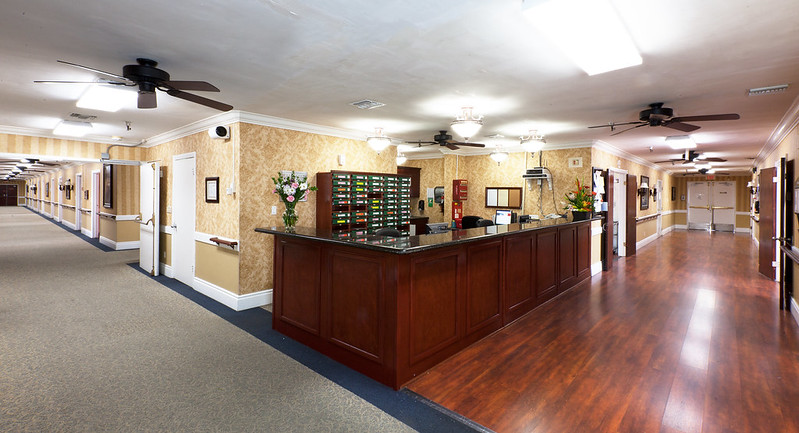
Who Owns and Operates University?

UNIVERSITY CARE CENTER is owned by a for-profit company. For-profit facilities operate as businesses with obligations to shareholders or private owners. The facility is operated by PACS GROUP, a chain that manages multiple nursing homes. With 87 certified beds and approximately 78 residents (about 90% occupancy), it is a smaller facility located in SAN DIEGO, California.
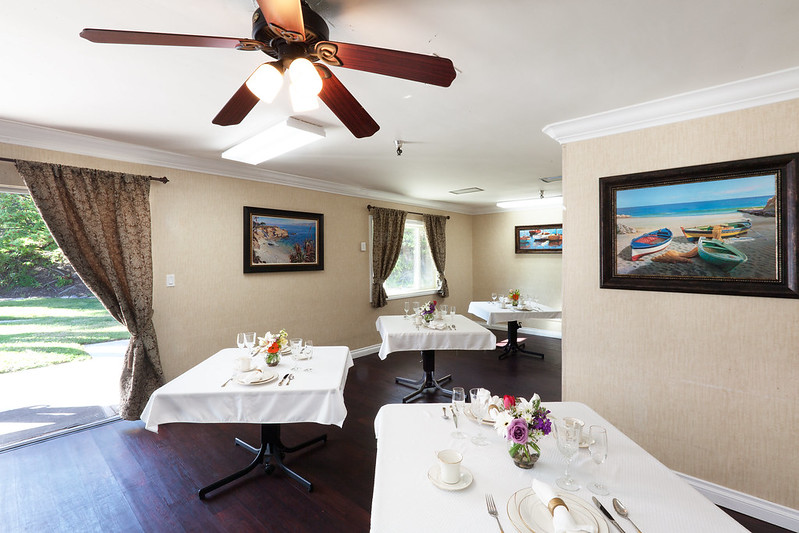
How Does University Compare to Other California Nursing Homes?

Compared to the 100 nursing homes in California, UNIVERSITY CARE CENTER's overall rating (4 stars) is above the state average of 3.2, staff turnover (49%) is near the state average of 46%, and health inspection rating (3 stars) is at the national benchmark.

What Should Families Ask When Visiting University?

Based on this facility's data, families visiting should ask: "Can you walk me through typical staffing levels on day, evening, and night shifts?" "Can I visit during a mealtime to observe dining assistance and food quality?" "How do you handle medical emergencies, and what is your hospital transfer rate?" "Can I speak with family members of current residents about their experience?" These questions are particularly relevant given the below-average staffing rating.

Is University Safe?

Based on CMS inspection data, UNIVERSITY CARE CENTER has a clean safety record: no substantiated abuse findings (meaning no confirmed cases of resident harm), no Immediate Jeopardy citations (the most serious violation level indicating risk of serious injury or death), and is not on the Special Focus Facility watch list (a federal program monitoring the lowest-performing 1% of nursing homes). The facility has a 4-star overall rating and ranks #1 of 100 nursing homes in California. While no facility is perfect, families should still ask about staff-to-resident ratios and recent inspection results during their visit.

Do Nurses at University Stick Around?

UNIVERSITY CARE CENTER has a staff turnover rate of 49%, which is about average for California nursing homes (state average: 46%). Moderate turnover is common in nursing homes, but families should still ask about staff tenure and how the facility maintains care continuity when employees leave.

Was University Ever Fined?

UNIVERSITY CARE CENTER has no federal fines on record. CMS issues fines when nursing homes fail to meet care standards or don't correct problems found during inspections. The absence of fines suggests the facility has either maintained compliance or corrected any issues before penalties were assessed. This is a positive indicator, though families should still review recent inspection reports for the full picture.

Is University on Any Federal Watch List?

UNIVERSITY CARE CENTER is not on any federal watch list. The most significant is the Special Focus Facility (SFF) program, which identifies the bottom 1% of nursing homes nationally based on persistent, serious quality problems. Not being on this list means the facility has avoided the pattern of deficiencies that triggers enhanced federal oversight. This is a positive indicator, though families should still review the facility's inspection history directly.