VI AT LA JOLLA VILLAGE
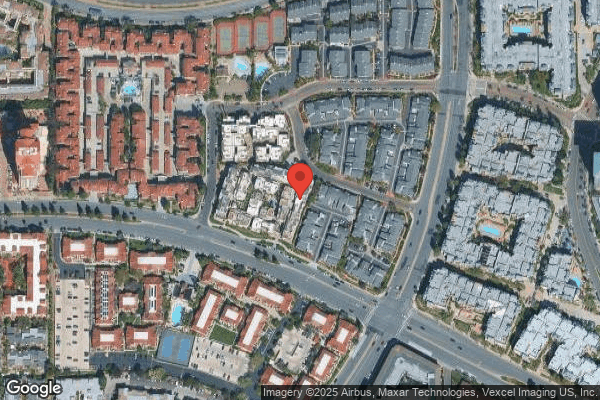
4171 LAS PALMAS SQUARE, SAN DIEGO, CA 92122 (858) 646-3400
For profit - Limited Liability company 60 Beds VI LIVING Data: November 2025
Trust Grade
93/100
#246 of 1155 in CA
Last Inspection: September 2023

Over 2 years since last inspection. Current conditions may differ from available data.

Overview

VI at La Jolla Village in San Diego has an excellent Trust Grade of A, indicating it is highly recommended for families seeking care. It ranks #246 out of 1,155 facilities in California, placing it in the top half of the state, and #32 out of 81 in San Diego County, meaning only one other local option is better. The facility is improving, with reported issues decreasing from six in 2023 to just two in 2025. Staffing is a strong point, with a perfect 5-star rating and a turnover rate of 26%, significantly lower than the state average. However, there have been some concerning incidents, including a violation of patient privacy when a resident was sent to the emergency room with another patient's information and failures to develop care plans for residents experiencing symptoms like vomiting and falls. Overall, while there are notable strengths in staffing and quality ratings, families should be aware of the specific incidents that indicate areas needing attention.

Trust Score
A
93/100
In California
#246/1155
Top 21%
Safety Record
Low Risk
No red flags
Inspections
Getting Better
6 → 2 violations
Staff Stability
✓ Good
26% annual turnover. Excellent stability, 22 points below California's 48% average. Staff who stay learn residents' needs.
Penalties
✓ Good
No fines on record. Clean compliance history, better than most California facilities.
Skilled Nurses
✓ Good
Each resident gets 58 minutes of Registered Nurse (RN) attention daily — more than average for California. RNs are trained to catch health problems early.
Violations
○ Average
9 deficiencies on record. Average for a facility this size. Mostly minor or procedural issues.
★★★★★
5.0
Overall Rating
★★★★★
5.0
Staff Levels
★★★★★
5.0
Care Quality
★★★★★
5.0
Inspection Score
Stable
2023: 6 issues
2025: 2 issues

The Good

  • 5-Star Staffing Rating · Excellent nurse staffing levels
  • 5-Star Quality Measures · Strong clinical quality outcomes
  • Low Staff Turnover (26%) · Staff stability means consistent care
  • Full Sprinkler Coverage · Fire safety systems throughout facility
  • No fines on record
  • Staff turnover is low (26%)

    22 points below California average of 48%

Facility shows strength in staffing levels, quality measures, staff retention, fire safety.

The Bad

Chain: VI LIVING

Part of a multi-facility chain

Ask about local staffing decisions and management

The Ugly 9 deficiencies on record

Aug 2025 1 deficiency
CONCERN (E) 📢 Someone Reported This

A family member, employee, or ombudsman was alarmed enough to file a formal complaint

Potential for Harm - no one hurt, but risky conditions existed

Deficiency F0583 (Tag F0583)

Could have caused harm · This affected multiple residents

**NOTE- TERMS IN BRACKETS HAVE BEEN EDITED TO PROTECT CONFIDENTIALITY** Based on observation, interview, and record review the facility failed to protect one (Resident 1) of four Residents' PHI (prote...

Read full inspector narrative →
**NOTE- TERMS IN BRACKETS HAVE BEEN EDITED TO PROTECT CONFIDENTIALITY** Based on observation, interview, and record review the facility failed to protect one (Resident 1) of four Residents' PHI (protected health information) when Resident 1 was sent out to the emergency room with wrong resident information and documents.As a result, HIPPA (Health Insurance Portability and Accountability Act- a U.S. federal law protecting sensitive patient health information from disclosure without the patient's consent or knowledge) was violated and allowed unconsented disclosure of another resident's PHI. Findings:Review of complaint intake indicated .[Name of SNF] sent a patient to .emergency department with the paperwork of another resident. The correct patient was Resident 1 and he arrived with another patient's chart and medical information, this patient whose chart was brought in with the wrong patient was Resident 2 .Review of facility's Face Sheet for Resident 1indicated that he was admitted on [DATE] with diagnoses that included: Metabolic Encephalopathy (a condition where brain dysfunction occurs due to issues with the body's metabolism), Heart Failure (a condition where the heart can't pump enough blood and oxygen to meet the body's needs), Chronic Kidney Disease (a condition where the kidneys are damaged and can't filter blood effectively), and Chronic Obstructive Pulmonary Disease (a progressive lung disease that makes it hard to breathe).Review of facility's Face Sheet for Resident 2 indicated he was admitted on [DATE] for diagnoses which included: Alzheimer's Disease (a progressive brain disorder that gradually impairs thinking, memory, and behavior), Dementia (a condition characterized by a progressive decline in cognitive functions, such as memory, thinking, language, judgment, and behavior), Chronic Obstructive Pulmonary Disease, Hearing Loss, and Legal Blindness (a severe visual impairment that meets specific medical criteria, as defined by law).On 8/12/25 at 9:50 A.M., a concurrent interview with the Director of Nursing (DON) and record review of Progress Note by a Licensed Nurse (LN 1) was conducted. Record review indicated, .Resident (1) was sent out at around 03:55 [A.M.] via 911 to [Name of Hospital].wife notified at 04:20 [A.M.]., MD informed and made aware via text message about Resident 1's recent fall. The DON stated there was no documentation that LN 1 verified the identity of the resident and the documents given to the paramedics, or that a report was given to paramedics prior to discharge.On 8/12/25 at 10:15 A.M., an interview was conducted with LN 2. LN 2 stated that her process for sending an emergent resident to the ER were as follows, .Call physician to get a telephone order if resident is stable, if unstable then call 911. Print out paper work including CCD (a list of essential information used when discharging resident), medication list, and recent vital signs (resident's temperature, pulse respiration). When giving report to paramedics, make sure it is the correct resident by checking resident's identity (ID) band against the paperwork with paramedic.If the resident is alert, ask the resident their name. LN 2 stated that if paperwork of another resident was sent in error, she would call hospital and tell them that she sent the wrong paperwork, and would ask them to shred the incorrect paperwork, and then fax them the correct documents. LN 2 stated she would report to the physician, the DON, and the family that there may have been a HIPAA violation for the incorrect resident.On 8/12/25 at 10:30 A.M., an interview with LN 3 was conducted. LN 3 stated that her process for sending a resident to the ER were as follows: .Call physician to let them know resident needs to go to the emergency room, get a telephone order. If the resident is unstable, call 911. Print out paperwork to go with the resident including face sheet, POLST (Physician Orders for Life-Sustaining Treatment-medical order form that documents a patient's preferences for end-of-life care), recent labs, and notice of transfer forms. When giving the report to paramedics she would double-check if it was the the right resident by looking at the resident's ID band or picture in computer, or ask their name if the resident was alert. After the resident's identity was verified, she would review paperwork with paramedics. LN 3 stated that if paperwork of another resident was sent in error, she would call hospital and tell them that she sent the wrong paperwork, and ask the hospital to shred the paperwork. LN 3 stated she would fax them the correct paperwork. LN 3 stated she would report to her supervisors, the administrator (ADM), and inform the family of the resident whose information was mistakenly sent, to let them know that there may have been a HIPPA violation.On 8/12/25 at 11:15 A.M. a concurrent interview with the DON and record review of two other residents (3 and 4) who were transferred to the hospital was conducted. The DON stated there was no documentation that Resident 3's identity was verified, and transfer documentation was reviewed with paramedics. The DON stated there was no documentation that Resident 4's identity was verified and transfer documentation reviewed with paramedics. The DON stated the expectation was that the nurse should check the identity of the resident being discharged while giving report to the paramedics. The DON stated two acceptable ways to check the resident's identity were: by observing their ID band or asking their name if they are alert. The DON stated the importance of checking a resident's identity is to ensure that the resident is the correct resident and their paperwork is the correct paperwork to ensure the right plan of care for the resident.On 8/12/25 at 11:30 A.M., an interview was conducted with Resident 2. Resident 2 was alert and oriented x 1-2, but hard of hearing. Resident 2 was observed in his wheelchair watching tv. Resident 2 stated that he had been told this morning by the DON, that his information was sent to the hospital with another resident on 7/13/25. Resident 1 stated the DON told him about it this morning. The DON stated that she called Resident 2's son prior to interview but could only leave a message.On 8/12/25 at 12 P.M., a phone interview was conducted with LN 1. LN 1 stated that Resident 1 was sent to the emergency room after a fall. LN 1 stated she had an orientee with her, and the orientee printed the necessary paperwork including Face sheet, history and physical, CCD, and vital signs. LN 1 stated when the paramedics came, she gave them a report. LN 1 stated that Resident 1 was alert so they asked him his name to confirm his identity. LN 1 stated the mistake she made was not reviewing the paperwork with the paramedics. LN 1 stated she handed the paperwork to the paramedics, and they left. LN 1 stated the ER called when they arrived because of the mistaken paperwork. LN 1 stated that she faxed the correct paperwork to the emergency room but never reported it to her supervisors. LN 1 stated the expectation was she should have verified the identity of the resident by looking at the resident's wrist band or asking them their name while reviewing the paperwork with the paramedics. LN 1 stated she should have reported to her supervisors that there was a possible HIPPA violation. LN 1 stated she should have also called the family of Resident 2 to inform them of the possible breach of their family member's PHI.Review of the undated facility policy and procedure titled HIPAA Notice of Privacy Practices indicated .We are required by federal and state laws to maintain the privacy of your PHI (protected health information).We will obtain a written authorization from you before we use or disclose your PHI.We may use or disclose your PHI to provide you with or assist in your treatment, care, and services.We may also disclose your PHI to individuals who will be involved in your care if you leave the community.We will provide you with written notification (either mail or email) in the event of a security breach involving your PHI. The notification will describe what happened, the types of information involved, the steps that we are taking to deal with the situation, what you should do to protect yourself against any harmful consequences, and contacts for obtaining further information.
May 2025 1 deficiency
CONCERN (D) 📢 Someone Reported This

A family member, employee, or ombudsman was alarmed enough to file a formal complaint

Potential for Harm - no one hurt, but risky conditions existed

Deficiency F0760 (Tag F0760)

Could have caused harm · This affected 1 resident

**NOTE- TERMS IN BRACKETS HAVE BEEN EDITED TO PROTECT CONFIDENTIALITY** Based on interview and record review, the facility failed to administer medications to the correct resident for one of two sampl...

Read full inspector narrative →
**NOTE- TERMS IN BRACKETS HAVE BEEN EDITED TO PROTECT CONFIDENTIALITY** Based on interview and record review, the facility failed to administer medications to the correct resident for one of two sampled residents (1). This failure placed Resident 1 at an increased risk of low blood pressure. Findings: Per the facility's Resident Face Sheet, Resident 1 was admitted to the facility on [DATE] with diagnoses to include heart failure, atrial fibrillation (abnormal heart rhythm). On 5/7/25 at 9:40 A.M., an interview was conducted with the Director of Nursing (DON). The DON stated, on 4/25/25 Licensed Nurse (LN) 2 administered propranolol (a medication to treat heart problems and high blood pressure) and losartan (a medication to treat high blood pressure) to the wrong resident (Resident 1). The DON further stated, the error occurred because LN 2 thought Resident 1 was a different resident, and gave him the other resident's medications by mistake. LN 2 was not available for interview. Per the facility's Physician Order Report, dated 5/7/25, Resident 1 did not have any orders for propranolol or losartan. Per the facility's Resident Progress Notes, there was a note on 4/25/25 at 5:31 P.M., by LN 2, which indicated that LN 2 realized she gave Resident 1 the wrong medication when she gave him losartan and propranolol. The note further indicated that Resident 1's blood pressure at the time of administration was 92/55 (a low blood pressure reading). A review of the facility's policy and procedure, revised October 2023, was conducted. The policy indicated, . Administration of Medications/Treatments . 4. The resident's identity is confirmed prior to administering the medications/treatments .
Oct 2023 1 deficiency
CONCERN (D) 📢 Someone Reported This

A family member, employee, or ombudsman was alarmed enough to file a formal complaint

Potential for Harm - no one hurt, but risky conditions existed

Report Alleged Abuse (Tag F0609)

Could have caused harm · This affected 1 resident

**NOTE- TERMS IN BRACKETS HAVE BEEN EDITED TO PROTECT CONFIDENTIALITY** Based on interview and record review, the facility failed to report an allegation of neglect (a type of abuse that involves fail...

Read full inspector narrative →
**NOTE- TERMS IN BRACKETS HAVE BEEN EDITED TO PROTECT CONFIDENTIALITY** Based on interview and record review, the facility failed to report an allegation of neglect (a type of abuse that involves failing to provide care and services to a resident) for one of one resident (Resident 1) within the 24-hour timeframe to the State Survey Agency (SA, where the state law provides for jurisdiction in long term care facilities) of the reported incident. This failure resulted in the delay of facility's abuse investigation and potentially expose Resident 1 and other residents for further neglect. Findings: Resident 1 was admitted to the facility on [DATE] with a diagnosis of multiple fractures (broken bones) of the pelvis (a bone that connects the upper body to the lower body) and dementia (a condition characterized by loss of memory, language, problem solving and other thinking abilities) per facility's admission record. On 10/5/23 at 1:52 P.M., an interview was conducted with the Administrator (ADMIN). The ADMIN stated two certified nursing assistant students (SCNA 1 and SCNA 2) reported witnessing the neglect of Resident 1 by certified nursing assistant (CNA 1) on 9/25/23. On 10/5/23 at 2:07 P.M., an interview was conducted with SCNA 1. SCNA 1 stated she and SCNA 2 began shadowing CNA 1 during the morning shift on 9/25/23 at 8:00 A.M. SCNA 1 stated CNA 1 was assigned to care for Resident 1. SCNA 1 stated Resident 1 was incontinent (inability to control the expression of urine and feces from the body). SCNA 1 stated CNA 1 did not check Resident 1's brief (adult diaper) until 2:00 P.M. SCNA 1 stated she observed blood on the leg openings of the brief. SCNA 1 stated the brief contained urine, and a mixture of dry and fresh bowel movement. SCNA 1 stated Resident 1 started to cry when CNA 1 started to clean Resident 1's groin with a wipe. On 10/5/23 at 2:20 P.M., an interview was conducted with SCNA 2. SCNA 2 stated on 9/25/23 at 2:00 P.M. was the first time CNA 1 assessed and changed Resident 1's brief during the morning shift. SCNA 2 stated Resident 1 started to cry and make noises when he was being cleaned. SCNA 2 stated CNA 1 started to mimic (copy or impersonate) Resident 1's crying in front of SCNA 1, SCNA 2 and Resident 1. SCNA 2 stated she and SCNA 1 notified their clinical instructor (CI) immediately following the incident at 2:30 P.M. on 9/25/23. On 10/5/23 at 3:34 P.M., an interview was conducted with the director of nursing (DON). The DON stated the CI informed them of the SCNA's report on the morning of 9/26/23. The DON stated the abuse allegation was not reported to the SA and local law enforcement within the required 24 hour time period. A review of Resident 1's progress note, dated 9/29/23 at 6:15 P.M., indicated a report was made to the SA on 9/29/23, three days after the incident happened. A review of the facility's fax of the Report of Suspected Dependent Adult/Elder Abuse form regarding Resident 1's allegation to the State Survey Agency and the Ombudsman (advocate for residents in long term care facilities) was completed on 9/29/23, and faxed on 9/29/23 at 5:02 P.M. A review of the facility policy titled, Elder Abuse Protocol, Reporting Suspected, revised December 2017, indicated, Purpose: this protocol outlines the process for reporting suspected elder abuse in care venues . Reporting Responsibilities . 2. The state required report is submitted within required reporting guidelines to the responsible state agency .
Sept 2023 1 deficiency
CONCERN (E) 📢 Someone Reported This

A family member, employee, or ombudsman was alarmed enough to file a formal complaint

Potential for Harm - no one hurt, but risky conditions existed

Comprehensive Care Plan (Tag F0656)

Could have caused harm · This affected multiple residents

**NOTE- TERMS IN BRACKETS HAVE BEEN EDITED TO PROTECT CONFIDENTIALITY** Based on observation, interview, and record review, the facility failed to ensure resident-centered care plans were developed fo...

Read full inspector narrative →
**NOTE- TERMS IN BRACKETS HAVE BEEN EDITED TO PROTECT CONFIDENTIALITY** Based on observation, interview, and record review, the facility failed to ensure resident-centered care plans were developed for six residents when: 1. Four residents had symptoms of vomiting and/or diarrhea (Resident 2, Resident 3, Resident 4 and Resident 5); 2. Two residents had fall incidents (Resident 1 and Resident 6); 3. A resident ' s bladder incontinence was not addressed (Resident 1) These failures could potentially affect these residents in the care areas that were not care planned. These included proper attention and assessment for dehydration and infection control for Resident 2, Resident 3, Resident 4 and Resident 5; avoiding further falls for Resident 6; preventing injury from further falls for Resident 1; and interventions to address bladder incontinence for Resident 1. Findings: 1. Resident 2 was re-admitted to the facility on [DATE] with the diagnoses including diabetes mellitus (too much sugar circulating in the blood) with diabetic kidney disease (a complication of diabetes causing damage to kidneys) according to the facility ' s Resident Face Sheet. An interview was conducted with CNA 3 on 9/21/23, at 11:25 A.M. CNA 3 stated Resident 2 had a cart outside the room with personal protective equipment (PPE- medical supplies to maintain infection control) for protection. CNA 3 stated Resident 2 had gastrointestinal (GI-stomach and intestine) problems. CNA 3 stated a gown, gloves and face mask were needed upon entering Resident 2 ' s room because Resident 2 could be contagious. During an interview and concurrent record review on 9/21/23, at 12:07 P.M. with LN 2, LN 2 stated Resident 2 had projectile (sudden and forceful) vomiting on 9/18/23 and 9/19/23. Upon review of Resident 2 ' s care plan, LN 2 stated there was no care plan regarding Resident 2 ' s vomiting. Resident 3 was admitted to the facility on [DATE] with diagnoses including unspecified protein-calorie malnutrition (reduced nutrients in the body) according to the facility ' s Resident Face Sheet. During an interview and concurrent record review on 9/21/23, at 12:17 P.M. with LN 2, LN 2 stated Resident 3 ' s wife reported that Resident 3 had vomiting on 9/18/23. Upon review of Resident 3 ' s care plan, LN 2 stated there was no care plan regarding Resident 3 ' s vomiting. Resident 4 was admitted to the facility on [DATE] with the diagnoses including dysphagia (difficulty in swallowing) following nontraumatic intracerebral hemorrhage (bleeding inside the brain) according to the facility ' s Resident Face Sheet. During an interview and concurrent record review on 9/21/23, at 12:24 P.M. with LN 2, LN 2 stated Resident 4 had vomiting on 9/18/23 and three episodes of loose bowel movement on 9/19/23. Upon review of Resident 4 ' s care plan, LN 2 stated there was no care plan regarding Resident 4 ' s vomiting and loose bowel movements. Resident 5 was admitted to the facility on [DATE] with the diagnoses including unspecified protein-calorie malnutrition (reduced nutrients in the body) according to the facility ' s Resident Face Sheet. During an interview and concurrent record review on 9/21/23, at 12:07 P.M. with LN 2, LN 2 stated Resident 5 had diarrhea (loose, watery stools) twice on 9/19/23. Upon review of Resident 5 ' s care plan, LN 2 stated there was no care plan regarding Resident 5 ' s diarrhea. LN 2 stated care planning residents ' conditions were important because it was the specific care and intended goal for the resident. LN 2 further stated residents with vomiting and diarrhea were at risk for fluid imbalance, malnutrition, and dehydration. 2. Resident 1 was admitted to the facility on [DATE] with the diagnoses including fracture of right ischium (lower and back sides of the hip bone) and history of falling according to the facility ' s Resident Face Sheet. During a review of Resident 1 ' s progress notes (PN) dated 9/10/23, the PN indicated Resident 1 was found sitting on the floor next to his bed. The PN indicated Resident 1 stated he slipped off the bed as he tried to get up. Upon review of Resident 1 ' s care plan, there was no care plan regarding Resident 1 ' s fall incident on 9/10/23. Resident 6 was re-admitted to the facility on [DATE] with the diagnoses including nondisplaced fracture (bone cracks or breaks retaining proper alignment) of right clavicle (collar bone) and repeated falls according to the facility ' s Resident Face Sheet. An interview and concurrent record review was conducted with LN 3 on 9/21/23, at 1:42 P.M. During a review of Resident 6 ' s clinical record titled, Event-Falls, dated 8/10/23, LN 3 stated Resident 6 fell in the room, attempting to toilet herself. LN 3 further stated Resident 6 ' s progress notes dated 8/19/23 at 1:06 A.M., indicated Resident 6 had an unwitnessed fall and was found lying on the right side on the floor. Upon review of Resident 6 ' s care plans, LN 3 stated there were no care plans addressing the fall incidents on 8/10/23 and 8/19/23. LN 3 stated there should be a care plan with new interventions for residents who fall, especially if the resident had frequent fall incidents. 3. During an interview and concurrent record review on 9/21/23, at 10:39 A.M. with the Minimum Data Set (MDS- tool that measures health status of residents) nurse, the MDS nurse stated section H of the MDS indicated Resident 1 was occasionally incontinent of bladder (loss of bladder control). The MDS nurse stated if a resident was triggered for incontinence, she would add an intervention in the care plan. The MDS nurse stated if there was no incontinent care plan, she would create a care plan after interviewing the resident to identify the usual time he or she used the bathroom. The MDS nurse further stated interventions such as toileting before meals, after meals, before bedtime, upon rising and offering toileting at night if awake. The MDS nurse stated Resident 1 was taking a diuretic (water pills) and needed prompting to use the bathroom. The MDS nurse stated there was no care plan for Resident 1 to address the urinary incontinence and if these interventions were created it may have prevented Resident 1 from falling. During a review of the facility ' s policy and procedure (P&P) titled, Care Plan Protocol, dated November 2011, the P&P indicated, .A care plan is started upon initiation of service by the Registered Nurse (RN), with continuing evaluation and service modifications based on the patient ' s needs .The patient ' s health needs, plans and goals are considered by the coordinating nurse on an ongoing basis . A review of the facility ' s P&P titled, Incontinence Management (UIM) Protocol, Urinary, dated October 2017 was conducted. The P&P indicated, .UI (urinary incontinence) may be associated with changes in skin integrity .urinary tract infections (UTI), falls and fractures .UI requires that a resident who is bladder incontinent receives appropriate treatment and services to prevent UTIs and to restore as much normal bladder function as possible .
Sept 2023 4 deficiencies
CONCERN (D)

Potential for Harm - no one hurt, but risky conditions existed

Quality of Care (Tag F0684)

Could have caused harm · This affected 1 resident

**NOTE- TERMS IN BRACKETS HAVE BEEN EDITED TO PROTECT CONFIDENTIALITY** Based on interview and record review, the facility failed to provide the needed care for one of three residents (Resident 46) wh...

Read full inspector narrative →
**NOTE- TERMS IN BRACKETS HAVE BEEN EDITED TO PROTECT CONFIDENTIALITY** Based on interview and record review, the facility failed to provide the needed care for one of three residents (Resident 46) when Resident 46's thoracentesis (procedure to drain fluid out of the lungs) incision site was not monitored. This failure had the potential for nursing staff to not identify any deterioration on Resident 46's incision site which could result in delay of treatment. Findings: A review of Resident 46's face sheet indicated that the resident was admitted to the facility on [DATE] with diagnoses that included chronic kidney disease (CKD, kidney failure), congestive heart failure (CHF, failure of the heart to pump blood). A review of Resident 46's physician order dated 8/17/23, indicated, Resident 46 had a thoracentesis on 8/28/23 at 12:40 P.M. A concurrent interview and record review were conducted with licensed nurse (LN 12) on 9/1/23 at 3:45 P.M. LN 12 stated there was no documentation Resident 46's thoracentesis incision site was assessed and monitored. LN 12 further stated Resident 46's thoracentesis site should have been observed for change in condition every shift. An interview conducted with the director of nursing (DON) on 9/1/23 at 3:55 P.M. The DON stated nursing staff should monitor incision sites and document the monitoring to ensure the resident was receiving the care appropriately. Review of the facility's policy titled Resident Care - Documentation dated 10/2022 indicated, . Skin integrity events are documented in the event and in the MatrixCare Wound Management Module, until healed.
CONCERN (D)

Potential for Harm - no one hurt, but risky conditions existed

Pharmacy Services (Tag F0755)

Could have caused harm · This affected 1 resident

Based on observation, interview and record review, the facility failed to ensure that 1 of 29 medication opportunities was administered per standard of practice when Resident 11's Lidocaine patch (med...

Read full inspector narrative →
Based on observation, interview and record review, the facility failed to ensure that 1 of 29 medication opportunities was administered per standard of practice when Resident 11's Lidocaine patch (medication for pain) was administered without date and time. Findings: A review of Resident 11's History and Physical dated 7/20/2023 indicated, Resident 11 was admitted to the facility for diagnosis that included Syncope (fainting), back pain and sciatica (pain, tingling in the leg), and hand osteoarthritis (degeneration of joint cartilage). On 09/01/23 at 9:09 A.M., an observation was conducted during Licensed Nurse (LN) 1's medication pass with Resident 11. Resident 11 was administered with a Lidocaine Patch 4%. The lidocaine patch was cut into half and was placed on his left wrist and right wrist, and both patches did not have date and time. A review of Physician 1's order indicated Lidocaine [OTC] adhesive patch, medicated; 4%; amt (amount): 1 patch; topical .back pain . on in AM off in PM . On 9/1/2023 at 9:30 A.M., an interview was conducted with LN 1. LN stated Resident 11 refused to have the Lidocaine patch on his back and requested to have it cut into half and placed on his bilateral wrist. LN 1 stated she called Physician 1 and obtained the order for Lidocaine patch to be applied on Resident 11's bilateral wrist. LN 1 stated she entered the medication order and forgot to put the date and time on the lidocaine patch. LN 1 further stated, it was important to put the date and time to indicate when it was administered in order for the next shift nurse to know when it should be removed. On 9/1/2023 at 10:35 A.M., an interview was conducted with the Director of Nursing (DON). Per DON, the transdermal patch should have a date and time. A review of facility's policy titled Medication/Treatment Management Protocol last revised December 2017 did not indicate specific guidelines on Lidocaine Transdermal patch.
CONCERN (D)

Potential for Harm - no one hurt, but risky conditions existed

Deficiency F0761 (Tag F0761)

Could have caused harm · This affected 1 resident

2. Review of Resident 155's medication order dated 8/19/23, indicated, Resident 155 was to receive methenamine mandelate (generic name of a drug) 1 gram (gm, unit of measurement) 1 tablet; oral diagno...

Read full inspector narrative →
2. Review of Resident 155's medication order dated 8/19/23, indicated, Resident 155 was to receive methenamine mandelate (generic name of a drug) 1 gram (gm, unit of measurement) 1 tablet; oral diagnosis: urinary tract infection (UTI, bladder infection) prevention, twice a day; 9:00 A.M.; 5:00 P.M. During a concurrent observation and interview with Resident 155 on 8/29/23 at 10:37 A.M. inside Resident 155's room. A pink pill was observed inside a medicine cup laying on top of Resident 155's bedside table. Resident 155 stated, the licensed nurse left the mediation for her to take to prevent UTI. Resident 155 further stated she will take the medication whenever she wanted to. A follow up observation and interview were conducted with licensed nurse (LN 2) on 8/29/23 at 11:54 A.M. inside Resident 155's room. LN 2 stated the pink pill was Resident 155's medication for UTI prevention. LN 2 further stated, she should have waited for Resident 155 to take the medication by mouth before leaving the room to ensure the resident had the right dose, the right medication at the right time. On 9/1/23 at 3:45 P.M., an interview was conducted with the director of nursing (DON). The DON stated when LNs administer medications, LNs should stay with the resident to ensure the right mediation, the right dose, the right route, and the right time were observed. Review of facility's policy on Medication/Treatment Management Protocol dated 12/2017, indicated . Confirming the resident is taking the medication as directed. Observing the resident while the medication is taken. Based on observation, interview and record review, the facility failed to ensure proper storage of medications were followed when: 1. 1 of 2 medication rooms (Medication Room # 1) stored 2 expired residents' medications. 2. 1 of 12 sampled residents (Resident 155) had an unattended medication in Resident 155's bedside table. As a result, using expired medications had the potential to affect the medications' action and effectivity. In addition, leaving medications unattended could result in other residents ingesting another resident's medications which could affect the resident's health and safety. Findings: On 8/31/23 at 4:06 P.M., a concurrent observation and interview were conducted in the Second Floor Medication Room (Medication Room # 1) with Licensed Nurse (LN) 2. In the refrigerator, a compounded medication Pantoprazole (medication that reduces the amount of acid your stomach makes) 2MG/ML 400ML SUSP with expiration date of 8/29/2023 was observed. LN 2 stated Pantoprazole medication had an expiration date of 8/29/2023 and was considered expired. In the medication storage closet, Lactulose Solution (medication for constipation), USP 10g/15 mL with expiration date of 6/2023 was observed. LN 2 stated, the Lactulose Solution had an expiration date of 6/2023, and was considered an expired medication. On 9/1/2023 at 10:35 A.M., an interview was conducted with the Director of Nursing (DON). The DON stated it was everyone's responsibility including myself to ensure that there were no expired medications stored in the medication room. The DON stated expired medications should be discarded per policy. On 9/1/2023 at 2:23 P.M., an interview was conducted with Pharmacy Consultant (PC). Per PC, she would inspect the medication rooms and perform spot check for expired medications. The PC stated it was important to make sure that expired medications were not stored in the medication room to prevent potential administration to residents. Per PC, expired medications have less active medication ingredients. The PC further stated it was important for residents to be administered with unexpired medication to receive the medication's active ingredients. A review of facility's policy and procedure titled Medication/Management Protocol - SN, revised December 2017, was conducted. The policy did not provide guidance regarding the process for expired medications.
CONCERN (D)

Potential for Harm - no one hurt, but risky conditions existed

Infection Control (Tag F0880)

Could have caused harm · This affected 1 resident

**NOTE- TERMS IN BRACKETS HAVE BEEN EDITED TO PROTECT CONFIDENTIALITY** 2. During an observation of Resident 46 on 8/29/23 at 9:26 A.M., Resident 46's nasal cannula was observed wrapped around his por...

Read full inspector narrative →
**NOTE- TERMS IN BRACKETS HAVE BEEN EDITED TO PROTECT CONFIDENTIALITY** 2. During an observation of Resident 46 on 8/29/23 at 9:26 A.M., Resident 46's nasal cannula was observed wrapped around his portable oxygen on his wheelchair. A concurrent observation and interview were conducted with licensed nurse (LN 2) on 8/30/23 at 9:01 A.M. inside Resident 46's room. Resident 46's nasal cannula was wrapped around his portable oxygen on his wheelchair. LN 2 stated Resident 46 used the nasal cannula while he was in the hallway. LN 2 further stated the used nasal cannula should have been stored inside a clean bag to prevent cross contamination. During an interview with the Infection Preventionist (IP) on 8/31/23 at 3:15 P.M., the IP stated used nasal cannula should be placed inside a clean transparent bag to prevent exposure of the nasal cannula from contamination. Review of the facility's policy, Respiratory Therapy - Infection Control dated 12/2017 indicated, Keep oxygen cannula and tubing in a plastic bag when not in use. Based on observation, interview and record review the facility failed to ensure the facility's policy and procedure for infection control were implemented for 2 of 12 residents (Resident 10 and Resident 46) when: 1. Resident 10's breakfast meal tray, that had been placed on the resident's bedside table, was brought back to kitchen and meal items were re-stored back in respective storage (food warmer and refrigerator). 2.Resident 46's used nasal cannula (tubing to deliver oxygen) was not stored in a bag. These failures could result in the spread of infection and cross contamination that could affect the 48 residents in the facility, the facility staff, as well as the visitors. Findings: 1. A review of Resident 10's undated Facesheet indicated that Resident 10 was admitted on [DATE] for diagnoses that included hypertension (high blood pressure), visual hallucination (seeing non-existent objects), and anxiety (feeling of fear). On 8/30/2023 at 8 A.M., an observation was conducted in Resident 10's room with Certified Nursing Assistant (CNA) 1. CNA 1 brought to Resident 10's room the breakfast meal tray and placed it on Resident 10's bedside table. Resident 10 was observed lying in bed with eyes closed and refused to eat breakfast. On 8/30/2023 at 8:07 A.M., an observation was conducted with CNA 1 and Server 1. CNA 1 brought Resident 10's breakfast meal tray from Resident 10's room to the 2nd floor's satellite kitchen. Server 1 received Resident 10's breakfast meal tray from CNA 1, brought the breakfast meal tray inside the kitchen, placed the tray on a silver table, then placed the content of the meal tray on their respective areas in the kitchen. Server 1 placed the cold beverage inside the refrigerator and placed the plate of food inside the food warmer. On 8/30/2023 at 8:12 A.M., an interview was conducted with Server 1. Per Server 1, CNA 1 brought back to the kitchen Resident 10's breakfast meal tray to keep warm food warm, and cold items cold to be served later. Server 1 further stated the food from the breakfast tray will be re-served later when Resident 10 is ready to eat breakfast. Server 1 was not aware that the breakfast meal tray has been placed on the bedside table of Resident 10. Per Server 1, the process was to discard the food that entered the resident room. On 8/30/2023 at 8:27 A.M., an interview was conducted with CNA 1. CNA 1 stated, Resident 10 was not ready to eat breakfast. CNA 1 stated, I brought Resident 10's breakfast meal tray back to the kitchen to keep it warm. CNA 1 stated the food will be re-served when Resident 10 was ready to eat breakfast. CNA 1 further stated Resident 10's breakfast meal tray has entered the resident room, and should not be placed back in the food cart with other clean breakfast meal trays. On 8/30/2023 at 10:18 A.M., an interview was conducted with Infection Preventionist (IP). The IP stated, anything that touched the surface of the resident room was considered contaminated and should not enter the clean area of the kitchen. On 8/31/2023 at 11:32 P.M., an interview was conducted with Dining Supervisor (DS). The DS stated meal tray that entered the resident's room or touched anything in the resident's room should not be brought back to the kitchen to be warmed. Per DS, meal trays from resident room were considered contaminated and should not re-enter the kitchen to prevent the spread of infection or the contamination. DS further stated, we have a process that indicated food tray that entered the patient's room and touched the patient's surface area should not re-enter the kitchen. On 8/31/2023 at 3:30 P.M., an interview was conducted with the Director of Nursing (DON). The DON stated food tray or anything that comes in the resident's room and touched the resident room's surface should not be brought back to the kitchen. Per the DON, anything that touched any surface of a resident's room could potentially contaminate food in the kitchen. The importance was to prevent the spread of contamination and infection. A review of the facility's undated process titled Tray delivered to resident rooms but refused/held for later service indicated 3. If tray is deposited bedside and touches any surface in the resident's room or has entered the room, tray may not be brought back to the pantry. 4. Notify Dietary Staff if tray has been brought to the room and request for a new tray.
Nov 2019 1 deficiency
CONCERN (D)

Potential for Harm - no one hurt, but risky conditions existed

Deficiency F0697 (Tag F0697)

Could have caused harm · This affected 1 resident

Based on interview and record review the facility failed to consistently use the pain scale when assessing resident pain. The facility also failed to ensure pain medication was administered based on t...

Read full inspector narrative →
Based on interview and record review the facility failed to consistently use the pain scale when assessing resident pain. The facility also failed to ensure pain medication was administered based on the resident's pain assessment. As a result, residents pain may not have been well controlled. Findings: 1. On 11/5/19 at 10:24 A.M. Resident 18 complained of pain, she said she wanted her pain pill. The medication nurse, RN 1 was outside her room and stated Resident 18 received her pain pill an hour ago, and she was about to go in to reassess Resident 18's pain. RN 1 stated Resident 18 was confused. On 11/8/19 at 11:21 A.M. Resident 18 clinical record was reviewed. Resident 18's MAR for the 11/5/18, related to morning dose of Norco (narcotic pain medication) had RN 1's initials, instead of Resident 18's numerical assessment of pain, for both the pre and post administration pain assessment. According to Resident 18's clinical record, Resident 18 had a physician's order dated 3/8/19 for acetaminophen, 325 mg, 2 tablets, by mouth every 6 hours as needed for mild (1-3/10) pain. On 10/27/19, and 10/29/19, Resident 18 complained and was assessed for 10/10 pain. On 10/31/19, Resident 18 complained and was assessed for 8/10 pain. On all 3 occasions Resident 18 was medicated with the acetaminophen for mild pain. 2. Resident 28's clinical record was reviewed on 11/7/19. Resident 28 was being assessed for pain every shift. The MAR for October 26th to November 8th, indicated Resident 28's pain was X, every day every shift with the exception of the evening and night shift 11/7/19, Resident 28's pain was assessed as 0. Resident 28 had a physician's order dated 10/17/19, for tramadol (narcotic-like pain reliever) 50 mg, 1 tablet, once a day, as needed for pain. On 10/28/19 at 12:34 A.M., Resident 28 received a dose for generalized pain. The pre and post pain assessment documentation on the MAR was an X. The DON was interviewed on 11/7/19 at 8:37 A.M. The DON stated there was no physician's order for pain medication for severe pain of 7-10. She was not comfortable getting narcotic pain medication orders for all of their residents with pain. The nurses should call the physician if the pain is above the range of ordered medication, and the nurses should have used into another pain assessment tool if the residents were confused. The facility provided their Pain Management Protocol, last revised October 2017. Ongoing Pain Assessments Pain Evaluation Every Shift for Diagnosis related Pain 1. Residents are evaluated every shift for pain using the 0-10 scale. 2. The asking of the question is documented on the eMAR (electronic medication administration record) and the pain lever=l is documented. 2.1. If the level is zero, the question will continue to be asked every shift. 2.2. If the resident has a pain score of one or greater, a MatrixCare CDS Focused Observation for pain or Pain AD assessment will be initiated and pain management interventions carried out as per protocol. Acute Pain/Anticipatory Pain 1. For residents experiencing acute pain (e.g., post-procedure, post-surgery, post-fall) reassessments are completed before each dose of analgesic is administered and at least 1 hour after it is administered. This continues for as long as the acute pain exists and is being treated Pain Rating Scale Utilization 1. During the pain assessment process utilize the most appropriate tool for the resident, incorporating cognitive status as well as resident preference in deciding which scale to use. 2. The scale that is to be used with the resident should be documented on the residents care plan so all staff can utilize the same scale. 2.1. Pain Scales available for use on the medication care are the: Wong-Baker FACES Pain Rating Scale; Pain Numeric Rating Scale; and Verbal Descriptor Scale.
Understanding Severity Codes (click to expand)
Life-Threatening (Immediate Jeopardy)
J - Isolated K - Pattern L - Widespread
Actual Harm
G - Isolated H - Pattern I - Widespread
Potential for Harm
D - Isolated E - Pattern F - Widespread
No Harm (Minor)
A - Isolated B - Pattern C - Widespread

Questions to Ask on Your Visit

  • "Can I speak with families of current residents?"
  • "What's your RN coverage like on weekends and overnight?"

Our Honest Assessment

Strengths
  • • Grade A (93/100). Above average facility, better than most options in California.
  • • No major safety red flags. No abuse findings, life-threatening violations, or SFF status.
  • • No fines on record. Clean compliance history, better than most California facilities.
  • • 26% annual turnover. Excellent stability, 22 points below California's 48% average. Staff who stay learn residents' needs.
Concerns
  • • No significant concerns identified. This facility shows no red flags across CMS ratings, staff turnover, or federal penalties.
Bottom line: Generally positive indicators. Standard due diligence and a personal visit recommended.

About This Facility

What is Vi At La Jolla Village's CMS Rating?

CMS assigns VI AT LA JOLLA VILLAGE an overall rating of 5 out of 5 stars, which is considered much above average nationally. Within California, this rating places the facility higher than 99% of the state's 100 nursing homes. This rating reflects solid performance across the metrics CMS uses to evaluate nursing home quality.

How is Vi At La Jolla Village Staffed?

CMS rates VI AT LA JOLLA VILLAGE's staffing level at 5 out of 5 stars, which is much above average compared to other nursing homes. Staff turnover is 26%, compared to the California average of 46%. This relatively stable workforce can support continuity of care.

What Have Inspectors Found at Vi At La Jolla Village?

State health inspectors documented 9 deficiencies at VI AT LA JOLLA VILLAGE during 2019 to 2025. These included: 9 with potential for harm.

Who Owns and Operates Vi At La Jolla Village?

VI AT LA JOLLA VILLAGE is owned by a for-profit company. For-profit facilities operate as businesses with obligations to shareholders or private owners. The facility is operated by VI LIVING, a chain that manages multiple nursing homes. With 60 certified beds and approximately 53 residents (about 88% occupancy), it is a smaller facility located in SAN DIEGO, California.

How Does Vi At La Jolla Village Compare to Other California Nursing Homes?

Compared to the 100 nursing homes in California, VI AT LA JOLLA VILLAGE's overall rating (5 stars) is above the state average of 3.2, staff turnover (26%) is significantly lower than the state average of 46%, and health inspection rating (5 stars) is much above the national benchmark.

What Should Families Ask When Visiting Vi At La Jolla Village?

Based on this facility's data, families visiting should ask: "Can I visit during a mealtime to observe dining assistance and food quality?" "How do you handle medical emergencies, and what is your hospital transfer rate?" "Can I speak with family members of current residents about their experience?"

Is Vi At La Jolla Village Safe?

Based on CMS inspection data, VI AT LA JOLLA VILLAGE has a clean safety record: no substantiated abuse findings (meaning no confirmed cases of resident harm), no Immediate Jeopardy citations (the most serious violation level indicating risk of serious injury or death), and is not on the Special Focus Facility watch list (a federal program monitoring the lowest-performing 1% of nursing homes). The facility has a 5-star overall rating and ranks #1 of 100 nursing homes in California. While no facility is perfect, families should still ask about staff-to-resident ratios and recent inspection results during their visit.

Do Nurses at Vi At La Jolla Village Stick Around?

Staff at VI AT LA JOLLA VILLAGE tend to stick around. With a turnover rate of 26%, the facility is 19 percentage points below the California average of 46%. Low turnover is a positive sign. It means caregivers have time to learn each resident's needs, medications, and personal preferences. Consistent staff also notice subtle changes in a resident's condition more quickly.

Was Vi At La Jolla Village Ever Fined?

VI AT LA JOLLA VILLAGE has no federal fines on record. CMS issues fines when nursing homes fail to meet care standards or don't correct problems found during inspections. The absence of fines suggests the facility has either maintained compliance or corrected any issues before penalties were assessed. This is a positive indicator, though families should still review recent inspection reports for the full picture.

Is Vi At La Jolla Village on Any Federal Watch List?

VI AT LA JOLLA VILLAGE is not on any federal watch list. The most significant is the Special Focus Facility (SFF) program, which identifies the bottom 1% of nursing homes nationally based on persistent, serious quality problems. Not being on this list means the facility has avoided the pattern of deficiencies that triggers enhanced federal oversight. This is a positive indicator, though families should still review the facility's inspection history directly.