VILLA RANCHO BERNARDO CARE CENTER


15720 BERNARDO CENTER DRIVE, SAN DIEGO, CA 92127 (858) 672-3900
For profit - Limited Liability company 299 Beds Independent Data: November 2025
Trust Grade
65/100
#496 of 1155 in CA
Last Inspection: November 2024

Within standard 12-15 month inspection cycle. Federal law requires annual inspections.

Overview

Villa Rancho Bernardo Care Center in San Diego has a Trust Grade of C+, indicating it is slightly above average, but not exceptional. It ranks #496 out of 1,155 facilities in California, placing it in the top half of all state nursing homes, and #54 out of 81 in San Diego County, meaning only a few local options are better. The facility is improving, as it has reduced its issues from 17 in 2023 to just 7 in 2024. Staffing is a strength here, with a 4 out of 5-star rating and a turnover rate of 34%, which is below the state average, suggesting that staff members tend to stay and are familiar with the residents. On the downside, recent inspections uncovered a serious incident where the facility failed to recognize a resident's health change that required immediate medical attention, delaying treatment for a potential stroke. Additionally, concerns were raised about the food quality and safety, with residents reporting that the meals were bland and even undercooked, and there were issues with expired food and unclean food storage conditions. Despite these weaknesses, the facility does maintain good RN coverage, exceeding 87% of California facilities, which helps to ensure better oversight and care for residents.

Trust Score
C+
65/100
In California
#496/1155
Top 42%
Safety Record
Moderate
Needs review
Inspections
Getting Better
17 → 7 violations
Staff Stability
○ Average
34% turnover. Near California's 48% average. Typical for the industry.
Penalties
✓ Good
No fines on record. Clean compliance history, better than most California facilities.
Skilled Nurses
✓ Good
Each resident gets 47 minutes of Registered Nurse (RN) attention daily — more than average for California. RNs are trained to catch health problems early.
Violations
⚠ Watch
39 deficiencies on record. Higher than average. Multiple issues found across inspections.
★★★★☆
4.0
Overall Rating
★★★★☆
4.0
Staff Levels
★★★★☆
4.0
Care Quality
★★★★☆
4.0
Inspection Score
Stable
2023: 17 issues
2024: 7 issues

The Good

  • 4-Star Staffing Rating · Above-average nurse staffing levels
  • 4-Star Quality Measures · Strong clinical quality outcomes
  • Full Sprinkler Coverage · Fire safety systems throughout facility
  • No fines on record
  • Staff turnover below average (34%)

    14 points below California average of 48%

Facility shows strength in staffing levels, quality measures, fire safety.

The Bad

Staff Turnover: 34%

11pts below California avg (46%)

Typical for the industry

The Ugly 39 deficiencies on record

1 actual harm
Nov 2024 6 deficiencies
CONCERN (D)

Potential for Harm - no one hurt, but risky conditions existed

Assessment Accuracy (Tag F0641)

Could have caused harm · This affected 1 resident

**NOTE- TERMS IN BRACKETS HAVE BEEN EDITED TO PROTECT CONFIDENTIALITY** Based on interview and record review, the facility failed to ensure the Minimum Data Set (MDS- standard assessment to facilitate...

Read full inspector narrative →
**NOTE- TERMS IN BRACKETS HAVE BEEN EDITED TO PROTECT CONFIDENTIALITY** Based on interview and record review, the facility failed to ensure the Minimum Data Set (MDS- standard assessment to facilitate resident's care) related to hospice (medical care for residents expected to live six months or less) services were coded accurately for one of 3 sampled residents reviewed for hospice (Resident 212). As a result, Resident 212 did not reflect their current health status, which may lead to unmet hospice care needs. Findings: Resident 212 was admitted to the facility on [DATE] with diagnoses that included Dementia (memory problem) per the admission Record. A review of Resident 212's medical records was conducted. Per the MDS assessment, dated 8/16/24, Section O Special Treatments, Procedure, and Programs, Resident 212 was not coded under hospice care. A review of Resident 212 Hospice Binder: Resident 212 received hospice care and service since 9/6/23, and there was no evidence that hospice services were discontinued. Per the November 2024 Order Summary, Resident 212 did not have hospice orders. On 11/7/24 at 8:04 A.M., a joint interview and record review was conducted with Licensed Nurse (LN) 1. LN 1 stated Resident 212 was on hospice services since 9/6/23. LN 1 further stated she made a mistake and clicked the discontinued order in the physician order on 4/26/24. LN 1 stated Resident 212 was on hospice and remained under hospice care. On 11/7/24 at 10:25 A.M., an interview was conducted with the MDS 1. MDS 1 stated she did the MDS assessment on 8/16/24, and she did not see a physician order for hospice. MDS 1 stated she coded Resident 212 as not receiving hospice care. MDS 1 further stated Resident 212 should have been coded under hospice care. On 11/7/24 at 11:25 A.M., an interview was conducted with the Director of Nursing (DON). The DON stated Resident 212 was receiving hospice care and the facility has a list of resident's name under hospice care. The DON further stated Resident 212 should have a physician order for hospice care, and MDS should have been coded for hospice accurately. Per the facility's policy and procedure, dated 12/19/22, titled MDS 3.0 Completion, Residents are assessed, using a comprehensive assessment process, in order to identify care needs and to develop an interdisciplinary care plan . Per the facility's policy and procedure, dated 12/19/22, titled Documentation in Medical Record, .Document shall be accurate, relevant, and complete .
CONCERN (D)

Potential for Harm - no one hurt, but risky conditions existed

Comprehensive Care Plan (Tag F0656)

Could have caused harm · This affected 1 resident

**NOTE- TERMS IN BRACKETS HAVE BEEN EDITED TO PROTECT CONFIDENTIALITY** Based on interview and record review, the facility failed to create person-centered care plans (a document that outlines the car...

Read full inspector narrative →
**NOTE- TERMS IN BRACKETS HAVE BEEN EDITED TO PROTECT CONFIDENTIALITY** Based on interview and record review, the facility failed to create person-centered care plans (a document that outlines the care and support a patient will receive) regarding non-pharmacological interventions (a healthcare treatment that doesn't involve medication) for three of 35 sampled residents (Residents 240, 290 and 440). This failure had the potential to decrease the types of supportive interventions these residents received while at the facility. Findings: Resident 240 was admitted to the facility on [DATE] with diagnoses that included depression (a serious mental health condition that causes a persistent low mood). Resident 290 was admitted to the facility on [DATE] with diagnoses that included depression. Resident 440 was admitted to the facility on [DATE] with diagnoses that included depression. On 11/6/24 at 1:44 P.M., an interview and concurrent record review were conducted with the Licensed Nurse (LN) 4 and the Assistant Director of Nursing (ADON) who stated Resident 240 was receiving two antidepressant medications for treatment of depression, Resident 290 was receiving one antidepressant medication for treatment of depression and Resident 440 was receiving three medications for depression. LN 4 and the ADON stated Residents 240, 290 and 440's care plans did not include individualized and non-pharmacological interventions. The ADON further stated there were no orders from the providers, and no documentation in the Medication Administration and Treatment Records (a daily documentation record used by a licensed nurse to document medication and treatment given). A review of the facility policy titled Comprehensive Care Plans revised on 12/19/22 indicated, It is the policy of this facility to develop and implement a comprehensive person-centered care plan for each resident . that includes . resident specific interventions . A review of the facility policy titled Use of Psychotropic Medication revised on 12/19/22 indicated, Residents who use psychotropic drugs shall also receive non-pharmacological interventions to facilitate reduction or discontinuation of the psychotropic drugs.
CONCERN (D)

Potential for Harm - no one hurt, but risky conditions existed

Pharmacy Services (Tag F0755)

Could have caused harm · This affected 1 resident

**NOTE- TERMS IN BRACKETS HAVE BEEN EDITED TO PROTECT CONFIDENTIALITY** Based on observations, interview and record review, the facility failed to flush a gastronomy tube (GT- artificial external open...

Read full inspector narrative →
**NOTE- TERMS IN BRACKETS HAVE BEEN EDITED TO PROTECT CONFIDENTIALITY** Based on observations, interview and record review, the facility failed to flush a gastronomy tube (GT- artificial external opening in the stomach for nutritional support) between each medication administered with water for one resident of four sampled residents reviewed for GT (Resident 1). This failure had the potential for Resident 1's GT to malfunction. Findings: Resident 1 was admitted to the facility on [DATE] with diagnoses of dysphagia (difficulty swallowing) and a gastrostomy tube, per the resident's admission Record. On 11/6/24 at 8:43 A.M., a concurrent observation and interview of a medication administration was conducted with Licensed Nurse (LN) 11. LN 11 administered the following medications via GT: -Polyethylene glycol (constipation prevention) 17 grams (gm) mixed with 240 milliliters (mLs) of water -Multivitamin with minerals (supplement) mixed with 15 mLs of water -Cetirizine (itchiness relief) 10 milligrams (mg) mixed with 15 mLs of water -Calcium carbonate (supplement) 1,250 mg mixed with 30 mLs of water -Gabapentin (pain management) 300 mg mixed with 15 mLs of water During administration of each medications via Resident 1's GT, LN 11 did not flush the GT between each medication with water. On 11/6/24 at 9:10 A.M., LN 11 confirmed it was a nursing standard of practice to flush a resident's GT between each medication that was administered. A record review of Resident 1's medication orders was conducted. On 3/22/24, the physician ordered Enteral (method of food or medication administration) Feed Order- every shift Enteral Feeding: flush enteral tube with 15-30 mLs of water before and after medication administration and 5 mLs water between each medication. On 11/07/24 at 11:44 A.M., the Director of Nursing (DON) stated that a resident's GT needs to be flushed with water between each medication during medication administration. The facility policy titled, Medication Administration via Enteral Tube, dated 12/19/22, indicated nurses must .Flush enteral tube with at least 15 mLs of water prior to administrating medication .and .Flush tube again with at least 15 mLs water .
CONCERN (D)

Potential for Harm - no one hurt, but risky conditions existed

Deficiency F0757 (Tag F0757)

Could have caused harm · This affected 1 resident

**NOTE- TERMS IN BRACKETS HAVE BEEN EDITED TO PROTECT CONFIDENTIALITY** Based on observation, interview and record review, the facility failed to ensure behavior monitoring was in placed for a psychot...

Read full inspector narrative →
**NOTE- TERMS IN BRACKETS HAVE BEEN EDITED TO PROTECT CONFIDENTIALITY** Based on observation, interview and record review, the facility failed to ensure behavior monitoring was in placed for a psychotropic (drugs that affect a person's mental state) medication in one of five reviewed for unnecessary medications (Resident 279). This failure had the potential for Resident 279 to continuously received the medication without proper monitoring and possibly affect Resident 279's health condition and or decline. Findings: A record review of the facility's admission Record indicated Resident 279 was admitted to the facility on [DATE] with diagnoses that included Depression (a group of condition associated with the elevation or lowering of a person's mood) and Essential Hypertension (elevated blood pressure). An observation on 11/5/24 at 9:30 A.M., in Resident 279's room was conducted. Resident 279 was lying in bed, asleep . An observation on 11/6/24 at 2 P.M., in resident 279's room was conducted. Resident 279 was asleep with no behaviors. A record review of Resident 279's Minimum Data Set (MDS- a federally mandated assessment tool) dated 10/1/24 indicated a brief interview for mental status (BIMS) a score of 11 which indicated Resident 279's cognition was moderately impaired. A record review of resident 279's medication review report dated 10/1/24 to 10/31/24 indicated the following: .Mirtazapine (an antidepressant medication) oral tablet 7.5 milligram (mg-unit of measurement), 1 tablet via GT at bedtime for depression . An interview on 11/6/24 at 11:12 A.M., with Licensed Nurse (LN) 2 was conducted. LN 2 stated Resident 279 had no behavior monitoring for his mirtazapine usage. LN 2 stated she would call Resident 279's medical doctor to have the medication discontinued. LN 2 stated she did not know why Resident 279 had the medication in the first place since he was on tube feedings. A record review of the progress notes titled, type of assessment: psychotropic medication -present on admission dated 9/27/24 at 10:38 A.M., indicated mirtazapine was used for insomnia, not sleeping; behavior observed; sad tearful. A record review of Resident 279's care plan indicated Resident 279 was on antidepressant medication related to depression with no behaviors documented. An interview on 11/7/24 at 10:57 A.M. with the Director of Nursing (DON) was conducted. The DON stated it was important to have the specific behavior monitoring to know if the medication was effective. A record review of the facility's policy titled, Use of Psychotropic Medication, dated 12/19/22, indicated .and the medication is beneficial to the resident as demonstrated by monitoring and documentation . 11 .d. In accordance with nurse assessments and medication monitoring parameters consistent with clinical standards .
CONCERN (D)

Potential for Harm - no one hurt, but risky conditions existed

Deficiency F0761 (Tag F0761)

Could have caused harm · This affected 1 resident

**NOTE- TERMS IN BRACKETS HAVE BEEN EDITED TO PROTECT CONFIDENTIALITY** Based on observation, interview and record review, the facility failed to ensure medications were not left unattended in one of ...

Read full inspector narrative →
**NOTE- TERMS IN BRACKETS HAVE BEEN EDITED TO PROTECT CONFIDENTIALITY** Based on observation, interview and record review, the facility failed to ensure medications were not left unattended in one of six residents observed for medication storage (Resident 18). This failure had the potential to affect residents' safety and may lead to drug diversion. Findings: A record review of the facility's admission Record indicated Resident 18 was admitted to the facility on [DATE] with diagnoses that included Dementia (a progressive state of decline in mental abilities) and Heart Failure. An observation on 11/4/24 at 9:25 A.M., in Resident 18's room was conducted. Resident 18 had two medications, one round pill and one yellow pill inside a small clear cup sitting on Resident 18's bedside table. Resident 18 stated, the nurse left the medications there for her to take after breakfast. Resident 18 stated she did not know what the medications were and what for. An interview on 11/6/24 at 10:10 A.M., with Licensed Nurse (LN) 2 was conducted. LN 2 stated it was important not to leave medications unattended in a resident's room for their safety. An interview on 11/6/24 at 12:01 P.M., with the Director of Nursing (DON) was conducted. The DON stated medications were not to be left unattended anywhere in the facility including resident's rooms for their safety. A review of the facility's policy dated 12/19/22 titled, Medication Storage indicated Policy Explanation and Compliance Guidelines .1 .c. during a medication pass, medications must be under the direct observation of the person administering the medications or locked in the medication storage area / cart .
CONCERN (D)

Potential for Harm - no one hurt, but risky conditions existed

Medical Records (Tag F0842)

Could have caused harm · This affected 1 resident

**NOTE- TERMS IN BRACKETS HAVE BEEN EDITED TO PROTECT CONFIDENTIALITY** Based on observation, interview and record review, the facility failed to ensure a clinical record was complete for one of 35 re...

Read full inspector narrative →
**NOTE- TERMS IN BRACKETS HAVE BEEN EDITED TO PROTECT CONFIDENTIALITY** Based on observation, interview and record review, the facility failed to ensure a clinical record was complete for one of 35 residents reviewed for medical record accuracy (Resident 153) when a physician's order for rolled washcloth was not monitored. This failure had the potential for Resident 153 to not have the adequate care and to not communicate Resident 153's care needs amongst healthcare providers. Findings: A record review of Resident 153's admission Record indicated Resident 153 was admitted to the facility on [DATE] with diagnoses that included Muscle Weakness and Contracture (a stiffening /shortening at any joint, that reduces the joint's range of motion) of muscle, upper arm. A joint observation and interview on 11/4/24 at 8:50 A.M., with Resident 153 was conducted. Resident 153 had rolled washcloths on both her hands. Resident 153 stated she had the contractures for years now due to her arthritis (pain and stiffness of joints). A record review of Resident 153's Minimum Data Set (MDS- a federally mandated assessment tool) dated 8/14/24, Section GG - Functional Abilities and Goals indicated Resident 153's had impairments on both upper extremities. An interview on 11/6/24 at 8:37 A.M., with Certified Nursing Assistant (CNA) 4 was conducted. CNA 4 stated, the nurses did the rolled washcloths on both her hands but was not sure when and how often the washcloths were removed. An interview on 11/6/24 at 3:00 P.M., with Licensed Nurse (LN) LN 2 was conducted. LN 2 stated, nursing placed the rolled washcloths on both Resident 153's hands daily and checked them every shift for placement but it was not documented anywhere in Resident 153's medical record. LN 2 stated if it was not documented, it was not done. LN 2 stated it was important to have the rolled washcloths on both Resident 153's hands to prevent further contractures and to maintain Resident 153's skin integrity. An interview on 11/6/24 at 3:30 P.M., with LN 3 was conducted. LN 3 stated nursing should follow the doctor's orders either medication or treatment and document. LN 3 stated the nurses placed the washcloth and checked placement every two hours to check for skin breakdowns and or integrity. A record review of Resident 153's medication review report dated 10/1/24 to 10/31/24 indicated Resident 153 had the order for OK to use rolled washcloth to contractures on bilateral hands and fingers. An interview on 11/7/24 at 3:00 P.M., with the Director of Nursing (DON) was conducted. The DON stated we did not have the monitoring of the rolled washcloths documented anywhere in Resident 153's medical record. The DON stated it was important to document to ensure treatment was effective or not. The DON further stated, also to prevent further contractures and ensure Resident 153's skin integrity preventing skin breakdowns. A record review of the facility's policy titled , Consulting Physician/Practitioner's orders dated 12/19/22 indicated .3d. follow facility procedures for verbal or telephone orders including .transcribing to medication or treatment administration record .
Aug 2024 1 deficiency
CONCERN (D) 📢 Someone Reported This

A family member, employee, or ombudsman was alarmed enough to file a formal complaint

Potential for Harm - no one hurt, but risky conditions existed

Deficiency F0760 (Tag F0760)

Could have caused harm · This affected 1 resident

**NOTE- TERMS IN BRACKETS HAVE BEEN EDITED TO PROTECT CONFIDENTIALITY** Based on interview and record review, the facility failed to ensure one medication was administered without error for one reside...

Read full inspector narrative →
**NOTE- TERMS IN BRACKETS HAVE BEEN EDITED TO PROTECT CONFIDENTIALITY** Based on interview and record review, the facility failed to ensure one medication was administered without error for one resident (1). As a result, Resident 1 was administered amlodipine (antihypertensive; medication used to treat high blood pressure; medication helps to lower the blood pressure) outside of the parameter (guideline/instruction) ordered by the physician. This failure had the potential to further lower Resident 1's blood pressure. Findings: Resident 1 was admitted to the facility on [DATE] with diagnoses which included a history of systolic heart failure (serious condition that occurs when the heart's left ventricle [one of the two chambers at the bottom of the heart that pump out blood] is weak and cannot contract normally), per the facility's admission Record. A record review of Resident 1's Minimum Data Set (MDS- nursing assessment tool that is used to develop a plan of care) dated 6/28/24, indicated a Brief Interview for Mental Status (BIM- developed by reviewing the resident's status during the prior seven day period) score of 6 points out of 15 possible points, which indicated Resident 1 had severe cognitive (pertaining to memory, judgement and reasoning ability) deficits. A review of Resident 1's clinical record was conducted. Resident 1's physician's orders dated 6/27/24, included an order for Resident 1 to be administered Amlodipine Besylate (antihypertensive medication) Oral Tablet 5 mg (milligrams) give 1 tablet by mouth one time a day for HTN (hypertension; high blood pressure) hold (do not administer/do not give) for SBP [systolic blood pressure] < [less than] 110. Resident 1's Medication Administration Record (MAR) dated June 2024 indicated that on 6/27/24 at 9 A.M., licensed nurse (LN) 1 administered Amlodipine 5 mg to Resident 1. Per this record, Resident 1's blood pressure reading was 104/69. On 8/16/24 at 11:53 A.M., an interview was conducted with LN 1. LN 1 stated that prior to administering antihypertensive medications, vital signs such as blood pressure (BP) would need to be checked. LN 1 stated If it's pretty low according to the parameters we will hold (not administer) the medications because we don't want to make the blood pressure lower . and (we would) notify the MD (physician) . LN 1 acknowledged that based on Resident 1's MAR dated 6/27/24, a BP of 104/69 indicated LN 1 had administered the Amlodipine (antihypertensive medication) to Resident 1. LN 1 stated that she should have held the Amlodipine medication and not have administered it to Resident 1 due to the parameters and the MD order that indicated to hold the amlodipine if Resident 1's SBP was <110. LN 1 stated, .Complications from the amlodipine may further decrease the blood pressure of the patient .it could cause problems like dizziness, bradycardia [slow heart rate] and worse thing could be loss of consciousness and decreased circulation . serious side effects can arise. I do understand the seriousness of this medication error. An interview with the director of nursing (DON) was conducted on 8/16/24 at 12:08 P.M. The DON stated that her expectations was for the nurses to follow the medication orders and check the parameters. The DON stated, The nurses should (also) make the determination to administer medications according to the policy and procedures. The facility policy and procedure titled, MEDICATION ADMINISTRATION, revised, 12/19/22 indicated, . Policy Explanation and Compliance Guidelines .8. Obtain and record vital signs, when applicable or per physician orders. When applicable, hold medication for those vital signs outside the physician's prescribed parameters .
Dec 2023 13 deficiencies
CONCERN (D)

Potential for Harm - no one hurt, but risky conditions existed

Assessment Accuracy (Tag F0641)

Could have caused harm · This affected 1 resident

**NOTE- TERMS IN BRACKETS HAVE BEEN EDITED TO PROTECT CONFIDENTIALITY** Based on interview and record review, the facility failed to accurately code the Minimum Data Set (MDS - assessment tool) relate...

Read full inspector narrative →
**NOTE- TERMS IN BRACKETS HAVE BEEN EDITED TO PROTECT CONFIDENTIALITY** Based on interview and record review, the facility failed to accurately code the Minimum Data Set (MDS - assessment tool) related to the use of an anticoagulant (medicine that prevent or reduce blood clots) for two of 35 residents (Resident 69 and Resident 106) reviewed for MDS accuracy. Resident 69 and Resident 106's MDS assessments, dated 11/19/23, incorrectly coded that both residents received an anticoagulant medication during the 7-day look back period of 11/13/23-11/19/23. These failures had the potential for staff to provide both residents with inappropriate care due to the wrong data inputted in the residents' MDS assessment. Findings: 1. A review of Resident 69's admission Record indicated the resident was admitted to the facility on [DATE] with diagnoses that included Spinal Stenosis (when the space inside the backbone is too small causing pressure to spinal cord [back bone] and nerves that carry sensations to brain and body). A record review of Resident 69's MDS assessment, dated 11/19/23, Section N Medications N0415E, indicated that Resident 69 received anticoagulant medications during the MDS 7-Day look back period of 11/13/23-11/19/23. An interview and record review of Resident 69's medical record was conducted with the Minimum Data Set Nurse (MDSN) on 12/06/23 at 2:40 P.M. The MDSN stated Resident 69's MDS assessment, dated 11/19/23, indicated the resident received an anticoagulant medication, because the resident received aspirin (medicine used to reduce pain, fevers and/or used to prevent brain/heart attacks due to clots) during the look back period of 11/13/23-11/19/23. 2. A review of Resident 106's admission Record indicated the resident was admitted to the facility on [DATE] with diagnoses that included Cerebral Infarction (A disruption [interruption] of blood flow to the brain due to problems with the blood vessels [channels that carry blood to the body] that supply it). A record review of Resident 69's MDS assessment, dated 11/19/23, Section N Medications N0415E, indicated that Resident 69 received anticoagulant medications during the MDS 7-Day look back period of 11/13/23-11/19/23. An interview and record review of Resident 106's medical record was conducted with the Minimum Data Set Coordinator (MDSC) and Minimum Data Ser Nurse (MDSN) on 12/6/23 at 2:44 P.M. The MDSC stated that Resident 106's MDS Assessment, dated 11/19/23, indicated the resident received anticoagulant medication, because the resident received Clopidogrel (medicine that prevents platelet [tiny blood cells that help your body form clots to stop bleeding] formation resulting in clots) and aspirin (medicine used to reduce pain, fevers and/or used to prevent brain/heart attacks due to clots) during the look back period of 11/13/23-11/19/23. The Resident Assessment Instrument (RAI)/MDS Manual October 2023 Section N was reviewed by the MDSC on 12/7/23 at 10:01 A.M. The manual indicated, .do not code antiplatelet medications such as aspirin/extended release ., or Clopidogrel as N0415E, Anticoagulant. The MDSC stated that Resident 69 and Resident 106's MDS assessments would need to be modified and resubmitted because both assessments were inaccurate and could affect the residents plan of care. During an interview and record review of Resident 69 and Resident 106's medical record on 12/7/23 at 10:44 A.M., with the Director of Nursing (DON), the DON confirmed that both residents did not receive anticoagulant medications during the look back period of 11/13/23-11/19/23. The DON stated Resident 69 and Resident 106's MDS assessments were inaccurately coded. A review of Centers for Medicare and Medicaid Services (CMS, a federal agency) Resident Assessment Instrument (RAI, a standardized assessment tool for resident) RAI Manual 3.0 October 2023, (Page N-8) Section N0415E: Medications.Do not code antiplatelet medications such as aspirin/extended release, ., or Clopidogrel as N0415E.
CONCERN (D)

Potential for Harm - no one hurt, but risky conditions existed

Deficiency F0645 (Tag F0645)

Could have caused harm · This affected 1 resident

**NOTE- TERMS IN BRACKETS HAVE BEEN EDITED TO PROTECT CONFIDENTIALITY** Based on interview and record review the facility failed to ensure the PASSAR Level 2 (PSL2) (Preadmission Screening and Residen...

Read full inspector narrative →
**NOTE- TERMS IN BRACKETS HAVE BEEN EDITED TO PROTECT CONFIDENTIALITY** Based on interview and record review the facility failed to ensure the PASSAR Level 2 (PSL2) (Preadmission Screening and Resident Review- a form to determine if a resident has or is suspected of having a mental illness) was completed after PASSAR Level 1 (PSL1) was positive for one of 35 residents (Resident 183) reviewed for PASSAR. This failure had the potential to not ensure the appropriate mental health services for Resident 183. Findings: A review of Resident 183's admission Record (AR) indicated Resident 183 was admitted on [DATE] with diagnoses including: Unspecified Dementia (a condition characterized by progressive or persistent loss of intellectual functioning), unspecified severity with other behavioral disturbances, and Depression (persistent sadness and a lack of interest or pleasure). On 12/4/23 at 3:30 P.M., an interview with Resident 183 was attempted. Resident 183 refused interview. On 12/6/23 at 11:15 A.M., a concurrent interview of Licensed Nurse (LN) 2 and record review of Resident 183's chart was conducted. Resident 183's PSL1 was in front of chart, indicating need for PSL2 screening. LN 2 was asked to locate PSL2 in chart, LN 2 did not find a PSL2 for Resident 183. LN 2 made request to Medical Records for copy of PSL2. Medical Records brought a copy of a document from the Department of Health Care Services entitled UNABLE TO COMPLETE LEVEL II EVALUATION, dated 2/4/2022. LN 2 stated that she could not find any notes in the chart where Resident 183 had been discharged on or before 2/4/23. LN 2 stated that PSL2 was never completed. On 12/7/23 at 12:10 P.M., a concurrent interview and record review of multiple documents was conducted with the Social Services Director (SSD). The facility policy entitled, Resident Assessment-Coordination with PASSAR Program, dated 12/19/2022 was reviewed with the SSD. The policy and procedure (P&P) indicated, . 6. The Social Service Director shall be responsible for keeping track of each resident's PASSAR screening status and referring to the appropriate authority . The SSD stated that she was unaware that she was responsible for tracking and coordinating PASSAR for residents. The SSD was unable to locate PSL2 in Resident 183's electronic medical record (EMR). The SSD reviewed the document entitled UNABLE TO COMPLETE LEVEL II EVALUATION, dated 2/04/2022. The SSD stated that she could not find documentation that Resident 183 was discharged on or before 2/4/23. The SSD stated that the expectation would be for Resident 183 to be rescreened for PSL1 since PSL2 was not completed per the P&P. The SSD stated the importance of PASSAR screenings was to make sure resident was placed in the appropriate setting, and was receiving appropriate services. On 12/7/23 at 12:20 P.M., a concurrent interview and record review of document UNABLE TO COMPLETE LEVEL II EVALUATION, dated 2/04/2022 was conducted with the Assistant Director of Nursing (ADON). The ADON stated that she was unsure of whose responsibility it was to follow up on the PASSARs, but she had just recently reactivated her access to PASSARs and had been receiving file exchange from hospitals. The ADON was unable to find the documentation that the resident had been discharged on or before 2/4/22. The ADON stated that the expectation was if a resident was discharged , the PSL1 would have to be repeated; if the patient was not discharged the PSL2 should have been completed with a copy in the chart. The ADON stated the importance of PASSAR screening was to make sure the residents were in a facility and setting that was appropriate for them, and that they were receiving services that were recommended per the PASSAR. On 12/7/23 at 12:00 P.M., an interview with the Director of Nursing (DON) was conducted. The DON stated that PSL2 screening had not been completed for Resident 183. The DON stated that the expectation was if Resident 183 was discharged , she should have been rescreened for PASSAR 1. The DON stated that, if the resident was not discharged , the PASSAR 2 should have been completed within 40 days of the admission. The DON stated the importance of screening the residents for PASSAR was to make sure the residents were placed in the appropriate setting and were receiving services according to PSL2. During a review of facility policy and procedure(P&P) entitled, Resident Assessment-Coordination with PASSR Program dated 12/19/2022, the P&P indicated, The facility coordinates assessments with the preadmission screening and resident review (PASARR) program under Medicaid to ensure that individuals with mental disorder, intellectual disability, or a related condition receives care and services in the most integrated setting appropriate for their needs .1. All applicants to this facility will be screened for serious mental disorders or intellectual disabilities and related conditions in accordance with State Medicaid rules for screening .a. PASARR Level I- initial pre-screening that is completed prior to admission . i. Negative Level I Screen- permits admission to proceed and ends PASARR process unless a possible serious mental disorder or intellectual disability arises late .ii. Positive level I screen -necessitates PASARR Level II evaluation prior to admission .b. PASARR Level II- a comprehensive evaluation by appropriate state-designated authority (cannot be completed by the facility) that determines whether the individual had MD (mental disability), ID(intellectual disability), or related conditions, determines the appropriate setting for the individual, and recommends any specialized services and/or rehabilitative services the individual needs .3. A record of the pre-screening shall be maintained in the resident's medical record .5.b.The Level II resident must be completed within 40 calendar day of admission .6.The Social Services Director shall be responsible for keeping track of each resident's PASARR screening status, and referring to appropriate authority .
CONCERN (D)

Potential for Harm - no one hurt, but risky conditions existed

Comprehensive Care Plan (Tag F0656)

Could have caused harm · This affected 1 resident

**NOTE- TERMS IN BRACKETS HAVE BEEN EDITED TO PROTECT CONFIDENTIALITY** Based on interview and record review, the facility failed to develop a patient-centered plan of care for one of 35 residents (Re...

Read full inspector narrative →
**NOTE- TERMS IN BRACKETS HAVE BEEN EDITED TO PROTECT CONFIDENTIALITY** Based on interview and record review, the facility failed to develop a patient-centered plan of care for one of 35 residents (Resident 152) related to language. This failure had the potential for Resident 152's care needs to not be addressed due to miscommunication. Findings: A review of Resident 152's admission Record indicated the resident was admitted to the facility on [DATE] with a diagnosis of Cerebral Palsy (is a group of disorders that affect a person's ability to move and maintain balance and posture). Per the admission Record, Resident 152's primary language was Chinese. A record review of the Resident 152's Minimum Data Set (MDS - assessment tool), dated 10/08/23, indicated under Section C100 Cognitive Patterns, Resident 152 was coded 0. Per the Resident Assessment Instrument (RAI)/MDS manual, Resident 152 was rarely/never understood. An interview was conducted on 12/04/23, at 9:00 A.M., with Certified Nursing Assistant (CNA) 11. CNA 11 stated that Resident 152 was verbal and did not speak English. CNA 11 stated that he did not speak the same language as Resident 152 but when needed, a staff member who was able to speak the same language, would be assigned to the resident so that they were able to verbally communicate. CNA 11 stated that if a translator was needed that he would inform the licensed nurses (LN). CNA 11 stated he was able to communicate with Resident 152 through hand gestures such as pointing to specific areas that Resident 152 was trying to communicate about or through body language. An observation was conducted on 12/4/23 at 9:53 A.M., in Resident 152's room. Resident 152 was yelling with head nodding side to side and stopped yelling once CNA 11 was out of room. An interview was conducted on 12/6/23 at 9:29 A.M., with LN 13. LN 13 stated communication boards were used for residents with language barriers and for long translations, (name of translation service name) would be called. LN 13 stated the information regarding the translation service could be located in the resident's charts. LN 13 stated the information included specific codes for specific language a resident spoke. An interview and record review of Resident 152's medical record was conducted on 12/6/23 at 9:45 A.M., with the Minimum Data Set Nurse (MDSN). The MDSN stated that Resident 152's care plan, revised on 8/26/21 indicated .resident has a communication problem r/t (related to) Language barrier . The MDSN stated that the Care Area Assessment (CAA, provides guidance on how to focus on key issues identified during a comprehensive MDS assessment), if triggered, would help the Interdisciplinary Team (IDT) in developing care plans related to nursing, activities, dietary, social services, and rehab. An interview and record review of Resident 152's medical record was conducted on 12/06/23, at 2:58 P.M., with the Social Service Director (SSD). The SSD stated that Resident 152's care plan, revised on 8/26/21, titled .Language barrier . was not personalized to Resident 152's needs. Per the SSD, indicating Resident 152's preferred language would be helpful in addressing the resident's communication needs. The SSD stated communication barriers could potentially result in frustrations and unmet resident needs. During an interview and record review of Resident 152's medical record with the Director of Nursing (DON) on 12/7/18 at 10:44 A.M., the DON stated patient-centered care plans should be developed in order to ensure that the specific care needs of the resident was addressed. A review of the facility's policy and procedures titled Comprehensive Care Plans indicated, .care planning will include an assessment of the residents's strengths and needs, and will incorporate the resident's personal and cultural preferences in developing goals of care .
CONCERN (D)

Potential for Harm - no one hurt, but risky conditions existed

Deficiency F0657 (Tag F0657)

Could have caused harm · This affected 1 resident

**NOTE- TERMS IN BRACKETS HAVE BEEN EDITED TO PROTECT CONFIDENTIALITY** Based on interview and record review, the facility failed to update the plan of care for one of 35 residents (Resident 101) rela...

Read full inspector narrative →
**NOTE- TERMS IN BRACKETS HAVE BEEN EDITED TO PROTECT CONFIDENTIALITY** Based on interview and record review, the facility failed to update the plan of care for one of 35 residents (Resident 101) related to activities of daily living (activities such as eating, toileting, dressing, etc.). This failure had the potential for Resident 101's ADL needs to not be addressed. Findings: A review of Resident 101's admission Record indicated the resident was admitted to the facility on [DATE] with diagnoses that included Alzheimer's Disease (a brain disorder that slowly destroys memory, thinking skills, and eventually, the ability to carry out the simplest tasks). A record review of Resident 101's Minimum Data Set (MDS - assessment tool), dated 9/14/23, indicated the resident required extensive assistance with eating and toileting. An interview and record review of Resident 101's medical record was conducted on 12/06/23 at 9:45 A.M., with the Minimum Data Set Nurse (MDSN). The MDSN stated that a significant change of condition (SCSA - when two or more factors of decline is captured with the overall resident's health status) MDS was completed to capture Resident 101's decline with eating and toileting. The MDSN stated that Resident 101's care plan was revised on 9/14/23, but did not reflect the resident's decline with eating and toilet. The MDSN stated Resident 101's care plan was not updated to reflect the current extensive assistance needed by the resident from staff in order to perform the activities related to eating and toileting. During an interview and record review of Resident 101's medical record with the Director of Nursing (DON) on 12/7/18 at 10:44 A.M., the DON stated Resident 101's care plan should have been revised when changes of condition was identified to reflect the resident's current health status. A review of the facility's policy and procedures titled Comprehensive Care Plans indicated, .The comprehensive care plan will be reviewed and revised by the interdisciplinary team after each comprehensive and quarterly MDS .
CONCERN (D)

Potential for Harm - no one hurt, but risky conditions existed

Deficiency F0692 (Tag F0692)

Could have caused harm · This affected 1 resident

**NOTE- TERMS IN BRACKETS HAVE BEEN EDITED TO PROTECT CONFIDENTIALITY** Based on observations, interviews, and record reviews, the facility failed to monitor and fully assess a sampled resident, Resid...

Read full inspector narrative →
**NOTE- TERMS IN BRACKETS HAVE BEEN EDITED TO PROTECT CONFIDENTIALITY** Based on observations, interviews, and record reviews, the facility failed to monitor and fully assess a sampled resident, Resident 221, with a severe weight loss of 17.3% in six months, according to the facility's policy. This failure led to further decline in Resident 221's nutritional and health status. Findings: According to the Academy of Nutrition & Dietetics, Nutrition Care Manual, dated 2022, Treatment of unintended weight loss is imperative to ensure optimal outcomes for the older adult. Unintended weight loss is linked to increased mortality (death) among older adults . residents in long-term-care facilities who continue losing weight have a higher mortality rate compared with those who stop losing weight. Weight loss of 5% or more within 30 days is associated with a tenfold increase in the likelihood of death. Unintended weight loss often results in protein-energy undernutrition (low protein or calorie intake resulting in insufficient nutrient absorption), as the older adult loses critical lean body mass and is more prone to pressure ulcers (injuries to the skin and underlying tissue due to consistent pressure), infections (when a virus or bacteria enters the body and causes harm), immune dysfunction (when the body's system does not fight off infections or illness), anemia (low levels of oxygen in the blood), falls resulting in hip fractures (breaks or tears), and other conditions. Per the facility's admission Record, dated 12/7/23, Resident 221 was admitted on [DATE] with diagnoses of chronic osteomyelitis (swelling of bone tissue that is usually the result of an infection) left ankle and foot, type 2 diabetes (high blood sugar level), anemia (low oxygen in the blood), end stage renal disease (dysfunction of the kidneys) and hyperlipidemia (high concentration of fat content in the blood). During an observation and interview on 12/7/23 at 12:43 P.M., Resident 221 was sitting in his bed and looked physically thin. Resident 221 was eating his lunch with assistance from Certified Nursing Assistant (CNA 3). CNA 3 stated Resident 221 usually ate 90% of his meals, especially lunch when he doesn't have dialysis. Resident 221 drank about 75% of his novosource liquid supplement. During a review of Resident 221's physician's ordered diet, dated 9/23/23, the diet order indicated Dysphagia Mech Altered Texture, Thin consistency, CCHO; On 10/22/23, the Supplement diet order indicated Novosource Renal, Vanilla with meals for 237 mL During a review of Resident 23's Weights and Vitals Summary, dated 12/6/23, for April 2023 through November 2023 indicated: [DATE] - 153.0 pounds May 2023 -149.8 pounds Jun 2023 - 149.6 pounds [DATE] - 142.5 pounds [DATE] - 136.1 pounds [DATE] -134.2 pounds [DATE] - 126.5 pounds [DATE] - 126.7 pounds Resident 221 experienced a 26.5 pound weight loss (17.3%) from April 2023 to October 2023. During a review of Resident 221's Nutrition Care Plan, the care plan indicated Focus .significant weight loss 6/30/23: -4.2 pounds/-2.9% in one week .10/5/23: significant weight loss 9.1 pounds/6.8% weight loss in one month; initiated 7/20/23 and revised 11/3/23; Goal- .The resident will maintain adequate nutrition status as evidenced by maintaining weight within goal weight range (GWR) of 130-140 pounds, no signs/symptoms of malnutrition .initiated 10/19/23 . During an interview with the Registered Dietitian (RD) on 12/06/23 at 4:08 PM, the RD stated her expectation for managing resident's weight loss is to address it as quickly as possible. The RD stated Resident 221's weight loss could have been managed sooner by updating food preferences, implementing other nutrition interventions such as larger portions and liquid supplements, then monitoring the effectiveness of the interventions, as well as weekly weights. The RD stated Resident 221 goes to dialysis three times a week and received a bag lunch with a sandwich, crackers, and pudding on those days. The RD stated the resident may have decreased meal intake on those days. The RD stated there could have been a conversation with the Resident's sister about bringing in appropriate food items from home or outside to help increase the resident's food intake on dialysis days. The RD acknowledged Resident 221 was not on a weekly weight protocol when the weight loss was identified as significant weight loss a few months ago. During an interview on 12/6/23 at 4:20 P.M. with Resident 221's physician (PHYS), the PHYS stated Resident 221 was full code with a complicated medical history including toe amputations, uncontrollable diabetes, renal failure, among other conditions. The PHYS stated Resident 221 was on novosource supplements with meals to increase his calories and maintain his nutritional status. The PHYS stated he was not aware of the severe weight loss until recently but had addressed previous weight loss concerns in a his progress notes months ago. During an interview with the Director of Nursing (DON) on 12/07/23 at 12:46 PM, the DON stated the facility uses the facility's weights not the dialysis weights, when assessing the resident's weight status. The DON stated Resident 221 is full code, really medically compromised, and it was challenging for the sister to make decisions for him. The DON stated she was unaware the family was told not bring food in from the outside for Resident 221. The DON stated multiple interventions should have been used to manage Resident 221's weight loss. During a review of the RD's nutrition assessment progress notes dated 5/8/23 completed by the RD, the nutritional assessment indicated, .weight 149.8 pounds, BMI=22.8 .Resident with recent weight change .Additional comments: Cultural, religious, ethnic food preferences: none .Estimated nutrition needs: calories: 1700-2050, protein 82-102 grams .nutrition recommendations .add snacks between meals .Spoke with sister about bringing food in from the outside for the resident .RD advised family member not to bring food in from home because texture needed to be dysphagia mech soft . During a review of the RD's nutrition assessment progress notes, dated 7/20/23 completed by the RD, the nutritional assessment indicated .weight 142.5 pounds, BMI=21.7 .Resident with recent weight change .weight loss .had significant weight loss times 30 days .Resident's nutrition-related lab values include: 6/22/23: hemoglobin 9.6 (low) .Additional comments: .weight loss is not beneficial due to end stage renal disease and hemodialysis and is below usual body weight . During a review of the RD's nutrition assessment progress notes, dated 10/19/23 completed by the RD, the nutritional assessment indicated .weight 125.1 pounds, BMI=19 .Resident with recent weight change .Additional comments: Cultural, religious, ethnic food preferences . During a review of the Physician's Progress Notes, dated 5/19/23, the progress note indicated, Current weight 142 pounds .#Protein-Calorie Malnutrition. On dietary supplements . No mention of weight loss or weight loss interventions in the progress notes. During a review of the Physician's Progress Notes dated 11/9/23 the progress note indicated Current weight 127 pounds .#Protein-Calorie Malnutrition. On dietary supplements . No mention of weight loss or weight loss interventions in the progress notes. During a review of the facility's policy and procedure (P&P) titled Weight Management Policy dated October 2022, the P&P indicated .5. A weight monitoring schedule will be developed upon admission for all residents: .c. Residents with weight loss - monitor weight weekly until weight is stabilized. d. If clinically indicated - monitor weight daily .7. Documentation: .b. The physician should be encouraged to document the diagnosis or clinical conditions that may be contributing to the weight loss .
CONCERN (D)

Potential for Harm - no one hurt, but risky conditions existed

Drug Regimen Review (Tag F0756)

Could have caused harm · This affected 1 resident

**NOTE- TERMS IN BRACKETS HAVE BEEN EDITED TO PROTECT CONFIDENTIALITY** Based on interview and record review, the facility failed to ensure a Medication Regimen Review (MRR - evaluation of a resident'...

Read full inspector narrative →
**NOTE- TERMS IN BRACKETS HAVE BEEN EDITED TO PROTECT CONFIDENTIALITY** Based on interview and record review, the facility failed to ensure a Medication Regimen Review (MRR - evaluation of a resident's medications with the goal of promoting positive outcomes and minimizing adverse consequences associated with medications) was completed and implemented by the attending physician for one of 35 residents (Resident 66). This failure had the potential for Resident 66 to experience side effects from the medications. Findings: Resident 66 was admitted to the facility on [DATE] with diagnosis of acute renal failure (a sudden episode of kidney failure or damage), per the facility's face sheet. On 12/6/23 at 7:58 A.M., a concurrent interview and review of Resident 66's MRR dated November 2023, was conducted with licensed nurse (LN) 21. Resident 66's MRR indicated inquiry related to continued usage of several medications, dose reduction, or discontinuation of medications, if appropriate, and possible side effects the resident may experience with continued use. LN 21 stated this record was faxed to the attending physician on 11/8/23. However, there was no documentation that the attending physician or nursing staff had carried out, followed up on, or implemented the MRR. On 12/6/23 at 8:10 A.M., an interview was conducted with LN 21. LN 21 stated that Resident 66's MRR was faxed to the attending physician but was not followed up on. On 12/7/23 at 11:00 A.M., an interview with the Director of Nursing (DON) was conducted. The DON stated that all MRRs should be reviewed by the attending physician and followed-up by the nurse. The DON stated that regardless of the MRR having a little or big impact on the resident's care, the attending physician should document if he/she agreed or disagreed with the MRR. The DON stated that the MRR was an important part of the resident's care, and acknowledged that a nurse should have followed up on Resident 66's MRR with the attending physician. Per the facility policy titled Medication Regimen Review, dated 12/19/22, indicated the Facility staff shall act upon all recommendations according to procedures for addressing medication regimen review .
CONCERN (D)

Potential for Harm - no one hurt, but risky conditions existed

Deficiency F0805 (Tag F0805)

Could have caused harm · This affected 1 resident

**NOTE- TERMS IN BRACKETS HAVE BEEN EDITED TO PROTECT CONFIDENTIALITY** Based on observation, interview, and record review, the facility did not ensure food was prepared in a form to meet the nutritio...

Read full inspector narrative →
**NOTE- TERMS IN BRACKETS HAVE BEEN EDITED TO PROTECT CONFIDENTIALITY** Based on observation, interview, and record review, the facility did not ensure food was prepared in a form to meet the nutritional needs for a sampled resident, Resident 132. This failure had the potential to cause poor food intake because the resident did not receive meals that met the correct form according to the Resident 132's physician-ordered diet. Cross reference F804, F806 Findings: Per Resident 132's Facility admission record, Resident 132 was admitted on [DATE] with health conditions that included: Type 2 (adult onset) diabetes (a chronic condition that affects the way the body processes sugar); diabetic retinopathy (an eye condition that can cause vision loss, up to blindness); generalized (all over) muscle weakness; and dementia (a general term for loss of memory, language, problem solving skills and other thinking abilities that interfere with daily life). During a review of Resident 132's Physician Order Sheet, dated 12/7/23, the therapeutic diet order indicated, CCHO (Consistent Carbohydrate), regular texture, thin liquids, and finger Foods for all meals. During an observation and interview on 12/5/23 at 1:45 P.M. with Resident 132, Resident 132 was resting in bed, with eyes closed and awake to voice. Resident 132 stated he had eaten his lunch but did not remember what it was. During a concurrent observation and interview on 12/5/23 at 1:50 P.M. with certified nursing assistant (CNA) 1, CNA 1 stated Resident 132 only ate a few bites of his meal. CNA 1 noted Resident 132 refused the meal. Resident 132's lunch meal had chopped meat with gravy in a cup on the side, white rice, green peas, a roll, and dessert in a cup. CNA 1 stated Resident 132 needs some assistance with eating but is encouraged to feed himself with his hands. During a review of the facility's document titled Diet Type Report, dated 12/4/23, the Diet report indicated one resident, Resident 132, on a finger foods diet. During an interview on 12/6/23 at 4:45 P.M. with the Registered Dietitian (RD), the RD stated her expectation was for the residents to receive the correct meal to meet their nutritional needs. During a review of the facility's policy titled Finger Food Diet, dated 3/25/2019, the P&P indicated .Follow regular diet recipes with the following Suggested Finger Food guidelines: Grains and Breads - pita pocket bread (use to fill with meat, rice, casseroles, salads, etc.); crepes, tortillas .or naan bread (use as wraps for salads or . fillings). Items not appropriate - any slippery or small foods difficult to pick up. The vegetables listed as appropriate for finger foods are all able to be cut in bite-size pieces. Peas are not included .
CONCERN (D)

Potential for Harm - no one hurt, but risky conditions existed

Deficiency F0806 (Tag F0806)

Could have caused harm · This affected 1 resident

**NOTE- TERMS IN BRACKETS HAVE BEEN EDITED TO PROTECT CONFIDENTIALITY** Based on observation, interview, and record review, the facility failed to accommodate one of 35 sampled residents' food prefere...

Read full inspector narrative →
**NOTE- TERMS IN BRACKETS HAVE BEEN EDITED TO PROTECT CONFIDENTIALITY** Based on observation, interview, and record review, the facility failed to accommodate one of 35 sampled residents' food preferences (Resident 140). This failure had the potential to result in decreased caloric and nutrient intake. Findings: A review of facility's document admission Record (AR), dated 8/27/2023, indicated Resident 140 was admitted to the facility on [DATE], with diagnoses which include: End Stage Renal Disease(Disease where Kidneys are not functioning) , Dependence on Renal Dialysis (Treatment to filter blood of toxins), Type 2 Diabetes Mellitus(Disease where body unable to regulate own blood sugars), and Iron Deficiency Anemia(Low red blood cell count due to lack of Iron in diet). A review of Resident 140's Minimum Data Set (MDS- assessment tool) section C, Cognitive Patterns, dated 10/17/2023, indicated Resident 140's BIMS (A tool to measure resident's cognitive ability) was measured to be 15, meaning resident had intact cognition. On 12/4/23 at 4:05 P.M., a concurrent observation and interview with Resident 140 was conducted. Resident 140 was observed in bed, alert and was agreeable to interview. Resident 140 stated that she did not eat the food because .it is horrible tasting .I'm diabetic and on dialysis and there are certain things I cannot eat .I don't eat ground beef, but they still give it to me .Fish smelled spoiled when they brought it, I could smell it outside the room. Resident 140 stated she compensated by eating what she could tolerate and having her husband bring in outside food when he could. Resident 140 stated she was a Monday, Wednesday, Friday (MWF) dialysis schedule and she received an extra lunch bags every day despite telling the dietary aides that she only goes to dialysis on MWF. On 12/5/23 at 11:36 A.M., an observation and interview with Resident 140 was conducted. Resident 140 stated the facility staff brought her an extra bag of food with breakfast despite it not being her dialysis day. Resident 140 stated, .I told them many times. I never eat it, but they keep bringing it. They don't listen. Resident stated she ate only a piece of bacon and a piece of toast with breakfast, but nothing else. Resident 140's lunch was observed to be an oval shaped pressed meat patty. Resident 140's lunch ticket listed as one of her dislikes Ground beef. Resident 140 stated, I am not going to eat any of this. On 12/7/23 at 8:25 A.M., an interview with Certified Nursing Assistant (CNA) 42 was conducted. CNA 42 stated that Resident 140 only wanted to eat yogurt, cereal, and toast that morning. CNA 42 stated that if resident did not eat that much, she will report to the Licensed Nurse (LN), who will document, and give supplemental foods, such as a supplemental shake. On 12/7/23 at 8:30 A.M., an interview with Resident 140 was conducted. Resident 140 stated that on 12/6/23 and 12/7/23 she ate only cereal, cottage cheese, yogurt, and fruit cocktail for all three meals. Resident 140 stated that she received ravioli with tomato sauce yesterday for lunch, but she did not eat it because she was on dialysis, and she was afraid of the high potassium levels from eating the tomato sauce. On 12/7/23 at 8:40 A.M., an interview with LN 2 was conducted. LN 2 stated that Resident 140 had talked with the dietician twice already in recent history. LN 2 stated that when resident did not eat enough for that day, she would offer Novasource renal shake 1-2 bottles three times a day. A review of Nutrition Progress note, dated 10/18/23 indicates .Inadequate PO intake r/t (related to) food pref, food pref (preferences) have been updated with the kitchen .Res(Resident) is continuing to lose weight at this time .Res Maln (malnourished) at this time r/t sig (significant) wt (weight) loss, poor PO(Per Oral) intake . On 12/7/23 at 9:05 A.M., an interview with the Register Dietitian (RD) was conducted. The RD stated that she had talked with Resident 140 and Renal Dietician multiple times, and it was agreed that they would liberalize Resident 140's diet because the resident was picky. The RD was shown picture of Resident 140's lunch from 12/5/23 and a picture of corresponding lunch ticket indicating dislikes of ground beef. The RD stated that the patty was not ground beef, but a patty of pressed beef. The RD stated when resident did not eat the food, she would be offered supplement shakes. The RD stated that the expectation was that Resident 140 should receive food that accommodated her preferences and should not receive foods that she did not prefer. The RD stated the importance of honoring Resident 140's food preferences was so the resident would eat the food that was provided and be well nourished. On 12/7/23 at 12:30 P.M. an interview with the Director of Nursing (DON) was conducted. The DON stated that the expectation was resident should receive food that they prefer, and not receive foods they did not prefer. The DON stated that the importance of maintaining residents' food preferences was to meet their nutritional needs and maintain their health. A review of facility policy and procedure entitled, Initial Resident Visitation/ Nutritional Screening dated 9/2021, indicates .6. Obtain food preferences, allergies, or intolerances and note on Dietary Interview/ Pre-Screen (Form 101) or other designated form and tray card. The interview form is filed in medical record preferably.
CONCERN (D)

Potential for Harm - no one hurt, but risky conditions existed

Infection Control (Tag F0880)

Could have caused harm · This affected 1 resident

**NOTE- TERMS IN BRACKETS HAVE BEEN EDITED TO PROTECT CONFIDENTIALITY** 2. A review of document entitled admission Record (AR) indicated Resident 196 was admitted on [DATE] with diagnoses including: D...

Read full inspector narrative →
**NOTE- TERMS IN BRACKETS HAVE BEEN EDITED TO PROTECT CONFIDENTIALITY** 2. A review of document entitled admission Record (AR) indicated Resident 196 was admitted on [DATE] with diagnoses including: Dysphagia (swallowing difficulties) following Cerebral Infarction (Stroke), Hemiplegia (severe or complete loss of strength leading to paralysis on one side of the body) and Hemiparesis (one-sided muscle weakness) following Cerebral Infarction, Mild Protein-Calorie Malnutrition (Lack of nourishment). A review of the Minimum Data Set (MDS- assessment tool) section K, dated 10/3/23, indicated Resident 196 had a feeding tube. A review of document entitled, Medication Review Report , dated 12/6/23 indicated, Enteral feed order in the afternoon for ENTERAL FEEDING TF: ISOSOURCE 1.5@65ML/HRX12 HRS, TOTAL VOLUME IS 780 ML On 12/4/23 at 9:43 A.M., an observation of Resident 196 was conducted. Resident 196 was observed in bed, non-arousable to speech. The tube feeding (TF) pump and pole was next to the resident's bed with a TF bag approximately ½ full, labeled 12/3/23. The connecting end of the TF line was wrapped with gauze and tape. On 12/6/23 at 9:15 A.M., a concurrent observation of Resident 196's TF and interview with Licensed Nurse (LN) 41 was conducted. Resident 196 was observed in bed, non-arousable to speech. The TF pump and pole next to the resident's bed had a TF bag approximately ½ full, labeled 12/4/23. The connecting end of the tube was wrapped with gauze and tape. LN 41 stated that after the TF was completed, the remaining tube feed should be discarded, and the resident's PEG tube should be flushed per doctor's orders. LN 41 stated that the nurse should not have wrapped the end of the tube with gauze and tape, instead, the LN should have used a sterile cap if the nurse's intent was to save the TF for 24 hours per protocol. LN 41 stated that according to the dating on the TF bag label, it should have been discarded because it was already more than 24 hours. LN 41 stated that the importance for proper TF care was to prevent infection. On 12/6/23 at 9:25 A.M., a concurrent observation of Resident 196's TF and interview with LN 1 was conducted at Resident 196's bedside. LN 1 stated that the night nurse was responsible for changing TF for Resident 196. LN 1 stated that the nurse should have used a sterile cap if they planned on keeping the TF, but since the bag was dated 12/4/23, it should be discarded because it was past 24 hours expiration date. LN 1 stated the importance of TF care per policy and procedure (P&P) was to prevent infection. On 12/6/23 at 2:00 P.M., a concurrent observation of pictures of Resident 196's TF and interview with the Director of Nursing (DON) was conducted. The DON stated that the appropriate thing to do would have been to throw out the TF the next morning. The DON stated that if the TF was dated correctly, the correct way to store the end of the TF would be to have used a sterile cap. The DON stated the importance of TF care per policy and procedure was to prevent infection. A review of document entitled Care and Treatment of Feeding Tubes, dated 12/19/22 indicated, It is a policy of this facility to utilize feeding tubes in accordance with current clinical standards of practice, with interventions to prevent complications to the extent possible .7. D Use of infection control precautions and related techniques to minimize the risk of contamination. The facility failed to implement proper infection control practices when: 1. An employee did not wear a gown while touching dirty linens 2. A tube feeding was not disposed of in a timely manner for 1 out of 35 sampled residents (Resident 196). These failures had the potential to spread infection amongst the residents, staff, and visitors. Findings: 1. On 12/7/23 at 9:11 A.M., an observation and interview was conducted with Infection Preventionist (IP) 1 and the Maintenance Director (DM). During the tour of the laundry area, housekeeping (HK) 1 entered the dirty section of the laundry area. HK 1 was observed pulling the cart of dirty linens wearing his gloves. HK 1 did not wear a gown. During the observation, HK 1 transferred bags of dirty linens from one cart to another. During this process, some of the bags ripped, exposing the dirty linens inside. HK 1's arms touched the dirty linens. The DM spoke to HK 1 to wear a gown, but HK 1 continued to transfer the ripped bags of dirty linens while ungowned. On 12/7/23 at 10:58 A.M., an interview was conducted with HK 1. HK 1 stated his work included picking up trash and linens in the second floor of the facility building from 6 A.M. to 2 P.M. HK 1 stated he was wearing face mask and gloves while carrying the dirty linens to the laundry area. HK 1 stated wearing a gown when handling a ripped bag that contained dirty linens was important to prevent the spread of infection. On 12/7/23 at 11:07 A.M., an interview and record review was conducted with the IP 1. IP 1 stated per the policy on handling linens and trash containers staff should wear personal protective equipment when handling soiled linens or trash. IP 1 stated HK 1 should have worn a gown when touching dirty linens. Per the facility policy entitled Soiled Linen and Trash Container, dated 12/19/22, .Staff shall wear appropriate personal protective equipment when handling soiled linen and trash.
CONCERN (E)

Potential for Harm - no one hurt, but risky conditions existed

Pressure Ulcer Prevention (Tag F0686)

Could have caused harm · This affected multiple residents

**NOTE- TERMS IN BRACKETS HAVE BEEN EDITED TO PROTECT CONFIDENTIALITY** Based on observation, interview, record review, and document reviews, the facility failed to ensure that low air loss mattresses...

Read full inspector narrative →
**NOTE- TERMS IN BRACKETS HAVE BEEN EDITED TO PROTECT CONFIDENTIALITY** Based on observation, interview, record review, and document reviews, the facility failed to ensure that low air loss mattresses (LAL - an air flow mattress used to prevent skin breakdown by distributing weight over the mattress to reduce pressure to the skin) were set according to the physician's order for five of five residents (Resident 197, Resident 203, Resident 7, Resident 69, Resident 216) reviewed for pressure ulcer. These failures increased the risk for skin breakdown for all residents. Findings: 1. A review of Resident 197's admission Record indicated the resident was admitted to the facility on [DATE] with diagnoses that included Heart Failure (occurs when the heart muscle doesn't pump blood as well as it should). A review of Resident 197's physician's order, dated 12/17/21, indicated, .LAL Mattress for skin management. License nurse to monitor proper functioning of LAL mattress. License nurse to monitor setting if LAL mattress per pt [patient] weight or comfort QS [every shift]. A record review of the Resident 197's Minimum Data Set (MDS, nursing assessment tool), dated 10/22/23, indicated Resident 197 was at risk for developing pressure ulcers and had severe impairment (diminishment or loss of function) in cognition (the understanding of thought processing with language, learning, attention and memory). An observation of Resident 197 was conducted on 12/05/23 at 9:34 A.M., in Resident 197's room. Resident 197 rested in bed with the LAL mattress setting for the resident's weight at 125 pounds (lbs). A record review of Resident 197's electronic medical record (EMAR) indicated Resident 197's weight at 110.4 lbs. on 12/2/23. A concurrent observation, interview and record review of Resident 197's medical record was conducted with licensed nurse (LN) 13 on 12/06/23 at 11:22 A.M. LN 13 confirmed that Resident 197's LAL mattress setting for the resident's weight at 175 lbs. LN 13 reviewed Resident 197's medical record and stated the resident's weight was at 110.4 lbs. and that the LAL mattress setting for the resident's weight was incorrect. 2. A review of Resident 203's admission Record indicated the resident was admitted to the facility on [DATE] with diagnoses that included Hemiplegia (the inability of a muscle or group of muscles to move voluntarily) and Hemiparesis (one sided weakness) following Cerebral infarction (occur when blood flow to the brain is blocked or there is sudden bleeding in the brain). A review of Resident 203's physician's order, dated 7/27/22, indicated, .LAL Mattress for skin management. License nurse to monitor proper functioning of LAL mattress. License nurse to monitor setting if LAL mattress per pt [patient] weight or comfort QS [every shift]. A record review of the Resident 203's Minimum Data Set (MDS, nursing assessment tool), dated 11/12/23, indicated Resident 203 was at risk for developing pressure ulcers and was severely impaired in cognition with daily decision making. An observation was conducted on 12/4/23 at 8:36 A.M., in Resident 203's room. Resident 203 rested in upright position with the tube feeding (TF) on and the LAL mattress setting for the resident's weight was at 175 lbs. An observation was conducted on 12/5/23 at 9:32 A.M., in Resident 203's room. Resident 203 was asleep in upright position with the TF on and the LAL mattress setting for the resident's weight at 125 lbs. A record review of Resident 203's EMAR indicated the resident's weight at 118 lbs. on 12/2/23. A concurrent observation, interview and record review of Resident 203's medical record was conducted on 12/6/23 at 11:27 A.M. with LN 13. LN 13 confirmed Resident 203's LAL mattress setting was set at a weight of 175 lbs. LN 13 reviewed Resident 203's medical record and stated that the resident's current weight was at 118 lbs. and that the LAL was weight setting was incorrect. 3. A review of Resident 7's admission Record indicated the resident was admitted to the facility on [DATE] with diagnoses that included Functional Quadriplegia (not a true paralysis, but the inability to move due to another medical condition). A review of Resident 7's physician's order, dated 12/17/21, indicated, .LAL Mattress for skin management. License nurse to monitor proper functioning of LAL mattress. License nurse to monitor setting if LAL mattress per pt [patient] weight or comfort QS [every shift]. A record review of the Resident 7's Minimum Data Set (MDS, nursing assessment tool), dated 9/10/23, indicated Resident 7 was at risk for developing pressure ulcers and was severely impaired in cognition with daily decision making. An observation was conducted on 12/4/23 at 8:52 A.M., in Resident 7's room. Resident 7 was awake in bed watching television. Resident 7's LAL mattress setting for the resident's weight was at 210 lbs. An observation was conducted on 12/5/23 at 9:31 A.M., in Resident 7's room. Resident 7 was resting in bed in an upright position with LAL mattress setting for the resident weight at 210 lbs., unchanged from the previous day. A record review of Resident 7's electronic medical record (EMAR) indicated Resident 7's weight was 124 lbs. on 12/2/23. A concurrent observation, interview and record review of Resident 7's medical record was conducted with licensed nurse (LN) 13 on 12/6/23 at 11:32 A.M. LN 13 confirmed the resident's LAL mattress settings for the resident's weight was set at 210 lbs. LN 13 reviewed Resident 7's medical record and stated that the resident's current weight was 124 lbs. LN 13 stated Resident 7's LAL mattress weight setting was incorrect. 4. A review of Resident 69's admission Record indicated that resident was re-admitted to the facility on [DATE] with diagnoses that included Spinal Stenosis (when the space inside the backbone is too small causing pressure to spinal cord [back bone] and nerves [carry sensations to brain and body]). A review of Resident 69's treatment orders did not include orders for a LAL mattress and/or monitoring in place. A record review of the Resident 69's Minimum Data Set (MDS - assessment tool), dated 11/19/23, indicated Resident 69 was at risk for developing pressure ulcers and was severely impaired in cognition with daily decision making. Resident 69 was also coded on the MDS for the use of a pressure reducing device for bed. An observation was conducted on 12/4/23 at 9:54 A.M., in Resident 69's room. Resident 69 was asleep in bed with the LAL mattress setting for the resident's weight set at 150 lbs. An observation was conducted on 12/5/23 at 9:22 A.M., in Resident 69's room. Resident 69 laid in bed with the LAL mattress setting for the resident weight set at 150 lbs., unchanged from the previous day. A record review of Resident 69's electronic medical record (EMAR) indicated Resident 69's weight was 108 lbs. on 12/2/23. A concurrent observation, interview and record review of Resident 69's medical record was conducted on 12/6/23 at 11:40 A.M. with licensed nurse (LN) 13. LN 13 confirmed the resident's LAL mattress weight setting was set at 150 lbs. LN 13 reviewed Resident 69's medical record and stated that the resident's weight was at 108 lbs. LN 13 stated Resident 69's LAL mattress weight setting was incorrect. 5. A review of Resident 216's admission Record indicated the resident was admitted to the facility on [DATE] with diagnoses that included Hemiplegia (the inability of a muscle or group of muscles to move voluntarily) and Hemiparesis (one sided weakness) following Cerebral infarction (occur when blood flow to the brain is blocked or there is sudden bleeding in the brain). A review of Resident 216's physician's order, dated 8/30/23, indicated .LAL Mattress for skin management. License nurse to monitor proper functioning of LAL mattress. License nurse to monitor setting if LAL mattress per pt [patient] weight or comfort QS [every shift]. A record review of the Resident 216's Minimum Data Set (MDS, nursing assessment tool), dated 12/3/23, indicated Resident 216 was at risk for developing pressure ulcers and had moderate impairment in cognition. An observation was conducted on 12/4/23 at 10:46 A.M., in Resident 216's room. Resident 216 was resting in upright position with the LAL mattress setting for the resident weight set at 125 lbs. An observation was conducted on 12/5/23 at 9:44 A.M., in Resident 216's room. Resident 216 was in bed watching TV with the LAL mattress setting for the resident weight set at 125 lbs., unchanged from previous day. A record review of Resident 216's electronic medical record (EMAR) indicated Resident 216's weight was 179 lbs. on 12/2/23. A concurrent observation, interview, and record review of Resident 216's medical record was conducted on 12/6/23 at 11:44 A.M. with licensed nurse (LN) 13. LN 13 confirmed the resident's LAL mattress settings for the resident's weight was set at 125 lbs. LN 13 reviewed Resident 216's medical record and stated the resident's current weight was 179 lbs. LN 13 stated Resident 216's LAL mattress weight setting was incorrect. An interview with LN 14 was conducted on 12/07/23 at 9:30 A.M. LN 14 stated if the LAL mattress setting was incorrect, the resident's comfort level could be compromised. LN 14 stated, the beds are used to prevent pressure ulcers so if the settings weren't set according to weight, not sure if they'd [residents at risk for pressure ulcers] develop pressure ulcers. During an interview with the Director of Nursing (DON) on 12/7/18 at 10:33 A.M., the DON stated that comfort should not be the guiding factor with setting the LAL mattresses. The DON stated the LAL mattresses should be set based on the resident's weight and manufacture recommendations to avoid complications. The facility policy and procedure titled, Pressure Injury Prevention and Management, dated 9/12/23, indicated Evidenced-based interventions for prevention will be implemented for all residents who are assessed at risk or who have a pressure injury present . A review of the manufacturer guidelines for Front Panel diagrams, provided by the facility: [Brand Name 55 and 65] Low Air Loss Mattress manual dated 2017 The Comfort Control LED displays the patient comfort pressure levels from 0 to 9 and provides a guide to the caregiver to set approximate comfort pressure level depending on the patient weight. If the patient's weight to height ratio is above average, increase the pressure by approximately 20% . A review of the manufacturer guidelines for Front Panel diagrams, provided by the facility: [Brand Name 600 and 800] Low Air Loss Mattress manual dated 2017 When the mattress is fully inflated, set the dial in accordance with the patient's size and weight .
CONCERN (F)

Potential for Harm - no one hurt, but risky conditions existed

Deficiency F0804 (Tag F0804)

Could have caused harm · This affected most or all residents

Based on observations, interviews, and record reviews, the facility failed to ensure the food served to residents were palatable and acceptable according to resident comments and facility policy. This...

Read full inspector narrative →
Based on observations, interviews, and record reviews, the facility failed to ensure the food served to residents were palatable and acceptable according to resident comments and facility policy. This failure had the potential to cause decreased food intake and negatively impact the resident's nutritional status. The facility census was 271. Cross reference F805, F806 Findings: During the initial survey screening process on 12/4/2023 at 8:15 A.M., multiple observations and interviews were conducted with the residents about the facility's food and meals. Resident comments included The food is bad; I don't eat the food here, my family brings me food; The food is bland, and I don't eat it; There is no variety; and My chicken was raw, undercooked. During a review of the facility's Daily Spreadsheet Menus dated 12/4/23, the Regular Diet lunch meal indicated .Dijon Pork cutlet, Macaroni and cheese, steamed string beans, and Bread or dinner roll . During an observation of the lunch meal preparation and concurrent interview on 12/4/23 at 9:28 A.M., [NAME] (CK) 1 was boiling macaroni pasta on the stove. CK 1 opened three large #10 cans (a #10 can contains approximately 12 and 3/4 cups of food) of cheddar cheese sauce and poured it on the cooked pasta after he drained it. A small to moderate portion of the pasta-and-cheese mixture was added to the food processor and blended with two and 1/2 cartons (32 ounces each) of non-dairy Mocha Mix liquid. CK 1 stated the mixture he blended was for the residents on puree (foods that are processed until smooth like pudding, without lumps, and do not require chewing) diets. During a review on 12/4/23 of the Macaroni and Cheese recipe, the recipe indicated the ingredients were margarine, all-purpose flour, dry mustard, Worcestershire sauce, 2% milk, shredded Cheddar cheese, and additional margarine and breadcrumbs for a topping. During an observation and interview on 12/4/23 at 11:15 A.M., there were four five-pound bags of shredded cheddar cheese in the walk-in refrigerator. CK 1 stated he did not use the shredded cheese because the canned processed cheese tasted better. During a review of the facility's Daily Spreadsheet Menus dated 12/5/23, the Regular Diet lunch meal indicated .Tomato Swiss Steak, Buttermilk Mashed Potatoes, Peas and Mushrooms, and Bread or dinner roll . During a concurrent interview and observation on 12/5/23 at 10:04 A.M. with CK1, CK 1 stated the lunch meal preparation entrée, Tomato Swiss Steak, and the side dishes Buttermilk Mashed Potatoes, and Peas and Mushrooms, were all in one oven cooking. The pureed food items were also prepared and were in the oven, along with the alternative entree, Baked Chicken Breast. CK1 stated the Buttermilk Mashed Potatoes on the menu were not made from scratch. CK 2 stated he used Instant Mashed Potatoes with Reduced Fat 2% Buttermilk instead. During an observation of the lunch meal tray line on 12/5/23 at 11:40 A.M., the Tomato Swiss Steak entrée consisted of pre-formed oblong shaped textured beef patties with a brown gravy over the top, the green peas were observed in a pan without the mushrooms, and the Regular dessert, Apricot bar, was in small plastic cups with lids and contained apricot slices with a pastry dough bread pudding top During a test tray evaluation on 12/5/23 at 1:14 P.M. of the Regular and Puree diet lunch meals, and the Alternate entrée Chicken breast, the food temperatures, flavor, and palatability were discussed with the Registered Dietitian (RD), Food & Nutrition Services Director (FSD), and the Administrator (ADM). The peas side dish had small, diced pieces of mushroom scattered in the peas. The flavor of mushroom was undetectable. The Tomato Swiss Steak entrée was a pre-formed oblong processed beef meat patty, with brown gravy poured on it. The Surveyors, RD, and FSD stated the entrée tasted something like beef; but the gravy did not taste like tomato, and the entrée tasted salty. The Alternate chicken breast entrée was dry and difficult to chew, but heavily seasoned. The mashed potatoes tasted bland and flavorless. And the dessert Apricot Bar was served with a spoon in a plastic cup with a lid and consisted of canned apricot slices and a bread/pastry dough top, that resembled bread pudding. During a concurrent observation and interview on 12/6/23 at 9:08 A.M. with CK 2, CK 2 stated he finished cooking the lunch meal entrée, Cheese Ravioli, and it was in the oven. CK 2 also stated the puree meal items were also cooked and in the oven. CK 2 stated the puree meal was made by adding parmesan cheese to the ravioli and the tomato sauce would be added on the tray line, since some residents don't like tomatoes. CK 2 stated frozen Cheese Ravioli was used to make the lunch entrée by cooking them first in the steamer, then in the oven. During an interview with the Registered Dietitian (RD) on 12/6/23 at 4:45 P.M., the RD stated overcooking menu items can decrease their nutritional value, appearance, and palatability by drying food out or turning food to mush. The RD also stated it was her expectation that the approved recipes for the menu be followed for taste and nutritional quality. During an interview on 12/7/23 at 12:25 P.M. with the Food and Nutrition Service Director (FSD), the FSD stated the first meal delivery cart leaves the kitchen at 11:45 A.M., and the last meal delivery cart leaves the kitchen at 1:10 P.M. The food was set in the warming tables by 11:30 A.M., according to the Tray Delivery Schedule. The total warming tray holding time was one hour and 40 minutes because holding time could affect the food. During a review of the facility policy and procedure (P&P), titled Food Preparation, dated 2018, the P&P indicated .Food shall be prepared by methods that conserve nutritive value, flavor and appearance. Procedure: 1. The facility will use approved recipes, standardized to meet the resident census.5. Prepare foods as close as possible to serving time to preserve nutrition, freshness, and prevent overcooking.7. Hold foods prior to service for as short a time period as practical. A maximum 1 hour holding time is recommended. During a review of the facility policy and procedure (P&P), titled Meal Service, dated 2018, the P&P indicated .Meals that meet nutritional needs of the resident will be served in an accurate and efficient manner .
CONCERN (F)

Potential for Harm - no one hurt, but risky conditions existed

Food Safety (Tag F0812)

Could have caused harm · This affected most or all residents

**NOTE- TERMS IN BRACKETS HAVE BEEN EDITED TO PROTECT CONFIDENTIALITY** Based on observation, interview and record review, the facility failed to ensure safe and sanitary conditions were maintained fo...

Read full inspector narrative →
**NOTE- TERMS IN BRACKETS HAVE BEEN EDITED TO PROTECT CONFIDENTIALITY** Based on observation, interview and record review, the facility failed to ensure safe and sanitary conditions were maintained for food storage according to standards of practice when: 1. A rubber tray with twenty five cups of milk and other drink beverages had a use-by date of 12/2/23, and a large plastic bin filled with individual plastic cups of canned sliced pears with a use-by date of 12/3/23, were found in the walk-in refrigerator on 12/4/23; 2. Three serving scoops with brown crusted substances and residue were stored with clean serving utensils, and 3. The ice machine was not cleaned and maintained according to manufacturer's instructions and standards of practice. These failures had the potential to expose residents to contaminants that could cause foodborne illness. The facility census was 271. Findings: 1. During the initial tour of the kitchen on 12/4/23 at 7:55 A.M., an observation and of the walk-in refrigerator and an interview with the Registered Dietitian (RD) was performed. The refrigerator had a large rubber tray with twenty-five 8-ounce cups of milk and other drink beverages with plastic wrap over the openings, labeled prepared 12/1/23, use by 12/2/23 and a large clear rubber bin with 24 cups of sliced canned pears labeled prepared 12/1/23, use by 12/3/23. The Registered Dietitian (RD) acknowledged the out-of-date expired labels, and stated the trays should have been removed. According to the 2022 Federal FDA Food Code, section 3-501.17 (A) (B) (C) (D) indicate .the day the original container is opened in the food establishment shall be counted as Day 1 .The date marked shall not exceed a manufacturer's use-by date .mark the date or day of preparation, with a procedure to discard the food on or before the last date or day by which the food must be consumed on the premises . 2. During an observation and interview in the kitchen on 12/4/23 at 9:40 A.M., three scoop utensils were observed with gray and brown spotty hard residue and stored in a plastic bin with other clean cooking utensils. The Food and Nutrition Services Director (FSD) acknowledged the scoops were not clean and stated they should be clean. According to the 2022 Federal FDA Food Code, section 4-602.11, titled Equipment Food-Contact Surfaces and Utensils, Microorganisms may be transmitted from a food to other foods by utensils, cutting boards, thermometers, or other food-contact surfaces. Food-contact.should be cleaned as needed throughout the day but must be cleaned no less than every 4 hours to prevent the growth of microorganisms on those surfaces. 3. During a concurrent observation, interview, and record review in the kitchen on 12/4/23 at 2:55 P.M. of the ice machine and ice machine cleaning logs with the Maintenance Director (MDR), the MDR stated he deep cleaned all three of the facility's ice machines every three months. The MDR stated this machine in the kitchen was cleaned in November 2023, but he did not know the date. A review of the cleaning log indicated the ice machine was cleaned [DATE] without a specific date. All other entries on the cleaning log were month and year, from March 2023 through [DATE] , without a date. The MDR could not recall what the cleaning date was, and stated it was early in the month. The MDR verbalized the cleaning procedure as pouring the manufacturer's recommended solution for de-scaling through the top of the ice machine curtain, followed by pouring the manufacturer's recommended sanitizing solution through the machine, then running the machine through three cycles of ice creation, and discarding the ice as the final step. The MDR stated the ice created on and after the fourth cycle would be used. After checking the interior of the ice machine, the ice making grid was removed and noted to have a gray film. The interior gasket was wiped with a clean paper towel which came away stained brown. The MDR stated, I don't see how this could happen when following the cleaning process, including the de-scaler and the sanitizing solution like I do, it should have taken care of (this). During a concurrent observation and interview on 12/4/23 at 3:45 P.M. the first-floor ice machine across from the kitchen was opened, and the trays were removed. The trays had a pinkish/tannish colored substance that resembled slime on the bottom as well as the sides. The ice chute opening was observed to have dirty buildup of black and brown residue. The bottom part of the ice machine was also observed to be a different manufacturer than the top ice-making part of the machine. The bottom ice machine compartment did not have a reach-in ice bin to get ice from. It had an external ice dispenser spout for an individual cup to get ice. The MDR stated he used the same deep cleaning procedure to clean the bottom that he used for the top. The RD, MDR, and ADM acknowledged the black and brown residue inside the ice chute and inner ice tray. The RD stated the ice machine should be clean for the residents. During an observation on 12/4/23 at 3:56 P.M. of the second-floor ice machine interior ice curtain, the ice tray was visibly grimy with a dark gray and brown substance, and the cooling grid was visibly discolored with a grayish/tannish substance. The bottom compartment of the ice machine was made by a different manufacturer from the top ice-making part. The MDR stated again the deep cleaning process for the bottom was the same process he used for the top. The RD, MDR, and ADM acknowledged the discolored substances inside the ice machine, top compartment where the ice-making parts were located. During an interview with the Maintenance Director (MDR) on 12/5/23 at 1:55 PM, the MDR stated he did not use a brush to clean the inside of the ice machines as instructed in the manufacturer's guidelines. During an interview with the Registered Dietitian (RD) on 12/6/23 at 5:02 P.M., the RD stated the facility's ice machine should be cleaned monthly according to the manufacturer's guidelines and logged correctly with the cleaning date. During an interview with the facility's Administrator (ADM) on 12/6/23 at 5:05 P.M., the ADM stated the facility had a water management program and he would provide the report. The ADM stated a company tested the facility's water sources at multiple places and levels throughout the facility. During a review of the facility's water management program report titled Legionella Analysis Report, dated 11/7/23, the report indicated two sites in the facility were tested for legionella (a bacteria that can cause serious lung infection and flu-like symptoms) which included the kitchen sink and the first-floor utility sink. The ice machines were not tested in the report or part of the water management program. During a review of the CDPH AFL 18-39 Reducing Legionella Risks in Health Care Facility Water Systems, dated September 17, 2018, the document indicated The California Department of Public Health (CDPH) expects health care facilities to comply with the Centers for Medicare Services (CMS) .requirements to protect the health and safety of its patients. SNFs (Skilled Nursing Facilities) must have a water management plan, which includes a facility risk assessment and testing protocols, available for review. Facilities unable to demonstrate measures to minimize the risk of Legionnaires' disease are out of compliance. During a record review on 12/6/23 of the kitchen, first and second floor ice machines' Manufacturer's Manuals, the cleaning and sanitizing instructions indicated, .Step 1: open the front panel.Step 2: Remove all ice from the in/dispenser. Step 3: Press the Clean button and select Turn off when complete. Add de-scaler to the water trough .Step 4: Wait until the cycle is complete (approximately 24 minutes). Then disconnect power to the ice machine. Step 5: Remove the parts for de-scaling. Step 6: Mix a solution of de-scaler and lukewarm water. Depending on the amount of mineral buildup, a large quantity of solution may be required .Step 7: Use half of the de-scaler and water mixture to de-scale all components .soak parts for 5 minutes (15-20 minutes for heavily scaled parts) .Use a soft bristle nylon brush, sponge, or cloth to carefully de-scale the parts .Rinse all removed components with warm water. Step 8: While components are soaking, use half of the solution to de-scale all food zone surfaces of the ice machine .Use a nylon brush or cloth to thoroughly de-scale the the following ice machine areas: side walls; base (area above the water trough); evaporator plastic parts including the top, bottom and sides; bin or dispenser. Rinse all area thoroughly with clean water. Step 9: Sanitizing: Mix a solution of sanitizer and lukewarm water. Step 10: Use half of the sanitizer/water solution to sanitize all removed components .Do not rinse parts after sanitizing. Step 11: Use half of the sanitizer/water solution to sanitize all food zone surface .Step 12: Replace all removed components .and wait 20 minutes. Step 14: Press the Clean button and select Make Ice when complete .Add chemical. Add the proper amount of ice machine sanitizer to the water trough .Step 14: Close and secure the front panel. The ice machine will automatically start ice making after the sanitize cycle is complete (approximately 24 minutes). During a review of the facility' policy and procedure (P&P) titled Maintenance Inspection dated 12/19/22, the P&P indicated .It is the policy of this facility to .assure a safe, functional, sanitary, and comfortable environment for the residents . According to the 2022 Federal FDA Food Code section 4-602.11, titled Equipment Food-Contact Surfaces and Utensils, Ice bins and components of ice makers need to be cleaned: (a) At a frequency specified by the manufacturer, or (b) Absent of the manufacturer specifications, at a frequency necessary to preclude accumulation of soil and mold . According to the 2022 Federal FDA Food Code Annex section 4-602.11, Ice makers and ice bins must be cleaned on a routine basis to prevent development of slime, mold, or soil residues that may contribute to an accumulation of microorganisms.
CONCERN (F)

Potential for Harm - no one hurt, but risky conditions existed

Room Equipment (Tag F0908)

Could have caused harm · This affected most or all residents

Based on observation, interviews, and documentation, the facility failed to ensure essential kitchen equipment was maintained in working operational condition when three of four ovens were not working...

Read full inspector narrative →
Based on observation, interviews, and documentation, the facility failed to ensure essential kitchen equipment was maintained in working operational condition when three of four ovens were not working or maintained according to standards of practice or facility policy. This failure affected the ability of the Food and Nutrition Services Department to prepare resident meals safely and efficiently, which had the potential for residents to receive undercooked food, and to develop food borne illness. The facility census was 271. Findings: During a concurrent observation and interview with [NAME] 1 (CK 1) on 12/4/23 at 8:50 A.M., there were two double stackable ovens next to the cooktop gas stove range with an oven underneath. The bottom oven in the stackable oven unit had an out of order, maintenance notified 12/3/23 sign taped to the bottom handle. CK1 stated the oven had not been working since last Thursday (11/30/23) but also stated it may have been not working longer than that. CK 1 attempted to light the lower left oven pilot light three times before it eventually lit and stayed fired. CK 1 further stated the timers did not work on any of the four ovens, and the numbers were worn off the knobs used to set the cooking temperatures. CK 1 stated he usually guesses how far to turn the knobs to heat to an estimated cooking temperature, so sometimes the food did not cook throughout. CK 1 stated he had to recook food items in the past, which caused food production delays. CK 1 further stated the oven under the gas burner range had not worked or been used in years, so he was uncertain if it worked anymore. During a concurrent observation and interview on 12/6/23 at 9:53 A.M. with [NAME] 2 (CK 2), CK 2 stated the bottom right oven of the stackable oven units was holding the pureed food. CK 2 stated he believed he started the initial temperature to 350 degrees, then adjusted turned the knob up to 400 degrees. CK 2 stated the oven knobs were worn off and the numbers were difficult to see. CK 2 clarified the temperature was not accurate, so CK 2 used a food thermometer to take the internal temperature multiple times throughout the cooking process to verify food safety. CK 2 also stated the oven temperatures were uneven, some areas get hotter than others. CK 2 was observed opening the right oven four times to check whether the dinner rolls being served at lunch were cooked. When CK 2 removed the rolls from the oven, they had uneven degrees of browning, from pale in the center to dark brown at the far edge. Also, some rolls were soft and doughy, and others were semi-hard. During a review of the facility's 2023 kitchen maintenance log on 12/7/23, the maintenance log indicated two repairs to the top oven in the stackable oven unit on 1/3/23 and 3/14/23. On 6/15/23, the log indicated oven not warming up and on 10/30/23, the log indicated oven not working without a repair correction date. During an interview with the Registered Dietitian (RD) on 12/6/23 at 10:24 A.M., the RD stated she was aware the maintenance department was working on and repairing the non-working oven in the kitchen. The RD further stated she was not aware of the severity of the oven issues regarding the temperatures not heating evenly, the worn knobs that were illegible, and the broken timer. The RD stated it was important for the facility to have cooking equipment that worked correctly to prepare the resident's meals. During an interview with the Administrator (ADM) on 12/7/23 at 12:15 P.M. , the ADM stated it was important for the Cooks to have working ovens to prepare meals and he was aware of the kitchen oven repair issues. According to the 2022 Federal FDA Food Code, section 4-501.11, titled Good Repair and Proper Adjustment, the section indicated, .(A) EQUIPMENT shall be maintained in a state of repair and condition that meets the requirements .; (B) EQUIPMENT components such as doors, seals, hinges, fasteners, and kick plates shall be kept intact, tight, and adjusted in accordance with manufacturer's specifications . During a review of the facility's policy and procedure (P&P) titled, Maintenance Inspection, dated 12/19/22, the P&P indicated, It is the policy of this facility to utilize a maintenance inspection checklist in order to assure a safe, functional, sanitary, and comfortable environment for residents, staff, and the public. 1. The Director of Maintenance Services will perform routine inspections of the physical plant using the Maintenance Checklist. 2. The Administrator, or designee, will perform random inspections.3. All opportunities will be corrected immediately by maintenance personnel. A copy of the Maintenance Checklist was requested on 12/6/23 but was not provided.
Aug 2023 1 deficiency
CONCERN (D) 📢 Someone Reported This

A family member, employee, or ombudsman was alarmed enough to file a formal complaint

Potential for Harm - no one hurt, but risky conditions existed

Deficiency F0655 (Tag F0655)

Could have caused harm · This affected 1 resident

**NOTE- TERMS IN BRACKETS HAVE BEEN EDITED TO PROTECT CONFIDENTIALITY** Based on interview and record review, the facility failed to develop a plan of care which directed staff to remove stitches for ...

Read full inspector narrative →
**NOTE- TERMS IN BRACKETS HAVE BEEN EDITED TO PROTECT CONFIDENTIALITY** Based on interview and record review, the facility failed to develop a plan of care which directed staff to remove stitches for one of two sampled residents (1). This failure placed Resident 1 at an increased risk of stitches being left in too long, which carried an increased risk of scarring. Findings: Per the facility's admission Record, Resident 1 was admitted to the facility on [DATE]. Per the document titled Fall, dated 3/29/23, the physician noted that Resident 1 had a right facial laceration (a deep cut to the face), and the Discharge plan included, .Sutures (stitches) should be removed in 5 days . On 8/10/23 at 10 A.M., an interview was conducted with the Assistant Director of Nursing (ADON). The ADON stated, Resident 1 returned from the hospital with stitches and an order to remove the stitches in five days. The ADON further stated, the order to remove the stitches was never entered into their system, and there was no documentation to show when the stitches were removed. The ADON stated, the admission nurse should have entered the order to remove the stitches, and the nurse who removed the stitches should have documented the removal. The facility did not have a policy relating to entering new orders when a resident returned from the hospital.
May 2023 2 deficiencies
CONCERN (D) 📢 Someone Reported This

A family member, employee, or ombudsman was alarmed enough to file a formal complaint

Potential for Harm - no one hurt, but risky conditions existed

Deficiency F0572 (Tag F0572)

Could have caused harm · This affected 1 resident

**NOTE- TERMS IN BRACKETS HAVE BEEN EDITED TO PROTECT CONFIDENTIALITY** Based on interview and record review, the facility failed to provide a written notice of resident rights and responsibilities at...

Read full inspector narrative →
**NOTE- TERMS IN BRACKETS HAVE BEEN EDITED TO PROTECT CONFIDENTIALITY** Based on interview and record review, the facility failed to provide a written notice of resident rights and responsibilities at the time of admission for one of two sampled residents (1). As a result, Resident 1 may not have been aware of his rights while staying at the facility. Findings: Per the facility's admission Record, Resident 1 was admitted to the facility on [DATE] and was discharged on 1/25/23. A review of the facility's Resident admission Agreement for Resident 1, showed an admission date of 1/9/23, a representative of the facility signature on 2/1/23, and the lines for a resident signature were blank. Per the facility's orders, on 1/16/23 (seven days after admission) Resident 1 had an order for, isolation precautions for ten days due to being positive for covid-19. On 4/14/23 at 12 P.M., an interview and record review was conducted with the Admissions Coordinator (AC). The AC stated, he completed the admission paperwork with residents within three days of admission. The AC further stated, per his tracking log, when he went to complete Resident 1's admission paperwork, he did not explain the resident rights or provide the admission paperwork because Resident 1 was on isolation for positive covid-19. On 5/4/23 at 11:53 A.M., a telephone interview was conducted with the Director of Nursing (DON). The DON stated, the facility should have coordinated care to notify Resident 1 of his rights at the time of admission. Per the facility's policy, titled Resident Rights, revised 9/22/22, .1. Prior to or upon admission, the social service designee, or another designated staff member, will inform the resident and/or the resident's representative of the resident's rights and responsibilities. 2. Information about resident rights and responsibilities will be given to the resident both orally and in writing .
CONCERN (D) 📢 Someone Reported This

A family member, employee, or ombudsman was alarmed enough to file a formal complaint

Potential for Harm - no one hurt, but risky conditions existed

Deficiency F0825 (Tag F0825)

Could have caused harm · This affected 1 resident

**NOTE- TERMS IN BRACKETS HAVE BEEN EDITED TO PROTECT CONFIDENTIALITY** Based on interview and record review, the facility failed to provide therapy services per the plan of care for one of two sample...

Read full inspector narrative →
**NOTE- TERMS IN BRACKETS HAVE BEEN EDITED TO PROTECT CONFIDENTIALITY** Based on interview and record review, the facility failed to provide therapy services per the plan of care for one of two sampled residents (1). As a result, Resident 1's rehabilitation therapy was not completed. Findings: Per the facility's admission Record, Resident 1 was admitted to the facility on [DATE] with diagnoses to include weakness, history of falls, and fracture of upper end of left humerus (bone in upper arm to shoulder), and was discharged on 1/25/23. On 4/14/23 at 10:24 A.M., an interview and concurrent record review was conducted with the Director of Rehabilitation (DOR). The DOR stated, Resident 1 received therapy visits from 1/10/23 through 1/15/23 to improve his mobility and receive care while his arm recovered from a fracture. The DOR further stated, Resident 1's therapy visits were then placed on hold due to a staffing shortage, and he did not receive any further therapy visits after 1/15/23. Per the facility's Occupational Therapy OT Evaluation & Plan of Treatment, dated 1/10/23, the therapy visit frequency was five times per week for twenty-eight days. On 4/19/23 at 3:35 P.M., a subsequent telephone interview was conducted with the DOR. The DOR stated, they were able to update the visit frequency on the Plan of Treatment if needed, but it was not updated for Resident 1. The DOR further stated, during the ten days that Resident 1 was on isolation for covid-19, they would have continued to provide therapy visits, but they did not have enough staff available, and they documented that the visits were missed due to staff availability. The facility did not have a policy on physical therapy.
Feb 2023 1 deficiency 1 Harm
SERIOUS (G) 📢 Someone Reported This

A family member, employee, or ombudsman was alarmed enough to file a formal complaint

Actual Harm - a resident was hurt due to facility failures

Notification of Changes (Tag F0580)

A resident was harmed · This affected 1 resident

**NOTE- TERMS IN BRACKETS HAVE BEEN EDITED TO PROTECT CONFIDENTIALITY** Based on interview and record review, the facility failed to recognize a change in condition (CIC, a shift in health status), an...

Read full inspector narrative →
**NOTE- TERMS IN BRACKETS HAVE BEEN EDITED TO PROTECT CONFIDENTIALITY** Based on interview and record review, the facility failed to recognize a change in condition (CIC, a shift in health status), and arrange immediate transportation to a hospital for one of three sampled residents reviewed for CIC (Resident 1). In addition, the facility did not immediately notify the Medical Doctor (MD) of all aspects of the CIC. As a result, there was a prolonged delay in providing medical treatment which prevented Resident 1 from receiving vital clinical therapy for a potential stroke. Findings: Resident 1 was admitted to the facility on [DATE], with diagnoses to include fractured (broken) ribs, per the facility admission Record. On 12/29/21 at 11:10 A.M., an interview was conducted with Licensed Nurse (LN) 1. LN 1 stated she was assigned to Resident 1 on 12/6/21. LN 1 stated Resident 1 was able to communicate whether he had pain or not. LN 1 stated Resident 1 had multiple fractured ribs from a fall at home. LN 1 stated on 12/6/21, Resident 1 had been set up for breakfast as usual, but that day the Certified Nursing Assistant (CNA) had informed her Resident 1 was not swallowing his breakfast, and the food sat in his mouth. LN 1 stated she placed an order for a Speech Language Pathologist (SLP) to evaluate Resident 1. LN 1 stated, He looked the same, but his behavior was different. LN 1 stated Resident 1 was less responsive to her instructions than she remembered from previous shifts. LN 1 stated, .maybe I should have considered a stroke LN 1 stated when she called Resident 1's name, he just looked at her, while previously he would have responded with words. LN 1 stated she asked a nursing supervisor, LN 2, to assess Resident 1. LN 1 stated LN 2 went to Resident 1's bedside with her, assessed the resident, then called the physician. LN 1 stated she did not know what LN 2 told the physician, but he ordered intravenous fluids (IV). Per LN 1, LN 2 then spoke to a family member at the bedside, who declined the IV and instead requested a transfer to the hospital. LN 1 stated she called for transportation to the hospital, and was informed it would take two to three hours to arrive at the facility. Per LN 1, she called two or three other transportation companies who gave longer arrival times. On 12/29/21 at 1:40 P.M., an interview was conducted with Certified Occupational Therapy Assistant (COTA) 1. COTA 1 stated she had worked with Resident 1 on Friday 12/3/21, and he made eye contact and answered her questions. COTA 1 stated she attempted to get him to hold her hands, but he could not. COTA 1 stated she reported the problems to a nurse, but did not recall which nurse. The nurse informed COTA 1 that Resident 1 was being sent out to the hospital, so she assumed they were aware of the extent of his change in abilities. Per COTA 1, I saw him Friday for 30 minutes, then on Monday, he was completely different. He was mumbling, and couldn't hold up his head .I spoke to his daughter, I spoke to nursing, I'm not sure who. I thought they knew. On 12/29/21 at 2:20 P.M., an interview was conducted with SLP 1. SLP 1 stated she had evaluated Resident 1 on 12/6/21 after breakfast. SLP 1 stated Resident 1 was not responsive, and did not follow cues (reminders) regarding swallowing foods or liquids. SLP 1 stated based on her assessment of Resident 1, she downgraded his diet to pureed with close monitoring and reported her concerns to a nurse. SLP 1 was not able to recall which nurse she spoke to. On 12/29/21 at 2:40 P.M., a follow-up interview was conducted with LN 1. LN 1 stated she did not recall COTA 1 reporting concerns regarding Resident 1 to her. LN 1 stated SLP 1 did inform her of her recommendation to change Resident 1's diet, but they had no other discussion about him. Per LN 1, If I had thought, I should have called 911. I did not think it was necessary. A record review was conducted. Per a Clinical admission Evaluation dated 11/30/21, Resident 1 was able to obey commands, and no signs/symptoms of a swallowing disorder. The same document indicated Resident 1 was able to move all of his arms and legs without problems. Per a facility document dated 12/01/21, titled Baseline Care Plan and Summary, Resident 1 was able to easily communicate with staff. A facility document dated 12/5/21 at 4:13 P.M., and titled Skilled Evaluation, indicated Resident 1 was able to obey commands, and his speech was clear. The document indicated Resident 1 had no signs or symptoms of a swallowing disorder and was able to move all of his arms and legs. A facility document dated 12/6/21 at 4:55 A.M., and titled Skilled Evaluation, indicated Resident 1 did not obey commands. A facility document dated 12/6/21 at 4:53 P.M. and titled Occupational Therapy Treatment Encounter Note(s), COTA 1 indicated, .Observed positioned up in w/c (wheelchair) for visit with daughter in dining room .Afterward patient positioned back to bed, noted with change in cognition and alertness. Pt presenting with incoherent, jumbled verbal responses when asked questions and unable to visual focus and eyes half lidded. Daughter and nursing reporting patient would be going out to hospital in early afternoon due to change in condition .Response to Session Interventions: required extra time to process new information .Complexities/Barriers Impacting Session: Cognitive status, Level of alertness . A facility document dated 12/6/21 at 4:25 P.M. and titled Speech Therapy Treatment Encounter Note(s), SLP 1 indicated, Note: pt (patient) may have had a COC on today's date .however due to significant decline in 24 hours .with close monitoring whether discharge to hospital is appropriate . A facility document dated 12/6/21 at 10:24 A.M. and titled Change in Condition Progress Note, authored by LN 1, indicated Resident 1 was unable to swallow. LN 1 wrote SLP had attempted to feed Resident 1 but he was still unable to swallow. LN 1 indicated the information had been reported to the physician, and she was waiting for orders. An additional call was made to the physician, who then ordered IV fluids. LN 1 documented a family member preferred Resident 1 be sent to the hospital, so she obtained an order from the physician to send him out. LN 1 documented it would take two to three hours for transportation to arrive. A facility document dated 12/6/21 at 10:28 A.M. and titled eINTERACT SBAR (Situation, Background, Appearance, Review) Summary for Providers (a summary of the change in health status used to report to the physician) indicated Resident 1 had an altered mental status with increased confusion or disorientation, general weakness and swallowing difficulty. The Neurological Evaluation did not assess speech changes, weakness or hemiparesis (a weakness of one side of the body, a common after-effect of stroke). Per a Nurses Progress Note dated 12/6/21 at 8:47 P.M., Resident 1 was picked up by the transportation company on 12/6/21 at 3:35 P.M., (approximately five hours after transportation was requested and approximately 10 hours after a change in condition was identified). Per a hospital document dated 12/6/21 at 11:41 P.M. and titled ED (Emergency Department) Provider Note, .Clinical picture concerning for altered mental status and CVA (cerebrovascular accident, a stroke) .he was outside of the window for thrombolytics (a medication to treat strokes, optimally given within 4.5 hours of a stroke) .on head CT (computed tomography, a type of x-ray) however there is a large hypodensity (a small, well-defined area in the brain that is less dense in appearance than the surrounding tissue) .suggestive of ischemic stroke. Feel that this is the likely cause of his altered mental status today .no severe electrolyte (minerals in the blood and body fluids) derangements that would explain patient's presentation today . A hospital document dated 12/7/21 at 7:39 A.M. and titled Neurology (a physician who specializes in treatment of the brain, spinal cord and nerves) Consult Note, indicated, .Reason for Consultation Stroke .Speech: nonsensical fluent (not making sense) speech .CT head .suggestive of recent infarction (a type of stroke) . A hospital document dated 12/7/21 at 12:56 P.M. and titled Addendum, Neurology Progress Note, indicated, MRI (magnetic resonance imaging, a test used to create clear images of medical conditions) brain .Most of these lesions appear to be acute (developed suddenly) . On 10/11/22 at 9:44 A.M., an interview was conducted with LN 2. LN 2 stated on 12/6/21, she was the nursing supervisor. LN 2 stated LN 1 asked for help with assessing Resident 1 due to his swallowing problem. LN 2 stated she and LN 1 asked Resident 1 to swallow liquids then cough, and he was able to do so. LN 2 stated she also assessed Resident 1's lung sounds, but she did not assess anything else. LN 2 stated she did not do a head-to-toe assessment, but she should have. LN 2 stated she did not assess Resident 1's arms or legs for weakness and did not evaluate his speech. LN 2 stated Resident 1's problems may have been related to dehydration. LN 2 stated she did not complete a CIC or an SBAR prior to speaking to the physician, but she should have. LN 2 stated, The purpose of the SBAR is so we can give complete information to the doctor. LN 2 stated she recalled reporting the swallowing problem to the physician, but not any other concerns. LN 2 stated, I didn't think about a stroke. A delay in care could worsen his condition. Six hours to send him to the hospital is not ok. On 10/27/22 at 4:14 P.M., an interview was conducted with the physician (MD). The MD stated LN 2 had called him for the primary reason of abnormal lab values. LN 2 had informed the MD of the lab results, as well as Resident 1 not eating well. Per the MD, There were no red flags from the conversation with (LN 2). The MD stated although he did not remember much of the conversation, he had the impression the poor intake was for that single day only. The MD stated the lab results combined with a report of not eating well were the reason he ordered IV fluids. When asked about Resident 1's change in mental status, weakness, and new inability to swallow foods and liquids, the MD stated, None of that was communicated to me. Per a facility policy, revised 2012 and titled Change in a Resident's Condition or Status, .1. The nurse supervisor/charge nurse will notify .physician when .d. A significant change in the resident's physical .condition .g. A need to transfer the resident to a hospital .5. The nurse supervisor/charge nurse will record in the resident's medical record information relative to changes in the resident's medical/mental condition or status. a. Assessment related to the change in condition .
Nov 2021 15 deficiencies
CONCERN (D)

Potential for Harm - no one hurt, but risky conditions existed

Deficiency F0604 (Tag F0604)

Could have caused harm · This affected 1 resident

**NOTE- TERMS IN BRACKETS HAVE BEEN EDITED TO PROTECT CONFIDENTIALITY** Based on observation, interview, and record review, the facility failed to ensure one of one residents (Resident 57) reviewed fo...

Read full inspector narrative →
**NOTE- TERMS IN BRACKETS HAVE BEEN EDITED TO PROTECT CONFIDENTIALITY** Based on observation, interview, and record review, the facility failed to ensure one of one residents (Resident 57) reviewed for restraint, was free from unnecessary restraint, when the facility staff applied a restraint without a physician's order. As a result, Resident 57's freedom of movement was restricted. Findings: According to Resident 57's document titled, admission Record, Resident 57 was originally admitted to the facility on [DATE], with the diagnoses to include Dementia with Behavioral Disturbance (loss of cognitive functioning) and Hemiplegia and Hemiparesis Following Cerebral Infarction Affecting Left Dominant Side (left-sided weakness and paralysis after a stroke). On 11/15/21, at 09:15 AM, an observation of Resident 57 was conducted. Resident 57 laid in bed and was observed wearing a non-skid sock on her right hand. On 11/15/21, at 12:07 PM, an observation of Resident 57 was conducted. Resident 57 laid in bed and was observed wearing a non-skid sock on her right hand. On 11/15/21, at 12:41 PM, an observation of Resident 57 was conducted. Resident 57 laid in bed and was observed wearing a non-skid sock on her right hand. On 11/15/21, at 3:52 PM, an observation of Resident 57 was conducted. Resident 57 laid in bed and was observed wearing a non-skid sock on her right hand. On 11/16/21, at 4:15 PM, a joint observation and interview was conducted with Certified Nursing Assistant (CNA) 61. Resident 57 was observed wearing a non-skid sock on her right hand. CNA 61 stated Resident 57 had been wearing a sock on her right hand to prevent scratching. On 11/17/21, at 9:21 AM, a joint observation and interview was conducted with CNA 62. Resident 57 was observed wearing a mitten restraint on her right hand. CNA 62 stated Resident 57 had been wearing a mitten restraint on her right hand. On 11/18/21, at 9:06 AM, a joint interview and record review was conducted with the Unit Manager (UM). The UM stated a sock was ordered, and only a sock should have been used as a restraint; a sock and mitten restraints are not interchangeable. The UM stated physician orders were there for a reason and must be precisely followed for residents' safety. On 11/18/21, at 9:19 AM, an observation of Resident 57 was conducted. Resident 57 was observed wearing a mitten restraint on her right hand, with hook and loop fastener secured and several rounds of tape securing the mitten at the wrist. According to Resident 57's document titled, Medication Review Report (physician orders), dated 8/4/21, .sock to right hand .to prevent GT (gastrostomy feeding tube) from getting pulled . According to Resident 57's document titled, Care Plan, dated 11/16/21, .episode of pulling out GT .sock to right hand . According to Resident 57's document titled, IDT (Interdisciplinary Team) Notes, dated 8/4/21, .IDT concludes that sock is appropriate for the resident at this time, less restrictive and comfortable for the resident . According to Resident 57's document titled, Facility Verification of Informed Consent, dated 8/4/21, .sock to R (right) hand . According to Resident 57's document titled, Physician Documentation of Informed Consent, dated 8/24/21, .sock to R hand . According to the facility's document titled, Restrictive Measures - Risks / Benefits, .Hand mittens .Decreases independence. Potential for agitation. Limits ability to use call light . On 11/18/21, at 10:00 AM, a joint observation and interview was conducted with the Assistant Director of Nursing (ADON). The ADON stated Resident 57 was wearing a mitten restraint secured with paper tape rolled around the wrist multiple times. The ADON stated Resident 57 would not be able to remove the mitten the way it was applied. The ADON stated Resident 57 was physically restrained with a mitten. On 11/18/21, at 1:50 PM, an interview was conducted with Director of Nursing (DON). The DON stated the mitten restraint should not have been applied without a physician's order. According to the facility's document titled, General Guidelines for the Use of Physical Restraints, revised January 2011, .Definitions .Physical restraints are defined as any manual method or physical or mechanical device, material, or equipment attached or adjacent to the resident's body that the individual cannot remove easily which restricts freedom of movement or normal access to one's body .If a resident cannot mentally and physically self-release, then the device is considered a restraint .General Guidelines 1. Physical restraints include .the use of such devices as .hand mitts . 5. Restraints will only be used .upon the written order of a physician .
CONCERN (D)

Potential for Harm - no one hurt, but risky conditions existed

Comprehensive Care Plan (Tag F0656)

Could have caused harm · This affected 1 resident

**NOTE- TERMS IN BRACKETS HAVE BEEN EDITED TO PROTECT CONFIDENTIALITY** Based on observation, interviews, and record reviews, the facility did not develop new fall preventative intervention for one of...

Read full inspector narrative →
**NOTE- TERMS IN BRACKETS HAVE BEEN EDITED TO PROTECT CONFIDENTIALITY** Based on observation, interviews, and record reviews, the facility did not develop new fall preventative intervention for one of 45 sampled residents (Resident 175) after an incident of a fall. This failure had the potential for Resident 175 to have future falls. Findings: Per Resident 175's Facesheet, Resident 175 was admitted to the facility on [DATE] with diagnoses that included: Repeated Falls, Contact with and Suspected Exposure to COVID-19 (Corona Virus Disease 2019 [an illness caused by a virus]). On 11/15/21 at 9:42 AM, an observation was conducted on Resident 175. Resident 175 was awake in bed with the right bed rail up. A landing mat was observed on the floor on the left side of the bed. On 11/17/21 at 9:04 AM, a concurrent interview and record review was conducted with LN 31 (Licensed Nurse 31). A review of Resident 175's nursing progress notes, dated 10/6/21, indicated that the resident had an episode of an unwitnessed fall and that the resident sustained a laceration on the left forehead. A review of Resident 175's post fall care plan on 10/6/21, indicated that no new fall preventative intervention was developed in response to the resident's fall. LN 31 stated there should have been a new care plan (both for short and long term) created from each fall incident in order for it to be effective. On 11/18/21 at 9:50 AM, an interview with the DON (Director of Nursing) was conducted. The DON acknowledged that care plans should be accelerated after each fall incident to help prevent future falls from occurring. Per the facility's policy titled, Care Plan - Comprehensive, revised November 2016, .1. The facility's Interdisciplinary Team, in coordination with the resident and/or his/her family or representative, must develop and implement a comprehensive person-centered care plan for each resident .
CONCERN (D)

Potential for Harm - no one hurt, but risky conditions existed

Deficiency F0676 (Tag F0676)

Could have caused harm · This affected 1 resident

**NOTE- TERMS IN BRACKETS HAVE BEEN EDITED TO PROTECT CONFIDENTIALITY** Based on observation, interviews and record reviews, the facility failed to provide an interpreter service for one of three resi...

Read full inspector narrative →
**NOTE- TERMS IN BRACKETS HAVE BEEN EDITED TO PROTECT CONFIDENTIALITY** Based on observation, interviews and record reviews, the facility failed to provide an interpreter service for one of three residents (Resident 25) reviewed for communication. This had the potential for the healthcare provider to misinterpret Resident 25's needs and health situation. Findings: Per Resident 25's facehseet, Resident 25 was admitted to the facility on [DATE]. On 11/15/21 at 10:18 AM, an observation of Resident 25 was conducted. Resident 25 was sitting in her wheelchair. Resident 25 was observed not understanding or speaking any English. Resident 25 was Vietnamese. Certified Nurse Assistant (CNA) 33 came in the room and was observed doing only hand gestures to communicate with Resident 25 and vice versa. On 11/17/21 at 10:11 AM, an interview was conducted with CNA 34. CNA 34 stated she and Resident 25 communicated through hand gestures, and by reading Resident 25's facial expressions. CNA 34 also stated she used an (brand of phone) interpreter app to communicate with Resident 25. CNA 34 stated she did not know any tools or aides for communicating with non-English speaking residents. On 11/17/21 at 10:15 AM, an interview with the DON (Director of Nursing) was conducted. The DON stated their method of communicating with Resident 25 was mainly through the facility staff and family members that visit the resident. The DON stated they also have an interpreter service through a phone called (brand name of interpreter phone service). The DON stated she was surprised that CNA 34 was not aware of the facility's interpreting service. On 11/17/21 at 10:55 AM, an interview was conducted with CNA 33. CNA 33 stated he communicated through hand gestures with Resident 25 and read her facial expressions if she was in pain. CNA 33 stated he was not aware of any devices or tools to use for communicating with non-English speaking residents. On 11/17/21 at 11 AM, a joint observation and interview with the Social worker (SW) 35 was conducted in Resident 25's room. SW 35 stated she placed a communication board with basic phrases in Resident 25's room, but none was found in the resident's room. On 11/17/21 at 11:15 AM, an interview with Licensed Nurse (LN) 31 was conducted. LN 31 stated staff should not be communicating through hand gestures. LN 31 stated the facility used (brand name of interpreter phone service) for communicating with non-English speaking residents. On 11/17/21 at 11:17 AM, an interview with Resident 25's responsible party (RP) was conducted. The RP stated she was very concerned about Resident 25 not being able to communicate her needs with the staff. The RP stated Resident 25 would sometimes call her at night to let her know what she wanted or needed for the staff to do. Per the facility's policy titled, Residents with Communication Problems, revised June 2008, indicated: .5. Staff will provide adaptive devices as needed to enable the resident to communicate as effectively as possible. The following are examples of adaptive devices the staff can provide the resident: .b. communication board.d. interpreter services for foreign languages .
CONCERN (D)

Potential for Harm - no one hurt, but risky conditions existed

Quality of Care (Tag F0684)

Could have caused harm · This affected 1 resident

**NOTE- TERMS IN BRACKETS HAVE BEEN EDITED TO PROTECT CONFIDENTIALITY** Based on observation, interview and record review, the facility failed to follow the physician's orders for one of 45 sampled re...

Read full inspector narrative →
**NOTE- TERMS IN BRACKETS HAVE BEEN EDITED TO PROTECT CONFIDENTIALITY** Based on observation, interview and record review, the facility failed to follow the physician's orders for one of 45 sampled residents (Resident 57) when: 1. The licensed nurses (LNs) did not apply compression stockings to Resident 57. 2. The LNs did not apply Scopolamine patch (medicated patch to prevent excessive secretions) to Resident 57. As a result, Resident 57 had the potential for developing deep venous thrombosis (DVT, a blood clot in a deep vein, usually in the legs). Also, Resident 57 had the potential to develop a secretion build up in the airways. Findings: 1. According to the facility's document titled, admission Record, Resident 57 was originally admitted to the facility on [DATE], with the diagnoses to include Hemiplegia and Hemiparesis Following Cerebral Infarction Affecting Left Dominant Side (left-sided paralysis and weakness after a stroke). According to Resident 57's document titled, Medication Review Report (physician's orders), dated 7/26/21, .Knee high ted hose (compression stockings) during day .for DVT prophylaxis (prevention) . On 11/17/21, at 9:21 A.M. a joint observation and interview was conducted with Certified Nursing Assistant (CNA) 62. Resident 57 was observed not wearing compression stockings. CNA 62 stated has never seen Resident 57 wearing compression stockings. CNA 62 also stated Resident 57 has not refused any care. On 11/17/21, at 2:17 PM, an interview was conducted with CNA 63. CNA 63 stated she had not seen Resident 57 wore compression stockings. CNA 63 also stated Resident 57 did not refuse any care. On 11/18/21, at 10:41 AM, a joint observation and interview was conducted with Licensed Nurse (LN) 61. LN 61 stated Resident 57 should have been wearing compression stockings but was not. LN 61 also stated Resident 57 would not have refused the stockings. The ADON stated compression stockings should have been used for Resident 57's safety to prevent DVT. The ADON stated there was a physician's order for compression stockings, which should have been followed. On 11/18/21, at 1:50 PM, an interview was conducted with Director of Nursing (DON). The DON stated physician's order for compression stockings should have been followed to minimize or prevent DVT. According to Resident 57's document titled, Medication Review Report (physician's orders), dated 7/26/21, .Knee high ted hose (compression stockings) during day .for DVT prophylaxis (prevention) . 2. According to the facility's document titled, admission Record, Resident 57 was originally admitted to the facility on [DATE], with the diagnoses to include Hemiplegia and Hemiparesis Following Cerebral Infarction Affecting Left Dominant Side (left-sided paralysis and weakness after a stroke). According to Resident 57's document titled, Medication Review Report (physician's orders), dated 7/26/21, .Scopolamine Patch 72 Hour Apply 1.5 mg (milligrams) transdermally (on skin) every 72 hours for EXCESSIVE SECRETIONS Remove Old Scopolamine patch before apply new patch ( Apply Behind the ear .). On 11/17/21, at 9:21 AM, an observation of Resident 57 was conducted. There was no Scopolamine patch observed behind Resident 57's ears. On 11/18/21 at 10:41 A.M., a joint interview and record review was conducted with licensed nurse (LN) 61. LN 61 stated he did not apply a Scopolamine patch behind Resident 57's ear. LN 61 stated he thought the Scopolamine patch order was discontinued. LN 61 reviewed Resident 57's medication administration record and physician's orders for Scopolamine patch and confirmed that the order for the Scopolamine patch was active and had not been discontinued. On 11/18/21, at 10:53 AM, a joint interview and record review was conducted with the Assistant Director of Nursing (ADON). The ADON stated there was a physician's order for Scopolamine patch, but the patch was not applied to Resident 57. The ADON stated the medication should have been given to Resident 57 as ordered and that the resident's physician should have been notified if the medication was no longer needed by Resident 57. The ADON also stated the improvement of Resident 57's health status should have been communicated to the physician in order for Resident 57 to receive quality care On 11/18/21, at 1:50 PM, an interview was conducted with the Director of Nursing (DON). The DON stated the Scopolamine patch should have been applied to Resident 57, in accordance with the physician's order. The DON also stated Resident 57's physician should have been notified to evaluate if Resident 57 still needed the Scopolamine patch.
CONCERN (D)

Potential for Harm - no one hurt, but risky conditions existed

Deficiency F0692 (Tag F0692)

Could have caused harm · This affected 1 resident

**NOTE- TERMS IN BRACKETS HAVE BEEN EDITED TO PROTECT CONFIDENTIALITY** Based on interview and record review, the facility failed to address weight loss for one sampled resident (14). As a result, Re...

Read full inspector narrative →
**NOTE- TERMS IN BRACKETS HAVE BEEN EDITED TO PROTECT CONFIDENTIALITY** Based on interview and record review, the facility failed to address weight loss for one sampled resident (14). As a result, Resident 14 was at an increased risk of decline in health. Findings: Per the facility's admission Record, Resident 14 was admitted to the facility on [DATE] with diagnoses to include heart failure, weakness, dysphagia (difficulty swallowing), and dementia (a mental and physical decline). Per the facility's Weights and Vitals Summary dated 11/18/21, Resident 14 weighed 115 pounds on 11/3/21, which was a 5.6% loss compared to her weight of 121.8 pounds on 10/6/21, and a 15.3% loss compared to her weight of 135.8 pounds on 8/11/21. Per the facility's Nutritional assessment dated [DATE], Resident 14 had a significant weight loss of 5.6% of body weight in one month. The Nutritional Assessment did not contain any recommendations to manage the weight loss. On 11/18/21 at 1:20 P.M., an interview was conducted with RD 1. RD 1 stated, on 11/3/21 Resident 14's weight indicated a weight loss from the previous month, which should have been addressed the same week the weight loss was noted. RD 1 stated he did not know why we had not addressed Resident 14's weight loss yet, but thought he may have overlooked it. RD 1 further stated, it was important to address weight loss because the resident could die if the problem continued to go unaddressed. On 11/18/21 at 2:30 P.M., an interview was conducted with the DON during a discussion about the facility's Quality Assurance Performance Improvement (QAPI) program. The DON stated resident's weight loss was not a part of QAPI and the RDs should be addressing any significant weight loss changes or concerns. Per the facility's policy, titled Weight Policy and Procedure, revised May 2007, .c. Notify the physician, resident, family or responsible party if there has been . 5% change in 1 month . Per the facility's undated policy, titled Nutrition Committee Guidelines, .Residents considered at nutritional risk or have a significant unplanned weight gain or loss (more than 5% in 30 days .) are presented in the committee . 6. The team members make recommendations for interventions . Per the facility's policy dates 2020, titled Nutritional Screening/Assessments/Resident Care Planning, .All residents will be reviewed .change in eating habits, differences in eating pattern, eating problems, weight .will be recorded .
CONCERN (D)

Potential for Harm - no one hurt, but risky conditions existed

Deficiency F0804 (Tag F0804)

Could have caused harm · This affected 1 resident

**NOTE- TERMS IN BRACKETS HAVE BEEN EDITED TO PROTECT CONFIDENTIALITY** Based on observations, interviews, and record reviews, the facility failed to ensure the food was prepared by methods that conse...

Read full inspector narrative →
**NOTE- TERMS IN BRACKETS HAVE BEEN EDITED TO PROTECT CONFIDENTIALITY** Based on observations, interviews, and record reviews, the facility failed to ensure the food was prepared by methods that conserved nutritive value and appearance when residents stated facility food was served cold without flavor and not at the appropriate texture. This deficient practice had the potential to decrease the food intake of residents and would negatively impact their nutritional status. Cross reference 800, 803, 805 and 806 Findings: During the initial survey tour on 11/15/21 at 8:00 A.M., multiple observations and interviews were conducted by Surveyors with residents about the facility food. Resident comments included I do not like the food because I only get sandwiches and they're hard, The food is cold, The food doesn't taste good or have flavor. On 11/16/21 at 10:00 A.M., during a resident council meeting, ten residents made comments about the facility food. Seven of the residents stated the food was served cold, without flavor, and at the incorrect texture. On 11/16/21, a review of the facility's therapeutic menu spreadsheet was conducted. According to the therapeutic spreadsheet for lunch, residents on a regular diet were to receive 3 ounces of brown sugar chicken, ½ cup of spinach au gratin, 4 ounces of pasta, 1/3 cup gelatin, and 8 ounces of whole milk. And the residents on a pureed diet were to receive a #8 scoop (½ cup) of pureed brown sugar baked chicken, a #10 scoop (3/8 cup) pureed spinach au gratin, 4 ounces of pudding, a #10 scoop (3/8 cup) of pureed seasoned pasta, and 8 ounces of milk. On 11/16/21 at 12:30 P.M., a test tray evaluation of the regular and pureed lunch meal was conducted because of resident food complaints made during the initial survey tour on 11/15/21, resident council meeting, and kitchen observations. The test tray temperatures of the regular and pureed meals were taken by the FSD using the facility's thermometer. Both the regular and pureed meal entrées had temperatures of 114 degrees F, both pastas were 111 degrees F, and both spinaches were 106 degrees F. The desserts were 51.6 degrees F and the milk was 55 degrees F. The RD 2 stated the entrée and side items' food temperatures were a little low and lukewarm to serve to residents. RD 2 also stated the regular chicken was not tender or flavorful, the pureed chicken tasted like turkey, and the regular spinach tasted bland. Both RD 2 and the FSD stated the regular and pureed pastas tasted bland. During an interview on 11/17/21 at 2:35 P.M., with RD 1 and RD 2, RD 2 stated it was important for meals to be served at the appropriate temperatures with acceptable flavor to residents because it could affect their intake if it wasn't. According to the New Dining Practice Standards dated in 2011 by the [NAME] Regulatory Task Force, food and dining requirements are core components of quality of life and quality of care in nursing homes . Per the facility's provided documentation titled Meal Service, dated 2018, indicated . Meals that meet the nutritional needs of the resident will be served in an accurate and efficient manner, and served at the appropriate temperatures .7 .the goal is to serve cold food cold and hot food hot . Recommended Temp at Delivery to Resident .hot entrée ? 120 degrees F, starch ? 120 degrees F, vegetables ? 120 degrees F, fruit or cold dessert ? 50 degrees F. Per the facility's policy titled, Food Preparation, dated 2018 indicated Food shall be prepared by methods that conserve nutritive value, flavor and appearance .3 .the food has a satisfactory flavor and consistency .
CONCERN (D)

Potential for Harm - no one hurt, but risky conditions existed

Deficiency F0805 (Tag F0805)

Could have caused harm · This affected 1 resident

**NOTE- TERMS IN BRACKETS HAVE BEEN EDITED TO PROTECT CONFIDENTIALITY** Based on observation, interview and record review, the facility failed to ensure one of 45 sampled residents' (Resident 235) foo...

Read full inspector narrative →
**NOTE- TERMS IN BRACKETS HAVE BEEN EDITED TO PROTECT CONFIDENTIALITY** Based on observation, interview and record review, the facility failed to ensure one of 45 sampled residents' (Resident 235) food was prepared in a form designed to meet her nutritional needs. As a result, there was a potential for Resident 235's nutritional intake to be compromised. Findings: Resident 235 was admitted to the facility on [DATE] per the admission Record. On 11/15/21, at 9:38 AM, a joint observation and interview was conducted with Resident 235. Resident 235 was observed with no teeth. Resident 235 stated she had no dentures and had been eating regular food with difficulty. Resident 235 stated she was not offered an alternative diet. On 11/15/21, at 1:17 PM, a joint observation and interview was conducted with Resident 235. Resident 235 was observed finishing lunch in her room. The meal tray ticket on Resident 235's tray indicated a diet restriction of NAS (No Added Salt) only. Resident 235 stated she could not eat the brussels sprouts and that they would be easier to eat if they were cut into small pieces. On 11/17/21, at 8:30 AM, a joint interview and record review was conducted with the Unit Manager (UM). According to Resident 235's record titled, Nutritional Assessment, dated 10/26/21, Diet Orders .DO2. Diet Texture 2)Mechanical Soft .DO3. Liquid Consistency .Thin .Risk Factors .RF1e. Biting or chewing difficulty .2. Edentulous (lacking teeth) . According to Resident 235's record titled, Clinical Physician Orders, dated 10/21/21, .NAS diet, Mechanical Soft texture, Thin consistency .for Therapeutic Diet . The UM stated Resident 235 should have been receiving a Mechanical Soft diet. On 11/17/21 at 2:35 PM, a joint interview and record review was conducted with the Registered Dietitian (RD). According to facility's document titled, Diet List, dated 11/17/21, Resident 235's diet is .NAS . The RD stated it was unacceptable that Resident 235 was not receiving a therapeutic diet because it could have caused a risk to lower Resident 235's nutritional status. On 11/18/21, at 10:00 AM, a joint interview and record review was conducted with the Assistant Director of Nursing (ADON). The ADON stated Resident 235 was ordered a Mechanical Soft diet. The ADON stated the dietary order should have been followed to meet Resident 235's nutrition needs. On 11/18/21, at 1:50 PM, an interview was conducted with the Director of Nursing (DON). The DON stated the ordered diet consistency should have been followed or Resident 235 may not have received proper nutrition.
CONCERN (D)

Potential for Harm - no one hurt, but risky conditions existed

Medical Records (Tag F0842)

Could have caused harm · This affected 1 resident

**NOTE- TERMS IN BRACKETS HAVE BEEN EDITED TO PROTECT CONFIDENTIALITY** Based on observation, interview and record review, the facility failed to ensure one of sampled 45 residents' (Resident 57) medi...

Read full inspector narrative →
**NOTE- TERMS IN BRACKETS HAVE BEEN EDITED TO PROTECT CONFIDENTIALITY** Based on observation, interview and record review, the facility failed to ensure one of sampled 45 residents' (Resident 57) medical record was accurate related to the application of the resident's compression stockings. As a result, Resident 57's medical record incorrectly indicated that the resident's compressions stockings have been applied, when they were not. Findings: According to the facility's document titled, admission Record, Resident 57 was originally admitted to the facility on [DATE], with the diagnoses to include Hemiplegia and Hemiparesis Following Cerebral Infarction Affecting Left Dominant Side (left-sided paralysis and weakness after a stroke). On 11/17/21, at 9:21 A.M., a joint observation and interview was conducted with Certified Nursing Assistant (CNA) 62. Resident 57 was observed not wearing compression stockings. CNA 62 stated she had never seen Resident 57 wear compression stockings. On 11/17/21, at 2:17 PM, an interview was conducted with CNA 63. CNA 63 stated she had not seen Resident 57 wear compression stockings. On 11/18/21, at 10:53 AM, a joint interview and record review was conducted with the Assistant Director of Nursing (ADON). According to Resident 57's document titled, Treatment Administration Record, dated November 2021, Resident 57's compression stockings have been applied to the resident on 11/17/21 and 11/18/21, which was not in accordance to what was observed on 11/17/21 and 11/18/21. The ADON stated accurate documentation was important for continuity of care and to ensure care was provided. On 11/18/21, at 1:50 PM, an interview was conducted with the Director of Nursing (DON). The DON stated the staff should not have documented the stockings as applied if they were not, as it caused confusion to caregivers and created an inaccurate medical record. According to the facility's document titled, Medication Review Report (physician's orders), dated 7/26/21, .Knee high ted hose during day .for DVT prophylaxis (prevention) .
CONCERN (E)

Potential for Harm - no one hurt, but risky conditions existed

Safe Environment (Tag F0584)

Could have caused harm · This affected multiple residents

**NOTE- TERMS IN BRACKETS HAVE BEEN EDITED TO PROTECT CONFIDENTIALITY** Based on observation, interview, and record review, the facility failed to ensure 17 of 61 residents reviewed were provided with...

Read full inspector narrative →
**NOTE- TERMS IN BRACKETS HAVE BEEN EDITED TO PROTECT CONFIDENTIALITY** Based on observation, interview, and record review, the facility failed to ensure 17 of 61 residents reviewed were provided with safe, clean, comfortable and homelike environment when residents' rooms (109, 116, 117, 118, 120, 126, 127, 123, 129, 105, 111, 114, 131, 119, 115, 125, 127) had broken corner walls, broken brown baseboard, stained toilet seats, air vents with white and gray debris. These failures did not promote a homelike environment to the residents. Findings: On 11/15/2021 at 8:36 A.M., an observation was conducted in room [ROOM NUMBER]. The door area next to the doorknob of the resident room had splintered (a small, thin, sharp piece of wood or the like, split or broken off from the main body) wood. The doorknob was loose. The room's hallway and cabinet side corner wall had cracks and broken pieces. The room's hallway and restroom side corner wall were cracked and part of the baseboard was cracked and peeled off from the wall. On 11/15/21 at 9:31 A.M., an observation was conducted in room [ROOM NUMBER]. The room's hallway and bathroom side corner wall were cracked. The first corner of wall's baseboard was detached and had exposed rough surface. The second corner of wall's baseboard was party detached from the wall and had pointed edges and exposed nails. The bathroom's corner wall of the shower basin area had a detached brown baseboard and broken wall pieces exposing black, white and brown colored materials. On 11/15/21 at 9:36 A.M., an observation was conducted in room [ROOM NUMBER]. The room's hallway and cabinet side corner wall had cracks and broken pieces, and the corner baseboard was cracked. On 11/15/21 at 9:44 A.M., an observation was conducted in room [ROOM NUMBER]. The room's hallway and bathroom side corner wall had cracks and broken pieces and corner baseboard was broken and had a crack. On 11/15/21 at 10:30 A.M., an observation was conducted in room [ROOM NUMBER]. Four dark brown colored stains and three light brown colored stains were observed on the bathroom floor of room [ROOM NUMBER]. Each stain was two inches in diameter. The two assigned residents of the room were not in the room during the observation. On 11/15/21 at 11:05 A.M., an observation was conducted in room [ROOM NUMBER]. The room's hallway and bathroom side corner wall and baseboard had cracks and broken pieces. One side of the baseboard was detached from wall. On 11/15/21 at 11:10 A.M., an observation was conducted in room [ROOM NUMBER]. The room's hallway and bathroom side corner wall had cracks and broken pieces. The baseboard was partly detached from the wall. On 11/15/21 11:18 A.M., an observation was conducted in room [ROOM NUMBER]. The room's hallway and bathroom side corner wall had cracks and broken pieces exposing a white and brown colored material. On 11/15/21 at 3:30 P.M., an observation was conducted in room [ROOM NUMBER]. Four dark brown colored stains and three light brown colored stains were observed on the bathroom floor of room [ROOM NUMBER]. There were no change noted from previous observation on 11/15/2021 at 10:30 A.M. The two assigned residents of the room were not in the room during the observation. On 11/15/21 at 4:15 P.M., an observation was conducted in room [ROOM NUMBER]. The room's brown baseboard was detached from the wall exposing a white and brown colored material. On 11/16/21 at 8:43 A.M., a joint observation and interview were conducted with Housekeeping (HK) 41 in room [ROOM NUMBER]. HK 41 observed the dark brown stains in the bathroom floor. HK 41 stated the brown stains on the floor were poopoo (feces, stool). HK 41 stated the poopoo must have been on the floor for a while. HK 41 stated it should have been cleaned right away. HK 41 stated LN 41 informed her this morning to clean the bathroom while she was at the middle of cleaning another resident's bathroom. On 11/17/2021 at 8:36 A.M., an observation was conducted in room [ROOM NUMBER]. The room's hallway and bathroom side corner wall had a detached baseboard exposing the white and brown colored material. On 11/17/2021 at 11:30 A.M., an observation was conducted in room [ROOM NUMBER]. The resident's room had a hole measuring approximately eight inches long and ten inches wide. On 11/17/2021 at 3:30 P.M., a joint observation and interview were conducted with the Maintenance and Environmental Director (MED). The MED observed the air vents and ceilings in rooms 123, 125 and 127. The MED stated the air vents had accumulated dust and debris and that it needed to be cleaned. The MED stated the ceilings had areas that were repaired and needed repainting, and the dirt on the ceiling to be cleaned or repaired. On 11/17/2021 at 3:50 P.M., a joint observation and interview were conducted with License Nurse (LN) 42 in room [ROOM NUMBER], 116, 118, 117, 111, 114, 131,120, 105, 129, 127, and 126. LN 42 acknowledged the repair problems and needs in each identified area. LN 42 stated she would feel bad and disappointed if she was the resident residing in the rooms listed above. On 11/17/2021 at 4:17 P.M., a joint observation and interview were conducted with LN 42 and Maintenance staff (MS) 42 in room [ROOM NUMBER]. MS 42 observed the splintered wooden pieces from the bottom of the door up to the doorknob area in room [ROOM NUMBER]. MS 42 was also informed about the broken walls, broken baseboard and dirty toilet seat as mentioned above. MS 42 stated the broken doors, walls and toilet seats did not provide a homelike to the residents and that it should have been identified and fixed. On 11/18/2021 at 8:43 A.M., a joint observation and interview was conducted with Housekeeping 41. Restroom toilet seats were observed in rooms 118, 120, 119, 115 and 123. HK 41 stated the toilet seats had black and brown stain that could not be removed by cleaning or disinfecting. HK 41 stated the toilet seats were old and came either from when toilet seats were repaired or unclogged. HK 41 observed a blue gray bedside commode on top of the toilet seat in the bathroom of room [ROOM NUMBER]. HK 41 stated, the toilet seat had brown stains. The bottom part of the bedside commode was very dirty. HK 41 stated the bottom seat of the commode was covered with moist white, brown, black, yellow, and rust colored sediments. HK 1 stated that she cleaned the bathroom but did not clean the bottom part of the bedside commode. On 11/18/21 at 9:41 A.M., an observation and Interview were conducted with LN 42 and HK 41 in room [ROOM NUMBER]'s bathroom. HK 41 showed LN 42 the bottom part of the commode. LN 42 stated that the stained commode was a cleanliness and infection control concern. LN 42 further stated that residents could potentially get sick and infected from the dirty commode. Facility policy on Interior Maintenance Resident Room and Equipment with Effective Date 3/1/16 was reviewed. Per policy, It is the policy of this facility to maintain in good repair, all interior surfaces, fixtures, equipment, appliances, and furnishings to provide a safe, clean, comfortable environment for residents and employees. On 11/18/2021 at 11:43 A.M., an interview was conducted with Director of Nursing (DON). The DON stated it was the facility's responsibility to fix anything that was broken and needed repair. The DON stated the facility needed to have a clean environment as this promotes quality of life to the residents. The DON further stated the residents should have been provided with a homelike environment because the facility is the resident's home.
CONCERN (E)

Potential for Harm - no one hurt, but risky conditions existed

Pressure Ulcer Prevention (Tag F0686)

Could have caused harm · This affected multiple residents

**NOTE- TERMS IN BRACKETS HAVE BEEN EDITED TO PROTECT CONFIDENTIALITY** 5. According to Resident 57's medical record titled, admission Record, dated 7/26/21, Resident 57 was admitted to the facility w...

Read full inspector narrative →
**NOTE- TERMS IN BRACKETS HAVE BEEN EDITED TO PROTECT CONFIDENTIALITY** 5. According to Resident 57's medical record titled, admission Record, dated 7/26/21, Resident 57 was admitted to the facility with diagnoses to include Dementia with Behavioral Disturbance (loss of cognitive functioning), and Hemiplegia and Hemiparesis Following Cerebral Infarction Affecting Left Dominant Side (left-sided weakness and paralysis after a stroke). According to Resident 57's medical record titled, Weights and Vitals Summary, dated 11/6/21, Resident 57 weighed 96.8 pounds. According to Resident 57's medical record titled, Medication Review Report (physician orders), dated 7/26/21, .LAL mattress for wound mgt.(management) and skin maintenance .LN to monitor proper functioning of LAL mattress every shift .LN to monitor proper setting of LAL mattress per resident's comfort or weight . On 11/15/21, at 9:15 AM, an observation was conducted of Resident 57. Resident 57 laid in bed on a low air loss (LAL) mattress (pressure relieving mattress). The LAL mattress pump was set at 3 for 140 pounds. On 11/18/21, at 8:15 AM, an interview was conducted with the Treatment Licensed Nurse (Tx LN) 2. The Tx LN 2 stated the guideline to set the LAL mattress to resident's weight in in place to relieve pressure to resident's skin. The Tx LN 2 also stated when the LAL mattress was set to a higher weight and was too firm, it could cause a skin breakdown. On 11/18/21, at 10:53 AM, an interview was conducted with the Assistant Director of Nursing (ADON). The ADON stated it was important to set the LAL mattress to resident's weight to avoid pressure and prevent skin breakdowns. On 11/18/21, at 1:50 PM, an interview was conducted with the Director of Nursing (DON). The DON stated the LAL mattress pump should have been set to resident's weight to be effective in preventing skin breakdowns. Per the User Manual dated 2017, for Low Air Loss Mattresses, .The Comfort Control LED displays the patient comfort pressure levels . and provides a guide to the caregiver to set approximate comfort pressure level depending on the patient weight . 6. According to Resident 74's medical record titled, admission Record, dated 9/7/21, Resident 74 was admitted to the facility with diagnoses to include Muscle Weakness (Generalized). According to Resident 74's medical record titled, Weights and Vitals Summary, dated 11/6/21, Resident 74 weighed 98.4 pounds. According to Resident 74's medical record titled, Medication Review Report, dated 4/30/19, .LICENSE NURSE TO MONITOR PROPER FUNCTIONING OF LOW AIR LOSS MATTRESS every shift .LICENSE NURSE TO MONITOR SETTING OF LOW AIR LOSS MATTRESS PER RESIDENT COMFORT OR WEIGHT every shift .LOW AIR LOSS MATTRESS FOR SKIN CARE MANAGEMENT . On 11/15/21, at 9:38 AM, a joint observation and interview was conducted with Resident 74. Resident 74 laid in bed on a LAL mattress. The LAL mattress pump was set at 250 pounds. Resident 74 stated the mattress was uncomfortable for her back. On 11/18/21, at 8:15 AM, an interview was conducted with the Treatment Licensed Nurse (Tx LN) 2. The Tx LN 2 stated the guideline to set the LAL mattress to resident's weight in in place to relieve pressure to resident's skin. The Tx LN 2 also stated when the LAL mattress was set to a higher weight and was too firm, it could cause a skin breakdown. On 11/18/21, at 10:53 AM, an interview was conducted with the Assistant Director of Nursing (ADON). The ADON stated it was important to set the LAL mattress to resident's weight to avoid pressure and prevent skin breakdowns. On 11/18/21, at 1:50 PM, an interview was conducted with the Director of Nursing (DON). The DON stated the LAL mattress pump should have been set to resident's weight to be effective in preventing skin breakdowns. Per the User Manual dated 2017, for Low Air Loss Mattresses, .The Comfort Control LED displays the patient comfort pressure levels . and provides a guide to the caregiver to set approximate comfort pressure level depending on the patient weight . 7. According to Resident 128's medical record titled, admission Record, dated 7/2/21, Resident 128 was admitted to the facility with diagnoses to include Hemiplegia and Hemiparesis Following Cerebral Infarction Affecting Right Dominant Side (right-sided weakness and paralysis after a stroke), and Cognitive Communication Deficit (difficulty communicating). According to Resident 128's medical record titled, Weights and Vitals Summary, dated 11/6/21, Resident 128 weighed 99.2 pounds. According to Resident 128's medical record titled, Medication Review Report, dated 7/5/21, .LAL mattress for wound mgt., skin maintenance .LN to monitor proper functioning of LAL mattress every shift .LN to monitor proper setting of LAL mattress per resident's comfort or weight every shift . On 11/15/21, at 10:00 AM, an observation was conducted of Resident 128. Resident 128 laid in bed on a LAL mattress. The LAL mattress pump was set at 250 pounds. On 11/18/21, at 8:15 AM, an interview was conducted with the Treatment Licensed Nurse (Tx LN) 2. The Tx LN 2 stated the guideline to set the LAL mattress to resident's weight in in place to relieve pressure to resident's skin. The Tx LN 2 also stated when the LAL mattress was set to a higher weight and was too firm, it could cause a skin breakdown. On 11/18/21, at 10:53 AM, an interview was conducted with the Assistant Director of Nursing (ADON). The ADON stated it was important to set the LAL mattress to resident's weight to avoid pressure and prevent skin breakdowns. On 11/18/21, at 1:50 PM, an interview was conducted with the Director of Nursing (DON). The DON stated the LAL mattress pump should have been set to resident's weight to be effective in preventing skin breakdowns. Per the User Manual dated 2017, for Low Air Loss Mattresses, .The Comfort Control LED displays the patient comfort pressure levels . and provides a guide to the caregiver to set approximate comfort pressure level depending on the patient weight . Based on observation, interview, and record review, the facility failed to set a pressure relieving mattress per the resident's weight for 7 of 45 sampled residents (39, 57, 74, 75, 128, 242, 520). As a result, there was the risk of skin breakdown and delayed wound healing. Findings: 1. Per the facility's admission Record, Resident 39 was admitted to the facility on [DATE] with diagnoses to include protein-calorie malnutrition (not enough protein which is important for wound healing) and dementia (a mental and physical decline). Per the facility's careplan, revised 9/3/21, Resident 39 had the potential for pressure ulcer (pressure related wound) development. Per the facility's Medication Review Report, dated 11/17/21, Resident 39 had an order on 1/25/19 for Licensed Nurse to monitor the setting of LAL mattress (pressure relieving mattress) per resident's weight and comfort every shift. Per the facility's Weights and Vitals Summary, dated 11/17/21, Resident 39's weighed 92.4 pounds on 11/4/21. On 11/15/21 at 10:27 A.M., an observation was conducted of Resident 39. Resident 39 was lying in bed on a low air-loss mattress set to 210 pounds. On 11/17/21 at 3:15 P.M., an interview was conducted with LN 1. LN 1 stated, the treatment nurse was the only one who would setup the low air-loss mattresses, or change their settings. The only thing the floor nurses did with the low air-loss mattresses, was to check that they were functioning. On 11/17/21 at 3:28 P.M., and interview was conducted with Tx LN 2 (treatment nurse). Tx LN 2 stated, when a resident was on a low air-loss mattress, it was to treat or prevent pressure ulcers, and the mattress should have been set according to the resident's weight. Tx LN 2 further stated, when the mattress setting was turned higher than the resident's weight, it put more air into the mattress which could increase pressure on the resident. Tx LN 2 stated, she did not know why the pressure setting was incorrect for Resident 39. On 11/17/21 at 4:05 P.M., an interview was conducted with the DON. The DON stated, when a low air-loss mattress arrived, the treatment nurse set it up per the resident's weight or comfort levels. The DON further stated, the low air-loss mattresses should be set per manufacturer's guidelines. Per the User Manual dated 2017, for Residents 39 and 520's Low Air Loss Mattresses, .The Comfort Control LED displays the patient comfort pressure levels . and provides a guide to the caregiver to set approximate comfort pressure level depending on the patient weight . 2. Per the facility's admission Record, Resident 75 was admitted to the facility on [DATE]. Per the facility's careplan, revised 11/10/21, Resident 75 had high risk for pressure ulcer development. Per the facility's Medication Review Report, dated 11/17/21, Resident 75 had an order on 4/12/21 for licensed nurse to monitor proper setting of low air-loss mattress per resident comfort or weight. Per the facility's Weights and Vitals Summary, dated 11/17/21, Resident 75 weighed 158 pounds on 11/4/21. On 11/15/21 at 9:46 A.M., an observation was conducted of Resident 75. Resident 75 was lying on a low air-loss mattress set to 450 pounds. On 11/17/21 at 3:28 P.M., and interview was conducted with Tx LN 2 (treatment nurse). Tx LN 2 stated, when a resident was on a low air-loss mattress, it was to treat or prevent pressure ulcers, and the mattress should have been set according to the resident's weight. Tx LN 2 further stated, when the mattress setting was turned higher than the resident's weight, it put more air into the mattress which could increase pressure on the resident. Tx LN 2 stated, she did not know why the pressure setting was incorrect for Resident 75. On 11/17/21 at 4:05 P.M., an interview was conducted with the DON. The DON stated, when a low air-loss mattress arrived, the treatment nurse set it up per the resident's weight or comfort levels. The DON further stated, the low air-loss mattresses should be set per manufacturer's guidelines. Per the Operator's Manual for Resident 75, 74, and 128's Low Air Loss Mattress, revised 3/15/16, .The WEIGHT SETTING Buttons . can be used to adjust the pressure of the inflated cells based on the patient's weight . 3. Per the facility's admission Record, Resident 242 was admitted to the facility on [DATE] with diagnoses to include, severe protein-calorie malnutrition, and dementia. Per the facility's careplan, dated 10/26/21, Resident 242 had blanchable redness to sacrum (an increased risk of skin breakdown). Per the facility's Medication Review Report dated 11/17/21, Resident 242 had an order on 10/25/21 for licensed nurse to monitor proper setting of low air-loss mattress per resident's comfort or weight. Per the facility's Weights and Vitals Summary, dated 11/17/21, Resident 242 weighed 83 pounds on 11/14/21. On 11/15/21 at 10:50 A.M., an observation and interview was conducted with Resident 242. Resident 242 was lying on a low air-loss mattress set to 280 pounds. Resident 242 was not able to articulate if she requested a specific mattress setting or not. On 11/17/21 at 3:28 P.M., and interview was conducted with Tx LN 2 (treatment nurse). Tx LN 2 stated, when a resident was on a low air-loss mattress, it was to treat or prevent pressure ulcers, and the mattress should have been set according to the resident's weight. Tx LN 2 further stated, when the mattress setting was turned higher than the resident's weight, it put more air into the mattress which could increase pressure on the resident. Tx LN 2 stated, she did not know why the pressure setting was incorrect for Resident 242. On 11/17/21 at 4:05 P.M., an interview was conducted with the DON. The DON stated, when a low air-loss mattress arrived, the treatment nurse set it up per the resident's weight or comfort levels. The DON further stated, the low air-loss mattresses should be set per manufacturer's guidelines. Per the User Manual, dated 2017, for Resident 55 and 242's Low Air Loss mattress, .The Comfort Control LED displays the patient comfort pressure levels and provides a guide to the caregiver to set approximate comfort pressure level depending on the patient weight . 4. Per the facility's admission Record, Resident 520 was admitted to the facility on [DATE] with diagnoses to include dementia (a mental and physical decline), Per the facility's careplan revised 7/15/21, Resident 520 had the potential for pressure ulcer development. Per the facility's Medication Review Report, dated 11/17/21, Resident 520 had an order on 11/17/20 for low air-loss mattress for wounds and skin care management. Licensed nurse to monitor proper functioning and settings of mattress per resident weight or comfort every shift. Per the facility's Weights and Vitals Summary, dated 11/17/21, Resident 520 weighed 225.6 pounds on 11/4/21. On 11/15/21 at 11:10 A.M., an observation and interview was conducted with Resident 520. Resident 520 was lying on a low air-loss mattress set to 350 pounds. Resident 520 stated, he did not have a preference for a specific mattress setting. On 11/17/21 at 1:37 P.M., an observation was conducted of Resident 520. Resident 520 was lying on a low air-loss mattress set to 280 pounds. On 11/17/21 at 3:28 P.M., and interview was conducted with Tx LN 2 (treatment nurse). Tx LN 2 stated, when a resident was on a low air-loss mattress, it was to treat or prevent pressure ulcers, and the mattress should have been set according to the resident's weight. Tx LN 2 further stated, when the mattress setting was turned higher than the resident's weight, it put more air into the mattress which could increase pressure on the resident. Tx LN 2 stated, she did not know why the pressure setting was incorrect for Resident 520. On 11/17/21 at 4:05 P.M., an interview was conducted with the DON. The DON stated, when a low air-loss mattress arrived, the treatment nurse set it up per the resident's weight or comfort levels. The DON further stated, the low air-loss mattresses should be set per manufacturer's guidelines. Per the User Manual dated 2017, for Residents 39, 520, and 57's Low Air Loss Mattresses, .The Comfort Control LED displays the patient comfort pressure levels . and provides a guide to the caregiver to set approximate comfort pressure level depending on the patient weight .
CONCERN (E)

Potential for Harm - no one hurt, but risky conditions existed

Accident Prevention (Tag F0689)

Could have caused harm · This affected multiple residents

**NOTE- TERMS IN BRACKETS HAVE BEEN EDITED TO PROTECT CONFIDENTIALITY** Based on observation, interview, and record review, the facility failed to ensure 12 of 56 residents reviewed were free of accid...

Read full inspector narrative →
**NOTE- TERMS IN BRACKETS HAVE BEEN EDITED TO PROTECT CONFIDENTIALITY** Based on observation, interview, and record review, the facility failed to ensure 12 of 56 residents reviewed were free of accidents and hazards when: 1. A removable glass shelf of a mirror bathroom cabinet was found leaning against the wall next to Resident 107's bed. 2. Resident's room (109, 116, 117, 118, 120, 126, 127, 129, 105, 111, 114 131) had cracked and broken corner walls and baseboard that were pointed and had rough and rugged edges. 3. Two double doors going to the Dining area had pointed metal astragal (a piece of hardware that is used on a pair of doors to seal the gap between the doors when they are closed). Three corner wall guards' bottom area of the hallway in front of nursing station were broken and had pointed and rough edges. These failures had the potential to cause injury and harm to residents, staff and visitors. Findings: 1. Resident 107 was admitted to the facility on [DATE] with diagnoses that included Unspecified Dementia with behavioral disturbance (agitation including verbal and physical aggression, wandering, and hoarding), Anxiety disorder (persistent, excessive fear or worry in situations that are not threatening), Psychosis (a mental disorder characterized by a disconnection from reality) per the undated Facesheet. On 11/15/2021 at 8:36 A.M., an observation was conducted in Resident 107's room. A removable glass shelf, from the resident's bathroom cabinet measuring 30 inches long and four inches wide was found leaning against the wall next to Resident 107's bed. The glass had pointed and rough edges. On 11/15/21 at 10:01 A.M., a joint observation and interview were conducted with Certified Nursing Assistant (CNA) 41 in room [ROOM NUMBER]. CNA 41 observed the removable glass shelf leaning against the wall of Resident 107's room. CNA 41 stated the edges of the glass were pointed and sharp. CNA 41 stated the glass shelving could potentially cut Resident 107 and other residents. In addition CNA 41 stated the glass shelving could be used by Resident 107 to hurt other residents. On 11/15/21 at 10:05 A.M., a joint observation and interview were conducted with Licensed Nurse (LN) 41 in room [ROOM NUMBER]. LN 41 observed a glass shelf leaning against the wall next to Resident 107's bed. LN 41 stated the glass had sharp edges and potentially cause injury to Resident 107 and other residents in the secured unit. On 11/15/21 at 10:07 A.M., a joint observation and interview were conducted with CNA 42 in room [ROOM NUMBER]. CNA 42 observed a glass shelf leaning against the wall next to Resident 107's bed. CNA 42 stated the edges and side of the glass were sharp and that Resident 107 could potentially get hurt. CNA 42 stated it was dangerous to have the glass shelf next to Resident 107's bed. On 11/17/21 at 4:40 P.M., an interview was conducted with the Director of Nursing (DON). DON stated she was informed by LN 41 about the glass shelf leaning against the wall next to Resident 107's bed. The DON stated the glass shelf from the resident's bathroom mirror cabinet was not safe and can potentially injure the resident. 2. On 11/15/2021 at 8:36 A.M., an observation was conducted in room [ROOM NUMBER]. The door area next to the doorknob of the resident room had splintered (a small, thin, sharp piece of wood or the like, split or broken off from the main body) wood. The room's hallway and cabinet side corner wall had cracks and broken pointed and rough pieces. The room's hallway and restroom side corner wall and baseboard had cracks and broken pieces had pointed and rough edges. On 11/15/21 at 9:31 A.M., an observation was conducted in room [ROOM NUMBER]. The room's hallway and bathroom side corner wall were cracked and had broken pointed pieces. The first corner of wall's baseboard was detached from the wall and had exposed rough surface. The second corner of wall's baseboard was partly detached from the wall and had pointed edges and exposed rusted nails. The bathroom's corner wall of the shower basin area had a detached baseboard and broken wall pieces exposing white, black and brown colored materials with pointed and rough edges. On 11/15/21 at 9:36 A.M., an observation was conducted in room [ROOM NUMBER]. The room's hallway and cabinet side corner wall had cracks with rough and pointed broken pieces, and the corner of the baseboard had a crack with pointed and rough edges. On 11/15/21 at 9:44 A.M., an observation was conducted in room [ROOM NUMBER]. The room's hallway and bathroom side corner wall had cracks and broken rough edges, and the cracked corner baseboard had pointed and rough edges. On 11/15/21 at 11:05 A.M., an observation was conducted in room [ROOM NUMBER]. The room's hallway and bathroom side corner wall and baseboard had rough and pointed cracks and broken pieces. On 11/15/21 at 11:10 A.M., an observation was conducted in room [ROOM NUMBER]. The room's hallway and bathroom side corner wall had cracks and broken pieces with pointed and rough edges. On 11/15/21 11:18 A.M., an observation was conducted in room [ROOM NUMBER]. The room's hallway and bathroom side corner wall had cracks and broken pieces exposing a white and brown colored material with pointed and sharp edges. On 11/15/21 at 4:15 P.M., an observation was conducted in room [ROOM NUMBER]. The room's baseboard was detached from the wall exposing a white and brown colored material. The detached baseboard and wall area had rough and pointed edges. On 11/17/2021 at 8:36 A.M., an observation was conducted in room [ROOM NUMBER]. The room's hallway and bathroom side corner wall had a detached baseboard exposing the white and brown colored material with pointed and rough edges. On 11/17/2021 at 3:50 P.M., a joint observation and interview were conducted with License Nurse (LN) 42 in room [ROOM NUMBER]. LN 42 observed the doorknob area of the room's door, and the room's hallway cabinet side and restroom side corner wall. LN 42 stated the doorknob area had splintered wooden pieces and the broken corner walls had pointed and sharp edges. LN 42 stated the splintered wood and broken corner walls could potentially cause skin tear and cut the resident's skin. On 11/17/2021 at 3:53 P.M., a joint observation and interview were conducted with LN 42 in room [ROOM NUMBER]. LN 42 observed the room's hallway and bathroom side corner walls, and the bathroom's corner wall. LN 42 stated the room's corner wall detached baseboard had rough edges, and the partially detached baseboard had sharp edges and exposed rusted sharp nails. The bathroom's broken corner wall and baseboard had rough and pointed edges. LN 42 stated these environment could potentially cause skin injury to residents. On 11/17/2021 at 3:57 P.M., a joint observation and interview were conducted with LN 42 in room [ROOM NUMBER]. LN 42 observed the room's hallway and bathroom side corner wall had cracks and broken pieces and corner baseboard was broken and had a crack. LN 42 stated the broken wall and baseboard had sharp and pointed edges. LN 42 stated these environment could potentially cause skin injury to residents. On 11/17/2021 at 3:59 P.M., a joint observation and interview were conducted with LN 42 in room [ROOM NUMBER]. LN 42 observed the room's hallway and cabinet side corner wall had cracks and broken pieces, and the corner baseboard was cracked LN 42 stated these environment could potentially cause skin injury to the residents. On 11/17/2021 at 4:02 P.M., a joint observation and interview were conducted with LN 42 in rooms 105, 120, 126, 127, and 129. Per LN 42, the broken pieces of the walls and baseboards had pointed and sharp edges. LN 42 stated these environment could potentially cause skin injury to the residents. On 11/17/2021 at 4:10 P.M., a joint observation and interview were conducted with LN 42 in room [ROOM NUMBER]. LN 42 observed the bottom corner of the room's door had splintered wood. LN 42 stated the splintered pieces were sharp and could cut the skin of a resident. On 11/17/2021 at 4:11 P.M., a joint observation and interview were conducted with LN 42 in room [ROOM NUMBER]. LN 42 observed the bathroom's corner wall on the shower basin area had partly detached baseboard and broken wall pieces exposing the black, brown and white colored materials. The area of the door next to the doorknob had splintered wood. LN 42 stated the splintered wood, the broken pieces and pointed edges of the wall and baseboard were sharp and could potentially cut the skin of the resident. On 11/17/2021 at 4:17 P.M., a joint observation and interview were conducted with LN 42 and Maintenance staff (MS) 42 in room [ROOM NUMBER]. MS 42 observed the splintered wooden pieces from the bottom of the door up to the doorknob area in room [ROOM NUMBER]. LN 42 stated the door's broken pieces and detached wooden pieces were sharp and pointed. MS 42 stated these broken pieces of the door were sharp and could cause injury to residents. On 11/18/2021 at 11:43 A.M., an interview was conducted with DON. The DON stated it is our responsibility to fix what was broken. The residents bump and break the walls with equipment. The broken pieces of the wall and doors had sharp edges. It is important to make sure that there were no sharp edges as it could cause injury like skin abrasions to residents. 3. On 11/18/2021 at 9:10 A.M., a joint observation and interview were conducted with LN 43 on the two double doors of the dining area and the three corner walls in front of the nursing station. LN 43 observed that the bottom part of both double doors had a pointed metal astragal (a piece of hardware that is used on a pair of doors to seal the gap between the doors when they are closed). LN 43 observed the three corner wall's bottom area in front of the nurses' station with cracks and broken pieces. LN 43 stated the cracked and broken corner pieces were sharp and pointed. LN 43 stated these environment could potentially cause skin injury to the residents. On 11/18/2021 at 9:10 A.M., an interview with Director of Social Services (DSS) was conducted. The DSS stated the residents in the secured unit had deficits on cognition and safety awareness which placed the residents at risk for sustaining injury if the environment had safety hazards. On 11/18/2021 at 11:00 A.M., the facility policy on Interior Maintenance Resident Room and Equipment with Effective Date 3/1/16 was reviewed. Per the policy, It is the policy of this facility to maintain in good repair, all interior surfaces, fixtures, equipment, appliances, and furnishings to provide a safe, clean, comfortable environment for residents and employees. On 11/18/2021 at 11:43 A.M., an interview was conducted with the DON. The DON stated it was the facility's responsibility to fix what was broken. The DON stated it was important to make sure that there were no sharp edges in the resident's environment as these could cause injury to the residents.
CONCERN (E)

Potential for Harm - no one hurt, but risky conditions existed

Deficiency F0806 (Tag F0806)

Could have caused harm · This affected multiple residents

**NOTE- TERMS IN BRACKETS HAVE BEEN EDITED TO PROTECT CONFIDENTIALITY** Based on observation, staff interview and review of menus, the facility failed to ensure that substitutes and meal alternatives ...

Read full inspector narrative →
**NOTE- TERMS IN BRACKETS HAVE BEEN EDITED TO PROTECT CONFIDENTIALITY** Based on observation, staff interview and review of menus, the facility failed to ensure that substitutes and meal alternatives of equal nutritive value, including vegetarian food options, were offered and made available to residents as per facility policy. This finding had the potential to cause reduced food intake which could lead to weight loss and impaired nutritional status because of insufficient calories and protein. Cross reference 803, 804, 805 Findings: On 11/16/21 and 11/17/21, a record review was conducted. Per the facility's admission Record, Resident 29 was admitted on [DATE] with diagnoses to include heart disease, kidney failure, and bladder dysfunction. Per the facility's admission Record, Resident 30 was admitted on [DATE] with diagnoses to include stroke (disruption of blood supply to the brain), type 2 diabetes (impairment of blood sugar regulation), and dysphagia (difficulty swallowing). Per the facility's admission Record, Resident 31 was admitted on [DATE] with diagnoses to include fracture (partial break of bone) of the right femur, hemiplegia (paralysis of one side of the body), and depressive (sadness and loss of interest in activities) disorder. On 11/15/21 at 8:20 A.M., multiple interviews were conducted by surveyors with unsampled and sampled residents during the initial survey tour about the facility's food. Resident comments included the following: Resident 29 stated I don't like tomato soup everyday, and Resident 30 stated I am a vegetarian, and I don't receive good vegetarian food options. On 11/15/21, a review of the facility Resident Diet List was conducted. The following food preferences were listed for these residents: Resident 29 had Double portions, no bread, Resident 30 had Lacto Ovo Vegetarian, No Meat, Bread and Sandwiches Okay and Resident 31 did not have any food preferences listed. During the kitchen tour on 11/15/21 at 9:30 A.M., an interview was conducted with the FSD about snacks, nourishments, and food preferences/meal substitutions. The FSD stated the facility provides a variety snack foods and nourishments such as cookies, string cheese, fresh seasonal fruit, ice cream, and sandwiches like lunchmeat, tuna and egg salad. The FSD stated residents are told individually the type of nourishments or food substitutions that are available to them during their initial nutrition assessment. The FSD then stated if they do not want the meals provided on the menu, they could choose an alternative food. The FSD further stated there was no written alternative menu posted or provided to the residents when they are assessed. On 11/17/21 at 10:25 A.M., an observation and interview were conducted with Resident 31's husband and daughter. Resident 31's husband and daughter both stated they never received a printed menu or saw one posted in the facility. Resident 31's husband stated he brings his wife food daily in the morning. The husband stated he spoke to RD 1 months ago and told the nursing staff about not having a menu, but nothing has happened. The husband stated he brought foods like grilled salmon and vegetables, and Thai food to his wife so she could have food she liked to eat. On 11/17/21 at 2:35 P.M., during an interview with RD 1 and RD 2, RD 1 stated it was important to provide residents with equivalent food and meal substitutions, so they meet their nutrition needs. RD 1 and RD 2 both stated an approved list of alternate foods or an alternate food menu had not been provided to residents or posted in the facility. On 11/18/21 at 10:15 A.M., an interview was conducted with Resident 30. Resident 30 stated she does not receive any salads and very limited vegetarian-friendly foods or meals at the facility. She stated she always receives peanut butter and jelly sandwiches but not much variety. On 11/18/21, a record review was conducted. According to the facility's Diet Manual dated 2020, the Vegetarian Diet menu and meal plan provides a variety of adequate food and meal options equivalent to the 2100-2400 calories and 90-100 grams of protein in the regular diet. On 11/18/21 at 1:56 PM, interview was conducted with RD 1 about resident food preferences and vegetarian meals. RD 1 stated residents are seen quarterly or upon their request to update their food preferences, including providing vegetarian diets. RD 1 stated there were about 5 residents who requested a vegetarian diet and they should have been provided a list of approved vegetarian foods. RD 1 stated he was unaware of the facility's vegetarian diet menu and meal plan. On 11/18/21 at 1:30 P.M., an interview was conducted with the DON. The DON stated it was important for residents to have food options because it's a part of their resident's rights. Per the facility policy dated 2018, titled Meal Service, .Resident preferences for meal- times & food temperatures shall be honored . Per facility policy dated 2018, titled Nourishment Policy, .Nourishments or between meal snacks shall be provided .snacks must be provided to residents who want to eat at non-traditional times or outside of scheduled snack times . Per facility policy dated 2018, title Food Preferences, .Substitutes for all foods disliked will be given from the appropriate food group . Per facility policy dated 2020, titled Food Substitutions During Trayline, indicated .The [NAME] will provide a food substitute at each meal for a food item that a resident may dislike . Per facility policy dated 2020, titled Menu Planning, .2. Menus are to be posted .on the .bulletin board .of the facility .4. The menus are planned to meet the nutritional needs of residents .6. The menus provide a variety of foods in adequate amounts .
CONCERN (F)

Potential for Harm - no one hurt, but risky conditions existed

Deficiency F0802 (Tag F0802)

Could have caused harm · This affected most or all residents

Based on observation, interview, and facility document review, the facility failed to ensure the food and nutrition services staff maintained current competency in dietetic task operations to safely c...

Read full inspector narrative →
Based on observation, interview, and facility document review, the facility failed to ensure the food and nutrition services staff maintained current competency in dietetic task operations to safely carry out the kitchen functions in a sanitary manner according to facility policies and standard of practice when: 1. A [NAME] could not correctly demonstrate how to calibrate the food thermometer; 2. A Dietary Aide did not correctly cool down the tuna salad before serving it; 3. A Dishwasher after emptying the garbage bins at the outside dumpster did not wash his hands after entering the kitchen. These failures had the potential to expose residents to unsafe and unsanitary food service practices that could result in widespread food borne illness. Cross reference 803, 804, 806, and 812 Findings: 1. On 11/16/21 at 3:25 P.M., a concurrent observation and interview with CK 2 was conducted in the kitchen. CK 2 stated he calibrated the digital thermometer every time he placed the food out on the tray line. CK 2 demonstrated the thermometer calibration by cleaning it with an alcohol wipe, then he pressed the thermometer button, waved the thermometer in the air, and stated he was looking for a room temperature. The thermometer read 73.3 degrees Fahrenheit (F). CK 2 stated that was how he calibrated the thermometer. On 11/16/21 at 3:37 P.M., an interview with CK 1 was conducted. CK 1 stated the thermometer calibration process used by CK 2 was incorrect. CK 1 stated proper calibration of thermometer was important to ensure food safety. On 11/16/21 at 3:45 P.M., an interview with the Food Services Director (FSD) was conducted. The FSD stated staff should know how to calibrate the thermometer properly to ensure foods were cooked properly and ensure the safety of residents. Per the facility's policy dated 2018, titled Thermometer Use and Calibration, .food thermometers are to be used properly and calibrated to ensure accurate temperature reading .food thermometers are to be calibrated each week . Per the job description for COOK B, dated 2018 . Qualification #4. Knowledge of basic principles of quantity food cooking and equipment use . Per the facility's provided documentation titled Meal Service, dated 2018, indicated .Temperature measuring devices shall be calibrated in accordance with manufacturer's specifications as necessary to assure their accuracy . 2. On 11/16/21at 7:51 A.M., an observation and interview with DA 1 was conducted. DA 1 prepared the tuna salad by combining large can of tuna and mayonnaise in deep bowl. DA 1 checked the temperature of the tuna salad which read 64 degrees F and placed it in the walk-in refrigerator. DA 1 stated she would check the temperature after one hour to see if it reached 41 degrees F and write it in the cooling log. On 11/16/21 at 3:53 P.M., A review of the cooling log was conducted. There was no final temperature documented. On 11/16/21 at 4:02 P.M., an observation and interview with the FSD was conducted. FSD checked the tuna salad temperature and read 64 degrees F. The FSD stated that DA 1 should have followed the proper cooling process. Per the facility's document titled, Cooling of Cold Food, Tuna Salad, dated 10/6/10 the temperature must reach 41 degrees F within 4 hours. Per the facility's policy dated 2018, titled Food Preparation .2. Recipes are specific as to portion yield, method of preparation, amounts of ingredients, and time and temperature guide . 3. On 11/15/21 at 3:30 P.M., an observation and interview with DA 2 was conducted. DA 2 entered the kitchen without washing her hands and began food preparation for dinner. DA 2 stated she should have washed her hands as soon as she entered the kitchen but did not. DA 2 stated handwashing was important to prevent food contamination. On 11/15/21 at 3:45 P.M., an interview with FSD was conducted. FSD stated everyone who entered in the kitchen should immediately washed their hands to prevent food contamination. On 11/16/21 at 10:03 A.M an interview and observation with DA 3 was conducted. DA 3 was observed empty a large garbage trash bin at the outside dumpster. DA 3 entered the kitchen without removing his gloves and washing his hands. DA 3 started to replace the liners for three garbage bins. DA 3 stated he should have removed his gloves and washed his hands before replacing the garbage bin liner. On 11/16/21 at 10:30 A.M., an interview with the FSD was conducted. FSD stated DA 3 should have washed his hands and removed his gloves upon entering the kitchen. Per the facility's policy dated 2018, titled Handwashing . hands must be washed frequently in the hand washing sink or designated sink for hand washing. Per the facility's hand washing procedure, dated 2020 . hand washing is important to prevent the spread of infection .When hands need to be washed. 1. Before starting work in kitchen .3. Before and after doing housekeeping procedure .8. Touching trash can or lid .
CONCERN (F)

Potential for Harm - no one hurt, but risky conditions existed

Menu Adequacy (Tag F0803)

Could have caused harm · This affected most or all residents

Based on observation, interview, and record review the facility failed to ensure dietary staff correctly followed the recipes and menus as printed and according to the facility policy when: 1. Soup w...

Read full inspector narrative →
Based on observation, interview, and record review the facility failed to ensure dietary staff correctly followed the recipes and menus as printed and according to the facility policy when: 1. Soup was not included on the menu. 2. White roll was served instead of wheat roll. These failures resulted in a vulnerable resident population receiving inadequate and/or incorrect nutrition. Cross reference 804, 806 Findings: On 11/15/21, a review of the Week- At- A Glance Fall Menu 2021 Week 2 November 11 to November 21 was conducted. Monday, 11/15/21 - Regular lunch menu included: pot roast, wheat roll, brussels sprouts, ice cream, garlic mashed potatoes, and milk. Monday, 11/15/21 - Pureed lunch menu included: pureed pot roast, pureed wheat bread, pureed brussels sprout, ice cream, garlic mashed potato, and milk. On 11/15/21 at 11:27 A.M., an observation and interview with CK 2, FSD and DA 4 was conducted during the tray line meal service. There was a dark brown colored pureed food that was served to 48 residents on pureed diets. DA 4 and CK 2 stated the dark brown textured oatmeal food item was pureed wheat bread. CK 2 stated Regular meal lunch received white bread. The FSD stated CK 2 should have followed the original menu and served wheat bread rolls instead of white bread rolls. Tuesday,11/16/21 - Regular lunch menu included: brown sugar baked chicken, spinach au gratin, gelatin, seasoned pasta and milk. There was no soup listed in the menu. Tuesday, 11/16/21 - Pureed lunch menu included: pureed brown sugar baked chicken, pureed spinach au gratin, pudding, pureed seasoned pasta, and milk. Tuesday,11/16/21 - Carbohydrate Controlled (CCHO) lunch menu included: brown sugar baked chicken, spinach au gratin, diet fruited gelatin, seasoned pasta, and milk. On 11/16/21 at 11:04 A.M., a joint interview with CK 1 and FSD was conducted. CK 1 stated they have vegetable soup prepared and served to residents daily at lunch time. CK 1 and FSD were not able to show the soup listed on the menu. On 11/16/21 at 11:44 A.M., an observation and interview with DA 4 was conducted during lunch service meal tray line. DA 4 stated there were nectar -thick and fortified soup served to residents. On 11/18/21 at 9 A.M., an interview with Resident 29 was conducted in his room. Resident 29 stated, I have tomato soup everyday. Resident stated he would prefer chicken noodle soup or other soups. On 11/18/21 at 10:15 A.M., an interview with Resident 30 was conducted. Resident 30 stated, I am getting tomato soup all the time, 4-5 times a week. During an interview with RD 1 and RD 2 on 11/16/21 at 4:00 P.M. and 11/17/21 at 2:00 P.M., they both stated it was important for the Cooks to follow the approved menu for resident meals because they are designed to meet the resident's nutritional needs. Both RDs stated they expected the Cooks to follow the printed menus because if they are not followed, residents could receive food that could negatively affect their nutrition status. Per the facility's Diet Manual dated 2020, the regular diet meals were to provide an average of 2193 calories, 99 grams of protein, and 23 grams of fiber per day to meet the residents' nutrition needs. Per the facility's provided document titled Menu Planning, dated 2020 indicated .the menus are planned to meet nutritional needs of residents in accordance with established national guidance physician orders .menus are to be approved by the facility Registered Dietitian .
CONCERN (F)

Potential for Harm - no one hurt, but risky conditions existed

Food Safety (Tag F0812)

Could have caused harm · This affected most or all residents

**NOTE- TERMS IN BRACKETS HAVE BEEN EDITED TO PROTECT CONFIDENTIALITY** Based on observations, interviews, and record reviews the facility failed to ensure safe and sanitary measures were met in the k...

Read full inspector narrative →
**NOTE- TERMS IN BRACKETS HAVE BEEN EDITED TO PROTECT CONFIDENTIALITY** Based on observations, interviews, and record reviews the facility failed to ensure safe and sanitary measures were met in the kitchen during dietary operations according to standards of practice when: 1. Expired and undated foods were found inside the walk-in refrigerator and dry storage room; 2. Several pieces of red meat patties were found on long metal sheet pans uncovered and exposed on an open drying rack in the walk-in refrigerator; 3. Two ice machines were dirty with brown spots inside the ice bin containing ice and was not cleaned according to manufacturer's guidance; 4. Improper cooling procedures were conducted after tuna salad preparation; 5. Three Nursing unit refrigerators had expired foods and the correct temperature was not regularly maintained. These deficient practices exposed all residents who receive food from the kitchen to unsanitary practices and potentially unsafe foods that could lead to widespread foodborne illness. Cross reference 802, 803, 804, and 806 Findings: 1. During the initial kitchen tour on 11/15/21 at 9:17 A.M., an observation and interview with the FSD was conducted inside the walk -in refrigerator. On a shelf, there was a case of strawberry. The bottom part of the strawberry case was noted with white grayish substance resembling mold. The FSD stated, We had a delivery 2 days ago and now it's moldy. On the top shelf, there was a container with dark brownish colored liquid inside and labeled oyster sauce with the prep date of 10/28 and use by date of 11/2. CK 1 stated, the sauce should had been discarded by 11/2. On 11/15/21 at 10 A.M., an observation and interview with FSD and CK 1 was conducted in the dry storage room. On the shelf, there were two bottles of opened lemon juice concentrate with a delivery date of 6/29/21 and opened dates of 7/11/21 and 10/24/21. FSD stated, I did not know how long the opened bottle was good for. On the bottom shelf, there were two jugs of balsamic vinegar delivered on 7/16/19. FSD stated, according to the shelf stable food date sheet, unopened balsamic vinegar was good for two years and one year when opened. Found two full cases of 4 ounces cans of orange juice labeled best by 10/8/21 and another opened box labeled best by 9/21/21. FSD stated, staff should have been checking the dates and removed items from the storage according to the expiration dates. On 11/17/21 at 2:35 P.M., an interview with RD 1 and RD 2 was conducted. RD 1 and RD 2 stated, it is important to follow the procedure for storage and labeling of foods to avoid food borne illness. According to the 2017 Federal Food and Drug Administration (FDA) Food Code, Section 3-501.17 (B): For commercially prepared, refrigerated, ready-to-eat TCS food, the food is to be marked with the time the container is opened. If the food will be held for more than 24 hours it is to indicate the date or day it will be consumed or discarded. Per the facility's provided document, titled Procedure for Refrigerated Storage, dated 2019, indicated .5. food should be covered and stored .15, produce will be delivered frequently and rotated in the order it is delivered to assure a fresh product is used, free of any wilting or spoilage . Per the facility's provided document, titled Storing Produce, dated 2018, indicated .check boxes of fruit and vegetables for rotten, spoiled items . Per the facility's policy titled Storage of Food and Supplies, dated 2020, indicated .8 .All food products will be used per the times specified in the Dry Food Storage Guidelines . 2. On 11/15/21 at 9:42 A.M., an observation and interview with the FSD was conducted inside the walk -in refrigerator. Inside the refrigerator was a rack with 6 trays of red meat patties without any covering on a large drying rack. The FSD stated, the trays should have been covered individually to protect them from potential contamination. According to the 2017 Federal Food and Drug Administration (FDA) Food Code, section 3-302.11 Food is protected from cross contamination by storing the food in packages, covered containers, or wrappings . Section 4-204.12, .covers that are used to protect .stored or prepared food from contaminants, are to have covers that overlap the opening. Per facility policy dated 2020, titled Labeling and Dating of Foods, . All prepared foods need to be covered, labeled and dated . 3. On 11/15/21 at 12:13 P.M., a joint observation and interview were conducted with the MDR about cleaning and sanitizing the facility's three ice machines. The kitchen ice machine bin was half full of ice. The inside ice bin rim had multiple dark brown stains on a white paper towel that was used to wipe the inside of the ice bin. The MDR stated the ice machine bin was cleaned and sanitized every month and the ice making evaporator, trough, and valve were deep cleaned and sanitized quarterly using non-manufacturer made chemicals. On 11/15/21 at 3:45 P.M., an observation and interview of the first-floor ice machine was conducted with the MDR. The MDR stated he regularly cleaned and sanitized the machine monthly. The metal side panels were loosely taped to the main unit of the machine. The inside of the ice machine filter was brown where the evaporator and water valves were located. The MDR stated he used the same non-manufacturer's approved chemicals to clean and sanitize the ice machine. On 11/15/21, a review of the kitchen and first floor ice machine monthly and quarterly cleaning and sanitizing logs were conducted. The first-floor ice machine cleaning log indicated it was deep cleaned four times in 2021 on the following months: 2/21, 6/21, 9/21, and 11/21. During an interview with RD 1 and RD 2 on 11/17/21 at 2:35 P.M., both RD 1 and RD 2 stated it was important to maintain clean and sanitized ice machines to ensure residents do not consume ice that could be harmful. On 11/15/21, a review of the manufacturer's guide of the ice machine was conducted. The manufacturer's guidelines indicated .CAUTION: Only use the manufacturer's (Not Disclosed) cleaner and sanitizer for this application . Per the facility policy dated 2018, titled Ice Machine Cleaning Procedures, .The ice machine needs to be cleaned monthly .internal components cleaned monthly or per manufacturer's recommendations and date recorded when cleaned.3. Clean inside of ice machine with sanitizing agent per the manufacturer's instruction . According to the 2017 US Food and Drug Administration Food Code, Equipment Food-Contact Surfaces and Utensils, indicated .equipment contacting food .such as .ice bins must be cleaned on a routine basis to prevent the development of slime, mold, or soil residues that may contribute to an accumulation of microorganisms . 4. On 11/16/21at 7:51 A.M., an observation and interview with DA 1 was conducted. DA prepared the tuna salad by combining large can of tuna and mayonnaise in deep bowl. DA checked the temperature of the tuna salad which read 64 degrees F and placed it in the walk-in refrigerator. DA stated she would check the temperature in one hour to see if it reached 41 degrees F. On 11/16/21 at 3:53 P.M., A review of the cooling log was conducted. There was no final temperature documented by DA 1. On 11/16/21 at 4:02 P.M., an observation and interview with the FSD was conducted. FSD checked the tuna salad temperature and read 64 degrees F. The FSD stated that DA 1 should have followed the proper cooling process to avoid food contamination. According to the 2017 Federal FDA Food Code, section 3-501.14 Cooling, Time/Temperature control for Safety Food shall be cooled within 4 hours to 5oC (41oF) or less if prepared from ingredients at ambient temperature, such as .canned tuna. Per the facility's policy titled, Cooling of Cold Food, Tuna Salad, dated 10/6/10 the temperature must reach 41 degrees F within 4 hours. 5. On 11/17/21 at 8:39 A.M., a joint observation and interview was conducted with LN 4 at the 1st floor Fairmont nurses' station. The temperature on the thermometer was 49-50 degrees F. There was a bottle of salsa dated 11/1/21 and cheese sauce dated 10/26/21. LN 4 stated the unit charge nurse was responsible for checking dates on foods brought in for residents and cleaning the refrigerator. She stated it was important for the refrigerator to be clean because it keeps the residents safe from receiving dirty food. On 11/17/21 at 8:58 A.M., an observation and interview were conducted with LN 5 of the nourishment refrigerator was conducted at the [NAME] nursing unit. There was a package of cheese slices without a date, purple liquid stains and brown crumbs on the shelves, and the thermometer temperature was 44 degrees F. LN 5 stated resident food is kept in the refrigerator for up to 72 hours and it is cleaned weekly on Friday by housekeeping and nursing. She stated the cheese should have been dated with when it was received and the resident it belonged to. LN 5 also stated it was important not to give expired or bad contaminated food to residents because it could harm them. On 11/17/21 at 9:47 AM, a joint observation and interview was conducted with the unit manager LN 6 at the [NAME] nursing unit. The unit refrigerator thermometer read 50 degrees F, so the temperature of a nonfat/fat free 4 ounce milk cartoon was taken. The milk carton was 47 degrees F. The freezer in the refrigerator had ice build-up and condensation and brown dirty stains on the shelves. LN 6 stated the refrigerator temperature should be less than 40 degrees F. NOC shift nurse was responsible for cleaning the refrigerator and the ice condensation buildup. LN 6 also stated the NOC shift nurse was responsible for monitoring the temperature of the unit refrigerator and contacting maintenance if the refrigerator temperature is not correct. A copy of the refrigerator temperature log was requested but not provided. On 11/18/21 at 10:55 AM, an observation and interview were conducted with the ADON and the unit manager LN 51 at the Lexington nursing station nourishment refrigerator. The refrigerator thermometer read 46 degrees. The ADON stated the temperature should be less than 42 degrees and recorded daily on a temperature log by the night shift charge nurse. The ADON also stated the unit refrigerators are supposed to be cleaned weekly by housekeeping staff. The ADON stated it was important for the refrigerator to maintain proper temperatures to keep the resident food safe. On 11/18/21, a review of the Lexington unit nurses station nourishment refrigerator July- November 2021 temperature logs were requested but were not provided. The ADON stated she could not locate the temperature log from July-November 2021. During an interview with RD 1 and RD 2 on 11/17/21 at 2:35 P.M., both RDs stated it is important to maintain adequate temperatures for foods stored in the nourishment unit refrigerators. Per the facility policy dated 2018, titled Cold Storage Temperature Logging, indicated .Food and Nutrition Services staff shall review and record temperatures of all refrigerators .to ensure they are at correct temperature .2. Refrigerator temperature standards are less or equal to 41 degrees F . Per the facility policy dated 2018, titled Refrigerator and Freezer, .Refrigerator- 41 degrees F or lower .3. Refrigeration equipment should be routinely cleaned .5. Food should be covered and stored loosely to permit circulation of air. Do not overload the refrigerator .overloading may prevent airflow and make the unit work harder to stay cold .
Understanding Severity Codes (click to expand)
Life-Threatening (Immediate Jeopardy)
J - Isolated K - Pattern L - Widespread
Actual Harm
G - Isolated H - Pattern I - Widespread
Potential for Harm
D - Isolated E - Pattern F - Widespread
No Harm (Minor)
A - Isolated B - Pattern C - Widespread

Questions to Ask on Your Visit

  • "Can I speak with families of current residents?"
  • "What's your RN coverage like on weekends and overnight?"

Our Honest Assessment

Strengths
  • • No fines on record. Clean compliance history, better than most California facilities.
  • • 34% turnover. Below California's 48% average. Good staff retention means consistent care.
Concerns
  • • 39 deficiencies on record, including 1 serious (caused harm) violation. Ask about corrective actions taken.
Bottom line: Mixed indicators with Trust Score of 65/100. Visit in person and ask pointed questions.

About This Facility

What is Villa Rancho Bernardo's CMS Rating?

CMS assigns VILLA RANCHO BERNARDO CARE CENTER an overall rating of 4 out of 5 stars, which is considered above average nationally. Within California, this rating places the facility higher than 99% of the state's 100 nursing homes. This rating reflects solid performance across the metrics CMS uses to evaluate nursing home quality.
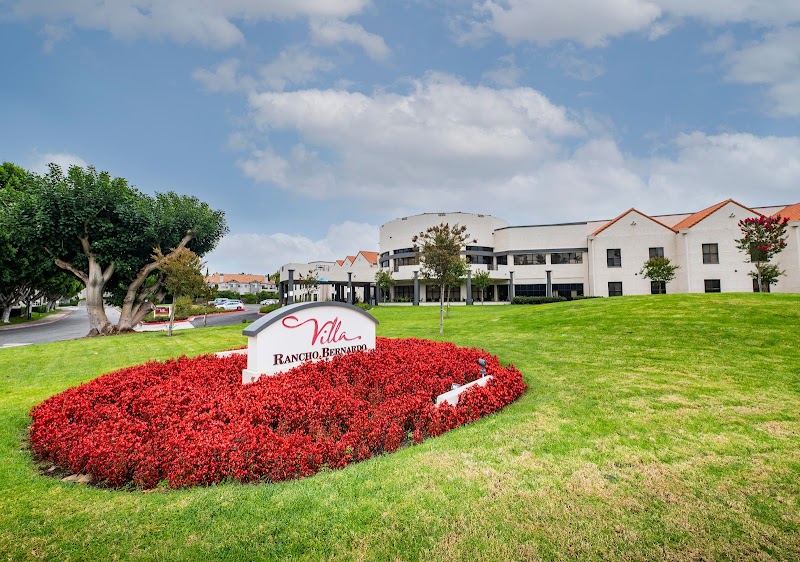
How is Villa Rancho Bernardo Staffed?

CMS rates VILLA RANCHO BERNARDO CARE CENTER's staffing level at 4 out of 5 stars, which is above average compared to other nursing homes. Staff turnover is 34%, compared to the California average of 46%. This relatively stable workforce can support continuity of care.

What Have Inspectors Found at Villa Rancho Bernardo?

State health inspectors documented 39 deficiencies at VILLA RANCHO BERNARDO CARE CENTER during 2021 to 2024. These included: 1 that caused actual resident harm and 38 with potential for harm. Deficiencies causing actual harm indicate documented cases where residents experienced negative health consequences.
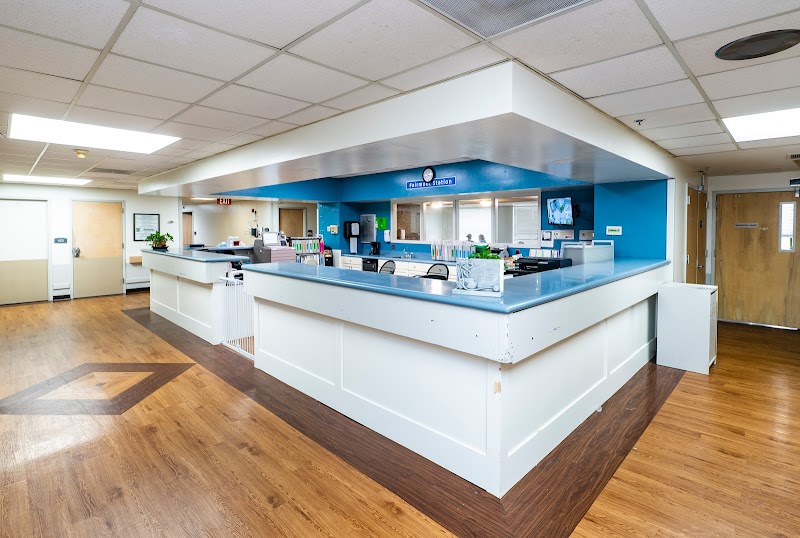
Who Owns and Operates Villa Rancho Bernardo?

VILLA RANCHO BERNARDO CARE CENTER is owned by a for-profit company. For-profit facilities operate as businesses with obligations to shareholders or private owners. The facility operates independently rather than as part of a larger chain. With 299 certified beds and approximately 290 residents (about 97% occupancy), it is a large facility located in SAN DIEGO, California.
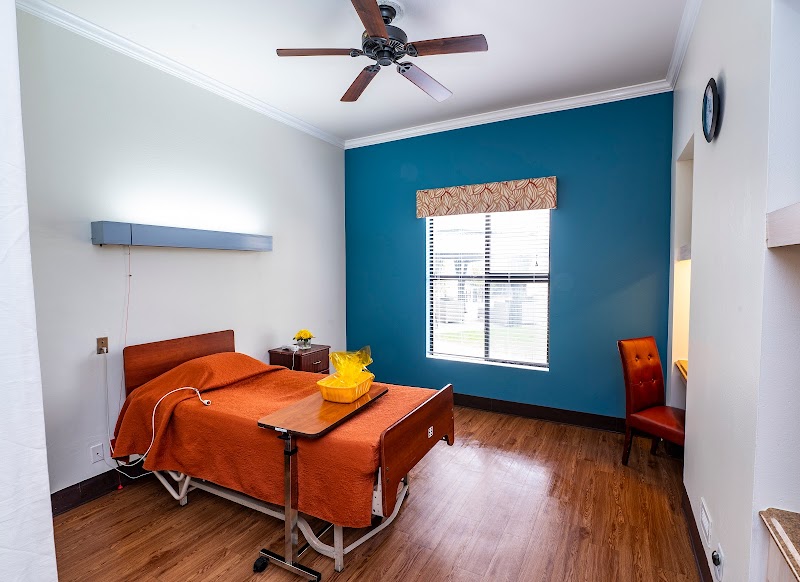
How Does Villa Rancho Bernardo Compare to Other California Nursing Homes?

Compared to the 100 nursing homes in California, VILLA RANCHO BERNARDO CARE CENTER's overall rating (4 stars) is above the state average of 3.2, staff turnover (34%) is significantly lower than the state average of 46%, and health inspection rating (4 stars) is above the national benchmark.

What Should Families Ask When Visiting Villa Rancho Bernardo?

Based on this facility's data, families visiting should ask: "Can I visit during a mealtime to observe dining assistance and food quality?" "How do you handle medical emergencies, and what is your hospital transfer rate?" "Can I speak with family members of current residents about their experience?"

Is Villa Rancho Bernardo Safe?

Based on CMS inspection data, VILLA RANCHO BERNARDO CARE CENTER has a clean safety record: no substantiated abuse findings (meaning no confirmed cases of resident harm), no Immediate Jeopardy citations (the most serious violation level indicating risk of serious injury or death), and is not on the Special Focus Facility watch list (a federal program monitoring the lowest-performing 1% of nursing homes). The facility has a 4-star overall rating and ranks #1 of 100 nursing homes in California. While no facility is perfect, families should still ask about staff-to-resident ratios and recent inspection results during their visit.

Do Nurses at Villa Rancho Bernardo Stick Around?

VILLA RANCHO BERNARDO CARE CENTER has a staff turnover rate of 34%, which is about average for California nursing homes (state average: 46%). Moderate turnover is common in nursing homes, but families should still ask about staff tenure and how the facility maintains care continuity when employees leave.

Was Villa Rancho Bernardo Ever Fined?

VILLA RANCHO BERNARDO CARE CENTER has no federal fines on record. CMS issues fines when nursing homes fail to meet care standards or don't correct problems found during inspections. The absence of fines suggests the facility has either maintained compliance or corrected any issues before penalties were assessed. This is a positive indicator, though families should still review recent inspection reports for the full picture.

Is Villa Rancho Bernardo on Any Federal Watch List?

VILLA RANCHO BERNARDO CARE CENTER is not on any federal watch list. The most significant is the Special Focus Facility (SFF) program, which identifies the bottom 1% of nursing homes nationally based on persistent, serious quality problems. Not being on this list means the facility has avoided the pattern of deficiencies that triggers enhanced federal oversight. This is a positive indicator, though families should still review the facility's inspection history directly.