CANYON SPRINGS POST-ACUTE
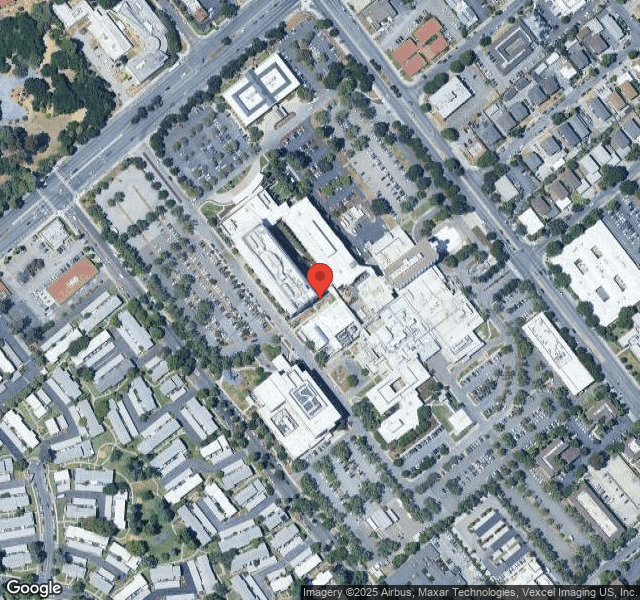
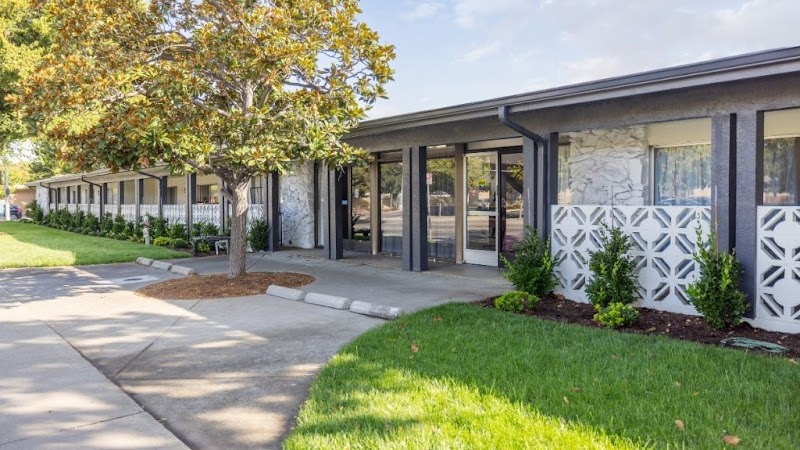
180 NORTH JACKSON AVENUE, SAN JOSE, CA 95116 (408) 259-8700
For profit - Limited Liability company 199 Beds PACS GROUP Data: November 2025
Trust Grade
35/100
#996 of 1155 in CA
Last Inspection: May 2025

Inspected within the last 6 months. Data reflects current conditions.

Overview

Canyon Springs Post-Acute has a Trust Grade of F, indicating significant concerns about the facility's quality and care. Ranked #996 out of 1155 in California and #47 out of 50 in Santa Clara County, this facility is in the bottom half of options available. The trend is worsening, with issues increasing from 9 in 2024 to 19 in 2025. Staffing is a relative strength, rated 3 out of 5 stars with a turnover rate of 36%, which is slightly better than the state average. However, the facility has serious concerns, such as discharging a resident to the street without proper care planning and failing to implement infection control practices, putting residents at risk for infections. While there are some strengths, families should carefully weigh these significant weaknesses when considering Canyon Springs Post-Acute.

Trust Score
F
35/100
In California
#996/1155
Bottom 14%
Safety Record
Moderate
Needs review
Inspections
Getting Worse
9 → 19 violations
Staff Stability
○ Average
36% turnover. Near California's 48% average. Typical for the industry.
Penalties
✓ Good
No fines on record. Clean compliance history, better than most California facilities.
Skilled Nurses
⚠ Watch
Each resident gets only 29 minutes of Registered Nurse (RN) attention daily — below average for California. Fewer RN minutes means fewer trained eyes watching for problems.
Violations
⚠ Watch
69 deficiencies on record. Higher than average. Multiple issues found across inspections.
★☆☆☆☆
1.0
Overall Rating
★★★☆☆
3.0
Staff Levels
★☆☆☆☆
1.0
Care Quality
★★☆☆☆
2.0
Inspection Score
Stable
2024: 9 issues
2025: 19 issues

The Good

  • Full Sprinkler Coverage · Fire safety systems throughout facility
  • No fines on record
  • Staff turnover below average (36%)

    12 points below California average of 48%

Facility shows strength in fire safety.

The Bad

1-Star Overall Rating

Below California average (3.1)

Significant quality concerns identified by CMS

Staff Turnover: 36%

10pts below California avg (46%)

Typical for the industry

Chain: PACS GROUP

Part of a multi-facility chain

Ask about local staffing decisions and management

The Ugly 69 deficiencies on record

1 actual harm
Jul 2025 1 deficiency
CONCERN (D) 📢 Someone Reported This

A family member, employee, or ombudsman was alarmed enough to file a formal complaint

Potential for Harm - no one hurt, but risky conditions existed

Quality of Care (Tag F0684)

Could have caused harm · This affected 1 resident

Based on interview and record review, the facility failed to ensure care and treatment was provided in accordance with professional standards of practice for one of three residents (Resident 1), when ...

Read full inspector narrative →
Based on interview and record review, the facility failed to ensure care and treatment was provided in accordance with professional standards of practice for one of three residents (Resident 1), when a medication was ordered with no indication for use identified. This failure had the potential to compromise Resident 1's health and well-being.Findings:Review of Resident 1's physician order dated 6/24/25 indicated Ivermectin (medication that treats infections caused by roundworms, threadworms, and other parasites [an organism that lives on or in a host organism]) 3 milligrams (mg, a unit of measure) 4 tablets daily for 3 days. The physician order did not identify the indication for the use of the Ivermectin.Review of Resident 1's medication administration record (MAR) indicated Ivermectin Oral Tablet 3 mg. Directions indicated to give 4 tablets by mouth in the evening for parasite infection for 3 days.During an interview and concurrent record review with Licensed Vocational Nurse A on 7/18/25 at 3:15 p.m., she stated she received Resident 1's medication order for Ivermectin from the Nurse Practitioner (NP) on 6/24/25. LVN A stated there was no indication for the use of Ivermectin identified in the NP's order. LVN A further stated, I did not know what Ivermectin was used for, so I googled it. LVN A stated she carried out the Ivermectin order in the MAR and stated she added the words for parasite infection. When asked if Resident 1 had a parasitic infection, LVN stated she did not know. LVN A stated, I am sorry, I should not have done that.During an interview and concurrent record review with the Assistant Director of Nursing on 7/22/25 at 9:15 a.m., she reviewed Resident 1's nurse practitioner's order for Ivermectin dated 6/4/24. The ADON confirmed there was no indication for the use of the Ivermectin. When asked what the process is when a medication order does not have an indication for use, the ADON stated the licensed nurse should clarify the order with the author of the physician order. The DON further stated a medication order needs to have a specific diagnosis or indication for the use of the medication. When asked if a licensed vocational nurse could assign a diagnosis or identify the indication for the use of a medication, she stated diagnosing is not in the scope of practice for licensed vocational nurses. The ADON confirmed LVN A should not have added for parasite infection to Resident 1's medication order on the MAR.Review of the facility policy titled Medication and Treatment Orders, dated 2001, indicated orders for medications must include the clinical condition or symptoms for which the medication is prescribed.
Jun 2025 1 deficiency
CONCERN (D) 📢 Someone Reported This

A family member, employee, or ombudsman was alarmed enough to file a formal complaint

Potential for Harm - no one hurt, but risky conditions existed

Quality of Care (Tag F0684)

Could have caused harm · This affected 1 resident

**NOTE- TERMS IN BRACKETS HAVE BEEN EDITED TO PROTECT CONFIDENTIALITY** Based on interview and record review, the facility failed to provide respiratory care consistent with professional standards of ...

Read full inspector narrative →
**NOTE- TERMS IN BRACKETS HAVE BEEN EDITED TO PROTECT CONFIDENTIALITY** Based on interview and record review, the facility failed to provide respiratory care consistent with professional standards of practice for one of four residents (Resident 1) on oxygen therapy when Resident 1's BiPAP (a breathing support method that delivers positive pressure to the lungs through a mask) application was not documented by licensed nurses. This failure had the potential to result in inadequate monitoring of the resident's condition, and the potential to negatively affect the residents' health, safety and well-being. Findings: Review of Resident 1's clinical record indicated she was admitted on [DATE] with diagnoses including chronic respiratory failure with hypoxia (inability to keep oxygen and carbon dioxide at normal levels), congestive heart failure (heart works less efficiently and can lead to buildup of fluid in the lungs and shortness of breath), chronic obstructive pulmonary disease (a lung disease that makes it difficult to breathe), obstructive sleep apnea (a sleep related breathing disorder that occurs when the upper airway becomes blocked during sleep), chronic pulmonary edema (excess fluid builds up in the lungs making breathing difficult), and dependence on supplemental oxygen. Review of Resident 1's physician order, dated 1/24/25, indicated to apply BiPAP full face large mask at bedtime for obstructive sleep apnea. Review of Resident 1's Respiratory Administration Record (RAR) indicated the licensed nurses applied the BiPAP at bedtime for Resident 1. Further review of the RAR indicated missing entries for the bedtime application of Resident 1's BiPAP on following dates: February 2025: No documentation on 2/5, 2/15, 2/22, 2/23, and 2/28; March 2025: No documentation on 3/3, 3/6, 3/7, 3/12, 3/19, 3/21, 3/23, 3/24, and 3/31; April 2025: No documentation on 4/5, 4/8, 4/12, 4/13, 4/18, 4/20, 4/23, 4/26, 4/29, and 4/30; May 2025: No documentation on 5/6, 5/8, 5/11, 5/15, 5/16, 5/21, 5/22, and 5/24. During an interview and concurrent record review with director of nursing (DON), on 5/3/25 at 1:50 p.m., she reviewed Resident 1's RAR and confirmed the application of the BiPAP was not documented as completed on the above dates. The DON confirmed if the nurses applied the BiPAP at bedtime, they should document in Resident 1's RAR. The DON acknowledged that if the applications of the BiPAP were not documented, they were not done. The DON confirmed the licensed nurses should initial that the BPAP is applied at bedtime as per the physician order. Review of the facility's policy titled BiPAP Support , revised March 2015, indicated to document the time the BiPAP was started and to notify the physician if the resident refuses the procedure.
May 2025 15 deficiencies
CONCERN (D)

Potential for Harm - no one hurt, but risky conditions existed

Resident Rights (Tag F0550)

Could have caused harm · This affected 1 resident

**NOTE- TERMS IN BRACKETS HAVE BEEN EDITED TO PROTECT CONFIDENTIALITY** 2. A review of Resident 591's medical record indicated an admission Date of 4/17/25. Resident 591's diagnoses included cognitive...

Read full inspector narrative →
**NOTE- TERMS IN BRACKETS HAVE BEEN EDITED TO PROTECT CONFIDENTIALITY** 2. A review of Resident 591's medical record indicated an admission Date of 4/17/25. Resident 591's diagnoses included cognitive communication deficit (trouble communicating because of problems with their thinking and processing abilities, not just their language skills), and dysphagia, oral phase (difficulty with the first stage of swallowing, which happens in the mouth). A review of Resident 591's Minimum Data Set (MDS - a federally mandated resident assessment tool) assessment dated [DATE], indicated Resident 591's brief interview for mental status (BIMS, a tool used to assess cognition [knowing, learning, and understanding things]) score was 13 (a score of 0 to 7 indicates severe cognitive impairment, 8-12 moderate impairment, 13-15 patient is cognitively intact). During a concurrent observation and interview on 5/5/25 at 8:56 a.m. inside Resident 591's room, Restorative Nurse Assistant (RNA) K was standing at bedside while feeding Resident 591. Resident 591 was sitting on the bed. RNA K stated it was okay to stand while feeding a resident. During an interview on 5/6/25 at 3:14 p.m. with the Director of Staff Development (DSD), the DSD stated staff must sit while feeding a resident. During an interview on 5/8/25 at 3:34 p.m. with the Director of Nursing (DON), the DON stated staff needed to sit down while feeding residents. A review of the facility's policy and procedure titled, Dignity, date revised 2/2021, indicated, Residents are treated with dignity and respect at all times . When assisting with care, residents are supported in exercising their rights. For example, residents are provided with a dignified dining experience. Based on observation, interview, and record review, the facility failed to maintain respect, and dignity to two of three sampled residents (Residents 20 and 591) when: 1. Certified nursing assistant C (CNA C) was standing while feeding Resident 20; and, 2. Restorative Nurse Assistant (RNA) K was standing while feeding Resident 591. These failures had the potential to negatively affect resident's emotional and psychosocial well-being. Findings: 1. Review of Resident 20's clinical record titled, admission Record, dated 5/7/2025, indicated Resident 20 was admitted to the facility with diagnoses including dementia (a progressive state of decline in mental abilities), dysphagia (difficulty in swallowing), and adult failure to thrive (a decline caused by chronic diseases and functional impairments which can cause weight loss, decreased appetite, poor nutrition, and inactivity). Review of Resident 20's quarterly minimum data set (MDS - a federally mandated resident assessment tool) assessment dated [DATE], indicated Resident 20's brief interview for mental status (BIMS, a tool used to assess cognition [knowing, learning, and understanding things]) score was 05 (a score of 0 to 7 indicates severe cognitive impairment, 8-12 moderate impairment, 13-15 patient is cognitively intact). During a concurrent observation and interview with CNA C on 5/5/2025 at 8:46 a.m., inside Resident 20's room, Resident 20 was sitting up in bed being spoon-fed by CNA C with breakfast food while CNA C was standing, and the privacy curtain was not drawn. CNA C confirmed the above observation and stated she preferred to assist Resident 20 with meals while standing because she wanted to see Resident 20's face while being fed. CNA C further stated that Resident 20 had asked her to sit down but CNA C refused. After five minutes of observation, CNA C sat on Resident 20's bed and continued to spoon-fed Resident 20. CNA C stated they did not have any available chair to sit on. During an interview with the director of staff development (DSD) on 5/6/2025 at 3:13 p.m., DSD confirmed staff should be seated in front of the residents during meal assistance. DSD stated staff should grab a chair when there was no chair inside the resident's room. DSD further stated staff should not sit on resident's bed during meal assistance. During a review of the facility's policy and procedure titled, Dignity, date revised 2/2021, indicated, Residents are treated with dignity and respect at all times . When assisting with care, residents are supported in exercising their rights. For example, residents are provided with a dignified dining experience.
CONCERN (D)

Potential for Harm - no one hurt, but risky conditions existed

Comprehensive Care Plan (Tag F0656)

Could have caused harm · This affected 1 resident

**NOTE- TERMS IN BRACKETS HAVE BEEN EDITED TO PROTECT CONFIDENTIALITY** Based on interview and record review, the facility failed to develop and implement comprehensive care plans that included target...

Read full inspector narrative →
**NOTE- TERMS IN BRACKETS HAVE BEEN EDITED TO PROTECT CONFIDENTIALITY** Based on interview and record review, the facility failed to develop and implement comprehensive care plans that included target symptoms, measurable objectives, and interventions for one of 35 sampled residents (Resident 16) when there were no care plan developed for schizophrenia (chronic brain disorder that affects how a person thinks, feels, and behaves). The failure had the potential for the residents not attaining their highest practicable physical, mental, and psychosocial well-being. Finding: During a review of Resident 16's clinical record indicated Resident 16 was admitted to the facility on [DATE] with diagnosis including schizophrenia. During a review of Resident 16's physician's order indicated an order dated 4/24/25 Aripiprazole (Antipsychotic It can treat schizophrenia) 15 mg (milligram, unit of measure) give one tablet by mouth in the morning for schizophrenia . During a review of Resident 16's clinical record indicated there was no comprehensive care plan developed for the resident's schizophrenia diagnosis. During a concurrent interview and record review on 5/07/25 at 3:45 p.m., with the Director of Nursing (DON), the DON reviewed Resident 16's care plan and she confirmed that there was no care plan developed for schizophrenia diagnosis. The DON further stated any active diagnosis should have a care plan. During a review of the facility's policy and procedures titled, Care Plans, Comprehensive Person-Centered, dated 2001, indicated, A comprehensive, person-centered care plan that includes measurable objectives and timetables to meet the resident's physical, psychosocial and function needs is developed and implemented for each resident.
CONCERN (D)

Potential for Harm - no one hurt, but risky conditions existed

Tube Feeding (Tag F0693)

Could have caused harm · This affected 1 resident

**NOTE- TERMS IN BRACKETS HAVE BEEN EDITED TO PROTECT CONFIDENTIALITY** Based on observation, interview and record review, the facility failed to ensure administration of enteral feeding (the delivery...

Read full inspector narrative →
**NOTE- TERMS IN BRACKETS HAVE BEEN EDITED TO PROTECT CONFIDENTIALITY** Based on observation, interview and record review, the facility failed to ensure administration of enteral feeding (the delivery of nutrients through a feeding tube directly into the stomach) was consistent with and followed Physician's Order for one (Resident 51) out of three sampled residents when insufficient amount was administered, and oral care was not done. These failures had the potential to put Resident 51 at risk for dehydration, weight loss and infection. Findings: A review of Resident 51's clinical record indicated diagnoses of dysphagia following nontraumatic intracerebral hemorrhage (difficulty of swallowing after a stroke), hemiplegia and hemiparesis following nontraumatic intracerebral hemorrhage affecting right dominant side (complete paralysis and weakness on right side of the body after a stroke), aphasia following nontraumatic intracerebral hemorrhage (difficulty to speak, understand and write language after a stroke), and type 2 diabetes mellitus without complications (high levels of blood sugar). A review of Resident 51's Minimum Data Set (MDS - a federally mandated resident assessment tool) assessment dated [DATE], indicated Resident 51's brief interview for mental status (BIMS, a tool used to assess cognition [knowing, learning, and understanding things]) score was 6 (a score of 0 to 7 indicates severe cognitive impairment, 8-12 moderate impairment, 13-15 patient is cognitively intact). A review of Resident 51's Physician's Orders indicated, NPO [nothing by mouth] diet ordered on 8/29/23, Enteral Feed order every shift tube feeding formula: Jevity 1.2 @ 75 ml/hr [milliliter/hour, unit of measurement] via feeding pump continuous x 20 hours/day to provide 1500 ml, 1800 kcal [kilocalorie, unit of measurement] ordered on 10/23/23 and Enteral [pertaining to stomach]- License Nurse to ensure: oral care every shift ordered on 10/22/23. During a concurrent observation and interview on 5/7/25 at 9:10 a.m. with the Director of Nursing (DON) at Resident 51's bedside, the DON verified Resident 51 had whitish buildup in the inner corner of the mouth and the tongue. The DON also verified the presence of tartar (hardened dental plaque that can form on your teeth, both above and below the gum line) around Resident 51's teeth. The DON verified Resident 51's feeding tube set was disconnected, and the level of the feeding solution was 1200 ml. The label of the tube feeding set indicated it was started on 5/6/25 at 5:30 p.m. During a concurrent observation and interview on 5/7/25 at 9:24 a.m. with Certified Nurse Aide (CNA) M, CNA M verified there was no toothbrush for Resident 51 at bedside. CNA M showed lemon glycerin swab sticks (a medical swab with a lemon-flavored, glycerin-soaked tip, designed to help relieve dry mouth and provide temporary relief from minor oral discomfort) and foam-tipped swab sticks and stated those were used to clean Resident 51's mouth. CNA M stated she had not given oral care to Resident 51 yet that morning. During a concurrent observation and interview on 5/7/25 at 9:28 a.m. with Licensed Vocational Nurse (LVN) N, LVN N stated Resident 51's tube feeding was stopped at 7:30 a.m. LVN N verified Resident 51's whitish build up in the mouth. During a concurrent observation and interview on 5/7/25 at 3:44 p.m. at Resident 51's bedside with LVN P, LVN P stated she was Resident 51's nurse for the afternoon shift. LVN P verified Resident 51's feeding tube was disconnected and was turned off. LVN P also verified Resident 51's feeding solution level was a little under 1100 ml. During a concurrent interview and record review on 5/7/25 at 3:50 p.m. with LVN N, LVN N stated she ran Resident 51's enteral feeding for a total of four hours during her morning shift. LVN N verified Resident 51's Physician Order for enteral feeding was 75 ml/hr for 20 hours per day for a total of 1500 ml. LVN N stated there was no documentation for the specific amount of enteral feeding administered for Resident 51. During a concurrent interview and record review on 5/7/25 at 4:08 p.m. with Registered Nurse (RN) D and Assistant Director of Nursing (ADON) E, RN D and ADON E verified Resident 51's Physician's order for enteral feeding. RN D and ADON E verified there was no hourly, per shift or daily documentation and monitoring of Resident 51's enteral feeding intake amount. During a concurrent interview and record review on 5/8/25 at 3:18 p.m. with the DON, the DON verified Resident 51's Physician Order for Enteral Feeding and NPO. The DON stated nurses should have checked the level of remaining enteral feeding solution during their report at the change of shift. The DON verified there was no monitoring for the accurate amount of enteral feeding solution administered for Resident 51. The DON stated it should have been accurately documented. The DON also stated Resident 51 was at risk for dehydration, weight loss and any change of condition due to inadequate monitoring of enteral feeding. During a concurrent interview and record review on 5/9/25 at 9:54 a.m. with Registered Dietician (RD), RD verified Resident 51's Physician's Order for enteral feeding and NPO. RD also verified there was no accurate monitoring and documentation of the amount of enteral feeding solution in milliliter administered to Resident 51. RD stated Resident 51 did not receive sufficient amount of enteral feeding as ordered by physician on 5/7/25. A review of facility's undated policy and procedure (P&P) entitled Enteral Tube Feeding via Continuous Pump, the P&P indicated, .Documentation: The person performing this procedure should record the following information in the resident's medical record: .3. Amount and type of enteral feeding. 4. The average fluid intake per day . A review of facility's policy and procedure (P&P) entitled Enteral Tube Feeding via Continuous Pump revised November 2018, the P&P indicated, .3. The dietician, with input from the provider and nurse: .b. Determines whether the resident's current intake is adequate to meet his or her nutritional needs .9. The nursing staff and provider monitor the resident for signs and symptoms of inadequate nutrition .15. Staff caring for residents with feeding tubes are trained on how to recognize and report complications relating to the administration of enteral nutrition products, such as: .b. inadequate nutrition .
CONCERN (D)

Potential for Harm - no one hurt, but risky conditions existed

Respiratory Care (Tag F0695)

Could have caused harm · This affected 1 resident

Based on observation, interview and record review, the facility failed to ensure that a proper treatment services for oxygen (O2, a colorless, odorless gas) therapy was provided for one of four sample...

Read full inspector narrative →
Based on observation, interview and record review, the facility failed to ensure that a proper treatment services for oxygen (O2, a colorless, odorless gas) therapy was provided for one of four sampled residents (residents on oxygen therapy) when Resident 139 did not receive the correct flow of oxygen administration. This deficient practice had the potential for Resident 139 to have complication related to improper treatment while receiving O2 therapy. Findings: During an observation on 5/5/2025 at 8:24 a.m., inside Resident 139's room, Resident 139 was observed having breakfast in bed and with O2 therapy at 1.5 liters per minute (lpm) thru (via) a nasal cannula (NC - a small plastic tube, which fits into the person's nostrils for providing supplemental oxygen). During a concurrent observation and interview with licensed vocational nurse B (LVN B) on 5/6/2025 at 3:57 p.m., inside Resident 139's room, Resident 139 was observed in bed with O2 therapy at 1.5 lpm via NC. LVN B confirmed the oxygen flow was at 1.5 lpm. During a concurrent interview with LVN B and record review of Resident 139's oxygen order on 5/6/2025 at 4:09 p.m., LVN B confirmed the oxygen flow rate for Resident 139 was supposed to be at 1 lpm as ordered. LVN B stated they should have followed the doctor's order for oxygen therapy which was at 1 lpm and not at 1.5 lpm. Review of Resident 139's clinical record titled, admission Record, dated 5/7/2025, indicated Resident 139 was admitted to the facility with diagnoses including chronic obstructive pulmonary disease (COPD-a chronic lung disease causing difficulty in breathing), other asthma (inflammatory disease of the airway that often causes wheezing, coughing, and shortness of breath), and unspecified diastolic (congestive) heart failure (CHF-a heart disorder which causes the heart to not pump the blood efficiently, sometimes resulting in leg swelling). During an interview with the director of nursing (DON) on 5/9/2025 at 1:04 p.m., DON stated nurses should review the doctor's order first before they administer the oxygen to the resident. DON further stated nurses should follow the doctor's order related to oxygen therapy and they should sit down to see the oxygen regulator at an eye level to administer the correct oxygen flow rate. During a review of the facility's policy and procedure titled, Oxygen Administration, date revised 10/2010, indicated, Verify that there is a physician's order for this procedure. Review the physician's orders or facility protocol for oxygen administration .Adjust the oxygen delivery device so that it is comfortable for the resident and the proper flow of oxygen is being administered.
CONCERN (D)

Potential for Harm - no one hurt, but risky conditions existed

Deficiency F0700 (Tag F0700)

Could have caused harm · This affected 1 resident

**NOTE- TERMS IN BRACKETS HAVE BEEN EDITED TO PROTECT CONFIDENTIALITY** Based on observation, interview, and record review, the facility failed to ensure the proper use of side or bed rails (adjustabl...

Read full inspector narrative →
**NOTE- TERMS IN BRACKETS HAVE BEEN EDITED TO PROTECT CONFIDENTIALITY** Based on observation, interview, and record review, the facility failed to ensure the proper use of side or bed rails (adjustable rigid bars attached to the side of a bed) for one of 35 sampled residents (Resident 57) resident who used side or bed rails when there was no physician's order for bilateral (both) quarter upper bed rails prior to installing the bed rails, the care plan for bilateral quarter upper bed rails was not developed in a timely manner, and the informed consent for bilateral quarter upper bed rails was not obtained prior to installing the bed rails. These failures had the potential risk for injuries to the Resident 57. During an observation in Resident 57's room on 5/5/25 at 9:44 a.m., Resident 57's bed observed with bilateral quarter upper bed rails were up. During a review of Resident 57's clinical record indicated Resident 57 was admitted to the facility on [DATE] with diagnosis including Alzheimer's disease (a progressive disease that destroys memory and mental functions). During a review of Resident 57's clinical record titled Bed Rail and Entrapment Risk observation/Assessment, effective date 3/5/25, indicated in A. section I bed Rail use 1. Are bed Rails currently in use? a. Yes. 2. If yes, Bed Rail type in use: d. Quarter Rail(s). 2.b Bed Rails Location a. Left Upper, c. Right upper. 2c. Bed Rail(s) are in use: a. At all times when resident is in bed to enhance mobility. 3. Are Bed Rails being considered for use? a. yes . During a review of Resident 57's order summary report dated 5/7/25 at 16:05:29 PT (Pacific Time Zone) indicated there were no orders for bilateral upper quarter bed rails. During a review of Resident 57's clinical record indicated there were no care plans developed for the use of bilateral quarter upper bed rails. During a concurrent observation and interview inside Resident 57's room on 5/9/25 at 2:43 p.m., with Assistant Director of Nursing E (ADON E), she confirmed Resident 57's has bilateral quarter upper bed rails in use, ADON E stated prior to installing bed rails they should have a consent, assessment, physician order, and care plan. During a concurrent interview and record review on 5/9/25 at 2:50 p.m., with ADON E, she reviewed Resident 57's physician order for bed rails, dated 5/9/25 and a care plan, dated 5/9/25. ADON E confirmed the order and care plan was just made today 5/9/25. ADON E further stated they must have physician order prior to installing the bed rails and right away after installing they have to develop a bed rails care plan. During a review of Resident 57's clinical record indicated consent for bilateral quarter upper bed rails, dated 5/9/25. During a concurrent interview and record review on 5/9/25 at 3:14 p.m., with the Director of Nursing (DON) the DON stated confirmed consent was just today 5/9/25 signed by Resident 57's husband. During a review of facility's policy and procedure (P&P) titled, Bed Safety and Bed Rails dated 2001, the P&P indicated, .8. Before using bed rails for any reason, the staff shall inform the resident or representative about the benefits and potential hazards associated with bed rails and obtain informed consent. The following information will be included in the consent: a. The assessed medical needs that will be addressed with the use of bed rails; b. The resident's risks from the use of bed rails and how these will be mitigated; c. The alternatives that were attempted but failed to meet the resident's needs; and d. The alternatives that were considered but not attempted and the reasons . During a review of the facility's policy and procedures titled, Care Plans, Comprehensive Person-Centered, dated 2001, indicated, A comprehensive, person-centered care plan that includes measurable objectives and timetables to meet the resident's physical, psychosocial and function needs is developed and implemented for each resident.
CONCERN (D)

Potential for Harm - no one hurt, but risky conditions existed

Menu Adequacy (Tag F0803)

Could have caused harm · This affected 1 resident

Based on observation, interview, and record review, the facility failed to ensure that one of 35 sampled residents (Resident 160) received the planned menu meal or the food alternative, as indicated o...

Read full inspector narrative →
Based on observation, interview, and record review, the facility failed to ensure that one of 35 sampled residents (Resident 160) received the planned menu meal or the food alternative, as indicated on the posted menu and consistent with the resident's preferences. As a result, Resident 160 did not receive the correct food items on multiple occasions. Findings: A review of Resident 160's Minimum Data Set (MDS, a resident assessment and care screening) dated 4/2/25, indicated a Brief Interview for Mental Status (BIMS, a brief screening tool used to assess thinking and memory) score of 15. A BIMS score of 13-15 indicates intact cognition (suggests no significant impairment in thinking, reasoning, memory, and problem solving). During a dining observation and concurrent interview on 5/5/25 at 1:23 p.m. in Resident 160's room, the resident's meal tray contained a beef patty and salad. Resident 160 confirmed the food items and stated he had received the same meal the day before. Resident 160's tray ticket documented a dislike of all pork. Resident 160 also reported that, several days earlier, he had requested barbecue chicken from the alternative menu but instead received two chicken nuggets. Observation of other residents showed they were served soft tacos and salad. During a follow-up interview on 5/6/25 at 3:15 p.m., Resident 160 stated he had not requested an alternative for lunch on 5/5/25. Resident 160 reviewed the facility's weekly menu, which listed soft tacos and salad. Resident 160 stated he likes soft tacos and should have received that meal instead of the repeated patty from the previous day. During an interview and concurrent review of the posted Spring menu and alternative meal options, on 5/6/25 at 3:30 p.m., the dietary manager (DM) confirmed the soft tacos on 5/5/25 were made with beef, not pork. The DM acknowledged that Resident 160 received a vegetable patty, not the planned menu item, and confirmed that no alternative had been requested. The DM reviewed the posted alternatives and verified that barbecue chicken was listed, but chicken nuggets were not. The DM stated Resident 160 should have received the requested barbecue chicken. During a follow-up interview at 3:50 p.m., the DM said she spoke with Resident 160, confirmed it was a kitchen error, and stated she would conduct in-service training for dietary staff on following the planned menu and honoring resident preferences. A review of the facility's policy titled Menu, revised October 2008, indicated that menus shall: a) meet the nutritional needs of residents; b) be prepared in advance; and c) be followed.
CONCERN (D)

Potential for Harm - no one hurt, but risky conditions existed

Deficiency F0919 (Tag F0919)

Could have caused harm · This affected 1 resident

Based on observation, interview, and record review, the facility failed to ensure the call light (a visible and audible alarm activated by a call button) for two of 35 sampled residents (Resident 55 a...

Read full inspector narrative →
Based on observation, interview, and record review, the facility failed to ensure the call light (a visible and audible alarm activated by a call button) for two of 35 sampled residents (Resident 55 and Resident 148) was within reach. This deficient practice had the potential to result in a delay in meeting Resident 55 and Resident 148's needs for toileting and activities of daily living. Findings: 1. During an observation inside Resident 55's room on 5/5/25 at 9:38 a.m., Resident 55 was observed lying in bed, the call light was not in Resident 55's bed. During a concurrent observation and interview inside Resident 55's room on 5/5/25 at 3:00 p.m., with Certified Nursing Assistant F (CNA F), CNA F looked for the call light button and found it hanging on the feeding tube pole (a device used to support and secure feeding bags or feeding pumps during tube feeding). CNA F confirmed the call light was not within the reach of Resident 55. CNA F further stated Resident 55's call light should not be hanging in the feeding tube pole. During a review of Resident 55's clinical record indicated Resident 55 was admitted to the facility with diagnosis including cerebral palsy (is a brain disorder that appears in infancy or early childhood and permanently affects body movement and muscle coordination). During a review of Resident 55's Brief Interview for Mental Status (BIMS, a short performance-based cognitive screener for nursing home (NH) residents.), dated 4/15/25 BIMS is 14 (the range of 13-15, which suggests that the person is cognitively intact.) During a review of Resident 55's Minimum Data Set (MDS- a federally mandated resident assessment tool) Functional Abilities, dated 3/13/25, indicated Resident 55 was dependent with eating, oral hygiene, toileting hygiene, and shower/bathing self, upper and lower body dressing, and personal hygiene. A further review of Resident 55's MDS Functional Abilities indicated Resident 55 was dependent with rolling left and right, sit to lying, lying to sitting on side of bed, sit to stand, and chair/bed-to-chair transfer. During an interview on 5/7/25 at 4:01 p.m., with the Director of Nursing (DON), the DON stated Resident 55 is dependent on ADL's. She stated Resident 55 call light should always be in reach to call for help. 2. During an observation inside Resident 148's room on 5/5/25 at 2:48 p.m., Resident 148 was observed lying in bed, the call light was not on the bed, it was clipped onto the privacy curtains and not within the reach of Resident 148. During a concurrent observation and interview inside Resident 148's room on 5/5/25 at 2:51 p.m., with Registered Nurse D (RN D), RN D confirmed the call light was clipped on the privacy curtains away from Resident 148. RN D stated the call light should be in the reach of Resident 148 and not hanging on the privacy curtains. During a review of Resident 148's clinical records indicated Resident 55 was admitted to the facility with diagnoses including hemiplegia (a condition characterized by paralysis or weakness affecting one side of the body) and hemiparesis (a condition characterized by weakness on one side of the body). During a review of Resident 148's BIMS, dated 2/18/25, the BIMS was 9 (8-12 indicates moderate cognitive impairment). During a review of Resident 55's Minimum Data Set (MDS- a federally mandated resident assessment tool) Functional Abilities, dated 2/18/25, indicated Resident 148 was dependent with eating, oral hygiene, toileting hygiene, and shower/bathing self, upper and lower body dressing, and personal hygiene. A further review of Resident 148's MDS Functional Abilities indicated Resident 148 was dependent with rolling left and right, sit to lying, lying to sitting on side of bed, sit to stand, and chair/bed-to-chair transfer. During an interview on 5/7/25 at 4:03 p.m., with the Director of Nursing (DON), the DON stated Resident 148's call light should be always in reach to call for help. During a review of the facility's policy and procedures titled, Call System, Residents, dated 2001, indicated, Residents are provided with a means to call staff for assistance through a communication system that directly calls a staff member or a centralized work station. 1. Each resident is provided with a means to call staff directly for assistance from his/her bed, from toileting/bathing facilities and from the floor .
CONCERN (E)

Potential for Harm - no one hurt, but risky conditions existed

Deficiency F0605 (Tag F0605)

Could have caused harm · This affected multiple residents

Based on interview and record review, the facility failed to ensure three out of 35 sampled residents (Residents 77, 175, and 57) were free from chemical restraints (the use of medications such as psy...

Read full inspector narrative →
Based on interview and record review, the facility failed to ensure three out of 35 sampled residents (Residents 77, 175, and 57) were free from chemical restraints (the use of medications such as psychotropic medications [drugs that affects brain activities associated with mental processes and behaviors, example is antipsychotics, antidepressants, anti-anxiety, hypnotics] not for therapeutic reasons, but to restrict a person's freedom of movement or control their behavior) when: 1. Resident 77 continued to receive lorazepam (brand name: Ativan; anti-anxiety - medication to treat agitation and anxiety) and trazodone (antidepressant - a medication used to manage and treat depression [low mood or loss of pleasure or interest in activities for long periods of time]) without clinical documentation of non-pharmacological interventions (treatments or strategies that aim to improve health or manage conditions without using medications, focusing instead on physical, psychological, or behavioral approaches) were attempted or provided for Resident 77's use of anti-anxiety and antidepressant medications; 2. Resident 175 continued to receive sertraline hydrochloride (HCl) (brand name: Zoloft, antidepressant) and mirtazapine (brand name: Remeron, antidepressant) without clinical documentation of non-pharmacological interventions were attempted or provided for Resident 175's use of antidepressants; and, 3. Resident 57 received Quetiapine (an antipsychotic medication that helps treat several kinds of mental health conditions) without target behavior monitoring. These failures had the potential for increased risks associated with the use of psychotropic medications that could negatively affect the residents' physical, mental and psychosocial well-being. Findings: 1. Review of Resident 77's clinical record titled, admission Record, dated 5/9/2025, indicated Resident 77 was admitted to the facility with diagnoses including nontraumatic chronic subdural hemorrhage (a bleeding event within the brain where blood collects between the dura mater [the tough outer membrane covering the brain] and the brain tissue itself, but without an injury or trauma to the head), dementia (a progressive state of decline in mental abilities), anxiety disorder (a mental illness that causes constant fear) and history of falling. Review of Resident 77's clinical record titled, Order Summary Report, dated 5/9/2025, it indicated the following orders: a. Lorazepam 0.5 milligrams (mg - unit of measurement), Give 1 tablet by mouth in the evening for anxiety m/b [manifested by] repetitive physical movements (fidgeting and pacing), and b. Trazodone HCl 50 mg, Give 1 tablet by mouth at bedtime for Depression m/b difficulty sleeping. Review of Resident 77's nursing progress notes and medication administration record (MAR - a daily documentation record used by a licensed nurse to document medications and treatments given to a resident) for 3/2025, 4/2025, and 5/1-5/8/2025, the documentation did not indicate non-pharmacological interventions were attempted or provided to Resident 77 for the use of lorazepam and trazodone. During a concurrent interview with director of nursing (DON) and record review of Resident 77's MAR dated 3/2025, 4/2025 and 5/1 - 5/8/2025 on 5/9/2025 at 8:29 a.m., DON confirmed there were no documentation which indicated non-pharmacological interventions were attempted or provided to Resident 77 for the use of both lorazepam and trazodone. DON stated the non-pharmacological interventions should be documented in Resident 77's MAR. 2. Review of Resident 175's clinical record titled, admission Record, dated 5/9/2025, indicated, Resident 175 was admitted to the facility with diagnoses including type 2 diabetes mellitus (DM-a disorder characterized by difficulty in blood sugar control and poor wound healing), dementia, and depression. Review of Resident 175's clinical record titled, Order Summary Report, dated 5/9/2025, indicated the following orders: a. Mirtazapine 15 mg, Give 1 tablet by mouth at bedtime for Depression m/b difficulty falling asleep, and b. Sertraline HCl 100 mg, Give 1 tablet by mouth one time a day for Depression m/b verbalization of feeling sad. Review of Resident 175's nursing progress notes and MAR for the month of 3/2025, 4/2025, and 5/1-5/8/2025, the documentation did not indicate that non-pharmacological interventions were attempted or provided to Resident 175 for the use of antidepressants. During a concurrent interview with DON and record review of Resident 175's MAR dated 3/2025, 4/2025 and 5/1 - 5/8/2025 on 5/9/2025 at 8:06 a.m., DON confirmed there were no documentation which indicated non-pharmacological interventions were attempted or provided to Resident 175 for the use of both antidepressants. During a review of the facility's policy and procedure titled, Psychoactive/Psychotropic Medication Use, dated 4/2025, indicated, Psychoactive (also known as Psychotropic) medications may be administered following federal and state regulations if the medication is necessary to treat a specifically diagnosed condition and is appropriately documented in the medical record. Additionally, behavioral interventions, unless contraindicated, will be used to meet the individual needs of the resident. Psychotropic medication management for the resident will involve the facility interdisciplinary team consideration of the following indication and clinical need for medication . Management will also include preventing (where possible), identifying, and responding to adverse consequences; and identifying person-centered non-pharmacological interventions, unless contraindicated, to meet the individual needs of the resident, and minimize or discontinue the use of Psychotropic medication. 3. During a review of Resident 57's clinical record indicated Resident 57 was admitted to the facility with diagnosis including Alzheimer's disease (a progressive disease that destroys memory and mental functions). During a review of Resident 57's physician's order indicated an order for Quetiapine 25 milligram (mg, unit of measure), give 1 tablet by mouth at bedtime for Psychosis (a collection of symptoms that affect the mind, where there has been some loss of contact with reality) m/b (manifested by) paranoia (is excessive mistrust or suspicion of people), dated 3/19/2025. During a review of Resident 57's clinical record indicated there was no monitoring for the target behavior of Quetiapine for psychosis manifested by paranoia. During a concurrent interview and record review on 5/7/25 at 3:36 p.m., with the Director of Nursing (DON), the DON reviewed Resident 57's clinical record and she confirmed that there was no target behavior monitoring for Quetiapine. The DON stated Resident 57 should have behavior monitoring for Quetiapine. During a review of the facility's P&P titled Psychoactive/Psychotropic Medication Use, dated 4/2025, indicated, . e. Monitoring of a resident receiving Psychotropic medication will include evaluation of the effectiveness of the medication, as well as an assessment for possible adverse consequences. Behavioral symptoms are reevaluated periodically to determine the potential for reducing or discounting the drug based on the therapeutic goals and any adverse effect or possible functional impairment .
CONCERN (E)

Potential for Harm - no one hurt, but risky conditions existed

Assessment Accuracy (Tag F0641)

Could have caused harm · This affected multiple residents

**NOTE- TERMS IN BRACKETS HAVE BEEN EDITED TO PROTECT CONFIDENTIALITY** Based on observation, interview, and record review, the facility failed to accurately code the Minimum Data Set (MDS - a federal...

Read full inspector narrative →
**NOTE- TERMS IN BRACKETS HAVE BEEN EDITED TO PROTECT CONFIDENTIALITY** Based on observation, interview, and record review, the facility failed to accurately code the Minimum Data Set (MDS - a federally mandated resident assessment tool) assessments for one of 35 sampled residents (Resident 158) when Resident 158's five MDS assessments did not reflect Resident 158's feeding tube (a medical device, a thin and flexible tube, used to deliver nutrition and fluids directly into the digestive system when a person cannot eat or drink safely by mouth) and the percentage of intakes by artificial route. These failures resulted in inaccurate MDS assessments and had the potential to affect the residents' care. Findings: Review of Resident 158's clinical record titled, admission Record, dated 5/9/5025, indicated Resident 158 was admitted to the facility with diagnoses including aphasia (a disorder that makes it difficult to speak) following cerebral infarction (also known as an ischemic stroke, is a condition where blood flow to the brain is interrupted, causing brain tissue to die), dysphagia (difficulty swallowing) following cerebral infarction, and gastrostomy (a surgical opening fitted with a device to allow feedings to be administered directly to the stomach common for people with swallowing problems) status. Review of Resident 158's clinical record titled, Order Summary Report, dated 5/9/2025, it revealed an order, Formula: Glucerna 1.2 via enteral pump at 85cc/hr [cubic centimeter per hour] x 15 hours (off from 07:00AM to 04:00PM) . It indicated the feeding to start at 4:00 p.m. and to end at 7:00 a.m. During observations on 5/5/2025 at 8:27 a.m., and 5/6/2025 at 9:22 a.m., inside Resident 158's room, Resident 158 was in bed and a feeding pump was observed in a pole positioned at the left side of Resident 158's bed. During a concurrent interview with MDS nurse G (MDSN G) and record review of Resident 158's MDS assessment on 5/8/2025 at 3:48 p.m., Resident 158's Annual assessment dated [DATE]; Quarterly review assessment dated [DATE]; 5-day scheduled assessment dated [DATE]; Quarterly review assessment dated [DATE] and Quarterly review assessment dated [DATE], revealed the following: 1. Section K0520B Nutritional Approaches: Feeding tube like gastrostomy tube was not coded or left blank; 2. Section K0710A Proportion of total calories the resident received through parenteral (also known as intravenous [IV] nutrition, which refers to the delivery of nutrients intravenously, bypassing the digestive system) or tube feeding was not coded or left blank; and, 3. Section K0710B Average fluid intake per day by tube feeding was not coded or left blank. MDSN G confirmed the above coding assessments and stated the facility's registered dietitian (RD) was the one who coded the mentioned MDS sections. During an interview with the director of nursing (DON) on 5/9/2025 at 8:40 a.m., DON confirmed Resident 158 had been on tube feeding since admission. During an interview with the RD on 5/9/2025 at 9:32 a.m., RD confirmed she was the one who completed Resident 158's MDS assessments' Section K - Swallowing/Nutritional Status. RD stated it was her error not to code Resident 158's feeding tube, total calories received and the fluid intake. RD further stated the MDS sections related to Resident 158's feeding tube should have been coded. Review of the Long-Term Care Facility Resident Assessment Instrument (RAI - a guide for facility staff to existing coding and transmission) 3.0 User's Manual Version 1.19.1, dated 10/2024, indicated, Coding Tip for K0520B * Only feeding tubes that are used to deliver nutritive substances and/or hydration during the assessment period are coded in K0520B. K0710: Percent Intake by Artificial Route. Item Rationale: Health-related Quality of Life *Nutritional approached that vary from the [NAME], such as parenteral/IV or feeding tubes, can diminish an individual's sense of dignity and self-worth as well as diminish pleasure from eating .K0710A, Proportion of Total Caloris the Resident Received through Parental or Tube Feeding: Steps for Assessment: 1. Review intake records within the last 7 days to determine actual intake through parenteral or tube feeding routes. 2. Calculate proportion of total calories received through these routes .Coding Instructions *Select the best response: 1. 25% or less 2. 26% to 50% 3. 51% or more .K0710B, Average Fluid Intake per Day by IV or Tube Feeding: Steps for Assessment 1. Review intake records from the last 7 days. 2. Add up the total amount of fluid received each day by IV and/or tube feedings only .Code for the average number of cc per day of fluid the resident received via IV or tube feeding. Record what was actually received by the resident, not what was ordered. Further review indicated, Item Rationale in Section Z0400: Signatures of Persons Completing the Assessment . * To obtain the signature of all persons who completed any part of the MDS. Legally, it is an attestation of accuracy with the primary responsibility for its accuracy with the person selecting the MDS item response. Each person completing a section or portion of a section of the MDS is required to sign the Attestation Statement. * Read the Attestation Statement carefully. You are certifying that the information you entered on the MDS, to the best of your knowledge, most accurately reflects the resident's status. Penalties may be applied for submitting false information.
CONCERN (E)

Potential for Harm - no one hurt, but risky conditions existed

Quality of Care (Tag F0684)

Could have caused harm · This affected multiple residents

Based on observation, interview, and record review, the facility failed to provide services according to professional standards for two 11 sampled residents for medication administration (Residents 88...

Read full inspector narrative →
Based on observation, interview, and record review, the facility failed to provide services according to professional standards for two 11 sampled residents for medication administration (Residents 88 and 192) when: 1. Licensed vocational nurse I (LVN I) provided the wrong nutritional supplement (Boost Plus - brand name of the nutritional supplement) to Resident 88; 2. Registered nurse J (RN J) did not perform a push-pause method (or pulsatile flushing technique is a method to flush IV [intravenous] and catheters, which involves rapidly injecting fluid into the line, pausing briefly, then repeating the process) when flushing Resident 192's peripherally inserted central catheter (PICC, long slender, flexible tube inserted into a peripheral vein, typically in the upper arm, and advanced until the catheter tip terminates in the chest near the heart to obtain venous access) line with normal saline (NS). These failures had the potential to affect residents' care, health, and well-being. Findings: 1. During medication administration observation on 5/7/2025 at 8:50 a.m., LVN I prepared all the medications and the nutritional supplement for Resident 88. LVN I showed the carton of Boost Plus before she entered Resident 88's room. Additional observation at 8:55 a.m., LVN I poured the whole carton of Boost Plus in a cup and handed it to Resident 88. Resident 88 drank the supplement. During a review of Resident 88's clinical record titled, Order Summary Report, dated 5/7/2025, it indicated an order dated 4/10/2025, Ensure Plus two times a day for supplement. Further review indicated there was no order for Boost Plus. During a review of Resident 88's clinical record titled, Weight variance note, dated 4/6/2025, it indicated a note from the registered dietitian (RD) which revealed Resident 88 had weight loss, PO [by mouth] has been variable and not meeting needs. Would benefit from oral supplement to help meet needs. Hard to meet needs d/t [due to] advanced age, medical status and variable po intake. Recommend: .1 can ensure plus . During a concurrent interview with LVN I and review of Resident 88's order summary report, LVN I confirmed she gave Boost Plus to Resident 88 instead of Ensure Plus. LVN I stated the physician's order was Ensure Plus. During an interview with director of nursing (DON) on 5/9/2025 at 8:00 a.m., DON stated if the physician's order was Ensure Plus, the nurse should have given Ensure Plus to Resident 88 instead of Boost Plus. DON further stated, nurses should follow the physician's order. 2. During medication administration observation on 5/7/2025 at 9:37 a.m., inside Resident 192's room, RN J flushed Resident 192's PICC line with 10 milliliters (ml - volume of measurement) of NS quickly, without using the push-pause method on the syringe plunger. During a follow-up interview with RN J on 5/7/2025 at 9:49 a.m., RN J confirmed the above observation and stated he should have performed the push-pause method in flushing Resident 192's PICC line to prevent it from clogging. During an interview with DON on 5/9/2025 at 8:00 a.m., DON stated nurses should flush the PICC line with the use of a flush and pause motion, in order to maintain the patency of the line. During a review of an article titled, How to Flush a PICC Line or Tunneled Catheter, dated 5/2020, indicated, Unclamp catheter. Begin flushing using a push-pause method on the syringe plunger. Push the contents of the syringe into the catheter, leaving a small amount of fluid in the syringe.
CONCERN (E)

Potential for Harm - no one hurt, but risky conditions existed

Pharmacy Services (Tag F0755)

Could have caused harm · This affected multiple residents

Based on interview and record review, the facility failed to ensure an account of all controlled drugs (medications with high potential for abuse and addiction) was maintained and reconciled for four ...

Read full inspector narrative →
Based on interview and record review, the facility failed to ensure an account of all controlled drugs (medications with high potential for abuse and addiction) was maintained and reconciled for four of six randomly selected residents (Residents 137, 3, 135, and 16) when: 1. Nursing staff signed out the controlled drugs from the Controlled Substance Accountability Sheet (CSAS - an inventory sheet that keeps record of the usage of controlled medications) but did not document on the Medication Administration Record (MAR - a daily documentation record used by a licensed nurse to document medications and treatments given to a resident) to indicate the controlled medications were given to the resident (Residents 16). 2. Nursing staff documented in resident's MAR that indicated the controlled medications were given but did not document or sign out in resident's CSAS to indicate the controlled medications were taken out of the narcotic box (Residents 3, 135, and 137). These failures had the potential for misuse or diversion of controlled medications. Findings: 1. Review of Resident 16's order summary report, it indicated an order dated 3/10/2025, hydrocodone-acetaminophen [brand name: Norco, a potent controlled medication for pain] 10-325 milligram (mg - unit of measurement) to give one tablet by mouth every 4 hours as needed for pain scale of 6-10 (severe pain). Review of the CSAS for Resident 16's hydrocodone-acetaminophen 10-325 mg and April MAR, indicated on 4/20/2025 at 5:00 a.m., one tablet of hydrocodone-acetaminophen 10-325 mg was signed out by a nursing staff, but it was not documented on the MAR as given to Resident 16. During a concurrent interview and record review on 5/8/2025 at 1:05 p.m., with the director of nursing (DON), DON reviewed CSAS for Resident 16's hydrocodone-acetaminophen 10-325 mg and April MAR and confirmed one tablet of hydrocodone-acetaminophen 10-325 mg was not documented on the MAR around the time it was signed out on 4/20/2025 at 5:00 a.m. 2a. Review of Resident 3's order summary report, it indicated an order dated 3/28/2025, HYDROcodone-Acetaminophen Oral Tablet 5-325 MG (Hydrocodone-Acetaminophen) Give 1 tablet by mouth every 8 hours as needed for moderate to severe pain. Review of Resident 3's MAR for April and May 2025 and CSAS for hydrocodone-acetaminophen 5-325 mg, indicated one tablet of hydrocodone-acetaminophen 5-325 mg was documented as given in MAR on 4/24/2025 at 4:26 p.m. and on 5/4/2025 at 9:38 a.m., but they were not signed out on Resident 3's CSAS. During a concurrent interview and record review on 5/8/2025 at 1:02 p.m., with the DON, DON reviewed Resident 3's MAR for April/May 2025 and CSAS for Resident 3's hydrocodone-acetaminophen 5-325 mg and confirmed one tablet of the controlled medication was documented as given in the MAR on 4/24/2025 at 4:26 p.m. and one tablet on 5/4/2025 at 9:38 a.m. but were not signed out in CSAS. DON stated resident's controlled medications were dispensed from their Automated Dispensing Unit (ADU - a medication packaging system that stores bulk oral solid medications in canisters and packages), and once nurses took out some controlled medications, they should document the quantity dispensed from ADU and the amount administered to residents on CSAS. DON confirmed there were no other CSAS found for Resident 3's hydrocodone-acetaminophen 5-325 mg. 2b. Review of Resident 135's order summary report, it indicated an order dated 2/20/2025, Tramadol Hydrochloride (HCl) (brand name: Ultram - a controlled medication used for short term relief of moderate to severe pain) 50 mg, Give 1 tablet by mouth every 6 hours as needed for moderate pain. Review of Resident 135's MAR for April 2025 and CSAS for Tramadol HCl 50 mg, indicated one tablet of Tramadol HCl 50 mg was documented as given in MAR on 4/1/2025 at 8:19 a.m. and one tablet at 6:04 p.m., but they were not signed out on Resident 135's CSAS. During a concurrent interview and record review on 5/8/2025 at 1:10 p.m., with the DON, DON reviewed Resident 135's MAR for April 2025 and CSAS for Resident 135's Tramadol HCl 50 mg and confirmed one tablet of the controlled medication were documented as given on 4/1/2025 at 8:19 a.m. and 1 tablet at 6:04 p.m. but were not signed out in CSAS. DON confirmed there were no other CSAS found for Resident 135's Tramadol HCl 50 mg. 2c. Review of Resident 137's order summary report, it indicated an order on 4/16/2025, hydrocodone-acetaminophen 5-325 mg, Give 1 tablet by mouth every 6 hours as needed for Severe pain . During a controlled substance count and interview with licensed vocational nurse Q (LVN Q) on 5/5/2025 at 3:12 p.m., LVN Q reviewed Resident 137's CSAS for hydrocodone-acetaminophen 5-325 mg and confirmed it indicated the quantity remaining was three of the hydrocodone-acetaminophen 5-325 mg tablets but the actual count of the controlled medication in the box was two tablets. LVN Q stated she took one tablet at around 1:30 p.m. for Resident 137's pain but forgot to sign it out in Resident 137's CSAS. LVN Q stated the controlled medication should be signed out from Resident 137's CSAS and signed as given in the MAR as soon as the resident took the medication. During a review of the facility's policy and procedure titled, Controlled Substances, date revised 11/2022, indicated, The facility complies with all laws, regulations, and other requirements related to handling, storage, disposal and documentation of controlled medications .If the count is correct, an individual resident controlled substance record is made for each resident who will be receiving controlled substance .This record contains: a. name of the resident; b. name and strength of the medication; c. quantity received; d. number on hand; .i. time of administration; .k. signature of nurse administering medication. Dispensing and Reconciling Controlled Substances 1. Controlled substance inventory is monitored and reconciled to identify loss or potential diversion in a manner that minimizes the time between loss/diversion and detection/follow-up. 2. The system of reconciling the receipt, dispensing and disposition of controlled substances includes the following: a. Records of personnel access and usage; b. Medication administration records .3. Nursing staff count controlled medication inventory at the end of each shift, using these records to reconcile the inventory count.
CONCERN (E)

Potential for Harm - no one hurt, but risky conditions existed

Unnecessary Medications (Tag F0759)

Could have caused harm · This affected multiple residents

Based on observation, interview, and record review, the facility had a medication error rate of 9.68% when three medication errors were observed out of 31 opportunities during medication administratio...

Read full inspector narrative →
Based on observation, interview, and record review, the facility had a medication error rate of 9.68% when three medication errors were observed out of 31 opportunities during medication administration for three of 11 residents (Residents 9, 193, and 79) when: 1. Resident 9 received the second dose of albuterol sulfate (an inhaler used to treat or prevent bronchospasm, or narrowing of the airways in the lungs) inhalation (or puff, the act of taking a substance into the body by breathing) without having to wait for one minute for first inhalation to be fully absorbed by the lungs; 2. Resident 193 received three puffs of budesonide -formoterol fumarate dihydrate (it is a combination of medications used to treat asthma [inflammatory disease of the airway that often causes wheezing, coughing, and shortness of breath] and chronic obstructive pulmonary disease [COPD, a long-lasting lung disease]) inhalation instead of two puffs as ordered by the physician; and 3. Resident 79 received five different medications through his gastrostomy tube (or G-tube, a tube inserted through the abdomen that delivers nutrition and medications directly to the stomach) without water flushes in between medications. These failures resulted in residents not receiving medications as prescribed and had the potential to result in residents not receiving the full therapeutic benefit of their medications or experiencing negative health outcomes. Findings: 1. During a medication administration observation on 5/7/2025 at 12:30 p.m., inside Resident 9's room, Resident 9 was seated on her wheelchair and licensed vocational nurse I (LVN I) instructed Resident 9 to take one puff of albuterol sulfate inhalation. Resident 9 took one puff of the medication and after 10 seconds, LVN I continued to administer one more puff of the medication. During an interview with LVN I on 5/7/2025 at 12:35 p.m., LVN I stated she could give the second puff once resident exhaled. LVN I asked, is there a time interval for the second puff? Review of Resident 9's medical record indicated a physician's order dated 6/24/2022 of albuterol sulfate, 2 puff inhale orally four times a day for SOB [shortness of breath] . During an interview with the director of nursing (DON) on 5/8/2025 at 1:56 p.m., DON stated she did not indicate the time interval in between two puffs of inhalers when she did her in-service with nurses. During a review of National Heart, Lung, and Blood Institute Publication Number 21-HL-8165 titled, HOW TO USE A METERED-DOSE INHALER, dated 10/2021, indicated, .If your plan says to take more than 1 puff of medicine, wait 1 minute between puffs . During a review of the facility's undated policy and procedure titled, Administering Medications through a Metered Dose Inhaler, indicated, Repeat inhalation, if ordered. Allow at least one (1) minute between inhalations of the same medication . 2. During a medication administration observation on 5/8/2025 at 8:36 a.m., inside Resident 193's room, registered nurse R (RN R) handed the budesonide -formoterol fumarate dihydrate inhaler to Resident 193 who was sitting at the edge of the bed. RN R did not provide instructions to Resident 193 on how to use the inhaler, and Resident 193 was observed to self-administer three puffs of the inhaler. During an interview with RN R on 5/8/2025 at 8:40 a.m., RN R confirmed the above observation and stated she should have given Resident 193 instructions first on how to use the inhaler and how much she needed to self-administer before she handed the inhaler to Resident 193. RN R confirmed Resident 193 had an extra dose of the inhaler. During an interview with DON on 5/8/2025 at 1:56 p.m., DON stated nurses should have to explain what they were giving and the dosage of the inhaler before they provide the inhaler to residents who could self-administer. Review of Resident 193's medical record indicated an order dated 4/29/2025 of budesonide-formoterol fumarate dihydride, 2 inhalation inhale orally one time a day for asthma. During a review of the facility's undated policy and procedure titled, Administering Medications through a Metered Dose Inhaler, indicated, The purpose of this procedure is to provide guidelines for the safe administration of inhaled medications . Confirm the identity of the resident. Explain the procedure to the resident. During a review of the facility's policy and procedure titled, Administering Medications, date revised 4/2019, indicated, The individual administering the medication checks the label THREE (3) times to verify the right resident, right medication, right dosage, right time and right method (route) of administration before giving the medication. 3. During a medication administration observation on 5/8/2025 at 9:21 a.m., inside Resident 79's room, licensed vocational nurse S (LVN S) went inside the room with Resident 79's five different medications: Famotidine (a medication that reduces the amount of acid produced in the stomach) 20 milligram (mg, unit of measurement) one tablet, Aspirin (a drug that reduces pain, fever, inflammation and blood clotting) 81 mg one tablet, Senna (a laxative, derived from the Senna plant (a type of Cassia), used to relieve constipation) 8.6 mg two tablets, Doxepin HCl (a hydrochloride salt form of antidepressant [a drug that treats depression] medication, it can also be used to treat chronic hives) two capsules and levetiracetam (common brand: Keppra, anticonvulsant - it can treat seizures) oral solution 7.5 milliliter (ml, volume of measurement). LVN S prepared the medications for G-tube administration. Each medication was separated into five medication cups. LVN S checked the G-tube placement, flushed it with 30 ml of water, then LVN S started to pour each medication one at a time without flushing in between medications with water. During an interview with LVN S on 5/8/2025 at 9:57 a.m., LVN S confirmed the above observation and stated they were taught to just mix the diluted medication with extra five ml of water in order not to clog. LVN S further stated they never flushed the G-tube with water in between multiple medication administration. During an interview with DON on 5/8/2025 at 2:00 p.m., DON stated she was not sure if nurses had to flush the G-tube with water in between multiple medication administration. During a review of the facility's undated policy and procedure titled, Administering Medications through an Enteral Tube, indicated, The purpose of this procedure is to provide guidelines for the safe administration of medications through an enteral tube . If administering more than one medication, flush with 15 ml warm purified water (or prescribed amount) between medications.
CONCERN (E)

Potential for Harm - no one hurt, but risky conditions existed

Deficiency F0761 (Tag F0761)

Could have caused harm · This affected multiple residents

**NOTE- TERMS IN BRACKETS HAVE BEEN EDITED TO PROTECT CONFIDENTIALITY** Based on observation, interview, and record review, the facility failed to ensure medications were properly stored and labeled i...

Read full inspector narrative →
**NOTE- TERMS IN BRACKETS HAVE BEEN EDITED TO PROTECT CONFIDENTIALITY** Based on observation, interview, and record review, the facility failed to ensure medications were properly stored and labeled in two of four medication rooms and in four of seven medication carts when: Multiple opened inhalers, medications, and nasal sprays did not have an appropriate label of resident's named in the bottle or inhaler; [NAME]-dose vials were not labeled with open dates, or with an accurate expiration date, or being used past their discard dates; Opened or used eyedrops did not have a readable resident's name or had an unreadable open and expiration date; Multiple expired home medications were still stored in residents' overflow bin together with other medications that were still within the used by date; An expired over the counter (OTC) medication was still stored with other new OTC medications; and discontinued controlled medications (medications that the use and possession of are controlled by the federal government) and antibiotics (medications that fight bacterial infections) were still stored in the narcotic (controlled medications) box inside the medication carts. Also, one of the two medication refrigerators had discontinued resident's eye drops. These failures had the potential for residents to receive outdated and/or ineffective medications which could result in the residents not receiving the full benefit of the medications and negative health outcomes. The deficient practice had the potential for possible diversion of controlled medications. Findings: 1. During an inspection of Station 3 Medication Room on 5/5/2025 at 10:37 a.m. with both assistant director of nursing T (ADON T) and licensed vocational nurse U (LVN U), the following were identified and confirmed with ADON T and LVN U: a. An eyedrop gentamicin sulfate (medication used to treat eye infections) for Resident 97 had a label indicated it was delivered on 12/9/2024 and confirmed discontinued on 12/19/2024 was still stored in the medication refrigerator. ADON T stated weekend nurses should check the medication rooms and medication refrigerators for any expired or discontinued medications. ADON T further stated discontinued medications should have been removed from the medication refrigerator and discarded. b. Resident 36's medication from home (26 bottles) were expired and still stored together with Resident 36's medications that were still within the used by date bin: * Clopidogrel bisulfate (common brand: Plavix), it can prevent stroke, heart attack, and other heart problems) 75 milligrams (mg, unit of measurement): 5 bottles. Each bottle had indicated an expiration (exp) dated 3/5/2025; 4/16/2025; 3/18/2025; 4/1/2025; and 4/16/2025. * Famotidine 40 mg tablets (medication used to treat ulcers of the stomach and intestines and to prevent intestinal ulcers): 3 bottles. Each bottle had indicated an exp dated 3/5/2025; 4/1/2025; and 4/16/2025. *FeroSul 325 mg (an iron supplement to treat or prevent low blood levels of iron) 4 bottles. Each bottle had indicated an exp dated 3/5/2025; 4/16/2025; 4/1/2025; and 4/16/2025. *Tamsulosin hydrochloride (medication used to treat men with symptoms of an enlarged prostate [a gland that produces some of the fluid that carries sperm]) 0.4 mg : 5 bottles Each bottle had indicated an exp dated 4/16/2025; 3/18/2025; 3/5/2025; 4/1/2025; and 4/16/2025. * Sodium chloride (used to prevent or treat sodium deficiency) 1 gram: 4 bottles. Each bottle had indicated an exp dated 4/16/2025; 3/5/2025; 4/1/2025; and 4/16/2025. * Sertraline hydrochloride (a type of antidepressant used to treat depression and sometimes panic attacks) 25 mg: 4 bottles. Each bottle indicated an exp dated 4/16/2025; 3/18/2025; 4/1/2025; and 4/16/2025. * Rosuvastatin calcium 10 mg (medication used to lower cholesterol): 1 bottle with exp dated 4/16/2025. LVN U stated Resident 36's expired medications should have been discarded in the expired or discontinued medication bin. 2. During an inspection of Station 1 Medication Room on 5/5/2025 at 11:38 a.m. with registered nurse D (RN D), an over OTC medication, Aspirin 325 mg with label indicated an expiration date of 4/2025 was observed stored together with the other new OTC medications. RN D confirmed the above observation and stated the expired OTC medication should have been discarded. RN D stated nurses should check the expiration date of medications stored inside the medication room every Saturday and Sunday. 3. During an inspection of Station 2 Medication Cart on 5/5/2025 at 2:41 p.m. with licensed vocational nurse Q (LVN Q), the following were identified and confirmed with LVN Q: a. A bottle of clotrimazole topical solution (used to treat fungal infection that causes red scaly rash on different parts of the body) for Resident 156 did not have a label in the the bottle indicated Resident 156's name and instruction on how to use the medication; b. Another antifungal medication for Resident 156, clotrimazole cream did not have a label on the tube to indicate the medication was for Resident 156; c. Resident 107's inhaler, Breo Ellipta inhalation (used to treat asthma [inflammatory disease of the airway that often causes wheezing, coughing, and shortness of breath] and chronic obstructive pulmonary disease [COPD - a long-lasting lung disease]) did not have a label of Resident 107's name taped in the inhaler itself; d. The narcotic box still stored discontinued medications: * Lacosamide (used to control seizures) 100 mg - 1 tablet * Resident 57's Norco (generic name: hydrocodone-acetaminophen, a potent controlled medication for pain) 5/325 mg - 1 tablet * Resident 16's linezolid (an antibiotic medication) 600 mg - 1 tablet * Norco 5/325 mg - 2 tablets * Buprenorphine-Naloxone (a combination medication used to treat opioid use disorder) sub 2-05 mg - 7 tablets * Resident 41's antibiotic, Cephalexin 500mg - 1 capsule All these medication had Controlled Substance Accountability Sheet (CSAS - an inventory sheet that keeps record of the usage of controlled medications) which indicated the last time the medications were signed out was 4/2025. LVN Q stated nurses should have given discharged controlled medications to the director of nursing (DON) and should not be stored in the narcotic box. 4. During an inspection of Medication Cart 4 for Station 3 on 5/5/2025 at 3:20 p.m. with licensed vocational nurse V (LVN V) and licensed vocational nurse W (LVN W), the following were identified and confirmed with both nurses: a. An azelastine eye drop (used to treat itchy eyes) had a label of unreadable open and expiration date; b. A bottle of Minoxidil external solution (topical medication used to treat hair loss) did not have a label of resident's name on the bottle; c. Systane lubricant eye drops did not have a readable label on the bottle; d. Opened or used insulin Lispro (a fast acting insulin used to lower blood sugar) injection did not have a label of date opened; e. Propionate nasal spray (used to relieve symptoms of allergies such as sneezing, runny nose, and itchy nose) had no label in the bottle of resident's name; f. 24-hour allergy nasal spray had no label on the bottle of resident's name; and g. The narcotic box still had tramadol (a synthetic opioid analgesic used to treat moderate to severe pain) 50 mg - 2 tablets of resident transferred to the hospital. Both LVN V and LVN W stated discontinued narcotics should have been given to the DON. 5. During an inspection of Medication Cart 6 for Station 4 on 5/5/2025 at 3:58 p.m., with licensed vocational nurse X (LVN X), the Ipatropium nasal solution (a medication used to relieve runny nose) had a label indicated the open date was 3/31/2025 and an expiration date of 4/31/2025 was still stored in Medication Cart 6. LVN X confirmed the nasal solution was expired and should have been discarded. LVN X stated the medication was a routine order and the resident was still getting it. 6. During an inspection of Medication Cart 1 for Station 1 on 5/5/2025 at 4:28 p.m., with licensed vocational nurse Y (LVN Y), the following were identified and confirmed with LVN Y: a. The Bisacodyl (a medication used to treat constipation)10 mg tablet indicated in the box an expiration date of 2/2025. LVN Y stated the expired Bisacodyl should not be stored in the medication cart and should have been discarded; b. Resident 100's Lantus insulin (long acting insulin, used to manage high blood sugar level in people with diabetes) in a vial was observed to have an open date label indicated 4/5 and exp date 5/4. LVN Y stated Lantus insulin was good for 28 days once opened. LVN Y confirmed the label was incorrect, the exp date should have been 5/3 and stated it should have been discarded; and c. Resident 181's Lantus insulin in a vial was observed to have an open date label indicated 4/2 and exp date 4/30. LVN Y stated it should have been discarded. During an interview with DON on 5/8/2025 at 1:37 p.m., DON stated the following : all discontinued and expired medications should have been placed in the discontinued or expired medication box inside the medication room; resident's overflow home medications should be checked by nurses; central supply staff should check the OTC medication for the expiration date; and for discontinued antibiotics, nurse should have placed them in the discontinued medication bin. DON confirmed she collected all discontinued controlled substances every Friday and she did not get the chance to collect them yet. DON stated all nurses should discard expired medications. During a review of the facility's undated policy and procedure titled, Medication Labeling and Storage, indicated, It the facility has discontinued, outdated or deteriorated medications or biologicals, the dispensing pharmacy is contacted for instructions regarding returning or destroying these items. Labeling of medications and biologicals dispensed by the pharmacy is consistent with applicable federal and state requirements and currently accepted pharmaceutical practices. The medication label includes, at minimum: a. medication name (generic and/or brand); b. prescribed dose; c. strength; d. expiration date, when applicable; e. resident's name . For over the counter (OYC) medications in bulk containers .the label contains: .expiration date. Mutidose vials that have been opened or accessed (e.g., needle punctured) are dated and discarded within 28 days unless the manufacturer specifies a shorter or longer date for the open vial . During a review of the facility's policy and procedure titled, Controlled Substances, date revised 11/2022, indicated, Controlled substances remaining in the facility after the order has been discontinued or the resident has been discharged are securely locked in an area with restricted access until destroyed.
CONCERN (E)

Potential for Harm - no one hurt, but risky conditions existed

Medical Records (Tag F0842)

Could have caused harm · This affected multiple residents

Based on observation, interview and record review the facility failed to ensure clinical records were accurately and timely documented for two sampled residents (Resident 86 and Resident 595) when: 1....

Read full inspector narrative →
Based on observation, interview and record review the facility failed to ensure clinical records were accurately and timely documented for two sampled residents (Resident 86 and Resident 595) when: 1. Resident 86's Discharge Order and Progress Notes were documented late. 2. Resident 595's Interdisciplinary Team Meeting (IDT, involves various healthcare professionals collaborating to plan and coordinate a resident's care) notes were documented late. These failures resulted in an inaccurate presentation of information. Findings: 1. A review of Resident 86's medical record indicated a discharge date of 4/28/25. A review of Resident 86's progress notes indicated, Physician Notification of Discharge, Ombudsman Notification of Discharge and IDT Meeting notes were documented on 5/5/25. A review of Resident 86's Physician Orders indicated, order for discharge was created on 5/5/25. During a concurrent interview and record review on 5/6/25 at 3:50 p.m. with Case Manager (CM) O, CM O verified Resident 86 was discharged on 4/28/25. CM O also verified the Notice of Proposed Discharge form was sent to the Ombudsman on 4/25/25 and IDT meeting was done on 4/23/25. CM O also verified Physician Order for discharge was given on 4/25/25. CM O stated she overlooked Physician's Order for discharge, and she was running behind on documentation. A review of facility's policy and procedure (P&P) entitled, Charting and Documentation revised July 2017 indicated, All services provided to the resident, progress toward the care plan goals, or any changes in the resident's medical, physical, functional, or psychosocial condition, shall be documented in the resident's medical record . 2. A review of Resident 595's medical record indicated a discharge date of 1/28/25. A review of Resident 595's Progress Notes indicated, IDT meeting notes were documented on 5/5/25. During a concurrent interview and record review on 5/6/25 at 3:50 p.m. with Case Manager (CM) O, CM O verified Resident 86 was discharged on 1/28/25. CM O also verified Resident 595's IDT meeting was done on 1/23/25. During an interview on 5/8/25 at 4:17 p.m. with the Social Services Director (SSD), SSD stated IDT meeting documentation was usually done after the meeting. A review of facility's policy and procedure (P&P) entitled, Charting and Documentation revised July 2017 indicated, All services provided to the resident, progress toward the care plan goals, or any changes in the resident's medical, physical, functional, or psychosocial condition, shall be documented in the resident's medical record .
CONCERN (F)

Potential for Harm - no one hurt, but risky conditions existed

Infection Control (Tag F0880)

Could have caused harm · This affected most or all residents

**NOTE- TERMS IN BRACKETS HAVE BEEN EDITED TO PROTECT CONFIDENTIALITY** Based on observation, interview, and record review, the facility failed to ensure staff implemented proper infection control pra...

Read full inspector narrative →
**NOTE- TERMS IN BRACKETS HAVE BEEN EDITED TO PROTECT CONFIDENTIALITY** Based on observation, interview, and record review, the facility failed to ensure staff implemented proper infection control practices when: 1. Staff did not use proper gloving technique during a wound dressing change when hand hygiene was not properly performed for Resident 13; 2. Resident 54's urine drainage bag was not covered with a protective bag and was not kept off the floor; 3. Residents' used basins, bed pans and a urinal were unlabeled and stored on top of residents' bathroom toilet tank and under the bathroom sink beside a garbage container; 4. Registered nurse Z (RN Z) used contaminated (something has become impure or unsuitable due to contact with something unclean, harmful, or undesirable) gloves to administer Resident 151's eye drops to both eyes; 5. Registered nurse J (RN J) placed Resident 192's antibiotic (a medication used to treat bacterial infections) bag, intravenous tubing (IV, a soft, flexible tube used to administer medication or fluids through the vein), alcohol swabs, and normal saline (solution of salt and water) in a syringe on top of Resident 192's overbed table with visible beverage and food stains without wiping the table or placement of a protective sheet; 6. Licensed vocational nurse I (LVN I) wiped the used glucometer (an electronic device which displays a reading of blood sugar level) with one micro-kill bleach cloth wipes (germicidal wipes), then used the same cloth wipes to wipe the glucose strip (a test strip to check blood sugar level) container and also wiped the medication cart with the same used, contaminated cloth wipes; 7. Licensed vocational nurse B (LVN B) donned (put on) and doffed (remove) gloves without hand hygiene (washing hands with soap and water or using an alcohol-based hand sanitizer) and wiped the used glucometer with one micro-kill bleach cloth wipes then used the same cloth wipes to wipe the unused glucometer; 8. Staff fed two Residents (Resident 71 and Resident 152) at the same time; 9a. Contact precaution (measures taken to prevent the spread of germs through direct or indirect contact with a patient or their environment) signage was not posted outside Resident 16's entrance door; and, 9b. A staff not wearing Personal Protective Equipment (PPE, refers to specialized clothing or equipment worn to protect nurses and other healthcare personnel from potential exposure to infectious diseases and other hazards.) when entering the room for resident on contact precaution. These failures had the potential for development and transmission of communicable diseases and infections in the facility. Findings: 1. Resident 13 was admitted with diagnoses which included non-pressure chronic ulcer of skin (a persistent open sore that doesn't heal, and isn't caused by pressure, but rather by other factors like poor circulation, trauma, or underlying medical conditions) and local infection of the skin and subcutaneous tissue (a bacterial infection that affects the skin's deeper layers and underlying tissues). During an observation of a wound dressing change, by two treatment nurses (registered nurse A (RN A) and licensed vocational nurse B (LVN B)) for Resident 13 on 5/08/25 at 1:10 p.m. During the procedure, RN A and LVN B both changed their gloves numerous times without using any hand hygiene (washing hands nor using alcohol based hand sanitizer) after taking off their gloves. During an interview with LVN B on 5/8/25 at 1:27 p.m., she stated she did not use hand hygiene between each glove change. LVN B stated she should have used hand hygiene between glove changes. During an interview with RN A on 5/8/25 at 1:29 p.m., she stated they only used hand hygiene when they started. They did not have to use hand hygiene with each glove change, because they sanitized at the beginning. They changed gloves so they don't contaminate the wound. They did not need to use hand hygiene with each glove change. During an interview with the infection preventionist (IP) on 5/09/25 at 11:16 a.m., the IP stated the nurses need to use hand hygiene after every time they take off their gloves, they should use the alcohol based sanitizer. During a review of the facility's policy and procedure (P&P), titled Personal Protective Equipment-Using Gloves, revised 09/2010, indicated .Miscellaneous .5. Wash hands after removing gloves. (Note: Gloves do not replace hand washing.) Removing Gloves 1. Using one hand, pull the cuff down over the opposite hand turning the glove inside out.4. discard the glove into the designated waste receptacle inside the room.6. Wash hands. During a review of the facility's policy and procedure (P&P), titled Handwashing/Hand Hygiene, revised 10/2023, indicated .Indications For Hand Hygiene 1. Hand hygiene is indicated: .g. immediately after glove removal.5. The use of gloves does not replace hand washing/hand hygiene.Applying and Removing Gloves 1. Perform hand hygiene before applying non-sterile gloves. [Apply gloves. Remove gloves] .5. Perform hand hygiene. 2. A review of Resident 54's clinical record indicated that the resident had diagnoses including, but not limited to, infection and inflammatory reaction due to indwelling urethral catheter (an infection or immune response caused by a urinary catheter). A review of Resident 54's Order Summary Report, dated 5/2025, indicated Resident 54 had a Suprapubic Catheter (a urinary catheter inserted through the lower abdomen directly into the bladder) due to Obstructive Uropathy (a blockage that prevents normal urine flow). The Order Summary Report also indicated that Resident 54 may use low bed (a bed positioned close to the floor to reduce fall injury risk). A review of Resident 54's Minimum Data Set (MDS, a resident assessment and care screening) dated 3/5/25, indicated a Brief Interview for Mental Status (BIMS, a screening tool used to assess thinking and memory) score of 10. A BIMS score of 9-12 indicates moderate cognitive impairment (difficulty with thinking and reasoning). During a concurrent observation and interview with Licensed Vocational Nurse H (LVN H) on 5/8/25 at 12:50 p.m., in Resident 54's room. Resident 54 was sitting on the edge of the bed. The catheter drainage bag was hanging from the left side of the bed frame and was touching the floor. The bed was positioned low, and the catheter drainage bag was not enclosed in a protective cover. A privacy shield covered only the front of the catheter drainage bag, which did not prevent contact with the floor. LVN H confirmed that the catheter drainage bag was touching the floor and was not covered with a protective bag. LVN H acknowledged that the catheter bag should be kept off the floor and covered to reduce the risk of infection. During an interview with the Infection Preventionist (IP) on 5/8/25, at 1:45 p.m., the IP was informed of the observation. The IP stated that catheter drainage bags should not touch the floor because it can cause infection. The IP also stated that when a resident has a low bed, the catheter drainage bag should be secured with a protective cover to prevent from making contact with the floor. A review of the facility's undated policy titled Catheter Care, Urinary indicated Be sure the catheter tubing and drainage bag are kept off the floor. 3a. During an observation on 5/5/2025 at 8:33 a.m., inside Room AA's bathroom, there were six used basins, and one used bed pan stacked up on top of the toilet's tank. The basins and bed pan did not have a label. 3b. During an observation on 5/5/2025 at 8:54 a.m., inside Room BB's bathroom, there were four used basins stacked up on top of the toilet's tank. Room BB's (with three residents) bathroom was also shared with residents in Room CC (with three residents). During a concurrent observation and interview with certified nursing assistant AA (CNA AA) on 5/5/2025 at 8:58 a.m., inside the shared bathroom of Rooms BB and CC, CNA AA confirmed the basins were used and one basin had an unreadable label, the other three did not have a label of resident's room number or resident's name. CNA AA stated they stacked them up on the toilet's tank because they did not have a space to store them. 3c. During another concurrent observation and interview with CNA AA on 5/5/2025 at 9:01 a.m., inside Room DD's bathroom, there were five used basins stacked up and placed under the sink beside a garbage container. The bathroom was shared by residents in Rooms DD (two residents) and EE (two residents). CNA AA confirmed the above observations and stated two had unreadable labels while the other three basins did not have a label. CNA AA stated, we don't have space to store them. 3d. During an observation on 5/5/2025 at 9:07 a.m., inside Room FF's bathroom, there were three basins stacked up on top of the toilet's tank. 3e. During another concurrent observation and interview with CNA AA on 5/5/2025 at 9:17 a.m., inside Room GG's bathroom, there was one unlabeled urinal, one unlabeled kidney basin, and two basins stacked up on top of the toilet's tank. CNA AA confirmed the above observations and stated the used residents' items should be labeled. CNA AA further stated, they did not have any space to store them. During an interview with the facility's infection preventionist (IP) on 5/6/2025 at 3:02 p.m., IP confirmed all used basins, kidney basins, and urinals should be labeled and stored under the resident's bedside drawer when not in use. During an interview with the director of nursing (DON) on 5/9/2025 at 1:07 p.m., DON stated staff should label the basins, bed pans, and urinals with resident's room number and initials of their name. DON further stated, staff should clean, dry and store the used items under the resident's bedside drawer or in the bathroom individually wrapped in a plastic. During a review of the facility's policy and procedure titled, Cleaning and Disinfection of Resident-Care Items and Equipment, date revised 9/2022, indicated, Single resident-use items are cleaned/disinfected between uses by a single resident and disposed of afterwards (e.g. bedpans, urinals). 4. During a medication administration observation on 5/6/2025 at 5:38 p.m., RN Z donned a new pair of gloves while standing in front of the medication cart, touched the medication cart to lock it, walked across the room and went inside Resident 151's room. RN Z was observed to touch Resident 151's bed remote control to adjust the head of bed, touched the overbed table to move it out of the way and touched the chair to grab some tissues and used the same gloves to administer Resident 151's eye drops. RN Z pulled down Resident 151's lower eyelids to administer one drop of the medication in each eye and wiped Resident 151's eyes after. During an interview with RN Z on 5/6/2025 at 5:45 p.m., RN Z confirmed the above observations and stated she should have changed her gloves to a new one before she administered the eyedrops to Resident 151. 5. During a medication administration observation on 5/7/2025 at 9:20 a.m., RN J donned a new pair of gloves, placed Resident 192's antibiotic bag, IV tubing, alcohol swabs, and NS in a syringe on top of Resident 192's overbed table with visible beverage and food stains without wiping the table or a protective sheet underneath the IV items. RN J removed the NS syringe from the plastic wrap, touched the alcohol swab from the overbed table and wiped Resident 192's peripherally inserted central catheter (PICC, long slender, flexible tube inserted into a peripheral vein, typically in the upper arm, and advanced until the catheter tip terminates in the chest near the heart to obtain venous access) hub and started to flush the PICC line with NS. RN J unwrapped the IV tubing from the package and started to set up the IV antibiotic and hooked the end of the tubing to Resident 192's PICC line. During a follow-up interview with RN J on 5/7/2025 at 9:49 a.m., RN J confirmed the above observation and stated he should have wiped the table first with the germicidal cloth wipes before he placed the IV materials (IV tubings, NS flush syringe, IV bag, and alcohol swabs) on the table. During an interview with DON on 5/8/2025 at 1:56 p.m., DON stated nurses should place the IV materials in a tray prior to entering the room, instead of placing them on resident's overbed table. During a review of the facility's policy and procedure titled, Administering Medications, date revised 4/2019, indicated, Staff follows established facility infection control procedures (e.g. handwashing, antiseptic techniques, gloves, isolation precautions, etc.) for the administration of medications, as applicable. 6. During an observation on 5/7/2025 at 11:19 a.m., inside Resident 158's room, LVN I checked Resident 158's blood sugar level with the use of a glucometer device. After LVN I had obtained Resident 158's blood sugar level, she went back to the medication cart, took one germicidal cloth wipe then wiped the used glucometer, the glucose strip container and the medication cart with the same germicidal cloth wipe. During an interview with LVN I on 5/7/2025 at 11:41 a.m., LVN I confirmed the above observation and stated she should have changed the germicidal wipes to a new one before she wiped the glucose strip container and the medication cart. LVN I confirmed the glucometer was contaminated with Resident 158's blood. 7. During an observation on 5/7/2025 at 11:53 a.m., inside Resident 191's room, LVN B donned a new pair of gloves without performing hand hygiene, helped to pull up Resident 191 in bed with another certified nursing assistant (CNA). At 11:55 a.m., LVN B checked Resident 191's blood sugar level with the use of a glucometer, she removed the used gloves and donned a new pair of gloves without hand hygiene and started to wipe the used glucometer with the germicidal cloth wipes. LVN B was observed to wipe the other unused glucometer with the same germicidal cloth wipes. During an interview with LVN B on 5/7/2025 at 11:58 a.m., LVN B confirmed the above observation and stated she should have performed hand hygiene every time she removed her gloves to don a new pair of gloves. LVN B confirmed the germicidal cloth wipe used to wipe the used glucometer was already contaminated with Resident 191's blood and she should have used a new germicidal wipe to wipe the unused glucometer. During an interview with DON on 5/8/2025 at 1:56 p.m., DON stated nurses should not use a contaminated germicidal wipe to wipe another surface, they should use a new germicidal wipe. During a review of the facility's policy and procedure titled, Personal Protective Equipment-Using Gloves, date revised 9/2010, indicated, Putting on Sterile Gloves 1. Wash hands. 2. Obtain gloves .Removing Gloves .4. Discard the glove into the designated receptacle inside the room .6. Wash hands. During a review of the Micro-Kill Germicidal Wipes manufacturer's guidelines, it indicated to remove any visible soil or debris from the surface to disinfect, use the wipe to thoroughly wet the surface, allow the surface to remain wet for the required contact time and discard the wipe once the contact time is complete. 8. During dining observation on 5/5/25 at 12:55 p.m. in the Facility's Communal Dining Area, Certified Nurse Aide (CNA)L was in a round table seated in between Resident 71 and Resident 152. CNA L was feeding both residents at the same time. Hand hygiene was not done in between feeding residents. During an interview on 5/5/25 at 12:59 p.m. with CNA L and Director of Staff Development (DSD), CNA L stated she helped Resident 71 because the resident liked her. DSD stated it was not okay to feed two residents at the same time by a staff. During an interview on 5/8/25 at 3:34 p.m. with the Director of Nursing (DON), the DON stated residents were at risk for choking if staff fed two residents at the same time because they cannot focus. A review of Resident 71's clinical record indicated diagnoses of hemiplegia and hemiparesis following nontraumatic intracerebral hemorrhage affecting right dominant side (complete paralysis and weakness on right side of the body after a stroke), and muscle weakness. A review of Resident 71's Minimum Data Set (MDS - a federally mandated resident assessment tool) assessment dated [DATE], indicated Resident 51's brief interview for mental status (BIMS, a tool used to assess cognition [knowing, learning, and understanding things]) score was 10 (a score of 0 to 7 indicates severe cognitive impairment, 8-12 moderate impairment, 13-15 patient is cognitively intact). A review of Resident 152's clinical record indicated diagnoses of dysphagia, unspecified (difficulty in swallowing) and, muscle weakness. A review of Resident 152's Minimum Data Set (MDS - a federally mandated resident assessment tool) assessment dated [DATE], indicated Resident 51's brief interview for mental status (BIMS, a tool used to assess cognition [knowing, learning, and understanding things]) score was 6 (a score of 0 to 7 indicates severe cognitive impairment, 8-12 moderate impairment, 13-15 patient is cognitively intact). A review of facility's policy and procedure (P&P) entitled, Handwashing/Hand Hygiene revised October 2023, the P&P indicated, This facility considers hand hygiene the primary means to prevent the spread of healthcare-associated infections .Indications for Hand Hygiene 1. Hand hygiene is indicated: a. immediately before touching a resident; .d. after touching a resident . 9.a During an observation on 5/5/25 at 11:34 a.m., outside Resident 16's room there were signs posted outside the door of instructions on how to wear PPE, but there was no signage posted what type of precautions Resident 16 is on. During an interview on 5/6/25 at 10:30 am with Registered Nurse D (RN D), RN D stated Resident 16 is on contact isolation. She stated staff need to wear PPE when touching the resident and no need to wear PPE if away from the resident. During a concurrent observation and interview on 5/6/25 at 1:34 p.m., with the infection prevention nurse (IP), the IP checked Resident 16's door and confirmed there was no contact isolation posted outside Resident 16's door. The IP stated there should be signage posted for contact isolation. She further stated that staff need to wear PPE when going inside Resident 16's room even without touching the resident. During a review of Resident 16's physician's order dated 4/10/25 indicated, Contact Isolation in Place: Dx: (diagnosis) Septic Knee(a serious infection in the knee joint, often caused by bacteria entering the joint through the bloodstream or direct injury )- VRE (Vancomycin Resistant Enterococci, a type of bacteria that has become resistant to vancomycin [a powerful antibiotic used to treat infections]) q shift (every shift). During a concurrent interview and record review on 5/9/25 at 8:52 a.m., with the IP, the IP reviewed Resident 16 physician's order and confirmed Resident has an order for contact Isolation for VRE. During a review of the facility's policy and procedures titled, Isolation - Categories of Transmission-Based Precautions, dated 3/28/2024, indicated, .6. When a resident is placed on transmission-based precautions, appropriate notification is placed on the room entrance door and on the front of the chart so that personnel and visitors are aware of the need for and the type of precaution. a. The signage informs the staff of the type of CDC precaution(s). instructions for use of PPE, and/or instructions to see a nurse before entering the room . 9.b During an observation on 5/7/25 at 2:49 p.m., the Director of Staff Development Assistant (DSDA) was observed not wearing PPE inside Resident 16's room, the DSDA standing next to Resident 16's bed (foot board). During an interview shortly after the observation on 5/7/25 at 2:52 p.m., with the DSDA, the DSDA confirmed not wearing PPE inside Resident 16 room, the DSDA reviewed the contact isolation signage posted outside Resident 16's door. The DSDA stated that they need to wear gown when going inside Resident 16's room without touching the resident. During a concurrent interview and record review on 5/9/25 at 8:52 a.m., with the IP the IP reviewed Resident 16 physician's order and confirmed Resident 16 has an order for contact isolation for VRE. The IP further stated staff going inside Resident 16's room need to wear PPE. During a review of the facility's policy and procedures titled, Isolation - Categories of Transmission-Based Precautions, dated 3/28/2024, indicated, .Contact precautions .7. Staff and visitors wear gloves (clean, non-sterile) when entering the room .8. Staff and visitors wear a disposable gown upon entering the room and remove before leaving the room and avoid touching potential contaminated surfaces with clothing after gown is removed .
Apr 2025 1 deficiency
CONCERN (D) 📢 Someone Reported This

A family member, employee, or ombudsman was alarmed enough to file a formal complaint

Potential for Harm - no one hurt, but risky conditions existed

Deficiency F0773 (Tag F0773)

Could have caused harm · This affected 1 resident

**NOTE- TERMS IN BRACKETS HAVE BEEN EDITED TO PROTECT CONFIDENTIALITY** Based on interview and record review, the facility failed to ensure lab results were communicated to the physician for one of th...

Read full inspector narrative →
**NOTE- TERMS IN BRACKETS HAVE BEEN EDITED TO PROTECT CONFIDENTIALITY** Based on interview and record review, the facility failed to ensure lab results were communicated to the physician for one of three sampled residents (Resident 1). This failure had the potential to delay treatments and interventions that Resident 1 may have needed. Findings: Review of Resident 1's medical record indicated he was admitted on [DATE] and had a history of pneumonia (an infection of the lungs) and urinary tract infection. Review of Resident 1's situation, background, assessment, recommendation (SBAR, a communication tool), dated 4/12/25, indicated he had an episode of vomiting. The SBAR also indicated Resident 1 had decreased appetite, fluid intake, and urine output. Review of Resident 1's Order Summary Report indicated he had a physician's order, dated 4/12/25, for a repeat CBC (complete blood count, a blood test that evaluates the number and types of blood cells) and CMP (comprehensive metabolic panel, a blood test that provides an overview of the body's chemical balance). Review of Resident 1's Lab Results Report indicated his blood was collected for the CBC and CMP on 4/14/25 at 8:10 a.m. The report indicated the lab results were reported to the facility at 8:37 p.m. the same day. The report further indicated there were multiple results that were not within normal range. Further review of Resident 1's medical record indicated there was no documentation that the above lab results were communicated to Resident 1's physician. During an interview with registered nurse A (RN A) on 4/30/25, at 1:38 p.m., RN A explained that when the facility receives lab results, the nurses should communicate the results to the physician by way of fax and/or telephone call. RN A confirmed she reviewed Resident 1's medical record and there was no documentation that his lab results from 4/14/25 were communicated to the physician. The facility's policy titled Lab and Diagnostic Test Results - Clinical Protocol, dated 2001, indicated, A physician can be notified by phone, fax, voicemail, e-mail, page, or a telephone message to another person acting as the physician's agent (for example, office staff). Facility staff should document information about when, how, and to whom the information was provided and the response. This should be done in the Progress Notes section of the medical record and not on the lab results report .
Jan 2025 1 deficiency
CONCERN (E) 📢 Someone Reported This

A family member, employee, or ombudsman was alarmed enough to file a formal complaint

Potential for Harm - no one hurt, but risky conditions existed

Infection Control (Tag F0880)

Could have caused harm · This affected multiple residents

**NOTE- TERMS IN BRACKETS HAVE BEEN EDITED TO PROTECT CONFIDENTIALITY** Based on observation, interview, and record review, the facility failed to ensure infection control practices were implemented i...

Read full inspector narrative →
**NOTE- TERMS IN BRACKETS HAVE BEEN EDITED TO PROTECT CONFIDENTIALITY** Based on observation, interview, and record review, the facility failed to ensure infection control practices were implemented in four out of six shower rooms when: 1. Shower room [ROOM NUMBER] had a brown substance on the floor; 2. Shower room [ROOM NUMBER] had cotton swabs and a shaver cover on the floor drain; 3. Shower room [ROOM NUMBER] had a used white towel on the shower handlebar, and 4. Shower room [ROOM NUMBER] had a used shaver, toilet tissue, wheelchair footrests, and socks in the bathtub. These failures could result in the spread of infection and cross-contamination that could affect staff, visitors, and the 194 residents who reside in the facility. Findings: 1. During a concurrent observation and interview on 12/4/2024 at 10:12 a.m., with the Maintenance Director (MD), there was a brown substance on the floor in shower room [ROOM NUMBER]. The MD confirmed the brown substance was feces (bodily waste discharged from the bowels after food has been digested). The MD further stated staff should clean and disinfect after they use the shower rooms. 2. During a concurrent observation and interview on 12/4/2024 at 10:16 a.m., with the MD, there were cotton swabs and a shaver cover on the floor drain in shower room [ROOM NUMBER]. The MD confirmed this observation and stated staff should throw away these items after they are used on the residents. 3. During a concurrent observation and interview on 12/4/2024 at 10:20 a.m., with the MD, there was a used white towel on the shower handlebar in shower room [ROOM NUMBER]. The MD confirmed this observation and stated the shower room should be left clean for the next resident to use. 4. During a concurrent observation and interview on 12/4/2024 at 10:22 a.m., with the MD, there was a used shaver, toilet tissue, wheelchair footrests, and socks in the bathtub in shower room [ROOM NUMBER]. The MD confirmed this observation and stated items should be removed and the shower room should be left clean for the next resident to use. During an interview with the Director of Nursing (DON) on 12/4/24 at 2:48 p.m., the DON acknowledged the above observations and stated the shower rooms should not be left dirty and should be cleaned after use for the next resident to prevent infection. During a review of the facility's policy and procedure (P&P) titled, Cleaning and Disinfection of Environmental Surfaces, revised 2022, the P&P indicated, Environmental surfaces will be cleaned and disinfected according to current CDC recommendations for disinfection of healthcare facilities and the OSHA bloodborne Pathogens Standards. During a review of the facility's policy and procedure (P&P) titled, Bathrooms, revised 2020, the P&P indicated, 2. Bathroom, including showers, sink, commodes are cleaned and disinfected daily in accordance with our established procedures. During a review of the facility's policy and procedure (P&P) titled, Policies and Practices-Infection Control, revised 2018, the P&P indicated, This facility's infection control policies and practices are intended to facilitate maintaining a safe, sanitary and comfortable environment and to help prevent and manage transmission of disease and infections. 2. the objective of our infection control policies and practices are to: b. Maintain a safe, sanitary, and comfortable environment for personnel, residents, visitors, and the general public.
Jun 2024 5 deficiencies
CONCERN (D) 📢 Someone Reported This

A family member, employee, or ombudsman was alarmed enough to file a formal complaint

Potential for Harm - no one hurt, but risky conditions existed

Notification of Changes (Tag F0580)

Could have caused harm · This affected 1 resident

Based on interview and record review the facility failed to notify a responsible party (RP, person who makes healthcare decisions on behalf of a resident) regarding change in condition (clinically imp...

Read full inspector narrative →
Based on interview and record review the facility failed to notify a responsible party (RP, person who makes healthcare decisions on behalf of a resident) regarding change in condition (clinically important change of a person's health status) when a resident sustained an injury to his left elbow for one of three sampled residents (Resident 1). This failure resulted in the RP not being informed. Findings: Review of Resident 1's clinical record indicated a physician's order was obtained on 1/20/23 at 3 p.m. to treat the resident's left elbow injury. The clinical record lacked documentation the RP was notified of the wound. During an interview on 6/4/24 at 1:38 p.m., the director of nurses (DON) reviewed Resident 1's clinical record and stated the elbow wound was a change in condition (new wound). The DON stated could not find documentation of RP notification in Resident 1's clinical record. Review of the facility's Change in a Resident's Condition or Status policy, dated February 2021, indicated a nurse was to notify the resident's representative when there was a significant change in the resident's status.
CONCERN (D) 📢 Someone Reported This

A family member, employee, or ombudsman was alarmed enough to file a formal complaint

Potential for Harm - no one hurt, but risky conditions existed

Quality of Care (Tag F0684)

Could have caused harm · This affected 1 resident

**NOTE- TERMS IN BRACKETS HAVE BEEN EDITED TO PROTECT CONFIDENTIALITY** Based on interview and record review the facility failed to ensure staff provided treatment and care in accordance with professi...

Read full inspector narrative →
**NOTE- TERMS IN BRACKETS HAVE BEEN EDITED TO PROTECT CONFIDENTIALITY** Based on interview and record review the facility failed to ensure staff provided treatment and care in accordance with professional standards of practice when Resident 1's: 1. physician's orders were obtained late for wound treatments, and these orders were then implemented late, 2. physician's order for the right third toe was not obtained, 3. change of condition (clinically important change of a person ' s health status) was not documented regarding a (3a.) a STAT (urgent) lab that was ordered and (3b.) elbow wound, 4. clinical record lacked documentation relevant to an elbow wound. These failures placed the resident's health at risk. Findings: Review of Resident 1's clinical record indicated he was admitted [DATE] with diagnoses including diabetes mellitus (chronic condition in which a person's body has trouble controlling blood sugar) and malnutrition. Resident 1 was at risk for dehydration. Resident 1 also tested positive for COVID-19 on 1/14/23. Review of Resident 1's Minimum Data Set (MDS, an assessment tool), dated 2/26/22, indicated the resident had severe difficultly with daily decision-making skill and he was dependent on staff for activities of daily living, such as eating. 1. Review of Resident 1's admission Assessment, dated 12/23/22 at 8:57 p.m., indicated he had a wound of his left lower leg that was infected with methicillin-resistant staphylococcus aureus (MRSA, bacterial infection resistant to an antibiotic). Review of Resident 1's Nurses Note by a wound nurse, dated 12/26/22 at 4:37 p.m., indicated he had two wounds infected with MRSA. A left medial (towards the middle or center) lower leg wound had a 12/26/22 MD order to apply MediHoney (an antibacterial agent used to hasten healing of wounds) once daily, but it was carried out three days after admission from 12/29/22. A left anterior (towards the front) lower leg wound had a 12/26/22 MD order to apply MediHoney (an antibacterial agent used to hasten healing of wounds) once daily, but it was carried out three days after admission from 12/29/22. During an interview on 6/3/24 at 11:40 a.m., the wound nurse (WN) reviewed the record and confirmed the two lower leg wounds had late assessments, late treatment orders, and late implementation of the orders. The WN stated a comprehensive assessment is performed by the wound nurse within a day of the resident's admission. She stated the wound nurse obtains physician's treatment orders for wound treatment around the time of initial wound assessment. 2. Review of Nurses Note, dated 12/26/22 at 4:37 p.m., indicated Resident 1 had an injury to his right third distal toe with 10% slough (dead tissue) and 90% granulation (healing). Review of Resident 1's record lacked a physician's order for the right third toe. There was no order obtained to treat the right third toe. The hospital's Wound Care Consult note, dated 1/26/23, indicated Resident 1 was admitted with a full-thickness wound (wound involving damage to the dermis or middle layer of skin, subcutaneous fat and sometimes bone) to the right third toe due to an over-grown toenail. During an interview on 5/28/24 at 1:30 p.m., the director of social services (SSD) who reviewed the record stated Resident 1 was not seen by a podiatrist. During an interview on 6/3/24 at 11:40 a.m., the wound nurse (WN) reviewed the record and stated a treatment order should have been obtained for the right third toe. 3a. Review of Resident 1's Nurses Notes, dated 1/24/23 at 3:26 p.m., indicated a licensed nurse placed STAT lab orders; however, the reason for it was not documented in Resident 1's clinical record. During an interview on 6/4/24 at 4:45 p.m., the registered nurse A (RN A), who placed Resident 1's STAT lab orders, stated he probably spoke to a physician, but did not remember why a STAT lab order was placed. He stated STAT labs were usually associated with a resident's change of condition. Review of Resident 1's Nurses Note, dated 1/25/23 at 11:21 a.m., indicated the facility received lab results drawn on 1/24/23 that critically high sodium value of 161 mEq/L (milliequivalents per liter, units of measure; normal range is 135 mEq/L to 145 mEq/L). Review of the hospital Discharge summary, dated [DATE], indicated Resident 1 was transferred to the hospital on 1/25/23 and was diagnosed with severe dehydration. 3b. Review of Resident 1's record indicated a physician's order was obtained on 1/20/23 at 3 p.m. to cleanse a left elbow injury with saline, apply MediHoney and cover with dressing once daily. Review of the Wound Evaluation & Management Summary, dated 1/23/23, documented by a wound doctor, indicated Resident 1 had a non-pressure wound of the left elbow for at least seven days duration and a surgical excisional debridement procedure was performed on the infected wound to remove necrotic (dead) tissue. There was no corresponding change of condition note. During an interview on 6/3/23 at 11:40 a.m., the WN reviewed the record and stated a change of condition should have been documented for Resident 1's elbow wound. Review of the facility's policy and procedure Change in a Resident's Condition or Status, revised February 2011, indicated the nurse was to notify the resident's physician when there was discovery of injuries of an unknown source and significant change in the resident's condition. The nurse was to record in the resident's medical record information relative to changes in the resident's medical/mental condition or status. If a significant change in the resident's physical or mental condition occurred, a comprehensive assessment of the resident's condition was to be conducted. 4. During an interview and record review on 6/4/24 at 1:38 p.m., the DON reviewed the record and stated, aside from a physician's daily wound treatment order on 1/20/23 for Resident 1's elbow wound, a wound doctor's note on 1/23/24 was the only other documentation about Resident 1's elbow wound, though nurses were supposed to document resident skin status weekly and, when a change in condition occurred, to include development of a new wound. Review of the facility's policy and procedure Charting and Documentation, dated 2001, indicated all services provided to the resident was to be documented in the resident's medical record. The medical record was to facilitate communication between the IDT regarding the resident's condition and response to care.
CONCERN (D) 📢 Someone Reported This

A family member, employee, or ombudsman was alarmed enough to file a formal complaint

Potential for Harm - no one hurt, but risky conditions existed

Drug Regimen Review (Tag F0756)

Could have caused harm · This affected 1 resident

**NOTE- TERMS IN BRACKETS HAVE BEEN EDITED TO PROTECT CONFIDENTIALITY** Based on interview and record review the pharmacist failed to report drug irregularities for one of four sampled residents (Resi...

Read full inspector narrative →
**NOTE- TERMS IN BRACKETS HAVE BEEN EDITED TO PROTECT CONFIDENTIALITY** Based on interview and record review the pharmacist failed to report drug irregularities for one of four sampled residents (Resident 1), when Resident 1 received a diuretic (Lasix) with a black box warning (BBW, medications identified by the Food and Drug Administration (FDA) to have serious side effects to alert consumers) label; however, the consultant pharmacist (CP) did not address side effects monitoring for it. This failure left the potential side effects of Lasix to be unmonitored for Resident 1. Findings: Review of Resident 1's physician's medication orders, dated 12/23/22, indicated furosemide (Lasix) 40 milligrams (mg, a metric unit of measurement) twice daily. Resident 1's hospital Discharge summary, dated [DATE], indicated he presented to the hospital on 1/25/23 with hypernatremia (high sodium in blood), confusion more than baseline. Lab results drawn on 1/24/23 indicated a critically high sodium value of 161 mEq/L (milliequivalents per liter, units of measure; normal range is 135 mEq/L to 145 mEq/L), and he was admitted with a diagnosis of severe dehydration. During an interview on 6/4/24 at 12:41 p.m., the consultant pharmacist (CP) stated he believed Lasix was a BBW medication; and that, nursing staff should monitor side effects for it, such as signs and symptoms of dehydration. The CP stated the potential side effects of medications should be indicated in the resident's [of which they are prescribed] clinical record. Review of Resident 1's clinical record (to include care plans, physician's orders, and monitoring forms) lacked indication the resident was monitored for potential side effects specific to Lasix. Resident 1's Medication Record Review (MRR), dated 12/26/22, indicated, based upon all information available, no recommendations were issued. During an interview on 6/4/24 at 3:45 p.m., the director of nurses (DON) reviewed the clinical record and stated she could not find documentation indicating the side effects for Lasix were to be monitored. The policy and/or guideline addressing medications with black box warnings was requested and not provided. Review of the Medication Regiment Review policy, dated May 2019, indicated the MRR involved a thorough review of the resident's clinical record to prevent, identify, report, and resolve medication related problems, and irregularities, such as: monitoring for adverse consequences and potentially significant medication-related adverse consequences or actual signs and symptoms. Review of the Lexidrug (an online drug reference) monogram (drug description) for Lasix, dated 6/8/24, indicated, ALERT: US Boxed Warning . Fluid/electrolyte loss: Furosemide is a potent diuretic that, if given in excessive amounts, can lead to a profound diuresis with water and electrolyte depletion. Therefore, careful medical supervision is required and dose and dose schedule must be adjusted to the individual patient's needs . Monitoring Parameters . BP (blood pressure); serum electrolytes; kidney function; fluid intake and output.
CONCERN (D) 📢 Someone Reported This

A family member, employee, or ombudsman was alarmed enough to file a formal complaint

Potential for Harm - no one hurt, but risky conditions existed

Laboratory Services (Tag F0770)

Could have caused harm · This affected 1 resident

**NOTE- TERMS IN BRACKETS HAVE BEEN EDITED TO PROTECT CONFIDENTIALITY** Based on interview and record review the facility failed to ensure a STAT (urgent) laboratory result was obtained timely for one...

Read full inspector narrative →
**NOTE- TERMS IN BRACKETS HAVE BEEN EDITED TO PROTECT CONFIDENTIALITY** Based on interview and record review the facility failed to ensure a STAT (urgent) laboratory result was obtained timely for one of three sampled residents (Resident 1). Resident 1's STAT laboratory order was not obtained until a day after it was ordered and one test result had a critical value (potentially life-threatening requiring immediate medical attention). This failure resulted in a delay in hospital transfer and placed the resident's health at risk. Findings: Review of Resident 1's care plan, dated 12/23/22, indicated the resident was at risk for dehydration. Review of Resident 1's physician order dated 1/24/23 at 9:44 a.m. indicated STAT lab tests including a comprehensive metabolic panel (CMP, blood test that measures different substances to provide information about a person's chemical balance and metabolism). Review of Resident 1's Nurses Note, dated 1/25/23 at 11:21 a.m., indicated the facility received lab results drawn on 1/24/23 that had a critical high sodium 161 mEq/L (milliequivalents per liter, units of measure; normal range is 135 mEq/L to 145 mEq/L) value for which the physician was notified, and Resident 1 was sent to the hospital. Review of the hospital Discharge summary, dated [DATE], indicated Resident 1 presented to the hospital on 1/25/23 with a diagnosis of severe dehydration. During a telephone interview on 6/4/24 at 3:44 p.m., a staff from the lab company stated Resident 1's STAT lab was drawn on 1/24/23 at 4:30 p.m.; and when the results was known, a staff reported it to the facility via phone call on 1/25/23 at 10:09 a.m. During an interview on 6/4/24 at 4 p.m., the director of nurses stated it took about 9 hours for the lab specimen to reach the lab, that is too long, the purpose for ordering a STAT lab was for the result to come early instead of waiting a few days, and the facility has been having problems obtaining timely lab results. During an interview on 6/4/24 at 4:27 p.m., the administrator (ADM) stated we do STAT labs because it may take two days to obtain lab results. Review of the facility's undated Laboratory Services policy indicated all STAT order test results were to be released within 4 to 6 hours from the time of the blood draw.
CONCERN (D) 📢 Someone Reported This

A family member, employee, or ombudsman was alarmed enough to file a formal complaint

Potential for Harm - no one hurt, but risky conditions existed

Deficiency F0773 (Tag F0773)

Could have caused harm · This affected 1 resident

**NOTE- TERMS IN BRACKETS HAVE BEEN EDITED TO PROTECT CONFIDENTIALITY** Based on interview and record review the facility failed to promptly notify an abnormal lab result to the physician/nurse practi...

Read full inspector narrative →
**NOTE- TERMS IN BRACKETS HAVE BEEN EDITED TO PROTECT CONFIDENTIALITY** Based on interview and record review the facility failed to promptly notify an abnormal lab result to the physician/nurse practitioner (NP) for one of four sampled residents. This failure resulted in the delay of the resident's change in prescription. Findings: Review of Resident 1's clinical record indicated he was admitted on [DATE] with a diagnosis of diabetes mellitus (long term condition in which the body has trouble controlling blood sugar). Review of Resident 1's clinical record indicated he had a lab drawn on 12/29/22 at 6:25 a.m. with an elevated A1c (a test that measures the average amount of sugar in a person's blood over the past few months) level of 9.1% (desired range is below 5.7%). Review of a Nurse's Note, dated 1/5/23 at 2:33 p.m., indicated the NP made changes to Resident 1's diabetic medications and reordered lab tests. Review of a physician's order, dated 1/10/23, indicated Resident 1's dosage of a diabetic medication was increased and noted his A1c result was 9.1%. Review of Resident 1's clinical record lacked documentation indicating licensed nurses reviewed the result and the physician or NP was notified. There was also no licensed nurse documentation to indicate whether, or not, the A1c test result met the criteria for immediate notification. During an interview on 6/4/24 at 10:40 a.m., the director nurses reviewed Resident 1's clinical record and stated she did not find documentation indicating licensed nurses reviewed the A1c results or that the physician or NP were notified of it. Review of the facility's Lab and Diagnostic Test Results - Clinical Protocol policy, dated 2001, indicated if a test result did not meet the criteria for immediate notification, then the nursing staff was to review why the test was obtained, as well as to indicate resident's current clinical status including the presence of any signs and symptoms.
Feb 2024 4 deficiencies
CONCERN (D)

Potential for Harm - no one hurt, but risky conditions existed

Assessment Accuracy (Tag F0641)

Could have caused harm · This affected 1 resident

**NOTE- TERMS IN BRACKETS HAVE BEEN EDITED TO PROTECT CONFIDENTIALITY** Based on interviews, record review, and facility policy review, the facility failed to ensure Minimum Data Set (MDS) assessments...

Read full inspector narrative →
**NOTE- TERMS IN BRACKETS HAVE BEEN EDITED TO PROTECT CONFIDENTIALITY** Based on interviews, record review, and facility policy review, the facility failed to ensure Minimum Data Set (MDS) assessments were accurately coded. Specifically, MDS assessments did not reflect the use of oxygen for 1 (Resident #34) of 4 sampled residents reviewed for respiratory care and did not accurately reflect the discharge location for 1 (Resident #183) of 6 sampled residents reviewed for hospitalizations. Findings included: A review of a facility policy titled, Certifying Accuracy of the Resident Assessment, revised in November 2019, revealed, 2. Any person who completes any portion of the MDS assessment, tracking form, or correction request form is required to sign the assessment certifying the accuracy of that portion of that assessment. 3. The information captured on the assessment reflects the status of the resident during the observation (look-back) period for the assessment. 1. A review of an admission Record revealed the facility admitted Resident #34 on 02/07/2013. According to the admission Record, the resident had a medical history that included diagnoses of chronic obstructive pulmonary disease (COPD), chronic respiratory failure, unspecified asthma, and emphysema. A review of Resident #34's Care Plan revealed a Focus area, initiated on 07/21/2019, that indicated the resident was at risk for an ineffective breathing pattern related to COPD. An intervention dated 07/21/2019 directed staff to administer oxygen as ordered or needed. A review of Resident #34's physician's orders revealed an active order started on 05/07/2023 for oxygen at 2 liters per minute (L/min) via nasal cannula routinely every shift. A review of an annual MDS, with an Assessment Reference Date (ARD) of 12/26/2023, revealed the assessment was not coded to reflect the resident's use of oxygen. During an interview on 02/15/2024 at 9:52 AM, the MDS Coordinator said Resident #34 had been receiving oxygen since 2020. After reviewing the resident's medication administration record (MAR), the MDS Coordinator confirmed Resident #34's MDS should have been coded to reflect the resident's use of oxygen. 2. A review of an admission Record revealed the facility admitted Resident #183 on 12/19/2023 with diagnoses that included pneumonia, chronic obstructive pulmonary disease, and hereditary and idiopathic neuropathy. A review of Resident #183's Progress Notes revealed a Social Service Note, dated 12/22/2023, that indicated the resident planned to discharge home on [DATE]. A review of Resident #183's Post-Discharge Plan of Care, effective 12/22/2023, revealed Resident #183 discharged to their Home/Community. A review of Resident #183's discharge MDS, with an Assessment Reference Date (ARD) of 12/22/2023, revealed the resident was discharged from the facility on 12/22/2023. However, the MDS reflected the resident was discharged to a short-term general hospital, instead of home as indicated in their Progress Notes and Post-Discharge Plan of Care. During an interview on 02/15/2024 at 9:52 AM, the MDS Coordinator confirmed Resident #183 discharged home and said the resident's MDS was not coded correctly. During an interview on 02/15/2024 at 10:16 AM, the Director of Nursing (DON) stated she expected all MDS assessments to be accurate. During an interview on 02/15/2024 at 10:29 AM, the Administrator stated he expected all MDS assessments to be accurate.
CONCERN (D)

Potential for Harm - no one hurt, but risky conditions existed

PASARR Coordination (Tag F0644)

Could have caused harm · This affected 1 resident

Based on record review, interviews, facility policy review, and review of the California Department of Health Care Services Preadmission Screening and Resident Review (PASRR) Level 1 Assessment Guide,...

Read full inspector narrative →
Based on record review, interviews, facility policy review, and review of the California Department of Health Care Services Preadmission Screening and Resident Review (PASRR) Level 1 Assessment Guide, the facility failed to ensure 1 (Resident #117) of 8 sampled residents reviewed for PASRR requirements was referred for further evaluation after the addition of a new mental illness diagnosis. Findings included: Review of an undated facility policy titled, admission Criteria, revealed, 9. All new admissions and readmissions are screened for mental disorders (MD), intellectual disabilities (ID) or related disorders (RD) per the Medicaid Pre-admission Screening and Resident Review (PASARR) process. The policy further indicated, b. When/if the level I screen indicates that the individual may meet the criteria for a MD, ID, or RD, he or she is referred to the state PASARR representative by the system for the Level II (evaluation and determination) screening process. Review of the California Department of Health Care Services Preadmission Screening and Resident Review (PASRR) Level 1 Assessment Guide, dated 01/12/2023, revealed, The Level 1 Screening should always reflect the individual's current condition. We recommend checking if a Resident Review is needed during a facility's annual or quarterly MDS reviews. Review of an admission Record, revealed the facility admitted Resident #117 on 02/04/2022 with diagnoses that included major depressive disorder. Per the admission Record, the resident received a new diagnosis of anxiety disorder on 07/21/2023. Review of a quarterly Minimum Data Set (MDS), with an Assessment Reference Date (ARD) of 10/11/2023, revealed Resident #117 had active diagnoses that included anxiety disorder, depression, and bipolar disorder. On 02/13/2024 at 3:10 PM, a copy of Resident #117's PASRR was requested. On 02/14/2024 at 10:42 AM, the facility provided a copy of a PASRR for Resident #117 dated 02/04/2022. No additional PASRRs were provided. Review of Resident #117's Preadmission Screening and Resident Review (PASRR) Level I Screening, dated 02/04/2022, revealed the screening did not reflect that the resident had a diagnosis of a serious mental illness. During an interview on 02/15/2024 at 8:40 AM, Assistant Director of Nursing (ADON) #5 stated she did not complete a new PASRR in July 2023 when Resident #117 received a new mental illness diagnosis. During an interview on 02/15/2024 at 8:51 AM, the MDS Coordinator stated new PASRRs were completed in situations such as a change in condition, admission to hospice, an improvement or decline in activities of daily living, and with any new diagnoses. During an interview on 02/15/2024 at 10:53 AM, the Director of Nursing (DON) stated a new PASRR should be completed if a resident started psychotropic medications or if they had a change in their diagnoses, such as a new mental illness. The DON further stated she expected staff to complete PASRRs as required. During an interview on 02/15/2024 at 11:11 AM, the Administrator stated he expected staff to complete PASRRs as required.
CONCERN (D)

Potential for Harm - no one hurt, but risky conditions existed

Deficiency F0645 (Tag F0645)

Could have caused harm · This affected 1 resident

Based on record review, interviews, facility policy review, and review of the California Department of Health Care Services Preadmission Screening and Resident Review (PASRR) Level 1 Assessment Guide,...

Read full inspector narrative →
Based on record review, interviews, facility policy review, and review of the California Department of Health Care Services Preadmission Screening and Resident Review (PASRR) Level 1 Assessment Guide, the facility failed to ensure the accuracy of a Preadmission Screening and Resident Review (PASRR) Level 1 Screening for 1 (Resident #117) of 8 sampled residents reviewed for PASRR requirements. Specifically, the facility failed to ensure Resident #117's PASRR Level 1 Screening reflected the resident's diagnosis of major depressive disorder. Findings included: Review of an undated facility policy titled, admission Criteria, revealed, 9. All new admissions and readmissions are screened for mental disorders (MD), intellectual disabilities (ID) or related disorders (RD) per the Medicaid Pre-admission Screening and Resident Review (PASARR) process. Review of the California Department of Health Care Services Preadmission Screening and Resident Review (PASRR) Level 1 Assessment Guide, dated 01/12/2023, revealed, Section III-Serious Mental Illness Questions 10-12 This section helps determine if the individual may have a serious mental illness and benefit from specialized services. Question 10. Diagnosed Mental Illness *Does the individual have a serious diagnosed mental disorder such as Depressive Disorder, Anxiety Disorder, Panic Disorder, Schizophrenia/Schizoaffective Disorder, or symptoms of Psychosis, Delusions, and/or Mood Disturbance? *If yes, there will be a text box question [to] provide the type of mental illness. Review of an admission Record, revealed the facility admitted Resident #117 on 02/04/2022 with diagnoses that included major depressive disorder. Review of Resident #117's Preadmission Screening and Resident Review (PASRR) Level I Screening, dated 02/04/2022, revealed Section III- Serious Mental Illness Screen, question #10 was answered No, and did not reflect the resident's diagnosis of major depressive disorder. Review of an admission Minimum Data Set (MDS), with an Assessment Reference Date (ARD) of 02/07/2022, revealed Resident #117 had active diagnoses that included depression and major depressive disorder, recurrent. During an interview on 02/15/2024 at 8:40 AM, Assistant Director of Nursing (ADON) #5 confirmed question #10 should have been answered Yes on Resident #117's PASRR Level 1 Screening, which would have caused the PASRR to be positive, and a Level II would have been required. During an interview on 02/15/2024 at 8:51 AM, the MDS Coordinator confirmed question #10 should have been answered Yes on Resident #117's PASRR Level 1 Screening, since the resident had a diagnosis of depression, which would have made the PASRR positive and would have triggered the need for a Level II. During an interview on 02/15/2024 at 10:53 AM, the Director of Nursing (DON) stated she expected PASRRs to be accurate. During an interview on 02/15/2024 at 11:11 AM, the Administrator stated he expected staff to complete PASRRs as required.
CONCERN (D)

Potential for Harm - no one hurt, but risky conditions existed

Comprehensive Care Plan (Tag F0656)

Could have caused harm · This affected 1 resident

Based on observations, interviews, record reviews, and facility policy review, the facility failed to ensure 2 (Resident #106 and Resident #128) of 33 sampled residents' care plans reflected the resid...

Read full inspector narrative →
Based on observations, interviews, record reviews, and facility policy review, the facility failed to ensure 2 (Resident #106 and Resident #128) of 33 sampled residents' care plans reflected the residents' current conditions and needs. Findings included: A review of a facility policy titled, Care Plans, Comprehensive Person-Centered, revised in December 2016, revealed, A comprehensive, person-centered care plan that includes measurable objectives and timetables to meet the resident's physical, psychosocial and functional needs is developed and implemented for each resident. The policy further indicated, 2. The care plan interventions are derived from a thorough analysis of the information gathered as part of the comprehensive assessment. Additionally, the policy indicated, 8. The comprehensive, person-centered care plan will: a. Include measurable objectives and timeframes; b. Describe the services that are to be furnished to attain or maintain the resident's highest practicable physical, mental, and psychosocial well-being. The policy further indicated, 13. Assessments of residents are ongoing and care plans are revised as information about the residents and the residents' conditions change. 1. A review of Resident #106's admission Record, revealed the facility admitted the resident on 12/20/2023 with diagnoses that included cervical spinal stenosis and chronic kidney disease. A review of an admission Minimum Data Set (MDS), with an Assessment Reference Date (ARD) of 12/23/2023, revealed Resident #106 had a Brief Interview for Mental Status (BIMS) score of 13, which indicated the resident was cognitively intact. The MDS indicated the resident required partial/moderate assistance from staff with bed mobility and transfers. An observation on 02/13/2024 at 3:07 PM revealed Resident #106 lying in bed. The resident had a laceration to the left side of their forehead with five sutures. A review of Resident #106's Progress Notes, revealed a note dated 12/25/2023 at 6:04 AM that indicated the resident was found on the floor, blood was noticed on the resident's forehead, and the resident was sent to the emergency room for evaluation. A review of an ED [Emergency Department] Provider Report, dated 12/25/2023, revealed Resident #106 had a two-centimeter (cm) laceration to the forehead with underlying hematoma (bruising) that required 12 sutures . A review of Resident #106's current comprehensive care plan for their 12/20/2023 admission revealed none of the Focus areas addressed the resident's forehead laceration with sutures, nor did any listed Interventions/Tasks direct staff regarding any needed treatments or follow-up for the sutures to the resident's wound. During an interview on 02/15/2024 at 11:19 AM, the MDS Coordinator confirmed that Resident #106's laceration was not reflected on the care plan but should have been included. She stated it should have been put on the care plan by the nurse that accepted the resident back from the hospital. During an interview on 02/15/2024 at 10:53 AM, the Director of Nursing (DON) stated some parts of Resident #106's laceration had not healed well, so some sutures were removed, and others were left in to allow more time to heal. She indicated this information should have been reflected on the resident's care plan and said the floor nurse or wound nurse were responsible for updating the care plan. During an interview on 02/15/2024 at 11:10 AM, the Administrator stated he expected a laceration that required sutures and treatment to be included on the resident's care plan. 2. A review of Resident #128's admission Record, revealed the facility originally admitted the resident on 06/15/2023 and readmitted the resident on 09/14/2023 with diagnoses that included dysphagia (difficulty swallowing) following nontraumatic intracerebral hemorrhage, hemiplegia (paralysis on one side of the body) and hemiparesis (one-sided weakness) affecting the left non-dominant side, and gastrostomy status (feeding tube). A review of a quarterly Minimum Data Set (MDS), with an Assessment Reference Date (ARD) of 12/14/2023, revealed Resident #128 had a Brief Interview for Mental Status (BIMS) score of 6, which indicated the resident had severe cognitive impairment. The MDS indicated the resident was dependent on staff for all activities of daily living. An observation on 02/12/2024 at 1:14 PM, revealed a suction machine on Resident #128's over-the-bed (OTB) table. An observation on 02/13/2024 at 3:08 PM, revealed the suction machine on Resident #128's OTB table with tubing and a suction tip in a bag next to the machine. There was clear fluid noted in the bottom of the suction machine canister. A review of Resident #128's physician's orders revealed an active order dated 09/14/2023 that directed staff to suction secretions for excess secretions as needed. A review of Resident #128's current comprehensive care plan for their 09/14/2023 admission revealed none of the Focus areas addressed the resident's excess secretions or need for suctioning. During an interview on 02/15/2024 at 11:19 AM, the MDS Coordinator confirmed that Resident #128's care plan did not reflect the resident's need for suctioning but should have. She further stated she should have caught that the suctioning was not on the care plan during the quarterly review, but she missed it. During an interview on 02/15/2024 at 10:53 AM, the Director of Nursing (DON) stated if a resident required suctioning, it should be included on their care plan. During an interview on 02/15/2024 at 11:10 AM, the Administrator stated if a resident required suctioning, he expected it to be included on their care plan.
Nov 2023 1 deficiency
CONCERN (D) 📢 Someone Reported This

A family member, employee, or ombudsman was alarmed enough to file a formal complaint

Potential for Harm - no one hurt, but risky conditions existed

Deficiency F0658 (Tag F0658)

Could have caused harm · This affected 1 resident

**NOTE- TERMS IN BRACKETS HAVE BEEN EDITED TO PROTECT CONFIDENTIALITY** Based on interview and record review, the facility failed to provide services in accordance with professional standards of pract...

Read full inspector narrative →
**NOTE- TERMS IN BRACKETS HAVE BEEN EDITED TO PROTECT CONFIDENTIALITY** Based on interview and record review, the facility failed to provide services in accordance with professional standards of practice for one of three sampled residents (Resident 1) when: 1. Licensed nurses did not complete Resident 1's quarterly fall risk assessment; 2. Licensed nurses did not document the assessment and reassessment of skin discolorations that were discovered on Resident 1's body; and 3. Licensed nurses did not accurately complete Resident 1's Nursing Weekly Summaries (weekly assessments of the resident's overall condition). These failures had the potential to compromise the facility's ability to provide resident-centered interventions based on assessment data. Findings: 1. Review of Resident 1's medical record indicated she was admitted on [DATE] and had the diagnoses of muscle weakness and history of falling. The medical record indicated the facility completed a fall risk assessment for Resident 1 on 4/7/22. Further review of the medical record indicated the facility did not complete another fall risk assessment for Resident 1 until 9/13/22 (more than 5 months later). During an interview and concurrent record review with the Minimum Data Set Coordinator (MDSC) on 10/30/23 at 12:02 p.m., she stated fall risk assessments were supposed to be done quarterly (every 3 months). The MDSC reviewed Resident 1's medical record and confirmed she could not find a completed fall risk assessment between 4/7/22 and 9/13/22. The MDSC verified the facility should have done a fall risk assessment between these two dates. The facility's policy titled Assessing Falls and Their Causes, revised 3/2018 indicated, Residents must be assessed upon admission and regularly afterward for potential risk for falls. 2. Review of Resident 1's Change in Condition Evaluation, dated 10/25/22, indicated a licensed nurse checked on Resident 1's skin and noted discolorations on the abdomen and thigh. There was no documentation of the size, shape, color, or any other characteristics of these discolorations. Further review of the medical record indicated there was no documentation that the licensed nurses ever reassessed Resident 1's discolorations. During an interview with the director of nursing (DON) on 10/30/23 at 12:12 p.m., she verified that if new discolorations were discovered on a resident, the nurse should document the size, shape, color, precise location, and any other characteristics of the discolorations in the medical record. The DON explained the discolorations should be reassessed weekly until healed. During a follow-up interview and concurrent record review with the DON on 11/1/23 at 11:09 a.m., she reviewed Resident 1's medical record and verified the nurse discovered discolorations on Reisdent 1's abdomen and thigh on 10/25/22. The DON verified the nurse did not document the specific characteristic of these discolorations in Resident 1's medical record. The DON further verified there was no documentation that these discolorations were ever reassessed. The facility's policy titled Investigating Injuries, revised 12/2016 indicated, Any descriptions in the medical record shall be objective and sufficiently detailed (e.g., dimensions and location of bruises). The facility's policy titled Skin Tears - Abrasions and Minor Breaks, Care of, revised 9/2013 indicated, Record the following information in the resident's medical record .9. Follow-up documenation as indicated. 3. Review of Resident 1's Change in Condition Evaluation, dated 10/25/22, indicated a licensed nurse checked on Resident 1's skin and noted discolorations on the abdomen and thigh. Review of Resident 1's Change in Condition Evaluation, dated 10/28/22, indicated she was noted with redness underneath her left breast. The medication administration record (MAR) indicated Resident 1 received Nystatin (topical medication used to treat rashes) three times a day for this left underbreast redness until 11/10/22. Resident 1's Nursing Weekly Summaries dated 10/28/22, 11/4/22, and 11/11/22 were reviewed. There was a section designated to document the current status of the resident's skin. The discolorations on Resident 1's abdomen and thigh and the redness under her left breast were not documented in this section. During an interview and concurrent record review with the DON on 11/1/23 at 11:09 a.m., she reviewed the above Nursing Weekly Summaries and confirmed Resident 1's disolorations on the abdomen and thigh and the redness under her left breast were not documented in the designated sections. The DON acknowledged the Nursing Weekly Summaries were not accurate.
May 2023 1 deficiency
CONCERN (D) 📢 Someone Reported This

A family member, employee, or ombudsman was alarmed enough to file a formal complaint

Potential for Harm - no one hurt, but risky conditions existed

Quality of Care (Tag F0684)

Could have caused harm · This affected 1 resident

**NOTE- TERMS IN BRACKETS HAVE BEEN EDITED TO PROTECT CONFIDENTIALITY** Based on interview and record review, the facility failed to provide scheduled showers for one of five sampled residents (Reside...

Read full inspector narrative →
**NOTE- TERMS IN BRACKETS HAVE BEEN EDITED TO PROTECT CONFIDENTIALITY** Based on interview and record review, the facility failed to provide scheduled showers for one of five sampled residents (Resident 1). This failure had the potential to compromise Resident 1's physical and psychosocial well-being. Findings: Review of Resident 1's medical record indicated he was admitted on [DATE] and discharged on 12/5/21. The Resident Census section of the electronic medical record indicated Resident 1 was in Room X for the duration of his stay in the facility. Review of Resident 1's Minimum Data Set (MDS, an assessment tool), indicated he was totally dependent on staff for bathing. During an interview with Resident 1's familly member (FM) on 10/19/22, the FM stated Resident 1 was not showered regularly while he was in the facility. Review of the facility's undated shower schedule indicated Room X (Resident 1's room) was to receive showers every Tuesday and Friday on the morning shift. Review of Resident 1's Point of Care History, dated 11/2021 to 12/2021, indicated he was not showered on three out of his seven scheduled shower days (11/23/21, 11/26/21 and 12/3/21). Further review of the Point of Care History indicted there was no documentation that Resident 1 was showered on alternate days to make up for the scheduled days that were missed. There was no documentation in Resident 1's medical record that indicated he refused showers or was unable to shower due to clinical reasons. During an interview and concurrent record review with the director of nursing (DON) on 4/26/23 at 1:15 p.m., she stated residents must be showered a minimum of two times a week unless refused. The DON reviewed Resident 1's medical record and the facility's shower schedule. She confirmed Resident 1 was supposed to be showered every Tuesday and Friday while he was in the facility. The DON confirmed there was no documentation that Resident 1 was showered on three of his scheduled days (11/23/21, 11/26/21 and 12/3/21). The DON confirmed there was no documentation that Resident 1 refused any of these showers or was unable to shower due to clinical reasons. Review of the facility's policy titled Bath, Shower/Tub, revised 2/2018, indicated the purpose of showers is to promote cleanliness, provide comfort to the resident and to observe the condition of the resident's skin. The policy indicated to document the date and time the shower was performed and the name of the individual who assisted with the shower. The policy further indicated if the resident refused a shower, document the reason why and the intervention taken.
Mar 2023 4 deficiencies
CONCERN (D) 📢 Someone Reported This

A family member, employee, or ombudsman was alarmed enough to file a formal complaint

Potential for Harm - no one hurt, but risky conditions existed

Resident Rights (Tag F0550)

Could have caused harm · This affected 1 resident

**NOTE- TERMS IN BRACKETS HAVE BEEN EDITED TO PROTECT CONFIDENTIALITY** Based on interview and record review, the facility failed to treat Resident 1 with respect and dignity when Certified Nursing As...

Read full inspector narrative →
**NOTE- TERMS IN BRACKETS HAVE BEEN EDITED TO PROTECT CONFIDENTIALITY** Based on interview and record review, the facility failed to treat Resident 1 with respect and dignity when Certified Nursing Assistant (CNA) B: 1. failed to provide Resident 1's activities of daily living (ADL) care when she needed to be cleaned up prior to her shower, 2. left Resident 1 in the shower room knowing the water temperature knob was broken and told Resident 1 to bath herself even though Resident 1's Minimum Data Set (MDS-an assessment tool) indicated Resident 1 was totally dependent for bathing. This had the potential for decreased self-esteem and mental anguish. Findings: Review of Resident 1's clinical record on 3/23/2023 indicated she was admitted to the facility with diagnoses including Diabetes Mellitus (chronic condition that affects the way the body processes blood sugar) and muscle weakness. Review of Resident 1's MDS, dated [DATE], indicated the resident was cognitively intact and had no behavior issues. The MDS identified Resident 1 as being totally dependent with bathing from one staff member and needed extensive assistance from one staff member for personal hygiene. Review of Resident 1's Functional Status, dated 12/7/2022, indicated she required extensive assistance from one staff member for her toileting, personal hygiene, and was totally dependent for bathing from one staff member. Review of the facility's Interdisciplinary Department Review (IDT), dated 1/23/2023, indicated Resident 1 reported an allegation of abuse to the Director of Nursing (DON) on 1/18/2023. The Administrator documented that Resident 1 complained Certified Nursing Assistant (CNA) B did not assist her in the shower and claimed that she got burnt on both of her palms during the shower. Resident 1 told the DON CNA B had an attitude and was rude to her. The Administrator documented Resident 1 expressed that she did not appreciate how the CNA (B) treated her. Review of the SS note, dated 1/24/2023 at 3:01 p.m., indicated Resident 1 told the SW, on 1/18/2023, that she asked CNA B to change and shower her; and that, the CNA made comments such as This is too much . You should have gone to the bathroom, and gagged while assisting the resident. Resident 1 stated she felt humiliated. Review of Resident 1's Social Service (SS) Note, dated 1/25/2023, indicated Resident 1 was able to recall what happened, as documented earlier, without any new details noted. Resident 1 said she woke up last night and remembered what happened; and, she was apprehensive when she had a shower earlier that day. The Social Worker (SW) documented a referral was sent to the in-house psychologist, per Resident 1's request. Resident 1 stated she was worried about repercussions because she believed the CNAs were talking about her. During an interview with CNA B on 3/23/2023 at 10:40 a.m., she stated Resident 1 was alert, oriented, and able to make her needs known. During an interview with the Director of Nurses (DON) on 3/23/2023 at 11:22 a.m., she confirmed Resident 1's MDS dated [DATE] indicated she was totally dependent from one staff member for bathing; however, the resident would have to ask the CNA to help her with a specific area she needed help with. During an interview with CNA D on 3/23/2023 at 2 p.m., she stated Resident 1 was alert, oriented, and able to make her needs known. During an interview with CNA E on 3/23/2023 at 2:30 p.m., she stated Resident 1 was alert, oriented, and, and able to make her needs known. CNA E stated Resident 1 did not have any behavioral issues and was very nice. CNA E stated, if the resident needed assistance, she would stand right next to the resident during the shower. CNA E stated she never leaves a resident alone in the shower room. During an interview with LVN G on 3/23/2023 at 3:25 p.m., he stated Resident 1 was alert, oriented, and able to make her needs known. LVN G stated, on 1/18/2023, he heard CNA B gagging in the shower room while she was cleaning the resident. He stated after CNA B wheeled Resident 1 into her room, he went in to assist Resident 1 because he could tell Resident 1's anxiety level was through the roof. During an interview with Resident 1 on 3/23/2023 at 3:50 p.m., she stated, on 1/18/2023, she told CNA B that she needed to be changed. CNA B responded, not right now, it's your shower day. Resident 1 told CNA B again before lunch that she needed to be changed; and again, CNA B responded, not right now. As CNA B was walked out of the shower room, she asked, How long do you want (to be in there)? Resident 1 stated she was left alone in the shower stall and called for help, but nobody came to help her. Review of the facility's Policy and Procedure titled Resident Rights, revised date December 2016, indicated employees shall treat all residents with kindness, respect and dignity. Review of the facility's Policy and Procedure titled Bath, Shower/Tub, revised date February 2018, indicated general guidelines that included stay with the resident throughout the bath. Never leave the resident unattended in the tub or shower. Test the water with the bath thermometer or your elbow. If using a shower, regulate the temperature and flow of the water. Review of the facility's CNA Job Description, revised date 3/1/2014, indicated essential job functions included assist with bathing and grooming. For bathing, the CNA was to adjust the water temperature. In addition, the job description indicated the CNA will provide care in a manner that protects and promotes resident rights, dignity, self-determination and active participation. CNA B signed her job description on 7/5/2022.
CONCERN (D) 📢 Someone Reported This

A family member, employee, or ombudsman was alarmed enough to file a formal complaint

Potential for Harm - no one hurt, but risky conditions existed

Accident Prevention (Tag F0689)

Could have caused harm · This affected 1 resident

Based on observation, interview, and record review, the facility failed to ensure the water temperatures in the residents' shower room and sinks were at a safe temperature to prevent burns or injury w...

Read full inspector narrative →
Based on observation, interview, and record review, the facility failed to ensure the water temperatures in the residents' shower room and sinks were at a safe temperature to prevent burns or injury when Resident 1 was placed in a shower stall with a broken water temperature knob. This had the potential for medically compromised residents to get burned with hot water. Findings: On 3/20/2023 at 4:37 p.m., the California Department of Public Health (CDPH) received an anonymous complaint regarding Certified Nursing Assistant B (CNA B) leaving Resident 1 alone in the shower room under hot water and that the resident's hand was burned. Review of the facility's Maintenance temperature logs for Station A indicated: 1. On 1/3/2023, water temperatures ranged from 120.1 degrees F to 121.5 degrees F were taken in seven out of 10 resident rooms; and, one shower room's water temperature was 120.7 degrees F. 2. On 1/9/2023 water temperatures ranging from 120.1 degrees F to 122 degrees F were taken in three out of 11 resident rooms; and, one shower room's water temperature was 120.5 degrees F. Station B 1. On 1/3/2023: water temperatures registered 120.2 degrees F in two resident sinks 2. On 1/9/2023: water temperatures registered between 120.4 degrees F to 122.7 degrees in four out of 14 rooms. Review of Resident 1's clinical record on 3/23/2023 indicated Resident 1 was admitted to the facility with diagnoses including Diabetes Mellitus (chronic condition that affects the way the body processes blood sugar) and muscle weakness. Review of Resident 1's Minimum Data Set (MDS-an assessment tool), dated 12/7/2022, indicated she was cognitively intact and had no behavior issues. The MDS identified Resident 1 as being total dependent with bathing from one staff member and needed extensive assistance from one staff member for personal hygiene. Review of Resident 1's Alert Charting, dated 1/19/2023 at 7:26 p.m., indicated she complained that a CNA put her in the shower with the water too hot. The nurse documented, after the resident came back to her room, she complained of being burned in the shower from the water being too hot. No red area or blistering was noted on the resident's hands. Review of the facility's Interdisciplinary Department Review (IDT), dated 1/23/2023, indicated Resident 1 reported an allegation of abuse to the Director of Nursing (DON) on 1/18/2023. The Administrator documented Resident 1 complained that CNA B did not assist her in the shower and that she got burnt on both of her palms during the shower. Resident 1 told the DON that CNA B had an attitude and was rude to her. The Administrator documented Resident 1 expressed that she did not appreciate how the CNA B treated her. Review of Resident 1's Social Service (SS) Note, dated 1/25/2023, indicated Resident 1 was able to recall what happened as documented earlier, without any new details noted. Resident 1 said she woke up last night and remembered what happened and said she was also apprehensive when she had a shower earlier today. The Social Worker (SW) documented a referral was sent to the in-house psychologist, per the resident's request. Resident 1 stated she was worried about repercussions because she feels the CNAs are talking about her. During an interview with CNA B on 3/23/2023 at 10:40 a.m., she stated Resident 1 was alert, oriented, and able to make her needs known. She stated on 1/18/2023, she wheeled Resident 1 into the shower stall and turned on the hot water. CNA B stated she told the Maintenance Staff that the shower knob to regulate the water temperature was not working before she took Resident 1 into the shower. She stated she asked Resident 1 if she could check the shower temperature; and, after the shower, Resident 1 told her the water temperature was too hot and she got burnt. CNA B stated Licensed Vocational Nurse (LVN) G came into the shower room and assessed Resident 1 for any burns. When asked how she tested the water temperature, she stated with her hand. CNA B stated she stood behind the privacy curtain in case Resident 1 needed any help showering. She stated she did not remember if the shower knob was broken before Resident 1's shower. During an interview with the Director of Nurses (DON) on 3/23/2023 at 11:22 a.m., stated, on 1/23/2023 (5 days after Resident 1 stated her hands were burnt), she did not see any issues (burns) on Resident 1's hands. During an interview with the Maintenance Assistance (MA) on 3/23/2023 at12:20 p.m., he stated the Maintenance Department checks the facility's water temperatures every week. He stated the water temperature should be below 120 degrees F and above 105 degrees F. When he was asked about the shower room in Station A, he stated someone must have removed the screw to adjust the water temperature. He stated he waited outside the shower room until Resident 1 left the room to fix the knob. The MA stated the screw could have fallen out. When the MA was asked how he would know what facility equipment would need to be repaired, he stated the staff would write the request in the Maintenance Logbook kept at each nurses' station. During an observation with the Maintenance Assistance (MA) on 3/23/2023 at 12:38 p.m., he obtained water temperatures with a digital thermometer by placing its metal portion under the running water; however, he did not keep the thermometer in place long enough before removing it to get an accurate temperature reading. During an interview with Resident 1 on 3/23/2023 at 3:50 p.m., an she stated, on 1/18/2023, she told CNA B she needed to be changed. CNA B responded, not right now, it's your shower day. Resident 1 told CNA B again that she needed to be changed before lunch. Again CNA B responded, not right now. Resident 1 stated later that day, CNA B cleaned her up in the bed and and helped her transfer into the shower chair. When Resident 1 was wheeled into the shower room, she noticed from the door, the water was running from the shower wand. As soon as CNA B wheeled Resident 1 into the shower stall, she asked CNA B for help because the water temperature was too hot. CNA B responded, it's broken and there was no other shower room available. During a telephone interview an interview with CNA H on 3/28/2023 at 9:22 a.m., she stated, on 1/18/2023, she went into Resident 1's room and saw LVN G in there. Resident 1 complained of pain and redness to her hands after her shower. CNA H stated she observed redness on the palms and tops of Resident 1's hands. CNA H stated it looked like a small blister formed on the top of one of Resident 1's hands. She stated Resident 1 needs assistance with bathing, and you (the staff) need to stay close to the resident. CNA H stated she saw CNA B close the shower room door and leave Resident 1 in the shower room. Review of the Department of Disability Service's (https://dds.dc.gov) American Burn Association -Scald Injury Prevention - time and temperature relationship to severe burns information indicated: 100 degrees Fahrenheit (F) safe temperature for bathing 120 degrees F - five minutes for a third degree burn to occur 124 degrees F - three minutes for a third degree burn to occur.
CONCERN (D) 📢 Someone Reported This

A family member, employee, or ombudsman was alarmed enough to file a formal complaint

Potential for Harm - no one hurt, but risky conditions existed

Drug Regimen Review (Tag F0756)

Could have caused harm · This affected 1 resident

Based on interview and record review, the facility's Consultant Pharmacist (CP) failed to make recommendations based on patients' lab values when Resident 2's calcium lab values were below normal for ...

Read full inspector narrative →
Based on interview and record review, the facility's Consultant Pharmacist (CP) failed to make recommendations based on patients' lab values when Resident 2's calcium lab values were below normal for several months without any recommendation from the CP for a calcium supplement. This failed practice of untimely addressed lab values had the potential to put residents at risk of declines in their medical condition(s). Findings: Review of Resident 2's clinical record, initiated on 3/23/2023, indicated Resident 2 was admitted to the facility with diagnoses including a Cerebral Vascular Accident (CVA-stroke) with right sided hemiplegia (paralysis) and unspecified dementia (impairment of memory and/or thinking). On 3/15/2023, two new diagnoses were added: nondisplaced comminuted (pieces of bone moved to form a gap but not far enough to be out of alignment) right upper arm fracture and age-related osteoporosis (brittle and fragile bones). Review of Resident 2's laboratory reports indicated: a. on 10/25/2022, Calcium level 8.6 milligram/deciliters (mg/dl), (normal level 8.6-10.6 mg/dl). b. on 12/14/2022, Calcium level 8.2 mg/dl c. on 3/17/2022, Calcium level 8.1 mg/dl. Review of Resident 2's MRR dated 1/28/2023, lacked any recommendation to administer a Calcium supplement medication. Review of Resident 2's Nurse's Note, dated 3/17/2023 at 10:29, indicated the resident's physician ordered Calcium Carbonate 500 milligrams (mg) twice a day for Osteoporosis after she was diagnosed with a right arm fracture. During an interview with the Director of Nurses (DON) on 3/23/2023 at 10:25 a.m., she stated she did not know the reason why the Consultant Pharmacist did not order a Calcium supplement for Resident 2 with the abnormal Calcium level obtained on 12/14/2022. During an interview with the Assistant Director of Nurses (ADON) on 3/23/2023 at 11:52 a.m., she confirmed the Consultant Pharmacist's MRR dated 12/26/2022 had no recommendations listed for Resident 2. During a telephone interview with the CP on 3/28/2023 at 8:35 a.m., he stated he does not perform the resident MRR on site at the facility but has access to the Resident's clinical information via a computer. He stated he can access everything online, including laboratory results. The CP stated he does not check the resident's laboratory tests/results every time. When asked if the residents' laboratory tests/results were not reviewed every month, how would he know to increase/decrease, add or delete medications, he stated, That's a good question. In addition, the Pharmacy Consultant stated if he was aware of Resident 2's abnormal Calcium level in December 2022, he would have recommended to the physician to add a Calcium supplement to Resident 2's medications. Review of the facility's Policy and Procedure titled Medication Regimen Reviews (MRR) (revised date 5/2019) indicated the Consultant Pharmacist reviews the medication regimen of each resident at least monthly. The MRR involves a thorough review of the resident's medical record to prevent, identify, report and resolve medication related problems, medication errors and other irregularities.
CONCERN (E) 📢 Someone Reported This

A family member, employee, or ombudsman was alarmed enough to file a formal complaint

Potential for Harm - no one hurt, but risky conditions existed

Safe Environment (Tag F0921)

Could have caused harm · This affected multiple residents

Based on observation, interview, and record review, the facility failed to ensure residents' environment was maintained safe and sanitary when a shower room on Station A had a privacy curtain with bro...

Read full inspector narrative →
Based on observation, interview, and record review, the facility failed to ensure residents' environment was maintained safe and sanitary when a shower room on Station A had a privacy curtain with broken hanging rods, areas of missing tiles, an area near a shower stall with multiple black spots, and a resident's shower closet held closed by a metal hanger between two closet handles. These failures had the potential for injury and decreased self-esteem of residents. Findings: On 3/20/2023 at 4:37 p.m., the California Department of Public Health (CDPH) received an anonymous complaint regarding a resident being burned under hot water while unattended in a shower (see F689). During an interview with Certified Nursing Assistant B (CNA B) On 3/23/2023 at 10:40 a.m., she stated, on 1/18/2023, she wheeled Resident 1 into the shower stall and turned on the hot water. CNA B stated she told the Maintenance Staff that the shower knob to regulate the water temperature was not working before she took Resident 1 into the shower. During an interview on 3/23/2023 at 12:20 p.m., the Maintenance Assistance (MA) stated the Maintenance Department checks the facility's water temperatures every week. He stated the water temperature should be below 120 degrees F and above 105 degrees F. When he was asked about the shower room in Station A, he stated someone must have removed the screw to adjust the water temperature. He stated he waited outside the shower room until Resident 1 left the room to fix the knob. The MA stated the screw could have fallen out. When the MA was asked how he would know what facility equipment would need to be repaired, he stated the staff would write the request in the Maintenance Logbook kept at each nurses' station. During an observation on 3/23/2023 at 12:38 p.m., the MA obtained a digital thermometer to measure water temperatures. He placed the metal portion of the thermometer under the running water but would often remove it before an accurate temperature was obtained. While obtaining a temperature reading in Resident 1's room, a metal hanger was observed bent around two closet doors. Resident 1 stated the hanger was there to keep the closet closed. The MA removed the metal hanger and the two closet doors did not close completely. During an observation on 3/23/2023 at 12:52 p.m., the MA pointed out the shower room Resident 1 and other nearby residents use. The privacy curtain rods were broken, and the curtain was only hanging up by a few rods. A shower stall wall had a large portion of missing tile with multiple black areas of the sheetrock. Behind the entrance door, a smaller area also had a missing tile with wall studs exposed. Other shower rooms had small areas of missing tile. During an interview with the MA on 3/23/2023 at 4:17 p.m., he stated he cleaned the mold (black spots on the sheetrock) with bleach and he would start fixing the shower tomorrow. During an interview with the DON was on 3/23/2023 at 4:40 p.m., she stated she told the MA to go back (to the shower room) and scrub it clean. During an observation on 3/23/2023 of the shower room at 4:30 p.m., the sheetrock had multiple black areas. On 3/23/2023 at 3:50 p.m., an interview was conducted with Resident 1. She stated on 1/18/2023, she had mentioned to CNA B that she needed to be cleaned up. During an interview with the DON on 3/23/2023 at 2:45 p.m., she stated the facility had been renovating since December 2022. Review of the facility's Policy and Procedure Maintenance Service, revised December 2009, indicated the Maintenance Department is responsible for maintaining the buildings, grounds and equipment in a safe and operable manner at all times. Functions of maintenance personal include maintaining plumbing fixtures in good working order.
Mar 2023 1 deficiency
CONCERN (D) 📢 Someone Reported This

A family member, employee, or ombudsman was alarmed enough to file a formal complaint

Potential for Harm - no one hurt, but risky conditions existed

Free from Abuse/Neglect (Tag F0600)

Could have caused harm · This affected 1 resident

**NOTE- TERMS IN BRACKETS HAVE BEEN EDITED TO PROTECT CONFIDENTIALITY** Based on observation, interview and record review, the facility failed to protect a resident from abuse when Certified Nursing A...

Read full inspector narrative →
**NOTE- TERMS IN BRACKETS HAVE BEEN EDITED TO PROTECT CONFIDENTIALITY** Based on observation, interview and record review, the facility failed to protect a resident from abuse when Certified Nursing Assistant A (CNA A) subjected Resident 1 to inappropriate verbal language and was allowed to continue to work by Licensed Vocational Nurse B (LVN B), who had observed CNA A verbally abuse Resident 1. This had the potential to result in intimidation and emotional distress for Resident 1. Findings: On 2/23/2023 at 8:36 a.m., the California Department of Public Health (CDPH) received a facsimile (FAX) from the Social Service Department of the facility notifying CDPH of an allegation of verbal abuse between Resident 1 and CNA A. Review of the Administrator's undated summary of the alleged allegation of abuse indicated, Based on the evidence gathered, although there seemed to be some level of disagreement between the CNA and the resident, we are unable to substantiate any verbal abuse. Review of a social service note, dated 2/22/2023, indicated the Director of Nurses (DON) and Social Worker (SW) met with Resident 1 to follow up regarding an incident of alleged verbal abuse. Per Resident 1, when he had asked CNA A to change Resident 2, CNA A replied with a raised voice, The patient didn't ask for help. Resident 1 replied with an expletive. The CNA used vulgar language in return and said, I'm not scared of you . you are not the king around here. Resident 1 further told CNA A, No one talks to me like that . [expletive]. The charge nurse then intervened and separated the resident and CNA A. The SW offered Resident 1 the option of seeing the in-house psychologist to help him process his feelings, but the resident declined. Per Resident 1, he felt safe and comfortable overall but was worried that the CNA (CNA A) might come back and start again. Review of a social service note, dated 2/23/2023, indicated the SW visited Resident 1 in his room to follow up on an incident of alleged verbal abuse. Resident 1 was able to recall what had happened as document earlier, without any new details noted. Clinical record review for Resident 1 was conducted on 3/7/2023. Review of his Minimum Data Set, dated [DATE], (MDS, an assessment tool) indicated he had a brief interview for mental status (BIMS) score of 15 (cognitively intact) and no behavioral issues. Review of Resident 1's nurse's note, dated 2/22/2023 at 9:37 p.m., indicated the DON documented Resident 1 filed a grievance to the Social Service Department, on Saturday 2/18/2023, about a verbal incident with a female Certified Nursing Assistant (CNA A), who, . yelled at him and called him with the F word. Review of Resident 1's care plan, dated 2/22/2023, indicated a problem for potential emotional distress related to his verbal incident allegation. Review of Resident 1's interdisciplinary (IDT) note, dated 2/24/2023 at 11 p.m., indicated Resident 1 alleged a specific female CNA used some profanities around him, on 2/18/2023 around 8:30 p.m Resident 1 was sitting in the hallway talking with Resident 2, when CNA A passed by them. Resident 1 asked CNA A if she was going to change Resident 2's brief. CNA A said, when she's ready and proceeded to walk away. Resident 1 stated, What the [expletive] and claimed CNA A used profanity back to him. Clinical record review for Resident 2 was conducted on 3/7/2023. Resident 2 was admitted to the facility with diagnoses including Major Depressive Disorder. Her MDS, dated [DATE], indicated a BIMS score of 15 with no behavioral issues. During an interview with the Social Service Assistant (SSA), on 3/7/2023 at 10:05 a.m., she stated Resident 1 was alert and oriented and able to make his needs known. The SSA stated Resident 1 came to the Social Service office upset about an incident that happened between him and CNA A. Resident 1 told her he had asked CNA A to do something with another resident (Resident 2), but CNA A told him she was busy with another resident, and he started cursing at CNA A. The SSA stated Resident 1 stated CNA A raised her voice and cursed back at him. The charge nurse overheard the confrontation between Resident 1 and CNA A and broke it up. During a telephone interview with CNA A, on 3/7/2023 at 10:16 a.m., CNA A stated, on 2/18/2023 around 6:30 p.m., Residents 1 and 2 were conversing in the hallway. She stated she was in Resident 2's room attending another resident when Resident 1 asked about changing Resident 2. She told him she did not want to disturb the conversation between him and Resident 2 and would do it later. Then Resident 1 said [expletive] you whore. CNA A stated she was so tired and so nervous that she was afraid Resident 1 would hit her. She stated she told Resident 2, next time don't always be late. When CNA A was asked if she said anything back to Resident 1, she was unable to remember. She stated the charge nurse overheard the conversation between Resident 1 and her and took Resident 1 back to his room. CNA A stated she continued working the remainder of her shift on 2/18/2023. During a telephone interview with Licensed Vocational Nurse (LVN) B, on 3/7/2023 at 10:45 a.m., she stated, on 2/18/2023, she was the charge nurse and was passing medications when she overheard Resident 1 screaming at CNA A. She stated she heard CNA A tell the resident [expletive] you a couple of times. LVN B stated she immediately separated the resident and the CNA and told CNA A to stop talking and be quiet. She told her You (CNA A) do not answer back to a resident. When LVN B was asked if she notified the management of the incident, she stated no, nothing physical happened. When LVN B was asked if she thought this incident might be verbal abuse, she stated, Yes, I should have reported it to the Administrator and/or DON and I should have done an incident report. She stated other staff overheard this incident as well. During an interview with CNA C, on 3/7/2023 at 11:10 a.m., she stated Resident 1 was alert and oriented and able to make his needs known. During an interview with Resident 1, on 3/7/2023 at 11:15 a.m., he stated he asked CNA A if she was going to change Resident 2 and when CNA A started to walk away, he said [expletive] and CNA A replied to him [expletive] I'm not scared of you. You can't talk to me like that. Resident 1 stated CNA A came close to my face when she said that. During an interview with Resident 2, on 3/7/2023 at 11:25 a.m., she stated Resident 1 asked CNA A if she was going to change me and Resident 1 and CNA A started screaming [expletives] to each other many times. She stated she felt scared and nervous. Resident 2 stated CNA A provoked Resident 1. She stated CNA A just let me lay there until 10:30 p.m. until she changed me. During an interview with the DON, on 3/7/2023 at 11:45 a.m., she stated, on 2/18/2023, CNA A worked a double shift (16 hours) and was not sent home. The DON stated CNA A should have been sent home after the incident between Resident 1 and her happened. During a telephone interview with CNA D, on 3/7/2023 at 12:10 p.m., she confirmed she was worked the evening of 2/18/2023 and overheard the yelling between Resident 1 and CNA A. CNA D stated CNA A is very rude to the residents and has an attitude towards Resident 1. She stated she heard CNA A yell at the resident Shut up. You don't tell me nothing and [expletive]. CNA D stated CNA A kept yelling at Resident 1 and she told CNA A to be quiet, but she did not stop yelling. She stated LVN B told Resident 1 to calm down. When CNA D was asked why she did not report this incident to management, she stated she thought LVN B would report it. During an interview with the Administrator and DON, on 3/7/2023 at 1:40 p.m., both confirmed everyone working at the facility is a mandated reporter (for abuse). Review of CNA A's timesheets indicated: a. On 2/18/2023, she worked from 7:15 a.m. to 11:30 p.m. (she was scheduled off on 2/19/2023), b. On 2/20/2023, she worked from 9 a.m. to 11:30 p.m.; and, c. On 2/21/2023, she worked from 9:17 a.m. to 11:30 p.m. Review of the facility's Altercation/Allegation of Abuse Reporting indicated if staff or any other person is involved: take the staff member off the floor immediately. Review of the facility's Policy and Procedure Investigating Allegations (revised date September 2022), indicated, any employee who has been accused of resident abuse is placed on leave with no resident contact until the investigation is complete.
Jan 2023 1 deficiency
CONCERN (D) 📢 Someone Reported This

A family member, employee, or ombudsman was alarmed enough to file a formal complaint

Potential for Harm - no one hurt, but risky conditions existed

Deficiency F0660 (Tag F0660)

Could have caused harm · This affected 1 resident

**NOTE- TERMS IN BRACKETS HAVE BEEN EDITED TO PROTECT CONFIDENTIALITY** Based on interviews and record review, the facility failed to implement an effective discharge planning process for one of three...

Read full inspector narrative →
**NOTE- TERMS IN BRACKETS HAVE BEEN EDITED TO PROTECT CONFIDENTIALITY** Based on interviews and record review, the facility failed to implement an effective discharge planning process for one of three sampled residents (Resident 1). There was no discharge care plan developed upon admission, the physician ' s order to provide physical therapy (PT) and occupational therapy (OT) by the home health agency (HHA) was not followed. The discharge care coordination/follow-up with the receiving home health agency regarding post discharge care services was not documented. The discharge planning process focused on discharge goals to enable residents to effectively transition to post discharge care and required services by a community agency. Findings: A review of Resident 1's record indicated readmission to the facility on 9/2/22 and discharge on [DATE], with diagnoses of hemiplegia (paralysis of one side of the body) and hemiparesis (weakness of ne side of the body) following cerebral infarction ( condition that resulted from lack of adequate blood supply to brain cells deprives them of oxygen and vital nutrients which can cause parts of the brain to die off), dysphagia (difficulty of swallowing), history of falling, muscle weakness, difficulty in walking, type 2 diabetes mellitus (is a long-term metabolic disorder that is characterized by high blood sugar, insulin resistance, and relative lack of insulin). Resident 1 ' s physician's order dated 9/26/22 included, discharge resident to home with discharge instructions and medications; with the Home Health PT (physical therapy), OT (occupational therapy) RN (registered nurse), home health aide; DME (durable medical equipment) hospital bed, front wheel walker, shower chair, bedside commode. His brief interview for mental status (BIMS, an assessment tool for cognition) dated 10/25/22 indicated a score of 7 or severe impairment. His physician progress notes dated 10/6/22 indicated he was high risk for fall, with fluctuating capacity to understand and make health care and financial decisions. His discharge notes indicated he was discharged home, picked up by son with medications. The Post-Discharge Plan of Care dated 10/24/22 included nursing needs as home health RN (registered nurse) and HHA (home health aide) follow up though a HHA, and did not include the PT/OT services ordered by the physician. During an interview and concurrent record review with social services director (SSD) on 11/1/22 at 10:40 a.m., the SSD stated social service was responsible for the HHA and DME coordination prior to resident ' s discharge. The SSD reviewed the documents she provided, and she confirmed there was no documented evidence that the faxed referral to the HHA was followed up to confirm if the agency accepted the referral, and able to provide the required post discharge home health services including the PT/OT services as per doctor ' s orders. The facility only contacted the HHA during this visit on 11/1/22, and review of the HHA ' s email message (response) from the HHA Patient Care Coordinator to the facility, dated 11/1/22 indicated, my staff had been trying to reach out to the family/patient since last week the 27th but no response until now . During an interview with the director of nursing (DON) and case manager (CM) on 11/1/22 at 11:11 a.m., both the DON and CM confirmed there was no discharge care plan developed upon admission. The DON stated, discharge plan should be developed upon resident ' s admission to the facility, and any follow up done with the HHA by the social service should be documented in Resident 1 ' s medical record. During an interview with the director of rehab services (DRS) on 11/1/22 at 11:16 a.m., Resident 1 was discharged from PT on 9/26/22, and the home health PT/OT was indicated for Resident 1 ' s transitional maintenance program. The DRS stated she was not aware or informed that the PT/OT was not covered by his insurance, and was not provided upon resident ' s discharge. During the concurrent interview with the SSD, CM and DRS, they all concurred that there should be a confirmation received from receiving HHA indicating acceptance of Resident 1 ' s HHA referral, and whether the required services could be provided after discharge. During a follow up record review with the medical records director (MRD) on 1/24/23 at 12:15 p.m., the MRD confirmed there was no discharge care plan found, and the DON confirmed. Review of the facility ' s revised December 2008 policy and procedure, Social Services Referrals, indicated social services personnel shall coordinate most resident referrals with outside agencies, will document the referral in the resident ' s medical records, collaborate with the nursing staff or other pertinent disciplines to arrange for services ordered by the physician. The facility's revised October 2022 policy and procedure Discharge Summary and Plan, indicated the resident/representative is involved in the post discharge planning process and informed of the final discharge plan. Residents transferring to another skilled nursing facility or who are discharged to a home health agency are assisted in selecting a care provider that is relevant and applicable to the resident ' s goal of care . , a copy of the evaluation of the resident ' s discharge needs, post discharge plan and discharge summary be provide to the resident and the receiving facility.
Jan 2023 4 deficiencies
CONCERN (D) 📢 Someone Reported This

A family member, employee, or ombudsman was alarmed enough to file a formal complaint

Potential for Harm - no one hurt, but risky conditions existed

Resident Rights (Tag F0550)

Could have caused harm · This affected 1 resident

**NOTE- TERMS IN BRACKETS HAVE BEEN EDITED TO PROTECT CONFIDENTIALITY** Based on observation, interview and record review the facility failed to treat residents with respect and dignity, and care for ...

Read full inspector narrative →
**NOTE- TERMS IN BRACKETS HAVE BEEN EDITED TO PROTECT CONFIDENTIALITY** Based on observation, interview and record review the facility failed to treat residents with respect and dignity, and care for each resident in a manner and in an environment that promoted their rights that enhanced their quality of life for two of three sampled residents (Resident 1 and 2) when: 1. For Resident 1, the facility did not complete an inventory of personal belongings. 2. For Resident 2, staff did not ensure the resident signed his inventory of personal belongings when he was discharged from the facility. These failures contributed to residents' and responsible party's emotional distress. Findings: 1. A review of Resident 1's facesheet indicated he was admitted on [DATE] and the daughter was the responsible party (RP). During an interview with the Resident 1's RP on 1/5/23 at 9:02 a.m., the RP claimed she had brought to the facility some clothes for Resident 1 since admission and the staff were aware about this. During an observation and concurrent interview with certified nursing assistant A (CNA A) on 1/5/23 at 10:42 a.m., CNA A checked Resident 1's closet full of his clothes, some were labeled and some were not. CNA A admitted having witnessed Resident 1's RP brought blanket and several clothes. CNA A stated, when family members brought clothes or any personal belongings for any resident, it should be written/added to the Inventory of Personal Items. During a record review and concurrent interview with licensed vocational nurse B (LVN B) on 1/5/23 at 10:35 a.m., LVN B verified Resident 1's Inventory of Personal Items form dated 2/16/22 indicated there was no personal belonging written in the form. 2. During an interview with Resident 2 on 1/4/23 at 12:08 p.m., he claimed he found out his $138.00 money in his wallet was missing when he left the facility. During an interview and concurrent record review with the social services director (SSD) and director of nursing (DON) on 1/5/23 at 1:35 p.m., both staff verified Resident 2's inventory form included he had a wallet with $133.00, however, upon his discharge on [DATE], the inventory form did not indicate Resident 2 had signed out his belongings. The DON stated, prior to discharge, staff should have Resident 2 sign the inventory form. The Inventory of Personal Item form indicated, upon move-out, personal items are sent with resident or picked up by responsible party ., and this should be signed and dated. Review of the facility's revised August 2022 policy and procedure, Personal Property:, indicated Resident belongings are treated with respect by facility staff, regardless of perceived value The resident's personal belongings and clothing are inventoried and documented upon admission and updated as necessary. Review of the facility's December 2016 policy and procedure, Resident's Rights, indicated employees shall treat all residents with kindness, respect and dignity and facility to respond to resident's grievances Review of the Human Resources March 2017, Job Description of the Social Services Director, indicated one of the essential duties is to assist in inventory and tracking of patients belongings.
CONCERN (D) 📢 Someone Reported This

A family member, employee, or ombudsman was alarmed enough to file a formal complaint

Potential for Harm - no one hurt, but risky conditions existed

Deficiency F0658 (Tag F0658)

Could have caused harm · This affected 1 resident

**NOTE- TERMS IN BRACKETS HAVE BEEN EDITED TO PROTECT CONFIDENTIALITY** Based on interview and record review, the facility failed to meet professional standards of quality for one of three residents (...

Read full inspector narrative →
**NOTE- TERMS IN BRACKETS HAVE BEEN EDITED TO PROTECT CONFIDENTIALITY** Based on interview and record review, the facility failed to meet professional standards of quality for one of three residents (Resident 1) when nursing staff did not follow the physician's order to monitor consistently the weekly weights. This failure had the potential to compromise the resident ' s care and could possibly result to health complications. Findings: A review of Resident 1's clinical record indicated admission on [DATE] that included diagnoses of dysphagia (difficulty in swallowing), and chronic kidney disease. Resident 1's physician's order dated 7/9/22 included weekly weights every Saturday for weight monitoring. During a record review and concurrent interview with the director of nursing on 1/5/23 at 12:32 p.m., the Director of Nursing (DON) verified Resident 1's physician's order of weekly weights and the last weekly weight documented was done on 12/1/2022. The DON verified the weekly weights were not taken for four weeks. Review of the facility's revised March 2022 policy and procedure, Weight Assessment and Intervention, indicated Residents are weighed upon admission and at intervals established by the interdisciplinary team. The physician and the multidisciplinary team identify conditions and medications that maybe causing, anorexia, weight loss or increasing the risk of weight loss.
CONCERN (D) 📢 Someone Reported This

A family member, employee, or ombudsman was alarmed enough to file a formal complaint

Potential for Harm - no one hurt, but risky conditions existed

Medical Records (Tag F0842)

Could have caused harm · This affected 1 resident

**NOTE- TERMS IN BRACKETS HAVE BEEN EDITED TO PROTECT CONFIDENTIALITY** Based on interview and record review the facility failed to accurately document the medical records in accordance with accepted ...

Read full inspector narrative →
**NOTE- TERMS IN BRACKETS HAVE BEEN EDITED TO PROTECT CONFIDENTIALITY** Based on interview and record review the facility failed to accurately document the medical records in accordance with accepted professional standards and practices for one of three sampled residents (Resident 1) when Resident 1's meal percentage were inconsistently recorded by licensed nurses (LNs) and certified nursing assistants (CNAs). This failure could compromise Resident 1's clinical condition and health. Findings: A review of Resident 1's facesheet indicated admission on [DATE] with diagnoses of dysphagia (difficulty in swallowing), dementia (a chronic or persistent disorder of the mental processes caused by brain disease or injury and marked by memory disorders, personality changes, and impaired reasoning), and imbalance of constituents of food intake. Review of Resident 1's physician's order dated 8/13/22 included monitor episodes of poor oral intake every mealtime and record intake three times a day. His care plan, unavoidable weight loss anticipated included interventions to provide and serve diet as ordered, and monitor intake and record every meal. During a record review and concurrent interview with licensed vocational nurse B (LVN B) on 1/5/23 at 1:09 p.m., LVN B reviewed Resident 1's meal percentage recorded in the December 2022 medication administration record (MAR) documented by LNs that indicated Resident 1 consumed 75% during breakfast, lunch and dinner almost daily. LVN B also reviewed Resident 1's December 2022 Nutrition meal percentage documented by CNAs that indicated Resident 1 consumed 76-100% mostly during breakfast, lunch and dinner daily. LVN B confirmed the recorded meal percentages by LNs and CNAs were not consistent. LVN B stated, nurses usually asked their CNAs the residents' meal intake and documented the meal percentages based on the CNAs calculated meal intake. During an interview with he director of nursing (DON on 1/5/23 at 3:42 p.m. the DON stated, there should be consistency in the documented meal intake. The DON admitted she could not pinpoint whose documentation was accurate.
CONCERN (D) 📢 Someone Reported This

A family member, employee, or ombudsman was alarmed enough to file a formal complaint

Potential for Harm - no one hurt, but risky conditions existed

Infection Control (Tag F0880)

Could have caused harm · This affected 1 resident

Based on observation, interview and record review, the facility failed to implement infection control measures to help prevent the spread of infection when one staff did not wear the required N-95 mas...

Read full inspector narrative →
Based on observation, interview and record review, the facility failed to implement infection control measures to help prevent the spread of infection when one staff did not wear the required N-95 masks (a respiratory protective device designed to achieve a very close facial fit and very efficient filtration of airborne particles that blocks at least 95 percent of very small 0.3 micron test particles, or facemask) required while in the resident care areas to help mitigate the spread of COVID-19 (Coronavirus disease is an infectious disease, spread from person to person via respiratory droplets), when the facility had four staff positive with COVID-19 infection. These failures could result to possible spread of COVID-19 infection to others. Findings: During an observation and concurrent interview on 1/5/23 at 11:00 a.m., one activity staff (AS) did not have his N-95 mask on when conducting the Trivia activity with eight residents. The AS and another activity assistant (AA) validated the observation. The AS admitted , he should wear his mask at all times during resident activities especially when he was required to talk loud in front of the residents during the Trivia activity. During an interview with the infection preventionist (IP) on 1/5/23 at 12:48 p.m., the IP stated the facility had four staff who tested positive for COVID-19, and all residents were on isolation precautions, and all staff were required to wear N-95 masks and faceshields in the resident care areas. The AFL (all facilities letter) 22-07.1, dated October 6, 2022 indicated, SNF residents and health care personnel (HCP) must continue to follow current CDPH Masking Guidance to protect themselves and others, including wearing a mask, avoiding crowds and poorly ventilated spaces, covering coughs and sneezes, washing hands often, and following guidance for personal protective equipment use and SARS-CoV-2 testing.
Jan 2023 1 deficiency
CONCERN (D) 📢 Someone Reported This

A family member, employee, or ombudsman was alarmed enough to file a formal complaint

Potential for Harm - no one hurt, but risky conditions existed

Medication Errors (Tag F0758)

Could have caused harm · This affected 1 resident

**NOTE- TERMS IN BRACKETS HAVE BEEN EDITED TO PROTECT CONFIDENTIALITY** Based on interview and record review, the facility failed to monitor for side effects and target behaviors (behaviors intended t...

Read full inspector narrative →
**NOTE- TERMS IN BRACKETS HAVE BEEN EDITED TO PROTECT CONFIDENTIALITY** Based on interview and record review, the facility failed to monitor for side effects and target behaviors (behaviors intended to be changed or eliminated by medications) for two of three sampled residents (Residents 1 and 2) who received psychotropic medications (medications that cause changes in mood, feelings or behavior). This failure had the potential to compromise the facility's ability to determine if the psychotropic medications were effective. This failure also put the residents at risk for experiencing harmful effects from the medications. Findings: 1. Review of Resident 1's medical record indicated she was admitted on [DATE] and had the diagnoses of schizophrenia (severe mental disorder that affects a person's ability to think, feel and behave clearly) and bipolar disorder (mental condition marked by periods of elation and depression). Review of Resident 1's Order Summary Report indicated she had a physician's order, dated 10/11/22, for Olanzapine (medication used to treat psychotic disorders) 10 milligrams (mg, unit of dose measurement) 1 tablet by mouth at bedtime. Review of Resident 1's medication administration record (MAR) indicated she received Olanzapine 10 mg at bedtime from 10/11/22 onward. There was no documentation of side effects monitoring for Olanzapine in Resident 1's medical record. During an interview and concurrent record review with the assistant director of nursing (ADON) on 12/14/22 at 2:07 p.m., she stated for residents taking psychotropic medications, nurses must monitor for side effects and target behaviors every shift and document this on the MAR. The ADON reviewed Resident 1's medical record and confirmed there was no documentation of side effects monitoring for Olanzapine. 2. Review of Resident 2's medical record indicated she was admitted on [DATE] and had the diagnoses of anxiety, schizoaffective disorder (mental disorder marked by a combination of hallucinations, delusions, depression or mania), bipolar disorder and major depressive disorder (mood disorder that causes persistent sadness and loss of interest). Review of Resident 2's Order Summary Report indicated she had a physician's order, dated 6/29/22, for Klonopin (medication used to treat panic and anxiety) 0.75 mg by mouth two times a day for anxiety manifested by panic attack as evidenced by hyperventilation. She also had a physician's order, dated 6/29/22, for Olanzapine 7.5 mg by mouth at bedtime for schizoaffective disorder manifested by delusions. Resident 2 also had a physician's order, dated 6/30/22, for Sertraline (medication used to treat depression) 100 mg 2 tablets by mouth one time a day for depression manifested by excessive crying. Review of Resident 2's MAR indicated she received the above medications as ordered from 7/2022 onward. There was no documentation of side effects monitoring for Klonopin, Olanzapine or Sertraline in Resident 2's medical record. There was also no documentation of target behavior monitoring for Klonopin or Olanzapine in Resident 2's medical record. During an interview and concurrent record review with the ADON on 12/14/22 at 2:47 p.m., she reviewed Resident 2's medical record and confirmed there was no documentation of side effects monitoring for Klonopin, Olanzapine or Sertraline. The ADON also confirmed there was no documentation of target behavior monitoring for Klonopin or Olanzapine in Resident 2's medical record. Review of the facility's policy titled Antipsychotic Medication Use, revised 7/2022, indicated nursing staff shall monitor for side effects and adverse consequences of antipsychotic medications and report to the attending physician. Review of the facility's policy titled Behavior Management, dated 12/31/15, indicated the occurrence of behaviors and adverse reactions (side effects) for psychotropic medications will be tallied on a monthly basis. The policy further indicated, The monitoring of behavioral occurrence for which psychotropic medications are in use will be entered on the Medication Administration Record every shift.
Dec 2022 1 deficiency
CONCERN (E) 📢 Someone Reported This

A family member, employee, or ombudsman was alarmed enough to file a formal complaint

Potential for Harm - no one hurt, but risky conditions existed

Quality of Care (Tag F0684)

Could have caused harm · This affected multiple residents

Based on observation, interview and record review the facility failed to provide services to attain or maintain the highest practicable well-being in accordance with the comprehensive assessment, phys...

Read full inspector narrative →
Based on observation, interview and record review the facility failed to provide services to attain or maintain the highest practicable well-being in accordance with the comprehensive assessment, physician's order, and plan of care when: 1. Licensed nurses did not develop care plans for three of four sampled residents (Resident 1, 2, 3) regarding skin problems. Staff did not notify Resident 2 and 3's primary care physician (PCP) and responsible party (RP) regarding their potential exposure to Resident 1's scabies which delayed their treatment. 2. The Director of Nursing/Infection Preventionist (IP) or designee did not provide education or in-service to direct care staff (those who provided bedside care, or staff who could have contact with residents' belongings and environment). The facility did not complete an interdisciplinary team (IDT, facility staff members from different departments who coordinate care provided to residents) meeting when the local department of public health (LDPH) reported that Resident 1 had scabies (a contagious, intensely itchy skin condition caused by a tiny, burrowing mite. Scabies is contagious and spreads quickly through close physical contact in a family, school, or nursing home). 3. Staff did not follow the facility's policy and procedure when three of four sampled residents (Resident 1, 2, and 3) had possible scabies which could potentially spread the infection to others. 4. Staff did not make a dermatology appointment in a timely manner for one of four sampled residents (Resident 4) which delayed her treatment. 5. Licensed nurses did not notify the attending physician when one of four sampled residents (Resident 1) was not seen by the dermatology (branch of medicine that specialized on skin problems) clinic during his scheduled appointment. 6. Staff did not consistently complete the Resident's weekly skin evaluation hat indicated his generalized skin rash/redness with itching. These failures had compromised the residents' health and safety. Findings: 1. A review of Resident 1's nurse progress notes dated 9/1/22 indicated, Resident was seen by and diagnosed with scabies, order carried out. A review of the facility's daily census indicated Resident 1,2 and 3 shared the same room since September 1-6, 2002. Resident 1's dermatology clinic's progress notes dated 9/1/22 she was diagnosed to have scabies and potentially exposed her roommates. During a record review and concurrent interview with the infection preventionist (IP) on 9/6/22 at 2:15 p.m., the IP did not find any documented evidence that licensed nurse developed care plans for Residents 1's scabies problem, and Resident 2 and 3's potential exposure to scabies from Resident 1, after she received a call from the LDPH on 9/1/22. There was no documented evidence that staff notified Resident 2 and 3's PCP's and RPs regarding the residents' potential scabies exposure. A review of 2's physician's order dated 9/6/22 included an order for Permethrin (medication for scabies) lotion 1% apply all over body topically for prophylactic treatment .repeat in 7 days, give shower in AM (morning). A review of 3's physician's order dated 9/6/22 included an order for Permethrin lotion 1% apply all over body topically for prophylactic treatment .repeat in 7 days, give shower in AM (morning). A review of the facility's August 2006 revised policy and procedure, Using the Care Plan, indicated the care plan shall be used in developing the resident's daily care routines and will be available to staff personnel who have responsibility for providing care or services to the resident. Documentation must be consistent with the resident's care plan. 2. A review of Resident 1's dermatology clinic progress notes dated 9/1/22 indicated distribution suggestive of scabies . Ivermectin (medication that help treat scabies) 9 mg. for one dose and repeat one week later. Wash linen/bedding/clothes in hot water after each dose. A review of Resident 1's progress notes dated 9/1/22 indicated, Resident returned from derma appointment this pm (evening) with new order noted and carried out. Resident started on Keflex (antibacterial) 500 mg. (milligrams, unit of measurement) for skin infection and Ivermectin 3 mg 3 tabs po (by mouth) . During an interview with licensed vocational nurse A (LVN A) on 9/6/22 at 12:51 p.m., LVN A claimed she was Resident 1's charge nurse and stated she had skin rashes all over her body since last month. During a follow-up interview with LVN A on 9/6/22 at 1:42 p.m., LVN A claimed she was not aware Resident 1 had been diagnosed with scabies and could have educated her staff to observe extra precautions if she had prior knowledge about it. During an interview with certified nursing assistant B (CNA B) on 9/6/22 at 2:07 p.m., CNA B claimed she had taken care of Resident 1 on 9/6/22 and prior days but nobody informed her about Resident1 having scabies and to take extra precautions on handling Resident 1 and roommates linens, belongings and their immediate environment (bed, etc.). During an interview certified nursing assistant C (CNA C) on 9/6/22 at 2:32 p.m., CNA C claimed she had been assigned to Resident 1 on 9/5/22 (after she was diagnosed with scabies) but she was not aware she had scabies. During an interview with certified nursing assistant D (CNA D) on 9/6/22 at 2:51 p.m., CNA D stated she was never informed about Resident1's scabies, and Resident 2 and 3's possible exposure to scabies. She was never instructed to separate resident's linens and beddings during care. During an interview with licensed vocational nurse E (LVN E) on 9/6/22 at 3:22 p.m., LVN E claimed nobody informed her about Resident 1 having scabies. LVN E also stated it was very important to know if a resident had scabies to be able to observe additional precautions like special handling of linens. During an observation on 9/6/22 at 4:10 p.m., with IP, confirmed Resident 2 had rashes all over her body. Resident 2 claimed it's very itchy. The IP also confirmed Resident 3 with skin rashes on her legs, arms. Resident 3 stated, of course it's itchy and it's been itching for a long time and it's not good. During an interview with the director of nursing (DON) and IP on 9/6/22 at 4:14 p.m., the DON confirmed having knowledge about Resident 1's scabies after resident's dermatology appointment on 9/1/22. The DON claimed that Resident 1's sister informed her the clinic performed scraping and she tested positive for scabies, the sister showed her the medications prescribed by the doctor for her scabies. The DON confirmed the bottled medications were marked for scabies. The IP stated having received a call from the local department of public health on 9/1/22 around 4:30 p.m., with information that one of the facility's residents (Resident 1) was found to have scabies. The DON and IP admitted they did not conduct an -service to staff and no IDT meeting was done to alert staff or Resident 1's scabies and possible exposure of Resident 2 and 3 to scabies. A review of the facility's August 2016 revised policy and procedure, Scabies Identification, Treatment and Environmental Cleaning, indicated during a scabies outbreak among residents and/or personnel, the infection Preventionist or Committee will coordinate interdepartmental planning to facilitate a rapid and effective treatment program. 3. During an interview with the housekeeping staff (HS and maintenance supervisor (MS) on 9/6/22 at 4:36 p.m., both HS and MS claimed nobody told them about a resident having scabies. The MS stated he needed to know if a resident had scabies so he could in-service his staff (laundry and housekeeping) on the required precautions and how to handle residents' belongings, clean the bed, etc. During an interview with laundry staff (LS) on 9/6/22 at 4:47 p.m., the LS stated, I don't know about Resident 1's scabies. LS claimed she worked on 9/1/22 evening shift (1:00 - 9:00 p.m.) and nobody had in-serviced her about any special precautions of Resident 1's linens. During an interview with the activity staff (AS) on 9/6/22 at 4:49 p.m., the AS conducted Resident 1 ' s in-room visits, had massaged her skin, arms and legs and was not aware the resident had scabies. The AS claimed, she knew scabies is very contagious and she needed to know to be extra careful not to spread it to self and others. A review of the facility's August 2016 revised policy and procedure, Scabies Identification, Treatment and Environmental Cleaning, indicated treat residents infected with and sensitized to Sarcoptes scabiei and to prevent the spread of scabies to other residents and staff. Scabies is an itching skin irritation and may result in secondary bacterial skin infections when untreated. Incubation period can be 2-6 weeks, common locations include body parts which may come in contact with contaminated linens, beddings or clothing. Scabies is spread by skin to skin contact with the infected area, or through contact with bedding, clothing, privacy curtains and some furniture. It is difficult to obtain a positive scraping because only one or two mites may cause multiple lesions. Often diagnosis s made from signs and symptoms followed without scrapings, although scrapings are preferred. Family and friends of residents who have had close contact should be notified and given instructions to self-examination and treatment. A resident sharing a room with someone infected with scabies and with signs and symptoms present should be treated in accordance with these procedures (scabies treatment). Environmental Control includes: wearing gloves and long-sleeved gowns for direct hands-on contact. Place bed linens, towels and clothing used by an affected person during the 4 days prior to initiation of treatment in plastic bags inside the resident's room, handled by gloved and gowned staff without sorting, and washed in hot water for at least 10-20 minutes. Place non-washable blankets and articles in a plastic bag for at least 72 hours. Disinfect multiple resident-use items such as walking belts, blood pressure cuff, stethoscopes, wheelchairs, etc. before using on other residents. 4. A review of Resident 4's clinical record indicated he was capable of understanding rights, responsibilities and informed consent. His brief interview for mental status (BIMS, an assessment tool for cognition) score on 6/22/22 was 15 or intact cognition. His physician's order dated 6/21/22 indicated dermatology consult. His care plan dated 6/16/22 indicated Noted with generalized body rash and included intervention such as dermatology consult, observe for new rashes, or increase itching. His progress notes dated 8/2/22 indicated the ward clerk (WC) called the dermatology clinic and scheduled an appointment on 8/26/22 at 9:40 a.m. During an interview with the DON on 9/14/22 at 2:35 p.m., the DON stated referrals should be done as soon as the ward clerk received the request from nursing or social services because any delay in calling for appointment could delay the resident's treatment. 5. A review of his progress notes dated 8/26/22 indicated he went for his dermatology clinic but the doctor did not see him because of his previous balance from past appointments since 2018 to 2020 and would need to reschedule his appointment once balance had been paid off. During the record review and concurrent interview with the DON on 9/6/22 at 5:20 p.m., the DON stated the WC was responsible for making resident appointments. The DON also stated she was not informed when Resident 4 was not seen by the doctor during his dermatology appointment. If she knew about it then they could have done something and paid off the amount Resident 4 owed the clinic, it's only 346, that's nothing. The DON confirmed there was no documented evidence the doctor had been informed when Resident 4 was not seen by the dermatology clinic. A new dermatology appointment was not arranged. During the interview with the ward clerk on 9/6/22 at 5:20 pm., the WC admitted not making another appointment for Resident 4 and did not notify the nursing department when the clinic informed him resident was not seen on 8/26/22. The WC stated, I apologize for that. During the observation with IP and DON on 9/6/22 at 5:55 p.m., Resident 4 was in bed and both IP and DON confirmed Resident 4 had rashes all over his body. Resident 4 stated, it's very itchy all night, suffered long enough. Resident 4 claimed staff had been applying creams and lotions but it helped him only a little bit. Resident 4 cried in front of both staff and stated, please help me and thanked us. During the concurrent interview with the DON, she admitted the facility should have made a timely follow up for Resident 4's appointment when his rashes did not improve despite multiple treatments. The DON stated, the delay in his dermatology appointment contributed to resident's suffering. 6. During a record review and concurrent interview with the treatment nurse (TN) on 9/14/22 at 3:54 p.m., the TN stated the charge nurses were responsible for weekly skin evaluation for non-pressure injury skin problems like skin rashes. The TN confirmed nurses did not consistently document Resident 4's skin evaluation and progress related to his generalized skin rashes all over his body. During a record review and concurrent interview with the DON on 9/14/22 at 5:11 p.m., the DON confirmed nurses did not complete Resident 4's weekly wound /skin progress notes indicating the presence of rashes. The DON stated, the nurses should complete the weekly Skin Evaluation and that she would in-service staff.
Dec 2022 3 deficiencies
CONCERN (D) 📢 Someone Reported This

A family member, employee, or ombudsman was alarmed enough to file a formal complaint

Potential for Harm - no one hurt, but risky conditions existed

Resident Rights (Tag F0550)

Could have caused harm · This affected 1 resident

Based on interview and record review the facility failed to treat resident and/or responsible party (RP) with respect and dignity, and care for each resident in a manner and in an environment that pro...

Read full inspector narrative →
Based on interview and record review the facility failed to treat resident and/or responsible party (RP) with respect and dignity, and care for each resident in a manner and in an environment that promoted their rights that enhanced their quality of life for one of three sampled residents (Resident 1) when the social worker (SW) did not make any follow up and updated Resident 1 and her RP's request to transfer to another facility. This failure resulted in Resident 1's and/or her family being deprived of the right to possibly transfer to another facility per their preference. Findings: During the interview with the social services assistant (SSA) on 12/20/22 at 1:34 p.m., The SSA confirmed Resident 1's family made a request to transfer Resident 1 to another facility. During a record review and concurrent interview with the director of nursing (DON) and SSA on 12/20/22 at 2:10 p.m., the SSA provided copies of the three facilities where she faxed Resident 1's referrals. Both DON and SSA confirmed and validated there was no documented evidence of any follow up made indicating whether the referrals were accepted or denied. The SSA also could not find any documentation of any update provided to Resident 1 and her family related to their request to transfer to another facility. Review of the facility's December 2016 Policy and Procedure, Residents Rights, indicated Employees shall treat all residents with kindness, respect, and dignity that includes self-determination, be informed of, and participate in, his or care planning and treatment, participate in decision making of his or her care.
CONCERN (E) 📢 Someone Reported This

A family member, employee, or ombudsman was alarmed enough to file a formal complaint

Potential for Harm - no one hurt, but risky conditions existed

Quality of Care (Tag F0684)

Could have caused harm · This affected multiple residents

**NOTE- TERMS IN BRACKETS HAVE BEEN EDITED TO PROTECT CONFIDENTIALITY** Based on interview and record review, the facility failed to provide services to attain or maintain the highest practicable well...

Read full inspector narrative →
**NOTE- TERMS IN BRACKETS HAVE BEEN EDITED TO PROTECT CONFIDENTIALITY** Based on interview and record review, the facility failed to provide services to attain or maintain the highest practicable well-being in accordance with the comprehensive assessment, physician's order, and plan of care for one of three sampled residents (Resident 1) when licensed nurses failed to: 1. Complete Resident 1's weekly skin progress notes for her pressure injury or pressure ulcer (PI/PU, are injuries to skin and underlying tissue resulting from prolonged pressure on the bony prominences), and document whether the PU/PI was healed or progressed. 2. Complete Resident 1's initial and follow up wound assessments, and document interventions provided when she developed MASD (moisture-associated skin damage). 3. Develop an individualized resident-centered care plan to address Resident 1's skin concerns and antibiotic (medication for infection) use. 4. Follow Resident 1's physician's order for wound treatment of her skin problems, and to do weekly weights. These failures had the potential to compromise Resident 1's health and could result to complications. Findings: 1. Review of Resident 1's facesheet indicated she was admitted on [DATE] and was transferred to acute hospital on 8/2/22. Review of Resident 1's clinical record indicated admission on [DATE] with Stage 3 PU (full-thickness skin loss). Her physician's order dated 6/29/22 included a treatment order for her left buttock stage 3 PU as: Cleanse daily with NS (normal saline solution), pat dry, apply Medihoney (used to provide moist wound healing environment in acute and chronic wounds and burns) and cover with dressing daily. During an interview with the treatment nurse (TN) on 12/20/22 at 12:25 p.m., the TN stated Resident 1 was admitted with Stage 3 PU on left buttocks and was already healed but could not remember the date. The TN also stated weekly measurement and wound progress should be done and documented. During the concurrent record review, the TN upon review of Resident 1's clinical record could not find any documented evidence Resident 1's weekly skin assessment/evaluation of her PU that would indicate progress was done. The TN confirmed there was no documentation to indicate if Resident 1's PU was healed. The TN also reviewed the nurses daily Skilled Nursing notes and did not find any documentation regarding Resident 1's PU. During an interview with the TN and director of nursing (DON) on 12/20/22 at 12:30 p.m., the DON stated there should be a weekly wound/skin documentation of Resident 1's PU and when the PU was healed. The TX admitted she was responsible in documenting the weekly measurement and assessment of any resident with PU, and claimed she forgot to document Resident 1's progress notes. 2. Review of Resident 1's Wound/Skin Note dated 7/21/22 indicated the MASD in the coccyx (tailbone) healed. During a record review and concurrent interview with the DON on 12/20/22 at 2:29 p.m., the DON confirmed there was no documentation as to when the MASD started, what and when the treatment was done, and any progress notes indicating the wound description and its progress. The DON confirmed with the TN and she stated, I don't know when and how this started. 3. Review of Resident 1's SBAR (an acronym for Situation, Background, Assessment, Recommendation; a technique that can be used to facilitate prompt and appropriate communication) dated 7/26/22 indicated Skin wound or ulcer reported to LN (licensed nurse) resident was bleeding on right lower leg Resident accidentally hit leg on walker, causing the skin tear . Review of Resident 1's SBAR dated 7/25/22 indicated edema (swelling) on RUE (right upper extremity). Her progress notes indicated she had a RUE cellulitis (common bacterial skin infection that causes redness, swelling, and pain in the infected area of the skin) with new order prescribed. Her physician's order dated 7/25/22 included Keflex (antibiotic) 500 mg. (milligrams, unit of measurement) one capsule every 6 hours for cellulitis of RUE for 7 days. During a record review and concurrent interview with the DON on 12/20/22 at 2:29 p.m., the DON reviewed Resident 1's clinical record and confirmed she did not find any wound/skin progress notes, and care plan developed related to her right lower leg skin tear and RUE cellulitis and antibiotic use. The DON also verified there were no documented evidence as to the treatment and interventions and resident's response to the interventions provided after these skin/wound problems were identified. 4. A review of Resident 1's physician's orders dated 7/4/22 included weekly weights for 4 weeks, and for right shin abrasion, cleanse with NS, pat dry, apply xeroform and cover with dry dressing daily for 14 days dated 7/31/22. During a record review and concurrent interview with the DON on 12/20/22 at 2:29 p.m., the DON reviewed Resident 1's physician's orders and the eMAR (electronic medication administration and treatment record) and confirmed the weekly weights were not completed and the treatment were not done as ordered. Review of the facility's revised March 2020 policy and procedure, Pressure Injury Risk Assessment, indicated the purpose of a pressure injury risk assessment is to identify all risk factors and then to determine which can be modified and which cannot, or which can be immediately addressed and which will take time to modify. The risk assessment should be conducted as soon as possible after admission, but no later than eight hours after admission is completed. Once the assessment is conducted and risk factors are identified and characterized, a resident-centered care plan can be created to address the modifiable risks for pressure injuries. Repeat the risk assessment weekly for the first four weeks, if there is a significant change in condition, or as often as is required based on the resident's condition. Document the following information in the resident's medical record the assessment(s) conducted, the date and time and type of skin care provided, the condition of the resident's skin (i.e., the size and location of any red or tender areas), if identified. Review of the facility's October 2010 revised policy and procedure, Wound Care, indicated the purpose of this procedure is to provide guidelines for the care of wounds to promote healing. Verify that there is a physician's order, and review the resident's care plan to assess for any special needs of the resident. The following information should be recorded in the resident's medical record: the type of wound care given, the date and time the wound care was given, the name and title of the individual performing the wound care, all assessment data (i.e., wound bed color, size, drainage, etc.) obtained when inspecting the wound . Review of the facility's revised march 2022 policy and procedure, Care Plan-Comprehensive, Person-Centered, indicated a comprehensive, person-centered care plan that includes measurable objectives and timetables to meet the resident's physical, psychosocial and functional needs is developed and implemented for each resident. Care plan interventions are chosen only after data gathering, proper sequencing of events, careful consideration of the relationship between the resident's problem areas and their causes, and relevant clinical decision making. Assessments of residents are ongoing and care plans are revised as information about the residents and the residents' conditions change. The interdisciplinary team reviews and updates the care plan when there has been a significant change in the resident's condition.
CONCERN (E) 📢 Someone Reported This

A family member, employee, or ombudsman was alarmed enough to file a formal complaint

Potential for Harm - no one hurt, but risky conditions existed

Infection Control (Tag F0880)

Could have caused harm · This affected multiple residents

Based on observation, interview and record review, the facility failed to implement infection control measures to help prevent the spread of infection when: 1. Four outside agency staff did not wear t...

Read full inspector narrative →
Based on observation, interview and record review, the facility failed to implement infection control measures to help prevent the spread of infection when: 1. Four outside agency staff did not wear the required PPE (personal protective equipment such as N-95 masks (a respiratory protective device designed to achieve a very close facial fit and very efficient filtration of airborne particles that blocks at least 95 percent of very small 0.3 micron test particles) and face shields) required when performing COVID-19 (Coronavirus disease is an infectious disease, spread from person to person via respiratory droplets) testing (collection of nasal swab) for staff and residents. 2. One staff did not wear her face shield while in the resident's room to provide direct resident care 3. Staff had allowed one of three sampled residents (Resident 2) to touch the residents' snacks kept in the nourishment cart without performing hand hygiene. These failures could result to possible spread of infection to others. Findings: 1. During the initial encounter with the director of nursing (DON) on 12/20/22 at 9:40 a.m., the DON claimed the facility had four staff who tested positive for COVID-19, and the whole facility was placed on monitoring for signs and symptoms of COVID-19 so staff were required to wear N-95 and face shields when in direct contact with residents. The DON instructed surveyor to wear N-95 and face shields when tour and observation were conducted in the facility. During an observation on 12/20/22 at 10:00 a.m., there were four staff who were seated in the common resident care area (dining room) performing COVID-19 testing for staff and residents without wearing N-95 and face shields. During the concurrent interview with the assistant director of nursing (ADON), the ADON who was present during the observation, confirmed these staff were from an outside agency who were there to conduct staff and residents' swabbing for their twice weekly COVID-19 testing. The ADON stated they should wear the N-95 and face shields because they were in direct contact with residents and especially they were swabbing the nose of the staff and residents and could spread to infection to themselves and others (residents, staff, visitors). The staff concerned admitted they were aware they should wear the required PPE and had to change their surgical mask to N-95 masks. During an interview with the director of nursing (DON) on 12/20/22 at 10:12 a.m., she stated the infection preventionist (IP) was made aware and would call their company about the concern. 2. During an observation on 12/20/22 at 10:05 a.m., certified nursing assistant C (CNA C) was in a resident's room with two residents inside without her face shield. During the concurrent interview CNA C validated the observation and stated, all staff in the resident care area should wear both N-95 and face shield to help prevent the spread of COVID-19. 3. During an observation on 12/20/22 at 10:08 a.m., licensed vocational nurse A (LVN A) and licensed vocational nurse B (LVN B) were both sitting at the nurses station. LVN A was aware and allowed Resident 2 to search through the nourishment cart with ice on it looking for snacks, without doing prior hand hygiene. Resident 2 took two cups of ice cream from the cart with LVN A's permission. During the concurrent interview with LVN A and LVN B, both staff stated, residents should not be allowed to get their own snacks from the nourishment cart because staff should distribute them. LVN A confirmed, she had allowed Resident 2 to do it. Review of the facility's September 2022 revised policy and procedure, Coronavirus Disease (COVID-19)- Infection Prevention and Control Measures, indicated the facility follows infection prevention and control ()PC) practices recommended by the Centers for Disease Control and Prevention to prevent the transmission of COVID-19 within the facility by ensuring everyone is aware of the recommended IPC practices in the facility, to make everyone entering the facility aware of recommended actions to prevent transmission by implementing source control measures and implementing universal use of PPE for staff.
Jun 2021 24 deficiencies 1 Harm
SERIOUS (G)

Actual Harm - a resident was hurt due to facility failures

Transfer Requirements (Tag F0622)

A resident was harmed · This affected 1 resident

**NOTE- TERMS IN BRACKETS HAVE BEEN EDITED TO PROTECT CONFIDENTIALITY** Based on interview and record review, the facility failed to ensure a safe discharge for one of three randomly selected discharg...

Read full inspector narrative →
**NOTE- TERMS IN BRACKETS HAVE BEEN EDITED TO PROTECT CONFIDENTIALITY** Based on interview and record review, the facility failed to ensure a safe discharge for one of three randomly selected discharged sample residents (Resident 14) when: 1. The facility did not initiate a discharge care plan for Resident 14; 2. The interdisciplinary team (IDT, leaders from different departments discuss the resident's care) did not assess the safety of Resident 14's discharge; Facility discharged Resident 14 to the street and left the resident alone in the street; alone; Facility did not know the Resident 14's whereabouts after the discharge; 3. IDT team members were not involved in the resident's discharge; 4. The facility did not provide Resident 14 the instruction and education for the after discharge care; 5. The facility did not involve the responsible party (RP, a person who is designated to make the care decisions for the resident) regarding the discharge; facility did not inform RP that Resident 14 was discharged to the street; 6. The facility did not follow the doctor orders regarding Resident 14's discharge; 7. Ombudsman (advocate and liaison between residents and the facility) was not aware that the facility discharged Resident 14 to the street. 8. The facility unsafely discharged Resident 14 to the street on 6/7/21. Resident 14 was admitted to the acute hospital due to the weakness and abdominal discomfort (medical condition of unpleasant or painful feeling at the belly area) on 6/8/21. These failures resulted in the facility unsafely discharging Resident 14 with a walker to a local street corner, at two streets on 6/7/21. The facility did not verify where the resident was discharged and left the resident alone on the street. One day after the facility discharged Resident 14 to the street on 6/8/21, Resident 14 was admitted to the acute hospital for further evaluation due to the weakness and abdominal discomfort. Findings: Review of Resident 14's face sheet (document that summarizes a resident's information) indicated Resident 14 was a [AGE] year old man who was admitted to the facility on [DATE]. Review of Resident 14's face sheet and the SNF (skilled nursing facility) admission note dated 3/7/21, indicated Resident 14 was admitted from a local hospital after an auto versus pedestrian accident on 2/4/21, in which he was the pedestrian and suffered injuries. Injuries from the accident included the following: a concussion (brain injury), a C4-C5 (Cervical; bones in neck) ligament sprain in the spine (injury to the soft tissue in the neck), T6-8 (Thoracic; bones in upper spine in middle of back) ligament injury, T6 fracture (broken bone in spine), and Lumbar L3 fracture (Lumbar; bones in lower spine in middle of back; broken bone in spine). These injuries resulted in Resident 14 having spinal surgery on 2/16/21. As a result of the accident, Resident 14 had a right lateral (side) knee degloving (when top layers of skin and tissue are ripped from muscle and bone) with a right knee PCL (ligament in knee) injury (stretched or torn tissue that connect bones together). Resident 14 sustained a right femur fracture (broken thigh bone) , a right clavicle fracture (collarbone), left third and fourth rib fractures, right first through fifth rib fractures, an manubrial fracture (broken sternal bone in middle of chest), and a scalp laceration (wound). Resident 14 also developed a methicillin-resistant staphylococcus aureus infection (MRSA) (a super bug infection, resistant to some antibiotics) which required ongoing antibiotic treatment (medication to get rid of the infection). Resident 14's history included schizophrenia (mental health disease when people see and/or hear things that are not there, have beliefs not based in reality, and/or disorganized thoughts), bipolar disorder (mood swings from depressive lows to manic highs), alcohol abuse, hypertension (high blood pressure), muscle weakness (generalized), and type 2 diabetes mellitus (medical condition that can result in too much sugar in the blood). During an interview with licensed vocational nurse K (LVN K) on 6/11/21 at 12:56 p.m., LVN K stated Resident 14 had behavioral issues every day with nonstop yelling. LVN K stated Resident 14's behavior was the same up until discharge and stated Resident 14 was a more difficult resident. Review of Resident 14's physician order dated 3/15/21, indicated to monitor every shift for episodes of schizophrenia manifested by angry outbursts (striking out, yelling, demanding attention). Review of Resident 14's Behavior Monitoring Administration History (BMAH) from March 21 to 6/7/21, indicated Resident 14 had 39 documented episodes of this behavior in March 21; 214 documented episodes of this behavior in April 21; 100 documented episodes of this behavior in May 21 and 20 documented episodes of this behavior from 6/1/21 to 6/7/21. Review of Resident 14's face sheet indicated Resident 14's responsible party (RP) was a family member. Review of Resident 14's Minimum Data Set (MDS, an assessment tool) dated 3/8/21 indicated Resident 14 had a BIMS (Brief Interview for Mental Status) score of 11 (BIMs score of 8-12 indicates moderate cognitive impairment). 1. During an interview and concurrent record review of Resident 14's care plan with the director of nursing (DON) on 6/17/21 at 8:20 a.m., the DON acknowledged the facility did not initiate a discharge care plan for Resident 14. The DON reviewed Resident 14's medical records and confirmed there was no document to indicate the facility discussed the safety of the discharge for Resident 14. Review of the facility's Policy and Procedure Discharge Summary and Plan, revised in November 2017, indicated .Every resident will be evaluated for his or her discharge needs and will have an individualized post-discharge plan .The post-discharge plan will be developed by the Care Planning/Interdisciplinary Team with the assistance of the resident and his or her family post-discharge plan will be developed to assist the resident to adjust to his/her new living environment. 2. During an interview and concurrent record review with the Social Services Director (SSD) on 6/11/21 at 4:22 p.m., the SSD stated an IDT discharge meeting to discuss Resident 14's discharge and the safety of the discharge did not occur. The SSD stated the facility did not have an IDT discharge meeting for Resident 14 because we (the facility) were distracted because you (California Department of Public Health survey team entered the facility on 6/7/21 for the recertification survey) all were here. The SSD stated Resident 14 bugged her on 6/7/21 from 8:30 a.m. and on. SSD stated .he (Resident 14) was bugging me and he wanted to go to the street and instead of stepping back and thinking this is not safe. SSD stated there was no IDT meeting to discuss Resident 14's discharge because she did not have time and wanted to finish Resident 14's discharge task. SSD stated, .if I had time, I would have, but I wanted to get it done . The SSD acknowledged a note documented as an IDT for Resident 14's discharge date d 6/7/21 did not involve other departments' leaders from IDT team other than SSD herself. The SSD stated the IDT team members should include the DON, ADON (assistant DON), social worker (SW), Rehab Director, dietician, administrator (ADM), MDS Coordinator, and the Activities Director. During an interview and concurrent record review with the DON on 6/14/21 at 2:47 p.m., the DON confirmed other than asking family if they would take Resident 14 to home or a homeless shelter placement, there was no documentation to indicate the facility tried to plan or attempt other options for discharge instead of the street for Resident 14. The DON confirmed the physician discharge order dated 6/4/21 indicated to discharge Resident 14 to home. The DON confirmed the physician was unaware that the facility discharged Resident 14 to the street. During a telephone interview with family member A (FM A) on 6/11/21 at 3:25 p.m., FM A stated, He (Resident 14) was released in the condition he was in. He can barely walk and was mostly in a wheelchair. FM A stated the facility did not call her about the discharge planning and Resident 14 called FM A and informed FM A he would be discharged from the facility. FM A stated, The facility never asked me if I would take him into my house. I have not heard from him since he was discharged . I let them know he was too sick to go. I told them he can't even walk. There was no cooperation. Review of Resident 14's Progress Notes written by the SSD, dated 3/18/21, indicated Resident 14's RP stated she wanted the resident to be discharged to a safe environment and an appropriate living arrangement . During an interview with LVN K on 6/11/21 at 12:56 p.m., LVN K stated she did not know where Resident 14 was being discharged when she discharged him on 6/7/21, and stated she believed it to be a home as the physician's order indicated. During an interview with the facility administrator on 6/14/21 at 3:13 p.m., the ADM stated he was unaware that Resident 14 was discharged to the street and he thought Resident 14 was going to be discharged to a homeless shelter. The ADM stated the facility should have addressed Resident 14's discharge. The ADM confirmed there was no IDT meeting to discuss Resident 14's discharge. During an interview and concurrent record review with the Rehabilitation Director (RD), on 6/14/21 at 2:32 p.m., RD confirmed there was no documentation indicating the facility completed a safety assessment of the area in which Resident 14 was to be discharged . The RD confirmed there was no documentation indicating Resident 14 was assessed from lying on the ground to sitting and standing positions. The RD stated the intent of the rehabilitation therapy was not to discharge Resident 14 to the street. The RD stated Resident 14 was discharged from the rehabilitation services prior to discharge from the facility. The RD stated Resident 14 used the wheelchair frequently and indicated there was no order for a wheelchair on discharge. The RD stated roughly half of the time Resident 14 used a walker and half of the time Resident 14 used a wheelchair. Review of Resident 14's MDS assessment dated [DATE] (when Resident 14 was discharged from the facility) indicated Resident 14 required limited assistance (staff provide guided maneuvering of limbs or other non-weight-bearing assistance) on how the resident moved to and from lying position and turned side to side. Resident 14 required extensive assistance (staff provide weight-bearing support) for dressing (putting on clothing), toilet use, and personal hygiene (combing the hair, brushing teeth, shaving, washing/drying face and hands). Review of Resident 14's MDS assessment dated [DATE] (when Resident 14 was admitted to the facility) indicated Resident 14 required extensive assistance with one person physical assist for dressing, toilet use, and personal hygiene. Resident 14's MDS assessments indicated Resident 14 did not improve his activity daily living (ADL, like walking, eating, dressing, toileting and personal hygiene) level of dressing, toilet use and personal hygiene and still required extensive assistance when the facility discharged Resident 14 to the street on 6/7/21. Review of Resident 14's Progress Notes written by the SSD dated 6/11/21, indicated family members had not heard from or seen Resident 14 and the facility staff were unable to find the resident in the area where he was discharged . Review of the facility's Policy and Procedure Interdisciplinary Team Daily Clinical QA Process, dated 11/08/18, indicated the IDT team consists of the ADM, DON, Director of Staff Development (DSD), MDS Coordinator, Medical Records Director, Rehabilitation Department, Social Services, Food/Nutrition Services, and Activity staff. Review of the facility's Policy and Procedure Discharge Summary and Plan, revised in November 2017, indicated the resident/representative will be involved in the post-discharge planning process. Review of the facility's Policy and Procedure Discharge Summary and Plan, revised in November 2017, indicated .Every resident will be evaluated for his or her discharge needs and will have an individualized post-discharge plan .The post-discharge plan will be developed by the Care Planning/Interdisciplinary Team with the assistance of the resident and his or her family and will include: .Where the individual plans to reside .Arrangements that have been made for follow-up care and services .How the IDT will support the resident or representative in the transition to post-discharge care . The policy also indicated .post-discharge plan will be developed to assist the resident to adjust to his/her new living environment. 3. During an interview and concurrent record review with the DON on 6/14/21 at 2:47 p.m., the DON confirmed the physician was unaware that the facility discharged Resident 14 to the street. During a telephone interview with medical doctor U (MD U) on 6/11/21 at 1:28 p.m., MD U stated I do not know where he (Resident 14) was discharged to. 4. During an interview with the SSD on 6/11/21 at 10:34 a.m., the SSD stated Resident 14 was discharged to the street on 6/7/21 with three days' supply of medications. Review of Resident 14's Discharge Medication list indicated post discharge from the facility, Resident 14 needed to take metoprolol (medication to control blood pressure) 25 mg (milligrams, measuring unit) as needed every six hours when the systolic blood pressure (the force the heart beats) was above 180 and with no indication of how much could be taken in a day or the blood pressure monitoring needed. Review of Resident 14's Discharge Medication list indicated hydralazine (medication to control blood pressure) 25 mg was to be taken if the systolic blood pressure was above 160 or if the heart rate was above 100 every six hours as needed with no indication how much could be taken in a day or what monitoring would be needed. Review of Resident 14's Discharge summary dated [DATE], indicated Resident 14 should continue with a controlled carbohydrate diet with two times the portion of protein. Review of Resident 14's physician order dated 6/5/21, indicated a physician order for fingerstick blood glucose testing (check blood sugar level) as needed for diabetes management. During an interview and concurrent record review with the DON on 6/14/21 at 2:47 p.m., the DON confirmed there was no documentation that facility provided the discharge education to Resident 14 regarding how to obtain medications, how to safely self-manage medications, and how to safely self-administer medications. The DON confirmed there was no documentation that the facility provided the discharge education or training to Resident 14 regarding the use of a glucometer (medical device to check blood sugar level) or use of a blood pressure machine (medical device to check the blood pressure level and heart rate). The DON further confirmed there was no documentation that the facility provided the discharge education to Resident 14 regarding diet management for diabetes and blood pressure. During an interview and concurrent record review with the DON on 6/14/21 at 2:47 p.m., the DON confirmed the Discharge Summary which Resident 14 signed on 6/7/21, indicated Resident 14 should follow up with a primary care physician/provider within seven days after discharge and that the RP would arrange an appointment for this follow up. The DON confirmed the RP was to arrange for follow up care for Resident 14. The DON was unable to provide an answer as to how the RP could do so if the RP could not reach or locate Resident 14 after the resident was discharged to the street on 6/7/21. During a telephone interview with the RP on 6/11/21 at 4:55 p.m., the RP stated the facility never asked her to arrange for follow up care with a primary care physician and stated she had no way to contact Resident 14 to make arrangements as he did not have a phone. The RP stated she informed the facility in the initial meetings dated 3/8/21 that she wanted Resident 14 to be discharged to a half-way home or some real housing and not the streets. The RP stated she spoke with the Social Services Assistant (SSA) on 6/4/21 to voice her concerns about Resident 14's ability to walk. The RP stated she was told that Resident 14 used the wheelchair a lot in the facility. The RP stated she was concerned how the resident would manage his newly diagnosed diabetes if Resident 14 was discharged to the street. During an interview with the DON on 6/14/21 at 2:47 p.m., the DON confirmed Resident 14 had no personal belongings on his inventory list (the list indicated what belongings the resident brought to the facility). The DON confirmed there was no documentation the facility provided Resident 14 a glucometer, blood pressure machine, clothing, hygiene products or personal care items, face masks, hand hygiene wipes or sanitizer, or a blanket upon discharge on [DATE]. Review of the facility's job description for social services director, revised 3/1/14, indicated an essential job function of the SSD include .Make arrangements for obtaining needed adaptive equipment, clothing, personal items ., and to participate in IDT care plan conferences and develop a plan of care to ensure needs are met. 5. During a telphone interview with the RP on 6/11/21 at 4:50 p.m., the RP stated the facility did not inform the RP that Resident 14 was discharged to the street on 6/7/21. The RP stated the facility did not give any other options nor did they want the RP's input regarding Resident 14's discharge. The RP stated I wasn't included (in the resident's discharge) and there was no discharge planning for Resident 14. During an interview with the ADON on 06/11/21 at 4:09 p.m., the ADON confirmed the physician order dated on 6/4/21 indicated to discharge Resident 14 to home with medicine and a walker. The ADON acknowledged the facility discharged Resident 14 on 6/7/21. The ADON confirmed the nursing note dated 6/7/21, indicated Resident 14 was discharged from the facility and the RP was not present or part of this discharge process. Review of the facility's Policy and Procedure Discharge Summary and Plan, revised in November 2017, indicated the Resident/representative would be involved in the post-discharge planning process. 6. During an interview and concurrent record review with the SSD on 6/11/21 at 10:34 a.m., SSD confirmed Resident 14's physician orders in the Physician Order Report dated 3/8/21, indicated .resident is incapable of understanding rights, responsibilities, and informed consent. Review of the Physician's Progress note written by MD U dated 6/5/21, indicated Resident 14's capacity did not change. Review of Resident 14's physician order dated 6/4/21, indicated Resident 14 may discharge home with medicine, walker. Review of the Resident 14's Progress Notes written by MD U dated 6/5/21, indicated .patient is in wheelchair going around the facility. MD U's progress note also indicated Resident 14 needed to follow up with the infection disease clinic in three to four weeks. During an interview and record review with the SSD on 6/11/21 at 10:34 a.m., the SSD stated Resident 14 was discharged on 6/7/21 to a local street corner at two streets with a walker. SSD stated Resident 14's discharge location area was on the street and not an actual home. SSD confirmed the facility did not discharge Resident 14 home per MD U's order. During an interview with the SSD on 6/14/21 at 12:16 p.m., SSD stated Resident 14 was taken to the corner of two streets by an Uber (driving service) without the facility staff accompanying the resident. Resident 14 was discharged to the street alone. The SSD confirmed the community is not a street or a homeless shelter. During an interview with the SSA (social services assistant) on 6/14/21 at 1:30 p.m., the SSA provided Google map images of the area where Resident 14 was discharged and circled the corner of the two streets next to the traffic light as the location where the resident was dropped off. During a telphone interview with MD U on 6/11/21 at 1:28 p.m., MD U stated he did not know where Resident 14 was discharged to and the facility did not inform him that Resident 14 was discharged to the street. MD U stated he was shocked and it was not acceptable that Resident 14 was discharged to the street. MD U further stated Resident 14 would ended up back in the hospital and the discharge was not safe . Review of the facility's undated Policy and Procedure Physician's Orders, indicated the nurse would note the physician orders upon receipt of orders and would carry out the order in a timely manner. 7. During a telephone interview and concurrent record review with the facility ombudsman representative on 6/14/21 at 10:47 a.m., the ombudsman representative stated she was unaware Resident 14 was discharged to the street when the facility notified her that Resident 14 would be discharged from the facility. The Ombudsman stated I assumed they (the facility) would follow rules. I would not have approved of this (if aware Resident 14 was discharged to the street). Review of the fax the facility social services sent to the ombudsman dated 6/7/21 at 6:00 p.m., indicated Resident 14 was discharged to the community on 6/7/21. 8. During a telephone interview with FM A on 6/16/21 at 1:01 p.m., FM A called this writer (surveyor) and informed this writer that Resident 14 was found passed out on the street within the first day (within 24 hours) of discharge from the facility on 6/7/21. FM A stated Resident 14 could not eat, could not walk, and was confused. FM A stated emergency services were contacted and Resident 14 was taken to a local acute hospital via an ambulance for further evaluation. FM A stated Resident 14 was discharged from the hospital to a different skilled nursing facility. FM A stated she visited Resident 14 at the new skilled nursing facility on 6/16/21. Review of the acute hospital admission note dated 6/8/21, indicated Resident 14 was admitted to the acute hospital on 6/8/21, which was the second day after Resident 14 was discharged to the street from the facility. The hospital admission note dated 6/8/21, indicated Resident 14 was admitted to the hospital due to weakness and abdominal discomfort. The admission note indicated Resident 14 was a poor historian (unable to give a clear history of medical health information), had the inability to walk, and the resident had a chest X-ray (machine that uses waves to create pictures of the inside of the body) for the chest pain. The hospital planned to discharge Resident 14 to another skilled nursing facility.
CONCERN (D)

Potential for Harm - no one hurt, but risky conditions existed

Resident Rights (Tag F0550)

Could have caused harm · This affected 1 resident

Based on observation, interview, and record review, the facility failed to treat Resident 68 with dignity and respect when staff did not ask permission and provide privacy when requested to show Resid...

Read full inspector narrative →
Based on observation, interview, and record review, the facility failed to treat Resident 68 with dignity and respect when staff did not ask permission and provide privacy when requested to show Resident 68's right hip wound. This failure had the potential to cause emotional distress to the resident. Findings: During an observation on 6/9/21 at 10:14 a.m., when certified nursing assistant C (CNA C) was requested to show Resident 68's right hip wound, CNA C unfastened Resident 68's incontinent pad without asking the resident's permission. CNA C also did not draw the privacy curtain while the door was wide open, and exposed Resident 68's genitals to the public view. The resident immediately pulled back his incontinent pad to cover himself. Resident 68 was hesitant to show his right hip when he noticed people could see him from the outside of the room. CNA C was apologetic to Resident 68 that she did not provide him privacy or asked permission before doing what she did. During a concurrent interview with CNA C, she stated she should have provided privacy to Resident 68 and informed him of the procedure before doing anything. A review of the facility's August 2009 policy and procedure, Quality of Life-Dignity, indicated residents shall be treated with dignity and respect at all times. Staff shall promote, maintain and protect resident privacy, including bodily privacy during assistance with personal care and during treatment procedures.
CONCERN (D)

Potential for Harm - no one hurt, but risky conditions existed

Deficiency F0554 (Tag F0554)

Could have caused harm · This affected 1 resident

Based on observation, interview, and record review, the facility failed to ensure the licensed staff or interdisciplinary team (IDT, facility staff members from different departments who coordinate ca...

Read full inspector narrative →
Based on observation, interview, and record review, the facility failed to ensure the licensed staff or interdisciplinary team (IDT, facility staff members from different departments who coordinate care provided to residents) assessed and developed care plans for two of 31 sampled residents (Residents 97 and 150) regarding their abilities to self-administer of their own medications. These failures had the potential for improper medication administration and not addressing their clinical conditions. Findings: During an initial facility tour on 6/7/21 at 9:44 a.m., Resident 97 was in his bed awake, a bottle of Phenylephrine nasal spray (medication to relieve nasal discomfort caused by colds, allergies, and hay fever) was seen at his bedside table. Resident 97 stated he self-administered this nasal spray. During an interview with licensed vocational nurse D (LVN D) on 6/7/21 at 9:48 a.m., LVN D stated, no resident should have meds at bedside. A review of Resident 97's clinical record indicated there was no documented evidence that IDT did self-admministration medication assessment for Resident 97 or develop a care plan for Resident 97 regarding self -administration of medication. During an observation and concurrent interview on 6/14/21 at 4:07 p.m., one bottle of Azelastine HCL (hydrochloride) ophthalmic (eye) solution (for dry eyes) was found on top of Resident 150's side table. Resident 150 stated she had been self-administering the eye drops for her dry eyes for a long time. During an interview on 6/14/21 at 4:07 p.m., the assistant director of nursing (ADON) confirmed the presence of the medication at Resident 150's bedside. The ADON stated there was no order for the eye drops, no self-administration medication assessment was done to determine whether Resident 150 was capable of self administering her own eye drops, and no care plan of self-administration medication was developed. A review of the facility's December 2016 policy, Self Administration of Medications, indicated Residents have the right to self administer medications if the IDT team has determined that it was clinically appropriate and safe for the residents to do so. The staff will assess each resident's mental and physical abilities to determine whether self administering medications is clinically appropriate for the resident. Self-administered medications must be stored in a secured and safe place, which is not accessible by other residents.
CONCERN (D)

Potential for Harm - no one hurt, but risky conditions existed

Safe Environment (Tag F0584)

Could have caused harm · This affected 1 resident

4. During an observation in Room E on 6/7/21 at 9:38 a.m., there were dry reddish brown substances on the wall next to Resident 27's bed. During an interview with the MS on 6/7/21 at 11:14 a.m., he ob...

Read full inspector narrative →
4. During an observation in Room E on 6/7/21 at 9:38 a.m., there were dry reddish brown substances on the wall next to Resident 27's bed. During an interview with the MS on 6/7/21 at 11:14 a.m., he observed the wall and stated that the wall was dirty and needed to be cleaned. Review of the facility's 6/2009 policy, Cleaning and Disinfection of Environmental Surfaces, indicated Walls, blinds, and window curtains in resident areas will be cleaned when these surfaces are noted to be visibly contaminated or soiled. During an observation in Room F on 6/7/21 at 9:44 a.m., the wall next to Resident 95's bed had broken, dented holes with the dry wall exposed and the paint was peeled off. The wall next to Resident 35's bed also had the paint peeled off. During an interview with MS on 6/7/21 at 11:10 a.m., he observed the wall and stated the wall did not look nice and needed patching. During an interview with Resident 95 on 6/7/21 at 4:35 p.m., he stated the wall was bad and it had been bad like that since he came to the facility. Review of the facility's 12/2009 policy, Maintenance Services, indicated Maintaining the building in good repair and free from hazards. Based on observation, interview and record review, the facility failed to ensure a sanitary, orderly and comfortable environment for six of 31 sampled residents (Residents 27, 34, 95, 110, 117, and 563), when: 1. Toilet seat and tanks were not securely installed for Rooms G, H and I. 2. Television (TV) reception was blurred for Residents 110 and 117. 3. There was no adequate bedroom space for Resident 563. 4. The walls of Room E and Room F were unmaintained. These failures had the potential to result in affecting the residents' safety, emotions, and well-being. Findings: 1. During an observation on 06/07/21 at 10:51 a.m., the toilet seat in room H was not securely installed with screws on the floor. The toilet seat moved when touched or seated. Also, the toilet tanks in room G and I wiggled as if they were not properly mounted. During an interview with Resident 34 on 06/07/21 at 12:31 p.m., Resident 34 stated he felt dismayed that he already told the maintenance staff about the concerns but the toilet seat and tanks were not fixed. During an interview with maintenance staff (MS) on 6/10/21 at 3:00 p.m., MS stated they relied on nurses to report to them on what things needed repair. MS also stated the toilet seat and tank issues were not logged in to their TELS network to inform them of what things needed to be repaired. 2. During an observation on 06/07/21 at 11:17 a.m., Residents 110 and 117 were watching TV, but the reception was blurred. During an interview with Residents 110 and 117 on 06/07/21 at 11:18 a.m., Resident 110 stated the TV reception was blurred since several months ago. Both Residents 110 and 117 further stated it caused eye sore to watch the blurred TV. During an interview with MS on 06/10/21 at 3:00 p.m., MS acknowledged the blurred TV reception issue and stated the TV antenna needed to be fixed. 3. During an observation on 06/11/21 at 10:28 a.m., Resident 563 was removing his bedside table in order for him to walk with his cane and lie in his bed. His personal items were in disarray. Resident 563's bedroom area was measured at 66 square feet. During interview with Resident 563 on 06/11/21 at 2:54 p.m., Resident 563 stated he felt bad that he was transferred to the room with inadequate space for him to walk around and keep his personal items (such as shower chair, clothing, etc.). During interview with CNA Q on 6/11/21 at 3:00 p.m., CNA Q stated that Resident 563 did not have enough space in the room to walk within the bed aisle because other residents' beds next to him on both sides occupied more space than his.
CONCERN (D)

Potential for Harm - no one hurt, but risky conditions existed

Assessment Accuracy (Tag F0641)

Could have caused harm · This affected 1 resident

**NOTE- TERMS IN BRACKETS HAVE BEEN EDITED TO PROTECT CONFIDENTIALITY** Based on interview and record review, the facility failed to accurately code the Minimum Data Set (MDS, an assessment tool) Sect...

Read full inspector narrative →
**NOTE- TERMS IN BRACKETS HAVE BEEN EDITED TO PROTECT CONFIDENTIALITY** Based on interview and record review, the facility failed to accurately code the Minimum Data Set (MDS, an assessment tool) Section N (Medications) for one of 31 sampled residents (Resident 568). This failure had the potential to result in unmet care needs for Resident 568. Findings: During a review of Resident 568's clinical record, it indicated she was admitted to the facility on [DATE] with a physician order that included Lovenox (Enoxaparin, anticoagulant) 40 mg. (milligrams, unit of measurement) subcutaneous daily for DVT (deep vein thrombosis, blood clot) prophylaxis. Resident 568 was not on insulin (medication to lower blood sugar). A review of Resident 568's initial MDS dated [DATE], Section N Anticoagulant indicated 0 (zero, the resident did not receive the medication during the last 7 days since admission) and the Insulin injections were coded 3 (number of days insulin was received during the last 7 days since admission). During the record review and concurrent interview with the assistant director of nursing A (ADON A) on 6/9/21 at 11:21 a.m., ADON A and the ADON reviewed Resident 568's medication administration record (MAR) for May 21 and confirmed that Resident 568 received Lovenox injection for 3 days prior to MDS completion. Both ADON A and ADON stated the MDS was not accurately coded and they informed the MDS coordinator (MDSC) who submitted a corrected MDS. During an interview and record review on 6/11/21 at 1:08 p.m., the MDSC and ADON A submitted a revised and corrected MDS section N that indicated 3 for anticoagulant and 0 ( zero) for insulin. The Long Term Care Facility RAI 3.0 Manual Section N, dated October 2017, page N-7, indicated Record the number of days an anticoagulant medication was received by the resident at any time during the 7-day look back period . Do not code antiplatelet medications such as aspirin/extended release, dipyriamole (medication used with other drugs to reduce the risk of blood clots after heart valve replacement), or clopidogrel (medication used to prevent blood clots after a recent heart attack or stroke, and in people with certain disorders of the heart or blood vessels).
CONCERN (D)

Potential for Harm - no one hurt, but risky conditions existed

Deficiency F0657 (Tag F0657)

Could have caused harm · This affected 1 resident

**NOTE- TERMS IN BRACKETS HAVE BEEN EDITED TO PROTECT CONFIDENTIALITY** Based on observation, interview, and record review, the facility failed to update and revise the individualized and comprehensiv...

Read full inspector narrative →
**NOTE- TERMS IN BRACKETS HAVE BEEN EDITED TO PROTECT CONFIDENTIALITY** Based on observation, interview, and record review, the facility failed to update and revise the individualized and comprehensive care plans to meet individual needs for three of five reviewed residents (Residents 68, 88 and 136). This failure had the potential to result in not meeting the resident's needs. Findings: 1. During multiple observations on 6/7/21 at 9:40 a.m., 10:05 a.m., 11:08 a.m., and 6/8/21 at 11:30 a.m., Resident 136 was propelling himself in the hallway with his contracture right hand with no splint or device applied. During a review of Resident 136's clinical records, it indicated Resident 136 was admitted to the facility on [DATE] with diagnosis including hemiplegia (paralysis that affects one side) and hemiparesis (weakness on half of the body) , cerebrovascular disease cerebrovascular accident (CVA/stroke, a condition resulting from a lack of oxygen in the brain potentially causing a loss of sensory and motor function), type 2 diabetes mellitus (chronic condition that affects the way the body processes blood sugar-glucose) and aphasia (damage or injury to language parts of the brain). Review of the physician's order dated 6/2/21, indicated Resident 136 was on restorative nursing assistant and (RNA services, a program intended to maintain or improve physical function of the body) five times a week for 12 weeks for right palmar splint for three hours as tolerated to maintain/improve joint mobility in the right hand and passive range of motion (PROM, therapist moves the joint through the range of motion with no effort from the patient) at both lower extremities (BLE) five times a week for three months. During an interview and record review with the minimum data set coordinator (MDSC) on 6/11/21 at 11:22 a.m., MDSC reviewed Resident 136's RNA care plan and confirmed the care plan was not updated since it was initiated on 7/28/17 and edited on 1/23/21. MDSC stated that IDT must review and update the care plan at least quarterly. 2. During multiple observations on 6/7/21 at 9:53 a.m., 6/8/21 at 10:25 a.m., and 6/9/21 at 10:315 a.m., Resident 88 was inside her room sitting in a wheelchair with her right hand contractured and no splint or device applied. During a review of Resident 88's clinical records, indicated Resident 88 was readmitted to the facility on [DATE] with diagnosis including hemiplegia, hemiparesis, cerebrovascular disease cerebrovascular accident, lack of coordination, contracture (shortening or stiffening of muscles, skin, or connective tissues that results in decreased movement and range of motion) and aphasia. Review of the physician's order dated 5/29/21, indicated Resident 88 was on RNA once a day (QD), three times a week on right upper extremity (RUE) carrot splint for two hours as tolerated for three months, both upper extremities (BUE) active range of motion (AROM, therapist moves the joint through the range of motion with the assistance of the resident) and passive range of motion (PROM) exercises as tolerated once a day, three times a week for three months. Resident 88's physician order dated 3/29/21 indicated RNA QD three times a week for three months both lower extremities (BLE) AROM/PROM exercises as tolerated. During an interview and record review with licensed vocational O (LVN O) on 6/11/21 at 10:10 a.m., LVN O reviewed Resident 88's RNA range of motion (ROM, measurement of movement around a joint) care plan and confirmed that the care plan was not updated since it was initiated on 3/3/21. He stated that IDT must review and update the care plan at least quarterly. Review of the facility's revised policy, Care plans, Comprehensive Person- Centered dated 12/2016, indicated the IDT includes the attending physician, registered nurse who has responsibility for the resident, food and nutritional services staff, nurse aid who has responsibility for the resident, resident and the resident's legal representative and other appropriate staff or professionals as determined by the resident's needs. Assessments of residents are ongoing and care plans are revised as information about the residents and the residents' conditions change. The IDT must review and update the care plan: when there has been a significant change in the resident's condition; when the resident has been readmitted to the facility from a hospital stay and at least quarterly. 3. During record review and concurrent interview on 6/10/21 at 9:41 a.m., the assistant director of nursing (ADON)reviewed Resident 68's minimum date set (MDS, an assessment tool) dated 4/8/21 that indicated Resident 68 had impairment one side of both upper and lower extremities. The physical therapy (PT) evaluation was completed on 4/16/21 and indicated limited range of motion (ROM) on the right shoulder. The ADON also reviewed the restorative nursing assistant (RNA) care plan and stated the care plan was not revised to address Resident 68's limited ROM and/or impairment of upper and lower extremities.
CONCERN (D)

Potential for Harm - no one hurt, but risky conditions existed

Pressure Ulcer Prevention (Tag F0686)

Could have caused harm · This affected 1 resident

**NOTE- TERMS IN BRACKETS HAVE BEEN EDITED TO PROTECT CONFIDENTIALITY** Based on observation, interview, and record review, the facility failed to provide appropriate care and treatment for one of 31 ...

Read full inspector narrative →
**NOTE- TERMS IN BRACKETS HAVE BEEN EDITED TO PROTECT CONFIDENTIALITY** Based on observation, interview, and record review, the facility failed to provide appropriate care and treatment for one of 31 sampled residents (Resident 68) when the treatment nurse (TX) did not follow the physician's order for the right hip pressure ulcer (PU, skin injury caused by unrelieved pressure resulting in full thickness tissue loss with exposed bone, tendon or muscles) treatment, and staff did not apply the heel protector/bootee (a device to help prevent pressure injury per Resident 68's care plan. These failures could compromise Resident 68's PU wound healing and possible recurrence of his healed right heel PU. Findings: Review of Resident 68's clinical record indicated Resident 68 was admitted to the facility on [DATE]. The physician's updated order dated 6/8/21 indicated to do daily treatment to Stage 4 PU on the right hip as: cleanse site with NS (normal saline), pat dry, apply santly (wound debridement), apply gentamicin (antibiotic) ointment to wound bed, apply calcium alginate (absorb exudate), cover with gauze border. Resident 68's pressure ulcer care plan dated 4/16/21 included application of right heel boots while in bed. During an observation on 6/8/21 at 9:31 a.m., Resident 68 was lying in bed awake with no boot applied to right foot and heel. During the wound treatment dressing change observation on 6/9/21 at 11:47 a.m., with certified nursing assistant C (CNA C) at bedside, the TX cleansed the right hip PU with Dakin's solution (bleach solution) and Medline skin integrity (wound cleansing solution), applied gentamicin and santyl ointment then calcium algiante covered with mepilex border. The TX confirmed heel boots (heel protector) was not applied to the right foot. The TX stated the heel protector should be applied at all times when Resident 68 was in bed. CNA C stated nobody told her to apply the heel protector to Resident 68. During the follow-up record review and concurrent interview, TX confirmed she did not follow Resident 68's physician's treatment order. The TX nurse admitted that she did not check the physician's treatment order prior to the dressing change for Resident 68. During an interview on 6/10/21 at 9:41 a.m., the assistant director of nursing (ADON ) and assistant director of nursing A (ADON A) both stated the heel protector should have been applied per the care plan to help prevent the recurrence of PU on the right heel.
CONCERN (D)

Potential for Harm - no one hurt, but risky conditions existed

Incontinence Care (Tag F0690)

Could have caused harm · This affected 1 resident

**NOTE- TERMS IN BRACKETS HAVE BEEN EDITED TO PROTECT CONFIDENTIALITY** Based on observation, interview and record review, the facility failed to ensure bladder care was provided for one of two reside...

Read full inspector narrative →
**NOTE- TERMS IN BRACKETS HAVE BEEN EDITED TO PROTECT CONFIDENTIALITY** Based on observation, interview and record review, the facility failed to ensure bladder care was provided for one of two residents (Resident 30) who had an indwelling urinary catheter (hollow tube that is inserted into the bladder to drain urine) when Resident 30's urinary collection bag was not emptied on the day shift. This failure had the potential to cause the resident's urinary tract infection (when bacteria gets into urine and travels up to the bladder). Findings: A review of Resident 30's clinical record indicated Resident 30 was admitted on [DATE] with diagnoses included COVID-19 (highly contagious respiratory disease), asthma (a condition in which a person's airways become inflamed, narrow and swell, and produce extra mucus, which makes it difficult to breathe) and neuromuscular bladder dysfunction (leaking of urine that a person cannot control). A review of Resident 30's Minimum Data Set (MDS, an assessment tool) dated 3/15/21 indicated Resident 30 was cognitively alert and required supervision with one-person assistance. During concurrent observation and interview with Resident 30 on 06/10/21 at 3:28 p.m., Resident 30's urinary drainage bag was full with the urine. Resident 30 stated Staff were not emptying the urinary drainage bag every shift. It's always been full and no one's emptying it. During interview with CNA R on 06/10/21 at 3:34 p.m., CNA R stated the AM shift forgot to empty it. Review of the facility's policy and procedure, Suprapubic Catheter Care revised 10/2010, indicated 9. Empty the collection bag at least every eight hours .
CONCERN (D)

Potential for Harm - no one hurt, but risky conditions existed

Deficiency F0697 (Tag F0697)

Could have caused harm · This affected 1 resident

**NOTE- TERMS IN BRACKETS HAVE BEEN EDITED TO PROTECT CONFIDENTIALITY** Based on observation, interview, and record review, the facility failed to ensure effective pain management for one of 31 sample...

Read full inspector narrative →
**NOTE- TERMS IN BRACKETS HAVE BEEN EDITED TO PROTECT CONFIDENTIALITY** Based on observation, interview, and record review, the facility failed to ensure effective pain management for one of 31 sampled residents (Resident 120) when the attending physician was not informed when the resident's pain was not relieved after the PRN (as needed) pain medication was administered, and there was no pain management care plan developed. These failures could result in Resident 120 having ineffective pain management. Findings: During an observation and interview on 6/8/21 at 1:30 p.m., Resident 120 was in bed and stated she was still having pain and the pain comes and go because of the fracture. A review of Resident 120's clinical record indicated the resident was admitted to the facility on [DATE] with diagnoses that included fracture (break in the continuity of the bone) of upper end of left tibia (stronger, longer and anterior (frontal) of the two bones in the leg), wedge compression fracture of first lumbar vertebrae (a common fracture of the spine resulting from crush or injury), fracture of the shaft (middle of the bone between knee and joints) of left tibula (tibia). Review of Resident 120's physician order dated 5/25/21 indicated to administer Hydrocodone-acetaminophen (pain medication) 5-325 mg. (milligrams, unit of measurement) one tablet by mouth every four hours as needed for the pain. Resident 120's May and June 21 medication administration record (MAR) indicated on 5/22/21 and 5/28/21, the resident's pain level was 6/10 before and after the PRN pain medication was administered, and on 6/8/21 the pain level was 7/10 before and 6/10 after pain medication was administered. During the record review and concurrent interview on 6/10/21 at 10:42 a.m., the assistant director of nursing (ADON) and assistant director of nursing A (ADON A) concurred Resident 120's pain was not managed. Both ADONs stated if the resident's pain was not relieved, the nurse should have notified the doctor for possible new orders. ADONs stated if the resident's pain was not relieved, the resident could have discomfort, depression and would refuse to participate in activities, and activities of daily living (ADL's). Both ADONs also stated Resident 120's care plan for pain dated 5/10/21 should have been updated. A review of the facility's March 2015 policy and procedure, Pain Assessment and Management, indicated Pain Management is defined as the process of alleviating pain . and is based on his/her clinical condition, and a multidisciplinary care process that includes monitoring the effectiveness of interventions and modifying approaches as necessary. If the pain is not adequately controlled, the multidisciplinary team, including the physician shall reconsider approaches and make adjustments as indicated.
CONCERN (D)

Potential for Harm - no one hurt, but risky conditions existed

Deficiency F0745 (Tag F0745)

Could have caused harm · This affected 1 resident

**NOTE- TERMS IN BRACKETS HAVE BEEN EDITED TO PROTECT CONFIDENTIALITY** Based on interview and record review, the facility failed to provide medically-related social services for one of three randomly...

Read full inspector narrative →
**NOTE- TERMS IN BRACKETS HAVE BEEN EDITED TO PROTECT CONFIDENTIALITY** Based on interview and record review, the facility failed to provide medically-related social services for one of three randomly reviewed discharged residents (Resident 14) when social services (a department aiming to promote welfare of the residents in a facility) failed to: 1. Initiate a discharge care plan; 2. Include in the discharge process the responsible party (RP) and the interdisciplinary team (IDT, leaders from different departments to discuss the resident's care) in discharge planning; 3. Follow the physician's orders regarding the discharge; 4. Pursue other options outside of family, shelter, or street for discharge; 5. Arrange for necessary supplies and after care/follow-up for Resident 14. These failures resulted in the facility unsafely discharging Resident 14 to a local street corner at two streets with a walker on 6/7/21. The facility did not verify where the resident was discharged and left the resident alone on the street. One day after the facility discharged Resident 14 to the street, Resident 14 was admitted to the acute hospital for the further evaluation due to weakness and abdominal discomfort on 6/8/21. Findings: Review of Resident 14's face sheet (document that summarizes a resident's information) indicated Resident 14 is a [AGE] year old man who was admitted to the facility on [DATE]. Review of Resident 14's face sheet and the SNF (skilled nursing facility) admission note dated 3/7/21, indicated Resident 14 was admitted from a local hospital after an auto versus pedestrian accident on 2/4/21, in which he was the pedestrian and suffered injuries. Injuries from the accident included the following: a concussion (brain injury), a C4-C5 ligament sprain in the spine (injury to the soft tissue in the neck), T6-8 ligament injury, T6 fracture (broken bone in spine), and Lumbar L3 fracture (broken bone in spine). These injuries resulted in Resident 14 having spinal surgery on 2/16/21. As a result of the accident, Resident 14 had a right lateral knee degloving (when top layers of skin and tissue are ripped from muscle and bone) with a right knee PCL injury (stretched or torn tissue that connect bones together). Resident 14 sustained a right femur fracture (broken thigh bone), a right clavicle fracture (collarbone), left third and fourth rib fractures, right first through fifth rib fractures, a manubrial fracture (broken sternal bone in middle of chest), and a scalp laceration (wound). Resident 14 also developed a methicillin-resistant staphylococcus aureus (MRSA) infection (a super bug infection; resistant to some antibiotics) which required ongoing antibiotic treatment (medication to get rid of the infection). Resident 14's diagnoses included schizophrenia (mental health disease when people see and/or hear things that are not there, have beliefs not based in reality, and/or disorganized thoughts), bipolar disorder (mood swings from depressive lows to manic highs), alcohol abuse, hypertension (high blood pressure), muscle weakness (generalized), and type 2 diabetes mellitus (medical condition that can result in too much sugar in the blood). During an interview with licensed vocational nurse K (LVN K) on 6/11/21 at 12:56 p.m., LVN K stated Resident 14 had behavioral issues every day with nonstop yelling. LVN K stated Resident 14's behavior was the same up until discharge and stated Resident 14 was a more difficult resident. Review of Resident 14's physician order dated 3/15/21, indicated to monitor every shift for episodes of schizophrenia manifested by angry outbursts (striking out, yelling, demanding attention). Review of Resident 14's Behavior Monitoring Administration History (BMAH) from March 21 to 6/7/21, indicated Resident 14 had 39 documented episodes of this behavior in March 21; 214 documented episodes of this behavior in April 21; 100 documented episodes of this behavior in May 21 and 20 documented episodes of this behavior from 6/1/21 to 6/7/21. Review of Resident 14's face sheet indicated Resident 14's responsible party (RP) was a family member. Review of Resident 14's Minimum Data Set (MDS, an assessment tool) dated 3/8/21 indicated Resident 14 had a BIMS (Brief Interview for Mental Status) score of 11 (BIMs score of 8-12 indicates moderate cognitive impairment). 1. During an interview and concurrent record review with the SSD on 6/11/21 at 4:22 p.m., the SSD stated an IDT discharge meeting to discuss Resident 14's discharge and the safety of the discharge did not occur. The SSD stated the facility did not have an IDT discharge meeting for Resident 14 because we (the facility) were distracted because you (California Department of Public Health survey team entered the facility on 6/7/21 for the recertification survey) all were here. The SSD stated Resident 14 bugged her on 6/7/21 from 8:30 a.m. SSD state .he (Resident 14) was bugging me and he wanted to go to the street and instead of stepping back and thinking this is is not safe. SSD stated there was no IDT meeting to discuss Resident 14's discharge because she did not have time and wanted to finish Resident 14's discharge task. SSD stated .if I had time, I would have, but I wanted to get it done . The SSD acknowledged a note documented as an IDT for Resident 14's discharge date d 6/7/21 did not involve other departments' leaders from IDT team other than SSD herself. The SSD stated the IDT team members should include the DON, ADON (assistant DON), social work (SW), Rehab Director, dietician, administrator (ADM), MDS Coordinator, and the Activities Director. During an interview and concurrent record review of Resident 14's care plan with the director of nursing (DON) on 6/17/21 at 8:20 a.m., the DON acknowledged the facility did not initiate a discharge care plan for Resident 14. The DON reviewed Resident 14's medical records and confirmed there was no document to indicate the facility discussed the safety of the discharge for Resident 14. Review of the facility's Policy and Procedure Discharge Summary and Plan, revised in November 2017, indicated .Every resident will be evaluated for his or her discharge needs and will have an individualized post-discharge plan .The post-discharge plan will be developed by the Care Planning/Interdisciplinary Team with the assistance of the resident and his or her family .post-discharge plan will be developed to assist the resident to adjust to his/her new living environment. Review of the facility's job description for social services director, revised 3/1/2014, indicated an essential job function included .assisting with discharge planning. 2. The IDT did not assess the safety of Resident 14's discharge. The facility discharged Resident 14 to the street and left the resident in the street alone. The facility did not know Resident 14's whereabouts after the discharge. Review of Resident 14's Progress Notes written by the SSD dated 6/11/21, indicated family members had not heard from or seen Resident 14 and the facility staff were unable to find the resident in the area where he was discharged . During a phone interview with Medical Doctor U (MD U) on 6/11/21 at 1:28 p.m., MD U stated he did not know where Resident 14 was discharged to and the facility did not inform him that Resident 14 was discharged to the street. MD U stated he was shocked and it was not acceptable that Resident 14 was discharged to the street. MD U further stated Resident 14 would end up back in the hospital and the discharge was . not safe . During an interview with LVN K on 6/11/21 at 12:56 p.m., LVN K stated she did not know where Resident 14 was being discharged when she discharged him on 6/7/21 and stated she believed it to be a home as the physician's order indicated. During an interview with the facility administrator (ADM) on 6/14/21 at 3:13 p.m., ADM stated he was unaware that Resident 14 was discharged to the street and he thought Resident 14 was going to be discharged to a homeless shelter. The ADM stated the facility should have addressed Resident 14's discharge. The ADM confirmed there was no IDT meeting to discuss Resident 14's discharge. Review of the facility's Policy and Procedure Discharge Summary and Plan, revised in November 2017, indicated the .resident/representative will be involved in the post-discharge planning process. Review of the facility's job description for the SSD, revised 3/1/2014, indicated an essential job function included participation in IDT meetings. Review of the facility's Policy and Procedure Discharge Summary and Plan, revised in November 2017, indicated .Every resident will be evaluated for his or her discharge needs and will have an individualized post-discharge plan .The post-discharge plan will be developed by the Care Planning/Interdisciplinary Team with the assistance of the resident and his or her family and will include: .Where the individual plans to reside .Arrangements that have been made for follow-up care and services .How the IDT will support the resident or representative in the transition to post-discharge care . The policy also indicated .post-discharge plan will be developed to assist the resident to adjust to his/her new living environment. 3. During an interview and concurrent record review with the SSD on 6/11/21 at 10:34 a.m., SSD confirmed Resident 14's physician orders in the Physician Order Report dated 3/8/21, indicated .resident is incapable of understanding rights, responsibilities, and informed consent. Review of the Physician's Progress note written by MD U dated 6/5/21, indicated Resident 14's capacity did not change. Review of Resident 14's physician order dated 6/4/21, indicated Resident 14 .may discharge home with medicine, walker. Review of the Resident 14's Progress Notes written by MD U dated 6/5/21, indicated .patient is in wheelchair going around the facility. MD U's progress note also indicated Resident 14 needed to follow-up with the infection disease clinic in three to four weeks. Review of Resident 14's Progress Notes written by the SSD, dated 3/18/21, indicated the Resident 14's RP stated she wanted the resident to be .discharged to a safe environment and an appropriate living arrangement . During an interview and record review with the SSD on 6/11/21 at 10:34 a.m., the SSD stated Resident 14 was discharged on 6/7/21 to a local street corner at two streets with a walker. SSD stated Resident 14's discharge location area was on the street and not an actual home. SSD confirmed the facility did not discharge Resident 14 home per MD U's order. During an interview with the SSA (social services assistant) on 6/14/21 at 1:30 p.m., the SSA provided a Google map images of the area Resident 14 was discharged and circled the corner of the two streets next to the traffic light as the location where the resident was dropped off. During an interview with the SSD on 6/14/21 at 12:16 p.m., SSD stated Resident 14 was taken to the corner of two streets by an Uber (driving service) without the facility staff accompany. Resident 14 was discharged to the street alone. The SSD confirmed the community was not the street or homeless shelter. 4. During an interview and concurrent record review with the DON on 6/14/21 at 2:47 p.m., the DON confirmed other than asking family if they would take Resident 14 home or a homeless shelter placement, there was no documentation to indicate the facility tried to plan or attempt other options for discharge instead of the street for Resident 14. The DON confirmed the physician discharge order dated 6/4/21 indicated to discharge Resident 14 to home. The DON confirmed the physician was unaware that the facility discharged Resident 14 to the street. During a telephone interview with family member A (FM A) on 6/11/21 at 3:25 p.m., FM A stated, He (Resident 14) was released in the condition he was in. He can barely walk and was mostly in a wheelchair. FM A stated the facility did not call her about the discharge planning and Resident 14 called FM A and informed FM A that he would be discharged from the facility. FM A stated, The facility never asked me if I would take him in to my house. I have not heard from him since he was discharged . I let them know he was too sick to go. I told them he can't even walk. There was no cooperation. The RP stated she informed the facility in the initial meetings dated 3/8/21 that she wanted Resident 14 to be discharged to a half-way home or some real housing and not the streets. The RP stated she spoke with the Social Services Assistant (SSA) on 6/4/21 to voice her concerns about Resident 14's ability to walk. The RP stated she was told that Resident 14 used the wheelchair a lot in the facility. The RP stated she was concerned how the resident would manage his newly diagnosed diabetes if Resident 14 was discharged to the street. Review of the facility's job description for the SSD, revised 3/1/14, indicated an essential job functions included making .referrals and obtaining services for outside entities along with .supervision of social service assistants. 5. During an interview with the SSD on 6/11/21 at 10:34 a.m., the SSD stated Resident 14 was discharged to the street on 6/7/21 with three days supply of medications During an interview with the DON on 6/14/21 at 2:47 p.m., the DON confirmed Resident 14 had no personal belongings on his inventory [NAME] t(the list indicated what belongings the resident brought to the facility). The DON confirmed there was no documentation the facility provided Resident 14 with glucometer, blood pressure machine, clothing, hygiene products or personal care items, face masks, hand hygiene wipes or sanitizer, or a blanket upon discharge on [DATE]. Review of the facility's job description for social services director, revised 3/1/14, indicated an essential job function of the SSD include .Make arrangements for obtaining needed adaptive equipment, clothing, personal items ., and to participate in IDT care plan conferences and develop a plan of care to ensure needs are met.
CONCERN (D)

Potential for Harm - no one hurt, but risky conditions existed

Medication Errors (Tag F0758)

Could have caused harm · This affected 1 resident

2. A review of Resident 11's facesheet included a diagnosis of bipolar disorder (a mental illness characterized by extreme mood swings that includes emotional highs (mania) and lows (depression). Duri...

Read full inspector narrative →
2. A review of Resident 11's facesheet included a diagnosis of bipolar disorder (a mental illness characterized by extreme mood swings that includes emotional highs (mania) and lows (depression). During a record review and concurrent interview on 6/10/21 at 1:48 p.m., the assistant director of nursing (ADON ) and ADON A reviewed Resident 11's physician's order dated 7/6/17 indicated Geodon (antipsychotic) 60 mg (milligram, unit of measurement) for bipolar disorder manifested by angry outbursts aeb (as evidenced by) yelling BID (twice daily) and this decreased to 40 mg twice daily (BID) on 9/17/18. The medication dose was increased back to 60 mg BID on 12/29/2020. A review of Resident 11's monthly behavior summary of angry outburst from June 2020 to February 21 indicated one behavior episode documented in June 2020, and the rest of the months, zero or no behavior episodes were documented. A review of Resident 11's CHE Behavioral progress notes dated 5/26/21 indicated resident's Geodon was titrated in December 2020 due to emergence of bipolar s/s including attention seeking, lying, apathy, irregular sleep schedules, and calling her daughter repeatedly without regards to the time of the day or frequency. During a telephone interview on 6/11/21 at 9:58 a.m., the psychiatric nurse practitioner (NP), who follows-up Resident 11 for her psychotropic medications and behavior management stated, Resident 11's daughter had informed her regarding resident's frequent calls at night without regards of the time of the day. The NP also stated having informed nursing and social services staff about the reemergence of bipolar symptoms and manic behaviors which indicated continuation of Geodon 60 mg BID and GDR (gradual dose reduction) was not indicated. During a follow-up interview with ADON and ADON A, they stated that Resident 11's behavior monitoring should have been updated and/or modified to include the resident's new behaviors of manic behaviors as indicated in the NP's progress notes. The ADON also stated the care plan should have been updated and revised accordingly. Based on interview and record review, the facility failed to ensure two of 12 residents (Residents 11 and 14) were free from unnecessary medications when behaviors were not monitored correctly for Seroquel and behavior monitoring for Geodon was not updated when the Geodon dosage was increased. This failure had the potential of an incorrect dosage being administered and the residents received unnecessary medications. Findings: 1. During an interview and subsequent document review on 6/14/21at 1:10 p.m. with the director of nursing (DON), DON reviewed Resident 14's Behavior Monitoring Administration History (BMAH) for 3/2021, 4/2021, 5/2021, and 6/1/21to 6/14/2021. DON stated Resident 14's administration of Risperdal was monitored by episodes. Resident 14 had episodes of striking out, yelling, and demanding attention. DON stated all of the episodes were counted together. DON state if all three episodes occurred at the same time, it was counted and documented. If only one or two of the episodes occurred, then it was not counted/documented.
CONCERN (D)

Potential for Harm - no one hurt, but risky conditions existed

Deficiency F0883 (Tag F0883)

Could have caused harm · This affected 1 resident

**NOTE- TERMS IN BRACKETS HAVE BEEN EDITED TO PROTECT CONFIDENTIALITY** Based on interview and record review, the facility failed to ensure one of five residents (Resident 79) were offered and/or rece...

Read full inspector narrative →
**NOTE- TERMS IN BRACKETS HAVE BEEN EDITED TO PROTECT CONFIDENTIALITY** Based on interview and record review, the facility failed to ensure one of five residents (Resident 79) were offered and/or received influenza vaccination. This failure had the potential to place the resident at risk of becoming infected with influenza. Findings: Review of Resident 79's admission Record indicated she was admitted to the facility on [DATE]. Review of Resident 79's medical record indicated Resident 79 did not receive influenza vaccination for the year 2020 - 2021. During an interview with the infection preventionist (IP) on 6/14/21 at 10:25 a.m., she stated Resident 79 refused the influenza vaccine. However, IP was unable to provide the informed consent (a process in which residents were given important information, including possible risks and benefits, about a medical procedure or treatment; this was to help the residents decide if they wanted to be treated) of Resident 79's refusal and the document that Resident 79's health care responsible party was informed of her refusal, and that the risks and benefits of influenza vaccination was discussed. Review of the facility's 8/2016 policy Influenza Vaccine indicated Prior to the vaccination, the resident (or resident's legal representative) will be provided information and education regarding the benefit and potential side effects of the influenza vaccine . A resident's refusal of the vaccine shall be documented on the Informed Consent for Influenza Vaccine and placed in the resident's medical record.
CONCERN (E)

Potential for Harm - no one hurt, but risky conditions existed

Deficiency F0558 (Tag F0558)

Could have caused harm · This affected multiple residents

**NOTE- TERMS IN BRACKETS HAVE BEEN EDITED TO PROTECT CONFIDENTIALITY** Based on observation, interview, and record review, the facility failed to accommodate residents' needs for six of 31 sampled re...

Read full inspector narrative →
**NOTE- TERMS IN BRACKETS HAVE BEEN EDITED TO PROTECT CONFIDENTIALITY** Based on observation, interview, and record review, the facility failed to accommodate residents' needs for six of 31 sampled residents (Residents 22, 43, 60, 110, 122, and 563) when: 1. Four residents' call lights (Residents 43, Resident 122, Resident 563 and Resident 60) were not functioning for four consecutive days; 2. Facility staff did not answer Resident 22's call light in a timely manner to assist her with bowel care; 3. Resident 110 was using the small size incontinent brief pad instead of the proper large size; 4. Resident 60 was using a wheelchair that was not fitted for him. These failures had the potential to result in the residents' needs being unmet and affecting residents' well-being. Findings: 1. During multiple observations in room I on 06/07/21, 6/08/21, 6/09/21 and 6/10/21 at 12:06 p.m., four residents' call lights (Resident 43, Resident 60, Resident 122 and Resident 563) were not functioning as there was no light from the outside door (to alert staff to check the resident's needs) and no light indicated in the panel board in the nursing station as well. During an interview with Resident 43 on 6/07/21 at 12:07 p.m., Resident 43 stated their call lights in the room had not been fixed for a long while. The maintenance staff would replace the light bulb, then the light bulb was busted again the following day. Resident 43 further stated that it was depressing to wait for the facility staff to pass by the room in the hallway, so he could yell for help to assist with his needs for activities of daily living (ADL, such as walking, eating, dressing, toileting and personal hygiene). During an interview with the maintenance staff (MS) on 06/9/21 at 2:53 p.m., MS stated that the light bulbs in the room for the call light including in the panel station were busted and needed to be changed. MS also stated that this was not logged in to their TELS network (electronic platform for building management services) to inform them regarding what needed to be repaired. During a review of the maintenance log for the months of May and June 21, indicated there was no work order to repair residents' call lights in the nursing station. 2. During concurrent observation and interview on 06/14/21 at 03:25 p.m., Resident 22's call light was on and no staff went to assist Resident 22. Resident 22 stated she had defecated and her incontinent brief pad needed to be changed. Resident 22 stated she felt uneasy. She further stated that she always had to wait 30 minutes for staff to come to assist her and that this happened on all shifts. CNA P (a male gender CNA) came in the room at 3:40 p.m. and asked Resident 22 to turn off her call light. CNA P told Resident 22 that the CNA assigned to the resident was on break and nobody covered the assigned CNA since Resident 22 preferred a female CNA to assist her. During a review of Resident 22's admission Minimum Data Set (MDS, an assessment tool) dated 3/18/21, indicated Resident 22 was cognitively intact and required extensive assistance with one person assistance during ADLs. Review of Resident 22's care plan related to skin care dated 3/15/21, indicated Keep clean and dry as possible. Minimize skin exposure to moisture 3. During concurrent observation and interview with Resident 60 on 6/9/21 at 11:02 a.m., Resident 60 was sitting in wheelchair, which was small for him. The armrests of the wheelchair were torn and ripped. Resident 60 stated that he was not comfortable with his wheelchair because the seat was not wide enough to avoid pressure on the hips, and the armrests were not snug to lay his forearms on. Resident 60 further stated he already made the facility staff know about the wheelchair concern but nothing was done to replace his wheelchair. During an interview with the rehabilitation director (RD) on 06/14/21 at 03:30 p.m., RD stated that Resident 60 was not assessed to determine the proper wheelchair size to fit the resident. 4. During concurrent observation and interview on 6/8/21 at 12:50 p.m., Resident 110 was alert, oriented and lying in bed. Resident 110 was wearing a small incontinent brief pad that was unsealed to both sides of his hips. Resident 110 stated his brief pad was not his size. Resident 110 further stated the size of his brief pad is extra large (XL) but the facility ran out of large brief pads. Upon surveyor's checking with the facility staff, was informed there were no large sizes of brief pads in the supply closet. During review of Resident 110's MDS dated [DATE], indicated Resident 110 was frequently incontinent of bowel and bladder. Review of Resident 110's care plan related to bladder incontinence dated 2/17/21, indicated the approaches including to Provide frequent incontinence care. Change brief pad frequently .
CONCERN (E)

Potential for Harm - no one hurt, but risky conditions existed

Deficiency F0655 (Tag F0655)

Could have caused harm · This affected multiple residents

**NOTE- TERMS IN BRACKETS HAVE BEEN EDITED TO PROTECT CONFIDENTIALITY** Based on observation, interview and record review, the facility failed to develop a baseline care plan for four of 31 sampled re...

Read full inspector narrative →
**NOTE- TERMS IN BRACKETS HAVE BEEN EDITED TO PROTECT CONFIDENTIALITY** Based on observation, interview and record review, the facility failed to develop a baseline care plan for four of 31 sampled residents (Residents 134, 150, 560 and 566). This failure had the potential to result in the facility being unable to identify residents' individualized concerns/needs and outline the care and services required to meet the residents' identified needs. Findings: 1. A review of Resident 134's facesheet (document that summarizes a resident's information) indicated she preferred to speak a language other than English. During observations with certified nursing assistant C (CNA C) on 6/8/21 at 12:01 p.m., and observation with CNA T on 6/11/21 at 8:25 a.m., Resident 134 was observed talking to both CNA C and CNA T in her native language, which neither CNAs understood. Both CNA C and CNA T confirmed Resident 134 had difficulty understanding them during the resident's care. During a telephone interview on 6/09/21 at 11:37 a.m., Resident 134's family member stated Resident 134 could not speak English and had a problem communicating her needs to staff. The language barrier affected the resident's care and safety. During an interview and concurrent record review on 6/10/21 at 2:50 p.m., the assistant director of nursing (ADON) and CNA T both confirmed Resident 134 was non-English speaking and unable to communicate her needs effectively to staff. The ADON also stated if there was a communication problem, the needs will not be attended because the staff and resident cannot understand each other. A review of Resident 134's physician's order dated 5/25/21 included Meropenem (antibiotic) 500 mg. (milligram, unit of measurement) via intravenous (IV) every 8 hours. The ADON reviewed Resident 134's clinical record and did not find any care plans for communication, and peripheral IV care and management. 2. During an observation on 6/14/21 at 8:45 a.m., the treatment nurse (TX) changed Resident 150's mid-abdominal wound and the Jackson Pratt drain (JP drain, used to empty excess fluid from the body after surgery) dressing located at the right side of the abdomen. During a record review and concurrent record review on 6/14/21 at 9:36 a.m., the ADON did not find any care plan developed for Resident 150's JP drain care. The ADON stated a care plan should have been developed to indicate the care of the wound and drain. 3. A review of Resident 560's clinical record indicated the resident was admitted to the facility on [DATE] and was placed in the observation unit (OU/Yellow zone, location where newly admitted residents were kept for a 14-day observation for any signs and symptoms of COVID-19). During an interview on 6/11/21 at 3:25 p.m., the infection preventionist (IP) stated Resident 560 had completed the 14-day observation on 5/25/21 but the resident refused to be transferred out from the OU. The IP confirmed IDT did not discuss with Resident 560 the risks and benefits of overstaying in the OU. The MD (doctor of medicine) was not informed and no care plan was developed regarding Resident 560's refusal. 4. During an observation on 6/14/21 at 9:02 a.m., with the ADON, Resident 566 used the white board to communicate with staff. The ADON stated the resident was hard of hearing (HOH) and was not using any hearing aid device. The ADON reviewed Resident 566's clinical record and confirmed there was no communication care plan developed for Resident 566. A review of the facility's undated policy and procedure, Refusal of Treatment indicated the attending physician must be notified of refusal of treatment, in a time frame determined by the resident's condition and potential seriousness of the refusal.
CONCERN (E)

Potential for Harm - no one hurt, but risky conditions existed

Quality of Care (Tag F0684)

Could have caused harm · This affected multiple residents

**NOTE- TERMS IN BRACKETS HAVE BEEN EDITED TO PROTECT CONFIDENTIALITY** 4. During observation and record review of Resident 7's face sheet on 6/8/21 at 8:50 a.m., Resident 7 was awake and resting in b...

Read full inspector narrative →
**NOTE- TERMS IN BRACKETS HAVE BEEN EDITED TO PROTECT CONFIDENTIALITY** 4. During observation and record review of Resident 7's face sheet on 6/8/21 at 8:50 a.m., Resident 7 was awake and resting in bed. Resident 7 has a BIMS score of 14. Resident 7 has a history of heart failure (heart struggles to work properly), asthma (respiratory condition making breathing more difficult), chronic obstructive pulmonary disease (respiratory condition making breathing more difficult), and chronic bronchitis (respiratory condition making breathing more difficult). During an observation, interview, and record review with licensed vocational nurse H (LVN H) on 6/8/21 at 8:50 a.m., LVN H gave Resident 7 the Spiriva inhaler and gave no instruction on administration. Resident 7 inhaled the medication and immediately exhaled. LVN H confirmed the order for Spiriva 18mcg daily at 0800. LVN H confirmed the observation that the resident inhaled and immediately exhaled the medication. LVN H stated she should have instructed the resident regarding inhaler administration and should have asked the resident to inhale, hold in, and then exhale. During interview with the director of nursing (DON) on 6/8/21 at 9:45 a.m., the DON stated she needed to provide LVN H education on inhaler administration. The DON stated she provided training and education on inhaler administration to all nurses. The DON stated the LVN should have educated the resident on the need for the medication and how to administer the medication. The DON stated the nurse should ask the resident to practice inhaling, holding, and exhaling. The DON stated the resident should be instructed to hold for up to 10 seconds or for as long as comfortable. The DON stated LVN H should have followed this process of instruction, education, practicing, and then the administration of medication. Review of the facility's policy and procedure, Administering Medications through a Metered Dose Inhaler, revised October 2010, indicated the nurse should, .explain the process to the resident; Ask the resident to inhale and exhale deeply for a few breath cycles; Instruct the resident to exhale deeply and place the mouthpiece in the mouth; instruct the resident to close lips around the mouthpiece forming a seal; Firmly depress the mouthpiece against the medication canister to administer the medication; Instruct the resident to inhale deeply and hold for several seconds; Remove the mouthpiece from the mouth and exhale. 2. During an observation and concurrent record review on 6/8/21 at 8 a.m., Resident 68 was eating his breakfast without any staff supervision. Resident 68 lay flat in the bed. Licensed vocational nurse D (LVN D) and certified nursing assistant X (CNA X) came at bedside and stated Resident 68 should be in an upright sitting position when eating to prevent choking. A review of Resident 68's activities of daily living (ADL) care plan dated 4/15/21 indicated he required set up and supervision for eating and it included intervention to ensure the resident was in a good sitting posture when eating. During multiple observations on 6/8/21 at 8 a.m., 6/9/21 at 9:16 a.m. and 2:17 p.m., and 6/10/21 at 8:18 a.m., Resident 68 was lying in bed awake and not doing any activity. During an interview on 6/8/21 at 8:10 a.m., CNA X and LVN D both confirmed Resident 68 had not been getting out of bed at all. During an interview on 6/9/21 at 2:17 p.m., Resident 68 stated he wanted to get up and out bed but nobody had been helping him out of bed. During a record review and concurrent interview on 6/10/21 at 9:12 a.m., the ADON and ADON A reviewed Resident 68's clinical record which indicated he was admitted on [DATE] with Stage 4 pressure ulcer (PU, injury affecting the full thickness ulcer that exposed the tendons, muscles and bones) of right hip and heel. Both ADON and ADON A stated there was no order for bedrest and no contraindication for the resident to be out of bed but required staff assistance to get up. Both staff also stated if Resident 68 stayed in bed all the time, he could develop pneumonia (lung infection), more pressure ulcers or constipation so they had requested the physical therapist (PT) to get him up. 3. During an observation and concurrent interview on 6/14/21 at 10:55 a.m., with the social service assistant (SSA), Resident 566 alleged feeling upset, angry and frustrated, and stated I could not use this hearing aid because the battery is dead as nobody had checked and replaced it. During a record review and concurrent interview on 6/14/21 at 9:02 a.m., ADON reviewed Resident 566's facesheet which indicated the resident was self responsible. The ADON stated she could not find any documented evidence that staff had checked and replaced the hearing aid battery for Resident 566. A review of the facility's March 2018 revised policy and procedure, Supporting Activities of Daily Living (ADL) indicated appropriate care and services will be provided for residents who are unable to carry out ADL's independently including appropriate support and assistance with mobility (transfer and ambulation) dining (meals and snacks, and communication. A resident's ability to perform ADLs will be measured using clinical tools. Supervision is defined as oversight, encouragement, cueing provided by staff. Based on observation, interview, and record review, the facility failed to provide necessary care and services in accordance with professional standards of practice for 5 of 31 residents (7, 61, 68, 84, and 566) when: 1. Staff did not administer oxygen to Resident 61 and Resident 84 according to the physician orders; 2. Staff did not assist Resident 68 to eat his meals in a sitting position and get up and out of bed; 3. Staff did not check the functioning of Resident 566's hearing aid battery; and, 4. Staff did not give instructions to Resident 7 for proper inhaler administration. These failures had the potential to result in residents not receiving proper treatment and their needs not being met. Findings: 1. Review of Resident 61's admission Record indicated she was admitted to the facility on [DATE] with diagnoses including chronic obstructive pulmonary disease (COPD, a disease that causes airflow blockage and breathing-related problems) and asthma (a long-term disease of the lungs, it causes the airways to get inflamed and narrow, and it makes it hard to breathe). Review of Resident 61's physician order dated 3/31/21 indicated to receive oxygen treatment at 2 liters (L, a metric unit of volume) per minute (LPM) via nasal cannula (a device consists of a lightweight tube which on one end splits into two prongs which are placed in the nostrils and from which a mixture of air and oxygen flows) continuously for asthma and shortness of breath. During an observation with the assistant director of nursing A (ADON A) on 6/7/21 at 11 a.m., Resident 61 was lying in bed and received oxygen at 4 LPM. During a concurrent interview with ADON A, she reviewed Resident 61's physician order and confirmed Resident 61 should be administered oxygen at 2 LPM. Review of Resident 84's admission Record indicated she was admitted to the facility on [DATE] with diagnoses including COPD, asthma, and chronic respiratory failure. Review of Resident 84's physician order dated 4/15/21 indicated to receive oxygen at 2 LPM via nasal cannula continuously for COPD. During an observation with licensed vocational nurse O (LVN O) on 6/7/21 at 10:12 a.m., Resident 84 was lying in bed and received oxygen at 0.5 LPM. During a concurrent interview with LVN O, he stated Resident 84 should be administered oxygen at 2 LPM. Review of the facility's undated policy, Physicians Orders, indicated It is the policy of this facility to ensure that medications and treatments are administered according to standards of clinical practice upon the written order of a person duly licensed and authorized to prescribe such medications and treatments in this state.
CONCERN (E)

Potential for Harm - no one hurt, but risky conditions existed

Accident Prevention (Tag F0689)

Could have caused harm · This affected multiple residents

**NOTE- TERMS IN BRACKETS HAVE BEEN EDITED TO PROTECT CONFIDENTIALITY** Based on observation, interview, and record review, the facility failed to develop, revise, and update an individualized and com...

Read full inspector narrative →
**NOTE- TERMS IN BRACKETS HAVE BEEN EDITED TO PROTECT CONFIDENTIALITY** Based on observation, interview, and record review, the facility failed to develop, revise, and update an individualized and comprehensive person-centered care plan with measurable objectives, goals and person-centered interventions for four of nine sampled residents who had falls or risk for falls (Residents 3, 41,102 and 143) These failures had the potential to put the residents at risk of sustaining injuries and falls. Findings: 1. During multiple observations on 6/7/21 at 9:32 a.m., and 6/9/21 at 11:21 a.m., Resident 3 was lying in bed with a floor mat on the floor next to her bed and the bed was in a low position. Resident 3 had difficulty communicating. Review of Resident 3's clinical record indicated Resident 3 was readmitted to the facility on [DATE] with diagnosis including difficulty in walking, muscle weakness (decrease in strength in one or more muscles), lack of coordination, repeated falls and Dementia (decline in mental capacity affecting thinking and social abilities interfering with daily functioning). Review of Resident 3's Fall Risk Assessment (assessment tool used to determine the likelihood of a person falling), dated 3/3/21 indicated a score of 20 (high risk for fall). During an interview and record review with the minimum data set coordinator (MDSC) on 6/10/21 at 10:43 a.m., she reviewed Resident 3's clinical record and stated that Resident 3 had multiple falls on 2/27/21, 3/1/21, 3/23/21, 4/22/21, 5/9/21 and 5/20/21. MDSC further stated that interdisciplinary team (IDT, facility staff members from different departments who coordinate care provided to residents) did not develop, revise, update a comprehensive person-centered care plan with measurable objectives, goals and person-centered interventions for the resident because Resident 3 was sent to the acute hospital due to left femoral fracture (a bone fracture that involves the femur that sustained in high-impact trauma due to the large amount of force needed to break the bone) when the resident fell on 5/20/21 per X-ray result ordered by the doctor. Review of Resident 3's Minimum Data Set (MDS, an assessment tool) dated 3/3/21 indicated her cognition (ability to remember, judge and use reason) was severely impaired and she had difficulty communicating and missed the intent of messages. Resident 3 required the assistance of one person for activities of daily living (ADLs, such as walking in room, walking in corridor, locomotion on unit/off unit, dressing, eating, toileting, transfer and personal hygiene). During an interview and record review with the MDSC on 6/10/21 at 11:00 a.m., she reviewed Resident 3's fall care plan and confirmed there was no care plan developed when Resident 3 fell on 5/20/21. The initial fall care plan was not updated since it was initiated on 9/4/15, revised on 3/8/21 and 5/25/21. She stated that the initial fall care plan intervention was not person-centered because care plan indicated staff would orient Resident 3 to the new environment and reeducate on how to use the call light and to press for assistance before ambulating. She further stated that the care plan should have been updated every time Resident 3 fell. Review of the nurse's progress note dated 5/20/21 at 11:09 a.m., indicated Resident 3 was found sitting on the floor inside her room and had an unwitnessed fall. 2. During multiple observations on 6/7/21 at 9:45 a.m., and 6/8/21 at 10:40 a.m., Resident 102 was lying in bed and had a low bed. Resident 102 had unclear speech, slurred and mumbled words. Review of Resident 102's clinical records, indicated Resident 102 was readmitted to the facility on [DATE] with diagnosis including difficulty in walking, type 2 diabetes mellitus (chronic condition that affects the way the body processes blood sugar (glucose)), chronic kidney disease (also called chronic kidney failure, describes the gradual loss of kidney function) and dementia. Review of Resident 102's Fall Risk Assessment dated 4/1/21 indicated a score of 13 (high risk for fall). During an interview and record review with the MDSC on 6/10/21 at 3:31 p.m., she reviewed Resident 102's clinical record and stated that Resident 102 had multiple falls on 4/4/21, 4/11/21 and 5/6/21. Review of Resident 102's MDS dated [DATE] indicated his cognition was severely impaired and had difficulty communicating. Resident 102 required one person assistance for ADLs such as walking in room/corridor, locomotion on unit/off unit, dressing, toileting and personal hygiene. During an interview and record review with the MDSC on 6/10/21 at 11:00 a.m., she reviewed Resident 102's fall care plan and confirmed that the initial fall care plan was not updated since it was initiated on 8/21/19 and was revised on 4/5/21. MDSC reviewed Resident 102's communication care plan on 6/11/21 at 9:49 a.m. and confirmed the care plan was not updated since it was initiated on 2/5/2017 and was edited on 11/20/20 with long term target goal date was on 2/28/21. MDSC further stated that IDT must review and update the care plan at least quarterly. 3. During multiple observations on 6/7/21 at 9:50 a.m., and 6/8/21 at 10:53 a.m., Resident 41 was lying in bed and had difficulty communicating. Review of Resident 41's clinical records, indicated Resident 41 was admitted to the facility on [DATE] with diagnosis including lack of coordination, acute kidney failure and dementia. Resident 41 was found on the floor on 4/4/21 and was an unwitnessed fall. Review of Resident 41's MDS dated [DATE] indicated her cognition was severely impaired and had difficulty communicating. During an interview and record review with the MDSC on 6/11/21 at 11:18 a.m., MDSC reviewed Resident 41's dementia care plan and confirmed the care plan was not updated since it was initiated on 8/21/2019 and was edited on 1/15/21. MDSC stated that IDT must review and update the care plan at least quarterly. During an interview and record review with the MDSC on 6/11/21 at 11:06 a.m., MDSC reviewed Resident 41's clinical records and confirmed there was no communication care plan that was initiated. She further stated Resident 41 had communication problems and the IDT should have developed a communication care plan. Review of the facility's revised December 2016 policy, Care Plans, Comprehensive Person- centered, indicated a comprehensive, person- centered care plan that includes measurable objectives and timetables to meet the resident's physical, psychological and functional needs is developed and implemented for each resident. The Interdisciplinary team (IDT), in conjunction with the resident and his/her family or legal representative, develops and implements a comprehensive, person-centered care plan for each resident IDT must review and update the care plan at least quarterly, in conjunction with the required quarterly MDS assessment. The comprehensive, person- centered care plan will include measurable objectives and timeframes Assessments of residents are ongoing and care plans are revised as information about the residents and the residents' condition change. 4. A review of Resident 143's clinical record indicated she had a fall episode on 3/4/21. Her fall Risk Assessment on 5/20/21 had no documented evidence indicating that orthostatic BP (blood pressure, check BP at lying, sitting or standing position) was taken. A review of Resident 568's clinical record indicated he had two fall episodes on 6/4/21 and 6/7/21and his fall Risk Assessment was done on 5/26/21. No orthostatic BP was done. During an interview on 6/10/21 at 12:02 p.m., licensed vocational nurse I (LVN I) and registered nurse B (RN B) both stated Fall Risk Assessments were completed during residents' admission. Both staff confirmed they had checked the residents' BP in one position only, unless the MD (doctor of medicine) would order to check orthostatic BP. During record review and concurrent interview on 6/10/21 at 12:16 p.m., the assistant director of nursing (ADON) and LVN A reviewed Resident 134's clinical record that indicated the resident had fall episodes on 3/4/21, 5/17/21, and 5/24/21. The ADON and LVN A confirmed there was no documented evidence that the orthostatic BP were taken when Resident 134's Fall Risk Assessment was done on 5/13/21. Both staff also stated Fall Risk Assessments were completed upon admission, quarterly and annually. The ADON also reviewed Resident 11's Fall Risk Assessments (FRA) dated 3/19/21, Resident 555's FRA dated 5/20/21, Resident 567's FRA dated 5/21/21, and Resident 568's FRA dated 5/26/21. The ADON stated she did not find any documented evidence that these residents' orthostatic BPs were taken. During an interview on 6/10/21 at 12:56 a.m., LVN V stated when she had completed the Fall Risk Assessments for her residents, she had not done any orthostatic BP for the residents. During an interview on 6/11/21 at 7:37 a.m., LVN J stated she worked NOC shift (night shift) and had completed Fall Risk Assessments when she readmitted residents at night. LVN J admitted she had not checked the residents' orthostatic BP when she did her assessments. During an interview and concurrent record review on 6/10/21 at 4:55 p.m., the director of staff development (DSD) confirmed there was no documented evidence which indicated the licensed nurses had completed any in-service or training and skills competency check on Orthostatic Vital Signs.
CONCERN (E)

Potential for Harm - no one hurt, but risky conditions existed

Tube Feeding (Tag F0693)

Could have caused harm · This affected multiple residents

**NOTE- TERMS IN BRACKETS HAVE BEEN EDITED TO PROTECT CONFIDENTIALITY** Based on observation, interview and record review, the facility failed to follow the physician's orders regarding gastrostomy tu...

Read full inspector narrative →
**NOTE- TERMS IN BRACKETS HAVE BEEN EDITED TO PROTECT CONFIDENTIALITY** Based on observation, interview and record review, the facility failed to follow the physician's orders regarding gastrostomy tube (GT, a soft tube surgically inserted from the abdomen area into stomach for medication and nutrition use) feeding for three of seven residents (Residents 52, 77 and 114). This failure had the potential to result in complications of tube feeding. Findings: 1. A review of Resident 52's clinical record indicated Resident 52 was admitted on [DATE] with diagnoses included hemiplegia (paralysis of one side of the body), dysphagia (difficulty in swallowing) and dementia (memory loss). Review of Resident 52's Minimum Data Set (MDS, an assessment tool) dated 4/12/21 indicated Resident 52 had severe cognitive impairment and required total dependence with one-person assist in activity daily living (ADL, like walking, eating, dressing, toileting and personal hygiene). During observation on 06/9/21 at 11:30 a.m., Resident 52 was connected to one liter of Jevity 1.2 (feeding solution) with 800 milliliters (ml, unit of volume) remaining volume on the plastic bottle. 1049 ml was shown in the feeding pump display as total volume infused at 60 ml/hr (feed rate). The label showed the hanged date of 6/9/21 at 4:00 am. During interview with licensed vocational nurse S (LVN S) on 06/9/21 at 11:58 a.m., LVN S stated she had not stopped the feeding since she started her shift that morning. LVN S further stated there should have been 600 ml, and not 800 ml, the remaining volume on the bottle by this time. There was a delayed feeding of approximately 200 ml solution from 4:00 a.m. LVN S stated that other nurses did not know when to actually start or stop the feeding because the physician order did not include start and stop times. Review of Resident 52's physician order dated 6/21, indicated Jevity 1.2 at 60 ml x 20 hours to provide 1200 ml, 1440 Kcal .967 ml free water flush . The order did not include feeding start and stop time. Review of Resident 52's clinical record, indicated there was no care plan created to address Resident 52's tube feeding management. 2. During an observation on 06/9/21 at 1:15 p.m., Resident 77's had a (1.5 L) Jevity 1.2 solution connected to feeding pump device. The remaining volume shown in the plastic bottle was 1500 ml. The label indicated the date hanged as 6/9/21 at 6:45 a.m. During an interview with LVN H on 06/9/21 at 1:15 p.m., LVN H stated that she had not stopped the feeding since she started her shift that morning. LVN H stated the volume solution in the bottle did not seem to run at this time according to physician's order. The volume infused was 88 ml on the display, when it should have infused approximately 420 ml at this time if the feeding rate ordered was 70 ml/hr. During an interview with registered nurse B (RN B) on 06/10/21 at 11:30 a.m., RN B stated the problem was that sometimes the CNA turned off the feeding pump when they provide ADL care without informing the nurses and forgot to turn on the feeding pump after the CNAs completed the ADL care for the resident, hence sometimes the tube feeding was delayed. Review of Resident 77's physician order dated 6/21, indicated Jevity 1.2 via gastrostomy (GT) at 70 ml/hr x 20 hours. Total volume is 1400 ml, 1680 kcal, 78 gram protein, 1130 ml free water. To start at 1200 until dose is completed. 3. During an observation on 06/09/21 at 10:43 a.m., Resident 114 was connected to a tube feeding Glucerna 1.2 (with 1500 total volume) running at 60 ml/hr, with remaining volume approximately at 100 ml in the bottle. The label indicated date hanged on 6/7/21 at 7:20 p.m., to run 60 ml/hr for 20 hours. The display on the feeding pump device showed total volume infused was 1143 ml. During interview with LVN H on 6/9/21 at 11:58 a.m., LVN H stated the feeding solution should have been changed since yesterday (6/8/21) between 2:00-3:00 p.m. if it was to run for 20 hours to provide for 1200 ml. A new feeding bottle should have been hanged since yesterday. A review of Resident 114's physician's order dated 4/06/21, indicated Jevity 1.2 via GT at 60 ml/hr x 20 hours to provide 1200 ml, 1440 kcal, 72 g protein and 966 ml of free water.
CONCERN (E)

Potential for Harm - no one hurt, but risky conditions existed

Deficiency F0694 (Tag F0694)

Could have caused harm · This affected multiple residents

**NOTE- TERMS IN BRACKETS HAVE BEEN EDITED TO PROTECT CONFIDENTIALITY** Based on observation, interview, and record review, the facility failed to ensure the peripherally inserted central catheter (PI...

Read full inspector narrative →
**NOTE- TERMS IN BRACKETS HAVE BEEN EDITED TO PROTECT CONFIDENTIALITY** Based on observation, interview, and record review, the facility failed to ensure the peripherally inserted central catheter (PICC, a thin flexible tube inserted into a vein in the upper arm and guided into a large vein above the right side of the heart to obtain intravenous access for medication administration) line care for three of four residents (Residents 150, 555 and 566) were done per professional standards of practice when: 1. Registered nurses (RNs) did not follow the physician's orders of the PICC line flushing for two of four residents (Residents 555 and 566). 2. Licensed nurse did not notify MD (doctor of medicine) when Resident 555's PICC line was pulled out and the IV antibiotics were not administered on time. 3. Registered nurses did not change the PICC line dressing as ordered for two of four residents (Residents 150 and 555). 4. Registered nurse did not follow the correct procedure during PICC line dressing change observation. 5. Registered nurses did not develop PICC line care plans, document PICC line related information such as insertion site/location, date of insertion, external length of catheter, number of lumens (openings), type of catheter, etc.), and measure arm circumferences for 3 of 4 residents (Residents 150,556 and 566). 6. Staff did not provide a signage regarding PICC-line related precautions for three of four residents (Resident 150,556 and 566). These failures posed the risk for these affected residents to develop complications that could compromise their health and safety. Findings: 1. A review of Resident 555's facesheet indicated the resident was admitted to the facility on [DATE] with diagnoses of sepsis (a potentially life-threatening condition caused by the body's response to an infection), acute osteomyelitis (infection of the bone) of right ankle and foot, and muscle weakness. During an observation and concurrent interview on 6/8/21 at 8:08 a.m., Resident 555 walked out of the bathroom towards his bed. The resident was noted to have a thin, long white tubing hanging on his body. Upon interview with the resident, he showed an empty container of medication labeled Vancomycin (antibiotic) 1000 mg. (milligrams, unit of measurement) which was still connected to his right upper arm PICC line. The resident stated, this nurse administered the medication last night and forgot to disconnect. During an observation and concurrent interview on 6/8/21 at 8:48 a.m., the assistant director of nursing (ADON) and director of nursing (DON) came to Resident 555's bedside and both staff confirmed the observation. The ADON disconnected the tubing then flushed the PICC line with 10 ml. (milliliter, unit of measurement) Normal Saline (NS) without using the push-stop technique. The DON stated staff should have disconnected the tubing containing the medication and flushed the PICC line with NS to help prevent occlusion. The DON also stated if the tubing was left unattended and still connected to the resident, it could cause accidental PICC line dislodgement. A review of Resident 555's physician's order dated 5/27/21 included Vancomycin 1000 mg. intravenous for right foot cellulitis (bacterial skin infection that causes redness, swelling and pain in the affected area of the skin) and right foot toe abscess daily, and flush PICC line with 10 cc. (cubic centimeter=ml, unit of measurement) Normal Saline before and after medication administration. During an observation and concurrent interview and record review with ADON on 6/14/21 at 9:04 a.m., Resident 566 was lying in his bed with PICC line at right upper arm, a tubing and an empty medication bag of Ceftriaxone (antibiotic) was still connected to his PICC line. The ADON stated the night nurse should have disconnected the empty medication bag and flushed the PICC line with 10 ml with NS solution. A review of Resident 566's physician orders dated 5/28/21 indicated Ceftriaxone (antibiotic) solution 2 grams intravenous every 12 hours at 6:00 a.m. and 6:00 p.m. for bacterial meningitis (inflammation of the fluid and membranes surrounding the brain and spinal cord) for four weeks. A review of the facility's April 2016 revised policy and procedure, Central Venous and Midline Catheter Flushing indicated disconnect medication from access device then flush catheters at regular intervals to maintain patency and before and after administration of medication, use only preservative-free 0.9% sodium chloride for saline flushes. Use a push-pause or pulsing motion for flushing technique. 2. A review of Resident 555's progress notes dated 6/4/21 at 14:58 indicated, Resident was found without IV PICC line by RN. Endorsed to ADON, to have PICC line reinserted again for ATB of Vancomycin. On 6/5/21 at 20:30, progress notes indicated, IV medication was given by RN at 21:00 instead of 1800 due to clogged line, VICC the PICC came and reinserted a new PICC line at RUA. There was no documented evidence that the facility notified the MD about the dislodged PICC and the antibiotic not given on time. 3. During an observation and concurrent interview on 6/14/21 at 8:37 a.m., the ADON confirmed Resident 555 's PICC line with gauze and transparent dressing was intact and dated 6/5/21. The ADON stated the PICC line dressing change should be done weekly. A review of Resident 555's physician's order dated 6/8/21 included PICC line dressing site right upper arm cleanse with PICC line dressing kit, biopatch and waterproof transparent dressing every week and as needed (PRN). During an observation and concurrent interview on 6/14/21 at 8:45 a.m., Resident 150's PICC line dressing was intact and dated 6/6/21 and was validated by the treatment nurse (TN) who was at bedside. The TX stated only the RNs were responsible for PICC line dressing changes. A review of Resident 150's physician's order dated 5/27/21 included PICC line dressing site right upper arm cleanse with PICC line dressing kit, biopatch and waterproof transparent dressing every week. A review of the facility's April 2016 revised policy and procedure, Central Venous Catheter Dressing Changes indicated central venous dressing changes is to prevent catheter-related infections that are associated with contaminated, loosened, soiled or wet dressings. After original insertion of CVAD, the dressing will consist of gauze and TSM. This must be changed within 24 hours, replace with sterile transparent dressing. Change transparent and semi-permeable membrane (TSM) dressings at least every 5-7 days and PRN (when wet, soiled, or not intact). Procedure to apply sterile dressing include using sterile gloves to touch only the contents of the kit, the outside of the catheter is not sterile. Allow antiseptic solution to air dry on skin, do not blow or wave over site before applying transparent dressing. 4. During an observation and follow up interview on 6/14/21 at 12:57 p.m., the PICC line change observation with the ADON was done. The ADON did not follow the correct sterile technique when she did not have Resident 150 don a surgical mask before performing the sterile procedure, did not place the sterile drape under the resident's arm to maintain a sterile field, did not maintain a sterile field when with bare hands she touched the gloves' paper cover, then put the paper together with the sterile supplies, did not allow the skin to air dry after applying antiseptic solution, did not flush the PICC line using the push-pause or pulsing motion technique, and did not measure the arm circumference and the PICC external length. During the post observation discussion with ADON, she validated the observation. The ADON stated the eight registered nurses (RN) in the facility were scheduled to have their PICC line management training and competency skills check done on 6/15/21 by the IV PICC nurse. 5. During the record review and concurrent interview on 6/14/21 at 9:04 a.m., the ADON reviewed Residents 150, 555 and 566's clinical records and did not find any documented which evidence indicated that individualized PICC line care plans were developed that included PICC line related information as to the type of catheter used, date of insertion, length of catheter, external length and arm circumference. 6. During an observation on 6/14/21 at 8:37 a.m., Resident 555 did not have any signage posted that included PICC line related precaution such as no blood pressure, no blood draws on the arm where the PICC line was located. During an observation on 6/14/21 and 8:45 a.m., Resident 555 did not have any signage posted that included PICC line related precaution such as no blood pressure, no blood draws on the arm where the PICC line was. During an observation on 6/14/21 at 9:04 a.m., Resident 566 did not have any signage posted that included PICC line related precautions. Review of the California Board of Registered Nursing website, California Business and Professions Code, Division 2, Chapter 6, Article 2, Section 2725(b)(2), indicated registered nurses (RNs) should ensure the safety, protection of residents; administration of medications, and therapeutic agents, necessary to implement a treatment, disease prevention, ordered by and within the scope of the licensure of a physician.
CONCERN (E)

Potential for Harm - no one hurt, but risky conditions existed

Deficiency F0698 (Tag F0698)

Could have caused harm · This affected multiple residents

**NOTE- TERMS IN BRACKETS HAVE BEEN EDITED TO PROTECT CONFIDENTIALITY** Based on observation, interview and record review, the facility failed to provide dialysis services consistent with professional...

Read full inspector narrative →
**NOTE- TERMS IN BRACKETS HAVE BEEN EDITED TO PROTECT CONFIDENTIALITY** Based on observation, interview and record review, the facility failed to provide dialysis services consistent with professional standards and to ensure staff had coordinated a resident's care with the dialysis facility for one of nine sampled residents (Resident 32) who received hemodialysis (medical procedure to remove fluid and waste products from the blood and to correct electrolyte, i.e. salts and mineral imbalances by using a machine and an artificial kidney) when: 1. Communication with the dialysis facility center was not properly coordinated when dialysis communication records (DCR) were not completed; 2. Staff was not trained on emergency care for residents with renal diseases, dialysis care and there was no emergency dialysis kit available, and; 3. The dialysis care plan was not resident-centered. These failures may affect the quality of dialysis care being provided to the residents. Findings: 1. Review of Resident 32's clinical record indicated he was readmitted to the facility on [DATE] with diagnoses including end stage renal disease (a condition in which the kidneys no longer function normally to filter waste and excess water from the blood as urine) and dependence on renal dialysis (a process of removing waste and excess water from the blood in those whose kidneys have lost normal function). The resident was scheduled for dialysis every Tuesday, Thursday and Saturday. During review of Resident 32's clinical record it revealed dialysis communication records (DCRs) dated 3/31/21, 5/1/21, 5/4/21, 5/6/21, 5/8/21, 5/11/21, 5/13/21, 5/17/21, 5/18/21, 5/22/21 and 5/27/21, post dialysis assessments were not completed by the dialysis center. During a concurrent interview and record review with licensed vocational nurse O (LVN O) on 6/9/21 at 10:31 a.m., he confirmed DCRs were incomplete on the above dates and stated the licensed nurses should have followed-up with the dialysis center and completed the DCRs regarding post dialysis assessment for Resident 32. LVN O further stated there was no documentation indicating the licensed nurse called the dialysis center to inquire about Resident 32's special instructions and condition while at the dialysis center. 2. During multiple observations on 6/7/21, 6/8/21, 6/9/21, 6/10/21, 6/11/21 and 6/14/21, there was no dialysis emergency kit at Resident 32's bedside or in the room. During a concurrent observation and interview with the assistant director of nursing A (ADON A) on 6/9/21 at 10:54 a.m., ADON A acknowledged the above observations and further stated there were no in-service for all licensed nurses about emergency care for residents with renal diseases and dialysis care. During a concurrent observation and interview with the director of nursing (DON) on 6/9/21 at 11:00 a.m., DON acknowledged the above observations. She stated that none of the dialysis residents in the facility have an individual emergency dialysis kit at their bedside, medication carts, treatment carts or the medication rooms. DON further stated that emergency dialysis kits should be available at the resident's bedside, medication carts, treatment carts, medication rooms, and in service should be provided to the nurses regarding how to handle the emergency situation for the dialysis residents. During a concurrent observation and interview with the staffing coordinator and central supply (SC) on 6/9/21 at 10:51 a.m., SC confirmed there was no emergency dialysis kit in the facility. 3. During multiple observations on 6/7/21, 6/8/21, 6/9/21, 6/10/21, 6/11/21 and 6/14/21, Resident 32 had an arteriovenous fistula (AVF, surgically created connection between an artery and vein on a person's limb to allow dialysis to occur) shunt on his left upper arm. During a concurrent observation and interview with LVN O on 6/9/21 at 10:40 a.m., he acknowledge the above observations. He further stated that Resident 32's shunt was previously on his right upper chest. Review of Resident 32's Minimum Data Set (MDS, a clinical assessment tool) dated 6/8/21, indicated the resident was cognitively intact. During a concurrent observation and interview with Resident 32 on 6/1420/21 at 9:20 a.m., he stated that his AVF dialysis shunt is on his left upper arm. During a concurrent observation and interview with ADON A on 6/14/21 at 9:25 a.m., she checked Resident 32's dialysis site and she confirmed that AV shunt was on the left upper arm. During a concurrent observation, interview and record review with ADON A on 6/14/21 at 9:28 a.m., she reviewed Resident 32's care plan and it indicated the dialysis access site location was on the right upper chest (Perma Cath, placement of a special -Intravenous IV line into the blood vessel in the neck or upper chest just under the collarbone and the catheter is then threaded into the right side of the heart (right atrium)) and physician order dated 3/25/21 indicated to check AV shunt left upper arm for color, warmth and edema every shift. ADON A stated that the dialysis access site location was wrong, and it should be on the left upper arm not on the right upper chest. She further stated the care plan was not resident centered. Review of the facility's policy and procedure dated November 2017, Dialysis Service indicated that it is the policy of the facility that each resident receives care and services for the provision of hemodialysis consistent with professional standards of practice including the ongoing assessment of the resident's condition and monitoring for complication before and after dialysis treatments received at a certified facility, ongoing communication and collaboration with the physician and dialysis facility regarding dialysis care and services, ongoing assessment and oversight of the resident before, and after dialysis treatments including condition monitoring the resident during treatments, monitoring for complications, implementing appropriate interventions and using appropriate infection control practices Assessments will be done, completed and documented in the resident's clinical record and care plan.
CONCERN (E)

Potential for Harm - no one hurt, but risky conditions existed

Pharmacy Services (Tag F0755)

Could have caused harm · This affected multiple residents

**NOTE- TERMS IN BRACKETS HAVE BEEN EDITED TO PROTECT CONFIDENTIALITY** Based on observation, interviews, and record review, the facility failed to ensure accurate accountability and storage of contro...

Read full inspector narrative →
**NOTE- TERMS IN BRACKETS HAVE BEEN EDITED TO PROTECT CONFIDENTIALITY** Based on observation, interviews, and record review, the facility failed to ensure accurate accountability and storage of controlled substance (CS) medications (drugs with high potential for abuse or addiction); and the security of medications stored in the automated drug dispensing system (ADDS, a mechanical system that performs operations or activities, other than compounding or administration, relative to the storage, dispensing, or distribution of drugs) according to the facility policy and procedures, when: 1. The amount of oxycodone (a potent CS medication for pain) liquid for Resident 30 was inaccurate; 2. A CS medication for a discharged resident was transferred from the pharmacy's original packaging and without any identifiers; 3. Transactions of activities (includes user access of, and all drugs added to or removed) from the ADDS were not maintained in the facility since implementation in October 2019; and 4. Two of two employees, who were no longer employed by the facility, were on the active user list, meaning their access to the ADDS was not removed after their employment ended; and, 5. Two medications intended to be given two hours apart due to medication interference were instead given at the same time. These failures resulted in inaccurate accountability of CS medications and the potential for unauthorized access or loss of medications. Findings: 1. During a concurrent observation and interview with licensed vocational nurse O (LVN O) on 6/7/21 at 8:57 a.m., LVN O poured about 15 milliliters (ml, unit of measurement) of liquid oxycodone into a medication cup for administration to Resident 30. LVN O did not use a syringe or a measuring device to measure the exact amount into the cup but poured the approximate amount into the medication cup. He stated this was how he prepared this medication for Resident 30. Shortly after the medication administration, LVN O reviewed the controlled substance accountability sheet and said there should be 225 ml remaining. However, he observed the amount remaining in the oxycodone bottle and confirmed it contained less (about 215 ml) than what it should contain. Review of the physician order, dated 3/20/19, for Resident 30 indicated a liquid order of 15 ml of oxycodone 5 mg/ 5 ml for severe pain as needed up to five times per day. During an interview with LVN O, on 6/7/21 at 2:54 p.m., LVN O acknowledged pouring liquid medication could be less accurate than using a syringe, and acknowledged the importance of accuracy with all controlled substances measurement. During observation and concurrent interview with the DON, on 6/8/21 at 9:45 a.m., the DON stated it was hard to get an exact dose without a syringe, and the syringe should be used to draw it up so that the nurse would have a precise measurement for CS medications. The DON confirmed the bottle had less than the 225 ml left. Record review of the facility's policy Administering Medications, revised December 2012, indicated medications must be administered in accordance with the orders. 2. During concurrent observation and interview with the DON in her office, on 6/9/21 at 12:40 p.m., the DON confirmed a controlled substance medication was in a clear sleeve and without identifiers from pharmacy. Ten (10) loose white pills in a small clear plastic bag/sleeve were observed attached by staple to a controlled substance accountability sheet for a discharged resident. The Controlled Substance Accountability sheet indicated an order hydrocodone/APAP tab 7.5-325 mg (a CS medication for pain). The plastic sleeve was without any identifiers on it, such as resident name, drug name, drug strength, direction for use, physician name, pill identification, or prescription number. During interview with LVN K in the DON's office, on 6/9/21 at 12:45 p.m., LVN K stated the pills were originally in a bubble pack (a pharmacy prepared paperboard with medications in individual doses that can be punched out of the card when administered), and when the resident was discharged the physician ordered the resident be sent home with 28 of the 38 pills. LVN K stated she punched out 10 hydrocodone/APAP tab 7.5-325 mg pills from the bubble pack, put them in a clear sleeve, and attached the sleeve to the Controlled Substance Accountability sheet for destruction. She said she gave the other 28 pills to go home with the resident. During a telephone interview with the consulting pharmacist (CP), on 6/10/21 at 4:16 p.m., the CP acknowledged the 10 loose tablets of hydrocodone/APAP should not have been left in a plastic bag without patient labeling from the pharmacy. The CP stated the facility should have asked the physician for an order to discharge the resident with the entire bubble pack containing 38 tablets or the facility should have asked the pharmacy to send 7 days of the prescription to go home with the resident. Record review of the facility's policy Storage of Medications, revised April 2019, indicated: Drugs and biologicals are stored in the packaging, containers or other dispensing systems in which they are received. Only the issuing pharmacy is authorized to transfer medications between containers. 5. Review of Resident 84's admission Record indicated she was admitted to the facility on [DATE] with anemia (a condition of lacking enough healthy red blood cells to carry adequate oxygen to the body's tissues) diagnosis. Review of Resident 84's clinical record indicated she had physician orders for ferrous sulfate (a supplement used to prevent or treat low blood iron levels) 325 milligrams (mg, a metric unit of mass) two times daily at 8 AM and 5:30 PM started on 4/15/21; and for calcium/vitamin D (a medication used to prevent or treat low blood calcium levels) 500 mg/200 units two times daily at 8 AM and 5 PM started on 4/15/21. Thus since 4/15/21 ferrous sulfate and calcium were given to Resident 84 at about the same time every day. During an interview with the DON on 6/10/21 at 11:39 a.m., she reviewed Resident 84's clinical record and confirmed since 4/15/21 ferrous sulfate and calcium were given to Resident 84 at about the same time every day. DON stated ferrous sulfate and calcium should be administered two hours apart. According to Lexi-comp (www.[NAME].com), a nationally recognized drug information resource, the concurrent use of calcium and ferrous sulfate led to a drug-drug interaction (DDI) of Risk Rating D, which was a significant interaction and required therapy modification. The effect of the DDI was that the calcium may decrease the absorption of oral preparations of iron salts. It indicated the iron absorption was decreased an average of 60% when given as ferrous sulfate and co-administered with calcium. Lexi-comp also indicated to separate the administrations of these medications so it may minimize the potential for significant interaction. 3. During an interview with the DON on 6/8/21 at 9:45 a.m., she stated the facility implemented the ADDS since September or October 2019. She explained the ADDS was to provide routine and emergency medications for the residents after the prescribers' orders were entered into the facility's computerized system and reviewed by the pharmacist. She stated the day-shift nurse would run 24 hours' worth of routine medications for the residents on the daily basis, to prepare for next day's use. The night shift nurse would sort them out and place them in the appropriate bins labeled with the residents' names in the medication carts. The DON stated she had not seen any activity reports (of access or removal) or ADDS transactions since the implementation of the ADDS. On 6/8/21 at 10:45 a.m., the facility's ADDS was observed in the Medication room [ROOM NUMBER] in the presence of the DON and the CP. The ADDS had two units; one to dispense routine medications and the other for emergency use (when the medications were needed for emergency or immediate administration to the residents). A review of the ADDS' computer screen revealed the ADDS would dispense medications for: Routine (routine medications); Routine Controlled (controlled drugs); New (new orders); Approved EKIT (emergency medications): PRN (as-needed medications); Leave Of Absence (for when the resident takes a short absence from the facility); EKIT; and Re-dispense (when another dose is needed). The DON accessed the ADDS and explained the functionality for each of these functions. DON stated she had not received any ADDS activity transactions since she had been the DON about a year ago. During this visit, the CP provided the list of medications in the ADDS. On 6/8/21, a review of the provided On-site Formulary revealed the ADDS contained 292 types of medications (each in different quantity), including 40 different CS medications. During another interview on 6/8/21, at 4:18 p.m., the DON stated she contacted the pharmacy and was told the pharmacy had been sending the ADDS transactions monthly for her review. However, she said she never got them within the past year being the DON. She said they might have been sent to the previous DON's email. During another interview on 6/9/21 at 9:37 a.m., the DON said she would be receiving the ADDS transactions that day. A review of the Automated Drug Dispensing System policy and procedures, dated 6/2019, indicated the system records including inventory, utilization, dispensing by resident, dispensing by user, emergency dispensing, controlled substance dispensing, and user activity will be made available to the Board of Pharmacy or other appropriate regulatory agency upon request, and stored and maintained in the facility for a minimum of three years. 4. On 6/8/21, a list of active users for the ADDS was requested. During a concurrent interview and review of the ADDS' Facility User Information on 6/8/21 at 4:18 p.m. with the DON, it showed a list of the ADDS' active users. She stated nursing staff V (NS V) and NS W were no longer employed by the facility. She said NS V left employment in December 2020 (6 months prior); and NS W left employment in June 2020 (1 year prior). She acknowledged their accounts and access should have been deactivated as they were no longer employed by the facility. A review of the Automated Drug Dispensing System policy and procedures, dated 6/2019, indicated: The PIC [pharmacist in charge] may grant and terminate access to the ADDS/EMC [Electronic medication Cabinet] . The Remote Dispensing Site [or facility] shall immediately notify the PIC/Pharmacy when users are terminated from the site so they can be removed from the system[.] An active user report will be provided at a minimum of monthly to the remote dispensing site to verify employment and nurses credentials . Users with no activity for 90 days will be automatically inactivated. During an interview with the DON on 6/9/21, at 9:37 a.m., she stated she did not receive monthly reports of active users. DON stated her ADDS account was disabled due to inactivity but she was able to reset and access the ADDS, as demonstrated during the interview and review of the ADDS functionality on 6/8/21 at 10:45 a.m.
CONCERN (E)

Potential for Harm - no one hurt, but risky conditions existed

Deficiency F0757 (Tag F0757)

Could have caused harm · This affected multiple residents

2. During concurrent observation and interview with licensed vocational nurse H (LVN H) on 6/8/21 at 8:56 a.m., LVN H applied a nitroglycerin transdermal patch to Resident 7's left upper arm. LVN H fa...

Read full inspector narrative →
2. During concurrent observation and interview with licensed vocational nurse H (LVN H) on 6/8/21 at 8:56 a.m., LVN H applied a nitroglycerin transdermal patch to Resident 7's left upper arm. LVN H failed to check Resident 7's skin to make sure the previous nitroglycerin patch had been removed prior to the application of the new patch. Shortly after the medication administration, LVN H stated another shift was responsible for removal of the patch. LVN H stated she should have checked prior to putting it on and confirmed the failure to remove it, and the application of an additional patch can result in extra medication being delivered by the medication patch. LVN H then checked Resident 7's left upper arm, found another undated nitroglycerin patch on Resident 7's upper left arm, and removed the older nitroglycerin patch. Review of Resident 7's physician's order, dated 12/22/2018, indicated nitroglycerin 0.1 mg/hour 1 patch to be applied once daily at 8 a.m. Another physician's order, dated 12/22/2018, indicated the nitroglycerin patch was to be removed daily at 8:00 p.m. During an interview with the DON, on 6/8/21 at 9:45 a.m., the DON stated the nurse should check the resident's body prior to applying a new patch to make sure it was removed before applying a new patch on the resident. The DON confirmed Resident 7 could be exposed to additional and unnecessary medication with more than one nitroglycerin patch on. To date, Lexi-comp, a nationally recognized drug information resource, indicated the following for nitroglycerine patch: Remove patch after 12 to 14 hours. Rotate patch sites. Lexi-comp indicated side effects of nitroglycerin included headaches, flushing, fast/slow heartbeats, and dizziness. Review of the facility's policy Physician's Orders, undated, indicated physician orders be carried out as written and in a timely manner. Review of the facility's policy Administering Topical Medications, revised October 2010, indicated removal of transdermal patch prior to application of new transdermal patch. Based on interview and record review, the facility failed to ensure two of 12 residents (Residents 7 and 14) were free from unnecessary medications when behaviors were not monitored correctly for Trazodone (medication to help sleep) and Ativan (medication for anxiety); Resident 7 was applied two nitroglycerin patches (medication applied to the skin, to prevent chest pain and improve blood flow to the heart) at the same time. This failure had the potential of administering an incorrect dosage of medication to the resident. Findings: 1. During an interview and subsequent document review on 6/14/21 at 1:10 p.m. with the director of nursing (DON), DON stated Resident 14 started to take Trazadone on 3/13/21. DON stated Resident 14's Medication Administration Record from 6/1/21 to 6/14/21 indicated the number of episodes of the inability to sleep. DON stated Resident 14's hours of sleep were not documented, only the number of episodes of inability to sleep. DON stated part of monitoring was Resident 14 verbalized if he was able to sleep. Resident 14 was cognitively moderately impaired. During an interview and subsequent document review of Resident 14's Behavior Monitoring Administration History (BMAH) with DON on 6/14/21 at 1:10 p.m., DON reviewed Resident 14's BMAH dated from 3/1/21 to 3/31/21 and stated Ativan was monitored by the number of times that Resident 14 would pull out his IV (intravenous, fluid delivered directly into the blood system). Resident 14 would pull his IV out, staff restarted the IV, then Resident 14 pulled it out again. DON stated Resident 14's doctor then sent Resident 14 to the hospital on 3/11/21, and Resident 14 returned to the facility on 3/13/21. There was one episode when Resident 14 pulled out his IV before the facility started the administration of Ativan. He received Ativan as needed on 3/8 and 3/11/21. DON stated there was no monitoring documented for the Ativan use. A review of the facility's Behavioral Assessment, Intervention, and Monitoring policy revised 12/2016 indicated, .3. The nursing staff will identify, document, and inform the physician about specific details regarding changes in an individual's mental status, behavior, and cognition, including: a. Onset, duration, intensity, and frequency of behavioral symptoms; b. Any precipitating or relevant factors, or environmental triggers (e.g., medication changes, infection, recent transfer from hospital); and c. Appearance and alertness of the resident and related observations.
CONCERN (E)

Potential for Harm - no one hurt, but risky conditions existed

Deficiency F0761 (Tag F0761)

Could have caused harm · This affected multiple residents

**NOTE- TERMS IN BRACKETS HAVE BEEN EDITED TO PROTECT CONFIDENTIALITY** Based on observation, interview, and record review, the facility failed to ensure two of three medication refrigerators (Refrige...

Read full inspector narrative →
**NOTE- TERMS IN BRACKETS HAVE BEEN EDITED TO PROTECT CONFIDENTIALITY** Based on observation, interview, and record review, the facility failed to ensure two of three medication refrigerators (Refrigerators #1 and #2) were within the accepted range of 36 to 46 degrees Fahrenheit (ºF). Also, the staff failed to take appropriate actions, such as notification to the director of nursing or maintenance, when the temperature was out of range. This failure had the potential for medications to lose their potency and effectiveness when administered to the residents. Findings: During a concurrent observation, interview, and record review, on 6/7/21 at 10:32 a.m., with licensed vocational nurse D (LVN D) in Medication room [ROOM NUMBER], LVN D stated there were two medication refrigerators with Refrigerator #1 on top of Refrigerator #2. LVN D stated the temperatures of both refrigerators were checked by staff twice daily. Refrigerator #2 was observed to contain various types of insulin (medication to control high blood sugar) pens and vials, PPD (purified protein derivative; used in a skin test and can indicate a tuberculosis infection), meropenem (an antibiotic to treat infections), latanoprost eye drops (to treat glaucoma), and other refrigerated medications. A review of the Temperature log from August 2020 to January 21 for Refrigerators #1 and #2 indicated many entries had temperature readings below the acceptable range (below 36ºF). LVN D acknowledged storing medications in out of acceptable ranges could impact the medication's effectiveness. LVN D stated she was unsure if any out of range temperatures in either refrigerator had been reported to maintenance or the director of nursing (DON). LVN D confirmed out of range temperatures for both refrigerators as indicated on the facility Temperature log for both refrigerators. LVN D stated both Refrigerators #1 and #2 have been used for medications during August 2020 to January 21 including insulins and PPD. On 6/7/21, a review of the Temperature Log indicated, Notify Director of Nursing if the temperature recorded is outside of the acceptable range. Medication Refrigerator Temperature acceptable range 36ºF - 46ºF. Further review of Temperature log for Refrigerators #1 and #2 indicated from August 2020 to January 21, there were 99 times the temperature written was out of acceptable range with acceptable range being 36ºF to 46ºF. In August 2020, Refrigerator #2 was out of acceptable temperature range 10 times. In September 2020, Refrigerator #2 was out of acceptable temperature range 10 times. In October 2020, Refrigerator #2 was out of temperature range six times. In November 2020, Refrigerator #2 was out of temperature range five times. In December 2020, Refrigerator #1 was out of acceptable temperature range 15 times, and Refrigerator #2 was out of acceptable temperature range 16 times. In January 21, Refrigerator #2 was out of acceptable temperature range 22 times. In February 21, Refrigerator #2 was out of acceptable temperature range 15 times. During a concurrent interview and record review with the DON in Medication room [ROOM NUMBER], on 6/8/21 at 11:15 a.m., the DON stated she was unaware of any temperature issues with the refrigerators until LVN D notified her on 6/7/21. The DON acknowledged medications' effectiveness could be impacted if stored at temperatures that are out of the acceptable range. The DON confirmed the Temperature log indicated staff should notify her if the temperature recorded was outside of the acceptable temperature range. The DON confirmed over the past year both refrigerators had been used for medication storage. The DON confirmed the log entry temperatures were out of acceptable temperature range if below 36 degrees F or if above 46 degrees F. During an interview with maintenance staff (MS), on 6/9/21 at 9:59 a.m., MS stated he was not aware of any temperature concerns being out of range in Medication room [ROOM NUMBER] and only became aware on 6/8/21. He stated he did not know if temperature concerns were ever put in the maintenance log, and did not remember ever being notified of out of acceptable range temperatures during the months of August 2020 to January 21. Review of the facility's policy and procedure, Storage of Medication, revised April 2019, indicated drugs and biologicals stored are to be stored at proper temperature, light, and humidity.
CONCERN (E)

Potential for Harm - no one hurt, but risky conditions existed

Food Safety (Tag F0812)

Could have caused harm · This affected multiple residents

Based on observation, interview, and record review, the facility failed to maintain sanitary conditions in the kitchen when: 1. Four dietary staff did not cover their hair completely with a hairnet; 2...

Read full inspector narrative →
Based on observation, interview, and record review, the facility failed to maintain sanitary conditions in the kitchen when: 1. Four dietary staff did not cover their hair completely with a hairnet; 2. One pair of used gloves was on top of the kitchen cart; 3. Dietary staff did not do hand hygiene after touching his hairnet and face shield; 4. Dietary staff dropped his face shield on top of the kitchen table and did not disinfect the food preparation table and 5. Two out of four chopping boards had multiple deep cuts. These failures had the potential to cause food-borne illness for residents. Findings: 1. During an initial kitchen tour with the director of dietary services (DDS) on 6/7/21 at 8:45 a.m., DSS, registered dietitian (RD), worked to supervise and check kitchen staff within the food preparation areas. Their hair on the sides and back were not completely covered with a hairnet. During puree preparation observation with dietary cook (DC) on 6/7/21 at 11:10 a.m., DC's left side burn was sticking out and not completely covered with a hairnet. During a concurrent observation and interview with DSS on 6/7/21 at 11:11 a.m., DSS acknowledged the above observations, and told DC to fix his hairnet. During an interview with DC on 6/7/21 at 11:15 a.m., he acknowledged the above observation and stated he should fix his hairnet before preparing the puree food and make sure his hair was fully covered by the hairnet. During the kitchen observation on 6/7/21 at 11:12 a.m., with the assistant dietary supervisor (ADS), his left side burn was sticking out and not completely covered with a hairnet while preparing the food. Review of the facility's policy, DRESS CODE FOR WOMEN AND MEN, dated 2018 indicated, .Appropriate dress in the Food & Nutrition Department Personal hygiene and appropriate dress are a very important part of the total appearance of the Food & Nutrition Services Department. The policy indicated women should wear .Hair net which covers the hair unless otherwise covered by face shield . and men should wear .Hat for hair, if hair is short .Hair net which covers the hair unless otherwise covered by face shield. 2. During a concurrent observation and interview with dietary aid Y (DA Y) on 6/7/21 at 10:50 a.m., he confirmed that there was 1 pair of used gloves on top of the kitchen cart. He further stated that used gloves should be thrown out inside the garbage container. 3. During an observation on 6/7/21 at 11:13 a.m., DSS told the assistant dietary supervisor (ADS) to fix his hairnet. ADS touched his hairnet and face shield. He did not do hand hygiene before touching the food. During a concurrent observation and interview with ADS on 6/7/21 at 11:14 a.m., ADS acknowledged the above observation and stated he should have washed his hands before touching the food. 4. During the food temperature checking with ADS on 6/8/21 at 11:55 a.m., he was wearing gloves on his both hands and flipped his face shield towards his forehead and the face shield dropped on top of the food table. ADS pick up the face shield and put it back. He did not perform hand hygiene, change gloves and clean the food table. During an interview with ADS on 6/8/21 at 11:57 a.m., he acknowledged the above observation and stated he should have performed hand hygiene, changed gloves and cleaned the food table. 5. During an initial kitchen tour with the DDS on 6/7/21 at 9:10 a.m., two out of four chopping boards had multiple deep cuts.
CONCERN (F)

Potential for Harm - no one hurt, but risky conditions existed

Infection Control (Tag F0880)

Could have caused harm · This affected most or all residents

**NOTE- TERMS IN BRACKETS HAVE BEEN EDITED TO PROTECT CONFIDENTIALITY** Based on observation, interview and record review, the facility failed to maintain proper infection control practices when: 1. M...

Read full inspector narrative →
**NOTE- TERMS IN BRACKETS HAVE BEEN EDITED TO PROTECT CONFIDENTIALITY** Based on observation, interview and record review, the facility failed to maintain proper infection control practices when: 1. Multiple residents did not wear their face masks properly when they were outside the room; 2. Dirty hamper in the hallway was overflowing with linens; 3. Electric fan on top of the Room J has grayish substance inside and out; 4. Residents 51, 61 and 84's oxygen concentrator filters were dusty; 5. There were no documents that indicated multiple residents refused Coronavirus Disease 2019 vaccine (COVID-19, a respiratory disease spreads from person-to-person through respiratory droplets produced when an infected person coughs, sneezes, or talks); 6. Incomplete Visitor Respiratory Screening Questionnaires for COVID-19; 7. Multiple facility staff did not maintain infection control practices; 8. The facility staff did not maintain droplet precaution practice. These failures have the potential to result in transmission of infection among residents. Findings: 1a. During an observations on 6/7/21 at 9:40 a.m., Resident 136 was sitting in a wheelchair while in the hallway wearing a face mask under his chin. The face mask did not cover his mouth and nose. During a concurrent observation and interview with the assistant director of nursing A (ADON A), ADON A acknowledged the above observation and stated the residents should not go out of their rooms without a facial mask. She further stated that staff should whether Resident 136 was wearing his mask properly when he was outside his room. 1b. During an observation on 6/7/21 at 10:00 a.m., Resident 23 was sitting in the main activity area with his face mask under his chin. The face mask did not cover his mouth and nose. During a concurrent observation and interview with the activity staff (AA) on 6/7/21 at 10:01 a.m., he acknowledged the above observation and stated that Resident 23 should not have worn his face mask under his chin. AA further stated that staff should check whether the resident was properly wearing his face mask. 1c. During an observation on 6/7/21 at 10:10 a.m., Resident 29 did not wear a face mask in the activity room while he was with five other residents near him. During a concurrent observation and interview with the activity director (AC) on 6/7/21 at 10:20 a.m., he acknowledged the observation and stated Resident 29 should have worn his facial mask when out of his room. He further stated that staff should check and offer a mask to the resident before he left his room. 1d. During an observation on 6/7/21 at 10:29 a.m., Resident 80 did not wear a face mask while in the hallway outside his room. During a concurrent observation and interview with certified nursing assistant X (CNA X) on 6/7/21 at 10:30 a.m., she acknowledged the observation and stated Resident 80 should have worn his face mask when he was outside his room. Review of the Centers for Disease Control and Prevention (CDC) guidelines dated 5/19/2020, Preparing for COVID-19 in Nursing Homes- Implement Source Control Measures indicated the residents should wear a cloth face covering or facemask (if tolerated) whenever they leave their room. 2. During an observation on 6/9/21 at 10:10 a.m., a dirty hamper in the hallway was overflowing with linens. During a concurrent observation and interview with CNA Z on 6/9/21 at 10:15 a.m., she acknowledged the observation and stated that the hamper should have been covered with a lid. During an interview with the infection preventionist (IP) on 6/10/21 at 2:55 p.m., she stated that the dirty hamper should have enough space to put the dirty linens inside and the lid must be closed all the way without any gap or exposure. 3. During an observation on 6/7/21 at 10:32 a.m., an electric desk fan in Station 7 had grayish substances inside and out. During a concurrent observation and interview with licensed vocational nurse O (LVN O) on 6/7/21 at 10:32 a.m., he confirmed that the electric desk fan in Station 7 had grayish substances inside and out. He further stated that the electric fan should have been cleaned. 7.During an observation and concurrent interview on 6/7/21 at 11:20 a.m., LVN E did not sanitize her hands after she touched Resident 72's shoulder and closed his door. Resident 72 was inside his room in the observation unit (OU/yellow zone, refers to a wing/area of the facility created for residents under investigation (PUI, residents on a 14-day observation for any signs and symptoms of coronavirus). During an observation and concurrent interview on 6/7/21 at 10:17 a.m., the activity assistant (AA) did not sanitize his hands after he assisted one resident to adjust the resident's face covering. During the concurrent interview, the AA confirmed the observation and stated he should have sanitized his hands after assisting the resident. During an observation and concurrent interview on 6/7/21 at 11:45 a.m., the housekeeping aide (HK) walked into the OU without a face shield or goggles. LVN E validated the observation and stated anyone who entered the OU should have on a faceshield and goggles. During an observation on 6/7/21 at 12:10 p.m., the ward clerk (WC) used the landline phone without disinfecting the phone (mouthpiece and handle) after one resident used the phone. This resident did not wear a mask while using the phone. The WC validated the observation and concurred with the importance of disinfecting the phone to prevent contaminating self and others. During an observation and concurrent interview on 6/7/21 at 12:50 p.m., CNA G did not sanitize her hands after she adjusted Resident 143's face mask. During an observation on 6/8/21 at 8:58 a.m., CNA X and nursing assistant orientee (NAO) were noted with artificial nails while taking care of eight assigned residents. During an interview on 6/8/21 at 9:26 a.m., the director of staff development (DSD) stated staff were not allowed to wear artificial or long nails while providing residents' care. The DSD also stated having long or artificial nails could harbor microorganisms and had the potential to inflict skin injury to residents' during care. During an interview on 6/11/21 at 3:35 p.m., the infection preventionist stated all staff entering the OU should wear their face shields, goggles, and N95 masks per the facility's policy for infection control. During an observation and concurrent interview on 6/14/21 at 2:10 p.m., RN B did not wear an N95 mask (an N-95 respirator is a respiratory protective device designed to achieve a very close facial fit and very efficient filtration of airborne particles that blocks at least 95% of very small (0.3 micron) particles) before entering Resident 51's room in the OU to administer an intravenous (IV) medication. RN B stated she forgot to change her surgical mask to an N95 mask. A review of the facility's 6/4/21 revised policy titled COVID-19 Mitigation Plan, indicated as soon as possible the facility will place all PUI residents and newly admitted residents in a single room yellow space. Ensure staff understand and adhere to PPE requirements and strict hand hygiene. A review of the facility's revised policy and procedure dated August 2015 titled, Handwashing/Hand Hygiene indicated use an alcohol-based hand rub containing at least 62% of alcohol; or soap and water before and after contact with residents, after contact with resident's intact skin, after contact with objects in the immediate vicinity of the resident. Wearing artificial fingernails is strongly discouraged among staff members with direct resident-care responsibilities. The Infection Preventionist maintains the right to request the removal of artificial fingernails at any time if he or she determines that they present an unusual infection control risk. 4a. Review of Resident 51's admission Record indicated she was admitted to the facility on [DATE] with diagnoses including chronic obstructive pulmonary disease (COPD, a disease that causes airflow blockage and breathing-related problems) and chronic respiratory failure. During an observation with licensed vocational nurse O (LVN O) on 6/7/21 at 10:16 a.m., Resident 51 received oxygen via nasal cannula (a device consisting a lightweight tube, split on one end into two prongs which are placed in the nostrils and from which a mixture of air and oxygen flows) and the filter of the oxygen concentrator was dusty. During a concurrent interview with LVN O, he confirmed Resident 51's oxygen concentrator filter was dusty and stated the filter should be cleaned every week. 4b. Review of Resident 61's admission Record indicated she was admitted to the facility on [DATE] with diagnoses including COPD and asthma (a long-term disease of the lungs, causing the airways to inflame and narrow, making it hard to breathe.) During an observation with assistant director of nursing A (ADON A) on 6/7/21 at 11 a.m., Resident 61 received oxygen via nasal cannula and the filter of the oxygen concentrator was dusty. During a concurrent interview with ADON A, she confirmed Resident 61's oxygen concentrator filter was dusty and stated the filter should be cleaned every week. 4c.Review of Resident 84's admission Record indicated she was admitted to the facility on [DATE] with diagnoses including COPD, asthma, and chronic respiratory failure. During an observation with LVN O on 6/7/21 at 10:12 a.m., Resident 84 received oxygen via nasal cannula. The filter of the oxygen concentrator was dusty. During a concurrent interview with LVN O, he confirmed Resident 84's oxygen concentrator filter was dusty and stated the filter should be cleaned every week. Review of the facility's 11/2011 policy, Departmental (Respiratory Therapy) - Prevention of Infection, indicated Wash filters from oxygen concentrators every seven days with soap and water. Rinse and squeeze dry. 5. Review of the facility's Preventive Health Care Report from 12/1/2020 to 6/7/21, indicated Residents 75, 86, 93, 117, and 125 refused the vaccination for COVID-19. Review of the medical records for Resident 86 and Resident 93 indicated there were no informed consents (a process in which residents are given important information, including possible risks and benefits, about a medical procedure or treatment, to help the residents decide if they want to be treated) or documents about the COVID-19 vaccine refusal. Review of the medical records for Residents 75, 117, and 125 indicated there were no informed consents for COVID-19 vaccine refusal. The documents did not indicate if the residents' health care responsible parties were notified about the refusal, and that the risks and benefits of COVID-19 vaccination were discussed. During an interview with the infection preventionist (IP) on 6/14/21 at 2:30 p.m., she stated the consent for COVID-19 vaccine should be documented in the residents' medical records. Review of the facility's undated policy, Coronavirus (COVID-19) Vaccine Plan and Policy, indicated Resident or designated representative consent must be documented in the medical record . 6. Review of the facility's Visitor Respiratory Screening Questionnaires for COVID-19 from 5/1/21 to 5/31/21, indicated the temperature readings were left blank for 73 visitors and the answers for the screening questions were left blank for four visitors. During an interview with the IP on 6/11/21 at 9:37 a.m., she confirmed the temperature readings were left blank for 73 visitors and the answers for the screening questions were left blank for four visitors on the COVID-19 Visitor Respiratory Screening Questionnaires. IP stated every visitor's temperature and the answers for the screening questions should be completed. According to the California Department of Public Health (CDPH) All Facilities Letter 20-22.7 (AFL 20-22.7), Guidance for Limiting the Transmission of COVID-19 in Long-Term Care Facilities, dated 4/16/21, indicated All visitors, regardless of their vaccination status, must be screened for fever and COVID-19 symptoms and/or exposure within the prior 14 days to another person with COVID-19. 8. During an observation on 6/8/21 at 8:40 a.m., the yellow zone/COVID-19 observation unit, the staffing coordinator/central supply staff (SC) went into Room A without wearing a gown or gloves. There were signs outside room A which indicated the resident in that room was on droplet precautions. Those entering must wear gown, gloves, mask, and face shield. There was also a rack hanging on the outside of the door which had a supply of gowns and gloves. During an interview with SC on 6/8/21 at 8:42 a.m., SC stated I was supposed to, but I didn't (put on PPE). SC stated he did not know if the resident in Room A had their COVID vaccine, and he was not sure if the resident had any COVID-type symptoms. During an observation on 6/8/21 at 9:02 a.m., in the yellow zone/COVID-19 observation unit, LVN M stepped into Room C, wearing only a mask and face shield, and not a gown or gloves. LVN M closed the door, then walked to the nurses station and opened a binder at the nurses station. LVN M then touched a clean linen cart located near Room D, without first using hand hygiene. During an interview with LVN M on 6/8/21 at 9:04 a.m. , LVN M stated he should have performed hand hygiene after leaving Room D. During an observation and subsequent interview with physical therapist N (PT N) on 6/11/21 at 2:19 p.m., PT N entered Room B, in the yellow zone/COVID-19 observation unit without donning proper PPE. PT N only had an N95 mask and face shield on. PT N did not have on a gown or gloves. PT N had exited the room, and was donning a gown at the time of the interview. PT N confirmed she should have had the gown and gloves on prior to entering Room B. During an interview with the IP on 6/11/21 at 2:27 p.m., IP stated the yellow zone/COVID-19 observation unit is separated by barriers. All residents in the yellow zone/COVID-19 observation unit are on droplet and contact precautions, so all staff entering residents' rooms must wear full PPE (N95 mask, face shield, gown, and gloves). Reaching in to grab the door knob, the person is still entering the room and should have full PPE. IP stated, after closing the door to Room C, the staff member should have used hand hygiene.
Understanding Severity Codes (click to expand)
Life-Threatening (Immediate Jeopardy)
J - Isolated K - Pattern L - Widespread
Actual Harm
G - Isolated H - Pattern I - Widespread
Potential for Harm
D - Isolated E - Pattern F - Widespread
No Harm (Minor)
A - Isolated B - Pattern C - Widespread

Questions to Ask on Your Visit

  • "Can I speak with families of current residents?"
  • "What's your RN coverage like on weekends and overnight?"

Our Honest Assessment

Strengths
  • • No fines on record. Clean compliance history, better than most California facilities.
  • • 36% turnover. Below California's 48% average. Good staff retention means consistent care.
Concerns
  • • 69 deficiencies on record, including 1 serious (caused harm) violation. Ask about corrective actions taken.
  • • Grade F (35/100). Below average facility with significant concerns.
Bottom line: Trust Score of 35/100 indicates significant concerns. Thoroughly evaluate alternatives.

About This Facility

What is Canyon Springs Post-Acute's CMS Rating?

CMS assigns CANYON SPRINGS POST-ACUTE an overall rating of 1 out of 5 stars, which is considered much below average nationally. Within California, this rating places the facility higher than 0% of the state's 100 nursing homes. A rating at this level reflects concerns identified through health inspections, staffing assessments, or quality measures that families should carefully consider.
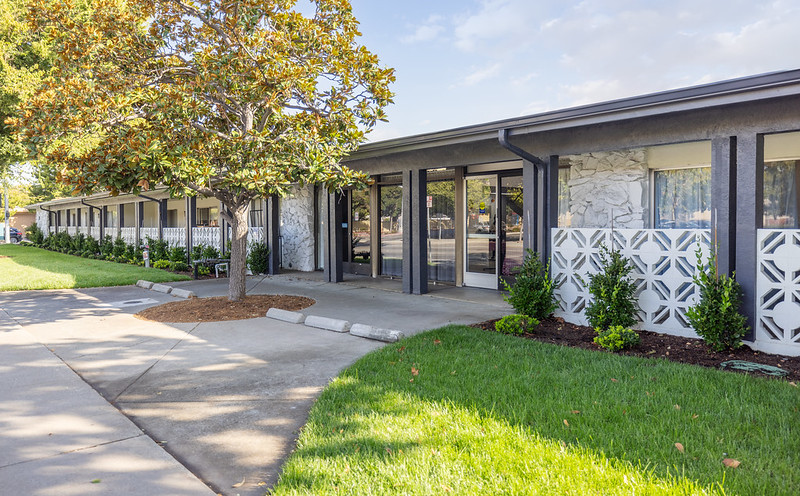
How is Canyon Springs Post-Acute Staffed?

CMS rates CANYON SPRINGS POST-ACUTE's staffing level at 3 out of 5 stars, which is average compared to other nursing homes. Staff turnover is 36%, compared to the California average of 46%. This relatively stable workforce can support continuity of care.

What Have Inspectors Found at Canyon Springs Post-Acute?

State health inspectors documented 69 deficiencies at CANYON SPRINGS POST-ACUTE during 2021 to 2025. These included: 1 that caused actual resident harm and 68 with potential for harm. Deficiencies causing actual harm indicate documented cases where residents experienced negative health consequences.
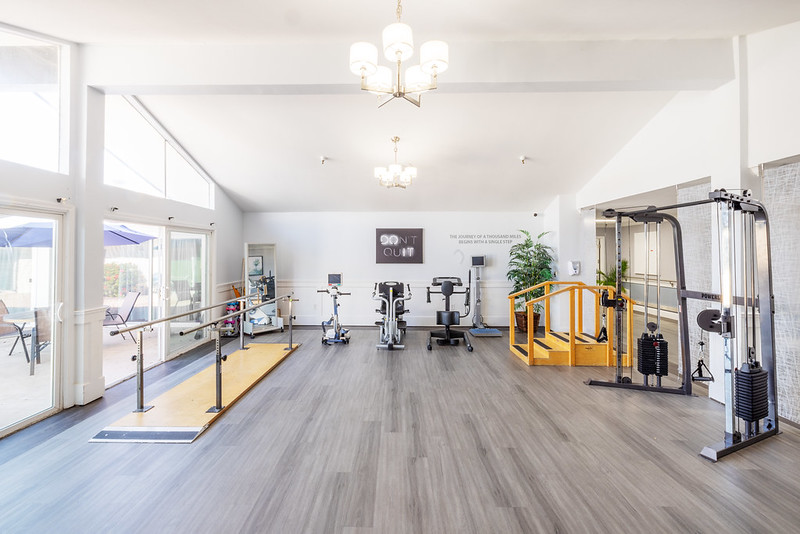
Who Owns and Operates Canyon Springs Post-Acute?

CANYON SPRINGS POST-ACUTE is owned by a for-profit company. For-profit facilities operate as businesses with obligations to shareholders or private owners. The facility is operated by PACS GROUP, a chain that manages multiple nursing homes. With 199 certified beds and approximately 184 residents (about 92% occupancy), it is a mid-sized facility located in SAN JOSE, California.

How Does Canyon Springs Post-Acute Compare to Other California Nursing Homes?

Compared to the 100 nursing homes in California, CANYON SPRINGS POST-ACUTE's overall rating (1 stars) is below the state average of 3.1, staff turnover (36%) is significantly lower than the state average of 46%, and health inspection rating (2 stars) is below the national benchmark.

What Should Families Ask When Visiting Canyon Springs Post-Acute?

Based on this facility's data, families visiting should ask: "Can I visit during a mealtime to observe dining assistance and food quality?" "How do you handle medical emergencies, and what is your hospital transfer rate?" "Can I speak with family members of current residents about their experience?"

Is Canyon Springs Post-Acute Safe?

Based on CMS inspection data, CANYON SPRINGS POST-ACUTE has a clean safety record: no substantiated abuse findings (meaning no confirmed cases of resident harm), no Immediate Jeopardy citations (the most serious violation level indicating risk of serious injury or death), and is not on the Special Focus Facility watch list (a federal program monitoring the lowest-performing 1% of nursing homes). The facility has a 1-star overall rating and ranks #100 of 100 nursing homes in California. While no facility is perfect, families should still ask about staff-to-resident ratios and recent inspection results during their visit.

Do Nurses at Canyon Springs Post-Acute Stick Around?

CANYON SPRINGS POST-ACUTE has a staff turnover rate of 36%, which is about average for California nursing homes (state average: 46%). Moderate turnover is common in nursing homes, but families should still ask about staff tenure and how the facility maintains care continuity when employees leave.

Was Canyon Springs Post-Acute Ever Fined?

CANYON SPRINGS POST-ACUTE has no federal fines on record. CMS issues fines when nursing homes fail to meet care standards or don't correct problems found during inspections. The absence of fines suggests the facility has either maintained compliance or corrected any issues before penalties were assessed. This is a positive indicator, though families should still review recent inspection reports for the full picture.

Is Canyon Springs Post-Acute on Any Federal Watch List?

CANYON SPRINGS POST-ACUTE is not on any federal watch list. The most significant is the Special Focus Facility (SFF) program, which identifies the bottom 1% of nursing homes nationally based on persistent, serious quality problems. Not being on this list means the facility has avoided the pattern of deficiencies that triggers enhanced federal oversight. This is a positive indicator, though families should still review the facility's inspection history directly.