CREEKSIDE POST-ACUTE
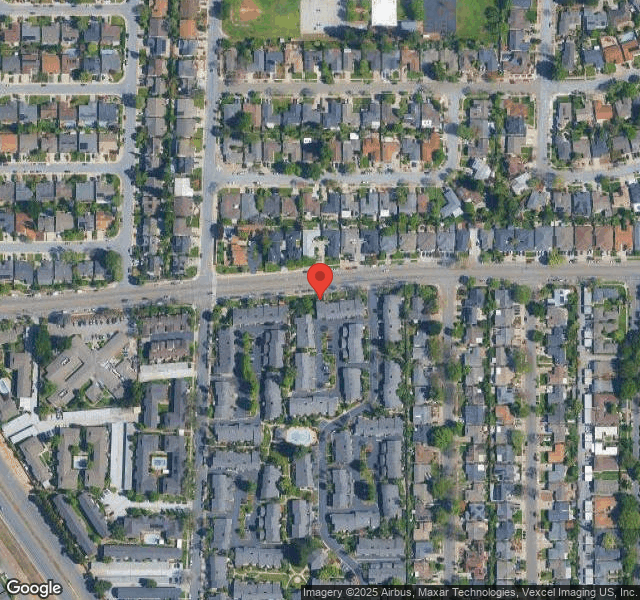
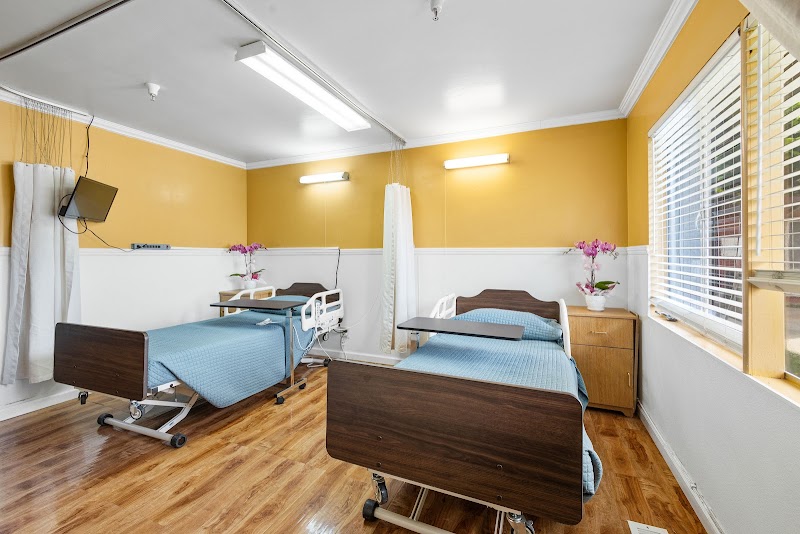
3580 PAYNE AVENUE, SAN JOSE, CA 95117 (408) 248-7100
For profit - Limited Liability company 130 Beds LINKS HEALTHCARE GROUP Data: November 2025
Trust Grade
53/100
#323 of 1155 in CA
Last Inspection: December 2024

Within standard 12-15 month inspection cycle. Federal law requires annual inspections.

Overview

Families considering Creekside Post-Acute in San Jose should note that it has a Trust Grade of C, which means it is average compared to other facilities, indicating it's neither outstanding nor particularly poor. It ranks #323 out of 1,155 facilities in California, placing it in the top half, and #22 out of 50 in Santa Clara County, which means there are only a few local options rated higher. The facility is improving, with issues decreasing from 15 in 2024 to 4 in 2025, but it faces challenges with a concerning staff turnover rate of 98%, significantly higher than the state average. While the facility has average RN coverage and received $20,248 in fines, which is typical, there have been serious incidents where a resident suffered skin tears due to improper transfers and failures in wound assessments, highlighting areas that need attention. Overall, while there are strengths in its quality measures, families should weigh these against the staffing concerns and specific incidents noted.

Trust Score
C
53/100
In California
#323/1155
Top 27%
Safety Record
Moderate
Needs review
Inspections
Getting Better
15 → 4 violations
Staff Stability
⚠ Watch
98% turnover. Very high, 50 points above average. Constant new faces learning your loved one's needs.
Penalties
✓ Good
$20,248 in fines. Lower than most California facilities. Relatively clean record.
Skilled Nurses
○ Average
Each resident gets 35 minutes of Registered Nurse (RN) attention daily — about average for California. RNs are the most trained staff who monitor for health changes.
Violations
⚠ Watch
45 deficiencies on record. Higher than average. Multiple issues found across inspections.
★★★★☆
4.0
Overall Rating
★★★☆☆
3.0
Staff Levels
★★★★★
5.0
Care Quality
★★★☆☆
3.0
Inspection Score
Stable
2024: 15 issues
2025: 4 issues

The Good

  • 5-Star Quality Measures · Strong clinical quality outcomes
  • Full Sprinkler Coverage · Fire safety systems throughout facility
  • No fines on record

Facility shows strength in quality measures, fire safety.

The Bad

Staff Turnover: 98%

52pts above California avg (47%)

Frequent staff changes - ask about care continuity

Federal Fines: $20,248

Below median ($33,413)

Minor penalties assessed

Chain: LINKS HEALTHCARE GROUP

Part of a multi-facility chain

Ask about local staffing decisions and management

Staff turnover is very high (98%)

50 points above California average of 48%

The Ugly 45 deficiencies on record

1 actual harm
Sept 2025 2 deficiencies
CONCERN (D) 📢 Someone Reported This

A family member, employee, or ombudsman was alarmed enough to file a formal complaint

Potential for Harm - no one hurt, but risky conditions existed

Quality of Care (Tag F0684)

Could have caused harm · This affected 1 resident

**NOTE- TERMS IN BRACKETS HAVE BEEN EDITED TO PROTECT CONFIDENTIALITY** Based on interview and record review, the facility failed to ensure the residents received the necessary care and services for o...

Read full inspector narrative →
**NOTE- TERMS IN BRACKETS HAVE BEEN EDITED TO PROTECT CONFIDENTIALITY** Based on interview and record review, the facility failed to ensure the residents received the necessary care and services for one of three residents (1) when the wound doctor's order for Resident 1's venous ulcer (open sores that occur when the veins in the legs do not push blood back up to the heart as well as they should) on his right lower lateral leg was not carried out to the treatment administration record (TAR). This failure had the potential for Resident 1's wound did not receive the treatment, became deteriorated, and delayed wound healing.Findings:Review of Resident 1's admission Record indicated he was admitted to the facility on [DATE] with chronic venous hypertension (increased pressure inside the veins) with ulcer of bilateral lower extremity diagnosis.Review of Resident 1's Skin Assessment and IDT - Skin Integrity, dated 8/5/25, indicated Resident 1 received a treatment order from the wound doctor for the licensed nurse to cleanse the venous ulcer on his right lower lateral leg with normal saline (0.9 grams [g, a metric unit of mass] of salt per 100 milliliters [ml, a metric unit of volume] of solution), apply Xeroform (a sterile, non-adhering protective dressing), and cover with dry dressing and Kerlix (soft gauze roll).However, review of Resident 1's 8/2025 TAR indicated the treatment order was not recorded.During an interview with treatment nurse A (TMN A) on 8/22/25, at 3:10 p.m., she reviewed Resident 1's Wound Docs Preliminary Wound Report, dated 8/5/25, and Resident 1's 8/2025 TAR and confirmed that the wound doctor's order for Resident 1's venous ulcer on his right lower lateral leg was not carried out to the TAR. TMN A confirmed that Resident 1 still had the venous ulcer on his right lower lateral leg and stated the wound might not receive the treatment as ordered if the order was not on the TAR for the licensed nurse to follow.Review of the facility's policy, Medication and Treatment Orders, dated 7/2016, indicated . 3. Drug and biological orders must be recorded on the physician's order sheet in the resident's chart.
CONCERN (D) 📢 Someone Reported This

A family member, employee, or ombudsman was alarmed enough to file a formal complaint

Potential for Harm - no one hurt, but risky conditions existed

Infection Control (Tag F0880)

Could have caused harm · This affected 1 resident

**NOTE- TERMS IN BRACKETS HAVE BEEN EDITED TO PROTECT CONFIDENTIALITY** Based on observation, interview, and record review, the facility failed to implement infection control practices when certified ...

Read full inspector narrative →
**NOTE- TERMS IN BRACKETS HAVE BEEN EDITED TO PROTECT CONFIDENTIALITY** Based on observation, interview, and record review, the facility failed to implement infection control practices when certified nursing assistant B (CNA B) walked out of Resident 2's room and in the hallway without sanitizing her hands. This failure had the potential to spread infection in the facility.Findings:Review of Resident 2's admission Record indicated she was admitted to the facility on [DATE].Review of Resident 2's physician order, dated 8/4/25, indicated she had an order for ice the knee at least 4 times per day for 20 minutes each time to help reduce pain and swelling.During an observation on 8/21/25, at 3:05 p.m., CNA B entered Resident 2's room, put on gloves, and helped Resident 2; then CNA B removed her gloves, walked out of Resident 2's room and in the hallway without sanitizing her hands.During a concurrent interview with CNA B, she stated Resident 2 asked her to fix the ice wrap on her knee because it was sliding down, so she pulled the ice wrap up and repositioned it for Resident 2. CNA B stated she should sanitize her hands when walking out of Resident 2's room.During an interview with the infection preventionist (IP) on 9/23/25, at 1:05 p.m., she stated the staff should sanitize their hands when walking out of the residents' rooms.Review of the facility's policy, Handwashing/Hand Hygiene, dated 8/2019, indicated . 7. Use an alcohol-based hand rub containing at least 62% alcohol; or, alternatively, soap and water for the following situations: . b. Before and after direct contact with residents; . m. After removing gloves; . 9. The use of gloves does not replace hand washing/hand hygiene .
Jun 2025 1 deficiency
CONCERN (D) 📢 Someone Reported This

A family member, employee, or ombudsman was alarmed enough to file a formal complaint

Potential for Harm - no one hurt, but risky conditions existed

Deficiency F0678 (Tag F0678)

Could have caused harm · This affected 1 resident

**NOTE- TERMS IN BRACKETS HAVE BEEN EDITED TO PROTECT CONFIDENTIALITY** Based on interview and record review, the facility failed to ensure they had communicated throughout the facility for one of thr...

Read full inspector narrative →
**NOTE- TERMS IN BRACKETS HAVE BEEN EDITED TO PROTECT CONFIDENTIALITY** Based on interview and record review, the facility failed to ensure they had communicated throughout the facility for one of three sampled residents (Resident 1)'s code status and documented in the medical record Resident 1's wishes and preference immediately, so that staff would know what action to take or not take when an emergency arises when: 1. The case manager (CM) did not communicate to staff immediately regarding the changes in Resident 1's code status of DNR Do Not Resuscitate (DNR, is a medical order to instruct providers not to do cardiopulmonary resuscitation (CPR, is an emergency lifesaving procedure performed when the heart stops beating) order in her electronic medical record (EMR)when Resident 1's daughter submitted to the facility a copy of the POLST signed by Resident 1 and her attending physician while she was in the acute hospital dated [DATE]. 2. Facility staff did not remove from Resident 1's EMR the Physician Orders for Life Sustaining Treatment (POLST, is a medical order that helps give people with serious illness more control over their care during a medical emergency) signed by Resident 1 upon her admission to the facility on [DATE] that indicated she wanted to be Full code- refers to prolonging life by all medically effective means when patient is found with no pulse and/or not breathing). 3. The case manager (CM) did not document immediately into Resident 1's (EMR) regarding the confirmed change in resident's status Full code to DNR after verifying it with Resident 1 and her daughter on [DATE]. These failures created confusion as to the correct code status for Resident 1 and resulted in the provision of CPR by the 911 paramedics to the Resident 1 who had a DNR status. Findings: During a review of Resident 1's admission record indicated she was admitted to the facility on [DATE] with the primary diagnosis of acute on chronic systolic congestive heart failure (is a situation where a person with pre-existing chronic systolic heart failure (is a long-term condition where the heart's left ventricle weakens and cannot pump blood effectively, leading to a build-up of fluid in the lungs and other parts of the body) experiences a sudden worsening of their symptoms. Review of Resident 1's admission Record indicated she was self-responsible. Her POLST dated and signed [DATE] and [DATE] indicated she was the legally recognized decision maker. Review Resident 1's Skilled Nursing Facility admission Orders from the acute hospital upon discharge date d [DATE], indicated the code status as, DNR and Patient has capacity for medical decision making. Review of Resident 1's SNF admission History and Physical, dated [DATE], indicated, Her cognitive function appears intact as she correctly identified the date and spelled lunch both forward and backwards . Patient's code status and POLST status: DNR; limited additional interventions: Use medical treatment, antibiotics, and IV (intravenous, the administration of medications and fluids by vein) fluids as indicated. Do not intubate (is a medical order that specifies a patient does not want a breathing tube (intubation) placed in their airway, even if they stop breathing or experience respiratory distress). May use non-invasive positive airway pressure (is the use of breathing support administered through a face mask, nasal mask, or a helmet by pushing air at a higher pressure into your airway). Generally, avoid intensive care (critical care is a specialized medical setting within a hospital that provides round-the-clock care and treatment for patients with life-threatening illnesses or injuries). Review of Resident 1's POLST form, dated [DATE] (from the acute hospital), indicated, she chose Do Not Attempt Resuscitation/DNR with selective treatment, and the photocopy of this POLST included only the front page which was not clear. Review of Resident 1's another POLST form, dated [DATE] signed by the resident and her attending physician, indicated she chose Attempt Resuscitation /CPR and with selective treatment. During a review of Resident 1's active orders, dated [DATE], indicated, Follow code status per POLST instructions. Review of Resident 1's case manager progress notes, dated [DATE], indicated, 4/11- palliative consult done. Initially they wanted Full Code, but they decided to do DNR / Selective Treatment, no Vents (ventilator, a device for maintaining artificial respirationor machines to keep her alive. The daughter sent a pic (picture) of the POLST done at Acute, printed it and put it in the chart. She stated if she continues to decline might consider Hospice Care. Daughter & resident understand underlying cardiac & pulmonary function, overall prognosis is poor. A further review of Resident 1's case manager progress notes, dated [DATE] at 5:20 p.m., indicated, Received a call from daughter that she is in the facility . confirmed POLST she is DNR/Selective Tx. Daughter & resident wants to disregard what was filled out here upon her admission on 4.19. 25 where it says Full Code/Selective. Resident stated the one they did at hospital on 4.11.25 should be followed where she is DNR/Selective. Review of Resident 1's Situation-Background-Assessment-Recommendation (SBAR, is a communication tool used to structure conversations, especially in healthcare, to ensure clear and concise information transfer), dated [DATE], indicated, At 11 p.m., staff member asked nurse to assess resident because resident appears unresponsive. Licensed nurse (LN) performed bedside assessment. Resident noted with weak pulse, but unresponsive to verbal and tactile stimuli. Oxygen (O2, is a colorless and odorless gas. It is needed for animal and plant life ) saturation at 94% on O2 2 L/min via nasal cannula. Obtained physical copy of POLST from medical chart- DNR/selective treatment. At 11:05 p.m., called 911. At 11:10 emergency medical services (EMS) arrived at the scene. Determined that resident had no pulse. At 11:15 p.m., paramedics asked if there is another copy of the POLST because the current POLST is missing from the back side . updated copy of POLST was retrieved from resident's electronic file on PCC- full code/ attempt CPR. At 11:18 p.m., paramedics started CPR because of updated copy of POLST. At 11:40 p.m., resident was pronounced death by paramedics. During an interview on [DATE], at 11:10 a.m. and 3:30 p.m., the CM stated Resident 1 had a change in her code status after palliative care in the hospital, from being Full code to DNR with selective treatment on [DATE] before her admission to the facility. The CM also stated upon Resident 1's admission on [DATE] Resident 1completed another POLST that indicated she wanted full code with selective treatment. The CM clarified with Resident 1's daughter on [DATE] around 5:20 p.m. regarding Resident 1's code status. The CM stated, Resident 1's daughter told him that the code status was supposed to be DNR, so he marked VOID on the [DATE]'s POLST form, then he removed this POLST form from the hard copy of Resident 1's medical record. Further interview and record review with the CM also indicated, the [DATE]'s POLST signed by the physician on [DATE] was uploaded into Resident 1's EMR by medical record staff in the morning of [DATE]. The CM also stated that he verified Resident 1 regarding the correct code status which was DNR with selective treatment because she did not want full treatment. The CM stated that the POLST form dated [DATE] should have been removed from the EMR to avoid confusion, and he should have documented immediately in Resident 1's EMR when DNR code status was confirmed on [DATE]. During an interview on [DATE], at 3:40 p.m., with registered nurse A (RN A), RN A stated he was notified by the night shift certified nursing assistant (CNA) C at 11 p.m. regarding Resident 1's altered mental status. RN A checked Resident 1's chart for her POLST which was DNR with selective treatment, then RN A called since Resident 1 still had breathing with weak pulse. When the paramedics arrived at the facility, they did not want to take the photocopy of the [DATE]'s POLST without back side page. RN A also stated, the paramedics questioned the validity of the POLST provided because it has no back page. RN A further stated his supervisor (LVN B, licensed vocational nurse B) went to check their Resident 1's EMR to look for additional information as requested by the paramedics and she found the [DATE]'s POLST that indicated Resident 1 was full code. LVN B showed Resident 1's EMR indicating the full code status, so the paramedics started to perform CPR to Resident 1. During an interview on [DATE], at 11:50 a.m., with the director of nursing (DON), she stated, they forgot to update in their EMR to upload Resident 1's POLST dated [DATE]. During an interview on [DATE], at 5:15 p.m., with licensed vocational nurse B (LVN B), LVN B stated she was not aware the [DATE]'s POLST was voided, and no one endorsed to her. LVN also stated, when the paramedics questioned the validity of the picture of Resident 1's POLST placed at the chart, she could not provide any response and could not also validate the correct code status. During an interview on [DATE], at 12:15 p.m., the CM provided the original copy of [DATE]'s POLST that she obtained from the acute hospital on [DATE] (a day after Resident 1 passed away on [DATE]) and filed in Resident 1's chart. During an interview on [DATE], at 12:17 p.m., the administrator (ADM) stated, on [DATE] the facility (he did not mention the specific staff) should have followed up and obtained the original copy of signed POLST dated [DATE] from the hospital and filed it in Resident 1's chart. Review of the facility's performance improvement project (PIP) guide, dated [DATE], it indicated, conflicting POLST documentation caused emergency personnel to initiate interventions inconsistent with known resident wishes. Actual POLST on file not consistent with POLST uploaded on electronic medical record (EMR). Root causes identified: Dual POLST forms present without clear policy guidance on version validation. Incomplete scan of POLST form (missing back side). Lack of clear workflow for verifying POLST accuracy during emergency events. Review of the facility's undated policy and procedure (P&P) titled, Do Not Resuscitate Order, the P&P indicated, Our facility will not use cardiopulmonary resuscitation and related emergency measures to maintain life functions on a resident when there is a Do Not Resuscitate Order in effect. In addition to the advance directive and DNR order form, state-specific forms may be used to specify whether to administer CPR in case of a medical emergency. State-specific forms include Physician Orders for Life-Sustaining Treatment (POLST) Do not resuscitate (DNR) orders will remain in effect until the resident (or legal surrogate) provides the facility with a signed and dated request to end the DNR order. The resident's attending physician will clarify and present any relevant medical issues and decisions to the resident or legal representative as the resident's condition changes in an effort to clarify and adhere to the resident's wishes.
Apr 2025 1 deficiency
CONCERN (D) 📢 Someone Reported This

A family member, employee, or ombudsman was alarmed enough to file a formal complaint

Potential for Harm - no one hurt, but risky conditions existed

Deficiency F0658 (Tag F0658)

Could have caused harm · This affected 1 resident

Based on interview and record review, the facility failed to provide care and services in accordance with professional standards of practice for one of three sampled residents (Resident 1) when: 1. Th...

Read full inspector narrative →
Based on interview and record review, the facility failed to provide care and services in accordance with professional standards of practice for one of three sampled residents (Resident 1) when: 1. The licensed nurse failed to notify the physician when Resident 1 experienced a change in condition. 2. The licensed nurse failed to transfer the wound care order from the hospital discharge instructions to the Skilled Nursing Facility (SNF) orders, resulting in no wound dressing change for Resident 1 for two days. These failures resulted in Resident 1 being sent to the hospital for further evaluation and treatment. Findings: 1. A review of Resident 1's clinical record indicated she was admitted from the acute hospital to the facility on 1/24/2025 and had the diagnosis including encounter for orthopedic aftercare following surgical amputation (the loss or removal of a body part such as a finger, toe, hand, foot, arm or leg). A review of Resident 1's discharge instructions from the acute hospital, dated 1/24/2025, indicated notifying physician for change in conditions including acute change in mental status. A review of Resident 1 ' s nursing progress notes dated 1/26/2025 at 18:56 indicated that the resident was confused and had declined from being alert and oriented ×3 on the admission date (1/24/2025) to alert and oriented ×1. The nurse documented a message in the communication binder asking the physician whether the confusion could be related to narcotic medication administered in the hospital. During an current interview and record with the Director of Nursing (DON) on 4/15/2025 at 3:12 p.m., the DON reviewed the nursing progress notes and stated the nurse should have notified the physician regarding Resident 1 ' s condition change (change in mental status) instead of leaving a message on the facility's communication binder. 2. A review of Resident 1's hospital discharge orders dated 1/24/2025 indicated a wound care order for a stockinet dressing and a loosely wrapped ACE wrap (Elastic Bandage with Hook Closure delivers comfortable support) to be changed daily while in the SNF. However, a review of Resident 1 ' s SNF physician orders and the Treatment Administration Record (TAR) for January 2025 indicated that no wound care order had been transcribed and carried out. During a current interview and record review with the Wound Care Nurse (WCN) on 4/15/2025 at 2:00 p.m., the WCN reviewed Resident 1's January 2025 SNF orders and TAR. She confirmed that there was no documented wound care order. She stated that she was not aware that a wound dressing change was required and she did not change Resident 1's wound dressing on 1/25 or 1/26/2025. During a concurrent interview and record review with the DON on 4/15/2025 at 3:15 p.m., the DON reviewed Resident 1's hospital discharge orders and SNF orders. She confirmed that there was no wound care order in the SNF orders. She further stated that the admission nurse should have transcribed the hospital wound care order to the SNF orders so that the wound care nurse could carry out the treatment. A review of the facility's policy and procedure titled Change in a Resident ' s Condition or Status, revised 2/2021, indicated .the nurse will notify the resident's attending physician or physician on call when there has been a(an): .significant change in the resident's physical, emotional, mental condition . A review of the facility's policy and procedure titled Timely Implementation of Treatment Orders Policy, indicated .to ensure that all treatment orders are implemented promptly and consistently, treatment orders must be initiated within 24 hours unless specified otherwise .
Dec 2024 3 deficiencies
CONCERN (D)

Potential for Harm - no one hurt, but risky conditions existed

Assessment Accuracy (Tag F0641)

Could have caused harm · This affected 1 resident

Based on record review, interview, and review of the Centers for Medicare and Medicaid (CMS) Long-Term Care Facility Resident Assessment Instrument 3.0 User's Manual, the facility failed to ensure a M...

Read full inspector narrative →
Based on record review, interview, and review of the Centers for Medicare and Medicaid (CMS) Long-Term Care Facility Resident Assessment Instrument 3.0 User's Manual, the facility failed to ensure a Minimum Data Set (MDS) assessment was accurate for 1 (Resident #125) of 24 sampled residents. Specifically, the facility failed to ensure Resident #125's discharge MDS accurately reflected the resident's discharge status. Findings included: The CMS Long-Term Care Facility Resident Assessment Instrument 3.0 User's Manual, Version 1.19.1, dated October 2024, Chapter 3: Overview to the Item-by-Item Guide to the MDS 3.0, Section A2105: Discharge Status revealed, Code 12, Home under care of organized home health service organization: if the resident was discharged home under care of an organized home health service organization. This includes only skilled services provided by a home health agency. An admission Record indicated the facility admitted Resident #125 on 08/24/2024. According to the admission Record, the resident had a medical history that included diagnoses of a humerus fracture of the left arm, history of falling, and muscle weakness. According to the admission Record, Resident #125 was discharged from the facility on 09/09/2024. Resident #125's Interdisciplinary Discharge Summary, dated 09/09/2024, indicated the resident went home as planned, with family, and with a home health agency referral. A Nurses Note, dated 09/09/2024, indicated all discharge instructions were reviewed with Resident #125's family member, and the resident was discharged in stable condition. A discharge-return not anticipated MDS, with an Assessment Reference Date (ARD) of 09/09/2024, revealed the MDS was coded to reflect that Resident #125 was discharged to a short-term general hospital. During an interview on 12/05/2024 at 10:15 AM, MDS Coordinator #8 stated Resident #125's discharge MDS was incorrectly coded. MDS Coordinator #8 said Resident #125 was discharged home with a family member, not to a hospital. During an interview on 12/05/2024 at 10:20 AM, the Director of Nursing (DON) stated Resident #125 discharged home with a family member. She stated she expected correct MDS coding. During an interview on 12/05/2024 at 10:25 AM, the Administrator stated he expected accurate MDS coding.
CONCERN (D)

Potential for Harm - no one hurt, but risky conditions existed

Deficiency F0645 (Tag F0645)

Could have caused harm · This affected 1 resident

Based on record review, interview, and facility policy review, the facility failed to ensure Level I Preadmission Screening and Resident Reviews (PASRRs) were submitted when required and failed to com...

Read full inspector narrative →
Based on record review, interview, and facility policy review, the facility failed to ensure Level I Preadmission Screening and Resident Reviews (PASRRs) were submitted when required and failed to complete them accurately for 2 (Resident #41 and Resident #70) of 3 residents reviewed for PASRR requirements. Specifically, the facility failed to ensure Resident #41's Level I PASRR screening reflected the presence of a serious diagnosed mental disorder and failed to submit a Level I PASRR screening after Resident #70 remained in the facility longer than 30 days. Findings included: A facility policy titled, admission Criteria, revised in 03/2019, indicated, 9. All new admissions and readmissions are screened for mental disorders (MD), intellectual disabilities (ID) or related disorders (RD) per the Medicaid Pre-admission Screening and Resident Review (PASARR) [another acronym for PASRR] process. The policy revealed, z. If the level I screen indicates that the individual may meet the criteria for a MD, ID, or RD, he or she is referred to the state PASARR representative for the Level II (evaluation and determination) screening process. 1. Resident #41's admission Record indicated the facility admitted Resident #41 on 07/22/2024. According to the admission Record, the resident had a medical history that included a diagnosis of paranoid schizophrenia (onset 07/22/2024). Resident #41's Medicine Discharge Summary from the hospital that transferred the resident to the facility, dated 07/22/2024, revealed a Discharge Diagnosis of paranoid schizophrenia. An admission Minimum Data Set (MDS), with an Assessment Reference Date (ARD) of 07/25/2024, revealed Resident #41 had a Brief Interview for Mental Status (BIMS) score of 14, which indicated the resident was cognitively intact. The MDS indicated that the resident had an active diagnosis of schizophrenia. Per the MDS, the resident received antipsychotic medication during the assessment timeframe. Resident #41's care plan revealed a focus area, initiated 08/01/2024, that indicated the resident received psychotropic medications related to their diagnosis of paranoid schizophrenia. Resident #41's Preadmission Screening and Resident Review (PASRR) Level I Screening, dated 07/19/2024, completed by a hospital, indicated the resident did not have a diagnosis of a serious mental disorder. The screening also indicated the resident did not have a suspected mental illness and was not prescribed psychotropic medication. The screening indicated that a Level II evaluation was not required. A letter to Resident #41 from the California Department of Health Care Services, dated 07/19/2024, indicated, Your Level I Screening indicates that a Level II Mental Health Evaluation is not required. During an interview on 12/05/2024 at 9:36 AM, MDS Coordinator #8 stated she was responsible for ensuring the accuracy of PASRR submissions. She stated that Resident #41's Level I screening did not list a serious mental illness diagnosis. She confirmed that the resident's admission MDS revealed that the resident had schizophrenia. She stated Resident #41's diagnosis of paranoid schizophrenia should have been listed on the Level I screening. MDS Coordinator #8 stated the Level I screening for Resident #41 was completed by the hospital staff before admission. She stated she should have reviewed the Level I screening to ensure it was completed accurately by the hospital staff. She stated if she had identified the error, she would have resubmitted a new Level I screening to the state. During an interview on 12/05/2024 at 9:48 AM, the Director of Nursing (DON) stated that when a resident was admitted , she ensured the hospital submitted a Level I screening. She stated she looked at the Level I Screening to make sure it was submitted accurately by the hospital. She stated that Resident #41's Level I Screening did not list a serious mental illness diagnosis. She stated Resident #41 had a diagnosis of paranoid schizophrenia and it should have been listed on the Level I screening. She stated she did not notice that schizophrenia was not included on Resident #41's Level I screening. The DON stated that she expected each section of the Level I screening to be reviewed for accuracy. 2. An admission Record indicated the facility admitted Resident #70 on 12/03/2022. According to the admission Record, the resident had a medical history that included diagnoses of schizoaffective disorder (onset 12/03/2022) and major depressive disorder (onset 12/03/2022). Resident #70's care plan included a focus area, initiated 12/09/2022, that indicated the resident was at risk for altered mood and behavior due to diagnoses of depression and schizoaffective disorder. Resident #70's Preadmission Screening and Resident Review (PASRR) Level I Screening, dated 12/04/2022, indicated that the resident had a serious diagnosed mental disorder. The screening indicated that the resident had diagnoses of schizoaffective disorder and major depressive disorder. Per the Level I screening, the resident had been prescribed psychotropic medications for a serious mental illness. The screening indicated that the screening result was Negative, with a Reason Code that revealed 30-Day Exempted Hospital Discharge. During an interview on 12/03/2024 at 9:17 AM, MDS Coordinator #8 stated that Resident #70 was discharged from a hospital and was not expected to stay longer than 30 days and was considered exempt from the PASRR process. She stated the facility did not submit a Level I screening after the resident remained in the facility longer than 30 days but should have. MDS Coordinator #8 stated that they were educated the previous year on the PASRR process and learned that if a resident was discharged from the hospital and stayed longer than 30 days, they had to submit a Level I screening to the state. She stated that after their training, they did not review the previous Level I screenings of residents who may have stayed longer than 30 days. During an interview on 12/05/2024 at 9:47 AM, the Director of Nursing (DON) stated that Resident #70's Level I screening should have been resubmitted after the resident remained in the facility longer than 30 days. During an interview on 12/05/2024 at 9:59 AM, the Administrator stated that he was not involved in the PASRR process. He stated that his expectation was for the PASRRs to be completed and submitted within the guidelines.
CONCERN (D)

Potential for Harm - no one hurt, but risky conditions existed

Accident Prevention (Tag F0689)

Could have caused harm · This affected 1 resident

Based on observation, interview, record review, and facility policy review, the facility failed to provide supervision to prevent a fall for 1 (Resident #68) of 2 residents reviewed for falls and fail...

Read full inspector narrative →
Based on observation, interview, record review, and facility policy review, the facility failed to provide supervision to prevent a fall for 1 (Resident #68) of 2 residents reviewed for falls and failed to ensure the environment remained free of accident hazards for 1 (Resident #45) of 1 resident reviewed for accident hazards. Findings included: 1. An admission Record, indicated the facility admitted Resident #68 on 10/04/2021. According to the admission Record, the resident had a medical history that included diagnoses of muscle weakness, difficulty in walking, spinal stenosis, and muscle spasms. An annual Minimum Data Set (MDS), with an Assessment Reference Date (ARD) of 09/10/2024, revealed Resident #68 had a Brief Interview for Mental Status (BIMS) score of 14, which indicated the resident had intact cognition. The MDS revealed the resident required partial/moderate assistance with bathing and supervision or touching assistance with tub/shower transfers. A Morse Fall Assessment, dated 09/10/2024, indicated Resident #68 was at moderate risk for falling. Resident #68's care plan, initiated 10/01/2024, indicated the resident was at risk for injuries related to sudden body movements. An intervention initiated on 10/01/2024 directed staff to provide a safe environment. A document titled, SBAR [Situation, Background, Assessment, and Recommendation]-Falls, dated 11/22/2024, indicated Resident #68 had an unwitnessed fall without injury in the shower room. The document indicated that at 10:00 AM on 11/22/2024, a nurse heard yelling from the shower room, and upon entry, the nurse found the resident sitting on the floor of the shower room, alone. Per the document, a certified nursing assistant (CNA) left the resident alone in the shower room to obtain linens. On 12/04/2024 at 8:15 AM, Resident #68 stated they were in a shower chair and slid out of the shower chair onto the floor. The resident stated they fell out of the chair during the shower and the water was running over them. The resident stated they told staff not to leave them there and they left anyway. On 12/04/2024 at 10:56 AM, CNA #2 stated Resident #68 was in a shower chair, and the CNA had turned on the water. She stated she dropped the towels on the floor, and they got wet. CNA #2 stated she left the room to get a new towel. She stated she was aware the resident needed to be supervised and should not be left alone. However, she stated because of the inconvenience of the resident's shower towels getting wet, she left the room and left the resident unattended for less than two minutes. On 12/04/2024 at 11:08 AM, Licensed Vocational Nurse (LVN) #3 stated partial/moderate assistance meant there should always be someone with the resident, supervising and assisting the resident when needed. She stated none of the residents should be left alone in the shower for safety reasons. On the day of the incident, LVN #3 stated a CNA called her to the shower room because Resident #68 had fallen to the floor. She stated the CNA had stepped out to get a dry towel, because she dropped the towel on the floor and the towel got wet. On 12/05/2024 at 8:40 AM, the Director of Nursing (DON) stated if a resident required partial/moderate assistance during a shower, the resident should not be left alone. She stated Resident #68 had jerking movements, which created a concern with the resident being left alone in the shower. On 12/05/2024 at 8:55 AM, the Administrator stated if a resident required partial to moderate assistance, they needed to be assisted with their needs. He stated he would expect staff to be in the shower room assisting the resident unless the resident requested them to be out of the room. 2. A facility policy titled, Proper Use of Bed Rails, revised 12/2016, revealed The purposes of these guidelines are to ensure the safe use of bed rails as resident mobility aids and to prohibit the use of side rails as restraints unless necessary to treat a resident's symptoms. The policy revealed, 11. The resident will be checked periodically for safety relative to bed rail use. An admission Record, indicated the facility admitted Resident #45 on 01/17/2020. According to the admission Record, the resident had a medical history that included diagnoses of orthopedic aftercare following surgical amputation, acquired absence of the right leg below the knee, muscle weakness, abnormal posture, Alzheimer's disease, and a history of falling. A significant change Minimum Data Set (MDS), with an Assessment Reference Date (ARD) of 09/17/2024, revealed the resident had moderately impaired cognitive skills for daily decision-making and short-term and long-term memory problems, per a Staff Assessment for Mental Status (SAMS). The MDS revealed the resident was totally dependent on staff for rolling left and right in bed, moving from a sitting to lying or lying to sitting on the side of bed, and for chair/bed to chair transfers. Per the MDS, bed rails were not being utilized as a physical restraint. Resident #45's care plan revealed a focus area, initiated 08/23/2024, that indicated the resident was at risk for falls/injuries related to cognitive impairment, physical limitations, a history of falls, status post partial below the knee amputation, incontinence, and side effects of medication. An intervention initiated on 08/23/2024 directed staff to place bed rails in the upright position for mobility, repositioning, and transfers. On 12/02/2024 at 10:25 AM, an observation was made of Resident #45's bed rails. The resident had a bed rail on each side of the bed that began approximately six inches from the head of the bed and extended to the center of the bed. The right bed rail was not tight and was able to be moved. On 12/03/2024 at 11:13 AM, an observation revealed there was a two-to-three-inch gap between the bed and the bed rail. On 12/03/2024 at 11:59 AM, Certified Nursing Assistant (CNA) #6 stated she was not sure how long the bed rail had been loose and said the loose rail could cause the resident to fall. On 12/04/2024 at 8:51 AM, CNA #4 stated she worked with Resident #45 on 12/02/2024. She stated she had not noticed anything wrong with the bed rails. CNA #4 stated when the resident began hospice services, they got a new bed. The CNA observed the rails during the interview and stated she had not noticed being able to move the bed rails in and out and up and down. She stated if she had noticed, she would have attempted to fix the bed rail. She stated if she could not fix it, she would have called the supervisor. On 12/04/2024 at 11:26 AM, Licensed Vocational Nurse (LVN) #5 stated she was also assigned to care for Resident #45 on 12/02/2024. She stated she had not noticed the bed rails being loose. LVN #5 observed Resident #45's bed rails during the interview and stated the bed rails should be secure, and they should not move. She stated if she had noticed the rails were not secure, she would have called maintenance right away. She stated the bed rail should be secure for the resident's safety. On 12/03/2024 at 12:17 PM, LVN #3 stated everyone should be checking the bed rails for safety. LVN #3 observed Resident #45's bed rail and stated the bed rail was loose and it could come off. She stated she was not aware that the bed rail was loose. On 12/03/2024 at 12:33 PM, Environmental Services (EVS) Staff #9 stated the facility installed Resident #45's bed rails approximately two weeks prior. He stated they checked bed rails every month, but did not document the installation or the monthly checks. He stated they made sure the bed rails were bolted to the bed frame. EVS Staff #9 observed Resident #45's bed rail and stated the bed rail should not be loose or rotate. According to EVS Staff #9, the resident could fall if the bed rail came loose. He stated he was not aware of any issues with Resident #45's bed rail. He stated the CNA staff should have reported the loose bed rail to him. On 12/05/2024 at 8:34 AM, the Director of Nursing (DON) stated staff should identify hazards and ensure any issues were taken care of. Per the DON, staff should have identified the loose bed rail. On 12/05/2024 at 9:01 AM, the Administrator stated staff should identify and report any bed rail concern. He stated anything that would jeopardize the safety of the resident should be reported. He stated he was not sure how long Resident #45's bed rail had been loose, and the loose bed rail was not brought to their attention. He stated a bed rail should not be loose or moving.
Nov 2024 3 deficiencies
CONCERN (E) 📢 Someone Reported This

A family member, employee, or ombudsman was alarmed enough to file a formal complaint

Potential for Harm - no one hurt, but risky conditions existed

Quality of Care (Tag F0684)

Could have caused harm · This affected multiple residents

**NOTE- TERMS IN BRACKETS HAVE BEEN EDITED TO PROTECT CONFIDENTIALITY** Based on interview and record review, the facility failed to ensure one of three residents (1) received the necessary care and s...

Read full inspector narrative →
**NOTE- TERMS IN BRACKETS HAVE BEEN EDITED TO PROTECT CONFIDENTIALITY** Based on interview and record review, the facility failed to ensure one of three residents (1) received the necessary care and services when Resident 1's wounds did not have the weekly wound assessments completed consistently as required. This failure resulted in undetermined wound status and could negatively affect the progress of wound healing for Resident 1. Findings: Review of Resident 1's admission Record indicated he was admitted to the facility on [DATE] with diagnoses including sepsis (a life-threatening condition that occurs when the body has an extreme response to an infection), atelectasis (a collapsed lung), and diabetes (a disease that occurs when the blood sugar is too high). Review of Resident 1's clinical record indicated he had wounds on his left toes, right toes, left knee, mid spine, and perianal area. Review of Resident 1's Skin Assessments indicated that his left and right toes wounds were not assessed from 4/30/24 to 6/9/24, from 6/18/24 to 6/30/24, and from 7/2/24 to 8/11/24; his left knee wound was not assessed from 4/30/24 to 6/3/24, from 6/18/24 to 6/30/24, and from 7/2/24 to 8/11/24; his mid spine wound was not assessed from 4/30/24 to 6/3/24, from 6/18/24 to 6/30/24, and from 7/2/24 to 8/11/24. Review of Resident 1's physician order indicated that he had an order for the licensed nurse to cleanse the wound on his perianal area with soap and water, gently wash skin, pat dry, and apply thin layer of Triad (a wound care product that combines the benefits of a protective ointment and a moisture barrier cream) every day and as needed, started on 9/12/23. However, review of Resident 1's Skin Assessments indicated that the wound on his perianal area was not assessed until 8/20/24. During an interview with the director of nursing (DON) on 11/8/24, at 3 p.m., she reviewed Resident 1's clinical record and confirmed that his left and right toes wounds were not assessed from 4/30/24 to 6/9/24, from 6/18/24 to 6/30/24, and from 7/2/24 to 8/11/24; his left knee wound was not assessed from 4/30/24 to 6/3/24, from 6/18/24 to 6/30/24, and from 7/2/24 to 8/11/24; his mid spine wound was not assessed from 4/30/24 to 6/3/24, from 6/18/24 to 6/30/24, and from 7/2/24 to 8/11/24; and the wound on his perianal area was not assessed until 8/20/24. The DON stated the residents' wounds should be assessed every week. The Skin Assessment (for Non-Pressure Injury) Form indicates that the Skin Assessment for each wound should be completed by the LIcensed Nurse weekly. Review of the facility's policy, Pressure Injury Risk Assessment, dated 3/2020, indicated . Step in the Procedure: . 4. Conduct a comprehensive skin assessment with every risk assessment: . b. Once inspection of skin is completed, document the findings on a facility-approved skin assessment tool. c. If a new skin alteration is noted, initiate a (pressure or non-pressure) form related to the type of alteration in skin.
CONCERN (E) 📢 Someone Reported This

A family member, employee, or ombudsman was alarmed enough to file a formal complaint

Potential for Harm - no one hurt, but risky conditions existed

Safe Environment (Tag F0921)

Could have caused harm · This affected multiple residents

Based on observation, interview, and policy review, the facility failed to provide a safe, functional, and comfortable environment for the residents and staff when the facility's floor had multiple ho...

Read full inspector narrative →
Based on observation, interview, and policy review, the facility failed to provide a safe, functional, and comfortable environment for the residents and staff when the facility's floor had multiple holes. This failure placed the residents, staff and visitors at risk for accident and/or injury. Findings: During an observation with maintenance staff B (MTNS B) on 11/7/24, at 2:20 p.m., the floor in the hallway in front of nursing station 3 had a hole below the handrail which was measured 6 x 3 x 0.5 inches, and the floor in the rehabilitation area had 8 holes which each hole was measured 5¾ x ¾ x 0.5 inches. During a concurrent interview with MTNS B, he stated the floor with these holes was not good and not safe. MTNS B stated he would fix them. Review of the facility's policy, Floors, dated 12/2009, indicated Floors shall be maintained in a clean, safe, and sanitary manner.
CONCERN (F) 📢 Someone Reported This

A family member, employee, or ombudsman was alarmed enough to file a formal complaint

Potential for Harm - no one hurt, but risky conditions existed

MDS Data Transmission (Tag F0640)

Could have caused harm · This affected most or all residents

**NOTE- TERMS IN BRACKETS HAVE BEEN EDITED TO PROTECT CONFIDENTIALITY** Based on interview and record review, the facility failed to timely complete and submit a Discharge Minimum Data Set (MDS, a cli...

Read full inspector narrative →
**NOTE- TERMS IN BRACKETS HAVE BEEN EDITED TO PROTECT CONFIDENTIALITY** Based on interview and record review, the facility failed to timely complete and submit a Discharge Minimum Data Set (MDS, a clinical assessment tool) data to the Centers for Medicare & Medicaid Services (CMS, oversees federal healthcare programs) for three of three residents (1, 2, and 3). This failure resulted in non-compliance with CMS regulatory requirements. Findings: Review of Resident 1's clinical record indicated he was admitted to the facility on [DATE] and discharged from the facility on 9/14/24. Review of Resident 2's clinical record indicated she was admitted to the facility on [DATE] and discharged from the facility on 9/13/24. Review of Resident 3's clinical record indicated she was admitted to the facility on [DATE] and discharged from the facility on 9/17/24. On 11/6/24, review of Resident 1's, Resident 2's, and Resident 3's clinical records indicated their Discharge MDS were overdue, still in progress, not completed, and not submitted to the CMS. During an interview with MDS coordinator A (MDSCO A) on 11/6/24, at 3:45 p.m., she reviewed Resident 1's, Resident 2's, and Resident 3's clinical records and confirmed that their discharge MDS were overdue and showing still in progress. MDSCO A stated the residents' Discharge MDS should be completed within 14 days and submitted to the CMS within 28 days after the residents were discharged . MDSCO A stated the discharge MDS of Resident 1, Resident 2, and Resident 3 should have already been completed and submitted to the CMS. Review of the facility's policy, MDS Completion and Submission Timeframes, dated 7/2017, indicated The assessment coordinator or designee is responsible for ensuring that resident assessments are submitted to CMS' QIES Assessment Submission and Processing (ASAP) system in accordance with current federal and state guidelines. Review of the CMS's Resident Assessment Instrument (RAI) Version 3.0 Manual, dated 10/2024, indicated discharge MDS Completion Date was no later than discharge date plus 14 calendar days and the MDS Transmission Date was no later than MDS Completion Date plus 14 calendar days.
Sept 2024 1 deficiency
CONCERN (D) 📢 Someone Reported This

A family member, employee, or ombudsman was alarmed enough to file a formal complaint

Potential for Harm - no one hurt, but risky conditions existed

Accident Prevention (Tag F0689)

Could have caused harm · This affected 1 resident

**NOTE- TERMS IN BRACKETS HAVE BEEN EDITED TO PROTECT CONFIDENTIALITY** Based on interview and record review, the facility failed to ensure the safety for one of two residents (Resident 1) when: 1. Th...

Read full inspector narrative →
**NOTE- TERMS IN BRACKETS HAVE BEEN EDITED TO PROTECT CONFIDENTIALITY** Based on interview and record review, the facility failed to ensure the safety for one of two residents (Resident 1) when: 1. The Certified Nursing Assistant A (CNA A) did not position Resident 1 properly in wheelchair before doing another task, 2. CNA A did not notify the Licensed Nurse (LN) immediately to assess Resident 1 for possible injury after the fall prior to transferring back Resident 1 to wheelchair and 3. The facility failed to document the correct information on how the fall incident happened for Resident 1 on 8/5/24. These failures put Resident 1's safety at risk. Findings: Review of Resident 1's medical record indicated she was admitted to the facility on [DATE] with diagnoses that included end stage renal disease (ESRD, an illness at its final stage where kidneys are permanently damage and can no longer function properly) and dependence on renal dialysis (a process that involve a machine that removes excess water, solutes and toxins from the blood in people whose kidneys can no longer perform these functions naturally). Review of Resident 1's admission Nursing assessment dated [DATE] indicated she had short term memory problem and was totally dependent with staff for transfers. During an interview with CNA A on 8/23/24 at 10:52 a.m., he stated on 8/5/24 at around 1:20 a.m., he assisted Resident 1 in transferring to the wheelchair after toileting using a gait belt. CNA A stated he helped Resident 1 sat in the wheelchair but Resident 1's buttock was halfway in the wheelchair, then CNA A stated he turned around from Resident 1 to fix the garbage and change his gloves, then when he turned back around he saw Resident 1 was already sitting on the bathroom floor with her legs in a straight position. CNA A stated Resident 1 told him she was okay when he asked her how she was doing. CNA A told Resident 1 to hold on to his both shoulders, and he lifted up and assisted Resident 1 back to her wheelchair then assisted her back to bed. CNA A admitted he did not notify the LN staff after the fall prior to him transferring back Resident 1 to the wheelchair. CNA A stated he reported the fall incident to Registered Nurse F (RN F) after he already put Resident 1 in bed after he lifted Resident 1 from the floor, transferred to wheelchair then to bed on 8/5/24. During an interview with the Licensed Vocational Nurse B (LVN B) on 8/27/24 at 1:25 p.m., she stated when transferring resident who needed assistance, the staff should make sure the buttocks is all way in the wheelchair to prevent resident sliding down on the floor. During an interview with CNA C on 8/27/24 at 1:47 p.m., she stated the resident's buttocks should be put all the way in when transferring resident to prevent sliding from wheelchair. During an interview with the Director of Staff Development (DSD) on 8/28/24 at 4:11 p.m., she stated CNA A should have made sure Resident 1's buttocks was positioned all the way in the wheelchair to prevent sliding down from wheelchair. During an interview with LVN D on 8/30/24 at 1:58 p.m., she stated facility staff should notify the Charge Nurse/Licensed Nurse (CN/LN) immediately after any resident's witnessed and unwitnessed fall to assess for possible injuries prior to transferring back the resident to wheelchair or bed. During an interview with CNA E on 8/30/24 at 3:40 p.m., she stated CNAs should have reported to the CN immediately and ask for help for any resident's witnessed and unwitnessed fall for assesment first for injury and follow the instruction from the CN if it is okay to assist resident to transfer back to wheelchair or bed or not. During an interview with the DSD on 9/4/24 at 10:28 a.m., she stated CNA A should have reported first to the Charge Nurse to assess the resident after any fall for possible injuries before transferring back Resident 1 to wheelchair and /or bed. During an interview with the Assistant Director of Nursing (ADON) on 10:35 a.m., she stated CNA A should have positioned Resident 1 all the way in the wheelchair, not halfway in to prevent sliding down and fall from wheelchair. The ADON further stated CNA A should have notified first the CN for assessment of possible injuries prior to transferring Resident 1 from floor to wheelchair and bed when Resident 1 fell on the floor on 8/5/24. During an interview with the DSD on 9/4/14 at 3:21 p.m., the DSD stated she was with the DON when the DON interviewed CNA A regarding the Resident 1's incident of fall on 8/5/24. The DSD stated CNA A narrated to the DON that he put Resident 1 in wheelchair after using the bathroom. CNA A stated he turned around to clean up the garbage and change his gloves, then when CNA A turned back around he saw Resident 1 already on the floor. During an interview with the ADON on 9/5/24 at 11:19 a.m., she confirmed she did not find any documentation in Resident 1's medical records regarding the correct information about Resident 1's fall incident on 8/5/24 even after the DON and DSD have verified from CNA A on how the fall incident happened. During an interview with Administrator (ADM) with the presence of Health Facilities Evaluator Supervisor (HFES) on 9/6/24 at 12:03 p.m., the ADM confirmed there was no documentation in Resident 1's medical record indicating the correct statement provided by the CNA A (staff who has the first-hand information on the incident of fall happened on 8/5/24) from an interview conducted by the Surveyor and from the results of DON's and DSD's interview from CNA A about the fall incident happened on 8/5/24 for Resident 1. Review of the Facility's revised policy and procedure dated 03/2018 titled, Assessing Falls and Their Causes- Steps in the procedure: After a Fall indicated 1. If a resident has just fallen or is found on the floor without a witness to the event, evaluate for possible injuries to the head, neck, spine, and extremities. 11. Obtain and record vital signs as soon as it is safe to do so. 12. If there is evidence of injury, provide appropriate first aid and/or obtain medical treatment immediately. 13. If an assessment rules out significant injury, help the resident to a comfortable sitting, lying, or standing position, and then document relevant details. Review of the Facility's undated policy and procedure titled Job Description: Certified Nursing Assistance indicated, Report all changes in the resident's condition to the Nurse Supervisor/Charge Nurse as soon as practical. Report all accidents and incident observed as they occur . Monitor and always supervise resident to ensure resident safety. Review of the facility's revised policy and procedures dated 3/2018 titled Assessing Falls and Their Causes: Identifying Causes of a Fall or Fall Risk indicated Continue to collect and evaluate information until the cause of falling is identified . Review of the facility's revised policy and procedures dated 3/2018 titled Falls - Clinical Protocol: Assessment and Recognition indicated, In addition, the nurse shall assess and document/report the following: . h. Precipitating factors, details on how fall occurred. For Cause Identification it indicated: The staff and physician will continue to collect and evaluate information until either the cause of the falling is identified .
Aug 2024 1 deficiency
CONCERN (D) 📢 Someone Reported This

A family member, employee, or ombudsman was alarmed enough to file a formal complaint

Potential for Harm - no one hurt, but risky conditions existed

Abuse Prevention Policies (Tag F0607)

Could have caused harm · This affected 1 resident

Based on interview and record review, the facility failed to implement their policy and procedure related to staff screening procedures for hiring direct access employee (means any individual who has ...

Read full inspector narrative →
Based on interview and record review, the facility failed to implement their policy and procedure related to staff screening procedures for hiring direct access employee (means any individual who has access to a resident or patient of a long term care (LTC) facility) when the criminal background check (used to check for any convictions or claims of crime, including abuse) was not done prior to re-employment for Certified Nursing Assistant A (CNA A). This failure had the potential to put the residents' safety at risk. Findings: During a concurrent interview and record review with the Director of Staff Development (DSD) on 8/9/24 at 1:28 p.m., revealed CNA A went on vacation on 1/14/23 but did not come back after 90 days. The facility re-hired CNA A on 10/17/23 and started working with the residents the next day on 10/18/23. Further review of CNA A's employees file indicated the criminal background check was done on 8/5/24 (more than nine months after the CNA A was re-hired by the facility on 10/17/23). The DSD confirmed the criminal background check was done more than nine months after CNA was re-hired on 10/17/23. The DSD stated she forgot to complete the criminal background check for CNA A prior to re-employment. The DSD acknowledged she should have done the criminal background check prior to rehiring CNA A on 10/17/23. Review of the revised facility's policy and procedure dated 3/2019 titled, Background Screening Investigations indicated, the facility conducts background checks, reference checks and criminal conviction investigation checks on all applicants for position with direct access to residents (direct access employees) . The director of personnel, or designee, conducts background checks and criminal conviction checks (including fingerprinting as may required by state law) on all potential direct access employees and contractors. Background checks and criminal checks are initiated within two days of an offer of employment or contract agreement and completed prior to employment.
Aug 2024 2 deficiencies 1 Harm
SERIOUS (G) 📢 Someone Reported This

A family member, employee, or ombudsman was alarmed enough to file a formal complaint

Actual Harm - a resident was hurt due to facility failures

Accident Prevention (Tag F0689)

A resident was harmed · This affected 1 resident

**NOTE- TERMS IN BRACKETS HAVE BEEN EDITED TO PROTECT CONFIDENTIALITY** Based on interview and record review, the facility failed to ensure the safety of one of three residents (Resident 1) when the f...

Read full inspector narrative →
**NOTE- TERMS IN BRACKETS HAVE BEEN EDITED TO PROTECT CONFIDENTIALITY** Based on interview and record review, the facility failed to ensure the safety of one of three residents (Resident 1) when the facility did not investigate thoroughly the root causes of the incidents of skin tears during transfers from bed to wheelchair and transfer to wheelchair after using the bathroom. This failure led to four recurrent incidents that resulted to lower legs skin tears for Resident 1. Resident 1 had skin tear incidents on 2/24/24, 4/2/24, 5/17/24, and 6/10/24. Findings: Review of Resident 1's medical record indicated she was admitted on [DATE] with diagnoses that included peripheral vascular disease (PVD, narrowing of blood vessels that cause poor blood flow to the legs and feet), osteoarthritis (a disorder due to aging that caused wear and tear on a joint) of bilateral knee, muscle weakness and abnormalities of gait and mobility. Review of Resident 1's Minimum Data Set (MDS, a comprehensive resident assessment tool) dated 1/6/24, 4/4/24 and 7/2/24 indicated her Brief Interview for Mental Status (BIMS, a mental status test that measures orientation, learning and memory) was 12, a score of 8-12 indicates her cognition (mental process of acquiring knowledge and understanding through thought, experience, and senses) was moderately impaired. Further review of Resident 1's MDS dated [DATE], 4/4/24 and 7/2/24 indicated she had no impairment on both sides of her upper and lower extremities. She required partial/moderate assistance (helper does less than half of the effort) during chair/bed to chair transfer and toilet transfer. During an interview with Resident 1 on 7/19/24 at 8:22 am, she stated sometime in February 2024 her right leg was caught in the wheelchair when CNA transferred her from bed to wheelchair. During an interview with Certified Nursing Assistant A (CNA A) on 7/19/24 at 9:02 a.m., she stated Resident 1 was alert and oriented to time, person, and place and was able to verbalize her needs. During an interview with Licensed Vocational Nurse B (LVN B) on 7/19/24 at 10:58 a.m., she stated Resident 1 was alert and oriented to time, person, and place. Review of Resident 1's Nursing Care Plan (NCP, a plan that provides direction on the type of nursing care the patient may need) for at risk of skin breakdown dated 1/1/24 indicated, to assess for any skin breakdown during activities of daily living (ADLs). Notify nurse immediately for any new areas of skin breakdown. Review of Resident 1's NCP for Fall/Injury Risk dated 1/1/24 indicated, Provide with equipment/wheelchairs brakes that are intact. Review of Resident 1's Situation, Background, Assessment and Recommendation (SBAR, structured communication framework that helps healthcare teams share information about patients) dated 2/24/24 indicated, sometime after 5:30 p.m. after dinner, Resident 1 was observed with active bleeding to the right lateral side of the leg measuring 4.5 centimeter (cm, unit of measurement) by 0.5 cm. Pressure was applied to the affected site and first aid rendered. Resident 1's physician and Resident 1's friend was notified of the incident. During an interview with LVN C on 7/19/24 at 11:13 a.m., she stated Resident 1 informed her that her right lateral side of her leg was hit at something. LVN C stated she did not know the exact cause of Resident 1's right leg skin tear on 2/24/24. Review of Resident 1's NCP dated 2/24/24 indicated, skin tear on lateral side of right leg will resolve without complications. Monitor for signs and symptoms of infection and notify the physician if symptoms present. Treatment as ordered. During a concurrent interview and record review with the Director of Nursing (DON) on 8/9/24 at 11 a.m., she confirmed there was no documentation in Resident 1's medical record regarding a follow-up investigation on how and what was the exact cause of Resident 1's right leg lateral skin tear on 2/24/24 incident. The DON acknowledged it should have been investigated and followed-up on what was the reason and exact cause of Resident 1's skin tear on her right leg. Review of Resident 1's SBAR dated 4/2/24 indicated, Resident 1 was noted with skin tear on the right lower leg. Resident 1 verbalized it got caught on the wheelchair from transferring from bed to wheelchair. Pressure and steristrip (a thin and sticky bandages that are used to closed small wounds and cuts) applied then covered with xeroform (non-adherent dressing that maintain a moist wound environment) and dry dressing. Resident 1's physician and friend were notified. During an interview with CNA D on 7/29/24 at 2:43 p.m., she stated she was the assigned CNA for Resident 1 on 4/2/24 morning shift. CNA D stated she could not remember how Resident 1 sustained the skin tear on her right leg. During an interview with Treatment Nurse E (TN E) on 7/29/24 at 3 p.m., she stated the CNA called her and reported that CNA was helping Resident 1 to transfer from bed to wheelchair then the right leg was caught in the wheelchair. TN E stated she did not know how and what was the exact reason Resident 1's leg was caught in the wheelchair on 4/2/24. Review of Resident 1's NCP on skin tear on right lower leg dated 4/2/24 indicated, Check wheelchair for any sharp edges. Identified potential causative factors and eliminate/resolve them when possible. Treatment as ordered. Review of the SBAR dated 5/17/24 at 4 p.m. indicated, noted left lower leg skin tear 2.5 by 6 cm. Cleansed with normal saline, pat dry and applied steristrip. Resident 1 claimed she sustained the skin tear when her left leg caught the wheelchair brake handle. During an interview with CNA F on 8/7/24 at 3:12 p.m., she stated on 5/17/24 she assisted Resident 1 in the bathroom and assisted her to sit on the wheelchair. The wheelchair was positioned behind Resident 1 and her left leg was caught in the wheelchair during the transfer. During an interview with the DON on 8/14/24 at 10:56 a.m., she stated on 5/17/24 Resident 1 hit her left leg on the wheelchair handle break. The DON confirmed there was no documentation in the Resident 1's medical record regarding how the incident happened. Review of Resident 1's NCP for skin tear on left lateral lower leg dated 5/17/24 indicated, wheelchair brake handle was padded with plumber tube and other areas of wheelchair to minimize recurrence. Review of the SBAR dated 6/10/24 at 10:30 a.m. indicated, the CNA was transferring Resident 1 from bed to wheelchair and Resident 1 right leg got caught on wheelchair and sustained skin tear on right lateral leg measuring 3 cm by 1.5 cm with minimal bleeding. Treatment was provided. During an interview with TN E on 7/29/24 at 3 p.m., she stated the CNA [no longer work at the facility] reported to her that CNA was assisting Resident 1 transferring from bed to wheelchair and Resident 1's right leg was caught in the wheelchair. TN E stated she did not know the exact cause and how Resident 1 sustained the skin tear on 6/10/24. Review of Resident 1's NCP for skin tear on the right lateral leg dated 6/10/24 indicated, to ensure Resident 1 was wearing pants and to handle Resident 1 gently. Treatment as ordered. During an interview with the DON on 8/14/24 at 10:56 a.m., she confirmed there was no documentation in the SBARs and Resident 1's medical record regarding a follow-up investigation on how and what was the exact cause of Resident 1's right leg lateral skin tear on 2/24/24, 4/2/24 and 6/10/24. She also acknowledged the initial investigation on how Resident 1 sustained left lower leg skin tear on 5/17/24 should have been documented in Resident 1's medical record. The DON further stated Resident 1's incident of sustaining skin tears on 2/24/24, 4/2/24 and 6/10/24 should have been investigated and followed-up. Resident 1 sustained skin tear on 2/24/24, 4/2/24, 5/17/24 and 6/10/24, however there was no documentation the facility discussed the incidents on how or what was the cause of the skin tear/incidents. During a concurrent interview and record review with the DON on 8/9/24 at 11 a.m., she reviewed the facility's Interdisciplinary Team (IDT, a group of healthcare professionals from different disciplines who work together to provide person-centered care to patients) record signed and dated 4/11/24, 5/15/24 and 6/11/24. The DON confirmed there was no detailed discussions of Resident 1's four repeated incidents where she sustained skin tear during transfers from bed to wheelchair and after using the toilet. Review of the facility's revised policy and procedures dated 09/2013 titled Skin Tears-Abrasions and Minor Breaks, Care of: Documentation indicated, Record the following information in the resident's medical record: 1. Complete in-house investigation of causation. Review of the facility's undated policy and procedures titled Investigating Resident Injuries indicated, All resident injuries are investigated. The Director of Nursing services or a Designee assesses all resident injuries and document findings in the medical records. Review of the facility's undated policy and procedures titled Registered Nurse (RN) Job Description indicated, Initiate investigations of accidents and unusual occurrences and makes the necessary written report to the Director of Nursing Services (DNS). Review of the facility's revised policy and procedures dated 3/2022 titled Care Plans, Comprehensive Person-Centered indicated, 1. The interdisciplinary team (IDT), in conjunction with the resident and his/her family or legal representative, develops and implements a comprehensive, person-centered care plan for each resident . 9. Care plan interventions are chosen only after data gathering, proper sequencing of events, careful consideration of the relationship between the resident's problem areas and their causes, and relevant clinical decision making. 10. When possible, interventions address the underlying sources (s) of the problem area(s) and not just the symptoms or triggers .12. The IDT team reviews and updates the care plan . when the desired outcome is not met.
CONCERN (E) 📢 Someone Reported This

A family member, employee, or ombudsman was alarmed enough to file a formal complaint

Potential for Harm - no one hurt, but risky conditions existed

Deficiency F0658 (Tag F0658)

Could have caused harm · This affected multiple residents

**NOTE- TERMS IN BRACKETS HAVE BEEN EDITED TO PROTECT CONFIDENTIALITY** Based on interview and record review, the facility failed to provide care and services for one of three residents (Resident 1) w...

Read full inspector narrative →
**NOTE- TERMS IN BRACKETS HAVE BEEN EDITED TO PROTECT CONFIDENTIALITY** Based on interview and record review, the facility failed to provide care and services for one of three residents (Resident 1) when: 1. Resident 1's physician was not notified regarding her multiple refusal in participating in the Restorative Nursing Assistant program (RNA, a program that helps residents to gain an improved quality of life by increasing their level of strength and mobility) in a timely manner. 2. Resident 1's frequent refusal of RNA programs was not care planned. These failures had the potential to result in resident's decline in range of motion and mobility. Findings: Review of Resident 1's medical record indicated she was admitted on [DATE] with diagnoses that included peripheral vascular disease (PVD, narrowing of blood vessels that cause poor blood flow to the legs and feet), osteoarthritis (a disorder due to aging that caused wear and tear on a joint) of bilateral knee, muscle weakness and abnormalities of gait and mobility. Review of Resident 1's Minimum Data Set (MDS, a comprehensive resident assessment tool) dated 1/6/24 and 4/4/24 indicated her cognition was moderately impaired. There was no impairment in her upper and lower extremities. She required mostly partial and moderate assistance in activity of daily living (ADLs). Review of Resident 1's Care Plan dated 2/2/24 indicated, RNA program for ambulation three times per week as tolerated to maintain gait function with assistance and RNA program with the use of omni cycle (a therapeutic exercise system that helps patients improve their range of motion, strength, endurance and muscle control) three times per week as tolerated to maintain strength of all extremities. Review of Resident 1's RNA Treatment Administration Record (TAR) for the month of May 2024 it indicated, Resident 1 refused RNA ambulation program 12 out of 17 sessions and refused RNA omni cycle program 11 out of 18 sessions. Resident 1 refused RNA ambulation program on May 1, 5, 7, 8, 11, 17, 19, 23, 24, 26, 30 & 31. Resident 1 refused RNA omni cycle program on May 1, 5, 7, 8, 11, 17, 19, 23, 24, 26, & 30. During an interview with Restorative Nursing Assistant G (RNA G) on 7/19/24 at 11:52 a.m. she confirmed Resident 1 had refused RNA program on the above dates. RNA G further stated Resident 1 was sometimes sleepy and complained about her lower leg wounds and swelling discomfort. RNA G stated she reported Resident 1's frequent RNA program refusals to Licensed Vocational Nurse H (LVN H). During a concurrent interview and record review with LVN H on 7/19/24 at 2:04 p.m., she confirmed RNA G reported to her that Resident 1 had refused RNA programs multiple times in May 2024. LVN H acknowledged there was no documentation Resident 1's physician was notified regarding her refusal of RNA programs in May 2024. LVN H added, notification to the physician should be documented. LVN H further stated there was no nursing care plan (NCP, a plan that provides direction on the type of nursing care that the patient may need) initiated for Resident 1's frequent refusal of RNA program last May 2024. During an interview with the Director of Nursing (DON) on 7/19/24 at 2:25 p.m., she confirmed there was no documentation that Resident 1's physician was notified regarding the RNA refusal in May 2024. The DON further confirmed Resident 1's physician was notified on June 2024. The DON acknowledged there was no NCP initiated regarding Resident 1's refusal. The DON further stated the license nurses (LNs) should have notified Resident 1's physician regarding the frequent refusals within seven days and the LNs should have initiated the NCP. Review of the facility's undated policy and procedures titled Requesting, Refusing, and/or Discontinuing Care or Treatment indicated, Documentation pertaining to a Resident's , discontinuation or refusal of treatment shall include at least the following: . The date and time the practitioner was notified as well as the practitioner's response .The healthcare practitioner must be notified of refusal of treatment, in a time frame determined by the by resident condition and potential serious consequences of the request . Review of the facility's undated policy and procedures titled Job: Description: Licensed Vocational Nurse indicated, Notifies the RN or Healthcare provider for any significant changes or concerns . Review of the facility's undated policy and procedures titled Job: Description: Charge Nurse indicated, Periodically assess the total needs of the resident and develops nursing care plans to meet these needs which includes .implementation of restorative nursing care measures.
Jul 2024 1 deficiency
CONCERN (D) 📢 Someone Reported This

A family member, employee, or ombudsman was alarmed enough to file a formal complaint

Potential for Harm - no one hurt, but risky conditions existed

Free from Abuse/Neglect (Tag F0600)

Could have caused harm · This affected 1 resident

**NOTE- TERMS IN BRACKETS HAVE BEEN EDITED TO PROTECT CONFIDENTIALITY** Based on observation, interview and record review, the facility failed to ensure one of three sampled residents (Resident 1) was...

Read full inspector narrative →
**NOTE- TERMS IN BRACKETS HAVE BEEN EDITED TO PROTECT CONFIDENTIALITY** Based on observation, interview and record review, the facility failed to ensure one of three sampled residents (Resident 1) was free from unwanted touching of her perineal area when one staff (receptionist E) found Resident 2 was inside Resident 1's room with his hands seen to be inside Resident 1's diaper between her legs, and when the facility did not complete Resident 2 whereabout monitoring to help prevent this incident of sexual allegation to happen. Failure to protect Resident 1's rights to be free from sexual abuse could result in psychological harm to her. Findings: Review of Resident 1's admission record indicated she was admitted to the facility on [DATE] with diagnoses including late onset Alzheimer's disease (a progressive disease that affects memory and other mental functions begins after age [AGE]) and hemiplegia (paralysis of partial or total body function on one side of the body ) and hemiparesis (is characterized by one?sided weakness, but without complete paralysis) following cerebral infarction(occurs as result of disrupted blood flow to the brain due to problems with blood vessels that supply it) affecting right dominant side. Review of Resident 1's Minimum Data Set (MDS, an assessment tool) dated 5/22/24 indicated her Brief Interview for Mental Status (BIMS, a tool used to have a snapshot of a resident cognitive function) scoring was unable to complete the interview, and her cognitive skills for daily decision making were severely impaired. Review of Resident 2's admission record indicated he was admitted to the facility on [DATE] with diagnoses including cerebral infarction, aphasia (a language disorder that affects a person's ability to communicate), and age-related cognitive decline. Review of Resident 1's Situation Background Assessment Recommendation (SBAR, a verbal or written communication tool used by healthcare professional) date 5/27/24, indicated at approximately 3 p.m. (5/27/24 ), the receptionist found Resident 2 was at Resident 1's bedside with his hands under Resident 1's diaper and Resident 2 was stopped by receptionist then he (Resident 2) walked back to his room. The charge nurse confronted Resident 2's unacceptable behavior and started every one-hour monitoring for him. During an interview on 5/29/24, at 2:30 p.m., with Resident 2, he stated, I felt bad , because they told me I got in trouble for touching the other lady. However, when asked him the detail of incident, Resident 1 indicated he could not remember the details. During an observation on 5/29/24, at 2:38 p.m., in Resident 1's room, she was lying in bed while eyes opened with no eye contact or verbal response after several attempts by calling her name. During an interview on 5/29/24, at 2:46 p.m. and 5/31/24 10:10 a.m., with licensed vocational nurse A (LVN A), she stated, Resident 1 is now on hospice (a program that gives special care to people who are near the end of life and have stopped treatment to cure or control their disease) with total care. LVN A also stated, on 5/27/24 at around 3:00 pm, she received a report from receptionist E that while she was passing by Resident 1's room, she saw Resident was inside Resident 1's room and Resident 2's hands were inside the diaper of Resident 1. LVN A claimed she immediately assessed Resident 1's skin and noted no redness nor discoloration. LVN A further stated, after completing Resident 1's skin assessment, she went to Resident 2's room to check Resident 2's hands and asked him why he touched Resident 1 as reported by receptionist E (who found that his hands were inside Resident 1's diaper). LVN A further stated, he told me sorry, would not do it again. LVN A also claimed Resident 2 knew what he was doing at that time of the incident, she talked to Resident 2 herself aftvalidaer the incident and found Resident aare of what he did to Resident 1. LVN A confirmed this was the first time Resident 2 had the incident of touching a female resident although he had the behavior of wandering to other people's room taking food or belongings whenever no one was around. During an interview on 5/29/24, at 3:05 p.m., with receptionist E, she stated that when she was passing by Resident 1's room on 5/27/24 at around 3 p.m. she saw Resident 2 was sitting on the foot of Resident 1's bed with his hands in between Resident 1's legs at inside and beneath the diaper. During an interview on 5/31/24, at 9:30 a.m., with CNA C, she stated that she used to be Resident 2's regular CNA. CNA C also stated Resident 2 had a behavior of going around the facility during the afternoon and would grab other residents' food or belongings. CNA C stated, facility staff had to check Resident 2's room for hoarding food or other people's belongings but admitted they had not been monitoring Resident 2's whereabouts (location in the facility like residents' rooms where he goes to). During an interview on 5/31/24, at 11:50 a.m., with Resident 3, the roommate of Resident 1, she stated having seen Resident 2 walked inside their room three times in the past (could not recall the dates). Review of Resident 3's MDS dated [DATE] indicated her BIMS score was 15 (means intact cognitive). During an interview and record review on 5/31/24, at around 11 a.m., with the minimum data set coordinator) MDSC, the MDSC reviewed Resident 2's care plans, and she found no specific plan of care to address Resident 2's wandering behavior except a care plan to address his behavior of going to other people's room grabbing other resident's food or other residents' belongings. The MDSC confirmed there was no monitoring in place for Resident 2's whereabouts except his wander guard placement being checked each shift. During an interview on 5/31/24, at 12: 20 p.m., with CNA D, she stated, Receptionist E notified her first regarding the incident when Resident 2 was found inside Resident 1's room with his hands pretty much inside the diaper of Resident 1. CNA D claimed she immediately notified LVN A about it then both of them went to check Resident 1. Upon entering Resident 1's room, they saw Resident 1's blanket was already off (uncovered) Resident 1's body, and her top clothing was lifted up. CNA D also stated that before this incident on 5/27/24, she completed her resident's round at approximately 2:55 p.m., she tucked Resident 1 with a blanket to make sure she was comfortable before leaving her room. CNA D further stated, the strange thing is when the nurse was checking on her private area it's different than usual because I clean her every day. CNA D confirmed after this sexual incident involving Resident 2, Resident 2 was placed on every one-hour monitoring of his whereabouts. Review of the facility's policy and procedure (P&P) titled, Abuse, Neglect, Exploitation and Misappropriation Prevention Program, dated April 2021, the P&P indicated, Resident have the right to be free from abuse, neglect, misappropriation of resident property and exploitation. This include but not limit to sexual or physical abuse
Feb 2024 1 deficiency
CONCERN (E) 📢 Someone Reported This

A family member, employee, or ombudsman was alarmed enough to file a formal complaint

Potential for Harm - no one hurt, but risky conditions existed

Pharmacy Services (Tag F0755)

Could have caused harm · This affected multiple residents

**NOTE- TERMS IN BRACKETS HAVE BEEN EDITED TO PROTECT CONFIDENTIALITY** Based on interview and record review, the facility failed to obtain routine medications for two of three residents (1 and 2) whe...

Read full inspector narrative →
**NOTE- TERMS IN BRACKETS HAVE BEEN EDITED TO PROTECT CONFIDENTIALITY** Based on interview and record review, the facility failed to obtain routine medications for two of three residents (1 and 2) when Resident 1's and Resident 2's routine medications were not available for administration. This failure resulted in Resident 1's and Resident 2's needs were not met. Findings: Review of Resident 1's admission Nursing Assessment, dated 12/18/23, indicated Resident 1 was admitted to the facility on [DATE] at 7:45 p.m. Review of the facility's pharmacy delivery window indicated Resident 1's medications should be delivered on 12/19/23 between 10:50 a.m. and 1:50 p.m. Review of Resident 1's Medication Administration Record (MAR), dated 12/2023, indicated ceftazidime(used to treat infections) 2 grams (gm, a metric unit of mass) intravenous (IV, administered into a vein or veins) solution due on 12/18/23 at 10 p.m. and valproic acid (used to treat seizures) 2.5 milliliter (ml, a metric unit of volume) of 250 milligrams (mg, a metric unit of mass)/5 ml oral solution due on 12/19/23 at 6 p.m. were not administered to Resident 1 because they haven't been delivered to the facility. Review of Resident 2's admission Nursing Assessment, dated 2/20/24, indicated Resident 2 was admitted to the facility on [DATE] at 6:30 p.m. Review of the facility's pharmacy delivery window indicated Resident 2's medications should be delivered on 2/21/24 between 2:50 a.m. and 5:50 a.m. Review of Resident 2's MAR, dated 2/2024, indicated Jardiance (used to treat diabetes) 12.5 mg due on 2/21/24 at 9 a.m. and spironolactone (used to treat high blood pressure and a condition that the heart can't pump blood well enough to give the body a normal supply) 25 mg due on 2/21/24 at 9 a.m. were not administered to Resident 2 because they haven't been delivered to the facility. During an interview with the director of nursing (DON) on 2/22/24 at 4:55 p.m., she reviewed Resident 1's and Resident 2's clinical records and confirmed ceftazidime 2 gm IV solution was not administered to Resident 1 on 12/18/23 at 10 p.m. and valproic acid 2.5 ml was not administered to Resident 1 on 12/19/23 at 6 p.m.; and Jardiance 12.5 mg and spironolactone 25 mg were not administered to Resident 2 on 2/21/24 at 9 a.m. because they haven't been delivered to the facility. The DON stated the medications should be delivered and available for administration to the residents according to the delivery window. The DON also stated ceftazidime 2 gm IV solution was available in the Emergency Medication Kits (E-Kit, a small quantity of medications that can be dispensed when pharmacy services are not available); the licensed nurse should have got ceftazidime 2 gm IV solution from the E-Kit and administered it to Resident 1 on 12/18/23 at 10 p.m. Review of the facility's policy, Pharmacy Services Overview, dated 4/2019, indicated The facility shall accurately and safely provide or obtain pharmaceutical services, including the provision of routine and emergency medications and biologicals, and the services of a licensed consultant pharmacist. 4. Residents have sufficient supply of their medications and receive medications (routine, emergency, or as needed) in a timely manner.
Feb 2024 3 deficiencies
CONCERN (D) 📢 Someone Reported This

A family member, employee, or ombudsman was alarmed enough to file a formal complaint

Potential for Harm - no one hurt, but risky conditions existed

Medical Records (Tag F0842)

Could have caused harm · This affected 1 resident

**NOTE- TERMS IN BRACKETS HAVE BEEN EDITED TO PROTECT CONFIDENTIALITY** Based on interview and record review, the facility failed to ensure resident's medical records were complete and readily availab...

Read full inspector narrative →
**NOTE- TERMS IN BRACKETS HAVE BEEN EDITED TO PROTECT CONFIDENTIALITY** Based on interview and record review, the facility failed to ensure resident's medical records were complete and readily available for review by an official authorized by law for one of three sampled residents (Resident 1) when the physician's initial admission Note and physician's Progress Notes were not found in Resident 1's medical record during the surveyor's two facility visits. This failure had the potential to cause a delay in the determination of the quality of care rendered to Resident 1. Findings: A review of Resident 1's medical record indicated Resident 1 was admitted to the facility on [DATE] with diagnoses including aftercare following explanation of hip joint prosthesis, unspecified dislocation of left hip, unspecified organism sepsis (a life-threatening complication of an infection), trigeminal neuralgia (a chronic pain condition affecting the trigeminal nerve in the face), and unspecified abdominal pain. A review of Resident 1's medical record on 2/7/24 at 4:00 p.m., and on 2/14/24 at 3:00 p.m., Resident 1's medical record from 1/10/14 to 2/14/24, indicated there was no physician inital admission Note and physician's Progress Notes in Resident 1's medical records. During a concurrent interview and record review with the Director of Nursing (DON) on 2/14/23 at 3:50 p.m., the DON reviewed Resident 1's medical record and confirmed Resident 1's physician inital admission Note and physician's Progress Notes were not in Resident 1's medical record at that time when the surveyor checked and asked for them during her two facility visits.on 2/7/24 and 2/14/24. During a phone interview with the DON on 2/23/2024 at 1:50 p.m., the DON confirmed the physician sent the physician inital admission Note and physician's Progress Notes to the faciltiy after it was requested on 2/14/2024. The DON further stated that the facility should have secured copies of physician notes right away after each physician's visit. A review of the revised facility's policy and procedure, revised 12/2006 Abstract of Medical Record indicated . The abstract may contain, as a minimum, the following data: a. History and Physical; b. Current Diagnosis; .d. Treatment summary; .the original medical record shall remain at the facility .
CONCERN (E) 📢 Someone Reported This

A family member, employee, or ombudsman was alarmed enough to file a formal complaint

Potential for Harm - no one hurt, but risky conditions existed

Deficiency F0697 (Tag F0697)

Could have caused harm · This affected multiple residents

**NOTE- TERMS IN BRACKETS HAVE BEEN EDITED TO PROTECT CONFIDENTIALITY** Based on observation, interview, and record review, the facility failed to ensure that residents received the treatment and care...

Read full inspector narrative →
**NOTE- TERMS IN BRACKETS HAVE BEEN EDITED TO PROTECT CONFIDENTIALITY** Based on observation, interview, and record review, the facility failed to ensure that residents received the treatment and care in accordance with professional standards of practice related to pain management for one of three sampled residents (Resident 1) when the licensed nurses did not follow the doctor's order to administer PRN (as needed) pain medication as ordered.The Acetaminophen (pain medication0 500 mg 2 tablets was ordered for mild pain but it was adminsitered when Resdient 1 complained of moderate and severe pain.This failure resulted in Resident 1's pain remained uncontrolled affecting his quality of life. Findings: 1. A review of Resident 1's facesheet indicated Resident 1 was admitted to the facility on [DATE] with diagnoses including aftercare following explanation of hip joint prosthesis, unspecified dislocation of left hip, unspecified organism sepsis (a life-threatening complication of an infection), trigeminal neuralgia (a chronic pain condition affecting the trigeminal nerve in the face), and unspecified abdominal pain. A review of Resident 1's physician order summary indicated the following orders: a. acetaminophen tablet 500 mg (abbreviation for milligram, a unit of measurement of mass in the metric system equal to a thousandth of a gram) 2 tablets orally every 6 hours PRN for mild pain. b. Norco oral tablet 5-325 mg, gave one tablet orally every 4 hours PRN for moderate to severe pain. During an observation and concurrent interview with Resident 1 in her room on 2/7/2024 at 3:22 p.m., Resident 1 was yelling and crying for pain in the right jaw and stated the pain was 9/10. A review of Resident 1's January 2024 Medication Administration Record (MAR), the MAR indicated licensed nurses administered acetaminophen, which was prescribed for mild pain (0-3), to treat Resident 1's moderate and severe pain (4-10) on January 12, 15, 16, 17, 20, 27, 28 and 29, 2024. The PRN medication Norco which was ordered for moderate to severe pain (4-10 pain level) was not adminsitered. A review of Resident 1's February 2024 MAR, the MAR indicated the licensed nurses administered acetaminophen, which was prescribed for mild pain (0-3), to treat moderate and severe pain (4-10) on February 1and 3, 2024. The PRN medication Norco which was ordered for moderate to severe pain (4-10 pain level) was not adminsitered During a concurrent interview and record review with the Director of Nursing (DON) on 2/14/24 at 3:50 p.m., the DON reviewed the MAR for January and February 2024. The DON confirmed that licensed nurses administered acetaminophen which was prescribed for mild pain instead of the ordered Norco to treat Resident 1's complain of moderate and severe pain eight times in January and twice in February 2024. The DON stated 0 to 3 was mild pain, 4-6 was moderate pain and 7-10 was severe pain according to the pain assessment scale. The DON also stated the licensed nurse should have followed the physician's order to administer Norco instead of acetaminophen to treat moderate to severe pain. A review of the facility's policy and procedure titled pain assessment and management indicated .Review the medication administration record to determine how often the individual requests and receives PRN pain medication, and to what extent the administered medications relieve the resident's pain .The medication regimen is implemented as ordered. The results of the interventions are documented and communicated directly to the provider when appropriate. Ongoing communication between the prescriber and the staff is necessary for the optimal and judicious use of pain medications .
CONCERN (E) 📢 Someone Reported This

A family member, employee, or ombudsman was alarmed enough to file a formal complaint

Potential for Harm - no one hurt, but risky conditions existed

Infection Control (Tag F0880)

Could have caused harm · This affected multiple residents

**NOTE- TERMS IN BRACKETS HAVE BEEN EDITED TO PROTECT CONFIDENTIALITY** Based on observation, interview, and record review, the facility failed to ensure infection control practices were implemented w...

Read full inspector narrative →
**NOTE- TERMS IN BRACKETS HAVE BEEN EDITED TO PROTECT CONFIDENTIALITY** Based on observation, interview, and record review, the facility failed to ensure infection control practices were implemented when staff did not wear appropriate Personal Protective Equipment (PPE, equipment worn to minimize exposure to hazards that cause serious workplace injuries and illnesses) as required when working with transmission-based precaution (TBP, the second tier of basic infection control and are to be used in addition to Standard Precautions ) residents who were COVID-19-positive (an infectious disease caused by the SARS-CoV-2 virus). This failure had the potential to result in cross-contamination and spread of infections among residents, staff and visitors. Findings: During a concurrent observation and interview with Registered Nurse (RN) A in the hallway on 2/7/24 at 2:40 p.m., room [ROOM NUMBER] and room [ROOM NUMBER] had transmission-based precaution signs posted by their doors, including droplet (for diseases spread by large particles in the air) and contact (for diseases spread by direct or indirect contact) precautions. RN B stated that rooms [ROOM NUMBERS] were transmission-based precaution rooms for COVID-19-positive residents. During an observation in front of room [ROOM NUMBER] ( transmission-based precaution room) on 2/7/24 at 2:45 p.m., Certified Nursing Assistant (CNA) B entered room [ROOM NUMBER] without wearing an N95 mask (N95 respirator is the most common of the seven types of particulate filtering facepiece respirators), and face shield. During an interview with CNA B on 2/7/2023 at 2:48 p.m., CNA B confirmed that she did not wear the N-95 mask and faceshield when she entered room [ROOM NUMBER]. CNA B stated she should have worn the N95 mask and face shield when entering a COVID-19 room to prevent the spread of infection. During an observation in front of room [ROOM NUMBER] ( transmission-based precaution room) on 2/7/24 at 3:00 p.m., RN A entered room [ROOM NUMBER] without a face shield. During an interview with RN A on 2/7/2023 at 3:14 p.m., RN A stated that he should have worn the face shield when he entered room [ROOM NUMBER] to help prevent the spread of infection. During an interview with the Director of Nursing (DON) on 2/14/24 at 5:00 p.m., The DON stated staff should wear PPE, including an N95 mask, face shield, gown, and gloves, to enter any transmission-based precaution rooms to prevent the spread of infection. During an observation in front of room [ROOM NUMBER] (a transmission-based precaution room) on 2/14/24 at 5:20 p.m., CNA C was observed inside room [ROOM NUMBER] without an N95 mask, gown, and face shield. During an interview with CNA C on 2/14/24 at 5:22 p.m., CNA C confirmed that she did not wear a gown, N95 mask, and face shield in room [ROOM NUMBER]. CNA C stated she should have worn a gown, N95 mask, and face shield before entering room [ROOM NUMBER] to deliver the dinner tray. During an interview with the Assistant Director of Nursing (ADON), who was the previous infection preventionist (IP) on 2/14/24 at 5:30 p.m., The ADON stated the IP was not available at that time of surveyor's visit. The ADON confirmed room [ROOM NUMBER] was a transmission-based precaution room for two COVID-19-positive residents and stated the staff should wear PPE, including an N95 mask and face shield, gown, and gloves to enter transmission-based precaution room to prevent infection. A review of the facility's undated policy and procedure (p&p) titled Transmission-based precaution (a.k.a Isolation Precautions) - refers to actions (precautions) implemented in addition to standard precautions that are based upon the means of transmission (airborne, contact, droplet) in order to prevent and control infections .donning: gown, gloves, N95 mask and face shield .
Aug 2023 2 deficiencies
CONCERN (D) 📢 Someone Reported This

A family member, employee, or ombudsman was alarmed enough to file a formal complaint

Potential for Harm - no one hurt, but risky conditions existed

Deficiency F0557 (Tag F0557)

Could have caused harm · This affected 1 resident

Deficiency Text Not Available

Read full inspector narrative →
Deficiency Text Not Available
CONCERN (D) 📢 Someone Reported This

A family member, employee, or ombudsman was alarmed enough to file a formal complaint

Potential for Harm - no one hurt, but risky conditions existed

Deficiency F0558 (Tag F0558)

Could have caused harm · This affected 1 resident

**NOTE- TERMS IN BRACKETS HAVE BEEN EDITED TO PROTECT CONFIDENTIALITY** Based on observation, interview, and record review, the facility failed to ensure needs were accommodated for one of three resid...

Read full inspector narrative →
**NOTE- TERMS IN BRACKETS HAVE BEEN EDITED TO PROTECT CONFIDENTIALITY** Based on observation, interview, and record review, the facility failed to ensure needs were accommodated for one of three residents (Resident 1) when there was no call device in the facility's designated smoking area. This failure had the potential for a delayed response and not meeting the resident's needs. Findings: Review of Resident 1's clinical record indicated she was admitted on [DATE] with diagnoses including chronic obstructive pulmonary disease (COPD, a disease that affects airflow in the lungs and makes it difficult to breathe), hemiplegia (a symptom that involves the loss of the ability to move on one-side of the body)and hemiparesis (one-sided weakness), abnormalities of gait and mobility, muscle weakness, history of falling, major depressive disorder (a mood disorder that causes a feeling of sadness and loss of interest), and anxiety disorder (increased anxiety that interferes with daily life). During a review of Resident 1's minimum data set (MDS, an assessment tool) dated 4/12/23, the MDS indicated she had a brief interview of mental status (BIMS) score of 15 (13 -15 indicates cognitively intact), required extensive assistance (staff provide weight-bearing support), and required a one-person physical assist for locomotion off unit (how resident moves to and from distant areas on the floor. If in wheelchair, self-sufficiency once in chair). During a phone interview with Resident 1's family member (FM) on 6/26/23 at 3:05 p.m., she stated staff brought Resident 1 to the facility's designated smoking area without supervision and/or a call device. The FM stated that Resident 1 called her, saying Resident 1 was not able to call the facility staff for help from the smoking area. During an interview on 6/27/23 at 10:43 a.m. with Resident 1, she was lying in her bed and stated she had to stay in the facility's designated smoking area after smoking until staff came. Resident 1 stated that there was no call device in the facility's designated smoking area, she had to use her own phone to ask for help. Resident 1 further stated that she had to call her FM when no one answered her call for help in the smoking area. During an interview on 6/27/23 at 12:50 p.m. with the Director of Nursing (DON), she confirmed Resident 1 was a smoker, and no supervision was provided while she smoked in the designated smoking area. During a review of Resident 1's Smoking assessment dated [DATE], the assessment indicated she was Safe and Independent with cigarette smoking. During an observation and interview on 6/27/23 at 1:30 p.m. with the DON in the facility's designated smoking area, the DON confirmed there was no call device in the smoking area. The DON further stated there was no schedule for checking on the resident. During an interview and record review on 8/08/23 at 12:10 p.m. with the DON, she confirmed Resident 1's MDS dated [DATE] indicated Resident 1 required extensive assistance and a one-person physical assist for locomotion off unit. The DON stated the facility should provide the resident with a means to call staff for assistance in the designated smoking area. The DON further said Resident 1 was an independent smoker but needed an assistant to go to her room. During a review of the facility's policy and procedure (P&P) titled, Call System, Resident, dated 9/2022, the P&P indicated Residents are provided with a means to call staff for assistance through a communication system that directly calls a staff member or a centralized work station. During a review of the facility's policy and procedure (P&P) titled, Accommodation of Needs, revised 3/2021, the P&P indicated The resident's' individual needs and preferences are accommodated to the extent possible. In order to accommodate individual needs and preferences, adaptations may be made to the physical environment, including . the common areas in the facility.
May 2023 1 deficiency
CONCERN (D) 📢 Someone Reported This

A family member, employee, or ombudsman was alarmed enough to file a formal complaint

Potential for Harm - no one hurt, but risky conditions existed

Infection Control (Tag F0880)

Could have caused harm · This affected 1 resident

Based on observation, interview, and record review, the facility failed to maintain proper infection control practices when certified nursing assistant A (CNA A) carried soiled linen in the hallway. T...

Read full inspector narrative →
Based on observation, interview, and record review, the facility failed to maintain proper infection control practices when certified nursing assistant A (CNA A) carried soiled linen in the hallway. This failure has the potential to result in transmission of infection among residents. Findings: During an observation on 5/15/23 at 1:20 p.m., CNA A walked out of Room AA with soiled linen on her hands and walked in the hallway to throw the soiled linen in the soiled linen barrel which was located beside the door of Room BB. During a concurrent interview with CNA A, she stated she should not carry the soiled linen out of resident room and in the hallway. CNA A stated she should have the soiled linen barrel at Room AA's door, so that she could throw the soiled linen in there without walking out of the resident room and in the hallway. During an interview with the infection preventionist (IP) on 5/16/23 at 8:50 a.m., she stated the CNA should not carry the soiled linen out of resident room and in the hallway. The CNA should have the soiled linen barrel at the resident room door, so that they could throw the soiled linen in there without walking out of the resident room and in the hallway. Review of the facility's policy, Laundry and Bedding, Soiled, dated 7/2009, indicated Soiled laundry/bedding shall be handled in a manner that prevents gross microbial contamination of the air and persons handling the linen: . 2. Place contaminated laundry in a bag or container at the location where it is used .
Feb 2023 1 deficiency
CONCERN (D) 📢 Someone Reported This

A family member, employee, or ombudsman was alarmed enough to file a formal complaint

Potential for Harm - no one hurt, but risky conditions existed

Quality of Care (Tag F0684)

Could have caused harm · This affected 1 resident

**NOTE- TERMS IN BRACKETS HAVE BEEN EDITED TO PROTECT CONFIDENTIALITY** Based on interview and record review, the facility failed to provide necessary care and services in accordance with professional...

Read full inspector narrative →
**NOTE- TERMS IN BRACKETS HAVE BEEN EDITED TO PROTECT CONFIDENTIALITY** Based on interview and record review, the facility failed to provide necessary care and services in accordance with professional standards of practice for one of three residents (1) when the licensed nurses did not provide the treatment for Resident 1's skin redness at her left and right under breast, perineal area, and right groin, and the moisture associated skin damage (MASD, characterized by inflammation of the skin caused by prolonged exposure to various sources of moisture, including urine or stool) at her left and right buttock, and sacrococcyx as ordered by the physician. These failures had the potential to result in delay wound healing and the wounds getting worse for the resident. Findings: Review of Resident 1's admission Record indicated she was admitted to the facility on [DATE] with diagnoses including pressure -induced deep tissue damage of sacral region, severe obesity, and dermatitis (inflammation of the skin). Review of Resident 1's 1/2023 Treatment Administration Record (TAR) indicated Resident 1 had physician orders for the licensed nurses to cleanse her left and right under breast redness with normal saline (NS, a 0.9% sterile solution of salt in water) and apply nystatin (an antifungal medicine) two times a day (started on 1/6/23); cleanse Resident 1's perineal and right groin redness with NS, pat dry, apply Lantiseptic (an ointment intended to protect chafed or ulcer-prone skin and promote the healing of skin injuries) every shift (started on 1/13/23); cleanse Resident 1's MASD at her left and right buttock with NS, pat dry, apply Triad (a sterile coating that can be used on broken skin to keep the wound covered and protected from incontinence) every shift (started on 1/14/23); and cleanse Resident 1's MASD at her sacrococcyx with NS, pat dry, apply Lantiseptic every shift (started on 1/5/23). However, the treatments were not provided to Resident 1's left and right under breast redness on 1/8/23, 1/10/23, and 1/12/23 in evening shift; to Resident 1's perineal and right groin redness and MASD at her left and right buttock on 1/20/23, 1/21/23, and 1/22/23 in night shift; and to Resident 1's MASD at her sacrococcyx on 1/8/23, 1/10/23, and 1/12/23 in evening shift and on 1/8/23, 1/11/23, 1/20/23, 1/21/23, and 1/22/23 in night shift. During an interview with the director of nursing (DON) on 2/17/23 at 4:45 p.m., she reviewed Resident 1's 1/2023 TAR and confirmed the licensed nurses did not provide the treatments to Resident 1's left and right under breast redness on 1/8/23, 1/10/23, and 1/12/23 in evening shift; to Resident 1's perineal and right groin redness and MASD at her left and right buttock on 1/20/23, 1/21/23, and 1/22/23 in night shift; and to Resident 1's MASD at her sacrococcyx on 1/8/23, 1/10/23, and 1/12/23 in evening shift and on 1/8/23, 1/11/23, 1/20/23, 1/21/23, and 1/22/23 in night shift. The DON stated the licensed nurses should follow the physician's orders. Review of the facility's undated job description, Charge Nurse, indicated The Charge Nurse is responsible for the comprehensive nursing care of assigned residents . Duties: . 5. Is responsible for total resident care in the assigned unit and assists with direct care as needed. 6. Is responsible for interpretation and execution of the physician's orders . Based on interview and record review, the facility failed to provide necessary care and services in accordance with professional standards of practice for one of three residents (1) when the licensed nurses did not provide the treatment for Resident 1's skin redness at her left and right under breast, perineal area, and right groin, and the moisture associated skin damage (MASD, characterized by inflammation of the skin caused by prolonged exposure to various sources of moisture, including urine or stool) at her left and right buttock, and sacrococcyx as ordered by the physician. These failures had the potential to result in delay wound healing and the wounds getting worse for the resident. Findings: Review of Resident 1's admission Record indicated she was admitted to the facility on [DATE] with diagnoses including pressure -induced deep tissue damage of sacral region, severe obesity, and dermatitis (inflammation of the skin). Review of Resident 1's 1/2023 Treatment Administration Record (TAR) indicated Resident 1 had physician orders for the licensed nurses to cleanse her left and right under breast redness with normal saline (NS, a 0.9% sterile solution of salt in water) and apply nystatin (an antifungal medicine) two times a day (started on 1/6/23); cleanse Resident 1's perineal and right groin redness with NS, pat dry, apply Lantiseptic (an ointment intended to protect chafed or ulcer-prone skin and promote the healing of skin injuries) every shift (started on 1/13/23); cleanse Resident 1's MASD at her left and right buttock with NS, pat dry, apply Triad (a sterile coating that can be used on broken skin to keep the wound covered and protected from incontinence) every shift (started on 1/14/23); and cleanse Resident 1's MASD at her sacrococcyx with NS, pat dry, apply Lantiseptic every shift (started on 1/5/23). However, the treatments were not provided to Resident 1's left and right under breast redness on 1/8/23, 1/10/23, and 1/12/23 in evening shift; to Resident 1's perineal and right groin redness and MASD at her left and right buttock on 1/20/23, 1/21/23, and 1/22/23 in night shift; and to Resident 1's MASD at her sacrococcyx on 1/8/23, 1/10/23, and 1/12/23 in evening shift and on 1/8/23, 1/11/23, 1/20/23, 1/21/23, and 1/22/23 in night shift. During an interview with the director of nursing (DON) on 2/17/23 at 4:45 p.m., she reviewed Resident 1's 1/2023 TAR and confirmed the licensed nurses did not provide the treatments to Resident 1's left and right under breast redness on 1/8/23, 1/10/23, and 1/12/23 in evening shift; to Resident 1's perineal and right groin redness and MASD at her left and right buttock on 1/20/23, 1/21/23, and 1/22/23 in night shift; and to Resident 1's MASD at her sacrococcyx on 1/8/23, 1/10/23, and 1/12/23 in evening shift and on 1/8/23, 1/11/23, 1/20/23, 1/21/23, and 1/22/23 in night shift. The DON stated the licensed nurses should follow the physician's orders. Review of the facility's undated job description, Charge Nurse, indicated The Charge Nurse is responsible for the comprehensive nursing care of assigned residents . Duties: . 5. Is responsible for total resident care in the assigned unit and assists with direct care as needed. 6. Is responsible for interpretation and execution of the physician's orders .
Jan 2022 11 deficiencies
CONCERN (D)

Potential for Harm - no one hurt, but risky conditions existed

Resident Rights (Tag F0550)

Could have caused harm · This affected 1 resident

**NOTE- TERMS IN BRACKETS HAVE BEEN EDITED TO PROTECT CONFIDENTIALITY** 3. During an observation on 1/6/2022, at 12:20 p.m., while in resident's room, certified nursing assistant J (CNA J) was standin...

Read full inspector narrative →
**NOTE- TERMS IN BRACKETS HAVE BEEN EDITED TO PROTECT CONFIDENTIALITY** 3. During an observation on 1/6/2022, at 12:20 p.m., while in resident's room, certified nursing assistant J (CNA J) was standing at bedside while feeding Resident 25. Resident 25 was sitting upright in a low positioned bed. CNA J was not at Resident 25's eye level. 4. During another observation on 1/7/2022, at 11:53 a.m., in resident's room, CNA J was standing at bedside while feeding Resident 80. CNA J was not at Resident 80's eye level. During an interview with the director of staff and development (DSD) on 1/10/2022, at 9:45 a.m., the surveyor reported the above observations. DSD stated CNA J should have sat down while feeding Resident 25 and Resident 80, and should be at eye level with the residents. DSD further stated the beds can be adjusted when feeding the residents at bedside to maintain eye level. Review of the facility's policy, revised on 4/2020, Assistance with Meals, indicated Residents who cannot feed themselves will be fed with attention to safety, comfort and dignity, for example: c. Maintaining eye contact and interacting with a resident in a manner that takes into account the physical limitations of the resident and maintains respect. Based on observation, interview, and record review, the facility failed to ensure respect and dignity was maintained for four residents (Residents 25, 80, 240 and 241) when staff provided feeding assistance while standing. This failure had the potential to affect the emotional and psychosocial well-being of the residents. Findings: 1. Review of Resident 240's minimum data set (MDS, an assessment tool) dated 12/28/21 indicated his cognition was severely impaired and he needed one-person physical assistance for eating. During a lunch meal observation on 1/4/22 at 12:25 p.m., Resident 240 was sitting in his wheelchair in his room. Certified nursing assistant K (CNA K) stood beside him while providing spoon-feeding assistance to Resident 240. During a concurrent interview with CNA K he confirmed he was standing while feeding Resident 240. He stated he should be sitting down and be at eye level when he feeds the residents. 2. Review of Resident 241's MDS dated [DATE] indicated his cognition was severely impaired and he needed one-person physical assistance for eating. During a breakfast meal observation on 1/6/22 at 7:20 a.m., Resident 241 was lying in his bed. CNA K was standing beside Resident 241's bed while feeding Resident 241 his breakfast. During a concurrent interview with CNA K he confirmed he was standing while feeding Resident 241. He stated his head is too high if I sit down to feed him CNA acknowledged if he lowered Resident 241's bed he could sit down and be at eye level while feeding. He stated he should sit down while feeding Resident 241. During an interview with the director of staff development (DSD) on 1/6/22 at 1:35 p.m., she stated staff are trained to sit down and be at eye level when they are feeding residents. The DSD stated when residents are in the bed, the bed is lowered so staff seated in a chair are at eye level with the resident. She further stated staff should not stand and hover over the resident while feeding.
CONCERN (D)

Potential for Harm - no one hurt, but risky conditions existed

Deficiency F0578 (Tag F0578)

Could have caused harm · This affected 1 resident

**NOTE- TERMS IN BRACKETS HAVE BEEN EDITED TO PROTECT CONFIDENTIALITY** Based on interview and record review, the facility failed to maintain a copy of an advance directive (a legal document that desi...

Read full inspector narrative →
**NOTE- TERMS IN BRACKETS HAVE BEEN EDITED TO PROTECT CONFIDENTIALITY** Based on interview and record review, the facility failed to maintain a copy of an advance directive (a legal document that designates a decision-maker and has written instruction that indicates the medical decisions desired when the individual is not able to make choices) in the resident's medical record for one of 19 residents (Resident 30). This failure had the potential to delay care in accordance with the resident's wishes. Findings: Review of Resident 30's record indicated she was admitted to the facility on [DATE]. Review of Resident 30's Physician Orders for Life-Sustating Treatment (POLST, document that specifies the medical treatments the resident wants to receive during serious illness), dated 1/25/21 indicated the resident had an advance directive, dated 10/9/15. Resident 30's advance directive was not in Resident 30's medical record. During an interview on 1/10/22 at 8:48 a.m., the social service designee (SSD) confirmed there was no advance directive in Resident 30's medical record. The SSD stated it should be in the chart. The SSA stated she will request a copy of the advance directive from Resident 30's family member. Review of the facility's policy, Advance Directives, revised 12/2016 indicated prior to or upon admission of a resident, the social services director or designee will inquire of the resident, his/her family members and/or his or her legal representative about the existence of any written advance directives.
CONCERN (D)

Potential for Harm - no one hurt, but risky conditions existed

Assessment Accuracy (Tag F0641)

Could have caused harm · This affected 1 resident

**NOTE- TERMS IN BRACKETS HAVE BEEN EDITED TO PROTECT CONFIDENTIALITY** Based on interview and record review, the facility failed to accurately complete the Minimum Data Set (MDS, an assessment tool) ...

Read full inspector narrative →
**NOTE- TERMS IN BRACKETS HAVE BEEN EDITED TO PROTECT CONFIDENTIALITY** Based on interview and record review, the facility failed to accurately complete the Minimum Data Set (MDS, an assessment tool) for one of 19 sampled residents (Resident 70). Failure to accurately assess the resident had the potential to compromise the facility's ability to provide resident-centered care planning and interventions. Findings: Review of Resident 70's medical record indicated she was admitted on [DATE] and had the diagnoses of dementia (mental disorder caused by brain disease or injury) with behavioral disturbance, chronic kidney disease, Type 2 diabetes (a condition that affects the way the body processes blood sugar), hypertension (high blood pressure), sepsis (life-threatening complication of an infection), Alzheimer's disease (a progressive disease that destroys memory and mental functions), anemia (a condition which the blood does not have enough red blood cells), retention of urine (difficulty urinating and emptying the bladder), depressive disorder (a mood disorder that causes a feeling of sadness and loss of interest), muscle weakness. Review of Resident 70's weights and vitals summary, dated 12/01/21, indicated the resident's weight was 100 lbs (symbol for pound), -10.0% change [comparison weight 7/02/21, 114.0 lbs, -12.3%, -14.0 lbs]. Review of the facility's monthly weights indicated Resident 70's weight was 114.7 lbs (6/2021), 100 lbs (12/2021) and weight changes % 180 days was -12.82 %. Review of Resident 70's MDS, dated [DATE], section K0300 asked the question, Has the resident had weight loss of 5% or more in the last month or 10% or more in last 6 months? The answer to this question was coded 0. No to indicate that Resident 70 did not have the weight loss of 5% or more in the last month or 10% or more in the last 6 months. During an interview and concurrent record review with minimum data set coordinator A (MDSC A) on 1/10/22 at 8:30 a.m., she reviewed Resident 70's weights and vitals summary and the facility's monthly weights. She confirmed the above weight changes. She reviewed Resident 70's MDS section K0300 and confirmed the weight loss was not coded accurately. She stated MDS K0300 should have been coded 1. Yes on the MDS dated [DATE]. She explained MDS section K dated 12/06/21 were completed by registered dietitian G (RD G). During an interview with RD G on 1/10/22 at 10:45 a.m., RD G confirmed Resident 70's weight loss was not coded accurately. He stated MDS K0300 should have been coded 1. Yes on the MDS dated [DATE]. Review of the facility's policy, Resident assessments, revised 11/2019, indicated all persons who have completed any portion of the MDS Resident Assessment Form must sign the document attesting to the accuracy of such information.
CONCERN (D)

Potential for Harm - no one hurt, but risky conditions existed

Deficiency F0658 (Tag F0658)

Could have caused harm · This affected 1 resident

**NOTE- TERMS IN BRACKETS HAVE BEEN EDITED TO PROTECT CONFIDENTIALITY** Based on observation, interview, and record review, the facility failed to meet services according to professional standards of ...

Read full inspector narrative →
**NOTE- TERMS IN BRACKETS HAVE BEEN EDITED TO PROTECT CONFIDENTIALITY** Based on observation, interview, and record review, the facility failed to meet services according to professional standards of quality, for four of eight sampled residents, when: 1. There was no monitoring for volume intake in Resident 4's gastrostomy (GT, opening into the stomach) tube. 2. There was no monitoring for urine volume output to Residents 48 and 52, which had the potential to result in dehydration. 3. Resident 61 had no thromboembolic deterrant hose (TED, compression stockings to reduce the risk of developing blood clot) applied to her right lower leg since the time it was ordered, which had the potential to result to complications. Findings: 1. During review of Resident 4's clinical record, Resident 4 was admitted on [DATE], with diagnoses included protein calorie malnutrition, dysphagia (swallowing difficulty), with gastrostomy and diabetes mellitus (high blood sugar). Review of Resident 4's minimum data set (MDS, resident tool assessment) dated 12/16/21, indicated Resident 4 was severely cognitively impaired and independent mostly of her activities of daily living (ADLS). During review of Resident 4 's clinical record, there was no record of her intake and output (I & O). Review of Resident 4's care plan related to (r/t) risk for dehydration dated 5/25/21, interventions indicated Monitor and document intake & output. During interview with LVN L on 01/06/22 at 3:50 p.m., LVN L acknowledged the lack of intake and output record. LVN L also stated there was no monitoring for volume intake of her GT, such as the amount of water flushed every shift, and these should have been documented. 2. a. During review of Resident 48's clinical record, he was admitted on [DATE], with diagnoses included dehydration (loss of too much body fluid), urine retention (difficulty urinating and completely emptying the bladder) and benign prostatic hyperplasia (BPH, enlargement of the prostate gland). Review of Resident 48's MDS dated [DATE] indicated he was cognitively intact. Review of Resident 48 's care plans r/t risk for altered urinary elimination and risk for dehydration dated 7/28/21, interventions indicated Monitor intake & output. Review of Resident 48's intake & output record dated 01/2022, indicated staff was recording the urinary frequency but not the volume of the urinary output. b. During review of Resident 52's clinical record, he was admitted on [DATE], with diagnoses included dysphagia, heart failure and BPH. During observation of Resident 52 on 01/04/22 at 10:05 a.m., he was using the urinal to urinate and his urinal was not emptied yet. Review of Resident 52's care plan r/t risk for altered elimination due to BPH dated 5/19/21, interventions indicated Monitor I & O . Review of Resident 52's I & O dated 01/2022, indicated staff was recording the urinary frequency but not the volume of the urine output. During interview with the director of staff development (DSD) on 1/06/21 at 3:30 p.m., DSD acknowledged the lack of volume of urine output in the record for Residents 48 and 52, and stated that staff should input the volume rather than the frequency, for tracking volume overload and assessing a response to therapy. 3. During review of Resident 61's clinical record, she was admitted on [DATE] with diagnoses included cellulitis (common and potentially serious bacterial skin infection) of left lower limb, heart failure, and vision loss. Review of Resident 61's MDS dated [DATE], indicated she was cognitively intact and required limited-moderate assistance with one-person physical assistance during ADLS. During concurrent observation and interview with Resident 61, on 01/05/22 at 10:35 a.m. and 12:50 p.m., Resident 61 had swelling on both lower extremities and had no TED hose applied to the right lower leg while she was seated on the edge of her bed. Resident 61 stated she never had TED hose since she returned from the hospital, and had never refused to apply it. During interview with RN B on 01/05/22 at 1:45 p.m., RN B stated she did not have it since it was ordered. Review of physician's order dated 12/01/2021, indicated Ted hose to RLE (right lower extremity). Keep RLE elevated when lying in bed. Review of Resident 61's treatment administration record dated 01/2022, indicated licensed nurses signed on the dates 01/01/22 to 01/05/22 to indicate that she had on TED. During interview with RN B on 01/05/22 at 01:50 p.m., RN B stated nurses should not have signed to indicate that she had it when the TED hose had not been applied since then.
CONCERN (D)

Potential for Harm - no one hurt, but risky conditions existed

Quality of Care (Tag F0684)

Could have caused harm · This affected 1 resident

**NOTE- TERMS IN BRACKETS HAVE BEEN EDITED TO PROTECT CONFIDENTIALITY** 2. Resident 16's clinical record indicated she was admitted on [DATE] and had diagnoses of glaucoma (eye disorder), legal blindn...

Read full inspector narrative →
**NOTE- TERMS IN BRACKETS HAVE BEEN EDITED TO PROTECT CONFIDENTIALITY** 2. Resident 16's clinical record indicated she was admitted on [DATE] and had diagnoses of glaucoma (eye disorder), legal blindness, cerebral infarction (a damage to the brain tissue), congestive heart failure (a condition when the heart does not pump blood as well as it should), mild cognitive impairment (a condition with memory or thinking problem), hypertension (high blood pressure), stress incontinence (loss of bladder control). During an observation on 1/04/22 at 9:39 a.m. in the resident room, Resident 16 was lying in bed and had an indwelling urinary catheter with a urine bag. During an interview on 1/05/22 at 10:07 a.m., with registered nurse B (RN B), she confirmed Resident 16 had an indwelling urinary catheter. Review of Resident 16's nurses note, dated 11/27/21, indicated T.O received from [name] RN/Dr. [name] at 3:45 p.m. OK to keep foley catheter in place. Review of Resident 16's physician order revealed there was no physician order for an indwelling urinary catheter and/or catheter care. During an interview on 1/06/22 at 11:13 a.m., with the director of nursing (DON), she confirmed Resident 16 had an indwelling urinary catheter without a physician order. DON stated Resident 16 should have a physician order for the indwelling urinary catheter and catheter care. The facility's policy titled Medication and Treatment Orders, revised July 2016, indicated Verbal orders must be recorded immediately in the resident's chart by the person receiving the order. Based on observation, interview, and record review, the facility failed to provide treatment and care in accordance with the professional standards of practice for 2 of 19 sampled residents (Residents 8 and 16) when: 1. For Resident 8, nursing staff did not apply the ace bandage as ordered by the physician; and 2. For Resident 16, no current physician's order for the indwelling urinary catheter (a soft, plastic or rubber tube that is inserted into the bladder to drain the urine). These failures had the potential to compromise the residents' health and well-being. Findings: Review of Resident 8's clinical record indicated he was admitted on [DATE], with diagnoses of heart failure (means the heart cannot pump enough blood), acute on chronic diastolic congestive heart failure (occurs when the left ventricle muscle becomes stiff or thickened), peripheral vascular disease (a circulatory condition in which narrowed blood vessels reduce blood flow to the limbs), essential hypertension (abnormally high blood pressure that is not the result of a medical condition). Review of Resident 8's physician's order, dated 8/4/2021, indicated to apply ace bandage to both lower extremities (BLE) daily from feet to below the knees to prevent swelling. Review of Resident 8' care plan, dated 6/30/2021, indicated Resident 8 with presence of edema on RLE (right lower extremity) and LLE (left lower extremity) related to CHF (congestive heart failure) and at risk for skin breakdown to edematous areas due to CHF. Intervention included to apply ace bandage to both lower extremities daily, off as ordered. During multiple observations on 1/4/2022 at 8:58 a.m., 10:27 a.m., and 11:26 a.m., Resident 8 was sitting in the wheelchair in the hallway. Resident 8 did not have the ace bandage on both lower extremities. During an observation and interview with licensed vocational nurse H (LVN H) on 1/5/2022, at 10:00 a.m., LVN H completed the skin treatment on Resident 8's BLE, then applied the ace bandage. She stated that the ace bandage should be applied daily for edema (swelling). During an interview with LVN D on 1/10/2022, at 9:00 a.m., LVN D stated that she forgot to apply the ace bandage in the morning and after changing Resident 8's dressing in the afternoon.
CONCERN (D)

Potential for Harm - no one hurt, but risky conditions existed

Medication Errors (Tag F0758)

Could have caused harm · This affected 1 resident

**NOTE- TERMS IN BRACKETS HAVE BEEN EDITED TO PROTECT CONFIDENTIALITY** Based on interview and record review, the facility failed to ensure residents were free from unnecessary psychotropic medication...

Read full inspector narrative →
**NOTE- TERMS IN BRACKETS HAVE BEEN EDITED TO PROTECT CONFIDENTIALITY** Based on interview and record review, the facility failed to ensure residents were free from unnecessary psychotropic medications for one of three residents reviewed, when Resident 39's use of divalproex sodium (medication used to treat seizure disorder, manic episodes of bipolar disorder and helps prevent migraine headaches) had lack of monitoring of adverse (harmful) effects. This failure had the potential to result in increased risk of serious complications of drug therapy. Findings: During review of Resident 39's clinical record, Resident 39 was admitted on [DATE], with diagnoses included dementia (memory loss), heart failure, senile degeneration of brain. Review of Resident 39's MDS dated [DATE], indicated Resident 39 was severely cognitively impaired and required total dependence with one-two person physical assistance for her activities of daily living (ADLs). Review of Resident 39's physician order indicated the following: (1) Ordered date: 12/16/20, Divalproex sodium tablet delayed release 250 mg by mouth at bedtime for dementia with behavioral disturbance manifested by sudden angry outbursts. (2) Ordered date: 3/11/21, Divalproex sodium tablet delayed release 125 mg by mouth once daily for dementia with behavioral disturbance manifested by sudden angry outbursts. Review of Resident 39's medication and treatment administration record dated 1/2022 revealed there was no adverse effects monitoring for use of Divalproex sodium for dementia with behavioral disturbance such as fearful that someone is after her to hurt her or seeing bugs crawling. Interview with licensed vocational nurse (LVN) N on 1/10/22 at 10:25 a.m., LVN N confirmed there were none and acknowledged that there should be one for it to promptly detect and mitigate complications of drug therapy.
CONCERN (D)

Potential for Harm - no one hurt, but risky conditions existed

Deficiency F0761 (Tag F0761)

Could have caused harm · This affected 1 resident

**NOTE- TERMS IN BRACKETS HAVE BEEN EDITED TO PROTECT CONFIDENTIALITY** Based on observation, interview, and record review, the facility failed to ensure all drugs and biologicals were stored appropri...

Read full inspector narrative →
**NOTE- TERMS IN BRACKETS HAVE BEEN EDITED TO PROTECT CONFIDENTIALITY** Based on observation, interview, and record review, the facility failed to ensure all drugs and biologicals were stored appropriately when: 1. One expired medication was not properly discarded and was stored in the medication cart and, 2. Medications were stored under improper temperature. These deficient practices had the potential for unsafe and ineffective use of medications. Findings: 1. During a concurrent medication cart inspection and interview with the director of nursing (DON) on [DATE] at 12:04 p.m., medication cart 1 had one Combigan (medication for eye disorder) 0.25 - 0.5% solution opened on [DATE]. DON stated the medication expires 60 days after opening, per the facility pharmacy. DON confirmed the medication was expired and stated it should be removed from the medication cart. 2. During a concurrent medication room inspection and interview with DON on [DATE] at 12:36 p.m., the temperature of the medication refrigerator inside medication room [ROOM NUMBER] was 58 degrees Fahrenheit (F, unit of temperature measurement). DON confirmed the temperature and stated the temperature of the medication refrigerator should be between 36 - 46 degrees F. During inspection of medication room [ROOM NUMBER] on [DATE] at 12:46 p.m., the surveyor observed DON replace the thermometer with a new thermometer in the medication refrigerator. During a concurrent inspection of medication room [ROOM NUMBER] and interview with DON on [DATE] at 2:45 p.m., the temperature of the medication refrigerator was 30 degrees F per the new thermometer. DON confirmed the temperature and stated the temperature of the medication refrigerator should be between 36 - 46 degrees F. Review of the facility's Nursing care center pharmacy policy & procedure manual - 2007, Medication Storage indicated, Outdated, contaminated, discontinued medications are immediately removed from stock, disposed of according to procedures for medication disposal. Review of the facility's Nursing care center pharmacy policy & procedure manual - 2007, Medication Storage indicated, Medications requiring refrigeration or temperatures between 36 degrees F and 46 degrees F are kept in a refrigerator with a thermometer to allow temperature monitoring.
CONCERN (E)

Potential for Harm - no one hurt, but risky conditions existed

Deficiency F0558 (Tag F0558)

Could have caused harm · This affected multiple residents

**NOTE- TERMS IN BRACKETS HAVE BEEN EDITED TO PROTECT CONFIDENTIALITY** Based on observation, interview, and record review, the facility failed to ensure needs were accommodated for five residents (72...

Read full inspector narrative →
**NOTE- TERMS IN BRACKETS HAVE BEEN EDITED TO PROTECT CONFIDENTIALITY** Based on observation, interview, and record review, the facility failed to ensure needs were accommodated for five residents (72, 13, 3, 36, and 66) when the call light devices were not within reach. This failure had the potential for a delayed response and not meeting the resident needs. Findings: 1. Resident 72's clinical record indicated she was admitted on [DATE] and had the diagnoses of weakness, dementia (a group of condition with impairment of brain function) with behavioral disturbance, hypertension (high blood pressure), depressive disorder (a mood disorder that causes feeling of sadness and loss of interest), obesity (a disorder involving excessive body fat). Review of Resident 72's clinical record indicated she was on observation for cough in a single room since 12/31/21. Review of Resident 72's MDS dated [DATE], indicated she required staff assistance for bed mobility, transfer, dressing, toileting, personal hygiene and had an impairment on one side of the lower extremity. During an observation of Resident 72 on 1/04/22 at 1:20 p.m., Resident 72's room door was closed. Resident 72 was lying on the bed and the call light was over the bedside table not within reach. During an observation and interview with registered nurse B (RN B) on 1/04/22 at 1:30 p.m., RN B confirmed Resident 72's call light was over the bedside table and the call light was not within reach. RN B stated the call light should be within reach. 2. During an observation of Resident 13 on 1/05/22 at 9:59 a.m., Resident 13 was up in the wheelchair on the right side of her bed. The call light was on the floor on the left side of her bed and not within reach. During an observation and interview with registered nurse B (RN B) and certified nurse assistance E (CNA E) on 1/05/22 at 9:59 a.m., RN B and CNA E confirmed Resident 13's call light was on the floor and the call light was not within reach. RN B and CNA E stated the call light should be within reach. 3. During an observation of Resident 5 on 1/05/22 at 10:03 a.m., Resident 5 was lying on the bed and the call light was on the floor not within reach. During an observation and interview with registered nurse B (RN B) on 1/05/22 at 10:03 a.m., RN B confirmed Resident 5's call light was on the floor and the call light was not within reach. RN B stated the call light should be within reach. During an interview on 1/10/21 at 11:25 a.m. with the director of nursing (DON), she stated the resident's call light should have been within reach. Review of the facility's policy, Answering the call light, revised October 2010, indicated When the resident is in bed or confined to a chair be sure the call light is within easy reach of the resident. 4. Review of Resident 36's clinical record indicated with diagnoses of difficulty in walking, dysphagia (difficulty swallowing), history of falling, unsteadiness on feet. During an observation and interview on 1/5/2022 at 12:21 p.m., upon entering the resident's room, Resident 36 was sitting in the wheelchair as he was eating his meal. However, the call light was not within reach. It was placed on the wall, on the opposite side of the bed. Resident 36 stated that he had no way of reaching it while he was in his wheelchair. During a concurrent interview with licensed vocational nurse H (LVN H) and certified nursing assistant J (CNA J) both confirmed Resident 36's call light was not within reach. LVN H said it should be placed next to the resident to assist with his needs. 5. Review of Resident 66's clinical record indicated with diagnoses of right-side hemiplegia (paralysis of one side of the body) and hemiparesis (weakness on one side of the body) following cerebral infarction (stroke), dysphagia, pain in right ankle and joints, and muscle weakness. Review of Resident 66's Minimum Data Sets (MDS, assessment tools), dated 12/1/2021, indicated she required staff assistance for activities of daily living (ADLs, basic tasks of everyday life) for transfer, dressing, toilet use, and personal hygiene. During an observation on 1/5/2022, at 12:30 p.m., while in the resident's room, Resident 66's call light was not within reach as it was on top of the bed. Resident 66 was sitting in her wheelchair watching TV and eating her meal. Resident 66 could not reach for the call light. During a concurrent observation and interview, CNA J confirmed the above observation. CNA J placed the call light on Resident 66's left side and within her reach.
CONCERN (E)

Potential for Harm - no one hurt, but risky conditions existed

Food Safety (Tag F0812)

Could have caused harm · This affected multiple residents

Based on observation, interview, and record review, the facility failed to ensure sanitary conditions were maintained in the food and nutrition services, when: 1. There were 12 cracked edge meal trays...

Read full inspector narrative →
Based on observation, interview, and record review, the facility failed to ensure sanitary conditions were maintained in the food and nutrition services, when: 1. There were 12 cracked edge meal trays placed in the food cart. 2. There was ice build-up on the ceiling of the walk-in freezer. 3. There were pieces of undated sandwich bread kept in plastic found in the dry storage area. 4. The cleaning solution in the red bucket was not adequate. These failures had the potential to result in food-borne illness among residents. Findings: 1. During observation on 01/04/22 at 8:45 a.m., there were 12 meal trays placed in the food cart with cracked edges. During interview with the dietary supervisor (DS), on 1/04/22 at 9:00 a.m., DS acknowledged it and she stated that these cracks or crevices are ideal breeding grounds for bacteria that can contaminate food, so they must be replaced. 2. During observation on 1/04/22 at 9:15 a.m., there was ice build-up on the ceiling of the walk-in freezer. During interview with DS on 1/04/22 at 9:16 a.m., DS stated defrosting time takes a while for ice to disappear. The facility's policy and procedure titled Refrigerators and Freezers, revised date 12/2014, indicated 10. Refrigerators and freezers will be kept clean, free of debris, and mopped with sanitizing solution on a scheduled basis and more often as necessary 3. During observation on 1/04/22 at 9:20 a.m., there were pieces of undated sandwich bread kept in plastic found in the dry storage area. During interview with DS on 1/04/22 at 9:21 a.m., DS acknowledged this and stated the bread should have been labeled with the expiration date. 4. During observation on 1/04/22 at 9:25 a.m., in the dishwashing area, the test stripwas dipped in the red bucket containing the cleaning solution and showed yellow (0 PPM). During interview with DS on 1/04/22 at 9:26 a.m., DS stated it is supposed to show light green (200 PPM). DS was unable to determine when the last time the cleaning solution in the red bucket was changed because they did not have a log.
CONCERN (E)

Potential for Harm - no one hurt, but risky conditions existed

Infection Control (Tag F0880)

Could have caused harm · This affected multiple residents

**NOTE- TERMS IN BRACKETS HAVE BEEN EDITED TO PROTECT CONFIDENTIALITY** 3. Resident 16's clinical record indicated she was admitted on [DATE] and had the diagnoses of glaucoma (eye disorder), legal bl...

Read full inspector narrative →
**NOTE- TERMS IN BRACKETS HAVE BEEN EDITED TO PROTECT CONFIDENTIALITY** 3. Resident 16's clinical record indicated she was admitted on [DATE] and had the diagnoses of glaucoma (eye disorder), legal blindness, cerebral infarction (a damage to the brain tissue), congestive heart failure (a condition when the heart does not pump blood as well as it should), mild cognitive impairment (a condition with memory or thinking problem), hypertension (high blood pressure), stress incontinence (loss of bladder control). During an observation on 1/04/22 at 9:39 a.m. in the resident's room, Resident 16 was lying in bed and had an indwelling urinary catheter (a soft, plastic or rubber tube that is inserted into the bladder to drain the urine) with a urinary drainage bag. During a concurrent observation and interview on 1/05/22 at 9:49 a.m., with registered nurse B (RN B), Resident 16 was lying in bed and had no indwelling urinary catheter. She stated Resident 16 had an indwelling urinary catheter and she would check if it was removed. During an observation on 1/05/22 at 10:07 a.m., with registered nurse B (RN B), Resident 16 was lying in bed and had an indwelling urinary catheter with urinary drainage bag which was covered by blue clothes cover. During an interview on 1/05/22 at 10:07 a.m., with certified nurse assistant F (CNA F), she stated she put Resident 16's urinary drainage bag on the bed under the blanket while she looked for the clothes cover for the urinary drainage bag. She stated she should not put the urinary drainage bag on the bed. During an interview on 1/05/22 at 10:07 a.m., with RN B, she stated the urinary drainage bag should be below the level of the bladder. During an interview on 1/06/22 at 11:13 a.m., with the director of nursing (DON), she confirmed the urinary drainage bag should be below the level of the bladder. The facility's policy titled Catheter care, Urinary, revised 9/2014, indicated the urinary drainage bag must be held or positioned lower than the bladder to prevent the urine in the tubing and drainage bag from flowing back into the urinary bladder. The Centers for Disease Control and Prevention (CDC) guideline for prevention of catheter-associated urinary tract infections (2009) indicated, 3. Proper techniques for urinary catheter maintenance - 3.B.2. keep the collecting bag below the level of the bladder at all times. Based on observation, interview, and record review, the facility failed to implement infection control practices when: 1. For Resident 66, facility staff did not label and date the resident's nebulizer (drug delivery device used to administer medication in the form of a mist inhaled into the lungs) tubing; 2. Facility staff did not clean and disinfect the resident's shower room promptly; and 3. For Resident 16, facility staff did not put the indwelling urinary catheter drainage bag below the level of the bladder (the organ that stores urine). These failures have the potential to compromise the health and well-being of the residents in the facility. Findings: 1. Review of Resident 66's clinical record indicated with diagnoses of but not limited to cerebral infarction (stroke), altered mental status (change in cognition or level of consciousness), severe sepsis without septic shock (serious complication of an infection), acute respiratory failure with hypoxia (not enough oxygen in the blood), pneumonia (lung infection). Review of Resident 66's order summary report dated 10/20/2021, indicated Sodium Chloride Nebulization Solution 7%, 4 milliliters (ml, unit of volume). Inhale orally via nebulizer every 12 hours for cough and secretions. During an observation on 1/7/2022, at 11:13 a.m., while in the resident's room, there was a nebulizer sitting on the table next to her bed. The nebulizer tubing was not dated. During an interview with licensed vocational nurse H (LVN H) on 1/7/2022, at 11:18 a.m., LVN H confirmed that the nebulizer was not dated. LVN H stated it should be labeled and dated. LVN H further stated that the nebulizer tubing is changed weekly and documented on the Treatment Administration Record (TAR). During an interview and record review with LVN D on 1/10/2022, at 9:00 a.m., there was no proof of documentation on the TAR of when the nebulizer tubing was changed. During an interview with LVN H on 1/10/2022, at 11:30 a.m., she stated that labelling of the nebulizer tubing was important to remind staff when it needs to be changed. Review of facility's policy, dated 11/2011, Respiratory Therapy-Prevention of Infection indicated, Infection Control Considerations Related To Medication Nebulizers/Continuous Aerosol: Discard the administration set-up every seven days, or as needed. 2. During an observation on 1/4/2022, at 1:00 p.m., the shower room in Station 2 had feces (waste matter discharge from the bowels) on the floor. During a concurrent observation and interview with the director of nursing (DON), she acknowledged the above observation. DON immediately informed the facility staff to clean and sanitize the shower room. During an interview with certified nursing assistant I (CNA I) on 1/4/2022, at 1:05 p.m., CNA I said that she forgot to clean the shower room floor in the morning after providing assistance to Resident 34. During an interview with the director of staff and development (DSD) on 1/10/2022, at 12:33 p.m., DSD stated that CNA I should promptly clean the shower room and inform the housekeeper to disenfect the area. Review of the facility's policy, dated 1/2012, Cleaning Spills or Splashes of Blood or Body Fluids, indicated, Spills or splashes of blood or other body fluids must be cleaned and spill or splash area decontaminated as soon as practical.
MINOR (B)

Minor Issue - procedural, no safety impact

Deficiency F0912 (Tag F0912)

Minor procedural issue · This affected multiple residents

**NOTE- TERMS IN BRACKETS HAVE BEEN EDITED TO PROTECT CONFIDENTIALITY** Based observation, interview and record review, the facility failed to ensure room [ROOM NUMBER] had at least 80 square feet per...

Read full inspector narrative →
**NOTE- TERMS IN BRACKETS HAVE BEEN EDITED TO PROTECT CONFIDENTIALITY** Based observation, interview and record review, the facility failed to ensure room [ROOM NUMBER] had at least 80 square feet per resident. A room less than 80 square feet per resident could potentially compromise the care and services the residents receive in the facility. Findings: Review of the facility's Client Accommodations Analysis form, indicated room [ROOM NUMBER] was approved in 2019 for two beds and measured 142.5 square feet or 71.25 square feet per resident. During the survey, room [ROOM NUMBER]'s door was locked and signage on the door read Temporary Storage. During an interview with the director of nursing on 1/06/22 at 10:58 a.m., she stated room [ROOM NUMBER] is a 2-bed resident room but has not been occupied by any residents recently and is currently being used as storage space. Discontinuance of the room waiver is recommended pending use for resident care.
Jun 2019 11 deficiencies
CONCERN (D)

Potential for Harm - no one hurt, but risky conditions existed

Resident Rights (Tag F0550)

Could have caused harm · This affected 1 resident

Based on observation, interview and record review, the facility failed to maintain residents' dignity and self-worth for five of 32 residents (Residents 29, 5, 47, 67 and 103) when: 1. Certified nursi...

Read full inspector narrative →
Based on observation, interview and record review, the facility failed to maintain residents' dignity and self-worth for five of 32 residents (Residents 29, 5, 47, 67 and 103) when: 1. Certified nursing assistant (CNA) kept her personal belongings inside Resident 29's closet; and 2. CNAs did not provide feeding assistance to Residents 5, 4, 6, and 103 within eye level position. These failures may affect the resident's well-being and quality of life in the facility. Findings: 1. During a patient care observation and concurrent interview on 6/5/19 at 1:43 p.m., CNA B assisted Resident 29 inside the bathroom. CNA B stated I need to get my (eye)glasses to read the amount of urine collected. CNA B left the bathroom, opened Resident 29's closet and took out her eyeglasses from Resident 29's closet. During an interview with CNA B on 6/5/19 at 3:02 p.m., she confirmed the above observation. She stated she kept her purse inside the closet of the Resident 29. She further stated she was not supposed to keep her personal belongings in the resident's space. During an interview with the director of nursing (DON) on 6/5/19 at 3:08 p.m., she stated employees are supposed to put their belongings in the lockers, they are not allowed to keep their belonging in the residents' room or space. During a follow-up observation and concurrent interview with CNA B on 6/6/19 at 9:16 a.m., a pair of eyeglasses, a cellphone and keys were found in Resident 29's closet. CNA B confirmed it was hers. Review of the facility's policy, House Rules, indicated Personal items such as purses, backpacks, coats, care keys and cellphone must be placed in the break room or a locker not in the resident's room. 2. Review of Residents 5, 47, 67, and 103's clinical records on 6/5/19 indicated their cognitions were impaired and they need one-person physical assistance for eating. During breakfast meal observations on 6/3/19 at 7:35 a.m., four certified nursing assistants (CNA's J, K, L, and M) were all standing while feeding their respective assigned above residents in beds. The beds of the above four residents were not high enough for them to be on the eye level with the CNAs. On a concurrent observation and interview with licensed vocational nurse G (LVN G), she confirmed the above observations. She stated the CNAs should have raised Residents 5, 47, 67, and 103's beds high enough to be on eye level during feeding. LVN G raised up the beds of all above four residents. During an interview with the director of staff development (DSD) on 6/3/19 at 3:01 p.m., she stated all four CNAs should have raised the beds of the above residents and fed them on eye level for respect and dignity. Review of the facility's policy and procedures dated 7/2017, Assistance with Meals: Resident Requiring full Assistance, indicated residents who cannot feed themselves will be fed with attention to safety, comfort, and dignity.
CONCERN (D)

Potential for Harm - no one hurt, but risky conditions existed

Deficiency F0572 (Tag F0572)

Could have caused harm · This affected 1 resident

Based on interview and record review the facility failed to ensure residents rights were reviewed and discussed during monthly group meetings when 7 of 7 residents (Residents 21, 60, 75, 85, 100, 103,...

Read full inspector narrative →
Based on interview and record review the facility failed to ensure residents rights were reviewed and discussed during monthly group meetings when 7 of 7 residents (Residents 21, 60, 75, 85, 100, 103, and 105) who attended the meeting stated their rights were not reviewed and discussed during the monthly meetings. This failure had the potential for the residents not to be able to fully exercise theirs rights that may affect the quality of life during their stay in the facility. Findings: During a resident council group meeting on 6/3/19 at 11:00 a.m., 7 of 7 residents who attended the meeting stated the facility did not review and discuss their rights in the facility during the past meetings. Review of the previous three months council meeting records from 3/2019 to 5/2019 indicated no evidence of documentation that residents' rights were reviewed and discussed. During an interview on 6/3/19 at 3:17 p.m., the activity director (AD) who helped facilitate the resident council group meeting, confirmed there was no documentation that residents's right were discussed during the resident council meetings on the above dates. She acknowledged residents' rights should have been reviewed and discussed on the meetings for them to fully know their rights. Review of the facility's policy and procedures dated 12/2016, Resident Rights, indicated federal laws and state laws guarantee certain basic rights to all residents of this facility. These rights include the resident's right to be informed about his or her rights and responsibilities; and be supported by the facility in exercising his or her rights.
CONCERN (D)

Potential for Harm - no one hurt, but risky conditions existed

Quality of Care (Tag F0684)

Could have caused harm · This affected 1 resident

**NOTE- TERMS IN BRACKETS HAVE BEEN EDITED TO PROTECT CONFIDENTIALITY** 3. Review of Resident 108's clinical record indicated he was admitted to the facility on [DATE] with diagnoses including hemiple...

Read full inspector narrative →
**NOTE- TERMS IN BRACKETS HAVE BEEN EDITED TO PROTECT CONFIDENTIALITY** 3. Review of Resident 108's clinical record indicated he was admitted to the facility on [DATE] with diagnoses including hemiplegia, hemiparesis, dementia and age related osteoporosis (a condition in which bones become weak and brittle). Review of Resident 108's physician orders dated 5/20/11 indicated, ½ upper side rails x2 (on both sides of resident's bed, left and right). Review of Resident 108's skin discoloration care plan related to poor safety awareness dated 3/4/19 and 4/22/19 indicated to use padded side rails. During multiple observations on 6/2/19, 6/3/19 and 6/4/19, Resident 108 was in bed with left and right side rails up. Side rails were observed without padding. During an observation and concurrent interview with LVN G on 6/4/19 at 3:49 p.m., she confirmed Resident 108's side rails were not padded. LVN G stated Resident 108 acquires skin discoloration from hitting himself on the side rails. She further stated based on Resident 108's care plan, Resident 108 should have padded side rails. During an interview and concurrent record review with the DON on 6/4/19 at 3:57 p.m., she reviewed Resident 108's care plan for skin discoloration and stated Resident 108 needed padded side rails. Review of the facility's policy dated 8/06, Using the Care Plan, indicated The care plan shall be used in developing the resident's daily care routines and will be available to staff personnel who have responsibility for providing care or services to the resident. 2. Review of Resident 48's clinical record indicated he was admitted to the facility on [DATE] with diagnoses including dementia (a brain diseases that cause loss of memory and deterioration in other mental functions), hemiplegia (weakness of one side of the body), hemiparesis (paralysis of one side of the body), and history of falling. Review of Resident 48's minimum data set (MDS, an assessment tool) dated 3/13/19 indicated his cognition was severely impaired. He needed extensive assistance in transfers and bed mobility. Review of Resident 48's Morse Fall Scale (an assessment tool to identify the risk of falling of an individual) dated 3/15/19 indicated a score of 75 which means high risk of falling (a score of 45 and above means high risk of falling). He had a physician order of personal alarm in wheelchair as a monitoring device. During multiple observations on 6/2/19 at 11:08 a.m., 12:24 p.m., and 12:50 p.m., Resident 48 was sitting in his wheelchair with no personal alarm applied. During an interview with licensed vocational nurse I (LVN I) on 6/2/19 at 12:51 p.m., she confirmed the personal alarm was not applied on Resident 48's wheelchair. She stated it should have been applied by staff once Resident 48 was in the wheelchair. During an interview with the director of nursing (DON) on 6/4/19 at 1:12 p.m., she acknowledged a personal wheelchair alarm should have been applied by staff to Resident 48 when in the wheelchair as ordered by the physician. Review of the undated facility's policy and procedures, Use Of Alarms As Monitoring Device, indicated the use of an alarm (or alarms) in wheelchair as a monitoring device to help or prevent or minimize falls. The purpose of an alarm is to alert staff of a high risk resident's attempt of independently transfers or positional changes, so that they may promptly respond and assist as needed. Based on observation, interview and record review, the facility failed to provide care and services in accordance with professional standards of practice for three of 24 sampled residents (Residents 39, 48 and 108) when: 1. For Resident 39, the facility failed to ensure a lab test was done as ordered; 2. for Resident 48, staff did not implement a wheelchair alarm (device that makes sound to alert staff when the resident attempts to transfer unassisted) as ordered; and 3. for Resident 108, the facility failed to ensure his side rails were padded. These failures had the potential to negatively affect the health and safety of the residents. Findings: 1. Review of Resident 39's clinical record indicated she was admitted on [DATE] and had the diagnosis of diabetes (disease that causes high blood sugar). Review of Resident 39's physician order, dated 7/1/18, indicated she was to have a hemoglobin A1C (HgbA1C, a blood test that measures the average blood sugar over time) lab test done every three months. The order specifically indicated the HgbA1C lab tests were to be done in January, April, July and October. Resident 39's lab test results were reviewed on 6/2/19. The most recent HgbA1C result was dated 1/21/19. There was no HgbA1C result for 4/2019. During an interview and concurrent record review with the assistant director of nursing (ADON) on 6/3/19 at 8:47 a.m., she reviewed Resident 39's clinical record and confirmed there was no HgbA1C result for 4/2019. During a follow-up interview with the ADON on 6/3/19 at 9:06 a.m., she stated she called the lab and they confirmed Resident 39 did not have the HgbA1C lab test done in 4/2019. Review of the facility's policy, Nursing Care of the Resident with Diabetes Mellitus, revised 12/2015, indicated The physician will order the frequency of glucose (sugar) monitoring. The policy also indicated, Documentation should reflect the carefully assessed diabetic resident and include the following: 9. Blood sugar results and other pertinent laboratory studies.
CONCERN (D)

Potential for Harm - no one hurt, but risky conditions existed

Deficiency F0688 (Tag F0688)

Could have caused harm · This affected 1 resident

**NOTE- TERMS IN BRACKETS HAVE BEEN EDITED TO PROTECT CONFIDENTIALITY** 3. Review of Resident 64's clinical record indicated Resident 64 was admitted to the facility on [DATE] with diagnoses including...

Read full inspector narrative →
**NOTE- TERMS IN BRACKETS HAVE BEEN EDITED TO PROTECT CONFIDENTIALITY** 3. Review of Resident 64's clinical record indicated Resident 64 was admitted to the facility on [DATE] with diagnoses including joint replacement surgery and fracture of the left leg. His physician order dated 4/10/19 indicated RNA program: five times per week on bars as tolerated. Review of Resident 64's RNA documentation for April and May 2019 indicated Resident 64 was not consistently receiving his RNA treatments. The records indicated he was offered treatment twice for the week of 4/14/19, 4/21/19, 4/28/19; offered three times for the week of 5/13/19, 5/20/19; offered four times on 5/6/19 and 5/27/19, and exercised on 5/29/19 and 5/30/19. During an interview with MDSC A on 6/4/19 at 2/:28 p.m., she indicated Resident 64's RNA treatment has not been consistently done as ordered. Review of the facility's policy revised on 7/17, Restorative Nursing Services, indicated Residents will receive restorative nursing care as needed to help promote optimal safety and independence. Review of the facility's policy and procedures dated 7/2017, Restorative Nursing Services-Duties, indicated assist resident in active or passive range-of-motion (ROM). Based on interview and record review the facility failed to provide restorative nursing services (a program that helps residents maintain and promote maximum functional capacity) consistently per physician's order for 6 of 13 residents (Residents 20, 29, 64,73, 94, and 103) when: 1. For Residents 73 and 103, passive range of motion (PROM, exercises that require assistance, usually provided by a caregiver or a therapist) exercises were not done consistently by the restorative nursing assistant (RNA, is a type of nursing assistant trained to help nurses in restoring mobility to residents) three to five times per week as per physicians order, 2. For Residents 20, 29, and 94 ambulations (walk) were not done consistently by an RNA three to five times per week as per physician's order, and 3. For Resident 64 ambulation on bars was not done consistently by an RNA five times a week as per physician's order. This failure had the potential to result in residents' decline in range of motion and ability to ambulate. Findings: 1. Review of Resident 73's clinical record indicated he was admitted on [DATE] and had the diagnoses of gangrene (localized death and decomposition of body tissue), peripheral vascular disease (a blood circulation disorder), diabetes (disease that causes high blood sugar) and hypertension (high blood pressure). Review of Resident 73's physician order, dated 3/1/19, indicated he was to receive RNA program (RNA program; an exercise program intended to maintain or improve function) for exercises to bilateral upper extremities (BUE, both hands, arms and shoulders) and bilateral lower extremities (BLE, both feet, legs and hips) three to five times a week as tolerated. Review of Resident 73's RNA documentation indicated he received RNA treatment only one or two times a week for the entire month of 3/2019. The documentation indicated Resident 73 received RNA treatment only two times during the third week of 4/2019. The documentation also indicated Resident 73 received RNA treatment only one or two times a week for four out of five weeks in 5/2019. Review of Resident 103's clinical record indicated she was admitted on [DATE] with diagnoses including contractures (permanent shortening of a muscle or joint) of both hands. Her physician order dated 2/6/17 indicated RNA program daily three to five times per week for PROM exercises to both upper and lower extremities as tolerated. During a review of Resident 103's RNA documentation indicated RNA treatment was only provided one to two times a week for the entire month of 3/2019; one to two times during the first, third, fourth and fifth week of 4/2019; and one to two times a week for the entire month of 5/2019. During an interview on 6/5/19 at 2:15 p.m. with minimum data set coordinator A (MDSC A), who was also in-charge of the facility's RNA program, she confirmed RNA treatment for Resident 103 was not provided consistently on the above shortage of RNA staff. She acknowledged RNA PROM exercises for Resident 103 should have been completely provided as ordered by the physician to prevent decline in ROM. 2. Review of Resident 20's clinical record indicated she was admitted to the facility on [DATE] with diagnoses including Parkinson's disease (disorder of the central nervous system that affects movement, often including tremors). Her physician order dated 4/14/17 indicated RNA program daily three to five times per week for ambulation as tolerated. Review of Resident 20's RNA documentation from March to May 2019 indicated Resident 20 was not consistently ambulated as ordered. The records indicated she was ambulated one to two times per week for March 2019; twice a week for the week of 4/1/19, 4/22/19, 4/29/19, 5/13/19 and 5/20/19 and was not ambulated for the week of 4/15/19. During an interview with MDSC A on 6/4/19 at 12:28 p.m., she confirmed Resident 20's physician order for RNA ambulation for three to five times a week and the RNA program was not completed in the weeks stated above. Review of Resident 29's clinical record indicated she was admitted to the facility on [DATE] with diagnoses including multiple fracture of the ribs, fracture of the left lower leg and left clavicle. Her physician order dated 3/1/19 indicated, RNA program: ambulation three to five times per week as tolerated. Review of Resident 29's RNA documentation from March to May 2019 indicated Resident 29 was not consistently ambulated as ordered. The records indicated she was ambulated once a week for the week of 3/1/19 and 3/11/19 and twice a week for the week of 4/15/19, 4/29/19, 5/6/19, 5/13/19 and 5/20/19. During an interview with MDSC A on 6/4/19 at 12:33 p.m., she confirmed Resident 29 was not getting RNA treatments as ordered. Review of Resident 94's clinical record indicated he was admitted on [DATE] and had the diagnoses of left femur fracture (broken left thigh bone), dementia (mental disorder caused by brain disease or injury), muscle weakness and difficulty in walking. Review of Resident 94's physician order, dated 3/1/19, indicated he was to receive RNA program for ambulation (walking) three to five times a week as tolerated. Review of Resident 94's activities of daily living care plan, dated 7/23/18 and updated 4/2019, indicated he was to receive RNA program for ambulation three to five times a week as tolerated. Review of Resident 94's RNA documentation indicated he received RNA treatment only one or two times a week for four out of five weeks in 3/2019. The documentation indicated Resident 94 received RNA treatment only two times a week for two out of four weeks in 4/2019. The documentation also indicated Resident 94 received RNA treatment zero to one time a week for four out of five weeks in 5/2019. During an interview with MDSC A on 6/3/19 at 9:58 a.m., she stated the facility was having issues with RNA staffing. MDSC A acknowledged the residents were not receiving RNA treatments as ordered. During an interview with restorative nursing assistant C (RNA C) on 6/3/19 at 3:29 p.m., he explained that sometimes when the certified nursing assistants (CNAs) would call in sick, the facility would reassign RNA staff to do CNA duties. RNA C explained that when this happened, the residents did not receive their RNA treatments.
CONCERN (D)

Potential for Harm - no one hurt, but risky conditions existed

Pharmacy Services (Tag F0755)

Could have caused harm · This affected 1 resident

Based on observation, interview, and record review, the facility failed to timely receive medications from the provider pharmacy for two of six residents (Residents 30 and 24) when two routine medicat...

Read full inspector narrative →
Based on observation, interview, and record review, the facility failed to timely receive medications from the provider pharmacy for two of six residents (Residents 30 and 24) when two routine medications were not available during the 5 p.m. medication passing. This failure had the potential to cause delay in treatment and compromised residents' medical health. Findings: 1. A review of Resident 30's physician order indicated prescription levetiracetam solution (medication used for seizure-control) two times a day. The medication was scheduled to be administered at 5:00 p.m. During an observation on 6/2/19 at 4:05 p.m., licensed vocational nurse D (LVN D) administered scheduled medications to Resident 30. She did not administer the above-mentioned medication. During a concurrent interview with LVN D, she confirmed she did not administer levetiracetam solution because the medication was not available in the medication cart. 2. A review of Resident 24's physician order indicated Ipratropium-Albuterol solution (an inhalation medication that relax muscles in the airways and increase air flow to the lungs), inhale orally four times a day. The medication was scheduled to be administered at 5:00 p.m. During an observation on 6/2/19 at 4:47 p.m., LVN D administered scheduled medication to Resident 24. LVN D did not administer Ipratropium-Albuterol solution. During a concurrent interview with LVN D, she acknowledged she did not administer Ipratropium-Albuterol solution because Resident 24's medication was not available. She stated she would notify the medical doctor (MD) and call the pharmacy to follow-up. During an interview with the director of nursing (DON) on 6/6/19 at 10:18 a.m., she stated the reordering stickers for both medications were removed from the box and sent to the pharmacy. The pharmacy did not deliver because the medications were reordered too soon. After a week, the next nurse assumed the medications were already ordered because the reordering stickers were no longer attached to the box. Both medications ran out on 6/2/19. The facility's 9/2010 policy and procedure, Ordering and Receiving Non-Controlled Medications, indicated medications and related products are received from the provider pharmacy on a timely basis. The nursing care center maintains accurate records of medication order and receipt.
CONCERN (D)

Potential for Harm - no one hurt, but risky conditions existed

Medication Errors (Tag F0758)

Could have caused harm · This affected 1 resident

**NOTE- TERMS IN BRACKETS HAVE BEEN EDITED TO PROTECT CONFIDENTIALITY** 2. Review of Resident 9's clinical record indicated she was admitted to the facility on [DATE] with diagnoses including Alzheime...

Read full inspector narrative →
**NOTE- TERMS IN BRACKETS HAVE BEEN EDITED TO PROTECT CONFIDENTIALITY** 2. Review of Resident 9's clinical record indicated she was admitted to the facility on [DATE] with diagnoses including Alzheimer's disease (a progressive disease that destroys memory and other important mental functions) and dementia (a brain disease that cause loss of memory and deterioration in other mental functions). Her physician order, dated 2/7/19, indicated to give sertraline hydrochloride (HCL) 25 mg one time a day for depression manifested by irritability. During a review of Resident 9's MAR from 2/8/19 to 6/3/19 indicated there was no evidence of documentation for the monitoring of the specific behavior symptoms for the use of sertraline HCL for depression. During an interview with certified nursing assistant S (CNA S) 6/4/19 at 7:57 a.m., she stated Resident 9 had a behavior of refusing shower and hitting staff during care. During an interview with registered nurse R (RN R) on 6/4/19 at 8:06 a.m., she confirmed there was no monitoring for specific behavior manifestation for the use of sertraline HCL for depression every shift for Resident 9. During an interview with the director of nursing (DON) on 6/4/19 at 8:16 a.m., she acknowledged specific behavior symptoms for the use of sertraline HCL for depression should have been monitored by staff every shift to know if the medication was effective for Resident 9. Review of facility's policy and procedures dated 12/2016, Behavioral Assessment, Intervention and Monitoring, indicated when medications are prescribed for behavioral symptoms, documentation will include specific targets behaviors and expected outcomes. Based on observation, interview and record review, the facility failed to ensure two of 10 residents (Residents 39 and 9) were free from unnecessary psychotropic medications (medications capable of affecting the mind, emotions and behavior) when: 1. For Resident 39, licensed nurses failed to accurately assess and monitor for psychotropic medication side effects; and 2. for Resident 9, licensed nurses failed to monitor specific behaviors for the use of sertraline hydrochloride (HCL) (medication used to treat depression and anxiety). These failures put the residents at risk for experiencing adverse medication side effects and receiving psychotropic medication without the appropriate indication. Findings: 1. Review of Resident 39's clinical record indicated she was admitted on [DATE] and had the diagnoses of major depressive disorder (mood disorder that causes persistent sadness and loss of interest) and anxiety . Review of Resident 39's record indicated she had a physician order, dated 11/9/18, for cymbalta (medication used to treat depression) 60 milligrams (mg, unit of dose measurement) by mouth one time a day. She also had a physician order, dated 4/26/18, for zoloft (medication used to treat depression) 100 mg by mouth one time a day. She also had a physician order, dated 2/28/19 for haldol (medication used to treat mental and mood disorders) 1 mg by mouth one time a day. The physician orders indicated to monitor for side effects of these medications, including tremors (involuntary quivering movements) and parkinsonism (condition that causes movement abnormalities seen in Parkinson's disease, such as tremors), every shift and report to the physician if side effects were noted. During observations on 6/2/19 at 10:50 a.m. and 6/5/19 at 9:50 a.m., Resident 39 had tremors in both hands. During an interview with certified nursing assistant F (CNA F) on 6/6/19 at 8:32 a.m., she confirmed Resident 39 had tremors in both hands. When asked if she reported the tremors to the nurses, CNA F stated the nurses were aware. During a follow-up observation on 6/6/19 at 8:38 a.m., Resident 39 was standing in her room next to her door. She had tremors in both hands. Resident 39's 6/2019 medication administration record (MAR) was reviewed. In the sections designated for monitoring side effects of cymbalta, zoloft and haldol, licensed nurses documented 0 to indicate Resident 39 did not experience medication side effects. During an interview with the assistant director of nursing (ADON) on 6/6/19 at 8:42 a.m., she stated if the nurses saw Resident 39 having tremors, they should document this in the area designated for side effects monitoring on the MAR. During an interview with the director of nursing (DON) on 6/6/19 at 8:54 a.m., she confirmed if Resident 39 was having tremors, they should be documented with hash marks on the MAR. Review of the facility's policy, Behavioral Assessment, Intervention and Monitoring, revised 12/2016, indicated The nursing staff and the physician will monitor for side effects and complications related to psychoactive medications; for example, lethargy, abnormal involuntary movements, anorexia, or recurrent falling.
CONCERN (D)

Potential for Harm - no one hurt, but risky conditions existed

Unnecessary Medications (Tag F0759)

Could have caused harm · This affected 1 resident

Based on observation, interview, and record review, the facility had 11.54% medication error rate when three medication errors out of 26 opportunities were observed during medication passes for two of...

Read full inspector narrative →
Based on observation, interview, and record review, the facility had 11.54% medication error rate when three medication errors out of 26 opportunities were observed during medication passes for two of six residents (Residents 30 and 24). This failure had the potential to compromise residents' medical health. Findings: 1. A review of Resident 30's physician order indicated the following: a) prescription eye drops brimonidine tartrate solution (medication used to decrease eye pressure and protect the optic nerve), to be instilled to right eye, three times a day; and b) levetiracetam solution (medication used for seizure-control) two times a day. These medications were scheduled to be administered at 5:00 p.m. During an observation on 6/2/19 at 4:05 p.m., licensed vocational nurse D (LVN D) administered scheduled medications to Resident 30. LVN D did not administer the above mentioned medications. During a concurrent interview with LVN D, she confirmed she did not administer levetiracetam solution because the medication was not available in the medication cart. LVN D also acknowledged she forgot to administer the prescription eye drops. During an interview with the director of nursing (DON) on 6/6/19 at 10:18 a.m., she stated the reordering sticker was removed from the box by one of the nurses and was sent to the pharmacy. The pharmacy did not deliver because the medication was reordered too soon. After a week, the next nurse assumed the medication was already ordered because the reordering sticker was no longer attached. The medication supply ran out on 6/2/19. 2. A review of Resident 24's physician order indicated Ipratropium-Albuterol solution (an inhalation medication that relax muscles in the airways and increase air flow to the lungs), inhale orally four times a day. The medication was scheduled to be administered at 5:00 p.m. During an observation on 6/2/19 at 4:47 p.m., LVN D, administered scheduled medication to Resident 24. LVN D did not administer Ipratropium-Albuterol solution. During a concurrent interview with LVN D, she acknowledged she did not administer Ipratropium-Albuterol solution because Resident 24's medication was not available. She stated she would notify the medical doctor (MD) and call the pharmacy to follow-up. During an interview with the DON on 6/6/19 at 10:18 a.m., she stated the reordering sticker was removed from the box by one of the nurses and was sent to the pharmacy. The pharmacy did not deliver because the medication was reordered too soon. After a week, the next nurse thought the medication was already ordered because the reordering sticker was no longer attached. The last medication dose was given on 6/2/19 at 2 p.m The facility policy and procedure, Medication Administration dated 09/2018, indicated medications are administered as prescribed in accordance with manufacturers' specifications, good nursing principles and practices and only by persons legally authorized to do so. The facility's 9/2010 policy and procedure, Ordering and Receiving Non-Controlled Medications, indicated medications and related products are received from the provider pharmacy on a timely basis. The nursing care center maintains accurate records of medication order and receipt.
CONCERN (D)

Potential for Harm - no one hurt, but risky conditions existed

Deficiency F0761 (Tag F0761)

Could have caused harm · This affected 1 resident

**NOTE- TERMS IN BRACKETS HAVE BEEN EDITED TO PROTECT CONFIDENTIALITY** Based on observation, interview, and record review, the facility failed to ensure all drugs and biologicals were stored appropri...

Read full inspector narrative →
**NOTE- TERMS IN BRACKETS HAVE BEEN EDITED TO PROTECT CONFIDENTIALITY** Based on observation, interview, and record review, the facility failed to ensure all drugs and biologicals were stored appropriately when one of four medication carts and one of three medication rooms had expired and unlabeled prescription medications. The deficient practice had the potential to place residents at risk for receiving expired and/or wrong medications. Findings: 1. During the medication room inspection with minimum data set coordinator E (MDSC E) on 6/2/19 at 10:24 a.m., the medication refrigerator inside medication room [ROOM NUMBER] had the following: a) One unlabeled vial of Procrit (medication used for the treatment of anemia due to chronic kidney disease). b) Two open multidose vials of Aplisol Tuberculin Purified Protein Derivative (TPPD, used for skin test to aid in the diagnosis of active or latent tuberculosis) solution. The label indicated vial 1's open date 4/27/19, expiry date: 5/25/19; and vial 2's open date 4/29/19, expiring date: blank. During a concurrent interview with MDSC E, she confirmed the above observation and acknowledged the medications must be discarded immediately. MDSC E also stated all expired and unlabeled medications should not be mixed with current and active medications to avoid accidental use. The facility's policy and procedure, Medication with Special Expiration Date Requirements, indicated TPPD (Aplisol, Tubersol) expiration date 30 days after opening. 2. During a medication cart inspection with licensed vocational nurse G (LVN G) on the same date at 12:40 p.m., medication cart 1 had an open vial of Humulin R (a form of short acting insulin used to treat diabetes and help control the spike in blood sugar). The medication label indicated an open date of 5/2/19. During a concurrent interview with LVN G, she confirmed the above observation. She stated the insulin vial should be discarded 28 days after it was first used as per manufacturer's recommendation. LVN G also acknowledged the expired medications' efficacy may also be compromised if administered to residents. During an interview with the director of nursing (DON) on 6/13/19 at 9:13 a.m., she stated all the nurses should check for expired and unlabeled medications. The DON reiterated the importance of removing expired and unlabeled medications from the refrigerator and medication carts to avoid misuse. The facility policy and procedure, Storage of Medications dated 04/2007, indicated the facility shall store all drugs and biologicals in a safe, secure, and orderly manner. The facility shall not use discontinued, outdated, or deteriorated drugs or biologicals.
CONCERN (E)

Potential for Harm - no one hurt, but risky conditions existed

Food Safety (Tag F0812)

Could have caused harm · This affected multiple residents

Based on observation, interview, and record review, the facility failed to ensure sanitary conditions were maintained in the food services area when: 1. Open air ceiling vent had dust particles and gr...

Read full inspector narrative →
Based on observation, interview, and record review, the facility failed to ensure sanitary conditions were maintained in the food services area when: 1. Open air ceiling vent had dust particles and grease build-up. 2. Expired food items were found in the refrigerator. These failures had the potential to result in cross contamination and food borne illnesses in residents who were on oral diets. Findings: 1. During the kitchen tour with kitchen supervisor Q (KS Q) on 6/2/19 at 8:18 a.m., one open air ceiling vent near the food preparation area was surrounded by dust particles and grease build-up. During a concurrent interview with KS Q, she confirmed the observation and acknowledged the dust particles and grease build-up could potentially contaminate the food in the steam table. She stated the facility maintenance staff conducted regular cleaning of the kitchen air ceiling vents. The KS did not know when the air vent was last cleaned. During an interview with maintenance staff I (MS P) on 6/2/19 at 8:45 a.m., he confirmed the air vent had dust particles and grease build-up in surrounding areas. MS P stated the maintenance department was responsible for the regular cleaning and routine maintenance of kitchen air ceiling vent. He acknowledged the air ceiling vent was needed to be cleaned. The facility's 2012 policy and procedure titled, Dietetic Services - Cleaning Procedures Policy No. 650, indicated suggested frequency of cleaning . monthly for, vents, lights, cupboards, windows, and screens. 2. During the kitchen tour with KS Q on 12/18/19 at 8:25 a.m., the kitchen reach-in refrigerator had the following food items: a) Three brown lunch bags of peanut butter jelly sandwich, juice and crackers. Preparation date: 5/28/19. b) One tray containing cups of six jellos; fifteen puddings; eleven fruit cocktails; three cottage cheese. Preparation date: 5/29/19. During a concurrent interview with KS Q, she confirmed the above observation and stated the shelf life for the above food items was three days from the time of preparation. She acknowledged she would normally conduct routine inspection to make sure all food items were current. KS Q also stated that it was everyone's responsibility to ensure the food served to residents were not expired. The facility's 2012 policy and procedure, Dietetic Services - Storage of Food and Non-Food Supplies Policy No. 510, indicated after opening, the food is transferred to non-corrosive containers with tight-fitting lids, dated with use-by-date and labeled. Discard after 72 hours.
CONCERN (E)

Potential for Harm - no one hurt, but risky conditions existed

Infection Control (Tag F0880)

Could have caused harm · This affected multiple residents

Based on observation, interview and record review, the failed to consistently implement infection control practices when housekeeping staff did not wear personal protective equipment (PPE, specialized...

Read full inspector narrative →
Based on observation, interview and record review, the failed to consistently implement infection control practices when housekeeping staff did not wear personal protective equipment (PPE, specialized equipment or clothing used to protect self and patients from the spread of infection. PPE includes gloves, gowns, goggles, masks and face shields) while sorting and handling soiled linens/dirty laundry. This failure had the potential to result in transmission of infection in the facility. Findings: During an interview with housekeeping staff N (HSK N) on 6/6/19 at 9:21 a.m., she stated when she sorts and handles dirty laundry, she would only wears a mask, pair of gloves and a cloth apron that she wore as part of her uniform. During an observation in the laundry room on 6/6/19 at 9:28 a.m., HKS O went inside the dirty side of the laundry room with a bin of soiled linen. She wore gloves and a mask and sorted dirty laundry. No additional protective clothing was worn. During an interview with the housekeeping supervisor (HS) on 6/6/19 at 9:35 p.m., she stated staff should wear a disposable apron, gloves and mask when they pick up, sort and handle dirty laundry. Review of facility's Infection Prevention and Control Program, undated policy for the laundry department, Procedure for Sorting Soiled Linen indicated prior to sorting or handling of soiled linen, protective clothing with long sleeves (example - cloth isolation gown or waterproof gown preferred) are to be placed over uniform and gloves are to be worn. Utility gloves are suggested. Note: Protective clothing is to be secured in the back and must be worn continually through the machine loading process.
MINOR (B)

Minor Issue - procedural, no safety impact

Deficiency F0912 (Tag F0912)

Minor procedural issue · This affected multiple residents

**NOTE- TERMS IN BRACKETS HAVE BEEN EDITED TO PROTECT CONFIDENTIALITY** Based observation, interview and record review, the facility failed to ensure room [ROOM NUMBER] had at least 80 square feet per...

Read full inspector narrative →
**NOTE- TERMS IN BRACKETS HAVE BEEN EDITED TO PROTECT CONFIDENTIALITY** Based observation, interview and record review, the facility failed to ensure room [ROOM NUMBER] had at least 80 square feet per resident. A room less than 80 square feet per resident could potentially compromise the care and services the residents receive in the facility. Findings: Review of the facility's Client Accommodations Analysis form, indicated room [ROOM NUMBER] was approved for two beds and measured 142.5 square feet or 71.25 square feet per resident. During the survey, there was one resident residing in room [ROOM NUMBER]. After conducting observations, staff and resident interviews throughout the survey, no care issues identified concerning the size of room [ROOM NUMBER]. The resident and staff verbalized no complaints or concerns regarding space and privacy Continuance of the room waiver is recommended.
Understanding Severity Codes (click to expand)
Life-Threatening (Immediate Jeopardy)
J - Isolated K - Pattern L - Widespread
Actual Harm
G - Isolated H - Pattern I - Widespread
Potential for Harm
D - Isolated E - Pattern F - Widespread
No Harm (Minor)
A - Isolated B - Pattern C - Widespread

Questions to Ask on Your Visit

  • "Why is there high staff turnover? How do you retain staff?"
  • "Can I speak with families of current residents?"
  • "What's your RN coverage like on weekends and overnight?"

Our Honest Assessment

Strengths
  • • Licensed and certified facility. Meets minimum state requirements.
Concerns
  • • 45 deficiencies on record, including 1 serious (caused harm) violation. Ask about corrective actions taken.
  • • $20,248 in fines. Higher than 94% of California facilities, suggesting repeated compliance issues.
  • • Grade C (53/100). Below average facility with significant concerns.
  • • 98% turnover. Very high, 50 points above average. Constant new faces learning your loved one's needs.
Bottom line: Mixed indicators with Trust Score of 53/100. Visit in person and ask pointed questions.

About This Facility

What is Creekside Post-Acute's CMS Rating?

CMS assigns CREEKSIDE POST-ACUTE an overall rating of 4 out of 5 stars, which is considered above average nationally. Within California, this rating places the facility higher than 99% of the state's 100 nursing homes. This rating reflects solid performance across the metrics CMS uses to evaluate nursing home quality.
How is Creekside Post-Acute Staffed?

CMS rates CREEKSIDE POST-ACUTE's staffing level at 3 out of 5 stars, which is average compared to other nursing homes. Staff turnover is 98%, which is 52 percentage points above the California average of 47%. High turnover can affect care consistency as new staff learn residents' individual needs. RN turnover specifically is 96%, which is notably high. RNs provide skilled clinical oversight, so turnover in this role can affect medical care quality.

What Have Inspectors Found at Creekside Post-Acute?

State health inspectors documented 45 deficiencies at CREEKSIDE POST-ACUTE during 2019 to 2025. These included: 1 that caused actual resident harm, 42 with potential for harm, and 2 minor or isolated issues. Deficiencies causing actual harm indicate documented cases where residents experienced negative health consequences.
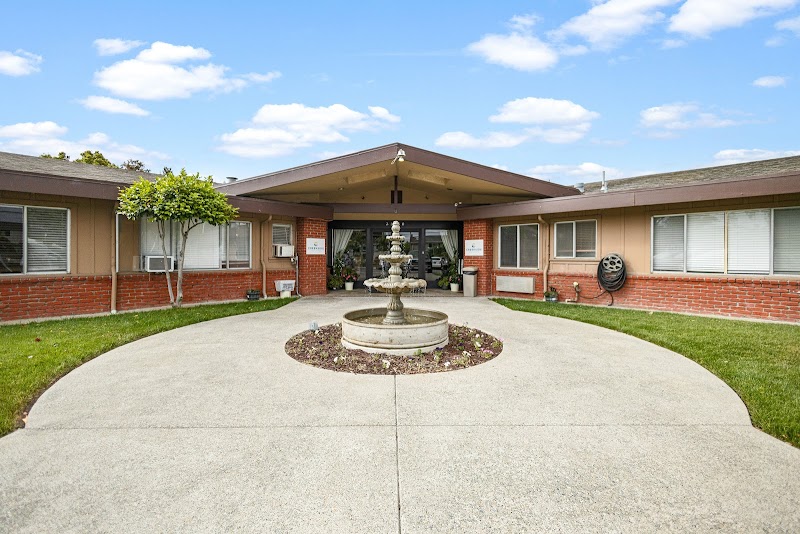
Who Owns and Operates Creekside Post-Acute?

CREEKSIDE POST-ACUTE is owned by a for-profit company. For-profit facilities operate as businesses with obligations to shareholders or private owners. The facility is operated by LINKS HEALTHCARE GROUP, a chain that manages multiple nursing homes. With 130 certified beds and approximately 124 residents (about 95% occupancy), it is a mid-sized facility located in SAN JOSE, California.
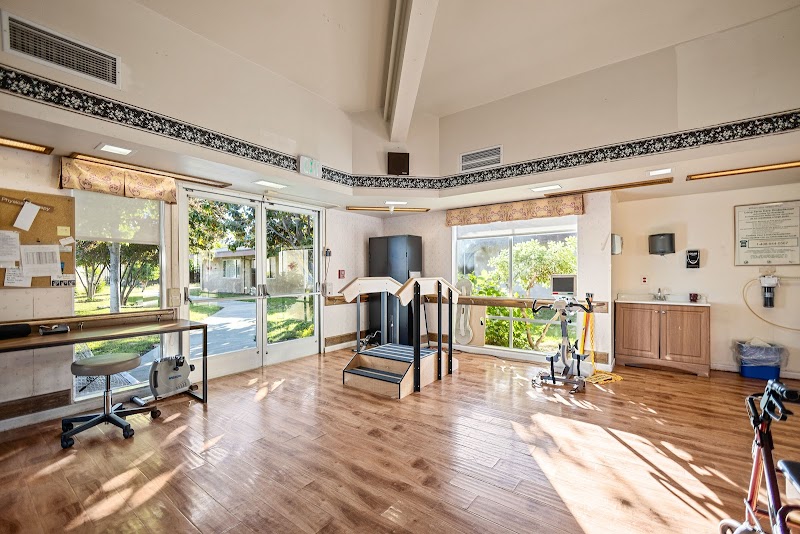
How Does Creekside Post-Acute Compare to Other California Nursing Homes?

Compared to the 100 nursing homes in California, CREEKSIDE POST-ACUTE's overall rating (4 stars) is above the state average of 3.2, staff turnover (98%) is significantly higher than the state average of 47%, and health inspection rating (3 stars) is at the national benchmark.

What Should Families Ask When Visiting Creekside Post-Acute?

Based on this facility's data, families visiting should ask: "How do you ensure continuity of care given staff turnover, and what is your staff retention strategy?" "Can I visit during a mealtime to observe dining assistance and food quality?" "How do you handle medical emergencies, and what is your hospital transfer rate?" "Can I speak with family members of current residents about their experience?" These questions are particularly relevant given the facility's high staff turnover rate.

Is Creekside Post-Acute Safe?

Based on CMS inspection data, CREEKSIDE POST-ACUTE has a clean safety record: no substantiated abuse findings (meaning no confirmed cases of resident harm), no Immediate Jeopardy citations (the most serious violation level indicating risk of serious injury or death), and is not on the Special Focus Facility watch list (a federal program monitoring the lowest-performing 1% of nursing homes). The facility has a 4-star overall rating and ranks #1 of 100 nursing homes in California. While no facility is perfect, families should still ask about staff-to-resident ratios and recent inspection results during their visit.

Do Nurses at Creekside Post-Acute Stick Around?

Staff turnover at CREEKSIDE POST-ACUTE is high. At 98%, the facility is 52 percentage points above the California average of 47%. Registered Nurse turnover is particularly concerning at 96%. RNs handle complex medical decisions and coordinate care — frequent RN changes can directly impact care quality. High turnover means new staff may not know residents' individual needs, medications, or preferences. It can also be disorienting for residents, especially those with dementia who rely on familiar faces. Families should ask: What is causing the turnover? What retention programs are in place? How do you ensure care continuity during staff transitions?

Was Creekside Post-Acute Ever Fined?

CREEKSIDE POST-ACUTE has been fined $20,248 across 1 penalty action. This is below the California average of $33,281. While any fine indicates a compliance issue, fines under $50,000 are relatively common and typically reflect isolated problems that were subsequently corrected. Families should ask what specific issues led to these fines and confirm they've been resolved.

Is Creekside Post-Acute on Any Federal Watch List?

CREEKSIDE POST-ACUTE is not on any federal watch list. The most significant is the Special Focus Facility (SFF) program, which identifies the bottom 1% of nursing homes nationally based on persistent, serious quality problems. Not being on this list means the facility has avoided the pattern of deficiencies that triggers enhanced federal oversight. This is a positive indicator, though families should still review the facility's inspection history directly.