EMPRESS CARE CENTER, LLC

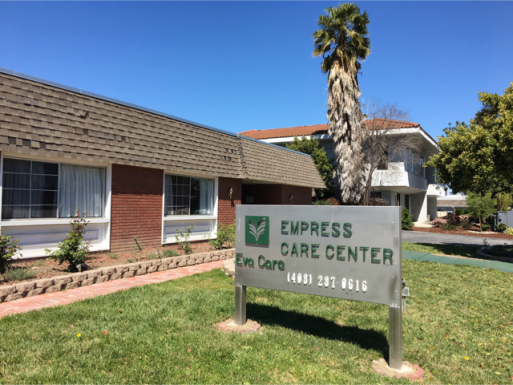
1299 S. BASCOM AVENUE, SAN JOSE, CA 95128 (408) 287-0616
For profit - Individual 67 Beds EVA CARE GROUP Data: November 2025
Trust Grade
70/100
#342 of 1155 in CA
Last Inspection: April 2025

Within standard 12-15 month inspection cycle. Federal law requires annual inspections.

Overview

Empress Care Center, LLC in San Jose, California, has earned a Trust Grade of B, indicating it is a good choice for families, though there are areas for improvement. The facility ranks #342 out of 1155 in California, placing it in the top half of state facilities, and #23 out of 50 in Santa Clara County, meaning only a few local options are better. However, it is experiencing a worsening trend, with issues increasing from 1 in 2024 to 13 in 2025. Staffing is a strong point, rated 5 out of 5 stars with a turnover rate of only 33%, which is below the state average, and the facility has no fines on record, indicating good compliance. On the downside, there have been concerning findings, such as failing to assess bed rail safety for all residents, serving bland food that may affect nutrition, and not maintaining kitchen hygiene standards, which raises concerns about food safety.

Trust Score
B
70/100
In California
#342/1155
Top 29%
Safety Record
Low Risk
No red flags
Inspections
Getting Worse
1 → 13 violations
Staff Stability
○ Average
33% turnover. Near California's 48% average. Typical for the industry.
Penalties
✓ Good
No fines on record. Clean compliance history, better than most California facilities.
Skilled Nurses
○ Average
Each resident gets 41 minutes of Registered Nurse (RN) attention daily — about average for California. RNs are the most trained staff who monitor for health changes.
Violations
⚠ Watch
44 deficiencies on record. Higher than average. Multiple issues found across inspections.
★★★★☆
4.0
Overall Rating
★★★★★
5.0
Staff Levels
★★★★★
5.0
Care Quality
★★☆☆☆
2.0
Inspection Score
Stable
2024: 1 issues
2025: 13 issues

The Good

  • 5-Star Staffing Rating · Excellent nurse staffing levels
  • 5-Star Quality Measures · Strong clinical quality outcomes
  • Full Sprinkler Coverage · Fire safety systems throughout facility
  • No fines on record
  • Staff turnover below average (33%)

    15 points below California average of 48%

Facility shows strength in staffing levels, quality measures, fire safety.

The Bad

Staff Turnover: 33%

13pts below California avg (46%)

Typical for the industry

Chain: EVA CARE GROUP

Part of a multi-facility chain

Ask about local staffing decisions and management

The Ugly 44 deficiencies on record

Apr 2025 13 deficiencies
CONCERN (D)

Potential for Harm - no one hurt, but risky conditions existed

Comprehensive Care Plan (Tag F0656)

Could have caused harm · This affected 1 resident

**NOTE- TERMS IN BRACKETS HAVE BEEN EDITED TO PROTECT CONFIDENTIALITY** Based on observation, interview, and record review, the facility failed to develop and implement a comprehensive, resident-cente...

Read full inspector narrative →
**NOTE- TERMS IN BRACKETS HAVE BEEN EDITED TO PROTECT CONFIDENTIALITY** Based on observation, interview, and record review, the facility failed to develop and implement a comprehensive, resident-centered care plan for two out of eighteen sampled residents, (Residents 27 and 20), when: 1. for Resident 27, there was no care plan for his continuous oxygen inhalation use and 2. for Resident 20, there was no care plan as well for her significant weight loss for six months. These failures had the potential to result in the residents, not receiving the intervention and monitoring necessary to maintain their highest level of well-being. Findings: 1. During the observation of Resident 27 on 4/21/25 at 11:05 a.m., Resident 27 was comfortably sleeping in his bed. He was on oxygen (O2, colorless and odorless gas that is essential for life) inhalation at 2 liters (l, a metric unit of volume)/minute via nasal cannula (n/c, device that delivers extra oxygen through a tube and into the nose). Review of Resident 27's admission record (document created when a resident is admitted to a healthcare facility, containing the vital information about the resident) indicated, Resident 27 was admitted to the facility on [DATE] with the primary diagnosis of unspecified chronic kidney disease (longstanding disease of the kidneys leading to renal failure), stage 3 (kidneys have mild to moderate damage and are less able to filter waste and fluid out of the blood). Review of Resident 27's order summary report dated 4/22/25 indicated, Resident 27 had an order of continuous oxygen inhalation at 2 l/minute via n/c to maintain oxygen above 95 percent (%, one part in a hundred), ordered on 4/1/25. During the interview with registered nurse D (RN D), on 4/25/25 at 10:45 a.m., RN D acknowledged that Resident 27 is on oxygen inhalation at 2 l/minute via n/c, continuous to maintain the oxygen above 95% (normal blood oxygen levels). Review of Resident 27's care plans indicated that Resident 27 did not have a comprehensive, resident-centered care plan for his continuous oxygen inhalation use. During the concurrent review of Resident 27's care plans and interview with infection preventionist (IP) on 4/25/25 at 3:26 p.m., IP reviewed the care plans of Resident 27 and she confirmed that Resident 27 did not have a comprehensive, resident-centered care plan for his continuous oxygen inhalation use. IP then stated that she would update the care plan of Resident 27. During the interview with the director of nursing (DON) on 4/28/25 at 10:24 a.m., DON acknowledged that the continuous oxygen inhalation use of Resident 27 should have a care plan and would check on it. Review of the facility's policy and procedure titled, Care Plan, indicated, Each individual resident has a comprehensive care plan which is objective, measurable and time-framed This individual comprehensive care plan identifies the professional services and the responsible person that evaluates the concerns and carried out the interventions to prevent or reduce re-occurrences of the same problems/concerns. It further prevents, if feasible, further declines and deterioration of resident's function or status. It illustrates how the approaches being provided 2. Review of Resident 20's face sheet (FS: a document that gives a resident's information at a quick glance) indicated Resident 20 was admitted to facility on 2/10/2022. Resident 20's FS also indicated diagnoses including diabetes type 1 (a chronic condition which little or no insulin [a hormone that regulates blood sugar levels] production leads to high blood sugar levels), alzheimer's disease (a progressive disease that destroys memory and other important mental functions), and depression (a mood disorder that causes a persistent feeling of sadness and loss of interest in day-to-day activities). Review of Resident 20's monthly weight monitoring indicated resident 20's weight was 158.2 pounds on 10/3/2024 and weight was 141.6 pounds on 4/1/2025. Resident 20's noted with significant weight loss of 16.6 pounds/ 10.5% for 6 months. Review of Resident 20's dietary notes dated 4/3/2025 indicated significant weight variance -16.6 lbs (lbs- pounds, mass of weight) -10.5% for 6 months. Review of Resident 20's weight management review notes dated 4/4/2025 indicated significant weight loss, -16.6 lbs, -10.5% for 6 months. Review of Resident 20's care plans indicated there was no care plan for significant weight loss, that includes measurable objectives and timetables to meet the Resident 20's person centered nutritional needs to address Resident 20's significant weight loss. During a concurrent record review of Resident 20's monthly weights and care plans interview with license vocational nurse F (LVN F) on 4/23/2025 at 1:36 p.m., LVN F reviewed monthly weights for Resident 20, LVN F confirmed significant weight loss for 6 months for Resident 20. LVN also reviewed Resident 20's care plans and confirmed there was no care plan for significant weight loss for Resident 20. LVN F stated Resident 20 should have a care plan for significant weight loss x 6 months. During an interview with director of nursing (DON) on 4/23/2025 at 1:48 p.m., DON confirmed there was no care plan for significant weight loss for Resident 20. DON stated license staff should have initiated care plan for significant weight loss for Resident 20. Review of facility policy and procedure (P&P) titled, Policy and Procedure-Care Plan, undated, the P&P indicated, A care plan is the summation of the resident concerns, goals, approaches, and interventions in order to meet the goals and help minimize if not totally eradicate residents' problems. Short term care plan: this is the actual concern or problem of the resident noted as it occurs.
CONCERN (D)

Potential for Harm - no one hurt, but risky conditions existed

Quality of Care (Tag F0684)

Could have caused harm · This affected 1 resident

**NOTE- TERMS IN BRACKETS HAVE BEEN EDITED TO PROTECT CONFIDENTIALITY** Based on interview and record review, the facility failed to ensure the residents received the necessary care and services for o...

Read full inspector narrative →
**NOTE- TERMS IN BRACKETS HAVE BEEN EDITED TO PROTECT CONFIDENTIALITY** Based on interview and record review, the facility failed to ensure the residents received the necessary care and services for one of six residents (99) when the licensed nurses administered hydrocodone-acetaminophen (used to relieve severe pain) 5-325 milligrams (mg, a metric unit of mass) for Resident 99's moderate pain. This failure had the potential for the residents to experience unnecessary adverse effects from the medication. Findings: Review of Resident 99's admission Record indicated she was admitted to the facility on [DATE] with polyneuropathy (a condition where several nerves in different parts of the body are damaged, and it can impact sensation, movement, or both) diagnosis. Review of Resident 99's physician orders indicated the licensed nurses were to monitor Resident 99's pain level every shift, 0 = no pain, 1-3 = mild pain, 4-7 = moderate pain, and 8-10 = severe pain, started on 4/10/25; and hydrocodone-acetaminophen 5-325 mg every 12 hours as needed for severe pain 8-10, started on 4/14/25. Review of Resident 99's Medication Administration Record (MAR), dated 4/2025, indicated hydrocodone-acetaminophen 5-325 mg was administered to her on 4/17/25 for pain level 7 and on 4/22/25 for pain level 5. During an interview with the director of nursing (DON) on 4/18/25, at 11:40 a.m., she reviewed Resident 99's 4/2025 MAR and confirmed that the licensed nurses administered hydrocodone-acetaminophen 5-325 mg to Resident 99 on 4/17/25 for pain level 7 and on 4/22/25 for pain level 5. The DON stated the licensed nurses should notify the physician and get the order for Resident 99's moderated pain when Resident 99 complained of pain level less than 8. Review of the facility's undated policy, Pain Assessment and Management, indicated . 6. Implement the medication regimen as ordered .
CONCERN (D)

Potential for Harm - no one hurt, but risky conditions existed

Respiratory Care (Tag F0695)

Could have caused harm · This affected 1 resident

**NOTE- TERMS IN BRACKETS HAVE BEEN EDITED TO PROTECT CONFIDENTIALITY** Based on observation, interview, and record review, the facility failed to ensure the residents received oxygen therapy as order...

Read full inspector narrative →
**NOTE- TERMS IN BRACKETS HAVE BEEN EDITED TO PROTECT CONFIDENTIALITY** Based on observation, interview, and record review, the facility failed to ensure the residents received oxygen therapy as ordered by the physician for two of 13 residents (34 and 99). This failure had the potential for the residents to have complications related to improper oxygen treatment. Findings: 1. Review of Resident 34's admission Record indicated he was admitted to the facility on [DATE] with chronic obstructive pulmonary disease (COPD, a lung disease causing restricted airflow and breathing problems) diagnosis. Review of Resident 34' physician order, dated 3/7/25, indicated he had an order for the licensed nurse to place him on oxygen at 2 liters (L, a metric unit of volume) per minute (LPM) every shift related to COPD. During an observation with licensed vocational nurse F (LVN F) on 4/21/25, at 9:44 a.m., Resident 34 was sitting in the lobby and was on 1.5 LPM of oxygen. During a concurrent interview with LVN F, she reviewed Resident 34's physician order and confirmed that Resident 34 should be on 2 LPM of oxygen as ordered by the physician. 2. Review of Resident 99's admission Record indicated she was admitted to the facility on [DATE] with COPD diagnosis. Review of Resident 99' physician order, dated 4/11/25, indicated she had an order for the licensed nurse to place her on oxygen at 2 LPM every shift for shortness of breath, chest pain. During an observation with licensed vocational nurse F (LVN F) on 4/21/25, at 9:50 a.m., Resident 99 was lying in bed and was on 1.2 LPM of oxygen. During a concurrent interview with LVN F, she reviewed Resident 99's physician order and confirmed that Resident 99 should be on 2 LPM of oxygen as ordered by the physician. Review of the facility's undated policy, Oxygen Treatment, indicated It is the policy of this facility that oxygen therapy is administered as ordered by the physician . 5. Adjust oxygen flow, as ordered by the physician.
CONCERN (D)

Potential for Harm - no one hurt, but risky conditions existed

Pharmacy Services (Tag F0755)

Could have caused harm · This affected 1 resident

**NOTE- TERMS IN BRACKETS HAVE BEEN EDITED TO PROTECT CONFIDENTIALITY** Based on interview and record review, the facility failed to ensure the effective use of medications for one of 13 residents (28...

Read full inspector narrative →
**NOTE- TERMS IN BRACKETS HAVE BEEN EDITED TO PROTECT CONFIDENTIALITY** Based on interview and record review, the facility failed to ensure the effective use of medications for one of 13 residents (28) when Resident 28 received ferrous sulfate (iron, used for prevention/treatment of iron deficiency) and Calcium (a medication used to prevent or treat low blood calcium levels) at the same time. This failure had the potential for the residents to not receive the amount of prescribed iron supplements. Findings: Review of Resident 28's admission Record indicated she was admitted to the facility on [DATE] with anemia (a condition that develops when the blood produces a lower-than-normal amount of healthy red blood cells) diagnosis. Review of Resident 28's clinical record indicated, she had physician orders for ferrous sulfate 325 milligrams (mg, a metric unit of mass) every day for anemia at 9 a.m., started on 8/25/22, and for Calcium 500 mg every day at 9 a.m., started on 7/26/24. Thus, since 7/26/24, ferrous sulfate and Calcium were given at the same time at 9 a.m. every day. During an interview with the pharmacy consultant (PC) on 4/25/25, at 2:49 p.m., she stated ferrous sulfate and Calcium should be administered at least two hours apart due to drug-to-drug interaction that decreases the absorption of iron. According to Lexicomp (www.[NAME].com), a nationally recognized drug information resource, the concurrent use of calcium and ferrous sulfate led to a drug-drug interaction (DDI) of Risk Rating D, which was a significant interaction and required therapy modification. The effect of DDI was that the calcium may decrease the absorption of oral preparations of iron salts. It indicated the iron absorption decreased an average of 60% when given as ferrous sulfate and co-administered with calcium. Lexicomp also indicated to separate the administrations of these medications so it may minimize the potential for significant interaction. Review of the facility's undated policy, Provider Pharmacy Requirements, indicated . 4. The provider pharmacy agrees to perform the following pharmaceutical services, including but not limited to: . i. Screening each new medication order for medication/drug interactions with other medications ordered for the resident .
CONCERN (D)

Potential for Harm - no one hurt, but risky conditions existed

Drug Regimen Review (Tag F0756)

Could have caused harm · This affected 1 resident

**NOTE- TERMS IN BRACKETS HAVE BEEN EDITED TO PROTECT CONFIDENTIALITY** 2. Review of Resident 2's admission Record indicated she was admitted to the facility on [DATE]. Review of Resident 2's physicia...

Read full inspector narrative →
**NOTE- TERMS IN BRACKETS HAVE BEEN EDITED TO PROTECT CONFIDENTIALITY** 2. Review of Resident 2's admission Record indicated she was admitted to the facility on [DATE]. Review of Resident 2's physician order indicated she had order for omeprazole (used to treat conditions where there is too much acid in the stomach) 20 milligrams (mg, a metric unit of mass) every day, started on 8/10/23. Review of Resident 2's consultant pharmacist's Note to the Attending Physician/Prescriber, dated 3/28/25, indicated the consultant pharmacist asked the physician to evaluate continued need for omeprazole 20 mg as long term therapy has been associated with low magnesium (a mineral used by the body to help maintain muscles, nerves, and bones), osteoporosis (a disease that weakens the bones), and an increased incidence of C. diff infections (an infection that primarily causes diarrhea and inflammation of the colon). However, Resident 2's consultant pharmacist's Note to the Attending Physician/Prescriber was not presented to the physician; there were no physician's response and no physician's signature on it. During an interview with the Minimum Data Set Staff (MDSS) on 4/25/25, at 5:09 p.m., she reviewed Resident 2's consultant pharmacist's Note to the Attending Physician/Prescriber and confirmed that it was not presented to the physician. The MDSS stated Resident 2's consultant pharmacist's Note to the Attending Physician/Prescriber should be presented to the physician as soon as possible. Review of the facility's undated policy, Medication Regimen Review and Reporting, indicated . 6. Resident-specific MRR recommendations and findings are documented and acted upon by the nursing care center and/or physician. Based on interview and record review, the facility failed to ensure the pharmacy consultant (PC: a licensed pharmacist provides expert clinical advice and guidance on medication use) identified and reported drug irregularities to the facility during the monthly medication regimen review (MRR: a thorough evaluation of resident's medications) for one of three sampled resident (Resident 31); and facility failed to follow up MRR recommendations for one of thirteen sampled resident (Resident 2). These failures resulted in Resident 31 received more than therapeutic (safety of medication with regard to risk of overdose) dose of medication for over ten months; and Resident 2 received medication for over one month. Findings: 1. Review of Resident 31's face sheet (FS: a document that gives a resident's information at a quick glance) indicated Resident 31 was admitted to facility on 4/19/2024. Review of Resident 31's FS indicated Resident 31's diagnoses including left femur neck fracture (broken left hip upper part of the bone) dated 4/19/2024. Review of Resident 31's physician order dated 6/2/2024 indicated cholecalciferol (vitamin D3, a supplement important for building and keeping strong bones) 2000 mcg (microgram, a unit of measurement for mass, equal to one millionth of a gram) one time a day for supplement related to left femur neck fracture. Review of Resident 31's electronic medication administration record (EMAR: a digital system used in healthcare setting to track and document the administration of medications to residents) for February 2025, March 2025 and April 2025 indicated Resident 21 received cholecalciferol 2000 mcg daily at 9:00 a.m. Review of manufacturer recommendations for cholecalciferol indicated 25 mcg/1000 IU (international units, a unit of measurement used for vitamins) daily for adults. Review of facility provided MRR reports for Resident 31 indicated there was no MRR for medication cholecalciferol since medication ordered on 6/2/2024 for Resident 31. During a concurrent record review of medication orders and interview with registered nurse D (RN D) on 4/22/2025 at 12:51 p.m., RN D reviewed order for cholecalciferol for Resident 31. RN D confirmed physician prescribed cholecalciferol 2000 mcg one time a day for Resident 31. RN D stated order should be 2000 IU not 2000 mcg, will reach out to MD (medical doctor) to clarify the order. During an interview with facility's director of nursing (DON) on 4/22/2025 at 1:02 p.m., DON confirmed the order for cholecalciferol 2000mcg. DON stated this order should be 2000 IU not 2000 mcg. During a concurrent record review of MRR for Resident 31 and interview with DON on 4/22/2025 at 2:05 p.m., DON confirmed there was no MRR and recommendations related to cholecalciferol order. DON stated PC does medication regimen review for all residents on monthly basis. DON also stated PC identifies irregularities with medication orders and reports recommendations to facility as needed for corrections. DON further stated PC should have identified, reported, and provided recommendations to correct this high dose cholecalciferol order for Resident 31. During over the telephone interview with facility's PC on 4/23/2025 at 4:03 p.m., PC confirmed there was no MRR provided to facility for cholecalciferol order for Resident 31. PC stated order for cholecalciferol 2000 mcg equal to 80,000 IU, high dose. PC also stated this medication order should be 2000 IU not 2000 mcg. PC further stated PC should have identified during monthly MRR and reported to MD/facility to correct this medication order. Review of facility's policy and procedure titled, Medication Regimen Reviews, undated, the P&P indicated, The consultant pharmacist performs a medication regimen review (MRR) for every resident in the facility receiving medication. The MRR involves a thorough review of the resident's medical record to prevent, identify, report and resolve medication related problems, medication errors and other irregularities, for example: medication ordered in excessive doses or without clinical indication. The consultant pharmacist provides the director of nursing services and medical director with a written, signed and dated copy of all medication regimen reports. Follow-up reports relative to facility's corrective action related to problem areas; and other pertinent information.
CONCERN (D)

Potential for Harm - no one hurt, but risky conditions existed

Medication Errors (Tag F0758)

Could have caused harm · This affected 1 resident

Based on interview and record review, the facility failed to ensure residents were free from unnecessary psychotropic medications (medications capable of affecting the minds, emotions, and behaviors) ...

Read full inspector narrative →
Based on interview and record review, the facility failed to ensure residents were free from unnecessary psychotropic medications (medications capable of affecting the minds, emotions, and behaviors) for three of four sampled residents (Resident 14, 31, and 249) when: 1. There was no documented evidence of non-pharmacological (treatments and strategies that mange health conditions without using medications) approaches attempted before administered medication quetiapine (used to treat mental health condition) for Resident 14. 2. There was no documented evidence of non-pharmacological approaches attempted before administered medication olanzapine (used to treat mental health conditions) for Resident 31 and 249. This failure had the potential to place sampled residents at risk to receive unnecessary psychotropic medication. Findings: 1. Review of Resident 14's face sheet (FS: a document that gives a resident's information at a glance) indicated Resident 14 was admitted to facility on 2/20/2020. Review of Resident 14's diagnoses included schizoaffective disorder (a serious mental illness with presence of mood disturbances along with affects of how resident feels, think, and behave). Review of Resident 14's physician order dated 4/4/2024, indicated quetiapine 50 milligram (mg, unit of measurement) two times a day for schizoaffective disorder. Review of Resident 14's electronic medication administration record (EMAR, a digital system used in healthcare setting to track and document the administration of medications to residents) for February/2025, March/2025, and April/2025 indicated no documented evidence of non-pharmacological approaches attempted before administered quetiapine to Resident 14. 2. Review of Resident 31's FS indicated Resident 31 was admitted to facility on 4/19/2024. Review of Resident 31's diagnoses included schizophrenia (a serious mental illness that affects how resident feels, think, and behave). Review of Resident 31's physician order dated 6/3/2024, indicated olanzapine 20 mg at bedtime for schizophrenia. Review of Resident 31's EMAR for February/2025, March/2025, and April/2025 indicated no documented evidence of non-pharmacological approaches attempted before administered olanzapine to Resident 31. Review of Resident 249's FS indicated Resident 249 was admitted to facility on 4/10/2025. Review of Resident 249's diagnoses included schizophrenia. Review of Resident 249's physician order dated 4/15/2025, indicated olanzapine 2.5 mg one time a day for schizophrenia. Review of Resident 249's EMAR for April/2025 indicated no documented evidence of non-pharmacological approaches attempted before administered olanzapine to Resident 249. During a concurrent record review and interview with director of nursing (DON) on 4/28/2025 at 9:39 a.m., DON reviewed physician orders and EMAR for Resident 14, 31, and 249. DON confirmed there was no documentation for attempts of non-drug approaches before administered antipsychotic medication to Resident 14, 31, and 249. DON also confirmed there was no contraindication for above residents to attempt non-drug approaches. DON stated license staff should have attempted non-drug approaches before administered antipsychotic medication to minimize the need and allow the lowest possible dose for antipsychotic medication to Residents 14, 31 and 249. Review of facility's policy and procedure (P&P) titled, Psychotropic Medication Use, undated, the P&P indicated, Non-pharmacological approaches are used (unless contraindicated) to minimize the need for medications, permit the lowest possible dose, and allow for discontinuation of medication when possible.
CONCERN (E)

Potential for Harm - no one hurt, but risky conditions existed

Deficiency F0578 (Tag F0578)

Could have caused harm · This affected multiple residents

Based on interview and record review, the facility failed to ensure their policy and procedure (P&P) was followed for an advance directive (AD: a written instructions, such as a living will or durable...

Read full inspector narrative →
Based on interview and record review, the facility failed to ensure their policy and procedure (P&P) was followed for an advance directive (AD: a written instructions, such as a living will or durable power of attorney that authorizes to act on behalf of resident for healthcare when the individual is incapacitated) for six of eight sampled residents (Resident 6, 20, 23, 31, 42, and 249). This failure could lead to the delivery of unnecessary or inappropriate medical services against sampled resident's goals and wishes. Findings: Review of Resident 6's face sheet (FS: a document that gives a resident's information at a quick glance) indicated Resident 6 was admitted to facility on 4/18/2016. Review of Resident 6's form for physician orders for life-sustaining treatment (POLST: a document that specifies the medical treatments the resident wants to receive during serious illness) form prepared on 4/19/2016 indicated section D for AD documented No Advance Directive. Further review of Resident 6's clinical record indicated there was no documented evidence for facility discussed for AD or offered or assisted to execute AD for resident 6. Review of Resident 20's FS indicated Resident 20 was admitted to facility on 2/10/2022. Review of Resident 20's POLST form prepared on 2/11/2022 indicated section D for AD documented No Advance Directive. Further review of Resident 20's clinical record indicated there was no documented evidence for facility discussed for AD or offered or assisted to execute AD for resident 20. Review of Resident 23's FS indicated Resident 23 was admitted to facility on 3/14/2023. Review of Resident 23's POLST form prepared on 4/17/2023 indicated section D for AD documented No Advance Directive. Further review of Resident 23's clinical record indicated there was no documented evidence for facility discussed for AD or offered or assisted to execute AD for resident 23. Review of Resident 31's FS indicated Resident 31 was admitted to facility on 4/19/2024. Review of Resident 31's POLST form prepared on 4/19/2024 indicated section D for AD documented No Advance Directive. Further review of Resident 31's clinical record indicated there was no documented evidence for facility discussed for AD or offered or assisted to execute AD for resident 31. Review of Resident 42's FS indicated Resident 42 was admitted to facility on 6/14/2024. Review of Resident 42's POLST form prepared on 6/14/2024 indicated section D for AD documented No Advance Directive. Further review of Resident 42's clinical record indicated there was no documented evidence for facility discussed for AD or offered or assisted to execute AD for resident 42. Review of Resident 249's FS indicated Resident 249 was admitted to facility on 4/10/2025. Review of Resident 249's POLST form prepared on 4/10/2025 indicated section D for AD documented No Advance Directive. Further review of Resident 249's clinical record indicated there was no documented evidence for facility discussed for AD or offered or assisted to execute AD for resident 249. During a concurrent record review and interview with facility's social service director (SSD) on 4/23/2025 at 10:37 a.m., SSD reviewed POLST form for above residents. SSD confirmed there was no AD for above residents. SSD stated did not offered or assisted to execute AD for these residents. SSD also stated should have offered and assisted to execute AD for these residents. During a concurrent record review and interview with facility's director of nursing (DON) on 4/23/2025 at 2:01 p.m., DON reviewed POLST form for above residents. DON confirmed there was no AD for above residents. DON stated SSD was responsible to verify, offer and provide assistance to execute AD for residents. DON also stated SSD should have offered and provided assistance to execute advance directives as needed for above residents. Review of facility P&P titled, Advance Directive, undated, the P&P indicated, When an advance directive or other Request regarding resuscitative measures document is NOT completed: admission Coordinator, Social Service Director, Licensed Nurse schedule the Ombudsman (advocates for residents in facility, trained to resolve problems and concerns) or patient advocate to visit the resident promptly to assist the resident in completing an advance directive.
CONCERN (E)

Potential for Harm - no one hurt, but risky conditions existed

Infection Control (Tag F0880)

Could have caused harm · This affected multiple residents

**NOTE- TERMS IN BRACKETS HAVE BEEN EDITED TO PROTECT CONFIDENTIALITY** Based on observation, interview, and record review, the facility failed to ensure infection control practices were implemented w...

Read full inspector narrative →
**NOTE- TERMS IN BRACKETS HAVE BEEN EDITED TO PROTECT CONFIDENTIALITY** Based on observation, interview, and record review, the facility failed to ensure infection control practices were implemented when: 1. Certified Nursing Assistant G (CNA G) did not sanitized her hands before feeding Resident 3; 2. Certified Nursing Assistant H (CNA H) grabbed the door knob of Resident 24's room, the curtain, Resident 24's glass with her contaminated gloved hands, walked out of Resident 24's room and in the hallway with the same contaminated gloves on her hands; 3. Resident 34's oxygen tubing was not dated; 4. The filter of Resident 99's oxygen concentrator was dusty; 5. Face mask below the nose for certified nursing assistant A (CNA A); 6. Resident's ADL (active daily living) care supplies for not labeled; 7. No receptacle in room with enhanced barrier precautions (EBP, an infection control strategy that expands the use of personal protective equipment [PPE, specifically gowns and gloves] for residents with high risk for infection and in high contact). These failures had the potential to spread infection to resident and staff. Findings: 1. During an observation on 4/21/25, at 12:59 p.m., certified nursing assistant G (CNA G) sanitized her hands and brought the lunch tray to Resident 3 in her room. CNA G pulled the chair from the side wall to Resident 3's bed side, picked up the bed remote control and raised Resident 3's head of bed up, opened Resident 3's drawer to get a straw, then sat down and fed Resident 3 her lunch without sanitizing her hands. During a concurrent interview with CNA G, she stated she should sanitize her hands before feeding Resident 3. During an interview with the infection preventionist (IP) on 4/28/25, at 11:04 a.m., she stated staff should sanitize their hands before feeding the residents. 2. During an observation on 4/21/25, at 9:58 a.m., certified nursing assistant H (CNA H) was helping Resident 24 in her room. CNA H carried Resident 24's soiled linen with her gloved hands and threw them in the big bin in front of Resident 24's room. With the same gloves on her hands, CNA H grabbed the door knob to close the door, but the door opened itself; CNA H walked back to Resident 24, pulled and pushed Resident 24's curtain, picked up Resident 24's glass to get water for her in the bathroom, walked out of Resident 24's room, and pushed the big bin in the hallway with the contaminated gloves on her hands. During a concurrent interview with CNA H and with the Spanish translator K (STL K), CNA H stated she should remove her contaminated gloves and cleanse her hands before touching clean objects and before walking out of Resident 24's room and in the hallway. During an interview with the IP on 4/28/25, at 11:10 a.m., she stated the staff should remove their contaminated gloves and cleanse their hands before touching clean objects and before walking out of the resident's room and in the hallway. Review of the facility's undated policy, Handwashing/Hand Hygiene, indicated . 1. Hand hygiene is indicated: . d. After touching a resident; e. After touching the resident's environment. Review of the facility's undated policy, Personal Protective Equipment - Gloves, indicated . 2. Gloves shall be used only once and discarded into the appropriate receptacle located in the room in which the procedure is being performed. 3. Review of Resident 34's admission Record indicated he was admitted to the facility on [DATE] with chronic obstructive pulmonary disease (COPD, a lung disease causing restricted airflow and breathing problems) diagnosis. Review of Resident 34' physician order, dated 3/7/25, indicated he had an order for the licensed nurse to place him on oxygen at 2 liters (L, a metric unit of volume) per minute (LPM) every shift related to COPD. During an observation and interview with licensed vocational nurse F (LVN F) on 4/21/25, at 9:44 a.m., Resident 34 was sitting in the lobby and was on oxygen. His oxygen tubing was undated. LVN F stated Resident 34's oxygen tubing should be dated. During an interview with the IP on 4/28/25, at 11:07 a.m., she stated the resident's oxygen tubing should be dated and changed every week. Review of the facility's undated policy, Oxygen Treatment, indicated . 8. Label oxygen tubing with date. 4. Review of Resident 99's admission Record indicated she was admitted to the facility on [DATE] with COPD diagnosis. Review of Resident 99' physician order, dated 4/11/25, indicated she had an order for the licensed nurse to place her on oxygen at 2 LPM every shift for shortness of breath, chest pain. During an observation and interview with licensed vocational nurse F (LVN F) on 4/21/25, at 9:50 a.m., Resident 99 was lying in bed and was on oxygen. The filter of Resident 99's oxygen concentrator was dusty. LVN F confirmed that the filter was dusty, and it should be cleansed every week. During an interview with the IP on 4/28/25, at 11:08 a.m., she stated the filter of the oxygen concentrator should be kept clean, and she would check on how often it should be cleansed. Review of the facility's undated policy, Oxygen Concentrator, indicated It is the policy of this facility to inspect all mobile equipment at least once a week . 3. Check and clean filters or replace if required. 5. During concurrent observation and interview with CNA A on 4/21/2025 at 9:22 a.m., noted CNA A's surgical face mask below nose while CNA A walking in hallway near residents' room [ROOM NUMBER]. CNA A confirmed face mask was not covered CNA A's nose. CNA A adjusted mask to cover the nose. CNA A stated facial mask should have covered mouth and nose for infection control. During an interview with facility's infection preventionist (IP) on 4/25/2025 at 9:11 a.m., IP stated staff's face mask should have covered nose for infection prevention and control. 6. During initial room rounds on 4/21/2025 at 9:45 a.m., noted one empty unlabeled plastic wash basin (a lightweight container used for personal care for residents) and one unlabeled emesis basin (a small shallow kidney [bean shape body organ] shape basin, used for residents) with toothpaste and a toothbrush inside. Both items were left on counter near sink in bathroom between residents' rooms [ROOM NUMBERS]. During an interview with CNA C on 4/21/2025 at 9:50 a.m., CNA C confirmed wash basin and emesis basin were not labeled with resident's name. CNA C also confirmed both items were in use by resident from room [ROOM NUMBER] or 112. CNA C stated bathroom been shared between 2 residents from room [ROOM NUMBER] and 112, without resident's name, risk for using these items for unassigned resident. CNA C stated nursing staff should have labeled these care items with resident's name before started using for resident for infection control. During an interview with IP on 4/25/2025 at 10:25 a.m., IP stated nursing staff should have labeled all resident's ADL care items to prevent use by unassigned residents and infection prevention and control. 7. During initial room rounds on 4/21/2025 at 9:55 a.m., noted EBP sign posted outside residents' room [ROOM NUMBER]. Review of this sign indicated everyone must wear gloves and gown (PPE). Further observation indicated there was no closed lid receptacle inside the room to discard used PPE before leaving the room. During a concurrent observation and interview with CNA B on 4/21/2025 at 10:04 a.m., CNA B confirmed sign for EBP, everyone must wear required PPE. CNA B also confirmed there was no receptacle inside the room to discard used PPE before coming out of this room. CNA B stated there should be a separate closed lid receptacle inside the room for to discard PPE in after use. During an interview with IP on 4/25/2025 at 9:15 a.m., IP confirmed residents'room [ROOM NUMBER] with EBP, everyone must wear required PPE before entering to room. IP stated resident's room with EBP should have a closed lid receptacle to discard PPE after use, before coming out of the room. IP also stated responsible to make sure appropriate receptacle in room with EBP for infection prevention and control. IP further stated she should have verified and placed a closed lid receptacle when started EBP for residents' room [ROOM NUMBER]. Review of facility's policy and procedure (P&P) titled, Personal Protective Equipment- Using Face Masks, undated, the P&P indicated, Be sure that face mask covers the nose and mouth ., Place mask over the nose and mouth. Review of facility's policy and procedure (P&P) titled, Policy and Procedure on Cleaning and/or Disposal of ADL Supplies, undated, the P&P indicated, Bedpans, urinals, basins-disposable: The nurse shall label each item with the resident's initials or room number when dispensed. Review of facility's policy and procedure (P&P) titled, Personal Protective Equipment- Gloves, undated, the P&P indicated, Gloves shall be used only once and discarded into the appropriate receptacle located in the room in which the procedure is being performed. Review of facility's policy and procedure (P&P) titled, Personal Protective Equipment- Using Gowns, undated, the P&P indicated, After completing the treatment or procedure, gowns must be discarded in the appropriate container located in the room.
CONCERN (E)

Potential for Harm - no one hurt, but risky conditions existed

Room Equipment (Tag F0908)

Could have caused harm · This affected multiple residents

Based on observation, interview, and record review, the facility failed to ensure dryer's lint filter was free from lint. This failure had the potential to adversely affect safety of residents, laundr...

Read full inspector narrative →
Based on observation, interview, and record review, the facility failed to ensure dryer's lint filter was free from lint. This failure had the potential to adversely affect safety of residents, laundry equipment and facility environment. Findings: During a concurrent observation of laundry room and interview with housekeeping/laundry staff E (HLS E) on 4/25/2025 at 8:27 a.m., noted 2 dryers were on drying clothes. Also noted both machines lint (composed of tiny fibers that detach from clothing during drying process) filters covered with thick white layer of lint. HLS E removed lint from both filters. HLS E confirmed both dryer lint filters covered with thick layer of white lint. HLS E stated forgot to check and clean the lint from both dryer's filters since morning. HLS E also stated should have checked and cleaned lint from both lint filters before started the dryers this morning. During an interview with facility's housekeeping/laundry supervisor (HLS) on 4/25/2025 at 8:42 a.m., HLS stated laundry staff should have checked and cleaned lint from lint filters for both dryers before started using dryers this morning. HLS also stated if lint filters not cleaned, dryers get too hot, risk for fire hazard. Review of facility's policy and procedure (P&P) titled, Laundry Policies & Procedure, undated, the P&P indicated, Clean lint filters after each use of washer or dryer or at least daily.
CONCERN (F)

Potential for Harm - no one hurt, but risky conditions existed

Deficiency F0700 (Tag F0700)

Could have caused harm · This affected most or all residents

**NOTE- TERMS IN BRACKETS HAVE BEEN EDITED TO PROTECT CONFIDENTIALITY** Based on observation, interview, and record review, the facility failed 1. To complete the bed rail entrapment assessment for 48...

Read full inspector narrative →
**NOTE- TERMS IN BRACKETS HAVE BEEN EDITED TO PROTECT CONFIDENTIALITY** Based on observation, interview, and record review, the facility failed 1. To complete the bed rail entrapment assessment for 48 of 48 residents (1, 28, 8, 3, 26, 14, 5, 25, 99, 37, 19, 24, 15, 44, 2, 13, 6, 10, 33, 32, 42, 249, 39, 31, 36, 250, 21, 4, 251, 252, 23, 20, 38, 199, 40, 46, 34, 30, 17, 11, 18, 29, 9, 7, 22, 12, 27, and 200); 2. To attempt alternatives measures for 6 of 48 residents (4, 33, 44, 99, 249, and 250) prior to implementing the bed rails; and 3. To complete the bed rail care plan for one of 48 residents (40). These failures had the potential to place the residents at risk of entrapment and serious injury. Findings: 1. During observations on 4/21/25, from 9:25 a.m. to 10:52 a.m., Residents 13, 6, 10, 33, 32, 42, 249, 39, 31, 36, 250, 21, 4, 251, 252, 23, 20, and 38 had bilateral bed rails up. Review of Residents' 13, 6, 10, 33, 32, 42, 249, 39, 31, 36, 250, 21, 4, 251, 252, 23, 20, and 38 clinical records indicated they did have the entrapment assessments completed for the use of bed rails. During observations on 4/21/25, from 10:49 a.m. to 1:17 p.m., Resident 11 had left bed rail up; Resident 18 had right bed rail up; Residents 199, 40, 46, 34, 30, 17, 29, 9, 7, 22, 12, 27, and 200 had bilateral bed rails up. Review of Residents' 199, 40, 46, 34, 30, 17, 11, 18, 29, 9, 7, 22, 12, 27, and 200 clinical records indicated they did have the entrapment assessments completed for the use of bed rails. During observations on 4/22/25, from 3:36 p.m. to 3:45 p.m., Resident 1 had left side rail up; Resident 3 had right side rail up; Residents 28, 8, 26, 14, 5, 25, 99, 37, 19, 24, 15, 44, and 2 had bilateral bed rails up. Review of Residents' 1, 28, 8, 3, 26, 14, 5, 25, 99, 37, 19, 24, 15, 44, and 2 clinical records indicated they did have the entrapment assessments completed for the use of bed rails. During an interview with the maintenance director (MD) on 4/24/2025, at 1:29 p.m., the MD stated he was not aware of resident's height and weight when measured beds for gap between mattress, bed rails, and safety of residents for using bed rails. The MD also stated applying and removing bed rails upon request by nursing staff based on preferences and need of resident. The MD further stated routinely monitoring function of the beds in facility, unable to provide evidence of documentation monitoring. During an interview with the director of nursing (DON) on 4/24/2025, at 2:14 p.m., the DON confirmed there was no risk for entrapment assessment for use of bed rails for residents. The DON stated facility MD should have coordinated with nursing staff to assess risk for entrapment for residents when using side rails. The DON also stated facility should have assessed residents for risk for entrapment for use of bed rails. During the interview with the DON on 4/24/25, at 2:10 p.m., the DON acknowledged that the maintenance director and nurses should coordinate with each in checking the risks of entrapment and safety of the side rails and residents using them. During the interview with the MD on 4/24/25, at 2:25 p.m., the MD verified that the risks of entrapment and whether the bed rails to be installed were appropriate for the size and weight of the resident were not assessed prior to the installation of the side rails. During another interview with the DON on 4/24/25, at 2:35 p.m., the DON also verified that the risks of entrapment and whether the bed rails to be installed were appropriate for the size and weight of the resident were not assessed prior to the installation of the side rails. She further acknowledged that there should be proper coordination between the nurses and the maintenance director in assessing the side rails for the risks of entrapment and safety of the residents using the side rails and will remind them about that. During an interview with the MD on 4/24/25, at 2:30 p.m., he stated when nursing staff let him know, there would be new admission, he would have the bed and the bed rails ready before the new resident came. After the resident was admitted , if the resident needed only one rail or no rails then he removed them; if the resident needed padded rails, then he padded the rails, but he did not do any adjustment according to the resident's size. The MD stated he did the routine check on the beds and the bed rails, and he only checked on their functions. He did not check or assess the resident's risk for entrapment. 2. During an observation on 4/21/25, at 10:24 a.m., Resident 4's bed had partial bed rails up on both sides. Review of Resident 4's Physical Restraint Assessment, dated 2/18/25, indicated alternative measures were not attempted prior to use of bed rails. During an observation on 4/21/25, at 9:36 a.m., Resident 33's bed had partial bed rails up on both sides. Review of Resident 33's Physical Restraint Assessment, dated 3/5/25, indicated alternative measures were not attempted prior to use of bed rails. During an observation on 4/21/25, at 10:12 a.m., Resident 249's bed had partial bed rails up on both sides. Review of Resident 249's Physical Restraint Assessment, dated 4/11/25, indicated alternative measures were not attempted prior to use of bed rails. During an observation on 4/21/25, at 10:27 a.m., Resident 250's bed had partial bed rails up on both sides. Review of Resident 250's Physical Restraint Assessment, dated 4/11/25, indicated alternative measures were not attempted prior to use of bed rails. During an observation on 4/22/25, at 3:36 p.m., Resident 44 and Resident 99 had bed rails up on both sides. Review of Resident 44's Physical Restraint Assessment, dated 3/19/25, indicated alternative measures were not attempted prior to use of bed rails. Review of Resident 99's Physical Restraint Assessment, dated 4/11/25, indicated alternative measures were not attempted prior to use of bed rails. During an interview with the director of nursing (DON) on 4/28/25, at 11:14 a.m., the DON reviewed Resident 44's and Resident 99's Physical Restraint Assessments and confirmed alternative measures were not attempted prior to use of bed rails for Resident 44 and Resident 99. During an interview with the DON on 4/24/2025, at 2:14 p.m., the DON confirmed there were no alternative attempts prior to starting using bed rails for Residents 4, 33, 249, and 250. The DON also confirmed nursing staff did not complete physical restraint assessment for attempts of alternatives for these residents. The DON stated nursing staff should have attempted and completed assessments for alternatives for bed rails before starting using bed rails for these residents. 3. During the observation of Resident 40 on 4/21/25, at 10:52 a.m., Resident 40 was walking via his front wheel walker, alert, calm, comfortable and verbally responsive to questions. Resident 40's bilateral half side rails were up. Review of Resident 40's admission Record indicated, Resident 40 was admitted to the facility on [DATE]. Review of Resident 40's physician orders indicated, Resident 40 had an order of bilateral half side rails up when in bed for turning and repositioning as enabler, ordered on 3/4/25. Review of Resident 40's care plans indicated, there was no care plan for his bilateral half side rails use. Resident 40 had no separate and specific care plan for his side rails. During the concurrent review of Resident 40's care plans and interview with the director of nursing (DON) on 4/24/25, at 11:17 a.m., the DON verified that Resident 40 did not have a separate and specific care plan for his bilateral half side rails. The DON further verified that his side rails should have a separate and specific care plan and would update the care plan of Resident 40.
CONCERN (F)

Potential for Harm - no one hurt, but risky conditions existed

Deficiency F0804 (Tag F0804)

Could have caused harm · This affected most or all residents

**NOTE- TERMS IN BRACKETS HAVE BEEN EDITED TO PROTECT CONFIDENTIALITY** Based on observation, interview and record review, the facility failed to ensure palatability and nutritive value of cooked food...

Read full inspector narrative →
**NOTE- TERMS IN BRACKETS HAVE BEEN EDITED TO PROTECT CONFIDENTIALITY** Based on observation, interview and record review, the facility failed to ensure palatability and nutritive value of cooked foods were maintained when: 1.Two of forty-nine facility residents (Residents 12 and 4), receiving food from the kitchen, complained that the food tasted bland (lacking taste or flavor); and 2. Regular (no modifications to food texture or consistency) oven barbecue roast beef and pureed foods (smooth, thick liquid or paste made by crushing or grinding solid foods and often made using a food processor and has a consistency that's thicker than juice) were held in the heated oven for an extended period. These failures resulted in decreased food palatability that could lead to decrease in food consumed by residents, and the food held in the heated oven for extended period could lose nutritive value, that could lead to decreased nutrient intake for the forty-nine facility residents receiving food from the kitchen. Findings: 1. During the concurrent observation and interview of Resident 12 during the resident council meeting (gathering where residents of a facility come together to discuss issues) on 4/22/25 at 10:45 a.m., Resident 12 was in his wheelchair in the activity room, alert, oriented, verbally responsive and participating in the resident council meeting. Resident 12 stated that his food tasted bland. Review of the admission record (document created when a resident is admitted to a healthcare facility, containing the vital information about the resident) of Resident 12 indicated, Resident 12 was admitted to the facility on [DATE] with the primary diagnosis of hemiplegia (complete paralysis on one side of the body) and hemiparesis (muscle weakness on one side of the body) following other cerebrovascular disease (group of conditions that impact the brain's blood vessels and blood flow) affecting left non-dominant side. Review of the order summary report of Resident 12 dated 4/22/25 indicated, Resident 12 had an order of no added salt, controlled carbohydrate diet (CCHO, type of diet, in which the individual consumes a consistent daily amount of carbohydrates), regular diet texture, with thin liquids consistency (liquid that is easy to pour and no additives), cut up meat, ordered and started on 11/30/18. During the concurrent observation and interview of Resident 4 during the resident council meeting on 4/22/25 at 10:47 a.m., Resident 4 was in her wheelchair in the activity room, alert, oriented, calm, verbally responsive and participating in the resident council meeting. Resident 4 verbalized that the food did not taste good, did not have taste or tasted bland. Review of Resident 4's admission record indicated, Resident 4 was readmitted to the facility on [DATE] with the primary diagnosis of infection (disease caused by microorganisms that invade tissue) and inflammatory reaction (body's response to illness) due to other cardiac and vascular devices (tools used to diagnose, treat or monitor conditions affecting the heart and blood vessels), implants (inserted into the heart and blood vessels to treat or support various cardiovascular conditions) and grafts (surgical procedures involving the transplantation of blood vessels or other tissues to repair or replace damaged parts of the heart or blood vessels), initial encounter. Review of Resident 4's order summary report dated 4/28/25 indicated, Resident 4 had an order of regular diet texture, thin liquids consistency, ordered and started on 3/8/25. During the test tray observation and tasting with cook I (COOK I) on 4/23/25 at 12:45 p.m., one test tray with two plates was brought and tasted. One of the test plates contained regular oven barbecue roast beef, regular vegetables and regular mashed sweet potatoes. The second test plate contained pureed oven barbecue roast beef, pureed vegetables and pureed mashed sweet potatoes. Tasted the regular oven barbecue roast beef, regular vegetables and regular mashed sweet potatoes and they all tasted bland. During the interview with COOK I after he tasted the test plate with regular foods, on 4/23/25 at 12:46 p.m., COOK I verified that the regular oven barbecue roast beef, regular vegetables and regular mashed sweet potatoes, tasted bland. During the tasting of the second test plate containing pureed oven barbecue roast beef, pureed vegetables and pureed mashed sweet potatoes on 4/23/25 at 12:48 p.m., tasted all the pureed foods and the pureed oven barbecue roast beef and pureed vegetables, tasted bland. During the interview with COOK I after he tasted the test plate with pureed foods, on 4/23/25 at 12:50 p.m., COOK I verified that the pureed oven barbecue roast beef and pureed vegetables, tasted bland. During the interview with the registered dietitian (RD), on 4/23/25 at 4:07 p.m., RD acknowledged that foods served by the facility kitchen should be palatable and not bland in taste. Review of the undated facility's policy, Food and Nutrition Services, indicated, Each resident is provided with a nourishing, palatable, well-balanced diet that meets his or her daily nutritional and special dietary needs . 2. During the cooking observation with COOK I on 4/23/25 at 9:17 a.m., COOK I was making regular mechanically mashed sweet potatoes for lunch and after making it, COOK I then kept it in the oven, heated at 350 degrees Fahrenheit (F, temperature scale) to above 400 degrees F. During the pureed making observation with COOK I on 4/23/25 at 9:25 a.m., COOK I was pureeing vegetables, zucchini and carrots. After pureeing the vegetables, COOK I then placed them in the oven, heated at 350 degrees F to above 400 degrees F. During another pureed making observation with COOK I on 4/23/25 at 9:38 a.m., COOK I was making pureed oven barbecue roast beef and after pureeing it, he set it aside in the oven, heated at 350 degrees F to above 400 degrees F. During the concurrent observation and interview with COOK I on 4/23/25 at 10:00 a.m., COOK I showed me the regular oven barbecue roast beef that was placed in the heated oven already. COOK I verified that it was placed in the oven at 9:15 a.m. today and the oven was heated at 150 degrees F. During another concurrent observation and interview with COOK I on 4/23/25 at 10:02 a.m., COOK I showed me the pureed mashed sweet potatoes that were already placed in the heated oven. COOK I verified that the pureed mashed sweet potatoes were placed in the oven at 9:00 a.m., and the oven was heated at 350 degrees F to above 400 degrees F. During the trayline preparation observation with COOK I on 4/23/25 at 12:00 p.m., COOK I started preparing for the trayline by checking the temperature of the foods that he cooked and prepared earlier, before filling out each resident meal trays based on their respective menus. During the interview with COOK I on 4/23/25 at 12:50 p.m., COOK I acknowledged that foods should be cooked and pureed near the tray line preparation, to preserve the taste and food nutrients. During an interview with RD on 4/23/25 at 4:07 p.m., RD verified that foods should be prepared near the tray line preparation to keep the food palatability and food nutrients as well. Review of the facility's policy and procedure titled, Food Preparation, dated 2023 indicated, Food shall be prepared by methods that conserve nutritive value, flavor, and appearance . Hold foods prior to service for as short a time as practical. A maximum 1-hour holding time is recommended .
CONCERN (F)

Potential for Harm - no one hurt, but risky conditions existed

Food Safety (Tag F0812)

Could have caused harm · This affected most or all residents

Based on observation, interview, and record review, the facility failed to ensure food items were stored and prepared in accordance with professional standards for food safety when: 1. There were unsa...

Read full inspector narrative →
Based on observation, interview, and record review, the facility failed to ensure food items were stored and prepared in accordance with professional standards for food safety when: 1. There were unsanitary cooking equipment in the kitchen; 2. A bucket of corrosive chemical was kept beside the food utensils; 3. Ice scoop for the ice machine was placed in the area near the ice machine that was accessible to everyone; and 4. Kitchen staff was not observing hand hygiene and sanitation during the tray line preparation. These failures had the potential to cause the growth of micro-organisms which could cause foodborne illness (illness resulting from contaminated food) and cross-contaminated food for the forty-nine residents who received foods from the facility kitchen. Findings: 1. During the initial kitchen tour observation with cook I (COOK I), on 4/21/25 at 8:46 a.m., observed 3 large pans with brownish to blackish discolorations and rusty spots in them. During the interview with COOK I on 4/21/25 at 8:47 a.m., COOK I acknowledged that the 3 large pans had brownish to blackish discolorations and rusty spots and would have them replaced. During the initial kitchen tour observation with COOK I on 4/21/25 at 8:50 a.m., there were also 9 cooking pans that had brownish to blackish discolorations and rusty spots. During the interview with COOK I on 4/21/25 at 8:51 a.m., COOK I verified that the 9 large cooking pans had brownish to blackish discolorations and rusty spots as well and would have them replaced also. Review of the facility's policy and procedure titled, Kitchen Equipment and Sanitation, dated 2023 indicated, All equipment shall be maintained as necessary and kept in working order All utensils, counters, shelves, and equipment shall be kept clean, maintained in good repair and shall be free from breaks, corrosions, open seam, crackers and chipped areas. 2. During the initial kitchen tour observation with COOK I on 4/21/25 at 8:48 a.m., there was a bucket of corrosive chemical that was stored beside the paper plates, plastic knives, forks and cups. During the interview with COOK I on 4/21/25 at 8:49 a.m., he acknowledged that the bucket of corrosive chemical should not be kept there and removed it right away. Review of the undated facility policy and procedures titled, Poisonous and Toxic Materials, indicated, Poisonous and toxic materials shall be stored in areas away from the food service area Poisonous and toxic materials will be stored in a place outside the food storage and preparation area 3. During the concurrent observation of the ice machine and interview with COOK I on 4/21/25 at 11:17 a.m., observed that the ice scoop for the ice machine was placed beside the ice machine and was accessible to everyone in the facility and anybody could touch and contaminate it. COOK I verified that the ice scoop for the ice machine should not be placed there for infection control. During the interview with the maintenance director (MD) on 4/22/25 at 9:30 a.m., MD verified that the ice scoop for the ice machine should not be placed there because anyone could touch it and for infection control and would remove it there. Review of the facility's undated policy and procedure titled Ice Machines and Ice Storage Chests, indicated, Ice machines and ice storage/distribution containers will be used and maintained to assure a safe and sanitary supply of ice Keep the ice scoop/bin in a covered container when not in use 4. During the tray line preparation observation on 4/23/25 at 12:15 p.m., dietary aide J (DA J) helped in filling out one of the tray carts with the resident meal trays. After one of the tray carts was done and ready for distribution, she pushed it outside of the kitchen, opening the kitchen door with her gloved hand. After, DA J went back inside the kitchen to continue helping with the tray line preparation without removing her gloves, washing hands and putting on new gloves. During the interview with DA J on 4/23/25 at 12:17 p.m., DA J verified that she should have removed her gloves, washed her hands and put on new gloves, before she continued helping with the tray line preparation, when she went out of the kitchen to put the meal tray cart that was ready for distribution and then came back to the kitchen right after. During the interview with the director of staff development (DSD) on 4/28/25 at 11:00 a.m., DSD verified that if the kitchen staff went out of the kitchen and then came back after, that kitchen staff should remove her gloves, do hand hygiene and put on new gloves before continuing with her kitchen task. Review of the undated facility's policy and procedure titled, Preventing Foodborne Illness - Employee Hygiene and Sanitary Practices, indicated, Food and nutrition services employees will follow appropriate hygiene and sanitary procedures to prevent the spread of foodborne illness . Employees must wash their hands . whenever entering or re-entering the kitchen . During the interview with the registered dietitian (RD) on 4/23/25 at 4:07 p.m., RD verified, all the above findings. RD further verified that she would follow up on all those concerns and would talk to the kitchen staffs as well about these concerns.
CONCERN (F)

Potential for Harm - no one hurt, but risky conditions existed

Deficiency F0836 (Tag F0836)

Could have caused harm · This affected most or all residents

**NOTE- TERMS IN BRACKETS HAVE BEEN EDITED TO PROTECT CONFIDENTIALITY** Based on observation, interview, and record review, the facility failed to ensure the license of the administrator (ADM) was cur...

Read full inspector narrative →
**NOTE- TERMS IN BRACKETS HAVE BEEN EDITED TO PROTECT CONFIDENTIALITY** Based on observation, interview, and record review, the facility failed to ensure the license of the administrator (ADM) was current when the ADM was working as the facility's administrator without supervision after his license was expired more than 10 days. This failure violated the state licensure requirements for nursing home administrator (NHA). Findings: Review of the ADM's NHA license indicated his license expired on [DATE]. Review of the ADM's proof of renewal indicated he wrote the check for his renewal application on [DATE]. During an interview with the ADM on [DATE], at 5:25 p.m., he confirmed that his NHA license expired on [DATE]. During observations from [DATE] to [DATE], the ADM was working as the facility's administrator without supervision by a licensed NHA. Review of the facility's job description and performance standards, Administrator, dated [DATE], indicated one of the required qualifications was to possess a current unencumbered license as NHA with the State of California. Review of the Health and Safety Code section 1416.42 indicated (b) To renew an unexpired license the licensee shall, at least 30 days prior to the expiration of the license, submit an application for renewal on a form provided by the program, accompanied by the renewal fee . (d) . The reinstatement shall be effective on the date that the completed application, including required fees, is submitted and approved. Review of the Health and Safety Code section 1416.45 indicated A licensee may not engage in licensed activity while his or her license is suspended or revoked, or after it has expired. Review of the Health and Safety Code section 1416.6 indicated (a) It shall be a misdemeanor for any person to act or serve in the capacity of a nursing home administrator, unless he or she is the holder of an active nursing home administrator's license issued in accordance with this chapter . (b) . (3) No person shall act as an administrator for more than 10 days unless arrangements have been made for part-time supervision of his or her activities by a nursing home administrator who holds a license or provisional license under this chapter. Supervision shall include at least 8 hours per week of direct onsite supervision by the licensed administrator.
Oct 2024 1 deficiency
CONCERN (D) 📢 Someone Reported This

A family member, employee, or ombudsman was alarmed enough to file a formal complaint

Potential for Harm - no one hurt, but risky conditions existed

Report Alleged Abuse (Tag F0609)

Could have caused harm · This affected 1 resident

Based on interview and record review, the facility failed to ensure an alleged violation involving abuse was reported immediately to administrator or other officials in accordance with State law for o...

Read full inspector narrative →
Based on interview and record review, the facility failed to ensure an alleged violation involving abuse was reported immediately to administrator or other officials in accordance with State law for one (Resident 1) out of three residents. This failure had the potential to cause further psychosocial and/or physical harm to the residents. Findings: A review of Resident 1's medical records indicated diagnoses including dementia (loss of mental functioning such as thinking, remembering, and reasoning), weakness and major depressive disorder (a mood disorder that causes a persistent feeling of sadness and loss of interest). During a concurrent record review and interview on 10/14/24 at 10:38 a.m. with the Director of Staff Development (DSD), DSD stated that on 10/6/24, Certified Nurse Aide (CNA) A reported an alleged abuse on 10/4/24 to Resident 1 from CNA B. DSD also stated that according to CNA A's report, CNA A witnessed CNA B shove graham crackers to Resident 1's mouth and pulled Resident 1's right ear. DSD stated that when CNA A was asked why it was not reported immediately, CNA A reported she was intimidated by CNA B. DSD stated that upon receiving the report, she immediately went to check Resident 1, and no injuries were noted. According to the DSD, they have to report any abuse immediately within two hours and they will send the alleged abuser home until further investigation. DSD confirmed that CNA A had Abuse Training done upon hire on 5/7/24. During an interview on 10/14/24 at 1:36 p.m. with the Director of Nursing (DON), DON stated that the DSD informed them of the alleged abuse report on 10/6/24 and they reported it immediately to the ombudsman and California Department of Public Health. DSD also stated it is in their policy that alleged abuse must be reported within two hours and was highly emphasized with staff. A review of undated facility provided policies and procedures (P&P) titled, Abuse, Neglect, Mistreatment and Misappropriation of Resident Property, the P&P indicated, G. Reporting and Response 'Abuse' Policy Requirements: .All alleged violations of abuse .must also be reported by the facility to officials in accordance with State Law, including the State Survey Agency a. Immediately, but not later than 2 hours if the alleged violation involves abuse or results in serious bodily injury b. Not later than 24 hours if the alleged violation involves neglect, exploitation, mistreatment or misappropriation of resident property and does not result in serious bodily injury.
Dec 2023 13 deficiencies
CONCERN (D)

Potential for Harm - no one hurt, but risky conditions existed

Deficiency F0645 (Tag F0645)

Could have caused harm · This affected 1 resident

**NOTE- TERMS IN BRACKETS HAVE BEEN EDITED TO PROTECT CONFIDENTIALITY** Based on interview and record review, the facility failed to ensure the Pre-admission Screening and Resident Review (PASRR, scre...

Read full inspector narrative →
**NOTE- TERMS IN BRACKETS HAVE BEEN EDITED TO PROTECT CONFIDENTIALITY** Based on interview and record review, the facility failed to ensure the Pre-admission Screening and Resident Review (PASRR, screening for residents with a mental disorder and residents with intellectual disability) screening document was accurately completed for one out of two residents (Resident 36). This failure had the potential for mentally ill Resident 36 not to receive benefit from specialized mental health care and services. Findings: Review of Resident 36's face sheet (a document that gives a resident's information at a quick glance) indicated, Resident 36 was admitted to the facility on [DATE] with diagnoses including Psychosis (a serious mental disorder characterized by a disconnect from reality) and anxiety (a disorder that involves more than temporary worry or fear that can be mild or severe). Review of Resident 36's readmission PASRR level 1 screening for serious mental illness dated 10/14/2022, indicated, he was noted to have no diagnosed mental illness. During a concurrent record review of Resident's 36's PASRR, and interview with business office manager (BOM) on 12/22/2023 at 7:53 a.m., BOM confirmed, she did not capture Resident 36's diagnoses of psychosis and anxiety for serious mental illness screening when she completed PASRR for Resident 36 on 10/14/2022. BOM stated, she should have answered yes, for diagnosed mental disorder. BOM also stated, Resident 36 will have an opportunity for specialized mental health services if she completed Resident 36's PASRR accurately for mental illness screening. During an interview with director of nursing (DON) on 12/22/2023 at 10:25 a.m., DON confirmed, mental illness screening not completed accurately for Resident 36's level 1 PASRR on 10/14/2022. DON stated, staff should have completed Resident 36's PASRR accurately to receive specialized mental health care and services for Resident 36. During review of the facility's policy and procedure (P&P) titled, Pre-admission Screening and Resident Review (PASRR), undated, the P&P indicated, Identify residents with mental illness (MI) and/or intellectual disability (ID). Ensure these residents receive the services they require for their MI or ID in the appropriate setting determined by DHCS (California Department of Health Care Services: which provides Californians with access to affordable, integrated, high-quality health care).
CONCERN (D)

Potential for Harm - no one hurt, but risky conditions existed

Comprehensive Care Plan (Tag F0656)

Could have caused harm · This affected 1 resident

**NOTE- TERMS IN BRACKETS HAVE BEEN EDITED TO PROTECT CONFIDENTIALITY** 2. Review of Resident 35's clinical records indicated, he had diagnoses including hemiplegia (severe or complete loss of strengt...

Read full inspector narrative →
**NOTE- TERMS IN BRACKETS HAVE BEEN EDITED TO PROTECT CONFIDENTIALITY** 2. Review of Resident 35's clinical records indicated, he had diagnoses including hemiplegia (severe or complete loss of strength) and hemiparesis (mild loss of strength), type 2 diabetes mellitus (the body doesn't use insulin properly), cerebral infarction (results of disrupted blood flow to the brain) and sensorineural hearing loss (caused by damaged to the inner ear). Review of Resident 35's Minimum Data Set (MDS, an assessment tool), dated 11/1/23, indicated Resident 35 had a brief interview for mental status (BIMS, mandatory tool used to screen and identify the cognitive condition of residents upon admission into a long-term care facility) score of 3 (scores of 0-7 indicated severe mental impairment), meaning the cognition was severely impaired; his ability to hear was minimal difficulty (difficulty in some environments, e.g.,when person speaks softly or setting is noisy ); and no hearing aids during the completion of hearing. The MDS also indicated, his speech was clear and his vision was adequate. During an observation of Resident 35 on 12/18/23 at 8:28 a.m., in Resident 35's room, Resident 35 just stares during conversation. During an interview with Resident 35's Responsible Party on 12/18/23 at 10:41 a.m., she stated, Resident 35's able to talk, but just hard of hearing. He has hearing aid, but she doesn't know if they are using it. Review of Resident 35's clinical records indicated, there was no care plan addressing the use of Resident 35's hearing aids. Review of Resident 35's nursing progress notes dated 2/19/23, indicated, Hearing aid offered 3x. However, resident kept on refusing. He said he will throw it away if this nurse put it on. and nursing progress notes dated 2/20/23 indicated, Resident still refuses to wear his hearing aid. He said he does not need it. During a concurrent interview and record review with RN B on 12/21/13 at 1:27 p.m., RN B stated, there were no care plans developed for Resident 35 regarding his refusal to wear hearing aids and there was no monitoring on the use of his hearing aids. RN B acknowledged, there should have been care plans for the use of his hearing aids, so all staffs will know about it. During an interview with the DON on 1/30/18 at 3:23 p.m., he acknowledged, the facility staff should have developed care plans for non-compliance with wearing hearing aids and effective communication for Resident 35 to facilitate understanding, for better nursing care services. Review of the facility's undated policy and procedure titled, Care Plans, Comprehensive Person-Centered, indicated, A comprehensive, person-centered care plan that includes measurable objectives and timetables to meet the resident's physical, psychosocial and functional needs is developed and implemented for each resident. The Interdisciplinary Team (IDT, team of professionals that plan, coordinate and deliver the personalized health care of residents), in conjunction with the resident and his/her family or legal representative, develops and implements a comprehensive, person-centered care plan for each resident. The comprehensive, person-centered care plan will include measurable objectives and timeframes, describe the services that are to be furnished to attain or maintain the resident's highest practicable physical, mental, and psychosocial well-being . Based on observation, interview and record review, the facility failed to develop and implement comprehensive, person-centered, care plans for four out of fifteen sampled residents, (Residents 3, 18, 30 and 35), when: 1. for Residents 3, 18 and 30, their activity care plans were not comprehensive and person-centered and 2. for Resident 35, no comprehensive and person-centered care plan for his hearing aids. These failures had the potential to result in the residents, not receiving the interventions necessary to maintain their highest level of well-being. Findings: 1. a. Review of Resident 3's clinical records indicated, Resident 3 was a [AGE] year-old female, admitted to the facility on [DATE] with diagnoses including cerebral atherosclerosis (degenerative vessel wall disease that results in narrowing of the blood vessels in the brain), chronic diastolic congestive heart failure (comes on slowly with age and occurs if the left ventricle muscle becomes stiff or thickened, hence the heart is not pumping blood, as well as it should) and cardiomegaly (enlarged heart, usually a sign of heart valve problem or heart disease). During an observation of Resident 3 on 12/18/23 at 1:50 p.m., Resident 3 was laying in her bed, alert, calm and verbally responsive. Resident 3 is currently on isolation (complete separation from other residents) for testing positive for coronavirus disease 2019 (COVID-19, sickness caused by virus called severe acute respiratory syndrome coronavirus 2 or SARS-CoV-2). Review of Resident 3's active physician orders as of 12/20/23 indicated, Resident 3 may participate in activities not in conflict with resident's plan of care, ordered on 8/31/23. Review of Resident 3's care plans indicated, Resident 3 did not have comprehensive, person-centered activity care plan, that includes measurable objectives and timetables to meet the resident's physical, psychosocial and functional needs. During a concurrent record review of Resident 3's care plans and interview with registered nurse B (RN B), on 12/21/23 at 10:35 a.m., RN B verified, Resident 3 did not have comprehensive, person-centered activity care plan, that includes measurable objectives and timetables to meet the resident's physical, psychosocial and functional needs. RN B further verified that Resident 3 should have comprehensive, person-centered activity care plan. During a concurrent record review of Resident 3's care plans and interview with director of nursing (DON), on 12/21/23 at 2:44 p.m., DON verified, Resident 3 did not have comprehensive, person-centered activity care plan. DON further verified, Resident 3 should have comprehensive, person-centered activity care plan. During an interview with activities supervisor (AS), on 12/22/23 at 12:41 p.m., AS verified that Resident 3 did not have comprehensive, person-centered activity care plan. AS then stated, that she will update the activity care plan of Resident 3 to make it comprehensive and person-centered. b. Review of Resident 18's clinical records indicated, Resident 18 was an [AGE] year-old female, initially admitted to the facility on [DATE] with diagnoses including recurrent (occurring often) enterocolitis (inflammation that occurs throughout the intestines) due to clostridium difficile (a germ that causes diarrhea and inflammation of the colon), hemiplegia (paralysis of one side of the body) and dysphagia (difficulty swallowing). During an observation of Resident 18 on 12/18/23 at 11:15 a.m., Resident 18 was laying in her bed, on oxygen inhalation, appears calm and comfortable but confused and could not respond to questions when asked. Review of Resident 18's active physician orders as of 12/20/23 indicated, Resident 18 may participate in activities not in conflict with resident's plan of care, ordered on 3/17/23. Review of Resident 18's care plans indicated, Resident 18 did not have comprehensive, person-centered activity care plan, that includes measurable objectives and timetables to meet the resident's physical, psychosocial and functional needs. During a concurrent record review of Resident 18's care plans and interview with RN B, on 12/21/23 at 11:11 a.m., RN B verified, Resident 18 did not have comprehensive, person-centered activity care plan, that includes measurable objectives and timetables to meet the resident's physical, psychosocial and functional needs. RN B further verified that Resident 18 should have comprehensive, person-centered activity care plan. During a concurrent record review of Resident 18's care plans and interview with DON, on 12/21/23 at 2:48 p.m., DON verified, Resident 18 did not have comprehensive, person-centered activity care plan. DON further verified that Resident 18 should have comprehensive, person-centered activity care plan. During an interview with AS, on 12/22/23 at 12:41 p.m., AS verified that Resident 18 did not have comprehensive, person-centered activity care plan. AS then stated, that she will update the activity care plan of Resident 18 to make it comprehensive and person-centered. c. Review of Resident 30's clinical records indicated, Resident 30 was an [AGE] year-old female, admitted to the facility on [DATE] with diagnoses including heart failure, dementia (memory loss) with behavioral disturbance like anxiety and agitation and dysphagia (difficulty in swallowing). During an observation of Resident 30 on 12/18/23 at 11:25 a.m., Resident 30 was laying in her bed, appears calm and comfortable but confused and could not respond to questions when asked. Review of Resident 30's active physician orders as of 12/20/23 indicated, Resident 30 may participate in planned activities not in conflict with resident's plan of care, ordered on 11/2/22. Review of Resident 30's care plans indicated, Resident 30 did not have comprehensive, person-centered activity care plan, that includes measurable objectives and timetables to meet the resident's physical, psychosocial and functional needs. During a concurrent record review of Resident 30's care plans and interview with RN B, on 12/21/23 at 11:04 a.m., RN B verified, Resident 30 did not have comprehensive, person-centered activity care plan, that includes measurable objectives and timetables to meet the resident's physical, psychosocial and functional needs. RN B further verified that Resident 30 should have comprehensive, person-centered activity care plan. During a concurrent record review of Resident 30's care plans and interview with DON, on 12/21/23 at 2:47 p.m., DON verified, Resident 30 did not have comprehensive, person-centered activity care plan. DON further verified that Resident 30 should have comprehensive, person-centered activity care plan. During an interview with AS, on 12/22/23 at 12:41 p.m., AS verified that Resident 30 did not have comprehensive, person-centered activity care plan. AS then stated, that she will update the activity care plan of Resident 30 to make it comprehensive and person-centered.
CONCERN (D)

Potential for Harm - no one hurt, but risky conditions existed

Quality of Care (Tag F0684)

Could have caused harm · This affected 1 resident

**NOTE- TERMS IN BRACKETS HAVE BEEN EDITED TO PROTECT CONFIDENTIALITY** Review of resident 48's face sheet ((FS: a document that gives a resident's information at a quick glance) indicated Resident 48...

Read full inspector narrative →
**NOTE- TERMS IN BRACKETS HAVE BEEN EDITED TO PROTECT CONFIDENTIALITY** Review of resident 48's face sheet ((FS: a document that gives a resident's information at a quick glance) indicated Resident 48 admitted to facility on 12/4/2023 with diagnoses including type 2 diabetes ( a chronic condition that affects the way the body either does not produce enough insulin [a hormone regulates the amount of glucose in the body], or it resists insulin), malignant neoplasm of urethra (a type of cancer that starts in the urethra [tube that carries urine out of the body]), and hypertension (a condition in which the force of the blood against the artery walls is too high). Review of Resident 48's physician orders dated 12/5/2023 indicated, Insulin NPH (an intermediate-acting insulin given to control blood sugar levels for residents with diagnosis of diabetes) Subcutaneous (injection given just under the skin) Suspension (liquid medication) 100Unit/ML (Unit/ML: concentration of a unit of fluid volume equal to one-thousandth of a liter) Inject 5 units subcutaneously two times a day related to Type 2 Diabetes. Review of Resident 48's diet order dated 12/4/2023 indicated, Regular diet Puree texture, Thin liquids consistency. Review of Resident 48's clinical record indicated there was no evidence of monitoring for fasting blood sugar (FBS: levels are measured several hours after eating, gives a more accurate view of resident's glucose levels) testing or lab work orders for diabetes management. Review of facility's registered dietitian (RD) recommendations dated 12/7/2023 indicated there were evidence of RD recommendations for Resident 48 for his diabetes management. During an interview with registered nurse B (RN B) on 12/19/2023 at 3:00 p.m., RN B confirmed Resident 48 receiving NPH insulin two times a day, and there were no FBS monitoring or lab work orders for Resident 48's diabetes management. RN B also acknowledged Resident 48's diet as regular diet. RN B stated Resident 48 should have received diabetic diet (a meal plan for when, what, and how much to eat to get the nutrition resident needs while keeping his/her blood sugar levels within target range) instead of regular diet, monitored his FBS and requested physician for lab orders for Resident 48's diabetes management. During an interview with RD on 12/19/2023 at 3:30 p.m., RD acknowledged she did not recommend diet change or blood glucose monitoring for Resident 48. RD stated she should have recommended to change his diet to diabetic diet and blood glucose lab work orders for his diabetes management for Resident 48. During an interview with director of nursing (DON) on 12/21/2023 at 9:45 a.m., DON stated Resident 48 should have received diabetic diet, monitored FBS and lab work for his diabetes management as indicated in facility's policy. Review of facility's policy and procedure (P&P) titled, Diabetes-Clinical Management, undated, the P&P indicated, For residents who have or are suspected (but not yet confirmed) to have diabetes, the physician may order pertinent testing: for example, a fasting or random blood glucose test. In addition to physical assessment, pertinent lab tests might include renal function (kidney function tests to measure how well kidneys are working), lipid (cholesterol) levels , and urinalysis (a test of urine) (especially, looking for glycosuria [excess sugar in urine] and proteinuria [excess protein in urine]). Diet and lifestyle modifications, where feasible and accepted by the resident. 3. A review of Resident 23 clinical record indicated that Resident 23 was admitted to the facility on [DATE] with diagnoses including type 2 diabetes mellitus(DM, high blood sugar) without complications. During a fingerstick glucose (blood sugar) check observation on 12/19/23 at 11:55 a.m., Registered Nurse (RN) B was observed using an alcohol wipe to wipe the blood on Resident 23's finger after the needle punch. A review of Resident 35 clinical record indicated that Resident 35 was admitted to the facility on [DATE] with diagnoses including type 2 DM with other specified complications. During a fingerstick glucose check observation on 12/19/23 at 12:08 p.m., Registered Nurse (RN) B was observed using an alcohol wipe to wipe the blood on Resident 35's finger after the needle puncture. During an interview with RN B on 12/19/23 at 12:10 p.m., RN B stated that he should not have used the alcohol wipe to wipe the blood for Residents 23 and 35, which might have caused irritation and discomfort. He further stated that he should use dry gauze or cotton balls to wipe the blood after needle puncture. A review of Resident 39 clinical record indicated that Resident 39 was admitted to the facility on [DATE] with diagnoses including type 2 DM with unspecified complications. During a fingerstick glucose check observation on 12/19/23 at 12:21 p.m., Registered Nurse (RN) C was observed using an alcohol wipe to wipe the blood on Resident 39's finger after the needle puncture. During an interview with RN C on 12/19/23 at 12:30 p.m., RN C stated that She should not have used the alcohol wipe to wipe the blood to avoid pain and discomfort. During an interview with the Director of Nursing (DON) on 12/22/23 at 01:57 p.m., the DON stated that the nurse should have used cotton balls to wipe the blood after the needle puncture for testing accuracy and comfort. During a review of the facility's undated policy and procedure, titled, Obtaining a Fingerstick Glucose level, the P&P indicated, Discard the first drop of blood if alcohol is used to clean the fingertips because alcohol may alter the results . wipe the fingertip with a cotton ball to seal the puncture site . 4. A review of Resident 41 clinical record indicated that Resident 41 was admitted to the facility on [DATE] with diagnoses including essential hypertension (High blood pressure that doesn't have a known cause is called essential or primary hypertension). A review of Resident 41's clinical record indicated the following physician orders for blood pressure (BP) medications without holding parameters: Amlodipine Besylate oral tablet 10mg, give one tablet by mouth on time a day related to essential hypertension, dated 7/12/23. Losartan potassium oral tablet 25mg, give one tablet orally once daily related to essential hypertension, date 7/12/23. Metoprolol Tartrate oral tablet 25mg, give one tablet orally once daily related to essential hypertension, date 7/12/23. During a concurrent interview and record review with Registered Nurse (RN) B on 12/21/23 at 10:11 a.m., RN B confirmed that the above three physician orders for Resident 41 needed to be completed with parameters to hold if systolic BP was less than 100 and the heart rate was less than 60 for Metoprolol. He further stated that BP medications should have parameters to prevent low blood pressure and low heart rate. During a review of the facility's undated policy and procedure, titled Physician Orders and Telephone Orders, the P&P indicated, All orders must be specific and complete with all necessary detail to carry out the prescribed order without any questions. Based on observation, interview and record review, the facility failed to ensure the residents received the necessary care and services for seven out of nineteen residents investigated, (Residents 18, 30, 41, 23, 35, 39 and 48), when: 1. for Resident 18, the physician was not notified of her weight loss and weight gain of more than 5 pounds (lbs, unit for measuring weight) and there were no alert charting by nurses for 72 hours of her weight loss and weight gain; 2. for Resident 30, there were no alert charting by nurses for 72 hours of her weight loss of more than 5 lbs; 3. for Resident 23, 35 and 39, the nurses used alcohol wipes to wipe the blood after the needle punctures; 4. for Resident 41, the physician orders for blood pressure (BP) medications without holding parameters and 5. for Resident 48, management for his diabetes, not being followed. These failures had the potential to affect the residents' care and could jeopardize their health and well-being. Findings: 1. Review of Resident 18's face sheet (FC, a document that gives a resident's information at a quick glance) indicated, Resident 18 was an [AGE] year-old female, initially admitted to the facility on [DATE] with diagnoses including recurrent (occurring often) enterocolitis (inflammation that occurs throughout the intestines) due to clostridium difficile (a germ that causes diarrhea and inflammation of the colon), hemiplegia (paralysis of one side of the body) and dysphagia (difficulty swallowing). Review of Resident 18's clinical records indicated, Resident 18 had a weight loss of 12.6 lbs, from 8/2/23 to 9/5/23. The weight loss was not communicated to the physician and there were no alert charting by nurses for 72 hours, regarding the weight loss. Resident 18 also had a weight gain of 7.8 lbs, from 9/5/23 to 10/4/23. The physician was not notified of the weight gain and there were no alert charting by nurses for 72 hours also, about the weight gain. During a concurrent review of Resident 18's clinical records and interview with registered nurse B (RN B) on 12/21/23 at 11:21 a.m., RN B verified, Resident 18 had a weight loss of 12.6 lbs, from 8/2/23 to 9/5/23. The weight loss was not communicated to the physician and there were no alert charting by nurses for 72 hours, regarding the weight loss. RN B also verified, Resident 18 had a weight gain of 7.8 lbs, from 9/5/23 to 10/4/23. The physician was also not notified of the weight gain and there were no alert charting by nurses for 72 hours also, about the weight gain as well. RN B then stated, that for change of condition, like Resident 18's weight loss of 12.6 lbs and weight gain of 7.8 lbs, the physician should be notified and there should be alert charting by nurses for 72 hours, regarding the weight loss and weight gain of more than 5 lbs. During a concurrent review of Resident 18's clinical records and interview with the director of nursing (DON) on 12/21/23 at 2:53 p.m., DON verified that the physician was not notified of Resident 18's weight loss and weight gain of more than 5 lbs and there were no alert charting by nurses for 72 hours of the weight loss and weight gain of more than 5 lbs. DON further verified that for change of condition, like Resident 18's weight loss of 12.6 lbs and weight gain of 7.8 lbs, the physician should be notified and alert charting by nurses for 72 hours, should have been done. 2. Review of Resident 30's face sheet indicated, Resident 30 was an [AGE] year-old female, admitted to the facility on [DATE] with diagnoses including heart failure, dementia (memory loss) with behavioral disturbance like anxiety and agitation and dysphagia (difficulty in swallowing). Review of Resident 30's clinical records indicated, Resident 30 had a weight loss of 9.4 lbs, from 8/2/23 to 9/5/23. There were no alert charting by nurses for 72 hours, regarding the weight loss. During a concurrent review of Resident 30's clinical records and interview with registered nurse B (RN B) on 12/21/23 at 10:35 a.m., RN B verified, Resident 30 had a weight loss of 9.4 lbs, from 8/2/23 to 9/5/23. There were no alert charting by nurses for 72 hours, regarding the weight loss. RN B further verified, that for change of condition, like Resident 30's weight loss of 9.4 lbs, there should be alert charting by nurses for 72 hours. During a concurrent review of Resident 30's clinical records and interview with the DON on 12/21/23 at 2:52 p.m., DON verified that there were no alert charting by nurses for 72 hours of the 9.4 lbs weight loss of Resident 30. DON further verified that for change of condition, like Resident 30's weight loss of 9.4 lbs, alert charting by nurses for 72 hours, should have been done. Review of the facility's undated policy and procedure titled, Change of Condition, indicated, It is the policy of this facility that all changes in the resident condition will be communicated to the physician. Any sudden or serious change in a resident's condition manifested by a marked change in physical or mental behavior will be communicated to the physician . The licensed nurse in charge will notify the physician. All symptoms and unusual signs will be communicated to the physician promptly . The nurse in charge is responsible for notification of physician prior to end of assigned shift when a significant change in resident's condition is noted . The licensed nurse responsible for the resident will continue assessment and documentation every shift for seventy-two (72) hours or until condition has been stable.
CONCERN (D)

Potential for Harm - no one hurt, but risky conditions existed

Medication Errors (Tag F0758)

Could have caused harm · This affected 1 resident

**NOTE- TERMS IN BRACKETS HAVE BEEN EDITED TO PROTECT CONFIDENTIALITY** Based on interviews and record review, the facility failed to ensure a physician's order for a PRN (as needed) psychotropic medi...

Read full inspector narrative →
**NOTE- TERMS IN BRACKETS HAVE BEEN EDITED TO PROTECT CONFIDENTIALITY** Based on interviews and record review, the facility failed to ensure a physician's order for a PRN (as needed) psychotropic medication (medication capable of affecting the mind, emotions, and behavior) was limited to 14 days of use, for one of 15 sampled residents (Resident 101). This failure had the potential to lead to the administration of unnecessary medication to the resident. Findings: A review of Resident 101's clinical record indicated she was admitted to the facility on [DATE] with diagnoses including anxiety disorder (intense, excessive, and persistent worry and fear about everyday situations) and major depressive disorder. Further review of Resident 101's clinical record indicated a physician's order, dated 12/18/23, for Lorazepam 0.5 milligram (mg., a unit of measure) every 8 hours as needed (PRN) without a stop date. During a concurrent interview and record review with Registered Nurse (RN) B on 12/21/23 at 3:54 p.m., RN B reviewed the physician's order and stated there should be a 14-day limit to PRN psychotropic medication orders. During an interview with the Director of Nursing (DON) on 12/22/23 at 1:57 p.m., the DON stated, there should be a 14-day limit for psychotropic medication to prevent administering unnecessary medication to the resident. A review of the facility's undated policy, Psychotropic Medication Use, indicated .Residents will not receive PRN dose of psychotropic medications unless that medication is necessary to treat a specific condition that is documented in the clinical record; PRN orders for antipsychotic medications will not be renewed beyond 14 days .the duration of the PRN order will be indicated in the order .
CONCERN (D)

Potential for Harm - no one hurt, but risky conditions existed

Unnecessary Medications (Tag F0759)

Could have caused harm · This affected 1 resident

Based on observation, interview and record review, the facility had a medication error rate of 7.41 % when two medication errors occurred out of 27 opportunities during the medication administration f...

Read full inspector narrative →
Based on observation, interview and record review, the facility had a medication error rate of 7.41 % when two medication errors occurred out of 27 opportunities during the medication administration for two residents (Residents 45 and 24). The failure resulted in medications not being given according to the manufacturer's specifications and physician's order and had the potential to affect residents' health and well-being in the facility. Findings: 1. During a medication pass observation on 12/20/23 at 8:05 a.m., the Licensed Vocational Nurse E (LVN E) was observed administering the chewable aspirin 81 mg (mg, a unit of measure) to Resident 45. A review of Resident 45's physician's order, dated 11/01/2023, indicated administering enteric coated Aspirin low dose delayed releases oral tablet 81mg by mouth once a day related to cerebral infraction. During an interview with LVN E on 12/20/23 at 2:20 p.m., LVN E confirmed that she administered chewable Aspirin 81 mg to resident 45 instead of enteric-coated. She further stated that she should have followed the physician's order to administer the enteric-coated aspirin. During a phone interview with the facility consultant pharmacist (CP) on 12/22/23 at 11:56 a.m., The CP stated the chewable aspirin was absorbed in the stomach. In contrast, enteric-coated aspirin was absorbed in the small intestine. Those two formulations of aspirin are different and not interchangeable. 2. During a medication pass observation on 12/20/23 at 4:20 p.m., the licensed vocational nurse F (LVN F) was observed administering lubricant eye drops to Resident 24 using Resident 43's eye drops. During an interview with LVN F on 12/20/23 at 4:25 p.m., LVN F acknowledged that she should not have administered the eye drops to Resident 24 using Resident 43's eye drops. She should administer the right medication to the right resident. During an interview with the Director of Nursing (DON) on 12/22/23 at 1:57 p.m., The DON stated that the nurse should administer the right medication to the right resident, not use other resident's medication. A review of the facility's undated policy and procedures (P&P) titled POLICY AND PROCEDURE IN MEDICATION ADMINISTRATION, indicated, Drugs must be administered in accordance with the written orders of the attending physician (5 rights) .medications ordered for one resident must not be administered to another resident .
CONCERN (D)

Potential for Harm - no one hurt, but risky conditions existed

Deficiency F0761 (Tag F0761)

Could have caused harm · This affected 1 resident

Based on observation, interview, and record review, the facility failed to appropriately label the lubricant eye drops bottle for 2 out of 15 sampled residents (Residents 24 and 43). This deficient pr...

Read full inspector narrative →
Based on observation, interview, and record review, the facility failed to appropriately label the lubricant eye drops bottle for 2 out of 15 sampled residents (Residents 24 and 43). This deficient practice resulted in the nurse administering the wrong eye drops and had the potential to affect residents' health and well-being in the facility. Findings: During a medication pass observation on 12/20/23 at 4:20 p.m., Licensed Vocational Nurse F (LVN F) administered lubricant eye drops to Resident 24 using a bottle, not labelled with resident identification information. During an inspection of Medication Cart 1 on 12/20/23 at 04:22 p.m., with LVN F, two opened bottle of lubricant eye drops were inside Medication Cart 1 for Residents 24 and 43 without residents' identification information and open date. During an interview with LVN F on 12/20/23 at 4:25 p.m., LVN F confirmed that the eye drops bottle she used with Resident 24 was Resident 43's eye drops bottle. LVN F acknowledged that she should have labeled each bottle with resident identification information to prevent administering the wrong medication. During a phone interview with the facility consultant pharmacist (CP) on 12/22/23 at 11:56 a.m., the CP stated, each resident should have their own individual eye drops bottle, with resident identification information and open date. During a review of the facility's undated policy and procedure, titled labeling and storing medications, the P&P indicated, the label of each resident's individual prescription medication container will clearly indicate: the resident's full name .liquid medication -vials, injectables, irrigation, solutions, Ophthalmic/Otic must be dated and initialed by the licensed nurse who first opened the container .
CONCERN (D)

Potential for Harm - no one hurt, but risky conditions existed

Deficiency F0806 (Tag F0806)

Could have caused harm · This affected 1 resident

2.Review of Resident 35's clinical record indicated he had diagnoses of hemiplegia (severe or complete loss of strength) and hemiparesis (mild loss of strength), type 2 diabetes mellitus (the body doe...

Read full inspector narrative →
2.Review of Resident 35's clinical record indicated he had diagnoses of hemiplegia (severe or complete loss of strength) and hemiparesis (mild loss of strength), type 2 diabetes mellitus (the body doesn't use insulin properly) and cerebral infarction (results of disrupted blood flow to the brain). During review of facility's lunch menu dated 12/18/23 indicated, Fish with Tarragon, Cajun Country Rice, Creamed Spinach, Sweet Corn Salad, Fruit Bavarian Cream. Review of Resident 35's lunch meal ticket dated 12/18/23, indicated Resident 35's dislike was tomato products, spinach, potatoes. During a concurrent dining observation and interview on 12/18/23 at 1: 03 p.m., with Resident 35's room it was observed CNA D feeding Resident 35 had spinach on his food tray. CNA D confirmed Resident 35's lunch meal ticket dated 12/18/23 indicated, Resident 35's dislike was spinach. CNA D also confirmed Resident 35 was served with spinach during lunch on 12/18/23. CNA D stated, that why I did not serve to him the spinach. During a concurrent interview and review of Resident 35's lunch meal ticket for resident's food dislikes for spinach, Resident 35's lunch meal ticket picture, with DS on 12/19/23 at 3:24 p.m.,DS confirmed Resident 35's been served with spinach during lunch on 12/18/23. DS stated dietary staff did not follow the dislikes of the Resident and served with spinach. Review of facility's policy and procedure (P&P) titled, Resident Food Preferences, undated, the P&P indicated, The food service department will offer a limit number of food substitutes for individuals who do not want to eat the primary meal. Based on observation, interview and record review, the facility failed to accommodate food preferences for two out of six sample residents (Residents 35 and 40). This failure had the potential for decreased meal intake, negative effect on health and well-being for sample residents. Findings: Review of Resident 40's lunch tray card dated 12/18/2023 indicated, Dislikes: Tomato Products, Spinach. Review of facility's lunch menu dated 12/18/2023 indicated, Fish with Tarragon, Cajun Country Rice, Creamed Spinach, Sweet Corn Salad, Fruit Bavarian Cream. During lunch observation on 12/18/2023 at 12:54 p.m., noted Resident 40's lunch meal tray was served with creamed spinach, and carrots along with other food items from lunch menu. During an interview with certified nursing assistant A (CNA A) on 12/18/2023 at 12:57 p.m., CNA A confirmed Resident 40's lunch tray card dated 12/18/2023 indicated, Resident 40 does not like spinach and tomato products. CNA A also confirmed Resident 40 was served creamed spinach, and carrots during lunch on 12/18/2023. CNA A stated dietary staff should not have served spinach for Resident 40. During a concurrent review of Resident 40's lunch tray card for resident's food dislikes for spinach, Resident 40's lunch meal tray picture, facility's lunch menu on 12/18/2023 and interview with dietary manager (DM) on 12/19/2023 at 3:20 p.m., DM confirmed, Resident 40 had been served creamed spinach and carrots during lunch on 12/18/2023. DM stated dietary staff should not have served creamed spinach and carrots and should have provided substitute for creamed spinach and carrots for Resident 40. Review of facility's policy and procedure (P&P) titled, Resident Food Preferences, undated, the P&P indicated, The food service department will offer a limit number of food substitutes for individuals who do not want to eat the primary meal.
CONCERN (D)

Potential for Harm - no one hurt, but risky conditions existed

Food Safety (Tag F0812)

Could have caused harm · This affected 1 resident

Based on observation, interview, and record review the facility failed to ensure safe and sanitary food service operations were carried out according to standards of practice when: 1. dented can was f...

Read full inspector narrative →
Based on observation, interview, and record review the facility failed to ensure safe and sanitary food service operations were carried out according to standards of practice when: 1. dented can was found in the dry storage area, 2. the two-compartment sink did not have air gaps (an unobstructed vertical space between the water outlet and the flood level of a fixture) and 3. the Maintenance Supervisor (MS) did not follow safe sanitary practice in the kitchen. These failures had the potential to cause food contamination and spread food-borne illness to the forty-three residents who received their food from the kitchen. Findings: 1. During an initial kitchen observation on 12/18/23 at 8:57 a.m., with the Dietary Supervisor (DS), there was one large dented can in the dry storage area. The DS took away the dented can and placed it under the designated area. During an interview with DS on 12/19/23 at 3:30 p.m., DS confirmed the above observations and stated, the dented can should have been placed in the designated area. She stated, We put a sign already for dented cans area. During a review of the facility's policy and procedure (P&P) titled, Food Storage, undated, the P&P indicated, All newly delivered food items are placed in their respective designated area. At which time, items are inspected for damage. Damaged packaging to be assesses and removed if identified. Review of the United States Food and Drug Administration's 2022 Food Code indicated, pitted or dented cans may present a serious potential hazard. 2. During a concurrent observation and interview on 12/19/23 at 3:00 p.m., in the kitchen with the DS, the two 2 compartment sink was without an air gap. The DS stated, she was not sure about the air gap, the Maintenance Supervisor (MS) was responsible for the air gap. During a concurrent observation and interview with MS on 12/19/23 at 3:07 p.m., MS stated, the 2-compartment sink don't need air gap since it's not used, just for water. MS further stated, its only used during manual washing. During an interview on 12/20/23 at 9:34 a.m. with MS, he confirmed, the 2-compartment sink had no air gap. The facility will fix it and air gap will be installed. During a review of the facility's P &P titled, Accident Prevention - Safety Precautions dated 12/14 revised, the P&P indicated, Backflow Prevention /Air Gaps . An air gap is the most reliable backflow prevention device. It is the physical separation of the potable and non -potable water supply system by an air space. All steam tables, ice machines, and bins, food preparation sinks, display cases . and other equipment that discharge liquid waste or condensate shall be drained through an air gap into an open floor sink. During a review of the Food and Drug Administration (FDA) Food Code 2022, section 5-202.13, titled, Backflow Prevention, Air Gap, it indicated, An air gap between the water supply inlet and the flood level rim of the plumbing fixture, equipment, or nonfood equipment shall be at least twice the diameter of the water supply inlet and may not be less than 25 mm (1 inch). 3. During a kitchen observation with MS on 12/19/23 at 3:07 p.m., MS opens the door, entered the kitchen and came inside. Noted MS was wearing gloves but did not wash his hands, before explaining the concerns about air gap. MS then touched the clean empty tray racks for cups that was blocking the dishwashing machine, while he was showing the dishwasher sink air gap. During an interview with MS on 12/20/23 at 9:34 a.m., MS confirmed, he was wearing gloves from outside and did not follow the sanitary practice in the kitchen. MS stated, he should sanitize and need to wash his hands inside the kitchen sink because he's going inside the kitchen. During an interview with IP on 12/21/23 at 4:11 p.m., IP stated, standard precaution must be observed, such as in any procedure of wearing gloves and hand hygiene after care must be observed. The staffs should wash their hands, every time they change task. During an interview with DS on 12/20/23 at 12:11 p.m., DS stated, staff should remove dirty gloves and should wash hands when changing gloves and when entering the kitchen. During a review of the facility's P &P titled, Preventing Foodborne Illness- Employee Hygiene and Sanitary Practices undated, the P&P indicated, Food and nutrition services employees follow appropriate hygiene and sanitary procedures to prevent the spread of foodborne illness.
CONCERN (D)

Potential for Harm - no one hurt, but risky conditions existed

Deficiency F0883 (Tag F0883)

Could have caused harm · This affected 1 resident

**NOTE- TERMS IN BRACKETS HAVE BEEN EDITED TO PROTECT CONFIDENTIALITY** Based on interview and record review, the facility failed to follow facility's written policy and procedure (P&P) for pneumococc...

Read full inspector narrative →
**NOTE- TERMS IN BRACKETS HAVE BEEN EDITED TO PROTECT CONFIDENTIALITY** Based on interview and record review, the facility failed to follow facility's written policy and procedure (P&P) for pneumococcal (PNA- an serious infection of one or both of the lungs caused by bacteria, viruses, fungi, or chemical irritant) vaccine (a preparation that is used to stimulate the body's immune response against diseases) for four out of five sampled residents (Resident 5, 11, 26, and 36). This failure had the potential for acquiring PNA and its associated health complications for sampled residents. Findings: 1.Review of Resident 5's face sheet (FS: a document that gives a resident's information at a quick glance) indicated, [AGE] years old Resident 5 admitted to facility on 10/22/2022. Review of Resident 5's immunization record indicated, Resident 5 received PCV 13 (PNA vaccine and a conjugate [conjugate: a type of subunit vaccine which combines a weak antigen with a strong antigen as a carrier so that the immune system has stronger response to the weak antigen] vaccine used to protect against disease caused by the bacterium streptococcus pneumoniae [BSP: a type of bacteria causes PNA]) vaccine on 8/19/2020. Further review of Resident 5's immunization log indicated, scheduled PNA vaccine timing was not followed after Resident 5 received 1 dose of PCV13 vaccine on 8/19/2020. During an interview with facility's infection preventionist (IP) on 12/21/2023 at 11:12 a.m., IP stated facility following Center for Disease Control and prevention (CDC: Nation's leading science-based data-driven, service organization that protects the public's health) 's guidelines for PNA vaccine for all residents. IP confirmed Resident 5 received PCV 13 on 8/19/2020, and he did not receive PCV 20 (a type of vaccine made with an active immunizing agent used to prevent infection caused by certain types of pneumococcal bacteria) or PPSV 23 (a type of PNA vaccine protects against 23 types of pneumococcal bacteria) vaccine one year after he received PCV 13. IP stated staff should have provided PCV 20 or PPSV 23 one year after PCV 13 vaccine was given for Resident 5 for PNA as recommended by CDC. 2.Review of Resident 11's FS indicated, [AGE] years old Resident 11 readmitted to facility on 8/11/2020. Review of Resident 11's immunization record indicated Resident 11 received PCV 13 vaccine on 11/14/2020. Further review of Resident 11's immunization log indicated, scheduled PNA vaccine timing was not followed after Resident 11 received 1 dose of PCV 13 vaccine on 11/14/2020. During an interview with facility's IP on 12/21/2023 at 11:12 a.m., IP confirmed Resident 11 received PCV 13 on 11/14/2020, and did not receive PCV 20 or PPSV 23 vaccine after he received PCV 13. IP stated Resident 11 should have received PCV 20 or PPSV 23 vaccine one year after PCV 13 vaccine was given as recommended by CDC. 3.Review of Resident 26's FS indicated, [AGE] years old Resident 26 admitted to facility on 9/21/2017. Review of Resident 26's immunization record indicated, Resident 26 did not receive PNA vaccine since her admission. During an interview with facility's IP on 12/21/2023 at 11:12 a.m., IP confirmed Resident 26 did not receive any type of PNA vaccine in the facility. IP stated staff should have offered and administered CDC recommended PNA for Resident 26. 4.Review of Resident 36's FS indicated, [AGE] years old Resident 36 admitted to facility on 9/2/2021. Review of Resident 36's immunization record indicated, Resident 36 received PCV 13 on 4/23/2022. Further review of Resident 36's immunization log indicated scheduled PNA vaccine timing was not followed for Resident 36 after he received 1 dose of PCV 13 on 4/23/2023. During an interview with facility's IP on 12/21/2023 at 11:12 a.m., IP confirmed Resident 36 received PCV 13 on 4/23/2022, and did not receive PCV 20 or PPSV 23 vaccine after one year. IP stated Resident 36 should have received PCV 20 or PPSV 23 after 4/2023 as recommended by CDC. Review of facility's P&P titled, Pneumococcal Vaccine, undated, the P&P indicated, Administration of the pneumococcal vaccines are made in accordance with current Center for Disease Control and Prevention (CDC) recommendations at the time of the vaccination. Review of CDC recommendations for Pneumococcal Vaccine Timing for Adults, dated 3/15/2023, indicated, For adults 65 years or older who have not previously received any pneumococcal vaccine, CDC recommend you: Give 1 dose of PCV 15 (type of conjugate PNA vaccine) or PCV20. If PCV 15 is used, this should be followed by a dose of PPSV 23 at least 1 year later. For adults 65 years or older who have only received PCV13, CDC recommends you either: Give 1 dose of PCV20 at least 1 year after PCV 13. Or Give 1 dose of PPSV 23 at least 1 year after PCV 13.
CONCERN (D)

Potential for Harm - no one hurt, but risky conditions existed

Deficiency F0909 (Tag F0909)

Could have caused harm · This affected 1 resident

Based on observation, and interview, the facility failed to ensure to install and conduct inspections to identify loose fitting bed side rails (SR adjustable metal or rigid plastic bars those attached...

Read full inspector narrative →
Based on observation, and interview, the facility failed to ensure to install and conduct inspections to identify loose fitting bed side rails (SR adjustable metal or rigid plastic bars those attached on both sides of to the bed) for three out of eight sampled residents (Resident 11, 36, and 40)'s beds. These failures had the potential to place sampled residents at risk for accidents and unsafe environment. Findings: 1. Review of Resident 11's face sheet (FS, a document that gives a resident's information at a quick glance) indicated Resident 11 was readmitted to facility on 8/11/2020. Review of Resident 11's physician order dated 3/5/2021 indicated, may have bilateral ½ side rails for bed mobility/positioning. During an observation on 12/18/2023 at 7:55 a.m., observed Resident 11 bed's bilateral 1/2 SR were up while Resident 11 was in bed. Further observation of SR indicated Resident 11's bed right SR was loose fitted and moving side to side loosely. During a concurrent observation and interview for Resident 11's bed SR with facility's maintenance supervisor (MS), and director of nursing (DON) on 12/21/2023 at 2:04 p.m., DS confirmed bed's both SR were loose and moving loosely side to side. DS stated facility beds, and SR were old, need to replace with new beds with secured SR. During a concurrent observation and interview for Resident 11's bed with DON on 12/21/2023 at 2:04 p.m., DON confirmed, both SR of Resident 11's bed were loose and moving loosely. DON stated MS should have checked SR for proper fitting for Resident's safety, and to prevent accidents while Resident 11 was using SR as enabler. 2. Review of Resident 36's FS indicated, Resident 36 was admitted to facility on 9/2/2021. Review of Resident 36's physician orders dated 11/1/2021 indicated, right side padded half side rails up while resident in bed for possible seizure (a sudden, uncontrolled burst of electrical activity I the brain can cause uncontrollable movements) activity. During an observation on 12/18/2023 at 8:35 a.m., noted both ½ SR were up while Resident 36 was in bed. Further observation indicated, right side SR was loosely fitted, moving side to side loosely and was not padded. Noted Resident 36 got out of the bed by himself while holding both SR. During a concurrent observation and interview for Resident 36's bed SR with MS, and DON on 12/21/2023 at 2:04 p.m., DS confirmed bed's right SR was loose and moving loosely side to side. DS stated facility beds, and SR were old, need to replace with new beds with secured SR. During a concurrent observation and interview for Resident 36's bed with DON on 12/21/2023 at 2:04 p.m., DON confirmed Resident 11's bed right SR was loose and moving loosely. DON stated MS should have checked SR for proper fitting for Resident's safety, and to prevent accidents. DON also stated staff should have followed physician's order to pad the Resident 36's bed right SR to prevent injury during seizure activity and should have removed left SR for Resident 36's bed. 3. Review of Resident 40's FS indicated, Resident 40 was admitted to facility on 6/28/2022. Review of Resident 40's physician order dated 2/12/2023 indicated, may have bil ½ side rails for bed mobility/positioning. During an observation on 12/18/2023 at 7:50 a.m., observed Resident 40 bed's bilateral 1/2 SR were up while Resident 40 was in bed. Further observation indicated Resident's 40's bed right SR was fitted loose and moving side to side loosely. During observation, noted Resident 40 made slight change in position in bed by holding both ½ SR during this observation. Resident 40 said he can use his bed's SR as needed. During a concurrent observation and interview for Resident 40's bed SR with facility's MS and DON on 12/21/2023 at 2:04 p.m., MS confirmed Resident 40's bed's right SR was loose and moving side to side loosely. DS stated beds, and SR in facility were old, need to replace with new beds with secured SR. During a concurrent observation and interview for Resident 40's bed SR with DON on 12/21/2023 at 2:04 p.m., DON confirmed Resident 40's bed right SR was loose and moving loosely. DON stated MS should have checked SR for proper fitting for Resident 40's safety, and to prevent accidents while Resident 40 was using SR as enabler. During review of facility's policy and procedure (P&P) titled, Usage of bedside rails, undated, the P&P indicated, The facility will insure that appropriate and proper usage of the bedside rails are implemented for resident benefits.
CONCERN (E)

Potential for Harm - no one hurt, but risky conditions existed

Deficiency F0578 (Tag F0578)

Could have caused harm · This affected multiple residents

**NOTE- TERMS IN BRACKETS HAVE BEEN EDITED TO PROTECT CONFIDENTIALITY** 8. a. Review of Resident 33's clinical record, indicated, there was no documentation of whether or not Resident 33 had an advanc...

Read full inspector narrative →
**NOTE- TERMS IN BRACKETS HAVE BEEN EDITED TO PROTECT CONFIDENTIALITY** 8. a. Review of Resident 33's clinical record, indicated, there was no documentation of whether or not Resident 33 had an advance directive. Resident 33's POLST form's section D, which was designated to indicate whether the resident had an advance directive, dated 10/18/23, was not completed. b. Review of Resident 35's clinical record, indicated, there was no documentation of whether or not Resident 35 had an advance directive. Resident 35's POLST form's section D, dated 7/27/22, was not completed. c. Review of Resident 44's clinical record, indicated, there was no documentation of whether or not Resident 44 had an advance directive. Resident 44's POLST form's section D, dated 10/13/22, was reviewed and was not completed. d. Review of Resident 251's clinical record, indicated, there was no documentation of whether or not Resident 251 had an advance directive. Resident 251's POLST form's section D, dated 11/30/23, was not completed. During an interview with MR on 12/20/23 at 1:45 p.m., MR verified, Resident's 33, 35, 44, and 251 did not have advance directives on file. During an interview with SSD on 12/21/23 at 9:14 a.m., SSD confirmed, there were no documentations regarding advance directives, for Residents 33, 35, 44, and 251. SSD stated, she verbally offered, about the advance directives upon admission but did not document these in their clinical records. SSD confirmed, the nurses should have completed section D of the residents' POLST forms. During an interview with DON on 12/21/23 at 2:20 p.m., DON confirmed, there were no advance directives for Residents 33, 35, 44, and 251. DON also confirmed, section D of the residents' POLST forms were not completed. Review of facility's P&P titled, Advance Directives, undated, the P&P indicated, Prior to or upon admission of a resident, the Social Service Director or designee will inquire of the resident, and/or his/her family members, about the existence of any written advance directives. Information about whether or not the resident has executed an advance directive shall be displayed in the medical record. Review of facility's P&P titled, Physician Orders for Life Sustaining Treatment (POLST) or Request regarding Resuscitative Measures Form, undated, the P&P indicated, Complete the form based on resident preferences and medical indications. Based on interview and record review, the facility failed to follow their policy and procedure (P&P) for an advance directive (AD, a written instruction, such as a living will or durable power of attorney [a document that authorizes a person to act on behalf of resident] for healthcare, when the individual is incapacitated) or completion of physician orders for life-sustaining treatment (POLST, a document that specifies the medical treatments, the resident wants to receive during serious illness) form for 11 of 15 sampled residents (Resident 5, 11, 18, 33, 35, 36, 37, 40, 44, 48, and 251). These failures could lead to the delivery of unnecessary or inappropriate medical services against sampled resident's goals and wishes. Findings: 1. Review of Resident 5's face sheet (FC, a document that gives a resident's information at a quick glance) indicated, Resident 5 was admitted to facility on 10/22/2022. Review of Resident 5's clinical record indicated, there was no document for advance directive available. Review of Resident 5's POLST form dated 4/4/2021 indicated, section D for advance directive, all three options were left blank. During an interview with social service director (SSD) on 12/21/2023 at 9:14 a.m., SSD confirmed, Resident 5 had no document for advance directive. SSD stated, she should have inquired or obtained document for advance directive for Resident 5 upon his admission to facility. SSD also stated, staff should have completed POLST form with advance directive information for Resident 5. During an interview with director of nursing (DON) on 12/21/2023 at 9:35 a.m., DON confirmed, there was no advance directive for Resident 5 and his POLST form's section D for advance directive information was not completed and left blank. DON stated, SSD should have verified and obtained advance directive for Resident 5. DON also stated, nursing staff should have completed section D for advance directive information for Resident 5's POLST form without leaving blanks for all three options. 2. Review of Resident 11's FC indicated, Resident 11 was admitted to the facility on [DATE]. Review of Resident11's clinical record indicated, there was no document for advance directive available. Review of Resident 11's POLST form dated 5/11/2014 indicated, section D for advance directive information, Advance Directive dated 12/7/2013 available and reviewed. During an interview with social service director (SSD) on 12/21/2023 at 9:14 a.m., SSD confirmed there was no document for advance directive for Resident 11. SSD stated, she should have inquired or obtained document for advance directive for Resident 11 upon his admission to facility. SSD also stated staff should have completed advance directive information for Resident 11's POLST form accurately. During an interview with director of nursing (DON) on 12/21/2023 at 9:35 a.m., DON confirmed there was no advance directive for Resident 11 and his POLST form section D for advance directive information, was not completed accurately. DON stated SSD should have verified and obtained advance directive for Resident 11. DON also stated nursing staff should have completed section D for advance directive information for Resident 11's POLST form with accurate information. 3. Review of Resident 36's FC indicated, Resident 36 was admitted to the facility on [DATE]. Review of Resident 36's clinical record indicated, there was no document for advance directive available. During an interview with social service director (SSD) on 12/21/2023 at 9:14 a.m., SSD confirmed, there was no document for advance directive for Resident 36 available. SSD stated she should have inquired or obtained document for advance directive for Resident 36 upon his admission to facility. During an interview with director of nursing (DON) on 12/21/2023 at 9:35 a.m., DON confirmed, there was no advance directive available for Resident 36. DON stated, SSD should have verified and obtained advance directive for Resident 36. 4. Review of Resident 37's FC indicated Resident 37 was admitted to the facility on [DATE]. Review of Resident 37's clinical record indicated, there was no document for advance directive available. Review of Resident 37's POLST form dated 3/14/2022 indicated, section D for advance directive, all three options were left blank. During an interview with social service director (SSD) on 12/21/2023 at 9:14 a.m., SSD confirmed, there was no document for advance directive for Resident 37. SSD stated, she should have inquired or obtained document for advance directive for Resident 37 upon his admission to the facility. SSD also stated, staff should have completed POLST form with advance directive information for Resident 37. During an interview with director of nursing (DON) on 12/21/2023 at 9:35 a.m., DON confirmed, there was no advance directive and POLST form section D for advance directive information was not completed, left blank, for Resident 37. DON stated, SSD should have verified and obtained advance directive for Resident 37. DON also stated, nursing staff should have completed POLST form section D, for advance directive information, without leaving all three options blank. 5. Review of Resident 40's FC indicated, Resident 40 was admitted to the facility on [DATE]. Review of Resident 40's clinical record indicated, there was incomplete advance directive document, missing Ombudsman, or notary public signature. Review of Resident 40's POLST form dated 6/28/2022 indicated, section D for advance directive, all three options were left blank. During an interview with social service director (SSD) on 12/21/2023 at 9:14 a.m., SSD confirmed, document for advance directive was incomplete for Resident 40. SSD stated, she should have followed up for completion of document for advance directive for Resident 40. SSD also stated, staff should have completed POLST form for advance directive information for Resident 40. During an interview with director of nursing (DON) on 12/21/2023 at 9:35 a.m., DON confirmed the incomplete advance directive and POLST section D for advance directive information not completed, left blank for Resident 40. DON stated, SSD should have verified completion of advance directive document, for Resident 40. DON also stated, nursing staff should have completed POLST form section D for advance directive information, for Resident 40 without blanks. 6. Review of Resident 48's FC indicated, Resident 48 was admitted to the facility on [DATE]. Review of Resident 48's clinical record indicated, there was no document for advance directive available. Review of Resident 48's POLST form dated 12/4/2023 indicated, section D for advance directive, all three options were left blank. During an interview with social service director (SSD) on 12/21/2023 at 9:14 a.m., SSD confirmed, there was no document for advance directive for Resident 48. SSD stated, she should have inquired or obtained document for advance directive for Resident 48 upon his admission to the facility. SSD also stated, staff should have completed advance directive information for Resident 48's POLST form. During an interview with director of nursing (DON) on 12/21/2023 at 9:35 a.m., DON confirmed, there was no advance directive document and POLST form section D for advance directive information not completed, left blank for Resident 48. DON stated, SSD should have verified and obtained advance directive document for Resident 48. DON also stated nursing staff should have completed section D for advance directive information for Resident 48's POLST form without leaving blanks for all three options. 7. Review of Resident 18's clinical records indicated, Resident 18 was an [AGE] year-old female, initially admitted to the facility on [DATE], with diagnoses including recurrent (occurring often) enterocolitis (inflammation that occurs throughout the intestines) due to clostridium difficile (a germ that causes diarrhea and inflammation of the colon), hemiplegia (paralysis of one side of the body) and dysphagia (difficulty swallowing). Resident 18 did not have advance directive and her POLST forms' section D, which indicate if an advance directive is available, dated 8/10/22 and 12/9/23, were left blank. During an interview with the social services director (SSD) on 12/21/23 at 2:57 p.m., SSD verified, Resident 18 did not have advance directive. SSD further verified, Resident 18's POLST forms' section D, which indicate if an advance directive is available, dated 8/10/22 and 12/9/23, were left blank and these sections, should have been filled out. During an interview with medical recorder (MR) on 12/20/23 at 11:45 a.m., MR verified that Resident 18 did not have advance directive and Resident 18's POLST forms' section D, advance directive section, dated 8/10/22 and 12/9/23, were left blank. MR further verified that there was no communication note, about why Resident 18 did not have advance directive. During an interview with the director of nursing (DON) on 12/21/23 at 2:56 p.m., DON verified, Resident 18 did not have advance directive and the advance directive sections of Resident 18's POLST forms, dated 8/10/22 and 12/9/23, were left blank and these forms, should have been completed.
CONCERN (E)

Potential for Harm - no one hurt, but risky conditions existed

Deficiency F0700 (Tag F0700)

Could have caused harm · This affected multiple residents

Based on observation, interview and record review the facility failed to ensure to follow their policy and procedure (P&P) for bed side rails (adjustable metal or rigid plastic bars that attach to the...

Read full inspector narrative →
Based on observation, interview and record review the facility failed to ensure to follow their policy and procedure (P&P) for bed side rails (adjustable metal or rigid plastic bars that attach to the bed) for six of six sampled residents (Resident 5, 11, 36, 37, 40, and 48). This failure had the potential to place sampled residents at risk for accidents, entrapment, and unsafe environment. Findings: 1. Review of Resident 5's face sheet (FS: a document that gives a resident's information at a quick glance) indicated Resident 5 was admitted to facility on 10/22/2022. Review of Resident 5's physician orders indicated there was no physician order to use side rails for Resident 5's bed. Review of Resident 5's clinical record indicated there were no documentations for physical restraint assessment and informed consent for use of side rails for his bed. Review of Resident 5's care plans indicated there was no care plan for use of bed side rails. During an observation on 12/19/2023 at 12:15 p.m., noted left side bed rail up while Resident 5 was in bed. During an interview with certified nursing assistant G (CNA G )12/19/2023 at 12:20 p.m., CNA G confirmed Resident 5's left side bed rail was up. CNA G stated Resident 5 uses side rail to change his position while in bed. During an interview with facility's medical recorder (MR) on 12/21/2023 at 2:45 p.m., MR confirmed there were no documents for assessment, informed consent, care plan and physician order for use of side rails for Resident 5. During a concurrent observation of bed rail for Resident 5 and interview with director of nursing (DON) on 12/22/2023 at 10:45 a.m., DON confirmed left side bed side rail in use for Resident 5. DON also acknowledged there was no documented evidence of assessment, informed consent, physician order, and care plan for use of side rail for Resident 5. DON stated staff should have completed physical restraint assessment, care plan, obtained order from physician and informed consent for use of side rail for his bed. 2. Review of Resident 11's FS indicated Resident 11 was readmitted to facility on 8/11/2020. Review of Resident 11's physician order dated 3/5/2021 indicated, may have bilateral ½ side rails for bed mobility/positioning. Review of Resident 11's clinical record indicated there was no evidence of documentation for informed consent for use of side rails for his bed. During an observation on 12/18/2023 at 7:55 a.m., observed Resident 11 bed's bilateral 1/2 side rails were up while Resident 11 was in bed. During an interview with MR on 12/21/2023 at 2:45 p.m., MR confirmed there was no documentation for informed consent for use of side rails for Resident 11. During a concurrent observation of bed rail for Resident 11 and interview with director of nursing (DON) on 12/22/2023 at 10:45 a.m., DON confirmed right and left side bed side rail in use for Resident 11. DON also acknowledged there was no informed consent for use of side rail for Resident 11. DON stated staff should have obtained informed consent for use of side rail for his bed before started using side rails for Resident 11. 3. Review of Resident 36's FS indicated, Resident 36 was admitted to facility on 9/2/2021. Review of Resident 36's physician orders dated 11/1/2021 indicated, R side padded half side rails up while resident in bed for possible seizure (a sudden, uncontrolled burst of electrical activity I the brain can cause uncontrollable movements) activity. Review of Resident 36's clinical record indicated there was no evidence of documentation for informed consent for use of side rails for his bed. During an observation on 12/18/2023 at 8:35 a.m., noted both ½ side rails were up while resident 36 was in bed. Further observation indicated, right side rail was not padded, and Resident 36 got out of the bed by himself while holding both SR. During an interview with MR on 12/21/2023 at 2:45 p.m., MR confirmed there was no documentation for informed consent for use of side rails for Resident 36. During a concurrent observation of bed rails for Resident 36 and interview with director of nursing (DON) on 12/22/2023 at 10:45 a.m., DON confirmed both bed side rails were in use for Resident 36. DON also acknowledged there was no informed consent for use of side rail and not followed physician order for his bed rails. DON stated staff should have obtained informed consent for use of side rail for his bed before started using side rails and followed physician order for side rails for Resident 36. 4. Review of Resident 37's FS indicated, Resident 37 was admitted to facility on 3/14/2022. Review of Resident 37's physician orders dated 8/8/2022 indicated, May have bilateral ½ side rails for bed mobility/positioning. Review of Resident 37's clinical record indicated there was no evidence of documentation for informed consent for side rails use for Resident 37. During an observation on 12/18/2023 at 8:30 a.m., noted both side rails were up while resident was in bed. During an interview with MR on 12/21/2023 at 2:45 p.m., MR confirmed there was no documentation for informed consent for use of side rails for Resident 37. During a concurrent observation of bed rails for Resident 37 and interview with director of nursing (DON) on 12/22/2023 at 10:45 a.m., DON confirmed both side rails were in use for Resident 37's bed. DON also acknowledged there was no informed consent for use of side rails. DON stated staff should have obtained informed consent for use of side rail for his bed before started using side rails for Resident 37. 5. Review of Resident 40's FS indicated, Resident 40 was admitted to facility on 6/28/2022. Review of Resident 40's physician orders dated 6/29/2022 indicated, May have bilateral ½ side rails for bed mobility/positioning. Review of Resident 40's clinical record indicated there was no evidence of documentation for informed consent for side rails use for Resident 40. During a concurrent observation and interview with Resident 40 on 12/18/2023 at 7:50 a.m., noted both side rails were up while resident was in bed. Further observation noted Resident 40 used both side rails to change his position slightly by himself. Resident 40 stated he can use both side rails to change his position in bed by himself at times. During an interview with MR on 12/21/2023 at 2:45 p.m., MR confirmed there was no documentation for informed consent for use of side rails for Resident 40. During a concurrent observation of bed rails for Resident 40 and interview with director of nursing (DON) on 12/22/2023 at 10:45 a.m., DON confirmed both side rails were in use for Resident 40's bed. DON also acknowledged there was no informed consent for use of side rails. DON stated staff should have obtained informed consent for use of side rail for his bed before started using side rails for Resident 40. 6. Review of Resident 48's FS indicated Resident 48 was admitted to facility on 12/4/2023. Review of Resident 48's physician orders dated 12/4/2023 indicated, Both ½ side rails up when in bed for turning & repositioning as enabler. Review of Resident 48's clinical record indicated there was no documentation for physical restraint assessment for use of side rails for his bed. Review of Resident 48's care plans indicated there was no care plan for use of both side rails. During a concurrent observation and interview with Resident 48 on 12/18/2023 at 8:20 a.m., observed both side rails were up when Resident 48 was in bed. Resident 48 stated he can use both side rails to get out of bed by himself. During an interview with facility's MR on 12/21/2023 at 2:45 p.m., MR confirmed there were no documents for assessment, and care plan for use of bed side rails for Resident 48. During a concurrent observation of bed rail for Resident 48 and interview with director of nursing (DON) on 12/22/2023 at 10:45 a.m., DON confirmed both side rails were in use for Resident 48's bed. DON also acknowledged there was no document for assessment, and care plan for use of side rails for Resident 48. DON stated staff should have completed physical restraint assessment, and care plan for use of side rails for his bed. During review of facility's P&P titled, Usage of bedside rails, undated, the P&P indicated, The facility assesses every resident admitted in the facility within seven days upon admission, quarterly, annually and as often as needed. Safety and protection: In this case, it is noted that after the assessment of the resident by the licensed nurse and the IDT (an interdisciplinary team brings together knowledge from different health care disciplines to help residents receive the care they need) and with MD (Medical Doctor) order and due to resident medical problems, it necessitates to have both side rails up while in bed. For any purpose of bedside rails usage, it is a must to have consent of the resident/resident's representative (an agent to make healthcare decisions on resident's behalf) or both and MD order.
CONCERN (E)

Potential for Harm - no one hurt, but risky conditions existed

Infection Control (Tag F0880)

Could have caused harm · This affected multiple residents

**NOTE- TERMS IN BRACKETS HAVE BEEN EDITED TO PROTECT CONFIDENTIALITY** 3. During a concurrent observation and interview with facility's social service director (SSD) on 12/18/2023 at 9:34 a.m., noted...

Read full inspector narrative →
**NOTE- TERMS IN BRACKETS HAVE BEEN EDITED TO PROTECT CONFIDENTIALITY** 3. During a concurrent observation and interview with facility's social service director (SSD) on 12/18/2023 at 9:34 a.m., noted SSD was in hallway, her surgical face mask below her nose. SSD confirmed her surgical mask was not covered her nose. SSD stated surgical face mask should have covered both nose and mouth. 4. During a concurrent observation and interview with house keeping H (HK H) on 12/18/2023 at 9:34 a.m., observed HK H removed both gloves, discarded in garbage bin, taken cell phone from her uniform pocket without performed hand hygiene after removed both gloves. During an interview HK H acknowledged she did not wash her hands after removed gloves or before taken cell phone from pocket. 5. a. During an observation and interview with registered nurse B (RN B) on 12/18/2023 at 10:50 a.m., RN B entered to Covid-19 (contagious infectious disease caused by virus) resident's isolation room [ROOM NUMBER] without face shield. During an interview with RN B on 12/18/2023 at 11:08 a.m., RN B confirmed, he did not wear face shield before he entered to Covid-19 isolation room. RN B stated, he should have placed face shield as a part of personal protective equipment (PPE) for Covid-19 isolation residents' rooms. b. During a concurrent observation and interview with RN C on 12/18/2023 at 10:54 a.m., observed RN C wore N95 (a type of respirator mask filters at least 95% of airborne particles) mask on top of surgical mask. RN C acknowledged she placed N95 mask on top of surgical mask. RN C stated she should have removed surgical mask before she applied N95 mask. c. During an observation on 12/18/2023 at 12:23 p.m., noted certified nursing assistant I (CNA I) placed N 95 mask on top of surgical mask. During an interview with CNA I on 12/18/2023 at 12:36 p.m., CNA I stated, she should not have worn N 95 on top of surgical mask. 6. During an observation on 12/19/2023 at 12:15 p.m., Resident 5's foley catheter (F/C: a semi-flexible plastic tube one end inserted into resident's bladder and other end attached to a drainage bag that collects urine) drainage bag not in privacy bag and on floor while Resident 5 was in bed. During an interview with CNA G on 12/19/2023 at 12:20 p.m., CNA G acknowledged Resident 5's F/C drainage bag was not in privacy bag, and on floor. CNA G stated F/C drainage bag should have been in privacy bag and above the floor for infection control. During an interview with facility's infection preventionist (IP) on 12/21/2023 at 11:34 a.m., IP confirmed facility following Center for Disease Control and Prevention's (CDC: nation's leading science-based data-driven, service organization that protects the public's health) recommendations for required PPE for staff. IP stated SSD's surgical mask should have covered her nose and mouth. IP also stated staff should have placed face shield before entered to Covid-19 isolation room and should not have placed N 95 mask on top of surgical mask. IP further stated staff should have performed hand hygiene between tasks to provide clean and healthy environment for residents and prevent spreading infections. During an interview with RN B on 12/21/2023 at 4:10 p.m., RN B stated F/C drainage bag should not be on the floor for infection control practice. During review of facility's policy and procedure (P&P) titled, Personal Protective Equipment - Gloves, undated, the P&P indicated, Wash your hands after removing gloves. During review of facility's P&P titled, Personal Protective Equipment- Using Face Masks, undated, the P&P indicated, Place the mask over the nose and mouth. The facility allow and encourage individuals to use a mask or respirator based on personal preference, informed by their perceived level of risk for infection based on their recent activities and their potential for developing severe disease if they are exposed. During review of facility's P&P titled, Catheter Care, Urinary, undated, the P&P indicated, Be sure the catheter tubing and drainage bag are kept off the floor. Review of CDC's recommendations for PPE for transmission-based precautions for healthcare personnel for caring residents with respiratory viral infections, dated 12/2023, indicated, N95 or higher-level respirator, and eye protection for Covid-19. Based on observation, interview, and record review, the facility failed to ensure infection control practices were implemented when: 1. For Residents 23 and 35, the nurse did not perform hand hygiene between glove changes, 2. For Resident 45, the nurse did not perform hand hygiene after medication administration, 3. Staff's face mask below nose 4. Staff did not perform hand hygiene 5. Nursing staff did not use required PPE 6. Urine drain bag on floor for Resident 5 These failures could result in the spread of infection and cross-contamination that could affect the 49 residents residing in the facility. Findings: 1. During a medication pass observation on 12/19/23 at 11:55 a.m., Registered Nurse B (RN B) did not perform hand hygiene between glove changes after insulin injection to Resident 23. During a medication pass observation on 12/19/23 at 12:08 p.m., RN B did not perform hand hygiene between glove changes after insulin injection to Resident 35. During an interview with RN B on 12/19/23 at 12:10 p.m., RN B stated that he should have sanitized his hands between glove changes to prevent infections. 2. During a medication pass observation on 12/20/23 at 8:50 a.m., Licensed Vocational Nurse E (LVN E) was observed, not performing hand hygiene after administering medications to Resident 45, then exiting Resident 45's room, and putting on a new pair of gloves to clean the medication tray. During an interview with LVN E on 12/19/23 at 9:00 a.m., LVN E stated that she should have sanitized her hands after administering medications and before wearing a new pair of gloves. During an interview with the Director of Nursing on 12/22/23 at 1:57 p.m., the DON stated that staff should have sanitized their hands between glove changes and after contact with items in the resident rooms to prevent infections. During a review of the facility's undated policy and procedure (P&P), titled, Standard Precautions, the P&P indicated, hand hygiene is performed with ABHR or soap and water after contact with items in the resident room; and after removing PPE, after removing gloves .
Sept 2022 17 deficiencies
CONCERN (D)

Potential for Harm - no one hurt, but risky conditions existed

Transfer Requirements (Tag F0622)

Could have caused harm · This affected 1 resident

**NOTE- TERMS IN BRACKETS HAVE BEEN EDITED TO PROTECT CONFIDENTIALITY** Based on interview and record review, the facility failed to notify the Physician for one of two closed sampled selected residen...

Read full inspector narrative →
**NOTE- TERMS IN BRACKETS HAVE BEEN EDITED TO PROTECT CONFIDENTIALITY** Based on interview and record review, the facility failed to notify the Physician for one of two closed sampled selected resident (Resident 49) upon discharge. This deficient practice had the potential for Resident 49 to be discharge home inappropriately. Findings: A review of Resident 49's admission record indicated the resident was admitted to the facility on [DATE] with the diagnosis including Alzheimer's disease (a progressive disease that destroys memory and mental functions) and hypertension (high blood pressure). A review of Resident 49's transfer/discharge report, dated 6/13/22, indicated the resident was discharged home on that day. During a concurrent interview and record review, on 8/31/22 at 10:40 a.m., Medical records (MR) reviewed Resident 49's clinical record and could not provide the physician discharge summary. She further stated there was no physician's order for Resident 49's discharge. During a concurrent interview and record review, on 8/31/22 at 10:44 a.m., the director of nursing (DON) reviewed Resident 49's clinical records and confirmed that the physician was not informed of Resident 49's discharge and did not complete the discharge summary. DON stated there should have been a physician's order to discharge Resident 49. A review of the facility's policy and procedure titled Transfer or Discharge, dated 12/2016, indicated that before residents are discharged from the facility, per physician order, a review of the medical records and transfer will be completed. Discharge is appropriate because the Resident's health has improved sufficiently so the resident no longer needs the services provided by the facility . Discharge will be documented in the resident's clinical record by the Attending Physician.
CONCERN (D)

Potential for Harm - no one hurt, but risky conditions existed

Deficiency F0637 (Tag F0637)

Could have caused harm · This affected 1 resident

**NOTE- TERMS IN BRACKETS HAVE BEEN EDITED TO PROTECT CONFIDENTIALITY** Based on an observation, interview and record review, the facility failed to complete a significant change in status assessment ...

Read full inspector narrative →
**NOTE- TERMS IN BRACKETS HAVE BEEN EDITED TO PROTECT CONFIDENTIALITY** Based on an observation, interview and record review, the facility failed to complete a significant change in status assessment (SCSA) in minimum data set (MDS, an assessment tool) for one of 12 sampled residents (Resident 48). When Resident 48 had significant weight loss, had declined in activities of daily living (ADL, daily self-care tasks, e.g., bathing, toileting, and transferring), incontinency and communication. This failure had the potential to result in Resident 48 unable to achieve or maintain optimal status of health, function and quality of life. Findings: 1.Review of Resident 48's face sheet (summary page of a patient's important information) indicated she was admitted to the facility on [DATE] with diagnoses including muscle weakness, bipolar disorder (mental disorder characterized by periods of elevated mood and depression (mood disorder that causes a persistent feeling of sadness and loss of interest and can interfere with your daily functioning, often with poor decision-making) and schizoaffective disorder (a mental illness that can affect your thoughts, mood and behavior). Review of Resident 48's MDS, dated [DATE], indicated her cognition (mental, thought processes) was severely impaired with Brief Interview for Mental Status (BIMS, cognition level) score of five. She required limited assistance with one person assist in walk in room and corridor, extensive assistance with one person with activities of daily living (ADL), bed mobility, personal hygiene, dressing, toilet use, transfer and supervision with set up help with eating, locomotion on and off unit. She can make self-understood and understand others, continent of bowel and frequently incontinent of urine. Her weight was 123 Lbs. During a concurrent interview and record review, on 8/31/22 at 11:42 a.m., with registered nurse K (RN K), she reviewed Resident 48's MDS, dated [DATE], and stated Resident 48's had BIMS score of three which means severely impaired. She required total assistance with one-person assistance for toilet use, activity did not occur for walk in room, corridor, locomotion on unit and off unit. She usually understood and usually understand others, frequently incontinent of bowel and bladder. Her weight was 111 Lbs. During an interview and concurrent record review on 8/31/22 at 11:55 a.m., with minimum data set nurse (MDSN), she reviewed the MDS, dated [DATE], RD notes, care plan and confirmed that Resident 48 had weight loss of 5% or more within 30 days, had two or more activities of daily living (ADL) declined, incontinency and communication. The comprehensive assessment should have been done within 14 days from the determination of the significant change status together with the five-day Medicare assessment that was done on 6/17/22. MDSN confirmed there was no evidence a SCSA comprehensive assessment was done and no interdisciplinary team (IDT- a group of health care professionals from diverse fields who work toward a common goal for residents) discussion about criteria of SCSA. Review of Resident Assessment Instrument Version Manual 3.0 Manual, dated 10/2019, indicated, .a significant change in status assessment must be completed on the fourteenth calendar day after determination that a significant change in the resident's status occurred. The manual further indicated a SCSA MDS is appropriate when a resident declined in two or more areas or the emergence of an unplanned weight loss problem .
CONCERN (D)

Potential for Harm - no one hurt, but risky conditions existed

MDS Data Transmission (Tag F0640)

Could have caused harm · This affected 1 resident

**NOTE- TERMS IN BRACKETS HAVE BEEN EDITED TO PROTECT CONFIDENTIALITY** Based on interview and record review, the facility failed to ensure the Minimum Data Set (MDS, an assessment tool) quarterly ass...

Read full inspector narrative →
**NOTE- TERMS IN BRACKETS HAVE BEEN EDITED TO PROTECT CONFIDENTIALITY** Based on interview and record review, the facility failed to ensure the Minimum Data Set (MDS, an assessment tool) quarterly assessments was transmitted (sent electronically) to the Centers of Medicare and Medicaid Services (CMS, a government agency) for one of 12 residents (Resident 44). This failure could potentially affect the provision of care or services to the resident. Findings: Review of Resident 44's clinical record indicated he was re- admitted to the facility on [DATE] and MDS quarterly assessments, dated 3/15/22, 6/15/22 and 8/15/22, were completed, but were not submitted to CMS. During an interview on 9/2/22 at 2:09 p.m., with registered nurse K (RN K) she confirmed the above record review and stated that the assessment for Resident 44 should have been transmitted within 14 days after they were complete. During a concurrent interview and record review on 9/2/22 at 3:52 p.m., RN K reviewed resident 44's MDS 3.0 final validation report from CMS and confirmed the assessments, dated 3/15/2022, 5/13/2022, and 5/29/2022 were not transmitted within 14 days after they were completed. Review of the RAI Manual Version 3.0 dated October 2019 indicated the MDS completion date must be no later than 14 days after the completion date plus 14 calendar days for transmission.
CONCERN (D)

Potential for Harm - no one hurt, but risky conditions existed

Quality of Care (Tag F0684)

Could have caused harm · This affected 1 resident

Based on observation, interview and record review, the facility failed to assess the skin of one of three residents (Resident 22) when the resident's skin abrasion (surface of the skin has been broken...

Read full inspector narrative →
Based on observation, interview and record review, the facility failed to assess the skin of one of three residents (Resident 22) when the resident's skin abrasion (surface of the skin has been broken) was not monitored. The failure resulted in progression of skin blisters (skin condition where fluid fills a space between layers of skin) and potential for skin infection. Findings:one resident Review of Resident 22's clinical record indicated he was admitted with multiple diagnosis including peripheral venous insufficiency (a blood circulation disorder that causes the blood vessels outside of the heart and brain to narrow, block, or spasm), muscle weakness. Review of Resident 22's Minimum Data Set (MDS, a standardized assessment tool), dated 7/9/22, indicated his cognition was intact. During an observation on 8/29/22/ at 9:01 a.m. inside Resident 22's room, his lower left leg was noted to be dark in appearance and had abrasions. During a concurrent interview with Resident 22, he stated he had spoken to the staff about his leg and was waiting for treatment. Review of Resident 22's nursing weekly summary (comprehensive nursing assessment done for a resident every seven days), dated 8/26/22, indicated superficial abrasion left lower leg (front) Review of Resident 22's nursing skin care plan, dated 6/28/21, indicated Monitor/observe for redness, swelling, discharges, refer to physician. There was no documented evidence Resident 22's skin was monitored. During a follow up observation and interview with Registered Nurse A (RN A), on 8/31/22 at 10:42 a.m., Resident 22's left leg was noted to be red in color and had skin blisters with fluid coming out. RN A stated the monitoring of Resident 22's skin related to status and changes were not monitored and documented. RN A reviewed the treatment administration record (TAR) and there should have been a monitoring for checking skin status and changes for Resident 22. During an interview with director of nursing (DON) on 9/1/22 at 1:11 p.m., he stated skin assessment should be done every shift by the nursing staff and changes should be documented, monitored, and reported to a physician for appropriate treatment. Review of the facility's policy titled Skin check and Prevention of Skin breakdown for Resident, dated 7/12, indicated Comprehensive assessment of resident upon admission, quarterly, annually or often as needed. Licensed nurse immediately follows up concerns
CONCERN (D)

Potential for Harm - no one hurt, but risky conditions existed

Pressure Ulcer Prevention (Tag F0686)

Could have caused harm · This affected 1 resident

**NOTE- TERMS IN BRACKETS HAVE BEEN EDITED TO PROTECT CONFIDENTIALITY** Based on observation, interview, and record review, the facility failed to ensure prescribed treatment for pressure ulcer (an ar...

Read full inspector narrative →
**NOTE- TERMS IN BRACKETS HAVE BEEN EDITED TO PROTECT CONFIDENTIALITY** Based on observation, interview, and record review, the facility failed to ensure prescribed treatment for pressure ulcer (an area of the skin that breaks down when something keeps rubbing or pressing against the skin) was followed for two of three residents (Residents 43 and 44). This failure had the potential for decreased healing and further injury to the residents' wounds. Findings: 1. Review of Resident 43's admission Record indicated she was admitted to the facility on [DATE] with diagnoses including hemiplegia (a condition caused by brain damage or spinal cord injury that leads to severe or complete loss of strength on one side of the body), pressure ulcer on left buttock, pressure ulcer on right buttock, and dependence on supplemental oxygen. Review of Resident 43's physician order, dated 8/12/22, indicated she had a treatment order for her left and right buttock pressure ulcers to be cleansed with Dakin's solution (used to prevent and treat skin and tissue infections that could result from cuts, scrapes and pressure sores), then applied with lantiseptic (skin protectant cream) and covered with dry dressing every day and evening shift. During an observation on 8/31/22 at 11:06 a.m., licensed vocational nurse D (LVN D) prepared to do the treatment for Resident 43's left and right buttock pressure ulcers, but she was unable to locate Resident 43's Dakin's solution. During a treatment observation on 8/31/22 at 11:21 a.m., LVN D cleansed Resident 43's left and right buttock pressure ulcers with normal saline (NS, a mixture of salt and water and contains 0.9 % of salt) instead of Dakin's solution as ordered by the physician. During an interview with LVN D on 8/31/22 at 11:33 a.m., LVN D reviewed Resident 43's Treatment Administration Record (TAR) and confirmed she provided treatment to Resident 43's left and right buttock pressure ulcers on 8/13/22, 8/14/22, 8/17/22 - 8/19/22, 8/21/22, 8/24/22 - 8/28/22, and she had been cleansing the wounds with NS instead of Dakin's solution. LVN D stated she ordered Dakin's solution for Resident 43, but it was not delivered; she did follow up once, but she did not follow up after then. 2. Review of Resident 44's admission Record indicated she was admitted to the facility on [DATE] with diagnoses including hemiplegia, hemiparesis (weakness on one side of the body), and pressure ulcer of sacral region. Review of Resident 44's physician order, dated 6/23/22, indicated she had a treatment order for her coccyx pressure ulcer to be cleansed and irrigated with Dakin's solution, patted dry, packed with iodoform strip (an antiseptic dressing), and covered with dry dressing every day and evening shift and as needed. During a treatment observation on 8/31/22 at 10:37 a.m., LVN D cleansed Resident 44's coccyx pressure ulcer with Dakin's solution, but she did not irrigate the wound as ordered. During an interview on 8/31/22 at 11:36 a.m., LVN D confirmed she did not irrigate Resident 44's coccyx pressure ulcer. LVN D stated she should follow the physician order. Review of the facility's undated policy, Job Description and Performance Standards - Treatment Nurse, indicated The primary functions and responsibilities of this position are as follows: . 17. Administer treatments according to the physician's order .
CONCERN (D)

Potential for Harm - no one hurt, but risky conditions existed

Accident Prevention (Tag F0689)

Could have caused harm · This affected 1 resident

Based on observation, interview, and record review, the facility failed to follow a fall prevention order for one of four sampled residents (Resident 20) when the pad alarm (device that makes a loud n...

Read full inspector narrative →
Based on observation, interview, and record review, the facility failed to follow a fall prevention order for one of four sampled residents (Resident 20) when the pad alarm (device that makes a loud noise to alert caregivers if a resident is getting up from bed) was not placed in bed. This failure had the potential for falls and injury to the resident. Findings: Review of Resident 20's clinical record indicated the resident had a diagnosis including dementia (the loss of cognitive functioning) and abnormalities of gait and mobility. Review of Resident 20's Minimum Data Set (MDS, an assessment tool), dated 7/7/22, indicated the resident's Brief Interview for Mental Status score (BIMS score, a test to get a quick snapshot of how well the resident is functioning cognitively at the moment) was seven, which means severely impaired cognition. Review of Resident 20's Fall assessment, dated 7/7/22, indicated 13, high risk. Review of Resident 20's physician order, dated 7/30/21, indicated. Pad alarm while on bed for poor safety awareness every shift. During a concurrent observation and interview on 8/31/22 at 1:27 p.m. in Resident 20's room, Certified Nursing Assistant B (CNA B) confirmed there was no pad alarm placed on the resident's bed and stated he was unaware of Resident 20's pad alarm. During an interview with Registered Nurse A (RN A) on 8/31/22 at 1:50 p.m., he stated Resident 20 was at risk for falls and the order of the pad alarm should have been implemented. During an interview with Director of Nursing (DON) on 9/2/22 at 1:27 p.m. the physician orders should be implemented. A review of the facility's policy, Falls Management, dated 12/14/20, indicated Interventions in preventing falls should be continued until resident's risks have resolved.
CONCERN (D)

Potential for Harm - no one hurt, but risky conditions existed

Respiratory Care (Tag F0695)

Could have caused harm · This affected 1 resident

**NOTE- TERMS IN BRACKETS HAVE BEEN EDITED TO PROTECT CONFIDENTIALITY** Based on observation, interview, and record review, the facility failed to administer oxygen (02) according to professional stan...

Read full inspector narrative →
**NOTE- TERMS IN BRACKETS HAVE BEEN EDITED TO PROTECT CONFIDENTIALITY** Based on observation, interview, and record review, the facility failed to administer oxygen (02) according to professional standards of practice for one of one resident (Resident 3). This failure could affect the resident's health and safety. Findings: Review of Resident 3's clinical record indicated the resident was admitted to the facility on [DATE] and was readmitted on 5/1/ 22 with diagnoses including COPD (Chronic Obstructive Pulmonary Disease, a group of diseases that cause airflow blockage and breathing-related problems) and acute respiratory failure. Review of Resident 3's physician order, dated 8/11/21, indicated to administer oxygen at 2 LPM (liters per minute, the flow of oxygen) via nasal cannula (NC, a device used to deliver supplemental oxygen. The device consists of a lightweight tube which on one end splits into two prongs which are placed in the nostrils). During an observation on 8/29/22 at 8:39 a.m., Resident 3 was sleeping in the bed with oxygen at 2.5 LPM via NC. There was an oxygen concentrator (a machine that supplies oxygen) and the humidifier bottle was empty with whitish sediments inside the bottle. During a concurrent observation and interview, on 8/29/22 at 8:54 a.m., Infection Preventionist (IP) verified the oxygen humidifier bottle was empty and unclean. IP stated it needed to be filled with distilled water to keep the nasal moist and avoid dryness of the nostrils. During an interview with Director of Nursing (DON), on 9/1/22 at 11:02 a.m., the license nurses should ensure that the humidifier bottle should be cleaned and filled with distilled water. Review of facility's policy titled Oxygen Therapy, dated 3/05/22, indicated that oxygen humidifier must be always clean and distilled water replaced every 24 hours. Refill non -disposable humidifier with distilled water as needed.
CONCERN (D)

Potential for Harm - no one hurt, but risky conditions existed

Deficiency F0757 (Tag F0757)

Could have caused harm · This affected 1 resident

Based on interview and record review, the facility failed to ensure 1 of 15 sampled residents (Resident 7) was free from unnecessary medications when Resident 7 received long-term diuretic (medication...

Read full inspector narrative →
Based on interview and record review, the facility failed to ensure 1 of 15 sampled residents (Resident 7) was free from unnecessary medications when Resident 7 received long-term diuretic (medication that remove water from the body which can affect the electrolyte levels in the body) without routine electrolyte (such as potassium, calcium, magnesium) monitoring; and levothyroxine (thyroid medication) without periodic lab work for its use. The failure had the potential to result in electrolyte imbalance and inadequate thyroid response, that can cause serious medical conditions such as irregular heartbeats, fatigue, confusion, etc. for the resident. Findings: Resident 7 was admitted to the facility with diagnoses including moderate calorie malnutrition, chronic heart disease, and hypothyroidism (a condition in which the thyroid gland doesn't produce enough thyroid hormone). A review of Resident 7's medical record indicated the resident was receiving: - Furosemide (a diuretic) 40 milligrams (mg, unit of measurement), 1 tablet twice daily from 2/19/21 to 8/25/22; and 40 mg daily for high blood pressure since 8/15/22. - Levothyroxine 88 micrograms (unit of measurement) 1 tablet once daily related to hypothyroidism, dated 2/19/21. A review of the Prescribing Information (PI, detailed description of a drug's uses, dosage range, side effects, drug-drug interactions, and contraindications that is available to clinicians) for furosemide indicated it is a diuretic that can lead to a profound diuresis with water (removal of water through the urine) and electrolyte depletion. The PI indicated serum electrolytes should be checked periodically (https://dailymed.nlm.nih.gov/dailymed/index.cfm; accessed 9/7/22) A review of the PI for levothyroxine indicated tomonitor serum TSH [thyroid stimulating hormone] levels after an interval of 6 to 8 weeks after any change in dose. In patients on a stable and appropriate replacement dose, evaluate clinical and biochemical response every 6 to 12 months and whenever there is a change in the patient's clinical status. (https://dailymed.nlm.nih.gov/dailymed/drugInfo.cfm; accessed 9/7/22) A review of Resident 7's clinical record showed the latest laboratory test for electrolytes was conducted on 2/23/21; and the latest TSH was obtained on 2/22/21, one and a half years ago. During a telephone interview with the facility's consultant pharmacist (CP) on 9/1/22 at 1:35 PM, she stated she would normally recommend getting the complete metabolic panel (blood test that includes electrolytes and kidney functions) and TSH every 6 months for residents receiving diuretics and levothyroxine, respectively. She stated she made the recommendations for getting those tests for Resident 7 in February and April 2022, but she did not know what happened to those recommendations. During a concurrent interview and record review on with the nurse supervisor (NS) on 9/01/22 at 3:06 PM, he stated there were no other laboratory tests for electrolytes and TSH for Resident 7 besides those done in February 2021. A review of the facility's policy and procedures titled Medication Monitoring Medication Management, dated 11/2017, indicated: In order to optimize the therapeutic benefit of medication therapy and minimize or prevent potential adverse consequences, facility staff, the attending physician/prescriber, and the consultant pharmacist perform ongoing monitoring for appropriate, effective, and safe medication use.
CONCERN (D)

Potential for Harm - no one hurt, but risky conditions existed

Medication Errors (Tag F0758)

Could have caused harm · This affected 1 resident

**NOTE- TERMS IN BRACKETS HAVE BEEN EDITED TO PROTECT CONFIDENTIALITY** Based on interview and record review, the facility failed to ensure two of 9 residents (36 and 44) were free from unnecessary ps...

Read full inspector narrative →
**NOTE- TERMS IN BRACKETS HAVE BEEN EDITED TO PROTECT CONFIDENTIALITY** Based on interview and record review, the facility failed to ensure two of 9 residents (36 and 44) were free from unnecessary psychotropic medications (drugs that affects brain activities associated with mental processes and behaviors) when: 1. Resident 36 received Abilify for schizoaffective disorder (a mental disorder characterized by abnormal thought processes and an unstable mood), and the electrocardiogram (ECG, a test that measures the electrical activity of the heartbeat) was not done as ordered; and 2. Resident 44 received Latuda for schizoaffective disorder and haloperidol for schizophrenia (a mental disorder in which people interpret reality abnormally), and the liver function tests (LFTs, blood tests used to help diagnose and monitor liver disease or damage) was not done as ordered. These failures resulted in unnecessary medications for the residents, which had the potential for increased risks associated with psychotropic medication use that include, but not limited to, sedation, respiratory depression, falls, constipation, anxiety, agitation, abnormal involuntary movements, and memory loss. Findings: 1. Review of Resident 36's admission Record indicated she was admitted to the facility on [DATE] with diagnoses including schizoaffective disorder and depression (a mood disorder that causes a persistent feeling of sadness and loss of interest). Review of Resident 36's physician orders indicated she had orders for Abilify 5 milligrams (mg, a metric unit of mass) every day related to schizoaffective disorder, started on 11/7/19, and check ECG annually in May, dated 3/31/21. However, there was no ECG result found for Resident 36. During an interview with the director of nursing (DON) on 9/2/22 at 1:48 p.m., the DON reviewed Resident 36's clinical record and confirmed Resident 36 had not had the ECG done since 2021. 2. Review of Resident 44's admission Record indicated she was originally admitted to the facility on [DATE] with diagnoses including schizoaffective disorder and depression. Review of Resident 44's physician orders indicated she had orders for haloperidol 5 mg three times a day related to schizophrenia, started on 1/17/20, Latuda 100 mg one time a day related to schizoaffective disorder, started on 4/12/20, and LFTs every December, dated 1/6/18. However, there was no LFTs result found for Resident 44. During an interview with the DON on 9/2/22 at 2:37 p.m., the DON reviewed Resident 44's clinical record and confirmed LFTs had not been done for Resident 44 as ordered. Review of the facility's policy, Medication Monitoring - Medication Management, dated 11/2017, indicated Each resident's drug regimen is reviewed to ensure it is free from unnecessary drugs. This includes any drug without adequate monitoring; . The facility's medication management supports and promotes: . The monitoring of medications for efficacy and adverse consequences.
CONCERN (D)

Potential for Harm - no one hurt, but risky conditions existed

Deficiency F0813 (Tag F0813)

Could have caused harm · This affected 1 resident

Based on observation, interview, and record review, the facility failed to store and ensure food were under sanitary conditions for one of three residents (Resident 6) when the resident's food brought...

Read full inspector narrative →
Based on observation, interview, and record review, the facility failed to store and ensure food were under sanitary conditions for one of three residents (Resident 6) when the resident's food brought from outside was not properly stored, labeled, and dated. This failure had the potential for food borne illness and food contamination. Findings: During an concurrent observation and interview on 8/29/22, at 9:22 a.m., in Resident 6's room, an unlabeled and undated bottle of Nutella was found at his bedside. Resident 6 stated, it was brought outside by my son. During a follow up observation on 8/30/22, at 8:30 a.m., in Resident 6's room, a bottled of unlabeled and undated peanut butter was found at his bedside. During an interview on 9/01/22, at 10: 56 a.m., certified nursing assistant E (CNA E)confirmed the peanut butter was unlabeled and undated at bedside. CNA E stated, CNA should check the food at bedside and informed the nurse. During an interview with Dietary Manager (DM), on 9/1/22 at 10:51 a.m., she stated that every resident is allowed to bring food from outside. Facility staff should date and store food properly. During an interview with Registered Dietician (RD) ,on 9/1/22 at 1:54 p.m., she stated all staff should follow the facility's policy of labeling and dating food brought from outside. During an interview with the Director of Nursing (DON), on 9/1/22 at 1:45 p.m., he stated, Food on bedside should be labeled and dated. Review of the facility's policy, Bringing in food for a resident, dated 2018, indicated, food and beverages should be labeled and dated to monitor for food safety, need to be marked with resident's name.
CONCERN (D)

Potential for Harm - no one hurt, but risky conditions existed

Safe Environment (Tag F0921)

Could have caused harm · This affected 1 resident

**NOTE- TERMS IN BRACKETS HAVE BEEN EDITED TO PROTECT CONFIDENTIALITY** Based on observation, interview and record review, the facility failed to provide a safe and functional environment for one of 1...

Read full inspector narrative →
**NOTE- TERMS IN BRACKETS HAVE BEEN EDITED TO PROTECT CONFIDENTIALITY** Based on observation, interview and record review, the facility failed to provide a safe and functional environment for one of 12 sampled residents (Resident 21) when Resident 21's bathroom sink was clogged and the toilet bowl had a leak with water spilled on the floor. The facility must provide a safe, functional, sanitary, and comfortable environment for residents and staff. Findings: During an initial tour of the facility on 8/29/2022 at 8:46 a.m., Resident 21's toilet bowl was leaking with water spilled on the floor and a wet white bath towel was observed underneath. During a concurrent observation and interview with Resident 21 on 8/29/2022 at 8:48 a.m., she stated the toilet bowl had a water leak with water spilled on the floor since she had been admitted on [DATE]. Resident 21 stated the facility staff was aware of leaking toilet bowl and that was why a white bath towel was put underneath to absorb water. During an interview, on 8/30/2022 at 11:50 a.m., with the licensed vocational nurse D (LVN D), she stated maintenance was aware of the toilet bowl leak and clogged sink in Resident 21's bathroom. During a concurrent observation and interview with Resident 21 on 8/30/2022 at 8:45 a.m., Resident 21 showed her bathroom sink was clogged. She stated the maintenance staff was aware of it. During a concurrent observation and interview on 8/30/2022 at 8:50 a.m., with housekeeping and laundry supervisor (HLS), he confirmed Resident 21's toilet bowl was leaking and the bathroom sink was clogged. During a concurrent interview and record review on 8/30/2022 at 8:58 a.m., the HLS stated he was unaware of Resident 21's leaking toilet and clogged sink. HLS stated if anything needed repairs, it should be written in the Communication Binder or Maintenance Worksheet Log Binder at the nurse's station. HLS reviewed the Maintenance Worksheet Log Binder and stated it did not indicate there was a problem in resident 21's bathroom. HLS further stated maintenance should have done preventive maintenance by checking each resident's room weekly and checking the Maintenance Worksheet log Binder daily. During an interview on 8/30/2022 at 12:00 p.m., Maintenance Supervisor (MS) stated he was not aware of the leaky toilet and clogged sink in Resident 21's bathroom. MS stated he could repair the leaky toilet and clogged sink if someone had told him. He further stated he used to have weekly preventive maintenance check lists in every resident room, but it had been stopped for a year. Review of Resident 21's Minimum Data Set (MDS, an assessment tool), dated 8/17/2022, indicated her cognition was intact. Review of the facility's policy titled Maintenance Service, dated July 2012, indicated maintenance service shall be provided to all areas of the building, ground, and equipment. The Maintenance Department is responsible for maintaining the buildings, grounds, and equipment in a safe and operable manner at all times. Functions of maintenance personnel include providing routinely scheduled maintenance service to all areas. The Maintenance Director is responsible for developing and maintaining a schedule of maintenance service to assure that the buildings, grounds, and equipment are maintained in a safe and operable manner and responsible for maintaining the following records/reports such as work order requests; Maintenance schedules and etc.
CONCERN (E)

Potential for Harm - no one hurt, but risky conditions existed

Comprehensive Care Plan (Tag F0656)

Could have caused harm · This affected multiple residents

**NOTE- TERMS IN BRACKETS HAVE BEEN EDITED TO PROTECT CONFIDENTIALITY** Based on interview and record review, the facility failed to develop and implement comprehensive person-centered care plans for ...

Read full inspector narrative →
**NOTE- TERMS IN BRACKETS HAVE BEEN EDITED TO PROTECT CONFIDENTIALITY** Based on interview and record review, the facility failed to develop and implement comprehensive person-centered care plans for three of 15 sampled residents (Residents 21, 26, and 30) when: 1. Resident 21's anxiety and antipsychotic care plan was incomplete and not person-centered; 2. For Resident 26, there was no care plan developed for the hearing difficulty and the bleeding precautions related to the use of Rivaroxaban (an anticoagulant or blood thinning medication); and, 3. For Resident 30, there was no care plan for use of antipsychotic medication (Haldol). These failures had the potential for inaccurate development and implementation of personalized and resident-centered care plans that would address the residents' identified concerns and needs. Findings: 1. Review of Resident 21's clinical records indicated she was admitted to the facility on [DATE] with diagnoses of bipolar disorder (mental disorder characterized by periods of elevated mood and depression (mood disorder that causes a persistent feeling of sadness and loss of interest and can interfere with your daily functioning, often with poor decision-making). During a concurrent interview and record review on 9/2/22 at 11:03 a.m., with the nursing supervisor (NS), he reviewed Resident 21's care plans and stated a care plan for anxiety (medical condition includes symptoms of intense anxiety or panic that are directly caused by a physical health problem.) was initiated on 7/5/22 and did not indicate the behavior manifestation for anxiety. The NS also stated the care plan initiated on 7/5/22, focused on psychotropic medications for bipolar disorder and did not indicate Resident 21's behavior manifestations to monitor for bipolar disorder. NS stated the care plan was incomplete and not person-centered care planning. 2. a. Review of Resident 26's clinical record indicated she was admitted on [DATE], and had diagnoses of dementia, history of falling, hypertension (high blood pressure), and type 2 diabetes mellitus (high blood sugar). During an interview with Resident 26 on 9/02/22 at 11:36 a.m., she shook her head and pointed her right ear when asked if she could hear. Review of Resident 26's admission Nursing Assessment, dated 7/13/22, indicated she had poor hearing on her right ear. Review of Resident 26's minimum data set (MDS, an assessment tool), dated 7/20/22, indicated the resident had minimal hearing difficulty in Section B (an assessment section for hearing, speech, and vision). Review of Resident 26's care plans indicated there was no care plan for the hearing difficulty. During an interview and concurrent record review with the MDS nurse (MDSN) on 9/02/22 at 8:45 a.m., she reviewed Resident 26's admission Nursing Assessment, dated 7/13/22, and MDS section B, dated 7/20/22. The MDSN confirmed there was no care plan developed for the hearing difficulty. The MDSN stated the care plan for the hearing difficulty should have been developed. Review of the facility policy and procedure Care plan, revised 9/2009, indicated The resident care plan is developed within 7 days upon resident's admission, reviewed quarterly, annually or as often as needed as there is a change of condition. 3. During a concurrent interview and record review on 9/2/22 at 10:24 a.m., with NS, he reviewed Resident 30's clinical record and confirmed there was a physician order, dated 4/4/22, for Haloperidol (Haldol used to treat certain mental/mood disorders e.g., schizophrenia, schizoaffective disorders) for aggressive behavior related to schizophrenia (chronic and severe mental disorder that affects how a person thinks, feels, and behaves). The NS stated there was no care plan and stated there should have been a care plan. During a concurrent interview and record review, on 9/2/22 at 10:30 a.m., with social service director (SSD), she reviewed Resident 30's clinical record and stated Resident 30 was taking Haldol for schizophrenia. SSD further stated she forgot to care plan for use of Haldol for aggressive behavior. The facility policy and procedure titled Care Planning, dated 7/22, indicated our facility's Care Planning/Interdisciplinary Team is responsible to provide resident centric comprehensive and interdisciplinary care that reflects best practice standard for meeting the health, safety, psychosocial, behavioral, environmental needs of residents in order to obtain or maintain the highest physical, mental and psychosocial wellbeing of each individual .All goals, objectives, interventions, etc. from the current baseline care plan will be included in the resident's comprehensive care plan. 2. b. A review of Resident 26's medical record indicated she was admitted with diagnoses including atrial fibrillation (an irregular and often very rapid heart rhythm that can lead to blood clots in the heart). She had a physician's order, dated 7/14/22, for rivaroxaban 15 milligrams (mg, unit of measurement) once daily for atrial fibrillation. A review of the Prescribing Information (detailed description of a drug's uses, dosage range, side effects, drug-drug interactions, and contraindications that is available to clinicians) for rivaroxaban indicated to monitor the resident closely for signs and symptoms of bleeding (nose bleeds, bleeding gums, blood in urine, abdominal pain, etc) and neurological (related to the nervous system) impairment. A review of Resident 26's medical record indicated there was no care plan developed for the bleeding precautions related to the rivaroxaban use, such as monitoring for signs and symptoms of bleeding and neurological impairment. During a concurrent interview and record review with RN A on 8/31/22 at 2:52 PM, he confirmed there was no care plan developed for the use of rivaroxaban. He stated, There should be one.
CONCERN (E)

Potential for Harm - no one hurt, but risky conditions existed

Drug Regimen Review (Tag F0756)

Could have caused harm · This affected multiple residents

**NOTE- TERMS IN BRACKETS HAVE BEEN EDITED TO PROTECT CONFIDENTIALITY** 2. Review of Resident 37's admission Record indicated he was originally admitted to the facility on [DATE] and was re-admitted o...

Read full inspector narrative →
**NOTE- TERMS IN BRACKETS HAVE BEEN EDITED TO PROTECT CONFIDENTIALITY** 2. Review of Resident 37's admission Record indicated he was originally admitted to the facility on [DATE] and was re-admitted on [DATE]. Review of Resident 37's physician order dated 5/3/20, indicated he had an order for Escitalopram oxalate (Lexapro) (an antidepressant medication that works in the brain and for the treatment of major depressive disorder (MDD) tablet10 milligrams (mg, a unit of measurement) by mouth (PO) one time a day for depression manifested by self-isolation related to major depressive disorder. Review of Resident 37's Note to Attending Physician/Prescriber, dated 7/15/22, indicated the pharmacist recommended the physician to evaluate the current dose of Lexapro 10 mg. daily to consider a dose reduction to 5 mg. daily since Resident 37 has not been manifested any behaviors. Further reviewed of the note there was no response from the physician on the recommendation. During an interview with the director of nursing (DON) on 9/2/22 at 1:48 p.m., he confirmed the pharmacist's recommendation was not presented to the physician. DON stated the recommendation should have been faxed to the physician and should have been followed up by the facility staff. 3. Review of Resident 44's admission Record indicated she was originally admitted to the facility on [DATE]. Review of Resident 44's physician order indicated she had an order for guaifenesin (used to treat coughs and congestion caused by the common cold and other breathing illnesses) 10 milliliters (ml, a metric unit of volume) every 4 hours as needed for cough, started on 1/17/20. Review of Resident 44's Note to Attending Physician/Prescriber, dated 3/15/22, indicated the pharmacist recommended the physician to evaluate the continued need or discontinuation of guaifenesin since it had not been used for Resident 44 recently. However, there was no response from the physician on the recommendation. During an interview with the director of nursing (DON) on 9/2/22 at 12:53 p.m., he confirmed the pharmacist's recommendation was not presented to the physician. DON stated the recommendation should have been faxed to the physician and guaifenesin should have been discontinued. Review of the facility's policy, Medication Monitoring - Medication Regimen Review (MRR) and Reporting, dated 9/2018, indicated Resident-specific MRR recommendations and findings are documented and acted upon by the nursing care center and/or physician. Based on interview and record review, the facility failed to ensure the consultant pharmacist's (CP) medication regimen review (MRR) recommendations were acted upon for three out of 15 sampled residents (Residents 7, 37, and 44). This failure resulted in unnecessary medications due to inadequate monitoring, prolonged medication use, etc. and had the potential for adverse side effects that could negatively impact the residents' physical, mental, and psychosocial well-being. Findings: 1. Resident 7 was admitted to the facility with diagnoses including moderate calorie malnutrition, chronic heart disease, and hypothyroidism (a condition in which the thyroid gland does not produce enough thyroid hormone). A review of Resident 7's medical record indicated the resident was receiving: - Furosemide (Lasix, a diuretic) 40 milligrams (mg, unit of measurement), 1 tablet twice daily from 2/19/21 to 8/25/22; and 40 mg daily for high blood pressure since 8/15/22. - Levothyroxine (a thyroid medication) 88 micrograms (unit of measurement) 1 tablet once daily related to hypothyroidism, dated 2/19/21. A review of the Prescribing Information (PI, detailed description of a drug's uses, dosage range, side effects, drug-drug interactions, and contraindications that is available to clinicians) for furosemide indicated it is a diuretic that can lead to a profound diuresis with water (removal of water through the urine) and electrolyte depletion. The PI indicated serum electrolytes should be checked periodically (https://dailymed.nlm.nih.gov/dailymed/index.cfm; accessed 9/7/22) A review of the PI for levothyroxine indicated to monitor serum TSH [thyroid stimulating hormone] levels after an interval of 6 to 8 weeks after any change in dose. In patients on a stable and appropriate replacement dose, evaluate clinical and biochemical response every 6 to 12 months and whenever there is a change in the patient's clinical status. (https://dailymed.nlm.nih.gov/dailymed/drugInfo.cfm; accessed 9/7/22) A review of Resident 7's clinical record showed the latest laboratory test for electrolytes was conducted on 2/23/21; and the latest TSH was obtained on 2/22/21, one and a half years ago. During a telephone interview with the facility's CP on 9/1/22 at 1:35 p.m., she stated she would normally recommend getting the complete metabolic panel (CMP, blood test that includes electrolytes and kidney functions) and TSH every 6 months for residents receiving diuretics and levothyroxine, respectively. She stated she made the recommendations for getting those tests for Resident 7 in February and April 2022 but she did not know what happened to those recommendations. A review of the CP's two MRR recommendations, dated 2/14/22 and 4/8/22, addressed to Resident 7's physician, as follows: This resident is receiving medications which need routine lab work. Please check all that you would like ordered . ( ) CMP for the use of lasix ( ) TSH for the use of levothyroxine ( ) Please list below any additional labs or monitoring parameters not listed During a concurrent interview and record review on with the nurse supervisor (NS) on 9/1/22 at 3:06 p.m., he stated there were no other laboratory tests for electrolytes and TSH for Resident 7 besides those done in February 2021. During an interview with the director of nursing (DON) and the NS on 9/1/22 at 3:10 p.m., the DON stated there had been changes in the facility DONs, and he just became the DON 4 to 5 months ago. He stated he and the NS had been trying to catch up on the CP's recommendations but had not been able to work on all of them yet. The DON verified the facility received the above MRR recommendations for Resident 7, but they had not been able to carry them out yet. He stated the expectation was for the facility to respond to them as soon as possible or within a month. A review of the facility's 5/2016 policy and procedures titled Medication Monitoring Medication Regiment Review and Reporting indicated, The consultant pharmacist reviews the medication regimen of each resident at least monthly. Findings and recommendations are communicated to those with authority and/or responsibility to implement the recommendations, and responded to in an appropriate and timely fashion and Resident-specific MRR recommendations and findings are . acted upon by the nursing care center and/or physician.
CONCERN (E)

Potential for Harm - no one hurt, but risky conditions existed

Unnecessary Medications (Tag F0759)

Could have caused harm · This affected multiple residents

Based on observation, interview, and record review, the facility had a medication error rate of 10.71% when three medication errors occurred out of 28 opportunities during the medication administratio...

Read full inspector narrative →
Based on observation, interview, and record review, the facility had a medication error rate of 10.71% when three medication errors occurred out of 28 opportunities during the medication administration for three residents (Residents 30, 37, and 40). The failure resulted in medications not given according to manufacturer's specifications, and had the potential for residents not receiving the full therapeutic effects of medications. Findings: 1. During a medication pass observation on 8/29/22 at 9:05 AM, the nurse supervisor (NS) was observed preparing 3 medications for Resident 40. The medications included the phenytoin (brand name: Dilantin, a medication for seizures) 125 milligrams (mg) per 5 milliliters (mL) oral liquid. He removed the phenytoin bottle from the medication cart and poured 4 mL into a small medication cup without shaking the bottle first. On 8/29/22 at 9:10 AM, the NS was observed administering the phenytoin liquid, along with the other two medications, via the resident's gastrostomy tube (G-tube, a tube inserted through the abdomen that delivers nutrition and medications directly to the stomach). Then, on 8/29/22 at 9:15 AM, the NS was observed attaching a bag of Isosource HN (an enteral feeding preparation) to the resident's enteral feeding pump (machine) and running it at 45 mL per hour. During an interview with the NS on 8/29/22 at 9:55 AM, he confirmed he did not shake the phenytoin liquid bottle before pouring into the cup. He acknowledged the medication settled on the bottom after sitting in the medication cart. A review of the pharmacy label on the bottle with the NS at this time read, Shake Well Before Using. A review of Resident 40's medical record indicated a physician's order, dated 9/5/19, for Dilantin Suspension 125 mg/5 mL (Phenytoin), give 4 mL via G-tube every 12 hours related to UNSPECIFIED CONVULSIONS. On 8/29/22 at 11:28 AM, a review of the facility's current Nursing Drug Handbook was conducted with the NS. It indicated, Tube feedings decrease phenytoin absorption The manufacturer recommends not to administer concomitantly with an enteral feeding preparation. The NS acknowledged he administered phenytoin at the same time with an enteral feeding formula. A review of Lexi-comp, a nationally recognized drug information resource, indicated the following for phenytoin liquid administration: Shake well prior to use and Enteral feeding tube: Administration of phenytoin with enteral nutrition and/or related nutritional supplements may decrease phenytoin absorption. If possible, hold feedings for 1 to 2 hours prior to and 1 to 2 hours after phenytoin administration. A review of the facility's policy and procedures (P&P) titled POLICY AND PROCEDURE IN MEDICATION ADMINISTRATION, revised 7/2013, indicated, Holding one hour before and one hour after administration of Dilantin with a tube feeding resident is a must, unless M.D. orders specified otherwise. 2. During a medication pass observation on 8/29/22 at 10:43 AM, the NS was observed preparing 4 units of Admelog (insulin Lispro, a rapid-acting insulin, medication to lower blood sugar [BS]) 100 units/mL for Resident 30. He stated the resident's BS was 271. On 8/29/22 at 10:45 AM, the NS injected the insulin into the fatty area under the resident's left upper arm. A review of Resident 30's medical record indicated a physician's order, dated 5/14/22, for Admelog 100 units/mL, inject as per sliding scale (a set of instructions for administering insulin dosages based on specific BS readings) subcutaneously (under the skin) three times a day for diabetes. A review of the facility's current Nursing Drug Handbook indicated, Insulin Lispro should be administered within 15 minutes before or immediately after a meal. 3. During another medication pass observation with the NS on 8/29/22 at 10:50 AM, he was observed performing a BS check by pricking Resident 37's finger using a lancet. The BS reading was 155. In response to the BS reading, on 8/29/22 at 10:52 AM, the NS was observed preparing 2 units of Novolog (a rapid-acting insulin) for Resident 37. On 8/29/22 at 10:53 AM, the NS injected Novolog into the fatty area on the resident's left waist. During an interview on 8/29/22 at 10:54 AM, the NS stated the nursing staff usually performed BS checks and administered sliding scale insulin around 11 AM, an hour or more before lunch. He stated lunch was normally served from 12 PM to 12:30 PM. A review of Resident 37's medical record indicated a physician's order, dated 1/5/21, for Novolog 100 units/mL, inject as per sliding scale subcutaneously before meals related to diabetes. A review of the facility's current Nursing Drug Handbook indicated, Novolog: Administer immediately (within 5 to 10 minutes) before a meal. On 8/29/22 at 12:16 PM, both Residents 30 and 37 were observed in their respective rooms. No lunch trays were brought to them yet. On 8/29/22 at 12:45 PM, the NS verified no lunch was provided for the two residents yet. During a concurrent interview and record review on 8/29/22 at 3:06 PM, the NS reviewed the Nursing Drug Handbook information for the two insulin types above and acknowledged he gave the insulin too soon. He confirmed lunch was brought out at 12:50 PM today, two hours after he administered the insulin for Residents 30 and 37. During a telephone interview with the facility's consultant pharmacist (CP) on 9/1/22 at 1:25 PM, she stated she would recommend to administer AC (meaning before meals) sliding scale insulin 15 to 20 minutes before a meal or when the resident is about to eat. A review of the facility's P&P titled Medication Administration - General Guidelines, revised 1/2015, indicated, Medications are administered within sixty (60) minutes of scheduled time, except before or after meal orders, which are administered based on mealtimes.
CONCERN (E)

Potential for Harm - no one hurt, but risky conditions existed

Menu Adequacy (Tag F0803)

Could have caused harm · This affected multiple residents

Based on observation, interview, and document review, the facility failed to ensure the planned menu was followed when 11 of 11 residents on mechanical soft diet (texture modified diet that restricts ...

Read full inspector narrative →
Based on observation, interview, and document review, the facility failed to ensure the planned menu was followed when 11 of 11 residents on mechanical soft diet (texture modified diet that restricts foods that are difficult to chew or swallow) were to be served roast beef. This failure had the potential to result in residents not meeting the nutritional needs thus further compromising the nutritional status of the residents. Findings: Review of the facility titled Cooks Spreadsheet for week 1 Monday lunch (8/29/22) indicated Swedish meatballs for all types of diet. During a concurrent observation and interview with Kitchen Supervisor (KS) on 8/29/22 at 8:30 a.m. in the kitchen, a tray of roast beef was inside the oven. KS confirmed the observation. During a concurrent interview and spreadsheet review with KS on 8/31/22 at 8:31 a.m. in the kitchen, KS stated the roast beef was not on the Monday (8/29/22) menu list. KS verified meatballs are available to be cooked for the day. During an interview with the dietary cook (DC) on 8/29/22 at 8:32 a.m. in the kitchen, the DC stated he cooked the roast beef for residents on mechanical soft diet. DC acknowledged the Swedish meatballs should have been cooked which was written on the menu. During a concurrent interview and review of alternate menu with dietary manager (DM) on 8/29/22 at 10:30 a.m., she stated roast beef was not listed as an alternative. During an interview with registered dietitian (RD) on 9/2/22 at 1:39 p.m., she stated she did not approve a menu change for 8/29/22 and she further stated dietary cooks should follow the daily menu. A review of the facility's policy Menu Planning dated 2020 indicated, All daily menu changes are to be noted on the back of the kitchen spreadsheet. Only the Dietitian, or Food and Nutrition Service Director can make permanent changes.
CONCERN (E)

Potential for Harm - no one hurt, but risky conditions existed

Food Safety (Tag F0812)

Could have caused harm · This affected multiple residents

Based on observation, interview and document review, the facility failed to ensure food was stored and prepared under safe and sanitary conditions when: 1. Frozen meatballs were thawed at room tempera...

Read full inspector narrative →
Based on observation, interview and document review, the facility failed to ensure food was stored and prepared under safe and sanitary conditions when: 1. Frozen meatballs were thawed at room temperature. 2. A sanitizing bucket (contains concentration of chemical sanitizer used for cleaning) was placed too near with clean pots. 3. Sanitizing wipes (pre moistened towelettes that contain disinfecting ingredients) were placed next to potholders and liquid seasonings (vinegar, soy sauce). 4. The oven door was broken. 5. The can opener base was not kept in sanitary condition. 6. There were crumbs seen under the microwave oven. 7. Personal items were seen in the food storage and preparation areas. 8. The log sheet for cleaning the ice scooper was recorded incomplete. These failures had the potential to cause food contamination, spread illness to 45 out of 48 residents. Findings: 1. During a concurrent observation and interview with the kitchen supervisor (KS) on 8/29/22 at 8:28 a.m. in the kitchen, two bags of frozen meatballs on a dry container were being thawed in the sink at room temperature. KS verified the observation and acknowledged thawing should not be at room temperature. During an interview with the dietary manager (DM) and the Registered Dietitian (RD) on 8/29/22 at 10:23 a.m., the DM and the RD confirmed thawing of meats should be under running water. Review of the facility's policy Thawing of Meats dated 2018, indicated, Submerge under running, potable water with a pressure sufficient to flush away loose particles. 2. During a concurrent observation and interview with the KS on 8/29/22 at 8:29 a.m., in the kitchen, a red colored sanitizing bucket was placed too close with clean pots in a cabinet. The KS acknowledged the sanitizing bucket should be in a separate cabinet away from the clean pots used for cooking to prevent contamination. During an interview with the dietary manager (DM) and the Registered Dietitian (RD) on 8/29/22 at 10:22 a.m., the DM and the RD confirmed the sanitizing buckets should be away from clean pots or cooking utensils, equipment to prevent contamination. 3. During a concurrent observation and interview with KS on 8/29/22 at 8:30 a.m. in the kitchen, sanitizing wipes was observed to be placed near the potholders, vinegar and soy sauce bottles. KS confirmed the potholders are used to touch hot pots and hot trays containing food. She further stated the sanitizing wipes should be away from the seasoning bottles to prevent contamination. During an interview with the dietary manager (DM) and Registered Dietitian (RD) on 8/29/22 at 10:23 a.m., the DM and RD confirmed the sanitizing wipes should be stored away from cooking utensils and food seasonings to prevent contamination. Review of the facility's policy Food Storage dated 12/14 indicated, Soaps, detergents, cleaning compounds or similar substances will be stored in separate storage areas. 4. During a concurrent observation and interview with KS on 8/29/22 at 8:31 a.m., in the kitchen, the oven door had an oven rack used as a lock to prevent the door from opening. KS opened the oven door and it did not seal upon closure. KS acknowledged the broken oven door can be a safety hazard to the kitchen staff. During an interview with the Maintenance Supervisor (MS) on 9/2/22 at 9:48 a.m., he stated the facility was aware of the broken oven door on 11/16/21, because the maintenance could not fix the broken part. Review of the vendor's order receipt dated 12/14/21 indicated Door hinges are worn, and door assembly is no longer available. Review of the facility's policy titled Safety and Infection Control dated 2018, indicated The kitchen will be equipped with safe equipment, which is to be maintained in good working order. 5. During a concurrent observation and interview with the KS on 8/29/22 at 8:32 a.m. in the kitchen, the surveyor wiped the can opener base with a clean white paper towel and there was a brownish pasty substance. The KS acknowledged the observation and further stated kitchen can opener base should be cleaned after each use to prevent food contamination. During an interview with DM and RD on 8/29/22 at 10:24 a.m., the DM and RD confirmed the can opener should always be cleaned after every use. A review of the facility policy Storage of Food and Supplies dated 2020 indicated, Routine cleaning should be developed and followed. 6. During a concurrent observation and interview with KS on 8/29/22 at 8:33 a.m. in the kitchen, crumbs were seen under the microwave oven. KS verified the observation and stated kitchen surfaces should always be clean. During an interview with the DM and RD on 8/29/22 at 10:25 a.m., the DM and RD confirmed the kitchen surface and equipment should always be clean. A review of the facility policy Storage of Food and Supplies dated 2020 indicated, Routine cleaning should be developed and followed. 7. During a concurrent observation and interview with KS on 8/29/22 at 8:34 a.m. in the kitchen, a personal binder was placed on top of a bread. KS acknowledged the binder belongs to her and it should not be on top of the bread to avoid squeezing the bread and possible contamination. During a concurrent observation and interview with KS on 8/229/22 at 8:36 a.m. in the kitchen, a bottled drink was seen by the food mixer. KS asked dietary cook (DC) and DC acknowledged that the bottled drink was his bottle and stated personal items should not be in the kitchen. During an interview with DM and RD on 8/29/22 at 10:26 a.m., both confirmed personal belongings should be away from food and kitchen equipment to prevent cross contamination. According to the 2017 Food Code 6-404.11, Because employees could introduce pathogens to food by hand to mouth to food contact personal belongings carry contaminants, areas designated to accommodate employees' personal needs must be carefully located. 8. During a concurrent observation and interview with DM on 8/29/22 at 12:45 p.m. the log sheet for cleaning the ice scooper had no month and were missing initials on the days of 20, 21, 27 and 28. DM acknowledged the log in sheet should be filled out with the right month, staff initials on the date to assure the ice scooper is safe to use. DM stated she is not sure if kitchen or maintenance should be responsible in cleaning the ice scooper. During an interview with MS on 8/30/22 at 8:26 a.m., he stated maintenance department is responsible with maintaining ice machine but not the ice scooper. MS stated facility does not have policy for ice scooper maintenance. During an interview with Infection Preventionist (IP) on 9/2/22 at 11:21 a.m., IP stated kitchen should be responsible in cleaning ice scoopers and maintenance is responsible for ice machine's function and cleanliness. According to the 2017 Food Code 2-103.11, Person in charge ensure clean equipment, utensils and linens
CONCERN (E)

Potential for Harm - no one hurt, but risky conditions existed

Infection Control (Tag F0880)

Could have caused harm · This affected multiple residents

**NOTE- TERMS IN BRACKETS HAVE BEEN EDITED TO PROTECT CONFIDENTIALITY** Based on observation, interview, and record review, the facility failed to ensure infection control practices were implemented w...

Read full inspector narrative →
**NOTE- TERMS IN BRACKETS HAVE BEEN EDITED TO PROTECT CONFIDENTIALITY** Based on observation, interview, and record review, the facility failed to ensure infection control practices were implemented when: 1. Resident 4's and Resident 43's oxygen tubing were not changed every week; 2. Certified Nursing Assistant I (CNA I) did not wash or sanitize her hands before feeding Resident 13; 3. Licensed Vocational Nurse D (LVN D) did not wash her hands and change the gloves before cleansing Resident 42's pressure ulcers; 4. CNA L did not perform hand hygiene between residents; 5. The nurse supervisor (NS) did not wipe the medication tray with the disinfectant wipe after use for each resident. These failures could result in the spread of infection and cross-contamination in the facility. Findings: 1.a. Review of Resident 4's admission Record indicated she was admitted to the facility on [DATE] with diagnoses including asthma (a chronic disease in which the airways in the lungs become narrowed and swollen, making it difficult to breathe) and dependence on supplemental oxygen. Review of Resident 4's physician order, dated 3/4/22, indicated she had an order for oxygen at 2 liter (L, a metric unit of volume) per minute at bedtime for short of breath, wheezing, and chest pain. During an observation and interview with the nursing supervisor (NS) on 8/29/22 at 10:19 a.m., Resident 4's oxygen tubing was dated 5/3/22. The NS stated Resident 4's oxygen tubing should be changed every week. 1.b. Review of Resident 43's admission Record indicated she was admitted to the facility on [DATE] with diagnoses including pneumonia (an infection that inflames the lungs' air sacs) and dependence on supplemental oxygen. Review of Resident 43's physician order, dated 8/3/22, indicated she had an order for oxygen at 2 L per minute every shift. During an observation and interview with the NS on 8/29/22 at 10:16 a.m., Resident 43's oxygen tubing was dated 8/21/22. The NS stated Resident 43's oxygen tubing should be changed every week. During an interview with the infection preventionist (IP) on 9/2/22 at 3:05 p.m., she stated the resident' oxygen tubing should be changed every week. Review of the facility's policy, Oxygen Therapy, dated 3/2005, indicated 9. Oxygen tubing is to be replaced every week . 2. Review of Resident 13's admission Record indicated she was admitted to the facility on [DATE] with dysphasia (difficulty swallowing). During an observation on 8/29/22 at 1:07 p.m., certified nursing assistance I (CNA I) carried a chair from a dining room to Resident 13's room, sat down on the chair, and assisted Resident 13's meal without washing or sanitizing her hands. During a concurrent interview, CNA I stated she should wash or sanitize her hands before assisting Resident 13's meal. During an interview with the infection preventionist (IP) on 9/2/22 at 3:09 p.m., she stated CNA I should wash or sanitize her hands after touching the chair and before the resident's feeding. 3. Review of Resident 42's admission Record indicated she was admitted to the facility on [DATE] with diagnoses including pressure ulcer (damage to an area of the skin caused by constant pressure on the area for a long time) of sacral region, pressure ulcer of left heel, and pressure ulcer of right heel. During an observation on 8/31/22 at 10:15 a.m., licensed vocational nurse D (LVN D) provided treatment to Resident 42's coccyx pressure. LVN D held Resident 42's underpad with her gloved hands to turn Resident 42 to the other side, then started cleansing Resident 42's coccyx wound without cleansing her hands and changing the gloves. LVN D also provided treatment to Resident 42's pressure ulcers on the heels. LVN D removed the boot on Resident 42's left foot with her gloved hands, held Resident 42's left leg up, removed the old dressing on Resident 42's left heel, then started cleansing Resident 42's left heel wound without cleansing her hands and changing the gloves. During an interview with LVN D on 8/31/22 at 11:35 a.m., LVN D confirmed she held Resident 42's underpad with her gloved hands to turn Resident 42 to the other side then started cleansing Resident 42's coccyx wound without cleansing her hands and changing the gloves; and she removed the boot on Resident 42's left foot with her gloved hands, held Resident 42's left leg up, removed the old dressing on Resident 42's left heel, then started cleansing Resident 42's left heel wound without cleansing her hands and changing the gloves. LVN D stated she should cleansing her hands and changing the gloves before cleansing Resident 42's wounds. 4. During a dining observation on 8/29/22 at 12:21 p.m., certified nursing assistant L (CNA L) was putting bibs for the three residents setting in the dining room and did not perform hand hygiene between residents. During an interview on 8/29/22 at 12:22 p.m., with CNA K, she acknowledged the above observation and stated she should have performed hand hygiene between residents . Review of the facility's policy,Handwashing/Hand Hygiene, dated 6/2012, indicated if hands are not visibly soiled use an alcohol-based hand rub containing 60-95% ethanol or isopropanol for all the following situations including before direct contact with residents, before performing any non-surgical invasive procedures, after handling used dressings, contaminated equipment, and after contact with inanimate objects. 5. During a medication pass observation on 8/29/22 at 9:05 a.m., the NS was observed preparing 3 medications for Resident 40. He placed each medication in a small medication cup and put them on a medication tray along with 3 other cups containing water. At the resident's bedside, he placed the medication tray on the resident's overbed table; and started administering the medications via the resident's gastrostomy tube (G-tube, a tube inserted through the abdomen that delivers nutrition and medications directly to the stomach), which required dilution, mixing, and flushing of the tube with water. On 8/29/22 at 9:25 a.m., after finishing the medication administration for Resident 40, the NS brought the medication tray back to the medication cart, and started preparing medications for Resident 43 without wiping down the tray first. He prepared two medications for Resident 43, put them on the same medication tray, and brought to Resident 43's bedside. During an interview on 8/29/22 at 9:57 a.m., the NS confirmed he did not wipe down the medication tray between the medication administration for the two residents, and stated he should have wiped it with the disinfectant wipe after use for each resident.
Understanding Severity Codes (click to expand)
Life-Threatening (Immediate Jeopardy)
J - Isolated K - Pattern L - Widespread
Actual Harm
G - Isolated H - Pattern I - Widespread
Potential for Harm
D - Isolated E - Pattern F - Widespread
No Harm (Minor)
A - Isolated B - Pattern C - Widespread

Questions to Ask on Your Visit

  • "Can I speak with families of current residents?"
  • "What's your RN coverage like on weekends and overnight?"

Our Honest Assessment

Strengths
  • • No major safety red flags. No abuse findings, life-threatening violations, or SFF status.
  • • No fines on record. Clean compliance history, better than most California facilities.
  • • 33% turnover. Below California's 48% average. Good staff retention means consistent care.
Concerns
  • • 44 deficiencies on record. Higher than average. Multiple issues found across inspections.
Bottom line: Mixed indicators with Trust Score of 70/100. Visit in person and ask pointed questions.

About This Facility

What is Empress, Llc's CMS Rating?

CMS assigns EMPRESS CARE CENTER, LLC an overall rating of 4 out of 5 stars, which is considered above average nationally. Within California, this rating places the facility higher than 99% of the state's 100 nursing homes. This rating reflects solid performance across the metrics CMS uses to evaluate nursing home quality.
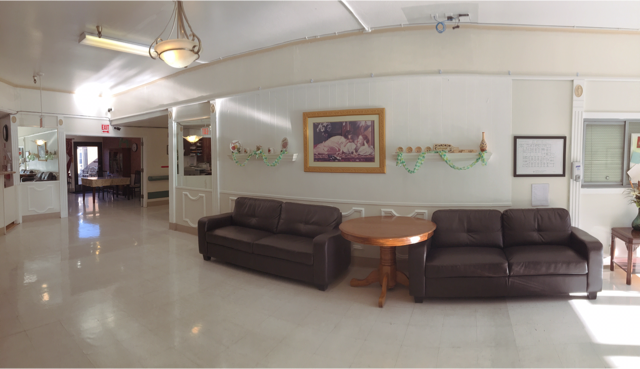
How is Empress, Llc Staffed?

CMS rates EMPRESS CARE CENTER, LLC's staffing level at 5 out of 5 stars, which is much above average compared to other nursing homes. Staff turnover is 33%, compared to the California average of 46%. This relatively stable workforce can support continuity of care.

What Have Inspectors Found at Empress, Llc?

State health inspectors documented 44 deficiencies at EMPRESS CARE CENTER, LLC during 2022 to 2025. These included: 44 with potential for harm.
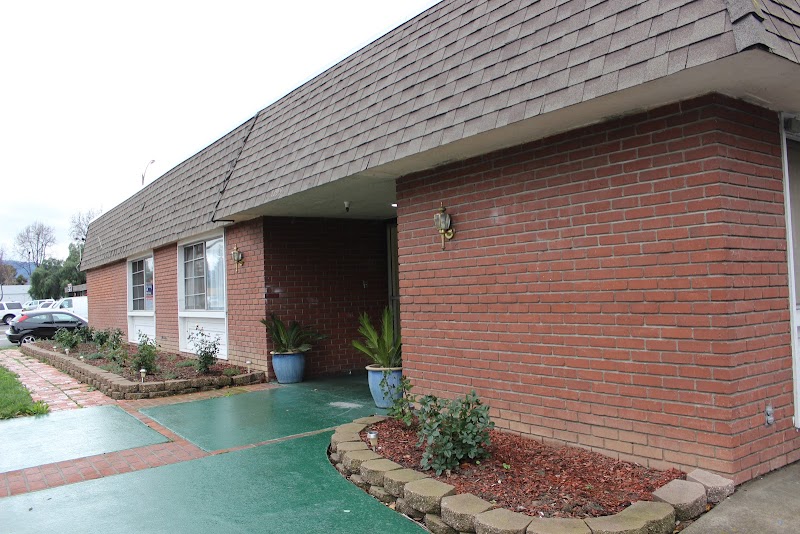
Who Owns and Operates Empress, Llc?

EMPRESS CARE CENTER, LLC is owned by a for-profit company. For-profit facilities operate as businesses with obligations to shareholders or private owners. The facility is operated by EVA CARE GROUP, a chain that manages multiple nursing homes. With 67 certified beds and approximately 47 residents (about 70% occupancy), it is a smaller facility located in SAN JOSE, California.
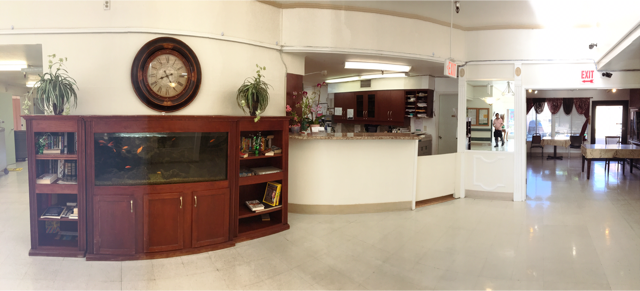
How Does Empress, Llc Compare to Other California Nursing Homes?

Compared to the 100 nursing homes in California, EMPRESS CARE CENTER, LLC's overall rating (4 stars) is above the state average of 3.2, staff turnover (33%) is significantly lower than the state average of 46%, and health inspection rating (2 stars) is below the national benchmark.

What Should Families Ask When Visiting Empress, Llc?

Based on this facility's data, families visiting should ask: "Can I visit during a mealtime to observe dining assistance and food quality?" "How do you handle medical emergencies, and what is your hospital transfer rate?" "Can I speak with family members of current residents about their experience?"

Is Empress, Llc Safe?

Based on CMS inspection data, EMPRESS CARE CENTER, LLC has a clean safety record: no substantiated abuse findings (meaning no confirmed cases of resident harm), no Immediate Jeopardy citations (the most serious violation level indicating risk of serious injury or death), and is not on the Special Focus Facility watch list (a federal program monitoring the lowest-performing 1% of nursing homes). The facility has a 4-star overall rating and ranks #1 of 100 nursing homes in California. While no facility is perfect, families should still ask about staff-to-resident ratios and recent inspection results during their visit.

Do Nurses at Empress, Llc Stick Around?

EMPRESS CARE CENTER, LLC has a staff turnover rate of 33%, which is about average for California nursing homes (state average: 46%). Moderate turnover is common in nursing homes, but families should still ask about staff tenure and how the facility maintains care continuity when employees leave.

Was Empress, Llc Ever Fined?

EMPRESS CARE CENTER, LLC has no federal fines on record. CMS issues fines when nursing homes fail to meet care standards or don't correct problems found during inspections. The absence of fines suggests the facility has either maintained compliance or corrected any issues before penalties were assessed. This is a positive indicator, though families should still review recent inspection reports for the full picture.

Is Empress, Llc on Any Federal Watch List?

EMPRESS CARE CENTER, LLC is not on any federal watch list. The most significant is the Special Focus Facility (SFF) program, which identifies the bottom 1% of nursing homes nationally based on persistent, serious quality problems. Not being on this list means the facility has avoided the pattern of deficiencies that triggers enhanced federal oversight. This is a positive indicator, though families should still review the facility's inspection history directly.