INSPIRE BEHAVIORAL HEALTH
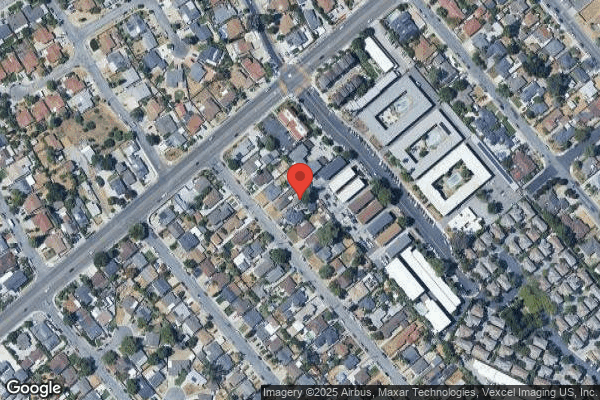
401 RIDGE VISTA AVENUE, SAN JOSE, CA 95127 (408) 923-7232
For profit - Limited Liability company 116 Beds Independent Data: November 2025
Trust Grade
70/100
#376 of 1155 in CA
Last Inspection: July 2024

Within standard 12-15 month inspection cycle. Federal law requires annual inspections.

Overview

Inspire Behavioral Health in San Jose has a Trust Grade of B, indicating it is a good facility, solid but not elite. It ranks #376 out of 1,155 facilities in California, placing it in the top half of the state, and #25 out of 50 in Santa Clara County, meaning there are only a few local options that rank higher. The facility is improving, with issues decreasing from 11 in 2024 to just 3 in 2025. Staffing is a strength, with a 4 out of 5 stars rating and only 24% turnover, which is much lower than the state average. Notably, there have been no fines against the facility, which is a positive sign. However, there are some concerns, including a serious incident where the facility failed to implement safety measures for a resident at high risk of leaving without permission, as well as issues regarding the lack of performance reviews for several certified nursing assistants. Additionally, the facility did not notify the appropriate parties when residents were transferred to the hospital, which is a procedural oversight. Overall, while there are strengths in staffing and improvements in operations, families should be aware of these concerning incidents when considering this nursing home.

Trust Score
B
70/100
In California
#376/1155
Top 32%
Safety Record
Moderate
Needs review
Inspections
Getting Better
11 → 3 violations
Staff Stability
✓ Good
24% annual turnover. Excellent stability, 24 points below California's 48% average. Staff who stay learn residents' needs.
Penalties
✓ Good
No fines on record. Clean compliance history, better than most California facilities.
Skilled Nurses
⚠ Watch
Each resident gets only 26 minutes of Registered Nurse (RN) attention daily — below average for California. Fewer RN minutes means fewer trained eyes watching for problems.
Violations
⚠ Watch
39 deficiencies on record. Higher than average. Multiple issues found across inspections.
★★★★☆
4.0
Overall Rating
★★★★☆
4.0
Staff Levels
★★★★★
5.0
Care Quality
★★★☆☆
3.0
Inspection Score
Stable
2024: 11 issues
2025: 3 issues

The Good

  • 4-Star Staffing Rating · Above-average nurse staffing levels
  • 5-Star Quality Measures · Strong clinical quality outcomes
  • Low Staff Turnover (24%) · Staff stability means consistent care
  • Full Sprinkler Coverage · Fire safety systems throughout facility
  • No fines on record
  • Staff turnover is low (24%)

    24 points below California average of 48%

Facility shows strength in staffing levels, quality measures, staff retention, fire safety.

The Bad

No Significant Concerns Identified

This facility shows no red flags. Among California's 100 nursing homes, only 1% achieve this.

The Ugly 39 deficiencies on record

1 actual harm
Sept 2025 1 deficiency
CONCERN (E) 📢 Someone Reported This

A family member, employee, or ombudsman was alarmed enough to file a formal complaint

Potential for Harm - no one hurt, but risky conditions existed

Infection Control (Tag F0880)

Could have caused harm · This affected multiple residents

Based on observation, interview, and policy review, the facility failed to ensure infection control practices were implemented when the maintenance director (MD) did not wash his hands when entering t...

Read full inspector narrative →
Based on observation, interview, and policy review, the facility failed to ensure infection control practices were implemented when the maintenance director (MD) did not wash his hands when entering the kitchen. This failure had the potential to spread infection to residents and staff.Findings:During an observation on 9/9/25, at 1:05 p.m., the MD put on the hair net and entered the kitchen, but he did not wash his hands.The MD opened the three lids of the grease trap that was outside and in the back of the kitchen and closed them with his bare hands. Then the MD went back inside the kitchen, stood in front of the two-compartment sink, and grabbed on the front-and-top edge of the sink with his hands before going to the hand washing sink to wash his hands.During an interview with the MD on 9/9/25, at 1:30 p.m., he confirmed that he did not wash his hands when he entered the kitchen. The MD acknowledged that he should wash his hands when entering the kitchen.During an interview with the certified dietary manager (CDM) on 9/10/25, at 12:15 p.m., she stated the staff should put on the hair net and wash their hands when they enter the kitchen.Review of the facility's 2023 policy, Handwashing, indicated . Hand washing is important to prevent the spread of infection . When hands need to be washed: 1. Before starting work in the kitchen.
Mar 2025 1 deficiency 1 Harm
SERIOUS (G) 📢 Someone Reported This

A family member, employee, or ombudsman was alarmed enough to file a formal complaint

Actual Harm - a resident was hurt due to facility failures

Accident Prevention (Tag F0689)

A resident was harmed · This affected 1 resident

**NOTE- TERMS IN BRACKETS HAVE BEEN EDITED TO PROTECT CONFIDENTIALITY** Based on observation, interview and record review, the facility failed to implement effective safety measures in place to preven...

Read full inspector narrative →
**NOTE- TERMS IN BRACKETS HAVE BEEN EDITED TO PROTECT CONFIDENTIALITY** Based on observation, interview and record review, the facility failed to implement effective safety measures in place to prevent elopement (the act of leaving without supervision and authorization) or absence without leave (AWOL, leaving the facility without permission) for one of four sampled residents ( Resident 1) who was at high-risk for elopement due to the fact that: 1. Staff had prior knowledge and awareness of Resident 1's desire and motivation to elope when Resident 1 had expressed a desire to go home prior to the visitation by a friend on 1/15/25, 2. Facility's staff did not follow the instructions of Resident 1's conservator restricting visitation by Resident 1's friends after the reported incident on 12/17/24 when Resident 1 was found to have a contraband (goods that have been imported -[goods or services brought into a country from abroad for sale] or exported illegally [goods and services that are produced in one country and sold to [NAME] in another without proper documents] and cigarette lighter in her drawer. 3. Certified Nursing Assistant (CNA) B did not ensure Resident 1 was not near or in close proximity to the visitor's lounge exit door when her visitor was leaving the facility after visitation; hence, Resident 1 was able to exit and ran outside of the facility when CNA B opened the door to let the visitor out. 4. The care plan for elopement was not updated to include interventions to help prevent elopement such as restricting visitation from friends and checking of Resident 1's visitors ID (identification) as indicated by the program director (PD) plan when Resident 1's conservator instructed facility not to allow friends to visit Resident 1. 5. Staff did not check Resident 1's visitor's ID when they visited Resident 1 on five occasions. These failures resulted in Resident 1's elopement from the facility where staff could not bring her back safely to the building, and her whereabouts could not be determined after the elopement incident, which collectively could jeopardize her health and safety. Findings: Review of Resident 1's admission record indicated she was admitted to the facility on [DATE] with diagnoses including psychosis ( is a condition of the mind or psyche that results in difficulties determining what is real and what is not real), stimulant induced psychotic disorder ( a mental disorder that occurs when a person experiences delusions (is an unshakable belief in something that's untrue)or hallucinations (is a false perception of something not present) soon after ingesting or withdrawing from a substance) and depression ( a common mental health condition that causes a persistent feeling of sadness and changes in how persons think, sleep, eat and act). Review of Resident 1's physician progress notes, dated 9/19/24, indicated, This is a [AGE] year-old . female with a long history of mental illness (a problem on a person's state of mental well-being that enables people to cope with the stresses of life, realize their abilities, learn well and work well) and stimulant disorder (a type of substance use disorder where the use of stimulants caused clinically significant impairment or distress), was admitted recently on a 5150 (is a legal term that refers to the California law code for an involuntary hold of someone who's a danger to themselves or others) after she was observed on stranger doors and that babies are getting murdered. She eventually stabilized . She denies auditory hallucinations (hearing voices or noises that aren't there and has no gross delusions. She wants to go home. Review of Resident 1's admission Risk for Elopement assessment, dated 9/19/24, indicated a score of greater than 10, (a score of 10 and above indicates at risk for elopement. Review of Resident 1's Risk for Elopement assessment, dated 10/15/24, indicated a score of 13, she was at risk for elopement. Review of Resident 1's care plan, At risk for elopement related to: mental illness and history of drug abuse dated 9/19/24, it included interventions as, the resident is determined to be an AWOL risk, resident will be placed on close supervision and Resident will be redirected away from the exit doors when observed standing by the exit doors. There is no documented evidence that the care plan was updated to include interventions such as: checking the identification (IDs) of Resident 1's visitors and restricting visitation from friends. During an interview on 3/3/25, at 3:00 p.m., with the Director of Nursing (DON), the DON verified that the Client 1's care plan for elopement was not updated. Review of Resident 1's minimum data set (MDS, a federally mandated resident assessment tool), dated12/26/24, it indicated her brief interview for mental status (BIMS, an assessment tool used by facilities to screen and identify memory, orientation, and judgement status of the resident) score of 15 (a core of 14-15 indicates intact cognitive response). Review of Resident 1's change in condition evaluation, dated 1/15/25, it indicated Resident eloped from facility. Review of Resident 1's Progress notes by her primary care physician (PCP, primary care provider, is a health care professional who practices general medicine) dated 1/15/25,indicated, Patient went AWOL, seemingly assisted by visitors to the facility; incident is still currently investigated. During a further review of Resident 1's interdisciplinary team (IDT, is a group of different experts who work together with a common goal for the resident) notes, dated 1/16/25, it indicated, Around 7:15 pm, staff reported resident suddenly ran out of the visitors lounge during a visit. Facility AWOL protocol was utilized. Staff responded immediately, followed resident on foot and in cars at a safe distance. Resident was observed walking and running unsafely on a . street. Staff attempted to redirect resident back to the facility, but resident was not receptive, selectively mute. Resident remained in sight of staff. Suddenly a white van with her visitor and another man drove by resident and resident went inside the van. The van drove quickly away from the facility. Staff attempted to follow the van but lost sight. Law enforcement notified and notified of van's license plate. During a telephone interview on 1/24/25, at 10:30 a.m.,and 2/7/25, at 4:17 p.m., with Registered Nurse (RN) A, RN A stated after the elopement incident on 1/15/25, he notified Resident 1's conservator (person responsible for making decisions for a mentally ill adult) and was told by Resident 1's conservator that only Resident 1's parent was approved to see her. RN A further stated, during visitation on 1/15/25, Resident 1 was heard telling her visitor that she wants to go home. RN A also stated; that the elopement occurred on 1/15/25, at 7:15 p.m., after which he called the police at 7:30 p.m. when staff were unable to redirect Resident 1 back to the facility. RN A confirmed she should have called the police right away as usually done in the past. During a telephone interview on 1/24/25, at 2:48 p.m., Resident 1's conservator, the conservator stated, on 1/3/25 and 1/10/25 she had spoken with the facility's staff (a nurse) and the Assistant Program Director (APD) giving instructions not to allow Resident 1's friends to visit her except her parent (mother). The conservator also stated that, Resident 1's location could not be determined until this time. During a review with the APD on 3/3/25, at 1:37 p.m., the APD provided copies of the email messages from Resident 1's conservator to the Program Director (PD, who no longer works atthe facility) dated 12/18/24, and Cc: (copy furnished) to the DON, Program Director, Social Services and the mental health worker (MHW) that indicated, Effectively immediately, please do NOT allow (Resident 1) to have visitation from friends (words highlighted by the sender). Staff found packet of lighter in her drawer, upon interviewing her, she said it was given by friend who visited her, she did not mention name of friend. IF she wants friends to visit, please let me now (know) name and number of friends, I will then contact her parents to see if that particular friend safe to visit. And please let ALL the staff know, especially the weekend staff. (Resident 1) was introduced to Meth (Methamphetamine- a potent central nervous system stimulant that is mainly used as a recreational or performance-enhancing drug and less commonly as a second-line treatment for attention deficit hyperactivity disorder)/drugs from these supposed friends . Further review with the APD on the email message response by the PD to Resident 1's conservator dated 12/19/24, indicated, Thank you for the information. I will let staff know to closely monitor any visitations from friends with (Resident 1). I will also ask staff to check IDs (identification) of visitors and make copies. We will keep you posted A review of Resident 1's visitation log from 12/19/24 to 1/15/25, it indicated she had a total of five visits from her friends on 12/19/24,12/21/24,12/29/24,12/25/24 and 1/15/25. During an interview on 1/24/25, at 3:40 p.m., with the administrator (ADM), the ADM confirmed that staff did not follow Resident 1's conservator's instructions to prevent Resident 1's friends from visiting her. The ADM admitted the facility staff (PD, APD, DON and DSS, director of social services) who received the email message from Resident 1's conservator did not notify the IDT and /or call the attending physician to obtain a visitation restriction order for no visitations from friends for Resident 1 after receipt of the email instruction on 12/18/24. During a telephone interview on 1/27/25, at 4 p.m., the Program Director (PD)stated, Resident 1 acknowledged her substance abuse, she has poor insight with episode of anxiety and had mentioned she wants to leave the facility. During a telephone interview on 1/28/25, at 9:38 a.m., and 2/7/25, at 3:25 p.m., with CNA B), CNA B stated during the shift change on 1/15/25, CNA D endorsed to her and to other staff in the unit that CNA D overheard Resident 1 crying to someone over the phone before 3 p.m. on 1/15/25, asking to let her out of the facility and that she wanted to go home. CNA B also stated she supervised Resident 1 at the visitation lounge room on 1/15/25, from 7:05 p.m. when Resident 1's visitor arrived at the facility. CNA B stated when the visitor was leaving, she opened the door for the visitor but did not check the whereabouts of Resident 1. Suddenly, Resident 1 pushed her from behind and ran out of the door towards the street. CNA B further stated Resident 1 was last seen sitting on a black chair about seven steps from the visitor's lounge door. CNA B claimed Resident 1 had planned this elopement. During an interview with the ADM on 2/6/25, at 10:10 a.m., and 10:50 a.m., the ADM stated CNA B should have provided preventive safety measures to prevent Resident 1's elopement, and staff (CNA B) should have asked for help in supervising Resident 1 during this visitation. The ADM also stated the staff who spoke with Resident 1's conservator should have communicated to the IDT regarding the conservator's instructions to restrict Resident 1's visitation by friends. The ADM stated after the incident of Resident 1's elopement from the facility, she revised their facility's policies and procedures that requires two persons to supervise residents during visitation, and to ensure residents are back to the unit before letting visitors out, and to keep residents away from the door during any visit. During an inspection of the visitation lounge (location where Resident 1 and her visitor was during the visit) and concurrent interview on 3/3/25, at 12:50 p.m., with the DON, the DON checked the distance of the side seats (where Resident 1 was sitting during that time of visit) from the exit door. The DON stated if Resident 1 was sitting on that chair which was about seven steps away from the exit door, then Resident1's location would be too close to the exit door. The DON also stated CNA B probably did not pay attention cautiously. During a review of the facility's sign in log for December 2024 and January 2025 with the DON on 3/4/25, at 2:30 p.m., the DON confirmed there was no documented evidence indicating the IDs (identification) of Resident 1's two different visitors (friends) were checked by the facility staff when they visited Resident 1 from 12/19/24 to and 1/15/25. During an interview with the Director of Social Services (DSS) on 3/3/25, at 4:30 p.m., and on 3/21/25 at 4:00 p.m , the DSS stated Resident 1's whereabouts were still unknown up to this time. Review of the facility's policy and procedure (P&P) titled, Policy and Procedure for Elopement And AWOL. dated 10/15/24, indicated, The facility shall take the following steps to identify, prevent, detect and respond to situations of resident elopement/ AWOL. Staff shall not open the exit doors if a resident is in the close proximity of the door. Review of the facility's policy and procedure (P&P) titled, Care Plans, Comprehensive Person- Centered, indicated, Reflects currently recognized standard of practice for problem areas and conditions. Care plan interventions are . , and relevant clinical decision making. Assessment of residents are ongoing, and care plans are revised as information about the residents and the resident's condition change.
Jan 2025 1 deficiency
CONCERN (D) 📢 Someone Reported This

A family member, employee, or ombudsman was alarmed enough to file a formal complaint

Potential for Harm - no one hurt, but risky conditions existed

Assessment Accuracy (Tag F0641)

Could have caused harm · This affected 1 resident

**NOTE- TERMS IN BRACKETS HAVE BEEN EDITED TO PROTECT CONFIDENTIALITY** Based on interview and record review, the facility failed to accurately code the elopement risk assessment (an assessment tool t...

Read full inspector narrative →
**NOTE- TERMS IN BRACKETS HAVE BEEN EDITED TO PROTECT CONFIDENTIALITY** Based on interview and record review, the facility failed to accurately code the elopement risk assessment (an assessment tool to evaluate whether an individual that need additional safety measures is at risk of leaving the facility unsupervised) for one of two residents (Resident 1). This failure had the potential to place the resident's health and safety at risk for not receiving appropriate care. Findings: Review of Resident 1's medical record on 1/3/25 indicated that on 12/26/24 at 11:55 a.m., Resident 1 had an incident of elopement /AWOL(absence without leave- the act of leaving a facility unsupervised and without prior authorization) from the facility. He was returned safely to facility with no injuries around 12:14 p.m. on same day. Review of Resident 1's medical record indicated he was originally admitted to the facility on [DATE] and was readmitted on [DATE] with diagnoses that included schizoaffective disorder (a mental disorder that affect your thoughts, mood, and behavior), bipolar type (sometimes called manic-depressive disorder; mood swings that range from the lows of depression of elevated periods of emotional highs). Review of Resident 1's Minimum Data Set (MDS, a federally mandated resident assessment tool) dated 10/31/24 indicated his cognition (mental process including thinking, attention, language, learning, memory, and perception) was intact, but with periods of difficulty focusing attention and disorganized thinking. He also had episodes of hallucinations (false perception of objects or events) and delusions (false beliefs that conflict with reality). He did not have impairment of both upper and lower extremities and was able to walk independently. Review of Resident 1's Psychiatry Discharge Summary from the Hospital dated 4/24/24 indicated he had a history of often AWOLs from unlocked residential facilities to use drugs. Review of Resident 1's readmission initial elopement risk assessment dated [DATE] indicated, Registered Nurse A (RN A) coded that Resident 1 had no history of elopement attempts. During an interview with the Registered Nurse A (RN A) on 1/6/25 at 11:29 a.m., she confirmed she coded incorrectly the readmission initial elopement risk assessment dated [DATE] that Resident 1 had no history of elopement attempts. RN A further stated she did not read the Psychiatry's Discharge Summary from the Hospital dated 4/24/24 that Resident 1's had a history of often AWOLs from the unlocked residential facilities to use drugs. RN A acknowledged she should have read the Psychiatry Discharge Summary and should have coded that Resident 1 had made one or more attempts of elopements. During an interview with the Director of Nursing (DON) on 1/3/25 at 3:45 p.m., he acknowledged RN A should have read Resident 1's Psychiatry Discharge Summary from the Hospital dated 4/24/24 that Resident 1 had history of AWOLs and should have coded that Resident 1 had one or more elopement attempts on readmission initial elopement risk assessment dated [DATE] for Resident 1's appropriate care. Review of the undated facility's policy and procedure titled, admission Assessment and Accuracy: Role of the Nurse: Steps in the Procedure indicated, 7. Conduct an admission assessment (history and physical), including: a. A summary of the individual's recent medical history, including hospitalizations, acute illnesses, and overall health prior to admission. B. Relevant medical, social, and family history. Review of the facility's policy and procedure dated 8/17/15 titled Job Description: Charge Nurse (RN) indicated, Assure that effective quality nursing care is delivered which is outcome focused through utilization of the nursing process (a systematic step by step method that nurse use to provide patient-centered care that involves: assessment, diagnosis, planning, implementation, and evaluation).
Oct 2024 1 deficiency
CONCERN (E) 📢 Someone Reported This

A family member, employee, or ombudsman was alarmed enough to file a formal complaint

Potential for Harm - no one hurt, but risky conditions existed

Accident Prevention (Tag F0689)

Could have caused harm · This affected multiple residents

**NOTE- TERMS IN BRACKETS HAVE BEEN EDITED TO PROTECT CONFIDENTIALITY** Based on interview and record review, the facility failed to prevent two of three residents (1 and 2) from elopement when the st...

Read full inspector narrative →
**NOTE- TERMS IN BRACKETS HAVE BEEN EDITED TO PROTECT CONFIDENTIALITY** Based on interview and record review, the facility failed to prevent two of three residents (1 and 2) from elopement when the staff and visitors did not look around to make sure Resident 1 and Resident 2 were not close by in the area when they opened the locked exit door to prevent the residents from exiting the locked door immediately when the door was opened. This failure placed the residents at risk for accident and injury. Findings: Review of Resident 1's admission Record indicated she was admitted to the facility on [DATE] with schizoaffective disorder (a mental health condition that is marked by a mix of seeing things or hearing voices that others don't observe, believing things that are not real, persistent feeling of sadness and loss of interest, and having great excitement and occasionally violent behavior) diagnosis. Review of Resident 1's Risk for Elopement, dated 12/20/23 and 1/7/24, indicated Resident 1 was high risk of elopement. Review of Resident 1's Change in Condition Evaluations, dated 12/20/23, 1/8/24, and 1/27/24, indicated she eloped from the facility on 12/20/23, 1/7/24, and 1/27/24. Review of Resident 1's Interdisciplinary Team (IDT, a group of professionals from various fields who work together to treat patients) Notes, dated 12/26/23, indicated around 10:12 a.m. on 12/20/23, Resident 1 quickly ran out of the exit door when the staff entered, pushed staff away from the lobby door and ran towards the street. Resident 1 walked unsafely on the street, entered a bank, got on and off the bus, and walked in the plaza. Law enforcement was notified and helped to bring Resident 1 back to the facility. Review of Resident 1's IDT Notes, dated 1/10/24, indicated around 3 p.m. on 1/7/24, Resident 1 bustled and moved through the exit door when she saw it opened, ran down the street and away from the facility. Review of Resident 1's IDT Notes, dated 1/31/24, indicated around 6:25 p.m. on 1/27/24, Resident 1 was standing near the exit door and quickly followed a staff out. Resident 1 walked on the street and attempted to get on the bus. Review of Resident 2's admission Record indicated she was admitted to the facility on [DATE] with schizoaffective disorder diagnosis. Review of Resident 2's Change in Condition Evaluation, dated 5/24/24, indicated she eloped from the facility on 5/24/24. Review of Resident 2's IDT Notes, dated 5/29/24, indicated around 1 p.m. on 5/24/24, Resident 2 walked out of the exit door when nursing students entered the unit. Resident 2 walked unsafely on the street, walked into a store, and attempted to get matches and cigarettes. Law enforcement was notified and assisted. During an interview with the director of nursing (DON) on 10/11/24, at 2:45 p.m., he stated the nursing instructor opened the exit door for the nursing students to enter the unit, and Resident 2 walked out the door; the nursing instructor and students had already had orientation about the residents' elopement and absence without leave (AWOL) when they came to the facility for clinical rotation. The DON stated the staff and visitors should look around to make sure the residents were not close by in the area when they opened the locked exit door. Review of the facility's undated policy and procedure, Elopement and AWOL, indicated . Prevention: . 6. Staff shall not open the exit doors if a resident is in the close proximity of the door. 7. Staff shall look through the glass window to see that no resident is on the other side of the door before entering the units.
Sept 2024 1 deficiency
CONCERN (F) 📢 Someone Reported This

A family member, employee, or ombudsman was alarmed enough to file a formal complaint

Potential for Harm - no one hurt, but risky conditions existed

Deficiency F0730 (Tag F0730)

Could have caused harm · This affected most or all residents

Based on interview and record review, the facility failed to conduct performance review at least once every 12 months for three of three certified nursing assistants (CNA A, CNA B, and CNA C). This fa...

Read full inspector narrative →
Based on interview and record review, the facility failed to conduct performance review at least once every 12 months for three of three certified nursing assistants (CNA A, CNA B, and CNA C). This failure resulted in unidentified the needed training for the CNAs to improve their skills in resident care every year. Findings: Review of CNA A's personnel file indicated she was hired on 8/14/20, and she did not have the performance review done in the year 2021, 2022, and 2023. During an interview with the director of staff development (DSD) on 9/23/24 at 4:10 p.m., she reviewed CNA A's personnell file and confirmed that CNA A did not have the performance review done in the year 2021, 2022, and 2023. Review of CNA B's and CNA C's personnel files indicated they were hired on 4/15/13 and 8/22/12, and they did not have the performance review done in the year 2021 and 2022. During an interview with the DSD on 9/24/24 at 11:45 a.m., she reviewed CNA B's and CNA C's personnel files and confirmed that CNA B and CNA C did not have the performance review done in the year 2021 and 2022. The DSD stated the performance of the CNAs should be reviewed every year. Review of the facility's Employee Handbook, dated 2/2024, indicated . Performance Evaluations: . The first performance evaluation may be after completion of the Introductory Period. After that review, performance evaluations may be conducted annually, on or around their anniversary date.
Sept 2024 1 deficiency
CONCERN (D) 📢 Someone Reported This

A family member, employee, or ombudsman was alarmed enough to file a formal complaint

Potential for Harm - no one hurt, but risky conditions existed

Accident Prevention (Tag F0689)

Could have caused harm · This affected 1 resident

**NOTE- TERMS IN BRACKETS HAVE BEEN EDITED TO PROTECT CONFIDENTIALITY** Based on interview and record review, the facility failed to provide supervision to prevent one out of three sampled residents (...

Read full inspector narrative →
**NOTE- TERMS IN BRACKETS HAVE BEEN EDITED TO PROTECT CONFIDENTIALITY** Based on interview and record review, the facility failed to provide supervision to prevent one out of three sampled residents (Resident 1) from leaving the facility without staff's knowledge and permission. This failure had a potential risk to compromise Resident 1's health and safety, as she was found walking toward the parking lot outside the facility on 8/11/24. Findings: A review of Resident 1's medical record indicated she was admitted to the facility on [DATE] with diagnoses including unspecified schizophrenia (a serious mental illness that affects how a person thinks, feels, and behaves). A review of Resident 1's minimum data set (MDS, an assessment tool) dated 6/25/24 indicated his brief interview for mental status (BIMS, cognition level) score was 12 (8 to 12 points suggests moderate cognitive impairment). During an interview with the Program Consultant (PC) on 9/6/24 at 9:13 a.m., the PC stated that she looked through her glass window in her office around 10:46 a.m. and found Resident 1 was walking on the sidewalk pavement towards the parking lot outside the facility. She and her co-workers immediately followed Resident 1 and redirected Resident 1 back to the facility. No injury was noted. The PC confirmed Resident 1 did not have permission to leave the facility. The PC further stated that this facility was locked, and all residents coming out from the facility without permission waere not allowed. During an interview with the social service director (SSD) on 9/6/24 at 10:20 a.m., the SSD confirmed that Resident 1 did not have the go-out pass and should not have left the facility without permission. The SSD further stated that when staff opened the door, they should have looked back to ensure the door was locked and no resident was following them. A review of Resident 1's Interdisciplinary Team (IDT) notes dated 8/14/24 indicated around 11:00 a.m., on 8/11/24, A staff observed Resident 1 walking on the sidewalk just outside the facility towards the parking lot. Staff immediately followed Resident 1 on foot and provided redirection back to the facility. Resident 1 was receptive and returned safely to the facility with no issues. A review of the facility's undated Policy and procedure (p&p) titled Preventing Elopement indicated, .staff shall not open the exit doors if a resident is in close proximity to the door. Staff shall look through the glass window to see that no resident is on the other side of the door before entering the units. The door handle shall not be released until the door latches to assure that the door has been locked .
Jul 2024 1 deficiency
CONCERN (D) 📢 Someone Reported This

A family member, employee, or ombudsman was alarmed enough to file a formal complaint

Potential for Harm - no one hurt, but risky conditions existed

Report Alleged Abuse (Tag F0609)

Could have caused harm · This affected 1 resident

**NOTE- TERMS IN BRACKETS HAVE BEEN EDITED TO PROTECT CONFIDENTIALITY** Based on observation, interview, and record review, the facility failed to implement their policies and procedures to report a s...

Read full inspector narrative →
**NOTE- TERMS IN BRACKETS HAVE BEEN EDITED TO PROTECT CONFIDENTIALITY** Based on observation, interview, and record review, the facility failed to implement their policies and procedures to report a sexual allegation within the required two hours timeframe to the local law enforcement, the California Department of Public Health (CDPH) and Ombudsman as required for one of three sampled residents (Resident 1); and prevent the recurrence of sexual allegation for of three sampled residents (Resident 2) when: 1. Resident 1 claimed Resident 2 held her breast on 6/18/24. 2. Resident 2 had two sexual assault incidents involving two female residents in a period of one week. The failure to report the sexual allegation within two hours to reporting entities could compromise the welfare, health and safety of Resident 1 and other vulnerable residents; and the failure to prevent recurrence of sexual assaults could potentially put all vulnerable residents at risk. Findings: 1. Review of Resident 1's Situation Background Assessment Recommendation (SBAR, a verbal or written communication tool used by healthcare professional), dated 6/18/24 at 12:16 p.m., indicated, Resident (Resident 1) claimed that Resident 2 held her breast last night (6/17/24). Further review of Resident 1's minimum data set (MDS, an assessment tool) assessment, dated 6/4/24, it indicated her brief interview for mental status (BIMS) summary scored 13 (BIMS score from 13 to 15 means cognitively intact). According to her progress notes on 6/18/24 at 10:39 a.m. that assistant of program director E (APD E) received resident 1's self-reporting at 7 a.m. of 6/18/24 and law enforcement notified at around 7:26 a.m. of 6/18/24. During an observation and interview on 6/18/24, at 1:40 p.m., with Resident 1 in her room, she stated, while she played poker and talked to Resident 3 in the hallway where was nearby the nursing station one, Resident 2 passed by her and suddenly touched and grabbed her right breast. She immediately swung back to Resident 2, so he walked away. She further stated that couple of certified nursing assistants (CNAs) were in the nursing station one at the time of incident, but they did not do anything to help her, so she had approached to staff in nursing station one to allege Resident 2 inappropriately touched her breast before going back to her room. Resident looked upset while described what happens to her. During an interview and record review on 6/18/24, at 1:49 p.m., with Resident 3 in a private room near the activity room, Resident 3 confirmed Resident 1's statements about the sexual assault that happened on 6/17/24. Resident 2 stated Resident 1 reported the incident to couple of staff about the sexual assault just after the incident, then she walked back to her room. Review of Resident 3's MDS dated [DATE] indicated her BIMS score was 14 (cognitively intact). During a telephone interview on 6/19/24, at 11:19 a.m., with the licensed vocational nurse A (LVN A), she stated she was the med (medication) nurse working at the nursing station 2 (NS 2) on the night of 6/17/24. While she was walking by NS 1 looking for NS1's med nurse, Resident 1 approached her and reported that Resident 2 inappropriately touched her breast. During a telephone interview on 6/19/24, at 11:38 a.m., with licensed vocational nurse B (LVN B), LVN B stated, she was the med nurse for NS 1 on the night of 6/17/24 when the incident of sexual assault happened, but she did not receive any reports from the staff when Resident 1's breast was inappropriately touched by Resident 2. During a telephone interview on 6/19/24, at 12:52 p.m., with CNA D, she confirmed Resident 1 approached her in the nursing station 1 (NS 1) while she was with other CNAs on 6/17/24 at around 9:00 p.m., Resident 1 reported that Resident 2 touched her breast while she in the hallway near nursing station playing poker card with Resident 3 on 6/17/24. During a telephone interview on 6/19/24, at 1:11 p.m., with the registered nurse C (RN C) who was the supervisor on the night of 6/17/24, she confirmed the sexual allegation incident was reported late. RN C further stated, she received reports from CNA D that Resident 1 was touched by Resident 2, but CNA D did not elaborate the specific detail information, so she just endorsed to the incoming night shift nurse for that night (6/17/24) to keep an eye on both Residents 1 and 2. During a telephone interview on 6/21/24, at 2:30 p.m., with ADM to verify the date and time of the incident because of the discrepancy between documented date of incident and the interviews conducted, the ADM stated the documentation of incident occurred time was based on Resident 2's statements for the time of incident was between 7 p.m. to 8 p.m. of 6/17/24. However, after the ADM interviewed staff, the interview indicated the incident happened 8:45 to 9 p.m. on 6/17/24 when at that time Resident 1 yelled and screamed for help. The ADM further stated after investigation, she suspended RN C for not following their abuse policy and procedure of reporting sexual abuse allegation right away. 2. Review of Resident 2's progress notes dated 6/11/24, indicated at 8:30 p.m. he inappropriately touched another female resident's buttocks (Resident 4) in front of the nursing station. Further review of his progress notes dated 6/12/24, indicated at around 2 p.m. Resident 2 hit a female resident's buttocks (Resident 4) in front of the nursing station. Resident 2's MDS dated [DATE] indicated his BIMS score was 13 (cognitively intact). Review of Resident 2's plan of care for alleged sexual abuse, dated 6/11/24 , indicated . notification to physician, public guardian (PG, conservator serves as conservator of a person and/or estate of individuals needing protective intervention), Ombudsman, Department of Health (DOH), Sheriff's Department, abuse coordinator and all regulatory agencies. Separated residents and assessed for any injuries or PRN (as needed). Placed on 24 hours monitoring for72 hours alert charting and would continue to monitor for safety. The record review of Resident 2's care plan indicated, there was no added intervention/s in place to prevent future incident/s of sexual assault/abuse as confirmed by the program director (PD). During an interview on 6/18/24, at 1 p.m., with the program director (PD), she stated, Resident 2 was sent to emergency psychiatric service (EPS, is the only 24-hour locked psychiatric emergency room, which provides emergency psychiatric care) because Resident 2 had pattern of recurrent of sexual allegation in one week. The PD admitted that Resident 2's current plan of care was ineffective in preventing any further incidents of sexual abuse. Review of the facility's policy and procedure (P&P) titled , Preventing, Investigating, and Reporting Alleged Sexual Assault and Abuse Violation, dated 2/14/18, the P&P indicated, it is the responsibility of all employees to immediately report any reasonable suspicion of a crime, alleged violation of abuse, neglect injuries of unknown source, misappropriation of resident property and exploitation. All alleged violations will be reported immediately, but not later than: within 2 hours if the alleged violation involves ABUSE OR results in serious bodily injury.
Jul 2024 7 deficiencies
CONCERN (D)

Potential for Harm - no one hurt, but risky conditions existed

Assessment Accuracy (Tag F0641)

Could have caused harm · This affected 1 resident

Based on observation, interview, and record review, the facility failed to ensure the Minimum Data Set (MDS) assessment was accurate for 1 (Resident #33) of 1 sampled resident reviewed for respiratory...

Read full inspector narrative →
Based on observation, interview, and record review, the facility failed to ensure the Minimum Data Set (MDS) assessment was accurate for 1 (Resident #33) of 1 sampled resident reviewed for respiratory care. Findings included: An admission Record revealed the facility admitted Resident #33 on 07/21/2017. According to the admission Record, the resident had a medical history that included a diagnosis of chronic obstructive pulmonary disease (COPD). Resident #33's care plan, initiated on 01/07/2022, revealed the resident was on oxygen therapy due to decreased oxygen, diagnoses of COPD, acute respiratory failure and a history of COVID-19 and pneumonia. A quarterly MDS, with an Assessment Reference Date (ARD) of 06/27/2024, revealed Resident #33 has a Brief Interview for Mental Status (BIMS) score of 11, which indicated the resident had moderate cognitive impairment. The MDS revealed the resident did not receive oxygen therapy. Resident #33's Order Summary Report with active orders as of 07/02/2024, revealed an order dated 11/29/2018, that directed the staff to monitor the resident's oxygen saturation level every four hours and if the resident's oxygen saturation level was below 88%, staff should apply supplemental oxygen to the resident at two liters per minute by way of a nasal cannula every shift for a diagnosis of COPD. On 07/09/2024 at 9:04 AM, the surveyor observed Resident #33 with a nasal canula on with a supplemental oxygen concentrator set at two liters per minute. During an interview on 07/10/2024 at 10:04 AM, Registered Nurse (RN) #18 stated Resident #33 had been receiving supplemental oxygen therapy since 11/29/2018. RN #18 stated the resident's quarterly MDS with an ARD of 06/27/2024 should have indicated the resident received oxygen therapy. During an interview on 07/10/2024 at 10:34 AM, the Director of Nursing (DON) stated Resident #33 received oxygen therapy and the resident's quarterly MDS with an ARD of 06/27/2024 should have reflected the resident's use of supplemental oxygen. The DON stated he expected the MDS to be accurate. During an interview on 07/10/2024 at 10:40 AM, the Administrator stated she was aware Resident #33 was on oxygen and would expect the MDS to be correct.
CONCERN (D)

Potential for Harm - no one hurt, but risky conditions existed

Deficiency F0699 (Tag F0699)

Could have caused harm · This affected 1 resident

Based on interview and record review, the facility failed to provide trauma-informed care to 1 (Resident #67) of 1 sampled resident reviewed for behavior-emotional, with a diagnosis of post-traumatic ...

Read full inspector narrative →
Based on interview and record review, the facility failed to provide trauma-informed care to 1 (Resident #67) of 1 sampled resident reviewed for behavior-emotional, with a diagnosis of post-traumatic stress disorder. Findings included: An admission Record revealed the facility admitted Resident #67 on 06/01/2022. According to the admission Record, the resident had a medical history that included diagnoses of schizoaffective disorder, post-traumatic stress disorder (PTSD), mood disorder due to a known physiological condition, and depression. An annual Minimum Data Set (MDS), with an Assessment Reference Date (ARD) of 06/08/2024, revealed Resident #67 had a Brief Interview for Mental Status (BIMS) score of 14, which indicated the resident had intact cognition. Resident #67's care plan, initiated on 06/02/2022 revealed the resident was at risk for impaired cognitive status related to diagnoses of schizoaffective disorder, depression, mood disorder, and PTSD. Interventions initiated on 06/02/2022, directed staff to assist in activities of daily living (ADLs) as needed; assure resident was monitored during mealtime, if needed; continue on conservatorship; diet as ordered, monitor intake; involve in activities that do not depend on the resident's ability to communicate; listen to the resident when they verbalized concerns over disease symptoms and address issues raised; medication as ordered by the physician; monitor ADLs for assistance; monitor the resident for changes in condition; monitor vital signs as needed and report abnormal vital signs to the physician; and verbal reminders which assist in orientation. Resident #67's Psychosocial Assessment, dated 06/06/2022, revealed the resident did not have a history of trauma and/or PTSD syndrome. Resident #67's Psychosocial Assessment, dated 03/08/2024, revealed the resident did not have a new onset of trauma/PTSD since the last evaluation. During an interview on 07/08/2024 at 1:51 PM, Resident #67 stated the facility did not address their trauma or history of PTSD. Resident #67 stated when they were admitted , there was no trauma interview, no discussion of their diagnosis of PTSD, or what triggered their trauma. During an interview on 07/09/2024 at 2:50 PM, Certified Nursing Assistant (CNA) #8 stated she did not know why Resident #67 had PTSD. During an interview on 07/10/2024 at 8:30 AM, Resident #67 stated people of the opposite sex and crowded spaces trigged their PTSD anxiety. Resident #67 stated they minimized their interactions with people of the opposite sex as the facility did not. During an interview on 07/11/2024 at 8:34 AM, Registered Nurse #9 stated she did not know about Resident #67's diagnosis of PTSD. During an interview on 07/11/2024 at 8:41 AM, Licensed Vocational Nurse #10 stated she did not know about Resident #67's PTSD diagnosis, the source of the resident's trauma, or how to provide care in a way that would not re-traumatize the resident. During an interview on 07/11/2024 at 9:02 AM, the Director of Nursing (DON) stated the resident admitted to the facility with a diagnosis of PTSD, that he was not familiar with, and there were no assessment, that he knew of that pertained the resident's diagnosis of PTSD. During an interview on 07/11/2024 at 9:39 AM, CNA #11 stated she did not know what set off Resident #67's behaviors. During an interview on 07/11/2024 at 9:41 AM, CNA #12 stated she did not know what triggered Resident #67's PTSD. During an interview on 07/11/2024 at 10:45 AM, Mental Health Worker #14 stated he did not know why Resident #67 had PTSD. During an interview on 07/11/2024 at 12:01 PM, the Administrator stated the facility did not have a policy related to trauma-informed care, but understood there was trauma-informed care the facility was supposed to provide. The Administrator stated his understanding was that the facility did not base things on a resident's history, but rather what the resident told the staff. According to the Administrator, the resident had never brought up to him ny trauma or that triggered them. The Administrator stated he expected social services to assess the resident for trauma and provide trauma-informed care. During an interview on 07/11/2024 at 12:57 PM, the DON stated social services normally did trauma assessments and he did not know why Resident #67 had no trauma assessment.
CONCERN (D)

Potential for Harm - no one hurt, but risky conditions existed

Medical Records (Tag F0842)

Could have caused harm · This affected 1 resident

Based on observation, interview, record review, and facility policy review, the facility failed to ensure staff documented the administration of medications for 1 (Resident #35) of 5 residents observe...

Read full inspector narrative →
Based on observation, interview, record review, and facility policy review, the facility failed to ensure staff documented the administration of medications for 1 (Resident #35) of 5 residents observed for medication administration. Findings included: An undated facility policy titled, Specific Facility Medication Administration Procedure for [facility name], indicated Policy To administer medications in safe and effective manner. The policy specified, 3. Licensed Nurse who prepared the medication shall administer medication and document administration accordingly. A quarterly Minimum Data Set (MDS), with an Assessment Reference Date (ARD) of 04/17/2024, revealed the facility admitted Resident #35 on 10/12/2023. The MDS revealed the resident had a Brief Interview for Mental Status (BIMS) score of 14, which indicated the resident had intact cognition. Resident #35's Order Summary Report, with active orders as of 07/11/2024, revealed an order dated 01/06/2021, for benztropine mesylate tablet 0.5 milligram by mouth one time a day. During medication administration observation on 07/10/2024 at 9:25 AM, Registered Nurse (RN) #5 administered medications to Resident #35 to include benztropine mesylate; however, the nurse did not sign the medication administration record (MAR) to indicate the medication had been administered. Resident #35's MAR that contained the order for benztropine mesylate, with an order date of 01/06/2021, revealed no evidence to indicate the medication was administered on 07/10/2024 at 8:00 AM. On 07/10/2024 at 2:27 PM, the surveyor attempted to interview RN #5; however, was told RN #5 had stepped away from the facility for a few minutes. On 07/10/2024 at 3:55 PM, the surveyor attempted to interview RN #5, but was told RN #5 had not returned to the facility. On 07/11/2024 at 9:15 AM, the surveyor requested to speak with RN #5, but the Director of Nursing (DON) stated RN #5 was not working today. The surveyor requested RN #5's telephone number to attempt a telephone interview, and the DON stated she would provide it. During an interview on 07/11/2024 at 10:40 AM, the surveyor again requested from the DON, RN #5's telephone number to attempt an interview with the nurse. The DON stated the nurse should have documented the administration of the medication as the medication was administered. During an interview on 07/11/2024 at 10:47 AM, the Administrator stated the nurse should have documented the administration of the medication after the resident took the medication. During an interview on 07/11/2024 at 12:50 PM, Licensed Vocational Nurse (LVN) #6 stated a nurse should immediately signed that a medication was administered, so that one did not forget what medication had been administered to a resident. During an interview on 07/11/2024 at 12:55 PM, LVN #7 stated a nurse should sign that a medication was administered right after the medication was given to the resident. Per LVN #7, waiting to sign that a medication had been administered could cause an error.
CONCERN (D)

Potential for Harm - no one hurt, but risky conditions existed

Infection Control (Tag F0880)

Could have caused harm · This affected 1 resident

Based on observation, interview, and facility policy review, the facility failed to soak soiled linen in a machine or sink as directed by their policy for 1 of 116 residents who resided in the facilit...

Read full inspector narrative →
Based on observation, interview, and facility policy review, the facility failed to soak soiled linen in a machine or sink as directed by their policy for 1 of 116 residents who resided in the facility. Findings included: An undated facility policy titled, Sorting, Washing, and Drying, revealed 8. Soak kitchen linen, towels, aprons, etc. [et cetera, and other similar things], in machine or sink using a degreasing presoak or detergent for at least an hour to remove grease and stains prior to washing. During a concurrent observation and interview on 07/10/2024 at 10:11 AM, outside of the laundry exit, there were two buckets filled with a liquid and clothing that was covered with a trash bag. The Laundry Aid stated the clothes in the bucket were from 07/09/2024 and they belonged to a resident who had heavily soiled their pants and the staff allowed the items to soak. During an interview on 07/10/2024 at 10:20 AM, the interim Laundry Manager stated the soiled items should have been washed. During an interview on 07/11/2024 at 11:21 AM, the Administrator stated he expected staff to follow to the policy. During an interview on 07/11/2024 at 11:34 AM, the Director of Nursing stated staff should follow the policy on how to handle soiled linen.
CONCERN (E)

Potential for Harm - no one hurt, but risky conditions existed

Deficiency F0920 (Tag F0920)

Could have caused harm · This affected multiple residents

Based on observation, resident interview, staff interview, and facility policy review, the facility ensure 1 (Station 2 dining room) of 2 dining room provided sufficient space to accommodate all the r...

Read full inspector narrative →
Based on observation, resident interview, staff interview, and facility policy review, the facility ensure 1 (Station 2 dining room) of 2 dining room provided sufficient space to accommodate all the residents who wished to eat their meals in the dining room. Findings included: An undated facility policy titled, Social Dining, specified, Our recovery-oriented program offers a structured environment designed to assist residents in managing daily living tasks. Social Dining, a key component of this program, is specifically tailored to meet residents' needs in developing and practicing a range of skills. These include, but are not limited to, fairness, patience, courtesy, mood regulation, acceptance of reality, and learning the benefits of orderly conduct like queuing. Residents are given the opportunity to request preferred meals, wait patiently for their meal to be served, appreciate the communal aspect of dining, await their turn for seconds, and manage their emotions when their preferences cannot be met. During an observation of dining on 07/09/2024 at 12:32 PM, it was noted that one of the dining rooms was not large enough to accommodate all the residents. There was a queue of eight residents outside of the dining room, with five more residents coming down the hallway toward the dining room. During an interview on 07/09/2024 at 12:37 PM, Mental Health Worker (MHW) #1 stated the dining room was not large enough to accommodate all the residents. MHW #1 stated the room could only accommodate 24 residents and she was not sure how many residents were on the unit, but there were 116 in the facility. During an interview on 07/10/2024 at 2:49 PM, Resident #90 and Resident #109 both stated that they had to wait about five to15 minutes to get to lunch because there was not enough space for everyone in the dining room at once. A quarterly Minimum Data Set (MDS), with an Assessment Reference Date (ARD) of 06/16/2024, revealed Resident #90 had a Brief Interview for Mental status (BIMS) score of 15, which the resident had intact cognition. A quarterly MDS, with an ARD of 06/29/2024, revealed Resident #109 had a BIMS score of 14, which indicated the resident had intact cognition. During an interview on 07/10/2024 at 3:14 PM, Resident #111 stated they had to wait 15 minutes, sometimes longer, for food service. Resident #11 stated there was not enough room in the dining room for everyone who wanted to attend. A quarterly MDS, with an ARD of 05/24/2024, revealed Resident #111 had a BIMS score of 14, which indicate the resident had intact cognition. During an interview on 07/10/2024 at 3:16 PM, Certified Nursing Assistant (CNA) #2 stated the dining room was not big enough to accommodate all the residents. During an interview on 07/10/2024 at 3:30 PM, CNA #3 stated residents usually had to wait only 10 minutes for lunch. CNA #3 stated there was not enough room for everyone in the dining room and only 24 residents could fit in the Station 2 dining room. During an interview on 07/10/2024 at 3:33 PM, CNA #4 stated there was room for only 24 residents in the dining room and residents usually had to wait for only five minutes while in line. During an interview on 07/11/2024 at 9:02 AM, the Director of Nursing said it was his expectation that all residents should be able to eat at mealtimes when they were hungry or ready to eat. During an interview on 07/11/2024 at 10:41 AM, the Dining Services Manager stated the occupancy of the dining room on Station 2 was 24 residents. During an interview on 07/11/2024 at 12:01 PM, the Administrator stated staff had tried two different setting for meals; however, it did not work so now the dining room on Station 2 had a first-come, first-served system to prepare the residents for transition back into the community. During an interview on 07/11/2024 at 12:51 PM, Resident #87 stated the line wait for the ding room was sometimes 10 to 15 minutes and they did not like having to wait in line because they got tired and wanted to sit down. An admission MDS, with an ARD of 05/29/2024, revealed Resident #87 had a BIMS score of 14, which indicated the resident had intact cognition.
CONCERN (F)

Potential for Harm - no one hurt, but risky conditions existed

Transfer Notice (Tag F0623)

Could have caused harm · This affected most or all residents

Based on interview, record review, and facility policy, the facility failed to notify the Ombudsman when a resident transferred or discharged from the facility for 3 (Residents #75, #78, and #118) of ...

Read full inspector narrative →
Based on interview, record review, and facility policy, the facility failed to notify the Ombudsman when a resident transferred or discharged from the facility for 3 (Residents #75, #78, and #118) of 3 sampled residents reviewed for hospitalization. Findings included: A facility policy titled, Transfer or Discharge, Emergency, revised in 09/2012, indicated, 1. Should it become necessary to make an emergency transfer or discharge to a hospital or other related institution, our facility will implement the following procedures: a. Notify the resident's Attending Physician; b. Notify the receiving facility that the transfer is being made; c. Prepare the resident for transfer; d. Prepare a transfer form to send with the resident; e. Notify the representative or other family member; f. Assist in obtaining transportation; and g. Others as appropriate or as necessary. 1. An admission Record revealed the facility admitted Resident #75 on 05/12/2020. According to the admission Record, the resident had a medical history that included a diagnosis of hypertension. Resident #75's Progress Notes, dated 04/20/2024 at 2:37 PM, revealed Resident #75 discharged to the hospital for further evaluation due to some abnormal laboratory test results. 2. An admission Record revealed the facility admitted Resident #78 on 04/02/2024. According to the admission Record, the resident had a medical history that included a diagnosis of insomnia. Resident #78's Progress Notes, dated 04/12/2024 at 10:41 PM, revealed 911 was called to transport the resident to the hospital. Resident #78's Progress Notes, dated 04/13/2024 at 2:47 PM, revealed the resident was still in the hospital. 3. An admission Record revealed the facility admitted Resident #118 on 12/27/2023. According to the admission Record, the resident had a medical history that included a diagnosis of insomnia. The admission Record revealed the resident discharged from the facility on 05/04/2024. During an interview on 07/11/2024 at 11:10 AM, the Administrator stated the previous Social Services Director (SSD) was terminated at the end of 05/2024 and the termination did not go well. He Administrator stated the former SSD did not leave their office in good order and the staff had been unable to locate a lot of information, to include the transfer/discharge binder that contained documentation of the Ombudsman notification of residents' transfers/discharges. The Administrator stated the facility was not able to locate any of the transfer/discharge notifications from 01/2024 to 05/2024. During an interview on 07/11/2024 at 11:19 AM, Director of Nursing (DON) stated he was not involved in the process of notifying the Ombudsman of resident transfers/discharges. The DON stated he would expect the Ombudsman to be notified timely of all resident transfer/discharges. During an interview on 07/11/2024 at 11:41 AM, the Ombudsman stated the ombudsman's office did not have any of the transfer/discharge notifications for Residents #75, #78, and #118.
CONCERN (F)

Potential for Harm - no one hurt, but risky conditions existed

Food Safety (Tag F0812)

Could have caused harm · This affected most or all residents

Based on observation, interview, and facility policy review, the facility failed to staff washed their hands before they applied gloves during the preparation of food. This deficient practice had the ...

Read full inspector narrative →
Based on observation, interview, and facility policy review, the facility failed to staff washed their hands before they applied gloves during the preparation of food. This deficient practice had the potential to affect all residents who received food from the kitchen. Findings included: A facility policy titled, Glove Use Policy, dated 2023, revealed 3. Wash hands when changing to a fresh pair. Gloves must never be used in place of hand washing. On 07/10/2024 at 10:32 AM, Specialist Dining Services Aide (SDSA) #16 answered the locked kitchen door, while he was in the middle of making peanut butter and jelly sandwiches. After SDSA #16 answered the door, he applied a new pair of gloves without washing his hands first, and then continued to make the peanut butter and jelly sandwiches. During an interview on 07/10/2024 at 1:00 PM, SDSA #16 confirmed that he did not wash his hands before he applied a new pair of gloves. SDSA #16 stated he understood handwashing was important to prevent contamination. During an interview on 07/10/2024 at 1:19 PM, the Dining Services Manager stated staff should change gloves and wash hands after touching high-contact surfaces and before touching food items. During an interview on 07/11/2024 at 9:02 AM, the Director of Nursing stated that staff were expected to wash their hands after they touched high-contact surfaces and before touching food. During an interview on 07/11/2024 at 12:01 PM, the Administrator stated kitchen staff should follow infection control procedures and she expected staff to wash their hands after they touched the door or trashcan and before they made sandwiches.
Dec 2022 1 deficiency
CONCERN (D) 📢 Someone Reported This

A family member, employee, or ombudsman was alarmed enough to file a formal complaint

Potential for Harm - no one hurt, but risky conditions existed

Deficiency F0625 (Tag F0625)

Could have caused harm · This affected 1 resident

**NOTE- TERMS IN BRACKETS HAVE BEEN EDITED TO PROTECT CONFIDENTIALITY** Based on interview and record review, the facility failed to provide a written notice of bed-hold (written documentation specify...

Read full inspector narrative →
**NOTE- TERMS IN BRACKETS HAVE BEEN EDITED TO PROTECT CONFIDENTIALITY** Based on interview and record review, the facility failed to provide a written notice of bed-hold (written documentation specifying the duration the facility will hold a resident's bed) for one resident (Resident 1). This failure had the potential to result in the resident not being able to exercise their rights and their ability to return to the facility. Findings: Review of Resident 1's clinical record indicated the facility transferred her to the acute care hospital on [DATE]. The record had no documentation or evidence that a written notice of bed-hold was given to the resident or to the resident's family or RP. During an interview with the administrator (ADM) on 12/14/22 11:15 a.m., the ADM was not able to provide evidence a bed hold notification was issued for Resident 1. She stated Resident 1's RP should have been provided documentation to allow a 7-day bed hold for his wife if he chose to exercise this right. The ADM acknowledged there was no 7-day bed hold offered to Resident 1's responsible party (RP, person who makes health care and/or financial decision for a resident). During an interview with the admissions coordinator (AC) on 12/14/22 12:15 a.m., he stated that he called Resident 1's RP on 12/12/22 and informed him that Resident 1 had been transferred to the acute care hospital. The AC stated he did not discuss a 7-day bed hold with Resident 1's RP during this phone call. The AC stated there was no bed hold obtained for Resident 1. Review of the facility 's policy, Bed Hold, dated 12/16/16, indicated NOTICE OF BED HOLD OPTION: All residents, and their designated agents or legal representatives, regardless of the patient's financial status, must also be given notice of their bed hold options, rights and responsibilities at the time of hospitalization or therapeutic leave.
Nov 2021 16 deficiencies
CONCERN (D)

Potential for Harm - no one hurt, but risky conditions existed

Resident Rights (Tag F0550)

Could have caused harm · This affected 1 resident

**NOTE- TERMS IN BRACKETS HAVE BEEN EDITED TO PROTECT CONFIDENTIALITY** Based on observation, interview, and record review, the facility failed to offer to one of 23 sampled residents (Resident 83) a ...

Read full inspector narrative →
**NOTE- TERMS IN BRACKETS HAVE BEEN EDITED TO PROTECT CONFIDENTIALITY** Based on observation, interview, and record review, the facility failed to offer to one of 23 sampled residents (Resident 83) a bedside table to use during meals. This failure prevented Resident 83 from eating her meals safely and properly. Findings: Review of Resident 83's clinical record indicated the resident was admitted on [DATE] and had diagnosis of Paranoid Schizophrenia (mental illness characterized by delusions and hallucinations), acute cholecystitis (swelling of the gallbladder), major depressive disorder (mood disorder that causes a persistent feeling of sadness and loss of interest), and anxiety disorder (a mental health disorder characterized by feelings of worry, anxiety, or fear that are strong enough to interfere with one's daily activities). Review of Resident 83's current Minimum Data Set (MDS, an assessment tool) indicated Brief Interview for Mental Status (BIMS) score of 9, which indicates moderate cognitive impairment. During an observation and interview on 11/1/2021, at 12:20 p.m., the surveyor walked into the resident's room. Resident 83 was sitting on the edge of her bed and eating a plate of food. Resident 83 was hunched over while eating her plate of food placed on the folding chair. The folding chair was too low and was leveled up to her knees. The Surveyor offered Resident 83 the use of a bedside table and the resident smiled and agreed. During an observation and interview with the Minimum Data Set Coordinator (MDSC) on 11/1/2021, at 12:40 p.m., while in Resident 83's room, MDSC confirmed the above observation. MDSC said that she was not sure why Resident 83 was using a chair and not a bedside table during meals. MDSC further stated there was no care plan regarding Resident 83's refusal to use a bedside table. During an observation and interview with registered nurse D (RN D) on 11/2/2021, at 8:30 a.m., in Resident 83's room, RN D confirmed that Resident 83 was using a folding chair as a table during meals. She further stated that staff members should offer Resident 83 a bedside table to use during meals and the resident did not look comfortable. During a record review and interview with RN D on 11/2/2021, at 8:45 a.m., RN D confirmed there was no plan of care or documentation in Resident 83's clinical record regarding refusal to use a bedside table during meals.
CONCERN (D)

Potential for Harm - no one hurt, but risky conditions existed

Safe Environment (Tag F0584)

Could have caused harm · This affected 1 resident

**NOTE- TERMS IN BRACKETS HAVE BEEN EDITED TO PROTECT CONFIDENTIALITY** Based on observation, interview, and record review, the facility failed to maintain a clean, safe, and sanitary homelike environ...

Read full inspector narrative →
**NOTE- TERMS IN BRACKETS HAVE BEEN EDITED TO PROTECT CONFIDENTIALITY** Based on observation, interview, and record review, the facility failed to maintain a clean, safe, and sanitary homelike environment for two of 23 sampled residents (Resident 81 and, Resident 113) when the facility shower rooms drainage was not working properly and clogged. This failure had the potential to place the residents in an unsafe and unsanitary environment. Findings: 1. Review of Resident 81's clinical record indicated she had diagnoses of diabetes (increase blood sugar), heart disease, and hypertension (increased blood pressure). Review of Resident 81's minimum data set (MDS, an assessment tool) dated 9/9/21, indicated Resident 81 was cognitively intact, required staff to set-up for bathing, eating, and personal hygiene. During a resident council meeting on 11/2/21 at 2:03 p.m., Resident 81 stated the shower room drainage was clogged. During an interview with Resident 81 on 11/3/21 at 12:54 p.m., she stated the shower room drainage was clogged and she would slip on the floor. 2. Review of Resident 113's clinical record indicated he had diagnoses of diabetes (increased blood sugar) and hyperlipidemia (an abnormally high concentration of fats or lipids in the blood). Review of Resident 113's MDS dated [DATE], indicated he was cognitively intact, required staff to set-up for bathing, eating, and personal hygiene. During an observation and interview with Resident 81 on 11/3/21 2:10 p.m., the shower door had wet linen and water outside the door. Resident 81 stated the shower room was flooded and the shower drainage was clogged more than one month. Resident 81 also stated he was upset related to the unsanitary condition of the shower room. During an interview with certified nursing assistant G (CNA G) on 11/3/21 at 1:02 p.m., she stated the shower drainage had no cover and it was been a month since the shower drainage was clogged. During an observation and interview with licensed vocational nurse C (LVN C) on 11/3/21 at 1:34 p.m., she confirmed the three (3) shower drainage had no cover and it was not safe for the residents. During an interview with the administrator (ADM) on 11/3/21 at 3:05 p.m., she stated the maintenance director was not available. ADM confirmed it was unsafe for the residents related to shower drainage had no cover. During an observation and interview with CNA B on 11/4/21 at 11:34 a.m., the shower room observed with overflowing water. CNA B confirmed the shower room drainage was clogged. Review of the facility's undated policy, Preservation of Resident Rights Social Services Policy, indicated the facility would ensure care center are designed, implemented, monitored to give residents freedom to employ, maintain, or gain individual control of their lives, care that lead to a dignified existence and promote the rights of each resident.
CONCERN (D)

Potential for Harm - no one hurt, but risky conditions existed

Accident Prevention (Tag F0689)

Could have caused harm · This affected 1 resident

Based on observation, interview and record review, the facility failed to keep corrosive cleaning supplies out of the reach of two of ten ambulatory residents (Residents 47 and 72). This failure had t...

Read full inspector narrative →
Based on observation, interview and record review, the facility failed to keep corrosive cleaning supplies out of the reach of two of ten ambulatory residents (Residents 47 and 72). This failure had the potential to place residents at a safety risk. Findings: During observation on 11/03/21 at 03:39 p.m. , there was a solution container labeled bleach (corrosive cleaning supply to whiten by chemical) found in the sink of a residents' room. During interview with registered nurse (RN I) on 11/03/21 at 03:45 .p.m., RN I stated it poses a safety risk because residents might ingest it accidentally. The housekeeper should not have left it there. The facility's undated policy and procedure titled Safety First, did not indicate measures on the safekeeping of corrosive cleaning supplies out of the reach of ambulatory residents.
CONCERN (D)

Potential for Harm - no one hurt, but risky conditions existed

Incontinence Care (Tag F0690)

Could have caused harm · This affected 1 resident

Based on interview and record review, the facility failed to follow the policy and procedure for incontinence management for two sampled residents (Resident 85 and Resident 17) when the residents bowe...

Read full inspector narrative →
Based on interview and record review, the facility failed to follow the policy and procedure for incontinence management for two sampled residents (Resident 85 and Resident 17) when the residents bowel and bladder (B&B, to manage urinary incontinence, restore, improve, and maintain the normal bladder function) program was not implemented. This deficient practice had the potential to cause a decline in B&B control. Findings: 1. Review of Resident 85's clinical record indicated she had diagnoses of diabetes (increase blood sugar), hypertension (increased blood pressure), and hypothyroidism (a condition in which the thyroid gland does not produce enough of certain crucial hormones). Review of Resident 85's bowel and bladder evaluation dated 1/8/21, indicated Resident 85 was incontinent of both bowel and bladder. Resident 85's bowel and bladder program was to provide a retraining treatment. Review of Resident 85's documentation survey report dated 1/2021, indicated the B&B was documented every shift. There was no documented evidence Resident 85 had a B&B retraining program. During an interview with the minimum data set coordinator (MDSC) on 11/4/21 at 9:55 a.m., she stated Resident 85 should have a treatment plan for B&B retraining program but there was no B&B retraining. 2. Review of Resident 17's clinical record indicated he had diagnoses of hypertension and hyperlipidemia (an abnormally high concentration of fats or lipids in the blood). Review of Resident 17's minimum data set (MDS, an assessment tool) dated 7/31/21, indicated he was incontinent with bowel and bladder. MDS also indicated Resident 17 was on B&B program. During an interview with the MDSC on 11/4/21 at 10:20 p.m., she stated Resident 17 should be toileted every two hours and Resident 17 was not toileted every two hours for his B&B program. Review of the facility's undated policy, Incontinence Management/Bladder Function Guideline, indicated the purpose of a bladder management program was to improve the morale of the resident, restore the residents dignity, manage urinary incontinence, restore, and maintain as much normal bladder function as possible.
CONCERN (D)

Potential for Harm - no one hurt, but risky conditions existed

Deficiency F0692 (Tag F0692)

Could have caused harm · This affected 1 resident

Based on interview and facility document review, the facility failed to provide physician ordered nutrition supplements (products that are used to complement a resident's dietary needs, a high calorie...

Read full inspector narrative →
Based on interview and facility document review, the facility failed to provide physician ordered nutrition supplements (products that are used to complement a resident's dietary needs, a high calorie drink in this case) for one resident (Resident 62) with a history of weight loss. This failure had the potential to cause further weight loss and decline in health status. Findings: Review of the facility document titled Order Summary Report for Resident 62, dated 11/5/21, indicated under Dietary supplements 2 Cal (calorie) Supplement 60 cc (cubic centimeter, a measurement of volume) two times a day for supplement with an order date and start date of 4/1/2020 and House supplement two times a day 4 oz (ounce) house supplement with an order date and start date of 6/14/21. During an interview with certified nursing assistant V (CNA V) on 11/4/21 starting at 11:00 a.m., CNA V stated the kitchen did not bring the nutrition supplement for Resident 62 that morning which usually comes at 9-9:30 a.m. CNA V stated Resident 62 usually gets one milkshake in the morning and did not know if she gets one in the afternoon. When asked where she records whether Resident 62 got her nutrition supplement, CNA V responded she records in the electronic medical record (EMR) under the Nourishment section, but that Resident 62 does not have the Nourishment section to record the supplement in her EMR. During a concurrent interview and electronic record review with licensed vocational nurse C (LVN C) at that time, LVN C stated it is not in the MAR (Medication Administration Record) that Resident 62 gets Med Pass (a different term for nutrition supplement). LVN C stated Resident 62 used to get her nutrition supplement and there should be a nourishment section in the EMR for the CNA to record whether she got the supplement. During a concurrent interview and record review of the EMR with Minimum Data Set Coordinator (MDSC) at that time, MDSC confirmed that Resident 62 had physician orders for the 2 Cal supplement two times a day at 9:00 am and 5:00 p.m., and the house supplement two times a day at 9:00 a.m. and 5:00 p.m. MDSC confirmed Resident 62 has had weight loss in the past while looking at the weight history in the EMR. MDSC stated the nutrition supplements come from the kitchen and if they do not arrive, the CNA should report to the nurse who sends a Dietary Communication Form to the kitchen. When asked to see when the last time the nutrition supplements were documented as given anywhere for Resident 62, MDSC was unable to find that information in the EMR and said she would get back to the surveyor with that information. During an interview with MDSC on 11/4/21 at 3:18 p.m., MDSC stated she asked the director of nursing (DON) who said the nutrition supplement is on the meal tray ticket and it used to be in the EMR, but something changed in EMR when they changed the EMR to the new company ownership. During the interview with DON on 11/4/21 at 3:25 p.m., DON stated since the EMR transferred to the new ownership about August 2021 some residents do not have a place to record nutrition supplements as before. She stated nutrition supplements were on the meal tray tickets. A concurrent record review at that time of Resident 62's meal tray ticket for breakfast, lunch, and dinner indicated no nutrition supplements which the DON confirmed. The DON was unable to tell if and when Resident 62 last recieved either nutrition supplement and confirmed the nutrition supplement intake was not being tracked anywhere in the EMR. The DON stated her expectation if a resident does not receive a nutrition supplement is for the CNA to notify the nurse who sends a Dietary Communication form to the kitchen. During an interview with CNA V on 11/5/21 at 10:09 a.m., CNA V stated Resident 62 again did not receive her nutrition supplements this morning. CNA V stated she reported the lack of nutrition supplement to registered nurse D (RN D). During an interview with RN D on 11/5/21 at 10:23 a.m., RN D stated Resident 62 did not get her nutrition supplement yesterday morning or this morning and that she should have gotten it already today. She stated she sent a Dietary Communication form to the kitchen on 11/4/21 regarding the missing nutrition supplements and she was working on it for today. During an interview with food service worker O (FSW O) on 11/5/21 at 10:32 a.m., FSW O stated the nurses used to pick up the nutrition supplements for residents around 9:15-9:30 a.m. from the kitchen. The kitchen manager used to print the nutrition supplement labels and put in a binder so the morning kitchen staff knew which resident got nutrition supplements, but they now have new staff who need training on how to do the nutrition supplements and nourishments. FSW O stated the Dietary Communication Forms goes to the Dietary Service Manager (DSM). FSW O was unable to locate the dietary communication form for Resident 62 from 11/4/21 on the DSM's desk. The DSM was not at work 11/5/21. During an interview with food service worker Q (FSW Q), FSW R, and FSW K on 11/5/21 at 10:58 a.m., FSW Q stated she had worked there for six years and that FSW 2 usually prepares the supplements and nourishments in the morning, but she was not in today so FSW R prepared them today. FSW R stated FSW K tells her what to prepare for supplements and nourishments for the residents. FSW K stated the DSM used to print out a paper with a list of residents who recieve supplements and nourishments, but they had not recieved that list since DSM is new here. FSW R and FSW Q confirmed that no supplements and nourishments went out today for any residents. FSW Q stated she sometimes sends out nourishments like bananas, yogurt, milkshakes, and peanut butter sandwiches to the resident floor, but without names so the residents have something to eat for snacks, but she did not do that today. Review of the facility document titled Nutrition Assessment V3, dated 6/14/21, indicated under Nutrition goals: Needs can be met with meal intake 50-75% and 100% intake of supplements. Review of the facility policy titled Nourishments, Snacks, and Supplements, dated 4/1/17, indicated the following: a. The director of Dining Services is responsible for assuring that patients' food and fluids are prepared according to their diet, nourishment and supplement orders written by the physician, b. Under Definitions; Nourishment is a fortified food or food item necessary for growth, maintenance or improvement in health. These products are to be served to the resident by the certified nursing assistant, and Supplement is a specialized product such as a commercial supplement given for therapeutic need such as, wound healing or weight gain. These products are to be served to the resident by the licensed nurse. c. Under Procedures: 1. Physician's orders will be obtained for all nourishments and supplements .2. All prescribed nourishments will have a label on the item with the resident's name, room number, date, and time of offering .3. The Dining Services department is responsible for ordering supplements and stocking or distributing them to nursing daily. 4.Consumption of meals and nourishments will be recorded by the CNA in the medical record software. Amount consumed will be reflected as a percentage on the documentation record. 5. Consumption of supplements will be recorded by the licensed nurse. Amount consumed will be recorded as a percentage on the medication administration record.
CONCERN (D)

Potential for Harm - no one hurt, but risky conditions existed

Deficiency F0697 (Tag F0697)

Could have caused harm · This affected 1 resident

**NOTE- TERMS IN BRACKETS HAVE BEEN EDITED TO PROTECT CONFIDENTIALITY** Based on observation, interview and record review, the facility failed to evaluate level of pain numeric scale for one (Resident...

Read full inspector narrative →
**NOTE- TERMS IN BRACKETS HAVE BEEN EDITED TO PROTECT CONFIDENTIALITY** Based on observation, interview and record review, the facility failed to evaluate level of pain numeric scale for one (Resident 5) of three residents reviewed for pain, prior to giving pain medication as needed. This failure had the potential for residents to not receive effective treatment for their pain. Findings: Review of Resident 5's clinical record revealed, Resident 5 was admitted on [DATE], with diagnoses included schizoaffective disorder (mood depression), hypertension (high blood pressure) and epilepsy (seizure disorder). Review of Resident 5's MDS dated [DATE], indicated Resident 5 was cognitively intact and independent during activies of dsaily living (ADL). During observation with registered nurse J (RN J) during medication administration, on 11/02/21 at 08:55 am , RN J administered two tablets of Ibuprofen 200 mg each with Resident 5. RN J did not ask for the pain score prior to giving the pain medication. During interview with RN J, at 11:58 a.m., RN J stated she forgot to ask. RN J further stated it is important to ask to evaluate the PRN (as needed) effectiveness. During review of Resident 5's care plan to address pain management dated 2/18/21, measures indicated Evaluate and Establish level of pain on numeric scale/evaluation tool .
CONCERN (D)

Potential for Harm - no one hurt, but risky conditions existed

Deficiency F0761 (Tag F0761)

Could have caused harm · This affected 1 resident

**NOTE- TERMS IN BRACKETS HAVE BEEN EDITED TO PROTECT CONFIDENTIALITY** Based on observation, interview, and record review, the facility failed to store all drugs and biologicals appropriately, when: ...

Read full inspector narrative →
**NOTE- TERMS IN BRACKETS HAVE BEEN EDITED TO PROTECT CONFIDENTIALITY** Based on observation, interview, and record review, the facility failed to store all drugs and biologicals appropriately, when: 1. There was an expired emergency kit found in the medication room, which had the potential to result in ineffective drug regimen, when administered to residents. 2. A box of dulcolax (laxative to treat constipation) suppository (inserted into the rectum, vagina, or urethra) was found mixed with oral over-the-counter medications, These failure had the potential to result in an increased risk of medication errors. Findings: 1. During observation on [DATE] at 01:48 p.m. , in the medication room in Nursing Station Y, the emergency kit stored in an unlocked cabinet had an expiration date of 10/21. A box of lorazepam 0.5 mg tab contained eight tablets and a box of temazepam (Restoril) 7.5 mg/cap with four capsules had an expiration date of 10/21. During interview with licensing vocational nurse X (LVN X) on [DATE] at 1:50 pm, LVN X stated no one followed-up for replacement. During interview with the director of staff development (DSD) on [DATE] at 2:20 p.m., DSD stated the staff who received it should not have accepted when she checked that it was expired. The facility's undated policy and procedure titled Storage of medications, indicated 14. Outdated, contaminated, discontinued or deteriorated medications and those in containers that are cracked, soiled, or without secure closures are immediately removed from stock, disposed of according to procedures for medication disposal 2. During observation of Station 1 medication room, [DATE] at 1:54 p.m., one pack of Bisacodyl containing 12 suppositories 10 mg each was found in cabinet, mixed with oral over the counter medications. During interview with registered nurse W (RN W) and LVN C on [DATE] at 02:10 PM , staff stated rectal medications should be kept separate from oral medications and properly labeled. Staff further stated that when suppositories are mixed with oral meds, it poses a risk the nurse might administer it in the wrong route. The facility's undated policy and procedure titled Storage of medications, indicated .4. Internally administered medications are kept separate from externally used medications, such as lotions, creams, ointments and suppositories.
CONCERN (D)

Potential for Harm - no one hurt, but risky conditions existed

Deficiency F0802 (Tag F0802)

Could have caused harm · This affected 1 resident

Based on observation, interview, and facility document review, the facility failed to ensure two kitchen staff had appropriate competencies when: 1. One kitchen staff did not follow recipes for the pu...

Read full inspector narrative →
Based on observation, interview, and facility document review, the facility failed to ensure two kitchen staff had appropriate competencies when: 1. One kitchen staff did not follow recipes for the puree diet (a diet for people who have difficulty chewing and/or swallowing), and did not know the correct cool down procedure for cooling hot Time/Temperature Control for Safety Food (TCS foods that require time/temperature control for safety to limit pathogen growth or toxin formation), and 2. One kitchen staff did not properly sanitize dishware. These failures had the potential to place the 113 residents who received food prepared in the kitchen at risk for food borne illness or to not meet their nutritional needs. Findings: 1a. During a concurrent observation and interview in the kitchen on 11/2/21 at 11:17 a.m., Food Service Worker K (FSW K) was preparing the puree baked chicken, seasoned peas, and cornbread for the one resident on a puree diet. She placed, and confirmed, one #8 scoop (1/2 cup) of chopped chicken and added two #8 (1/2 cup) scoops of hot water in the food processor and blended them together. FSW K stated it was too watery so she sprinkled in some powdered thickener from a small white cup. FSW K stated she was looking for not too runny, not too thick so the resident does not choke. She then scraped the pureed chicken into a serving bowl and covered it. FSW K then put a bowl of peas soaking in water into the blender stating it was 2 ounces of peas. She blended them then sprinkled in some thickener and poured and scraped the peas into a bowl and covered them. After washing the blender, FSW K placed a square of cornbread into the blender and added hot water. Not too much, she said without measuring the water. She blended the cornbread and water sprinkled in some thickener, blended again and poured the cornbread into a bowl and covered it. The cornbread poured easily from the blender and required no scraping to get it out. During this time, FSW K was not observed referring to any recipes while preparing the puree foods. During a telephone interview with registered dietitian (RD) on 11/4/21 starting at 11:55 a.m., RD stated there is a separate recipe for a generic puree meat in the recipe binder, and that she expects the staff to follow the recipe for pureed foods. During an interview and concurrent record review on 11/5/21 at 8:30 a.m. while looking at the recipe book in the kitchen, FSW K confirmed there is no recipe for generic pureed meat. She also stated she had not attended an in-service on how to make pureed foods and she just follows the recipes. FSW K stated she had worked there for fifteen years. During an interview and concurrent document review with ADM on 11/5/21 at 10:39 a.m., ADM confirmed FSW K did not attend the in-service on 3/30/21 titled About the food (Diet for level 1, 2, 3 [Level 1, 2, 3 indicates different levels of texture modification for people with swallowing disorders, Level 1 is puree] and regular). While reviewing the competency binder in the Dietary Services Manager's (DSM) office, ADM confirmed there was no competency for FSW K in the binder. Review of the facility document titled Summary Report Meeting Type of meeting: Inservice, dated 2/18/21 - 2/20/21, indicated under attendance FSW K's signature. Topics covered included portion control/scoop sizes, diet order and textures, one on one in-service is provided per cook. During an interview with ADM on 11/5/21 at 9:50 am, ADM confirmed FSW K used to work here and was recently rehired in September 2021, and at 1:31 pm stated FSW K did not need any training since she was a returning employee. Review of FSW K's employee file indicated she was hired 9/28/21, and her resume indicated she worked as a cook for this facility from 2001-2021. It was unclear when she left the facility in 2021 as no records from her previous employment were in the file. Review of the facility document titled Recipe: Baked Chicken (for [NAME] sauce), undated, indicated at the bottom Pureeds: Puree and serve #8 scoop (1/2 cup). Review of facility document titled Recipe: Seasoned Peas, undated, indicated at the bottom Pureeds: Puree, #12 (scoop 1/3 cup). Review of facility document titled Recipe: Cornbread/Cornbread muffins, undated, indicated Pureeds: Puree #12 (scoop 1/3 cup). No other instructions were indicated on any of the recipes for making pureed foods. Review of facility document from the Diet Manual titled Regular Pureed Diet, dated 2020, indicated the texture of the food should be of a smooth and moist consistency and able to hold its shape. The document further indicated All foods are prepared in a food processor or blender .Additional liquid is added in the form of broth, gravy, vegetable or fruit juices, or milk to achieve the appropriate consistency. Water is not used since it dilutes flavors and results in a poorly accepted product. 1b. During an interview with FSW K on 11/2/21 at 9:00 a.m. in the presence of the Dietary Services Manager (DSM), FSW K described how she cools down a hot pasta salad. She stated she cooks the pasta and runs it under cold water to cool it down, then she makes the salad and puts it in the freezer and checks the temperature every two hours. During a concurrent record review and interview at that time, FSW K reviewed the cooling log hanging on the wall. The cooling log indicated on 10/31 pasta salad started at 165 degrees Fahrenheit (F), at 2 hours the temperature was 50 degrees F, and at 6 hours the salad was 42 degrees F. No times were indicated on the log. FSW K was unable to answer whether 42 degrees F after six hours was acceptable for the hot pasta salad. FSW K confirmed that was her initials by the pasta salad on the cooling log. During an interview with DSM at that time, DSM stated she had just done training on this topic last week. She confirmed the cooling log should have times written on it and that 42 degrees F after six hours is not acceptable. Review of the facility document Cooling Log, undated, indicated at the top Record the date, food item, times, and temperatures . and 6 hour Time/Temp must be less than or equal to 41°F (degrees F). Review of facility document titled Cooling procedure, dated 8/9/13, indicated potentially hazardous hot foods must be cooled from 135 (degrees) F to 70 (degrees) F in 2 hours, then cooled from 70 (degrees) F to 41 (degrees) F or less within an additional 4 hours for 6 hours total. Review of facility document titled Summary Report of Meeting, dated 10/18/21 and 10/28/21 indicated subjects covered Safe food handling practices- safe ways of .cooling down methods 6 hour cooling process 140°F to 70°(F) in 2 hours, 70°(F) to 41°. Under In attendance indicated FSW K attended the in-service. Review of facility document titled Video 2 Safe Food Handling dated 10/28/21 with FSW K's name at the top indicated she took the quiz associated with the in-service. 2. During an interview in the kitchen with the Dietary Services Manager (DSM) on 11/2/21 at 8:35 a.m., DSM stated the high temperature dish machine is not working properly. The booster heater was broken so the machine was not reaching proper sanitizing levels. She indicated they are using a manual process to sanitize the dishes where they run all dishes and utensils through the dish machine to wash them, then dip in hot water for 45 seconds then put into a sanitizer solution. On 11/2/21 at 11:59 am DSM stated the dish machine booster heater broke on 10/24/21 and the part was ordered 10/25/21. During an observation in the kitchen on 11/2/21 at 10:37 a.m., FSW N was putting dishes in the water side in the two-compartment sink after they had been run through the dish machine. The water temperature was 89.4 degrees Fahrenheit (F). The other compartment of the sink had a sanitizing solution in it. At 10:49 a.m. FSW N took the dishes she had placed in the water on the drain board of the two-compartment sink. During a concurrent interview at that time with FSW N, she confirmed she did not put the dishes in the sanitizer. FSW S was standing nearby and told FSW N that she needs to put the dishes in sanitizer. FSW N then placed the dishes in the sanitizer solution. During an interview with DSM on 11/1/21 at 9:06 a.m., she stated she started working here on 10/11/21 and that they had been without a kitchen supervisor for four months before she started. During an interview with DSM on 11/3/21 at 2:48 p.m., she stated she had done two in-services for kitchen staff since she started, one on safe food handling and one on general food preparation. She further stated she had no idea what the previous kitchen supervisor did for in-services or training and did not know where the records were located. During a telephone interview with registered dietitian (RD) on 11/4/21 starting at 11:55 a.m., RD stated the process for dishwashing while the booster heater is broken is to wash everything in the dish machine, and since the dish machine already rinses the dishes do not have to be rinsed again but can, then dip in sanitizer. Review of the employee file for FSW N indicated she was hired 9/1/21. Review of facility document titled Dietary Aide signed by FSW N and dated 9/1/21 indicated one of the responsibilities of the job was to maintain cleanliness and sanitation of assigned area, station, and equipment.
CONCERN (D)

Potential for Harm - no one hurt, but risky conditions existed

Antibiotic Stewardship (Tag F0881)

Could have caused harm · This affected 1 resident

Based on interview and record review, the facility failed to ensure appropriate use of antibiotic (medication for the infection) were properly documented based on the facility policy for one sampled r...

Read full inspector narrative →
Based on interview and record review, the facility failed to ensure appropriate use of antibiotic (medication for the infection) were properly documented based on the facility policy for one sampled resident and two non-sampled residents (Resident 10, 25 and 87). This failure had the potential for the residents to take unnecessary antibiotics which could lead to resistance to the antibiotics. Findings: Review of the facility Infection Prevention and Control Surveillance Log, indicated Resident 10, Resident 25, and Resident 87 had received antibiotics for the months of June 2021 and July 2021. There was no documented evidence related how the residents meet the criteria for infection, culture and sensitivity of antibiotics. During an interview with the infection preventionist (IP) on 11/5/21 at 10:16 a.m., she confirmed Resident 10, Resident 25, and Resident 87 had received antibiotics. IP also stated she needed to develop a process regarding the appropriate use of antibiotics to reduce the adverse effect of the medications. Review of the facility's undated policy, Antibiotic Stewardship Policy, indicated the facility would ensure the residents who require an antibiotic are prescribed the appropriate antibiotic, reduce the risk of adverse events, including the development of antibiotic-resistant organism, from unnecessary, or appropriate antibiotic use. Residents would be evaluated for infection using the standardized tools and criteria for infection.
CONCERN (E)

Potential for Harm - no one hurt, but risky conditions existed

Pharmacy Services (Tag F0755)

Could have caused harm · This affected multiple residents

Based on observation, interview and record review, the facility failed to ensure accurate medication administration in accordance with standards of practice, when registered nurses prepared medication...

Read full inspector narrative →
Based on observation, interview and record review, the facility failed to ensure accurate medication administration in accordance with standards of practice, when registered nurses prepared medications ahead of the scheduled time. This failure had the potential to resultin an increased risk of medication error. Findings: During concurrent observation and interview on 11/02/21, at 4:24 p.m., RN W prepared medications ahead of scheduled time for 9:00 p.m. She stated the eMAR would not allow her to click Yes (it was given) at this time because the medications for 9:00 p.m. were not yet due to give. It will only allow to click Yes (it was given) in the EMR one hour before and one hour after the scheduled administration times. During observation on 11/02/21 at 4:38 p.m., there were several medicine cups containing prepared meds ahead of time that did not have drug label found inside the drawer of medication cart. Each of the medicine cups had a piece of paper underneath with the residents' names written. The following were noted: During interview with RN W, on 11/02/21 at 5:00 p.m., RN W stated the covered medicine cups were due to be givenb at 9:00 p.m., and the uncovered medicine cups were to be given at 5:00 pm. During interview with the Pharmacy Consultant (Pharm C) on 11/04/21 at 3:43 p.m., Pharm C acknowledged the above findings and stated that these were inconsistencies of the nurses in preparing medications ahead of the scheduled time. The facility's policy and procedure titled Medication Administration - General Guidelines copyright 2007, indicated 4. Medications are to be administered at the time they are prepared 9. Verify medications are correct three times before administering the medication. a. When pulling medication package from medication cart. b. When dose is prepared. c. Before dose is administered .
CONCERN (E)

Potential for Harm - no one hurt, but risky conditions existed

Medication Errors (Tag F0758)

Could have caused harm · This affected multiple residents

**NOTE- TERMS IN BRACKETS HAVE BEEN EDITED TO PROTECT CONFIDENTIALITY** Based on interview and record review, the facility failed to ensure residents were free of unnecessary drugs for four residents ...

Read full inspector narrative →
**NOTE- TERMS IN BRACKETS HAVE BEEN EDITED TO PROTECT CONFIDENTIALITY** Based on interview and record review, the facility failed to ensure residents were free of unnecessary drugs for four residents reviewed, when: 1. There was a duplicate of Resident 32's target behavior symptoms indicated for use of Haldol (antipsychotic), which was prescribed in two different routes of administration. 2. For Resident 266, there was no monitoring for adverse consequences for the use of Risperidone (antipsychotic) and Lorazepam (anti-anxiety). 3. There was no target behavior for Resident 267's use of Invega (antipsychotic). 4. For Resident 46, there was no specific target behavior indicated for use of chlorpromazine hydrochloride (antipsychotic medication) and thiothixene (antipsychotic medication). These posed the risk to negatively impact the residents due to the medication adverse reactions. Findings: 1. During review of Resident 32's physician order dated 11/2021, indicated Haloperidol 10 mg by mouth two times a day manifested by (m/b) responding to internal stimuli and non-factual statement related to (r/t) schizoaffective disorder. and Haldol decanoate solution 100 mg/ml. Inject 250 mg IM one time a day starting on the 10th and ending on the 10th every month for M/B responding to internal stimuli and non-factual statement r/t schizoaffective disorder. There was a duplicate of target behavior symptoms indicated for Haldol use. During interview with licesned vocational nurse X (LVN X), on 11/04/21 at 10:40 a.m. LVN X stated that it should have indicated which drug as prescribed in different route was specific to treat such symptoms. 2. During review of Resident 266's medication administration record dated 10/2021, it indicated the lack of documentation for monitoring for adverse consequences for the use of Risperidone and Lorazepam. During interview with LVN X, on 11/04/21 at 10:38 am, LVN X stated there was no monitoring for adverse consequences and there should have been documentation so that any adverse reactions can be identified early and any incremental dose increases can be made safely. 3. During review of Resident 267's physician's order dated 11/2021, indicated Invega Sustenna Suspension Prefilled Syringe 234 mg/1.5 ml (Paliperidone Palmitate ER) Inject 234 mg IM every day shift every 28 days for schizoaffective disorder. There was no target behavior for use of Invega. During interview with LVN X, on 11/04/21 at 10:38 am, LVN X acknowledged the lack of target behavior for its use. 4. Review of Resident 46's clinical record indicated she was admitted [DATE] with diagnoses including schizoaffective disorder (a mental illness that can affect your thoughts, mood and behavior) and alcohol abuse. Review of Resident 46's physician order dated 2/24/21, indicated to give chlorpromazine hydrochloride 200 milligrams three times a day by mouth manifested by episodes of making non-factual statements. Review of Residents 46's physician order dated 7/21/21, indicated to give thiothixene capsule 5 milligrams four capsules two times a day manifested by episodes of making non-factual statements During an interview and record review with registered nurse D (RN D) on 11/4/21 at 10:56 p.m., she stated Resident 46's chlorpromazine hydrochloride and thiothixene medications had the same behavior to monitor. RN D stated there should have been specific target behavior for each medication to monitor the effectiveness. During an interview with the director of nursing (DON) on 11/5/21 at 11:28 a.m., she confirmed there should have a specific target behavior to monitor for chlorpromazine hydrochloride and thiothixene medication. Review of the facility's 02/2015 policy, Behavior Management Guideline, indicated a monitoring system was established for targeted behaviors, interventions, and medication effectiveness and side effects.
CONCERN (E)

Potential for Harm - no one hurt, but risky conditions existed

Menu Adequacy (Tag F0803)

Could have caused harm · This affected multiple residents

Based on observation, staff interview, and facility document review, the facility failed to ensure the planned menu was followed for 16 out of 16 residents (Residents: 48, 75, 73, 39, 9, 76, 80, 57, 6...

Read full inspector narrative →
Based on observation, staff interview, and facility document review, the facility failed to ensure the planned menu was followed for 16 out of 16 residents (Residents: 48, 75, 73, 39, 9, 76, 80, 57, 68, 11, 109, 35, 104, 36, 92, 81) on Regular Mechanical Soft texture diets. This failure had the potential to result in not meeting the nutritional needs thus further compromising the nutritional status of the residents. Findings: Review of the facility menu titled Fall Menus for Week 1 Tuesday 11/2/21 indicated for the Regular Mechanical Soft diet, the following items: Baked Chicken with [NAME] Sauce Grd (ground) #10 (3/8 cup), Boiled Red Potatoes Soft ½ c (cup), Seasoned Peas Soft ½ c. During an observation of the lunch meal service on 11/2/21 starting at 12:09 p.m., a green scoop was in the mechanical soft chicken. During a concurrent interview with FSW K at this time, she confirmed the green scoop was for serving the mechanical soft chicken and it was a #12 (1/3 cup) scoop. FSW K placed a #12 scoop of mechanical soft chicken, a #8 (1/2 cup) mashed potatoes, and 4 ounces (1/2 cup) of peas on each plate for Resident's 48, 75, 73, 39, 9, 76, 80, 57, 68, 11, 109, 35, 104, 36, 92, and 81. Review of the facility document titled Diet Type Report dated 11/3/21 for Residents #48, 75, 73, 39, 9, 76, 80, 57, 68, 11, 109, 35, 104, 36, 92, 81 indicated under Diet Type and Diet Texture: Regular Mechanical Soft. During a telephone interview on 11/4/21 starting at 11:55 a.m. with RD, RD stated she expects staff to follow the menu for serving sizes.
CONCERN (E)

Potential for Harm - no one hurt, but risky conditions existed

Deficiency F0806 (Tag F0806)

Could have caused harm · This affected multiple residents

**NOTE- TERMS IN BRACKETS HAVE BEEN EDITED TO PROTECT CONFIDENTIALITY** 5. During an interview with Resident 10 on 11/1/21 at 8:56 a.m., the resident stated he did not like his food. He liked Indian f...

Read full inspector narrative →
**NOTE- TERMS IN BRACKETS HAVE BEEN EDITED TO PROTECT CONFIDENTIALITY** 5. During an interview with Resident 10 on 11/1/21 at 8:56 a.m., the resident stated he did not like his food. He liked Indian food but the facility served American food. The resident further stated the facility asked him of his preference but they did not provide it. Review of Resident 10's clinical record indicated he was a [AGE] year-old male, with the diagnoses of schizoaffective disorder (mental health disorder), bipolar type (mood disorder symptoms), stage 3 Chronic Kidney Disease (chronic kidney failure), anxiety disorder, hypothyroidism (low thyroid hormone) and seizure (uncontrolled disturbance of the brain). His Brief Interview for Mental Status (BIMS) score was 14 (a score of 14 means cognitively intact). During a concurrent observation and interview with Resident 10 on 11/3/21 at 12:41 p.m., the resident was eating his lunch, expressing again, he did not like his food. The resident stated they were still serving American food and he preferred Indian food. During an interview with certified nursing assistant E (CNA E) on 11/3/21 at 12:50 p.m., he confirmed he heard Resident 10 stating he did not like his food. CNA E showed the surveyor the resident's request form for their meals and the form did not provide choices for the resident's preferences. CNA E confirmed this. During an interview with DSM on 11/3/21 at 2:20 p.m., she verified that they did not have enough options with their bistro menu (residents' request form for their meals). DSM further stated she will update it, as soon as she could. She also stated she would talk to Resident 10 right away about his preferences. DSMalsp explained, she was still trying to resolve some problems. During an interview with RN on 11/3/21 at 2:35 p.m., she verified they did not have much options with the menu right now. She further stated, they did not have available Indian food right now for Resident 10. Review of the facility's policy titled Resident-Choice Meals, dated 2/12/2015, indicated, The Living Center encourages patients to participate in the selection of special patient-choice meals. The director of dining and/or dietician may provide guidance to patients in the selection of the patient-choice meals. Standing food requests such as soup and/or sandwiches with meals will be honored. Review of Resident 10's physician order dated 10/16/20, indicated the resident was on a regular texture, regular thin consistency, for his diet. 3. Review of Resident 81's clinical record indicated she had diagnoses of diabetes (increase blood sugar), heart disease, and hypertension (increased blood pressure). Review of Resident 81's minimum data set (MDS, an assessment tool) dated 9/9/2021, indicated Resident 81 was cognitively intact, required staff to set-up for bathing, eating, and personal hygiene. Review of Resident 81's diet slip on 11/3/21 at 12:45 p.m., indicated standing order to get a half yogurt for lunch. During a dining observation and interview with Resident 81 on 11/3/21 at 12:53 p.m., Resident 81's lunch tray had pasta, beef, and no yogurt. Resident 81 stated she did not get her yogurt for breakfast and lunch. Resident 81 stated she gets yogurt to prevent infection. 4. Review of Resident 113's clinical record indicated he had diagnoses of diabetes (increased blood sugar) and hyperlipidemia (an abnormally high concentration of fats or lipids in the blood). Review of Resident 113's MDS dated [DATE], indicated he was cognitively intact, required staff to set-up for bathing, eating, and personal hygiene. Review of Resident 113's diet slip on 11/3/21 at 12:45 p.m., indicated standing order to get a half yogurt for lunch. During an observation and interview with Resident 113 on 11/3/21 at 12:54 p.m., he stated he did not get his yogurt. During an observation and interview with certified nursing assistant A (CNA A) on 11/3/21 at 1:02 p.m., she confirmed Resident 81 and Resident 113 should have yogurt on their lunch tray. During an interview with DSM on 11/4/21 at 9:26 a.m., she stated Resident 81 and Resident 113 should have yogurt on their tray every meal. Based on observation, interview, and record review, the facility failed to ensure the food preferences for five (Residents 48, 62, 81, 113, and 10) of 32 residents were followed, when these five residents did not receive their choice of foods they liked, or received food they did not like. This failure infringed on residents' choices and had the potential to adversely affect the psychosocial well-being of the residents. 1. During an observation on 11/01/2021 at 12:46 p.m. in Resident 48's room of her lunch tray, there was beef on her lunch tray which she did not eat. During an interview on 11/01/21 at 12:48 p.m. with certified nursing assistant H (CNA H), CNA H stated Resident 48 does not like beef. She received beef, and was not eating it. Resident 48's meal ticket hd beef as her dislike. During an interview on 11/01/21 at 12:56 p.m. with CNA H, CNA H stated she was not sure why the resident received beef, since it's on the card as dislike. I need to check when I bring in the tray. During an interview and concurrent observation on 11/03/21 at 03:11 p.m. with the dietary services manager (DSM), DSM stated, if a resident had any special requests, it would be put on the tray. Once it is on the tray card, the cook would read the card and follow it. My expectations is what is written on the tray card. The tray card indicated Resident 48 did not like beef. The cook should have had an alternative of that meat to serve to Resident 48. Resident 48 likes tofu. I usually go through during the tray line to see if the card is followed. DSM pulled up a copy of Resident 48's tray card on her computer, the tray card indicated Resident 48 disliked milk (give soy milk), beef, pork, and condiments (no cilantro, black pepper, and sugar packets). 2. During an interview and subsequent observation on 11/01/2021 at 12:56 p.m. with CNA H, CNA H stated Resident 62 did not get ice cream or prune juice. CNA H then asked Resident 62 if she wanted ice cream. During an interview with CNA H on 11/01/2021 at 1:01 p.m. with CNA H, CNA H stated, maybe I really didn't check tray when I brought in. During an interview on 11/02/2021 at 10:07 a.m. with CNA H, CNA H stated Resident 62 did not receive her standing order of ice cream and juice with lunch. It was on the meal ticket. During an interview and subsequent observation on 11/03/2021 at 3:22 p.m. with DSM, DSM stated (while looking on her computer), these are Resident 62's likes: 6 oz chicken soup, 4 oz prune juice, and 1/2 cup vanilla ice cream. These should be on her lunch tray, as mentioned on her tray card. We will not be out of those items.
CONCERN (E)

Potential for Harm - no one hurt, but risky conditions existed

Infection Control (Tag F0880)

Could have caused harm · This affected multiple residents

3. During an observation of meal tray delivery on 11/2/21 starting at 12:38 p.m. in the resident hallway, CNA T and CNA U pushed the meal cart down the resident hallway, stopping between rooms and del...

Read full inspector narrative →
3. During an observation of meal tray delivery on 11/2/21 starting at 12:38 p.m. in the resident hallway, CNA T and CNA U pushed the meal cart down the resident hallway, stopping between rooms and delivering trays to four adjacent rooms then moved the cart down the hall to the next group of rooms. The meal cart contained lunch trays that had uncovered plates of food. While moving the cart, the doors to the cart were closed; However, when stopped to deliver trays the cart doors stayed open. At 12:43 p.m. the doors of the food cart were open with uncovered plates of food inside the cart as a staff member and then a resident passed by the cart in the hall. At 12:47 p.m., the doors to the cart were open in the hallway when an anonymous staff came to close the doors. After 12:47 p.m. the doors to the cart remained closed unless CNA T or CNA U were taking trays out of the cart. During an interview with CNA T on 11/2/21 starting at 12:47 p.m., CNA T confirmed that the cart doors were left open in the hallway and that they should be closed at all times while in the hallway except when getting a tray out. During an interview with registered nurse D (RN D) on 11/2/3/21 at 3:36 p.m., RN D confirmed the meal cart should be closed between delivering each meal tray. 4. During an observation of meal tray delivery on 11/2/21 starting at 12:38 p.m. in the resident hallway, CNA T and CNA U delivered a full cart of meal trays to multiple residents' rooms. CNA U entered a resident's room with a meal tray and touched the resident's side table after putting the tray down, did not perform hand hygiene, and returned to the meal cart. She then picked up the next meal tray which she took into another resident's room. CNA U also touched a resident's cup and another resident's curtain and did not perform hand hygiene before getting and delivering the next residents' trays. CNA T entered and exited multiple residents' rooms with meal trays and did not perform hand hygiene. During an interview with CNA T on 11/2/21 starting at 12:47 pm, CNA T stated kitchen and nursing staff trained her on how to pass trays. CNA T stated she was trained to check food with the tray card and to look for preferences. CNA T further stated they do not need to do hand hygiene after going into each resident room and before delivering the next resident's meal tray because they do not touch the food only the tray, and that they do hand hygiene in the dining room when they first start delivering trays. During an interview with RN D on 11/2/3/21 at 3:36 p.m., RN D stated hand sanitizer should be used between delivering each resident's meal tray. During an interview with the infection preventionist (IP) on 11/3/21 at 3:36 p.m., the IP stated staff should sanitize hands between each resident's meal tray delivery. IP confirmed that hand hygiene should also be performed if staff touch a cup, curtain, or table inside a resident room upon leaving the room. Review of the undated facility policy titled Infection Control - Hand washing Dining Services, indicated All staff will sanitize hands prior to serving a meal to a patient. A facility policy and procedure on tray passing was requested and not received. Based on observation, interview and record review, the facility failed to maintain effective infection control practices, when: 1. For six of 12 residents observed during the medication pass administration, the facility staff did not sanitize the surface area in the nursing station with disinfecting wipes, after each resident had received their medication. 2. For Resident 72, the licensed nurse did not replace the two medications that dropped on to the unsanitized counter surface area. Resident 72 took it by his mouth after he picked it up with his bare hand. 3. The meal cart was left open in the hallway while delivering meals, and 4. Two CNA T and CNA U did not perform hand hygiene between each meal tray delivered to residents' rooms. These failures had the potential to place residents at increased risk of healthcare-associated infection. Findings: 1. During medication pass observation on 11/02/21 at 9:15 a.m., the facility staff did not sanitize the counter surface area in nursing station Y, with disinfecting wipes, every after each resident had received their medication. During interview with RN J on 11/02/21 at 10:00 a.m., RN J stated that staff should have sanitized the counter surface area, every time each resident had finished taking his medication. RN J also stated that if this spot, where every resident placed their hands and arms to take their medications, was not cleaned it can be a possible source for the spread of infection. 2. During observation on 11/02/21 at 9:13 a.m., in nursing station Y , Resident 72 had dropped two medications on the surface which was the same spot every after resident had taken their medication. RN J did not replace the two medications with new pills. Resident 72 took it by his mouth after he picked it up with his bare hand. During interview with RN J on 11/02/21 at 10:15 am, RN J stated that she should have replaced the two medications dropped on the surface area because those were contaminated.
CONCERN (F)

Potential for Harm - no one hurt, but risky conditions existed

Deficiency F0801 (Tag F0801)

Could have caused harm · This affected most or all residents

**NOTE- TERMS IN BRACKETS HAVE BEEN EDITED TO PROTECT CONFIDENTIALITY** Based on observations, interviews, and facility document review, the facility failed to ensure the registered dietitian comprehe...

Read full inspector narrative →
**NOTE- TERMS IN BRACKETS HAVE BEEN EDITED TO PROTECT CONFIDENTIALITY** Based on observations, interviews, and facility document review, the facility failed to ensure the registered dietitian comprehensively carried out the functions and evaluated the effectiveness of Food and Nutrition Services as evidenced by: 1. Lapses in the delivery of services associated with: staff competency (cross-reference F802), following the menu (cross-reference F803), accommodating resident food preferences (cross-reference F806), food safety and sanitation (cross-reference F812), providing physician prescribed nutrition supplements (cross reference F692), 2. A lack of a full-time supervisor in the kitchen in August 2021 and September 2021, 3. Resident 85 's Nutritional Assessments were not completed. 4. Resident 3's and Resident 9's Nutritional Assessments were not completed. Failure to ensure dietetic services systems are accurately and effectively delivered may result in compromising the nutritional status of the residents by not assessing their nutritional needs, the potential transmission of foodborne illness, and/or a decreased nutritional intake due to not receiving the correct foods or poor resident acceptance of meals. Findings: 1. During the annual recertification survey from 11/1/21 - 11/5/21 there were multiple issues identified with respect to the functions of food and nutrition services (cross-reference F802, F803, F806, F812, F692). a. Issues with staff competency were identified when one kitchen staff, food service worker K (FSW K) did not follow recipes for the puree diet (a diet for people who have difficulty chewing and/or swallowing), and did not know the correct cool down procedure for cooling hot Time/Temperature Control for Safety Food (TCS foods are foods that require time/temperature control for safety to limit pathogen growth or toxin formation, and one kitchen staff, FSW N, did not properly sanitize dishware (cross-reference F802). During an interview with the Dietary Services Manager (DSM) on 11/3/21 at 2:48 p.m., DSM stated she was unable to find any in-services from the previous DSM and did not know where the records were. She stated she had no idea what the previous manager did for in-services and training of staff. During an interview with DSM on 11/2/21 at 10:17 a.m., DSM indicated she did not know if or where the last manager had cooling logs, and that she could not find any. DSM stated the cooling log posted in the kitchen was started last week and was the only cooling log available to review. During an interview and concurrent record review with the administrator (ADM) on 11/5/21 at 10:39 a.m. in the DSM office, ADM confirmed there were no previous cooling logs attached to the past menus in the menu binder. During an interview with ADM on 11/5/21 at 1:31 p.m., ADM stated she would find out how employees were trained when there was no kitchen supervisor and that she did not coordinate the training. She stated that she had hired one kitchen staff since she started in September, which was Food Service Worker K (FSW K) who she said did not need any training because FSW K was a returning employee. During an interview with ADM on 11/5/21 at 1:41 p.m., ADM stated there were two new kitchen staff hired during the time there was no kitchen supervisor, and that RD was here more hours during the months of August and September 2021 when there was no supervisor to help train and was available by phone for training of new staff. Review of employee files for FSW K indicated she was hired 9/28/21, and for FSW N indicated she was hired 9/1/21. Both were hired during the time there was no kitchen supervisor. There was no documentation of observations for competency during the training period. b. Issues with portion sizes when FSW K served a smaller scoop (#12= 1/3 cup) of mechanical soft chicken than what the menu indicated (#10 scoop= 3/8 cup) for the chicken (cross-reference F803). c. Issues with residents not having their food preferences honored (cross-reference F806). d. Issues with food stored, prepared, distributed, and served in accordance with professional standards for food safety when an ice machine was not kept in a sanitary condition, the handwashing sink in the kitchen did not have hot water, multiple food service pans and equipment were stored wet, one staff washed hands in the dishwashing sink on the dirty side of the dish machine, multiple expired items were stored in the kitchen refrigerators, the meat slicer was stored dirty, and the plates of hot food for the lunch meal were not covered during delivery (cross-reference F812). During an interview with DSM on 11/4/21 at 8:55 am, DSM stated plates of hot food are covered with tan domes when delivered to resident rooms, but to ask RD because she was not sure. During a telephone interview with RD on 11/4/21 starting at 11:55 a.m., RD stated it is not acceptable for plates of hot food to be uncovered for delivery to resident rooms and that she had not observed the practice of not covering plates of hot food. e. Issues with a resident not receiving physician prescribed supplements (cross-reference F692). During an interview with Food Service Worker O (FSW O) on 11/5/21 at 10:32 a.m., FSW O stated there are two new staff who need training on how to prepare the supplements and nourishments. She further stated the kitchen supervisor used to, and needs to start again, printing labels for residents who receive nourishments, but with all the change in staffing that has not happened. During an interview with FSW Q and FSW R on 11/5/21 at 10:58 a.m., FSW Q and FSW R stated no nourishments went out to residents that morning (cross-reference F692). Review of the facility document titled Nourishments, Snack and Supplements, dated 4/1/17, indicated the Director of Dining Services is responsible for assuring that patients' food and fluids are prepared according to their diet, nourishment and supplement orders written by the physician and all prescribed nourishments will have a label on the item with the resident's name, room number, date and time of offering and The Dining Service department is responsible for ordering supplements and stocking or distributing them to nursing daily. During a telephone interview with RD on 11/4/21 starting at 11:55 am, the RD stated she had been at this facility since mid-2019. She described her role as what the regulations requires - nutrition assessments of residents, sanitation and foodservice oversight, and QAPI (Quality Assurance Performance Improvement) data collection. RD stated she puts any issues identified in the kitchen on monthly reports which she submits to the Dietary Services Manager and Administrator. RD stated she probably had not observed FSW K preparing puree foods since FSW K was new. She indicated the DSM was responsible for food production in general. RD stated the previous Dietary Services Manager was using cooling logs, and RD asked her to attach the old cooling logs to the menus that are kept on file for 30 days. For training new staff, RD stated the Dietary Services Manager trains new staff or staff are paired up with a cook for training. RD stated ADM was coordinating training for new kitchen staff during the time there was no supervisor. Review of facility documents titled Dining Service Monthly RD Report, dated between January 2021 and October 2021, the RD identified issues relating to portion control, air drying, dirty meat slicer and outdated food items; however, there was no indication that the RD gave instruction and/or followed up with concerns identified to prevent them from recurring. RD further indicated the DSM and PM (evening) closing staff should be catching outdated items. There was no DSM working in the facility at that time (September 2021). There was no indication that the RD instructed the PM staff on carrying out this task. In June 2021, residents requested alternatives like chimichangas and burritos. In July 2021, DSM met with residents to determine what alternates they prefer and to discuss the limitations with the food service operation and did not come up with a plan to address the resident preferences. There were no issues identified in the RD reports relating to the identified issues on survey regarding cooling of hot foods, the ice machine, or residents receiving their food preferences and not getting their dislikes. There was no evidence of training of the two new employees by the RD. Review of facility document titled Job Description Registered Dietitian, unsigned, dated 10/27/15, indicated completes timely Medical Nutrition Therapy in accordance with company policy and current standards of practice, evaluates food handling, sanitation, preparation, food service procedures and equipment, and develops and implements continuing education program for dining services and nursing personnel. 2. During the initial kitchen tour on 11/1/21 starting at 8:50 am, the Dietary Services Supervisor stated she started three weeks ago on 10/11/21 and that the kitchen had been without a supervisor for four months before she started. During a telephone interview with Registered Dietitian (RD) on 11/4/21 starting at 11:55 a.m., the Registered Dietitian (RD) stated she had been at this facility since mid-2019. RD stated it varied how often she is at the facility, usually every other week and about 16-32 hours per month. She stated last month (September) she was there 72 hours because there was no Dietary Services Manager. During an interview with ADM on 11/5/21 at 1:41 p.m., ADM stated the previous DSM left in July 2021. Review of the facility documents titled Dining Service Monthly RD Report, dated between January 2021 and October 2021 indicated: Hours worked for RD in August 2021 were 64 hours and in September were 72 hours. Full time is considered 35 hours a week. 4. Review of Resident 3's clinical record indicated she had diagnoses of shizoaffective disorder (mental disorder, with symptoms of hallucinations, delusions, depression or mania), dehydration, and hypoglycemia (low blood sugar). Review of Resident 9's clinical record indicated she had diagnoses of schizophrenia (disorder that affects a person's ability to think, feel, and behave clearly), dysphagia (difficulty swallowing), anemia (a condition in which the body does not have enough red blood cells), hypothyroidism (a condition in which the thyroid gland does not make enough thyroid hormones to meet the body's needs), type 2 diabetes mellitus (high levels of sugar in the blood). Review of the nutrition assessments for Resident 3 and Resident 9, there were no evidence of nutrition assessments completed on 10/2020. The last nutrition assessments recorded were on 10/2019. During an interview with the DON on 11/5/2021, at 1:30 p.m., DON confirmed there were no nutrition assessments for Resident 3 and Resident 9 completed on 10/2020. Review of the facility's policy, titled Nutrition Care Process, Nutrition Documentation Guidelines, undated, indicated Annual Assessment: RD Role: Complete Nutrition Assessment form using NC (Nutrition Care) process on patient clinical software. 3. Review of Resident 85's clinical record indicated she had diagnoses of diabetes (increase blood sugar), hypertension (increased blood pressure), and hypothyroidism (a condition in which the thyroid gland does not produce enough of certain crucial hormones). Review of Resident 85's nutritional assessment dated [DATE], there was no documented evidence nutritional assessment for 11/2020 was completed. During an interview with the director of nursing (DON) on 11/5/21 at 1:07 p.m., DON confirmed there was no nutritional assessment for 11/2020.
CONCERN (F)

Potential for Harm - no one hurt, but risky conditions existed

Food Safety (Tag F0812)

Could have caused harm · This affected most or all residents

Based on observation, interview, and facility document review, the facility failed to ensure food was stored, prepared, distributed, and served in accordance with professional standards for food safet...

Read full inspector narrative →
Based on observation, interview, and facility document review, the facility failed to ensure food was stored, prepared, distributed, and served in accordance with professional standards for food safety when: 1. An ice machine was not kept in a sanitary condition, 2. The handwashing sink in the kitchen did not have hot water, 3. Multiple food service pans and equipment were stored wet, 4. One staff washed hands in the dishwashing sink on the dirty side of the dish machine, 5. Multiple expired items were stored in the kitchen refrigerators, 6. The meat slicer was stored dirty, and 7. The plates of hot food for the lunch meal were not covered during delivery. These failures had the potential to cause cross-contamination of food cross-contamination occurs when unclean surfaces or utensils spread germs to food and can potentially cause foodborne illness), the growth of microorganisms, and foodborne illness for the 113 residents eating at the facility. Findings: 1. During an observation and concurrent interview on 11/3/21 starting at 8:47 a.m. of the ice machine (Brand A) outside the kitchen in the presence of the administrator (ADM) and the ice machine Contractor (ICM), ICM stated he had just finished cleaning the ice machine and that the sanitizer and de-scaler he used were out in his truck. He further stated he was now the vendor that will clean the ice machine at this building, and this was his first service visit. When the surveyor wiped the upper inside of the ice machine bin where the ice drops with a white paper towel, a pink substance came off. ADM and ICM acknowledged the pink substance, and ICM stated he had not cleaned the bin. During an interview with ICM on 11/3/21 at 9:29 a.m., ICM stated the facility will call him every six months to clean the ice machine and that the instructions for cleaning and sanitizing the ice machine are inside the cover. He described how he cleaned the machine that day stating he first covered the existing ice in the bin with plastic while he cleaned the machine, and since the chemicals used to clean the machine are food safe it is ok if a little bit gets on the ice. He confirmed he did not remove the ice from the bin to clean the machine. He further stated he removed all parts of the ice machine and washed and sanitized them in the kitchen sink using Brand B Ice Machine Cleaner/De-scaler and Brand B Ice Machine Sanitizer of which he showed the bottles to the surveyor. He used whatever amount of sanitizer it takes to spray all parts, then he used 8 ounces of de-scaler in the machine. He confirmed the ice machine is a Brand A machine. During an interview with ADM on 11/3/21 at 10:28 a.m., ADM stated the ice machine was last cleaned on 3/16/21 and 6/23/21 by Vendor A and that the maintenance supervisor cleans the machine monthly. Review of facility provided documents titled Vendor A Invoice, dated 3/16/21 and 6/23/21, indicated Cleaning and sanitizing of ice machine per manufacturer specification. Review of facility documents titled PM Check List and Record, dated 7/7/21, 8/5/21, 9/16/21, 10/12/21, indicated cleaned ice machine. Review of the Scale Removal and Sanitizing Instructions inside the front panel of the ice machine, indicated under #3 in a 22-step process, Remove all ice from the storage bin or dispenser. Under #6 the instructions indicated Pour .10 ounces (for this model) .of Brand A Clear1 ice machine scale remover into the reservoir. The unit will circulate the scale remover, then drain and flush it. Under #14 the instructions indicated Create a solution of sanitizer by mixing 1 gallon of clean, warm potable water with 1.6 Oz (ounce) of Brand C IMS, and under #20 indicated Pour the sanitizing solution into the reservoir until it is full. The unit will circulate the sanitizer, then drain and flush it. 2. During the initial kitchen tour starting on 11/1/21 at 8:50 a.m., the only handwashing sink in the kitchen reached 92.3 degrees Fahrenheit (F) after running the hot side for 2 minutes. On other observations in the kitchen the following temperatures were found at the handwashing sink: a. 11/2/21 at 8:35 a.m. ran hot water for one minute and reached 93 degrees F in presence of DSM. b. 11/3/21 9:14 am ran hot water one minute and reached 79 degrees F in the presence of Food Service Worker O (FSW O). c. 11/4/21 9:14 a.m. ran hot water 2 minutes and reached 89 degrees F in the presence of ADM. During an interview with FSW O on 11/3/21 at 9:14 a.m. at the handwashing sink, FSW O confirmed the water was too cold and stated sometimes it takes awhile but the water does get hot. During an interview with ADM on 11/3/21 at 11:27 am, ADM stated the hot water for the handwashing sink in the kitchen comes from the main water heater in the back of building near the kitchen. During an interview with ADM on 11/4/21 at 9:14 am at the handwashing sink in the kitchen, ADM said the maintenance supervisor had been out sick since Monday and he was the only maintenance worker in the building. ADM confirmed the handwashing sink was too cold and that she was not aware, and had not been told that the handwashing sink had been too cold since Monday. Review of the undated facility policy titled Infection Control - Hand washing Dining Services, indicated under Hand washing procedure Turn on water and run until warm, .wet hands and exposed forearms with warm water, .Rinse thoroughly with warm water total time of handwashing procedure should be at least 20 seconds. According to the 2017 Food and Drug Administration (FDA) Food Code, Section 5-202.12, Handwashing Sink, Installation (A) a handwashing sink shall be equipped to provide water at a temperature of at least 100° (degrees) F through a mixing valve or combination faucet. 3. During the initial kitchen tour starting on 11/1/21 at 8:50 a.m., the following were found: eight full sheet pans, five quarter sheet pans, a loaf pan, and three half sheet pans stacked and stored wet inside and out, and the blender with lid on stored wet inside. A concurrent interview at that time with FSW L confirmed the equipment was wet and that because they were using the three-compartment sink to wash dishes, the dishes were not drying as quickly as usual and there was not enough room to air dry them. A concurrent interview with the DSM confirmed the equipment was wet and should have been air dried before storing. During an observation in the kitchen on 11/2/21 at 9:15 a.m., three bowls and four quarter sheet pans were stacked and stored wet. During a telephone interview with the registered dietitian (RD) on 11/4/21 starting at 11:55 a.m., RD stated equipment and utensils need to be air dried before storing. Review of facility document titled Manual Warewashing, dated 12/16/17, indicated air-dry pots and pans on clean drain board. According to the 2017 Food and Drug Administration (FDA) Food Code, Section 4-901.11 Equipment and Utensils, Air-Drying Required, After cleaning and sanitizing, equipment and utensils: shall be air-dried . According to the FDA Food Code 2017 Annex 4-901.11 items must be allowed to drain and to air-dry before being stacked or stored. Stacking wet items such as pans prevents them from drying and may allow an environment where microorganisms can begin to grow. 4. During an observation in the kitchen on 11/2/21 at 10:47 a.m., FSW N was working at the dish machine when she removed her gloves and put on clean gloves without washing her hands in the handwashing sink. During a concurrent interview with FSW N, FSW N stated she washed her hands in the dishwashing sink at the dirty side of the dish machine. During an interview with DSM on 11/2/21 at 10:53 am, DSM stated staff should always use the handwashing sink to wash hands and not use the dishwashing sink to wash there hands. Review of the undated facility policy titled Infection Control - Hand washing Dining Services, indicated Use only an approved hand-washing lavatory (sink) to wash hands; pot-and-pan or prep sinks are not approved hand washing lavatories. 5. During the initial kitchen tour starting on 11/1/21 at 8:50 a.m., the following were noted inside the reach in refrigerator: a. An open, approximately half full, 5-pound cottage cheese container with the manufacturer's best if used by date 9/17/21 printed on the container and handwritten in black pen on the lid Open 10/14/21 Use by 10/20/21. A concurrent interview at that time with FSW L confirmed the cottage cheese was expired and should have been thrown out. FSW L confirmed the cottage cheese is for residents or used as an ingredient in recipes for residents. b. One unopened 5-pound whole milk cottage cheese container with manufacturer's best if used by date 10/1/21 printed on the container and one 5 pound unopened 2% cottage cheese with manufacturer's best if used by date10/8/21 printed on the container. FSW L confirmed those were expired. During the initial tour on 11/1/21 at 9:48 a.m., the following was found inside the walk-in refrigerator: a. Six unopened packages of 12 each hard-boiled eggs labeled with a manufacturer's use by date of 10/23/21. A concurrent interview at that time with the Dietary Services Manager (DSM) confirmed the date and said she would need to check if the eggs were expired. b. A 3-pound unopened package of cream cheese with a date 10/12/21 printed on the package. DSM confirmed the cream cheese was expired and threw it away. During a telephone interview with the RD on 11/4/21 starting at 11:55 am, RD stated if staff are unsure if dates on foods are quality dates or use by dates then the food should be discarded on the date on the package. She further stated staff should use the chart for expired foods (posted in the kitchen). Review of the facility undated document titled Cold Food Storage, indicated for dairy the use by date is the manufacturer's use by date or 7 days after sell by date. Review of facility document titled Dining Services Food Storage Policy: Refrigeration Storage revised 12/8/16 indicated Monitor all items daily for expiration dates or use by dates and discard all outdated items immediately. 6. During the initial kitchen tour starting on 11/1/21 at 8:50 a.m., the meat slicer was covered with a plastic bag indicating it was clean. The meat slicer had dried green bits around the blade and a buildup of a yellowish and reddish substance around the crevices of the machine. A concurrent interview at that time with the DSM confirmed the meat slicer needed to be cleaned again. During a telephone interview with RD on 11/4/21 starting at 11:55 a.m., RD stated the meat slicer is covered with plastic when it is clean and that it should be stored clean. According to the 2017 Food and Drug Administration (FDA) Food Code, Section 4-601.11, Equipment. Food-Contact Surfaces, Nonfood-Contact Surfaces, and Utensils. (A) Equipment Food-contact surfaces and utensils shall be clean to sight and touch. 7. During an observation of lunch meal service in the kitchen on 11/2/21 starting at 12:09 p.m., FSW K was putting food on plates and FSW M was stating the diet orders and checking the plates against the tray cards (papers on each meal tray that indicate what each resident's diet order is and what likes and dislikes they have). FSW M placed the uncovered plates of hot food on meal trays in an open cart in the kitchen. During a concurrent interview, FSW M stated these trays were for resident who eat in their rooms. She then pushed the open cart with uncovered plates of hot food into the dining room where nurses checked the trays and moved them into a cart that had doors that closed. During an interview with FSW M on 11/2/21 at 12:28 p.m., FSW M confirmed the plates of hot food were not covered and that they do not put covers on hot food on the plates inside the enclosed cart except the four meals trays on top of the cart which the plates do get covered. During an interview with infection preventionist (IP) on 11/3/21 at 3:36 p.m., the IP stated that plates of hot food are usually covered with domes, and the certified nursing assistants remove the dome when they deliver the meal tray to the resident. She confirmed the plates of hot food should be covered in the hall when being delivered. During an interview with DSM on 11/4/21 at 8:55 a.m., DSM stated staff should cover plates of hot food with the tan domes (she pointed to a stack of them in the kitchen), but to ask RD how the plates should be since she was not sure. During an interview with FSW P on 11/4/21 at 9:00 a.m., FSW P stated plates are left uncovered in the enclosed cart. During a telephone interview with RD on 11/4/21 starting at 11:55 a.m., RD stated plates of hot food need to be covered and that she had not seen the practice of not covering the plates in her visits to this facility. A facility policy and procedure on tray passing was requested and not received.
Jan 2020 8 deficiencies
CONCERN (D)

Potential for Harm - no one hurt, but risky conditions existed

Deficiency F0577 (Tag F0577)

Could have caused harm · This affected 1 resident

Based on observation and interview, the facility failed to ensure residents residing in the facility were aware of the recent facility survey results and made accessible for 11 of 11 residents (10, 23...

Read full inspector narrative →
Based on observation and interview, the facility failed to ensure residents residing in the facility were aware of the recent facility survey results and made accessible for 11 of 11 residents (10, 23, 41, 47, 52, 60, 77, 90, 95, 97, and 107). The survey results were posted in a lobby of a locked facility, where the residents were not able to have access. This failure had the potential for the residents to not be fully informed of the facility's deficient practices and how the facility corrected deficient practices. Findings: On 1/7/2020 at 11:11 a.m., a resident council meeting was conducted with Residents 10, 23, 41, 47, 52, 60, 77, 90, 95, 97, and 107 in attendance. During the meeting, when asked if the residents had access to the state inspection results without having to ask for them, none of the residents were able to state where the state inspection results were posted in the facility. Resident 90, the resident council president, indicated they did not know they had access to previous state inspection results. During an observation and concurrent interview with the social service director (SSD) on 1/8/2020 at 10:17 a.m., the state inspection results was located in the facility's lobby. The SSD confirmed, residents would not have access to the state inspection results because the facility was a locked unit. The SSD acknowledged the state inspection results should be in nursing stations 1 and 2, where he was not able to locate them.
CONCERN (D)

Potential for Harm - no one hurt, but risky conditions existed

Safe Environment (Tag F0584)

Could have caused harm · This affected 1 resident

Based on observation, interview, and record review, the facility failed to ensure clean and homelike environment for seven of 22 residents (14, 26, 31, 46, 74, 76, and 101) when 1. There was unpleasan...

Read full inspector narrative →
Based on observation, interview, and record review, the facility failed to ensure clean and homelike environment for seven of 22 residents (14, 26, 31, 46, 74, 76, and 101) when 1. There was unpleasant smell of cigarette smoke in the activity room in the morning, afternoon, and evening; 2. The armrest of Resident 26's and Resident 46's wheelchairs, and Resident 31's chair furniture, and the backrest of Resident 74's wheelchair were ripped; 3. The upper part of Resident 76's bed frame was detached; 4. There was black matter on the floor beside Resident 76's and Resident 101's beds. These failures had the potential to result for psychosocial harm should residents experience decreased sense of well-being. Findings: 1. During observations on 1/8/2020 at 9:41 a.m. and 1:45 p.m., there was smell of cigarette smoke in the activity day room. During an interview with Resident 46 on 1/8/2020 at 9:45 a.m., Resident 46 stated the unpleasant smell of cigarette smoke happens also in the evening and it bothers her for she can't breathe well. During an interview with Resident 14 on 1/8/2020 at 10:00 a.m., Resident 14 stated he could smell it too from the smoking designated area everyday during smoking time. He also stated that smell was bad because they are inhaling it as second hand smoker. During an interview with the maintenance director (MD) on 1/8/2020 at 1:45 p.m., the MD acknowledged the smell of smoke. 2. During an observation on 1/8/2020 at 8:50 a.m., the armrest of Resident 26 and 46's wheelchairs (while she was in the Day room) and Resident 31's chair furniture, and the backrest of Resident 74's wheelchair were ripped. During an interview with Resident 46 on 1/8/2020 at 9:46 a.m., Resident 46 stated it's beaten up, was torn, and that's not good because it can cause skin tear, obviously needs repair. She also stated that she had been using the wheelchair for two years. During an interview with the MD on 1/8/2020 at 1:50 p.m., the MD stated the backrest and armrests of the wheelchairs including the chair furniture needed repair/replacement. 3. During a concurrent observation and interview with Resident 76 on 1/8/2020 at 10:15 a.m., the upper part of Resident 76's bed frame was detached causing it to move when the resident repositioned while lying in bed. Resident 76 stated this bothered her sleep at night during repositioning. She further stated she told the nurse about this already and it had not been addressed for several months. During an interview with the MD on 1/8/2020 at 1:51 p.m., he acknowledged the bed frame was detached. 4. During a concurrent observation and interview on 1/8/2020 at 10:15 a.m., there was black matter on the floor beside Resident 76 and 101's beds. Resident 76 stated it was a debris that came from when they removed the guard poles. Resident 76 stated This dirt makes me sicker. During an interview with the MD on 1/8/2020 at 1:45 p.m., he acknowledged marking of the removed poles. During a review of the facility's policy and procedure, How To Create Work Orders in TELS (Maintenance Work Order System), indicated, 1. Add Work Order to begin a new work order request. 2. The work order template will appear. You must enter something into these fields in order to create the work order. 3. Once the required fields are complete, the blue Create button will appear. Click Create when you are finished entering all desired data .
CONCERN (D)

Potential for Harm - no one hurt, but risky conditions existed

Comprehensive Care Plan (Tag F0656)

Could have caused harm · This affected 1 resident

**NOTE- TERMS IN BRACKETS HAVE BEEN EDITED TO PROTECT CONFIDENTIALITY** Based on interview and record review, the facility failed to develop care plans for two of three sampled residents (7 and 53). 1...

Read full inspector narrative →
**NOTE- TERMS IN BRACKETS HAVE BEEN EDITED TO PROTECT CONFIDENTIALITY** Based on interview and record review, the facility failed to develop care plans for two of three sampled residents (7 and 53). 1. For Resident 7, the facility did not develop a care plan to address management of small bowel obstruction (SBO, a partial or complete blockage of the small intestine, which is a part of the digestive system.); 2. For Resident 53, the facility did not develop a care plan to address management of seizures (a sudden, uncontrolled electrical disturbance in the brain). These failures had the potential to result in the residents not receiving the interventions necessary to maintain their highest level of well-being. Findings: 1. Review of Resident 7's Progress Notes dated 10/4/19, indicated he was sent to the general acute care hospital (GACH) on 10/4/19 related to vomiting. Review of Resident 7's Clinical Health Status, dated 10/9/19, indicated Resident 7 was readmitted to the facility with reason for admission indicated SBO. During an interview and concurrent record review with the director of staff development (DSD) on 1/8/2020 at 1:35 p.m., the DSD confirmed there was no care plan to address Resident 7's SBO and she stated, he should have one. 2. Review of Resident 53's admission Record indicated he was admitted to the facility on [DATE] with a diagnosis of epilepsy (a disorder in which nerve cell activity in the brain is disturbed, causing seizures). Review of Resident 53's Post Fall Interdisciplinary Team (IDT, team members from different departments involved in a resident's care) Analysis, indicated on 8/1/19 and 9/23/19, Resident 53 had seizures like activity when found on the floor. During an interview and concurrent record review with the DSD on 1/8/2020 at 1:30 p.m., the DSD confirmed there was no care plan to address Resident 53's seizures and she stated, he should have one. Review of the facility's policy, Care Planning Process, dated 12/11/17, indicated, The care plan will be person centered and incorporate the patient /resident's goals of care and treatment.
CONCERN (D)

Potential for Harm - no one hurt, but risky conditions existed

Deficiency F0658 (Tag F0658)

Could have caused harm · This affected 1 resident

3. During an observation on 1/7/2020 at 9:11 a.m., licensed vocational nurse A (LVN A) was passing medications to residents who are waiting to take their turns behind the nurse's station. Minimum Data...

Read full inspector narrative →
3. During an observation on 1/7/2020 at 9:11 a.m., licensed vocational nurse A (LVN A) was passing medications to residents who are waiting to take their turns behind the nurse's station. Minimum Data Set Nurse (MDS Nurse) was behind a computer documenting for LVN A under LVN A's log in. During an interview on 1/7/2020 at 9:30 a.m., MDS Nurse stated she using LVN A's log in to document during medication administration because LVN A was busy passing the medications. During an interview on 1/8/2020 at 9:54 a.m., the director of staff development (DSD) stated, every nurse has their own log in and was expected to only use their log in when documenting medication was given. The nurse who prepared the medication should administer the medication and document medication was given. The DSD also stated nurses were not allowed to share their personal electronic health records log in. During a review of the facility's policy, Medication Administration General Guidelines, dated 9/2010, indicated, The individual who administers the medication dose, records the administration on the resident's MAR (Medication Administration Record) following the medication being given. Based on observation, interview, and record review, the facility failed to provide services which meet professional standards of quality when 1. Resident 57's lipid panel test (a blood test that measures fats and fatty substances used as a source of energy by the body) was not done every six months as physician ordered; 2. Resident 80's valproic acid (a drug used to treat a mental health condition that causes extreme mood swings) and Zyprexa (a drug used to treat schizophrenia, a chronic and severe mental disorder that affects how a person thinks, feels, and behaves) level tests (to determine the concentration of valproic acid and Zyprexa in the blood; the purpose is to maintain a therapeutic level and monitor toxicity) were not done monthly as physician ordered; and 3. Licensed vocational nurse A (LVN A) and minimum data set nurse (MDS Nurse) did not follow facility policy and procedure related to documenting medication administrations. These failures had the potential to result in abnormal laboratory not obtained and reported to the physician in a timely manner and delaying appropriate care and services to the residents, and inaccurate medication administration records for the residents in the facility. Findings: 1. Review of Resident 57's admission Record indicated she was admitted with diagnosis of schizoaffective disorder (a chronic mental health condition characterized by seeing and hearing things that are not real, believing things that are not true, and having extreme mood swings). Review of Resident 57's physician orders indicated she had been on haloperidol (a drug used to treat certain mental/mood disorders) solution 200 milligrams (mg, a metric unit of mass) inject intramuscularly every 28 days since 10/7/18, haloperidol tablet 5 mg at bedtime since 11/12/18, and Risperdal (a drug used to treat certain mental/mood disorders) 3 mg every evening since 11/12/18, for schizoaffective disorder. Resident 57 also had a physician order, started on 7/7/10, for lipid panel test every six months while on psychotropics (medications capable of affecting the mind, emotions, and behavior). Review of Resident 57's clinical record indicated there was no laboratory result found for lipid panel test. During an interview with the director of staff development (DSD) on 1/9/2020 at 2:42 p.m., she reviewed Resident 57's clinical record and was unable to locate the laboratory result for lipid panel test. 2. Review of Resident 80's admission Record indicated she was admitted with diagnoses of schizoaffective disorder and diabetes (a disease that occurs when the blood sugar is too high). Review of Resident 80's physician orders indicated she had been on valproic acid solution 5 milliliters (ml, a metric unit of volume) every day since 2/14/19, valproic acid 7.5 ml in the afternoon every Monday, Wednesday, Friday since 2/27/19, valproic acid 5 ml in the afternoon every Tuesday, Thursday, Saturday, Sunday since 3/30/19, Zyprexa 10 mg at bedtime since 1/24/19, and Zyprexa 2.5 mg every day since 4/25/19, for schizoaffective disorder. Resident 80 also had physician orders for valproic acid level test every month, started on 10/18/18, and Zyprexa level test every month, started on 12/24/18. Review of Resident 80's clinical record indicated there were no laboratory results found for valproic acid level test and Zyprexa level test in 6/2019, 7/2019, 9/2019, and 10/2019. During an interview with the director of staff development (DSD) on 1/9/2020 at 2:40 p.m., she reviewed Resident 80's clinical record and was unable to locate the laboratory results for valproic acid level test and Zyprexa level test in 6/2019, 7/2019, 9/2019, and 10/2019. The facility's policy dated 11/24/15, Lab Processing/Tracking Guideline, indicated To ensure that diagnostic tests are processed, ordered, obtained, performed, and results received timely . Labs are scheduled and drawn as per physician orders.
CONCERN (D)

Potential for Harm - no one hurt, but risky conditions existed

Unnecessary Medications (Tag F0759)

Could have caused harm · This affected 1 resident

**NOTE- TERMS IN BRACKETS HAVE BEEN EDITED TO PROTECT CONFIDENTIALITY** Based on observation, interview, and record review, the facility had a 6.9% medication error rate when two medication errors out...

Read full inspector narrative →
**NOTE- TERMS IN BRACKETS HAVE BEEN EDITED TO PROTECT CONFIDENTIALITY** Based on observation, interview, and record review, the facility had a 6.9% medication error rate when two medication errors out of 29 opportunities were observed for one of ten residents (58). These failures had the potential to compromise the residents' medical health. Findings: During a review of admission Record for Resident 58, dated 1/9/2020, indicated Resident 58 was admitted on [DATE] with diagnoses of chronic obstructive pulmonary disease (COPD, progressive lung disorders characterized by increasing breathlessness.) During an observation on 1/7/2020 at 10:13 a.m., with licensed vocational nurse A (LVN A), LVN A administered Symbicort (used to treat Asthma or Chronic Obstructive Pulmonary Disease (COPD)) to Resident 58. During an observation on 1/7/2020 at 10:15 a.m., with LVN A, LVN A administered Spiriva (used to treat Asthma or COPD) to Resident 58. During an interview with LVN A on 1/7/2020 at 10:23 a.m., LVN A confirmed she administered Symbicort first prior to administering Spiriva. During an interview on 1/8/2020, at 9:51 a.m., with the director of staff development (DSD), the DSD stated, nurses should have administered Spiriva first prior to Symbicort, a corticosteroid, for proper absorption and administration. During a review of the facility's policy, Medication Administration Oral Inhalations, dated 9/2010, inhaler sequencing indicated, bronchodilator/beta agonist - administered first, anticholinergic agents (including Spiriva) - administered second, miscellaneous agents - administered third, and corticosteroids - administered last.
CONCERN (D)

Potential for Harm - no one hurt, but risky conditions existed

Infection Control (Tag F0880)

Could have caused harm · This affected 1 resident

Based on observation, interview, and record review, the facility failed to provide documentation related to annually reviewing infection control policy and following infection control policy and proce...

Read full inspector narrative →
Based on observation, interview, and record review, the facility failed to provide documentation related to annually reviewing infection control policy and following infection control policy and procedures for one of 22 sampled residents (58) when a nurse failed to perform hand washing during medication administration for Resident 58 and failed to use two separate tissues while administering eye drop medication to Resident 58. These deficient practices had the potential to affect the health and safety of the residents in the facility. Findings: During a concurrent interview and record review with the director of staff development (DSD) on 1/8/2020 at 1:53 p.m., the DSD stated she was not able to find evidence the facility annually reviewed their infection control policy and procedure. During a medication administration observation with licensed vocational nurse A (LVN A) on 1/7/2020 at 10:11 a.m., LVN A was observed administering medication to Resident 58 via different route including by mouth, eye drops, and inhalers using the same gloved hand without performing hand hygiene. During a medication administration observation with LVN A on 1/7/2020 at 10:17 a.m., LVN A was observed wiping Resident 58's left and right eye with the same tissues. During an interview with LVN A on 1/7/2020 at 10:23 a.m., LVN A confirmed she did not perform hand hygiene and used the same gloved hand while providing Resident 58 different route of medications and confirmed she did not use two different tissues to wipe Resident 58's left and right eye. During an interview with the DSD on 1/8/2020 at 9:54 a.m., the DSD stated nurses should wash their hands and change gloves between route and LVN A should have used two different tissues to wipe Resident 58's left and right eye. During a review of the facility's policy, Medication Administration Eye Drops, dated 10/2007, indicated, Use gauze or tissue to remove any excess drops on the resident's face. Use a new tissue or gauze if drops are needed in the other eye.
CONCERN (D)

Potential for Harm - no one hurt, but risky conditions existed

Room Equipment (Tag F0908)

Could have caused harm · This affected 1 resident

Based on observation and interview, the facility failed to ensure the walk-in freezer was free of ice build-up. This failure had the potential for the walk-in freezer not being maintained in safe oper...

Read full inspector narrative →
Based on observation and interview, the facility failed to ensure the walk-in freezer was free of ice build-up. This failure had the potential for the walk-in freezer not being maintained in safe operating condition. Findings: During a concurrent observation and interview with the dietary manager (DM) on 1/6/2020 at 8:04 a.m., the walk-in freezer was observed with ice build-up located on the rack directly under the evaporator fan and some smaller ice build-up directly on its ceiling. The DM confirmed the ice build-up located inside the walk-in freezer. Also, the freezer was also observed being full. During an interview with the DM on 1/8/2020 at 9:34 a.m., the DM stated it was not normal for the walk-in freezer to have ice build-up. The DM also added that she was not able to locate the policy related to maintaining the walk-in freezer.
CONCERN (F)

Potential for Harm - no one hurt, but risky conditions existed

Food Safety (Tag F0812)

Could have caused harm · This affected most or all residents

Based on observation, interview, and record review, the facility failed to ensure food were prepared in a sanitary condition when hood filters were found with black particles. This failure can put 110...

Read full inspector narrative →
Based on observation, interview, and record review, the facility failed to ensure food were prepared in a sanitary condition when hood filters were found with black particles. This failure can put 110 vulnerable residents at risk for food contamination. Findings: During a concurrent observation and interview with the dietary manager (DM) on 1/6/2020 at 8:11 a.m., exhaust hood vents located above the stove were covered in black particles. The DM confirmed the presence of black particles on the exhaust hood vents. During an interview with the DM on 1/8/2020 at 9:36 a.m., the DM stated black particles on the exhaust hood vents were not normal and should be cleaned. During a review of the facility's undated policy, titled Cleaning Exhaust Hoods, indicated, Keep hoods free of grease and dust at all times.
Understanding Severity Codes (click to expand)
Life-Threatening (Immediate Jeopardy)
J - Isolated K - Pattern L - Widespread
Actual Harm
G - Isolated H - Pattern I - Widespread
Potential for Harm
D - Isolated E - Pattern F - Widespread
No Harm (Minor)
A - Isolated B - Pattern C - Widespread

Questions to Ask on Your Visit

  • "Can I speak with families of current residents?"
  • "What's your RN coverage like on weekends and overnight?"

Our Honest Assessment

Strengths
  • • No fines on record. Clean compliance history, better than most California facilities.
  • • 24% annual turnover. Excellent stability, 24 points below California's 48% average. Staff who stay learn residents' needs.
Concerns
  • • 39 deficiencies on record, including 1 serious (caused harm) violation. Ask about corrective actions taken.
Bottom line: Mixed indicators with Trust Score of 70/100. Visit in person and ask pointed questions.

About This Facility

What is Inspire Behavioral Health's CMS Rating?

CMS assigns INSPIRE BEHAVIORAL HEALTH an overall rating of 4 out of 5 stars, which is considered above average nationally. Within California, this rating places the facility higher than 99% of the state's 100 nursing homes. This rating reflects solid performance across the metrics CMS uses to evaluate nursing home quality.

How is Inspire Behavioral Health Staffed?

CMS rates INSPIRE BEHAVIORAL HEALTH's staffing level at 4 out of 5 stars, which is above average compared to other nursing homes. Staff turnover is 24%, compared to the California average of 46%. This relatively stable workforce can support continuity of care.

What Have Inspectors Found at Inspire Behavioral Health?

State health inspectors documented 39 deficiencies at INSPIRE BEHAVIORAL HEALTH during 2020 to 2025. These included: 1 that caused actual resident harm and 38 with potential for harm. Deficiencies causing actual harm indicate documented cases where residents experienced negative health consequences.

Who Owns and Operates Inspire Behavioral Health?

INSPIRE BEHAVIORAL HEALTH is owned by a for-profit company. For-profit facilities operate as businesses with obligations to shareholders or private owners. The facility operates independently rather than as part of a larger chain. With 116 certified beds and approximately 115 residents (about 99% occupancy), it is a mid-sized facility located in SAN JOSE, California.

How Does Inspire Behavioral Health Compare to Other California Nursing Homes?

Compared to the 100 nursing homes in California, INSPIRE BEHAVIORAL HEALTH's overall rating (4 stars) is above the state average of 3.2, staff turnover (24%) is significantly lower than the state average of 46%, and health inspection rating (3 stars) is at the national benchmark.

What Should Families Ask When Visiting Inspire Behavioral Health?

Based on this facility's data, families visiting should ask: "Can I visit during a mealtime to observe dining assistance and food quality?" "How do you handle medical emergencies, and what is your hospital transfer rate?" "Can I speak with family members of current residents about their experience?"

Is Inspire Behavioral Health Safe?

Based on CMS inspection data, INSPIRE BEHAVIORAL HEALTH has a clean safety record: no substantiated abuse findings (meaning no confirmed cases of resident harm), no Immediate Jeopardy citations (the most serious violation level indicating risk of serious injury or death), and is not on the Special Focus Facility watch list (a federal program monitoring the lowest-performing 1% of nursing homes). The facility has a 4-star overall rating and ranks #1 of 100 nursing homes in California. While no facility is perfect, families should still ask about staff-to-resident ratios and recent inspection results during their visit.

Do Nurses at Inspire Behavioral Health Stick Around?

Staff at INSPIRE BEHAVIORAL HEALTH tend to stick around. With a turnover rate of 24%, the facility is 22 percentage points below the California average of 46%. Low turnover is a positive sign. It means caregivers have time to learn each resident's needs, medications, and personal preferences. Consistent staff also notice subtle changes in a resident's condition more quickly. Registered Nurse turnover is also low at 24%, meaning experienced RNs are available to handle complex medical needs.

Was Inspire Behavioral Health Ever Fined?

INSPIRE BEHAVIORAL HEALTH has no federal fines on record. CMS issues fines when nursing homes fail to meet care standards or don't correct problems found during inspections. The absence of fines suggests the facility has either maintained compliance or corrected any issues before penalties were assessed. This is a positive indicator, though families should still review recent inspection reports for the full picture.

Is Inspire Behavioral Health on Any Federal Watch List?

INSPIRE BEHAVIORAL HEALTH is not on any federal watch list. The most significant is the Special Focus Facility (SFF) program, which identifies the bottom 1% of nursing homes nationally based on persistent, serious quality problems. Not being on this list means the facility has avoided the pattern of deficiencies that triggers enhanced federal oversight. This is a positive indicator, though families should still review the facility's inspection history directly.