LINCOLN GLEN SKILLED NURSING
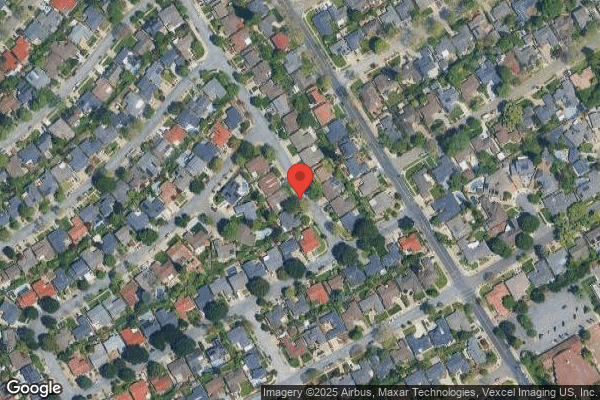
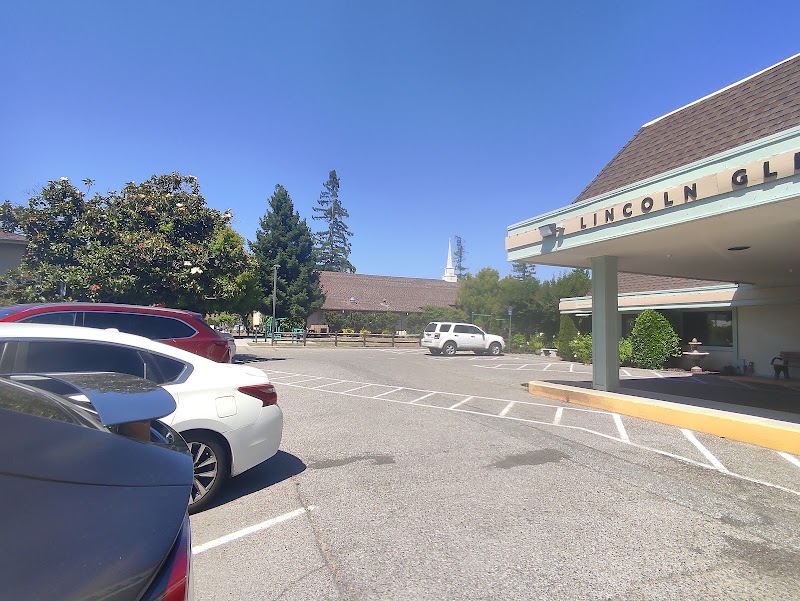
2671 PLUMMER AVENUE, SAN JOSE, CA 95125 (408) 265-3222
Non profit - Church related 59 Beds Independent Data: November 2025
Trust Grade
78/100
#116 of 1155 in CA
Last Inspection: March 2025

Within standard 12-15 month inspection cycle. Federal law requires annual inspections.

Overview

Lincoln Glen Skilled Nursing in San Jose, California has received a Trust Grade of B, indicating it is a good choice for families seeking care, though there are some areas for improvement. It ranks #116 out of 1,155 facilities in California, placing it in the top half of nursing homes statewide, and #6 out of 50 in Santa Clara County, which means only five local options are better. Unfortunately, the facility is trending worse, with the number of reported issues increasing from 6 in 2023 to 11 in 2025. Staffing is a strong point, with a 5/5 star rating and a turnover rate of 33%, which is below the state average, indicating that staff likely have a good rapport with residents. However, there have been some concerning incidents, such as the improper use of bed rails for residents, which poses a risk of entrapment, and issues with medication storage that could lead to residents being given expired or improperly labeled medications. Overall, while there are strengths in staffing and a solid trust score, families should consider these recent findings when making their decision.

Trust Score
B
78/100
In California
#116/1155
Top 10%
Safety Record
Low Risk
No red flags
Inspections
Getting Worse
6 → 11 violations
Staff Stability
○ Average
33% turnover. Near California's 48% average. Typical for the industry.
Penalties
○ Average
$4,194 in fines. Higher than 72% of California facilities. Some compliance issues.
Skilled Nurses
✓ Good
Each resident gets 56 minutes of Registered Nurse (RN) attention daily — more than average for California. RNs are trained to catch health problems early.
Violations
⚠ Watch
27 deficiencies on record. Higher than average. Multiple issues found across inspections.
★★★★★
5.0
Overall Rating
★★★★★
5.0
Staff Levels
★★★★★
5.0
Care Quality
★★★☆☆
3.0
Inspection Score
Stable
2023: 6 issues
2025: 11 issues

The Good

  • 5-Star Staffing Rating · Excellent nurse staffing levels
  • 5-Star Quality Measures · Strong clinical quality outcomes
  • Full Sprinkler Coverage · Fire safety systems throughout facility
  • No fines on record
  • Staff turnover below average (33%)

    15 points below California average of 48%

Facility shows strength in staffing levels, quality measures, fire safety.

The Bad

Staff Turnover: 33%

13pts below California avg (46%)

Typical for the industry

Federal Fines: $4,194

Below median ($33,413)

Minor penalties assessed

The Ugly 27 deficiencies on record

Mar 2025 11 deficiencies
CONCERN (D)

Potential for Harm - no one hurt, but risky conditions existed

Resident Rights (Tag F0550)

Could have caused harm · This affected 1 resident

**NOTE- TERMS IN BRACKETS HAVE BEEN EDITED TO PROTECT CONFIDENTIALITY** Based on observation, interview, and record review, the facility failed to treat the residents with dignity for one of two resid...

Read full inspector narrative →
**NOTE- TERMS IN BRACKETS HAVE BEEN EDITED TO PROTECT CONFIDENTIALITY** Based on observation, interview, and record review, the facility failed to treat the residents with dignity for one of two residents, (Resident 1), when Resident 1's urine drainage bag was not covered. This failure had the potential to cause embarrassment and feeling low self-esteem for the resident. Findings: Review of Resident 1's admission Record indicated she was admitted to the facility on [DATE] with retention of urine diagnosis. Review of Resident 1's physician order, dated 11/26/24, indicated Resident 1 had a Foley catheter (a device that drains urine from the urinary bladder into a drainage bag outside of the body when the person cannot urinate on his/her own). During an observation and interview with licensed vocational nurse A (LVN A) on 3/17/25, at 9:28 a.m., Resident 1 was lying in her bed. Her urine drainage bag was hung on the bed side and was not covered. LVN A stated Resident 1's urine drainage bag should be placed in a cover bag. Review of the facility's policy, Dignity, dated 2/2021, indicated , 12. Demeaning practices and standards of care that compromise dignity are prohibited. Staff are expected to promote dignity and assist residents; for example: a. helping the resident to keep urinary catheter bags covered .
CONCERN (D)

Potential for Harm - no one hurt, but risky conditions existed

Assessment Accuracy (Tag F0641)

Could have caused harm · This affected 1 resident

**NOTE- TERMS IN BRACKETS HAVE BEEN EDITED TO PROTECT CONFIDENTIALITY** Based on observation, interview and record review, the facility failed to accurately code the Minimum Data Set (MDS, an assessme...

Read full inspector narrative →
**NOTE- TERMS IN BRACKETS HAVE BEEN EDITED TO PROTECT CONFIDENTIALITY** Based on observation, interview and record review, the facility failed to accurately code the Minimum Data Set (MDS, an assessment tool and care screening tool) for pressure ulcers for one of 14 sampled residents (Resident 7). This failure could lead to an inaccurate resident assessment. Findings: A review of Resident 7's Treatment Administration Record (TAR) for January 2025 indicated the resident received daily treatment for a pressure injury on the sacrum. A review of the TAR for October 2024 also indicated daily treament for pressure injury on the sacrum. A review of Resident 7's Section M of the MDS dated [DATE] and 1/31/25 inidicated that Resident 7 was not coded as having a pressure injury on the sacrum (large, triangular bone located between the hip bones.) During an interview and record review on 3/20/25 at 10:38 a.m., the Minimum Data Set Coordinator (MDSC) reviewed Resident 7's TAR and other clinical records related to the pressure injury. The MDSC confirmed that Resident 7 received treatment during the look-back periods (refers to the timeframe used to capture residents' condition or status, typically 7 days) and stated that the pressure injury was not coded correctly on the MDS assessments for 11/1/24 and 1/31/25. A review of the facility's policy Resident Assessments, dated 10/2023, indicated, Information in the MDS assessments will consistenly reflect information in the progress notes, plans of care, and resident observation/interviews.
CONCERN (D)

Potential for Harm - no one hurt, but risky conditions existed

Deficiency F0657 (Tag F0657)

Could have caused harm · This affected 1 resident

**NOTE- TERMS IN BRACKETS HAVE BEEN EDITED TO PROTECT CONFIDENTIALITY** Based on observation, interview and record review, the facility failed to ensure that the resident care plans were reviewed and ...

Read full inspector narrative →
**NOTE- TERMS IN BRACKETS HAVE BEEN EDITED TO PROTECT CONFIDENTIALITY** Based on observation, interview and record review, the facility failed to ensure that the resident care plans were reviewed and updated for effectiveness in four of fourteen sampled residents, (Residents 6, 35, 43 and 44), when the activity care plans of these four residents were not reviewed and updated quarterly. These failures had the potential to result in the residents not receiving the interventions necessary to maintain their highest level of well-being. Findings: 1. During the observation of Resident 6 on 3/17/25 at 1:55 p.m., Resident 6 was laying in her bed, alert, calm, comfortable and verbally responsive. Review of the admission record (document created when a resident is admitted to a healthcare facility, containing the vital information about the resident) of Resident 6 indicated, Resident 6 was admitted to the facility on [DATE] with primary diagnosis of unspecified chronic obstructive pulmonary disease (COPD, group of lung diseases that block airflow and make it difficult to breathe). Review of the physician orders of Resident 6 indicated, Resident 6 may participate in activity if not in conflict with treatment, ordered on 12/8/21. Review of the activity care plan of Resident 6 indicated that it was not reviewed and updated quarterly for effectiveness. During the concurrent review of the activity care plan of Resident 6 and interview with the activity director (AD) on 3/20/25 at 11:37 a.m., AD acknowledged that the activity care plan of Resident 6 was not reviewed and updated quarterly. During the interview with the social service director (SSD) on 3/20/25 at 12:22 p.m., SSD verified that activity care plans should be updated quarterly and as needed. During the concurrent review of the activity care plan of Resident 6 and interview with the director of nursing (DON) on 3/20/25 at 12:18 p.m., DON verified that activity care plans should be reviewed and updated quarterly and the activity care plan of Resident 6 was not reviewed and updated quarterly and will follow up on it. 2. During the observation of Resident 35 on 3/17/25 at 2:18 p.m., Resident 35 was laying in her bed, awake, confused and could not answer questions. Review of Resident 35's admission record indicated, Resident 35 was admitted to the facility on [DATE] with primary diagnosis of Parkinson's disease (disorder of the central nervous system that affects movement, often including tremors) with dyskinesia (involuntary, abnormal movements) and with fluctuations (continual change in symptoms that come and go suddenly). Review of Resident 35's physician orders indicated, Resident 35 may participate in activity if not in conflict with treatment, ordered on 2/7/23. Review of Resident 35's activity care plan indicated that it was not reviewed and updated quarterly for effectiveness. During the concurrent review of Resident 35's activity care plan and interview with the activity director (AD) on 3/20/25 at 11:22 a.m., AD acknowledged that Resident 35's activity care plan was not reviewed and updated quarterly. During the interview with the social service director (SSD) on 3/20/25 at 12:22 p.m., SSD verified that activity care plans should be updated quarterly and as needed. During the concurrent review of Resident 35's activity care plan and interview with DON on 3/20/25 at 12:15 p.m., DON verified that activity care plans should be reviewed and updated quarterly and the activity care plan of Resident 35 was not reviewed and updated quarterly and will follow up on it. 3. During the observation of Resident 43 on 3/17/25 at 12:38 p.m., Resident 43 was in her bed, confused and could not answer questions. Review of Resident 43's admission record indicated, Resident 43 was admitted to the facility on [DATE] with primary diagnosis of unspecified Alzheimer's disease (progressive disease that destroys memory and other important mental functions). Review of Resident 43's physician orders indicated, Resident 43 may participate in activity if not in conflict with treatment, ordered on 10/10/23. Review of Resident 43's activity care plan indicated that it was not reviewed and updated quarterly for effectiveness. During the concurrent review of Resident 43's activity care plan and interview with the activity director (AD) on 3/20/25 at 11:10 a.m., AD acknowledged that Resident 43's activity care plan was not reviewed and updated quarterly. During the interview with the social service director (SSD) on 3/20/25 at 12:22 p.m., SSD verified that activity care plans should be updated quarterly and as needed. During the concurrent review of Resident 43's activity care plan and interview with DON on 3/20/25 at 12:13 p.m., DON verified that activity care plans should be reviewed and updated quarterly and the activity care plan of Resident 43 was not reviewed and updated quarterly and will follow up on it. 4. During the observation of Resident 44 on 3/17/25 at 12:35 p.m., Resident 44 was in the dining room eating lunch. Resident 44 was alert, calm and verbally responsive. Review of Resident 44's admission record indicated, Resident 44 was admitted to the facility on [DATE] with primary diagnosis of Parkinson's disease with dyskinesia, without mention of fluctuations. Review of Resident 44's physician orders indicated, Resident 44 may participate in planned activities, not in conflict with plan of care, ordered on 7/23/24. Review of Resident 44's activity care plan indicated that it was not reviewed and updated quarterly for effectiveness. During the concurrent review of Resident 44's activity care plan and interview with the activity director (AD) on 3/20/25 at 11:41 a.m., AD acknowledged that Resident 44's activity care plan was not reviewed and updated quarterly. During the interview with the social service director (SSD) on 3/20/25 at 12:22 p.m., SSD verified that activity care plans should be updated quarterly and as needed. During the concurrent review of Resident 44's activity care plan and interview with DON on 3/20/25 at 12:20 p.m., DON verified that activity care plans should be reviewed and updated quarterly and the activity care plan of Resident 44 was not reviewed and updated quarterly and will follow up on it. Review of the facility's policy and procedure titled, Care Plans, Comprehensive Person-Centered, revised March 2022 indicated, A comprehensive, person-centered care plan that includes measurable objectives and timetables to meet the resident's physical, psychosocial and functional needs is developed and implemented for each resident . Assessments of the residents are ongoing and care plans are revised as information about the residents and the residents' condition change. The interdisciplinary team reviews and updates the care plan: when there has been a significant change in the resident's condition, when the desired outcome is not met, when the resident has been readmitted to the facility from a hospital stay and at least quarterly, in conjunction with the required quarterly MDS assessment .
CONCERN (D)

Potential for Harm - no one hurt, but risky conditions existed

Quality of Care (Tag F0684)

Could have caused harm · This affected 1 resident

**NOTE- TERMS IN BRACKETS HAVE BEEN EDITED TO PROTECT CONFIDENTIALITY** Based on observation, interview, and record review, the facility failed to ensure, the residents received the necessary care and...

Read full inspector narrative →
**NOTE- TERMS IN BRACKETS HAVE BEEN EDITED TO PROTECT CONFIDENTIALITY** Based on observation, interview, and record review, the facility failed to ensure, the residents received the necessary care and services for one of 13 residents, (Resident 40), when there were no physician order and no care plan for Resident 40's skin discoloration on her left and right forearm. This failure had the potential to affect the resident's care and could jeopardize her health and well-being. Findings: Review of Resident 40's admission Record indicated she was admitted to the facility on [DATE]. During observations on 3/17/25 at 10:30 a.m. and on 3/21/25 at 11:09 a.m., Resident 40 had skin discoloration on her left and right forearm, but there was no physician order and no care plan for the discolorations. During an interview with the director of nursing (DON) on 3/21/25, at 11:27 a.m., she reviewed Resident 40's clinical record and confirmed that Resident 40 did not have physician order and care plan for the discoloration on her left and right forearm. The DON stated, a physician order and care plan for Resident 40's skin discolorations should have been initiated. Review of the facility's policy, Change in a Resident's Condition or Status, dated 2/2021, indicated Our facility promptly notifies the resident, his or her attending physician, and the resident representative of changes in the resident's medical/mental condition and/or status . 3. Prior to notifying the physician or healthcare provider, the nurse will make detailed observations and gather relevant and pertinent information for the provider, including (for example) information prompted by the Interact SBAR Communication Form.
CONCERN (D)

Potential for Harm - no one hurt, but risky conditions existed

Pressure Ulcer Prevention (Tag F0686)

Could have caused harm · This affected 1 resident

**NOTE- TERMS IN BRACKETS HAVE BEEN EDITED TO PROTECT CONFIDENTIALITY** Based on observation, interview, and record review, the facility failed to ensure provision of care and services related to pres...

Read full inspector narrative →
**NOTE- TERMS IN BRACKETS HAVE BEEN EDITED TO PROTECT CONFIDENTIALITY** Based on observation, interview, and record review, the facility failed to ensure provision of care and services related to pressure ulcers were consistent with professional standards of practice for one of fourteen sampled residents (Residents 35), when there were no wound measurements for Resident 35's three wound assessments. These failures had the potential for the residents with pressure ulcers, not being properly monitored and treated which could delay the healing or worsen the wound. Findings: During the observation of Resident 35 on 3/17/25 at 2:18 p.m., Resident 35 was laying in her bed, awake, confused, and unable to answer questions. Review of Resident 35's admission record (document created when a resident is admitted to a healthcare facility, containing the vital information about the resident), indicated, Resident 35 was admitted to the facility on [DATE] with diagnoses including Parkinson's disease (disorder of the central nervous system that affects movement, often including tremors) with dyskinesia (involuntary, abnormal movements) and with fluctuations (continual change in symptoms that come and go suddenly), unspecified dysphagia (difficulty swallowing foods or liquids) and stage 2 pressure ulcer (involves partial-thickness skin loss with an exposed dermis or middle layer of skin) of sacral region (at the bottom of the spine and lies between the fifth segment of the lumbar spine or lower back and the coccyx or tailbone). Review of Resident 35's clinical records indicated, Resident 35 had a stage 2 pressure ulcer on her coccyx area. Review of Resident 35's wound assessments indicated, Resident 35 did not have wound measurements done for her 11/26/24, 12/10/24 and 12/11/24 wound assessments. During the concurrent review of Resident 35's clinical records and interview with licensed vocational nurse J (LVN J) on 3/20/25 at 1:00 p.m., LVN J acknowledged Resident 35 still had stage 2 pressure ulcer in the coccyx area. LVN J verified that wound assessments and wound measurements should be done weekly and as needed. LVN J further verified that there were no wound measurements on 11/26/24, 12/10/24 and 12/11/24 wound assessments. During the concurrent review of Resident 35's clinical records and interview with the director of nursing (DON) on 3/20/25 at 4:28 p.m., DON acknowledged that Resident 35 did not have measurements for her stage 2 pressure ulcer in her 11/26/24, 12/10/24 and 12/11/24 wound assessments. DON further verified that nurses should have documented the wound measurements, every time they did the wound assessments either weekly or as needed. Review of the facility's policy titled, Wound Care: Documentation, revised October 2010 indicated, The following information should be recorded in the resident's medical record, including . All assessment data such as wound bed color, size, drainage and other wound data are obtained when inspecting the wound . Notify supervisor if the resident refuses the wound care. Report other information in accordance with facility policy and professional standards of practice .
CONCERN (D)

Potential for Harm - no one hurt, but risky conditions existed

Pharmacy Services (Tag F0755)

Could have caused harm · This affected 1 resident

**NOTE- TERMS IN BRACKETS HAVE BEEN EDITED TO PROTECT CONFIDENTIALITY** Based on interview and record review, the facility failed to ensure the effective use of medications for one of 13 residents (1)...

Read full inspector narrative →
**NOTE- TERMS IN BRACKETS HAVE BEEN EDITED TO PROTECT CONFIDENTIALITY** Based on interview and record review, the facility failed to ensure the effective use of medications for one of 13 residents (1) when Resident 1 received ferrous sulfate (iron, for prevention/treatment of iron deficiency) and Calcium+D3 (a medication used to prevent or treat low blood calcium levels) at the same time. This failure had the potential for the resident to not receive the amount of prescribed iron supplement. Findings: Review of Resident 1's admission Record indicated she was admitted to the facility on [DATE] with anemia (a condition that develops when the blood produces a lower-than-normal amount of healthy red blood cells) diagnosis. Review of Resident 1's clinical record indicated, she had physician orders for ferrous sulfate 325 milligrams (mg, a metric unit of mass) every other day for anemia at 9 a.m., started on 11/28/24, and for Calcium+D3 600-20 mg-microgram (ug, a metric unit of mass) two times a day, at 9 a.m. and 6 p.m., started on 2/19/25. Thus, since 2/19/25, ferrous sulfate and Calcium+D3 were given at the same time at 9 a.m. every other day. During an interview with the clinical pharmacist consultant (CPC) on 3/21/25, at 9:32 a.m., she reviewed Resident 1's clinical record and confirmed that ferrous sulfate and Calcium+D3 were given to Resident 1 at the same time at 9 a.m. every other day since 2/19/25. The CPC stated that ferrous sulfate and Calcium+D3 should be administered at least two hours apart due to drug-to-drug interaction that decreases the absorption of iron, and she would change the time of the administration. According to Lexicomp (www.[NAME].com), a nationally recognized drug information resource, the concurrent use of calcium and ferrous sulfate led to a drug-drug interaction (DDI) of Risk Rating D, which was a significant interaction and required therapy modification. The effect of the DDI was that the calcium may decrease the absorption of oral preparations of iron salts. It indicated the iron absorption was decreased an average of 60% when given as ferrous sulfate and co-administered with calcium. Lexicomp also indicated to separate the administrations of these medications so it may minimize the potential for significant interaction. Review of the facility's policy, Medication/Food Interaction, dated 7/2013, indicated, . 1. The consultant pharmacist, nurses, and physician shall review medications ordered for each resident to determine if medications interact with food, beverages, or another medication that has been prescribed for the resident.
CONCERN (D)

Potential for Harm - no one hurt, but risky conditions existed

Medication Errors (Tag F0758)

Could have caused harm · This affected 1 resident

**NOTE- TERMS IN BRACKETS HAVE BEEN EDITED TO PROTECT CONFIDENTIALITY** Based on interview and record review, the facility failed to ensure one of 5 residents (42) were free from unnecessary psychotro...

Read full inspector narrative →
**NOTE- TERMS IN BRACKETS HAVE BEEN EDITED TO PROTECT CONFIDENTIALITY** Based on interview and record review, the facility failed to ensure one of 5 residents (42) were free from unnecessary psychotropic medications (drugs that affect brain activities associated with mental processes and behaviors) when Resident 42 received Lorazepam (used to treat people with anxiety who frequently have intense, excessive and persistent worry and fear about everyday situations) without specific and documented indication. This failure resulted in unnecessary medications for the resident, which had the potential for increased risks associated with psychotropic medication use that include but not limited to sedation, respiratory depression, falls, constipation, and memory loss. Findings: Review of Resident 42's admission Record indicated she was admitted to the facility on [DATE]. Review of Resident 42's physician order indicated she had an order for Lorazepam 2 milligrams (mg, a metric unit of mass)/milliliter (ml, a metric unit of volume), give 0.25 ml every 6 hours as needed for anxiety or agitation, started on 3/8/25. But there was no indication for manifested behavior and no monitoring for manifested behavior and side effects. Review of Resident 42's clinical record also indicated Resident 42 did not have a care plan for the use of Lorazepam. During an interview with the director of nursing (DON) on 3/21/25, at 11:34 a.m., she reviewed Resident 42's clinical record and confirmed that Resident 42 did not have indication for manifested behavior, monitoring for manifested behavior and side effects, and care plan for the use of Lorazepam. The DON stated Resident 42 should have indication for manifested behavior, monitoring for manifested behavior and side effects, and care plan for the use of Lorazepam. Review of the facility's policy, Psychotropic Medication Use, dated 7/2022, indicated . 3. Psychotropic medication management includes: a. indication for use; . d. adequate monitoring for efficacy and adverse consequences; .
CONCERN (E)

Potential for Harm - no one hurt, but risky conditions existed

Deficiency F0761 (Tag F0761)

Could have caused harm · This affected multiple residents

**NOTE- TERMS IN BRACKETS HAVE BEEN EDITED TO PROTECT CONFIDENTIALITY** Based on observation, interview, and record review, the facility failed to ensure medications were stored appropriately when: 1....

Read full inspector narrative →
**NOTE- TERMS IN BRACKETS HAVE BEEN EDITED TO PROTECT CONFIDENTIALITY** Based on observation, interview, and record review, the facility failed to ensure medications were stored appropriately when: 1. Opened medications without open date were found in Station 1 and Station 2 medication carts, and one expired medication was found in Station 1 medication cart. This had the potential for residents to be given expired or past open-period medications. 2. A medication cart with medications was left unlocked. This had the potential for access to medications by unauthorized persons such as unauthorized staff, residents, and visitors. Findings: 1a. During an observation on Station 1 medication cart with registered nurse D (RN D) on [DATE], at 12:43 p.m., an opened bottle of docusate sodium (stool softener) 250 milligrams (mg, a metric unit of mass) and an opened bottle of guaifenesin (cough and cold medication) 100 mg/5 milliliters (ml, a metric unit of volume) did not have and open date for each bottle; and one container of hyoscyamine sulfate (treats the symptoms of condition that affects the stomach and intestines) 0.125 mg for Resident 24 had a discard after [DATE] date. During a concurrent interview with RN D, she stated that expired medication should not be in the medication cart, and opened medications should have open date. 1b. During an observation on Station 2 medication cart with licensed vocational nurse E (LVN E) on [DATE], at 1:40 p.m., an opened bottle of ibuprofen (treats mild to moderate pain) 200 mg, an opened bottle of acetaminophen (treats mild to moderate pain) 500 mg, an opened bottle of Vitamin B-12 (treats vitamin B-12 deficiency) 1000 micrograms (ug, a metric unit of mass), an opened bottle of Melatonin (treats sleep disorder) 5 mg, and an opened bottle of Vitamin C (essential for wound healing and the formation of nutrient responsible for healthy joints and skin) 250 mg did not each have an open date. During a concurrent interview with LVN E, she stated that opened medications should have open dates. Review of the facility's policy, Medication Labeling and Storage, dated 2/2023, indicated, . 3. If the facility has discontinued, outdated or deteriorated medications or biologicals, the dispensing pharmacy is contacted for instructions regarding returning or destroying these items. 2. During an observation on medication administration on [DATE], at 10:18 a.m., licensed vocational nurse E (LVN E) pushed her medication cart to the nurse station, did not lock the medication cart, and went in Resident 13's room to answer his call light. During an observation and interview with LVN E on [DATE], at 10:20 a.m., she confirmed her medication cart was left unlocked. LVN E stated that she should have locked her medication cart before going to Resident 13's room. Review of the facility's 2007 policy, Storage of Medication, indicated, Medication rooms, cabinets and medication supplies should remain locked when not in use or attended to by persons with authorized access.
CONCERN (E)

Potential for Harm - no one hurt, but risky conditions existed

Infection Control (Tag F0880)

Could have caused harm · This affected multiple residents

Based on observation, interview, and record review, the facility failed to ensure staff followed proper infection control procedures when: 1. Certified Nursing Assistant F (CNA F), Certified Nursing A...

Read full inspector narrative →
Based on observation, interview, and record review, the facility failed to ensure staff followed proper infection control procedures when: 1. Certified Nursing Assistant F (CNA F), Certified Nursing Assistant G (CNA G), and Activities Leader H (AL H) delivered meal trays to Resident 6, Resident 21, and Resident 24 without sanitizing their hands; 2. Licensed Vocational Nurse E (LVN E) used paper towel to wipe the first drop of blood on Resident 4's finger; 3. Employee food was placed on Resident 27's overbed table; 4. Resident 40's filter of oxygen concentration was dusty, and her humidifier bottle was not changed within 5 days; 5. Home Health Aids I (HHA I) walked out of Resident 46's room without sanitizing her hands; and, 6. For Resident 7, LVN E did not perform proper hand hygiene practices during wound care. These failures had the potential to increase the risk of spreading infections in the facility. Findings: 1. During a lunch observation on 3/17/25, at 12:08 p.m., certified nursing assistant F (CNA F) pushed the meal cart then brought the lunch tray to Resident 6 without sanitizing her hands. During a concurrent interview with CNA F, she acknowledged she should sanitize her hands before delivering the lunch tray to Resident 6. During a lunch observation on 3/17/25, at 12:13 p.m., certified nursing assistant G (CNA G) pushed the meal cart then brought the lunch tray to Resident 21 without sanitizing her hands. During a concurrent interview with CNA G, she acknowledged she should sanitize her hands before delivering the lunch tray to Resident 21. During an observation in the dining room on 3/17/25, at 12:24 p.m., activities leader H (AL H) brought the lunch tray to Resident 24 without sanitizing her hands. During a concurrent interview with AL H, she acknowledged she should sanitize her hands before delivering the lunch tray to Resident 24. During an interview with the infection preventionist (IP) on 3/21/25, at 3:59 p.m., she stated that staff should sanitize their hand before delivering meal trays to the residents. Review of the facility's policy, Nursing Department Responsibilities at Mealtime, dated 8/31/18, indicated, . Nursing should wash their hands between touching a resident, themselves, soiled items and clean items in order to prevent cross contamination. 2. During an observation with the medication administration on 3/19/25, at 11:46 a.m., licensed vocational nurse E (LVN E) used a lancet to prick Resident 4's finger to get a drop of blood drop to check her blood sugar. LVN E wanted to use Resident 4's second blood drop for the blood sugar check, so she wiped away Resident 4's first blood drop with a paper towel. During a concurrent interview with LVN E, she acknowledged she should not use the paper towel to wipe the first blood drop on Resident 4's finger. During an interview with the IP on 3/21/25, at 4:30 p.m., she stated that when checking the residents' blood sugar, the licensed nurse should use something cleaner such as a cotton ball to wipe away the residents' first drop of blood instead of a paper towel. Review of the facility's policy, Obtaining a Fingerstick Glucose Level, dated 10/2011, indicated . 12. Wipe the fingertip with a cotton ball to seal the puncture site. 3. During an observation with licensed vocational nurse A (LVN A) on 3/17/25, at 10:18 a.m., a bowl of three boiled eggs was placed on Resident 27's overbed table. During a concurrent interview with LVN A, she stated the bowl of three boiled eggs belongs to a certified nursing assistant (CNA), and it should not be placed on Resident 27's overbed table. During an interview with the IP on 3/21/25, at 3:53 p.m., she stated, the employee food should be stored in the employee break room and not in the resident's room. 4. During an observation with LVN A on 3/17/25, at 10:01 a.m., Resident 40 was on 6 liter (L, a metric unit of volume) per minute of oxygen. The humidifier bottle was dated 3/9/25, and the filter of the oxygen concentrator was dusty. During a concurrent interview with LVN A, she confirmed that the filter of the oxygen concentrator was dusty, and it should be cleansed every week. LVN A stated she would check on within how many days the humidifier bottle should be changed. During an interview with the IP, she stated that the filter of the oxygen concentrator should be cleansed every week, and the humidifier bottle should be changed every 5 days. Review of the facility's policy, Oxygen Administration, date 10/2010, indicated Change oxygen humidifier bottle every 5 days. Check and clean oxygen concentrator filter every Friday when oxygen in use. 5. During an observation on 3/17/25, at 10:35 a.m., home health aids I (HHA I) walked out of Resident 46's room without sanitizing her hands. During a concurrent interview with HHA I, she stated that she was preparing Resident 46 for bed bath in her room. HHA I acknowledged that she should sanitize her hands when walking out of Resident 46's room. During an interview with the IP on 3/21/25, at 3:51 p.m., she stated that staff should wash or sanitize their hands when exiting the residents' rooms. 6. During an observation of Resident 7's wound dressing change on 3/19/25 at 11:03 a.m., LVN E was observed wearing gloves while removing the old dressing, cleanse the sacrococcyx area (tailbone), applied wound treatment to the wound on the sacrococcyx, and applied cream to Resident 7's buttocks. LVN E then placed a clean dressing over Resident 7's sacrococcyx wound. However, LVN E did not perform hand hygiene after removing the soiled gloves or when moving from dirty to clean areas during the dressing change. During an interview with the IP on 3/21/25 at 11;25 a.m., who was present during Resident 7's wound care, IP was informed of the observation and he acknowledged that LVN E should have performed hand hygiene after removing gloves and when touching from dirty to clean areas during dressing change. Review of the facility's policy, Handwashing/Hand Hygiene, dated 10/2023, indicated, . Hand hygiene is indicated . d. after touching a resident . g. immediately after glove removal.
CONCERN (F)

Potential for Harm - no one hurt, but risky conditions existed

Deficiency F0700 (Tag F0700)

Could have caused harm · This affected most or all residents

**NOTE- TERMS IN BRACKETS HAVE BEEN EDITED TO PROTECT CONFIDENTIALITY** Based on observation, interview, and record review, the facility failed to ensure the proper use of side or bed rails (adjustabl...

Read full inspector narrative →
**NOTE- TERMS IN BRACKETS HAVE BEEN EDITED TO PROTECT CONFIDENTIALITY** Based on observation, interview, and record review, the facility failed to ensure the proper use of side or bed rails (adjustable rigid bars attached to the side of a bed) for 22 (Residents 35, 9, 24, 15, 14, 8, 19, 16, 10, 21, 7, 13, 29, 30, 33, 39, 253, 38, 37, 1, 50 and 11) of 22 residents who used side or bed rails when: 1. Twenty-two (22) of 22 residents who used side or bed rails were without care plans, 2. The risks of entrapment prior to the installation of side or bed rails were not assessed for 22 of 22 residents who used bed rails, and 3. The bed rail assessments were not updated in a timely manner for 18 of 22 residents (Residents 35, 9, 24, 15, 8, 19, 16, 10, 21, 7, 13, 29, 30, 33, 39, 38, 37 and 11). These failures had the potential to place the residents at risk for entrapment (an event in which a resident is caught, trapped, or entangled in the space in or about the bed rail) and injury. Findings: 1a. During the observation of Resident 35, on 3/17/25 at 2:18 p.m., Resident 35 was in bed, confused and could not answer questions. Resident 35's bilateral (both sides) side rails were up. During the concurrent observation of Resident 35 and interview with registered nurse C (RN C), on 3/21/25 at 4:22 p.m., Resident 35 was laying in her bed and her bilateral side rails were up. RN C verified that Resident 35's bilateral side rails were up. Review of Resident 35's admission record (document created when a resident is admitted to a healthcare facility, containing the vital information about the resident), indicated, Resident 35 was admitted to the facility on [DATE]. Review of Resident 35's physician orders indicated, Resident 35's side rails were ordered on 2/6/24. Review of Resident 35's care plans indicated, Resident 35 did not have a care plan for her side rails. 1b. During the observation of Resident 9 on 3/17/25 at 12:44 p.m., Resident 9 was in bed eating his lunch, and he was alert, calm, and verbally responsive. Resident 9's bilateral side rails were up. During the concurrent observation of Resident 9 and interview with RN C, on 3/21/25 at 4:25 p.m., Resident 9 was in his bed and his bilateral side rails were up. RN C verified that Resident 9's bilateral side rails were up, and Resident 9 was using those side rails. Review of Resident 9's admission record, indicated, Resident 9 was admitted to the facility on [DATE]. Review of Resident 9's physician orders indicated, Resident 9's side rails were ordered on 2/29/24. Review of Resident 9's care plans indicated, Resident 9 did not have a care plan for his side rails. 1c. During the observation of Resident 24 on 3/17/25 at 1:48 p.m., Resident 24 was in her room, alert, comfortable and verbally responsive. Resident 24's bilateral side rails were up. During the concurrent observation of Resident 24 and interview with RN C on 3/21/25 at 4:27 p.m., Resident 24 was in her room and her bilateral side rails were up. RN C verified that Resident 24's bilateral side rails were up, and Resident 24 was using those side rails. Review of Resident 24's admission record, indicated, Resident 24 was initially admitted to the facility on [DATE]. Review of Resident 24's physician orders indicated, Resident 24's side rails were ordered on 3/14/24. Review of Resident 24's care plans indicated, Resident 24 did not have a care plan for her side rails. 1d. During the observation of Resident 15 on 3/17/25 at 1:48 p.m., Resident 15 was alert, comfortable and verbally responsive. Resident 15's bilateral side rails were up. During the concurrent observation of Resident 15 and interview with RN C on 3/21/25 at 4:30 p.m., Resident 15 was in her room and her bilateral side rails were up. RN C verified that Resident 15's bilateral side rails were up and were used by Resident 15. Review of Resident 15's admission record, indicated, Resident 15 was readmitted to the facility on [DATE]. Review of Resident 15's physician orders indicated, Resident 15's side rails were ordered on 8/24/24. Review of Resident 15's care plans indicated, Resident 15 did not have a care plan for her side rails. 1e. During the observation of Resident 14 on 3/17/25 at 1:54 p.m., Resident 14's bilateral side rails were up. During the concurrent observation of Resident 14 and interview with RN C on 3/21/25 at 4:32 p.m., Resident 14 was in her bed, confused and unable to answer questions. Resident 14's bilateral side rails were up. RN C verified that Resident 14's bilateral side rails were up. Review of Resident 14's admission record, indicated, Resident 14 was admitted to the facility on [DATE]. Review of Resident 14's physician orders indicated, Resident 14's side rails were ordered on 5/8/22. Review of Resident 14's care plans indicated, Resident 14 did not have a care plan for her side rails. 1f. During the observation of Resident 8 on 3/17/25 at 2:00 p.m., Resident 8's bilateral side rails were up. During the concurrent observation of Resident 8 and interview with RN C on 3/21/25 at 4:35 p.m., Resident 8 was in her bed, alert, calm, comfortable and verbally responsive. Resident 8's bilateral side rails were up. RN C verified that Resident 8's bilateral side rails were up and used by Resident 8. Review of Resident 8's admission record, indicated, Resident 8 was admitted to the facility on [DATE]. Review of Resident 8's physician orders indicated, Resident 8's side rails were ordered on 2/6/24. Review of Resident 8's care plans indicated, Resident 8 did not have a care plan for her side rails. 1g. During the observation of Resident 19 on 3/17/25 at 2:05 p.m., Resident 19's bilateral side rails were up. During the concurrent observation of Resident 19 and interview with RN C on 3/21/25 at 4:38 p.m., Resident 19 was sitting in the chair, alert, comfortable and verbally responsive. Resident 19's bilateral side rails were up. RN C verified that Resident 19's bilateral side rails were up and used by Resident 19. Review of Resident 19's admission record, indicated, Resident 19 was readmitted to the facility on [DATE]. Review of Resident 19's physician orders indicated, Resident 19's side rails were ordered on 2/17/24. Review of Resident 19's care plans indicated, Resident 19 did not have a care plan for her side rails. 1h. During the observation of Resident 16 on 3/17/25 at 2:08 p.m., Resident 16's bilateral side rails were up. During the concurrent observation of Resident 16 and interview with RN C on 3/21/25 at 4:42 p.m., Resident 16 was sitting in the chair, alert, comfortable and verbally responsive. Resident 16's bilateral side rails were up, and RN C verified that Resident 16's bilateral side rails were up and used by Resident 16. Review of Resident 16's admission record, indicated, Resident 16 was admitted to the facility on [DATE]. Review of Resident 16's physician orders indicated, Resident 16's side rails were ordered on 2/6/24. Review of Resident 16's care plans indicated, Resident 16 did not have a care plan for her side rails. 1i. During an observation on 3/17/25 at 9:33 a.m., Resident 10 was seated in a wheelchair, asleep, with bilateral upper bed rails raised. 1j. During an observation on 3/17/25 at 9:43 a.m., Resident 21 was lying in bed, asleep, with both upper bed rails raised. 1k. During an observation on 3/17/25 at 9:44 a.m., Resident 7 was lying in bed, asleep, with both upper bed rails raised. 1l. During an observation on 3/17/25 at 9:57 a.m., Resident 13 was awake, seated in a wheelchair, with both upper bed rails raised. 1m. During an observation on 3/17/25 at 9:58 a.m., Resident 29 was asleep in bed, with both upper bed rails raised. 1n. During an observation on 3/17/25 at 12:28 p.m., Resident 30 was seated in a wheelchair, eating lunch, with bilateral upper bed rails raised. 1o. During an observation on 3/17/25 at 12:30 p.m., Resident 33 was not in the room, but both bilateral upper bed rails were raised. 1p. During an observation on 3/18/25 at 11:16 a.m., Resident 39 was seated in a wheelchair, watching TV, with a caregiver in the room. Both upper bed rails were raised. A review of the clinical records for Residents 10, 21, 7, 13, 29, 30, 33, and 39 indicated that their care plans did not address the use of bed rails. 1q. During an observation on 3/19/25, at 3:09 p.m., Residents 253, 38, 37, 1, 50 and 11 had bilateral (two sides) bed rails. Review of the care plans of Residents 253, 38, 37, 1, 50 and 11 indicated, they did not have the care plans for their bed rails. During the concurrent review of the resident care plans and interview with the director of nursing (DON) on 3/20/25 at 4:00 p.m., DON acknowledged that these 22 of 22 residents who were using side rails, (Residents 35, 9, 24, 15, 14, 8, 19, 16, 10, 21, 7, 13, 29, 30, 33, 39, 253, 38, 37, 1, 50 and 11), did not have care plans for their side rails and facility will update their care plans. 2a. Review of Resident 35's admission record indicated, Resident 35 was admitted to the facility on [DATE]. Review of Resident 35's physician orders indicated, Resident 35's side rail was ordered on 2/6/24. Review of Resident 35's clinical records indicated, there was no documentation that Resident 35 was assessed for the risks of entrapment prior to the installation of her bed rails. 2b. Review of Resident 9's admission record, indicated, Resident 9 was admitted to the facility on [DATE]. Review of Resident 9's physician orders indicated, Resident 9's side rail was ordered on 2/29/24. Review of Resident 9's clinical records indicated, there was no documentation that Resident 9 was assessed for the risks of entrapment prior to the installation of his bed rails. 2c. Review of Resident 24's admission record, indicated, Resident 24 was initially admitted to the facility on [DATE]. Review of Resident 24's physician orders indicated, Resident 24's side rail was ordered on 3/14/24. Review of Resident 24's clinical records indicated, there was no documentation that Resident 24 was assessed for the risks of entrapment prior to the installation of her bed rails. 2d. Review of Resident 15's admission record, indicated, Resident 15 was readmitted to the facility on [DATE]. Review of Resident 15's physician orders indicated, Resident 15's side rail was ordered on 8/24/24. Review of Resident 15's clinical records indicated, there was no documentation that Resident 15 was assessed for the risks of entrapment prior to the installation of her bed rails. 2e. Review of Resident 14's admission record, indicated, Resident 14 was admitted to the facility on [DATE]. Review of Resident 14's physician orders indicated, Resident 14's side rail was ordered on 5/8/22. Review of Resident 14's clinical records indicated, there was no documentation that Resident 14 was assessed for the risks of entrapment prior to the installation of her bed rails. 2f. Review of Resident 8's admission record, indicated, Resident 8 was admitted to the facility on [DATE]. Review of Resident 8's physician orders indicated, Resident 8's side rail was ordered on 2/6/24. Review of Resident 8's clinical records indicated, there was no documentation that Resident 8 was assessed for the risks of entrapment prior to the installation of her bed rails. 2g. Review of Resident 19's admission record, indicated, Resident 19 was readmitted to the facility on [DATE]. Review of Resident 19's physician orders indicated, Resident 19's side rail was ordered on 2/17/24. Review of Resident 19's clinical records indicated, there was no documentation that Resident 19 was assessed for the risks of entrapment prior to the installation of her bed rails. 2h. Review of Resident 16's admission record, indicated, Resident 16 was admitted to the facility on [DATE]. Review of Resident 16's physician orders indicated, Resident 16's side rail was ordered on 2/6/24. Review of Resident 16's clinical records indicated, there was no documentation that Resident 16 was assessed for the risks of entrapment prior to the installation of her bed rails. 2i. During an observation on 3/17/25 at 9:33 a.m., Resident 10 was seated in a wheelchair, asleep, with bilateral upper bed rails raised. 2j. During an observation on 3/17/25 at 9:43 a.m., Resident 21 was lying in bed, asleep, with both upper bed rails raised. 2k. During an observation on 3/17/25 at 9:44 a.m., Resident 7 was lying in bed, asleep, with both upper bed rails raised. 2l. During an observation on 3/17/25 at 9:57 a.m., Resident 13 was awake, seated in a wheelchair, with both upper bed rails raised. 2m. During an observation on 3/17/25 at 9:58 a.m., Resident 29 was asleep in bed, with both upper bed rails raised. 2n. During an observation on 3/17/25 at 12:28 p.m., Resident 30 was seated in a wheelchair, eating lunch, with bilateral upper bed rails raised. 2o. During an observation on 3/17/25 at 12:30 p.m., Resident 33 was not in the room, but both bilateral upper bed rails were raised. 2p. During an observation on 3/18/25 at 11:16 a.m., Resident 39 was seated in a wheelchair, watching TV, with a caregiver in the room. Both upper bed rails were raised. A review of the clinical records for Residents 10, 21, 7, 13, 29, 30, 33, and 39 showed that the facility did not assess the risk of entrapment before installing bed rails. 2q. During an observation on 3/19/25, at 3:09 p.m., Residents 253, 38, 37, 1, 50 and 11 had bilateral (two sides) bed rails. Review of the clinical records of Residents 253, 38, 37, 1, 50 and 11 indicated, there was no documentation that they were assessed for the risks of entrapment prior to the installation of their bed rails. During the concurrent review of the clinical records of the residents and interview with the DON on 3/21/25 at 4:47 p.m., DON verified that these 22 of 22 residents who were using side rails, (Residents 35, 9, 24, 15, 14, 8, 19, 16, 7, 21, 33, 30, 10, 29, 13, 39, 253, 38, 37, 1, 50 and 11), were not assessed for the risks of entrapment prior to the installation of side or bed rails. 3a. Review of Resident 35's admission record indicated, Resident 35 was admitted to the facility on [DATE]. Review of Resident 35's physician orders indicated, Resident 35's side rails were ordered on 2/6/24. Review of Resident 35's bed rail assessment indicated, Resident 35's last bed rail assessment was done on 7/18/24. Resident 35's bed rail assessment was not updated quarterly. 3b. Review of Resident 9's admission record, indicated, Resident 9 was admitted to the facility on [DATE]. Review of Resident 9's physician orders indicated, Resident 9's side rails were ordered on 2/29/24. Review of Resident 9's bed rail assessment indicated, Resident 9's last bed rail assessment was done on 7/18/24. Resident 9's bed rail assessment was not updated quarterly. 3c. Review of Resident 24's admission record, indicated, Resident 24 was initially admitted to the facility on [DATE]. Review of Resident 24's physician orders indicated, Resident 24's side rails were ordered on 3/14/24. Review of Resident 24's bed rail assessment indicated, Resident 24's last bed rail assessment was done on 7/18/24. Resident 24's bed rail assessment was not updated quarterly. 3d. Review of Resident 15's admission record, indicated, Resident 15 was readmitted to the facility on [DATE]. Review of Resident 15's physician orders indicated, Resident 15's side rails were ordered on 8/24/24. Review of Resident 15's bed rail assessment indicated, Resident 15's last bed rail assessment was done on 11/24/24. Resident 15's bed rail assessment was not updated quarterly. 3e. Review of Resident 8's admission record, indicated, Resident 8 was admitted to the facility on [DATE]. Review of Resident 8's physician orders indicated, Resident 8's side rails were ordered on 2/6/24. Review of Resident 8's bed rail assessment indicated, Resident 8's last bed rail assessment was done on 7/19/24. Resident 8's bed rail assessment was not updated quarterly. 3f. Review of Resident 19's admission record, indicated, Resident 19 was readmitted to the facility on [DATE]. Review of Resident 19's physician orders indicated, Resident 19's side rails were ordered on 2/17/24. Review of Resident 19's bed rail assessment indicated, Resident 19's last bed rail assessment was done on 7/18/24. Resident 19's bed rail assessment was not updated quarterly. 3g. Review of Resident 16's admission record, indicated, Resident 16 was admitted to the facility on [DATE]. Review of Resident 16's physician orders indicated, Resident 16's side rails were ordered on 2/6/24. Review of Resident 16's bed rail assessment indicated, Resident 16's last bed rail assessment was done on 7/18/24. Resident 16's bed rail assessment was not updated quarterly. 3h. During a concurrent observation and interview with the Licensed Vocational Nurse B (LVN B) on 3/21/25, at 4:27 p.m. in Resident 10's room, Resident 10 had bilateral upper bed rails raised. The LVN confirmed that Resident 10 was using the bed rails. A review of Resident 10's bed rail assessment indicated that it was last completed on 7/18/24. 3i. During a concurrent observation and interview with the LVN B on 3/21/25 at 4:30 p.m. in Resident 33's room, resident was sitting in a wheelchair, watching TV. Resident 33 had bilateral upper bed rails raised. The LVN B confirmed that Resident 33 was using the bed rails. A review of Resident 33's bed rail assessment indicated that it was last completed on 7/18/24. 3j. During a concurrent observation and interview with the LVN B on 3/21/25 at 4:31 p.m. in Resident 30's room, resident was seated in a wheelchair, watching TV. Resident 30 had bilateral upper bedrails raised. The LVN B confirmed that Resident 30 was using the bed rails. A review of Resident 30's bed rail assessment indicated that it was last completed on 7/19/24. 3k. During a concurrent observation and interview with the LVN B on 3/21/25 at 4:32 p.m. in Resident 13's room, Resident 13 was seated in a wheelchair, watching TV. Resident 13 had bilateral upper bed rails raised. The LVN B confirmed that Resident 13 was using the bed rails. A review of Resident 13's bed rail assessment indicated that it was last completed on 7/10/24. 3l. During a concurrent observation and interview with the LVN B on 3/21/25 at 4:33 p.m. in Resident 29's room, Resident 29 was seated on a couch, listening to music. Resident 29 had bilateral upper bed rails raised. The LVN B confirmed that Resident 29 was using the bed rails. A review of Resident 29's bed rail assessment indicated that it was last completed on 7/19/24. 3m. During a concurrent observation and interview with the LVN B on 3/21/25 at 4:35 p.m. in Resident 21's room, Resident 21 was awake, lying in bed. Resident 21 had bilateral upper bed rails raised. The LVN B confirmed that Resident 21 was using the bed rails. A review of Resident 21's bed rail assessment indicated that it was last completed on 10/25/24. 3n. During a concurrent observation and interview with the LVN B on 3/21/25 at 4:36 p.m. in Resident 7's room, resident was asleep, lying in bed. Resident 7 had bilateral upper bed rails raised. The LVN B confirmed that Resident 7 was using the bed rails. A review of Resident 7's bed rail assessment indicated that it was last completed on 7/21/24. 3o. During a concurrent observation and interview with the LVN B on 3/21/25 at 4:43 p.m. in Resident 39's room, Resident 39 had bilateral bed rails raised. The LVN confirmed that Resident 39 was using the bed rails. A review of Resident 39's bed rail assessment indicated that it was last completed on 11/20/24. 3p. During an observation on 3/19/25, at 3:09 p.m., Residents 38, 37 and 11 had bilateral (two sides) bed rails. Review of the bed rail assessments of Residents 38, 37 and 11 indicated, they did not have quarterly bed rail assessments. The only bed rail assessments Residents 38, 37 and 11 had were dated 7/28/24. During the concurrent review of the bed rail assessments of the residents and interview with the DON on 3/20/25 at 4:00 p.m., DON verified that the bed rail assessments of these 18 of 22 residents who were using side rails, (Residents 35, 9, 24, 15, 8, 19, 16, 10, 21, 7, 13, 29, 30, 33, 39, 38, 37 and 11) were not updated quarterly and facility will check on them. Review of the facility's Bed Rail Assessment, printed on 3/20/25 indicated that bed rail assessments were to be done quarterly. Review of the facility's policy and procedure titled, Bed Safety and Bed Rails, revised August 2022, indicated, The use of bed rails is prohibited unless the criteria for use of bed rails have been met. Bed rails are properly installed and used according to the manufacturer's instructions, specifications and other pertinent safety guidance to ensure proper fit . The resident assessment to determine the risk of entrapment includes, but is not limited to medical diagnosis, conditions, symptoms . size and weight, sleep habits, medications, acute medical or surgical interventions, underlying medical conditions . cognition . mobility and risk of falling. The resident assessment also determines potential risks to the resident associated with the use of bed rails . Review of the facility's policy and procedure titled, Care Plans, Comprehensive Person-Centered, revised March 2022 indicated, A comprehensive, person-centered care plan that includes measurable objectives and timetables to meet the resident's physical, psychosocial and functional needs is developed and implemented for each resident . The comprehensive, person-centered care plan, includes measurable objectives and timeframes, describes the services that are to be furnished to attain or maintain the resident's highest practicable physical, mental, and psychosocial well-being . Assessments of the residents are ongoing, and care plans are revised as information about the residents and the residents' condition change .
CONCERN (F)

Potential for Harm - no one hurt, but risky conditions existed

Food Safety (Tag F0812)

Could have caused harm · This affected most or all residents

Based on observation, interview, and record review, the facility failed to keep the exterior of the kitchen's ice machine free of dust. This failure placed all 51 residents at risk of food contaminati...

Read full inspector narrative →
Based on observation, interview, and record review, the facility failed to keep the exterior of the kitchen's ice machine free of dust. This failure placed all 51 residents at risk of food contamination (unintended presence of potentially harmful substances such as microorganisms, chemicals, or physical objects in food.) Findings: During an observation and interview with the Food Service Manager (FSM) on 3/20/25 at 2:00 p.m. in the facility's kitchen, the exterior side panel of the ice machine was covered in dust. Clean plates were also placed next to the dusty side of the ice machine. The FSM confirmed the observation and stated that the area was dusty. During a concurrent interview and review of the facility's Cleaning Assignments Checklist, provided by the FSM, indicated that staff were responsible for sanitizing the ice scoop, scoop holder, and exterior of the ice machine. The FSM stated that kitchen staff clean the exterior of the ice machine every evening shift. During an interview on 3/20/25, at 2:10 p.m., the Director of Support Services (DSS), who was also present in the kitchen, acknowledged the dust on the ice machine and asked a maintenance staff member to clean it. The DSS stated that he would remind the kitchen staff to thoroughly clean the exterior of the ice machine. A review of the ice machine manufacturer's Installation, Use & Care Manual under the Maintenance section indicated: Exterior Cleaning: Clean the area around the ice machine as often as necessary to maintain cleanliness and efficient operation . Sponge any dust and dirt off the outside of the ice machine with mild soap and water.
Nov 2023 6 deficiencies
CONCERN (D)

Potential for Harm - no one hurt, but risky conditions existed

Deficiency F0578 (Tag F0578)

Could have caused harm · This affected 1 resident

**NOTE- TERMS IN BRACKETS HAVE BEEN EDITED TO PROTECT CONFIDENTIALITY** Review of Resident 34's face sheet (a document that gives a resident's information at a glance) indicated she was admitted to fa...

Read full inspector narrative →
**NOTE- TERMS IN BRACKETS HAVE BEEN EDITED TO PROTECT CONFIDENTIALITY** Review of Resident 34's face sheet (a document that gives a resident's information at a glance) indicated she was admitted to facility on [DATE]. Resident 34 was admitted with diagnoses including alzheimer's disease, depression (a mood disorder that causes a persistent feeling of sadness and loss of interest), and osteoarthrities (a disease that affects the joints and can cause pain and stiffness). Review of Resident 34's clinical record lacked an AD. Resident 34's POLST form, dated [DATE], had an AD section that was left blank (not completed). During an interview with minimum data set coordinator (MDSC) on [DATE] at 2:28 p.m., the MDSC confirmed the AD section D of the POLST forms were not completed for Resident 34 and should have been completed by staff. During a concurrent record review for an AD for Resident 34 and interview with social service director (SSD) on [DATE] at 1:27 p.m., the SSD confirmed there was no AD for Resident 34. SSD stated the facility should have made attempts to obtain an AD for Resident 34. During an interview with director of nursing (DON) on [DATE] at 3:14 p.m., the DON confirmed there was no AD for Residents 34. The DON also confirmed the POLST form's section D for options for AD information was not completed for Residents 34. The DON stated the SSD should have made attempts to get an AD for Resident 34, and staff should have completed the POLST form without missing information for AD for Resident 34. Review of the facility's policy and procedure (P&P) titled, Advance Directives/Individual health Care Instructions, revised [DATE], the P&P indicated, Verifying and/or modifying the presence of advance directives or the resident's wishes with regard to CPR (cardiopulmonary resuscitation, help save a life when heart stops beating), upon admission; Periodically reviewing with the resident and resident representative the decisions made regarding treatments, experimental research and any advance directive and its provisions, as preferences any change over time . Based on interview and record review, the facility failed to document the status of residents' advance directives (AD, a written set of instructions, such as a living will or durable power of attorney for health care when the individual is incapacitated) for two of seven residents (Residents 20 and 34), when their clinical records lacked documentation for them. These failures had the potential for residents' wishes to not be fulfilled, should they become incapacitated. Findings: Resident 20 was admitted with diagnoses of TIA (Transient Ischemic Attack, a stroke that lasts a few minutes) and cerebral infarction (occurs as a result of disrupted blood flow to the brain due to problems with the blood vessels that supply it), Alzheimer's disease (a progressive diseases that destroys memory and other important mental functions), type 2 diabetes (a chronic condition that affects the way the body processes blood sugar), and dementia with agitation (loss of memory, language, problem-solving and other thinking abilities that are severe enough to interfere with daily life). Review of Resident 20's physician orders for life-sustaining treatment (POLST, a document that specifies the medical treatments the resident wants to receive during serious illness) form lacked indication whether an advanced directive was available, or not. The clinical record lacked an AD. During an interview with the Office Manager (OM) on [DATE] at 1:03 PM, she stated that she would usually discuss advanced directives as a subject with the family. The OM acknowledged it was not checked on the POLST form.
CONCERN (D)

Potential for Harm - no one hurt, but risky conditions existed

Safe Environment (Tag F0584)

Could have caused harm · This affected 1 resident

**NOTE- TERMS IN BRACKETS HAVE BEEN EDITED TO PROTECT CONFIDENTIALITY** Based on observation, interview, and record review, the facility failed to provide an environment with comfortable sound levels,...

Read full inspector narrative →
**NOTE- TERMS IN BRACKETS HAVE BEEN EDITED TO PROTECT CONFIDENTIALITY** Based on observation, interview, and record review, the facility failed to provide an environment with comfortable sound levels, for one of fourteen sampled residents (Resident 201), when there were episodes of noise in the adjacent room of Resident 201 that was loud and bothersome to her. This failure had the potential to affect the sleep, comfort, and overall well-being of the resident. Findings: During a concurrent observation and interview of Resident 201 on 11/6/23 at 12:28 p.m., she was in her bed, eating her lunch. Resident 201 was alert, oriented, and verbally responsive. Resident 201 stated that the noise level in the next room can be loud, especially in the mornings when staff were getting carts and supplies. Review of Resident 201's face sheet (a document that gives a resident's information at a quick glance) indicated she was an [AGE] year-old female admitted to the facility on [DATE] with diagnoses including stage 3 chronic kidney disease (CKD, mild to moderate gradual loss of kidney function), peripheral vascular disease (slow and progressive circulation disorder caused by narrowing of the blood vessel) and hyperlipidemia (high levels of fats in the blood). Her brief interview for mental status (BIMS, used to measure the resident's cognitive decline or improvements in a long-term care facility) score, done on 10/6/23, was 15 of 15 (intact cognition). During a concurrent observation and interview with registered nurse F (RN F) on 11/8/23 at 9:18 a.m., she verified that the housekeeping supplies room was adjacent to Resident 201's bed at the other side of the wall. RN F further verified that it could get noisy when the housekeepers were getting their supplies, especially in the morning. RN F stated that she has reminded the housekeepers to minimize their noise. During an interview with the assistant director of nursing/director of staff development (ADON/DSD), on 11/8/23 at 10:30 a.m., ADON/DSD verified that Resident 201 could hear loud noises from the adjacent room, since it was the housekeeping supplies room; that is, Resident 201's bed was beside the wall, adjacent to the housekeeping supplies room, especially when the housekeepers were busy getting their supplies and carts in the morning at the start of their shift. ADON/DSD stated that she has reminded the housekeepers to be mindful with the noise and to minimize it. ADON/DSD stated that she would remind the housekeepers again to be mindful with the noise and to minimize it when they were getting their supplies and carts, since Resident 201 could still hear the loud noise. ADON/DSD added that she would continue to remind the housekeepers to minimize the noise in the housekeeping supplies room. During an interview with housekeeper G (HK G) on 11/9/23 at 12:15 p.m., HK G verified that since the bed of Resident 201 was beside the housekeeping supplies room, it could get especially noisy in the morning, when they were getting the supplies and the carts. Review of the facility's policy and procedure titled, Noise Control, revised April 2014, indicated, The facility strives to maintain comfortable sound levels . Resident care and services should be provided in a manner that promotes calm, organized and comfortable sound levels. Personnel should refrain from making loud noises .
CONCERN (D)

Potential for Harm - no one hurt, but risky conditions existed

Transfer Notice (Tag F0623)

Could have caused harm · This affected 1 resident

Based on interview and record review, the facility failed to ensure the Office of the State Long-Term Care (a range of services and supports residents may need to meet their personal care needs for da...

Read full inspector narrative →
Based on interview and record review, the facility failed to ensure the Office of the State Long-Term Care (a range of services and supports residents may need to meet their personal care needs for daily living) Ombudsman (advocates for residents in nursing home) was notified in writing when Resident 10 was transferred to the general acute care hospital (GACH). This failure had left the Long-Term Care Ombudsman unaware of of Resident 10's hospital transfer. Findings: Resident 10 was admitted to the facility with diagnoses which included Type 2 diabetes mellitus with diabetic chronic kidney disease, Stage 3 chronic kidney disease, retention of urine (a condition in which the resident is unable to empty all the urine from the bladder [a hollow shaped organ in human body that holds urine]), atherosclerosis (thickening or hardening of the arteries) of CABG (coronary artery bypass graft, is a surgical procedure used to treat coronary heart disease. It diverts blood around narrowed or clogged parts of the major arteries to improve blood flow and oxygen supply to the heart.), anemia (a condition in which the blood doesn't have enough healthy red blood cells), moderate protein-calorie malnutrition (lack of adequate nutrition), and abscess of liver (pus-filled pocket in the liver). Review of Resident 10's medical record lacked a notice of transfer to the hospital for Resident 10 to the Office of the State Long-Term Care Ombudsman. During an interview on 11/09/23 at 1:08 PM with the office manager (OM), she stated she could not find documentation that the Ombudsman was notified of Resident 10's transfer to the hospital or that such documentation was faxed to the ombudsman. Review of the facility's policy and procedure (P&P) titled, Transfer/Discharge Documentation, revised 9/5/22, it indicated, 1. Facility will: .d. Notify Long-Term Care Ombudsman of facility-initiated discharges or transfers. .12. Facility Initiated Transfer, Discharge, or Discharge while resident is still hospitalized : a. Provide notice to resident and resident representative, and Ombudsman Office at time the notice is provided to resident/resident representative at least thirty (30) days prior to the discharge/transfer or as soon as practicable.
CONCERN (D)

Potential for Harm - no one hurt, but risky conditions existed

Accident Prevention (Tag F0689)

Could have caused harm · This affected 1 resident

2. During an observation on 11/6/2023 at 9:53 a.m., in room B, the antiskid mat on the bathroom floor entrance was peeling off. During a follow up observation on 11/7/23 at 8:39 a.m., the antiskid mat...

Read full inspector narrative →
2. During an observation on 11/6/2023 at 9:53 a.m., in room B, the antiskid mat on the bathroom floor entrance was peeling off. During a follow up observation on 11/7/23 at 8:39 a.m., the antiskid mat in room B's bathroom was still peeling off. During a concurrent observation, and interview, on 11/07/23 at 9:17 a.m., with licensed vocational nurse A (LVN A) LVN A confirmed the above observations. LVN A stated that both residents in room B were at risk for falls and could use bathroom with supervision. LVN A further stated that she will report the loose antiskid mat to the maintenance because it was an accident hazard . During an interview with the assistant director of nursing/director of staff development (ADON/DSD) on 11/09/23 at 9:05 a.m., ADON /DSD stated that a peeling antiskid mat was an accident hazard that needed to be fixed to prevent injury. During a review of facility's policy and procedure (P&P) titled, Resident Rights, undated, the P&P indicated,Safe Environment. You have a right to a safe and clean, comfortable and homelike environment, including but not limited to receiving treatment and supports for daily living safely. During a review of the facility's P&P titled, Falls Policy and Procedure, dated 6/19/15, the P&P indicated, The facility put approaches in place to prevent falls or injuries from falls. Based on observation, interview, and record review, the facility failed to ensure residents' environment remained free of accident hazards to prevent avoidable accidents, and provide safe environment for residents when: 1. Wheelchairs (a mobility aid device with wheels for use indoors and outdoors, intended for residents who are unable to walk and bear weight on their feet) were placed in-front of room A's bathroom door, which blocked it; and, 2. An antiskid mat was peeling off in room B's bathroom entrance. These failures had the potential for accidents that may result in injury to residents. Findings: 1. During an observation on 11/6/2023 at 10:30 a.m., two wheelchairs were placed in front of the bathroom door in room A. These two wheelchairs blocked the way to bathroom. There was a sign posted on bathroom door indicating, Please do not block door. During an interview with certified nursing assistant B on 11/6/2023 at 10:35 a.m., CNA B acknowledged two wheelchairs blocked Room A's bathroom door; and that, a sign posted on the bathroom's door indicated not to block it. CNA B stated when the bathroom door was blocked with wheelchairs, residents and staff were not able to enter the bathroom as needed, and was a risk for accidents. CNA B also stated staff should not have placed wheelchairs in front of the bathroom's door and followed a posted sign on the door for safety. CNA B removed both wheelchairs blocking Room A's bathroom after the interview. During an observation on 11/7/2023 at 9:11 a.m., one wheelchair blocked Room A's bathroom door. Signage posted on the bathroom door indicated to not block the door. During an interview with CNA C on 11/7/2023 at 9:13 a.m., CNA C confirmed one wheelchair blocked Room A's bathroom door, and a sign was posted on bathroom's door which indicated not to block the door. CNA C stated the bathroom door should not be blocked with objects for safety. CNA C also stated staff should not have placed the wheelchair in front of Room A's bathroom door to block it. During an interview with licensed vocational nurse D (LVN D) on 11/7/2023 at 9:20 a.m., LVN D confirmed there was a wheelchair placed in-front of Room A's bathroom door, and that there was a posted sign on bathroom door to not block the bathroom door. LVN D stated staff should not block the bathroom door with wheelchairs to prevent accidents. During an interview with assistant the director of nursing/director of staff development (ADON/DSD) on 11/7/2023 at 9:27 a.m., the ADON/DSD stated staff should not have blocked Rheum A's bathroom door with wheelchairs. The ADON/DSD stated staff should have followed the posted sign on Room A's bathroom's door to prevent risk of accidents, injury, and to provide a safe environment for residents in the facility.
CONCERN (D) 📢 Someone Reported This

A family member, employee, or ombudsman was alarmed enough to file a formal complaint

Potential for Harm - no one hurt, but risky conditions existed

Deficiency F0745 (Tag F0745)

Could have caused harm · This affected 1 resident

**NOTE- TERMS IN BRACKETS HAVE BEEN EDITED TO PROTECT CONFIDENTIALITY** Based on observation, interview, and record review, the facility failed to ensure appropriate psychosocial services were provide...

Read full inspector narrative →
**NOTE- TERMS IN BRACKETS HAVE BEEN EDITED TO PROTECT CONFIDENTIALITY** Based on observation, interview, and record review, the facility failed to ensure appropriate psychosocial services were provided for two of fourteen sampled residents, (Residents 40 and 1), when: 1. For Resident 40, no psychosocial follow up was done after her altercation with Resident 1; and, 2. For Resident 1, no psychosocial follow up was done after her altercation with Resident 40 and a room transfer. These failures had the potential for the residents, not to attain or maintain the highest practicable physical, mental and psychosocial well-being. Findings: 1. During a concurrent observation and interview of Resident 40 on 11/6/23 at 9:05 a.m., Resident 40 was laying in her bed, alert and verbally responsive. Resident 40 stated that her roommate, Resident 1, tried to hit her yesterday but she was fine. Review of Resident 40's clinical records indicated, Resident 40 was a [AGE] year-old female, admitted to the facility on [DATE], with diagnoses including, stage 3 chronic kidney disease (CKD, mild to moderate gradual loss of kidney function), unspecified hyperlipidemia (high levels of fats in the blood) and depression (a mood disorder that causes a persistent feeling of sadness and loss of interest). Her brief interview for mental status (BIMS: used to measure the resident's cognitive decline or improvements in a long-term care facility) score was 8 (8-12: moderately impaired) meaning moderate cognitive impairment, done on 9/1/23. There was no psychosocial follow up done, for her altercation with Resident 1. During an interview with the social services director (SSD) on 11/9/23 at 10:20 a.m., SSD verified that she had not done a psychosocial follow up with Resident 40 after she had an altercation with Resident 1 since there was no physical contact between the residents. SSD further verified that she should have done a psychosocial follow up, even if there was no physical contact. During an interview with registered nurse F (RN F) on 11/9/23 at 11:11 a.m., RN F verified that the SSD should have done a psychosocial follow up of Resident 40 for her altercation with Resident 1. During an interview with assistant director of nursing/director of staff development (ADON/DSD) on 11/9/23 at 3:44 p.m., ADON/DSD verified that the SSD should have done a psychosocial follow up of Resident 40, even if Resident 40 was not hit or there was no injury during her altercation with Resident 1. 2. During a concurrent observation and interview of Resident 1 on 11/9/23 at 12:10 p.m., Resident 1 was in her new room, sitting in her wheelchair and having lunch. Resident 1 was confused and could not remember anything about her altercation with Resident 40 and her room transfer. Review of Resident 1's clinical records indicated, Resident 1 was a [AGE] year-old female, admitted to the facility on [DATE], with diagnoses including, chronic peripheral venous insufficiency (a condition in which veins have problems moving blood back to the heart) and polyneuropathy (simultaneous malfunction of many peripheral nerves throughout the body). Her BIMS score was 3 (0-7: severe impairment) meaning severe cognitive impairment, done on 9/20/23. There was no psychosocial follow up done, for her altercation with Resident 40 and for her room transfer. During an interview with the SSD on 11/9/23 at 10:15 a.m., she verified that she had not spoken to Resident 1 and had not done any psychosocial follow up with her after Resident 1's altercation with Resident 40 and after Resident 1's room transfer, because Resident 1 was confused. During an interview with RN F on 11/9/23 at 11:11 a.m., RN F verified that the SSD should have followed up on Resident 1 for her psychosocial status and condition after her altercation with Resident 40 and after Resident 1's room transfer. During an interview with the ADON/DSD on 11/9/23 at 3:50 p.m., the ADON/DSD verified that the SSD should have done a psychosocial follow up of Resident 1 for her altercation with Resident 40 and Resident 1's room transfer, even if she were confused. Review of the facility's policy and procedure (P&P) titled, Administrative Manual: Social Services, revised, 8/2/18, indicated, Facility will provide medically related social services to attain or maintain the highest practicable physical, mental and psychosocial well-being of each resident. Social service task include, assistance in meeting the social and emotional needs of residents. Medically related social services include identifying and promoting individualized, non-pharmacological approaches to care that meet the mental and psychosocial needs of each resident and meeting the needs of residents who are coping with stressful events.
CONCERN (E)

Potential for Harm - no one hurt, but risky conditions existed

Deficiency F0700 (Tag F0700)

Could have caused harm · This affected multiple residents

Based on observation, interview and record reviews the facility failed to follow their policy and procedure (P&P) by using bed side rails (SR: adjustable metal or rigid plastic bars that attached to t...

Read full inspector narrative →
Based on observation, interview and record reviews the facility failed to follow their policy and procedure (P&P) by using bed side rails (SR: adjustable metal or rigid plastic bars that attached to the side of head of the bed) before attempting to use alternatives first for 14 of 14 residents (Residents 1, 8, 10, 19, 20, 24, 33, 34, 36, 38, 40, 48, 201, and 202). This failure had the potential to put the residents at risk for entrapment, serious injury and limiting their sense of independence. Findings: During the initial tour of the facility conducted on 11/6/2023 at 8:30 a.m., Residents 1, 8, 10, 19, 20, 24, 33, 34, 36, 38, 40, 48, 201, and 202, all had quarter SR elevated for their beds. Review of clinical records for Residents 1, 8, 10, 19, 20, 24, 33, 34, 36, 38, 40, 48, 201, and 202, lacked, documented evidence the facility attempted alternative approaches prior to using SR for beds. During an interview with license vocational nurse E (LVN E) on 11/8/2023 at 4:02 p.m., LVN E stated no alternatives for SR were tried before SR were used for residents' beds. During an interview with the assistant director of nursing/director of staff development (ADON/DSD) on 11/13/2023 at 11:29 a.m., the ADON/DSD acknowledged there were no alternative approaches attempted for SR before SR use was started for residents. The ADON/DSD stated the facility should have offered and attempted alternatives for SR prior to use of SR. During an interview with the director of nursing (DON) on 11/13/2023 at 12:05 p.m., the DON confirmed the facility did not attempt alternatives before use of SR for residents' beds. The DON stated staff should have offered and attempted to use of alternative approaches before using SR for residents per their policy for bed safety, and use of side rails. During a review of the facility's P&P titled, Bed Safety, revised December 2007, the P&P indicated, Side rails may be used if assessment and consultation with the attending physician has determined that they are needed to help manage a medical symptom or condition, or to help the resident reposition or move in bed and transfer, and no other reasonable alternatives can be identified. During a review of the facility's P&P titled, Proper Use of Side Rails, revised December 2016, the P&P indicated, Documentation will indicate if less restrictive approaches are not successful, prior to considering the use of side rails.
May 2022 10 deficiencies
CONCERN (D)

Potential for Harm - no one hurt, but risky conditions existed

Quality of Care (Tag F0684)

Could have caused harm · This affected 1 resident

Based on observation, interview, and record review the facility failed to provide wound treatment as indicated in the physician's order, and failed to ensure timely follow-up with the wound clinic to ...

Read full inspector narrative →
Based on observation, interview, and record review the facility failed to provide wound treatment as indicated in the physician's order, and failed to ensure timely follow-up with the wound clinic to clarify what appropriate treatment would be continued after her appointments were canceled twice for one of two sampled residents (Resident 29). This deficient practice had the potential for Resident 29's heel to worsen. A review of Resident 29's facesheet indicated diagnoses of non-pressure chronic ulcer (arterial ulcers that results from an inadequate blood supply due to peripheral vascular disease, diabetes mellitus, trauma, etc.) on the left foot and congestive heart failure (CHF, a heart condition that causes symptoms of shortness of breath, weakness, fatigue, and swelling of the legs, ankles, and feet). Her Braden scale (an assessment tool to predict risk of pressure injury/ulcer) dated 3/13/22 indicated a score of 14 or moderate risk to develop pressure ulcer/injury (sores (ulcers) that happen on areas of the skin that are under pressure). A review of Resident 29's Non-pressure ulcer wound on left heel care plan dated 1/9/22 included interventions to monitor wound daily for change in skin tissue: increase in size, swelling, redness, drainage. Notify MD as needed, assess wound healing weekly, and treatment as ordered dated 4/22/22. During an observation on 5/17/22 at 10:54 a.m., Resident 29 was sitting on her wheelchair wearing a bootee on left foot. During a record review and interview with the MDSC on 5/17/22 at 3:59 p.m., Resident 29's last wound clinic visit dated 4/21/22 included a Wound Clinic After Visit Summary that indicated she had wound debridement (process of removing dead tissue from wounds), return to wound clinic in three weeks. During this visit, the doctor gave wound instructions to left heel as follows: Do not change dressing this week. In one week change dressing down to adaptic- leaving in place. Apply a 1 week dressing each week. Remove dry dressing down to adaptic, rinse vaseline gauze with normal saline, apply 2 x 2 gauze with normal saline over adaptic, cover with dry dressing. This will be another one week dressing. This treatment order was transcribed in Resident 29's physician's order dated 4/21/22. During a concurrent interview with MDSC she stated her wound clinic appointment for 5/12/22 was canceled, and the next wound clinic appointment was scheduled for 6/2/22. The MDSC also stated Resident 29 had an infected wound on her left heel and she was seen regularly in a wound care clinic before the facility had a COVID-19 (Coronavirus disease, an infectious disease, spread from person to person via respiratory droplets) outbreak. During the concurrent review with MDSC regarding the wound assessment of the left heel dated 4/25/22, indicated were measurements of 1 x 2 cm (1 cm. [centimeter, unit of measurement] in length, 2.0 cm. in width and 0 cm. in depth). The wound assessment done 5/14/22 indicated 1.5 x 2.5 x 0 (1.5 cm. in length, 2.5 cm in width, and 0 cm in depth). During a wound treatment observation with registered nurse J (RN J) on 5/19/22 at 3:31 p.m., RN J did not follow the treatment order given by the wound clinic and as indicated in the physician's order dated 4/21/22. RN J did wound measurement as follows: 4.5 x 3 X 0 (4.5 cm in length, 3.0 cm in width and 0 cm. depth). During the concurrent record review and interview with RN J, she reviewed Resident 29's physician order and verified she did not follow the treatment order as prescribed. RN J stated the adaptic dressing was no longer in place, no vaseline gauze applied. RN J also stated licensed nurses should have followed-up with the wound clinic to verify regarding any changes in the heel ulcer treatment for any changes in the treatment since the follow-up appointment was canceled and the current treatment order was no longer appropriate. During an interview with the director of nursing (DON) on 5/19/22 at 4:00 p.m., the DON concurred that the nurse should have called the wound clinic regarding any changes in the treatment order. A review of the facility's revised April 2018 policy and procedure, Pressure Ulcers/Skin Breakdown -Clinical Protocol, indicated the physician will order pertinent wound treatments, including wound cleansing and debridement approaches and application of topical agents. Current approaches should be reviewed for whether they remain pertinent to the resident's medical conditions, are affected by factors influencing wound development or healing, and the impact of specific treatment choices made by the resident.
CONCERN (D)

Potential for Harm - no one hurt, but risky conditions existed

Deficiency F0760 (Tag F0760)

Could have caused harm · This affected 1 resident

**NOTE- TERMS IN BRACKETS HAVE BEEN EDITED TO PROTECT CONFIDENTIALITY** Based on interview and record review, the facility failed to ensure one of 12 sampled residents (Resident 396) was free of a sig...

Read full inspector narrative →
**NOTE- TERMS IN BRACKETS HAVE BEEN EDITED TO PROTECT CONFIDENTIALITY** Based on interview and record review, the facility failed to ensure one of 12 sampled residents (Resident 396) was free of a significant medication error when Resident 396's Eliquis (a prescription medicine used as a prophylaxis (preventive treatment) against stroke with atrial fibrillation (AF, an irregular and often very rapid heart rhythm that can lead to blood clots in the heart) was not administered as ordered by the physician. This resulted in Resident 396 not receiving 18 doses of Eliquis while in the facility. This deficient practice could increase Resident 396's risk of developing a blood clot due to diagnosis of AF and history of cerebrovascular accident (CVA, the sudden death of some brain cells due to lack of oxygen when the blood flow to the brain is impaired by blockage or rupture of an artery to the brain). Findings: Per review of Resident 396's clinical record, the resident was admitted to the facility on [DATE], with diagnoses including: hemiplegia following cerebral infarction left nondominant side (paralysis of partial or total body function on one side of the body), dysphagia following cerebral infarction (difficulty swallowing), paroxysmal atrial fibrillation, heart failure (occurs when the heart muscle does not pump blood as well as it should). Review of Resident 396's physician's order on admission, dated 4/25/2022, indicated Eliquis 2.5 mg tablet, give 1 tab via GT (gastrostomy tube, a tube inserted through the wall of the abdomen directly into the stomach) twice daily for Atrial Fibrillation. Indicated on the time administration column to be given at 9:00 a.m., which is once a day only. Review of Resident 396's medication administration record (MAR, a medical record documenting administered doses of medication) for April 2022 and May 2022, there was no record indicating the nursing staff administered the Eliquis twice a day from 4/26/22 until 5/13/22. During a concurrent record review and interview with the director of nursing (DON) on 5/19/2022 at 11:00 a.m., regarding concern with the missed dose of Eliquis from 4/26/2022 to 5/13/2022. Also informed the DON that the indicated administration time on the MAR was 9:00 a.m., instead of twice daily which was indicated on the physician's order. DON stated she was not sure what happened. During a concurrent interview and record review with registered nurse J on 5/19/2022 at 3:00 p.m., RN J stated she reviewed the admission physician's order for Resident 396. RN J confirmed that the order for Eliquis 2.5 mg tablet is to give 1 tablet via GT twice daily for Atrial Fibrillation. RN acknowledged that the indicated administration time was 9:00 AM, which was only once a day. RN stated that it should have been 9:00 a.m. and 5:00 p.m. RN further stated it should have been caught during the review of the admission physician's order. During an interview with the pharmacy consultant on 5/20/2022 at 8:09 a.m., PC stated the manufacturer's recommendation was twice a day for diagnosis of arial fibrillation. PC further stated not receiving the full dose increases Resident 396's risk of CVA. During an interview with Resident 396's primary care physician on 5/20/2022 at 8:28 a.m., she stated she was not aware about the 18 doses of Eliquis that were missed. PCP further stated Resident 396 would not be at a therapeutic (a drug or treatment for an illness or condition) level having missed that many doses. PCP stated this would increase the risk of clot formation and puts the resident at a greater risk for stroke due to diagnosis of atrial fibrillation and history of CVA. During a follow-up interview with the DON on 5/20/2022, at 11:45 a.m., DON stated nurses should follow doctor's order and clarify if not clear. DON stated that the admission coordinator (AC) entered the admission orders, after that the admitting charge nurse would review the orders. DON confirmed that 9 a.m. was clicked into the MAR but not the evening dose. DON further stated it is a medication error and not acceptable to have missed 18 doses of medication. Review of facility's policy, Administering Medications, indicated, Medications are administered in accordance with prescriber orders including any required time frame .The individual administering the medication checks the label three times to verify the right resident, right medication, right time and right method of administration before giving the medication.
CONCERN (D)

Potential for Harm - no one hurt, but risky conditions existed

Safe Environment (Tag F0921)

Could have caused harm · This affected 1 resident

Based on observation interview, and record review, the facility failed to provide a safe and comfortable environment; 1. Alcohol beverages for a resident was stored open to the resident's hallway in u...

Read full inspector narrative →
Based on observation interview, and record review, the facility failed to provide a safe and comfortable environment; 1. Alcohol beverages for a resident was stored open to the resident's hallway in unlocked pantry, without any inventory system for the alcohol, and without any tracking for the resident; 2. An accessible blanket heater in operation was stored open to the resident's hallway in an unlocked linen closet; This had the potential to adversely affect the health and safety of those 48 residents and any visitors in the facility. Findings: During observation, on 5/19/2022 at 9:49 a.m., three residents were walking in the hallway which connected both resident hallways. During this observation, two more residents were outside the resident pantry in wheelchairs. 1. Record Review of Resident 21's physician orders, dated 4/30/2021, indicated Resident 21 may have an occasional alcoholic beverage such as beer or red wine. During interview with the director of nursing (DON), on 5/17/2022 at 1:20 p.m., indicated that in order to have alcohol, a resident must have a physician order for it. She stated the resident would need a provider order indicating how much alcohol can be permitted per day. The DON confirmed there was no log accounting system for the alcohol and no monitoring system for how many beer given per day. The DON confirmed there were no parameters on how much beer could be consumed by the resident. The DON confirmed there was no care plan for alcohol. During observation and concurrent interview with licensed vocational nurse B (LVN B), on 5/17/2022 at 12:16 p.m., the closet door to the resident pantry was open to the resident hall on Cherry Lane. LVN B confirmed this observation and stated it should have locked door. She stated the door does not lock when it is shut. LVN B confirmed the observation that resident food items are stored in the pantry refrigerator. LVN B confirmed the observation that 10 unopened glass beer bottles with 5% alcohol were in the refrigerator. She confirmed the alcohol was for Resident 21. During interview with the dietary supervisor (DS), on 5/19/2022 at 10:12 a.m., he stated any alcohol should be locked in the medication room and stated it always needs to be locked. He stated anyone in the resident the hall would have access to the alcohol and confirmed it is a safety issue for residents and for any visitors. During interview with the director of nursing (DON), on 5/17/2022 at 1:20 p.m., she confirmed the door to the pantry does not have a lock, was on a resident hall, and that anyone could access the pantry from the resident hall. The DON confirmed that once inside the pantry the beer can be accessed by opening the refrigerator. During a phone interview with the medical doctor (MD), on 5/19/2022 at 1:39 p.m., he stated the facility should be tracking how many or how much alcohol was at the facility and the facility should be tracking how many Resident 21 consumes. He confirmed a provider can authorize alcohol for the resident. He stated that the storage should have been locked and not in a public location with by other residents and the general public. MD confirmed it was a safety concern to have in an unlocked pantry on a resident hallway. Record Review of the facility's policy Hazardous Areas, Devices and Equipment, revised 7/2017, indicated that the facility identified anything with what the potential to cause injury, and that is accessible to a vulnerable resident is to be considered a hazard and unsafe with the potential to cause injury or illness. 2. During observation on the resident's hall, on 5/16/2022 at 9:43 a.m., the door to the linen closet was open to the resident hallway and in the closet on the right was a turned on blanket heater. During observation and concurrent interview with the housekeeping assistant A (HA A), on 5/16/2022 at 9:43 a.m., she confirmed the observation that the linen closet was open to the resident hallway and that a blanket warmer/heater was turned on inside of it. During interview with the HA A, on 5/16/2022 at 9:43 a.m., she confirmed the linen closet did not have a lock. She confirmed the blanket warmer can be opened by the door and stated it did not have a lock. She stated the door to the linen closet should be shut and confirmed that anyone in the resident hall could access the linen closet and the blanket heater by opening the door to the closet. During interview with registered nurse C (RN C), on 5/16/2022 9:50 a.m., she confirmed the linen closet door was open to the resident hallway, confirmed it did not have a lock, confirmed that it had a blanket heater in the closet, and confirmed that anyone could access the closet by opening the door. During observation and concurrent interview with the Infection Preventionist (IP), on 5/17/2022 at 8:08 a.m., the IP confirmed the linen closet door was open to the resident hallway and it should have locked the door. She stated it should be always locked. During interview with housekeeping supervisor (HS), on 5/16/2022 at 11:19 a.m., she confirmed that residents and visitors can access the linen closet and stated .it is a safety issue now that you mention it. I did not think of it. Maybe maintenance can make a new key. The blanket heater goes up to 160 or degrees. It does make sense to lock it for resident safety. Record Review of the facility's policy Hazardous Areas, Devices and Equipment, revised 7/2017, indicated that the facility identified exposure to a heating element to be a hazard and unsafe with the potential to cause injury or illness.
CONCERN (E)

Potential for Harm - no one hurt, but risky conditions existed

Accident Prevention (Tag F0689)

Could have caused harm · This affected multiple residents

Based on observation, interview and record review, the facility failed to ensure adequate supervision was provided to three of three sampled residents (Resident 40, Resident 7, and Resident 28) when: ...

Read full inspector narrative →
Based on observation, interview and record review, the facility failed to ensure adequate supervision was provided to three of three sampled residents (Resident 40, Resident 7, and Resident 28) when: 1. Resident 40, who was at risk for falls and injury as indicated in the care plan, was not given staff supervision with oversight and cues while walking in his room and while in the corridor or hallway; 2. One staff used an EZ stand lift (battery-powered equipment designed to facilitate toileting, changing of briefs and conducting pivot transfers for weight bearing residents for Resident 7 when two staff were required; and 3. For Resident 28, facility staff did not provide supervision while using a merry walker (adaptive equipment, walker/chair combination) in the hallway. These failures had the potential to result in injury and/or accidents to Resident 40, Resident 7, and Resident 28. Findings 1. Record review of Resident 40's face sheet, dated 7/14/2021, indicated Resident 40 had dementia (a group of conditions resulting in memory loss and impaired judgment), chronic kidney disease (kidney(s) don't work as they should), and left and right artificial hip joints (removal of hip and replaced with an artificial joint usually made of metal and plastic). Record review of Resident 40's Minimum Data Set (MDS, assessment tool used in skilled nursing facilities), dated 1/19/2022, indicated Resident 40's functional status assessment indicated he needed staff supervision with oversight and cues while walking in his room and while in the corridor or hallway. Regarding toilet use, the functional status indicated the resident required limited assistance with at least one person assisting. Record review of Resident 40's physician orders, dated 7/15/2021, indicated the resident was a High Fall Risk and to keep precautions in place. Record review of a facility incident report, dated 2/13/2022, indicated Resident 40 left the facility in his wheelchair without staff and without physician or a representative party (RP, person authorized to make decisions for the resident) authorization, on 2/13/2022 around 10:00 a.m. He went to a church nearby. Per the report, LVN D was paged overhead by the front desk and told the resident had left the facility in his wheelchair. She stated she went to the church, found the resident sitting in his wheelchair listening to the service, and that she then called the facility for activity staff member to supervise Resident 40. During telephone interview with LVN D, on 5/19/2022 at 3:48 p.m., she stated she was notified by page to come to the front desk, and she did not think it was urgent. She stated she went to the front desk and was told her resident left. She stated she found him at the back of the church and that she made arrangements for the activities assistant to stay with him through the church service. She stated she returned to get Resident 40 at 11:00 a.m. She confirmed he did not have a physician order or RP authorization for him to be out of the facility. She confirmed he required supervision in the bedroom and the hallway at that time. Record review of the the nurse notes by Resident 40's nurse, dated 2/14/2022 at 3:40 p.m., indicated she found Resident 40 sitting in his wheelchair at the back of the church. She stated .before leaving the church, I had called for an activity member to supervise the resident. During interview with the ADM in training, on 5/19/2022 at 1:04 p.m., she stated Resident 40 met the need for care at the facility and receives Medicare benefits. She stated the physician needs to give authorization for a resident to leave the facility and confirmed Resident 40 did not have authorization from the physician or the RP. She confirmed the resident left in his wheelchair and confirmed the activities assistant was not trained for providing direct care, safety, or supervision. Review of the facility's job description for the Activities Aide, dated 10/16/21992, indicated the employee shall have the equivalent of a high school education and assist with activities and events. The job description indicated no resident supervision responsibilities. Review of the facility's policy Safety and Supervision of Residents, revised July 2017, indicated the supervision of the resident is determined by the assessed needs of the resident. The policy further indicated that resident supervision is a core component of safety. Review of Resident 28's clinical record indicated diagnosis of dementia (loss of memory, language, problem-solving and other thinking abilities that are severe enough to interfere with daily life), osteoarthritis (disease that can affect the many tissues of the joint) of knee. Review of Resident 28's physician order, dated 4/6/2022, indicated, RNA program to be completed by CNA's daily ambulation in merry walker 20-30 feet two times/day with supervision as tolerated by patient. Review of Resident 2's interdisciplinary screening form indicated, current level: not ambulating in merry walker. Physical therapist (PT) for ambulation. During an observation on 5/16/2022 at 9:27 a.m., while in the hallway, Resident 28 was attempting to walk while using a merry walker. Resident 28 was unsupervised by staff. During an interview with the director of rehabilitation (DRD), on 05/18/2022 at 02:08 p.m., DRD stated Resident 28 uses the merry walker during physical therapy. She further stated Resident 28 should be supervised by staff when ambulating using a merry walker. During an observation on 5/16/22 at 1:33 p.m., certified nursing assistant H (CNA H) used EZ stand lift to change Resident 7's incontinent pad by herself. During the concurrent interview, CNA H confirmed having used the EZ stand lift by herself and stated if a resident could stand one staff was enough. A review of Resident 7's facesheet indicated diagnoses of adjustment disorder with mixed anxiety and depressed mood, major depessive disorder (a mental health disorder characterized by persistently depressed mood or loss of interest in activities, causing significant impairment in daily life), hemiplegia (paralysis of one side of the body) During a record review on 5/17/22 at 8:13 a.m., the minimum data set coordinator (MDSC) reviewed Resident 7's minimum data set (MDS, an assessment tool) dated 5/6/22 indicated a brief interview for mental status (BIMS, an assessment tool for cognition) score of 7 or impaired cognition. The MDSC confirmed Resident 7 required two staff physical assistance with transfer and toilet use. The MDSC also reviewed Resident 7's Transfer Program dated on 11/17/21 that indicated CNA should use EZ stand lift with two persons due to resident's agitation, and resident prefers EZ stand for pericare/toileting. During the concurrent interview, the MDSC stated Resident 7 could possibly become agitated during care (transfer and toilet use) which required two staff when using EZ stand lift to ensure the resident's safety. During an interview and concurrent interview with the director of rehabilitation department (DRD) on 5/18/22 at 1:35 p.m., the DRD stated Resident 7's use of EZ stand lift required two staff because she had one-sided weakness, and she can't hung on her right side. The DRD confirmed Resident 7's Transfer Program, completed by rehab depdartment dated on 11/17/21 that indicated CNA should use EZ stand lift with two persons due to the resident's agitation. A review of facility's procedure, EZ Lift Stand for Transferring Resident, indicated to use this equipment to transfer resident for toileting, changing briefs, or moving from bed to chair and back to bed. A review of the revised July 2017 facility's policy and procedure, Safety and Supervision of Residents, indicated resident safety and supervision and assistance to prevent accidents are facility-wide priorities. The care team shall target interventions to reduce individual risks related to hazards in the environment, including adequate supervision and assistive devices.
CONCERN (E)

Potential for Harm - no one hurt, but risky conditions existed

Deficiency F0726 (Tag F0726)

Could have caused harm · This affected multiple residents

Based on observation, interview, and facility document review, the facility failed to make certain all nursing staff (licensed nurses and certified nursing assistants) had completed the appropriate co...

Read full inspector narrative →
Based on observation, interview, and facility document review, the facility failed to make certain all nursing staff (licensed nurses and certified nursing assistants) had completed the appropriate competency and skill check to demonstrate the proper and safe use of EZ stand lift during resident care. Competency and skills check would ensure staff had demonstrated the correct use of the equipment which would help prevent any possible accidents and/or injury during care. During an observation on 5/16/22 at 1:33 p.m., certified nursing assistant H (CNA H) used EZ stand lift (a battery powered equipment designed to facilitate toileting, changing of briefs and conducting pivot transfers for weight bearing residents) to change Resident 7's incontinent pad by herself when this resident required two staff assistance with transfer and toilet use. A review of the undated facility's lesson plan on Use of the Power Lifts and Scales, utilized to provide in-service to staff, indicated proficiency of CNAs (certified nursing assistants) included performance standard that required the student/staff to: Demonstrate Sling Use with the Power Lift and evaluation required included quiz and return demonstration. During an interview and record review with the minimum data set coordinator (MDSC) and infection preventionist (IP) on 5/19/22 at 11:38 a.m., both the IP and MDS stated the nursing staff had watched the video about the safe transfer but did not conduct an individual staff's skills check of their competence on the use the EZ stand transfer equipment. The MDSC stated the DSD confirmed there was no competency skills check completed for any nursing staff on the use of the EZ stand or EZ sling that the facility were using for resident's transfer and care. During an interview with licensed vocational nurse D (LVN D) on 5/20/22 at 7:55 a.m., LVN D stated she worked all shifts. LVN D denied having any in-service and/or competency check done on the use of the EZ stand lift . LVN D concurred the need to know how to safely use the equipment because she also helped her nursing assistants during resident transfer and care. During an interview with CNA A on 5/20/22 at 7:59 a.m., CNA A stated she had an in-service on the use of EZ lift but denied having done any return demonstration or competency check on the use of the equipment. During an interview with the administrator (ADM) on 5/19/22 at 9:56 a.m., the ADM stated the director of staff development (DSD) was on medical leave until June 2022. During an interview on 5/20/22 at 8:23 a.m., registered nurse C (RN C) stated she needed to learn how to use the EZ lift and denied having attended the in-service or any competency check on how to safely use the equipment.
CONCERN (E)

Potential for Harm - no one hurt, but risky conditions existed

Deficiency F0761 (Tag F0761)

Could have caused harm · This affected multiple residents

Based on observation, interview, and record review, the facility failed to ensure that medications were stored safely and properly when: 1. One Levemir insulin (long acting insulin) vial for Resident ...

Read full inspector narrative →
Based on observation, interview, and record review, the facility failed to ensure that medications were stored safely and properly when: 1. One Levemir insulin (long acting insulin) vial for Resident 8 was being used past the discard date; 2. One discontinued Lactulose (laxative for treatment of chronic constipation in adults and geriatric patients) solution for Resident 39 was still in the medication cart and with no open date; 3. One nursing staff did not count the narcotic (controlled substance) tablets properly during end of shift narcotic count. Findings: 1. During a medication cart observation on 5/17/2022 at 3:00 p.m., an opened Levemir 100 unit (u, standard units of measurement) per milliliter (ml, unit volume for liquids) vial was used past the discard date. The manufacturer's label indicated, opened date 4/4/2022. Discard date 5/16/2022. During a concurrent interview with licensed vocational nurse B (LVN B), she confirmed the above observation. LVN B further stated that the insulin vial should not be used past the discard date. Review of facility's policy on Administering Medications, dated 4/2019, indicated, The expiration/beyond use date on the medication label is checked prior to administering. 2. During an medication cart observation on 5/17/2022 at 3:20 p.m., a opened lactulose solution 10g (grams, a metric unit of mass) per 15ml was found inside the medication cart, with no open date and was already discontinued. During a concurrent interview with registered nurse C (RN C), she confirmed that the lactulose solution was already discontinued and with no open date. RN stated that there should have been an open date. She further stated that discontinued medications should be removed immediately from the medication cart. Review of facility's policy Medication Storage, dated 1/2021, indicated, Outdated, contaminated, discontinued or deteriorated medications and those in containers that are cracked, soiled, or without secure closures are immediately removed from stock, disposed of according to procedures for medication disposal. 3. During a shift change observation on 5/17/2022 at 3:30 p.m., RN C (AM shift) and LVN D (PM shift) were counting the narcotics. It was observed that LVN D did not count the Norco (narcotic pain medicine) tablets in the bottle properly. LVN D simply looked quickly inside the bottle of Norco, then proceeded with the narcotic count. During a follow-up interview with RN C on 5/19/22 at 10:30 a.m, the state surveyor informed RN C regarding the above observation. RN C stated that there were 13 tablets of Norco in the bottle. RN stated that the best practice would be to place the tablets on a small tray, then count individually. During an interview with a different licensed nurse, LVN B, on 5/19/2022 at 11:35 a.m., the state surveyor inquired on their procedure about counting narcotics during change of shift. LVN B took out a small tray from her medication cart. LVN B stated that when counting narcotics in a bottle, she would place it on a small tray, and then count it individually.
CONCERN (E)

Potential for Harm - no one hurt, but risky conditions existed

Deficiency F0801 (Tag F0801)

Could have caused harm · This affected multiple residents

Based on observations, interviews, and facility document review, the facility failed to ensure the registered dietitian comprehensively carried out the functions and evaluated the effectiveness of Foo...

Read full inspector narrative →
Based on observations, interviews, and facility document review, the facility failed to ensure the registered dietitian comprehensively carried out the functions and evaluated the effectiveness of Food and Nutrition Services when temperatures were not properly monitored for the refrigerator and freezer. Failure to ensure dietetic services systems are accurately and effectively evaluated may result in the potential for foodborne illness thus compromising the nutritional status of the residents. Findings: Review of facility documents titled Storage Temperature Record Unit 1 Equipment Walk in Refrigerator, dated April 2022 and May 2022 indicated the acceptable temperature was 41° F (degrees Fahrenheit) and five out of the 60 temperatures documented were above 41° F (4/29 44° F, 4/30 47° F, 5/2 48° F, 5/14 42° F, 43° F). The Action Taken column was blank for the entire document. Review of facility documents titled Storage Temperature Record Unit 2 Equipment Walk in Freezer, dated March 2022, April 2022, and May 2022 indicated the acceptable temperature was 0° F and 152 out of 152 temperatures documented were above 0° F (range from 5-12°F). The Action Taken column was blank for the entire document. During an interview on 5/16/22 at 9:35 a.m., DSS A stated the cook checks and records refrigerator and freezer temperatures every morning and afternoon. During an interview on 5/17/22 at 9:12 a.m., food service worker G (FSW G) stated she records temperatures for the refrigerators and freezer in the mornings and is not sure when to report a problem with freezer temperatures. She thought up to 10°F was acceptable and would not report that to her supervisor. She further stated she reads the temperature from the temperature indicator on the outside of the freezer. During an interview and concurrent record review on 5/18/22 at 12:54 p.m., dietary supervisor F (DS F) in the presence of registered dietitian (RD) and dietary supervisor E (DS E), while looking at the temperature logs, verified there were several temperatures above 41°F on the logs for refrigerator 1 and all temperatures were above 0°F on the logs for freezer 2. He confirmed that staff did not report to him when the temperatures were out of range, and that they do not have a process to take action if refrigerator or freezer temperatures are found out of range. During an interview on 5/17/22 at 3:19 p.m., RD stated she does a monthly kitchen inspection using a form from her contracted company. She stated she had not reviewed the refrigerator and freezer temperature monitoring logs as part of this inspection. She stated staff should use the thermometer inside the unit to record temperatures not the one on the outside of the unit. She further stated temperatures between 6 - 9 °F for the freezer are not acceptable and needed action. During an interview and concurrent record review on 5/19/22 at 9:15 a.m., the administrator in training (ADMT), while reviewing facility document titled Quality Assessment for Performance Improvement dated 2/22, 3/22, and 4/22 (the monthly kitchen inspections RD performs), confirmed the following were marked as Met each month: under Refrigerators and Freezers 3. Thermometers are present. Monitored and recorded properly; 4. Refrigerator temperatures are between 35-40 degrees; 5. Freezer temperatures are at or below 0 degrees. During an interview on 5/19/22 at 10:37 a.m., DS F and DS E confirmed there are no records of in-services for kitchen staff on monitoring refrigerator and freezer temperatures. Review facility document titled, Orientation, Inservice, and Personnel Management, Department of Food and Nutrition Services Consultant (Consultant Dietitian) Job Description, dated 2019, indicated under responsibilities, the RD evaluates and participates in implementing in-service programs for the Department of Food and Nutrition Services and monitors and recommends food service standards for sanitation, safety, and infection control.
CONCERN (E)

Potential for Harm - no one hurt, but risky conditions existed

Menu Adequacy (Tag F0803)

Could have caused harm · This affected multiple residents

Based on observation, interview, and record review, the facility failed to ensure the planned menu was followed for six residents (Residents 13, 19, 24, 32, 34, and 38) on pureed diets (texture modifi...

Read full inspector narrative →
Based on observation, interview, and record review, the facility failed to ensure the planned menu was followed for six residents (Residents 13, 19, 24, 32, 34, and 38) on pureed diets (texture modified diets for people with chewing or swallowing difficulties) and two residents (Residents 8 and 36) on controlled carbohydrate soft diet (CCHO, modified diet for people with diabetes to keep the same amount of carbohydrates every day). This failure had the potential to result in not meeting the nutritional needs of the residents. Findings: Review of the facility menu Daily Spreadsheet for Monday 5/16/2022 lunch indicated the followings; cilantro rice puree #8 (1/2 cup) for the Pureed diet and cilantro rice #8 for the CCHO soft diet. During an observation of the lunch meal service on 5/16/22 at 11:52 a.m. in the kitchen, food service worker G (FSW G) used # 12 scoop (1/3 cup) to serve the pureed rice and # 16 scoop (1/4 cup) for the CCHO soft rice. During an interview and concurrent record review with FSW G on 5/16/22 at 12:01 p.m., she reviewed the Daily Spreadsheet for Monday 5/16/22 lunch. FSW G confirmed above observation and stated she did not follow the menu. FSW G acknowledged she should have used # 8 scoop for the pureed rice and the CCHO soft rice. During an interview with the registered dietitian (RD) on 5/17/22 at 3:35 p.m., she acknowledged the planned menu should be followed. Review of the facility's policy Cycle Menus dated 9/2018, indicated Menus must be followed as written with exception for when ethnic, cultural, geographic, or religious preferences of the residents require a substitution. Review of the facility's policy Trayline setup and service dated 7/2018, indicated Portions are adhered to by following scoop sizes noted on the menu.
CONCERN (E)

Potential for Harm - no one hurt, but risky conditions existed

Food Safety (Tag F0812)

Could have caused harm · This affected multiple residents

Based on observation, interview, and record review, the facility failed to ensure food was stored and labeled in accordance with professional standards for food service safety when: 1. Outdated ground...

Read full inspector narrative →
Based on observation, interview, and record review, the facility failed to ensure food was stored and labeled in accordance with professional standards for food service safety when: 1. Outdated ground beef was stored in the kitchen refrigerator; 2. Undated shakes were stored in the resident food refrigerator. This failure had the potential to expose the residents to expired food products. Findings: 1. During the initial kitchen tour on 5/16/22 at 9:07 a.m., two five-pound packages of ground beef dated 5/12/22 - 5/15/22 were stored in the kitchen walk-in refrigerator. During an interview with dietary supervisor F (DS F) on 5/16/22 at a.m., he confirmed the two five-pound packages of ground beef was dated 5/12/22 - 5/15/22. During an observation on 5/16/22 at 11:20 a.m., DS E took the two five-pound packages of ground beef out from the kitchen. During an interview with the registered dietitian (RD) on 5/17/22 at 3:37 p.m., she acknowledged the two five-pound ground beef dated 5/12/22 to 5/15/22 should have been used by 5/15/22. During an interview with DS E on 5/19/22 at 9:50 a.m., he stated he took the two five-pound packages of ground beef dated 5/12/22 - 5/15/22 from the kitchen and threw it away because it was expired. 2. During an observation on 5/16/22 at 3:36 p.m., approximately 32 undated shakes observed in the resident food refrigerator. Store frozen. Thaw at or below 40 Fahrenheit (F). Use thawed product within 14 days was printed on the shakes carton. During an interview with licensed vocational nurse B (LVN B) on 5/16/22 at 3:36 p.m., she confirmed the above observation. LVN B stated she did not know when the shakes came out from the freezer and/or it's use-by date. During an interview with the RD on 5/17/22 at 3:38 p.m., she stated shakes should be dated when removed from the freezer. Review of the facility's policy Food Storage revised 3/9/2020, indicated Use Use-By dates on all food stored in refrigerators and use dates according to the timetable in the Dry, Refrigerated and Freezer Storage Charts. Any expired or outdated food products should be discarded. Review of the facility's policy Refrigerated Storage Chart revised 12/28/2020, indicated Recommended storage time at 35-41 F or less: Shakes/Supplements; per manufacturers guidelines, Ground Meat; 1-2 days.
CONCERN (E)

Potential for Harm - no one hurt, but risky conditions existed

Infection Control (Tag F0880)

Could have caused harm · This affected multiple residents

Based on observation, interview, and record review, the facility failed to implement infection control practices for COVID-19 (cause of global pandemic; highly infectious respiratory virus) on a yello...

Read full inspector narrative →
Based on observation, interview, and record review, the facility failed to implement infection control practices for COVID-19 (cause of global pandemic; highly infectious respiratory virus) on a yellow unit (unknown COVID-19 status) when: 1. Registered nurse C (RN C) failed to wear required personal protective equipment (PPE, protective equipment including goggles, face shield, masks, gowns, and are designed to protect the wearer from infection) face shield or goggles while in close contact with Resident 12; 2. Certified nursing assistant A (CNA A) failed to wear required PPE while providing direct resident care to Resident 35. 3. CNA I did not perform hand hygine in between resident contact while distributing meal trays to four residents and before assisting Resident 4 with her meals. 4. CNA I did not wear an isolation gown while providing direct resident care to Resident 4 and CNA I did not wear face shield while in the resident care area. These deficient practices had the potential to result in a cross-contamination and the spread of infection for all 48 residents. Findings 1. During observation, on 5/16/2022 at 9:46 a.m., RN C, entered Resident 12's room without wearing an isolation gown or gloves. She was less than one foot from Resident 12 and was leaning over and talking to the resident. During interview with RN C, on 5/16/2022 at 9:51 a.m., she stated the resident was hard of hearing. RN C confirmed she should have on a gown and gloves because she was closer than six feet from the resident. During interview with the Infection Preventionist (IP), on 5/18/2022 at 9:16 a.m., the IP stated that staff in the resident's rooms should wear an isolation gown and gloves if the resident is less than 6 feet away. Review of the Centers for Disease Control and Prevention (CDC), reviewed 10/5/2021, indicated the healthcare staff must wear face shield or goggles, an N95 or higher respirator (face mask designed to filter small particles of infection), clean gloves, and an isolation gown if closer than six feet to the resident. 2. During observation of CNA A, on 5/18/2022 at 9:03 a.m., CNA A was providing direct care to Resident 35 and did not have on protective eye wear (goggles or face shield). During interview with CNA A, on 5/18/2022 at 9:10 a.m., she apologized and stated she should have on a face shield or goggles when providing care to prevent the spread of COVID-19. During interview with the Infection Preventionist (IP), on 5/18/2022 at 9:16 a.m., the IP stated that staff should wear face shield or goggles when in the rsident's rooms to prevent the spread of COVID-19. Review of the Centersfor Disease Control and Prevention (CDC), reviewed 10/5/2021, indicated before caring for a resident with COVID-19 or a resident with unknown or suspected COVID-19 infection, the healthcare staff must wear face shield or goggles, an N95 or higher respirator (face mask designed to filter small particles of infection), clean gloves, and an isolation gown. 3. During the dining observation on 5/17/22 at 12:15 p.m., CNA I did not perform hand hygiene when she distributed trays and had resident contact to four residents and before assisting Resident 4 with her lunch. During the concurrent interview, CNA I validated the observation and stated she was allergic to hand sanitizer. CNA I stated she should have washed her hands with soap and water due to potential for contamination. 4. During the dining observation on 5/17/22 at 12:25 p.m., CNA I did not put on the isolation gown before she entered Resident 4's room to assist her with lunch tray set up, and meals, stayed inside the resident's room for eight minutes and had her face about one foot away from the resident while she was assisting Resident 4 with her food. During the concurrent interview with CNA I, she confirmed she should have put on an isolation gown if she anticipated to stay long enough to assist Resident 4 with her tray set up and with meals. During an observation on 5/18/22 at 2:14 p.m., CNA I did not wear her face shield while she was sitting by the nurses station, and on 5/18/22 at 2:14 p.m., while in the hallway of Station 3. During the concurrent interview on 5/18/22 at 2:24 p.m., CNA I validated the observation and apologized for not wearing the correct PPE, and she put on her face shield when her attention was called. During interview with the Infection Preventionist (IP), on 5/18/2022 at 9:16 a.m., the IP stated that when staff entered the resident's room and stayed there to assist resident with meals then they should wear the appropriate PPE that included isolation gown. The IP also stated staff should wash their hands using soap and water as an option if she was allergic to alcohol. All staff should wear their faceshield while in the resident care area. Review of the Centers for Disease Control and Prevention (CDC), reviewed 10/5/2021, indicated the healthcare staff must wear face shield or goggles, an N95 or higher respirator (face mask designed to filter small particles of infection), clean gloves, and an isolation gown if closer than six feet to the resident. Review of the facility's revised 1/2010 policy and procedure on Hand Hygiene Program, indicated that staff should use appropriate handwashing techniques to prevent the spread of infection. Hand hygiene should be performed before and wafer entering isolation precautions settings, before and after assisting resident with meals.
Understanding Severity Codes (click to expand)
Life-Threatening (Immediate Jeopardy)
J - Isolated K - Pattern L - Widespread
Actual Harm
G - Isolated H - Pattern I - Widespread
Potential for Harm
D - Isolated E - Pattern F - Widespread
No Harm (Minor)
A - Isolated B - Pattern C - Widespread

Questions to Ask on Your Visit

  • "Can I speak with families of current residents?"
  • "What's your RN coverage like on weekends and overnight?"

Our Honest Assessment

Strengths
  • • No major safety red flags. No abuse findings, life-threatening violations, or SFF status.
  • • $4,194 in fines. Lower than most California facilities. Relatively clean record.
  • • 33% turnover. Below California's 48% average. Good staff retention means consistent care.
Concerns
  • • 27 deficiencies on record. Higher than average. Multiple issues found across inspections.
Bottom line: Generally positive indicators. Standard due diligence and a personal visit recommended.

About This Facility

What is Lincoln Glen Skilled Nursing's CMS Rating?

CMS assigns LINCOLN GLEN SKILLED NURSING an overall rating of 5 out of 5 stars, which is considered much above average nationally. Within California, this rating places the facility higher than 99% of the state's 100 nursing homes. This rating reflects solid performance across the metrics CMS uses to evaluate nursing home quality.
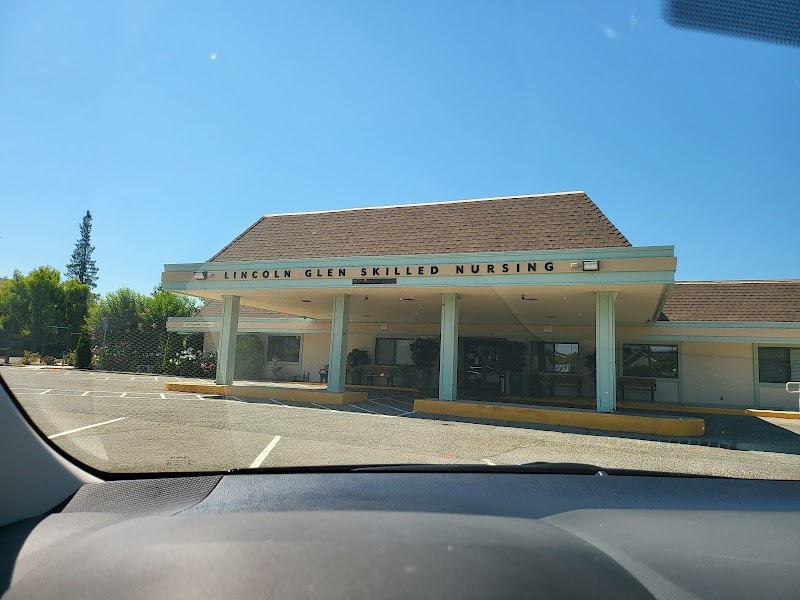
How is Lincoln Glen Skilled Nursing Staffed?

CMS rates LINCOLN GLEN SKILLED NURSING's staffing level at 5 out of 5 stars, which is much above average compared to other nursing homes. Staff turnover is 33%, compared to the California average of 46%. This relatively stable workforce can support continuity of care.

What Have Inspectors Found at Lincoln Glen Skilled Nursing?

State health inspectors documented 27 deficiencies at LINCOLN GLEN SKILLED NURSING during 2022 to 2025. These included: 27 with potential for harm.

Who Owns and Operates Lincoln Glen Skilled Nursing?

LINCOLN GLEN SKILLED NURSING is owned by a non-profit organization. Non-profit facilities reinvest revenue into operations rather than distributing to shareholders. The facility operates independently rather than as part of a larger chain. With 59 certified beds and approximately 49 residents (about 83% occupancy), it is a smaller facility located in SAN JOSE, California.
How Does Lincoln Glen Skilled Nursing Compare to Other California Nursing Homes?

Compared to the 100 nursing homes in California, LINCOLN GLEN SKILLED NURSING's overall rating (5 stars) is above the state average of 3.2, staff turnover (33%) is significantly lower than the state average of 46%, and health inspection rating (3 stars) is at the national benchmark.

What Should Families Ask When Visiting Lincoln Glen Skilled Nursing?

Based on this facility's data, families visiting should ask: "Can I visit during a mealtime to observe dining assistance and food quality?" "How do you handle medical emergencies, and what is your hospital transfer rate?" "Can I speak with family members of current residents about their experience?"

Is Lincoln Glen Skilled Nursing Safe?

Based on CMS inspection data, LINCOLN GLEN SKILLED NURSING has a clean safety record: no substantiated abuse findings (meaning no confirmed cases of resident harm), no Immediate Jeopardy citations (the most serious violation level indicating risk of serious injury or death), and is not on the Special Focus Facility watch list (a federal program monitoring the lowest-performing 1% of nursing homes). The facility has a 5-star overall rating and ranks #1 of 100 nursing homes in California. While no facility is perfect, families should still ask about staff-to-resident ratios and recent inspection results during their visit.

Do Nurses at Lincoln Glen Skilled Nursing Stick Around?

LINCOLN GLEN SKILLED NURSING has a staff turnover rate of 33%, which is about average for California nursing homes (state average: 46%). Moderate turnover is common in nursing homes, but families should still ask about staff tenure and how the facility maintains care continuity when employees leave.

Was Lincoln Glen Skilled Nursing Ever Fined?

LINCOLN GLEN SKILLED NURSING has been fined $4,194 across 1 penalty action. This is below the California average of $33,121. While any fine indicates a compliance issue, fines under $50,000 are relatively common and typically reflect isolated problems that were subsequently corrected. Families should ask what specific issues led to these fines and confirm they've been resolved.

Is Lincoln Glen Skilled Nursing on Any Federal Watch List?

LINCOLN GLEN SKILLED NURSING is not on any federal watch list. The most significant is the Special Focus Facility (SFF) program, which identifies the bottom 1% of nursing homes nationally based on persistent, serious quality problems. Not being on this list means the facility has avoided the pattern of deficiencies that triggers enhanced federal oversight. This is a positive indicator, though families should still review the facility's inspection history directly.