
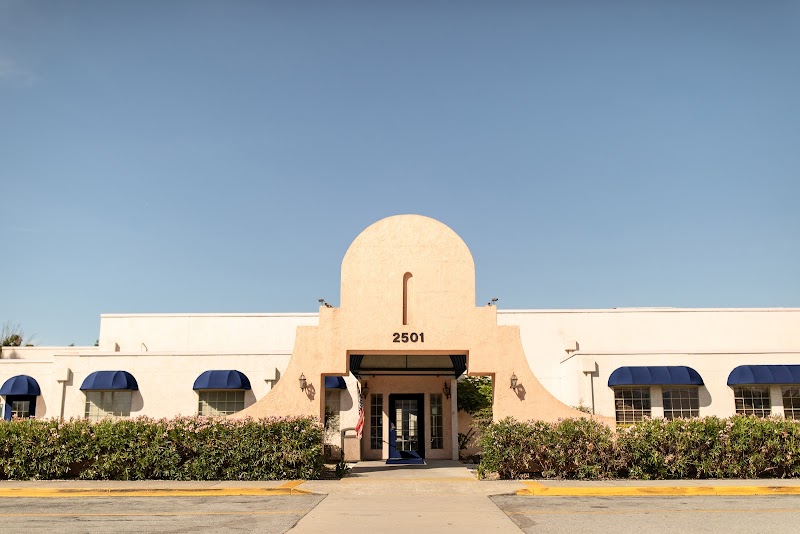


MISSION DE LA CASA

2501 ALVIN AVENUE, SAN JOSE, CA 95121 (408) 238-9751
For profit - Corporation 163 Beds Independent Data: November 2025
Trust Grade
70/100
#131 of 1155 in CA
Last Inspection: June 2024

Within standard 12-15 month inspection cycle. Federal law requires annual inspections.

Overview

Mission de la Casa has a Trust Grade of B, indicating it is a good choice for families considering long-term care options, though there may be some areas for improvement. The facility ranks #131 out of 1,155 in California, placing it in the top half of nursing homes statewide, and #7 out of 50 in Santa Clara County, meaning only six local facilities are rated higher. The trend is improving, with issues decreasing from 14 in 2021 to 5 in 2024. Staffing is a strong point, earning a 5-star rating with a low turnover rate of 22%, which is significantly better than the state average. However, the facility has incurred $79,620 in fines, which is higher than 81% of California facilities, suggesting some ongoing compliance issues. There are serious concerns regarding resident safety, as one resident fell and sustained a fatal injury due to a lack of supervision, despite being assessed as high risk for falls. Additionally, there were incidents of improper infection control practices, such as staff not wearing masks correctly and failing to sanitize equipment, which could potentially affect all residents. While the facility shows strengths in staffing and overall quality ratings, the concerning fines and specific incidents highlight areas that need attention.

Trust Score
B
70/100
In California
#131/1155
Top 11%
Safety Record
Moderate
Needs review
Inspections
Getting Better
14 → 5 violations
Staff Stability
✓ Good
22% annual turnover. Excellent stability, 26 points below California's 48% average. Staff who stay learn residents' needs.
Penalties
⚠ Watch
$79,620 in fines. Higher than 78% of California facilities, suggesting repeated compliance issues.
Skilled Nurses
○ Average
Each resident gets 41 minutes of Registered Nurse (RN) attention daily — about average for California. RNs are the most trained staff who monitor for health changes.
Violations
⚠ Watch
36 deficiencies on record. Higher than average. Multiple issues found across inspections.
★★★★★
5.0
Overall Rating
★★★★★
5.0
Staff Levels
★★★★★
5.0
Care Quality
★★★★☆
4.0
Inspection Score
Stable
2021: 14 issues
2024: 5 issues

The Good

  • 5-Star Staffing Rating · Excellent nurse staffing levels
  • 5-Star Quality Measures · Strong clinical quality outcomes
  • Low Staff Turnover (22%) · Staff stability means consistent care
  • Full Sprinkler Coverage · Fire safety systems throughout facility
  • No fines on record
  • Staff turnover is low (22%)

    26 points below California average of 48%

Facility shows strength in staffing levels, quality measures, staff retention, fire safety.

The Bad

Federal Fines: $79,620

Well above median ($33,413)

Moderate penalties - review what triggered them

The Ugly 36 deficiencies on record

1 actual harm
Jun 2024 3 deficiencies
CONCERN (D)

Potential for Harm - no one hurt, but risky conditions existed

Deficiency F0645 (Tag F0645)

Could have caused harm · This affected 1 resident

2. An admission Record revealed the facility admitted Resident #67 on 03/31/2023. According to the admission Record, the resident had a medical history that included diagnoses of major depressive diso...

Read full inspector narrative →
2. An admission Record revealed the facility admitted Resident #67 on 03/31/2023. According to the admission Record, the resident had a medical history that included diagnoses of major depressive disorder (11/04/2018) and post-traumatic stress disorder (PTSD) (onset date 11/05/2018). Resident #67's Level I PASARR, dated 03/31/2023, revealed the resident was diagnosed with major depressive disorder; however, the resident's diagnosis of PTSD was not reflected. The Level I PASARR was Positive, due to a suspected MI [mental illness]. A letter from the Department of Health Care Services to the facility, dated 04/12/2023, indicated the Level II evaluation was not completed because the resident had no serious mental illness (SMI). The letter indicated the case was closed. During an interview on 06/26/2024 at 12:20 PM, Registered Nurse (RN) #3 stated she was responsible for ensuring the Level I PASARR was completed for new admissions. RN #3 stated the hospital initiated the PASARR, and she checked them for accuracy. RN #3 stated Resident #67's diagnosis of PTSD should be reflected on their PASARR and confirmed the resident's Level I PASARR was inaccurate. During an interview on 06/26/2024 at 2:20 PM, the Director of Nursing (DON) stated she expected Level I PASARRs to accurately reflect each resident's diagnoses and conditions to ensure residents are properly placed. During an interview on 06/26/2024 at 2:22 PM, the Quality Assurance (QA) Nurse stated if a resident was admitted from the hospital, the hospital completed the Level I PASARR, and the nurse supervisor was responsible for ensuring the PASARR was accurately completed. The QA Nurse further stated it was important to ensure the Level I PASARR was accurate upon admission so the facility could provide necessary care to the resident and make referrals to mental health providers, if needed. During an interview on 06/27/2024 at 9:08 AM, the Administrator stated he expected Level I PASARRs to accurately reflect residents' diagnoses. Based on interview, record review, and facility document and policy review, the facility failed to ensure Level I Preadmission Screening and Resident Reviews (PASARRs) were accurate for 2 (Resident #67 and Resident #138) of 2 residents reviewed for PASARR requirements. Specifically, the facility failed to ensure the resident's PASARRs accurately reflected their mental health diagnoses. Findings included: The facility policy titled, Preadmission Screening and Resident Review, revised in 03/2023, indicated, The facility ensures individuals with a mental disorder or intellectual disabilities continue to receive the care and services they need in the most appropriate setting when a significant change in their status occurs. 1. An admission Record revealed the facility admitted Resident #138 on 05/02/2024. According to the admission Record, the resident had a medical history that included diagnoses of adjustment disorder with depressed mood with an onset date of 01/25/2024 and brief psychotic disorder with an onset date of 02/08/2024. An admission Minimum Data Set (MDS), with an Assessment Reference Date (ARD) of 05/07/2024, revealed Resident #138 had a Brief Interview for Mental Status (BIMS) score of 13, indicating the resident had intact cognition. The MDS also indicated Resident #138 had an active diagnosis of psychotic disorder and received an anti-depressant medication during the seven-day look-back period. Resident #138's care plan included a focus area, initiated on 05/02/2024, that indicated the resident had a mood problem manifested by poor appetite related to a diagnosis of depression. Another focus area, initiated on 05/02/2024, indicated the resident had a diagnosis of brief psychotic disorder. Resident #138's Level I PASARR, dated 05/01/2024, indicated the resident did not have a serious diagnosed mental disorder such as Depressive Disorder, Anxiety Disorder, Panic Disorder, Schizophrenia/Schizoaffective Disorder, or symptoms of Psychosis, Delusions, and/or Mood Disturbance. The Level I PASARR did not reflect the resident's diagnoses of depression or psychotic disorder, and the screening results were Negative, due to No Serious Mental Illness. During an interview on 06/26/2024 at 12:20 PM, Registered Nurse (RN) #3 stated she was responsible for ensuring the Level I PASARR was completed for new admissions. RN #3 stated the hospital initiated the PASARR, and she checked them for accuracy. RN #3 stated Resident #138's diagnoses should be reflected on their PASARR and confirmed the resident's Level I PASARR was inaccurate. During an interview on 06/26/2024 at 2:20 PM, the Director of Nursing (DON) stated Resident #138's Level I PASARR was inaccurate because it did not include the resident's psychosis or mood disorder diagnoses. The DON stated she expected Level I PASARRs to accurately reflect each resident's diagnoses and conditions to ensure residents are properly placed. During an interview on 06/26/2024 at 2:22 PM, the Quality Assurance (QA) Nurse stated if a resident was admitted from the hospital, the hospital completed the Level I PASARR, and the nurse supervisor was responsible for ensuring the PASARR was accurately completed. The QA Nurse further stated it was important to ensure the Level I PASARR was accurate upon admission so the facility could provide necessary care to the resident and make referrals to mental health providers, if needed. During an interview on 06/27/2024 at 9:08 AM, the Administrator stated he expected Level I PASARRs to accurately reflect residents' diagnoses.
CONCERN (D)

Potential for Harm - no one hurt, but risky conditions existed

Unnecessary Medications (Tag F0759)

Could have caused harm · This affected 1 resident

Based on observation, record review, interview, and facility policy review, the facility failed to ensure the medication error rate was five percent (%) or less. Medication administration observations...

Read full inspector narrative →
Based on observation, record review, interview, and facility policy review, the facility failed to ensure the medication error rate was five percent (%) or less. Medication administration observations revealed 2 medication errors out of 25 total opportunities, resulting in a medication error rate of 8%, affecting 2 (Resident #137 and Resident #105) out of 5 residents observed during medication administration. Findings included: A facility policy titled, Administering Medications, revised in March 2023, revealed, 3. Medications must be administered in accordance with the orders. The policy further revealed, 8. The licensed nurse must check the label three (3) times to verify the right resident, right medication, right dosage, right time and right method (route) of administration before giving the medication. An admission Record revealed the facility admitted Resident #137 on 01/02/2024. According to the admission Record, the resident had a medical history that included a diagnosis of depression. Resident #137's Order Summary Report, listing active orders as of 06/25/2024, contained an order, dated 01/23/2024, for sertraline 50 milligram (mg) tablet, give two tablets by mouth one time daily for depression. The order also specified, Total Dose=100 mg. Observation of medication administration on 06/25/2024 at 8:28 AM revealed Licensed Vocational Nurse (LVN) #1 administered only one sertraline 50 mg tablet to Resident #137, instead of two tablets to equal 100 mg as ordered by the physician. An admission Record revealed the facility admitted Resident #105 on 07/09/2021. According to the admission Record, the resident had a medical history that included a diagnosis of unspecified dementia. Resident #105's Order Summary Report, listing active orders as of 06/25/2024, contained an order, dated 03/04/2024, for memantine 5 mg tablet, two tablets by mouth one time daily for dementia. Observation of medication administration on 06/25/2024 at 8:49 AM revealed LVN #1 administered only one memantine 5 mg tablet to Resident #105, instead of two tablets as ordered by the physician. During an interview on 06/25/2024 at 9:08 AM, LVN #1 stated she missed giving Resident #137 their second sertraline tablet and missed giving Resident #105 their second memantine tablet. LVN #1 stated she should have read the entire order before giving the medications. During an interview on 06/25/2024 at 9:14 AM, Registered Nurse (RN) #2 stated LVN #1 had underdosed Resident #105 and Resident #137 by giving only half the ordered dose of their medications. RN #2 stated the nurse should have read the entire order before administering the medications. During an interview on 06/25/2024 at 1:07 PM, the Director of Nursing (DON) stated the nurse should have matched the medication card to the order screen, should have read the entire order, and should have given all medications as ordered. During an interview on 06/27/2024 at 8:43 AM, the Administrator stated he expected the ordered dosage of medication to be administered to the residents. The Administrator said staff should follow the physician's orders when administering medications.
CONCERN (F)

Potential for Harm - no one hurt, but risky conditions existed

Food Safety (Tag F0812)

Could have caused harm · This affected most or all residents

Based on observation, interview, and facility policy review, the facility failed to sanitize the food thermometer between measuring the temperatures of different food items. This had the potential to ...

Read full inspector narrative →
Based on observation, interview, and facility policy review, the facility failed to sanitize the food thermometer between measuring the temperatures of different food items. This had the potential to affect 138 of 138 residents who received food from the dietary department. Findings included: A facility policy titled, Safe Food Preparation, revised in March 2023, revealed, Cross-Contamination 2. Cross-contamination can occur when harmful substances, i.e. [id est, such as] chemical or disease-causing microorganisms are transferred to food by hands, (including gloved hands), food contact surfaces, sponges, cloth towels, or utensils that are not adequately cleaned. 3. Examples of ways to reduce cross-contamination include, but are not limited to: d. Clean and sanitize work surfaces, including cutting-boards and food-contact equipment (e.g. [exempli gratia, for example] food processors, blenders, preparation tables, knife blades, can openers, and slicers), between uses and consistent with applicable code. A facility policy titled, Food Temperatures, revised on 03/19/2020, revealed, 1. Wash, rinse and sanitize a dial face, metal probe-type thermometer with alcohol wipe. The policy specified, Re-sanitize the thermometer after each use. An observation of the measurement of food holding-temperatures on 06/26/2024 at 11:07 AM revealed [NAME] #4 did not sanitize the thermometer between measuring the holding-temperature of the pureed meat and the pureed egg roll. At 11:11 AM, [NAME] #4 did not sanitize the thermometer between measuring the holding-temperatures of pho broth, vegetables, salmon, rice, extra portions of pureed egg roll, mashed potatoes, beef, pureed vegetables, or vegetable broth. During an interview on 06/26/2024 at 1:09 PM, [NAME] #4 stated he was trained to sanitize the thermometer between food items. During an interview on 06/26/2024 at 11:13 AM, the Dietary Supervisor stated staff should sanitize the thermometer between food items using a sanitizing wipe. During a follow-up interview on 06/26/2024 at 1:26 PM, the Dietary Supervisor stated it was important to sanitize the thermometer between food items to avoid cross-contamination. During an interview on 06/27/2024 at 8:50 AM, the Director of Nursing (DON) stated she expected staff to sanitize the food thermometer between food items to avoid cross-contamination. During an interview on 06/27/2024 at 9:09 AM, the Administrator stated he expected staff to follow the facility policy and to sanitize the food thermometer between different food items.
Apr 2024 1 deficiency 1 Harm
SERIOUS (G) 📢 Someone Reported This

A family member, employee, or ombudsman was alarmed enough to file a formal complaint

Actual Harm - a resident was hurt due to facility failures

Accident Prevention (Tag F0689)

A resident was harmed · This affected 1 resident

**NOTE- TERMS IN BRACKETS HAVE BEEN EDITED TO PROTECT CONFIDENTIALITY** Based on interview and record review, the facility failed to ensure supervision was provided to one of three residents (Resident...

Read full inspector narrative →
**NOTE- TERMS IN BRACKETS HAVE BEEN EDITED TO PROTECT CONFIDENTIALITY** Based on interview and record review, the facility failed to ensure supervision was provided to one of three residents (Resident 1) who was assessed to be high risk for falls, totally dependent on staff for transferring, and required close monitoring (staff made rounds and observed the residents at risk of falling) when Resident 1 was left sitting in her wheelchair in the hallway without staff watching and/or supervising her on [DATE], at 6:45 a.m., when staff went inside another resident's room. This failure resulted in Resident 1 falling on the floor and sustaining a subdural hematoma (occurs when a blood vessel in the space between the skull and the brain is damaged; blood escapes from the blood vessel, leading to the formation of a blood clot that places pressure on the brain and damages it) on the right temporal region (a region at the side of the head behind the eyes). This blunt force injury of her head was the immediate cause of her death after 15 days in the general acute care hospital (GACH). Findings: Review of Resident 1's admission Record indicated she was admitted to the facility on [DATE] with diagnoses including dementia (loss of memory, language, problem-solving and other thinking abilities that are severe enough to interfere with daily life), epilepsy (characterized by recurrent brief episodes of involuntary movement that may involve a part of the body or the entire body and are sometimes accompanied by loss of consciousness and control of bowel or bladder function), muscle weakness, abnormality of gait and mobility, and a history of falling. Review of Resident 1's Nursing Fall Risk Evaluation , dated [DATE], [DATE], and [DATE], indicated that Resident 1 was at high risk for falls. Review of Resident 1's Minimum Data Set (MDS, a clinical assessment tool), dated [DATE], indicated that Resident 1's cognition was moderately impaired, and she needed extensive assistance (staff provide weight-bearing support) with one-person physical assist in transferring to moving between surfaces including to or from bed, a chair, her wheelchair, and in and out of a standing position. Review of Resident 1's Change of Condition , dated [DATE], at 3:50 p.m., indicated on [DATE] at around 3:50 p.m., Resident 1 was witnessed standing up from her wheelchair and holding on to the hallway rail. Resident 1 slightly lost her balance. A staff went to Resident 1 and assisted her slowly to the floor. Review of Resident 1's Interdisciplinary Team (IDT, a group of healthcare professionals who work together to provide the residents with the care they need) Notes, dated [DATE] at 3:41 p.m., indicated that the IDT recommended that Resident 1 should be on closely monitored by group resident monitor staff (a staff assigned to make rounds and observe the residents who are at risk for falling). Review of Resident 1's Change of Condition , dated [DATE], at 1:06 a.m., indicated on [DATE] at 1:06 a.m., Resident 1 was found on her room floor and wrapped in her blanket. Resident 1 sustained a 4 centimeter (cm, a metric unit of length) by 4 cm bump on the right side of her forehead. Review of Resident 1's activities of daily living (ADLs, a person's daily self-care activities) care plan, dated [DATE], indicated that Resident 1 was totally dependent on one staff for transferring. Review of Resident 1's at risk for fall care plan, dated [DATE], indicated that the interventions included were that the facility would closely monitor Resident 1 by group resident monitor staff and frequently check Resident 1 for safety and needs to attain a goal that Resident 1 would not sustain a serious injury related to a fall. Review of Resident 1's Change of Condition , dated [DATE], at 6:45 a.m., indicated on [DATE] at 6:45 a.m., Resident 1 was up on her wheelchair in the hallway and that certified nursing assistant A (CNA A) went inside a room to collect the garbage. When CNA A walked out of the room, he noted Resident 1 was on the floor on her right side. Resident 1 apparently had fallen and had sustained a 3 cm by 3 cm bump on her right frontal area. This fall incident resulted in Resident 1 being transferred to the GACH on [DATE] for further evaluation and management. During an interview with CNA A on [DATE], at 2:20 a.m., he stated he could not recall the date but could recall the incident that happened (referring to the incident that happened on [DATE])as it was about the end of the night shift when Resident 1 was up in the wheelchair in the hallway. CNA A stated he was in Resident 1's room helping Resident 1's roommate. When he walked out of the room, he saw Resident 1 on the floor. During an interview with license vocational nurse B (LVN B) on [DATE], at 10:45 a.m., she stated she could not recall the date but could recall the incident that happened (referring to the incident that happened on [DATE]) as it was about the end of the night shift. Resident 1 was up in the wheelchair in the hallway. There were no staff there with Resident 1 at that time because everybody was busy because it was the end of the shift. Then a CNA notified her that Resident 1 had fallen. She came over and saw that Resident 1 was on the floor, and upon assessment Resident 1 had sustained a bump on her forehead. She called the physician and received an order to send Resident 1 to the GACH emergency room via 911 for further evaluation and treatment. Review of Resident 1's Emergency Provider Report, dated [DATE], indicated Resident 1 was brought in by ambulance for a fall off her wheelchair at the facility that morning, and that Resident 1 had a right forehead hematoma (a localized swelling that is filled with blood caused by a break in the wall of a blood vessel). Resident 1 was admitted to the GACH for further monitoring and management and remained admitted in the hospital from [DATE], until the date of her death on [DATE]. Review of Resident 1's head computed tomography scan (CT scan, an imaging test that uses a series of X-rays and a computer to create detailed images of the bones and soft tissues) Diagnostic Imaging Report, dated [DATE], indicated Resident 1 had sustained a 3.5 millimeter (mm, a metric unit of length) subdural hematoma right high temporal region. Review of Resident 1's Discharge Summary from the GACH, dated [DATE], indicated Resident 1 was pronounced dead at around 9:35 p.m. on [DATE]. Review of Resident 1's Certificate of Death, dated [DATE], indicated that blunt force injury of her head from her fall on [DATE] was the immediate cause of her death. During an interview with the director of nursing (DON) on [DATE], at 2:35 p.m., she stated she was on vacation at the time Resident 1 fell on [DATE]. The DON further stated that Resident 1 was supposed to have someone watching her. During an interview with the MDS Assistant (MDSA) on [DATE], at 4:35 p.m., she reviewed Resident 1's clinical record and stated since Resident 1 needed extensive assistance with one-person physical assist in transferring, staff should have watched Resident 1 while she was in the wheelchair because Resident 1 would have fallen if she stood up by herself. During an interview with the DON on [DATE], at 11:20 a.m., the DON stated Resident 1 was placed in a wing in the facility with other residents who were at risk for fall. The DON also stated that in morning shift and evening shift, a group resident monitor staff would make rounds in the wing and observe the residents, but during night shift, there was no group resident monitor staff assigned but the CNA were supposed to observe the residents in the wing. However, during the time Resident 1 fell on [DATE], at 6:45 a.m., Resident 1 was left sitting in her wheelchair in the hallway by herself, completely unmonitored and unsupervised. Review of the facility's policy, Fall Management Program, dated 3/2023, indicated The facility strives to provide each resident with adequate supervision and assistance devices to minimize the risks associated with falls . Avoidable accident is an accident which occurred because the facility failed to: . Implement interventions, including adequate supervision and assistive devices, consistent with a resident's needs, goals, care plan, and current professional standards of practice in order to eliminate the risk, if possible, and, if not, reduce the risk of an accident.
Mar 2024 1 deficiency
CONCERN (D) 📢 Someone Reported This

A family member, employee, or ombudsman was alarmed enough to file a formal complaint

Potential for Harm - no one hurt, but risky conditions existed

Report Alleged Abuse (Tag F0609)

Could have caused harm · This affected 1 resident

**NOTE- TERMS IN BRACKETS HAVE BEEN EDITED TO PROTECT CONFIDENTIALITY** Based on observation, interview, and record review, the facility failed to implement their policies and procedures for ensuring ...

Read full inspector narrative →
**NOTE- TERMS IN BRACKETS HAVE BEEN EDITED TO PROTECT CONFIDENTIALITY** Based on observation, interview, and record review, the facility failed to implement their policies and procedures for ensuring the reporting of injuries of unknown source for one of two sampled residents (1) to other officials (including to the California Department Public Health (CDPH) and adult protective services (APS) where state law provides for jurisdiction in long-term care facilities) in accordance with State law through established procedures after when Resident 1 sustained a subdural hemorrhage (is a kind of intracranial hemorrhage, which is the bleeding in the area between the brain and the skull) with multiple rib fractures on 2/19/24 and transferred to an acute hospital for intensive care unit (ICU, provides the critical care and life support for actually ill and injured patients) monitoring and management, and facility's investigation did not identify the reason or cause of Resident 1's injuries. Failure to report alleged violations to the proper authorities could compromise the protection of residents from harm. Findings: Review of Resident 1's Minimum Data Set (MDS, an assessment tool), dated 9/20/23, indicated her cognitive skills were moderately impaired for daily decision making and her functional status was total dependence for the activities of daily living (transferring, eating, dressing, toileting .). Review of Resident 1's history of present illness notes, dated 2/19/24 at 5:05 p.m., indicated, She had past medical history (PHI) of dementia (is a term used to describe a group of symptoms affecting memory, thinking and social abilities), diabetes mellitus (DM, is a disease of inadequate control of blood level glucose), transient ischemic attack (TIA, is a temporary blockage of blood flow to the brain) .for a head hematoma that was noticed today at around 11:30 a.m. The nursing facility reported that they noticed the hematoma after giving her a shower using a hoister (lift). Per nursing staff her baseline is non-ambulatory and alert and oriented to person (A & O x 1). They denied any recent falls. Patient is on Eliquis (is a prescription medicine used to reduce the risk of stroke and blood clots). Review of Resident 1's change in condition evaluation, dated 2/19/24, indicated she was transferred to the acute hospital's emergency department for further evaluation and treatment. On the change in condition of the skin status evaluation documented, Noted with bump on left side of the forehead, approximately 7 centimeters (cm, unit of measurement) x 8 cm, purplish discoloration in color, skin abrasion with slight bleeding noted. Further assessment done. Noted a linear scratch reddish in color, measuring 10 cm x 0.5 cm, no bleeding noted. Abrasion on left elbow measuring 1 cm x 0.5 cm, with slight bleeding noted. Review of Resident 1's progress notes, dated 2/22/24 at 2 p.m., indicated the director of nursing (DON) called Resident 1's daughter at around 11 a.m. on 2/20/24 for follow-up with Resident 1's status as she was admitted in the ICU for her CT scan revealing of her head bleeding with multiple rib fractures on the left second rib to the eighth rib. Review of Resident 1's hospital Discharge summary, dated [DATE], indicated she was discharged from the hospital with diagnoses including rib fractures (left two to three anterior, three to eight posterior rib fractures), subdural hemorrhage and left hemothorax (is blood entering the pleural cavity). Review of the undated facility's investigative summary report for Resident 1's incident of injuries on 2/19/24 at 11:20 a.m., the report indicated the facility was unable to substantiate the allegation of fall or accident from Hoyer lift and did not find the reason and cause to Resident 1's injuries. However, according to the interventions and approaches on the investigative summary report, it did not include notification to proper authorities such as law enforcement office, Ombudsman /and or APS (Adult Protective Services) and CDPH (California Department of Public Health, State Survey Agency). During an observation on 2/26/24, at 10 a.m., in Resident 1's room, Resident 1 was lying in bed with visible light purplish discoloration on her left face, and dark purplish discoloration noted on the left side of her neck. During a follow-up interview on 2/26/24, at 10:10 a.m., with certified nursing assistant B (CNA B), CNA B stated, I do not know what had happened to cause Resident 1's injuries. Before, Resident 1 was forgetful but able to sit on the wheelchair attending activity, but right now she is unable to get up sitting on the wheelchair because complaining of pain when moving her body. During an interview on 2/26/24, at 2:39 p.m., with certified nursing assistant C (CNA C), CNA C stated, on 2/19/24 he helped CNA A transfer Resident 1 using Hoyer lift from her bed to the wheelchair after shower and did not see any bruises or bump on Resident 1's left forehead at that time. During an interview on 2/26/24, at around 4:20 p.m., with the administrator (ADM), he stated, Something happened to Resident 1 but no witness, and the assigned certified nursing assistant (CNA A) denied that Resident had fallen while in the shower and the other two CNAs (CNA B and C) who assisted with CNA A for a Hoyer lift transfer did not see bruises or bump on Resident 1's left forehead. The ADM also stated, Only God knows what had happened to Resident 1. During an interview on 2/27/24, at around 2:15 p.m., with the director of nursing (DON), she confirmed that facility did not make a report to law enforcement, CDPH and APS. Review of the facility ' s policy and procedure (P&P) titled, Abuse Prohibition and Prevention Program, revision dated 3/2023, the P&P indicated, The facility shall ensure that all alleged violations involving abuse, neglect , exploitation or mistreatment, including injuries of unknown source and misappropriation of resident property, are reported immediately, but not later than 2 hours after the allegation is made, if the events that cause the allegation involve abuse or result in serious bodily injury, or not later than 24 hours of the events that cause the allegation do not involve abuse and do not result in serious bodily injury, to the administrator of the facility and to other officials (including to the state survey agency and adult protective services where state provides for jurisdiction in long-term care facilities) in accordance with State law through established procedures. Review of the facility's policy and procedure (P&P) titled, Reporting of Alleged Violations, revised 3/2023, the P&P indicated, Serious Bodily injury as an injury involving extreme physical pain, substantial risk of death or requiring medical attention, including, but not limited to, hospitalization . The administrator or Director of Nursing Services must be immediately notified of suspected abuse or incidents of abuse Reporting procedures should be followed as outlined in this policy. The facility shall report all alleged violations and all substantiated incidents to the state agency and to all other agencies as required.
Jul 2021 14 deficiencies
CONCERN (D)

Potential for Harm - no one hurt, but risky conditions existed

Deficiency F0557 (Tag F0557)

Could have caused harm · This affected 1 resident

3. During observation and concurrent interview with licensed vocational nurse J (LVN J), on 7/7/21 at 4:02 p.m., LVN J administered medications in Resident 99's gastrostomy tube (g-tube, surgically pl...

Read full inspector narrative →
3. During observation and concurrent interview with licensed vocational nurse J (LVN J), on 7/7/21 at 4:02 p.m., LVN J administered medications in Resident 99's gastrostomy tube (g-tube, surgically placed tube into the stomach that brings nutrition and medications directly to the stomach) with Resident 99's abdomen exposed as the room curtain and bedroom door were open to public view in the hallway. LVN J confirmed this observation and stated he should have closed the curtain and door for Resident 99's privacy. During interview with the Assistant Director of Nursing (ADON), on 7/9/21 at 4:00 p.m., the ADON confirmed nurses should provide privacy to residents when administering medications in the resident's g-tube. Review of the facility's policy Dignity, revised 11/1/2017, indicated residents should be treated with dignity and respect at all times. 2. During an observation on 7/6/21 at 10:27 a.m., certified nursing assistant N (CNA N) assisted Resident 47 to use the bathroom. The bathroom door was left open. During an interview with CNA N on 7/6/21 at 10:29 a.m., CNA N confirmed the above observation and stated she should have closed the bathroom door. Based on observation, interview and record review, the facility failed to maintain residents' privacy, dignity and respect for three of 24 sampled residents (Residents 48, 47 and 99) when: 1. The activity aid (ACA) was standing in front of Resident 48 while assisting the resident in the hallway with the lunch meal. 2. Resident 47 was using the bathroom and the door was left opened. 3. During GT administration observation Resident 99's room door was open, and her abdomen was exposed to public view in the hallway. These failures had the potential to affect Resident 48 47 and 99's self-esteem and self-worth. Findings: 1. During multiple observations on 7/6/21 at 12:15 p.m., 12:30 p.m., 12:40p.m., and 12:51 p.m., the ACA was standing in front of Resident 48 while assisting the resident with her lunch meal. During a concurrent observation and interview on 7/6/21 at 12:51 p.m., with ACA, he confirmed the above observations and stated that he should have been sitting while assisting Resident 48 with her meal.
CONCERN (D)

Potential for Harm - no one hurt, but risky conditions existed

Deficiency F0558 (Tag F0558)

Could have caused harm · This affected 1 resident

**NOTE- TERMS IN BRACKETS HAVE BEEN EDITED TO PROTECT CONFIDENTIALITY** Based on observation, interview and record review, the facility failed to ensure needs were accommodated for five of 24 sampled ...

Read full inspector narrative →
**NOTE- TERMS IN BRACKETS HAVE BEEN EDITED TO PROTECT CONFIDENTIALITY** Based on observation, interview and record review, the facility failed to ensure needs were accommodated for five of 24 sampled residents (Residents 99, 52, 119, 114, 122) when call light devices were not within reach of the residents. This failure had the potential for a delayed response and not meeting the resident's needs. Findings: 1. Review of Resident 99's clinical record indicated she was admitted to the facility on [DATE] with diagnoses including hemiplegia (loss of muscle function of one side of the body) hemiparesis (partial weakness of one side of the body) affecting the right dominant side During an observation of Resident 99's room on 7/6/21 at 9:50 a.m., Resident 99 was in bed and her call light was on the floor. Resident 99 was moving her hand but was not able to reach the call light. During a concurrent observation and interview with licensed vocational nurse F (LVN F) on 7/6/21 at 9:52 a.m., she confirmed the above observation and stated Resident 99 could not reach the call light that was on the floor. 4. Review of Resident 114's clinical record indicated he was admitted to the facility on [DATE] with diagnoses including quadriplegia (paralysis of all 4 limbs), multiple sclerosis (progressive disease involving damage to nerve cells in the brain and spinal cord), and contractures (shortening and hardening of muscles, tendons, and other tissues leading to deformity and rigidity of joints). Review of Resident 114's minimum data set (MDS, an assessment tool) dated 5/4/21, indicated he had total dependence on staff for bed mobility, dressing, eating, toileting, bathing, and personal hygiene. During an observation in Resident 114's room on 7/7/21 at 1:10 p.m., Resident 114 was in bed and his call light was on the floor under his bed, out of reach of Resident 114. During a concurrent observation and interview with certified nursing assistant H (CNA H) on 7/7/21 at 1:14 p.m., he confirmed the above observation and stated Resident 114 could not reach the call light that was on the floor. CNA H further stated residents should always have their call lights within their reach. During interview with UM A on 7/9/21 at 11:50 a.m., she stated Resident 114 had upper body limitations and required a call light which had a pad instead of a button to push. UM A stated Resident 114 could use his elbows to press the pad to activate the call light. She further stated that all residents should have access to a call light. 5. Review of Resident 122's clinical record indicated he was admitted to the facility on [DATE] with diagnoses including congestive heart failure (heart cannot pump enough blood to meet the body's needs), pleural effusion (build up of fluid around the lungs), muscle weakness, abnormalities of gait and mobility, and need for assistance with personal care. Review of Resident 122's MDS dated [DATE], indicated he required staff assistance for bed mobility, transfer, dressing, toileting, bathing, and personal hygiene. During an observation in Resident 122's room on 7/7/21 at 9:45 a.m., Resident 122 was sitting in his wheelchair next to his bed. Resident 122 stated he was tired and wanted to lie down on his bed but could not find his call light. The call light was observed under the pillow at the head of Resident 122's bed, out of reach of the resident. During a concurrent observation and interview with certified nursing assistant I (CNA I), on 7/7/21 at 9:50 a.m., she confirmed Resident 122's call light was under the pillow on his bed and out of his reach. She further stated residents should always have their call lights within their reach. Review of the facility's 11/2019 policy, Call Light, indicated when the resident was sitting in her chair or confined to her bed, to make sure to provide resident with call light access. 2. During an observation on 7/6/21 at 11:10 a.m., Resident 52 was lying in bed and the call light device was not within reach During an observation on 7/9/21 at 8:42 a.m., Resident 52 was lying in bed and the call light device was hanging on the wall. During an observation and interview with unit manager A (UM A) on 7/9/21 at 8:45 a.m., she confirmed Resident 52's call light device was hanging on the wall and the call light device was not within reach. 3. Review of Resident 119's clinical record indicated she was admitted on [DATE] with diagnoses of diabetes (increased blood sugar), muscle spasm, and need for assistance with personal care. During an observation and interview with UM A on 7/9/21 at 8:46 a.m., Resident 119 was observed lying in her bed and the call light device was at the back of the bed. UM A stated Resident 119 call light device was not within reach. During an observation and interview with the assistant director of nursing (ADON) on 7/12/21 at 11:04 a.m., she stated Resident 119's call light device was hanging at the back of her bed and the resident could not reach her call light device.
CONCERN (D)

Potential for Harm - no one hurt, but risky conditions existed

Deficiency F0637 (Tag F0637)

Could have caused harm · This affected 1 resident

**NOTE- TERMS IN BRACKETS HAVE BEEN EDITED TO PROTECT CONFIDENTIALITY** Based on an observation, interview and record review, the facility failed to complete a significant change in status assessment ...

Read full inspector narrative →
**NOTE- TERMS IN BRACKETS HAVE BEEN EDITED TO PROTECT CONFIDENTIALITY** Based on an observation, interview and record review, the facility failed to complete a significant change in status assessment (SCSA) in minimum data set (MDS, an assessment tool) for one of 24 sampled residents (Resident 61). The resident had declined in activities of daily living (ADL, daily self-care tasks, e.g., bathing, toileting, and transferring), balance during transition and walking, and declined in bowel and bladder continence. These failures had the potential to result in Resident 61 being unable to achieve or maintain optimal status of health, function and quality of life. Findings: Review of Resident 61's face sheet (summary page of a patient's important information) indicated he was admitted to the facility on [DATE] with diagnoses including dysphagia (difficulty swallowing), major depressive disorder (mood disorder that interferes with daily life), dementia with behavioral disturbance (decline in mental capacity affecting daily function) and Alzheimer's disease (progressive disease that destroys memory and mental functions). Review of Resident 61's MDS dated [DATE], indicated her cognition (mental, thought processes) and was severely impaired. She required extensive assistance with one person assist in activities of daily living (ADL), needed supervision with set up help with transfer, walk in room/corridor and locomotion on unit/off unit. Her bowel continence was frequently incontinent, two or more episodes of bowel incontinence but at least one continent bowel movement and urinary continence was frequently incontinent. Seven or more episodes of urinary incontinence, but at least one episode of continent voiding. Her balance during transitions and walking was not steady, but was able to stabilize without staff assistance (moving from seated to standing position). Review of Resident 61's MDS dated [DATE], revealed she required extensive assistance with more than two people physical assistance with bed mobility, dressing and toilet use. She required limited assistance with more than two people physical assist with transfer, supervision with one-person physical help with locomotion on unit, locomotion off unit and walk in room/corridor. Her bowel continence was always incontinent. No episode of continent bowel movement and urinary continence was always incontinent. No episodes of continent voiding. Her balance during transitions and walking was not steady, only able to stabilize with staff assistance (moving from seated to standing position). During an interview and concurrent record review on 7/12/21 at 10:54 a.m., with minimum data set coordinator assistant (MDSCA), he reviewed the MDS dated [DATE] and 5/20/21. He stated that Resident 61 had two or more ADLs which declined, and declined in her urinary/bowel continence and balance. He further stated that there was no evidence an SCSA comprehensive assessment was done and no interdisciplinary team (IDT, a group of health care professionals from diverse fields who work toward a common goal for residents) discussion about criteria of SCSA. During an interview and concurrent record review on 7/12/21 at 2:57 p.m., with the regional consultant (RC), she reviewed the MDS dated [DATE] and 5/20/21. She stated that Resident 61 had two or more ADLs to decline, and declined in her urinary/bowel continence and balance. She further stated that a comprehensive assessment should have been done within 14 days from the determination of the significant change status. Review of the Resident Assessment Instrument Manual 3.0 Version 1.16.1, dated 10/2019, indicated, .a significant change in status assessment must be completed on the fourteenth calendar day after determination that a significant change in the resident's status occurred. The manual further indicated an SCSA MDS is appropriate when a resident declined in two or more areas or the resident's incontinence pattern changes. Any decline in ADL'S physical functioning area (at least 1) since last assessment and does not reflect normal fluctuations in the individual's functioning.
CONCERN (D)

Potential for Harm - no one hurt, but risky conditions existed

PASARR Coordination (Tag F0644)

Could have caused harm · This affected 1 resident

**NOTE- TERMS IN BRACKETS HAVE BEEN EDITED TO PROTECT CONFIDENTIALITY** Review of Resident 47's clinical record indicated she was admitted on [DATE] with diagnosis including schizoaffective disorder (...

Read full inspector narrative →
**NOTE- TERMS IN BRACKETS HAVE BEEN EDITED TO PROTECT CONFIDENTIALITY** Review of Resident 47's clinical record indicated she was admitted on [DATE] with diagnosis including schizoaffective disorder (mental disorder including schizophrenia [serious mental disorder in which people cannot distinguish reality] and mood disorder), dementia (memory loss). Further review of Resident 47's clinical record, there was no PASARR documentation found. During an interview with the regional consultant (RC) on 7/8/21 at 10:07 a.m., the RC stated the facility could not find the PASARR. During an interview with the assistant director of nursing (ADON) on 7/8/21 at 11:29 a.m., the ADON stated she could not find Resident 47's completed PASARR. During an interview with the medical records director (MRD) on 7/8/21 at 2:14 p.m., the MRD stated he could not find Resident 47's PASARR. During an interview with the ADON on 7/9/21 at 11:18 a.m., the ADON could not provide a completed PASARR and stated Resident 47's PASSAR should have been done. Review of the facility's undated policy, PASRR indicated the facility ensures individuals with a mental disorder or intellectual disabilities continue to receive care and services they need in the most appropriate setting. Based on interview and record review, the facility failed to develop and accurately assess the preadmission screening and resident review report (PASRR, an evaluation data requirement to determine whether a resident with mental illness (MI) requires specialized services such as referral to a mental health authority) for two of 24 sampled residents (Residents 66 and 47). This failure had the potential to put the residents at risk for not receiving appropriate care and services. Findings: Review of Resident 66's clinical record indicated he was admitted on [DATE] with diagnoses including hemiplegia (paralysis of one side of the body), dementia (memory problem), hypertension (increased blood pressure), and a history of falling. Review of Resident 66's PASRR dated 8/27/19, indicated Resident 66's PASRR did not categorize the diagnosis for dementia and cerebrovascular accident (CVA, loss of blood flow to part of the brain). Review of Resident 66's Discharge summary dated [DATE], indicated Resident 66 was admitted [DATE] with diagnosis of CVA and dementia. During an interview with unit manager B (UM B) on 7/9/21 at 02:04 p.m., she stated Resident 66 had a diagnosis of CVA and dementia. UM B stated the PASRR was not accurately assessed and coded for CVA and dementia.
CONCERN (D)

Potential for Harm - no one hurt, but risky conditions existed

Deficiency F0658 (Tag F0658)

Could have caused harm · This affected 1 resident

**NOTE- TERMS IN BRACKETS HAVE BEEN EDITED TO PROTECT CONFIDENTIALITY** 5. During observation and concurrent interview with RN G, on 7/6/21 at 8:15 a.m., RN G was observed preparing medications for Re...

Read full inspector narrative →
**NOTE- TERMS IN BRACKETS HAVE BEEN EDITED TO PROTECT CONFIDENTIALITY** 5. During observation and concurrent interview with RN G, on 7/6/21 at 8:15 a.m., RN G was observed preparing medications for Resident 84. As RN G withdrew Dutasteride (medication for urine retention), the capsule still containing medication fell to the floor. RN G administered to Resident 84 what she withdrew from the capsule. Further examination of the capsule that fell on the floor indicated medication was left in the capsule. RN G confirmed this observation and confirmed the Resident 84 received a partial dose. Review of Resident 84's physician orders, dated 6/18/19, indicated the order was for Dutasteride capsule 0.5 mg by mouth once daily. During an interview with the director of nursing (DON), on 7/7/21 at 10:25 a.m., the DON stated RN G should not have given a partial dose to Resident 84. The DON stated RN G should have discarded the medication she withdrew and given Resident 84 the full dose the physician ordered. Review of the facility's policy, Medication Administration, revised 6/1/2020, indicated .medications must be administered in accordance with the orders. Based on observation, interview, and record review, the facility failed to ensure services were provided to meet the professional standard of practice for five of 24 residents when: 1. Resident 65's dermatology appointment was not followed-up; 2. Resident 75's oxygen order was not clarified; 3. Resident 121's weight was not monitored daily; 4. Resident 4's pacemaker was not monitored; 5. Registered nurse G (RN G) did not follow Resident 84's physician order. These failures had the potential to jeopardize the residents' health. Findings: 1. Review of Resident 65's acute care clinical record dated 3/5/20 indicated she had pruritis (itchy skin) rash. Review of Resident 65's progress notes dated 3/26/21 indicated, she went to a dermatology appointment but was not seen due to insurance issues. Further review of Resident 65's clinical record did not indicate a documented follow-up attempt regarding her dermatology appointment. During a concurrent interview and record review with unit manager B (UM B) on 7/12/21 at 11:01 a.m., UM B reviewed Resident 65's clinical record and stated there was no documentation regarding the attempt to reschedule Resident 65's dermatology appointment. Further review of Resident 65's clinical record indicated she had a dermatology appointment on 6/14/21 but was not seen due to an insurance issue. 2. Review of Resident 75's clinical record indicated she was admitted to the facility on [DATE] with diagnoses including chronic obstructive pulmonary disease (COPD, a group of lung diseases that can cause difficulty of breathing) and dementia (memory loss). Review of Resident 75's physician order dated 9/7/20 indicated oxygen two liters per minute (lpm) via nasal cannula (tubing connected to an oxygen concentrator [oxygen source]) to keep oxygen saturation (oxygen level in the blood) above 90% every shift. During an interview with registered nurse K (RN K) on 7/8/21 at 3:40 a.m., RN K reviewed Resident 75's physician order and stated the order should have been clarified. During an interview with the assistant director of nursing (ADON) on 7/9/21 at 11:24 a.m., the ADON confirmed Resident 75's order should have been clarified. Review of the facility's undated policy Oxygen Administration, indicated an oxygen order should include . usage of therapy continuous or as needed (prn). 3. Review of Resident 121's clinical record indicated she was admitted to the facility on [DATE] with primary diagnosis of chronic diastolic [congestive] heart failure (CHF, the heart cannot pump or fill blood adequately). Review of Resident 121's physician order dated 6/16/21 indicated weigh resident weekly. Further review of Resident 121's clinical record indicated she had right upper and lower extremity edema (swelling) and left upper and lower extremity edema. During an interview with UM B on 7/8/21 at 8:12 a.m., UM B confirmed Resident 121 had the diagnosis of CHF and should be on daily weights. During an interview with the ADON on 7/8/21 at 8:13 a.m., the ADON stated CHF management protocol was to weigh the resident daily. Review of the American Heart Association website, https://www.heart.org/-/media/files/health-topics/heart-failure/hf-symptom-tracker.pdf, Self-Check Plan for HF Management, indicated to monitor weight change of 2-3 pounds in a 24 hour period. Review of the facility's undated policy Heart Failure Protocol, indicated licensed staff to provide the necessary care and services for the care of patients diagnosed with heart failure. 4. Review of Resident 4's clinical record indicated he was admitted on [DATE] with diagnoses including atrial fibrillation (irregular heart rate), hypertension (increase in blood pressure), hyperlipidemia (an abnormally high concentration of fats in the blood), and presence of automatic (implantable) cardiac defibrillator. (ICD, like a pacemaker, a small battery-powered device placed in the chest to monitor the heart rhythm and detect irregular heartbeats. An ICD can deliver electric shocks via one or more wires connected to the heart to fix an abnormal heart rhythm.) A review of Resident 4's clinical record indicated the physician visited on 3/20/14 and assessed the resident. The physician referred Resident 4 to a cardiologist (a doctor who specializes in heart disease and abnormalities) for pacemaker follow-up. During an interview with the unit manager A (UM A) on 7/9/21 at 10:30 a.m., she stated residents with pacemakers should have physician orders for care of the pacemaker and cardiologist visits as prescribed by the physician. The UM A further stated the licensed nurses should monitor heart rate, pacemaker site for redness, and for signs and symptoms of altered cardiac output or pacemaker malfunction. During a concurrent review of Resident 4's clinical record with the unit manager A (UM A) on 7/9/21 at 10:30 a.m., she confirmed there was no monitoring of Resident 4's ICD. She further stated there was no evidence that Resident 4 had seen a cardiologist to check the ICD since his admission to the facility on 3/19/14. A review of the facility's policy Pacemaker Care, dated 10/1/2020, indicated to ensure the health and safety of a resident using a pacemaker the facility provides the necessary care including assessing the functioning of the pacemaker. Unless otherwise ordered by a physician, pacemaker checks occur by obtaining an annual rhythm strip. A review of the U.S. Department of Health & Human Services' National Heart, Lung, and Blood Institute website, www.nhlbi.nih.gov, indicated a pacemaker can stop working properly over time because the wires get dislodged or broken, the battery gets weak or fails, the heart disease progresses, and other devices have disrupted its electrical signaling. Your doctor can tell you whether your pacemaker or its wires need to be replaced when you see him or her for follow-up visits. Your doctor also may ask you to have an EKG (electrocardiogram) to check for changes in your heart's electrical activity.
CONCERN (D)

Potential for Harm - no one hurt, but risky conditions existed

ADL Care (Tag F0677)

Could have caused harm · This affected 1 resident

**NOTE- TERMS IN BRACKETS HAVE BEEN EDITED TO PROTECT CONFIDENTIALITY** Based on observation, interview, and record review, the facility failed to provide showers for one of 24 sampled residents (Resi...

Read full inspector narrative →
**NOTE- TERMS IN BRACKETS HAVE BEEN EDITED TO PROTECT CONFIDENTIALITY** Based on observation, interview, and record review, the facility failed to provide showers for one of 24 sampled residents (Resident 88) when the resident was unable to carry out showers independently. This failure had the potential to negatively affect the resident's physical and psychosocial well-being. Findings: Review of Resident 88's clinical record indicated she was admitted [DATE] with diagnoses including urinary tract infection (infection in any part of urinary system), diabetes (increased blood sugar), and peripheral vascular disease (PVD, circulatory problem in which narrowed blood vessels and reduce blood flow). Review of Resident 88's minimum data set (MDS, an assessment tool) dated 6/11/21, indicated Resident 88 was moderately impaired in cognition, required staff assistance for bed mobility, transfer, toileting, and personal hygiene. The MDS also indicated bathing did not occur the entire 7 day look back period. During an observation and interview with Resident 88 on 7/6/21 at 9:50 a.m., Resident 88 was lying in bed and she stated she did not have a shower for about a month. She also stated she had one pound of dirt on her body and she felt itchy. During a concurrent observation and interview with certified nursing assistant D (CNA D), she confirmed Resident 88's hair was oily and sticky. During the interview and record review with unit manager B (UM B) on 7/8/21 at 12:14 a.m., she stated Resident 88 was scheduled for Tuesday and Friday showers but she did not get showered on 6/8/21, 6/11/21, 6/18/21, and 6/22/21. UM B stated the CNA should have provided showers to Resident 88. Review of the facility's 7/2015 policy, Showering a Resident, indicated a shower bath was given to the residents to provide cleanliness, comfort, and to prevent body odor.
CONCERN (D)

Potential for Harm - no one hurt, but risky conditions existed

Accident Prevention (Tag F0689)

Could have caused harm · This affected 1 resident

**NOTE- TERMS IN BRACKETS HAVE BEEN EDITED TO PROTECT CONFIDENTIALITY** 2. Review of Resident 61's clinical record indicated Resident 61 was admitted to the facility on [DATE] with diagnosis including...

Read full inspector narrative →
**NOTE- TERMS IN BRACKETS HAVE BEEN EDITED TO PROTECT CONFIDENTIALITY** 2. Review of Resident 61's clinical record indicated Resident 61 was admitted to the facility on [DATE] with diagnosis including repeated falls, dementia with behavioral disturbance (decline in mental capacity affecting daily function) and Alzheimer's disease (progressive disease that destroys memory and mental functions). Review of Resident 61's Fall Risk Assessment (assessment tool used to determine the likelihood of a person falling), dated 2/16/21 indicated a score of 15 (high risk) and 5/17/21 indicated a score of 17 (high risk). Review of Resident 61's Minimum Data Set (MDS, an assessment tool) dated 11/23/2020, 2/19/21 and 5/20/21 indicated her cognition (ability to remember, judge and use reason) was severely impaired. During an interview and record review with unit manager P (UM P) on 7/12/21 at 8:22 a.m., she reviewed Resident 61's clinical record and stated that Resident 61 had multiple falls on1/11/21, 2/23/21, 4/12/21, and 5/2/21. During an interview and record review with UM P on 7/12/21 at 8:28 a.m., she reviewed Resident 61's fall care plan and confirmed that the initial fall care plan was not updated since it was initiated on 4/11/17, and revised on 6/15/21. She stated that the initial fall care plan intervention was not person-centered because care plan indicated staff will orient and re-direct Resident 61. She further stated that the care plan should have been updated when Resident 61 fell. 3. Review of Resident 16's clinical record indicated Resident 61 was admitted to the facility on [DATE] with diagnosis including history of falling, dementia with behavioral disturbance and epilepsy (an abnormal activity in the brain causing uncontrollable jerking movements of the arms and legs, and loss of consciousness). Review of Resident 16's Fall Risk Assessment dated 9/2/20 indicated a score of 17 (high risk). Review of Resident 16's MDS, dated [DATE], 10/13/20, 1/11/21 and 4/8/21 indicated his cognition was severely impaired. During an interview and record review with UM P on 7/7/21 at 10:00 a.m., she reviewed Resident 16's fall care plan and confirmed that the initial fall care plan was not updated since it was initiated on 9/2/20, and revised on 6/4/21. She stated that the initial fall care plan intervention was not person-centered because care plan indicated staff educate the resident about safety reminders and what to do if a fall occurs. During an interview and record review with the minimum data set coordinator assistant on 7/7/21 at 3:30 p.m., he reviewed Resident 16's fall care plan and confirmed that the initial fall care plan was not updated since it was initiated on 9/2/20, and revised on 6/4/21. He stated the interdisciplinary team (IDT, facility staff members from different departments who coordinate care provided to residents) did not revise, update a comprehensive person-centered care plan with measurable objectives, goals and person-centered interventions for Resident 16. He further stated that IDT must review and update the care plan at least quarterly, in conjunction with the required quarterly MDS assessment. Review of the facility's revised November 1, 2019 policy, Develop- Implement Comprehensive Care Plan, indicated the facility develops a person-centered comprehensive care plan developed and implemented to meet his other preferences and goals, address the resident's medical, physical, mental and psychosocial needs. Care plans must be person centered and reflect the resident's goals for admission and desired outcomes. Based on observation, interview, and record review, the facility failed to initiate new intervention on a fall care plan for a resident with multiple falls, revise, update an individualized and comprehensive person-centered fall care plan and person-centered interventions for three of 24 sampled residents (Residents 32, 61 and 16.) This failure had the potential to put the resident at risk of sustaining injuries and had the potential to result in not meeting the resident's needs. Findings: 1. During a record review of Resident 32's care plans for her five falls, one of the care plans did not have a new intervention to decrease her chance of falling. The care plan initiated on 12/12/2020 indicated an intervention to reinforce staff to frequently check the resident for safety. The care plan initiated on 12/14/2020 indicated an intervention to reinforce staff to monitor the resident closely for safety. During an interview with licensed vocational nurse F (LVN F) on 7/12/21 at 1:33 p.m., LVN F stated the interventions on 12/12/2020 and 12/14/2020 were the same.
CONCERN (D)

Potential for Harm - no one hurt, but risky conditions existed

Incontinence Care (Tag F0690)

Could have caused harm · This affected 1 resident

**NOTE- TERMS IN BRACKETS HAVE BEEN EDITED TO PROTECT CONFIDENTIALITY** Based on interview and record review, the facility failed to implement the policy and procedure for continence management for on...

Read full inspector narrative →
**NOTE- TERMS IN BRACKETS HAVE BEEN EDITED TO PROTECT CONFIDENTIALITY** Based on interview and record review, the facility failed to implement the policy and procedure for continence management for one of 24 sampled residents (Resident 88) when the resident was not properly assessed for bowel and bladder (B&B) training. This deficient practice had the potential to cause a decline in B&B control. Findings: Review of Resident 88's clinical record indicated she was admitted [DATE] with diagnoses including urinary tract infection (infection in any part of urinary system), diabetes (increased blood sugar), and peripheral vascular disease (PVD, circulatory problem in which narrowed blood vessels and reduce blood flow) Review of Resident 88's minimum data set (MDS, an assessment tool) dated 6/11/21, indicated Resident 88 was moderately impaired in cognition, required staff assistance for bed mobility, transfer, toileting, and personal hygiene. Review of Resident 88's nursing bowel and bladder assessment dated [DATE], indicated Resident 88 was continent and the recommendation was to assist the resident every two hours to improve incontinence. There was no documented evidence Resident 88 was offered assistance every two hours During an interview and record review with unit manager B (UM B) on 7/9/21 at 9:40 a.m., she stated the licensed nurses should have properly assessed Resident 88 for B&B program. UM B also stated Resident 88 was incontinent and B&B program should have been offered every two hours. Review of the facility's 7/2015 policy, Continence Management Guideline, indicated the purpose continence management guideline was to facilitate improvement in bladder and bowel function and prevent deterioration of bladder/bowel function.
CONCERN (D)

Potential for Harm - no one hurt, but risky conditions existed

Deficiency F0698 (Tag F0698)

Could have caused harm · This affected 1 resident

**NOTE- TERMS IN BRACKETS HAVE BEEN EDITED TO PROTECT CONFIDENTIALITY** Based on observation, interview, and record review the facility failed to provide dialysis services consistently with profession...

Read full inspector narrative →
**NOTE- TERMS IN BRACKETS HAVE BEEN EDITED TO PROTECT CONFIDENTIALITY** Based on observation, interview, and record review the facility failed to provide dialysis services consistently with professional standards and to ensure staff had coordinated residents' care with the dialysis center for one of five sampled residents (Resident 53) receiving hemodialysis (medical procedure to remove fluid and waste products from the blood and to correct electrolyte, i.e., salts and mineral imbalances by using a machine and an artificial kidney) when: 1. Communication with the dialysis center was not properly coordinated when dialysis communication records (DCR) were not completed; 2. Inaccurate access site information and communication with the facility to dialysis center; 3. There was no emergency dialysis kit available in the unit; and 4. The dialysis care plan was not resident- person centered. These failures may affect the quality of dialysis care being provided to the residents. Findings: 1. Review of Resident 53's clinical record indicated she was admitted to the facility on [DATE] with diagnoses including end stage renal disease (a condition in which the kidney no longer functions normally to filter waste and excess water from the blood as urine) and dependence on renal dialysis (a process of removing waste and excess water from the blood in those kidneys that have lost normal function). She was scheduled for dialysis every Tuesday, Thursday and Saturday. During review of Resident 53's clinical record revealed dialysis communication records (DCRs) dated 5/14, 5/15, 5/27, 6/3, 6/10, 6/12, 6/15, 6/17, 6/22, and 6/24/21, DCR's predialysis assessment was not completed by a dialysis center. DCRs dated 5/18, 5/25, 6/17, 6/26 and 6/29/21 pre and post dialysis assessments were not completed by a dialysis center. During a concurrent interview and record with unit manager P (UM P) on 7/7/21 at 10:19 a.m., she confirmed DCRs were incomplete on the above dates and stated licensed nurses should have followed-up with the dialysis center and completed the DCRs pre and post dialysis assessment for Resident 53's continuity of dialysis care. She further stated that there were no documentations in the nurse's notes indicating that licensed nurse called the dialysis clinic to inquire about Resident 53's pre and post assessment or special instructions and condition while at the dialysis center. 2. During a concurrent interview and record review with UM P on 7/7/21 at 10: 27 a.m., she reviewed Resident 53's DCRs pre dialysis facility assessment dated 5/18 and 5/25/21, and indicated Resident 53 had an arteriovenous fistula (AVF, surgically created connection between an artery and vein on a person's limb to allow dialysis to occur) shunt on the left. During a concurrent observation and interview with UM P on 7/7/21 at 10:43 a.m., she checked Resident 53's dialysis site and confirmed access site location is on the left upper chest (Perma Cath, placement of a special (Intravenous) IV line into the blood vessel in the neck or upper chest just under the collarbone, the catheter is then threaded into the right side of the heart (right atrium). 3. Review of Resident 53's care plan dated 6/23/21, indicated she had episodes of removing the perma catheter from her left upper chest. During a concurrent interview and record review with UM P on 7/7/21 at 10: 51 a.m., she reviewed Resident 53's dialysis short term care plan dated 6/23/21 and confirmed that the care plan indicated Resident 53 had episodes of removing perma catheter on her left upper chest. During a concurrent observation and interview with the UM P on 7/7/21 at 11:11a.m., She checked the medication room, medication cart, crash cart and confirmed that there was no emergency dialysis kit in the unit. She further stated that the emergency dialysis kit should have been available in the unit for Resident 53. 4. During a concurrent interview and record review with UM P on 7/7/21 at 11: 10 a.m., she reviewed Resident 53's dialysis care plan initiated on 5/14/21 and indicated the resident had left upper chest (Perma Catheter) placement.The interventions indicated do not use the access site arm to take blood samples, administer IV fluids, or give injections and protect the shunt by using the other arm when taking blood pressure, inserting IV line or injecting medications. UM P further stated that care plan was not resident-person centered. Review of the facility's policy and procedure revised date October 1, 2020 titled Dialysis Management indicated that the facility assures that each resident receives care and services for the provision of hemodialysis consistent with professional standards of practice. To provide for residents who require dialysis care, services consistent with professional standards of practice, a comprehensive person-centered care plan which meet the residents' goals and preferences. The dialysis unit and facility staff coordinate the development and implementation of the dialysis care plan, including the ongoing provision of assessment of the resident and care plan revision as necessary. The facility has an agreement with a contracted Dialysis Unit(s) which operate in accordance with current standards of practice, including communication and collaboration.
CONCERN (D)

Potential for Harm - no one hurt, but risky conditions existed

Deficiency F0761 (Tag F0761)

Could have caused harm · This affected 1 resident

**NOTE- TERMS IN BRACKETS HAVE BEEN EDITED TO PROTECT CONFIDENTIALITY** Based on observation, interview, and record review the facility failed to properly store medication when: 1. One of two medicati...

Read full inspector narrative →
**NOTE- TERMS IN BRACKETS HAVE BEEN EDITED TO PROTECT CONFIDENTIALITY** Based on observation, interview, and record review the facility failed to properly store medication when: 1. One of two medication refrigerators were not within the facility's acceptable temperature range of 36 to 36 degrees Fahrenheit (F); 2. A&D ointments were found at Resident 41 and Resident 43's bedside tables. These failures had the potential for medications to lose their potency and effectiveness when administered to the residents. Findings: 1. Record review of the Temperature Log, on 7/6/21 at 12:31 p.m., for the medication refrigerator in medications room one indicated for the month of May 21 the temperature written on the log was out of range eight times. The form indicated the acceptable range was 36 to 46 degrees Fahrenheit (F) and if outside the range to call maintenance. During observation, interview, and concurrent record review with Unit Manager B (UM B), on 7/6/21 at 12:32 p.m., the UM B confirmed refrigerator temperatures were to be checked by staff twice daily and confirmed medications including insulin, eye drops, and vaccines were stored in medication room [ROOM NUMBER]'s refrigerator. The UM B confirmed the temperature log indicated for May 21 the temperature was below the acceptable range eight times. The UM B indicated the nurse should adjust the refrigerator temperature dial and should document on the temperature log under comments what action was taken. The UM B confirmed the comments section of the temperature log was blank for the eight times the temperature was out of range in May 21. The UM B confirmed continued storage of medications in the refrigerator in a temperature out of range can impact the medication's effectiveness. During a telephone interview with the director of nursing (DON), on 7/7/21 at 10:25 a.m., the DON stated best practice is to remove the medications, notify pharmacy, and follow pharmacy recommendations. The DON confirmed the integrity of the medications can be damaged if the temperature is out of the acceptable range. During an interview with the maintenance supervisor (MS), on 7/7/21 at 9:45 a.m., he stated he was not notified the temperature of medication room [ROOM NUMBER]'s refrigerator was out of range in May 21 and stated nurses make the adjustment and .should fix it themselves. During an interview with the assistant director of nursing (ADON), on 7/6/21 at 1:47 p.m., the ADON confirmed medications continued to be stored in medication room [ROOM NUMBER]'s refrigerator throughout May 21 and during the times when the temperature was out of acceptable range. The ADON stated the medications should have been removed and action taken to resolve the issue should have been documented in the comments section of the Temperature log form. Record review of the facility's policy Storage of drugs and biologicals, revised 6/1/2020, indicated safe medication storage included appropriate environmental controls such as temperature. 2. During an observation with unit manager B (UM B) on 7/6/21 at 10:32 a.m., an A&D ointment (skin protectant) was found inside Resident 41's bedside table drawer. The UM B confirmed the observation. During an observation with UM B on 7/6/21 at 10:37 a.m., there were two A&D ointments found at Resident 43's bedside table. UM B confirmed the observations and stated the A&D ointments should not be in residents' table drawers. Review of the facility's undated policy, Medication Administration, indicated Medications shall not be left at the bedside.
CONCERN (D)

Potential for Harm - no one hurt, but risky conditions existed

Deficiency F0801 (Tag F0801)

Could have caused harm · This affected 1 resident

Based on observation, interview, and record review, the facility failed to ensure the kitchen staff are aware of the process to measure the sanitizer level of the dishwasher, when cook E (KC E) did no...

Read full inspector narrative →
Based on observation, interview, and record review, the facility failed to ensure the kitchen staff are aware of the process to measure the sanitizer level of the dishwasher, when cook E (KC E) did not dip the test strip in the sanitizer water for the directed length of time. This failure had the potential to cause food-borne illness in the already immune compromised residents. Findings: During an observation and concurrent interview on 7/07/21 at 1:55 p.m., KC E dipped the chlorine test paper in the water of the dishwasher, which contained the chlorine sanitizer, for approximately three seconds, then took it out and compared the color to the insert of the strip container. KC E stated she had the test strip in the water for longer than three seconds. During a review of the direction insert of the test strip container on 7/07/21 at 1:57 p.m., the directions indicated to dip the strip into the solution to be tested, without agitation and compare immediately with the color chart on the label. The directions also indicated Time of Test - one second.
CONCERN (D)

Potential for Harm - no one hurt, but risky conditions existed

Deficiency F0813 (Tag F0813)

Could have caused harm · This affected 1 resident

Based on observation, interview, and record review, the facility failed to properly store food for one of 24 sampled residents (Resident 74) when a family member brought food from home and the residen...

Read full inspector narrative →
Based on observation, interview, and record review, the facility failed to properly store food for one of 24 sampled residents (Resident 74) when a family member brought food from home and the resident did not consume it within one (1) hour after receiving it. This failure had the potential to lead to food-borne illness (an illness caused by food contaminated with bacteria, viruses, parasites, or toxins) and could compromise the medical condition of the resident. Findings: Review of Resident 74's clinical record indicated she had diagnoses including diabetes (increased blood sugar), hypertension (increased blood pressure), dysphagia (difficulty in swallowing) and hyperlipidemia (an abnormal high concentration of fats and lipids in the blood). Review of Resident 74's physician order dated 5/31/21, indicated Resident 74 was on CCHO (controlled carbohydrate) and NAS (no added salt) diet. During an observation and interview with the resident on 7/6/21 at 11:58 a.m., Resident 74 was observed eating food from home and she stated she would also eat the food for dinner. Resident 74 stated she would keep the food on the table for her dinner. During an observation and interview with unit manager B (UM B) on 7/9/21 at 11:39 a.m., UM B observed Resident 74's food was fish, vegetable, rice, and a bag of fruits. UM B stated Resident 74's food was kept in her room for dinner. During an interview with the dietary manager (DM) on 7/9/21 at 3:59 p.m., DM confirmed Resident 74's food from home should have been consumed within two hours. Review of the facility's 2018 policy, Food For Residents From Outside Sources, indicated to make sure the food was within the guidelines of the diet order and prepared food brought in for resident must be consumed within one hour of receiving it in an effort to prevent food borne illness.
CONCERN (D)

Potential for Harm - no one hurt, but risky conditions existed

Antibiotic Stewardship (Tag F0881)

Could have caused harm · This affected 1 resident

**NOTE- TERMS IN BRACKETS HAVE BEEN EDITED TO PROTECT CONFIDENTIALITY** Additional review of Resident 66's surveillance data collection form indicated on 7/7/21 Resident 66's culture and sensitivity (...

Read full inspector narrative →
**NOTE- TERMS IN BRACKETS HAVE BEEN EDITED TO PROTECT CONFIDENTIALITY** Additional review of Resident 66's surveillance data collection form indicated on 7/7/21 Resident 66's culture and sensitivity (C&S, a test to find out what bacteria is causing the infection and what kind of medicine (such as antibiotic) will work best) was followed-up, nine days after the start of Resident 66's antibiotic treatment. Further review of Resident 66's surveillance data collection form, did not indicate any non-pharmacological attempt before using an antibiotic treatment when the criteria was not met. During an interview with the director of staff development/back up infection preventionist (DSD/BUIP) on 7/12/21 at 4:39 p.m., the DSD/BUIP stated the infection preventionist should have followed-up Resident 66's C&S result. Review of the Centers for Disease Control and Prevention (CDC), The Core Elements of Antibiotic Stewardship for Nursing Homes indicated infection prevention coordinators have key expertise and data to inform strategies to improve antibiotic use. Based on interview and record review, the facility failed to ensure appropriate use of antibiotic (medication for the infection) for one of 24 sampled residents (Resident 66). This failure had the potential for the resident to take unnecessary antibiotics which could lead to resistance to the antibiotic. Findings: Review of Resident 66's clinical record indicated he was admitted on [DATE] with diagnoses including hemiplegia (paralysis of one side of the body), dementia (memory problem), hypertension (increased blood pressure), and a history of falling. Review of Resident 66's surveillance data collection form for urinary tract infection dated 7/1/21, indicated Resident 66 was on Amoxicillin 500 milligrams every eight hours for 10 days. It also indicated Resident 66 had a urine culture on 6/28/21 with invalid results and the criteria for urinary tract infection was not met for the antibiotic. During an interview with the infection preventionist (IP) on 7/721 at 2:26 p.m., she confirmed Resident 66 was on Amoxicillin 500 milligrams and the criteria for urinary tract infection was not met for the appropriate use of the antibiotic.
CONCERN (E)

Potential for Harm - no one hurt, but risky conditions existed

Infection Control (Tag F0880)

Could have caused harm · This affected multiple residents

**NOTE- TERMS IN BRACKETS HAVE BEEN EDITED TO PROTECT CONFIDENTIALITY** Based on observation, interview, and record review, the facility failed to ensure infection control practices were implemented w...

Read full inspector narrative →
**NOTE- TERMS IN BRACKETS HAVE BEEN EDITED TO PROTECT CONFIDENTIALITY** Based on observation, interview, and record review, the facility failed to ensure infection control practices were implemented when: 1. Licensed vocational nurse L (LVN L) did not wear face mask properly while in the nurses station with other staff; 2. A certified nursing assistant was wearing a disposable face mask underneath another disposable facemask; 3. Clean linen in the hallway was not covered; 4. Gloves were worn in the hallway; 5. Housekeeping staff did not properly wear a face mask; 6. Resident 119 was not monitored daily for signs and symptoms of COVID 19 (corona virus disease 19; a highly contagious respiratory disease); 7. Activity assistant did not wear face mask properly; 8. Certified nursing assistant did not wear face mask properly; and 9. Certified nursing assistant did not provide hand hygene after care. These failures could result in the spread of infection and cross-contamination that could affect the 119 residents that reside in the facility. Findings: 1. During a concurrent observation and interview on 7/6/21 at 3:21 p.m., LVN L was sitting with another staff without social distancing (six feet apart). LVN L's face mask was not covering her nose and mouth. LVN L confirmed the observation and stated she was not wearing her facemask because she was on the phone. During an interview with the infection preventionist (IP) on 7/6/21 at 3:38 p.m., the IP stated staff should not remove their facemask in the nurses station. 2. During an observation with the IP on 7/6/21 at 3:40 p.m., one staff in the station X hallway was wearing a disposable face mask underneath another disposable face mask. The infection preventionist (IP) confirmed the observation and stated the facility did not implement double masking. Review of the Centers for Disease Control and Prevention (CDC) guidance, Improve How Your Mask Protects You updated 4/6/21 indicated do not combine two disposable masks, wearing two does not improve the fit. 3. During an observation on 7/7/21 at 10:21 a.m., in the station X hallway, there was a linen cart that was not covered. During a concurrent observation and interview with unit manager B (UM B) on 7/7/21 at 10:26 a.m., UM B confirmed the above observation and stated the linen cart should be covered. Review of the facility's undated policy, Laundry and Linen indicated facility shall ensure all laundry is handled, stored, processed and transported in a safe and sanitary method. 4. During a concurrent observation and interview on 7/8/21 at 7:12 a.m., the laundry staff (LS) was wearing gloves and pushing a covered barrel. The LS confirmed the observation and removed her gloves. During a concurrent observation and interview on 7/8/21 at 3:57 p.m., licensed vocational nurse J (LVN J) was wearing gloves in the station X hallway. LVN J confirmed the observation and stated he was about to remove the gloves. 5. During an observation with the director of staff development/back up IP (DSD/BUIP) on 7/12/21 at 3:24 p.m., the housekeeping staff (HS) was sitting in the clean laundry room area and his face mask was not covering his nose and mouth. The HS confirmed the observation and stated he should wear his face mask. During an interview with the DSD/BUIP on 7/12/21 at 3:26 p.m., the DSD/BUIP stated the HS should have worn his face mask. 6. Review of Resident 119's clinical record indicated she was admitted to the facility on [DATE] with diagnoses including hydronephrosis (swelling of the kidney due to urine build up). During a concurrent interview and record review with licensed vocational nurse M (LVN M) on 7/12/21 at 1:46 p.m., LVN M reviewed Resident 119's physician order and confirmed there was no order for daily monitoring for daily signs and symptoms of COVID 19. During an interview with the assistant director of nursing (ADON) on 7/12/21 at 1:48 p.m., the ADON stated there should be daily monitoring for signs and symptoms of COVID 19. According to the CDC's website, https://www.cdc.gov/coronavirus/2019-ncov/hcp/long-term-care.html Interim Infection Prevention and Control Recommendations to Prevent SARS-CoV-2 Spread in Nursing Homes updated March 29, 2021 indicated, evaluate residents atleast daily with signs and symptoms consistent with COVID 19. 9. During an observation on 7/6/21 at 9:02 a.m., with CNA Q she dropped the face cloth on the floor, picked it up, and continued assisting the resident with meals without doing hand hygiene. During a concurrent observation and interview on 7/6/21 at 9:04 a.m., with CNA Q, she confirmed the above observation and stated she should have done hand hygiene before assisting the resident with meals. During an observation on 7/6/21 at 9:30 a.m., with CNA R came out from the bathroom wearing gloves with a plastic bag containing dirty linens. She went straight to the bedside table of the resident and picked up the used bib and put it inside the bag. CNA R took off the gloves before leaving the room and walked in the hallway without doing hand hygiene. During a concurrent observation and interview on 7/6/21 at 9:34 a.m., with CNA R, she confirmed the above observation and stated she should have done hand hygiene after taking off the gloves and leaving the resident's room. 7. During an activity observation on 7/12/21 at 10:50 a.m., the activity assistant did not cover her nose with her face mask when assisting the residents in the activity room. During an observation and interview with the minimum data set coordinator (MDS C) on 7/12/21 at 10:54 a.m., she confirmed the activity assistant did not cover her nose with the face mask 8. During an observation on 7/12/21 at 11:02 a.m., certified nursing assistant O's (CNA O) face mask was below her nose after providing care to the resident. During an observation and interview with LVN C on 7/12/21 at 11:08 a.m., CNA O was talking to the resident and her face mask was not covering her nose. LVN C confirmed CNA O should wear the face mask properly which covere her nose. According to the CDC's website https://www.cdc.gov/coronavirus/2019-ncov/hcp/long-term-care.html, Health Care provider (HCP) should wear well-fitting source control (e.g face masks or respirators) at all times while they are in the health care facility.
Mar 2019 17 deficiencies
CONCERN (D)

Potential for Harm - no one hurt, but risky conditions existed

Transfer Notice (Tag F0623)

Could have caused harm · This affected 1 resident

Based on interview and record review, the facility failed to provide written notification to the Long-Term Care Ombudsman (person who routinely visits the facility and advocates for the residents) for...

Read full inspector narrative →
Based on interview and record review, the facility failed to provide written notification to the Long-Term Care Ombudsman (person who routinely visits the facility and advocates for the residents) for one of 31 sampled residents (Resident 116) when Resident 116 was transferred to the acute care hospital. This failure had the potential to result in the residents not having an advocate who could inform them of their admission, transfer and discharge rights and options. Findings: Review of Resident 116 clinical record indicated he was transferred to the acute hospital on 1/2/19. There was no documentation in the clinical record indicating the facility notified the ombudsman regarding these transfer. During an interview with the social service assistant (SSA) on 3/20/19 at 4:37 p.m., she confirmed written notification regarding the above transfer was not sent to the ombudsman. Review of the facility's undated policy, Transfer and Discharge Planning, indicated social services staff in prepartion for discharge, would document referrals to the Ombudsman.
CONCERN (D)

Potential for Harm - no one hurt, but risky conditions existed

Deficiency F0655 (Tag F0655)

Could have caused harm · This affected 1 resident

**NOTE- TERMS IN BRACKETS HAVE BEEN EDITED TO PROTECT CONFIDENTIALITY** Based on interview and record review, the facility failed to ensure a baseline care plan was developed within 48 hours of admiss...

Read full inspector narrative →
**NOTE- TERMS IN BRACKETS HAVE BEEN EDITED TO PROTECT CONFIDENTIALITY** Based on interview and record review, the facility failed to ensure a baseline care plan was developed within 48 hours of admission for one of 3 residents (Resident 146) for closed record review. This failed practice had the potential of not addressing resident-specific care needs. Findings: Review of Resident 146's clinical record indicated she was admitted to the facility on [DATE] and discharge to home on [DATE]. Review of Resident 146 care plan did not include the social services care planning from 11/29/18. During an interview with the social service assistant (SSA) on 3/21/19 at 11:18 a.m., she stated the social service department would do initial assessment within five days. Review of the facility's undated policy, Care Planning, indicated the facility would develop a person-centered baseline care plan for each resident within 48 hours of admission that would include at least the folioing information: Social Services.
CONCERN (D)

Potential for Harm - no one hurt, but risky conditions existed

Comprehensive Care Plan (Tag F0656)

Could have caused harm · This affected 1 resident

Based on observation, interview, and record review, the facility failed to: 1. Implement fall care plan for Resident 447. 2. Implement pressure ulcer care plan for Resident 62. These failures had th...

Read full inspector narrative →
Based on observation, interview, and record review, the facility failed to: 1. Implement fall care plan for Resident 447. 2. Implement pressure ulcer care plan for Resident 62. These failures had the potential to negatively impact residents' quality of life. Findings: 1. During an observation on 3/18/19 at 10:42 a.m., in Resident 447's room, there was no floor mattress on the left side of Resident 447's bed while Resident 447 was sleeping. During an observation on 3/18/19 at 11:04 a.m., in Resident 447's room, there was no floor mattress on the left side of Resident 447's bed while Resident 447 was sleeping. During an observation on 3/19/19 at 9:05 a.m., in Resident 447's room, there was no floor mattress on the left side of Resident 447's bed while Resident 447 was sleeping. During a concurrent interview and record review with the assistant director of nursing (ADON) on 3/20/19 at 8:52 a.m., the ADON confirmed that there was a physician order in the care plan to have floor mattress bilaterally for fall precaution. The ADON also added that staff should follow the care plan. 2. During a review of the clinical record for Resident 62, the ADL (Activities of Daily Living) Care Plan dated 12/5/18, indicated Resident 62 was totally dependent on one staff for repositioning and turning in bed every two hours and as needed. During an observation on 3/18/19 at 8:10 a.m., Resident 62 was lying on her back facing the ceiling. During an observation on 3/18/19 at 10:11 a.m., Resident 62 was lying on her back facing the ceiling. During an observation on 3/19/19 at 9:16 a.m., Resident 62 was lying on her back facing the ceiling. During an observation on 3/19/19 at 12:05 a.m., Resident 62 was lying on her back facing the ceiling. During an observation and interview with the ADON on 3/20/19 at 8:57 a.m., the ADON confirmed Resident 62 was lying on her back facing the ceiling even if there was a pillow on her left shoulder. The ADON also stated the pillows were not placed correctly and Resident 62 was totally dependent on staff to be turn.
CONCERN (D)

Potential for Harm - no one hurt, but risky conditions existed

Deficiency F0676 (Tag F0676)

Could have caused harm · This affected 1 resident

Based on observation, interview, and record review, the facility failed to ensure a picture communication system for ADL (activities of daily living; basic self-care tasks) needs/requests was availabl...

Read full inspector narrative →
Based on observation, interview, and record review, the facility failed to ensure a picture communication system for ADL (activities of daily living; basic self-care tasks) needs/requests was available in the preferred language for one of 31 sampled residents (Resident 72).This facility failure had the potential to result in decreased communication ability for Resident 72. Findings: During an observation on 3/18/19 at 9:15 a.m., Resident 72's communication board posted on the wall was in another language other than Resident 72 preferred language. Resident 72 said I'm Vietnamese. During a concurrent interview with registered nurse B (RN B), she stated the Spanish communication board belonged to the previous resident. RN B confirmed Resident 72 was not provided the right communication board. Review of Resident 72's minimum data set (MDS, an assessment tool) dated 1/28/19 indicated his preferred language was Vietnamese. Review of the facility's undated policy, Communication, indicated communicatuion activities were individulaized to the resident's needs, planned, monitored ,evaluated and documented in the resident's medical record.
CONCERN (D)

Potential for Harm - no one hurt, but risky conditions existed

ADL Care (Tag F0677)

Could have caused harm · This affected 1 resident

**NOTE- TERMS IN BRACKETS HAVE BEEN EDITED TO PROTECT CONFIDENTIALITY** Based on observation, interview, and record review, the facility failed to provide adequate nail care for one of 31 sampled resi...

Read full inspector narrative →
**NOTE- TERMS IN BRACKETS HAVE BEEN EDITED TO PROTECT CONFIDENTIALITY** Based on observation, interview, and record review, the facility failed to provide adequate nail care for one of 31 sampled residents (Resident 62). This failure placed the resident at risk for infection and self-inflicted skin injury. Findings: During a review of clinical record for Resident 62, the admission Record dated 3/21/19, indicated Resident 62 was readmitted on [DATE] with diagnoses of sepsis (a potentially life-threatening condition caused by the body's response to an infection), stage four pressure ulcer (deepest pressure ulcer/injury extending into the muscle, tendon or even bone as a result of usually long-term pressure) of the sacral (lower spine) region, dementia (a decline in mental ability severe enough to interfere with daily life), age related physical debility and osteoarthritis (a condition where flexible tissue at the ends of bones wears down). During a review of clinical record for Resident 62, the MDS (Minimum Data Set, as assessment tool) section G (Functional Status Activities of Daily Living) dated 1/18/19, indicated Resident 62 was total dependent with staff (full staff performance everytime) related to personal hygiene. During a concurrent observation and interview with the assistant director of nursing (ADON) on 3/20/19 at 9:05 a.m., Resident 62 was observed with thick, long, yellowish fingernails. When Resident 62 was asked if she has pain in her fingernails she replied No. During a concurrent interview and record review with the ADON on 3/20/19 at 9:18 a.m., the ADON confirmed there was no care plan and treatment related to the condition of Resident 62's fingernail. The ADON also confirmed that Resident 62 should have a treatment and care plan related to her fingernail care. During an interview with licensed vocational nurse M (LVN M) on 3/20/19 at 11:08 a.m., LVN M stated she was not familiar with the condition of Resident 62's fingernail and there was no evidence of treatment order in Resident 62's clinical records. A review of the facility's policy, Grooming Care of the Fingernails and Toenails revised on 9/1/17, indicated Nail care is given to clean and keep the nails trimmed.
CONCERN (D)

Potential for Harm - no one hurt, but risky conditions existed

Quality of Care (Tag F0684)

Could have caused harm · This affected 1 resident

**NOTE- TERMS IN BRACKETS HAVE BEEN EDITED TO PROTECT CONFIDENTIALITY** Based on observation, interview, and record review, the facility failed to ensure quality of care was provided for two of 31 sam...

Read full inspector narrative →
**NOTE- TERMS IN BRACKETS HAVE BEEN EDITED TO PROTECT CONFIDENTIALITY** Based on observation, interview, and record review, the facility failed to ensure quality of care was provided for two of 31 sampled residents (Residents 41 and 201). 1) For Resident 41, when nursing staff did not follow physician orders providing 1:1 meal assistance. 2) For Resident 201, when nursing staff did not follow physician's orders to pad grab bars for her seizure precautions. These failures had potentially not meeting residents' care needs and affect residents' quality care in the facility. Findings: 1. Review of Resident 41's clinical record indicated she was re-admitted facility on 11/28/18 with diagnoses including dysphagia (difficulty swallowing foods or liquids) and dementia (a memory disease affect thinking and daily function). According to her nutritional quarterly assessment on 1/18/19, she had an unavoidable weight loss. Review of Resident 41's minimum data set (MDS, assessment tool) dated 1/3/19, indicated her cognition was severely impaired and required extensive assistance on eating by one person assist. Review of Resident 41's physician orders dated 12/12/18, indicated she should have 1:1 dining assistance for all meals. During an observation on 3/20/19 at 8:28 a.m., Resident 41 was left alone eating breakfast in her bed without assistance. She had barely touched the food in her plates. During a concurrent interview with certified nursing assistance Q (CNA Q), she stated Resident 41 should be encouraged to eat by herself since her ability remained and there was no need to assist her in eating. During an interview with the director of nursing (DON) on 3/21/19, at 9:14 a.m., she stated CNAs should have followed MD orders to provide 1:1 meal assistance for Resident 41. 2. Review of Resident 201's clinical record indicated she was admitted to the facility on [DATE] with diagnoses including unspecified convulsions (used as a synonym for seizure, is a medical condition where body muscles contract and relax rapidly and repeatedly, resulting in an uncontrolled shaking of the body). Review of Resident 201's physician orders dated 3/13/19, indicated padded grab bars for seizure precaution every shift. During several observations from 3/18/19 to 3/19/18, Resident 201 was in bed with bilateral 1/4 grab bars up and did not observe grab bars on both sides of Resident 201's bed were padded. During an interview with licensed vocational nurse O (LVN O) on 3/19/19 at 10:15 a.m., she stated they did not consistently follow physician's orders and should have padded grab bars on both sides of Resident 201's bed for her seizure precaution.
CONCERN (D)

Potential for Harm - no one hurt, but risky conditions existed

Pressure Ulcer Prevention (Tag F0686)

Could have caused harm · This affected 1 resident

**NOTE- TERMS IN BRACKETS HAVE BEEN EDITED TO PROTECT CONFIDENTIALITY** 2a. During a review of the clinical record for Resident 150, the Order Summary Report indicated he was admitted to the facility ...

Read full inspector narrative →
**NOTE- TERMS IN BRACKETS HAVE BEEN EDITED TO PROTECT CONFIDENTIALITY** 2a. During a review of the clinical record for Resident 150, the Order Summary Report indicated he was admitted to the facility on [DATE] with diagnoses including diabetes mellitus type 2 (a chronic condition that affects the way the body processes blood sugar) and peripheral vascular disease (a circulatory condition in which narrowed blood vessels reduce blood flow to the limbs). During a review of the clinical record for Resident 150, the wound treatment orders for Resident 150's right inner ankle, right outer ankle, and right heel pressure ulcers/wounds were to cleanse with normal sterile saline, pat dry, apply a mixture of santyl and gentamycin ointment (medications used to heal wounds) then cover with a non-bordered dressing, wrap with elastic net dressing daily until resolved. During a wound treatment observation with registered nurse A (RN A) on 3/19/19 at 9:59 a.m., RN A removed white gauze that was wrapped around Resident 150's right foot and ankle and removed a beige adhesive bandage on Resident 150's right heel, right inner and outer ankle wounds with the initials D.C. and dated 3/18/19. During an interview with RN A on 3/20/19 on 8:44 a.m., she confirmed the above observation and stated she did not follow wound treatment orders because optifoam (a non-bordered dressing) was not available throughout the facility so she used an adhesive dressing and gauze instead. 2b. During a review of the clinical record for Resident 150, the wound treatment orders indicated right and left heel protectors while in bed. During an observation on 3/19/19 at 9:59 a.m., Resident 150 was in bed with red socks on. Resident 150 was not wearing his right and left heel protectors. During an observation and concurrent interview with RN A on 3/20/19 at 8:44 a.m., Resident 150 was in bed and was not wearing his heel protectors. RN A confirmed Resident 150 was supposed to wear his heel protectors while in bed. During an interview with certified nurse assistant K (CNA K) on 3/20/19 at 9:02 a.m., she stated Resident 150 does not use heel protectors. She further stated has worked with him for two days now and did not put on his heel protectors. During an interview RN A on 3/20/19 at 9:09 a.m., she stated the heel protectors were put in place until Resident 150's off-loading boots arrive. She also stated it is the responsibility of the licensed nurse to inform the certified nurse assistants of any order that needs to be carried out by the CNA. During a review of the facility's policy, Wound Management, indicated nursing staff were to implement a wound treatment per physician's order and per attending physician's order, the nursing staff will initiate treatment and utilize and utilize interventions for pressure redistribution and wound management. A review of the facility's policy,Wound Management, indicated residents who have wounds were to receive necessary treatment and services to promote healing and to minimize further tension/pressure on the wound. Based on observation, interview, and record review, the facility failed to ensure pressure ulcer (localized damage to the skin and/or underlying tissue that occur over a bony prominence as a result of usually long-term pressure) treatment and services were consistently implemented to promote healing for two of 31 residents (Residents 41 and 150). 1. For Resident 41, when nursing staff did not properly float her right heel and as well as to put on right heel protectors when she was in bed. 2. For Resident 150, when a) wound treatment orders were not followed and b) heel protectors were not put in place. These failures had the potential to delay wound healing and worsen pressure ulcers in the facility. Findings: 1. Review of Resident 41's clinical record indicated she was re-admitted to the facility on [DATE] with diagnosis of post status right hip fractures and difficulty in walking. According to her minimum data set (MDS, assessment tool) she required extensive assistance (staff provide weight-bearing support during activity) on activities of daily living (ADL, such as walking, transferring, eating, grooming, toileting, dressing). Review of Resident 41's nursing weekly pressure injury documentation dated 3/13/19, indicated she had a deep pressure injury (DTI, a type of pressure ulcer which is pressure-related injury) on right heel with measurement of 0.8 centimeter (cm, unit of length) in length, 0.8 cm in width, 0.3 cm in depth and 1.5 cm of ecchymosis (discoloration from bleeding or bruise) in length and width with yellow slough noted. During an interview with licensed vocational nurse O (LVN O) on 3/18/19 at 10:53 a.m., she stated Resident 41 had a deep tissue injury on her right heel and was under pressure ulcer wound care. During an interview with certified nursing assistant N (CNA N) she stated nursing staff should be mindful to put on heel protectors for Resident 41 when she was in bed for pressure off from her heels. During an observation on 3/19/19 at 9:45 a.m., Resident 41 laid down in bed without wearing heel protectors and her feet was above a thin pillow and her right heel did not detach with bed. During a concurrent interview with CNA S, she confirmed Resident 41 was improper floating her heels and did not relieve pressure from her right heel. During an interview with CNA P on 3/19/19 at 9:50 a.m., she looked at Resident 41 and stated she forgot putting on heel protectors for Resident 41 and also stated she should have properly floated Resident 41's heels. During an interview with director of nursing (DON) on 3/21/19 at 9:02 a.m., she stated nursing staff should have followed physician orders consistently to put on heel protectors and properly floated heels on pillow at all times when in bed for Resident 41's pressure ulcer management.
CONCERN (D)

Potential for Harm - no one hurt, but risky conditions existed

Deficiency F0688 (Tag F0688)

Could have caused harm · This affected 1 resident

Based on interview, and record review, the facility failed to ensure two of 31 sampled residents (Residents 74 and 71) received treatments to maintain range of motion (ROM, exercises to maintain or in...

Read full inspector narrative →
Based on interview, and record review, the facility failed to ensure two of 31 sampled residents (Residents 74 and 71) received treatments to maintain range of motion (ROM, exercises to maintain or increase mobility of joints) as ordered by the physician. This failure had the potential to cause declines in the resident's range of motion (ROM, full movement potential of a joint) and other functional abilities. Findings: During an interview with restorative nursing assistant F (RNA F), who was the RNA coordinator, on 3/20/19 at 3:23 p.m., she indicated Resident 74 receive restorative nurse assistant (RNA, exercise program intended to improve or maintain level of function) program three times a week starting on 11/2018. Review of Resident 74's RNA task record from 2/3/19 to 2/10/19 indicated a blank documentation. During a follow-up interview with RNA F, she confirmed Resident 74 did not receive the RNA program from 2/3/19 to 2/10/19. RNA F reviewed the weekly RNA notes and it did not address why Resident 74 did not receive the RNA program on the above dates. Review of Resident 71's Order Summary Report dated 8/9/18 indicated CNA (certified nursing assistant) to perform bilateral lower extremities (BLE) and upper extremities (UE) ROM exercises as tolerated by the patient during activities of daily living (ADLs, basic tasks of everyday life i.e. eating, bathing, dressing). Review of the CNA task description record did not include the above order. During an interview with registered nurse B (RN B) on 3/20/19 at 1:41 p.m., she confirmed there was no evidence the CNA performed the RNA exercises because the order was was missed on the task record. Review of the facility's undated policy, Restorative Nursing Program Guidelines, indicated the program actively focuses on achieving and maintaining optimal physical , mental, and psychosocial functioning.
CONCERN (D)

Potential for Harm - no one hurt, but risky conditions existed

Accident Prevention (Tag F0689)

Could have caused harm · This affected 1 resident

**NOTE- TERMS IN BRACKETS HAVE BEEN EDITED TO PROTECT CONFIDENTIALITY** Based on interview, and record review, the facility failed to implement their fall management policy and procedure for one of 31...

Read full inspector narrative →
**NOTE- TERMS IN BRACKETS HAVE BEEN EDITED TO PROTECT CONFIDENTIALITY** Based on interview, and record review, the facility failed to implement their fall management policy and procedure for one of 31 sampled residents (Resident 137) when Resident 137 had recurrent falls and his post fall interventions were not effective. This failure had the potential to cause for serious harm. Findings: Review of Resident 137's clinical record indicated he was admitted to the facility on [DATE] with a diagnoses including heart failure and dementia (chronic or persistent disorder of the mental processes caused by brain disease or injury and marked by memory disorders, personality changes, and impaired reasoning). Review of Resident 137's minimum data set (MDS, an assessment tool) dated 1/20/19 indicated he had a Brief Interview for Mental Status (BIMS, a bief screener that aids in detetecting cognitive impairment) of 6, meaning he had severe memory impairment. Review of Resident 137's Fall Risk Evaluation dated 1/14/19 indicated he scored 19, which was a high risk for fall. Review of Resident 137's nursing post fall Interdisciplinary Team (IDT, team members from different departments involved in a resident's care) review indicated on 1/25/19 at 5:30 p.m., Resident 137 had a witnessed fall in a shower room; the IDT progress notes indicated intense supervision for safety. Review of of Resident 137's nursing post fall IDT review indicated on 1/28/19 at 6:55 p.m., Resident 137 had an unwitnessed fall in Resident 137's room. His nursing IDT notes indicated intense supervision, now on line of site supervision at all times, frequent reorientation and redirection for safety. The IDT progess notes indicated intense supervision for safety and line of site supervision at all times. Review of Resident 137's nursing post fall IDT review, indicated on 2/3/19 at 6:40 p.m., Resident 137 had an unwitnessed fall in Resident 137's room. His nursing IDT notes indicated on close supervision. The IDT progress notes indicated in line of sight of staff for the close supervision During an interview with licensed vocational nurse C (LVN C) on 3/19/19 at 1:29 p.m., she indicated Resident 137 had intermittent confusion and needed constant reminder to call for assistance to get up. During an interview with registered nurse G (RN G) on 3/19/19 at 2:19 p.m., she confirmed Resident 137 had falls on the above dates and interventions for intense supervision and line of site interventions meant every 15 minutes monitoring, could actually see the resident like in the hallways, close to nursing station. RN G stated the IDT continued to include interventions for intense supervision and line of site interventions but It did not work for Resident 137 constant falling in the room. Review of the facility's undated policy, Fall Management Program, indicated the facilty has developed a Fall Management Program that strives to prevent resident falls through meaningful assessments, interventions, education, and reevaluation. The IDT falls committee would review and document interventions to prevent future falls.
CONCERN (D)

Potential for Harm - no one hurt, but risky conditions existed

Pharmacy Services (Tag F0755)

Could have caused harm · This affected 1 resident

**NOTE- TERMS IN BRACKETS HAVE BEEN EDITED TO PROTECT CONFIDENTIALITY** Based on observation, interview, and record review, the facility failed to timely receive medications from the provider pharmacy...

Read full inspector narrative →
**NOTE- TERMS IN BRACKETS HAVE BEEN EDITED TO PROTECT CONFIDENTIALITY** Based on observation, interview, and record review, the facility failed to timely receive medications from the provider pharmacy for two of seven residents (Residents 70 and 79) when two routine medications were not available during the 9 a.m. medication passing. This failure had the potential to cause delay in treatment and compromise residents' medical health. Findings: 1. A review of Resident 79's physician order indicated prescription eye drops (use for the temporary relief of burning, irritation, and discomfort due to dryness of the eye), to be instilled to both eyes, four times a day. The medication was scheduled to be administered at 9:00 a.m. During an observation on 3/18/19 at 9:13 a.m., registered nurse J (RN J) administered scheduled medications to Resident 79. RN J did not administer the lubricant eye drops. During a concurrent interview with RN J, he acknowledged he did not administer the prescribed medication because Resident 79's eye drops was not available. He also stated the pharmacy required an authorization form signed by the director of nursing (DON) in order for the pharmacy to bill the facility. During an interview with the DON on 3/20/19 at 8:20 a.m., she stated Resident 79 was a private pay and the prescription eye drops was not covered by the insurance. The facility should have bought the medication and bill the family for the cost. The DON confirmed the licensed nurses should notify her at least one week before the medication supply runs out. 2. A review of Resident 70's physician order indicated omega 3 acid ethyl [NAME] (a type of fat found in fish oil to help lower levels of a certain blood fat), 1 gram (gm, a unit of mass), by mouth, two times a day. The medication was scheduled to be administered at 9:00 a.m. During an observation on 3/18/19 at 10:20 a.m., licensed vocational nurse T (LVN T) administered scheduled medications to Resident 70. LVN T did not administer omega 3 acid ethyl [NAME]. During a concurrent interview with LVN T, she acknowledged she did not administer omega 3 acid ethyl [NAME] because Resident 70's medication was not available. LVN T stated she did a follow up call to the pharmacy on 3/16/19 and was told by the pharmacy technician the medication would be delivered on the same day. During an interview with LVN C on the same date at 4:00 p.m., she stated according to the pharmacy, the insurance would not cover the medication and a renewal of doctor's order was also needed in order to get a refill. LVN C confirmed the pharmacy did not timely inform the facility about the issues prior to 3/18/19. During a review of the facility's medication order form, the re-order sticker indicated a fax request to refill the medication was sent to the pharmacy on 2/13/19 at 11:15 p.m The facility's 09/2010 policy and procedure, Ordering and Receiving Non-Controlled Medications, indicated medications and related products are received from the provider pharmacy on a timely basis. The nursing care center maintains accurate records of medication order and receipt.
CONCERN (D)

Potential for Harm - no one hurt, but risky conditions existed

Deficiency F0757 (Tag F0757)

Could have caused harm · This affected 1 resident

Based on interview and record review, the facility failed to ensure one of 31 residents (Resident 447) has the correct indication for medication when clopidogrel bisulfate (an antiplatelet used to pre...

Read full inspector narrative →
Based on interview and record review, the facility failed to ensure one of 31 residents (Resident 447) has the correct indication for medication when clopidogrel bisulfate (an antiplatelet used to prevent heart attacks and strokes in person with heart disease) and Pletal tablet (cilostazol, used to treat intermittent claudication characterized by narrowing of blood vessels in the legs that causes leg pain) did not have correct indications. These failures had the potential for residents to receive unnecessary medications and to suffer unnecessary adverse side effects that could negatively impact his/her physical, mental, and psychosocial well-being. Findings: During a review of the clinical record for Resident 447, the Order Summary Report dated 3/21/19 indicated a physician order for: a. Clopidogrel bisulfate tablet 75 mg (milligram, a unit of measurement) give one tablet by mouth one time a day for hematological agents. b. Pletal tablet 100 mg give one table by mouth two times a day for hematological agents. During a interview and concurrent record review with the assistant director of nursing (ADON) on 3/20/19 at 8:45 a.m., she confirmed clopidrogel and Pletal both had incorrect indications. She also confirmed that nursing should use indications specific to Resident 447's clinical condition.
CONCERN (D)

Potential for Harm - no one hurt, but risky conditions existed

Medication Errors (Tag F0758)

Could have caused harm · This affected 1 resident

Based on observation, interview, and record review, the facility failed to ensure one of 31 sampled residents (Resident 14) was free from unnecessary psychotropic medications (drugs that affects brain...

Read full inspector narrative →
Based on observation, interview, and record review, the facility failed to ensure one of 31 sampled residents (Resident 14) was free from unnecessary psychotropic medications (drugs that affects brain activities associated with mental processes and behavior) when Resident 14 was inaccurate monitoring on her involuntary movements for use of seroquel (is a antipsychotic medication used to treat certain mental/mood conditions). This failure potentially resulted in the administration of unnecessary medications with serious adverse consequences. Findings: Review of Resident 14's clinical record indicated she was admitted facility on 10/9/16 with diagnoses including dementia (is a group of conditions characterized by impairment of at least two brain functions, such as memory loss and judgment). According to a physician order dated 10/5/17, physician prescribed seroquel 75 milligram (mg, unit of measurement) at bedtime for managing her behaviors as grabbing staff and pushing staff hands during care. During an observation on 3/19/19 at 9:30 a.m., Resident 14's eyes were closed while her mouth had chewing movements. During a concurrent interview with certified nursing assistant S (CNA S), she confirmed Resident 14 had involuntary oral movements when she was awakened and it would stop when she fell asleep. Review of Resident 14's nursing abnormal involuntary movement scale AIMS, is a rating scale to measure involuntary movements known as tardive dyskinesia (TD, is a disorder that sometimes develops as a side effect of long-term treatment with antipsychotic medications) from 6/22/18 to 3/11/19 indicated Resident 14's AIMS was increased in score from 6 to 8. Review of Resident 14's physician orders indicated there was a physician order dated 5/26/17 to monitor Resident 14's involuntary, irregular, sudden and purposeless oral movement as evidenced by (aeb) pouting, smacking, chewing, biting, tongue in and out of mouth, etc. in every shift for use of seroquel. Review of Resident 14's monitoring for involuntary, irregular, sudden and purposeless oral movement aeb pouting, smacking, chewing, biting, tongue in and out of mouth, etc. in every shift for use of seroquel on the medication administration record (MAR) indicated was documented zero episode in day, evening and night shift from 5/2018 to 3/2019. During an interview with licensed vocational nurse R (LVN R) on 3/21/19 at 2:20 p.m., she stated Resident 14's mouth had involuntary movement on and off for over one year. During an interview with the director of nursing (DON) on 3/21/19 at 2:25 p.m., she reviewed MAR for monitoring on Resident 14's involuntary, irregular, sudden and purposeless oral movement aeb pouting, smacking, chewing, biting, tongue in and out of mouth, etc. in every shift for use of seroque and she stated it was inaccurate monitoring.
CONCERN (D)

Potential for Harm - no one hurt, but risky conditions existed

Unnecessary Medications (Tag F0759)

Could have caused harm · This affected 1 resident

**NOTE- TERMS IN BRACKETS HAVE BEEN EDITED TO PROTECT CONFIDENTIALITY** Based on observation, interview, and record review, the facility had a 6.9% medication error rate when two medication errors out...

Read full inspector narrative →
**NOTE- TERMS IN BRACKETS HAVE BEEN EDITED TO PROTECT CONFIDENTIALITY** Based on observation, interview, and record review, the facility had a 6.9% medication error rate when two medication errors out of 29 opportunities were observed during medication passes for two residents (Residents 70 and 79). This failure had the potential to compromise the residents' medical health. Findings: 1. A review of Resident 79's physician order indicated prescription eye drops (use for the temporary relief of burning, irritation, and discomfort due to dryness of the eye), to be instilled to both eyes, four times a day. The medication was scheduled to be administered at 9:00 a.m. During an observation on 3/18/19 at 9:13 a.m., registered nurse J (RN J) administered scheduled medications to Resident 79. RN J did not administer the lubricant eye drops. During a concurrent interview with RN J, he acknowledged he did not administer the prescribed medication because Resident 79's eye drops was not available. He also stated the pharmacy required an authorization form signed by the director of nursing (DON) in order for pharmacy to bill the facility. During an interview with the DON on 3/20/19 at 8:20 a.m., she stated Resident 79 was a private pay and the prescription eye drops was not covered by the insurance. The facility should have bought the medication and bill the family for the cost. The DON confirmed the licensed nurses should notify her at least one week before the medication supply runs out. 2. A review of Resident 70's physician order indicated omega 3 acid ethyl [NAME] (a type of fat found in fish oil to help lower levels of a certain blood fat), 1 gram (gm, a unit of mass), by mouth, two times a day. The medication was scheduled to be administered at 9:00 a.m. During an observation on 3/18/19 at 10:20 a.m., licensed vocational nurse T (LVN T) administered scheduled medications to Resident 70. LVN T did not administer omega 3 acid ethyl [NAME]. During a concurrent interview with LVN T, she acknowledged she did not administer omega 3 acid ethyl [NAME] because Resident 70's medication was not available. LVN T stated she did a follow-up call to the pharmacy on 3/16/19 and was told by the pharmacy techinician the medication would be delivered on the same day. During an interview with licensed vocational nurse C (LVN C) on 3/18/19 at 4:00 p.m., she stated according to the pharmacy, the insurance would not cover the medication and a renewal of doctor's order was also needed in order to get a refill. The LVN C confirmed the pharmacy did not timely inform the facility about the issues prior to 3/18/19. During a review of the facility's medication order form, the re-order sticker indicated a fax request to refill the medication was sent to the pharmacy on 2/13/19 at 11:15 p.m The facility's 09/2010 policy and procedure, Ordering and Receiving Non-Controlled Medications, indicated medications and related products are received from the provider pharmacy on a timely basis. The nursing care center maintains accurate records of medication order and receipt.
CONCERN (D)

Potential for Harm - no one hurt, but risky conditions existed

Deficiency F0761 (Tag F0761)

Could have caused harm · This affected 1 resident

Based on observation, interview, and record review, the facility failed to ensure medication was stored appropriately when a bottle of travoprost eye drops (medication for glaucoma, a condition of inc...

Read full inspector narrative →
Based on observation, interview, and record review, the facility failed to ensure medication was stored appropriately when a bottle of travoprost eye drops (medication for glaucoma, a condition of increased pressure within the eyeball causing gradual loss of sight) was left on the bedside of Resident 448. This failure had the potential to result in an unsafe use or contamination of the medication. Findings: During a review of the clinical record for Resident 448, the admission Record indicated Resident 448 has diagnoses including dementia (a decline in mental ability severe enough to interfere with daily life). During a review of the clinical record for Resident 448, the Order Summary Report indicated Resident 448 was prescribed travopost to instill in both eyes at bedtime for glaucoma. The Order Summary Report did not indicate a physician order for bedside storage or self-administration of medication. During an observation on 3/18/19 at 10:56 a.m. a bottle of travopost eye drops was found on the top of Resident 448's bedside table. During an interview with registered nurse J (RN J) on 3/18/19 at 2:18 p.m., he confirmed the bottle of eye drops was left on Resident 448's beside table. He stated the medication should not be there. During a review of the facility's policy, Bedside Medication Storage, indicated Bedside medication storage is permitted for residents who are able to self-administer medications, upon the written order of the prescriber and when it is deemed appropriate in the judgement of the nursing care center's interdisciplinary resident assessment team. and A written order for the bedside storage of medication is present in the resident's medical record.
CONCERN (D)

Potential for Harm - no one hurt, but risky conditions existed

Infection Control (Tag F0880)

Could have caused harm · This affected 1 resident

3. During a wound treatment observation for Resident 150's right foot pressure injuries with RN A on 3/19/19 at 9:59 a.m., RN A did not perform hand hygiene in between changing gloves. During an inter...

Read full inspector narrative →
3. During a wound treatment observation for Resident 150's right foot pressure injuries with RN A on 3/19/19 at 9:59 a.m., RN A did not perform hand hygiene in between changing gloves. During an interview with RN A on 3/20/19 at 8:44 a.m., she confirmed she should have done hand hygiene when she changed her gloves during wound treatment. Based on observation, interview, and record review, the facility failed to ensure infection prevention practices were followed for four of 31 sampled residents (Residents 116, 137,114, and 150) when : 1. For Resident 116, certified nursing assistant D (CNA D) did not perform hand hygiene after removing her gloves. 2. For Resident 137, registered nurse A (RN A) did not observe a clean work area during wound treatment and did not perform hand washing in between glove changes. 3. For Residents 114 and 150, a licensed nurse did not perform hand hygeine in between glove changes. These deficient practices had the potential to spread infection. Findings: 1. During an observation with CNA D on 3/19/19 at 3:01 p.m., CNA D demonstrated how to empty Resident 116's urinary catheter with gloves on and hadling the urinary bag . CNA D then went to Resident 116 restroom and removed her gloves. CNA D did not perform hand washing after removing her gloves. During a concurrent interview with CNA D, she confirmed she did not wash her hands after removing her gloves because I forgot. 2. During a wound treatment observation for Resident 137's sacral (lower spince area) pressure injury (localized damage to the skin and/or underlying tissue that usually occur over a bony prominence as a result of usually long-term pressure), together with RN A on 3/19/19 at 1:04 p.m., RN A placed her treatment supplies such as ointments in cups, box of gloves and dressings on top of Resident 137 blanket. RN A was observed to discard her used gloves in Resident 137 blanket and did not perform hand washing four times in between glove changes During an interview with RN A on 3/19/19 at 1:20 p.m., she stated I forgot to put the barrier for my supplies. RN A confirmed she did not perform hand washing in between glove changes. A review of the facility's undated policy, Dressings-Application & Technique, indicated prepare a clean, dry work area at bedside, the work surface may be prepared by using a non sterile moisture barrier drape place a plastic bag within easy reach of the work area remove and discard non sterile disposable gloves in the plastic bag at bedside. Review of Resident 114's clinical record indicated she had an unstageable tissue decubitus (UTD, a type of pressure injury that is covered with slough [moistened dead tissue] or eschar [dead tissue found in a full-thickness wound] that obscures the extent of tissue loss) on her left heel with a wound treatment order dated 3/16/19 to change her heel dressing every day shift in every three days. During an observation for Resident 114's wound dressing change on 3/19/19 at 2:03 p.m., RN A changed gloves twice during wound treatment and did not observe her performing hand hygiene in between changing gloves. During an interview with RN A on 3/19/19 at 2:15 p.m., she stated she should have washed her hands in between gloves changes. A review of the facility's undated policy, Hand Hygiene, indicated wash hands with soap and water in between gloves changes.
CONCERN (D)

Potential for Harm - no one hurt, but risky conditions existed

Safe Environment (Tag F0921)

Could have caused harm · This affected 1 resident

**NOTE- TERMS IN BRACKETS HAVE BEEN EDITED TO PROTECT CONFIDENTIALITY** Based on observation and interview, the facility failed to ensure a safe environment when several puddles of water were found on...

Read full inspector narrative →
**NOTE- TERMS IN BRACKETS HAVE BEEN EDITED TO PROTECT CONFIDENTIALITY** Based on observation and interview, the facility failed to ensure a safe environment when several puddles of water were found on the floor inside a residents' room. This failure had the potential to result in residents accidentally falling. Findings: During an observation on 3/19/19 at 9:15 a.m., inside Resident 142 and 150's shared room, surveyor/writer slipped and fell to the floor. Multiple small puddles of water were observed on the floor where surveyor/writer slipped; no yellow wet floor sign in place. During an observation on 3/19/19 at 9:59 a.m., several small puddles of water were still seen on the floor beside and under Resident 150's bed and in front of Resident 142's bed without a wet floor sign. During an interview with licensed vocational nurse L (LVN L) on 3/20/19 at 8:00 a.m., he confirmed there were small puddles of water inside Resident 142 and 150's shared room on 3/19/19. LVN L witnessed surveyor/writer's fall to the floor. During an interview with certified nurse assistant K (CNA K) on 3/20/19 at 9:02 a.m., she stated Resident 142 tries to walk even if he is not supposed to. CNA K further stated Resident 142 sometimes tries to get up by himself and uses his wheelchair as a walker. CNA K also stated that Resident 150 tries to get up by himself as well. During a review of the clinical record for Resident 142, the minimum data set (MDS, an assessment tool) dated 3/7/19, indicated under the activity of Walk in room, Resident 142 needed limited assistance (resident highly involved in activity; staff provided guidance in maneuvering of limbs) with one-person physical assistance. During a review of the clinical record for Resident 150, the MDS dated [DATE], indicated under the activity of Walk in room, Resident 150 needed limited assistance (resident highly involved in activity; staff provided guidance in maneuvering of limbs) with one-person physical assistance.
CONCERN (E)

Potential for Harm - no one hurt, but risky conditions existed

Food Safety (Tag F0812)

Could have caused harm · This affected multiple residents

Based on observation, interview, and record review, the facility failed to ensure sanitary conditions were maintained in the food services area when: 1. An open air vent and fan had dust particles and...

Read full inspector narrative →
Based on observation, interview, and record review, the facility failed to ensure sanitary conditions were maintained in the food services area when: 1. An open air vent and fan had dust particles and grease build-up. 2. Expired food items were found in the refrigerator. These failures had the potential to result in cross contamination and food borne illness in residents who were on oral diets. Findings: 1. During the kitchen tour with the assistant kitchen supervisor (AKS) on 12/18/19 at 1:45 p.m., the open air ceiling vent on top of steam table and an electric fan in food preparation area were surrounded by dust particles and grease build ups. During a concurrent interview with AKS, he confirmed the observation and acknowledged the dust particles and grease build up could potentially contaminate the food in the steam table. He stated the facility kitchen staff conducted weekly regular deep cleaning but it was the maintenance staff who was responsible for cleaning the kitchen air ceiling vent and fan. The AKS did not know when the air vent and fan were last cleaned. During an interview with maintenance staff U (MS U) on 3/21/19 at 10:45 a.m., he stated housekeeping department was responsible for the cleaning of kitchen air ceiling vent and fan because it would need high dusting. MS U confirmed the facility had now assigned the maintenance department to perform the regular cleaning. He also stated the facility did not have a cleaning or maintenance log sheet on air ducts and fans. The facility's 2018 policy and procedure, Sanitation, indicated the maintenance department will assist food and nutrition services as necessary in maintaining equipment and in doing janitorial duties which the food and nutrition employees cannot do and maintain maintenance records on all equipment. 2. During the kitchen tour with the AKS on 12/18/19 at 8:10 a.m., the kitchen reach-in refrigerator had one tray containing 26 cups of apple sauce. The printed label indicated a preparation date of 3/11/19 and use by date of 3/16/19, respectively. During a concurrent interview with the AKS, he confirmed the above observation and stated the apple sauce should have been thrown away yesterday. He acknowledged he was off during the weekend but he would normally conduct routine inspection to make sure all food items were current. The AKS also stated that it was everyone's responsibility to ensure the food served to residents were not expired. The facility's 2018 policy and procedure, Procedure for Refrigerated Storage, indicated food items should be arranged so that older items will be used first. Dating the packages or containers will facilitate this practice.
Understanding Severity Codes (click to expand)
Life-Threatening (Immediate Jeopardy)
J - Isolated K - Pattern L - Widespread
Actual Harm
G - Isolated H - Pattern I - Widespread
Potential for Harm
D - Isolated E - Pattern F - Widespread
No Harm (Minor)
A - Isolated B - Pattern C - Widespread

Questions to Ask on Your Visit

  • "Can I speak with families of current residents?"
  • "What's your RN coverage like on weekends and overnight?"

Our Honest Assessment

Strengths
  • • 22% annual turnover. Excellent stability, 26 points below California's 48% average. Staff who stay learn residents' needs.
Concerns
  • • 36 deficiencies on record, including 1 serious (caused harm) violation. Ask about corrective actions taken.
  • • $79,620 in fines. Extremely high, among the most fined facilities in California. Major compliance failures.
Bottom line: Mixed indicators with Trust Score of 70/100. Visit in person and ask pointed questions.

About This Facility

What is Mission De La Casa's CMS Rating?

CMS assigns MISSION DE LA CASA an overall rating of 5 out of 5 stars, which is considered much above average nationally. Within California, this rating places the facility higher than 99% of the state's 100 nursing homes. This rating reflects solid performance across the metrics CMS uses to evaluate nursing home quality.

How is Mission De La Casa Staffed?

CMS rates MISSION DE LA CASA's staffing level at 5 out of 5 stars, which is much above average compared to other nursing homes. Staff turnover is 22%, compared to the California average of 46%. This relatively stable workforce can support continuity of care.

What Have Inspectors Found at Mission De La Casa?

State health inspectors documented 36 deficiencies at MISSION DE LA CASA during 2019 to 2024. These included: 1 that caused actual resident harm and 35 with potential for harm. Deficiencies causing actual harm indicate documented cases where residents experienced negative health consequences.

Who Owns and Operates Mission De La Casa?

MISSION DE LA CASA is owned by a for-profit company. For-profit facilities operate as businesses with obligations to shareholders or private owners. The facility operates independently rather than as part of a larger chain. With 163 certified beds and approximately 150 residents (about 92% occupancy), it is a mid-sized facility located in SAN JOSE, California.

How Does Mission De La Casa Compare to Other California Nursing Homes?

Compared to the 100 nursing homes in California, MISSION DE LA CASA's overall rating (5 stars) is above the state average of 3.2, staff turnover (22%) is significantly lower than the state average of 46%, and health inspection rating (4 stars) is above the national benchmark.

What Should Families Ask When Visiting Mission De La Casa?

Based on this facility's data, families visiting should ask: "Can I visit during a mealtime to observe dining assistance and food quality?" "How do you handle medical emergencies, and what is your hospital transfer rate?" "Can I speak with family members of current residents about their experience?"

Is Mission De La Casa Safe?

Based on CMS inspection data, MISSION DE LA CASA has a clean safety record: no substantiated abuse findings (meaning no confirmed cases of resident harm), no Immediate Jeopardy citations (the most serious violation level indicating risk of serious injury or death), and is not on the Special Focus Facility watch list (a federal program monitoring the lowest-performing 1% of nursing homes). The facility has a 5-star overall rating and ranks #1 of 100 nursing homes in California. While no facility is perfect, families should still ask about staff-to-resident ratios and recent inspection results during their visit.

Do Nurses at Mission De La Casa Stick Around?

Staff at MISSION DE LA CASA tend to stick around. With a turnover rate of 22%, the facility is 24 percentage points below the California average of 46%. Low turnover is a positive sign. It means caregivers have time to learn each resident's needs, medications, and personal preferences. Consistent staff also notice subtle changes in a resident's condition more quickly. Registered Nurse turnover is also low at 21%, meaning experienced RNs are available to handle complex medical needs.

Was Mission De La Casa Ever Fined?

MISSION DE LA CASA has been fined $79,620 across 1 penalty action. This is above the California average of $33,875. Fines in this range indicate compliance issues significant enough for CMS to impose meaningful financial consequences. Common causes include delayed correction of deficiencies, repeat violations, or care failures affecting resident safety. Families should ask facility leadership what changes have been made since these penalties.

Is Mission De La Casa on Any Federal Watch List?

MISSION DE LA CASA is not on any federal watch list. The most significant is the Special Focus Facility (SFF) program, which identifies the bottom 1% of nursing homes nationally based on persistent, serious quality problems. Not being on this list means the facility has avoided the pattern of deficiencies that triggers enhanced federal oversight. This is a positive indicator, though families should still review the facility's inspection history directly.