O'CONNOR HOSPITAL D/P SNF

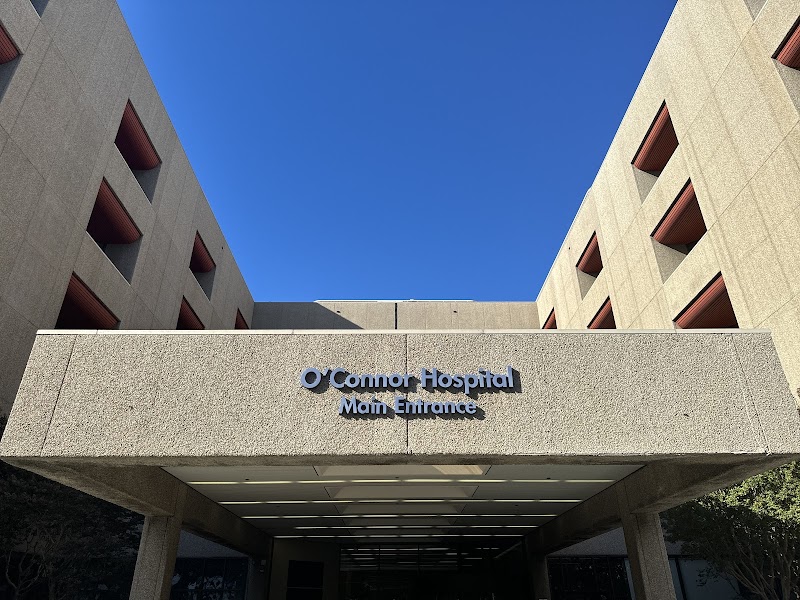
2105 FOREST AVENUE, SAN JOSE, CA 95128 (408) 947-2831
Government - County 24 Beds Independent Data: November 2025
Trust Grade
85/100
#147 of 1155 in CA
Last Inspection: May 2024

Within standard 12-15 month inspection cycle. Federal law requires annual inspections.

Overview

O'Connor Hospital D/P SNF has a Trust Grade of B+, which means it is above average and recommended for families considering care options. In California, it ranks #147 out of 1,155 facilities, placing it in the top half, and #9 out of 50 in Santa Clara County, indicating it is one of the better choices in the area. The facility is improving, as it reduced its issues from 11 in 2023 to 10 in 2024, and it has a strong staffing rating of 5 out of 5 stars, with a low turnover rate of 21% compared to the state average of 38%. There are no fines on record, which is positive, and it boasts more RN coverage than 98% of California facilities, ensuring thorough oversight of resident care. However, there are concerns, including the improper use of side rails for residents, which could lead to entrapment risks, and a lack of Oxygen In Use signs for residents on oxygen therapy, which poses safety hazards. Additionally, there were instances where residents did not receive medications as prescribed, which could potentially lead to misuse of narcotics. Overall, while there are notable strengths, families should be aware of these weaknesses when considering this facility.

Trust Score
B+
85/100
In California
#147/1155
Top 12%
Safety Record
Low Risk
No red flags
Inspections
Getting Better
11 → 10 violations
Staff Stability
✓ Good
21% annual turnover. Excellent stability, 27 points below California's 48% average. Staff who stay learn residents' needs.
Penalties
✓ Good
No fines on record. Clean compliance history, better than most California facilities.
Skilled Nurses
✓ Good
Each resident gets 185 minutes of Registered Nurse (RN) attention daily — more than 97% of California nursing homes. RNs are the most trained staff who catch health problems before they become serious.
Violations
⚠ Watch
21 deficiencies on record. Higher than average. Multiple issues found across inspections.
★★★★★
5.0
Overall Rating
★★★★★
5.0
Staff Levels
★★★★☆
4.0
Care Quality
★★★★☆
4.0
Inspection Score
Stable
2023: 11 issues
2024: 10 issues

The Good

  • 5-Star Staffing Rating · Excellent nurse staffing levels
  • 4-Star Quality Measures · Strong clinical quality outcomes
  • Low Staff Turnover (21%) · Staff stability means consistent care
  • Full Sprinkler Coverage · Fire safety systems throughout facility
  • No fines on record
  • Staff turnover is low (21%)

    27 points below California average of 48%

Facility shows strength in staffing levels, quality measures, staff retention, fire safety.

The Bad

No Significant Concerns Identified

This facility shows no red flags. Among California's 100 nursing homes, only 1% achieve this.

The Ugly 21 deficiencies on record

May 2024 10 deficiencies
CONCERN (D)

Potential for Harm - no one hurt, but risky conditions existed

Deficiency F0558 (Tag F0558)

Could have caused harm · This affected 1 resident

Based on observation, interview, and record review, the facility failed to provide the call light within resident's reach for one of 12 sampled residents (Resident 22). This failure had the potential ...

Read full inspector narrative →
Based on observation, interview, and record review, the facility failed to provide the call light within resident's reach for one of 12 sampled residents (Resident 22). This failure had the potential to negatively affect the resident's safety and delay the care and services to the residents in the facility. Findings: During a concurrent observation and interview on 5/16/24, at 9:50 a.m., in Resident 22's room. Resident 22 was awake and sitting up in bed without the call light in reach. The call light was attached to a monitor above Resident 22's bed. Resident 22, who was alert and oriented, stated that sometimes the staff forgets to give her the call light after changing her. Resident 22 stated, I just wait for them to come back and remember it. During a concurrent observation and interview on 5/16/24, at 10:00 a.m., with Registered Nurse J (RN J), RN J entered Resident 22's room removed the call light from the monitor above the bed, and placed it in Resident 22's hand. RN J stated Certified Nursing Assistant (CNA) K had been providing care and forgot to give the call light to Resident 22 when CNA K left the room. Review of facility's policy and procedure titled, Safety: Nursing Units & Clinics, dated 8/24/22, indicated, .The call bell is kept within reach of the aged and developmentally appropriate patient .
CONCERN (D)

Potential for Harm - no one hurt, but risky conditions existed

Deficiency F0688 (Tag F0688)

Could have caused harm · This affected 1 resident

Based on observations, interview, and record review, the facility failed to apply the right hand splint (a semi-rigid device to prevent or maintain a body part in a functional position) to one of 12 s...

Read full inspector narrative →
Based on observations, interview, and record review, the facility failed to apply the right hand splint (a semi-rigid device to prevent or maintain a body part in a functional position) to one of 12 sampled residents (Resident 7) for contracture (condition of shortening and hardening of muscles, tendons, or other tissue, often leading to deformity and rigidity of joints) management as ordered by the physician. This failure had the potential to worsen contractures in Resident 7's right hand. Findings: During a concurrent observation and interview on 5/13/24, at 09:00 a.m. in Resident 7's room, the surveyor observed Certified Nursing Assistant (CNA) K just finishing care for Resident 7. Resident 7 was lying in bed, non-verbal, with both hands contracted. Rolled hand towels were place in both palms of Resident 7. CNA K stated she always apply hand towels to prevent contractures and that the family would put the splint on the right hand. During a concurrent interview and record review with Registered Nurse (RN) G, on 5/13/24, at 2:08 p.m., Resident 7's Physician's Order was reviewed. The Physician's Order, dated 3/6/24, indicated, Apply right soft hand splint as tolerated. OK for family to place this as well. RN G stated the CNAs should also apply Resident 7's right hand splint in the morning. During a concurrent observation and interview with RN J on 5/16/24, at 11:01 a.m., in Resident 7's room, RN J confirmed the right hand splint was not applied. RN J stated the right hand splint is used for the management of Resident 7's contracture. RN J stated the CNAs should also apply Resident 7's right hand splint and did not have to wait for family members to apply it. RN J stated that Resident 7's family members' visiting hours vary and that Resident 7's right hand splint was not being applied as ordered by the physician. Review of facility's policy and procedure titled, Nursing Care, Restorative & Supportive, reviewed 8/20, indicated, .It is also policy of this facility to provide early detection and intervention when independence declines to prevent complications and maintain the resident at their highest level of functioning.
CONCERN (D)

Potential for Harm - no one hurt, but risky conditions existed

Pharmacy Services (Tag F0755)

Could have caused harm · This affected 1 resident

Based on interview and record review, the facility failed to ensure accurate accountability of controlled medication (medication with high potential for abuse and addiction) when random controlled med...

Read full inspector narrative →
Based on interview and record review, the facility failed to ensure accurate accountability of controlled medication (medication with high potential for abuse and addiction) when random controlled medication use audit for one of two residents (Resident 2) did not reconcile. The medication was signed out of the Controlled Drug Record (CDR, an inventory sheet that keeps record of the usage of controlled medications) but not documented on the Medication Administration Record (MAR, used to document medications taken by each individual) to indicate they were administered to the resident. The failure resulted in inaccurate accountability and had the potential for misuse or diversion of controlled medications. Findings: The Controlled Drug Record (CDR) for two residents receiving PRN (Pro Re Nata, meaning as needed) controlled medications were requested for review during the survey. A review of Resident 2's clinical record indicated he had a Physician order for Tramadol (Ultram, a controlled medication for pain) 50 milligrams (mg, unit of measurement) 1 tablet via gastrostomy tube (G-tube, a feeding tube used to deliver nourishment, liquid, and medication into the stomach) every 8 hours as needed, dated 4/15/24, and Butalbital-Acetaminophen-Caffeine (Fioricet, used to treat tension headaches) 50-325-40 mg per tablet every 4 hours as needed via G-tube, dated 3/25/24. During a concurrent interview and record review on 5/13/24 at 1:15 p.m., with Registered Nurse (RN) G, RN G reviewed Resident 2's CDR for Tramadol and the 4/2024 MAR, which indicated the nursing staff removed this Tramadol medication from the locked controlled medication compartment in the medication cart and signed it out of the CDR on 4/28/24 at 4:00 a.m., but did not document the respective administration on the MAR. RN G acknowledged that the controlled substance medication was not accounted for in the MAR. During a concurrent interview and record review on 5/13/24 at 2:58 p.m., with RN G, RN G reviewed Resident 2's CDR for Butalbital-Acetaminophen-Caffeine and the 12/2023 MAR which indicated the nursing staff removed this medication from the locked controlled medication compartment in the medication cart and signed it out of the CDR on 12/27/23 at 6:45 a.m., but did not document the respective administration on the MAR. RN G acknowledged that the controlled substance medication was not accounted for in the MAR. During an interview on 5/16/24 at 7:38 a.m., with RN H, RN H stated that on 4/28/24 at 4:00 a.m., she removed the controlled substance (Tramadol) medication and administered it to the resident. RN H acknowledged that the administration of the controlled substance medication was not documented in the MAR. RN H stated she forgot to sign the MAR. During an interview on 5/16/24 at 7:50 a.m., with Licensed Vocational Nurse (LVN) I, LVN I stated she removed the controlled substance medication (Butalbital -Acetaminophen-Caffeine [Fiorecit]) on 12/27/23 at 6:45 a.m. and administered it to the resident. LVN I acknowledged that the administration of the controlled substance medication was not documented in the MAR. LVN I stated she takes the responsibility of forgetting to sign the MAR. During an interview on 5/17/24 at 11:01 a.m., with the Clinical Manager (CM), the CM acknowledged the the two controlled substance medications were not accounted for in the MAR. The CM stated the nursing staff should sign the MAR after the administration of the medications. During a review of the facility's policy and procedure titled, Medication Administration, revised 7/2018, indicated Medications shall be charted immediately after being administered.
CONCERN (D)

Potential for Harm - no one hurt, but risky conditions existed

Drug Regimen Review (Tag F0756)

Could have caused harm · This affected 1 resident

**NOTE- TERMS IN BRACKETS HAVE BEEN EDITED TO PROTECT CONFIDENTIALITY** 2. Review of Resident 1's clinical record indicated he was admitted on [DATE] and had the diagnosis of atrial fibrillation (irre...

Read full inspector narrative →
**NOTE- TERMS IN BRACKETS HAVE BEEN EDITED TO PROTECT CONFIDENTIALITY** 2. Review of Resident 1's clinical record indicated he was admitted on [DATE] and had the diagnosis of atrial fibrillation (irregular heartbeat). Review of Resident 1's Physician Medication Orders, indicated Resident 1 had an order dated 4/29/24 for Apixaban (Eliquis, an anticoagulant medication used to treat and prevent blood clots and to prevent stroke) 5 mg 1 tablet by mouth twice daily. During a review of the Consultant Pharmacist's Medication Regimen Review, dated 1/31/23, indicated recommendations were made to monitor Resident 1 for signs/symptoms of bleeding/bruising and monitor for signs/symptoms of thromboembolism (blood clot in the blood vessel). During a concurrent interview and record review on 5/16/24 at 11:00 a.m., with Registered Nurse (RN) C, RN C acknowledged that the monitoring of side effects was not documented in the Medication Administration Record (MAR, used to document medications or treatments). RN C stated the monitoring was not being done. During a concurrent interview and record review on 5/17/24 at 11:01 a.m., with the Clinical Manager (CM), the CM verified that the monitoring of side effects was not done. During a review of the facility's policy and procedure titled, Medication Regimen Review and Reporting, dated 1/24, indicated Resident-specific MRR recommendations and findings are documented and acted upon by the nursing care center and/or physician. The nursing care center follows up on the recommendations to verify that appropriate action has been taken. Recommendations should be acted upon within 30 calendar days . Based on interview and record review, the facility failed to monitor side effects of anticoagulant (medicines that help prevent blood clots) medication for two of 12 sampled residents (Residents 7 and 1) reviewed. This failure had the potential to put the residents at risk for complications and adverse effects from the medication. Findings: 1. Review of Resident 7's clinical record indicated Resident 7 was admitted on [DATE] and had diagnosis of Anoxic Brain Injury (lack of oxygen to the brain). Review of Resident 7's Physician Orders, indicated Resident 7 had an order dated 8/16/19 for Rivaroxaban (Xarelto, used to treat and prevent blood clots) 20 milligrams (mg, unit of measurement), gastrostomy tube (G-tube, a tube inserted into the stomach and can be used to give medication and liquids) daily. Indication for this medication: Deep vein thrombosis (DVT, a blood clot that forms within the deep veins)/Pulmonary Embolism (PE, a blood clot that forms and travels to the lungs). Review of Resident 7's Physician Orders, dated 6/17/21, indicated, Monitor for signs and symptoms of bleeding every shift and notify prescriber if resident experiences: dark/discolored urine, black tarry stools, nose bleeds, vomiting and/or coughing up blood. Monitor signs and symptoms of thrombocytopenia every shift and notify prescriber if resident experiences any of the following: unexpected bruising, bleeding from the nose or gums, black or bloody bowel movements, red or pink colored urine, bloody vomit and/or severe headache. Review of Resident 7's Medication Administration Record (MAR) for month of May 2024, indicated that while there was monitoring for the anticoagulant Xarelto, there was no documentation initialed by the nursing staff to confirm that this monitoring was performed every shift. During a concurrent interview and record review with Registered Nurse (RN) C on 5/16/24, at 11:10 a.m., RN C was made aware of the concern. RN C confirmed that there was no adequate evidence in the MAR that anticoagualant monitoring for side-effects was performed every shift.
CONCERN (D)

Potential for Harm - no one hurt, but risky conditions existed

Unnecessary Medications (Tag F0759)

Could have caused harm · This affected 1 resident

Based on observation, interview, and record review, the facility had a medication error rate of 8% when two medication errors occurred out of 25 opportunities during the medication administration for ...

Read full inspector narrative →
Based on observation, interview, and record review, the facility had a medication error rate of 8% when two medication errors occurred out of 25 opportunities during the medication administration for two of eight residents (Residents 14 and 12). The failure resulted in medications not given as per accepted professional standards of practice and had the potential for residents not receiving the full therapeutic effects of medications which may negatively affect the residents' health. Findings: During a concurrent observation and interview on 5/14/24 at 12:49 p.m., at Resident 14's bedside, Licensed Vocational Nurse (LVN) A administered Genteal Tears (artificial tear to treat dry eyes or irritation) 0.1-0.3-0.2% ophthalmic solution 2 drops on both eyes to Resident 14. LVN A did not wait between administering the same eye drop medication. LVN A stated he did not wait one minute in between drops. During a review of the facility's policy and procedure titled, Medication Administration Eye Drops, dated 01/23, indicated If another drop of the same or different medication is prescribed for administration in the same eye at the same time, wait 3 to 5 minutes for optimal absorption. During a concurrent observation and interview on 5/16/24 at 8:34 a.m., at Resident 12's bedside, LVN B did not flush with water the gastrostomy tube (G-tube, a feeding tube used to provide nutrition to people who cannot obtain nutrition by mouth, unable to swallow safely, or need nutritional supplementation) before the administration of medications. LVN B stated he should flush first before giving the medications. During an interview on 5/16/24 at 10:03 a.m., with Registered Nurse (RN) C, RN C stated flush the G-tube with 15 milliliters (ml, unit of measurement) of water before giving the medications. During an interview on 5/16/24 at 4:24 p.m., with RN D, RN D stated the G-tube needed to be flushed before and after medications. During an interview on 5/17/24 at 11:01 a.m., with the Clinical Manager (CM), CM stated flush the feeding tube before starting the medications. During a review of the facility's policy and procedure titled, Medication Administration Through a Feeding Tube, dated 7/18, indicated 10. Insert syringe and flush resident's feeding tube with 50 cc water (use warm water as needed to adequately flush the tube ensuring patency). 11. Administer medications via gentle instillation or gravity via syringe into the resident's feeding tube .
CONCERN (D)

Potential for Harm - no one hurt, but risky conditions existed

Infection Control (Tag F0880)

Could have caused harm · This affected 1 resident

Based on observation, interview, and record review, the facility failed to implement infection control and prevention practices when: 1. Licensed vocational nurse (LVN) E did not remove gloves, saniti...

Read full inspector narrative →
Based on observation, interview, and record review, the facility failed to implement infection control and prevention practices when: 1. Licensed vocational nurse (LVN) E did not remove gloves, sanitize (to reduce or remove pathogenic agents) hands and put on new gloves after touching and removing the electrical fan on top of the bedside table before administering the medications using the gastrostomy tube (G-tube, a feeding tube used to deliver nourishment, liquid, and medication into the stomach) for Resident 11. 2. Licensed vocational nurse (LVN) F did not remove gloves, sanitize (to reduce or remove pathogenic agents) hands and put on new gloves after moving the bedside table to the side of the bed before administering the medications using the gastrostomy tube for Resident 9. These failures had the potential to compromise the health and well-being of the residents in the facility. Findings: During a concurrent observation and interview on 5/14/24 at 8:41 a.m., with LVN E, in the Resident 11's room, LVN E donned personal protective equipment (PPE, equipment worn to minimize exposure to hazards that cause serious workplace injuries and illnesses, includes gloves and gown). LVN E removed the electrical fan that was on top of the resident's bedside table. LVN E then placed her medication tray on the bedside table and without changing her gloves & doing hand hygiene (HH, reducing or inhibiting growth of microorganism by applying an alcohol-based hand rub to surface of hands or hand washing with soap and wate) proceeded to check the placement, residual (the volume of fluid remaining in the stomach at a point in time during enteral nutrition feeding), and patency (state of the tube being open or unblocked) of the G-tube. After checking the G-tube was patent, LVN E then proceeded to administer the medications using the G-tube. LVN E stated he should have changed the gloves and perform hand hygiene after touching the fan and before giving the medications. During a concurrent observation and interview on 5/14/24 at 12:37 p.m., with LVN F, in the Resident 9's room, LVN F donned personal protective equipment (PPE, equipment worn to minimize exposure to hazards that cause serious workplace injuries and illnesses, includes gloves and gown). LVN F placed the medication tray on top of the bedside table and moved the table to the side of the bed. Without changing her gloves and doing HH, LVN F then checked the placement, residual, and patency of the G-tube. After checking that the G-tube was patent, LVN F then proceeded to administer the medications using the G-tube. LVN F stated she should have changed gloves and sanitize hands before giving the medications. During an interview on 5/17/24 at 11:01 a.m., with the Clinical Manager (CM), the CM stated the nurses should have changed the gloves after touching the bedside table and removing the fan on top of the bedside table. During a review of the facility's policy and procedure titled, Infection Control Hand Hygiene, revised 6/18, indicated 2. Hand sanitization with an alcohol-based product .in the following circumstances: d. after contact with inanimate objects (including medical equipment) in the immediate vicinity of the patient. 3. Gloves are not a substitute for handwashing or hand sanitizing.
CONCERN (D)

Potential for Harm - no one hurt, but risky conditions existed

Deficiency F0883 (Tag F0883)

Could have caused harm · This affected 1 resident

**NOTE- TERMS IN BRACKETS HAVE BEEN EDITED TO PROTECT CONFIDENTIALITY** Based on interview and record review, the facility failed to ensure one of five residents (Residents 19) were offered and/or rec...

Read full inspector narrative →
**NOTE- TERMS IN BRACKETS HAVE BEEN EDITED TO PROTECT CONFIDENTIALITY** Based on interview and record review, the facility failed to ensure one of five residents (Residents 19) were offered and/or received pneumococcal (common bacteria that can affect different parts of the body) vaccinations. This failure increased the potential for residents to have inadequate immunity to pneumococcal infections (also known as pneumonia, an infection of one or both lungs). Findings: During a concurrent interview and record review on 5/15/2024 at 11:04 a.m., the Minimum Data Set Coordinator (MDS) reviewed Resident 19's admission and immunization records. MDS confirmed Resident 19 was admitted on [DATE] and that he had a history of getting the pneumococcal polysaccharide vaccine (PPSV23, a vaccine that can prevent pneumococcal disease) on 2/11/2011 and pneumococcal pneumonia vaccine (PCV 13, a vaccine that protects against 13 types of pneumococcal bacteria that cause common pneumococcal infections) on 11/24/2014. MDS stated she did not give the pneumococcal conjugate vaccine 20 (PCV20, one of the three pneumococcal conjugate that helps protect against bacteria that cause pneumococcal disease) to Resident 19 when she reviewed Resident 19's immunization record. Review of Resident 19's Immunization Consent Authorization Form, dated 12/13/23, indicated Resident 19's responsible party (grandchild) authorized the facility to administer the pneumococcal vaccine. Review of the facility's policy and procedure titled, Standardized Procedure for Adult Pneumococcal Vaccine Screening and Administration in the Acute Care Setting, indicated Use the vaccine history and algorithm to determine if the patient is eligible for a PCV-20 or PPSV-23 . During a review of CDC's recommendations titled, Pneumococcal Vaccine Timing for Adults, dated 3/15/2023, indicated, For adults 65 years or older who have received PCV13 at any age and PPSV23 at or after age [AGE] years, CDC recommends you give 1 dose of PCV20 at least 5 years after the last pneumococcal vaccine.
CONCERN (D)

Potential for Harm - no one hurt, but risky conditions existed

Deficiency F0925 (Tag F0925)

Could have caused harm · This affected 1 resident

Based on observation, interview, and record review, the facility failed to maintain an effective pest control program to ensure the facility is free from flies and spiders. These failures could potent...

Read full inspector narrative →
Based on observation, interview, and record review, the facility failed to maintain an effective pest control program to ensure the facility is free from flies and spiders. These failures could potentially lead to the transmission of diseases carried by pests to residents, their family members, staff and visitors who come to the activity room. Findings: On 5/14/24 at 9:00 a.m. and 4:40 p.m., a fly was observed in the activity room. On 5/17/24 at 8:30 a.m. and 2:24 p.m., a fly was observed in the activity room. During an observation with Licensed Vocational Nurse (LVN) B on 5/16/2024 at 9:45 a.m., LVN B caught a spider crawling on a tablet keyboard in the activity room. During a concurrent observation and interview with the Deputy Director( DD) on 5/17/2024 at 2:24 p.m., the DD confirmed that a fly was in the activity room and called the pest control service company. The DD stated that flies and spiders were not supposed to be in the activity room. During an interview with LVN B on 5/17/2024 at 2:54 p.m., LVN B confirmed that he caught a spider crawling on a tablet keyboard on 5/16/2024 in the activity room and stated that flies and spiders were not supposed to be in the activity room. During an interview with the Clinical Manager (CM) on 5/20/24 at 11:16 a.m., the CM stated that flies and spiders were not supposed to be in the activity room because they could spread germs and place residents and family members at risk for infection.
CONCERN (E)

Potential for Harm - no one hurt, but risky conditions existed

Respiratory Care (Tag F0695)

Could have caused harm · This affected multiple residents

Based on observation, interview and record review, the facility failed to ensure that proper care and treatment services for the use of oxygen (O2, colourless, odourless, tasteless gas essential to li...

Read full inspector narrative →
Based on observation, interview and record review, the facility failed to ensure that proper care and treatment services for the use of oxygen (O2, colourless, odourless, tasteless gas essential to living organisms; it is not flammable but causes other materials that burn to ignite more easily and to burn far more rapidly, that a fire involving oxygen can appear explosive-like) were provided for 19 of 19 sampled residents (Residents 2, 3, 11, 6, 15, 21, 10, 22, 12, 18, 13, 20, 1, 19, 23, 16, 5, 8, and 9) as there were no Oxygen In Use signs at these 19 residents' doors. This deficient practice had the potential to harm residents receiving O2 therapy. Findings: A review of the facility document titled Sub-Acute Patient List, updated 5/1/24, indicated in the O2 column that Residents 2, 11, 6, 15, 21, 10, 22, 12, 18, 13, 20, 1, 19, 23, 16, 5, 8, and 9 were receiving O2. However, Resident 3 was indicated as being on room air (RA, without supplemental oxygen), but a portable O2 tank was observed at the head of the bed in Resident 3's room. During an observation on 5/14/24 at 12:49 p.m. with another surveyor, it was noted that there were no Oxygen In Use signs posted at the door or side walls of Residents 2, 3, 11, 6, 15, 21, 10, 22, 12, 18, 13, 20, 1, 19, 23, 16, 5, 8, and 9's rooms. During multiple observations from 5/13/24 to 5/16/24 in Resident 3's room, a portable O2 tank was observed at the head of Resident 3's bed, but there was no Oxygen In Use sign posted on the door. During an observation with a Registered Nurse (RN) J on 5/16/24 at 10:20 a.m., Resident 8 was receiving O2 at 2 liters per minute (LPM) via nasal cannula (NC, a plastic device with two protruding prongs for insertion into the nostrils, connected to an oxygen source). RN J stated that Resident 8 receives O2 as needed. During an interview with RN J on 5/16/24, the surveyor inquired about the O2 tank observed at the head of Resident 3's bed. RN J stated that the oxygen is used when Resident 3 goes out to attend activities or appointments. During an interview with Licensed Vocational Nurse (LVN) B on 5/17/24, at 2:54 pm, with another surveyor. LVN B confirmed that there were no Oxygen In Use signs posted on the doors of all residents on Oxygen therapy. LVN B further stated that the facility does not usually put O2 signs on the doors. A review of the facility's policy, titled, Oxygen Therapy, last reviewed 8/2022, indicated, .place 'Oxygen in Use' sign on door . A review of the facility's policy, titled, Safety: Nursing Units & Clinics, dated 8/24/2022, indicated, .Oxygen Cylinders are: a. stored only in safe, properly labeled rooms .
CONCERN (F)

Potential for Harm - no one hurt, but risky conditions existed

Deficiency F0700 (Tag F0700)

Could have caused harm · This affected most or all residents

**NOTE- TERMS IN BRACKETS HAVE BEEN EDITED TO PROTECT CONFIDENTIALITY** Surveyor: [NAME], [NAME] Based on observation, interview, and record review, the facility failed to ensure proper use of side ra...

Read full inspector narrative →
**NOTE- TERMS IN BRACKETS HAVE BEEN EDITED TO PROTECT CONFIDENTIALITY** Surveyor: [NAME], [NAME] Based on observation, interview, and record review, the facility failed to ensure proper use of side rails (or bed rails, adjustable rigid bars attached to the side of a bed [examples include safety rails, grab bars, and assist bars]) for 23 of 23 residents (Residents 1, 14, 21, 15, 10, 13, 11, 2, 7, 3, 22, 8, 19, 5, 9, 4, 6, 12, 16, 17, 18, 20, and 23), when 1. For Residents 4 and 23, the Siderail Assessment indicated side rails were not required, though the residents were observed to have side rails. 2. The facility failed to offer/or attempt alternatives prior to the use of side rails and no documentation indicated alternatives were offered and/or attempted prior to using side rails for 23 of 23 residents with side rails (Residents 1, 14, 21, 15, 10, 13, 11, 2, 7, 3, 22, 8, 19, 5, 9, 4, 6, 12, 16, 17, 18, 20, and 23). These failures had the potential to place the residents at risk of entrapment and serious injury. Findings: 1. During an observation in Resident 4's room on 5/13/24 at 11:00 a.m., Resident 4 was lying in bed with both upper side rails in the upright position. During an observation in Resident 23's room on 5/13/24 at 11:35 a.m., Resident 23 was lying in bed with both upper side rails in the upright position. A record review of Resident 4's 'Siderail Assessment' dated 4/2/2024, indicated 8. The Resident has a medical justification for use of siderails? No; Siderail Consent Form obtained? No; Siderail x2 Order Placed? Yes The Assessment has determined the use of siderails is indication reason: Not indicated. A record review of Resident 23's Siderail Assessment dated 4/25/2024, indicated 8. The Resident has a medical justification for use of siderails? No, . The assessment has determined the use of siderails is: Not indicated. During a concurrent interview and record review with Licensed Vocational Nurse (LVN) B on 5/16/24 at 11:15 a.m., LVN B reviewed Resident 4's Siderail Assessment dated 4/2/2024 and confirmed there was no indication to use the side rails. During a concurrent interview and record review with LVN B on 5/16/2024 at 11:17 a.m., LVN B reviewed Resident 23's Siderail Assessment dated on 4/25/2024 and confirmed there was no indication to use the side rails. During an interview with the Clinical Manager (CM) on 5/20/24 at 11:04 a.m., the CM confirmed that Resident 4 and 23's Siderail Assessment did not require them to have side rails and using side rails might place the residents at risk of entrapment and serious injury. 2. During an observation on 5/13/24 at 8:45 a.m., in the resident's room, Resident 1's bed had four side rails installed with the two upper side rails in the upright position. During an observation on 5/13/24 at 8:56 a.m., in the resident's room, Resident 14's bed had four side rails installed with the two upper side rails in the upright position. During an observation on 5/13/24 at 8:55 a.m., in the resident's room, Resident 21's bed had four side rails installed with the two upper side rails in the upright position. During an observation on 5/13/24 at 8:57 a.m., in the resident's room, Resident 15's bed had four side rails installed with the two upper side rails in the upright position. During an observation on 5/13/24 at 8:59 a.m., in the resident's room, Resident 10's bed had four side rails installed with the two upper side rails in the upright position. During an observation on 5/13/24 at 9:04 a.m., in the resident's room, Resident 13's bed had four side rails installed with the two upper side rails in the upright position. During an observation on 5/13/24 at 9:32 a.m., in the resident's room, Resident 11's bed had four side rails installed with the two upper side rails in the upright position. During an observation on 5/13/24 at 12:22 p.m., in the resident's room, Resident 2's bed had four side rails installed with the two upper side rails in the upright position. During an observation on 5/13/24 at 08:45 a.m. in Resident 7's room, Resident 7 was lying in bed with both upper siderails in upright position. During an observation on 5/13/24 at 9:00 a.m. in Resident 3's room, Resident 3 had both upper siderails in upright position. During an observation on 5/13/24 at 10:40 a.m. in Resident 22's room, Resident 22 was awake, seated up in bed with both upper siderails in upright position. During an observation on 5/13/24 at 12:46 p.m. in Resident 8's room, Resident 8 was lying in bed with both upper siderails in upright position. During an observation on 5/13/24 at 12:48 p.m. in Resident 19's room, Resident 19 was lying in bed with both upper siderails in upright position. During an observation on 5/13/24 at 12:54 p.m. in Resident 5's room, Resident 5 was lying in bed with both upper siderails in upright position. During an observation on 5/13/24 at 12:56 p.m. in Resident 9's room, Resident 9 was lying in bed with both upper siderails in upright position. During an observation in Resident 4's room on 5/13/24 at 11:00 a.m., Resident 4 was lying in bed with both upper side rails in the upright position. During an observation in Resident 6 's room on 5/13/24 at 11:10 a.m., Resident 6 was lying in bed with both upper side rails in the upright position. During an observation in Resident 12 's room on 5/13/24 at 11:15 a.m., Resident 12 was lying in bed with both upper side rails in the upright position. During an observation in Resident 16 's room on 5/13/24 at 11:20 a.m., Resident 16 was lying in bed with both upper side rails in the upright position. During an observation in Resident 17 's room on 5/13/24 t 11:23 a.m., Resident 17 was lying in bed with both upper side rails in the upright position. During an observation in Resident 18 's room on 5/13/24 at 11:25 a.m., Resident 18 was lying in bed with both upper side rails in the upright position. During an observation in Resident 20 's room on 5/13/24 at 11:30 a.m., Resident 20 was lying in bed with both upper side rails in the upright position. During an observation in Resident 23 's room on 5/13/24 at 11:35 a.m., Resident 23 was lying in bed with both upper side rails in the upright position. During an interview with Registered Nurse (RN) C on 5/15/2024 at 10:08 a.m., RN C confirmed that 23 residents (Residents 1, 14, 21, 15, 10, 13, 11, 2, 7, 3, 22, 8, 19, 5, 9, 4, 6, 12, 16, 17, 18, 20, and 23) were using bilateral upper-side rails and stated all the upper-side rails were installed before admission, and further stated no alternatives were provided to the residents prior to using them. During an interview review with the Director of Operations (DO) on 5/15/24 at 4:00 p.m., the DO stated that they did not offer alternatives to use before installing the siderails. During an interview with the CM on 5/20/2024 at 11:04 a.m., the CM confirmed that 23 residents (Residents 1, 14, 21, 15, 10, 13, 11, 2, 7, 3, 22, 8, 19, 5, 9, 4, 6, 12, 16, 17, 18, 20, and 23) were using bilateral upper-side rails, no alternatives were provided or attempted prior to installing the side rails and no documentation indicated that the alternatives were provided. During a review of the facility's policy and procedure (P&P) titled Side Rails, the P&P indicated To provide a resident with safety devices for medical conditions, or as a restraining devise to prevent injuries for those residents who have been assessed for the use of restraints and for whom the use of side rails has been determined to be the appropriate, least restrictive type of restraint and informed consent from the physician has been obtained for their use .upon admission to the facility, all residents will be assessed to determine if the use of side rails is justified, in accordance with the Side Rail Assessment Policy and Procedure .
Mar 2023 11 deficiencies
CONCERN (D)

Potential for Harm - no one hurt, but risky conditions existed

Resident Rights (Tag F0550)

Could have caused harm · This affected 1 resident

Based on observation, interview, and record review, the facility failed to ensure privacy of one of 12 residents (Resident 75) while providing care. This failure had the potential to cause emotional d...

Read full inspector narrative →
Based on observation, interview, and record review, the facility failed to ensure privacy of one of 12 residents (Resident 75) while providing care. This failure had the potential to cause emotional distress to the resident. Findings: During a medication pass observation, on 3/21/23 at 4:26 p.m., registered nurse E (RN E) prepared medications for Resident 75. RN E entered Resident 75's room and did not pull the curtain closed or close the door. RN E suctioned secretions in the resident's tracheostomy (an opening surgically created through the neck into the trachea [windpipe] to allow direct access to the breathing tube) and mouth. RN E uncovered Resident 75's abdomen area and administered medications via gastrostomy tube. During an interview, on 3/21/23 at 4:53 p.m., RN E confirmed she did not pull Resident 75's curtain to provide privacy and should have. Review of the facility's policy, Resident Privacy and Confidentiality, revised 7/2018, indicated, Nursing staff will use curtains to provide full visual privacy during resident care, toileting, treatments, and issues of dignity and other requested times. This includes closing doors, removing residents from public view and providing clothing and draping residents to prevent unnecessary exposure of body parts.
CONCERN (D)

Potential for Harm - no one hurt, but risky conditions existed

Transfer Notice (Tag F0623)

Could have caused harm · This affected 1 resident

Based on interview and record review, the facility failed to notify the responsible party (RP, the designated person who makes medical decisions for the resident) for one of two residents (Resident 17...

Read full inspector narrative →
Based on interview and record review, the facility failed to notify the responsible party (RP, the designated person who makes medical decisions for the resident) for one of two residents (Resident 17) when Resident 17 was transferred to an emergency department. This failure had the potential to compromise the residents' admission, transfer, and discharge rights. Findings: Review of Resident 17's progress notes indicated, on 2/26/23, the resident was transferred to the emergency department due to desaturation (drop in blood oxygen level). There was no documentation in the clinical record indicating the resident's RP was informed of Resident 17's transfer. During an interview with registered nurse A (RN A), on 3/23/23 at 11:00 a.m., she acknowledged Resident 17's RP was not notified regarding the transfer. Review of the facility's policy, Rights and Responsibilities, revised on 8/2009, indicated Residents and, when appropriate, their families are informed about the outcomes of care, treatment, and services, including unanticipated outcomes.
CONCERN (D)

Potential for Harm - no one hurt, but risky conditions existed

Quality of Care (Tag F0684)

Could have caused harm · This affected 1 resident

Based on interview and record review, the facility failed to ensure care and services were provided in accordance with professional standards of practice for two of 12 residents (Residents 3 and 12), ...

Read full inspector narrative →
Based on interview and record review, the facility failed to ensure care and services were provided in accordance with professional standards of practice for two of 12 residents (Residents 3 and 12), when licensed nurses did not notify the attending physicians regarding medications that were not administered. These failures had the potential to compromise the residents' health and well-being. Findings: 1. Review of Resident 3's clinical record indicated the resident was admitted to the facility with diagnoses including diabetes mellitus (high blood sugar), hypothyroidism (underactive thyroid), spinal injury, and headache. Review of Resident 3's medication administration record (MAR), dated February 2023, indicated, on 2/28/23, Metformin (a medicine to treat diabetes) 500 milligrams (mg, a unit measurement) was not given in the morning and evening, on 2/24/23, Oxybutynin (a medicine used to treat overactive bladder) 5 mg was not given in the morning, afternoon, and evening, and on 2/28/23, Topiramate (a medicine used to treat headache) 50 mg was not given in the morning and evening. Review of Resident 3's MAR, dated March 2023, indicated, from 3/9/23 to 3/11/23, Levothyroxine (a medicine used to treat hypothyroidism) 50 mcg was not given, and from 3/7/23 to 3/9/23, Mexiletine (an anti-arrhythmic drug) 150 mg was not given in morning and in the evening. Review of Patient 3's nurses notes on the MAR, dated February and March 2023, indicated those missed medications were unavailable awaiting for delivery. There was no documentation in the record indicating Resident 3's attending physician was notified regarding the missed medications. During an interview with registered nurse B (RN B), on 3/21/23 at 11:10 a.m., she confirmed Resident 3 did not receive the above medications and his attending physician was not notified of the missed medications. 2. Review of Resident 12's laboratory results, dated 1/30/23, indicated the resident's hemoglobin (the iron-containing oxygen-transport protein present in red blood cells, normally ranges 14-18 in grams per deciliter [g/dl]) and hematocrit (the volume percentage of red blood cells in blood, normally ranges 42-52%) levels were 8.8 g/dl and 27.9%. Review of Resident 12's interdisciplinary team (IDT, team members from different departments involved in a resident's care) progress notes, dated 2/13/23, indicated the resident had anemia (a low number of red blood cells). Review of Resident 12's MAR indicated an order, dated 2/13/23, ferrous gluconate (iron supplement) 25 mg daily with breakfast for anemia. It indicated, from 2/13/23 to 2/27/23, ferrous gluconate was unavailable and the medication was not administered. There was no documented evidence Resident 12's attending physician was notified of the missed medication. During an interview with RN A, on 3/21/23 at 12:46 p.m., she confirmed Resident 12 did not receive his ferrous gluconate for 15 days as ordered and his attending physician was not notified. During an interview with the clinical director (CD), on 3/22/23 at 12:30 p.m., she stated nurses should have followed up with the pharmacy if a medication was not available and contacted the attending physician. Review of the facility's policy, Medication Administration, reviewed on 9/2022, indicated Drugs not given as prescribed: Physician should be notified of missed doses, as appropriate.
CONCERN (D)

Potential for Harm - no one hurt, but risky conditions existed

Deficiency F0700 (Tag F0700)

Could have caused harm · This affected 1 resident

Based on observation, interview, and record review, the facility failed to ensure informed consents related to the use of side rails were completed for three of 12 residents (Residents 12, 22, and 73)...

Read full inspector narrative →
Based on observation, interview, and record review, the facility failed to ensure informed consents related to the use of side rails were completed for three of 12 residents (Residents 12, 22, and 73). This failure had the potential to put the residents at risk for entrapment and serious injury due to not being aware of the risks and benefits of bed rails. Findings: During an observation, on 3/21/23 at 9:21 a.m., Resident 12 was lying in bed and two side rails were used. During a concurrent interview and record review, with the clinical director (CD), on 3/23/23 at 11:26 a.m., she provided Resident 12's side rail assessment, dated 9/4/22. The CD also provided Resident 12 informed consent dated 3/23/23 and stated there was no informed consent obtained on 9/4/22. Review of Resident 22's physician order, dated 9/11/22, indicated the use of two side rails Review of Resident 73's physician order, dated 5/12/22, indicated the use of two side rails. Review of clinical records of Residents 22 and 73, indicated there were no Resident Bed Rail Consent Forms, indicating the benefit and risks of side rail use were explained to the residents or their families. During an interview on 3/23/23 11:28 a.m., the CD stated staff did not obtain the informed consents regarding the use of side rails, for Residents 22 and 73. Review of the facility's policy, Side rails, dated 4/94 and reviewed 6/21, indicated, To provide a resident with safety devices for medical conditions, or a restraining device to prevent injuries for those residents who have been assessed for the use of restraints and for whom the use of side rails has been determined to be appropriate .informed consent from the physician has been obtained for their use.
CONCERN (D)

Potential for Harm - no one hurt, but risky conditions existed

Drug Regimen Review (Tag F0756)

Could have caused harm · This affected 1 resident

Based on interview and record review, the facility failed to ensure the consultant pharmacist (CP)'s recommendations were acted upon for one of 12 residents (Resident 1). This failure had the potentia...

Read full inspector narrative →
Based on interview and record review, the facility failed to ensure the consultant pharmacist (CP)'s recommendations were acted upon for one of 12 residents (Resident 1). This failure had the potential to put the resident at risk for complications and adverse effects from the medication. Findings: Review of Resident 1's physician order, dated 12/8/22, indicated Apixaban (Eliquis, anticoagulant). Review of Resident 1's Consultant Pharmacist (CP) Medication Regimen Review (MRR, a thorough evaluation of the medication regimen of a resident, with the goal of promoting positive outcomes and minimizing adverse consequences and potential risks associated with medication), dated 1/31/23, indicated the CP made four recommendations for the use of Eliquis: - Monitor for signs/symptoms of bleeding/bruising - Monitor for signs/symptoms of thromboembolism [obstruction of a blood vessel by a blood clot] - Please consider adding the indication .in the order - .re-evaluation date for discontinuation .in the order During an interview and concurrent record review, on 3/22/23 at 1:20 p.m., with registered nurse A (RN A), she reviewed Resident 1's 1/31/23 CP recommendations and Resident 1's Medication Administration Record (MAR), dated March 2023. She stated there was an order, dated 12/8/22, to monitor for signs and symptoms of bleeding, it was entered as FYI [for your information], and there was no documented evidence nurses had monitored for signs and symptoms of bleeding every shift. She reviewed Resident 1's clinical records and confirmed the CP's 1/31/23 recommendations were not implemented. She stated she was unsure if Resident 1's physician was informed of those recommendations to consider. Review of the facility's policy,Medication Regimen Review and Reporting, dated 9/18, indicated resident-specific MRR recommendations and findings are documented and acted upon by the nursing care center and/or physician. The nursing care center follows up on the recommendations to verify that appropriate actions has been taken. Recommendations shall be acted upon within 30 calendar days.
CONCERN (D)

Potential for Harm - no one hurt, but risky conditions existed

Medication Errors (Tag F0758)

Could have caused harm · This affected 1 resident

Based on interview and record review, the facility failed to ensure two of six sampled residents (Residents 15 and 16) were free from unnecessary psychotropic medication (drugs that affects brain acti...

Read full inspector narrative →
Based on interview and record review, the facility failed to ensure two of six sampled residents (Residents 15 and 16) were free from unnecessary psychotropic medication (drugs that affects brain activities associated with mental processes and behavior) when Residents 15 and 16 received psychotropic medication without gradual dose reductions (GDR, a tapering of a dose to determine if symptoms, conditions, or risks can be managed by a lower dose or if the dose or medication can be discontinued); and there was no documented clinical rationale by the physician for why an attempted GDR was not indicated. These failures had the potential to put the residents at risk for experiencing adverse effects from unnecessary psychotropic medications. Findings: 1. Review of Resident 15's physician order, dated 3/11/21, indicated mirtazapine (antidepressant medication used to treat depression) 15 milligrams (mg, unit of measurement) at bedtime. Review of Resident 15's Note to Attending Physician/Prescriber from the pharmacist, dated 1/21/23, indicated to consider a dose reduction unless there is documentation of risk vs benefit and justification for such dose. The note also indicated, See IDT [interdisciplinary team]. During an interview and concurrent record review, on 3/22/23 at 11:09 a.m., the social worker (SW) reviewed Resident 15's 12/19/22 IDT notes and clinical records, and confirmed there was no gradual dose reduction attempted for Resident 15's mirtazapine and there was no documentation from the physician that indicated the reason a GDR was clinically contraindicated. 2. Review of Resident 16's physician order, dated 11/18/20, indicated Trazodone (antidepressant for treating major depressive disorders) 200 mg at bedtime. During an interview and concurrent record review, on 3/21/23 at 10:47 a.m., with Registered Nurse A (RN A), she stated Resident 16 has been taking Trazodone for the behavior of inability to sleep. She reviewed the episodes of inability to sleep, from 9/22 to 2/23, and stated the resident did not show the behavior that staff had monitored for the use of Trazodone. She stated if the resident did not have the behavior, the GDR should have been considered. She reviewed Resident 16's clinical record and there was no documented evidence the dose reduction for Trazodone was attempted in 2022 and 2023. During an interview with the clinical director (CD), on 3/22/23 at 3:09 p.m., she stated the GDR for Resident 1's Trazodone was not attempted and should have been attempted at least annually. Review of the facility's policy, Restraints, Chemical/Psychotropic Medications, revised 6/2021, indicated for antidepressant medications, GDRs must be attempted in two separate quarters within the first year of a patient's admission or the initiation of the antidepressant medication, unless physician documentation is present in the medical record indicating a GDR is clinically contraindicated. The policy also indicated after the first year, a GDR must be attempted at least annually, unless contraindicated.
CONCERN (D)

Potential for Harm - no one hurt, but risky conditions existed

Deficiency F0761 (Tag F0761)

Could have caused harm · This affected 1 resident

Based on observation, interview, and record review, the facility failed to ensure medications were stored securely when one of three medication carts was left unlocked and unattended. This failure had...

Read full inspector narrative →
Based on observation, interview, and record review, the facility failed to ensure medications were stored securely when one of three medication carts was left unlocked and unattended. This failure had the potential to result in the access of medications by unauthorized personnel. Findings: During a medication pass observation, on 3/21/23 at 8:53 a.m., registered nurse F (RN F) prepared medications for Resident 14. RN F left the medication cart unlocked, entered Resident 14's room, and closed the curtain. RN F administered medications to Resident 14. During an interview, on 3/21/23 at 9:28 a.m., RN F confirmed he left the medication cart unlocked and stated it should be locked. Review of the facility's policy, Storage of Medication, dated 1/2021 indicated, Medication rooms, cabinets and medication supplies should remain locked when not in use or attended by persons with authorized access.
CONCERN (D)

Potential for Harm - no one hurt, but risky conditions existed

Deficiency F0868 (Tag F0868)

Could have caused harm · This affected 1 resident

Based on interview and record review, the facility failed to ensure the Quality Assurance and Performance Improvement (QAPI) program implemented their policy to have a quarterly QAPI meeting. This fai...

Read full inspector narrative →
Based on interview and record review, the facility failed to ensure the Quality Assurance and Performance Improvement (QAPI) program implemented their policy to have a quarterly QAPI meeting. This failure have the potential to miss opportunities for identifying issues and improving the selected indicators for quality care of residents. Findings: Review of the facility's QAPI program and concurrent interview, on 3/23/23 at 9:49 a.m., with the clinical director (CD), she stated the unit based QAPI meeting should have been done quarterly, the last meeting was held on 9/19/22, and the last quarterly meeting, in December 2022, was not done. Review of the facility's policy, Quality Assurance/Performance Improvement (QAPI) Plan & Overview, dated 2023, indicated the clinical director will present the quarterly reports of analyzed statistical data to the facility's QAPI committee on a quarterly basis. The clinical director will coordinate and chair a quarterly unit based QAPI meeting.
CONCERN (E)

Potential for Harm - no one hurt, but risky conditions existed

Pharmacy Services (Tag F0755)

Could have caused harm · This affected multiple residents

Based on observation, interview, and record review, the facility failed to provide proper pharmaceutical services when: 1. Medications were unavailable and were not administered as ordered for six of ...

Read full inspector narrative →
Based on observation, interview, and record review, the facility failed to provide proper pharmaceutical services when: 1. Medications were unavailable and were not administered as ordered for six of 12 residents (Residents 2, 3, 9, 12, 20, and 22); and, 2. The disposition of two of five discontinued narcotic medications (controlled substance medications, drugs with high potential for abuse or addiction) were not documented. These failures resulted in six residents not receiving medications as ordered by the physicians and had the potential to result in misuse of narcotic medications. Findings: 1a. Review of Resident 2's medication administration record (MAR), dated 2/2023, indicated the following: Resident 2 missed three doses of gabapentin (medication used to treat pain or seizures) 300 mg, when it was not given on 2/6/23 and 2/7/23. Under Nurse's Medication Notes, nurses documented gabapentin 300 mg capsule not given awaiting for delivery. Resident 2 missed one dose of amiodarone (medication used to treat heart rhythm problems) 100 mg when it was not given on 2/20/23. Under Nurse's Medication Notes, a nurse documented amiodarone 100 mg not available. Resident 2 missed two doses of amitryptyline (medication used to treat depression) 50 mg when it was not given on 2/1/23 and 2/2/23. Under Nurse's Medication Notes, nurses documented amitriptyline 50 mg tab not available. Resident 2 missed one dose of brimonidine (medication used to lower pressure in the eye) 0.2% eye drops when it was not given on 2/16/23. Under Nurse's Medication Notes, a nurse documented brimonidine not available. b. Review of Resident 3's clinical record indicated the resident was admitted to the facility with diagnoses including diabetes mellitus (high blood sugar), hypothyroidism (underactive thyroid), spinal injury, and headache. Review of Resident 3's medication administration record (MAR), dated February 2023, indicated, on 2/28/23, Metformin (a medicine to treat diabetes) 500 milligrams (mg, a unit measurement) was not given in the morning and evening, on 2/24/23, Oxybutynin (a medicine used to treat overactive bladder) 5 mg was not given in the morning, afternoon, and evening, and on 2/28/23, Topiramate (a medicine used to treat headache) 50 mg was not given in the morning and evening. Review of Resident 3's MAR, dated March 2023, indicated, from 3/9/23 to 3/11/23, Levothyroxine (a medicine used to treat hypothyroidism) 50 mcg was not given, and from 3/7/23 to 3/9/23, Mexiletine (an anti-arrhythmic drug) 150 mg was not given in morning and in the evening. Review of Patient 3's nurses notes on the MAR, dated February and March 2023, indicated the resident's missed medications were unavailable awaiting for delivery. During an interview with registered nurse B (RN B), on 3/21/23 at 11:10 a.m., she confirmed Resident 3 did not receive the above medications. c. Review of Resident 9's MAR, dated 12/2022 indicated the following: Resident 9 missed five doses of clonazepam (medication used to treat seizures, anxiety, or dystonia) when it was not given on 12/1/22 and 12/2/22. Under Nurse's Medication Notes, nurses documented clonazepam 1 mg not given, not available. Resident 9 missed two doses of dantrolene (muscle relaxant) when it was not given on 12/16/22 and 12/17/22. Under Nurse's Medication Notes, nurses documented dantrolene 25 mg not given waiting for delivery. d. Review of Resident 12's laboratory result, dated 1/30/23, indicated the resident's hemoglobin (the iron-containing oxygen-transport protein present in red blood cells, normally ranged 14-18 in grams per deciliter [g/dl]) and hematocrit (the volume percentage of red blood cells in blood, normally ranged 42-52%) levels were 8.8 g/dl and 27.9%. Review of Resident 12's interdisciplinary team (IDT, team members from different departments involved in a resident's care) progress notes, dated 2/13/23, indicated the resident had anemia (a low number of red blood cells). Review of Resident 12's MAR indicated an order, dated 2/13/23, ferrous gluconate (iron supplement) 25 mg daily with breakfast for anemia. It indicated, from 2/13/23 to 2/27/23, ferrous gluconate was unavailable and the medication was not administered. During an interview with RN A, on 3/21/23 at 12:46 p.m., she confirmed Resident 12 did not receive his ferrous gluconate for 15 days as ordered. e. Review of Resident 20's MAR, dated 12/2022, indicated the following: Resident 20 missed two doses of lantus (medication to lower blood sugar) 20 units when it was not given on 12/30/22 and 12/31/22. Under Nurse's Medication Notes, a nurse documented lantus inj 20 units med not available, waiting for delivery. Resident 20 missed two doses of baclofen (muscle relaxant) when it was not given on 12/31/22. Under Nurse's Medication Notes, nurses documented baclofen 5 mg not available. Resident 20 missed one dose of folic acid (vitamin) when it was not given on 12/31/22. Under Nurse's Medication Notes, nurses documented folic acid not available. Review of Resident 20's MAR, dated 1/2023, indicated Resident 20 missed seven doses of Vitamin B6 when it was not given from 1/1/23 to 1/7/23. Under Nurse's Medication Notes, nurses documented vit B6 tablet not available, waiting for pharmacy to deliver. Review of Resident 20's MAR, dated 2/2023, indicated Resident 20 missed four doses of pantoprazole (medication to decrease stomach acid) 40 mg when it was not given from 2/4/23 to 2/7/23. Under Nurse's Medication Notes, nurses documented pantoprazole 40 mg packet not given, not available, awaiting delivery. f. Review of Resident 22's physician's progress note, dated 1/7/23, indicated RT [respiratory therapist] feels patient [the resident] is having more difficulty with breathing with persistent rhonchi [continuous gurgling or bubbling sounds typically heard during both inhalation and exhalation]. It indicated to Add DuoNebs [Ipratropium bromide/salbutamol, sold under the brand name Duoneb, a combination medication used to treat chronic obstructive pulmonary diseases] and budesonide nebulization [a medication to decrease inflammation of the airways, making it easier to breathe]. Review of Resident 22's Medication Administration Records (MAR), dated January 2023, indicated an order, dated 1/7/23, Budesonide 0.5 mg twice a day using a nebulizer (a device that turns the liquid medicine into a mist which is then inhaled through a mouthpiece or a mask) and the medication was not administered on 1/7/23 at 11 a.m. and 8 p.m., on 1/8/23 at 8 a.m. and 8 p.m., and on 1/9/23 at 8 a.m. It stated the medication was unavailable. During a concurrent interview on 3/23/23 at 9:39 a.m., registered nurse A (RN A) stated Resident 22's budesonide was unavailable and the resident missed the medication five times from 1/7/23 to 1/9/23. She stated it usually takes two to three days to get a new prescribed medication. 2. During concurrent observation and interview, on 3/22/23 at 9 a.m., with the clinical director (CD), the CD stated when a narcotic medication is discontinued, the nurse brings the remainder of the medications with the narcotic sheet to her, and it is documented on the narcotic form. The CD had five discontinued narcotic medications locked in a cabinet. Two of the medications included Resident 3's zolpidem tartrate (controlled medication used to treat insomnia) and Resident 73's phenobarbital (controlled medication used to prevent seizures or treat anxiety). Review of Resident 3's Controlled Drug Record for zolpidem tartrate indicated it was last administered to Resident 3 on 12/20/22. There was no signature by the licensed nurse under the section, Disposition of Remaining Doses. Review of Resident 73's Controlled Drug Record for phenobarbital indicated it was last administered to Resident 73 on 1/11/23. There was no signature by the licensed nurse under the section, Disposition of Remaining Doses. Resident 3's zolpidem tartrate and Resident 73's phenobarbital were not documented on the Narcotic Destruction Log. The Narcotic Destruction Log had columns to indicate the following: date, time, patient's name, drug and dose, authorization number, licensed nurse signature, and clinical manager signature. During a concurrent interview, the CD confirmed the narcotic medications for Resident 3 and 73 were not on the Narcotic Destruction Log and there was no date and no signatures from the licensed nurse when the narcotics were given to her. Review of the facility's policy, Disposal of Medications, dated 11/2017, indicated, A controlled medication disposition log, or equivalent form, shall be used for documentation. The policy also indicated the log shall contain the following information: resident's name, medication name and strength, prescription number, quantity/amount disposed, date of disposition, and signatures of the required witnesses.
CONCERN (E)

Potential for Harm - no one hurt, but risky conditions existed

Deficiency F0865 (Tag F0865)

Could have caused harm · This affected multiple residents

Based on interview and record review, the facility failed to ensure the Quality Assurance and Performance Improvement (QAPI) program implemented their policy. 1. A performance indicator, medication er...

Read full inspector narrative →
Based on interview and record review, the facility failed to ensure the Quality Assurance and Performance Improvement (QAPI) program implemented their policy. 1. A performance indicator, medication error, did not capture medication omissions. 2. A performance indicator, Medication Management, did not monitor gradual dose reduction (GDR) of psychoactive medications and implementation of the consultant pharmacist (CP)'s recommendations from Medication Regimen Review (MRR, a thorough evaluation of the medication regimen of a resident, with the goal of promoting positive outcomes and minimizing adverse consequences and potential risks associated with medication). Those failures had the potential to miss opportunities for identifying issues and improving the selected indicators for quality care of residents. Findings: Review of Clinical Manager's Monthly Report indicated the QAPI program monitored medication errors, including wrong resident, wrong medication, wrong dose, wrong time, and wrong route. Omission of a prescribed medication was not included and monitored as medication errors. Review of the facility's policy, Medication, Errors, dated 4/2009, indicated a medication error is defined as administration; to the wrong resident, at the wrong time, of the wrong dose, via the wrong route, of the wrong medication and omission of a prescribed medication. During an interview on 3/23/23 at 9:49 a.m., the clinical director (CD) stated recently staff escalated the issues regarding unavailable medications (refer to F755) and the QAPI program did not monitor omission of medications as medication errors. Review of Clinical Manager's Monthly Report indicated the QAPI program monitored psychoactive medication use and there was a question asking Were monthly drug [medication] regimen reviews completed? There was no documented evidence the QAPI program monitored if the GDR of psychotropic medications were attempted for the residents in use and the CP's recommendations from the MRR were implemented. During a concurrent interview, on 3/23/23 at 9:49 a.m., the CD stated the QAPI program had not monitored if the GDR of the psychoactive medication was attempted (refer to F758) and the pharmacy consultant's recommendations from the MRR were implemented (refer to F756). The CD stated the Pharmacy Consultant was not a part of the QAPI program. Review of the facility's policy, Quality Assurance/Performance Improvement (QAPI) Plan & Overview, dated 2023, indicated the QAPI program's objectives are to identify opportunities to improve resident care and correct clinical performance concerns, both directly and indirectly It indicated the data sources included the monitoring and evaluation of clinical care provided by the staff and the collection of outcome data including quality indications and resident care assessment and evaluations. Mandatory indicators included medication error rate. For data gathering, the clinical director and other designated team members will use a systematic process to collect necessary data based on rationale for use. Tools for data gathering included pharmacy drug regimen review reports.
CONCERN (E)

Potential for Harm - no one hurt, but risky conditions existed

Infection Control (Tag F0880)

Could have caused harm · This affected multiple residents

**NOTE- TERMS IN BRACKETS HAVE BEEN EDITED TO PROTECT CONFIDENTIALITY** During an observation, on 3/21/23 at 9:35 a.m., in room [ROOM NUMBER] and room [ROOM NUMBER], there were respiratory tubings con...

Read full inspector narrative →
**NOTE- TERMS IN BRACKETS HAVE BEEN EDITED TO PROTECT CONFIDENTIALITY** During an observation, on 3/21/23 at 9:35 a.m., in room [ROOM NUMBER] and room [ROOM NUMBER], there were respiratory tubings connected to humidifiers with one end covered with gloves hanging by the bed. During an interview with Health Services Assistant D (HSA D), on 3/21/23 at 9:48 a.m., she stated she was told to use gloves to cover respiratory tubing. During a concurrent observation and interview, with respiratory therapist C (RT C), on 3/21/23 at 1:14 p.m., in room [ROOM NUMBER], there was a respiratory tubing covered with a glove inside a plastic bag. RT C stated she would use a plastic bag to store respiratory tubings not being used, but she did not know the reason there was a glove covering the respiratory tubing inside the plastic bag. 3. During an observation, on 3/21/23 at 9:35 a.m., in room [ROOM NUMBER], there were multiple face masks hanging by the bed. During an interview with HSA D, on 3/21/23 at 9:48 a.m., she stated family members and the residents used the face masks. HSA D stated she was unsure which face masks were used or clean. During an interview with the infection preventionist manager (IPM), on 3/22/23 at 1:02 p.m., she stated staff should not use gloves to cover items such as respiratory tubings. IPM also stated face masks should not be left at bedside if not used. Based on observation, interview, and record review, the facility failed to ensure infection control practices were implemented when: 1. A licensed nurse did not change gloves and perform hand hygiene between tasks; 2. Staff used gloves to cover respiratory tubing; and 3. Multiple face masks were hanging by the bed. These failures had the potential for development and transmission of communicable diseases and infections in the facility. Findings: 1. During a medication pass observation, on 3/21/23 at 8:53 a.m., RN F prepared medications for Resident 14. RN F donned gloves in Resident 14's room. RN F dropped an item on the ground and picked it up. RN F did not remove his gloves and perform hand hygiene. RN F administered medications to Resident 14 via gastrostomy tube (GT, a surgical opening into the stomach for administration of nutrition and medications). RN F removed his gloves and donned new gloves without performing hand hygiene. RN F placed an eye drop medication in Resident 14's right eye. RN F removed his gloves and donned new gloves without performing hand hygiene. RN F placed an eye drop medication in Resident 14's left eye. During an interview on 3/21/23 at 12:30 p.m., RN F stated he should have changed his gloves and performed hand hygiene. Review of the facility's policy, Hand Hygiene, revised 6/2018, indicated hand sanitization with an alcohol-based product may be performed when hands are not visibly soiled, or in the following circumstances: when moving from a contaminated body site to a clean body site during patient care, before donning gloves, and after removing gloves. 2. During a medication pass observation, on 3/21/23 at 1:10 p.m., RN G prepared and administered medications via GT to Resident 15. RN G removed his gloves, sanitized his hands, and donned new gloves. RN G removed respiratory tubing from Resident 15's tracheostomy (an opening surgically created through the neck into the trachea [windpipe] to allow direct access to the breathing tube) mask. RN G dispensed the medication in the nebulizer (a device that turns the liquid medicine into a mist which is then inhaled through a mouthpiece or a mask) and connected it to Resident 15's tracheostomy mask. RN G removed one of the gloves he was wearing and wrapped it over the respiratory tubing and left it on Resident 15's bed. During a concurrent interview, RN G confirmed he used a worn glove to cover the respiratory tubing and stated he was taught to do it that way.
Understanding Severity Codes (click to expand)
Life-Threatening (Immediate Jeopardy)
J - Isolated K - Pattern L - Widespread
Actual Harm
G - Isolated H - Pattern I - Widespread
Potential for Harm
D - Isolated E - Pattern F - Widespread
No Harm (Minor)
A - Isolated B - Pattern C - Widespread

Questions to Ask on Your Visit

  • "Can I speak with families of current residents?"
  • "What's your RN coverage like on weekends and overnight?"

Our Honest Assessment

Strengths
  • • Grade B+ (85/100). Above average facility, better than most options in California.
  • • No major safety red flags. No abuse findings, life-threatening violations, or SFF status.
  • • No fines on record. Clean compliance history, better than most California facilities.
  • • 21% annual turnover. Excellent stability, 27 points below California's 48% average. Staff who stay learn residents' needs.
Concerns
  • • 21 deficiencies on record. Higher than average. Multiple issues found across inspections.
Bottom line: Generally positive indicators. Standard due diligence and a personal visit recommended.

About This Facility

What is O'Connor Hospital D/P Snf's CMS Rating?

CMS assigns O'CONNOR HOSPITAL D/P SNF an overall rating of 5 out of 5 stars, which is considered much above average nationally. Within California, this rating places the facility higher than 99% of the state's 100 nursing homes. This rating reflects solid performance across the metrics CMS uses to evaluate nursing home quality.
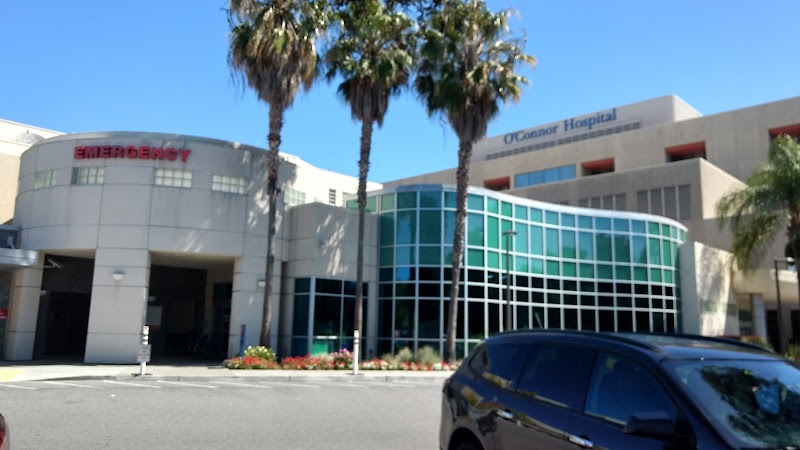
How is O'Connor Hospital D/P Snf Staffed?

CMS rates O'CONNOR HOSPITAL D/P SNF's staffing level at 5 out of 5 stars, which is much above average compared to other nursing homes. Staff turnover is 21%, compared to the California average of 46%. This relatively stable workforce can support continuity of care.

What Have Inspectors Found at O'Connor Hospital D/P Snf?

State health inspectors documented 21 deficiencies at O'CONNOR HOSPITAL D/P SNF during 2023 to 2024. These included: 21 with potential for harm.
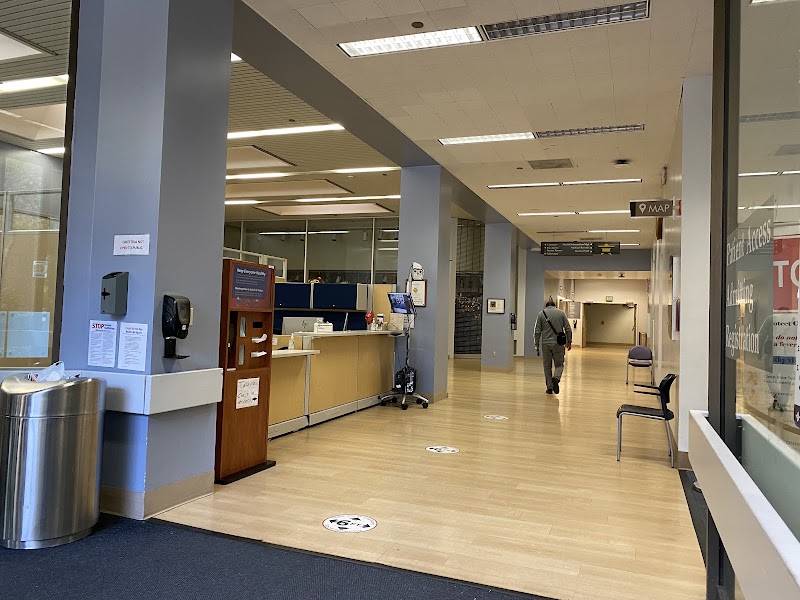
Who Owns and Operates O'Connor Hospital D/P Snf?

O'CONNOR HOSPITAL D/P SNF is owned by a government entity. Government-operated facilities are typically run by state, county, or municipal agencies. The facility operates independently rather than as part of a larger chain. With 24 certified beds and approximately 23 residents (about 96% occupancy), it is a smaller facility located in SAN JOSE, California.
How Does O'Connor Hospital D/P Snf Compare to Other California Nursing Homes?

Compared to the 100 nursing homes in California, O'CONNOR HOSPITAL D/P SNF's overall rating (5 stars) is above the state average of 3.2, staff turnover (21%) is significantly lower than the state average of 46%, and health inspection rating (4 stars) is above the national benchmark.

What Should Families Ask When Visiting O'Connor Hospital D/P Snf?

Based on this facility's data, families visiting should ask: "Can I visit during a mealtime to observe dining assistance and food quality?" "How do you handle medical emergencies, and what is your hospital transfer rate?" "Can I speak with family members of current residents about their experience?"

Is O'Connor Hospital D/P Snf Safe?

Based on CMS inspection data, O'CONNOR HOSPITAL D/P SNF has a clean safety record: no substantiated abuse findings (meaning no confirmed cases of resident harm), no Immediate Jeopardy citations (the most serious violation level indicating risk of serious injury or death), and is not on the Special Focus Facility watch list (a federal program monitoring the lowest-performing 1% of nursing homes). The facility has a 5-star overall rating and ranks #1 of 100 nursing homes in California. While no facility is perfect, families should still ask about staff-to-resident ratios and recent inspection results during their visit.

Do Nurses at O'Connor Hospital D/P Snf Stick Around?

Staff at O'CONNOR HOSPITAL D/P SNF tend to stick around. With a turnover rate of 21%, the facility is 25 percentage points below the California average of 46%. Low turnover is a positive sign. It means caregivers have time to learn each resident's needs, medications, and personal preferences. Consistent staff also notice subtle changes in a resident's condition more quickly. Registered Nurse turnover is also low at 22%, meaning experienced RNs are available to handle complex medical needs.

Was O'Connor Hospital D/P Snf Ever Fined?

O'CONNOR HOSPITAL D/P SNF has no federal fines on record. CMS issues fines when nursing homes fail to meet care standards or don't correct problems found during inspections. The absence of fines suggests the facility has either maintained compliance or corrected any issues before penalties were assessed. This is a positive indicator, though families should still review recent inspection reports for the full picture.

Is O'Connor Hospital D/P Snf on Any Federal Watch List?

O'CONNOR HOSPITAL D/P SNF is not on any federal watch list. The most significant is the Special Focus Facility (SFF) program, which identifies the bottom 1% of nursing homes nationally based on persistent, serious quality problems. Not being on this list means the facility has avoided the pattern of deficiencies that triggers enhanced federal oversight. This is a positive indicator, though families should still review the facility's inspection history directly.