PLUM TREE CARE CENTER
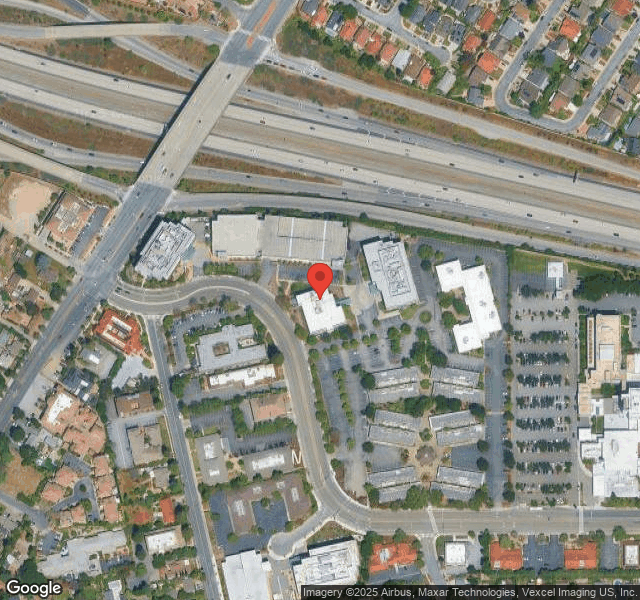
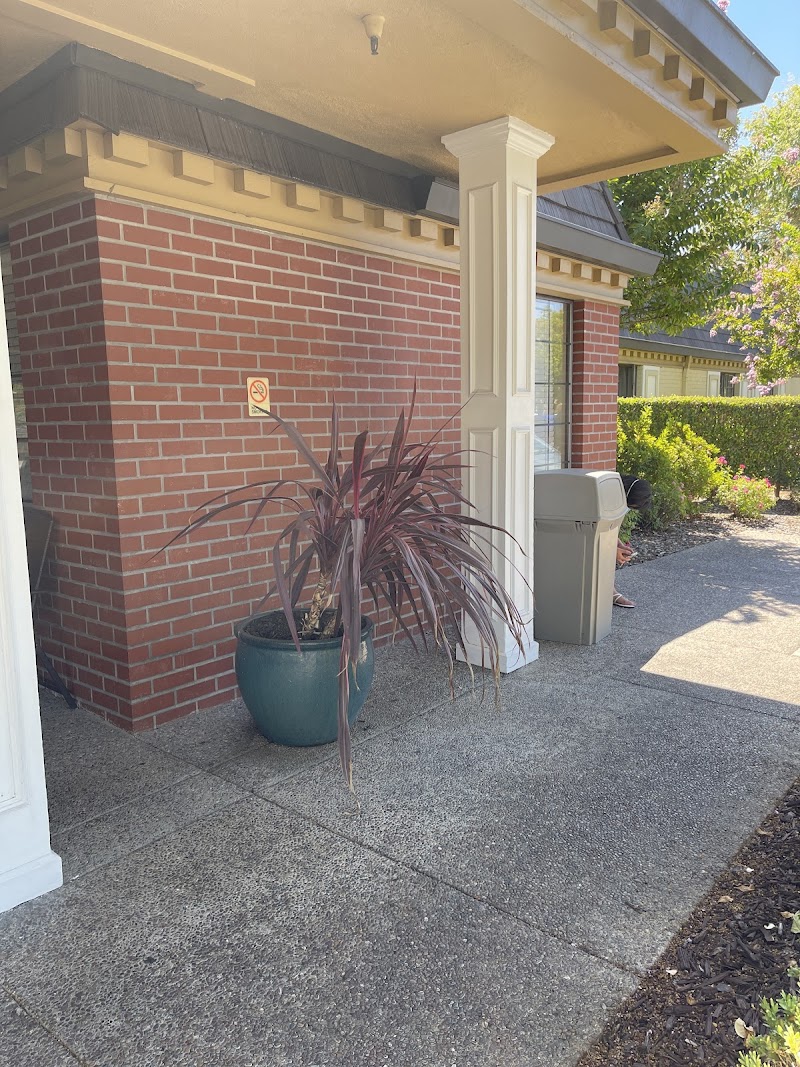
2580 SAMARITAN DRIVE, SAN JOSE, CA 95124 (408) 356-8181
For profit - Limited Liability company 76 Beds GENERATIONS HEALTHCARE Data: November 2025
Trust Grade
73/100
#168 of 1155 in CA
Last Inspection: March 2025

Within standard 12-15 month inspection cycle. Federal law requires annual inspections.

Overview

Plum Tree Care Center in San Jose, California has a Trust Grade of B, indicating it is a good choice for nursing care, although not without its issues. It ranks #168 out of 1,155 facilities statewide, placing it in the top half, and #11 out of 50 in Santa Clara County, meaning only ten local facilities are better. Unfortunately, the trend is worsening, as the number of reported issues increased significantly from 3 in 2024 to 11 in 2025. Staffing is average with a 3/5 star rating and a concerning 50% turnover rate, which is higher than the state average. While the facility has good RN coverage, with more nurses than 90% of California facilities, there have been serious incidents, including a resident who fell during therapy due to lack of proper assistance and concerns about inadequate monitoring of health conditions for other residents. Overall, while there are strengths in nursing staff availability, the facility has notable weaknesses in care practices that families should consider.

Trust Score
B
73/100
In California
#168/1155
Top 14%
Safety Record
Moderate
Needs review
Inspections
Getting Worse
3 → 11 violations
Staff Stability
⚠ Watch
50% turnover. Above average. Higher turnover means staff may not know residents' routines.
Penalties
✓ Good
$8,018 in fines. Lower than most California facilities. Relatively clean record.
Skilled Nurses
✓ Good
Each resident gets 56 minutes of Registered Nurse (RN) attention daily — more than average for California. RNs are trained to catch health problems early.
Violations
⚠ Watch
33 deficiencies on record. Higher than average. Multiple issues found across inspections.
★★★★★
5.0
Overall Rating
★★★☆☆
3.0
Staff Levels
★★★★★
5.0
Care Quality
★★★★☆
4.0
Inspection Score
Stable
2024: 3 issues
2025: 11 issues

The Good

  • 5-Star Quality Measures · Strong clinical quality outcomes
  • Full Sprinkler Coverage · Fire safety systems throughout facility
  • No fines on record

Facility shows strength in quality measures, fire safety.

The Bad

Staff Turnover: 50%

Near California avg (46%)

Higher turnover may affect care consistency

Federal Fines: $8,018

Below median ($33,413)

Minor penalties assessed

Chain: GENERATIONS HEALTHCARE

Part of a multi-facility chain

Ask about local staffing decisions and management

The Ugly 33 deficiencies on record

1 actual harm
Aug 2025 1 deficiency
CONCERN (D) 📢 Someone Reported This

A family member, employee, or ombudsman was alarmed enough to file a formal complaint

Potential for Harm - no one hurt, but risky conditions existed

Deficiency F0573 (Tag F0573)

Could have caused harm · This affected 1 resident

Based on interview and record review the facility failed to follow it's policy titled, Release of Information, for one of 3 sampled residents (Resident 1), when the facility failed to comply with a me...

Read full inspector narrative →
Based on interview and record review the facility failed to follow it's policy titled, Release of Information, for one of 3 sampled residents (Resident 1), when the facility failed to comply with a medical records request for Resident 1's Medical Record within the 2 day time period stated in the policy. This failure resulted in Resident 1's family to receive the medical records outside the mandated time period. During an interview on 7/30/35, at 9:12 a.m., with Medical Records (MR), MR stated, she received a medical records request signed by Resident 1's family on 4/30/25 via email. MR stated she sent the medical records via email to the requestee on 5/9/25.During a review of emails to MR dated 4/30/25-5/9/25 indicated, a medical record request was emailed to the facility on 4/30/25 for Resident 1. Emails indicated on 5/9/25 medical records were emailed to the requestee by MR.During an interview on 7/30/25, at 10:05 a.m., with Administrator (Admin) Admin stated, the facility policy states we have to send medical record requests in two business days. Admin stated, she saw the email request dated 4/30/25 from the requestee for Resident 1's medical records. Admin stated, according to the emails MR sent the medical records on 5/9/25. During a review of the facility's policy and procedure (P&P) titled, Release of information dated 2001, the P&P indicated, A resident may obtain photocopies of his or her records by providing the facility with at least a forty-eight (48) hour (excluding weekends and holidays) advance notice of such a request.
Jul 2025 2 deficiencies
CONCERN (D) 📢 Someone Reported This

A family member, employee, or ombudsman was alarmed enough to file a formal complaint

Potential for Harm - no one hurt, but risky conditions existed

Deficiency F0658 (Tag F0658)

Could have caused harm · This affected 1 resident

Based on interview and record review the facility failed to document reason to withheld medications and failed to notify primary care physician (PCP) when withheld medications for one of three sampled...

Read full inspector narrative →
Based on interview and record review the facility failed to document reason to withheld medications and failed to notify primary care physician (PCP) when withheld medications for one of three sampled resident (Resident 2) to meet professional standards. This failure had the potential to affect Resident 2's medical condition and well-being. Review of Resident 2's face sheet (FS: a documenta that gives resident's information at a quick glance) indicated Resident 2 was admitted to facility on 4/30/2025 and discharged home on 5/21/2025. Resident 2 was self-responsible for daily decision making.Review of Resident 2's diagnoses included tachycardia (a rapid heartbeat that may be regular or irregular), depression (a mood disorder that causes persistent feeling of sadness and loss of interest in day to day activities), anxiety (persistent worry and fear about everyday situations), and headache (a painful sensation in any part of the head ranging from sharp to dull).Review of Resident 2's minimum data set (MDS, clinical and functional assessment tool) dated 5/21/2025 indicated Resident 2's brief interview for mental status (BIMS) score of 15/15 (score of 0-7: severely impaired cognition, 8-12: moderately impaired cognition and 13-15: intact cognition), intact cognition.Review of Resident 2's order summary report indicated medication auvelity (used to treat depression) 45-105 MG (mg-milligram, a unit of mass or weight equal to one thousandth of a gram) two times a day for depression, dated 4/30/2025.Review of Resident 2's order summary report also indicated medication ivabradine (used to treat certain heart conditions) 5 MG one time a day for angina (a type of chest pain caused by reduced blood flow to the heart, dated 5/1/2025.Review of Resident 2's order summary report further indicated medication emgality (used to treat headache in adults) 120 mg inject subcutaneously (inject into fatty tissue just underneath the skin) every 30 day (s) for migraine (a health condition that is more just a bad headache with nausea, vomiting or sensitivity to light and sound), dated 5/13/2025.Review of Resident 2's electronic medical record (EMAR, a digital system used to document medication administration to residents) for May 2025 indicated medication auvelity was documented as 3 at 0900 on 5/3/2025, 1 dose. Medication ivabradine was documented as 3 at 0900 on 5/8/2025, 5/17/2025, 5/18/2025 and at 2100 on 5/8/2025, 5/16/2025, and 5/17/2025, total 6 doses. Medication emgality was documented as 3 at 0900 on 5/13/2025, one dose.Review of Resident 2's EMAR chart codes/follow up codes for 3, indicated Hold/Progress notes MD (medical doctor) Notification. Further review of nursing progress notes indicated there was no documented evidence for the reason to withheld above medications and no documented evidence of notification to Resident 2's PCP when withheld above medications.During a telephone interview with Resident 2 on 6/3/2025 at 3:51 p.m., Resident 2 stated did not receive multiple medications for several days when Resident 2 was in facility. Resident 2 was told by nursing staff some of medications not available to give as ordered for several days during Resident 2's stay in facility. During a concurrent record review of Resident 2's EMAR for May/2025 and interview with license vocational nurse A(LVN A) on 7/16/2025 at 11:23 a.m., LVN A confirmed above medications during those days and timings were held, not administered to Resident 2 as indicated in EMAR. LVN A also confirmed EMAR documented code for 3 means license nurse held the medication. LVN stated nurse should document the reason and notify PCP when hold any ordered medication to residents. LVN A also stated progress notes dated 5/8/2025 indicated medication ivabradine not available to give, possible reason for the several medications were held multiple times due to lack of supply of medications for Resident 2.During a concurrent record review of Resident 2's EMAR for May/2025, progress notes, and interview with facility's director of nursing (DON) on 7/16/2025 at 12:23 p.m., DON confirmed above medications were withheld, not administered to Resident 2. DON also confirmed there were no documented evidence for reason to withheld multiple medications and notification to PCP for Resident 2. DON stated license nursing staff should have documented the reason and notified PCP when withheld medications for Resident 2. DON also stated potential to affect for Resident 2's medical condition when medications were withheld and not been notified to Resident 2's PCP.Review of facility's policy and procedure (P&P) titled, Administering Medications, undated, the P&P indicated, any explanatory note on the reverse side of the MAR (medication administration record) must be entered when drugs are withheld, refused, or given other than at scheduled times. (Note: The director of nursing serves and attending physician must be notified when two (2) consecutive doses of a medication are refused or withheld.)
CONCERN (D) 📢 Someone Reported This

A family member, employee, or ombudsman was alarmed enough to file a formal complaint

Potential for Harm - no one hurt, but risky conditions existed

Deficiency F0773 (Tag F0773)

Could have caused harm · This affected 1 resident

Based on interview and record review, the facility failed to ensure to notify blood work results to primary care physician (PCP) and resident's responsible party (RP: individual person designated to m...

Read full inspector narrative →
Based on interview and record review, the facility failed to ensure to notify blood work results to primary care physician (PCP) and resident's responsible party (RP: individual person designated to make decisions and receive information on behalf of a resident) for one of three sampled resident (Resident 1). This failure had the potential to compromise to address Resident 1's medical condition and well-being.Review of Resident 1's face sheet (FS: a document that provides resident's information at a quick glance) indicated Resident 1 was admitted to facility on 4/3/2024. Review of Resident 1's diagnoses included diabetes type 2 (DM 2: high sugar levels in blood) and congestive heart failure (CHF: chronic condition in which heart does not pump blood as well as it should).Review of Resident 1's FS also indicated significant family member was assigned as Resident 1's RP.Review of Resident 1's physician order summary report indicated Resident 1 had an order for blood test for complete blood count (CBC: number and type of cells in the blood, common blood test used to assess overall health and screen for various health conditions) and comprehensive metabolic panel (CMP: a blood test to screen for certain medical conditions and monitor effects of medications) dated 4/22/2025 and 4/29/2025.Review of CMP blood test results dated 4/22/2025 and 4/29/2025 indicated out of range high levels of glucose (sugar in blood), blood urea nitrogen (BUN: amount of waste product formed when liver [a body organ plays a vital role for overall health and survival] breaks down protein [acting as a building block for muscles, bones, skin, and blood] also indicates kidney [a vital body organ filtering waste and extra fluid from blood to produce urine] function), BUN/creatinine ( Cr: a chemical found naturally in the body) ratio (a blood test that measures the levels of two substances in the blood, urea and creatinine to assess kidney function) and carbon dioxide (key indicator of how lungs [body organs essential for breathing and sustaining life], kidneys and metabolic processes [the set of all chemical reactions that occur in a living organism to maintain life] are functioning ). Review of CBC blood test results dated 4/22/2025 and 4/29/2025 indicated high levels of RDW (red cell distribution width, measures the size of red blood cells), absolute monocytes (type of blood cells indicate various conditions including infections), absolute basophils (type of cells, high level indicates body's reaction or fighting an infection), and low level of hemoglobin (essential protein component to maintain overall health, found in red blood cells). Review of Resident 1's nursing notes indicated there was no documented evidence of notification to PCP and RP for above 4/22/2025 and 4/29/2025 out of range CBC and CMP blood test results for Resident 1.During an interview with facility's director of nursing (DON) on 7/16/2025 at 2:58 p.m., DON confirmed license nursing staff did not inform PCP and RP for 4/22/2025 and 4/29/2025 abnormal blood work results for Resident 1. DON stated license staff should inform PCP and RP when received blood test results. DON also stated license staff should have informed blood test results to PCP for further plan of care as needed to meet Resident 1's medical condition and informed RP as needed.Review of facility's policy and procedure (P&P) titled, Lab and Diagnostic Test Results-Clinical Protocol, undated, the P&P indicated, A physician can be notified by phone, fax, voicemail, e-mail, mail, pager, or a telephone message to another person acting as the physician's agent (for example, office staff). Facility staff should document information about when, how, and to whom the information was provided and response.
Mar 2025 8 deficiencies
CONCERN (D)

Potential for Harm - no one hurt, but risky conditions existed

Resident Rights (Tag F0550)

Could have caused harm · This affected 1 resident

**NOTE- TERMS IN BRACKETS HAVE BEEN EDITED TO PROTECT CONFIDENTIALITY** Based on observation, interview, and record review, the facility failed to ensure respect and dignity was maintained for one of ...

Read full inspector narrative →
**NOTE- TERMS IN BRACKETS HAVE BEEN EDITED TO PROTECT CONFIDENTIALITY** Based on observation, interview, and record review, the facility failed to ensure respect and dignity was maintained for one of four sampled residents (Residents 39) when staff failed to provide privacy bag for above residents' nephrostomy (a surgery to make an opening from the outside of the body to the renal pelvis [part of the kidney that collects urine]) collection bag. This failure had the potential to affect the emotional and psychosocial well-being of the residents. Findings: Review of Resident 39's clinical record indicated, she was admitted on [DATE] with diagnoses that include malignant neoplasm (an abnormal growth of tissue that can be benign or malignant) of cervix(the lower , narrow end of the uterus that connects the uterus to the vagina), unspecified; cystitis (inflammation of the bladder [hollow organ that stores urine before it leaves the body]), unspecified without hematuria (presence of blood in urine); urinary tract infection (occur when bacteria enter the urinary tract through the urethra and begin to spread in the bladder) site not specified. During an observation on 3/24/25 at 11:19 a.m., Resident 39 was lying in bed, with nephrostomy collection bag was laying in the floor. The nephrostomy collection bag was not covered, and the contents were visible. During a concurrent observation and interview on 3/24/25 at 11:23 a.m., with the Infection Preventionist (IP), the IP confirmed Resident 39's nephrostomy collection bag was not covered and visible. The IP stated the nephrostomy collection bag should have been covered. During an interview with Director of Staff Development (DSD) on 3/26/25 at 3:24 p.m., the DSD stated the nephrostomy collection bag should have been with privacy bag. During a review of the facility's policy and procedure (P&P) titled, Dignity , revised 2/2021, the P&P indicated, Each resident shall be cared for in a manner that promotes and enhances his or her sense of well-being, level of satisfaction with life, and feelings of self-worth and self-esteem.12. Demeaning practice and standards of care that compromise dignity are prohibited. Staff are expected to promote dignity and assist resident; for example: a. helping the resident to keep urinary catheter bags covered.
CONCERN (D)

Potential for Harm - no one hurt, but risky conditions existed

Deficiency F0604 (Tag F0604)

Could have caused harm · This affected 1 resident

Based on observation, interview and record review, the facility failed to ensure one (Resident 58) out of 15 sampled residents was free from physical restraint not required to treat medical symptoms w...

Read full inspector narrative →
Based on observation, interview and record review, the facility failed to ensure one (Resident 58) out of 15 sampled residents was free from physical restraint not required to treat medical symptoms when Resident 58 was restrained to a wheelchair. This failure resulted in Resident 58 being restricted from moving out of the wheelchair which had the potential for distress and physical injury. Findings: A review of Resident 58's medical record included diagnoses of Hemiplegia and Hemiparesis following cerebral infarction (paralysis and weakness on one side of the body, on one side, both resulting from impaired communication between the brain and muscles), and other abnormalities of gait and mobility, mood disorder due to known physiological condition with depressive features. A review of Resident 58's Minimum Data Set (MDS, an assessment tool), dated 12/24/24, indicated a brief interview for mental status score of 8 [BIMS, a tool used to assess cognition (knowing, learning, and understanding), a score of 0 to 7 indicates severe cognitive impairment, 8-12 moderate impairment, 13-15 patient is cognitively intact]. A review of Resident 58's Occupational Therapy and Plan of Treatment dated 12/18/24 indicated, Reason for Therapy: .pt [patient] has severe L [left] neglect [an attention disorder that causes difficulty paying attention to, or is unaware of, things on the left side] along with L hemiparesis [weakness on one side of the body] ,pt is also Chinese speaking only During an interview on 3/27/25 at 8:48 a.m. with Licensed Vocational Nurse (LVN) A, LVN A stated, it was not okay to put a resident in restraints on a wheelchair. During an interview on 3/27/25 at 9:05 a.m. with LVN B, LVN B stated, restraints were not used in the facility. During an interview on 3/27/25 at 10:16 a.m. with Certified Nurse Aide (CNA) D, CNA D stated, before 7 a.m. on 3/3/25, Resident 58 was in his wheelchair inside his room pointing at his abdomen. CNA D stated she did not check on Resident 58 and she proceeded to clock in for her shift. CNA D stated that Resident 58 did not speak English. During an interview on 3/27/25 at 10:41 a.m. with Director of Staff Development (DSD), DSD stated, CNAs were not allowed to use restraints on residents. During an interview on 3/27/25 at 10:51 a.m. with Social Services Director (SSD), SSD stated, I don't know if there is a policy that says we can restrain a resident. During a concurrent observation and interview on 3/28/25 at 10:50 a.m. with CNA D, CNA D demonstrated how to lock and unlock a gait belt (an assistive device which can be used to help safely transfer a person from a bed to a wheelchair and assist with sitting and standing) with metal buckle and stated it was not easy to unlock a gait belt. During a concurrent observation and interview on 3/28/25 at 11:14 a.m. with the Director of Nursing (DON), the DON stated that gait belts were used for transfers and ambulation (walking). The DON stated it was not right to restrain a resident in a wheelchair for safety. The DON demonstrated how to lock and unlock a gait belt with a plastic clip buckle and another with a metal clasp. The DON stated that CNA F used a gait belt with a plastic clip buckle to restrain Resident 58. The DON also stated, a confused resident would not be able to unlock a gait belt with a clip buckle. During a telephone interview on 3/28/25 at 11:49 a.m. with CNA F, CNA F stated that on 3/3/25 around 5:45 a.m., while Resident 58 was on a wheelchair, she put a gait belt around him and the wheelchair because Resident 58 goes around. CNA F stated she was new in the facility. CNA F also stated she did not remove the gait belt on Resident 58. During a telephone interview on 3/28/25 at 1:53 p.m. with CNA G, CNA G stated she found Resident 58 restrained to a wheelchair on the morning of 3/3/25. CNA G stated Resident 58 was in his room in a wheelchair asking his roommate for help and there was a language barrier. CNA G stated, I gave him my hand to try and get up and I noticed he cannot move up from the wheelchair. He was wearing a blue jacket, and when I opened the jacket, I found he was restrained. The restraint was covered by his jacket. I removed the restraint. A review of facility's undated Policy and Procedure (P&P) entitled, Use of Restraints, the P&P indicated, Restraints shall only be used for the safety and well-being of the resident and only after alternatives have been tried unsuccessfully. Restraints shall only be used to treat the resident's medical symptom(s) and never for discipline and staff convenience, and that are not required to treat the resident's medical symptoms .'Physical restraint is defined as any manual method, physical or mechanical device, equipment, or material that meets all of the following criteria: attached or adjacent to the resident's body; Cannot be removed easily by the resident; and Restricts the resident's freedom of movement or normal access to his/her body .2. Prior to placing a resident in restraints, there shall be a pre-restraining assessment and review to determine the need for restraints .5. Restraints shall only be used upon the written order of a physician and after obtaining consent from the resident and/or representative (sponsor). The order shall include the following: a. The specific reason for the restraint .b. How the restraint will be used to benefit the resident's medical symptom, and c. The type of restraint and period of time for the use of the restraint 8. The following safety guidelines shall be implemented and documented while a resident is in restraints: b. Physical restraints shall be applied in such a manner that they can be speedily removed in case of fire or other emergency. Restraints with locking devices shall not be used. A review of facility's undated document entitled Resident Rights indicated, Employees shall treat all residents with kindness, respect, and dignity. 1. Federal and state laws guarantee certain basic rights to all residents of this facility. These rights include the resident's right to: .d. be free from corporal punishment or involuntary seclusion, and physical or chemical restraints not required to treat resident's symptoms; A review of facility's Policy and Procedure (P&P) entitled Dignity revised February 2021, the P&P indicated, Each resident shall be cared for in a manner that promotes and enhances his or her sense of well-being, level of satisfaction with life, and feelings of self-worth and self-esteem. 1. Residents are treated with dignity and respect at all times . 3. Residents may exercise their rights without interference, coercion, discrimination or reprisal from any person or entity associated with this facility.
CONCERN (D)

Potential for Harm - no one hurt, but risky conditions existed

PASARR Coordination (Tag F0644)

Could have caused harm · This affected 1 resident

**NOTE- TERMS IN BRACKETS HAVE BEEN EDITED TO PROTECT CONFIDENTIALITY** Based on interview and record review the facility failed to follow their policy and procedure (P&P) for pre-admission screening ...

Read full inspector narrative →
**NOTE- TERMS IN BRACKETS HAVE BEEN EDITED TO PROTECT CONFIDENTIALITY** Based on interview and record review the facility failed to follow their policy and procedure (P&P) for pre-admission screening and resident review (PASRR- screening for residents with mental disorder and residents with intellectual disability) screening was completed and submitted for one of two sample resident (Resident 24) with significant change in mental illness (MI-a wide range of conditions that affect resident's mood, thinking, and behavior). This failure had the potential for mentally ill sample resident not to receive benefit from specialized health care and services. Findings: Review of Resident 24 face sheet (FS- a document that gives a resident's information at a quick glance) indicated Resident 24 was initially admitted to facility on 5/21/2023 and re-admitted on [DATE]. Resident 24's FS also indicated diagnoses including anxiety disorder (excessive, persistent worry and fear of everyday situations) dated 1/8/2025, and delusional disorders (a serious mental illness that causes resident can not tell what's real from what's imagined), dated 2/24/2025. Review of Resident 24's physician's order form dated 3/13/2025 indicated Resident 24's hospice (a program that gives special care to residents who are near the end of life) MD (medical doctor) ordered risperidone (a class of antipsychotic medication used to treat mental illnesses) 1 milligram (mg-a unit of mass in metric system equal to a thousandth of a gram) daily PM (every afternoon or evening)for delusional disorder m/b (manifested by- as evidenced by) auditory hallucinations (hearing voices or noises that aren't there) started on 3/13/2025. Further review of his order form also indicated medication order for risperidone 1 mg daily PM for Schizophrenia (a serious mental illness that affects how a resident think, feels and behaves) started on 2/28/2025 and discontinued on 3/14/2025. Review of Resident 24's minimum data set significant change in status (MDS SCIS- comprehensive assessment tool when resident's status changed significantly, either for the better or worse) assessment dated [DATE] indicated section N for medications indicated Resident 24 received antipsychotic medication during last 7 days. Section I for active diagnoses indicated anxiety and psychotic disorder (other than schizophrenia) under psychiatric/mood disorder for Resident 24. Review of documented PASRR dated 5/21/2023 copy provided by facility for Resident 24 indicated no serious mental illness, and no prescribed psychotropic medications for mental illness. Review of clinical documentation for Resident 24 indicated there was no documented PASRR assessment and submitted to state agency (an agency responsible for financing, providing physical and mental health services and support for low-income individuals and families in California) until 3/28/2025 with Resident 24's significant change in mental condition. Review of this PASRR indicated date completed on 3/28/2025, after this health facility evaluator nurse (HFEN-a registered nurse who conducts inspections, investigations, and surveys of health facilities to ensure compliance with state and federal laws and regulations related to resident's care) started investigation and requested facility for copy of PASRR with Resident 24's significant change in mental condition. During an interview with facility's director of nursing (DON) on 3/27/2025 at 10:14 a.m., DON confirmed documented PASRR assessment completed on 5/21/2023. DON also confirmed Resident 24 received new diagnoses of anxiety on 1/8/2025, delusional disorder on 3/13/2025, and started new order for antipsychotic medication risperidone on 2/28/2025 and there was no documented PASRR assessment completed after Resident 24's newly diagnosed MI and newly started antipsychotic medication. DON stated significant change in mental condition with new diagnoses of MI and newly started antipsychotic medication warranted for facility to do a new PASRR assessment and submit to the stae agency as per facility's policy. DON also stated facility should have followed P&P for completion of PASRR assessment and submitted to the state agency to receive healthcare and services as needed for Resident 24. During an interview with DON on 3/28/2025 at 2:04 p.m., DON confirmed facility completed PASRR on 3/28/2025 for Resident 24. DON stated facility should have completed and submitted new PASRR after Resident 24's significant change in mental condition on 2/28/2025 not after HFEN started investigation. Review of facility's P&P titled, Preadmission Screening Resident Review (PASRR) revised August 2007, the P&P indicated, This facility promptly notify the state mental health and /or mental retardation (MR-disorder characterized by significant intellectual impairment) or developmental disability authority, as applicable, if there is a significant change in the physical or mental condition of a recipient who is mentally ill or mentally retarded. This would warrant re-evaluation . A readmission is not subject to another PASRR Level 1 screening unless there is a change in his or her medical condition that may indicate a change in his or her MI (Mental illness)/ MR status.
CONCERN (D)

Potential for Harm - no one hurt, but risky conditions existed

Food Safety (Tag F0812)

Could have caused harm · This affected 1 resident

Based on observation, interview, and document review, the facility failed to ensure food was stored and/or prepared under sanitary conditions when an opened bag of hamburger buns past their used-by da...

Read full inspector narrative →
Based on observation, interview, and document review, the facility failed to ensure food was stored and/or prepared under sanitary conditions when an opened bag of hamburger buns past their used-by date was found in the kitchen pantry. This failure had the potential to cause food borne illness. Findings: During an initial kitchen observation and interview on 3/24/25 at 9:12 a.m. with the Dietary Director (DD), an opened bag of hamburger buns containing six buns dated 3/6/25 was found in the dry storage room/pantry. The DD stated, bread could have been stored seven days from the labeled date. The DD also stated, the hamburger buns dated 3/6/25 must be discarded. A loaf of bread with a labeled date of 3/23/25 was also found beside the hamburger buns. The DD pointed at the sticker on the shelf underneath the loaf of bread which indicated Item: Bread Date: 3/23/25 Use By: 3/30/25. The DD verified there was no sticker for use by date for the hamburger buns dated 3/6/25. A review of facility's Policy and Procedure (P&P) entitled, Food Receiving and Storage dated 2001, the P&P indicated, Foods shall be received and stored in a manner that complies with safe food handling practices . A review of Duties and Responsibilities for Dietary Supervisor indicated, .Administrative Functions: Inspect food storage rooms, utility/janitorial closets, etc., for upkeep and supply control . A review of facility's Policy and procedure (P&P) entitled Refrigerators and Freezers revised November 2022, the P&P indicated, .9. Supervisors are responsible for ensuring food items in pantry, refrigerators, and freezers are not past 'use by' or expiration dates
CONCERN (E)

Potential for Harm - no one hurt, but risky conditions existed

Deficiency F0658 (Tag F0658)

Could have caused harm · This affected multiple residents

**NOTE- TERMS IN BRACKETS HAVE BEEN EDITED TO PROTECT CONFIDENTIALITY** Based on observation, interview and record review, the facility failed to ensure professional standards of practice were followe...

Read full inspector narrative →
**NOTE- TERMS IN BRACKETS HAVE BEEN EDITED TO PROTECT CONFIDENTIALITY** Based on observation, interview and record review, the facility failed to ensure professional standards of practice were followed for three out of six sampled residents (Resident 5, 11, and 39) when: 1. [NAME] color particles (solid particles settle out of urine), and cloudy color urine (urine appears hazy or white color particles) in urinary catheter (U/C-a thin, flexible tube inserted into urethra [urinary opening] to drain urine from bladder [body organ that stores urine] into a collection bag) in U/C drain tube were not assessed and reported to medical doctor (MD) for Resident 5; 2. Controlled drug record (CDR-record of every transaction involving a controlled drug [CD-medication that can be easily abused and under strict government control] purchasing, receiving, dispensing, or disposal) was not signed, dated, and documented amount of controlled drug received from pharmacy for Resident 11, and 39. Above failures had the potential for infection, health and well-being for Resident 5, and accountability of CD record for Resident 11 and 39. Findings: 1. During an observation on [DATE] at 9:15 a.m., noted Resident 5's U/C drain tube with white color particles, and cloudy urine. During review of Resident 5's face sheet (FS-a document that gives a resident's information at a quick glance) indicated Resident was admitted to facility on [DATE]. Resident 5's FS also indicated Resident 5's diagnoses including history of urinary tract infections (an illness of the system of organs that makes urine), presence of urogenital implants (implantation of artificial devices in the urinary system), and neuromuscular dysfunction of bladder (condition where bladder control problems due to dysfunction of muscles that control bladder leading to difficulty emptying or controlling urine). Review of Resident 5's physician order dated [DATE] indicated suprapubic urinary catheter (SUC-a medical device inserted through a small incision in the lower abdomen into the bladder to drain urine from bladder into a collection bag) size FR#16/30 (catheter tube outer diameter, I FR equal to 1/3 millimeter) for neuromuscular dysfunction of bladder. Review of Resident 5's another physician order dated [DATE] indicated catheter: monitor/record/report to MD for signs and symptoms of urinary tract infection . Review of clinical documentation indicated there was no documentation for assessment and notification to MD for white color particles and cloudy urine in urinary catheter drain tube for Resident 5. Review of care plan for Resident 5 SUC dated [DATE] indicated with intervention to observe output for color, odor, threads, & sedimentation. During an interview with certified nursing assistant L (CNA L) on [DATE] at 9:22 a.m., CNA L confirmed white color and cloudy urine in U/C drain tube for Resident 5. CNA L stated she did not notice before, will report to charge nurse now. During an interview with licensed vocational nurse H (LVN H) on [DATE] at 9:34 a.m., LVN H confirmed white sedimentation, and cloudy urine for Resident 5's U/C drain tube. LVN H stated abnormal to have sedimentation and cloudy urine, did not notice before. LVN H also stated urine should be clear and amber color not cloudy with sedimentation, will notify MD. During an interview with facility's director of nursing (DON) on [DATE] at 10:45 a.m., DON stated nursing staff should have monitored, assessed white sedimentation with cloudy urine and notified MD to prevent and control urinary infection for Resident 5. 2. Review of Resident 11's FS indicated Resident 11 was admitted to facility on [DATE] and expired on [DATE]. Resident 11's FS also indicated diagnoses including malignant neoplasm of ovary (ovary- small glands produce and release eggs for female reproductive system, ovarian cancer). Review of Resident 11's physician orders dated [DATE] indicated morphine sulfate (MS-schedule 11 controlled drug, used to treat pain) oral solution 20 mg/5 ml (mg-milligram, unit of mass equal to one thousandth of a gram/ ml-milliliter, unit of volume equal to one thousandth of a liter). Give 20 ml by mouth every 3 hours as needed for pain Review of Resident 11's CDR for MS medication dated [DATE] indicated no license nurse signature, not dated, and not documented number of doses when received MS medication from pharmacy. Review of Resident 39's FS indicated Resident 39 was admitted to facility on [DATE]. Resident 39's FS also indicated diagnoses including pain, and neoplasm of cervix (cervix-a small canal that connects uterus, cervical cancer). Review of Resident 39's physician orders dated [DATE] indicated oxycodone (schedule 11 controlled drug used to treat pain). Review of Resident 39's CDR dated [DATE] indicated no signature by license nurse, not dated, and not documented of number of doses when received oxycodone medication from pharmacy. During an interview with registered nurse I (RN I) on [DATE] at 5:02 p.m., RN I reviewed CDR documents for Resident 11 for medication MS, and Resident 39 for oxycodone. RN I confirmed both CDR documents for both residents not signed by license staff, not dated, and not documented amount of medication received for Resident 11 and 39. RN I stated license staff should have signed, dated and documented amount of medication received from pharmacy for both residents. During an interview with RN J on [DATE] at 5:20 p.m., RN J reviewed CDR forms for Resident 11 and 39. RN J confirmed license nurse did not sign, not dated and written number doses received for Resident 11 for MS and Resident 39 for oxycodone. RN J stated license nurse should have signed, dated, and documented number of doses received for both residents when received from pharmacy. During an interview with facility's director of nursing (DON) on [DATE] at 10:33 a.m., DON reviewed CDR document for Resident 11 for medication MS, and Resident 39 for oxycodone. DON confirmed missing license nurse signature, date, and number of doses of medication received pharmacy for above both residents. DON stated license nurse should have signed, dated and documented number of doses received pharmacy for accountability for controlled medications and as per facility's policy. Review of facility's policy and procedure (P&P) titled, Catheter Care, Urinary, revision date [DATE], the P&P indicated, Observe the resident for complications associated with urinary catheters. Report unusual findings to the physician or supervisor immediately. If urine has an unusual appearance (i.e., color, blood, etc.). Review of facility's P&P titled, Controlled Medication Storage, undated, the P&P indicated, A controlled medication accountability record is prepared when receiving inventory of a Schedule 11 medication .The following information is completed: a. Name of resident b. Prescription number c. Name, strength (if designated), and dosage form of medication d. Date received e. Quantity received f. Name of person receiving medication.
CONCERN (E)

Potential for Harm - no one hurt, but risky conditions existed

Respiratory Care (Tag F0695)

Could have caused harm · This affected multiple residents

Based on observation, interview and record review, the facility failed to ensure to provide proper oxygen (a colorless, odorless gas) care and treatment services for three of 15 sampled residents (Res...

Read full inspector narrative →
Based on observation, interview and record review, the facility failed to ensure to provide proper oxygen (a colorless, odorless gas) care and treatment services for three of 15 sampled residents (Residents 16, 20, and 53) when: 1. Resident 16 had room air concentrator (RAC- a medical device take in air from room and filter out nitrogen [a colorless, odorless and nontoxic gas, humans do not breath directly] to provide enriched oxygen [O2-a colorless, odorless, and tasteless gas essential to living organisms])and there was no oxygen signage posted on the door; 2. Residents 20 had an oxygen concentrator (a portable device that provides oxygen) at the bedside, but there was no oxygen signage posted on the door. 3. Residents 53 had an oxygen concentrator at the bedside, but there was no oxygen signage posted on the door. This deficient practice had the potential for accidents and hazards that could pose harm to residents in the facility. Findings: 1. During an observation on 3/24/2025 at 9:55 a.m., noted RAC not in use, placed next to Resident 16's bed. There was no sign posted for no smoking/oxygen in use for this room. Review of Resident 16's face sheet (FS-a document that gives a resident's information at a quick glance) indicated Resident 16 was admitted to facility on 5/28/2019. Resident 16's FS also indicated Resident 16's diagnoses including cerebral ischemic attack (caused by a brief disruption of blood flow to brain), and hypertension (pressure in blood vessels too high). Review of Resident 16's physician orders indicated oxygen: at 2liters/min via nasal cannula (NC, a thin, flexible tube to deliver supplemental O2) every shift for hypoxia (low levels of O2)/shortness of breath (SOB-feeling of can't get enough air into lungs). Goal was to maintain oxygen saturation above 90% dated 3/26/2025. During an interview with license vocational nurse H on 3/24/2025 at 10:50 a.m., LVN H confirmed there was no sign for oxygen in use posted for Resident 16's room. LVN H also confirmed Resident 16 uses O2 on and off for SOB. LVN H stated oxygen in use sign should have been posted for Resident 16's room. LVN H also stated nursing staff should have posted oxygen in use sign outside Resident 16's room. During an interview with facility's director of nursing (DON) on 3/27/2025 at 10:04 a.m., DON stated nursing staff should have posted O2 in use sign for Resident 16's room when Resident 16 uses O2 on and off. 2 .During an observation on 3/24/25, at 10:08 a.m., Resident 20 was lying in bed, asleep, with oxygen concentrator at the bedside, nasal cannula delivering oxygen inside the plastic bag not in used. There was no Oxygen in use/No smoking signage posted on Resident 20's door. Review of Resident 20's order summary report dated 2/18/25 indicated Resident 20's has order for Oxygen at 2 liters (L, metric unit of volume) /minutes via nasal cannula for history of obstructive sleep apnea (OSA, a condition where sleep is interrupted by abnormal breathing) every evening and night shift. During a concurrent observation and interview on 3/24/25 at 10:18 a.m., with the Infection Preventionist (IP), the IP confirmed there was no Oxygen in use/No smoking sign posted by Resident 20's door. The IP stated there should have been a sign posted by the door for precautionary that resident in oxygen in use for safety. 3. During an observation on 3/24/25, at 10:24 a.m., Resident 53 was lying in bed, with oxygen concentrator at the bedside, nasal cannula delivering oxygen inside the plastic bag not in used. There was no Oxygen in use/No smoking signage posted on Resident 53's door. Review of Resident 20's order summary report dated 11/20/24 indicated Resident 53's has order for Oxygen at 2 L/Min via NC PRN (pro re nata, means when required) to keep 02 saturation > 90 percent as needed. On hold from 03/25/25 17:36 to 03/30/25 17:35. During a concurrent observation and interview on 3/24/25 at 10:26 a.m., with the IP, the IP confirmed there was no Oxygen in use/No smoking sign posted by Resident 53's door. During an interview on 3/28/25 at 10:23 a.m., with the IP , the IP further stated there should have been signage in the room for safety hazard to remind staff there was oxygen in use. During an interview with DON on 3/28/25 at 11:36 a.m., the DON stated there should have been oxygen signage to alert the staff in case of emergency when admitted and with order of oxygen. During a review of the facility's policy and procedure (P&P) titled, Oxygen Administration , dated 2001, the P&P indicated, The purpose of this procedure is to provide guidelines for safe oxygen administration. Equipment and supplies: The following equipment . 4. No Smoking /Oxygen in Use signs .Steps in procedure1. Place an Oxygen in Use sign on the outside of the room entrance room. During a review of the facility's policy and procedure (P&P) titled, Signage and Posting, undated, the P&P indicated, The facility will maintain mandatory posting on facility grounds in compliance with State and Federal regulations as well as posting that are helpful for guidance for staff, resident and visitors.1. The maintenance department is responsible for maintaining signage in good repair on facility grounds. Periodic observations will be made to assure the signage is legible and within regulatory guidance.
CONCERN (E)

Potential for Harm - no one hurt, but risky conditions existed

Deficiency F0761 (Tag F0761)

Could have caused harm · This affected multiple residents

**NOTE- TERMS IN BRACKETS HAVE BEEN EDITED TO PROTECT CONFIDENTIALITY** Based on observation, interview and record review, the facility failed to ensure proper medication storage and labeling of medic...

Read full inspector narrative →
**NOTE- TERMS IN BRACKETS HAVE BEEN EDITED TO PROTECT CONFIDENTIALITY** Based on observation, interview and record review, the facility failed to ensure proper medication storage and labeling of medications and supplies when: 1. An opened multi use eye drop medication with no opened date for Resident 175; 2. Expired over the counter (OTC- medication that can be purchased without a prescription) laxative (medication that helps to promote bowel movement) stored in supply cabinet in medication room [ROOM NUMBER]; 3. Expired suction machine (a medical device that is used for removing obstructions from resident's airway [the path that air follows to get into and out of the lungs]) tubing stored in supply area in medication room [ROOM NUMBER]. Above deficient practices had the potential for resident to receive medications and care equipment supplies with reduced potency from expired medications, and expired equipment supplies and/or medication errors due to medications not being labeled. Findings: 1. During concurrent observation of medication cart 1 and interview with licensed vocational nurse K (LVN K) on 3/27/2025 at 3:38 p.m., noted opened, multi dose rocklatan (used to treat high pressure in the eye) eye medication without opened date written on bottle or bottle stored packet in medication cart for Resident 175. Further review of manufacturer's directions for this medication indicated this medication may be kept at 36-to-77-degree Fahrenheit (F-temperature scale, 36-77, room temperature) for up to 6 weeks. LVN K confirmed multi dose eye medication bottle was opened and currently licensed staff are using this medication for Resident 175. LVN K confirmed opened date not documented on medication bottle or bottle stored packet. LVN K stated license staff should have labeled opened date to stop using this medication 6 weeks after opened. LVN K also stated without opened date labeled unable to know when to stop using this medication. 2. During concurrent observation of medication room [ROOM NUMBER] and interview with facility's director of nursing (DON) on 3/27/2025 at 10:24 a.m., observed OTC miralax (brand name laxative medication) single use packets x3 with 2/2025 expiration date stored in OTC supply cabinet. DON confirmed this expiration date for all 3 packets. DON stated licensed staff should have verified and removed expired OTC medications weekly while checking supplies in medication room [ROOM NUMBER]. 3. During concurrent observation of medication room [ROOM NUMBER] and interview with DON on 3/27/2025 at 10:35 a.m., noted suction machine tubing in sealed package with expiration date of 12/1/2024 placed in a supply's storage area. DON confirmed this observation. DON stated licensed staff should have removed and discarded expired suction machine tubing from supplies storage area in medication room [ROOM NUMBER]. During an interview with DON on 3/27/2025 at 10:43 a.m., DON stated license staff should have labeled with opened date on bottle or bottle stored packet for multi dose eye drop medication when opened. DON also stated without opened date label, licensed staff would not know when to stop using this medication for Resident 175 as recommended by manufacturer to avoid using expired medication. Review of facility's policy and procedure (P&P) titled, Medication Administration General Guidelines, dated 09/18, the P&P indicated, b. The nurse shall place a 'date opened' sticker on the medication if one is not provided by the dispensing pharmacy and enter the date opened. Manufacturer recommendations for beyond use dating should take precedence, taking into consideration 'not to exceed' limitations. The beyond use dating, which only lists month/year, falls to the last day of that month.
CONCERN (E)

Potential for Harm - no one hurt, but risky conditions existed

Infection Control (Tag F0880)

Could have caused harm · This affected multiple residents

Based on observation, interview, and record review, the facility failed to ensure staff implemented proper infection control practices when: 1. Uncovered feeding tube (a thin, flexible tube one end at...

Read full inspector narrative →
Based on observation, interview, and record review, the facility failed to ensure staff implemented proper infection control practices when: 1. Uncovered feeding tube (a thin, flexible tube one end attached to feeding formula bottle and other end attached to gastrostomy tube [GT-a thin, flexible tube inserted into the stomach to provide nutrition and medications to resident who cannot eat or drink by mouth]) when feeding was not in use; 2. Resident 39's nephrostomy (a surgery to make an opening from the outside of the body to the renal pelvis [part of the kidney that collects urine]) collection bag was laying in the floor; 3. Nebulizer (a small machine that turns liquid medicine into a mist, allowing you to breathe it in directly into your lungs through a mouthpiece or mask) kit was not properly stored after use for Resident 32. These failures had the potential for development and transmission of communicable diseases and infections in the facility. Findings: 1. During an observation on 3/25/2025 at 9:45 a.m., noted Resident 29's GT feeding machine was turned off. Further observation noted end of feeding tube which was disconnected from Resident 29's GT, left on GT machine, and uncovered feeding tube. Other end of feeding tube was connected to ready to use ¾ th full feeding formula bottle hanging on a pole next to Resident 29's bed. Handwritten documentation on feeding formula bottle noted started on 3/25/2025 at 4:30 am, rate 65 cc/hr. Review of Resident 29's face sheet (FS-a document that gives a resident's information at a quick glance) indicated Resident 29 was admitted to facility on 6/1/2022. Resident 29's FS also indicated Resident 29's diagnoses including cerebral infarction (happens when blood supply to brain disrupted), gastrostomy status (surgically inserted tube into stomach to provide nutrition and medications for resident who can not eat or drink my mouth due to medical reasons), and diabetes type 2 (a disease in which high levels of sugar in blood). Review of Resident 29's orders indicated enteral feed order every shift enteral: Tube feeding Glucerna 1.2 (brand name ready to use nutritional formula) at 65cc/hrx20 hours to provide 1560 kcal (a unit of energy measurement used to quantify the calorie content of food) /day. Start feeding via pump at 12 noon stop feeding at 8 am or until volume was met dated 11/6/2024. During an interview with license vocational nurse H (LVN H) on 3/25/2025 at 9:50 a.m., LVN H confirmed end of GT feeding tube left uncovered when Gt feeding was not in use for Resident 29. LVN also confirmed using same feeding formula bottle and feeding tube to restart feeding at 12 noon for Resident 29. LVN also stated feeding tube should have been covered when not in use, nursing staff should have not leave uncovered. During an interview with facility infection preventionist (IP) on 3/25/2025 at 9:55 a.m., IP confirmed GT feeding tube left uncovered. IP discarded feeding formula bottle along with feeding tube. IP stated nursing staff should have placed feeding tube in a plastic bag when not in use for infection control. During on telephone interview with director of sales (DS) from a medical supply company that supplies GT feeding supplies to facility on 3/28/2025 at 1:18 p.m., DS stated manufacturer for GT feeding tube recommending covering the GT feeding tube when not in use and when re-using same supplies later on for infection control. 2.During an observation on 3/24/25 at 11:19 a.m., Resident 39 was lying in bed, where in a nephrostomy tube connected to a nephrostomy collection bag was laying in the floor. During a concurrent observation and interview on 3/24/25 at 11:23 a.m., with the Infection Preventionist (IP), the IP confirmed Resident 39's nephrostomy collection bag was laying in the floor. During an interview with Director of Staff Development (DSD) on 3/26/25 at 3:24 p.m., DSD confirmed the nephrostomy collection was bag was laying in the floor and stated it should have been hanging to drain correctly and prevent infection. During a review of the facility's policy and procedure (P&P) titled, Infection Prevention and Control Program , revised 8/2022, the P&P indicated, An infection prevention and control program (IPCP) is established and maintained to provide a safe, sanitary and comfortable environment and to help prevent the development and transmission of communicable disease and infections. 3. A review of Resident 32's medical record included a diagnosis of chronic obstructive pulmonary disease with (acute) exacerbation (COPD, a common lung disease causing restricted airflow and breathing problems). A review of Resident 32's Physician Order started on 2/24/25 indicated, Ipratropium-Albuterol Solution [used to treat symptoms of COPD] 0.5/2.5 (3)mg [milligram, unit of measurement]/3 ml [milliliter, unit of measurement] inhale orally every 4 hours as needed for SOB [shortness of breath] or wheezing [a high-pitched, whistling sound that occurs during breathing, often when airways in the lungs are narrowed or blocked, signaling potential breathing difficulties] via nebulizer During a concurrent observation and interview on 3/25/25 at 9:41 a.m. in Resident 32's bedside with the DON, the DON verified the nebulizer mask hanging by its string on the nebulizer machine. The nebulizer mask was still attached to the medication cup and was connected via its tubing to a nebulizer. The DON stated it should have been placed in a plastic bag. The DON proceeded to put the nebulizer mask in an unlabeled plastic bag. Resident 32 stated he turned off the nebulizer because the nurse had not come back yet. During an interview on 3/28/25 at 8:57 a.m. with the Infection Preventionist Nurse (IP), the IP stated that nebulizer masks must be rinsed after use and then put in a plastic bag. A review of facility's Policy and Procedure (P&P) entitled Medication Administration Nebulizers indicated, .18. When treatment is complete, turn off nebulizer and disconnect T-Piece, mouthpiece and medication cup .20. Rinse and disinfect the nebulizer equipment according to manufacturer's recommendations and facility policy .22. When equipment is completely dry, store in a plastic bag with the resident's name and date on it.
Sept 2024 1 deficiency 1 Harm
SERIOUS (G) 📢 Someone Reported This

A family member, employee, or ombudsman was alarmed enough to file a formal complaint

Actual Harm - a resident was hurt due to facility failures

Accident Prevention (Tag F0689)

A resident was harmed · This affected 1 resident

**NOTE- TERMS IN BRACKETS HAVE BEEN EDITED TO PROTECT CONFIDENTIALITY** Based on interview and record review, the facility failed to provide assistance to prevent an accident for one of three sampled ...

Read full inspector narrative →
**NOTE- TERMS IN BRACKETS HAVE BEEN EDITED TO PROTECT CONFIDENTIALITY** Based on interview and record review, the facility failed to provide assistance to prevent an accident for one of three sampled residents (Resident 1). Resident 1's functional ability for bending and picking up objects on the floor was not assessed to determine the ability to bend and Rehab Aide A (RAA) did not provide assistance by holding the gait belt (a device that helps caregivers safely move and support patients who have mobility issues) during therapy exercise. This failure resulted in Resident 1 having a fall and was sent to the hospital with a forehead laceration (a cut in the skin or underlying tissue that's usually caused by blunt trauma). Findings: During a review of Resident 1's undated Facesheet (document used to reference a resident's medical and contact information), indicated Resident 1 was admitted to the facility on [DATE], with diagnoses of need for assistance with personal care, other abnormalities of gait [pattern of limb movement when walking] and mobility. During a review of Resident 1's Fall Risk Evaluation, dated 7/19/24, evaluation indicated, Resident 1 was assessed to be at a Moderate Risk of fall (Scored 15). Fall risk evaluation also indicated, to evaluate residents balance while standing, sitting and during transitions. Resident 1 was not able to attempt the transfer without physical help. Resident 1 has impaired balance. On problem: Resident 1 was at risk for fall r/t[related to] generalized weakness. Resident 1 approach r/t impaired gait/balance was to use gait belt and physical therapy (PT) recommended devices. During a review of Resident 1's Fall Risk Care Plan dated 7/20/24 indicated, At risk for falls r/t generalized weakness, hx [history] of falls, DX [diagnosis of] Renal Cancer. The care plan tasks indicated to anticipate and meet resident's needs r/t impaired gait/balance. During a review of Resident 1's MDS (Minimum Data Set- an assessment tool) Section GG, dated 7/25/24, MDS indicated, for eating, toileting, bathing self, dressing upper and lower body, putting on footwear and personal hygiene, as Dependent-Helper does ALL of the effort. The MDS also indicated, P. Picking up object for ability to bend/stoop from a standing position to pick up a small object, such as a spoon, from the floor, it was indicated 88 which means Resident 1 was not attempted due to medical condition or safety concerns. During a review of Resident 1's MDS Section C dated 7/25/24, the MDS indicated, Resident 1's BIMS (Brief Interview for Mentals Status: assessment used to determine cognitive status: ability to reason and think about one's environment) a score of 14 which means cognitively intact (13-15 cognitively intact). During a review of Resident 1's Physical Therapy (PT) Evaluation & Plan of Treatment, dated 7/22/24, evaluation indicated, pt[patient] has been nonambulatory [sic] for over a year and half. picking up object-Not attempted due to medical conditions or safety concerns. During a review of Resident 1's Physical Therapy Treatment Encounter Note dated, 7/23/24, note indicated, Other Picking up object=Not attempted due to medical conditions or safety concerns. During a review of Resident 1's Physical Therapy Treatment Encounter Note dated, 7/24/24, note indicated, Other Picking up object=Not attempted due to medical conditions or safety concerns. During a review of Resident 1's Physical Therapy Treatment Encounter Note dated, 7/25/24, note indicated, Other Picking up object=Not attempted due to medical conditions or safety concerns. During a review of Resident 1's Physical Therapy Treatment Encounter Note dated, 7/26/24, note indicated, Response to Tx [treatment]: .can be impulsive at times. Other Picking up object=Not attempted due to medical conditions or safety concerns. During a review of Resident 1's Physical Therapy Treatment Encounter Note dated, 7/29/24 note indicated, Response to Tx. Resident 1 demo'd [demonstrated] impulsivity and had x1 [one time] LOB [loss of balance] episode while sitting in WC [wheelchair], attempting to reach anteriorly [front of body] and fell onto floor. During a review of Resident 1's SBAR [Situation, Background, Assessment, and Recommendation, is a structured communication framework that can help teams share information about the condition of a resident to the Doctor], dated 7/29/24 indicated Resident fell while doing therapy, (with therapy staff). Resident fell from wheelchair to the floor face down. Assessment done by UM [unit manager] and LN [licensed nurse], Laceration to left side of forehead (2.9 centimeter), redness to neck and both knees. Steri-strips [plastic bandages covered in a gentle skin glue that helps pull the edges of the wound together] applied to forehead. The primary care provider responded with the following feedback and the recommendations was to send the resident [Resident 1] to ER (emergency room) for further evaluation. Time of 1640 [4:40p.m.]. Record review of Resident 1's After Visit Summary (AVS) from Acute Hospital dated 7/29/24, AVS indicated, Reason for visit Fall.Diagnosis Forehead laceration, sutured.suture removal in 7 days. During a review of Resident 1's Progress note dated 7/29/24, at 8:51 p.m., note indicated, Resident [1] came back from hospital @2050 [8:50 p.m.], per [hospital] report, [Resident 1] has 4 sutures to the L [left] side of forehead laceration. During an interview on 8/14/24, at 10:34 a.m., with Rehab Aide A (RAA), RAA stated he was assisting Resident 1 for her scheduled Physical Therapy session on 7/29/24 and when Resident 1 fell on the floor. RAA also stated he was preparing the cones for Resident 1's physical therapy exercise, which included staying seated in the wheelchair and reaching to the floor to pick up the object/cone from the floor. RAA stated, the Physical Therapy Assistant (PTA) was working remotely and monitored the therapy via an iPhone, which was held by the Director of Rehab. RAA stated he was standing on the right side of Resident 1 and the PTA was instructing Resident 1 what to do. The PTA stated to Resident 1 to reach forward to pick up the cone, Resident 1 reached forward and fell forward out of the wheelchair onto the floor face first. RAA stated, he was not fast enough to catch Resident 1 before she fell. RAA stated, he was not sure of what level of assistance should have been provided for Resident 1. RAA stated, he was not holding onto Resident 1's gait belt at the time of fall. During an interview on 8/14/24, at 11 a.m., with Director of Rehab (DOR), DOR stated, she was present during the fall on 7/29/24 and was holding the camera for the PTA to observe Resident 1. DOR stated, on the day of the fall 7/29/24, she was assisting Resident 1 with therapy. DOR stated, the PTA was working with Resident 1 remotely and RAA was assisting Resident 1. DOR was unable to explain what Resident 1 was doing during the time of the fall. During an interview on 8/16/24 at 11:25 a.m., with PTA, PTA stated she was working remotely with Resident 1 and when Resident 1 fell on 7/29/24. The RAA assisted her on 7/29/24 during therapy exercise. PTA stated, the DOR was there to assist Resident 1 related to impulsive behavior from prior therapy exercise. PTA stated, the DOR was not providing care, and DOR was holding the iPhone pointed at Resident 1 in front of her. PTA stated, she was not aware of the exact assistance Resident 1 required, but it should have been found in the therapy notes. PTA stated she was not able to see if Resident 1 was wearing a gait belt when Resident 1 fell on 7/29/24. During an interview on 8/16/24, at 3:16 p.m., with Resident 1, Resident 1 stated regarding her fall The cones were too far away. Resident 1 stated, It was their fault. During an interview on 9/9/24, at 1:25 p.m., with DOR, DOR stated, she understands that the Physical Therapist did not evaluate Resident 1's ability to pick up an object because it was likely unsafe at the time of assessment. DOR stated, on 7/29/24 The RAA should have held onto the gait belt during the therapy exercise. During a review of the facility's Policy and Procedure (P&P) titled, Falls and Fall Risk, Managing, dated 2018, the P&P indicated, Based on previous evaluations and current data, the staff will identify interventions related to the resident's specific risks and causes to try to prevent the resident from falling and to try to minimize complications from falling. During a review of the facility's P&P titled, Telehealth Policy and Procedure, dated 2024, the P&P indicated, To establish guidelines for the use of telehealth in delivering therapy services within a skilled nursing facility (SNF), ensuring these services are provided safely, effectively, and in compliance with legal and ethical standards.
May 2024 2 deficiencies
CONCERN (D) 📢 Someone Reported This

A family member, employee, or ombudsman was alarmed enough to file a formal complaint

Potential for Harm - no one hurt, but risky conditions existed

Deficiency F0658 (Tag F0658)

Could have caused harm · This affected 1 resident

Based on interview and record review, the facility failed to provide services according to professional standards of practice for 1 of 2 sampled residents (Resident 1). When staff failed to: 1. Docume...

Read full inspector narrative →
Based on interview and record review, the facility failed to provide services according to professional standards of practice for 1 of 2 sampled residents (Resident 1). When staff failed to: 1. Document to keep Resident 1's oxygen saturation (a measure of how much hemoglobin: protein responsible for transporting oxygen, is currently bound to oxygen) greater 90% as prescribed by the physician; 2. Notify the physician regarding Resident 1's change of condition and there was no physician order for transfer to the acute care hospital. These failures had the potential to affect his medical condition and address the residents needs during the transfer to the acute care hospital. Findings: 1. During a review of Resident 1's Order Summary Report dated, 4/24/24, Report indicated, Oxygen: At 3 L/min [liters per minute] via NC [nasal cannula] qs [every shift] to keep 0xygen sats [oxygen saturation] >90%. every shift for sob [shortness of breath]. During a concurrent interview and record review on 5/13/24, at 11:51 a.m., with Director of Nursing (DON), Resident 1's Treatment Administration Record (TAR) dated 4/26/24 was reviewed. The TAR indicated, Resident 1's oxygen saturation was not marked as checked for the evening shift. DON stated, it was not charted that it was completed, and the nurse should have charted that they checked the oxygen. 2. During a review of Resident 1's Progress notes dated 4/28/24 indicated, Patient back from [acute care hospital] ER [emergency room] via ambulance as per report from paramedic, and there was nothing wrong with the patient findings negative of blood clot. Patient and family aware. During a concurrent interview and record review on 5/13/24, at 11:58 a.m., with DON, Resident 1's Change in Condition Evaluation dated 4/28/24 was reviewed. The evaluation indicated, swelling on lateral border of left forearm. 3 Review Findings and Provider Notifications this section was left blank with no Physician notification documented. DON stated, the Evaluation was not completed by the nurse. Licensed nurses should have notified the physician during the change of condition and to get an order to transfer Resident 1 to the acute care hospital. During a review of Resident 1's Progress notes dated 4/28/24 indicated there was no documentation the physician was notified during Resident 1's change in condition. During a concurrent interview and record review on 5/13/24, at 11:58 a.m., with DON, indicated Resident 1's Physician Orders undated was reviewed. DON confirmed there was no physcian order for transfer to acute care hospital. DON stated she did not see an order to transfer Resident 1 to acute care hospital. During a review of the facility's policy and procedure (P&P) titled, Documentation of Medication Administration, dated 2022, the P&P indicated, 1. A nurse. documents all medications administered to each resident on the resident's medication administration record. During a review of the facility's policy and procedure (P&P) titled, Oxygen administration dated 2020, the P&P indicated, After completing oxygen setup, or adjustment, administration of oxygen will be recorded in the resident's medical. [sic]. During a review of the facility's policy and procedure (P&P) titled, Change in a Resident's Condition or Status dated 2007, the P&P indicated, Our facility shall promptly notify the resident, his or her attending Physician and representative (sponsor) of changes in the resident's medical/mental condition.
CONCERN (D) 📢 Someone Reported This

A family member, employee, or ombudsman was alarmed enough to file a formal complaint

Potential for Harm - no one hurt, but risky conditions existed

Infection Control (Tag F0880)

Could have caused harm · This affected 1 resident

Based on observation, interview and record review, the facility failed to implement proper infection control practices for 1 of 2 sampled residents (Resident 2) when Resident 2 ' s oxygen tubing and h...

Read full inspector narrative →
Based on observation, interview and record review, the facility failed to implement proper infection control practices for 1 of 2 sampled residents (Resident 2) when Resident 2 ' s oxygen tubing and humidifier was not replaced and labeled according to facility policy. This failure had the potential for Resident 2 to develop an infectious disease from old oxygen tubing. Findings: During a concurrent observation and interview on 5/13/24, at 11:22 a.m., with Registered Nurse (RN) A, in Resident 2 ' s room, Resident 2 was receiving oxygen via oxygen tubing through a nasal cannula (tube that provides oxygen directly to the nose). The oxygen tubing did not have a date when it was last replaced. The humidifier container on the oxygen machine did not have a date on it when it was last replaced. RN A confirmed there was no date on the tubing and no date on the humidifier. She stated licensed nurses should have change and label the date every week. I have no way of knowing how old the tubing is. During a review of Resident 2 ' s Order Summary Report May 2024, report indicated, an order for O2[oxygen] at 2lit/min[liters per minute] via NC [nasal cannula] to keep SPO2 [oxygen saturation] above 90%, active 4/11/24. During an interview on 5/13/24, at 11:55 a.m., with Director of Nursing (DON), DON confirmed the nurses should have change the tubing and humidifier every week and put their initial and the date the tubing was replaced on a label or tape. During a review of the facility ' s policy and procedure titled, Oxygen Administration, dated 2020 indicated, 2. Oxygen tubing and humidifier will be changed and labeled every 7 days and as needed.
Dec 2023 8 deficiencies
CONCERN (D)

Potential for Harm - no one hurt, but risky conditions existed

Deficiency F0582 (Tag F0582)

Could have caused harm · This affected 1 resident

Based on interview and record review, the facility failed to inform the resident the items and services included in the nursing facility for one of four sampled residents (Resident 45) when Resident 4...

Read full inspector narrative →
Based on interview and record review, the facility failed to inform the resident the items and services included in the nursing facility for one of four sampled residents (Resident 45) when Resident 45's Skilled Nursing Facility Advance Beneficiary Notice of Non-Coverage (SNF ABN, notice that transfers potential financial liability) was not provided. This failure had the potential in Resident 45 not being informed of his payment responsibilities to the facility after Medicare Part A services ended. Findings: A review of Resident 45's medical record indicated he was admitted to the facility under Medicare Part A on 4/27/2023. The medical record further indicated Resident 45 came off Medicare Part A services on 6/7/2023 but continued living in the facility. A review of Resident 45's SNF Beneficiary Protection Notification Review, filled out by the facility on 11/29/2023, indicated the facility initiated Resident 45's discharge from Medicare Part A services when benefit days were not exhausted (the resident still had Medicare Part A days remaining). The SNF Beneficiary Protection Notification Review further indicated the facility did not provide a SNF ABN to Resident 45. During an interview with the business office manager (BOM) on 11/30/2023 at 4:20 p.m., she acknowledged the facility should have been completed and provided a SNF ABN to Resident 45. The Department of Health and Human Services and Centers for Medicare & Medicaid Services Form CMS-20052, dated 2/2017, indicated the facility must provide a SNF ABN when the resident has skilled benefit days remaining, discharged from Part A services and would continue living in the facility. During a review of the facility's policy and procedure(P&P) titled Beneficiary Protection Notification, effective date: 7/01/20, the P&P indicated .A SNF ABN must be provided to the beneficiary when the facility proposes to stop furnishing all extended care items or services to a beneficiary because it expects that Medicare will not continue to pay for the items or services that a physician has ordered and the beneficiary would like to continue receiving the care before it terminates such extended care or services .
CONCERN (D)

Potential for Harm - no one hurt, but risky conditions existed

Deficiency F0658 (Tag F0658)

Could have caused harm · This affected 1 resident

Based on observation, interview, and record review, the facility failed to ensure services were provided to meet the professional standard of practice for two of 15 sampled residents when: 1. Resident...

Read full inspector narrative →
Based on observation, interview, and record review, the facility failed to ensure services were provided to meet the professional standard of practice for two of 15 sampled residents when: 1. Resident 57 refused her medications and the doctor was not notified and; 2. Resident 111 refused her medication and the doctor was not notified. These failures had the potential to jeopardize the residents' health. 1. During the medication administration observation of Resident 57 with licensed vocational nurse B (LVN B), on 11/29/23 at 8:45 a.m., Resident 57 refused two of his medication the juven packet (therapeutic nutrition drink), to give one packet by mouth, once a day for supplement, mix in four to eight ounce (oz, a unit of weight) fluids, and prostat (ready-to-drink concentrated liquid protein medical food), 30 milliliter (ml, unit used to measure capacity) by mouth two times a day for supplement. Review of Resident 57's physician orders, indicated, Resident 57 had an order of juven packet, one packet by mouth, once time a day for supplement, mix in four to eight oz fluids, ordered on 10/24/23. Review of Resident 57's medication administration record (MAR, a report detailing the medications administered to a resident by a healthcare professional at a treatment facility), indicated, Resident 57 refused the juven packet 11/26/23. Review of Resident 57's clinical record indicated, there was no nurse's notes that the doctor was notified about his refusal on 11/26/23. During an interview with LVN B, on 11/29/23 at 3:15 p.m., LVN B verified that Resident 57's doctor was not notified and Resident 57 refused juven packet on 11/26/23 and there were no nurses' notes whether the doctor was notified about the refusal on 11/26/23. 1b. Review of Resident 57's physician orders, indicated, Resident 57 had an order of prostat, 30 ml by mouth two times a day for supplement, start date on 10/24/23. Review of Resident 57's MAR, indicated, Resident 57 refused the prostat supplement on 10/29/23. Review of Resident 57's clinical record indicated, there was no documented evidence the doctor was notified about his refusal on 10/29/23. During an interview with licensed vocational nurse B (LVN B), on 11/29/23 at 3:18 p.m., LVN B verified that Resident 57's doctor was not notified for his refusal of prostat on 10/29/23. There were no nurses' notes the doctor was notified about the refusal on 10/29/23. During an interview with the director of nursing (DON) on 12/01/23 at 1:10 p.m., DON verified the licensed nurse should have informed the doctor about Resident 57 refusal of juven packet on 11/26/23 and his prostat supplement. There were no nurses' notes the doctor was notified about the refusal of Resident 57 of his juven packet on 11/26/23 and prostat supplement, on 10/29/23. 2. During the concurrent medication administration observation of Resident 111 and interview with licensed vocational nurse B (LVN B), on 11/29/23 at 9:23 a.m., Resident 111 refused one of her medication, calcium with vitamin D (essential for healthy bones and other bodily functions). LVN B confirmed Resident 111 refused her calcium with vitamin D on 11/29/23. Review of Resident 111's physician orders, indicated, Resident 111 had an order of calcium with vitamin D, and to give once a day at 9 a.m. Review of Resident 111's clinical record indicated, there was no documented evidence the doctor was notified about her refusal of medication on 11/29/23. During an interview with the director of nursing (DON) on 12/01/23 at 1:10 p.m., DON verified the licensed nurse should have informed the doctor of Resident 111. She also stated Resident 111 refused her calcium with vitamin D on 11/29/23 and there was no nurse's notes the doctor was notified about her refusal. Review of the facility's policy and procedure titled, Medication Refusal and/or Missed Doses, effective date 8/1/20, indicated, . Steps will be taken to avoid missed or refused doses of medications and related adverse reactions. Missed/refused medications are documented in the resident's medication record and the prescribing physician should have been notified or according to physician parameters. Physician parameters must be retained in writing and kept on file. Physician instructions regarding missed dose are followed.
CONCERN (D)

Potential for Harm - no one hurt, but risky conditions existed

Medication Errors (Tag F0758)

Could have caused harm · This affected 1 resident

**NOTE- TERMS IN BRACKETS HAVE BEEN EDITED TO PROTECT CONFIDENTIALITY** Based on observation, interview, and record review, the facility failed to ensure one out of 19 sampled residents (Resident 44) ...

Read full inspector narrative →
**NOTE- TERMS IN BRACKETS HAVE BEEN EDITED TO PROTECT CONFIDENTIALITY** Based on observation, interview, and record review, the facility failed to ensure one out of 19 sampled residents (Resident 44) was free from unnecessary psychotropic medications (drugs that affects brain activities associated with mental processes and behaviors) when: Resident 44 received Seroquel (an antipsychotic medication) without adequate indication and evaluation for its use. The failure resulted in unnecessary medications for the resident, which had the potential for increased risks associated with psychotropic medication use that include, but not limited to, sedation, respiratory depression, falls, constipation, anxiety, agitation, abnormal involuntary movements, and memory loss. Findings: Resident 44 was admitted to the facility on [DATE] with diagnoses including bipolar disorder (a disorder associated with episodes of mood swings ranging from depressive lows to manic highs), and adjustment disorder with depressed mood (an emotional or behavioral reaction to a stressful event or change in a person's life). During a review of Resident 44's Minimum Data Set (MDS, a resident clinical assessment tool) dated 8/29/23, the MDS indicated, Resident 44 had a BIMS score of 8 (Brief Interview for Mental Status, a mandatory tool used to screen and identify the cognitive condition of residents. A score of 8-12 suggests moderately impaired), indicating his cognition was moderately impaired. During a review of Resident 44's progress notes dated 11/11/23, the note indicated, AM [morning] shift endorsed that resident was yelling and screaming since this morning, resident was non-stop screaming. LN [licensed nurse] checked on him every 30 minutes. Resident just keep screaming. denies any pain. [ .] pt [patient] stated he wants to go home. [ .] MD [medical doctor] notified about behavior. During a review of Resident 44's physician order dated 11/11/23, it was indicated a new order for Seroquel 12.5mg every 8 hours as needed for yelling and screaming. This order did not have a stop date and was discontinued on 11/16/23. During a review of Resident 44's physician order dated 11/16/23, it indicated the Seroquel order was restarted with a 14-day duration. During a review of Resident 44's physician order dated 12/1/23, it indicated the Seroquel order was renewed for another 14 days. During a review of Resident 44's physician progress note dated 11/29/23, the note indicated, agitation noted started on Seroquel. There was no documented evidence indicated the physician performed an onsite evaluation of Resident 44's behaviors on 11/11/23 and 11/16/23. The physician progress note dated 11/29/23 did not indicate an adequate evaluation of Resident 44's behaviors and documentation of the benefits and risks of the antipsychotic medication use. During a concurrent observation and interview on 11/27/23 at 8:05 a.m., Resident 44 was lying in bed quietly. He responded to questions but was confused. No behaviors or distress was observed. During an observation on 11/28/23 at 11:50 a.m., Resident 44 was lying in bed and chatting with his son, the resident was dozing off during conversations. No behaviors or distress was observed. During a concurrent interview and record review on 12/1/23 at 12:11 p.m. with Licensed Vocational Nurse (LVN) D, Resident 44's Medication Administration Record (MAR) date 11/2023 was reviewed. The MAR indicated the resident had yelling and screaming episodes eight times during day shifts, and one time during night shift. The resident received 16 doses of Seroquel during day shifts, and seven doses during evening shift in November. LVN D stated Resident 44 was yelling and screaming a lot during the day but had not showed anything that was harmful to others or to himself. During a review of Resident 44's psychiatry diagnostic interview dated 11/29/23, the interview indicated there was no evidence for self-harm risk or risk to others. The psychiatric nurse practitioner also recommended to discontinue as needed Seroquel and re-evaluate the resident in 30 days. During an interview on 12/1/23 at 1:11 p.m. with the consultant pharmacist (CP), the CP stated an in-person physician evaluation was required before renewing antipsychotic medications for Resident 44. During a review the facility's policy and procedure (P&P) titled Antipsychotic Medication Use revised 7/1/20, the P&P indicated,1. Residents would only receive antipsychotic medications when necessary to treat specific conditions for which they are indicated and effective. The Attending Physician and other staff will gather and document information to clarify a resident's behavior, mood, function, medical condition, specific symptoms, and the risk to the resident and others. Diagnoses alone do not warrant the use of antipsychotic medication. In addition to the above criteria, antipsychotic medications would generally only be considered if the following conditions are also met: a. the behavioral symptoms present a danger to the resident or others. PRN order for antipsychotic medications would now be renewed beyond 14 days unless the healthcare practitioner has evaluated the resident for the appropriateness of that medication. The physician should respond appropriately by changing or stopping problematic doses or medications, we're clearly documenting (based on assessing the situation) why the benefits of the medication outweigh the risks or suspected or confirmed adverse consequences.
CONCERN (D)

Potential for Harm - no one hurt, but risky conditions existed

Unnecessary Medications (Tag F0759)

Could have caused harm · This affected 1 resident

**NOTE- TERMS IN BRACKETS HAVE BEEN EDITED TO PROTECT CONFIDENTIALITY** Based on observation, interview and record review, the facility had a medication error rate of 6.45% when two medication errors ...

Read full inspector narrative →
**NOTE- TERMS IN BRACKETS HAVE BEEN EDITED TO PROTECT CONFIDENTIALITY** Based on observation, interview and record review, the facility had a medication error rate of 6.45% when two medication errors occurred out of thirty-one opportunities during the medication administration, for one out of eight residents, (Resident 115). These deficient practices resulted in medications not given in accordance with the prescriber's orders, which resulted in the resident, not receiving the full therapeutic effects of the medications and may cause preventable side effects for the resident. Findings: During the medication pass observation on 11/29/23 at 9:54 a.m., with licensed vocational nurse B (LVN B), LVN B was not able to administer two of Resident 115's medications which was the calcium with vitamin D (essential to building strong, dense bones), 600 milligrams (mg, a unit of measurement of mass)-200 units (mesures the biological effects of a substance), 1 tablet daily at 9 a.m., and the latanoprostene bunod (used to lower the pressure inside the eye) 0.024%, 1 drop to both eyes daily at 9 a.m. The medications were not available during the medication pass. During an interview with LVN B on 11/29/23 at 10:00 a.m., LVN B verified Resident 115's calcium with vitamin D, 600 mg-200 units, and latanoprostene bunod 0.024%, were not available. LVN B stated Resident 115's medication were missed. Review of Resident 115's physician orders indicated, Resident 115 was admitted to the facility on [DATE] with following medication orders to give calcium with vitamin D, 600 mg-200 units, 1 tablet daily at and latanoprostene bunod 0.024%, 1 drop to both eyes daily. During an interview with the director of nursing (DON) on 11/30/23 at 4:25 p.m., DON verified Resident 115's medications should have been available and should have been given to Resident 115. DON further verified that the availability of Resident 115's medications should have been verified during her admission. During an interview with the consultant pharmacist (CP) on 12/01/23 at 1:59 p.m., CP verified Resident 115's medications should have been clarified with the doctor and to ensure the availability. Review of the facility's policy and procedures titled, Administering Medications, revision date 7/1/2020, indicated, It was the policy of this facility that medications should have been administered in a safe and timely manner as prescribed by the healthcare provider. Medications must be administered in accordance with the orders, including any required time frame. Medications must be administered within one (1) hour before and/or after their prescribed time, unless otherwise specified.
CONCERN (E)

Potential for Harm - no one hurt, but risky conditions existed

Quality of Care (Tag F0684)

Could have caused harm · This affected multiple residents

**NOTE- TERMS IN BRACKETS HAVE BEEN EDITED TO PROTECT CONFIDENTIALITY** Based on observation, interview, and record review, the facility failed to ensure services were provided to meet the professiona...

Read full inspector narrative →
**NOTE- TERMS IN BRACKETS HAVE BEEN EDITED TO PROTECT CONFIDENTIALITY** Based on observation, interview, and record review, the facility failed to ensure services were provided to meet the professional standard of practice for four out of five sampled residents (Resident 24, 34, 4, and 3) who had a pacemaker (implanted device for a heart condition, a battery-powered device implanted inside the heart to restore a normal heartbeat) when: 1. Resident 24 had no documentation of apical pulse checks and no pacemaker malfunction monitoring, no pacemaker-related information in the medical records, no medical identification card regarding pacemaker, and no care plan regarding the pacemaker management, 2. Resident 34 had no care plan to manage the pacemaker care; 3. Resident 4 had no medical identification card regarding pacemaker; and 4. Resident 3 had no documentation of pacemaker information. These failures had the potential to compromise those residents' health and safety. Findings: 1. A review of Resident 24's clinical record indicated he was admitted to the facility on [DATE] with diagnoses including acute on chronic diastolic (congestive) heart failure (a chronic condition in which the heart didn't pump blood as well as it should), stage 5 chronic kidney disease (end-stage renal disease), dependence on renal dialysis (the process of removing excess water, solutes, and toxins from the blood in people whose kidneys can no longer perform these functions naturally), unspecified pneumonia, acute respiratory failure with hypoxia (a state in which oxygen was not available in sufficient amounts at the tissue level to maintain adequate homeostasis), presence of cardiac pacemaker, and dependence on supplemental oxygen. During an interview with Licensed Vocational Nurse (LVN) B on 11/30/23 at 10:15 a.m., LVN B acknowledged that she did not check Resident 24's apical pulse to monitor pacemaker malfunction. During a concurrent interview and record review with Registered Nurse (RN) E on 11/30/2023 at 10:22 a.m., RN E reviewed Resident 24's medical record and confirmed there were no documentation of apical pulse checks and pacemaker malfunction monitoring, no care plan to manage the pacemaker care, no pacemaker related information in medical record. RN E stated the licensed nurses should have checked Resident 24's apical pulse daily, monitored for signs and symptoms of pacemaker malfunction every shift, kept pacemaker information in the medical records, provided a medical indetification card with pacemaker information, and developed a care plan to manage pacemaker care. During an interview with Registered Nurse (RN) C on 11/30/2023 at 2:18 p.m., RN C acknowledged she did not know the paced rate and did not check Resident 24's apical pulse. RN C further stated she should have known the paced rate and checked the apical pulse to monitor pacemaker malfunction. RN C also confirmed there was no medical identification card with Resident 24. During an interview with the Director of Nursing (DON) on 11/30/2023 at 3:20 p.m., the DON stated licensed nurses should have develop a care plan to manage pacemaker care, check apical pulse, and monitor the signs and symptoms of the pacemaker malfunction. The DON further stated Resident 24 was a dialysis resident who went out for dialysis three times a week and the facility should have provided a medical identification card with pacemaker information. 2. A review of Resident 34's clinical record indicated she was admitted to the facility on [DATE] with diagnoses including the presence of a cardiac pacemaker. During a concurrent interview and record review with the DON on 11/30/2023 at 3:22 p.m., the DON reviewed Resident 34's care plan and confirmed there was no care plan to address the pacemaker care. The DON further stated the licensed nurses should have developed a care plan to address the pacemaker management. 3. A review of Resident 4's clinical record indicated she was admitted to the facility on [DATE] with diagnoses including the presence of a cardiac pacemaker. During an observation and concurrent interview with Resident 4 in her room on 11/30/2023 at 1:47 p.m., Resident 4 had a pacemaker on her left upper chest and she stated that she had no medical identification card with pacemaker information. During an interview with the DON on 11/30/2023 at 3:24 p.m., the DON confirmed the above observation and stated the facility should have provided a medical identification card with pacemaker information to Resident 4 for emergency purposes. 4. A review of Resident 3's clinical record indicated she was admitted to the facility on [DATE] with diagnoses including the presence of a cardiac pacemaker. During a concurrent interview and record review with the DON on 11/30/2023 at 3:26 p.m., the DON reviewed Resident 3's medical record and confirmed there was no documentation of Resident 3's pacemaker information in her medical record. The DON stated staff should have documented the pacemaker information in Resident 3's medical record and medical identification card upon admission. During a review of the facility's undated policy and procedure (P&P) titled Pacemaker, Care of a Resident with, the P&P indicated, .monitor the resident for pacemaker failure by monitoring for signs and symptoms of bradyarrhythmia .make sure the resident has a medical identification card that indicates he or she has a pacemaker. The medical record must contain this information as well .for each resident with a pacemaker, document the following in the medical record and on a pacemaker identification card upon admission: name, address, and telephone number of the cardiologist, type of pacemaker, manufacturer, and model, serial number, date of implant and paced rate. During a review of the facility's policy and procedure (P&P) titled Baseline Care Plan effective date:7/01/2023, the P&P indicated . to assure that the resident's immediate care needs are met and maintained, a baseline care plan will be developed with forty-eight hours of the resident's admission .
CONCERN (E)

Potential for Harm - no one hurt, but risky conditions existed

Deficiency F0761 (Tag F0761)

Could have caused harm · This affected multiple residents

**NOTE- TERMS IN BRACKETS HAVE BEEN EDITED TO PROTECT CONFIDENTIALITY** Based on observation, interview and record review, the facility failed to ensure proper medication storage and labeling of medic...

Read full inspector narrative →
**NOTE- TERMS IN BRACKETS HAVE BEEN EDITED TO PROTECT CONFIDENTIALITY** Based on observation, interview and record review, the facility failed to ensure proper medication storage and labeling of medications when: 1. three personal water bottles were kept in the medication room; 2. unlabeled used medication in the refrigerator; 3. discontinued medications were not discarded. These deficient practices had the potential for unsafe, ineffective and risk the misuse of medications. Findings: During the inspection and observation of the facility's Medication Storage room [ROOM NUMBER] on 11/27/23 at 8:00 a.m., the following were identified: 1. three personal water bottles, one opened and two unopened personal water bottles, were kept in the medication storage room, 2. one used medication in the medication refrigerator, Admelog Solostar (insulin lispro, fast-acting insulin, used to control blood sugar spikes), 100 unit (the concentration of insulin)/milliliter (ml, unit of volume), inject 5 units subcutaneously (beneath or under, all layers of the skin), 3 times daily with meals, discard 28 days after opening, not labeled with open and discard date and 3. discontinued medications were still not discarded. During an interview with the director of nursing (DON) on 12/01/23 at 1:10 p.m., DON verified the three personal water bottles should have not be kept in the medication storage room, the used medication in the medication refrigerator, Admelog Solostar, 100 unit/ml, inject 5 unit should have been labeled with open and discard date, and discontinued medications must be discarded right away. Review of the facility's policy and procedure titled, Storage of Medications, revision date 11/28/23 indicated, It was the policy of this facility that all drugs and biologicals are stored in a safe, secure and orderly manner. The nursing staff shall be responsible for maintaining medication storage and preparation areas in a clean, safe and sanitary manner. The facility should not use discontinued, outdated, or deteriorated drugs or biologicals. All such drugs shall be returned to the dispensing pharmacy or destroyed. Review of the facility's policy and procedure titled, Labeling of Medication Containers, revision date 11/28/23 indicated, It was the policy of this facility that all medications maintained in the facility shall be properly labeled in accordance with current state and federal regulations. Labels for individual drug containers shall include all necessary information, such as: . the date that the medication was dispensed, . the expiration date when applicable . Review of the facility's policy and procedure titled, Discontinued Medications, revision date 11/28/23 indicated, It is the policy of this facility that staff shall destroy discontinued medications or shall return them to the dispensing pharmacy in accordance with facility policy. Discontinued medications must be destroyed or returned to the issuing pharmacy in accordance with established policies.
CONCERN (E)

Potential for Harm - no one hurt, but risky conditions existed

Food Safety (Tag F0812)

Could have caused harm · This affected multiple residents

Based on observation, interview, and record review, the facility failed to ensure sanitary conditions were maintained in the kitchen when: 1. Undated and unrefrigerated bottle of sauce in the dry stor...

Read full inspector narrative →
Based on observation, interview, and record review, the facility failed to ensure sanitary conditions were maintained in the kitchen when: 1. Undated and unrefrigerated bottle of sauce in the dry storage area; 2. Dented can in the dry storage area; 3. Two kitchen staffs did not completely cover their hair while handling food; 4. Ice machine had a black substance inside; and 5. Food prep sink drain was too close to the floor drain. These failures had the potential to cause food contamination and spread food-borne illness to residents who received their food from the kitchen. Findings: 1.During a concurrent kitchen observation and interview on 11/27/23 at 10:53 a.m. with the Registered Dietician (RD), there was a bottle of opened bottle of sauce without an open date in the dry storage area. The food label on the bottle also indicated, refrigerate after opening. The RD confirmed the above observations and stated the bottle was open with no open date. During a review of the facility's policy and procedure (P &P) titled, Food Storage dated 2017, the P&P indicated, When a food package was opened, the food item should have been marked to indicate the open date. This is used to determine when to discard the food. During a review of the facility's P &P titled, Food Safety and Sanitation dated 2017, the P&P indicated,4. Food storage. a. Stored food handled to prevent contamination and growth of pathogenic organisms. Refrigerated food was stored at or below 41° F. 2. During a concurrent kitchen observation and interview 11/27/23 at 10:49 a.m. with the RD, there was one large, dented can in the dry storage area. The RD confirmed the above observations and stated the dented can should have been taken out and placed in the designated area. During a review of the facility's P &P titled, Food Safety and Sanitation dated 2017, the P&P indicated, Bulging or leaking cans, cans with severe dents on the seams, or broken containers of food will not be used. Review of the United States Food and Drug Administration's 2022 Food Code indicated, pitted, or dented cans may present a serious potential hazard. 3. During a kitchen observation on 11/29/23 at 8:45 a.m., a Dietary [NAME] and a [NAME] Aide were preparing food to serve to the residents. Both staffs did not have their hair inside of their hair nets. During an interview on 11/29/23 at 9:38 a.m., with the Dietary Supervisor, confirmed the above observation and stated staff should have had their hair completely covered while handling food. During a review of the facility's P &P titled, Food Safety and Sanitation dated 2017, the P&P indicated, 2. Employees. C. Employee are required to have their hair styled so that it does not touch the collar, [ .] Hair restraints are required and should cover all hair on the head. 4.During a concurrent observation of the ice machine and interview on 11/27/23 at 11: 10 a.m. with the Maintenance Supervisor (MS), there was a brown substance on the outside of the water curtain. The MS confirmed above finding, he stated he cleaned the ice machine once a month, the last cleaning was on 11/4/23, and it was due for a cleaning. During a concurrent observation and interview on 11/27/23 at 3:37 p.m. with the MS, the kitchen staffs were continuing using the ice from the ice machine, requested the MS to reopen the ice machine over, observed black matters at the bottom of the splash shield which touched the ice, wiped with a white napkin, the black matters stained the entire napkin with black substance. The MS stated the ice machine should have not a black substance. During a review of the facility's P &P titled, Ice Machines and Ice Storage Chest revised 2012, the P&P Indicated, 3. Our facility has established procedure for cleaning and disinfecting ice machines and ice storage chests which adhere to the manufacturer's instruction. During a review of facility provided document titled Indigo Ice Machines Installation, Operation and Maintenance Manual rev 2/6/17, the manual indicated, Section 4 Maintenance. Cleaning and Sanitizing. General. Clean and sanitize the ice machine every six months for efficient operation. [ .] An extremely dirty ice machine must be taken apart for cleaning and sanitizing. 5. During an observation on 11/27/23 at 3:32 p.m., in the kitchen with the MS, the food prep sink drain (an air gap is the unobstructed vertical space between the water outlet and the flood level of a fixture) was touching the dirty water in the floor drain. During an interview 11/29/23 at 10:25 a.m., with the MS, he verified the sink drain should have been at least one inch above the floor drain. During a review of the facility's P&P titled, AIR GAP DRAINAGE date 11/2017, the P&P indicated, 3. The air gap of any drainage pipe shall measure two times the diameter of the pipe. 5. Air gaps provide an empty unobstructed vertical space that prevents potable and non -potable water from intermingling. During a review of the Food and Drug Administration (FDA) Food Code 2022, section 5-202.13, titled, Backflow Prevention, Air Gap, it indicated, An air gap between the water supply inlet and the flood level rim of the plumbing fixture, equipment, or nonfood equipment shall be at least twice the diameter of the water supply inlet and may not be less than 25 mm (1 inch). And section 5-202.14, titled, Backflow Prevention Device, Design Standard, it indicated, A backflow or back siphonage prevention device installed on a water supply system shall meet American Society of Sanitary Engineering (A.S.S.E.) standards for construction, installation, maintenance, inspection, and testing for that specific application and type of device.
CONCERN (E)

Potential for Harm - no one hurt, but risky conditions existed

Infection Control (Tag F0880)

Could have caused harm · This affected multiple residents

3. During an observation on 11/27/23 at 9:31 am., with Resident 265's in her room, the indwelling (inside the body) urinary catheter (the catheter drains urine from the bladder into a bag outside the ...

Read full inspector narrative →
3. During an observation on 11/27/23 at 9:31 am., with Resident 265's in her room, the indwelling (inside the body) urinary catheter (the catheter drains urine from the bladder into a bag outside the body) was touching the floor and was not covered by privacy bag (provides catheter bag users an inconspicuous [not visible} way to hide a urine collection bag). During an interview on 11/27/23 at 9:45 a.m., with LVN A she verified the indwelling urinary catheter was not covered and touching the floor. LVN A stated the indwelling urinary catheter should have not touching the floor. During an interview on 11/30/23 at 1:51 p.m., with the DON stated it should have not touching the floor During a review of the facility's P &P titled, Catheter Care-Urinary , dated 7/1/2020, indicated, Infection control #2. b. Be sure the catheter tubing and drainage bag are kept off the floor 4. During a kitchen observation on 11/29/23 at 3:25 p.m., the MS entered to the kitchen, he did not wash his hands and applied new pair of gloves. During an interview on 11/29/23 at 3:25 p.m., with MS confirmed he did not wash his hands before entering the kitchen and he applied new pair of gloves. During an interview on 11/29/23 at 9:40 a.m., with Kitchen Supervisor (KS) stated the staff should have washed their hands upon entering the kitchen to prevent cross contamination in the kitchen. During an interview on 12/01/23 at 9:14 a.m., with IP, stated the staff should have washed their hands when entering the kitchen to prevent infection. During a review of the facility's P &P titled, Hand Washing , dated 2017, indicated, Employee will wash hands as frequently as needed throughout the day using proper hand washing procedures .when to was hands when entering the kitchen Based on observation, interview and record review, the facility failed to ensure, infection control practices were implemented when: 1. Licensed Vocational Nurse (LVN) B did not remove gloves, sanitize (to reduce or remove pathogenic agents) hands and put on new gloves, after she fixed the plastic liner of the trash can before handing the inhaler to Resident 115, 2. Registered nurse (RN) C did not change gloves, sanitize hands and put on new gloves, after she picked up the pills of Resident 7 that fell on the floor, then discarded them, and administer the new medication pills, 3. Foley catheter bag (bag that is connected to the foley catheter, where the urine that drains through the catheter is collected) of Resident 265 was touching the floor, and; 4. The maintenance supervisor (MS) did not do hand washing upon entering the kitchen. These failures could result in the spread of infection and cross-contamination that could affect the 58 residents residing in the facility. Findings: 1. During the medication administration observation of Resident 115 with licensed vocational nurse B (LVN B) on 11 /29/23 at 10:10 a.m., LVN B was administering Resident 115, Advair Diskus inhaler (used to control and prevent symptoms of wheezing and shortness of breath), 250-50 microgram (mcg, which is a weight-bsed measurement)/dose, 1 inhalation every 12 hours. LVN B already did hand hygiene and had her gloves on, but then she fixed the plastic liner of the trash can beside her and then handing the Advair Diskus inhaler to Resident 115, Resident 115 took the inhaler, LVN B did not wash her hands, and change the gloves During an interview with LVN B on 11/29/23 at 3:10 p.m., LVN B verified she should have taken off the gloves, did hand hygiene and then put on new gloves, before giving the Advair Diskus to Resident 115. During an interview with the director of nursing (DON) on 12/01/23 1:10 p.m., DON verified LVN B should have removed her gloves, do hand hygiene and put on new gloves before giving the Advair Diskus inhaler to Resident 115. 2. During the medication administration observation of Resident 7 with registered nurse C (RN C) on 11/29/23 at 5:10 p.m., RN C was about to crush the 2 tablets of 10 milligram (mg, a unit of measurement of mass) Baclofen (it can treat muscle spasms). The 2 tablets of Baclofen fell on the floor and RN C picked the 2 tablets on the floor with her sanitized and gloved hand. RN C then discarded the tablets, then got 2 new tablets of Baclofen, 10 mg and crushing the 2 new Baclofen tablets, removed her gloves, hand hygiene, and then putting on new gloves. During an interview with RN C on 11/29/23 at 5:20 p.m., RN C verified she should have removed her gloves, hand hygiene, and put on new gloves, after she picked up the 2 tablets of Baclofen on the floor. During an interview with infection preventionist (IP) on 11/30/23 at 4:14 p.m., IP verified that RN C should have removed her gloves, then do hand hygiene, and put on new gloves. During an interview with the DON on 12/01/23 1:10 p.m., DON verified that RN C should have removed her gloves, hand hygiene, and put on new gloves. Review of the facility's policy and procedure titled, Handwashing - Hand Hygiene, effective date 1/1/23, indicated, This facility considers hand hygiene, the primary means to prevent the spread of infections. All personnel should follow the handwashing/hand hygiene procedures to help prevent the spread of infections to other personnel, residents, and visitors. Use an alcohol-based hand rub containing at least 62% alcohol; or, alternatively, soap (antimicrobial or non-antimicrobial) and water for the following situations: . before preparing or handling medications, . before donning sterile gloves, . after contact with objects . in the immediate vicinity of the resident, after removing gloves .The use of gloves does not replace hand washing/hand hygiene. Integration of glove use along with routine hand hygiene is recognized as the best practice for preventing healthcare-associated infections. Review of the facility's policy and procedure titled, Personal Protective Equipment - Using Gloves, effective date 1/1/23, indicated, To guide the use of gloves. To prevent the spread of infection . Use non-sterile gloves primarily to prevent the contamination of the employee's hands when providing treatment or services to the patient .
Oct 2023 1 deficiency
CONCERN (D) 📢 Someone Reported This

A family member, employee, or ombudsman was alarmed enough to file a formal complaint

Potential for Harm - no one hurt, but risky conditions existed

Deficiency F0624 (Tag F0624)

Could have caused harm · This affected 1 resident

**NOTE- TERMS IN BRACKETS HAVE BEEN EDITED TO PROTECT CONFIDENTIALITY** Based on interview and record review the facility failed to ensure for safe discharge plan to address resident's health and safe...

Read full inspector narrative →
**NOTE- TERMS IN BRACKETS HAVE BEEN EDITED TO PROTECT CONFIDENTIALITY** Based on interview and record review the facility failed to ensure for safe discharge plan to address resident's health and safety needs for one of two sampled residents (Resident 1) when Resident 1's blood glucose monitoring (using a device to automatically estimate blood glucose levels) and insulin (insulin: a hormone controls blood sugars) administration was not address upon discharge to the board and care home (B&C home: a residential house that provides care for a small group of seniors). This failure could potentially affect the Resident 1's health and wellness upon discharge from the facility. Findings: Review of Resident 1's face sheet (FS: a document that gives a resident's information at a quick glance) undated indicated, Resident 1 was admitted to facility on 8/28/2023. Resident 1's FS also indicated, he was admitted with diagnoses including type 1 diabetes mellitus (a disease in which the body does not make enough insulin to control blood sugar levels), hyperglycemia (increased blood sugar levels), long term use of insulin, carpel tunnel syndrome (a numbness and tingling sensation in the hand and arm caused by a pinched nerve in the wrist), chronic viral hepatitis C (an infection caused by a virus that attacks the liver), and need for assistance with personal care. Resident 1 was discharged to B&C home on 9/12/023. Review of Resident 1's minimum data set (MDS: Clinical functional assessment tool) assessment dated [DATE] indicated Resident 1's brief interview for mental status (BIMS) score of 14 of 15 (13-15: cognitively intact). Review of Resident 1's physician orders dated 8/28/2023 indicated, Resident 1 had an order for Humalog (fast acting insulin used to treat to control high blood sugar levels in the body) Solution 100 Unit/ML (unit per milliliter: a unit of fluid volume equal to one-thousandth of a liter) Inject as per sliding scale (SS: varies the dose of insulin based on the blood glucose level): If 0-60 =0 units, Follow hypoglycemia (low blood sugar levels) Protocol; 70-150 =0 units; 151 -200 =2 units; 201-250=4 units; 251-300 =6 units; 301 -350 =8 units; 351 -400 =10 units; 401 + call Prescriber, subcutaneously (a short needle is used to inject a drug just under the skin) with meals and as needed for diabetes. Review of Resident 1's physician orders dated 8/28/2023 indicated, Resident had an order for Humalog 100 Units/ML Inject as per SS: If 0-69 =0 units, Follow hypoglycemia Protocol; 70-150= 0 units; 151-200=1 units; 201-250= 2 units; 251-300 = 3 units; 301-350 = 4 units; 351-400 = 5 units; 401+call Prescriber, subcutaneously at bedtime for diabetes. Review of Resident 1's physician orders dated 9/05/2023 indicated, Insulin Glargine (long-acting insulin that works slowly over about 24 hours to control blood sugar levels) Solution 100 Units/ML Inject 30 units subcutaneously every 12 hours for diabetes. Review of Resident 1's physician orders upon discharge to B&C home on 9/12/2023 indicated, insulin glargine 100 unit/ml solution inject 30 units subcutaneously every 12 hours, Humalog solution 100 units/ml inject subcutaneously as per sliding scale with each meal, at bedtime, and as needed for diabetes. Review of Resident 1's physician orders dated 9/11/2023 indicated, May DC home 9/12/2023 w/PT (physical therapy: a care that aims to ease pain, and help function, move and strengthen muscles) /OT (occupational therapy: helps to learn and regain skills of daily living)/ RN (registered nurse: licensed medical professional who provides hands- on care to residents)/HH (home health: a wide range of health care services that can be given at home for an illness or injury). Resident 1's IDT (interdisciplinary team: a group of dedicated healthcare professionals who work together to provide the care resident needs and when needed) planned Discharge summary dated [DATE] indicated, Resident 1 was discharge with medication list. Further review of this discharge summary indicated, no documented evidence of IDT discussed and implemented the plan to meet Resident 1's blood glucose monitoring, and insulin administration care needs at B&C home after discharged from facility on 9/12/2023. Review of Resident 1's nursing Discharge summary dated [DATE] at 17:26 indicated, Pt discharged to B&C home @ 1600. Pt discharged on w/c (wheelchair: a chair on wheels that people who are unable to walk use for moving around), picked up by the driver of the receiving facility. Review of Resident 1's clinical record indicated, there was no documented evidence of facility planned, implemented, and confirmed to meet Resident 1's blood glucose monitoring, and insulin administration care at the B&C home after his discharge from facility. Further review of Resident 1's clinical record indicated, there was no documented evidence of B&C home staff evaluated Resident 1's blood glucose monitoring, and insulin administration care needs to meet at the B&C home before accepted Resident 1 from facility. During an interview with primary care physician (PCP) for Resident 1 on 10/12/2023 at 12:30 p.m., PCP stated she (PCP) was not involved with discharge plan for Resident 1. PCP confirmed Resident 1 needed to continue monitoring for blood glucose and insulin administration for diabetes at B&C home. PCP also stated facility did not verify whether B&C home was capable to continue Resident 1's insulin administration, and blood glucose monitoring care at B&C home before discharged Resident 1. PCP further stated facility unsafely discharged Resident 1 to B&C home without evaluated and confirmed the B&C home's capabilities to meet Resident 1's need for on-going diabetes management. During a concurrent interview and record review with licensed vocational nurse/unit manager A (LVN/UM A) on 10/12/2023 at 2:05 p.m., LVN/UM A confirmed she attended IDT discharge meeting for Resident 1 on 9/11/2023. LVN/UM A also confirmed Resident 1 was discharged to B&C home with physician orders including blood glucose monitoring and insulin administration on 9/12/2023. LVN/UM A stated IDT did not discuss the plan for Resident 1 ' s blood glucose monitoring, and insulin administration care needs at B&C home upon discharge from facility to B&C home. LVN/UM A further stated facility should have discussed and planned safe discharge to meet Resident 1's blood glucose management at the B&C home before discharged from facility. During an interview with social service director (SSD) on 10/12/2023 at 2:15 p.m., SSD confirmed Resident 1 had physician orders for blood glucose monitoring and insulin administration at B&C home. SSD also confirmed IDT did not discuss Resident 1's blood glucose monitoring, and insulin administration care needs at the B&C home after discharge from facility. SSD stated staff from B&C home did not evaluate Resident 1's care needs to meet for blood glucose monitoring and insulin administration at B&C home upon the discharge from facility. SSD also stated facility failed to verify and confirm whether B&C home had the capacity to monitor blood glucose, and administer insulin as ordered by physician before discharged to B&C home on 9/12/2023. SSD further stated facility should have discharged Resident 1 with a safe discharge plan to meet blood glucose monitoring and insulin administration arrangements at B&C home as required for Resident 1 before discharged him to B&C home from facility. During a concurrent interview and record review with director of nursing (DON) on 10/12/2023 at 3:45 p.m., DON confirmed IDT did not discuss the plan to meet Resident 1's blood glucose monitoring, and insulin administration orders at the B&C home after discharged from facility. DON stated IDT should have discussed, planned, and arranged to meet diabetic care needs at B&C home for a safe discharge plan for Resident 1. DON also stated SSD should have verified and confirmed with B&C home to meet Resident 1's on-going diabetic management care before Resident 1 discharge to the B&C home. DON further stated Resident 1 had unsafe discharge to B&C home. Review of facility's policy and procedure (P&P) titled, Discharging the Resident, dated 7/1/2020, the P&P indicated, If the resident is being discharged home, ensure that resident and/or responsible party (RP: who is given authority to act on behalf of the resident for daily decision making) receive teaching and discharge instructions.
Jul 2023 1 deficiency
CONCERN (D) 📢 Someone Reported This

A family member, employee, or ombudsman was alarmed enough to file a formal complaint

Potential for Harm - no one hurt, but risky conditions existed

Deficiency F0742 (Tag F0742)

Could have caused harm · This affected 1 resident

**NOTE- TERMS IN BRACKETS HAVE BEEN EDITED TO PROTECT CONFIDENTIALITY** Based on observation, interview and record review, the facility failed to provide appropriate evaluation, treatment and services...

Read full inspector narrative →
**NOTE- TERMS IN BRACKETS HAVE BEEN EDITED TO PROTECT CONFIDENTIALITY** Based on observation, interview and record review, the facility failed to provide appropriate evaluation, treatment and services to attain the highest practicable mental and psychosocial well-being for one of four sampled residents (Resident 2), when Resident 2 continued to increase his aggression, including scratching, and biting a Certified Nursing Assistant (CNA) C. This deficient practice had the potential for the resident not to receive the necessary treatment promptly to help with his behaviors and place other residents and staff in danger. Findings: Review of a hospital Discharge Summary Notes dated 9/1/2022, indicated Resident 2 had discharge diagnoses including acute delirium and acute psychosis and had been brought into the emergency room by the police department under a 5150 hold (a mental health crisis to be involuntarily detained for 72-hour psychiatric hospitalization when evaluated to be a danger to others, him/herself and or gravely disabled) after Resident 2 became agitated, throwing pots and pans and combative at another facility. In the emergency room, he was placed in four-point restraints (restraining both arms and legs due to physical combativeness). On 10/4/2022, the Administrator sent to the California Department of Public Health (CDPH) a 5-day follow up letter regarding an unrelated incident regarding Resident 2 and a staff member on 9/30/2022. She documented Resident 2 had diagnoses including dementia with behavioral disturbances and an anxiety disorder and was exhibiting physical volatile behaviors and barricading his door. Continued documentation on 9/28/2022 showed while CNA C was assisting Resident 2 in activities of daily living (ADL) care, Resident 2 bit and scratched the CNA. Clinical record review for Resident 2, conducted on 6/27/2023, indicated Resident 2 had diagnoses including dementia (impairment of memory and abstract thinking) with behavioral disturbances and unspecified psychosis (severe mental condition in which thought, and emotions are affected, disconnected from reality). Review of Resident 2's Minimum Data Set (MDS-an assessment tool) dated 9/7/2022, showed he was verbally abusive and resisted care occurring every one to three days. Review of Resident 2's care plans showed on 9/6/2022, a careplan was initiated to address his behaviors: abusive language, yelling/screaming, threatening behavior, kicking/hitting, pinching/scratching/spitting, gabbing, biting, and pushing. Review of Resident 2's Skilled Charting note dated 9/9/2022 at 3:41 p.m., showed he did not exhibit any signs/symptoms of delirium, or physical/verbal behaviors. Review of Resident 2's Behavior Notes indicated: 1. On 9/9/2022 at 5:41 p.m.: attempted to exit out the side door of the facility. When the Licensed Vocational Nurse (LVN) attempted to calm the resident down and redirect him into his room, the resident became verbally aggressive and agitated. 2. On 9/9/2022 at 9:23 p.m.: yelling slurs, cursing, and was agitated with the staff. 3. On 9/22/2022 at 10:22 p.m.: continuously kicking the door at 9 p.m., refusing medications, difficult to redirect, other residents were complaining of the noise, 4. On 9/27/2022 at 7 a.m. (late entry): DON and ADON notified of inappropriate behavior, behavior has been ongoing but progressively worsening since COVID isolation, yelling, cursing at staff, throwing items in room, writing on walls and furniture, scratched both sides of the face and bit Certified Nursing Assistant (CNA) C on his forearm. 5. On 9/28/2022 at 6:41 a.m. (late entry): kicking, biting, and yelling at staff, defacing furniture. 6. On 9/29/2022 at 7:09 a.m.: combative, screaming and cursing at the staff, unable to redirect and console, started throwing items in the room (chairs, tables, trash bins), kicking bathroom door, writing on the walls, used furniture to block the door, and refused care. 7. On 9/30/2022 at 5:41 a.m. (late entry): barricade himself in room blocking entrance, yelling obscenities, and banging on the walls. 8. On 9/30/2022 at 6:42 a.m.: locked himself in the room, barricading entrance door, yelling, calling names, and writing on furniture. 9. On 9/30/2022 (3 days after DON notified of behaviors) at 10:47 a.m.: refused help, combative, tried to leave the facility several times, screaming profanities at staff, barricaded door, DON notified and 911 was called. Review of Resident 2's Incident Note dated 9/30/2022 at 2 p.m., showed the DON documented this morning it was reported Resident 2 was exhibiting behaviors putting the staff and resident at risk for harm. The DON, the Assistant Director of Nurses (ADON) and the Director of Social Service (DSS) approached Resident 2's room and when the resident was asked if they may enter, he slammed the door, was calling out profanities and barricaded the door shut. The DON, ADON and DSS noted profanities written on the walls in Resident 2's room and on the door frame. In addition, the staff heard noises of furniture being thrown around in Resident 2's room. The staff then called 911 (emergency number) and three police officers attempted to enter Resident 2's room for about 10 minutes before they were able to open the door and enter Resident 2's room. Resident 2 was then placed on a 5150 hold. The Administrator's Interview Records showed: a. On 9/30/2022, CNA C: Resident 2's behaviors became worse when he got COVID (per admission Record: COVID 9/21/2022). The resident was trying to exit the building and as he was changing his clothes, Resident 2 scratched CNA C's face and bit his right forearm. In addition, Resident 2 continued to hit and kick CNA C and was yelling. b. On 9/30/2022, Licensed Vocational Nurse (LVN) F: Resident 2 is very volatile, very angry, throws a fit, pounds on the wall. Resident 2 would barricade himself in his room, kick and throw stuff. c. On 9/30/2022, CNA D: he (Resident 2) was horrible, he was very angry and agitated, he would throw things and bang on the wall. His neighbor (another resident) would respond and bang on the wall as well. I was not able to take care of him because of his agitation. d. On 10/4/2022, Resident 3 (next door from Resident 2) stated Resident 2 would yell at the staff using profanity, bang on the wall, and moving furniture inside his room. He stated at 2-3 a.m., Resident 2 would be playing his keyboard (musical instrument). I am glad he (Resident 2) is gone from the facility. Review of Resident 2's Emergency Department Provider Report dated 9/30/2023 at 11:39 a.m., showed the resident was sent to the emergency room for altered mentation. The skilled nursing facility staff stated Resident 2 was getting progressively more confused and, in the ER, was placed on a hold given his agitation and concerns for grave disability. The resident was on day 9 of 10 for COVID isolation. Review of Resident 2's Emergency Department Module/Management (EDM) Note dated 9/30/2022 at 12:07 p.m., showed the resident was very confused, aggressive, somewhat combative at times and very hard to redirect. Review of Resident 2's hospital's Admission/Shift assessment dated [DATE] at 6:30 p.m., showed he had slurred, disorganized speech and short- and long-term memory impairment. On 6/27/2023 at 2:45 p.m., an interview was conducted with the Administrator. When she was asked the reason Resident 2 was not evaluated for his change in behaviors until he was sent to the emergency room on 9/30/2022, she stated the resident was redirectable. A follow-up email from the Administrator was received on 6/28/2023 at 4:37 p.m. The Administrator stated Resident (2) was stable at the hospital for several days with routine medications that we could manage. Resident was admitted on [DATE]. First week was without incident. On 9/9/22 there was some verbal aggression, however the patient was redirected and able to be calm after that. Resident 2 contracted COVID on 9/21/22 and struggled with isolation requirements. On 9/22/23 resident had kicking the door behaviors and we were able to get him to calm down. On 9/27 resident had an incident with a CNA and scratched the CNA. On 9/28 defacing furniture. Neither the 9/27 or 9/28 would qualify for a 5150. The police will only 5150 a patient if they witness the behavior and must be a danger to self or others, and only if they cannot get them to calm down. On 7/3/2023 at 3:10 p.m., a telephone interview was conducted with CNA D. She stated Resident 2 had behavior episodes of verbal and physical aggression. CNA D stated the resident would block his entrance door with overbed tables and isolation bins. He would swear and curse at the staff, and you could hear him (the resident) banging on the walls and throwing things in his room. CNA D stated other residents would hear Resident 2 banging all night and Resident 3 complained about the noise. When CNA D was asked how often Resident 2 would bang on the walls and throw things, she stated definitely every night, more than a week and the facility did nothing about it. She stated she knew Resident 2 had scratched CNA C's eye. On 7/4/2023 at 7:55 a.m., a telephone interview was conducted with CNA C. He stated Resident 2 was confused intermittently and his behaviors became worse a few days after he developed COVID (9/21/2022) and was placed in isolation. CNA C stated Resident 2 got resistive to care, became aggressive with exit seeking, and would throw things (furniture) inside his room. He stated Resident 2 scratched his face (CNA C), knocked my eyeglasses off and clawed me from the hairline to my chin. In addition, he stated Resident 2 also bit my left forearm through the isolation gown and broke the skin, hit me a couple of times and punched me. CNA C stated Resident 2 would barricade himself inside his room, would throw things and played his piano at night at a maximum volume. CNA C stated other residents, including Resident 3, constantly complained about Resident 2's behaviors and he reported these incidents to the nurse who notified the management team. When CNA C was asked about Resident 2 writing on the walls, he stated he witnessed Resident 2 writing profanities and racial slurs on the wall and on the bed, trash cans, at least a dozen different locations. He stated two days later, Resident 2 was transferred out of the facility. Clinical record review for Resident 3 was conducted on 7/5/2023. His MDS dated [DATE] showed he was cognitively intact and had no behavior problems.
Feb 2022 9 deficiencies
CONCERN (D)

Potential for Harm - no one hurt, but risky conditions existed

Resident Rights (Tag F0550)

Could have caused harm · This affected 1 resident

Based on observation, interview and record review the facility failed to maintain the dignity for two of 12 residents (Residents 11 and 26) when staff did not close the door and draw the privacy curta...

Read full inspector narrative →
Based on observation, interview and record review the facility failed to maintain the dignity for two of 12 residents (Residents 11 and 26) when staff did not close the door and draw the privacy curtains that exposed to public view: 1. Resident 11's bare upper and lower body while lying in bed, and 2. Resident 26's left upper body and chest during rehabilitation treatment. These failures violated the residents' right to dignity and privacy. Findings 1. During the initial tour on 2/7/2022 at 12:45 p.m., Resident 11's door and privacy curtain were open. Resident 11 was lying in bed with no body covering on except her incontinent pad. Resident 11's upper and lower body parts were bare and exposed to staff and visitors who were passing by. This observation was validated by restorative nursing assistant A (RNA A) who came inside Resident 11's room and pulled the curtain to provide privacy. RNA A stated this resident was confused and usually took off her gown and clothes. RNA A also stated the Resident 11's curtain should be pulled to provide privacy to the resident. During an observation on 2/9/2022 at 10:16 a.m., Resident 11 was lying in bed with her lower body parts exposed and only had on an incontinent pad. This observation was validated by registered nurse B (RN B). During a record review and concurrent interview on 2/9/2022 at 10:46 a.m., the assistant director of nursing (ADON) did not find any documented evidence that a care plan was developed regarding Resident 11's behavior of removing her gown and clothes. The ADON stated she would not want herself to be exposed to like that. A review of Resident 11's brief minimum data set (MDS, an assessment tool], dated 11/29/2021, indicated she had short and long term memory problems, and severely impaired decision making. 2. During an observation on 2/8/2022 at 10:05 a.m., the occupational therapy student (OTS) performed Resident's 26's rehabilitation treatment in her room. OTS provided bed-to-chair transfer training to Resident 26 with the door wide open and without drawing the privacy curtain. During the bed-to-chair transfer training, the gait belt was applied to Resident 26's waist and pushed the resident's clothing upwards and exposed her left upper body and chest. During an interview on 2/8/2022 at 10:15 a.m., the OTS validated the observation and concurred that she should have drawn the curtain during treatment to provide privacy for Resident 26. A review of Resident 26's brief interview for mental status (BIMS, an assessment tool for cognition) dated 12/29/2021, indicated a score of 4 or severely impaired cognition. A review of the facility's 5/4/2020 policy and procedure, Quality of Life, Dignity, indicated residents shall be treated with dignity and respect at all times. Staff shall promote, maintain and protect resident privacy, including bodily privacy during assistance with personal care and during treatment procedures.
CONCERN (D)

Potential for Harm - no one hurt, but risky conditions existed

Quality of Care (Tag F0684)

Could have caused harm · This affected 1 resident

**NOTE- TERMS IN BRACKETS HAVE BEEN EDITED TO PROTECT CONFIDENTIALITY** Based on observation, interview and record review, the facility failed to ensure residents received treatment and care in accord...

Read full inspector narrative →
**NOTE- TERMS IN BRACKETS HAVE BEEN EDITED TO PROTECT CONFIDENTIALITY** Based on observation, interview and record review, the facility failed to ensure residents received treatment and care in accordance with professional standards for two of 12 sampled residents (Residents 11 and 25) when: 1. Staff did not implement Resident 11's care plan to elevate heels off the bed to help prevent possible skin problems. 2. Staff did not accurately code Resident 25's minimum data set (MDS, an assessment tool) regarding the presence of functional limitation in range of motion on the resident's right lower leg. These failures had the potential for Resident 11 to develop pressure injury and/or skin problems. Accuracy in Resident 25's assessments was important in the development of a care plan with appropriate interventions. Findings: 1. Review of Resident 11's facesheet included diagnosis of pressure ulcer (skin breakdown related to prolonged pressure on a bony area) sacral region (lower back). Her minimum data set (MDS, an assessment tool), dated 11/29/2021 indicated she had short and long term memory problems. Review of Resident 11's care plan, Potential/actual impairment to skin integrity, dated 11/23/2021 included interventions to elevate heels off bed. During an observation on 2/8/2022 at 10:38 a.m., Resident 11 was in bed with her heels touching the mattress without any cover or sheets. Resident 11 was in bed, awake, not responding verbally and her call light was hanging on the overhead light. During a record review and concurrent interview on 2/09/2022 at 10:55 a.m., the assistant director of nursing (ADON) stated Resident 11 was at high risk for skin breakdown due to fragile skin. The ADON confirmed Resident 11's Braden scale (an assessment tool to determine risk level for pressure ulcer development) dated 12/16/2021 indicated a score of 6 or high risk for pressure ulcer. During an observation on 2/9/2022 at 10:16 a.m., Resident 11 was lying in bed with both feet not off loaded, and were touching the mattress as verified by registered nurse B (RN B). During an observation on 2/10/2022 at 9:32 a.m., certified nursing assistant G (CNA G) confirmed Resident 11 was lying in bed, with both heels resting on the uncovered mattress and feet were without socks. During an observation and concurrent interview with RN B on 2/10/2022 at 12:12 p.m., she confirmed Resident 11 was lying in bed with both feet touching the mattress. RN B stated, off load from bed/mattress means float the heels using pillows. RN requested one staff to elevate Resident 11's feet using pillows. 2. Review of Resident 25's MDS Section G0400 on Functional Limitation in Range of Motion, dated 1/3/2022 indicated impairment on the upper extremity. During an observation and concurrent interview on 2/8/2022 at 9:21 a.m., Resident 25 stated she was unable to move her right arm and right leg. During a record review and concurrent interview on 2/9/2022 at 2:28 p.m., the director of rehabilitation department (DRD) upon review of Resident 25's clinical record confirmed she had right-sided hemiplegia (paralysis of one side of the body) on both upper and lower extremities, the inability to move her right arm and right leg. During a record review and concurrent interview on 2/9/2022 at 2:41 p.m., the minimum data set coordinator (MDSC) upon review of Resident 25's MDS dated [DATE] Section G 0400B confirmed the coding was not accurate. The MDSC stated the correct coding should indicate a code of 1 (one) instead of 0 (zero) to reflect the presence of functional limitation in Resident 25's right lower extremity. The MDSC modified and submitted a copy of the of the corrected MDS. A review of the facility's 7/1/2020 policy and procedure, Resident Assessment Instrument, indicated the purpose of the assessment is to describe the resident's capability to perform daily life functions and to identify significant impairments in functional capability. Information derived from the comprehensive assessment helps the staff to plan care that allows the resident reach his/her highest practicable level of functioning.
CONCERN (D)

Potential for Harm - no one hurt, but risky conditions existed

Accident Prevention (Tag F0689)

Could have caused harm · This affected 1 resident

**NOTE- TERMS IN BRACKETS HAVE BEEN EDITED TO PROTECT CONFIDENTIALITY** Based on observation, interview and record review the facility failed to ensure fall management were implemented for three of 12...

Read full inspector narrative →
**NOTE- TERMS IN BRACKETS HAVE BEEN EDITED TO PROTECT CONFIDENTIALITY** Based on observation, interview and record review the facility failed to ensure fall management were implemented for three of 12 sampled residents (Residents 11, 16, and 25) when: 1. Staff did not implement the fall care plan to keep the call light within reach, complete a Fall Risk Review after each fall incident, and ensure Neurological/Vital Signs check were accurately done for Resident 11. 2. Staff did not accurately code the minimum data set (MDS, an assessment tool), implement the post fall care plan for pharmacy consult, and complete a Fall Risk Review after each fall incident for Resident 16. 3. Staff did not ensure the call light was within reach, complete Fall Risk Review after fall incident, develop, update, and implement person-centered and resident-specific fall care plans, and ensure Neurological/Vital sign check was accurately documented for Resident 25. These failures had the could compromise the residents' safety and result in further falls and/or injury. Findings: 1. During an observation on 2/8/2022 at 10:38 a.m., Resident 11 was lying in bed with the call light hanging on the overhead light, not within resident's reach. This was validated by the director of staff development (DSD). Review of Resident 11's facesheet indicated she was admitted [DATE] with diagnoses of cerebral atherosclerosis (the results of thickening and hardening of the walls of the arteries in the brain with symptoms that include headache, facial pain, and impaired vision) and hypertension, (abnormally high blood pressure). Her MDS dated [DATE] indicated she had severely impaired decision making skills with short and long term memory problems. During a record review and concurrent interview on 2/9/2022 at 11:01 a.m., the ADON reviewed Resident 11's fall care plan, dated 11/23/2021 that indicated, The resident is (SPECIFY High, Moderate, Low) risk for fall r/t. The ADON confirmed the care plan was not resident specific and person-centered. The ADON stated the care plan should indicate Resident 11's risk level. The ADON also verified one of the fall care plan interventions to ensure call light within reach and it was not implemented and followed. Review of Resident 11's fall incident on 12/2/2021 and 1/3/2021 indicated she was found on the floor next to her bed during these two incidents. The ADON confirmed the post fall incident, Fall Risk Review on 12/3/2021 was not done, and the Neurological/Vital Sign Check documented after the unwitnessed fall on 12/2/2021 indicated vital signs were not taken and recorded consistent with the date and time the neurological evaluation/assessment was completed. 2. A review of Resident 16's facesheet indicated admission on [DATE] with diagnoses of dementia (the loss of cognitive functioning, thinking, remembering, and reasoning to such an extent that it interferes with a person's daily life and activities), encephalopathy (brain disease that alters brain function or structure), anxiety disorder (intense, excessive and persistent worry and fear about everyday situations), and major depressive disorder (a mental health disorder characterized by persistently depressed mood or loss of interest in activities, causing significant impairment in daily life). During the record review and concurrent interview on 2/9/2022 at 2:41 p.m., the minimum data set coordinator (MDSC) confirmed the MDS dated [DATE] Section J900B did not accurately code Resident 16's fall with injury on 7/6/2021 when the resident sustained a bump on her head during the fall. MDSC also confirmed the MDS dated [DATE] Section J900A did not reflect Resident 16's two fall incidents that happened on 10/18/2021 and 11/20/2021. MDSC modified the MDS and submitted a copy of the corrected MDS. During a record review and concurrent interview on 2/9/2022 at 1:55 p.m., the assistant director of nursing (ADON) confirmed licensed nurses did not complete a Fall Risk Review after the fall incidents on 7/5/2021, 10/18/2021 and 1/22/2022. During the concurrent interview, Registered Nurse B stated that after each resident's fall, staff should complete the Fall Risk Review. During the record review and concurrent interview on 2/11/2022 at 9:44 a.m., the director of nursing could not provide any documented evidence that the care plan for pharmacy consult to evaluate medications after the fall incident on 1/22/2022 was done. 3. A review of Resident 25's facesheet indicated admission on [DATE] with diagnoses of multiple sclerosis (a chronic disease affecting the central nervous system, the brain and spinal cord), cerebral infarction (also known as a stroke, refers to damage to tissues in the brain due to a loss of oxygen to the area), abnormal posture, rhabdomyolysis (a breakdown of muscle tissue that releases a damaging protein into the blood), and abnormalities of gait and mobility. Her corrected MDS dated [DATE] indicated she had functional limitation/impairment on one side of both upper and lower extremities (right side). During an observation on 2/9/2022 at 10:01 a.m., Resident 25 was lying in bed, awake with the call light located at the head part on the right side of her bed. This observation was validated by certified nursing assistant H (CNA H) and restorative nursing assistant (RNA) who came to reposition Resident 25 and placed the call light on her left hand. Both staff stated Resident 25 was able to use the call light. During an interview and concurrent record review on 2/09/2022 at 3:35 p.m., Resident 25 had an unwitnessed fall incident on 1/6/2022. There was no documented evidence a Fall Risk Review was completed, and the care plan was updated after this fall. The medical records director (MRD) and ADON confirmed the assessment was missing. The ADON also confirmed the risk for fall care plan dated 12/28/2021 was not person-centered and resident specific, and the post fall, Neurological/Vital Sign Check after an unwitnessed fall indicated the vital signs were not taken and recorded consistent with the date and time the neurological evaluation/assessment were completed. A review of the facility's December 2007 revised policy and procedure, Managing Fall and Fall Risk, indicated based on previous evaluation and current data, the staff will identify interventions related to the resident's specific risks and causes to try to prevent the resident from falling and to try to minimize complications from falling. In conjunction with the Consultant Pharmacist and nursing staff, the attending physician will identify and adjust medications that may be associated with an increased risk of falling. If the resident continues to fall, the staff will re-evaluate the situation and whether it is appropriate to continue or change current interventions. A review of the facility's 7/1/2020 policy and procedure, Resident Assessment Instrument, indicated the purpose of the assessment is to describe the resident's capability to perform daily life functions and to identify significant impairments in functional capability. Information derived from the comprehensive assessment helps the staff to plan care that allows the resident reach his/her highest practicable level of functioning. A review of the facility's 7/1/2020 policy and procedure, Neurological Assessment, indicated Neurological assessment following an unwitnessed fall or subsequent to a fall with a suspected head injury should be performed with the frequency as ordered or per falls protocol including taking the temperature, pulse, respirations, and blood pressure.
CONCERN (D)

Potential for Harm - no one hurt, but risky conditions existed

Deficiency F0698 (Tag F0698)

Could have caused harm · This affected 1 resident

Based observation, interview, and record review, the facility failed to ensure a resident receiving hemodialysis (medical procedure of removing waste products and excess fluid from the blood through a...

Read full inspector narrative →
Based observation, interview, and record review, the facility failed to ensure a resident receiving hemodialysis (medical procedure of removing waste products and excess fluid from the blood through an artificial kidney) treatment received care consistent with professional standards for one of 12 sampled residents (Resident 17). For Resident 17, a person-centered and resident specific care plan for the access site was not developed and implemented. Also, the licensed nurse did not follow-up and complete the post-hemodialysis assessment and report upon Resident 17's return to the facility and did not report/call the dialysis unit when Resident 17's central catheter (surgically-placed dialysis access inserted in the neck, chest or groin area) was not marked with precautions and had no dressing applied. These failures had the risk of causing Resident 17's health complications. Findings: Review of Resident 17's clinical record indicated Resident 17 had diagnoses including end stage renal disease and dependence on renal dialysis. She had dialysis three times a week on Mondays, Wednesdays, and Fridays. Review of Dialysis Unit Communication Report dated 2/7/2022 and 2/9/2022 indicated there were no post dialysis facility review and assessment done. During an observation on 2/9/2022 at 4:40 p.m., Resident 17 was in bed. During the concurrent interview and record review, the assistant director of nursing (ADON) confirmed licensed nurses did not complete Resident 17's Post Dialysis Facility Review dated 2/7/2022 and 2/9/2022. During an interview on 2/9/2022 at 4:56 p.m., certified nursing assistant D (CNA D) and certified nursing assistant E (CNA E) both stated they transferred Resident 17 to her bed when she returned from dialysis around 3:45 p.m. During an interview on 2/9/2022 at 4:57 p.m., licensed vocational nurse C (LVN C) stated she did not assess Resident 17 after she came back from her dialysis. LVN C also stated it was very important to assess Resident 17 right away when she came back from dialysis to check for any bleeding at the dialysis access site. LVN C stated, I believe it's in the left arm, referring to the location of the dialysis access site. During an interview and concurrent record review on 2/10/2022 at 1:46 p.m., licensed vocational nurse F (LVN F) confirmed Resident 17's care plan was not resident specific because it did not indicate the correct location and type of dialysis access and the appropriate interventions which was the port on the right chest. The care plan Risk for complications and requires on-going dialysis renal failure, initiated on 12/20/2019 indicated, Do not draw blood or take B/P in arm with graft, and Shunt care: observe shunt for s/sx of infection and/or complications . During an observation on 2/10/2022 at 2:00 p.m., with LVN F verified Resident 17's who was in bed awake had no shunt (dialysis access) placed on either arm. Resident 17 had a central catheter with two ports located at her right chest, and there was no dressing applied and no markings on the ports that indicated for dialysis access only. During an interview and concurrent record review on 2/10/2022 at 3:56 p.m., the director of staff development (DSD) and regional consultant (RC) concurred that the nurse should have immediately checked Resident 17's vital signs and assessed her dialysis site upon arrival to the facility to check for any bleeding and for any post dialysis complications. Review of Resident 17's physician's order dated 4/17/2020 included an order to ensure dressing remains intact every shift. A review of the facility's 7/1/2020 policy and procedure, Hemodialysis Access Care, indicated central catheters for hemodialysis are generally inserted in the neck, chest or groin area with two catheters exiting from the insertion site. The central dialysis catheters should be marked for dialysis use only so they are not confused with central catheter access devices. Document in the resident's medical record the location of catheter, condition of dressing, and observations post dialysis.
CONCERN (D)

Potential for Harm - no one hurt, but risky conditions existed

Medication Errors (Tag F0758)

Could have caused harm · This affected 1 resident

**NOTE- TERMS IN BRACKETS HAVE BEEN EDITED TO PROTECT CONFIDENTIALITY** 2. Resident 29's facesheet indicated Resident 29 had a diagosis of paranoid schizophrenia (severe mental health condition where ...

Read full inspector narrative →
**NOTE- TERMS IN BRACKETS HAVE BEEN EDITED TO PROTECT CONFIDENTIALITY** 2. Resident 29's facesheet indicated Resident 29 had a diagosis of paranoid schizophrenia (severe mental health condition where one hears voices or sounds that are not there and can believe one is persecuted or harassed). Record review of Resident 29's orders indicated a physician order, dated 4/20/2020, for Haldol 2 mg twice daily related to paranoid schizophrenia manifested by delusional making false accusation as evidenced by: people stealing my cigarettes. Record review of Resident 29's orders indicated a physician order dated 4/8/2020, for monitoring the number of episodes per shift Resident 29 made accusing people of stealing Resident 29's cigarettes. Record review of the Note to Attending Physician/Prescriber, dated 9/23/2021, the pharmacist reviewed Resident 29's medication and stated .add a risk versus benefit stated to this resident's chart for continued use of Haldol. Record review of the (Haldol) Monitor Episode making false accusation q shift flowsheet for 1/1/2022 to 1/31/2022 had nine evening shift observations left blank and had six night shift observations left blank. During interview and concurrent record review with the DON on 2/10/22 at 3:26 p.m., the DON confirmed the note by the pharmacist on 9/23/2021 and indicated there is a usually a progress note with a risk versus benefit statement regarding the medication order. The DON confirmed there was no risk versus benefit statement regarding the continued use of Haldol for this resident. The DON stated there should have been a risk versus benefit statement when the physician recieved the pharmacist's note requesting the physician document if the risks outweigh or do not outweigh the benefits for continued use of the medication. During interview and concurrent record review with the Director of Nursing (DON), on 2/11/2022 at 8:54 a.m., the DON confirmed that the (Haldol) Monitor Episode making false accusation q shift flowsheet for 1/1/2022 to 1/31/2022 had nine evening shifts blank and six night shifts left blank where the number of false accusations were to be documented. The DON stated this monitoring is used to determine if the medication is effective in the treatment of Resident 29's schizophrenia and stated there should be no blanks in the monitoring flowsheet, the resident should have been assessed, and it should have been documented. Review of the facility's, Antipsychotic Medication Use, revised 7/1/2022, indicated the attending physician will document the benefits of the medication and if it outweighs the risks of continuing the medication. The policy also indicated that staff will document the effectiveness of the medication intervention and this data shall be collected for use in evaluating the effectiveness of the medication. Based on observation, interview, and record review, the facility failed to ensure three of 12 sampled residents (Residents 16, 29 and 22) were free from unnecessary psychotropic medications (drugs that affects brain activities associated with mental processes and behavior) when: 1. For Resident 16, there were missing informed consents for the use of sertraline (an antidepressant medication) and increased dose of olanzapine (an antipsychotic medication), manifested behaviors were not monitored consistently, and the behaviors monitored by the nurses were not consistent with the resident's behaviors indicated in the care plan. 2. For Resident 29, there was no risks and benefits statement for continued use of Haldol (an antipsychotic medication) and manifested behaviors were not monitored consistently. 3. For Resident 22, there was no gradual dose reduction (GDR) for sertraline and temazepam (a sedative medication used to help a person sleep), manifested behaviors were not monitored consistently, and side effects of sertraline and temazepam were not monitored consistently. These failures had the potential for the residents to receive unnecessary medications. Findings: 1. Review of Resident 16's facesheet indicated admission on [DATE] and included diagnoses of anxiety disorder (intense, excessive and persistent worry and fear about everyday situations) and major depressive disorder (a mental health disorder characterized by persistently depressed mood or loss of interest in activities, causing significant impairment in daily life). Review of Resident 16's physician's order included olanzapine (antipsychotic medication) 10 mg (miiligrams, unit of measurement) one tab daily for depression m/b (manifested by) verbalizations of sadness dated 2/8/2022 and monitoring of side effects and behavior every shift. Another physician order, dated 1/13/2022 included sertraline 100 mg one tab daily for depression m/b verbalization of sadness. During a record review and concurrent interview on 2/10/2022 at 3:00 p.m, the director of nursing (DON) confirmed there were no informed consents signed by the responsible party (RP) for sertraline prior to its initial dose on 6/4/2021, and when the dose for olanzapine was increased from 5 mg to 10 mg on 1/26/2022. The DON stated there should be consent prior to giving any psychotropic medication or when a dose was increased. The DON also reviewed Resident 16's January 2022 medication administration record (MAR). The DON confirmed licensed nurses did not document the behavior episodes related to the use of olanzapine, sertraline and lorazepam and their side effects for 11 days during the evening shift and six days during the night shift. During a record review and concurrent interview on 2/11/2022 at 9:58 a.m., the DON confirmed Resident 16's behaviors indicated in the care plan were not updated to be consistent with the behaviors being monitored in the MAR. The DON stated, I will update the care plan. Review of the facility's, Antipsychotic Medication Use, revised 7/1/2020, indicated the attending physician will document the benefits of the medication and if it outweighs the risks of continuing the medication. The attending physician and other staff will gather and document information to clarify a resident's behavior, mood, function, medical condition, specific symptoms, and risks to the resident and others. Review of the facility's 7/1/2020 policy and procedure, Behavior Assessment, Intervention and Monitoring, indicated as part of the initial assessment, the nursing staff and attending physician identifies individuals with impaired cognition, altered behavior, or mental illness . Interventions and approaches will be based on a detailed assessment of physical, psychological and behavioral symptoms and their underlying causes, as well as the potential situational and environmental reasons for the behavior. The nursing staff . will monitor the side effects and complications related to psychoactive medications. 3. Review of Resident 22's clinical record indicated she was admitted to the facility on [DATE]. Review of Resident 22's physician orders indicated she had an order for sertraline 50 mg every day for depression for verbalization of sadness, dated 4/21/20. Review of Resident 22's discontinued physician orders indicated she had orders for sertraline 50 mg every day from 12/10/19 to 2/27/20 and 3/1/20 to 4/20/20. Review of Resident 22's physician orders indicated she had an order for temazepam 15 mg at bedtime for insomnia for inability to sleep, dated 11/11/21. Review of Resident 22's discontinued physician orders indicated she had orders for temazepam 15 mg at bedtime from 7/18/20 to 11/11/21. Resident 22 also had physician orders to monitor depression as evidenced by (AEB) verbalization of sadness every shift and monitor episodes of insomia AEB inability to fall asleep at bedtime every shift. Resident 22 also had physician orders to monitor side effects of the antidepressant and hypnotic-sedative drug every shift. Review of Resident 22's Monitoring Record, dated January 2022 indicated side effects monitoring and behavior monitoring for sertraline and temazepam were not done once in the night shift, not done once in the morning shift, and not done 15 times in the evening shift. Review of Resident 22's Monitoring Record, dated February 2022 indicated side effects monitoring and behavior monitoring for sertraline and temazepam were not done twice in the morning shift and not done twice in the evening shift. During an interview on 02/11/22 at 9:11 a.m., the DON confirmed the side effects of temazepam and sertraline were not monitored consistently for Resident 22. The DON also confirmed the episodes of verbalization of sadness and episodes of inability to sleep were not monitored consistently for Resident 22. The DON stated it should be done as ordered and it was not done. There was no documentation provided that indicated a GDR was done for sertraline and temazepam. There was no documentation provided that indicated that a GDR should not be done for sertraline and temazepam. The DON provided Resident 22's Psych GDR Form, dated 9/19/21 which indicated the date of the last GDR was 6/3/21. But the form did not indicate what medication was reduced. Review of Resident 22's physician orders did not indicate the doses of sertraline and temazepam were reduced. Review of the facility's policy, Behavioral Assessment, Intervention and Monitoring/GDR, revised 12/2016 indicated the nursing staff and physician will monitor for side effects and complications related to psychoactive medications. The policy also indicated the IDT will monitor the psychoactive/psychotropic medications indication and implement a gradual dose reduction, or document why this cannot or should not be done.
CONCERN (E)

Potential for Harm - no one hurt, but risky conditions existed

Comprehensive Care Plan (Tag F0656)

Could have caused harm · This affected multiple residents

**NOTE- TERMS IN BRACKETS HAVE BEEN EDITED TO PROTECT CONFIDENTIALITY** 4. Review of Resident 15's face sheet indicated Resident 15 was a [AGE] year old male with admitting diagnoses of aftercare foll...

Read full inspector narrative →
**NOTE- TERMS IN BRACKETS HAVE BEEN EDITED TO PROTECT CONFIDENTIALITY** 4. Review of Resident 15's face sheet indicated Resident 15 was a [AGE] year old male with admitting diagnoses of aftercare following joint replacement and injury of left elbow. Review of Resident 15's care plan indicated the resident is at risk for self image identification and fulfillment related________ with blank not filled in. During interview and concurrent record review with the DON, on 2/11/22 8:41 a.m., the DON confirmed the care plan had a blank line and was not filled in and stated that the care plan was not personalized with regard to self image identification. The DON stated it personalization of the care plan is important for patient centered care. 5. Review of Resident 23's face sheet indicated Resident 23 was an elderly (older than 85 years) male with hemiplegia (paralysis on one side of body) and hemiparesis (weakness on side of body) following cerebral infarction (stroke, problems with blood flow to the brain). Both diagnoses were added to diagnosis information on 6/20/2019. During observation of Resident 23, on 2/08/2022 at 9:30 a.m. and on 2/9/2022 10:47 a.m., the resident was observed resting in bed. Record review of Resident 23's care plan, dated 1/18/2022, indicated the resident was an elopement risk/wanderer and the approaches/tasks included distracting the resident from wandering by offering pleasant diversions and under resident preferences it was blank. The care plan indicated The resident's triggers for wandering/eloping are (SPECIFY). The resident's behaviors are de-escalated by (SPECIFY) without any explanation in the specify section. During interview and concurrent record review with the DON, on 2/10/2022 at 3:29 p.m., the DON confirmed the care plan for wandering and stated the resident is not at risk for wandering. He stated the care plan was not resident focused and needed to be updated. Record review of Resident 23's care plan, dated 2/4/2022, stated the resident had a fall with the approaches/tasks to check range of motion (specify #) times daily and neuro-checks x (FREQ) with the amount of range of motion exercises done daily left unspecified and with the frequency of neuro checks to be done left blank. Record review of the risk for falls care plan related to poor safety awareness, dated 10/3/2021, indicated the approach/tasks were to anticipate and meet the resident's needs. During interview and concurrent record review with the DON, on 2/10/2022 at 3:29 p.m., the DON confirmed for Resident 23's care plan for falls the frequency not specified on check range of motion(Specify #) times daily. The DON confirmed the frequency the neuro checks were to be completed was not clarified. He stated both should have been patient specific and filled in with how many times daily. The DON confirmed anticipate and meet the resident's needs is vague and not person centered. 6. Review of Resident 31's face sheet indicated Resident 31 was a [AGE] year old male with hemiplegia (paralysis on one side of body) and hemiparesis (weakness on side of body) following cerebral infarction (stroke, problems with blood flow to the brain). Both diagnoses were added to diagnosis information on 10/2/2021. Record review of Resident 23's care plan for a fall, dated 2/4/2022, indicated to check range of motion (specify #) times daily. It does not specify the number per day. Record review of Resident 23's care plan for a fall, dated 1/16/2022, indicated to check range of motion (specify #) times daily, to do neuro checks X (FREQ), and Vital signs (FREQ). Record review of Resident 23's care plan for high risk for falls, dated 10/3/2021, indicated to anticipate and meet the resident's needs. During interview and concurrent record review with the DON, on 2/10/2022 at 3:35 p.m., the DON confirmed the fall care plan frequency is not specified on check range of motion (Specify #) times daily in the care plan dated 2/4/2022. The DON confirmed the care plan for a fall, dated 1/16/2022, indicated to check range of motion (specify #) times daily, to do neuro checks X (FREQ), and Vital signs (FREQ) did not specify the frequency for checking range of motion, neuro checks, and vital signs. The DON confirmed anticipate and meet the resident's needs intervention and stated it was vague and not person centered. Review of the facility's 7/1/2020 policy and procedure, Comprehensive Care Plans, indicated the Interdisciplinary Team (IDT) shall develop and implement a comprehensive, person-centered care plan for each resident. The care plan interventions are derived from a thorough analysis of the information gathered as part of the comprehensive assessment. Each resident's comprehensive person-centered plan will be consistent with the resident's rights to participate in the development and implementation of his or her plan of care. Based on observation, interview and record review the facility failed to develop and implement resident-specific and person-centered care plans for six of 12 sampled residents (Residents 11, 15, 16, 25, 23, and 31). Care plans are the basis for resident care and treatment. Failure to develop and implement resident care plans could contribute to residents' compromised care and complications. Findings: 1. Review of Resident 11's care plans included the following: 1.) Physical mobility needs dated 11/23/21 indicated a goal, The Resident will demo the appropriate use of (SPECIFY adaptive device(s) to increase mobility . 2.) Her ADL (activities of daily living) care plan indicated impaired mobility with transfers related to (SPECIFY), with approaches/tasks that included SIDE RAIL: (SPECIFY) Mobility Bar/Enabler, 1/4 rail(s), 1/2 rail(s), full rail(s) as needed . 3.) The care plan dated 11/30/2021 indicated, The resident has dehydration or potential fluid deficit r/t . 4.) At risk for self-image identification and fulfillment related to ______, initiated on 12/14/2021. 5.) The Resident is on anticoagulant therapy (SPECIFY medication) r/t which was initiated on 11/23/2021; and 6.) The resident has (SPECIFY acute/chronic) pain r/t . 2. Review of Resident 16's care plan, At risk for self-image identification and fulfillment related to_____. and The resident has (SPECIFY acute/chronic) pain related to neuropathy. The approaches/tasks included, Evaluate the effectiveness of pain interventions (SPECIFY FREQ) , and The resident is incontinent of bladder. The goal included, The resident will decrease frequency of urinary incontinence from (SPECIFY) to (SPECIFY) times per week. 3. Review of Resident 25's care plan, The resident is at risk for skin breakdown and further decline in skin integrity R/T the following factors: minimize pressure over bony prominences included interventions to float heels while in bed. During multiple observations on 2/8/22 at 9:21 a.m., on 2/9/21 at 10:01 a.m., and on 2/10/22 at 8:20 a.m., Resident 25's heels and feet were touching the mattress and were not off-loaded. During an interview on 2/10/22 at 8:20 a.m., restorative nursing assistant (RNA) validated the observation that Resident 25's heels and feet were touching the mattress and the right foot cannot be flexed. During a record review and concurrent interview on 2/10/22 at 11:00 a.m., the minimum data set coordinator (MDSC) upon review of Resident 25's Braden scale (assessment for prediction of pressure ulcer development) dated 1/11/22 indicated a score of 10 or high risk for pressure ulcer. The MDSC also stated Resident 25's heels were considered pressure areas and staff should follow the care plan to float heels. During an interview and concurrent record review on 2/10/22 at 03:56 p.m., the director of staff development (DSD) and regional consultant (RC) concurred the care plans developed were not resident specific and person-centered and should be fixed.
CONCERN (E)

Potential for Harm - no one hurt, but risky conditions existed

Pharmacy Services (Tag F0755)

Could have caused harm · This affected multiple residents

Based on observation, interview, and record review, the facility failed to provide pharmaceutical services to meet the needs of residents when: 1. Two of five E kit (emergency kit, a limited supply of...

Read full inspector narrative →
Based on observation, interview, and record review, the facility failed to provide pharmaceutical services to meet the needs of residents when: 1. Two of five E kit (emergency kit, a limited supply of medications in the facility for use during emergency or after-hours situations) were opened and were not replaced in a timely manner for a census of 46 residents. This failure had the potential for residents not receiving emergency medications in a timely manner, thereby adversely affecting resident's condition. 2. There were multiple missing entries of licensed nurses' signatures in the change of shift narcotics reconciliation Narcotic Report records for two out of the four medication carts. 3. Staff failed to accurately and timely log in the Controlled Drug Record (CDR, an inventory sheet that keeps record of the usage of controlled medications (those with high potential for abuse or addiction) the record for three residents (Resident 6, 19 and 23) in two of four medication carts. These deficient practice resulted in narcotics count discrepancy. Findings: 1. During a tour of Station 1 medication storage room with licensed vocational nurse K (LVN K), there were five E kits for the entire facility. LVN K stated if the E kit was opened, a red lock tag was used and there was a green lock tag when it was closed and unopened. There was one E kit labeled Oral Kit that was opened 2/5/2022 with a red tag. An IV Supply kit was opened, but no opened date was indicated. LVN K stated an opened E kit should be dated once opened and staff should fax to the pharmacy right away for replacement. During an interview on 2/10/2022 at 3:56 p.m., the director of staff development (DSD) in the presence of the regional consultant (RC), stated once a medication or supply was taken from the E kit or opened for any reason, nurses should fax a request for immediate replacement. During an interview with the pharmacy consultant (PC) on 2/11/2022 at 1:01 p.m., she stated once an E kit is accessed or opened, the staff should fax a request to the pharmacy right away for a timely delivery of its replacement. 2. During a review of the change of shift narcotics reconciliation records for Station 2 titled NARCOTIC REPORT, for December 2021, January and February 2022, and concurrent interview with licensed vocational nurse I (LVN I) on 2/7/2022 at 11:45 a.m., the sign in sheet for licensed staff in the control drug had multiple missing entries every month. LVN I stated during the narcotic reconciliation count done every shift, outgoing (leaving the shift) and incoming (starting the shift) licensed nurses should count the controlled medications and should sign the sheet after they have counted the controlled medications to verify that the count was accurate. LVN I also stated, It was not done. She stated if it was not signed, it was not done, referring to the procedure of counting of controlled drug by two licensed nurses (incoming and outgoing). During a review of the change of shift narcotics reconciliation records for Station 2 titled NARCOTIC REPORT, for January and February 2022, and concurrent interview with LVN I on 2/7/2022 at 11:45 a.m.,the sign in sheet for licensed staff in the control drug had multiple missing entries for the month of January and two shifts missing for the month of February. 3. During an inspection of Station 2-B locked Narcotic Storage Shelf with registered nurse B (RN B) on 2/7/2022 at 11:20 a.m., Resident 23's CDR sheet indicated Vimpat (anti-seizure medication) 150 mg tablet one every 12 hours for seizures. The blister card (a pharmacy-prepared paperboard with medications in individual doses that can be punched out of the card when administered) indicated there were eight tablets remaining, but the count sheet indicated there was nine. During the concurrent interview with RN B, she stated she should have logged the medication right away when she administered the medication to Resident 23. During further review of the CDR and simultaneous reconciliation of the drugs on hand and concurrent interview with RN B, Resident 6's blister card for clonazepam (antianxiety, anticonvulsant) indicated there were 29 tablets remaining, but the CDR sheet listed there was 30. RN B stated she did not log the medication taken from the correct CDR sheet and immediately made the corrections. During an inspection of Station 1-B's locked Narcotic Storage shelf, with licensed vocational nurse J (LVN J) on 2/7/2022 at 11:52 a.m., the CDR sheet indicated tramadol (pain medication) 50 mg for Resident 19 had 11 tablets remaining, but the blister card indicated there was 10. LVN J claimed she administered the medication to Resident 19 at 9:00 a.m. LVN J stated she should have signed the CDR sheet right when she administered the medication. Review of the facility's 7/1/2020 policy and procedure, Emergency Medications, indicated the emergency drug supply shall be stored in a portable container which is sealed in such a manner that the tamper-proof seal must be broken to gain access to the drugs.The director of nursing or designee shall notify the pharmacist when drugs have been used for the emergency kit or when the seal is broken. The Drug Enforcement Administration (DEA, United States federal law enforcement agency tasked with combating drug smuggling and use) classification as controlled substances are subject to special handling, storage, disposal, and record keeping in the facility, in accordance with federal, state and other applicable laws and regulations.
CONCERN (E)

Potential for Harm - no one hurt, but risky conditions existed

Deficiency F0761 (Tag F0761)

Could have caused harm · This affected multiple residents

Based on observation, interview and record review the facility failed properly dispose multiple discontinued medications of discharged residents, opened and expired medications, opened/undated medicat...

Read full inspector narrative →
Based on observation, interview and record review the facility failed properly dispose multiple discontinued medications of discharged residents, opened and expired medications, opened/undated medications in three of four medications carts. This failure had the potential of administering expired medications, and/or incorrectly administering the medications to other residents. Findings: During an inspection of Station 2 medication storage room and concurrent interview with registered nurse B (RN B) on 2/7/2022 at 11:20 a.m., there were discontinued medications for discharged residents found inside the medication refrigerator with the following: 1. Twelve bags of reconstituted (to restore a dried substance to a fluid form that can be used for injection) Cefazolin (antibiotic) 1000 mg (milligrams, unit of measurement) for Resident 144 who was discharged on 12/30/2021. RN B confirmed there were 12 bags and stated the resident was already discharged so this medication should have been disposed right away. 2. One bottle of Lorazepam (antianxiety, controlled medication) 2 mg/ml (milliliter, unit of measurement) for Resident 145 who was discharged on 12/21/2021. RN B stated the medication should have been given to the director of nursing (DON) right away for disposal and destruction. 3. Cathflo Activase solution (indicated for the restoration of function to central venous access devices as assessed by the ability to withdraw blood) for Resident 146 who was discharged on 11/7/2021. During the same inspection of Station 2 medication cart B with RN B, the following were found: 1. One vial of Glargine insulin (medication to lower blood sugar) 100 units/ml for Resident 14 was labeled with open date of 10/31/2021. The RN immediately removed the insulin and was surprised to see the insulin still in the cart. 2. Ultratussin DM (cough medication), a house supply, opened 6/29/2021. During an inspection of Station 1 medication cart A with licensed vocational nurse J (LVN J) on 2/7/2022 at 11:52 a.m., the following medications were found: 1. Albuterol inhaler (bronchodilator) for Resident 150 was opened and with no open date. 2. Tetrahydrozoline eye drops (relieves eye redness) for Resident 20 was opened 12/7/2021. LVN J stated the eye drops should be used only for 30 days and then discarded. 3. Culturelle (probiotic to improve digestion) 20 tablets for Resident 148. LVN J stated this resident was no longer in the facility, so we need to remove medication from the cart and discard. 4. Two Lactulose (laxative) bottles, one opened 9/8/2021 and another bottle still unopened for Resident 147 who was already discharged . During the concurrent inspection of Station 1 medication cart B with LVN J the following medications were found: 1. One bottle of Gerilanta antacid suspension opened 7/1/2021. 2. One bottle of Megestrol Acetate (appetite stimulant) 40 mg/ml suspension opened 8/19/2021 for Resident 149 who was discharged on 9/11/2021. LVN J immediately removed the medications from the cart and stated she would dispose them. A review of the facility's April 2007 revised policy and procedures, Storage of Medications, indicated drug containers that have missing, incomplete, improper or incorrect labels shall be returned to the pharmacy for proper labeling before storing. The facility shall not use discontinued, outdated, or deteriorated drugs or biologicals. All such drugs shall be returned to the dispensing pharmacy or destroyed.
CONCERN (E)

Potential for Harm - no one hurt, but risky conditions existed

Food Safety (Tag F0812)

Could have caused harm · This affected multiple residents

Based on observation, interview, and record review the facility failed to ensure food was stored, prepared, and served in a sanitary manner when: 1. There was visible orange residue observed on and in...

Read full inspector narrative →
Based on observation, interview, and record review the facility failed to ensure food was stored, prepared, and served in a sanitary manner when: 1. There was visible orange residue observed on and in the juice nozzle; 2. There was no air gap (a gap in a drainpipe, from a piece of equipment that drains water, to the flood level rim of a floor drain or plumbing equipment) to the food preparation sink in the kitchen; 3. There were expired and unlabeled food items in the refrigerator; 4. There was an ice scoop stored on top of the dishwashing table; 5. The air ceiling vents had small black particles and grease buildup; 6. There were expired and unlabeled resident food items in the refrigerator in the medication room. These failures had the potential to cause cross-contamination of food leading to food-borne illness and/or illness from contamination for 43 of 46 residents who received food from the kitchen. Findings 1. During observation, on 2/7/2022 at 11:18 a.m., the juice nozzle where juice comes out had an orange buildup that was removed with a paper towel. During observation and concurrent interview with [NAME] L, on 2/7/2022 at 11:18 a.m., [NAME] L confirmed this observation, removed the nozzle, and cleaned the nozzle. [NAME] L stated it should be removed and cleaned twice daily with soap and water. During observation and concurrent interview with the dietary supervisor (DS), on 2/7/2022 at 11:20 a.m., the DS stated the juice nozzles should be cleaned three times a day and stated she did not have a manual regarding maintenance or cleaning nor a schedule for cleaning. During record review of the facility's policy, Cleaning Instructions: Coffee, Beverage, Juice, Frozen Yogurt or Ice Cream Machines, dated 2017, indicated for the juice machine staff should follow the manufacturer's cleaning instructions. 2. During observation on 2/7/2022, there was no air gap to the food preparation sink in the kitchen. During observation with the maintenance director (MD), on 2/7/2022 at 11:18 a.m., the MD confirmed the observation that there was no air gap to the food preparation sink in the kitchen and asked why one was needed. During record review of the facility's policy, Water Supply, Plumbing and Heating System, revised 1/2/2021, indicated the air gap in the kitchen be double the diameter of the drain pipe. According to the 2017 Federal Food Code, there is to be an air gap between the water supply inlet and the flood level rim of the plumbing fixture, equipment, or nonfood equipment that is at least twice the diameter of the water supply inlet may not be less than one inch. 6. During the Station 1 medication room inspection with the assistant director of nursing (ADON) on 2/7/2022 at 10:39 a.m., the residents' food refrigerator located inside the medication room had the following food items: a. applesauce opened 2/6/2022 b. applesauce opened 2/5/2022 c. Royal tea opened and unlabeled During the concurrent interview with the ADON, she stated any food stored in the residents' refrigerator should be labeled and any expired food should be disposed. Review of the facility's policy, Use and Storage of Food Brought to Resident, dated 2007 indicated food containers will be labeled with the resident's name and the use by date. 3. During the kitchen tour with dietary supervisor (DS) on 2/9/2022 at 10:13 a.m., the kitchen reach-in refrigerator had the following food items: a. One whipped ricotta cheese and one sour cream in 5 pound plastic containers opened and unlabeled; b. One unlabeled personal drinking bottle; c. One open tomato juice in 1.36 liter carton, prepared date: 1/7/2021. d. One open preserved cherry halves in 4 pound plastic container jar. Prepared date: 4/18/2021. During a concurrent interview with DS, she confirmed the above observation and stated the shelf life for the above food items was thirty days from the time they were opened. She also stated the unlabeled personal drinking bottle belonged to one of her staff. All food items should be labeled to keep track of the expiration date. She acknowledged routine inspection should be done to make sure all food items were current and labeled. The DS also stated that it was everyone's responsibility to ensure the food served to residents were not expired. The facility's 2008 policy and procedure, Refrigerators and Freezers, indicated the facility will ensure safe refrigerator and freezer maintenance, temperatures, and sanitation, and will observe food expiration guidelines. 4. During the kitchen tour with the dietary supervisor (DS) on 2/9/2022 at 10:30 a.m., the ice scoop with plastic holder was on top of the wet dishwasher table. During a concurrent interview with DS, she acknowledged the kitchen had limited space on the wall where they could hang the ice scoop holder. She stated the ice scoop should be kept in a dry place for sanitary purposes and to avoid contamination. The facility's 2017 policy and procedure titled, Cleaning Instructions: Ice Machine and Equipment, indicated to store ice scoop beside or on top of the machine in a clean non-porous container that allows the water to drain off and not pool around the scoop. 5. During the kitchen tour with the maintenance director (MD) on 2/9/2022 at 10:45 a.m., two open air ceiling vents in between the food preparation area and one open air ceiling vent near the dish washer machine were surrounded by small dark particles and grease buildup. During a concurrent interview with MD, he confirmed the air vent had dust particles and grease buildup in surrounding areas. He also stated the maintenance department was responsible for the regular cleaning and routine maintenance of kitchen air ceiling vents. The MD acknowledged the air ceiling vents must be cleaned. The facility's 2017 policy and procedure titled, Cleaning and Sanitation of Dining and Food Service Areas, indicated the nutrition and food services staff will maintain the cleanliness and sanitation of the dining and food service areas through compliance with a written, comprehensive cleaning schedule.
Understanding Severity Codes (click to expand)
Life-Threatening (Immediate Jeopardy)
J - Isolated K - Pattern L - Widespread
Actual Harm
G - Isolated H - Pattern I - Widespread
Potential for Harm
D - Isolated E - Pattern F - Widespread
No Harm (Minor)
A - Isolated B - Pattern C - Widespread

Questions to Ask on Your Visit

  • "Can I speak with families of current residents?"
  • "What's your RN coverage like on weekends and overnight?"

Our Honest Assessment

Strengths
  • • Licensed and certified facility. Meets minimum state requirements.
Concerns
  • • 33 deficiencies on record, including 1 serious (caused harm) violation. Ask about corrective actions taken.
Bottom line: Mixed indicators with Trust Score of 73/100. Visit in person and ask pointed questions.

About This Facility

What is Plum Tree's CMS Rating?

CMS assigns PLUM TREE CARE CENTER an overall rating of 5 out of 5 stars, which is considered much above average nationally. Within California, this rating places the facility higher than 99% of the state's 100 nursing homes. This rating reflects solid performance across the metrics CMS uses to evaluate nursing home quality.
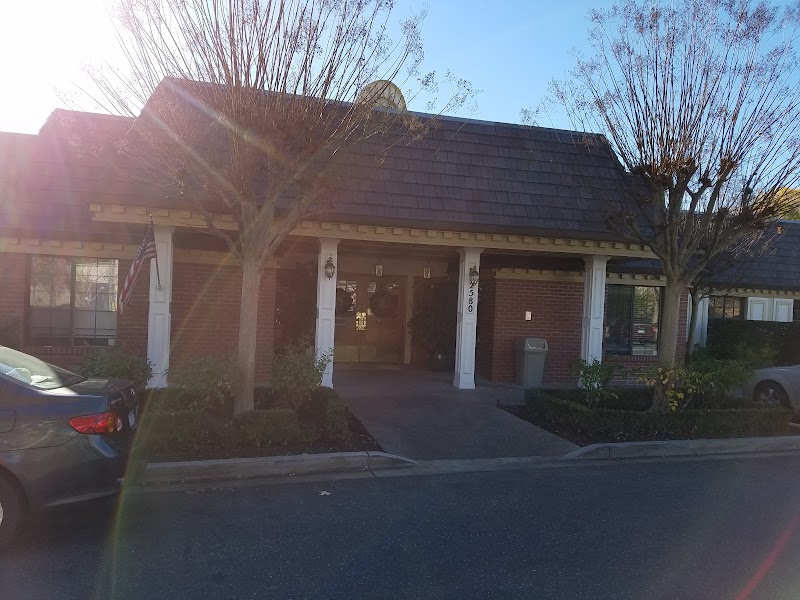
How is Plum Tree Staffed?

CMS rates PLUM TREE CARE CENTER's staffing level at 3 out of 5 stars, which is average compared to other nursing homes. Staff turnover is 50%, compared to the California average of 46%. RN turnover specifically is 71%, which is notably high. RNs provide skilled clinical oversight, so turnover in this role can affect medical care quality.

What Have Inspectors Found at Plum Tree?

State health inspectors documented 33 deficiencies at PLUM TREE CARE CENTER during 2022 to 2025. These included: 1 that caused actual resident harm and 32 with potential for harm. Deficiencies causing actual harm indicate documented cases where residents experienced negative health consequences.
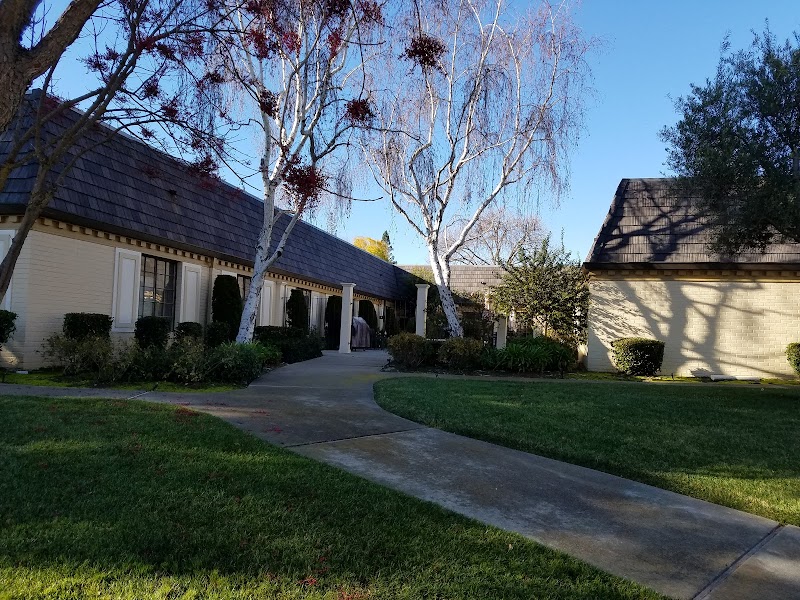
Who Owns and Operates Plum Tree?

PLUM TREE CARE CENTER is owned by a for-profit company. For-profit facilities operate as businesses with obligations to shareholders or private owners. The facility is operated by GENERATIONS HEALTHCARE, a chain that manages multiple nursing homes. With 76 certified beds and approximately 63 residents (about 83% occupancy), it is a smaller facility located in SAN JOSE, California.
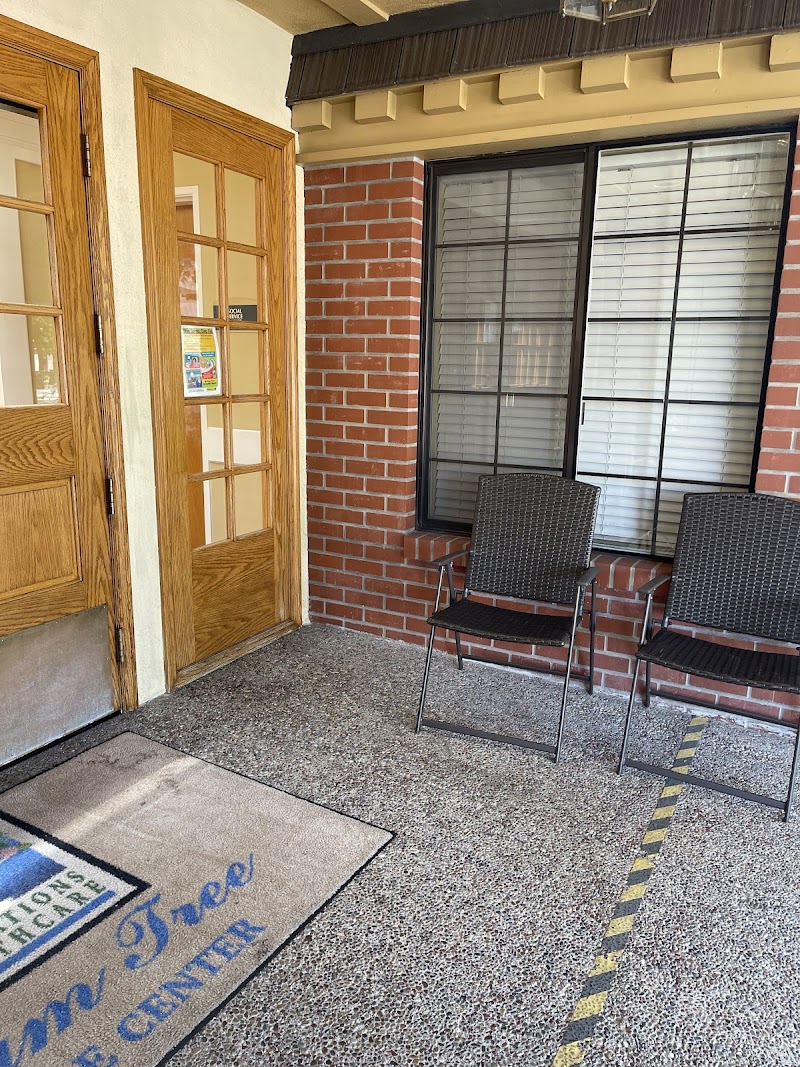
How Does Plum Tree Compare to Other California Nursing Homes?

Compared to the 100 nursing homes in California, PLUM TREE CARE CENTER's overall rating (5 stars) is above the state average of 3.2, staff turnover (50%) is near the state average of 46%, and health inspection rating (4 stars) is above the national benchmark.

What Should Families Ask When Visiting Plum Tree?

Based on this facility's data, families visiting should ask: "Can I visit during a mealtime to observe dining assistance and food quality?" "How do you handle medical emergencies, and what is your hospital transfer rate?" "Can I speak with family members of current residents about their experience?"

Is Plum Tree Safe?

Based on CMS inspection data, PLUM TREE CARE CENTER has a clean safety record: no substantiated abuse findings (meaning no confirmed cases of resident harm), no Immediate Jeopardy citations (the most serious violation level indicating risk of serious injury or death), and is not on the Special Focus Facility watch list (a federal program monitoring the lowest-performing 1% of nursing homes). The facility has a 5-star overall rating and ranks #1 of 100 nursing homes in California. While no facility is perfect, families should still ask about staff-to-resident ratios and recent inspection results during their visit.

Do Nurses at Plum Tree Stick Around?

PLUM TREE CARE CENTER has a staff turnover rate of 50%, which is about average for California nursing homes (state average: 46%). Moderate turnover is common in nursing homes, but families should still ask about staff tenure and how the facility maintains care continuity when employees leave.

Was Plum Tree Ever Fined?

PLUM TREE CARE CENTER has been fined $8,018 across 1 penalty action. This is below the California average of $33,159. While any fine indicates a compliance issue, fines under $50,000 are relatively common and typically reflect isolated problems that were subsequently corrected. Families should ask what specific issues led to these fines and confirm they've been resolved.

Is Plum Tree on Any Federal Watch List?

PLUM TREE CARE CENTER is not on any federal watch list. The most significant is the Special Focus Facility (SFF) program, which identifies the bottom 1% of nursing homes nationally based on persistent, serious quality problems. Not being on this list means the facility has avoided the pattern of deficiencies that triggers enhanced federal oversight. This is a positive indicator, though families should still review the facility's inspection history directly.