THE RIDGE POST ACUTE
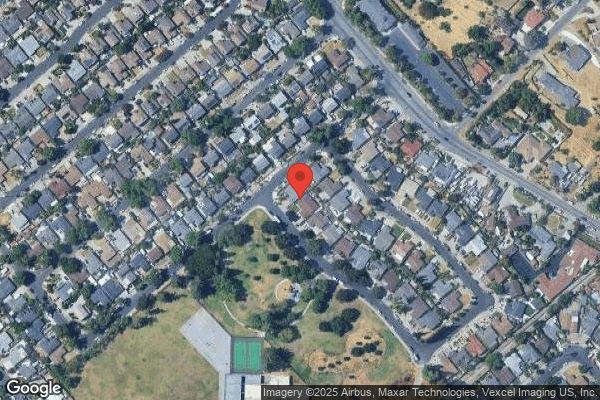
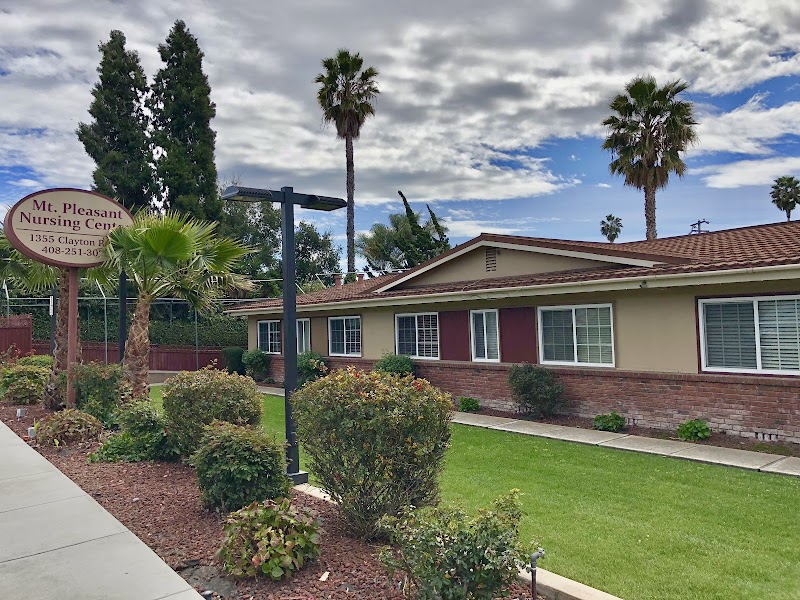
1355 CLAYTON ROAD, SAN JOSE, CA 95127 (408) 251-3070
For profit - Limited Liability company 54 Beds LINKS HEALTHCARE GROUP Data: November 2025
Trust Grade
70/100
#478 of 1155 in CA
Last Inspection: October 2024

Within standard 12-15 month inspection cycle. Federal law requires annual inspections.

Overview

The Ridge Post Acute in San Jose, California, has a Trust Grade of B, indicating it is a good choice for families, though not without some concerns. It ranks #478 out of 1155 facilities in California, which places it in the top half overall, and #31 out of 50 in Santa Clara County, meaning there are only a few local options that are better. The facility is improving, with issues decreasing from 21 in 2023 to 11 in 2024, but it does have some staffing concerns, with less RN coverage than 96% of state facilities, which could affect care quality. While the facility has no fines on record, there have been several concerning incidents, including improper infection control practices in the laundry area, a lack of effective pest control with live cockroaches observed, and medication errors that could potentially affect residents' health. Overall, The Ridge Post Acute has strengths in its improvement trend and no fines, but families should be aware of staffing and health safety issues.

Trust Score
B
70/100
In California
#478/1155
Top 41%
Safety Record
Low Risk
No red flags
Inspections
Getting Better
21 → 11 violations
Staff Stability
○ Average
33% turnover. Near California's 48% average. Typical for the industry.
Penalties
✓ Good
No fines on record. Clean compliance history, better than most California facilities.
Skilled Nurses
⚠ Watch
Each resident gets only 12 minutes of Registered Nurse (RN) attention daily — below average for California. Fewer RN minutes means fewer trained eyes watching for problems.
Violations
⚠ Watch
39 deficiencies on record. Higher than average. Multiple issues found across inspections.
★★★★☆
4.0
Overall Rating
★★★☆☆
3.0
Staff Levels
★★★★★
5.0
Care Quality
★★★☆☆
3.0
Inspection Score
Stable
2023: 21 issues
2024: 11 issues

The Good

  • 5-Star Quality Measures · Strong clinical quality outcomes
  • Full Sprinkler Coverage · Fire safety systems throughout facility
  • No fines on record
  • Staff turnover below average (33%)

    15 points below California average of 48%

Facility shows strength in quality measures, fire safety.

The Bad

Staff Turnover: 33%

13pts below California avg (46%)

Typical for the industry

Chain: LINKS HEALTHCARE GROUP

Part of a multi-facility chain

Ask about local staffing decisions and management

The Ugly 39 deficiencies on record

Oct 2024 8 deficiencies
CONCERN (D)

Potential for Harm - no one hurt, but risky conditions existed

Deficiency F0658 (Tag F0658)

Could have caused harm · This affected 1 resident

Based on observation, interview and record review, the facility failed to ensure care was provided in accordance with professional standards of quality for one (Resident 13) out of three sampled resid...

Read full inspector narrative →
Based on observation, interview and record review, the facility failed to ensure care was provided in accordance with professional standards of quality for one (Resident 13) out of three sampled residents when Resident 13 had an unnecessary and improper blood sugar check done. This failure resulted in a potentially inaccurate blood sugar result and an additional finger prick which can be painful. Findings: During an observation on 10/21/24 at 11:47 a.m. with Licensed Vocational Nurse (LVN) A, LVN A cleaned Resident 13's left ring finger with an alcohol swab and immediately pricked Resident 13's finger. LVN A then placed the blood sugar strip connected to the glucometer (device used to check blood sugar) to the pricked finger to catch the drop of blood for the blood sugar test. After obtaining the blood sugar result of 136 milligram/deciliter (mg/dl, a unit of measurement; normal range is 80-110 mg/dl), LVN A stated I am going to hold her insulin right now. I am going to feed her at 2 p.m. She has a G-tube (a flexible, hollow tube that is inserted into the stomach through the abdominal wall). I will give it with her food. LVN A also stated that he will check Resident 13's blood sugar again before feeding. During an interview on 10/21/24 at 2:13 p.m. with LVN A, LVN A stated that part of the process for checking blood sugar is waiting for the alcohol to dry out before pricking the finger with lancet (a sharp point needle that is used to obtain blood for testing blood sugar). LVN A also stated, he was following the order to check blood sugar at 12 p.m. LVN A stated he should have checked it before feeding Resident 13 instead. During a concurrent interview and record review on 10/22/24 at 12:50 p.m. with the Director of Nursing (DON), DON stated they should wait for the alcohol to dry before poking the resident's finger during blood sugar check. DON verified there is no specific physician order to check blood sugar at 12 p.m. for Resident 13. DON also verified that blood sugar documentation is part of physician orders for insulin (a medication used in the treatment of high blood sugar). A review of Resident 13's Physician orders indicated, Enteral Feed Order every 8 hours .1 Can (250ml/cc) + 4 OZ SF Healthshake 2 pm It also indicated, Admelog Injection Solution 100 unit/ml (Insulin Lispro) Inject 3 units subcutaneously every 6 hours A review of Resident 13's Medication Administration Record for October 2024 indicated Enteral feed was scheduled daily at 6 a.m., 2 p.m. and 10 p.m. It also indicated, Admelog Injection was scheduled daily at 12 a.m., 6 a.m., 12 p.m., and 6 p.m. A review of facility's policy and procedure (P&P) titled Obtaining a Fingerstick Glucose Level revised October 2011, the P&P indicated 8. Discard the first drop of blood if alcohol is used to clean the fingertips because alcohol may alter the results .12 .If alcohol wipes are used, make sure the area is dry before taking blood sample A review of Daily Med from National Library of Medicine (www.dailymed.nlm.nih.gov), a nationally recognized source for drug label information, indicated, Administer the dose of ADMELOG subcutaneously within fifteen minutes before a meal or immediately after a meal A review of facility's undated P&P entitled Administering Medications, the P&P indicated, 3. Medications must be administered in a timely manner and in accordance with the attending physician's written/verbal orders .12. Should a drug be withheld, refused, or given other than at the scheduled time, the individual administering the medication must initial and circle the MAR (Medication Administration Record) space provided for that particular drug .
CONCERN (D)

Potential for Harm - no one hurt, but risky conditions existed

Deficiency F0676 (Tag F0676)

Could have caused harm · This affected 1 resident

Based on observation, interview, and record review, the facility failed to ensure that appropriate care and services were provided to one out of twelve sampled residents, (Resident 8), when the restor...

Read full inspector narrative →
Based on observation, interview, and record review, the facility failed to ensure that appropriate care and services were provided to one out of twelve sampled residents, (Resident 8), when the restorative nursing assistant (RNA) totally assisted Resident 8 in feeding instead of set-up help only. This failure had the potential, for the resident, not to maintain or achieve the highest level of self-care or independence in feeding. Findings: During the concurrent dining observation and interview with RNA on 10/21/2024 at 12:20 p.m., RNA was spoon-feeding Resident 8, totally assisting him with feeding. RNA acknowledged for totally assisting Resident 8 in feeding and for not checking the feeding care plan of Resident 8 prior to assisting him. During the interview with the Infection Preventionist (IP), who was overseeing the lunch dining area of the residents, on 10/21/2024 at 12:27 p.m., IP verified that Resident 8 had specialized adaptive utensils to help with grip and would help encourage self-feeding and should not be totally assisted with feeding. During the concurrent record review of the most recent minimum data set (MDS, a standardized, comprehensive assessment tool used to evaluate the health of residents in nursing homes) of Resident 8, dated 9/13/24, and interview with the director of nursing (DON) on 10/24/24 at 8:45 a.m., indicated that Resident 8 was coded 05, for his MDS, Section GG0130A: Eating, indicating, Set-up or clean-up assistance. The helper would provide assistance prior to or following the feeding activity. DON acknowledged the discrepancy between Resident 8's assessed needs in feeding and the assistance provided to him. DON further acknowledged that Resident 8 was not provided with the appropriate assistance in feeding by the RNA and will remind the staffs about providing the proper assistance to residents.
CONCERN (D)

Potential for Harm - no one hurt, but risky conditions existed

Room Equipment (Tag F0908)

Could have caused harm · This affected 1 resident

Based on observation, interview and record review, the facility failed to ensure equipment is in safe operating condition for four (Residents 8, 23, 26 and 38) out of eight sampled residents when a co...

Read full inspector narrative →
Based on observation, interview and record review, the facility failed to ensure equipment is in safe operating condition for four (Residents 8, 23, 26 and 38) out of eight sampled residents when a commode with noticeable rust was found in their shared toilet. This failure had the potential to put residents at risk for harm during their usage of the rest room. Findings: During a concurrent observation and interview on 10/20/24 at 2:19 p.m. with LVN E, a commode with noticeable rust was positioned over the toilet bowl in the rest room shared by Resident 8, Resident 23, Resident 26, and Resident 38. LVN E stated we should have checked the commode before placing it in the resident's toilet. During an interview with the Maintenance Director/ Environment Services Supervisor (EVSS) on 10/23/24 at 1:49 p.m., EVSS stated that there is no log to monitor commodes. EVS also stated that nurses do the log for the commode maintenance and not the maintenance department. During a concurrent interview and record review on 10/23/24 at 1:55 p.m. with the Infection Preventionist (IP), the IP verified the Maintenance Log for October 2024 indicated there is no request to replace a commode. A review of facility's policy and procedure (P&P) entitled Maintenance Service revised December 2009, the P&P indicated, .1. The maintenance department is responsible for maintaining the .equipment in a safe and operable manner at all times .
CONCERN (E)

Potential for Harm - no one hurt, but risky conditions existed

Unnecessary Medications (Tag F0759)

Could have caused harm · This affected multiple residents

Based on observation, interview and record review, the facility had a medication error rate of 12.12% when four medication errors occurred out of 33 opportunities for four residents (Resident 27, Resi...

Read full inspector narrative →
Based on observation, interview and record review, the facility had a medication error rate of 12.12% when four medication errors occurred out of 33 opportunities for four residents (Resident 27, Resident 12, Resident 46, and Resident 154): 1. For Resident 27, the nursing staff did not confirm the exact dose as ordered by the physician for the medicine Lamotrigine (a medicine used for seizure). 2. For Resident 12, the nursing staff administered the medication Metformin (a medicine used to lower the blood sugar) without a meal. 3. For Resident 46, the nursing staff did not administer Lidocaine 5% Patch (used to alleviate pain). 4. For Resident 154, the nursing staff did not administer an inhalation solution in accordance with the facility procedure. These failures resulted in medications not given in accordance to the manufacturer's instructions and/or physician's order and had the potential for residents not receiving the full therapeutic effects of medications. Findings: 1. During a medication pass observation on 10/21/24 at 4:13 p.m., Licensed Vocational Nurse (LVN) B, took out a blister pack of lamotrigine 100 milligrams (mg, unit of measure) whole tablets and a blister pack of lamotrigine 100 mg in half tablets. LVN B took one whole tablet and another half tablet. At 4:15 p.m., LVN B administered a whole tablet of lamotrigine 100 mg and a half tablet of lamotrigine 100 mg to Resident 27. A review of Resident 27's physician order on 10/24/23 indicated, Lamotrigine Oral tablet 150 mg, give 1.5 tablet by mouth two times a day related to epilepsy (seizure disorder). During a concurrent observation, interview, and record review on 10/22/24 at 12:50 p.m. with the Director of Nursing (DON), DON verified the order for lamotrigine for Resident 27 and stated that a total 225 mg twice a day of lamotrigine should be given as written in the order. DON verified the stock doses of lamotrigine for Resident 27 in the medication cart were a blister pack of whole tablets of lamotrigine 100 mg and a blister pack of half tablets of lamotrigine 100 mg. During a concurrent interview and record review over the phone on 10/23/24 at 10:15 a.m. with the Consultant Pharmacist (CP), CP interpreted the order of lamotrigine for Resident 27 as a total of 225 mg two times a day. A review of Resident 27's hospital summary documents prior to admission indicated a physician's order, Lamotrigine 150 mg tab twice a day A review of facility's undated policies and procedures (P&P) entitled Administering Medications, the P&P indicated, .8. The individual administering the medication must ensure that the right medication, right dosage .are verified before the medication is administered. 2. During a medication pass observation on 10/21/24 at 4:38 p.m., LVN B administered metformin 500 mg tablet to Resident 12. There was no visible food or any snack on Resident 12's bedside table. During an interview with Resident 12 on 10/25/24 at 1:16 p.m., Resident 12 stated that dinner comes at 5:40 p.m. or sometimes 6:00 p.m. During an interview on 10/25/24 at 1:25 p.m. with Registered Dietician (RD), RD stated dinner is served at 5:30 p.m. RD showed the signage of meal times in the bulletin board that indicated, Meal Service Times .Dinner 5:30 p.m. During a concurrent interview, and record review on 10/22/24 at 12:50 p.m. with the DON, the DON verified the physician's order of metformin for Resident 12 indicated to be given with breakfast and dinner. A review of Resident 12's physician order indicated, Metformin Hcl tablet 500 mg, give 1 tablet by mouth two times a day for diabetes with breakfast and dinner. The order was dated 4/11/23. A review of Daily Med from National Library of Medicine (www.dailymed.nlm.nih.gov), a nationally recognized source for drug label information, indicated, Metformin hydrochloride should be given in divided doses with meals. A review of facility's undated policies and procedures (P&P) entitled Administering Medications, the P&P indicated, .3. Medications must be administered in a timely manner and in accordance with the attending physician's written/verbal order. 3. During a medication pass observation on 10/22/24 at 7:50 a.m., LVN C stated that Resident 46's due medications included lidocaine 5% patch. LVN C stated that lidocaine 5% patch was not available. During a concurrent interview, and record review on 10/22/24 at 12:50 p.m. with the DON, the DON verified Resident 46's Medication Administration Record for 10/22/24 indicated that Lidocaine 5% patch was not given at 9 a.m. as ordered. A review of Resident 46's physician's orders indicated, Lidocaine Patch 5% apply to right shoulder topically one time a day for pain management r/t neuropathy apply to right shoulder or affected area, apply at 9am and remove at 9pm and remove per schedule The order was dated 8/29/24. A review of facility's undated policies and procedures (P&P) entitled Administering Medications, the P&P indicated, 3. Medications must be administered in a timely manner and in accordance with the attending physician's written/verbal order .7. Medications .must be administered within one hour of their prescribed time . 4. During a medication pass observation on 10/22/24 at 8:15 a.m., LVN C explained the indication of the medication budesonide and formoterol fumarate dihydrate (used to control or prevent difficulty in breathing) inhalation solution to Resident 154. LVN C shook the inhaler (device for giving medicines in the form of a spray that is inhaled) and asked Resident 154 to open his mouth. Resident 154 opened his mouth, LVN C inserted the mouthpiece in Resident 154's mouth, gave 1 puff and visible mist came out of Resident 154's mouth. LVN C instructed and assisted Resident 154 to gargle with water. During an interview on 10/22/24 at 9:30 a.m. with LVN C, LVN C was asked how to correctly administer an inhaled medication via inhaler. LVN C stated she should have asked Resident 154 to tightly close his lips onto the inhaler mouthpiece. During an interview with the DON on 10/22/24 at 12:50 p.m., the DON stated that when administering a medication via inhaler, resident must be instructed to exhale, then they inhale the medication as it is given and hold it for a few seconds and then exhale. A review of facility's policies and procedures (P&P) entitled Administering Medications through a Metered Dose Inhaler revised October 2010, the P&P indicated, Administer Medication: .d. Ask the resident to inhale and exhale deeply for a few breath cycles. On the last cycle, instruct the resident to exhale deeply. e. Place the mouthpiece in the mouth and instruct resident to close his or her lips to form a seal around the mouthpiece g. Instruct the resident to inhale deeply and hold for several seconds. H. Remove the mouthpiece from the mouth and instruct the resident to exhale slowly through pursed lips. A review of facility's undated policies and procedures (P&P) entitled Administering Medications, the P&P indicated, 8. The individual administering the medication must ensure the right medication.and right method of administration are verified before the medication is administered.
CONCERN (E)

Potential for Harm - no one hurt, but risky conditions existed

Deficiency F0804 (Tag F0804)

Could have caused harm · This affected multiple residents

Based on observation, interview and record review, the facility failed to ensure that the recipe (a set of instructions on how to prepare or make a particular food) for making vegetable puree (smooth,...

Read full inspector narrative →
Based on observation, interview and record review, the facility failed to ensure that the recipe (a set of instructions on how to prepare or make a particular food) for making vegetable puree (smooth, crushed, or blended food that has the consistency of a creamy paste or liquid) was being followed when the lead cook did not follow the recipe for making carrot puree. This failure had the potential to result in decreased palatability that could lead to decrease in food intake for the 6 residents with puree consistency diet order out of the skilled nursing facility census of 48. Findings: During the observation of making vegetable puree with the lead cook (LC), on 10/22/24 at 10:55 a.m., LC was making vegetable puree using carrots, good for 12 servings. LC put 48 ounces (oz, unit of weight) of carrots, 4 oz per serving, good for 12 servings, into the blender, added 2 cups (cooking measure of volume) of milk and then pureed them. LC then checked the consistency of the pureed carrots, added 1 cup of milk, then added food thickener and pureed them again. LC then set aside the pureed carrots in the oven after. Review of the facility's recipe: Pureed (IDDSI, international dysphagia diet standardization initiative, Level 4, level of food texture) Vegetables, dated 2024 indicated, Pureed on low speed to a paste consistency before adding any liquid. For 12 servings, add ¼ cup to ¾ cup of warm fluid such as milk .If needed: stabilizer: .commercial instant food thickener .Serve on trayline at the recommended temperature . The recipe did not indicate to add any liquid before pureeing. The recipe did not also indicate to add 2 cups of milk for 12 servings of pureed vegetables. The recipe indicated, to only add ¼ cup to ¾ cup of warm fluid such as milk, for 12 servings of pureed vegetables. The recipe did not indicate as well to add 1 cup of milk after pureeing. During a concurrent review of the recipe for making puree vegetables and interview with LC on 10/22/24 at 10:57 a.m., LC verified that the recipe for making puree carrots was not followed. He further verified that he would check and follow the recipe next time. During a concurrent review of the recipe for making puree vegetables and interview with registered dietitian (RD) on 10/22/24 at 11:00 a.m., RD verified that the lead cook should have followed the recipe for making puree carrots, but it was not followed. RD further verified that the recipe for making vegetable puree should be followed next time. Review of the facility's policy and procedure titled, Food Preparation, dated 2023 indicated, Food shall be prepared by methods that conserve nutritive value, flavor, and appearance. The facility will use approved recipes, standardized to meet the resident census .Recipes are specific as to portion yield, method of preparation, quantities of ingredients, and time and temperature guidelines .
CONCERN (F)

Potential for Harm - no one hurt, but risky conditions existed

Infection Control (Tag F0880)

Could have caused harm · This affected most or all residents

Based on observation, interview and record review, the facility failed to ensure, infection prevention and control practices were implemented when: 1. a laundry cart with clean linens was left in the ...

Read full inspector narrative →
Based on observation, interview and record review, the facility failed to ensure, infection prevention and control practices were implemented when: 1. a laundry cart with clean linens was left in the passageway of the laundry room where the carts with dirty linens pass by; 2. laundry staff did not sanitize the laundry cart from outside before placing the clean linens in the cart; 3. a large bucket, full of soiled linens, was left open without cover; 4. there were missing logs in the laundry dryer cleaning inspection logs; 5. 2 out of 3 kitchen staffs did not know the sanitizer testing procedure; 6. cleaning chemicals were kept in the emergency food storage area and 7. a silverfish bug and a disposable spoon were found in the sink inside the medicine storage room. These failures had the potential to spread infection that could affect the 48 residents residing in the facility. Findings: 1. During the concurrent laundry room area observation and interview with the environmental services supervisor (EVSS) on 10/24/24 at 9:09 a.m., there was a rack full of clean clothes of residents and not covered, in the passageway where the dirty linens pass by, going to the washer. EVSS acknowledged that the uncovered rack full of clean clothes of residents should not be left there for infection control. EVSS further verified that those clean clothes should have been brought back right away to the residents. During an interview with the infection preventionist (IP) on 10/25/24 at 11:00 a.m., IP verified that the rack full of clean clothes of residents and not covered, should not be left in the passageway where the dirty linens pass by, going to the washer, for infection control. They should have been brought back to the residents right away after they are washed and dried. Review of the facility's policy titled, Laundry and Bedding, Soiled: Storage, dated 2001 indicated, Clean linen is stored separately, away from soiled linens, at all times Clean linen is kept separate from contaminated linen. The use of separate rooms, closets, or other designated spaces with a closing door are used to reduce the risk of accidental contamination 2. During the concurrent laundry room observation and interview with laundry staff G (LS G) on 10/25/24 at 9:35 a.m., LS G brought inside the laundry room, a laundry cart from outside, to put in the clean resident clothes that were ready to be distributed back to the residents. LS G did not sanitize the laundry cart from the outside and he was about to put in the clean resident clothes in there. LS G was asked if he needed to sanitize the laundry cart first and he acknowledged that the laundry cart that was brought from outside should be sanitized first before putting in the clean clothes of the residents there. LS G then sanitized the laundry cart before putting in the clean resident clothes. During the interview with EVSS on 10/24/24 at 9:38 a.m., EVSS verified that LS should have sanitized the laundry cart from outside first before putting in the clean clothes of the residents for infection control. During an interview with IP on 10/25/24 at 11:00 a.m., IP verified that LS should have sanitized the laundry cart that was brought from outside first, before putting in the clean clothes of residents. IP further verified that she will remind the staffs about this. Review of the facility's policy titled, Laundry and Bedding, Soiled: Transport, dated 2001 indicated, Linen carts are cleaned and disinfected whenever visibly soiled and according to the established schedule 3. During the concurrent laundry room observation and interview with EVSS on 10/24/24 at 9:45 a.m., there was a bucket full of dirty and soiled linens near the washer area that was left there uncovered. EVSS acknowledged that the bucket full of dirty and soiled linens near the washer area should not be left uncovered, when they were not washed yet. During an interview with IP on 10/25/24 at 11:00 a.m., IP verified that dirty and soiled linens in the laundry room should be covered and will remind the staffs about it. Review of the facility's policy titled, Laundry and Bedding, Soiled: Handling, dated 2001 indicated, Soiled laundry/bedding shall be handled, transported and processed according to best practices for infection prevention and control. All used laundry is handled as potentially contaminated using standard precautions Contaminated laundry is bagged or contained at the point of collection 4. During the laundry room observation on 10/24/24 at 9:30 a.m., there were missing logs in the dyer cleaning log monitoring sheet that included the removal of the dryer lint (a collection of fine fabric and yarn pieces that accumulate in a dryer's filter while clothes were being dried). Review of the dryer cleaning log monitoring sheets of the laundry department, from 8/30/24 to 10/24/24 at 9:00 a.m., indicated that the 2 dryers were being checked that included the removal of the dryer lint, 5 times per day at 7:00 a.m., 9:00 a.m., 11:00 a.m., 1:00 p.m., and 3:00 p.m., and there were 124 missing signature logs by the laundry staffs. During the interview with EVSS on 10/24/24 at 9:32 a.m., EVSS verified the missing signature logs of the laundry staffs for the dryer cleaning log monitoring sheets of the laundry department that included the removal of the dryer lint. He further verified that there should be no missing signature logs of the laundry staffs. During the interview with IP on 10/25/24 at 11:00 a.m., IP verified that the dryer cleaning log monitoring sheets of the laundry department should have been completed and there should be no missing signature logs of the laundry staffs. Review of the undated facility's policy titled, Dryer Lint Policy, indicated, Proper care and maintenance of laundry equipment, including the management of dryer lint, are essential All staff involved in laundry operations will receive training on the importance of lint management and the procedures for proper removal and disposal. A log of lint removal and maintenance inspections will be maintained to ensure compliance with this policy 5. During the concurrent observation of the three compartments sink and red bucket testing with sanitizer, using the sanitizer test strips and interview with the dietary aide H (DA H) on 10/22/24 at 1:25 p.m., DA H checked the sanitizer concentration level using the test strips. DA H was then asked the meaning of the test strip readings after they were dipped in the sanitizer. DA H could not tell the meaning of the test strip reading results, whether the concentration level of the sanitizer was okay for use. During another concurrent observation of the three compartments sink and red bucket testing with sanitizer, using the sanitizer test strips and interview with cook I (COOK I) on 10/24/24 at 11:05 a.m., COOK I checked the sanitizer concentration level using the test strips. COOK I was then asked the meaning of the test strip readings after they were dipped in the sanitizer. COOK I could not also tell the meaning of the test strip reading results, whether the concentration level of the sanitizer was okay for use. During the interview with the registered dietitian (RD) on 10/24/24 at 11:10 a.m., RD verified that kitchen staffs should know the effective concentration level of the sanitizer and should know how to read the results of the sanitizer testing strip. RD then stated that she would do an in-service about it. Review of the facility's policy titled, Quaternary Ammonium Log Policy, dated 2023 indicated, The concentration of the ammonium in the quaternary sanitizer will be tested to ensure the effectiveness of the solution The Food and Nutrition Services worker will place the solution in the appropriate bucket labeled for it's contents and will test the concentration of the solution 6. During a concurrent observation of the emergency food storage room and interview with EVSS on 10/24/24 at 2:38 p.m., there were gallons and bucket of cleaning chemicals that were kept beside the plastic food containers. There were also food items stored in the emergency food storage room. EVSS acknowledged that the cleaning chemicals should not be stored in the emergency food storage room. During the interview with RD on 10/24/24 at 2:42 p.m., RD verified that the cleaning chemicals should be stored separately from the food items. RD further verified that she would remove the cleaning chemicals in the emergency food storage room and will store them separately. Review of the facility's policy titled, Storage of Food and Supplies, dated 2023 indicated, Food and supplies will be stored properly and in a safe manner Food storage areas should be used only for food. Items such as bleach, soap, and other cleaning supplies should be stored in entirely separate and specific areas 7. During an observation of the medication storage room on 10/20/24 at 2:43 p.m. with Licensed Vocational Nurse (LVN) D, a crawling silverfish bug and a white disposable spoon were found in the sink. The sink also had yellowish stains. During an interview on 10/22/24 at 1:06 p.m. with the Director of Nursing (DON), the DON stated that the medication room is cleaned daily by the housekeeper. DON also stated there is a log for the daily cleaning of the medication room. During a concurrent interview and record review on 10/24/24 at 3:29 p.m. with the Housekeeping Supervisor (HS), HS stated she cleaned the medication room that day 10/24/24. HS verified the document Med Room Cleaning/Disinfectation Log, and stated it is not her signature on date 10/24/24. HS confirmed her signature was not in the document. HS stated there was no log for cleaning the medication room and it was the first time she saw the document. The facility provided a document entitled Med Room Cleaning/Disinfectation Log, the document had seven columns corresponding to the months of June 2024 to December 2024. Written under each month were rows corresponding to the number of days of the month which indicated daily signatures except for 7/14/24. No other details were written in the document. A review of facility's policy and procedure (P&P) entitled Medication Labeling and Storage revised February 2023, the P&P indicated, .2. The nursing staff is responsible for maintaining medication and storage and preparation areas in clean, safe, and sanitary manner .
CONCERN (F)

Potential for Harm - no one hurt, but risky conditions existed

Deficiency F0925 (Tag F0925)

Could have caused harm · This affected most or all residents

Based on observation, interview, and record review, the facility failed to maintain an effective pest control program when two live cock roaches were observed in the social services office by health f...

Read full inspector narrative →
Based on observation, interview, and record review, the facility failed to maintain an effective pest control program when two live cock roaches were observed in the social services office by health facilities evaluator nurses, during a recertification survey. This finding had the potential to put residents and staffs' health and safety at risk. Findings: During an observation on 10/24/24, at 2:30 p.m., in the social services office, a live cockroach was observed on the floor under the desk. During an observation on 10/24/24, at 2:47 p.m., in the social services office, a live cockroach was observed on top of the desk. During a concurrent interview and record review, on 10/25/24, at 2:32 p.m., with the administrator (ADM), the facility's policy and procedure (P&P) titled, Pest Control, revised May 2008, was reviewed. The P& P indicated, This facility maintains an effective pest control program so that the facility is free of pests and rodents. ADM acknowledged an effective pest control program was to ensure a pest free environment.
MINOR (B)

Minor Issue - procedural, no safety impact

Deficiency F0912 (Tag F0912)

Minor procedural issue · This affected multiple residents

Based on observation, interview, and record review, the facility failed to ensure multiple resident rooms with two beds (Rooms 101, 102, 103, 104, 105, 106, 107, 109, 110, 114, 115, 116, 117, 118, 120...

Read full inspector narrative →
Based on observation, interview, and record review, the facility failed to ensure multiple resident rooms with two beds (Rooms 101, 102, 103, 104, 105, 106, 107, 109, 110, 114, 115, 116, 117, 118, 120, and 121) measured at least 80 square feet per resident. Less than 80 square feet per resident in resident rooms could adversely affect resident health and safety. Findings: Room measurements indicated multiple resident rooms with two beds were less than 80 square feet per resident. Rooms 101, 102, 103, 104, 105, 106, 107, 109, 110, 114, 115, 116, 117, 118, 120, and 121 with two beds all measured 69.51 square feet per resident. None of the rooms were observed to inhibit the staff from providing care or the residents from receiving adequate care. The staff and the residents moved freely in the rooms. Wheelchairs and walkers were easily accommodated. The residents and the staff stated the square footage of the rooms was not a concern. Recommendation is for a continuance of the room waiver.
May 2024 3 deficiencies
CONCERN (D) 📢 Someone Reported This

A family member, employee, or ombudsman was alarmed enough to file a formal complaint

Potential for Harm - no one hurt, but risky conditions existed

Investigate Abuse (Tag F0610)

Could have caused harm · This affected 1 resident

**NOTE- TERMS IN BRACKETS HAVE BEEN EDITED TO PROTECT CONFIDENTIALITY** Based on interview and record review, the facility failed to report an abuse allegation incident for one of one sampled resident...

Read full inspector narrative →
**NOTE- TERMS IN BRACKETS HAVE BEEN EDITED TO PROTECT CONFIDENTIALITY** Based on interview and record review, the facility failed to report an abuse allegation incident for one of one sampled resident (Resident 1, female) when the facility staffs found Resident 2 (male) on Resident 1 ' s bed. This failure had left the public agencies with jurisdiction over the facilities unaware of the event. Findings: Review of Resident 1 ' s facesheet (a document that gives a resident's information at a quick glance, including contact details and a brief medical history), indicated Resident 1 was admitted on [DATE], with diagnoses of status post left hip replacement surgery due to left femur neck fracture, major depressive disorder. During an interview on 7/24/23 at 3:30 p.m. with Licensed Vocational Nurse (LVN) A, she stated, on 6/15/23 at around 9:30 p.m., two Certified Nursing Assistants (CNA) from Station 1 told her Resident 2 was found sitting on the foot of Resident 1 ' s bed. LVN A stated Resident 1 told her I'm ok after the incident; however, Resident 1 appeared fearful. LVN A stated she documented the incident, but did not report it to the authorities. During an interview with Resident 1 on 8/17/23 at 9:16 a.m., she stated on the second day since her admission to the facility at around 8:00 p.m., a male stranger entered her room and sat on the end of her bed; and then, the man laid down and put his head on her legs. Resident 1 stated she was unable to move due to a recent surgery; so, she told the man to leave, but he did not move. Resident 1 stated she felt scared to death and screamed for help. Resident 1 stated she requested to be discharged the next day because she was too scared and nobody addressed the issue. Resident 1 stated since she had been discharged from the facility, she had been seeing a mental health therapist for nightmares related to the event. During an interview with CNA B on 9/13/23 at 12:40 p.m., CNA B stated she and another CNA went into Resident 1 ' s room immediately when they heard Resident 1 yelling for help repeatedly. CNA B stated Resident 2 was sitting at the foot of Resident 1 ' s bed, but there was no physical contact between the two residents. Resident 1 told CNA B she was scared, but did not tell her any details of the incident. CNA B stated she removed Resident 2 from Resident 1 ' s room and reported the incident to LVN A. During an interview with the Administrator (ADM) on 9/13/23 at 2:30 p.m., she confirmed the facility did not report the incident to any authorities. Review of the facility ' s policy and procedure Abuse, Neglect, Exploitation or Misappropriation - Reporting and investigating, revised April 2021, indicated, Reporting Allegations to the administrator and Authorities 1. If resident abuse, neglect, exploitation, misappropriation of resident property of injury of unknown source is suspected, the suspicion must be reported immediately to the administrator and to other officials according to state law. 2. The administrator or the individual making the allegation immediately reports his or her suspicion to the following persons or agencies: a. The state licensing/certification agency responsible for surveying/licensing the facility; b. The local/state ombudsman; d. Law enforcement officials.
CONCERN (E) 📢 Someone Reported This

A family member, employee, or ombudsman was alarmed enough to file a formal complaint

Potential for Harm - no one hurt, but risky conditions existed

Quality of Care (Tag F0684)

Could have caused harm · This affected multiple residents

**NOTE- TERMS IN BRACKETS HAVE BEEN EDITED TO PROTECT CONFIDENTIALITY** Based on interview and record review, the facility failed to ensure care and services were provided in accordance with professio...

Read full inspector narrative →
**NOTE- TERMS IN BRACKETS HAVE BEEN EDITED TO PROTECT CONFIDENTIALITY** Based on interview and record review, the facility failed to ensure care and services were provided in accordance with professional standards of practice for two of three sampled residents (Residents 2 and 1) when: 1. Licensed nurses did not start to monitor Resident 2's whereabouts after the incident with Resident 3 on 1/15/2023; 2. Licensed nurses did not monitor Resident 2's whereabouts until the 6/15/2023's incident with Resident 1 and had some missing documentations on Resident 2's implementation of Elopement Risk/Wanderer care plan dated 6/15/2023; 3. Licensed nurses did not complete Resident 1's admission Assessment in a timely manner, who was admitted on [DATE]; the admission Assessment was only completed on 6/16/23; and 4. Licensed nurses did not complete Resident 2's follow-up assessment after the 6/15/2023 incident in a timely manner and the interdisciplinary team's (IDT, a group of health care professionals from diverse fields who work toward a common goal for residents) note was initiated three months after this incident on 6/15/2023; These failures had the potential to compromise Resident 1, Resident 2 and other residents' safety, health and well-being. Findings: 1. Review of Resident 2's admission Record dated 3/6/2024 indicated, Resident 2 was admitted to the facility on [DATE] with diagnoses including catatonic schizophrenia (a mental illness when the patient may not respond to what's happening around them, or they could have periods of high activity, where they could act violently), major depressive disorder (a mood disorder that causes a persistent feeling of sadness and loss of interest), and dementia (a condition characterized by memory loss) with other behavioral disturbance (a pattern of disruptive behaviors). Review of Resident 2's quarterly minimum data set (MDS, an assessment tool), dated 7/14/2023, indicated, Resident 2 had short term (the capacity to recall a small amount of information from a recent time) and long-term memory (the capacity to recall memories from a longer time ago) problem. Review of Resident 2's clinical record titled, SBAR [Situation, Background, Assessment, Recommendation] & Initial COC [Change of Condition]/Alert Charting & Skilled Documentation, dated 1/15/2023, indicated, Resident slept on other resident's bed unoccupied at that time. Further review indicated, Resident 3 found Resident 2 on the bed which made Resident 3 angry, yelled at Resident 2, and grabbed Resident 2's right great toe but no injuries resulted. Review of Resident 2's clinical record titled, Wandering/Elopement Risk Assessment, dated 1/18/2023, it revealed Resident 2 was ambulatory, cognitively impaired, had history of wandering and high risk for elopement. During an interview with certified nursing assistant B (CNA B) on 3/6/2024 at 11:45 a.m., CNA B confirmed Resident 2 had history of wandering. CNA B stated Resident 2 could walk before without any assistive device and wandered around the facility. CNA B further stated Resident 2 was not easily redirectable. During a concurrent interview with licensed vocational nurse C (LVN C) and observation on 3/6/2024 at 12:20 p.m., in Resident 2's room, Resident 2 was in bed, and LVN C confirmed Resident 2 had a wander guard (small device placed on the ankle or wrist of a resident, alarms to notify the staff if a resident tries to leave the facility) on his left ankle. LVN C stated, Resident 2 had history of wandering and an elopement risk. LVN C further stated, they (staff) should monitor Resident 2's whereabouts. During a concurrent interview and record review on 3/8/2024 at 9:36 a.m., nurse supervisor (NS) reviewed Resident 2's SBAR dated 1/15/2023. NS confirmed Resident 2 had history of lying on other resident's bed. NS stated nurses should have started to monitor Resident 2's whereabouts after the 1/15/2023 incident with Resident 3 and this would have prevented the 6/15/2023 incident with Resident 1. 2a. Review of Resident 1's nurse's notes dated 6/15/2023, indicated, Around 9:30 p.m. as CNAs (certified nursing assistants) were making rounds to check on their groups, a resident was noted calling out for help .2 CNAs rushed to the room and noted Resident (#2) was sitting at the foot of the bed (of Resident 1) .This LN (licensed nurse) went to check on 'Resident 1' and asked what happened to which 'Resident 1' replied that there was a patient who came over and sat down at the foot of the bed .Resident (#1) was anxious for the time being about the Resident (#2) . During an interview with certified nursing assistant A (CNA A) on 3/6/2024 at 2:30 p.m., CNA A confirmed she was assigned to Resident 1 on 6/15/2023. CNA A stated, she was doing her rounds on 6/15/2023 at around 9:30 p.m. with another CNA. CNA A further stated, she was in Room AA when she heard the call light and there was somebody yelling for help. CNA A stated, she ran to check who was yelling and found out it was Resident 1 yelling while she was lying on her bed. CNA A confirmed she found Resident 2 seated at the left side of the foot of the bed. CNA A stated, Resident 1 did not know Resident 2. During a concurrent interview and record review on 3/8/2024 at 9:36 a.m. with the NS, NS reviewed and checked Resident 2's clinical records for any monitoring of Resident 2's whereabouts. NS confirmed there was no documentation of Resident 2's wandering episodes or monitoring of his whereabouts prior to 6/15/2023 incident with Resident 1. During a concurrent phone interview with Resident 1 and her family member C (FM C) on 3/13/2024 at 9:46 a.m., Resident 1 stated, on Thursday night, I was lying in bed watching TV, there was this guy who entered my room, and sat down on my bed. I rang the bell, but nobody came. The guy laid down on my broken leg and arm, and I started screaming. Resident 1 confirmed she started to see a therapist after the incident. Resident 1 stated, .this stresses me out, and I am still having nightmares. 2b. Review of Resident 2's care plans titled, [Resident 2] is an elopement risk/wanderer r/t [related to] Impaired safety awareness, date initiated 6/15/2023, indicated some interventions, Identify [NAME] of wandering. Intervene as appropriate .MONITOR EPISODES OF WANDERING Q [every] SHIFT. During a concurrent interview and record review on 3/8/2024 at 11:04 a.m. with the Administrator in Training (AIT), the AIT reviewed Resident 2's June 2023 Medication Administration Record (MAR) and checked entries of licensed nurses' documentation on Resident 2's, WANDERING IN FACILITY MONITORING - MONITOR EPISODES OF WANDERING IN THE FACILITY UNASSISTED every shift. AIT confirmed there were missing documentations on 6/16/2023 at 11 p.m.; 6/17/2023 at 7 a.m., 3 p.m., 11 p.m.; 6/18/2023 at 7 a.m., 3 p.m., 11 p.m.; and 6/19/2023 at 7 a.m. AIT stated nurses should have initialed their name in the MAR to indicate that they monitored Resident 2's wandering in the facility. AIT confirmed there was no monitoring of Resident 2's wandering or whereabouts before 6/15/2023. During a review of the facility's policy and procedure titled, Wandering and Elopements, date revised March 2019, indicated, The facility will identify residents who are at risk of unsafe wandering and strive to prevent harm while maintaining the least restrictive environment for residents. If identified as at risk for wandering, elopement, or other safety issues, the resident's care plan will include strategies and interventions to maintain the resident's safety. 3. Review of Resident 1's admission Record dated 3/6/2024, indicated Resident 1 was admitted to the facility on [DATE] with diagnoses including displaced fracture (the trauma moves the bone fragments out of alignment) of base of neck of left femur (hip bone), presence of left artificial hip joint, displaced fracture of left radial styloid process (a bone found in the wrist area), displaced fracture of left ulna styloid process (another bone found in the wrist area) and history of falling. Further review of Resident 1's admission Record indicated; Resident 1 was discharged home on 6/16/2023. During a concurrent interview and record review on 3/8/2024 at 10:39 a.m., with the Director of Nursing (DON), the DON reviewed Resident 1`s admission Nursing Assessment. DON confirmed Resident 1's admission assessment was signed and completed on 6/16/2023. DON stated the admission assessment should have been completed upon Resident 1's admission which was on 6/14/2023. During an interview with medical record director (MRD) on 3/22/2024 at 11:19 a.m., MRD stated the admission assessment should be done and completed by nurses on the day the resident was admitted . During an interview with LVN D on 3/22/2024 at 11:25 a.m., LVN D stated residents' admission assessment should be completed on the day of admission. 4a. During an interview with MRD on 3/22/2024 at 11:19 a.m., MRD stated when an assessment or documentation was initiated, it will be electronically signed and dated on the completion date. During a concurrent interview and record review on 3/22/2024 at 11:27 a.m., with the DON, the DON reviewed Resident 2's Alert Charting (a follow up assessment/documentation) related to the 6/15/2023 incident with Resident 1. DON confirmed Resident 2's Alert Charting on 6/15/2023 for night shift was signed completed on 1/28/2024; on 6/16/2023 for night shift was signed completed on 1/28/2024; and on 6/16/2023 for day shift was signed completed on 7/21/2023. DON stated Resident 2's Alert Charting were completed late. 4b. During a concurrent interview and record view on 3/22/2024 at 11:30 a.m., with the DON, the DON reviewed Resident 2's progress note date created 9/13/2023. DON confirmed she was the one who created Resident 2's progress notes on 9/13/2023 and it was an IDT note. DON stated she couldn't recall who were the attendees at that time because the documentation was lacking that information. DON further stated the note was a late entry for 6/17/2023. During a review of the facility's policy and procedure titled, Charting and Documentation, revised on 7/2017, indicated, All services provided to the resident, progress toward the care plan goals, or any changes in the resident's medical, physical, functional, or psychosocial condition, shall be documented in the resident's medical record. The medical record should facilitate communication between the interdisciplinary team regarding the resident's condition and response to care. Review of the California Board of Registered Nursing website, California Business and Professions Code, Division 2, Chapter 6, Article 2, Section 2725(b)(2), indicated RNs should ensure the safety, protection of residents; administration of medications, and therapeutic agents, necessary to implement a treatment, disease prevention, ordered by and within the scope of the licensure of a physician.
CONCERN (E) 📢 Someone Reported This

A family member, employee, or ombudsman was alarmed enough to file a formal complaint

Potential for Harm - no one hurt, but risky conditions existed

Deficiency F0745 (Tag F0745)

Could have caused harm · This affected multiple residents

**NOTE- TERMS IN BRACKETS HAVE BEEN EDITED TO PROTECT CONFIDENTIALITY** Based on interview and record review, the facility failed to provide appropriate social services support following an abuse alle...

Read full inspector narrative →
**NOTE- TERMS IN BRACKETS HAVE BEEN EDITED TO PROTECT CONFIDENTIALITY** Based on interview and record review, the facility failed to provide appropriate social services support following an abuse allegation for one of one resident (Resident 1) when there was no social service personnel onsite to assess residents ' psychosocial well-being. This failure resulted in a lack of timely social services intervention for a resident. Findings: Review of Resident 1 ' s facesheet (a document that gives a resident's information at a quick glance, including contact details and a brief medical history), indicated Resident 1 was admitted on [DATE], with diagnoses of status post left hip replacement surgery due to left femur neck fracture, major depressive disorder. Review of Resident 1 ' s Minimum Data Set (MDS, a clinical assessment tool) dated 6/16/23, indicated Resident 1 ' s Brief Interview for Mental Status (BIMS, a tool used to screen and identify the cognitive condition) score was 13, which meant the resident had no cognitive impairment. During an interview with Resident 1 on 8/17/23 at 9:16 a.m., she stated on the second day since her admission to the facility at around 8:00 p.m., a male stranger entered her room and sat on the end of her bed. Resident 1 stated she was unable to move due to a recent surgery; so, she told the man to leave, but he did not move. Resident 1 stated she felt scared to death and screamed for help. Resident 1 stated social service did not follow up with her regarding the incident. Resident 1 stated she requested to be discharged the next day because she was too scared and nobody addressed the issue. Resident 1 stated since she had been discharged from the facility, she had been seeing a mental health therapist for nightmares related to the event.During an interview on 8/23/23 at 3:09 p.m. with Resident 1 ' s mental health therapist, the therapist stated Resident 1 was showing symptoms of PTSD (Post-traumatic stress disorder, a disorder that develops when a person has experienced or witnessed a scary, shocking, terrifying, or dangerous event). The resident was on guard, fearful, and emotionally distressed. During an interview with the Social Service Director (SSD) on 9/13/23 at 10:57 a.m., she stated social service should have follow-up with both residents after this incident to provide psychosocial well-being support; and that, a Social Service Progress Note should be documented for each follow-up visit. During a concurrent interview and record review with the Administrator (ADM) on 9/13/23 at 12:00 p.m., the ADM stated there was no social service personnel on site between 6/7/23 and 7/23/23. The admission coordinator/case manager, the director of nursing, and herself were covering social service assessments for all residents during that period. There was no documented evidence in Resident 1 ' s clinical record to indicate a social service assessment focused on psychosocial well-being was done after the incident. During a review of the facility ' s policy and procedure Social Services, revised September 2021, it indicated, 1. The director of social services is a qualified social warker and is responsible for: f. meeting or assisting with the medically-related social service needs of residents. 3. the facility staff is able to identify and address factors that have a potentially negative effect on psychosocial functioning of a resident, for example: [ .] c. distress resulting from depression, chronic diseases, [ .] d. abuse of any kind; [ .] g. behavioral problems (i.e., confusion, anxiety, loneliness, depressed mood, anger, fear, wandering, psychotic episodes); 4. The social worker/social services staff are responsible for: b. advocating for and assisting residents with asserting their rights in the facility; c. assisting residents in voicing and obtaining resolution to grievances about treatment, living conditions, visitation rights and accommodation of needs; [ .] k. identifying and seeking ways to support resident needs through the assessment and care planning process; [ .] Review of the facility ' s undated job description for Director of Social Service, indicated, Social service duties and responsibilities: Interview residents/families as necessary. Evaluate social and family information and assist in determining plan for social treatment. Make routine visits to residents and perform services as necessary. Record and maintain regular Social Service progress notes indicating response to the treatment plan and/or adjustment to institutional life. [ .] Work with emotional problems including assisting resident/family with anxieties and stress, and the need for institutional and specialized care. Assist in providing solutions for social and practical environmental problems including [ .] discharge planning (including collaboration with community agencies), and referrals to other community agencies when specialized assistance is required. Based on interview and record review, the facility failed to provide appropriate social services (SS) support for two of three residents (Residents 2 and 3) when: 1) There was no SS support following Resident 2 and Resident 3's altercation (a heated or angry dispute) on 1/15/23; and 2) There was no SS support following an abuse allegation against Resident 2 and no documentation on SS follow up to address Resident 2's psychosocial needs and behaviors. These failures resulted in a lack of timely social services interventions for Resident 2 and Resident 3. These failures had potential not to address Resident 2, Resident 3 and other residents' mental distress. Findings: 1. Review of Resident 2's admission Record dated 3/6/2024 indicated, Resident 2 was admitted to the facility on [DATE] with diagnoses including catatonic schizophrenia (a mental illness when the patient may not respond to what's happening around them, or they could have periods of high activity, where they could act violently), major depressive disorder (a mood disorder that causes a persistent feeling of sadness and loss of interest), and dementia (a condition characterized by memory loss) with other behavioral disturbance (a pattern of disruptive behaviors). Review of Resident 2's quarterly minimum data set (MDS, an assessment tool), dated 7/14/2023, indicated, Resident 2 had short term (the capacity to recall a small amount of information from a recent time period) and long-term memory (the capacity to recall memories from a longer time ago) problem. Review of Resident 2's clinical record titled SBAR [Situation, Background, Assessment, Recommendation] & Initial COC [Change of Condition]/Alert Charting & Skilled Documentation, dated 1/15/2023, indicated, Resident slept on other resident's bed unoccupied at that time. Further review indicated, Resident 3 found Resident 2 on the bed which made Resident 3 angry, yelled at Resident 2 and grabbed Resident 2's right great toe but no injuries resulted. Review of both Resident 2 and Resident 3's progress notes following the incident on 1/15/2023, indicated there were no SS follow up or support found on both residents' progress notes dated 1/16/23 to 1/18/2023. During an interview with director of nursing (DON) on 5/22/2024 at 11:27 a.m., DON confirmed there was no SS follow up on both Resident 2 and Resident 3 after the altercation on 1/15/2023. During an interview with the administrator in training (AIT) on 5/22/2024 at 12:03 p.m., AIT confirmed there was no SS follow up on both Resident 2 and Resident 3 after the altercation on 1/15/2023. 2. Review of Resident 1's admission Record dated 3/6/2024, indicated Resident 1 was admitted to the facility on [DATE] with diagnoses including displaced fracture (the trauma moves the bone fragments out of alignment) of base of neck of left femur (hip bone), presence of left artificial hip joint, displaced fracture of left radial styloid process (a bone found in the wrist area), displaced fracture of left ulna styloid process (another bone found in the wrist area) and history of falling. Review of Resident 1's admission minimum data set (MDS, an assessment tool) assessment dated [DATE], indicated Resident 1's brief interview for mental status [BIMS, a tool used to assess cognition (knowing, learning, and understanding things)] score of 13 [score of 0 to 7 indicates severe cognitive impairment, 8-12 moderate impairment, 13-15 patient is cognitively intact]. Review of Resident 1's nurse's notes dated 6/15/2023, indicated, Around 9:30 p.m. as CNAs (certified nursing assistants) were making rounds to check on their groups, a resident was noted calling out for help .2 CNAs rushed to the room and noted resident (Resident 2) was sitting at the foot of the bed (of Resident 1) .This LN (licensed nurse) went to check on resident (Resident 1) and asked what happened to which the resident (Resident 1) replied that there was a patient (Resident 2) who came over and sat down at the foot of the bed .resident (Resident 1) was anxious for the time being about the resident (Resident 2) . During an interview with certified nursing assistant A (CNA A) on 3/6/2024 at 2:30 p.m., CNA A confirmed she was assigned to Resident 1 on 6/15/2023. CNA A stated, she was doing her rounds on 6/15/2023 at around 9:30 p.m. with another CNA. CNA A further stated, she was in Room AA when she heard the call light and there was somebody yelling for help. CNA A stated, she ran to check who was yelling and found out it was Resident 1 yelling while she was lying on her bed. CNA A confirmed she found Resident 2 seated at the left side of the foot of (Resident 1's) the bed. CNA A stated, Resident 1 did not know Resident 2. CNA A stated, she took Resident 2 out of the room because Resident 1 was yelling and then she reported to the nurse. CNA A further stated, the nurse talked to Resident 1 because she was so scared of Resident 2. During a concurrent interview and record review on 3/12/2024 at 11:24 a.m., social service director (SSD) reviewed Resident 2's progress notes dated 6/15/23 to 6/18/2023. SSD confirmed there was no SS follow up after the alleged abuse against Resident 2. SSD further confirmed she started working at the facility on 7/24/2023. SSD reviewed all the SS progress notes for Resident 2 and confirmed the last SS follow up with Resident 2 to address his behaviors was on 5/3/2023. At 11:30 a.m., SSD reviewed Resident 2's IDT (Interdisciplinary team - a team composed of members from different departments involved in resident's care) -Psychotropic Assessment (a periodic monitoring for medication prescribing issues including indications, dosages, efficacy, and side effects)/Review/GDR (gradual dose reduction, tapering of a medication dose) dated 12/7/2023, indicated, .GDR at this time will put resident at risk for escalation of behavioral symptoms .SSD to continue to provide non-pharmaceutical interventions, provide ongoing support, weekly room visits to monitor for any signs/symptoms of depression in mood/behavior. Provide positive reinforcement during visits . SSD confirmed she did not implement Resident 2's planned interventions discussed during their IDT Psychotropic Assessment to manage Resident 2's mood/behavior. SSD stated, she was not even aware about Resident 2's planned interventions to manage his mood/behavior. During a concurrent phone interview with Resident 1 and her family member C (FM C) on 3/13/2024 at 9:46 a.m., Resident 1 stated, on Thursday night, I was lying in bed watching TV, there was this guy [Resident 2] who entered my room and sat down on my bed. I rang the bell, but nobody came. The guy laid down on my broken leg and arm, and I started screaming. Resident 1 confirmed she started to see a therapist after the incident. Resident 1 stated, .this stresses me out, and I am still having nightmares. During a review of the undated facility's document titled, Job Description: Director of Social Service, indicated, The primary purpose of your job description is to assist in planning, developing organizing, implementing evaluating, and directing social service programs in accordance with current federal, state, and local standards, guidelines, and facility policies and procedures, to assure that the medically related emotional and social needs of the resident are met/maintained on an individual basis .Make routine visits to residents and perform services as necessary. Record and maintain regular Social Service progress notes indicating response to the treatment plan and/or adjustment to institutional life. Perform other charting duties as necessary.
Apr 2023 20 deficiencies
CONCERN (D)

Potential for Harm - no one hurt, but risky conditions existed

Deficiency F0582 (Tag F0582)

Could have caused harm · This affected 1 resident

**NOTE- TERMS IN BRACKETS HAVE BEEN EDITED TO PROTECT CONFIDENTIALITY** Based on interview and record review, the facility failed to ensure one of three sampled residents (Resident 98 ) discharged fro...

Read full inspector narrative →
**NOTE- TERMS IN BRACKETS HAVE BEEN EDITED TO PROTECT CONFIDENTIALITY** Based on interview and record review, the facility failed to ensure one of three sampled residents (Resident 98 ) discharged from Medicare Part A services received a Notice of Medicare Non-Coverage (NOMNC, a form given to Medicare recipients notifying that Part A coverage is being terminated and providing information on how to file an appeal of that decision) letter in a timely manner. This failure had the potential to prevent the resident from filing a timely appeal of the decision to discharge from Medicare Part A services. Finding: 1. Review of Resident 98's clinical record indicated he was admitted to the facility on [DATE] with a diagnosis of chronic kidney disease. Review of Resident 98's NOMNC letter indicated Medicare coverage ended on 9/30/22. The letter was signed on 9/29/22, which was one day before the coverage would end. During an interview and concurrent record review with the case manager (CM) on 4/20/23 at 2:17 p.m. she verified Resident 98's NOMNC should have been completed two days prior to when Medicare coverage ended, on 9/30/22. Review of the facility's policy, Medicare Advance Benficairy and Mediacre Non-Coverage Notices , dated 09/2021, indicated NOMNC is issued to the resident at least two calendar days before benefits end
CONCERN (D)

Potential for Harm - no one hurt, but risky conditions existed

Comprehensive Care Plan (Tag F0656)

Could have caused harm · This affected 1 resident

Based on observation, interview, and record review, the facility failed to develop and implement individualized, resident-centered care plans for two of 16 sampled residents (Resident 3 and 33) when c...

Read full inspector narrative →
Based on observation, interview, and record review, the facility failed to develop and implement individualized, resident-centered care plans for two of 16 sampled residents (Resident 3 and 33) when care plans for: 1.the use of ankle foot orthosis (AFO, is used for people with cerebral palsy [a condition marked by impaired muscle coordination and/or other disabilities, typically caused by damage to the brain before or at birth] for positioning, deformity management, or to improve standing or walking.) boot was not developed for Resident 3; 2. Resident 3's activity care plan was not implemented; and 3. the use of eyeglasses was not developed for Resident 33. The failure to develope and to follow care plans had the potential to not meet the care needs of residents. Findings: 1.Review of Resident 3's admission record, indicated Resident 3 was admitted to the facility with diagnoses including cerebral palsy, dementia (decline in mental capacity affecting daily function), contractures (a condition of permanent tightening of the muscles, tendons, skin, and nearby tissues that causes the joints to shorten and become very stiff) of muscle of left lower leg and left ankle. Review of Resident 3's active physician orders, dated 04/18/2023, indicated, Don [put on] AFO Boot Daily continuously from 8AM to 8PM for contracture management and improvement of DF [dorsiflexion - backward bending and contracting of hand or foot] ROM [range of motion - the extent or limit to which a part of the body can be moved around a joint] of L ankle. Every day and evening shift. Revision date for this order was 12/31/2021. During a multiple observation on 04/17/2023 at 9:15 a.m., 04/18/2023 at 12:30 p.m., and 4/19/2023 at 8:45 a.m., Resident 3 was observed not wearing the AFO boot to his left ankle. During a concurrent observation and interview with certified nursing assistant K (CNA K) on 04/19/2023 at 8:52 a.m., CNA K confirmed Resident 3 was not wearing an AFO boot on his left ankle. CNA K acknowledged she was not aware about the order of AFO boot to Resident 3's left foot. During an interview with licensed vocational nurse B (LVN B) on 04/19/2023 at 9:11 a.m., LVN B acknowledged she was not aware of what to apply to Resident 3's left foot. During a concurrent interview and record review on 04/19/2023 at 4:24 p.m., the director of nursing (DON) reviewed Resident 3's care plans. DON confirmed there was no care plan developed for Resident 3's AFO order to left ankle. DON stated there should be a care plan developed for the use of AFO boot. 2.Review of Resident 3's activity care plan, with target date 07/08/2023, indicated Resident 3 enjoys 1:1 (one on one) room visit activities. One of the care plan's goals indicated, Resident 3 will participate in group activities as tolerated . The interventions indicated, Offer (Resident 3) tactile stimulation such as hand massage and exercise with the soft ball .Provide drawing materials such as colored pencils and drawing paper appropriate for him .Sing-a-long with (Resident 3) his favorite songs such as #You are my Sunshine. During a multiple observation on 4/17/2023 at 9:15 a.m., 4/18/2023 at 12:22 p.m., and 4/19/2023 at 8:45 a.m., Resident 3 just laid in bed. During a concurrent interview and record review on 04/19/2023 at 1:33 p.m., the activity director (AD) reviewed Resident 3's activity care plan and activity note. AD confirmed Resident 3 did not attend the group activities on 4/17, 4/18, and 4/19/2023. AD stated Resident 3's room visit schedule was Monday, Thursday, and Saturday. AD stated, I invite him and encourage to participate. AD confirmed the room visits documented on 4/1, 4/2, 4/5, 4/7, 4/8, 4/9, 4/10, 4/11, 4/12, 4/13, 4/14, 4/15, and 4/16/2023 did not indicate hand massage, and sing a long were done. Review of Resident 3's activity notes indicated there were no documentation about activities offered or encouraged on 4/17, 4/18 and 4/19/2023. 3.Review of Resident 33's optometry note from the facility's contracted optometric group, dated 3/17/2023, indicated, Recommendations: New Glasses: Bifocal. During a concurrent observation and interview with Resident 33 on 04/17/2023 at 8:43 a.m., Resident 33's eyeglasses had a surgical tape in the middle. Resident 33 stated his eyeglasses were broken and he needed to apply the tape. Resident 33 stated his 4/14/2023 optometry appointment outside the facility was cancelled. During an interview with the social service director (SSD) on 04/20/2023 at 9:09 a.m., SSD stated Resident 33 could be seen by the facility's contracted optometrist. SSD further stated Resident 33 was very particular of who should make his eyeglasses. During a concurrent interview and record review on 04/21/2023 at 8:32 a.m., SSD reviewed Resident 33's care plans. SSD confirmed there was no care plan for Resident 33's vision impairment with use of eyeglasses. SSD stated there should have been a care plan for Resident 33's used of eyeglasses. During a review of the facility's policy and procedure titled, Care Plans, Comprehensive Person-Centered, dated December 2016, indicated, A comprehensive person-centered care plan that includes measurable objectives and timetables to meet the resident's physical, psychosocial and functional needs is developed and implemented for each resident.
CONCERN (D)

Potential for Harm - no one hurt, but risky conditions existed

Deficiency F0687 (Tag F0687)

Could have caused harm · This affected 1 resident

Based on observation, interview and record review, the facility failed to ensure residents received foot care and treatment in accordance with professional standards of practice for one out of three R...

Read full inspector narrative →
Based on observation, interview and record review, the facility failed to ensure residents received foot care and treatment in accordance with professional standards of practice for one out of three Residents (Resident 19). This failure had the potential for podiatric complications for Resident 19. Findings: Clinical record review of Resident 19 indicated, Resident 19 admitted to facility on 1/19/21 with diagnoses including diabetes mellitus 2 (a chronic disease characterized by high levels of sugar in the blood), respiratory failure (a condition where there's not enough oxygen or too much carbon dioxide in the body), depression (a mood disorder that causes a persistent feeling of sadness and loss of interest). During an interview with Resident 19 on 4/17/23 at 10:35 a.m., the Resident 19 stated her toenails were long, and had not been trimmed recently. Resident 19 further stated nobody trimmed her toenails in the facility. During a concurrent observation, and interview with certified nursing assistant F (CNA F) on 4/17/23 at 10:45 a.m., CNA F confirmed Resident 19's toenails were long and chipped. CNA F stated she informed the social service director (SSD) about Resident 19's toenails needed be trimmed. During an interview with SSD on 4/19/23 at 3:22 p.m., SSD acknowledged nursing staff informed her about Resident 19's long toenails. SSD stated she provided Resident 19's name to the podiatrist for consult. SSD confirmed podiatrist did not trim Resident 19's toenails during his recent facility's visit on 4/12/23. Review of Resident 19's podiatry consult notes indicated Resident 19 received foot care on 3/29/21, 6/1/21, 8/25/21, and 11/9/21. Review of facility's policy and procedure titled, Foot Care date revised March 2018, indicated, Residents will be provided foot care and treatment in accordance with professional standards of practice.
CONCERN (D)

Potential for Harm - no one hurt, but risky conditions existed

Deficiency F0688 (Tag F0688)

Could have caused harm · This affected 1 resident

**NOTE- TERMS IN BRACKETS HAVE BEEN EDITED TO PROTECT CONFIDENTIALITY** Based on observation, interview and record review, the facility failed to ensure one of three residents (Resident 32) was accura...

Read full inspector narrative →
**NOTE- TERMS IN BRACKETS HAVE BEEN EDITED TO PROTECT CONFIDENTIALITY** Based on observation, interview and record review, the facility failed to ensure one of three residents (Resident 32) was accurately assessed, and received services to prevent further decrease in range of motion (ROM- how far a person can move or stretch a part of the body, such as a joint or a muscle) of Resident 32's left upper extremity (LUE - left upper arm) and left lower extremity (LLE - left lower leg). This failure had the potential for further decline of ROM and contractures of Resident 32's LUE and LLE. Findings: Review of Resident 32's admission record indicated Resident 32 was admitted to the facility with diagnoses including hemiplegia and hemiparesis following cerebral infarction affecting left side (a severe or complete loss of strength in the arm, leg, and sometimes face on left side of the body following (occurs as result of disrupted blood flow to the brain), diabetes type 2 (a disease of high sugar level in blood), and adult failure to thrive (a state of decline that is multifactorial and may be caused by chronic concurrent diseases and functional impairments) Review of Resident 32's discharge summary from hospital dated 10/7/22, indicated, contracted LUE with no movement, minimal movement LLE and LUE. Review of facility's admission nursing assessment dated [DATE], indicated no documentation of Resident 32's left UE and LE functional limitations in ROM. Review of Resident 32's joint mobility screen (JMS) assessment dated [DATE] indicated, ROM in left shoulder, elbow, wrist, and fingers were marked as full. Another JMS assessment dated [DATE] indicated, ROM in left shoulder and fingers marked as partial, elbow and wrist marked as full. JMS assessment dated [DATE] indicated ROM in left shoulder and fingers partial, and elbow and wrist marked as full. Review of Resident 32's minimum data set (MDS, a clinical assessment tool) assessment, dated 10/3/22 indicated Resident 32's brief interview for mental status (BIMS) score was 3 (0-7- severely impaired cognition). Functional limitation in ROM for upper extremity (UE) and lower extremity (LE) indicated, no impairment. Review of Resident 32's MDS quarterly assessment dated [DATE] indicated, no functional limitations in ROM for UE, and impairment for LE. Review of Resident 32's quarterly assessment dated [DATE] indicated, impairment on side for UE and LE. During an observation of Resident 32 on 4/17/23 at 10:00 a.m., Resident 32's left shoulder, elbow, wrist, and fingers had impairment with ROM. Resident 32's left wrist and fingers were observed with contractures (a condition of shortening and hardening of muscles, tendons, or other tissues, often leading to deformity and rigidity of joints) and LLE had limited ROM. During an interview with certified nursing assistant F (CNA F) on 4/17/23 at 10:20 a.m., the CNA F confirmed above observation. The CNA F stated resident admitted to facility with current impaired ROM to left hand and left leg. During an interview with restorative nursing assistant Q (RNA Q - ) on 4/19/23 at 8:59 a.m., RNA Q confirmed Resident 32 was not in the RNA program. During an interview with LVN B on 4/17/23 at 11:15 a.m., LVN B confirmed above observation. LVN B stated Resident 32 was not on physical therapy (PT), occupational therapy (OT), or RNA services at this time. During an interview with physical therapist J (PT J) on 4/20/23 at 3:53 p.m., PT J confirmed Resident 32 was not on PT or OT services since admissions. During an interview with director of nursing (DON) on 4/20/23 at 4:00 p.m., DON confirmed Resident 32's LUE contracture had no ROM, and Resident 32 had limited ROM on LLE. DON acknowledged admission nursing assessment, JMS, and MDS assessments were not done accurately for Resident 32's LUE, and LLE ROM. DON stated staff should have assessed and documented their assessments accurately. DON further stated therapy services should have been ordered, to maintain and prevent further decline of Resident 32's ROM and contractures. Review of facility's policy and procedure titled, Resident Mobility and Range of Motion date revised July 2017, indicated, Residents with limited range of mobility will receive treatment and services to increase and /or prevent further decrease in ROM. Review of facility's policy and procedure titled, Resident Assessment Instrument date revised September 2010, indicated, The purpose of the assessments is to describe the resident's capability to perform daily life functions and to identify significant impairments in functional capacity.
CONCERN (D)

Potential for Harm - no one hurt, but risky conditions existed

Accident Prevention (Tag F0689)

Could have caused harm · This affected 1 resident

Based on observation, interview and record review, the facility failed to ensure to implement interventions for free of accident hazards and to prevent avoidable accidents for three of 16 sampled resi...

Read full inspector narrative →
Based on observation, interview and record review, the facility failed to ensure to implement interventions for free of accident hazards and to prevent avoidable accidents for three of 16 sampled residents (Resident 19, 93, and 3) when: 1. Resident 19's bed was not in the lowest position as ordered; 2. Resident 93's television cord was dangling through the sink unsecured; and 3. the Oxygen in use sign was not placed at the room entrance of Resident 3. These failures had the potential to result in accidents and injury to Resident 19, Resident 93, and Resident 3. Findings: 1. Clinical record review of Resident 19's admission record, indicated Resident 19 was admitted to the facility with diagnoses including chronic obstructive pulmonary disease (a group of lung diseases that block airflow and make it difficult to breathe),respiratory failure (a serious condition that makes it difficult to breathe) diabetes (a condition of high sugar levels in the blood), anemia (a condition in which the blood does not have enough healthy red blood cells), congestive heart failure (a chronic condition in which the heart does not pump blood as well as it should), and depression (a mood disorder that causes a persistent feeling of sadness and loss of interest). Review of Resident 19's physician orders indicated nursing intervention order: Bed in lowest position when in bed to lessen impact of the fall every shift, dated 1/29/21. Review of Resident 19's care plan intervention for risk for falls/further falls, dated 1/20/21 indicated, Bed in lowest position when in bed to lessen impact of fall. During multiple observation on 4/18/23 at 10;20 a.m., and 4/19/23 at 8:50 a.m., Resident 19's bed was not in the lowest position while she was in bed. During a concurrent observation and interview with certified nursing assistant I (CNA I) on 4/19/23 at 9:02 a.m., CNA I confirmed Resident 19's bed was not in lowest position. CNA I acknowledged she positioned Resident 19's bed in a high position during breakfast. CNA I stated she forgot to lower the bed after Resident 19 completed her breakfast. CNA I further stated Resident 19's bed should have been placed in the lowest position while resident was in bed. During a concurrent interview and record review on 4/19/23 at 11:10 a.m., licensed vocational nurse B (LVN B) reviewed Resident 19's physician order. LVN B confirmed Resident 19's physician order to keep her bed in lowest position to lessen the impact of the fall. LVN B further stated staff should have positioned the bed in lowest position when resident was in bed as ordered and as indicated in Resident 19's fall risk care plan intervention. During an interview with director of nursing (DON) on 4/19/23 at 3:44 p.m., DON stated nursing staff should have positioned Resident 19's bed in lowest position as ordered by her physician. Review of facility's policy and procedure titled, Assistive Devices and Equipment, date revised January 2020, indicated, Recommendations for the use of devices and equipment are based on the comprehensive assessment and documented in the resident care plan. 3. During an observation on 04/17/2023 at 9:15 a.m., Resident 3 was using oxygen at 2 liters (L - metric unit of capacity) thru nasal cannula (NC - a device that consists of plastic tube that fits behind the ears, and a set of two prongs that are placed in the nostrils for oxygen administration). There was no oxygen in use/no smoking sign at the entrance door of Resident 3's room. During a concurrent observation and interview with licensed vocational nurse B (LVN B) on 04/17/2023 at 10:00 a.m., LVN B confirmed Resident 3 was using an oxygen and there was no sign of oxygen in use at the entrance of Resident 3's room. LVN B stated there should have been a sign outside Resident 3's entrance door, which indicated, oxygen in use. During an interview with DON on 04/19/2023 at 9:57 a.m., DON stated there should have been a sign outside Resident 3's entrance door which indicated, oxygen in use for safety. During a review of the facility's policy and procedure titled, Oxygen Administration, date revised October 2010, indicated, The purpose of this procedure is to provide guidelines for safe oxygen administration .2. Place an Oxygen in Use sign on the outside of the room entrance. 2. During an observation and concurrent interview with Resident 93 on 4/17/23 at 8:27 a.m., Resident 93 expressed her concern about the dangling television cord that goes through the sink unsecured . The cord was plugged to the electric wall , and Resident 93 stated it scares me to use the sink, staff knew about this yesterday . During an observation on 4/17/23 at 4:00 p.m., licensed nurse D (LVN D) washed her hands in the sink . During an observation and concurrent interview with LVN A on 4/18/23 at 10:45 a.m., she stated I didn't see the cord hanging like that , it's dangerous. During an interview with the maintenance director (MD) on 4/18/23 at 10:55 a.m., he stated the cord should be secured on the wall , away from the sink .The MD stated staffs should be aware to address the issue and should enter in the maintenance log or let him know. Review of the maintenance log for April 2023 did not include Resident 93's issue with the television cord.
CONCERN (D)

Potential for Harm - no one hurt, but risky conditions existed

Pharmacy Services (Tag F0755)

Could have caused harm · This affected 1 resident

Based on observation, interview and record review, the facility failed to ensure intravenous (IV,within a vein ) solution from emergency kits (e-kits) was replaced in a timely manner. This failure had...

Read full inspector narrative →
Based on observation, interview and record review, the facility failed to ensure intravenous (IV,within a vein ) solution from emergency kits (e-kits) was replaced in a timely manner. This failure had the potential to result in medications not being available during emergency situations. Findings: During an observation and concurrent interview with the director of nursing (DON) on 4/17/23 at 7:30 a.m., all e-kits were sealed and not used , except for the IV e-kit .The DON looked at the emergency log binder and verified the IV e-kit was opened on 4/14/23 . The DON stated all e-kits should be replaced same day . Review of facility's policy, Emergency Medications, dated 04/2007, indicated Medication kit must be replaced upon the next routine drug order.
CONCERN (D)

Potential for Harm - no one hurt, but risky conditions existed

Deficiency F0757 (Tag F0757)

Could have caused harm · This affected 1 resident

Based on interview, and record review, the facility failed to ensure one of 7 residents (Resident 192) was free from unnecessary drugs when Resident 192 was not monitored for specific target behaviors...

Read full inspector narrative →
Based on interview, and record review, the facility failed to ensure one of 7 residents (Resident 192) was free from unnecessary drugs when Resident 192 was not monitored for specific target behaviors for use of mirtazapine (a medication to treat symptoms of depression [a mood disorder that causes a persistent feeling of sadness and loss of interest]). This failure had the potential to affect Resident 192's medical condition. Findings: Clinical record review of Resident 192's admission record indicated, Resident 192 was admitted to facility with diagnoses including depression, anxiety (a mental health disorder with intense, excessive, and persistent worry and fear about everyday situation), and adult failure to thrive (a syndrome characterized by unexplained weight loss, malnutrition, and disability). Review of Resident 192's physician orders dated 3/10/23 indicated, Remeron Tablet 15MG [milligram - unit of weight] (Mirtazapine) Give 0.5 tablet via G-Tube (GT- gastrostomy tube is a tube inserted through the belly that brings nutrition, medications, and water directly to the stomach) at bedtime for DEPRESSION (7.5 MG TOTAL) m/b verbalization of sadness r/t (related to) medical condition, feeling hopelessness r/to medical condition, ICO [informed consent obtained] by MD [medical doctor] FR [from resident] RR [resident representative]. Review of Resident 192's EMAR (electronic medication administration record) dated March 2023, and April 2023 indicated, no documentation of monitoring of specific target behaviors of sadness or feeling hopelessness for mirtazapine use. During record review and concurrent interview with licensed vocational nurse B (LVN B) on 4/19/23 at 11:10 a.m., LVN B acknowledged there was no monitoring of behaviors for mirtazapine use of Resident 192. LVN B stated target behaviors for use of mirtazapine for Resident 192 should have been monitored by nursing staff. During an interview with director of nursing (DON) on 4/20/23 at 2:04 p.m., DON stated licensed nursing staff should have monitored specific targeted behaviors for mirtazapine use every shift for Resident 192. Review of the facility's policy and procedure titled, Behavioral Assessment, Intervention and Monitoring date revised March 2019, indicated, When medications are prescribed for behavioral symptoms, documentation will include specific target behaviors and expected outcomes.
CONCERN (D)

Potential for Harm - no one hurt, but risky conditions existed

Unnecessary Medications (Tag F0759)

Could have caused harm · This affected 1 resident

Based on observation, interview, and record review, the facility had a medication error rate of 11.54 % when three medication errors occurred out of 26 opportunities during the medication administrati...

Read full inspector narrative →
Based on observation, interview, and record review, the facility had a medication error rate of 11.54 % when three medication errors occurred out of 26 opportunities during the medication administration for three residents (Residents 32,19, and 5). The failure resulted in medication not given as scheduled and according to physician orders or/the manufacturer's specifications, and had the potential for the residents not receiving the full therapeutic effects of medications. Findings: 1.During a medication administration on 4/17/23 at 9:00 a.m., licensed vocational nurse B (LVN B) was observed preparing five medications for Resident 32 including Clopidogrel Bisulfate (blood thinner) , Aspirin (blood thinner) , Losartan Potassium ( to treat high blood pressure) , Vitamin D , and Multi Vitamin liquid. LVN B administered these medications through Resident 32's gastrostomy tube (G-ttube, inserted through the wall of the abdomen directly into the stomach and can be used to give drugs and liquids, including liquid food ). During a record review on 4/17/23 at 10:15 a.m., Resident 32's physician order indicated Lexapro (anti-depressant) 10 milligram (mg, a unit measurement) via G-tube one time a day for major depressive disorder and scheduled at 9:00 a.m. During a concurrent interview and record review with LVN B on 4/17/23 at 11:00 a.m., LVN B reviewed Resident 32's electronic medication administration record ( eMAR) and stated she forgot to include Lexapro in Resident 32's medications she administered at 9:00 a.m., and verified the eMAR showed Lexapro was overdue. 2. During a medication administration on 4/17/23 at 9:20 a.m., LVN B was observed preparing six medications for Resident 19 including Clearlax (to treat constipation , used the cup cover and dissolved the contents in a cup of water. Resident 19 sipped the content using a straw and did not finish drinking the water. LVN B did not instruct Resident 19 to finish drinking the water with Clearlax. During a follow up interview with LVN B , she stated she should have instructed Resident 19 to finish drinking the water, and verified the amount left in the cup was 10 millimeter ( ml, a type of unit measurement). Review of Resident 19's physician order dated 9/7/21 indicated Polyetheline Glycol 3350 powder , give 17 gram by mouth one time a day for bowel movement mix with 4-8 ounces (oz, a type of measurement ) of fluid. 3. During a medication administration on 4/17/23 at 9: 45 a.m., LVN B was observed preparing nine medications for Resident 5 including Multi Vitamins with Minerals one tablet . Resident 5 took all medications by mouth . Review of Resident 5's physician order dated 9/17/20, indicated Tab-A-Vite tablet ( Multiple Vitamin) one tablet by mouth one time a day. During an interview with LVN B on 4/17/23 at 11:00 a.m., she verified the order did not indicate multiple vitamins with minerals, and Resident 5 received a wrong medication. During an interview with the director of nursing (DON) on 4/20/23 at 9:22 a.m., she stated medications should be given within one hour before or after scheduled time, and licensed nurses should follow the physician's order . Review of facility's policy, Administering Medication, dated 04/2019, indicated Medications are administered in a safe and timely manner, and as prescribed. Medications are administered within one (1) hour of their prescribed time, unless otherwise specified ( for example,before and after meal orders)>
CONCERN (D)

Potential for Harm - no one hurt, but risky conditions existed

Deficiency F0761 (Tag F0761)

Could have caused harm · This affected 1 resident

**NOTE- TERMS IN BRACKETS HAVE BEEN EDITED TO PROTECT CONFIDENTIALITY** Based on observation, interview, and record review, the facility failed to ensure medications were stored in a safe manner when ...

Read full inspector narrative →
**NOTE- TERMS IN BRACKETS HAVE BEEN EDITED TO PROTECT CONFIDENTIALITY** Based on observation, interview, and record review, the facility failed to ensure medications were stored in a safe manner when when eye drops were expired and insulin (a hormone that lowers the level of glucose [a type of sugar] in the blood ) bottles were not properly labeled in the medication carts. These failures had the potential for the medications to be used beyond the date they were safe and effective for use. Findings : During an observation and concurrent interview with licensed vocational nurse B (LVN B) on [DATE] at 11:00 a.m., medication cart 1 has latanoprost eye drop opened date of [DATE] and an instruction to discard after 42 days in the box . LVN B stated the medication had expired, beyond 42 days, and should not be kept in the medication cart . During an observation and concurrent interview with LVN A on [DATE] at 12:15 p.m., medication cart 2 has insulin glargine opened date [DATE] in the box and lantus opened date [DATE] in the box . Both medications did not have an open date indicated in the bottle. LVN A stated the medications should have an open date written in the bottle. Review of the facility's policy ,Medication Administration General Guidelines , dated 01/2021, indicated The nurse shall place a date opened sticker on the medication if one is not provided by the dispensing pharmacy and enter the date opened . Manufacturer recommendations for beyond use dating should take precedence , taking into consideration not to exceed limitations.
CONCERN (D)

Potential for Harm - no one hurt, but risky conditions existed

Menu Adequacy (Tag F0803)

Could have caused harm · This affected 1 resident

**NOTE- TERMS IN BRACKETS HAVE BEEN EDITED TO PROTECT CONFIDENTIALITY** Based on observation, interview and record review, the facility failed to follow the food preferences for two of 16 sampled resi...

Read full inspector narrative →
**NOTE- TERMS IN BRACKETS HAVE BEEN EDITED TO PROTECT CONFIDENTIALITY** Based on observation, interview and record review, the facility failed to follow the food preferences for two of 16 sampled residents (Residents 24 and 37) when: 1. Resident 24's choice of food was not followed; and 2. Resident 37's food preference was not provided. This deficient practice could affect the food intake and nutritional status of these residents. Findings: 1. During the initial observation and concurrent interview with Resident 24 on 4/17/23 at 9:22 a.m., Resident 24 appears alert, oriented and very responsive when asked. Resident 24 stated that he had a hard time making food request or choice. He further stated that his concern about his food preference was not followed up. Review of Resident 24's clinical records indicated, Resident 24 was a [AGE] year-old male, with diagnoses including, chronic obstructive pulmonary disease (COPD, chronic inflammatory lung disease that causes obstructed airflow from the lungs), generalized muscle weakness and difficulty in walking. He was admitted to the facility last 1/15/21. Resident 24's brief interview for mental status (BIMS, cognitive screening measure that evaluates memory and orientation) score was 15 (cognitively intact). Review of Resident 24's order summary report dated 4/17/23 indicated, Resident 24 was on a regular diet (includes all types of foods), regular texture, thin liquids consistency, mechanical soft (foods that are soft and easy to eat without biting or chewing), meat only and is ok to upgrade to full regular texture if or when resident desires, which was ordered and started on 1/16/21. During an interview with the registered dietitian (RD), on 4/19/23 at 9:25 a.m., the RD verified that the concern of Resident 24 about his food request or choice should have been addressed right away. During an interview with the director of nursing (DON), on 4/19/23 at 1:40 p.m., DON verified that for Resident 24's concern about his food preference or choice, somebody should have followed it up already. DON further verified that it was usually the RD that follows up the residents' food preferences, monthly and quarterly. During another interview with Resident 24 on 4/20/23 at 10:52 a.m., Resident 24 clarified that what he wanted for his hamburger, was hamburger with fish or pork meat and not with chicken. He did not like also, the way they cooked his vegetables. Resident 24 further stated that he told the staffs about his food preferences, a long time ago, since he was admitted to the facility. Review of the facility's policy and procedure titled, Resident Food Preferences, revised in July 2017, indicated, Individual food preferences will be assessed upon admission and communicated to the interdisciplinary team (IDT). Modifications to diet will only be ordered with the resident's or representative's consent. When possible, staff will interview the resident directly to determine current food preferences based on history and life patterns related to food and mealtimes. If the resident refuses or is unhappy with his or her diet, the staff will create a care plan that the resident is satisfied with. The facility's quality assessment and performance improvement (QAPI) committee will periodically review issues related to food preferences and meals to try to identify more widespread concerns about meal offerings, food preparation, etc. 2. Review of Resident 37's admission record indicated she was admitted to the facility on [DATE] with a diagnosis of tibia (shin bone) fracture . Review of Resident 37's MDS dated [DATE], indicated she had a BIMS of 15 , meaning she was cognitively intact. Review of Resident 37's meal tray card indicated Regular Diet , likes included cottage cheese. During an interview with Resident 37 on 4/17/23 at 8:37 a.m., she stated my request for cottage cheese has not been provided after a discussion with a dietician since last week. Resident 37 also stated she asked the staff about her request couple of times, and she never received it. During an interview with the registered dietitian (RD) on 4/19/23 at 7:55 a.m., she verified she saw Resident 37 on 4/10/23 , and her documentation indicated Resident 37's preference included cottage cheese. RD stated Resident 37 should be provided with cottage cheese as indicated on her meal tray card. During an interview with Resident 37 and certified nursing assistant F (CNA F) on 4/19/23 at 1:39 p.m., Resident 37 stated she still did not get cottage cheese for lunch. CNA F confirmed there was no cottage cheese on Resident 37's tray. During a concurrent observation and interview with dietary aide (DA) on 4/19/23 at 1:50 p.m., there was a tub of cottage cheese and the DA stated we only received the cottage cheese today . The DA verified Resident 37 did not receive her cottage cheese as listed on her meal tray card during lunch. The DA stated I don't inform the resident , it's the supervisor's job and we don't have one currently.
CONCERN (D)

Potential for Harm - no one hurt, but risky conditions existed

Deficiency F0804 (Tag F0804)

Could have caused harm · This affected 1 resident

**NOTE- TERMS IN BRACKETS HAVE BEEN EDITED TO PROTECT CONFIDENTIALITY** Based on observation, interview and record review, the facility failed to provide palatable and appetizing foods and also to ens...

Read full inspector narrative →
**NOTE- TERMS IN BRACKETS HAVE BEEN EDITED TO PROTECT CONFIDENTIALITY** Based on observation, interview and record review, the facility failed to provide palatable and appetizing foods and also to ensure, the palatability of cooked foods were maintained when: 1. for Resident 24, he stated that his food lack in taste, 2. the regular and pureed vegetable samples in the test tray were not palatable, and 3. the recipe for making pureed foods were not followed. These failures had the potential to result in decreased food consumption leading to decreased nutrient intake for the 45 of 46 residents, getting their meals from the facility kitchen. Findings: 1. During the initial observation and concurrent interview with Resident 24 on 4/19/23 at 9:15 a.m., Resident 24 appears alert, oriented and very responsive to questions. Resident 24 complained that his food lacked in taste and said that it was still not followed up. Review of Resident 24's clinical records indicated, Resident 24 was a [AGE] year-old male, with diagnoses including, chronic obstructive pulmonary disease (COPD, chronic inflammatory lung disease that causes obstructed airflow from the lungs), generalized muscle weakness and difficulty in walking. He was admitted to the facility last 1/15/21. Resident 24's brief interview for mental status (BIMS, cognitive screening measure that evaluates memory and orientation) score was 15 (cognitively intact). Review of Resident 24's order summary report dated 4/17/23 indicated, Resident 24 was on a regular diet (includes all types of foods), regular texture, thin liquids consistency, mechanical soft (foods that are soft and easy to eat without biting or chewing) meat only and is ok to upgrade to full regular texture if or when resident desires, which was ordered and started, on 1/16/21. During an interview with the registered dietitian (RD), on 4/19/23 at 9:25 a.m., the RD verified that resident concerns like food tastes should be addressed right away and the issue of Resident 24 with his food taste should have been taken cared of immediately. Review of the facility's policy and procedure titled, Food and Nutrition Services, revised in October 2017, indicated, Each resident is provided with a nourishing, palatable, well-balanced diet that meets his or her daily nutritional and special dietary needs, taking into consideration the preferences of each resident. The multidisciplinary staff, including nursing staff, the attending physician and the dietitian will assess each resident's nutritional needs, food likes, dislikes and eating habits, as well as physical, functional and psychosocial factors that affect eating and nutritional intake and utilization. Reasonable efforts will be made to accommodate resident choices and preferences. 2. During a taste testing observation with the administrator designee (ADMD) on 4/18/23 at 12:30 p.m., a sample test tray was requested which contained, regular (all textures allowed) meat, pureed (a paste or thick liquid) meat, regular chopped carrots and pureed carrots. The regular and pureed meats were flavorful but the regular chopped carrots and pureed carrots tasted bland (little or no flavor). During an interview with the ADMD on 4/18/23 at 12:35 p.m., the ADMD verified that the regular and pureed meat tasted ok but the regular chopped carrots and pureed carrots tasted bland. She further stated that the regular chopped carrots and pureed carrots should not taste like that. 3. During an observation and concurrent interview with [NAME] N (CK N) on 4/18/23 at 10:36 a.m., CK N was preparing to make pureed chicken meat. He stated that it was about 18 ounce (unit of weight measurement) of chicken meat, good for 6 persons or servings, then pureed the chicken meat. During further observation and concurrent interview with CK N on 4/18/23 at 10:40 a.m., CK N added 1 pint (unit of liquid or dry capacity) of milk to the 18 ounce of chicken meat, which he pureed in the heavy duty blender, then continued to puree it for 4 to 5 minutes. CK N removed the pureed chicken meat after 4 minutes of pureeing and stored it in the oven, heated at 350 degrees Fahrenheit (F, scale for measuring temperature). During the continued observation and concurrent interview with CK N on 4/18/23 at 10:46 a.m., CK N then did the vegetable puree. He placed 8 scoops of chopped carrots into the nutribullet blender, added 1 pint of milk, then pureed it. CK N stated that it was good for 6 persons or servings. After pureeing the chopped carrots, he placed it in the same oven with the pureed chicken meat, which was heated at 350 degrees F. During another observation and concurrent interview with CK N on 4/18/23 at 11:47 a.m., he then took out the pureed chicken meat and pureed chopped carrots to start preparing for the lunch tray line. CK N added 1/4 cup of thickener to the pureed chicken meat and another 1/4 cup of thickener to the pureed chopped carrots. He then started the lunch tray line of the residents. Review of the undated facility's, Recipe: Pureed Meats, indicated that for making pureed meats, warm liquids could be added. It further indicated, that for 6 servings, 6 to 12 ounces of liquid could be added which was equivalent to 0.375 to 0.75 pint of liquid. If the meat was moist, few ounces of liquid could be started. Pureed meats should reach a consistency, slightly softer than whipped topping. Review of the undated facility's, Recipe: Pureed Vegetables, indicated that for making pureed vegetables, warm liquids such as milk or low sodium broth could be added. It further indicated, that for 6 servings, 1 to 3 ounces of liquid could be added which was equivalent to 0.0625 to 0.1875 pint of liquid. Some vegetables may not require any liquid at all. Pureed vegetables should reach the consistency of applesauce. During an interview with the ADMD on 4/20/23 at 2:05 p.m., the ADMD verified that CK N should have followed the recipes in making purees. During an interview with CK N on 4/20/23 at 2:35 p.m., CK N verified that he should have followed the recipes in making pureed meat and pureed vegetables. CK N further verified that for the pureed meat, only 6 to 12 ounces of milk will be added and for the pureed vegetables, just 1 to 3 ounces of milk will be added. Review of the facility's policy and procedure titled, Food Preparation, dated 2018, indicated, Food shall be prepared by methods that conserve nutritive value, flavor and appearance. The facility will use approved recipes, standardized to meet the resident census. Recipes are specific as to portion yield, method of preparation, amounts of ingredients and time and temperature guide. Prepared food will be sampled. The Food and Nutrition Services employee who prepares the food will sample it to be sure the food has a satisfactory flavor and consistency. Poorly prepared food will not be served. Such food is to either be improved, prepared again or replaced with an appropriate substitution.
CONCERN (D)

Potential for Harm - no one hurt, but risky conditions existed

Deficiency F0883 (Tag F0883)

Could have caused harm · This affected 1 resident

Based on interview and record review, the facility failed to follow their written policy and procedure (P&P) for influenza (flu- a common viral infection affects lungs, nose, and throat), and pneumoco...

Read full inspector narrative →
Based on interview and record review, the facility failed to follow their written policy and procedure (P&P) for influenza (flu- a common viral infection affects lungs, nose, and throat), and pneumococcal (PNA- a serious infection of one or both of the lungs caused by bacteria, viruses, fungi, or chemical irritant) vaccines (a preparation that is used to stimulate the body's immune response against diseases) for three out of five sampled residents (Resident 19, Resident 29, and Resident 192) when: 1. Facility failed to provide risks versus benefits education to resident or resident's responsible party (RP) when flu vaccine was refused; 2. Facility failed to provide risks versus benefits education to resident or resident's RP when PNA vaccine was refused. These failures exposed Residents 19, 29, and 192 to the risk of contracting flu, and PNA along with their associated complications. Findings: 1. Record review of flu vaccine consent for Resident 19 indicated Resident 19 refused flu vaccination on 10/1/22. There was no documented evidence of education for risks versus benefits of flu vaccination refusal to Resident 19. Record review of flu vaccine consent for Resident 192 indicated, Resident 192's RP refused flu vaccination for Resident 192 on 2/9/23. There was no documented evidence of risks versus benefits education of flu vaccination refusal to Resident 192's RP. 2. Record review of Resident 29's PNA vaccine consent indicated, Resident 29 refused PNA vaccination on 2/3/23. There was no documented evidence of risks versus benefits education of PNA vaccination refusal to Resident 19. Record review of Resident 192's consent for PNA vaccine indicated, Resident 192's RP refused PNA vaccination for Resident 192 on 2/9/23. There was no documented evidence of education for risks versus benefits of PNA vaccination refusal to Resident 192's RP. During an interview and concurrent record review with infection preventionist (IP) on 4/19/23 at 10 a.m., IP acknowledged risks versus benefits education for refusal of flu, and PNA vaccinations was not provided to Resident 19, Resident 29, and Resident 192's RP when they refused flu, and PNA vaccinations. The IP stated staff should have provided education of risks versus benefits to residents, and resident's RP when they refused vaccinations for flu and PNA. Review of facility's P&P titled Influenza Vaccine, revised March 2022, indicated, The facility shall provide pertinent information about the significant risks and benefits of vaccines to staff and residents (or residents' legal representatives). Provision of such education shall be documented in the resident's/employee's medical record. Review of facility's P&P titled Pneumococcal Vaccine, revised March 2022, indicated, The resident or legal representative receives information and education regarding the benefits and potential side effects of the pneumococcal vaccine. Provision of such education is documented in resident's medical record.
CONCERN (D)

Potential for Harm - no one hurt, but risky conditions existed

Deficiency F0888 (Tag F0888)

Could have caused harm · This affected 1 resident

Based on interview, and record review, the facility failed to follow its policy and procedure (P&P) for staff Covid-19 (a contagious respiratory disease caused by SARS [severe acute respiratory syndro...

Read full inspector narrative →
Based on interview, and record review, the facility failed to follow its policy and procedure (P&P) for staff Covid-19 (a contagious respiratory disease caused by SARS [severe acute respiratory syndrome]-COV-2 [coronavirus disease] virus) vaccination, and medical exemption requirements for one of one sampled staff. This failure could expose the residents and staff in the facility to the risk of exposure and transmission of Covid-19. Findings: Review of facility's staff Covid-19 vaccination log indicated total staff 59. 58 staff members were completely vaccinated, which equals to 98.31%. Activity assistant L (AA L) was granted medial exemption. Review of declination of Covid-19 vaccination form for AA L, signed and dated on 3/31/22 by AA L., indicated, AA L declined coronavirus vaccination for allergic to tetanus vaccine, vaccines + toxoids. There was no documented evidence of physician signed statement for medical exemption based on AA L's clinical contraindications for Covid-19 vaccination. During an interview with the infection preventionist (IP) on 4/21/23 at 9:51 a.m., the IP acknowledged there was no signed and dated medical exemption form by AA L's physician based on clinical contraindications for Covid-19 vaccination. The IP stated AA L should have provided her primary care physician's signed statement for medical exemption. During an interview with the administrative designee (ADMD) on 4/21/23 at 10:00 a.m., the ADMD acknowledged there was no physician signed Covid-19 medical exemption form for AA L. The ADMD stated declination of Covid-19 vaccination form was signed by AA L, but not by the doctor. Review of facility's P&P titled Coronavirus Disease (Covid-19) - Vaccination of Staff revised October 2022, indicated, All staff are required to be fully vaccinated for covid-19 in accordance with 483.80 (i), unless exempted by law, as specified below. Request for medical exemptions based on clinical contraindications are signed and dated by licensed healthcare practitioner who is: (a) not the individual requesting the exemption; and (b) acting within their respective scope of practice as defined by and in accordance with applicable state and local laws.
CONCERN (E)

Potential for Harm - no one hurt, but risky conditions existed

Resident Rights (Tag F0550)

Could have caused harm · This affected multiple residents

**NOTE- TERMS IN BRACKETS HAVE BEEN EDITED TO PROTECT CONFIDENTIALITY** 4c. During a meal pass observation in the hallway, in front of the dining room on 04/18/2023 at 12:58 p.m., certified nursing as...

Read full inspector narrative →
**NOTE- TERMS IN BRACKETS HAVE BEEN EDITED TO PROTECT CONFIDENTIALITY** 4c. During a meal pass observation in the hallway, in front of the dining room on 04/18/2023 at 12:58 p.m., certified nursing assistant F (CNA F) spoke to other staff in her native language. During another observation on 04/19/2023 at 1:10 p.m., CNA F opened the kitchen door and started to speak her native language to the kitchen staff while she was at the hallway. During an interview with CNA F on 04/19/2023 at 2:09 p.m., CNA F confirmed above observation. CNA F stated staff should not speak in their own language at the hallway. 4d. During an observation on 04/18/2023 at 12:45 p.m., Resident 30 was observed sitting on a wheelchair in front of nurse station AA (NS AA). Licensed vocational nurse B (LVN B) was overheard speaking in her native language with a male staff in NS AA. During an interview with the director of nursing (DON) on 04/19/2023 at 10:10 a.m., DON stated staff should speak in their own native language in private areas such as the break room. DON confirmed staff should not be talking in their own native language where residents could hear them. During an interview with LVN B on 04/19/2023 at 2:13 p.m., LVN B confirmed she was talking to BB hospice chaplain on 04/18/2023 at the NS AA. LVN B stated she should not speak her language at the nurses station. Review of the facility's policy and procedure titled, Resident Rights, date revised December 2016, indicated, Employees shall treat residents with kindness, respect, and dignity. Review of the undated policy and procedure titled, Language Policy, indicated, In certain instances, the company may require that its employees communicate and speak in English. Accordingly, employees are required to speak in English for communications with patients/residents, families, co-workers or supervisors who only speak English .This rule does not apply to casual conversations between employees during their unpaid meal period and rest breaks away from direct patient care areas. Based on observation, interview, and record review, the facility failed to ensure five of 16 sampled residents (91, 29, 93, 94, and 30 ) were provided care in a manner that maintained the resident's dignity and respect when : 1. Resident 91's urine collection bag for the indwelling catheter (sterile tube inserted into the bladder to drain urine), was not covered; 2. Resident 29's incontinent pad was exposed to public view while walking in the hallway; 3. Staff did not greet, communicate with Resident 93,and spoke in his native language (non-English language); and 4. Staff spoke in their native language (non-English language ) during resident care, around other residents, in the hallways within resident's hearing distance, for Residents 94, 91, 30 . These failures had the potential to negatively affect the residents' emotional and psychosocial well-being. Findings : 1.Review of Resident 91's admission assessment, dated 4/8/23 indicated he was admitted with an indwelling catheter, and he was alert and oriented to self, time, place, and situation. During an observations on 4/17/23 at 8:30 a.m. and 4/19/23 at 8:15 a.m., Resident 91 was lying in bed. The urine collection bag for his indwelling catheter was hanging on the right and left side of his bed. The urine collection bag was not covered, and the contents was visible. During an interview with licensed vocational nurse A ( LVN A) on 4/17/23 at 8:35 a.m., she verified the urinary bag should have a cover at all times. During an interview with Resident 91 on 4/17/23 at 11:24 a.m., he stated it was not okay that his urinary bag was not covered. 2. During an observation on 4/18/23 at 3:25 p.m., physical therapist assistant G (PTA G) was observed reaching to Resident 29's brief at the back while ambulating to the rehabilitation room . During an interview on 4/19/23 at 3:25 p.m., PTA G stated he was holding on Resident 29's brief because it was falling off . 3. During an observation in Resident 93's room on 4/18/23 at 10:55 a.m., maintenance director (MD) entered Resident 93's room without knocking , greeting or speaking to Resident 93 and proceeded to checked Resident 93's television cord problem. During a follow up interview with Resident 93 on 4/18/23, she stated she could not hear what the MD was saying, and she verified she could hear other staffs talking in other languages, I don't understand what they are talking. Review of Resident 93's admission assessment dated [DATE] , indicated she was alert and oriented to self, time, place, and situation . 4a .During an observation on 4/19/23 at 8:44 a.m., certified nursing assistants E and F ( CNA E and CNA F) were providing bedside care to Resident 94. Both CNA's were speaking in their native language, in numerous times while providing care to Resident 94. During an interview with CNA E on 4/19/23 at 9:57 a.m., she confirmed she was speaking in a different language while providing care to Resident 94 and stated she should not speak in her native language . During an interview with CNA F on 4/19/23 at 10:17 a.m., she confirmed she spoke in her native language and stated she should speak English to Resident 94. During an interview with Resident 94 on 4/20/23 at 11:06 a.m., she stated she did not understand what staff were saying since they did not speak English. Review of Resident 94's minimum data set (MDS, an assessment tool) dated 4/5/23 , indicated she was cognitively intact. b.During an interview with Resident 91 on 4/17/23 at 11:24 a.m., Resident 91 stated some staff in all shifts would talk in their native language , and they giggle while they are changing me , I have a wound on my buttocks , I was not sure if they are making fun of me. I would tell them my concern, and they would tell me don't worry about it . Review of Resident 91's admission assessment, dated 4/8/23 indicated he was alert and oriented to self, time, place , and situation . During an interview with the director of nursing (DON) on 4/20/23 at 10:54 a.m., she stated staff should not be talking in a language which a resident woulf not understand.
CONCERN (E)

Potential for Harm - no one hurt, but risky conditions existed

Deficiency F0679 (Tag F0679)

Could have caused harm · This affected multiple residents

**NOTE- TERMS IN BRACKETS HAVE BEEN EDITED TO PROTECT CONFIDENTIALITY** 4. Review of Resident 3's admission record, indicated Resident 3 was admitted to the facility with diagnoses including cerebral ...

Read full inspector narrative →
**NOTE- TERMS IN BRACKETS HAVE BEEN EDITED TO PROTECT CONFIDENTIALITY** 4. Review of Resident 3's admission record, indicated Resident 3 was admitted to the facility with diagnoses including cerebral palsy, dementia, contractures (a condition of permanent tightening of the muscles, tendons, skin, and nearby tissues that causes the joints to shorten and become very stiff) of muscle of left lower leg and left ankle. Review of Resident 3's MDS dated [DATE], indicated he had a BIMS score of 03, meaning his cognition was severely impaired. Resident 3's activity preferences were listening to music, doing things with groups of people, and participating in favorite activities. Review of Resident 3's activity care plan, with target date 07/08/2023, indicated Resident 3 enjoys 1:1 (one on one) room visit activities. One of the care plan's goals indicated, Resident 3 will participate in group activities as tolerated . The interventions indicated, Offer (Resident 3) tactile stimulation such as hand massage and exercise with the soft ball .Provide drawing materials such as colored pencils and drawing paper appropriate for him .Sing-a-long with (Resident 3) his favorite songs such as #You are my Sunshine. During a multiple observation on 4/17/2023 at 9:15 a.m., 4/18/2023 at 12:22 p.m., and 4/19/2023 at 8:45 a.m., Resident 3 just laid in bed. During a concurrent interview and record review on 04/19/2023 at 1:33 p.m., the activity director (AD) reviewed Resident 3's activity care plan and activity note. AD confirmed Resident 3 did not attend the group activities on 4/17, 4/18, and 4/19/2023. AD stated Resident 3's room visit schedule was Monday, Thursday, and Saturday. AD stated, I invite him and encourage to participate. AD confirmed the room visits documented on 4/1, 4/2, 4/5, 4/7, 4/8, 4/9, 4/10, 4/11, 4/12, 4/13, 4/14, 4/15, and 4/16/2023 did not indicate hand massage, and sing a long were done. Review of Resident 3's activity notes indicated there were no documentation about activities offered or encouraged on 4/17, 4/18 and 4/19/2023. Based on observation, interview and record review, the facility failed to provide an ongoing activity program that meet the residents' needs, interests and preferences for four of 16 sampled residents (Residents 30, 23, 37 and 3), when: 1. Resident 30's activity care plan was not updated and followed; 2. Staff provided activities to Resident 23 without having an activity initial assessment and a care plan was not developed timely; 3. Staff provided activities to Resident 37 without having an activity initial assessment and care plan; and 4. Resident 3's activity was not provided. These failures had the potential to affect the residents' physical, mental, psychosocial well-being and self-worth. Findings: 1. During an initial observation of Resident 30 on 4/17/23 at 9:17 a.m., Resident 30 was lying in bed, sleeping and did not have any activities. Review of Resident 30's clinical records indicated, Resident 30 was a [AGE] year-old female with diagnoses including dementia (memory loss) without behavioral disturbance, generalized muscle weakness, difficulty in walking and encounter for palliative care (comfort care). Resident 30 was readmitted to the facility last 8/7/22 and her brief interview for mental status (BIMS, cognitive screening measure that evaluates memory and orientation) score was 1 (severely impaired cognition). During an interview with activity director (AD) on 4/19/23 at 9:05 a.m., AD verified that Resident 30 is not attending the activity in the activity room at times. AD further verified that she could not attend to all the residents' activities right now, because she is just by herself and there was no other activity staff during weekdays. During an interview with licensed vocational nurse B (LVN B) on 4/19/23 at 11:22 a.m., LVN B verified that Resident 30, just usually stays in her bed and does not go to the activity room at times. Review of Resident 30's activity care plan, revised, 1/11/23, indicated, there were no activity programs that meet Resident 30's needs, interests and preferences, in the plan. During another interview with AD on 4/20/23 at 4:30 p.m., AD verified that there were no activity programs in the activity care plan of Resident 30. She stated that the activities provided to Resident 30 right now were not in the activity care plan. AD further verified that the activity care plan of Resident 30 needed to be updated to include the activity programs that meet Resident 30's needs, interests and preferences and had to be followed. Review of the facility's policy and procedure titled, Activity Programs, revised, June 2018, indicated, Activity programs are designed to meet the interests of and support the physical, mental and psychosocial well-being of each resident. The activity program is provided to support the well-being of residents and to encourage both independence and community interaction. The activity program is ongoing and includes facility-organized group activities, independent individual activities and assisted individual activities. Activities are scheduled seven days a week and residents are given an opportunity to contribute to the planning, preparation, conducting, cleanup and critique of the programs. 2.Review of Resident 23's admission record indicated he was readmitted to the facility on [DATE] with a diagnosis of cerebral infarction (stroke) . Review of Resident 23's minimum data set (MDS, an assessment tool) dated 3/6/23 indicated he has a BIMS of 15 , meaning he was cognitively intact .His preferences for customary routine and activities was conducted, with his daily preferences and activity preferences completed. Review of Resident 23's activity initial assessment was done on 9/21/22. There was no activity initial assessment done when Resident 23 returned to facility on 2/24/23. Review of Resident 23's activity care plan was only initiated by the director of nursing (DON) on 4/18/23, and indicated his preferences for independent self-directed activities , likes to keep and is able to use exercise equipment including dumbbells at bedside. During an interview with the AD on 4/19/23 at 1:09 p.m., she reviewed Resident 23's April 2023 one to one check in visit log, and did not indicate Resident 23 was offered exercises, mostly had short conversation and love reading bible. The AD stated she needed to see all residents everyday and did not have time to do her initial assessment and care plan when Resident 23 returned to facility. The AD confirmed she provided activities without her assessment and not based on Resident 23's care plan . 3.Review of Resident 37's admission record indicated she was admitted to the facility on [DATE] with a diagnosis of tibia (shin bone) fracture . Review of Resident 37's MDS dated [DATE] indicated she has a BIMS of 15, meaning she was cognitively intact .Her preferences for customary routine and activities was conducted with her daily preferences and activity preferences completed. Further review of Resident 37's clinical record indicated there was no activity initial assessment and activity care plan initiated. During an interview with the AD on 4/19/23 at 1:17 p.m., she provided Resident 37's April 2023 one -to -one check in visit log . The AD verified she did not establish an activity initial assessment and care plan while she continued to provide Resident 37's one to one room visit.
CONCERN (E)

Potential for Harm - no one hurt, but risky conditions existed

Quality of Care (Tag F0684)

Could have caused harm · This affected multiple residents

**NOTE- TERMS IN BRACKETS HAVE BEEN EDITED TO PROTECT CONFIDENTIALITY** 8. Review of Resident 19's admission record indicated Resident 19 was admitted to the facility on [DATE] with diagnoses includin...

Read full inspector narrative →
**NOTE- TERMS IN BRACKETS HAVE BEEN EDITED TO PROTECT CONFIDENTIALITY** 8. Review of Resident 19's admission record indicated Resident 19 was admitted to the facility on [DATE] with diagnoses including chronic obstructive pulmonary disease (COPD-a group of lung diseases that block airflow and make it difficult to breathe), respiratory failure (a serious condition that makes it difficult to breathe), diabetes (a condition of high sugar levels in the blood), anemia (a condition in which the blood does not have enough healthy red blood cells), congestive heart failure (a chronic condition in which the heart does not pump blood as well as it should), pulmonary hypertension (a type high blood pressure that affects arteries in the lungs and in the heart), and morbid obesity with alveolar hypoventilation (a rare disorder in which a person does not take enough breaths per minute which leads to low oxygen levels and too much carbon dioxide levels in blood). Review of Resident 19's physician order indicated, O2 (O2-oxygen) at 2L/min (2 liters of oxygen flowing into their nostrils over a period of one minute) via NC (NC-nasal cannula, a medical device to provide supplemental oxygen therapy to people who have lower oxygen levels) for comfort/SOB (SOB- difficulty or labored breathing) every shift for COPD, order dated 1/19/21. During an observation on 4/17/23 at 10:30 a.m., Resident 19 was using oxygen set at 2.5 liters per minute via NC. During an interview with licensed vocational nurse B (LVN B) on 4/17/23 at 10:50 a.m., LVN B acknowledged oxygen flow rate for Resident 19 was at 2.5 liters per minute. LVN B adjusted oxygen flow rate to 2 liters per minute. The LVN B stated oxygen flow rate should have been set at 2 liters per minute as ordered by Resident 19's physician. During an interview with director of nursing (DON) on 4/19/23 at 3:44 p.m., DON stated licensed staff should have set Resident 19's oxygen flow rate at 2 liters per minute as ordered. Review of the facility's policy and procedure titled, Oxygen Administration, date revised October 2010, indicated, The purpose of this procedure is to provide guidelines for safe oxygen administration. Preparation: 1. Verify that there is a physician's order for this procedure. Review the physician's orders or facility protocol for oxygen administration. 6. Review of Resident 3's admission record, indicated Resident 3 was admitted to the facility with diagnoses including cerebral palsy, contractures (a condition of permanent tightening of the muscles, tendons, skin, and nearby tissues that causes the joints to shorten and become very stiff) of muscle of left lower leg and left ankle. Review of Resident 3's active physician orders, dated 04/18/2023, indicated, Don [put on] AFO Boot Daily continuously from 8AM to 8PM for contracture management and improvement of DF [dorsiflexion - backward bending and contracting of hand or foot] ROM [range of motion - the extent or limit to which a part of the body can be moved around a joint] of L ankle. Every day and evening shift., with revision date on 12/31/2021. May use Hip/Knee abductor pillow - CNA to apply when in bed (Okay to be remove during ADL's [activities of daily living such as bed mobility, transfer, eating, toileting, etc.)]/Pericare [also known as perineal care, involves cleaning the private areas of a patient] and re-apply). Check for any skin issues routinely Q (every) shift, with revision date on 02/16/2023. During a multiple observation on 04/17/2023 at 9:15 a.m., 04/18/2023 at 12:30 p.m., and 4/19/2023 at 8:45 a.m., Resident 3 was observed not wearing the AFO boot to his left ankle and the abductor pillow was not in placed. The abductor pillow was observed placed at the bedside drawer. During a concurrent observation and interview with certified nursing assistant K (CNA K) on 04/19/2023 at 8:52 a.m., CNA K confirmed Resident 3 was not wearing an AFO boot on his left ankle and the abductor pillow was not in placed. CNA K acknowledged she was not aware about the order of AFO boot to Resident 3's left foot and when to apply the abductor pillow. During an interview with licensed vocational nurse B (LVN B) on 04/19/2023 at 9:11 a.m., LVN B acknowledged she was not aware of what to apply on Resident 3's left foot. LVN B stated the abductor pillow should be applied by the restorative nursing assistant (RNA - an advanced certified nursing assistant with special training, skills, and knowledge in rehabilitative techniques that they put into practice under the direct supervision of a licensed professional). During a concurrent interview and record review on 04/19/2023 at 9:59 a.m., the director of nursing (DON) reviewed Resident 3's physician orders. DON confirmed Resident 3 should have the abductor pillow in between his knees as ordered unless during ADL care. At 10:04 a.m., DON continued to review Resident 3's physician order. DON confirmed Resident 3 had an order for the use of an AFO boot to left ankle from 8 a.m. to 8 p.m. During a review of the facility's policy and procedure titled, Assistive Devices and Equipment, date revised January 2020, indicated, Our facility maintains and supervises the use of assistive devices and equipment for residents. 7. Review of Resident 15's admission record indicated, Resident 15 was admitted to the facility with diagnoses including hemiplegia (paralysis of one side of the body) and hemiparesis (weakness or inability to move on one side of the body) following cerebral infarction (a stroke) affecting left non-dominant side, dysphagia (difficulty swallowing), and vascular dementia (type of dementia caused by stroke - a decline in mental capacity affecting daily function). Review of Resident 15's minimum data set (MDS-assessment tool) dated 02/04/2023, indicated Resident 15 had memory problem and dependent with eating. Review of Resident 15's active physician order dated 04/18/2023, indicated, Enteral Feed [a form of nutrition that is delivered into the stomach as a liquid] Order one time a day (feeding formula) at 55cc [cubic centimeter - measure of volume]/hr [per hour] x 20hrs. TURN ON AT (2pm) & OFF AT (10am) or AFTER THE DOSE IS COMPLETED. Total TF [tube feeding - a flexible tube inserted through nose or belly to provide nutrients) provides 1100cc, 1320kcal [kilocalories - amount of energy], 66g [a metric unit of mass] pro [protein], 898cc free water. During an observation on 04/17/2023 at 8:26 a.m., Resident 15 was asleep, and beside her bed was a bag of feeding formula hanging in a pole with a feeding pump. The feeding formula in a bag was about 500ml (milliliters - measure of volume), the tubing was not connected to Resident 15 and the feeding pump was off. Follow up observation at 9:30 a.m., the same bag of feeding formula was hanging by the pole, and still at 500ml. TF was still off. During a concurrent interview and record review on 04/17/2023 at 1:35 p.m., LVN B reviewed Resident 15's physician order. LVN B confirmed the order for TF should be on at 2 p.m. and off at 10 a.m. LVN B acknowledged the TF was off since she started her shift. During a concurrent interview and record review on 04/19/2023 at 9:45 a.m., DON reviewed Resident 15's physician order. DON stated the TF should have been running during the above observation unless ADL care was being done or the nurse was giving medication to Resident 15. During a review of the facility's policy and procedure titled, Enteral Nutrition, date revised November 2018, indicated, Adequate nutritional support through enteral nutrition is provided to residents as ordered. Based on observation, interview and record review, the facility failed to ensure care and services were provided in accordance with professional standards of practice for 8 of 16 sampled residents (Resident 32, 5, 95, 2, 23, 3, 15, and 19) when: 1. A licensed nurse did not implement the facility's policy for Resident 32 with a gastrostomy tube (G-tube, inserted through the wall of the abdomen directly into the stomach and can be used to give drugs and liquids, including liquid food) during medication administration 2. A licensed nurse did not follow the manufacturer's recommendation in taking blood pressure for Residents 32 and 5 3. A licensed nurse did not properly give instructions during eye drop administration for Resident 95. 4. A liciensed nurse did not follow a physician order for administration of inhalers for Resident 2 5. For Resident 23' oxygen (a colorless and odorless gas that people need to breathe) order, the amount to be given did not specify the parameter Resident 23 should be receiving 6. A licensed nurse did not follow a physician order for the use of an ankle foot orthosis (AFO, is used for people with cerebral palsy [a condition marked by impaired muscle coordination and/or other disabilities, typically caused by damage to the brain before or at birth] for positioning, deformity management, or to improve standing or walking.) boot and abductor pillow for Resident 3. 7. A licensed nurse did not follow a physician order for the administration of tube feeding formula for Resident 15; and 8. A licensed nurse did not follow a physician order for the administration of oxygen for Resident 19. These failures had the potential to compromise the residents' health and well-being Findings: 1. Review of Resident 32's admission record indicated she was admitted to the facility with a G-tube placement and hypertension. Review of Resident 32's physician order dated 10/8/22, indicated .flush with 5 ml of water in between medications. During a medication administration on 4/17/23 at 9:00 a.m., licensed vocational nurse B (LVN B) was observed preparing five medications for Resident 32 including Clopidogrel Bisulfate (blood thinner) , Aspirin (blood thinner) , Losartan Potassium ( to treat high blood pressure) , Vitamin D , and Multi Vitamin liquid. LVN B individually poured each medications to a medicine cup and added water. LVN B using a syringe, drew the medications with air bubbles and administered individually through Resident 32's G-tube by pushing the contents. During the process , LVN B did not flush the G-tube with water in between each medication administration. Resident 32 in the middle of receiving the medications, stated I don't feel good , and rubbing her tummy. 2 .Review of Resident 32's admission record indicated she was admitted to the facility with a G-tube placement and hypertension Review of Resident 5's admission record indicated she was admitted to the facility with a diagnosis of hypertension. During a medication administration on 4/17/23 at 9:00 a.m. and 9:45 a.m. respectively, LVN B took Resident 32's blood pressure using an automatic digital wrist blood pressure and applied to Resident 32's wrist. During the process, Resident 32's arm was lying flat on her side. LVN B took Resident 5's blood pressure using a portable automatic blood pressure machine while Resident 5 was sitting on the wheelchair, her arm on the side, and LVN B was holding the blood pressure monitor in her arm close to her chest . During an interview with LVN B on 4/17/23 at 10:00 a.m., she stated she should have given the medications by using gravity and confirmed she gave medications with air bubbles . LVN B stated in the process of getting the residents' blood pressure, she should have placed Resident 32's arm close to her chest and Resident 5's arm should be lying flat in a surface. 3.Review of Resident 95's admission record indicated she was admitted to the facility with a diagnosis of Sjogren syndrome ( an autoimmune disease [ a disease in which the body's immune system attacks healthy cells]) During a medication administration on 4/17/23 at 4:00 p.m., LVN D was observed preparing Resident 95's Simbrinza 1% (treats high pressure in the eye) eye drops . LVN D applied the medicine to Resident 95's left eye , instructed Resident 95 to close eye ,and rubbed the eye with tissue. LVN D proceeded to apply the medicine to Resident 95's right eye , instructed Resident 95 to close eye ,and rubbed the eye with the same tissue . During a follow up interview with LVN D on 4/17/23, she stated she was aware she started to wipe Resident 95's eyes after administering the eye drops and used the same tissue for both eyes. 4.Review of Resident 2's admission record indicated she was admitted to the facility with a diagnosis of chronic obstructive pulmonary disease (COPD, a lung disease that block airflow and make it difficult to breathe) Review of Resident 2's physician order dated 9/17/20, indicated Qvar Aerosol Solution 80 mcg/act rinse mouth after use, and Combivent Respimat aerosol solution 20-100 mcg shake well before using. During a medication administration on 4/17/23 at 4:15 p.m., registered nurse C (RN C) was observed preparing Resident 2's Combivent Respimat aerosol solution (inhaler medication for COPD) 20-100 mcg and Qvar( inhaler steroid [anti-inflammatory ] medication) 80 mcg. RN C administered the Combivent without shaking the inhaler . RN C administered the Qvar 2 puffs and did not offer Resident 2 to rinse her mouth after . During a follow up interview with RN C on 4/17/23 , he stated , he shake the Combivent inhaler , put in the box prior to going to Resident 2's room. RN C reviewed Resident 2's electronic medication administration record (eMAR) and indicated to rinse mouth after receiving Qvar. RN C stated he should have offered Resident 2 to rinse mouth after administering Qvar inhaler. During an interview with the DON on 4/17/23 at 4:45 p.m., she stated administering medications and flushing through G-tube should be by gravity. The DON stated the facility provided blood pressure equipment should be the portable automatic blood pressure machine, and she only found out the wrist blood pressure is now being use. The DON stated the wrist blood pressure monitor should be close to chest, and the portable automatic blood pressure machine should be level with the arm lying on flat surface. The DON stated licensed nurses should follow guidelines in administering eye drops and check physician orders for additional instructions. 5. Review of Resident 23's admission record indicated he was admitted to the facility with a diagnosis of chronic respiratory failure with hypoxia ( low level of oxygen). Review of Resident 23's physician order dated 2/24/23 , indicated oxygen at 2-8 liters/min ( (L, a metric unit of volume)/minute (min) or to keep 02 saturation ( measures amount of oxygen level in blood) above 92% via Nasal Cannula (NC, a device used to deliver oxygen) continuously / as needed (PRN) via concentrator tank. During an observation on 4/17/23 at 8:14 a.m., Resident 23 was receiving oxygen via NC at 5L/min. During an observation on 4/18/23 at 10:11 a.m., Resident 23 was receiving oxygen via NC at 2L/min. During an observation on 4/19/23 at 8:30 a.m., Resident 23 was receiving oxygen via NC at 4L/min. During an interview and concurrent record review with the DON on 4/19/23 at 9:11 a.m., the DON was asked what level of Resident 23's oxygen saturation should the nurses determine to increase or decrease the flow rate and the DON agreed, Resident 23's oxygen order did not have a clear oxygen flow parameter and she would clarify the order with the primary physician. During an interview with the DON on 4/19/23 at 2:08 p.m., she stated the facility medical director agreed to change the oxygen order. Review of facility's policy, Administering Medications through an Enteral Tube, dated 11/2018, indicated Administer medication by gravity flow. If administering more than one medication, flush with 15 ml water ( or prescribed amount) between medications. Review of facility's policy, Instillation of Eye Drops, dated 01/2014, indicated Gently pull the lower eyelid down, instruct the resident to look up, gently dry the eyelid with tissue if dripping occurs. Review of facility's policy, Administering Medicatiosn, dated 04/2019, indicated Medications are administered in a safe and timely manner, and as prescribed. Review of the facility's provided manufacturer guidelines, Automatic Wrist Digital Blood Pressure Monitor, indicated place wrist level with heart . Review of the facility's provided manufacturer guidelines, Upper Arm Blood Pressure Monitor , indicated place your arm on the table , and arm supported.
CONCERN (E)

Potential for Harm - no one hurt, but risky conditions existed

Deficiency F0801 (Tag F0801)

Could have caused harm · This affected multiple residents

Based on observation, interview and record review, the facility failed to employ a full-time registered dietitian (RD) or designate a kitchen supervisor or certified dietary manager to carry out the f...

Read full inspector narrative →
Based on observation, interview and record review, the facility failed to employ a full-time registered dietitian (RD) or designate a kitchen supervisor or certified dietary manager to carry out the functions of the food and nutrition service based on resident assessments and individual plans of care. This failure had the potential to compromise the nutritional status of the 46 residents residing in the facility. Findings: During the initial kitchen tour observation on 4/17/23 at 7:10 a.m., two kitchen staffs were around, one cook and one dietary assistant. There was no kitchen supervisor or dietary manager. During an interview with the RD on 4/19/23 at 9:25 a.m., the RD verified that she was only working part-time at the facility. She further verified that she only comes to the facility every Mondays and Thursdays and working 16 hours per week or as requested. the RD also stated that the facility does not have a kitchen supervisor or dietary manager and the facility should have one. During the interview with the Administrator Designee (ADMD) on 4/19/23 at 9:30 a.m., the ADMD verified that they don't have kitchen supervisor or dietary manager nowand they should have one. She stated that they were still on the process of hiring one. The ADMD also verified that the facility RD was only working part-time, and they don't have a full-time RD. During an interview with Dietary Aide H (DA H) on 4/20/23 at 10:05 a.m., DA H verified that they don't have a kitchen supervisor right now. She further stated that the last time, the kitchen had a kitchen supervisor, was November 2022. Review of the facility's policy and procedure titled, Dietitian, revised, November 2022, indicated, A qualified, competent and skilled dietitian will help oversee the food and nutrition services in the facility. If a dietitian is not employed full time or 30 or more hours per week, a director of food and nutrition services will be designated. This individual will: be a certified dietary manager or be a certified food service manager or be a nationally certified in food service management and safety or have a associate's or higher degree in food service management or hospitality, if the course includes food service or restaurant management from an accredited institution or receive frequently scheduled consultations from a qualified dietitian or qualified nutrition professional.
CONCERN (E)

Potential for Harm - no one hurt, but risky conditions existed

Food Safety (Tag F0812)

Could have caused harm · This affected multiple residents

3. During lunch observation on 04/17/2023 at 12:23 p.m., Resident 30 was observed sitting in a wheelchair with an overbed table in front of her at nurse station AA (NS AA). Certified nurse assistant M...

Read full inspector narrative →
3. During lunch observation on 04/17/2023 at 12:23 p.m., Resident 30 was observed sitting in a wheelchair with an overbed table in front of her at nurse station AA (NS AA). Certified nurse assistant M (CNA M) served Resident 30's lunch tray on the overbed table. CNA M adjusted Resident 30's wheelchair positioning towards the overbed table. CNA M touched Resident 30's wheelchair wheels to move them towards the overbed table. CNA M removed Resident 30's lunch plate cover, unwrapped two plastic straws, placed one straw to the cup of milk and one straw to the cup of juice. CNA M did not perform hand hygiene in between Resident 30's wheelchair wheels adjustment and lunch meal set up. During an interview with CNA M on 04/17/2023 at 12:28 p.m., CNA M confirmed she did not perform hand hygiene in between adjustment of Resident 30's wheelchair wheels and lunch meal set up. CNA M stated, Oh, I should have washed my hands. CNA M acknowledged she touched Resident 30's wheelchair wheels and she should have washed her hands before she unwrapped the straws. During an interview with the infection preventionist (IP) on 04/20/2023 at 3:34 p.m., the IP agreed above observation was a break in their infection control. the IP stated the CNA M should have performed hand hygiene before setting up resident's lunch tray, and unwrapping the straws. Based on observation, interview and record review, the facility failed to ensure food was stored, monitored and served in accordance with professional standards for food safety when: 1. foods in the dry food storage room and freezer in the kitchen, had no received and use by dates, 2. missing temperature logs for the dry food storage room, refrigerator and freezer in the kitchen, and 3. certified nursing assistant M (CNA M), did not perform hand hygiene prior to Resident 30's lunch meal set-up. These failures had the potential to cause the growth of microorganisms which could cause foodborne illness (illness caused by food or water contaminated with bacteria, viruses, parasites or toxins) or cross contaminate (cross contamination occurs when unclean surfaces or utensils spread germs to food and can potentially cause foodborne illness) food for the 45 of 46 residents, getting their meals from the facility kitchen. Findings: 1. During the facility kitchen tour observation on 4/17/23 at 7:20 a.m., the following were observed in the dry food storage room and in the freezer: a. three opened plastic bags of bread in the dry food storage room, with no received and use by dates, b. four plastic bags of sandwiches in the freezer, not labeled with use by dates, and c. two bags of pancakes in the freezer, not labeled also with use by dates. During an interview with cook N (CK N) on 4/17/23 at 7:40 a.m., CK N verified the above findings and further stated that they should have been dated properly. During an interview with the registered dietitian (RD) on 4/19/23 at 11:40 a.m., the RD verified that foods should have been labeled with accurate dates and the expired foods should be discarded right away. Review of the facility's policy and procedure titled, General Receiving of Delivery of Food and Supplies, dated 2018, indicated, Food deliveries will be inspected to assure high quality food and supplies. They are to be received in proper condition. Label all items with the delivery date or a use by date. Review of the facility's policy and procedure titled, Refrigerators and Freezers, revised in November 2022, indicated, All food is appropriately dated to ensure proper rotation by expiration dates. Received dates (dates of delivery) are marked on cases and on individual items removed from cases for storage. Use by dates are completed with expiration dates on all prepared food in refrigerators. Expiration dates on unopened food are observed and use by dates are indicated once food is opened. 2. During the facility kitchen tour observation and concurrent interview with CK N on 4/17/23 at 7:10 a.m., the following were observed for the temperature logs of the dry food storage room, refrigerator and freezer: a. missing temperature logs on 4/12/23 and 4/13/23, for the dry food storage room, in the afternoon shift, b. missing temperature logs on 4/13/23, for the refrigerator, in the afternoon shift, and c. missing temperature logs on 4/13/23, for the freezer, in the afternoon shift. CK N verified these findings about the missing temperature logs. During an interview with the RD on 4/19/23 at 9:25 a.m., the RD verified the missing temperature logs for the dry storage room, refrigerator and freezer in the kitchen. She further stated that the temperature logs for the dry storage room, refrigerator and freezer should have been done and completed during every shifts. Review of the facility's policy and procedure titled, Refrigerators and Freezers, revised in November 2022, indicated, This facility will ensure safe refrigerator and freezer maintenance, temperatures and sanitation and will observe food expiration guidelines. Monthly tracking sheets for all refrigerators and freezers are posted to record temperatures. Food service supervisors or designated employees check and record refrigerator and freezer temperatures daily with first opening and at closing in the evening. The supervisor takes immediate action if temperatures are out of range. Actions necessary to correct the temperatures are recorded on the tracking sheet, including the repair personnel and/or department contacted.
CONCERN (E)

Potential for Harm - no one hurt, but risky conditions existed

Infection Control (Tag F0880)

Could have caused harm · This affected multiple residents

Based on observation, interview and record review, the facility failed to ensure infection control practices were implemented when: 1. An unlabeled urinal (a plastic container used to collect urine) a...

Read full inspector narrative →
Based on observation, interview and record review, the facility failed to ensure infection control practices were implemented when: 1. An unlabeled urinal (a plastic container used to collect urine) and unlabeled specimen collection hat (SCH- a wide brimmed hat shape basin placed inside a toilet used to collect urine samples) were on top of the commode; 2. Resident 192's feeding pump (a medical device, pumps the feeding formula from container to feeding tube [FT - a tube that is inserted into the stomach to give medication and liquid food]) had some dry brown stains; 3. Resident 19's room air oxygen concentrator (RAOC-an electronic medical device that provides oxygen to the patients by concentrating room air into pure oxygen) had whitish, grayish buildup substance; 4. Resident 192's FT irrigation syringe (a syringe used to flush with water, feeding formula, and medications via GT) was not labeled and Resident 32's FT irrigation syringe was dated 4/16/2023; 5. Resident 192's bathroom had an unknown odor; 6. Licensed vocational nurse B (LVN B) did not clean the portable blood pressure machine (a medical device used for monitoring blood pressure), the pulse oximeter ( to measure oxygen saturation [the amount of oxygen that's circulating in the blood]) and the medication tray in between residents (Resident 32, 19, and 5); and 7. LVN D used only one tissue to wiped Resident 95's left and right eye. These failures had the potential for disease transmission among 46 residents who reside in the facility. Findings: 1a. During an observation on 4/17/2023 at 8 a.m., inside Room CC's bathroom, an unlabeled urinal was observed on top of the commode. During an interview with certified nursing assistant O (CNA O) on 4/17/2023 at 8:10 a.m., CNA O confirmed above observation. CNA O stated urinal was in use and should have been labeled with resident's name. She also stated this bathroom was shared by two residents and, without resident's name labeled on urinal, there was the potential that more than one resident would use them, which posed a risk for transmission of infection between residents. During an interview with the infection preventionist (IP) on 4/19/2023 at 10:00 a.m., the IP stated staff should have been labeled the urinal with resident's name for infection control practice. 1b. During an observation on 4/17/2023 at 8:40 a.m., inside the bathroom between Room DD and Room EE, an unlabeled SCH was observed on top of the commode. During an interview with CNA O on 4/17/2023 at 8:40 a.m., CNA O confirmed above observation. She stated this hat was in use and should have been labeled with resident's name. CNA O further stated this bathroom was shared by four residents and without label, there was the risk of transmission of infection between residents. During an interview with the IP on 4/19/2023 at 10:00 a.m., the IP stated staff should have labeled urine specimen collection hat with resident's name. Review of facility's policy and procedure titled Bedpan/Urinal with a revised date of February 2018, indicated, Label urinal in cases where multiple residents share a bathroom. 2. During an observation on 4/17/2023 at 9:30 a.m., Resident 192's FT pump machine had multiple dry brown stains. During an interview with LVN B on 4/17/2023 at 9:40 a.m., LVN B confirmed above observation. LVN B stated the dry brown stains in Resident 192's FT pump machine was from the feeding formula. LVN B further stated staff should have cleaned the pump every day and as needed. During an interview with the IP on 4/19/2023 at 10:00 a.m., the IP stated staff should have kept the FT pump machine clean. 3. During a concurrent observation and interview with CNA F on 4/17/2023 at 10:30 a.m., Resident 19's RAOC was observed with whitish, grayish substance buildup. CNA F swiped the front area of the RAOC with her right index finger and confirmed the whitish, grayish substance on her finger. CNA F agreed the machine needed to be clean. During an interview with LVN B on 4/17/2023 at 10:55 a.m., LVN B stated staff should have cleaned the oxygen concentrator. During an interview with the IP on 4/19/2023 at 10:00 a.m., the IP stated staff should have cleaned the room air oxygen concentrator every day and as needed to prevent the whitish, grayish substance buildup. 4 a. During an observation in Resident 192's room on 4/17/2023 at 9:15 a.m., an undated FT irrigation syringe was observed in a plastic bag, hanging on the FT pump's pole located next to Resident 192's bed. 4 b. During an observation in Resident 32's room on 4/17/2023 at 10:00 a.m., a FT irrigation syringe was observed in a small plastic bag dated 4/16/2023, hanging on the FT pump's pole next to Resident 32's bed. During an interview with LVN B on 4/17/2023 at 11:15 a.m., LVN B confirmed both observations. LVN B stated licensed staff should have changed FT irrigation syringe daily and dated when changed. During an interview with the IP on 4/19/23 at 10:00 am, the IP stated licensed staff should have changed FT irrigation syringe daily and dated when replaced with new irrigation syringe. 5. During an observation and concurrent interview with Resident 192 on 4/17/2023 at 9:30 a.m., an unknown odor in bathroom and in closet located next to bathroom was observed when the observer unmasked for a few seconds. Resident 192 stated her bathroom, and closet smell like sewage. Resident 192 further stated she reported the smell to the maintenance director (MD) a few weeks ago. Resident 192 stated, staff told me there was no smell, but I do smell, no one fixed my concern. During an observation and concurrent interview with the MD on 4/18/2023 at 3:10 p.m., the MD confirmed above observation. The MD stated he was not aware of the smell. The MD further stated resident did not report the smell in the bathroom and closet. The MD stated he was not sure where the odor was coming from and there were no plumbing concerns in Resident 192's room. During an interview with the IP on 4/19/2023 at 10:20 a.m., the IP stated staff should have kept Resident 192's bathroom and closet clean. During an observation and concurrent interview with the administrator designee (ADMD) on 4/19/2023 at 11:20 a.m., the ADMD confirmed the above observation. The ADMD stated there were no plumbing issues in Resident 192's room. The ADMD stated she would follow up with MD. Review of facility's policy and procedure titled, Cleaning and Disinfection of Environmental Surfaces with a revised date of August 2019, indicated, Environmental surfaces will be cleaned and disinfected according to current CDC (Centers for Disease Control and Prevention) recommendations for disinfection of healthcare facilities . 6. During a medication administration on 4/17/2023 at 9:00 a.m., 9:20 a.m., and 9:45 a.m. respectively, LVN B took Resident 32's blood pressure and oxygen saturation. LVN B did not clean the wrist automatic blood pressure and pulse oximeter after use. LVN B took Resident 19's blood pressure and oxygen saturation using the portable automatic blood pressure machine and pulse oximeter, and then proceeded to Resident 5 and took her blood pressure and oxygen saturation. During the process, LVN B did not clean the portable automatic blood pressure machine and pulse oximeter in between task. LVN B also used one medication tray in between medication administration for the residents and did not clean the medication tray after use. During an interview with LVN B on 4/17/2023 at 10:00 a.m., she stated she should have cleaned the wrist and portable blood pressure machine, pulse oximeter, and medication tray after each use and between residents. 7. During a medication administration on 4/17/2023 at 4:00 p.m., LVN D was observed preparing Resident 95's Simbrinza 1% (treats high pressure in the eye) eye drops . LVN D applied the medicine to Resident 95's left eye , instructed Resident 95 to close the eye, and rubbed the eye with tissue. LVN D proceeded to apply the medicine to Resident 95's right eye, instructed Resident 95 to close the eye, and rubbed the eye with the same tissue . During a follow up interview with LVN D on 4/17/2023, she stated she was aware she started to wipe Resident 95's eyes after administering the eye drops and used the same tissue for both eyes. Review of facility's policy,Cleaning and Disinfection of Resident-care Items and Equipment, dated 09/2022, indicated Resident -care equipment, including reusable items and durable medical equipment will be cleaned and disinfected according to current CDC recommendations for disinfection and the OSHA Bloodborne Pathogens Standard, such as non critical items: blood pressure cuffs. Reusable resident -care equipment is decontaminated and /or sterilized between residents according to manufactures' instructions.
MINOR (B)

Minor Issue - procedural, no safety impact

Deficiency F0912 (Tag F0912)

Minor procedural issue · This affected multiple residents

Based on observation, interview, and record review, the facility failed to ensure the resident rooms (Rooms 101-107, 109, 110, 114-118, 120, and 121) measured at least 80 square feet per resident. Hav...

Read full inspector narrative →
Based on observation, interview, and record review, the facility failed to ensure the resident rooms (Rooms 101-107, 109, 110, 114-118, 120, and 121) measured at least 80 square feet per resident. Having less than 80 square feet per resident could potentially compromise the care and services the residents receive in the facility. Findings: The room measurement indicated multiple resident rooms were less than 80 square feet per resident. Rooms 101, 102, 103, 104, 105, 106, 107, 109, 110, 114, 115, 116, 117, 118, 120, and 121 were all 2-bed rooms, which measured 69.51 square feet per resident. None of the rooms were observed to inhibit the staff from providing care or the residents from receiving adequate care. The staff and the residents moved freely in the rooms. Wheelchairs and walkers were easily accommodated. The residents and the staff stated the square footage of the rooms was not a concern. Continuance of the room waiver is recommended.
Mar 2023 1 deficiency
CONCERN (D) 📢 Someone Reported This

A family member, employee, or ombudsman was alarmed enough to file a formal complaint

Potential for Harm - no one hurt, but risky conditions existed

Quality of Care (Tag F0684)

Could have caused harm · This affected 1 resident

Based on interview and record review, the facility failed to administer medication according to the physician order for one of six residents (Resident 1). This failure resulted in a medication error f...

Read full inspector narrative →
Based on interview and record review, the facility failed to administer medication according to the physician order for one of six residents (Resident 1). This failure resulted in a medication error for Resident 1. Findings: Review of Resident 1's physician orders indicated an order for Trusopt solution 2% (dorzolamide HCl) (eye drop medication to lower pressure in the eye) Instill one drop in both eyes two times a day for glaucoma (eye disease that can cause vision loss), dated 11/22/22. During an observation and concurrent interview on 3/28/23 at 4:12 p.m., licensed vocational nurse A (LVN A) prepared medications for Resident 1. LVN A stated she only gives dorzolamide eye medication in Resident 1's left eye. She confirmed Resident 1's order in the medication administration record indicated dorzolamide eye drops in both eyes, but stated for Resident 1, the medication is only for the left eye. LVN A entered Resident 1's room with Resident 1's medications. After administering Resident 1's medications by mouth, LVN A administered one drop of dorzolamide in Resident 1's left eye. LVN A did not administer one drop of dorzolamide into Resident 1's right eye. During a telephone interview on 3/29/23 at 1:05 p.m., licensed vocational nurse B (LVN B) confirmed one drop of dorzolamide should be administered to Resident 1 in both eyes per physician's order. Review of the facility's policy, Administering Medications, revised 4/2019 indicated, Medications are administered in accordance with prescriber's orders, including any required time frame. Review of the facility's policy, Adverse Consequences and Medication Errors, revised 4/2014 indicated a medication error is defined as the administration of drugs or biological which is not in accordance with physician's orders. Based on interview and record review, the facility failed to administer medication according to the physician order for one of six residents (Resident 1). This failure resulted in a medication error for Resident 1. Findings: Review of Resident 1's physician orders indicated an order for Trusopt solution 2% (dorzolamide HCl) (eye drop medication to lower pressure in the eye) Instill one drop in both eyes two times a day for glaucoma (eye disease that can cause vision loss), dated 11/22/22. During an observation and concurrent interview on 3/28/23 at 4:12 p.m., licensed vocational nurse A (LVN A) prepared medications for Resident 1. LVN A stated she only gives dorzolamide eye medication in Resident 1's left eye. She confirmed Resident 1's order in the medication administration record indicated dorzolamide eye drops in both eyes, but stated for Resident 1, the medication is only for the left eye. LVN A entered Resident 1's room with Resident 1's medications. After administering Resident 1's medications by mouth, LVN A administered one drop of dorzolamide in Resident 1's left eye. LVN A did not administer one drop of dorzolamide into Resident 1's right eye. During a telephone interview on 3/29/23 at 1:05 p.m., licensed vocational nurse B (LVN B) confirmed one drop of dorzolamide should be administered to Resident 1 in both eyes per physician's order. Review of the facility's policy, Administering Medications, revised 4/2019 indicated, Medications are administered in accordance with prescriber's orders, including any required time frame. Review of the facility's policy, Adverse Consequences and Medication Errors, revised 4/2014 indicated a medication error is defined as the administration of drugs or biological which is not in accordance with physician's orders.
Feb 2020 7 deficiencies
CONCERN (D)

Potential for Harm - no one hurt, but risky conditions existed

Pressure Ulcer Prevention (Tag F0686)

Could have caused harm · This affected 1 resident

**NOTE- TERMS IN BRACKETS HAVE BEEN EDITED TO PROTECT CONFIDENTIALITY** Based on observation, interview and record review the facility failed to ensure necessary treatment and services related to pres...

Read full inspector narrative →
**NOTE- TERMS IN BRACKETS HAVE BEEN EDITED TO PROTECT CONFIDENTIALITY** Based on observation, interview and record review the facility failed to ensure necessary treatment and services related to pressure ulcer (injury to skin and underlying tissue resulting from prolonged pressure on the skin) management was implemented for one resident (Resident 23) when Resident 23 remained up in a wheelchair for extended periods of time and her position was not changed at least every two hours. This failure had the potential to worsen Resident 23's pressure ulcer. Findings: A review of Resident 23's clinical record indicated she was admitted to the facility on [DATE] with diagnoses including Stage IV [full thickness of skin and subcutaneous tissue (beneath the skin) is lost and may be covered with dead areas of tissue (eschar/slough)] pressure ulcer, chronic kidney disease (kidneys are damaged and cannot filter blood), dementia (decline in mental capacity affecting daily function), atherosclerosis of aorta (hardening and narrowing of blood vessels diminishing blood flow), and disseminated intravascular coagulation(condition affecting the blood's ability to clot and stop bleeding). During a review of Resident 23's minimum data set (MDS, an assessment tool), dated 12/17/19, the MDS indicated her cognition was severely impaired and she was totally dependent on two persons for bed mobility, transfers, dressing and toileting. During a review of Resident 23's Braden Skin Assessment (an assessment tool for pressure ulcer risk) on 4/3/19, 6/24/19, 9/19/19 and 12/17/19 indicated Resident 23 was at risk for the development of pressure ulcers. During a review of Wound Clinic Physician Orders, dated 8/5/19, for wound #1 Coccyx, the physician order indicated the patient needs to be up in a chair two times daily for one to two hours. During a review of Resident 23's nursing care plan (NCP, an outline of care rendered for the resident based on their needs) for high risk skin breakdown, dated 9/17/19, the care plan indicated to turn and reposition resident at least every two hours and as needed. An additional NCP entry, dated 1/14/19, indicated patient up in wheelchair twice a day for one to two hours. During multiple observations on 2/3/2020 at 8:13 a.m., 9:13 a.m., 9:38 a.m., 10:28 a.m., and 11:09 a.m., Resident 23 was up in her wheelchair with the wheelchair back tilted slightly. No staff members were observed repositioning Resident 23 in her wheelchair and she remained in the slightly tilted back position during the above observations. During an observation and concurrent interview on 2/3/2020 at 11:09 a.m. with certified nursing assistant B (CNA B), CNA B was observed wheeling Resident 23 in her wheelchair into her room. CNA B stated No I am not putting her to bed yet, after lunch. She got up around 9:00 a.m. and will stay in her chair until around 1:00 p.m. During multiple observations on 2/4/2020 at 7:03 a.m., 9:33 a.m., 10:05 a.m., and 11:40 a.m., Resident 23 was up in her wheelchair with the wheelchair back tilted slightly. No staff members were observed repositioning Resident 23 in her wheelchair and she remained in the slightly tilted back position during the above observations. During an observation and concurrent interview on 2/4/2020 at 7:03 a.m. with certified nursing assistant C (CNA C), Resident 23 was observed sitting in her wheelchair. CNA C stated I got her up at 6:30 a.m., I start work at 6:00 a.m. CNA C stated after breakfast Resident 23 will go to activities in her wheelchair and return to her room at 11:30 a.m. for an early lunch. CNA C stated Resident 23 will go back to bed at 1:00 p.m. She further stated I take her to activities but I don't change her position in the wheelchair when she is in activities. I do turn her every two hours in the bed During an interview and concurrent record review on 2/5/2020 at 10:49 a.m. with the director of nursing (DON), a review of Resident 23's turning schedule, documentation indicated on 1/10/20, 1/13/20, 1/14/20, 1/23/20, 1/24/20, 1/29/20, 2/3/20 and 2/4/20, Resident 23 was up in the wheelchair from 7:00 a.m. until 11:00 a.m. The DON confirmed Resident 23's physician orders indicated resident may be up in a wheelchair for one to two hours twice a day, and she confirmed the turning schedule indicates Resident 23 is up for longer than one to two hours at times. The DON stated Resident 23 has a reclining wheelchair which can be tilted in various angles to reposition and stated the CNA should change Resident 23's position while she is up in her wheelchair. The DON confirmed Resident 23's position should be changed every two hours. Review of the facility's 9/2013 policy, Skin and Wound Management - Support Surface Guidelines, indicated For residents that recline and depend on staff for repositioning, change positions at least every two hours Reposition residents who are in a chair at least every two hours
CONCERN (D)

Potential for Harm - no one hurt, but risky conditions existed

Accident Prevention (Tag F0689)

Could have caused harm · This affected 1 resident

Based on observation, interview, and record review, the facility failed to supervise one of one resident (Resident 25) while he was smoking. This failure had the potential to result in harm to the res...

Read full inspector narrative →
Based on observation, interview, and record review, the facility failed to supervise one of one resident (Resident 25) while he was smoking. This failure had the potential to result in harm to the resident. Findings: During a review of Resident 25's admission Record, dated 2/4/2020, the record indicated diagnoses of Parkinson's Disease (a progressive disease that affects the nervous system marked by tremors and imprecise movement) and paranoid schizophrenia (a mental disorder with characteristics that includes delusions [a belief or impression that is maintained despite what is generally accepted as reality]). During a concurrent observation and interview on 2/3/2020 at 2:06 p.m., with the Social Services Director (SSD), in the facility's designated smoking area, Resident 25 was observed smoking alone. The SSD confirmed Resident 25 was smoking alone. During a review of Resident 25's Care Plan, dated 2/1/05, the care plan indicated Resident 25 Lack[s] skills in decision making and to supervise [him] during smoking. During a concurrent an interview and record review on 2/4/2020 at 4:32 p.m., with the director of nursing (DON), Resident 25's Smoking Assessment was reviewed. The smoking assessment indicated Resident 25 was unsafe to smoke without supervision. The DON confirmed Resident 25 needed supervision. During a review of the Smoking Schedule, dated 8/10/2004, the schedule indicated Staff to supervise residents while smoking. During a review of the Facility Smoking Policy and Procedure, dated 2/1/2017, the procedure indicated Supervise the scheduled smoking with facility staff.
CONCERN (D)

Potential for Harm - no one hurt, but risky conditions existed

Medication Errors (Tag F0758)

Could have caused harm · This affected 1 resident

**NOTE- TERMS IN BRACKETS HAVE BEEN EDITED TO PROTECT CONFIDENTIALITY** Based on observation, interview and record review the facility failed to ensure two of 2 residents (Residents 1 and 25) were ade...

Read full inspector narrative →
**NOTE- TERMS IN BRACKETS HAVE BEEN EDITED TO PROTECT CONFIDENTIALITY** Based on observation, interview and record review the facility failed to ensure two of 2 residents (Residents 1 and 25) were adequately monitored for adverse side effects of psychotropic (drug that affects brain activities associated with mental processes and behavior) medications when: 1. For Resident 25, his tremors were not monitored. 2. For Residents 1 and 25, there was no orthostatic hypotension; These failures had the potential for residents to experience adverse complications from the unnecessary psychotropic medications. 1. Review of Resident 25's clinical record indicated, he was admitted to the facility on [DATE] with diagnosis including Parkinson's disease (disorder in the central nervous system that affects movements including tremor) and paranoid schizophrenia (a mental illness characterized by delusions and hallucinations). Review of Resident 25's physician order dated 6/21/17 indicated, Amantadine HCL (medication use to treat Parkinson's disease and Parkinson-like symptoms caused by certain medications) 100 milligrams (mg, unit of measurement) one capsule by mouth two times a day for tremors related to Parkinson's disease. Review of Resident 25's physician order dated 12/23/19, indicated haloperidol (Haldol, medication use to treat mental disorders) 10 mg one time a day and haloperidol 5 mg in the evening. During an observation on 2/4/2020 at 12:00 p.m., Resident 25 was sitting in his wheelchair, both hands were shaking. During concurrent interview and record review on 2/4/2020 at 4:01 p.m. with the director of nursing (DON), the DON stated, she has not seen Resident 25 having tremors. The DON reviewed Resident 25's clinical record and stated we are not checking involuntary movement because there is none. During an interview on 2/5/2020 at 8:38 a.m. with certified nursing assistant E (CNA E), she stated she had observed Resident 25 shaking. During concurrent observation and interview on 2/5/2020 at 8:43 a.m., Resident 25 was sitting in his wheelchair with both hands shaking. Resident 25 stated he was not cold. During an interview on 2/5/2020 at 8:48 a.m. with licensed vocational nurse D (LVN D), she confirmed Resident 25 had tremors (shaking) but not continuous. LVN D further stated, the episodes of tremors were not documented because it was very mild. During an interview on 2/5/2020 at 8:51 a.m. with the DON, she stated she could not provide documentation if the tremors were related to Parkinson's or Haldol side effects, and confirmed there was no psychiatric consult done. According to lexicomp online (a widely used website for clinical practice and drug information resources) indicated, antipsychotic agents may diminish the therapeutic effect of Anti-Parkinson agents (www.lexicomp.com). 2a. During a review of Resident 25's clinical record, there was no evidence indicating orthostatic hypotension(comparing BP between lying and standing or lying and sitting if unable to stand) was being monitored. During an interview on 2/5/2020 at 8:51 a.m. with the DON, she confirmed there was no physician order to monitor orthostatic blood pressure. 2b. Review of Resident 1's clinical record, indicated he was admitted on [DATE] with diagnosis including dementia (memory loss), major depressive disorder (mental disorder characterized by persistent loss of interest in activities). Review of Resident 1's physician order dated 1/24/19 indicated, Lexapro 5 mg one tablet one time a day every Monday, Tuesday, Thursday, Friday, Saturday and Sunday. Further review of Resident 1's clinical record did not indicate; orthostatic hypotension was being monitored. During an interview on 2/5/2020 at 10:28 a.m. with the DON, she reviewed the facility's policy Medication Monitoring and confirmed orthostatic hypotension should be monitored. According to lexicomp online indicated, Older patients with depression being treated with antidepressant should be closely monitored for response and adverse effects. Review of the facility's policy, Medication Monitoring, dated 11/17, indicated residents should be adequately monitored with adverse effects including orthostatic hypotension.
CONCERN (D)

Potential for Harm - no one hurt, but risky conditions existed

Deficiency F0761 (Tag F0761)

Could have caused harm · This affected 1 resident

**NOTE- TERMS IN BRACKETS HAVE BEEN EDITED TO PROTECT CONFIDENTIALITY** Based on observation, interview and record review, the facility failed to store and labeled medications based on facility policy...

Read full inspector narrative →
**NOTE- TERMS IN BRACKETS HAVE BEEN EDITED TO PROTECT CONFIDENTIALITY** Based on observation, interview and record review, the facility failed to store and labeled medications based on facility policy when three bottles of over the counter medications (OTC) were found expired. This failure could potentially compromise the health and safety of the residents. Findings: During a concurrent observation and interview on [DATE] at 11:21 a.m., with licensed vocational nurse A (LVN A), two bottles of Aspirin (it works by reducing substances in the body that cause pain, fever and inflammation) and one bottle of Vitamin B6 (supplement) were found with expiration dates of 1/20. LVN A confirmed all three bottles of OTCs were expired and should be taken out. During a review of the facility's policy and procedure, Disposal of Medications, Syringe and Needles Disposal of Medications, dated 12/12, indicated outdated medications, contaminated or deteriorated medications, and all contents of containers with no label shall be destroyed according to the above policy.
CONCERN (E)

Potential for Harm - no one hurt, but risky conditions existed

Food Safety (Tag F0812)

Could have caused harm · This affected multiple residents

**NOTE- TERMS IN BRACKETS HAVE BEEN EDITED TO PROTECT CONFIDENTIALITY** Based on observation, interview, and record review the facility failed to maintain food safety and sanitation requirements were ...

Read full inspector narrative →
**NOTE- TERMS IN BRACKETS HAVE BEEN EDITED TO PROTECT CONFIDENTIALITY** Based on observation, interview, and record review the facility failed to maintain food safety and sanitation requirements were met in the kitchen when: 1. Exhaust vent filters above stove were covered with black and grey particles; 2. Refrigerator 1 had a [NAME] brownish color near the cooler fan; 3. There were three spatulas with cracks. These failures had the potential to result in cross contamination and cause food borne illnesses in 42 of 43 medically vulnerable Residents who consumed food from kitchen. Findings: 1. During a concurrent observation and interview on 2/3/2020 at 1:12 p.m., with the kitchen supervisor (KP), exhaust vent filters above stove were covered with black and grey particles. During a review of the facility's policy dated 2018, Sanitation, indicated the kitchen staff is responsible for all the cleaning with the exception of ceiling vents, light fixtures and the hood over stove, which will be cleaned by the maintenance staff. According to the 2017 Federal FDA Food Code, nonfood-contact surfaces of equipment were to be free of accumulation of dust, dirt, food residue and other debris. 2. During a concurrent kitchen observation and interview on 2/3/2020 at 7:49 a.m., with the KS, refrigerator 1 had a [NAME] brownish color near the cooler fan. The KS stated, I think it's a rust. Review of the facility's policy, Refrigerators and Freezers, dated December 2014, indicated supervisors shall inspect refrigerator in a monthly basis for the presence of rust. 3. During a concurrent kitchen observation and interview on 2/3/2020 at 7:54 a.m., with the KS, there were three spatulas with cracks. The KS confirmed the observation. Review of the facility's policy, Sanitation, dated 2018, indicated plastic ware with cracks should be discarded.
CONCERN (E)

Potential for Harm - no one hurt, but risky conditions existed

Garbage Disposal (Tag F0814)

Could have caused harm · This affected multiple residents

Based on observation, interview, and record review, the facility failed to ensure garbage was disposed properly in the kitchen when there was a plastic trash bag hanged in the preparation sink. This f...

Read full inspector narrative →
Based on observation, interview, and record review, the facility failed to ensure garbage was disposed properly in the kitchen when there was a plastic trash bag hanged in the preparation sink. This failure had the potential to result in vermin infestation and unsanitary environment. Findings: During a concurrent kitchen observation and interview on 2/3/2020 at 7:58 a.m., with the kitchen supervisor (KS), there was a plastic trash bag hanged in the preparation sink. The trash bag had an egg crate, a card board and two oven mitts. The KS confirmed observation and stated it was recyclables. Review of the facility's policy, Food-Related Garbage and Refuse Disposal dated October 2017, indicated, garbage and refuse containers should have lids and covers. Review of the 2017 Food Code 5-501.110 Refuse, recyclables, and returnables shall be stored in receptacles or waste handling units so that they are inaccessible to insects and rodents.
MINOR (B)

Minor Issue - procedural, no safety impact

Deficiency F0912 (Tag F0912)

Minor procedural issue · This affected multiple residents

Based on observation, interview, and record review, the facility failed to ensure the resident rooms (Rooms 101-107, 109, 110, 114-118, 120, and 121) measured at least 80 square feet per resident. Hav...

Read full inspector narrative →
Based on observation, interview, and record review, the facility failed to ensure the resident rooms (Rooms 101-107, 109, 110, 114-118, 120, and 121) measured at least 80 square feet per resident. Having less than 80 square feet per resident could potentially compromise the care and services the residents receive in the facility. Findings: The room measurement indicated multiple resident rooms were less than 80 square feet per resident. Rooms 101, 102, 103, 104, 105, 106, 107, 109, 110, 114, 115, 116, 117, 118, 120, and 121 were all 2-bed rooms, which measured 69.51 square feet per resident. None of the rooms were observed to inhibit the staff from providing care or the residents from receiving adequate care. The staff and the residents moved freely in the rooms. Wheelchairs and gerichairs (medical recliners) were easily accommodated. The residents and the staff stated the square footage of the rooms was not a concern. Continuance of the room waiver is recommended.
Understanding Severity Codes (click to expand)
Life-Threatening (Immediate Jeopardy)
J - Isolated K - Pattern L - Widespread
Actual Harm
G - Isolated H - Pattern I - Widespread
Potential for Harm
D - Isolated E - Pattern F - Widespread
No Harm (Minor)
A - Isolated B - Pattern C - Widespread

Questions to Ask on Your Visit

  • "Can I speak with families of current residents?"
  • "What's your RN coverage like on weekends and overnight?"

Our Honest Assessment

Strengths
  • • No major safety red flags. No abuse findings, life-threatening violations, or SFF status.
  • • No fines on record. Clean compliance history, better than most California facilities.
  • • 33% turnover. Below California's 48% average. Good staff retention means consistent care.
Concerns
  • • 39 deficiencies on record. Higher than average. Multiple issues found across inspections.
Bottom line: Mixed indicators with Trust Score of 70/100. Visit in person and ask pointed questions.

About This Facility

What is The Ridge Post Acute's CMS Rating?

CMS assigns THE RIDGE POST ACUTE an overall rating of 4 out of 5 stars, which is considered above average nationally. Within California, this rating places the facility higher than 99% of the state's 100 nursing homes. This rating reflects solid performance across the metrics CMS uses to evaluate nursing home quality.

How is The Ridge Post Acute Staffed?

CMS rates THE RIDGE POST ACUTE's staffing level at 3 out of 5 stars, which is average compared to other nursing homes. Staff turnover is 33%, compared to the California average of 46%. This relatively stable workforce can support continuity of care.

What Have Inspectors Found at The Ridge Post Acute?

State health inspectors documented 39 deficiencies at THE RIDGE POST ACUTE during 2020 to 2024. These included: 36 with potential for harm and 3 minor or isolated issues.

Who Owns and Operates The Ridge Post Acute?

THE RIDGE POST ACUTE is owned by a for-profit company. For-profit facilities operate as businesses with obligations to shareholders or private owners. The facility is operated by LINKS HEALTHCARE GROUP, a chain that manages multiple nursing homes. With 54 certified beds and approximately 48 residents (about 89% occupancy), it is a smaller facility located in SAN JOSE, California.

How Does The Ridge Post Acute Compare to Other California Nursing Homes?

Compared to the 100 nursing homes in California, THE RIDGE POST ACUTE's overall rating (4 stars) is above the state average of 3.2, staff turnover (33%) is significantly lower than the state average of 46%, and health inspection rating (3 stars) is at the national benchmark.

What Should Families Ask When Visiting The Ridge Post Acute?

Based on this facility's data, families visiting should ask: "Can I visit during a mealtime to observe dining assistance and food quality?" "How do you handle medical emergencies, and what is your hospital transfer rate?" "Can I speak with family members of current residents about their experience?"

Is The Ridge Post Acute Safe?

Based on CMS inspection data, THE RIDGE POST ACUTE has a clean safety record: no substantiated abuse findings (meaning no confirmed cases of resident harm), no Immediate Jeopardy citations (the most serious violation level indicating risk of serious injury or death), and is not on the Special Focus Facility watch list (a federal program monitoring the lowest-performing 1% of nursing homes). The facility has a 4-star overall rating and ranks #1 of 100 nursing homes in California. While no facility is perfect, families should still ask about staff-to-resident ratios and recent inspection results during their visit.

Do Nurses at The Ridge Post Acute Stick Around?

THE RIDGE POST ACUTE has a staff turnover rate of 33%, which is about average for California nursing homes (state average: 46%). Moderate turnover is common in nursing homes, but families should still ask about staff tenure and how the facility maintains care continuity when employees leave.

Was The Ridge Post Acute Ever Fined?

THE RIDGE POST ACUTE has no federal fines on record. CMS issues fines when nursing homes fail to meet care standards or don't correct problems found during inspections. The absence of fines suggests the facility has either maintained compliance or corrected any issues before penalties were assessed. This is a positive indicator, though families should still review recent inspection reports for the full picture.

Is The Ridge Post Acute on Any Federal Watch List?

THE RIDGE POST ACUTE is not on any federal watch list. The most significant is the Special Focus Facility (SFF) program, which identifies the bottom 1% of nursing homes nationally based on persistent, serious quality problems. Not being on this list means the facility has avoided the pattern of deficiencies that triggers enhanced federal oversight. This is a positive indicator, though families should still review the facility's inspection history directly.