VISTA MANOR NURSING CENTER
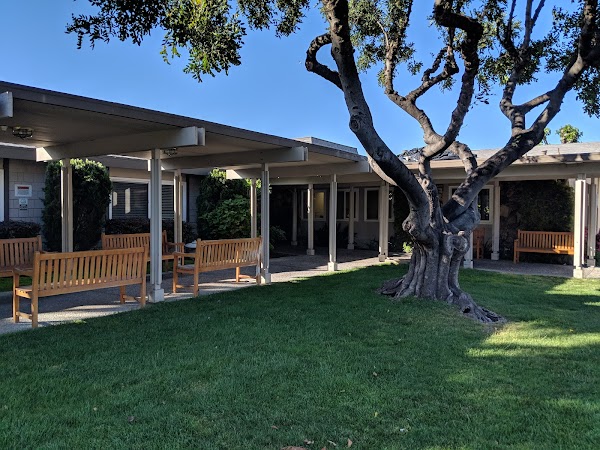
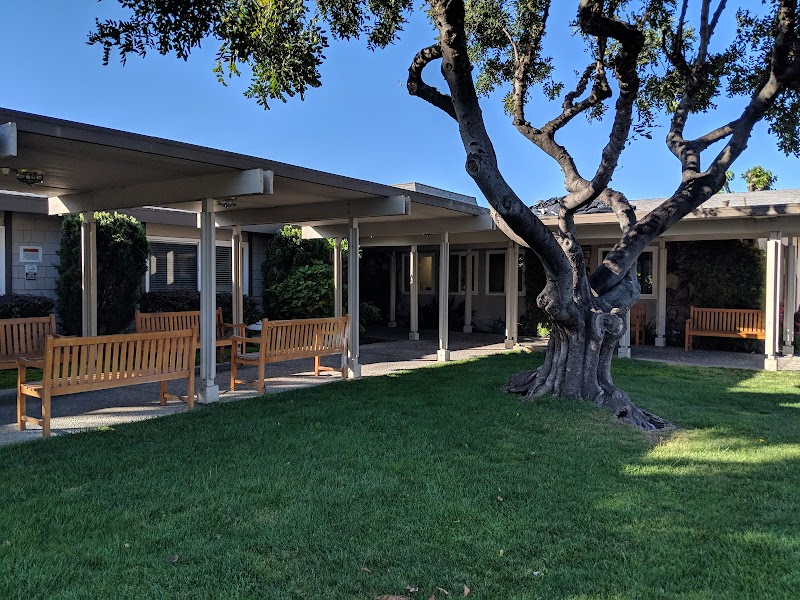
120 JOSE FIGUERES AVENUE, SAN JOSE, CA 95116 (408) 272-1400
For profit - Limited Liability company 99 Beds GENERATIONS HEALTHCARE Data: November 2025
Trust Grade
80/100
#257 of 1155 in CA
Last Inspection: October 2024

Within standard 12-15 month inspection cycle. Federal law requires annual inspections.

Overview

Vista Manor Nursing Center in San Jose, California, has a Trust Grade of B+, which means it is above average and recommended for families seeking care. It ranks #257 out of 1,155 facilities in California, placing it in the top half, and #17 out of 50 in Santa Clara County, meaning there are only 16 local options that perform better. The facility shows an improving trend, with issues decreasing from three in 2024 to one in 2025. Staffing is rated 3/5 stars, indicating average performance, with a turnover rate of 38%, which is on par with the state average. While there are no fines recorded, which is a positive sign, the facility has faced concerns, such as failing to properly store food and medications, which could pose health risks to residents. Specifically, expired medications were found in medication rooms, and there were instances of food items lacking use-by dates, indicating potential lapses in safety protocols. Overall, while Vista Manor has strengths like excellent health inspection ratings, families should be aware of these weaknesses in food and medication management.

Trust Score
B+
80/100
In California
#257/1155
Top 22%
Safety Record
Low Risk
No red flags
Inspections
Getting Better
3 → 1 violations
Staff Stability
○ Average
38% turnover. Near California's 48% average. Typical for the industry.
Penalties
✓ Good
No fines on record. Clean compliance history, better than most California facilities.
Skilled Nurses
⚠ Watch
Each resident gets only 27 minutes of Registered Nurse (RN) attention daily — below average for California. Fewer RN minutes means fewer trained eyes watching for problems.
Violations
⚠ Watch
24 deficiencies on record. Higher than average. Multiple issues found across inspections.
★★★★★
5.0
Overall Rating
★★★☆☆
3.0
Staff Levels
★★★★★
5.0
Care Quality
★★★★★
5.0
Inspection Score
Stable
2024: 3 issues
2025: 1 issues

The Good

  • 5-Star Quality Measures · Strong clinical quality outcomes
  • Full Sprinkler Coverage · Fire safety systems throughout facility
  • No fines on record
  • Staff turnover below average (38%)

    10 points below California average of 48%

Facility shows strength in quality measures, fire safety.

The Bad

Staff Turnover: 38%

Near California avg (46%)

Typical for the industry

Chain: GENERATIONS HEALTHCARE

Part of a multi-facility chain

Ask about local staffing decisions and management

The Ugly 24 deficiencies on record

Jul 2025 1 deficiency
CONCERN (D) 📢 Someone Reported This

A family member, employee, or ombudsman was alarmed enough to file a formal complaint

Potential for Harm - no one hurt, but risky conditions existed

Infection Control (Tag F0880)

Could have caused harm · This affected 1 resident

**NOTE- TERMS IN BRACKETS HAVE BEEN EDITED TO PROTECT CONFIDENTIALITY** Based on observation, interview, and record review, the facility failed to ensure infection control practices were implemented w...

Read full inspector narrative →
**NOTE- TERMS IN BRACKETS HAVE BEEN EDITED TO PROTECT CONFIDENTIALITY** Based on observation, interview, and record review, the facility failed to ensure infection control practices were implemented when:1.Occupational therapist A (OT A) did not perform hand hygiene (HH - to clean the hands, including washing with soap and water or using an alcohol-based hand rub [like hand sanitizer]) after removal of gloves and before donning (putting on) of a new pair of gloves and did not change gloves after assisting Resident 2 with toileting; and2.Certified nursing assistant B (CNA B) did not perform hand hygiene after touching Resident 3's environment.These failures had the potential to compromise resident's health and safety, and spread infections to residents, staff, and visitors.Review of Resident 1's clinical record titled, admission Record, dated 4/4/2025, indicated Resident 1 was admitted to the facility with diagnoses including fracture of unspecified part of neck of left femur (a break in the bone just below the hip joint), fibromyalgia (a chronic condition that causes widespread musculoskeletal pain, fatigue, and sleep problems) and chronic obstructive pulmonary disease (COPD, a disease that affects airflow in the lungs and makes it difficult to breathe).Review of Resident 1's admission/5-day minimum data set (MDS - a federally mandated resident assessment tool) assessment dated [DATE], indicated Resident 1's brief interview for mental status (BIMS - an assessment tool used by facilities to screen and identify memory, orientation, and judgement status of the resident) score was 15 (a score of 0 to 7 indicates severe cognitive impairment, 8-12 moderate impairment, 13-15 patient is cognitively intact).During a phone interview with Resident 1 on 4/2/2025 at 1:15 p.m., Resident 1 stated she had some concerns with infection control while she was admitted at the facility. Resident 1 further stated a certified nursing assistant (CNA) went inside her room wearing gloves, picked up her used commode (a piece of furniture that serves as a portable toilet, often used by individuals with mobility limitations), empty it in the bathroom, then CNA returned the commode to her bedside with same gloves on and started to touch her stuff inside the room. Resident 1 stated when she asked the CNA if her gloves were clean, the CNA asked her if she wanted her to change her gloves.1.During an observation on 4/4/2025 at 10:38 a.m., at the hallway across Room AA, the OT A was wearing a pair of gloves and assisted Resident 2 in walking to the bathroom with use of front wheeled walker (FWW - a mobility aid with two wheels at the front and two legs at the back). OT A went inside the bathroom with Resident 2 and after a few minutes, OT A went out of the bathroom, waiting with the same gloves on. OT A was observed to remove the right-hand gloves, did not perform HH, donned a new glove to her right hand, touched and moved Resident 2's wheelchair, touched the bedside drawer handle and took clothes for Resident 2 and went back to the bathroom. At 10:44 a.m., OT A stepped out of the bathroom still wearing the same gloves, stood outside the bathroom door. OT A changed her gloves without HH and went back to the bathroom. At 10:49 a.m., OT A was observed assisting Resident 2 to walk out of the bathroom wearing the same pair of gloves and had Resident 2 sat at the edge of the bed. OT A touched Resident 2's FWW to set aside and started to assist Resident 2 with some arm exercises with the same pair of gloves. At 11:01 a.m., Resident 2's exercise with OT A was completed. OT A folded the FWW with the use of the same pair of gloves.During an interview with OT A on 4/4/2025 at 11:03 a.m., OT A confirmed the above observations and stated she should have performed HH whenever she changed her gloves. OT A stated she should have changed her gloves after she assisted Resident 2 with toileting.During a review of the facility's policy and procedure titled, Personal Protective Equipment - Using Gloves, date revised 9/2010, indicated, Objectives 1. To prevent the spread of infection.Use non-sterile gloves primarily to prevent the contamination of the employee's hands when providing treatment or services to the patient.Wash hands after removing gloves.2. During an observation on 4/4/2025 at 10:54 a.m., at the hallway across Room AA, CNA B entered Room AA and spoke to OT A then went beside Resident 3's bed. CNA B observed touching and held Resident 3's overbed table and started to talk to Resident 3. After talking to Resident 3, CNA B stepped out of Room AA without performing HH, touched the shower room's doorknob across Room AA and went inside the shower room.During a follow up interview with CNA B on 4/4/2025 at 10:56 a.m., CNA B confirmed the above observations, and stated she should always perform HH every time she stepped out of the resident's room.During an interview with the director of nursing (DON) on 4/4/2025 at 11:09 a.m., DON confirmed the glove usage was a barrier for infection control and stated gloves should be changed after exiting the bathroom. DON further stated, Hand hygiene should be performed before exiting the room, that's why we have hand sanitizer right outside the door.During an interview with the infection preventionist (IP) on 7/9/2025 at 12:06 p.m., IP confirmed they had a policy related to HH wherein staff should gel in and gel out (use of hand sanitizer before coming in and before exiting the room), which meant, before they make contact with the resident or resident's environment, they have to gel in. IP further stated, staff should also perform HH upon exiting the resident's room. IP confirmed staff should perform hand hygiene before donning gloves and after removal of gloves.During a review of the facility's policy and procedure titled, Handwashing/Hand Hygiene, date revised 10/2023, indicated, This facility considers hand hygiene the primary means to prevent the spread of healthcare-associated infections.Hand hygiene is indicated: after touching the resident's environment.
Oct 2024 3 deficiencies
CONCERN (D)

Potential for Harm - no one hurt, but risky conditions existed

Infection Control (Tag F0880)

Could have caused harm · This affected 1 resident

**NOTE- TERMS IN BRACKETS HAVE BEEN EDITED TO PROTECT CONFIDENTIALITY** 2. Review of Resident 64's clinical record indicated he was admitted on [DATE] with diagnoses including Hemiplegia (total paraly...

Read full inspector narrative →
**NOTE- TERMS IN BRACKETS HAVE BEEN EDITED TO PROTECT CONFIDENTIALITY** 2. Review of Resident 64's clinical record indicated he was admitted on [DATE] with diagnoses including Hemiplegia (total paralysis of the arm, leg, and trunk on the same side of the body) and Hemiparesis (muscle weakness of partial paralysis on one side of the body that can affect arms, legs, and facial muscles) following cerebral infarction (disrupted blood flow to the brain due to problems with the blood vessels that supply it) affecting left non-dominant side, Dysphagia (difficulty in swallowing) following cerebral infarction and Encounter for attention for Gastrostomy (surgical procedure used to insert a tube, often referred as G-Tube, through the abdomen and into the stomach). Review of Resident 64's Order Summary Report, printed 10/8/24, indicated he had enteral feeding orders that started 4/17/24, and orders for Enhanced Standard Precautions (ESP) for high contact resident care activities r/t (related to) RISK FACTORS Indwelling Medical Device: G-Tube Perform hand hygiene & apply personal protective equipment (PPE), gloves, gown and/or goggle/face shield worn if risk of splash/spray during high contact resident care activities, every shift for Prevents Transmission of unknown MDROs (Multidrug resistant organism) . with the start date of 5/8/2024. Review of Resident 64's care plan Enhanced Barrier Precautions/Enhanced Standard Precautions (EBP/ESP) ., with an initiated date of 5/10/24, included, Approaches/Tasks: Educate resident's family members and visitors on helping resident understand the importance of personal hygiene and enhanced barrier/standard precautions. Date initiated: 5/13/24. During observations on 10/6/24 at 2:21 p.m. and 10/7/24 at 10:15 a.m., Resident 64' room had a sign hanging outside the room door and on the wall above the head of his bed that indicated, STOP, ENHANCED BARRIER PRECAUTIONS, EVERYONE MUST: Clean their hands, including before entering and when leaving the room. PROVIDERS AND STAFF MUST ALSO: Wear gloves and a gown for the following High-Contact Resident Care Activities: Dressing; Bathing and Showering; Transferring; Changing Linens; Providing Hygiene; Changing briefs or assisting with toileting; Device care or use of central line, urinary catheter, feeding tube . Wound care: any skin opening requiring a dressing; Cleaning and disinfecting the environment. During an observation on 10/7/24 at 10:20 a.m., Resident 64 was observed being transferred to a shower chair by certified nursing assistant (CNA) G from his bed. CNA G wore a PPE and gloves, but the family member (FM) who was assisted CNA G only wore gloves, and no other PPE. Licensed Vocational Nurse (LVN) D was called, and LVN D also called LVN C, to come and translate in Resident 64's primary language. LVN C pointed to CNA G to indicate that the resident's wife only wore gloves. LVN C and CNA G reminded the FM to wear the PPE (gown and gloves) in her primary language. After Resident 64 left on the shower chair with CNA G, the wife was also observed cleaning his bed while wearing only the same pair of gloves. LVN C reminded the wife in her primary language to wear PPE every time. LVN C stated the FM said she understood. During an observation on 10/9/24 at 3:30 p.m. with LVN D, who was about to perform a bolus tube feeding to Resident 64, the FM was present and sitting on a chair, was observed wearing PPE of gown and gloves. After LVN D was done with the Tube Feeding, the FM received a towel/big bib from another staff distributing them. The FM placed the folded towel/big bib just below Resident 64's G-Tube site that was covered with a dry clean dressing. During a concurrent observation and interviews with LVN C and with the FM on 10/10/24 at 2:53 p.m., LVN C translated for the FM and Resident 64 in their preferred language. FM was in the room wearing a mask and was sitting on a chair. Resident 64 was sitting up in his wheelchair and facing the window. FM was asked if she was informed before 10/7/24 to wear a gown (PPE) when helping to care for Resident 64 and was asked when she was informed to wear the PPE when she helped to take care of Resident 64. LVN C talked to FM in her language and stated, They told her before but sometimes she forgot, she is supposed to wear the gown, she only remembers the gloves, sometimes the weather is very hot, and it's hard to wear the gown, she only wears the gloves, LVN C pointed to the PPE RACK hanging on the door to the bathroom and reminded the FM she must wear the gown (PPE) when she helps to care for Resident 64 (touch him) to protect herself from say secretions/splashes, since Resident 64 had an indwelling G-Tube, and also to do hand hygiene before and after PPE to protect herself, her family and the community from spreading infection. LVN C also reminded the FM to make sure to take off the PPE after use, to place it in the trash can inside the room, and to do hand hygiene. The FM agreed. Resident 64 listened and also stated in his language that the FM knew and that she was informed before about wearing the PPE. LVN C was informed that, on 10/7/24, CNA G could have reminded FM to wear a gown while FM was helping to transfer Resident 64 to a shower chair. Review of Facility policy titled Enhanced Barrier Precautions, dated May 2024 indicated, . 2. EBPs employ targeted gown and glove use during high contact resident care activities and when cleaning/disinfecting the environment when contact precautions do not otherwise apply . a. Gloves and gown are applied prior to performing the high contact resident care activity (as opposed to before entering the room) . 3. Examples of high-contact resident care activities requiring the use of gown and gloves for EBPs include: a. dressing; b. bathing/showering; c. transferring; d. providing hygiene; e. changing linens . i. environmental cleaning and disinfection . 4. EBP are indicated for residents with any of the following . 2) Wounds and wound care: generally, for residents with a chronic wound(s), not skin breaks or tears covered with an adhesive bandage . or similar dressing and/or indwelling medical devices, device care or use . feeding tube . even if the resident is not known to be infected or colonized with a MDRO. Based on observation, interview, and record review, the facility failed to ensure infection prevention practices were followed for two of five residents (Resident 19 and 64) under enhanced barrier precautions (EBP, used as an infection prevention and control intervention to reduce the spread of multi-drug resistant organisms (MDROs) when: 1. For Resident 19, proper PPE (Personal Protective Equipment) was not worn during a medication administration, 2. For Resident 64, the family member (FM) did not wear proper PPE while assisting staff to render care. These failures had the potential to place the residents at risk of transmissible infections. Findings: 1. Review of Resident 19's medical record indicated she was admitted on [DATE] and had diagnoses including diabetes mellitus (too much sugar in the blood) with foot ulcer (breakdown of the skin and tissues creating an open wound), cutaneous abscess (localized collection of pus in the skin) of the right foot, and long-term antibiotics use. Review of Resident 19's MAR (Medication Administration Record) indicated she had an order to administer Cefazolin Sodium (antibiotic used to treat bacterial infections) 1 GM (GM -a unit of measure) intravenously (into or within a vein) every 8 hours for right ankle cellulitis (a bacterial infection that affects the skin and underlying tissues) for six weeks. Review of Resident 19's Order Summary Report, dated 8/28/24, indicated an order for Enhanced Barrier Precautions (EBP) for high resident care activities related to PICC line (Peripherally Inserted Central Catheter, a thin, soft, long catheter [tube] that is inserted into a vein of the arm or leg and the tip of the catheter is positioned in a large vein that carries blood into the heart). During an observation on 10/7/24, at 2:00 p.m., Resident 19 had a room signage indicating EBP were in place, which required the use of PPE for high-contact resident care activities. The signage indicated that, providers and staff must also wear gloves and a gown for the following High-Contact Activities . Device care or use of . central line . During an observation and concurrent interview with registered nurse A (RN A) on 10/7/24 at 2:20 p.m., RN A administered Resident 19's intravenous antibiotic medication. RN A wore gloves during the medication administration, but she did not not wear any additional PPE. When RN A exited Resident 19's room after the medication administration, she was alerted to the signage for the EBP outside Resident 19's room. RN A was asked why she did not donn (To put on an article of clothing) a gown during the medication administration. RNA stated, I never wear a gown when I give Resident 19 her intravenous medication. During an observation and concurrent interview with the infection preventionist (IP, professional who ensures healthcare workers and residents are practicing infection prevention measures) on 10/7/24 at 2:35 p.m., she confirmed the signage outside of Resident 19's room door that indicated EBP were in place for Resident 19. The IP stated that administering an intravenous medication, via a PICC line would require the licensed nurse to wear gloves and a gown. The IP confirmed that RN A should have worn a gown during the administration of Resident 19's intravenous medication. A review of the facility's policy titled Enhanced Barrier Precautions, dated May 2024, indicated, Enhanced Barrier Precautions (EBPs) are used as an infection prevention and control intervention to reduce the spread of multi-drug resistant organisms (MDRO's) to residents. EBPs employ targeted gown and glove use during high contact resident care activities . Examples of high -contact activities requiring the use of gown and gloves for EBPs include . g. device care or use (central line, urinary catheters, feeding tubes .).
CONCERN (D)

Potential for Harm - no one hurt, but risky conditions existed

Room Equipment (Tag F0908)

Could have caused harm · This affected 1 resident

**NOTE- TERMS IN BRACKETS HAVE BEEN EDITED TO PROTECT CONFIDENTIALITY** During observation, interview and record review, the facility failed to maintain equipment for one of 19 sampled residents (Resi...

Read full inspector narrative →
**NOTE- TERMS IN BRACKETS HAVE BEEN EDITED TO PROTECT CONFIDENTIALITY** During observation, interview and record review, the facility failed to maintain equipment for one of 19 sampled residents (Resident 10) when Resident 10's bedside rolling table edge trimmings were peeled off and the footboard of her bed was wobbly (shaky). These failures posed as hazardous risks for injury to Resident 10. Findings: Review of Resident 10's face sheet (summary page of a patient's important information) indicated she was admitted on [DATE] with diagnoses including hemiplegia (total paralysis of the arm, leg, and trunk on the same side of the body) and hemiparesis (muscle weakness of partial paralysis on one side of the body that can affect arms, legs, and facial muscles) following cerebral infarction (disrupted blood flow to the brain due to problems with the blood vessels that supply it), aphasia (a disorder that makes it difficult to speak) following cerebral infarction, Type 2 diabetes mellitus (DM-a disorder characterized by difficulty in blood sugar control and poor wound healing), and unspecified atrial fibrillation (an irregular, often rapid heart rate that commonly causes poor blood flow). Review of Resident 10's Brief Interview for Mental Status (BIMS, an assessment to test a person's cognition level), dated 7/18/2024, indicated a score of 99, which meant Resident 10 was unable to complete the interview. During an observation and interview on 10/9/24 at 9:41 am in Resident 10's room, certified nursing assistant (CNA) B wheeled Resident 10 from the bathroom to her bedside. The rolling table positioned over Resident 10's wheelchair/lap had a black strip of trimming that was peeling off. After CNA B left the room, Resident 10 was asked by surveyor if she was okay. Resident 10 stated, No, and pointed at the footboard of her bed. During a concurrent interview and observation in Resident 10's room with licensed vocational nurse (LVN) C on 10/9/24 at 9:47 am, Resident 10 sat on her wheelchair while LVN C stated, She (Resident 10) understands but will only answer 'okay'- she agrees or disagrees only . Sometimes [when] she yells okay, she will not use the call light, but that means she needs help. Resident 10 showed the peeling strip on the edges of her rolling table. LVN C was asked if it could hurt Resident 10, LVN C stated, Yes, I will ask maintenance to change her table now. LVN C asked the maintenance assistant (MA) to call the maintenance director (MD). LVN C was asked again if it is a hazard, and she stated, Yes, we will wait for maintenance to get a new table. The MA got another rolling table, cleaned it, and changed the one with the peeling edges. At 9:55 am the MD arrived. This surveyor pointed to the footboard of the bed that had two metal bars on it, one of which was loose and made it the footboard wobbly. The MD stated he would get his screwdriver, left the room, came back, and fixed the foot board of the bed. When it was done, Resident 10 smiled in agreement. During a concurrent observation and interview with licensed vocational nurse (LVN) C on 10/10/24 at 8:48 am, she stated Resident 10 went to therapy. Surveyor checked both the footboard of the bed and the rolling table in Resident 10's room. The footboard of the bed was no longer wobbly, and the rolling table had no peeling strips. LVN C stated, We are supposed to tell maintenance, but I did not know . Resident (10) didn't tell me, but maintenance came yesterday and fixed it. Review of facility's policy Maintenance Schedules/Equipment, dated December 2004, indicated, Preventive maintenance schedules shall be developed and implemented to assure that the building and equipment are maintained in a safe and operable manner. Policy Interpretation and Implementation: 1. The maintenance director is responsible for developing and maintaining a schedule of maintenance service to assure that the buildings, grounds, and equipment are maintained in a safe and operable manner. Review of facility policy Bed Safety and Bed Rails, dated August 2022, indicated, Any worn or malfunctioning bed system components are repaired or replaced using components that meet manufacturer specifications.
CONCERN (E)

Potential for Harm - no one hurt, but risky conditions existed

Food Safety (Tag F0812)

Could have caused harm · This affected multiple residents

Based on observation, interview, and record review the facility failed to store food and maintain the kitchen under sanitary conditions when: 1. Several food items were undated for use by dates in th...

Read full inspector narrative →
Based on observation, interview, and record review the facility failed to store food and maintain the kitchen under sanitary conditions when: 1. Several food items were undated for use by dates in the refrigerators, freezers, and dry goods area, 2. Ice buildup was noted on the Dessert Freezer #2, 3. A black electric fan had dust accumulated on its surface, 4. Black residue was on the caulking of the dishwasher round sink and 3-compartment sink. Failure to follow facility procedures and standards of practice for food safety has the potential of exposing residents, who are served food from the kitchen, to foodborne illnesses. Findings: 1. During a kitchen observation and interview on 10/7/24 at 8:11 a.m., with the Registered Dietician (RD), several food items were observed with no use by dates (NUBD) in the following areas/locations and were acknowledged by the RD: 1a. Freezer #1 contained: A pack of diced carrots, with open date 9/29/24 lacked a use by date (NUBD). 1b. Freezer #3: (Meat Freezer) contained: A box of diced grilled chicken breast with open date 10/5/24 lacked a NUBD. A box of cheese pizza box, with open date 9/28/24 lacked a NUBD. A blue cup containing ice was found inside this Freezer #3 lacked a NUBD. 8 cups of butter pecan ice cream were found in this Freezer #3 (Meat Freezer) with no open dates or use by dates. 3 cups of sherbet were found with no open dates or use by dates. The RD agreed the staff should not store ice cream cups in the meat freezer. 1 box of Bean and Cheese Burritos w lacked a NUBD. 1 pack of Tortillas with open date 9/12/24 lacked a NUBD. 1 box of Pork Sausage with open date 9/12/24 lacked a NUBD. 1c. Two-Door Refrigerator contained: Marinara sauce, dated 9/24/24, lacked a NUBD. Ketchup, dated 9/24/24, lacked a NUBD. Black Bean sauce, dated 9/1/24, lacked a NUBD. Oyster sauce, dated 9/7/24, lacked a NUBD. Hoisien Sauce, dated 10/01/24, lacked a NUBD. 1d. Freezer #4 (2-Door) contained: a box of Apple Turnover with open date 9/18/24 lacked a NUBD. A box of Waffles with open date 10/01/24 lacked a NUBD. 1e. Dry Goods Area contained: A container of Dry [NAME] Peas had received date of 6/18/24 and lacked a NUBD. A container of Dry Lentil had a received date of 10/01/24 and lacked a NUBD. A container of [NAME] had a received date of 7/2/24 lacked a NUBD. 2. During observation and interview with the RD on 10/7/24 that started at 8:11 a.m., Dessert Freezer #2 was observed with ice buildup on the sides. The RD stated, I just noticed it this weekend . 3. During an observation with the RD on 10/7/24 that started at 8:11 a.m., a black electric fan hanging by the dishwashing area was observed with dust and debris (visible particles that can accumulate on surfaces). The RD confirmed this observation and stated, Yes, definitely needs cleaning. 4. During observation and interview with the RD and [NAME] E on 10/7/24 that started at 8:11 a.m., black residue was on the caulking of the round sink in the dish washing area. A 3-Comparment sink had black residue on the caulking. [NAME] E stated, I think it is molds. The RD acknowledged the observation. Review of facility policy and procedure titled Food Storage, dated 2023, indicated, Sufficient storage facilities will be provided to keep foods safe, wholesome, an appetizing. Food will be stored in an area that is clean, dry, and free from contaminants . Food should be dated as it is placed on the shelves if required by state regulation . Date marking should be visible on all high-risk food to indicate the date by which a ready-to-eat TCS (Time and Temperature Control) food should be consumed, sold, or discarded . All containers or storage bags must be legible and accurately labeled and dated . Refrigerated food storage . All foods should be covered, labeled, and dated and routinely monitored to assure that foods will be consumed by their use by dates, or frozen (where applicable) or discarded . Frozen Foods . All foods will be checked to assure that foods will be consumed by their use by dates or discarded . Review of facility's undated policy and procedure titled Dietary Services - Sanitation, indicated, The food service area shall be maintained in a clean and sanitary manner . All kitchen, kitchen areas, and dining areas shall be kept clean . All utensils, counters, shelves, and equipment shall be kept clean and maintained in good repair. Seals, hinges, and fasteners will be kept in good repair . Kitchen and dining room surfaces not in contact with food shall be cleaned on a regular schedule and as needed.
Jan 2023 1 deficiency
CONCERN (D) 📢 Someone Reported This

A family member, employee, or ombudsman was alarmed enough to file a formal complaint

Potential for Harm - no one hurt, but risky conditions existed

Deficiency F0602 (Tag F0602)

Could have caused harm · This affected 1 resident

**NOTE- TERMS IN BRACKETS HAVE BEEN EDITED TO PROTECT CONFIDENTIALITY** Based on interview and record review, the facility failed to prevent a financial abuse for one of three residents (Resident 1), ...

Read full inspector narrative →
**NOTE- TERMS IN BRACKETS HAVE BEEN EDITED TO PROTECT CONFIDENTIALITY** Based on interview and record review, the facility failed to prevent a financial abuse for one of three residents (Resident 1), when: 1. The previous Business Office Manager (BOM) A did not follow deposit processes after receiving blank checks from Resident 1 ' s daughter and deposited Resident 1 ' s checks into her personal bank account; 2. Business office staffs did not verify deposit slips and checks per their policy; 3. Business office staffs did not maintain copies of each deposit slip, receipt, and check in the month end closing folder per their policy; and, 4. The accounting department did not audit timely. This failure resulted to Resident 1 ' s share of cost payments were not deposited into resident ' s account and left an outstanding balance on her account after she was discharged from the facility. It also had the potential to negatively affect resident ' s emotional wellbeing. Findings: Review of the facility reported Incident (FRI), dated, 8/2/22, stated The facility had found reasonable suspicion that our previous Business Office manager [name of the manager] has committed financial abuse against one of our previous residents [Resident 1 ' s name]. The resident is currently residing at a different skilled nursing facility [name of the facility] .It was found that [the previous business office manager ' s name] deposited four of [Resident 1's name] ' s share of cost checks into her personal bank account . Upon an audit of [Resident 1] ' s account, it was found that she has an outstanding balance. It stated the current Business Office Manager (BOM) B sent a statement to Resident 1 ' s daughter, upon receipt of the statement, the resident ' s daughter informed BOM B and the Administrator (ADM) that she had paid the share of cost every month with both check and cash payments since her mother had been at the facility. It stated Upon further investigation and cooperation with the resident ' s daughter, the facility can substantiate that financial abuse had occurred by BOM A. A review of Resident 1 ' s Face sheet (a document that gives a resident's information at a quick glance, including contact details and a brief medical history) indicated, the resident was admitted to the facility on [DATE] and discharged to an acute care hospital on 3/6/22. Resident 1 ' s daughter was next of kin (a person's closest living relative), who was also in charge of resident ' s finances. A review of Resident 1 ' s cashed checks that the facility provided indicated: - Resident 1 ' s personal check, dated, 7/3/21, indicated it made out to BOM A ' s name for $1896. A note under the comment section indicated, [Resident 1 ' s name] ' s rent. - Resident 1 ' s personal check, dated, 8/6/21, indicated it made out to BOM A ' s name for $1896; - Resident 1 ' s personal check, dated, 9/15/21, indicated it made out to BOM A ' s name for $1896; and, - Resident 1 ' s personal check, dated, 10/15/21, indicated it made out to BOM A ' s name for $1896. It further indicated the checks were signed by Resident 1 ' s daughter and on the back of the checks, it had BOM A ' s signatures. A review of Resident 1 ' s share of cost statements indicated: - On 6/23/21, there was a balance of $798 due; - On 7/31/21, the share of cost for 8/2021 was $1896 charged and the total balance was $2694. There was no evidence Resident 1 ' s check, dated 7/3/21, was deposited to the resident ' s account; - On 8/31/21, the share of cost for 9/2021 was $1896, and the total balance was $4590. There was no evidence Resident 1 ' s check, dated 8/6/21, was deposited to the resident ' s account; - On 9/21/21, the share of cost for 10/2021 was $1896, and a total balance was $2656 There was no evidence Resident 1 ' s check, dated 9/15/21, was deposited to the resident ' s account; - On 10/26/21, the share of cost for 11/2021 was $1896, and a total balance was $4552. There was no evidence Resident 1 ' s check, dated 10/15/21, was deposited to the resident ' s account. - On 4/20/22, after the resident was transferred to another facility, there was a balance of $3517.80 due. During an interview on 10/5/22, at 1:35 p.m., with BOM A, she stated Resident 1 ' s daughter trusted her, gave her blank checks to pay for resident ' s share of cost when she was working at the facility in 2021, and she deposited the checks into her personal bank account. She admitted it was a mistake and she should have not done it. During an interview on 10/18/22, at 1:37 p.m., with the Director of Nursing (DON), he stated BOM A voluntarily quit in January 2022, Resident 1 was transferred to the hospital for a change of condition in March 2022 and was discharged from the facility to another skilled nursing facility. BOM B found out there was an outstanding balance on Resident 1 ' s account in April 2022, and she reported it to the ADM. Upon investigation, the facility found that Resident 1 ' s account was affected, and the facility had validated the financial abuse incident between BOM A and Resident 1, they called police department and reported the incident to California Department of Public Health (CDPH) right away when they determined it was an abuse case. He further stated, business office should have settled the account for outstanding balance upon discharge. During an interview on 10/18/22, at 1:47 p.m., with BOM B, she stated she noticed there was a remaining balance on Resident 1 ' s account in the end of April, then she informed the ADM, she also contacted the resident ' s daughter. During an interview on 10/20/22, at 11:13 a.m., with DON, he stated the Resident1 ' s daughter received a statement for an outstanding balance due in March, and again in April 2022. Resident ' s daughter called the facility to question why she was receiving a statement in April because she believed she had paid all share of cost owed in full. This prompted the facility to initiate internal research into past payments Resident 1 ' s daughter claimed to have made. The facility worked with the daughter to trace checks she had provided to the facility, and she was able to provide the four cashed checks in July 2022 which made out to BOM A. Once the facility had this definitive proof that the checks had not been paid to the facility as intended, and then the matter was reported to authorities. During a concurrent interview and record review on 1/3/23, at 1:50 p.m., with BOM B, she stated, she was the bookkeeper back in March 2021 when she was working with BOM A, but she was not handling any funds. She was mainly in charge of insurance authorization. She stated when depositing a personal check, facility stamp should be on the back of the check. She further stated facility name should be always on the Payable To section of the check, if business office personnel received a blank check, they should inform the payer to properly fill out the check. She stated she could not provide monthly auditing reports, because the audits were not done between June 2021 and August 2022. She further confirmed BOM A should have copied the personal checks she received from Resident 1 ' s daughter and she also should have had the other business office staff to verify the checks. During a concurrent interview and record review on 1/3/23, at 2:40 p.m., with Registered Nurse Consultant (RNC), she stated if the incident affected and involved in Resident 1 and her finance, it should be identified as an abuse. She also confirmed State of California (SOC – Report of Suspected Dependent Adult/Elder Abuse) 341, dated 8/1/22, indicated, the reported incident was a financial abuse, and abuse should not happen to the resident. A review of the facility ' s Policy, Cash Receipts – Deposits and Posting, effective 8/2016, indicated, the business office is primarily responsible receiving payments from primary, secondary and tertiary payers, in addition to cash payments from patients and their representatives. The accounting department is responsible for auditing and reporting to the Business Office any discrepancies if found. The BOM and/or bookkeeper are responsible for keeping accurate records and making sure that all accounts are relieved as payments are received. It indicated Business Office Responsibility . Depositing Payment .Personal checks: To avoid any discrepancies between the written (legal) and numerical amount on a check, each check should be reviewed prior to acceptance from the payer, prior to making the deposit, each check is copied as backup for the deposit total. The bookkeeper is responsible for generating an itemized deposit slip for the payment(s), adding each deposit item on a printed adding machine tape to verify totals, clipping that tape to deposit slip along with the check, and having that tape verified by another Business Office Staff member. Copies of each deposit slip, receipt and check are all attached and maintained in the month end closing folder, the deposit is then taken to the back by a staff member that was not the same person who generated the back deposit. The back website will issue a receipt for the deposit with the total amount, date and time deposited. This receipt must be attached to the deposit copies and maintained in the month end closing folder. End User Responsibility: after the back deposit has been made; . Personal Check: If the patient or patient ' s representative pays with a personal check, the payment is posted using the deposit date as the transaction date. The money posted to the dates of service that are outstanding . Accounting for payment: Balancing: Each deposit must be entered on the Cash Summary Sheet on a daily basis. The Cash Summary is maintained on each facility ' s server with access to it by the user, the AR Consultant, and Accounting. Month End: as part of the month end closing procedure, all deposit totals are entered on the month end closing checklist, summarized by payer. The total on the checklist must match the total on the Cash Summary, which must match what was entered into the AR software. Recording: All deposits, with the backup documentation are maintained within the month end closing folder for not less than seven (7) years. A review of the facility ' s policy, Identifying Exploitation, Theft and Misappropriation of Resident Property, dated April 2021, indicated, 1. Exploitation, theft and misappropriation of resident property are strictly prohibited . 3. Exploitation means taking advantage of a resident for personal gain, through the use of manipulation, intimidation, threats or coercion. 4. Misappropriation of resident property means the deliberate misplacement, exploitation, or wrongful temporary or permanent use of a resident ' s belongings or money without the resident ' s consent.
Oct 2022 11 deficiencies
CONCERN (D)

Potential for Harm - no one hurt, but risky conditions existed

Deficiency F0582 (Tag F0582)

Could have caused harm · This affected 1 resident

**NOTE- TERMS IN BRACKETS HAVE BEEN EDITED TO PROTECT CONFIDENTIALITY** Based on interview and record review, the facility failed to ensure one of three sampled residents (Resident 328) discharged fro...

Read full inspector narrative →
**NOTE- TERMS IN BRACKETS HAVE BEEN EDITED TO PROTECT CONFIDENTIALITY** Based on interview and record review, the facility failed to ensure one of three sampled residents (Resident 328) discharged from Medicare Part A services received a Notice of Medicare Non-Coverage (NOMNC, a form given to Medicare recipients notifying then that Part A coverage is being terminated and providing information on how to file an appeal of that decision) letter in a timely manner. This failure had the potential to prevent the resident from filing a timely appeal of the decision to discharge from Medicare Part A services. Findings: A review of Resident 328's clinical records indicated, Resident 328 was readmitted to the facility on [DATE] with diagnosis of pneumonia (infection of one or both lungs) with debility (physical weakness, especially because of illness). The facility initiated a discharge of Medicare Part A services on 9/14/2022 with benefit days remaining. A review of Resident 328's NOMNC letter indicated, The Effective Date Coverage of Your Current Skilled Nursing & Rehab Services Will End: 9-14-2022. Further review of the NOMNC letter's second page indicated, RP (responsible party - a person empowered to make decisions for the resident/ person legally responsible and liable for a decision or an action)) was notified via phone call on 9/15/22, also emailed her copy, dated 9/15/22. The NOMNC also indicated the RP's signature on 9/27/22. A review of the social service director's (SSD) progress note dated 9/15/2022 at 12:20 p.m., indicated, SSD called RP informed her resident was no longer receiving skilled services of 9-14-22 he will be transitioned to RNA (restorative nursing assistant - had special training and work alongside with rehab staff for patients with limited mobility and capacity of self-care) program explained to sister regarding NOMNC last covered days (LCD, days for skilled services) was 9-14-11, and LTC (long term care - services that include medical and non-medical care provided to people who are unable to perform basic activities of daily living such as dressing or bathing) as of 9-15-22. RP verbalized understanding of NOMNC. RP stated she was on vacation and to email her copy of NOMNC she will sign upon return. SSD emailed copy to RP on 9/15/22. During a concurrent interview and record review with SSD on 10/07/2022 at 10:02 a.m., the SSD reviewed Resident 328's NOMNC letter and progress note on 9/15/2022. The SSD confirmed she called Resident 328's sister who was the RP on 9/15/2022 to notify about the LCD of skilled services. The SSD stated the issuance and notification of the NOMNC letter's LCD should be done within 24 to 48 hours before the LCD for resident or RP to have time to appeal the decision. The SSD confirmed the notification of Resident 328's LCD to the RP was done the day after. During a review of CMS (Centers for Medicare & Medicaid Services) Form Instructions 10123-NOMNC, titled Form Instructions for the Notice of Medicare Non-Coverage (NOMNC) CMS - 10123 indicated, The NOMNC must be delivered at least two calendar days before Medicare covered services end or the second to last day of service if care is not being provided daily .A NOMNC must be delivered even if the beneficiary agrees with the termination of services.
CONCERN (D)

Potential for Harm - no one hurt, but risky conditions existed

Abuse Prevention Policies (Tag F0607)

Could have caused harm · This affected 1 resident

Based on interview and record review, the facility failed to ensure one of three employees was screened in accordance with their policies when there was no documentation that a background check was co...

Read full inspector narrative →
Based on interview and record review, the facility failed to ensure one of three employees was screened in accordance with their policies when there was no documentation that a background check was conducted prior to hire. This failure had the potential to compromise the safety and security of the residents. Findings: Review of a faxed letter from the facility to the California Department of Public Health, dated 3/11/22, indicated certified nursing assistant J (CNA J) was accused of hitting and making fun of a resident. Review of CNA J's personnel file indicated she was hired by the facility on 9/6/11. There was no documentation that the facility conducted a background check before hiring CNA J. During an interview with the director of staff development (DSD) on 10/6/22 at 1:36 p.m., the DSD confirmed the facility must conduct background checks before hiring employees. The DSD stated she was not able to find documentation that the facility conducted a background check before hiring CNA J. The DSD further stated she reached out to the facility's corporate, who was also unable to find such documentation. Review of the facility's policy titled Abuse Prohibition and Prevention Program, revised 3/2018, indicated the facility does not employ or otherwise engage individuals who have been found guilty of abuse, neglect, exploitation, misappropriation of property or mistreatment by a court of law. This includes attempting to obtain information from previous employers, current employers, and checking with the appropriate licensing boards and registries prior to hire and annually thereafter. Review of the facility's undated policy titled Background Screening Investigations indicated, The Personnel/Human Resources Director, or other designee, will conduct employment background checks, reference checks and criminal conviction checks (including fingerprinting as may be required by state law for RCFE) on persons making application for employment with this facility. The checks will be conducted in order to verify that the individual is qualified to work in the position that they are applying for in the facility.
CONCERN (D)

Potential for Harm - no one hurt, but risky conditions existed

Comprehensive Care Plan (Tag F0656)

Could have caused harm · This affected 1 resident

Based on observation, interview and record review, the facility failed to develop care plans for four of 18 sampled residents (Residents 18, 24, 175 and 14). 1. For Resident 18, the facility did not ...

Read full inspector narrative →
Based on observation, interview and record review, the facility failed to develop care plans for four of 18 sampled residents (Residents 18, 24, 175 and 14). 1. For Resident 18, the facility did not develop a care plan to address the use of insulin; 2. For Resident 24, the facility did not develop a care plan to address the use of oxygen; 3. For Resident 175, the facility did not develop care plans to address the use of oxygen and antidepressant medication; and 4. For Resident 14, the facility did not develop a care plan to address the use of anticoagulant (blood thinner). This failure had the potential to result in the residents not receiving the interventions necessary to maintain their highest level of well-being. Findings: 1. A review of Resident 18's clinical record indicated Resident 18 had a physician's orders dated 7/27/2022 for a routine Humalog (insulin - a hormone used to lower the blood sugar) three times a day and a Humalog sliding scale (varies the dose of insulin based on blood sugar level) before meals and at bedtime for diabetes mellitus (DM - a condition which affects the way the body processes blood sugar). Further review of Resident 18's physician's order indicated an order dated 08/23/2022 of Lantus (type of insulin to lower the sugar in the blood) to be given once a day and at bedtime for DM. During a concurrent interview and record review with the minimum data set nurse (MDSN - a nurse responsible for a resident's scheduled assessment and care planning) on 10/06/2022 at 1:44 p.m., the MDSN reviewed Resident 18's list of care plans. The MDSN confirmed there was no care plan developed for insulin use. The MDSN stated there should have been a care plan developed for Resident 18's insulin use. During a review of the facility's policy and procedure titled, Care Plan Goals and Objectives, dated 07/01/2020, indicated, It was the policy of this facility that care plans shall incorporate goals and objectives that lead to the resident's highest obtainable level of independence. 4. Review of Resident 14's Physician Order, dated 4/6/2021, indicated, Eliquis (medication to prevent blood clot) 2.5 mg Give 1 tablet by mouth two times a day for deep vein thrombosis (DVT, when a blood clot forms in a deep vein.) Review of Resident 14's clinical records, there was no care plan addressing the use of Eliquis. During an interview and concurrent record review with the DON on 10/6/2022 at 4:00 p.m., DON confirmed there was no care plan addressing the use of Eliquis and acknowledged there should have been a care plan. Review of the facility's policy titled Care Plan Goals and Objectives, dated 7/1/2020 indicated, the goals and objectives are entered on the resident's care plan so that all disciplines have access to such information and are able to report whether or not the desired outcomes are being achieved. 2. During observations on 10/3/22 at 11:03 a.m. and 3:15 p.m., Resident 24 was in her room receiving oxygen via nasal cannula (NC, flexible tubing inserted into the nostrils and attached to an oxygen source). Review of Resident 24's medical record indicated she had a physician's order, dated 8/2/22, for oxygen at 2 liters per minute (LPM, oxygen flow rate) via NC every shift. Further review of the medical record indicated Resident 24 did not have a care plan to address her use of oxygen. During an interview and concurrent record review with the director of nursing (DON) on 10/5/22 at 8:16 a.m., he confirmed that all interventions provided to the residents must be addressed on the care plan. The DON reviewed Resident 24's medical record and confirmed the facility did not develop a care plan to address her use of oxygen. 3. During observations on 10/3/22 at 10:40 a.m. and 3:15 p.m., Resident 175 was in her room receiving oxygen via NC. Review of Resident 175's medical record indicated she had a physician's order, dated 9/15/22, for oxygen at 2 LPM via NC every shift. She also had a physician's order, dated 9/22/22, for Mirtazapine (medication used to treat depression) 7.5 milligrams (mg, unit of dose measurement) 1 tablet by mouth at bedtime for depression manifested by poor appetite. Review of Resident 175's medication administration record (MAR) indicated she received Mirtazapine 7.5 mg 1 tablet by mouth at bedtime from 9/22/22 onward. Further review of the medical record indicated Resident 175 did not have care plans to address her use of oxygen and Mirtazapine. During an interview and concurrent record review with the DON on 10/5/22 at 8:16 a.m., he confirmed that all interventions provided to the residents must be addressed on the care plan. The DON reviewed Resident 175's medical record and confirmed the facility did not develop a care plan to address her use of oxygen. During a follow-up interview and concurrent record review with the DON on 10/5/22 at 12:58 p.m., he reviewed Resident 175's medical record and confirmed the facility did not develop a care plan to address her use of Mirtazapine.
CONCERN (D)

Potential for Harm - no one hurt, but risky conditions existed

Deficiency F0658 (Tag F0658)

Could have caused harm · This affected 1 resident

Based on observation, interview, and record review, the facility failed to adhere to appropriate professional standard of care for one of two sampled residents (Resident 58) when a licensed nurse forc...

Read full inspector narrative →
Based on observation, interview, and record review, the facility failed to adhere to appropriate professional standard of care for one of two sampled residents (Resident 58) when a licensed nurse forcefully introduces through a gastric-tube (g-tube inserted through the belly) the medication causing leakage. This failure had the potential for residents not to received complete dose of medication. Findings: During an observation on 10/3/22, at 4:56 p.m., in Resident 58's room, Licensed Vocational Nurse A (LVN A) administered medication forcefully via g-tube causing it to leak on Resident 58's abdomen. During interview on 10/3/22, at 5:06 p.m., outside Resident 58's room, LVN A stated that she should have not exerted pressure in giving medication thru g-tube. During an interview on 10/04/22, at 1:30 p.m., with Director of Nursing (DON), he stated, medication thru g-tube should be administered by gravity unless there was a prescriber's order to push. During a review of facility's policy titled Administering Medication Through an Enteral Tube, dated 7/01/2020, indicated, the purpose of this procedure was to provide guidelines for the safe administration of medications through an enteral tube. Administer medication by gravity flow.
CONCERN (D)

Potential for Harm - no one hurt, but risky conditions existed

Quality of Care (Tag F0684)

Could have caused harm · This affected 1 resident

**NOTE- TERMS IN BRACKETS HAVE BEEN EDITED TO PROTECT CONFIDENTIALITY** Based on observation, interview, and record review, the facility failed to follow the physician's order to apply compression sto...

Read full inspector narrative →
**NOTE- TERMS IN BRACKETS HAVE BEEN EDITED TO PROTECT CONFIDENTIALITY** Based on observation, interview, and record review, the facility failed to follow the physician's order to apply compression stockings (elastic stockings apply to the legs) to one of 18 sampled residents (Resident 21) related to edema (swelling) of both lower extremity. This failure had the potential to affect the residents physical and mental well being in the facility. Findings: Review of Resident 21's clinical record, Resident 21 was admitted on [DATE], with diagnoses of Hypertensive Heart Disease with Heart Failure (heart condition caused by heart caused by high blood pressure), Heart Failure (the heart muscle is unable to pump enough blood to meet the body's needs). Review of Resident 21's Physician Order, order date 8/13/2021, indicated, Compression stockings to both lower extremity (BLE) one time a day for edema. Apply stockings at 6:30 a.m. Remove stockings at bedtime. Review of Resident 21's Nursing Weekly Observations, dated 10/1/2022, indicated, Edema: 1 plus (a grading system used to determine the severity of the edema) and pitting on both lower extremities. During an observation on 10/4/2022, at 10:54 a.m., while at Resident 21's room. Resident 21 was sitting in her wheelchair and Family Member 1 (FM 1) was standing next to the resident. Facility staff was applying the compression stockings to both of Resident 21's lower legs. Resident 21 was observed with swelling on both legs. During a concurrent interview with FM1, she stated Resident 21 was supposed to have the compression stockings put on in the morning, but that it doesn't always happen. FM 1 stated she was not informed of any episodes of refusal from Resident 21. During an interview with Certified Nursing Assistant L (CNA L) on 10/4/2022, at 1:34 p.m., CNA L stated Resident 21's compression stockings was not applied this morning. CNA L stated we sometimes apply the compression stockings on different times, CNA L further stated it should be applied in the morning before getting out of bed. During an observation and concurrent interview with Licensed Vocational Nurse M (LVN M) on 10/4/2022, at 1:37 p.m., while at Resident 21's room. LVN M stated Resident 21's compression stockings should be applied in the morning. LVN M stated they removed the compression stockings applied earlier and changed it to a bigger size because Resident 21 verbalized it was too tight. Surveyor observed facility staff putting on a new pair of compression stockings to Resident 21. During an interview and concurrent record review with the Director of Nursing (DON) on 10/6/2022, at 4:00 p.m., DON confirmed Resident 21's physician's order related to applying compression stockings in the morning. DON stated he expects facility staff to follow physician's order unless residents refuse. Upon further review of records, DON confirmed there was no record of refusal from Resident 21.
CONCERN (D)

Potential for Harm - no one hurt, but risky conditions existed

Medication Errors (Tag F0758)

Could have caused harm · This affected 1 resident

**NOTE- TERMS IN BRACKETS HAVE BEEN EDITED TO PROTECT CONFIDENTIALITY** Based on interview and record review, the facility failed to ensure two of 18 sampled residents (Residents 175 and 69) were free...

Read full inspector narrative →
**NOTE- TERMS IN BRACKETS HAVE BEEN EDITED TO PROTECT CONFIDENTIALITY** Based on interview and record review, the facility failed to ensure two of 18 sampled residents (Residents 175 and 69) were free from unnecessary psychotropic medications (medications that cause changes in mood, feelings or behavior) when: 1. For Resident 175, licensed nurses did not monitor for side effects and target behaviors (behaviors intended to be changed or eliminated by the psychotropic medication); and 2. For Resident 69, licensed nurses did not consistently monitor for side effects and target behaviors, and did not complete an abnormal involuntary movement scale assessment (AIMS assessment, a tool used to monitor for abnormal bodily movements caused by antipsychotic medication). These failures had the potential to compromise the residents' health and well-being. Findings: 1. Review of Resident 175's medical record indicated she was admitted on [DATE] and had the diagnosis of unspecified dementia (mental disorder caused by brain disease or injury) with behavioral disturbance. Review of Resident 175's Order Summary Report indicated she had a physician's order, dated 9/22/22, for Mirtazapine (medication used to treat depression) 7.5 milligrams (mg, unit of dose measurement) 1 tablet by mouth at bedtime for depression manifested by poor appetite. Review of Resident 175's medication administration record (MAR) indicated Resident 175 received Mirtazapine 7.5 mg at bedtime from 9/22/22 onward. There was no documentation of side effects or target behavior monitoring for Mirtazapine. During an interview and concurrent record review with the director of nursing (DON) on 10/5/22 at 12:58 p.m., he stated for residents taking psychotropic medications, licensed nurses should monitor for side effects and target behaviors every shift and document this on the MAR. The DON stated it was important to monitor side effects and target behaviors to determine if the psychotropic medication doses needed to be adjusted, and to determine whether or not the medications were effective. The DON reviewed Resident 175's medical record and confirmed there was no documentation of side effects or target behavior monitoring for Mirtazapine. 2. Review of Resident 69's medical record indicated she was admitted on [DATE] and had the diagnosis of dementia with behavioral disturbance. Review of Resident 69's Clinical Physician Orders indicated she had orders, dated 9/7/22, for the following medications: 1) Olanzapine (medication used to treat psychosis) 20 mg 1 tablet by mouth at bedtime for psychosis manifested by talking to self; 2) Paroxetine (medication used to treat depression) 30 mg 1 tablet by mouth at bedtime for depression manifested by loss of interest to previous enjoyable activities; and 3) Lorazepam (medication used to treat anxiety) 1 mg 1 tablet by mouth three times a day for anxiety manifested by inability to relax as evidenced by hand fidgeting. Review of Resident 69's MAR, dated 9/2022 and 10/2022, indicated licensed nurses were to monitor side effects and target behaviors for the above psychotropic medications every shift. From 9/7/22 to 10/4/22, there were ten (10) shifts for which there was no documentation of side effects monitoring, and nine (9) shifts for which there was no documentation of target behavior monitoring for all three of the above psychotropic medications. Further review of Resident 69's medical record indicated there was no documentation of an AIMS assessment upon admission. During an interview and concurrent record review with the director of nursing (DON) on 10/5/22 at 12:58 p.m., he stated for residents taking psychotropic medications, licensed nurses should monitor for side effects and target behaviors every shift and document this on the MAR. The DON stated for residents taking antipsychotic medications (such as Olanzapine), licensed nurses should complete an AIMS assessment upon admission and quarterly thereafter. The DON reviewed Resident 69's medical record and acknowledged there were several shifts with no documentation of side effects and target behavior monitoring. The DON confirmed the facility did not complete an AIMS assessment for Resident 69. Review of the facility's policy titled Psychotropic Medication Use, revised 3/2015 indicated, The staff will observe, document, and report to the Attending Physician information regarding the effectiveness of any interventions, including psychotropic medications. Nursing staff shall monitor for and report .side effects and adverse consequences of psychotropic medications to the Attending Physician. Review of the facility's policy titled Behavior Assessment and Monitoring, revised 4/2007, indicated staff will document the number and frequency of specific problem behaviors. The policy also indicated the nursing staff and physician will monitor for side effects and complications related to psychoactive medications. Review of the facility's undated document titled Assessing Abnormal Involuntary Movement During Antipsychotic Therapy indicated to do an AIMS assessment prior to initiating antipsychotic therapy and every 6 months thereafter.
CONCERN (D)

Potential for Harm - no one hurt, but risky conditions existed

Safe Environment (Tag F0921)

Could have caused harm · This affected 1 resident

Based on observation, interview, and record review, the facility failed to provide a safe environment for staff and residents when staff used paper towels to light the pilot light in the oven. These f...

Read full inspector narrative →
Based on observation, interview, and record review, the facility failed to provide a safe environment for staff and residents when staff used paper towels to light the pilot light in the oven. These failures had the potential to cause staff injuries and a fire hazard for 66 residents in the facility. Findings: During an observation on 10/3/2022 at 11:22 a.m., in the kitchen, the cook (a person who prepares and cooks food as a job or in a specified way) lit the paper towels three times from the stove top and tried to start the oven's pilot light at the bottom of the oven multiple times. During an interview with the Registered Dietitian (RD) on 10/3/200 at 11:41 a.m., The RD stated that staff should not use paper towels to light the oven's pilot light. The RD further stated lighting up a pilot light using the paper towel was not a safe practice. During an interview with the cook on 10/4/2022 at 9:20 a.m., the cook stated it was wrong to use the paper towel to light the oven's pilot light, and he should not have done that. During an interview with the Director of Nursing (DON) on 10/7/2022 at 11:00 a.m., the DON stated they were not supposed to use paper towels to light the oven's pilot light. The DON further stated it might injure the staff and might cause a fire hazard. A review of the undated manufacturing instruction titled Standard Oven Lighting and Shutdown instructions indicated, . remove the lower panel, depress the red button on the safety valve and light the pilot, hold down the red button for at least 30 seconds, when the button is released, the pilot should remain it .if the pilot becomes extinguished, repeat the above procedure.
CONCERN (E)

Potential for Harm - no one hurt, but risky conditions existed

Pharmacy Services (Tag F0755)

Could have caused harm · This affected multiple residents

Based on observation, interview, and record review, the facility failed to store medications in a safe and effective manner when expired medications were found in two of two medication rooms. This fai...

Read full inspector narrative →
Based on observation, interview, and record review, the facility failed to store medications in a safe and effective manner when expired medications were found in two of two medication rooms. This failure could result to unsafe medication administration to residents. Findings: During a concurrent observation and interview with nurse supervisor F (NS F) on 10/3/22 at 11:32 a.m , in medication room A, a bottle of acidophilus (probiotic) with an expiration date of 7/2022., was found inside the medication refrigerator. A vial of lorazepam (a medication to treat anxiety) with an expiration date of 9/2022 was also found in the emergency kit. NS F stated it should have been thrown away and have discarded per their policy. During a concurrent observation and interview with NS F on 10/3/22 at 11:41 a.m , in medication room B, two bottles of Resident 58's lansoprazole (a medication to treat prevent and treat stomach ulcer) were found in the medication refrigerator. The first bottle had an expiration date of 9/22/22, and the other bottle was 10/2/22. NS F stated it should have been thrown away and discard per policy. During an interview with director of nursing (DON) on 10/4/22, at 1:41 p.m., expired medications should have been discarded. During a phone interview, on 10/5/22 at 2:26 p.m., with the facility's consultant pharmacist (CP), she stated expired medications should have been discarded. CP further stated that the facility should notify the pharmacy if medication in emergency kit was expired Review of facility's Storage of Medications policy, dated 7/1/2020, indicated that the facility ensure all drugs are stored in a safe , secure , and orderly manner. It further indicated that the facility shall not use discontinued , outdated, or deteriorated drugs' or biological . All such drugs shall be returned to the dispensing pharmacy or destroyed.
CONCERN (E)

Potential for Harm - no one hurt, but risky conditions existed

Unnecessary Medications (Tag F0759)

Could have caused harm · This affected multiple residents

Based on observation, interview, and record review, the facility had a 17.6% medication error rate when five medication errors out of 28 opportunities were observed during medication administration fo...

Read full inspector narrative →
Based on observation, interview, and record review, the facility had a 17.6% medication error rate when five medication errors out of 28 opportunities were observed during medication administration for four residents (Resident 2,50,63, and 122). This failure had the potential to compromise the resident's medical health. Findings: 1. During a concurrent observation and interview on 10/3/22 at 9:27 am, licensed vocational nurse C (LVN C) administered the scheduled morning medications to Resident 2 except metoprolol (blood pressure medication). LVN C stated metoprolol was not available. Resident 2's blood pressure reading was 128/80 mm Hg, the systolic blood pressure(SBP) was 128. Review of Resident 2's physician order, dated 9/12/22, indicated to administer metoprolol 25 milligrams (mg, unit of measurement) 1 tablet two times a day for hypertension and hold if SBP was <110, HR<60. During an interview on 10/3/22 at 2:40 p.m., LVN C stated she missed giving the metoprolol as it was not available. Review of facility's policy, titled Administering Medications, dated 7/1/2020, indicated that medications should be administered in a safe and timely manner as prescribed by the healthcare provider 2. During an observation on 10/3/22 at 9:55 am, LVN E administered the scheduled morning medications to Resident 50 including Trospium Chloride (urinary spasmosdics) , 20 mg tablet. Review of Resident 50's physician orders, dated 4/16/2021, indicated to administer Trospium Chloride 20 mg 1 tablet two times a day for overactive bladder; at 9 a.m. and 5 p.m. During a concurrent interview and record review, on 10/03/22 at 2:54 p.m. with LVN E, she stated that there was no special instruction on the Resident 50' physician order, however, there was a pharmacy note to administer it on an empty stomach.The pharmacy note was posted on Resident 50's medication bubble pack. LVN E stated she gave it on a full stomach. Review of facility's Drug Handbook 2020, indicated to administer trospium at least 1 hour before meals or on an empty stomach. During an interview with the director of nursing (DON) on 10/5/22 at 3:20 p.m., DON stated trospium should be administered 30 minutes to 1 hour before meals. During a phone interview with the facility's consultant pharmacist (CP), on 10/5/22 at 2:26 p.m. ,she stated trospium should be administered in an empty stomach. 3. During an observation on 10/3/22 at 4:01p.m, LVN A administered Humalog (rapid acting insulin) 3 units subcutaneously on Resident 63's right arm. Dinner was not served as of 5:15 pm. During an interview on 10/3/22 at 5:06p.m., LVN A , she stated Humalog should be give 10-15 minutes before meals. Review of Resident 63's physician order, dated 10/22/21, indicated to administer Humalog 3 units subcutaneously for blood sugar between 201-250; before meals and at bedtime for diabetes. Review of facility's Drug Handbook 2020 indicated to administer Humalog immediately before meals. During an interview with the director of nursing (DON) on 10/4/22 at 1:28 p.m., DON stated humalog should be administered 30 minutes before meals. During a phone interview with the facility's CP, on 10/5/22 at 2:26 p.m.,she stated short acting and rapid acting insulin should be administered 15 minutes before meals or immediately after meals. 4. During an observation on 10/3/22 at 4:24 p.m., LVN B administered humulin R (short acting insulin) 5 units and admelog 2 units (rapid acting insulin ) subcutaneously to Resident 122's right arm at 4:25 p.m. Dinner was not served as of 5:15 pm. Review of Resident 122's physician orders, dated 9/17/22, indicated to administer admelog 2 units before meals and at bedtime for diabetes. Review of Resident 122's physician orders, dated 9/18/22, indicated to administer humulin R (short acting insulin) 5 units before meals and at bedtime for diabetes. Review of facility's Drug Handbook 2020 indicated to administer Humulin R and admelog 30 minutes before meals. During an interview with the director of nursing (DON) on 10/4/22 at 1:28p.m., DON stated humalog should be administered 30 minutes before meals. During a phone interview with the facility's CP, on 10/5/22 at 2:26 p.m.,she stated short acting and rapid acting insulin should be administered 15 minutes before meals or immediately after meals. Review of facility's Insulin Administration policy, dated 7/1/2020 indicates licensed staff should follow the guidelines for the safe administration of insulin to residents with diabetes Review of facility's policy, titled Administering Medications, dated 7/1/2020 indicated that medications should be administered in a safe and timely manner as prescribed by the healthcare provider
CONCERN (E)

Potential for Harm - no one hurt, but risky conditions existed

Food Safety (Tag F0812)

Could have caused harm · This affected multiple residents

Based on observation, interview, and record review, the facility failed to ensure food was stored and labeled in accordance with professional standards for food safety when: 1. Two refrigerators did n...

Read full inspector narrative →
Based on observation, interview, and record review, the facility failed to ensure food was stored and labeled in accordance with professional standards for food safety when: 1. Two refrigerators did not have internal thermometers and; 2. A bag of food inside of the resident's refrigerator did not have a label, These failures had the potential to cause the growth of microorganisms and foodborne illness for the 64 residents eating at the facility. Findings: 1. During a concurrent observation and interview with the Registered Dietitian (RD) on 10/3/2022 at 11:49 a.m., in the kitchen, there was no thermometer inside the Refrigerator 1. The RD stated they should have a thermometer inside the refrigerator. During a concurrent observation and interview with the Dietary Supervisor (DS) on 10/3/2022 at 11:58 a.m., in the kitchen, there was no thermometer inside Refrigerator 2. The DS stated they should have a thermometer inside the refrigerator. During an interview with the Director of Nursing (DON) on 10/6/2022 at 11:35 a.m., the DON stated a thermometer should be inside each refrigerator. The DON further stated without the thermometer, the refrigerator temperature would not be properly monitored. The DON stated these would possibly affect the quality of the food and would cause foodborne illness. During an interview with the RD on 10/6/2022 at 1:29 p.m., the RD stated they should have an internal thermometer to monitor the temperature. The RD further stated the food were not safe to serve if they turned warm. A review of the facility's policy and procedure titled Food Storage, dated 2017, indicated every refrigerator must be equipped with an internal thermometer. 2. During a concurrent observation and interview with Licensed Vocational Nurse G (LVN G) on 10/5/2022 at 3:35 p.m., a bag of food without resident's name, room number, and date was observed in the residents' refrigerator. The LVN G stated they should have labeled the food brought from home with resident's name, room number, and date. The LVN G further stated resident's food should be kept for 24 hours. During an interview with the DON on 10/6/2022 at 11:35 a.m., the DON stated resident's food brought by the family should be stored in the refrigerator and should be labeled with name, room number, and date. A review of the facility's Policy and Procedure (P&P) titled Use and Storage of Food Brought to Resident, dated 10/26/2020, indicated that perishable food must be stored in the refrigerator in re-sealable containers with tightly fitting lids. Containers will be labeled with the resident's name, date initially covered, and the manufacturer use by date, as applicable.
CONCERN (E)

Potential for Harm - no one hurt, but risky conditions existed

Infection Control (Tag F0880)

Could have caused harm · This affected multiple residents

5. During an observation on 10/3/2022 at 9:26 a.m., in Resident 2's room, Licensed Vocational Nurse (LVN C) prepared the medications without doing hand hygiene after checking the Resident 2's blood pr...

Read full inspector narrative →
5. During an observation on 10/3/2022 at 9:26 a.m., in Resident 2's room, Licensed Vocational Nurse (LVN C) prepared the medications without doing hand hygiene after checking the Resident 2's blood pressure. At 9:31 a.m., she changed gloves with no hand hygiene after touching the trash can. During an interview with LVN C on 10/3/2022 at 9: 52 a.m. she stated she should do hand hygiene before and after medication preparation. During an interview with the Director of Nursing, on 10/4/2022, at 1:26 p.m., he stated the nurses should follow the Handwashing or Hand hygiene policy during medication passes and after removing and changing gloves. During a review of facility's policy Title: Handwashing /Hand Hygiene indicated use an alcohol -based hand rub containing at least 62 percent alcohol; or, alternatively soap (antimicrobial or non-antimicrobial) and water for the following situation: Before preparing or handling medications; before donning sterile gloves; and after removing gloves. 6. During an observation on 10/3/2022, at 12:00 p.m., Registered Nurse (RN D) was preparing Admelog Solostar Solution (insulin) pen -injector. RN D inserted the needle on top of the vial without cleaning the top of the vial. During interview on 10/3/2022, at 12:04 p.m., RN D stated she should have wiped the rubber seal with an alcohol wipe before inserting the needle. During an interview on 10/04/202, at 1:28 p.m., with Director of Nursing (DON), he stated that licensed nurses should disinfect the insulin vial with a clean alcohol wipe. Review of facility's Insulin Administration policy, dated 7/1/2020, indicated licensed staff should follow the guidelines for the safe administration of insulin to residents with diabetes. It further indicated to disinfect the top of the insulin vial with an alcohol wipe. 8. During an observation on 10/05/2022 at 11:22 a.m., the DON was observed wearing N95 mask at the nurse station where the upper loop was placed on top of the N95 mask. Another observation on 10/05/2022 at 4:32 p.m., the DON was observed sitting at the nurse station with his N95 mask resting on his chin while talking to a visitor in front of the nurse station. During an interview with the infection preventionist (IP) on 10/06/2022 at 4:30 p.m., the IP confirmed the N95 mask should be worn properly, wherein the upper loop should be behind the top part of the head and the lower loop should be at the back of the neck. The IP further stated the mask should not be pulled down while talking to somebody. During an interview with the DON on 10/07/2022 at 11:15 a.m., the DON confirmed N95 mask should be worn properly especially at the nurse station with other staff and visitors. 9. During a concurrent observation and interview on 10/05/2022 at 3:00 p.m., the CNA K entered the facility thru the back door, passed by the hallway and nurse station to clocked in. The CNA K stated, I should have entered the front entrance to get screened. During an interview with the IP on 10/06/2022 at 4:27 p.m., the IP stated all staff should enter the front door to get screened for COVID-19 symptoms. The IP further stated COVID-19 screening should be done prior to entry to determine if staff are sick before working with residents. During an interview with the DON on 10/07/2022 at 11:15 a.m., the DON stated staff should enter at the front desk to get screened prior to entry to the facility. A review of the Centers for Disease Control and Prevention (CDC) Infection Control Guidance titled, Interim Infection Prevention and Control Recommendations for Healthcare Personnel During the Coronavirus Disease 2019 (COVID-19 Pandemic, updated September 23, 2022, indicated, 1. Recommended routine infection prevention and control (IPC) practices during the COVID-19 pandemic .Establish a process to make everyone entering the facility aware of recommended actions to prevent transmission to others if they have any of the following three criteria: 1) a positive viral test for SARS-CoV-2; 2) symptoms of COVID-19, or 3) close contact with someone with SARS-CoV-2 infection (for patients and visitors) or a higher-risk exposure (for healthcare personnel - HCP). 10. During an observation on 10/03/2022 at 10:35 a.m., inside Resident 322's room, Resident 322 was sitting at the edge of bed on continuous oxygen using a nasal cannula. The oxygen concentrator's filter (black foam that catches dirt or dust) located at the back had a buildup of grayish substance. During an interview with the nurse supervisor F (NS F) on 10/03/2022 at 3:16 p.m., the NS F stated the maintenance were in charged of cleaning the oxygen concentrator once a resident was discharged from the facility. The NS F further stated maintenance staff should clean the oxygen filter, if needed. During a follow-up observation and interview with the NS F on 10/04/2022 at 11:29 a.m., inside Resident 322's room, the NS F confirmed the oxygen filter looks dusty. The NS F stated the oxygen filter should be cleaned. During another follow-up observation and interview with the IP on 10/05/2022 at 3:49 p.m., inside Resident 322's room, the IP confirmed the oxygen filter was not clean. The IP stated the maintenance and central supply staff should be checking the filter daily. Review of the oxygen concentrator's manufacturer's instructions, titled 7.3 Cleaning the Cabinet Filter, indicated, DO NOT operate the concentrator without the filter installed or with a dirty filter. Remove the filter and clean as needed. Environmental conditions that may require more frequent inspection and cleaning of the filter include, but are not limited to: high dust, air pollutants, etc. 7. Review of Resident 7's Physician Order, dated 5/6/2021, indicated, Oxygen at 2-3 liters/min via nasal cannula every shift. Change nasal cannula tubing/tubing and storage bag every week. Date tubing and bag. Review of Resident 7's Physician Order, dated 11/1/2017, indicated, Albuterol Sulfate Nebulization Solution (a breathing treatment solution), 1 vial to be administered every 6 hours as needed for shortness of breath. During an observation on 10/3/2022 at 12:28 p.m., while at Resident 7's room. Resident 7 was lying in bed and receiving oxygen at two LPM via nasal cannula (NC, a device used to deliver supplemental oxygen), oxygen tubing was not labeled. There was also a nebulizer mask sitting on top of the drawer next to the bed without a protective covering. During an interview with the Licensed Vocational Nurse E (LVN E), on 10/3/2022 at 3:31 p.m., LVN E confirmed the above observation, and stated the nasal cannula should be labeled with Resident 7's name, room number, and date of when it was changed. LVN E further stated the nebulizer mask should be kept inside a plastic bag when not in use. Review of facility's policy and procedure, Administering Medications through a Small Volume Nebulizer, dated 7/1/2020, indicated, When equipment is completely dry, store in a plastic bag with the resident's name and the date on it. Based on observation, interview, and record review, the facility failed to ensure infection control practices were implemented when: 1. Staff did not wear N95 masks (a high filtering facepiece device designed to achieve a very close facial fit that filter at least 95% of airborne particles) properly; 2. Certified nursing assistant I (CNA I) did not disinfect the vital signs machine (blood pressure machine, pulse oximeter, thermometer in one machine attached to a pole with tray and wheels) after use; 3. Resident 35's oxygen tubing was not dated and labeled; 4. Licensed nurses did not label and date the oxygen tubing for Residents 12 and 24; 5. Staff did not perform hand hygiene during medication pass; 6. Staff did not disinfect the insulin vial rubber top; 7. Resident 7' oxygen tubing was not dated and labeled and nebulizer (breathing treatment machine) mask was not stored properly; 8. The director of nursing (DON) did not properly wear the N95 mask at the nurse station; 9. The certified nurse assistant K (CNA K) did not go through the COVID-19 (a highly contagious viral infection) screening (consists of a verbal symptom questionnaire and temperature check) assessment prior to entrance to the facility and; 10. Resident 322's oxygen concentrator's filter was not cleaned. These failures had the potential to result in transmission of infection in the facility that could affect 66 out of 66 residents. Findings: 1a. During an observation on 10/3/22 at 8:00 a.m., in the facility's main entrance, the facility receptionist (FR) was wearing an N95 incorrectly. The two straps of the N95 mask were observed behind each ear of the FR. The straps were not observed on the crown (topmost part of the head) or behind the neck of the FR. During additional observation on 10/3/22 at 8:34 a.m., near the facility's entrance, the two straps of the FR's N95 were observed behind each ear. The FR confirmed the observation and stated she did cut the straps of the N95. 1b. During an observation on 10/3/22 at 8:44 a.m., in the hallway near the resident's room, licensed vocational nurse H (LVN H) was wearing an N95 incorrectly. The two straps of the N95 mask were observed behind each ear of LVN H. There were no straps observed on the crown or behind LVN H's neck. During a concurrent interview with LVN H, she confirmed the above observation. During an interview with the infection preventionist (IP) on 10/6/22 at 4:22 p.m., the IP stated she had observed staff wearing N95 incorrectly. The IP further stated it was not ok for staff to wear N95 without the strap resting at the back of the head because it would not fit. According to the CDC's website (https://www.cdc.gov/niosh/docs/2010-133/pdfs/2010-133.pdf How to Properly Put on and Take Off a Disposable Respirator indicated the top strap goes over and rests at the top back of your head. The bottom strap is positioned around your neck and below the ears. 2. During an observation on 10/4/22 at 8:23 a.m., certified nursing assistant I (CNA I) took Resident 32's vital signs (clinical measures of pulse rate, temperature, respiratory rate, blood pressure). During an observation on 10/4/22 at 8:28 CNA I went out from the room without disinfecting the medical equipment then proceeded to the nursing station and plug in the equipment. During an interview and concurrent observation with CNA I on 10/4/22 at 8:29 a.m., CNA I confirmed she took Resident 32's vital signs and acknowledged she did not disinfect the machine after use. CNA I further stated she should use a sanitizer wipe in the station. CNA I then look at the cabinets in the station and confirmed there was no sanitizer wipes. During an interview with the IP on 10/6/22 at 4:22 p.m., the IP stated staff should sanitize the vital signs machine after each resident use. Review of the facility's undated policy, Non-Critical Items-Cleaning & Disinfection indicated, Non-critical items that come in contact with intact skin but no mucous membranes and that have not become soiled will be cleaned periodically. 3. During an observation on 10/3/22 at 10:42 a.m., in Resident 35's room, Resident 35 was lying in bed with oxygen on at 2 liters per minute (LPM, flow of oxygen) via nasal cannula (NC, a device used to deliver supplemental oxygen to a person). The oxygen tubing was not dated and labeled when the last time it was changed. There was an oxygen tank at the foot of the bed with unlabeled oxygen tubing and it was not in bag. During a concurrent observation and interview with nurse supervisor F (NS F) on 10/3/22 at 3:21 p.m., in Resident 35's room, NS F confirmed Resident 35's oxygen tubing's were not labeled. NS F further stated all oxygen tubing at the bedside should be all labeled. Review of Resident 35's physician order dated 10/25/21 indicated Tubing-Change Nasal Cannula/Tubing & Storage Bag every week. Date Tubing and Bag. 4a. During an observation on 10/3/22 at 10:52 a.m., Resident 12 was in her room receiving oxygen via NC. The oxygen tubing was not labeled and dated. During an observation and concurrent interview with NS F on 10/3/22 at 3:15 p.m., Resident 12 was in her room receiving oxygen via NC. NS F looked at Resident 12's oxygen tubing and confirmed it was not labeled and dated. NS F stated licensed nurses were supposed to change oxygen tubing every week and label the tubing with the date it was changed. Review of Resident 12's medical record indicated there was no documentation indicating when her oxygen tubing was last changed. During an interview and concurrent record review with the director of nursing (DON) on 10/7/22 at 11:00 a.m., he reviewed Resident 12's medical record and confirmed there was no documentation indicating when her oxygen tubing was last changed. The DON acknowledged that since Resident 12's oxygen tubing was undated, there was no way to tell when it was last changed. Review of the facility's undated policy titled Oxygen Administration indicated, Oxygen tubing and humidifier will be changed every 7 days and as needed. 4b. During an observation on 10/3/22 at 11:03 a.m., Resident 24 was in her room receiving oxygen via NC. The oxygen tubing was not labeled and dated. During an observation and concurrent interview with NS F on 10/3/22 at 3:15 p.m., Resident 24 was in her room receiving oxygen via NC. NS F looked at Resident 24's oxygen tubing and confirmed it was not labeled and dated. NS F stated licensed nurses were supposed to change oxygen tubing every week and label the tubing with the date it was changed. Review of Resident 24's medical record indicated she had a physician's order, dated 8/2/22 for, Tubing - Change Nasal Cannula/Tubing & Storage Bag every week. Date Tubing and Bag.
Dec 2019 8 deficiencies
CONCERN (D)

Potential for Harm - no one hurt, but risky conditions existed

Resident Rights (Tag F0550)

Could have caused harm · This affected 1 resident

Based on observation, interview and record review, the facility failed to ensure to provide privacy and dignity for two of 10 residents (Residents 346 and 65) during medication administration. This fa...

Read full inspector narrative →
Based on observation, interview and record review, the facility failed to ensure to provide privacy and dignity for two of 10 residents (Residents 346 and 65) during medication administration. This failure had potential to exposed residents to the public view and lower residents' self-esteem. Findings: 1.During a medication administration observation on 12/16/19 at 11:52 a.m., licensed vocational nurse C (LVN C) did not close Resident 346's door while LVN C administered insulin injection (medication to lower blood sugar level) to the resident's upper arm. Resident 346 was facing the hallway and exposed to the public view. During an interview with LVN C on 12/16/19 at 12:34 p.m., she stated she should have closed the door to provide privacy to the resident while administering the injection to Resident 346. 2. During a medication administration observation on 12/16/19 at 5:18 p.m., LVN D did not pull the curtain or close the door for Resident 65 while LVN D administer medication to the resident via gastrostomy tube (GT, a soft tube surgically inserted from the abdomen area into stomach for medication and nutrition use) Resident 65's uncovered abdomen was exposed in public view in the hallway. During an interview with LVN D on 12/16/19 at 5:46 p.m., LVN D sated he should have pulled the curtain and closed the door for Resident 65 for the privacy during medication administration. Review of the facility's policy, Dignity, dated June 16, 2016, indicated .Residents' privacy space and property shall be respected at all times .
CONCERN (D)

Potential for Harm - no one hurt, but risky conditions existed

Accident Prevention (Tag F0689)

Could have caused harm · This affected 1 resident

**NOTE- TERMS IN BRACKETS HAVE BEEN EDITED TO PROTECT CONFIDENTIALITY** Based on interview, and record review, the facility failed to ensure interventions to prevent further fall incidents for two out...

Read full inspector narrative →
**NOTE- TERMS IN BRACKETS HAVE BEEN EDITED TO PROTECT CONFIDENTIALITY** Based on interview, and record review, the facility failed to ensure interventions to prevent further fall incidents for two out of 18 sampled residents (64 and 73) when: 1. For Resident 64, fall interventions were not implemented to prevent falls. 2. For Resident 73, fall interventions were not reevaluated for effectiveness and implementation. This failure had resulted in repeated falls which could cause further decline in the resident's physical function. Findings: 1. For Resident 64, fall interventions were not implemented to prevent falls. During a review of Resident 64's Record of Admission, indicated Resident 64 was admitted on [DATE] with diagnoses of presence of right artificial hip joint, abnormalities of gait, mobility and posture. During a review of Resident 64's Minimum Data Set (MDS), dated 10/30/19, indicated Resident 64's mental cognition was severely impaired. During a review of Resident 64' Change in Condition Report - Post Fall Interdisciplinary (IDT) Review and Recommendation, indicated the following: 1. On 4/24/19 at 1:05 a.m., Resident 64 was found kneeling on the floor and stated he was trying to get up from his wheelchair to go to bed but lost his balance. The IDT recommended to put colored tape on the wheelchair and staff to take Resident 64 for toileting before and after meals and as needed. 2. On 4/29/19 at 6:45 a.m., Resident 64 was found sitting on the floor and stated he wanted to sit on the sofa but his legs gave out. New fall intervention included cordless alarm in the wheelchair. 3. On 5/1/19 at 8:30 a.m., Resident 64 was found sitting on the floor with his back against the bed. New fall interventions included room change closer to the nursing station and infrared alarm (used to detect presence of movement) in the room to alert staff. 4. On 5/16/19 at 2:55 p.m., Resident 64 was found sitting on the floor and stated he was trying to go to the restroom and lost his balance. New fall intervention included toileting assessment and check to determine bladder and bowel patterns. 5. On 9/23/19 at 3:05 p.m., Resident 64 was found on the floor in a sitting position. Resident was found wet at the time of the incident. 6. On 9/23/19 at 6:00 p.m., Resident 64 slid on the floor from his wheelchair when staff tried to assist him opening the door. New fall interventions included providing non-skid matt on the wheelchair to prevent Resident 64 from sliding and remove washable cloth on the wheelchair seat. 7. On 9/29/19 at 7:10 p.m., Resident 64 was found on the floor and stated he was trying to get up because he was already late for breakfast. New fall interventions included providing digital clock, night light, and vitamin D supplement. 8. On 10/3/19 at 5:00 p.m., Resident 64 had a witnessed fall in the lobby as he tried to transfer himself from wheelchair to a chair and Resident 64 slid from the edge of the wheelchair down to the floor. Per post fall assessment patient was sitting on the wheelchair and has nonskid mat at the bottom seat and cushion on top with folded washable cloth that has a slippery side attach to the cushion that may possibly cause the patient to slide easily. New fall interventions included to rearrange wheelchair seat, provide extra non-skid mat on top of the wheelchair seat and to remove the washable cloth. During an interview on 12/17/19 at 11:34 a.m., with the assistant director of nursing (ADON), he stated the washable cloth was already removed from the last fall incident on 9/23/19. However, he confirmed the IDT found the same non skid cloth that could possibly cause Resident 64 from sliding on the fall incident on 10/3/19. 2. For Resident 73, fall interventions were not reevaluated for effectiveness and implementation. During a review of Resident 73's clinical record dated 11/21/16, indicated Resident 73 had diagnoses including anxiety (intense, excessive, and persistent worry and fear about everyday situations), depression (mood disorder that causes persistent feeling of sadness), and dementia (memory loss). During a review of Resident 73's Minimum Data Set (MDS, an assessment tool) dated 11/21/19, indicated Resident 73 had long and short memory problem and was dependent in decision-making. He was totally dependent with his activities of daily living (ADL's) including bed mobility, transfer, and ambulation and required one-person assistance. During a review of Resident 73's Change in Condition- Post Fall Interdisciplinary (IDT) review and recommendation indicated the following: 1. On 1/24/19 at 6:30 p.m., Resident 73 was found sitting on the floor, near his bed, IDT recommended 2:00 p.m. snacks and to feed resident on time. 2. On 2/16/19 at 4:20 p.m., Resident 73 was found lying on the floor on his back, he sustained a small bump at the back of his head with minimal bleeding. IDT recommended a fall mattress, low bed, half side rails for mobility and transfer, and medication review. 3. On 4/27/19 at 9:45 a.m., Resident 73 was found sitting on the floor near the bathroom. IDT recommended out of bed daily, non-skid socks, incontinent care every two hours and as needed. 4. On 5/23/19 at 11:30 a.m., Resident 73 had a witnessed fall, he fell from bed to the floor. IDT recommended to monitor bowel and bladder (B/B) pattern every two hours. 5. On 6/18/19 at 10:15 a.m., Resident 73 had a witnessed fall, he fell on the floor, on his side. IDT recommended psychological evaluation and medication review. 6. On 9/13/19 at 2:50 p.m., Resident 73 was found on the floor on his left side, wet and naked. IDT to review current medications, resident's behavior, and B/B pattern monitoring. 7. On 10/2/19 at 3:30 p.m., Resident 73 was found sitting on the floor. IDT recommendation to place him in the wheelchair when awake and place him close to the nurse's station for extra supervision. 8. On 12/3/19 at 7:00 a.m., Resident 73 was found sitting on the floor next to his bed. Resident 73 was wet. IDT review indicated, Resident 73 under the care of new staff and was not yet fully aware and oriented with resident's routine and activity. IDT recommendation to re-educate and in service the staff. During an interview on 12/18/19 at 10:30 a.m. with the ADON, he acknowledged Resident 73's multiple fall incidents. He stated Resident 73 should not be assigned to a new staff that did not know the his routine. During a review of the facility's policy, Falls - Clinical Protocol, revised on 4/2007, indicated based on the preceding assessment the staff/IDT will identify pertinent interventions to try to prevent subsequent falls and to address risk of serious consequences of falling. Furthermore, underlying causes cannot be readily identified or corrected, staff will try various and relevant interventions, based on assessment of the nature or category of falling, until falling reduces or stops or until a reason is identified for its continuation.
CONCERN (D)

Potential for Harm - no one hurt, but risky conditions existed

Pharmacy Services (Tag F0755)

Could have caused harm · This affected 1 resident

Based on interview and record review, the facility failed to ensure the controlled substance medications (medication with a high potential for abuse and addiction) was disposed properly for Resident 5...

Read full inspector narrative →
Based on interview and record review, the facility failed to ensure the controlled substance medications (medication with a high potential for abuse and addiction) was disposed properly for Resident 56. This failure had the potential to result in residents not getting medications per physician's order and potential to cause controlled medication misuse and abuse. Findings: Review of Resident 56's physician order dated 11/30/19, indicated to administer one tablet of Xanax 0.25 milligrams (medication for anxiety; mg, measure unit) every 8 hours as needed for anxiety. Review Resident 56's controlled drug record dated 12/12/19, indicated registered nurse B (RN B) signed to dispose one tablet of Xanax by herself. There was no evidence that Xanax was disposed with two licensed nurses. During an interview with RN B on 12/18/19 at 10:14 a.m., RN B reviewed Resident 56's control drug record and stated she disposed the Xanax on 12/12/19 with another nurse. However, she forgot to ask the other nurse to co-sign for the disposition. RN B stated two nurses should dispose and sign the control medications. Review of the facility's policy, DISPOSAL OF MEDICATIONS AND MEDICATION-RELATED SUPPLIES, dated January 2013, indicated .When a dose of a controlled medication is removed from the container for administration but refused by the resident or not giving for any reason, it is not placed back in the container. It is destroyed in the presence of two licensed nurses, and the disposal is documented on the accountability record on the line representing that dose .
CONCERN (D)

Potential for Harm - no one hurt, but risky conditions existed

Deficiency F0761 (Tag F0761)

Could have caused harm · This affected 1 resident

**NOTE- TERMS IN BRACKETS HAVE BEEN EDITED TO PROTECT CONFIDENTIALITY** Based on observation, interview, and record review, the facility failed to properly store medications in a safe and sanitary con...

Read full inspector narrative →
**NOTE- TERMS IN BRACKETS HAVE BEEN EDITED TO PROTECT CONFIDENTIALITY** Based on observation, interview, and record review, the facility failed to properly store medications in a safe and sanitary condition when: 1. Medication Cart 1 (MC 1) had multi-color substances and sticky substance; expired medication stored in MC 1. 2. MC 2 had multi-color substances and sticky substances; pill crusher (device to crush tablet medication into powder) had multi-color substances. Eye drop medication stored with oral medication. Expired medication stored in MC2. 3. MC 3 had multi-color substance; pill crusher had multi-color substances. Expired eye drop medication stored in MC 3. Eye drops stored with oral and cream medication. Insulin (medication to lower high blood sugar level) injection pens had no open or expiration date. 4. MC 4 had multi-color substance and sticky substances. Pill crusher had multi-color substances, medication pill spilled inside MC 4, ripped paper and rubber bands noted inside MC 4. Pill divider (device to cut the pill into half or small pieces) had white substance and half white pill was inside pill divider. 5. Medication room [ROOM NUMBER] (MR 1) refrigerator stored one resident's spoiled strawberry. 6. Two of two emergency medication carts (crash cart) stored expired medical supplies. These failures had the potential for the residents to receive contaminated and/or deteriorated medications. Findings: 1. During a MC 1 inspection with registered nurse A (RN A) on [DATE] at 11:20 a.m.: 1a. Black, brown, and white substances noted inside MC 1; 1b. Pink and yellow sticky substances noted on the liquid medication bottles; 1c. A bottle of liquid protein medication had an expiration date of [DATE] inside MC 1. 2. During a MC 2 inspection with RN A on [DATE] at 2:52 p.m.: 2a. A pill crusher had white and black sticky substances; 2b. Black, brown, and white substances noted inside MC 2; 2c. White, pink and yellow sticky substances noted on the liquid medication bottles; 2d. Two opened bottles of eye drops stored with one bottle of oral medication; 2e. Resident 20's blood pressure medication (Amlodipine, four tablets) had an expiration date of [DATE] inside MC 2. 3. During an MC 3 inspection with RN A on [DATE] at 2:21 p.m.: 3a. A pill crusher had white and black sticky substances; 3b. Black, brown and white substance noted inside MC 3; 3c. White, pink, and yellow sticky substances noted on the liquid medication bottles; 3d. Resident 15's opened eye drop bottle had no open or expiration date. RN A stated nurse staff should label with open and expiration date once it opened. RN A stated the opened eye drop medication was good for 28 days; 3e. Resident 1's two opened eye drops bottles stored with two bottles of oral medications and one tube of topic cream medication. RN A stated eye drop medication should not be stored with oral or topical medication; 3f. Resident 85's lantus insulin (injection medication to lower blood sugar level) pen had no open or expiration date; RN A stated lantus pen was good for 28 days it opened; 3g. Resident 48's Novolog Flexpen (injection insulin medication) had a date of [DATE], which was unclear if it was open date or expiration date or other date. 4. During an MC 4 inspection with RN A on [DATE] at 1:50 p.m.: 4a. A pill crusher had black, white, and brown substance; 4b. A pill divider inside MC noted with a half white pill and with white substance; 4c. White, black, and brown substances noted inside MC 4; 4d. Pink and yellow sticky substance noted on the liquid medication bottles; 4e. Ripped paper, rubber bands, and one pink pill spilled inside MC 4. During an interview with RN A on [DATE] at 3 p.m., she stated medication carts should maintain the clean and sanitary condition, expired medication should not be stored in the medication carts, medication should be labeled with open and expiration date once it opened, and eye drops should not be stored with oral or topic medications. Lexi-comp online (www.[NAME].com), a nationally recognized drug information resource, indicated a Novolog Flexpen and Lantus pen a could be used for up to 28 days at room temperature storage. 5. During an MR 1 inspection with RN A on [DATE] at 10:45 a.m., the top refrigerator stored with a box of resident's strawberry. One strawberry noted with hairy white and black substance and the color changed into black. RN A stated the spoiled strawberry should not store in the refrigerator in the medication room. 6a. During a crash cart 1 inspection with RN A on [DATE] at 2 p.m., a bottle of alcohol gel (hand sanitizer) had an expiration date of 02/2019 inside the cart. 6b. During a crash cart 2 inspection with RN A on [DATE] at 2:15 p.m., four suction connecting tubes had expiration date of [DATE] inside the cart. A bottle of bleach germicidal wipes (sanitizer wipes) with an expiration of [DATE] stored in the cart. During an interview with RN A on [DATE] at 2:18 p.m., she stated the expired emergency medical supplies should not store in the crash cart. Review of the facility's revised policy, Storage of Medications, dated [DATE], indicated The facility shall store all drugs and biologicals in a safe, secure, and orderly manner .The nursing staff shall be responsible for maintaining medication storage AND preparation areas in a clean, safe, and sanitary manner . Drugs for external use .shall be separately from other medications .
CONCERN (D)

Potential for Harm - no one hurt, but risky conditions existed

Deficiency F0802 (Tag F0802)

Could have caused harm · This affected 1 resident

**NOTE- TERMS IN BRACKETS HAVE BEEN EDITED TO PROTECT CONFIDENTIALITY** Based on observation, interview, and record review, the facility failed to employ staff with the appropriate competencies and sk...

Read full inspector narrative →
**NOTE- TERMS IN BRACKETS HAVE BEEN EDITED TO PROTECT CONFIDENTIALITY** Based on observation, interview, and record review, the facility failed to employ staff with the appropriate competencies and skills to carry out the functions of the food and nutrition service when: 1. Dietary staff did not know how to check thermometer accuracy correctly during the calibration process; 2. Dietary staff did not know how to correctly check the dishwasher's sanitizer and quaternary sanitizer (sanitizer used to clean kitchen counters, tables and surfaces, and used to manually sanitize dishes). The lack of knowledge regarding food and nutrition services had the potential for dietary staff not being able to carry out their job functions properly and ensure sanitary conditions in the kitchen. Findings: 1a. During an observation on 12/17/19 at 11:42 p.m., [NAME] Q demonstrated how to check the thermometer during the calibration process. [NAME] Q put the thermometer probe (tip) on the bottom of the ice water container and read the temperature. He stated if the thermometer's temperature reached to 32 Fahrenheit (F), then it was okay to use thermometer to check the food temperature. 1b. During an observation on 12/17/19 at 1:06 p.m., [NAME] R demonstrated how to check the thermometer during the calibration process. [NAME] R put the thermometer probe on the bottom of the ice water cup and read the temperature. 1c. During an observation on 12/17/19 at 1:09 p.m., dietary aide P (DA P) demonstrated how to check the thermometer during the calibration process. DA P put the thermometer probe on the bottom of the ice water cup and read the temperature. DA P stated the facility used only a digital thermometer. He further stated, if the thermometer's temperature was not 32F during the calibration process, then the facility should discard the thermometer because the digital thermometer could not be calibrated. During an interview with the dietary supervisor (DS) on 12/17/19 at 1:15 p.m., he stated the probe of the thermometer should not touch the bottom of the ice water container or cups. The DS stated the thermometer's probe should be between ice. 2a. During an observation on 12/17/19 at 1:31 p.m., DA P demonstrated how to check the dishwasher's sanitizer concentration. He took out one test strip and quickly dipped the strip into the sanitizer solution and then took the strip out and immediately compared the test strip with the color chart on the strip bottle. The test strip had expiration date of 04/19. The instructions for checking the sanitizer posted on the wall next to the dishwasher indicated to dip the test strip into the sanitizer solution, immediately remove it and let the test strip sit (wait) for at least 5 seconds but not more than 10 seconds before reading the strip. During an interview with DA P on 12/17/19 at 1:35 p.m., he stated he did not check the expiration date of the test strip and he did not know he should wait for 5-10 seconds before he checked the strip to the color chart. At 1:36 p.m., DA P continue to demonstrate how to check the quaternary sanitizer. DA P took one piece of test strip without checking the expiration date (two rolls of test strips with expiration dates of [DATE] and Sep 15, 2019). DA P quickly dipped the strip into the sanitizer and immediately removed it and then compared the strip with the color chart on the strip box. The instructions for the quaternary sanitizer check on the strip box indicated to dip the test strip into the the sanitizer solution for 10 seconds, remove it and then compare the strip with the color chart immediately. During an interview with DA P on 12/17/19 at 1:38 p.m., he stated he did not check the test strip expiration date and did not know he needed to dip the test strip into the solution for 10 seconds. 2b. During an observation on 12/17/19 at 1:46 p.m., [NAME] R demonstrated how to check the dishwasher's sanitizer. She took one strip out without checking the expiration date and dipped the strip into the solution, removed it, and then immediately compared the strip with the color chart on the strip bottle. [NAME] R stated she did not check the test strip expiration date and did not know she should wait for 5-10 seconds before she checked strip with the color chart. During an observation on 12/17/19 at 1:42 p.m., [NAME] R checked the quaternary sanitizer. She took a piece of test strip without checking the expiration date and quickly dipped the test strip into the solution, immediately removed it, and then compared the test strip with the color chart on the test strip box. [NAME] R stated she did not check the test strip expiration date and did not know she should dip the strip into the solution for 10 seconds before removing it to compare it with the color chart. 3a. During an observation on 12/17/19 at 1:52 p.m., DA M demonstrated how to check the dishwasher's sanitizer. She took one test strip out of the strip bottle without checking the expiration date. She dipped the strip into the solution for 5 seconds and removed the strip and immediately compared the strip with the color chart. DA M stated she did not check the strip expiration date and did not know she should dip the strip in the solution and immediately remove it, and then wait for 5-10 seconds before reading the results. During an observation on 12/17/19 at 1:54 p.m., DA M checked the quaternary sanitizer. She took one piece of strip from the test strip roll and dipped the test strip into the sanitizer for 5 seconds, removed the strip and compared the strip with color chart. DA M stated she did not know the test strips were already expired and did not know she should have dipped the strip into the sanitizer solution for 10 seconds before removing it to check the results. During an interview with the DS on 12/17/19 at 2 p.m., he stated the staff should check the test strip expiration date and should follow the instructions regarding checking the sanitizer.
CONCERN (E)

Potential for Harm - no one hurt, but risky conditions existed

Unnecessary Medications (Tag F0759)

Could have caused harm · This affected multiple residents

**NOTE- TERMS IN BRACKETS HAVE BEEN EDITED TO PROTECT CONFIDENTIALITY** Based on observation, interview and record review, the facility had a 42.86% medication error rate with 12 medication errors dur...

Read full inspector narrative →
**NOTE- TERMS IN BRACKETS HAVE BEEN EDITED TO PROTECT CONFIDENTIALITY** Based on observation, interview and record review, the facility had a 42.86% medication error rate with 12 medication errors during 28 opportunities were observed during the medication passes (med pass, licensed nurses administer medication to residents) for seven of 10 observed residents (Residents 4, 13, 16, 24, 34, 65 and 196). Seven of nine observed licensed nurses made medication errors during the med pass. These failures had the potential to jeopardize residents' medical condition and health. Findings: 1a. During a med pass observation on 12/16/19 at 9:40 a.m., registered nurse E (RN E) administered total five medications to Resident 196. These medications included Lumigan 0.01% eye drop (eye medication for glaucoma, a kind of eye disease) and Pazeo 0.7% eye drops (eye medication for glaucoma). RN E administered these two different eye drops within one minute. During an interview with RN E on 12/16/19 at 9:55 a.m., RN E stated she gave Resident 196's two different eye drop medications within one minute. She stated one minute between two different eye drop administration was a good time management for her. Review of the physician's order dated 12/13/19, indicated to give lumigan 0.01% one drop to each eye for glaucoma and Pazeo 0.7% one drop to each eye for glaucoma. Review of the facility's policy, EYE DROP ADMINISTRATION, dated April 2008, indicated .Wait at least five 5 minutes before applying additional medication to the eye . 1b. During the med pass with RN E on 12/16/19 at 9:40 a.m., RN E did not give the lidocaine patch (medication for pain) for the resident. During an interview with RN E on 12/16/19 at 10 a.m., she stated Resident 196 should get the lidocaine patch medication for the back pain in the morning. However, the medication was not available. Therefore, she did not give the resident his lidocaine medication as the physician ordered. RN E further stated Resident 196 did not get the lidocaine patch on 12/14/19, 12/15/19 and 12/16/19 as ordered. RN E stated she worked on 12/15/19 and did not follow up with the pharmacy regarding the lidocaine. Review of the physician's order dated 12/13/19, indicated to give lidocaine patch 4% transdermal to the most painful area on the back. 2. During a med pass observation on 12/16/19 at 11:45 a.m., licensed vocational nurse C (LVN C) checked Resident 4's finger stick blood sugar level (FSBG, obtain a drop of blood from the fingertip to check blood sugar level). Resident 4's FSBG was 219, which indicated the resident needed two units of Admelog insulin (injection medication to lower the blood sugar) per order. LVN C stated Resident 4's Admelog insulin was not available and would check with the physician. Then LVN C wheeled Resident 4 to the dining room for lunch. During an observation at dining room on 12/16/19 at 12:25 p.m., Resident 4 was sitting in the wheelchair and eating his lunch. Resident 4 ate lunch without insulin as doctor ordered. Review Resident 4's physician order dated 12/15/19, indicated to check the resident's FSBG before meals and give Admelog insulin two units if FSBG was 201-250 before meals. Review of the facility's revised policy, Administering Medications, dated April 2007, indicated .Medications must be administered in accordance with the orders, including any required time frame . 3. During a med pass observation on 12/16/19 at 1:15 p.m., LVN F administered 3 milliliters (ml, measure unit) of Duoneb (breathing medication, ipratropium bromide and Albuterol 05mg/3 mg) to Resident 34 via nebulizer (device to administer mist inhaler medication). Review of the physician's order dated 8/3/19, indicated to administer Duoneb 1.5 ml via nebulizer for short of breath and wheezing. During an interview with LVN F on 12/16/19 at 1:40 p.m., she stated the physician's order indicated to administer 1.5 ml Duoneb to Resident 34. However, she administered 3 ml Duoneb. LVN F stated she did not administer the correct dose of Duoneb to the resident. 4. During a med pass observation on 12/16/19 at 4:27 p.m., LVN G administered the mixture of water and calcium (medication for supplement for the bones and the muscles) to Resident 24 via gastrostomy tube (GT, a soft tube surgically inserted from the abdomen area into stomach for medication and nutrition use). After LVN G finished med pass for Resident 24, observed white particles residue of Calcium remained on the bottom and side of the medication cup. During an interview with LVN G on 12/16/19 at 4:35 p.m., he stated there was some white particles of Calcium residue still inside the medication cup. LVN G stated he did not give the full dose of Calcium to Resident 24. Review of Resident 24's physician's order dated 10/29/19, indicated to give Calcium Carbonate 500 milligrams (mg: measure unit) via GT for supplement. 5. During a med pass observation on 12/16/19 at 5:18 p.m., LVN H mixed water with half tablet of 25 mg of metoprolol (medication for blood pressure) and administered the mixture of the metoprolol to Resident 65 via GT. After LVN H finished med pass for Resident 65, white particles of metoprolol residue remained on the bottom and side of the medication cup. During an interview with LVN H on 12/16/19 at 5:46 p.m., he stated a small amount of metoprolol remained inside the medication cup and he did not dissolve the metoprolol completely. LVN H stated he did not give Resident 65 the full dose of metoprolol. Review of the Resident 65's physician order indicated to give half tablet of 25 mg of metoprolol (12.5 mg) for high blood pressure. 6. During a med pass observation on 12/17/19 at 8:06 a.m., RN I administered a total of six oral tablet medications with 80 ml of the water and one eye drop medication to Resident 13. These oral medications included one tablet of 2.5 mg Metolazone (same as Zaroxolyn, medication for edema) and one tablet of 20 millequivalent (mEq, measure unit) potassium (important mineral for heart, kidney and other organs). One drop of artificial tears eye drop (eye medication for dry eyes) to both eyes. Review of Resident 13's physician's order dated 2/26/19 indicated to administer one tablet of Zaroxolyn 2.5 mg with one banana on Monday, Wednesday and Friday for edema; Potassium 20 meq one tablet daily for supplement. Physician's order date 10/16/19 indicated to administer one drop of artificial tears to the left eye for dry eye. During an interview with RN I on 12/17/19 at 8:25 a.m., she stated she gave total 80 ml water to Resident 13 for the resident's six oral tablet medications. RN I stated she normally gave 30 ml for the potassium medication to the resident. Lexi-comp online (www.[NAME].com), a nationally recognized drug information resource, indicated oral form of potassium should be taken with meals and a full glass of water (equals to 240 ml) or other liquid to minimize the risk of gastrointestinal (GI: stomach, small and large intestine) irritation. During an interview with RN I on 12/17/19 at 2:50 p.m., she stated the order of Zaroxolyn was confusing and she thought to give Zaroxolyn daily and only gave a banana on Monday, Wednesday and Friday. RN I stated she gave Zaroxolyn to Resident 13 on the wrong date because 12/17/19 was Tuesday. RN I stated she gave the artificial tear drop to the wrong eye. 7. During a med pass observation for Resident 16 on 12/17/19 at 9:07 a.m., RN J crushed one tablet of Carvedilol (medication for high blood pressure), one tablet of Multaq (medication for abnormal heart rhythms), and one tablet of Losartan (medication for high blood pressure). RN J put each tablet in an individual medication cup without mixing with water prior to medication administration. During med pass, RN J poured some water into one crushed tablet cup with her left hand and swirled the cup of the mixture into the syringe barrel that connect to Resident 16's GT tube. The mixture of the tablet medication stuck in the GT tube. RN J squeezed the GT tube in order to let the mixture tablet medication going down through GT tube. RN J continued the same technique to administer the second and third tablet medication for Resident 16 via GT. After RN J finished med pass for Resident 16, white lump of tablet residue observed at the bottom and side of the medication cups for two tablets medication mixture, white particle residue observed on the bottom of the third tablet cup. During an interview with RN J on 12/17/19 at 9:27 a.m., she stated she forgot to mix the three tablet medications with water prior to the med pass for Resident 16. RN J stated the three tablet medications did not dissolve completely. Therefore, she did not give the full dose for the three tablet medications to Resident 16. Review of the facility's revised policy, Administering Medications through an Enteral Tube, dated March 2015, indicated .Dilute the crushed or split medication with 5 to 15 mL of water (or prescribed amount .)
CONCERN (E)

Potential for Harm - no one hurt, but risky conditions existed

Food Safety (Tag F0812)

Could have caused harm · This affected multiple residents

**NOTE- TERMS IN BRACKETS HAVE BEEN EDITED TO PROTECT CONFIDENTIALITY** Based on observation, interview, and record review, the facility failed to maintain a sanitary condition when: 1. Dietary staff ...

Read full inspector narrative →
**NOTE- TERMS IN BRACKETS HAVE BEEN EDITED TO PROTECT CONFIDENTIALITY** Based on observation, interview, and record review, the facility failed to maintain a sanitary condition when: 1. Dietary staff did not cover their hair completely with a hairnet; 2. The interior of the ice machine door and ice bin (the bin inside the ice machine where the ice is collected) had multi-color substance; The portable ice container had brown substance inside the container wall; 3. The can opener had multi-color substances; 4. Food items past use by date stored in Freezer 1; 5. There was no air gap ( no space in-between drain spout and the in-floor drain inlet) for the coffee machine and ice machine drain system; 6. Open bags of food items were not sealed or closed in Freezer 2; 7. Expired food items stored in Refrigerator 1; 8. Ready-to-eat Jello stored next to the fruits in Refrigerator 2; 9. Dishwasher sanitizer test strips was expired; sanitizer of multi-Quat (sanitizer for manual dishwasher and kitchen surfaces) test strips were expired. These failures had the potential to cause forborne illness for residents. Findings: 1. During an initial kitchen tour with the dietary supervisor (DS) on 12/16/19 at 7:50 a.m., the DS did not completely cover his hair on the sides and back with a hairnet. The dietary aide K (DA K), [NAME] L, DA M, and DA N were working in the prepared food area and their hair on the sides and back were not completely covered with a hairnet. During an observation on 12/16/19 at 8:30 a.m., the registered dietitian (RD), maintenance supervisor (MS), and [NAME] O were at the kitchen prepared food area and their hair on the side and back were not completely covered with a hairnet. During an interview with the DS on 12/16/19 at 8:40 a.m., the DS stated all staff in the kitchen should have fully covered their hair with a hair net. Review of the facility's undated policy Employee Sanitary Practices, indicated all kitchen employees should wear hair restraints (hairnet, hat, beard restrain) to prevent hair from contacting exposed food. 2. During an initial kitchen tour with the DS on 12/16/19 at 8:12 a.m., the interior of the ice machine door (the side of the ice machine door that is closed to the ice bin) and ice bin walls had black, brown and orange substances. One portable ice container had brown substance inside the container walls and interior of container cover. During an interview with the DS on 12/16/19 at 8:15 a.m., he stated the ice machine and ice container should have been kept clean. The DS stated the facility had only one ice machine. Review of the facility's undated policy, Cleaning Instructions: Ice Machine and Equipment, indicated .The ice machine and equipment (scoops, etc.) will be cleaned on a regular basis to maintain a clean, sanitary condition . 3. During an initial kitchen tour with the DS on 12/16/19 at 8:16 a.m., a can opener had sticky black and orange substances. The DS stated the can opener should be cleaned after each use and cleaned daily. Review of the facility's undated policy Cleaning Instructions: Can Opener, indicated .The can opener will be cleaned after each use . 4. During an initial kitchen tour with the DS on 12/16/19 at 8:25 a.m., Freezer 1 had a bag of muffins stored with used by date of 12/14/19; a bag of ram muffin with a date of 11/3/19,(unclear what the date meant); one bag of cranberry muffin with used by date of 12/7/19. The DS stated the food stored past the used by date, should not be in the freezer. Review of the facility's undated policy, Food Storage, indicated .All foods should be covered, labeled and dated. All foods will be checked to assure that foods will be consumed by their safe use by dates or discarded . 5. During an initial kitchen tour with the DS on 12/16/19 at 8:35 a.m., the coffee machine drain sprout was 1.5 inches to 2 inches below the in-floor drain inlet, there was no air gap. The ice machine drain sprout was at the in-floor drain level, there was no air gap. The DS stated there should be an air gap between the coffee machine/ice machine drain sprout and the in-floor drain inlet. According to the Federal Food Code (2017), there is to be an air gap between the water supply inlet and the flood level rim of the plumbing fixture, equipment, or nonfood equipment that was at least twice the diameter of the water supply inlet and may not be less that one inch. 6. During an initial kitchen tour with the DS on 12/16/19 at 8:45 a.m., Freezer 2 had one opened bag of hamburger [NAME], one opened bag of beef steak and two bags of diner loaves, and one opened box of chicken. The DS stated the opened food bags should be sealed and closed. 7. During an initial kitchen tour with the DS on 12/16/19 at 8:50 a.m., Refrigerator 1 had a container of heavy cream with an expiration date of 12/15/19. The DS stated the expired food item should not be stored in the refrigerator. 8. During an initial kitchen tour with the DS on 12/16/19 at 8:52 a.m., Refrigerator 2's top shelf had a tray of ready-to-eat Jello covered with a thin food wrap stored next to two bags of grapes, one box of blackberries and one box of strawberries. The middle shelf had a tray of ready-to-eat Jello stored next to a box of limes. One lime had a black and soft area. The DS stated the Jello should not be stored next to the fruits. 9. During a kitchen inspection on 12/17/19 at 1:31 p.m., DA P demonstrated how to check the sanitizer for the dishwasher, he used a test strip with an expiration date of 04/19. At 1:35 p.m., DA P used the test strip with expiration dates of 8/1/19 and 9/15/19 for the multi-quat sanitizer check. DA P stated he did not know both test stripes were expired. During an interview with the DS on 12/17/19 at 2 p.m., he stated dietary staff should check the sanitizer test strips before use.
CONCERN (E)

Potential for Harm - no one hurt, but risky conditions existed

Infection Control (Tag F0880)

Could have caused harm · This affected multiple residents

8. For Resident 81, the tip of the catheter bag was exposed and not covered. During a concurrent observation with licensed vocational nurse B (LVN B) on 12/17/19 at 11:02 a.m., LVN B confirmed Reside...

Read full inspector narrative →
8. For Resident 81, the tip of the catheter bag was exposed and not covered. During a concurrent observation with licensed vocational nurse B (LVN B) on 12/17/19 at 11:02 a.m., LVN B confirmed Resident 81's catheter tubing's tip was exposed and not covered. During a concurrent observation with registered nurse A (RN A) on 12/17/19 at 11:07 a.m., RN A confirmed Resident 81's catheter tubing's tip was exposed and not covered. RN A further stated if catheter was disconnected the tubing with the catheter bag should be covered to prevent infections. During a review of facility policy titled Catheter Urinary revised 10/2010 indicated, maintain clean technique when handling or manipulating the catheter, tubing or drainage bag. Based on observation, interview, and record review, the facility failed to ensure nurse staff follow proper infection control practices during medication passes (med pass: nurse administered the medications to residents per physician's order) for seven of 10 observed residents (Residents 4, 13, 16, 24, 65, 196 and 346 ) and one resident with catheter out of 18 sampled residents (18). These failures had the potential to result in cross-contamination and the spread of infections. Findings: 1. During the med pass observation for Resident 196 on 12/16/19 at 9:40 a.m., registered nurse E (RN E) put the medication tray (oral medications and eye drop in the cup) in Resident 196's bed sheet, then RN E put the same tray back to the medication cart after oral med pass. At 9:46 a.m., after RN E administered one type of eye drops to the resident, the eye drop cap dropped on the floor. RN E's gloved hand picked up the cap from the floor. RN E did not perform hand hygiene and/or change into a new pair of gloves. RN E continued to administer the second type of eye drops to Resident 196. During an interview with RN E on 12/16/19 at 10 a.m., she stated she should have not put the med tray on Resident 196's bed; should have washed her hands after she picked up the eye drop cap from the floor; and should have washed her hands prior to administering eye drops to Resident 196. Review of the facility's policy, EYE DROP ADMINISTRATION, dated April 2008, indicated staff should wash hands prior to eye drop administration. 2. During an observation for Resident 4 on 12/16/19 at 11:45 a.m., licensed vocational nurse C (LVN C) cleaned Resident 4's middle finger with an alcohol pad prior to pricking the resident's finger to obtain a blood drip for finger stick blood sugar (FSBG, check blood drop from fingertip) check. LVN C moved her gloved hand back and forth over Resident 4's clean finger to dry the alcohol. 3. During an observation for Resident 346 on 12/16/19 at 11:50 a.m., LVN C used an alcohol pad to clean Resident 346's finger for FSBG. LVN C's gloved hand moved back and forth over the resident's clean finger in order to dry the alcohol. During an interview with LVN C on 12/16/19 at 12:34 p.m., she stated during FSBG, she should have let Resident 346's clean finger air dry after sanitizing with an alcohol pad. 4. During med pass for Resident 24 on 12/16/19 at 4:27 p.m., LVN G wore the same pair of gloves to pull the resident's bed up, pulled the curtain, and continued to administer the medication to Resident 24 via gastrostomy tube (GT, a soft tube surgically inserted from the abdomen area into stomach for medication and nutrition use). During an interview with LVN G on 12/16/19 at 4:35 p.m., he stated he should have performed hand hygiene after his gloved hand touch Resident 24's bed, curtain and before administering the medication. 5. During med pass observation for Resident 65 on 12/16/19 at 4:35 p.m., LVN H wore the same pair of gloves to administer the GT medications, touched the GT pump to start the GT feeding, charted, and opened the medication cart. During an interview with LVN H on 12/16/19 at 5:46 p.m., he stated he should have performed hand hygiene between different tasks. 6. During med pass observation for Resident 13 on 12/17/19 at 8:06 a.m., RN I prepared medications for the resident and forgot to check the resident's blood pressure. RN I put the uncovered medication cup (three tablet medications in the cup) into her scrub pocket and then she went into the resident's room. After RN I returned from the resident's room, RN I took the uncovered med cup out of her pocket and continued to put the rest of the tablets in the cup. At 8:14 a.m., RN I did not perform hand hygiene prior to administering oral medications. RN I wore the same pair of gloves and continued to administer the eye drops to both eyes for Resident 13. After the med pass, RN I wore gloves to care for both of Resident 13 legs and continued to push the resident's breakfast table with the same pair of gloves. During an interview with RN I on 12/27/19 at 8:25 a.m., she stated she should have performed hand hygiene prior to administering the oral and eye drop medications. She stated she should have not put the uncovered medication cup in her scrub pocket. 7. During a med pass observation for Resident 16 on 12/17/19 at 9:05 a.m., RN J carried a chain of keys (seven keys) at her left elbow area during the GT med pass for Resident 16. The keys touched the resident's bed, blanket, the resident's gown and RN J's clothes. Then RN J brought the chain of the keys back to the medication cart to open the medication cart. During an interview with RN J on 12/17/19 at 9:27 a.m., she stated she should not carry the chain of keys to the resident's room during med pass. Review of the facility's revised policy, Handwashing /Hand Hygiene, dated August 2015, indicated .All personnel shall follow the handwashing/hand hygiene procedures to help prevent the spread of infections to other personnel, residents, and visitors .
Understanding Severity Codes (click to expand)
Life-Threatening (Immediate Jeopardy)
J - Isolated K - Pattern L - Widespread
Actual Harm
G - Isolated H - Pattern I - Widespread
Potential for Harm
D - Isolated E - Pattern F - Widespread
No Harm (Minor)
A - Isolated B - Pattern C - Widespread

Questions to Ask on Your Visit

  • "Can I speak with families of current residents?"
  • "What's your RN coverage like on weekends and overnight?"

Our Honest Assessment

Strengths
  • • Grade B+ (80/100). Above average facility, better than most options in California.
  • • No major safety red flags. No abuse findings, life-threatening violations, or SFF status.
  • • No fines on record. Clean compliance history, better than most California facilities.
  • • 38% turnover. Below California's 48% average. Good staff retention means consistent care.
Concerns
  • • 24 deficiencies on record. Higher than average. Multiple issues found across inspections.
Bottom line: Generally positive indicators. Standard due diligence and a personal visit recommended.

About This Facility

What is Vista Manor Nursing Center's CMS Rating?

CMS assigns VISTA MANOR NURSING CENTER an overall rating of 5 out of 5 stars, which is considered much above average nationally. Within California, this rating places the facility higher than 99% of the state's 100 nursing homes. This rating reflects solid performance across the metrics CMS uses to evaluate nursing home quality.
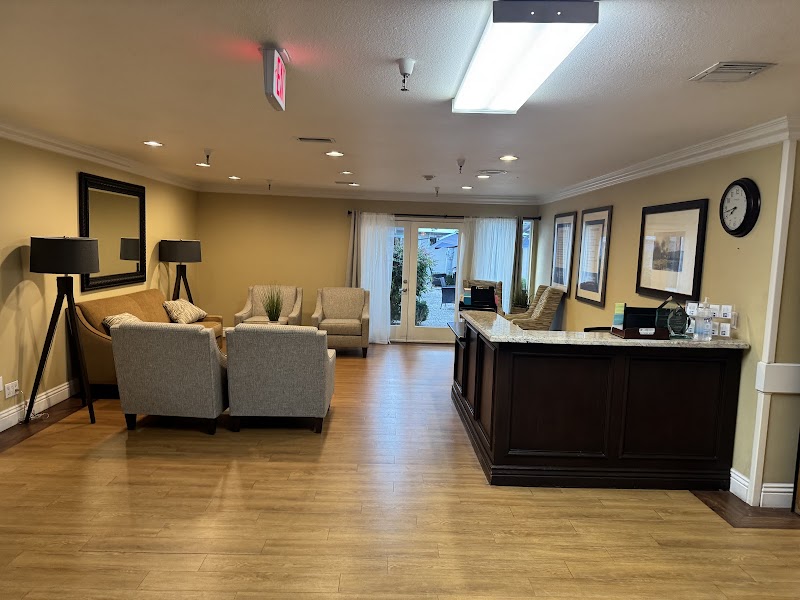
How is Vista Manor Nursing Center Staffed?

CMS rates VISTA MANOR NURSING CENTER's staffing level at 3 out of 5 stars, which is average compared to other nursing homes. Staff turnover is 38%, compared to the California average of 46%. This relatively stable workforce can support continuity of care.

What Have Inspectors Found at Vista Manor Nursing Center?

State health inspectors documented 24 deficiencies at VISTA MANOR NURSING CENTER during 2019 to 2025. These included: 24 with potential for harm.
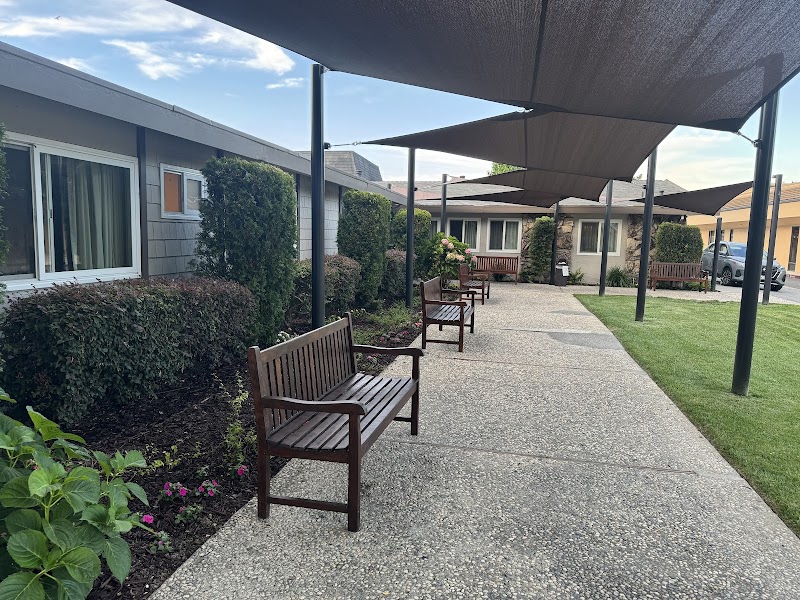
Who Owns and Operates Vista Manor Nursing Center?

VISTA MANOR NURSING CENTER is owned by a for-profit company. For-profit facilities operate as businesses with obligations to shareholders or private owners. The facility is operated by GENERATIONS HEALTHCARE, a chain that manages multiple nursing homes. With 99 certified beds and approximately 85 residents (about 86% occupancy), it is a smaller facility located in SAN JOSE, California.
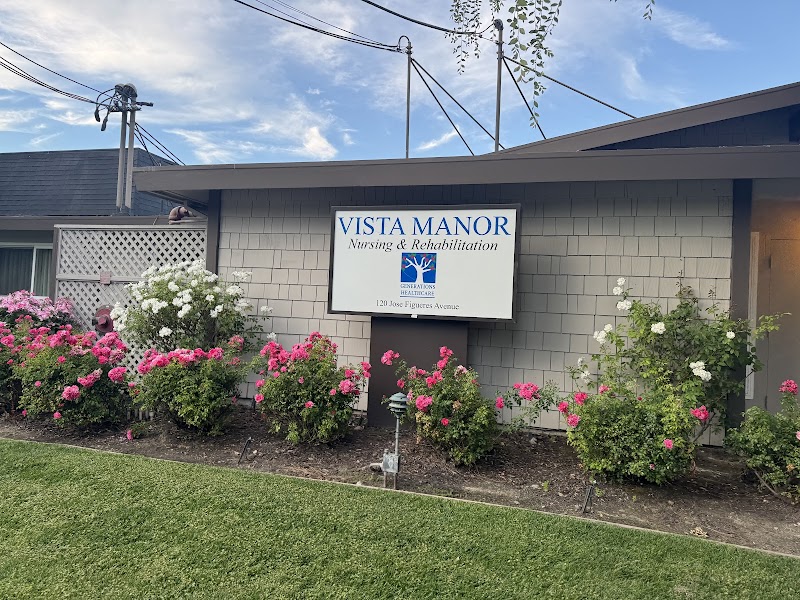
How Does Vista Manor Nursing Center Compare to Other California Nursing Homes?

Compared to the 100 nursing homes in California, VISTA MANOR NURSING CENTER's overall rating (5 stars) is above the state average of 3.2, staff turnover (38%) is near the state average of 46%, and health inspection rating (5 stars) is much above the national benchmark.

What Should Families Ask When Visiting Vista Manor Nursing Center?

Based on this facility's data, families visiting should ask: "Can I visit during a mealtime to observe dining assistance and food quality?" "How do you handle medical emergencies, and what is your hospital transfer rate?" "Can I speak with family members of current residents about their experience?"

Is Vista Manor Nursing Center Safe?

Based on CMS inspection data, VISTA MANOR NURSING CENTER has a clean safety record: no substantiated abuse findings (meaning no confirmed cases of resident harm), no Immediate Jeopardy citations (the most serious violation level indicating risk of serious injury or death), and is not on the Special Focus Facility watch list (a federal program monitoring the lowest-performing 1% of nursing homes). The facility has a 5-star overall rating and ranks #1 of 100 nursing homes in California. While no facility is perfect, families should still ask about staff-to-resident ratios and recent inspection results during their visit.

Do Nurses at Vista Manor Nursing Center Stick Around?

VISTA MANOR NURSING CENTER has a staff turnover rate of 38%, which is about average for California nursing homes (state average: 46%). Moderate turnover is common in nursing homes, but families should still ask about staff tenure and how the facility maintains care continuity when employees leave.

Was Vista Manor Nursing Center Ever Fined?

VISTA MANOR NURSING CENTER has no federal fines on record. CMS issues fines when nursing homes fail to meet care standards or don't correct problems found during inspections. The absence of fines suggests the facility has either maintained compliance or corrected any issues before penalties were assessed. This is a positive indicator, though families should still review recent inspection reports for the full picture.

Is Vista Manor Nursing Center on Any Federal Watch List?

VISTA MANOR NURSING CENTER is not on any federal watch list. The most significant is the Special Focus Facility (SFF) program, which identifies the bottom 1% of nursing homes nationally based on persistent, serious quality problems. Not being on this list means the facility has avoided the pattern of deficiencies that triggers enhanced federal oversight. This is a positive indicator, though families should still review the facility's inspection history directly.