SAN JUAN HILLS HEALTHCARE CENTER
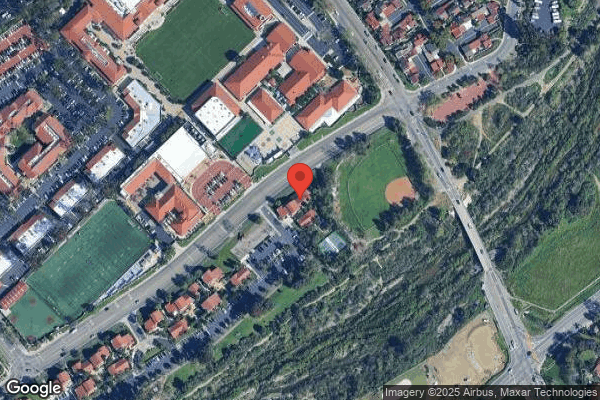

31741 RANCHO VIEJO ROAD, SAN JUAN CAPISTRANO, CA 92675 (949) 248-8855
For profit - Limited Liability company 45 Beds ASPEN SKILLED HEALTHCARE Data: November 2025
Trust Grade
66/100
#451 of 1155 in CA
Last Inspection: November 2024

Within standard 12-15 month inspection cycle. Federal law requires annual inspections.

Overview

San Juan Hills Healthcare Center has a Trust Grade of C+, indicating it is slightly above average, meaning it has decent but not exceptional care quality. It ranks #451 out of 1,155 facilities in California, placing it in the top half for the state, and #34 out of 72 in Orange County, suggesting there are better local options available. The facility is improving, with issues decreasing from 23 in 2024 to just 4 in 2025, signaling progress in quality of care. Staffing is a concern, rated at 2 out of 5 stars, but turnover is relatively low at 30%, which is below the state average. There have been some troubling incidents, including a resident suffering six falls due to inadequate supervision and multiple food safety violations in the kitchen, such as expired food being served and poor sanitation practices. Overall, while there are strengths in its recent trend and turnover rates, families should weigh these against the ongoing safety and quality concerns.

Trust Score
C+
66/100
In California
#451/1155
Top 39%
Safety Record
Moderate
Needs review
Inspections
Getting Better
23 → 4 violations
Staff Stability
✓ Good
30% annual turnover. Excellent stability, 18 points below California's 48% average. Staff who stay learn residents' needs.
Penalties
⚠ Watch
$3,174 in fines. Higher than 89% of California facilities, suggesting repeated compliance issues.
Skilled Nurses
○ Average
Each resident gets 36 minutes of Registered Nurse (RN) attention daily — about average for California. RNs are the most trained staff who monitor for health changes.
Violations
⚠ Watch
58 deficiencies on record. Higher than average. Multiple issues found across inspections.
★★★★☆
4.0
Overall Rating
★★☆☆☆
2.0
Staff Levels
★★★★★
5.0
Care Quality
★★★☆☆
3.0
Inspection Score
Stable
2024: 23 issues
2025: 4 issues

The Good

  • 5-Star Quality Measures · Strong clinical quality outcomes
  • Low Staff Turnover (30%) · Staff stability means consistent care
  • Full Sprinkler Coverage · Fire safety systems throughout facility
  • No fines on record
  • Staff turnover is low (30%)

    18 points below California average of 48%

Facility shows strength in quality measures, staff retention, fire safety.

The Bad

Federal Fines: $3,174

Below median ($33,413)

Minor penalties assessed

Chain: ASPEN SKILLED HEALTHCARE

Part of a multi-facility chain

Ask about local staffing decisions and management

The Ugly 58 deficiencies on record

1 actual harm
Jul 2025 3 deficiencies
CONCERN (D) 📢 Someone Reported This

A family member, employee, or ombudsman was alarmed enough to file a formal complaint

Potential for Harm - no one hurt, but risky conditions existed

Incontinence Care (Tag F0690)

Could have caused harm · This affected 1 resident

**NOTE- TERMS IN BRACKETS HAVE BEEN EDITED TO PROTECT CONFIDENTIALITY** Based on interview, medical record review, facility document review, and facility P&P review, the facility failed to provide the...

Read full inspector narrative →
**NOTE- TERMS IN BRACKETS HAVE BEEN EDITED TO PROTECT CONFIDENTIALITY** Based on interview, medical record review, facility document review, and facility P&P review, the facility failed to provide the necessary care and services for one of four sampled residents (Resident 1). * The facility failed to properly assess Resident 1's bowel function and provided the timely interventions as ordered by the physician when Resident 1 had no bowel movement. This failure posed a risk for the resident not to receive the necessary care and interventions to maintain the resident's normal bowel function.Findings: Review of the facility's P&P titled Bowel and Bladder Program revised 6/2021 showed it is the policy of this facility that the bowel and bladder assessment of the resident will be performed to attain and maintain the highest bowel and bladder function. Closed medical review for Resident 1 was initiated on 7/15/25. Resident 1 was admitted to the facility on [DATE], and discharged on 6/6/25. Review of Resident 1's Care Plan Report showed a care plan problem initiated on 5/28/25, addressing Resident 1's risk for constipation related to the resident's decreased mobility and possible adverse reaction to medication(s). The interventions included to monitor/record the BM (bowel movement) every shift and report hard, dry, bloody stool, if no BM for more than three days, check for constipation, abdominal distension and notify the MD as needed, offer prune juice, and give medication as ordered, monitor effectiveness versus the side effects. Review of Resident 1's Order Summary Report showed the following physician's orders for the bowel management medications dated 5/27/25:- sennosides (Senna - a laxative) tablet 8.6 mg, two tablets by mouth at bedtime for bowel management hold for loose stool, - Milk of Magnesia suspension (laxative) 1200 mg/15 ml, give 30 ml by mouth every 24 hours as needed for bowel management,- Dulcolax rectal suppository (medication inserted into a body cavity such as rectum) 10mg every 24 hours as needed for bowel management if milk of magnesia was ineffective and- Fleet Enema (type of saline used to relieve constipation) 7-19 gm/118 ml, insert rectally as needed for bowel management if Dulcolax is ineffective. Additionally, Resident 1 had a physician's order dated 6/3/25, to administer polyethylene glycol powder (laxative) 17 gram by mouth one time a day for bowel management. Review of Resident 1's Progress Note showed the notes on the following dates and times :- dated 6/4/25 at 1455 hours, Resident 1 had no BM for three days, and complained of abdominal distention as well as nausea and vomiting.- dated 6/5/25 at 1212 hours, Resident 1 had no BM, the milk of magnesia (laxative) was ineffective. The MD was made aware and had ordered to give the fleet enema (type of saline used to relieve constipation) right away.- dated 6/5/25 at 1436 hours, Resident 1 still had an episode of nausea/vomiting. Resident had no BM for six days, administered the fleet enema and a small amount of stool noted after the administration of the fleet enema. Resident 1 still had abdominal distention and feeling nauseous. - dated 6/6/25 at 1141 hours, Resident 1was transferred to an acute hospital. The indication for transfer was abdominal distention, no bowel movement for more than 3 days and persistent nausea and vomiting.- dated 6/7/25 at 0507 hours, showed the facility called the acute care hospital for follow-up and found out Resident 1 was admitted due to small bowel obstruction. Further review of Resident 1's medical records showed Resident 1 had no BM from 5/30 to 6/6/25 in the CNA's Bowel Monitoring Log. Review of Resident 1's MAR for May 2025 showed Resident 1 was administered Senna oral tablet medications, two tablets at bedtime from 5/27 to 5/31/25. Review of Resident 1's MAR for June 2025 showed the bowel management medications administered to Resident 1 on the following dates: - dated 6/1/25, Senna oral tablet two tablets at bedtime;- dated 6/2/25, Senna oral tablet two tablets at bedtime;- dated 6/3/25, Senna oral tablet two tablets at bedtime;- dated 6/4/25, Senna oral tablet two tablets at bedtime, polyethylene glycol powder 17 gram one time a day, and Milk of Magnesia suspension 30 ml as needed for bowel management;- dated 6/5/25, Senna oral tablet two tablets at bedtime, polyethylene glycol powder 17 gram one time a day, and Fleet Enema 7-19 gm/118 ml as needed for bowel management if Dulcolax is ineffective; and - dated 6/6/25, Polyethylene glycol powder 17 gram one time a day. On 7/15/25 at 1350 hours, a concurrent interview and closed medical review was conducted with LVN 1. LVN 1 stated they check the CNA's BM Log Monitoring daily. A resident will be administered Milk of Magnesia medication, if the resident had no BM for three days. On 7/15/25 at 1500 hours, a concurrent interview and closed medical record review was conducted with the DON. The DON stated the CNAs did the daily bowel movement monitoring. The nurses checked the task daily to see if the resident had a BM or not. The DON verified Resident 1 had no BM from 5/30/25 and the as needed bowel management medications were not provided as ordered by the physician until 6/4/25, six days later.
MINOR (B) 📢 Someone Reported This

A family member, employee, or ombudsman was alarmed enough to file a formal complaint

Minor Issue - procedural, no safety impact

Comprehensive Care Plan (Tag F0656)

Minor procedural issue · This affected multiple residents

**NOTE- TERMS IN BRACKETS HAVE BEEN EDITED TO PROTECT CONFIDENTIALITY** Based on interview, medical record review, and facility P&P review, the facility failed to ensure the care plan reflected the in...

Read full inspector narrative →
**NOTE- TERMS IN BRACKETS HAVE BEEN EDITED TO PROTECT CONFIDENTIALITY** Based on interview, medical record review, and facility P&P review, the facility failed to ensure the care plan reflected the individual care needs for one of four sampled residents (Resident 1). * The facility failed to develop a care plan to address Resident 1's change of condition when Resident 1 had nausea/vomiting and diarrhea (frequent, loose, or watery stools). This failure posed the risk of not providing the appropriate, consistent, and resident-centered care to the resident.Findings: Review of the facility's P&P titled Care Plans, Comprehensive Person-Centered revised 12/2016 showed a comprehensive, person-centered care plan that includes measurable objectives and timetables to meet the resident's physical, psychosocial and functional needs is developed and implemented for each resident. Assessments of residents are ongoing and care plans are revised as information about the residents and the residents' conditions change. The interdisciplinary team must review and update the care plan: when there has been a significant change in the resident's condition and when the desired outcome is not met. Closed medical review for Resident 1 was initiated on 7/15/25. Resident 1 was admitted to the facility on [DATE], and discharged on 6/6/25. Review of Resident 1's MDS assessment dated [DATE], showed a BIMS score of 1 (severe cognitive impairment). Review of Resident 1's Change in Condition Evaluation showed the following notes:- dated 5/30/25, Resident 1 had one episode of nausea and vomiting. The non-pharmacological interventions were administered. The MD was notified and ordered Zofran (medication used to prevent and treat nausea and vomiting) 4 mg every six hours as needed.- dated 6/2/25, Resident 1 had one episode of vomiting of a clear dark green fluid, and loose watery stool with increased frequency of three times.- dated 6/4/25, Resident 1 was observed with increased generalized weakness and persistent nausea and vomiting. Further review of Resident 1's closed medical record failed to show a care plan was developed to address Resident 1's episodes of nausea, vomiting, diarrhea, and increased generalized weakness. On 7/15/25 at 1350 hours, an interview and concurrent closed medical review was conducted with LVN 1. LVN 1 stated a care plan should be developed if a resident had a changed in condition. Furthermore, LVN 1 verified there was no care plan developed to address Resident 1's episodes of nausea, vomiting and diarrhea. On 7/15/25 at 1500 hours, an interview and concurrent closed medical review was conducted with the DON. The DON verified and acknowledged the above findings. Cross reference to F657 and F690
MINOR (B) 📢 Someone Reported This

A family member, employee, or ombudsman was alarmed enough to file a formal complaint

Minor Issue - procedural, no safety impact

Deficiency F0657 (Tag F0657)

Minor procedural issue · This affected multiple residents

**NOTE- TERMS IN BRACKETS HAVE BEEN EDITED TO PROTECT CONFIDENTIALITY** Based on interview, medical record review, and facility P&P review, the facility failed to ensure the care plan was revised to r...

Read full inspector narrative →
**NOTE- TERMS IN BRACKETS HAVE BEEN EDITED TO PROTECT CONFIDENTIALITY** Based on interview, medical record review, and facility P&P review, the facility failed to ensure the care plan was revised to reflected the individual care needs for one of four sampled residents (Resident 1). * The facility failed to develop a different interventions in Resident 1's care plan to prevent constipation. This failure posed the risk of not providing the appropriate, consistent, and resident-centered care to the resident. Findings: Review of the facility's P&P titled Care Plans, Comprehensive Person-Centered revised 12/2016 showed a comprehensive, person-centered care plan that includes measurable objectives and timetables to meet the resident's physical, psychosocial and functional needs is developed and implemented for each resident. Assessments of residents are ongoing and care plans are revised as information about the residents and the residents' conditions change. The interdisciplinary team must review and update the care plan: when there has been a significant change in the resident's condition and when the desired outcome is not met. Closed medical review for Resident 1 was initiated on 7/15/25. Resident 1 was admitted to the facility on [DATE], and discharged on 6/6/25. Review of Resident 1's Progress Note showed the following notes:- dated 6/4/25, Resident 1 had no BM for three days, and complained of abdominal distention as well as nausea and vomiting.- dated 6/5/25, Resident 1 had no BM, the milk of magnesia (laxative) was ineffective. The MD was made aware and ordered to give fleet enema (type of saline used to relieve constipation) right away.- dated 6/5/25, Resident 1 still had an episode of nausea/vomiting. Resident had no BM for six days, administered the fleet enema and a small amount of stool noted after the administration .of the fleet enema Resident 1 still had abdominal distention and feeling nauseous.- dated 6/6/25, Resident 1was transferred to the acute care hospital. The indication for the acute care hospital transfer was due to abdominal distention, no bowel movement for more than three days and persistent nausea and vomiting. Review of Resident 1's Transfer Form dated 6/6/25, showed Resident 1 was transferred to the acute care hospital due to constipation. Review of Resident 1's care plan initiated on 5/28/25, showed a care plan problem addressing Resident 1's risk for constipation related to decreased mobility and possible adverse reaction to the medication. The interventions included to monitor/record BM (bowel movement) every shift and report hard, dry, bloody stool, and if no BM more than three days, check for constipation, abdominal distention and notify MD as needed and give the medication as ordered, monitor/report effectiveness versus the side effects. Further review of Resident 1's closed medical record failed to show for an additional or different interventions in the care plan problem and interventions when Resident 1 had no bowel movement for more than three days. On 7/15/25 at 1350 hours, an interview and concurrent closed medical review was conducted with LVN 1. LVN 1 verified the care plan for constipation was not updated. On 7/15/25 at 1500 hours, an interview and concurrent closed medical review was conducted with the DON. The DON verified and acknowledged the above findings. Cross reference to F656 and F690.
May 2025 1 deficiency
MINOR (B) 📢 Someone Reported This

A family member, employee, or ombudsman was alarmed enough to file a formal complaint

Minor Issue - procedural, no safety impact

Medical Records (Tag F0842)

Minor procedural issue · This affected multiple residents

**NOTE- TERMS IN BRACKETS HAVE BEEN EDITED TO PROTECT CONFIDENTIALITY** Based on interview, medical record review, and facility P&P review, the facility failed to ensure the medical record was complet...

Read full inspector narrative →
**NOTE- TERMS IN BRACKETS HAVE BEEN EDITED TO PROTECT CONFIDENTIALITY** Based on interview, medical record review, and facility P&P review, the facility failed to ensure the medical record was complete and accurately maintained for one of three sampled residents (Resident 1). * Resident 1 had a blood sugar level of 58 mg/dL. There was no documentation a COC was initiated for the blood sugar level of 58 mg/dL. Additionally, there was no documentation the resident's representative was notified of the low blood sugar. * Resident 1's vital signs were documented as taken after the resident had already been discharged from the facility. These failures had the potential for not providing the necessary care and services due to incomplete medical record information. Findings: Review of the facility P&P titled Charting and Documentation revised 7/2017 showed the following: 1. Documentation in the medical record will be objective (not opinionated or speculative), complete, and accurate. 2. The following information is to be documented in the resident medical record: a. Objective observations; b. Medications administered; c. Treatment or services performed; d. Changes in the resident's condition; e. Events, incidents or accidents involving the resident; and f. Progress toward or changes in the care plan goals and objectives. 3. Documentation of procedures and treatments will include care-specific details, including: a. The date and time the procedure/treatment was provided; b. The name and title of the individual(s) who provided the care; c. The assessment data and/or any unusual findings obtained during the procedure/treatment; d. How the resident tolerated the procedure/treatment; e. Whether the resident refused the procedure/treatment; f. Notification of family, physician or other staff, if indicated; and g. The signature and title of the individual documenting. Review of the facility P&P titled Nursing Care of the Resident with Diabetes Mellitus revised 12/2015 showed approximate reference ranges for hypoglycemia are: mild hypoglycemia 55-70 mg/dL; moderate hypoglycemia 40-55 mg/dL; and severe hypoglycemia < 40 mg/dL. Closed medical record review for Resident 1 was initiated on 5/15/25. Resident 1 was admitted to the facility on [DATE], and discharged to the acute care hospital on 6/17/24. a. Review of Resident 1's Care Plan Report dated 5/31/24 showed the resident was at risk for hypoglycemia (low blood sugar) and hyperglycemia (high blood sugar) related to diabetes (high blood sugar). Review of Resident 1's Progress Notes showed a late entry note dated 6/7/24, showed in the morning, Resident 1 had a blood sugar level of 58 mg/dL. Resident was alert, oriented, answering the questions appropriately and stating he felt fine. Resident 1 did not have any signs or symptoms of low blood sugars. The vital signs were within normal limits. Resident 1 was given a glass of orange juice with two packets of sugar. The resident's blood sugar was rechecked with a reading of 94 mg/dL. Review of Resident 1's Weights and Vital Summary dated 6/7/24, did not show Resident 1's blood sugar reading of 58 mg/dL. Review of Resident 1's Medication Administration Record for June 2024 did not show Resident 1's blood sugar reading of 58 mg/dL. Review of Resident 1's eINTERACT Version 5.0 did not show Resident 1 had a COC for low blood sugar level of 58 mg/dL. On 5/23/25 at 1028 hours, and interview and concurrent closed medical record review was conducted with LVN 1. LVN 1 stated the process for a COC would be to open the eINTERACT COC form, which included notifying the physician and resident's representative. When asked what the parameters for hypoglycemia would be, LVN 1 stated for the blood sugar levels below 70 mg/dL. When asked if the blood sugar levelof 58 mg/dL would require a COC, LVN 1 stated yes definitely, they should have done a COC. When asked if there was a COC for Resident 1's blood sugar level of 58 mg/dL, LVN 1 stated unfortunately no, not even a daily skilled note. LVN 1 verified the findings. On 5/23/25 at 1500 hours, an interview and concurrent closedmedical record review was conducted with the DON. The DON stated a blood sugar level below 70 mg/dL would indicate hypoglycemia. The DON stated the process of a COC was to assess the resident, notify the physician and resident's representative, and monitor the resident after the COC. When asked if a blood sugar level of 58 mg/dL would require a COC, the DON stated it should andthat was why they notified the physician. When asked if there was a COC, the DON stated no, but the nurse made a progress note about it. When asked if the resident's representative was notified, the DON was not able to show the resident's representative was notified. The DON verified the above findings. b. Review of Resident 1's SBAR Communication Form dated 6/17/24, showed Resident 1 had a COC for altered level of consciousness, labored breathing, abnormal lung sounds, pulse oximeter (measurement of the saturation of oxygen in the blood) of 88%, blood pressure of 88/58 mmHg (millimeters of mercury), and a heart rate of 38 beats per minute. Review of Resident 1's Progress Notes dated 6/17/24 at 1247 hours, showed Resident 1 was transferred to the acute care hospital. Resident 1 was transferred out at 1247 hours. Further review of the progress notes showed the SBAR with the vital signs taken at the following dates and times: - dated 6/17/24 at 1458 hours, blood pressure 85/58 mmHg; - dated 6//17/24 at 1459 hours, pulse rate 38 beats per minute; - dated 6/16/24 at 0624 hours, respiratory rate 17; and -dated 6//17/24 at 1500 hours, pulse oximetry 88%. On 5/23/25 at 1028 hours an interview was conducted with LVN 1. LVN 1 stated when a COC was initiated, a current set of the vital signs would be taken. On 5/23/25 at 1500 hours, an interview and concurrent closed medical record review was conducted with the DON. The DON verified the vital signs above were documented as taken after the resident had already been discharged from the facility. The DON verified the above findings.
Nov 2024 23 deficiencies
CONCERN (D)

Potential for Harm - no one hurt, but risky conditions existed

Deficiency F0554 (Tag F0554)

Could have caused harm · This affected 1 resident

**NOTE- TERMS IN BRACKETS HAVE BEEN EDITED TO PROTECT CONFIDENTIALITY** Based on observation, interview, and medical record review, the facility failed to ensure the self-administration of medications...

Read full inspector narrative →
**NOTE- TERMS IN BRACKETS HAVE BEEN EDITED TO PROTECT CONFIDENTIALITY** Based on observation, interview, and medical record review, the facility failed to ensure the self-administration of medications was safe for one of 14 final sampled resident (Resident 132) and one nonsampled resident (Resident 14). This failure had the potential to negatively impact the residents' physiological well-being and administer the medications inaccurately. Findings: 1. During an initial tour of the facility on 11/12/24 at 0814 hours, a concurrent observation and interview with Resident 132. Resident 132 was observed lying in bed. Resident 132 was noted with one bottle of Biotin (supplement) 10,000 mcg, one bottle of coconut oil extra virgin oil 1000 mg, one bottle of hair growth medication on the TV (television) stand drawer. Resident 132 stated she had been taking the medications since she was admitted in the facility. On 11/12/24 at 0823 hours, an observation and concurrent interview with the MDS Coordinator was conducted. The MDS Coordinator was asked about the process of self-administering medication and leaving medication at bedside. The MDS Coordinator stated no medication should be left at the resident's TV stand drawer, and the facility needed to assess the resident if it was safe to self-administer medication, have an order from the MD and care plan. The MDS Coordinator confirmed and verified Resident 132 had one bottle of Biotin 10,000 mcg, one bottle of coconut oil extra virgin oil 1000 mg, and one bottle of hair growth medication at the TV stand drawer. Medical Record Review for Resident 132 was initiated on 11/12/24. Resident 132 was admitted to the facility on [DATE], and readmitted on [DATE]. Review of Resident 132's H&P examination dated 10/30/24, showed the resident had a fluctuating capacity to understand and make decisions. Review of Residents 132's MDS dated [DATE], showed a BIMS score of 9 (meaning moderately cognitive impaired). Further review of the medical record showed no documented evidence Resident 132 was assessed for self-administration of medications. There were no physician's orders for the about medication found at the resident's bedside. On 11/12/24 at 0842 hours, an interview and concurrent medical record review was conducted with LVN 1. LVN 1 was no able to show documented evidence Resident 132 was assessed for self-administration of the medication. On 11/13/24 at 1334 hours, a concurrent interview and medical record review with the MDS Coordinator. The MDS coordinator verified Resident 132's Order Summary Report did not show the orders for the above medication. On 11/15/24 at 1801 hours, an interview was conducted with the DON. The DON was informed and acknowledged the above findings. 2. On 11/12/24 at 1046 hours, a concurrent observation and interview was conducted with Resident 14. Resident 14 was observed in the wheelchair. An eye drops medication was observed on top of the bed inside a plastic bag. Resident 14 stated she had been using the eye drops medication for about six weeks and kept it at the bedside. Medical record review for Resident 14 was initiated on 11/12/24. Resident 14 was admitted to the facility on [DATE]. Review of Resident 14's admission assessment dated [DATE], showed Resident 14 did not request for self-administration of the medication. Review of Resident 14's physician's order dated 10/9/24, showed to instill artificial tears ophthalmic medication solution (Artificial Tears Solution) one drop on both eyes as needed and twice a day as needed. However, further review of the medical record failed to show documented evidence of the physician's order for Resident 14 to self-administer eye drop medication. On 11/12/24 at 1048 hours, a concurrent observation, interview, and medical record review for Resident 14 was conducted with LVN 3. LVN 3 verified the eye drop medication was observed at Resident 14's bedside and stated the medication should not have been kept at the bedside. LVN 3 reviewed Resident 14's medical record and verified there were no assessment and physician's order for self-administration of medication. On 11/14/24 at 1011 hours, an interview was conducted with the DON. The DON was informed and verified the findings.
CONCERN (D)

Potential for Harm - no one hurt, but risky conditions existed

Deficiency F0565 (Tag F0565)

Could have caused harm · This affected 1 resident

Based on interview, facility document review, and facility P&P review, the facility failed to address the concerns brought forth in the resident council meetings (a group of residents gathered to disc...

Read full inspector narrative →
Based on interview, facility document review, and facility P&P review, the facility failed to address the concerns brought forth in the resident council meetings (a group of residents gathered to discuss interest and issues noted in the facility) and failed to notify two nonsampled residents (Residents 12 and 137) who filed the grievances regarding the outcomes of investigation. These failures had the potential for the residents' identified issues to go uncorrected. Findings: Review of the facility's P&P titled Resident Council revised 4/2017 showed a Resident Council Response Form will be utilized to track issues and their resolution. The facility department related to any issues will be responsible for addressing the item(s) of concern. Review of the facility's Resident Council Departmental Feedback Form showed the Department to return the response to the Activity Director within two to three days of the meeting date. a. Review of the facility's document titled Resident Council Meeting Agenda & Notes dated 8/9/24, showed the following concerns: - The staff were loud in the hallways after hours, and to use English only in the vicinity or in front of the residents. - Resident 137 would like more light next to couch on the left side of the room. - Resident 137 would like an explanation on a bill she received she thought insurance should pay. Review of the Resident Council Minutes-Review of Old Business dated 9/13/24, showed from the Nursing Department: the residents were satisfied with nurses conversing in English; the concern was resolved. However, there was no documentation on how the concern was resolved. In addition, there was no documentation Resident 137's concerns were followed through. There was no Resident Council Departmental Feedback form filled out by the facility. b. Review of the facility's document titled Resident Council Meeting Agenda & Notes dated 9/13/24, showed the following concerns: - Resident 12 was not getting what she was requesting on meals. Most of the time, it was hot, and needed more assistance with menus. - Slow on call buttons usually at night. Further review of the documents failed to show documentation the concerns were followed through. On 11/13/24 at 1441 hours, an interview and concurrent facility document review was conducted with the Activity Director. When asked regarding the facility's process with concerns identified during the Resident Council Meeting, the Activity Director stated the Administrator was notified immediately after the concerns were identified and the concerns were also discussed in the stand-up meeting with the Department Heads to take care of the concerns. The Activity Director further stated she was responsible to make sure all concerns were addressed. The Activity Director verified there was no follow-through on the concerns brought forth in the resident council meetings. On 11/13/24 at 1530 hours, an interview and concurrent facility document review was conducted with the DON. The DON verified the concerns identified on 8/9 and 9/13/24, from the resident council meetings. The DON also verified there was no documentation on how the concerns were investigated and resolution, and no documentation the residents were notified of the outcome of the investigation. The DON further stated all concerns needed to be investigated within 72 hours from when the facility was notified of the concerns.
CONCERN (D)

Potential for Harm - no one hurt, but risky conditions existed

Deficiency F0645 (Tag F0645)

Could have caused harm · This affected 1 resident

**NOTE- TERMS IN BRACKETS HAVE BEEN EDITED TO PROTECT CONFIDENTIALITY** Based on interview, medical record review, and facility P&P review, the facility failed to ensure one of one final sampled resid...

Read full inspector narrative →
**NOTE- TERMS IN BRACKETS HAVE BEEN EDITED TO PROTECT CONFIDENTIALITY** Based on interview, medical record review, and facility P&P review, the facility failed to ensure one of one final sampled resident (Resident 16) who had a mental disorder was referred to state PASARR representative for Level II evaluation and determination screening process. This failure pose risk for the resident not to receive adequate level of services, comprehensive assessment, intervention, and evaluation for conditions related to mental disorder. Findings: Review of the facility's P&P titled Preadmission Screening & Resident Review (PASRR) dated 11/30/23, showed the facility will confirm the PASARR process was completed by the hospital by accepting and reviewing the PASRR documentation submitted. If the facility determines that the hospital did not initiate the PASARR, the facility will contact the hospital and request to initiate the file exchange prior to discharge. Medical record review for Resident 16 was initiated on 11/12/24. Resident 16 was admitted to the facility on [DATE]. Review of Resident 16's PASARR Level 1 Screening Form dated 5/9/24, showed Resident 16 did not have mental disorder or intellectual disability diagnosis and had no prescribed psychotropic medications for mental illness. However, review of Resident 16's admission Record dated 11/13/24, showed Resident 16 had diagnosis of major depressive disorder, psychosis, and anxiety. In addition, the Order Summary Report dated 11/14/24, showed Resident 16 had the physician's orders to administer sertraline (antidepressant medication) 100 mg via PEG tube at bedtime for depression. On 11/13/24 at 1043 hours, an interview and concurrent medical record review was conducted with the MDS Coordinator. The MDS Coordinator verified there was an error in completing the PASARR assessment. The MDS Coordinator further stated if the PASARR Level 1 was not accurately completed, the facility must do screening again and refer accordingly. The MDS Coordinator verified Resident 16 had a diagnosis of depression and had been receiving antidepressant medication. The MDS Coordinator Resident 16's PASARR Level 1 was not completed accurately. On 11/14/24 at 1007 hours, an interview for Resident 16 was conducted with the DON. The DON was informed of the findings and verified the findings.
CONCERN (D)

Potential for Harm - no one hurt, but risky conditions existed

Accident Prevention (Tag F0689)

Could have caused harm · This affected 1 resident

**NOTE- TERMS IN BRACKETS HAVE BEEN EDITED TO PROTECT CONFIDENTIALITY** Based on observation, interview, medical record review, facility's P&P review, and facility document review, the facility failed...

Read full inspector narrative →
**NOTE- TERMS IN BRACKETS HAVE BEEN EDITED TO PROTECT CONFIDENTIALITY** Based on observation, interview, medical record review, facility's P&P review, and facility document review, the facility failed to provide the safe environment free from potentially serious accident hazards for two of two final sampled residents (Residents 383 and 432) who smoked in the facility. - Resident 383 was not accurately and thoroughly assessed to determine if they required supervision or any adaptive equipment while smoking, nor if they could safely store their own cigarettes or lighters. - Resident 432's smoking paraphernalia was left unsupervised. The residents who were assessed as requiring supervision or those with a history of non-compliance with the facility's smoking P&P were permitted to keep the cigarettes, lighters, and other smoking materials in their possession. - The facility failed to ensure the designated area for smoking outside the facility have readily available and accessible portable fire extinguishers and fire-retardant smoking aprons as per the facility's smoking P&P. These failures posed the risk of fire and serious injuries to the residents who smoked and to the other residents who resided in the facility. Findings: Review of the facility's P&P titled Safe Smoking - Resident dated 8/24/22, showed the facility shall establish and maintain safe resident smoking practices. The residents will be evaluated on admission to determine if he or she is a smoker or non-smoker. If a smoker, the evaluation will include their ability to smoke safely with or without supervision. The staff shall consult with the attending physician and the DON to determine if safety restrictions need to be placed on a resident's smoking privileges. A resident's ability to smoke safely will be re-evaluated quarterly, upon a significant change (physical or cognitive) and as determined by the staff. Any smoking-related privileges, restrictions, and concerns shall be noted on the care plan, and all personnel caring for the resident shall be alerted to these issues. Only residents who have independent smoking privileges are permitted to keep cigarettes and other smoking articles in their possession. Residents without independent smoking privileges may not have or keep any smoking articles. Residents are allowed to smoke outside the facility in designated area with safety measures readily available and accessible such as ashtrays, portable fire extinguishers and fire-retardant smoking aprons. 1.a. On 11/12/24 at 0932 hours, during the initial tour of the facility, an observation and concurrent interview with Resident 383 was conducted. Resident 383 was in bed and the smoking materials (green disposable lighter and a pack of cigarettes) were observed on top of the bedside drawer. Resident 383 verified he smoked and the smoking materials on top of the bedside drawer were his. Resident 383 added the facility staff were not aware that he smoked, and he kept his smoking secret and hid well. On 11/12/24 at 1013 hours, an interview and concurrent facility's document review was conducted with the Administrator and DON. The Administrator submitted the list of the residents who currently smoked. Review of the smoking list and showed Resident 383 was not on the list. The DON verified Resident 383 was not included in the smoking list and was not aware if Resident 383 was a smoker. The DON was asked to go to Resident 383's room and the DON verified the smoking materials on top of the bedside drawer. The DON stated she would talk to Resident 383 about the smoking paraphernalia. Medical record review for Resident 383 was initiated on 11/13/24. Resident 383 was admitted to the facility on [DATE], with the diagnosis of tobacco use per admission record. Review of Resident 383's MDS dated [DATE], showed under section J, current tobacco use was coded as no. Review of the Admission/readmission Screen and Baseline Care Plan dated 10/25/24, showed Resident 383 did not wish to smoke. Further review of Resident 383's medical record failed to show documented evidence a smoking assessment was conducted; a physician's order was obtained, and a plan of care was developed for smoking were documented. On 11/13/24 at 1005 hours, an interview for Resident 383 was conducted with LVN 1. LVN 1 verified he was not aware and had not seen Resident 383 smoking. LVN 1 stated Resident 383 did not inform the facility staff about his smoking. On 11/14/24 at 1451 hours, an interview for Resident 383 was conducted with the DON. The DON was informed of the findings and verified the above findings. 2.a. On 11/12/24 at 1030 hours, Resident 432's lighter and pack of cigarettes were observed on Resident 432's overbed table. Resident 432 was not in her room. On 11/13/24 0819 hours, an interview was conducted with Resident 432. When asked about her smoking habits, Resident 432 verbalized she would go to the facility's patio to smoke at 2200 hours. Resident 432 stated sometimes she would smoke without staff present. On 11/13/24, 1538 hours, a telephone interview was conducted with LVN 5. When asked about Resident 432's smoking paraphernalia, LVN 5 verbalized he did not provide Resident 432 her smoking paraphernalia. LVN 5 stated Resident 432 was an independent smoker who would go out and smoke alone in the facility's front patio area. On 11/12/24, medical record review was initiated for Resident 432. Resident 432 was admitted to the facility on [DATE]. Review of Resident 432's H&P examination dated 10/30/24, showed with diagnoses including anxiety, insomnia, with tobacco use. The H&P examination also showed Resident 432 had capacity to understand and make decisions. Review of Resident 432's care plans addressing the resident's smoking showed interventions including Resident 432 was to be observed for unsafe smoking practices. b. On 11/13/24 at 1105 hours, an observation and concurrent interview was conducted with the Activity Director. The Activity Director was observed with Resident 432 in the smoking patio area. Resident 432 was on a wheelchair and observed lighting up her cigarette with a disposable lighter. The Activity Director was observed sitting near the resident. The Activity Director was asked about the smoking protector devices such as the smoking apron and fire extinguisher were available and accessible in the smoking area. The Activity Director verified there was no available smoking apron and did not know where the fire extinguisher was located at. On 11/14/24 at 0830 hours, the above findings were verified with the DON.
CONCERN (D)

Potential for Harm - no one hurt, but risky conditions existed

Incontinence Care (Tag F0690)

Could have caused harm · This affected 1 resident

**NOTE- TERMS IN BRACKETS HAVE BEEN EDITED TO PROTECT CONFIDENTIALITY** Based on observation, interview, medical record review, and facility P&P review, the facility failed to provide the necessary ca...

Read full inspector narrative →
**NOTE- TERMS IN BRACKETS HAVE BEEN EDITED TO PROTECT CONFIDENTIALITY** Based on observation, interview, medical record review, and facility P&P review, the facility failed to provide the necessary care and services for one of 14 final sampled residents (Resident 285) and one nonsampled resident (Resident 436) to maintain or restore their bladder functions. * The facility failed to provide a bladder retraining for Resident 285 as identified in the care plan and facility's P&P. * The facility failed to ensure Resident 436 was placed on toileting program and a care plan to address Resident 436's toileting needs was developed. These failures posed the risk for these residents to lose their bladder control. Findings: Review of the facility's P&P titled Bowel and Bladder Program dated 6/2021 showed on admission of the resident, the admission nurse will initiate an elimination schedule every two hours regardless if the resident is continent or incontinent. The admission Nurse will communicate to the CNAs and licensed nurse. The CNAs will document the result of their visit with the resident. 1. On 11/12/24 at 1120 hours, an interview was conducted with Resident 285. Resident 285 stated he liked to go to the bathroom and the facility staff helped him to use the bathroom during daytime; however, they let him wore a disposable brief at night. Resident 285 stated he did not feel good about not going to the bathroom and using a disposable brief. Resident 285 informed the facility staff that he would like to go to the restroom, but the staff told him that he could not go the restroom and was high risk for fall, and was instructed to urinate in the disposable brief. Medical record review for Resident 285 was initiated on 11/12/24. Resident 285 was admitted to the facility on [DATE]. Review of Resident 285's MDS dated [DATE], showed Resident 285 was cognitively intact. Review of Resident 285's Order Summary Report dated 11/13/24, showed a physician's order dated 11/7/24, for bladder retraining program every shift for 14 days. Review of Resident 285's plan of care showed a care plan problem dated 11/7/24, addressing the episodes of incontinence of bladder. Interventions included to retrain Resident 285's bladder to follow the toileting schedule every two hours and as needed. On 11/13/24 at 1458 hours, an interview for Resident 285 was conducted with CNA 1. CNA 1 stated Resident 285 was incontinent at nighttime. CNA 1 was asked if Resident 285 was on bladder training program, CNA 1 stated she did not know. On 11/14/24 at 0939 hours, an interview and concurrent medical record review for Resident 285 was conducted with LVN 2. LVN 2 stated the CNAs were to check and offer the residents to use the rest room or urinal every two hours. LVN 2 stated the staff did not have to document the amount unless specified in the order. LVN 2 verified there was no documented evidence from 11/7/24 to 11/14/24, for Resident 285's bladder training was offered every two hours by the CNA's. On 11/1/424/ at 1004 hours, an interview for Resident 285 was conducted with the DON. The DON was informed and verified the findings. The DON stated the resident should have received the bladder training program. 2. On 11/13/24, at 1055 hours, during a resident council meeting, Resident 436 verbalized she did not want staff putting a diaper on her. On 11/13/24 at 1525 hours, a concurrent observation and interview was conducted with Resident 436 inside her room. Resident 436 stated she was allergic to all the plastic on the diaper, was wearing diapers now, and did not want to wear a diaper. On 11/14/24, medical record review for Resident 436 was initiated. Review of Resident 436's admission baseline screening showed Resident 436 was continent for her bladder needs. On 11/15/24 at 0741 hours, an interview was conducted with CNA 8. When asked about Resident 436's toileting needs, CNA 8 stated Resident 436 was able to verbalize when she needed to use the toilet. CNA 8 stated he also checked Resident 436's disposable brief every hour. CNA 8 further stated Resident 436 did not verbalize any concerns. On 11/15/24 at 1522 hours, a concurrent interview and medical record review was conducted with the DON. The DON stated Resident 436 was admitted to the facility on [DATE], for rehabilitation post status right hip fracture and with MASD to the sacrococcyx area. The DON stated even if a resident wore diapers, they could still be taken to the toilet. The DON verified a care plan problem to address Resident 436's specific toileting needs was not included in Resident 436's baseline care plan.
CONCERN (D)

Potential for Harm - no one hurt, but risky conditions existed

Respiratory Care (Tag F0695)

Could have caused harm · This affected 1 resident

**NOTE- TERMS IN BRACKETS HAVE BEEN EDITED TO PROTECT CONFIDENTIALITY** Based on observation, interview, medical record review, and facility P&P review, the facility failed to ensure two of two final ...

Read full inspector narrative →
**NOTE- TERMS IN BRACKETS HAVE BEEN EDITED TO PROTECT CONFIDENTIALITY** Based on observation, interview, medical record review, and facility P&P review, the facility failed to ensure two of two final sampled residents (Residents 132 and 282) reviewed for respiratory care were provided with the appropriate respiratory care. * The facility failed to ensure Residents 132 and 282's physician's order for administration of oxygen was clarified with the physician for continuous or PRN use. This failure had the potential to effect the respiratory health and well-being of the residents. Findings: Review of the facility's P&P titled Oxygen Administration revised October 2010 showed to verify there is a physician's order for this procedure and review the physician's order or facility protocol for the oxygen administration. 1. On 11/13/24 at 1441 hours, Resident 132 was observed in bed with oxygen via nasal cannula at 2 liters per minute. Medical record review for Resident 132 was initiated on 11/13/24. Resident 132 was admitted to the facility on [DATE]. Review of Resident 132's Order Summary Report dated 11/13/24, showed a physician's order dated 10/29/24, to administer oxygen at 2 liters per nasal cannula every shift. However, further review of the physician's order failed to show if the oxygen was to be administered continuously or as necessary. On 11/15/24 at 0813 hours, an interview and concurrent medical record review for Resident 132 was conducted with the MDS Coordinator. The MDS Coordinator verified Resident 132's use of the oxygen therapy. The MDS Coordinator verified the physician's order for the use of oxygen for Resident 132 was not clear if it was to be administered continously or as needed. 2. On 11/12/24 at 0832 hours, Resident 282 was observed in bed with oxygen at 2 liters per minute via nasal cannula. Medical record review for Resident 282 was initiated on 11/14/24. Resident 282 was admitted to the facility on [DATE]. On 11/14/24 at 0828 hours, Resident 282 was observed in bed receiving oxygen at 3 liters per minute via nasal cannula. Review of Resident 282's Order Summary Report dated 11/13/24, showed a physician's order dated 11/8/24, to administer oxygen at 3 liters per nasal cannula every shift. Further review of the physician's order for oxygen did not show if the oxygen was to be administered continuously. On 11/15/24 at 0757 hours, an interview and concurrent medical record review for Resident 282 was conducted with MDS Coordinator. The MDS Coordinator verified Resident 282's use of oxygen. The MDS Coordinator verified the physician's order for the use of oxygen did not show if it was continuous or as needed. The MDS Coordinator stated the physician's order was not clear and needed to be clarified with the physician. On 11/15/24 at 1616 hours, an interview and concurrent medical record review for Residents 132 and 282 was conducted with the DON. The DON was informed and verified the above findings.
CONCERN (D)

Potential for Harm - no one hurt, but risky conditions existed

Pharmacy Services (Tag F0755)

Could have caused harm · This affected 1 resident

Based on observation, interview, facility document review, and facility P&P review, the facility failed to ensure the pharmaceutical services were provided when: * The facility failed to ensure all co...

Read full inspector narrative →
Based on observation, interview, facility document review, and facility P&P review, the facility failed to ensure the pharmaceutical services were provided when: * The facility failed to ensure all controlled medications were accurately accounted for and documented for one of 14 final sampled residents (Resident 432). * The medications received from pharmacy were accounted and signed for by the licensed staff who received the medications at the facility. * The facility failed to ensure the proper disposal of medications was followed. These failures posed the risk of drug diversion. Findings: 1. Review of the facility's P&P titled Medication Storage in the Facility ID3: Controlled Medication Storage dated 8/2014 showed the medications included in the Drug Enforcement Administration (DEA) classification as controlled substances are subject to special handing, storage, disposal and recordkeeping in the facility in accordance with federal, state and other applicable laws and regulations. Further review of the facility's P&P showed at each shift change, a physical inventory of all controlled medications, including the emergency supply is conducted by two licensed nurses and is documented on the controlled medication accountability record. In addition, the P&P showed any discrepancy in controlled substance medication counts is reported to the Director of Nursing immediately. The Director of Nursing or designee investigates and makes every reasonable effort to reconcile all reported discrepancies. The Director of Nursing documents irreconcilable discrepancies in a report to the Administrator. On 11/14/24 at 0837 hours, Medication Room A inspection and concurrent interview was conducted with the DON. On 11/14/24 at 0926 hours, during Medication Room A inspection, a medication bottle with Resident 432's name was observed inside the locked cabinet in the medication room which held all the narcotics for disposal. The medication container was labeled showing buprenorphine-naloxone (medication to treat narcotic dependence) 8-2 mg place one tablet sublingual (under the tongue) three times a day. The form titled Antibiotic or Controlled Drug Record for Resident 432 showed the bottle of medication was from family supply. The controlled sheet showed there were 59 tablets to begin with, and the remaining count was a total of 22 tablets. The form showed a date written on the middle of the page dated 11/12/24, with two licensed nurses' signatures. When the DON counted the tablets from the medication bottle, the DON counted 23 tablets which did not tally with the number of tablets remaining on the controlled sheet. The DON stated she was one of the licensed nurses who counted the medications. The DON verified the total tablets left in the bottle did not match the controlled count sheet. When asked what did the facility do when the discrepancy with the count was identified, the DON did not provide a response. On 11/15/24 at 1326 hours, a follow-up interview was conducted with the DON. When asked regarding the facility's process when a discrepancy was identified with the narcotic count, the DON stated the facility needed to investigate and check the MAR and administration dates and times. The DON further stated she called the facility's pharmacy consultant; however, they did not initiate an investigation when the discrepancy was identified on 11/12/24. 2. Review of the facility's P&P titled Medication Ordering and Receiving From Pharmacy revised 1/2022 showed when receiving the medications from the pharmacy, a licensed nurse: a. Receives the medications delivered to the facility and documents that the delivery was received and secure on the medication delivery receipts. b. Verifies the medications received and directions for use with the medication order form and/or physician's orders. On 11/14/24 at 0837 hours, a Medication Room A inspection and concurrent interview was conducted with the DON. During the inspection, the following was observed: - a pharmacy delivery slip dated 11/13/24, for Emergency PO E-kit without a signature from the receiving nurse. - a pharmacy delivery slip dated 11/13/34, for 30 tablets of hydrocodone/APAP 5-325 mg (controlled pain medication) 30 tablets for Resident 436 without a signature from the receiving nurse. - a pharmacy delivery slip dated 11/13/24, for 30 tablets of oxycodone HCL 5 mg tab (controlled pain medication) 30 tablets for Resident 282 without a signature from the receiving nurse - a pharmacy delivery slip dated 11/13/24, for 30 tablets of hydrocodone/APAP 10-325 mg 30 tablets for Resident 434 without a signature from the receiving nurse. The DON acknowledged and verified the findings and stated the pharmacy delivery slips should have been signed by the licensed nurse who received the medications. 3. On 11/14/24 at 0837 hours, a Medication Room A inspection and concurrent interview was conducted with the DON. During the inspection, a brown box containing multiple bottles with a label showing Ready to Use Drug Disposal was observed on a wood pallet on the floor. Review of the Drug Disposition Binder inside Medication Room A was reviewed and observed with multiple pages of drug disposition records. Two pages of Medication Disposition Record/Pass Log were observed with labels specific to different residents and name of medications for disposal. The forms were signed by two licensed nurses for drug disposal/waste management; however, there was no documentation when the drug disposal occurred. The DON acknowledged and verified the findings and stated the forms should have been dated when the medications were disposed of.
CONCERN (D)

Potential for Harm - no one hurt, but risky conditions existed

Medication Errors (Tag F0758)

Could have caused harm · This affected 1 resident

**NOTE- TERMS IN BRACKETS HAVE BEEN EDITED TO PROTECT CONFIDENTIALITY** Based on interview, medical record review, and facility P&P review, the facility failed to ensure the orthostatic blood pressure...

Read full inspector narrative →
**NOTE- TERMS IN BRACKETS HAVE BEEN EDITED TO PROTECT CONFIDENTIALITY** Based on interview, medical record review, and facility P&P review, the facility failed to ensure the orthostatic blood pressure monitoring was accurately performed as ordered by the physician related to the use of antipsychotic medication for one of one final resident (Resident 132) reviewed for antipsychotic medications. This failure had the potential for the resident to have adverse complications from the medication and the potential of not providing the correct data to the prescriber to adjust the dose of the psychotropic medication for the resident. Findings: Review of the facility's P&P titled Measuring Blood Pressure dated 9/2010 showed the orthostatic (postural) hypotension is defined as a 20 mm/hg (or greater) decline in systolic blood pressure (top number) or a 10 mm/hg (or greater) decline in diastolic blood pressure (bottom number) upon standing. Note the changes in both systolic and diastolic measurements compare to the reading taken while the resident was in a seated position. Medical record review for Resident 132 was initiated on 11/14/24. Resident 132 was admitted to the facility on [DATE]. Review of the Order Summary Report dated 11/14/24, showed the following physician's orders: - dated 10/29/24, to administer Abilify (antipsychotic medication) 5 mg two tablets by mouth one time a day for psychosis manifested by angry outburst. - dated 10/29/24, to check for orthostatic hypotension by checking the blood pressure in three positions (lying, sitting, and standing) once a day every Wednesday. Review of the MAR for November 2024 showed the orthostatic blood pressure (lying, sitting, and standing) were scheduled to be monitored every Wednesday. However, the blood pressure readings for all three positions were the same as follows: - On 11/6/24, the blood pressure readings were 121/63 mm/Hg for the lying position, 121/63 mm/Hg for the sitting position, and 121/63 mm/Hg for the standing position. - On 11/13/24, the blood pressure readings were 125/75 mm/Hg for the lying position, 125/75 mm/Hg for the sitting position, and 125/75 mm/Hg for the standing position. On 11/14/24 at 1442 hours, an interview and concurrent medical record review for Resident 132 was conducted with the DON. The DON was informed of the orthostatic blood pressure monitoring for Resident 132. The DON reviewed the medical record and verified the licensed nurses were not monitoring the orthostatic hypotension accurately because of the same blood pressure readings for all three positions (lying, sitting, and standing). The DON stated there should be a variation on each position on the reading results of the orthostatic hypotension blood pressure readings.
CONCERN (D)

Potential for Harm - no one hurt, but risky conditions existed

Unnecessary Medications (Tag F0759)

Could have caused harm · This affected 1 resident

**NOTE- TERMS IN BRACKETS HAVE BEEN EDITED TO PROTECT CONFIDENTIALITY** Based on observation, interview, medical record review, and facility P&P review, the facility failed to ensure the medication er...

Read full inspector narrative →
**NOTE- TERMS IN BRACKETS HAVE BEEN EDITED TO PROTECT CONFIDENTIALITY** Based on observation, interview, medical record review, and facility P&P review, the facility failed to ensure the medication error rate was below 5%. The facility's medication error rate was 7.14% One licensed nurse (LVN 4) was found to have made error during the medication administration. * Resident 134 had a physician's order for Calcium Carbonate Tablet Chewable 500 mg one tablet by mouth one time a day for indigestion, chew and swallow. LVN 4 did not administer the medication as ordered by the physician. * Resident 4 had a physician's order for Effexor XR (medication to treat depression) Oral Capsule Extended Release 24 hour 75 mg one capsule by mouth one time a day for depression m/b persistent expression of hopelessness, give with food. LVN 4 did not administer the medication with food as ordered by the physician. These failures resulted in the residents not receiving the medications as ordered by the physicians, posed the risk of adverse effects, and had the potential to negatively affect the residents' health. Findings: Review of the facility's P&P titled Administering Medications revised 12/2012 showed medications shall be administered in a safe and timely manner, and as prescribed. Medications must be administered in accordance with the orders, including any required time frame. 1. On 11/13/24 at 0805 hours, a medication administration observation for Resident 134 was conducted with LVN 4. LVN 4 was observed preparing and administering the following medications: - bupropion XL 150 mg one tablet - gabapentin (medication to treat pain or seizure activity) 300 mg two capsules - oxybutynin ER (medication to treat over active bladder) 15 mg one tablet - calcium carbonate 500 mg one tablet, chewable - ferrous sulfate (iron supplement) one tablet - minocycline (antibiotic to treat infection) 100 mg one capsule - multivitamin with minerals one tablet - Megace (medication to improve appetite) 40 mg/10 ml - maxitrol eye ointment one ribbon to the right eye (medication to treat eye redness) Resident 134 requested the medications be prepared separately in two medication cups and Resident 134 was observed to have taken the medications. However, LVN 4 did not provide instructions to Resident 134 to chew the calcium carbonate tablet and the calcium carbonate 500 mg was not chewed prior to swallowing. Medical record review for Resident 134 was initiated on 11/13/24. Resident 134 was admitted to the facility on [DATE]. Review of Resident 134's Order Summary Report dated 11/13/24, showed a physician's order dated 11/5/24, for calcium carbonate tablet chewable 500 mg one tablet by mouth one time a day for indigeston, chew and swallow. 2. On 11/13/24 at 0840 hours, a medication administration observation for Resident 4 was conducted with LVN 4. LVN 4 was observed preparing and administering the following medications: - acidophilus 500 milliion active cell one capsule (supplement) - aspirin (medication to treat pain, fever, inflammation, or reduce the risk of heart attack) 81 mg enteric coated (serves as barrier to prevent the gastric acids in the stomach from dissolving the medication after being swallowed) one tablet - vitamin D 3 (supplement) 50 mcg (2000 iu) one tablet - multivitamins with minerals one tablet - gabapentin 100 mg two capsules - losartan (medication to treat high blood pressure) 25 mg one tablet - metoprolol succinate ER (medication to treat high blood pressure) 50 mg one tablet - venlafaxine ER (medication to treat depression) one capsule - senna plus 8.6 mg two tablets - heparin sodium 5000 unit/ml 1 ml (medication to prevent blood clot) Resident 4, post administration of medications, verified the breakfast tray had not been served yet and she had not eaten breakfast prior to receiving the medications from LVN 4. Medical record review for Resident 4 was initiated on 11/13/24. Resident 4 was admitted to the facility on [DATE], and readmitted on [DATE]. Review of Resident 4's Order Summary Report dated 11/13/24, showed a physician's order dated 10/28/24, for Effexor XR Oral Capsule Extended RElease 24 Hour 75 mg (same as venlafaxine HCL) one capsule by mouth one time a day for depression m/b persisten expression of hopelessness, give with food. However, the medication was not administered with food as ordered by the physician. On 11/13/24 at 1338 hours, an interview and concurrent record review for Residents 4 and 134 was conducted with LVN 4. LVN 4 was informed and verified the findings.
CONCERN (D)

Potential for Harm - no one hurt, but risky conditions existed

Deficiency F0761 (Tag F0761)

Could have caused harm · This affected 1 resident

**NOTE- TERMS IN BRACKETS HAVE BEEN EDITED TO PROTECT CONFIDENTIALITY** 3. On [DATE] at 1045 hours, an interview and observation was conducted with the Central Supply Designee. The Central Supply Desi...

Read full inspector narrative →
**NOTE- TERMS IN BRACKETS HAVE BEEN EDITED TO PROTECT CONFIDENTIALITY** 3. On [DATE] at 1045 hours, an interview and observation was conducted with the Central Supply Designee. The Central Supply Designee reviewed and verified the enteral feeding formulas and oral supplements were all stored in the Storage Room. The temperature of the room was at 75 degrees F verified by the Central Supply Designee. The Central Supply Designee verified the temperature log had not been filled out since 12/2011. The Central Supply Designee stated she was not aware the Storage Room temperature needed to be monitored and logged. On [DATE] at 1026 hours, an interview and observation was conducted with the Central Supply Designee. The Central Supply Designee reviewed and verified that over the counter medications were stored in the Health Equipment room. The Central Supply Designee verified that there was no thermometer and no temperature log. Based on observation, interview, and facility P&P review, the facility failed to provide the necessary pharmacy services to ensure the proper medication storage. * The facility failed to ensure the expired treatment medications were removed from the medication cart. * The facility failed to ensure to separate the externally and internally medications from the medication cart and Medication Room A. * The facility failed to ensure proper storage of feeding formula and temperature monitoring. These failures had the potential to negatively impact the residents' well-being, and medication errors. Findings Review of the facility's P&P titled Medication Storage in the Facility dated 4/2008 showed orally administered medications are kept separate from externally used medication, such as suppositories, liquids and lotion. 1.a. On [DATE] at 1046 hours, a medication cart inspection for Medication Cart A was conducted with RN 1. During the inspection of Medication Cart A, the following was observed: - seven individual packs of povidone-iodine prep pad, with an expiration date 3/2023. On [DATE] 1103 hours, an interview was cvonducted with DON. The DON verified the above findings. b. On [DATE] at 1424 hours, a medication cart inspection for Medication Cart B was conducted with LVN 4. During the inspection of Medication Cart B, the following was observed: -zofran (antiemetic) medication together with acetaminophen (analgesic) suppositories and bisacodyl (laxative) suppository. On [DATE] at 1445 hours, an interview was conducted with LVN 4. LVN 4 verified and confirmed the findings. 2. On [DATE] at 1001 hours, an inspection of Medication Room B and concurrent interview was conducted with LVN 7. During the inspection of Medication Room B, the following was observed: - eye drop medication and oral medication were observed in the same cabinet, and - nasal spray and oral medication were observed in the same cabinet. LVN 7 stated those medications needed to be separated and not stored in the same cabinet. On [DATE] at 1801 hours, an interview was conducted with the DON. The DON was informed and acknowledged the above findings.
CONCERN (D)

Potential for Harm - no one hurt, but risky conditions existed

Deficiency F0801 (Tag F0801)

Could have caused harm · This affected 1 resident

Based on observation, interview, and facility P&P review, the facility failed to ensure the dietary staff were competent in the skills needed to carry out the functions of the food and nutrition servi...

Read full inspector narrative →
Based on observation, interview, and facility P&P review, the facility failed to ensure the dietary staff were competent in the skills needed to carry out the functions of the food and nutrition services. This failure posed the risk of the residents not receiving appropriate food and nutrition services. Findings: Review of the Residents' Order Summary Report dated 11/12/24, showed 41 of 42 residents received food prepared from the kitchen. 1.a. On 11/12/24 at 0750 hours, a kitchen inspection of the facility's satellite kitchen was initiated with CDM 1. CDM 1 was asked about checking the dishwasher located inside the facility's kitchen. The dishwasher was observed to have a label with the words prewash temperature 120 degrees F. CDM 1 pointed to the label on the dishwasher and stated that was the cycle to check the temperature for the dishwasher. The temperature was a low temperature dishwasher and supposed to be checked during the wash cycle to ensure it was working properly. Review of the Temperature Log Dish Machine Low temp showed the wash cycle temperature was to be checked. The CDM was asked about the range for the sanitizing pails in the satellite kitchen. The CDM kept pointing to the dishwashing log. The dishwashing log showed a target ppm for chlorine sanitizer to be 50 ppm with another note showing the target ppm was to be at 50-100 ppm. Review of the Sani Pail Test Log for November 2024 showed the target ppm was greater than or equal to 200 ppm. Further review showed a note stating the sanitizer solution was to be maintained at levels 200-400 ppm. The log showed the ppm was documented as 200 ppm. When asked to demonstrate a check for the proper range for the sanitzing solution pails, CDM 1 filled a sanitizing pail with soap and water and kept testing this solution. CDM 1 failed to check the sanitizing solution and failed to verbalize the correct range for the sanitizing solutions. Review of the posting for checking sanitizing solutions showed the sanitizer solutions were to be kept at a range of 150-250 ppm. b. On 11/12/24 at 1000 hours, a kitchen inspection of the facility's main kitchen was initiated with CDM 2. Unsanitary conditions were observed inside the kitchen and verified with CDM 2. On 11/15/24, review of CDM 2's personnel file was conducted with the Administrator. Review of CDM 2's file showed discussions with CDM 2 related to improving unsanitary conditions in the kitchen was conducted on 8/14/24. c. On 11/13/24 at 1000 hours, during a walk through of satellite kitchen, the new Sani Pail Test Log was observed on wall with new PPMs listed for all days and times in November. CDM 1 confirmed the new log had different ppms that were now in correct range for the month. Review of the new log for the month of November 2024 showed 300 ppm was documented for the month of November 2024. On 11/13/24 at 1353 hours, the written duties and responsibilities for the RD, and CDMs 1 and 2 were reviewed. The RD's competency showed the RD shall have oversight of the Food service department. Review of CDM 1's written duties and responsibilities showed CDM 1 would assume the administrative authority, responsibility and accountability of directing the Food Services Department. Review of CDM 2's written duties and responsibilities showed CDM 2 would assume the administrative authority, responsibility and accountability of directing the Food Services Department. d. On 11/14/24 at 1130 hours, during observation of lunch trayline in satellite kitchen and concurrent interview with CDM 1 and the RD. The following item was observed: - Cottage cheese container on cart for trayline left outside of the refrigeration On 11/14/24 at 1130 hours, during observation of lunch trayline in the satellite kitchen, CDM 1 confirmed the temperature of the cottage cheese had not been taken as part of trayline temperature log. After a request was made to check the temperature, CDM 1 checked the temperature and confirmed the temperature was 53 degrees and out of the appropriate range. CDM 1 did not dispose of the cottage cheese and continued to serve lunch. At 1145 hours, the RD confirmed the temperature was 53 degrees and out of the acceptable range. At this time, CDM 1 disposed of the cottage cheese. Cross reference to F812.
CONCERN (D)

Potential for Harm - no one hurt, but risky conditions existed

Menu Adequacy (Tag F0803)

Could have caused harm · This affected 1 resident

**NOTE- TERMS IN BRACKETS HAVE BEEN EDITED TO PROTECT CONFIDENTIALITY** 2. On 11/12/24 at 1243 hours, an observation and concurrent interview was conducted with Resident 9. Resident 9 was observed in ...

Read full inspector narrative →
**NOTE- TERMS IN BRACKETS HAVE BEEN EDITED TO PROTECT CONFIDENTIALITY** 2. On 11/12/24 at 1243 hours, an observation and concurrent interview was conducted with Resident 9. Resident 9 was observed in her room with the lunch food tray. The food tray plate had pork meat with gravy, rice and cauliflower; and there was no bread roll included in the food plate. Resident 9 stated she did not like the food provided to her so she requested a turkey sandwich and milk. Resident 9 stated she had the butter on her meal tray but there was no bread roll to put it on and added she like the bread roll. On 11/12/24 at 1300 hours, CNA 7 was observed bringing the sandwich to Resident 9. CNA 7 verified the food tray of Resident 9 did not include the bread roll. Medical record review for Resident 9 was initiated on 11/13/24. Resident 9 was admitted to the facility on [DATE]. Review of the Internal Medicine History & Physical/Progress note for Resident 9 dated 9/13/24, showed Resident 9 had the capacity to make a medical decisions. On 11/13/24 at 1358 hours, an interview and concurrent facility document review was conducted with CDM 1. CDM 1 was informed of the observation on Resident 9's food tray of not including the bread roll upon serving. CDM 1 verified and stated the food tray should have included the bread roll. CDM 1 acknowledged the findings. On 11/14/24 at 1004 hours, an interview was conducted with the DON. The DON was informed and acknowledged above findings. Based on observation, interview, and facility document review, the facility failed to ensure the menu and diet orders were followed as evidenced by: * Chicken salad was not documented on the cool down log. * The kitchen staff did not use the correct serving size scoop. * The temperatures for milk and cottage cheese were not taken at the tray line. Cottage cheese was not maintained at the acceptable temperature. * Plates of dessert were near the dirty sink. * Tray ticket was inaccurate for one of 14 final sampled resident (Resident 383) * Food item was not served as per the tray ticket for one nonsampled resident (Resident A). * The lunch tray included a food item not appropriate for the resident's prescribed diet order for one nonsampled resident (Resident 136). * The facility failed to ensure the menu and diet order were followed for one of 14 final sampled residents (Resident 9). These findings posed the risk of the residents not receiving nutritional adequacy. Findings: Review of the Residents' Order Summary Report dated 11/12/24, showed 41 of 42 residents received food prepared from the kitchen. 1.a. On 11/13/24 at 1100 hours, a concurrent interview and facility's documents review was conducted with [NAME] 1, the RD, CDM 2, and the Regional RD. When asked why the chicken salad listed as lunch meal for 11/11/24 lunch menu was not documented on the cool down log, [NAME] 1 verified chicken salad was not on the cool down log. b. On 11/14/24 at 1130 hours, a concurrent observation and interview of the trayline service in satellite kitchen was conducted with CDM 1. The following findings were observed and verified: - Appropriate scoop size was not being used. The Spreadsheet showed for noodles, to use #8 scoop, but the staff used a 3 oz slotted spoon. Noodles and peas were in the water. - The temperatures for milk and cottage cheese were not taken. Cottage cheese was stored on the counter, not in ice bath. When asked to take milk temperature, CDM 1 stated, I don't have to it comes from the refrigerator. CDM 1 verified there was a space on the trayline temperature log where the milk temperature should be documented. The Cottage cheese temperature was 53 degrees Fahrenheit, in the danger zone for food items. Dietary Aide 2 verified the cottage cheese had been on the counter for at least 10 minutes. CDM 1 confirmed the temperature to dispose of cottage cheese. However, CDM 1 allowed the cottage cheese to sit on the counter for another 15 minutes. The RD was asked to confirm the temperature and determine proper course of action for the cottage cheese. The RD instructed CDM 1 to dispose of the cottage cheese. CDM 1 asked the RD How long can I leave it/cottage cheese out? - Meal tray for Resident 383 was a CCHO NAS (Consistent Carbohydrate Diet No Added Salt) diet but was changed to a regular and CCHO NAS was crossed out; however, CCHO dessert was still listed on tray ticket as Omit Icing. Tray included a regular dessert. CDM 1 verified the regular dessert was on the tray but omit icing was listed on the ticket. - Meal tray for Resident A showed liberal house renal CCHO diet, and on the tray ticket listed as supplements was apple slices. CDM 1 confirmed the apple slices was listed on the ticket but not on the meal tray. CDM 1 stated, We must not have apple slices in the kitchen. c. On 11/15/24 at 1230 hours, Resident 136's diet order and meal ticket showed liberal renal diet, mechanical soft texture, and thin liquids consistency. Resident 136 was served gravy on his lunch tray, which was not listed on his meal ticket. Also yogurt was added. Review of Resident 136's meal ticket showed Resident 136 was not to be on a diet with high phosphorus. The Diet Manual showed, only 4 oz of dairy on tray High sodium foods to be avoided. The Fresh fruit was listed on the meal ticket but canned fruit was provided. All the findings were verified with Dietary Aide 1.
CONCERN (D) 📢 Someone Reported This

A family member, employee, or ombudsman was alarmed enough to file a formal complaint

Potential for Harm - no one hurt, but risky conditions existed

Deficiency F0804 (Tag F0804)

Could have caused harm · This affected 1 resident

Based on observation and interview, the facility failed to follow the puree recipe for seven residents on puree diet. This failure posed the risk of the residents not receiving foods prepared by metho...

Read full inspector narrative →
Based on observation and interview, the facility failed to follow the puree recipe for seven residents on puree diet. This failure posed the risk of the residents not receiving foods prepared by methods that conserve nutritive value. Findings: Review of the Residents' Order Summary Report dated 11/12/24, showed seven residents received puree food prepared from the kitchen. On 11/14/24 at 1000 hours, an observation of puree meals preparation was conducted with [NAME] 1. Cook 1 stated she was preparing puree the foods for a total of seven residents and would prepare the foods for 10 servings. During the puree preparation for peas, [NAME] 1 was observed adding chicken broth to the cooked peas while the recipe showed to add liquid used to cook peas. [NAME] 1 was then observed to keep adding thickener to obtain the right consistency for the peas and manually mixing the food item with a whisk. The recipe showed to use one and one half tablespoons of thickener. [NAME] 1 was then observed to puree other main entree items and continue to add multiple tablespoons of thickener to the food items, not following the recipes located in front of her. These findings were verified with the RD.
CONCERN (D)

Potential for Harm - no one hurt, but risky conditions existed

Deficiency F0808 (Tag F0808)

Could have caused harm · This affected 1 resident

Based on observation and interview, the facility failed to ensure the therapeutic diets were served as prescribed by the residents' physicians for one of 14 final sampled resident (Resident 16) and on...

Read full inspector narrative →
Based on observation and interview, the facility failed to ensure the therapeutic diets were served as prescribed by the residents' physicians for one of 14 final sampled resident (Resident 16) and one nonsampled resident (Resident 284). * Resident 284 was not served the prescribed diet. * Resident 16 was served Magic cup (supplement) but not listed on the physician's orders. These failures had the potential for the residents not meeting the therapeutic needs. Findings: Review of the Residents' Order Summary Report dated 11/12/24, showed 41 of 42 residents received food prepared from the kitchen. 1. On 11/12/14 at 1120 hours, during a dining room observation, LVN 2 was observed checking the residents' meal trays against the residents' meal tickets. When asked about verifying diets against the physician's orders, LVN 2 verbalized she had most of the residents' diets memorized. When asked to check the meal served, meal ticket, and list of the physician's orders for Resident 284, LVN 2 stated the meal served was no added salt, regular diet while the physician's diet order showed no added salt, mechanical soft diet. LVN 2 acknowledged she should have checked the list of physician's orders against the meal served and meal ticket for all the residents. 2. On 11/15/24 at 1230 hours, a concurrent observation and interview of the lunch trayline in the facility's satellite kitchen was conducted with Dietary Aide 1, CDM 1, the Regional RD, and RD. Two meal trays were pulled to check for accuracy, comparing the tray ticket to items on the tray and the following was observed: - Tray #1 for Resident 16 showed Resident 16 was on a puree nectar thick liquid. Under the tray note was listed a mechanical soft meat. The Magic cup was listed on the tray ticket and observed on tray but was not on the physician's order. The finding was verified with the Regional RD.
CONCERN (D)

Potential for Harm - no one hurt, but risky conditions existed

Infection Control (Tag F0880)

Could have caused harm · This affected 1 resident

Based on observation, interview, medical record review, facility document review, and facility P&P review, the facility failed to ensure the infection control practices were followed for two of 14 fin...

Read full inspector narrative →
Based on observation, interview, medical record review, facility document review, and facility P&P review, the facility failed to ensure the infection control practices were followed for two of 14 final sampled residents (Resident 132 and 435) and one nonsampled resident (Resident 134); in the laundry area; hand washing; and preventing Legionella. * The facility failed to perform handwashing before and after assisting Resident 435 with meals * The facility failed to perform handwashing before and after medication administration for Residents 132 and 134. * The facility failed to ensure infection control practices was maintained in the facility's laundry room when a facility staff personal clothing was stored with the rack of clean pillows. * The facility failed to ensure the water management program was established and implemented to include the implementation of measures to prevent the growth of Legionella and other opportunistic pathogens; and a way to monitor the measures they had in place These failures posed the risk for transmission of disease-causing microorganisms and infections. Findings: Review of the facility's P&P titled Administering Medication dated 12/2012 showed the staff follow establish facility infection control procedures (e.g. handwashing, antiseptic technique, gloves, isolation precautions, etc.) for the administration of medication, as applicable. Review of the facility's P&P titled Handwashing/Hand Hygiene revised 6/2021 showed this facility considers hand hygiene the primary means to prevent the spread of infection. * Use an alcohol-based hand rub containing at least 62% alcohol; or, alternatively, soap (antimicrobial on non-antimicrobial) and water for the following situation: - before and after direct contacts with resident; - before preparing or handling medication; - before donning sterile gloves; - after contact with resident's intact skin; - after removing gloves; - before and after assisting a resident with meals. * Hand hygiene is the final step after removing and disposing of personal protective equipment. 1. On 11/12/24 at 1209 hours, during the dining room observation for Resident 435, Resident 435 was observed sitting in a wheelchair, and the OT staff gave the resident a tray and put gloves on without washing hand, then started feeding Resident 435. The OT staff left Resident 435 and opened the dining room door for another resident to go out to the patio, removed gloves, and without washing hand, put a new pair of gloves and started feeding Resident 435. On 11/12/24 at 1242 hours, an observation and concurrent interview was conducted with the OT staff. The OT staff confirmed and verified she did not wash her hand before and after removing the gloves when she opened the door for one of the residents. The OT was asked if the resident needed assistance in feeding and stated Resident 435's wrist was hurting and she was helping with the feeding. 2.a. On 11/13/24 at 0805 hours, a medication administration observation for Resident 134 was conducted with LVN 4. LVN 4 did not perform handwashing before and after medication administration. On 11/13/24 at 1338 hours, an interview was conducted with LVN 4. LVN 4 stated if the hands were not visible soiled, just needed to hand sanitize. On 11/13/24 at 1347 hours, an interview was conducted with the DON. The DON stated the licensed nurses needed to perform handwashing if passing the medication from one resident to another resident. b. On 11/13/24 at 0928 hours, a medication administration observation for Resident 132 was conducted with LVN 1. LVN 1 did not perform handwashing before and after medication administration to the resident. On 11/13/24 at 1355 hours, an interview was conducted with LVN 1. LVN 1 verified the above findings and stated the staff needed to wash hands before and after medication administration. On 11/15/24 at 1801 hours, an interview was conducted with the DON. The DON was informed and acknowledged the above findings. 3. Review of the facility's P&P titled Departmental (Environmental Services)- Laundry and Linen revised January 2014 showed the facility will provide a process for a safe and aseptic handling, washing and storage of linen. Clean linen will remain hygienically clean (free of pathogens in sufficient numbers to cause human illness), through measures designed to protect it from environmental contamination, such as covering clean linen carts. On 11/14/24 at 1425 hours, an observation of the laundry area and concurrent interview was conducted with the Maintenance Director. An employee clothing was observed stored in the rack with clean pillows. The Maintenance Director verified the observation and stated the employee should not have stored personal clothing in the rack with the clean pillows. 4. Review of the facility's P&P titled Legionella Water Management Program dated 6/12/24, showed the purpose of the water management program are to identify areas in the water system where Legionella bacteria can grow and spread, and to reduce the risk of Legionnaire's disease. The facility has considered the ASHRAE (American Society of Heating, Refrigerating and Air-Conditioning Engineers) industry standard and the CDC (Center and Disease Control) toolkit to evaluate the current facility control measures and determine awareness protocols. Example of systems: resident bathrooms (faucet- hot and cold shower), decorative fountains, evaporative cooling water, ice machine water, hot water storage tanks ( domestic and laundry), emergency water storage container, water filters, showerheads and hoses, eye wash station. According to the CDC's guidelines for Developing a Water Management Program to Reduce Legionella Growth & Spread in Buildings dated 6/26/15, control measures and limits should be established for each control point. You will need to monitor to ensure your control measures are performing as designed. Control limits, in which a chemical or physical parameter must be maintained, should include a minimum and a maximum value. Examples of chemical and physical control measures and limits to reduce the risk of Legionella growth: Water quality should be measured throughout the system to ensure that changes that may lead to Legionella growth (such as a drop in chlorine levels) are not occurring, Water heaters should be maintained at appropriate temperatures, Decorative fountains should be kept free of debris and visible biofilm, Disinfectant and other chemical levels in cooling towers and hot tubs should be continuously maintained and regularly monitored. Surfaces with any visible biofilm (i.e., slime) should be cleaned. Under section Your program team should establish procedures to confirm, both initially and on an ongoing basis, that the water management program is being implemented as designed. This step is called verification. Your program team should establish procedures to confirm, both initially and on an ongoing basis, that the water management program effectively controls the hazardous conditions throughout the building water systems. This step is called validation. On 11/15/24 at 0847 hours, an interview and concurrent facility document review was conducted with the Maintenance Director. The Maintenance Director verified the facility did not test for legionella in regular basis. The Maintenance Director was not able to provide a documentation showing the risk assessment to identify the areas in the water system where legionella bacetria could grow. The Maintenance Director was not able to show specific control measures that the facility was using to prevent the growth of legionella bacteria in the facility. On 11/15/24 at 0930 hours, an interview was conducted with the DSD/IP. The DSD/IP stated the facility tested the legionella infection; however, he was not sure how often. On 11/15/24 at 1021 hours, an interview and concurrent facility document review with the Administrator. The Administrator was informed and verified the above findings.
CONCERN (D)

Potential for Harm - no one hurt, but risky conditions existed

Antibiotic Stewardship (Tag F0881)

Could have caused harm · This affected 1 resident

**NOTE- TERMS IN BRACKETS HAVE BEEN EDITED TO PROTECT CONFIDENTIALITY** Based on interview, facility document review, and facility P&P review, the facility failed to monitor and address the use of ant...

Read full inspector narrative →
**NOTE- TERMS IN BRACKETS HAVE BEEN EDITED TO PROTECT CONFIDENTIALITY** Based on interview, facility document review, and facility P&P review, the facility failed to monitor and address the use of antibiotics when the resident's condition did not meet McGeer's criteria (a set of specific definitions to identify true infections in long term nursing facilities) for two residents (one discharged resident, Resident 10; and one nonsampled resident, Resident 7) on the surveillance log. This failure had the potential for antibiotics to be used when it was not indicated and the development of antibiotic-resistant bacteria. Findings: Review of the facility's P&P titled Antibiotic Stewardship Program dated 6/2021 showed appropriate use of antibiotic included criteria met for clinical definition of active infection or suspected sepsis and pathogen susceptibility, based on culture and sensitivity, to antimicrobial (or therapy begun while culture is pending). The IP will track, collect and review data whether McGeer criteria was met to consider prescribing antibiotics. Review of the Survillance Log for October 2024 showed Resident 7 was admitted on [DATE], and onset of cough showed 10/16/24; and the resident was prescribed antibiotic, Z-pak (azythromiacin). Further review of the log showed the resident had healthcare associated infection. Review of the Infection Surveillance data collection form showed the date of admission did not show if the resident did meet the McGeer criteria. Review of the Surveillance Log for October 2024 showed Resident 10 received Bactrim DS (double strengt) antibiotic for recurrent pneumonia. Further review of the surveillance log showed it was ordered for prophylaxis, recurrent pneumonia. Review of the Survillance Data Collection form dated 10/5/24, did not show if the resident's infection met the McGeer criteria. Further review of the records did not show if the infection was a true infection. On 11/15/24 at 1006 hours, an interview and concurrent facility document review was conducted with the DSD/IP. The DSD/IP verified the above findings. The DSD/IP was asked about the facility's antibiotic stewardship program. The DSD/IP stated the facility used McGeer's criteria. The DSD/IP stated if a resident did not meet the criteria for an infection using the McGeer's criteria, the physician would be notified. On 11/15/24 at 1616 hours, an interview and concurrent facility document review for Residents 7 and 10 was conducted with the DON. The DON was informed and verified the above findings.
CONCERN (D)

Potential for Harm - no one hurt, but risky conditions existed

Room Equipment (Tag F0908)

Could have caused harm · This affected 1 resident

Based on observation, interview, and facility document review, the facility failed to ensure the freezer compartment inside the medication refrigerator inside Medication Room A was free of ice buildup...

Read full inspector narrative →
Based on observation, interview, and facility document review, the facility failed to ensure the freezer compartment inside the medication refrigerator inside Medication Room A was free of ice buildup. In addition, the facility failed to ensure the freezer temperature was monitored and recorded in the temperature log. These failure had the potential for not maintaining the acceptable temperature for medication storage in the refrigerator. Findings: Review of the facility's document titled Medication Room, Refrigerator, Temperature Log dated 11/2024 showed to verify and document refrigerator, freezer, and room temperatures twice per day (AM/PM). If any temperature is outside of the range(s) below, notify the Nurse Leader or Health Care Administrator. On 11/14/24 at 0837 hours, an inspection of Medication Room A and concurrent interview was conducted with the DON. On 11/14/24 at 0956 hours, during Medication Room A inspection, the medication refrigerator was observed to have ice build up in the freezer compartment. There were ice packs stored in the freezer compartment and there was no thermometer inside the freezer. Review of the temperature log for Medication Room A dated 11/2024, failed to show documentation the freezer temperature was being monitored twice a day as per the facility's P&P. The column for freezer temperature showed written horizontal lines from 11/1 through 11/14/24. The DON verified the findings and stated the freezer temperature should have been monitored twice a day and recorded in the temperature log, and the ice build up in the freezer should have been cleaned.
CONCERN (D)

Potential for Harm - no one hurt, but risky conditions existed

Deficiency F0909 (Tag F0909)

Could have caused harm · This affected 1 resident

**NOTE- TERMS IN BRACKETS HAVE BEEN EDITED TO PROTECT CONFIDENTIALITY** Based on observation, interview, medical record review, facility document review, and facility P&P review, the facility failed t...

Read full inspector narrative →
**NOTE- TERMS IN BRACKETS HAVE BEEN EDITED TO PROTECT CONFIDENTIALITY** Based on observation, interview, medical record review, facility document review, and facility P&P review, the facility failed to ensure the residents' entrapment assessments were accurate and complete, and the measurements were recorded during the bed inspection when identifying areas of possible entrapment with the use of bed rails for one of 14 final sampled residents (Resident 132). This failure had the potential to negatively impact the resident resulting in possible entrapment, serious injury, and death. Findings: According to the Hospital Bed System Dimensional and Assessment Guidance to Reduce Entrapment, the term entrapment describes an event in which a patient/resident is caught, trapped, or entangled in the space in or about the bed rail, mattress, or hospital bed frame. Patient entrapments may result in deaths and serious injuries. These entrapment events have occurred in openings within the bed rails, between the bed rails and mattresses, under bed rails, between split rails, and between the bed rails and head or foot boards. The population most vulnerable to entrapment are elderly patients and residents, especially those who are frail, confused, restless, or who have uncontrolled body movement. The seven areas in the bed system where there is a potential for entrapment are: - Zone 1: within the rail; - Zone 2: under the rail, between the rail supports or next to a single rail support; - Zone 3: between the rail and the mattress; - Zone 4: under the rail, at the ends of the rail; - Zone 5: between split bed rails; - Zone 6: between the end of the rail and the side edge of the head or foot board; and - Zone 7: between the head or foot board and the mattress end. Review of the facility's P&P titled Bed Safety dated 12/2007 showed for the purpose of this policy, bed rails include side rails, safety rails, and grab or assist bars. Regardless of mattress type, width, length, and/or depth, the bed frame, bed rail, and mattresses will leave no gap wide enough to entrap a resident's head or body. Any gaps in the bed system are within the safety dimensions established by the FDA. Maintenance staff routinely inspects all bed and related equipment to identify risks and problems including potential entrapment risks. The maintenance department provides a copy of inspection to the administrator and report results to the QAPI committee for appropriate actions. Copies of the inspection results and QAPI committee recommendations are maintained by the administrator and/or safety committee. A concurrent observation, medical record review, and facility document review for Residents 132 showed the resident's bed entrapment assessments were not accurate, completed, or the bed inspection gap measurements were recorded from the bed to side rail or bed headboard to side rail. The facility failed to ensure the entrapment zones were measured for the use of the side rails. On 11/13/24 at 1441 hours, and 11/14/24 at 0848 hours, Resident 132 was observed lying in bed with bilateral grab rails elevated. Medical record review for Resident 132 was initiated on 11/13/24. Resident 132 was admitted to the facility on [DATE]. Review of Resident 132's Bed System Measurement Device test result Worksheet dated 11/3/24, showed the entrapment zones (1, 2, 3, and 4) for the right side rail were not measured. Further review of the document did not show if entrapment Zones 6 (Between the end of the rail and the side edge of the headboard or footboard) and 7 (Between the headboard or footboard and the end of the mattress) were measured. On 11/15/24 at 0813 hours, an observation and concurrent interview for Resident 132 was conducted with the MDS Coordinator. The MDS Coordinator verified Resident 132's use of the grab rails. The MDS Coordinator stated the maintenance staff was responsible for the entrapment assessment and in charge of the measuring the entrapment zones. On 11/15/24 at 0834 hours, an interview and concurrent facility document review for Resident 132 was conducted with the Maintenance Director. The Maintenance Director stated he used a bed measuring device to measure the entrapment zones every year and when the resident was admitted to the facility. The Maintenance Director verified the above findings, and stated he should have measured entrapment zones (1, 2, 3, and 4,) for the right side rail and Zones 6 and 7 for both side rails were measured. The Maintenance Director stated he was not aware that Resident 132 had bilateral grab rails, so she did not measure for the right side rail entrapment assessment for Resident 132. The Maintenance Director verified he did not measure Zone 6 for the bilateral side rails and Zone 7 of the entrapment assessment for Resident 132 . On 11/15/24 at 1616 hours, an interview for Resident 132 was conducted with the DON. The DON was informed and verified the above findings.
CONCERN (E)

Potential for Harm - no one hurt, but risky conditions existed

Food Safety (Tag F0812)

Could have caused harm · This affected multiple residents

Based on observation and interview, the facility failed to ensure the sanitary conditions in the satellite and main kitchens. This failure posed the risk of food services not meeting professional stan...

Read full inspector narrative →
Based on observation and interview, the facility failed to ensure the sanitary conditions in the satellite and main kitchens. This failure posed the risk of food services not meeting professional standards Findings: Review of the Residents' Order Summary Report dated 11/12/24, showed 41 of 42 residents received meals prepared in the facility's kitchen. 1. On 11/12/24 at 0750 hours, an inspection of the facility's satellite kitchen was initiated. The following findings were observed: - a plastic see through container of juice was observed defrosting under running water in the hand wash sink of the satellite kitchen. The sink was observed with yellow and black stains, and a piece of wet paper towel in it. When asked about this finding, Dietary Aide 1 verified the findings. - a gnat was observed flying inside the satellite kitchen. - the portable plate lowerator was observed with rust. CDM 1 verified the finding and verified there was no cleaning log for the lowerator. - the drain near the dishwasher was dirty and with food particles in it. CDM 1 verified the finding. b. On 11/12/24 at 0804 hours, an inspection of the facility's main kitchen was initiated. The following findings were observed and verified with CDM 2: - Dietary Aide 3 was observed without a hair net. - Dishwasher 1 was observed without a beard restraint. - Dietary Aide 2 was observed without a restraint for his moustache. - Three cutting boards were observed marred. - Four cutting boards were observed wet and stored next to each other, atop a pan with stains on it, atop a counter with stains on it - Food items were stored close to the sprinkler system inside the walk-in refrigerator. No marking to designate the highest storage area was observed. - The two vent hoods above the stove area were soiled with stains and grease. - The drains on the floor were dirty and with food particles in them. - The Safe Knife Kitchen used to store knives had stains and dust on it. - Three pans were soiled. One of the three pans had black residue on it. - An 18 inch skillet had a white residue on it. - A small frying pan was soiled with grease. - Two oven racks were stored on the floor. A posting showed the approved hair and facial hair restraints was observed at the main kitchen entrance. c. On 11/12/14 at 1115 hours, an unlabeled food item was stored inside the residents' refrigerator used to store food brought from the outside for the residents. LVN 6 verified the findings and verified there was no date to show when the food item was placed inside the refrigerator. When asked about the employee's food items also being stored inside the residents' refrigerator, CDM 1 stated she had a 2nd refrigerator. CDM 1 did not do a follow up to remove the food items from the refrigerator. d. On 11/12/24 at 1120 hours, LVN 2 was observed touching her surgical mask, then touching the dining room meal carts containing the residents' lunch trays inside, without performing hand hygiene in between. LVN 2 verified the findings. On 11/13/24 at 1050 hours, during a follow-up inspection of the satellite kitchen, the following was observed and verified with CDM 1: - CDM 1 was observed without a hair restraint. - CDM 1 then put a hair restraint on; however, CDM 1 was observed with hair strands coming out of the hair restraint she put on. e. On 11/13/24 at 1109 hours, during a follow-up inspection of the main kitchen, the following was observed and verified with CDM 2: - Dishwasher 2 was observed using a knife to pry open the door of a cart containing dirty dishes. Dishwasher 2 stated he had informed the staff about this findings eight months prior to this date. - A male staff was observed putting a pitcher filled with ice and half covered with plastic wrapping into the ice machine bin - a staff's purse was observed stored on a rack bottom shelf next to the food items. f. On 11/14/24 at 0757 and 0905 hours, during a follow-up kitchen inspection of the main kitchen, the following was observed: - food items were stored close to the sprinkler system inside the walk-in refrigerator. No marking to designate the highest storage area was observed. - The Activities Director for the independent living was observed cutting lemons without a beard restraint. The finding was verified with CDM 2. - A staff working for the independent living area was observed resting a hotel pan on top of the ice inside the ice machine. The finding was verified with CDM 2. On 11/14/24 at 1125 hours, during a follow-up kitchen inspection of the satellite kitchen, the following was observed and verified with CDM 1: - a gnat was observed flying around the satellite kitchen. CDM 1 was observed moving her hand side to side to move the flying gnat out of her face. - a ripped rag was in the sanitizer bucket. - Plates of dessert were stored on top of drainboard next to dirty dish sink. 2. According to the USDA Food Code 2022, Section 3-501.14 Cooling, (A) Cooked time/ temperature control for safety food shall be cooled: (1) within two hours from 135 degrees Fahrenheit (F) to 70 degrees F; and (2) within a total of six hours from 135 degrees F to 41 degrees F or less. On 11/13/24 at 1100 hours, an observation and interview was conducted with [NAME] 1, RD, CDM 2, and the Regional RD. [NAME] 1 verified the chicken salad on the menu from Monday was not included on the Cool Down Log. The Cool Down Log was observed posted in the kitchen. After reviewing the log the RD, CDM 2, and Regional RD also verified the chicken salad was not on the Cool Down Log and should be. CDM 2 stated sometimes precooked chicken was used as an ingredient. CDM 2 did not provide a recipe or an invoice that included the purchase of precooked chicken 3. On 11/13/24 at 1355 hours, a concurrent observation and interview about the main kitchen ice machine was conducted with the Maintenance Director. The Maintenance Director was observed placing his personal cell phone inside the main kitchen ice machine while the cubed ice fell onto the Maintenance Director's cell phone, then bounced from the cell phone onto the bottom of the ice machine bin. 4. According to USDA Food Code 2022, Section 3-501.16 Time/Temperature Control for Safety Food, Hot and Cold Holding. (A) Except during preparation, cooking, or cooling, or when time is used as the public health control as specified under §3-501.19, TIME/TEMPERATURE CONTROL FOR SAFETY FOOD shall be maintained: (1) At 57 degrees C (Centigrade) (135 degrees F) or above, except that roasts cooked to a temperature and for a time specified in 3-401.11(B) or reheated as specified in 3-403.11(E) may be held at a temperature of 54 degrees C (130 degrees F) or above; or (2) At 5 degrees C (41 degrees F) or less. On 11/14/24 at 1130 hours, during an observation of the lunch trayline in the satellite kitchen and concurrent interview with CDM 1 and the RD, the following was observed: - Cottage cheese container on the cart for the trayline was left outside of the refrigeration On 11/14/24 at 1130 hours, during an observation of lunch trayline in satellite kitchen, CDM 1 confirmed that the temperature of the cottage cheese had not been taken as part of trayline temperature log. After a request was made to check the temperature, CDM 2 checked the temperature and confirmed the temperature was 53 degrees F and out of appropriate range. CDM 2 did not dispose of the cottage cheese and continued to serve lunch. At 1145 hours, the RD confirmed the temperature was 53 degrees F and out of acceptable range. CDM 2 then disposed of the cottage cheese.
MINOR (B) 📢 Someone Reported This

A family member, employee, or ombudsman was alarmed enough to file a formal complaint

Minor Issue - procedural, no safety impact

Resident Rights (Tag F0550)

Minor procedural issue · This affected multiple residents

**NOTE- TERMS IN BRACKETS HAVE BEEN EDITED TO PROTECT CONFIDENTIALITY** Based on observation, medical record review, and interview, the facility failed to provide an equal access to nutritional servic...

Read full inspector narrative →
**NOTE- TERMS IN BRACKETS HAVE BEEN EDITED TO PROTECT CONFIDENTIALITY** Based on observation, medical record review, and interview, the facility failed to provide an equal access to nutritional services for one nonsampled resident (Resident 25). This failure posed the risk of the resident's rights not being honored. Findings: On 11/12/24, medical record review for Resident 25 was initiated. Resident 25 was admitted on [DATE]. Resident 25's admitting diagnoses included dementia and chronic kidney disease. During a lunch meal observation on 11/12/24 at 1215 hours, Resident 25 was observed asking multiple staff on multiple times about getting her lunch meal tray. All residents in the dining room were observed being served their meals at 1215 hours. Resident 25 was observed waiting 40 minutes for her lunch meal tray to be delivered and served while other residents were observed already eating their meals. Review of a posted sign for meal times showed the lunch was to be served to all residents at 1215 hours. Review of the facility's PCC list of diets for the residents failed to show Resident 25's name on the list. On 11/12/24 at 1240 hours, during an interview, when asked about Resident 25's lunch meal tray, the staff including the DON were unable to explain.
MINOR (B) 📢 Someone Reported This

A family member, employee, or ombudsman was alarmed enough to file a formal complaint

Minor Issue - procedural, no safety impact

Deficiency F0574 (Tag F0574)

Minor procedural issue · This affected multiple residents

Based on interview and facility document review, the facility failed to ensure two final sampled residents (Residents 132 and 285) and four nonsampled residents (Residents 2, 26, 135, and 436) who att...

Read full inspector narrative →
Based on interview and facility document review, the facility failed to ensure two final sampled residents (Residents 132 and 285) and four nonsampled residents (Residents 2, 26, 135, and 436) who attended the resident council meeting were informed of their rights and given information on how to formally complain to the State Agency about the care they received. This failure posed the risk of the residents and/or their legal representatives to not receive the necessary services. Findings: On 11/13/24 at 1016 hours, a resident council meeting was conducted with six residents, Residents 2, 26, 132, 135, 285, and 436. They stated they did not know the contact information for the State Licensing and Certification Office and were not provided with the information on how to formally complain to the State Agency about the care they received. The residents stated if they wanted to file a grievance or complaint, they just talked to the nurses. On 11/13/24 at 1441 hours, an interview was conducted with the Activity Director. The Activity Director verified she had not provided the residents on how to contact the State Agency. On 11/13/24 at 1545 hours, an interview was conducted with the Admissions Director. The Admissions Director showed a listed of Health Care Agencies and Resources which included the State Agency's contact information posted in the facility's consumer board; however, the Admissions Director verified the information on how to contact the State Agency was not part of the admission packet and stated she also verified with the SSD the information on how to formally file a complaint to the State Agency was not mentioned to the residents. The Admissions Director further stated if a resident asked, they would provide the contact information then. The Admissions Director provided a copy of the list of documents included in the admissions packet. The information on how to formally complain to the State about the care received in the facility was not included on the list.
MINOR (B) 📢 Someone Reported This

A family member, employee, or ombudsman was alarmed enough to file a formal complaint

Minor Issue - procedural, no safety impact

Quality of Care (Tag F0684)

Minor procedural issue · This affected multiple residents

**NOTE- TERMS IN BRACKETS HAVE BEEN EDITED TO PROTECT CONFIDENTIALITY** Based on interview and medical record review, the facility failed to provide the necessary care and services to ensure one of 14...

Read full inspector narrative →
**NOTE- TERMS IN BRACKETS HAVE BEEN EDITED TO PROTECT CONFIDENTIALITY** Based on interview and medical record review, the facility failed to provide the necessary care and services to ensure one of 14 final sampled residents (Resident 132) attained and maintained their highest practicable physical well-being. * The facility failed to ensure Resident 132's physician's order to discontinue the use of sling for the right shoulder was carried out. This failure created the risk of not providing appropriate and consistent care to the resident. Findings: Medical record review for Resident 132 was initiated on 11/12/24. Resident 132 was admitted to the facility on [DATE], and readmitted on [DATE]. Review of Resident 132's Internal Medicine H&P/Progress Notes dated 10/30/24, showed the resident had fluctuating capacity. Review of Resident 132's medical record showed a physician's order dated 10/29/24, may use sling on the RUE. On 11/12/24 at 0814 hours, during the initial tour of the facility, Resident 132 was observed wearing a sling on her right arm. On 11/15/24 at 1547 hours, an interview and concurrent medical record review for Resident 132 was conducted with the DON. Resident 132's medical record showed on 11/12/24, an order was written by the physician to discontinue the sling on the right shoulder. The order was noted on 11/12/24, untimed, and without signature from the licensed staff who noted the order. The DON verified the written physician's order did not include the time and the signature of the licensed nurse who noted the order. On 11/15/24 at 1553 hours, an interview and medical record review for Resident 132 was conducted with the DSD. The DSD verified the order dated 11/12/24, to discontinue the sling on the RUE was not carried out and should have been carried out.
MINOR (B)

Minor Issue - procedural, no safety impact

Medical Records (Tag F0842)

Minor procedural issue · This affected multiple residents

**NOTE- TERMS IN BRACKETS HAVE BEEN EDITED TO PROTECT CONFIDENTIALITY** Based on observation, interview, and medical record review, the facility failed to ensure the medical record was accurately docu...

Read full inspector narrative →
**NOTE- TERMS IN BRACKETS HAVE BEEN EDITED TO PROTECT CONFIDENTIALITY** Based on observation, interview, and medical record review, the facility failed to ensure the medical record was accurately documented for one of 14 final sampled resident (Resident 132). This failure had the potential for the residents' care needs not being met as their medical information was inaccurate. Findings: Medical record review for Resident 132 was initiated on 11/12/24. Resident 132 was admitted to the facility on [DATE], and readmitted on [DATE]. Review of Resident 132's H&P examination dated 10/30/24, showed the resident had a fluctuating capacity to understand and make decisions. Resident 132 has a diagnosis of right humerus (long bone in the upper arm that runs from the shoulder to the elbow) fracture. Review of Residents 132's MDS dated [DATE], showed a BIMS score of 9 (meaning moderately cognitive impaired). During an initial tour of the facility on 11/12/24 at 0814 hours, a concurrent observation and interview with Resident 132 was conducted. Resident 132 was observed lying in his bed with a sling on the right upper arm. Resident 132 stated she had a fracture on the right arm from a fall. Resident 132 was using the right sling since admission to the facility. Review of Resident 132's Weights and Vitals Summary from 10/29 to 11/30/24, showed a documentation the BP reading was obtained from the resident's right arm. For example, -On 10/30/24 at 0906 hours, a BP reading of 138/88 mmHg on the right arm. -On 10/31/24 at 1039 hours, a BP reading of 128/70 mmHg on the right arm. -On 10/31/24 at 1055 hours, a BP reading of 124/70 mmHg on the right arm. -On 11/1/24 at 0520 hours, a BP reading of 145/75 mmHg on the right arm. -On 11/1/24 at 0849 hours, a BP reading of 141/71 mmHg on the right arm. -On 11/1/24 at 1830 hours, a BP reading of 132/67 mmHg on the right arm. -On 11/3/24 at 0953 hours, a BP reading of 132/66 mmHg on the right arm. -On 11/5/24 at 0947 hours, a BP reading of 123/76 mmHg on the right arm. -On 11/6/24 at 0932 hours, a BP reading of 121/63 mmHg on the right arm. -On 11/7/24 at 0937 hours, a BP reading of 128/74 mmHg on the right arm. -On 11/7/24 at 2010 hours, a BP reading of 122/70 mmHg on the right arm. -On 11/8/24 at 1133 hours, a BP reading of 125/67 mmHg on the right arm. -On 11/9/24 at 0936 hours, a BP reading of 126/68 mmHg on the right arm. -On 11/10/24 at 1025 hours, a BP reading of 124/65 mmHg on the right arm. -On 11/11/24 at 1003 hours, a BP reading of 127/71 mmHg on the right arm. On 11/13/24 at 0915 hours, during the medication administration observation with LVN 1, LVN 1 attempted to take the blood pressure of Resident 132 on the right arm. Resident 132 refused to have the blood pressure taken on the right arm. On 11/15/24 at 0928 hours, concurrent interview, and medical record review with LVN 1 was conducted. LVN 1 verified the findings and stated the resident's blood pressure should not be taking on the right upper arm. Resident 132 had the right humerus fracture. On 11/15/24 0931 hours, an interview was conducted with the DON. The DON was informed of the licensed nurses's blood pressure recording for the right arm, and Resident 132 had a fracture on the right humerus. The DON stated the licensed nurses should not take the blood pressure from the right arm because it would be painful and worsen the fracture.
Dec 2023 1 deficiency 1 Harm
SERIOUS (G) 📢 Someone Reported This

A family member, employee, or ombudsman was alarmed enough to file a formal complaint

Actual Harm - a resident was hurt due to facility failures

Accident Prevention (Tag F0689)

A resident was harmed · This affected 1 resident

**NOTE- TERMS IN BRACKETS HAVE BEEN EDITED TO PROTECT CONFIDENTIALITY** Intakes: CA00872022 Based on interview, medical record review, and facility P&P review, the facility failed to ensure one of two...

Read full inspector narrative →
**NOTE- TERMS IN BRACKETS HAVE BEEN EDITED TO PROTECT CONFIDENTIALITY** Intakes: CA00872022 Based on interview, medical record review, and facility P&P review, the facility failed to ensure one of two sampled residen (Resident 1) remained free from accident hazards. * Resident 1 sustained 6 falls while having resided in the facility. Resident 1 sustained the falls on 9/15 (twice), 9/21, 9/26, 10/11, and 10/24/23. After Resident 1 ' s fourth fall in the facility, the facility ' s IDT recommended and implemented the 1 to 1 staff supervision on Resident 1. However, the 1 to 1 supervision was not always provided to Resident 1. As a result, Resident 1 sustained another fall on 10/24/23, resulting in multiple fractured ribs which required the ORIF surgery for Resident 1 ' s right seventh through 10thribs. Findings: Review of the facility ' s P&P titled Falls Management Program revised 1/2019 showed the purpose of the fall management program is to provide residents with a hazard free environment, adequate supervision and reduce risk factors leading to falls and injury. The facility will provide residents with adequate supervision to prevent accidents. It is also the policy of the facility to investigate the circumstances surrounding the resident fall and implement actions to reduce the incidence of additional falls and minimize potential for injury. The Interdisciplinary Team (IDT) will reassess the risk factors contributing to falls and (implement) interventions to minimize recurrence of falls and injury during the initial, quarterly, and annual assessment, post fall, and when a significant change of condition is identified. Review of the facility ' s P&P titled Safety and Supervision of Residents revised 7/2017 showed the facility strives to make the environment as free from accident hazards as possible. Resident safety and supervision and assistance to prevent accidents are facility-wide priorities. Our individualized, resident-centered approach to safety addresses safety and accident hazards for individual residents. The interdisciplinary care team shall analyze information obtained from assessments and observations to identify any specific accident hazards or risks for individual residents. The care team shall target interventions to reduce individual risks related to hazards in the environment including adequate supervision. Implementing interventions to reduce accident risks and hazards shall include the following: communication specific interventions to all relevant staff, assigning responsibility for carrying out interventions, and ensuring that interventions are implemented. The type and frequency of resident supervision is determined by the individual resident ' s assessed needs and identified hazards in the environment. Closed medical record review for Resident 1 was initiated on 12/4/23. Resident 1 was admitted to the facility on [DATE], and discharged on 10/25/23, to the acute care hospital. Review of Resident 1 ' s Baseline admission Screening dated 8/25/23 at 2205 hours, showed Resident 1 was admitted to the facility with a diagnosis of status post right femur fracture and dementia. Review of Resident 1 ' s MDS dated [DATE], showed Resident 1 had severely impaired cognition. Resident 1 ' s Morse Fall Risk Screen dated 8/25/23, showed Resident 1 was ahigh risk for falls. Resident 1 ' s fall risk included a history of falls, impaired gait, and an overestimation of limits of abilities to ambulate safely. Review of Resident 1 ' s care plan titled Altered Thought Process initiated on 9/12/23, showed Resident 1 had a short-term memory problem, poor decision making, problems understanding others, and problems making her needs known. Review of Resident 1 ' s care plan titled High Risk for Falls and Injury related to the right femur fracture, difficulty walking, and multiple falls showed an intervention initiated 10/17/23, to instruct the resident ' s responsible party and visitors not to leave the resident unattended during the visits and call the staff ' s attention before ending the visitation. Review of Resident 1 ' s medical record showed Resident 1 had sustained 6 falls while residing in the facility. Documentation in Resident 1 ' s medical record showed Resident 1 fell on 9/15 (twice), 9/21, 9/26, 10/11, and 10/24/23. * Review of Resident 1 ' s SBAR dated 9/15/23 at 1740 hours, showed Resident 1 had an unwitnessed fall in her room. Resident 1 was found lying on her left side on the floor. Per Resident 1 ' s interview, she rolled out of bed onto the floor looking for her family member. Resident 1 complained of the pain level of 3 of 10 (on the 0-10 pain scale with 0 = no pain and 10 = worst pain) on her left forehead and right hip surgery site. * Review of Resident 1 ' s SBAR dated 9/15/23 at 2100 hours, showed Resident 1 had an unwitnessed fall. Resident 1 was found lying on the floor. Per Resident 1 ' s interview, she rolled out of her bed, looking for her family member. Resident 1 complained of pain on her right hip and was transferred to the acute care hospital. * Review of Resident 1 ' s IDT Note dated 9/18/23 at 1335 hours, showed the IDT had met and discussed Resident 1 ' s fall incident. The IDT ' s recommendations included to closely supervise the resident and put Resident 1 on the hourly checks. Resident 1 ' s family member was interviewed and stated Resident 1 had the same behaviors at home, trying to get out of bed unassisted. * Review of Resident 1 ' s SBAR dated 9/21/23 at 2011 hours, showed Resident 1 had an unwitnessed fall. Resident 1 stated she was trying to grab something; however, Resident 1 was unable to specifically identify what she had attempted to grab. * Review of Resident 1 ' s SBAR dated 9/26/23 at 1226 hours, showed Resident 1 sustained a fall. Resident 1 rolled out of her bed and landed on her knees. * Review of Resident 1 ' s IDT Note dated 9/27/23 at 1326 hours, showed the IDT had met and discussed Resident 1 ' s fall incident. The IDT recommended to continue with the PT/OT services, encourage Resident 1 to use the call light at all times, and provide 1:1 supervision. * Review of Resident 1 ' s SBAR dated 10/11/23 at 1330 hours, showed Resident 1 sustained a fall. The nurse immediately went into Resident 1 ' s room after receiving a report that Resident 1 was observed to be agitated. A nurse witnessed Resident 1 trying to crawl out of bed, however, too late to intervene, and Resident 1 fell on her knees onto the floor. Resident 1 was looking for her family member. Resident 1 observed with a right knee abrasion and having pain on her lower back and neck at the pain level of 6. * Review of Resident 1 ' s IDT Note dated 10/12/23 at 1401 hours, showed the IDT had met and discussed Resident 1 ' s fall incident. The IDT recommended to continue PT/OT services, encourage to use the call light at all times, and provide 1:1 supervision. * Review of Resident 1 ' s SBAR dated 10/24/23 at 2330 hours, showed Resident 1 sustained a fall. Facility staff heard a noise and immediately went to Resident 1 ' s room and found Resident 1 on the floor. Resident 1 ' s right trunk was leaning against the chair next to her bed. Resident 1 was interviewed and said she wanted to use the bathroom, and when she stood up, she lost her balance and fell, hitting her rib/chest on the chair handle. Resident 1 stated, ouch my rib, it hurts when I breath. Resident 1 was in extreme pain and was subsequently transferred to Acute Care Hospital 1. Review of the Acute Care Hospital 1 Hospitalist Discharge summary dated [DATE] - 10/31/23, showed Resident 1 was admitted to Acute Care Hospital 1 on 10/25/23. Hospital course/significant findings showed Resident 1 had another mechanical fall at the skilled nursing facility, resulting in fractures of the right seventh through 10th ribs. Resident 1 subsequently underwent the ORIF surgery to treat her rib fractures. On 12/11/23 at 1500 hours, an interview was conducted with Resident 1 ' s DPOA for healthcare (Family Member 1). Family Member 1 stated LVN 1 contacted her and informed her Resident 1 sustained a fall at the facility on 10/24/23 at approximately 2330 hours. Family Member 1 stated she asked LVN 1 how Resident 1 fell, being Resident 1 was supposed to receive 1 to 1 supervision. Family Member 1 stated LVN 1 informed her that CNA 1 had left Resident 1 for a moment, at which time Resident 1 then fell. The interviews were conducted with the facility staff who observed Resident 1 after she fell on [DATE] at 2330 hours. On 12/5/23 at 1307 hours, an interview was conducted with LVN 1. LVN 1 stated Resident 1 had fallen several times, and as a result of multiple falls at the facility, Resident 1 was provided with 1 to 1 staff supervision. The 1 to 1 staff was assigned to provide constant supervision of Resident 1, in order to prevent Resident 1 from sustaining another fall. LVN 1 stated at the time of Resident 1 ' s fall on 10/24/23 at 2330 hours, CNA 1 was assigned as Resident 1 ' s 1 to 1 staff. LVN 1 was asked to describe what he observed on 10/24/23 at 2330 hours, at the time Resident 1 sustained a fall. LVN 1 stated at the time of Resident 1 ' s fall, CNA 1 (1 to 1 staff) had left Resident 1 ' s room and had gone to obtain a blanket. LVN 1 stated when CNA 1 left Resident 1 alone, Resident 1 sustained a fall. LVN 1 stated Resident 1 was to receive constant supervision, and Resident 1 should not have been left unsupervised. LVN 1 stated after Resident 1 had fallen, he entered Resident 1 ' s room. LVN 1 stated he saw Resident 1 hunched over a chair located next to her bed, and Resident 1 was clutching her right rib. LVN 1 stated Resident 1 was then transferred to the acute care hospital. On 12/5/23 at 1330 hours, an interview was conducted with RN 1. RN 1 stated she was assigned to care for Resident 1, at the time of her fall on 10/24/23 at 2330 hours. RN 1 stated Resident 1 was assigned a 1 to 1 sitter at the time of her fall. RN 1 stated the 1 to 1 sitter was to provide constant supervision, always having Resident 1 within sight of the assigned 1 to 1 staff. RN 1 stated constant supervision was provided to Resident 1 due to Resident 1 having episodes of confusion, forgetfulness, and being a fall risk with multiple falls in the facility. RN 1 stated if staff was not with Resident 1, Resident 1 would try to get up from her bed. RN 1 was asked to describe what she observed on 10/24/23 at 2330 hours, at the time Resident 1 sustained a fall. RN 1 stated at the time of Resident 1 ' s fall, CNA 1 (1 to 1 staff) left Resident 1 to obtain linens, at which time Resident 1 sustained a fall. RN 1 stated Resident 1 had tried to get up to use the bathroom and Resident 1 stated she fell and hit her ribs on the armchair in her room. Resident 1 complained of pain with breathing and was subsequently transferred to the acute care hospital. RN 1 stated CNA 1 should not have left Resident 1 unsupervised. On 12/5/23 1444 hours, an interview was conducted with CNA 1. CNA 1 stated he was assigned to care for Resident 1, at the time of her fall on 10/24/23 at 2330 hours. CNA 1 stated he was assigned as Resident 1 ' s 1 to 1 staff. CNA 1 stated Resident 1 required constant supervision, and he was required to keep Resident 1 within his sight as Resident 1 was a fall risk and had the tendency to get up out of bed on her own without assistance. CNA 1 stated at the time of Resident 1 ' s fall, he was also assigned to care for other residents in addition to Resident 1. CNA 1 stated if he had to leave Resident 1 to provide care for other residents, CNA 1 would ensure another staff member would provide 1 to 1 observation of Resident 1 while he provided care to other residents. CNA 1 was asked to describe what had occurred on 10/24/23 at 2330 hours, at the time Resident 1 sustained a fall. CNA 1 stated another resident had activated a call light, at which time CNA 1 left Resident 1. CNA 1 stated he went to the nursing station, to locate another staff member who could provide 1 to 1 supervision for Resident 1, as to allow CNA 1 to answer the call light. CNA 1 stated he went into the nursing station for approximately one minute at which time Resident 1 fell. CNA 1 stated he could not see Resident 1 from the nursing station at the time Resident 1 fell. On 12/5/23 at 1338 hours, an interview and concurrent medical record review was conducted with the DON. The DON stated she had attended Resident 1 ' s IDT meetings on 9/27/23 at 1326 hours, and 10/12/23 1401 hours. The DON verified the IDT recommended Resident 1 would be provided 1 to 1 supervision. The DON stated Resident 1 was to be provided constant visual 1 to 1 supervision by the facility staff. The DON stated 1 to 1 constant supervision was implemented due to Resident 1 ' s episodes of confusion, unsteady gait, and history of multiple falls at the facility. The DON stated Resident 1 ' s responsible party was also informed Resident 1 was to receive constant 1 to 1 supervision by the facility staff as per the IDT meetings on 9/27 and 10/23/23. The DON stated the facility had conducted an investigation specific to Resident 1 ' s fall sustained on 10/24/23 at 2330 hours. The DON stated CNA 1 should not have left Resident 1 unsupervised at the time of Resident 1 ' s fall. The DON stated her expectation was CNA 1 should have ensured another staff member was in place to provide constant supervision of Resident 1 before CNA 1 left Resident 1 and/or when Resident was no longer within CNA ' s sight. Based on interview, medical record review, and facility P&P review, the facility failed to ensure one of two sampled residents (Resident 1) remained free from accident hazards. * Resident 1 sustained 6 falls while having resided in the facility. Resident 1 sustained the falls on 9/15 (twice), 9/21, 9/26, 10/11, and 10/24/23. After Resident 1's fourth fall in the facility, the facility's IDT recommended and implemented the 1 to 1 staff supervision on Resident 1. However, the 1 to 1 supervision was not always provided to Resident 1. As a result, Resident 1 sustained another fall on 10/24/23, resulting in multiple fractured ribs which required the ORIF surgery for Resident 1's right seventh through 10thribs. Findings: Review of the facility's P&P titled Falls Management Program revised 1/2019 showed the purpose of the fall management program is to provide residents with a hazard free environment, adequate supervision and reduce risk factors leading to falls and injury. The facility will provide residents with adequate supervision to prevent accidents. It is also the policy of the facility to investigate the circumstances surrounding the resident fall and implement actions to reduce the incidence of additional falls and minimize potential for injury. The Interdisciplinary Team (IDT) will reassess the risk factors contributing to falls and (implement) interventions to minimize recurrence of falls and injury during the initial, quarterly, and annual assessment, post fall, and when a significant change of condition is identified. Review of the facility's P&P titled Safety and Supervision of Residents revised 7/2017 showed the facility strives to make the environment as free from accident hazards as possible. Resident safety and supervision and assistance to prevent accidents are facility-wide priorities. Our individualized, resident-centered approach to safety addresses safety and accident hazards for individual residents. The interdisciplinary care team shall analyze information obtained from assessments and observations to identify any specific accident hazards or risks for individual residents. The care team shall target interventions to reduce individual risks related to hazards in the environment including adequate supervision. Implementing interventions to reduce accident risks and hazards shall include the following: communication specific interventions to all relevant staff, assigning responsibility for carrying out interventions, and ensuring that interventions are implemented. The type and frequency of resident supervision is determined by the individual resident's assessed needs and identified hazards in the environment. Closedmedical record review for Resident 1 was initiated on 12/4/23. Resident 1 was admitted to the facility on [DATE], and discharged on 10/25/23, to the acute care hospital. Review of Resident 1's Baseline admission Screening dated 8/25/23 at 2205 hours, showed Resident 1 was admitted to the facility with a diagnosis of status post right femur fracture and dementia. Review of Resident 1's MDS dated [DATE], showed Resident 1 had severely impaired cognition. Resident 1's Morse Fall Risk Screen dated 8/25/23, showed Resident 1 was ahigh risk for falls. Resident 1's fall risk included a history of falls, impaired gait, and an overestimation of limits of abilities to ambulate safely. Review of Resident 1's care plan titled Altered Thought Process initiated on 9/12/23, showed Resident 1 had a short-term memory problem, poor decision making, problems understanding others, and problems making her needs known. Review of Resident 1's care plan titled High Risk for Falls and Injury related to the right femur fracture, difficulty walking, and multiple falls showed an intervention initiated 10/17/23, to instruct the resident's responsible party and visitors not to leave the resident unattended during the visits and call the staff's attention before ending the visitation. Review of Resident 1's medical record showed Resident 1 had sustained 6 falls while residing in the facility. Documentation in Resident 1's medical record showed Resident 1 fell on 9/15 (twice), 9/21, 9/26, 10/11, and 10/24/23. * Review of Resident 1's SBAR dated 9/15/23 at 1740 hours, showed Resident 1 had an unwitnessed fall in her room. Resident 1 was found lying on her left side on the floor. Per Resident 1's interview, she rolled out of bed onto the floor looking for her family member. Resident 1 complained of the pain level of 3 of 10 (on the 0-10 pain scale with 0 = no pain and 10 = worst pain) on her left forehead and right hip surgery site. * Review of Resident 1's SBAR dated 9/15/23 at 2100 hours, showed Resident 1 had an unwitnessed fall. Resident 1 was found lying on the floor. Per Resident 1's interview, she rolled out of her bed, looking for her family member. Resident 1 complained of pain on her right hip and was transferred to the acute care hospital. * Review of Resident 1's IDT Note dated 9/18/23 at 1335 hours, showed the IDT had met and discussed Resident 1's fall incident. The IDT's recommendations included to closely supervise the resident and put Resident 1 on the hourly checks. Resident 1's family member was interviewed and stated Resident 1 had the same behaviors at home, trying to get out of bed unassisted. * Review of Resident 1's SBAR dated 9/21/23 at 2011 hours, showed Resident 1 had an unwitnessed fall. Resident 1 stated she was trying to grab something; however, Resident 1 was unable to specifically identify what she had attempted to grab. * Review of Resident 1's SBAR dated 9/26/23 at 1226 hours, showed Resident 1 sustained a fall. Resident 1 rolled out of her bed and landed on her knees. * Review of Resident 1's IDT Note dated 9/27/23 at 1326 hours, showed the IDT had met and discussed Resident 1's fall incident. The IDT recommended to continue with the PT/OT services, encourage Resident 1 to use the call light at all times, and provide 1:1 supervision. * Review of Resident 1's SBAR dated 10/11/23 at 1330 hours, showed Resident 1 sustained a fall. The nurse immediately went into Resident 1's room after receiving a report that Resident 1 was observed to be agitated. A nurse witnessed Resident 1 trying to crawl out of bed, however, too late to intervene, and Resident 1 fell on her knees onto the floor. Resident 1 was looking for her family member. Resident 1 observed with a right knee abrasion and having pain on her lower back and neck at the pain level of 6. * Review of Resident 1's IDT Note dated 10/12/23 at 1401 hours, showed the IDT had met and discussed Resident 1's fall incident. The IDT recommended to continue PT/OT services, encourageto use the call light at all times, and provide 1:1 supervision. * Review of Resident 1's SBAR dated 10/24/23 at 2330 hours, showed Resident 1 sustained a fall. Facility staff heard a noise and immediately went to Resident 1's room and found Resident 1 on the floor. Resident 1's right trunk was leaning against the chair next to her bed. Resident 1 was interviewed and said she wanted to use the bathroom, and when she stood up, she lost her balance and fell, hitting her rib/chest on the chair handle. Resident 1 stated, ouch my rib, it hurts when I breath. Resident 1 was in extreme pain and was subsequently transferred to Acute Care Hospital 1. Review of the Acute Care Hospital 1 Hospitalist Discharge summary dated [DATE] - 10/31/23, showed Resident 1 was admitted to Acute Care Hospital 1 on 10/25/23. Hospital course/significant findings showed Resident 1 had another mechanical fall at the skilled nursing facility, resulting in fractures of the right seventh through 10th ribs. Resident 1 subsequently underwent the ORIF surgery to treat her rib fractures. On 12/11/23 at 1500 hours, an interview was conducted with Resident 1's DPOA for healthcare (Family Member 1). Family Member 1 stated LVN 1 contacted her and informed her Resident 1 sustained a fall at the facility on 10/24/23 at approximately 2330 hours. Family Member 1 stated she asked LVN 1 how Resident 1 fell, being Resident 1 was supposed to receive 1 to 1 supervision. Family Member 1 stated LVN 1 informed her that CNA 1 had left Resident 1 for a moment, at which time Resident 1 then fell. The interviews were conducted with the facility staff who observed Resident 1 after she fell on [DATE] at 2330 hours. On 12/5/23 at 1307 hours, an interview was conducted with LVN 1. LVN 1 stated Resident 1 had fallen several times, and as a result of multiple falls at the facility, Resident 1 was provided with 1 to 1 staff supervision. The 1 to 1 staff was assigned to provide constant supervision of Resident 1, in order to prevent Resident 1 from sustaining another fall. LVN 1 stated at the time of Resident 1's fall on 10/24/23 at 2330 hours, CNA 1 was assigned as Resident 1's 1 to 1 staff. LVN 1 was asked to describe what he observed on 10/24/23 at 2330 hours, at the time Resident 1 sustained a fall. LVN 1 stated at the time of Resident 1's fall, CNA 1 (1 to 1 staff) had left Resident 1's room and had gone to obtain a blanket. LVN 1 stated when CNA 1 left Resident 1 alone, Resident 1 sustained a fall. LVN 1 stated Resident 1 was to receive constant supervision, and Resident 1 should not have been left unsupervised. LVN 1 stated after Resident 1 had fallen, he entered Resident 1's room. LVN 1 stated he saw Resident 1 hunched over a chair located next to her bed, and Resident 1 was clutching her right rib. LVN 1 stated Resident 1 was then transferred to the acute care hospital. On 12/5/23 at 1330 hours, an interview was conducted with RN 1. RN 1 stated she was assigned to care for Resident 1, at the time of her fall on 10/24/23 at 2330 hours. RN 1 stated Resident 1 was assigned a 1 to 1 sitter at the time of her fall. RN 1 stated the 1 to 1 sitter was to provide constant supervision, always having Resident 1 within sight of the assigned 1 to 1 staff. RN 1 stated constant supervision was provided to Resident 1 due to Resident 1 having episodes of confusion, forgetfulness, and being a fall risk with multiple falls in the facility. RN 1 stated if staff was not with Resident 1, Resident 1 would try to get up from her bed. RN 1 was asked to describe what she observed on 10/24/23 at 2330 hours, at the time Resident 1 sustained a fall. RN 1 stated at the time of Resident 1's fall, CNA 1 (1 to 1 staff) left Resident 1 to obtain linens, at which time Resident 1 sustained a fall. RN 1 stated Resident 1 had tried to get up to use the bathroom and Resident 1 stated she fell and hit her ribs on the armchair in her room. Resident 1 complained of pain with breathing and was subsequently transferred to the acute care hospital. RN 1 stated CNA 1 should not have left Resident 1 unsupervised. On 12/5/23 1444 hours, an interview was conducted with CNA 1. CNA 1 stated he was assigned to care for Resident 1, at the time of her fall on 10/24/23 at 2330 hours. CNA 1 stated he was assigned as Resident 1's 1 to 1 staff. CNA 1 stated Resident 1 required constant supervision, and he was required to keep Resident 1 within his sight as Resident 1 was a fall risk and had the tendency to get up out of bed on her own without assistance. CNA 1 stated at the time of Resident 1's fall, he was also assigned to care for other residents in addition to Resident 1. CNA 1 stated if he had to leave Resident 1 to provide care for other residents, CNA 1 would ensure another staff member would provide 1 to 1 observation of Resident 1 while he provided care to other residents. CNA 1 was asked to describe what had occurred on 10/24/23 at 2330 hours, at the time Resident 1 sustained a fall. CNA 1 stated another resident had activated a call light, at which time CNA 1 left Resident 1. CNA 1 stated he went to the nursing station, to locate another staff member who could provide 1 to 1 supervision for Resident 1, as to allow CNA 1 to answer the call light. CNA 1 stated he went into the nursing station for approximately one minute at which time Resident 1 fell. CNA 1 stated he could not see Resident 1 from the nursing station at the time Resident 1 fell. On 12/5/23 at 1338 hours, an interview and concurrent medical record review was conducted with the DON. The DON stated she had attended Resident 1's IDT meetings on 9/27/23 at 1326 hours, and 10/12/23 1401 hours. The DON verified the IDT recommended Resident 1 would be provided 1 to 1 supervision. The DON stated Resident 1 was to be provided constant visual 1 to 1 supervision by the facility staff. The DON stated 1 to 1 constant supervision was implemented due to Resident 1's episodes of confusion, unsteady gait, and history of multiple falls at the facility. The DON stated Resident 1's responsible party was also informed Resident 1 was to receive constant 1 to 1 supervision by the facility staff as per the IDT meetings on 9/27 and 10/23/23. The DON stated the facility had conducted an investigation specific to Resident 1's fall sustained on 10/24/23 at 2330 hours. The DON stated CNA 1 should not have left Resident 1 unsupervised at the time of Resident 1's fall. The DON stated her expectation was CNA 1 should have ensured another staff member was in place to provide constant supervision of Resident 1 before CNA 1 left Resident 1 and/or when Resident was no longer within CNA's sight.
Nov 2023 17 deficiencies
CONCERN (D)

Potential for Harm - no one hurt, but risky conditions existed

Deficiency F0554 (Tag F0554)

Could have caused harm · This affected 1 resident

**NOTE- TERMS IN BRACKETS HAVE BEEN EDITED TO PROTECT CONFIDENTIALITY** 2. On 11/14/23 at 0853 hours, an observation and concurrent interview with Resident 580 was conducted in Resident 580's room. Re...

Read full inspector narrative →
**NOTE- TERMS IN BRACKETS HAVE BEEN EDITED TO PROTECT CONFIDENTIALITY** 2. On 11/14/23 at 0853 hours, an observation and concurrent interview with Resident 580 was conducted in Resident 580's room. Resident 580 was observed with one bottle of Systane (eye drop lubricant) medication left unattended at the resident's bedside. Resident 580 stated she used Systane eye drops four times daily and brought the eye drop medication from home. Medical record review for Resident 580 was initiated on 11/14/23. Resident 580 was admitted to the facility on [DATE]. Review of the Internal Medicine History and Physical/Progress Note dated 11/10/23, signed by the physician, showed Resident 580 was cognitively alert. Further review of Resident 580's medical record showed there was no physician's order, assessment, and care plan for self-administration of the observed medication. On 11/14/23 at 0905 hours, an interview and concurrent medical records review with LVN 3 was conducted. LVN 3 verified Resident 580 had one bottle of Systane eye drops left unattended at bedside. LVN 3 stated the medication should not be left unattended at the bedside to ensure the residents received the medication and was not taken by unauthorized personnel. In addition, LVN 3 stated the medication left at the bedside needed a physician's order. LVN 3 verified Resident 580 did not have a physician's order for Systane eye drop, assessment, and care plan for self-administration of medications. On 11/15/23 at 0849 hours, an interview with the DON was conducted. The DON stated the medications should not be left unattended at the bedside if there were no physician's order, assessment, and monitoring in place for self-administration of the medications. Based on observation, interview, medical record review, and facility P&P review, the facility failed to determine if it was safe for one of 12 final sampled residents (Resident 580) and one nonsampled resident (Resident 22) to self-administer the medication left at the bedside. * Resident 22 was observed with clobetasol propionate ointment (corticosteroid medication used to treat skin conditions) medication at bedside. Resident 22 did not have the assessment, physician's order, and care plan problem addressing the resident's self-administration of medication. * Resident 580 was observed with one bottle of Systane (eye drop lubricant) medication left unattended at bedside. Resident 580 did not have a physician's order, assessment, and care plan for self-administration of medications. These failures had the potential for Residents 22 and 580 to administer the medications inaccurately. Findings: Review of the facility's P&P titled Bedside Medication Storage dated 4/2008 showed the bedside medication storage is permitted for the residents who are able to self-administer medications, upon the written order of the prescriber and when it is deemed appropriate in the judgment of the facility's interdisciplinary resident assessment team. Review of the facility's P&P titled Medication and Treatment Orders revised 7/2016 showed orders for medications and treatments will be consistent with principles of safe and effective order writing. The P&P further showed medications shall be administered only upon the written order of a person duly licensed and authorized to prescribe such medications in this state. 1. On 11/14/23 at 1010 hours, Resident 22 was observed sitting in the wheelchair in his room, with a tube of a clobetasol cream on his overbed table. Resident 22 stated he applied the clobetasol cream to his face or his family member would apply it to him. Resident 22 stated his family member brought the medication, and the nurses were aware. On 11/14/23 at 1015 hours, an observation for Resident 22 and concurrent interview with LVN 4 was conducted. A clobetasol cream medication was observed on Resident 22's overbed table. LVN 4 verified the finding. Medical record review for Resident 22 was initiated on 11/14/23. Resident 22 was readmitted to the facility on [DATE]. Review of Resident 22's MDS dated [DATE], showed Resident 22 was cognitively intact and with an impairment to one of the upper extremities. Review of the resident's medical record failed to show a physician's order for the clobetasol cream medication, nor an assessment was completed for Resident 22 to safely self-administer medications. Review of the plan of care failed to show a care plan problem was developed to address Resident 22's self-administration of the clobetasol cream medication. On 11/16/23 at 1020 hours, an interview and concurrent medical record review for Resident 22 was conducted with the DON. When asked how the residents were evaluated to self-administer medication, the DON stated a self-administration assessment should be completed if the resident wished to self-administer their medications, and the resident had the cognitive and physical ability to self-administer their medications. The DON stated if a resident was assessed to be able to self-administer her medication, there should be a physician's order for the resident's self-administration of medication, and this should be addressed in the resident's care plan. The DON verified there was no assessment conducted for Resident 22 to self-administer medications, no physician's order to self-administer medications, and no care plan to address the resident's self-administration of medication.
CONCERN (D)

Potential for Harm - no one hurt, but risky conditions existed

Deficiency F0625 (Tag F0625)

Could have caused harm · This affected 1 resident

**NOTE- TERMS IN BRACKETS HAVE BEEN EDITED TO PROTECT CONFIDENTIALITY** Based on interview, medical record review, and facility P&P review, the facility failed to ensure one of three closed record sam...

Read full inspector narrative →
**NOTE- TERMS IN BRACKETS HAVE BEEN EDITED TO PROTECT CONFIDENTIALITY** Based on interview, medical record review, and facility P&P review, the facility failed to ensure one of three closed record sampled residents (Resident 8) and/or their representative were provided with the written information regarding the facility's bed-hold policy when the resident was transferred to the acute care hospital. This failure had the potential for Resident 8 and/or their representative to be unaware of their rights to request a bed hold and return to the first available bed should the resident's hospital stay exceed the seven-day bed-hold period. Findings: Review of the facility's P&P titled Bed-Holds and Returns revised 3/2017 showed prior to transfer or therapeutic leave, the residents or resident representatives will be informed in writing of the bed-hold and return policy. Closed medical record review for Resident 8 was initiated on 11/15/23. Resident 8 was admitted to the facility on [DATE], and transferred to the acute care hospital on [DATE]. Review of the Resident 8's Progress Note showed a nursing entry dated 11/4/23 at 1932 hours, showing Resident 8 was transferred to the acute care hospital. Review of Resident 8's the Bed Hold Notification Informed Consent dated 10/2/23 at 1716 hours, showed, You have the option of requesting a seven-day bed hold to keep bed vacant and available for return to this facility. Non- medical beneficiaries are responsible for reasonable cost not to exceed the beneficiaries' daily room rate. Insurance may or may not cover such charges. Medicaid will cover the cost of the bed hold if the resident's share of cost has been satisfied for the month, unless we receive written notice from the attending physician that the stay in the acute hospital is expected to exceed seven days. If you desire this option, you must notify the facility within 24 hours of transfer. Under the section titled Confirmation of Transfer and Bed Hold Provision did not show any entry. Review of the closed medical records for Resident 8 failed to show documentation Resident 8 and/or their representative were provided with written information regarding the facility's bed-hold policy when the resident was transferred to the acute care hospital on [DATE]. On 11/16/23 at 0938 hours, an interview and a concurrent closed medical record review for Resident 8 was conducted with the DON. The DON verified Resident 8 and/or their representative were not provided with written information regarding the facility's bed-hold policy when the resident was transferred to the acute care hospital.
CONCERN (D)

Potential for Harm - no one hurt, but risky conditions existed

Comprehensive Care Plan (Tag F0656)

Could have caused harm · This affected 1 resident

**NOTE- TERMS IN BRACKETS HAVE BEEN EDITED TO PROTECT CONFIDENTIALITY** Based on observation, interview, medical record review, and facility P&P review, the facility failed to develop and implement th...

Read full inspector narrative →
**NOTE- TERMS IN BRACKETS HAVE BEEN EDITED TO PROTECT CONFIDENTIALITY** Based on observation, interview, medical record review, and facility P&P review, the facility failed to develop and implement the comprehensive person-centered care plan for one of the 12 final sampled residents (Resident 332). * The facility failed to implement the plan of care to provide the padded side rails for Resident 332. This failure posed the risk of not providing appropriate, consistent, and individualized care to Resident 332. Findings: On 11/14/23 at 0901 hours, and 11/16/23 at 1400, 1411, and 1430 hours, Resident 332 was observed lying in bed with a right side hand assist rail elevated. The hand assist rail was not padded. Medical record review for Resident 332 was initiated on 11/14/23. Resident 332 was admitted to the facility on [DATE]. Review of Resident 332's Order Summary Report showed the following physician's orders: - On 11/9/23, to administer lacosamide (antiseizure medication) 100 mg 1/2 tablet by mouth two times a day; and - On 11/14/23, to use the right hand-assist rails for bed mobility and repositioning. Review of Resident 332's care plan problem addressing the risk for recurrent seizure episodes due to seizure disorder dated 11/9/23, showed the interventions including to provide the padded side rails. On 11/16/23 at 1411 hours, an interview was conducted with LVN 4. LVN 4 verified the above findings. When asked about Resident 332's hand-assist rail, LVN 4 verified the assist rail was not padded. LVN 4 stated Resident 332 used the assist rail to help with turning and repositioning. On 11/16/23 at 1444 hours, an interview was conducted with the DON. The DON verified the above findings. The DON stated Resident 332 should be provided with the padded side rails as shown in Resident 332's plan of care.
CONCERN (D)

Potential for Harm - no one hurt, but risky conditions existed

Deficiency F0679 (Tag F0679)

Could have caused harm · This affected 1 resident

**NOTE- TERMS IN BRACKETS HAVE BEEN EDITED TO PROTECT CONFIDENTIALITY** Based on observation, interview, and facility document review, the facility failed to provide the individualized and ongoing act...

Read full inspector narrative →
**NOTE- TERMS IN BRACKETS HAVE BEEN EDITED TO PROTECT CONFIDENTIALITY** Based on observation, interview, and facility document review, the facility failed to provide the individualized and ongoing activity program to meet the needs and interests of one of 12 final sampled residents (Resident 6). * The facility failed to provide activities for Resident 6 to meet the resident's identified interests. Resident 6 was provided with the children's coloring page, connect the dot activity sheet, and [NAME] sheet. This failure had the potential for Resident 6 to experience feelings of social isolation and frustration. Findings: On 11/14/23 at 1051 hours, Resident 6 was observed sitting in the activity room. When asked about the activities provided by the facility, Resident 6 stated the activities provided to her and the residents in the facility were for children. Resident 6 stated she was provided with children's coloring pages, and she wanted more productive activities. Medical record review for Resident 6 was initiated on 11/14/23. Resident 6 was readmitted to the facility on [DATE]. Review of Resident 6's Internal Medicine History and Physical/ Progress Note dated 10/9/23, showed Resident 6 had capacity to make decision. Review of Resident 6's Activity Assessment Form dated 10/6/23, showed Resident 6 required assistance for her preferred interests. The assessment form showed the boxes for creative expressive on art history, craft project, crochet/ knit, drawing/ painting, poetry writing, and wood working were not checked. The assessment form did not show arts and crafts were one of Resident 6's activity preferences. Review of Resident 6's plan of care showed a care plan problem dated 10/10/23, to address Resident 6's attendance to activities of choice and self-initiated leisure activities. The goal was for Resident 6 to participate in three activities per week such as listening to music, watching police shows, seeing her daughter, seeing therapy dogs, playing bingo, going outside, and socializing with friends and staff. The plan of care did not include arts and crafts as Resident 6's activity preferences. Review of Resident 6's Attendance Participation Form for October and November 2023 showed Resident 6 was provided with arts/creativity/cooking, bingo, board/card games, exercise, family/friend/visitor visits, movies, music/radio, outdoor/outings, pets/ pet therapy, reading books/magazines, salon/ nails, sensory/aroma therapy, socialization, and television. On 11/16/23 at 0948 hours, an interview and concurrent medical record review and facility document review was conducted with the Activities Assistant. The Activity Assistant verified the above findings. When asked about the activity assessment, the Activity Assistant stated she would go to the room and asked the resident questions regarding activities such as music, pets, TV, and other preferred activities. When asked about the activities provided to the residents, the Activity Assistant stated she provided the Daily Chronicle printout. When asked what activities were provided to Resident 6, the Activity Assistant stated she did arts and crafts with Resident 6. The Activity Assistant showed the arts and crafts included a pumpkin color by number, popcorn [NAME], and a turkey connect-the-dot/number sheet. The Activity Assistant stated she gave the popcorn [NAME], pumpkin color by number and turkey connect-the-dots/ number sheets to Resident 6 and Resident 6 was not into it. The Activity Assistant stated Resident 6 told her those activity sheets were for children, but the Activity Assistant stated she still gave the activity sheets to Resident 6. When asked if she gave Resident 6 another activity sheets for adults, the Activity Assistant answered no. When asked why Resident 6 was given arts and crafts activities when it was not one of Resident 6's preferred activities as per the assessment form and plan of care, and Resident 6 did not like the arts and crafts sheets, the Activity Assistant answered she still gave the arts and crafts sheets because she had to follow what was on the activity calendar. On 11/17/23 at 0931 hours, an interview and concurrent medical record review and facility document review was conducted with the Activities Director/Central Supply. The Activities Director/Central Supply verified the above findings. The Activities Director stated they had to ensure the activities provided to the residents matched the cognitive ability of the residents, and not just to follow the activity calendar.
CONCERN (D)

Potential for Harm - no one hurt, but risky conditions existed

Quality of Care (Tag F0684)

Could have caused harm · This affected 1 resident

**NOTE- TERMS IN BRACKETS HAVE BEEN EDITED TO PROTECT CONFIDENTIALITY** Based on interview, medical record review, facility document review, and facility P&P review, the facility failed to ensure moni...

Read full inspector narrative →
**NOTE- TERMS IN BRACKETS HAVE BEEN EDITED TO PROTECT CONFIDENTIALITY** Based on interview, medical record review, facility document review, and facility P&P review, the facility failed to ensure monitoring of the neurological status was conducted after a fall with head injury for one of 12 sampled residents (Resident 17). This failure had the potential for Resident 17 to not receive the necessary care and services. Findings: Review of the facility's P&P titled Falls Management Program revised 2019 showed the facility is to provide residents with hazard free environment, adequate supervision, and reduce risk factors leading to falls and injury. Further review of the the P&P showed neuro check will be initiated by the licensed nurse for unwitnessed fall and when there was identified head injury. Review of the facility's document titled Neurological Evaluation Flowsheet revised 11/2011 showed the following frequency to perform the neuro checks: - Every 15 minutes times for 1 hour; - Every 30 minutes for 2 hours; - Every 1 hour for 2 hours; and, - Every shift for 72 hours. Medical record review for Resident 17 was initiated on 11/15/23. Resident 17 was admitted to the facility on [DATE]. Review of Resident 17's Progress Note dated 10/20/23 at 1320 hours, showed Resident 17 had a witnessed fall on walkway outside the facility, which was witnessed by a family member. The family member observed Resident 17 falling out of the wheelchair onto her left side. Further review of the Progress Note showed Resident 17 had a small abrasion on left temple (located on the side of the head behind the eye between the forehead and the ear). Review of Resident 17's medical record did not show neurological evaluation was conducted after the fall incident on 10/20/23, with injury to the head. On 11/16/23 at 0909 hours, an interview and concurrent medical record review for Resident 17 was conducted with LVN 4. LVN 4 verified the above findings. LVN 4 stated the neurological evaluation should have been completed after the fall incident with head injury. On 11/16/23 at 1226 hours, an interview was conducted with the DON. The DON verified and acknowledged the above findings.
CONCERN (D)

Potential for Harm - no one hurt, but risky conditions existed

Respiratory Care (Tag F0695)

Could have caused harm · This affected 1 resident

**NOTE- TERMS IN BRACKETS HAVE BEEN EDITED TO PROTECT CONFIDENTIALITY** 2. Medical record review for Resident 581 was initiated on 11/14/23. Resident 581 was admitted to the facility on [DATE]. Revie...

Read full inspector narrative →
**NOTE- TERMS IN BRACKETS HAVE BEEN EDITED TO PROTECT CONFIDENTIALITY** 2. Medical record review for Resident 581 was initiated on 11/14/23. Resident 581 was admitted to the facility on [DATE]. Review of the Admission/Medicare-5 Day MDS dated [DATE], showed Resident 581 with a BIMS score of 11 (according to the MDS RAI Manual, a score of 8-12 indicates resident has moderate impairment). Further review of Resident 581's medical record showed the physician's orders for continuous oxygen to be administered at 2 liters per minute via nasal cannula every shift for COPD (Chronic Obstructive Pulmonary Disease - medical condition constricting the airways in the lungs and cause difficulty breathing). Review of Resident 581's Medication Administration Record from 11/1 to 11/14/23, showed Resident 581 was administered oxygen at 2 liters per minute via nasal cannula continuously every shift for COPD during the day shift (0700-1500 hours), evening shift (1500-2300 hours), and night shift (2300-0700 hours). Review of the resident's care plan titled Ineffective Airway Clearance R/T COPD, Hx of PNA, OSA dated 11/1/23, showed interventions to administer oxygen as ordered. Review of the resident's care plan titled Need Special Care R/T Oxygen Use at Risk for Potential Complications such as Oxygen Toxicity dated 11/1/23, showed the intervention to observe for signs/symptoms of oxygen toxicity such as tachypnea (breathing rate that is higher than the normal breathing rate), substernal pain, and dizziness; physiologic effects include atelectasis (a collapse of the whole lung or an area of the lung), ciliary dysfunction (abnormal function impairs the ability of [NAME] to function in a coordinated manner, impairing mucociliary clearance and causing chronic upper and lower respiratory inflammation), and nitrogen washout; in carbon dioxide retainers, hypoventilation, somnolence (a state of drowsiness or strong desire to fall asleep). On 11/14/23 at 0930 hours, an observation and concurrent interview with Resident 581 was conducted. The oxygen concentrator was observed showing the resident received oxygen at 3 liters per minute. Resident 581 stated she received continuous oxygen and used oxygen at home. On 11/14/23 at 1139 hours, an interview and concurrent record review was conducted with LVN 3 in Resident 581's room. LVN 3 verified Resident 581 was on oxyen at 3 liters per minute via nasal cannula. LVN 3 stated Resident 581's physician's order for continuous oxygen at 2 liter per minute. Furthermore, LVN 3 verified the staff did not follow Resident 581's physician's order for oxygen and should follow the physician's orders. On 11/15/23 at 0849 hours, an interview with the DON was conducted. The DON stated the oxygen levels were based on the physician's orders and the facility would need an order from the physician to titrate oxygen levels to 3 liters per minute in order to administer oxygen at 3 liters per minute. The DON further stated the physician's orders for oxygen should be followed to ensure the residents did not receive an excessive amount of oxygen. Based on observation, interview, medical record review, and facility P&P review, the facility failed to provide the necessary respiratory care for two of 12 final sampled residents (Residents 1 and 581). * The facility failed to ensure Resident 1's nebulizer mask (a mask connected to a nebulizer machine used to deliver a liquid/ solution medication via inhalation directly into the lungs) was stored in the set-up bag when not in use and changed weekly as per the facility's P&P. In addition, the facility failed to ensure Resident 1's nasal cannula tubing was stored in the set-up bag when not in use as per the facility's P&P. * The facility failed to ensure Resident 581 received oxygen as ordered. These failures had the potential for these residents to not receive appropriate respiratory care, and for increased risks of infection and respiratory distress. Findings: 1. Review of the facility's P&P titled Departmental (Respiratory Therapy) - Prevention of Infection revised November 2011. under the Infection Control Consideration Related to Oxygen Administration section, showed to change the oxygen cannula and tubing every seven days, or as needed, and to keep the oxygen cannula and tubing used PRN in a plastic bag when not in use. The Infection Control Consideration related to Medication Nebulizers/ Continuous Aerosol section showed to store the circuit in plastic bag, marked with date and resident's name, between uses. On 11/14/23 at 0853 hours, during the initial tour of the facility, Resident 1 was observed in bed, with oxygen on via nasal cannula. A nebulizer mask was observed inside an open drawer, not stored inside a set-up bag. Three set-up bags were observed inside the drawer dated 10/21, 10/28, and 11/4/23. A nasal cannula connected to a portable oxygen tank in Resident 1's wheelchair was observed not stored inside the set-up bag. Resident 1 stated she was on continuous oxygen and had to use the nasal cannula connected to the portable oxygen tank when she used the bathroom. Resident 1 stated the nurses administered her breathing treatment using the nebulizer mask, but she had to turn off the nebulizer mask when it was done and placed the nebulizer mask inside the drawer. Medical record review was initiated on 11/14/23. Resident 1 was admitted to the facility on [DATE]. Review of Resident 1's Order Summary Report showed the following physician's orders dated 5/2/23: - To administer oxygen at four liters per nasal cannula continuously every shift; - To change tubing every night shift every Saturday; - To administer budesonide inhalation solution (corticosteroid medicaiton) 0.5 mg/2 ml two times a day; and - To administer ipratropium-albuterol (corticosteroid medication) solution 0.5 - 2.5 mg/ml four times a day. Review of Resident 1's MAR showed Resident 1 was administered the following: - Budesonide inhalation solution was administered from 11/1 to 11/15/23, at 0900 and 1700 hours, - Ipratropium-albuterol was administered from 11/1 to 11/15/23 at 0900, 1300, 1700, and 2100 hours; and - Oxygen was administered from 11/1 to 11/15/23 on the day, evening, and night shifts. On 11/14/23 at 1122 hours, an observation for Resident 1 and concurrent interview was conducted with LVN 4. Resident 1 was observed in bed receiving oxygen via nasal cannula. A nebulizer mask was observed inside an open drawer, not stored inside a set-up bag. Three set-up bags were observed inside the drawer dated 10/21, 10/28, and 11/4/23. A nasal cannula observed connected to a portable oxygen tank in Resident 1's wheelchair and was observed not stored inside the set-up bag. LVN 4 verified the above findings. On 11/16/23 at 0848 hours, Resident 1 was observed in bed, with oxygen on via nasal cannula. The nasal cannula connected to a portable oxygen tank in Resident 1's wheelchair was observed not stored inside the set-up bag. Another set-up bag containing a nasal cannula tubing was observed on the bathroom floor. On 11/16/23 at 0852 hours, an observation for Resident 1 and concurrent interview was conducted with LVN 4. LVN 4 verified the above findings. On 11/16/23 at 1026 hours, an interview and concurrent medical record review was conducted with the DON. The DON verified the above findings. The DON stated the nasal cannula tubing and nebulizer mask and tubing should be changed weekly every Saturday by the night shift nurses. The DON stated the nasal cannula tubing and nebulizer tubing should be labeled with the date when they were changed. The DON stated the set-up up bag should be labeled with the resident name, room number, and date when the nasal cannula tubing or nebulizer tubing was changed. The DON stated the nasal cannula tubing and the nebulizer mask and tubing should be stored in the set-up bag when not in use.
CONCERN (D)

Potential for Harm - no one hurt, but risky conditions existed

Pharmacy Services (Tag F0755)

Could have caused harm · This affected 1 resident

**NOTE- TERMS IN BRACKETS HAVE BEEN EDITED TO PROTECT CONFIDENTIALITY** Based on observation, interview, medical record review, facility document review, and facility P&P review, * The facility faile...

Read full inspector narrative →
**NOTE- TERMS IN BRACKETS HAVE BEEN EDITED TO PROTECT CONFIDENTIALITY** Based on observation, interview, medical record review, facility document review, and facility P&P review, * The facility failed to ensure the narcotic disposition bin was securely locked and sealed. Furthermore, the narcotic disposition bin included whole pills of disposed controlled medications not fully dissolved. * The facility failed to ensure the controlled medications signed out of the controlled medication report was accurately reflected on the eMAR for one nonsampled resident (Residents 9). * The facility failed to ensure LVN 1 administered albuterol-ipratropium solution as ordered for one of 12 final smapled residents (Resident 1). These failures had the potential to negatively impact the residents' well-being. Findings: 1. Review of the facility's P&P titled Controlled Medication Disposal dated 1/2013 showed Schedule II-V controlled substances remaining in the facility after a resident has been discharged , or the order discontinued, are disposed of in the facility by the Director of Nursing or designated facility registered nurse in conjunction with the pharmacist. On 11/15/23 at 0958 hours, an observation and concurrent interview with the DON was conducted in the medication room. The DON showed the medication disposition bin in the medication room. The lid of the bin was not securely sealed or locked; anyone in the medication room could lift the lid open and have access to all the pills of disposed controlled medications not fully dissolved inside the medication disposition bin. The DON stated the facility's process was for the disposed controlled and non-controlled medications be placed in the disposed bin in the medication room until the bin was picked up for incineration. The DON acknowledged the narcotic disposition bin was not sealed and the disposed controlled medication tablets were still intact. The DON stated the medications disposition bin was locked inside the medication room. The DON further acknowledged any staff who had access to the medication room could access to the medications inside the disposed medications bin. On 11/16/23 at 0904 hours, during a telephone interview with the facility Consultant Pharmacist, he stated he would work with the facility to come up with a way to keep the disposed controlled drugs secure. 2. Review of the facility's P&P titled Controlled Medications dated 4/2008 showed when a controlled medication is administered, the licensed nurse administering the medication immediately enters the following information on the accountability record and the medication administration record (MAR): - Date and time of administration - Amount administered. - Signature of the nurse administering the dose on the accountability record at the time the medication is removed from supply. - Initials of the nurse administering the dose on the MAR after the medication is administered. Review of the facility's P&P titled Medication Administration - General Guidelines dated 10/2017 showed the individual who administers the medication dose records the administration on the resident's MAR directly after the dose is given. According to the United States Drug Enforcement Administration (DEA), hydrocodone combination products including hydrocodone-acetaminophen (pain medication for moderate to severe pain) is categorized as a Schedule II controlled medication. The DEA labels Scheduled II medications as having a high potential for abuse and are considered dangerous. Review of Resident 9's medical record showed the resident was admitted to the facility on [DATE]. Review of the Order Summary Report showed the physician's order dated 10/27/23, for hydrocodone-acetaminophen (opioid analgesic) 5-325 mg one tablet every four hours as needed for severe pain. Review of Resident 9's count sheet titled Skilled Nursing Pharmacy Antibiotic or Controlled Drug Record showed Resident 9's hydrocodone-acetaminophen 5-325 mg tablet was signed out on 11/1/23 at 0600 hours, but was not documented as administered on the eMAR. On 11/14/23 at 1510 hours, an interview and concurrent medical record review was conducted with LVN 3 at Team 2 Medication Cart. LVN 3 verified Resident 9's hydrocodone-acetaminophen 5-325 mg tablet signed out on 11/1/23 at 0600 hours, was not documented as administered. 3. Review of the facility's P&P titled Medication Administration - General Guidelines dated 10/2017 showed medications are administered in accordance with written orders of the attending physician. Review of Resident 1' medical record was initiated on 11/14/23. Resident 1 was admitted on [DATE]. Review of Resident 1's order summary dated 5/2/23, showed showed an order for ipratropium 0.5 mg/albuterol solution 2.5 mg/3 ml 3 ml by oral inhalation four times a day for COPD. On 11/14/23 at 0831 hours, a medication pass observation for Resident 1 was conducted with LVN 3. LVN 3 prepared and administered Resident 1's medications which included the following: - Probiotics (acidophilus/pectin) one capsule (used to maintain or improve the good bacteria (normal microflora) in the body). - Enteric coated aspirin (used to lowers your risk of a heart attack, stroke, or blood clot) 81 mg one tablet. - Budesonide inhalation suspension 0.5 mg/2 ml inhalation - Furosemide (diuretic medication) 40 mg one tablet - Mucinex (to reduce chest congestion) 600 mg Extended Release 12 hour one tablet - Olopatadine HCL 0.2% eye solution (to treat itching of the eye caused by a condition known as allergic conjunctivitis [pink eye]) one drop in each eye - MVI with minerals (supplement) one tablet - Zenpep (pancreatic enzymes, to help body use fats, proteins, and sugars from food) one capsule On 11/14/23 at 1235 hours, a concurrent interview and medical record review was conducted with LVN 3. LVN 3 verified she did not administer Resident 1's 0900 hours dose of ipratropium 0.5 mg/albuterol solution 2.5 mg/3ml. She stated it was documented as administered by mistake.
CONCERN (D)

Potential for Harm - no one hurt, but risky conditions existed

Medication Errors (Tag F0758)

Could have caused harm · This affected 1 resident

**NOTE- TERMS IN BRACKETS HAVE BEEN EDITED TO PROTECT CONFIDENTIALITY** Based on interview, medical record review, and facility P&P review, the facility failed to ensure one of 12 final sampled reside...

Read full inspector narrative →
**NOTE- TERMS IN BRACKETS HAVE BEEN EDITED TO PROTECT CONFIDENTIALITY** Based on interview, medical record review, and facility P&P review, the facility failed to ensure one of 12 final sampled residents (Resident 17) was free from unnecessary psychotropic drugs (any drug that affects brain activity associated with mental processes and behavior). * The facility failed to ensure nonpharmacological interventions were implemented for depression behaviors exhibited by Resident 17. This failure had the potential to place the resident at risk for receiving unnecessary medications and increased risk of serious medication adverse reactions. Findings: Review of the facility's P&P titled Use of Psychotropic Medication use dated 6/2021 showed in part, a psychotropic drug is any drug that affects brain activities associated with mental processes and behavior, which includes but is not limited to antipsychotics, anxiolytics, hypnotics, and antidepressants . Facility should involve the resident or the resident's representative(s) in the discussion of potential no-drug and medication interventions to address the management of behaviors and the involvement should be documented in the resident's medical records . Facility staff should document the number and/or intensity of symptoms and the resident's response to staff intervention. Medical record review for Resident 17 was initiated on 11/16/23. Resident 17 was admitted to the facility on [DATE]. Review of Resident 17's physician's orders dated 10/19/23, showed the following orders: - Wellbutrin SR Oral Tablet Extended Release 12 Hour 150 mg one tablet by mouth two times a day for depression manifested by persistent expression of helplessness. - CeleXA Oral Tablet 10 mg one tablet by mouth one time a day for depression manifested by persistent expression of hopelessness. Review of Resident 17's medical record showed non-pharmacological interventions were not identified or documented as an option to be implemented. Further review also showed the provider's documenting Resident 17 has been on the two antidepressants for a long time, no change needed. On 11/16/23 at 1422 hours, an interview and concurrent medical record review with the DON was conducted. The DON verified there was no non-pharmacological intervention implementation documented. On 11/16/23 at 1507 hours, an interview and concurrent medical record review with LVN 1 was conducted. LVN 1 verified Resident 17 was receiving Wellbutrin SR and Celexa for depression. LVN 1 stated the resident had not exhibited any behavior during her shifts and non-pharmacological intervention has not been needed. LVN 1 also verified there was no non-pharmacological interventions documentation.
CONCERN (D)

Potential for Harm - no one hurt, but risky conditions existed

Deficiency F0761 (Tag F0761)

Could have caused harm · This affected 1 resident

Based on observation, interview, and facility P&P review, the facility failed to store medications, biologicals, and medical supplies in a safe manner. The facility also failed to replace three of fou...

Read full inspector narrative →
Based on observation, interview, and facility P&P review, the facility failed to store medications, biologicals, and medical supplies in a safe manner. The facility also failed to replace three of four E-Kits (emergency medications in a portable sealed containers) within 72 hours of opening as required by the facility's P&P. * The facility failed to ensure the expired medications and medical supplies were not available for resident use. This failure had the potential for the outdated medications and medical supplies to be accidentally administered and/or used and the IV medical supplies not maintaining sterility (free from germs). * The facility failed to replace the IV, controlled medication, and oral E-kits within 72 hours of opening the kits. These failures had the potential for the medications not to be available when needed for the residents, resulting in poor resident outcomes. Findings: 1. Review of the facility's P&P titled Storage of Medications dated 4/2008 showed outdated, contaminated, or deteriorated medications and those in containers that are cracked, soiled, or without secure closures are immediately removed from stock, disposed of according to procedures for medication disposal, and reordered from the pharmacy if current order exist. a. On 11/14/23 at 1451 hours, an inspection of Team 2 Medication Cart and concurrent interview was conducted with LVN 1. The following was observed: - Pravastatin Sodium (medication used to lower cholesterol and fat in the blood) in the original container labeled for a resident who had expired on 4/18/23. - insulin lispro injection Kwikpen (medication used to lower blood sugar) was opened on 10/1/23. - Glucose 15 oral glucose gel (medication used to treat low blood sugar level) had expired on 11/21. LVN 1 stated insulin lispro was only good for 28 days at room temperature, and it should be discarded. LVN 1 verified the outdated medications. b. On 11/14/23 at 1543 hours, an inspection of the treatment cart and concurrent interview was conducted with the MDS nurse. The following was observed: - Solosite wound gel 3 oz (hydrogel wound gel used to create a moist environment for treatment of minor conditions and skin tear) had expired on 8/22. - one Precise disposable skin staple remover (to remove the staples of various surgical skins) had expired on 12/21. - one Collagen hydrogel wound dressing 3 oz (promotes dermal remodeling and wound healing in a moist environment) had expired on 4/23. - 63 Chloraprep one-step swab sticks (used for disinfection of the skin prior to invasive medical procedures) had expired on 10/22. The MDS nurse verified the above findings. c. On 11/14/23 at 1558 hours, an inspection of the IV (intravenous Medications) cart and concurrent interview was conducted with the DON. The following was observed: - 2 opened partially used IV Stat kits The DON verified the above findings and stated any item not used in the opened kits should be removed from cart. 2. Review of the facility's P&P titled Emergency Pharmacy Service and Emergency Kits dated 8/2014 showed in parts, emergency needs for medication are met by using the facility's approved emergency medication supply or by special order from the provider pharmacy. An emergency supply of medications including emergency drugs, antibiotics, controlled substances, and products for infusion is supplied by the provider pharmacy in limited quantities in portable, sealed containers that are in compliance with applicable state regulations . If exchanging kits, the used sealed kits are replaced with the new sealed kits within 72 hours of opening. On 11/14/23 at 1530 hours, an inspection of the medication room and concurrent interview was conducted with the DON. Review of the E-Kits and the corresponding logs showed the following: - IV E-Kit was opened and used on 11/9/23. - Oral E-Kit was opened and used on 11/10/23. - Controlled medication E-Kit was opened and used on 11/9/23. The controlled medication, IV medication, and oral medication E-Kits were opened/used and not replaced within 72 hours as per the facility's P&P. The DON verified the above findings and stated the opened E-Kits should be replaced within 72 hours.
CONCERN (D)

Potential for Harm - no one hurt, but risky conditions existed

Deficiency F0801 (Tag F0801)

Could have caused harm · This affected 1 resident

Based on observation, interview, and facility document review, the facility failed to ensure the following: 1. Federal regulations related to the oversight of food service operations were followed wh...

Read full inspector narrative →
Based on observation, interview, and facility document review, the facility failed to ensure the following: 1. Federal regulations related to the oversight of food service operations were followed when the facility did not employ of a full-time qualified individual, defined as 35 hours per week, to manage and oversee food operation services for the skilled nursing facility. 2. The Certified Dietary Manager who was responsible to oversee the main kitchen which produced food for the skilled nursing facility was competent in managing the day-to-day functions of the food services department. Failure to employ staff with the skills and abilities to effectively implement departmental processes in accordance with standards of practice, may jeopardize the health and well-being of the 33 residents who received food prepared in the kitchen. Findings: Review of the facility's matrix showed 33 residents who consumed food prepared in the kitchen. 1. According to the California Code, Health, and Safety Code - HSC § 1265.4: A licensed health facility shall employ a full-time, part-time, or consulting dietitian. A health facility that employs a registered dietitian less than full time, shall also employ a full-time dietetic services supervisor who meets the requirements of subdivision (b) to supervise dietetic service operations. Review of the facility's document titled Personnel Action Form-Payroll dated 6/11/21, showed the RD was hired full-time. Review of the facility's document titled timecard for the RD dated 8/1/23 - 11/17/23, showed the RD worked an average of 26 hours per week. On 11/14/23 at 0835 hours, an interview was conducted with the RD. The RD stated she worked three days a week. On 11/14/23 at 1036 hours, an interview was conducted with the CDM. The CDM stated he was responsible to manage both the main kitchen which produced food for the entire campus and the SNF (skilled nursing facility) satellite kitchen. The CDM stated food prepared for the SNF residents was prepared in the main kitchen and transported to the SNF. On 11/17/23 at 1031 hours, an interview was conducted with the RD. The RD stated she was originally hired full time but when the CDM was hired, she worked only part time. The RD confirmed the CDM was responsible to manage both the main kitchen and SNF satellite kitchen. On 11/14/23 at 1526 hours, an interview was conducted with the Administrator. The Administrator confirmed the RD worked part time. The Administrator stated he was not aware the full-time employment was considered 35 hours per week. 2. Review of the facility's document titled Director of Food Services signed and dated by the CDM on 6/16/22, showed the primary purpose of Director of Food Services was to assist the RD in planning, organizing, developing and directing the overall operation of the Food Services Department in accordance with current federal, state and local standards, guidelines and regulations governing our facility, and as may be directed by the Administrator, to assure that quality nutritional services are provided on a daily basis and that the Food Service Department is maintained in a clean, safe and sanitary manner. The section titled competency evaluation was not completed. During the annual recertification survey from 11/14/23 to 11/17/23, multiple issues were found in the main kitchen, including: inaccurate and missing documentation of cooling for TCS (time/temperature control for safety foods), lack of a thawing process for meats as per the facility's P&P, service of expired food to one resident (Resident 21), inadequate washing of food preparation utensils, refuse was not stored appropriately in the kitchen, lack of hair covering for multiple cooks, kitchen utensils and equipment were not clean, and the dishwashing temperature was not monitored per the manufacturer guidelines. Cross references to F812, examples #1, #2, #3, #5, #6, #7, #8, and F908, example #2. On 11/17/23 at 1452 hours, an interview was conducted with the Administrator. The Administrator was asked how he ensured his managers were competent in their job functions. The Administrator stated he had worked for the facility for only four months. The Administrator stated he had noticed scheduling issues in the kitchen but had not had the opportunity to fully evaluate the competency of the CDM.
CONCERN (D)

Potential for Harm - no one hurt, but risky conditions existed

Deficiency F0802 (Tag F0802)

Could have caused harm · This affected 1 resident

Based on observation, interview, facility document, and P&P review, the facility failed to ensure the kitchen staff had the skill set necessary to safely perform manual dishwashing in the event of an ...

Read full inspector narrative →
Based on observation, interview, facility document, and P&P review, the facility failed to ensure the kitchen staff had the skill set necessary to safely perform manual dishwashing in the event of an emergency when one of one diet aides was not competent to describe or demonstrate the manual dishwashing process used in an emergency. This failure had the potential for resident dishes to not be washed correctly in an emergency which could lead to sanitation concerns. Findings: Review of the facility's P&P titled How to Clean and Sanitize Pots, Pans, Utensils, and Dishes dated 2019 showed 1) Fill appropriate temperature water to fill lines. Add appropriate amount of detergent and sanitizer. Test and record on Pot and Pan Litmus Test Log. Scrape and flush out food particles. 2) Wash with detergent (100-120 degrees F). Change water every 30 minutes. 3) Rinse (110-120 degrees F). Change water frequently. 4) Sanitize - test with appropriate litmus test strips and leave in sanitizing solution for appropriate contact time. 5) Air dry - do not towel, inspect, and store dry. Review of the facility's document titled Dietary Aide dated 2/1/2021 and 12/21/21 for DA 3 showed the primary purpose of job position is to provide assistance in all food functions as directed/instructed and in accordance with establish food policies and procedure. The job description did not include a completed competency evaluation. Review of the facility's in-service documents titled Class Attendance Roster dated 2/8, 3/31, and 5/16/23, showed the dishwashing procedure was covered in the in-service and DA 3 was in attendance. On 11/15/23 at 0812 hours, an observation of the manual dishwashing process and concurrent interview was conducted with DA 3 using DA 4 as a translator. The CDM was present during the interview. DA 3 was asked to describe the manual dishwashing process to wash resident dishes used in an emergency. DA 3 stated and demonstrated that he scrubbed the dishes, rinsed with water, then sanitized them in a sanitizing solution. The manual dishwashing sink was not filled with detergent to the specified line located on the outside of the sink. DA 3 was using a large pot filled with detergent to wash the dishes. The rinse sink was also not filled with water, DA 3 demonstrated that he rinsed the dishes with water under the faucet. The sanitizing sink was not filled with sanitizing solution to the specified line on the outside of the sink. DA 3 demonstrated that he dipped the dishes into the sanitizing solution to sanitize the dishes. DA 4 was asked to explain to DA 3 he could refer to the poster that explained proper manual dishwashing. DA 3 was asked if he understood the manual dishwashing poster. DA 3 confirmed he understood the poster because it was in Spanish. The surveyor pointed out the wash, rinse and sanitizing sinks were not filled to the specified line with detergent, rinse water or sanitizing solution as the poster indicated. When asked why DA 3 had not set up the three dishwashing sinks according to the poster, DA 3 did not have an explanation. The surveyor then asked DA 3 again to set up the three dishwashing sinks correctly then demonstrate the correct dishwashing process. DA 3 continued to scrub dishes using detergent from the pot that was in the dishwashing sink and rinse the dishes under the water faucet. The CDM asked if DA 3 was doing something wrong. The surveyor asked the CDM if DA 3 was demonstrating the correct manual dishwashing process. The CDM confirmed DA 3 did not demonstrate the correct manual dishwashing process. On 11/16/23 at 0916 hours, a follow-up observation was conducted of the manual dishwashing sink with the CDM present. DA 3 was observed washing dishes in the manual dishwashing sink using the correct process. Using [NAME] 3 as a translator, DA 3 was asked why the manual dishwashing sink was not set up correctly on 11/15/23. DA 3 stated he was late to work on 11/15/23, and did not have time to set up the manual dishwashing sink correctly. The CDM was asked if the correct manual dishwashing procedure must be followed every time. The CDM stated DA 3 made a mistake. On 11/16/23 at 1024 hours, an interview was conducted with the RD. The RD stated she had given multiple in-services on the manual dishwashing and used a translator. On 11/17/23 at 1045 hours, an interview was conducted with the CDM. The CDM was asked how he ensured his employees were competent in kitchen tasks. The CDM stated he performed an annual competency test for all his employees. The CDM stated the last competency evaluation was completed in September of 2023.
CONCERN (D)

Potential for Harm - no one hurt, but risky conditions existed

Deficiency F0813 (Tag F0813)

Could have caused harm · This affected 1 resident

**NOTE- TERMS IN BRACKETS HAVE BEEN EDITED TO PROTECT CONFIDENTIALITY** Based on interview, facility document review, and facility P&P review, the facility failed to ensure the food items brought to t...

Read full inspector narrative →
**NOTE- TERMS IN BRACKETS HAVE BEEN EDITED TO PROTECT CONFIDENTIALITY** Based on interview, facility document review, and facility P&P review, the facility failed to ensure the food items brought to the facility for the residents were stored or reheated for future resident consumption; and failed to ensure education was provided to staff and family/visitor regarding safe handling of the food brought into the facility. These failures had the potential to limit the residents' rights and enjoyment of food brought in by the family or visitors. Findings: Review of the facility's P&P titled San [NAME] Hills Foods Brought by family/Visitors Policy revised 10/23 showed (6) Perishable foods will not be stored in facility. Perishable foods can be brought in by family members and checked by nursing and can be used by residents on that meal; the leftover will be discarded after two hours. On 11/16/23 at 0840 hours, an interview was conducted with LVN 1. LVN 1 stated when family or visitors brought in outside food, the staff would check the food to ensure appropriate diet. LVN 1 stated he explained the facility's policy to the residents' family members and visitors and informed them that food was not stored due to the potential for infection. On 11/16/23 at 0846 hours, an interview was conducted with the RD. The RD stated the facility did not store food for the residents. When asked what education was provided to the visitors and family members regarding the safe food handling, the RD stated the family/visitors were highly encouraged to buy food from the restaurants immediately before coming to the facility, or brought in food that was made at home that day. The RD further stated verbal instructions were given, and handouts would be provided to the family/visitor when requested. On 11/16/23 1334 hours, an interview was conducted with the DON. The DON stated on admission, the family and visitors would be informed of the facility's policy regarding food brought in. The DON stated food could be brought in for the residents to consume but would not be stored. The DON further stated the food should be consumed the same day and would be discarded after two hours. The DON verified the facility did not reheat food brought into the facility. On 11/16/23 at 1343 hours, an interview was conducted with the DSD. The DSD verified trainings and in-service provided to the staff consisted of reviewing contents on the facility's policy titled San [NAME] Hills Foods Brought by Family/Visitors Policy. The DSD verified there were no other trainings or in-service provided to the staff regarding safe handling of food brought into the facility. On 11/17/23 at 1458 hours the Administrator, DON, Clinical Resource RN, CDM, and RD were notified and acknowledged the above findings.
CONCERN (D)

Potential for Harm - no one hurt, but risky conditions existed

Antibiotic Stewardship (Tag F0881)

Could have caused harm · This affected 1 resident

**NOTE- TERMS IN BRACKETS HAVE BEEN EDITED TO PROTECT CONFIDENTIALITY** Based on interview, medical record review, and facility P&P review, the facility failed to monitor and address the use of antibi...

Read full inspector narrative →
**NOTE- TERMS IN BRACKETS HAVE BEEN EDITED TO PROTECT CONFIDENTIALITY** Based on interview, medical record review, and facility P&P review, the facility failed to monitor and address the use of antibiotics when the resident's condition did not meet McGeer's criteria (a set of specific definitions to identify true infections in long term nursing facilities) for one of four nonsampled residents (Resident 632). This failure had the potential for antibiotics to be used when it was not indicated and the development of antibiotic-resistant bacteria. Findings: Review of the facility's P&P titled Antibiotic Stewardship- Order for Antibiotics dated December 2016 showed appropriate use of antibiotic included criteria met for clinical definition of active infection or suspected sepsis and pathogen susceptibility, based on culture and sensitivity, to antimicrobial (or therapy begun while culture is pending). Review of the facility's P&P titled Antibiotic Stewardship- Review and Surveillance of Antibiotic Use and Outcome revised December 2016 showed the IP or designee, will review antibiotic utilization as a part of the antibiotic stewardship program and identify specific situation that are not consistent with the appropriate use of antibiotic. The P&P further showed at the conclusion of the review, the provider to be notified of the review findings. Medical record review for Resident 632 was initiated on 11/16/23. Resident 632 was admitted to the facility on [DATE]. Review of the Resident 632's Physician Order Summary showed physician order dated 11/3/23, to administer Levaquin (medication to treat bacterial infection) tablet 500 mg through G-tube (a tube inserted surgically through the abdomen that brings nutrition directly to the stomach) for Pneumonia (lung infection caused by bacteria, virus, or fungi) for seven days. Review of Resident 632's Medication Administration Record dated 11/1 to 11/30/23, showed Resident 632 received Levaquin 500 mg through G-tube from 11/3 to 11/9/23. Review of Resident 632's Revised Mcgeer Criteria for Infection Surveillance Checklist for Respiratory Tract Infection dated 11/3/23, showed respiratory tract infection criteria did not met for pneumonia. Review of the medical record for Residents 632 failed to show if the physician was notified of the infection that did not meet the McGeer's criteria. On 11/16/23 at 1229 hours, an interview and concurrent medical record review for Resident 632 was conducted with the IP/DSD. The IP/DSD verified the above findings. The IP/DSD was asked about the facility's antibiotic stewardship program. The IP/DSD stated the facility used McGeer's criteria. The IP/DSD stated if a resident did not meet the criteria for an infection using McGeer's criteria, the physician was notified. When asked the IP/DSD to show the documentation if the physician had been notified when the infection criteria were not met for Resident 632, the IP/DSD reviewed the medical record for Resident 632 and stated she was unable to provide the documentation.
CONCERN (D)

Potential for Harm - no one hurt, but risky conditions existed

Room Equipment (Tag F0908)

Could have caused harm · This affected 1 resident

**NOTE- TERMS IN BRACKETS HAVE BEEN EDITED TO PROTECT CONFIDENTIALITY** Based on observation, interview, facility document review, and facility P&P review, the facility failed to ensure the essential ...

Read full inspector narrative →
**NOTE- TERMS IN BRACKETS HAVE BEEN EDITED TO PROTECT CONFIDENTIALITY** Based on observation, interview, facility document review, and facility P&P review, the facility failed to ensure the essential equipment were maintained in safe operating condition when: * Two ice machines were not cleaned and/or sanitized as per the manufacturer's guidelines. * The [NAME] dishwashing machine temperature was not monitored as per the dishwashing machine and facility P&P guidelines; and the temperature dial for the dishwashing machine failed to accurately measure the water temperature. These failures had the potential for equipment to not function in the way they were intended to. Findings: 1. Review of the facility's P&P titled Ice Machine Cleaning Procedures dated 2018 showed to clean inside of the ice machine with a sanitizing agent per the manufacturer's instructions. Review of the Hoshizaki America, INC Low-Profile Modular Crescent Cuber Cleaning and Sanitizing Instructions dated 8/19/13, showed for sanitizing: dilute a 5.25% sodium hypochlorite solution (chlorine bleach) with warm water . Review of the Scotsman Ice Maker-Dispenser Sanitation and Cleaning Instructions dated 11/2008 showed the following: - Mix eight ounces of Scotsman Ice Machine Scale Remover and three quarts of hot (95 degrees F-115 degrees F) potable water, and - Repeat steps 3-11, except substitute a locally approved sanitizing solution for the cleaner. A possible sanitizing solution may be obtained by mixing one ounce of household bleach with two gallons of clean, warm water. On 11/14/23 at 0935 hours, an interview was conducted with the Maintenance Director regarding cleaning and sanitizing of the ice machine. The Maintenance Director stated the ice machine was cleaned and sanitized by the maintenance assistance. The Maintenance Director also stated Hoshizaki Scaleaway was used to clean and sanitize both ice machines. On 11/14/23 at 1025 hours, an interview and concurrent document review was conducted with the maintenance assistance. The maintenance assistance verified he used the Hoshizaki Scaleaway to clean and sanitize both the Hoshizaki and Scotsman ice machines. A concurrent review of the Hoshizaki Cleaning and Sanitizing Instructions was conducted with the Maintenance Assistant. The Maintenance assistant stated he was not aware he needed to use a different chemical to sanitize the ice machine. Review of the Scotsman Ice Machine Cleaning and Sanitizing Instructions was conducted with the Maintenance Assistant. The Maintenance Assistant verified the instructions showed to use a Scotsman scale remover to clean and bleach to sanitize. 2. Review of the facility's P&P titled Dishwashing dated 2018 showed all dishes will be properly sanitized through the dishwasher. The Procedure section showed (8) a temperature log will be kept and maintained by the dishwashers to assure that the dish machine is working correctly. This log will be completed each meal prior to any dishwashing; (9) the dishwasher will run the dish machine until the temperature is within the manufacturer's recommendations. Please check your manufacturer's recommendations, which should be posted on your machine. If you cannot achieve this temperature, alert the dietetic supervisor or cook who will alert the maintenance personnel and stop washing dishes. Review of the manufacturer's recommendations, posted on the [NAME] dishwashing machine showed the following: - wash temperature: 120 degrees F minimum - rinse temperature: 120 degrees F minimum On 11/16/23 at 0905 hours, an observation and concurrent interview was conducted with the CDM. The CDM stated all pots and pans in the main kitchen went through the dish machine. The temperature dial for the dish machine showed 100 degrees F for the wash cycle, and 108 degrees F for rinse cycle. Another wash cycle was attempted. The temperature dial showed 110 degrees F. A thermometer was placed on the rack at plate level and put through the dishwasher. The temperature showed 117 degrees F. On 11/17/23 at 1312 hours, a follow-up observation and concurrent interview was conducted with the CDM. The dishwashing machine temperature dial showed 96 degrees F for wash cycle and 113 degrees F for the rinse cycle. A second wash cycle was done. DA 3 inserted the thermometer into the drain water. The thermometer showed 120.4 degrees F. The temperature dial showed 112 degrees F. The CDM stated the temperature dial is not match the temperature obtained manually. The CDM further stated he would contact the manufacturer to get the temperature dial replaced. On 11/17/23 at 1317 hours, an interview and concurrent facility document review was conducted with the CDM. The CDM reviewed the Temperature Log Dish Machine- Low Temp for 10/2023 and 11/2023. The log showed the following recorded wash temperatures: - 10/1/23-10/31/23, for breakfast, lunch, and dinner, 110 degrees F - 11/1/23-11/3/23, for breakfast and lunch, 110 degrees F - 11/4/23- 11/16/23, for breakfast, lunch, and dinner, 110 degrees F Further review of the temperature logs showed guidance that the wash cycle must be between 110 to 120 degrees F. The CDM stated the temperature guideline was incorrect. The CDM further stated the wash temperature should be at least 120 degrees F. When asked, when did he reviewed the logs, the CDM stated he reviewed the logs monthly prior to filing. When asked if the CDM noticed the discrepancy in the temperature monitoring, the CDM stated he did not look at the logs that close. On 11/17/23 at 1458 hours the Administrator, DON, Clinical Resource RN, CDM, and RD were notified and acknowledged the above findings.
CONCERN (D)

Potential for Harm - no one hurt, but risky conditions existed

Deficiency F0909 (Tag F0909)

Could have caused harm · This affected 1 resident

**NOTE- TERMS IN BRACKETS HAVE BEEN EDITED TO PROTECT CONFIDENTIALITY** Based on observation, interview, medical record review, and facility P&P review, the facility failed to ensure the residents' en...

Read full inspector narrative →
**NOTE- TERMS IN BRACKETS HAVE BEEN EDITED TO PROTECT CONFIDENTIALITY** Based on observation, interview, medical record review, and facility P&P review, the facility failed to ensure the residents' entrapment assessments were accurate and complete, and the measurements were recorded during the bed inspection when identifying areas of possible entrapment with the use of bed rails for all three residents with side rails. These failures had the potential to negatively impact the residents resulting in possible entrapment, serious injury, and death. Findings: According to the Hospital Bed System Dimensional and Assessment Guidance to Reduce Entrapment, the term entrapment describes an event in which a patient/resident is caught, trapped, or entangled in the space in or about the bed rail, mattress, or hospital bed frame. Patient entrapments may result in deaths and serious injuries. These entrapment events have occurred in openings within the bed rails, between the bed rails and mattresses, under bed rails, between split rails, and between the bed rails and head or foot boards. The population most vulnerable to entrapment are elderly patients and residents, especially those who are frail, confused, restless, or who have uncontrolled body movement. The seven areas in the bed system where there is a potential for entrapment are: - Zone 1: within the rail; - Zone 2: under the rail, between the rail supports or next to a single rail support; - Zone 3: between the rail and the mattress; - Zone 4: under the rail, at the ends of the rail; - Zone 5: between split bed rails; - Zone 6: between the end of the rail and the side edge of the head or foot board; and - Zone 7: between the head or foot board and the mattress end. Review of the facility's P&P titled Bed Safety Rev. 1/2023 showed to try to prevent deaths/injuries from beds and related equipment (including the frame, mattress, side rails, headboard, footboard, and bed accessories), the facility shall promote the following approaches: -Inspection by maintenance staff of all beds and elated equipment as part of the regular bed program to identify risks and problems including potential entrapment risks; -Review the gaps within the bed system are within the dimensions established by the FDA (Note: The review shall consider situations that could be caused by the resident's weight, movement of bed position); and -Identify additional safety measures for residents who have been identified as having a higher than usual risk for injury including entrapment (examples such as altered mental status, restlessness, etc.) 1. On 11/14/23 at 0950 hours, Resident 10 was observed in bed with bilateral siderails elevated. Medical record review for Resident 10 was initiated on 11/15/23. Resident 10 was admitted to the facility on [DATE]. Review of Resident 10's Order Summary Report for 10/11/23-11/16/23, showed an order dated 10/13/23, for bilateral assist handrails for bed mobility and positioning. Review of Resident 10's Side Rails Screening tool V.2 dated 10/18/23, showed Resident 10 would benefit from the use of bilateral handrail assist. The IDT believed the use of a bilateral assist rail would further enhance the ability to participate in the completion of ADL care (repositioning, transfers and bed mobility). However, there was no entrapment assessment completed for the use of the side rails. 2. On 11/14/23 at 0857 hours and 11/16/23 at 0907 hours, Resident 630 was observed in bed with bilateral siderails elevated. Medical record review for Resident 630 was initiated on 11/16/23. Resident 630 was admitted to the facility on [DATE]. Review of Resident 630's MDS dated [DATE] showed Resident 63 had severe cognitive impairment with BIMS score of four (zero to seven means, severe cognitive impairment). Review of Resident 630's Side Rails Screening tool V.2 dated 10/18/23, showed Resident 630 would benefit from the use of the bilateral handrail assist. The IDT believed the use of the bilateral assist rail would further enhance the ability to participate in the completion of ADL care (repositioning, transfers and bed mobility). However, there was no entrapment assessment completed for the use of the side rails. On 11/16/23 at 1350 hours, an interview was conducted with the Maintenance Director. The Maintenance Director stated the bed inspection was done annually, during the month of April. The facility had the kit to check for the entrapment. Headboard was placed between the rails. When asked if entrapment assessment and bed inspection were completed if there was a change of bed or resident, the Maintenance Director verified there were no bed inspection and entrapment assessment for each resident. On 11/16/23 at 1414 hours, an interview and concurrent record review for Residents 10 and 630 was conducted with the DON. The DON verified the bed inspections were done annually and were not done when the residents had the side rails. 3. Review of the facility's document titled Bed Rail/ Assist Bar Safety Audit dated 4/28/23, showed all the beds in the facility were inspected. The audit report showed the Zones 1, 2, 3, 4, and 7 were checked but there were no specific measurements recorded, and did not specify whether the bed had unilateral or bilateral rails. In addition, further review of the residents' medical records and facility document showed the resident beds in the facility were not inspected for possible ent rapment when the resident had the side rails. For example: On 11/14/23 at 0901 hours, during the initial tour of the facility, an observation and interview was conducted with Resident 332. Resident 332 was observed lying in bed with a right hand assist rail elevated. Resident 332 stated he used the assist rail to turn and reposition himself. On 11/16/23 at 1400, 1411, and 1430 hours, Resident 332 was observed lying in bed with a right hand assist rail elevated. Medical record review for Resident 332 was initiated on 11/14/23. Resident 332 was admitted to the facility on [DATE]. Review of the MDS dated [DATE], showed Resident 332 was cognitively intact. Review of Resident 332's Order Summary Report showed a physician's order dated 11/14/23, for the right hand assist rails for bed mobility and repositioning. Review of Resident 332's plan of care showed a care plan problem dated 11/9/23, addressing the risk for recurrent seizure episode due to seizure disorder. The interventions included to provide padded side rails as indicated. Review of Resident 332's therapy assessment report dated 11/10/23, under the Recommendations section, showed the right assist handle was recommended to assist/train bed mobility, transfers, and repositioning. Review of Resident 332's Side Rail Screening Tool v2 dated 11/14/23, showed a unilateral right assist handle was recommended to support self during care, to scoot self-up in bed to maintain proper positioning, and to change from lying to sitting position; and also showed the alternative measures prior to the use of the side rails. However, the screening report did not include an entrapment assessment. On 11/16/23 at 1347 hours, an interview and concurrent facility document review was conducted with the Maintenance Director/Housekeeping Supervisor. When asked about the bed inspection process, the Maintenance Director/Housekeeping Supervisor stated he checked if there was a gap between the mattress, foot board, headboard, and side rails. The Maintenance Director/Housekeeping Supervisor stated he used a triangular cylinder shape measuring device and made sure the measuring device did not go through the gaps in between the bed and side rails. When asked if he inspected the bed for possible areas of entrapment when the resident upon the initial installation of the assist rail, or when there was a change of bed or mattress such as a low air loss mattress or a bariatric mattress, the Maintenance Director/Housekeeping Supervisor answered no. The Maintenance Director/Housekeeping Supervisor stated the bed inspection was done annually, not when there was a change of the bed, or mattress, or user. On 11/16/23 at 1444 hours, an interview and concurrent medical record review and facility document review was conducted with the DON. The DON verified the above findings. When asked about the assist rails, the DON stated there should be a physician's order, a consent, a care plan and an assessment in order for a resident to have side rails. When asked about the assessment, the DON stated the assessment included the alternative or non-restrictive approach prior to using the side rails, and the reason why the resident used or needed the side rails. When asked about the entrapment assessment, the DON stated the entrapment assessment should be part of the side rail screening done by the nurses and the bed inspection done by the maintenance department.
CONCERN (F)

Potential for Harm - no one hurt, but risky conditions existed

Food Safety (Tag F0812)

Could have caused harm · This affected most or all residents

Based on observation, interview, facility document review, and facility P&P review, the facility failed to ensure the food safety and sanitation requirements were met in the kitchen when: * Time/Tempe...

Read full inspector narrative →
Based on observation, interview, facility document review, and facility P&P review, the facility failed to ensure the food safety and sanitation requirements were met in the kitchen when: * Time/Temperature Control for Safety (TCS) foods (food that require time and temperature controls to limit the growth of illness causing bacteria) were not accurately monitored to ensure proper cool down process was followed. * The thawing process for meats was not performed as per the facility's P&P. * The expired food item in the kitchen was not discarded and was consumed by the resident. * One kitchen staff and one maintenance staff did not perform proper hand hygiene in the kitchen. * The handwashing sink was used for duties other than handwashing. * Trash was stored inappropriately in the kitchen. * Two kitchen staff and one non-staff personnel did not don hair or beard coverings in the kitchen. * The kitchen utensils and equipment were not stored or kept in sanitary conditions. * The kitchen utensils were not in good condition. * The dry storage bin was not labeled correctly. * Food was not stored appropriately per the facility's P&P. These failures had the potential to cause foodborne illnesses in a highly susceptible resident population of 33 facility residents who consumed food prepared in the kitchen. Findings: Review of the facility's matrix showed 33 of 34 residents who consumed food prepared in the kitchen. 1. According to the USDA Food Code 2022, Section 3-501.14 Cooling, (A) Cooked time/temperature control for safety food shall be cooled: (1) within two hours from 135 degrees Fahrenheit (F) to 70 degrees F; and (2) within a total of six hours from 135 degrees F to 41 degrees F or less, (B) Time/temperature control for safety food shall be cooled within 4 hours to 41 degrees F or less if prepared from ingredients at ambient temperature, such as reconstituted foods and canned tuna. Review of the facility's P&P titled Cooling and Reheating Potentially Hazardous Foods (PHF) also called Time/Temperature Control for Safety dated 2018, showed cooked potentially hazardous foods shall be cooled and reheated in a method to ensure food safety. The Procedure section, showed when cooked PHF or TCS food are not served right away, it must be cooled as quickly as possible using the Two-Stage Method: (a) cool cooked food from 140 degrees F to 70 degrees F within two hours, and (b) then cool from 70 degrees F to 41 degrees F or less in an additional four hours for a total cooling time of six hours. The facility's P&P also showed to use the Cool Down Log to document proper procedure when cooling down food. Further review of the facility's P&P showed the Ambient Temperature Foods section showed PHF shall be cooled within four hours to 41 degrees F or less if prepared from ingredients at ambient temperature, such as reconstituted foods and canned tuna; and to use the cool down log for ambient temperature foods. The section Monitoring Temperatures and Cool Down Log showed to note the menu item, date, time, temperature, and cook's initials on the cool down log. Review of the facility's Cooling Monitoring Form revised 05/16 showed when the food reaches 140 degrees F, start recording temperatures on this form, not when it first comes out of the oven. a. On 11/14/23 at 0755 hours, during the initial tour of the kitchen, an observation of the walk-in refrigerator was conducted. A covered metal container containing tuna salad was observed. The tuna salad had a use-by date of 11/13/23 (prepped on 11/10/23). On 11/14/23 at 1035 hours, an observation and concurrent interview was conducted with the CDM. The CDM confirmed the above findings. Review of the Cooling Monitoring Form for November 2023 showed no documented evidence of the cool down process for the tuna salad prepared on 11/10/23. The Cooling Monitoring Form for November 2023 failed to show the initial date, time, and temperature, and final temperature for the tuna salad. On 11/15/23 at 1028 hours, an observation and concurrent interview was conducted with [NAME] 2. [NAME] 2 was observed documenting the cooling process for tuna salad onto the Cooling Monitoring Form. [NAME] 2 verified she made the tuna salad on 11/14/23. Concurrent review of the Cooling Monitoring Form showed [NAME] 2 started the cooling process for the tuna salad at 1240 hours at 38 degrees F. After two hours, at 1440 hours the temperature was 40 degrees F. When asked how the temperature of the tuna salad increased while in the refrigerator, [NAME] 2 could not answer. On 11/16/23 at 0924 hours, an interview and concurrent review of the Cooling Monitoring Form for November 2023 was conducted with the CDM. The CDM verified the tuna salad made on 11/10/23, was not on the Cooling Monitoring Form. On 11/16/23 at 1024 hours, an interview was conducted with the RD. The RD was asked when should the cook document on the Cooling Monitoring Form. The RD stated the cooks should document on the Cooling Monitoring Log when the cooling process was started and as the food was cooling. On 11/17/23 at 1452 hours, the CDM, RD, Administrator, DON, and Clinical Resource RN were notified of the findings. The CDM stated he was not aware tuna needed to be on the cooling log because it was prepared from room temperature. The CDM was notified the ambient cool down process was on the facility's P&P. b. Review of the facility's document titled Cooling Monitoring Form for October 2023 showed the following: - on 10/1/23, for beef tacos, cooling was started at 1100 hours, at 140 degrees F; and at 1300 hours (two hours later), the temperature was 100 degrees F. No cook's initial were documented and no further time or temperature were recorded. - on 10/7/23, for turkey, cooling was started at 1000 hours, at 145 degrees F; and at 1100 hours, the temperature was 120 degrees F. No cook's initial were documented, no further time or temperature were recorded. - on 10/15/23, for beef BBQ, cooling was at 1100 hours at 100 degrees F; and at 1300 hours, the temperature was 40 degrees F. No cook's initial were documented and no further time or temperature were recorded. - on 10/24/23, beef was started cooling at 1900 hours, at 100 degrees F; and at 2030 hours, the temperature was 40 degrees F,. No cook's initial were documented and no further time or temperature were recorded. On 11/16/23 at 0924 hours, an interview and concurrent review of the Cooling Monitoring Form for October 2023 was conducted with the CDM. The CDM stated the Cooling Monitoring Form was for the cooling of hot foods. When asked about the cooling process, the CDM stated the cooling of hot food should start at 140 degrees F; and after two hours, the temperature should be at 70 degrees F. The CDM stated if the temperature was not at 70 degrees, the food item should be reheated once, and cooling should be reattempted. Further review of the Cooling Monitoring Form for October 2023 was conducted with the CDM. The CDM verified the above findings. The CDM verified the cooling process for TCS foods was not monitored correctly. The CDM also verified the cooks did not initial the entries on the Cooling Monitoring Form. When asked how the CDM identified the cook who started the cooling process, the CDM stated he knew each cook's handwriting. 2. Review of the facility's P&P titled Thawing of Meats dated 2018 under Procedure showed thawing meat properly can be done in a refrigerator at 41 degrees F or colder. To allow two to three days to defrost, depending on quantity and total weight of meat. To label defrosting meat with pull and use by date. Review of the facility's P&P titled Procedure for Refrigerated Storage dated 2018 showed frozen food should be left in a refrigerator to thaw. Once thawed, uncooked meat is to be used within two days. On 11/14/23 at 1035 hours, an interview and concurrent observation of the walk-in refrigerator was conducted with the CDM. The following food items were observed: - five 10-lb rolls of thawed ground beef dated 11/8/23 (no additional dates or stickers were observed), - three 11-lb pot roasts with a use by date of 11/17/23 (no additional dates or stickers were observed), - two 10-lb boxes of diced pork dated 11/3/23 (no additional dates or stickers were observed). The CDM verified the above findings. The CDM stated the sticker dates were the dates the facility received the frozen items. The CDM verified the thawed items in the walk-in refrigerator did not have the date when the items were placed in the walk-in refrigerator. The CDM stated he knew, in his head, the dates when each meat items were placed in the refrigerator for thawing, and when the meats would be used for cooking. When asked, the CDM verified he should label the items when they were taken out of the freezer and placed in the refrigerator. 3. Review of the facility's P&P titled Food Preparation dated 2018 under the section Leftover Foods showed leftover foods are those that have been prepared for a meal and not served. Leftover foods will be stored and served in a safe manner. The section Storage of Leftovers showed to use refrigerated leftovers within 72 hours. On 11/14/23 at 0755 hours, during the initial tour of the kitchen, an observation of the walk -in refrigerator was conducted. A covered metal container with tuna salad was observed. A use-by date of 11/13/23, was observed on the tuna salad. On 11/14/23 at 1035 hours, an observation and concurrent interview was conducted with the CDM. The CDM confirmed the above finding. The CDM stated he had a kitchen staff who was responsible for discarding items past the use-by date. The CDM further stated that staff member was scheduled to arrive at noon. On 11/14/23 at 1222 hours, during a dining observation, Resident 21 was observed eating a tuna salad sandwich in the dining room. On 11/14/23 at 1259 hours, an observation and concurrent interview was conducted with [NAME] 2. [NAME] 2 stated she was responsible for preparing Resident 21's tuna salad sandwich for the lunch meal. When asked about the tuna salad used, [NAME] 2 pulled the container of tuna salad dated with a use-by date of 11/13/23 from the walk-in refrigerator. When asked when the tuna salad was made, [NAME] 2 stated she could not see the label, and grabbed her glasses. After wearing her glasses, [NAME] 2 verified the use by date of the tuna salad was 11/13/23. [NAME] 2 further stated the tuna salad should be discarded and she would make a new batch. On 11/14/23 at 1305 hours the CDM was notified. The CDM stated the tuna salad should be discarded and that there would be a kitchen staff to remove outdated items from the refrigerator. 4. According to the USDA Food Code 2022, Section 2-301.14 When to Wash Food, employees shall clean their hands and exposed portions of their arms . (E) After handling soiled equipment or utensils; (H) Before donning gloves to initiate a task that involves working with food; and (I) After engaging in other activities that contaminate the hands. Review of the facility's P&P titled Hand Washing Procedure dated 2018 showed hand washing is important to prevent the spread of infection. The P&P further showed hands needed to be washed when touching trash can or lid. Review of the facility's P&P titled Glove Use Policy dated 2018 showed to wash hands when changing to a fresh pair. Gloves should never be used in place of handwashing. On 11/14/23 at 0935 hours, the maintenance assistance was observed donning gloves to disassemble the ice machine in the SNF kitchen. When asked if there was anything he did prior to donning gloves, the maintenance assistance stated no. The maintenance assistance verified he did not wash his hands prior to donning gloves. On 11/15/23 at 0948 hours, DA 2 was observed entering the SNF kitchen after taking out the trash. DA 2 was observed putting in a new trash bag liner, then proceeded to remove a clean rack of plates from the dishwasher. DA 2 was not observed to wash his hands. When asked, DA 2 stated he should have washed his hands after he returned from taking out the trash. DA 2 was observed to wash his hands at this time. 5. According to the USDA Food Code 2022, Section 5-205.11 Using a Handwashing Sink, (A) a handwashing sink shall be maintained so that it is accessible at all times for employee use, (B) a handwashing sink may not be used for purposes other than handwashing. On 11/14/23 at 1259 hours, [NAME] 3 was observed rinsing a knife and wire whisk in the handwashing sink. [NAME] 3 then proceeded to place the knife and whisk back in operation for the next usage. When asked, [NAME] 3 stated he should have cleaned and sanitized the knife and whisk at the dishwashing station. [NAME] 3 further stated the handwashing sink was for handwashing only. On 11/14/23 at 1305 hours, the CDM was notified. The CDM stated [NAME] 3 should have gone to the dishwashing sink to wash the knife and whisk. 6. According to the USDA Food Code 2022, Section 5-501.110 Storing Refuse, Recyclables, and Returnables. Refuse, recyclables, and returnables shall be stored in receptacles or waste handling units so that they are inaccessible to insects and rodents. On 11/15/23 at 0810 hours, an observation and concurrent interview was conducted with the CDM. Multiple flattened cardboards boxes were observed stored between the ice machine and the food mixer. The carboard boxes were observed touching the ice machine and parts of the food mixer. The CDM verified the findings and stated the cardboard boxes were to be cut apart and moved out of the kitchen. 7. According to the USDA Food Code 2022, Section 2-402.11 Hair Restraints, food employees shall wear hair restraints such as hats, hair coverings or nets, beard restraints, and clothing that covers body hair, that are designed and worn to effectively keep their hair from contacting exposed food; clean equipment, utensils, and linens; and unwrapped single-service and single-use articles. Review of the facility's P&P titled Dress Code dated 2018 under Proper Dress section showed the following: (a) hat for hair, if hair is short; (b) hair net for hair, if hair is long (over the ears or longer); (c) beards and mustaches (any facial hair) must wear beard restraint. On 11/14/23 at 1259 hours, an observation and concurrent interview was conducted with the CDM. [NAME] 1 was observed in the kitchen preparing food. [NAME] 1 was observed with a mustache and no beard covering. Additionally, [NAME] 3 was observed in the kitchen with a baseball hat worn backwards and a face mask. [NAME] 3 was observed with noticeable facial hair, not covered by the face mask, and visible hair from the opening of the baseball cap, behind his ears, and around his neck. The CDM verified these findings and stated the facility had beard coverings and they should have worn the beard and hair coverings. On 11/15/23 at 0807 hours, [NAME] 1 was observed in the kitchen. [NAME] 1's mustache was observed with no beard covering. When [NAME] 1 was asked about his beard covering, [NAME] 1 was observed putting on a face mask. On 11/17/23 at 1316 hours, an observation and concurrent interview was conducted with the CDM. An outside vendor was observed walking through the main kitchen and stopped to speak to the CDM. The vendor was observed to have facial beard and hair not covered with a beard or hair covering. When asked, the CDM stated the vendor should have a beard and hair covering. 8. According to the USDA Food Code 2022, 4-601.11 Equipment, Food - Contact Surfaces, Nonfood Contact Surface, and Utensils, the equipment food-contact surfaces and utensils shall be clean to sight and touch, the food-contact surfaces of cooking equipment and pans shall be kept free of encrusted grease deposits and other soil accumulations; and the nonfood- contact surface of equipment shall be kept free of an accumulation of dust, dirt, food residue, and other debris. According to the USDA Food Code 2022, 4-602.13, Non- Contact Surfaces, nonfood-contact surfaces of equipment shall be cleaned at a frequency necessary to preclude accumulation of soil residues. Review of the facility's P&P titled Sanitation dated 2018 showed the Food and Nutrition Services (FNS) Department shall have equipment of the type and in the amount necessary for the proper preparation, serving, and storing of food. All equipment shall be maintained as necessary and kept in working conditions. The P&P further showed all utensils, counters, shelves, and equipment shall be kept clean, maintained in good repair and shall be free from breaks, corrosions, open seam, cracks, and chipped areas. a. On 11/14/23 at 0755 hours, during an initial tour of the kitchen, the following items were observed: - three dirty knives stored inside a steam pan with clean cooking utensils, - two steam pans holding clean cooking utensils had food particles at the bottom of the pans, - a damp brush with yellow liquid remnants stored in a bin of clean kitchen utensils, and - a can opener stored on a rack with sticky brown residue. On 11/14/23 at 0800 hours, a damp brush with yellow liquid remnants was observed inside a bin containing clean kitchen utensils. [NAME] 4 verified this finding. On 11/14/23 at 1035 hours, an interview and concurrent observation was conducted with the CDM. The CDM verified the above findings. The CDM removed the knives to be cleaned and stated the steam pans and utensils would be rewashed. b. On 11/14/23 at 0900 hours, during the initial tour of the SNF kitchen with the RD, the lowerator (an adjustable heated plate dispenser) was observed with plates and brown substance inside, at the bottom. On 11/15/23 at 0946 hours, an interview was conducted with the RD. The RD stated the kitchen staff cleaned the top surfaces of the lowerator daily, but deep cleaning of the lowerator was done monthly by maintenance. The RD verified the inside of the lowerator was not clean and stated it should be cleaner. On 11/16/23 at 1312 hours, an interview was conducted with the Maintenance Director and Maintenance Assistance. The Maintenance Director stated the lowerator was deep cleaned every six months or as needed when notified by the kitchen. The Maintenance Director stated the lowerator was last cleaned by the maintenance assistance on 3/15/23. The Maintenance Director stated he did not keep a cleaning log for the plate warmer. c. On 11/14/23 at 1035 hours, an observation and concurrent interview was conducted with the CDM. The Ansul fire system (automatic fire suppression system that can tackle large, hazardous fires without human intervention) was observed with black fuzzy buildup on two of six nozzles. The CDM verified the finding. The CDM stated maintenance was responsible for cleaning the Ansul fire system. On 11/15/23 at 0955 hours, an interview was conducted with the Maintenance Director. The Maintenance Director was shown a photo of the build-up on the nozzles. The Maintenance Director stated the Ansul suppression system was cleaned every six months by an outside company. On 11/15/23 at 1105 hours, a follow-up interview was conducted with the Maintenance Director. The Maintenance Director stated ABLE Duct Cleaning and FireMaster Master Protection, LP were responsible for cleaning the Ansul suppression system which included cleaning the nozzles and pipes. The Maintenance Director stated the last service by the cleaning company was 9/2023. The Maintenance Director further stated he would talk to the company regarding cleaning the pipes and nozzles. 9. Review of the facility's P&P titled Sanitation dated 2018 showed the Food and Nutrition Services (FNS) Department shall have equipment of the type and in the amount necessary for the proper preparation, serving, and storing of food. All equipment shall be maintained as necessary and kept in working conditions. The P&P showed all utensils, counters, shelves, and equipment shall be kept clean, maintained in good repair and shall be free from breaks, corrosions, open seam, cracks, and chipped areas. On 11/14/23 at 1035 hours, during a subsequent tour of the kitchen, an interview and concurrent observation was conducted with the CDM. The following was observed: - three chipped rubber spatulas stored in a steam pan, - one can opener (can opener #1) in the stand, with chipped stainless-steel coating, exposing the blade, - one can opener stored on a rack (can opener #2), with chipped stainless-steel coating, exposing the blade. The CDM verified the above findings and stated the spatulas and can opener blades needed to be replaced. 10. Review of the facility P&P titled Storage of Food and Supplies dated 2017 showed bins/containers are to be labeled, covered and dated. On 11/14/23 at 1035 hours, an observation and concurrent interview was conducted with the CDM. A metal container labeled white rice was observed with no date. The CDM verified there were no dates on the bin. The CDM stated it should be labeled with a use-by date. 11.a. Review of the facility's P&P titled Procedure for Refrigerated Storage dated 2018 showed food should be covered and stored loosely to permit circulation of air. On 11/14/23 at 0755 hours, during initial kitchen tour, a tray of desserts was observed in the walk-in refrigerator. The desserts were observed not covered. On 11/14/23 at 1055 hours, an interview was conducted with the CDM. The CDM stated all foods in the walk-in refrigerator should be covered. The CDM was shown a picture of the dessert observed during the initial tour. The CDM stated it should have been covered. b. Review of the facility's P&P titled Storage of Food and Supplies dated 2017 showed food and supplies will be stored properly and in a safe manner. The Procedures for Dry Storage section showed all shelves and storage racks or platforms should in accordance with the state and federal regulations to facilitate air circulation and promote easy and regular cleaning. On 11/14/23 at 1310 hours, an observation and concurrent interview was conduct with the CDM. Multiple boxes of food were observed stacked on top of two milk crates in the dry storage room. The CDM verified it was not advisable to store food or boxes on top of milk crates because it was hard to clean underneath. On 11/17/23 at 1458 hours the Administrator, DON, Clinical Resource RN, CDM and RD were notified and acknowledged the above findings.
MINOR (B)

Minor Issue - procedural, no safety impact

Infection Control (Tag F0880)

Minor procedural issue · This affected multiple residents

Based on observation, interview, and facility P&P review, the facility failed to ensure the infection control practices were maintained in the facility's laundry room area when employee personal belon...

Read full inspector narrative →
Based on observation, interview, and facility P&P review, the facility failed to ensure the infection control practices were maintained in the facility's laundry room area when employee personal belongings were observed in the clean linen area. This failure posed the risk of contamination of clean linen, transmission of disease-causing microorganisms and infections. Findings: Review of the facility's P&P titled Departmental (Environmental Services)- Laundry and Linen revised January 2014 showed the facility will provide a process for a safe and aseptic handling, washing and storage of linen. Clean linen will remain hygienically clean (free of pathogens in sufficient numbers to cause human illness), through measures designed to protect it from environmental contamination, such as covering clean linen carts. On 11/16/23 at 1015 hours, an observation of the laundry area and concurrent interview was conducted with the Housekeeping Supervisor/Maintenance Director. A partially torn paper box of miscellaneous employee personal items was observed in the clean linen folding table and employee personal clothing (jacket) was observed stored in the clean linen storage rack. The Housekeeping Supervisor/Maintenance Director verified the observation and stated the employee's personal belongings should not have been stored in a clean laundry area. A housekeeping staff was observed taking out the employee belongings from the clean linen area.
Oct 2022 13 deficiencies
CONCERN (D)

Potential for Harm - no one hurt, but risky conditions existed

Deficiency F0565 (Tag F0565)

Could have caused harm · This affected 1 resident

Based on interview, facility document review, and facility P&P review, the facility failed to follow up on the residents' concerns during the resident council meetings. This failure had the potential ...

Read full inspector narrative →
Based on interview, facility document review, and facility P&P review, the facility failed to follow up on the residents' concerns during the resident council meetings. This failure had the potential for the resident's concerns not being resolved. Findings: Review of the facility's P&P titled Resident Council (undated) showed a resident council response form will be utilized to track issues and their resolution. The facility department related to any issues will be responsible for addressing the items of concern. a. Review of the facility's Resident Council Minutes dated 6/9/22, showed Resident 500 reported she had a bowel accident on herself while waiting over 30 minutes for staff to answer her call light. The document also showed Resident 500 verbalized this caused her shame and humiliation. Further review of the document showed the facility's outcome to the resident's concerns was transitioning to a different schedule which would allow for efficiency and adequate staffing (CNA) coverage. The document showed the staffing issues were inevitable in healthcare, especially with the rise in COVID-19 (an infectious disease caused by the SARS-CoV-2 virus) cases. The facility would switch to a new schedule that would provide plenty of staff for each shift and day of the week. The document further showed the policy and requirement for the call light responses in our next staff meeting would be reviewed. On 10/18/22 at 1507 hours, an interview and concurrent facility document review was conducted with the DON. The DON verified the response to Resident 500's concerns did not include how the issues were addressed. b. Review of the facility's Resident Council Minutes dated 8/11/22, showed Resident 501 stated she wanted to learn more about the staffing structure at the facility. Further review of the document showed the facility's response to Resident 501's request was to remind the staff to introduce themselves to the residents. However, the facility failed to show documented evidence it reminded the staff to introduce themselves to the residents. On 10/18/22 at 1522 hours, an interview and concurrent facility document review was conducted with the Activities Director. The Activities Director verified there was no documentation to show the facility had implemented the above resolution to Resident 501's request. c. Review of the facility's Resident Council Minutes dates 9/8/22, showed Resident 3 stated there was a lot of noise in the hallway during the morning causing her to wake up. The document also showed Resident 3 stated it was taking a long time for the staff to answer the call lights. Further review of the document showed the facility's response to Resident 3's concerns was to shut the door. On 10/18/22 at 1522 hours, a concurrent interview and facility document review was conducted with the Activities Director and DON. The DON stated she was aware of Resident 3's concerns. The DON stated she talked to CNAs to close the door and be more attentive to the call lights; however, there was no documentation to show these actions were implemented. There was also no documentation to show the facility had followed up to find out Resident 3's concerns were resolved.
CONCERN (D)

Potential for Harm - no one hurt, but risky conditions existed

Comprehensive Care Plan (Tag F0656)

Could have caused harm · This affected 1 resident

**NOTE- TERMS IN BRACKETS HAVE BEEN EDITED TO PROTECT CONFIDENTIALITY** Based on observation, interview, and medical record review, the facility failed to develop a plan of care to reflect the individ...

Read full inspector narrative →
**NOTE- TERMS IN BRACKETS HAVE BEEN EDITED TO PROTECT CONFIDENTIALITY** Based on observation, interview, and medical record review, the facility failed to develop a plan of care to reflect the individual care needs for one of 15 final sampled residents (Resident 36). *The facility failed to develop a comprehensive person-centered care plan to address Resident 36's oxygen therapy. This failure had the potential for Resident 36 not receiving appropriate, consistent, and individualized care. Findings: During the observations on 10/17/22 at 0930 hours, and 10/18/22 at 1112 hours, Resident 36 was observed sleeping in bed and receiving oxygen therapy via nasal cannula. Medical review for Resident 36 was initiated on 10/18/22 at 1200 hours. Resident 36 was admitted to the facility on [DATE]. Review of the physician's order dated 10/14/22, showed an order Oxygen at 4 liters per nasal cannula to titrate to keep O2 sat (oxygen saturation level) above 91% every shift. Further review of Resident 36's medical record failed to show documented evidence a care plan was developed to address the resident's use of oxygen. On 10/19/22 at 1100 hours, a concurrent interview and medical record review of Resident 36 was conducted with the DON. The DON stated there was an order for oxygen therapy and verified no care plan for the oxygen therapy. The DON stated there should be a care plan for the resident's oxygen therapy.
CONCERN (D)

Potential for Harm - no one hurt, but risky conditions existed

Deficiency F0691 (Tag F0691)

Could have caused harm · This affected 1 resident

**NOTE- TERMS IN BRACKETS HAVE BEEN EDITED TO PROTECT CONFIDENTIALITY** Based on observation, interview, and medical record review, the facility failed to ensure one nonsampled resident (Resident 24) ...

Read full inspector narrative →
**NOTE- TERMS IN BRACKETS HAVE BEEN EDITED TO PROTECT CONFIDENTIALITY** Based on observation, interview, and medical record review, the facility failed to ensure one nonsampled resident (Resident 24) received the appropriate and necessary services for the care of a colostomy bag. * The staff failed to ensure the colostomy bag was emptied routinely to prevent leakage. This failure had the potential to result in the resident feeling embarrassed and frustrated. Findings: Review of the facility's P&P titled Colostomy/Ileostomy Care revised 10/2010 showed the purpose of this procedure is to provide guidelines that will aid in preventing exposure of the resident's skin to fecal matter. Medical record review for Resident 24 was initiated on 10/17/22. Resident 24 was admitted to the facility on [DATE], and readmitted on [DATE]. Review of Resident 24's Order Summary Report dated 9/16/22, showed an order for colostomy care every shift and colostomy appliance change weekly and as needed. On 10/17/22 at 1145 hours, an observation and concurrent interview was conducted with Resident 24 and the resident's family member. Resident 24 was observed sitting upright in his bed with his family member at his bedside. Resident 24 was alert. The resident's family member stated she came into the room and noticed a smell and observed Resident 24's colostomy bag had burst open and was covered with the resident's stool. The resident's family member stated CNA 2 was called to clean Resident 24 and his bedding. The resident's family member further stated this was the second incident of the colostomy bag bursting open because CNA 2 failed to empty it on a timely manner. The resident's family member stated Resident 24 was embarrassed and frustrated. On 10/18/22 at 1200 hours, an observation and concurrent interview was conducted with Resident 24 and the resident's family member. Resident 24 was observed sitting in his wheelchair in his room with the resident's family member at the bedside. CNA 2 was observed changing Resident 24's bedsheets. The resident's family member stated she came into Resident 24's room and his colostomy bag had burst open and smelled. The resident's family member stated Resident 24 was lying in his stool so she called CNA 2 to clean Resident 24 and change his bedsheets. On 10/18/22 at 1215 hours, an observation and concurrent interview was conducted with CNA 2. CNA 2 stated she was changing Resident 24's bedsheets because his colostomy bag had burst open. CNA 2 stated she checked the colostomy bag every two hours and emptied it out when it was fulled. CNA 2 stated she checked Resident 24's colostomy bag two hours after breakfast at 1000 hours, and it was filled with gas; but she did not empty it and it burst open. On 10/18/22 at 1502 hours, an observation and concurrent interview was conducted with LVN 2. LVN 2 stated Resident 24 has a colostomy bag, and the CNAs should check it every two hours. LVN 2 stated the colostomy bag should be emptied out when filled with gas and stool due to potential of ostomy bag bursting open. LVN 2 stated if Resident 24 ate a meal, his bag should be emptied out two hours post meal to prevent ostomy bag from bursting due to gas content. On 10/19/22 at 0900 hours, an interview was conducted with CNA 3. CNA 3 stated she checked and emptied out Resident 24's ostomy bag every two hours. CNA 3 stated Resident 24's ostomy bag would fill with gas especially after he ate his meals, and she would empty it out if it increased in size due to gas and stool because it had the potential to burst.
CONCERN (D)

Potential for Harm - no one hurt, but risky conditions existed

Deficiency F0694 (Tag F0694)

Could have caused harm · This affected 1 resident

**NOTE- TERMS IN BRACKETS HAVE BEEN EDITED TO PROTECT CONFIDENTIALITY** Based on observation, interview, and medical record review, the facility failed to provide the central venous catheter care for ...

Read full inspector narrative →
**NOTE- TERMS IN BRACKETS HAVE BEEN EDITED TO PROTECT CONFIDENTIALITY** Based on observation, interview, and medical record review, the facility failed to provide the central venous catheter care for one of 15 final sampled residents (Resident 31). * The facility failed to perform a PICC line dressing change for Resident 31's PICC line as per the physician's orders. This posed the risk for the catheter insertion site to be unclean increasing the potential for infection. Findings: Medical record review for Resident 31 was initiated on 10/17/22. Resident 31 was admitted to the facility on [DATE]. Review of the physician's order dated 9/23/22, showed to perform a dressing change for Resident 31's PICC line site every Monday during the day shifts. On 10/17/22 at 1700 hours (evening shift), an observation and concurrent interview was conducted with the DON. The DON was observed performing a PICC line dressing change for Resident 31's PICC line (located on Resident 31's right upper arm). The DON verified Resident 31's dressing change was not performed during the morning shift as per the physician's order.
CONCERN (D)

Potential for Harm - no one hurt, but risky conditions existed

Respiratory Care (Tag F0695)

Could have caused harm · This affected 1 resident

**NOTE- TERMS IN BRACKETS HAVE BEEN EDITED TO PROTECT CONFIDENTIALITY** 3. Review of the facility's P&P titled Oxygen Administration (Mask, Cannula, Catheter) revised date 01/2022 showed oxygen tubing...

Read full inspector narrative →
**NOTE- TERMS IN BRACKETS HAVE BEEN EDITED TO PROTECT CONFIDENTIALITY** 3. Review of the facility's P&P titled Oxygen Administration (Mask, Cannula, Catheter) revised date 01/2022 showed oxygen tubing is to be replaced every seven days. Oxygen masks or nasal prongs are to be replaced every seven days. Medical review for Resident 36 was initiated on 10/18/22 at 1200 hours. Resident 36 was admitted on [DATE]. On 10/17/22 at 0930 hours, Resident 36 was observed sleeping in bed and receiving oxygen via nasal cannula. Resident 36's oxygen tubing was dated 10/6/22. On 10/7/22 at 1155 hours, Resident 36 was observed sitting up in a wheelchair and receiving oxygen via nasal cannula. Resident 36's oxygen tubing was dated 10/6/22. Review of Resident 36's physician's order dated 10/14/22, showed an order Oxygen at 4 liters per nasal cannula to titrate to keep O2 sat above 91% every shift. On 10/17/22 at 1500 hours, a concurrent observation and interview was conducted with the IP. The IP verified the oxygen tubing for Resident 36 was dated 10/6/22. The IP stated the oxygen tubing should be changed every seven days. 2. Medical record review for Resident 7 was initiated on 10/17/22. Resident 7 was admitted to the facility on [DATE], and readmitted on [DATE]. Review of Resident 7's Physician Order Summary Report dated 8/14/22, showed to change the oxygen cannula tubing every week and for soilage as needed. Review of Resident 7's Care Plan dated 8/11/22 showed the resident had oxygen therapy related to respiratory illness, sleep apnea, and history of COVID. On 10/17/22 at 1000 hours, an observation and concurrent interview was conducted with Resident 7. Resident 7 was observed lying in bed receiving oxygen via nasal cannula. Resident 7 stated she was administered with oxygen continuously. Resident 7's oxygen tubing was observed with the date of 10/6/22. On 17/22 at 1400 hours, an observation and interview with LVN 1 was conducted. LVN 1 verified the nasal cannula oxygen tubing for oxygen administration for Resident 7 was dated 10/6/22. LVN 1 stated the facility's P&P required the nasal cannula oxygen tubing to be changed once every week. LVN 1 stated Resident 7's nasal cannula oxygen tubing was not changed on 10/13/22. Based on observation, interview, and medical record review, the facility failed to provide the safe respiratory care for three of 15 final sampled residents (Residents 7, 36, and 488). * The facility failed to ensure Resident 488's nasal cannula was stored in a sanitary manner. The facility's practice for storage of Resident 488's nasal cannula consisted of storing the nasal cannula in a clean plastic bag; however, Resident 488's nasal cannula was observed lying directly on the seat of her wheelchair. * The facility failed to ensure Resident 7's and 36's oxygen tubings were changed every seven days. These failures posed the risk for equipment contamination and respiratory complications. Findings: 1. Medical record review for Resident 488 was initiated on 10/17/22. Resident 488 was admitted to the facility on [DATE]. Review of Resident 488's Order Summary Report showed a physician's order dated 10/8/22, for oxygen to be administered at 2 liters per minute via nasal cannula. On 10/17/22 at 0832 hours, an observation and concurrent interview was conducted with Resident 488 and LVN 1. Resident 488 was observed lying in bed and receiving oxygen at 2 liters per minute via nasal cannula. Resident 488's wheelchair was observed with an oxygen tank attached. A nasal cannula was attached to the oxygen tank which was observed lying directly on the wheelchair seat. Resident 488 stated when using her wheelchair, she utilized the oxygen tank and nasal cannula which were observed attached to her wheelchair. LVN 1 was then observed placing the nasal cannula (which was lying on Resident 488's wheelchair seat) into a clear plastic bag attached to Resident 488's wheelchair. LVN 1 stated the facility's practice for the storage of resident's nasal cannulas was to store the nasal cannula in a clean plastic bag. LVN 1 was asked whether Resident 488's nasal cannula should be changed. LVN 1 stated the resident's nasal cannula was to be changed weekly at the facility; however, she was unsure when Resident 488's nasal cannula was scheduled to be changed again.
CONCERN (D)

Potential for Harm - no one hurt, but risky conditions existed

Deficiency F0700 (Tag F0700)

Could have caused harm · This affected 1 resident

**NOTE- TERMS IN BRACKETS HAVE BEEN EDITED TO PROTECT CONFIDENTIALITY** 3. During the observations on 10/17/22 at 1237 hours and 10/18/22 at 1113 hours, Resident 36 was observed sitting in a wheelchai...

Read full inspector narrative →
**NOTE- TERMS IN BRACKETS HAVE BEEN EDITED TO PROTECT CONFIDENTIALITY** 3. During the observations on 10/17/22 at 1237 hours and 10/18/22 at 1113 hours, Resident 36 was observed sitting in a wheelchair inside his room. A quarter length side rail was elevated on the upper right portion of his bed. Medical review for Resident 36 was initiated on 10/18/22 at 1200 hours. Resident 36 was admitted to the facility on [DATE]. Review of Resident 36's medical record showed no documentation showing the staff had attempted an alternatives prior to the use of side rails. Review of Resident 36's nursing assessment titled, Baseline admission Assessment, dated 9/28/22, showed there was no identified medical condition, clinical condition, or behavioral symptom requiring the use of side rails. On 10/19/22 at 1025 hours, a concurrent interview and medical record review of Resident 36 was conducted with the DON. The DON verified there was no documentation to show Resident 36 was assessed for any risk for entrapment, the alternatives were provided prior to the use of side rails, and consent was obtained for side rail use. The DON acknowledged a side rail assessment should have been completed to ensure Resident 36 was safe. Based on observation, interview, and medical record review, the facility failed to ensure four of 15 final sampled residents (Residents 17, 36, 488, and 489) remained free from accident hazards due to the use of side rails. * The facility failed to attempt the alternatives prior to the use of side rails, conduct an assessment for the risk of entrapment from the side rails, and obtain an informed consent for the use of side rails for Residents (488, 489 and 36). * The facility failed to attempt the alternatives prior to the use of side rails and conduct an assessment for the risk of entrapment from the side rails for Resident 17. These failures had the potential to put the residents at risk for entrapment and serious injury. Findings: The FDA issued a Safety Alert entitled Entrapment Hazards with Hospital Bed Side Rails. Residents most at risk for entrapment are those who are frail or elderly or those who have conditions such as agitation, delirium, confusion, pain, uncontrolled body movement, hypoxia, fecal impaction, acute urinary retention, etc., that may cause them to move about the bed or try to exit from the bed. Entrapment may occur when a resident is caught between the mattress and bed rail or in the bed rail itself. Review of the facility's P&P titled Bed Safety revised date 01/2022, showed if side rails are used, the facility will initiate an interdisciplinary assessment of the resident, consultation with the Attending Physician, and input from the resident and/or legal representative. The staff shall obtain consent for the use of side rails from the resident or the resident's legal representative prior to their use. 1. Medical record review for Resident 488 was initiated on 10/17/22. Resident 488 was admitted to the facility on [DATE]. On 10/17/22 at 0827 hours, an observation and concurrent interview was conducted with Resident 488. Resident 488's bed was observed with bilateral side rails elevated at the head of the bead. Resident 488 stated she utilized the side rails to reposition herself in bed and transfer in and out of her bed. On 10/18/22 at 1522 hours, and observation was conducted of Resident 488. Resident 488 was observed lying in bed with bilateral side rails elevated at the head of the bed. Review of Resident 488's care plan titled High Risk for Falls and Injury, undated, showed Resident 488 was at risk for falls and injury related to abnormal posture, difficulty walking, anxiety, and pneumonia. Review of Resident 488's medical record failed to show the alternatives prior to the use of side rails were attempted, entrapment assessment was conducted, and informed consent for the use of side rails was obtained. On 10/18/22 at 1605 hours, an interview and concurrent medical record review was conducted with the DON. The DON was asked the facility's process for the implementation of side rails for the residents. The DON stated when the facility initiated the use of side rails, the alternatives to side rails would be attempted (prior to the implementation of side rails), entrapment assessment would be conducted, and informed consent would be obtained. The DON reviewed Resident 488's medical record and verified the alternatives prior to the use of side rails were not attempted, assessment for the risk of entrapment from side rails was not conducted, and informed consent for the use of side rails was not obtained. 2. Medical record review for Resident 489 was initiated on 10/17/22. Resident 489 was admitted to the facility on [DATE]. On 10/17/22 at 0845 hours, an observation was conducted of Resident 489. Resident 489 was observed lying in bed with bilateral side rails elevated at the head of the bed. Review of Resident 489's Physical Examination dated 10/6/22, showed Resident 489's past medical history included a diagnosis of dementia and anxiety. Review of Resident 489's care plan titled High Risk for Falls and Injury, undated, showed Resident 489 was at risk for falls and injury related to muscle weakness, reduced mobility, poor judgment, and poor safety awareness. On 10/18/22 at 1615 hours, an interview and concurrent medical record review was conducted with the DON. The DON reviewed Resident 489's medical record and verified the alternatives prior to the use of side rails were not attempted, assessment for the risk of entrapment from side rails was not conducted, and informed consent for the use of side rails was not obtained. 4. On 10/17/22 at 0925 hours, Resident 17 was observed in bed with both her side rails elevated. On 10/18/22 at 0917 hours, Resident 17 was observed in bed with her right upper and left middle quarter side rails raised. Medical record review for Resident 17 was initiated on 10/17/22. Resident 17 was admitted to the facility on [DATE], with diagnoses including dementia, anxiety disorder, and history of falls. Review of Resident 17's admission MDS dated [DATE], showed Resident 17 had impaired cognition. On 10/18/22 at 1625 hours, an interview was conducted with the DON. When asked about the side rail assessment or alternative offered to Resident 17, the DON stated neither the assessment nor alternative was completed prior to Resident 17's use of side rails.
CONCERN (D)

Potential for Harm - no one hurt, but risky conditions existed

Deficiency F0726 (Tag F0726)

Could have caused harm · This affected 1 resident

Based on observation, interview, and review of the facility's glucometer manual, the facility failed to ensure the nursing staff had the skills sets to perform the QC checks on the glucometer used for...

Read full inspector narrative →
Based on observation, interview, and review of the facility's glucometer manual, the facility failed to ensure the nursing staff had the skills sets to perform the QC checks on the glucometer used for the residents. This failure had the potential for the residents' blood sugar results being inaccurate and the residents not receiving appropriate care. Findings: On 10/18/22 at 1042 hours, a concurrent observation and interview was conducted with LVN 1 in reference to conducting the QC checks for the Assure Platinum glucometer used by the facility. LVN 1 stated she knew how to perform the QC checks on the Assure Platinum glucometer. LVN 1 was observed putting the control solution onto a high level test strip and inserting the test strip into the glucometer, and the result was 375 mg/dl. LVN 1 verified the result was above the normal range (224-279 mg/dl). LVN 1 stated she would redo the QC check or use a new machine if the result was out of range. On 10/18/22 at 1054 hours, LVN 1 was observed inserting a high level test strip into the glucometer. The glucometer's result was 362 mg/dl, above the normal range. On 10/18/22 at 1058 hours, LVN 1 asked the DON for help. When asked about how to perform the glucometer's QC check, LVN 1 stated she just put the glucometer test strip with solution into the machine. LVN 1 was observed inserting a high level test strip into the glucometer and the result was 381 mg/dl. The DON observed LVN 1 inserting a high level test strip into the glucometer, and the result was 377 mg/dl. The DON instructed LVN 1 to just put the test strip into the glucometer and apply the testing solution. LVN 1 was observed inserting a low level test strip into the glucometer, and the result was 88 mg/dl, below the normal range (89-111 mg/dl). LVN 1 was observed inserting a high level test strip into the glucometer, and the result was 361 mg/dl. The DON instructed LVN 1 to replace the glucometer's battery. Further concurrent interview and review of the QC record for October 2022 with the DON showed the control ranges written on this record did not match the ranges listed on the glucometer's test strips bottle. The DON also verified the test strips lot numbers documented on the QA control record did not match the test strips lot numbers being used for the glucometer. On 10/18/22 at 1123 hours, LVN 1 was observed inserting a high level test strip into the glucometer. The result was 381 mg/dl. LVN 1 was shown the glucometer user instruction manual which contained instructions on how to perform a control solution test. The instructions showed after inserting the test strip into the glucometer, the back or forward button had to be pressed one time to enter the control solution mode. In addition, the instructions showed if did not enter the control solution mode, the control solution result would not be valid.
CONCERN (D)

Potential for Harm - no one hurt, but risky conditions existed

Unnecessary Medications (Tag F0759)

Could have caused harm · This affected 1 resident

**NOTE- TERMS IN BRACKETS HAVE BEEN EDITED TO PROTECT CONFIDENTIALITY** Based on observation, interview, and medical record review, the facility failed to ensure the medication error rate was below 5%...

Read full inspector narrative →
**NOTE- TERMS IN BRACKETS HAVE BEEN EDITED TO PROTECT CONFIDENTIALITY** Based on observation, interview, and medical record review, the facility failed to ensure the medication error rate was below 5%. * The facility's medication error rate was 17.24%. One of two licensed nurses (LVN 3) had the medication errors during the medication administration observations. This failure had the potential to negatively affect the resident's health. Findings: 1. On 10/19/22 at 0914 hours, a medication administration observation for Resident 36 was conducted with LVN 3. Resident 36 was observed not eating any meals at the time of medication administration. LVN 3 prepared and administered Resident 36's medications which included the following: - one tablet of metformin (medication used for diabetes, also known as Glucophage) HCL 500 mg; - one tablet of paroxetine (medication used to treat depression or other mental illnesses) HCL 40 mg; and, - one tablet of Mucinex (medication used for chest congestion) DM 600 mg guaifenesin (relieves chest congestion) and 30 mg dextromethorphan (cough suppressant) extended release. Medical record review for Resident 36 was initiated on 10/19/22. Resident was admitted to the facility on [DATE]. Review of Resident 36's Order Summary Report dared 10/20/22, showed a physician's orders dated 10/2/22, to administer one tablet of Glucophage 500 mg (brand name for metformin HCL) by mouth two times a day for diabetes (a group of disease that affect how the body uses blood sugar) with meals. On 10/19/22 at 1131 hours, an interview and concurrent medical record review was conducted with LVN 3. LVN 3 verified he did not administer Resident 36's metformin 500 mg with meals as ordered by the physician. LVN 3 stated he was late in passing the medications. 2. On 10/19/22 at 0937 hours, a medication administration observation for Resident 589 was conducted with LVN 3. LVN 3 prepared and administered Resident 589's medications which included the following: - one tablet of Vitamin C (a supplement) 500 mg; - one chewable tablet of Aspirin (medication used to lower the risk of a heart attack or stroke) 81 mg; - one tablet of isosorbide mononitrate ER (medication used to prevent chest pain) 30 mg; - one tablet of metoprolol titrate (medication used for high blood pressure) 25 mg; - one tablet of multivitamin (a supplement); and, - one tablet of zinc (a supplement) 50 mg. Medical record review for Resident 589 was initiated on 10/19/22. Resident 589 was originally admitted to the facility on [DATE], and readmitted on [DATE]. Review of Resident 589's Order Summary Report dated 10/20/22, showed the following physician's orders: - dated 10/11/22, to administer one tablet of multivitamins with minerals by mouth one time a day for supplement and skin management; - dated 10/12/22, to administer one packet of Miralax (also known as polyethylene glycol, medication used to provide relief from occasional constipation) 17 gm by mouth one time a day for constipation, hold medication for loose stools; - dated 10/8/22, to administer one tablet of docusate sodium (a stool softener) 100 mg by mouth two times a day for bowel management, hold medication for loose stools; and - dated 10/9/22, to administer one drop of Lumigan (reduces the pressure inside the eye) Opthalmic Solution 0.01% to both eyes one time a day for glaucoma (eye disease that can cause vision loss and blindness). * However, LVN 3 did not administer Miralax 17 gm, docusate sodium 100 mg, Lumigan Opthalmic 0.01% solutions to Resident 589 as ordered by the physician during the medication administion observation on 10/19/22 at 0937 hours. On 10/19/22 at 1131 hours, an interview and concurrent medical record review was conducted with LVN 3. LVN 3 verified he failed to administer Miralax 17 gm, docusate sodium 100 mg, and Lumigan Opthalmic 0.01%. LVN 3 also verified he administered a multivitamin tablet instead of a multivitamin with minerals tablet as ordered by the physician.
CONCERN (D)

Potential for Harm - no one hurt, but risky conditions existed

Deficiency F0806 (Tag F0806)

Could have caused harm · This affected 1 resident

**NOTE- TERMS IN BRACKETS HAVE BEEN EDITED TO PROTECT CONFIDENTIALITY** Based on observation, interview, medical record review, and facility P&P review, the facility failed to ensure the resident's fo...

Read full inspector narrative →
**NOTE- TERMS IN BRACKETS HAVE BEEN EDITED TO PROTECT CONFIDENTIALITY** Based on observation, interview, medical record review, and facility P&P review, the facility failed to ensure the resident's food preferences were provided for one of 15 final sampled residents (Resident 7). This failure caused the resident to receive foods she did not prefer. Findings: Review of the facility's P&P titled Food and Drink Preferences Policy revised date 08/2022 showed the facility's priority is the resident's choice and what makes them eat best. Facility's priority is for the residents to eat as best as possible to support their healing process. Medical record initiation for Resident 7 was initiated on 10/17/22. Resident 7 was admitted to the facility on [DATE], and readmitted on [DATE]. Review of Resident 7's Care Plan dated 8/11/22, showed Resident 7 had diabetes mellitus and required intervention for dietary consult for nutritional regimen and ongoing monitoring. Resident 7 had impaired renal function, ESRD, hemodialysis, and intervention to administer the prescribed diet. Review of Resident 7's physician's Order Summary Report dated 8/14/22, showed the resident was to be assisted with meals. Review of Resident 7's Dietary Profile/Malnutrition Risk Tool dated 8/11/22, showed the current diet order was NAS, CCHO, regular, thin, allergic to melons, no banana, oranges, and tomato. On 10/17/22 at 1230 hours, during the initial tour, an observation and concurrent interview was conducted with Resident 7. Resident 7 was observed sitting up in her bed with the lunch tray in front of her. Resident 7 stated she ate the lunch served to her today, but it did not make her feel good. Resident 7 stated she would feel better when she had the food she preferred. On 10/18/22 at 0900 hours, an observation and concurrent interview was conducted with Resident 7. Resident 7 was observed siting up in bed with the breakfast tray in front of her. Resident 7 stated she received the food she preferred for breakfast and felt good after eating it. On 10/19/22 at 1115 hours, an observation, record review, and concurrent interview was conducted with the Dietitian. The Dietitian stated Resident 7 was given a lunch menu in the morning and checked her preference for alternative therapeutic meal which she selected the cheese ravioli with sauce. The Selection Sheet for lunch menu for Resident 7 was verified by the Dietitian. During the tray line preparation, the alternative meal of cheese ravioli with sauce was not found on the tray line. 0n 10/19/22 at 1130 hours, an observation, interview, and concurrent record review was conducted with Lead [NAME] 1 and the Dietary Manager. Lead [NAME] 1 and the Dietary Manager verified the alternative meal choice of cheese ravioli was on the lunch selection sheet, menu, and spreadsheet for 10/19/22. Lead [NAME] 1 and Dietary Manager stated the cheese ravioli with sauce was overlooked and not made. On 10/19/22 at 1200 hours, an interview was conducted with Resident 7. Resident 7 was observed sitting up in her bed. Resident 7 stated she selected the cheese ravioli and sauce for her lunch and stated she was disappointed that she did not receive the meal she preferred.
CONCERN (D)

Potential for Harm - no one hurt, but risky conditions existed

Deficiency F0813 (Tag F0813)

Could have caused harm · This affected 1 resident

**NOTE- TERMS IN BRACKETS HAVE BEEN EDITED TO PROTECT CONFIDENTIALITY** Based on observation, interview, and facility P&P review, the facility failed to ensure the food items brought to the residents ...

Read full inspector narrative →
**NOTE- TERMS IN BRACKETS HAVE BEEN EDITED TO PROTECT CONFIDENTIALITY** Based on observation, interview, and facility P&P review, the facility failed to ensure the food items brought to the residents from the outside were handled as per the facility's P&P, to ensure safe storage, preparation, and consumption. * The facility failed to ensure one nonsampled resident (Resident 24) and family member were educated on the facility's P&P regarding food brought in from the outside. This failure posed the risk of the resident consuming food not compliant with his therapeutic diet. Findings: According to the facility's P&P titled Food Brought in by Visitors dated 2022 showed home-prepared and home-preserved foods are not permitted due to COVID. Family members should inform the nursing staff of their desire to bring foods into the facility. Staff must be aware of, and approve food(s) brought to a resident by the family/visitors. The Dietitian or a Nurse Supervisor should assure that the food is not in conflict with the resident's prescribed diet plan. Medical record review for Resident 24 was initiated on 10/17/22. Resident 24 was admitted to the facility on [DATE], and readmitted on [DATE]. Review of Resident 24's Dietary Profile/Malnutrition Risk Tool dated 9/9/22, showed the resident's current diet of regular mechanical soft (level 3) diet with mighty shake supplement. Review of Resident 24's Care Plan dated 9/16/22 showed a care plan addressing impaired nutritional and hydration status with interventions including to provide diet as ordered, regular mechanical soft, thin, mighty shake all meals, Ensure plus BID; monitor meal intake; determine food likes and dislikes; and offer substitute meal as appropriate. Review of Resident 24's Physician Order Summary Report dated 9/20/22, showed an order for a regular diet, mechanical soft texture, thin liquids consistency, might shake with all meals for add extra gravy/sauce on the side of each meal, Ensure Plus two times a day for at risk of malnutrition. On 10/17/22 at 1200 hours during initial tour, an observation and concurrent interview was conducted with Resident 24 and the resident's family member. Resident 24 was observed sitting up in bed with a family member at bedside feeding him a bowl of chicken and carrot soup. The resident's family member stated she cooked a home-made chicken and carrot soup and had brought in for the resident to eat because he did not like the facility's food because it was mechanical soft and chopped. Resident 24's family member further stated she cooked twice a week and brought the home- made food to the resident a couple of times per week for the last four weeks. On 10/18/22 at 1200 hours, observation and concurrent interview was conducted with Resident 24's family member. Resident 24 was observed lying in his bed and the family member was at the bedside. The family member stated the nurse supervisor and Dietician did not check the home-made soup that she brought to feed Resident 24. The resident's family member further stated she was not educated on the facility's P&P for food brought in by the family. On 10/18/22 at 1141 hours, an interview and concurrent record review was conducted with the Dietician. The Dietician stated the facility's P&P addressed the food brought in by the family for the resident must be restaurant food and not home-made food due to COVID. The Dietician stated the food brought in by family had to comply with the resident's therapeutic diet. On 10/18/22 at 1300 hours, an interview was conducted with LVN 1. LVN 1 stated the family was only allowed to bring in food from the restaurant due to COVID, and no more homemade foods were allowed as per the facility's P&P. LVN stated when the family brings in the food, they had to take the food first to the nurse's station to have licensed nurse or Dietitian check the food to verify it was compatible with the resident's therapeutic diet, and the resident was allowed to eat it.
CONCERN (D)

Potential for Harm - no one hurt, but risky conditions existed

Medical Records (Tag F0842)

Could have caused harm · This affected 1 resident

**NOTE- TERMS IN BRACKETS HAVE BEEN EDITED TO PROTECT CONFIDENTIALITY** Based on interview and medical record review, the facility failed to maintain accurate medical records for one of 15 final sampl...

Read full inspector narrative →
**NOTE- TERMS IN BRACKETS HAVE BEEN EDITED TO PROTECT CONFIDENTIALITY** Based on interview and medical record review, the facility failed to maintain accurate medical records for one of 15 final sampled residents (Resident 31). * Resident 31 had conflicting information documented in the medical record specific to whether Resident 31 had formulated an advance directive. This failure had the potential for the resident's care needs not being met as their medical information was inaccurate. Findings: Medical record review for Resident 31 was initiated on 10/17/22. Resident 31 was admitted to the facility on [DATE]. Review of Resident 31's Baseline Admission/readmission Screen dated 9/16/22, showed Resident 31 had executed an advance directive and a copy was requested from the resident/resident representative. Review of Resident 31's Advanced Directives Acknowledgement form dated 9/18/22, showed Resident 31 had not executed an advance directive. On 10/19/22 at 1353 hours, an interview and concurrent medical record review was conducted with the DSS. The DSS verified the findings.
CONCERN (E)

Potential for Harm - no one hurt, but risky conditions existed

Deficiency F0761 (Tag F0761)

Could have caused harm · This affected multiple residents

Based on observation, interview, and facility P&P review, the facility failed to ensure the medications were properly and safely stored as evidenced by: * A bottle of allergy medication was stored pas...

Read full inspector narrative →
Based on observation, interview, and facility P&P review, the facility failed to ensure the medications were properly and safely stored as evidenced by: * A bottle of allergy medication was stored past its expiration date. * A opened vial of multidose medication was stored past the manufacturer's recommendations. * An unlabeled and undated protein shake was stored in the medication refrigerator. These failures had the potential for medication errors to occur and to affect the efficacy and contamination of the medications. Findings: 1. Review of the facility's P&P titled Storage of Medication revised January 2022 showed the facility shall not use discontinued, outdated, or deteriorated drugs or biologicals. All such drugs shall be returned to the dispensing pharmacy or destroyed. On 10/18/22 at 0821 hours, an observation and concurrent interview was conducted with the Activities Director. A bottle of Geri-Dryl (a liquid allergy relief medication) with an expiration date of 09/22 was observed stored in the medication room. The Activities Director verified the finding and stated she missed the expiration of the medication. 2. According to the manufacturer's guideline for Aplisol (a solution used as an aid in the diagnosis of tuberculosis [an infectious disease that affects the lungs]), showed vials in use more than 30 days should be discarded due to possible oxidation and degradation which may affect potency. On 10/18/22 at 0933 hours, an observation and concurrent interview was conducted with the DON. An open box of Aplisol vial with an opened date of 8/29/22 (opened for more than 30 days), was observed stored in the medication refrigerator in the medication room. The DON verified the above finding and stated the night shift staff should have checked for the expired medications. 3. On 10/18/22 at 0933 hours, an observation and concurrent interview was conducted with the DON. A bottle of unlabeled and undated protein shake was found stored inside the medication refrigerator in the Medication Room. The DON verified the above finding and stated the shake should not be there and did not know who the protein shake belonged to.
CONCERN (E)

Potential for Harm - no one hurt, but risky conditions existed

Food Safety (Tag F0812)

Could have caused harm · This affected multiple residents

Based on observation, interview, and facility document review, the facility failed to ensure sanitary condition of the equipment and storing of dishware when: 1. The ice machine was not sanitized as p...

Read full inspector narrative →
Based on observation, interview, and facility document review, the facility failed to ensure sanitary condition of the equipment and storing of dishware when: 1. The ice machine was not sanitized as per the manufacturer guidelines. 2. The dishwashing staff did not perform proper hand hygiene after touching dirty dishes and handling sanitized dishes. 3. The dishwashing staff did not allow dishware to be air dried before stacking and putting them away on the dry shelves. These failures had the potential for equipment not functioning in the way they were intended and in turn cause contamination of food, leading to food-borne illnesses for the residents who received food from the kitchen. Findings: Review of the CMS 672 Resident Census and Conditions of Residents completed by the facility dated 10/17/22 showed 34 of 34 residents residing in the facility received food prepared in the kitchen. 1. Review of the facility's P&P titled Ice-Machine Cleaning Policy: Operation of Equipment revised October 2022 showed the cleaning and sanitizing of internal components of the ice machine should follow the EPA- registered label use instructions and is usually done by the maintenance department or by a contracted ice machine maintenance company with a frequency of two times per year. The sanitization and cleaning of the ice machine should be done daily, monthly, and twice per year (internal components); and follow the manufacturers guidelines for type of detergent and sanitizer to use in cleaning the ice machine. Review of the ice machines instruction manual for cleaning and sanitizing procedures showed proper cleaning of an ice machine requires two parts: descaling and sanitizing. Descaling dissolves the mineral deposits on the evaporator and other surfaces. It removes scale, calcium, lime scale and other mineral build-up. Sanitizing should be performed after each descaling. Sanitizing disinfects the machine and removes microbial growth including mold and slime. Measure the appropriate amount of descaler according to the machine size and sump volume from chart below. Carefully pour the descaler into the sump using the lower curtain to prevent splash. Replace upper evaporator cover. The machine will remain in the wash cycle for 30 minutes. Sanitizing procedure dilute 5/25% sodium hypochlorite (chlorine bleach) with warm water. Pour the sanitizing solution into the water tank. Move the service switch to the Wash position. The machine will remain in the wash cycle for 15 minutes. On 10/17/22 at 1400 hours, during initial tour of the kitchen, an observation and interview was conducted with the Maintenance Supervisor and Lead [NAME] 2. The brown particles and brown stain were observed on a paper towel after wiping the ice dispensing component of the ice machine. The Maintenance Supervisor and Lead [NAME] 2 verified the brown particles and stain on the paper towel. Lead [NAME] 1 stated they cleaned the interior walls, ice bin, and exterior walls of the ice machine daily. The Maintenance Supervisor stated he cleaned the ice machine once a month. On 10/17/22 at 1425 hours, an interview was conducted with the Maintenance Supervisor. The Maintenance Supervisor stated he cleaned the ice machine per the manufacturer's instruction manual using the Hoshizaki Scale Away remover once a month, and the kitchen staff used it to wipe down the interior walls of the ice bin daily. The Maintenance Supervisor stated the contracted ice machine maintenance company also used only the Hoshizaki Scale Away remover to sanitize the ice machine once every six months. On 10/17/22 at 1500 hours, an interview and record review were conducted with the Maintenance Supervisor. The Maintenance Supervisor was asked if the contracted company followed the manufacturer's instruction manual recommendation to use the chlorine bleach in addition to the descaler when sanitizing the ice machine. The Maintenance Supervisor stated he did not have the chlorine bleach and he did not know if the contracted company used the chlorine bleach when sanitizing the ice machine. The Maintenance Supervisor verified the invoice record from the last sanitization dated 12/9/21, showed the company only used Hoshizaki Scale Away to clean and sanitize the ice machine and did not follow the manufacturer's instruction manual to use the chlorine bleach for sanitization. 2. According to the USDA Food Code 2017, 2-301, When to Wash, food employees shall clean their hands and exposed portions of their arms immediately before engaging in food preparation, including working with exposed food, clean equipment, and utensils; after handling soiled equipment or utensils; as often as necessary to remove soil and contamination and to prevent cross contamination when changing tasks; before donning gloves to initiate a task that involves working with food and after engaging in other activities that contaminate the hands. Review of the facility's P&P titled Hand Washing and Glove Use undated, showed handwashing is a priority for infection control. Hands must be washed following contact with any unsanitary surface. When gloves are used, handwashing must occur prior to putting on gloves and whenever gloves are changed. Gloves may be used for one task only. On 10/17/22 at 1115 hours, during the initial tour of the kitchen, an observation and concurrent interview was conducted with Dishwasher 1. Dishwasher 1 was observed handling dirty dishes, then took off her gloves, and proceeded to handle the sanitized dishware in the dishwashing area. Dishwasher 1 was asked if she washed her hands after taking off her gloves and prior to touching the sanitized dishware. Dishwasher 1 stated no and verified she should have washed her hands before touching the clean dishware. On 10/17/22 at 1130 hours, an interview was conducted with the Dietary Manager. The Dietary Manager stated Dishwasher 1 should have washed her hands after taking off her gloves and touching the sanitized dishware. 3. Review of the facility's P&P titled Dry Storage-Dishes and Utensils undated, showed the dishes must be stored to promote air drying such as use of dish racks or trays with plastic mesh that allow air to circulate and air dry the dishes. On 10/17/22 at 1200 hours, during initial tour of the kitchen, an observation and concurrent interview were conducted with Dishwasher 2 and the Dietary Manager. Dishwasher 2 was observed stacking six wet metal bowls together and placing them on a dry shelf. Dishwasher 2 was asked to check if the six metal bowls were wet and he stated yes, the metal bowls were still wet and need to be air dried before stacking them. The Dietary Manager verified Dishwasher 2 should have allowed the metal bowls to air dry before he stacked them together.
Understanding Severity Codes (click to expand)
Life-Threatening (Immediate Jeopardy)
J - Isolated K - Pattern L - Widespread
Actual Harm
G - Isolated H - Pattern I - Widespread
Potential for Harm
D - Isolated E - Pattern F - Widespread
No Harm (Minor)
A - Isolated B - Pattern C - Widespread

Questions to Ask on Your Visit

  • "Can I speak with families of current residents?"
  • "What's your RN coverage like on weekends and overnight?"

Our Honest Assessment

Strengths
  • • $3,174 in fines. Lower than most California facilities. Relatively clean record.
  • • 30% annual turnover. Excellent stability, 18 points below California's 48% average. Staff who stay learn residents' needs.
Concerns
  • • 58 deficiencies on record, including 1 serious (caused harm) violation. Ask about corrective actions taken.
Bottom line: Mixed indicators with Trust Score of 66/100. Visit in person and ask pointed questions.

About This Facility

What is San Juan Hills Healthcare Center's CMS Rating?

CMS assigns SAN JUAN HILLS HEALTHCARE CENTER an overall rating of 4 out of 5 stars, which is considered above average nationally. Within California, this rating places the facility higher than 99% of the state's 100 nursing homes. This rating reflects solid performance across the metrics CMS uses to evaluate nursing home quality.
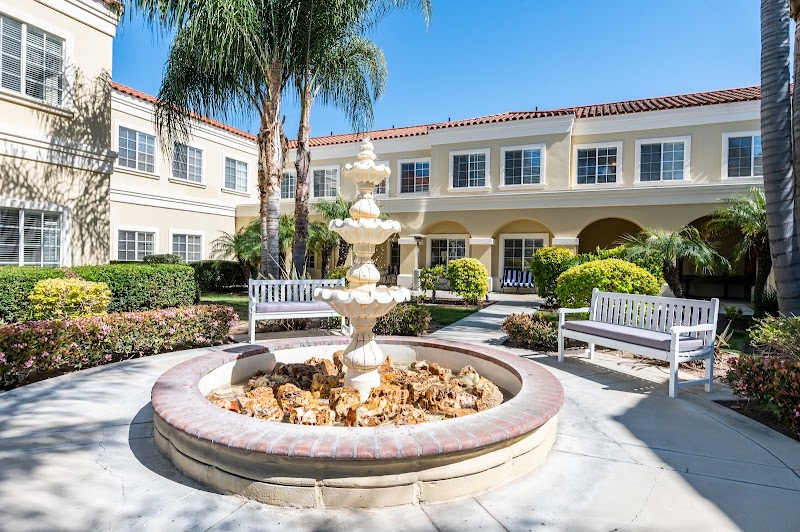
How is San Juan Hills Healthcare Center Staffed?

CMS rates SAN JUAN HILLS HEALTHCARE CENTER's staffing level at 2 out of 5 stars, which is below average compared to other nursing homes. Staff turnover is 30%, compared to the California average of 46%. This relatively stable workforce can support continuity of care.

What Have Inspectors Found at San Juan Hills Healthcare Center?

State health inspectors documented 58 deficiencies at SAN JUAN HILLS HEALTHCARE CENTER during 2022 to 2025. These included: 1 that caused actual resident harm, 49 with potential for harm, and 8 minor or isolated issues. Deficiencies causing actual harm indicate documented cases where residents experienced negative health consequences.
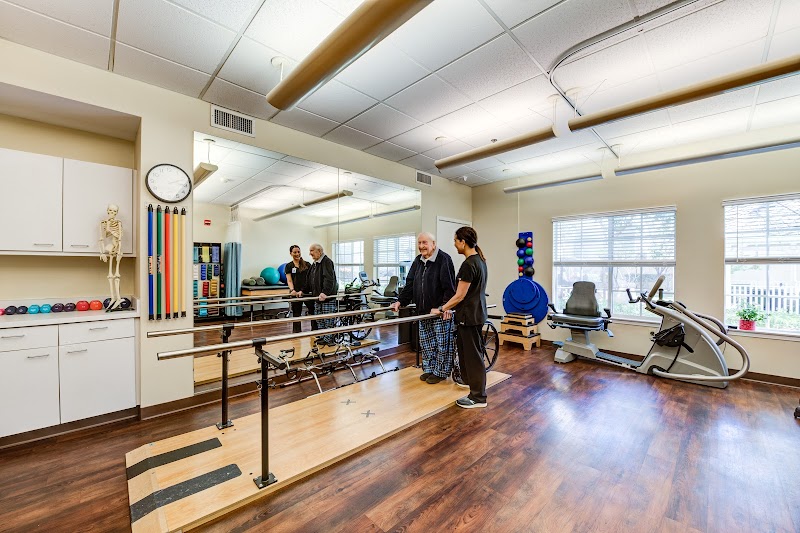
Who Owns and Operates San Juan Hills Healthcare Center?

SAN JUAN HILLS HEALTHCARE CENTER is owned by a for-profit company. For-profit facilities operate as businesses with obligations to shareholders or private owners. The facility is operated by ASPEN SKILLED HEALTHCARE, a chain that manages multiple nursing homes. With 45 certified beds and approximately 42 residents (about 93% occupancy), it is a smaller facility located in SAN JUAN CAPISTRANO, California.

How Does San Juan Hills Healthcare Center Compare to Other California Nursing Homes?

Compared to the 100 nursing homes in California, SAN JUAN HILLS HEALTHCARE CENTER's overall rating (4 stars) is above the state average of 3.2, staff turnover (30%) is significantly lower than the state average of 46%, and health inspection rating (3 stars) is at the national benchmark.

What Should Families Ask When Visiting San Juan Hills Healthcare Center?

Based on this facility's data, families visiting should ask: "Can you walk me through typical staffing levels on day, evening, and night shifts?" "Can I visit during a mealtime to observe dining assistance and food quality?" "How do you handle medical emergencies, and what is your hospital transfer rate?" "Can I speak with family members of current residents about their experience?" These questions are particularly relevant given the below-average staffing rating.

Is San Juan Hills Healthcare Center Safe?

Based on CMS inspection data, SAN JUAN HILLS HEALTHCARE CENTER has a clean safety record: no substantiated abuse findings (meaning no confirmed cases of resident harm), no Immediate Jeopardy citations (the most serious violation level indicating risk of serious injury or death), and is not on the Special Focus Facility watch list (a federal program monitoring the lowest-performing 1% of nursing homes). The facility has a 4-star overall rating and ranks #1 of 100 nursing homes in California. While no facility is perfect, families should still ask about staff-to-resident ratios and recent inspection results during their visit.

Do Nurses at San Juan Hills Healthcare Center Stick Around?

Staff at SAN JUAN HILLS HEALTHCARE CENTER tend to stick around. With a turnover rate of 30%, the facility is 16 percentage points below the California average of 46%. Low turnover is a positive sign. It means caregivers have time to learn each resident's needs, medications, and personal preferences. Consistent staff also notice subtle changes in a resident's condition more quickly. Registered Nurse turnover is also low at 17%, meaning experienced RNs are available to handle complex medical needs.

Was San Juan Hills Healthcare Center Ever Fined?

SAN JUAN HILLS HEALTHCARE CENTER has been fined $3,174 across 1 penalty action. This is below the California average of $33,111. While any fine indicates a compliance issue, fines under $50,000 are relatively common and typically reflect isolated problems that were subsequently corrected. Families should ask what specific issues led to these fines and confirm they've been resolved.

Is San Juan Hills Healthcare Center on Any Federal Watch List?

SAN JUAN HILLS HEALTHCARE CENTER is not on any federal watch list. The most significant is the Special Focus Facility (SFF) program, which identifies the bottom 1% of nursing homes nationally based on persistent, serious quality problems. Not being on this list means the facility has avoided the pattern of deficiencies that triggers enhanced federal oversight. This is a positive indicator, though families should still review the facility's inspection history directly.