VILLAGE SQUARE HEALTHCARE CENTER
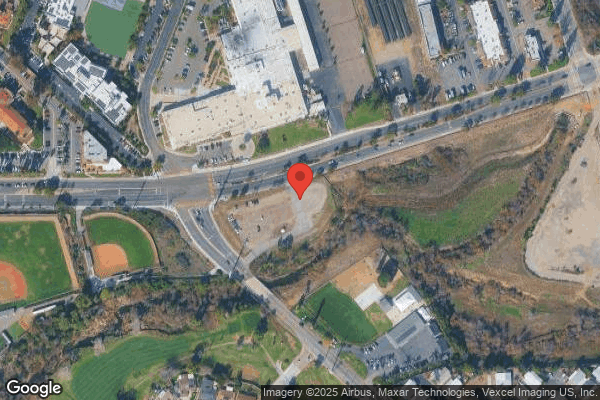
1586 W. SAN MARCOS BLVD, SAN MARCOS, CA 92078 (760) 471-2986
For profit - Partnership 118 Beds MARINER HEALTH CARE Data: November 2025
Trust Grade
70/100
#499 of 1155 in CA
Last Inspection: May 2025

Inspected within the last 6 months. Data reflects current conditions.

Overview

Village Square Healthcare Center in San Marcos, California, has a Trust Grade of B, indicating it is a good choice among nursing facilities. It ranks #499 out of 1155 in California, placing it in the top half of all state facilities, and #55 out of 81 in San Diego County, meaning only a few local options are better. Unfortunately, the facility's performance is worsening, with issues increasing from 2 in 2024 to 9 in 2025. Staffing is average, with a 3/5 star rating and a turnover rate of 44%, which is close to the state average of 38%. On a positive note, the facility has not incurred any fines, which is a good sign, but it does have less RN coverage than 77% of California facilities, potentially impacting resident care. However, there have been specific incidents of concern. For example, dietary staff were found to be preparing food without properly covering their facial hair, which could affect food safety. Additionally, some residents were living in uncomfortable conditions due to malfunctioning televisions and higher-than-necessary room temperatures. Lastly, there were lapses in medication management, including expired drugs being accessible and delays in medication administration, which could have serious implications for resident health. Overall, while there are strengths in staffing and a lack of fines, the facility's recent trends and specific issues raise concerns that families should consider carefully.

Trust Score
B
70/100
In California
#499/1155
Top 43%
Safety Record
Low Risk
No red flags
Inspections
Getting Worse
2 → 9 violations
Staff Stability
○ Average
44% turnover. Near California's 48% average. Typical for the industry.
Penalties
✓ Good
No fines on record. Clean compliance history, better than most California facilities.
Skilled Nurses
⚠ Watch
Each resident gets only 19 minutes of Registered Nurse (RN) attention daily — below average for California. Fewer RN minutes means fewer trained eyes watching for problems.
Violations
⚠ Watch
41 deficiencies on record. Higher than average. Multiple issues found across inspections.
★★★★☆
4.0
Overall Rating
★★★☆☆
3.0
Staff Levels
★★★☆☆
3.0
Care Quality
★★★★☆
4.0
Inspection Score
Stable
2024: 2 issues
2025: 9 issues

The Good

  • Full Sprinkler Coverage · Fire safety systems throughout facility
  • No fines on record
  • Staff turnover below average (44%)

    4 points below California average of 48%

Facility shows strength in fire safety.

The Bad

Staff Turnover: 44%

Near California avg (46%)

Typical for the industry

Chain: MARINER HEALTH CARE

Part of a multi-facility chain

Ask about local staffing decisions and management

The Ugly 41 deficiencies on record

Jun 2025 1 deficiency
CONCERN (D) 📢 Someone Reported This

A family member, employee, or ombudsman was alarmed enough to file a formal complaint

Potential for Harm - no one hurt, but risky conditions existed

Pressure Ulcer Prevention (Tag F0686)

Could have caused harm · This affected 1 resident

**NOTE- TERMS IN BRACKETS HAVE BEEN EDITED TO PROTECT CONFIDENTIALITY** Based on observation, interview and record review , the facility failed to ensure a low air loss mattress (help prevent skin bre...

Read full inspector narrative →
**NOTE- TERMS IN BRACKETS HAVE BEEN EDITED TO PROTECT CONFIDENTIALITY** Based on observation, interview and record review , the facility failed to ensure a low air loss mattress (help prevent skin breakdown) was in placed or implemented for one of one resident (Resident 1) with a pressure ulcer (localized injury to the skin). This failure had the potential to worsen Resident 1's skin injury. Findings. Per the facility's admission Record , Resident 1 was admitted to the facility on [DATE] with diagnoses which included Pressure Ulcer of sacral (area of the lower back) region, unstageable and Functional Quadriplegia (paralysis affecting all limbs and torso). On 6/26/25 at 11:20 A.M., an interview with Resident 1 was conducted. Resident 1 stated she had complained to a certified nursing assistant (CNA) to checked if the settings were right on the air-loss mattress on her bed. The CNA stated there was a regular mattress on Resident 1's bed and no air-loss mattress. A record review of Resident 1's minimum data set (MDS- a federally mandated assessment tool) dated 5/31/25 indicated Resident 1's brief interview for mental status (BIMS) was 15 which meant Resident 1's cognition (thought process) was intact. On 6/26/25 at 10:45 A.M., an interview with the Treatment Nurse (TXN) was conducted . The TXN stated she did Resident 1's treatment to her wounds daily and that Resident 1 had a low air-loss mattress on her bed for offloading and to aid in healing. The TXN stated the nurses had to check and sign that the low air-loss mattress was on Resident 1's bed. The TXN stated she was not aware that the air-loss mattress was missing for weeks until Resident 1 reported it to the Director of Nursing (DON). On 6/26/25 at 11:00 A.M., an interview and record review with Licensed Nurse (LN) 1 was conducted . LN 1 stated, per the Physician's order report dated 5/5/25 indicated orders for a low air-loss mattress for skin management and prevention and to Monitor for functioning and settings every shift. LN 1 stated she was not aware that Resident 1's air-loss mattress had been missing for weeks. LN 1 stated the treatment nurses should have checked the air-loss mattress before signing it when they did Resident 1's treatment on her wounds. LN 1 stated license nurses were signing off the Treatment Administration Record (TAR) for the low air-loss placement and settings for the months of May and June 25 without checking. A record review of Resident 1's care plan dated 2/11/25, category- pressure ulcer , indicated one of the approaches was a LAL (low air-loss) mattress for skin management and prevention and to monitor for functioning and settings every shift. On 6/26/25 at 12 P.M., an interview with the DON was conducted. The DON stated the low air-loss mattress might have been switched to another bed instead of Resident 1's room which was 207 B. The DON stated 207 B does not need an air-loss mattress since 207B did not have any skin issues. The DON stated it was important to have the air-loss mattress on Resident 1's bed due to Resident 1's multiple skin issues that would aid in wound healing. A review of the facility's undated policy titled, Pressure Ulcer Injury & Skin Care Management indicated .Procedure .#8 The interdisciplinary team .c. considers and includes interventions for pressure ulcer/injury prevention and treatment .d. implements treatment procedures in accordance with professional standards of practice.
May 2025 3 deficiencies
CONCERN (D)

Potential for Harm - no one hurt, but risky conditions existed

Resident Rights (Tag F0550)

Could have caused harm · This affected 1 resident

Based on observation, interview, record review, and facility policy review, the facility failed to provide healthcare in a dignified manner when Resident #265 was left exposed during the provision of ...

Read full inspector narrative →
Based on observation, interview, record review, and facility policy review, the facility failed to provide healthcare in a dignified manner when Resident #265 was left exposed during the provision of incontinence care and staff stood while they fed Resident #39. These deficient practice affected 2 (Resident #39 and Resident #265) of 2 sampled residents reviewed for dignity. Findings included: 1. An undated facility policy titled, Quality of Life - Dignity indicated, 10. Staff promote, maintain, and protect resident privacy, including bodily privacy during assistance with personal care and during treatment procedures. A Resident Face Sheet indicated the facility admitted Resident #265 on 04/22/2025. According to the Resident Face Sheet, the resident had a medical history that included a diagnosis of end stage renal disease. An admission Minimum Data Set (MDS), with an Assessment Reference Date of 04/28/2025, revealed Resident #265 had a Brief Interview for Mental Status (BIMS) score of 15, which indicated the resident had intact cognition. The MDS indicated the resident was dependent on staff for toileting hygiene and was frequently incontinent of bowel and bladder. Resident #265's Care Plan included a problem statement initiated 04/30/2025 that indicated the resident was frequently incontinent of bowel and always incontinent of urine. Interventions directed staff to clean and dry the resident's skin after each incontinent episode (initiated 04/30/2025). During an observation on 05/14/2025 at 8:43 AM, Certified Nursing Assistant (CNA) #6 removed Resident #265 from the nurses' station and tool the resident to their room to change the resident's incontinence brief. The door to Resident #265's room was left opened and the resident was noted with their pants and incontinence brief down and their buttocks exposed to the hallway. CNA #6 then left the resident's room and returned with two clean incontinence briefs in his hand. During an interview on 05/14/2025 at 9:02 AM, CNA #6 stated he was trained to provide privacy and dignity during the provision of resident care, to include the pulling of the privacy curtain and the closure of the resident's room door. CNA #6 stated he realized that he left Resident #265's room door opened and the privacy curtain was not pulled around the resident's bed. According to CNA #6, he left Resident #265s's room to go and use the restroom and retrieve supplies. CNA #6 stated he should have pulled the resident's privacy curtain around the resident's bed and closed the room door. CNA #6 stated he knew what he needed to do but was rushing. During an interview on 05/14/2025 at 9:04 AM, Resident #265 stated CNA #6 told them he was going to change their incontinence brief. Resident #265 stated they turned to their right and held onto the siderail, then CNA #6 left them for more than five minutes, while they had their pants down. Resident #265 stated they did not like that and that CNA #6 should have pulled their privacy curtain around their bed or closed their room door so that people who walked by could not see them with their pants down. During an interview on 05/14/2025 at 9:10 AM, the Director of Staff Development stated if a staff member was providing care to a resident and had to leave, the resident should be left in a dignified manner and have their privacy curtain pulled around the resident's bed, the resident room door closed, and some type of covering placed over the resident. During an interview on 05/14/2025 at 11:22 AM, Licensed Vocational Nurse #2 stated if a staff member had to leave a resident in bed to get supplies, the staff member should leave the resident in a low bed, with their call light within reach, and the resident should be covered to promote dignity. During an interview on 05/15/2025 at 9:43 AM, the Director of Nursing stated a resident should never be left in a bed exposed with their privacy curtain not pulled and their room door opened. During an interview on 05/15/2025 at 9:46 AM, the Administrator stated a resident's privacy curtain should have been pulled around the resident's bed and their door closed to provide dignity to the resident. The Administrator stated he expected staff to provide proper healthcare in a dignified manner. 2. An undated facility policy titled, Assisting the Resident to Eat indicated, 11. Assist the resident as necessary. If the resident needs to be fed: a. Sit at eye level in front of the resident. A Resident Face Sheet indicated the facility admitted Resident #39 on 09/09/2016. According to the Resident Face Sheet, the resident had a medical history that included diagnoses of hemiplegia and hemiparesis following a cerebral infarction affecting the left non-dominant side and dementia. Resident #39's Care Plan included a problem stated initiated 07/20/2017, that indicated the resident had impaired communication. Interventions directed staff to position themselves where the resident could visualize their face (initiated 07/20/2017). A quarterly Minimum Data Set (MDS), with an Assessment Reference Date of 04/13/2025, revealed Resident #39 had a Brief Interview for Mental Status (BIMS) score of 2, which indicated the resident had severe cognitive impairment. The MDS indicated the resident was dependent on staff for eating. During an observation on 05/14/2025 at 8:18 AM, Certified Nursing Assistant (CNA) #7 stood to the right of Resident #39 while she fed the resident, who was in bed, breakfast. CNA #7 was noted to bend to offer the resident food and/or drink and Resident #39 had to turn their head to receive the food and/or drink from CNA #7. During an interview on 05/14/2025 at 8:28 AM, CNA #7 stated she was trained to sit next to the resident to feed them. CNA #7 confirmed she did not sit when she fed Resident #39 because there was not chair in the resident's room. During an interview on 05/14/2025 at 8:39 AM, Licensed Vocational Nurse (LVN) #1 stated Resident #39 had to be fed by the staff. According to LVN #1, staff should be seated when they fed the resident for the resident's dignity and positioning. LVN #1 stated she observed Resident #39 being fed at an angle while CNA #7 stood, but noted she did not correct the staff's position. LVN #1 stated if there was not a chair in the resident's room, CNA #7 should have asked for one. During an interview on 05/14/2025 at 9:10 AM, the Director of Staff Development stated staff should be seated when they feed a resident who is in bed to provide dignity in the dining experience. During an interview on 05/15/2025 at 9:43 AM, the Director of Nursing (DON) stated staff should not stand over a resident to assist with dining but sit next to the resident at eye level to make the resident feel comfortable. The DON stated it was very intimidating to a resident to have someone stand over them and that it was not a dignified dining experience. The DON said it was a dignified dining experience when staff were seated so that the resident did not feel rushed. The DON stated that if a staff member did not have a chair, they should get a chair or a stool and be seated. During an interview on 05/15/2025 at 9:46 AM, the Administrator stated he expected staff to feed residents at eye level to provide proper healthcare assistance in a dignified manner.
CONCERN (D)

Potential for Harm - no one hurt, but risky conditions existed

Deficiency F0554 (Tag F0554)

Could have caused harm · This affected 1 resident

Based on observation, interview, record review, and facility policy review, the facility failed to assess a resident for their ability to self-administer their medication for 1 (Resident #171) of 25 s...

Read full inspector narrative →
Based on observation, interview, record review, and facility policy review, the facility failed to assess a resident for their ability to self-administer their medication for 1 (Resident #171) of 25 sampled residents. Findings included: An undated facility policy titled, Self-Administration of Medications indicated, 2. If a resident desires to participate in self-administration, the interdisciplinary team will assess the ability of the resident to participate, by completing a Resident Self Administration of Medication assessment. A Resident Face Sheet revealed the facility admitted Resident #171 on 02/22/2025. According to the Resident Face Sheet, the resident had a medical history that included diagnoses of chronic obstructive pulmonary disease (COPD) and pneumonia. A significant change in status Minimum Data Set (MDS), with an Assessment Reference Date (ARD) of 05/09/2025, revealed Resident #171 had a Brief Interview for Mental Status (BIMS) score of 15, which indicated the resident had intact cognition. Resident #171's Physician Order Report for the timeframe 05/01/2025 - 05/31/2025, revealed an order dated 03/05/2025, for budesonide suspension 0.5 milligram per 2 milliliter (ml), inhale 2 ml once a day for COPD. The Physician Order Report did not specify the resident was able to self-administer their budesonide inhaler. During a concurrent observation and interview on 05/13/2025 at 9:48 AM, the surveyor noted an inhaler on Resident #171's bedside table. Resident #171 stated the inhaler was for their COPD and emphysema. Per Resident #171, yes they know I have it. Resident #171 stated they used the inhaler whenever they needed it. During an interview on 05/14/2025 at 1:28 PM, Certified Nursing Assistant #8 confirmed Resident #171 kept their inhaler at their bedside and she saw the resident self-administer the inhaler. During an interview on 05/14/2025 at 2:00 PM, Licensed Vocational Nurse (LVN) #10 stated there was a form that had to be completed and approved by a doctor before a resident was allowed to self-administer their medication. LVN #10 stated if Resident #171 wanted their inhaler, they were supposed to call the nurse so that the nurse would administer the medication. Per LVN #10, she had never seen Resident #171 with an inhaler. During an interview on 05/15/2025 at 8:44 AM, Registered Nurse (RN) #9 stated a resident would need to have an assessment, along with a physician's order before they were allowed to self-administer or keep any of their medication. RN #9 stated she was not familiar with Resident #171 but if the resident did not have an order or an assessment, the resident should not have an inhaler in their possession. During an interview on 05/15/2025 at 9:16 AM, the Director of Nursing (DON) confirmed the albuterol inhaler was removed from Resident #171's possession and stated the facility would provide an all hands education regarding self-administration of medications. The DON stated it was her expectation that prior to self-administration, residents were assessed and a physician order was obtained.
CONCERN (F)

Potential for Harm - no one hurt, but risky conditions existed

Food Safety (Tag F0812)

Could have caused harm · This affected most or all residents

Based on observation, interview, and facility policy review, the facility failed to ensure dietary staff covered their facial hair during meal preparation, cold food items were held on the tray line a...

Read full inspector narrative →
Based on observation, interview, and facility policy review, the facility failed to ensure dietary staff covered their facial hair during meal preparation, cold food items were held on the tray line at temperature of 41 degrees Fahrenheit (F) or below, expired food items were discarded, and items in the walk-in freezer were stored in a manner to prevent freezer burn. These deficient practices had the potential to affect all residents who received food from the kitchen. Findings included: 1. A facility policy titled, Personal Hygiene dated 2018, indicated, 6. Beards and or mustaches should be covered during meal preparation and service. During an observation on 05/12/2025 at 8:55 AM, [NAME] #3 prepared fish with his facial hair uncovered. During an observation on 05/12/2025 from 11:38 AM until 11:46 AM, [NAME] #3 took the temperature of the food on the lunch tray line and plated food while their facial hair was not covered. During an observation on 05/13/2025 at 11:50 AM, [NAME] #3 served hot lunch food items and his facial hair was not covered During a concurrent observation and interview on 05/13/2025 at 2:05 PM, [NAME] #4 placed dinner rolls on a sheet pan and his facial hair was uncovered. [NAME] #4 stated he was trained to cover his facial hair but forgot to put on a face cover on. During an interview on 05/13/2025 at 2:07 PM, the Dietary Director (DD) stated staff with facial hair should wear a face cover to protect their hair from getting in the food. The DD stated she expected staff with facial hair to wear a face cover or be clean shaven. During an interview on 05/14/2025 at 11:13 AM, the Registered Dietitian stated she expected all staff with facial hair to wear a face cover, either a beard guard or a surgical mask, or be clean shaven, especially the cooks. During an interview on 05/15/2025 at 9:00 AM, [NAME] #3 stated he was never told to wear a cover for his facial hair. During an interview on 05/15/2025 at 9:43 AM, the Director of Nursing stated she expected dietary staff with facial hair to wear a face cover or to shave. During an interview on 05/15/2025 at 9:46 AM, the Administrator stated he expected staff with visible facial hair to wear a face cover like a beard guard or a surgical mask. 2. The 2022 Food Code published by the United States Food and Drug Administration, indicated, 3-501.16 Time/Temperature Control for Safety Food, Hot and Cold Holding, (A) Except during preparation, cooking, or cooling, or when time is used as the public health control as specified under §3-501.19, and except as specified under [paragraph mark] (B) and in [paragraph mark] (C) of this section, Time/Temperature Control For Safety Food shall be maintained: (1) At 57 [degrees] C [Celsius] (135 [degrees] F [Fahrenheit] of above, expect roasts cooked to a temperature and for a time specified in [paragraph mark] 3-403.11(E) may be held at a temperature of 54 [degrees] C (130 [degrees] F) or above; or (2) At 5 [degrees] C (41 [degrees] F) of less. During a concurrent interview and observation of the lunch tray line on 05/13/2025 at 11:45 AM, [NAME] #3, in the presence of the Dietary Director (DD), took the food temperature of the tossed salad that contained lettuce and tomato and the temperature was 55 degrees F. At 11:46 AM, [NAME] #3 took the temperature of the peach yogurt and stated the temperature was 55 degrees F. Once the temperatures were taken, Dietary Aide (DA) #11 informed the Staffing Coordinator (SC) that the cart is ready. The surveyor asked that the temperature of the peach yogurt be taken again and the DD obtained the temperature and stated it was 51.7 degrees F, but it should be 41 degrees F or below. The DD stated she did not have an answer for that when asked why she did not intervene when it was brought to her attention that the food items were above 41 degrees F. During an interview on 05/13/2025 at 12:10 PM, [NAME] #3 stated he was trained that cold foods should leave the kitchen at 41 degrees F or below. When asked why he did not intervene when he obtained food temperatures that were above 41 degrees F, [NAME] #3 stated he did not have a reason. During an interview on 05/13/2025 at 2:07 PM, the DD stated if staff identified cold food items whose temperature was too high, the staff should get rid of the food item. During an interview on 05/13/2025 at 2:20 PM, the SC stated she did not see the cold food temperature monitoring. Per the SC, she expected staff to replace a food item if the temperature was too high with a new food item that had a temperature of 41 degrees F or below. During an interview on 05/14/2025 at 11:13 AM, the Registered Dietician stated she expected the dietary staff to keep cold food items at 41 degrees F or below on the tray line. During an interview on 05/15/2025 at 9:43 AM, the Director of Nursing stated she expected the dietary staff to follow the protocol for what is an appropriate cold/warm temperature for a food item to be served at. During an interview on 05/15/2025 at 9:46 AM, the Administrator stated he expected cold food items to leave the kitchen at a temperature of 41 degrees F or below. 3. During an observation on 05/12/2025 at 9:18 AM, there were nine pre-boiled eggs in the refrigerator in a plastic bag with a use-by-date of 05/11/2025. During an interview on 05/13/2025 at 2:41 PM, the Dietary Director stated staff were expected to monitor cold storage for expired items, and she monitored cold/frozen storage most every day. The DD stated that she checked cold/frozen storage for expired foods when she completed her food order and when foods were put away after delivery. During an interview on 05/15/2025 at 9:43 AM, the Director of Nursing stated she expected food stored in the refrigerator and freezer to be removed when expired. During an interview on 05/15/2025 at 9:46 AM, the Administrator stated he expected food stored in the refrigerator and freezer to be removed when expired. 4. A facility policy titled, Freezer Storage dated 2018, indicated, 5. All foods should be stored in an airtight moisture-resistant wrapper such as a plastic bag or freezer paper to prevent freezer burn. During a concurrent interview and observation of the walk-in-freezer on05/12/2025 at 9:25 AM, there was a 30-pound box of corn kernels in a plastic bag that was loosely rolled down and opened to air. The Dietary Director (DD) stated the bag and box of corn kernels should both have been sealed tightly so that the food was not left opened to air. Also noted in the walk-in freezer was a case of chick breasts stored in a plastic bag that was opened to air. The DD stated staff removed a few items from the box and did not close the bag back. The DD stated that the bag and box of chicken should both have been sealed tightly so that the food was not left opened to air. During an interview on 05/13/2025 at 2:41 PM, the DD stated staff should put items in a storage bag, wrap them in plastic wrap, or place them in a storage container that should be sealed. During an interview on 05/15/2025 at 9:43 AM, the Director of Nursing stated she expected food stored in the refrigerator and freezer to be stored covered. During an interview on 05/15/2025 at 9:46 AM, the Administrator stated he expected food stored in the refrigerator and freezer to be stored covered.
Mar 2025 1 deficiency
CONCERN (D) 📢 Someone Reported This

A family member, employee, or ombudsman was alarmed enough to file a formal complaint

Potential for Harm - no one hurt, but risky conditions existed

Notification of Changes (Tag F0580)

Could have caused harm · This affected 1 resident

**NOTE- TERMS IN BRACKETS HAVE BEEN EDITED TO PROTECT CONFIDENTIALITY** Based on interview and record review, the facility failed to notify the family of a change in health status for one resident (1)...

Read full inspector narrative →
**NOTE- TERMS IN BRACKETS HAVE BEEN EDITED TO PROTECT CONFIDENTIALITY** Based on interview and record review, the facility failed to notify the family of a change in health status for one resident (1). As a result, it affects timely intervention and family ' s decision making to be involved in the care planning and address concern. Findings: Resident 1 was admitted to the facility on [DATE], with diagnoses which included metastatic prostate cancer to liver and lymph nodes (cancer cells spread to liver and lymph nodes) and deep vein thrombosis on right lower extremity (blood clot that travels and stuck in a vein), per the facility's Face Sheet. On 1/23/25, an unannounced visit to the facility was conducted in response to a complaint about an allegation that the family was not notified of the resident ' s change in condition and fall. A review of Resident 1 ' s face sheet indicated, the brother was the emergency contact and responsible party (RP). A review of Resident 1's nursing progress note, dated 1/8/25, indicated Resident 1 became unresponsive, called 911, and transferred out to an acute hospital. During an interview on 1/23/25 at 11:30 A.M. and 11:45 A.M., with the Administrator (ADM) and the Director of Nursing (DON), the ADM acknowledged the facility failed to inform the RP when Resident 1 was transferred to the hospital due to change in condition. The DON stated that Resident 1 ' s contact information included the brother and the sister. During an interview on 1/23/25 at 12:20 P.M. with the Licensed Nurse (LN) 1, LN1 stated that when a resident had a change in condition, resident ' s family would be notified. During an interview on 1/23/25 at 12:56 P.M. with the Social Service Director (SSD), the SSD stated Resident 1 ' s brother was involved with the resident ' s care and was not contacted when Resident 1 was transferred to the hospital. During an interview on 1/23/25 at 1:40 P.M., with LN 2, LN 2 stated Resident 1 ' s brother would come and visit the resident. When resident had a change in condition, the staff should have contacted and inform the family. During a phone interview on 1/30/25 at 2:50 P.M., with certified nursing assistant (CNA) 3, CNA 3 stated he was assigned to Resident 1. CNA 3 stated that he was in the room talking to Resident 1 when the resident suddenly fell back on his bed and became unresponsive. CNA 3 stated he asked for assistance and licensed nurse came in the room. Resident 1 was transferred to the hospital on 1/8/25. During an interview on 1/23/25 at 2:15 P.M. with the ADM and the DON, the ADM and DON stated, staff should have notified the family when Resident 1 was transferred to the hospital, but they did not. During a phone interview on 3/4/25 at 10:42 A.M., with LN 4, LN 4 acknowledged that she should have contacted the family when Resident 1 was transferred to the hospital, but she did not. A review of the facility's policy and procedure, titled, Changes in Resident Condition, undated, indicated . The resident, attending Physician and resident representative (if resident has no capacity to make health care decisions or if resident opts to notify a designated family member) are notified when changes in condition or certain events occur
Feb 2025 3 deficiencies
CONCERN (D) 📢 Someone Reported This

A family member, employee, or ombudsman was alarmed enough to file a formal complaint

Potential for Harm - no one hurt, but risky conditions existed

Resident Rights (Tag F0550)

Could have caused harm · This affected 1 resident

**NOTE- TERMS IN BRACKETS HAVE BEEN EDITED TO PROTECT CONFIDENTIALITY** Based on observation, interview and record review, the facility failed to promote dignity for one of 10 sampled residents (Resid...

Read full inspector narrative →
**NOTE- TERMS IN BRACKETS HAVE BEEN EDITED TO PROTECT CONFIDENTIALITY** Based on observation, interview and record review, the facility failed to promote dignity for one of 10 sampled residents (Resident 9) when Certified Nursing Assistant (CNA) 1 was observed standing over Resident (9) while assisting in bed to eat. This deficient practice had the potential to not promote dignity and respect for Resident 9 to cause emotional distress. Findings: A review of Resident 9's admission Record indicated, Resident 9 was admitted to the facility on [DATE] with diagnoses which included history of schizoaffective disorder (a mental health disorder with a mix of hallucinations and delusions). A record review of Resident 9's minimum data set (MDS - a federally mandated resident assessment tool) dated 12/18/24 indicated, a Brief Interview for Mental Status (BIMS- developed by reviewing the resident's status during the prior seven-day period) score of 15 points out of 15 possible points which indicated Resident 9 did not have cognitive (pertaining to memory, judgement and reasoning ability) deficits. On 2/26/25 at 1:11 P.M., an observation was conducted inside of Resident 9 ' s room. CNA 1 was standing over Resident 9 at the side of the bed while feeding Resident 9 in bed. Resident 9 later threw a pitcher across the room toward her roommate ' s side of the room which landed on the floor, and rolled outside of Resident 9 ' s room. On 2/26/25 at 1:13 A.M., an interview was conducted with Licensed Nurse (LN) 2. LN 2 stated Resident 9 is alert but will make non-sensical statements and say random things while talking to her and usually not able to answer questions fully. LN 1 stated CNA 1 should be sitting down at eye-level while feeding Resident 9 to promote dignity and respect. On 2/28/25 at 10:53 A.M., an interview was conducted with CNA 1, in the conference room. CNA 1 stated she was also an restorative nurse assistant (RNA) and does RNA exercises with Resident 9. CNA 1 stated she was helping Resident 9 because Resident 9 had a hard time getting food on her spoon. CNA 1 stated while Resident 9 was eating she was talking about peasants and that did not make sense. CNA 1 stated Resident 9 can also get physical with staff. CNA 1 stated she should have gotten a chair when she was feeding Resident 9 to be at an eye-level which promoted dignity and better communication. On 2/28/25 at 11:40 P.M., an interview was conducted with the Director of Nursing (DON). The DON stated standing over a resident while feeding them can be intimidating for any resident. The DON stated her expectations were for the nursing staff to promote dignity while feeding residents by not standing over them and making eye-contact to promote dignity and respect. A review of the undated facility ' s policy and procedure titled, ASSISTING THE RESIDENT TO EAT indicated, .If the resident needs to be fed: a. Sit at eye level in front of the resident .
CONCERN (D) 📢 Someone Reported This

A family member, employee, or ombudsman was alarmed enough to file a formal complaint

Potential for Harm - no one hurt, but risky conditions existed

Deficiency F0694 (Tag F0694)

Could have caused harm · This affected 1 resident

**NOTE- TERMS IN BRACKETS HAVE BEEN EDITED TO PROTECT CONFIDENTIALITY** Based on observation, interview, and record review, the facility failed to follow the physician ' s order to infuse the intraven...

Read full inspector narrative →
**NOTE- TERMS IN BRACKETS HAVE BEEN EDITED TO PROTECT CONFIDENTIALITY** Based on observation, interview, and record review, the facility failed to follow the physician ' s order to infuse the intravenous fluid [IVF] (IV- plastic tube inserted in the vein to deliver hydration, medications or nutrition) within 20-hour time for one of 10 residents (Resident 2) receiving an IVF. As a result, Resident 2's IV fluid was consumed over 26 hours. In addition, the IV tubing was not labeled with date and time it was used. This deficient practice had the potential for Resident 2 to experience IV related complications and infections that would impact resident's health and well-being. Findings: A review of Resident 2's admission Record indicated; Resident 2 was admitted to the facility on [DATE] with diagnoses which included history of heart failure (when the heart muscle doesn't pump blood as well as it should). A record review of Resident 2's minimum data set (MDS - a federally mandated resident assessment tool) dated 2/2/25 indicated, a Brief Interview for Mental Status (BIMS- developed by reviewing the resident's status during the prior seven-day period) score of 15 points out of 15 possible points indicated, Resident 2 did not have cognitive (pertaining to memory, judgement and reasoning ability) deficits. A review of Resident 2 ' s physician's orders dated, 2/26/25 indicated, .sodium chloride 0.9 % parenteral solution; amt: 50 ml [milliliters]/[per] hr [hour]; intravenous Special Instructions: 1 liter for HYPERKALEMIA [high potassium: a mineral that is essential to the human body] . On 2/26/25 at 2:10 P.M., a concurrent observation and interview was conducted with Resident 2, in Resident 2 ' s room. Resident 2 had an IV on his left hand with Sodium Chloride 0.9% via IVF controlled by a flow regulator. Resident 2 stated the IVF was started in the morning. Resident 2 had a remaining IVF of approximately 700 ml in the bag. The IV tubing was not labeled with date and time it was used. On 2/27/25 at 12:05 P.M., an observation was conducted on Resident 2 ' s IVF, in Resident 2 ' s room. Resident 2 ' s IVF contained approximately 300 ml of fluid remaining in the bag. On 2/28/25 at 11:11 A.M., an interview and record review was conducted with Licensed Nurse (LN) 1, in the conference room. LN 1 stated she was the IV nurse for Resident 2. LN 1 stated Resident 2 had an order for IVF dated 2/26/25 for 1 litter (1000 ml) of Sodium Chloride 0.9% at 50 ml/hr. LN 1 stated the IVF should have been infused within 20 hours. LN 1 stated that Resident 2 ' s IVF was started at 9:45 A.M. and should have been completed by 5:45 A.M. on 2/27/25 during the night shift. The IVF had been running over 26 hours. LN 1 stated Resident 2 ' s IV site and IVF should have been monitored for complications such as IV site pain, redness, inflammation (immune response to infection or irritation), third spacing caused by IV not being in the vein, or IV tubing/line blockages. LN 1 stated an IVF that has been on for too long or too slow of a flow could lead to irritation and infection on Resident 2 ' s hand and an inadequate IVF to be administered as prescribed. LN 1 further stated that Resident 2 ' s IV tubing should have been labeled for infection control measures. On 2/28/25 at 11:58 A.M., an interview with the Director of Nursing (DON) was conducted. The DON stated the RNs could have identified any IVF flow issues or complications such as inadequate fluid delivery, phlebitis [inflammation of the vein, and/or infiltration [leaking from the vein in surrounding tissues] and infection. The DON stated Resident 2 ' s IV tubing should have been labeled with date and time to determine when to replace the tubing to prevent infection control issues. The DON stated Resident 2 ' s IV fluid should have been completed timely and discarded appropriately as prescribed within 20 hours (5:45 A.M. on 2/27/25) and not over 26 hours (12:05 P.M. on 2/27/25). A review of the facility ' s policy and procedure titled IV THERAPY undated indicated, .Once started, completely use all parenteral fluids within 24 hours, or discard .
CONCERN (D) 📢 Someone Reported This

A family member, employee, or ombudsman was alarmed enough to file a formal complaint

Potential for Harm - no one hurt, but risky conditions existed

Infection Control (Tag F0880)

Could have caused harm · This affected 1 resident

**NOTE- TERMS IN BRACKETS HAVE BEEN EDITED TO PROTECT CONFIDENTIALITY** Based on observation, interview, and record review, the facility failed to follow the physician ' s order to infuse the intraven...

Read full inspector narrative →
**NOTE- TERMS IN BRACKETS HAVE BEEN EDITED TO PROTECT CONFIDENTIALITY** Based on observation, interview, and record review, the facility failed to follow the physician ' s order to infuse the intravenous fluid [IVF] (IV- plastic tube inserted in the vein to deliver hydration, medications or nutrition) within 20-hour time for one of 10 residents (Resident 2) receiving an IVF. As a result, Resident 2's IV fluid was consumed over 26 hours. In addition, the IV tubing was not labeled with date and time it was used. This deficient practice had the potential for Resident 2 to experience IV related complications and infections that would impact resident's health and well-being. Findings: A review of Resident 2's admission Record indicated; Resident 2 was admitted to the facility on [DATE] with diagnoses which included history of heart failure (when the heart muscle doesn't pump blood as well as it should). A record review of Resident 2's minimum data set (MDS - a federally mandated resident assessment tool) dated 2/2/25 indicated, a Brief Interview for Mental Status (BIMS- developed by reviewing the resident's status during the prior seven-day period) score of 15 points out of 15 possible points indicated, Resident 2 did not have cognitive (pertaining to memory, judgement and reasoning ability) deficits. A review of Resident 2 ' s physician's orders dated, 2/26/25 indicated, .sodium chloride 0.9 % parenteral solution; amt: 50 ml [milliliters]/[per] hr [hour]; intravenous Special Instructions: 1 liter for HYPERKALEMIA [high potassium: a mineral that is essential to the human body] . On 2/26/25 at 2:10 P.M., a concurrent observation and interview was conducted with Resident 2, in Resident 2 ' s room. Resident 2 had an IV on his left hand with Sodium Chloride 0.9% via IVF controlled by a flow regulator. Resident 2 stated the IVF was started in the morning. Resident 2 had a remaining IVF of approximately 700 ml in the bag. The IV tubing was not labeled with date and time it was used. On 2/27/25 at 12:05 P.M., an observation was conducted on Resident 2 ' s IVF, in Resident 2 ' s room. Resident 2 ' s IVF contained approximately 300 ml of fluid remaining in the bag. On 2/28/25 at 11:11 A.M., an interview and record review was conducted with Licensed Nurse (LN) 1, in the conference room. LN 1 stated she was the IV nurse for Resident 2. LN 1 stated Resident 2 had an order for IVF dated 2/26/25 for 1 litter (1000 ml) of Sodium Chloride 0.9% at 50 ml/hr. LN 1 stated the IVF should have been infused within 20 hours. LN 1 stated that Resident 2 ' s IVF was started at 9:45 A.M. and should have been completed by 5:45 A.M. on 2/27/25 during the night shift. The IVF had been running over 26 hours. LN 1 stated Resident 2 ' s IV site and IVF should have been monitored for complications such as IV site pain, redness, inflammation (immune response to infection or irritation), third spacing caused by IV not being in the vein, or IV tubing/line blockages. LN 1 stated an IVF that has been on for too long or too slow of a flow could lead to irritation and infection on Resident 2 ' s hand and an inadequate IVF to be administered as prescribed. LN 1 further stated that Resident 2 ' s IV tubing should have been labeled for infection control measures. On 2/28/25 at 11:58 A.M., an interview with the Director of Nursing (DON) was conducted. The DON stated the RNs could have identified any IVF flow issues or complications such as inadequate fluid delivery, phlebitis [inflammation of the vein, and/or infiltration [leaking from the vein in surrounding tissues] and infection. The DON stated Resident 2 ' s IV tubing should have been labeled with date and time to determine when to replace the tubing to prevent infection control issues. The DON stated Resident 2 ' s IV fluid should have been completed timely and discarded appropriately as prescribed within 20 hours (5:45 A.M. on 2/27/25) and not over 26 hours (12:05 P.M. on 2/27/25). A review of the facility ' s policy and procedure titled IV THERAPY undated indicated, .Once started, completely use all parenteral fluids within 24 hours, or discard .
Feb 2025 1 deficiency
CONCERN (D) 📢 Someone Reported This

A family member, employee, or ombudsman was alarmed enough to file a formal complaint

Potential for Harm - no one hurt, but risky conditions existed

Deficiency F0559 (Tag F0559)

Could have caused harm · This affected 1 resident

**NOTE- TERMS IN BRACKETS HAVE BEEN EDITED TO PROTECT CONFIDENTIALITY** Based on observations, interviews, and record reviews, the facility failed to ensure a written notice and reason for the bed cha...

Read full inspector narrative →
**NOTE- TERMS IN BRACKETS HAVE BEEN EDITED TO PROTECT CONFIDENTIALITY** Based on observations, interviews, and record reviews, the facility failed to ensure a written notice and reason for the bed change was given to a roommate (Resident 6), for one of five residents (Resident 3) who required a bed change. This deficient practice had the potential to negatively affect Resident 6's rights and preferences for a new roommate from the bed change. Findings: A review of Resident 3's admission Record indicated Resident 6 was re-admitted to the facility on [DATE] with diagnoses which included a history of diabetes (DM-a disorder characterized by difficulty in blood sugar control and poor wound healing). A record review of Resident 3's minimum data set (MDS - an assessment tool) dated 12/13/24 indicated, a Brief Interview for Mental Status (BIMS - a cognitive assessment to quickly a resident's mental status and identify potential cognitive impairments with a score of 0 -15) score of 14 out of 15 (13-15 indicated intact cognitive function) indicated, Resident 3 had no cognition (pertaining to memory, judgement and reasoning ability) deficits. On 2/27/25 at 11:31 A.M., an interview was conducted with Resident 3 (Resident 6's former roommate), in Resident 3's room. Resident 3 stated the room change was convenient because he had dialysis (a medical treatment that removes waste products and excess fluid from the blood when the kidneys are unable to do so) three times per week on Tuesday, Thursday, and Saturday. Resident 3 stated due to the non-working elevators, the second floor had access to a ramp for transportation services during his appointments for pick up and drop off. On 2/27/25 a record review was conducted on Resident 6's medical records. There was no written bed change notification form signed by Resident 6. On 2/27/25 at 2:40 P.M., a concurrent interview and record review was conducted with the Social Services Director (SSD), in the conference room. The SSD stated Resident 3 was moved on 2/13/25, from the third floor to the second floor and had a roommate (Resident 6) for five days until Resident 6 discharged on 2/18/25. The SSD stated she did not give Resident 3's roommate (Resident 6) a written room change notification form because she did not know she had to give roommates of bed changes notification of a room change. The SSD stated, it was all new to me. The SSD stated she only gave a written bed change notification for Resident 3. On 2/27/25 at 2:45 P.M., an interview was conducted with the Administrator (ADM), in the conference room. The ADM stated his expectations for a room change notification was to be given verbally and written to any residents in the facility and/or their responsible parties. The ADM stated it was important that room change notifications be given to both the resident that will be moved and their new roommates so that both parties were aware of the situation for doing so and to respect their rights and preferences for the room change. A review of the facility's policy and procedure titled ROOM and ROOMATE ASSIGNMENT dated 12/1/18, indicated, .A roommate will be informed of any new transfer into or out of his or her room. Such information will include why the transfer is being made (within the constraints of confidentiality) and any information that will assist the roommate in accepting his or her new roommate.
Sept 2024 1 deficiency
CONCERN (E) 📢 Someone Reported This

A family member, employee, or ombudsman was alarmed enough to file a formal complaint

Potential for Harm - no one hurt, but risky conditions existed

Safe Environment (Tag F0584)

Could have caused harm · This affected multiple residents

**NOTE- TERMS IN BRACKETS HAVE BEEN EDITED TO PROTECT CONFIDENTIALITY** Based on observation, interview, and record review, the facility failed to ensure comfortable and home-like environment for four...

Read full inspector narrative →
**NOTE- TERMS IN BRACKETS HAVE BEEN EDITED TO PROTECT CONFIDENTIALITY** Based on observation, interview, and record review, the facility failed to ensure comfortable and home-like environment for four residents (1, 2, 3, 4) when: 1) Televisions (TV) were not functioning properly. 2) Room temperature (temp) levels were warmer (higher) than required. These failures had the potential to affect the resident ' s physical and psychosocial comfort and well-being. Findings: On 9/26/24, an unannounced visit was made to the facility. During an interview with the Director of Nursing (DON) on 9/26/24 at 10:04 A.M., the DON stated that the Director of Maintenance (DM) resigned earlier in the month. On 9/26/24 at 10:54 A.M., an observation was conducted with the Janitorial Supervisor (JS), in the second (2nd) floor nursing station. In the hallway, outside of the service elevator, were three large fans that faced into resident rooms. The JS stated that the fans were placed there to help circulate cool air into resident rooms. On 9/26/24 at 11:11 A.M., an observation was conducted with the JS, in the 2nd floor nursing station. Temperature readings were conducted: - Clean room (the ice machine, cups and a refrigerator were located here) 2nd floor temperature: 84°Fahrenheit (F). - 2nd floor nursing station restroom temperature: 83°F On 9/26/24 at 11:02 A.M., an interview was conducted with Certified Nursing Assistant (CNA) 1, in the nursing station. CNA 1 stated that the temperature fluctuated, but recently, It ' s hot. CNA 1 stated that the staff restrooms restrooms staff were super-hot and stated the temperature .felt like in the high 80 ' s. CNA 1further stated, That ' s why there ' s fans in the hallway. a. A review of Resident 1's record was conducted. Per the admission Record, Resident 1 was admitted to the facility on [DATE] with diagnoses which included a history of hypertension (high blood pressure; condition where the pressure in your blood vessels is consistently too high.) Resident 1's Minimum Data Set (MDS- a nursing assessment tool that is used to develop a plan of care) dated 8/16/24, indicated a Brief Interview for Mental Status (BIMS- developed by reviewing the resident's status during the prior seven day period) score of 15 points out of 15 possible points which indicated Resident 1 was cognitively (pertaining to memory, judgement and reasoning ability) intact. On 9/26/24 11:11 A.M., an observation and interview was conducted with Resident 1, in Resident 1 ' s room with the JS. Resident 1 stated he preferred the temperature in his room to be 75°F to feel comfortable, but stated that the heat did not bother him as much as it did for his roommate (Resident 2). Resident 1 further stated that he would like for the TV (in his room) to work so he could watch his wartime shows, but was unable to because the channels did not pick up a signal. The JS tested Resident 1 ' s TV and stated Resident 1 had the wrong remote, and that the WifFi (wireless network technology that uses a router to pick up TV signals) signal for the TV was not picking up the channels. Resident 1 stated that his TV had been broken for a while at least 3 weeks and that he had been trying to request for it to be fixed. b. A review of Resident 2's record was conducted. Per the admission Record, Resident 2 was re-admitted to the facility on [DATE] with diagnoses which included a history of cerebral infarction (also known as stroke; blood vessel that supplies blood to the brain is blocked or ruptured, preventing oxygen and nutrients from reaching brain cells). Resident 2's MDS dated [DATE], included a BIMS score of 10 points out of 15 possible points which indicated Resident 2 had moderate cognitive deficits. On 9/26/24 at 11:13 A.M., an interview was conducted with Resident 2, in Resident 2 ' s room with the JS. Resident 2 stated I just can ' t stand being hot. Resident 2 stated his ideal temperature for his room would be 72°F and stated that at one point his room was hot, around the 80s to 83s. Resident 2 stated that his roommate's (Resident 1) TV had been broken for over 3 weeks. Resident 1 and Resident 2 ' s room temperature was checked by the JS. The room temperature was 77°F. c. A review of Resident 3's record was conducted. Per the admission Record, Resident 3 was admitted to the facility on [DATE] with diagnoses which included a history of a left humerus fracture (broken bone of the upper arm). Resident 3's MDS dated [DATE], indicated a BIMS score of 15 points out of 15 possible points which indicated Resident 3 was cognitively intact. On 9/26/24 at 11:17 A.M., a concurrent observation and interview was conducted with Resident 3 and the JS, in Resident 3 ' s room. Resident 3 stated that the temperature (in her room) fluctuated, and stated, It felt like it was in the high 80 ' s. Resident 3 stated that she knew they [the facility] were trying to fix the facility ' s air conditioning (AC) but then they lost their maintenance man. Resident 3 stated she preferred her room temperature to be between 73 to 74°F for comfort. Resident 3 further stated that her TV did not work. The JS tested the TV and stated that Resident 3 had a wrong remote and that the TV router needed to be reset. The JS tried to reset the TV router manually, but was unsuccessful with picking up the channels for the TV. d. A review of Resident 4's record was conducted. Per the admission Record, Resident 4 was re-admitted to the facility on [DATE] with diagnoses which included a history of a respiratory failure (develops when the lungs can't get enough oxygen into the blood making it difficult to breathe). Resident 4's MDS dated [DATE], indicated a BIMS score of 15 points out of 15 possible points which indicated Resident 4 was cognitively intact. On 9/26/24 at 11:21 A.M., an interview was conducted with Resident 4, in Resident 4 ' s room with the JS. Resident 4 stated that when it became too hot for her comfort level, she would have a hard time breathing and since her bed was close to the blinds (window), that the room would feel even hotter. Resident 4 stated that an ideal comfortable temperature for her room was 72 to 73°F. The JS took a room temperature reading at 75°F with Resident 4 responding, Room temp (temperature) is 75 . it ' s a little hotter than I would like. Resident 4 stated that the TV (in her room) only worked on and off when picking up the channels. On 9/26/24 at 11:51 A.M., an interview was conducted with CNA 2, at the 2nd floor nursing station. CNA 2 stated that the temperatures on the second and third (3rd) floor nursing stations can become really hot and uncomfortable for both staff and residents. CNA 2 stated that complications from the uncomfortable heat temperatures may cause staff and residents to become irritable and sweat a lot. CNA 2 further stated that non-working TVs were a problem complaint that some residents in the facility complained about. CNA 2 stated it was important to have working TVs in the resident rooms because residents may feel frustrated and can become bored if they just wanted to watch TV. On 9/26/24 at 11:58 A.M., an interview and observation was conducted with Licensed Nurse (LN) 1, at the 2nd floor nursing station. The nursing station had two small fans by two of the nursing station computers and a floor fan by the printer facing towards the computers. LN 1 stated that the facility can get really hot especially in the clean room and the nursing station restroom that was used by staff, residents and visitors. LN 1 stated that when it gets becomes too hot residents may develop heat complications, such as breathing problems, from being uncomfortable with the temperature. LN 1 further stated it was important to have functioning TVs because residents should be comfortable in their rooms to do what they want while they relax in comfort. On 9/27/24, a review of the temperature (temp) maintenance logs for the P.M. (12 PM to 5 PM) was conducted. The temp readings included: On 9/7/24, three rooms had temp readings of 82°F. On 9/8/24: Four rooms and one hallway had temp readings of 82 °F. Three rooms had temp readings of 83 °F. Three rooms had temp readings of 84 °F. Four rooms had temp readings of 85 °F. One room had a temp reading of 86 °F. One room had a temp reading of 87 °F. One room had a temp reading of 89 °F. On 9/27/24 at 12:52 P.M., a concurrent observation and interview was conducted with Resident 1, in Resident 1 ' s room with the JS. Resident 1 stated that his TV was still not working. The JS was unable to turn on Resident 1 ' s TV because Resident 1 ' s TV remote was missing. The JS tried to use Resident 2 ' s (roommate) remote to check if the TV would turn on, but was unsuccessful. Resident 1 stated I like watching TV better than laying here and doing nothing. Resident 1 stated he was not into (not interested in) other activities and liked the comfort of his room to relax while watching TV. On 9/27/24 at 12:57 P.M., an interview and observation was conducted with the Medical Records (MR) staff in Resident 3 ' s room. The MR was observed trying to fix Resident 3 ' s TV and stated he was unable to fix the TV due to the signal of the router. Resident 3 ' s roommate (Resident 4) stated Resident 3 left the room because she was frustrated with the TV not working. On 9/26/24 at 1:01 P.M., an observation was conducted with the JS in the second-floor nursing station. Temperature readings were conducted. - Clean room [ROOM NUMBER]nd floor temperature at 92.3°F. - 2nd floor restrooms at 85°F. On 9/27/24 at 1:11 P.M., an interview was conducted with CNA 3, at the 3rd floor nursing station. CNA 3 stated the 3rd floor can get become extremely hot and unbearable at times especially during the peak (afternoon) hours. CNA 3 stated it had been hot in the facility since the beginning of the month. CNA 3 stated that complications from high heat temperatures may affect residents to show symptoms of heat exhaustion (difficulty breathing, irritable and sweating). On 9/27/24 at 1:55 P.M., an interview was conducted with LN 2, at the 3rd floor nursing station. LN 2 stated sometimes the temperature of the facility fluctuated and can go up or down. LN 2 stated complications from uncomfortable heat temperatures included symptoms such as difficulty breathing, sweating and worse dehydration. LN 2 further stated that TVs should be in working conditions because residents may become annoyed when they want to be comfortable in bed and just watch TV to keep entertained. On 9/30/24 at 1:26 P.M., an observation was conducted with the JS, in the second-floor nursing station. Temperature readings were conducted. - Clean room [ROOM NUMBER]nd floor temperature at 85°F. - 2nd floor restrooms at 85°F. On 9/30/24 at 1:40 P.M., an interview was conducted with the Administrator (ADM), in the conference room. The ADM stated that the AC control ' s most current service was on 9/20/24, per the AC log with an outside contractor [company name]. The ADM stated that the AC control box was not locked and stated that someone (may have) accessed the AC control box which shut down the AC. The ADM stated that the TV situation was an ongoing concern with the cable boxes at the facility, according to their [company name]. The ADM further stated .were supposed to be replaced sometime in September but was pushed back for another project in La [NAME]. The ADM stated that the old TV boxes [router] .when it resets this messes with the WiFi and had been an on-going issue with quick fixes here and there to temporary fix the TV signal. The ADM acknowledged it was important for residents to be feel comfortable with the temperature to prevent heat complications for residents and staff. The ADM stated it was important to start replacing the old TVs to the new smart (modern form of television that uses the power of the internet to capture TV signals and channels) TVs to promote a more home-like living environments for the residents. A review of the facility's home-like environment policy and procedure titled MAINTAINING ROOMS undated, indicated . 4. Check that all televisions, radios, and lamps function properly . 8 . Check thru-wall HVAC unit, if applicable, for proper operation, cleanliness, missing knobs or controls and properly secured power cords .15. Repair or replace faulty equipment and furnishings . Per the facility ' s Room Temperature Log, Temperature must be between 71- 81 degrees.
Mar 2024 1 deficiency
CONCERN (D) 📢 Someone Reported This

A family member, employee, or ombudsman was alarmed enough to file a formal complaint

Potential for Harm - no one hurt, but risky conditions existed

Quality of Care (Tag F0684)

Could have caused harm · This affected 1 resident

**NOTE- TERMS IN BRACKETS HAVE BEEN EDITED TO PROTECT CONFIDENTIALITY** Based on interview and record review the facility failed to ensure nursing assessments and documentation of resident status was ...

Read full inspector narrative →
**NOTE- TERMS IN BRACKETS HAVE BEEN EDITED TO PROTECT CONFIDENTIALITY** Based on interview and record review the facility failed to ensure nursing assessments and documentation of resident status was accurately completed for one of three residents (Resident 2), during a closed record review (record of a resident that was no longer at the facility). This failure had the potential for miscommunication of care provided to the resident, and resident harm due to incomplete and inaccurate information documented for Resident 2 ' s status and response to medical care. Findings: On 3/11/24 an unannounced visit was made to the facility in response to a complaint. On 3/11/24 at 2:20 P.M., Resident 2 ' s electronic admission Record was reviewed. Resident 2 was admitted to the facility on [DATE] at 4:40 P.M., and discharged from the facility on 2/23/24 at 4:12 P.M. Health problems for Resident 2 included: pneumonia; NSTEMI (a type of heart attack); heart failure (a condition where your heart doesn ' t pump enough blood for your body ' s needs); cachexia (a state of ill health involving great weight loss and muscle loss; symptoms include lack of appetite, tiredness, and loss of strength). On 3/11/24 at 2:30 P.M., Resident 2 ' s admission Data Collection (nursing assessment of Resident 2 on arrival) dated 2/16/24 was reviewed. Resident 2 had an unstageable (cannot determine the severity) pressure wound on the sacrum (a large triangular bone between the hip bones, at the base of the spine). On 3/11/24 at 3:36 P.M. certified nursing assistant (CNA) 1 was interviewed, and a document, undated, on the outside of the Vital Signs Book was reviewed. CNA 1 stated she was uncertain of how often vital signs (a record of body temperature, heart rate, blood pressure, breathing rate, and oxygen saturation [an indication of oxygen in the blood]) should be taken. CNA 1 reviewed the undated document and agreed it was accurate to what was done at the facility. The document directed staff to take vital signs every four hours for 72 hours (three days) after: admission, change in condition, and every fall. CNA 1 stated that the CNAs took vital signs and recorded the vital signs in the book. CNA 1 stated that the book was reviewed by the nurse and that the nurse was responsible for documenting the resident vital signs in the resident ' s clinical record. On 3/11/24 at 3:40 P.M, a concurrent record review and interview was conducted with licensed nurse (LN) 1. LN 1 stated that the nurse needed to review the vital signs before they were documented in the resident record. LN 1 was asked to locate vital signs in the electronic record for Resident 2. LN 1 was only able to locate blood pressure readings for Resident 2 in the Vital Signs section of the record. LN 1 stated that vital signs were also documented in the daily nursing notes. On 3/11/24 at 4 P.M. a concurrent record review and interview was conducted with the quality assurance (QA) LN. Resident 2 was in the facility for eight eight days. Medicare Skilled Daily assessments were completed for Resident 2 on 2/19/24 and 2/20/24. There were no nursing assessments and vital signs documented for 2/17/24 and 2/18/24. A nursing Weekly Summary dated 2/20/24 reflected that Resident 2 had no skin issues, and that Resident 2 had no pain and received no pain medications in the previous week. The Physician ' s Orders for Oxycodone (a narcotic pain medication) were reviewed. When Resident 2 arrived at the facility on 2/16/24, a Physician Order for Oxycodone was active: give 10 milligrams (mg-a unit of measurement) every four hours routine (without Resident requesting). Resident 2 received 10 doses. Per the Physician Order dated 2/18/24 for Oxycodone 10mg, .give every 4 hours as needed for pain and discontinue the routine every four hours Oxycodone. Resident 2 received 24 doses over the next six days, until she was transferred to the hospital on 2/23/24. A Social Worker (SW) note dated 2/23/24 at 2:34 P.M. was reviewed with the QA LN. The resident was seen by the social worker due to complaints of chest pain, and the resident wanted to go to the hospital. The social worker documented that the nurse was informed, and Resident 2 ' s spouse was contacted. A SW note dated 2/23/24 at 6:30 P.M., reflected that 911 was called and Resident 2 was sent to the hospital. A SW note dated 2/25/24 at 11:01 A.M., indicated Resident 2 was admitted to the hospital for low blood pressure. In an interview with the QA LN on 3/11/24 at 4:10 P.M., the QA LN stated no nursing notes could be found for 2/21/24, 2/22/24, or 2/23/24 in Resident 2 ' s chart, and there were no nursing notes, vital signs, or an assessment for sending Resident 2 out to the hospital by calling 911. The QA LN stated there should have been a change in condition note, and a nursing note of Resident 2 ' s complaint of chest pain, a nursing assessment with vital signs, and notifications to the doctor and the family. Further, the QA LN stated there was incorrect documentation regarding Resident 2 ' s pressure wound in the weekly summary, and of the pain Resident 2 was experiencing. Resident 2 had a possibility of untreated pain, or an unrecognized condition change because of the missing vital signs and assessments. On 3/11/24 at 4:30 P.M. a joint interview and record review was conducted with the Administrator (ADM). The ADM stated that nursing care provided was not documented. In addition, the ADM stated it was unusual for the SW to document when a resident had chest pain, and that nursing should have assessed and documented this. The ADM acknowledged that nursing assessments and notes were missing for Resident 2 during the multiple days that Resident 2 was in the facility. The undated document titled, General Documentation Guidelines/Utilization of Forms (For Licensed Nurses and IDT Reviews) was reviewed on 3/11/24 with the ADM. Per this document, Guidelines: All services provided to the Resident, .or any changes in the Resident ' s.condition shall be documented in the Resident ' s medical record. A. For any Changes of Condition (COC).may document the narrative in the nurse ' s notes. B. For any new admission/readmission, initiate: .every shift documentation . for 72 hours.
Nov 2023 1 deficiency
CONCERN (D) 📢 Someone Reported This

A family member, employee, or ombudsman was alarmed enough to file a formal complaint

Potential for Harm - no one hurt, but risky conditions existed

Deficiency F0563 (Tag F0563)

Could have caused harm · This affected 1 resident

**NOTE- TERMS IN BRACKETS HAVE BEEN EDITED TO PROTECT CONFIDENTIALITY** Based on interview and record review, the facility failed to allow one of two sampled residents (1) to choose their own visitors...

Read full inspector narrative →
**NOTE- TERMS IN BRACKETS HAVE BEEN EDITED TO PROTECT CONFIDENTIALITY** Based on interview and record review, the facility failed to allow one of two sampled residents (1) to choose their own visitors. As a result, Resident 1 was at risk of decreased social interaction. Findings: Per the facility's Resident Face Sheet, resident 1 was admitted to the facility on [DATE]. Per the facility's Physician Order Report, dated 10/13/23, there was an order for Resident 1 on 8/29/17 for, May visit with her friend .in family room or patio without contact supervision. Per the facility's Resident Progress Notes, on 8/20/23 Resident 1's physician documented, .Her friend (Visitor 1) comes by periodically and she welcomes his visits. There may be some resistance from staff or administration . but unless he is felt to pose some kind of threat (which I don't see), she has a right to have him visit and to hang out with him . On 10/13/23 at 10:15 A.M., an interview was conducted with Resident 1. Resident 1 stated, Visitor 1 was her friend, and she wanted him to continue visiting her. On 10/13/23 at 10:25 A.M., an interview was conducted with the Social Services Director (SSD). The SSD stated, Visitor 1 use to visit with Resident 1, but he was no longer allowed to visit per the request of Resident 1's family. The SSD further stated, Resident 1 had the mental capacity to decide who she wanted to visit her. On 10/24/23 at 3:30 P.M., a telephone interview was conducted with the Receptionist. The Receptionist stated, at the front desk she had a list of people who were not allowed to enter the building, which included Visitor 1. The Receptionist further stated, the note next to Visitor 1's name directed her to not permit Visitor 1 to have contact with any residents, to not permit him to schedule visits with residents, and to call the police if he attempted to visit a resident. Per the facility's Resident Progress Notes, on 10/13/23 Resident 1's physician documented, .(Resident 1) is able to articulate her needs and wants, and who she wants to spend time with. She has the capacity to determine who can visit her socially. (Visitor 1) has been friendly with (Resident 1) for quite a few years and in my opinion, allowing (Visitor 1) to visit (Resident 1) socially is something she has every right to enjoy-and she does enjoy visits from (Visitor 1), as she has repeatedly told me for the last several years .there is no reasonable justification for the facility to refuse to allow (Visitor 1) to visit her. Per the facility's policy, titled Visitation & Access Rights, dated 4/15/2001, .A resident may have visitors of his or her choice at any time .
Jun 2023 1 deficiency
CONCERN (D) 📢 Someone Reported This

A family member, employee, or ombudsman was alarmed enough to file a formal complaint

Potential for Harm - no one hurt, but risky conditions existed

Abuse Prevention Policies (Tag F0607)

Could have caused harm · This affected 1 resident

**NOTE- TERMS IN BRACKETS HAVE BEEN EDITED TO PROTECT CONFIDENTIALITY** Based on observation, interview and record review, the facility failed to implement policies and procedures when the physician w...

Read full inspector narrative →
**NOTE- TERMS IN BRACKETS HAVE BEEN EDITED TO PROTECT CONFIDENTIALITY** Based on observation, interview and record review, the facility failed to implement policies and procedures when the physician was not notified regarding a resident's altercation with another resident. (Resident 1) This failure had the potential for Resident 1 to not receive the care needed to prevent repeated altercations with other residents. Resident 1 was admitted to the facility on [DATE] according to Resident 1's face sheet. Resident 1 was admitted with the diagnosis of status post embolization (blockage of blood vessels) of cerebral aneurysm (a weak or thin spot on an artery in the brain that bulges out and fills with blood) according to Resident 1's history and physical. During an interview with Resident 1 on 6/27/23, at 10:15 A.M., Resident 1 stated one night, he yelled at his roommate. Resident 1 stated he couldn't sleep because his roommate kept yelling out for the nurse in the middle of the night. According to Resident 1 he then yelled back at his roommate and told him to Shut up or he will be sorry. An interview was conducted on 6/27/23, at 10:21 A.M. with Social Services (SS). SS stated the Interdisciplinary Team (team members with various areas of expertise who work together toward the goals of their residents) conducted a stand-up meeting daily. SS stated during the 9:00 A.M. stand- up meeting a report was brought up regarding Resident 1. SS stated the report indicated Resident 1 was frustrated he could not sleep because of the roommate's constant yelling out. SS stated the report further indicated a CNA reported Resident 1 yelled at his roommate to shut up or he will come and hit him. An interview and concurrent review of Resident 1's progress notes were conducted on 6/27/23, at 12:00 P.M. with the Director of Nursing. The DON stated Resident 1's progress notes dated on 6/19/23 indicated a CNA overheard Resident 1's altercation with the roommate. According to the DON the progress notes indicated Resident 1 telling the roommate if he did not shut up, he was going to get out of bed to hit and kill him. The DON further stated there were entries in Resident 1's Progress Notes dated 6/20/23 and on 6/23/23 by Resident 1's Nurse Practitioner (NP). The DON stated Resident 1 was examined by the NP on 6/20/23 and 6/23/23, but there was no documentation regarding Resident 1's altercation with the roommate. During an interview on 6/27/23, at 12:03 P.M. with Resident 1's NP, the NP stated she visited Resident 1 on 6/20/23 and on 6/23/23. The NP stated she did not remember being informed of the incident involving Resident 1, otherwise she would have documented it. The NP stated she remembered receiving a call from the DON on 6/24/25 or 6/25/23. The DON was interviewed on 6/27/23, at 4:40 P.M. The DON stated Resident 1's physician or the NP should have been notified regarding Resident 1's altercation with the roommate. The DON stated it was important to notify the physician or the NP to receive any new orders and plan of care for Resident 1. During a review of the facility's undated policy and procedure (P&P) titled, Abuse Investigation & Reporting, the P&P indicated, .All alleged violations involving abuse, neglect, exploitation, or mistreatment .will be reported by the Company Administrator, or his/her designee, to the following persons or agencies .f) The resident's Attending Physician .
Jul 2022 11 deficiencies
CONCERN (D)

Potential for Harm - no one hurt, but risky conditions existed

Deficiency F0554 (Tag F0554)

Could have caused harm · This affected 1 resident

Based on medication pass observation, interview with facility staff, review of the resident's clinical record, and review of the facility's policies and procedures the facility failed to ensure that 1...

Read full inspector narrative →
Based on medication pass observation, interview with facility staff, review of the resident's clinical record, and review of the facility's policies and procedures the facility failed to ensure that 1 unsampled resident (82) had not been allowed to self-administer her medication without a physician's order to do so, and without prior approval from the facility's interdisciplinary team prior to doing so. This deficiency had the potential for this resident to administer medications to herself, in an unsafe manner, without an appropriate assessment, and without her physician's approval. Findings: During medication pass observation on 7/28/22 at 8:50 A.M., the State surveyor observed unsampled resident 82 being given her daily medications by LN 1. During the medication pass observation, the LN proceeded to pass the Fluticasone Propionate Nasal Spray, (this medication is indicated for the management of the nasal symptoms of seasonal and perennial allergic and nonallergic rhinitis in adults), bottle to the resident for the resident to self-administer this medication. This medication had been ordered by the resident's physician on 11/9/21 to be administered as, 2 sprays into each nostril daily, but this order did not contain approval for the resident to self-administer this medication. The resident proceeded to administer the Fluticasone Nasal spray to herself, while the LN stood next to the resident and watched. Review of the resident's most recent observation detail list report, dated 7/11/22 at 3:36 P.M., in section 1 read: The resident has expressed a desire to take his/her own medication(s): NO. This document indicated that this resident did not have any desire to self-administer her own medications, contrary to what was observed during the medication pass. Further review of the resident's clinical record and concurrent interview with the facility's Interim DON on 7/28/22 at 10:12 A.M., revealed that this resident did not have a physician's order to self-administer this Fluticasone to herself. Not only did this resident not have a physician's order in her medical record, but this resident's ability to self-administer this medication had also not been care planned by the facility. Concurrent review of the resident's medical record also revealed that this resident's ability to self-administer this Fluticasone had not been evaluated or approved by the facility's Interdisciplinary Team (IDT), as outlined in the facility's policies and procedures. Review of the facility's policy and procedure entitled: Self-Administration by Resident, dated 11/2017, read: Residents who desire to self-administer medications are permitted to do so with a prescriber's order and if the nursing care center's interdisciplinary team has determined that the practice would be safe and the medications are appropriate and safe for self-administration. If the resident desires to self-administer medications, an assessment is conducted by the interdisciplinary team of the resident's cognitive, physical, and visual ability to carry out this responsibility, during the care planning process. 2. The interdisciplinary team determines the resident's ability to self-administer medications by means of a skill assessment conducted as part of the care plan process . 3. The results of the interdisciplinary team assessment are recorded on the Medication Self-Administration Assessment, which is placed in the resident's medical record. Review of the facility's policy and procedure entitled: Medication Pass Guidelines dated 3/2000, reads: Self-Administration - Residents are allowed to self-administer medications when specifically authorized by the attending physician and in accordance with the guideline for self-administration of medication. Review of the facility's policy and procedure entitled: Medication Administration General Guidelines, dated 9/2018, reads: 15. Residents are allowed to self-administer medications when specifically authorized by the prescriber, the nursing care center's Interdisciplinary Team (IDT), and in accordance with procedures for self-administration of medications . During an interview with the facility's Interim DON on 7/28/22 at 10:12 A.M., she confirmed that the facility was not aware that this resident had a desire to self-administer her own medications and as a result, none of the elements of the facility's policy and procedure for the self-administration of medications had been implemented.
CONCERN (D)

Potential for Harm - no one hurt, but risky conditions existed

Deficiency F0657 (Tag F0657)

Could have caused harm · This affected 1 resident

**NOTE- TERMS IN BRACKETS HAVE BEEN EDITED TO PROTECT CONFIDENTIALITY** Based on observation, interview, and record review, the facility did not assure that 1 of 4 sampled residents (2) received the n...

Read full inspector narrative →
**NOTE- TERMS IN BRACKETS HAVE BEEN EDITED TO PROTECT CONFIDENTIALITY** Based on observation, interview, and record review, the facility did not assure that 1 of 4 sampled residents (2) received the necessary services for limited range of motion as designated in the care plan. As a result, Resident 2 had potential to develop further limitations in mobility. Findings: Per the facility's Resident Face Sheet, Resident 2 was admitted on [DATE] to the facility with muscle weakness and lack of coordination. Resident 2's record was reviewed. Per Resident's history and physical, dated 4/7/22, the resident had foot drop. Per Resident 2's physical therapy evaluation, dated 1/2022, the resident required maximum assist with activities of daily living. Per Resident 2's care plan, initiated 10/13/17, the resident was to be observed for changes in range of motion and referred to physical therapy for range of motion services to prevent further contractures. On 7/26/22 at 10:54 A.M. an interview and observation of Resident 2 was conducted. Resident 2 stated he could not lift his feet. Resident 2 appeared to have foot drop (inability to raise the front part of the foot due to weakness or paralysis of the muscles that lift the foot). No splint devices or braces to support the resident's right and left feet in a normal position were utilized. On the following days 7/27/22 at 12:39 P.M., and 7/28/22 at 2:50 P.M., Resident 2 was observed lying in bed with foot drop of the right and left foot. No movement was observed. No splint devices or braces to support the feet in a normal position were applied. On 7/29/22 at 9:16 A.M., an interview and observation was conducted with CNA 11. CNA 11 who took care of Resident 2 stated that they did not have any splints for the resident's foot drop. CNA 11 stated he did not know if they provided range of motion services for Resident 2's foot drop, but the resident needed them. On 7/29/22 at 9:22 A.M., an interview, record review, and observation was conducted with LN 11. LN 11 stated Resident 2 did not have orders for any splints to his feet. LN 11 observed Resident 2 and stated the resident had foot drop. On 7/29/22 at 10:16 A.M. an interview was conducted with the interim DON. The DON stated the standards of care was to provide range of motion services for residents as needed. The DON stated Resident 2 needed treatment for his foot drop. On 7/29/22 at 10:22 A.M., an interview was conducted with the rehabilitation manger (RM). The RM stated Resident 2 had foot drop, they needed to evaluate the resident and determine whether the resident needed braces or splints. Per the facility policy, dated 5/2018, titled restorative nursing program - General Overview, .Resident will receive restorative nursing care as needed to help promote optimal safety and independence .
CONCERN (D)

Potential for Harm - no one hurt, but risky conditions existed

Quality of Care (Tag F0684)

Could have caused harm · This affected 1 resident

**NOTE- TERMS IN BRACKETS HAVE BEEN EDITED TO PROTECT CONFIDENTIALITY** Based on observation, interview, and record review, the facility failed to ensure wound treatments were provided to 2 of 3 sampl...

Read full inspector narrative →
**NOTE- TERMS IN BRACKETS HAVE BEEN EDITED TO PROTECT CONFIDENTIALITY** Based on observation, interview, and record review, the facility failed to ensure wound treatments were provided to 2 of 3 sampled residents (71 and 13) per the standard of practice. 1. For Resident 13, the facility failed to follow wound care orders. 2. For Resident 71, the facility failed to communicate changes to the interdisciplinary team (IDT) or physician, document wound care and wound progression, and implement an IDT to monitor the resident's wound. These failures put Resident 71 and Resident 13 at risk for delayed wound healing and infection. Findings: 1. Resident 13 was admitted to the facility on [DATE] with diagnoses including cellulitis (bacterial skin infection that causes redness, swelling and pain) of right lower limb, cellulitis of left lower limb, fracture of lumbar vertebra. On 7/26/22 at 10 A.M., Resident 13 was observed sitting in his wheel chair. Compression wraps were observed on Resident 13's right and left lower extremities, his right foot was swollen. During an interview on 7/26/22 at 10 A.M., Resident 13 stated, I've had these wounds a long time. They were getting better then the wound on the right foot got worse. Now, I'm on antibiotics. Resident 13 further stated, I ' m supposed to get the dressing changed every other day but it only gets changed once a week. A review of Resident 13's Physician Order Report indicated, orders dated 6/10/22: Wound #1, RIGHT LATERAL DORSAL FOOT: Dressing: HYDROFERA BLUE (HFB, a wound dressing with antibacterial protection)-Apply a thin layer of skin protectant cream around edge of wound. Cut Hydrofera Blue to size of wound. Wet HFB with normal saline, squeeze out excess and place in wound.- NOTE: HFB dressing changes every other day as needed. cover and secure with MEPILEX (foam absorbent dressing for treating chronic and acute wounds) change every other day. Once A Day Every Other Day; 9:00. Wound #3, LEFT POSTERIOR ANKLE, Dressings: HYDROFERA BLUE (HFB). Apply a thin layer of skin protectant cream around edge of wound. Cut Hydrofera Blue to size of wound. Wet HFB with normal saline, squeeze out excess and place in wound.- HYDROFERA BLUE dressing changes every other day and as needed. Once a Day Every Other Day: 9:00. The following orders were prescribed on 7/25/22: Gentamicin cream; 0.1%; .apply to right foot wound TID . Gentamicin ointment; 0.1% .Apply to Right foot wound three times a day. Doxycycline Hyclate capsule;100mg .oral .Twice a day . On 7/28/22, at 9:38 AM, a concurrent interview and record review was conducted with the charge nurse, LN 1. LN 1 stated, Resident 13 goes to the wound clinic once a week. According to the doctor's orders, Resident 13 should have been getting the wound care and dressing changes on both legs once a day every other day. During record review, LN 1 said she could not locate records for Resident 13's wound care and dressing changes. On 7/28/22 at 10 AM, an interview and record review was conducted with the Director of Staff Development (DSD). According to the DSD, the treatment nurse had taken time off work and was not available to answer questions. The DSD stated, When a wound treatment is completed, the nurses should document it in the Treatment Administration Records (TAR) and the nurses progress notes. During a review of Resident 13's records, the TAR for Wound #3 indicated, the treatment and dressing changes were done on 7/2, 7/4, 7/6, 7/8 and 7/10. There was no TAR provided for Wound #3 for the month of June. There were no TARs during the months of June and July provided by the facility for wound #1. In addition, there were no wound assessments documented in the nurse's progress notes. On 7/29/22 at 10:50 AM, an interview was conducted with the Medical Director of the wound clinic (MD). MD stated, Resident 13 comes in once a week. The nurses at the facility should be getting the orders and progress notes. MD further stated, At the clinic we evaluate the wound and debride if needed. The nurses at the facility receives orders for the wound treatment. A review of the wound clinic's document titled, Historical Wound indicates, Resident 13 underwent debridement of wound #1 at the wound clinic 3 times in June and 2 times in July. Resident 13 was at the clinic 4 times in July for wound evaluation. There were no records indicating the facility performed wound treatment and dressing changes for wound #1 in June or July 2022. 2. Resident 71 was admitted to the facility on [DATE] with diagnoses including diabetes (a chronic condition that affects how the body uses sugar) with diabetic neuropathy (nerve damage caused by diabetes), infection of amputation stump, left lower extremity, aftercare following surgical amputation, acquired absence of right leg below the knee, colostomy (surgical opening into the colon from the abdomen), per the facility's Resident Face Sheet. According to a review of Resident 71's post-operative visit dated 6/9/22, the resident had an amputation of her lower left leg on 2/16/22 due to acute osteomyelitis (bone infection) of the left foot and ankle. This document further indicated on 4/18/22, Resident 71 was treated for dehiscence (rupture of surgical wound incision) of the amputation stump of the left leg. Resident 71's medical record indicated wound treatment included a wound VAC (vacuum-assisted closure: a method of decreasing air pressure around a wound to assist the healing) until 6/27/22, when it was discontinued. Resident 71's physician order, dated 6/28/22, indicated the left leg amputation stump wound to be cleaned with wet-to-dry dressings twice daily until the wound healed. A wet-to-dry dressing is when a wet or moist gauze dressing is put on a wound and allowed to dry to remove wound drainage and dead tissue. According to a review of Resident 71's SBAR (Situation, Background, Assessment, Recommendation- a communication tool to inform providers of residents' change in condition), dated 7/25/22, the resident's change of condition was documented. This document indicated Resident 71 had an infection on her left amputation stump, .Noted foul odor drain from left stump. Also noted 100% slough (dead tissue) with slight redness and swelling around the open area. This document also indicated the physician ordered lab blood work and wound cultures. During an interview with licensed nurse (LN) 2 on 7/28/22 at 11:17 A.M., LN 2 stated there was no wound treatment nurse at the facility that day, so the LNs did the residents' treatments. LN 1 was observed while providing Resident 71's wound treatment on 7/28/22 from 1:35 P.M. to 2:03 P.M. LN 1 removed Resident 71's ace bandage and dressing, revealing a large deep red open wound spanning the width of the resident's leg. A foul odor was noted, and blood-tinged fluid drained from the stump with yellowish tissue at the wound's center. LN 1 stated the skin surrounding the wound was warm to touch and that the discoloration, drainage, and odor indicated a wound infection. LN 1 stated he would ensure the physician was notified and check for new orders. During an interview with Resident 71 on 7/28/22 at 1:44 P.M., the resident stated, Sometimes I can smell the odor from my dressing. When I do, I tell the nurse to change the dressing. The Resident further stated that sometimes they did the dressing change twice daily, but it had to be done at least once daily. A review of Resident 71's Treatment Administration Record, dated 7/1 to 7/28/22, indicated the resident's treatment was not done on the morning shift of Saturday, 7/9/22. During an interview with the acting infection preventionist (IP) on 7/29/22 at 9:45 A.M., the IP stated the facility had only one treatment nurse that worked five days a week. The IP stated that the LNs did the residents' treatments on evenings or weekends. During a concurrent interview and record review with the interim director of nursing (DON) on 7/28/22 at 3:51 P.M., the DON stated the wound treatment nurse had notified her approximately 7/22/22 that Resident 71's wound had increased drainage. The DON stated the wound treatment nurse was to inform the resident's surgeon, who was managing the wound. The DON stated there was no documentation in Resident 71's record that the treatment nurse had notified the physician of the increased drainage of the resident's wound. The DON stated the treatment nurse should have documented if the physician had been notified and if there were any new orders. Upon further review of Resident 71's record, the last documentation by the wound treatment nurse related to the resident's wound and treatment was dated 6/27/22. The DON stated there should have been notes documented at least weekly regarding the wound treatment, measurements, and any changes to the wound. During a concurrent interview and record review with the DON on 7/29/22 at 12:20 P.M., the DON stated there were no IDT notes regarding Resident 71's wound in the medical record. The DON stated the wound treatment nurse was expected to initiate an IDT when beginning wound treatment on a resident. The DON stated the IDT's purpose was to discuss a resident's wound status, treatment, and progression as a team. The IDT met weekly and updated the physician if the wound was not healing and suggested a treatment plan change. The DON stated because there was no documentation regarding Resident 71's wound since 6/27/22, it was difficult to tell the condition of the resident's wound between 6/27/22 and 7/25/22. After a review of the facility's document titled Weekly Non-Pressure Ulcer Log, on 7/29/22 at 12:25 P.M., the DON stated the log was an unofficial document that the wound treatment nurse used to track resident treatments. The DON stated information on the log, including more detailed information, should have been documented by the treatment nurse in Resident 71's electronic medical records. According to this document, for the week of 7/11/22, Resident 71's wound status had worsened. The DON stated she recalled the wound treatment nurse informing her of the increased drainage after the Wound VAC was discontinued and instructed the treatment nurse to notify the primary physician and the surgeon. The DON stated she should have followed up to ensure Resident 71's physicians were informed and the treatment nurse documented the notification. During an interview with the DON on 7/29/22 at 12:38 P.M., the DON stated the wound treatment nurse had only been at the facility for approximately two months but had previous experience as a treatment nurse at another facility. The DON stated the treatment nurse had an orientation before starting the position as the wound treatment nurse. The DON further stated it was important for the wound treatment nurse to follow the standards of care and facility policies for treatment and documentation of resident wound care to ensure proper treatment and healing of resident wounds. According to a review of the facility's Job Description: Treatment Nurse/Wound Care Nurse, dated 2/19, .Summary: .Responsible for .evaluated/gathers data (for Licensed Vocational Nurse), obtaining treatment orders, administering treatments as ordered, and documenting appropriately to help ensure that resident skin integrity is improved and/or maintained. Essential Duties and Responsibilities include the following: . Conducts and/or leads weekly wound rounds to assess resident skin condition. Documents findings appropriately and contact physician to make recommendations for new or revised treatment orders . Monitors the progress of wound healing and makes recommendations for changes as appropriate. Performs and records weekly .measurement documentation requirements. Documents . data gathered in compliance with standards of care and company policy . Participates in the care planning process and oversees implementation of the plan . Communicates with physicians regarding changes in conditions . According to a review of the facility's policy titled/ Pressure Ulcer/Injury and Skin Care Management, dated 8/20, .Procedure: .3. The presence of any pressure ulcer/injury, wound, or other skin condition is documented weekly on pressure ulcer/injury skin report forms, in the progress notes, and care plan . 8. The interdisciplinary team: .b. includes in the care plan measurable objectives and timetables to meet the residents needs as identified in the resident's assessment . d. implements treatment procedures in accordance with professional standards of practice. E. evaluates and revises the care plan based on the response, outcomes, and needs of the resident . 10. A licensed nurse completes a pressure ulcer/injury or skin report: When a pressure ulcer/injury, wound or other skin condition is identified, and Weekly until healed. 11. The facility skin care team makes weekly rounds to evaluate all residents with pressure ulcers/injuries, wounds, and or other skin conditions. 12. The facility skin care team includes representatives from: Nursing (including nursing assistant) Dietary Medical director and/or wound physician (if available) Other (as appropriate for resident's condition) 13. The skin care team observes care delivery to determine if the interventions identified in the care plan have been implemented in accordance with professional standards of practice . Documentation: .2. Record the description of ulcers/injuries on the pressure ulcer/injury or skin report . 6. Use the electronic health record system where appropriate to complete the aforementioned documentation .
CONCERN (D)

Potential for Harm - no one hurt, but risky conditions existed

Pressure Ulcer Prevention (Tag F0686)

Could have caused harm · This affected 1 resident

**NOTE- TERMS IN BRACKETS HAVE BEEN EDITED TO PROTECT CONFIDENTIALITY** Based on observation, interview, and record review, the facility did not ensure that 1 of 21 sampled residents (83) received cor...

Read full inspector narrative →
**NOTE- TERMS IN BRACKETS HAVE BEEN EDITED TO PROTECT CONFIDENTIALITY** Based on observation, interview, and record review, the facility did not ensure that 1 of 21 sampled residents (83) received correct treatment for the pressure ulcer (damage to skin and underlying tissue caused by constant pressure on the area) on the left foot. As a result, Resident 83 had the potential to suffer an infection of the left foot pressure ulcer and increased tissue breakdown. Findings: Per the facility's Resident Face Sheet, Resident 83 was admitted on [DATE] with a diagnosis of hemiparesis (weakness or the inability to move on one side of the body, making it hard to perform everyday activities like eating or dressing) of the left side. Resident 83's record was reviewed. Per Resident 83's physician orders for the month of June 2022, the resident received treatment for a pressure ulcer on the left foot. The resident was to have TerraCyte® (topical ointment that contains a powerful antibiotic tetracycline that kills bacteria) applied to the wound area after the wound was cleaned. On 7/28/22 at 8:41 A.M. an observation, interview, and record review was conducted with LN 12. LN 12 stated that the resident was to receive a first aid ointment and that triple antibiotic ointment (topical agent that inhibits bacteria growth and contains antibiotics neomycin, polymyxin B and bacitracin) was the same as TerraCyte® ointment for the wound. LN 12 took the triple antibiotic ointment and put some in a small container to take into Resident 83's room. LN 12 stated she could use this ointment for Resident 83's pressure ulcer treatment. LN 12 turned to go into Resident 83's room with the ointment prepared to apply it to the resident's pressure ulcer. On 7/29/22 at 8:57 A.M., an interview was conducted with the PharmD. The PharmD stated it was the licensed nurse responsibility to compare the medical treatment such as TerraCyte® ointment to the physician's order. The PharmD stated if the LN did not know the medication, they should talk to their supervisor or a pharmacist to assure the proper treatment is given to the right resident. On 7/28/22 at 10:27 A.M. an interview was conducted with the DON. The DON stated it was the standard of care to use the ointment ordered by the physician. The DON stated TerraCyte® ointment was not the same as triple antibiotic ointment. The DON stated it was LN 12's job to compare the ordered ointment with the physician's order. The DON further stated if LN 12 did not know the medication, the nurse should talk to their supervisor or a pharmacist. Per the facility policy, dated 4/19, titled Medication Pass Guidelines, . medications are administered in a safe and timely manner , and as prescribed . the individual administering the medication checks the label three times to verify the right resident, right medication .
CONCERN (D)

Potential for Harm - no one hurt, but risky conditions existed

Deficiency F0694 (Tag F0694)

Could have caused harm · This affected 1 resident

**NOTE- TERMS IN BRACKETS HAVE BEEN EDITED TO PROTECT CONFIDENTIALITY** Based on observation, interview, and record review, the facility failed to ensure 1 of 21 sampled residents (103) on intravenous...

Read full inspector narrative →
**NOTE- TERMS IN BRACKETS HAVE BEEN EDITED TO PROTECT CONFIDENTIALITY** Based on observation, interview, and record review, the facility failed to ensure 1 of 21 sampled residents (103) on intravenous (IV) antibiotic therapy had their peripherally inserted central catheter (PICC line- to provide access to a large vein for administration of medication for long-term use) monitored per professional standards and facility policy. This failure had the potential to affect Resident 103's care and delay the identification of catheter-related complications or infections. Findings: Resident 103 was admitted to the facility on [DATE] with diagnoses including viral meningitis (an infection of the brain lining) and extradural and subdural abscess (a pocket of pus that develops in different areas in the brain tissue) per the facility's Resident Face Sheet. During an interview with Resident 103 on 7/26/22 at 8:55 A.M., the resident stated he had been at the facility for two weeks. A transparent dressing covering an IV insertion site was observed on Resident 103's left upper arm. There was no date or initials, or any writing on the dressing. The resident stated he was receiving antibiotics twice a day for a brain infection and had a dose at 5 A.M. Resident 103 stated the dressing covering his IV site had not been changed since he had been at the facility. During an interview with LN 1 on 7/28/22 at 10:24 A.M., LN 1 stated a RN administered all IV medications. LN 1 stated, The med nurses just check the site for tenderness, infiltration or any signs of infection and report to the RN. A review of a document titled Skilled Nursing Visit Documentation Form, dated 7/16/22, indicated Resident 103's PICC line was assessed for replacement but was determined to be intact with no signs of infection and safe to use. Additionally, this document indicated the line measured 1 centimeter from the insertion site. According to a review of Resident 103's care plan titled IV antibiotic therapy .PICC Line, dated 7/12/22, .Approach: .Follow PICC line dressing per protocol . During an interview with the interim DON on 7/29/22 at 9:22 A.M., the DON stated that the dressing of a PICC line needed to have a sterile dressing change weekly. In addition, the DON stated the RN monitored the site for signs of infection and did measurements of the length of the catheter (tubing) and arm circumference during the dressing change. During the same interview with the DON, Resident 103's electronic medical record was reviewed. The DON stated there was no physician's order for the weekly dressing changes or any documentation that an RN had changed the resident's PICC dressing or did measurements. The DON stated the measurements helped to ensure the line was still intact and safe to use for IV administration, and the dressing changes decreased the risk of infection to the resident. According to a review of the facility's policy titled Vascular Access Devices Peripheral Midline Catheter, dated 8/16, .Considerations: .Measure circumference of upper arm before insertion as a baseline and when clinically indicated to assess for the presence of edema and possible deep vein thrombosis .Measure external length of PICC catheter .at insertion and measure when clinically indicated if catheter dislodgement is suspected . According to a review of the facility's policy titled Central Venous Line: Dressing Change, dated 3/2000, .Fundamental Information: .Dressings are to be changed using sterile technique. Transparent film dressings are to be changed weekly or when necessary due to soiling, moisture, or looseness . Procedure: .26. Label dressing with:Type of catheter ,Time and date of dressing change Initials of nurse performing procedure. Documentation: 1. On the IV flow sheet, record the date and time of the dressing change. 2. In the progress notes, record the assessment of the site .
CONCERN (D)

Potential for Harm - no one hurt, but risky conditions existed

Staffing Information (Tag F0732)

Could have caused harm · This affected 1 resident

Based on observation, interview, and record review the facility did not ensure that the actual hours worked for RNs, LVNs and CNAs were posted. This created the potential for residents and visitors t...

Read full inspector narrative →
Based on observation, interview, and record review the facility did not ensure that the actual hours worked for RNs, LVNs and CNAs were posted. This created the potential for residents and visitors to not know the actual nursing hours provided for the resident's care. Findings: On 7/26/22 at 9 A.M., and 7/27/22 at 2 P.M., staffing hours were observed posted in the main hallway on the first floor. The staffing hours were scheduled staffing hours for RNs, LVNs, and CNAs. On 7/28/22 at 3:33 P.M., an interview and record review was conducted with the staffing coordinator (SC). The SC stated that she only posted the nursing schedules not the actual number of staff working on the floor. The SC confirmed that the staff scheduled to work often changed and actual nursing hours worked were not reflected in the posted schedules. The facility did not have a policy that specified actual direct care staffing hours were to be posted daily according to the regulation.
CONCERN (D)

Potential for Harm - no one hurt, but risky conditions existed

Deficiency F0757 (Tag F0757)

Could have caused harm · This affected 1 resident

Based on clinical record review and facility staff interview the facility failed to ensure that 1 of 21 sampled residents (65), had not been put on Trazodone for a non-FDA approved indication, which r...

Read full inspector narrative →
Based on clinical record review and facility staff interview the facility failed to ensure that 1 of 21 sampled residents (65), had not been put on Trazodone for a non-FDA approved indication, which resulted in this medication becoming an unnecessary drug for Resident 65, as this medication had been prescribed without an adequate (FDA approved) indication. This deficient practice resulted in this resident receiving Trazodone for a clinical indication, which had not been FDA approved, which could have caused this resident harm. Findings: Review of resident 65's clinical record on 7/28/22 at 12:36 P.M., and concurrent interview with the facility's Interim DON revealed that this resident had been put on Trazodone (DESYREL) [a medication used to treat depression] 50mg every evening on 8/30/21, for sleep. Further review of the physician's order for Trazodone, dated 8/30/21 revealed that this medication had been prescribed to treat this resident's inability to sleep, not depressive disorder for which this medication has been FDA approved. Depression is disease which can occur 24 hours a day, and not just in the evenings, (at the time of sleep). There was no evidence in the resident's medical record to indicate that the facility had ruled out any other causes for this resident's inability to sleep. Pragma Pharmaceuticals, LLC, the manufacturer of Trazodone states the following in their product package information dated 6/2017: (Trazodone) DESYREL is indicated for the treatment of major depressive disorder (MDD) (1). DOSAGE AND ADMINISTRATION, Starting dose: 150 mg IN Divided DOSES DAILY. May be increased by 50 mg per day every three to four days. Maximum dose: 400 mg per day in divided doses (2.1). As indicated in the manufacturer's product information, this medication should be administered in Divided daily dosages, not just once a day at BEDTIME. Review of the resident's progress note in his clinical record dated 8/30/21 at 5:52 P.M., read: Spoke with [facility staff name], regarding the Nurse Practitioner's orders to discontinue Seroquel and add Trazodone for sleep as it is a more appropriate medication for sleep . Further review of Resident 65's clinical record revealed that the facility had not attempted to use any non-drug therapy to assist with Resident 65's inability to sleep, despite the fact that Trazodone's (use in the treatment of insomnia), has never been FDA approved. Further review of this resident's Psychiatric Evaluation as this resident was becoming a new admit to hospice services, dated 8/31/21 at 2:05 P.M., read: .Plan: 1) Recommended to hospice to discontinue Seroquel and start Trazodone 50 mg by mouth every evening . inability to fall asleep . Further review of Resident 65's Medication Administration History documents for the period from 7/1/22 to 7/28/22 read: Trazodone Manifested by: INABILITY TO SLEEP . These Medication Administration History documents also revealed that the facility had been monitoring this resident's Trazodone use only for hours of sleep at night, not depressive episodes. The Physician Order Report in Resident 65's clinical record, dated 9/1/21 -Open Ended, reads: Monitor # hours of sleep, Special Instructions: Trazodone at bedtime . Interview with the Interim DON on 7/28/22 at 12:36 P.M., revealed that the Interim DON had previously believed that Trazodone had been FDA approved for the treatment of sleep. The Interim DON did a quick google search with the surveyor present she had typed in: is trazodone FDA approved for insomnia, the results from this search came back with the following results: this drug has never been approved to treat insomnia, to her surprise. The Interim DON stated during the interview that she had always thought and believed that the use of Trazodone for sleep was an FDA approved indication, contrary to what her google search revealed.
CONCERN (D)

Potential for Harm - no one hurt, but risky conditions existed

Deficiency F0761 (Tag F0761)

Could have caused harm · This affected 1 resident

Based on medication room inspection, interview with facility staff, and review of the facility's policies and procedures the facility failed to ensure that the medication refrigerator on Station 2, ha...

Read full inspector narrative →
Based on medication room inspection, interview with facility staff, and review of the facility's policies and procedures the facility failed to ensure that the medication refrigerator on Station 2, had been secured and locked, as outlined in the facility's policies and procedures. This deficiency had the potential for medications to be stored in a manner, which created the possibility of controlled drug diversion. Findings: Inspection of the facility's Station 2 medication refrigerator on 7/26/22 at 12:58 P.M., revealed that the padlock on this refrigerator had been left unlocked. The refrigerator's open/unlocked status had been confirmed by the Interim DON, during a concurrent interview, in which this DON indicated that it was the facility's policy that this refrigerator remained locked at all times, because the refrigerator contained controlled substances such as Lorazepam (Ativan), (a schedule IV narcotic). Review of the facility's following policies and procedures confirmed the Interim DON's understanding that this medication refrigerator should have remained locked at all times. The facility's policy and procedure entitled: Storage of Medication, dated 9/2018, read: Medication rooms, cabinets and medication supplies should remain locked when not in use or attended by persons with authorized access. The facility failed to follow their own policies and procedures regarding the security of this medication storage refrigerator.
CONCERN (D)

Potential for Harm - no one hurt, but risky conditions existed

Food Safety (Tag F0812)

Could have caused harm · This affected 1 resident

Based on observation, interview and record review, the facility failed to maintain and clean the appliances, drawers, can opener, ice scoop container, storage shelf and plate warmer in the kitchen. As...

Read full inspector narrative →
Based on observation, interview and record review, the facility failed to maintain and clean the appliances, drawers, can opener, ice scoop container, storage shelf and plate warmer in the kitchen. As a result, there was the potential for food borne illness. Findings: On 7/26/22 at 8:35 A.M., during initial tour of the kitchen, the stove was observed to have old sticky grease marks on the door, corners of the stove and sides of the oven. A strand of hair was observed embedded in old sticky grease on the door handle of the oven. Next to the stove was a stainless steel shelf where pots and pans were stored. The shelves had grease stains, dust and a strand of hair was found wrapped around one of the shelves. On 7/26/22 at 8:50 A.M., during an observation of the utensils drawer, dried food crumbs and particles were at the bottom of the drawer. A rusty, hand held can opener was also in the drawer. During an observation and interview on 7/26/22 at 8:55 A.M., with the Director of Dietary Services (DDS) and the Registered Dietician (RD), the RD stated, My expectations are the staff have cleaning assignments and staff do their assignments everyday after trayline. On 7/28/22 at 12:35 P.M., during trayline, 5 plate warmers (the container the food plate is used to deliver warm food to the residents) were observed to be chipped and broken. On 7/28/22 at 1 P.M., the DDS was interviewed. DDS stated,My expectation is that all staff wear hair nets before entering the kitchen and that cracked plate warmers are not used and are disposed of. Per the Policy titled, Sanitation and Infection Control, dated 2018, .The Registered Dietitian will check the cleanliness of the kitchen and dining area using the Food Service Evaluation Checklist and QAPI form and make recommendations to the facility as needed to maintain a sanitary environment.
CONCERN (D)

Potential for Harm - no one hurt, but risky conditions existed

Infection Control (Tag F0880)

Could have caused harm · This affected 1 resident

**NOTE- TERMS IN BRACKETS HAVE BEEN EDITED TO PROTECT CONFIDENTIALITY** Based on observation, interview, and record review, the facility failed to fully implement infection control standards of practi...

Read full inspector narrative →
**NOTE- TERMS IN BRACKETS HAVE BEEN EDITED TO PROTECT CONFIDENTIALITY** Based on observation, interview, and record review, the facility failed to fully implement infection control standards of practice when hand hygiene was not performed between glove changes during a wound treatment observation on 1 of 21 sampled residents (71). This failure had the potential for an increase in facility-acquired infection and medical complications for Resident 71. Findings: Resident 71 was admitted to the facility on [DATE] with diagnoses including diabetes (a chronic condition that affects how the body uses sugar) with diabetic neuropathy (nerve damage caused by diabetes), infection of amputation stump, left lower extremity, aftercare following surgical amputation, acquired absence of right leg below the knee, colostomy (surgical opening into the colon from the abdomen), per the facility's Resident Face Sheet. According to a physician order dated 6/28/22, Resident 71 was to have her left leg amputation stump wound cleaned with wet-to-dry dressings twice daily until the wound healed. During an interview with LN 1 on 7/28/22 at 1:28 P.M., LN 1 stated the wound treatment nurse was on vacation. LN 1 further stated that when the wound treatment nurse was off, the LNs did the treatments on their assigned residents. LN 1 was observed while providing Resident 71's wound treatment on 7/28/22 from 1:35 P.M. to 2:03 P.M. LN 1 washed his hands before donning (putting on) gloves and explained the procedure to the resident. At 1:38 P.M., LN 1 removed the ace bandage and dressing from Resident 71's left leg stump, which revealed a large deep red open wound spanning the width of the resident's leg. A foul odor was noted, with blood-tinged fluid draining from the stump and yellowish tissue at the wound's center. LN 1 stated the skin surrounding the wound was warm to touch, and the discoloration, drainage, and odor indicated a wound infection. At 1:43 P.M., LN 1 removed his gloves, washed his hands, and gathered supplies. At 1:59 P.M., LN 1 cleaned Resident 71's wound, then removed and discarded the used gloves. At 2:01 P.M., LN 1 donned clean gloves without doing hand hygiene and placed a clean dressing on the wound. During an interview with LN 1 on 7/28/22 at 2:05 P.M., LN 1 stated he did not do hand hygiene between glove changes because he washed his hands before the treatment. During an interview with the interim DON on 7/29/22 at 1 P.M., the DON stated she expected the LNs to adhere to the standards of practice, which included doing hand hygiene between glove changes. The DON further stated if the LNs did not follow standards of practice related to hand hygiene, there was an increased risk of infection to residents. According to a review of the facility's policy titled Clean Dressing Change, dated 12/2005, Policy: The .licensed nurse applies dressing using clean technique to promote wound healing and prevent cross-contamination among and between patients and caregivers . Procedure: .15. Clean wound as ordered . 17. Remove gloves. 18. Wash hands. 19. Put on clean gloves. 20. Apply dressing and secure as ordered .
CONCERN (E)

Potential for Harm - no one hurt, but risky conditions existed

Pharmacy Services (Tag F0755)

Could have caused harm · This affected multiple residents

**NOTE- TERMS IN BRACKETS HAVE BEEN EDITED TO PROTECT CONFIDENTIALITY** Based on record review, facility staff interview, and policy and procedure review, the facility failed to ensure the following s...

Read full inspector narrative →
**NOTE- TERMS IN BRACKETS HAVE BEEN EDITED TO PROTECT CONFIDENTIALITY** Based on record review, facility staff interview, and policy and procedure review, the facility failed to ensure the following systems were in place: 1) expired drugs were not available at the facility for administration to any of the facility's residents either in the facility's drug storage rooms, refrigerators, or in the facility's medication carts, 2) that medications and biologicals had been administered timely to all of the facility's residents, as outlined in the facility's policy and procedures, and 3) that all administered medications had been documented immediately after they had been administered to each resident. This deficiency had the potential for residents at the facility to receive expired medications and medications which had not been administered in accordance with their physician's orders. This failure could have resulted in negative outcomes for these residents. Findings include: 1) Inspection of the facility's medication storage room on Station 2, on 7/26/22 at 1:02 P.M., revealed the following expired medications: inside the Station 2 medication room refrigerator was one open house supply, vial of PPD (Purified Protein Derivative) for the identification of Tuberculosis with a discard/expiration date of 7/22/22. The label on the vial of PPD also read: Discard 30 days after seal broken. Inspection of Station 2's medication cart on 7/26/22 at 3:20 P.M., revealed one vial of Humalog insulin opened without a discard date or an open date. Concurrent interview with the Interim DON revealed that no one was able to tell when this medication should have been discarded. One vial of [NAME] insulin (used to treat blood sugar control) 100 units/ ml had been also found with no expiration/discard date or open date on the vial. One bottle of Sterile 0.9% Normal Saline (for wound irrigation) had been opened on 5/16/22 but the bottle's label indicated that the container would have been sterile until the bottle had been opened. The label on the bottle also indicated that this product had no preservatives to keep bacteria from growing inside the bottle once it had been opened. One vial of Heparin (a blood thinner) 50,000 units opened without an expiration/discard date or an opening date on the bottle or the vial. As outlined in the facility's policy and procedures, the expired medications above should not have been available for resident use. Review of the facility's policy and procedure from the facility's Pharmacy provider manual entitled: Storage of Medication, dated 9/2018, read: 14. Outdated, contaminated, discontinued or deteriorated medications and those in containers that are cracked, soiled, or without secure closures are immediately removed from stock, disposed of according to procedures for medication disposal . A second facility policy and procedure dated 3/2000, entitled: Drug and Biological Storage, read: 4. Store drugs in an orderly manner in cabinets, drawers, or carts. No discontinued, outdated, or deteriorated drugs or biologicals may be retained for use . 2) During medication pass observation on 7/27/22 between 7:52 A.M., and 8:01 A.M., two medication nurses on Station 2 had been interviewed regarding starting to pass the residents their medications prior to 8:00 A.M., contrary to the facility's policy and procedure. LN 2 had been observed passing medications to the residents on Station 2 and during this interview this Nurse indicated that she had already administered all of unsampled Resident 100's daily medications prior to 8:00 A.M. Interview during medication pass observation on 7/27/22 at 8:00 A.M., with LN 1 revealed that he had already administered medications to all of the following five (5) residents their daily medications prior to 8:00 A.M., Unsampled Resident 53, Unsampled Resident 78, along with sampled Residents 71, 73, and 103. According to the facility's medication administration times for all daily medications, these medications are to be administered at 9:00 am. The facility's medication administration policy, dated 3/2000, entitled: Medication Pass, reads: 6. Administer medications within 60 minutes of the scheduled time. Unless otherwise specified by the physician, routine medications are administered according to the established medication administration schedule for the facility. Based on this policy and procedure, all the residents above should have received their medications between 8:00 A.M., and 10:00 A.M., and not before 8:00 A.M., as the interviews above indicated from nursing staff above, which was contrary to the facility's policy and procedure. 3) Immediately after interviewing the two medication Nurses above in finding # 2, on 7/27/22 between 7:52 A.M., and 8:00 A.M., the surveyor asked the facility's Interim DON to check in each of the resident's charts above to see if the Nurses above had documented (in each resident's Medication Administration Record) the exact time at which that they had given each resident's medications that morning prior to 8:00 A.M. None of the medications above had been documented in the resident's medical records immediately after they had been given, contrary to the facility's policy and procedure. Review of the resident's clinical record by the facility's Interim DON on 7/27/22 at 8:30 A.M., confirmed that all of the above residents MARs did not reflect the actual times of administration for their medications. Review of the facility's policy and procedure entitled: Medication Administration General Guidelines, dated 9/2018, read: 1. The individual who administers the medication dose, records the administration on the resident's MAR (Medication Administration Record) immediately following the medications being given. The medication nurses above had failed to follow the facility's policy and procedure above.
Feb 2019 17 deficiencies
CONCERN (D)

Potential for Harm - no one hurt, but risky conditions existed

Resident Rights (Tag F0550)

Could have caused harm · This affected 1 resident

**NOTE- TERMS IN BRACKETS HAVE BEEN EDITED TO PROTECT CONFIDENTIALITY** Based on observation, interview and record review, the facility failed to ensure two of two residents reviewed for dignity, were...

Read full inspector narrative →
**NOTE- TERMS IN BRACKETS HAVE BEEN EDITED TO PROTECT CONFIDENTIALITY** Based on observation, interview and record review, the facility failed to ensure two of two residents reviewed for dignity, were assisted with feeding in a respectful manner (47, 75). As a result, these failures had the potential to negatively impact Resident 47 and 75's self-esteem. Findings: 1. Resident 47 was admitted to the facility on [DATE], with diagnoses which included altered mental status (general changes in brain function) and muscle weakness, per the facility's Resident Face Sheet. On 2/12/19 at 8:38 A.M., an observation of Resident 47 was conducted. Resident 47 was sitting up in bed while CNA 31 stood beside Resident 47's bed. CNA 31 assisted Resident 47 with his meal while looking down on Resident 47. On 2/12/19 at 8:40 A.M., an interview was conducted with CNA 31. CNA 31 stated she should have sat next to Resident 47 when providing assistance with meals. CNA 31 stated standing and looking down on residents when they ate did not demonstrate respect. On 2/12/19 at 8:55 A.M., an interview with LN 24 was conducted. LN 24 stated staff showed respect for residents by providing assistance with meals at eye level by sitting next to residents. 2. Resident 75 was admitted to the facility on [DATE], with diagnoses which included muscle weakness and fracture of the right humerus (upper arm), per the facility's Resident Face Sheet. On 2/12/19 at 8:49 A.M., Resident 75 was observed eating in his room. CNA 32 stood while Resident 75 sat and ate breakfast. CNA 32 looked down on Resident 75 when assisting Resident 75 with breakfast. On 2/12/19 at 8:50 A.M., an interview was conducted with CNA 32. CNA 32 stated she should have been sitting at eye level with Resident 75, while assisting Resident 75 with breakfast. On 2/13/19 at 8:30 A.M., an interview was conducted with the DON. The DON stated staff should have sat next to the residents when providing assistance with meals because it demonstrated respect. On 2/13/19 at 8:37 A.M., an interview was conducted with the DSD. The DSD stated staff should have assisted residents with meals at the resident's eye level to show respect and promote dignity for the residents. The DSD stated it was unknown when the last in-service on dignity when feeding residents had been offered by the facility. Per the facility's policy, dated December 2002, titled Resident Dignity & Personal Privacy, indicated, . Dignity means that when interacting with residents, staff carries out activities that assist the resident in maintaining and enhancing his or her self-esteem and self-worth.
CONCERN (D)

Potential for Harm - no one hurt, but risky conditions existed

Deficiency F0552 (Tag F0552)

Could have caused harm · This affected 1 resident

**NOTE- TERMS IN BRACKETS HAVE BEEN EDITED TO PROTECT CONFIDENTIALITY** 2. Resident 297 was admitted to the facility on [DATE] with a diagnoses of acute osteomyelitis (a bone infection) of the right a...

Read full inspector narrative →
**NOTE- TERMS IN BRACKETS HAVE BEEN EDITED TO PROTECT CONFIDENTIALITY** 2. Resident 297 was admitted to the facility on [DATE] with a diagnoses of acute osteomyelitis (a bone infection) of the right ankle and foot, per the Resident Face Sheet. Resident 297's record was reviewed. Per the facility's Elopement (depart a facility unsupervised and undetected) Risk Assessment, dated 2/9/19, Resident 297 was independent for daily decision making. The Elopement Risk Assessment indicated Resident 297 was not an elopement risk. On 2/11/19 at 8:01 A.M., an observation and interview with Resident 297 was conducted. Resident 297 was sitting in his bedside chair. There was a WanderGuard (Trademark) (a brand of monitoring device) bracelet on his right wrist. Resident 297 stated he did not know the bracelet was a monitoring device. Resident 297 stated no one had explained to him the purpose of the bracelet. On 2/12/19 at 8:30 A.M., an observation and interview with Resident 297 was conducted. The monitoring bracelet was still on Resident 297's right wrist. Resident 297 stated the bracelet had not been removed and no one had yet to explain the reason he needed to wear the bracelet. On 2/13/19 at 10:45 A.M., an observation and interview of Resident 297 was conducted with CNA 21. Resident 297 sat in a wheelchair within his room. CNA 21 stated the bracelet on Resident 297's right wrist was a monitoring bracelet. CNA 21 stated Resident 297 could not ambulate on his own and required assistance with his wheel chair to move around the facility. CNA 21 stated she did not know Resident 297 was an elopement risk. On 2/13/19 at 10:55 A.M., an interview and record review of Resident 297's medical record, was conducted with LN 22. LN 22 stated a monitoring bracelet would be used for a resident who was an elopement risk. LN 22 stated a WanderGuard (Trademark) required a physician's order, a care plan and a consent obtained by the resident or the RP. LN 22 stated per Resident 297's Elopement Risk Assessment, the Resident was not an elopement risk. LN 22 reviewed Resident 297's medical record. LN 22 stated she could not locate a physician's order, a consent, or a care plan related to Resident 297 need for a monitoring bracelet. On 2/13/19 at 11 A.M., and observation of Resident 297 was conducted with LN 22. LN 22 stated the bracelet on Resident 297's right wrist was a Wander Guard (Trademark) bracelet and Resident 297 should not have had it put on because there was no consent obtained from Resident 297 or the RP. On 2/13/19 at 11:05 A.M., an interview and record review was conducted with LN 23. LN 23 stated a WanderGuard (Trademark) required a signed consent by the resident, informing the resident of its use and a physician's order. LN 23 stated if Resident 297 were an elopement risk, it should have been documented on the Elopement Risk Assessment and it was not. LN 23 could not locate informed consent documentation. LN 23 stated Resident 297 should not of had a Wander Guard (Trademark) put on his wrist. On 2/14/19 at 9:30 A.M., an interview was conducted with the DON. The DON stated there should have been an informed consent signed by Resident 297 or Resident 297's RP for the use of a monitoring bracelet, and there was not. Per the facility policy titled Resident Right's, dated December 2017, .1. Federal and state laws guarantee certain basic rights to all residents of this facility. These rights include the resident's right to: .p. be informed of, and participate in, his or her care planning and treatment . Based on observation, interview and record review, the facility failed to verify informed consent was obtained for three of three residents (70, 90, 297) reviewed for the right to be informed when: 1. Resident 70 and 90 did not have verification of consent for the administration of psychotropic medications; and, 2. Resident 297 was not informed prior to the application of a WanderGuard (Trademark) (an alert system device, designed to notify staff when persons at risk attempt to leave a facility). These failures did not provide Resident 70, 90 and 297, the right to be fully informed regarding care and treatment, in order to make health care decisions. Findings: 1a. Resident 70 was admitted to the facility on [DATE], with diagnoses which included metabolic encephalopathy (abnormal brain function), per the facility's Resident Face Sheet. On 2/12/19, a review of Resident 70's medical record was conducted. Resident 70's physician's order, dated 1/9/19, indicated .escitalopram oxalate (a medication to treat major depression) 10 mg .Depression M/B (manifested by) crying .Monitor behavior and side effect(s) q (every) shift .Seroquel (a medication to treat mood and mental conditions) 25 mg .Agitation M/B biting during care .Monitor behavior and side effect(s) q shift . Resident 70's MAR was reviewed from January 3, 2019 through February 12, 2019, which indicated escitolopram oxalate and seroquel had been administered every day. On 02/14/19 at 8:06 A.M., an interview and record review was conducted with LN 24. LN 24 stated it was the LNs responsibility to verify the physician had explained the risk and benefits to residents and their RPs, prior to administering any psychotropic medications. LN 24 stated the LNs also needed to confirm the medication side effects were explained by the physician. LN 24 stated once these issues were confirmed, the LNs completed a form, validated the residents or RP were informed and understood what the physician explained to them. LN 24 reviewed Resident 70's medical record for verification of informed consent. LN 24 could not locate any documented evidence Resident 70's RP was contacted by any LN to verify informed consent was provided. LN 24 stated she forgot to verify Resident 70 received informed consent. On 2/14/19 at 10:18 A.M., an interview was conducted with Resident 70's RP. Resident 70's RP stated the physician spoke about many different medications. The RP stated he could not recall ever speaking with Resident 70's LN's regarding medication risks, benefits or side effects explained to him by the physician. 1b. Resident 90 was re-admitted to the facility on [DATE], with diagnoses which included anxiety disorder (a mental disorder manifested by worry and fear), per the facility's Resident Face Sheet. On 2/12/19, a review of Resident 90's medical record was conducted. Resident 90's physician's order, dated 8/4/18, indicated .buspirone tablet; 10 mg .Anxiety Twice a day .manifested by: verbalization of feeling anxious. Monitor behavior and side effects q (every) shift . Resident 90's MAR was reviewed from January 1, 2019 through February 12, 2019, which indicated buspirone was administered every day. On 2/14/19 at 7:49 A.M., an interview and record review was conducted with LN 24. LN 24 stated she could not locate any documented evidence a LN verified consent from Resident 90 for the administration of an antianxiety medication. LN 24 stated it was the LNs responsibility to confirm the physician had explained the medication to Resident 90, along with risks and side effects. LN 24 stated if consent had not been verified, the medication should not have been administered. On 2/14/19 at 8:24 A.M., an interview was conducted with the DON. The DON stated LNs needed to verify physicians spoke with residents or the family regarding psychotropic side effects and risks. The DON stated if no consent verification had been obtained, the medication should not have been administered. Per the facility's Health Information/Record [NAME], revised November 2017, indicated .Behavior Drugs/Psychotropic: .the physician will obtain informed consent from the resident or resident representative .The Licensed Nurse .will verify .document .in the Informed Consent Form .
CONCERN (D)

Potential for Harm - no one hurt, but risky conditions existed

Deficiency F0582 (Tag F0582)

Could have caused harm · This affected 1 resident

Based on interview and record review, the facility failed to give one of three sampled residents (900) the Advanced Beneficiary Notice (ABN/CMS 10055) (a form which gave the choice to continue service...

Read full inspector narrative →
Based on interview and record review, the facility failed to give one of three sampled residents (900) the Advanced Beneficiary Notice (ABN/CMS 10055) (a form which gave the choice to continue services under private pay if Medicare did not provide payment), including the appeal contact information, and the Notice of Medicare Non-Coverage Notice (NOMNC Form CMS 10123). As a result, Resident 900 did not have the choice to appeal the decision, or have knowledge of the costs to continue treatment in the facility. Findings: On 2/12/2019, a review of the Beneficiary notices for non-coverage was conducted. On 2/12/19, Resident 900's medical record was reviewed. Resident 900 received Medicare Part A services from 11/1/18 to 11/15/18. Resident 900 remained in the facility after termination of services until 11/16/18. On 2/13/19 at 7:17 A.M., a joint interview and record review was conducted with the SSD. The SSD stated the facility's procedure was to provide the ABN notification three days prior to Resident 900 discharge date and the NOMNC two days prior to Resident 900 discharge date . The SSD stated she was unable to locate any documentation in Resident 900's medical record regarding an ABN or a NOMNC notice provided to Resident 900 prior to discharge. On 2/14/19 at 9:20 A.M., an interview was conducted with the DON. The DON stated that was the facility's policy to provide all appropriate resident's with the ABN and NOMNC notifications as warranted. The DON stated this was important to provide the resident with the right to appeal and to know and agree with their discharge plan. The SSD stated that the facility had no policy and procedure regarding ABN/NOMNC notification. The SSD stated the facility followed the guidelines from Centers for Medicare & Medicaid Services (CMS).
CONCERN (D)

Potential for Harm - no one hurt, but risky conditions existed

Deficiency F0625 (Tag F0625)

Could have caused harm · This affected 1 resident

Based on interview and record review, the facility failed to provide a bed hold notice to a resident transferred to a hospital for one of three closed records (94) reviewed. This failure had the pote...

Read full inspector narrative →
Based on interview and record review, the facility failed to provide a bed hold notice to a resident transferred to a hospital for one of three closed records (94) reviewed. This failure had the potential for Resident 94 to not be aware of his right to return to the facility. Findings: On 2/14/19, a record review of Resident 94's closed medical record was conducted. A LN documented in the nursing notes Resident 94 was discharged from the facility to a hospital, on 2/5/19. The facility's Confirmation of Transfer and Bed Hold Provision was not signed by Resident 94 or his RP when transferred to the hospital. On 2/14/19 at 9:55 A.M., an interview and record review of Resident 94's medical record was conducted with the MRD. The MRD stated The Confirmation of Transfer and Bed Hold Provision section of the Bedhold Informed Consent document, had not been signed by Resident 94 or his RP when transferred. The MRD stated the Bedhold Informed Consent should have been signed. The MRD stated the importance of the Resident or RP signing the document was to ensure they were aware the bed would be held and the resident could return to the facility. Per the facility's policy titled Bed hold, dated April 2001, The facility provides written notification to all residents, family members and/or legal representative of the bed-hold policy upon admission, and at the time of transfer .
CONCERN (D)

Potential for Harm - no one hurt, but risky conditions existed

Deficiency F0655 (Tag F0655)

Could have caused harm · This affected 1 resident

**NOTE- TERMS IN BRACKETS HAVE BEEN EDITED TO PROTECT CONFIDENTIALITY** Based on interview and record review, the facility failed to ensure a baseline care plan was initiated for three of six resident...

Read full inspector narrative →
**NOTE- TERMS IN BRACKETS HAVE BEEN EDITED TO PROTECT CONFIDENTIALITY** Based on interview and record review, the facility failed to ensure a baseline care plan was initiated for three of six residents, reviewed for admission care plans. (76, 88, 30). This failure had the potential for Residents 76, 88 and 30 to not receive appropriate care. Findings: 1. Resident 76 was admitted to the facility on [DATE] with diagnoses which included encephalopathy (a disease that affects the function or structure of your brain) per the facility's Resident Face Sheet. On 2/13/19 at 1 P.M., a joint interview and record review was conducted with the MDSN. The MDSN stated no baseline care plan could be found in Resident 76's medical record. The MDSN stated it was important to initiate a care plan, so interventions could be shared with the care team. 2. Resident 88 was admitted to the facility on [DATE], with diagnoses which included quadriplegia (paralysis of all four limbs) and multiple sclerosis (a chronic disease that attacks the central nervous system) per the facility's Resident Face Sheet. On 2/13/19 at 1 P.M., a joint interview and record review was conducted with the MDSN. The MDSN stated no baseline care plan could be located in Resident 76's medical record. The MDSN stated it was important to initiate a care plan, so interventions could be shared with the care team. 3. Resident 30 was admitted to the facility on [DATE], with diagnoses which included asymptomatic human immunodeficiency virus (HIV-virus that attacks the body's immune system), per the facility's Resident Face Sheet. On 2/13/19 at 1 P.M., a joint interview and record review was conducted with the MDSN. The MDSN stated, no baseline care plan could be found in Resident 76's medical record. The MDSN stated it was important to initiate a care plan, so interventions could be shared with the care team. On 2/14/19 at 9:12 A.M., an interview was conducted with the DON. The DON stated a baseline care plan should have been completed by nursing on admission and finished within 48 hours by a multidisciplinary team. The DON stated a baseline care plan was important to provide information to the staff regarding the resident's care and to provide opportunity to begin the discharge process. Per the facility policy, titled Baseline Care Plan, dated October 2017, .1. To assure that the resident's immediate care needs are met and maintained, a baseline care plan will be developed within 48 hours
CONCERN (D)

Potential for Harm - no one hurt, but risky conditions existed

Comprehensive Care Plan (Tag F0656)

Could have caused harm · This affected 1 resident

**NOTE- TERMS IN BRACKETS HAVE BEEN EDITED TO PROTECT CONFIDENTIALITY** Based on observation, interview and record review, the facility failed to develop care plans for two of five residents (297, 34)...

Read full inspector narrative →
**NOTE- TERMS IN BRACKETS HAVE BEEN EDITED TO PROTECT CONFIDENTIALITY** Based on observation, interview and record review, the facility failed to develop care plans for two of five residents (297, 34) reviewed for care plan development. As a result, there was a potential for residents to not receive the care required or ordered by their physicians. Findings: 1. Resident 297 was admitted to the facility on [DATE] with the diagnoses of edema (an excessive amount of fluid in cells or tissues), per the facility's Resident Face Sheet. On 2/11/19 at 8:01 A.M., an observation of Resident 297 was conducted. Resident 297 was sitting in his bedside chair. Resident 297's lower legs and feet were swollen. On 2/11/19, a record review of Resident 297's Physician Order Report was conducted. An order was noted for furosemide (a medication used to reduce extra fluid in the body) tablet; 20 mg; oral Special Instructions; edema (swelling caused by excess fluid) Once A Day; . There was also an order noted to elevate all extremities. Resident 297's care plans were reviewed and a care plan for edema management could not be located. On 2/12/19 at 7:55 A.M. and 1:51 P.M., an observation of Resident 297 sitting in a chair was conducted. Resident 297 lower legs were swollen and not elevated. On 2/13/19 at 10 A.M., an interview, and record review of Resident 297's medical record was conducted with LN 24. LN 24 stated if Resident 297's legs were edematous and there was an order to elevate the legs, there should have been an edema management care plan with interventions developed to include elevation of Resident 297's legs. On 2/13/19 at 10:10 A.M., an interview was conducted with the MDSN. The MDSN stated an edema care plan should have been developed for Resident 297, and it was not. The MDSN stated it was important to follow the care plan interventions. On 2/14/19 at 9:30 A.M., an interview was conducted with the DON. The DON stated it was important for physician's orders to be care planned to provide communication among the LN's. The DON stated a care plan for edema should have been initiated for Resident 297. Per the facility policy titled Comprehensive Plan of Care, dated November 2001, .2. The interdisciplinary team, resident, and family .3. Develop goals and approaches for each problem and/or condition that: .include interventions/approaches . 2. Resident 34 was re-admitted to the facility on [DATE]. with the diagnoses of unspecified dementia (a decline in memory) and unspecified lack of coordination, per the facility's Resident Face Sheet. A review of Resident 34's medical record was conducted. A physician order for .bed, in low position while in bed was noted. Observations of Resident 34 was conducted. Resident 34 was in bed, and the bed was not in the lowest position on the following dates and times: On 2/11/19 at 10:32 A.M. On 2/11/19 at 2:29 P.M. On 2/12/19 at 10:22 A.M. On 2/13/19 at 8:02 A.M. On 2/13/19 at 10:10 A.M., an interview and record review of Resident 34's medical record was conducted with the MDSN. The MDSN noted the physician's had ordered Resident 34's bed to be in the low position. The MDSN stated Resident 34's fall care plan/interventions should have been developed to include the physicians order for Resident 34's bed to be in a low position. On 2/14/19 at 9:30 A.M., an interview was conducted with the DON. The DON stated it was important physician's orders were used to develop the care plans and used to communicate to nursing staff what care should be delivered to the resident. Per the facility policy, titled Comprehensive Plan of Care, dated November 2001, Fundamental Information .The comprehensive plan of care must: .Include interventions to attempt to manage risk factors .
CONCERN (D)

Potential for Harm - no one hurt, but risky conditions existed

Quality of Care (Tag F0684)

Could have caused harm · This affected 1 resident

**NOTE- TERMS IN BRACKETS HAVE BEEN EDITED TO PROTECT CONFIDENTIALITY** Based on observation, interview and record review, the facility failed to transcribe admission wound treatment orders, therefore...

Read full inspector narrative →
**NOTE- TERMS IN BRACKETS HAVE BEEN EDITED TO PROTECT CONFIDENTIALITY** Based on observation, interview and record review, the facility failed to transcribe admission wound treatment orders, therefore wound treatments were not performed for one of 1 residents (297) reviewed for nursing care issues. As a result, Resident 297 did not receive the care and treatment required to meet his physical needs. Resident 297 was admitted to the facility on [DATE], with the diagnoses of osteomyelitis of right foot (a serious infection of the bone) with right third toe amputation (removal), per the physician's History and Physical. On 2/11/19 at 8:01 AM, an observation and interview with Resident 297 was conducted. Resident 297 was sitting in a bedside chair. There was a tan colored wound dressing covering Resident 297's right toes. Resident 297 stated he had been admitted to the facility on [DATE], he had his third right toe amputated at the hospital due to an infection. Resident 297 stated the dressing on his toes had been placed in the hospital. Resident 297 stated no one had changed his dressing at the facility. A record review of Resident 297's hospital transfer orders was conducted. The following wound care order, dated 2/9/19, indicated, .Betadine (an antiseptic solution) over incision site, adaptic (a brand of non-stick bandage), gauze, kerlix (a brand of woven gauze wound dressing) and light ace wrap. The hospital order had not been transcribed into the facility's Physician Order Report. On 2/11/19 at 4:28 P.M., Resident 297 was observed with the same tan colored dressing covering his right toes. On 2/12/19 7:54 A.M., and on 2/13/19 at 10:45 A.M., an observation and interview with Resident 297 was conducted. The tan colored dressing on Resident 297's right toes was noted to be soiled. Resident 297 stated no one had changed his hospital dressing. On 2/13/19 at 2:39 P.M., an interview was conducted with LN 25. LN 25 stated there had been a treatment order for Resident 297's third toe amputation site, from the hospital. LN 25 stated the order had not been transcribed on admission to the facility and it was over looked. LN 25 stated because the bandage had not been changed as ordered, Resident 297 infection could have led to sepsis (an infection within the blood steam). On 2/14/19 at 7:55 A.M., an interview was conducted with LN 23. LN 23 stated Resident 297's had a delay in his wound treatment treatment. LN 23 stated the treatment delay was a quality of care issue. On 2/14/19 at 9:30 A.M., an interview was conducted with the DON. The DON stated she considered a delay in wound treatment to be a quality of care issue. The DON stated the resident's infection could have increased. There was not a facility policy specific to timely transcription of physician orders or delay in treatment.
CONCERN (D)

Potential for Harm - no one hurt, but risky conditions existed

Respiratory Care (Tag F0695)

Could have caused harm · This affected 1 resident

**NOTE- TERMS IN BRACKETS HAVE BEEN EDITED TO PROTECT CONFIDENTIALITY** 1c. Resident 63 was admitted to the facility on [DATE], with the diagnoses of COPD (a lung disease), per the facility's Resident...

Read full inspector narrative →
**NOTE- TERMS IN BRACKETS HAVE BEEN EDITED TO PROTECT CONFIDENTIALITY** 1c. Resident 63 was admitted to the facility on [DATE], with the diagnoses of COPD (a lung disease), per the facility's Resident Face Sheet. A record review of Resident 63's Physician Order Report indicated an order, dated 8/18/17, for oxygen at 2 LPM (litres per minute/flow rate of oxygen) continuously. On 2/11/19 at 2:03 P.M., an observation of Resident 63 was conducted. Resident 63 was sitting in her wheelchair in her room. Resident 63's nasal cannula (a clear plastic tube used to deliver oxygen) was connected to the oxygen concentrator (a medical device used to deliver oxygen). The oxygen flow rate was observed at 3 LPM. On 2/11/19 at 3:27 P.M., Resident 63 was observed sitting in her wheelchair in the hallway. Resident 63's oxygen flow rate on the portable oxygen tank was set at 0 LPM. Resident 63 stated she could not breathe. On 2/11/19 at 3:40 P.M., Resident 63's portable oxygen flow rate was observed at 3 LPM On 2/12/19 at 1:53 P.M., an observation of Resident 63 was conducted. Resident 63 was sitting in her wheelchair in the hallway. Resident 63's oxygen flow rate on the portable oxygen tank was set at 0 LPM. On 2/12/19 at 2 P.M., Resident 63's portable oxygen flow rate was observed at 3 LPM. On 2/13/19 at 8:30 A.M., an observation and interview of Resident 63 was conducted with LN 23. Resident 63 was sitting in a wheelchair within her room. Resident 63's oxygen flow rate on the concentrator was observed at 3 LPM. LN 23 stated the Resident 63 should be receiving oxygen at 2 LPM per the physician's order and the physician's order was not being followed. On 2/14/19 at 7:55 A.M., a follow up interview was conducted with LN 23. LN 23 stated Resident 63's oxygen flow rate should not have been set at 3 LPM. LN 23 stated Resident 63 had COPD and would become oxygen dependent. LN 23 stated 3 LPM of oxygen would be too much for a Resident with COPD. On 2/14/19 at 9:30 A.M., an interview was conducted with the DON. The DON stated her expectation would be the licensed nurses followed the physician's orders, so resident's received the proper care. The DON stated the danger of too much oxygen for resident's is they would be dependent on oxygen forever. 2. Resident 63 was admitted to the facility on [DATE] with the diagnoses of COPD (a lung disease), per the facility's Resident face Sheet. A record review of Resident 63's Physician Order Report indicated an order, dated 8/18/17, for oxygen at 2 LPM continuously. On 2/11/19 at 3:27 P.M., Resident 63 was observed sitting in her wheelchair in the hallway. Resident 63's oxygen flow rate on the portable oxygen tank was set at 0 LPM. Resident 63 was stating she could not breathe. CNA 26 was observed adjusting the flow rate on the oxygen tank to 3 LPM. On 2/11/19 at 3:40 P.M., an interview was conducted with CNA 26. CNA 26 stated sometimes Resident 63's oxygen rate would be set at 2 LPM, sometimes at 3 LPM. CNA 26 stated he had turned Resident 63's oxygen flow to 3 LPM. On 2/12/19 at 1:53 P.M., an observation of Resident 63 was conducted. Resident 63 was sitting in her wheelchair in the hallway stating she could not breathe. Resident 63's oxygen flow rate on the portable oxygen tank was set at 0 LPM. CNA 26 and CNA 27 were assisting the Resident. On 2/12/19 at 1:56 P.M., an interview was conducted with CNA 27. CNA 27 stated Resident 63 needed the oxygen turned on, after being switched from the concentrator in her room to the portable oxygen tank on her wheel chair. CNA 27 stated she had turned Resident 63's oxygen flow rate to 3 LPM. On 2/13/19 at 7:43 A.M., an interview was conducted with CNA 28. CNA 28 stated the CNAs were permitted to set up oxygen tanks and place the oxygen cannula on the residents, but they could not adjust oxygen flow rates. CNA 28 stated the LNs would have to set the flow rate. On 2/13/19 at 7:53 A.M., an interview was conducted with LN 29. LN 29 stated oxygen was considered a medication and required a physician's order. LN 29 stated only LNs were permitted to administer medications. LN 29 also stated CNAs were not permitted to adjust oxygen liter flow rate. On 2/14/19 at 9:30 A.M., an interview was conducted with the DON. The DON stated oxygen was considered a medication and CNAs were not permitted to adjust oxygen flow rates. Per the facility's policy, dated August 2002, titled, Oxygen Administration, indicated, . 9. Turn the unit on to the desired flow rate .12. Monitor the resident's response to oxygen . Based on observation, interview and record review, the facility failed to ensure oxygen was administered and monitored per the physician's order for 3 of three residents (75, 82, 63) reviewed for oxygen administration. These failures had the potential to affect the residents health and well-being. Findings: 1a. Resident 75 was admitted to the facility on [DATE], with diagnoses which included congestive heart failure (a weakening of the heart that leads to fluid buildup in the lungs), per the facility's Resident Face Sheet. On 2/11/19 at 9:16 A.M., Resident 75 was observed in his room. Resident 75 was sitting up in bed, watching television. Resident 75 had a nasal cannula (clear tubing used to deliver oxygen) resting in his nostrils. An oxygen condenser (a machine used to deliver oxygen) was on the floor to the right of Resident 75's bed. The machine flow dial indicated Resident 75 had continuously received 3 litres of oxygen per minute, via the nasal cannula. On 2/11/19 a review of Resident 75's medical record was conducted. Resident 75's physician's order, dated 12/7/18, indicated . Oxygen 1-2 LPM (litres per minute) via N/C (nasal cannula) prn (as needed) for SOB (shortness of breath) to maintain O2 sat (saturations) > (greater then) 92% as needed . On 2/12/19 at 8:03 A.M., and on 2/13/19 at 7:28 A.M., Resident 75 was observed in bed, receiving 3 litres of oxygen via nasal cannula. On 2/13/19 at 8:12 A.M., an observation and interview was conducted with LN 23 in Resident 75's room. LN 23 stated Resident 75 was currently receiving 3 litres of oxygen and he should only be on 1-2 litres per the physician's order. LN 23 was observed adjusting Resident 75's oxygen dial to read 2 litres. LN 23 stated administering more oxygen then ordered could harm the resident, especially if they had COPD (a lung disease that affects gas exchange) or it could make the resident more dependent on oxygen. 1b. Resident 82 was admitted to the facility on [DATE], with diagnoses which included muscle weakness and asthma (a respiratory disease which could cause difficulty breathing), per the facility's Resident Face Sheet. On 2/11/19 at 12:18 P.M., an observation was conducted of Resident 82. Resident 82 was sitting up in bed, with a nasal cannula resting in her nostrils. An oxygen condenser machine was on the floor to the right of Resident 82's bed. The machine flow dial indicated Resident 82 was receiving 3.5 litres of oxygen per minute, via nasal cannula. On 2/11/19 a review of Resident 82's medical record was conducted. Resident 82's physician's order, dated 10/29/18, indicated .O2 at 2 L/minute (litres per minute) via NC (nasal cannula) continuously . On 2/12/19 at 11:19 A.M., and on 2/13/19 at 7:22 A.M., Resident 75 was observed in bed, receiving 3.5 litres of oxygen via nasal cannula. On 2/13/19 at 8:25 A.M., an observation and interview was conducted with LN 23 in Resident 82's room. LN 23 stated Resident 82 was currently receiving 3 ½, almost 4 litres of oxygen. LN 23 stated Resident 82 should only be receiving 2 litres of oxygen. LN 23 stated receiving more oxygen then ordered by the physician, could make the resident more dependent on oxygen. LN 23 stated it was the license nurse's responsibility to assess each resident at the beginning of their shift, to verify the oxygen levels were being administered at the correct rate. On 2/13/19 at 8:30 A.M., an interview was conducted with the DON. The DON stated oxygen administration levels need to be set by the LN's at the rate ordered by the physician. The DON stated it was the licensed nurse's responsibility to check each resident at the beginning of the shift, to confirm the right amount of oxygen was being administered. The DON stated higher amounts of oxygen could harm the residents. On 2/13/19 at 8:37 A.M., an interview was conducted with the DSD. The DSD stated licensed nurses should be checking resident's oxygen levels on every shift. The DSD stated she had not provided any training to staff on oxygen administration since she started in October 2018. On 2/14/19 at 11:45 A.M., the DSD stated she could not locate any documented evidence of when the last in-service was conducted related to oxygen administration. Per the facility's policy, dated August 2002, titled, Oxygen Administration, indicated, . 9. Turn the unit on to the desired flow rate .12. Monitor the resident's response to oxygen .
CONCERN (D)

Potential for Harm - no one hurt, but risky conditions existed

Deficiency F0698 (Tag F0698)

Could have caused harm · This affected 1 resident

**NOTE- TERMS IN BRACKETS HAVE BEEN EDITED TO PROTECT CONFIDENTIALITY** Based on observation, interview and record review, the facility failed to ensure one of one resident (62) reviewed for dialysis ...

Read full inspector narrative →
**NOTE- TERMS IN BRACKETS HAVE BEEN EDITED TO PROTECT CONFIDENTIALITY** Based on observation, interview and record review, the facility failed to ensure one of one resident (62) reviewed for dialysis (the process of removing toxins and excess fluid from the blood through a machine), care did not meet professional standards. As a result, the resident was at risk of developing undetected complications related to dialysis treatment. Resident 62 was admitted to the facility on [DATE], with diagnoses that included end stage renal disease (chronic irreversible kidney failure) and dependence on renal dialysis (a treatment to remove waste material from the kidneys) per the facility's Resident Face Sheet. Per Resident 62's physician order dated 2/12/19, After return from dialysis on M- (Monday) - W (Wednesday)-F (Friday) monitor AV shunt for bruit (auscultation of shunt for swooshing sound), thrill (lightly palpate for vibration of shunt), infection and pain . Resident 62's Dialysis Communication records were reviewed. No bruit and thrill assessment entries were documented on 1/16/19, 2/6/19, 2/8/19, 2/11/19, upon return from dialysis. On 2/14/19 at 7:24 A.M., a joint interview and record review was conducted with LN 14. LN 14 stated evaluations of post (after) dialysis resident required, weights, pain level, medication administered, vital signs, checking the dialysis catheter site for bleeding, and checking for bruit and thrill. LN 14 reviewed her entries for Resident 62's dialysis documentation on 2/8/19, 2/11/19. LN 14 stated she did not document her assessment of bruit and thrill on those days. LN 14 stated her dialysis documentation was not being completed thoroughly and consistently. LN 14 stated assessment was important to ensure the resident was stable and the dialysis catheter was functioning properly. On 2/14/19 at 9:25 A.M., an interview was conducted with the DON. The DON stated post dialysis documentation should include an evaluation of Resident 62's weight, labs, any medications given, vital signs, review of the dialysis site for bleeding, dressing and bruit and thrill. This is important because it is a safety concern for the resident to ensure that the site has no bleeding, not clogged and is functional. Per the facility's policy, titled Hemodialysis, updated July 2011, .Post Hemodialysis Care: 2. Monitor shunt functioning every shift .check for bruit .and thrill
CONCERN (D)

Potential for Harm - no one hurt, but risky conditions existed

Deficiency F0761 (Tag F0761)

Could have caused harm · This affected 1 resident

**NOTE- TERMS IN BRACKETS HAVE BEEN EDITED TO PROTECT CONFIDENTIALITY** Based on observation, interview, and record review, two of four facility medication carts reviewed were found to have medication...

Read full inspector narrative →
**NOTE- TERMS IN BRACKETS HAVE BEEN EDITED TO PROTECT CONFIDENTIALITY** Based on observation, interview, and record review, two of four facility medication carts reviewed were found to have medications not stored in accordance with standard professional practices, when: 1. An opened insulin vial was not dated, and; 2. A pain cream was not labeled with the resident's name. This failure caused the potential for insulin to be expired, and the potential for pain cream to be administered to the wrong resident. Findings: On [DATE] at 10:48 A.M., a concurrent observation and interview of a third floor medication cart attended by LN 1. The cart was observed to contain Inmotion Pain Creme, a topical (to be rubbed onto the skin) pain reliever. LN 1 stated the creme was not generic, but was prescribed for Resident 67. The pain creme was observed to not have any resident's name marked on it. LN 1 confirmed it should have been marked with Resident 67's name and acknowledged the pain medication could have been inadvertently used on a different resident. On [DATE] at 11:27 A.M., a concurrent observation and interview of a second floor medication cart attended by LN 2. The cart was observed to contain an opened vial of humulin R, a type of insulin (a medication to control blood sugar), and was not dated. LN 2 stated the insulin vial was for Resident 84 and should be dated when opened, as insulin had a shelf life of only 31 days. LN 2 stated the insulin, if not dated, could be used past it's expiration date and may cause harm to the resident. On [DATE] at 10:40 A.M., an interview was conducted with the DON. The DON stated opened insulin stored on the carts should be dated, and pain cream ordered for a resident should have the resident's name on it. Per Lexicomp (an online medication reference site), at Lexi.com, indicated under the heading .Storage/Stability of Insulin, Once punctured (in use), insulin vials may be stored .at room temperature .use within 28 days . Per the facility Policy, titled Storage and Expiration of Medications, Biologicals, Syringes, and Needles, revised [DATE], .Facility staff should record the date opened on the medication container when the medication has a shortened expiration date once opened .Facility should destroy and reorder medications and biologicals with .missing labels .
CONCERN (D)

Potential for Harm - no one hurt, but risky conditions existed

Deficiency F0802 (Tag F0802)

Could have caused harm · This affected 1 resident

Based on food and nutrition services observations, staff interviews, and record reviews, the facility failed to ensure food and nutrition services department staff appropriately carried out tasks in a...

Read full inspector narrative →
Based on food and nutrition services observations, staff interviews, and record reviews, the facility failed to ensure food and nutrition services department staff appropriately carried out tasks in a safe and sanitary manner. This repeated failure to ensure effective safe and sanitary practices may place residents at nutritional risk, and in turn, further compromise the health status of 112 residents. Findings: On 2/11/19 at 10:49 A.M., an observation and interview was conducted with CK 1. CK 1 was preparing salads and tuna sandwiches. While preparing the sandwiches, CK 1 picked up a paper off the floor then proceeded to cut iceberg lettuce and slice tomatoes for the salad. CK 1 then touched the garbage can lid with same hand that was contaminated from touching the floor. CK 1 proceeded to slice the tomatoes for the salad. CK 1 then stated he did not know he should have washed his hands before beginning the cutting process. CK 1 walked over to the hand wash sink, rinsed his hands without soap for 2-4 seconds, dried his hands with a paper towel, then put gloves on and continued working. On 2/11/19 at 10:55 A.M., an interview was conducted with the DDS. The DDS acknowledged CK 1 did not wash his hands then stated he should have washed them to prevent cross contamination. The DDS stated CK 1 worked at the facility for one year. On 2/11/19 at 11:21 A.M., an observation and interview was conducted with the CK 2 and DDS. CK 2 walked to the hand wash sink and rinsed his hands with water without soap for about 5 seconds. CK 2 was asked how long he should wash his hands and he stated maybe 20 seconds. DDS acknowledged CK 2 did not use proper handwashing and stated CK 2 knows better because he should have used soap and washed for 15 seconds. A review of facility policy dated 2012, titled Sanitation and Infection Control, HANDWASHING, indicated .10. After handling any waste or waste products .11. After engaging in any activities that contaminate the hands .2 .Wet hands, Apply soap . A review of facility policy dated 2012, titled Sanitation and Infection Control PERSONAL HYGIENE, indicated .Procedures .8. Employees must wash hands frequently . According to the 2017 FDA Federal Food Code, all aspects of proper handwashing are important in reducing microbial transients on the hands. However, research has shown a minimum of 15 seconds is required to remove transient pathogens from the hands along with friction, the use of soap and warm running water. This process loosens the transient microorganisms on the hands.
CONCERN (D)

Potential for Harm - no one hurt, but risky conditions existed

Deficiency F0813 (Tag F0813)

Could have caused harm · This affected 1 resident

Based on observation, interview and record review, the facility failed to follow its policy related to food for residents brought in from outside the facility and did not ensure safe and sanitary prac...

Read full inspector narrative →
Based on observation, interview and record review, the facility failed to follow its policy related to food for residents brought in from outside the facility and did not ensure safe and sanitary practices. This repeated failure had the potential to result in widespread foodborne illness for 112 residents in the facility. Findings: On 2/11/19 at 3:17 P.M., an observation and interview was conducted with LN 41. LN 41 stated resident food was labeled with room numbers, dated, and kept for 72 hours. Reheated resident food was prepared in the staff lounge on 1st floor. LN 41 stated she did not know what the proper food reheating temperature was and had not received training. On 2/11/19 at 3:25 P.M., an observation and interview was conducted with LN 42. LN 42 stated resident food is labeled with name and date. LN 42 further stated resident food was reheated in the microwave, inside the employee lounge for 1-2 minutes, or depending on how the residents say they want their food reheated. LN 42 stated housekeeping checked the refrigerators for expired food items during their weekly cleanings. On 2/11/19 at 3:42 P.M., an interview was conducted with CNA 41. CNA 41 stated resident food from the outside was stored in the refrigerators for 2 days and food could be reheated for 1-2 minutes. On 2/11/19 at 3:50 P.M., an interview was conducted with CNA 42. CNA 42 stated food brought in from the outside should be labeled with the resident's name. CNA 42 stated she worked at the facility 8 years. On 2/11/19 at 3:54 P.M., an observation of the microwave in the staff lounge was conducted. The interior microwave was dirty with brown, black spots and stains were the inside walls and the ceiling. Tannish brown flakes and old crusted crumbs were stuck to the sides and inside the top of the ceiling. On 2/11/19 at 4:08 PM, an interview was conducted with the DSD. The DSD stated the facility policy was the food had to be labeled with the resident's room number and dated. The DSD stated resident's personal food could be reheated in microwaves on the units or in the dietary department. On 2/11/19 at 4:18 P.M., an interview was conducted with the RD about resident food brought from outside. The RD stated the nursing staff check the food for diet consistency. The RD further stated only the LN or DSD, and not CNAs should be reheating food brought in from outside for the residents. On 2/12/19 at 8:58 A.M., an observation and interview was conducted with HSK 1 about staff lounge microwave cleaning. HSK 1 stated typically the microwave was cleaned daily by her or the janitor. HSK 1 acknowledged the brown and black crusted dirt stains inside the microwave and stated it was not cleaned yesterday. On 2/12/19 at 1:20 P.M., an interview was conducted with HSK 2 regarding the staff lounge microwave cleaning. HSK 2 stated he inspected the microwave daily for cleanliness, but he missed yesterday. HSK 2 stated he expected the microwave to be cleaned by housekeeping's staff daily. A copy of the facility's cleaning policy was requested but not provided. A review of facility's policy dated 2/18, titled Food Brought from Outside the Facility, indicated .Procedure: 3.Perishable foods must be stored in re-sealable containers with tightly fitting lids in a refrigerator. Containers will be labeled with the resident's name, the item, and 'use by' date .5. The nursing staff will discard perishable foods on or before the 'use by' date .
CONCERN (D)

Potential for Harm - no one hurt, but risky conditions existed

Infection Control (Tag F0880)

Could have caused harm · This affected 1 resident

**NOTE- TERMS IN BRACKETS HAVE BEEN EDITED TO PROTECT CONFIDENTIALITY** Based on observation, interview and record review, the facility failed to maintain an infection prevention and control program w...

Read full inspector narrative →
**NOTE- TERMS IN BRACKETS HAVE BEEN EDITED TO PROTECT CONFIDENTIALITY** Based on observation, interview and record review, the facility failed to maintain an infection prevention and control program when: 1. During a dining observation in the main dining room, the AD was observed assisting residents without performing hand hygiene (cleaning of the hands) in between each resident contact. 2. During a dining observation in the main dining room, the AD was observed moving between four of 11 resident's, providing assistance without performing personal hand hygiene. 3. Resident 30's urinary catheter drainage bag was lying on the floor one of 2 residents reviewed for catheter care. As a result, there was a potential for cross contamination and the spread of infection. Findings: 1. On 2/11/19 at 12:15 P.M., The AD was observed before meal service. The AD assisted residents with hand hygiene, using an individual warm cloth for each of eleven residents, without performing personal hand hygiene in between each resident contact. On 2/11/19 at 12:45 P.M., an interview was conducted with the AD. The AD stated she routinely assisted with resident dining services and she was a CNA and RNA. The Ad stated she had been in-serviced on hand hygiene in the past. The AD stated she should have washed her hands or used anti-bacterial gel in between each resident. On 2/13/19 at 9:05 A.M., an interview was conducted with the ICN. The ICN stated it was the facility's policy to perform hand hygiene in between contact with each resident. The ICN stated the AD should have performed hand hygiene in between each resident. On 2/14/19 at 9:15 A.M., an interview was conducted with the DON. The DON stated the facility's policy required the AD to perform hand hygiene in between every patient contact. The DON stated it was important to maintain infection control practices. 2. On 2/11/19 at 12:15 P.M., The AD was observed during meal service. The AD moved from one resident to another resident touching and moving resident food plates, napkins and utensils, without performing personal hand hygiene in between each dinnerware contact. On 2/11/19 at 12:45 P.M., an interview was conducted with the AD. The AD stated she routinely assisted residents during meal services and she was an CNA and RNA. The AD stated she had been in-serviced on hand hygiene in the past. The AD stated she should have washed her hands or used anti-bacterial gel in between touching each residents dining utensils. On 2/13/19 at 9:05 A.M., an interview was conducted with the ICN. The ICN stated it was the facility's policy to perform hand hygiene in between contact with each resident. The ICN stated the AD should have performed hand hygiene in between each resident contact. On 2/14/19 at 9:15 A.M., an interview was conducted with the DON. The DON stated policy required the AD to perform hand hygiene in between every patient contact. The DON stated it was important to maintain infection control practices and avoid spread of infection. Per the facility's policy, titled Infection Control Program, updated April 2016, .General Guidelines, 3. Employees must wash their hands .under the following conditions .a. Before and after direct contact with residents 3. Resident 30 was admitted to the facility on [DATE], with diagnoses which included Asymptomatic human immunodeficiency virus (HIV) (virus that attacks the body's immune system) per the facility's Resident Face Sheet. On 2/12/19 at 10:11 A.M., an observation was conducted of Resident 30. Resident 30 was in her room, lying in bed and Resident 30's urinary catheter drainage bag was observed lying on the floor. On 2/12/19 at 10:15 A.M., an interview was conducted with CNA 11. CNA 11 stated the urinary drainage bag should not be on the floor because it was an infection control issue. On 2/13/19 at 9:05 A.M., an interview was conducted with the ICN. The ICN stated the facility's policy was to keep all urine drainage bags off the floor. The ICN stated the CNA should have ensured Resident 30's urinary drainage bag was kept off the floor. On 2/14/19 at 9:20 A.M., an interview was conducted with the DON. The DON stated the facility's policy required all urinary drainage bags to be positioned for drainage up, off the floor. The DON stated it was important to maintain infection control practices and avoid spread of infection. The facility's policy, dated March 2000, titled Indwelling Catheter Care, did not address infection control associated with urinary drainage bags positioning.
CONCERN (E)

Potential for Harm - no one hurt, but risky conditions existed

Deficiency F0657 (Tag F0657)

Could have caused harm · This affected multiple residents

**NOTE- TERMS IN BRACKETS HAVE BEEN EDITED TO PROTECT CONFIDENTIALITY** Based on interview and record review, the facility failed to ensure care conferences (a multidisciplanary team meeting with the ...

Read full inspector narrative →
**NOTE- TERMS IN BRACKETS HAVE BEEN EDITED TO PROTECT CONFIDENTIALITY** Based on interview and record review, the facility failed to ensure care conferences (a multidisciplanary team meeting with the resident or family to evaluate care plans) were conducted timely for five of nine residents (30, 34, 64, 76 and 88) reviewed. As a result, there was a potential for changes in the resident's care needs to not be evaluated by a group of health care professionals. Findings: 1a. Resident 34 was admitted to the facility on [DATE], per the facility's Resident Face Sheet. On 2/13/19 at 10:10 A.M., an interview was conducted with the MDSN. The MDSN stated resident care conferences were conducted within 7 days of admission, quarterly and when a resident experienced experienced a change in condition. On 2/13/19 at 11:10 A.M., an interview and record review of Resident 34's care conference documentation was conducted with the SSD. The SSD stated, Resident 34 did not have a care conference conducted after 9/14/18. The SSD stated Resident 34's care conference should have been conducted in December 2018. The SSD stated the facility was behind on care conferences and not in compliance. 1b. Resident 63 was readmitted to the facility on [DATE], per the facility's Resident Face Sheet. On 2/13/19 at 10:10 A.M., an interview was conducted with the MDSN. The MDSN stated resident care conferences were conducted within 7 days of admission, quarterly and when a resident experienced a change of condition. On 2/13/19 at 11:10 A.M., an interview and record review of Resident 63's care conference documentation was conducted with the SSD. The SSD stated there had been no care conference for Resident 63 after 10/25/18. The SSD stated Resident 63's care conference should have been conducted in January 2019. The SSD stated the facility was behind on care conferences and not in compliance. On 2/14/19 at 9:12 A.M., an interview was conducted with the DON. The DON stated care conferences should have been completed timely. The DON stated it was important to evaluate and communicate the plan of care to the resident, family and RP. The DON stated if the care conferences were not done timely, the facility was not in compliance. Per the facility's policy titled, Care Plan Conference, dated November 2001, .Fundamental Information .care plan conferences are held: within 7 days of completion of the initial MDS assessment; at intervals every 90 days thereafter; .when there is a change in resident status or condition. 2a. Resident 30 was admitted to the facility on [DATE], per the facility's Resident Face Sheet. On 2/13/19 at 10:10 A.M., an interview was conducted with the MDSN. The MDSN stated resident care conferences were conducted within 7 days of admission, quarterly and when a change of condition with the resident occurred. On 2/13/19 at 1 P.M., a joint interview and record review of Resident 30's care conference documentation was conducted with the SSD. Per the SSD, the last care conference performed for Resident 30 was completed on 9/22/18. The SSD stated Resident 30's January 2019 care conference had not been completed. The SSD stated the facility was behind on care conferences and not in compliance. On 2/14/19 at 9:12 A.M., an interview was conducted with the DON. The DON stated care conferences should have been completed timely after admission. The DON stated it was important to evaluate and communicate the plan of care to the resident, family and Responsible Party. The DON stated if the care conferences were not done timely, the facility was not in compliance. Per the facility's policy titled Care Plan Conference, dated November 2001, .Fundamental Information .care plan conferences are held: within 7 days of completion of the initial MDS assessment; at intervals every 90 days thereafter; .when there is a change in resident status or condition. 2b. Resident 76 was re-admitted to the facility on [DATE], per the facility's Resident Face Sheet. On 2/13/19 at 10:10 A.M., an interview was conducted with the MDSN nurse. The MDSN nurse stated resident care conferences were conducted within 7 days of admission, quarterly and when a change of condition with the resident occurred. On 2/13/19 at 1 P.M., a joint interview and record review of Resident 76's care conference documentation was conducted with the SSD. Per the SSD, the last care conference performed for Resident 76 was completed on 12/25/18. Resident 76 was discharged and readmitted with the next care conference due January 25, 2019, within seven days of readmission. The SSD stated because Resident 76's care conference was not performed on January 25, 2019 it was not done in a timely manner. The SSD stated the facility was behind on care conferences and not in compliance. On 2/14/19 at 9:12 A.M., an interview was conducted with the DON. The DON stated care conferences should have completed timely after admission. The DON stated it was important to evaluate and communicate the plan of care to the resident, family and Responsible Party. The DON stated if the care conferences were not done timely, the facility was not in compliance. 2c. Resident 88 was admitted to the facility on [DATE], per the facility's face sheet. On 2/13/19 at 10:10 A.M., an interview was conducted with the MDSN. The MDSN stated resident care conferences were conducted within 7 days of admission, quarterly and when a change of condition with the resident occurred. On 2/13/19 at 1 P.M., a joint interview and record review of Resident 88's care conference documentation was conducted with the SSD. Per the SSD, the last care conference performed for Resident 76 was completed on 7/18/18, with the next one due November 2018. The SSD stated Resident 88's November care conference had not been completed. The SSD stated the facility was behind on care conferences and not in compliance. On 2/14/19 at 9:12 A.M., an interview was conducted with the DON. The DON stated care conferences should have been completed timely after admission. The DON stated it was important to evaluate and communicate the plan of care to the resident, family and Responsible Party. The DON stated if the care conferences were not done timely, the facility was not in compliance. Per the facility's policy titled Care Plan Conference, dated November 2001, .Fundamental Information .care plan conferences are held: within 7 days of completion of the initial MDS assessment; at intervals every 90 days thereafter; .when there is a change in resident status or condition.
CONCERN (E)

Potential for Harm - no one hurt, but risky conditions existed

Accident Prevention (Tag F0689)

Could have caused harm · This affected multiple residents

**NOTE- TERMS IN BRACKETS HAVE BEEN EDITED TO PROTECT CONFIDENTIALITY** Based on observation, interview and record review, the facility failed to provide adaptive equipment as a call light source to o...

Read full inspector narrative →
**NOTE- TERMS IN BRACKETS HAVE BEEN EDITED TO PROTECT CONFIDENTIALITY** Based on observation, interview and record review, the facility failed to provide adaptive equipment as a call light source to one of one resident (88) reviewed for ADL (activities of daily living) assistive devices. This failure had the potential for Resident 88, with quadriplegia, to have no source of communication with nursing staff in both emergent and non-emergent situations. Findings: Resident 88 was admitted to the facility on [DATE] with diagnoses that included Quadriplegia (paralysis of all four limbs) and Multiple sclerosis (a chronic disease that attacks the central nervous system) per the facility's face sheet. On 02/11/19 at 2:27 P.M., an interview was conducted with Resident 88. Resident 88 stated, when he needs the nurses he calls the main number for Village Square Healthcare via Alexa® and his computer. Resident 88 stated his calls go to voice mail 50 % of the time. Resident 88 further stated he also sends text messages to the CNAs when he needs assistance from staff. Resident 88 states in an emergency his only option is to call 911. Resident 88 stated he cannot use the soft touch pad provided for him, because he cannot turn his head enough to use his chin to turn it on, so he would rather use his computer. Resident 88 stated he is willing to use another method of call light if the facility provided him with one. On 2/13/19 at 7:41 A.M., an interview was conducted with CAN 11. The CAN 11 stated resident 88 has a soft touch call light available to him, that he used his neck to turn on, however, resident cannot always use his neck to turn light on due to physical limitations, therefore, he had refused to use the soft touch and rather use his computer. On 2/14/19 at 07:15 A.M., an interview was conducted with LN 12-night shift. LN 12 stated the resident 88 is an alert and oriented quadriplegic, who uses his phone and computer to call the nurses and texts the CNAs when he needs something. LN 12 stated the policy is to have a call light within reach for every resident. LN 12 stated she is not sure if Resident 88 has a call light because she has not checked recently because he uses his phone and computer. LN 12 checked resident room, found soft touch call light stuck in resident's bedside table drawer. LN stated that resident does not have a call light within reach for his use. LN 12 stated she is unfamiliar with how to use the voicemail on night shift, so if resident calls and leaves a message the staff would not know how to retrieve the messages from the voice mail system. LN 12 stated she is unaware of any discussions regarding providing resident 88 with an alternative method of call light. On 2/14/19 at 7:41 A.M., an interview was conducted with CNA 13. The CNA 13 stated Resident 88 is a totally dependent resident who has a condom catheter and needs to be fed. The CNA 13 states the policy is to have a call light next to resident at all times. CNA 13 stated he doesn't use the call light. He would rather call the CNAs using Alexa CNA 13 stated she is unaware of any information regarding retrieving voice mail. The CNA 13 stated the current system is not safe for the resident if he needed immediate assistance. On 2/14/19 at 8:50 A.M., an interview was conducted with the DON. The DON stated that Resident 88 uses his computer as a method to call and text the staff because it is his preference, he does not like to use the soft touch. The DON stated that there had been no discussions regarding an alternative method of call light for Resident 88 that she is aware of. The DON stated that she was unaware that Resident 88 was willing to use an alternative method of call system, to ensure he was able to reach a staff member each time he called rather than use his computer. The DON stated she wanted the Administrator (ADM) to be included in this interview. On 2/14/19 at 8:55 A.M., a joint telephone interview was conducted with the DON and the RD. The RD stated that he was unaware of any additional devices that would provide Resident 88 with a call light system. The RD stated he was never asked to look into a different system for Resident 88. On 2/14/19 at 9:12 A.M., a joint interview was conducted with the DON and the ADM. The ADM stated that he was not aware of Resident 88's need for an alternative method for a call light, since he had not yet become all that familiar with Resident 88. The ADM stated an alternative method of call light system was necessary for Resident 88 to provide a method that all of Resident 88's calls for nursing staff are received in a timely and effective manner. The DON stated the current computer method Resident 88 was using was not providing a safe and effective method as a call light system. Review of Resident 88's most current care plan last dated 8/7/18, indicates no care plan to address Resident 88's need for a call light system. Per the facility's policy titled Resident's Rights, dated 12/2017, .Procedure 1. Federal and state laws guarantee certain basic rights to all residents .f. communication with and access to people and services, both inside . Per the facility's policy titled Call Lights-Answering of, dated 6/2011, .Policy: Facility staff will provide an environment that helps meet the Resident's needs .Procedure 7. When leaving the room, ensure that the call light is placed within the Resident's reach . Based on observation, interview, and record review, the facility failed to ensure 1. Safe water temperatures in resident bathroom sinks were maintained. 2. Adaptive equipment to call staff was provided for a paraplegic resident (88). These failures had the potential to create an unsafe environment for the residents. Findings: 1. On 2/11/19 at 8:24 A.M., an observation was conducted in room [ROOM NUMBER]. The bathroom sink water was measured at 125 degrees Fahrenheit . On 2/11/19 at 8:30 A.M., an observation was conducted in room [ROOM NUMBER]. The bathroom sink water was measured at 128 degrees Fahrenheit. On 2/11/19 at 8:52 A.M., a concurrent observation and interview was conducted in room [ROOM NUMBER]. The bathroom sink water was measured at 136 degrees Fahrenheit. Resident 5 stated, Yes, its very hot. I would burn myself if I didn't know to turn on the cold water with the hot. On 2/11/19 at 9:19 A.M., a concurrent observation and interview was conducted in room [ROOM NUMBER] with Resident 9. The bathroom sink water was measured at 136 degrees Fahrenheit. Resident 9 stated, The sink water is very hot. On 2/11/19 at 9:56 A.M., an observation was conducted in room [ROOM NUMBER]. The bathroom sink water was measured at 139.9 degrees Fahrenheit. On 2/11/19 at 9:58 A.M., an observation was conducted in room [ROOM NUMBER]. The bathroom sink water was measured at 126 degrees Fahrenheit. On 2/11/19 at 10:20 A.M., an observation was conducted in room [ROOM NUMBER]. The bathroom sink water was measured at 129 degrees Fahrenheit. On 2/11/19 at 10:34 A.M., an observation was conducted in room [ROOM NUMBER]. The bathroom sink water was measured at 129 degrees Fahrenheit. On 2/11/19 at 12:03 P.M., an observation and interview was conducted with the MS. The water supplied to four resident bathroom sinks were tested for temperature. The MS was observed using a ceramic cup to catch the water to be tested. The MS stated he always tested the water this way, but acknowledged the water temperature could be lower after being run into the ceramic mug. The MS then started testing the water directly from the tap. The MS obtained water temperatures as follows: room [ROOM NUMBER] - 124 degrees F. room [ROOM NUMBER] - 133 degrees F. room [ROOM NUMBER] - 135 degrees F. room [ROOM NUMBER] - 133 degrees F. The MS confirmed these temperatures were too high and the facility regulation was that resident bathroom water temperatures should be under 120 degrees Fahrenheit. On 2/11/19 at 12:21 P.M., a concurrent observation and interview was conducted with the MS in the facility boiler room. The MS stated he used the return water thermometer when he recorded temperatures. The return water thermometer (#1) was observed to read 120 degrees Fahrenheit. The MS stated he does not check the temperature from the thermometer which represents the water flowing from the boiler to the facility because it was difficult to see from ground level. The MS then climbed a ladder and stated the thermometer (#2) read 132 degrees Fahrenheit representing the water temperature from the boiler to the facility. The MS acknowledged thermometer #2 would be a better indicator of water temperatures in resident bathrooms. On 2/11/19 at 2:11 P.M., a concurrent observation and interview with the ADM was conducted. The ADM confirmed resident bathroom water temperatures in room [ROOM NUMBER] had climbed to 140 degrees Fahrenheit, room [ROOM NUMBER] was 132 degrees Fahrenheit, and room [ROOM NUMBER] was 135 degrees Fahrenheit. On 2/11/19 at 4:49 P.M., an interview was conducted with the ADM. The ADM stated the MS should be going into rooms and checking temperatures. The ADM stated water temperatures in the resident bathrooms should be between 105 degrees and 120 degrees Fahrenheit, and stated temperatures above 120 degrees Fahrenheit could cause burns to the residents. On 2/12/19 at 10:42 A.M., an interview was conducted with the MS and the RMD who had recently arrived at the facility. The RMD acknowledged many resident bathroom sink water temperatures were too high, and a plumbing company had been out the previous day and had found issues. The MS stated he had no formal training on adjusting the boilers. The RMD stated it was his job to train the MS and it had not been done. The RMD acknowledged water temperatures in resident bathroom sinks should be taken by running water directly over a thermometer, not by collecting water into a ceramic cup. On 2/12/19 a record review was conducted of the invoice provided to the facility by the plumbing company, dated 2/11/19. The invoice stated, .Mixing valve spiking to higher temperature than the set temperature .following items are being acquired to be installed: tempering valve cartridge, boiler aquastat, expansion tank, and boiler flange . Per the facility's policy titled Monitoring Water Temperatures, dated April 2001, .The acceptable temperature range for hot tap water is 105 degrees Fahrenheit to 120 degrees Fahrenheit . 2. Resident 88 was admitted to the facility on [DATE] with diagnoses that included quadriplegia (paralysis of all four limbs) and multiple sclerosis (a chronic disease that attacks the central nervous system) per the facility's face sheet. On 02/11/19 at 2:27 P.M., an interview was conducted with Resident 88. Resident 88 stated, when he needs the nurses he calls the main number for Village Square Healthcare via Alexa® and his computer. Resident 88 stated his calls go to voice mail 50 % of the time. Resident 88 further stated he also sends text messages to the CNAs when he needs assistance from staff. Resident 88 states in an emergency his only option would be to call 911. Resident 88 stated he cannot use the soft touch pad (a type of call light) provided for him, because he cannot turn his head enough to use his chin to turn it on. Resident 88 stated he is willing to use another method of call light if the facility provided him with one. On 2/13/19 at 7:41 A.M., an interview was conducted with CNA 11. The CNA 11 stated resident 88 had a soft touch call light available to him, that he used his neck to turn on, however, Resident 88 cannot always use his neck to turn lthe light on due to physical limitations. On 2/14/19 at 7:15 A.M., an interview was conducted with LN 12-night shift. LN 12 stated Resident 88 is an alert and oriented quadriplegic, who used his phone and computer to call the nurses and texts the CNAs when he needs something. LN 12 stated the policy is to have a call light within reach for every resident. LN 12 stated she is not sure if Resident 88 had a call light. LN 12 checked Resident 88's room and found a soft touch call light stuck in resident's bedside table drawer. LN state Resident 88 does not have a call light within reach for his use. LN 12 stated she is unfamiliar with how to use the voicemail to retrieve Resident 88 messages. LN 12 stated when Resident 88 called and left a message the staff did not know how to retrieve the messages from the voice mail system. LN 12 stated she is unaware of any discussions regarding providing Resident 88 with an alternative method of call light. On 2/14/19 at 7:41 A.M., an interview was conducted with CNA 13. CNA 13 stated the facility's policy was to have a call light next to each resident at all times. CNA 13 stated he doesn't use the call light. CNA 13 stated she is unaware of how to retrieve voice mails left by Residentn 88. CNA 13 stated the current system is not safe for Resident 88, especially if he needed immediate assistance. On 2/14/19 at 8:50 A.M., an interview was conducted with the DON. The DON stated Resident 88 used his computer as a method to call and text the staff. The DON stated there had been no discussions regarding an alternative method of call light for Resident 88 that she was aware of. On 2/14/19 at 8:55 A.M., a joint telephone interview was conducted with the DON and the RD. The RD stated he was unaware of any additional devices that would provide Resident 88 with a call light system. The RD stated he was never asked to look into a different system to meet Resident 88's needs. On 2/14/19 at 9:12 A.M., a joint interview was conducted with the DON and the ADM. The ADM stated he was not aware of Resident 88's need for an alternative method for a call light, since he had not yet become familiar with Resident 88. The ADM stated an alternative method of call light system was necessary for Resident 88 to provide a method in which all of Resident 88's calls for nursing staff are received in a timely and effective manner. The DON stated the current computer method Resident 88 had not provided safe and effective communication for Resident 88. Review of Resident 88's most current care plan last dated 8/7/18, indicated no care plan to address Resident 88's need for a call light system. Per the facility's policy titled Resident's Rights, dated 12/2017, .Procedure 1. Federal and state laws guarantee certain basic rights to all residents .f. communication with and access to people and services, both inside . Per the facility's policy titled Call Lights-Answering of, dated 6/2011, .Policy: Facility staff will provide an environment that helps meet the Resident's needs .Procedure 7. When leaving the room, ensure that the call light is placed within the Resident's reach .
CONCERN (E)

Potential for Harm - no one hurt, but risky conditions existed

Food Safety (Tag F0812)

Could have caused harm · This affected multiple residents

Based on observation, interview and record review, the facility did not ensure safe and sanitary conditions were followed regarding food safety and storage, when: 1. The ice machine bin was dirty, and...

Read full inspector narrative →
Based on observation, interview and record review, the facility did not ensure safe and sanitary conditions were followed regarding food safety and storage, when: 1. The ice machine bin was dirty, and 2. Three air gaps were improperly installed These failures had the potential to cause widespread foodborne illness for the 112 facility residents who consumed food from the Food and Nutrition Services Department. Findings: 1. On 2/11/19 at 8:39 A.M., during the initial kitchen tour, an observation and interview was conducted with the DDS. Three air gaps were not at the correct distance from the drainage sinks and one was propped up by a block of wood. The DDS stated she did not know about air gaps and maintenance was responsible for them. On 2/12/19 at 8:28 A.M., an observation and interview was conducted with the RMD and DDS about the kitchen air gaps. The air gap underneath the coffee machine had a small white pipe that drained directly into the drainage sink and was not at the correct height. The air gap underneath the steamer equipment was propped up by a block of wood and not sealed permanently in order to drain in the sink. The third air gap pipe underneath the dish machine was not at the correct height and needed to be raised to meet code regulations. The RMD stated he was unaware of the air gap height but he and the MTC, acknowledged the three air gap issues and stated they needed to be repaired. According to the 2017 FDA Federal Food Code, in section 5-202.13, titled Backflow Prevention, Air Gap, indicated .An air gap between the water supply inlet and the flood level rim of the PLUMBING FIXTURE, EQUIPMENT, or non-FOOD EQUIPMENT shall be at least twice the diameter of the water supply inlet and may not be less than 25 mm (1 inch). Also according to the 2017 FDA Federal Food Code in section 5-202.14 titled Backflow Prevention Device, Design Standard. Indicated, .A backflow or back siphonage prevention device installed on a water supply system shall meet American Society of Sanitary Engineering (A.S.S.E.) standards for construction, installation, maintenance, inspection, and testing for that specific application and type of device. 2. On 2/12/19 at 7:52 A.M., an observation and interview of the ice machine was conducted with the RMD and DDS. The DDS stated the inside of the ice machine is cleaned monthly by maintenance and daily cleaning/sanitizing of the outsideof the ice machine by kitchen staff. A white paper towel used to wipe the inside of the ice bin had black dirt crystals on it. On the inside of the evaporator ice-making section, there were several dark brown stains and spots on walls. Also, the air vent filter on the left side of the machine was dirty with gray lint matter. The DDS and RMD acknowledged the black dirt from the ice bin, the brown dirt stains inside, and the gray lint matter on the machine. The RMD stated he cleaned the ice machine monthly by draining the ice out of the ice bin and pouring cleaning solution through the machine. The DDS stated the diet aides were responsible for cleaning the filter vent weekly but had not cleaned them. The DDS further stated the expectation was that the ice machine would be clean at all times, without brown residue inside the evaporator ice-making section, or gray lint matter on the filter vent. A review of the ice machine manufacturer's guidelines for cleaning and sanitizing indicated to .add the proper amount of cleaner to the water trough by pouring between the water curtain and evaporator . According to the 2017 Federal Food Code, Equipment Food-Contact Surfaces and Utensils, indicated .equipment contacting food .such as .ice bins must be cleaned on a routine basis to prevent the development of slime, mold, or soil residues that may contribute to an accumulation of microorganisms .
CONCERN (E)

Potential for Harm - no one hurt, but risky conditions existed

Deficiency F0865 (Tag F0865)

Could have caused harm · This affected multiple residents

**NOTE- TERMS IN BRACKETS HAVE BEEN EDITED TO PROTECT CONFIDENTIALITY** Based on observation, interview, and record review, the facility failed to develop and maintain a QAPI plan for when the facilit...

Read full inspector narrative →
**NOTE- TERMS IN BRACKETS HAVE BEEN EDITED TO PROTECT CONFIDENTIALITY** Based on observation, interview, and record review, the facility failed to develop and maintain a QAPI plan for when the facility's water distribution system was not maintained in proper working order. Findings: 1. On 2/11/19 at 8:24 A.M., an observation was conducted in room [ROOM NUMBER]. The bathroom sink water was measured at 125 degrees Fahrenheit . On 2/11/19 at 8:30 A.M., an observation was conducted in room [ROOM NUMBER]. The bathroom sink water was measured at 128 degrees Fahrenheit. On 2/11/19 at 8:52 A.M., a concurrent observation and interview was conducted in room [ROOM NUMBER]. The bathroom sink water was measured at 136 degrees Fahrenheit. Resident 5 stated, Yes, its very hot. I would burn myself if I didn't know to turn on the cold water with the hot. On 2/11/19 at 9:19 A.M., a concurrent observation and interview was conducted in room [ROOM NUMBER] with Resident 9. The bathroom sink water was measured at 136 degrees Fahrenheit. Resident 9 stated, The sink water is very hot. On 2/11/19 at 9:56 A.M., an observation was conducted in room [ROOM NUMBER]. The bathroom sink water was measured at 139.9 degrees Fahrenheit. On 2/11/19 at 9:58 A.M., an observation was conducted in room [ROOM NUMBER]. The bathroom sink water was measured at 126 degrees Fahrenheit. On 2/11/19 at 10:20 A.M., an observation was conducted in room [ROOM NUMBER]. The bathroom sink water was measured at 129 degrees Fahrenheit. On 2/11/19 at 10:34 A.M., an observation was conducted in room [ROOM NUMBER]. The bathroom sink water was measured at 129 degrees Fahrenheit. On 2/11/19 at 12:03 P.M., an observation and interview was conducted with the MS. The water supplied to four resident bathroom sinks were tested for temperature. The MS was observed using a ceramic cup to catch the water to be tested. The MS stated he always tested the water this way, but acknowledged the water temperature could be lower after being run into the ceramic mug. The MS then started testing the water directly from the tap. The MS obtained water temperatures as follows: room [ROOM NUMBER] - 124 degrees F. room [ROOM NUMBER] - 133 degrees F. room [ROOM NUMBER] - 135 degrees F. room [ROOM NUMBER] - 133 degrees F. The MS confirmed these temperatures were too high and the facility regulation was that resident bathroom water temperatures should be under 120 degrees Fahrenheit. On 2/11/19 at 12:21 P.M., a concurrent observation and interview was conducted with the MS in the facility boiler room. The MS stated he used the return water thermometer when he recorded temperatures. The return water thermometer (#1) was observed to read 120 degrees Fahrenheit. The MS stated he does not check the temperature from the thermometer which represents the water flowing from the boiler to the facility because it was difficult to see from ground level. The MS then climbed a ladder and stated the thermometer (#2) read 132 degrees Fahrenheit representing the water temperature from the boiler to the facility. The MS acknowledged thermometer #2 would be a better indicator of water temperatures in resident bathrooms. On 2/11/19 at 2:11 P.M., a concurrent observation and interview with the ADM was conducted. The ADM confirmed resident bathroom water temperatures in room [ROOM NUMBER] had climbed to 140 degrees Fahrenheit, room [ROOM NUMBER] was 132 degrees Fahrenheit, and room [ROOM NUMBER] was 135 degrees Fahrenheit. On 2/11/19 at 4:49 P.M., an interview was conducted with the ADM. The ADM stated the MS should be going into rooms and checking temperatures. The ADM stated water temperatures in the resident bathrooms should be between 105 degrees and 120 degrees Fahrenheit, and stated temperatures above 120 degrees Fahrenheit could cause burns to the residents. On 2/12/19 at 10:42 A.M., an interview was conducted with the MS and the RMD who had recently arrived at the facility. The RMD acknowledged many resident bathroom sink water temperatures were too high, and a plumbing company had been out the previous day and had found issues. The MS stated he had no formal training on adjusting the boilers. The RMD stated it was his job to train the MS and it had not been done. The RMD acknowledged water temperatures in resident bathroom sinks should be taken by running water directly over a thermometer, not by collecting water into a ceramic cup. On 2/12/19 a record review was conducted of the invoice provided to the facility by the plumbing company, dated 2/11/19. The invoice stated, .Mixing valve spiking to higher temperature than the set temperature .following items are being acquired to be installed: tempering valve cartridge, boiler aquastat, expansion tank, and boiler flange . On 2/14/19 at 1:01 P.M., an interview was conducted with the ADM. The ADM stated the plumber had been diagnosing and replacing parts, and they would be closely monitoring the water temperature in the future. The ADM stated the issue will be put into QAPI. Per the facility's policy, titled Monitoring Water Temperatures, dated April 2001, .The acceptable temperature range for hot tap water is 105 degrees Fahrenheit to 120 degrees Fahrenheit .
Understanding Severity Codes (click to expand)
Life-Threatening (Immediate Jeopardy)
J - Isolated K - Pattern L - Widespread
Actual Harm
G - Isolated H - Pattern I - Widespread
Potential for Harm
D - Isolated E - Pattern F - Widespread
No Harm (Minor)
A - Isolated B - Pattern C - Widespread

Questions to Ask on Your Visit

  • "Can I speak with families of current residents?"
  • "What's your RN coverage like on weekends and overnight?"

Our Honest Assessment

Strengths
  • • No major safety red flags. No abuse findings, life-threatening violations, or SFF status.
  • • No fines on record. Clean compliance history, better than most California facilities.
  • • 44% turnover. Below California's 48% average. Good staff retention means consistent care.
Concerns
  • • 41 deficiencies on record. Higher than average. Multiple issues found across inspections.
Bottom line: Mixed indicators with Trust Score of 70/100. Visit in person and ask pointed questions.

About This Facility

What is Village Square Healthcare Center's CMS Rating?

CMS assigns VILLAGE SQUARE HEALTHCARE CENTER an overall rating of 4 out of 5 stars, which is considered above average nationally. Within California, this rating places the facility higher than 99% of the state's 100 nursing homes. This rating reflects solid performance across the metrics CMS uses to evaluate nursing home quality.

How is Village Square Healthcare Center Staffed?

CMS rates VILLAGE SQUARE HEALTHCARE CENTER's staffing level at 3 out of 5 stars, which is average compared to other nursing homes. Staff turnover is 44%, compared to the California average of 46%. This relatively stable workforce can support continuity of care.

What Have Inspectors Found at Village Square Healthcare Center?

State health inspectors documented 41 deficiencies at VILLAGE SQUARE HEALTHCARE CENTER during 2019 to 2025. These included: 41 with potential for harm.

Who Owns and Operates Village Square Healthcare Center?

VILLAGE SQUARE HEALTHCARE CENTER is owned by a for-profit company. For-profit facilities operate as businesses with obligations to shareholders or private owners. The facility is operated by MARINER HEALTH CARE, a chain that manages multiple nursing homes. With 118 certified beds and approximately 112 residents (about 95% occupancy), it is a mid-sized facility located in SAN MARCOS, California.

How Does Village Square Healthcare Center Compare to Other California Nursing Homes?

Compared to the 100 nursing homes in California, VILLAGE SQUARE HEALTHCARE CENTER's overall rating (4 stars) is above the state average of 3.2, staff turnover (44%) is near the state average of 46%, and health inspection rating (4 stars) is above the national benchmark.

What Should Families Ask When Visiting Village Square Healthcare Center?

Based on this facility's data, families visiting should ask: "Can I visit during a mealtime to observe dining assistance and food quality?" "How do you handle medical emergencies, and what is your hospital transfer rate?" "Can I speak with family members of current residents about their experience?"

Is Village Square Healthcare Center Safe?

Based on CMS inspection data, VILLAGE SQUARE HEALTHCARE CENTER has a clean safety record: no substantiated abuse findings (meaning no confirmed cases of resident harm), no Immediate Jeopardy citations (the most serious violation level indicating risk of serious injury or death), and is not on the Special Focus Facility watch list (a federal program monitoring the lowest-performing 1% of nursing homes). The facility has a 4-star overall rating and ranks #1 of 100 nursing homes in California. While no facility is perfect, families should still ask about staff-to-resident ratios and recent inspection results during their visit.

Do Nurses at Village Square Healthcare Center Stick Around?

VILLAGE SQUARE HEALTHCARE CENTER has a staff turnover rate of 44%, which is about average for California nursing homes (state average: 46%). Moderate turnover is common in nursing homes, but families should still ask about staff tenure and how the facility maintains care continuity when employees leave.

Was Village Square Healthcare Center Ever Fined?

VILLAGE SQUARE HEALTHCARE CENTER has no federal fines on record. CMS issues fines when nursing homes fail to meet care standards or don't correct problems found during inspections. The absence of fines suggests the facility has either maintained compliance or corrected any issues before penalties were assessed. This is a positive indicator, though families should still review recent inspection reports for the full picture.

Is Village Square Healthcare Center on Any Federal Watch List?

VILLAGE SQUARE HEALTHCARE CENTER is not on any federal watch list. The most significant is the Special Focus Facility (SFF) program, which identifies the bottom 1% of nursing homes nationally based on persistent, serious quality problems. Not being on this list means the facility has avoided the pattern of deficiencies that triggers enhanced federal oversight. This is a positive indicator, though families should still review the facility's inspection history directly.