SAN PABLO HEALTHCARE & WELLNESS CENTER
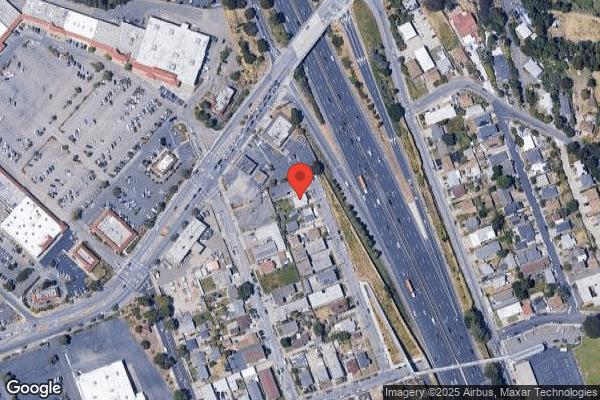
13328 SAN PABLO AVENUE, SAN PABLO, CA 94806 (510) 235-3720
For profit - Corporation 108 Beds SOL HEALTHCARE Data: November 2025 1 Immediate Jeopardy citation
Trust Grade
21/100
#899 of 1155 in CA
Last Inspection: June 2025

Inspected within the last 6 months. Data reflects current conditions.

Overview

San Pablo Healthcare & Wellness Center has a Trust Grade of F, indicating significant concerns about the quality of care provided. They rank #899 out of 1155 in California, placing them in the bottom half of all facilities in the state, and they are last in Contra Costa County at #30 of 30. While the facility is showing an improving trend with fewer issues reported (from 15 to 13), it still has a high number of deficiencies, totaling 39, with one critical issue related to unsupervised smoking materials that could lead to serious harm. Staffing is a relative strength, with a 4/5 star rating and lower turnover at 36%, which is better than the state average. However, the facility has also faced concerns, such as a dirty ice machine that could risk foodborne illness and medication administration practices that may lead to significant errors, indicating that while there are some positives, serious issues remain that families should consider.

Trust Score
F
21/100
In California
#899/1155
Bottom 23%
Safety Record
High Risk
Review needed
Inspections
Getting Better
15 → 13 violations
Staff Stability
○ Average
36% turnover. Near California's 48% average. Typical for the industry.
Penalties
✓ Good
$10,036 in fines. Lower than most California facilities. Relatively clean record.
Skilled Nurses
✓ Good
Each resident gets 45 minutes of Registered Nurse (RN) attention daily — more than average for California. RNs are trained to catch health problems early.
Violations
⚠ Watch
39 deficiencies on record. Higher than average. Multiple issues found across inspections.
★★☆☆☆
2.0
Overall Rating
★★★★☆
4.0
Staff Levels
★★★★☆
4.0
Care Quality
★★☆☆☆
2.0
Inspection Score
Stable
2024: 15 issues
2025: 13 issues

The Good

  • 4-Star Staffing Rating · Above-average nurse staffing levels
  • 4-Star Quality Measures · Strong clinical quality outcomes
  • Full Sprinkler Coverage · Fire safety systems throughout facility
  • No fines on record
  • Staff turnover below average (36%)

    12 points below California average of 48%

Facility shows strength in staffing levels, quality measures, fire safety.

The Bad

2-Star Overall Rating

Below California average (3.1)

Below average - review inspection findings carefully

Staff Turnover: 36%

Near California avg (46%)

Typical for the industry

Federal Fines: $10,036

Below median ($33,413)

Minor penalties assessed

Chain: SOL HEALTHCARE

Part of a multi-facility chain

Ask about local staffing decisions and management

The Ugly 39 deficiencies on record

1 life-threatening
Jun 2025 7 deficiencies
CONCERN (D)

Potential for Harm - no one hurt, but risky conditions existed

Resident Rights (Tag F0550)

Could have caused harm · This affected 1 resident

Based on observation, interview, and record review, the facility failed to treat one of two sampled residents (Resident 72) with dignity and respect when a staff member discussed Resident 72's diagnos...

Read full inspector narrative →
Based on observation, interview, and record review, the facility failed to treat one of two sampled residents (Resident 72) with dignity and respect when a staff member discussed Resident 72's diagnosis and condition while having lunch in front of another resident. This failure had the potential to affect Residents 72's privacy and psychosocial well-being. Findings: During a record review of Resident 72's admission Record (AR), printed on 6/24/25, the AR indicated Resident 72 was admitted to the facility in May 2024 with diagnoses of Parkinsonism (a group of neurological conditions that share similar motor symptoms with Parkinson's disease, such as tremors, stiffness, and slow movement) and dementia (a general term for loss of memory, language, problem-solving and other thinking abilities that are severe enough to interfere with daily life.) During a dining observation and interview on 6/23/25 at 12:20 p.m. with Activity Assistant (AA), without being asked, AA stated she was going to help Resident 72 during lunch because Resident 72 had Parkinson's disease (a progressive neurological disorder that primarily affects movement, causing symptoms like tremors, stiffness, and slow movement) and Resident 72's hands were shaking. During a dining observation on 6/23/25 at 12:28 p.m., Resident 72 and another resident were seated right in front of AA during lunch. AA was feeding Resident 72 pureed meat and vegetables. Without being asked again, AA suddenly stated out loud, She has Parkinson's. Look, her hands are shaking. She's deaf. She cannot hear. while the other resident was in front of them and other residents were close by. During a follow up interview on 6/23/25 at 12:48 p.m. with AA, AA stated she wanted to share Resident 72's conditions because she was assisting Resident 72. AA stated she got nervous and stated Resident 72's condition twice even if she was not asked for such information. AA stated she should not have said Resident 72's diagnosis and condition out loud because it was a Health Insurance Portability and Accountability Act (HIPAA, is a federal law that sets national standards for protecting sensitive patient health information. It aims to ensure patient privacy and security while also allowing for the flow of health information needed for patient care and public health.) violation. During an interview on 6/24/25 at 10:13 a.m. with the Director of Nursing (DON), the DON stated the staff who were assigned in the dining room during mealtimes were not supposed to disclose residents' diagnosis or personal information to others for privacy and dignity. The DON stated Resident 72's dignity and self esteem could have been affected when AA discussed Resident 72's information in front of the other resident. During a record review of the facility's policy and procedure (P&P), titled, Resident Rights - Quality of Life, revised in March 2017, the P&P indicated, Each resident shall be cared for in a manner that promotes and enhances quality of life, dignity, respect, individuality and receives in a person-centered manner, as well as those that support the resident in attaining or maintaining his/her practicable well-being .Facility staff shall maintain an environment in which is confidential clinical information is protected .communication is conducted outside the hearing range of residents and public .Facility staff treats cognitively impaired residents with dignity and sensitivity
CONCERN (D)

Potential for Harm - no one hurt, but risky conditions existed

Deficiency F0645 (Tag F0645)

Could have caused harm · This affected 1 resident

Based on interview and record review the facility failed to ensure to refer the resident to the appropriate state-designated authority for level II PASARR evaluation for one of two sample selected res...

Read full inspector narrative →
Based on interview and record review the facility failed to ensure to refer the resident to the appropriate state-designated authority for level II PASARR evaluation for one of two sample selected resident (Resident 37) when Resident 37 was positive for level I PASARR (the preliminary screening process has identified a potential mental illness or intellectual/developmental disability), and did not refer for PASARR II evaluation. This failure could result in placement in an inappropriate facility, lack of needed mental health services and increase of behavioral issues or hospitalizations. Findings: A review of Resident 37's admission Record indicated Resident 37 was admitted to the facility with diagnosis of Depression and Post Traumatic Stress Disorder (PTSD [a mental health condition that's caused by an extremely stressful or terrifying event, either being part of it or witnessing it. Symptoms may include flashbacks, nightmares, severe anxiety and uncontrollable thoughts about the event]). During a review of Preadmission Screening and Resident Review (PASARR) Level one Screening dated 2024 indicated . Result of Level Screening: Level I- Positive . During a concurrent interview and record review on 6/25/25 at 11:00 a.m., with the Minimum Data Set's coordinator (MDSC), MDSC stated that MDSC is responsible to review the residents PASARR and follow up with level II as needed, and when resident has PASARR level one positive it means resident can have serious mental illnesses and need level II evaluation to see if resident needs higher level of care. MDSC confirmed that they did not do PASARR II evaluation for Resident 37 and stated, they missed it. A review of the facility's policy and procedure Pre-admission Screening Level II Resident Review NP-104B (PASARR Level II) revised July 2018, indicated . The facility staff will coordinate the recommendations from the level II PASARR determination and PASARR evaluation report with the resident's assessment, care planning and .
CONCERN (D)

Potential for Harm - no one hurt, but risky conditions existed

Tube Feeding (Tag F0693)

Could have caused harm · This affected 1 resident

Based on observation, interview, and record review, the facility failed to provide appropriate care and services related to enteral feeding (also referred to as tube feeding, is the delivery of nutrie...

Read full inspector narrative →
Based on observation, interview, and record review, the facility failed to provide appropriate care and services related to enteral feeding (also referred to as tube feeding, is the delivery of nutrients through a feeding tube directly into the stomach, duodenum, or jejunum) nutrition for one sampled resident (Resident 252) on a feeding tube when Resident 252 did not receive the calculated amount of tube feeding formula (designed to provide nutrition to individuals who cannot consume adequate food orally) per physician's order. This failure had the potential to cause dehydration, weight loss, and gastrointestinal (GI, relating to stomach and intestines) problems such as abdominal pain and diarrhea. Findings: During a record review of Resident 252's admission Record (AR), printed on 6/25/25, the AR indicated Resident 252 was admitted to the facility in April 2025 with diagnoses of traumatic subarachnoid hemorrhage (bleeding into the space surrounding the brain caused by head trauma) and gastrostomy status (refers to the presence of a gastrostomy tube, a surgically placed tube into the stomach for feeding or medication administration). During record review of Resident 252's Order Summary Report, dated 6/25/25, the record indicated Resident 252 had an active physician order with a start date on 5/23/25 to provide Resident 252 the formula of Jevity 1.5 (calorically dense, fiber-fortified therapeutic nutrition that provides complete, balanced nutrition for long- or short-term tube feeding) at 75 millimeters (ml, a unit of volume)/hour for 20 hours to provide a total of 1550 ml formula. The order also showed Resident 252's enteral feeding should have been off from 8:00 a.m. to 12:00 p.m. everyday. During an observation and interview on 6/25/25, at 8:20 a.m., with Licensed Vocational Nurse (LVN) 1, Resident 252 was sleeping in the bed while the tube feeding was being administered. Resident 252's feeding formula bottle that was half full and the feeding pump machine showed Resident 252 was receiving a volume rate of 60 ml/hour. When asked about the physician's orders including the total volume of formula per day and the time the tube feeding pump had to be stopped, LVN 1 stated Resident 252's enteral feeding was continuous for 24 hours every day. During a follow up interview on 6/25/25, at 11:22 a.m., with LVN 1, LVN 1 confirmed that she did not know Resident 252 had an order to receive 75 ml/hour of enteral feeding for 20 hours a day. LVN 1 stated she thought Resident 252's feeding amount per hour had always been 60 ml/hour. LVN 1 also stated she did not know that Resident 252's enteral feeding had to be off at 8:00 a.m. and start the daily feeding at 12:00 p.m. everyday. LVN 1 stated she only replaced Resident 252's formula bottle whenever it was almost empty. LVN 1 stated the correct enteral feeding nutrition order should have been followed because Resident 252 could have had malnutrition and dehydration. During an interview on 6/25/25, at 11: 29 a.m., with the Registered Dietician (RD), the RD stated when her recommendations were approved by the physician, she would have expected the licensed nurse to carry out the order. RD stated Resident 252 was at risk for weight loss because Resident 252 received less amount of the enteral nutrition than what she had recommended. During an interview on 6/25/25, at 11:35 a.m., with the Director of Nursing (DON), the DON stated the licensed nurses were responsible in making sure enteral feeding orders were verified every shift. The DON stated LVN 1 should have assessed Resident 252 and verified the enteral feeding orders every time she was assigned to Resident 252. The DON stated he expected the licensed nurses to follow the correct orders when providing enteral nutrition to the residents. The DON stated residents who did not receive enough nutrition were also at risk for infections and delayed healing because they were not getting enough nutrients. During a record review of the facility's policy and procedure (P&P), titled, Enteral Feeding - Closed, dated 1/1/12, the P&P indicated, Enteral feeding will be administered via pump as ordered by the attending physician .Review order for feeding .Calculate the amount of formula to be given per shift per attending physician's order of volume per hour .
CONCERN (E)

Potential for Harm - no one hurt, but risky conditions existed

Deficiency F0658 (Tag F0658)

Could have caused harm · This affected multiple residents

Based on observation, interview, and record review, the facility failed to ensure standards of professional practice were maintained during medication administration for four of four sampled residents...

Read full inspector narrative →
Based on observation, interview, and record review, the facility failed to ensure standards of professional practice were maintained during medication administration for four of four sampled residents (Residents 52, 253, 56 and 93) when licensed nurse pre-poured (generally refers to medications that have been prepared in advance and are ready for administration, rather than being prepared immediately before use) Residents 52, 253, 56 and 93's medication. This failure had the potential for a significant medication error that can lead to serious harm or even death. Findings: During a record review of Resident 52's admission Record (AR), printed on 6/25/25, the AR indicated Resident 52 was admitted to the facility in March 2025 with diagnoses of chronic obstructive pulmonary disease (COPD, a group of lung diseases that cause airflow blockage and breathing problems) and anxiety disorder (a group of mental health conditions characterized by excessive, persistent fear and worry that can significantly interfere with daily life). During a record review of Resident 253's AR, printed on 6/25/25, the AR indicated Resident 253 was admitted to the facility in June 2025 with diagnoses of multiple fractures (broken bone) of ribs and senile degeneration of the brain (neurological disorder that is tied to cognitive decline, memory impairment, and changes in behavior). During a record review of Resident 56's AR, printed on 6/25/25, the AR indicated Resident 56 was admitted to the facility in May 2025 with diagnoses of end stage renal disease (the final stage of chronic kidney disease where the kidneys have severely reduced or completely stopped functioning) and congestive heart failure (a condition where the heart doesn't pump blood as efficiently as it should, leading to a buildup of fluid in the body). During a record review of Resident 93's AR, printed on 6/25/25, the AR indicated Resident 93 was admitted to the facility in June 2025 with diagnoses of Fournier's gangrene (a severe and rapidly progressing necrotizing fasciitis, or flesh-eating disease, affecting the genitals, perineum, and surrounding areas) and type 2 diabetes mellitus (a chronic condition where the body doesn't use insulin properly, leading to high blood sugar levels). During an observation and interview on 6/25/25, at 11:10 a.m., with Licensed Vocational Nurse (LVN) 1, LVN 1 was inside Resident 56's room talking to Resident 56's roommate while she was holding a medication tray and the portable vital signs machine was right next to her. After talking to Resident 56's roommate, LVN 1 came out of the room while rolling the portable vital signs machine and carrying a medication tray that had multiple plastic cups of water and multiple medication cups with orals pills inside. LVN 1 proceeded to the nurse's station and sanitized the vital signs machine, while she was still holding the medication tray with her other hand. LVN 1 pushed the portable rolling vital signs machine back to the hallway and entered Resident 52 and Resident 93's room. LVN 1 placed the same medication tray she was carrying inside Resident 56's room on top of a tray table. LVN 1 assessed Resident 52's vital signs. LVN 1 asked Resident 52 if he was having anxiety because Resdient 52's heart rate was elevated. Resident 52 replied, yes to LVN 1. LVN 1 informed Resident 52 that the antianxiety medication was ready for administration. After taking Resident 52's vital signs, LVN 1 took one medication cup from the medication tray. The medication cup had a label that showed Resident 52's room number. LVN 1 admistered the oral medication to Resident 56. LVN 1 stated the medication cups in the medication tray were pre-poured for Residents 52, 253, 56 and 93. During a follow up interview on 6/25/25, at 11:23 a.m., with LVN 1, LVN 1 stated she prepared the medications ahead of time because it always made her medication pass and administration a lot faster. LVN 1 stated she left the medication cart by the nurse's station because she did not like pushing it because it was hard for her to move it around the hallway. LVN 1 stated she did not know what the facility's policies were for medication administration and that she was trained by her preceptor to perform pre-pour technique when passing the medications. LVN 1 stated she did not think there were any risks for medication errors with pre-poured medications. LVN 1 stated she memorized all the medications that she prepared for her residents. LVN 1 further stated if she accidentally knocked the medication cups and the tablets or capsules were mixed, LVN 1 stated she would just have to waste (medications that are discarded or thrown away) the medications and start over again in preparing them. During an interview on 6/25/25, at 11:28 p.m., with the Director of Nursing (DON), the DON stated the licensed nurses were supposed to give medications to one resident at a time. The DON stated the licensed nurses were expected to bring their medication carts and prepare medications right before they administer them to a resident. The DON stated the licensed nurses were also expected to verify the resident through the electronic health record before entering a resident's room. The DON stated LVN 1 should never have prepared the medications for Residents 52, 253, 56 and 93 ahead of time because it had a great risk of medication errors and break in infection control. The DON further stated there was no way LVN 1 could have memorized all the medications she prepared. The DON stated some residents were not able to identify their medications and they could have taken the medications that were not meant for them. During a record review of the facility's policy and procedure (P&P), titled, Medication Administration-General Guidelines, effective October 2017, the P&P indicated, Medications are administered as prescribed in accordance with good nursing principles and practices .Procedures .B. Administration .4. Medications are administered at the time they are prepared. Medications are not pre-poured .7. Residents are identified before medication is administered. Methods of identification include .b. Checking photograph attached to medical record .C. Documentation .1. The individual who administers the medication dose records the administration on the resident's MAR directly after the medication is given .
CONCERN (E)

Potential for Harm - no one hurt, but risky conditions existed

Deficiency F0804 (Tag F0804)

Could have caused harm · This affected multiple residents

Based on observation, interview, and record review, the facility failed to serve food for four of 12 sampled residents (Residents 22, 56, 38 and 254) that was palatable when food was bland (lacked fla...

Read full inspector narrative →
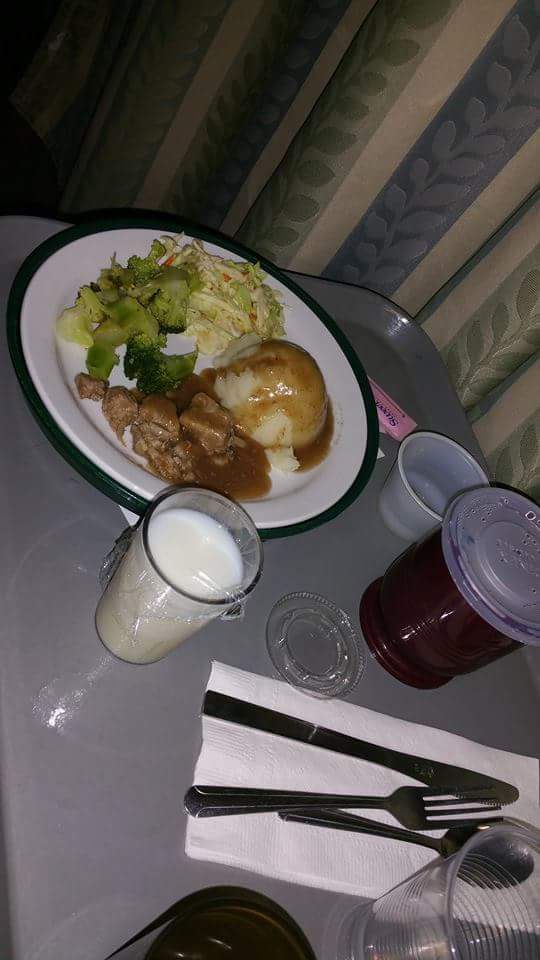
Based on observation, interview, and record review, the facility failed to serve food for four of 12 sampled residents (Residents 22, 56, 38 and 254) that was palatable when food was bland (lacked flavor). This failure had the potential to result in a negative dining experience that could lead to poor dietary intake, compromising the health and nutritional status of Residents 22, 56, 38 and 254 who received food from the kitchen. Findings: During an observation and interview on 6/23/25, at 10:41 a.m. with Resident 22, Resident 22 stated the facility's food always tasted bland and lacked flavor. Resident 22 stated, Look at those salt and pepper I have on my table. That's how terrible their food is. Resident 22's tray table had plastic cups that contained multiple packets of salt and pepper. Resident 22 also had a personal small saltshaker. Resident 22 stated the facility's food had no flavor at all. During an interview on 6/23/25, at 11:45 a.m., with Resident 56, Resident 56 stated the facility's food could have been better because the food they served did not have a taste at all. During an interview on 6/23/25, at 11:51 a.m., with Resident 38, Resident 38 stated the facility's food was awful and did not taste good. Resident 38 stated most entrees served by the kitchen were always bland and lacked taste. During a dining observation and interview on 6/23/25, at 12:36 p.m., in the dining room with Resident 254, Resident 254 was having lunch and observed complaining about his food to a staff. Resident 254 stated the meal that was served during lunch did not have a taste at all and it needed more flavor and seasoning. Resident 254 stated, I thought this place was meant to provide healthy and tasty food. They always mess up with my food. During a record review of the daily menu, dated 6/25/25, the lunch menu indicated the residents received fish, tartar sauce, scalloped potatoes, and Italian herb vegetables. During a concurrent observation an interview on 6/25/25, at 1:00 p.m., with Registered Dietician (RD) and Dietary Services Supervisor (DSS), a test tray was conducted. The test tray contained the same regular texture and pureed food served to residents for lunch. The food was tasted by three surveyors, RD, and DSS. All three surveyors agreed that the regular fish and the scalloped potatoes were bland and lacked flavors. DSS stated she could only taste the oregano seasoning in the fish. During a follow up interview on 6/26/25, at 10:34 a.m., with DSS, DSS stated it was important for the residents to receive flavorful meals for residents to enjoy their food preference and promote dignity. During a record review of the facility's P&P, titled, Standard Recipes, dated 7/1/14, the P&P indicated, Recipe accuracy concerns will be reported to the Dietician for evaluation and modification as necessary.
CONCERN (F)

Potential for Harm - no one hurt, but risky conditions existed

Food Safety (Tag F0812)

Could have caused harm · This affected most or all residents

Based on observation, interview, and record review, the facility failed to ensure the ice supply was stored and prepared under sanitary conditions when there was reddish-brown matter inside the reside...

Read full inspector narrative →
Based on observation, interview, and record review, the facility failed to ensure the ice supply was stored and prepared under sanitary conditions when there was reddish-brown matter inside the residents' ice machine and around the ice chute dispenser. These failures had potential to put residents at risk for food borne illness (an illness that comes from eating contaminated food and infection) and cross-contamination (transfer of bacteria or other microorganisms from one substance to another) that could have resulted in infection or spread of infection. Findings: During an observation and interview on 6/24/25 at 2:10 p.m. with the Maintenance Director (MD) and Registered Dietician (RD). MD opened the ice machine, and it showed a reddish-brown matter inside the back part of the ice container and around the ice chute dispenser. Using a paper towel, RD wiped the visible reddish-brown matter. RD showed the reddish-brown matter was transferred to the paper towel she used. RD stated she did not know what it was or where it came from. MD stated the reddish-brown matter looked like a residue that could have been left from the last time the machine was cleaned. MD stated the ice machine should have been maintained and cleaned and not have any residues at all. MD stated the dirty ice machine had the potential to contaminate the ice that was supplied to the residents. During an interview on 6/24/25 at 2:16 p.m. with the Director of Nursing (DON), the DON stated the ice machine should have been always cleaned and free from any dirt to prevent any food borne illnesses. The DON stated the residue that was found in the ice machine could have caused food poisoning to the residents. During a record review of the facility's policy and procedure (P&P), titled, Ice Machine - Operation and Cleaning, revised on October 1, 2014, the P&P indicated, The dietary staff will operate the ice machine according to the manufacturer's guidelines. The ice machine will be cleaned routinely .II. Sanitation of Equipment .F. On no less than a monthly basis, remove ice to wash inside of the machine .H. Sanitize the inside of the machine using a sanitizing solution and a clean cloth . During a record review of the Food and Drug Administration (FDA) Federal Food Code 2022, the food code indicated, 4-601.11 .Equipment, Food-Contact Surfaces, Nonfood-Contact Surfaces, and Utensils .Equipment food-contact surfaces and Utensils shall be clean to sight and touch.
MINOR (C)

Minor Issue - procedural, no safety impact

Deficiency F0912 (Tag F0912)

Minor procedural issue · This affected most or all residents

**NOTE- TERMS IN BRACKETS HAVE BEEN EDITED TO PROTECT CONFIDENTIALITY** Based on observation and interview, the facility had 12 residents (Rt)'s rooms (room [ROOM NUMBER],10, 11, 15, 16, 17, 22, 25, 2...

Read full inspector narrative →
**NOTE- TERMS IN BRACKETS HAVE BEEN EDITED TO PROTECT CONFIDENTIALITY** Based on observation and interview, the facility had 12 residents (Rt)'s rooms (room [ROOM NUMBER],10, 11, 15, 16, 17, 22, 25, 26, 29, 30, and 40) with multiple beds that provided less than 80 square feet (sq. ft) per resident who occupied these rooms. This deficient practice had potential to result in inadequate space for delivery of care to each of the residents in each room, or for storage of the resident's belongings. Findings: During an observation on 6/23/25, at 11;00 a.m., the following rooms and corresponding square footage per bed were identified: Room Activity Room size Floor area 3 Rt room [ROOM NUMBER] in x 227 in 78 sq. ft per bed 10 Rt room [ROOM NUMBER].5 in x 155.5 in 71.54 sq. ft per bed 11 Rt room [ROOM NUMBER].5 in x 227 in 79.6 sq. ft per bed 15 Rt room [ROOM NUMBER] in x 156 in 72.58 sq. ft per bed 16 Rt room [ROOM NUMBER] in x 156 in 79.08 sq. ft per bed 17 Rt room [ROOM NUMBER] in x156 in 79.08 sq. ft per bed 22 Rt room [ROOM NUMBER] in x 156 in 77.66 sq. ft per bed 25 Rt room [ROOM NUMBER] in x 224.5 in 79 sq. ft per bed 26 Rt room [ROOM NUMBER] in x 224.5 in 79.51 sq. ft per bed 29 Rt room [ROOM NUMBER].5 in x 226.5 in 79.43 sq. ft per bed 30 Rt room [ROOM NUMBER] in x 156 in 75.02 sq. ft per bed 40 Rt room [ROOM NUMBER] in x 227 in 79.34 sq. ft per bed During random observations of care and services from 6/23/25 to 6/26/25, there was sufficient space for the provision of care for the residents in all rooms. There was no heavy equipment kept in the rooms that might interfere with residents' care and each resident had adequate personal space and privacy. There were no complaints from the residents regarding insufficient space for their belongings. There were no negative consequences, attributed to the decreased space and/or safety concerns in the five rooms. Granting of room size waiver recommended.
Jun 2025 1 deficiency
CONCERN (D) 📢 Someone Reported This

A family member, employee, or ombudsman was alarmed enough to file a formal complaint

Potential for Harm - no one hurt, but risky conditions existed

Free from Abuse/Neglect (Tag F0600)

Could have caused harm · This affected 1 resident

Based on observation, interview, and record review, the facility failed to ensure two out of six residents (Resident 1 and Resident 3) were free from physical abuse when: 1) Resident 1 was hit in the ...

Read full inspector narrative →
Based on observation, interview, and record review, the facility failed to ensure two out of six residents (Resident 1 and Resident 3) were free from physical abuse when: 1) Resident 1 was hit in the head by Resident 2, 2) Resident 3 had lemonade thrown at her by Resident 4. This failure resulted in Resident 1 and Resident 3 being the recipient of physical abuse which affected their physical and psychosocial well-being. Findings: 1) A review of Resident 1 ' s Face Sheet, printed 3/4/25, indicated Resident 1 ' s diagnoses of heart failure (heart not able to pump enough blood to meet body ' s needs) and generalized weakness. A review of Change in Condition Evaluation, written on 12/8/24 at 9:42 a.m., the Change in Condition Evaluation noted Resident 1 was in the room waiting for Resident 2 to come out of the bathroom. Resident 1 stated when Resident 2 came out of the bathroom, Resident 2 hit her twice in the head. In the Pain Assessment section, Resident 1 reported a pain level of 4 (0 being the lowest pain level and 10 being the highest pain level). During an interview on 3/4/25, at 11:35 a.m., with Licensed Vocational Nurse (LVN), LVN stated Resident 1 was in her wheelchair by her room door, gesturing and pointing to the back of the head along with facial grimacing. Per Change in Condition Evaluation, Resident 2 was transferred to another room with no roommate. During an interview on 3/4/25, at 1:45 p.m., with Registered Nurse (RN), RN stated Resident 2 did not have a sitter (staff assigned to a resident to monitor actions and behaviors) on night shift. During an interview on 3/4/25, at 2:10 p.m., with the Director of Nursing (DON), the DON stated Resident 2 had been on 1:1 (designated staff who monitors a resident) for about six months prior to this incident. Per DON, Resident 2 was weaned off 1:1 observation status. The DON added 1:1 observation is guaranteed on AM (7:00 a.m. – 3:30 p.m.) and PM (3:00 p.m. to 11:30 p.m.) shifts but not guaranteed on night (11:00 p.m. to 7:30 a.m.) shifts. The DON confirmed Resident 2 did not have an assigned sitter on the night shift of the incident. The incident occurred on 12/8/24 between 6:30 a.m. and 7:00 a.m. During an interview on 6/17/25, at 11:30 a.m., with the DON, the DON stated Resident 2 was on staff supervision on AM and PM shifts due to facility activities and multiple interactions with staff and other residents. Resident 2 was not on staff observation status on night shifts because there were no facility activities. A review of the facility ' s Summary of Investigation, completed on 12/13/24, the Administrator (ADM) concluded the incident as a negative interaction between residents. The investigation summary further noted Resident 1 verbalized she will feel safe and not threatened if Resident 2 will not come back to her room again. 2) A review of Resident 3 ' s Face Sheet, printed 6/17/25, indicated Res 3 ' s diagnoses of respiratory failure (lungs cannot properly exchange gases between oxygen and carbon dioxide) and chronic pain syndrome (persistent pain that lasts weeks to years). A review of Resident 3 ' s SBAR (situation, background, appearance, review) Communication Form, written on 12/9/24, the SBAR Communication Form noted on 12/9/24 at around 2:00 p.m., Resident 4 threw lemonade at roommate Resident 3. A review of Resident 4 ' s SBAR Communication Form, written on 12/9/24, the SBAR Communication Form noted in the Behavioral Evaluation section, Resident 4 displayed verbal and physical aggression. Noted on the form, Resident 4 said she threw lemonade at Resident 3 due to Resident 3 lying about her own medical conditions. Both residents were separated and reassigned to other rooms. A review of Progress Notes, written on 12/9/25 at 11:47 p.m., Resident 4 was noted getting irritated with aggressive behaviors towards sitter and nurse. Progress Notes written on 12/10/24 at 2:13 p.m. noted Resident 4 getting irritated late afternoon, grabbing wheelchair and hitting the wall. Progress Notes written on 12/11/24 at 2:42 p.m. noted Resident 4 continued to have aggressive behavior, noncompliance of smoking schedule breaks and became angry and frustrated. A review of Resident 4 ' s SBAR Communication Form, written on 12/18/24, the SBAR Communication Form noted in the Behavioral Evaluation section, Resident 4 was a danger to self or others, had verbal and physical aggression. Resident 4 was placed on 5150 (involuntary 72-hour hold of an individual for psychiatric evaluation) and was taken to a psychiatric emergency hospital. During an interview on 6/17/25, at 4:22 p.m., with Certified Nursing Assistant (CNA), CNA stated she heard screaming from the room of Resident 3 and Resident 4. Per CNA, when she arrived at the room, she saw both residents screaming at each other. CNA called for staff assistance and residents were separated. A review of the facility ' s Summary of Investigation, completed on 12/14/24, the Administrator (ADM) concluded the incident as a negative interaction between residents. A review of the facility ' s policy and procedure (P&P) titled, Abuse – Prevention, Screening, & Training Program, dated July 2018, the P&P indicated, The Facility establishes a safe environment that reasonably supports resident to the extent possible . The facility identifies, corrects, and intervenes in situations in which abuse . is more likely to occur.
Apr 2025 2 deficiencies
CONCERN (D) 📢 Someone Reported This

A family member, employee, or ombudsman was alarmed enough to file a formal complaint

Potential for Harm - no one hurt, but risky conditions existed

Investigate Abuse (Tag F0610)

Could have caused harm · This affected 1 resident

Based on interview and record review, the facility failed to implement their policy and procedure to thoroughly investigate an allegation of abuse for one (Resident 1) of three sampled residents. Resi...

Read full inspector narrative →
Based on interview and record review, the facility failed to implement their policy and procedure to thoroughly investigate an allegation of abuse for one (Resident 1) of three sampled residents. Resident 1 alleged that a Certified Nursing Assistant (CNA1) hit him on the right leg because he refused to wear a sock. Facility designee/Director of Nursing (DON) did not interview alleged CNA, staff member assigned to provide care for Resident 1 and/or implement care plan to suspend alleged abuser while incident was under investigation. This failure had the potential to place Resident 1 at risk for emotional distress, mistreatment, or abuse. Findings: During a review of Resident 1's Minimum Data Set (MDS - a federally mandated resident assessment and care guide tool), dated 3/11/25, the MDS indicated Resident 1's Basic Interview of Mental status (BIMS, a scoring system used to determine the resident's cognitive status regarding attention, orientation, and ability to register and recall information. A BIMS score of thirteen to fifteen is an indication of intact cognitive status.) Resident 1 ' s score was 9 meaning mild cognition. Resident 1 had clear speech, difficulty communicating some words or finishing thoughts, misses some part or intent of message. Resident 1 was dependent on helper does all task to put on and take off socks. Resident 1 ' s diagnoses included cerebrovascular accident (CVA) or stroke. During a concurrent observation and interview on 4/1/25 at 10:20 a.m. with Resident 1 in his room. Resident 1 stated he did not want to talk about the allegation. During a review of Resident 1 ' s care plan dated 3/16/25, the care plan indicated Resident 1 alleged physical abuse from facility ' s CNA, interventions included to suspend alleged abuser while incident is under investigation. During an interview on 4/1/25 at 11:01 a.m. with Certified Nursing Assistant (CNA1) , CNA1 stated she was not aware that Resident 1 alleged physical abuse by a CNA. CNA1 stated she was not informed of any allegation of abuse and was not suspended. CNA 1 stated she continued to assist Resident 1 with care as needed. During a concurrent interview and record review on 4/1/25 at 1:56 p.m., with Director of Nursing (DON), the investigation summary completed 3/21/25 was reviewed. The investigation summary did not include documentation that alleged CNA 1 and or Resident 1 ' s care givers were interviewed. DON stated facility process was to interview staff when the allegation involved staff member. DON stated alleged CNA1, and Resident 1 assigned care giver were not interviewed or suspended because Resident 1 was a poor historian. During a review of the facility's policy and procedure (P&P) titled, Reporting Abuse, revised January 08, 2014, the P&P indicated, Upon an allegation of abuse by facility staff member, the facility staff member will be suspended and removed from the premises during the investigation.
CONCERN (D) 📢 Someone Reported This

A family member, employee, or ombudsman was alarmed enough to file a formal complaint

Potential for Harm - no one hurt, but risky conditions existed

Deficiency F0825 (Tag F0825)

Could have caused harm · This affected 1 resident

**NOTE- TERMS IN BRACKETS HAVE BEEN EDITED TO PROTECT CONFIDENTIALITY** Based on observation, interview, and record review the facility failed to ensure necessary treatment and care services was provi...

Read full inspector narrative →
**NOTE- TERMS IN BRACKETS HAVE BEEN EDITED TO PROTECT CONFIDENTIALITY** Based on observation, interview, and record review the facility failed to ensure necessary treatment and care services was provided for one (Resident 2) of three sampled residents in accordance with professional standards of practice when, rehabilitation referral for restorative nursing (RNA) for Resident 1 was not followed up. This failure had the potential for Resident 1 to not receive the necessary care and services to ensure mobility and muscle strength. Findings: During a review of Resident 2's Minimum Data Set (MDS - Resident assessment and care guide tool), dated 2/26/25, the MDS indicated Resident 2's Basic Interview of Mental Status (BIMS, a scoring system used to determine the resident's cognitive status regarding attention, orientation, and ability to register and recall information. A BIMS score of thirteen to fifteen is an indication of intact cognitive status.) score was 15 and indicated intact mental status. The MDS indicated Resident 2 was able to recall the correct year, month, and day of the week. MDS indicated Resident 2 need partial assistance from another person with walking from room to room. The MDS indicated Resident 2 had diagnoses that included morbid obesity. During a concurrent observation and interview on 4/1/25 at 11:15 a.m. Resident 2 sat up in bed in his room, awake and verbally responsive. Resident 2 stated he was not able to walk. Resident 2 stated Restorative Nursing Assistance (RNA) had not provided him treatment to help him to walk. During a concurrent interview and record review on 4/1.25 at 12:32 p.m. with Director of Rehabilitation (DOR1), Resident 1 ' s Occupational Therapy (OT) Discharge summary dated [DATE] was reviewed. OT and (PT) Physical therapy discharge recommendation indicated RNA for bilateral upper extremities (BUE) treatment and standing with front wheel walker (FWW) to facility maintenance of mobility and bilateral upper extremities (BUE) strength. DOR 1 stated Resident 1 was discharge from PT/OT therapy into RNA for functional maintenance of mobility and strength. During an interview on 4/1/25 at 12:30 p.m. with Restorative Nursing Assistant (RNA1), accompanied by RNA2 and RNA3, RNA1 stated Resident 1 was not on RNA services. RNA 1 stated facility process was when resident was discharged from PT/OT, RNA referral is given to nursing department. RNA1 stated she was not aware Resident 1 had an RNA referral. During a concurrent interview and record review on 4/1/25 at 12:48 p.m. with Licensed Vocational Nurse/Director of Staff Development (LVN1), Resident 1 ' s Restorative Program description dated 3/13/25 was reviewed. Resident 1 ' s restorative program description indicated cable exercises as tolerated three times a week, walking in hallway with front wheel walker. LVN1 stated she was responsible to follow up with Resident 1 ' s RNA referral. LVN1 stated she was sick for two weeks and did not follow up on Resident 1 ' s RNA referral. During a concurrent interview and record review on 4/1/25 at 2:10 p.m. with Director of Nursing (DON), Resident 1 ' s Restorative Program description dated 3/13/25 was reviewed. DON stated he will investigate what happened and why Resident 1 ' s referral for RNA was not followed up. During a review of the facility ' s policy and procedure (P&P) titled, Restorative Nursing Program Guidelines, revised September 19, 2019, the P&P indicated, The Director of Nursing Services (DON), or their licensed nurse designee, manages and directs the Restorative Nursing Program.
Jan 2025 3 deficiencies
CONCERN (D) 📢 Someone Reported This

A family member, employee, or ombudsman was alarmed enough to file a formal complaint

Potential for Harm - no one hurt, but risky conditions existed

Deficiency F0561 (Tag F0561)

Could have caused harm · This affected 1 resident

Based on observation, interview and record review, the facility failed to provide choice based on resident preferences for one of two sampled residents (Resident 1) when Resident 1 was not changed to ...

Read full inspector narrative →
Based on observation, interview and record review, the facility failed to provide choice based on resident preferences for one of two sampled residents (Resident 1) when Resident 1 was not changed to his hospital gown upon request and was left in street clothes overnight. This failure had the potential to cause physical discomfort and emotional distress to Resident 1. Findings: During a record review of Resident 1 ' s admission Record, printed 12/31/24, the admission Record indicated Resident 1 was admitted to the facility in May 2024 with multiple diagnoses that included congestive heart failure (a chronic condition where the heart can't pump blood efficiently) and type 2 diabetes (a long-term disease in which the body cannot regulate the amount of sugar in the blood). During a record review of Resident 1 ' s Care Plan, dated 1/26/24, the Care Plan indicated Resident 1 had decreased ability to perform self-care related to impaired activity tolerance, impaired balance/safety, pain limiting function, weakness . During an observation and interview on 12/27/24, at 8:55 a.m., with Resident 1, Resident 1 wore a jacket, t-shirt and pants that were halfway down his thighs. Resident 1 stated he requested a Certified Nurse Assistant (CNA), from the night shift, change him to his gown before going to bed the other night because he wore the same clothes the whole day. Resident 1 stated the CNA did not assist him and told him he would be more comfortable wearing his street clothes because it was cold. Resident 1 stated it was not the first time a CNA refused to assist him with changing clothes at night. Resident 1 stated he reported it to the Long-Term Care Ombudsman in the past. Resident 1 stated he felt he was treated differently when the CNA did not assist him, and it affected his self-esteem and dignity. During an interview on 12/27/24, at 10:15 a.m., with CNA 1, CNA 1 stated when she arrived, Resident 1 was wearing street clothes. CNA 1 stated Resident 1 should have been assisted by the night shift CNA if Resident 1 had requested to have his clothes changed to hospital gown. CNA 1 stated Resident 1 could have been more comfortable when sleeping. CNA 1 further stated Resident 1 ' s skin could also have been checked for any skin issues. During an interview on 12/27/24, at 10:36 a.m., with Registered Nurse (RN) 1, RN 1 stated Resident 1 should have been assisted before going to bed so he could be comfortable at night. RN 1 stated if Resident 1 refused to be changed, CNAs should document the refusal. RN 1 stated Resident 1 did not have behaviors of refusing Activities of Daily Living (ADLs: Activities of daily living are those needed for self-care and mobility and include activities such as bathing, dressing, grooming, oral care, ambulation, toileting, eating, transferring, and communicating). During an interview on 12/27/24, at 12:40 p.m., with the Director of Nursing (DON), the DON stated changing residents to hospitals gowns at bedtime was a preference. The DON stated if a resident refused to be provided ADLs at night, there should be documentation and care plan about the refusals. The DON stated if Resident 1 preferred to wear his hospital gown, Resident 1 should have been assisted. The DON stated Resident 1 ' s dignity could have been affected and must have been disappointed. During a follow up interview on 1/2/25, at 10:08 a.m., with the DON, the DON stated there was no documentation from the nursing staff that Resident 1 refused ADLs which included changing clothes before going to bed. During a record review of the facility ' s policy and procedure (P&P) titled, Residents Rights - Quality of Life, revised in March 2017, the P&P indicated, Each resident shall be cared for in a manner that promotes and enhances the quality of life, dignity, respect, individuality and receives services in a person-centered manner, as well as those that support the resident in attaining or maintaining his/her highest practicable well-being . Residents are groomed as they wish, including bathing, dressing and oral care. Based on observation, interview and record review, the facility failed to provide choice based on resident preferences for one of two sampled residents (Resident 1) when Resident 1 was not changed to his hospital gown upon request and was left in street clothes overnight. This failure had the potential to cause physical discomfort and emotional distress to Resident 1. Findings: During a record review of Resident 1's admission Record, printed 12/31/24, the admission Record indicated Resident 1 was admitted to the facility in May 2024 with multiple diagnoses that included congestive heart failure (a chronic condition where the heart can't pump blood efficiently) and type 2 diabetes (a long-term disease in which the body cannot regulate the amount of sugar in the blood). During a record review of Resident 1's Care Plan, dated 1/26/24, the Care Plan indicated Resident 1 had decreased ability to perform self-care related to impaired activity tolerance, impaired balance/safety, pain limiting function, weakness . During an observation and interview on 12/27/24, at 8:55 a.m., with Resident 1, Resident 1 wore a jacket, t-shirt and pants that were halfway down his thighs. Resident 1 stated he requested a Certified Nurse Assistant (CNA), from the night shift, change him to his gown before going to bed the other night because he wore the same clothes the whole day. Resident 1 stated the CNA did not assist him and told him he would be more comfortable wearing his street clothes because it was cold. Resident 1 stated it was not the first time a CNA refused to assist him with changing clothes at night. Resident 1 stated he reported it to the Long-Term Care Ombudsman in the past. Resident 1 stated he felt he was treated differently when the CNA did not assist him, and it affected his self-esteem and dignity. During an interview on 12/27/24, at 10:15 a.m., with CNA 1, CNA 1 stated when she arrived, Resident 1 was wearing street clothes. CNA 1 stated Resident 1 should have been assisted by the night shift CNA if Resident 1 had requested to have his clothes changed to hospital gown. CNA 1 stated Resident 1 could have been more comfortable when sleeping. CNA 1 further stated Resident 1's skin could also have been checked for any skin issues. During an interview on 12/27/24, at 10:36 a.m., with Registered Nurse (RN) 1, RN 1 stated Resident 1 should have been assisted before going to bed so he could be comfortable at night. RN 1 stated if Resident 1 refused to be changed, CNAs should document the refusal. RN 1 stated Resident 1 did not have behaviors of refusing Activities of Daily Living (ADLs: Activities of daily living are those needed for self-care and mobility and include activities such as bathing, dressing, grooming, oral care, ambulation, toileting, eating, transferring, and communicating). During an interview on 12/27/24, at 12:40 p.m., with the Director of Nursing (DON), the DON stated changing residents to hospitals gowns at bedtime was a preference. The DON stated if a resident refused to be provided ADLs at night, there should be documentation and care plan about the refusals. The DON stated if Resident 1 preferred to wear his hospital gown, Resident 1 should have been assisted. The DON stated Resident 1's dignity could have been affected and must have been disappointed. During a follow up interview on 1/2/25, at 10:08 a.m., with the DON, the DON stated there was no documentation from the nursing staff that Resident 1 refused ADLs which included changing clothes before going to bed. During a record review of the facility's policy and procedure (P&P) titled, Residents Rights - Quality of Life , revised in March 2017, the P&P indicated, Each resident shall be cared for in a manner that promotes and enhances the quality of life, dignity, respect, individuality and receives services in a person-centered manner, as well as those that support the resident in attaining or maintaining his/her highest practicable well-being . Residents are groomed as they wish, including bathing, dressing and oral care. Based on observation, interview and record review, the facility failed to provide choice based on resident preferences for one of two sampled residents (Resident 1) when Resident 1 was not changed to his hospital gown upon request and was left in street clothes overnight. This failure had the potential to cause physical discomfort and emotional distress to Resident 1. Findings: During a record review of Resident 1's admission Record, printed 12/31/24, the admission Record indicated Resident 1 was admitted to the facility in May 2024 with multiple diagnoses that included congestive heart failure (a chronic condition where the heart can't pump blood efficiently) and type 2 diabetes (a long-term disease in which the body cannot regulate the amount of sugar in the blood). During a record review of Resident 1's Care Plan, dated 1/26/24, the Care Plan indicated Resident 1 had decreased ability to perform self-care related to impaired activity tolerance, impaired balance/safety, pain limiting function, weakness . During an observation and interview on 12/27/24, at 8:55 a.m., with Resident 1, Resident 1 wore a jacket, t-shirt and pants that were halfway down his thighs. Resident 1 stated he requested a Certified Nurse Assistant (CNA), from the night shift, change him to his gown before going to bed the other night because he wore the same clothes the whole day. Resident 1 stated the CNA did not assist him and told him he would be more comfortable wearing his street clothes because it was cold. Resident 1 stated it was not the first time a CNA refused to assist him with changing clothes at night. Resident 1 stated he reported it to the Long-Term Care Ombudsman in the past. Resident 1 stated he felt he was treated differently when the CNA did not assist him, and it affected his self-esteem and dignity. During an interview on 12/27/24, at 10:15 a.m., with CNA 1, CNA 1 stated when she arrived, Resident 1 was wearing street clothes. CNA 1 stated Resident 1 should have been assisted by the night shift CNA if Resident 1 had requested to have his clothes changed to hospital gown. CNA 1 stated Resident 1 could have been more comfortable when sleeping. CNA 1 further stated Resident 1's skin could also have been checked for any skin issues. During an interview on 12/27/24, at 10:36 a.m., with Registered Nurse (RN) 1, RN 1 stated Resident 1 should have been assisted before going to bed so he could be comfortable at night. RN 1 stated if Resident 1 refused to be changed, CNAs should document the refusal. RN 1 stated Resident 1 did not have behaviors of refusing Activities of Daily Living (ADLs: Activities of daily living are those needed for self-care and mobility and include activities such as bathing, dressing, grooming, oral care, ambulation, toileting, eating, transferring, and communicating). During an interview on 12/27/24, at 12:40 p.m., with the Director of Nursing (DON), the DON stated changing residents to hospitals gowns at bedtime was a preference. The DON stated if a resident refused to be provided ADLs at night, there should be documentation and care plan about the refusals. The DON stated if Resident 1 preferred to wear his hospital gown, Resident 1 should have been assisted. The DON stated Resident 1's dignity could have been affected and must have been disappointed. During a follow up interview on 1/2/25, at 10:08 a.m., with the DON, the DON stated there was no documentation from the nursing staff that Resident 1 refused ADLs which included changing clothes before going to bed. During a record review of the facility's policy and procedure (P&P) titled, Residents Rights – Quality of Life , revised in March 2017, the P&P indicated, Each resident shall be cared for in a manner that promotes and enhances the quality of life, dignity, respect, individuality and receives services in a person-centered manner, as well as those that support the resident in attaining or maintaining his/her highest practicable well-being . Residents are groomed as they wish, including bathing, dressing and oral care.
CONCERN (D) 📢 Someone Reported This

A family member, employee, or ombudsman was alarmed enough to file a formal complaint

Potential for Harm - no one hurt, but risky conditions existed

Free from Abuse/Neglect (Tag F0600)

Could have caused harm · This affected 1 resident

Based on observation, interview and record review, the facility failed to provide treatment and care in accordance with professional standards of practice for one of two sampled residents (Resident 1)...

Read full inspector narrative →
Based on observation, interview and record review, the facility failed to provide treatment and care in accordance with professional standards of practice for one of two sampled residents (Resident 1) when Resident 1 ' s call light was not answered in a timely manner. This failure had the potential to cause physical discomfort and emotional distress to Resident 1. Findings: During a record review of Resident 1 ' s admission Record, printed 12/31/24, the admission Record indicated Resident 1 was admitted to the facility in May 2024 with multiple diagnoses that included congestive heart failure (a chronic condition where the heart can't pump blood efficiently) and type 2 diabetes (a long-term disease in which the body cannot regulate the amount of sugar in the blood). During a record review of Resident 1 ' s Care Plan, dated 1/26/24, the Care Plan indicated Resident 1 had decreased ability to perform self-care related to impaired activity tolerance, impaired balance/safety, pain limiting function, weakness . During an observation and interview on 12/27/24, at 9:00 a.m., with Resident 1, Resident 1 ' s room was located across the nurse ' s station. Resident 1 ' s call light was within Resident 1 ' s reach and located on the right side of his bed. Resident 1 stated the facility was always slow to answer the call lights. Resident 1 stated there were multiple occasions that he had to call the front desk because no one responded to his call light. Resident 1 stated the front desk paged the nursing staff assigned to him, but the nursing staff still took a long time until they arrived. Resident 1 stated there were times that he had to wait for hours for a CNA or a licensed nurse to assist him especially during the PM shift (3:00 p.m.-11:00 p.m.). Resident 1 stated the staff were just passing by even if his call light was on. Resident 1 stated he required staff ' s assistance in his ADL care because he was a fall risk. Resident 1 stated he felt he was being neglected and treated differently when the facility did not answer his call light promptly. During an observation on 12/27/24, at 9:52 a.m., in Resident 1 ' s room, Resident 1 pressed his call light button. Resident 1 ' s call light on indicator was lit inside Resident 1 ' s room and at the nurse ' s station. A beeping sound was also heard while Resident 1 ' s call light was continuously on. During an observation on 12/27/24, at 10:06 a.m., no staff entered the room to check on Resident 1. Multiple staff were observed passing by Resident 1 ' s room while the call light was on. A licensed nurse was also observed stationed in the hallway, near Resident 1 ' s room, working on the medication cart. The licensed nurse did not respond to Resident 1 ' s call light. During an observation and interview on 12/27/24, at 10:12 a.m., with CNA 1, CNA 1 entered Resident 1 ' s room after 20 minutes had passed. CNA 1 stated she was assisting another resident. CNA 1 stated nobody had informed her the call light was on in Resident 1 ' s room. CNA 1 stated any staff from the facility could answer the call light. CNA 1 stated it was important for the call lights to be answered promptly to assess the residents' needs. During a follow up interview on 12/27/24, at 10:36 a.m., with RN 1, RN 1 stated the call light for Resident 1 should be answered promptly to check on Resident 1's needs. RN 1 stated waiting for 20 minutes for a staff to answer the call light was too long and could have been an emergency for Resident 1. During an interview on 12/27/24, at 12:38 p.m., with the DON, the DON stated the facility call light policy was to promptly check a resident when they pressed their call light button and not have a resident wait for more than 15 minutes. The DON stated anybody from the facility ' s staff could respond to the call light. The DON stated Resident 1 should not have to wait 20 minutes for nursing staff to arrive. The DON stated the licensed nurse who was in the hallway while Resident 1 ' s call light indicator was on should have checked Resident 1. The DON stated the call light must be answered to avoid situations such as an emergency or worsening of conditions. During a record review of the facility ' s policy and procedure (P&P) titled, Residents Rights - Quality of Life, revised in March 2017, the P&P indicated, Each resident shall be cared for in a manner that promotes and enhances the quality of life, dignity, respect, individuality and receives services in a person-centered manner, as well as those that support the resident in attaining or maintaining his/her highest practicable well-being . Residents are groomed as they wish, including bathing, dressing and oral care. During a record review of the facility ' s P&P, titled, Communication Call System, dated 1/1/12, the P&P indicated, The Facility will provide a call system to enable residents to alert the nursing staff from their rooms and toileting/bathing facilities . III. Nursing Staff will answer call bells promptly, in a courteous manner . V. In answering to request, Nursing Staff will return to resident with the item or reply promptly .A. Assistance will be offered before leaving. Based on observation, interview and record review, the facility failed to provide treatment and care in accordance with professional standards of practice for one of two sampled residents (Resident 1) when Resident 1's call light was not answered in a timely manner. This failure had the potential to cause physical discomfort and emotional distress to Resident 1. Findings: During a record review of Resident 1's admission Record, printed 12/31/24, the admission Record indicated Resident 1 was admitted to the facility in May 2024 with multiple diagnoses that included congestive heart failure (a chronic condition where the heart can't pump blood efficiently) and type 2 diabetes (a long-term disease in which the body cannot regulate the amount of sugar in the blood). During a record review of Resident 1's Care Plan, dated 1/26/24, the Care Plan indicated Resident 1 had decreased ability to perform self-care related to impaired activity tolerance, impaired balance/safety, pain limiting function, weakness . During an observation and interview on 12/27/24, at 9:00 a.m., with Resident 1, Resident 1's room was located across the nurse's station. Resident 1's call light was within Resident 1's reach and located on the right side of his bed. Resident 1 stated the facility was always slow to answer the call lights. Resident 1 stated there were multiple occasions that he had to call the front desk because no one responded to his call light. Resident 1 stated the front desk paged the nursing staff assigned to him, but the nursing staff still took a long time until they arrived. Resident 1 stated there were times that he had to wait for hours for a CNA or a licensed nurse to assist him especially during the PM shift (3:00 p.m.-11:00 p.m.). Resident 1 stated the staff were just passing by even if his call light was on. Resident 1 stated he required staff's assistance in his ADL care because he was a fall risk. Resident 1 stated he felt he was being neglected and treated differently when the facility did not answer his call light promptly. During an observation on 12/27/24, at 9:52 a.m., in Resident 1's room, Resident 1 pressed his call light button. Resident 1's call light on indicator was lit inside Resident 1's room and at the nurse's station. A beeping sound was also heard while Resident 1's call light was continuously on. During an observation on 12/27/24, at 10:06 a.m., no staff entered the room to check on Resident 1. Multiple staff were observed passing by Resident 1's room while the call light was on. A licensed nurse was also observed stationed in the hallway, near Resident 1's room, working on the medication cart. The licensed nurse did not respond to Resident 1's call light. During an observation and interview on 12/27/24, at 10:12 a.m., with CNA 1, CNA 1 entered Resident 1's room after 20 minutes had passed. CNA 1 stated she was assisting another resident. CNA 1 stated nobody had informed her the call light was on in Resident 1's room. CNA 1 stated any staff from the facility could answer the call light. CNA 1 stated it was important for the call lights to be answered promptly to assess the residents' needs. During a follow up interview on 12/27/24, at 10:36 a.m., with RN 1, RN 1 stated the call light for Resident 1 should be answered promptly to check on Resident 1's needs. RN 1 stated waiting for 20 minutes for a staff to answer the call light was too long and could have been an emergency for Resident 1. During an interview on 12/27/24, at 12:38 p.m., with the DON, the DON stated the facility call light policy was to promptly check a resident when they pressed their call light button and not have a resident wait for more than 15 minutes. The DON stated anybody from the facility's staff could respond to the call light. The DON stated Resident 1 should not have to wait 20 minutes for nursing staff to arrive. The DON stated the licensed nurse who was in the hallway while Resident 1's call light indicator was on should have checked Resident 1. The DON stated the call light must be answered to avoid situations such as an emergency or worsening of conditions. During a record review of the facility's policy and procedure (P&P) titled, Residents Rights - Quality of Life , revised in March 2017, the P&P indicated, Each resident shall be cared for in a manner that promotes and enhances the quality of life, dignity, respect, individuality and receives services in a person-centered manner, as well as those that support the resident in attaining or maintaining his/her highest practicable well-being . Residents are groomed as they wish, including bathing, dressing and oral care. During a record review of the facility's P&P, titled, Communication Call System, dated 1/1/12, the P&P indicated, The Facility will provide a call system to enable residents to alert the nursing staff from their rooms and toileting/bathing facilities . III. Nursing Staff will answer call bells promptly, in a courteous manner . V. In answering to request, Nursing Staff will return to resident with the item or reply promptly .A. Assistance will be offered before leaving. Based on observation, interview and record review, the facility failed to provide treatment and care in accordance with professional standards of practice for one of two sampled residents (Resident 1) when Resident 1's call light was not answered in a timely manner. This failure had the potential to cause physical discomfort and emotional distress to Resident 1. Findings: During a record review of Resident 1's admission Record, printed 12/31/24, the admission Record indicated Resident 1 was admitted to the facility in May 2024 with multiple diagnoses that included congestive heart failure (a chronic condition where the heart can't pump blood efficiently) and type 2 diabetes (a long-term disease in which the body cannot regulate the amount of sugar in the blood). During a record review of Resident 1's Care Plan, dated 1/26/24, the Care Plan indicated Resident 1 had decreased ability to perform self-care related to impaired activity tolerance, impaired balance/safety, pain limiting function, weakness . During an observation and interview on 12/27/24, at 9:00 a.m., with Resident 1, Resident 1's room was located across the nurse's station. Resident 1's call light was within Resident 1's reach and located on the right side of his bed. Resident 1 stated the facility was always slow to answer the call lights. Resident 1 stated there were multiple occasions that he had to call the front desk because no one responded to his call light. Resident 1 stated the front desk paged the nursing staff assigned to him, but the nursing staff still took a long time until they arrived. Resident 1 stated there were times that he had to wait for hours for a CNA or a licensed nurse to assist him especially during the PM shift (3:00 p.m.-11:00 p.m.). Resident 1 stated the staff were just passing by even if his call light was on. Resident 1 stated he required staff's assistance in his ADL care because he was a fall risk. Resident 1 stated he felt he was being neglected and treated differently when the facility did not answer his call light promptly. During an observation on 12/27/24, at 9:52 a.m., in Resident 1's room, Resident 1 pressed his call light button. Resident 1's call light on indicator was lit inside Resident 1's room and at the nurse's station. A beeping sound was also heard while Resident 1's call light was continuously on. During an observation on 12/27/24, at 10:06 a.m., no staff entered the room to check on Resident 1. Multiple staff were observed passing by Resident 1's room while the call light was on. A licensed nurse was also observed stationed in the hallway, near Resident 1's room, working on the medication cart. The licensed nurse did not respond to Resident 1's call light. During an observation and interview on 12/27/24, at 10:12 a.m., with CNA 1, CNA 1 entered Resident 1's room after 20 minutes had passed. CNA 1 stated she was assisting another resident. CNA 1 stated nobody had informed her the call light was on in Resident 1's room. CNA 1 stated any staff from the facility could answer the call light. CNA 1 stated it was important for the call lights to be answered promptly to assess the residents' needs. During a follow up interview on 12/27/24, at 10:36 a.m., with RN 1, RN 1 stated the call light for Resident 1 should be answered promptly to check on Resident 1's needs. RN 1 stated waiting for 20 minutes for a staff to answer the call light was too long and could have been an emergency for Resident 1. During an interview on 12/27/24, at 12:38 p.m., with the DON, the DON stated the facility call light policy was to promptly check a resident when they pressed their call light button and not have a resident wait for more than 15 minutes. The DON stated anybody from the facility's staff could respond to the call light. The DON stated Resident 1 should not have to wait 20 minutes for nursing staff to arrive. The DON stated the licensed nurse who was in the hallway while Resident 1's call light indicator was on should have checked Resident 1. The DON stated the call light must be answered to avoid situations such as an emergency or worsening of conditions. During a record review of the facility's policy and procedure (P&P) titled, Residents Rights – Quality of Life , revised in March 2017, the P&P indicated, Each resident shall be cared for in a manner that promotes and enhances the quality of life, dignity, respect, individuality and receives services in a person-centered manner, as well as those that support the resident in attaining or maintaining his/her highest practicable well-being . Residents are groomed as they wish, including bathing, dressing and oral care. During a record review of the facility's P&P, titled, Communication Call System, dated 1/1/12, the P&P indicated, The Facility will provide a call system to enable residents to alert the nursing staff from their rooms and toileting/bathing facilities . III. Nursing Staff will answer call bells promptly, in a courteous manner . V. In answering to request, Nursing Staff will return to resident with the item or reply promptly .A. Assistance will be offered before leaving.
CONCERN (D) 📢 Someone Reported This

A family member, employee, or ombudsman was alarmed enough to file a formal complaint

Potential for Harm - no one hurt, but risky conditions existed

Safe Environment (Tag F0921)

Could have caused harm · This affected 1 resident

Based on observation, interview, and record review, the facility failed to maintain a clean and sanitary environment for one of two sampled residents (Resident 1) when Resident 1 ' s room had: 1. Unco...

Read full inspector narrative →
Based on observation, interview, and record review, the facility failed to maintain a clean and sanitary environment for one of two sampled residents (Resident 1) when Resident 1 ' s room had: 1. Uncovered trash bin which contained an overflow of soiled diapers and dirty gloves. 2. Resident 1 ' s clothing stored in a mesh bag which was on the floor right next to the overflowing trash. This deficient practice had the potential to cause an unsanitary environment and spread of infection. Findings: During a record review of Resident 1 ' s admission Record, printed on 12/31/24, the admission Record indicated Resident 1 was admitted to the facility in May 2024 with multiple diagnoses that included congestive heart failure (a chronic condition where the heart can't pump blood efficiently) and type 2 diabetes (a long-term disease in which the body cannot regulate the amount of sugar in the blood). During an observation and interview on 12/27/24, at 8:55 a.m., with Resident 1, Resident 1 was sitting on his bed. Under Resident 1 ' s edge of the bed, there was a small trash bin with no covering which was overflowing with soiled diapers and dirty gloves. Right next to the uncovered trash bin, a pair of dirty gloves and a mesh bag with clothes inside were found on the floor. Resident 1 stated the mesh bag contained his dirty laundry. Resident 1 stated he did not know his laundry was still there because he had asked his Certified Nurse Assistant (CNA) from the previous shift to take it to the laundry. Resident 1 stated he did not know the uncovered trash bin was placed under the edge of his bed. Resident 1 stated it made him sick to his stomach to know that the trash bin with overflowing soiled diapers was close to his bed. Resident 1 stated he felt upset because the facility was not following the procedure in maintaining proper sanitary and clean rooms. During an interview on 12/27/24, at 9:40 a.m., with CNA 1, CNA 1 stated the uncovered overflowing trash with soiled diapers and the clothes in a mesh bag were already present when she arrived. CNA 1 stated the CNAs from the previous shift must have left them in Resident 1 ' s room. CNA 1 stated the trash bin should not have been left exposed and overflowing. CNA 1 stated the trash with soiled diapers should have been disposed of immediately after providing care to Resident 1. CNA 1 further stated Resident 1 ' s clothes in a mesh bag should have been placed in a plastic bag and brought to the laundry room. CNA 1 stated exposed and overflowing trash with soiled diapers and laundry with no plastic covering on the floor could cause the spread of infection. During an interview on 12/27/24, at 12:34 p.m., with the Director of Nursing (DON), the DON stated the CNAs were responsible for making sure the rooms were clean and sanitary. The DON stated the CNA who was assigned to Resident 1 should have thrown away the bag of trash with soiled diapers before leaving Resident 1 ' s room. The DON stated the CNAs should have placed Resident 1 ' s laundry in a plastic bag instead of leaving it on the floor. The DON stated these practices had risk of infection. During a record review of the facility ' s policy and procedure (P&P), titled, Resident Rooms and Environment, dated 1/1/12, the P&P indicated, The facility provides resident with a safe, clean, comfortable, and homelike environment .Facility staff aim to create a personalized, homelike atmosphere, paying close attention to .A. Cleanliness and order Based on observation, interview, and record review, the facility failed to maintain a clean and sanitary environment for one of two sampled residents (Resident 1) when Resident 1's room had: 1. Uncovered trash bin which contained an overflow of soiled diapers and dirty gloves. 2. Resident 1's clothing stored in a mesh bag which was on the floor right next to the overflowing trash. This deficient practice had the potential to cause an unsanitary environment and spread of infection. Findings: During a record review of Resident 1's admission Record, printed on 12/31/24, the admission Record indicated Resident 1 was admitted to the facility in May 2024 with multiple diagnoses that included congestive heart failure (a chronic condition where the heart can't pump blood efficiently) and type 2 diabetes (a long-term disease in which the body cannot regulate the amount of sugar in the blood). During an observation and interview on 12/27/24, at 8:55 a.m., with Resident 1, Resident 1 was sitting on his bed. Under Resident 1's edge of the bed, there was a small trash bin with no covering which was overflowing with soiled diapers and dirty gloves. Right next to the uncovered trash bin, a pair of dirty gloves and a mesh bag with clothes inside were found on the floor. Resident 1 stated the mesh bag contained his dirty laundry. Resident 1 stated he did not know his laundry was still there because he had asked his Certified Nurse Assistant (CNA) from the previous shift to take it to the laundry. Resident 1 stated he did not know the uncovered trash bin was placed under the edge of his bed. Resident 1 stated it made him sick to his stomach to know that the trash bin with overflowing soiled diapers was close to his bed. Resident 1 stated he felt upset because the facility was not following the procedure in maintaining proper sanitary and clean rooms. During an interview on 12/27/24, at 9:40 a.m., with CNA 1, CNA 1 stated the uncovered overflowing trash with soiled diapers and the clothes in a mesh bag were already present when she arrived. CNA 1 stated the CNAs from the previous shift must have left them in Resident 1's room. CNA 1 stated the trash bin should not have been left exposed and overflowing. CNA 1 stated the trash with soiled diapers should have been disposed of immediately after providing care to Resident 1. CNA 1 further stated Resident 1's clothes in a mesh bag should have been placed in a plastic bag and brought to the laundry room. CNA 1 stated exposed and overflowing trash with soiled diapers and laundry with no plastic covering on the floor could cause the spread of infection. During an interview on 12/27/24, at 12:34 p.m., with the Director of Nursing (DON), the DON stated the CNAs were responsible for making sure the rooms were clean and sanitary. The DON stated the CNA who was assigned to Resident 1 should have thrown away the bag of trash with soiled diapers before leaving Resident 1's room. The DON stated the CNAs should have placed Resident 1's laundry in a plastic bag instead of leaving it on the floor. The DON stated these practices had risk of infection. During a record review of the facility's policy and procedure (P&P), titled, Resident Rooms and Environment , dated 1/1/12, the P&P indicated, The facility provides resident with a safe, clean, comfortable, and homelike environment .Facility staff aim to create a personalized, homelike atmosphere, paying close attention to .A. Cleanliness and order Based on observation, interview, and record review, the facility failed to maintain a clean and sanitary environment for one of two sampled residents (Resident 1) when Resident 1's room had: 1. Uncovered trash bin which contained an overflow of soiled diapers and dirty gloves. 2. Resident 1's clothing stored in a mesh bag which was on the floor right next to the overflowing trash. This deficient practice had the potential to cause an unsanitary environment and spread of infection. Findings: During a record review of Resident 1's admission Record, printed on 12/31/24, the admission Record indicated Resident 1 was admitted to the facility in May 2024 with multiple diagnoses that included congestive heart failure (a chronic condition where the heart can't pump blood efficiently) and type 2 diabetes (a long-term disease in which the body cannot regulate the amount of sugar in the blood). During an observation and interview on 12/27/24, at 8:55 a.m., with Resident 1, Resident 1 was sitting on his bed. Under Resident 1's edge of the bed, there was a small trash bin with no covering which was overflowing with soiled diapers and dirty gloves. Right next to the uncovered trash bin, a pair of dirty gloves and a mesh bag with clothes inside were found on the floor. Resident 1 stated the mesh bag contained his dirty laundry. Resident 1 stated he did not know his laundry was still there because he had asked his Certified Nurse Assistant (CNA) from the previous shift to take it to the laundry. Resident 1 stated he did not know the uncovered trash bin was placed under the edge of his bed. Resident 1 stated it made him sick to his stomach to know that the trash bin with overflowing soiled diapers was close to his bed. Resident 1 stated he felt upset because the facility was not following the procedure in maintaining proper sanitary and clean rooms. During an interview on 12/27/24, at 9:40 a.m., with CNA 1, CNA 1 stated the uncovered overflowing trash with soiled diapers and the clothes in a mesh bag were already present when she arrived. CNA 1 stated the CNAs from the previous shift must have left them in Resident 1's room. CNA 1 stated the trash bin should not have been left exposed and overflowing. CNA 1 stated the trash with soiled diapers should have been disposed of immediately after providing care to Resident 1. CNA 1 further stated Resident 1's clothes in a mesh bag should have been placed in a plastic bag and brought to the laundry room. CNA 1 stated exposed and overflowing trash with soiled diapers and laundry with no plastic covering on the floor could cause the spread of infection. During an interview on 12/27/24, at 12:34 p.m., with the Director of Nursing (DON), the DON stated the CNAs were responsible for making sure the rooms were clean and sanitary. The DON stated the CNA who was assigned to Resident 1 should have thrown away the bag of trash with soiled diapers before leaving Resident 1's room. The DON stated the CNAs should have placed Resident 1's laundry in a plastic bag instead of leaving it on the floor. The DON stated these practices had risk of infection. During a record review of the facility's policy and procedure (P&P), titled, Resident Rooms and Environment , dated 1/1/12, the P&P indicated, The facility provides resident with a safe, clean, comfortable, and homelike environment .Facility staff aim to create a personalized, homelike atmosphere, paying close attention to .A. Cleanliness and order
Oct 2024 2 deficiencies
CONCERN (D) 📢 Someone Reported This

A family member, employee, or ombudsman was alarmed enough to file a formal complaint

Potential for Harm - no one hurt, but risky conditions existed

ADL Care (Tag F0677)

Could have caused harm · This affected 1 resident

**NOTE- TERMS IN BRACKETS HAVE BEEN EDITED TO PROTECT CONFIDENTIALITY** Based on interview and record review, the facility failed to ensure two of three sampled residents (Resident 1 and Resident 3), ...

Read full inspector narrative →
**NOTE- TERMS IN BRACKETS HAVE BEEN EDITED TO PROTECT CONFIDENTIALITY** Based on interview and record review, the facility failed to ensure two of three sampled residents (Resident 1 and Resident 3), received the necessary services to maintain good grooming, and personal hygiene when they were not receiving showers consistently and as scheduled. This failure resulted in these residents being unhappy and facility not meeting their physical, mental, and psychological needs. Findings: During a review of Resident 1's face sheet, the face sheet indicated, Resident 1 was admitted to the facility with diagnoses that included Diabetes (a long-term (chronic) disease in which the body cannot regulate the amount of sugar in the blood), severe obesity, generalized weakness, and depression. During a review of Resident 1's Minimum Data Set (MDS, an assessment tool used to guide care), dated 7/21/24, the MDS indicated, a Brief Interview Mental Status (BIMS, a brief scanner to help detect cognitive impairment) score of 15 indicating no cognitive impairment. The MDS also indicated, Resident 1 required substantial/maximal assistance from staff for showers/bathing. During a review of Resident 2's face sheet, the face sheet indicated, Resident 2 was admitted to the facility with diagnoses that included paraplegia (leg paralysis), muscle weakness, and sepsis (the body's extreme response to an infection). During a review of Resident 2's MDS dated [DATE], the MDS indicated, a BIMS score of 15 indicating no cognitive impairment. The MDS also indicated, Resident 1 required staff supervision or touching assistance for showers/bathing. During an interview on 10/9/24 at 11:30 a.m., with Resident 1, Resident 1 stated he was supposed to be getting a shower twice a week (Mondays and Thursdays) but getting it once every three weeks and that is so upsetting to him and he had to fight staff before he could get one, and before he could get a basin for bath. During an interview on 10/9/24 at 11:36 a.m., with Resident 3, Resident 3 stated he needed to remind staff multiple times before he could get his showers. During an interview on 10/9/24 at 12 p.m., with Certified Nursing Assistant (CNA) 1, CNA 1 stated all residents have a sponge bath every day and showers twice a week. CNA 1 stated they have a shower schedule that they follow. CNA 1 stated they chart the showers and the bed baths in the computer that is attached on the wall and have the shower book for those staff who do not have an ID for the computer access such as new CNA or orientee. During a review of facility's shower schedule document, the shower schedule indicated Resident 1's shower days are Mondays and Thursdays. During a review of the facility's shower flowsheet record for Resident 1 titled, Bathing: Type dated look back 30 days, from 9/1/24 to 10/3/24, the shower flowsheet indicated, checkmarks indicating Resident 1 had a shower on 9/12/24(Thursday) indicating once in that week, 9/16/24(Monday) indicating once in that week; and no indication of a shower for the last two weeks in September until 10/3/24 (Thursday) when he had shower indicating once in that week. No indication for showers on 9/19/24(Thursday), 9/23/24(Monday), and 9/26 /24(Thursday or other days of those weeks. The flowsheet did not indicate any check mark for Resident refused or Resident not available and the spaces were blank. During a review of facility's shower schedule document, the shower schedule indicated, Resident 3's shower days are Tuesdays and Fridays. During a review of Resident 3's shower flowsheet record, look back 30 days from 9/11/24 to 10/6/24, the shower flowsheet indicated checkmarks for 9/25/24(Wednesday) once for that week, and for 10/4/24(Friday) once for that week, indicating Resident 2 only received shower on those two times in 30 days. The shower flowsheet did not indicate any checkmarks for the weeks from 9/11/24 to 9/23/24 and no checkmarks indicated that Resident 2 refused or unavailable. During a telephone interview on 10/10/24 at 2:15 p.m., with the Director of Nursing (DON), the DON stated they always follow the schedule for showers unless the resident refuses. DON stated for showers, it didn't matter if showers are done in AM (morning) or PM (evening), no specific shift and sometimes the scheduled days may change but each resident should have their shower twice a week. DON was unable to state the reason or provide any documents that indicated a refusal or other reasons for the missed shower days for Resident 1 and 3. During a review of the facility's policy and procedure (P&P) titled,Showering and Bathing, dated January 1, 2012, the P& P indicated, Purpose: A tub or shower bath is given to the residents to provide cleanliness, comfort and to prevent body odors . A review of the facility's P&P titled Resident Rights - Quality of Life, dated March 2017 indicated, Purpose: To ensure that each resident received the necessary care and services to attain or maintain the highest practicable physical, mental, and psychosocial well-being.
CONCERN (D) 📢 Someone Reported This

A family member, employee, or ombudsman was alarmed enough to file a formal complaint

Potential for Harm - no one hurt, but risky conditions existed

Safe Environment (Tag F0921)

Could have caused harm · This affected 1 resident

Based on observation, interview and record review, the facility failed to maintain the physical environment in accordance with standards of practice, when one resident room and the bathroom used by fi...

Read full inspector narrative →
Based on observation, interview and record review, the facility failed to maintain the physical environment in accordance with standards of practice, when one resident room and the bathroom used by five residents was not clean. This failure did not ensure residents were provided with a clean, sanitary, and comfortable environment. Findings: During an observation on 10/9/24 at 11 a.m., in Resident 1 and 3 ' s bathroom, the bathroom appeared dirty. Over the toilet bowl a raised toilet seat with arms was placed. Inside the toilet bowl, there were dried scattered brown/black substance around its upper surface and some around the raised toilet seat over it. The toilet bowl had yellowish liquid inside which appeared like urine still sitting there not flushed. There was trash can with no trash liner and looked dirty inside. The bathroom floor appeared dirty. During an interview on 10/9/24 at 11:05 a.m., with Resident 2, Resident 2 stated, they don ' t clean the bathroom unless you call them. Resident 2 stated the bathroom is always like that unless they call the housekeeping to clean it. During an observation on 10/9/24 at 11:11 a.m. in residents 1 & 3 ' s room, the room floor appeared dirty, not swept, and with scratches/marks on the floor. During an interview on 10/9/24 at 11:36 a.m., with Resident 3, Resident 3 stated they don ' t clean the bathroom and anytime he used it, he had to clean it himself because it is always dirty. Resident 3 stated the room is always dirty as well. During a concurrent observation and interview on 10/9/24 at 12:12 p.m., with Certified Nursing Assistant (CNA) 1, CNA 1 acknowledged the bathroom is dirty. CNA stated the dirt around the toilet bowl looked old and did not look new. CNA 1 wore gloves and flushed the toilet, and stated she was flushing off the urine. During an interview on 10/9/24 at around 12:40 p.m., Housekeeping Supervisor (HKS) confirmed that the bathroom was not clean and did not look good. HKS confirmed room was not yet mopped. During an interview on 10/9/24 at 2:30 p.m., with the Infection Preventionist (IP), the IP stated the bathrooms need to be cleaned and sanitized 24 hrs. seven days a week, and the rooms and bathrooms are expected to be clean all the time. During an interview on 10/9/24 at 3:05 p.m., with Licensed Vocational Nurse (LVN) 1, LVN 1 stated six residents in the two rooms shared the bathroom, and five out of the six residents did go to the bathroom to use it. During a telephone interview on 10/10/24 at 10:42 a.m., with the Director of Nursing (DON), the DON stated it is expected of all staff disciplines to ensure residents ' rooms and bathrooms are always clean and not pose any threat or risk to patients. DON stated if it is dirty and needed to be cleaned immediately. During a review of the facility ' s policy and procedure (P&P) titled, Resident Rooms and Environment and Housekeeping – Restrooms and Showers dated January 1, 2012, the P&P indicated, to provide residents with a safe, clean, comfortable and homelike environment .to promote the health of residents and staff by maintaining clean and sanitary conditions .Restrooms: empty, clean, and reline wastebaskets, clean thoroughly all surfaces of toilet .make sure all rust or other stains are removed .sweep and mop floor The P&P dated September 2016 titled Housekeeping – Resident rooms indicated, .The floor is swept or vacuumed. The floor is damp mopped with disinfectant solution .
Oct 2024 1 deficiency
CONCERN (D) 📢 Someone Reported This

A family member, employee, or ombudsman was alarmed enough to file a formal complaint

Potential for Harm - no one hurt, but risky conditions existed

Free from Abuse/Neglect (Tag F0600)

Could have caused harm · This affected 1 resident

Based on observation, interview and record review, the facility failed to ensure two of four sampled residents (Resident 1 and Resident 2), were free from physical abuse when Resident 1 hit Resident 2...

Read full inspector narrative →
Based on observation, interview and record review, the facility failed to ensure two of four sampled residents (Resident 1 and Resident 2), were free from physical abuse when Resident 1 hit Resident 2 on his left lower leg while Resident 2 was sleeping and Resident 2 punched Resident 1 on the chest during a second altercation few hours later. This failure placed Resident 1 and Resident 2 at significant risk for physical and emotional harm. Findings: During a record review of Resident 1's admission Record (AR), dated 10/4/24, the AR indicated, Resident 1 was initially admitted to the facility in August 2024. During a record review of Resident 1 ' s Minimum Data Set (MDS, a resident assessment instrument used to identify resident care problems to be addressed in an individualized care plan.), dated 9/18/24, Resident 1 had diagnoses of Chronic Obstructive Pulmonary Disease (COPD, refers to a group of diseases that cause airflow blockage and breathing-related problems. It includes emphysema and chronic bronchitis), major depressive disorder (a mental health condition that causes a persistently low or depressed mood and a loss of interest in activities that once brought joy) and cerebrovascular disease (death of an area of brain tissue when a blocked blood vessel prevents delivery of an adequate blood and oxygen supply to the brain) affecting right dominant side. During a record review of Resident 2 ' s AR, dated 10/4/24, the AR indicated, Resident 2 was initially admitted to the facility in September 2024. During a record review of Resident 2 ' s MDS record, dated 9/12/24, Resident 2 had diagnoses of encephalopathy (brain disease that alters brain function or structure, manifested by declining ability to reason, and concentrate, memory loss, personality change, seizures, and twitching are common symptoms) and cognitive communication deficit. During an observation and interview on 10/4/24 at 9:35 a.m. with Resident 2, Resident 2 was sitting on his bed in his room. Resident 2 stated Resident 1 was his former roommate. Resident 2 stated on 9/18/24, Resident 1 attacked him while he was sleeping and hit him on his left lower leg. Resident 2 further stated Resident 1 was cursing and calling him names. Resident 2 stated the CNAs took Resident 1 outside of the room to separate them. Resident 2 stated the CNAs brought Resident 1 back again inside his room even after their first physical altercation. During a record review of Resident 1's Progress Notes (PN), dated 9/18/24, the PN indicated, Resident 1 hit his roommate Resident 2, on his legs while sleeping. The PN also indicated, that Certified Nurse Assistants (CNAs) brought Resident 1 back to his room and Resident 2 hit Resident 1 on the chest. The PN further indicated Resident 1 appeared agitated and restless. During a record review of Resident 2 ' s PN, dated 9/18/24, the PN indicated, the staff were unable to do a room change because there were no available male beds on the day of the incident. The PN also indicated Resident 1 was brought back to the room around 5:20 a.m., when Resident 2 punched Resident 1 on the chest. During a phone interview on 10/4/24 at 10:29 a.m. with CNA1, CNA 1 stated on 9/18/24 around midnight, CNA 1 saw Resident 1 was in his wheelchair facing Resident 2 ' s bed. CNA 1 stated Resident 1 was cursing and yelling at Resident 2. CNA1 stated Resident 1 was agitated and restless. CNA 1 stated she separated Resident 1 from Resident 2 and moved Resident1 to the nurse ' s station for monitoring. CNA 1 stated there were no available rooms to transfer Resident 1 at the time of the incident. CNA 1 stated around 5:00 a.m., CNA 1 brought Resident 1 back to Resident 1 ' s room [same room where the altercation occurred] because she needed to provide personal care to Resident1. CNA1 stated after providing care, Resident 1 was transferred back to the wheelchair and Resident 1 was left in the hallway, just outside Resident 1 ' s room, while she attended another resident. CNA 1 stated the LN called her and told her that Resident 1 and Resident 2 were having verbal altercation again. CNA 1 stated she saw Resident 1 was already halfway through the door of Room where Resident 2 was. CNA 1 stated she saw Resident 2 got up from the bed and walked towards Resident 1 and hit him on the chest. During an interview on 10/4/24 at 11:48 a.m., with the Director of Nursing (DON), the DON stated the CNAs, and the LN should have completely separated Resident 1 and Resident 2 because of the risk of another physical or verbal altercation. The DON also stated it was not acceptable that staff brought Resident 1 back to the same room where Resident 2 was. The DON further stated the staff should have looked for other places where they could have provided personal care to Resident 1. During a record review of the facility ' s policy and procedure (P&P) titled, Resident-To-Resident Altercations, dated 11/1/15, the P&P indicated, I. Prevention . A. Facility staff observes resident for aggressive or inappropriate behavior toward other residents . II. Response to Altercation . A. Separate the residents, and institute measures to calm the situation. During a record review of the undated facility ' s record, titled, If an alleged abuse occurs right now: the record indicated, If Resident-to-Resident, separate immediately and supervise residents for safety. During a record review of the facility ' s P&P, titled,Room or Roommate Change,dated March 2018, the P&P indicated, The facility may make an emergency change in room or roommate assignment if the change is necessary for the health, safety, or well-being of the resident.
Jul 2024 1 deficiency
CONCERN (E) 📢 Someone Reported This

A family member, employee, or ombudsman was alarmed enough to file a formal complaint

Potential for Harm - no one hurt, but risky conditions existed

Infection Control (Tag F0880)

Could have caused harm · This affected multiple residents

Based on observation, interview and record review, the facility failed to follow their policies and procedures to mitigate the spread of COVID-19 (a respiratory virus that can cause mild to severe res...

Read full inspector narrative →
Based on observation, interview and record review, the facility failed to follow their policies and procedures to mitigate the spread of COVID-19 (a respiratory virus that can cause mild to severe respiratory illness) when: 1. Resident room doors in the COVID-19 positive wing were left open. 2. The portable air conditioning unit filters were not cleaned per manufacturer's recommendation. 3. The portable air conditioning unit in the COVID-19 positive wing was turned off. Findings: During an interview on 7/2/24 at 1:57 p.m. with Infection Preventionist (IP), IP stated there were 36 active cases of COVID-19 as of 7/2/24. During an interview and concurrent record review on 7/2/24 at 2:04 p.m. with IP, facility map and list of COVID-19 residents were reviewed. IP stated on 6/20/24, there were four residents that tested positive for COVID-19. IP stated on 6/24/24, a total of 20 residents also tested positive for COVID-19, followed by four more residents on 6/28/24. IP stated the facility transferred all residents that tested positive for COVID-19 to a COVID-designated area (Station 2). The facility map indicated Rooms 1, 2, 5, 12, 14, 15, 16, 17, 18, 19, 20, 21, 22, 25, and 35 were marked as COVID-designated areas with most rooms on Station 2 hallway. During an observation on 7/3/24 at 10:22 a.m., Rooms 15, 16, 18, 21, 22 and 41 had doors wide open while residents were inside their respective rooms. During an interview on 7/3/24 at 10:26 a.m. with IP, IP stated the resident room doors should be closed except for those rooms with residents that are a fall risk. IP stated none of the residents who were COVID-positive were fall risks. During an interview on 7/3/24 at 10:30 a.m. with Housekeeping Aide (HA) 1, HA 1 stated finding resident room doors in the COVID-designated area open at various times of the day. During review of the facility's policy and procedure (P&P) titled Respiratory Virus Prevention and Control Plan, last revised 5/29/24, the P&P indicated Residents with confirmed COVID-19 should be placed in a single room, if available, or a designated COVID-19 isolation area or cohort. This area may be a designated floor, unit .that is physically separate and ideally includes ventilation measures to prevent transmission to other residents outside the isolation area. During an observation and concurrent interview on 7/3/24 at 10:55 a.m. with IP, IP stated ventilation measures in the facility's P&P was using a portable air-conditioning (AC) unit with an air filter. IP stated there were two units in the facility that were being used, one was in Station 3 and another in Station 2. IP showed the AC unit in Station 3 where two rooms were used as COVID-designated rooms. The AC unit in Station 2, the COVID-designated area where most cases of COVID-19 were cohorted (cohort, the practice of grouping together patients who are colonized or infected with the same organism to confine their care to one area and prevent contact with other susceptible patients), placed in the corner by the Nurses Station, was turned off. IP stated the County Public Health had recommended to replace or clean the air filter, but it has not been replaced yet. The AC unit's outlet ducts were facing the side of the kitchen. IP stated the AC unit should be moved out of the corner so the ducts could provide ventilation to the COVID-designated unit. During an interview on 7/3/24 at 2:07 p.m. with Maintenance Manager (MM), MM stated the air filters for the AC units were cleaned every month. MM stated there was no log for maintenance of the AC units and there was no policy and procedure as to how and when it should be maintained. During a review of the AC unit manufacturer's manual, the manufacturer's manual indicated, under Daily Inspection and Maintenance, to Clean the air filters once a week. If the unit is used in dusty environment, more frequent cleaning may be required.
Jun 2024 1 deficiency
CONCERN (D) 📢 Someone Reported This

A family member, employee, or ombudsman was alarmed enough to file a formal complaint

Potential for Harm - no one hurt, but risky conditions existed

Deficiency F0947 (Tag F0947)

Could have caused harm · This affected 1 resident

Based on interview and record review, the facility failed to ensure that all registry employees were screened for background check and trained on abuse prevention when one registry Certified Nurse Ass...

Read full inspector narrative →
Based on interview and record review, the facility failed to ensure that all registry employees were screened for background check and trained on abuse prevention when one registry Certified Nurse Assistant (CNA) 1 did not have a background check or abuse prevention training prior to taking care of residents in the facility. This failure had the potential to put residents at risk for injury or harm. Findings: During an interview on 6/20/24 at 10:40 a.m. with the Director of Nursing (DON), DON stated the staff that was involved in an alleged employee to resident abuse incident of Resident 1 on 4/6/24. The staff was a registry CNA (CNA 1). A request was made for the abuse prevention training and CNA certification for the CNA 1. During an interview on 6/20/24 at 1:10 p.m. with DON, DON stated the Staffing Coordinator (SC) was the one responsible for screening and checking the documents of registry staff. The facility did not produce the CNA certification or abuse training for CNA 1. During a telephone interview on 6/21/24 at 9:25 a.m. with SC, SC confirmed that she was the one in charge of screening and scheduling the registry CNAs. SC stated she did not check the required documents including in-service training and certification for CNA 1. SC stated she was supposed to check them prior to CNA 1 working in the facility. During a telephone interview on 6/21/24 at 12:58 p.m. with CNA 1, CNA 1 stated she worked with residents in the facility in April 2024 for one day. CNA 1 stated she did not receive the abuse prevention training from her agency or from the facility and she did not have a background check done by her agency. During a telephone interview on 6/21/24 at 2 p.m. with SC, SC stated the agency produced the CNA certification for CNA 1 but stated CNA 1 was not given any abuse training by the agency as their registry staff were required to do the training on their own. During a telephone interview on 6/21/24 at 4:45 p.m. with DON, DON acknowledged CNA 1 was not screened by staffing and did not have any abuse in-service training. DON stated they were supposed to ensure all the registry staff have an abuse in-service training. During a review of the facility's policy and procedure (P&P) titled Abuse - Prevention, Screening, & Training Program, dated July 2018, the P&P indicated, The facility conducts criminal background checks of applicants prior to hire ., the facility checks licensed and certified applicants for an active and unencumbered license or certification prior to hire . The facility requires individuals from registry, contracted, or temporary agencies, .to be subject to the same screening prior to placement in the facility. The facility either screens the individual itself or maintains screening documentation from the third-party agency .The facility conducts mandatory staff training programs during orientation, annually and as needed .
Apr 2024 2 deficiencies
CONCERN (D) 📢 Someone Reported This

A family member, employee, or ombudsman was alarmed enough to file a formal complaint

Potential for Harm - no one hurt, but risky conditions existed

Deficiency F0697 (Tag F0697)

Could have caused harm · This affected 1 resident

**NOTE- TERMS IN BRACKETS HAVE BEEN EDITED TO PROTECT CONFIDENTIALITY** Based on interview and record review, for one of three sampled residents (Resident 1), the facility failed to provide pain manag...

Read full inspector narrative →
**NOTE- TERMS IN BRACKETS HAVE BEEN EDITED TO PROTECT CONFIDENTIALITY** Based on interview and record review, for one of three sampled residents (Resident 1), the facility failed to provide pain management to Resident 1 consistent with comprehensive person-centered plan of care and resident's goals when Resident 1 was not administered pain medication (hydromorphone, an opioid analgesic to treat moderate to severe pain) as ordered. This failure resulted in Resident 1's pain not being control resulting in increased agitation and verbal aggression. Findings: During a review of Resident 1's admission Record, dated 4/24/24, the admission Record indicated Resident 1 was admitted to the facility in January 2024 with diagnoses that included peripheral vascular disease (circulatory condition in which narrowed blood vessels reduce blood flow to the limbs), chronic kidney disease (a condition in which the kidneys are damaged and cannot filter blood as well as they should), polyneuropathy (condition in which a person's peripheral nerves are damaged, affecting the nerves in the skin, muscles, and organs), cellulitis (common bacterial skin infection that causes redness, swelling, and pain in the infected area of the skin) of the left and right lower limb, depression (persistent feeling of sadness and loss of interest interfering daily life), acquired absence of the right toe and angina pectoris (chest pain or discomfort caused by inadequate blood supply to the heart). During a review of Resident 1's Minimum Data Set (a resident assessment instrument used to identify resident care problems to be addressed in an individualized care plan), dated 2/1/24, the MDS indicated a Brief Interview for Mental Status (BIMS, is a scoring system used to determine the resident's cognitive status in regard to attention, orientation, and ability to register and recall information) score of 15 (A BIMS score of thirteen to fifteen is an indication of intact cognitive status). During a review of Resident 1's Acute/Chronic Pain care plan, initiated on 3/25/24, the care plan indicated the goal of care was for Resident 1 to report satisfactory pain control. The interventions included applying hot or cold packs for comfort, encourage rest and relaxation, and to medicate with prn (as needed) medications if non-medication interventions are ineffective. During a review of another pain care plan initiated on 1/26/24, the care plan indicated Resident 1 was at [NAME] for pain related to complex medical conditions that included peripheral vascular disease, polyneuropathy, depression, and chronic kidney disease. The care plan indicated the goals of care included for Resident 1 to verbalize adequate pain relief and for Resident 1 to have decrease in behaviors showing inadequate pain control that included irritability, agitation, restlessness, and crying. Planned interventions included for licensed staff to administer pain medication as ordered, anticipate Resident 1's need for pain relief, respond immediately to any complaint of pain, and for staff to monitor, record and report to licensed staff Resident 1's complaint of pain or requests for pain treatment. During an interview on 4/24/24 at 10:55 a.m. with Resident 1, Resident 1 stated asking the afternoon shift nurse for pain medication for severe pain on the lower extremities at around 9-9:30 p.m. on 4/18/24. Resident 1 stated feeling like climbing the wall in pain and the licensed staff refused to give pain medication. Resident 1 stated he waited until 12:30 a.m. to ask the night shift nurse for the pain medication, but it was not given the medication until Resident 1 had called the cops about five times. Resident 1 stated he received the pain medication at 3:45 a.m. During a review of Resident 1's Order Summary Report, dated 4/10/24, The Order Summary Report indicated an order to administer hydromorphone oral tablet 2 milligrams (mg) three tablets by mouth every four hours as needed for severe pain. During an interview on 4/24/24 at 3:23 p.m. with Certified Nursing Assistant (CNA) 1, CNA 1 stated, on the evening of 4/18/24, around 9:30 p.m., Resident 1 had asked for pain medication. CNA 1 stated telling Licensed Vocational Nurse (LVN) 1 that Resident 1 was in pain and was asking for pain medication. CNA 1 stated she went back to Resident 1's room around 10:30 p.m. to 11 p.m. before leaving for the day. CNA 1 stated Resident 1 verbalized he had not received the pain medication yet. CNA 1 stated she told Resident 1 that LVN 1 already knew of the request for pain medication. During an interview on 4/24/24 at 3:38 p.m. with LVN 1, LVN 1 stated CNA 1 had told her of Resident 1's request for pain medication around 9:30 p.m. LVN 1 stated, because of previous complaints from Resident 1 about her, she was not allowed to enter Resident 1's room to provide any care and had to ask LVN 2 to administer medications to Resident 1 as needed. LVN 1 stated, after being told by CNA 1 of Resident 1's pain, LVN 1 went near Resident 1's room to assess if Resident 1 had any sign of pain. Without entering Resident 1's room and without talking to Resident 1, LVN stated, Resident 1 was alright and did not have any pain. During an interview on 4/24/24 at 3:03 p.m. with LVN 2, LVN 2 stated LVN 1 did not report that Resident 1 was asking for pain medication. LVN 2 stated had he known Resident 1 had asked for pain medication, LVN 2 stated he would have given it right away. During a review of Resident 1's Medication Administration Record (MAR) for April 2024, the MAR indicated Resident 1 did not receive hydromorphone from 9:30 p.m. to 12 midnight on 4/18/24. The MAR also indicated the last hydromorphone dose Resident 1 received on 4/18/24 was at 5:49 p.m. During a telephone interview and concurrent review of Resident 1's clinical records on 4/25/24 at 10:20 a.m. with LVN 3, LVN 3 she stated working the night shift on 4/18/24 from 11 p.m. to 7 a.m. LVN 3 stated, at the start of the night shift on 4/18/24, Resident 1 had already asked for pain medication. LVN 3 stated Resident 1 had usually asked for hydromorphone every four hours during the evening and night shift. LVN 3 stated the evening shift had always administered at least two doses of hydromorphone, but that night, Resident 1 had only one dose at 5:49 p.m. LVN 3 stated, although 11-11:30 p.m. was too early for Resident 1 to request for hydromorphone, LVN 3 had asked Registered Nurse (RN) 2 to give the hydromorphone dose anyway because Resident 1 had gotten very agitated and verbally aggressive toward staff. Progress Notes, dated 4/19/24, indicated Resident 1 became verbally aggressive toward staff, banging on the wall bothering other residents who were sleeping, after alleging hydromorphone was not administered. Resident 1 called 911 sending the paramedics to the facility.
CONCERN (D) 📢 Someone Reported This

A family member, employee, or ombudsman was alarmed enough to file a formal complaint

Potential for Harm - no one hurt, but risky conditions existed

Pharmacy Services (Tag F0755)

Could have caused harm · This affected 1 resident

Based on interview and record review, for one of three sampled residents (Resident 1), the facility failed to provide pharmaceutical services and procedures that assure accurate dispensing and adminis...

Read full inspector narrative →
Based on interview and record review, for one of three sampled residents (Resident 1), the facility failed to provide pharmaceutical services and procedures that assure accurate dispensing and administration of controlled drugs when administration of hydromorphone (a controlled opioid medication to treat pain) was not accurately recorded in the Medication Administration Record (MAR). This failure had the potential to result in confusion in dosing administration and drug diversion. Findings: During a review of Resident 1's admission Record, dated 4/24/24, the admission Record indicated Resident 1 was admitted to the facility in January 2024 with diagnoses that included peripheral vascular disease (circulatory condition in which narrowed blood vessels reduce blood flow to the limbs), chronic kidney disease (a condition in which the kidneys are damaged and cannot filter blood as well as they should), polyneuropathy (condition in which a person's peripheral nerves are damaged, affecting the nerves in the skin, muscles, and organs), cellulitis (common bacterial skin infection that causes redness, swelling, and pain in the infected area of the skin) of the left and right lower limb, depression (persistent feeling of sadness and loss of interest interfering daily life), acquired absence of the right toe and angina pectoris (chest pain or discomfort caused by inadequate blood supply to the heart). During a review of Resident 1's Minimum Data Set (a resident assessment instrument used to identify resident care problems to be addressed in an individualized care plan), dated 2/1/24, the MDS indicated a Brief Interview for Mental Status (BIMS, a scoring system used to determine the resident's cognitive status in regard to attention, orientation, and ability to register and recall information) score of 15 (A BIMS score of thirteen to fifteen is an indication of intact cognitive status). During an interview on 4/24/24 at 10:55 a.m. with Resident 1, Resident 1 stated he asked the afternoon shift nurse for pain medication for severe pain in the lower extremities at around 9-9:30 p.m. on 4/18/24. Resident 1 stated waiting until 12:30 a.m. to ask the night shift nurse for pain medication that was not given until Resident 1 had called the cops about five times. Resident 1 stated he received the pain medication at 3:45 a.m. and denied ever getting pain medication at 12:30 a.m. During an interview and concurrent record review on 4/24/24 at 12:15 p.m. with Registered Nurse (RN) 1, Resident 1's MAR, dated April 2024, and Individual Narcotic Record, dated 4/10/24, were reviewed. The Individual Narcotic Record indicated hydromorphone 4 milligram (mg) tablet, 1.5 tablets were popped from the bubble pack (blister pack, tamper-evident packaging where an individual pushes individually sealed tablets through the foil in order to take the medication) on the following dates and times: 4/17/24 at 7:30 a.m., 4/18/24 at 7:30 a.m., 4/18/24 at 11:30 p.m., 4/19/24 at 3:30 a.m., and 4/20/24 at 8:30 a.m. The MAR did not indicate these doses were signed off as administered to Resident 1 on the dates and times as indicated in the Individual Narcotic Record. During a telephone interview and concurrent review of Resident 1's clinical records on 4/25/24 at 10:20 a.m. with LVN 3, LVN 3 stated she worked the night shift on 4/18/24 from 11 p.m. to 7 a.m., 4/19/24. LVN 3 stated at the start of the night shift on 4/18/24, Resident 1 had already asked for pain medication. LVN 3 stated she was not allowed to enter and assist with Resident 1's care and asked RN 2 to assist and administer Resident 1's medication. LVN 3 stated she removed the medication from the bubble pack and signing it off in the MAR, but RN 2 administered the medication to Resident 1. During a review of the facility's policy and procedure (P&P) titled Medication-Administration last revised 1/1/12, the P&P indicated the time and dosage of the drug administered to the resident will be recorded in the resident's individual medication record by the person who administers the drug. The record will include the date, time, and dosage of the drug administered.
Feb 2024 1 deficiency
CONCERN (D) 📢 Someone Reported This

A family member, employee, or ombudsman was alarmed enough to file a formal complaint

Potential for Harm - no one hurt, but risky conditions existed

Investigate Abuse (Tag F0610)

Could have caused harm · This affected 1 resident

Based on observation, interview and record review, for one of three sampled residents (Resident 1), the facility failed to ensure allegation of a missing wallet was investigated thoroughly. This fail...

Read full inspector narrative →
Based on observation, interview and record review, for one of three sampled residents (Resident 1), the facility failed to ensure allegation of a missing wallet was investigated thoroughly. This failure had the potential to result in further potential misappropriation of Resident 1's personal property. Findings: During a review of Resident 1's admission Record, the admission Record indicated Resident 1 was admitted to the facility in July 2023 with diagnoses that included essential hypertension (abnormally elevated blood pressure), chronic atrial fibrillation (irregular and often very rapid heart rhythm) and primary open angle glaucoma (happens when the eye's drainage canals become clogged over time, can cause gradual vision loss). During a review of Resident 1's Minimum Data Set (MDS, an assessment tool used to direct resident care) dated 2/12/24, the MDS indicated a Brief Interview for Mental Status (BIMS, is a scoring system used to determine the resident's cognitive status in regard to attention, orientation, and ability to register and recall information) score of 15 (A BIMS score of 13-15 is an indication of intact cognitive status). During an interview on 2/12/24 at 11:52 a.m. with Administrator (Adm), Adm stated Resident 1's representative had reported that Resident 1's wallet was missing. Adm stated Resident 1's wallet had insurance cards, ID cards and credit cards, which were listed in Resident 1's personal inventory list. Adm stated it was assumed that Resident 1 brought the wallet to the hospital during transfer but it was not confirmed. Adm stated Resident 1's missing wallet should have been in the Theft and Loss report but it was not. Adm stated there were no steps taken to ensure Resident 1's personal information has not been compromised, no calls to the financial institutions have been made. Adm stated not knowing if the facility's policy for Theft and Loss addressed investigation of lost credit cards and insurance cards. During a review of Resident 1's Resident Inventory dated 7/29/23, the initial inventory (belongings upon admission to the facility) included Card holder lot of cards. During an interview on 2/13/24 at 12:50 p.m. with Resident 1, Resident 1 stated having a wallet with multiple ID cards and credit cards in it. Resident 1 stated the wallet was inside a clear plastic bag that was placed inside the drawer. Resident 1 denied taking the wallet when transferred to the hospital. During an observation and concurrent interview on 2/12/24 at 1 p.m. with Certified Nursing Assistant (CNA), Resident 1's drawer and closet space were observed, there were no clothing items in the closet, the drawer did not have any items in it. CNA 1 stated Resident 1 went to the hospital wearing a hospital gown without a pocket, so it was impossible for Resident 1 to have brought the wallet to the hospital. CNA 1 also stated when Resident Representative (RR) came to pick up Resident 1's personal belongings, the wallet was not in the bag and RR was looking for it. During an interview on 2/12/24 at 1:42 p.m. with Social Services Director (SSD), SSD stated Resident 1 was sent to the hospital on the night of 1/30/24. SSD stated, the following morning, RR came to the facility to pick up Resident 1's belongings. SSD stated only learning of the missing wallet during the stand-up meeting later that morning on 1/31/24. SSD stated not knowing if Social Services Assistant (SSA) helped Resident 1 make calls to Resident 1's bank/s to report the missing cards. SSD stated she did not make calls to the bank/s to report the missing cards. During a telephone interview and concurrent review on 2/22/24 at 10:51 a.m. with SSD, Resident 1's Progress Notes were reviewed. The Progress Notes written and signed by SSA dated 2/13/24 indicated SSA contacting the hospital to inquire about the missing wallet on 2/13/24, 14 days after the reported loss. SSD stated The Progress Notes did not indicate any other documentation by Social Services about the missing wallet. During a review of the facility's policy and procedure (P&P) titled Theft and Loss last revised 7/11/17, the P&P indicated the administrator or designee investigates all reports of stolen items and documents the investigation on Theft/Loss Report. The investigation may consist of interviewing any individual who may have knowledge of the missing items, interview with the resident, roommates, family members, and a search of the resident rooms and laundry room for missing items. Social Services staff documents reports of lost and stolen resident property on AP-11-Form C-Theft and Loss Log.
Feb 2024 7 deficiencies 1 IJ
CRITICAL (J)

Immediate Jeopardy (IJ) - the most serious Medicare violation

Accident Prevention (Tag F0689)

Someone could have died · This affected 1 resident

**NOTE- TERMS IN BRACKETS HAVE BEEN EDITED TO PROTECT CONFIDENTIALITY** Based on observations, interviews, record reviews, and facility policy and document review, the facility failed to implement sys...

Read full inspector narrative →
**NOTE- TERMS IN BRACKETS HAVE BEEN EDITED TO PROTECT CONFIDENTIALITY** Based on observations, interviews, record reviews, and facility policy and document review, the facility failed to implement systems and processes to ensure that 1 (Resident #29) of 8 residents who smoked were supervised while smoking and did not have access to cigarettes and lighters. Specifically, on 01/29/2024 at 1:33 PM, Resident #29 was observed with smoking materials in their possession unsupervised It was determined the facility's non-compliance with one or more requirements of participation had caused, or was likely to cause, serious injury, harm, impairment, or death to residents. The Immediate Jeopardy (IJ) was related to State Operations Manual, Appendix PP, 483.25d Accidents, at a scope and severity of K. The IJ began on 01/29/2024 at 1:33 PM, when Resident #29 was observed with smoking materials in their possession unsupervised. The Administrator and the Regional Quality Management Consultant were notified of the IJ and provided with the IJ template on 01/31/2024 at 9:15 AM. A Removal Plan was requested. The Removal Plan was accepted by the State Survey Agency on 02/01/2024 at 3:20 PM. The IJ was removed on 02/02/2024 at 11:15 AM after the survey team performed onsite verification that the Removal Plan had been implemented. Noncompliance remained at the lower scope and severity of pattern, no actual harm with potential for more than minimal harm that was not immediate jeopardy for F689. Findings included: A review of a facility policy titled Smoking Residents, effective 08/18/2023, revealed 2. Smoking by residents is allowed outside of the facility in designated, marked smoking areas with the following safety measures readily available: a. Ashtrays made of noncombustible material and safe design; b. Metal containers with self-closing covers into which ashtrays can be emptied, c. Portable fire extinguisher; and d. Fire-retardant blanket (smoking blanket). The policy revealed, 6. Using the Resident Smoking Assessment, the Licensed Nurse will assess residents who express a desire to smoke, upon admission, quarterly, annually and upon significant change of condition, and present it to the Interdisciplinary Team (IDT) for review. Further review of the policy revealed, 8. The IDT will develop an individualized plan of care for safe storage, use of smoking materials, assistance and/or required supervision, for residents who smoke. A review of an undated [Facility name] Smoking Schedule revealed residents were permitted to smoke every day at the following times with staff supervision: 8:30 AM, 11:00 AM, 1:30 PM, 4:30 PM, and 6:30 PM. Further review revealed that the designated smoking area was located on the East side of the building perimeter. A review of a facility, Smokers List, updated on 01/22/2024, revealed eight residents were listed, including Resident #29. A review of Resident #29's admission Record revealed the facility admitted the resident on 11/01/2023. According to the admission Record, the resident had a medical history that included diagnoses of dementia and tobacco use. A review of Resident #29's admission Minimum Data Set (MDS), with an Assessment Reference Date (ARD) of 11/08/2023, revealed Resident #29 had a Brief Interview for Mental Status (BIMS) score of 3, which indicated the resident had severe cognitive impairment. The MDS revealed the resident used tobacco. A review of Resident #29's Smoking and Safety assessment dated [DATE] revealed Resident #29 was documented as following the facility's policy on location and time of smoking. Continued review revealed a section titled Care Planning with documented goals for the resident to adhere to the tobacco and smoking policies of the facility and to orient Resident #29 to the facility's smoking times and procedures. An observation on 01/29/2024 at 1:33 PM revealed Resident #29 was in their room with a carton of cigarettes. During the observation, Resident #29 stated that until earlier, they also had a lighter. An observation on 01/30/2024 at 7:50 AM revealed Resident #29 was in their room with a cigarette in their left hand. During an observation and interview on 01/30/2024 at 9:00 AM, Resident #29 opened the sliding door in their room, stepped outside, and smoked a cigarette. Resident #29 was observed to have a red lighter and one cigarette in a carton. Resident #29 stated they stepped out of the sliding door and smoked outside. An additional unlit half-burned cigarette was observed lying next to books on the resident's bed. The resident was observed smoking in an area that was not designated for smoking. An observation on 01/30/2024 at 11:19 AM revealed Resident #29 was in the hallway walking with a lighter and a cigarette in their hand. During an observation and interview on 01/30/2024 at 11:23 AM, Certified Nursing Assistant (CNA) #21 stated he was unaware of residents being allowed to keep their smoking materials. During the interview, Resident #29 approached CNA #21 with a cigarette in their hand. CNA #21 then stated he had seen Resident #29 with a cigarette and lighter in their hands. CNA #21 stated Resident #29 had gone to the front of the facility and smoked and did not smoke in non-designated areas. An observation on 01/30/2024 at 1:05 PM revealed Resident #29 was smoking in a non-designated smoking area outside of the front entrance of the facility. During an observation on 01/30/2024 at 3:12 PM, Resident #29 was observed smoking on the front walkway of the facility without staff supervision. After Resident #29 completed smoking, the resident put out the cigarette and placed the cigarette butt in their front shirt pocket. An interview with Receptionist #20 on 01/30/2024 at 10:56 AM revealed the receptionist was responsible for keeping residents' cigarettes but did not keep any of the residents' lighters. Receptionist #20 stated Resident #29's smoking materials were kept at the front desk, and all other residents were allowed to keep their smoking materials. An interview with CNA #22 on 01/30/2024 at 11:28 AM revealed CNA #22 had worked at the facility for forty-three years. CNA #22 stated that residents who smoked were taken outside after breakfast and lunch. CNA #22 stated Resident #29 was allowed to have a lighter and confirmed she had seen the resident with a cigarette. CNA #22 stated she had not seen Resident #29 go outside the sliding glass door in their room to smoke, but the resident did come in smelling like smoke. CNA #22 stated when she asked the resident if they smoked outside their room, the resident stated they did. During an interview on 01/30/2024 at 12:41 PM, Licensed Vocational Nurse (LVN) #23 stated residents were not allowed to keep their smoking materials. During an interview with Registered Nurse (RN) #1 on 01/30/2024 at 12:52 PM, RN #1 stated she had worked at the facility for thirty years, knew which residents smoked, and stated all residents who smoked were supervised. During an interview on 01/30/2024 at 1:40 PM, CNA #24 stated she had observed Resident #29 smoking unsupervised at the front entrance of the facility. CNA #24 confirmed she did not redirect Resident #29 from the front of the building and did not report her observation to the nurse. CNA #24 stated all residents were required to smoke in the designated smoking area in the rear of the facility. During an interview with the Social Service Assistant (SSA) on 01/30/2024 at 2:11 PM, the SSA stated nursing completed smoking assessments, and the SSA followed up to ensure the assessments were completed. The SSA stated the results of the assessments showed all residents were required to be supervised while smoking. An interview with LVN #28 on 01/30/2024 at 3:55 PM revealed LVN #28 had worked at the facility for four days. LVN #28 stated if a resident smoked, an employee had to be with the resident, and residents had to smoke in designated areas. LVN #28 stated residents were not allowed to keep smoking materials, and if she saw a resident with them, she would notify the Director of Nursing (DON) and the Administrator. During an interview on 01/30/2024 at 4:01 PM, LVN #6 stated the facility had scheduled smoking times for residents, and residents were not allowed to smoke unsupervised. During an interview on 01/30/2024 at 4:12 PM, CNA #29 stated the front desk kept residents' smoking materials, and none of the residents were allowed to keep their smoking materials. CNA #29 stated residents must be supervised while smoking. During an interview on 01/30/2024 at 4:19 PM, RN Supervisor #8 stated smoking assessments were completed when residents were admitted to the facility. RN Supervisor #8 stated residents were not allowed to keep their cigarettes and lighters, and she was unaware that residents smoked in undesignated areas. During an interview on 01/30/2024 at 4:33 PM, the Administrator stated residents were required to be supervised while smoking. The Administrator stated that because the facility had residents who required supplemental oxygen, residents were not supposed to keep their lighters, but some residents sneak them in. The Administrator stated the designated smoking area was outside and behind the building by the dumpster. The Administrator stated he had seen the resident's smoking in the front of the facility. The Administrator stated staff were educated on enforcing the smoking location. The Administrator stated staff knew that residents could not have lighters at their bedside, residents were to be supervised when smoking, and residents had to smoke in the designated smoking area. The Administrator stated the receptionist should have kept the lighters. During an interview on 01/31/2024 at 11:18 AM, Primary Care Physician (PCP) #5 stated he was aware of Resident #29 smoking without supervision. PCP #5 stated the resident was ambulatory and went out to smoke whenever they wanted. PCP #5 stated Resident #29 would go out and light a cigarette not in the designated smoking area. On 02/01/2024 at 3:20 PM, a Removal Plan was submitted by the facility and accepted by the State Survey Agency. It read as follows: Immediate Corrective Action/s: 1. On 01/31/2024, Resident #29 was immediately placed on one-to-one supervision, smoking materials were removed by the Administrator and stored in a locked box in the medication room of Station 1. The licensed nurse will provide the Smoking Material Lock Box to the assigned supervising staff and collect it when smoking break is complete. The staff assigned to supervise Resident #29 and other smokers during smoking times will immediately report to the Administrator and/or Director of Nursing (DON) any concerns identified regarding non-adherence to Smoking Safety Policies that were observed. 2. The smoking schedule was developed as follows: for 8:30 AM - Janitor, 11 AM - Activities, 1:30 PM - Activities, 4:30 PM - Activities, 6:30 PM - Activities and 8:30 PM - Janitor. Charge nurse will assign certified nursing assistant (CNA) staff or supervise if assigned staff not available. 3. On 01/31/2024, Resident #29 was reassessed by the licensed nurse and an Interdisciplinary Team (IDT) meeting was held to review the smoking policy and procedures, smoking schedule, storage of cigarettes and lighters, supervision needs, risks and benefits and discussed the plan of care of the resident to ensure safety. Education was also provided by the Administrator, Director of Staff Development (DSD) and Social Services to current staff, and smoking residents related to the proper disposal of cigarettes in the ash tray and to not store any extinguished cigarettes inside a shirt pocket for the resident's safety. 4. On 01/31/2024, the Receptionist was in-serviced on the smoking process and to not allow smokers to leave without supervision and to alert nursing staff if concerns identified related to smoking. 5. The smoking residents were educated on 01/31/2024 by the Administrator, Social Services, and DSD on the smoking area, smoking schedule, and smoking policy. A list of smokers and face sheet were placed at reception for surveillance and alerting staff if residents attempt to exit for smoking outside designated time or area. Smoking materials will be stored in the lock box in the Station 1 medication room. The licensed nurse will distribute the lock box and collect them for storage. A Resident Council meeting was held by the Activities Director on 02/01/2024, providing education on the new smoking policy/procedures, the smoking schedule, and location of the cigarettes. 6. On 01/31/2024, the DSD made rounds on smokers to verify no smoking materials were in the residents' rooms or in the residents' possession and that residents were supervised according to their assessments and plan of care. 7. On 01/31/2024, the Administrator, Clinical Supervisor, and DSD provided immediate education to the Licensed Nurses, CNAs, Social Services Director, Housekeeping Supervisor, Staffing/Central Supply Coordinator, MDS Coordinator, Admissions Director, Director of Business Development, Receptionist, Janitor/Housekeeping staff, Business Office Manager, Business Office Assistant, Social Services Assistant, Infection Preventionist Director of Rehab, Medical Records Director, Maintenance Director, Activities Director, IDT, and Registry Staff on the policies and procedures for smoking with emphasis on the following: safe storage and safekeeping of smoking materials, assessment to determine if residents require supervision and/or assistive devices while smoking, use of apron while smoking and without supervision, and development of the individualized care plan. Those on leave, unscheduled, registry staff will be educated by the Administrator and/or Clinical Supervisor and/or DSD before starting their next scheduled workday. Staff not on duty will be educated on the smoking policies/procedures prior to the start of their next shift. 8. On 01/31/2024, the smoking area was inspected by the Administrator and smoking aprons, ash tray, fire blanket, and fire extinguisher are all available. How to identify other residents who have the potential to be affected by the same deficient practice: 9. On 01/31/2024, the Clinical Supervisor and licensed nurses conducted an audit of current residents who smoke to ensure accuracy of Smoking Assessments and Smoking Care Plan which includes risks, supervision, and device need of the resident while smoking and storage smoking materials such as cigarettes and lighter. There are seven current smokers in the facility, one resident was discharged on 1/31/2024. - 5 out of 7 residents have been identified to require supervision while smoking. - Two residents were identified to be independent smokers. - 5 out of 7 residents have been identified to require an apron while smoking. - 7 out of 7 residents that smoke were offered smoking cessation by the Registered Nurse (RN) supervisor, all residents declined and wished to continue smoking. Systemic Changes and Education: 10. On 01/31/2024, the Administrator, Clinical Supervisor and DSD provided immediate education to Licensed Nurses, CNAs, Social Services Director, Housekeeping Supervisor, Staffing/Central Supply Coordinator, MDS Coordinator, Admissions Director, Director of Business Development, Receptionist, Janitor/Housekeeping staff, Business Office Manager, Business Office Assistant, Social Services Assistant, Infection Preventionist Director of Rehab, Medical Records Director, Maintenance Director, Activities Director, and Registry Staff on the policies and procedures for smoking with emphasis on the following: safe storage and safekeeping of smoking materials, assessment to determine if residents require supervision and/or assistive devices while smoking, use of apron while smoking and without supervision, and development of individualized care plan. Those on leave, unscheduled, registry staff will be educated by the Administrator and/or Clinical Supervisor and/or DSD before starting their next scheduled workday. Staff not on duty will be educated on the smoking policies/ procedures before their next shift starts. New Process: 11. The new process will include the following: - Facility reviewed and updated the smoking schedule. - Residents in the smoking area will be supervised by designated staff members during scheduled smoking times. - Residents' cigarettes and smoking paraphernalia will be kept in the Smoking Storage Lock Box and attended and secured by facility staff. - Smoking schedule assigned staff for supervision: 8:30 AM - Janitor, 11 AM - Activities, 1:30 PM - Activities, 4:30 PM - Activities, 6:30 PM - Activities, and 8:30 PM - Janitor. Charge nurse will assign certified nursing assistant (CNA) staff or supervise if assigned staff not available. Monitoring: 12. During the morning clinical meeting on Mondays to Fridays, the IDT will review residents who are newly admitted , residents who are due for their quarterly assessments, and residents with significant change in condition, to ensure that smoking evaluations and person-centered care plans are completed for those residents who currently smoke and those who have expressed the desire to smoke including vaping. Identified concerns will be immediately addressed and reported to the Administrator and/or DON for resolution as warranted. 13. The department managers will conduct rounds of their assigned rooms and observe residents who smoke weekly for four weeks, then bimonthly for two months, to ensure that residents who smoke adhere to the smoking policy and procedures, that lighting and smoking materials are safely stored according to the residents' care plan, residents who require supervision and/or assistance are provided assistance by the staff and no lighting materials are in their possession, and that smoking aprons are worn by residents according to their care plans and assessments. Concerns identified during the observations will be immediately addressed and reported to the Administrator and/or DON for resolution as warranted. QAPI: 14. On 02/01/2024, the Administrator, department heads, and the Medical Director conducted an ad hoc Quality Assurance and Performance Improvement (QAPI) meeting and presented the corrective action plan for safe smoking and the committee and Medical Director had approved the plan. 15. The Administrator and/or DON will present the results of the smoking monitoring audits to the QAPI Committee for monthly review for the next three months and quarterly thereafter until substantial compliance is achieved. The Administrator, DON, and IDT are responsible for monitoring and sustaining compliance by conducting routine audits, spot check observation, Ambassador room rounds, and routine in-services. All corrections were completed on 02/01/2024. The immediacy of the IJ was removed on 02/01/2024. Onsite Verification: The IJ was removed on 02/02/2024 at 11:15 AM after the survey team verified the implementation of the facility's Removal Plan as follows: 1. The survey team conducted observations of Resident #29 on 02/01/2024 and 02/02/2024 and verified staff provided one-to-one supervision for the resident and that Resident #29 did not have any smoking materials in their possession. During an interview with the Administrator on 02/02/2024 at 8:41 AM, an interview with one-to-one assigned staff, and an observation conducted at the Station 1 nursing station verified smoking materials were in a locked box. 2. The survey team reviewed and verified the smoking schedule and conducted interviews on 02/01/2024 and 02/02/2024 with CNAs, activity staff, janitorial staff, nursing staff, and the Administrator. 3. The survey team reviewed the IDT conference notes. The SSD confirmed a meeting was held with Resident #29 and Resident # 29's family member regarding possible discharge because the resident no longer required skilled nursing services. The SSD confirmed the facility would work with the family member to discharge the resident to an Assisted Living facility. The smoking assessment was reviewed by the surveyor. The survey team reviewed staff education. 4. The survey team verified that the Receptionist was in-serviced on the smoking process through a review of the in-service sign-in sheet and an interview with the Receptionist to ensure they received education; the Receptionist confirmed education. 5. Interviews were conducted with four out of the seven residents who smoked, and they verified they were educated on the smoking area, smoking schedule, and smoking policy. Interviews were conducted with residents who attended the resident council meeting and verified they were educated on the new smoking policy and procedures. The survey team verified education was provided through interviews with the DSD and Administrator on 02/02/2024. 6. An interview with the DSD on 02/02/2024 at 9:10 AM verified the DSD conducted rounds on residents who smoked to ensure no residents had smoking materials in their possession or in their rooms. 7. The survey team conducted interviews with five CNAs on the day shift, four nurses on the day shift, one activity staff member, one housekeeping staff, two evening shift nurses, four evening shift CNAs, two nurses from the overnight shift, three CNAs on the overnight shift, two janitorial staff, one dietary staff, Director of Staff Development, Activity Director, Social Service Director, Social Service Assistant, Administrator, and Maintenance Director. The interviews verified that staff were educated on the facility's policies and procedures for smoking. 8. An observation of the smoking area on 02/02/2024 and an interview with the Administrator on 02/02/2024 verified that the Administrator inspected the smoking area and that smoking aprons, an ashtray, a fire blanket, and a fire extinguisher were available. 9. Interviews conducted with licensed nurses on 02/01/2024 and 02/02/2024 verified audits of current residents who smoked were conducted. Review of the care plans and smoking assessments of the seven residents who smoked verified the care plans and smoking assessments were reviewed. Interviews were conducted with four smoking residents. 10. The survey team reviewed the sign-in sheets and verified staff were educated on the facility's policies and procedures for smoking. Interviews conducted with the Administrator and DSD on 02/02/2024 verified staff were educated on the facility's policies and procedures for smoking. An interview with the Clinical Supervisor verified that staff were educated on the facility's policies and procedures for smoking. 11. The survey team verified this through interviews with the Administrator, department heads, Clinical Supervisor, and nursing staff. An observation was made to verify that a locked box contained residents' smoking materials. The survey team reviewed the smoking schedule and verified it with assigned staff members. 12. The Administrator verified the IDT review during an interview on 02/02/2024. The Clinical Supervisor was interviewed and verified the IDT review. 13. An interview with the Administrator on 02/02/2024 verified department managers would conduct rounds and observe residents who smoke. An interview with the Clinical Supervisor verified department managers would conduct rounds and observe residents who smoke. 14. An interview with the Administrator on 02/02/2024 verified the ad hoc QAPI meeting was held on 02/01/2024. 15. An interview on 02/02/2024 with the Administrator verified the results of the smoking monitoring audits would be presented to the QAPI committee monthly for the next three months and quarterly thereafter until substantial compliance was achieved.
CONCERN (D)

Potential for Harm - no one hurt, but risky conditions existed

Deficiency F0578 (Tag F0578)

Could have caused harm · This affected 1 resident

**NOTE- TERMS IN BRACKETS HAVE BEEN EDITED TO PROTECT CONFIDENTIALITY** Based on record review, interviews, and facility policy review, the facility failed to ensure that 1 (Resident #6) of 2 sampled ...

Read full inspector narrative →
**NOTE- TERMS IN BRACKETS HAVE BEEN EDITED TO PROTECT CONFIDENTIALITY** Based on record review, interviews, and facility policy review, the facility failed to ensure that 1 (Resident #6) of 2 sampled residents reviewed for advance directives had an order in their electronic health record (EHR) that was consistent with the resident's wishes for no cardiopulmonary resuscitation (CPR). Findings included: A review of a facility policy titled Advance Directives, revised in [DATE], indicated that the purpose of the policy was To ensure that the Facility respects advance directives. The policy revealed, The facility will respect a resident's advance directive and will comply with the resident's wishes expressed in an advance directive. The policy revealed, Do Not Resuscitate - Indicates that, in case of respiratory or cardiac failure, the resident, legal guardian, health care proxy, or representative (sponsor) has directed that no cardiopulmonary resuscitation (CPR) or other life-saving methods are used. A review of Resident #6's admission Record revealed the facility admitted the resident on [DATE]. The admission Record revealed the resident had diagnoses which included unspecified injury at the C2 level of the cervical spinal cord, acute and chronic respiratory failure, chronic pain syndrome, and adjustment disorder with mixed anxiety and depressed mood. The admission Record revealed that CPR was listed in the Advance Directive section. A review of Resident #6's annual Minimum Data Set (MDS), with an Assessment Reference Date (ARD) of [DATE], revealed Resident #6 had a Brief Interview for Mental Status (BIMS) score of 14, which indicated the resident was cognitively intact. The MDS indicated the resident had a POLST [Physician Orders for Life-Sustaining Treatment] form in the resident's chart and indicated Do not attempt resuscitation/DNR. A review of Resident #6's Physician Orders for Life-Sustaining Treatment (POLST), signed by Resident #6 and Primary Care Physician (PCP) #5 and dated [DATE], revealed Do Not Attempt Resuscitation/DNR and indicated Comfort-Focused Treatment for medical interventions. A review of Resident #6's Order Summary Report for Active Orders As Of: [DATE] revealed an order for CPR, with an order date of [DATE]. During an interview on [DATE] at 10:20 AM, Registered Nurse (RN) #1 stated the nurse should always know the resident's code status. RN #1 stated that if a nurse did not know, they should go to the hard copy health record and look at the POLST form. During an interview on [DATE] at 4:15 PM, RN #2 stated she would always check the pink POLST form for a resident's code status. During an interview on [DATE] at 4:25 PM, Licensed Vocational Nurse (LVN) #14 stated that she would refer to the POLST form for the resident's wishes. During a follow-up interview on [DATE] at 12:29 PM, RN #1 stated that social services periodically checked to ensure that the order in the EHR matched the POLST form. RN #1 stated if the two did not match, it could be bad because staff may look at the wrong document, which would cause them to do something they should not. During an interview on [DATE] at 8:21 AM, the Regional Quality Management Consultant (RQMC) stated she expected the POLST and the EHR orders to match. During an interview on [DATE] at 8:47 AM, the Administrator stated the POLST and the EHR should match. The Administrator stated it was important that the POLST and EHR matched so that if a resident went into cardiac arrest, there would not be any confusion.
CONCERN (D)

Potential for Harm - no one hurt, but risky conditions existed

Report Alleged Abuse (Tag F0609)

Could have caused harm · This affected 1 resident

Based on interviews, record review, and facility policy review, the facility failed to ensure that allegations of abuse were reported to facility administration immediately for 1 (Resident #6) of 2 sa...

Read full inspector narrative →
Based on interviews, record review, and facility policy review, the facility failed to ensure that allegations of abuse were reported to facility administration immediately for 1 (Resident #6) of 2 sampled residents reviewed for abuse. Specifically, Resident #6 made an allegation of abuse to a charge nurse that was not immediately reported to the Administrator. Findings included: A review of a facility policy titled Abuse- Reporting & Investigations, revised in March 2018, revealed, Allegations of abuse, neglect, mistreatment, exploitation or reasonable suspicion of a crime to be [sic] reported to the Administrator or designated representative immediately. A review of Resident #6's admission Record revealed the facility admitted Resident #6 on 02/01/2021. According to the admission Record, the resident had a medical history that included diagnoses of unspecified injury at the C2 level of the cervical spinal cord, chronic pain syndrome, and adjustment disorder with mixed anxiety and depressed mood. A review of Resident #6's annual Minimum Data Set (MDS), with an Assessment Reference Date (ARD) of 01/04/2024, revealed Resident #6 had a Brief Interview for Mental Status (BIMS) score of 14, which indicated the resident was cognitively intact. The MDS indicated that Resident #6 required substantial/maximal assistance from staff to roll left and right in the bed and was dependent on staff for toileting and bathing. During an interview on 01/29/2024 at 11:50 AM, Resident #6 stated that they were talking with a certified nursing assistant (CNA), joking back and forth, when things escalated, and the CNA removed their (the resident's) sock and tried to put the sock in their (the resident's) mouth. Resident #6 stated they reported the incident but would not provide information about the name of the CNA or to whom they reported the incident to. Resident #6 stated they would have reported it to the Administrator, but it was Sunday (01/28/2024) night, and the Administrator was not there. During a telephone interview on 01/31/2024 at approximately 10:43 AM, Licensed Vocational Nurse (LVN) #11 stated that late Sunday (01/28/2024) evening, Resident #6 reported to her that CNA #12 had tried to put something in the resident's mouth on Saturday (01/27/2024). LVN #11 stated when they asked the resident for more details, Resident #6 stated they did not want to be changed, and staff turned the resident over to shut them down. LVN #11 stated she advised CNA #12 not to work with Resident #6 anymore that evening due to Resident #6 accusing her of something. LVN #11 stated she had heard some yelling from Resident #6's room, which was common for Resident #6 when staff were providing care. LVN #11 stated she thought maybe she should have reported the allegation, but the story was very confusing. LVN #11 stated she knew she had to report all allegations of abuse because she was a nurse. During an interview on 02/02/2024 at 8:21 AM, the Regional Quality Management Consultant (RQMC) stated her expectation was that any allegation of abuse should be reported immediately. The RQMC stated the charge nurse to whom the abuse was reported to should have immediately reported it to the abuse coordinator and started a change of condition report. During an interview on 02/02/2024 at 8:47 AM, the Administrator stated his expectation was that if a resident told a charge nurse they were abused, the nurse should have suspended the CNA, got a statement from the resident, and reported to him immediately. The Administrator stated that even if the nurse did not think any abuse had occurred, they needed to report it.
CONCERN (D)

Potential for Harm - no one hurt, but risky conditions existed

Deficiency F0657 (Tag F0657)

Could have caused harm · This affected 1 resident

Based on interviews, record reviews, and facility policy review, the facility failed to schedule and complete a quarterly care plan review for 3 (Residents #8, #28, and #82) of 4 sampled residents rev...

Read full inspector narrative →
Based on interviews, record reviews, and facility policy review, the facility failed to schedule and complete a quarterly care plan review for 3 (Residents #8, #28, and #82) of 4 sampled residents reviewed for care planning. Findings included: A review of the facility policy titled Comprehensive Person-Centered Care Planning, revised in November 2018, revealed f. Each resident and/or resident representative will actively remain engaged in his or her care planning process through the resident's rights to participate in the development of, and be informed in advance of changes in the plan of care. The policy specified, c. The comprehensive care plan will be periodically reviewed and revised by IDT [interdisciplinary team] after each assessment which means after each MDS [Minimum Data Set] assessment as required, except discharge assessments. 1. A review of Resident #28's admission Record revealed the facility admitted the resident on 02/24/2022, with diagnoses that included end stage renal disease and dependence on renal dialysis. A review of Resident #28's quarterly Minimum Data Set (MDS), with an Assessment Reference Date (ARD) of 12/07/2023, revealed Resident #28 had a Brief Interview for Mental Status (BIMS) score of 14, which indicated the resident was cognitively intact. In an interview on 01/29/2024 at 10:35 AM. Resident #28 stated they had not been invited to any meetings where their care was discussed but stated they would attend if they were invited. In an interview on 01/31/2024 at 3:10 PM, the Social Service Assistant (SSA) stated she reviewed Resident #28's medical record and found the resident's last care conference was held in June 2023. The SSA stated she understood care conferences were to be held quarterly but indicated that there had not been a conference for the resident since June 2023. In an interview on 02/01/2024 at 10:19 AM, the Regional Quality Management Consultant (RQMC) stated she had been aware care conferences were not being held. The RQMC stated the issue of quarterly care plan meetings not being held was first identified last summer and a new Social Service Director (SSD) was hired when it was determined the previous SSD was not consistently scheduling and conducting care conferences. The RQMC stated the team was now working on the process to get all the care conferences completed. In an interview on 02/02/2024 at 8:32 AM, the Administrator stated he thought the quarterly care conferences were being held. The Administrator stated he was unaware Resident #28 had not had a care conference since June 2023. The Administrator stated Resident #28 should have had two care conferences following the June 2023 care conference. The Administrator stated the responsibility of scheduling care conferences was the responsibility of the social work department. The Administrator stated the care conference was a time to review the resident's stay, answer questions and concerns and a time for the resident and/or family to have input into the care the resident received. 2. A review of Resident #82's admission Record revealed the facility admitted the resident on 03/30/2023, with diagnoses that included unspecified polyneuropathy and generalized muscle weakness. A review of Resident #82's quarterly Minimum Data Set (MDS), with an Assessment Reference Date (ARD) of 12/26/2023, revealed the resident had a Brief Interview for Mental Status (BIMS) score of 14, which indicated the resident was cognitively intact. In an interview on 01/29/2024 at 9:41 AM, Resident #82 stated they had not been invited to or attended any meetings with department managers to discuss the care they received in the facility. Resident #82 stated it would be nice to have a meeting where they could have some say in the care, they received. In an interview on 01/31/2024 at 3:10 PM, the Social Service Assistant (SSA) stated she had reviewed Resident #82's medical record and found the resident's last care conference was held in April 2023. The SSA stated she understood that care conferences were to be held quarterly but stated the resident had not had a care conference since April 2023. In an interview on 02/01/2024 at 10:19 AM, the Regional Quality Management Consultant (RQMC) stated she had been aware care conferences were not being held. The RQMC stated the issue of quarterly care plan meetings not being held was first identified last summer and a new Social Service Director (SSD) was hired when it was determined the previous SSD was not consistently scheduling and conducting care conferences. The RQMC stated the team was now working on the process to get all the care conferences completed. In an interview on 02/02/2024 at 8:19 AM, the Administrator stated he thought the quarterly care conferences were being held. The Administrator stated he was unaware Resident #82 had not had a quarterly care conference since April 2023. The Administrator stated he agreed the resident should have had three care conferences following the initial care conference. The Administrator stated the responsibility of scheduling care conferences was the responsibility of the social work department. The Administrator stated the care conference was a time to review the resident's stay, answer questions and concerns and a time for the resident and/or family to have input into the care the resident received. 3. A review of Resident #8's admission Record revealed the facility admitted the resident on 05/09/2007, with diagnoses that included anemia and aphasia following a cerebral infarction (a stroke). A review of Resident #8's quarterly Minimum Data Set (MDS), with an Assessment Reference Date (ARD) of 11/17/2023, revealed the resident had a Brief Interview for Mental Status (BIMS) score of 10, which indicated the resident had moderate cognitive impairment. In an interview on 01/29/2024 at 10:08 AM, Resident #8 stated they were unaware of care conferences to talk about their care, but stated that was something they would be interested in participating in. In an interview on 01/31/2024 at 3:10 PM, the Social Service Assistant (SSA) stated she had reviewed Resident #8's medical record and found the resident's last care conference was held in February 2023. The SSA stated she understood that care conferences were to be held quarterly but indicated that the resident had not had a care conference since February 2023. In an interview on 02/01/2024 at 10:19 AM, the Regional Quality Management Consultant (RQMC) stated she had been aware care conferences were not being held. The RQMC stated the issue of quarterly care plan meetings not being held was first identified last summer and a new Social Service Director (SSD) was hired when it was determined the previous SSD was not consistently scheduling and conducting care conferences. The RQMC stated the team was now working on the process to get all the care conferences completed. In an interview on 02/02/2024 at 8:19 AM, the Administrator stated he thought the quarterly care conferences were being held. The Administrator stated he was unaware Resident #8 had not had a care conference since February 2023 and stated he expected the resident to have quarterly care conferences. The Administrator stated he agreed Resident #8 should have had three care conference. The Administrator stated the responsibility of scheduling care conferences was the responsibility of the social work department. The Administrator stated the care conference was a time to review the resident's stay, answer questions and concerns and a time for the resident and/or family to have input into the care the resident received.
CONCERN (D)

Potential for Harm - no one hurt, but risky conditions existed

Infection Control (Tag F0880)

Could have caused harm · This affected 1 resident

**NOTE- TERMS IN BRACKETS HAVE BEEN EDITED TO PROTECT CONFIDENTIALITY** Based on observations, interviews, record reviews, and facility policy and document review, the facility failed to follow approp...

Read full inspector narrative →
**NOTE- TERMS IN BRACKETS HAVE BEEN EDITED TO PROTECT CONFIDENTIALITY** Based on observations, interviews, record reviews, and facility policy and document review, the facility failed to follow appropriate infection control procedures during wound care for 2 (Resident #11 and Resident #76) of 3 sampled residents reviewed for pressure ulcer/injury. Findings included: A review of an undated facility Clean Dressing Change Competency/Validation form revealed Competency Description: Dressings are applied using clean technique to promote wound healing and to prevent cross-contamination among and between residents and caregivers. A section titled Procedures revealed, Remove soiled dressing, noting drainage amount and type then discard in the appropriate waste receptacle. Remove old dressings, one layer at a time, if layered. Determine if dressing remains appropriate for treatment. Thoroughly inspect the wound. Remove and discard gloves, perform hand hygiene and apply clean gloves. Cleanse/irrigate wound, including periwound, as ordered. The form revealed, Remove and discard gloves, perform hand hygiene and apply clean gloves. Prep the periwound as ordered. Administer treatment as ordered within acceptable standards of practice. Remove gloves and discard with soiled supplies in appropriate waste receptacle. Perform hand hygiene. Further review revealed, If resident has multiple wounds, wash hands in between wounds and cleanse the least contaminated to the most contaminated wound. A review of a facility policy titled Standard Precautions, revised 01/01/2012, revealed, Standard Precautions include the following practices: F. Environmental Control. i. Environmental surfaces, beds, bedrails, bedside equipment and other frequently touched surfaces are appropriately cleaned. 1. A review of Resident #11's admission Record revealed the resident was admitted to the facility on [DATE]. According to the admission Record, the resident had a medical history that included diagnoses of dementia, metabolic encephalopathy, anemia, morbid obesity, thrombocytosis, and palliative care. A review of Resident #11's annual Minimum Data Set (MDS), with an Assessment Reference Date (ARD) of 01/22/2024, revealed the resident had a Brief Interview for Mental Status score of 2, which indicated the resident had severe cognitive impairment. The MDS revealed Resident #11 was dependent on staff for eating, oral hygiene, toileting, shower/bathing, upper and lower body dressing, putting on and taking off footwear, and personal hygiene. The MDS revealed the resident had one stage 3 pressure ulcer and one stage 2 pressure ulcer. A review of Resident #11's care plan revealed a Focus area dated 01/23/2024 that indicated the resident had a pressure ulcer that reopened on the sacral area and right buttock related to a history of ulcers and immobility. Interventions directed staff to follow facility policies and protocols for the prevention and treatment of skin breakdown. A review of Resident #11's Order Summary Report revealed an order dated 01/22/2024 for treatment to the open area on the resident's coccyx. The order directed staff to cleanse the open area with normal saline or wound cleanser and to try to remove any loose slough, apply a hydrogel sheet to the wound bed, and cover it with a dry protective dressing daily. Further review of the report revealed an order dated 01/22/2024 for treatment to the resident's right buttock wound. The order directed staff to cleanse with normal saline or wound cleanser, pat dry, cut and apply a moistened collagen pad to the wound bed only, and cover with a dry protective dressing daily. An observation of wound care for Resident #11 on 01/31/2024 from 10:19 AM until 10:46 AM revealed Wound Care Nurse (WCN) #7 cleaned her hands, applied clean gloves and cleaned the buttocks of Resident #11 after the resident had a bowel movement. WCN #7 discarded her gloves, cleaned her hands, applied clean gloves, and removed the resident's soiled dressings. WCN #7 did not clean her hands or apply clean gloves, and she cleaned the stage 3 sacral and stage 2 right buttock wounds. She did not clean her hands or apply clean gloves between wounds. WCN #7 then discarded her gloves, did not clean her hands, applied clean gloves, and applied the treatments to the sacral wound and then to the right buttock wound. She did not clean her hands and apply clean gloves between wounds. Then WCN #7 placed the trash bag from wound care on the resident's bedside table, the table was half covered with a cloth containing supplies, and half of the trash bag was directly on the table. After discarding the bag, WCN #7 did not return to disinfect the resident's bedside table. During an interview on 01/31/2024 at 11:06 AM, WCN #7 stated both wounds could be cleaned and dressings applied at the same time as long as she used separate supplies for each wound. She stated she did not realize she had not cleaned her hands between removing Resident #11's dirty dressings and applying clean dressings. WCN #7 stated there might be a risk of cross-contamination when not cleaning her hands and using the same gloves for both wounds. She stated she should have cleaned the table after wound care. 2. A review of Resident #76's admission Record revealed the resident was admitted to the facility on [DATE] with diagnoses that included chronic kidney disease, thyrotoxicosis, chronic obstructive pulmonary disease, type two diabetes, severe obesity, and polyneuropathy. A review of Resident #76's five-day MDS with an ARD date of 01/19/2024 revealed the resident's BIMS score was 13, which indicated the resident was cognitively intact. The MDS revealed the resident had one stage 4 pressure ulcer. A review of Resident #76's Order Review History Report revealed an order dated 12/24/2023 for a Hydrofera Blue (a non-cytotoxic dressing that kills bacteria and reduces bioburden in wounds) external pad to be applied topically to the resident's sacrum one time a day every three days. The order directed staff to cleanse the wound with normal saline, pat dry well, wipe the surrounding area with cavilon (barrier film), and apply the Hydrofera Blue to the wound bed every three days or when the dressing turns white, and as needed. An observation of wound care for Resident #76 on 01/31/2024 from 10:49 AM until 11:01 AM revealed WCN #7 set up wound care supplies on the resident's bedside table. WCN #7 and Certified Nursing Assistant (CNA) #21 repositioned the resident for wound care. WCN #7 did not clean her hands, applied clean gloves, and removed the resident's soiled dressing. WCN #7 did not clean her hands, applied clean gloves, and cleaned the resident's wound. WCN #7 then did not clean her hands, applied clean gloves, and applied the treatment to the resident's wound. After wound care, WCN #7 took the trash to the utility room and cleaned her hands. WCN #7 did not clean the resident's bedside table after wound care. During an interview on 01/31/2024 at 11:06 AM, WCN #7 stated she did not realize she had not cleaned her hands between removing Resident #76's dirty dressing and applying a clean dressing and stated she should have cleaned the resident's table after wound care. During an interview on 01/31/2024 at 11:13 AM, Registered Nurse (RN) Supervisor #8 stated that during wound care, the nurse should have cleaned her hands before applying clean gloves. She stated the nurse should have cleaned hands and changed gloves between wounds to avoid the risk of infection, and the resident's table should have been disinfected. During an interview on 01/31/2024 at 11:26 AM, the Administrator stated the nurses performing wound care should have cleaned their hands before changing gloves, taken care of each wound separately, and disinfected the bedside table for infection prevention. During an interview on 02/01/2024 at 8:46 AM, Infection Control (IC) Nurse #9 stated she expected nurses to disinfect the resident's table after wound care, even if the table was covered, because infection may transfer to the resident if they used the table. IC Nurse #9 stated that between removing soiled dressings and applying the treatment and clean dressings, the nurse should have cleaned her hands and applied clean gloves. She stated that for a resident with two wounds, the wounds should have been cleaned and dressed separately to avoid cross-contamination of the wounds. IC Nurse #9 stated that she had not watched wound care with WCN #7 or any of the nurses to determine competency. During an interview on 02/01/2024 at 9:14 AM, Wound Care Physician (WCP) #10 stated that during wound care, hand hygiene was expected when a nurse applied clean gloves, and she expected the nurse to clean the area after wound care, such as a computer, tablet, and trash. During an interview on 02/02/2024 at 9:24 AM, the Regional Quality Management Consultant (RQMC) stated she expected staff to complete hand hygiene before each glove change to prevent the risk of potential cross-contamination. She stated she expected the table to be cleaned after wound care because of a possible risk of organisms left on the table from dressings, supplies, and touching items with contaminated gloves.
CONCERN (E)

Potential for Harm - no one hurt, but risky conditions existed

Deficiency F0554 (Tag F0554)

Could have caused harm · This affected multiple residents

**NOTE- TERMS IN BRACKETS HAVE BEEN EDITED TO PROTECT CONFIDENTIALITY** 4. A review of Resident #18's admission Record revealed the facility admitted Resident #18 on 02/15/2023. According to the admis...

Read full inspector narrative →
**NOTE- TERMS IN BRACKETS HAVE BEEN EDITED TO PROTECT CONFIDENTIALITY** 4. A review of Resident #18's admission Record revealed the facility admitted Resident #18 on 02/15/2023. According to the admission Record, the resident had a medical history that included diagnoses of type two diabetes mellitus, chronic kidney disease, heart failure, hypertension, major depressive disorder, and anxiety disorder. A review of Resident #18's quarterly Minimum Data Set (MDS), with an Assessment Reference Date (ARD) of 12/09/2023, revealed the resident had a Brief Interview for Mental Status (BIMS) score of 12, which indicated the resident had moderate cognitive impairment. The MDS revealed the resident's hearing was highly impaired. A review of Resident #18's care plan revealed a Focus area initiated on 02/15/2023 that indicated the resident had altered respiratory status/difficulty breathing related to nasal congestion. The facility developed an intervention that directed staff to administer medications as ordered and to monitor the resident for medication effectiveness and side effects. A review of Resident #18's Self Administration of Medication assessment, dated 02/17/2023, indicated the resident was not capable of correctly dispensing the proper amount of medication, accurately documenting self-administration of medication, or correctly identifying situations requiring the administration of as-needed medications. The assessment revealed Resident #18 required assistance with the secure storage of medications. An observation on 01/29/2024 at 1:51 PM revealed an unidentified tablet in a medication cup on Resident #18's overbed table. An observation on 01/31/2024 at 8:08 AM revealed [NAME] nasal spray (decongestant) on Resident #18's bedside table. The resident was in bed asleep. During an observation and interview on 02/01/2024 at 8:21 AM, [NAME] nasal spray was observed on Resident #18's bedside table. During an interview with Resident #18 using a dry-erase board to communicate, Resident #18 stated they took the nasal spray themself three times per day because their nose was bad and they could not breathe. A review of Resident #18's Order Summary Report, containing active orders as of 01/01/2024, revealed no physician orders for [NAME] nasal spray or for the resident to self-administer medications. During an interview on 02/01/2024 at 8:25 AM, Registered Nurse (RN) #1 stated she was not aware of any medications in Resident #18's room. RN #1 stated Resident #18 was not supposed to self-administer medications. During an interview on 02/01/2024 at 8:40 AM, the Regional Quality Management Consultant (RQMC) stated the facility completed an assessment prior to self-administering medications. Per the RQMC, if a resident did okay on the assessment, the facility obtained an order for the resident to self-administer the medication(s) in question and provided a safe place to store the medication. The RQMC stated she removed vitamins and nasal spray from the resident's bedside on 01/31/2024, speculating that Resident #18's family brought them. Based on observations, interviews, record reviews, and facility policy review, the facility failed to ensure residents who had medication in their room and self-administered medications had a physician's order to do so and were assessed as safe to self-administer medication(s). The deficiency affected 4 (Residents #18, #28, #49, and #82) of the 21 sampled residents. Findings included: A review of the facility policy titled, Medication - Self Administration, revised on 01/01/2012, revealed The Facility will allow a resident to self-administer medications when determined capable to do so by the IDT [interdisciplinary team] and the resident's Attending Physician. Per the policy, II. If a resident wants to self-administer medication, the IDT will assess the resident's cognitive, physical, and visual ability to carry out this responsibility based on a review of an assessment by a Licensed Nurse. 1. A review of Resident #28's admission Record revealed the facility most recently admitted the resident on 02/24/2022, with diagnoses to include end stage renal disease and dependence on renal dialysis. A review of Resident #28's quarterly Minimum Data Set (MDS), with an Assessment Reference Date (ARD) of 12/07/2023, revealed the resident had a Brief Interview for Mental Status (BIMS) score of 14, which indicated the resident was cognitively intact. A review of Resident #28's comprehensive care plan, with an admission date of 02/24/2022, revealed no evidence to indicate the resident self-administered their medication(s). A review of Resident #28's Order Review History Report, which contained orders for the time period 01/07/2024 to 01/31/2024, revealed no evidence of an order to indicate the resident was able to self-administer their medication(s) or keep medications at their bedside. On 01/29/2024 10:10 AM, the surveyor observed a clear medication cup which contained three white pills, a tan pill, a brown pill, and a light pink/brown pill on Resident #28's overbed table. Resident #28 stated the medication had been given to them the day before (01/28/2024). Resident #28 acknowledged the nurse left the medications in their room to be taken later. On 01/30/2024 at 10:45 AM, the surveyor observed a bottle of nasal spray in a basket on Resident #28's overbed table. On 01/31/2024 at 7:40 AM, the surveyor observed a medication cup with multiple pills and capsules at the bedside of Resident #28. Licensed Vocational Nurse (LVN) #3 entered the resident's room and removed the medications. LVN #3 stated he did not leave the medications at the bedside of the resident. LVN #3 explained that Resident #28 had a tendency of not taking their medications and the medications were left at the resident's bedside because Resident #28 requested the medications be left. LVN #3 identified the nurse that left the medications as the evening nurse, LVN #6. LVN #3 stated the facility policy indicated no medications were to be left at residents' bedsides and stated this policy applied to prescribed and/or over the counter (OTC) medications like nasal spray, eye drops, and rubbing alcohol. LVN #3 stated he was unsure if Resident #28 had been assessed for their ability to self-administer medications but believed the resident had no order for self-administration or an order for medications to be left at their bedside. On 01/31/2024 at 12:07 PM, LVN #3 was observed in Resident #28's room. LVN #3 did not remove the bottle of saline nasal spray that was located on top of a basket on the resident's overbed table. On 02/01/2024 at 8:31 AM, the surveyor noted a bottle of saline nasal spray in a basket on Resident #28's overbed table. In an interview on 01/31/2024 at 12:03 PM, Resident #28 stated they kept saline nasal spray in their room for a while. Resident #28 stated the facility nurses were aware the nasal spray was in their room and stated that since it was only saline nasal spray and an OTC medication, they were able to keep the nasal spray in their room. In an interview on 01/31/2024 at 12:15 PM, Resident #28's Primary Care Physician (PCP) #5 stated that while Resident #28 was competent to self-administer medications, he had not given an order for the resident to self-administer their medication(s) and had not given an order for the resident's medications to be kept at their bedside. PCP #5 stated he expected the facility staff to follow their policy prior to allowing residents to self-administer their medications. In a telephone interview on 01/31/2024 at 1:40 PM, LVN #6 confirmed he was the evening nurse on Sunday (01/28/2024) and Tuesday (01/30/2024) that provided care to Resident #28. LVN #6 confirmed he left the medications in the resident's room at the resident's insistence. LVN #6 stated he was aware the facility policy was to not leave medications in the resident's room. Per LVN #6, the dangers of leaving the medications at their bedside included the resident not taking the medications, spilling the medications, or misplacing the medications. In an interview on 02/01/2024 at 8:40 AM, the Regional Quality Management Consultant stated Resident #28 should not have nasal spray at their bedside if they did not have an order. In an interview on 02/02/2024 at 8:06 AM, the Administrator stated that before medications were left at a resident's bedside, the staff were expected to follow the process for self-administration of medications, to include obtaining a physician's order, completion of a self-administration assessment, and completion of a care plan. The Administrator stated if that process had not been completed, then staff should remove the medications from the resident's room. The Administrator stated nurses were expected to not leave medications at a resident's bedside and stated that nurses were expected to stay in the room until medications were taken by the resident. 2. A review of Resident #82's admission Record revealed the facility admitted the resident on 03/30/, with diagnoses that included polyneuropathy and generalized muscle weakness. A review of Resident #82's quarterly Minimum Data Set (MDS), with an Assessment Reference Date (ARD) of 12/26/2023, revealed the resident had a Brief Interview for Mental Status (BIMS) score of 14, which indicated the resident was cognitively intact. A review of Resident #82's comprehensive care plan, with an admission date of 03/30/2023, revealed no evidence to indicate the resident self-administered their treatment(s). A review of Resident #82's Order Review History Report, which contained orders for the time period 01/07/2024 to 01/31/2024, revealed no evidence of an order to indicate the resident was able to keep rubbing alcohol at their bedside. On 01/29/2024 at 9:46 AM, the surveyor observed a bottle of rubbing alcohol on Resident #82's overbed table within reach of the resident. Resident #82 stated the rubbing alcohol was used to rub on their joints. On 01/30/2024 at 10:41 AM, the surveyor observed rubbing alcohol on Resident #82's overbed table. On 01/31/2024 at 7:50 AM, the surveyor observed rubbing alcohol on Resident #82's overbed table. Licensed Vocational Nurse (LVN) #3 stated the rubbing alcohol was not to be left at the resident's bedside. LVN #3 stated he was not going to remove the rubbing alcohol from the resident's overbed table because the resident would think he was stealing the alcohol. LVN #3 stated he was unsure if Resident #82 had been assessed to self-administer their medication. LVN #3 acknowledged the resident did not have a physician's order to keep the rubbing alcohol at their bedside. In an interview on 01/31/2024 at 11:49 AM, Certified Nursing Assistant #4 stated Resident #82 has had rubbing alcohol in their room since admission to the facility. In an interview on 02/01/2024 at 8:40 AM, the Regional Quality Management Consultant stated a bottle of rubbing alcohol should not be kept at Resident #82's bedside due to the potential of it being used inappropriately. In an interview on 02/02/2024 at 8:06 AM, the Administrator stated rubbing alcohol should not have been left at Resident #82's bedside. 3. A review of Resident #49's admission Record revealed the facility admitted the resident on 01/28/2022, with diagnoses to include multi-system degeneration of the autonomic nervous system and hypertension. A review of Resident #49's quarterly Minimum Data Set (MDS), with an Assessment Reference Date (ARD) of 01/09/2024, revealed the resident was severely impaired in cognitive skills for daily decision making with long and short-term memory problems, per the Staff Assessment for Mental Status. A review of Resident #49's Order Review History Report, which contained orders for the time period 01/07/2024 to 01/31/2024, revealed no evidence of an order to indicate the resident was able to self-administer their medication(s) or keep medications at their bedside. On 01/29/20/24 at 10:00 AM, 01/30/2024 at 10:40 AM, and 01/31/2024 at 12:01 PM, the surveyor observed a box of TheraTears (used to relieve burning, irritation, and discomfort caused by dry eyes) at the bedside of Resident #49. In an interview on 01/31/2024 at 7:40 AM, Licensed Vocational Nurse (LVN) #3 stated the facility policy was to leave no medications at a resident's bedside which included over the counter medications like nasal spray, eye drops and rubbing alcohol. LVN #3 acknowledged the box of TheraTears at the bedside of Resident #49. LVN #3 stated the resident did not have an order to self-administer the medication or keep the medication at their bedside. In an interview on 01/31/2024 at 12:15 PM, Resident #49's Primary Care Physician #5 stated no one had informed him Resident #49 kept medication at their bedside. PCP #5 stated he had not given orders for Resident #49 to have the eye drops at their bedside. PCP #5stated he expected the facility staff to follow their policy on self-administration of medications. In an interview on 02/01/2024 at 3:28 PM, the [NAME] President of Operations stated Resident #49 should not have medications at their bedside.
MINOR (B)

Minor Issue - procedural, no safety impact

Deficiency F0912 (Tag F0912)

Minor procedural issue · This affected multiple residents

**NOTE- TERMS IN BRACKETS HAVE BEEN EDITED TO PROTECT CONFIDENTIALITY** Based on interviews and record review, the facility failed to ensure residents' rooms measured at least 80 square (sq) feet (ft)...

Read full inspector narrative →
**NOTE- TERMS IN BRACKETS HAVE BEEN EDITED TO PROTECT CONFIDENTIALITY** Based on interviews and record review, the facility failed to ensure residents' rooms measured at least 80 square (sq) feet (ft) per resident in 12 (Rooms 3, 10, 11, 15, 16, 17, 22, 25, 26, 29, 30, and 40) of 41 resident rooms in the facility. Findings included: A review of an undated facility Client Accommodation Analysis form revealed This form is designed to provide a record of client accommodations approved for licensed care. It identifies the approved use of individual rooms and approved capacities. Further review revealed the following resident rooms and corresponding square footage: - In room [ROOM NUMBER], there was 78 sq ft of living space per resident. - In room [ROOM NUMBER], there was 71.54 sq ft of living space per resident. - In room [ROOM NUMBER], there was 79.6 sq ft of living space per resident. - In room [ROOM NUMBER], there was 72.58 sq ft of living space per resident. - In room [ROOM NUMBER], there was 79.08 sq ft of living space per resident. - In room [ROOM NUMBER], there was 79.08 sq ft of living space per resident. - In room [ROOM NUMBER], there was 77.66 sq ft of living space per resident. - In room [ROOM NUMBER], there was 79 sq ft of living space per resident. - In room [ROOM NUMBER], there was 79.51 sq ft of living space per resident. - In room [ROOM NUMBER], there was 79.43 sq ft of living space per resident. - In room [ROOM NUMBER], there was 75.02 sq ft of living space per resident. - In room [ROOM NUMBER], there was 79.34 sq ft of living space per resident. During the initial tour on 01/29/2024 at 9:56 AM, no residents voiced any concerns about the size of their rooms. During an interview on 02/02/2024 at 9:35 AM, Certified Nursing Assistant (CNA) #4 stated she never had any problems providing resident care because the rooms were too small. During an interview on 02/02/2024 at 9:42 AM, Licensed Vocation Nurse (LVN) #25 stated she never had problems providing care due to a lack of space. During an interview on 02/02/2024 at 9:43 AM, LVN #3 stated that while the space was sometimes tight, he was able to adjust and was always able to complete resident care. During an interview on 02/02/2024 at 9:44 AM, CNA #22 stated she had no issues with providing care because the room was too small. During an interview on 02/02/2024 at 8:47 AM, the Administrator stated it was his understanding the facility could apply for a waiver after the deficient practice was cited. He stated he was not sure what else the facility could do about the room sizes other than getting a waiver. He stated to meet the living space requirements for resident rooms, it would require construction or to make the rooms private.
Aug 2023 1 deficiency
CONCERN (E) 📢 Someone Reported This

A family member, employee, or ombudsman was alarmed enough to file a formal complaint

Potential for Harm - no one hurt, but risky conditions existed

Resident Rights (Tag F0550)

Could have caused harm · This affected multiple residents

**NOTE- TERMS IN BRACKETS HAVE BEEN EDITED TO PROTECT CONFIDENTIALITY** Based on observation interview and record review, the facility failed to ensure three (Residents 1, 2 and 3) of three sampled re...

Read full inspector narrative →
**NOTE- TERMS IN BRACKETS HAVE BEEN EDITED TO PROTECT CONFIDENTIALITY** Based on observation interview and record review, the facility failed to ensure three (Residents 1, 2 and 3) of three sampled residents were served meals in a dignified manner when the residents reported their meals were served in Styrofoam containers and were provided plastic utensils; and one (Resident 1) of three sampled residents was not provided a shower for weeks. These failures did not promote a positive dining experience for Residents 1, 2, and 3; and Resident 1 stated feeling ignored when staff did not honor her request to use an extra-large transfer sling for a shower. Findings: 1. During an observation and interview on 4/18/23 at 9:34 a.m., Resident 1 stated it was about a month the facility served meals in Styrofoam containers and provided plastic utensils and paper cups. Resident 1 stated kitchen service was erratic due to lack of staff, broken equipment, and budget. Resident 1 stated it was unenjoyable to eat this way for weeks. During an interview on 4/18/23 at 10:02 a.m., Resident 2 stated I don ' t have proper equipment, no milk for my cereal and no utensils to eat with. In the Styrofoam container was a slice of toast and eggs. This is a constant thing that staff does not check your needs. Resident 2 stated he felt useless, not worthy, no one cares if I live or die, and verbalized they should just put me in the street. Resident 2 stated he felt sad and burdened because the care provided by the facility staff was unacceptable. During an interview on 4/18/23 at 11:13 a.m., Resident 3 stated that he was tired of eating breakfast, lunch, and dinner out of Styrofoam container and using a plastic spoon. During an interview with the Dietary Supervisor (DS) on 4/18/23 at 1:19 p.m., the DS stated the dishwasher did not work for six weeks and the facility was waiting for the new vendor to replace the broken dishwasher system. The DS stated if dishes were used, they would switch over to the three-compartment sink (manually washing, rinsing, and sanitizing all equipment, utensils, and tableware) that meant checking the concentration of chlorine (PPM) more frequently. In the meantime, corporate suggested the facility to use disposable dishes to serve residents ' meals until the dishwasher was replaced and operated properly. During an interview with the Administrator (ADM) on 4/18/23 at 1:32 p.m., the ADM stated the dishwasher was broken, that it did not reach the appropriate water temperature for dishes to be cleaned. ADM stated the facility hired a new vendor to replace the broken dishwasher. ADM stated corporate directed the facility staff to use Styrofoam containers, plastic utensils, and paper cups for the meantime. The ADM stated it was more efficient to use disposables because it took longer to wash dishes in the three-compartment sink, then prepare them for the next meal. ADM stated it would put strain on staff if dishes were washed for number of residents they served. 2. During an interview with Resident 1, on 4/18/23 at 9:38 a.m., Resident 1 stated she missed many showers. Resident 1 stated her scheduled showers were once a week on Saturdays. Resident 1 stated she used an extra-large (XL) sling for transfers due to her size. Resident 1 stated staff did not use the correct size, was not able to find an XL sling, or told it was in the laundry. Resident 1 stated those excuses of were intolerable. Resident 1 stated this past Saturday, staff used a small transfer sling that was tight and pressed into her skin. Resident 1 stated she felt unsafe and directed staff to return her back to bed. Resident 1 stated a male nurse told her, Give it a chance. Resident 1 responded, she did not want to, and stated, staff did not say another word. Resident 1 stated she felt sad because the facility did not provide a sling for her size. During a review of the ADL flowsheets, for the month of April 2023, it indicated Resident 1 did not have showers. In March 2023, Resident 1 had two showers and in February 2023, Resident 1 had two showers. During a review of the admission Record, dated April 19,2023, Resident 1 was admitted [DATE] with diagnoses to include cervical (neck) injury, chronic pain, atrophy (wasting) of shoulders, anxiety, and depression. Resident 1 ' s recent assessment, dated April 4, 2023, the MDS (Minimum data set-a comprehensive assessment of a resident's functional capability to help staff provide care), indicated B0700: had the ability to be understood; C0500 BIMS score: 13 (had intact cognition). Resident 1 ' s Self-Care Deficit for bathing care plan, undated, indicated encouraging Resident 1 to participate to plan day to day care and provide assistance with activities of daily living (ADL). The impaired physical mobility care plan, undated, indicated, to assist Resident 1 with transfers, utilizing therapy recommendations and to encourage use of prescribed assistive devices.
Mar 2023 1 deficiency
CONCERN (D) 📢 Someone Reported This

A family member, employee, or ombudsman was alarmed enough to file a formal complaint

Potential for Harm - no one hurt, but risky conditions existed

Deficiency F0725 (Tag F0725)

Could have caused harm · This affected 1 resident

**NOTE- TERMS IN BRACKETS HAVE BEEN EDITED TO PROTECT CONFIDENTIALITY** Based on observation, interview and record review, facility failed to ensure sufficient nursing staff with the appropriate compe...

Read full inspector narrative →
**NOTE- TERMS IN BRACKETS HAVE BEEN EDITED TO PROTECT CONFIDENTIALITY** Based on observation, interview and record review, facility failed to ensure sufficient nursing staff with the appropriate competencies to provide nursing services was available to meet care needs based on resident ' s plan of care for one (1) of three (3) sampled residents when: There was no Registered Nurse (RN) or IV certified Licensed Vocational Nurse (LVN) available to monitor the safe administration of IV fluids (Intra venous fluids - specially formulated liquids that are injected into a vein to prevent or treat dehydration) for Resident 1 on 1/31/23, PM shift. This failure placed Resident 1 at risk for unsafe IV fluid administration, prevention of complications and poor quality of nursing care. Findings: During a review of Resident 1 ' s, admission Record Report printed on 2/13/23, the admission record indicated Resident 1 was originally admitted to the facility on [DATE]. The admission Record Report indicated that Resident 1 also has a medical diagnosis of non-traumatic intracerebral hemorrhage (blood vessel in the brain ruptures and causes bleeding inside the brain resulting in paralysis in face, arm, or leg, trouble swallowing, trouble with vision, loss of balance, loss of consciousness and confusion.) During a concurrent interview and record review on 3/7/23 at 9:29 a.m., with Licensed Vocational Nurse (LVN) 1, Resident 1's Progress Note- admission summary, dated 1/30/23 were reviewed. Progress notes indicated that Physician ordered IV fluid D5W (Dextrose 5% water) at 60 ml/hr. (milliliters per hour) until nasogastric (is a thin, soft tube made of plastic or rubber that is passed through the nose, down through throat, and into the stomach to deliver food or medicine to the stomach for people who have difficulty eating or swallowing) feeding was available. LVN 1 stated Resident 1 needed the IV fluids to prevent dehydration. During a concurrent interview and record review on 3/7/23 at 11:45 a.m., with Infection Preventionist (IP), Resident 1's Medication Administration Record (MAR) was reviewed. The MAR indicated to administer D5W IV at 60ml/hr. until NG tube feeding available. IP stated that there were no licensed Nurse signatures for the administration of IV fluids for AM shift and PM shift on 1/31/23 in MAR. IP stated the MAR should be signed by the Licensed Nurse who administered IV fluids to the resident. During a concurrent record review and interview on 3/7/23 at 12:30 p.m., with Director of Staff Development (DSD), facility ' s daily staffing schedule dated 1/31/23 was reviewed. Daily staffing schedule indicated on 1/31/23 pm shift, 3 LVNs were assigned in the facility ' s 3 nursing units as charge nurses. DSD stated that none of the 3 LVNs who worked on 1/31/23 pm shift was IV certified. DSD stated they had Director of Nursing (DON), who is a Registered Nurse available at the facility, however, DSD was unable to confirm if DON was available for the entire PM shift or find any documentation of IV administration. During an interview on 3/7/23 at 12:05 p.m., with RN supervisor, RN supervisor stated that as per their policy only an RN or an IV certified LVN can administer IV fluids. Stated if they have a resident in the facility with IV fluids, it is important to make sure they have an RN available to ensure safe administration of IV without complications. During a review of the facility's Policy and Procedure (P&P), dated 03/2014, titled, General policy for IV therapy, the P&P indicated, 1. General policies. A. Only an RN or IV certified LVN may start intravenous infusions or administer approved IV solutions. IV Medications may be administered by RN ' s.
Jun 2021 9 deficiencies
CONCERN (D)

Potential for Harm - no one hurt, but risky conditions existed

Resident Rights (Tag F0550)

Could have caused harm · This affected 1 resident

Based on observation, interview, and record review, the facility failed to provide an environment that promoted respect and dignity of two residents (Resident 54, 20) in a sample of 25 residents when,...

Read full inspector narrative →
Based on observation, interview, and record review, the facility failed to provide an environment that promoted respect and dignity of two residents (Resident 54, 20) in a sample of 25 residents when, the Certified Nursing Assistant (CNA) 4 stood over Resident 54 and resident 20 while assisting them with their meals. This deficient practice had the potential for residents 20 and 54 not feeling respected and a diminishment of their individual dignity. Findings: 1. During an observation on 6/2/21, at 9:17 a.m., Resident 54 was observed in bed left in a high position without staff supervision. In a follow-up interview immediately following the observation, Certified Nursing Assistant (CNA) 4 confirmed she fed Resident 54 and had forgotten to lower the bed after assisting the resident with breakfast. During a concurrent follow-up observation and interview on 6/2/21, at 12:43 p.m., CNA 4 was observed standing next to the bed while assisting Resident 54 with lunch. CNA 4 stated she did not bring a chair in. CNA 4 remained standing while feeding the resident. 2. During another observation on 6/2/21, at 12:55 p.m., CNA 4 was observed feeding Resident 20. Resident 20 was seated in the wheelchair positioned in front of the over-bed tray table while CNA 4 stood over and assisted her with lunch. During an interview on 6/2/21, at 2:14 p.m., with the Director of Staff Development (DSD), DSD stated when feeding a dependent resident, staff should be in a seating position and within eye level to see how the resident is able to chew and swallow the food. During a concurrent follow-up interview and record review on 6/4/21, at 11:30 a.m., with the DSD, the facility document titled, Feeding a Resident, was reviewed. DSD stated the document was used as a checklist for conducting the CNA Skills Competency. The document indicated, To protect resident's dignity and ensure that during assisting and/or feeding meals that you are seated at eye level of resident .sit down next to the resident .
CONCERN (D)

Potential for Harm - no one hurt, but risky conditions existed

Safe Environment (Tag F0584)

Could have caused harm · This affected 1 resident

**NOTE- TERMS IN BRACKETS HAVE BEEN EDITED TO PROTECT CONFIDENTIALITY** Based on observation, interview and record review, the facility failed to address lost of personal property for two (Resident 51...

Read full inspector narrative →
**NOTE- TERMS IN BRACKETS HAVE BEEN EDITED TO PROTECT CONFIDENTIALITY** Based on observation, interview and record review, the facility failed to address lost of personal property for two (Resident 51 and 90) of 25 sampled residents when: 1. A personal Hoyer lift sling (a soft material used to support and wrap around part of the patient's body, and attach to patient lifts) for Resident 51 was lost. 2. A wallet containing Identification Cards (ID) and money belonging to Resident 90 was missing. These failures resulted in loss of personal possessions belonging to Residents 51 and 90. Findings: 1. During a review on 6/2/21, at 10:30 a.m., the facility Face Sheet indicated, Resident 51 was admitted on [DATE]. During an interview with Resident 51 on 6/1/21, at 9:45 a.m., Resident 51 complained that the staff lost his personal Hoyer sling few days after he was admitted to the facility. Resident 51 stated the Hoyer sling the staff use on him was hurting his back and shoulder. Resident 51 stated he told the Certified Nurses Aides (CNAs) every time but nothing was done to resolve the issue. Resident 51 stated he felt frustrated and helpless. During an interview with CNA 1 on 6/2/21, at 10:45 a.m., CNA 1 stated she knew about Resident 51's complaint regarding his missing personal sling a while back. CNA 1 cannot recall if anyone reported the loss or tried to find it. During an interview with Director of Social Services (DSS1) on 6/4/21, at 9:30 a.m., DSS1 stated she was not aware that Resident 51's sling was missing. During a review of the facility's policy titled, Personal Property, dated, 7/14/17 , it indicated, The facility will promptly investigate any complaints of misappropriation or mistreatment of resident property . 2. During a review on 6/2/21 at 10:30 a.m., the facility Face Sheet indicated, Resident 90 was admitted to the facility on [DATE]. During an interview with Resident 90 on 6/21/21, at 9:50 a.m., Resident 90 complained his wallet containing a $20.00 bill, Medicare card and other IDs had been missing since he was admitted . Resident 90 has been asking to see the social worker but the social worker had not come to see him. Resident 90 stated that he felt frustrated and helpless. During a review of the Resident Inventory, dated 1/27/21, it indicated, 1 - Wallet with cards (given to charge nurse), 1 bill of 20 dollars (twenty). During a telephone interview with Resident 90's son on 6/3/20, at 11:00 a.m., Resident 90's son stated he had called two weeks ago and left a message for the social worker regarding Resident 90's complaints of missing items. Resident 90's son stated he was still waiting for a return call. During an interview with DSS on 6/4/21, at 9:30 a.m., DSS stated she checked her telephone messages daily, but denied there was a telephone message from Resident 90's son.
CONCERN (D)

Potential for Harm - no one hurt, but risky conditions existed

ADL Care (Tag F0677)

Could have caused harm · This affected 1 resident

**NOTE- TERMS IN BRACKETS HAVE BEEN EDITED TO PROTECT CONFIDENTIALITY** 2. During a review of Resident 58's Minimum Data Set (MDS, an assessment tool used to direct care) dated 5/3/21, the MDS indicat...

Read full inspector narrative →
**NOTE- TERMS IN BRACKETS HAVE BEEN EDITED TO PROTECT CONFIDENTIALITY** 2. During a review of Resident 58's Minimum Data Set (MDS, an assessment tool used to direct care) dated 5/3/21, the MDS indicated Resident 58 had required two+ (plus) person physical assist and was considered total dependence for Activities of Daily Living (ADL's).The MDS also indicated Resident 58 required physical help by one person when eating and with personal hygiene. During an observation on 06/01/21, at 10:16 a.m., Resident 58 was observed with long fingernails that had dark colored substance underneath many of his nails. During concurrent interview and observation with LVN 3 on 6/1/21, at 10:21 a.m., at Resident 58's bedside, LVN 3 stated Resident 58's nails appeared long and had debris underneath them. LVN 3 reported residents are offered nail trimming once a week during shower times, as needed or requested. 3. During a review of Resident 74's Facesheet, the facesheet indicated Resident 74 was admitted on [DATE] with multiple diagnosis including Hemiplegia following cerebral infarction affecting the right dominant side. During concurrent observation and interview on 6/1/21, at 10:10 a.m., with Resident 74, Resident 74, stated his fingernails were long and he had asked staff to trim them a few times however assistance and clippers had not been provided. Resident 74 denied fingernails hurt and stated I don't like them long. During observation and interview on 6/1/21, at 10:12 a.m., with Resident 74, CNA 3 acknowledged Resident 74's fingernails were long and had dark colored substance underneath. During review of the facility Policy and Procedure (P&P) titled Grooming Care of the Fingernails and Toenails revised date 1/1/12, the P&P indicated Nail care is given to clean the nail bed and keep the nails trimmed. The P&P states Fingernails are trimmed by Certified Nursing Assistants, except diabetic residents or residents with circulatory impairments including all toenails except high risk residents (Note: Licensed Nurse will trim those residents). Based on observation, interview, and record review, the facility failed to provide the necessary care to maintain good nutrition and personal hygiene for three Residents (54, 58, and 74) of 42 sampled residents when: 1. Resident 54 was not fed lunch until half hour after the meal was served. This failure had the potential to result in the meal being cold and unpalatable 2. Resident 58, and Resident 74 were not provided the needed assistance with nail care appearing poorly groomed. This failure had the potential to cause emotional distress and physical discomfort. Findings: 1. During a review of Resident 54's Facesheet, dated 6/3/21, the facesheet indicated, Resident 54 was admitted to the facility on [DATE] with multiple diagnoses that included hemiplegia (weakness to one side of the body) following cerebral infarction (stroke), affecting the left non-dominant side, and on palliative (a specialized medical care for people with a serious illness) care. During a review of Resident 54's Minimum Data Set (MDS, an assessment tool used to direct care) dated 5/5/21, the MDS indicated Resident 54 was totally dependent on one person for assistance with eating and has a severely-impaired cognition. During an observation on 6/1/21, at 12:45 p.m., inside Resident 54's room, Resident 54 was observed lying in bed. On top of her over-bed tray table positioned on the left side of the bed was Resident 54's untouched, covered lunch tray. At 1:09 p.m., Resident 54 had not been fed lunch by any staff member. During a follow-up observation and concurrent interview on 6/1/21, at 1:11 p.m., Certified Nursing Assistant (CNA) 4 came from a room across from Resident 54's room and stated she had just finished feeding a resident. At 1:15 p.m., CNA 4 started feeding Resident 54, an half hour after lunch trays were served. During an interview on 6/2/21, at 2:14 p.m., with the Director of Staff Development (DSD), DSD stated when a staff are not ready to feed the resident, the meal tray should be left in the cart until staff is ready to assist the resident with feeding. During a review of the facility's policy and procedure (P&P) titled, Dining Program, revised date 1/ 01/ 2021, the P&P indicated, To ensure that the Facility serves meals in a timely manner, provides residents with adequate supervision and/or assistance during meals, and maintains adequate nutrition and hydration of residents. Each resident will be assigned to a dining program (Social, restorative or dependent), or may be served meals in-room based on the resident's needs and/or preferences .Distribution of Trays - Restorative Nursing Assistants/Certified Nursing Assistants (RNAs/CNAs) will work to provide assistance as needed to those residents who have difficulty or are unable to feed themselves .
CONCERN (D)

Potential for Harm - no one hurt, but risky conditions existed

Accident Prevention (Tag F0689)

Could have caused harm · This affected 1 resident

**NOTE- TERMS IN BRACKETS HAVE BEEN EDITED TO PROTECT CONFIDENTIALITY** Based on observation, interview, and record review, the facility failed to provide an environment free from accidents and hazard...

Read full inspector narrative →
**NOTE- TERMS IN BRACKETS HAVE BEEN EDITED TO PROTECT CONFIDENTIALITY** Based on observation, interview, and record review, the facility failed to provide an environment free from accidents and hazards for one resident (Resident 54) in a sample of 42 residents, when the bed was not returned to a low position after Resident 54 was assisted with a meal. This failure had the potential to place Resident 54 at risk for injury from fall. Findings: During a review of Resident 54's Facesheet, dated 6/3/21, the facesheet indicated, Resident 54 was admitted to the facility on [DATE] with multiple diagnoses that included hemiplegia (weakness to one side of the body) following cerebral infarction (stroke) affecting the left non-dominant side. During a review of Resident 54's Minimum Data Set (MDS, an assessment tool used to direct care) dated 5/5/21, the MDS indicated, Resident 54 was totally dependent on one person for assistance with eating, transfers, and personal hygiene, and has a severely impaired cognition. During an observation on 6/2/21, at 9:17 a.m., inside the resident's room, Resident 54 lay in bed with eyes wide open. Resident's bed was left in high position without staff supervision. During an interview with Certified Nursing Assistant (CNA) 4, immediately following the observation, CNA 4 stated after provision of care, bed should be placed on a low position before leaving the resident. CNA 4 confirmed she had forgotten to adjust the bed down after assisting Resident 54 with breakfast and left the room to attend to another resident. CNA 4 stated if the resident moves, can potentially fall on the floor. During an interview on 6/4/21, at 11:28 a.m., with the Director of Staff Development (DSD), DSD stated after working with the resident, staff should lower down the bed to a safe position since all residents are considered a fall risk. During a review of the facility's policy and procedure (P&P) titled, Fall Management Program, revised date March 13, 2021, the P&P indicated, Purpose: To provide residents a safe environment that minimizes complications associated with falls .
CONCERN (E)

Potential for Harm - no one hurt, but risky conditions existed

Deficiency F0660 (Tag F0660)

Could have caused harm · This affected multiple residents

**NOTE- TERMS IN BRACKETS HAVE BEEN EDITED TO PROTECT CONFIDENTIALITY** Based on observation, interview and record review, the facility failed to follow their policy regarding discharge planning for t...

Read full inspector narrative →
**NOTE- TERMS IN BRACKETS HAVE BEEN EDITED TO PROTECT CONFIDENTIALITY** Based on observation, interview and record review, the facility failed to follow their policy regarding discharge planning for three residents (Resident 50, 51 and 75) of 25 sampled residents when the facility did not complete a discharge plan within seven days of admission. This resulted in Residents 50, 51 and 75 not having plans for discharge and causing unnecessary anxiety and frustrations. Findings: 1. During a review on 6/2/21, at 10:30 a.m., the facility Face Sheet indicated, Resident 50 was admitted to the facility on [DATE] with multiple diagnoses including, fracture of the right femur, unsteady on his feet, and drug abuse. During an interview on 6/1/21, at 11:00 a.m., Resident 50 stated he still needed to know when he would be discharged from the facility. Resident 50 stated he was concerned about how he could function in the community and he was anxious. During a review of the Care Conference Summary, dated 4/29/21, it indicated, Resident 50 asked when he would be discharged ? Resident 50 was notified he would be discharged within a week or so. During an interview with the Director of Social Services (DSS1) on 6/4/21, at 9:30 a.m., DSS1 was not able to provide a current or revised discharge plans for Resident 50. 2. During a review on 6/2/21, at 10:30 a.m., the facility Face Sheet indicated, Resident 51 was admitted to the facility on [DATE]. During an interview with Resident 51 on 6/1/21, at 9:45 a.m., Resident 51 complained that the staff has not discussed his desire to be discharged to the Veterans Affairs (VA) facility. During a review of the Care Conference Summary, dated 4/29/21, it indicated, discharge plans were not initiated or discussed. 3. During a review of the facility face sheet for Resident 75's , the Face Sheet indicated Resident 75 was admitted on [DATE]. During a review of Resident 75's Minimum Data Set [(MDS) a health status screening and assessment tool used for all residents of long term care nursing facilities], dated 5/17/21, it indicated, Resident 75 cognitive status was intact. Resident 75's functional status indicated she needed extensive assistance in toileting. During an interview with Resident 75 on 6/2/21, at 10:30 a.m., Resident 75 complained that the facility did not discuss how long she would stay in the facility. Resident 75 stated she was concerned about the care she would receive when she goes out into to the community. During an interview with the Director of Social Services (DSS1) on 6/4/21, at 9:30 a.m., DSS1 was not able to provide a current or revised discharge plans for Resident 50. During review of the Minimum Data Set (MDS) (a health status screening and assessment tool used for all residents of long term care nursing facilities), dated 5/17/21, indicated discharge plans to include location and referrals to the community. During a review of the facilities policy titled, Transfer and Discharge, dated, 10/2017, indicated, Discharge planning will begin on the residents' admission to the Facility . An initial discharge assessment will be completed by Social Services Staff or designee within seven (7) days of admission . Referrals made to local contact agencies will be documented in the medical record . Social Services staff my coordinate a care conference to discuss discharge needs, plans, and teaching . Based on resident needs, Social Services staff will develop a Discharge Care Plan in coordination with the IDT.
CONCERN (E)

Potential for Harm - no one hurt, but risky conditions existed

Deficiency F0698 (Tag F0698)

Could have caused harm · This affected multiple residents

**NOTE- TERMS IN BRACKETS HAVE BEEN EDITED TO PROTECT CONFIDENTIALITY** Based on observation, interview and record review, the facility failed to provide professional nursing care for three residents ...

Read full inspector narrative →
**NOTE- TERMS IN BRACKETS HAVE BEEN EDITED TO PROTECT CONFIDENTIALITY** Based on observation, interview and record review, the facility failed to provide professional nursing care for three residents (Resident 35, 51 and 52) of 25 sample residents on hemodialysis (an artificial kidney procedure used to clean the patient's blood), when; 1. Staff did not remove the dressing and assess the hemodialysis venous access site per policy post hemodialysis for resident 35. 2. Staff did not assess and monitor the hemodialysis venous access site for Resident 51,. 3. Intake and Output (I&O) was not monitored since admission and dietary recommendations from the Registered Dietician (RD) were not carried out for Resident 52. These failures had the potential for life-threatening complications including severe bleeding for Resident 35 and 51 and severe kidney compromise and fluid overload for Resident 52. Findings: 1. During a review of Resident 35's face sheet, it indicated she was admitted on [DATE] with multiple diagnosis including, End-Stage Renal Disease [(ESRD) - a medical condition in which a person's kidneys cease functioning on a permanent basis]; dependent on hemodialysis. During an observation on 6/3/21, at 10:30 a.m., Resident 35 was awake in bed complaining of pain in her shoulders and arms. Resident 35 stated she had hemodialysis yesterday, 6/2/21. Resident 35 pointed to location of the hemodialysis access site on her left upper arm covered with a bulky pressure dressing. Resident 35 stated the staff did not look at her left upper arm site after she returned from hemodialysis yesterday. During an interview with Registered Nurse (RN1) on 6/3/21 at 10:30 a.m., RN 1 confirmed that the pressure dressing was still on Resident 35's upper arm. RN 1 stated the hemodialysis site must be assessed regularly for complications including bleeding. RN, 1 added that the dressing should have been removed four hours after return from Hemodialysis. During a review of the physician's order (PO), dated 4/1/21 the PO indicated, Remove pressure dressing on AV shunt after 4 hours upon returning from dialysis. Vital signs upon return dialysis . monitor the AV shunt site for bruit and thrill every QS(every shift) During a review of the Medication Administration Record (MAR), dated 6/2/21, the MAR indicated the licensed staff did not document if the pressure dressing was removed 4 hours after return from dialysis on 6/2/21. During a review of the Post Dialysis Assessment records, dated 6/2/21, it indicated the licensed staff did not complete the Post Dialysis Assessment. During a review of the care plan, dated, 4/9/21. the care plan indicated, May remove graft/shunt dressing 4 hours after dialysis if no signs or symptoms of complications or bleeding. 2. During a review on 6/2/21, at 10:30 a.m., the Face Sheet indicated, Resident 51 was admitted to the facility on [DATE] with multiple diagnosis including, ESRD, Dependent on hemodialysis. During an interview with Resident 51 on 6/1/21, at 9:45 a.m., Resident 51 stated he goes to Hemodialysis on Mondays, Wednesdays and Fridays. Resident 51 pointed to his left upper arm, site of his A/V shunt (arterial and venous dialysis access site). Resident 51 stated sometimes the nurse look at the A/V shunt. During a review of NP-37- Form A, Post Dialysis Assessment record, it indicated, the licensed staff did not complete the post dialysis assessment on 5/19/21, 5/21/21, 5/24/21, 5/28/21. During a review of the facility's policy title, Dialysis Care, dated 10/01/21 indicated, Documentation may include NP-37-Form A Pre/Post Dialysis Assessment . During a review of the Policy titled, Dialysis Care, dated, 10/1/18, it indicated, A/V shunt site will be inspected for functionality and sign and symptoms of complication. Dressing will be changed in accordance with Attending Physician's order. Monitor site for redness, vascular access, tenderness, bleeding, and drainage. 3. During a review of Resident 52's Facesheet, dated 6/3/2021, the facesheet indicated, Resident 52 was admitted to the facility on [DATE] with multiple diagnoses that included end-stage renal disease (ESRD, a condition in which the kidneys no longer function normally) and was dependent on hemodialysis (artificial means of filtering the blood when the kidneys fail). During a review of Resident 52's Minimum Data Set (MDS, an assessment tool used to direct care) dated 5/5/21, the MDS indicated Resident 52 has a moderately-impaired cognition. He required limited assistance with one-person assist for eating and toilet use, and is occasionally incontinent of bowel and bladder. During a review of Resident 52's Care Plan (CP), dated 6/4/21, the CP indicated, Start Date 4/29/21 - Risk for excess fluid volume related to compromised regulatory mechanisms secondary to acute renal failure as evidenced by peripheral edema (swelling of legs and arms) and weight gain .Interventions include: monitor fluid volume intake and output every shift, record and report any excessive fluid volume intake and output every shift .report to physicians for any significant changes and notify family . During a concurrent interview and record reviews on 6/3/21, at 10:14 a.m., with the Minimum Data Set Coordinator (MDSC), Resident 52's following medical records were reviewed: 1. 5/5/21 admission MDS Assessment - indicated resident is on a Therapeutic Diet 2. June 2021 Physician Orders (PO) - did not indicate a diet order, fluid restriction, and/or order to monitor resident's intake and output (I&O) 3. 5/1/21-6/2/21 Medication Administration Record (MAR) - did not indicate an order for fluid restriction and/or I&O monitoring. It also only indicated a diet order on 4/29/21, Renal Diet with Thin Liquids 4. 5/3/21 Nutrition Care - indicated Renal 80 gram (g) protein thin liquids diet During a concurrent interview and record reviews on 6/3/21, at 10:16 a.m., with the Medical Records Assistant (MR Asst.), Resident 52's PO, dated May 2021 were reviewed. The PO indicated, on 4/29/21, resident had an admission order of Renal Diet with thin liquids. MR Asst. stated diet order was not carried over to June 2021 PO. On a follow-up interview on 6/4/21 at 8:32 a.m., MR Asst. stated Resident 52's diet order was changed in May 2021 by the Registered Dietitian (RD) from the Dialysis Center, but was not carried out by the facility's RD. During a concurrent interview and record reviews on 6/4/21, at 8:44 a.m., with the facility RD, Resident 52's current PO list and Nutrition Evaluation were reviewed. Resident 52's Nutrition Evaluation, by the RD, dated 5/3/21, showed an RD recommendation for Renal 80g protein thin liquids and a fluid restriction of 1500 milliliter (ml)/day. RD acknowledged the resident did not have an order for I&O since admission. The RD stated starting a dialysis resident's I&O monitoring either required a PO or a nursing intervention, according to the facility's I&O policy and procedure (P&P). RD also stated she did not see a discontinued diet order on the old diet or a new order on 5/3/21 for Resident 52's Renal Diet 80g protein thin liquids. During a concurrent interview and record review on 6/4/21 at 10:05 a.m., with Dietary Aide (DA) 2, Resident 52's Diet Order and Communication slip dated 4/29/21 was reviewed. The Diet Order and Communication slip showed resident has been on Renal Diet and thin liquids since admission until 6/3/21, when a new diet order for Renal 80 g protein thin liquids diet was put into place. During an interview on 6/4/21, at 12:20 p.m., with Licensed Vocational Nurse (LVN) 6, LVN 6 stated a recommendation received from the RD about resident care is entered into the electronic system, hand-written as a telephone order (TO) in a triplicate (three copies) form, and a copy is placed in the Physician's binder for signature. The licensed nurse who received the TO will then transcribe the order in the MAR and notify the department involved concerning the new order. During a review of the facility's P&P titled, Renal Disease-Care of End-Stage, revised date January 2012, indicated, To ensure the appropriate provision of care is rendered to residents diagnosed with End Stage Renal Disease. The Facility will provide staff that care for residents with End Stage Renal Disease (ESRD) (or that are receiving dialysis outside of the facility), who are trained in providing specialized services for such residents require. Education and training of Nursing Staff will include: The nature and clinical management of ESRD (including infection prevention and nutritional needs) . During a review of the facility's P&P titled, Dialysis Care, revised date October 01, 2018, indicated, Fluid Restrictions - Dialysis residents are given fluid based on the fluid restriction as ordered by the physician .For residents who are alert .but are noncompliant to his/her fluid restriction, the following protocol applies: .The Nursing Staff will notify the attending physician about resident's noncompliance to the fluid restriction. The Nursing Staff will document the resident's response and behavior to the fluid restriction . Further review of the facility's P&P titled, Intake and Output Recording, revised date January 01, 2012, indicated, Intake and Output (I&O) of fluids is documented when indicated by an Attending Physician order or by nursing per the resident's diagnosis and/or treatment. Nursing staff will be responsible for completing the subtotal I&O Record at the end of each shift and recording it on the I&O Sheet .Resident on dialysis or fluid restriction will be evaluated by the Registered Dietitian (RD) and the amount to be allowed per shift will be documented in the RD progress note, on the MAR, and in the resident's care plan .Information obtained from the I&O will be totaled daily and reviewed to ensure that resident's intake and output are sufficient to meet the resident's needs .
CONCERN (E)

Potential for Harm - no one hurt, but risky conditions existed

Deficiency F0725 (Tag F0725)

Could have caused harm · This affected multiple residents

Based on observation and interview, the facility failed to answer residents call lights in a timely fashion due to a lack of sufficient staff. These failures resulted in Resident 75 having an episode ...

Read full inspector narrative →
Based on observation and interview, the facility failed to answer residents call lights in a timely fashion due to a lack of sufficient staff. These failures resulted in Resident 75 having an episode of urinating and defecating in her bed which made her feel hopeless and embarrassed and Resident 243 urinated in the bed waiting for assistance from the staff. Findings: 1. During a review of Face Sheet dated 5/11/21 for Resident 75, the Face Sheet indicated she was admitted with multiple diagnoses including, Morbid Obesity and chronic pain. During a review of Resident 75 Minimum Data Set [(MDS) a health status screening and assessment tool used for all residents of long term care nursing facilities], dated 5/17/21 indicated, Resident 75 cognitive status was intact. Resident 75's Functional status indicated she needed extensive assistance in toileting. During an interview with Resident 75 on 6/2/21, at 10:30 a.m., Resident 75 complained that it took staff 45 minutes to answer her call light. Resident 75 stated she urinated and had a bowel movement in her bed as the staff took too long to help her. Resident 75 stated the staff does not provide her with a bed pan and told her to urinate and have a bowel movement in her brief. Resident 75 stated she felt hopeless and embarrassed as it was not a normal way for adults to urinate and defecate. During a separate interview with Resident 75's roommate Resident 243 on 6/2/21, at 10:35 a.m., Resident 243 complained she also used the call light for assistance in toileting. Resident 243 stated last weekend she was not able to wait for the staff and she had to urinate in bed. Resident 243 stated it was embarrassing. 2. During a review of the facility Face Sheet dated 5/22/21 for Resident 243 , the Face Sheet indicated, she was admitted with multiple diagnoses including, abnormalities in gait (walking) and mobility, unsteady on the feet and lack of coordination. During a review of Resident 243's Minimum Data Set [(MDS) a health status screening and assessment tool used for all residents of long term care nursing facilities], dated 5/17/21, it indicated, Resident 243's cognitive status was intact. Resident 243's functional status indicated she needed extensive assistance in toileting. During an observation in Nursing Station 3 on 6/2/21, at 10:20 a.m., Resident 243 used the call light to ask the staff for assistance. Nursing Station 3 did not have any staff on the floor for 24 minutes. CNA1 came to Station 3 with a salad plate for Resident 243 at 10:47 a.m CNA 1 stated she went to the Kitchen to get a substitute breakfast for Resident 243 as she missed her breakfast. CNA 243 stated the Kitchen told her to return in 30 minutes for the salad. CNA 1 stated she was not able to answer the Resident 243's call light as she helped another resident with Activities of Daily Living (ADLs). During an observation in Nursing Station 3, the call light continued to beep for 24 minutes and there were no staff on the floor. During an interview with the Registered Nurse (RN1) on 6/2/2, at 10:47 a.m., RN 1 stated she was assigned to Station 3 but had to go to Nursing Station 2 because had to pass medications to residents in Station 2 as the licensed staff assigned did not show up.
CONCERN (E)

Potential for Harm - no one hurt, but risky conditions existed

Deficiency F0760 (Tag F0760)

Could have caused harm · This affected multiple residents

**NOTE- TERMS IN BRACKETS HAVE BEEN EDITED TO PROTECT CONFIDENTIALITY** 2. During a review on 6/2/21, at 10:30 a.m., of the facility Face Sheet undated, indicated Resident 51 was admitted to the facil...

Read full inspector narrative →
**NOTE- TERMS IN BRACKETS HAVE BEEN EDITED TO PROTECT CONFIDENTIALITY** 2. During a review on 6/2/21, at 10:30 a.m., of the facility Face Sheet undated, indicated Resident 51 was admitted to the facility on [DATE] with multiple diagnosis including End-Stage Renal Disease [(ESRD) - a medical condition in which a person's kidneys cease functioning on a permanent basis]; dependent on hemodialysis (an artificial kidney procedure used to clean the patient's blood). During an interview with Resident 51 on 6/1/21, at 9:45 a.m., Resident 51 stated he does not eat lunch because he gets nauseated. Resident 51 stated he spoke to the staff regarding not eating lunch. During a review of the Physician's order, dated 4/23/21, it indicated, Sevelamer Carbonate (a phosphate binder - used to lower high blood phosphorus in severe kidney disease patients) 2400 milligrams (mg) take 1 by mouth TID (three times a day) w/ meals . During an interview with the Registered Nurse (RN1) on 6/2/21, at 10:00 a.m., RN 1 stated Resident 51 refused to eat lunch everyday and he refused to bring a lunch bag during dialysis days on Mondays, Wednesdays, and Fridays. RN 1 stated she has been holding Resident 51's phosphate binder at noon. RN 1 was not able to recall if and when the physician was notified. During a review of the Medication Administration Record (MAR) for the months of April, May and June 2021 indicated, Resident 51's Sevelamer noon dose were not given on 4/30, 5/7, 5/12, 5/13, 5/14, 5/17,5/ 21, 5/24, 5/26, 5 28, and 6/1/2021. During a review of clinical notes on 6/2/21, at 10:30 a.m., it indicated there were no records of that the physician was notified. During an interview with the Pharmacist (RP) on 6/2/21, at 11:00 a.m., RP stated, she was not aware the resident was not taking his phosphate binder at noon. RP confirmed that the last Medication Record Review (MRR) for Resident 51 conducted on 4/23/21 did not address the phosphate binder. RP stated she was not aware the staff had been holding the dose. RP added holding the Sevelamer can cause the phosphate level in the blood to be elevated and can severely affect kidney function. During a review of the laboratory results dated , 4/26/21, it indicated, Resident 51 had a high phosphorus level of 6.5 (normal range 2.4-5.1). During a review of the facility's policy and procedure (P&P) titled, Medication-Administration, revised date January 01, 2021, the P&P indicated, To ensure the accurate administration of medications for residents in the facility .Medication will be administered directed by a Licensed Nurse and upon the order of a physician or licensed independent practitioner .orders will be reviewed for allergies, food/drug interaction. Medications and treatments will be administered as prescribed to ensure compliance with dose guidelines . Based on Observation, interview and record reviews the facility failed to ensure that two (Resident 52 and 51) of 25 sampled residents medications were not given medications with meals as ordered by their physicians. 1. Resident 52's medication Renvela (lowers phosphorus level in the blood), prescribed for end stage kidney disease, was not given with food as ordered . 2. Resident 51 did not receive Selvelamer (lowers the phosphorus level in the blood), as prescribed for end stage kidney disease. These failures had the potential to increase the residents 52 and 51's phosophorus levels which could cause further kidney damage. Findings: 1. During a review of Resident 52's Facesheet, dated 6/3/2021, the facesheet indicated, Resident 52 was admitted to the facility on [DATE] with multiple diagnoses that included end-stage renal disease (ESRD, a condition in which the kidneys no longer function normally) and was dependent on hemodialysis (artificial means of filtering the blood when the kidneys fail). During a review of Resident 52's Physician Orders (PO), dated June 2021, the PO indicated an order start date of 4/29/21 for Sevelamer Carbonate (Renvela, a phosphate-binder) 800 milligram (mg) tablet take one by mouth three times a day with meals. During an interview on 6/1/21, at 12:42 p.m., with Certified Nursing Assistant (CNA) 2, CNA 2 stated she was waiting for Resident 52's tray because the resident is going out for dialysis and will be picked up soon at 1 p.m. During concurrent interviews with Licensed Vocational Nurse (LVN) 1 and CNA 2, and record review on 6/1/21, at 12:47 p.m., with LVN 1, LVN 1 confirmed he had just given Resident 54 his Sevelamer. Review of Resident 52's Medication Administration Record (MAR), dated June 2021, indicated LVN 1 had signed the MAR for Resident 52's Sevelamer administered for 1 p.m. When asked, LVN 1 stated he assumed Resident 52 had eaten his early lunch. When LVN 1 asked CNA 2, CNA 2 confirmed Resident 52 had not eaten lunch at that time as resident's tray has not been brought out from the kitchen. LVN 1 stated Sevelamer is a phosphate-binder that helps lower the phosphorus level in the body of a dialysis patient that should be taken with food. LVN 1 stated he should have held the medication until Resident 52 had eaten lunch. During a concurrent telephone interview and record review with the Dialysis Clinic Manager (DCM) on 6/4/21 at 9:29 a.m., the Laboratory (lab) Report dated 5/27/21 indicated a high phosphorus level of 6.3 (normal range 2.4-5.1 milligram/deciliter [mg/dL]). The DCM stated Dialysis Center was unaware that Resident 52 was administered Sevelamer without food.
MINOR (B)

Minor Issue - procedural, no safety impact

Deficiency F0912 (Tag F0912)

Minor procedural issue · This affected multiple residents

**NOTE- TERMS IN BRACKETS HAVE BEEN EDITED TO PROTECT CONFIDENTIALITY** Based on observation and interview, the facility had 12 resident rooms (room numbers 3, 10, 11, 15, 16, 17, 22, 25, 26, 29, 30, ...

Read full inspector narrative →
**NOTE- TERMS IN BRACKETS HAVE BEEN EDITED TO PROTECT CONFIDENTIALITY** Based on observation and interview, the facility had 12 resident rooms (room numbers 3, 10, 11, 15, 16, 17, 22, 25, 26, 29, 30, and 40) with a designated total of 30 beds that provided less than 80 square feet (sq. ft.) per resident who occupied these rooms. This failure had the potential to result in a lack of sufficient space for the provision of care by facility staff and for the lack of sufficient space for storage of residents' belongings. Findings: During an observation on 6/2/21 at 10:23 a.m., the following resident rooms and corresponding square footage (sq. ft.) were identified: room [ROOM NUMBER] was a total of 234 sq. ft. and had three beds making for 78 sq. ft. of space per resident. room [ROOM NUMBER] was a total of 143 sq. ft. and had two beds making for 71.54 sq. ft. of space per resident. room [ROOM NUMBER] was a total of 238.8 sq. ft. and had three beds making for 79.6 sq. ft. of space per resident. room [ROOM NUMBER] was a total of 145.6 sq. ft. and had two beds making for 72.58 sq. ft. of space per resident. room [ROOM NUMBER] was a total of 158.16 sq. ft. and had two beds making for 79.08 sq. ft. of space per resident. room [ROOM NUMBER] was a total of 158.16 sq. ft. and had two beds making for 79.08 sq. ft. of space per resident. room [ROOM NUMBER] was a total of 155.32 sq. ft. and had two beds making for 77.66 sq. ft. of space per resident. room [ROOM NUMBER] was a total of 237 sq. ft. and had three beds making for 79 sq. ft. of space per resident. room [ROOM NUMBER] was a total of 238.53 sq. ft. and had three beds making for 79.51 sq. ft. of space per resident. room [ROOM NUMBER] was a total of 238.29 sq. ft. and had three beds making for 79.43 sq. ft. of space per resident. room [ROOM NUMBER] was a total of 238.02 sq. ft. and had three beds making for 79.34 sq. ft. of space per resident. room [ROOM NUMBER] was currently under a Covid-19 waiver for space designation and is being used as a break room for staff working in the Covid-19 ( a respiratory virus that is transmitted through the air) isolation zone. Prior to Covid-19, room [ROOM NUMBER] was a total of 150.04 sq. ft. and had two beds, making for 75.02 sq. ft. of space per resident. During random observations of care and services from 6/1/21, to 6/4/21, there was sufficient space for the provision of care for the residents in all rooms. There was no heavy equipment kept in the rooms that might interfere with residents care, and each resident had adequate personal space and privacy. There were no complaints from residents during random interviews regarding insufficient space for their belongings. There were no negative consequences attributed to the decreased space and/or safety concerns in the 12 rooms.
Understanding Severity Codes (click to expand)
Life-Threatening (Immediate Jeopardy)
J - Isolated K - Pattern L - Widespread
Actual Harm
G - Isolated H - Pattern I - Widespread
Potential for Harm
D - Isolated E - Pattern F - Widespread
No Harm (Minor)
A - Isolated B - Pattern C - Widespread

Questions to Ask on Your Visit

  • "What changes have you made since the serious inspection findings?"
  • "What safeguards are in place to prevent abuse and neglect?"
  • "Can I speak with families of current residents?"
  • "What's your RN coverage like on weekends and overnight?"

Our Honest Assessment

Strengths
  • • 36% turnover. Below California's 48% average. Good staff retention means consistent care.
Concerns
  • • Multiple safety concerns identified: Federal abuse finding, 1 life-threatening violation(s). Review inspection reports carefully.
  • • 39 deficiencies on record, including 1 critical (life-threatening) violation. These warrant careful review before choosing this facility.
  • • $10,036 in fines. Above average for California. Some compliance problems on record.
  • • Grade F (21/100). Below average facility with significant concerns.
Bottom line: This facility has a substantiated abuse finding. Extreme caution advised. Explore alternatives.

About This Facility

What is San Pablo Healthcare & Wellness Center's CMS Rating?

CMS assigns SAN PABLO HEALTHCARE & WELLNESS CENTER an overall rating of 2 out of 5 stars, which is considered below average nationally. Within California, this rating places the facility higher than 0% of the state's 100 nursing homes. A rating at this level reflects concerns identified through health inspections, staffing assessments, or quality measures that families should carefully consider.

How is San Pablo Healthcare & Wellness Center Staffed?

CMS rates SAN PABLO HEALTHCARE & WELLNESS CENTER's staffing level at 4 out of 5 stars, which is above average compared to other nursing homes. Staff turnover is 36%, compared to the California average of 46%. This relatively stable workforce can support continuity of care.

What Have Inspectors Found at San Pablo Healthcare & Wellness Center?

State health inspectors documented 39 deficiencies at SAN PABLO HEALTHCARE & WELLNESS CENTER during 2021 to 2025. These included: 1 Immediate Jeopardy (the most serious level, indicating potential for serious harm or death), 35 with potential for harm, and 3 minor or isolated issues. Immediate Jeopardy findings are rare and represent the most serious regulatory concerns. They require immediate corrective action.

Who Owns and Operates San Pablo Healthcare & Wellness Center?

SAN PABLO HEALTHCARE & WELLNESS CENTER is owned by a for-profit company. For-profit facilities operate as businesses with obligations to shareholders or private owners. The facility is operated by SOL HEALTHCARE, a chain that manages multiple nursing homes. With 108 certified beds and approximately 100 residents (about 93% occupancy), it is a mid-sized facility located in SAN PABLO, California.

How Does San Pablo Healthcare & Wellness Center Compare to Other California Nursing Homes?

Compared to the 100 nursing homes in California, SAN PABLO HEALTHCARE & WELLNESS CENTER's overall rating (2 stars) is below the state average of 3.1, staff turnover (36%) is near the state average of 46%, and health inspection rating (2 stars) is below the national benchmark.

What Should Families Ask When Visiting San Pablo Healthcare & Wellness Center?

Based on this facility's data, families visiting should ask: "What changes have been made since the serious inspection findings, and how are you preventing similar issues?" "What safeguards and monitoring systems are in place to protect residents from abuse or neglect?" "Can I visit during a mealtime to observe dining assistance and food quality?" "How do you handle medical emergencies, and what is your hospital transfer rate?" These questions are particularly relevant given the facility's Immediate Jeopardy citations and the substantiated abuse finding on record.

Is San Pablo Healthcare & Wellness Center Safe?

Based on CMS inspection data, SAN PABLO HEALTHCARE & WELLNESS CENTER has documented safety concerns. The facility has 1 substantiated abuse finding (meaning confirmed case of resident harm by staff or other residents). Inspectors have issued 1 Immediate Jeopardy citation (the most serious violation level indicating risk of serious injury or death). The facility has a 2-star overall rating and ranks #100 of 100 nursing homes in California. Families considering this facility should ask detailed questions about what corrective actions have been taken since these incidents.

Do Nurses at San Pablo Healthcare & Wellness Center Stick Around?

SAN PABLO HEALTHCARE & WELLNESS CENTER has a staff turnover rate of 36%, which is about average for California nursing homes (state average: 46%). Moderate turnover is common in nursing homes, but families should still ask about staff tenure and how the facility maintains care continuity when employees leave.

Was San Pablo Healthcare & Wellness Center Ever Fined?

SAN PABLO HEALTHCARE & WELLNESS CENTER has been fined $10,036 across 1 penalty action. This is below the California average of $33,179. While any fine indicates a compliance issue, fines under $50,000 are relatively common and typically reflect isolated problems that were subsequently corrected. Families should ask what specific issues led to these fines and confirm they've been resolved.

Is San Pablo Healthcare & Wellness Center on Any Federal Watch List?

SAN PABLO HEALTHCARE & WELLNESS CENTER is not on any federal watch list. The most significant is the Special Focus Facility (SFF) program, which identifies the bottom 1% of nursing homes nationally based on persistent, serious quality problems. Not being on this list means the facility has avoided the pattern of deficiencies that triggers enhanced federal oversight. This is a positive indicator, though families should still review the facility's inspection history directly.