NORTHGATE POSTACUTE CARE

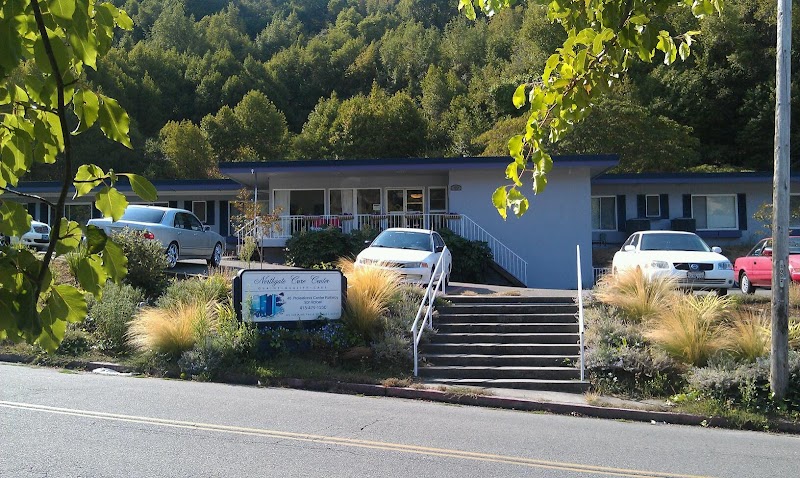
40 PROFESSIONAL CENTER PARKWAY, SAN RAFAEL, CA 94903 (415) 479-1230
For profit - Limited Liability company 52 Beds RMG CAPITAL PARTNERS Data: November 2025
Trust Grade
30/100
#863 of 1155 in CA
Last Inspection: August 2025

Inspected within the last 6 months. Data reflects current conditions.

Overview

Northgate Postacute Care has received a Trust Grade of F, indicating poor performance with significant concerns about care quality. It ranks #863 out of 1,155 facilities in California, placing it in the bottom half of all state nursing homes, and #7 out of 11 in Marin County, where only one nearby option is better. The facility is worsening, with issues increasing from 3 in 2024 to 19 in 2025. Staffing is a concern, as it has less RN coverage than 85% of California facilities, and the facility has faced $129,101 in fines, indicating serious compliance problems. Specific incidents include failure to protect residents from verbal abuse, inadequate RN coverage for four days in July 2025, and an ineffective pest control program that led to cockroach infestations in food preparation areas and residents' rooms, raising significant health and safety concerns.

Trust Score
F
30/100
In California
#863/1155
Bottom 26%
Safety Record
High Risk
Review needed
Inspections
Getting Worse
3 → 19 violations
Staff Stability
○ Average
Turnover data not reported for this facility.
Penalties
○ Average
$129,101 in fines. Higher than 51% of California facilities. Some compliance issues.
Skilled Nurses
⚠ Watch
Each resident gets only 17 minutes of Registered Nurse (RN) attention daily — below average for California. Fewer RN minutes means fewer trained eyes watching for problems.
Violations
⚠ Watch
57 deficiencies on record. Higher than average. Multiple issues found across inspections.
★★☆☆☆
2.0
Overall Rating
★★☆☆☆
2.0
Staff Levels
★★☆☆☆
2.0
Care Quality
★★☆☆☆
2.0
Inspection Score
Stable
2024: 3 issues
2025: 19 issues

The Good

  • Full Sprinkler Coverage · Fire safety systems throughout facility
  • No fines on record

Facility shows strength in fire safety.

The Bad

2-Star Overall Rating

Below California average (3.1)

Below average - review inspection findings carefully

Federal Fines: $129,101

Well above median ($33,413)

Significant penalties indicating serious issues

Chain: RMG CAPITAL PARTNERS

Part of a multi-facility chain

Ask about local staffing decisions and management

The Ugly 57 deficiencies on record

1 actual harm
Aug 2025 14 deficiencies
CONCERN (D)

Potential for Harm - no one hurt, but risky conditions existed

Safe Environment (Tag F0584)

Could have caused harm · This affected 1 resident

**NOTE- TERMS IN BRACKETS HAVE BEEN EDITED TO PROTECT CONFIDENTIALITY** Based on observation, interview and record review the facility failed to maintain three out of 13 resident bathrooms when they w...

Read full inspector narrative →
**NOTE- TERMS IN BRACKETS HAVE BEEN EDITED TO PROTECT CONFIDENTIALITY** Based on observation, interview and record review the facility failed to maintain three out of 13 resident bathrooms when they were found in disrepair. This failure had the potential to result in an unsanitary and uncomfortable homelike environment. t Findings:During a concurrent observation and interview on 8/20/2025 at 7:30 a.m. with the Director of Nursing (DON) in the shared bathroom for room [ROOM NUMBER] and room [ROOM NUMBER], the toilet seat had numerous scratches. The DON stated it was not normal, and it needed to be replaced.During a concurrent observation and interview on 8/20/2025 at 7:34 a.m. with the DON in the shared bathroom for room [ROOM NUMBER] and room [ROOM NUMBER], the door frame was corroded away at the baseboard exposing a large black hole with debris inside. The DON stated it needed to be repaired immediately.During a concurrent observation and interview on 8/20/2025 at 7:37 a.m. with the DON in the shared bathroom for room [ROOM NUMBER] and room [ROOM NUMBER], the baseboard was separated from the wall exposing rust to the toilet plumbing and discoloration on the wall. The DON stated the baseboard needed to be connected to the wall.During a review of the facility's policy and procedure (P&P) titled, Physical Plant Interior Maintenance, dated January 2018, the P&P indicated, Check all areas of vinyl flooring for repairs and cleanliness.During a review of the facility's policy and procedure (P&P) titled, Homelike Environment, dated January 2018, the P&P indicated, Residents are provided with a safe, clean, comfortable and homelike environment. The facility staff and management maximizes, to the extent possible, the characteristics of the facility that reflect a personalized, homelike setting. These characteristics include: clean, sanitary and orderly environment.
CONCERN (D)

Potential for Harm - no one hurt, but risky conditions existed

Deficiency F0658 (Tag F0658)

Could have caused harm · This affected 1 resident

**NOTE- TERMS IN BRACKETS HAVE BEEN EDITED TO PROTECT CONFIDENTIALITY** Based on observation, interview, and record review, the facility failed to ensure services provided met professional standards o...

Read full inspector narrative →
**NOTE- TERMS IN BRACKETS HAVE BEEN EDITED TO PROTECT CONFIDENTIALITY** Based on observation, interview, and record review, the facility failed to ensure services provided met professional standards of practice when Licensed Vocational Nurse (LVN 1) provided wound care to one of 15 sampled residents (Resident 1) without a physician's order. This failure had the potential to result in delayed wound healing for Resident 1.Findings:During a review of Resident 1's Face sheet (demographics), [undated], the face sheet indicated Resident 1 was admitted on [DATE] with a diagnoses of Chronic Obstructive Pulmonary Disease (COPD, a lung condition that causes long-term breathing problems) and sepsis (a serious condition in which the body responds improperly to an infection).During an observation on 8/20/2025 at 8:28 a.m. in Resident 1's room, Resident 1 had a white bandage, falling off on her left hand with a skin tear exposed. LVN 1 removed Resident 1's bandage, cleansed with wound cleanser and applied A&D ointment (skin protectant used to treat and prevent minor skin irritations). LVN 1 cut a 2-inch by 2-inch square of calcium alginate (a highly absorbent type of wound dressing) and applied overtop of the A&D ointment. LVN 1 then covered the calcium alginate with a 4-inch by 4-inch island dressing (bandage).During a concurrent interview and record review on 8/20/2025 at 12:49 p.m. with LVN 1, Resident 1's Treatment Administration Record (TAR-document that tracks all non-medication medical treatments given to a resident), dated 8/5/2025 was reviewed. Resident 1's TAR indicated there was no active wound care order. LVN 1 stated he should have called the doctor to request a new wound care order.During an interview on 8/20/2025 at 12:52 p.m. with the Director of Nursing (DON), the DON stated the expectation of staff was to contact the doctor to provide a wound update and obtain a new wound care order.During an interview on 8/21/2025 at 3:43 p.m. with the Pharmacist (Pharm), the Pharm stated calcium alginate was to be used for wounds with moderate drainage for absorption and improper utilization of calcium alginate could cause delay in wound healing.During a review of the facility's policy and procedure (P&P) titled, Wound Care, dated January 2018, the P&P indicated, Verify that there is a physician's order for this procedure.
CONCERN (D)

Potential for Harm - no one hurt, but risky conditions existed

Quality of Care (Tag F0684)

Could have caused harm · This affected 1 resident

**NOTE- TERMS IN BRACKETS HAVE BEEN EDITED TO PROTECT CONFIDENTIALITY** Based on observation, interview, and record review, the facility failed to ensure collaborative care with the contracted hospice...

Read full inspector narrative →
**NOTE- TERMS IN BRACKETS HAVE BEEN EDITED TO PROTECT CONFIDENTIALITY** Based on observation, interview, and record review, the facility failed to ensure collaborative care with the contracted hospice agency was provided for one of 15 sampled residents (Resident 36). This failure had the potential to affect Resident 36's safety and comfort of care. Findings:During a review of Resident 36's admission Record, dated 8/23/2025, the admission record indicated Resident 36 was admitted to the facility on [DATE] with a diagnoses of dislocation of internal left hip prosthesis (a condition where surgically implanted left hip comes out of place) and Huntington's disease (a condition in which nerve cells in the brain break down over time). During a concurrent observation and interview on 8/20/2025 at 8:20 a.m. with the Hospice Registered Nurse Case Manager (HRN), in Resident 36's room, the HRN was observed standing next to Resident 36 wearing a gown and gloves and wound supplies on the table. The HRN stated she did not have the wound orders and had not updated the binder with wound care plans for Resident 36.During a concurrent interview and record review on 8/20/2025 at 8:42 a.m., with the Director of Nursing (DON), Resident 36's Hospice Aide Coordination of Care, report dated 8/4/2025 was reviewed. The Hospice Aide Coordination of Care report indicated, Resident 36 was enrolled in hospice care (a medical care that focuses on providing comfort and support to patients with terminal illnesses and their families) on 8/4/2025. The DON stated there were no wound orders or care plans for Resident 36 in the hospice binder, where it should have been. The DON further stated, this was overlooked and affected Resident 36's comfort of care. During an interview on 8/21/2025 at 10:00 a.m., with the DON, the DON stated the hospice binder should have been updated with the physician orders, wound change orders, comfort care plans and wound care plans for Resident 36 to ensure smooth communication and collaboration of care between the facility and the hospice agency. During a review of the facility's policy and procedures (P&P) titled, Hospice Program, dated January 2018, the P&P indicated Hospice providers who contract with this facility: are held responsible for meeting the same professional standards and timeliness of service as any contracted individual or agency associated with the facility. Coordinated care plans for residents receiving hospice services will include the most recent hospice plan of care as well as the care and services provided by the facility (including the responsible provider and discipline assigned to specific tasks) in order to maintain the resident's highest practicable physical, mental and psychosocial well-being.During a review of the facility's hospice contract titled, Skilled Nursing Facility And Hospice Contract Agreement, dated 8/30/2022, the hospice contract indicated, Hospice shall provide provider with the following: A written and specified treatment plan for each patient. Facility responsibility includes ensuring collaboration between the facility and the hospice agency and nursing care plan developed by the agency will be part of the resident's record in the facility.
CONCERN (D)

Potential for Harm - no one hurt, but risky conditions existed

Deficiency F0730 (Tag F0730)

Could have caused harm · This affected 1 resident

Based on interview and record review, the facility failed to complete annual performance evaluations for two of two employees (Certified Nursing Assistant [CNA] 3 and CNA 4). This failure had the pote...

Read full inspector narrative →
Based on interview and record review, the facility failed to complete annual performance evaluations for two of two employees (Certified Nursing Assistant [CNA] 3 and CNA 4). This failure had the potential to result in an inability to correct poor performance and compromise patient safety.Findings:During a concurrent interview and record review on 8/21/2025 at 11:17 a.m. with the Director of Staff Development (DSD), CNA 3's employee record was reviewed. There was no annual performance evaluation for 2024/2025. The DSD stated CNA 3 should have had an annual performance evaluation.During a concurrent interview and record review on 8/21/2025 at 11:38 a.m. with the DSD, CNA 4's employee record was reviewed. There was no annual performance evaluation for 2024/2025. The DSD stated CNA 4 should have had an annual performance evaluation.During an interview on 8/21/2025 at 11:50 a.m. with the Director of Nursing (DON), the DON stated she was unaware of multiple staff not having performance evaluations and the evaluations needed to be completed annually.During a review of the facility's policy and procedure (P&P) titled, Performance Evaluations, dated January 2018, the P&P indicated, A performance evaluation will be completed on each employee at the conclusion of his/her 90-day probationary period, and at least annually thereafter. The completed performance evaluation will be sent by the director or supervisor to the director of human resources to be placed in the employee's personnel record.
CONCERN (D)

Potential for Harm - no one hurt, but risky conditions existed

Pharmacy Services (Tag F0755)

Could have caused harm · This affected 1 resident

Based on observation, interview, and record review, the facility failed to properly dispose of used fentanyl patches (potent opioid medication used to pain management). This failure had the potential ...

Read full inspector narrative →
Based on observation, interview, and record review, the facility failed to properly dispose of used fentanyl patches (potent opioid medication used to pain management). This failure had the potential to result in drug diversion, inaccurate medication accountability and unsafe medication management.Findings:During a concurrent observation and interview on 8/20/2025 at 11:36 a.m. with Licensed Vocational Nurse (LVN 2), in the east wing hallway, the medication cart had nine opened and used fentanyl patches stored in a plastic cup. LVN 2 stated the fentanyl patches needed to be disposed of by the Director of Nursing (DON).During an interview on 8/20/2025 at 12:39 p.m. with the DON, the DON stated used fentanyl patches should not have been stored in the medication cart and should have been brought to the DON for proper disposal.During an interview on 8/21/2025 at 3:43 p.m. with the Pharmacist (Pharm), the Pharm stated used fentanyl patches should be cut up and placed into a disposal bin that was filled with liquid to ensure it was unable to be reused. The Pharm further stated fentanyl patches have a residual amount of medication that could be dangerous if touched.During a review of the facility's policy and procedure (P&P) titled, Discarding and Destroying Medications, dated January 2018, the P&P indicated Destruction of a controlled substance must render it non-retrievable, meaning that the process permanently alters the physical or chemical properties of the substance so that it is no longer available or usable and cannot be illegally diverted.
CONCERN (D)

Potential for Harm - no one hurt, but risky conditions existed

Deficiency F0761 (Tag F0761)

Could have caused harm · This affected 1 resident

**NOTE- TERMS IN BRACKETS HAVE BEEN EDITED TO PROTECT CONFIDENTIALITY** Based on observation, interview, and record review the facility failed to safely store and label drugs in accordance with accept...

Read full inspector narrative →
**NOTE- TERMS IN BRACKETS HAVE BEEN EDITED TO PROTECT CONFIDENTIALITY** Based on observation, interview, and record review the facility failed to safely store and label drugs in accordance with acceptable standards of practice when:1. One medication cart was left unlocked and unattended. This failure had the potential to result in residents and staff obtaining unauthorized access to medications and supplies that could lead to adverse effects.2. An open bottle of Senna syrup (laxative medication used to stimulate a bowel movement), stored in the medication cart did not have an expiration date. This failure had the potential to result in Senna syrup having a reduced effectiveness, potential bacterial contamination and unpredictable side effects.Findings:1.During an observation on 8/20/2025 at 8:27 a.m. in the hallway of the west wing between room [ROOM NUMBER] and room [ROOM NUMBER], Licensed Vocational Nurse (LVN 1) was standing next to the medication cart and walked away into room [ROOM NUMBER]. The medication cart was left unlocked and unattended.During a concurrent observation and interview on 8/20/2025 at 8:41 a.m. with LVN 1 in front of room [ROOM NUMBER], LVN 1 walked over to the medication cart and started to prepare medications. LVN 1 confirmed the medication cart was unlocked and unattended. LVN 1 stated he made a mistake, and the medication cart should always be locked.During an interview on 8/20/2025 at 12:14 p.m. with the Director of Nursing (DON), the DON stated the medication carts should always be locked when not in use to prevent residents from accessing medications.During a review of the facility's policy and procedure (P&P) titled, Storage of Medications, dated January 2018, the P&P indicated Drugs and biologicals used in the facility are stored in locked compartments. unlocked medication carts are not left unattended.2. During a concurrent observation and interview on 8/20/2025 at 11:36 a.m. with Licensed Vocational Nurse (LVN 2), in the hallway of the east wing between room [ROOM NUMBER] and room [ROOM NUMBER], the medication cart had an opened bottle of Senna syrup that did not have an expiration date. LVN 2 stated the liquid senna needed to be discarded because it did not have an expiration date and was not in the original packaging.During an interview on 8/20/2025 at 12:42 p.m. with the Director of Nursing (DON), the DON stated Senna syrup should have been kept in the original packaging with the expiration date, otherwise it should have been discarded.During an interview on 8/21/2025 at 3:43 p.m. with Pharmacist (Pharm), Pharm stated Senna syrup expiration date was located on the original packaging and should be stored in the box to show the expiration date.During a review of the facility's policy and procedure (P&P) titled, Storage of Medications, dated January 2018, the P&P indicated Drugs and biologicals are stored in the packaging in which they are received.
CONCERN (D)

Potential for Harm - no one hurt, but risky conditions existed

Garbage Disposal (Tag F0814)

Could have caused harm · This affected 1 resident

This REQUIREMENT is NOT MET as evidenced by the following:Based on observation, interview, and record review, the facility failed to ensure garbage was properly disposed of when trash was observed on ...

Read full inspector narrative →
This REQUIREMENT is NOT MET as evidenced by the following:Based on observation, interview, and record review, the facility failed to ensure garbage was properly disposed of when trash was observed on the ground and in an unsecured garbage dumpster, creating an unsanitary environment with the potential to attract pests.Findings:During an observation on 8/20/2025 at 7:41 a.m. in the facility's garbage storage area, one trash dumpster was observed with both lids unsecured and open due to overflowing garbage. Multiple bags and boxes of trash were also observed on the ground in the garbage storage area.During an interview on 8/20/2025 at 11:20 a.m. with Certified Dietary Manager (CDM), CDM stated leaving trash unsecured and on the ground was unacceptable because it attracts pests and rodents to the facility.During a review of the facility's policy and procedure (P&P) titled, Garbage and Trash, dated 2023, the P&P indicated, Adequate, clean, vermin-proof areas must be provided for storage of garbage and rubbish.all food waste must be placed in sealed leak-proof, non-absorbent, tightly closed containers (i.e., plastic bags) and shall be disposed of as necessary to prevent a nuisance or unsightliness.no debris is on the ground or surrounding area, and that the lids are closed.
CONCERN (D)

Potential for Harm - no one hurt, but risky conditions existed

Deficiency F0849 (Tag F0849)

Could have caused harm · This affected 1 resident

**NOTE- TERMS IN BRACKETS HAVE BEEN EDITED TO PROTECT CONFIDENTIALITY** Based on observation, interview, and record review, the facility failed to ensure hospice services met professional standards fo...

Read full inspector narrative →
**NOTE- TERMS IN BRACKETS HAVE BEEN EDITED TO PROTECT CONFIDENTIALITY** Based on observation, interview, and record review, the facility failed to ensure hospice services met professional standards for one of 15 sampled residents (Resident 36) when:1. The Hospice Registered Nurse (HRN) left Resident 36 exposed to the public for approximately 22 minutes, with no clothes from the waist to the feet.2. The Hospice Registered Nurse's (HRN) conduct was unprofessional towards Resident 36.These failures had the potential to cause physical and psychosocial harm to Resident 36.Findings:1.During a review of Resident 36's admission Record, dated 8/23/2025, the admission record indicated Resident 36 was admitted to the facility on [DATE] with a diagnoses of dislocation of internal left hip prosthesis (a condition where surgically implanted left hip comes out of place) and Huntington's disease (a condition in which nerve cells in the brain break down over time). During a review of Resident 36's Patient Billing/Care Level Change, document dated 8/4/2025, the document indicated, Resident 36 was enrolled in hospice care (medical care that focuses on providing comfort and support to residents with terminal illnesses and their families) on 8/4/2025.During a concurrent observation and interview on 8/20/2025 at 8:20 a.m. with the HRN, in Resident 36's room, the HRN was observed standing next to Resident 36 wearing a gown and gloves and wound supplies observed on the table. Resident 36 was observed with no clothes from the waist to feet, and visible to the public from the door.During a concurrent observation and interview on 8/20/2025 at 8:42 a.m. with the Director of Nursing (DON), in Resident 36's room, Resident 36 still had no clothes from the waist to the feet and wound change had not started. The DON confirmed it had been approximately 22 minutes for Resident 36 to be without clothes from the waist to feet, while waiting for the HRN. The DON stated this could lead to physical and psychological harm. The DON further stated the HRN's conduct was unprofessional. During a review of the facility's policy and procedure (P&P) titled, Accommodation of Needs, [undated], the P&P indicated, In order to accommodate individual needs and preferences, staff attitudes and behaviors are directed towards assisting the residents in maintaining independence, dignity and well-being to the extent possible and in accordance with the residents' wishes. interacting with the residents in ways that accommodate the physical or sensory limitations of the residents, promote communication, and maintain dignity.During a review of the facility's policy and procedure (P&P) titled, Hospice Program, dated January 2018, the P&P indicated, Hospice providers who contract with the facility are held responsible for meeting the same professional standards and timeliness of service as any contracted individual or agency associated with the facility.2. During a review of Resident 36's admission Record, dated 8/23/2025, the admission record indicated Resident 36 was admitted to the facility on [DATE] with a diagnoses of dislocation of internal left hip prosthesis (a condition where surgically implanted left hip comes out of place) and Huntington's disease (a condition in which nerve cells in the brain break down over time). During an observation on 8/20/2025 at 8:42 a.m., in Resident 36's room, the HRN was observed crying and yelling, unprovoked and next to Resident 36. Resident 36 was observed having a confused and scared facial expression. The Director of Nursing (DON) was observed asking the HRN to leave the room. During an interview on 8/21/2025 at 9:30 a.m., with the DON, the DON stated HRN's behavior was unprofessional and was not acceptable. The DON further stated, this caused Resident 36 to feel scared.During an interview on 8/21/2025 at 2:00 p.m., with Resident 36, Resident 36 stated he was scared when the HRN cried and yelled, thinking it was because of his wounds. During a review of the facility's policy and procedure (P&P) titled, Accommodation of Needs, [undated], the P&P indicated, In order to accommodate individual needs and preferences, staff attitudes and behaviors are directed towards assisting the residents in maintaining independence, dignity and well-being to the extent possible and in accordance with the residents' wishes. interacting with the residents in ways that accommodate the physical or sensory limitations of the residents, promote communication, and maintain dignity.During a review of the facility's hospice contract titled, Skilled Nursing Facility And Hospice Contract Agreement, dated 8/30/2022, the hospice contract indicated, The responsibility of the hospice is to assure that the services covered by the agreement shall be performed and rendered in competent, efficient and satisfactory manner.
CONCERN (D)

Potential for Harm - no one hurt, but risky conditions existed

Infection Control (Tag F0880)

Could have caused harm · This affected 1 resident

**NOTE- TERMS IN BRACKETS HAVE BEEN EDITED TO PROTECT CONFIDENTIALITY** Based on observation, interview, and record review, the facility failed to identify the need to place one of 15 sampled resident...

Read full inspector narrative →
**NOTE- TERMS IN BRACKETS HAVE BEEN EDITED TO PROTECT CONFIDENTIALITY** Based on observation, interview, and record review, the facility failed to identify the need to place one of 15 sampled residents (Resident 37) on Enhance Barrier Precautions (EBP-infection control strategy used to prevent spread of bacteria), while having multiple open wounds. This failure had the potential to result in the spread of dangerous multidrug-resistant organisms (MDROs) among the residents and staff.Findings:During a review of Resident 37's admission Record, dated 8/21/2025, the admission record indicated Resident 37 was admitted to the facility on [DATE] with diagnosis of complete traumatic amputation (surgical removal) of the left midfoot.During a concurrent observation and interview on 8/18/2025 at 4:08 p.m. with Resident 37, in Resident 37's room, Personal Protective Equipment (PPE, specialized clothing and equipment to protect infectious agents) and EBP signage were not posted outside of Resident 37's room. Resident 37 had a white kerlix (woven gauze used for absorbing fluids), bandage on her left foot. Resident 37 stated she was receiving wound care for her left foot and buttocks.During a concurrent interview and record review on 8/19/2025 at 9:45 a.m. with the Infection Preventionist (IP), Resident 37's Wound Care note, dated 7/24/2025 was reviewed. Resident 37's wound care note indicated, Wound 1: left foot. open wound. moderate serosanguineous [mixture of blood and fluid] drainage. Wound 2: Sacral [triangular bone at the bottom of the spine]. light serosanguineous drainage. IP confirmed Resident 37 was not on EBP and should have been on EBP due to her wounds.During an interview on 8/20/2025 at 5:04 p.m. with the Director of Nursing (DON), the DON stated she was unaware Resident 37 was not on EBP and she should be on EBP due to her wounds.During a review of the facility's policy and procedure (P&P) titled, Enhanced Barrier Precaution (EBP), dated June 2022, the P&P indicated, EBP are an infection control intervention designed to reduce transmission of resistant organisms. EBP applies to: All residents with any of the following: Wounds. make PPE, including gowns and gloves, available immediately outside of the resident room.Post clear signage at the door.
CONCERN (D)

Potential for Harm - no one hurt, but risky conditions existed

Room Equipment (Tag F0908)

Could have caused harm · This affected 1 resident

**NOTE- TERMS IN BRACKETS HAVE BEEN EDITED TO PROTECT CONFIDENTIALITY** Based on observation, interview, and record review, the facility failed to maintain equipment in a safe and operating condition ...

Read full inspector narrative →
**NOTE- TERMS IN BRACKETS HAVE BEEN EDITED TO PROTECT CONFIDENTIALITY** Based on observation, interview, and record review, the facility failed to maintain equipment in a safe and operating condition when:One of the laundry machine was covered in rust and was broken.The bed locks for Resident 36 were not working. These failures had the potential to affect the resident's health and safety. Findings:1.During a concurrent observation and interview on 8/19/2025 at 2:05 p.m. with the Housekeeping Staff (HSK) and the Maintenance Director (MDR), in the laundry room, two laundry machines were observed. One of the laundry machine was broken and covered with rust. The MDR confirmed one of the laundry machines was broken. The HSK stated the broken laundry machine had been broken for quite some time, and it delayed the laundry process for the residents. During an interview on 8/21/2025 at 2:53 p.m. and at 4:59 p.m., with the MDR, the MDR stated the broken laundry machine should be repaired as soon as it is found to be broken, to better serve the residents and for the safety of the staff. MDR stated the facility did not do any maintenance for the machines unless there was something wrong with it. The MDR stated this was the wrong practice and regular maintenance was needed to ensure the laundry machines work properly. MDR stated he could not find the laundry machine manual and it was important to keep the manual to refer to troubleshooting. During a review of the facility's policy and procedures (P&P) titled Maintenance Service, dated January 2018, the P&P indicated, 1. The maintenance department is responsible for maintaining the buildings, grounds, and equipment in a safe and operable manner at all times. 2. Functions of maintenance personnel include but are not limited to: providing routinely scheduled maintenance service to all areas. 3. The maintenance director is responsible for developing and maintaining a schedule of maintenance service to assure that the buildings, grounds, and equipment are maintained in a safe and operable manner. 4. A copy of the maintenance schedule shall be provided to each department director so that appropriate scheduling can be made without interruption of services to residents.2.During a review of Resident 36's admission Record, dated 8/23/2025, the admission record indicated Resident 36 was admitted to the facility on [DATE] with a diagnoses of dislocation of internal left hip prosthesis (a condition where surgically implanted left hip comes out of place), Huntington's disease (a condition in which nerve cells in the brain break down over time), and fall from chair.During a concurrent observation and interview on 8/20/2025 at 12:11 p.m. with Certified Nursing Assistant (CNA 1) and CNA 2 in Resident 36's room, CNA 1 and CNA 2 were observed trying to lock Resident 36's bed. CNA 1 and CNA 2 stated the bed locks were not working. CNA 1 stated the bed needed to be locked to prevent Resident 36 from falling. During a concurrent observation and interview on 8/20/2025 at 12:30 p.m. with the Maintenance Director (MDR), outside of Resident 36's room, MDR stated Resident 36's bed locks' were not working. The MDR further stated it was important for all the beds to have functioning locks for safety. During an interview with the Director of Nursing (DON) on 8/20/2025 at 2:00 p.m., the DON stated it was important to lock all the beds to prevent injury and fall. The DON confirmed Resident 36's bed locks were broken. During a review of the facility's policy and procedures (P&P) titled, Maintenance Service, dated January 2018, the P&P indicated, The maintenance department is responsible for maintaining the buildings, grounds, and equipment in a safe and operable manner at all times.
CONCERN (D)

Potential for Harm - no one hurt, but risky conditions existed

Deficiency F0924 (Tag F0924)

Could have caused harm · This affected 1 resident

**NOTE- TERMS IN BRACKETS HAVE BEEN EDITED TO PROTECT CONFIDENTIALITY** Based on observation, interview and record review, the facility failed to ensure one handrail was secured to the wall. This fail...

Read full inspector narrative →
**NOTE- TERMS IN BRACKETS HAVE BEEN EDITED TO PROTECT CONFIDENTIALITY** Based on observation, interview and record review, the facility failed to ensure one handrail was secured to the wall. This failure had the potential to result in residents utilizing an unstable handrail that could subsequently cause a sudden fall and serious injuries.Findings:During an observation on 8/18/2025 at 4:43 p.m. in the east wing hallway, one handrail on the wall between room [ROOM NUMBER] and 10 had a crack along the seam of the handrail and was not firmly secured to the wall.During a concurrent observation and interview on 8/18/2025 at 5:42 p.m. with the Maintenance Director (MDR) in the east wing hallway, the MDR tugged on the handrail between room [ROOM NUMBER] and 10 and the handrail separated from the wall. MDR stated the handrail should have been secured to the wall and it needed to be reenforced.During a review of the facility's policy and procedure (P&P) titled, Maintenance Service, dated January 2018, the P&P indicated, The maintenance department is responsible for maintaining the buildings, grounds and equipment in a safe and operable manner at all times.
CONCERN (E)

Potential for Harm - no one hurt, but risky conditions existed

Unnecessary Medications (Tag F0759)

Could have caused harm · This affected multiple residents

**NOTE- TERMS IN BRACKETS HAVE BEEN EDITED TO PROTECT CONFIDENTIALITY** Based on observation, interview, and record review, the facility failed to ensure the medication error rate did not exceed five ...

Read full inspector narrative →
**NOTE- TERMS IN BRACKETS HAVE BEEN EDITED TO PROTECT CONFIDENTIALITY** Based on observation, interview, and record review, the facility failed to ensure the medication error rate did not exceed five percent when seven identified medication errors out of 26 opportunities were observed:1. The wrong form of aspirin was administered to Resident 29 and Resident 34.2. Senna (medication used to stimulate bowel movement) and docusate sodium (medication used to soften bowel movements) were not held in accordance with the physician order for Resident 25.3. Resident 25 was not instructed to chew a chewable aspirin.4. The wrong form of Vitamin C was administered to Resident 25.5. Resident 25 did not receive dapagliflozin (medication used to treat diabetes mellitus- a condition when the body doesn't create enough insulin) when ordered.These failures resulted in an overall facility medication error rate of 26% and had the potential to result in negative health outcomes for Resident 25, Resident 29, and Resident 34.Findings:1a. During a review of Resident 29's admission Record, dated 8/21/2025, the admission record, indicated Resident 29 was admitted on [DATE] with diagnosis of sudden cardiac arrest (condition when the heart stops beating).During an observation on 8/20/2025 at 8 a.m. in Resident 29's room, Licensed Vocational Nurse (LVN 1) administered one tablet of aspirin 81 milligrams (mg).During a concurrent interview and record review on 8/20/2025 at 11:18 a.m. with LVN 1, Resident 29's Physician Orders, dated 8/20/2025 was reviewed. The physician orders indicated, aspirin EC [enteric coated] tablet delayed release 81 mg. Give 1 tablet by mouth one time a day for PROPHALAXIS [preventative treatment]. LVN 1 confirmed he did not administer Resident 29 the delayed release aspirin and overlooked the order for delayed release aspirin.During an interview on 8/20/2025 at 11:24 a.m. with the Director of Nursing (DON), the DON stated the expectation for licensed nurses administering medication was to follow the doctor order and administer the correct medication.During an interview on 8/21/2025 at 3:43 p.m. with the Pharmacist (Pharm), the Pharm stated delayed release medication is used to prevent gastrointestinal (stomach) discomfort. The Pharm further stated licensed nurses were to follow the doctor's order.During a review of the facility's policy and procedure (P&P) titled, Administering Medications, dated January 2018, the P&P indicated, The individual administering the medication checks the label THREE (3) times to verify the right resident, right medication, right dosage, right time and right method (route of administration) before giving the medication. Medications are administered in accordance with prescribers orders.1b. During a review of Resident 34's admission Record, dated 8/21/2025, the admission record, indicated Resident 34 was admitted on [DATE] with diagnosis of cerebral infarction (ischemic stroke- when the blood flow to the brain is interrupted, leading to tissue damage).During an observation on 8/20/2025 at 8:15 a.m. in Resident 34's room, Licensed Vocational Nurse (LVN 1) administered one tablet of aspirin 81 milligrams (mg).During a concurrent interview and record review on 8/20/2025 at 11:21 a.m. with LVN 1, Resident 34's Physician Orders, dated 8/20/2025 was reviewed. The physician orders indicated, aspirin EC [enteric coated] tablet delayed release 81 mg. Give 1 tablet by mouth one time a day related to CEREBRAL INFARCTION. LVN 1 confirmed he did not administer Resident 34 the delayed release aspirin and stated he should have given delayed release aspirin.During an interview on 8/20/2025 at 11:24 a.m. with the Director of Nursing (DON), the DON stated the expectation for licensed nurses administering medication was to follow the doctor order and administer the correct medication.During an interview on 8/21/2025 at 3:43 p.m. with the Pharmacist (Pharm), the Pharm stated delayed release medication is used to prevent gastrointestinal (stomach) discomfort. The Pharm further stated licensed nurses were to follow the doctor's order.During a review of the facility's policy and procedure (P&P) titled, Administering Medications, dated January 2018, the P&P indicated, The individual administering the medication checks the label THREE (3) times to verify the right resident, right medication, right dosage, right time and right method (route of administration) before giving the medication. Medications are administered in accordance with prescribers orders.2. During a review of Resident 25's admission Record, dated 8/21/2025, the admission record, indicated Resident 25 was admitted on [DATE] with diagnosis of cerebral infarction (ischemic stroke- when the blood flow to the brain is interrupted, leading to tissue damage).During an observation on 8/20/2025 at 9:01 a.m. in Resident 25's room, Licensed Vocational Nurse (LVN 1) prepared Resident 25's medications and placed one tablet of senna 8.6 milligrams (mg) and one capsule of docusate sodium 250 mg in a medicine cup. Resident 25 informed LVN 1 that he had been up majority of the night having multiple bowel movements and needed to be changed because he had a large gushy diaper. A strong foul odor was noted. LVN 1 then administered one tablet of senna 8.6 mg and one capsule of docusate sodium 250 mg.During a concurrent interview and record review on 8/20/2025 at 11:22 a.m. with LVN 1, Resident 25's Physician Orders, dated 8/20/2025 was reviewed. The physician orders indicated, Senna oral tablet 8.6 mg. Give 1 tablet by mouth one time a day for bowel care management. Hold for loose stool. Docusate Sodium oral capsule 250 mg. Give 1 capsule by mouth one time a day for bowel care management. Hold for loose stool. LVN 1 confirmed Resident 25 had multiple bowel movements and stated he should have held both the senna and docusate due to loose bowel movements.During an interview on 8/20/2025 at 11:27 a.m. with the Director of Nursing (DON), the DON stated the expectation for licensed nurses administering medication was to follow the doctor order and hold the medication when instructed.During an interview on 8/21/2025 at 3:43 p.m. with the Pharmacist (Pharm), the Pharm stated there was potential harm for diarrhea and dehydration when continuing to administer senna and docusate after the resident had multiple loose bowel movements. The Pharm further stated licensed nurses were to follow the doctor's order.During a review of the facility's policy and procedure (P&P) titled, Administering Medications, dated January 2018, the P&P indicated, The individual administering the medication checks the label THREE (3) times to verify the right resident, right medication, right dosage, right time and right method (route of administration) before giving the medication. Medications are administered in accordance with prescribers orders.3. During a review of Resident 25's admission Record, dated 8/21/2025, the admission record, indicated Resident 25 was admitted on [DATE] with diagnosis of cerebral infarction (ischemic stroke- when the blood flow to the brain is interrupted, leading to tissue damage).During an observation on 8/20/2025 at 9:01 a.m. in Resident 25's room, Licensed Vocational Nurse (LVN 1) administered one tablet of chewable Aspirin 81 milligrams (mg) to Resident 25 and did not instruct Resident 25 to chew the aspirin.During a concurrent interview and record review on 8/20/2025 at 11:22 a.m. with LVN 1, Resident 25's Physician Orders, dated 8/20/2025 was reviewed. The physician orders indicated, Aspirin 81 mg, oral tablet chewable. Give 1 tablet by mouth one time a day related to CEREBRAL INFARCTION. LVN 1 confirmed he did not instruct Resident 25 to chew the aspirin. LVN 1 further stated, oh I didn't even think about that. LVN 1 stated he should have educated Resident 25 to chew the medication as ordered.During an interview on 8/20/2025 at 11:27 a.m. with the Director of Nursing (DON), the DON stated the expectation for licensed nurses administering medication was to follow the doctor order.During an interview on 8/21/2025 at 3:43 p.m. with the Pharmacist (Pharm), the Pharm stated chewable aspirin is absorbed faster and in the bloodstream versus enteric coated aspirin is absorbed in the small intestines and slower. The Pharm further stated the nurse should follow the direction of the medication form and educate the resident on how it should have been administered.During a review of the facility's policy and procedure (P&P) titled, Administering Medications, dated January 2018, the P&P indicated, The individual administering the medication checks the label THREE (3) times to verify the right resident, right medication, right dosage, right time and right method (route of administration) before giving the medication. Medications are administered in accordance with prescriber's orders.4.During a review of Resident 25's admission Record, dated 8/21/2025, the admission record, indicated Resident 25 was admitted on [DATE] with diagnoses including absence of right great toe and chronic ulcer (open wound) of right foot with necrosis (death) of the bone.During an observation on 8/20/2025 at 9:01 a.m. in Resident 25's room, Licensed Vocational Nurse (LVN 1) administered one tablet of chewable Vitamin C, 500 milligrams (mg) to Resident 25 and did not instruct Resident 25 to chew the Vitamin C tablet.During a concurrent interview and record review on 8/20/2025 at 11:22 a.m. with LVN 1, Resident 25's Physician Orders, dated 8/20/2025 was reviewed. The physician orders indicated, Ascorbic Acid [vitamin c] oral tablet 500mg. Give 1 tablet by mouth two times a day for supplement. LVN 1 confirmed he administered the chewable form of ascorbic acid and did not instruct Resident 25 to chew the medication. LVN 1 stated he didn't look over the order and assumed it was chewable since that was the medication LVN 1 had in the medication cart already. During an interview on 8/20/2025 at 11:27 a.m. with the Director of Nursing (DON), the DON stated the expectation for licensed nurses administering medication was to follow the doctor order.During an interview on 8/21/2025 at 3:43 p.m. with the Pharmacist (Pharm), the Pharm stated chewable ascorbic acid is absorbed faster and in the bloodstream. The Pharm further stated the nurse should follow the direction of the medication form and educate the resident on how it should have been administered.During a review of the facility's policy and procedure (P&P) titled, Administering Medications, dated January 2018, the P&P indicated, The individual administering the medication checks the label THREE (3) times to verify the right resident, right medication, right dosage, right time and right method (route of administration) before giving the medication. Medications are administered in accordance with prescribers orders.5. During a review of Resident 25's admission Record, dated 8/21/2025, the admission record, indicated Resident 25 was admitted on [DATE] with diagnosis of diabetes mellitus (metabolic disease when the body is unable to regulate blood sugars).During an observation on 8/20/2025 at 9:01 a.m. in Resident 25's room, Licensed Vocational Nurse (LVN 1) prepared Resident 25's medications and did not administer dapagliflozin.During a concurrent interview and record review on 8/20/2025 at 11:25 a.m. with LVN 1, Resident 25's Physician Orders, dated 8/20/2025 was reviewed. The physician orders indicated, dapaglifozin propanediol, oral tablet 5 milligrams (mg). Give 1 tablet by mouth in the morning related to TYPE 2 DIABETES MELLITUS. LVN 1 confirmed he did not administer dapaglifozin to Resident 25 because, they didn't have it on hand. LVN 1 further stated pharmacy could deliver it tomorrow afternoon.During an interview on 8/20/2025 at 11:29 a.m. with the Director of Nursing (DON), the DON stated the expectation for licensed nurses were to check all medications were on hand prior to administering medications and if not, order medications with pharmacy and notify the doctor.During an interview on 8/21/2025 at 3:43 p.m. with the Pharmacist (Pharm), the Pharm stated if a resident stops receiving dapaglifozin then the resident could experience hyperglycemic (high blood sugar) episodes or unwanted symptoms associated with hyperglycemia, and it was best to monitor blood sugars while not receiving the medication.During a review of the facility's policy and procedure (P&P) titled, Administering Medications, dated January 2018, the P&P indicated, The individual administering the medication checks the label THREE (3) times to verify the right resident, right medication, right dosage, right time and right method (route of administration) before giving the medication. Medications are administered in accordance with prescriber's orders.
CONCERN (E)

Potential for Harm - no one hurt, but risky conditions existed

Food Safety (Tag F0812)

Could have caused harm · This affected multiple residents

This REQUIREMENT is NOT MET as evidenced by:Based on observation, interview, and record review, the facility failed to ensure food was stored, labeled, and prepared under sanitary conditions when: 1) ...

Read full inspector narrative →
This REQUIREMENT is NOT MET as evidenced by:Based on observation, interview, and record review, the facility failed to ensure food was stored, labeled, and prepared under sanitary conditions when: 1) Staff food items were stored in Refrigerator #2 with the resident food items.2) An unlabeled and undated container of peaches was stored in Refrigerator #2 and was not properly disposed of.3) A dietary staff member with facial hair was observed in the kitchen preparing lunch for the residents without a beard restraint.4) Chopped salad was observed outside the cold holding temperature of 41 degrees Fahrenheit (measurement of temperature) or below.These failures had the potential to place residents at risk for developing food-borne illnesses (sickness by consuming contaminated food or drinks) by exposing residents to contaminated food and unsanitary practices. Findings:1. During a concurrent observation and interview on 8/18/2025 at 3:10 p.m. with the Certified Dietary Manager (CDM), in the facility's kitchen, an unlabeled food item wrapped in a paper towel was observed inside Refrigerator #2 alongside food ingredients for resident meals. CDM confirmed the food item belonged to a staff member who placed it in the refrigerator for cold storage.During an interview on 8/20/2025 at 3:25 p.m. with the Registered Dietitian (RD), the RD stated the improper storage of staff food items in the kitchen refrigerator may result in cross-contamination (unwanted transfer of germs or harmful substances from one food or surface to another food or surface) and resident foodborne illness (sickness caused by contaminated food).During a review of the facility's policy and procedure (P&P) titled, Employee Meals, dated 2023, the P&P indicated, Food brought by employees from outside the facility shall not be kept in the facility's refrigerator in the kitchen nor prepared or reheated in the facility's kitchen.2. During a concurrent observation and interview conducted on 8/18/2025 at 3:10 p.m. with the Certified Dietary Manager (CDM), in the facility's kitchen, an unlabeled and undated container of diced peaches was observed inside Refrigerator #2. CDM confirmed the unlabeled and undated container of peaches should have been thrown away to minimize the risk of foodborne illness to residents.During an interview on 8/20/2025 at 3:25 p.m. with the Registered Dietician (RD), the RD stated the improper storage of expired or unlabeled food items in the kitchen refrigerators was unacceptable due to the risk of food-borne illness (sickness caused by contaminated food).During a review of the Food and Drug Administration (FDA) Food Code (a guide for food safety to prevent foodborne illness), sections S3-302.12 and S3-501.17, dated 2022, the FDA food code indicated, It requires that working containers of food removed from their original packaging must be identified with the common name of the food. Foods that are prepared and held in a refrigerator must be clearly marked with the date they must be consumed, sold, or discarded.3. During an observation on 8/20/2025 at 11:55 a.m. in the facility kitchen, Dietary Staff (DS 1) was observed with an exposed beard and mustache while preparing and cooking food during lunch preparation without a beard restraint to cover his facial hair.During an interview on 8/20/2025 at 3:25 p.m. with the Registered Dietician (RD), the RD stated that it was unacceptable for dietary staff with facial hair to work in the kitchen without a beard restraint because hair can fall into the food and it is not a sanitary practice.During a review of the Food and Drug Administration (FDA) Food Code (a guide for food safety to prevent foodborne illness), section S2-402.11, dated 2022, the FDA food code indicated, Food employees must wear hair restraints and clothing that covers body hair in order to keep hair from contacting food, equipment, and utensils.4. During a concurrent observation and interview on 8/20/2025 at 11:59 a.m. with Dietary Staff (DS 2), in the facility kitchen during lunch preparation, DS 2 was observed using a food thermometer to check and re-check the temperature of chopped salad that had been distributed into 16 bowls. DS 2 confirmed the temperature of the chopped salad measured 63 degrees Fahrenheit (measurement of temperature) and that the salad temperature should measure 40 degrees Fahrenheit or less.During a concurrent observation and interview on 8/21/25 at 9:25 a.m. with DS 1 and the Assistance Maintenance Director (AMD), in the facility's kitchen, AMD was observed measuring the temperature of the kitchen using an infrared thermometer gun. AMD confirmed it read 84.4 degrees Fahrenheit. DS 1 stated two of two air conditioning units in the kitchen were on and blowing cool air during this temperature reading and during lunch preparation the previous day when the temperature was measured at 86 degrees Fahrenheit.During a review of the Food and Drug Administration (FDA) Food Code (a guide for food safety to prevent foodborne illness), section S3-501.16, dated 2022, the FDA food code indicated, Bacterial growth and/or toxin production can occur if time/temperature control for safety food remains in the temperature ‘Danger Zone' of 41 to 135 degrees Fahrenheit too long.Maintaining Time/Temperature Control for Safety [TCS, foods that germs can grow on quickly if they are not kept at the right temperature], foods under the cold temperature control requirements prescribed in this code will limit the growth of pathogens that may be present in or on the food and may help prevent foodborne illness.
CONCERN (F)

Potential for Harm - no one hurt, but risky conditions existed

Deficiency F0727 (Tag F0727)

Could have caused harm · This affected most or all residents

Based on interview and record review, the facility failed to provide a Registered Nurse (RN) for eight hours a day for four days in July 2025. This failure had the potential to result in inadequate ca...

Read full inspector narrative →
Based on interview and record review, the facility failed to provide a Registered Nurse (RN) for eight hours a day for four days in July 2025. This failure had the potential to result in inadequate care for a medically fragile population of 48 residents.Findings:During a concurrent interview and record review on 8/21/2025 at 3:04 p.m. with the Director of Nursing (DON), the facility's, Job Code RN Time Sheet, report dated 1/1/2025 to 8/21/2025 was reviewed. The RN time sheet report indicated an RN worked less than 8 hours as follows:S 7/6/2025, 5.85 RN hoursS 7/12/2025, no RN hours/no RN presentS 7/13/2025, no RN hours/no RN presentS 7/20/2025, 5 RN hoursThe DON confirmed, she did not work on 7/6/2025, 7/12/2025, 7/13/2025 and 7/20/2025 and there was no RN present for eight hours. The DON stated she and the MDS Registered Nurse (MDS RN) did not work weekends and did not know why they didn't see this, or catch this. The DON further stated it was not normal for an RN not to be present for a minimum of eight hours a day and there should have been an RN onsite. During an interview on 8/21/2025 at 3:29 p.m. with the Administrator (Admin), the Admin stated the expectation was to have enough staff in accordance with the Centers for Medicare & Medicaid Services (CMS) guidelines.During a review of the facility's policy and procedure (P&P) titled, Staffing, dated January 2018, the P&P indicated, Our facility maintains adequate staffing on each shift to ensure that our resident's needs and services are met. Licensed registered nursing are available to provide and monitor the delivery of resident care services.
Mar 2025 2 deficiencies
CONCERN (D) 📢 Someone Reported This

A family member, employee, or ombudsman was alarmed enough to file a formal complaint

Potential for Harm - no one hurt, but risky conditions existed

Deficiency F0572 (Tag F0572)

Could have caused harm · This affected 1 resident

**NOTE- TERMS IN BRACKETS HAVE BEEN EDITED TO PROTECT CONFIDENTIALITY** Based on observation, interview, and record review, the facility failed to notify one of two sampled residents (Resident 1) of t...

Read full inspector narrative →
**NOTE- TERMS IN BRACKETS HAVE BEEN EDITED TO PROTECT CONFIDENTIALITY** Based on observation, interview, and record review, the facility failed to notify one of two sampled residents (Resident 1) of their responsibilities as a resident when Resident 1 ' s daily rate for room and board increased twice (on 1/1/24 and 1/1/25) with no advanced written notice and required a security deposit with no advanced written notice. These failures caused financial hardship to Resident 1 who stated, It ' s really ruined my life, and stated she felt poor. Finding: During an observation on 2/5/25 at 9:57 a.m., a sign posted in the facility hallway indicated the private pay daily rate was $525 for a two-bed room. During an electronic medical record review on 2/5/25 at 11:42 a.m., Resident 1 ' s face sheet indicated she was admitted [DATE], payor information indicated Private Pay, and Resident 1 ' s power of attorney for healthcare was Family Member (FM) 4. Review of Resident 1 ' s Minimum Data Set (an assessment tool) dated 12/8/24 indicated a BIMS score of 13 (Brief Interview for Mental Status, a score of 13 to 15 indicates no cognitive impairment). During an interview on 2/6/25 at 3:29 p.m., Medical Records Director stated Resident 1 did not have an admission agreement. During an observation and concurrent interview on 3/24/25 at 12:50 p.m., Resident 1 was sitting in her wheelchair in the room where she resided, which was a two-bed room. When queried, Resident 1 stated she did not get an admission agreement when she was first admitted but had just signed one recently. Resident 1 stated she had not been given a copy so she could not provide information on the daily room rate or the security deposit amount that were in the agreement. Resident 1 verified she had had her daily room rate increased during her stay at the facility. Resident 1 stated she was paying $525 per day and then in January the rate increased it to $680 day, which is a lot of money for a place like this. Resident 1 denied she was given 30-days ' written notice of the rate increase. Resident 1 verified the security deposit and the daily rate increase were a financial hardship for her, and stated, It ' s really ruined my life. It makes me feel poor. During a phone interview on 3/24/25 at 1:55 p.m., FM 4 stated Resident 1 had been at the facility for two years now. FM 4 stated the facility took two payments from Resident 1 for January (2025). FM 4 stated the facility staff said one of the payments was being considered a security deposit. FM 4 stated she had handled Resident 1 ' s finances up until June of 2024, and then Resident 1 took over her own finances. FM 4 looked through some documents, and then read from an invoice, Private room and board 6/1/24 to 6/30/24 $15,750, May 2024 was $16,275. FM 4 stated that on 4/23/23 she got a statement that indicated a daily room rate of $412 per day and the January 2024 statement indicated $525 per day. FM 4 stated she got no notification that the rate was going up. FM 4 stated the facility did not send her (FM 4) an admission agreement. During a record review on 3/24/25 at 4:45 p.m., Resident 1 ' s admission agreement indicated an admission date of 3/6/23 and had an electronic signature for Resident 1 dated 2/14/25. Further review of Resident 1 ' s admission agreement indicated a section for private pay daily room rate amounts with these spaces blank, no dollar amounts were listed. Further review of Resident 1 ' s admission agreement indicated a section for security deposits for private pay residents with N/A indicated in the space for the security deposit amount. Continuing the record review on 3/24/25 at 4:45 p.m., Resident 1 ' s billing statements for December 2024, January 2025, February 2025, and March 2025 indicated no bill for a security deposit. Review of Resident 1 ' s statement dated 2/1/25 indicated two checks were received in the amount of $15,079.16, with effective dates of 12/31/24 and 1/8/25. Continuing the record review on 3/24/25 at 4:45 p.m., review of Resident 1 ' s billing statements dated 1/1/24 and 2/1/24 revealed Resident 1 was charged a daily room rate of $412 per day for January and February 2024. Review of Resident 1 ' s billing statement dated 3/1/24 revealed Resident 1 was charged a daily room rate of $525 per day for March 2024 and was retroactively charged $525 per day for the two previous months (January and February 2024) and billed for the difference (an additional $6,780). Review of Resident 1 ' s billing statement dated 1/1/25 revealed Resident 1 was charged a daily room rate of $525 per day for January 2025. Review of Resident 1 ' s billing statement dated 2/1/25 revealed Resident 1 was charged a daily room rate of $680 per day and was retroactively charged $680 per day for the previous month (January 2025) and billed for the difference (an additional $4,805). During a phone interview on 3/25/25 at 1:33 p.m., Accounts Receivable Director (ARD) A verified Resident 1 ' s daily room rate increased from $412 per day to $525 per day in January 2024. When queried, ARD A stated Resident 1 was verbally informed of the increase. ARD A stated the reason the rate went up was because it was time for the rate to go up for everyone. ARD A verified Resident 1 ' s daily room rate increased from $525 per day to $680 per day in January 2025. ARD A stated the company just decided the daily rate would go up again. ARD A stated Resident 1 was verbally informed of the increase. When queried, ARD A stated it was usually the administrator who would inform residents of room rate changes. During an interview on 3/25/25 at 2:10 p.m., Administrator stated she had not informed Resident 1 that her room rate increased because she was not aware Resident 1 ' s room rate increased. Administrator stated either she or her supervisor would be responsible for informing a resident of a room rate increase. Administrator stated this would normally be done months ahead of the increase in rate. Administrator stated she did not know where this would be documented if Resident 1 received notice of the room rate increases. During a record review and concurrent interview on 3/25/25 at 2:13 p.m., Admissions Coordinator (AC) B stated she handled the admission agreements for residents. AC B verified the admission agreement was how the rules, regulations, and resident responsibilities were communicated to the residents. AC B stated generally she did not give a copy to the resident when signed, she offered a copy to everyone, but most declined. AC B stated she had not been documenting that the admission agreement was offered to residents. AC B verified that for private pay residents, paying the daily rate and the security deposit were considered part of the resident ' s responsibilities, and they were included in the admission agreement. AC B verified the admission agreement was the agreement to pay the daily room rate if a resident became private pay later in their stay. AC B stated the reason the admission agreement was important was so that the resident understood the rules and regulations and so the facility staff understood how the resident expected to be treated by staff. AC B reviewed Resident 1 ' s admission agreement. AC B verified Resident 1 ' s admission agreement indicated Resident 1 was admitted [DATE] and was signed by Resident 1 on 2/14/25. AC B verified she signed the admission agreement as witness. AC B stated corporate asked her to have Resident 1 sign it, but she did not know the reason they asked her to get it signed. AC B verified the daily room rates were blank on Resident 1 ' s admission agreement and stated the room rates were normally prefilled by the business office before she had a resident sign one. AC B stated she was not aware Resident 1 ' s room rates were blank, and stated she did not get into the financial aspects of resident ' s agreements. AC B verified that if the daily room rates were blank on the admission agreement, then the resident had not agreed to a particular rate when they signed. During a record review and concurrent interview on 3/25/25 at 2:32 p.m., Administrator stated she instructed AC B to audit all the residents to make sure they each had an admission agreement after this surveyor asked for Resident 1 ' s admission agreement on 2/6/25 and it could not be found. Administrator stated the whole leadership at the facility had a turnover so no one was there who would know if Resident 1 signed an agreement when Resident 1 was admitted (in March 2023). Administrator reviewed Resident 1 ' s admission agreement and verified the admission agreement indicated, We will provide you with a 30-day written notice before increasing the basic daily rate, and stated that was standard in skilled nursing facilities. Administrator stated she would have medical records review Resident 1 ' s chart for any documentation of this notification. During a record review and concurrent interview on 3/25/25 at 3:56 p.m., Administrator reviewed Resident 1 ' s billing statement dated 2/1/24 and verified Resident 1 ' s daily room rate increased. Administrator called Medical Records Director into her office. Medical Records Director entered Administrator ' s office and stated she could not find any documentation that Resident 1 had ever been notified of a room rate increase. Administrator stated Resident 1 should have been notified in writing with 30-days ' notice of the increase, and she will make sure that happened going forward. During a phone interview on 3/27/25 at 10:12 a.m., ARD A stated the second check collected from Resident 1 for January 2025 was a security deposit. ARD A stated it was the policy of the company to get a deposit for private pay residents, so the second check was for Resident 1 ' s deposit. ARD A stated, We never got it at the beginning (of Resident 1 ' s status as private pay), so we were asking for it now. ARD A stated she could just apply the deposit to next month ' s room and board, but was unable to state where it was documented that Resident 1 owed a security deposit to the facility or the amount of the deposit. During a phone interview on 3/28/25 at 10:49 a.m., ARD A stated that if a resident was required to pay a security deposit it should be itemized on the billing statement. ARD A verified Resident 1 ' s billing statements for December 2024 and January 2025 did not indicate she owed or was paying a security deposit. ARD A stated the amount of the deposit was one month room and board, but was not able to explain the reason Resident 1 ' s security deposit was for more than the amount of one month ' s room and board she was paying in 2023 when she became private pay. When asked for a policy for collecting security deposits, ARD A stated, We follow the admission agreement. During a record review and concurrent interview on 3/28/25 at 11:35 a.m., Administrator reviewed Resident 1 ' s admission agreement, and verified the admission agreement indicated N/A in the security deposit section where the amount of the security deposit should have been indicated. Administrator stated, N/A means not applicable. Administrator stated the amount of the deposit was one month room and board, but did not know who was responsible for entering the amount. Administrator denied that there was any other method of communicating the deposit amount to the resident even if they were not private pay on admission and became private pay later in their stay. Administrator verified Resident 1 ' s billing statement should have had the security deposit itemized. Administrator verified that without the itemized statement the purpose of the check collected on 1/8/25 was not clear. Administrator denied there was any documentation that Resident 1 agreed to pay the security deposit or the amount of the security deposit. When queried, Administrator stated the rationale for giving 30-days ' notice of changes in the residents ' bill was, So we know what we are going to pay next. The policy and procedure for collecting security deposits requested from ARD A on 3/28/25 at 10: 49 a.m., was not provided. Review of the facility policy and procedure, Billings, dated 4/2018, indicated, Each resident will receive an itemized statement for services rendered during the billing cycle. The resident will be notified in writing at least 30 days prior to a change in his/her billing. Review of facility policy and procedure Exercise of Resident Rights, dated 11/2017, indicates, 1. Upon admission, a designated staff member will be responsible for providing the resident with an oral review of his or her rights and responsibilities prior to . or within 5 working days after the admission . 2. The resident or their representative will be required to sign a statement acknowledging his or her receipt of a written copy of resident rights and responsibilities . Review of facility policy and procedure admission to the Facility, dated 1/2023, indicated, Procedure: admission: . 4. An admission and Financial Agreement must be signed for every resident admitted regardless of the payer source. A copy of the admission and Financial Agreement is provided to the resident, and a copy is placed in the resident ' s permanent financial records.
CONCERN (D) 📢 Someone Reported This

A family member, employee, or ombudsman was alarmed enough to file a formal complaint

Potential for Harm - no one hurt, but risky conditions existed

Deficiency F0620 (Tag F0620)

Could have caused harm · This affected 1 resident

**NOTE- TERMS IN BRACKETS HAVE BEEN EDITED TO PROTECT CONFIDENTIALITY** Based on interview and record review, the facility failed to maintain signed admission agreements for three of five sampled resi...

Read full inspector narrative →
**NOTE- TERMS IN BRACKETS HAVE BEEN EDITED TO PROTECT CONFIDENTIALITY** Based on interview and record review, the facility failed to maintain signed admission agreements for three of five sampled residents (Residents 1, 2, and 3), and failed to give one of five sampled residents (Resident 1) a copy of the admission agreement. This failure resulted in Resident 1 having no documentation of what daily room rate or security deposit she had agreed to pay on admission, and had the potential to result in Resident 2 or 3 having no document for reference when they need information about the terms of their admission. Finding: During an electronic medical record review on 2/5/25 at 11:42 a.m., Resident 1 ' s face sheet indicated she was admitted [DATE], payor information indicated Private Pay, and Resident 1 ' s power of attorney for healthcare was Family Member (FM) 2. Review of Resident 1 ' s Minimum Data Set (an assessment tool) dated 12/8/24 indicated a BIMS score of 13 (Brief Interview for Mental Status, a score of 13 to 15 indicates no cognitive impairment). During an interview on 2/5/25 at 1:22 p.m., Resident 1 stated she was having trouble with paying her bill at the facility. Resident 1 stated the staff kept telling her she owed a security deposit, but she had never been told she needed to pay a security deposit and she had already been at the facility for over a year. Resident 1 stated a staff member in accounts payable had been asking for the security deposit for about two weeks, and that when she asked questions about the deposit she did not get an answer. During an interview on 2/6/25 at 3:29 p.m., Medical Records Director stated Resident 1 did not have an admission agreement. During an interview on 3/24/25 at 12:50 p.m., When queried, Resident 1 stated she did not get an admission agreement when she was first admitted but had just signed one recently. Resident 1 stated she had not been given a copy so she could not provide information on the daily room rate or the security deposit amount that were in the agreement. Resident 1 verified she had had her daily room rate increased during her stay at the facility. Resident 1 stated she was paying $525 per day and then in January the rate increased it to $680 day. During a record review and concurrent interview on 3/25/25 at 2:13 p.m., Admissions Coordinator (AC) B stated she handled the admission agreements for residents. AC B stated she did not give a copy to the residents, she offered a copy to everyone, but most declined. AC B stated she had not been documenting that the admission agreement was offered to residents. AC B verified that for private pay residents, paying the daily rate and the security deposit were included in the admission agreement. AC B stated the reason the admission agreement was important was so that the resident understood the rules and regulations and so the facility staff understood how the resident expected to be treated by staff. AC B reviewed Resident 1 ' s admission agreement. AC B verified Resident 1 ' s admission agreement indicated Resident 1 was admitted [DATE] and was signed by Resident 1 on 2/14/25. AC B verified Resident 2 ' s admission agreement indicated Resident 2 was admitted [DATE] and was signed by Resident 2 on 2/21/25. AC B verified she signed both the admission agreements as witness. During a record review and concurrent interview on 3/25/25 at 2:32 p.m., Administrator stated the reason Resident 1 and Resident 2 had admission agreements that were signed last month in February (years after their admissions) was because she instructed AC B to audit all the residents to make sure they each had an admission agreement after this surveyor asked for Resident 1 ' s admission agreement on 2/6/25 and it could not be found. During an interview on 3/25/25 at 3:56 p.m., Director of Nursing stated the facility did not have an admission agreement on file for Resident 3 and she did not know the reason. Review of facility policy and procedure admission to the Facility, dated 1/2023, indicated, Procedure: admission: . 4. An admission and Financial Agreement must be signed for every resident admitted regardless of the payer source. A copy of the admission and Financial Agreement is provided to the resident, and a copy is placed in the resident ' s permanent financial records.
Mar 2025 1 deficiency
CONCERN (D) 📢 Someone Reported This

A family member, employee, or ombudsman was alarmed enough to file a formal complaint

Potential for Harm - no one hurt, but risky conditions existed

Investigate Abuse (Tag F0610)

Could have caused harm · This affected 1 resident

**NOTE- TERMS IN BRACKETS HAVE BEEN EDITED TO PROTECT CONFIDENTIALITY** Based on interview and record review, the facility failed to: 1. Thoroughly investigate an allegation of misappropriation of pro...

Read full inspector narrative →
**NOTE- TERMS IN BRACKETS HAVE BEEN EDITED TO PROTECT CONFIDENTIALITY** Based on interview and record review, the facility failed to: 1. Thoroughly investigate an allegation of misappropriation of property per policy, 2. Implement the plan to protect other residents from theft, 3. Maintain a theft and loss log, and 4. Incorporate reported incidents of misappropriation of property into the facility quality assurance and performance improvement (QAPI) program for two of two residents (Resident 1 and Resident 2) with reports of missing debit cards and money missing from their bank accounts. These failures put vulnerable residents at risk of misappropriation of property. Findings: 1. On 1/22/25, the Department received a report from the facility that the police had informed the facility staff that Resident 1's family had reported Resident 1 had lost some money and an investigation was started. During a record review and concurrent interview on 2/6/25 at 12:20 p.m., Administrator verified an untitled, undated document kept in the investigation file for Resident 1's reported lost money was the five-day investigation summary sent to the Department. The investigation summary indicated Resident 1 was admitted to the facility on [DATE] and indicated an interview with Resident 1's daughter revealed Resident 1's ATM (automated teller machine) card had been used between 12/25/24 and 1/10/25 for payment to a gas station, for purchases from an online department store, and to withdraw up to $1000 in cash. Administrator verified she had personally investigated Resident 1's reported lost money. The investigation summary indicated Social Services Director (SSD) A was the alleged perpetrator. The investigation summary did not include documentation of an interview with SSD A. Administrator verified she did not attempt an interview SSD A during her investigation. During a phone interview on 3/5/25 at 1:30 p.m., Administrator verified the investigation summary for Resident 1's reported lost money indicated one staff interview, with Licensed Nurse B, and no other facility staff interviews. When queried, Administrator could not be sure if any other staff were interviewed for this investigation. During an interview on 3/6/25 at 9:55 a.m., Director of Staff Development (DSD) stated that since theft and loss could be considered financial abuse, staff were expected to adhere to the theft and loss policy and the abuse prevention policy together. Review of facility policy and procedure, Theft and Loss, dated 4/2018, indicated, The Administrator or designee investigates all reports of stolen items and documents the investigation: a. The investigation may consist of the following: . An interview with any witnesses that may have knowledge of the missing items. An interview with the person (if any) accused of taking the resident's property . Interviews with Facility staff (on all shifts) having contact with the resident during the past 48 hours . Facility policy and procedure, Abuse and Neglect Prohibition Policy, dated 6/2022, indicated, It is the facility's policy to prohibit abuse . and misappropriation of property for all residents through the following: . Investigation of incidents and allegations . The investigation will be thoroughly documented on the facility's investigation form and log. Ensure that documentation of witnessed interviews is included. 2. On 11/5/24, the Department received a report from the facility that Resident 2's palliative care nurse had called to report that Resident 2's ATM card was missing and there had been fraudulent charges. During a record review on 2/6/25 at 9:58 a.m., Resident 1's document titled Inventory of Personal Effects, dated 12/13/24 (date of his admission), indicated he had one wallet on admit. Resident 1's inventory did not include an itemized list of the contents of the wallet. During a record review and concurrent interview on 3/4/25 at 2:40 p.m. with Director of Nursing (DON) and Administrator, Resident 2's untitled document indicating an inventory of his personal effects, dated 8/22/24, revealed he had a black wallet containing $107. DON verified Resident 2 was admitted to the facility on [DATE]. Administrator verified both Resident 1's and Resident 2's admission inventories did not have the entire wallet contents itemized. Administrator stated it was her expectation that when residents were admitted , the staff should document the contents of wallets. Administrator verified the reason wallet contents should be inventoried was so that if a resident found later during their stay that something was missing from the wallet, they have documented what was in the wallet on admission. When queried, Administrator stated that after Resident 1 and Resident 2 had their ATM cards reported missing, she decided the nurses should be in-serviced regarding filling out the inventory sheets. During an interview on 3/4/25 at 2:45 p.m., SSD C stated she recently gave the staff an in-service on filling out the inventory sheet. SSD C verified that during the in-service she told the staff that they needed to itemize the contents of residents' wallets. During a record review and concurrent interview on 3/5/25 at 12:05 p.m., the inventory of personal effects for Resident 3, dated 2/28/25, indicated he had a wallet on admission, but the contents of the wallet were not itemized on the inventory. SSD C verified the wallet contents were not itemized and verified it was her expectation that staff itemized the contents of the wallet when filling out the inventory. Review of the sign-in sheet for SSD C's in-service regarding Resident Inventory/Preventing Theft and Loss revealed the date of the in-service was 2/25/25 and 12 staff had attended. Facility policy and procedure, Theft and Loss, dated 4/2018, indicated, Purpose: To assure that residents [sic] properties and belongings are safeguarding [sic] and replaced in case of loss or theft. Procedure: . 2. Upon admission and on discharge, a resident inventory will be taken and recorded. a. A written inventory system for clothing and other valuables will be completed and acknowledge [sic] by the resident and/or resident's representative. Facility policy and procedure, Abuse and Neglect Prohibition Policy, dated 6/2022, indicated, Purpose: To ensure that facility staff are doing all that is within their control to prevent occurrences of abuse . and misappropriation of property for all residents. 3. During a record review and concurrent interview on 3/5/25 at 2:50 p.m., the log of theft and loss for the past 12 months was requested from SSD C. SSD C brought a binder that contained a log for January 2025. SSD C stated she did not know what the previous system was for logging reports of theft and loss, but this was the system she started last month when she was hired. During an interview on 3/6/25 at 9:55 a.m., SSD C stated she had not been able to locate a theft and loss log for the previous 12 months as requested. SSD C stated the facility was supposed to maintain a theft and loss log for every year. Facility policy and procedure, Theft and Loss, dated 4/2018, indicated, Document reports of lost and stolen resident property and stolen property log for items with a value of twenty-five ($25) dollars or more or of particular value to the resident. a. The written theft and loss record for the past year is available to the Department of Public Health, law enforcement agencies and to the office of the Long-Term Care Ombudsman. 4. During an interview on 3/6/25 at 10:30 a.m., DON and DSD stated they were both in attendance at the QAPI committee meeting last month (February 2025) and the incidents involving Residents 1 and 2 that were reported to the Department were not discussed at the meeting. DSD stated they had recently discussed working on improving their inventory process, but this had not been discussed or developed at a QAPI committee meeting. During a record review and concurrent interview on 3/6/25 at 10:41 a.m., DSD provided the agenda for the 2/27/25 QAPI committee meeting. DSD pointed out the agenda items did not include theft and loss, but stated he would discuss with Administrator adding it to the list of items to review at every meeting. DSD verified the facility Theft and Loss policy and procedure indicated theft and loss trends will be reported to the QAPI committee. Review of QAPI committee meeting agendas for November 2024, December 2024, and January 2025 revealed theft and loss was not included. Facility policy and procedure, Theft and Loss, dated 4/2018, indicated, Trends are reported to the Quality Assurance and Performance Improvement Committee, as indicated.
Mar 2025 1 deficiency
CONCERN (D) 📢 Someone Reported This

A family member, employee, or ombudsman was alarmed enough to file a formal complaint

Potential for Harm - no one hurt, but risky conditions existed

Deficiency F0712 (Tag F0712)

Could have caused harm · This affected 1 resident

Based on interview and record review, the facility failed to ensure physician visits for one resident (Resident 1)of three sampled residents timely. This failure had the potential to delay detection o...

Read full inspector narrative →
Based on interview and record review, the facility failed to ensure physician visits for one resident (Resident 1)of three sampled residents timely. This failure had the potential to delay detection of declining health and the provision of care. Findings: A review of Resident 1's admission record indicated admission to the facility on 2/14/15 with a diagnosis of hemiplegia (total paralysis of the arm, leg, and trunk on the same side of the body) and hemiparesis (weakness or paralysis on one side of the body) following cerebral infarction (condition where blood flow to the brain is interrupted, causing brain tissue to die) affecting left dominant side. A review of Resident 1's Minimum Data Set (MDS-a federally mandated assessment tool), dated 2/19/25 indicated a Brief Interview for Mental Status (BIMS- an assessment tool used by facilities to screen and identify memory, orientation and judgement status of the resident) score of 13, which indicated no cognitive (related to processes of thinking and reasoning) impairment. During an interview on 3/3/25, at 10:23 A.M., Resident 1stated there was a period of time she, .doesn't have a physician and has gone a long time without seeing one. During an interview on 3/3/25, at 2:52 P.M., the Administrator (ADM) stated the expectation for physician visits was upon admission and every 30 days and as needed. During a concurrent interview and record review on 3/3/25, at 2:56 P.M., the ADM and Medical Records Director confirmed there was documented evidence of physician or nurse practitioner visits in Resident 1's medical chart for the months of August, September, October and November of 2024. During a review of document titled Physician Services , dated 6/2022, indicated It is the facility's policy to ensure its residents are provided with an attending physician that will supervise and direct its medical care . the residents must be seen by a physician at least once every 30 days for the first 90 days after admission, and at least once every 60 thereafter. Based on interview and record review, the facility failed to ensure physician visits for one resident (Resident 1) of three sampled residents timely. This failure decreased the facility's potential to delay detection of declining health and the provision of care. Findings: A review of Resident 1's admission record indicated admission to the facility on 2/14/15 with a diagnosis of hemiplegia (total paralysis of the arm, leg, and trunk on the same side of the body) and hemiparesis (weakness or paralysis on one side of the body) following cerebral infarction (condition where blood flow to the brain is interrupted, causing brain tissue to die) affecting left dominant side. A review of Resident 1's Minimum Data Set (MDS-a federally mandated assessment tool), dated 2/19/25 indicated a Brief Interview for Mental Status (BIMS- an assessment tool used by facilities to screen and identify memory, orientation and judgement status of the resident) score of 13, which indicated no cognitive (related to processes of thinking and reasoning) impairment. During an interview on 3/3/25, at 10:23 A.M., Resident 1stated there was a period of time she, .doesn't have a physician and has gone a long time without seeing one. During an interview on 3/3/25, at 2:52 P.M., the Administrator (ADM) stated the expectation for physician visits was .upon admission and every 30 days and as needed. During a concurrent interview and record review on 3/3/25, at 2:56 P.M., the ADM and Medical Records Director confirmed there was no documented evidence of any physician or nurse practitioner visits in Resident 1's medical chart for the months of August, September, October and November of 2024. During a review of document titled Physician Services , dated 6/2022, indicated, It is the facility's policy to ensure its residents are provided with an attending physician that will supervise and direct its medical care . the residents must be seen by a physician at least .at least once every 60 thereafter [admission].
Jan 2025 1 deficiency
CONCERN (E) 📢 Someone Reported This

A family member, employee, or ombudsman was alarmed enough to file a formal complaint

Potential for Harm - no one hurt, but risky conditions existed

Deficiency F0868 (Tag F0868)

Could have caused harm · This affected multiple residents

Based on interview and record review the facility failed to maintain documentation and present evidence of its ongoing Quality Assessment and Performance Improvement (QAPI) program implementation and ...

Read full inspector narrative →
Based on interview and record review the facility failed to maintain documentation and present evidence of its ongoing Quality Assessment and Performance Improvement (QAPI) program implementation and activities. Findings: During an interview on 1/9/25 at 10:15 A.M., Unlicensed Staff B stated she did not know what the Quality Committee or QAPI was. She stated she did not know if there were any current quality improvement projects. During an interview on 1/9/25 at 10:20 A.M., Unlicensed Staff A and Unlicensed Staff C stated they did not know what the Quality Committee or QAPI was. The stated they did not know of any current quality improvement projects. During an interview with Administrator on 1/9/25, at 11:45 a.m., she stated she could not find a binder for the QAPI Committee. At 11:50 a.m., she provided a QAPI binder for review and stated the only documentation it contained was dated 12/2024. She stated there was no other documentation available. She stated the QAPI was supposed to meet monthly. She stated she did not know what the current QAPI was and if there were any performance improvement projects that the facility was working on. During an interview on 1/9/25 at 12 p.m., the Director of Nursing stated the QAPI Committee met once a month. She stated they met at least quarterly. She stated the thought the QAPI Committee had worked on pests in the kitchen. A review of a facility document titled Quality Assessment and Assurance Committee Quality Assurance Performance Improvement Plan, dated 12/23/2024, indicated Review of QAPI Projects, and included Falls, Weight Loss, Infection Control Effective Pest Control. Review of the document indicated one Plan for Pest Control dated 12/3/2024, that was incomplete and did not have documentation of collection of data or results. A request to see the facility Policy and Procedures for QAPI, Attendance sheets, minutes, agendas was made and not provided by the end of survey.
Dec 2024 1 deficiency
CONCERN (F) 📢 Someone Reported This

A family member, employee, or ombudsman was alarmed enough to file a formal complaint

Potential for Harm - no one hurt, but risky conditions existed

Deficiency F0925 (Tag F0925)

Could have caused harm · This affected most or all residents

**NOTE- TERMS IN BRACKETS HAVE BEEN EDITED TO PROTECT CONFIDENTIALITY** Based on observation, interview, and record review, the facility failed to maintain an effective pest control program to prevent...

Read full inspector narrative →
**NOTE- TERMS IN BRACKETS HAVE BEEN EDITED TO PROTECT CONFIDENTIALITY** Based on observation, interview, and record review, the facility failed to maintain an effective pest control program to prevent the infestation of roaches when: 1. Live and dead cockroaches were observed in the pantry and food preparation areas in the kitchen where residents ' food was stored and prepared; 2. Pest technician recommendations for the control of the roaches were not followed; and, 3. The bedroom of two residents (Resident 1 and Resident 2), had roaches crawling in and around their beds causing Resident 1 to stop eating the food from the facility. These failures created an environment for harboring of pests and the potential for contamination of the food prepared and served. Findings: 1. During a kitchen observation on 11/27/24 at 10:08 a.m., a brown winged insect was seen climbing along an electrical cord, up and onto a shelf next to the ice machine and the coffee maker, and directly across from the refrigerator in the kitchen pantry. Insect bait traps were seen in the kitchen pantry and around the main kitchen floor near the oven and dishwasher. Dead brown winged insects were also observed around the bait traps. During an interview on 11/27/24 at 10:10 a.m., a picture and video of the browned winged insect was shown to Kitchen Staff D. Kitchen Staff D stated, That ' s a cockroach. Kitchen Staff D stated a cockroach was seen in the kitchen, but not this morning. During a continued kitchen observation on 11/27/24,10:25 a.m., a black metal security door with a screen covering leading from the kitchen directly to the outside was slightly ajar and had multiple gaps ranging in sizes from 1/4 inch to 1/2 inch. The screen covering was ripped across the bottom. and the kick plate across the bottom of the door was loose and detached from the security door. Base boards around the pantry and oven were separated from the wall and chipped. Food particles were observed on the floor under the food storage carts and in the food preparation area. A garbage can full of empty food cans was observed uncovered outside by the trash dumpster. 2. During a record review of the facility pest service reports dated 11/12/23 to 11/21/24, the summary of each of the service reports indicated the presence or infestation of German Roaches. Recommendations from the pest service reports indicated, Door gap/damage noted that allows pest access. Please repair to prevent pest entry, Cracks or damage to wall allowing pest access. Please repair to prevent pest entry. Current pest reports dated 11-18-24 and 11-21-24, indicated, There was an accumulation of food product from damaged goods noted. Please remove food product to prevent attraction by pests. During an interview on 11/27/24 at 1:30 p.m., the Dietary Supervisor I (DS I) stated there have been roaches in the kitchen and pest control was called. The DS I stated, I recommended that the facility use a different pest control service provider. During a kitchen observation with the, DS I and Kitchen Staff F on 12/3/24 at 11:30 a.m., food particles were seen on the floor around the food preparation table and behind the food tray carts. A cockroach was observed to exit the food pantry area, crawl behind the food tray carts, and crawl under the base boards. Then the cockroach exited the base boards and crawled across the kitchen floor towards the dishwasher. During a continued kitchen observation on 12/3/24 at 11:45 a.m., the screen security door in the back of the kitchen was not securely closed, the screen covering the back door was still torn on the bottom, and the kick plate on the bottom of the screen door was loosely fitted showing approximately ¼ inch gaps in the door jam. An air-conditioner in the kitchen window had ¼ inch gap opening between the air-conditioner and the window on the right side. DS I stated pests could enter the kitchen because there was no sealer around the air conditioner and the screen door was torn. 3. During an interview on 11/27/24 at 11:07 a.m., the Administrator stated she did not know of any facility pest issues, until she found out about the possible pest issue when a resident (Resident 1) filed a grievance about finding a cockroach on her meal plate which was prepared in the facility kitchen.; Resident 1 had stated she did not want to eat the food prepared by the facility. The Administrator stated Resident 1 later retracted her statement and said the cockroach was seen on her roommate ' s meal plate. The grievance record indicated; Resident 1 did not feel the food in the facility was clean. The Administrator stated after Resident 1 ' s grievance was filed on 11/15/24, she instructed the Maintenance Supervisor to keep a log of any cockroaches seen, and to notify her of each occurrence. The Maintenance Supervisor provided a binder titled Pest Citing Monitoring Binder 2024, with blank log forms, and no documentation of any observations of cockroaches. During an observation and concurrent interview on 12/3/24 at 12:25 p.m., Resident 1 was in bed asleep under the covers. Many food crumbs were noted on the floor. The edges of the baseboards next to Resident 1 ' s bed and the baseboards in the corner near the bed were not touching which created a gap of approximately one-half of an inch between them. Resident 1 ' s roommate, Resident 2, was in bed with a food tray on the overbed table with the food mostly untouched. Resident 2 stated she had seen roaches twice crawling on the wall next to her bed two weeks ago. Resident 2 stated, It made me not want to eat. Resident 2 stated Resident 1 did not want to eat here anymore because of the roaches. During an interview on 12/3/24 at 12:29 p.m., Unlicensed Staff A stated he saw roaches twice in Resident 1 ' s room about two months ago. Unlicensed Staff A stated he had seen lots of roaches in the kitchen. During an interview on 12/3/24 at 1:30 p.m., the Environmental Health Services from [NAME] County was in the facility inspecting the complaint of roaches in the kitchen. He stated he would be returning for further investigations as the facility extermination reports indicated an infestation of roaches over the last year. During an interview on 12/3/24 at 2:12 p.m., Infection Preventionist (IP) stated Resident 1 had complained of a roach in her food. IP stated the resident did not have any staff come verify the roach in her food, so they were not able to confirm there actually was a roach in her food. IP stated Resident 1 had been refusing to eat the facility food. IP stated he told the resident the risks and benefits of being compliant with the facility food and buying food outside of her diet, but she still insisted the facility food was not clean. IP stated he was aware of the roach infestation at the facility and a log of roach sighting had been started. The IP stated if the door had holes in the screen, it would allow entry of pests. During a continued interview on 12/3/24 at 2:45 p.m., Maintenance Supervisor G stated he was responsible for fixing broken equipment and repairing the kitchen. During an observation and concurrent interview on 12/3/24 at 2:35 p.m., Resident 1 stated she had roaches inside her Continuous Positive Airway Pressure (CPAP, a machine used to deliver constant air pressure to help one breathe while asleep) machine, on her headboard, and in her bed. Resident 1 handed the surveyor a medicine cup with two dead roaches in it, each approximately one inch long. Resident 1 stated the two dead roaches were in her CPAP machine on Friday, 11/29/24. Resident 1 stated she was on a food strike. Resident 1 stated she had been seeing roaches in the facility since April 2024., Resident 1 stated the presence of roaches in her room was, So gross! and grimaced. During an interview on 12/3/24 at 3:06 p.m., Unlicensed Staff B stated he saw a roach one month ago in Resident 1 ' s room. Unlicensed Staff B stated it was on the door as he went in. During an interview on 12/3/24 at 3:16 p.m., Unlicensed Staff C stated she had seen, a lot of roaches in the facility, mainly in the kitchen and in Resident 1 ' s room, mainly inside her CPAP machine. Unlicensed Staff C stated the CPAP machine was on all the time at night, and the roaches liked the heat. Unlicensed Staff C stated one month ago they had seen roaches in Resident 1 ' s room twice, both times it was inside the CPAP machine. During a telephone interview on 12/4/24 at 11:15 a.m., Exterminator J from a local company confirmed he was the exterminator who provided pest control services at the facility. When asked how long the roach infestation had been going on he stated for about 1-year. Exterminator J stated he has been treating the laundry room and, trying to get the kitchen under control with the roaches. Exterminator J stated, the recommendations from the reports have not been corrected by the facility. He stated he would be going back to the facility this week and doing after hours spray treatments. Exterminator J stated the facility was instructed on how to clean the kitchen after the spraying., Exterminator J also stated, he told the Dietary Supervisor what needed to be cleaned in the kitchen. Review of the facility ' s policy and procedure titled, Pest Control RMG 020-00, dated [DATE], indicated, 1. The facility maintains an on-going pest control program to ensure that the building is kept free of insects and rodents.
Jun 2024 2 deficiencies
CONCERN (D) 📢 Someone Reported This

A family member, employee, or ombudsman was alarmed enough to file a formal complaint

Potential for Harm - no one hurt, but risky conditions existed

Deficiency F0657 (Tag F0657)

Could have caused harm · This affected 1 resident

**NOTE- TERMS IN BRACKETS HAVE BEEN EDITED TO PROTECT CONFIDENTIALITY** Based on interview and record review, the facility failed to ensure one of three residents (Resident 1) was invited to participa...

Read full inspector narrative →
**NOTE- TERMS IN BRACKETS HAVE BEEN EDITED TO PROTECT CONFIDENTIALITY** Based on interview and record review, the facility failed to ensure one of three residents (Resident 1) was invited to participate in quarterly care conferences (interdisciplinary meetings to review and revise residents care plans). This failure deprived Resident 1 from providing input into the care and services provided to him at the facility. Findings: A review of Resident 1's admission Record indicated Resident 1 was admitted to the facility on [DATE], with a primary diagnosis of generalized anxiety disorder. A review of Resident 1's clinical record on 4/26/24, at 1 p.m., indicated no evidence Resident 1 was invited or participated in his quarterly care conferences for the past 12 months. During an interview on 4/26/24, at 2 p.m., Resident 1 stated he had not been invited to participate in quarterly care conferences. Resident 1 stated he had the right to attend his care conferences. During an interview on 4/26/24, at 3 p.m., the Director of Nursing (DON) was asked for documentary evidence Resident 1 was invited to participate in quarterly care conferences for the past 12 months. The DON stated she would search Resident 1's clinical record and would email the records. On 4/29/24, at 11:51 a.m., the DON emailed Resident 1's care conferences records. The DON emailed, IDT Care Conference notes, dated 3/14/23, 6/15/23, 9/14/23, 12/14/23 and 3/6/24. A review of these records indicated no evidence Resident 1 attended or was invited to attend the care conferences. During an interview and record review 6/19/24, at 10:25 a.m., the DON reviewed Resident 1's, IDT Care Conference notes. The DON could not indicate that Resident 1 attended or was invited to the attend the conferences. The DON stated she remembered seeing Resident 1 in one of the care conferences but could not indicate the date of the meeting.
CONCERN (D) 📢 Someone Reported This

A family member, employee, or ombudsman was alarmed enough to file a formal complaint

Potential for Harm - no one hurt, but risky conditions existed

Deficiency F0712 (Tag F0712)

Could have caused harm · This affected 1 resident

**NOTE- TERMS IN BRACKETS HAVE BEEN EDITED TO PROTECT CONFIDENTIALITY** Based on interview and record review, the facility failed to ensure one of three residents (Resident 1) was seen by a physician ...

Read full inspector narrative →
**NOTE- TERMS IN BRACKETS HAVE BEEN EDITED TO PROTECT CONFIDENTIALITY** Based on interview and record review, the facility failed to ensure one of three residents (Resident 1) was seen by a physician at least every 60 days. This failure had the potential for Resident 1 not to receive medical care. Findings: A review of Resident 1's admission Record indicated Resident 1 was admitted to the facility on [DATE], with a primary diagnosis of generalized anxiety disorder. A review of Resident 1's clinical record on 4/26/24, at 1 p.m., indicated only two physician Progress Notes in the past 12 months: One dated 3/25/24, and another dated 4/22/24. During a concurrent interview, the Director of Nursing (DON) was asked to provide evidence Resident 1 was seen by a physician at least every 60 days in the past 12 months, and requested the respective Progress Notes. The DON reviewed Resident 1's clinical record and provided only three additional physician Progress Notes, dated 5/9/23, 10/18/23 and 4/9/24. The DON stated Resident 1 refused physician visits. The DON was asked for evidence Resident 1 had refused physician visits but none was provided. During an interview on 4/26/24, at 2 p.m., Resident 1 stated he did not receive regular physician visits at the facility. Resident 1 stated he did not remember the last time he had been seen by a physician at the facility.
Dec 2023 2 deficiencies
CONCERN (D) 📢 Someone Reported This

A family member, employee, or ombudsman was alarmed enough to file a formal complaint

Potential for Harm - no one hurt, but risky conditions existed

Quality of Care (Tag F0684)

Could have caused harm · This affected 1 resident

**NOTE- TERMS IN BRACKETS HAVE BEEN EDITED TO PROTECT CONFIDENTIALITY** Based on interview and record review, the facility failed to provide treatment and care in accordance with professional standard...

Read full inspector narrative →
**NOTE- TERMS IN BRACKETS HAVE BEEN EDITED TO PROTECT CONFIDENTIALITY** Based on interview and record review, the facility failed to provide treatment and care in accordance with professional standards of practice for one of three residents (Resident 1) when Resident 1 did not receive Restorative Nursing Services (RNS-range of motion and other physical exercises to promote safety and independence, provided by Restorative Nursing Assistants (RNAs)) according to physician orders. This failure placed Resident 1 at risk of not achieving her highest practical physical well-being. Findings: A review of Resident 1 ' s facesheet indicated she was admitted to the facility on [DATE] with a primary diagnosis of dementia. A review of Resident 1 ' s Discharge Notice indicated she was discharged from the facility on 10/10/23. During an interview on 11/6/23, at 4:24 p.m., Resident 1 ' s family stated Resident 1 did not receive RNS during her stay at the facility. A review of Resident 1 ' s clinical record indicated eight physician orders for RNS, as follows: 5/13/22: RNA to provide resistance ROM exercises using weighted bar as tolerated three times per week for 90 days; 5/16/22: RNA to provide ambulation with Forward Wheeled [NAME] as tolerated three times per week for 90 days; 8/11/22: RNA to provide ambulation with Forward Wheeled [NAME] as tolerated three times per week for 90 days; 8/11/22: RNA to provide resistance ROM exercises using weighted bar as tolerated three times per week for 90 days; 11/8/22: RNA to provide ambulation with Forward Wheeled [NAME] as tolerated three times per week for 90 days; 11/8/22: RNA to provide resistance ROM exercises using weighted bar as tolerated three times per week for 90 days; 2/3/23: RNA to provide ambulation with Forward Wheeled [NAME] as tolerated three times per week for 90 days; and 2/7/23: RNA to provide resistance ROM exercises using weighted bar as tolerated three times per week for 90 days. A further review of Resident 1 ' s clinical record indicated no documentation of the implementation of the above orders. During an interview on 12/13/23, at 3:30 p.m., the Director of Nursing (DON) was asked for documentation that Resident 1 received RNS during her stay at the facility. The DON stated she could not find any records, and none was provided. A review of facility policy and procedure titled Restorative Nursing Services, dated January 2018, indicated: Residents will receive restorative nursing care as needed to help promote optimal safety and independence.
CONCERN (D) 📢 Someone Reported This

A family member, employee, or ombudsman was alarmed enough to file a formal complaint

Potential for Harm - no one hurt, but risky conditions existed

Deficiency F0712 (Tag F0712)

Could have caused harm · This affected 1 resident

**NOTE- TERMS IN BRACKETS HAVE BEEN EDITED TO PROTECT CONFIDENTIALITY** Based on interview and record review, the facility failed to ensure one of three residents (Resident 1) received physician visit...

Read full inspector narrative →
**NOTE- TERMS IN BRACKETS HAVE BEEN EDITED TO PROTECT CONFIDENTIALITY** Based on interview and record review, the facility failed to ensure one of three residents (Resident 1) received physician visits at least every 60 days after admission when Resident 1 did not receive a physician visit for a period of 152 consecutive days during her stay at the facility. This failure had the potential to deprive Resident 1 of physician care. Findings: A review of Resident 1 ' s facesheet indicated she was admitted to the facility on [DATE] with a primary diagnosis of dementia. A review of Resident 1 ' s Discharge Notice indicated she was discharged from the facility on 10/10/23. A review of Resident 1 ' s clinical record indicated monthly physician visits except during the months of June, July, August, and September 2022. A review of Resident 1 ' s physician progress notes indicated Resident 1 had a physician visit on 5/20/22 and the next one on 10/6/22, comprising a period of 152 days without a physician visit. During an interview on 12/14/23, at 11:15 a.m., the Director of Nursing (DON) and the Administrator confirmed there were no physician progress notes indicating Resident 1 had received physician visits between the physician visits of 5/20/22 and 10/6/22. The DON and the Administrator stated there was no physician progress notes for Resident 1 during that period. During the same interview on 12/14/23, at 11:15 a.m., the Administrator was asked for the facility ' s policy and procedure on physician visits, but none was provided.
Jun 2023 2 deficiencies
CONCERN (D) 📢 Someone Reported This

A family member, employee, or ombudsman was alarmed enough to file a formal complaint

Potential for Harm - no one hurt, but risky conditions existed

Free from Abuse/Neglect (Tag F0600)

Could have caused harm · This affected 1 resident

**NOTE- TERMS IN BRACKETS HAVE BEEN EDITED TO PROTECT CONFIDENTIALITY** Based on interviews and records review, the facility failed to protect the resident's right to be free from neglect (failure to ...

Read full inspector narrative →
**NOTE- TERMS IN BRACKETS HAVE BEEN EDITED TO PROTECT CONFIDENTIALITY** Based on interviews and records review, the facility failed to protect the resident's right to be free from neglect (failure to provide for the basic needs of a person in one's care) for one of three sampled residents (Resident 1) when facility staff found Resident 1 unresponsive (someone is not moving and does not respond when you call them or gently shake their shoulders), yet the facility did not provide immediate hospital transfer for Resident 1. This failure had the potential for Resident 1 to untreated life threatening condition that could lead to irreversible damage or unexpected death. Findings: During a telephone interview with Family Member B on 5/10/23 at 1:59 p.m., Family Member B stated Resident 1 was admitted to the facility on [DATE] to receive rehabilitation (care that can help you get back, keep, or improve abilities that you need for daily life) to help Resident 1 gain her strength. Family Member B stated Resident 1 was alert and responsive when Family Member E visited on the evening of 4/22/23. Family Member B stated on 4/23/23 around 10 a.m., Family Member E found Resident 1 unresponsive. Family Member B stated Family Member E had told the facility staff to call the ambulance to send Resident 1 to the hospital, however; the facility refused to call the ambulance. Family Member B stated she arrived at the facility on 4/23/23 at around 12:30 p.m. and found Resident 1 still unresponsive. Family Member B stated Family Member E called the ambulance himself and Resident 1 was eventually sent to the hospital at around 3:00 p.m. on 4/23/23. During a record review for Resident 1, the Face sheet (A one-page summary of important information about a resident) indicated Resident 1 was admitted on [DATE] with diagnoses including but not limited to Diabetes Mellitus (disease that result in too much sugar in the blood); Metabolic Encephalopathy (alteration in consciousness); Congestive Heart Failure (CHF - blood often backs up and fluid can build up in the lungs, causing shortness of breath) and Hypertension (High blood Pressure). During a record review for Resident 1, Family Member B signed the document titled Physician Orders for Life Sustaining Treatment (POLST - ensures that a patient's treatment wishes are known and will be followed by health care professionals during a medical crisis) for Resident 1 on 4/21/23. The POLST form indicated the check box for Full Treatment – primary goal of prolonging life by all medically effective means was checked. During a record review for Resident 1, the Progress Note dated 4/23/23 at 5:40 a.m. indicated Resident 1 was alert and verbally responsive; responded to simple command; denied pain or discomfort and no shortness of breath. During a record review for Resident 1, the Progress Note dated 4/23/23 at 3:37 p.m. indicated, [Resident 1] sleeping in bed with eyes close. awaken resident nonresponding. heard deep snoring v/s 131/74, 79, 18, 97.7, )2 sat. 96 RA. daughter visited stated her was been [sic] that way ever since. she don't response to them, except eyes open looking at them. at 12:00 noon CNA (Certified Nursing Assistant) assisting resident to eat resident non responsive. husband from outside call paramedic (a healthcare professional who responds to emergency calls for medical help outside of a hospital). Paramedic arrive husband come in to the facility. [Resident 1] was taken to the hospital. Review of the hospital ' s Emergency Department (ED) Provider Note dated 4/23/23 indicated, Resident 1 had an acute altered level of consciousness. The ED Provider Note indicated diagnosis for Resident 1 include Seizure (sudden, uncontrolled body movements and changes in behavior that occur because of abnormal electrical activity in the brain) and Diffuse Cerebral Edema (also known as brain swelling. Life threatening condition that causes fluid to develop in the brain). The ED provider note indicated resident 1 was admitted to the hospital in guarded condition (being an extremely serious condition with uncertain outcome). During an interview with Licensed Nurse A on 6/05/23 at 12:41 p.m. Licensed Nurse A was asked about the facility process when a resident was found unresponsive, Licensed Nurse A stated she would assess resident ' s breathing; call resident ' s name; check resident ' s vital signs (V/S - clinical measurements, specifically pulse rate, temperature, respiration rate, and blood pressure); administer oxygen (life-supporting component of the air) when needed and notify the doctor and family. When Licensed Nurse A was asked about the facility policy for transferring residents to the hospital, Licensed Nurse A stated she would follow what was indicated in resident ' s POLST. Licensed Nurse A stated when an unresponsive resident ' s POLST indicated full treatment, resident must be sent to the hospital immediately. During a telephone interview with Unlicensed Staff C on 6/05/23 at 2:54 p.m., Unlicensed Staff C was asked about Resident 1 ' s condition on 4/23/23 prior to her transfer to the hospital. Unlicensed Staff C stated Resident 1 was in a deep sleep that she could not wake her up for breakfast. Unlicensed Staff C stated she reported to Licensed Nurse D that she could not wake Resident 1. Unlicensed Staff C stated Licensed Nurse D tried to give Resident 1 her medications, however; Resident 1 would not open her eyes. Unlicensed Staff C stated Licensed Nurse D checked Resident 1 ' s pulse and blood pressure. Unlicensed Staff C stated Family Member E showed up around 10 a.m. and also noticed that resident was not waking up. Unlicensed Staff C stated Resident 1 was given shower around 11:00 a.m. per Family Member E ' s request. Unlicensed Staff C stated Resident 1 was put back to bed as she did not wake up even after the shower. Unlicensed Staff C stated at around 2:30 p.m., Family Member E entered Resident 1 ' s room with 911 paramedics and left the facility with Resident 1 still unresponsive. Review of the Facility policy and procedure titled Change in a Resident's Condition released in January 2018 indicated, Our facility shall promptly notify the resident, his or her Attending Physician, and representative (sponsor) of changes in the resident's medical/mental condition and/or status (e.g., changes in level of care, billing/payments, resident rights, etc.). The policy indicated: 1. The nurse will notify the resident's Attending Physician or physician on call when there has been a (an): d. significant change in the resident's physical/emotional/mental condition; f. need to transfer the resident to a hospital/treatment center; 2. A significant change of condition is a major decline or improvement in the resident's status that: a. Will not normally resolve itself without intervention by staff or., by implementing standard disease-related clinical interventions (is not self-limiting); or b. Impacts more than one area of the resident's health status. Review of Facility document titled Your Rights and Protections as a Nursing Home Resident no date indicated, At a minimum, Federal law specifies that nursing homes must protect and promote the following rights of each resident. You have the right to: Be Free from Abuse and Neglect; Get Proper Medical Care; .
CONCERN (D) 📢 Someone Reported This

A family member, employee, or ombudsman was alarmed enough to file a formal complaint

Potential for Harm - no one hurt, but risky conditions existed

Deficiency F0625 (Tag F0625)

Could have caused harm · This affected 1 resident

**NOTE- TERMS IN BRACKETS HAVE BEEN EDITED TO PROTECT CONFIDENTIALITY** Based on interviews and records review, the facility failed to ensure notices of the bed hold policy was provided to one of thre...

Read full inspector narrative →
**NOTE- TERMS IN BRACKETS HAVE BEEN EDITED TO PROTECT CONFIDENTIALITY** Based on interviews and records review, the facility failed to ensure notices of the bed hold policy was provided to one of three hospitalized sampled residents (Resident 1). This failure could have resulted in Resident 1 being unaware that she could return to the facility after hospitalization, and if Resident 1 needed to submit payment to reserve a bed. Findings: During a record review for Resident 1, the Face sheet (A one-page summary of important information about a resident) indicated Resident 1 was admitted on [DATE] with diagnoses including but not limited to Diabetes Mellitus (disease that result in too much sugar in the blood); Metabolic Encephalopathy (alteration in consciousness); Congestive Heart Failure (CHF - blood often backs up and fluid can build up in the lungs, causing shortness of breath) and Hypertension (High blood Pressure). During a record review for Resident 1, the Progress Note dated 4/23/23 at 5:40 a.m. indicated Resident 1 was alert and verbally responsive; responded to simple command; denied pain or discomfort and no shortness of breath. During a record review for Resident 1, the Progress Note dated 4/23/23 at 3:37 p.m. indicated, [Resident 1] sleeping in bed with eyes close. awaken resident nonresponding. heard deep snoring v/s 131/74, 79, 18, 97.7, )2 sat. 96 RA. daughter visited stated her was been [sic] that way ever since. she don't response to them, except eyes open looking at them. at 12:00 noon CNA (Certified Nursing Assistant) assisting resident to eat resident non responsive. husband from outside call paramedic (a healthcare professional who responds to emergency calls for medical help outside of a hospital). Paramedic arrive husband come in to the facility. [Resident 1] was taken to the hospital. During an interview with Licensed Nurse A on 6/05/23 at 12:41 p.m. Licensed Nurse A was asked about the facility process for obtaining bed hold consent when a resident was transferred to the hospital. Licensed Nurse A stated the nurse in charge of transferring resident to the hospital or the Social Service Director (SSD) would be responsible for obtaining bed hold consent from either the resident or resident representative. During an interview with the SSD on 6/05/23 at 1:18 p.m., when SSD when asked about the facility ' s bed hold policy, the SSD stated the facility had a standard doctor ' s order for a seven day bed hold for all residents. When asked about their process for obtaining bed hold consent from either the resident or resident representative, she stated nurses were responsible for obtaining the consent, however; when asked for a copy of the bed hold consent for Resident 1, SSD was not able to provide proof of documentation that bed hold consent was obtained from the resident representative. During an interview with the Director of Nursing (DON) on 6/05/23 at 1:32 p.m., when the DON was asked a copy of Resident 1 ' s bed hold consent from her admission packet, the DON stated she could not find a copy of the bed hold consent given to the resident on admission. During a telephone interview with Family Member B on 6/07/23 at 4:03 p.m., when Family Member B was asked if the facility discussed with her about the facility ' s bed hold policy on admission and during hospital transfer, Family Member B stated, Never. Review of the Facility policy and procedure titled Bed-Holds and Returns released in January 2018 indicated, Prior to transfers and therapeutic leaves, residents or resident representatives will be informed in writing of the bed-hold and return policy. The policy indicated, Written information will be given to the residents and the resident and/or resident representatives that explains in detail: The rights and limitations of the resident regarding bed-holds; .
May 2023 2 deficiencies
CONCERN (D) 📢 Someone Reported This

A family member, employee, or ombudsman was alarmed enough to file a formal complaint

Potential for Harm - no one hurt, but risky conditions existed

Transfer Notice (Tag F0623)

Could have caused harm · This affected 1 resident

**NOTE- TERMS IN BRACKETS HAVE BEEN EDITED TO PROTECT CONFIDENTIALITY** Based on interview and record review, the facility failed to provide one of three sampled residents (Resident 1) a transfer/disc...

Read full inspector narrative →
**NOTE- TERMS IN BRACKETS HAVE BEEN EDITED TO PROTECT CONFIDENTIALITY** Based on interview and record review, the facility failed to provide one of three sampled residents (Resident 1) a transfer/discharge notice at least 30 days before an involuntary proposed discharge date . This failure had the potential to result in inability for Resident 1 to appeal the decision, advocate for his care at the facility, and prepare for the involuntary discharge, which could have resulted in an unsafe and improper discharge from the facility. Findings: During a review of a facility document titled, admission RECORD, dated 5/23/23, the document indicated Resident 1 was admitted to the facility on [DATE] with medical diagnoses including Generalized Anxiety Disorder (A condition of excessive worry about everyday issues and situations), and Depression (A mood disorder that causes a persistent feeling of sadness and loss of interest that can interfere with everyday life). During a review of a letter sent to the facility from (name of healthplan, a non-profit community-based health care organization that contracts with the State to administer Medi-Cal [A program that pays for a variety of medical services for children and adults with limited income and resources] benefits to members across 14 counties in Northern California) on 1/31/23, the letter indicated Resident 1 would not be getting funding for skilled nursing care after 4/01/23. During a phone interview on 5/22/23 at 3:50 p.m., Witness AA stated the facility wanted to discharge Resident 1 from the facility, but he did not feel ready for discharge. Witness AA stated the facility provided a discharge notice to Resident 1 but did not provide it to him at least 30 days before the proposed discharge. During a review of a facility document titled, Notice of Transfer/Discharge, dated 3/14/23 at 3:36 p.m., the document indicated Resident 1 would be discharged from the facility on 4/01/23 to a homeless shelter in the area, for the following reason, The resident ' s health has improved sufficiently that the resident no longer needs the services provided by this facility. This form indicated this notice was given to Resident 1 on 3/14/23. During a review of a note documented by the Social Services Director on 3/14/23 at 3:47 p.m., the note indicated, SSD (Social Services Director) give the resident [Resident 1] notice to transfer/discharge. Resident will be discharge to [Homeless shelter] on 4/1/23, if there is any change we will let the resident know. During a review of an appeal decision by the DEPARTMENT OF HEALTH CARE SERVICES OFFICE OF ADMINISTRATIVE HEARINGS AND APPEALS (An administrative hearing forum created by the Department of Health Care Services to provide a fair and impartial appeal process for providers and individuals who are dissatisfied with actions taken by the Department), dated 5/12/23, the document indicated Resident 1 appealed the decision for involuntary discharge from the facility, and the appeal was granted. This document indicated, [Facility] has not complied with the legal requirements to involuntarily discharge [Resident 1] in that it failed to provide Resident with sufficient preparation and orientation to ensure a safe and orderly discharge from facility. Therefore, the discharge is improper and Resident shall be permitted to remain in Facility. During an interview with Resident 1 on 5/23/23 at 11:17 a.m., Resident 1 stated he believed the facility wanted to discharge him because they could not bill (name of healthplan) anymore. He stated he received a discharge notice on 3/14/23 for a pending discharge on [DATE], to a homeless shelter he did not agree to go to. Resident 1 stated he appealed the decision because it was not physically safe for him to be discharged from the facility, as he needed assistance with instrumental activities of daily living such as gather, prepare and serve himself food. Record review of the facility policy titled, Transfer & Discharge, last revised in March of 2006, indicated, At least 30 days prior to transfer or discharge, notify the resident, and if known, the family member, surrogate, or resident representative of the transfer and the reasons for the move. Provide the information in writing and in a language and manner they understand.
CONCERN (D) 📢 Someone Reported This

A family member, employee, or ombudsman was alarmed enough to file a formal complaint

Potential for Harm - no one hurt, but risky conditions existed

Deficiency F0624 (Tag F0624)

Could have caused harm · This affected 1 resident

**NOTE- TERMS IN BRACKETS HAVE BEEN EDITED TO PROTECT CONFIDENTIALITY** Based on interview and record review, the facility failed to provide one of three sampled residents (Resident 1) with sufficient...

Read full inspector narrative →
**NOTE- TERMS IN BRACKETS HAVE BEEN EDITED TO PROTECT CONFIDENTIALITY** Based on interview and record review, the facility failed to provide one of three sampled residents (Resident 1) with sufficient preparation and orientation to ensure a safe and orderly involuntary discharge from the facility. This failure had the potential to result in an unsafe and improper transfer/discharge. Findings: During a review of a facility document titled, admission RECORD, dated 5/23/23, the document indicated Resident 1 was admitted to the facility on [DATE] with medical diagnoses including Generalized Anxiety Disorder (A condition of excessive worry about everyday issues and situations), and Depression (A mood disorder that causes a persistent feeling of sadness and loss of interest that can interfere with everyday life). Record review of Resident 1 ' s MDS (Minimum Data Sheet-An assessment tool) dated 12/30/22, indicated Resident 1's BIMS (Brief Interview of Mental Status-A cognition [the mental action or process of acquiring knowledge and understanding through thought, experience, and the senses] assessment) score was 15, which indicated his cognition was intact (A score of 1-7 indicates the cognition is severely impaired, 8-12 indicates the cognition is moderately impaired, and 13-15 indicates the cognition is intact). During a review of a letter sent to the facility from (name of healthplan, a non-profit community-based health care organization that contracts with the State to administer Medi-Cal [A program that pays for a variety of medical services for children and adults with limited income and resources] benefits to members across 14 counties in Northern California) on 1/31/23, the letter indicated Resident 1 would not be getting funding for skilled nursing care after 4/01/23. During a review of a facility document titled, Notice of Transfer/Discharge, dated 3/14/23 at 3:36 p.m., the document indicated Resident 1 would be discharged from the facility on 4/01/23 to a homeless shelter in the area, for the following reason, The resident ' s health has improved sufficiently that the resident no longer needs the services provided by this facility. This form indicated this notice was given to Resident 1 on 3/14/23. During a review of a note documented by the Social Services Director on 3/14/23 at 3:47 p.m., the note indicated, SSD (Social Services Director) give the resident [Resident 1] notice to transfer/discharge. Resident will be discharge to [Homeless shelter] on 4/1/23, if there is any change we will let the resident know. During a review of an appeal decision by the DEPARTMENT OF HEALTH CARE SERVICES OFFICE OF ADMINISTRATIVE HEARINGS AND APPEALS (An administrative hearing forum created by the Department of Health Care Services to provide a fair and impartial appeal process for providers and individuals who are dissatisfied with actions taken by the Department), dated 5/12/23, the document indicated Resident 1 appealed the decision for involuntary discharge from the facility, and the appeal was granted. This document indicated, [Facility] has not complied with the legal requirements to involuntarily discharge [Resident 1] in that it failed to provide Resident with sufficient preparation and orientation to ensure a safe and orderly discharge from facility. Therefore, the discharge is improper and Resident shall be permitted to remain in Facility .In this case, facility provided Resident with an incomplete and inaccurate discharge summary and has not developed a post-discharge plan of care indicating the arrangements that have been made for Resident ' s needed follow up care and post-discharge medical and non-medical services. Specifically, the discharge summary/post-discharge plan of care failed to include contact information of a primary physician or pharmacy available to Resident in the community; did not report accurate information of Resident ' s physical functional status for ambulation and need for any assistive device (i.e., cane, walker, wheelchair, etc.) for community mobility; did not list any scheduled follow-up appointments with physicians/specialists in the community .Facility did not include any information or recommendations in the discharge summary that addresses resident ' s anticipated needs in the community such as the need for assistance with some ADLs (Activities of daily living-basic self-care tasks like bathing) and IADLs (Instrumental activities of daily living- activities that allow an individual to live independently in a community) and medical equipment detailed above. During a review of a facility document titled, Discharge Summary, dated 3/27/23 at 9:42 a.m. (documented five days prior to 4/01/23, the date of the pending discharge per the discharge/transfer notice provided to Resident 1 on 3/14/23), this document indicated most areas of the form with essential information for a safe and orderly discharge were left blank. This form indicated no medications had been ordered for Resident 1 ' s discharge, no medical equipment arrangements had been made, no recapitulation of stay was documented, follow-up labs after discharge and medications were left blank, prevention and disease management education was not provided, and neither the physician or resident had signed the form. During a phone interview with Social Services Director (SSD) on 5/25/23 at 10:41 a.m., the SSD confirmed she completed the form titled, Discharge Summary, for Resident 1. The Social Services Director was asked the reason most areas of this form were left blank. The SSD stated she still did not have the information that should go in most blank areas of the form, since the homeless shelter, where Resident 1 was going to be discharged , still did not have a bed available for him. The SSD also stated Resident 1 did not need labs or treatments after discharge, did not need assistive devices since he already had a cane, and did not need education on prevention and disease management. During a concurrent observation and interview with Resident 1 on 5/23/23 at 11:17 a.m. ,Resident 1 was observed walking very slowly with a cane to the conference room where the interview took place. He stated he believed the facility wanted to discharge him because they could not bill (name of health plan) anymore. Resident 1 stated he received a discharge notice on 3/14/23 for a pending discharge that was to take effect on 4/01/23, to a homeless shelter he did not agree to go to. Resident 1 stated he appealed the decision because it was not physically safe for him to be discharged from the facility, as he needed assistance with instrumental activities of daily living such as gather, prepare and serve himself food, and obtain and administer his own medications. Resident 1 stated he did not receive preparation and orientation for discharge into the community. Resident 1 also stated he was not in agreement with being discharged to the homeless shelter indicated in the notice of transfer/discharge provided by the facility, as this homeless shelter did not provide assistance with ADLs, which he needed. Record review of Resident 1 ' s MDS dated [DATE] indicated he needed supervision with most ADLs including toileting, personal hygiene, and bed mobility. This document also indicated Resident 1 required supervision of one staff while bathing. Record review of the facility policy titled, Transfer & Discharge, last revised in March of 2006, indicated, The transfer and discharge process must provide sufficient preparation and orientation of residents to ensure a safe and orderly transfer or discharge from the facility .Preparation and orientation includes: taking steps to assure safe transportation; involving the resident and family in selecting the new residence; trial visits, if possible by the resident to the new location .making appropriate referrals; and providing counseling, if necessary .The interdisciplinary team prepares the discharge summary.
Sept 2021 12 deficiencies
CONCERN (D)

Potential for Harm - no one hurt, but risky conditions existed

Safe Environment (Tag F0584)

Could have caused harm · This affected 1 resident

Based on observation, interview and record review, the facility failed to maintain a safe, comfortable and homelike environment when: 1. The facility failed to ensure the only soap dispenser in a staf...

Read full inspector narrative →
Based on observation, interview and record review, the facility failed to maintain a safe, comfortable and homelike environment when: 1. The facility failed to ensure the only soap dispenser in a staff restroom was functional, and; 2. A large area of peeling paint was observed right next to Resident 20's bed. These findings had the potential to result in spread of infections, and discomfort and harm to Resident 20. Findings: 1. During an observation on 9/20/21 at 10:30 a.m., in one of the facility staff restrooms, the only soap dispenser was missing the cover, and was not functional. While it did seem to contain soap, no soap could be obtained from it. Staff assistance was required from Licensed Nurse B, who showed Surveyor how to obtain soap from the broken soap dispenser, however, there were no instructions for other visitors or staff to guide them on how to obtain soap from it. During an interview on 9/22/21 at 2:56 p.m., Maintenance/Housekeeping Supervisor stated the soap dispenser was broken two days prior to the observation on 9/20/21, and while parts were brought to fix it, they were not the correct parts. Maintenance/Housekeeping Supervisor confirmed he did not put any instructions in the bathroom indicating how to obtain soap from the soap dispenser. 2. During a concurrent observation and interview on 9/21/21 at 10:17 a.m., Resident 20 was observed in bed. A large area approximately 15 inches in length by 12 inches in width in the wall next to Resident 20, had paint that was peeling and coming off the wall. Resident 20 could easily reach the area with her right hand and touch the peeling paint. Resident 20 stated that when wind blew due to staff opening the bedroom door, paint got into her eyes, from the peeling paint in the wall. During an interview on 9/22/21 at 2:56 p.m., Maintenance/Housekeeping Supervisor stated it was his responsibility to check residents' rooms to ensure they were in safe condition. Maintenance/Housekeeping Supervisor stated he had checked Resident 20's room approximately two weeks ago, but did not remember exactly when he last checked it, and did not document it. The facility policy titled, Maintenance Service, dated January of 2018 indicated, The Maintenance Department is responsible for maintaining the buildings, grounds, and equipment in a safe and operable manner at all times .Functions of maintenance personnel include but are not limited to: b. Maintaining the building in good repair and free from hazards.
CONCERN (D)

Potential for Harm - no one hurt, but risky conditions existed

Comprehensive Assessments (Tag F0636)

Could have caused harm · This affected 1 resident

**NOTE- TERMS IN BRACKETS HAVE BEEN EDITED TO PROTECT CONFIDENTIALITY** Based on interview and record review, the facility failed to ensure MDS (Minimum Data Set-A federally mandated process for clini...

Read full inspector narrative →
**NOTE- TERMS IN BRACKETS HAVE BEEN EDITED TO PROTECT CONFIDENTIALITY** Based on interview and record review, the facility failed to ensure MDS (Minimum Data Set-A federally mandated process for clinical assessment of all residents in Medicare or Medicaid certified nursing homes) assessments were accurate and complete within the required timeframes for two of eight sampled residents (Resident 33 and Resident 191). This had the potential to result in inability for the facility to identify residents' preferences, goals of care, functional and health status, and strengths and needs. Findings: Resident 33 was admitted to the facility on [DATE] with medical diagnoses including Diabetes Mellitus, according to the facility Face Sheet (Facility Demographic). Resident 33's MDS dated [DATE], indicated she had a urinary catheter (A tube placed in the body to drain and collect urine from the bladder), under the section, Bowel & Bladder. This document indicated it was completed by MDS Nurse. During review of Resident 33's medical records on 9/21/21 at 11:24 a.m., including physician orders for September of 2021, there was no indication Resident 33 had a urinary catheter. During an interview on 9/23/21 at 2:04 p.m., MDS Nurse confirmed coding information incorrectly for Resident 33 in the MDS dated [DATE]. MDS Nurse stated he may have clicked on the section for urinary catheter by mistake, but, in reality, Resident 33 did not have a urinary catheter. Resident 191 was admitted to the facility on [DATE] with medical diagnoses including Acute Kidney Failure, according to the facility Face Sheet. During review of all MDS sections for Resident 191 , conducted on 09/23/21 at 1:30 p.m. (15 days after Resident admission) it was noted Resident 191 MDS was incomplete for the following sections: Cognitive Speech & Vision, Cognitive Patterns, Behavior, Preference for Routine and Activities, Bladder & Bowel, Health Conditions, Swallowing/Nutrition Status, Skin Conditions, Restrains & Alarms, and Participation in Assessment/Goal Setting. During an interview with MDS Nurse, on 9/23/21 at 2:11 p.m., he confirmed he had not completed Resident 191's MDS which should have been completed within 14 days of admission, and was trying to catch up. MDS Nurse stated he worked full time for the facility, but in the role of MDS Nurse he only worked approximately four of eight hours per day. The facility policy titled, MDS Accuracy, dated April of 2005, indicated, The appropriate health professional (s) completes the designated sections/subsections of the MDS .Ensure that interdisciplinary team members review the entire MDS to validate that the assessment accurately reflects the resident's status.
CONCERN (D)

Potential for Harm - no one hurt, but risky conditions existed

Deficiency F0676 (Tag F0676)

Could have caused harm · This affected 1 resident

**NOTE- TERMS IN BRACKETS HAVE BEEN EDITED TO PROTECT CONFIDENTIALITY** Based on observation, interview and record review, the facility failed to ensure a registry staff (Unlicensed Staff D) was provi...

Read full inspector narrative →
**NOTE- TERMS IN BRACKETS HAVE BEEN EDITED TO PROTECT CONFIDENTIALITY** Based on observation, interview and record review, the facility failed to ensure a registry staff (Unlicensed Staff D) was provided necessary information to care for a non-English speaking resident (Resident 32), when she was not informed this resident had a communication tool available. This had the potential to result in inability for Resident 32 to communicate with staff, which could have caused feelings of frustration and helplessness for Resident 32. Findings: Resident 32 was admitted to the facility on [DATE] with medical diagnoses including Parkinson's Disease (A progressive nervous system disorder that affects movement), according to the facility Face Sheet (Facility demographic). The Face Sheet also indicated Resident 32's primary language was Chinese. During a concurrent observation and interview on 9/21/21 at 9:46 a.m., Resident 32 was observed in bed, and could not be interviewed, and she did not seem to understand English. The assigned Certified Nursing Assistant, Unlicensed Staff D, who was in the room at the time, was asked if Resident 32 had some type of communication tool so staff could communicate with her efficiently. Unlicensed Staff D stated she did not know if Resident 32 had a communication tool, and stated she used hand gestures to try to communicate with her. As further observations were conducted in Resident 32's room, a white binder was noted sitting on top of Resident 32's bedside commode. The binder indicated, Communication Binder, and provided translations from English to Cantonese on basic activities of daily living, with pictures for easy identification. During an interview on 9/22/21 at 11:08 a.m., the Director of Nursing (DON) stated Unlicensed Staff D was from a staffing agency. During an interview on 9/23/21 at 11:12 a.m., Unlicensed Staff D stated she never received any information from the facility about Resident 32's communication binder. Unlicensed Staff D confirmed she was assigned to care for Resident 32 on 9/21/21, during the initial observation. A Nursing Plan of Care for Resident 32 initiated on 4/10/21, indicated, The resident has a communication problem r/t (related to) Language barrier. Resident will have a binder by her bedside. During an interview on 9/23/21 at 11:15 a.m., the DON stated Certified Nursing Assistants did not have access to nursing care plans, and the Licensed Nurses assigned to the residents, were responsible for providing important information to the Certified Nursing Assistants about their assigned residents. During an interview on 9/23/21 at 11:24 a.m., Unlicensed Staff E stated she was familiar with Resident 32, and stated Resident 32 did not speak or understand English. Unlicensed Staff E also confirmed Certified Nursing Assistants did not have access to nursing care plans, and stated the only thing they had access to, with information about the residents, was the [NAME] (A document that lists all the important information to get a quick summary of a patient's needs). A review of Resident 32's [NAME], with Unlicensed Staff E present, did not indicate Resident 32 had a communication binder. Resident 32's undated [NAME], indicated Resident 32 had, Unclear speech, and was, Rarely understood, but did not indicate Resident 32 was non-English speaking, or had a communication binder available. The facility policy titled, Translational and/or Interpretation of Facility Services, dated January of 2018, indicated, The facility's language access program will ensure that individuals with limited English proficiency (LEP) shall have meaningful access to information and services provided by the facility. The facility policy titled, Quality of Life-Dignity, last revised in January of 2018, indicated, Each resident shall be cared for in a manner that promotes and enhances quality of life, dignity, respect and individuality.
CONCERN (D)

Potential for Harm - no one hurt, but risky conditions existed

Pharmacy Services (Tag F0755)

Could have caused harm · This affected 1 resident

Based on observation, interview and record review, the facility failed to maintain an effective system of accounting and accurate reconciliation of a controlled medication for one resident (Resident 1...

Read full inspector narrative →
Based on observation, interview and record review, the facility failed to maintain an effective system of accounting and accurate reconciliation of a controlled medication for one resident (Resident 10). This failure resulted in the unaccounted 3 ml lacking from the bottle of Morphine sulfate (opiate pain medication) of Resident 10. Findings: During a concurrent observation and interview on 9/21/21 at 11:55AM, the Medication Cart at the East Hall containing the 30-ml container for Morphine sulfate of Resident 10 indicated 8ml remaining medication in the container. Licensed Nurse B who was looking at the narcotic count sheet of Resident 10 stated the 30-ml container of Morphine sulfate should have 11 ml remaining. When asked why was there a descripancy in the remaining amount, Licensed Nurse B could not explain why the bottle was approximately 3 ml short. During an interview on 9/21/21 at 12:15pm, when asked why the Morphine sulfate bottle of Resident 10 was short 3 ml, the DON could not explain the discrepancy but stated she will find out. During a follow-up interview on 9/21/21 at 1:40pm, the DON stated that nurses were not checking the Morphine sulfate bottle during change of shift endorsement, the nurses were just looking at the narcotic sheets. Review of facility policy Controlled Drugs, released 4/2005, indicated under the Purpose: To ensure that Controlled drugs are inventoried and administered as required by the state and federal agencies. the Procedure included: 1. Maintain a declining inventory record by resident by drug on all Controlled drugs . 2. Reconcile the declining inventory record at the beginning and end of each shift. Reconcialtions is performed by a physical count of the remaining medications by two persons who are legally authorized to administer medications. In the case of a discrepancy: 1. Report any discrepancy in the count to the Director of Nursing (DON) .
CONCERN (D)

Potential for Harm - no one hurt, but risky conditions existed

Unnecessary Medications (Tag F0759)

Could have caused harm · This affected 1 resident

Based on observation, interview and record review, the facility failed to ensure medication error rate did not exceed 5% when two medication errors were noted among 29 medication administration observ...

Read full inspector narrative →
Based on observation, interview and record review, the facility failed to ensure medication error rate did not exceed 5% when two medication errors were noted among 29 medication administration observations. This failure resulted in a medication error rate of 6.9%. The failure also had the potential to cause adverse consequencies such as hypoglycemia (low blood sugar), upset stomach or diarrhea to Resident 36, and prevent the delivery of the correct dose of medication that could result to inadequate control of asthma and other respiratory disorder symptoms to Resident 12. Findings: 1. During an observation of medication administration on 9/21/21 at 8:18am, Licensed Nurse A administered one tablet of Metformin HCl (is an anti-diabetic medication that lowers blood sugar levels) 500mg to Resident 36. Resident 36 took the medication along with 5 other medications with a glass of juice and water. During an interview on 9/21/21 at 10:26am, when asked if she had breakfast earlier, Resident 36 stated she has not had breakfast. During an interview on 9/21/21 at 10:27am, Staff C stated breakfast was served around 7:30-7:35 that morning and collected the breakfast tray around 7:50am. Staff C further stated that Resident 36 consumed 95% of her meal. During an interview on 9/21/21 at 10:37 am, when asked how was she supposed to administer Metformin, Licensed Nurse A stated that she knew she should have given the Metformin with food, but that she was running late. During a review of the Metformin package insert, under Dosage and Administration on page 25, it indicated that Metformin should be given with meals. 2. During an observation of medication administration on 9/21/21 at 9:11 am, Licensed Nurse B administered Fluticasone furoate 100 mcg with Vilanterol 25 mcg inhalation (BREO Ellipta) to Resident 12 in the resident's room. Resident 12 held the inhaler in her right hand unknowingly blocking the inhaler's air vent with her right index finger, and took one deep breath through her mouth. During an interview on 9/21/21 at 10:20 am, when asked if she noticed Resident 12's right index finger blocking the air vent of the BREO Ellipta inhaler, Licensed Nurse B stated that she did not realize Resident 12's right index finger was covering the vent of the inhaler. During review of the BREO medication insert packet, it indicated in Step 6, Figure 6: Do not block the air vent with your fingers.
CONCERN (D)

Potential for Harm - no one hurt, but risky conditions existed

Deficiency F0807 (Tag F0807)

Could have caused harm · This affected 1 resident

**NOTE- TERMS IN BRACKETS HAVE BEEN EDITED TO PROTECT CONFIDENTIALITY** Based on observation, interview and record review, the facility failed to ensure one of eight sampled residents' (Resident 12) d...

Read full inspector narrative →
**NOTE- TERMS IN BRACKETS HAVE BEEN EDITED TO PROTECT CONFIDENTIALITY** Based on observation, interview and record review, the facility failed to ensure one of eight sampled residents' (Resident 12) dietary orders were followed, when staff failed to provide her with a standing order for coffee during her lunch meal. This had the potential to result in frustration and despair to Resident 12. Findings: Resident 12 was admitted to the facility on [DATE] with medical diagnoses including Chronic Obstructive Pulmonary Disease (A group of diseases that cause airflow blockage and breathing-related problems), according to the facility Face Sheet (Facility Demographic). Resident 12's MDS (Minimum Data Set-An assessment tool) dated 9/03/21 indicated her BIMS (Brief Interview of Mental Status-A cognition assessment) was 15, which indicated her cognition was intact. Resident 12's 9/20/21 lunch tray card indicated, Standing Orders: 8 fl oz Coffee 4 fl oz Fruit Juice 4 fl oz Milk whole. During dining observation on 9/20/21 at 12:44 p.m., Resident 12 did not receive the coffee in her standing order written on her tray card. Resident 12 stated this happened all the time, and she liked to drink her coffee for lunch. During an interview with the Activity Director on 9/20/21 at 12:46 a.m., she stated it was Certified Nursing Assistants' responsibility to pass the coffee around. The Dietary Manager, who was also present, confirmed Resident 12 had not been served her coffee for lunch. The facility policy titled, DIET ORDERS, dated 2018, indicated, Diet orders as prescribed by the Physician will be provided by the Food & Nutrition Services department.
CONCERN (E)

Potential for Harm - no one hurt, but risky conditions existed

Transfer Requirements (Tag F0622)

Could have caused harm · This affected multiple residents

Based on Interview and record review, the facility failed to implement the facility's transfer and discharge Policy and Procedure for non-payment notice or follow Federal regulations. Letters of evict...

Read full inspector narrative →
Based on Interview and record review, the facility failed to implement the facility's transfer and discharge Policy and Procedure for non-payment notice or follow Federal regulations. Letters of eviction notice were sent to Resident 25, Resident 29, Resident 22, Resident 5 and to a family of Resident 14. This failure resulted in anguish, fear and emotional stress to the residents and family involved. Findings: During an interview on 9/21/21 at 3 p.m., in Resident 25's room, Resident 25 stated that the previous Administrator (PREV ADM) together with the Social Worker (SW) walked into his room when he was lying on his bed. Resident 25 stated that PREV ADM handed him a letter dated 4/23/2021, indicated that he owned facility for non-payment of $22,788.00. Resident 25 stated that the PREV ADM told him that he had a lot of money and asked how he was going to handle this non-payment, or he would be evicted. Resident 25 stated that he was startled when the PREV ADM approached him. Resident 25 stated that he called his family immediately that day and told them that he will be evicted if he did not pay. Resident 25 stated that he wrote a check for approximately $18,000 on that day and additional two more checks on the amount of $1200 and never received a receipt of payments. Resident 25 stated that there were multiple staff turnover in the business office that no one ever came to his room to ask for payments and he did not know who to give the payments to. Resident 25 stated that he was upset and that he never received any prior notification that he owed this much money. Resident 25 stated that he had no place to go if he was evicted. During a telephone interview on 9/22/21 at 10 a.m., Resident 14's family member stated that she received a mail from the facility which contained a letter of eviction, that stated Resident 14 owed $50,000. The family member stated that she was surprised to see that Resident 14 owed the facility $50,000. The family member stated that Resident 14 had his personal funds deposited directly to the facility. Resident 14 payments for the facility were automatically deducted from his funds. The family member stated that she spoke to the PREV ADM and told him that Resident 14's funds were deducted automatically by the facility. The family member stated that the facility called her back and stated that they found a $20,000 funds and so Resident 14 only owed $30,949.70. The family member stated that if you found $20,000 then you would find the rest of $30,949.70. The family member stated that she was never given notices or received any notification of late payments prior to the eviction notice of non-payment. The family member stated that the PREV ADM, informed her, since Resident 14 would be evicted in 2 days, how would she pick him up from the facility. The family member stated that she was upset and irritated that this caused more strain to her health. During an interview on 9/24/21 at 11:30 a.m., The Director of Nursing (DON) and the Social Worker (SW) stated that they were aware of the letter of evictions sent by the PREV ADM. During an interview on 9/24/21 at 11:31 a.m., the Senior [NAME] President of Operation (SVP O) stated that she was not aware of the PREV ADM action of sending out the letters of eviction to residents. SVP O stated that the facility had a formal process for non-payment residents. SVP O stated that the letter that PREV ADM sent for non-payment was not the actual form. The SVP O stated that the PREV ADM did not follow the facility's P&P of transfer and discharges and sending notices of non-payment. SVP O stated that the facility would not evict a resident without investigating and there were options for non-payment. A review of the letter of eviction dated 4/23/21 to Resident 14, Resident 25, Resident 29, Resident 22, and Resident 5 revealed, the letter was not written in a facility's letter head. The letter indicated that the facility sent multiple notices prior to this notice. The letter was signed by the PREV ADM and did not have a contact phone number. A review of the Facility's agreement titled California Standard admission Agreement for Skilled Nursing Facilities, (undated) revealed on page 12 indicated under VI Transfers and Discharges, Our written notice of transfer will include the effective date, the location to which you will be transferred or discharged and the reason the action is necessary. On page 13, the only reasons: 4) You have not paid for your stay in our Facility or have not arranged to have payment made under Medicare, Medi-Cal, or private insurance. If we participate in Medi-Cal or Medicare, we will not transfer you from the Facility or discharge you sole because you change from private pay or Medicare to MediCal payment. In our written notice we will advise you that you have the right to appeal the transfer or discharge to the California Department of Health Care Services and we will also provide the name, address, and telephone number of the State Long-Term Care Ombudsman. If you are transferred or discharged against your wishes, we will provide transfer and discharge planning as required by law. Prior to the survey on 9/20/21, a witness e-mailed several eviction letters to the DEPARTMENT intended for residents of the facility. One of the letters, dated 4/23/21, was written for Resident 29, and stated, [Resident 29]: Under the California codes of regulations title 22 we are here by providing you with a 30 days notice of discharge for non payment of your patient liability in the amount of $7,788.00 of which we are notify you numerous times prior to issuing this 30 days notice. The letter was signed by the previous Administrator of the facility, on 4/23/21. The letter did not contain any information on agencies to call to request assistance or advocacy services to appeal the discharge. During an interview on 9/23/21 at 10:39 a.m., Resident 29 confirmed receiving the eviction letter (above) from the previous Administrator a few months prior. Resident 29 stated she was required to pay a specific amount out of her own pocket for her care at the facility, and had been paying it monthly without any problems prior to the pandemic. Resident 29 stated the person who picked up the checks from her every month stopped working for the facility, and since she did not get out of bed, she gave the checks to level of care staff. Resident 29 stated that eventually, she decided to keep the checks in her room, until they were requested by the facility. Resident 29 stated that one day the previous Administrator came to her room, and provided her with a letter of eviction. Resident 29 stated this was the first time she met with the previous Administrator, and the first time she received a notice of late or missing payments. Resident 29 stated feeling very stressed about this situation because she did not have the assets to pay the full amount she owed the facility, and did not have a place to go, if evicted. During an interview on 9/23/21 at 3:04 p.m., the Senior [NAME] President of Operations stated not being aware of these eviction letters, but the Director of Nursing (DON), who was also present, confirmed being aware of them. On 9/24/21 at 11:30 a.m., the Senior [NAME] President of Operations provided a sample of a formal facility approved eviction letter for residents. The letter contained the contact information of four agencies to help the resident appeal the discharge, or receive advocacy services. In addition to the eviction letter written for Resident 29, similar eviction letters also written by the previous Administrator for Resident 5 and Resident 22, but these residents decided not to participate in the investigation. These additional eviction letters were also e-mailed to the DEPARTMENT by a witness prior to the survey on 9/20/21. The facility policy titled, Billing and Collection: Private Pay, dated March of 2006, indicated, Involuntary Discharge Letter (Due to Non-Payment) 1. Notify the Regional [NAME] President of Operations of the pending discharge notice and receive approval to proceed. After 3 documented attempts to collect funds, with no payment or payment arrangements made, issue a 30-day discharge letter .Contact the legal department for sample letter. Provide clear documentation of prior attempts to collect. The letter must meet all state and federal regulations with regard to notification of proper authorities. Mail this Certified Return Receipt Requested to all agencies as well as the resident and responsible party.
CONCERN (E)

Potential for Harm - no one hurt, but risky conditions existed

Deficiency F0725 (Tag F0725)

Could have caused harm · This affected multiple residents

Based on observation, interview and record review, the facility failed to ensure their full-time Infection Preventionist (IP-The person designated by the facility to be responsible for the infection p...

Read full inspector narrative →
Based on observation, interview and record review, the facility failed to ensure their full-time Infection Preventionist (IP-The person designated by the facility to be responsible for the infection prevention and control program), was able to perform her IP role when she was assigned to work on the floor and provide direct patient care. This failure had the potential to result in breaks in infection control, which could have resulted in spread of COVID-19 and other pathogens among residents and staff at the facility. Findings: During a concurrent observation and interview on 9/20/21 at 11:55 a.m., Licensed Staff B, who was the facility appointed Infection Preventionist, was observed working on the floor, passing medications. Licensed Staff B confirmed she was the assigned nurse for Resident 191. Licensed Staff B was subsequently observed working on the floor, passing medications, every day from 9/20/21 to 9/24/21 for morning shift. This was confirmed by daily nursing staffing assignments provided by the facility. During an interview on 9/22/21 at 2:32 p.m., Licensed Staff B stated she was hired on 8/31/21 as Infection Preventionist full time, but she had not been working as Infection Preventionist due to lack of Licensed Nursing staff. Licensed Staff B stated that since 8/31/21, she had only worked two to three days as Infection Preventionist, and the rest of her scheduled days, on the floor as a regular Licensed Nurse providing direct patient care. During an interview on 9/22/21 02:34 PM, the Director of Staff Development (DSD), stated she also shared the role of Infection Preventionist, but only worked on this role four hours per day. During a second interview with Licensed Staff B on 9/23/21 at 11:39 p.m., she confirmed she had worked the last four days on the floor with direct resident assignments because a Licensed Nurse had called in sick, and another one was on vacation. During an interview on 9/24/21 at 10:57 a.m., the Director of Nursing (DON) confirmed having Licensed staffing shortages and stated the only way to cover the floor was by pulling Licensed Staff B from her Infection Preventionist position and assigning her to direct patient care. The DON stated they were in the process of hiring another Licensed Nurse in October, to replace Licensed Staff B, but still did not have an exact hire date. The DON stated they had followed their emergency staffing policy, and had called registry agencies, and other facilities, but were not able to get any Licensed Nurses. The Administrator, who was also present, was asked if she could provide evidence she had attempted to call other agencies to provide them with Licensed Nurses, but she stated the only evidence she had was her telephone calls. The facility policy titled, STAFFING IN EMERGENCIES, dated 5/01/20, indicated, In order to prepare for potential staffing shortages, licensed unlicensed personnel and volunteers are recruited and trained for emergency assistance. The facility's undated COVID-19 MITIGATION PLAN, indicated the facility had a full time Infection Preventionist. The plan also indicated, This facility is part of corporation and we have the capability of sharing staff as needed.
CONCERN (E)

Potential for Harm - no one hurt, but risky conditions existed

Food Safety (Tag F0812)

Could have caused harm · This affected multiple residents

**NOTE- TERMS IN BRACKETS HAVE BEEN EDITED TO PROTECT CONFIDENTIALITY** Based on observation, interview and record review, the facility failed to ensure food safety was maintained when: 1. A spoiled l...

Read full inspector narrative →
**NOTE- TERMS IN BRACKETS HAVE BEEN EDITED TO PROTECT CONFIDENTIALITY** Based on observation, interview and record review, the facility failed to ensure food safety was maintained when: 1. A spoiled lettuce and potato were stored in the kitchen refrigerator and dry storage with other produce in good condition, and; 2. Undated and unlabeled perishable food items were left in a resident's room (Resident 12) at room temperature, for a prolonged period of time. These findings had the potential to result in food borne illness to Resident 12, and other residents at the facility. Findings: 1. During the initial kitchen observation on 09/20/21 at 10:10 a.m., with the Dietary Manger present, a spoiled lettuce was found stored with other lettuce in good condition in the kitchen refrigerator. The lettuce was dark in color, mushy, and dark brown liquid was coming out of it. The Dietary Manager confirmed the observation and removed it from storage. During an observation on 9/20/21 at 10:21 a.m., inside a container in the dry storage, a spoiled potato was found stored with other potatoes in good condition. The potato was mushy, and had dark soft spots all over the surface. It also had an area that appeared dark in color. The Dietary Manager was asked who was responsible to ensure produce was stored in good condition. The Dietary Manager stated they had a designated staff responsible for this task, but he had recently left the facility. The Dietary Manager also stated they were short staffed and he no longer had a person assigned to check produce but was in the process of hiring someone new that would be starting soon. 2. Resident 12 was admitted to the facility on [DATE] with medical diagnoses including Chronic Obstructive Pulmonary Disease (A group of diseases that cause airflow blockage and breathing-related problems), according to the facility Face Sheet (Facility Demographic). During a concurrent observation and interview on 9/20/21 at 10:42 a.m., a piece of hard bread, and two closed cups were observed sitting on top of her bedside commode, at room temperature. Resident 12 stated one cup contained milk from, Yesterday, and the other contained canned peaches from, A few days ago. The cups were not dated, or labeled. Resident 12 stated she kept the milk from her meal trays to use it with her coffee. During an interview on 9/20/21 at 12:46 a.m., the Dietary Manager was notified about the milk and peaches left on top of Resident 12's bedside commode. The milk and peaches were still present. The Dietary Manager confirmed the cups were not labeled, and stated staff should not be leaving these perishable food items in Resident 12's room. During a phone interview on 9/23/21 at 12:37 p.m., the Registered Dietecian, stated food items left by residents' in their rooms should be labeled with the dates they were served. The Registered Dietecian stated milk was perishable and needed to be refrigerated. The Registered Dietician also stated canned peaches, once opened were perishable and needed to be refrigerated as well. The facility policy titled, STORING PRODUCE, dated 2018, indicated, Check boxes of fruit and vegetable for rotten, spoiled items. One rotten tomato, apple or potato in a box can cause the rest of the produce to spoil faster. Throw away all spoiled items. The facility policy titled, LABELING AND DATING OF FOODS, dated 2020, indicated, All prepared foods need to be covered, labeled and dated. Items can be dated individually or in bulk .Leftovers will be covered, labeled and dated. The facility policy titled, PROCEDURE FOR REFRIGERATED STORAGE, dated 2018, indicated, Prepared perishables such as salads, puddings and other desserts should be stored in the refrigerator.
CONCERN (E)

Potential for Harm - no one hurt, but risky conditions existed

Deficiency F0886 (Tag F0886)

Could have caused harm · This affected multiple residents

Based on observation, interview and record review, the facility failed to record the Covid-19 nasal swab test results of unvaccinated staff and visitors. This failure had a potential to result in spre...

Read full inspector narrative →
Based on observation, interview and record review, the facility failed to record the Covid-19 nasal swab test results of unvaccinated staff and visitors. This failure had a potential to result in spread of Covid-19 virus to residents and staff. Findings: During a concurrent observation and interview on 9/23/2021 at 10:25 a.m., the Infection Preventionist (IP) demonstrated how to use the Covid 19 test performed to staff and visitors. IP stated that she would perform Covid 19 test to visitors and staff who were not vaccinated prior to entry to the facility. IP stated that after she performed the Covid-19 test, she would record the result. IP stated that she recorded the result in the computer. IP could not locate any record keeping in the computer. IP could not provide any evidence of record keeping of the Covid-19 test for the unvaccinated staff and visitors. A review of the Policy & Procedures title Surveillance for Infections release date 1/2018 revealed that The Infection Preventionist (IP) will conduct ongoing surveillance for Healthcare-Associated Infections (HAIs) and other epidemiologically significant infections that have substantial impact on potential resident outcome and that may require transmission-based precautions and other preventative interventions. Under Process: 1) The purpose of the surveillance of infections is to identify both individual cases and trends of epidemiologically significant organisms and HAI to guide appropriate interventions and to prevent future infections. Under Gather Surveillance Data 2) The surveillance should include a review of any or all the following information to help identify possible indicators of infections: a) laboratory records, 5) Infection documentation records, 6) temperature logs 9) transfer log/summaries.
CONCERN (F)

Potential for Harm - no one hurt, but risky conditions existed

Infection Control (Tag F0880)

Could have caused harm · This affected most or all residents

**NOTE- TERMS IN BRACKETS HAVE BEEN EDITED TO PROTECT CONFIDENTIALITY** Based on observation, interview and record review, the facility failed to maintain an infection control & prevention program to ...

Read full inspector narrative →
**NOTE- TERMS IN BRACKETS HAVE BEEN EDITED TO PROTECT CONFIDENTIALITY** Based on observation, interview and record review, the facility failed to maintain an infection control & prevention program to prevent the spread of COVID-19 when: 1) No designated screener was available in the front lobby to screen staff and visitors for COVID-19 prior to entry to the building, staff and visitors were not properly screened before entry to the building, and equipment was not cleaned and disinfected between use. The screening logs were not reviewed by Infection Preventionist (IP) after completion. 2) Laundry staff stored the dirty apron near the clean linen and resident's clothing in the clean section of the Laundry room. Dirty linen barrel was stored a foot away from the clean linen barrel. 3) No annual Infection Control Prevention training to the staff. 4) Oxygen tubing and humidifier bottles were not labeled with the date they were changed, and a nebulizer mask was not changed for months. These failures had the potential to contribute to an outbreak, or further spread the COVID-19 virus, which could endanger the health and lives of vulnerable residents, staff and visitors that may lead to illness and unnecessary death. Findings: 1) During an observation on 9/20/21 at 10 a.m., in the front lobby, the facility did not have a designated staff to screen for Covid-19 before entry to the facility. The Administrator (ADM) came out from her office to screen the incoming visitors. ADM did not ask for proof of vaccination. ADM did not instruct the visitors and staff to clean hands with hand sanitizer. ADM did not clean and disinfect the thermometer before and after use by the staff and visitors. During an observation on 9/20/21 at 8:00 a.m., The Medical records clerk (MRC) was in the nurses' station and started to screen the incoming visitors. MRC did not ask the visitors to use the hand sanitizer prior to entry in the facility. MRC did not disinfect the thermometer before and after use. MRC did not ask to verify the proof of COVID-19 vaccination. During an observation on 9/22/2021 at 8:00 a.m., the Kitchen Supervisor (KS) screened staff and visitors prior to entry to the facility. KS did not clean and disinfect the thermometer. KS did not ask for proof of COVID-19 vaccination. During an interview on 9/22/2021 at 4:05 p.m., in the conference room with ADM, Director of Nursing (DON) and Director of Staff Development (DSD), the DON stated that the previous designated screener resigned one and a half weeks ago. DON stated that the facility was searching to replace the screener. During an interview on 9/22/21 at 4:07 p.m., the DSD stated that all COVID-19 proof of vaccination for registry staff were kept in a folder. DSD stated that there should be an initial in each page by IP to indicate that the screening log was reviewed. DSD stated that the IP worked as a charge nurse this week. A review of the screening log dated 9/15/2021 - 9/22/2021 revealed that multiple staff entered the facility without COVID-19 screening prior to entry to the facility. Visitors and staff who were unvaccinated did not have a COVID-19 test prior to entry to the facility. Staff and visitors logged in body temperature below normal limit prior to entry. Staff and visitors did not have any proof of vaccination documented prior to entry to the facility. The screening log was not reviewed by the IP. 2) During a concurrent observation and interview thru a Spanish interpreter by Administrative Assistant (AA) on 9/23/21 at 12:07 p.m., in the Laundry room, Laundry staff (LS) stated that she put on a blue plastic gown and wore a rubber glove to handle the dirty linen from the linen chute and place the dirty linen and clothing into dirty barrel then to the washing machine. LS stated that after she placed the dirty linen or clothing to the washing machine, she then removed the blue plastic gown and hang it by the door entrance to the clean area of the Laundry. LS stated that once the laundry was done, she then placed the clean clothes/linen in the clean barrel a foot away from the dirty barrel. LS stated that she began working three weeks ago and was trained by another Laundry staff who went on vacation after. During an interview on 9/23/21 at 12:15 p.m., in the Laundry room, DSD stated that the dirty apron should not be placed in the clean area of the Laundry room. DSD stated that the clean barrel was one to two feet apart from the dirty barrel. DSD stated that it should be stored separately. DSD asked the LS, who trained her to work in the Laundry. LS stated that the other Laundry staff trained her before she went on vacation. A review of the Policy & Procedure titled Departmental (Environmental Services) - Laundry & Linen, released date 1/2018 revealed The purpose of this procedure is to provide a process for the safe and aseptic handling, washing and storage of the linen. Under Process, 1) Separate soiled and clean linen always. 3) consider all soiled linen to be potentially infectious and handle with standard precautions. Under washing linen and other soiled items, 6) keep soiled and clean linen, and their respective hampers and laundry carts, always separate. 7) clean linen will remain hygienically clean (free of pathogens in sufficient numbers to cause human illness) through measures designed to protect it from environmental contamination such as covering clean linen carts. 11) remove barrier attire when leaving the soiled linen area. 3) During an interview on 9/23/2021 at 9:37 a.m., the DSD stated that she could not find any annual Infection Control Prevention Program Training provided to the staff. DSD stated that she had done frequent training to the staff for Covid-19 updates such as PPE (Personal Protective Equipment) and handwashing to the staff. A record review of the Policy & Procedures titled Infection Prevention and Control Program revised 2/2020 indicated An infection prevention and control program (IPCP) are established and maintained to provide a safe sanitary and comfortable environment and to help prevent the development and transmission of communicable diseases and infections. Under Interpretation and Implementation: 1) the infection prevention and control program are developed to address the facility-specific infection control needs and requirements identified in the facility assessment and the infection control risk assessment. The program is reviewed annually and updated as necessary. 11) Prevention of Infection 3) educating staff and ensuring that they adhere to proper techniques and procedures 4) Resident 12 was admitted to the facility on [DATE] with medical diagnoses including Chronic Obstructive Pulmonary Disease (A group of diseases that cause airflow blockage and breathing-related problems), according to the facility Face Sheet (Facility Demographic). Resident 12's MDS (Minimum Data Set-An assessment tool) dated 9/03/21 indicated her BIMS (Brief Interview of Mental Status-A cognition assessment) was 15, which indicated her cognition was intact. During a concurrent observation and interview on 09/20/21 at 10:42 a.m., Resident 12 was observed receiving supplemental oxygen via nasal cannula (A device consisting of a lightweight tube used to deliver supplemental oxygen) from an oxygen concentrator (A medical device that concentrates oxygen from environmental air and delivers it to a patient in need of supplemental oxygen). Resident 12 stated her oxygen tubing was not changed often. Resident 12's oxygen tubing was not dated with the last time it was changed. A humidifier bottle (A medical device used to humidify oxygen), to which the oxygen tubing was attached, was not labeled with the date it was last changed, either. A nebulizer machine (An electrically powered machine that turns liquid medication into a mist so that it can be breathed directly into the lungs through a face mask or mouthpiece) was observed on top of her bedside commode. The nebulizer had a mask that was labeled, 5/27/21 by hand with a black marker. Resident 12's Medication Administration Record indicated staff were signing for Resident 12's humidifier bottle and oxygen tubing change every seven days, but the nebulizer mask was not included in the record. During a concurrent interview and observation on 9/20/21 at 11:29 a.m., the Assistant Director of Nursing confirmed oxygen equipment for Resident 12 was not labeled with the date they were changed, and stated tubing, humidifier bottles, and nebulizer masks were supposed to be changed every 7 days, and labeled with the date they were last changed. The facility policy titled, Oxygen Therapy, dated January of 2018, indicated, The purpose of this procedure is to guide prevention of infection associated with respiratory therapy tasks and equipment, including ventilators, among residents and staff .Obtain equipment .Use distilled water for humidification per facility protocol .Mark bottle with date upon opening .Change the oxygen cannula and tubing every seven (7) days , or as needed.
CONCERN (F)

Potential for Harm - no one hurt, but risky conditions existed

Room Equipment (Tag F0908)

Could have caused harm · This affected most or all residents

Based on observation and interview, the facility failed to maintain the laundry equipment in a safe operating condition when one of two washing machines had water leakage that created a rusted area ab...

Read full inspector narrative →
Based on observation and interview, the facility failed to maintain the laundry equipment in a safe operating condition when one of two washing machines had water leakage that created a rusted area about a foot in length on the ground and in the corner of the washing machine. This failure had the potential to result in injury to the staff and residents. Findings: During a concurrent observation and interview on 9/23/21 at 12:21 p.m., in the Laundry room, one of the two washing machines had leakage and rust in the lower corner and with a foot long rust on the ground. The Housekeeping Supervisor (HS) touched the rusted ground and noted water leakage. HS stated that he would fix it. HS stated the leakage started 2 days ago. During a concurrent observation and interview on 9/24/2021 at 11:35 a.m., in the Laundry room, HS stated that there was no more water leakage. HS stated that the washing machine was turned off, not operating. During an interview on 9/24/2021 at 11:37 a.m. the Maintenance Supervisor (MS) stated that the washing machine would not operate until he fixed the leakage. MS stated that he was aware of the leakage and the rust. MS stated that he would fix the rust by painting over it. A review of the Policy & Procedure titled Maintenance Service, released date 1/2018, indicated that Maintenance service shall be provided to all areas of the building, grounds, and equipment. Under Process revealed, 1) The Maintenance Department is responsible for maintaining the buildings grounds, and equipment in a safe and operable manner at all times. 7) The Maintenance Director is responsible for maintaining the following records/reports. A) inspection of building. 9) Maintenance personnel shall follow established safety regulations to ensure the safety and well-being of all concerned
Feb 2020 17 deficiencies 1 Harm
SERIOUS (G)

Actual Harm - a resident was hurt due to facility failures

Free from Abuse/Neglect (Tag F0600)

A resident was harmed · This affected 1 resident

**NOTE- TERMS IN BRACKETS HAVE BEEN EDITED TO PROTECT CONFIDENTIALITY** Based on observation, interview and record review, the facility failed to protect two of eight sampled residents (Resident 8 and...

Read full inspector narrative →
**NOTE- TERMS IN BRACKETS HAVE BEEN EDITED TO PROTECT CONFIDENTIALITY** Based on observation, interview and record review, the facility failed to protect two of eight sampled residents (Resident 8 and Resident 96) from resident-to-resident abuse, when a verbal altercation between them, in which profanity was used, was overheard by staff, who failed to report it to facility administration, and initiate appropriate interventions to eliminate abuse and prevent reoccurrence. This failure resulted in reoccurrence of verbal aggression, and emotional distress, to Resident 8 and Resident 96. Findings: Record review indicated Resident 8 was admitted to the facility on [DATE], with medical diagnoses including Vascular Disorder of Intestine (A condition in which there is a decrease in intestinal blood flow) and Mood Disorder (A group of conditions characterized by a serious change in mood that cause disruption to life activities), according to the facility Face Sheet (Facility Demographic). Record review indicated Resident 8's MDS (Minimum Data Set - U.S. federally-mandated process for clinical assessment of all residents in Medicare or Medicaid certified nursing homes), dated 01/19/20, indicated Resident 8's BIMS (Brief Interview of Mental Status-Cognition assessment) score was 11, which indicated her cognition was moderately impaired. Record review indicated Resident 96 was initially admitted to the facility on [DATE], and readmitted on [DATE], with medical diagnoses including Kidney Failure and Bipolar Disorder (A mental illness characterized by extreme mood swings from depression to mania), according to the facility Face Sheet. The Face Sheet indicated Resident 96 shared a room with Resident 8. Record review indicated Resident 96's MDS, dated [DATE], indicated her BIMS score was 11, which indicated her cognition was moderately impaired. Record review indicated a nursing care plan for Resident 96 titled, The resident has a behavior problem-disruptive/disorganize thoughts, initiated on 07/24/19, indicated, The resident has a behavior problem-disruptive/disorganize thoughts .Intervene as necessary to protect the rights and safety of others. Approach/Speak in a calm manner. Divert attention. Remove from situation and take to alternate location as needed. During an interview on 01/27/20 at 2:15 p.m., Resident 8 stated her roommate, Resident 96, was verbally aggressive towards her, sometimes using profane words to refer to her. Resident 8 stated she planned to speak to facility administration about it because she could not get along with Resident 96 and did not want to continue sharing a room with her. During an interview on 01/28/20 at 8:18 a.m., Resident 96 stated Resident 8 was verbally abusive towards her, especially when her TV was on, as the noise bothered Resident 8. During a second interview on 01/30/20 at 9:24 a.m., Resident 96 stated Resident 8 had been verbally abusive towards her, since her arrival to the facility on [DATE] (second admission). Record review indicated a Nurse's Note, dated 01/02/20 at 1:09 a.m., documented Resident 8 had been verbally aggressive towards Resident 96. Record review indicated a Nurse's Note, dated 01/2/20 at 1:09 a.m., documented by Licensed Staff I, indicated, At 12:30 am, heard resident (Resident 8) throwing profanities to her roommate (Resident 96). Resident noted with aggressive behavior towards roommate. Spoke with the resident together with the other charge nurse (Licensed Staff H) and the cna (Certified Nursing Assistant) assigned, to figure out what's going on. Per resident, she hates her roommate and wants to be transferred someone else. Record review indicated a second Nurse's Note, dated 01/26/20 at 10:34 a.m., documented by Licensed Staff I, which indicated, Resident (Resident 8) noted with unruly attitude towards roommate (Resident 96). During an interview on 01/30/20 at 9:04 a.m., the Administrator stated he was not aware of any verbal aggression between Resident 8 and Resident 96. During a phone interview on 01/30/20 at 1 p.m., with Licensed Staff I, who documented the Nurse's Note on 01/02/20, she confirmed overhearing Resident 8 and Resident 96 yelling to each other on 01/02/20. Licensed Staff I stated Resident 8 called Resident 96 a, b*** and also told her, Nobody comes to visit you because nobody loves you, at least I have a boyfriend that comes to visit me. Licensed Staff I stated Licensed Staff H, who was also the Charge Nurse for the shift, was present. Licensed Staff I also stated, This has been going on for a while. Licensed Staff I stated she only notified Licensed Staff H of this incident, and documented her observations. Licensed Staff I confirmed she did not notify the facility's administration of this incident or create care plans to prevent reocurrence. During a second interview on 01/31/20 at 9:50 a.m., Licensed Staff I stated she did not report the incident of verbal aggression, which occurred on 01/02/20, between Resident 8 and Resident 96 to facility administration, because she thought Licensed Staff H, who was also the Charge Nurse, was going to do it. Licensed Staff I stated the requirement was that these incidents be reported to the facility's abuse coordinator, but explained that at the time, she did not think straight. Licensed Staff I stated night shift staff had reported to her on several occasions that Resident 8 and Resident 96 had disagreements or arguments at night. A request was made to the Administrator on 01/30/20 at 10:30 a.m., to arrange a phone interview with Licensed Staff H. During an interview on 01/30/20 at 3:45 p.m., the Administrator stated Licensed Staff H had not answered her phone, therefore; a voicemail was left, but she had not called back. A request was made to the Director of Nursing (DON) on 02/03/20 at 8:29 a.m., to arrange a phone interview with Licensed Staff H. During an interview with the DON on 02/03/20 at 9:29 a.m., she stated Licensed Staff H had not answered her phone; a voicemail was left, but she had not called back. Record review indicated nursing care plans for Resident 8 did not address aggressive behavior towards her roommate, or incidents of verbal altercations with other residents. No new or updated care plans were found, to reduce or prevent verbal aggression for Resident 8, or Resident 96, after the incident on 01/02/20. During an interview on 01/30/20 at 9:24 a.m., Resident 96 confirmed Resident 8 was very aggressive towards her and sometimes called her a, w****. Resident 96 also stated, She (Resident 8) has been very nasty to me. Resident 96 stated feeling mad and sad about that situation, which had been going on for months, since her admission to the facility in November of 2019. Resident 96 stated she had told facility staff about it, but did not remember who she told. Record review indicated a Nurse's Note, dated 01/28/20 at 12:55 p.m., documented Resident 8 was transferred to an outside acute care hospital for complaints of sharp pain on her right lower abdomen. During an observation and interview with Resident 8 on 01/31/20 at 12:45 p.m., at the acute care facility where she transferred on 01/28/20, Resident 8 stated Resident 96 frequently yelled at her using words such as, F***, W****, and B***. Resident 8 stated she had not told anybody because she was afraid Resident 96 would get back at her, and indicated, If she moves, then she'll really become furious. When asked if she wanted Resident 96 to move to another room, Resident 8 stated, Of course I'd like her to move. Resident 8 stated feeling that all Licensed Nurses at the facility were on Resident 96's side. Resident 8 stated, They're all her friends, and call her sweet angel and darling daughter, referring to staff's interaction with Resident 96. Resident 8 was crying. When asked if she felt she was being abused by Resident 96, Resident 8 stated, Oh, yeah .I think that's why I got sick. When asked for how long this situation had been going on, Resident 8 stated, I don't know, maybe a month. I just want to forget about it. Resident 8 was asked if she had reported this situation to the facility's Administrator, to which Resident 8 responded, I told him that I didn't get along with my roommate but he said nothing. Resident 8 stated not remembering when she told the Administrator that she did not get along with her roommate. During an interview on 01/30/20 at 9:13 a.m., Resident 95 and Resident 15, who shared an adjacent room to where Resident 8 and Resident 96 lived, confirmed having heard Resident 8 and Resident 96 yelling to each other and, although neither of them could distinguish what was being said during those arguments, both thought Resident 96 was the one yelling at Resident 8, especially since they continued to hear Resident 96's voice even when Resident 8 was no longer at the facility (Resident 8 was transferred to an acute care hospital on [DATE]). Record review indicated Resident 95's BIMS score, dated 01/23/20, was 13, which indicated her cognition was intact. Record review indicated Resident 15's BIMS score, dated 11/15/19, was 15, which indicated her cognition was intact. During an interview on 01/30/20 at 9:32 a.m., Resident 36, who lived in a room across the hall from Resident 8 and Resident 96's room, stated he had heard Resident 8 and Resident 96 yelling at each other almost every night, using words such as, w****, and, b***. Record review indicated Resident 36's BIMS, dated 12/29/19, was scored at 15, which indicated his cognition was intact. During an interview on 01/30/20 at 2:45 p.m., Resident 21, who lived in a room across the hall from Resident 8 and Resident 96's room, confirmed constantly hearing Resident 8 and Resident 96 yell to each other, using words such as, b*** and, w****. Record review indicated Resident 21's BIMS, dated 11/30/19, was scored at 11, which indicated his cognition was moderately impaired. During a second interview on 01/30/20 at 3:45 p.m., the Administrator reiterated he was not aware of Resident 8 and Resident 36 name calling each other. He stated he had offered to switch them to different rooms, but they had declined. The Administrator was not asked when he offered them separate rooms. When asked why he offered them separate rooms, if not aware of the abuse situation, he stated it was because of other minor complaints. When asked if he documented the offer to switch rooms, the Administrator stated, I did not. He stated he was currently working on the required abuse report to send to the DEPARTMENT since he had just become aware of the incident. During an interview on 01/31/20 at 9:55 a.m., Unlicensed Staff D stated Resident 8 and Resident 96 had been roommates for about three months. A facility document titled, EPT (Employment training) ATTENDANCE ROSTER, indicated both Licensed Staff I and Licensed Staff H attended a 60-minute training on abuse reporting and prevention on 08/30/19. Record review indicated the facility policy titled, Abuse Investigation and Reporting, released in February of 2018, indicated, All reports of resident abuse, neglect, exploitation, misappropriation of resident property, mistreatment and/or injuries of unknown source (abuse) shall be promptly reported to local, state and federal agencies (as defined by current regulations) and thoroughly investigated by facility management .The Administrator will ensure that any further potential abuse, neglect exploitation or mistreatment is prevented. During an interview on 01/30/20 at 2:43 p.m., the Director of Staff Development (DSD) stated the facility's expectation, when staff heard residents yelling or name calling each other, was to separate them, de-escalate the situation, notify administration, the DON and the Ombudsman. The DSD stated resident-to-resident abuse was unacceptable. The DSD also stated calling a resident, b****, was considered verbal abuse.
CONCERN (D)

Potential for Harm - no one hurt, but risky conditions existed

Report Alleged Abuse (Tag F0609)

Could have caused harm · This affected 1 resident

Based on interview and record review, the facility failed to notify the DEPARTMENT of an incident of abuse, when Licensed Staff overheard one resident (Resident 8) yelling at her roommate, using profa...

Read full inspector narrative →
Based on interview and record review, the facility failed to notify the DEPARTMENT of an incident of abuse, when Licensed Staff overheard one resident (Resident 8) yelling at her roommate, using profane language and did not report the incident to facility administration or the required authorities. This failure resulted in abuse reoccurrence. Findings: A Nurse's Note, dated 01/2/20 at 1:09 a.m., documented by Licensed Staff I, indicated, At 12:30 am, heard resident (Resident 8) throwing profanities to her roommate (Resident 96). Resident noted with aggressive behavior towards roommate. Spoke with the resident together with the other charged nurse (Licensed Staff H) and the cna (Certified Nursing Assistant) assigned, to figure out what's going on. Per resident, she hates her roommate and wants to be transferred somewhere else. There were no Nurse's Notes, regarding this incident, documented by Licensed Staff H, who, according to Licensed Staff I's documentation, was also present. A second Nurse's Note dated 01/26/20 at 10:34 a.m., documented by Licensed Staff I' indicated, Resident (Resident 8) noted with unruly attitude towards roommate (Resident 96). During a phone interview on 01/30/20 at 1 p.m., with Licensed Staff I, who documented the Nurse's Note on 01/02/20, she confirmed overhearing Resident 8 and Resident 96 yelling at each other on 01/02/20. Licensed Staff I stated Resident 8 called Resident 96 a, b****, and also told her, Nobody comes to visit you because nobody loves you, at least I have a boyfriend that comes to visit me. Licensed Staff I stated Licensed Staff H, who was also the Charge Nurse for the shift, was present. Licensed Staff I stated they (in collaboration with Licensed Staff H) intervened and asked the residents if they wanted to move to different rooms, to which the residents declined. Licensed Staff I also stated, This has been going on for a while. Licensed Staff I stated she only notified Licensed Staff H of this incident, and documented her observations. Licensed Staff I confirmed she did not notify the facility's administration of this incident. During a second interview on 01/31/20 at 9:50 a.m., Licensed Staff I stated she did not report the incident of verbal aggression between Resident 8 and Resident 96 on 01/02/20, to facility administration because she thought Licensed Staff H, Charge Nurse, present during the incident, was going to do it. Licensed Staff I stated the requirement was that these incidents be reported to the facility's abuse coordinator, but explained that at the time, she did not think straight. There was no documentation from Licensed Staff H about the incident on 01/02/20, between Resident 8 and Resident 96. During an interview on 01/30/20 at 9:04 a.m., the Administrator stated he was not aware of any verbal aggression between Resident 8 and Resident 96. During a second interview on 01/30/20 at 3:45 p.m., the Administrator stated he was currently working on the required abuse report to send to the DEPARTMENT since he had just become aware of the incident. The facility policy titled, Abuse Investigation and Reporting, released in February of 2018, indicated, All reports of resident abuse, neglect, exploitation, misappropriation of resident property, mistreatment and/or injuries of unknown source (abuse) shall be promptly reported to local, state and federal agencies (as defined by current regulations) and thoroughly investigated by facility management .The Administrator will ensure that any further potential abuse, neglect exploitation or mistreatment is prevented .An alleged violation of abuse, neglect, exploitation or mistreatment will be reported immediately, but no later than: j. Two (2) hours if the alleged violation involves abuse OR has resulted in serious bodily injury.
CONCERN (D)

Potential for Harm - no one hurt, but risky conditions existed

Transfer Requirements (Tag F0622)

Could have caused harm · This affected 1 resident

**NOTE- TERMS IN BRACKETS HAVE BEEN EDITED TO PROTECT CONFIDENTIALITY** Based on interview and record review, the facility failed to inform and communicate the transfer or discharge of Resident 45 to ...

Read full inspector narrative →
**NOTE- TERMS IN BRACKETS HAVE BEEN EDITED TO PROTECT CONFIDENTIALITY** Based on interview and record review, the facility failed to inform and communicate the transfer or discharge of Resident 45 to the receiving facility when: 1) The medical doctor (MD) ordered to discharge Resident 45 to detox center. 2) The Licensed Nurse failed to report to the receiving facility of the care that Resident 45 received. Findings: A review of the Policy and Procedure of Transfer or Discharge Documentation, released on January 2018, indicated when a resident is transferred or discharged , details of the transfer or discharge will be documented in the medical record and appropriate information will be communicated to the receiving health care facility or provider. Under Process: #4, When a resident is transferred or discharged from the facility, the following information will be documented in the medical record: a) The basis for the transfer or discharge: b) That an appropriate notice was provided to the resident/and or legal representative: c) The date and time of the transfer or discharge: The new location of the resident: f) A summary of the resident's overall medical, physical and mental condition. #7, Should a resident be transferred or discharged for any reason, the following information will be communicated to the receiving facility or provider. o) All special instructions or precautions for ongoing care, as appropriate p) All other necessary information, including a copy of the resident's discharge summary, and any other documentation as applicable to ensure a safe and effective transition of care. On January 28, 2020, a review of MD's order dated 11/7/2019 indicated that Resident 45 was OK to be discharge to detox center. On January 28, 2020, A review of the Notice of Transfer/discharge form dated 11/7/2019 indicated, MD wrote that a transfer or discharge is necessary for the resident's welfare and the resident' s needs cannot be met in the facility. Under section 4b., the name of detox center was listed as Alcohol and Drugs Services., the phone number for the receiving facility was listed but no address provided. On January 30, 2020 at 10 a.m., during an interview with the DON stated, the Notice of transfer/discharge form packet was filled out and handed to Resident 45 and family to bring to the receiving facility. Asked if a licensed nurse called the receiving facility to give report that Resident 45 was arriving. DON stated, there was no record in the nurse's notes that the call was made to the receiving facility. DON stated, we just give the notice of transfer/discharge form to Resident 45 who was accompanied by her mother and all medical information necessity was written. 02/03/20 10:27 a.m., a review and concurrent interview with Director of Clinical Service (DCS) stated, that the patient self-initiated the discharge to detox center rehabilitation. DCS stated that Resident 45's mother called to inform this facility that she found a rehab detox center for Resident 45 and was told by the detox facility that she needed to arrive soon and will hold the bed for only 60 minutes. This conversation regarding transfer to detox rehab of Resident 45 and her mother were not indicated in nurse's notes. There's no documentation noted that indicated any communication or information to verify that the receiving facility was expecting Resident 45. The MD signed the discharged order but did not write in the MD's note that it is a self-initiated discharged or against medical advice (AMA). MD indicated that Resident 45 was ready for discharge. DCS stated, that a copy of discharge summary and Interdisciplinary Team (IDT) discharge was given to patient. In review of the discharge summary form handed to Resident 45 indicated, that no information of recent treatment rendered or comprehensive care plan done by the facility. In review of the information submitted to the Ombudsman indicated that Resident 45 was discharged on 11/12/2019 indicated that Resident initiated discharge to detox/rehab. The Ombudsman was notified at a later date after discharged or transferred. This failure had the potential to cause unsafe and ineffective transition of care. The facility did not communicate with a receiving facility about a resident's discharge Resident #45 Discharge 01/30/20 02:43 PM Chart review: d/c summary 11/7/19 to detox rehab doctor's d/c summray 11/7/19 Ombudsman 11/12/19 IDT 11/7/19 11/7/19 Nurses notes, d/c to Treatment Center with family member. d/c to Turning Point Aurora House, Alcohol and Drug Services. [NAME], DON interviewed, we don't always call or communicate to receiving facility. we don't call and no documentation found in the chart in nurses notes or social worker's notes. interviewed [NAME] Dadis, LVN charge nurse, stated we don't call to receiving facility. I beilieve the social worker will communicate with them. No documentation from the facility that the resident was being transferred to the other facility.
CONCERN (D)

Potential for Harm - no one hurt, but risky conditions existed

Deficiency F0655 (Tag F0655)

Could have caused harm · This affected 1 resident

**NOTE- TERMS IN BRACKETS HAVE BEEN EDITED TO PROTECT CONFIDENTIALITY** Based on interviews and record reviews, the facility failed to implement its policy and procedure on Care Plan-Baseline (a basel...

Read full inspector narrative →
**NOTE- TERMS IN BRACKETS HAVE BEEN EDITED TO PROTECT CONFIDENTIALITY** Based on interviews and record reviews, the facility failed to implement its policy and procedure on Care Plan-Baseline (a baseline care plan must be developed for each resident within 48 hours of admission to the facility. There are no exceptions to this requirement for holidays, weekends, or night admissions, and the baseline care plan was required to address, at a minimum, the following: Initial goals based on admission orders, Physician orders, Dietary orders, Therapy services, Social services, and Pre-admission Screening and Resident Review (PASARR) recommendations if applicable) for one of three sampled residents, Resident 144, when a baseline care plan was not completed within 48 hours after her admission and a summary provided to her. This failure had the potential to result in adverse events most likely to occur after admission (e.g. falls, medication errors, dietary restrictions). Findings: During a review of the Resident 144's, admission Record, dated 2/3/20, the admission Record indicated Resident 144 was admitted to the facility on [DATE], after a brief stay at an acute care hospital from [DATE]-[DATE]. During a review of Resident 144's, Nurses Notes, dated 1/24/20, at 3/29 p.m., The Nurses Notes, indicated, A middle-aged female admitted for left sided weakness post CVA (Cerebrovascular Accident-Stroke), resident was alert and oriented x 4 (oriented to time, place, person, and situation), able to make her needs known. During an interview on 1/28/20, at 8:55 a.m., with Resident 144, when asked if she knew what the goals were for her care here at the facility, and if the facility provided her with a summary of her baseline care plan, Resident 144 stated she had not talked to a staff member about this. During a concurrent interview and record review on 1/29/20, at 3:20 p.m., with the Director of Nursing (DON), the DON provided a Baseline Care Plan for Resident 144 which was incomplete, and was not signed by Resident 144. The signatures of the staff members who completed the baseline care plan were missing. When the DON was asked why a baseline care plan was not completed in time and a copy provided to Resident 144, the DON stated Resident 144 was non-compliant and declined to participate in the process. During a review of Resident 144's, Progress Notes, dated 1/24/20 to 1/28/20, the Progress Notes, indicated Resident 144 was compliant with care. An evaluation note entered on 1/25/20, at 1:33 p.m., indicated Resident 144's mood was pleasant, no unwanted behaviors witnessed. On 1/28/20, at 10:30 a.m., on her fifth day at the facility, Resident 144 expressed her desire to go home and was discharged AMA (Against Medical Advice). During a review of the facility's policy and procedure (P&P) titled, Care Plans-Baseline, dated January 2018, the P&P indicated, A baseline plan of care to meet the resident's immediate needs shall be developed for each resident within forty-eight (48) hours of admission. The resident and their representative will be provided a summary of the baseline care plan that includes but was not limited to: a. The initial goals of the resident; b. A summary of the resident's medications and dietary instructions; c. Any services and treatments to be administered by the facility and personnel acting on behalf of the facility; and, d. Any updated information based on the details of the comprehensive care plan, as necessary.
CONCERN (D)

Potential for Harm - no one hurt, but risky conditions existed

Comprehensive Care Plan (Tag F0656)

Could have caused harm · This affected 1 resident

**NOTE- TERMS IN BRACKETS HAVE BEEN EDITED TO PROTECT CONFIDENTIALITY** Based on interview and record review, the facility failed to develop a resident-centered, comprehensive care plan for constipati...

Read full inspector narrative →
**NOTE- TERMS IN BRACKETS HAVE BEEN EDITED TO PROTECT CONFIDENTIALITY** Based on interview and record review, the facility failed to develop a resident-centered, comprehensive care plan for constipation, for one of seven sampled residents (Resident 30). This failure had the potential to result in ineffective, incompetent care to Resident 30, who required specific interventions for his disease condition. Findings: Resident 30 was admitted to the facility on [DATE], with medical diagnoses including Malignant Neoplasm of the Colon (Colon Cancer) and Heart Failure, according to the facility Face Sheet (Facility Demographic). A facility document titled, Nursing admission Assessment, dated 12/19/19, indicated Resident 30 had a colostomy (A surgical procedure bringing one end of the large intestine out through the abdominal wall, creating an opening which provides an alternative channel for feces to leave the body) upon admission to the facility. Resident 30's Treatment Records indicated he received colostomy care every day during his stay at the facility, from 12/19/19 until 01/27/20. A nursing care plan for constipation for Resident 30, initiated on 12/30/19, indicated, The resident will have a normal bowel movement at least every 3rd day through the review date .Encourage resident to sit on toilet to evacuate bowels if possible .IMPACTION: break up stool with lubricated finger and remove gently with each episode. Follow with enema as ordered to clear bowel. These interventions were not appropriate for a resident who defecated through a colostomy, as confirmed by Licensed Staff F on 01/29/20 at 3:16 p.m. Licensed Staff F stated he did not agree with the interventions in the care plan for constipation, given Resident 30's colostomy status. During a concurrent interview and record review on 01/29/20 at 1:53 p.m., the Director of Staff Development (DSD) confirmed Resident 30's nursing care plan for constipation was not resident-centered or appropriate. The facility policy titled, Care Planning-Interdisciplinary Team, released in January of 2018, indicated, Our facility's Care Planning/Interdisciplinary Team is responsible for the development of an individualized comprehensive care plan for each resident.
CONCERN (D)

Potential for Harm - no one hurt, but risky conditions existed

Deficiency F0658 (Tag F0658)

Could have caused harm · This affected 1 resident

**NOTE- TERMS IN BRACKETS HAVE BEEN EDITED TO PROTECT CONFIDENTIALITY** Based on interview and record review, professional standards of practice were not followed when a Licensed Nurse failed to check...

Read full inspector narrative →
**NOTE- TERMS IN BRACKETS HAVE BEEN EDITED TO PROTECT CONFIDENTIALITY** Based on interview and record review, professional standards of practice were not followed when a Licensed Nurse failed to check a colostomy bag frequently for one of two sampled residents (Resident 30), who was known to remove his colostomy device during periods of confusion. This failure had the potential to result in skin breakdown, dignity issues, discomfort and harm to Resident 30. Findings: Resident 30 was admitted to the facility on [DATE], with medical diagnoses including Malignant Neoplasm of the Colon (Colon Cancer) and Heart Failure, according to the facility Face Sheet (Facility Demographic). Resident 30's MDS (U.S. federally mandated process for clinical assessment of all residents in Medicare or Medicaid certified nursing homes), dated 12/26/19, indicated his BIMS (Brief Interview for Mental Status-a structured evaluation aimed at evaluating aspects of cognition in residents in Medicare or Medicaid certified nursing homes) score was 8, which indicated his cognition was moderately impaired. Resident 30's MDS also indicated he required limited assistance with toilet use and personal hygiene. Resident 30's nursing admission assessment performed on 12/19/19, indicated he had a colostomy (A surgical procedure bringing one end of the large intestine out through the abdominal wall creating an opening which provides an alternative channel for feces to leave the body). Physician's orders, dated 12/19/19, indicated, Change wafer (The part of the colostomy appliance which goes against the skin and has a hole that fits around the opening on the abdominal wall, also called the stoma) for colostomy bag (Receptacle worn over the stoma by a colostomy patient, to receive the fecal discharge), apply skin prep. As needed If damaged or leaking .Colostomy: Change bag PRN (as needed) as needed if damaged or leaking. During a phone interview with a Resident 30's visitor on 1/29/20 at 9:30 a.m., she stated she had spoken by phone with Resident 30's assigned Licensed Nurse (Licensed Staff K) on 01/25/20 at approximately 8:30 p.m., and had been told Resident 30's colostomy bag had just been changed. The visitor stated she decided to go visit him in person as she felt something was not right. She stated she arrived at the facility that same evening at approximately 9:30 p.m., and found Resident 30 in bed with his colostomy bag overfilled and leaking out feces. The visitor stated Resident 30's bedding and clothing were soiled with feces. The visitor also stated this was not the first time he found him in that condition, as this had already occurred during another visit on 01/13/20, at approximately 1 p.m. During a phone interview on 01/29/20 at 1:55 p.m., with another visitor, she stated she visited Resident 30 on 01/23/20, during the middle of the day (could not remember exact time) and noticed his colostomy bag to be, super-full, but did not see any leakage or soiled clothing. During a phone interview on 1/29/20 at 4 p.m., with Licensed Staff K (Resident 30's assigned Nurse on 01/25/20, for evening shift), she stated she remembered a Certified Nursing Assistant (CNA) the evening of 01/25/20, after dinner telling her Resident 30's colostomy bag needed to be changed as it was, bursting. Licensed Staff K stated the colostomy bag was not completely full or leaking, but the colostomy wafer had an area which was not attached to the skin, therefore the appliance was open at the side. She stated Resident 30 moved a lot so the wafer became unattached form the skin. Licensed Staff K was asked if she had assessed Resident 30's colostomy appliance earlier that shift, and she confirmed she had, but stated this happened around 3:30 p.m., at the beginning of her shift. Licensed Staff K was asked if she checked Resident 30's colostomy at frequent intervals throughout her shift on 01/25/20, and she stated she did not, as CNAs were doing rounds and would tell her if something was wrong. Licensed Staff K stated, if CNAs did not mention problems with resident's colostomies, she assumed they were fine. Licensed Staff K stated she did not remember Resident 30's clothing or bedding being soiled. No Nurse's Notes were documented by Licensed Staff K for Resident 30 on 01/25/20, in the facility's Electronic Medical Record system. A nursing care plan, initiated on 12/30/19, for Resident 30, indicated, Change colostomy per MD (Medical doctor) orders. During a phone interview on 01/30/20 at 10:30 a.m., with Unlicensed Staff L (Resident 30's assigned CNA the evening of 1/25/20), she denied remembering any specific information about the care provided to Resident 30 on 01/25/20, but stated Resident 30 had a change of condition on Friday (01/24/20), and after the change of condition his colostomy bag would be full of feces every five minutes. Unlicensed Staff L stated Nursing Assistants were permitted to empty resident's colostomy bags, but only Licensed Nurses were allowed to change the entire appliance, including the wafer. During an interview on 01/30/20 at 3:35 p.m., Licensed Staff F, who confirmed being familiar with Resident 30, stated Resident 30 would frequently remove his own colostomy bag, and he seemed confused during his last days at the facility. During an interview on 01/30/20 at 2:46 p.m., the Director of Staff Development (DSD) stated Resident 30 constantly removed his colostomy appliance as he became increasingly anxious and confused during his last days of life (Resident 30 passed away on 1/27/20, according to Nurse's Notes). The DSD stated Resident 30 would soil himself when removing his colostomy appliance, therefore, after a Care Conference meeting, which took place on 1/22/30, the DSD verbally told staff to check his colostomy approximately every fifteen to twenty minutes. The DSD stated Licensed Nurses could not rely on nursing assistants to assess residents' colostomies. The facility document titled, Job Description Licensed Vocational Nurse, last revised on 10/19/15, indicated, RESPONSIBILITIES/ACCOUNTABILITIES: 1.1. Collects, reports and documents objective and subjective data; 1.2. Observes conditions and reports changes in condition to RN; 2.2. Implements the plan of care; 2.4 Evaluates effectiveness of interventions to achieve patient goals and minimize re-hospitalizations; 3.1 Administers medications and performs treatments per physician orders; 3.3. Documents accurately and thoroughly.
CONCERN (D)

Potential for Harm - no one hurt, but risky conditions existed

Deficiency F0761 (Tag F0761)

Could have caused harm · This affected 1 resident

**NOTE- TERMS IN BRACKETS HAVE BEEN EDITED TO PROTECT CONFIDENTIALITY** Based on observations, interviews, and record reviews, the facility failed to implement its policy and procedure on Medication O...

Read full inspector narrative →
**NOTE- TERMS IN BRACKETS HAVE BEEN EDITED TO PROTECT CONFIDENTIALITY** Based on observations, interviews, and record reviews, the facility failed to implement its policy and procedure on Medication Ordering and Receiving from Pharmacy, for one of eight sampled residents, Resident 195, when a blister pack (Blister pack contains designated sealed compartments, or spaces, for medicines to be taken at particular times of the day) did not indicate the physician had changed the directions for the use of Midodrine HCL (Midodrine Hydrochloride - a medication prescribed to treat low blood pressure caused by certain conditions). This failure had the potential to result in a significant medication error, which may cause adverse consequences to Resident 195. Findings: During a review of Resident 195's Discharge Summary, dated 1/13/20, the Discharge Summary, indicated, Resident 195 had a discharge diagnosis of hypotension (low blood pressure). The list of new medications prescribed to Resident 195 included Midodrine HCL 5 mg tablet 10 mg PO (by mouth) TIDAC (three times a day before meals) for 30 days. During an observation on 1/29/20, at 8:35 a.m., outside of room [ROOM NUMBER] A, Licensed Staff A was preparing to administer Resident 195's morning medications. Licensed Staff A poured the contents of a blister pack, which contained two Midodrine HCL 5 mg tablets. The directions for use on the label was to take two tablets (10 mg) by mouth three times a day before meals. During a review of Resident 195's Order Summary Report, dated 1/14/20, at 2:54 p.m., the, Order Summary Report, indicated, Midodrine HCL Tablet 5 mg, give 10 mg by mouth one time a day for hypotension (low blood pressure). The start date for this order was 1/14/20. During an interview on 1/30/20, at 10:26 a.m., with Licensed Staff A, Licensed Staff A stated, she administered the medication Midodrine HCL to Resident 195 every morning. Licensed Staff A was asked to verify if that was the direction for use written on the label. Licensed Staff A looked at the label and verified the order was to take two tablets (10 mg) by mouth three times a day before meals. Licensed Staff A looked at the MAR (Medication Administration Record) for Resident 195 where it indicated it was being given once a day at 9 a.m., since 1/14/20. Licensed Staff A was asked to photocopy the front part of the blister pack where it showed Resident 195's name and the directions for use for this medication, because this did not indicate a change was made on the initial order. During an interview on 1/30/20, at 2:21 p.m., with Physician B, Physician B confirmed he authorized the change in directions for use of Midodrine HCL, from three times a day to once a day, because he did not think Resident 195 needed it more than once a day. Physician B stated he had already given orders to discontinue this medication. Physician B was informed there was no indication the orders for this particular medication had changed on the blister pack, since he changed it, and could have resulted in a significant medication error if overlooked by a nurse. Physician B stated he understood the concern. During a review of the facility's policy and procedure (P&P) titled, Medication Ordering and Receiving from Pharmacy, dated April 2014, the P&P indicated, If the physician's directions for use changed or the label was inaccurate, the nurse may place a change of order label on the container indicating there was a change in directions for use, taking care not to cover important label information.
CONCERN (D)

Potential for Harm - no one hurt, but risky conditions existed

Deficiency F0802 (Tag F0802)

Could have caused harm · This affected 1 resident

Based on observation, interview and record review, the facility failed to ensure food and nutrition service's department staff competently carried out kitchen duties in a safe, sanitary manner accordi...

Read full inspector narrative →
Based on observation, interview and record review, the facility failed to ensure food and nutrition service's department staff competently carried out kitchen duties in a safe, sanitary manner according to manufacturer's instructions when: 1) A kitchen staff member was unable to verbalize and demonstrate correct techniques related to testing sanitizer buckets; and, 2) A kitchen staff member was unable to demonstrate the correct technique for testing the dishwasher sanitation level. These practices had the potential to expose residents to food-borne illness, due to lack of staff training and monitoring of their duties. Findings: During the initial brief kitchen tour observation on 1/27/20 at 12:30 p.m., an interview was conducted with [NAME] O while cleaning a food prep surface. [NAME] O stated, I used the sanitizer from the red bucket to wipe the surface throughout the day. [NAME] O stated the sanitizer liquid was changed every two hours. [NAME] O was asked to demonstrate how to check for the sanitizer concentration. [NAME] O, took the test strip, dipped it into the red bucket and immediately placed the test strip against the test strip package, and said, It reads 400 ppm (parts per million). [NAME] O then stated, below 200 is acceptable. The Certified Dietary Manager (CDM) intervened and stated 200 and above was the acceptable ppm. [NAME] O did not wait ten seconds before determining the correct ppm, per the instructions on the test strip package. The CDM acknowledged [NAME] O did not correctly test the sanitizer strength. On 1/28/20 at 11:25 a.m., during an observation and concurrent interview in the kitchen, Kitchen Staff (KS)B demonstrated how to check the sanitizer. KSB dipped the stripped into the bucket and immediately placed it against the control and the said the result was 200 ppm. KSB did not wait ten seconds before reading the ppm, according to the test strip instructions. The CDM acknowledged KSB did not correctly leave the strip in the sanitizer long enough to correctly test it. The facility did not provide training guidelines or any recent kitchen staff competency record for how to correctly test the sanitizer using the test strips. A review of the facility's undated document titled: Quaternary Ammonium Log, indicated Test the concentration of the ammonium in the quaternary sanitizer per the instructions on strip package .; Dip the strip in the sanitizer for 10 seconds.
CONCERN (D)

Potential for Harm - no one hurt, but risky conditions existed

Garbage Disposal (Tag F0814)

Could have caused harm · This affected 1 resident

Based on observation, interview and record review, the facility failed to ensure the garbage container was completely covered when in used in the kitchen. This failure had the potential to expose the ...

Read full inspector narrative →
Based on observation, interview and record review, the facility failed to ensure the garbage container was completely covered when in used in the kitchen. This failure had the potential to expose the food prepared in the kitchen for residents, and clean dishware, to garbage waste and provide an environment which harbored pests. Findings: During the initial kitchen observation on 1/28/20 at 12:25 PM, the garbage container had a lid with a big hole opening in the center measuring approximately 1-foot x 1-foot. The kitchen staff were in the process of tossing garbage from the soiled trays on the food carts through the center of the garbage lid. On 1/30/20 at 11:20 AM, a Kitchen Staff (Cook O) demonstrated how to disposed of the garbage. [NAME] O rolled the garbage container with the lid that had the big opening in the center, to the outside dumpster, sealed the plastic bag inside the garbage container, and placed it in the dumpster. [NAME] O then placed a new plastic bag inside the garbage container and brought it back to the kitchen. [NAME] O stated the garbage can lid had a hole in the center for several years. During the interview with the Director Services Supervisor (DSS) on 1/30/20 at 1:46 PM, the DSS stated the garbage container should be completely covered at all times. The DSS acknowledged the garbage lid should not have an opening in the center while in the kitchen. A review of the facility's policy titled, Garbage and Trash, dated 2018 indicated .All food waste must be placed in sealed containers .1) Adequate, clean, vermin-proof areas must be provided for storage of garbage and rubbish .
CONCERN (D)

Potential for Harm - no one hurt, but risky conditions existed

Infection Control (Tag F0880)

Could have caused harm · This affected 1 resident

Based on observation, interview and record review, the facility failed to ensure infection control principles were followed when: 1. A clean linen cart was left partially uncovered while not in use, i...

Read full inspector narrative →
Based on observation, interview and record review, the facility failed to ensure infection control principles were followed when: 1. A clean linen cart was left partially uncovered while not in use, in a facility hallway, and; 2. A cooler, which contained stool and urine specimens, was placed right next to a sink which was used to obtain water for resident consumption. These failures had the potential to cause contamination of facility resources, spread of infections and water-borne illnesses to the residents of the facility. Findings: 1) During an observation on 01/28/20 at 9:43 a.m., a clean linen cart was partially uncovered in one of the facility's hallways. The cart had a dark green covering, with Velcro straps on the sides to keep it closed when not in use. The Velcro straps were unattached, therefore; the covering was partially open, exposing clean linens inside. This was confirmed by Unlicensed Staff E, who stated the cart should be closed all the way. During an interview with the Director of Staff Development (DSD) on 01/30/20 at 2:43 p.m., she stated clean linen carts were required to be closed all the way when left unattended in the hallway. 2) During a concurrent observation and interview on 01/30/20 at 2:11 p.m., Unlicensed Staff G stated the sink close to the nursing station in the west wing of the facility was used to fill up water pitchers for residents, two to three times per shift, for drinking purposes. Approximately 15 inches away from the sink, a cooler was seen in the same area as the sink. During an interview on 01/30/20 at 3:16 p.m., Licensed Staff F confirmed the cooler was used to store lab specimens, including stool and urine samples. Licensed Staff F also stated a lab technician had picked up urine and stool specimens from that cooler on 01/30/20. During an interview on 01/31/20 at 9:28 a.m., the DSD stated it was not acceptable to have a cooler storing lab samples (including urine/feces samples) sitting right next to a sink where water was obtained for resident consumption. The DSD also stated she would try to find a different place to set the cooler. The facility policy titled, Distributing clean & New Linen, released in January of 2018, indicated, Load clean linen onto the clean linen cart .Cover the entire cart.
CONCERN (E)

Potential for Harm - no one hurt, but risky conditions existed

Resident Rights (Tag F0550)

Could have caused harm · This affected multiple residents

Based on observation, interview and record review, the facility failed to protect residents' rights when: 1. Four of six sampled residents (Resident 21, Resident 36, Resident 9 and Resident 27) compla...

Read full inspector narrative →
Based on observation, interview and record review, the facility failed to protect residents' rights when: 1. Four of six sampled residents (Resident 21, Resident 36, Resident 9 and Resident 27) complained of being called Momma and Poppa by facility staff; 2. Five of six sampled residents (Resident 21, Resident 36, Resident 9, Resident 27 and Resident 195) stated having heard facility staff speaking a language other than English in resident care areas; 3. Three of five sampled residents (Resident 1, Resident 36 and Resident 27) stated they had observed staff using personal cell phones during work hours, and; 4. Facility staff was observed not wearing identifying name badges, while other staff was observed wearing name badges which did not include their position or title. These failures had the potential to cause feelings of helplessness, disrespect and frustration to the residents of the facility. Findings: 1) During a Resident Council meeting on 01/28/20 at 11 a.m., in the facility's dining room, four of six residents (Resident 21, Resident 36, Resident 9 and Resident 27) stated having heard facility staff refer to residents as, Momma, or Poppa. All four resident stated they did not like it. Resident 36 stated, I do not like them to call me momma and poppa. I do not like that. Resident 9 stated he preferred to be addressed by his last name. Resident 21 stated he preferred to be addressed by his first name. During an interview on 01/30/20 at 2:39 p.m., the Director of Staff Development (DSD) stated it was not acceptable for staff to refer to residents as Momma or Poppa. The DSD stated staff should ask residents how they preferred to be called and respect their preference. 2) During a Resident Council meeting on 01/28/20 at 11 a.m., five of six residents (Resident 21, Resident 36, Resident 9, Resident 27 and Resident 195) stated having heard staff speaking a language other than English in resident care areas. Resident 27 stated staff was not supposed to speak in their native language all the time. Resident 27 also stated staff mostly spoke Tagalog and Spanish. Resident 9 stated he heard staff speaking a language other than English outside of his room and did not know if they were speaking about him, which made him feel uncomfortable. Resident 27 stated it hurt her feelings when staff spoke a language she could not understand. Resident 21 stated he did not know what staff were saying when they spoke a non-English language. Resident 9 stated, They should all be speaking English, referring to facility staff. During an interview with the DSD on 01/30/20 at 2:39 p.m., the DSD stated the facility's expectation was for staff to speak English only in resident care areas, unless the residents spoke a different language. 3) During a Resident Council meeting on 01/28/20 at 11 a.m., three of five residents (Resident 21, Resident 36 and Resident 27) stated they had seen staff using their personal cell phones during work hours. Resident 9 stated staff should leave their cell phones in their lockers or break rooms, but instead, they carried their phones with them all the time. Resident 21 and Resident 9 stated they had seen staff charge their cell phones in the residents' rooms. Resident 27 stated staff should use their cell phones during breaks and not during work hours. During an interview on 02/03/20 at 10:10 a.m., Resident 36 stated it bothered him that staff used their cell phones during work hours, and mentioned, I don't like to see that, especially when these folks (referring to facility residents) need some help. During an observation on 01/28/20 at 12:13 p.m., Unlicensed Staff C was carrying her cell phone on her pants' pocket while assisting residents in the dining room during meal time. During an observation on 01/28/20 at 12:53 p.m., Unlicensed Staff D was carrying her cell phone in her pants' pocket in the main hallway of the facility, while performing her regular duties. The facility policy titled, Resident Rights, released in January of 2018, indicated, Federal and state laws guarantee certain basic rights to all residents of this facility. These rights include the residents' right to: a. a dignified existence; b. be treated with respect, kindness, and dignity. The facility's employee handbook, 2016 edition, indicated, Employees should conduct personal business during lunch breaks and other rest periods. This includes the use of personal communication devices (including cellphones) for personal business (including personal phone conversations and text messages, personal e-mails, and Internet use for personal reasons). The facility's employee handbook, 2016 edition, indicated, Staff conversing with co-workers in the presence of residents/patients (e.g., while in the process of providing care or related activities) must confine themselves to the English language. If the resident's/patient's primary language is other than English, it may also be appropriate to have such a conversation in that language, so long as the employees are comfortable using that language. Findings January 27, 2020 at 12:40 p.m., during an observation and concurrent interview, one of the [NAME] (CK M) who was working in the kitchen did not wear a name badge. Asked CK M for her name badge, she stated I left my name badge in the car. January 28, 2020 at 12:30 p.m. during an observation and concurrent interview, the Director of Staff Development (DSD) was assisting with the food tray distribution and wearing her badge. The badge did not indicate the type of license or title like Registered Nurse (RN) or Licensed Vocational Nurse (LVN). DSD stated, I requested the type of licensed to be put on my badge and was told by Unlicensed Staff D that it was good enough. January 28, 2020 at 1:30 p.m. observed Licensed Staff I (LS I) verifying the diet in the food tray and wore her name badge but did not indicate the type of license. LS I stated, I am a licensed nurse and she said that the unlicensed staff D stated you don't need it. February 3, 2020 at 10 a.m. an interview with Resident 195 to verify if he had ever seen a staff to care for him without wearing any name badge. Resident 195 stated, he said yes, a male staff entered my room and asked me for my address and phone number. I gave him my information. When the male staff asked me for my social security number, I got suspicious. I asked him who are you. You're not even wearing a name badge. I told him to get out. Resident 195 stated, I mentioned this incident to Licensed Staff P (LS P) during my therapy session that a male staff came to my room and started asking me for my personal information. I told LS P that I got upset and very angry. February 3, 2020 at 10:30 a.m. interviewed LS P if Resident 195 ever told her that a male staff entered his room and started asking for all his personal, private information. LS P stated, Yes. LS P stated that male staff was a Social Worker and no longer employed by this company and this incident happened approximately 1 week ago. February 3, 2020, a review of the Policy and procedures of Identification Name badge, released on January 2018, indicated that In order to promote safety and security measures established by our facility, each employee must wear his/her identification name badge at all times while on duty. On #2 under Process indicated that an identification name tag or badge must be clearly visible and contain picture (optional), the employee's first name and last name and job title. The facility failed to ensure safety and security measures to one of 16 sampled residents, Resident 195.
CONCERN (E)

Potential for Harm - no one hurt, but risky conditions existed

Transfer Notice (Tag F0623)

Could have caused harm · This affected multiple residents

**NOTE- TERMS IN BRACKETS HAVE BEEN EDITED TO PROTECT CONFIDENTIALITY** Based on interview and record review, the facility failed provide complete and timely discharge notices to the Ombudsman for thr...

Read full inspector narrative →
**NOTE- TERMS IN BRACKETS HAVE BEEN EDITED TO PROTECT CONFIDENTIALITY** Based on interview and record review, the facility failed provide complete and timely discharge notices to the Ombudsman for three of fifteen sampled residents (Resident 33, Resident 8, & Resident 10) when: 1) One discharge notice provided to the Ombudsman did not include the address of the receiving facility, and; 2) Two discharge notices for planned discharges were provided to the Ombudsman after the residents had been discharged from the facility. These failures could have resulted in lack of protection for residents from being inappropriately discharged and lack of advocacy services for the residents of the facility. Findings: 1) Resident 8 was admitted to the facility on [DATE], with medical diagnoses including Vascular Disorder of Intestine (A condition in which there is a decrease in intestinal blood flow) and Mood Disorder (A group of conditions characterized by a serious change in mood which cause disruption to life activities), according to the facility Face Sheet (Facility Demographic). A Nurse's Note' dated 01/28/20 at 12:55 p.m., indicated Resident 8 was transferred to an outside acute care hospital for complaints of sharp pain on her right lower abdomen. A facility document titled, Notice of Transfer/Discharge, sent to the Ombudsman on 01/29/20, included information on Resident 8's discharge, but did not include the address or name of the receiving facility. During an interview on 01/29/20 at 2:30 p.m., Administrative Staff J and the Administrator confirmed the notice of discharge for Resident 8, faxed to the Ombudsman, did not provide information regarding the receiving facility. 2) Resident 33 was admitted to the facility on [DATE], with medical diagnoses including Difficulty in Walking and Muscle Weakness. A Nurse's Note, dated 01/22/20 at 11:49 a.m., indicated, Resident d/c (discharged ) to community with medications .Resident took all belongings and left in personal care to drive to his apartment in [NAME]. A facility document titled, Notice of Transfer/Discharge, faxed to the Ombudsman on 01/23/20, indicated, as the reason for discharge, The resident's health has improved sufficiently that the resident no longer needs the services provided by this facility. According to the date on the form, the notice was faxed to the Ombudsman one day after Resident 8 was discharged , although his discharge was planned. Resident 10 was admitted to the facility on [DATE], with medical diagnoses including Hypertension (High blood pressure), according to the facility Face Sheet. A facility document titled, Admit/Discharge To/From Report, dated 01/30/20, indicated Resident 10 was discharged to a, Board and care/assisted living/group home. Resident 10's last progress note at the facility was documented on 01/14/20 at 9:58 p.m., and it was a medication administration note. No discharge notes were found. A Psychosocial Note, dated 12/05/19 at 11:12 a.m., indicated, Spoke with [other facility] representative re: d/c planning to group home in Redwood city. Scheduled IDT (Interdisciplinary) meeting on Monday the 30th at 2 pm. A facility document titled, Notice of Transfer/Discharge, faxed to the Ombudsman on 01/16/20, indicated Resident 10 was discharged from the facility on 01/14/20, for the following reason, Transfer or discharge is necessary for the resident's welfare and the resident's needs cannot be met in the facility. According to the date on the form, the notice was faxed to the Ombudsman two days after Resident 10 was discharged from the facility, although her discharge was planned. During an interview with the Administrator on 01/30/20 at 8:49 a.m., he stated the facility's expectation was to provide the Ombudsman with the discharge notice as soon as possible prior to a resident's planned discharge and no later than a day after discharge. The Administrator also stated Resident 33's notice of discharge was provided to the Ombudsman late because Resident 33's discharge was up in the air, since Resident 33 was in the process of getting an apartment, and they did not have an exact date. The Administrator stated he had no information on Resident 10's discharge. The facility policy titled, Transfer or Discharge Notice, released in January of 2018, indicated, A resident, and/or his or her representative (sponsor), will be given a thirty (30)-day advance notice of an impending transfer or discharge from our facility .the notice will be given as soon as it is practicable but before the transfer or discharge .The resident and/or representative (sponsor) will be notified in writing of the following information: k. The location to which the resident is being transferred or discharged .A copy of the notice will be sent to the Office of the State Long-Term Care Ombudsman. The facility failed to notify ombudsman of Resident 2's discharge or transfer to the detox center in a timely manner. Findings: In review of the transfer of discharge and notification to ombudsman, indicated that the facility informed the ombudsman on 11/12/19. Resident 2 was discharged on 11/7/2019 to the detox rehab center.
CONCERN (E)

Potential for Harm - no one hurt, but risky conditions existed

Deficiency F0697 (Tag F0697)

Could have caused harm · This affected multiple residents

**NOTE- TERMS IN BRACKETS HAVE BEEN EDITED TO PROTECT CONFIDENTIALITY** Based on observation, interview and record review, the facility failed to ensure pain was managed within acceptable standards of...

Read full inspector narrative →
**NOTE- TERMS IN BRACKETS HAVE BEEN EDITED TO PROTECT CONFIDENTIALITY** Based on observation, interview and record review, the facility failed to ensure pain was managed within acceptable standards of care for one of seven sampled residents (Resident 30) when: 1) The facility did not ensure Resident 30's pain level was assessed and reassessed to ensure pain management was effective; and, 2) The facility did to ensure PRN (as needed) pain medication was administered to Resident 30, who had a documented pain level of 6 out of 10 on multiple occasions. These failures may have resulted in suffering and distress to resident 30, who passed away on 01/27/20, at the facility. Findings: Resident 30 was admitted to the facility on [DATE], with medical diagnoses including Malignant Neoplasm of the Colon (Colon Cancer) and Heart Failure, according to the facility Face Sheet (Facility Demographic). A physician's order, dated 12/19/19, indicated, Morphine Sulfate (Concentrate) (A narcotic used to relieve moderate to severe long-term pain) Solution 20 MG/ML Give 0.25 ml by mouth every 1 hour as needed for Pain or SOB (Shortness of breath). A physician's order, dated 12/19/19, indicated, Morphine Sulfate ER Tablet Extended Release 15 MG Give 1 table by mouth every 8 hours for pain. A Nursing Plan of Care for pain, initiated on 12/30/19, for Resident 30 indicated, Monitor/record pain characteristics q shift (Every shift) (As needed) and PRN (As needed): Quality; Severity; Anatomical location; Onset; Duration, Aggravating factors; Relieving factors .Morphine per MD orders. A facility document titled, Nursing admission Assessment, dated 12/19/19, indicated Resident 30's level of consciousness was normal, and his speech was clear. This document also indicated Resident 30 had episodic periods of pain which lasted hours. According to this document, Resident 30's pain goal was: no pain, but the question inquiring about his acceptable level of pain, was left blank. The question indicated, Resident acceptable level of pain-Indicated numeric scale [blank]. No documentation was found for Resident 30's acceptable level of pain. According to Resident 30's Medication Administration Record (MAR) for 01/20, Resident 30 received Morphine Sulfate solution 0.25 ml every 1 hour for pain on 5 days of 27 possible, for pain levels from 4 to 7 out of 10. For the pain reassessment, after the administration of Morphine, Licensed Nurses documented, E for Effective, but failed to document the specific pain level reached. There was no documentation indicative of what, Effective meant in regards to pain relief. The following dates in the MAR documentation were found, indicating Resident 30 had a pain level of 6 out of 10, but no pharmacological (other than scheduled Morphine administered every 8 hours), or non-pharmacological interventions, were attempted: 1/1/20, 1/8/20, 1/9/20, 1/11/12, 1/13/12, 1/14/20, 1/17/20 and 1/20/20. For all these dates, when Resident's 30 pain level was documented as 6 out 10, there was no documentation of pain reassessment. Resident 30's MAR on 01/7/20 and 01/18/20, indicated he had a pain level of 7 out of 10, but contained no documentation pharmacological (other than the scheduled Morphine administered every 8 hours), or non-pharmacological interventions, were attempted. There was no documentation of pain reassessment on 01/7/20 and 01/18/20, for Resident 30. During a concurrent interview and record review on 01/29/20 at 3:16 p.m., Licensed Staff F confirmed documenting a pain level of 6 out 10 for Resident 30 on 1/15/20, and not administering oral Morphine (Morphine Sulfate 0.25 ml oral solution every one hour as needed). Licensed Staff F stated Resident 30 was already receiving scheduled Morphine every 8 hours, so he did not feel the need to give him more. When asked if he reassessed Resident 30's pain level after documenting a pain level of 6 out 10, Licensed Nurse F stated he did reassess the pain, but did not remember documenting the reassessment. There was no documentation of pharmacological (other than scheduled Morphine administered every 8 hours), or non-pharmacological interventions, to help relieve Resident 30's pain on 1/15/20. No documentation of pain reassessment was found on 01/15/20. During an interview on 01/29/20 at 1:53 p.m., the Director of Staff Development (DSD) confirmed documentation was incomplete, and stated the requirement was for pain level to be documented with interventions to help manage it. During a second interview on 01/30/20 at 2:46 p.m., the DSD stated the facility's expectation for a resident's pain level of 6 out of 10 was to offer the resident pain medication, reassess the pain one hour after, and document the reassessment. The facility document titled, Job Description Licensed Vocational Nurse, last revised on 10/19/15, indicated, RESPONSIBILITIES/ACCOUNTABILITIES: 2.2. Implements the plan of care; 2.4 Evaluates effectiveness of interventions to achieve patient goals and minimize re-hospitalizations; 3.1 Administers medications and performs treatments per physician orders; 3.3. Documents accurately and thoroughly. The facility policy titled, Charting & Documentation, released in January of 2018, indicated, All services provided to the resident progress toward the care plan goals, or any changes in the resident's medical, physical, functional or psychosocial condition, shall be documented in the resident's medical record .Documentation in the medical record will be objective (not opinionated or speculative), complete, and accurate. The facility policy titled, Pain Assessment and Management, released in January of 2018, indicated, Review the medication administration record to determine how often the individual requests and receives pain medication, and to what extent the administered medications relieve the resident's pain .Implement the medication regimen as ordered, carefully documenting the results of the interventions.
CONCERN (E)

Potential for Harm - no one hurt, but risky conditions existed

Menu Adequacy (Tag F0803)

Could have caused harm · This affected multiple residents

Based on observation, interview and record review, the facility failed to ensure: 1) The pureed (food blended to the consistency of applesauce or milkshake texture) diet recipe was followed for nine r...

Read full inspector narrative →
Based on observation, interview and record review, the facility failed to ensure: 1) The pureed (food blended to the consistency of applesauce or milkshake texture) diet recipe was followed for nine residents; and, 2) The therapeutic menu was not followed for a resident on a renal, fortified diet. These failures led to residents receiving meals that did not meet their nutritional needs and further compromised their health status. Findings: 1) On 1/30/20, a review of the facility's Cook's Spreadsheet Winter Menus, dated 1/30/20, indicated .Lunch Regular: Roast Beef Savory Thyme Sauce, Red Beans and Rice, Parslied Carrots, Caesar salad . During an observation and concurrent interview of the lunch meal preparation on 1/30/20 at 12 P.M., the [NAME] (CK N) stated the puree entrée was not the same food as the food used to prepare the regular diet meals. CK N stated pureed ground beef was cooked for the pureed diets instead of roast beef that was on the menu for the regular diets. CK N stated, That's how I do it all the time. The Certified Dietary Manager (CDM) acknowledged CK N did not follow the menu when preparing the pureed diet entrée. The CDM further told the cook the residents on pureed diets were supposed to receive the same food as residents on a regular diet. Pureed and mechanical soft diets are intended for residents who may have chewing and/or swallowing issues. It would be the standard of practice to ensure that dry foods are moistened in an effort to reduce the risk of choking. Elderly residents may be at particular risk due to poor or under developed motor skills that do not permit adequate chewing, swallowing, or decreased/relaxed voluntary muscle tone that may adversely affect residents' gag reflex. (Ohio State Department of Developmental Disabilities). Texture modification mechanically alters the food prior to ingestion to the level that is required to promote safe swallowing of the bolus. The paucity of research into the therapeutic use of food texture modification for dysphagia management means that the recommendations regarding food texture are based on an understanding that altering food texture modification has demonstrated a therapeutic benefit for reducing the risk of choking. Empirical evidence gathered from the current practice survey indicated that foods are commonly altered in both size (chopped, diced) and texture (soft, puree) to reduce choking risk. This practice is consistent with evidence in the literature specific to choking and asphyxiation risk, which reveals that food textures that pose the most risk are categorized according to texture, shape, and size. Specifically, foods that are described as hard or dry; chewy or sticky; crunch or crumbly; floppy; fibrous or 'tough'; have husks; are stringy; round or long in dimension or consist of multiple or 'dual' textures are high choking risks (i.e. soft white bread) (Dysphagia (2017) 32:293-314). 2) On 1/28/20 at 1 P.M., during an observation of lunch meal service, CK N stated a renal fortified diet meal tray was not prepared for Resident 3. CK N stated a regular diet meal tray was prepared for, and served to, Resident 3. On 1/30/20 at 9:46 AM, an interview was conducted with the facility's Registered Dietitian (RD). The RD stated it was her expectation the cooks and kitchen staff follow the menus so the resident can receive the appropriate diet and nutrition to meet their needs. A review of facility policy titled: Resident Nutrition Services, dated January 2018 indicated, .each resident is provided with a nourishing, palatable, well balanced diet that meets his or her daily nutritional and special dietary needs, taking into consideration the preferences of each resident . A review of facility policy titled: Menu Planning, indicated, .4. the menus are planned to meet nutritional needs of residents in accordance with established national guidelines, Physician's orders and, to the extent medically possible . Under Procedures, 1. the facilities' diet manual and the diets ordered by the physician should mirror the nutritional care provided by the facility. 2. Menus are written for regular and modified diets in compliance with the diet manual .
CONCERN (E)

Potential for Harm - no one hurt, but risky conditions existed

Deficiency F0804 (Tag F0804)

Could have caused harm · This affected multiple residents

A review of the facility policy titled, Resident Nutrition Services, dated January 2018 indicated, Each resident is provided with a nourishing, palatable, well-balanced diet that meets his or her dail...

Read full inspector narrative →
A review of the facility policy titled, Resident Nutrition Services, dated January 2018 indicated, Each resident is provided with a nourishing, palatable, well-balanced diet that meets his or her daily nutritional and special dietary needs, taking into consideration the preferences of each resident. Based on observations, interviews, and record reviews, the facility failed to ensure food was prepared in a manner which conserved flavor and nutritive value when: 1) The puree recipe for the roast beef entrée was not followed and did not have flavor; and, 2) Palatable meals were not provided to residents. This failure had the potential to affect the meal intake and nutritional status of nine residents who received a pureed diet and other residents who complained about the palatability of the meals. Findings: A review of the November 2020, December 2020, and January 2020, Resident Council meeting minutes was conducted. The January 2020, meeting minutes indicated the temperature of the food was a high concern for residents. 1) During the confidential Resident Council meeting on 1/28/20 at 11 AM, five of six residents in attendance stated having issues with the food at the facility, and four of the six stated The food has no taste. Resident 9 stated most of the food did not have taste and was overcooked. Resident 195 stated she had been served salt and red meat when her the meal ticket clearly stated she could not eat salt or read meat. Resident 27 also stated she had been served fish three days in a row. On 1/28/20 at 1 p.m., during a test tray food tasting observation and concurrent interview with the DSS (Dietary Services Supervisor), the regular and pureed chicken entrées had a temperature of 137 degrees Fahrenheit, and the milk was 54 degrees Fahrenheit. The DSS stated the temperatures were okay, but the food tasted warm. The DSS acknowledged the puree diet entrée tasted, different from the regular diet entrée. The flavor was not similar as the regular meal. In addition, the DSS stated the chicken entrée for the regular and pureed diets did not have a lemon flavor, and further stated the cook should have followed the recipe. A review of the facility document tilted: Cooks Spreadsheet Winter Menus, dated 1/28/20, indicated .Lunch- Regular: Golden lemon chicken with sauce, Mediterranean herbed wheat pasta, zucchini with basil . On 1/30/20 at 9:46 AM, an interview was conducted with the facility's Registered Dietitian (RD). The RD stated it was her expectation the cooks and kitchen staff followed the menus and recipes so residents could receive the appropriate diet and nutrition to meet their needs. A review of facility policy titled: Menu Planning, dated 2015, indicated .Menus are to be followed .4. The menus are planned to meet the nutritional needs of residents in accordance with physician's orders .
CONCERN (E)

Potential for Harm - no one hurt, but risky conditions existed

Food Safety (Tag F0812)

Could have caused harm · This affected multiple residents

Based on observation, interview and record review, the facility failed to ensure safe and sanitary conditions were maintained for food storage, according to standards of practice when: 1) Three servin...

Read full inspector narrative →
Based on observation, interview and record review, the facility failed to ensure safe and sanitary conditions were maintained for food storage, according to standards of practice when: 1) Three serving scoops were found dirty with green and brown crusted substances and stored with clean serving utensils; 2) Sixteen plastic bowls were stored wet underneath a food prep counter; 3) Ten potatoes in a supply box of potatoes had black discoloration, were moist and soft to touch were not discarded; and, 4) The ice machine was not cleaned and maintained, according to manufacturer's instructions. These failures had the potential to cause widespread food-borne illness among all 43 residents who consume food from the kitchen. Findings: 1) On 1/27/20 at 12:30 p.m., during an observation and interview with the DSS in the kitchen, three dirty serving scoops with dry crusted green and brown substances inside, were found stored in a drawer with clean serving utensils. The DSS acknowledged the dirty serving scoops and stated they were not cleaned and stored correctly. According to the 2017, Federal Food and Drug Administration (FDA) Food Code, section 4-601.11, titled Equipment, Food-Contact Surfaces, Nonfood-Contact Surfaces, and Utensils indicated, (A) Equipment food-contact surfaces and utensils shall be clean to sight and touch . The objective of cleaning focuses on the need to remove organic matter from food-contact surfaces so that sanitization can occur and to remove soil from nonfood contact surfaces so that pathogenic microorganisms will not be allowed to accumulate and insects and rodents will not be attracted. 2) During the kitchen observation and interview on 1/27/20, with the DSS, there were sixteen plastic bowls found stored wet underneath a food prep counter. The DSS acknowledged the wet bowls, and stated the kitchen staff should have let them dry before they were stored. According to the 2017, Federal FDA Food Code section 4-901.11 titled Equipment and Utensils, Air-Drying Required, indicated, .Items must be allowed to drain and to air-dry before being stacked or stored. Stacking wet items .may allow an environment where microorganisms can begin to grow . 3) On 1/28/20 at 10 A.M., during an observation and concurrent interview with the DSS, inside the dry storage area, ten potatoes with black discoloration and large, moist, soft-to-touch spots, were found inside a case of potatoes. The DSS stated the potatoes should have been discarded, I did not know they were there. According to the 2017, Federal Food Code, .The premises shall be maintained free of insects, rodents, and other pests .by .Routinely inspecting incoming shipments of food and supplies . 4) On 1/27/20 at 12:49 P.M., an observation of the facility's ice machine was conducted. A white paper towel was wiped inside the bin containing ice, and a few small black spots were on the paper towel after wiping it. The DSS acknowledged the few spots on the paper towel and stated maintenance was in charge of cleaning the ice machine. On 1/27/20 at 1:35 P.M., an observation and interview was conducted with the Maintenance Director (MDR) about the ice machine. The MDR stated the ice machine was purchased four months ago and cleaned monthly. The MDR showed the surveyors the cleaning chemicals used to clean the ice machine, and stated they were the same as the ones used throughout to clean other facility equipment. A review of the ice machine manual page 4 indicated, .Clean, sanitize, and maintain per the instruction inside the ice machine manual .1) dilute .manufacturer's brand Scale Away or Lime A Way with 1 gallon of water . According to the 2017, Federal FDA Food Code, section 4-602.11, titled Equipment Food-Contact Surfaces and Utensils, .equipment contacting food .such as .ice bins must be cleaned .to prevent the development of slime, mold, or soil residues that may contribute to an accumulation of microorganisms .
CONCERN (E)

Potential for Harm - no one hurt, but risky conditions existed

Medical Records (Tag F0842)

Could have caused harm · This affected multiple residents

**NOTE- TERMS IN BRACKETS HAVE BEEN EDITED TO PROTECT CONFIDENTIALITY** Based on interview and record review, the facility failed to ensure documentation was accurate and complete when: 1) Pain assess...

Read full inspector narrative →
**NOTE- TERMS IN BRACKETS HAVE BEEN EDITED TO PROTECT CONFIDENTIALITY** Based on interview and record review, the facility failed to ensure documentation was accurate and complete when: 1) Pain assessment and reassessment was not documented for one of seven sampled residents (Resident 30); and, 2) Weekly Nursing Progress Notes were inaccurate for one of seven sampled residents (Resident 30). This failure had the potential to result in lack of lack of communication among the health care team, poor quality of care and inadequate pain management, for Resident 30. Findings: Resident 30 was admitted to the facility on [DATE], with medical diagnoses including Malignant Neoplasm of the Colon (Colon Cancer) and Heart Failure, according to the facility Face Sheet (Facility Demographic). 1) Resident 30's Physician orders, dated 12/19/19, indicated, Admit to Hospice Care Hospice Services. Physician orders, dated 12/19/19, also indicated, Monitor and rate pain: Provide non pharmacological intervention prior to administration of pain medication if resident complained of pain .every shift 0-no pain, 1-3 -mild pain, 4-6-moderate pain, 7-10-severe pain. A nursing care plan regarding Hospice services, initiated on 12/30/19, for Resident 30, indicated, Observe resident closely for signs of pain, administer pain medications as ordered and notify physician immediately if there is breakthrough pain. A facility document titled, Nursing admission Assessment, dated 12/19/19, indicated Resident 30's level of consciousness was normal, and his speech was clear. This document also indicated Resident 30 had episodic periods of pain which lasted hours. According to this document, Resident 30's pain goal was: No pain, but the question inquiring about his acceptable level of pain, was left blank. The question indicated, Resident acceptable level of pain-Indicated numeric scale [blank]. No documentation of Resident 30's acceptable level of pain was found. The January 2020, Medication Administration Record (MAR), for Resident 30 indicated his pain was monitored 20 of 27 required times, for morning shift and 25 of 27 required times, for evening shift. One of the Licensed Nurses, who did not document Resident 30's pain level during her shift, was Licensed Staff A. During a concurrent interview and record review on 01/29/20 at 1:41 p.m., after reviewing her missing documentation for pain assessment on Resident 30's MAR, Licensed Staff A stated she may have forgotten to document pain level on Resident 30, but she believed he had no pain. The January 2020, MAR indicated Licensed Staff F documented Resident 30's pain level as 6 out of 10 on 01/14/20 and 01/15/20. There was no documentation pain reassessment was done after identifying these pain levels of 6 out of 10 for Resident 30. During a concurrent interview and record review on 01/29/20 at 3:16 p.m., Licensed Staff F stated he did reassess Resident 30's pain after it was found to be 6 out of 10 on 01/14/20 and 01/15/20, but stated he did not remember documenting his pain reassessment. He stated the facility's expectation was to document pain reassessments. During an interview on 01/29/20 at 1:42 p.m., the Director of Staff Development (DSD) stated Licensed Nurses were required to document pain levels, per physicians' orders. During a concurrent interview and record review on 01/29/20 at 01:53 p.m., after reviewing the missing documentation on pain assessment and reassessment, the DSD confirmed the documentation was incomplete, and stated pain level should have been documented with interventions to manage it. 2) A facility document titled, Nursing admission Assessment, dated 12/19/19, indicated Resident 30 had a colostomy (A surgical procedure bringing one end of the large intestine out through the abdominal wall creating an opening which provides an alternative channel for feces to leave the body) upon admission to the facility. A weekly summary note, dated 01/22/20 at 7:02 p.m., documented by Licensed Staff F indicated, Does resident have ostomy (An artificial opening in an organ of the body, created during an operation such as a colostomy)? [checkmark] NO. The documentation indicated Resident 30 did not have an ostomy, while the January Treatment Record indicated he received colostomy care every day until 01/27/20. An earlier weekly summary note, dated 1/7/20 at 7:57 p.m., documented by Licensed Staff F also had a question whether Resident 30 had an ostomy. The question was left unanswered. During a concurrent interview and record review on 01/29/20 at 3:16 p.m., Licensed Staff F reviewed his weekly summary notes on Resident 30. After reviewing his documentation indicating Resident 30 did not have an ostomy, he stated he got confused and overlooked that information. The facility policy titled, Charting & Documentation, released in January of 2018, indicated, All services provided to the resident progress toward the care plan goals, or any changes in the resident's medical, physical, functional or psychosocial condition, shall be documented in the resident's medical record. The medical record should facilitate communication between the interdisciplinary team regarding the resident's condition and response to care .Documentation in the medical record will be objective (not opinionated or speculative), complete, and accurate.
Understanding Severity Codes (click to expand)
Life-Threatening (Immediate Jeopardy)
J - Isolated K - Pattern L - Widespread
Actual Harm
G - Isolated H - Pattern I - Widespread
Potential for Harm
D - Isolated E - Pattern F - Widespread
No Harm (Minor)
A - Isolated B - Pattern C - Widespread

Questions to Ask on Your Visit

  • "Can I speak with families of current residents?"
  • "What's your RN coverage like on weekends and overnight?"

Our Honest Assessment

Strengths
  • • Licensed and certified facility. Meets minimum state requirements.
Concerns
  • • Multiple safety concerns identified: 1 harm violation(s), $129,101 in fines. Review inspection reports carefully.
  • • 57 deficiencies on record, including 1 serious (caused harm) violation. Ask about corrective actions taken.
  • • $129,101 in fines. Extremely high, among the most fined facilities in California. Major compliance failures.
  • • Grade F (30/100). Below average facility with significant concerns.
Bottom line: Trust Score of 30/100 indicates significant concerns. Thoroughly evaluate alternatives.

About This Facility

What is Northgate Postacute Care's CMS Rating?

CMS assigns NORTHGATE POSTACUTE CARE an overall rating of 2 out of 5 stars, which is considered below average nationally. Within California, this rating places the facility higher than 0% of the state's 100 nursing homes. A rating at this level reflects concerns identified through health inspections, staffing assessments, or quality measures that families should carefully consider.

How is Northgate Postacute Care Staffed?

CMS rates NORTHGATE POSTACUTE CARE's staffing level at 2 out of 5 stars, which is below average compared to other nursing homes.

What Have Inspectors Found at Northgate Postacute Care?

State health inspectors documented 57 deficiencies at NORTHGATE POSTACUTE CARE during 2020 to 2025. These included: 1 that caused actual resident harm and 56 with potential for harm. Deficiencies causing actual harm indicate documented cases where residents experienced negative health consequences.
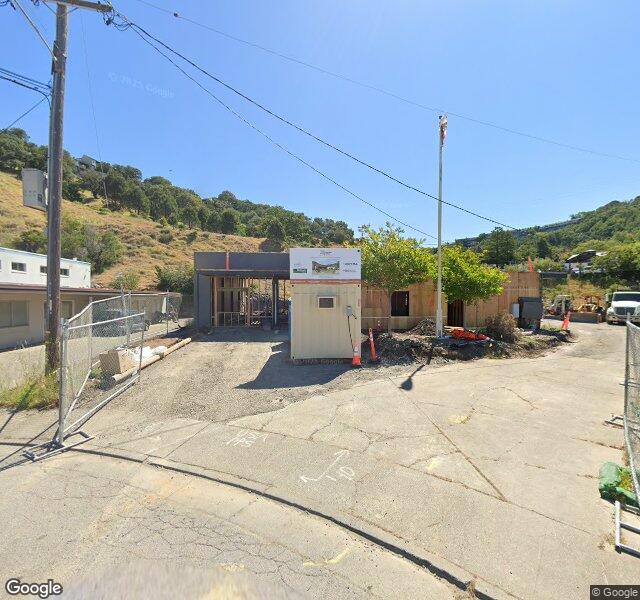
Who Owns and Operates Northgate Postacute Care?

NORTHGATE POSTACUTE CARE is owned by a for-profit company. For-profit facilities operate as businesses with obligations to shareholders or private owners. The facility is operated by RMG CAPITAL PARTNERS, a chain that manages multiple nursing homes. With 52 certified beds and approximately 50 residents (about 96% occupancy), it is a smaller facility located in SAN RAFAEL, California.

How Does Northgate Postacute Care Compare to Other California Nursing Homes?

Compared to the 100 nursing homes in California, NORTHGATE POSTACUTE CARE's overall rating (2 stars) is below the state average of 3.1 and health inspection rating (2 stars) is below the national benchmark.

What Should Families Ask When Visiting Northgate Postacute Care?

Based on this facility's data, families visiting should ask: "Can you walk me through typical staffing levels on day, evening, and night shifts?" "Can I visit during a mealtime to observe dining assistance and food quality?" "How do you handle medical emergencies, and what is your hospital transfer rate?" "Can I speak with family members of current residents about their experience?" These questions are particularly relevant given the below-average staffing rating.

Is Northgate Postacute Care Safe?

Based on CMS inspection data, NORTHGATE POSTACUTE CARE has a clean safety record: no substantiated abuse findings (meaning no confirmed cases of resident harm), no Immediate Jeopardy citations (the most serious violation level indicating risk of serious injury or death), and is not on the Special Focus Facility watch list (a federal program monitoring the lowest-performing 1% of nursing homes). The facility has a 2-star overall rating and ranks #100 of 100 nursing homes in California. While no facility is perfect, families should still ask about staff-to-resident ratios and recent inspection results during their visit.

Do Nurses at Northgate Postacute Care Stick Around?

NORTHGATE POSTACUTE CARE has not reported staff turnover data to CMS. Staff turnover matters because consistent caregivers learn residents' individual needs, medications, and preferences. When staff frequently change, this institutional knowledge is lost. Families should ask the facility directly about their staff retention rates and average employee tenure.

Was Northgate Postacute Care Ever Fined?

NORTHGATE POSTACUTE CARE has been fined $129,101 across 8 penalty actions. This is 3.8x the California average of $34,370. Fines at this level are uncommon and typically indicate a pattern of serious deficiencies, repeated violations, or failure to correct problems promptly. CMS reserves penalties of this magnitude for facilities that pose significant, documented risk to resident health or safety. Families should request specific documentation of what issues led to these fines and what systemic changes have been implemented.

Is Northgate Postacute Care on Any Federal Watch List?

NORTHGATE POSTACUTE CARE is not on any federal watch list. The most significant is the Special Focus Facility (SFF) program, which identifies the bottom 1% of nursing homes nationally based on persistent, serious quality problems. Not being on this list means the facility has avoided the pattern of deficiencies that triggers enhanced federal oversight. This is a positive indicator, though families should still review the facility's inspection history directly.